Fredericksburg National Military Park, Virginia, USA
Fredericksburg National Military Park preserves one of the most important battlefields of the American Civil War. 1122
Fredericksburg and Spotsylvania National Military Park: 1013 Lafayette Blvd, Fredericksburg, VA 22401
Date Picture Taken: July 2025
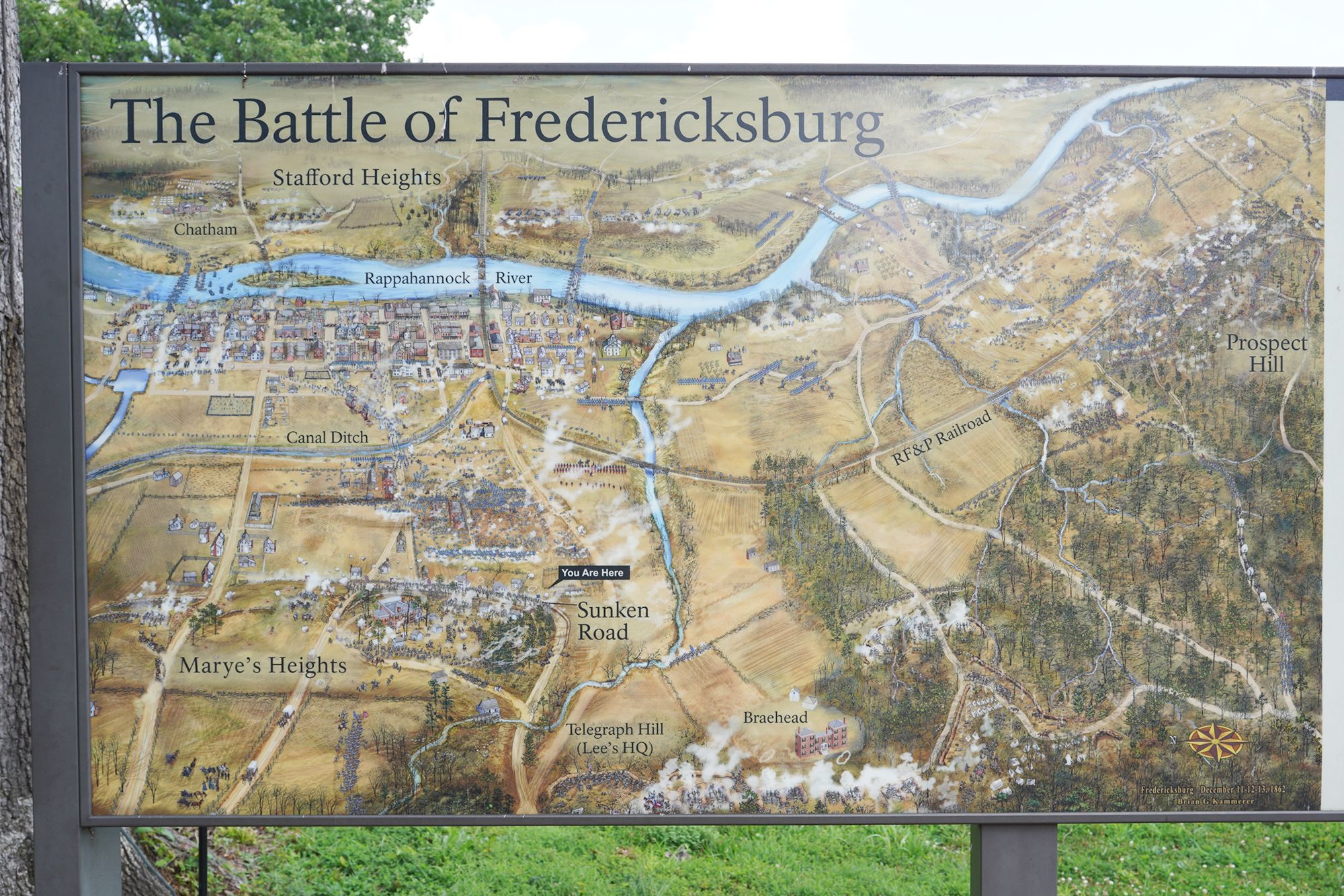
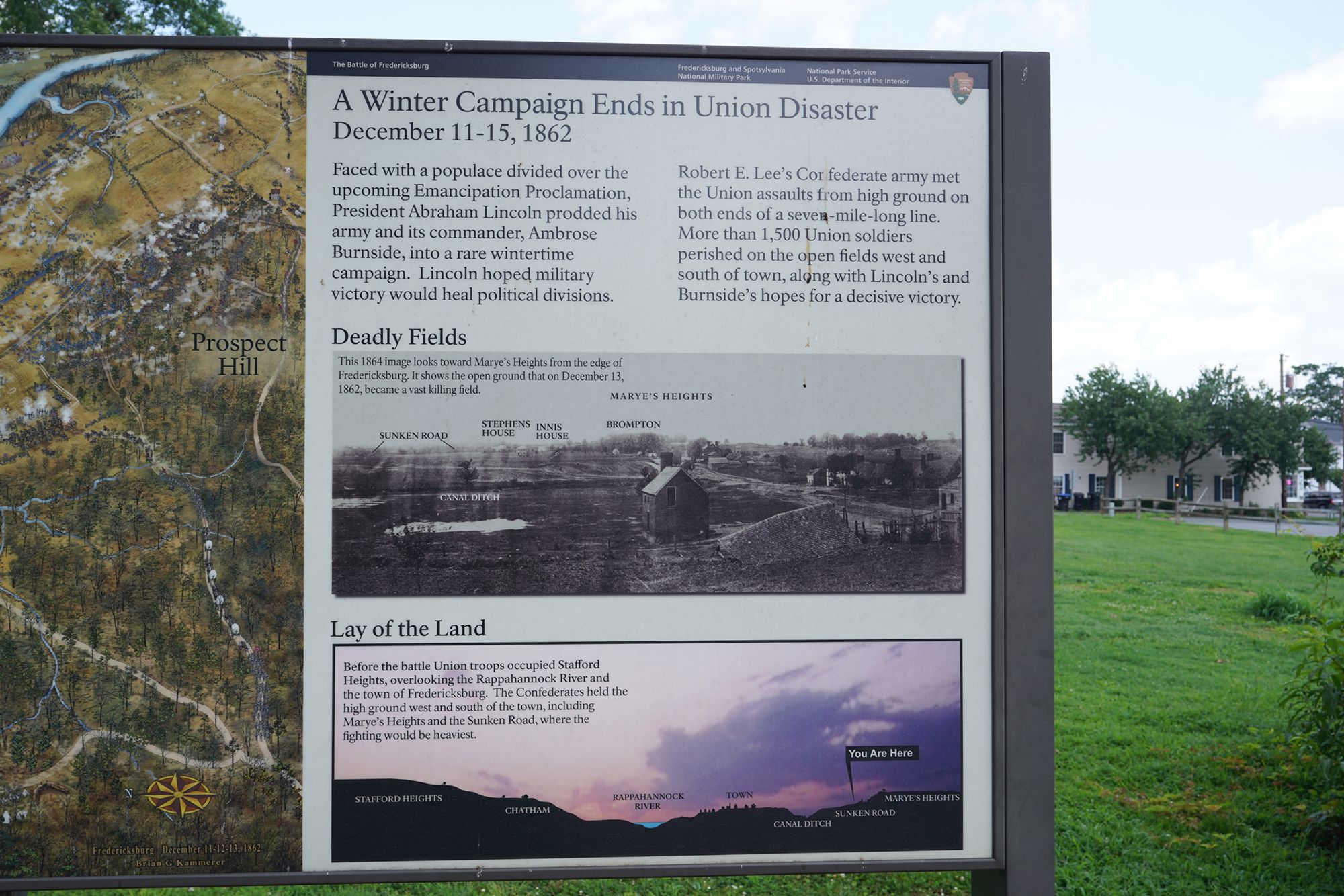
The Battle of Fredericksburg (December 11–15, 1862) was one of the war’s bloodiest. Union forces under General Ambrose Burnside launched repeated assaults against General Robert E. Lee’s Confederate army, entrenched on Marye’s Heights. Thousands of Union soldiers were cut down in open ground, and the Confederate victory was overwhelming.
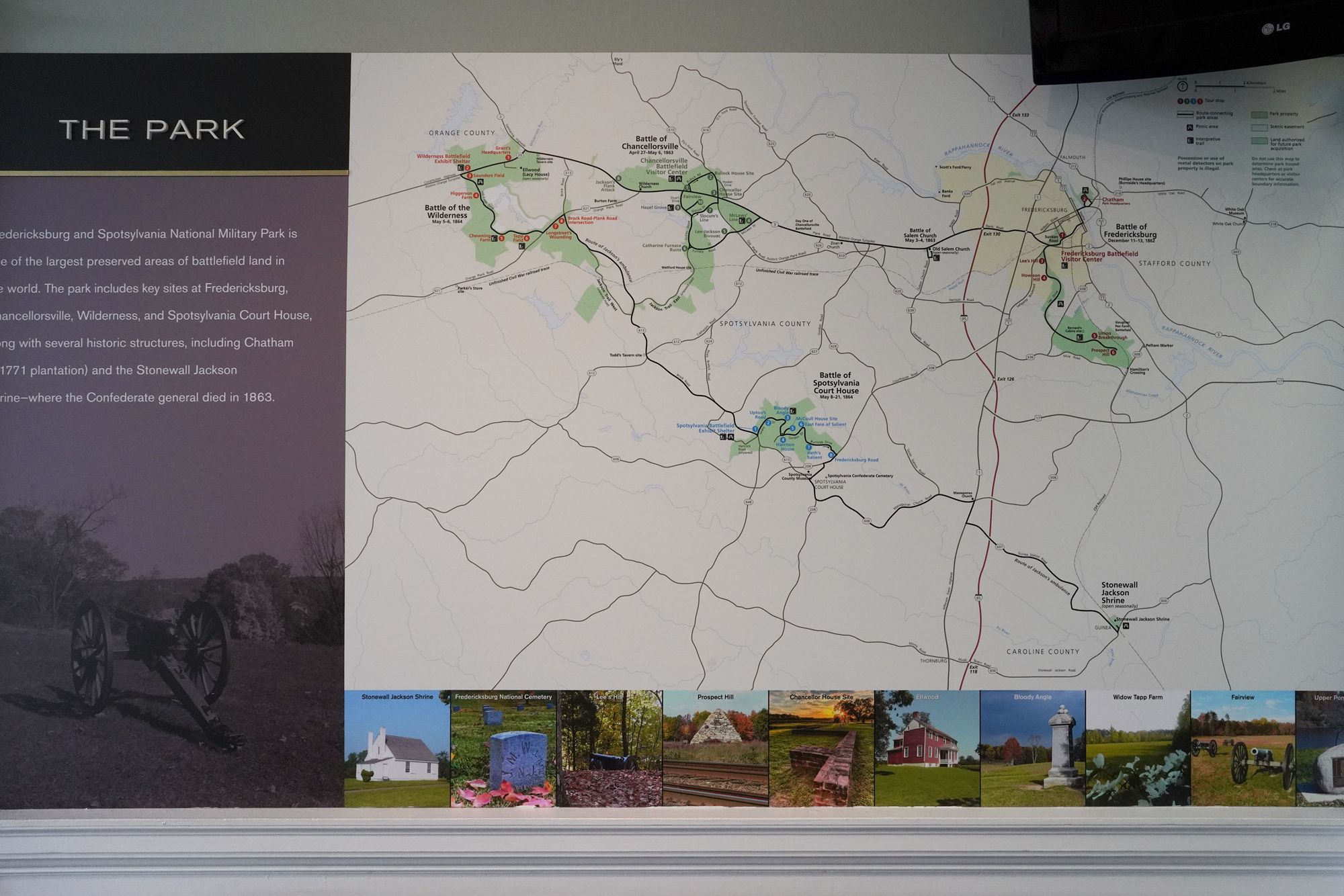
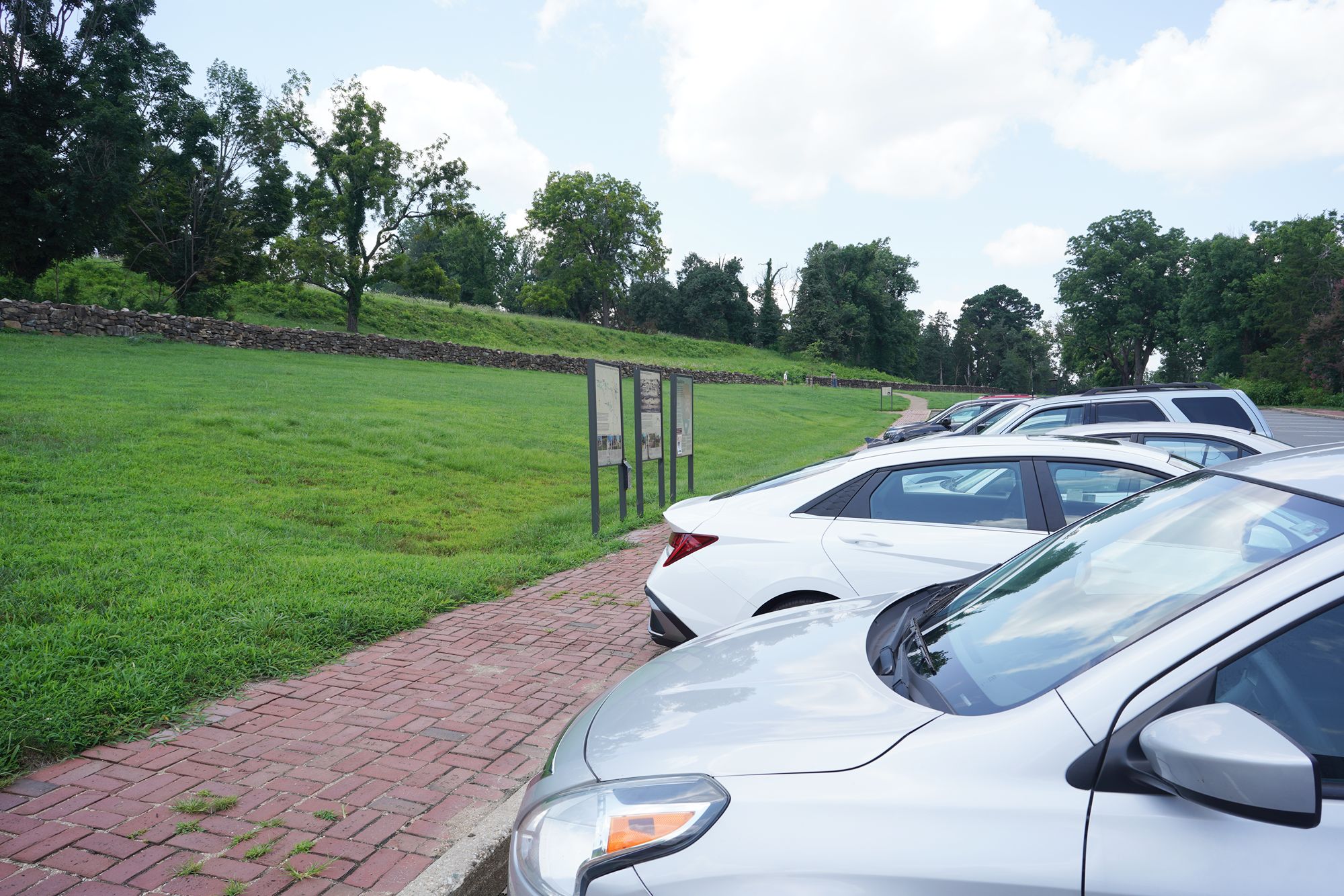
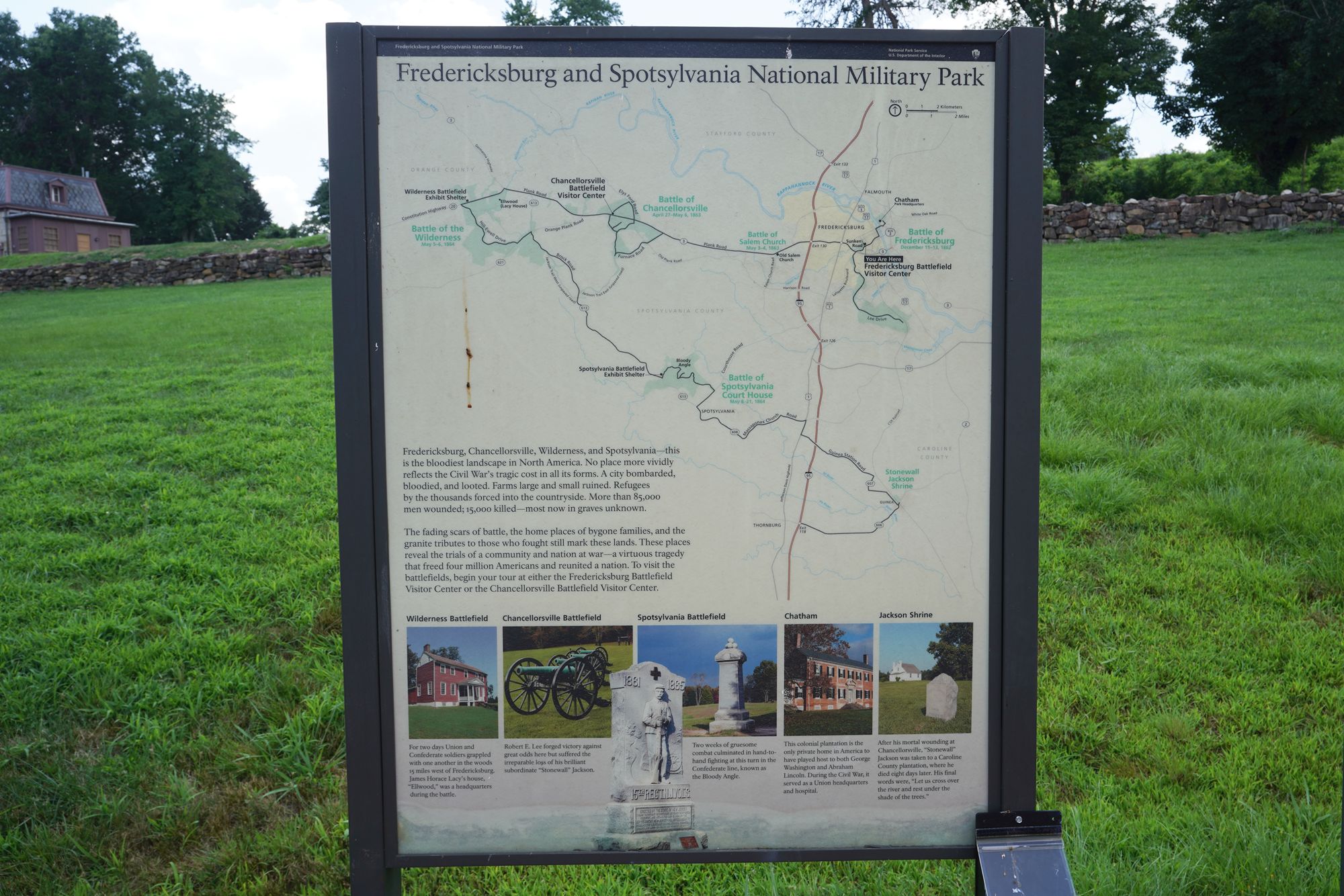
Before the Battle of Fredericksburg in December 1862, there had been several major battles in the Civil War, but Fredericksburg stood out for its scale and devastation.
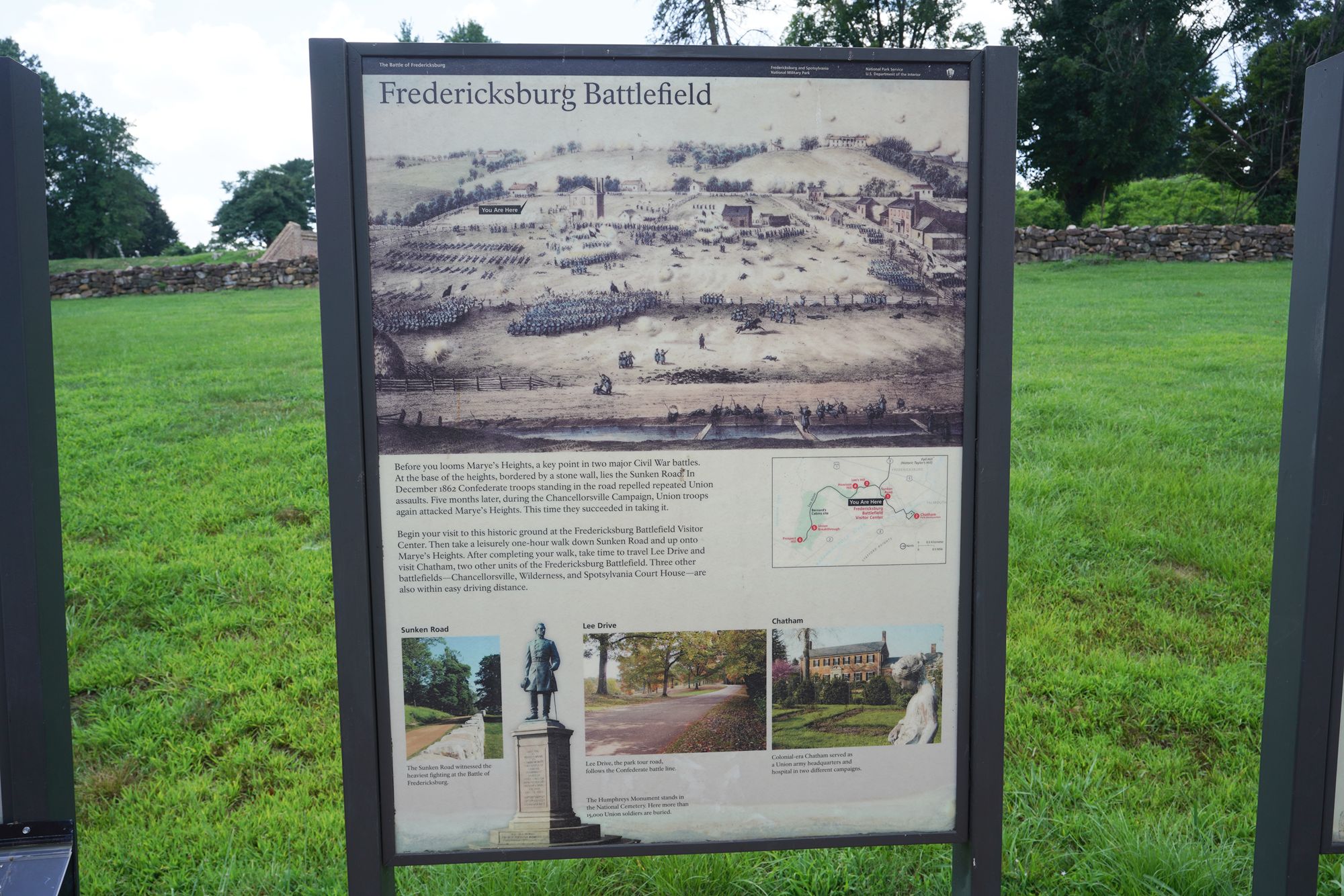
Earlier battles like First Bull Run (Manassas, 1861) and Shiloh (April 1862) were large and deadly, yet Fredericksburg marked one of the first massive frontal assaults against fortified positions, leading to staggering losses in a single day. It was the first clear example of how modern firepower and defensive tactics could make traditional attacks almost suicidal.
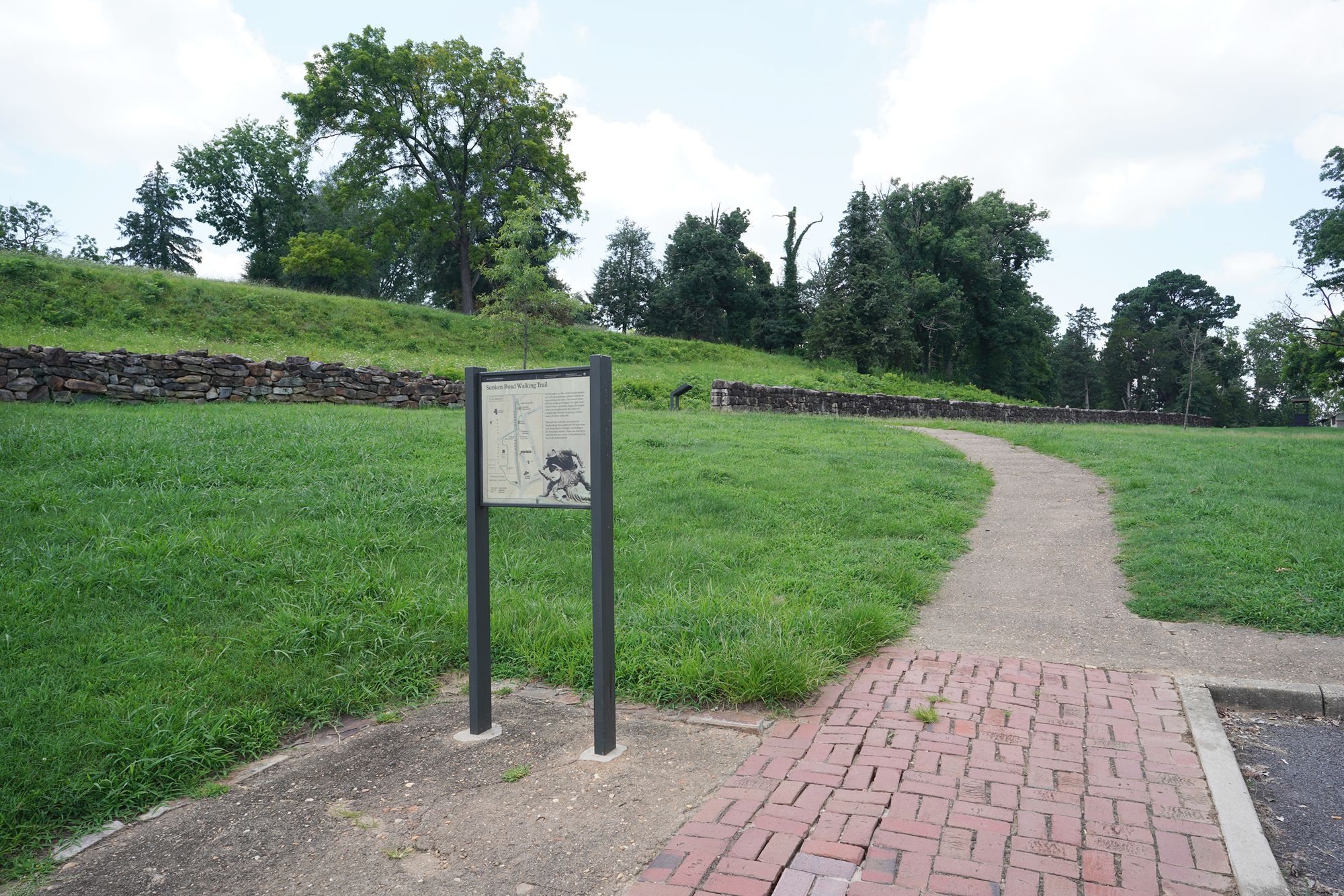
The sheer number of casualties, the hopelessness of the Union assaults, and the suffering of soldiers and civilians made Fredericksburg a defining moment — when Americans began to grasp the true horror and futility that the Civil War could bring.
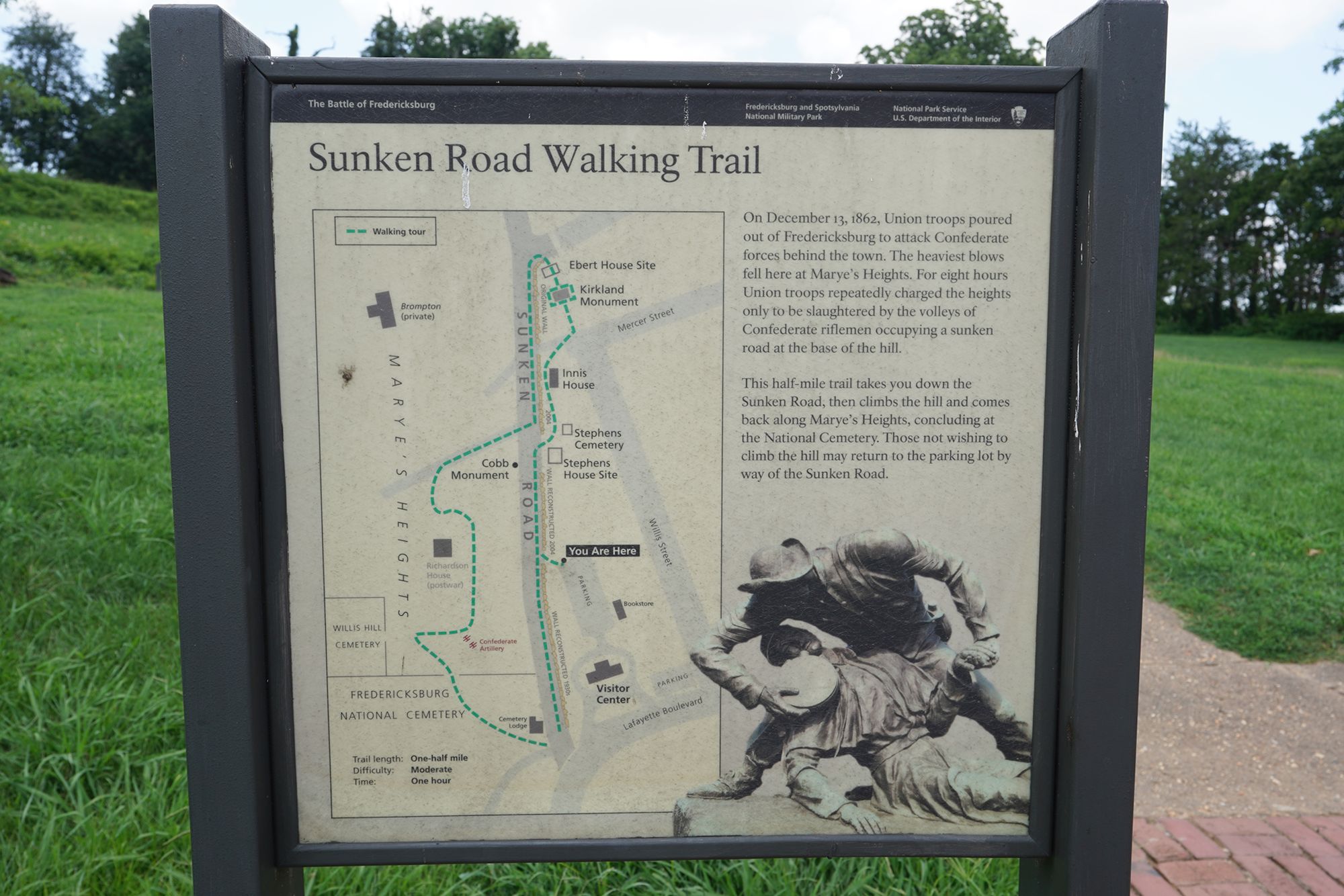
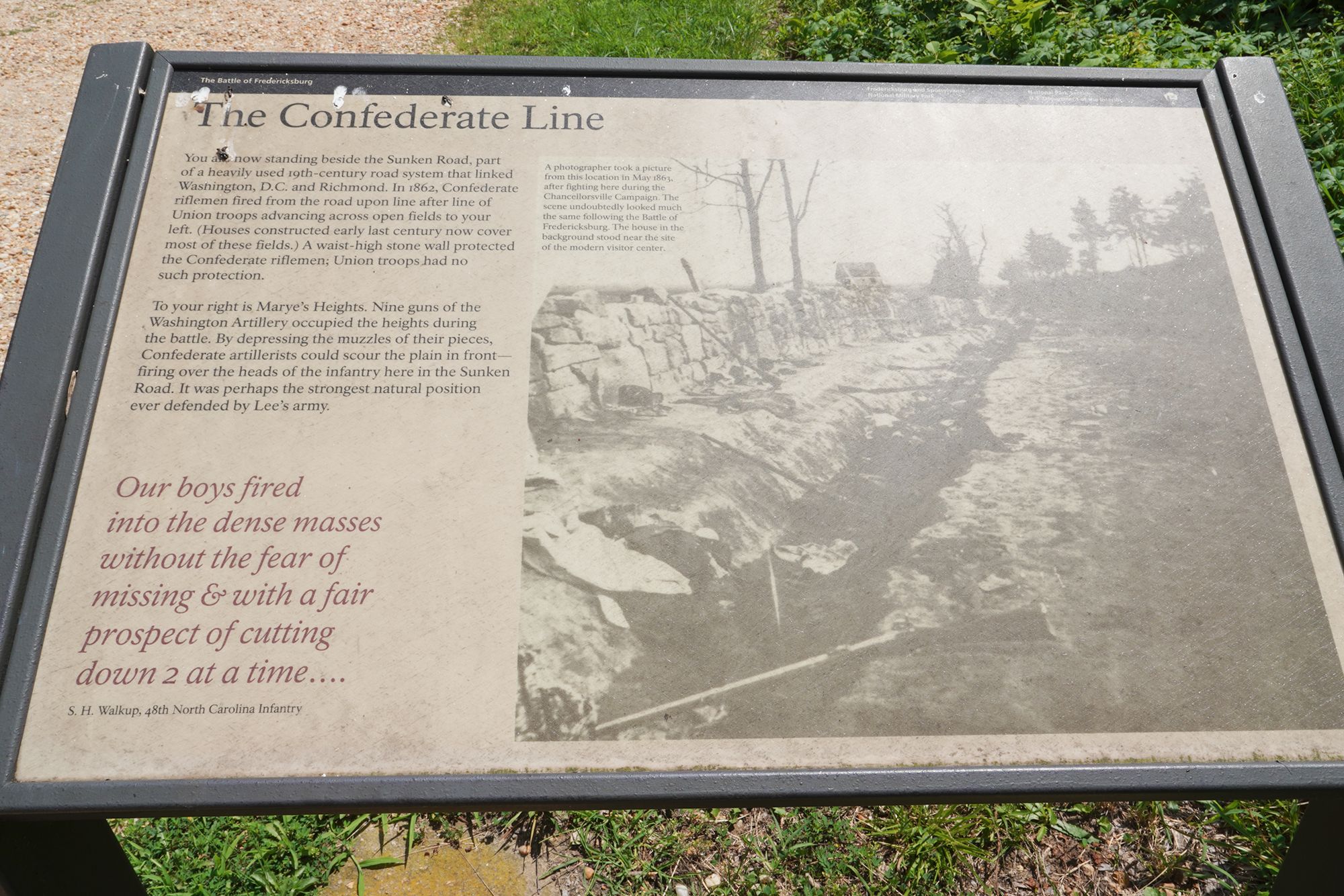
The Sunken Road is one of the most famous locations in the Battle of Fredericksburg because it was the center of the Confederate defense and the scene of the battle’s worst slaughter.
It was an old road that had worn down below ground level over time, running along the base of Marye’s Heights. Behind its stone wall, Confederate infantry—mainly from General Thomas R. R. Cobb’s brigade—took up perfect defensive positions. When Union troops charged across open fields to reach them, the Confederates fired from the protection of the wall and high ground.
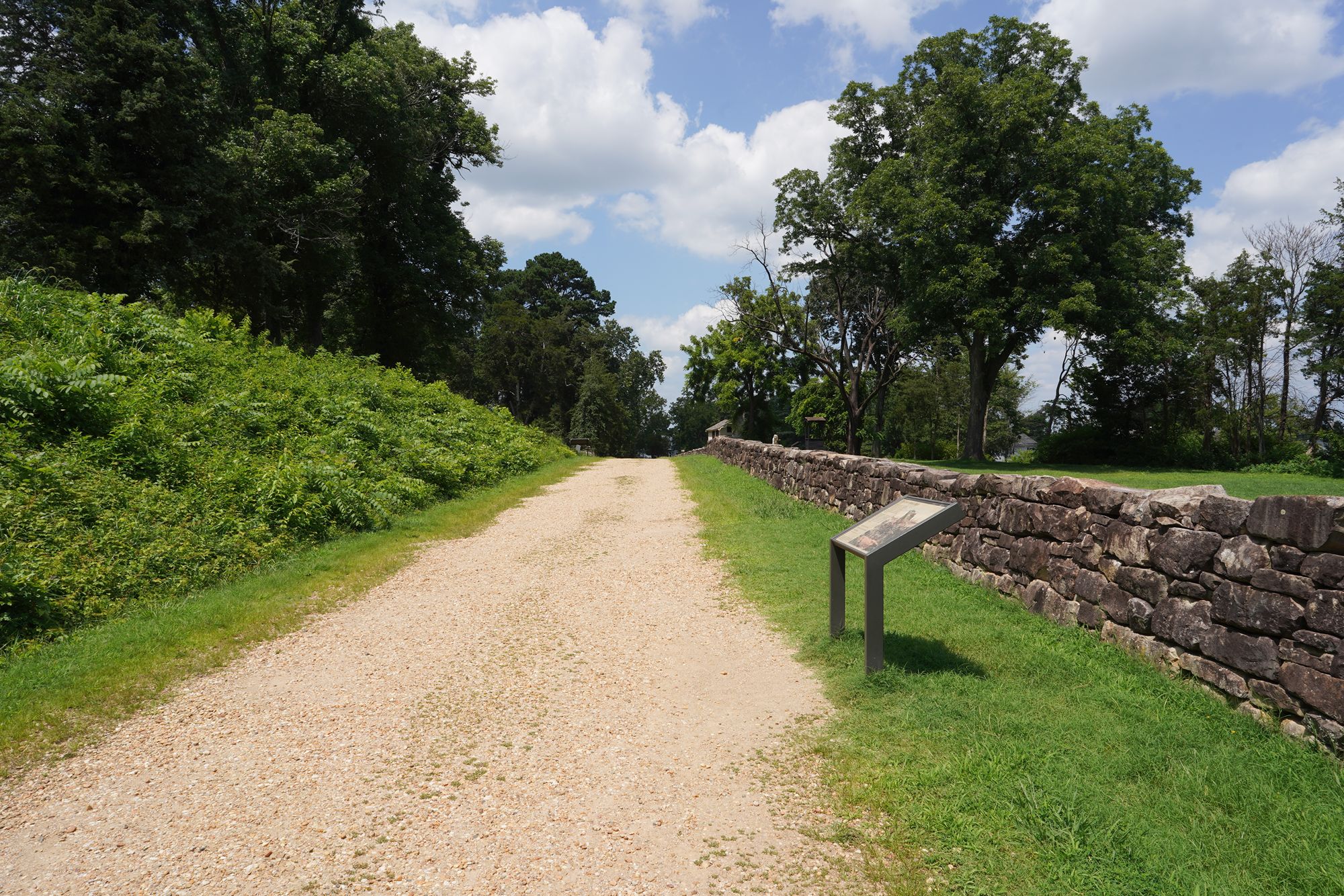
Wave after wave of Union soldiers attacked but were mowed down by rifle and artillery fire, leaving thousands dead or wounded on the field. In just a few hours, the area in front of the Sunken Road became a field of devastation, symbolizing the futility and brutality of the battle.
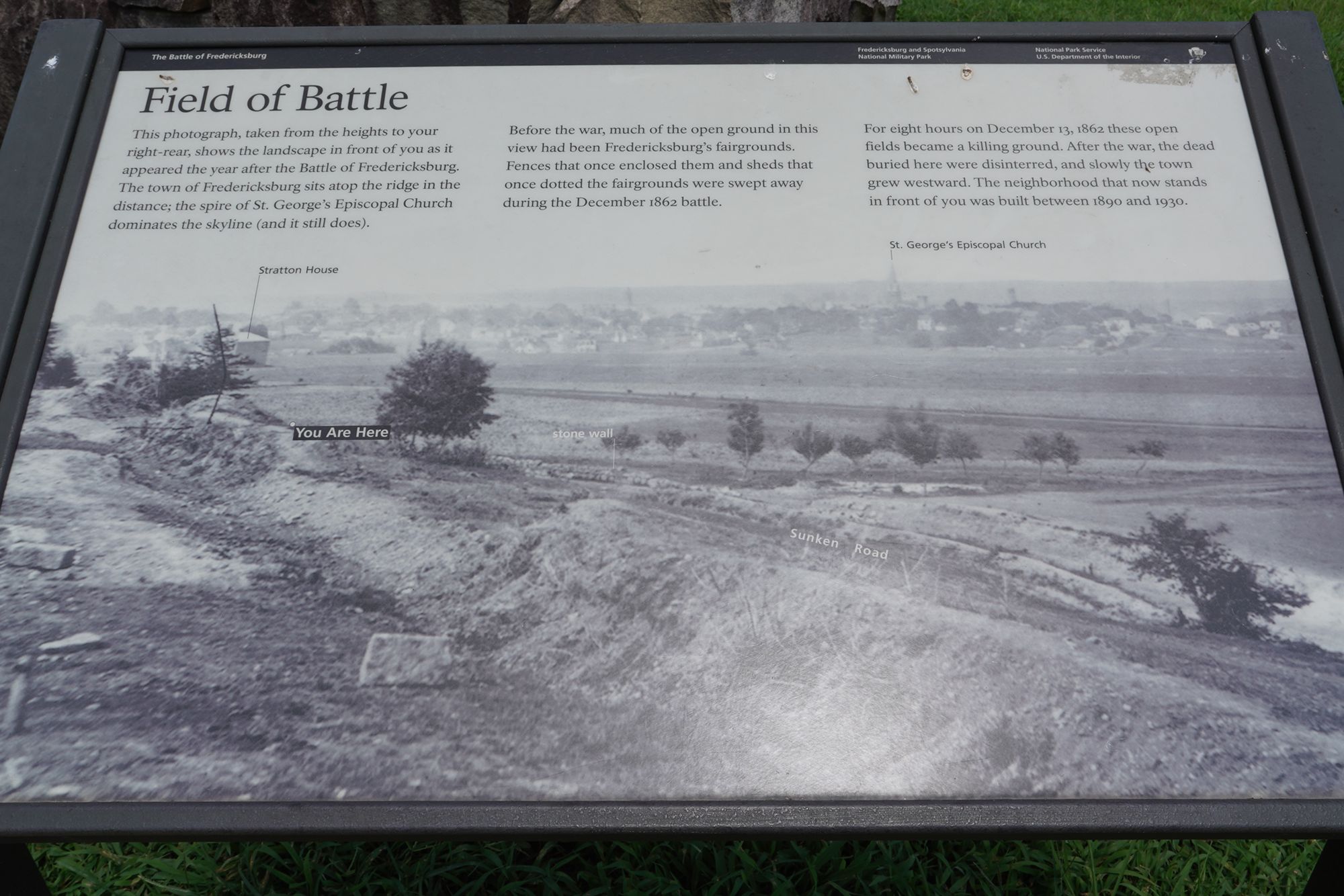
The sheer number of casualties, the hopelessness of the Union assaults, and the suffering of soldiers and civilians made Fredericksburg a defining moment — when Americans began to grasp the true horror and futility that the Civil War could bring.
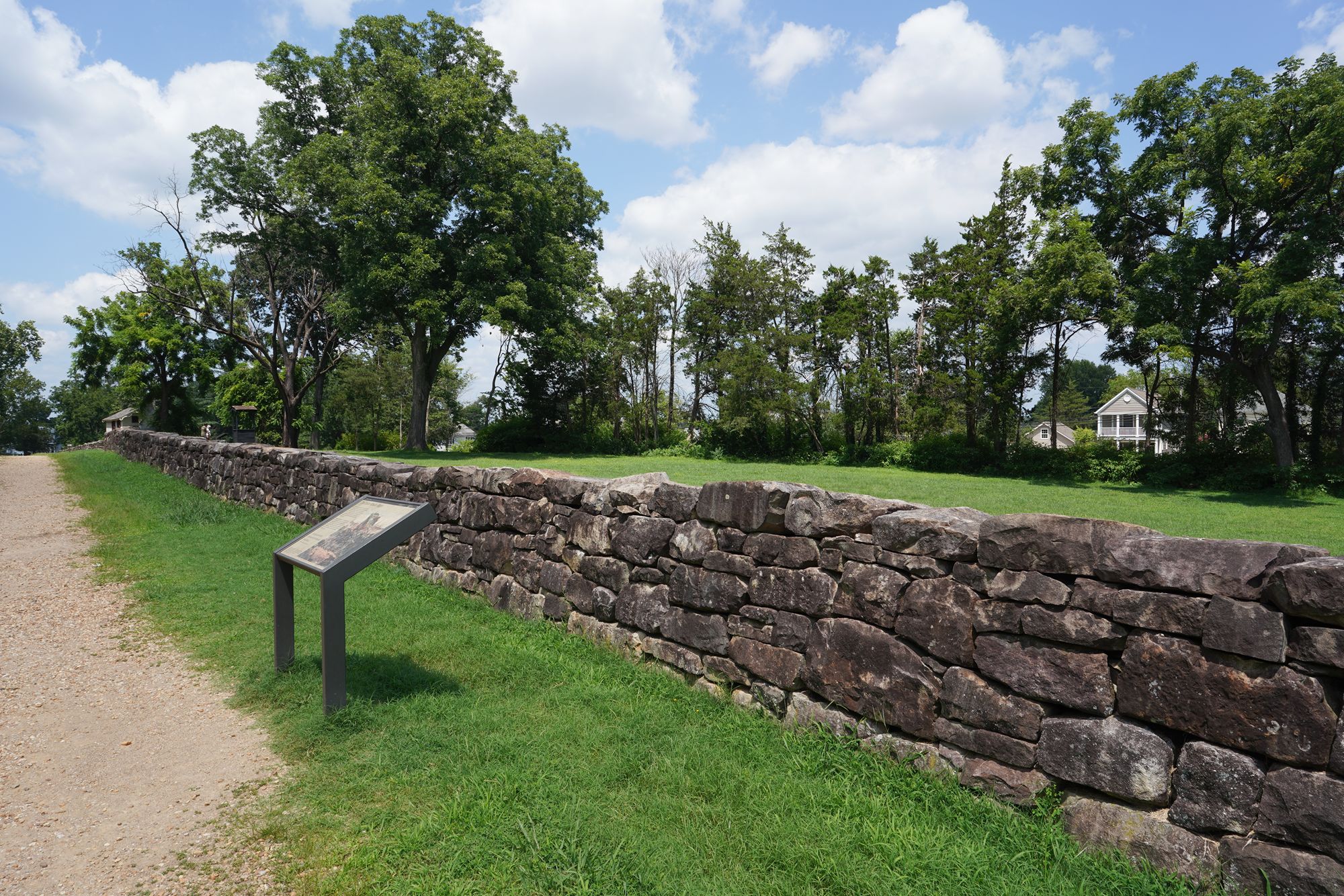
Today, the Sunken Road and stone wall are preserved as the most powerful and recognizable part of the Fredericksburg National Military Park, reminding visitors of the terrible cost of the war.
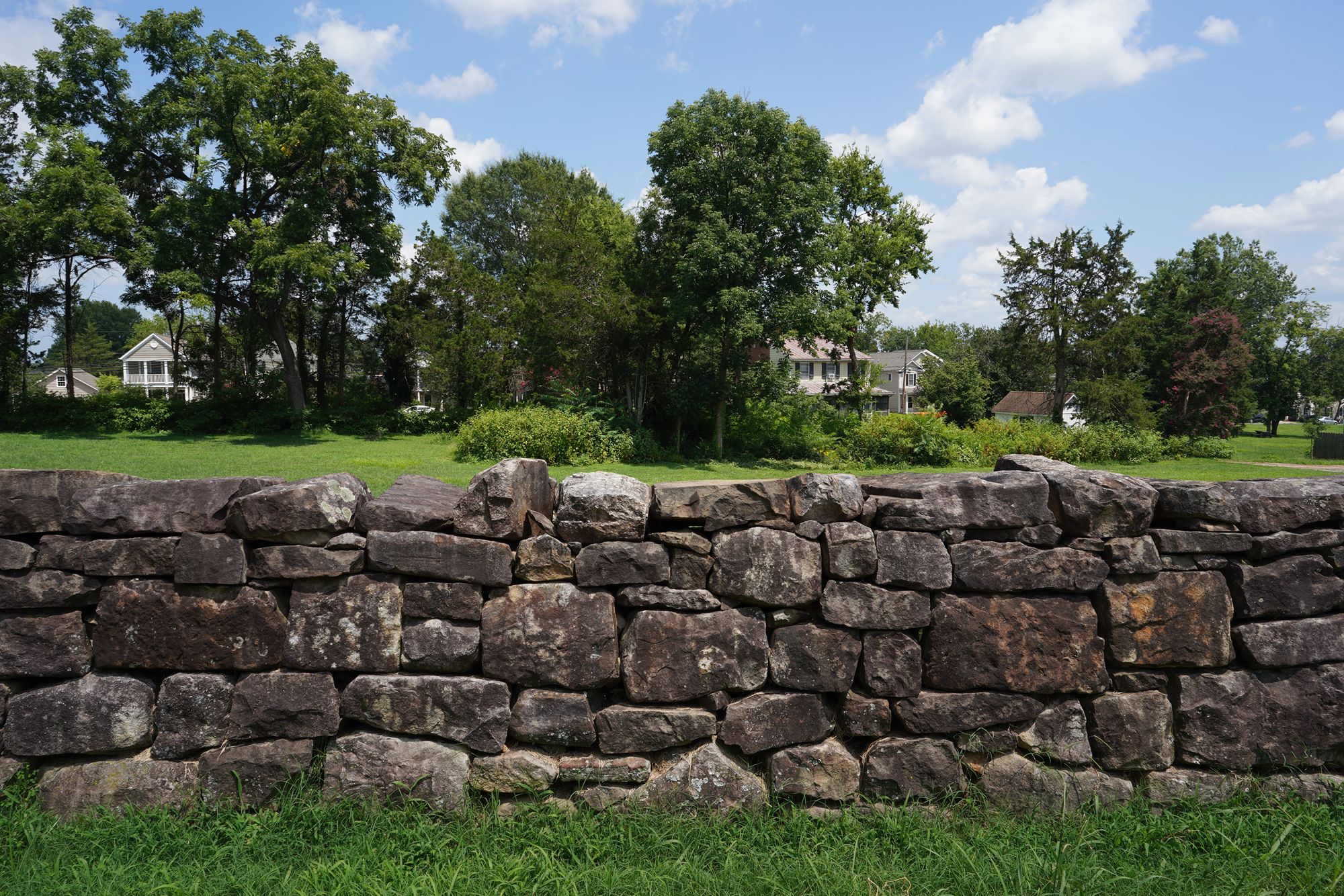
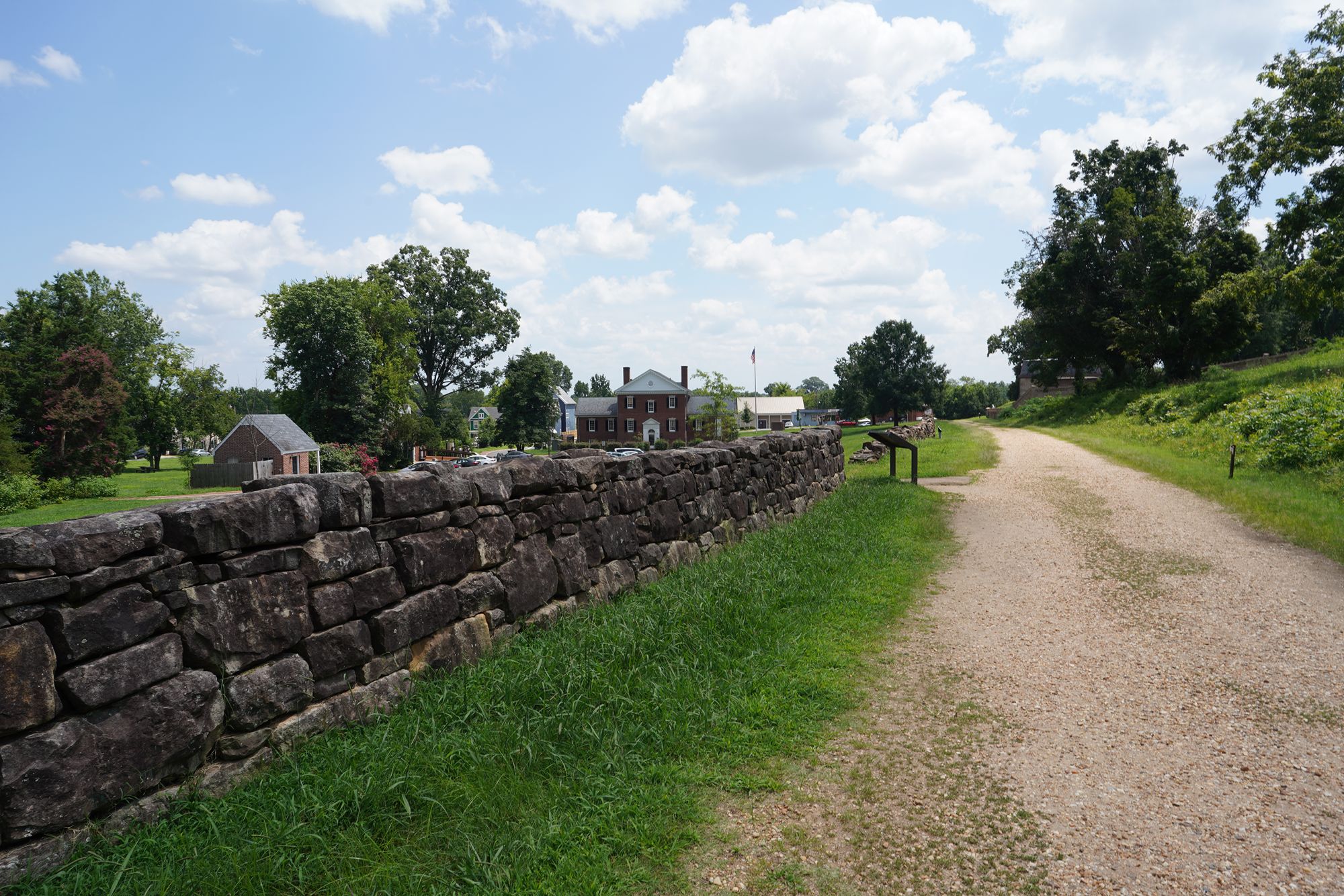
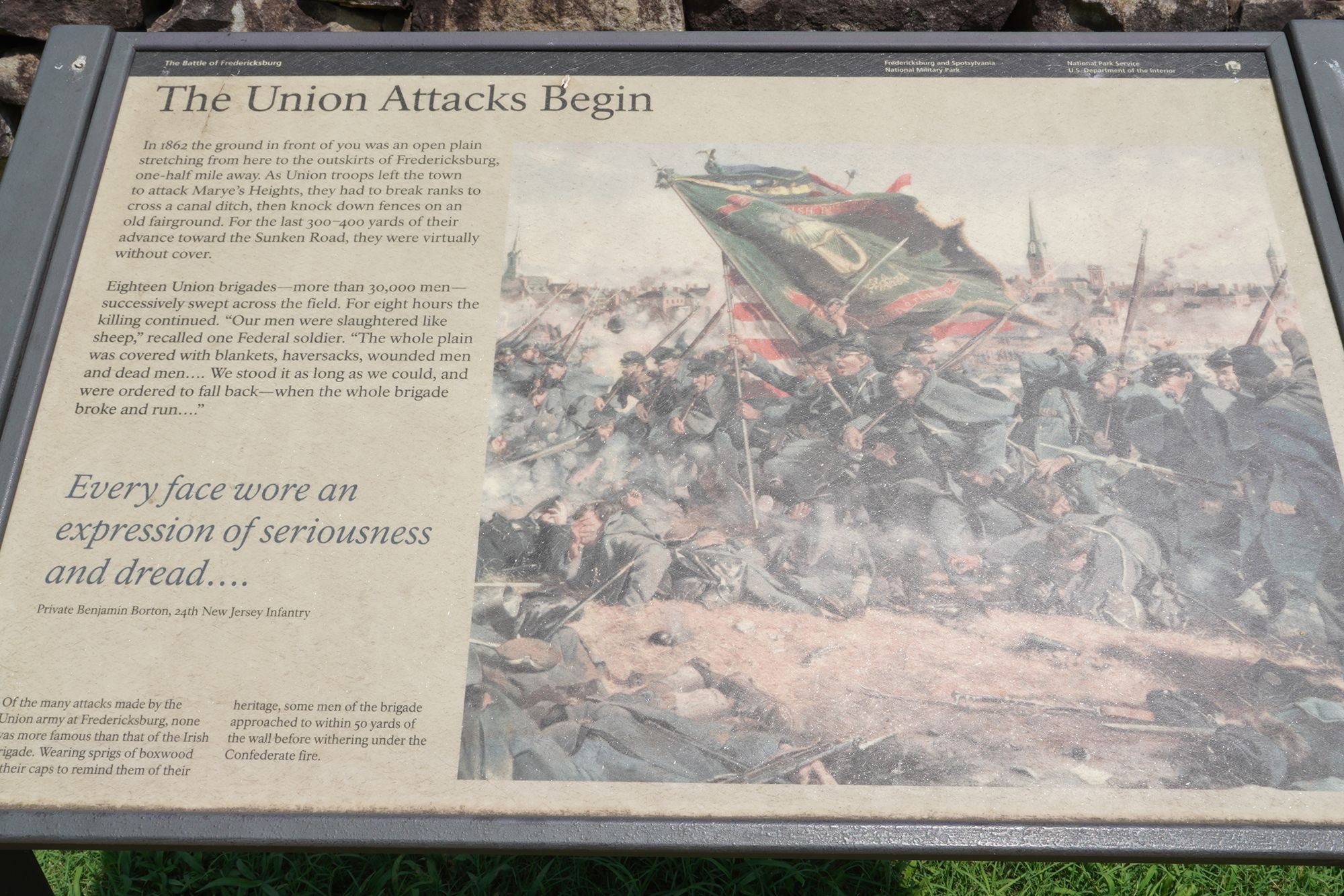
The Union attacks began early on December 13, 1862, as General Burnside ordered his troops to advance across the open plain toward Marye’s Heights. Union soldiers marched straight into deadly fire from Confederates protected behind the stone wall along the Sunken Road, and wave after wave of assaults ended in heavy losses with no gain.
The Confederate line stretched along the base of Marye’s Heights, where soldiers were protected behind the stone wall on the Sunken Road. It was one of the strongest defensive positions of the Civil War. From this sheltered spot, Confederate infantry and artillery on the high ground above poured devastating fire into the advancing Union troops, holding their line firmly throughout the battle.
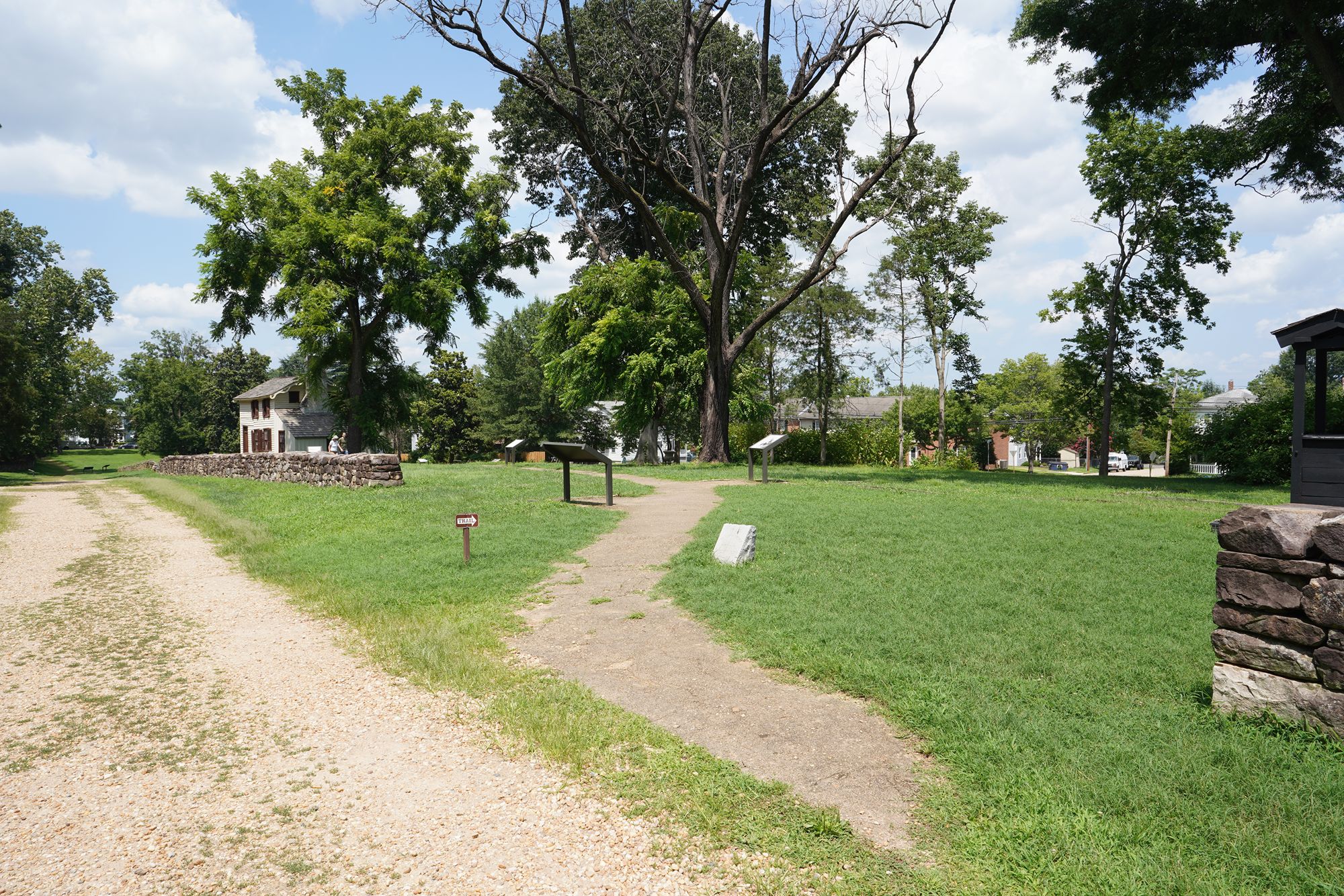
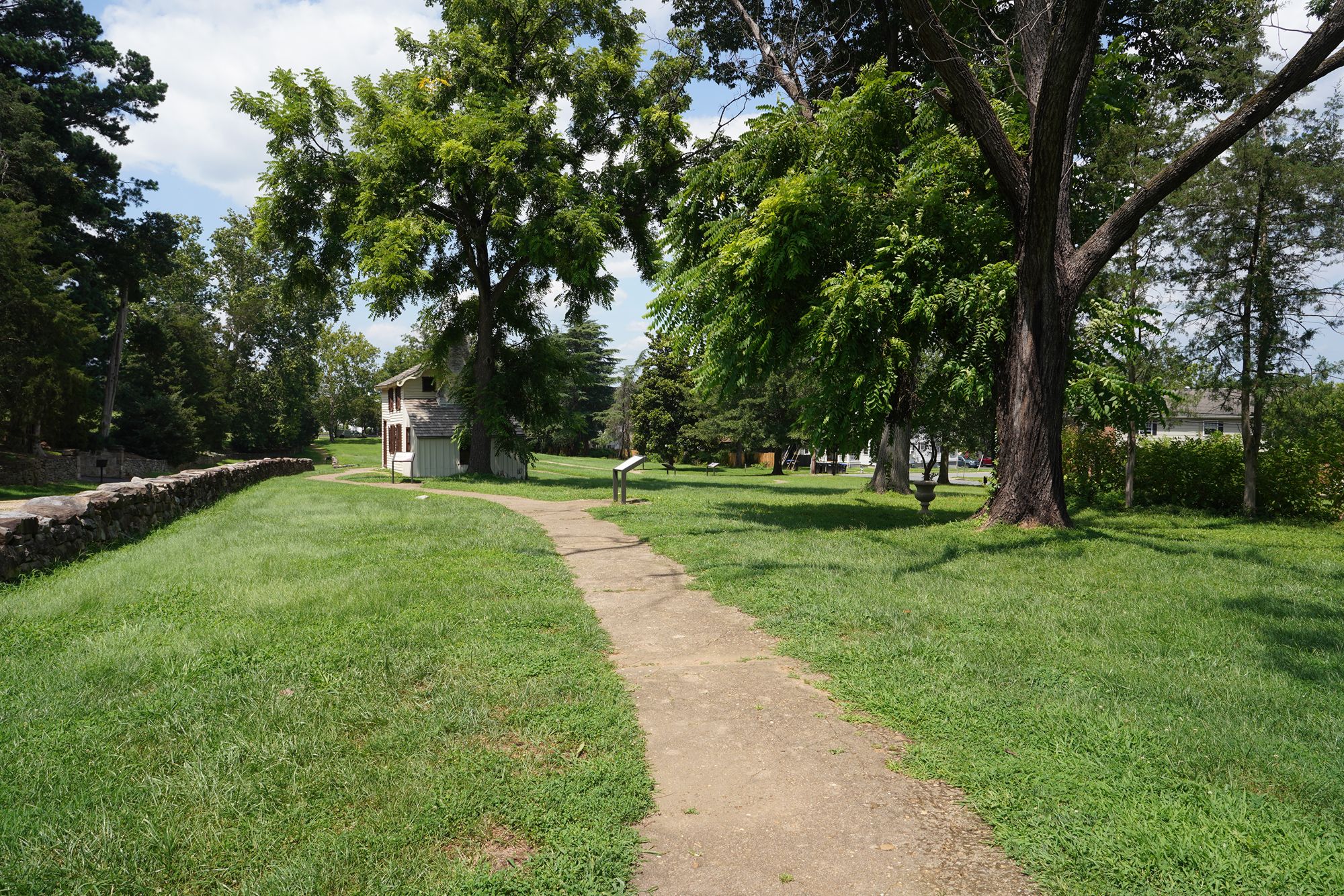
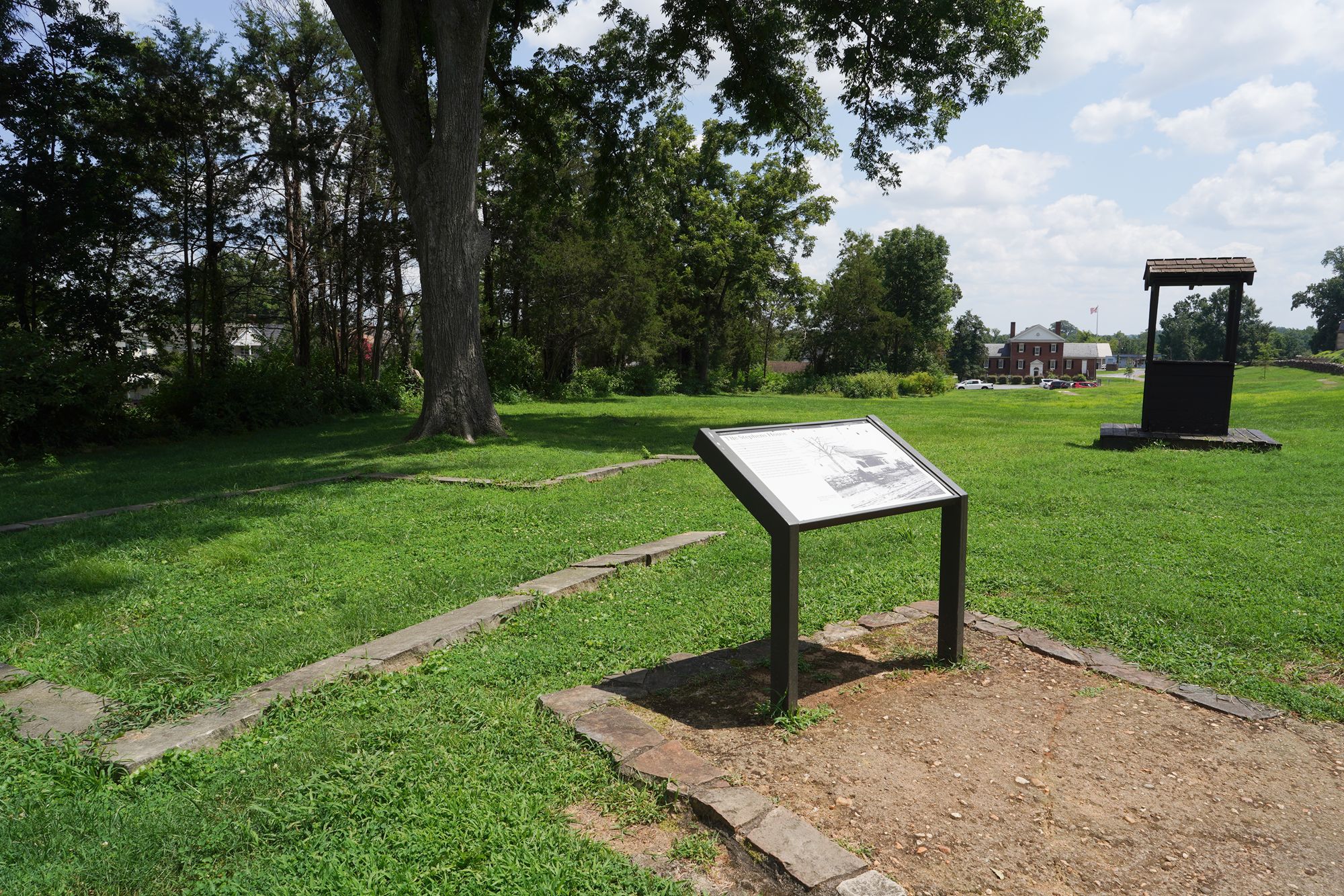
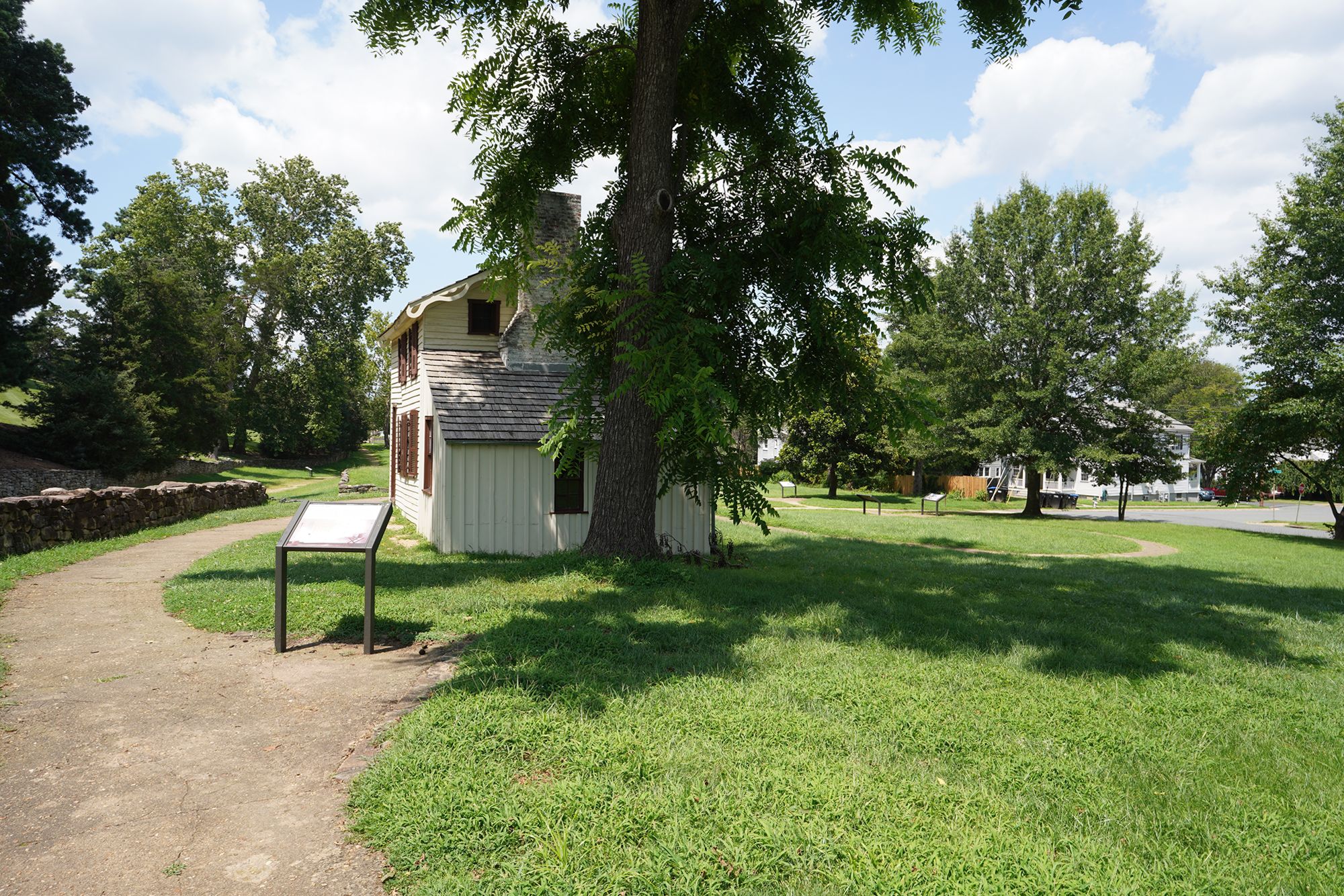
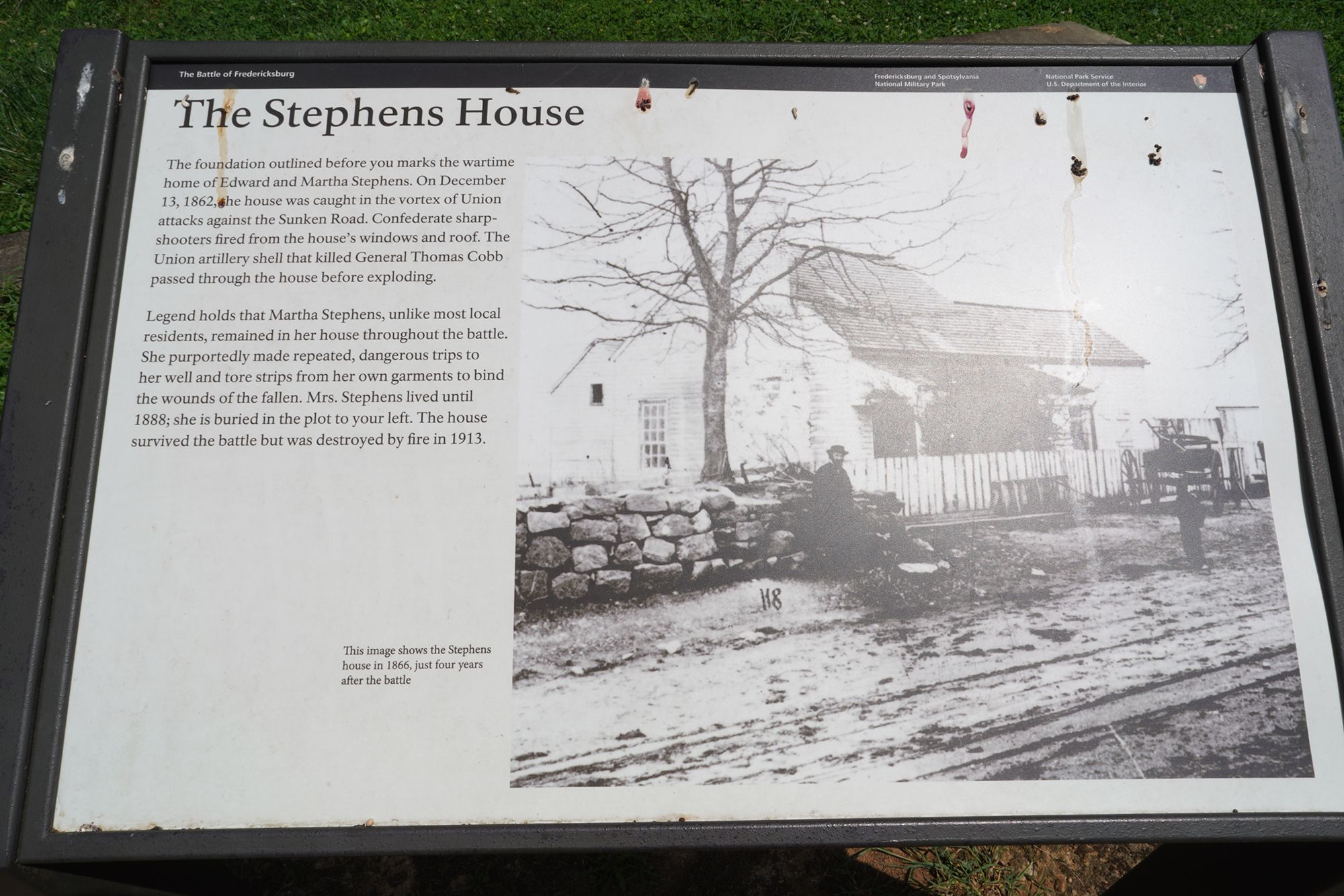
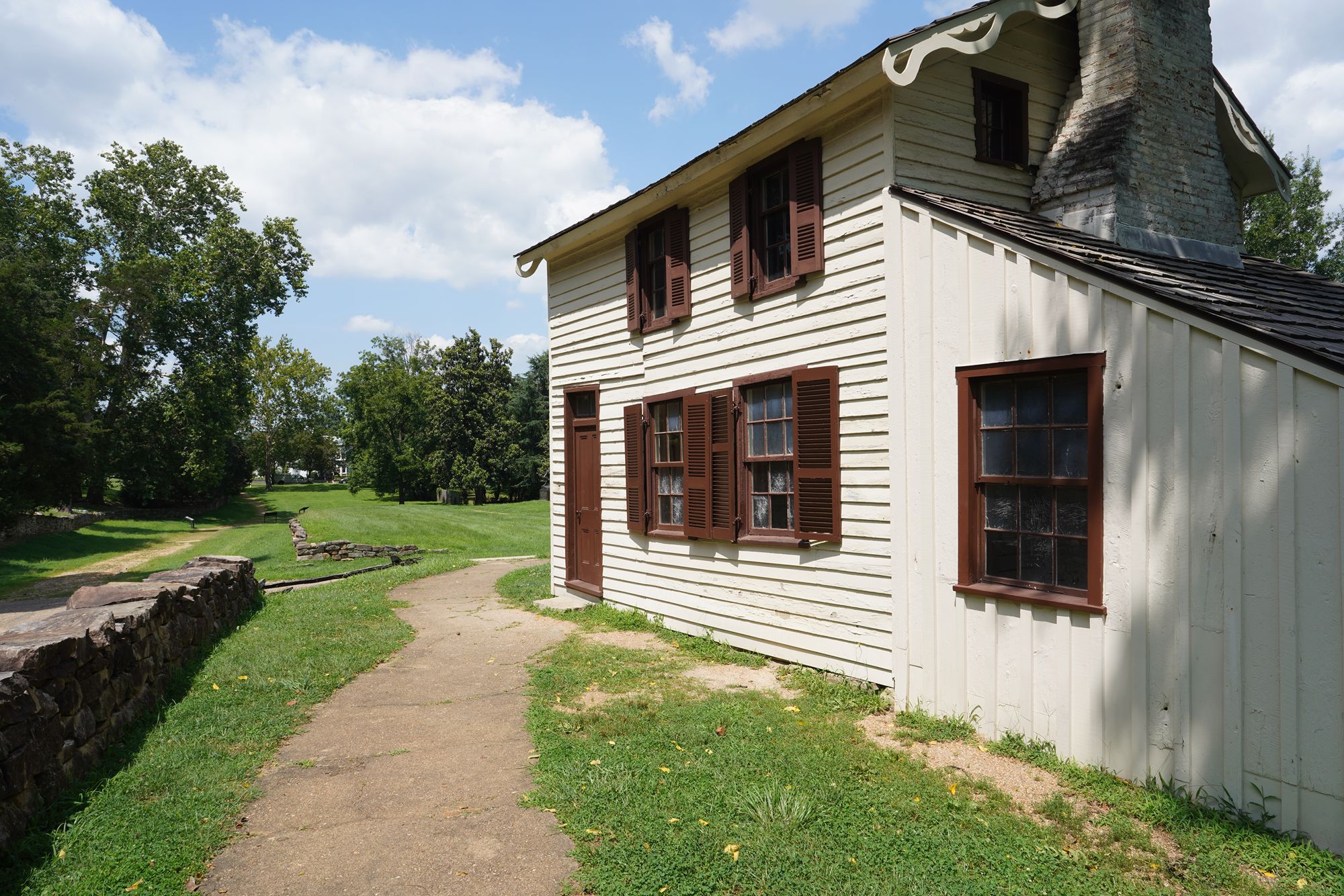
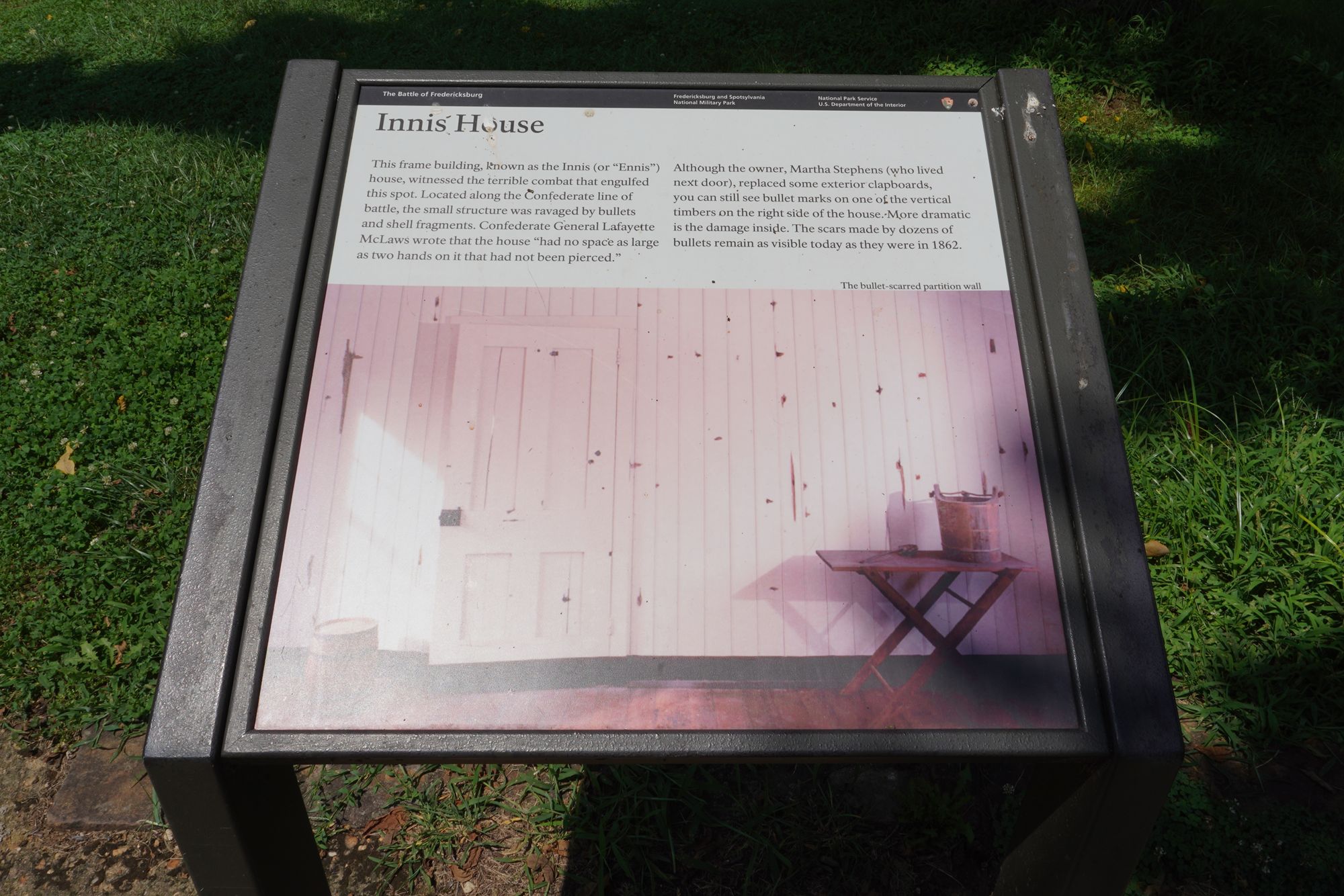
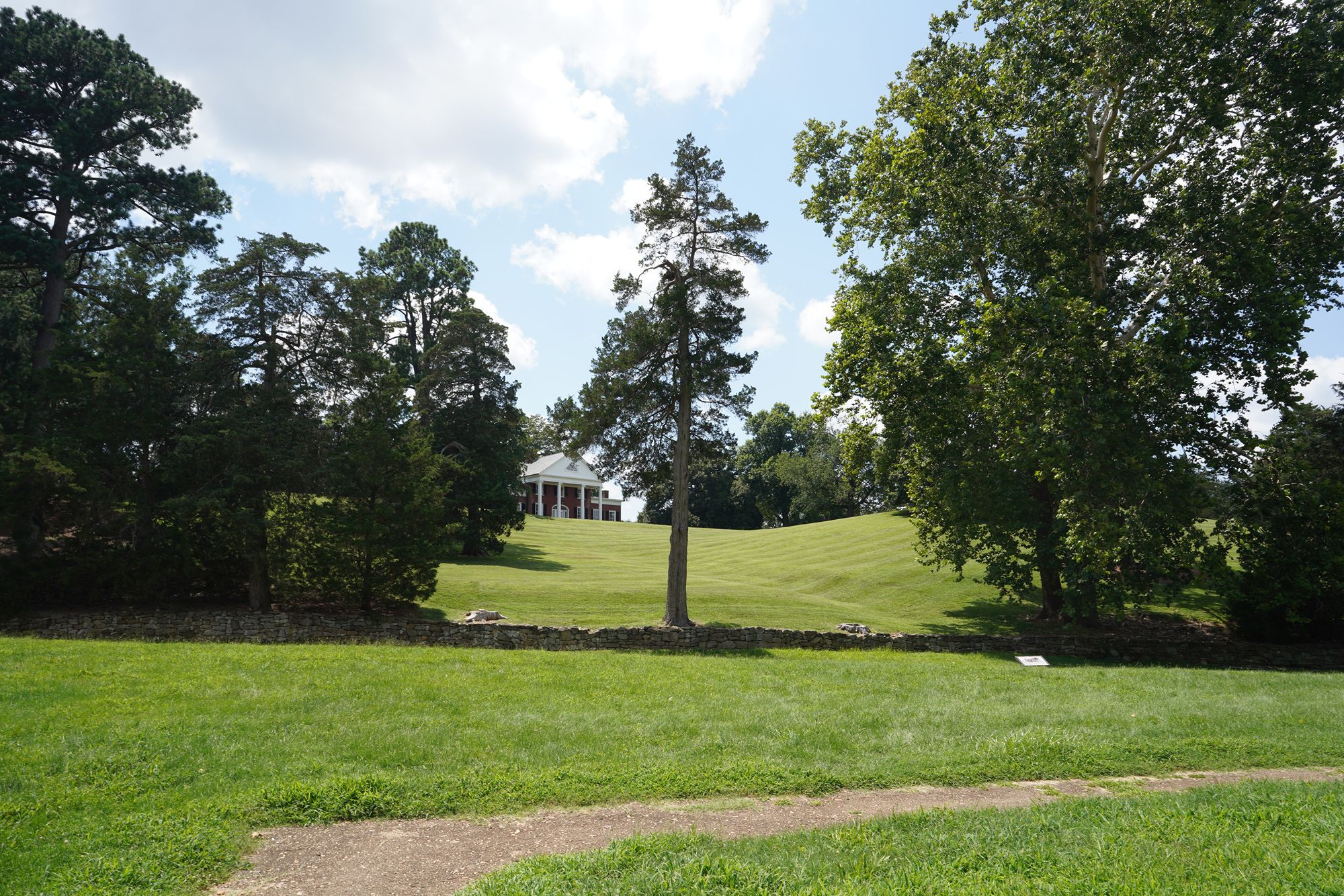
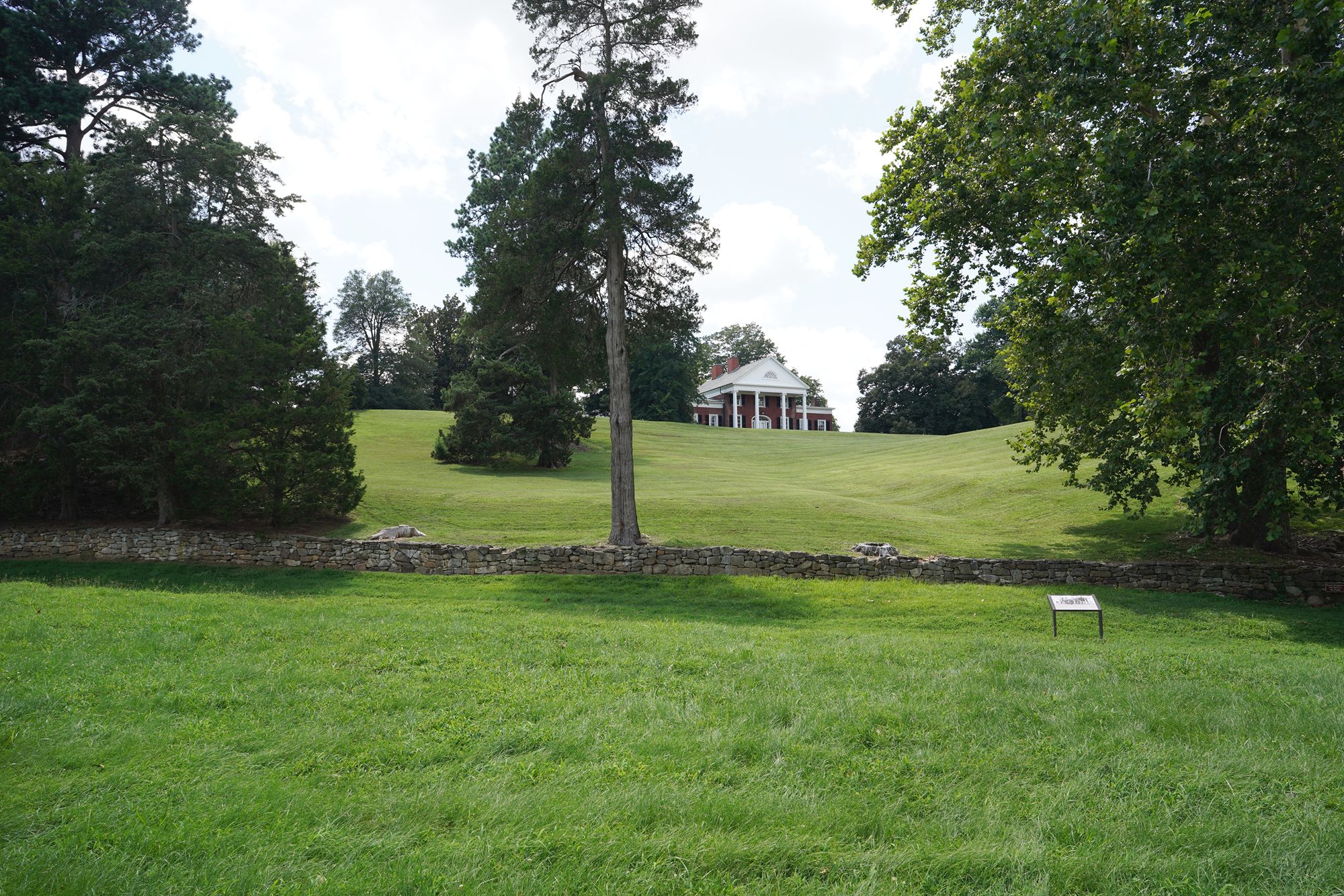
During the Battle of Fredericksburg, this house became part of the Confederate defensive line. Soldiers used it for cover and as a firing position while Union troops advanced across the open fields. The structure was badly damaged by artillery and rifle fire, and its walls still bear bullet and shell marks that testify to the intensity of the fighting.
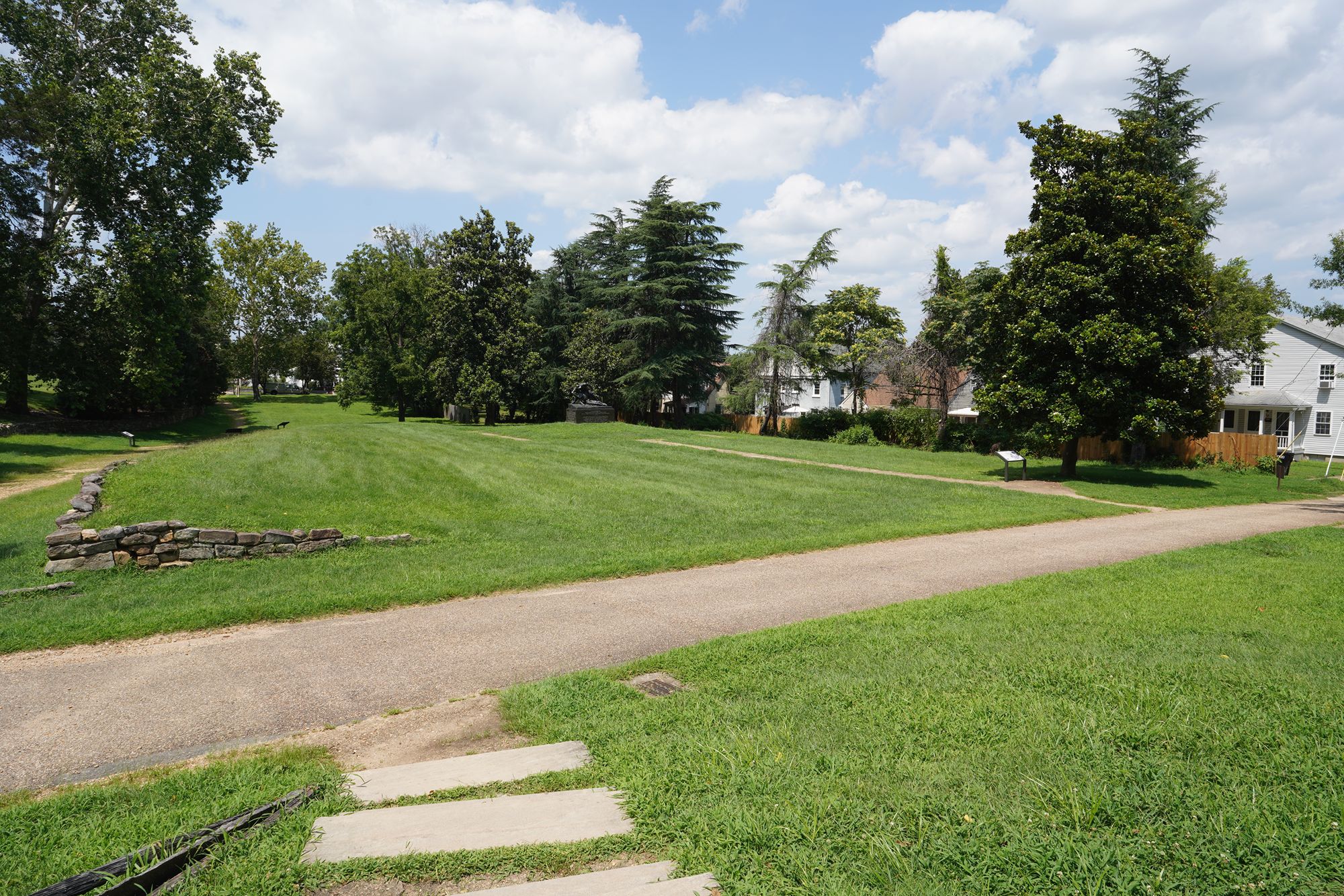
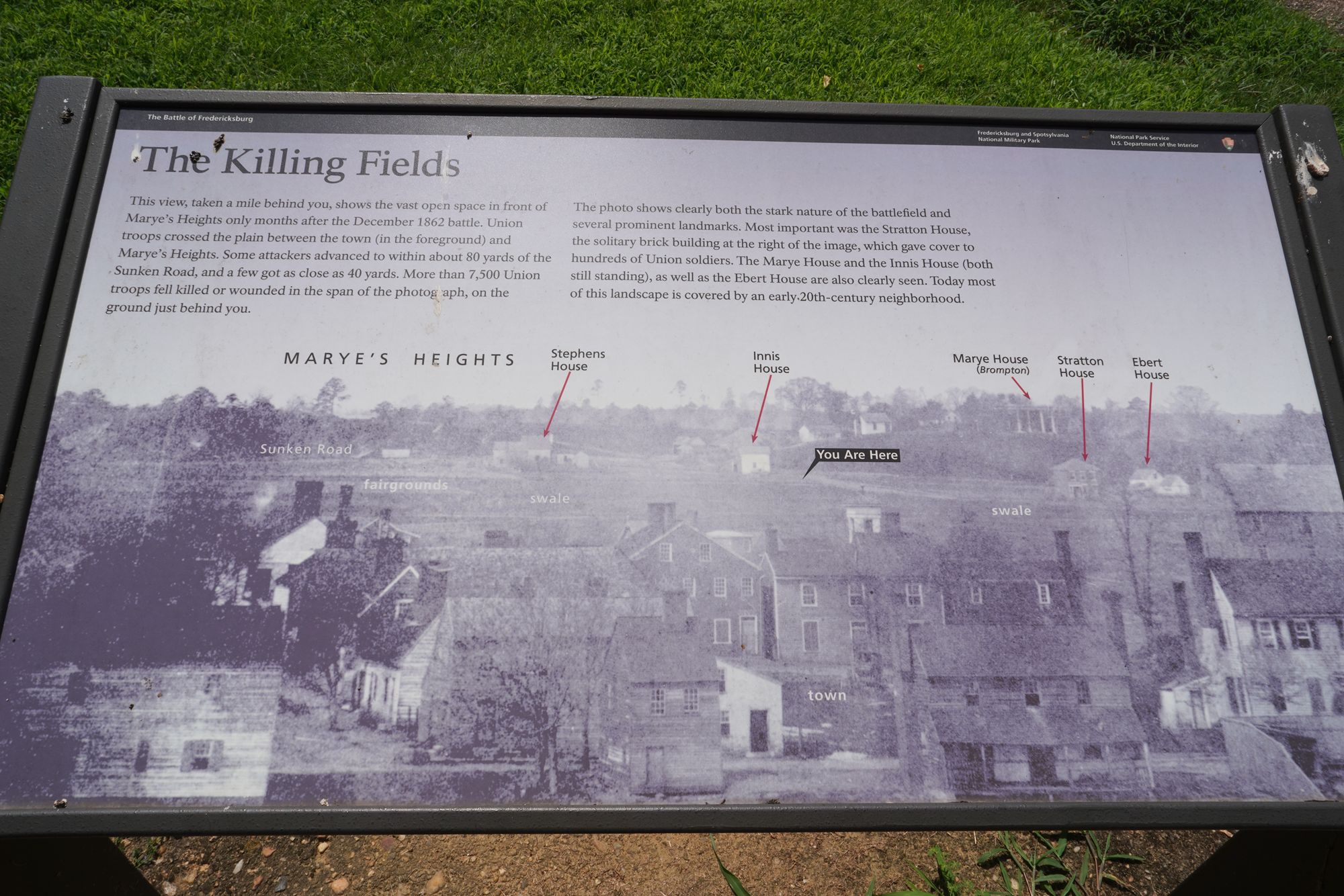
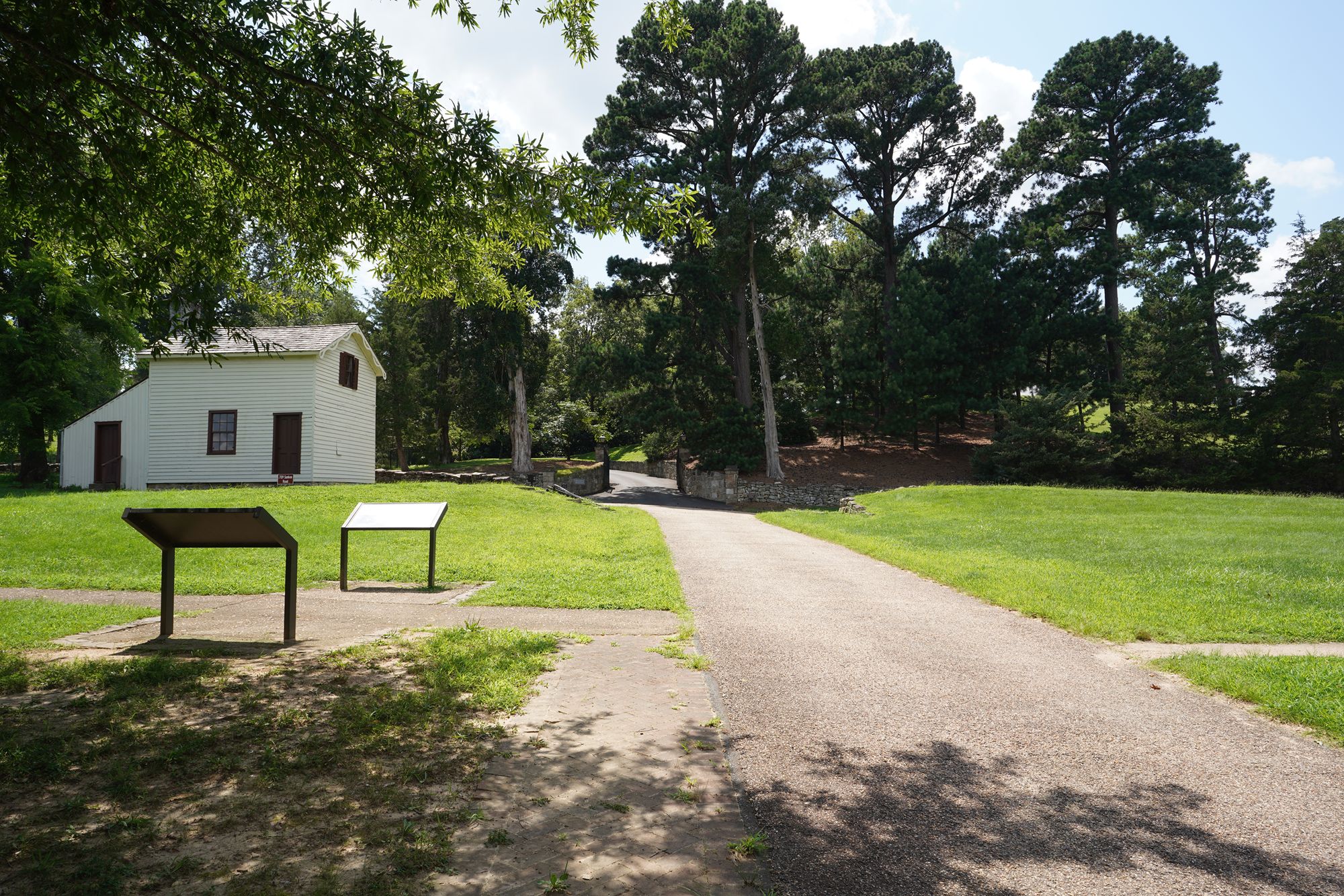
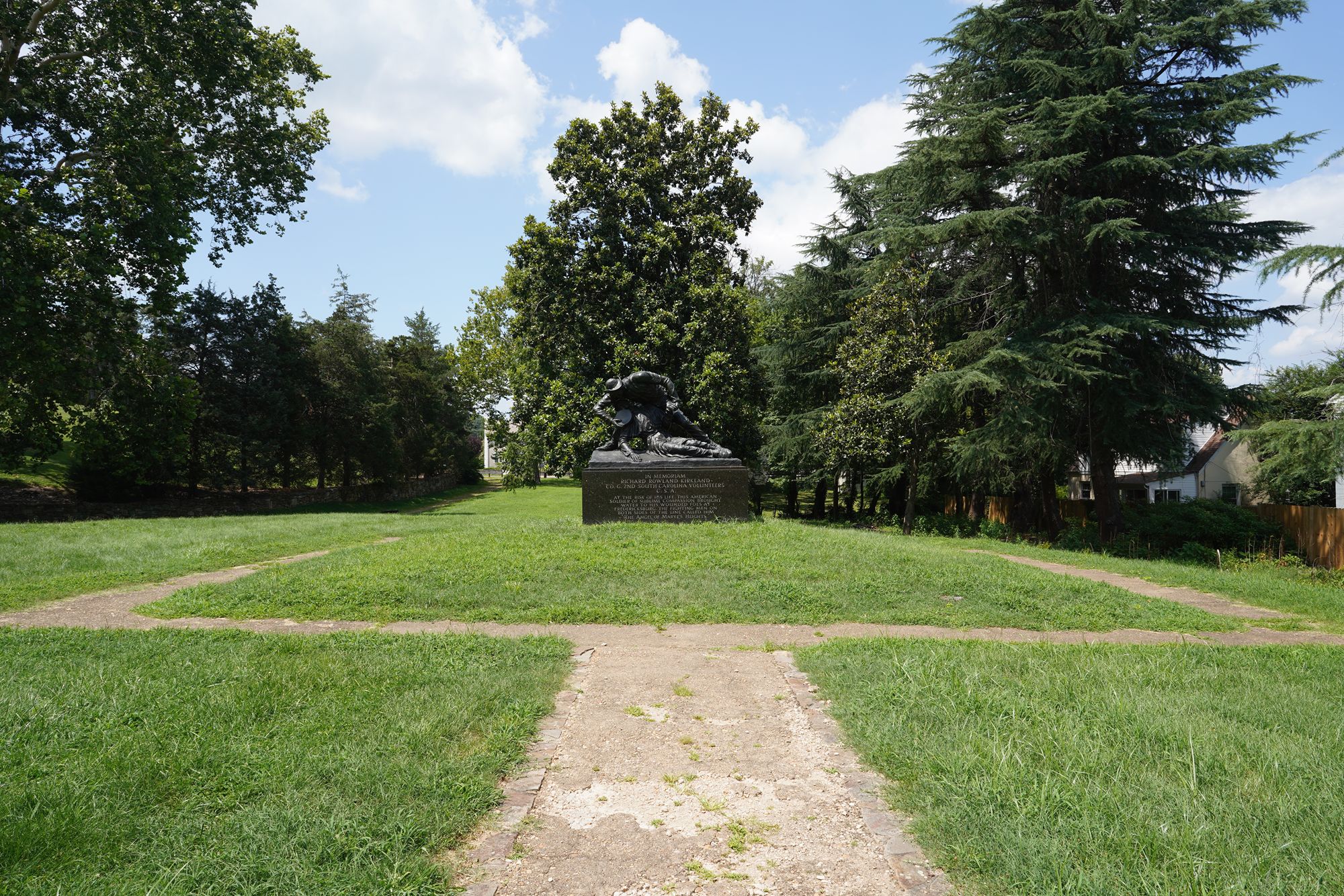
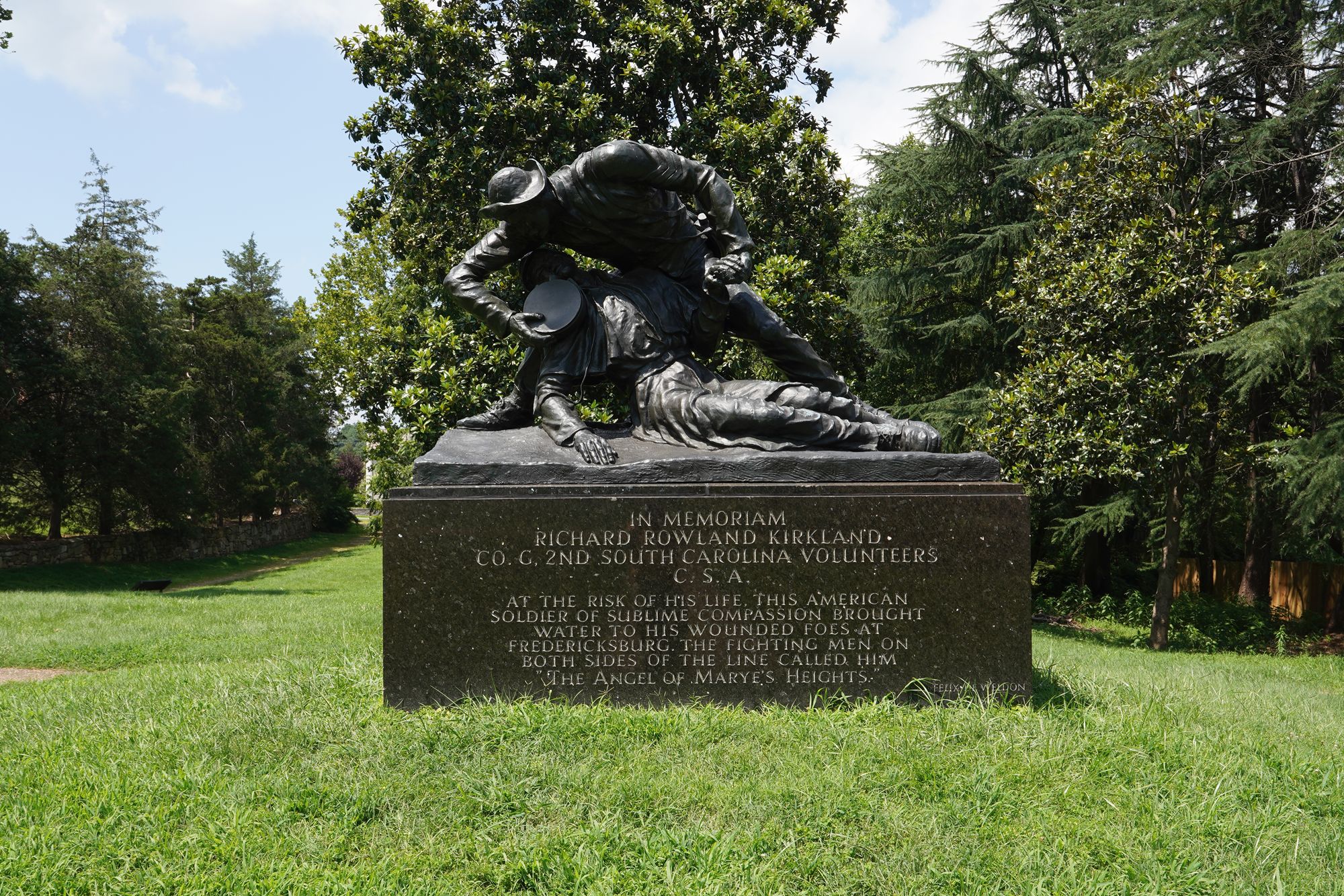
After the fighting on December 13, 1862, thousands of wounded Union soldiers lay helpless in front of the stone wall at Marye’s Heights, crying out for water. Despite the danger, Kirkland filled his canteens, climbed over the wall, and began giving water and aid to the wounded—Union and Confederate alike.
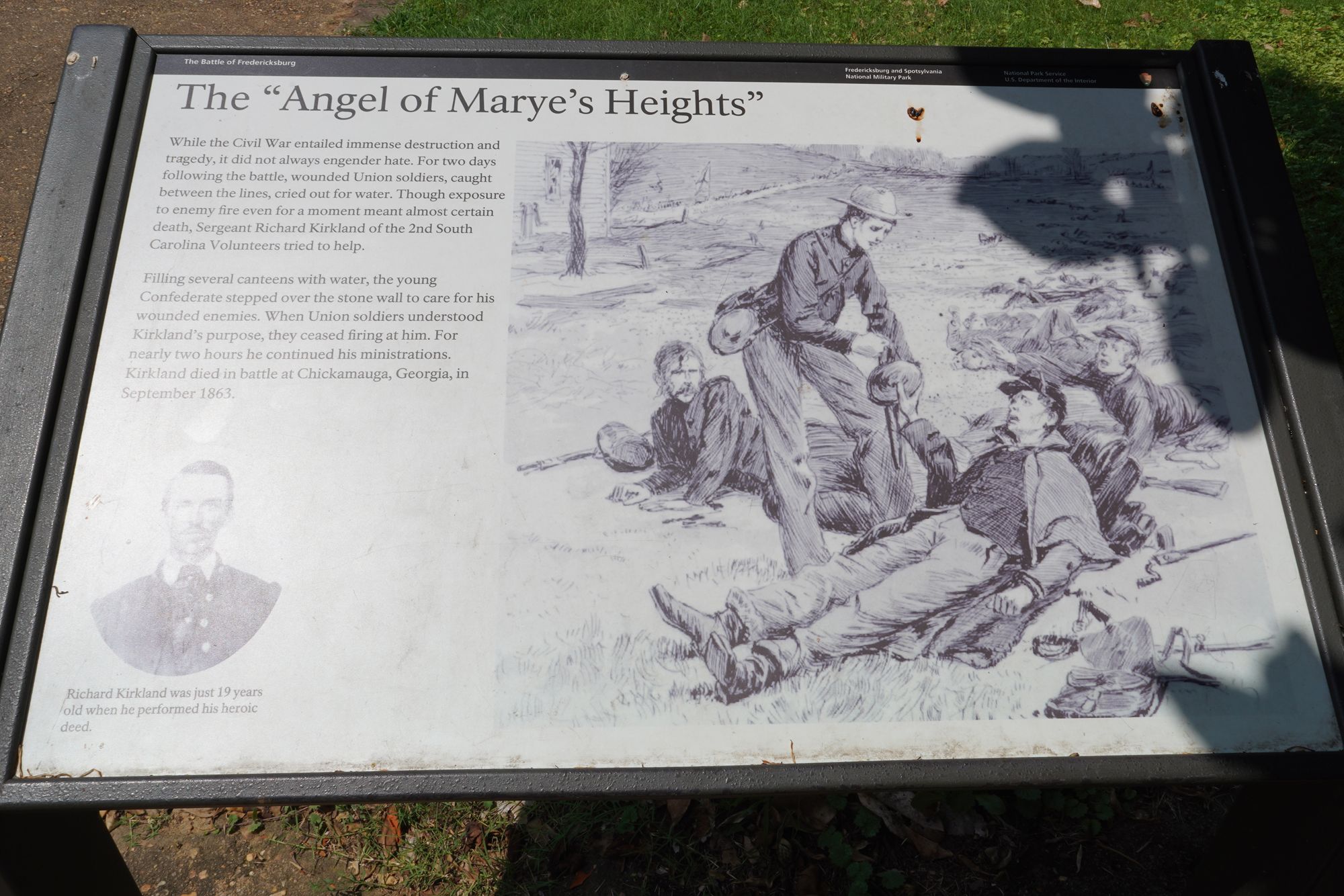
At first, both sides held their fire, realizing what he was doing. For nearly two hours, Kirkland moved among the fallen, offering comfort and care. His bravery earned him the lasting title “The Angel of Marye’s Heights.”
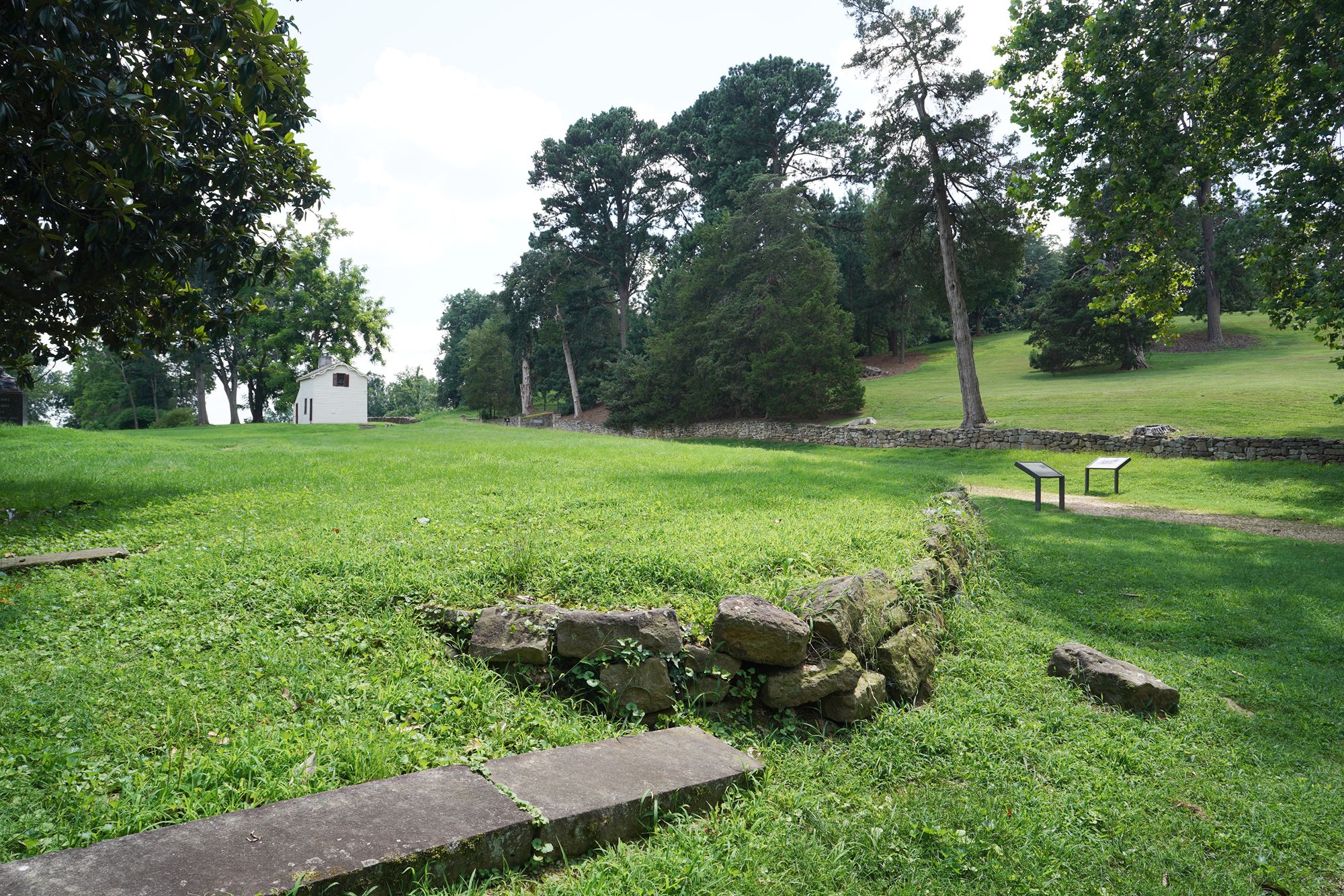
I came back to the Sunken Road
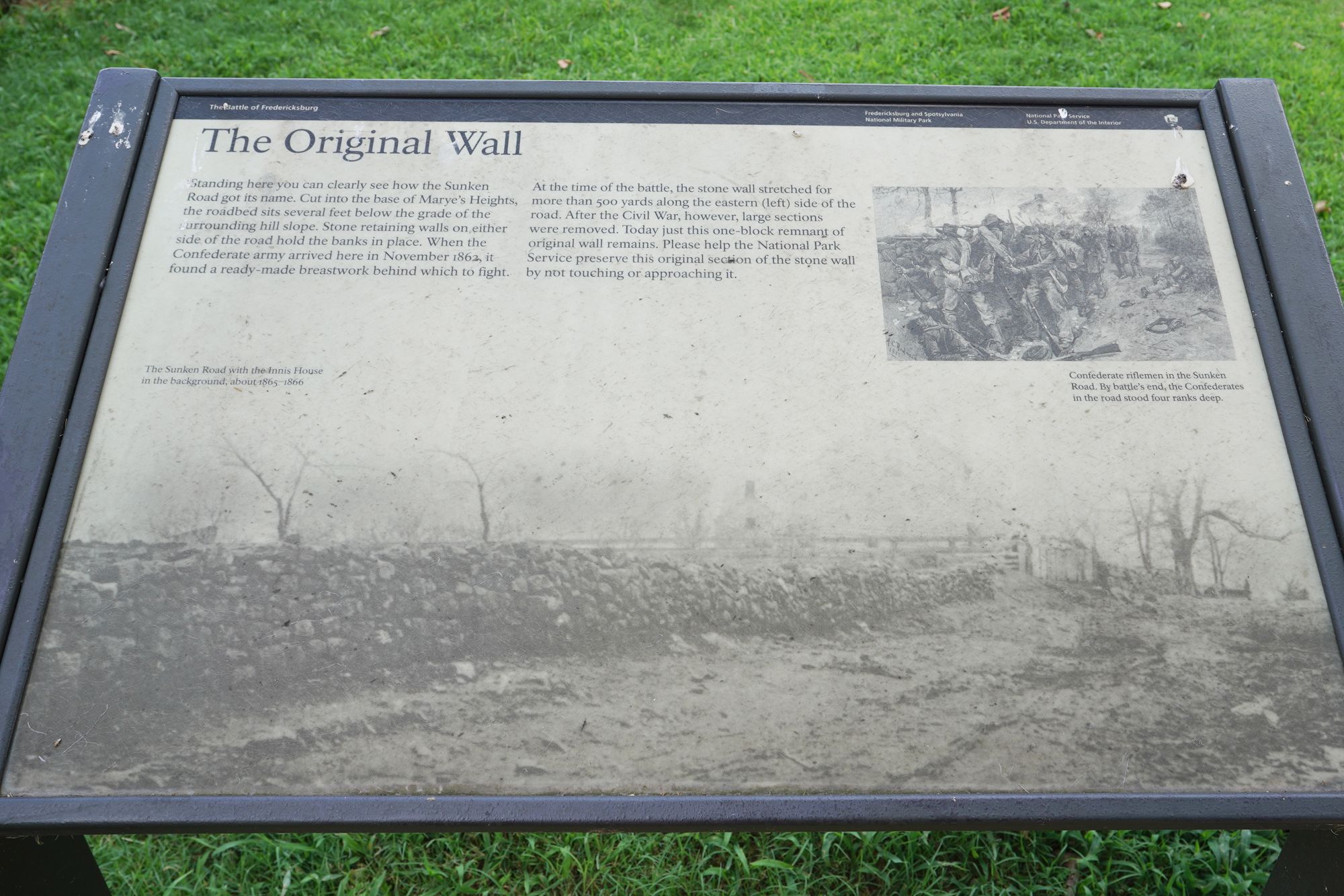
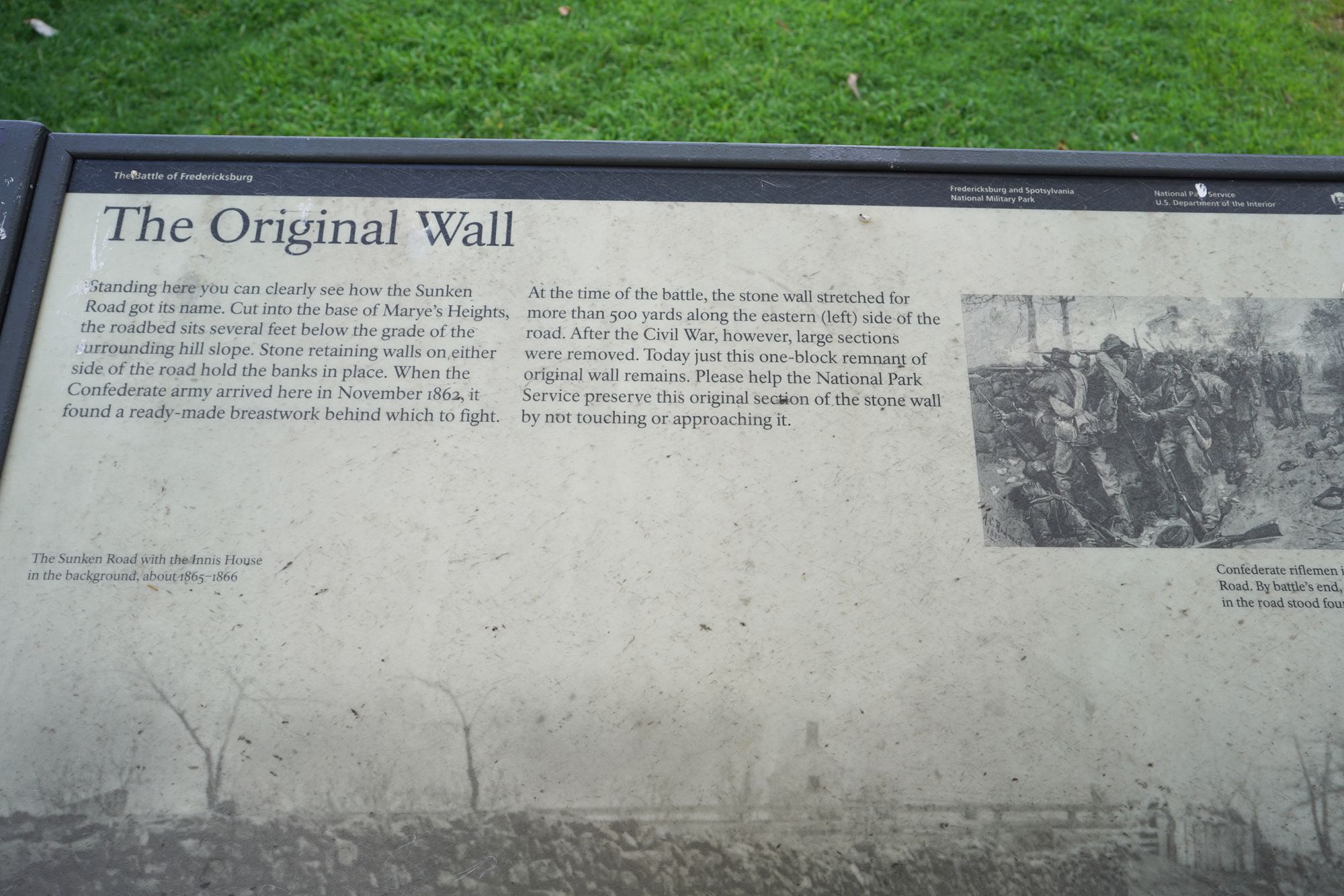
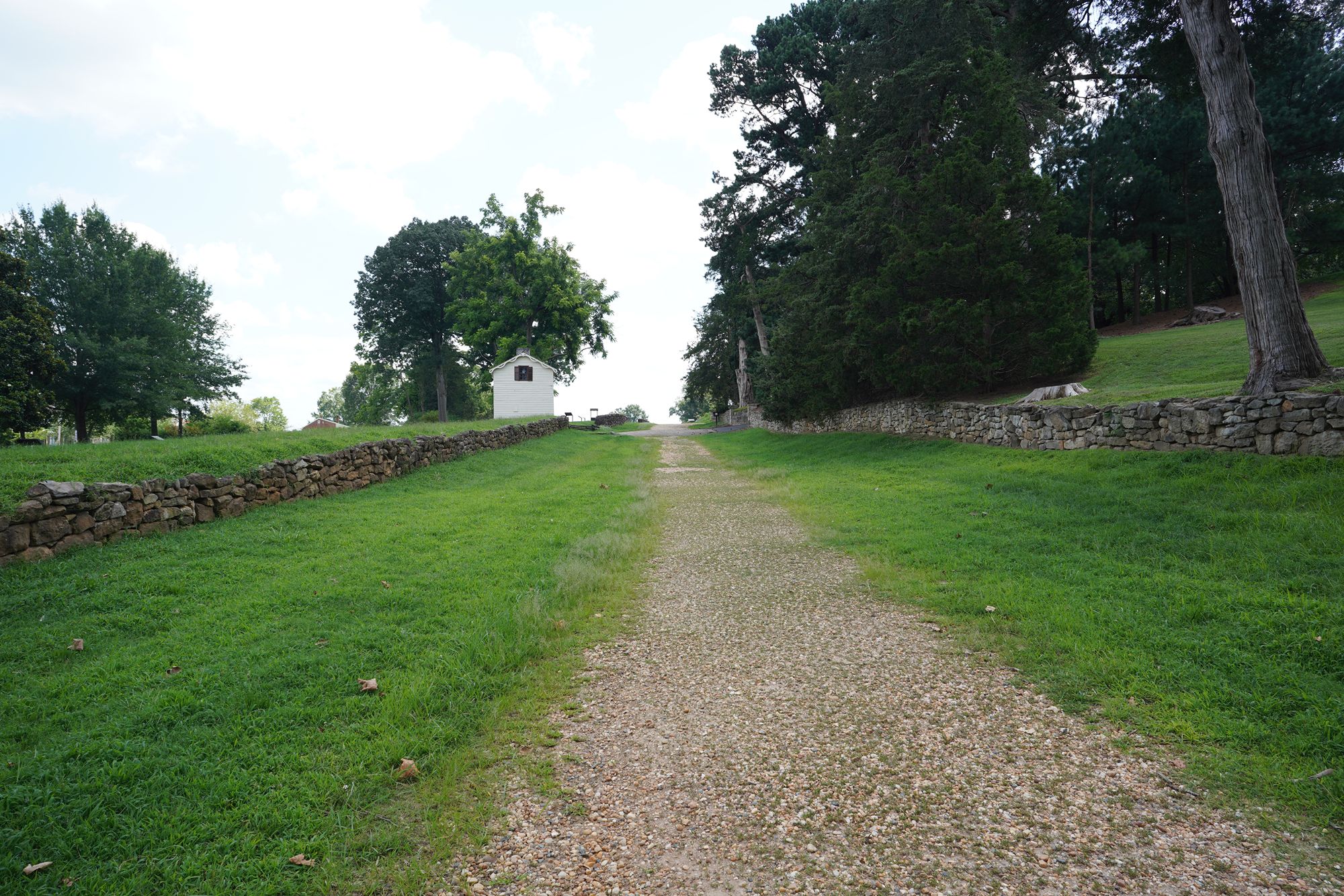
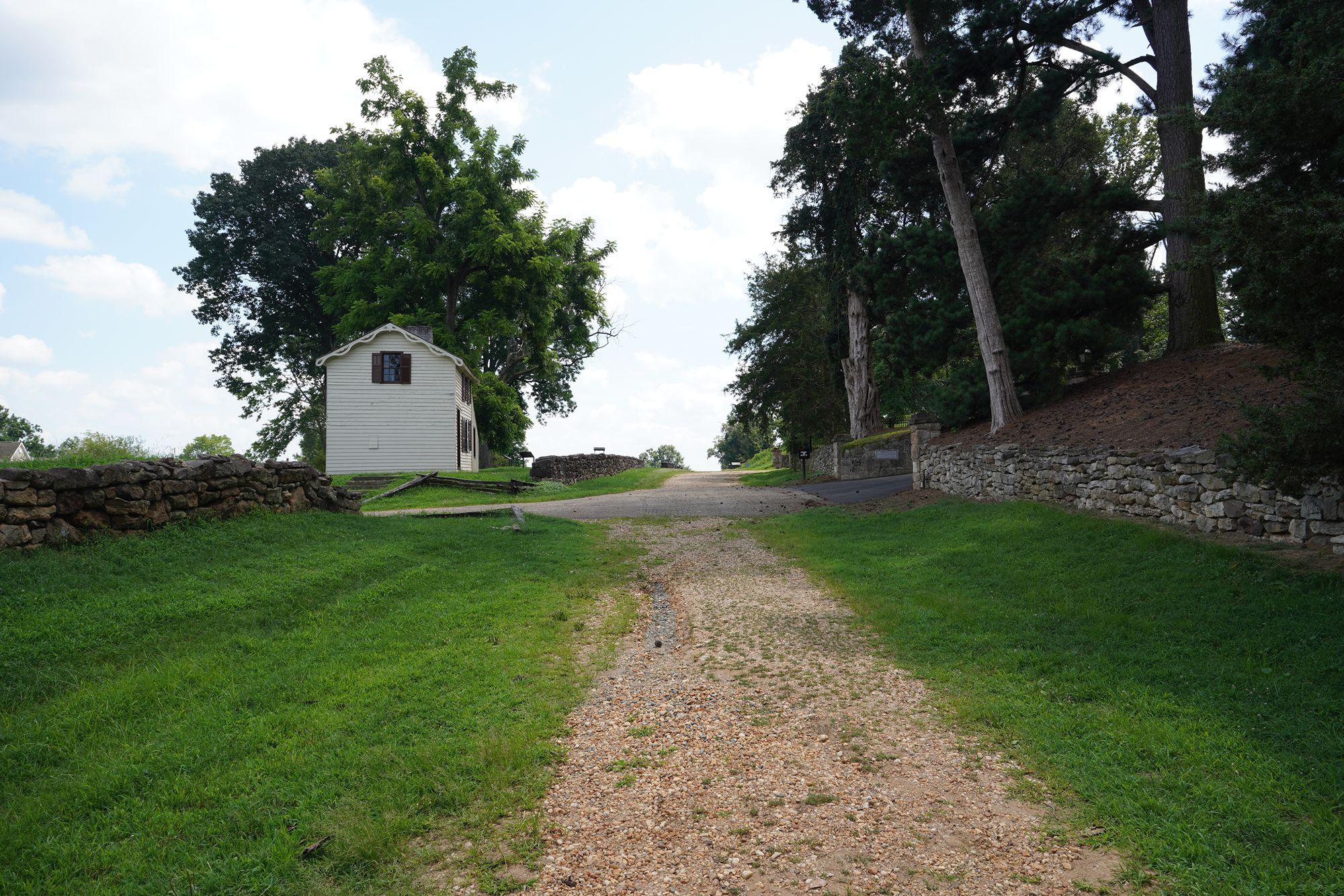
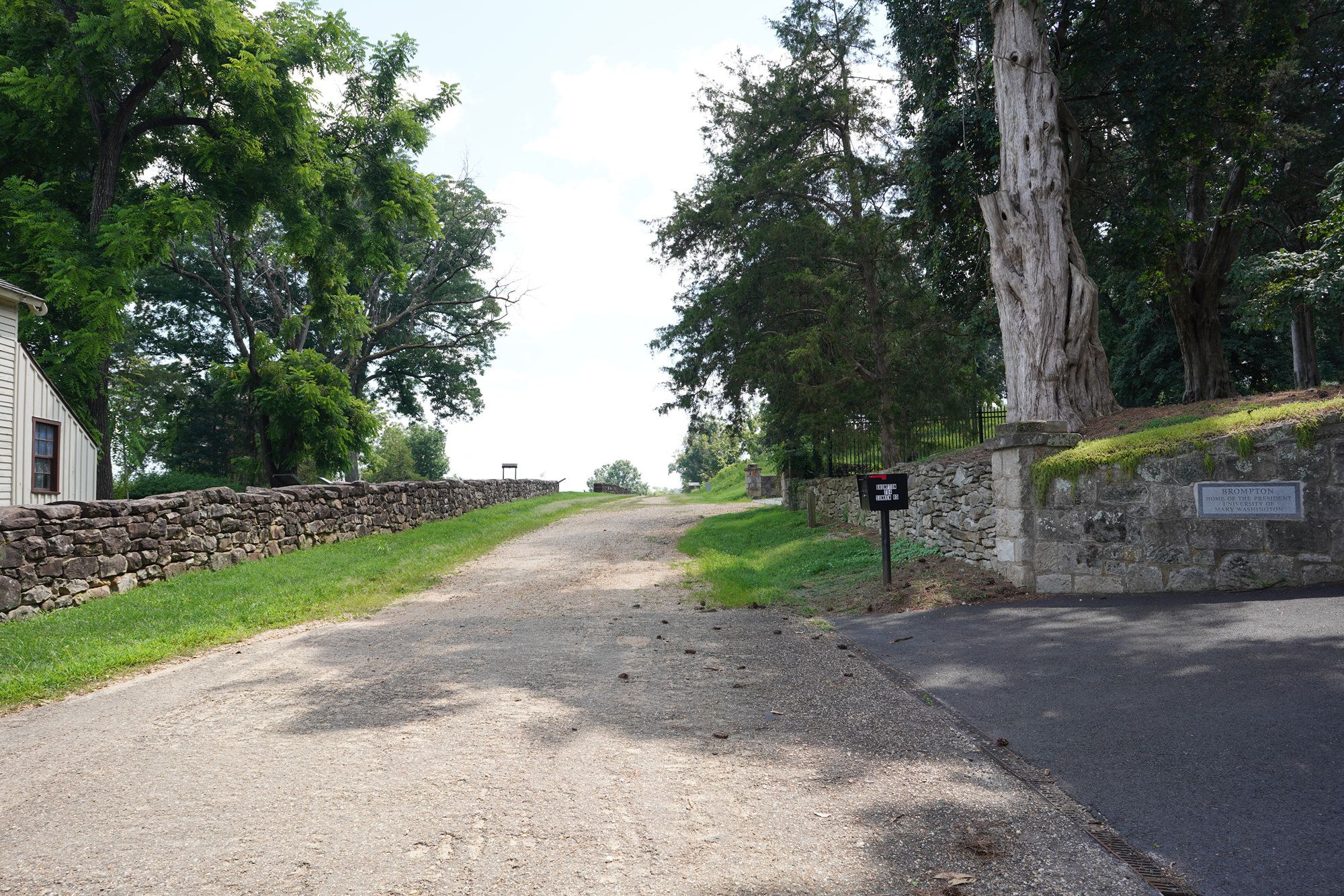
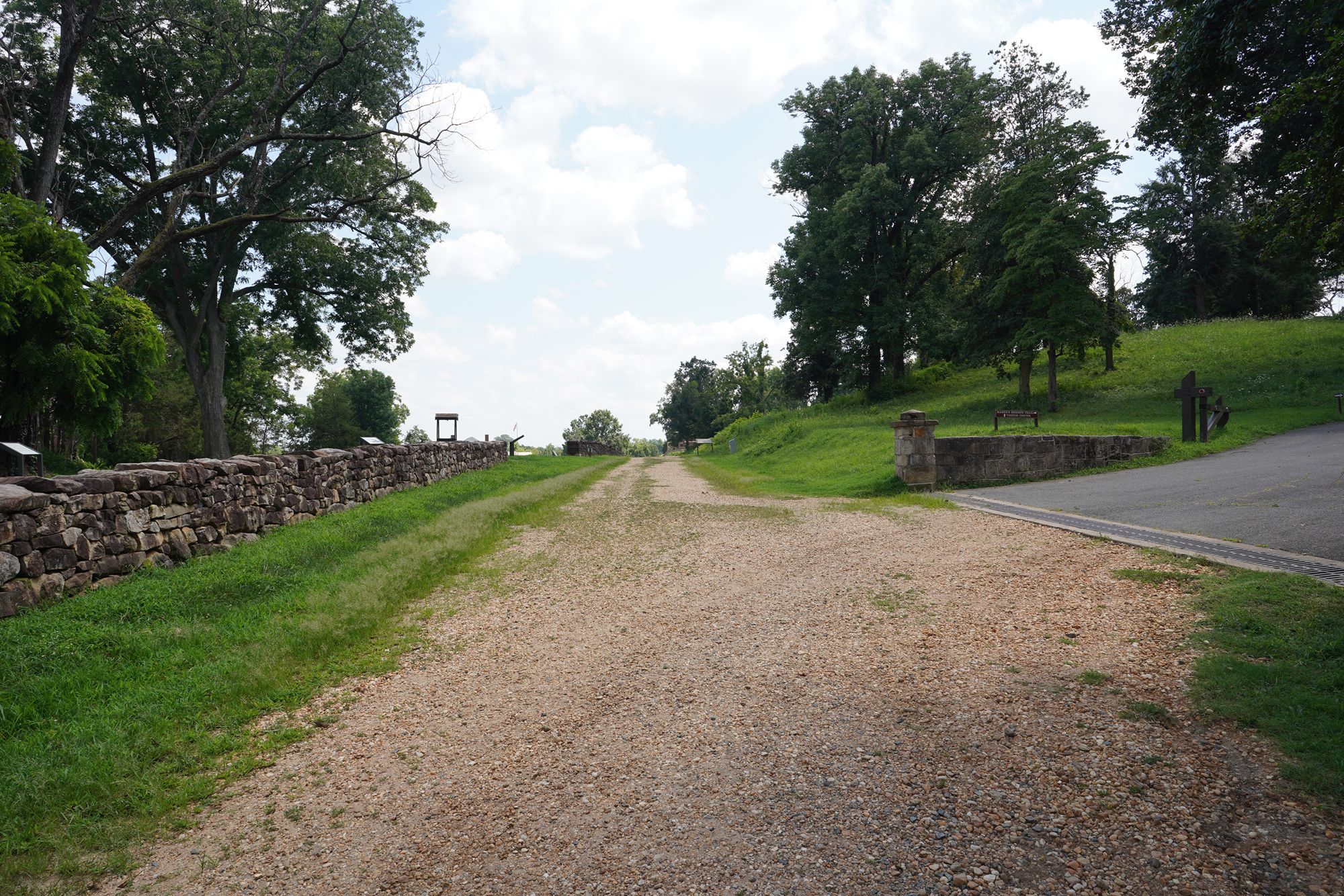
Then I climbed up to Marye’s Heights.
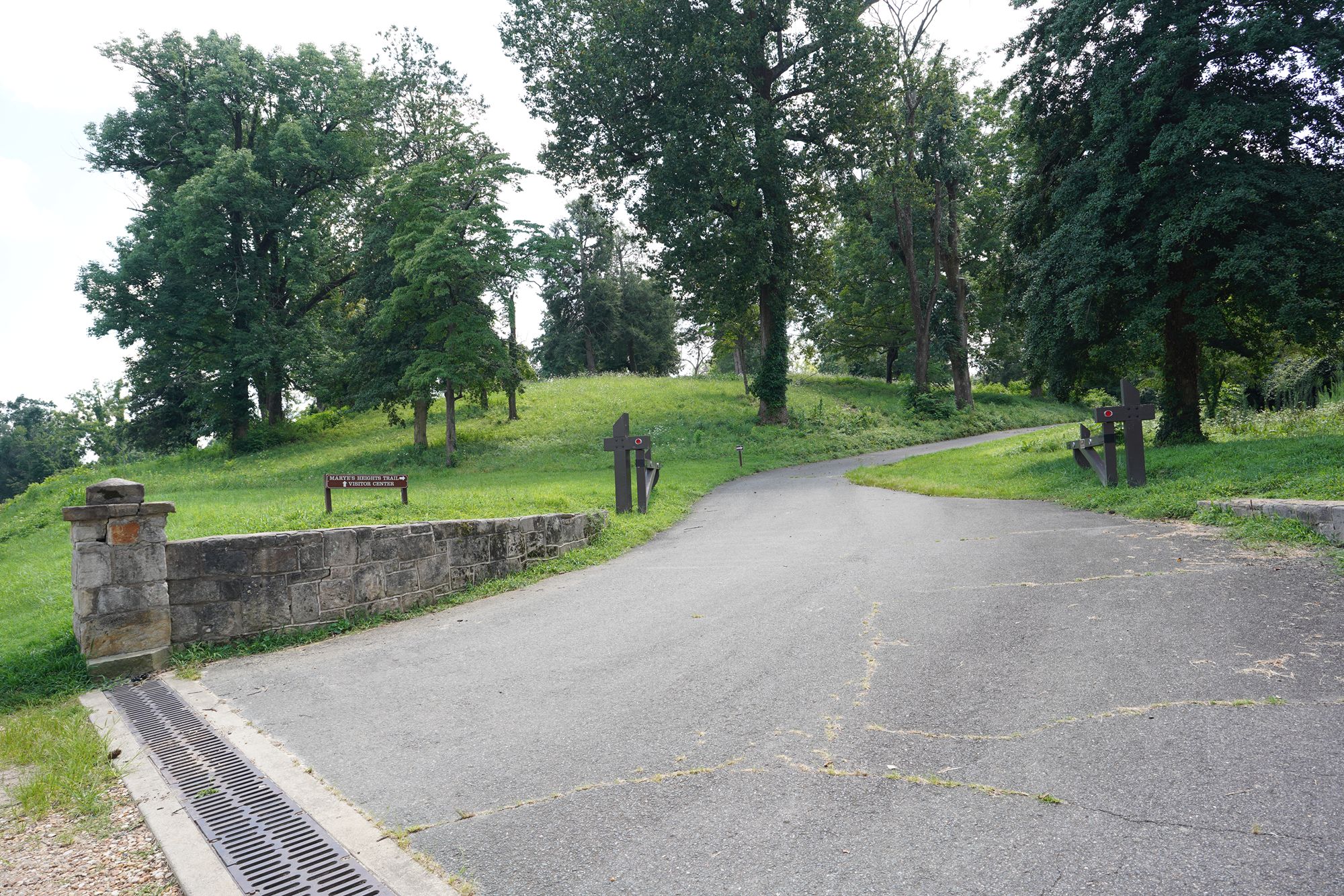
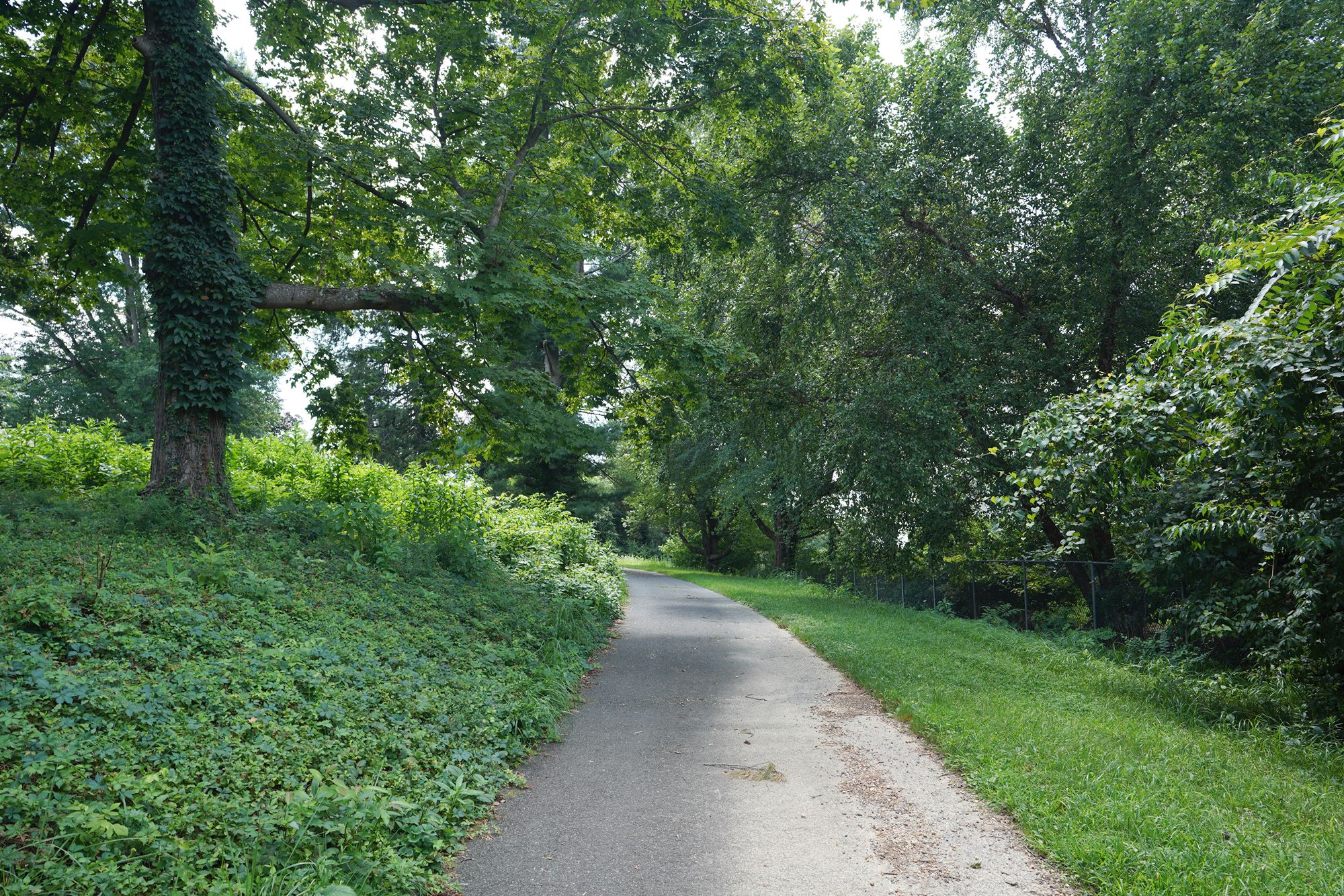
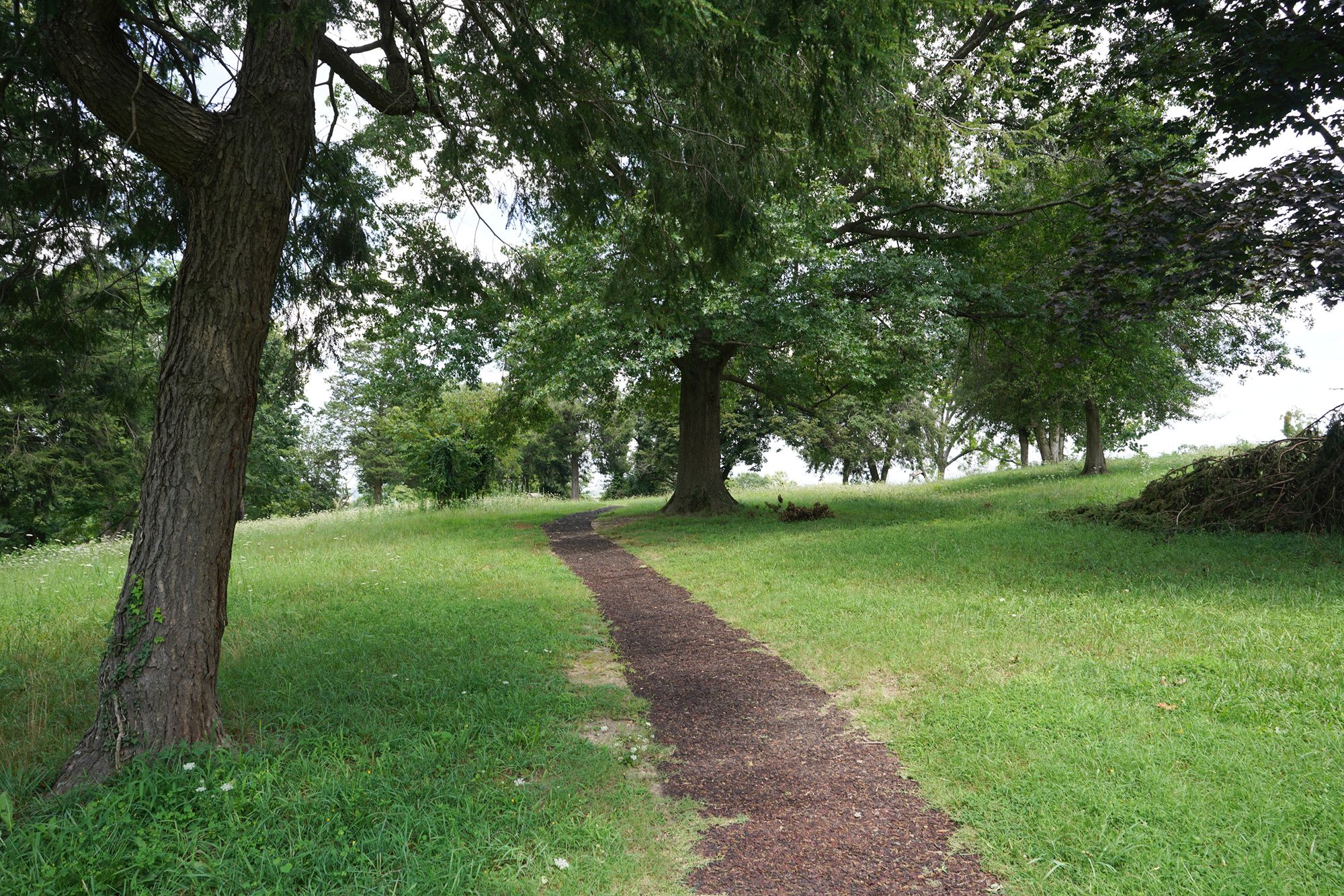
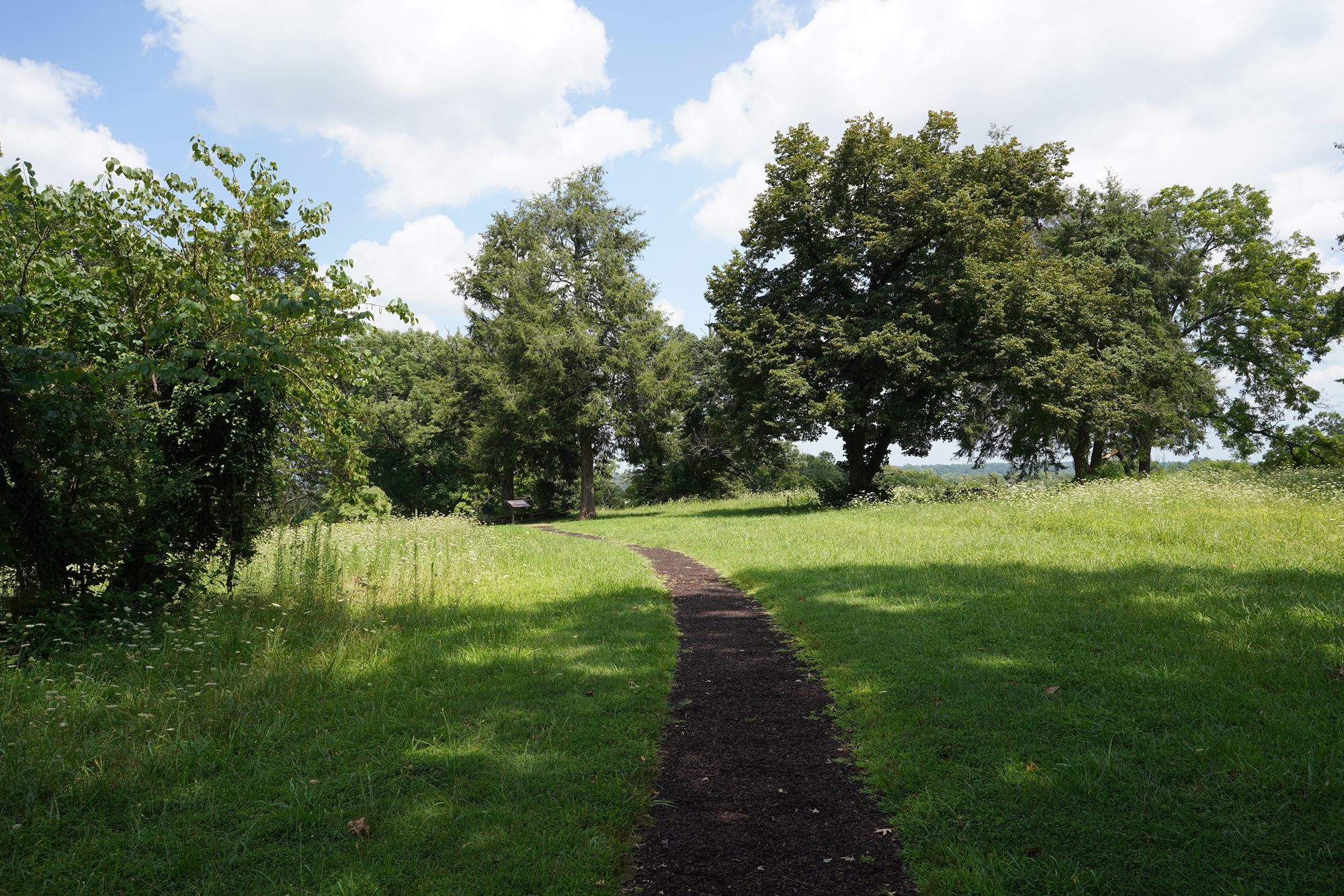
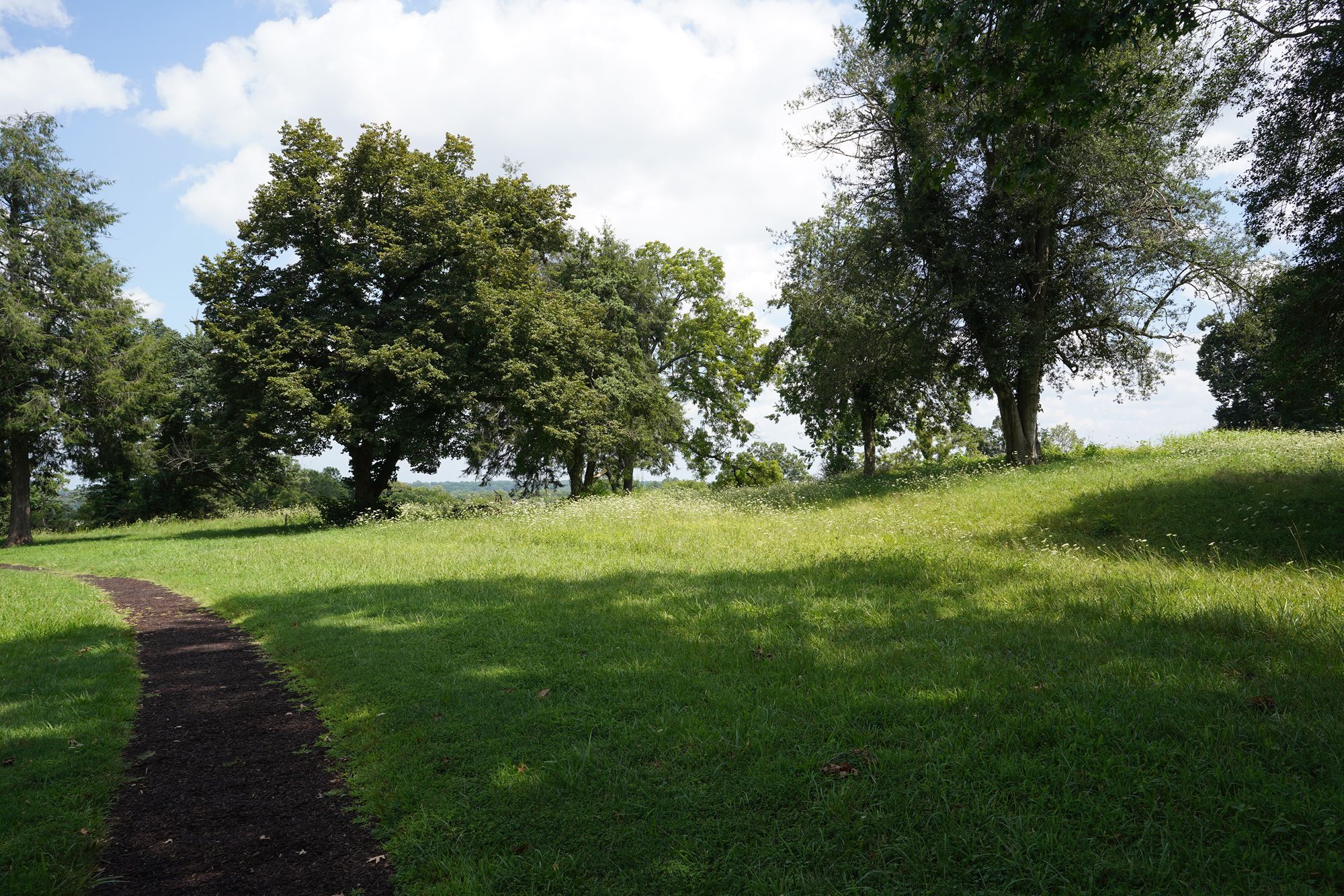

The Confederates positioned themselves on Marye’s Heights, a strong natural ridge overlooking the battlefield. From this elevated ground, supported by artillery on the slopes and infantry behind the stone wall along the Sunken Road, they held a nearly unbreakable defensive line. Their vantage point gave them a clear view of the advancing Union troops, allowing them to fire with devastating effect throughout the battle.
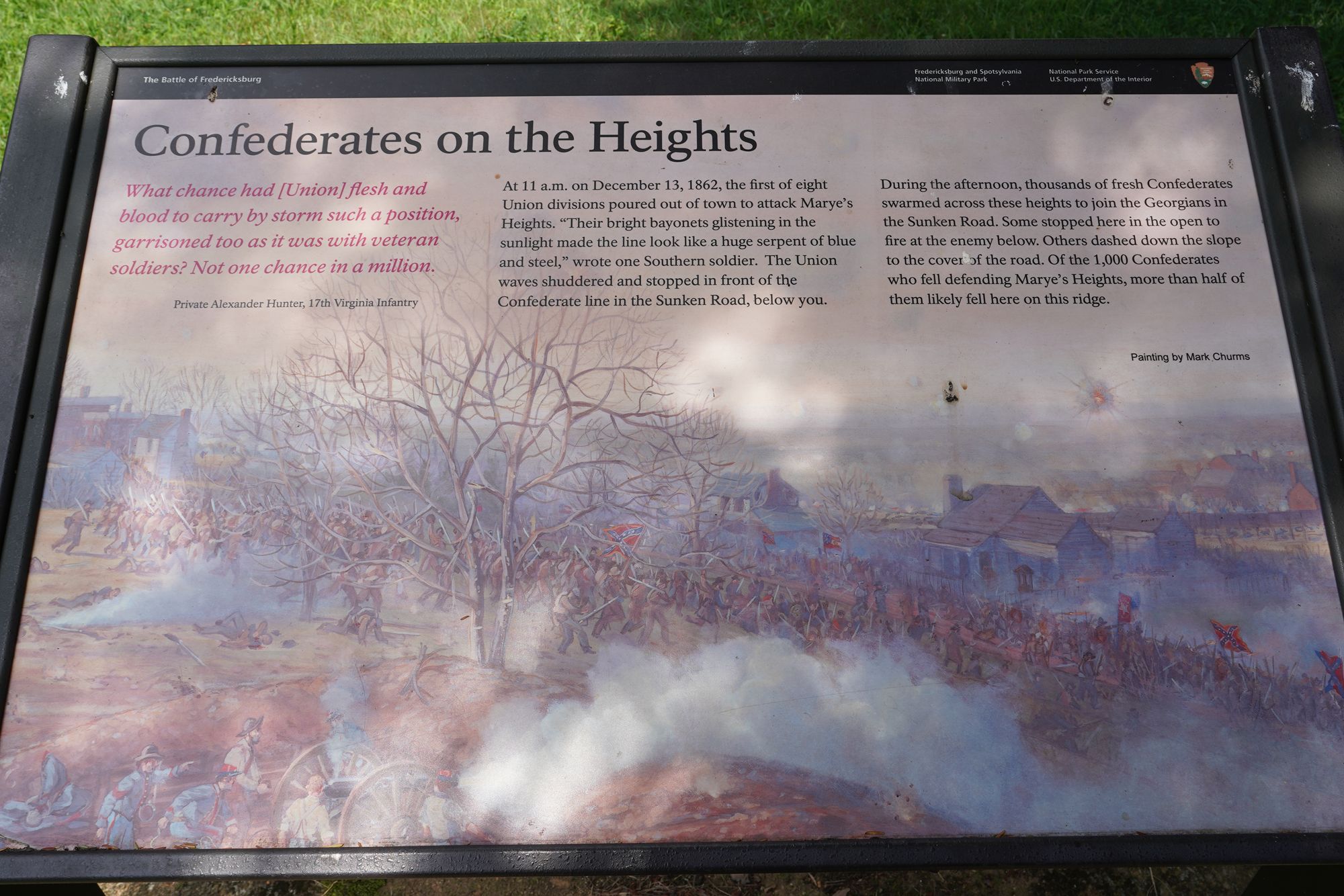
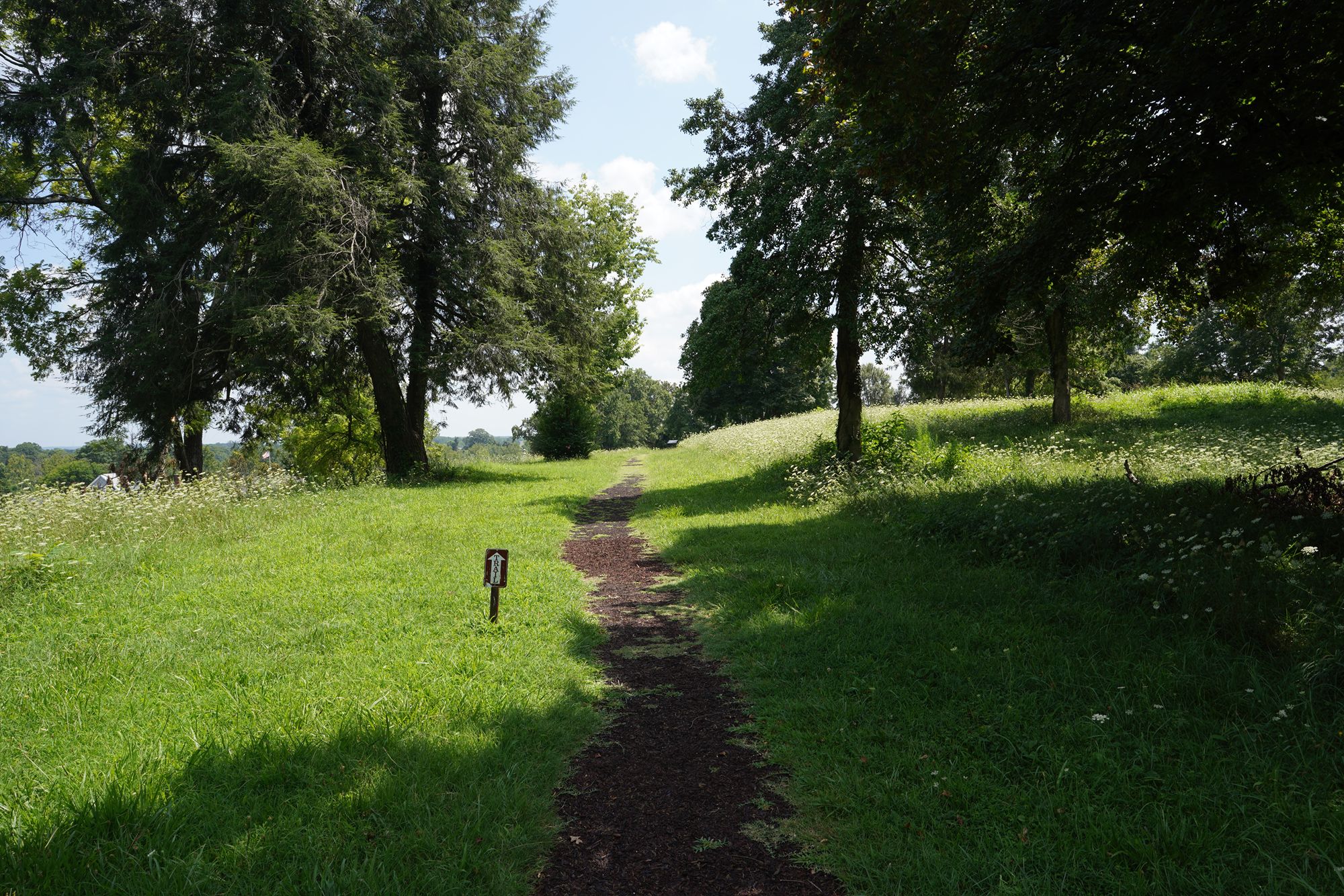
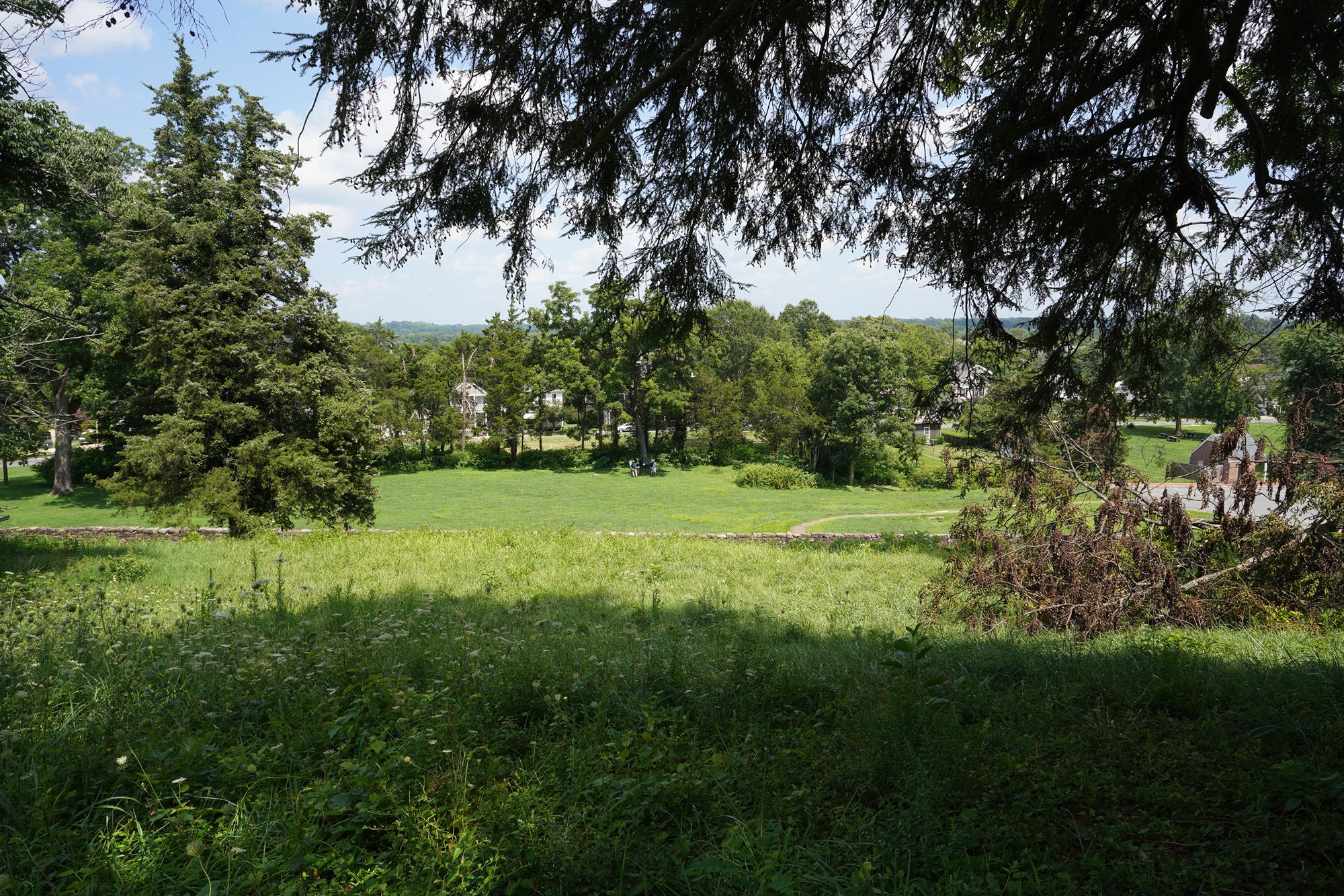
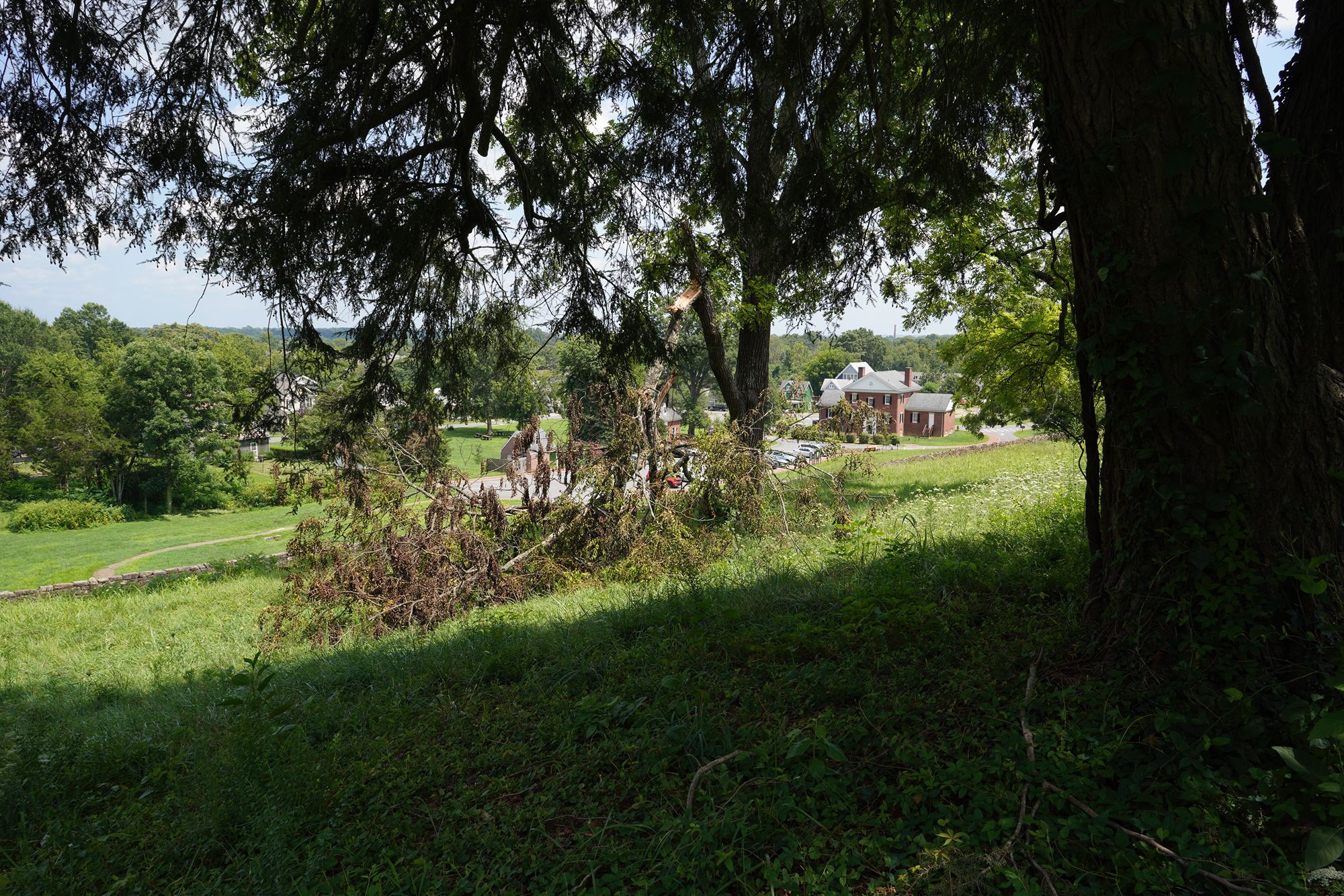
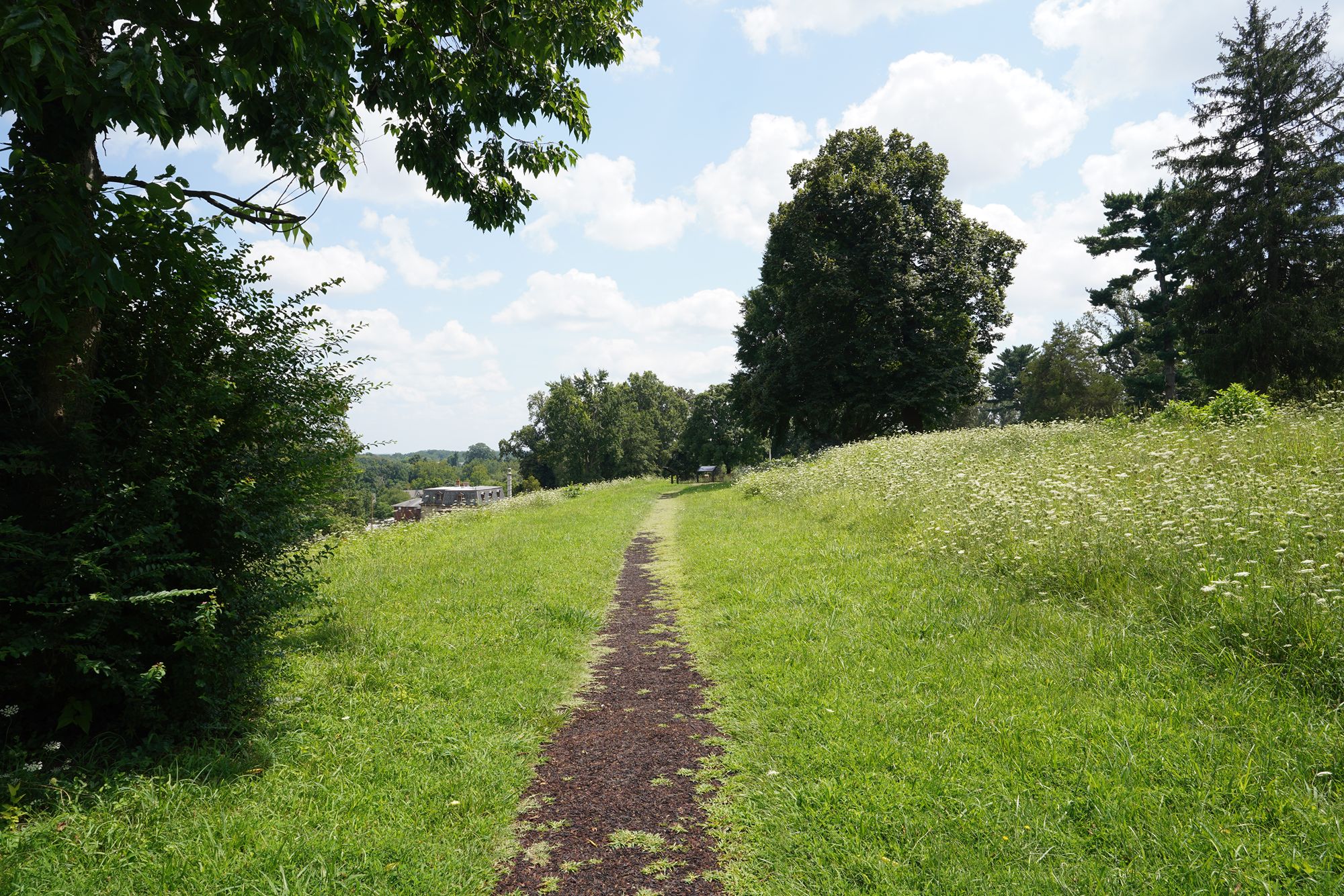
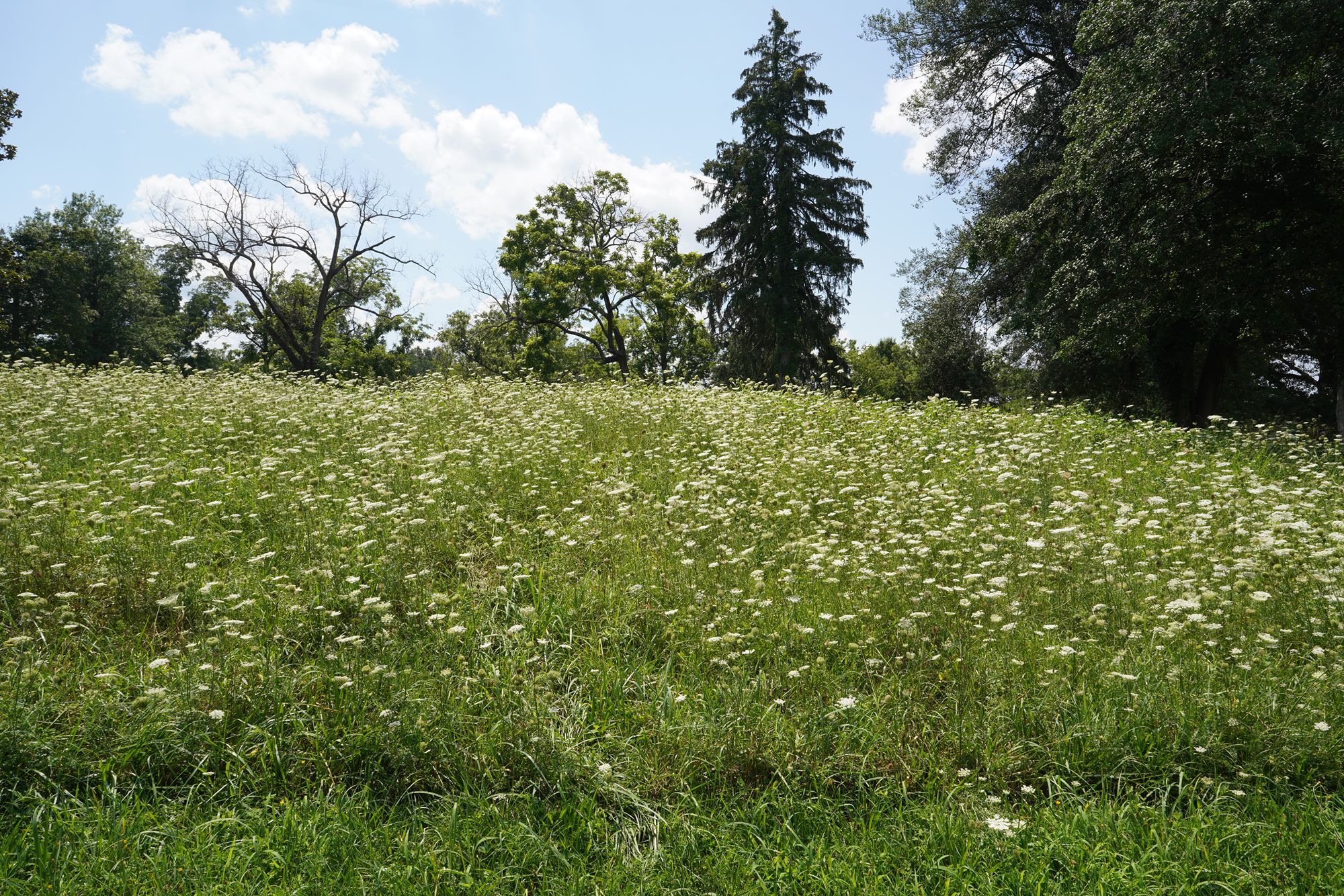
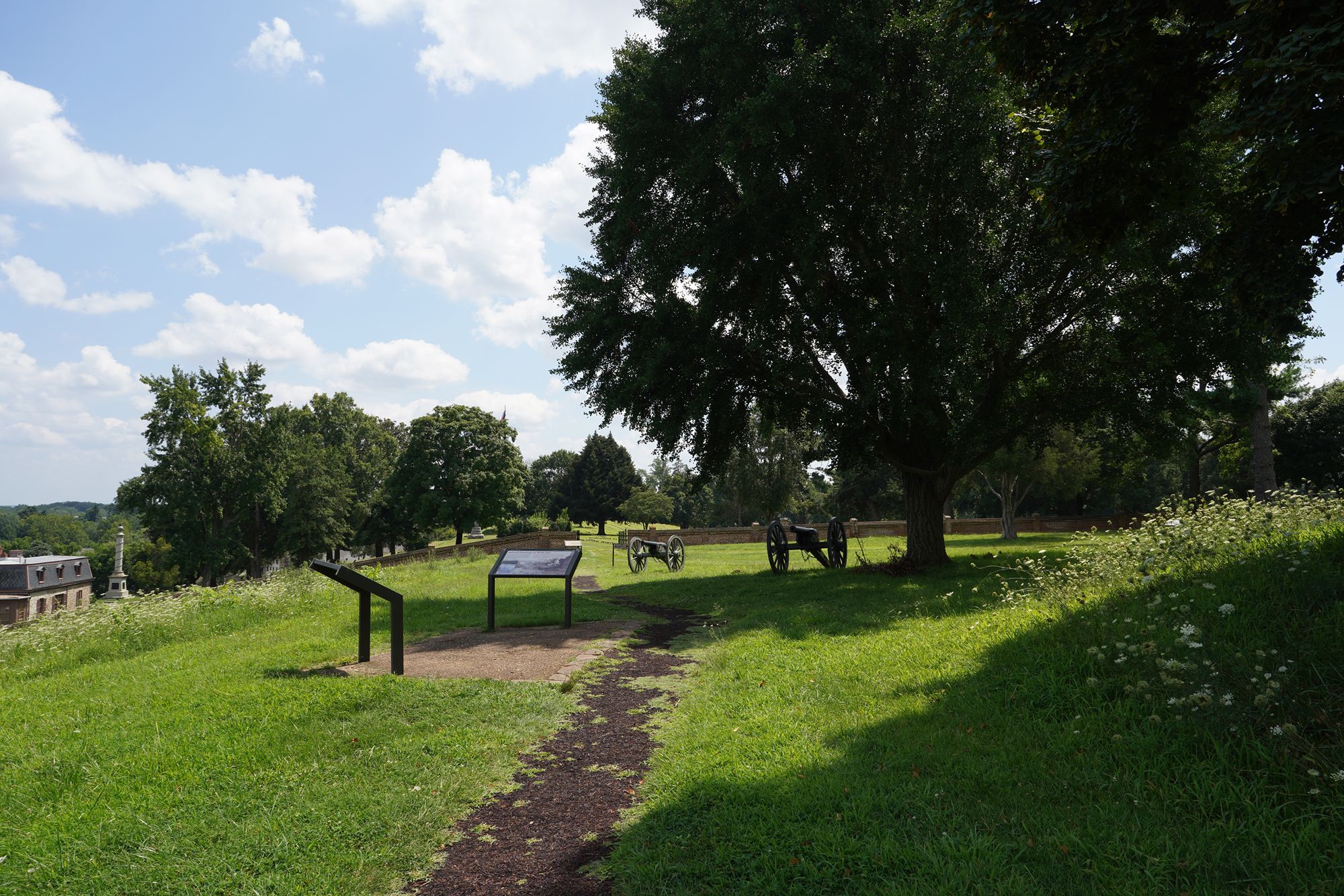
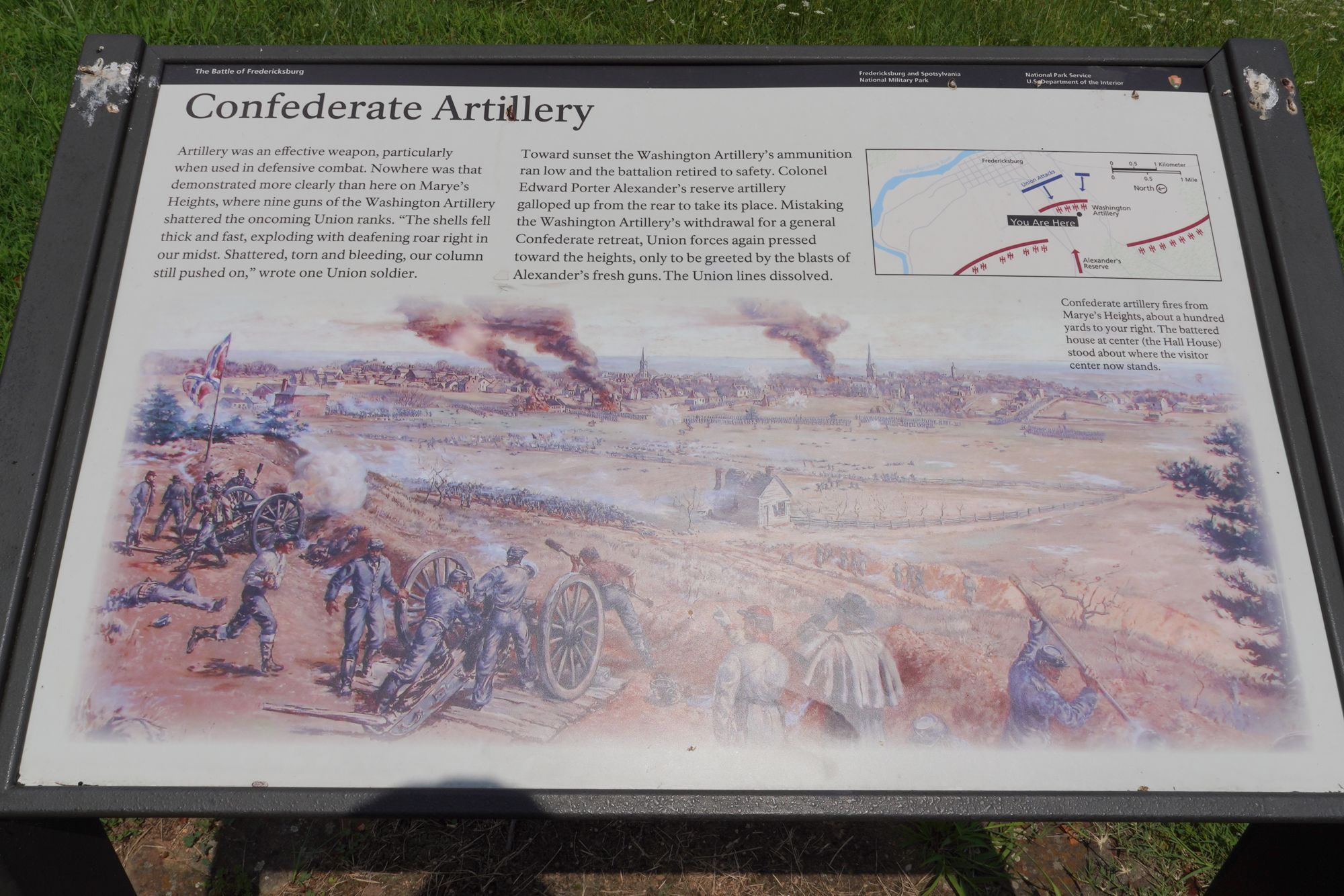
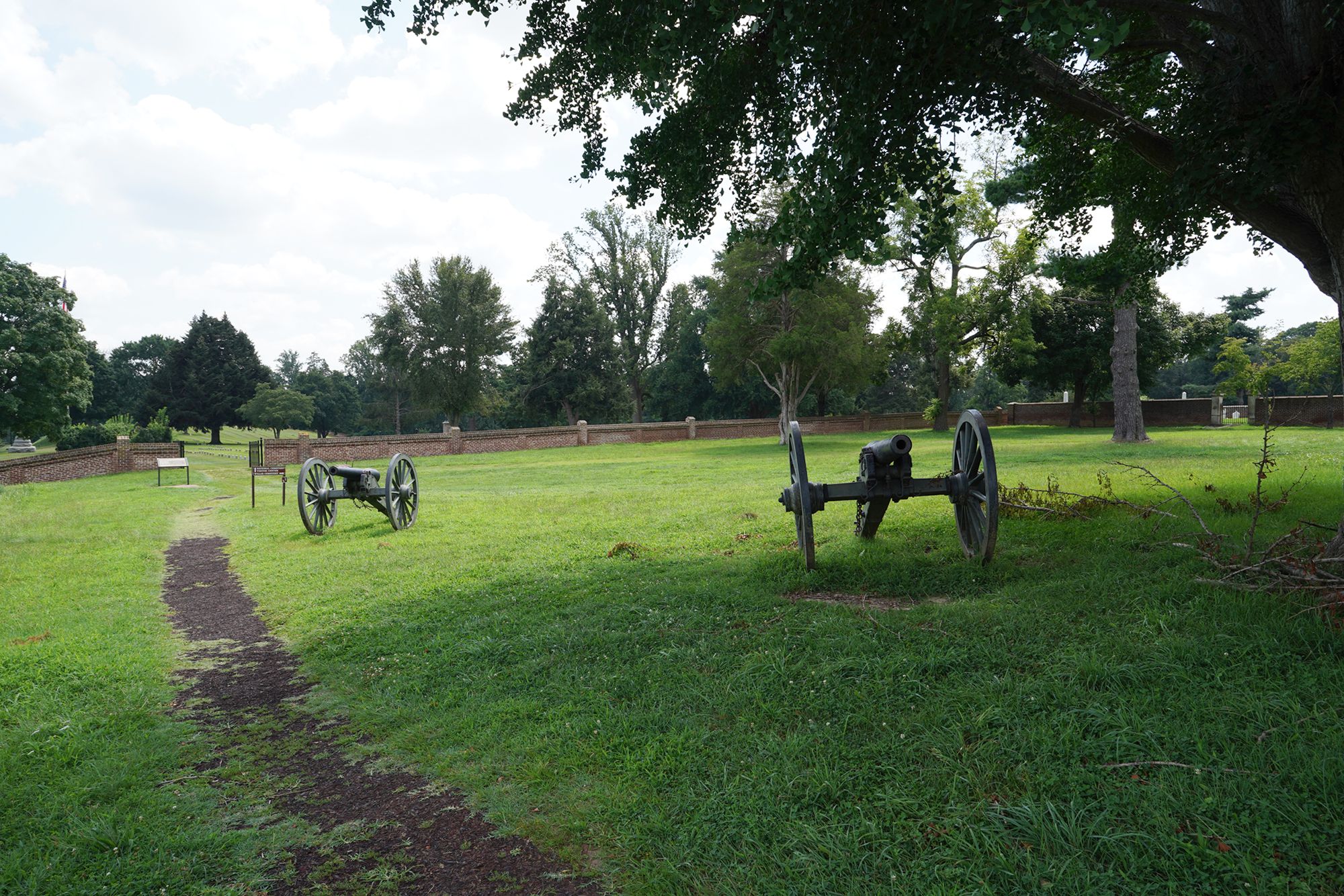
Confederate artillery batteries were placed along the slopes and crest of Marye’s Heights, giving them a commanding view of the battlefield. From these elevated positions, the cannons rained shells and canister fire onto the advancing Union troops below. The artillery worked in coordination with the infantry behind the stone wall along the Sunken Road, creating a deadly crossfire that made the Confederate defense nearly impossible to break.
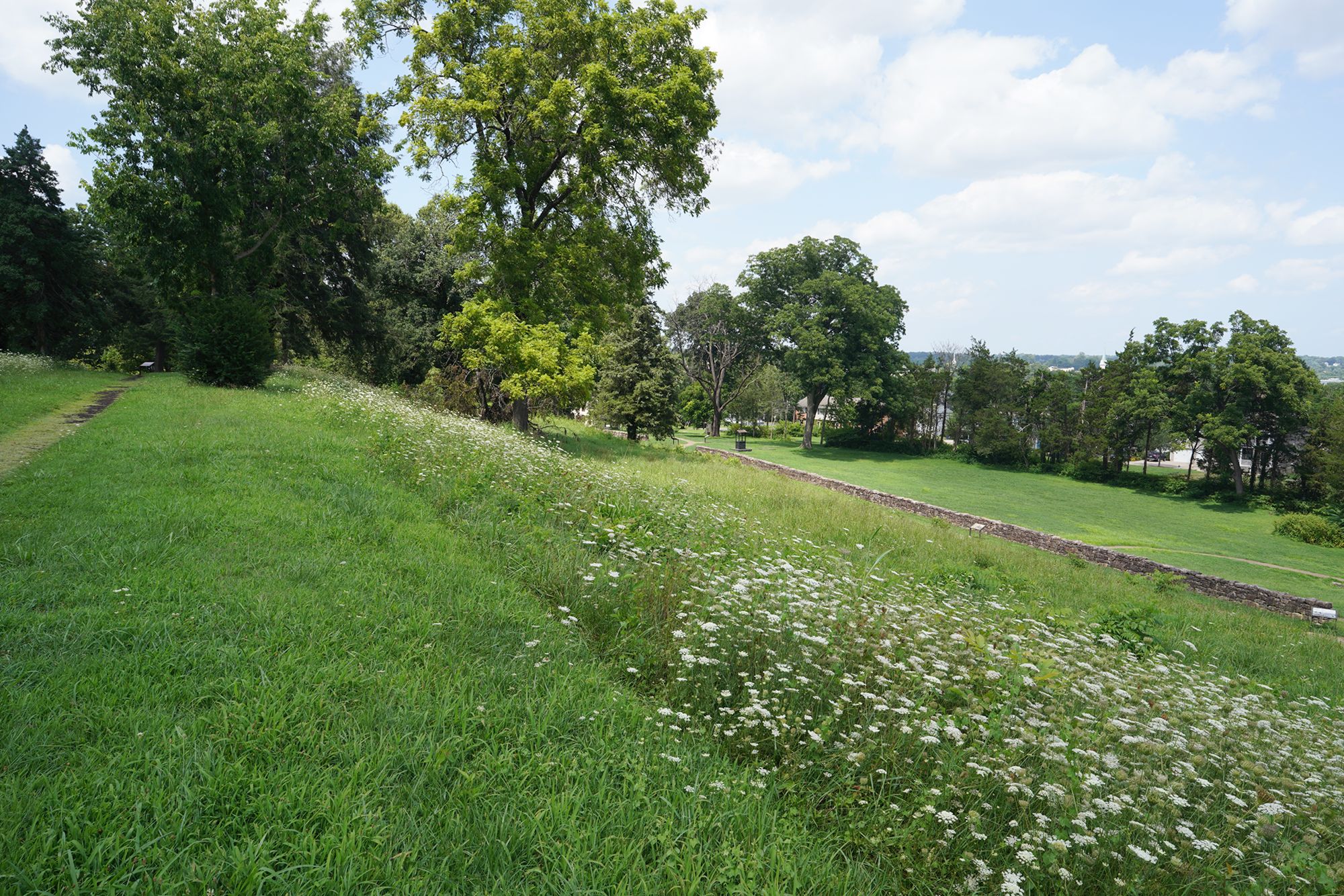
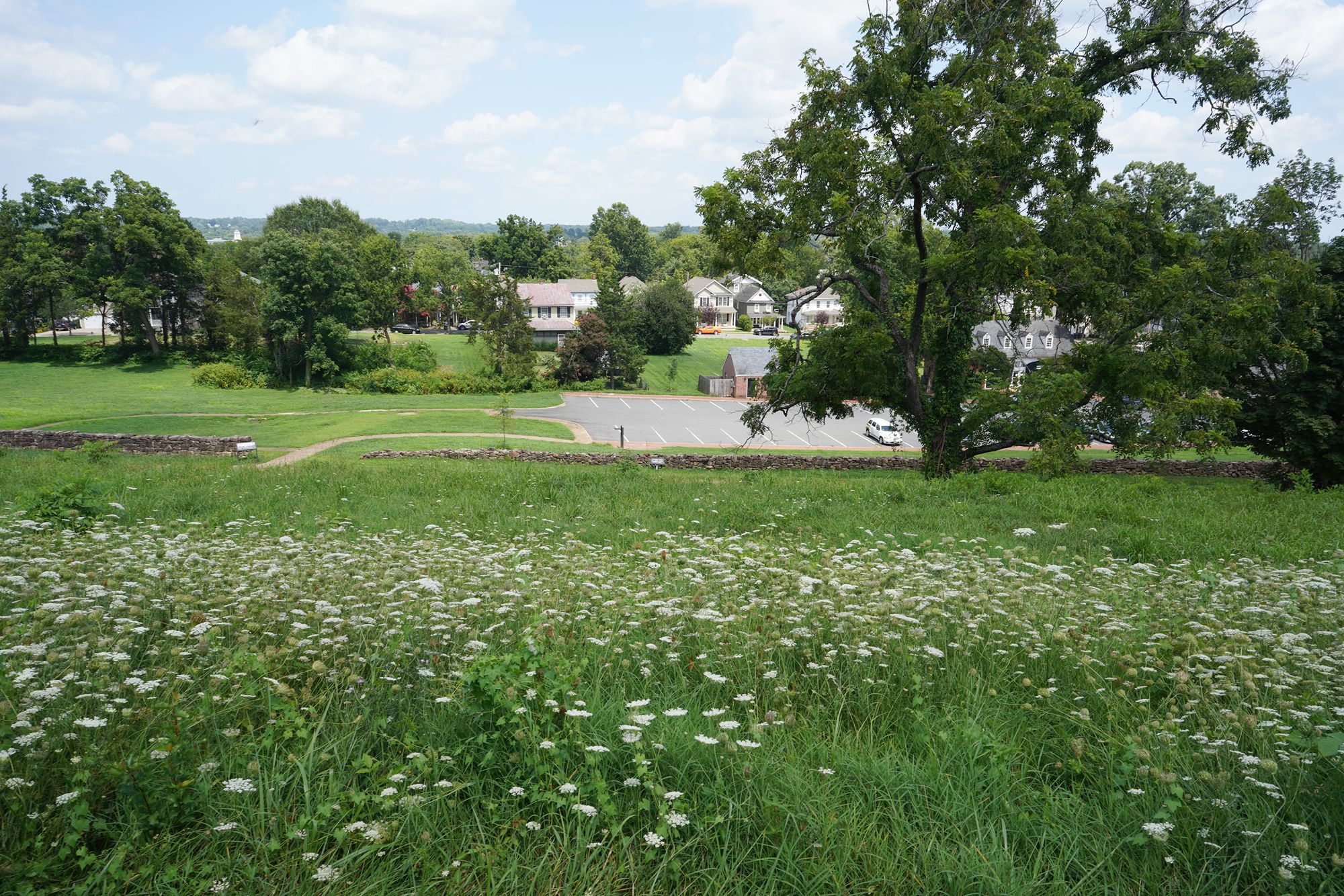
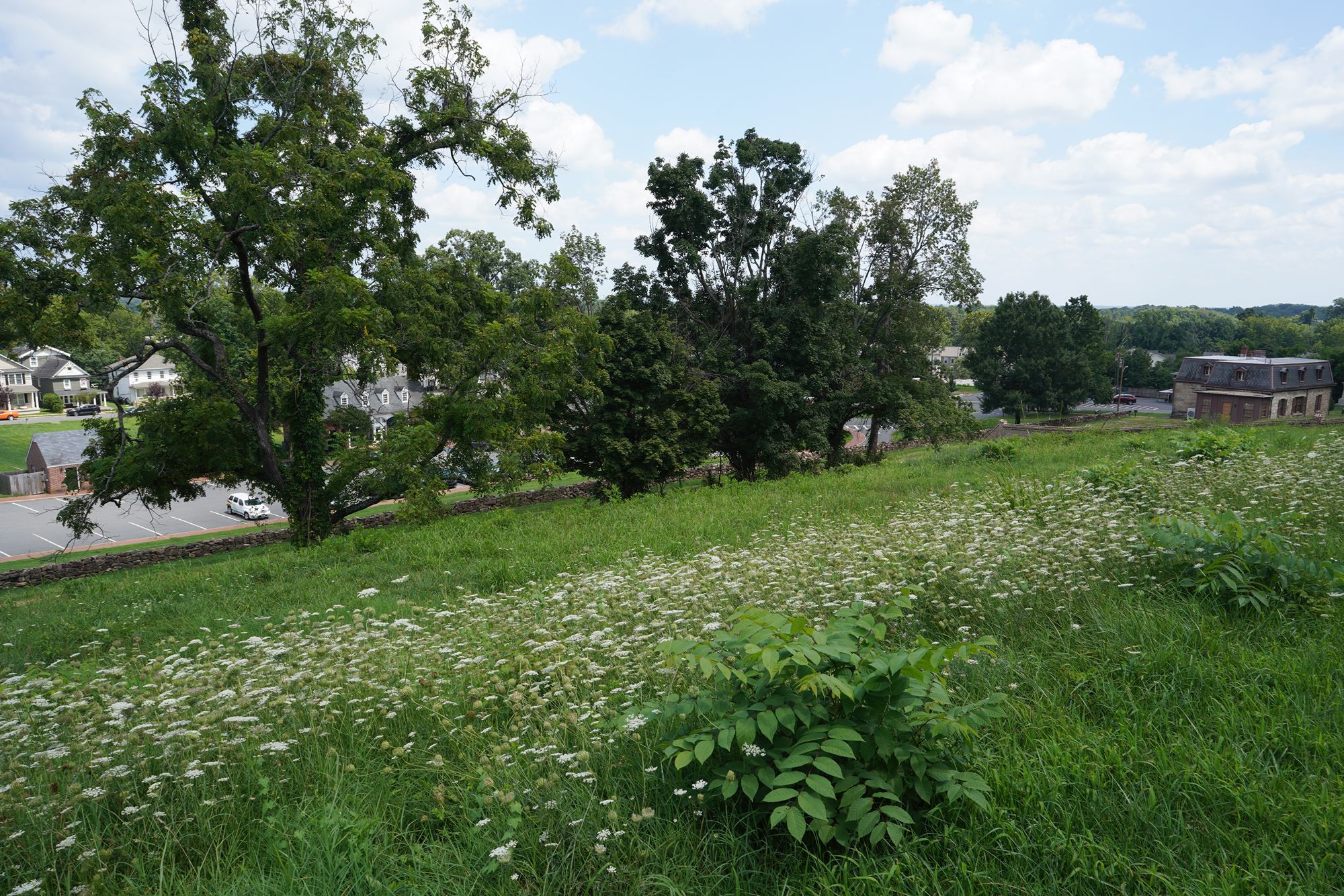
Looking down at the battlefield from the height
Next to Marye’s Heights lies the Fredericksburg National Cemetery, established after the Civil War to honor Union soldiers who died in the battles around Fredericksburg and Spotsylvania.
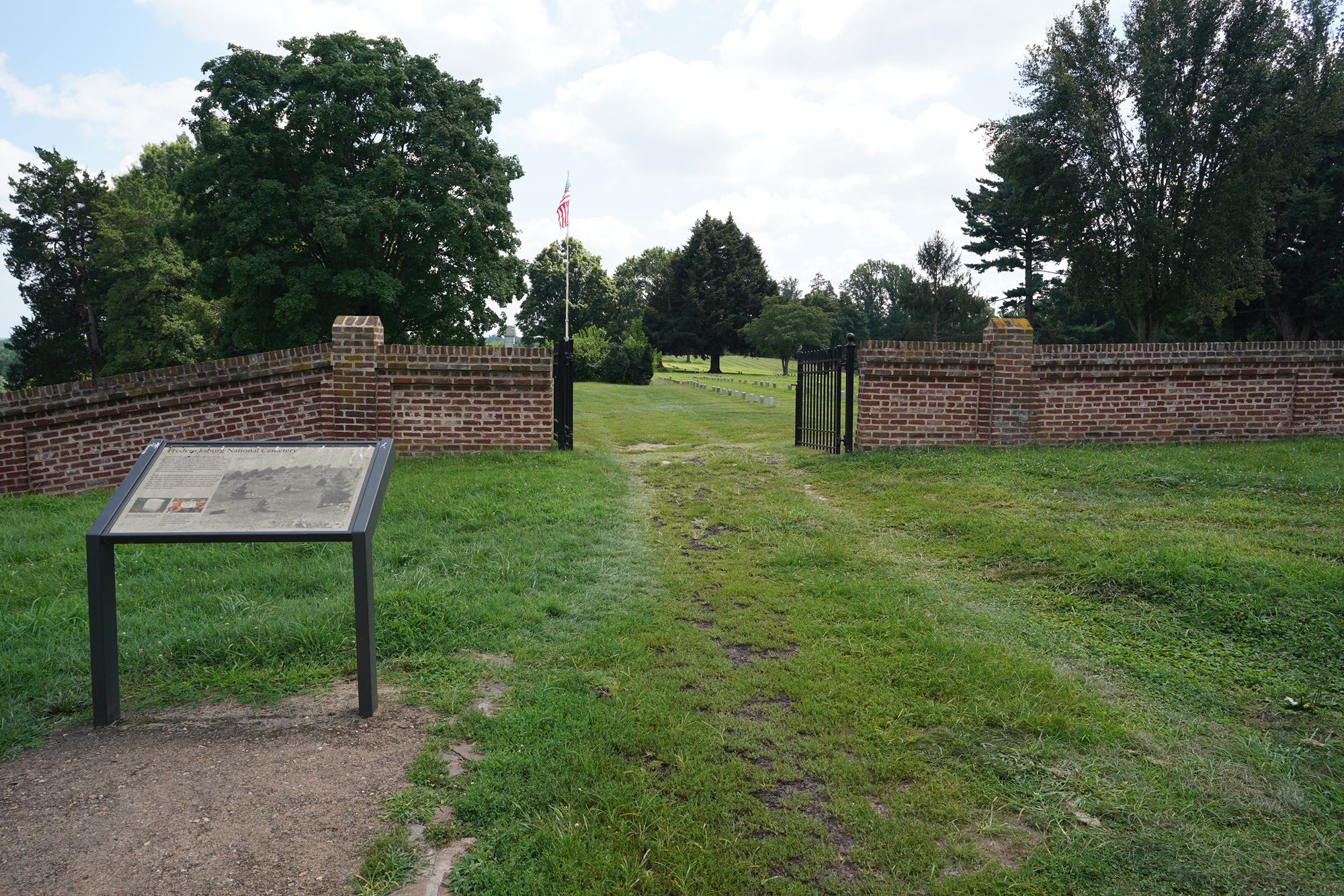
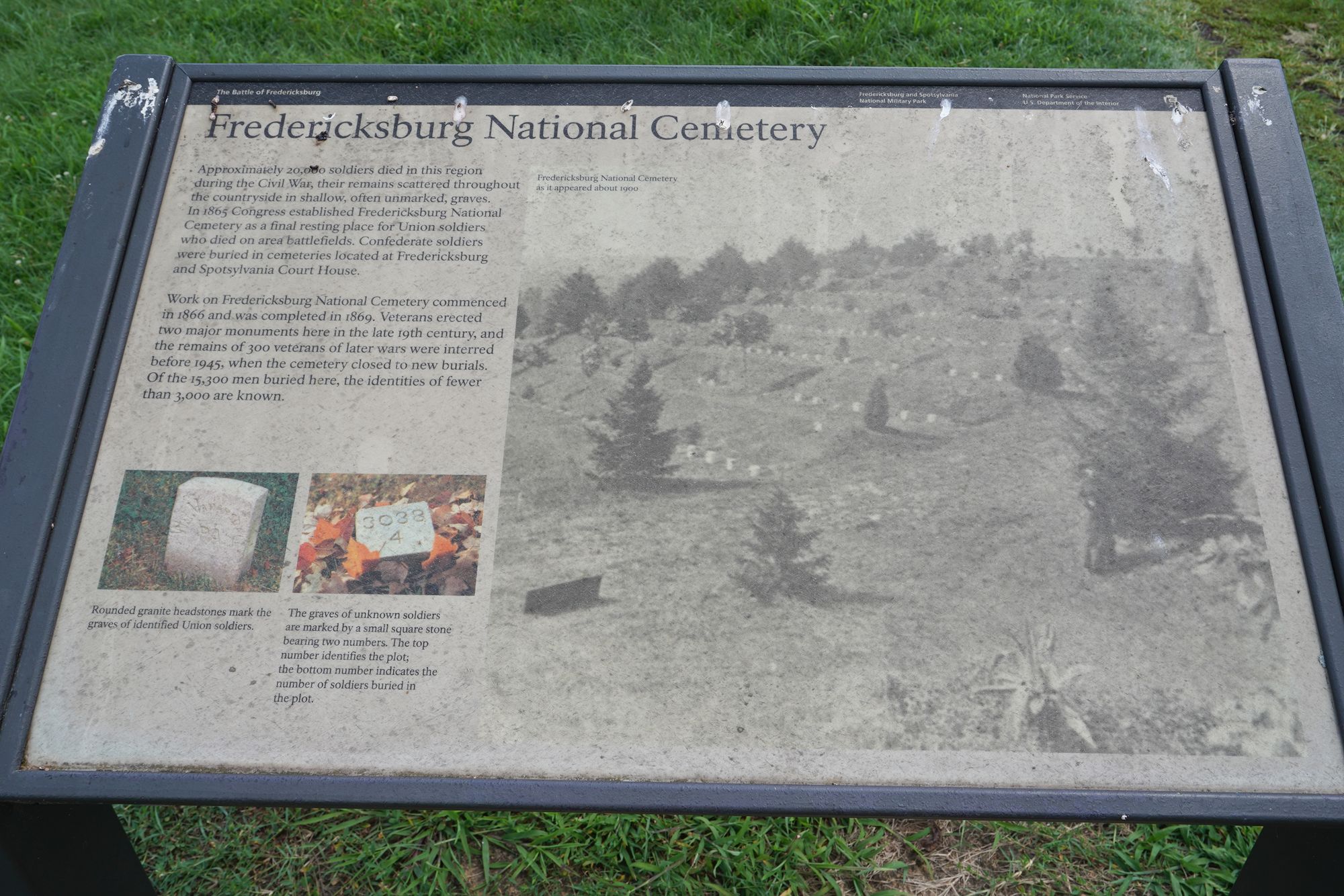
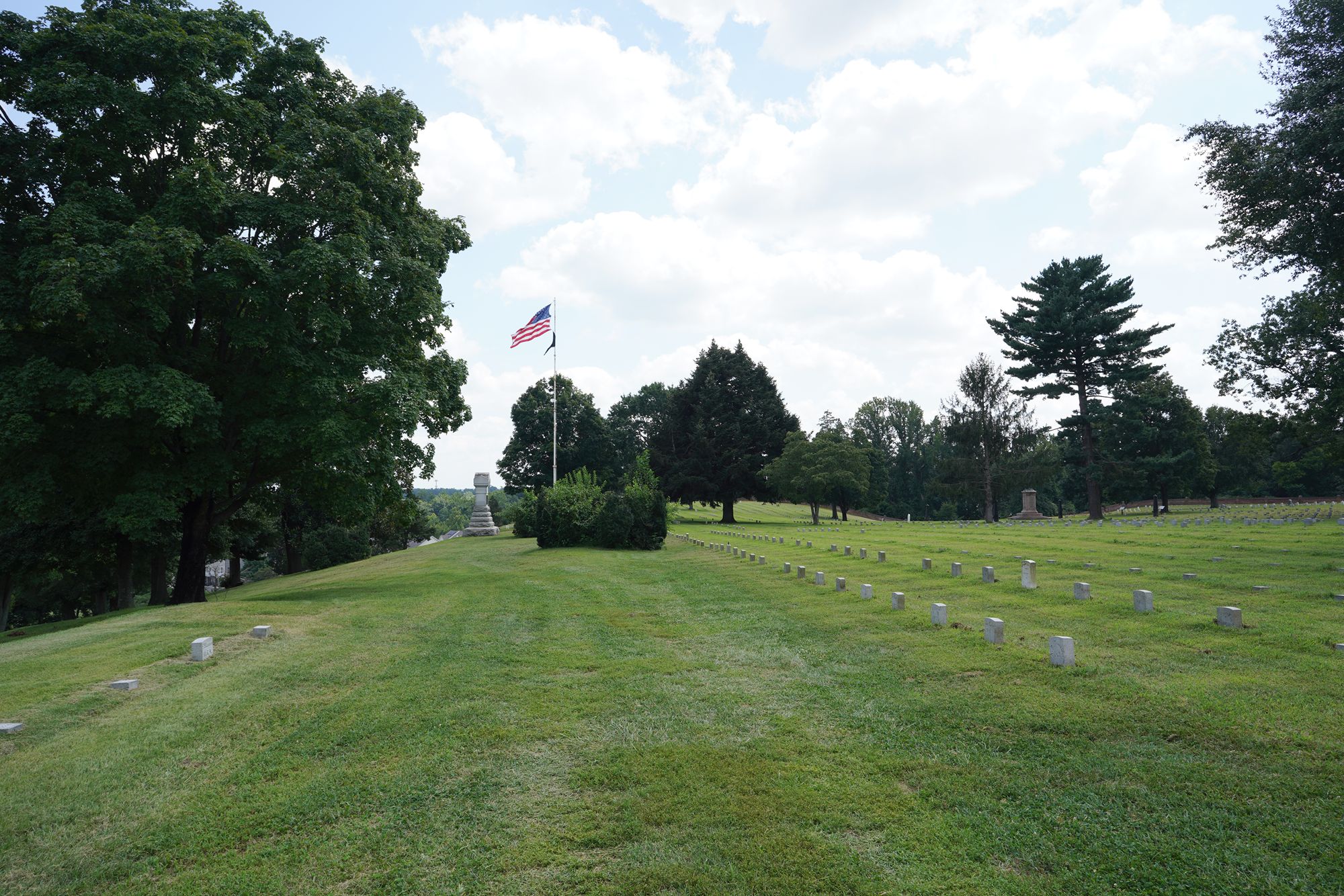
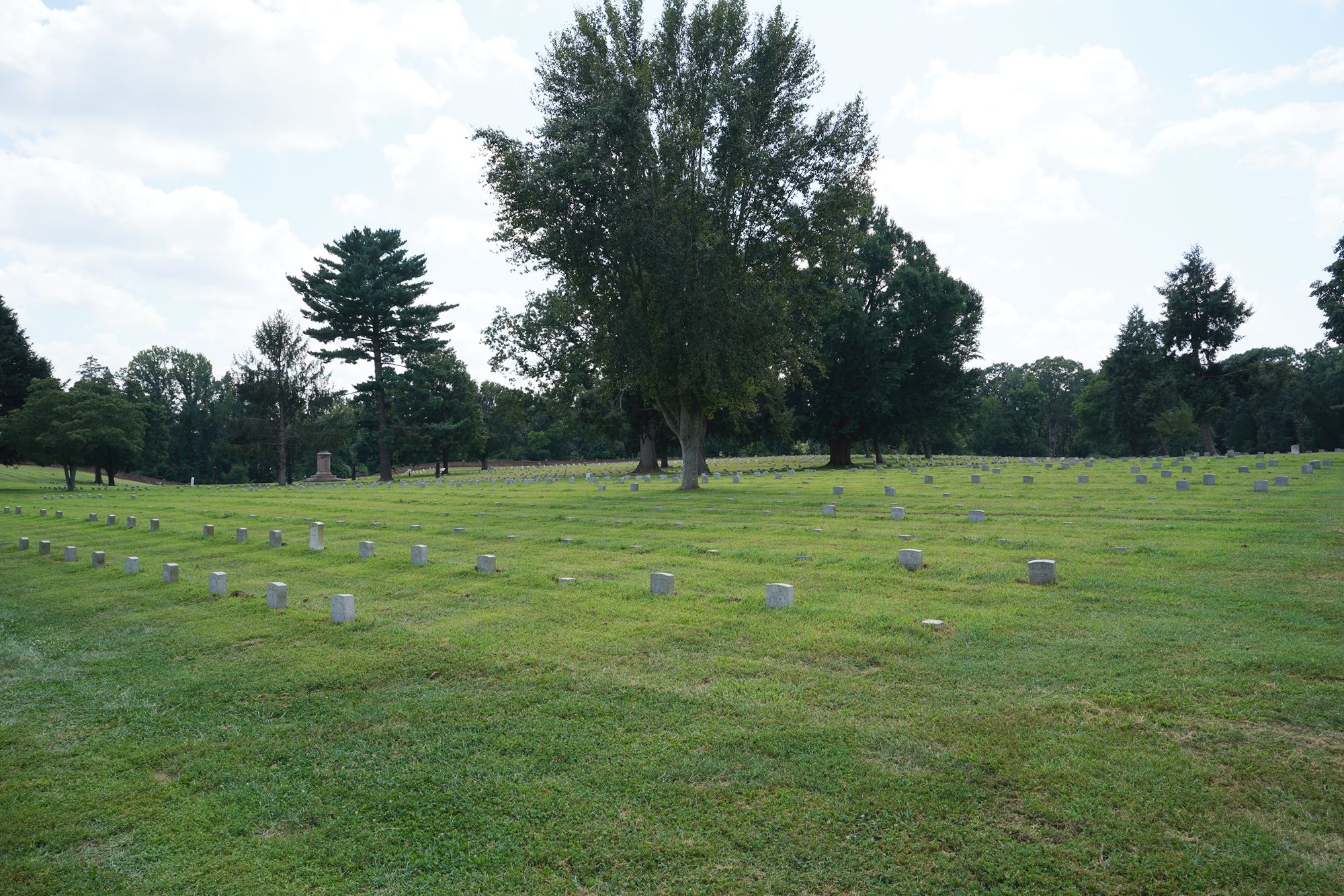
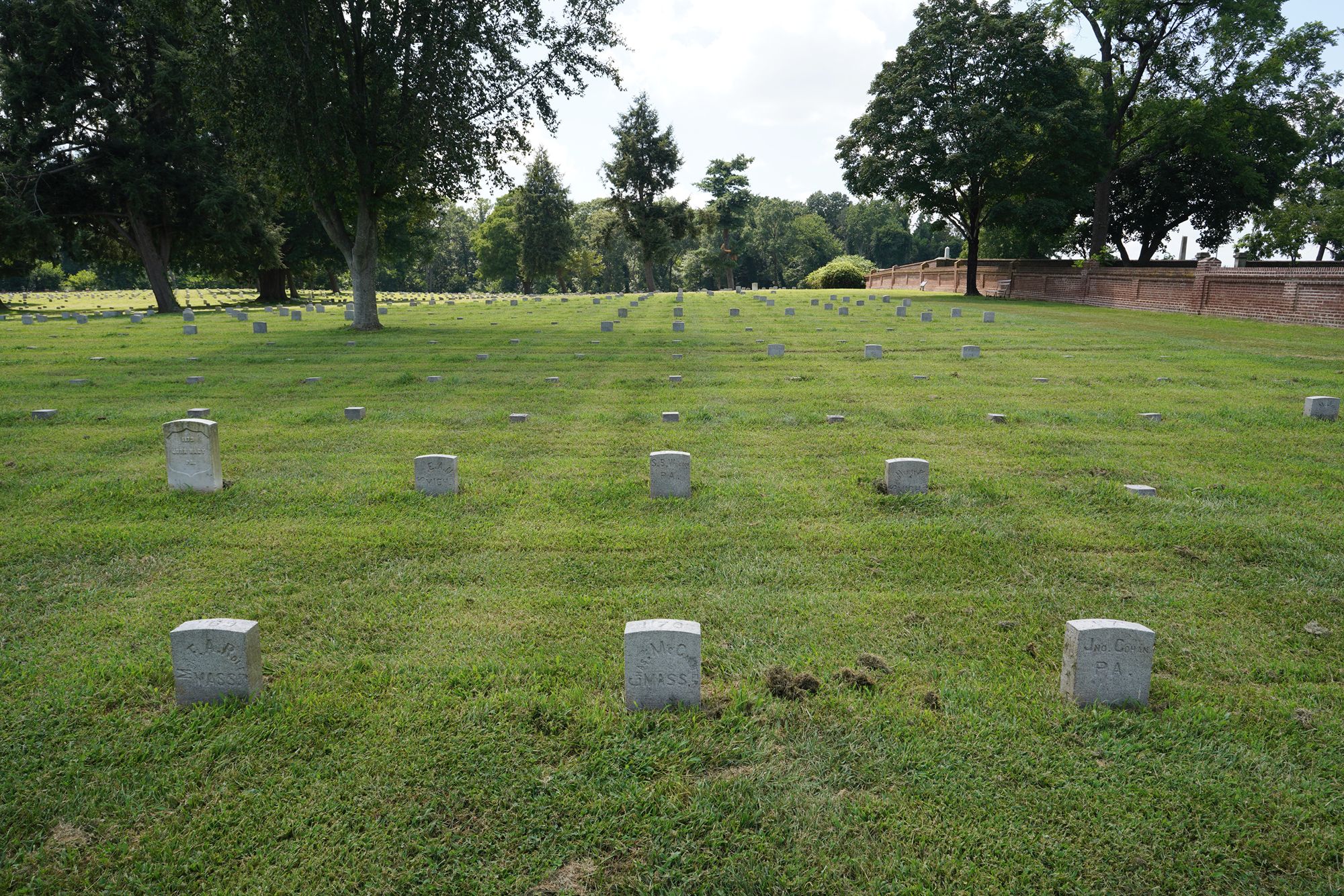
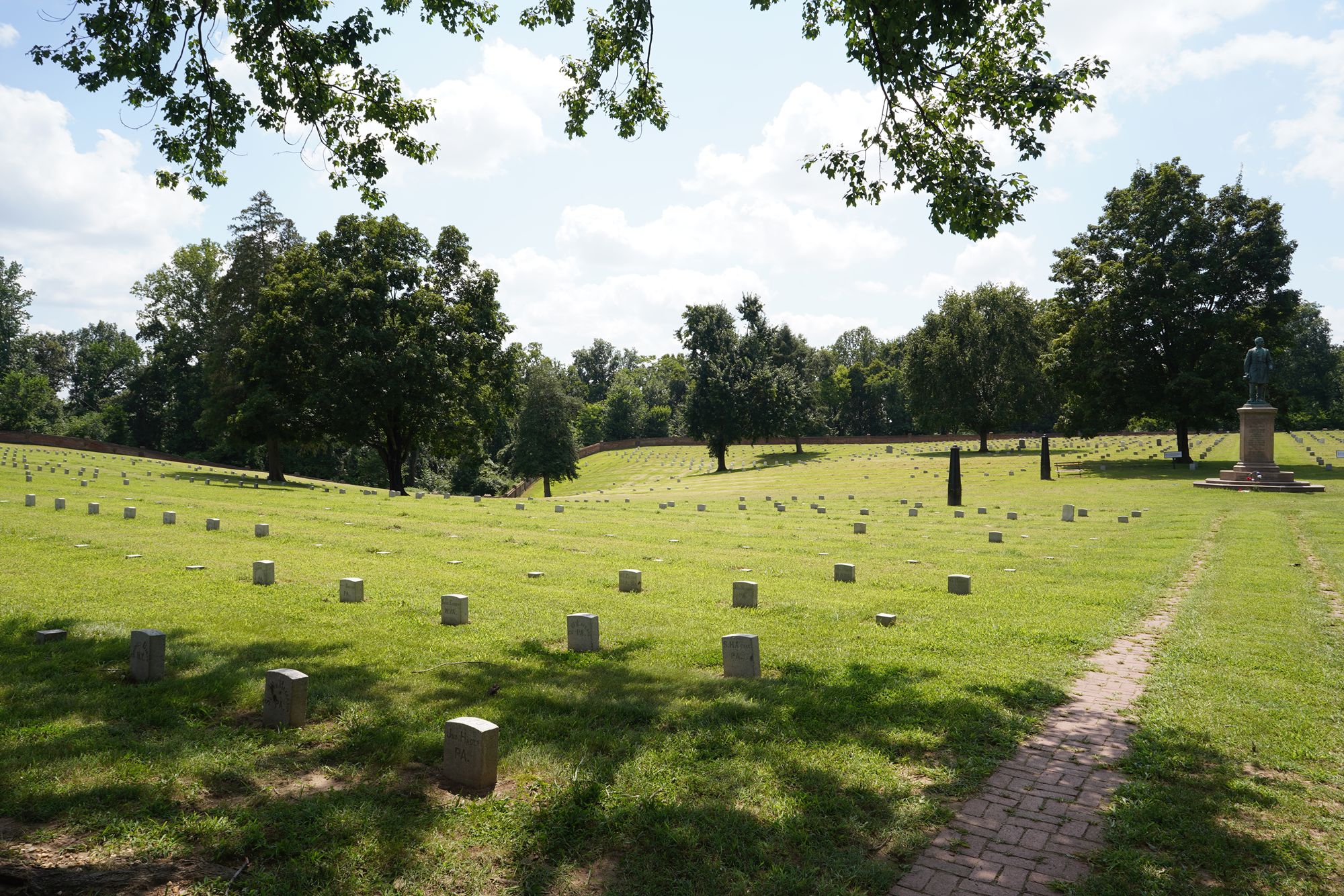
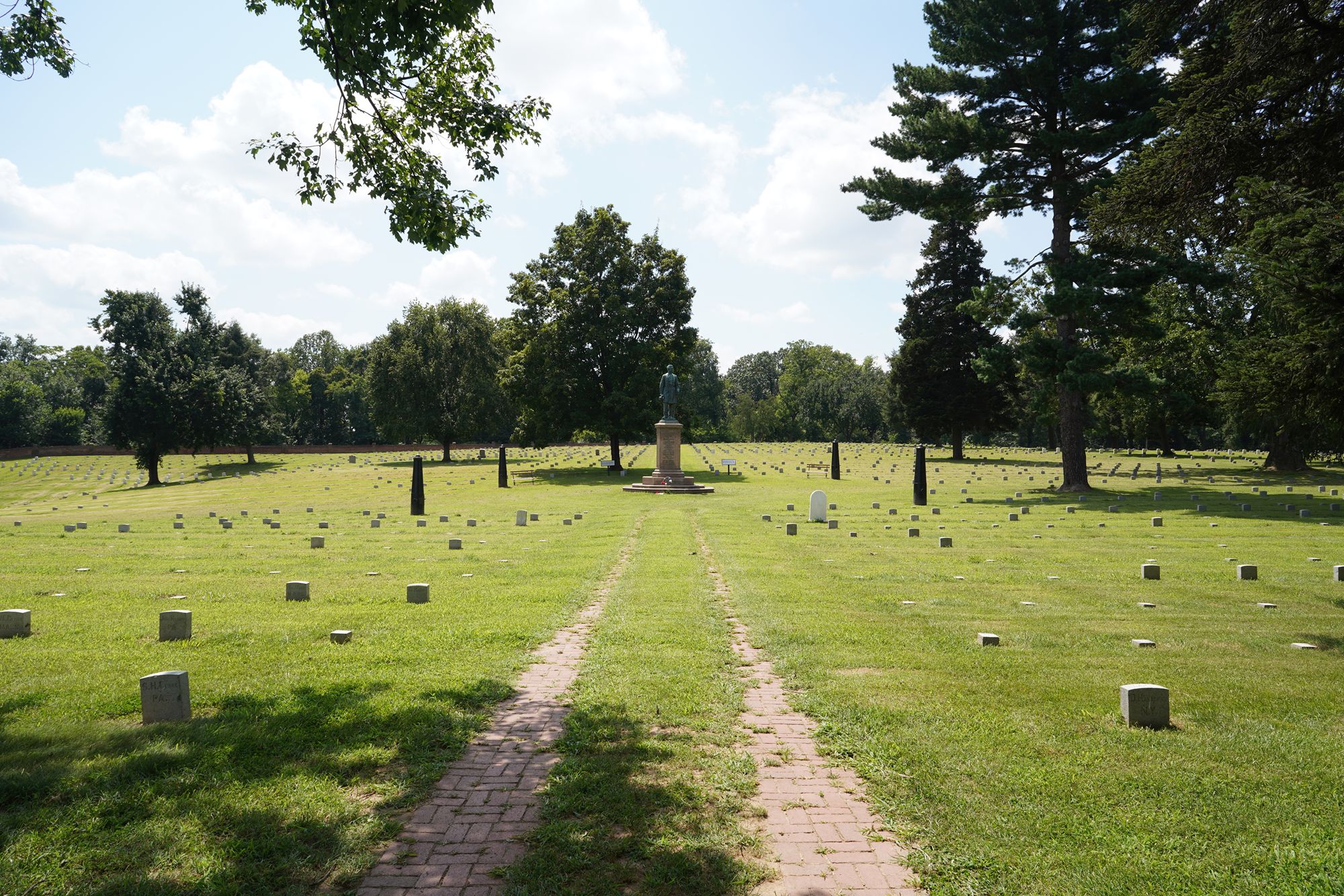
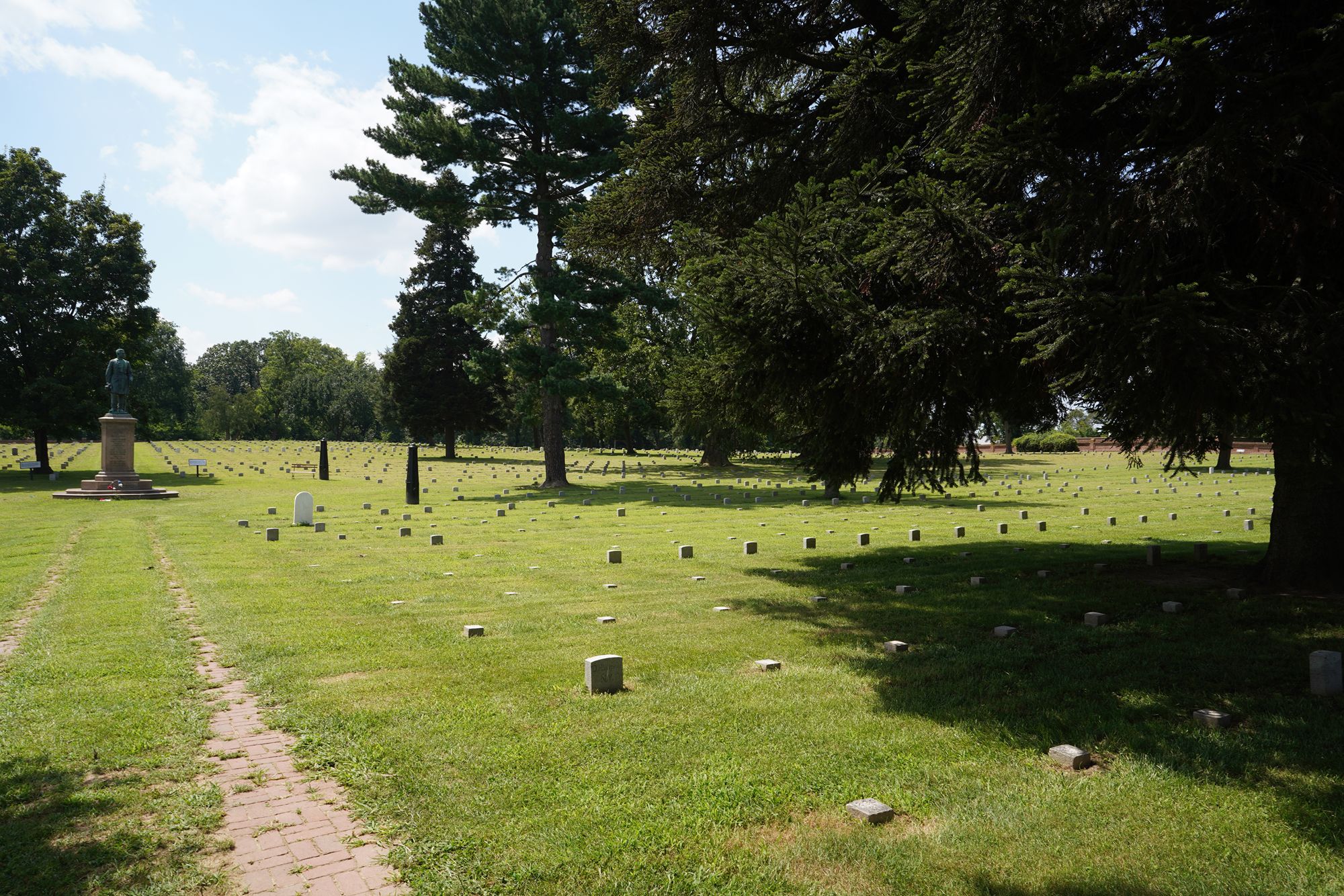
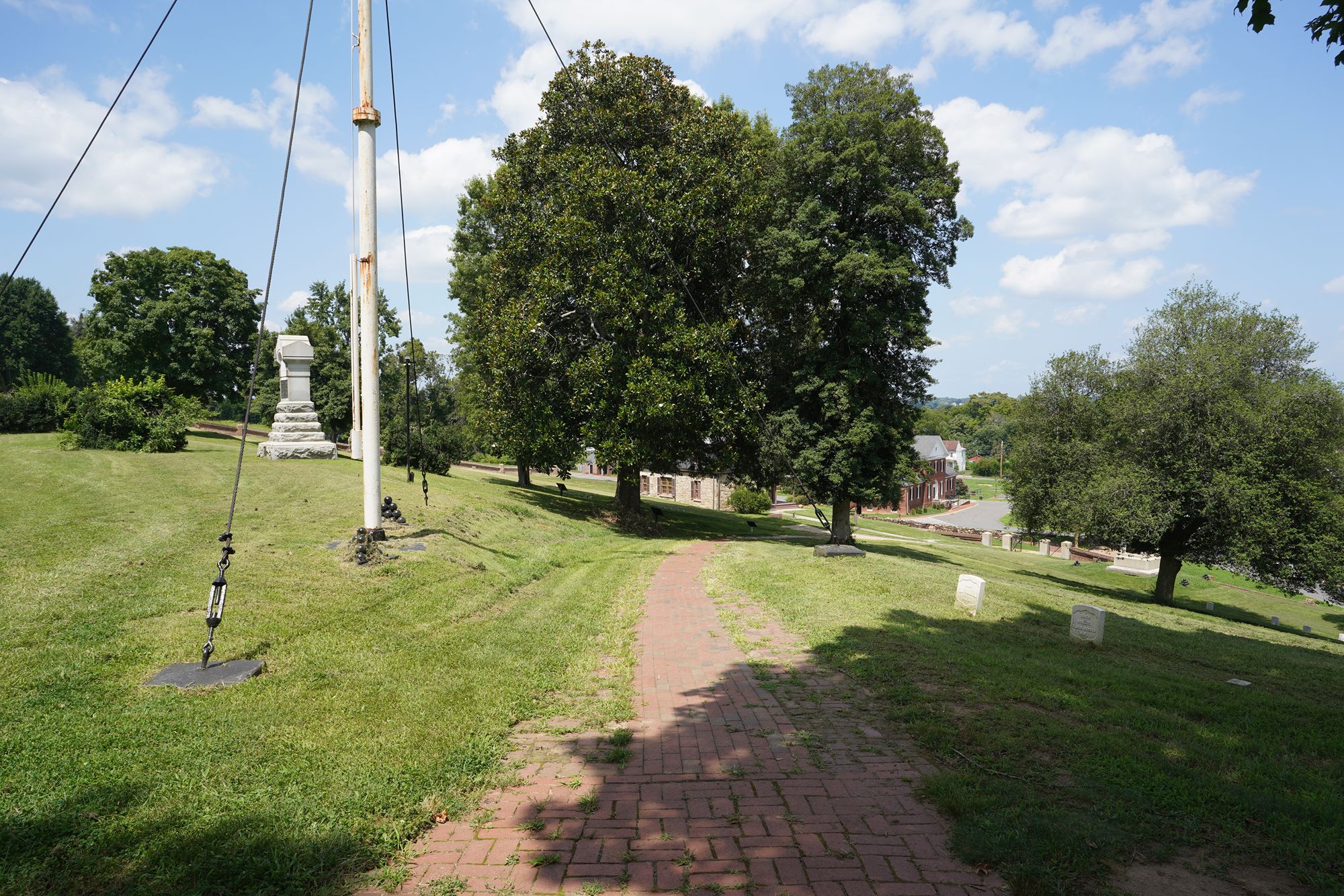
Walking down from the height
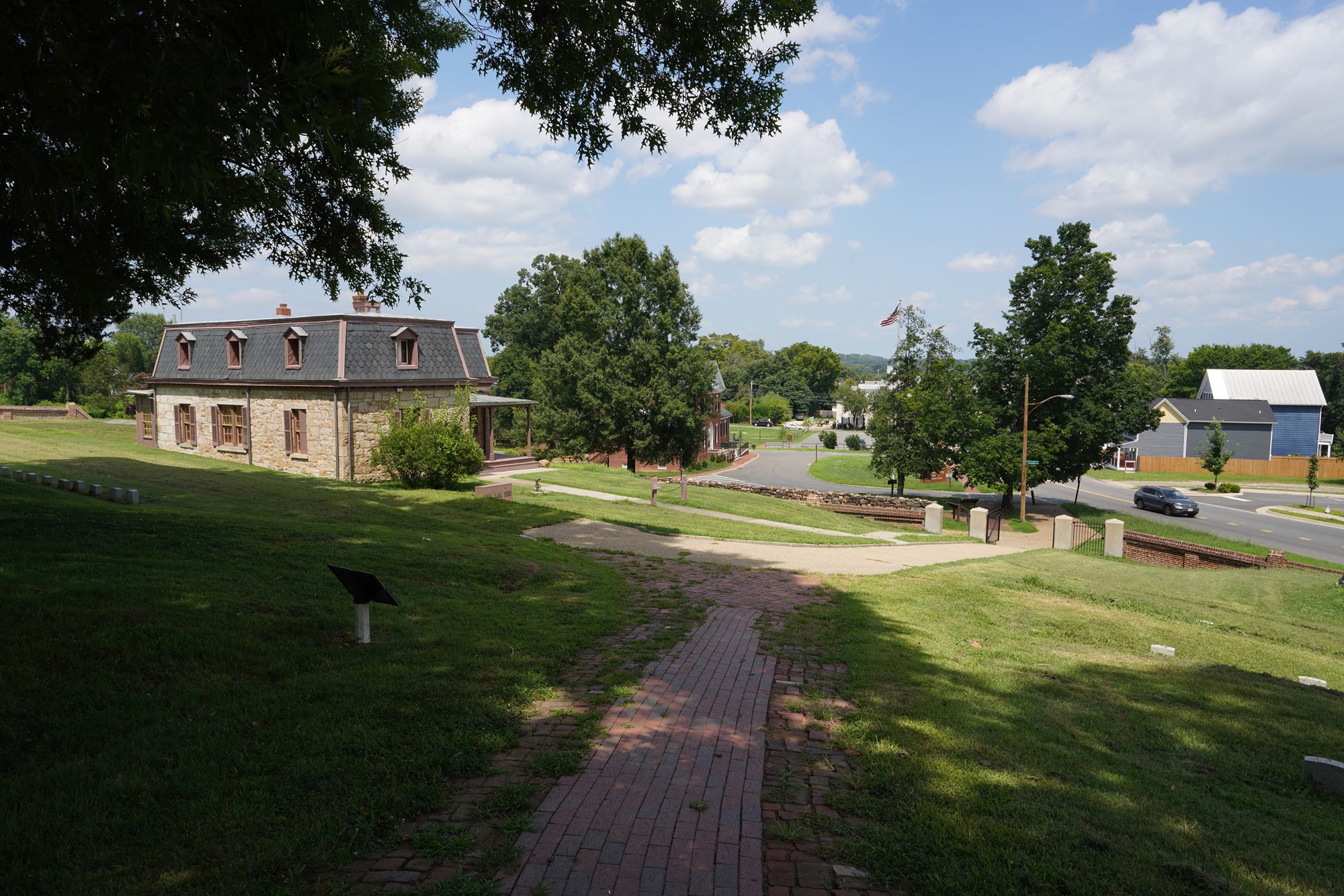
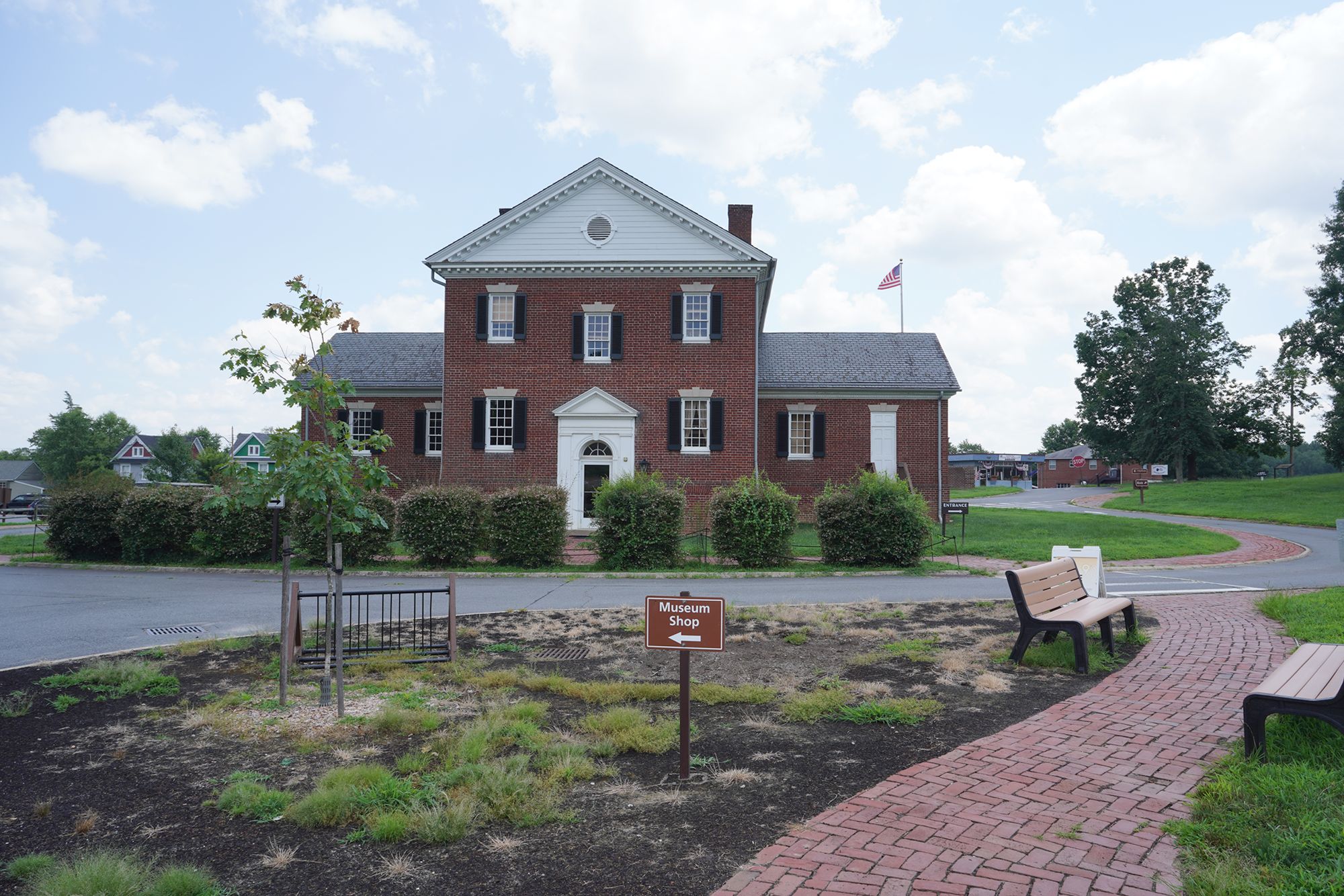
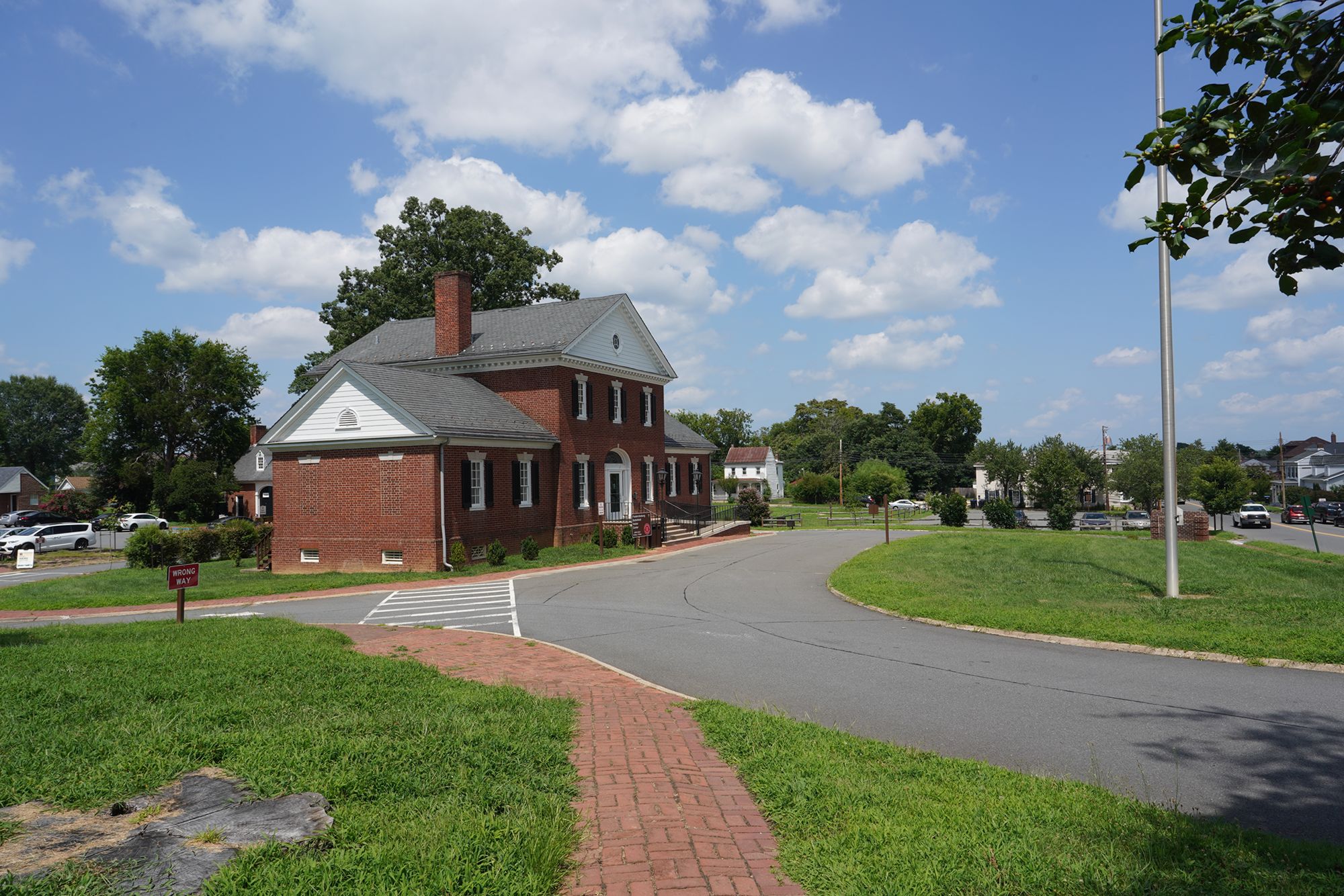
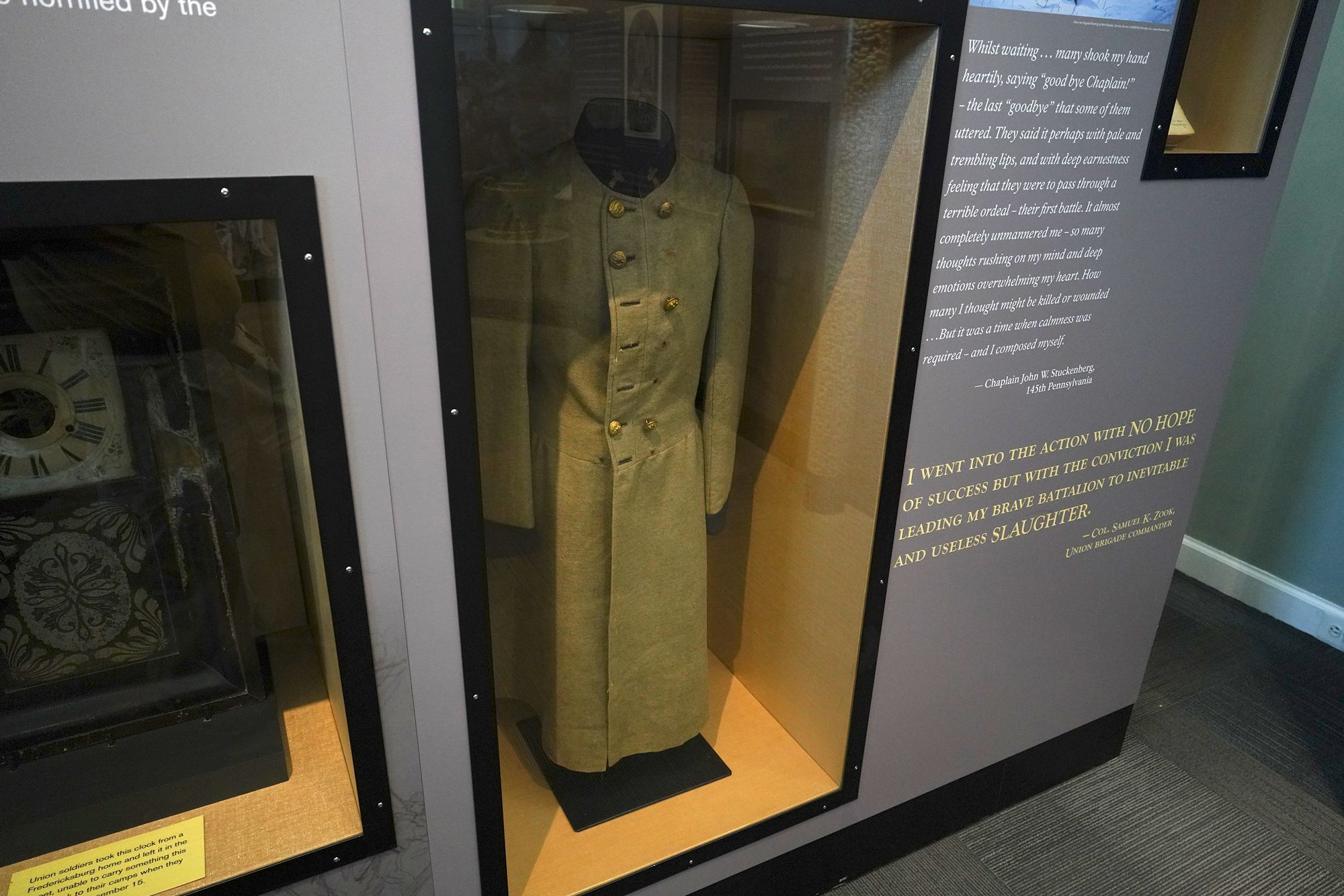
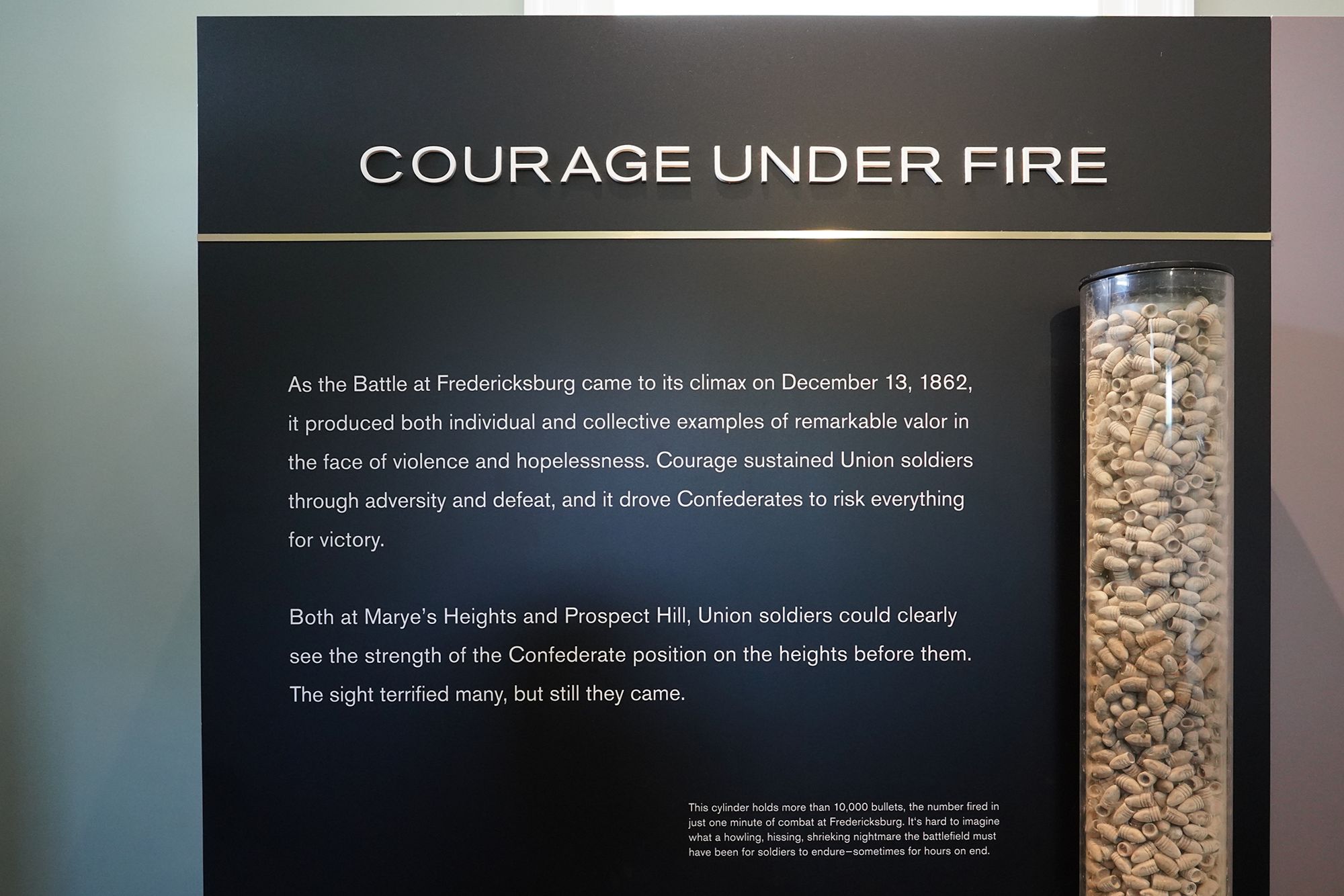
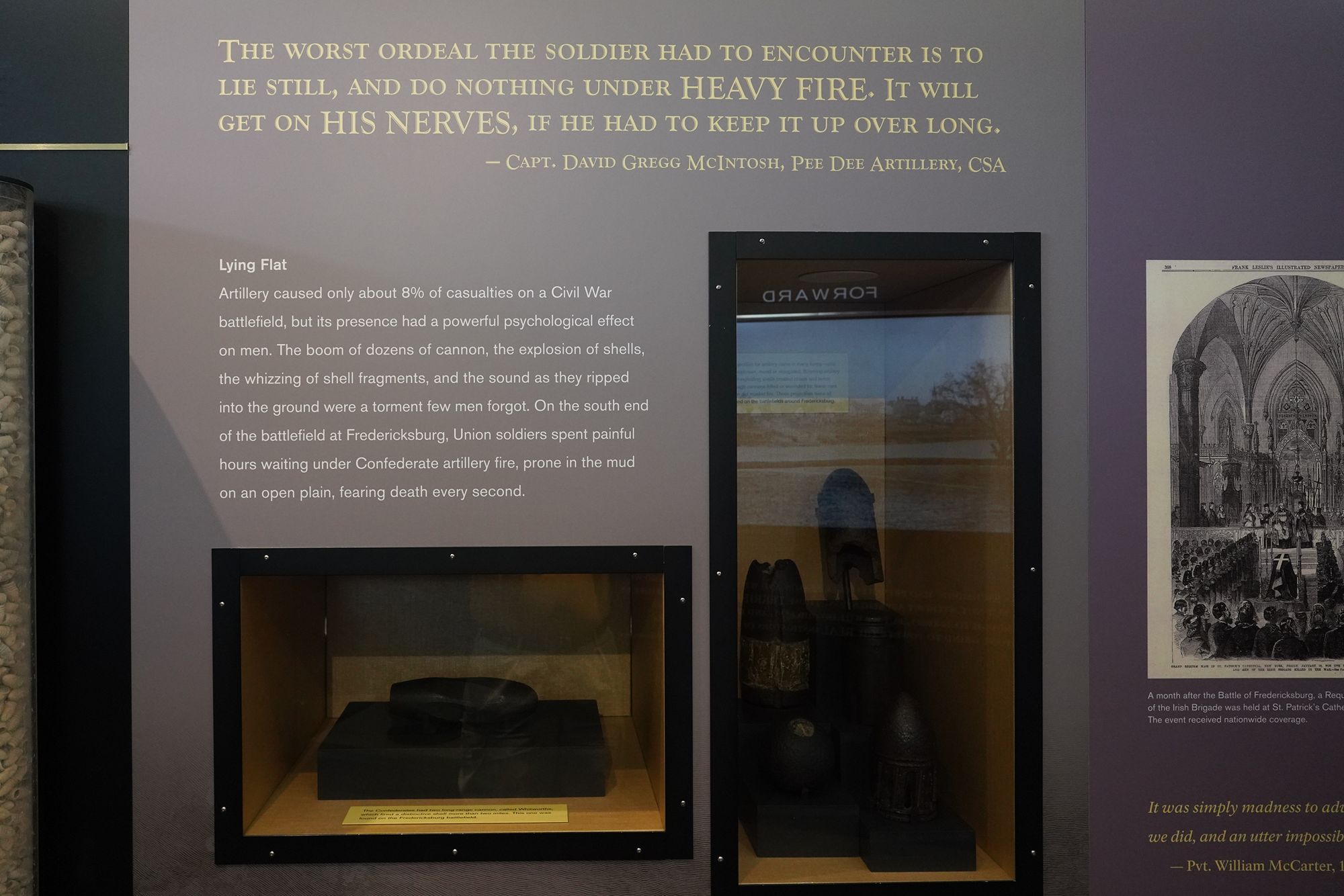
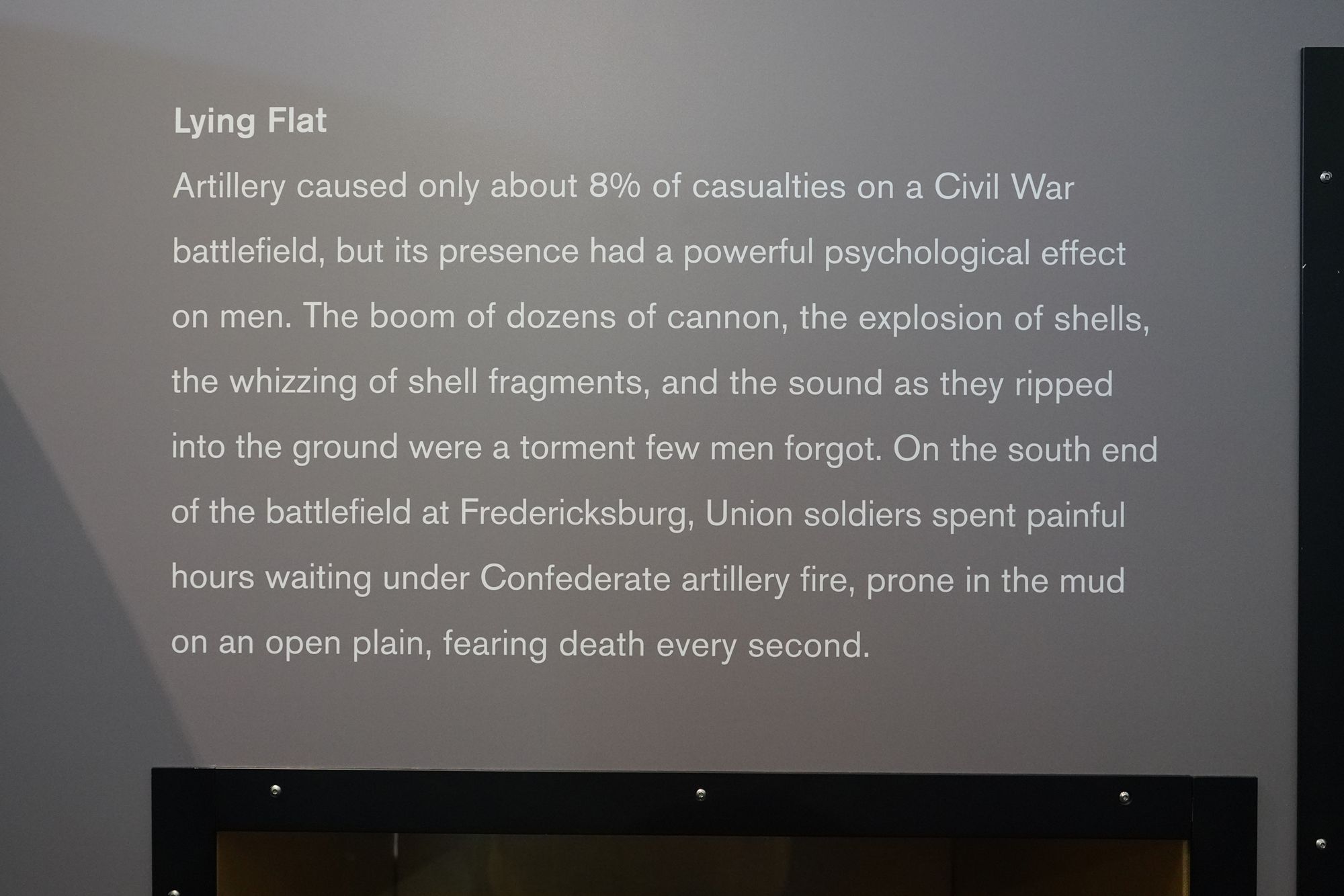
The Fredericksburg Battlefield Visitor Center, which also functions as a small museum.
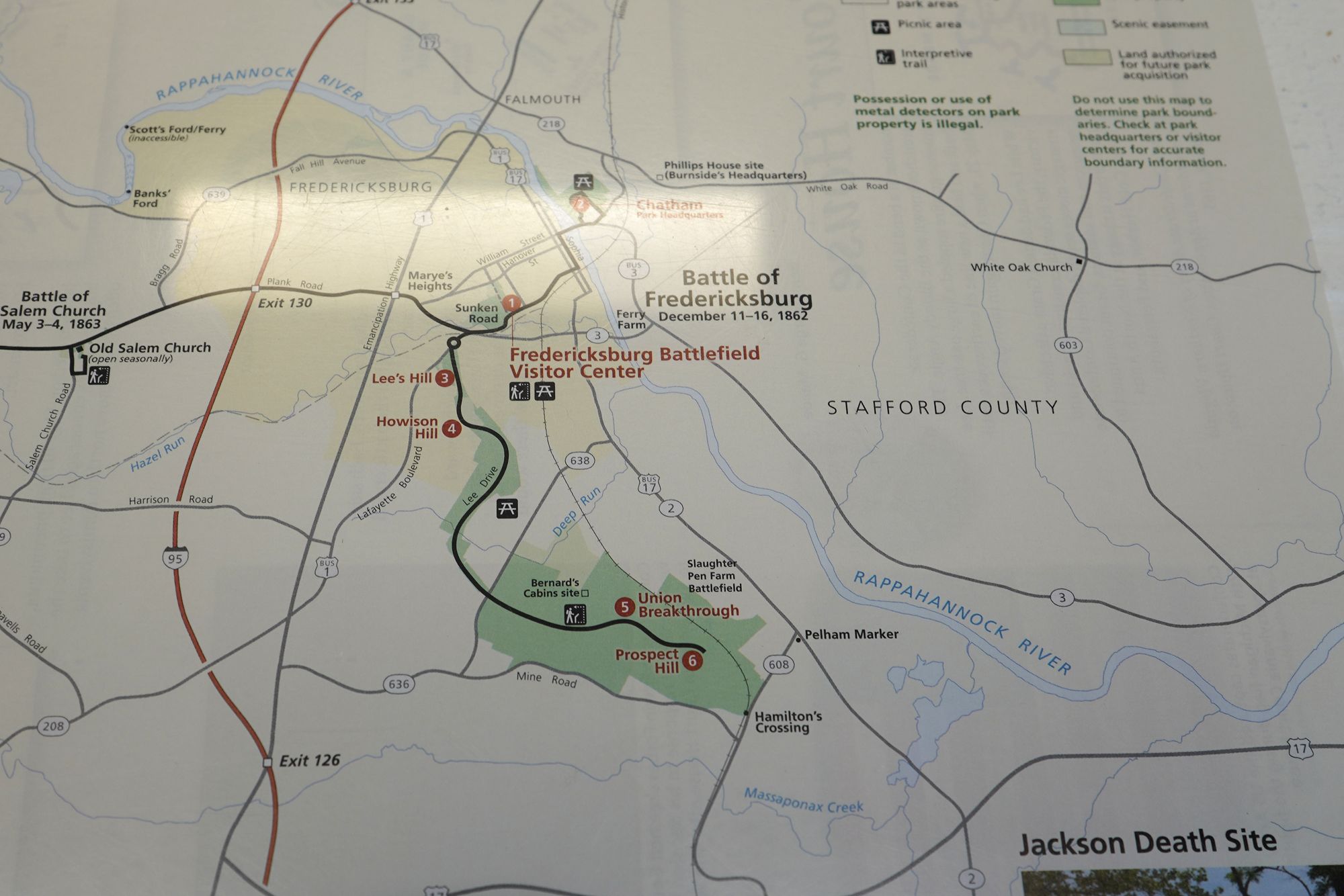
Fredericksburg. Before the Civil War, Fredericksburg was a prosperous river port and market town along the Rappahannock River, serving as a commercial link between the Piedmont farms of Virginia and the port of Falmouth across the river.
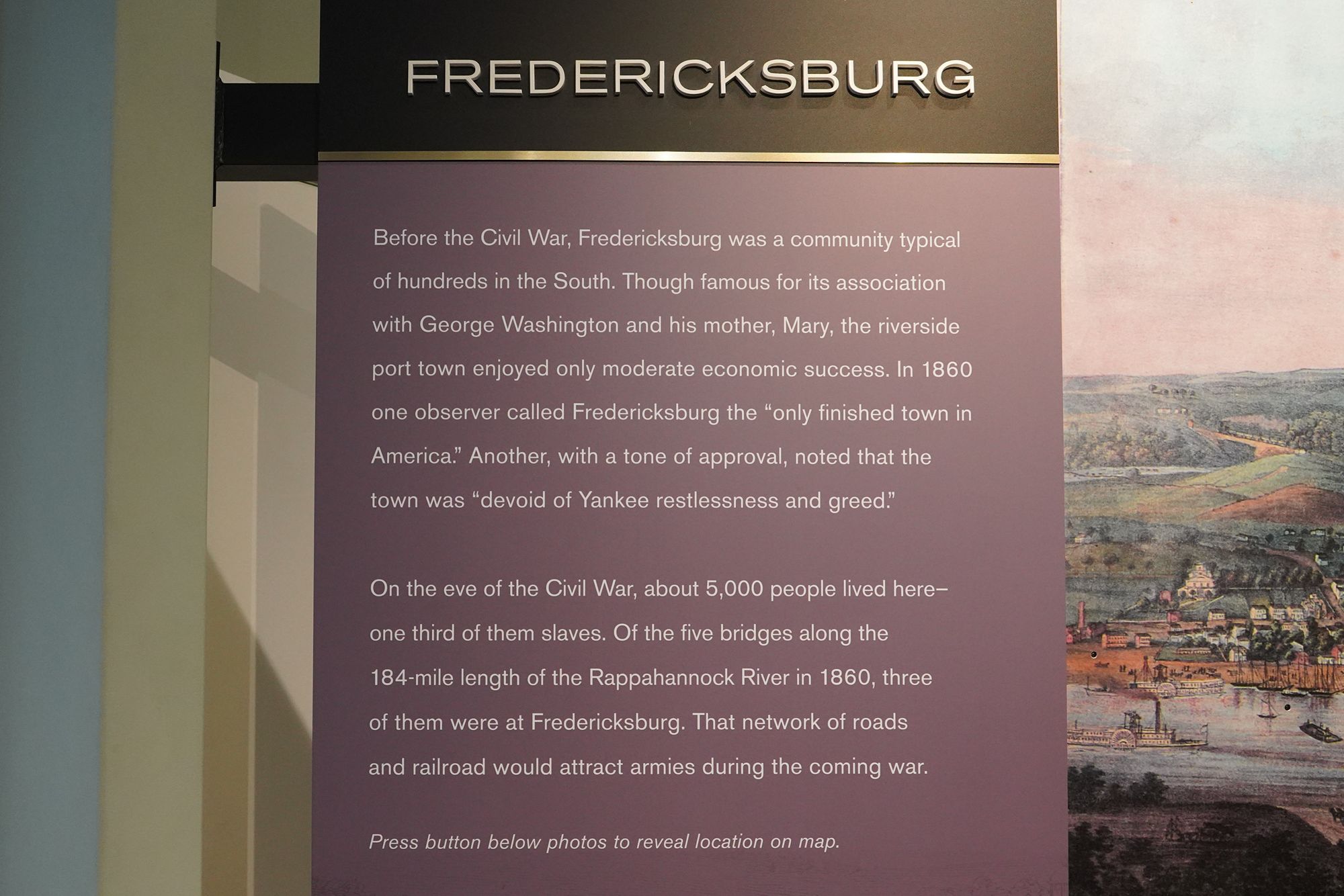
Founded in 1728, it thrived during the Colonial and early American periods as a center for trade, craftsmanship, and government. The town was home to several prominent families, including the Washingtons, and was closely tied to the early history of the United States.
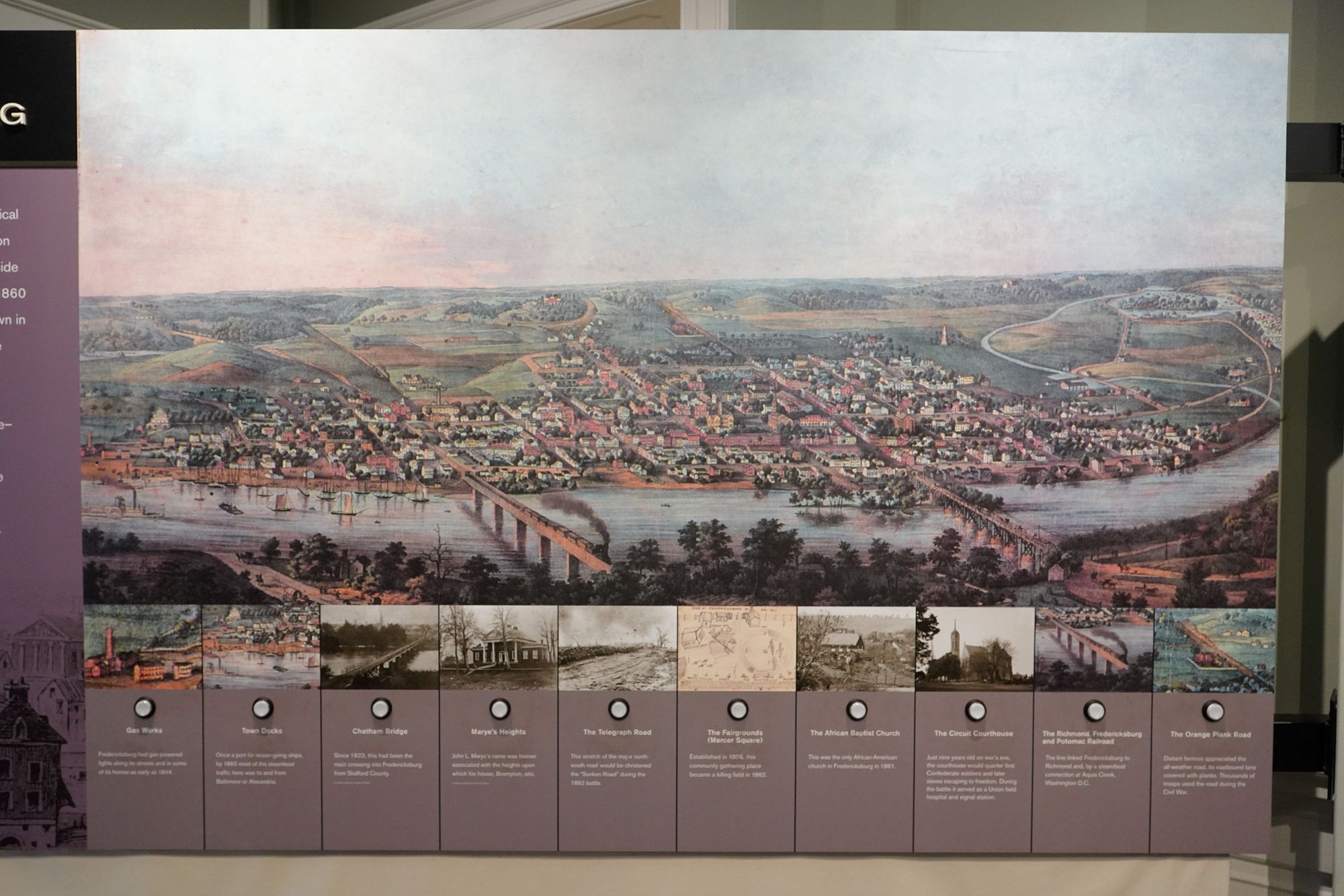
When the Civil War began, its location halfway between Washington, D.C., and Richmond made it strategically important — turning this peaceful community into a major battlefield.
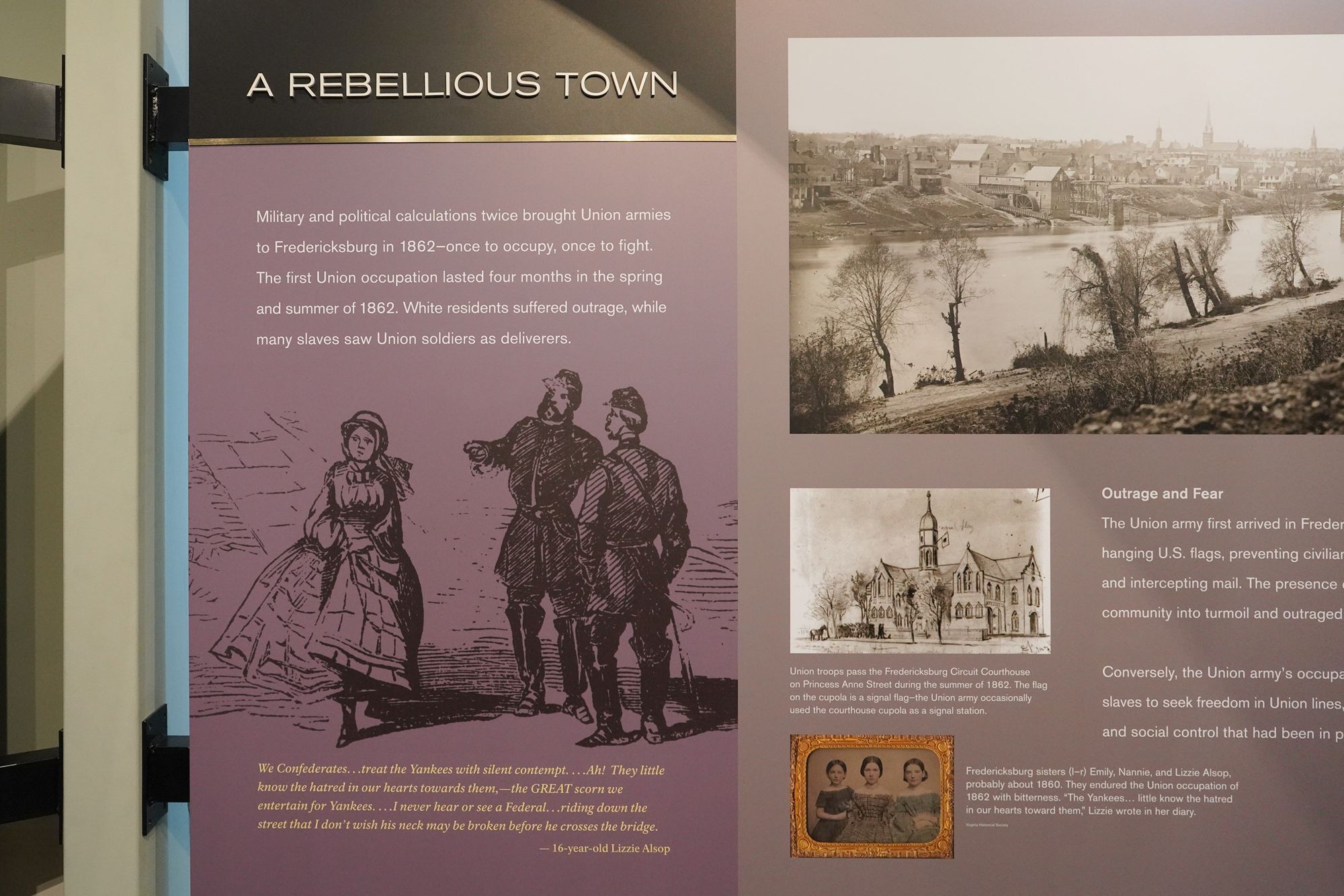
The Union army arrived in Fredericksburg first during the Battle of Fredericksburg campaign.
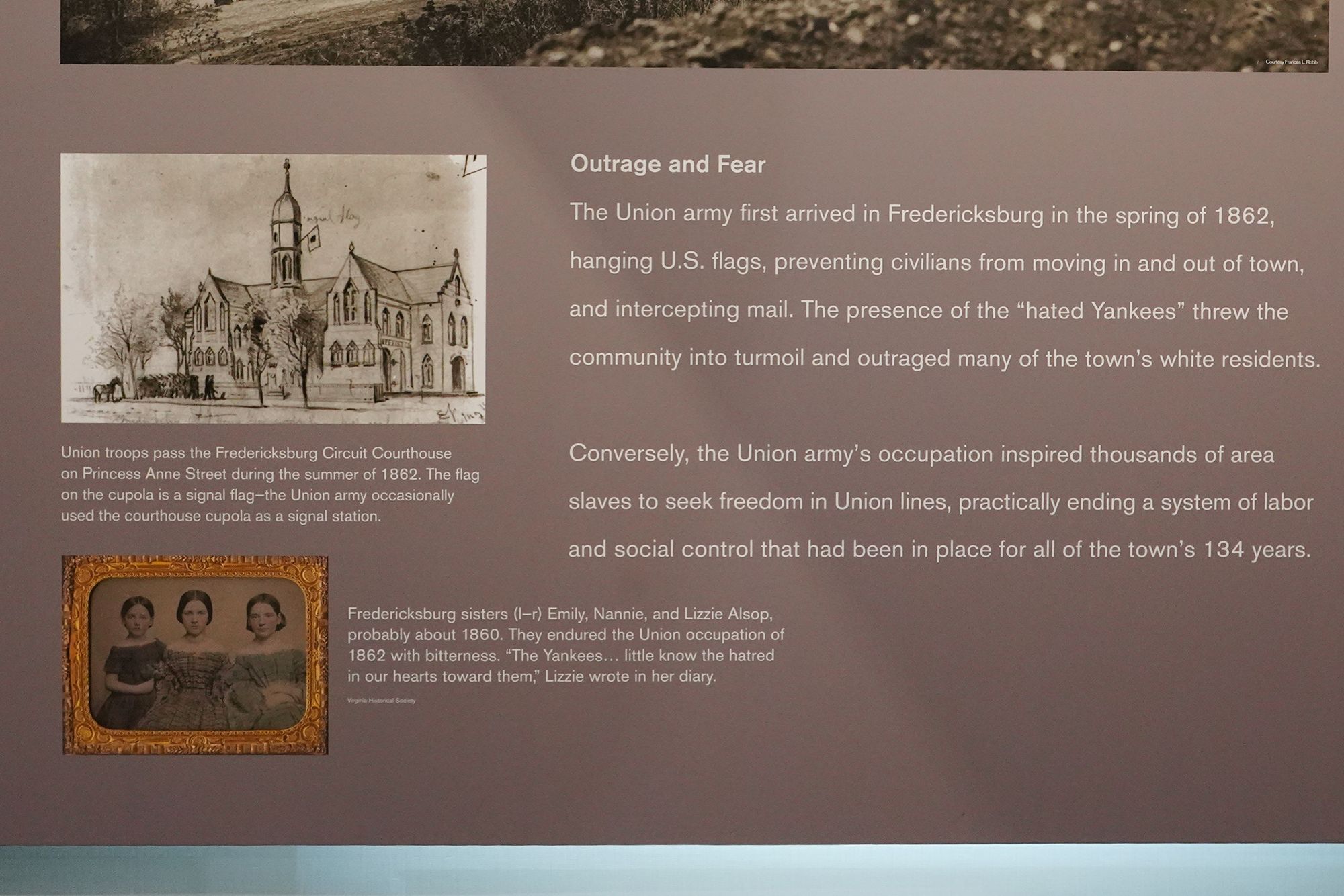
In November 1862, General Ambrose Burnside’s Army of the Potomac reached the north bank of the Rappahannock River opposite Fredericksburg before the Confederate army arrived. Burnside planned to cross quickly and march toward Richmond, the Confederate capital.
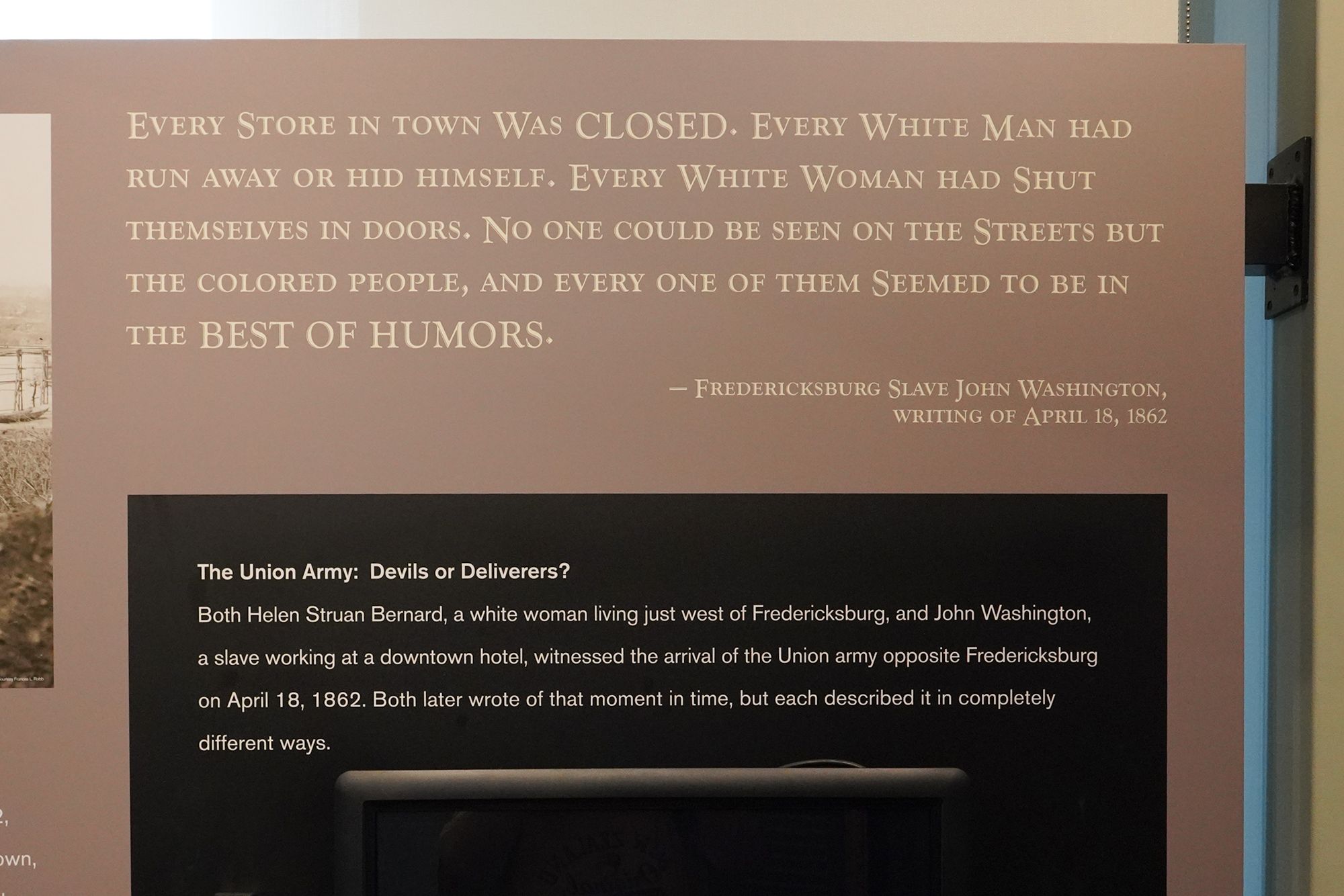
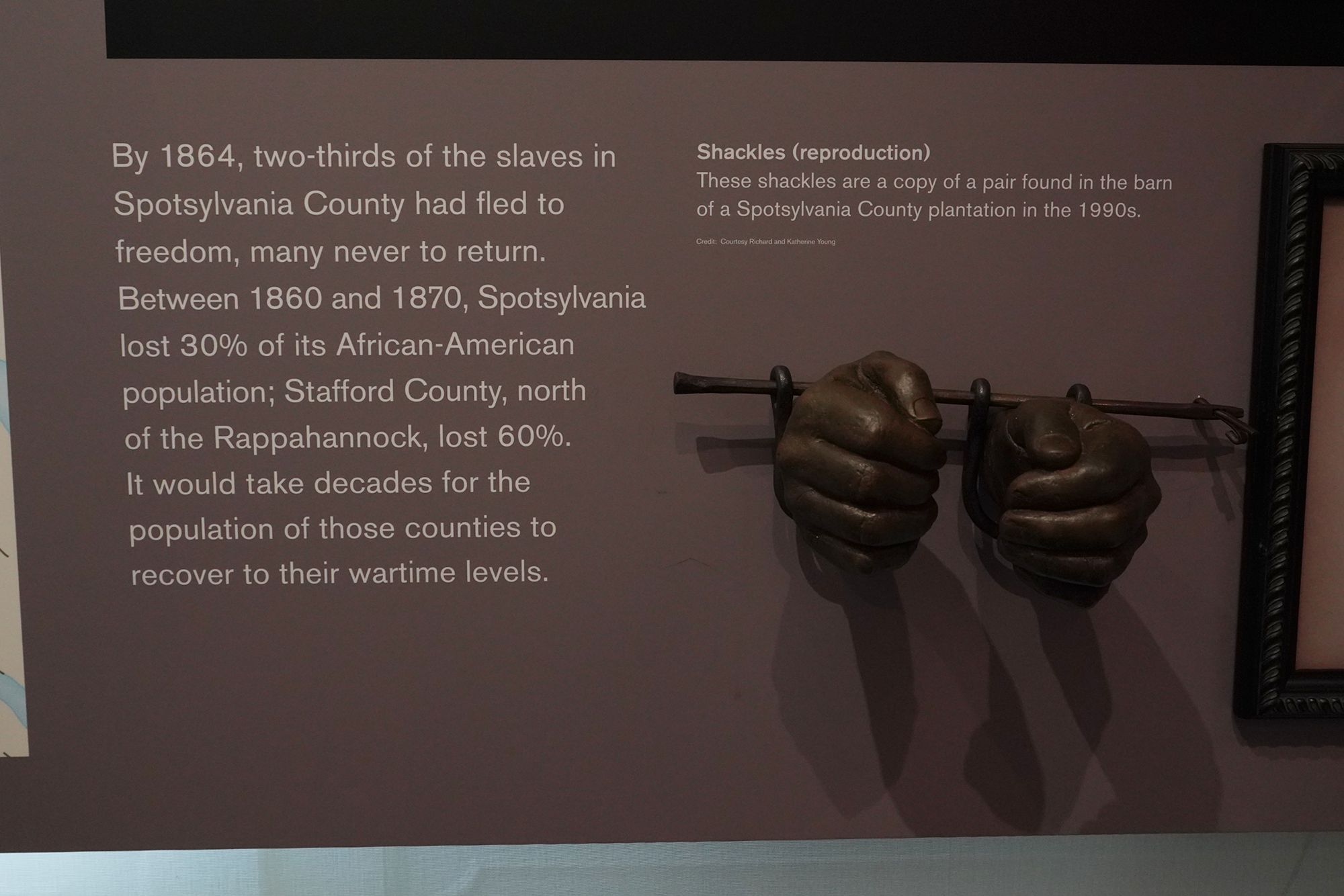
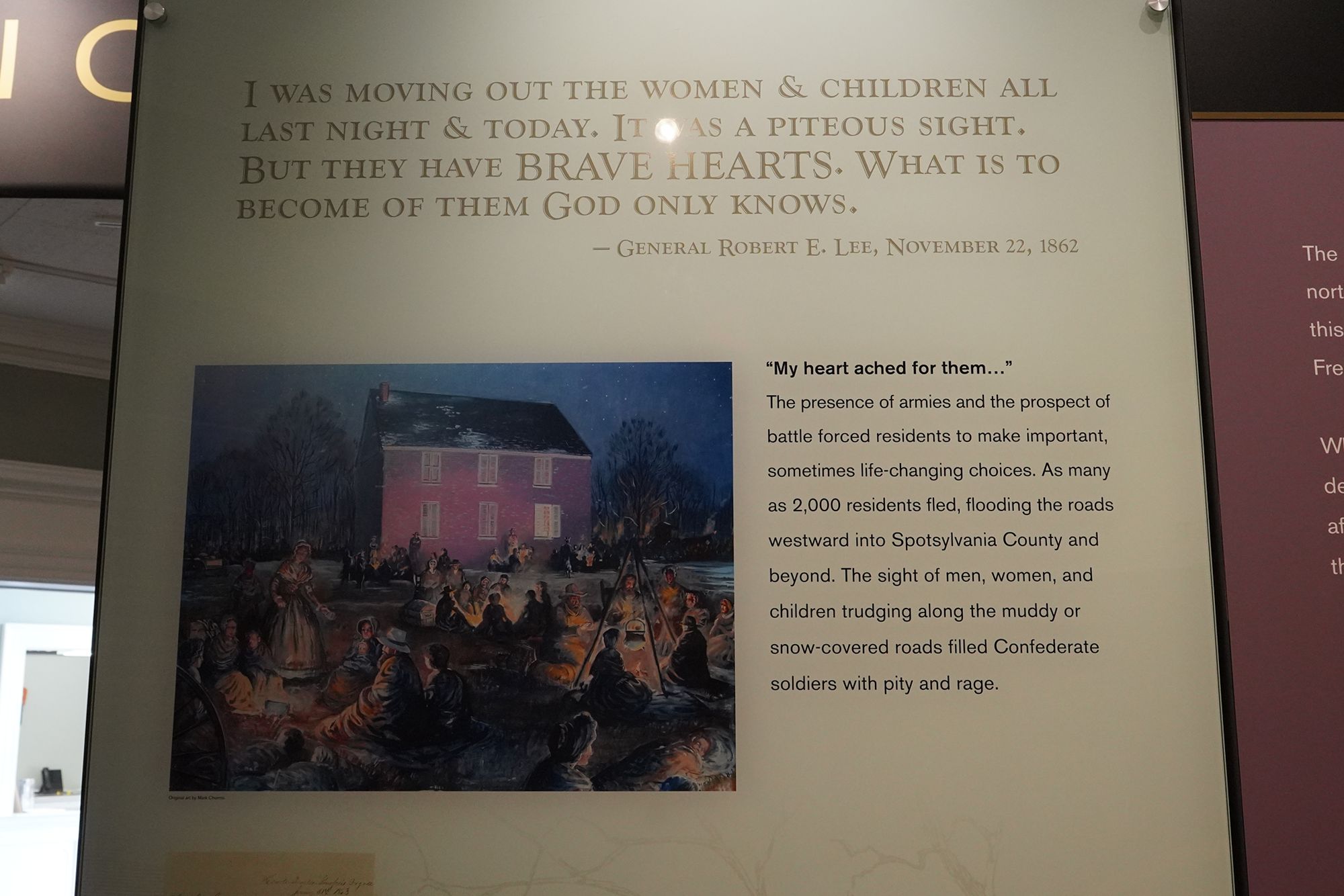
Exodus of Slaves
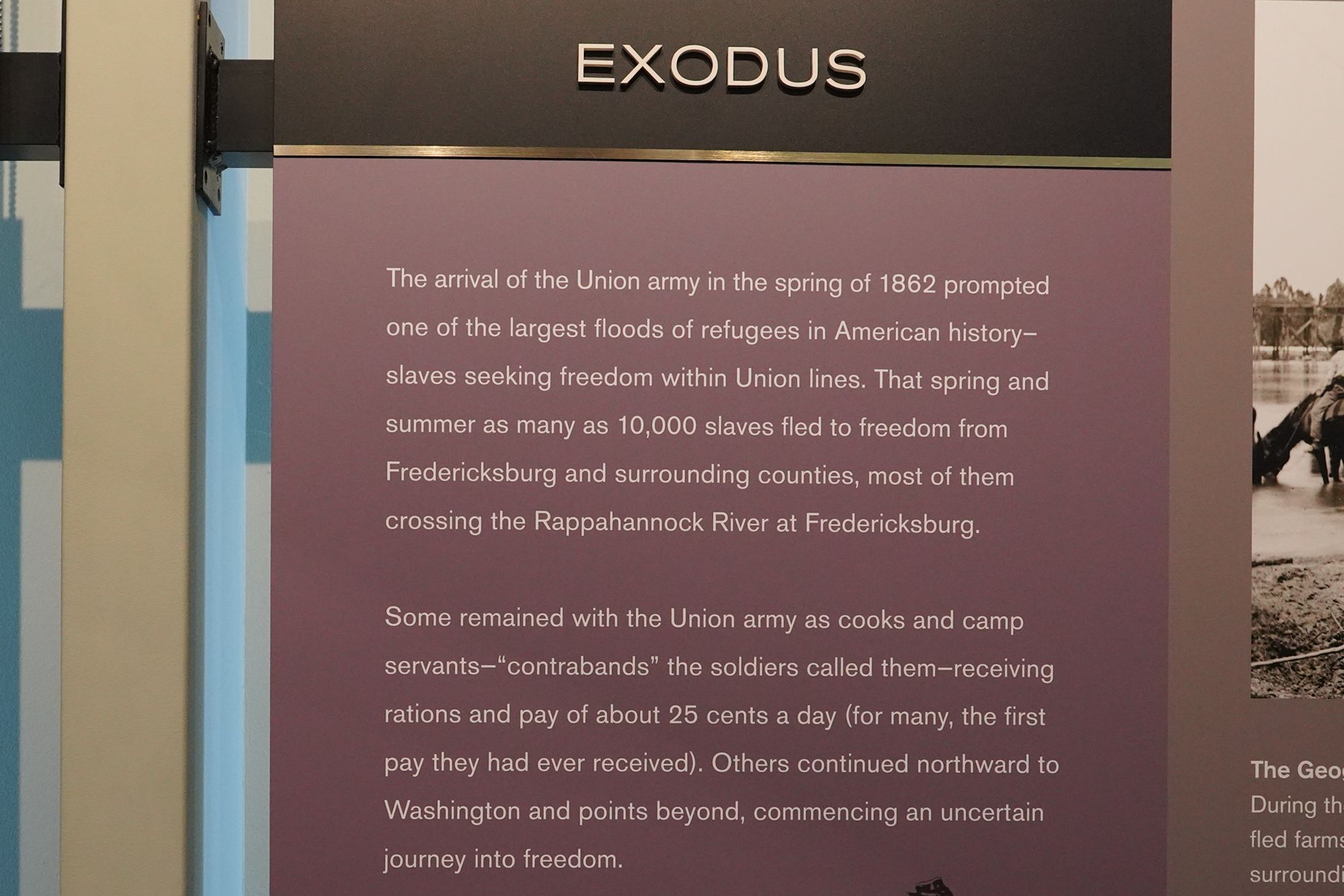
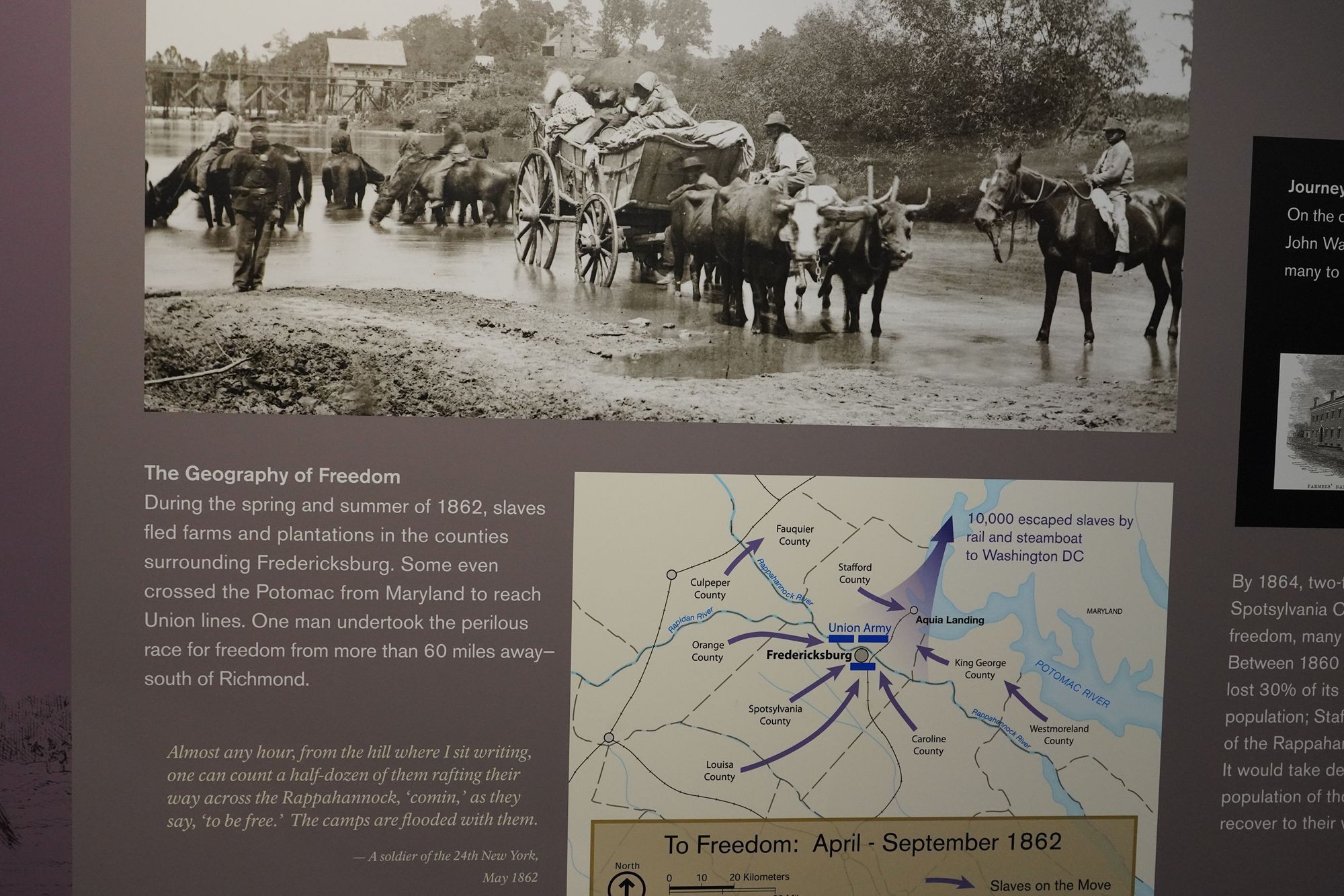
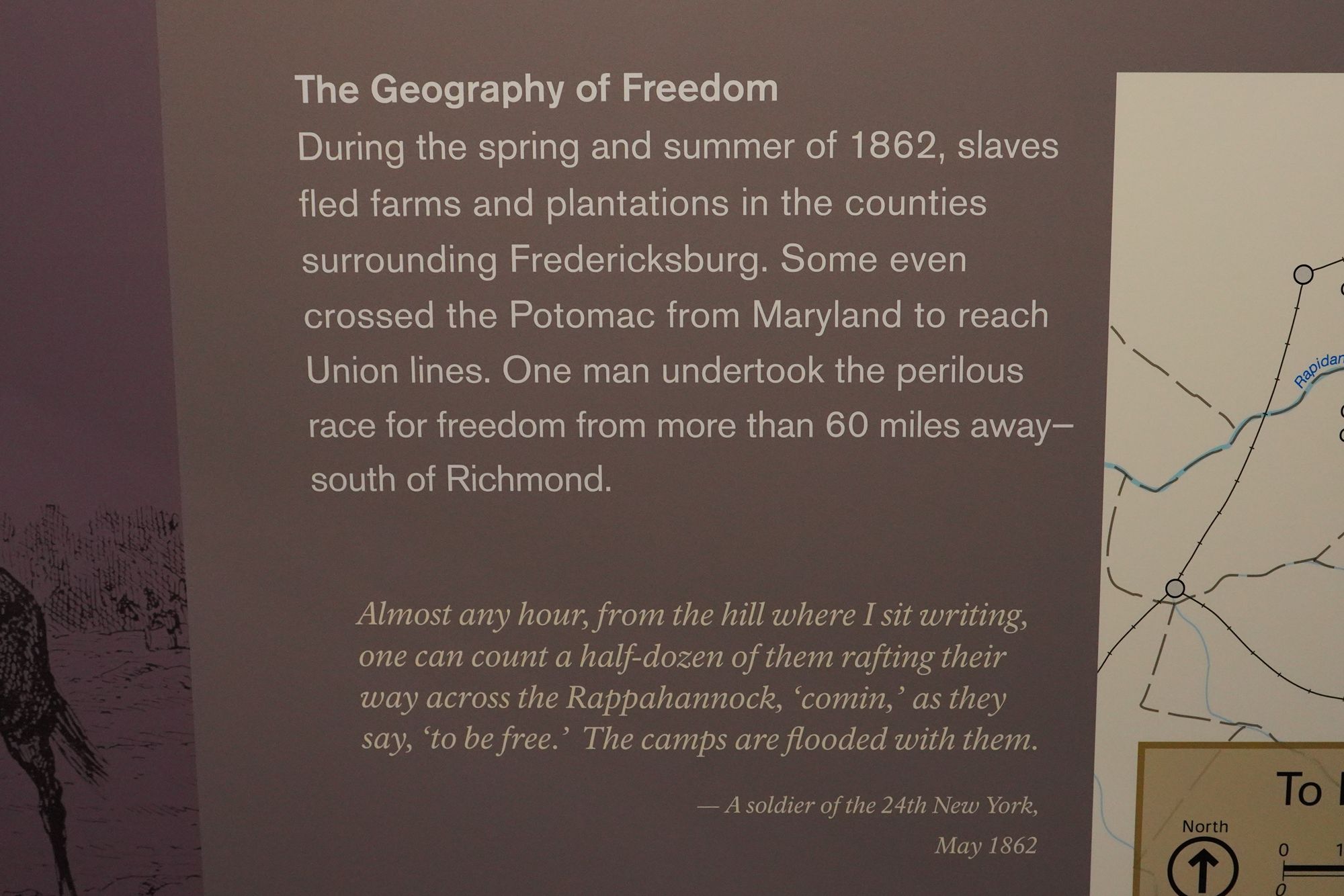
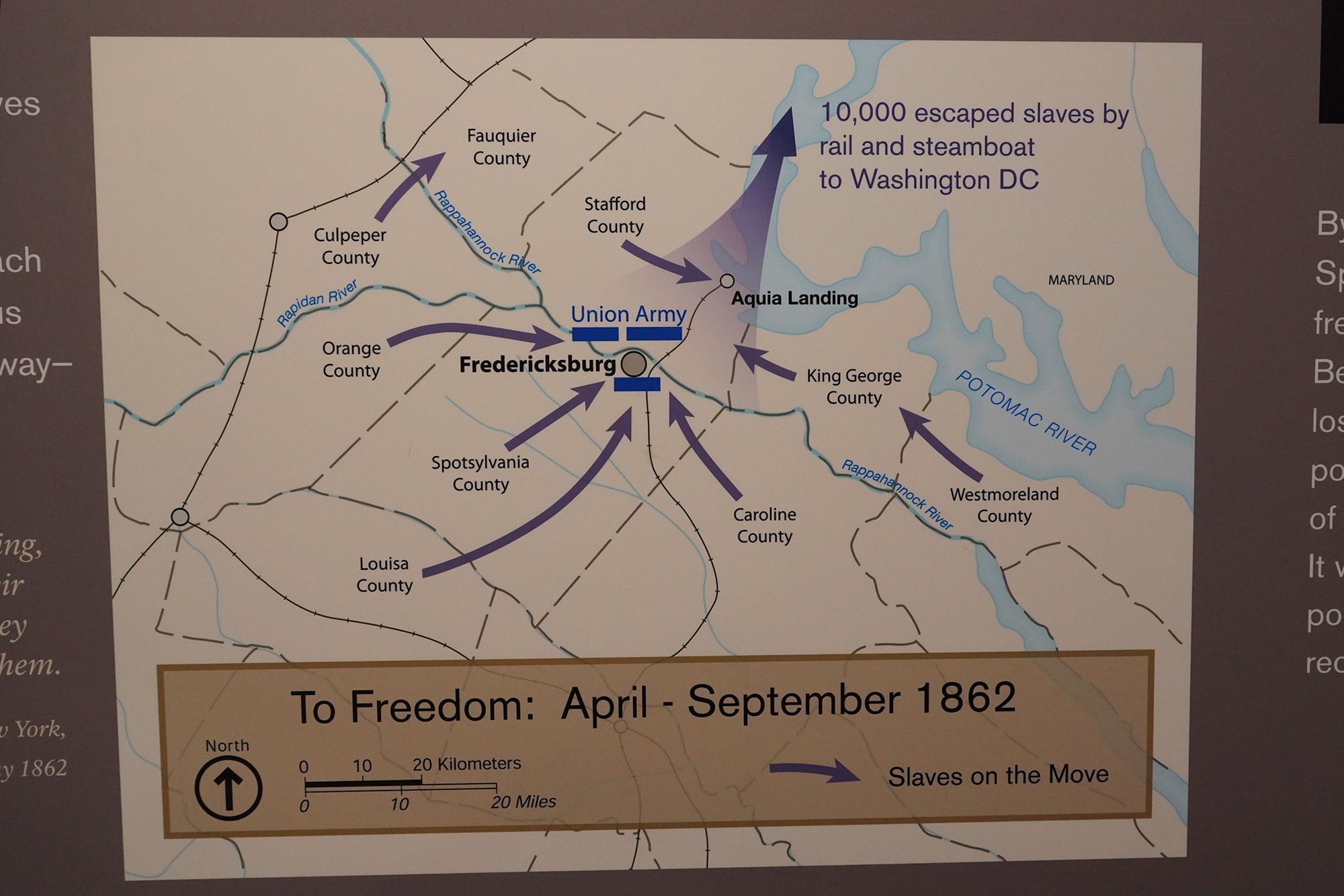
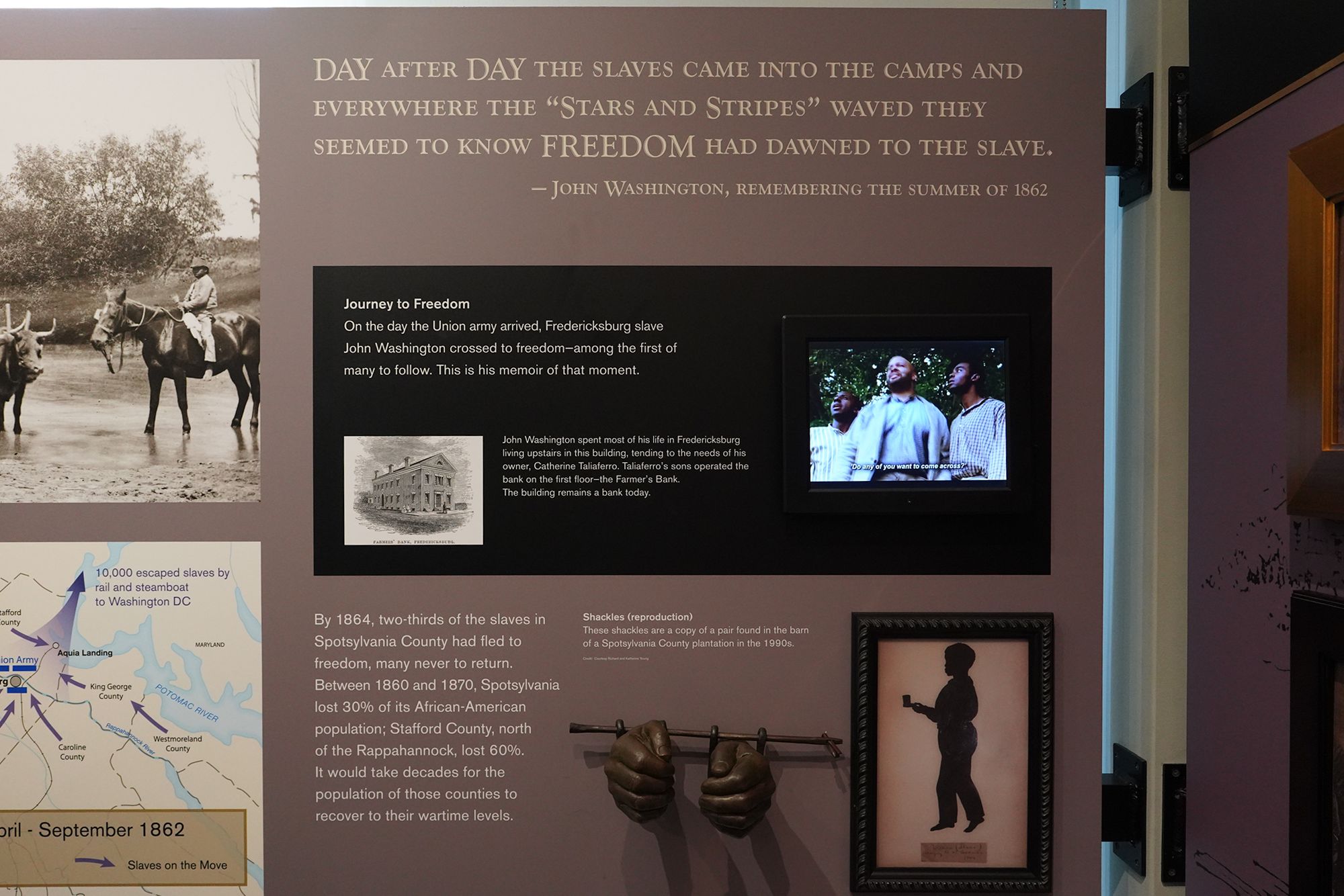
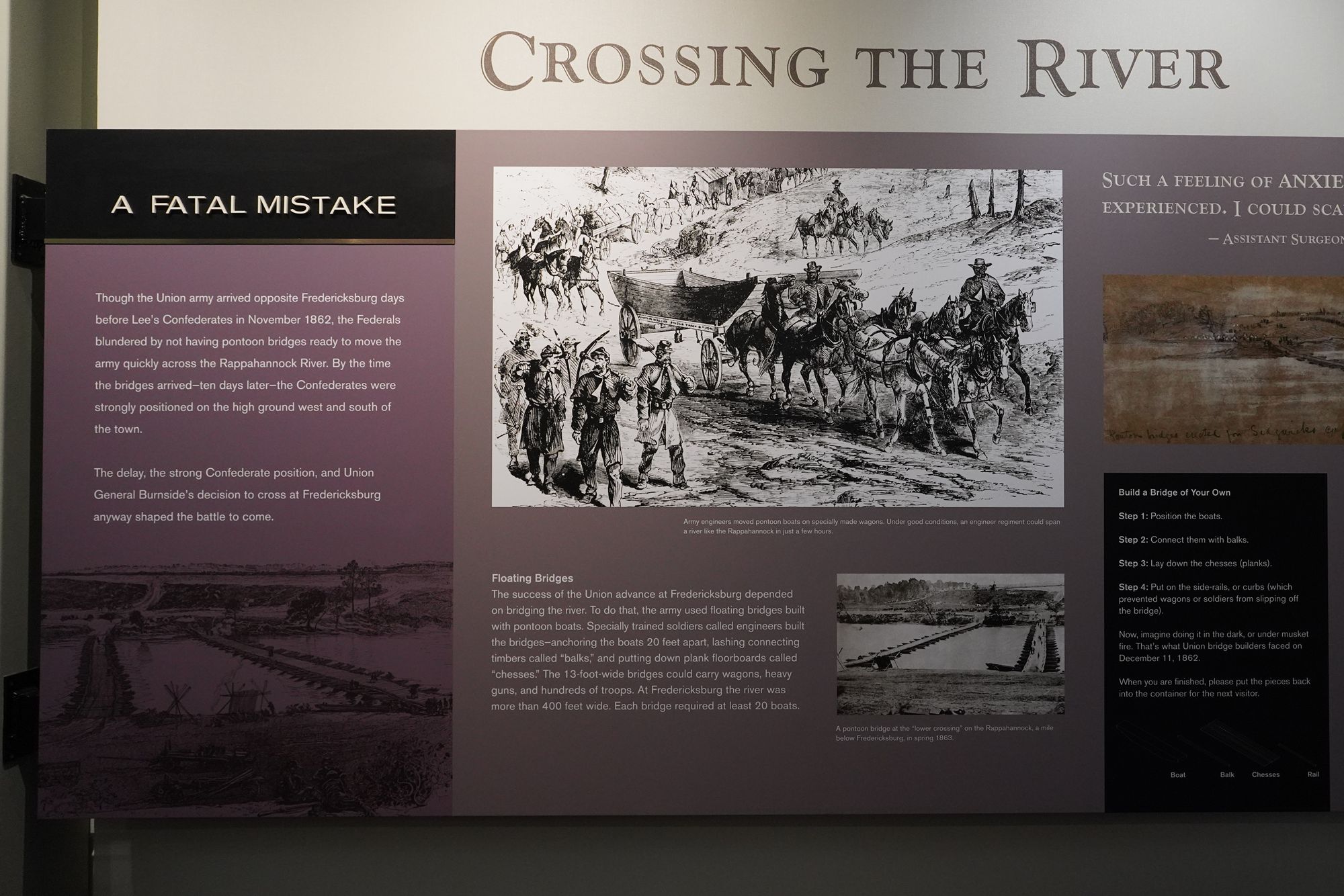
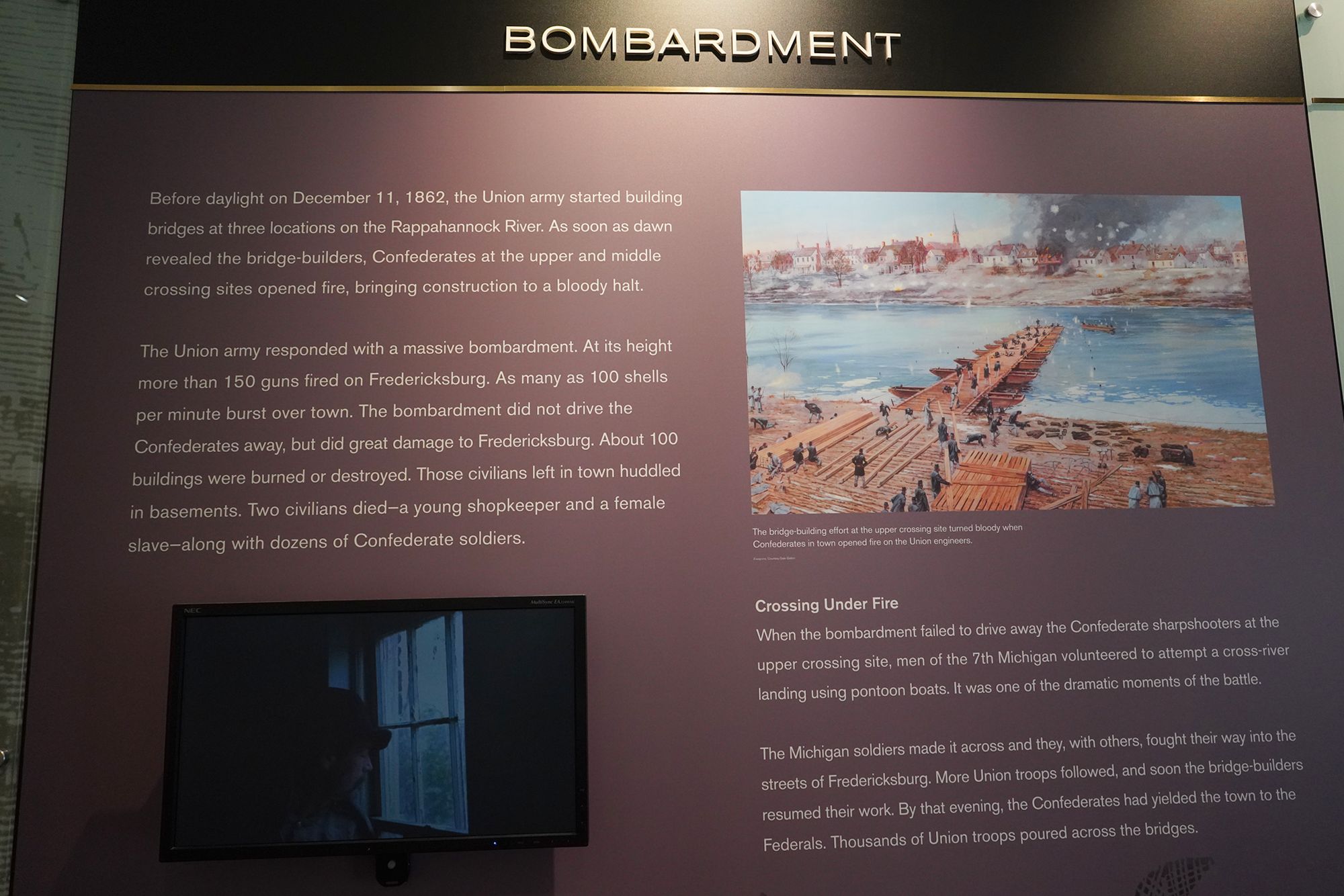
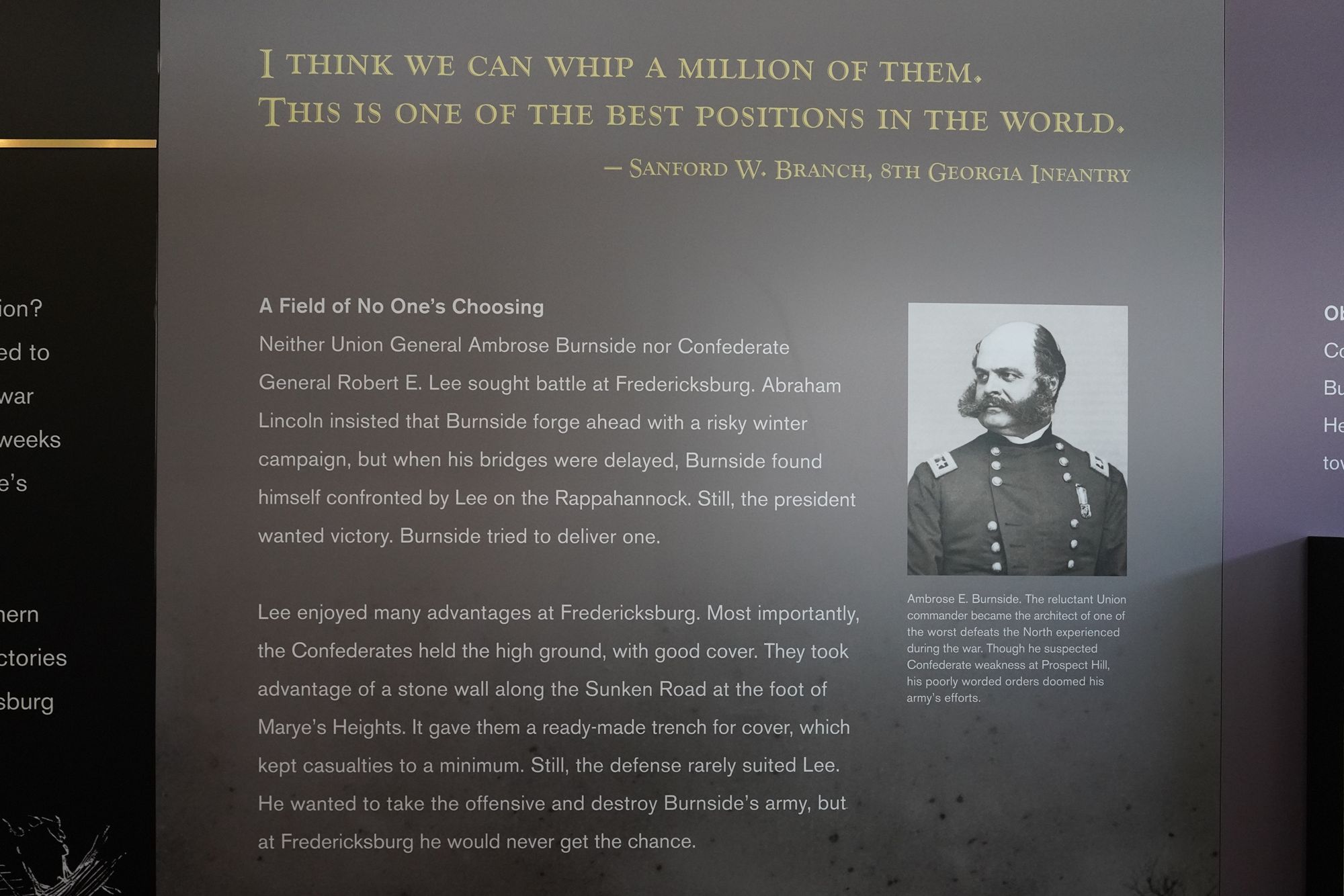
However, the pontoon bridges needed to cross the river were delayed, giving General Robert E. Lee and the Confederate Army of Northern Virginia time to arrive and fortify Marye’s Heights and the surrounding ridges behind the town.
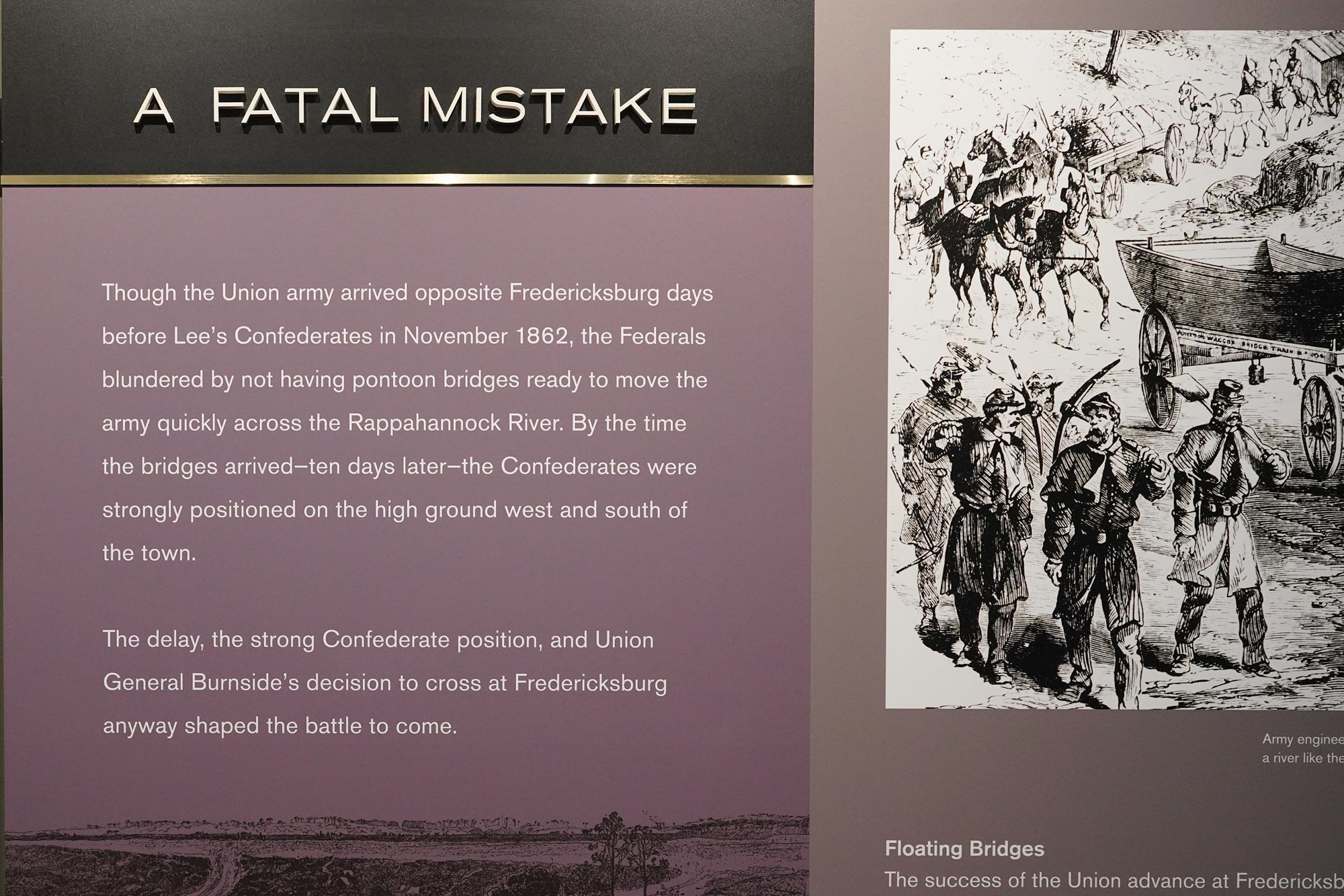
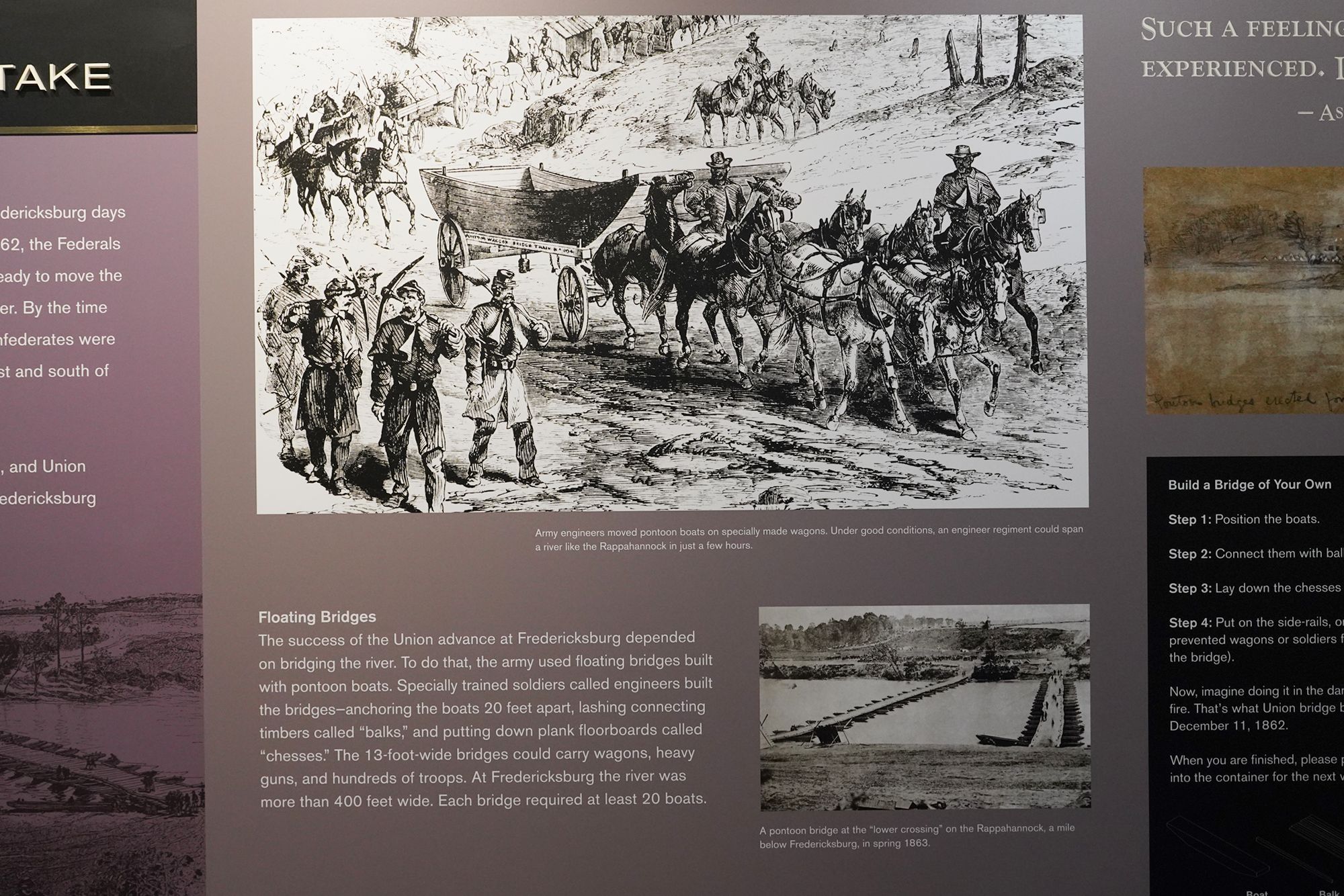
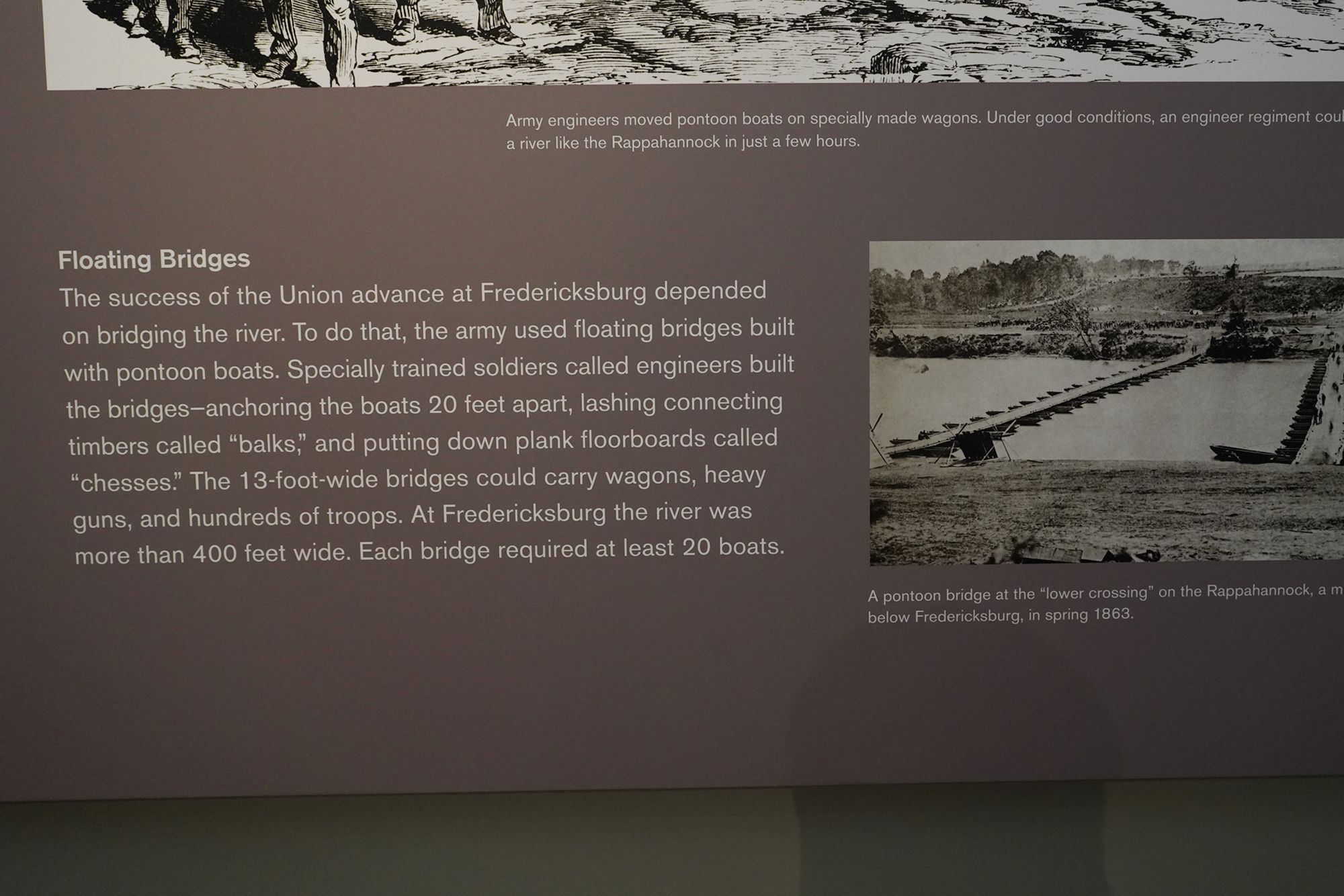
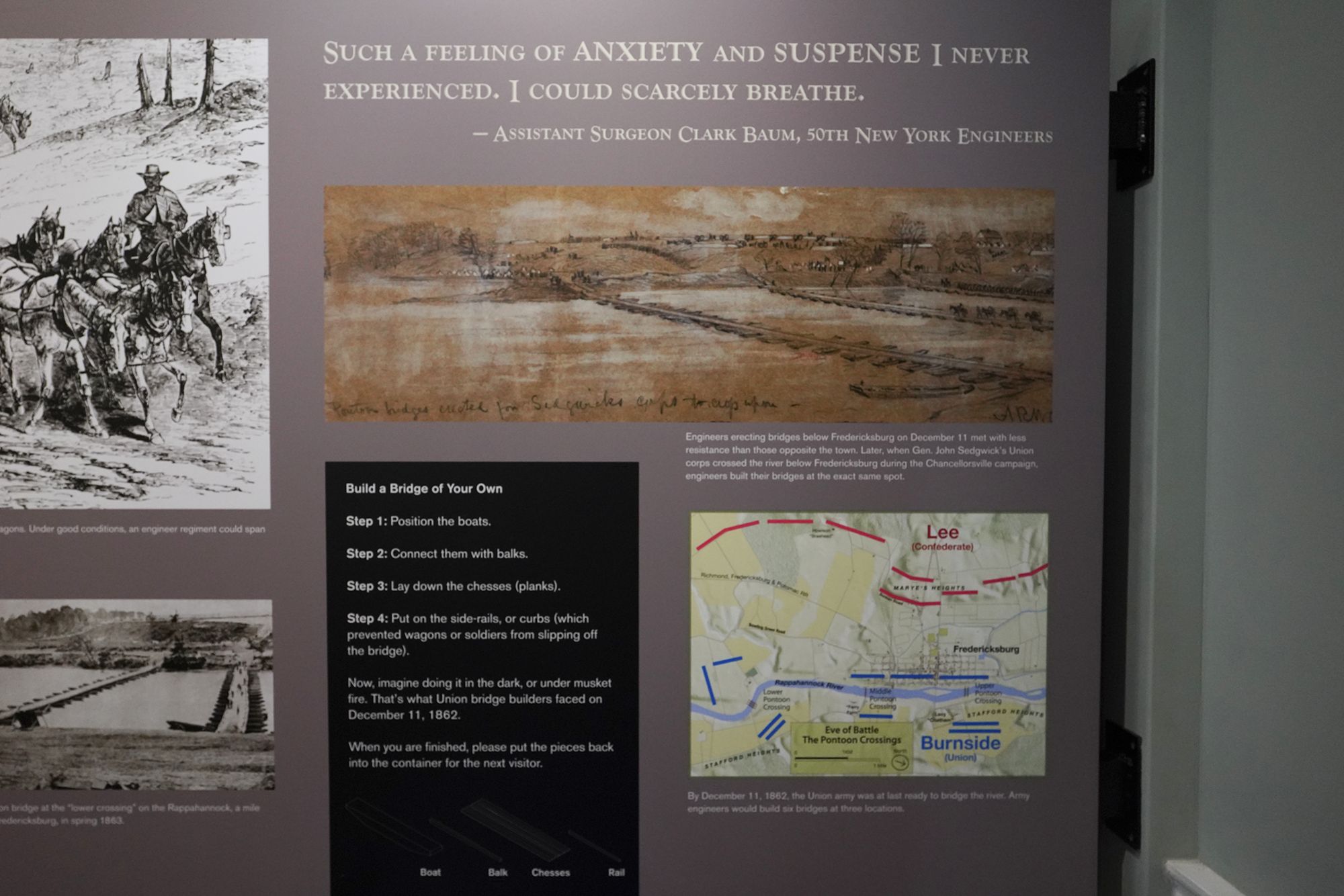
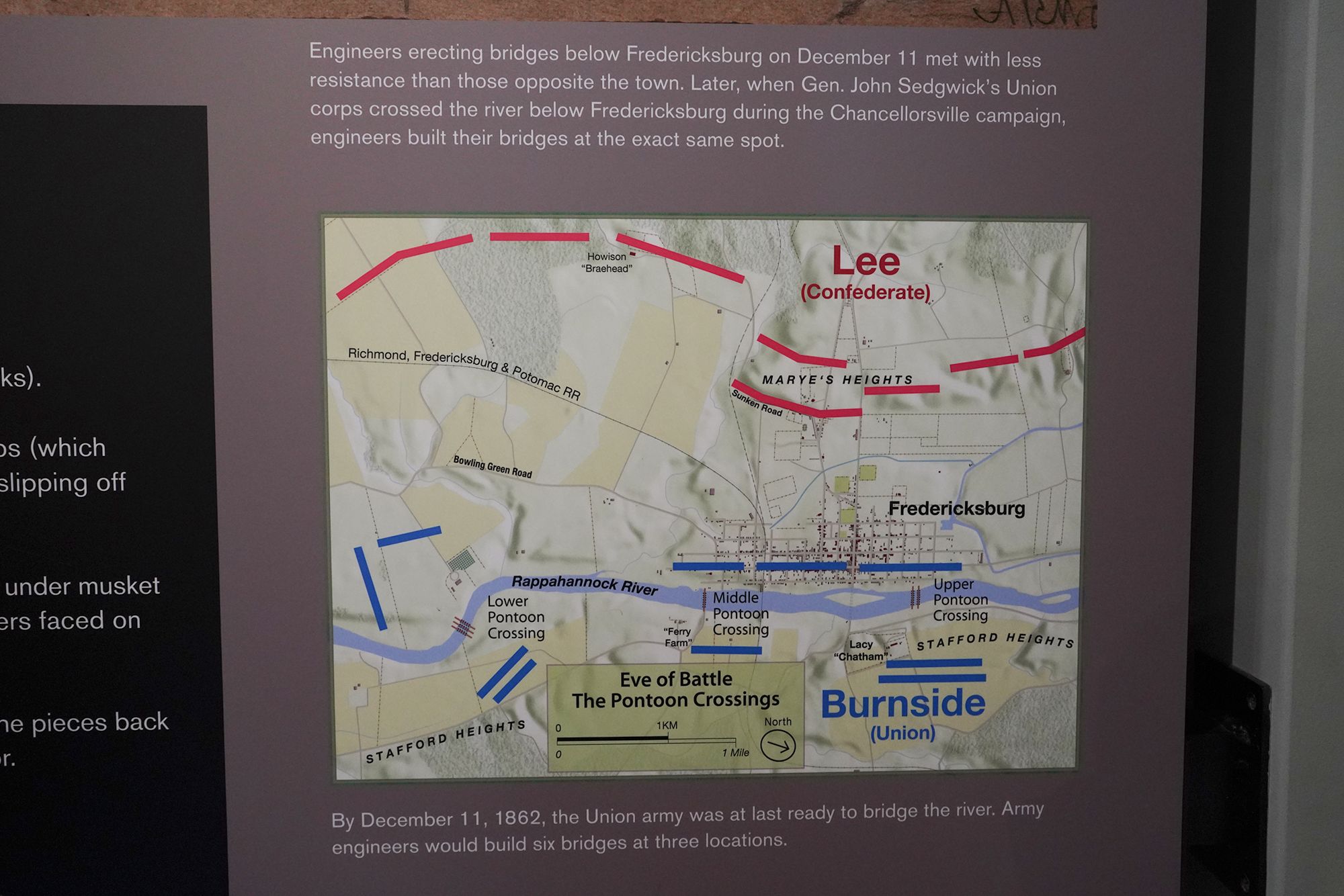
By the time the bridges were completed in early December, the Confederates were fully entrenched, turning what could have been a swift advance into one of the bloodiest defeats for the Union army.
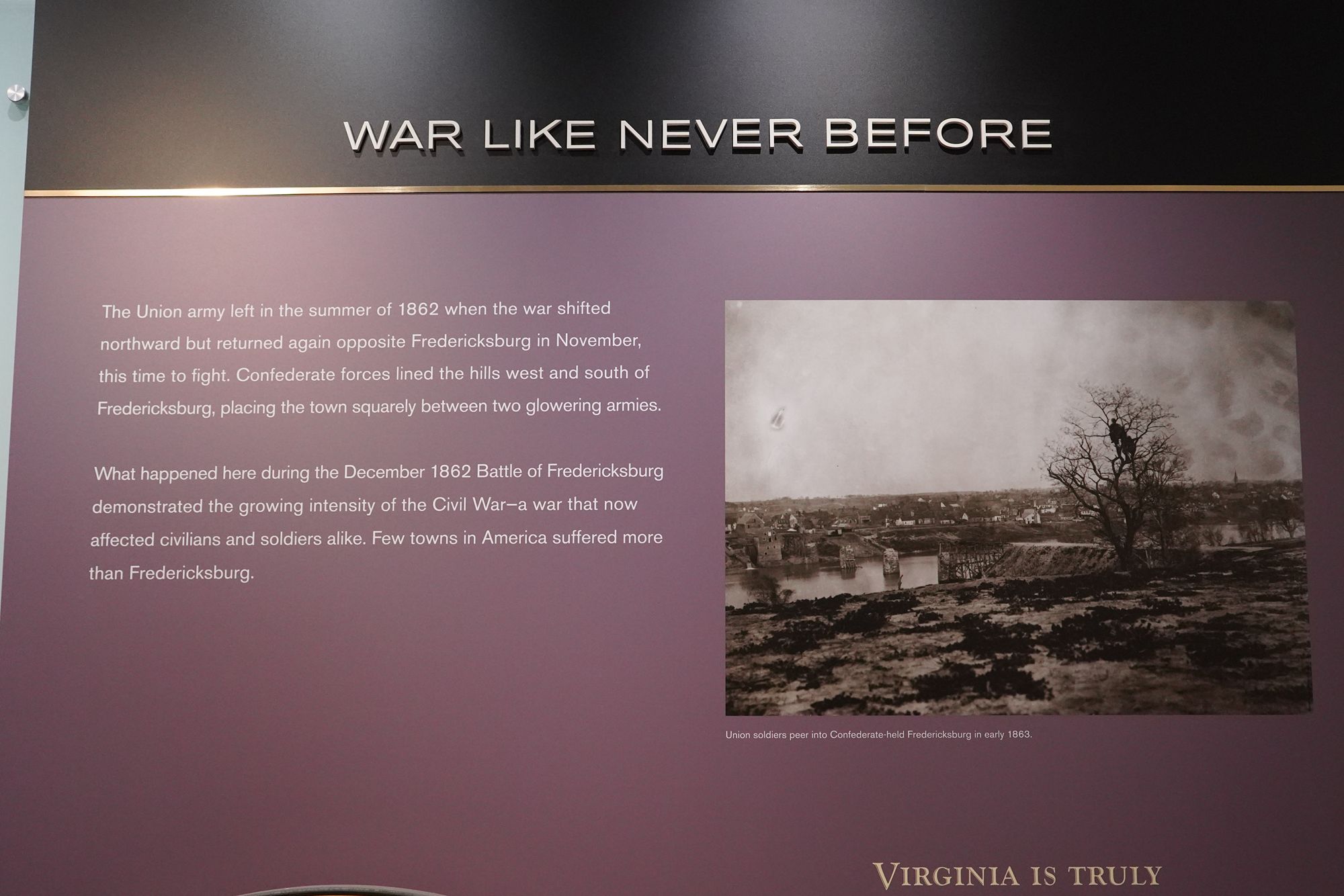
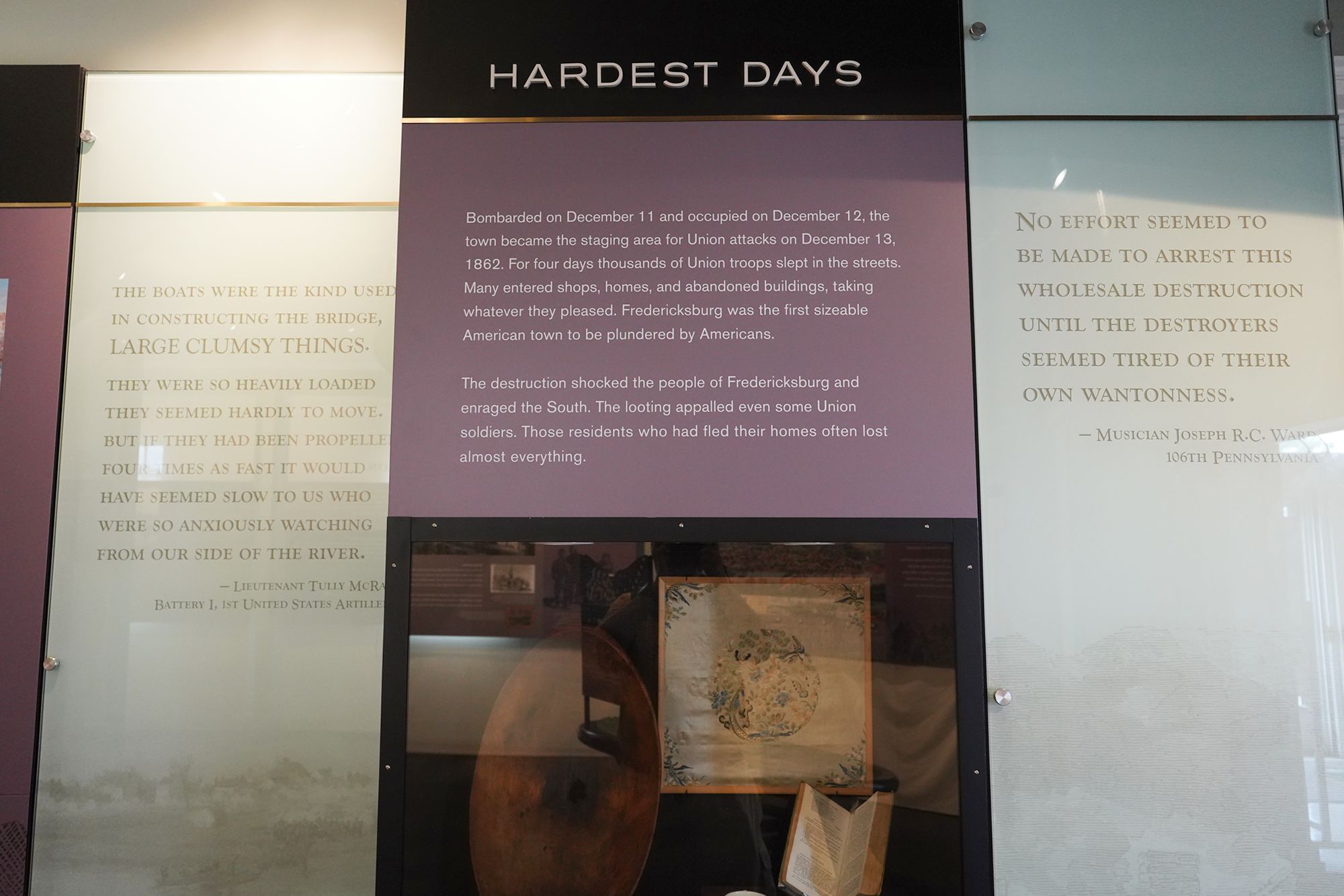
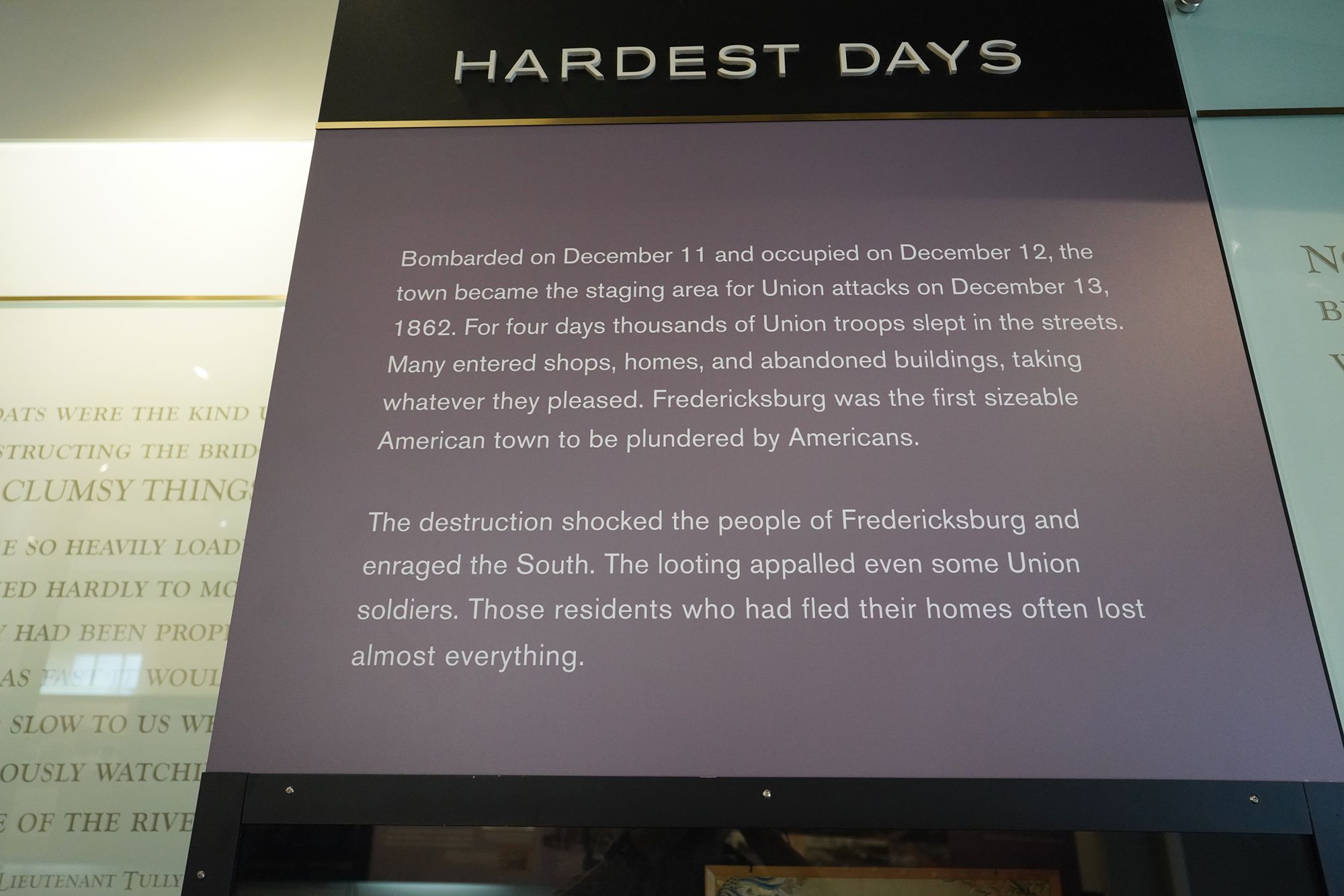
Fredericksburg, like most of Virginia, joined the Confederacy after the state voted to secede from the Union in April 1861.
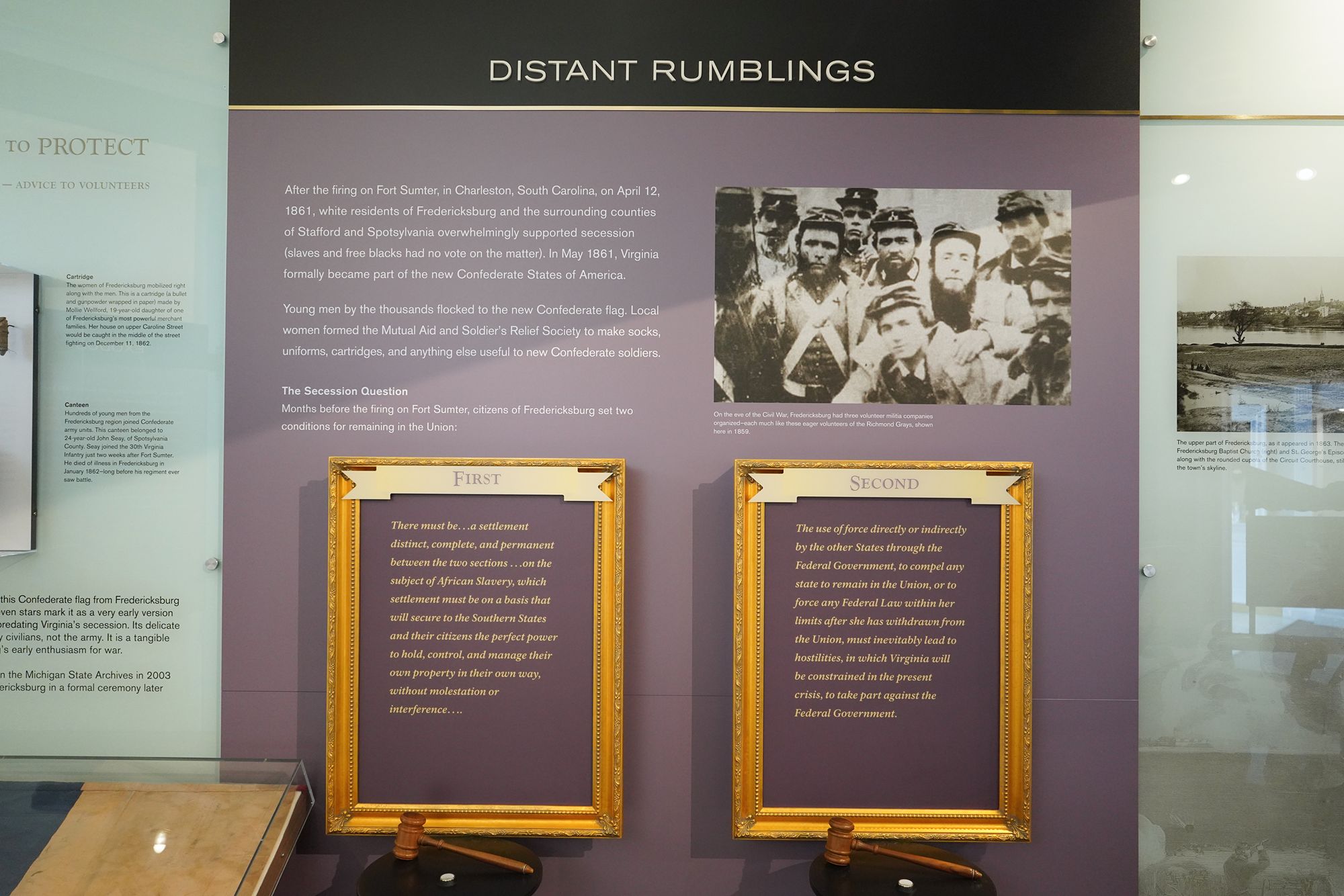
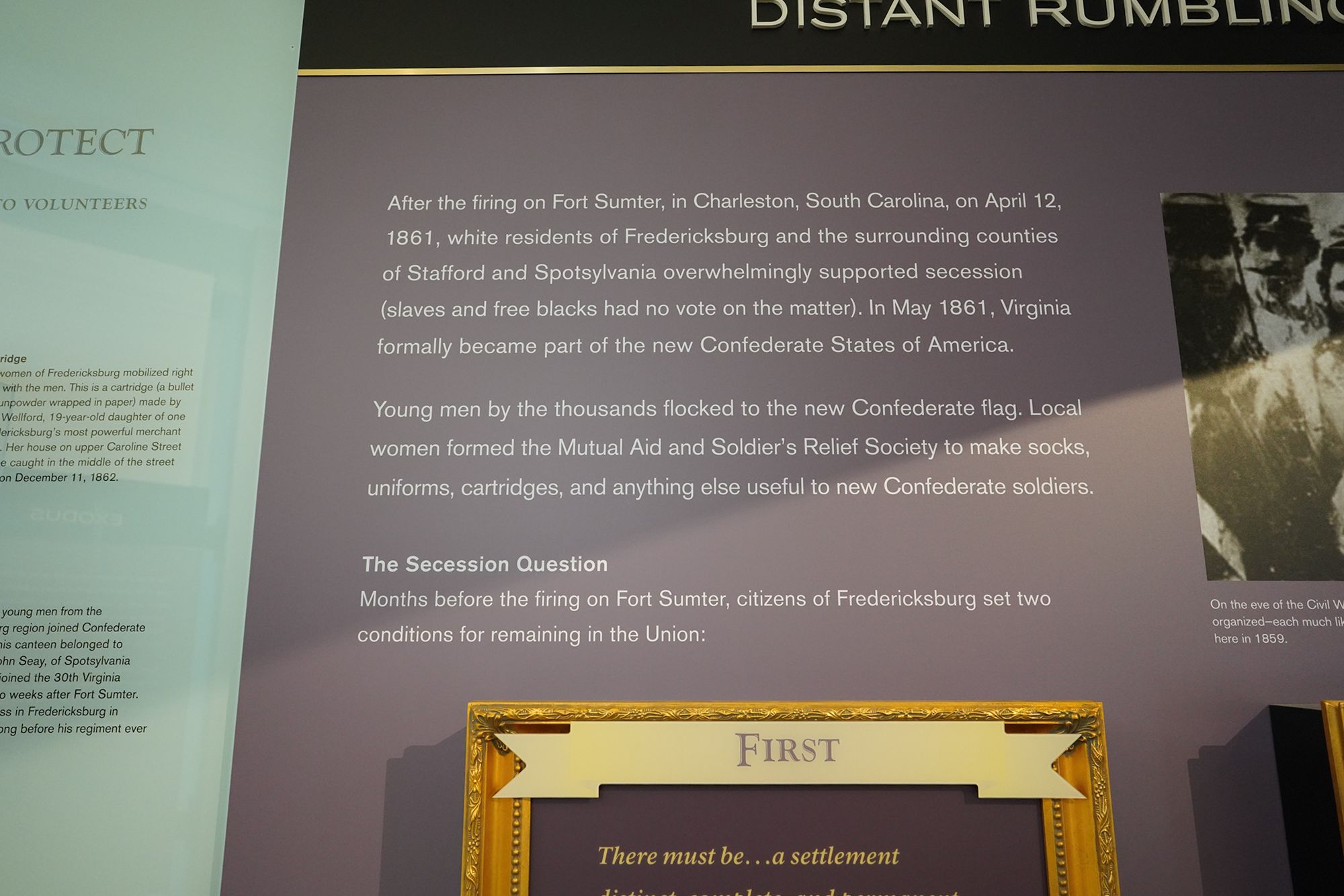
Although the town itself had many citizens with mixed loyalties, the majority supported Virginia’s decision to secede following President Lincoln’s call for troops after the attack on Fort Sumter. Once Virginia joined the Confederate States of America, Fredericksburg became part of the Southern cause.
How to explore the museum
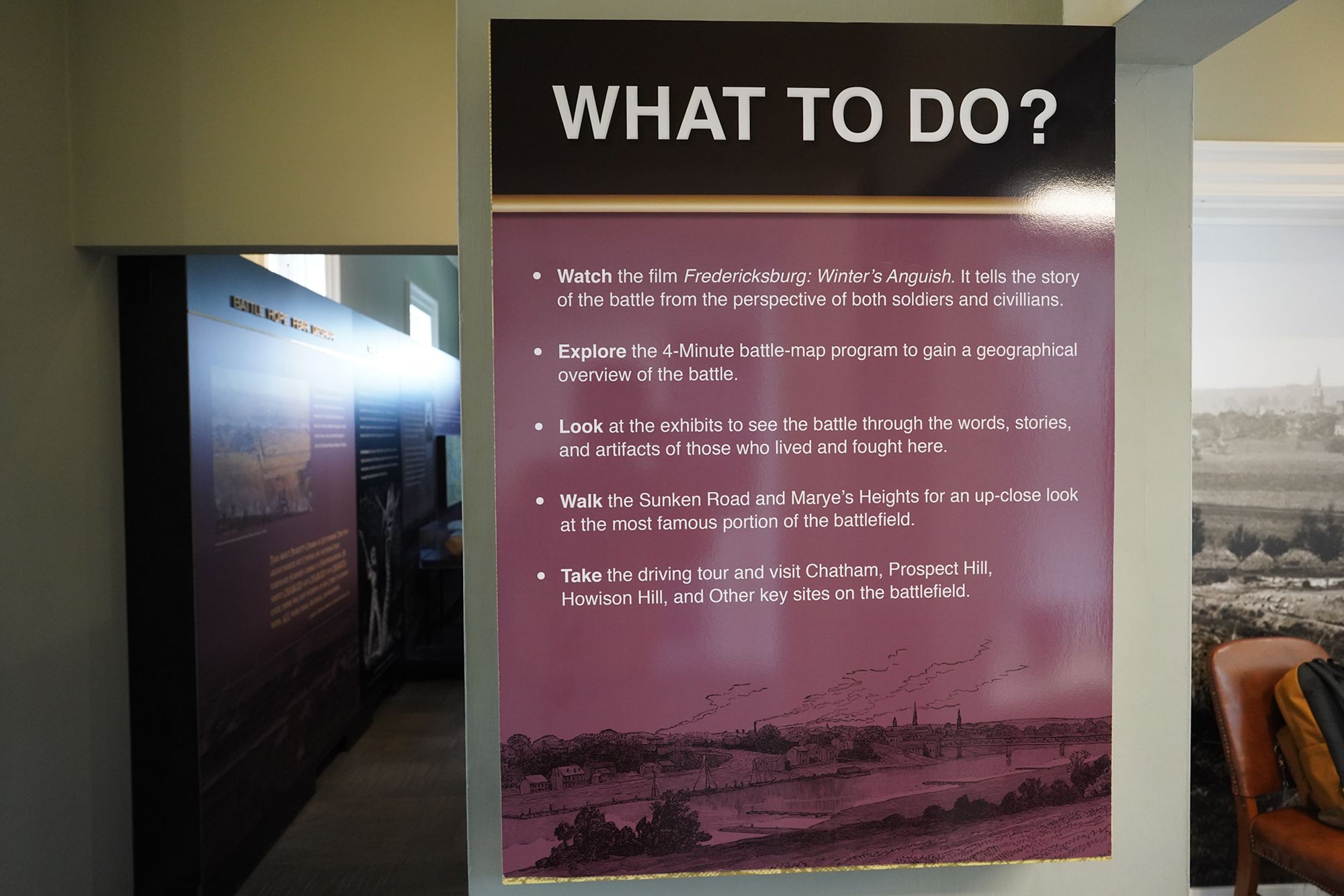
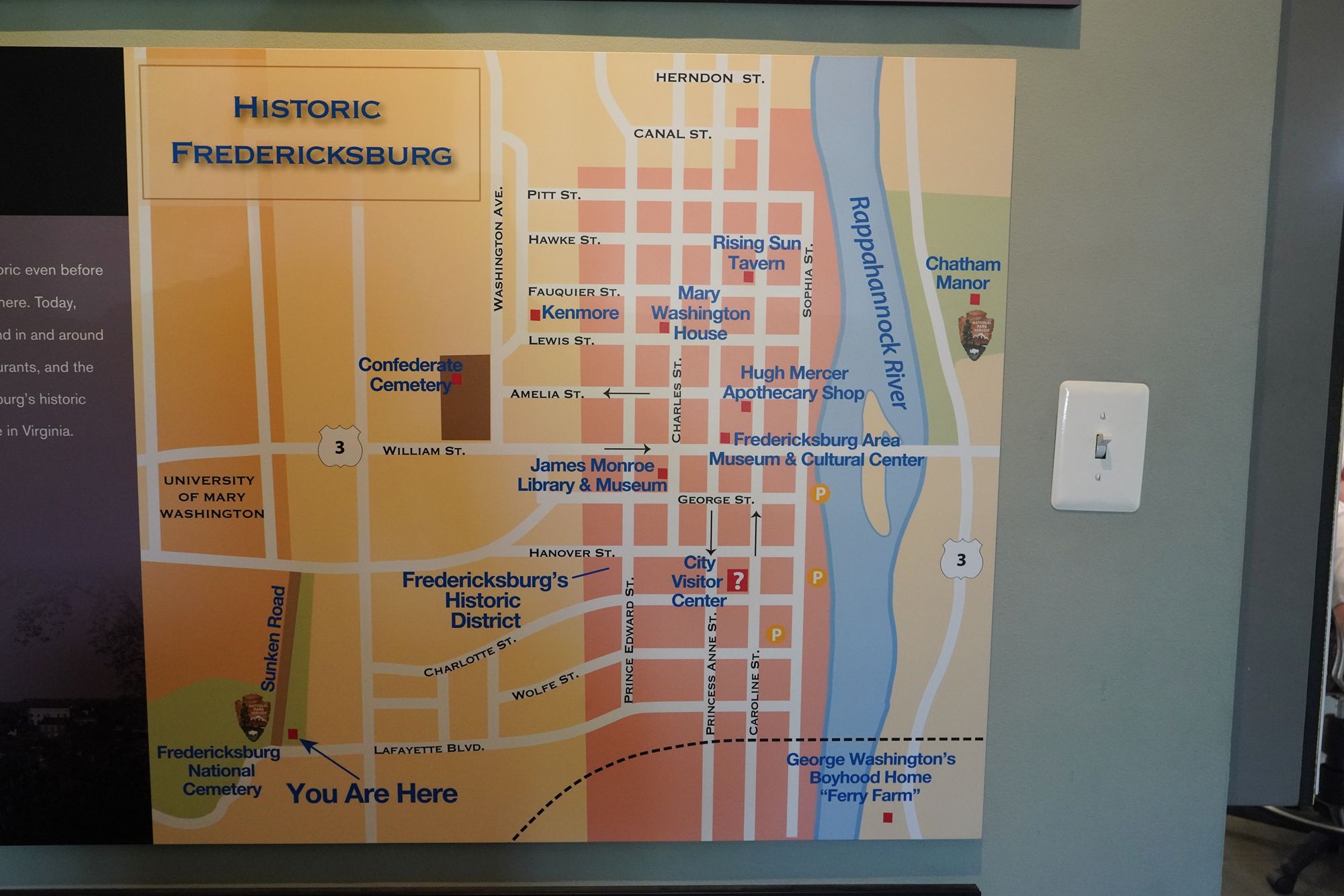
Fredericksburg's strategic location, halfway between Washington, D.C. and Richmond, made it an important supply and transportation point, which is why it later became a major battlefield during the war.
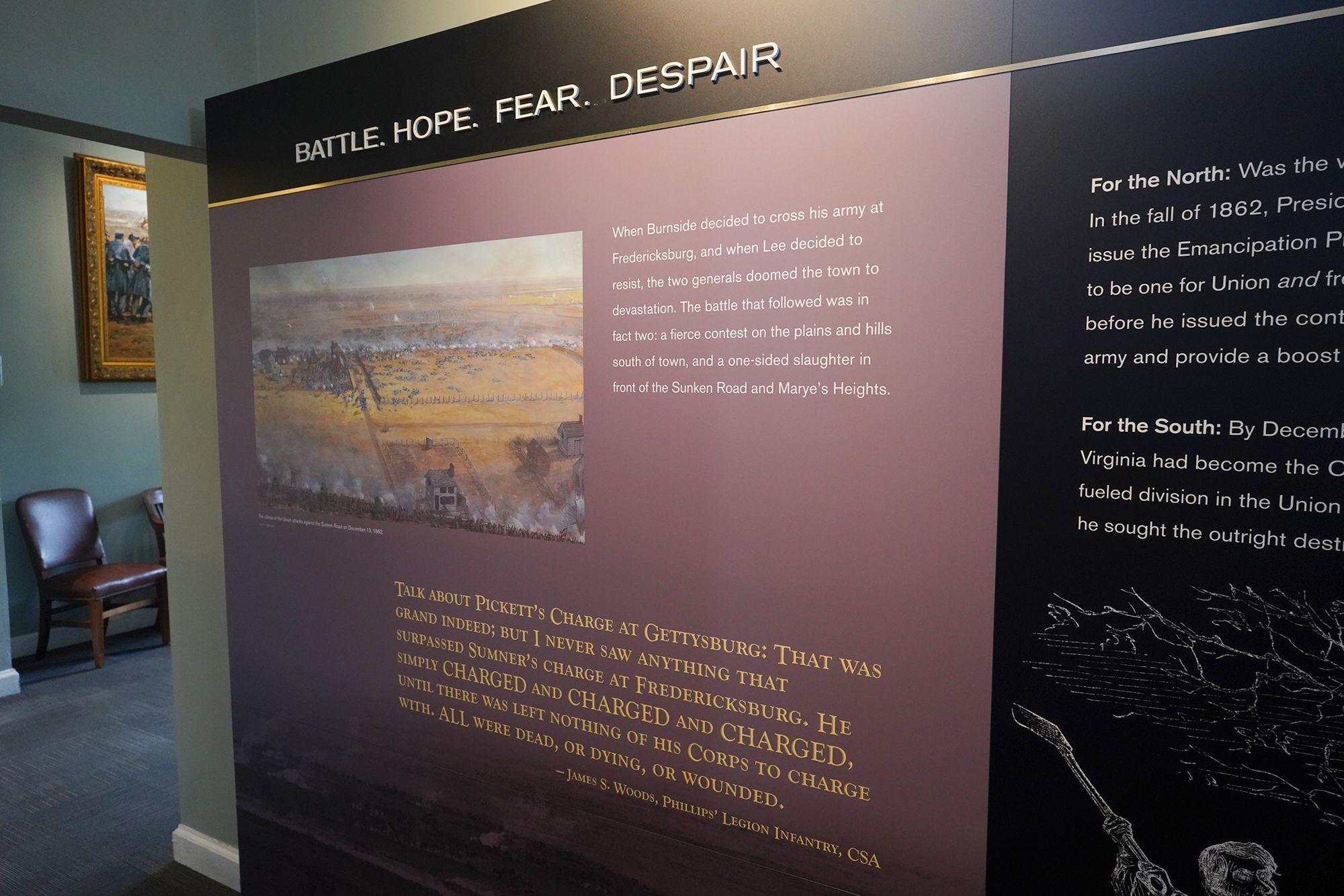
In the Battle of Fredericksburg, the Union sought a swift advance toward Richmond to lift Northern morale, while the Confederacy fought to defend its capital and prove its strength against a larger army.
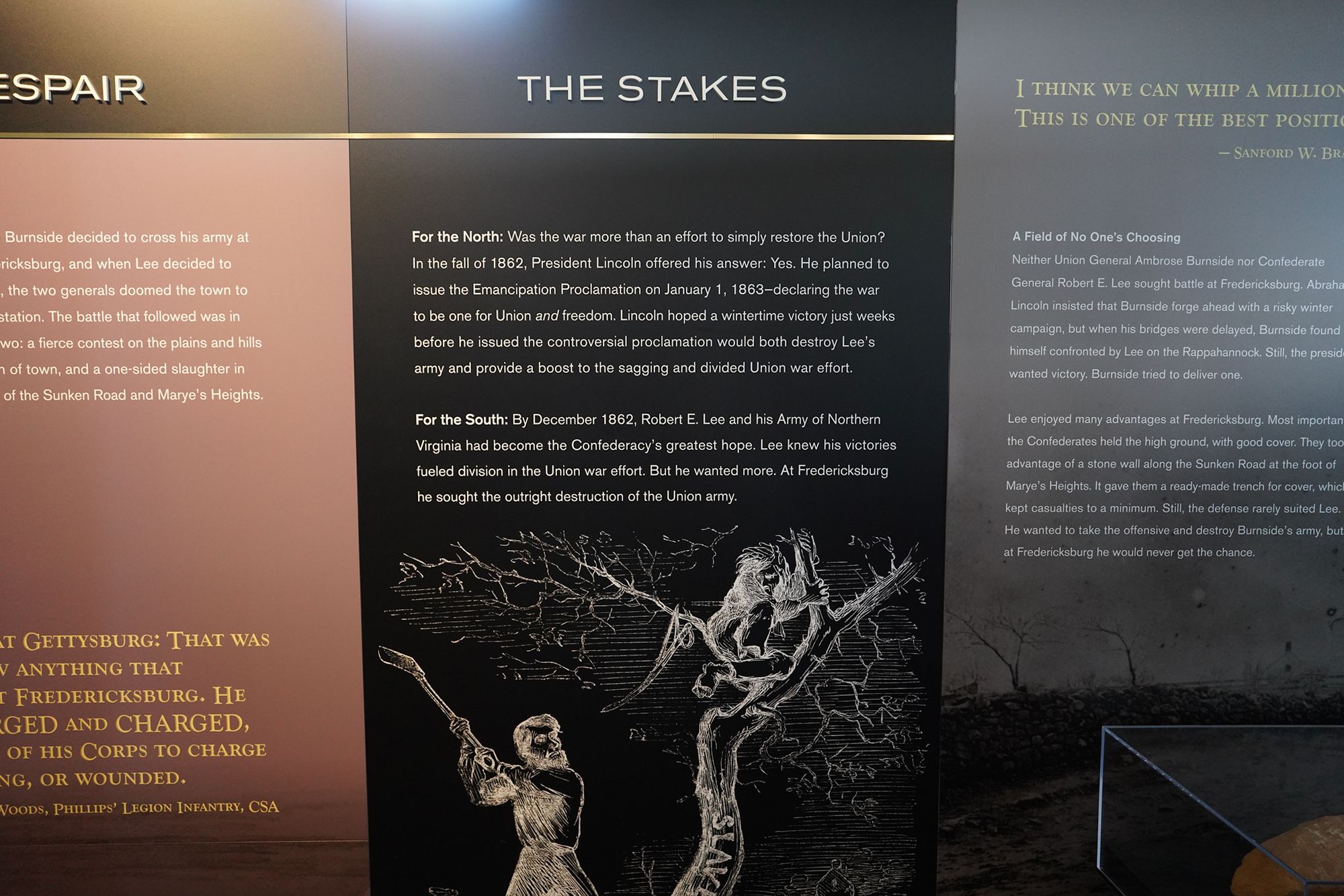
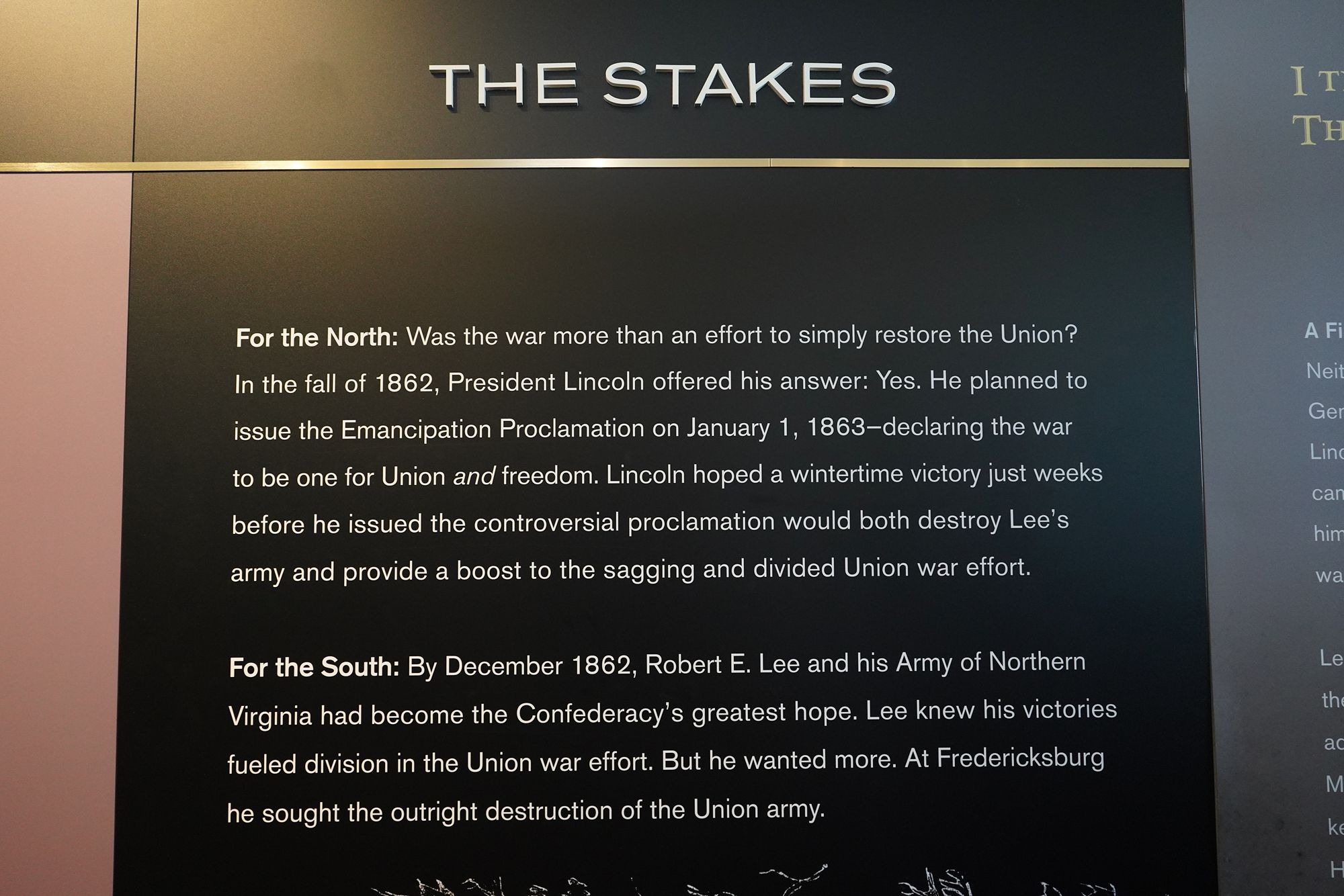
Neither side originally planned to fight at Fredericksburg; the battle happened because the Union army’s delayed river crossing allowed Confederate forces to arrive first and fortify the town’s high ground.
The Battle of Fredericksburg resulted in devastating losses, especially for the Union army. About 12,600 Union soldiers were killed, wounded, or missing, while the Confederates suffered around 5,300 casualties. The lopsided numbers reflected the hopeless Union assaults against well-entrenched Confederate positions on Marye’s Heights, making it one of the most one-sided defeats of the Civil War.
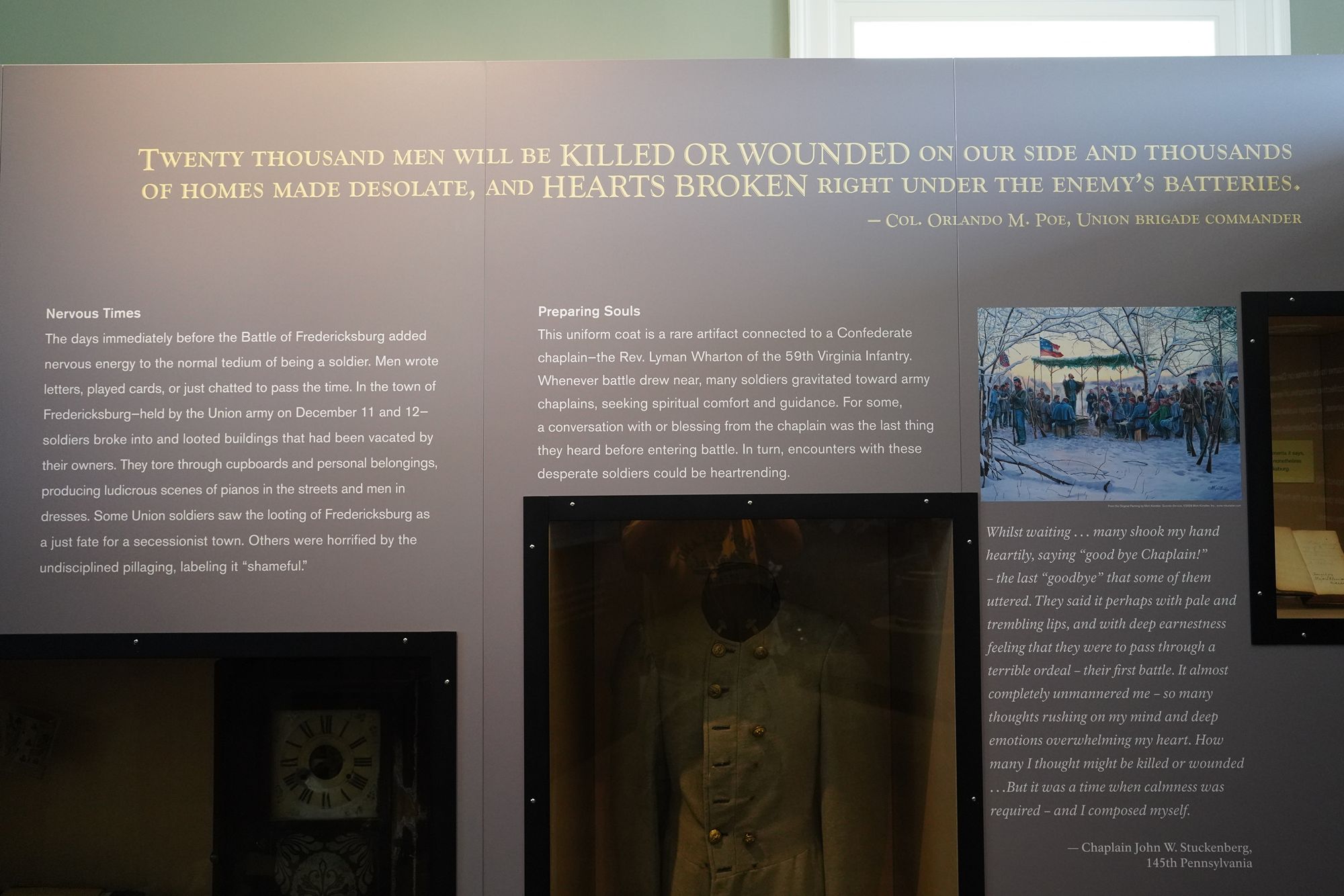
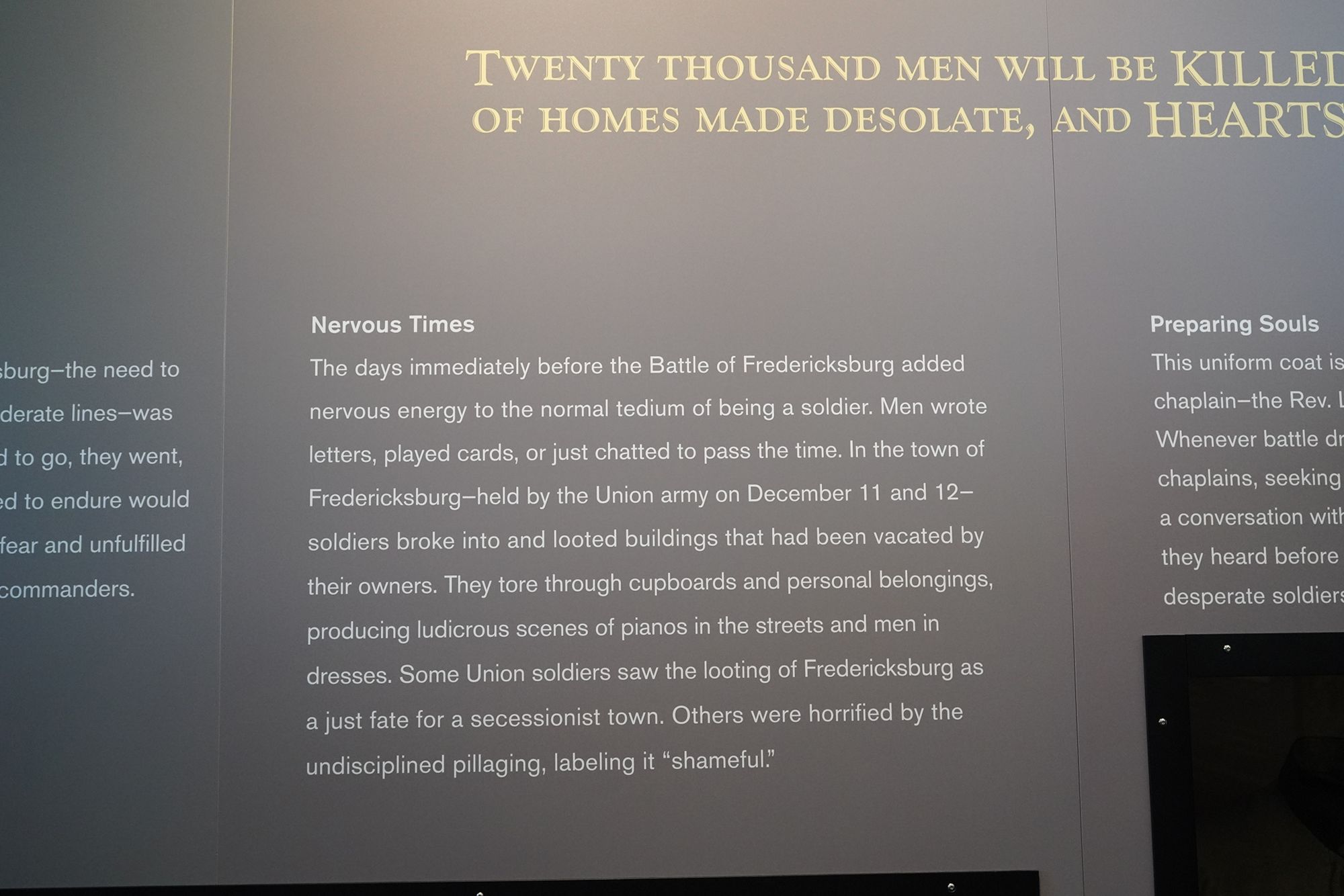
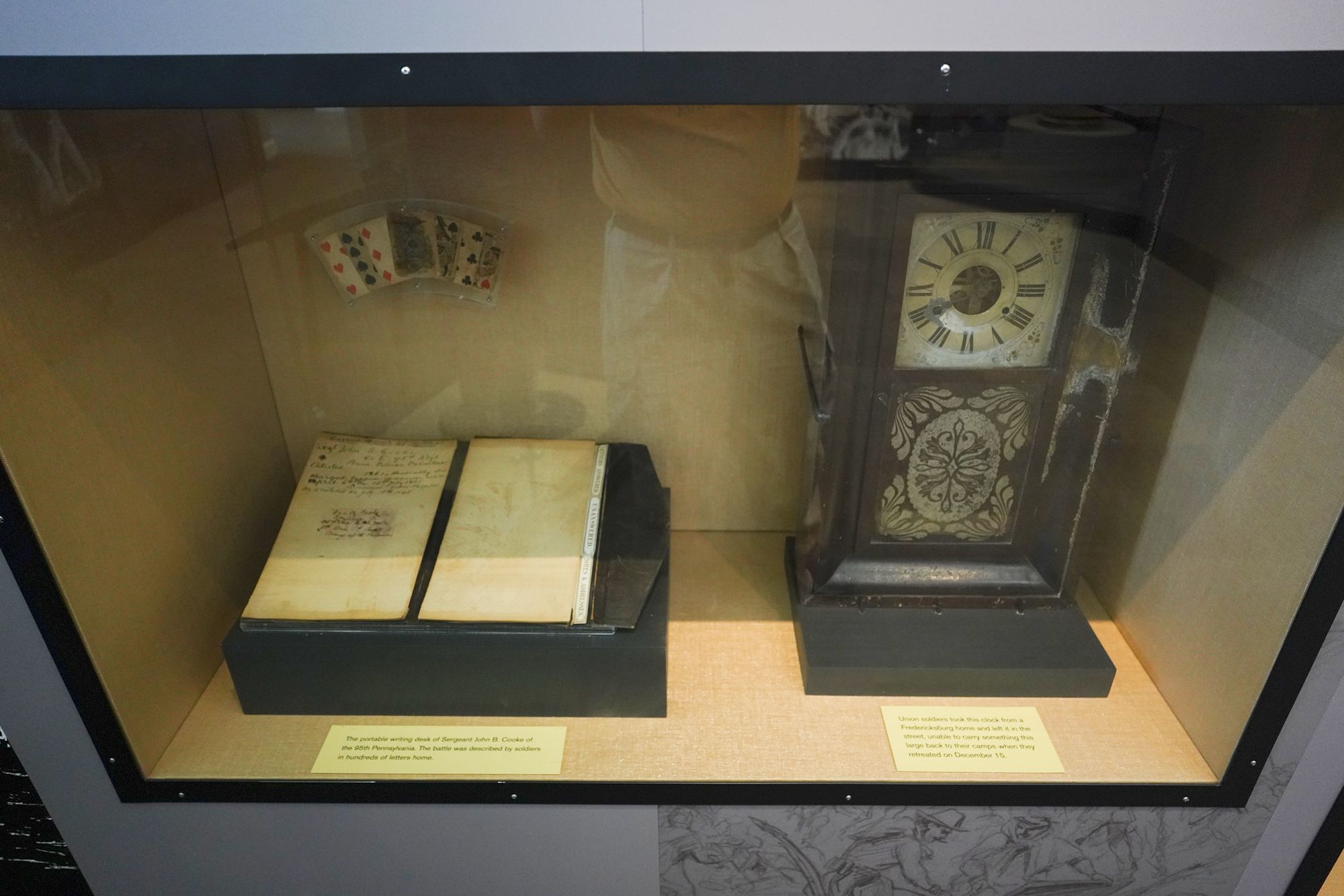
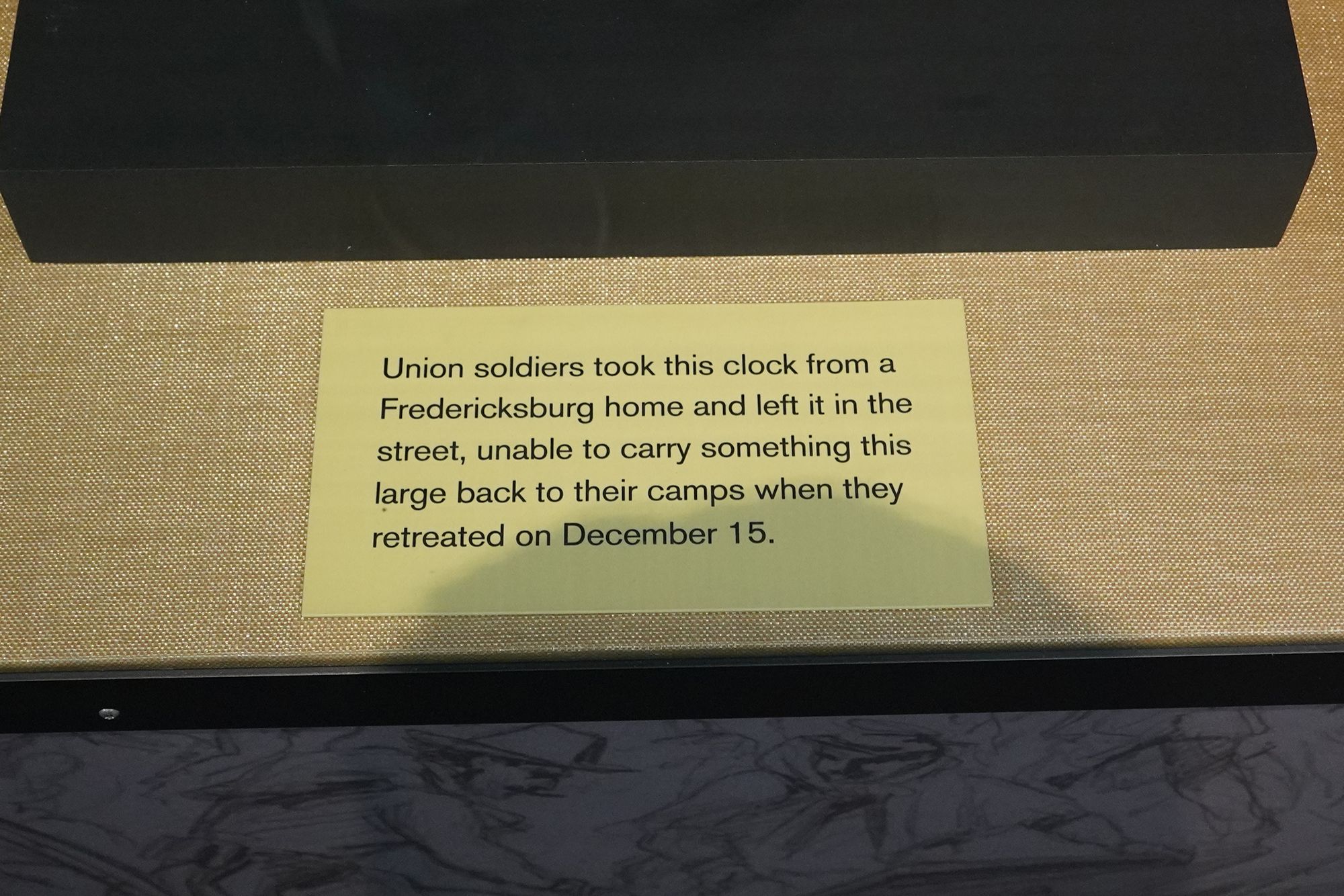
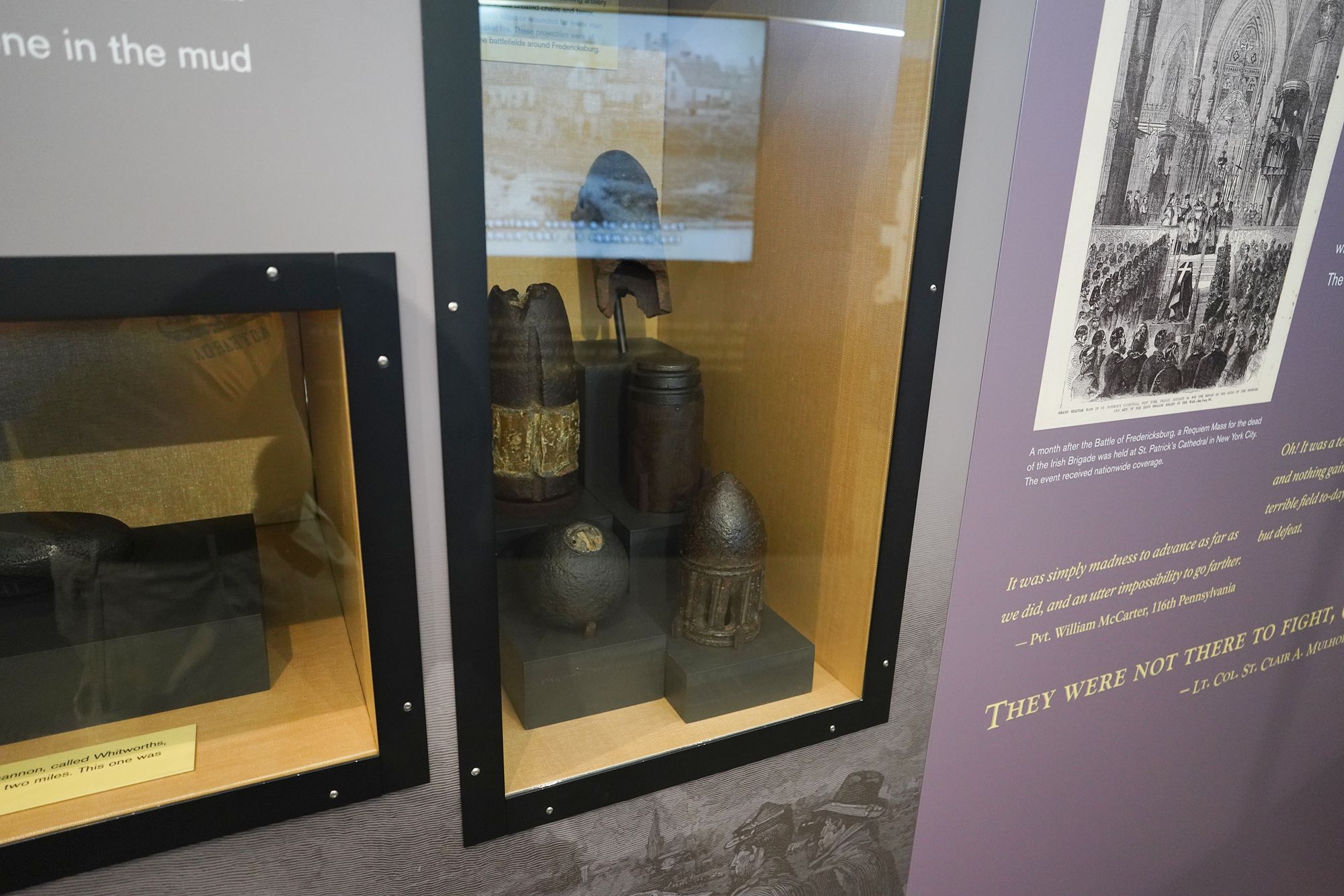
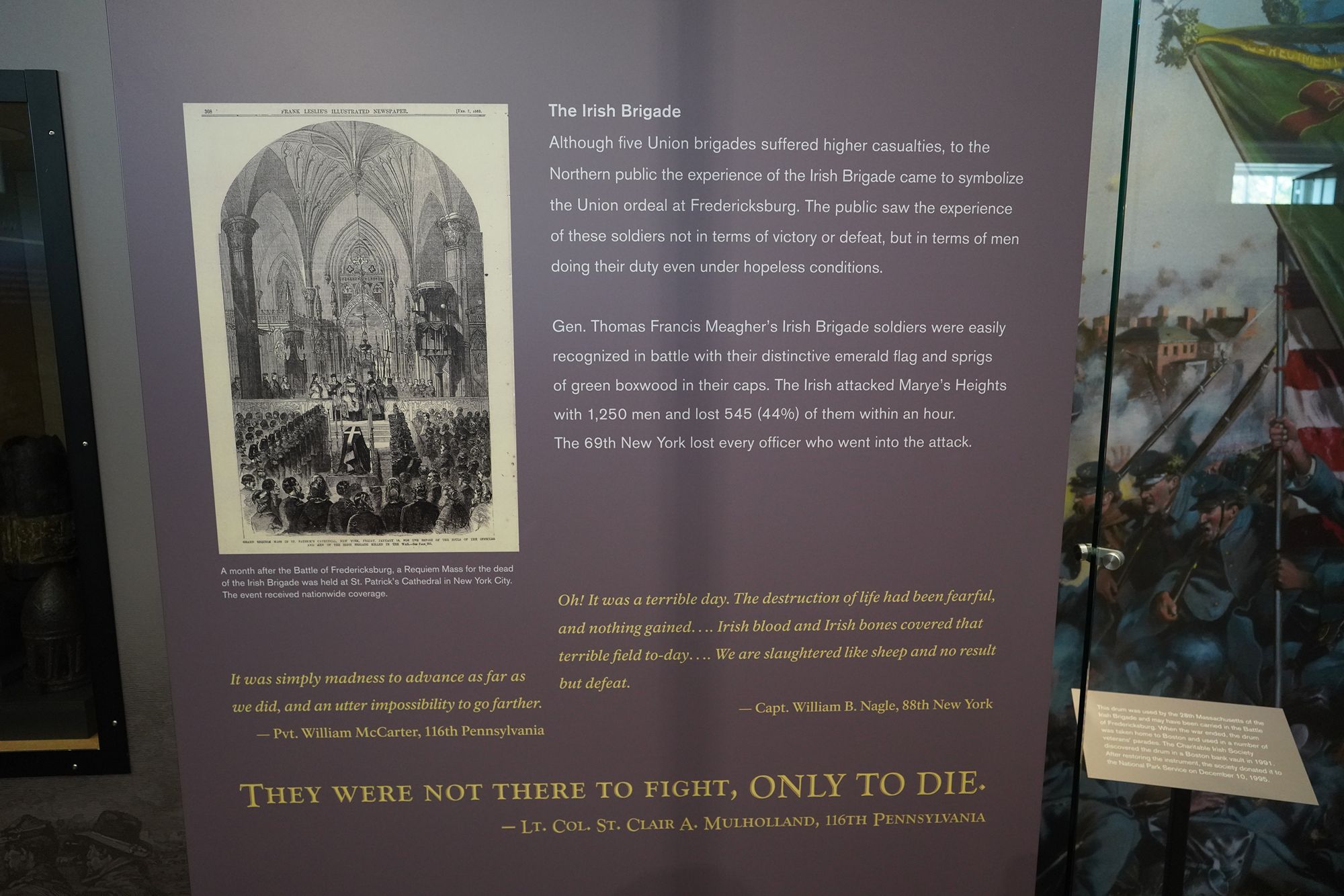
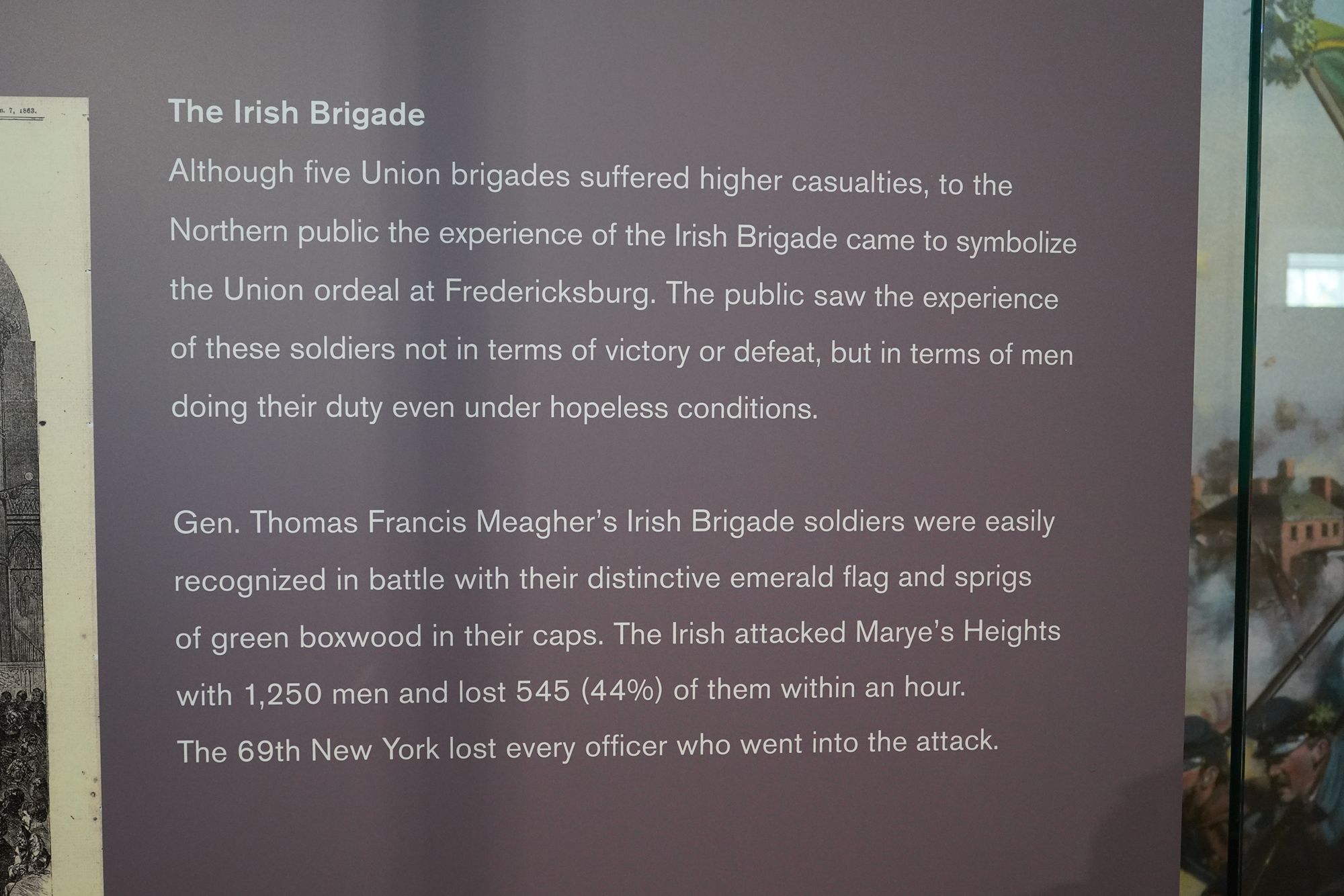
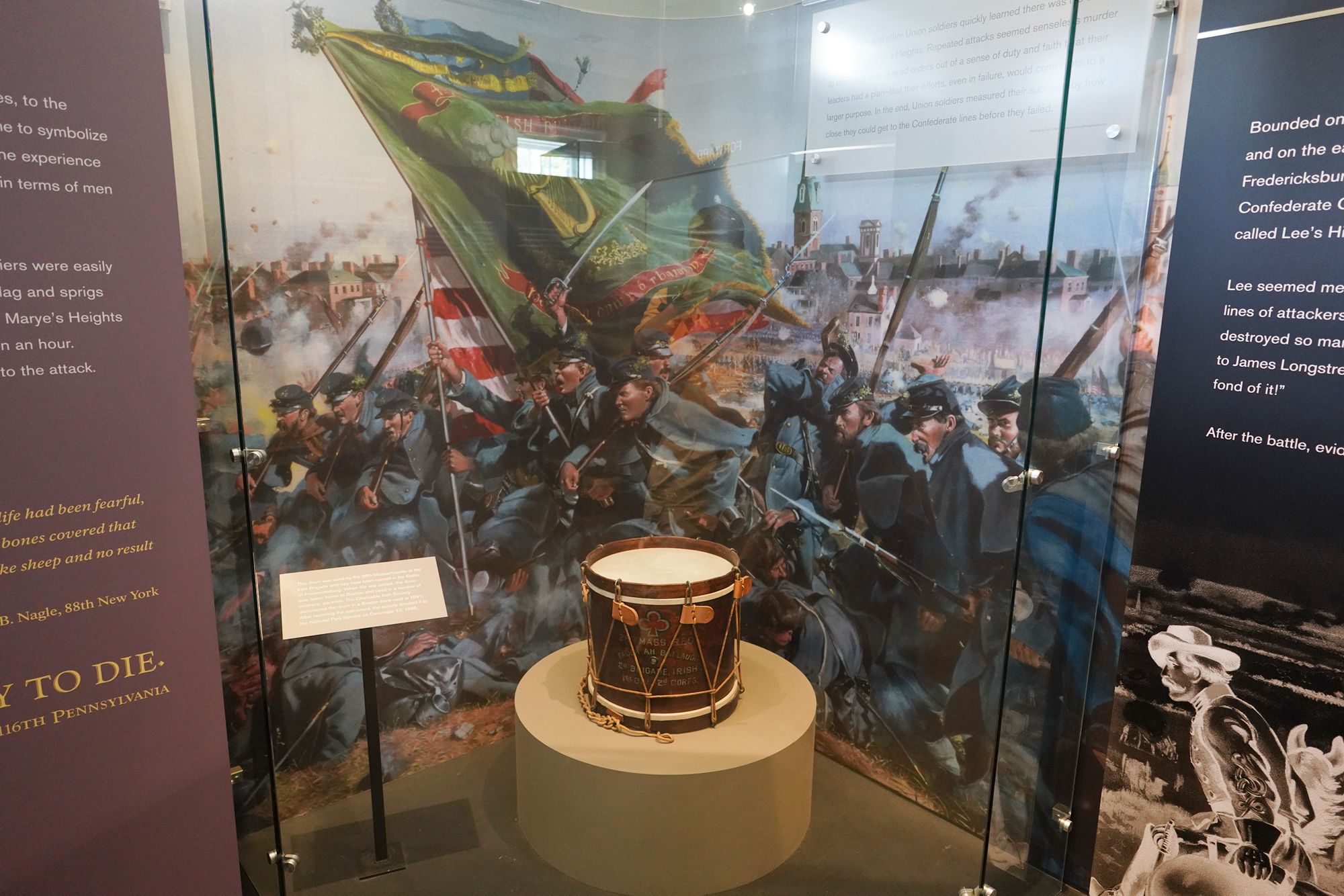
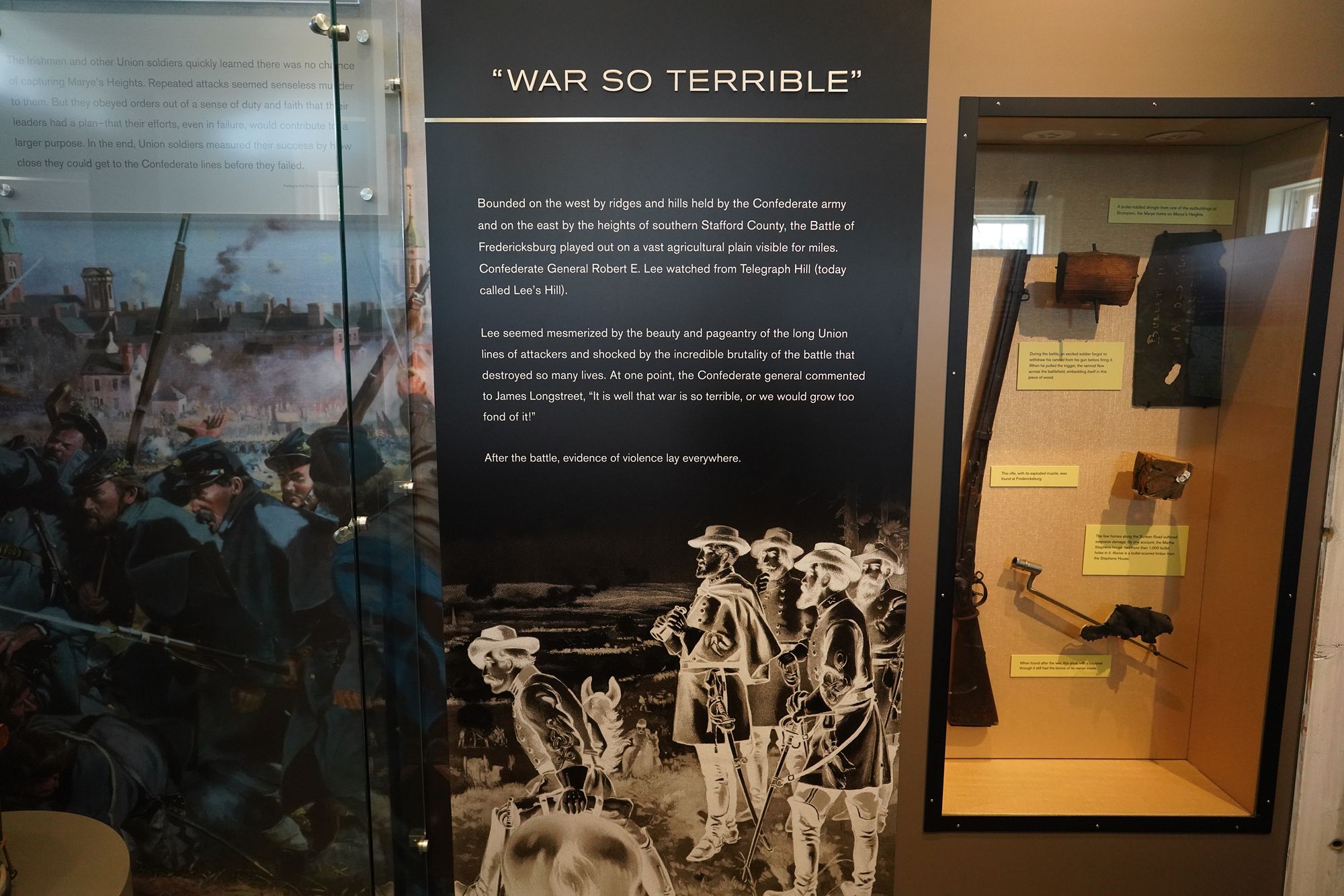
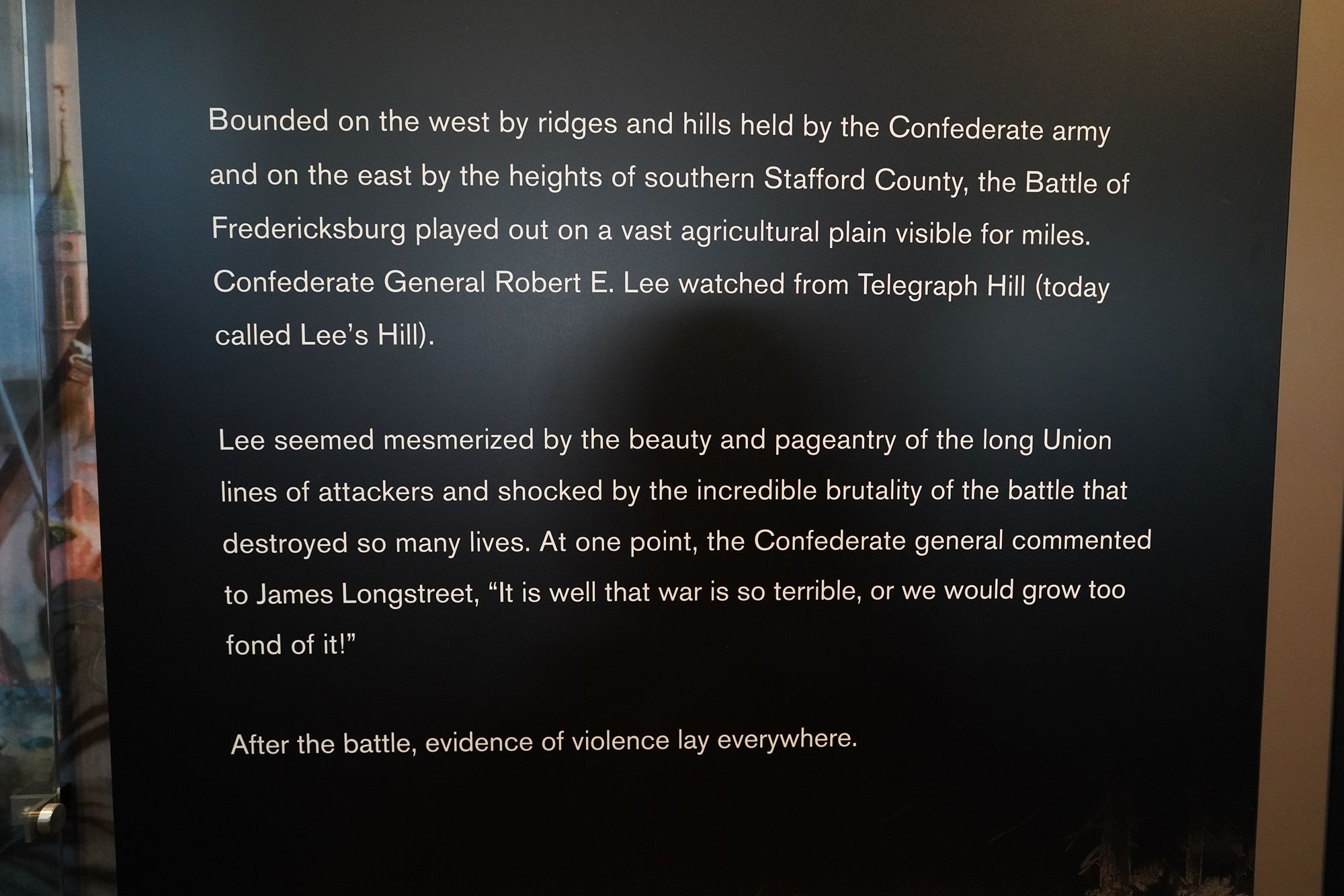
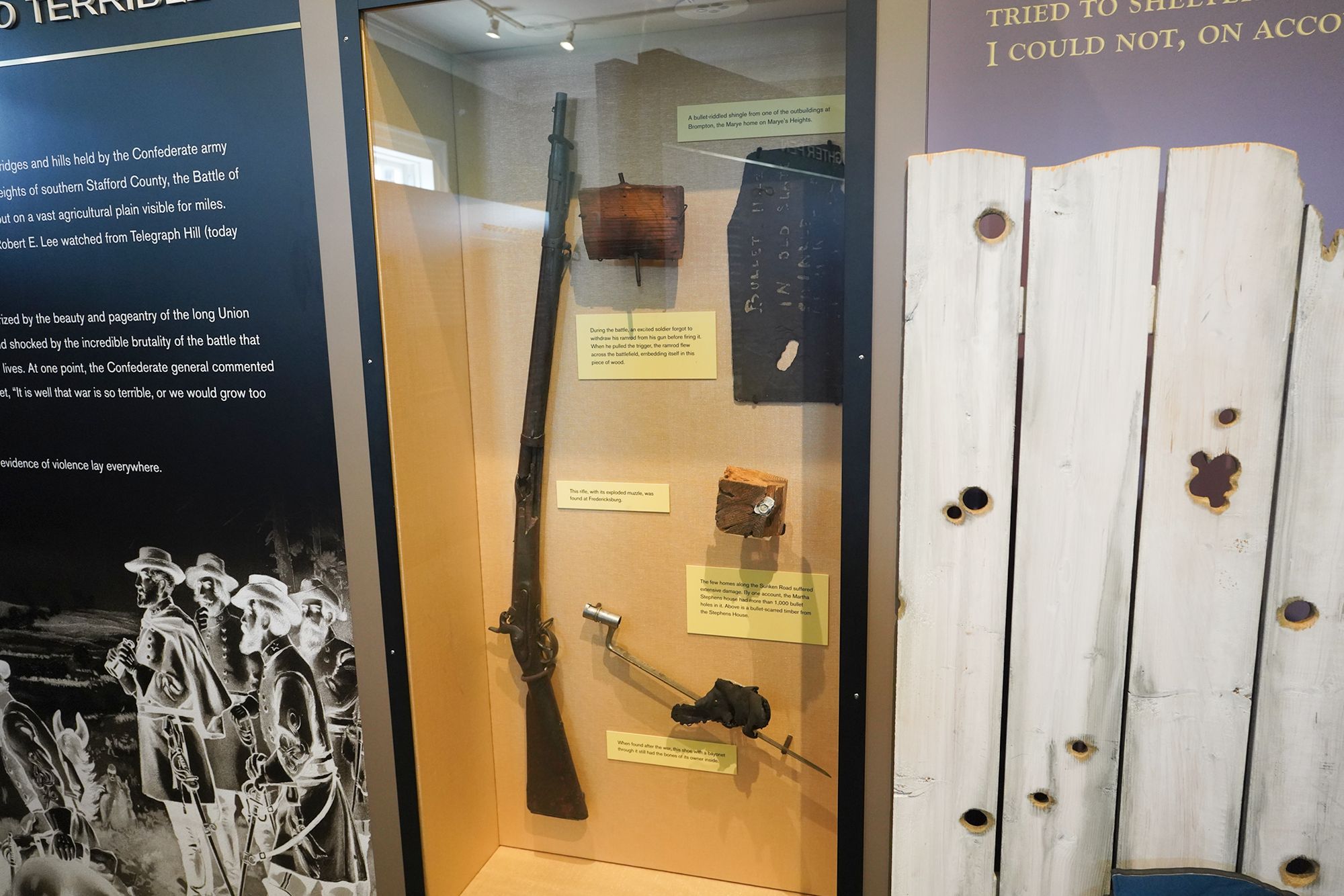
"War so Terrible"