Arulmigu Manakula Vinayagar Temple, Sri Aurobindo Ashram, and the French Quarter of Puducherry, Puducherry, India
In Puducherry, we visited Sri Aurobindo Ashram, Arulmigu Manakula Vinayagar Temple, and the historic French Quarter, reflecting the city’s religious, spiritual, and colonial heritage. 1236
Sri Aurobindo Ashram: and, No. 9, Marine Street, White Town, Puducherry, 605002, India
Arulmigu Manakula Vinayagar Temple: WRPM+8F7, R. Manakkula Vinayagar St, White Town, Puducherry, 605001, India
French Quare: 20, Rue Saint Gilles Street, White Town, Puducherry, 605001, India
Date Picture Taken: Feb, 2026
The first place we visited was Sri Aurobindo Ashram.
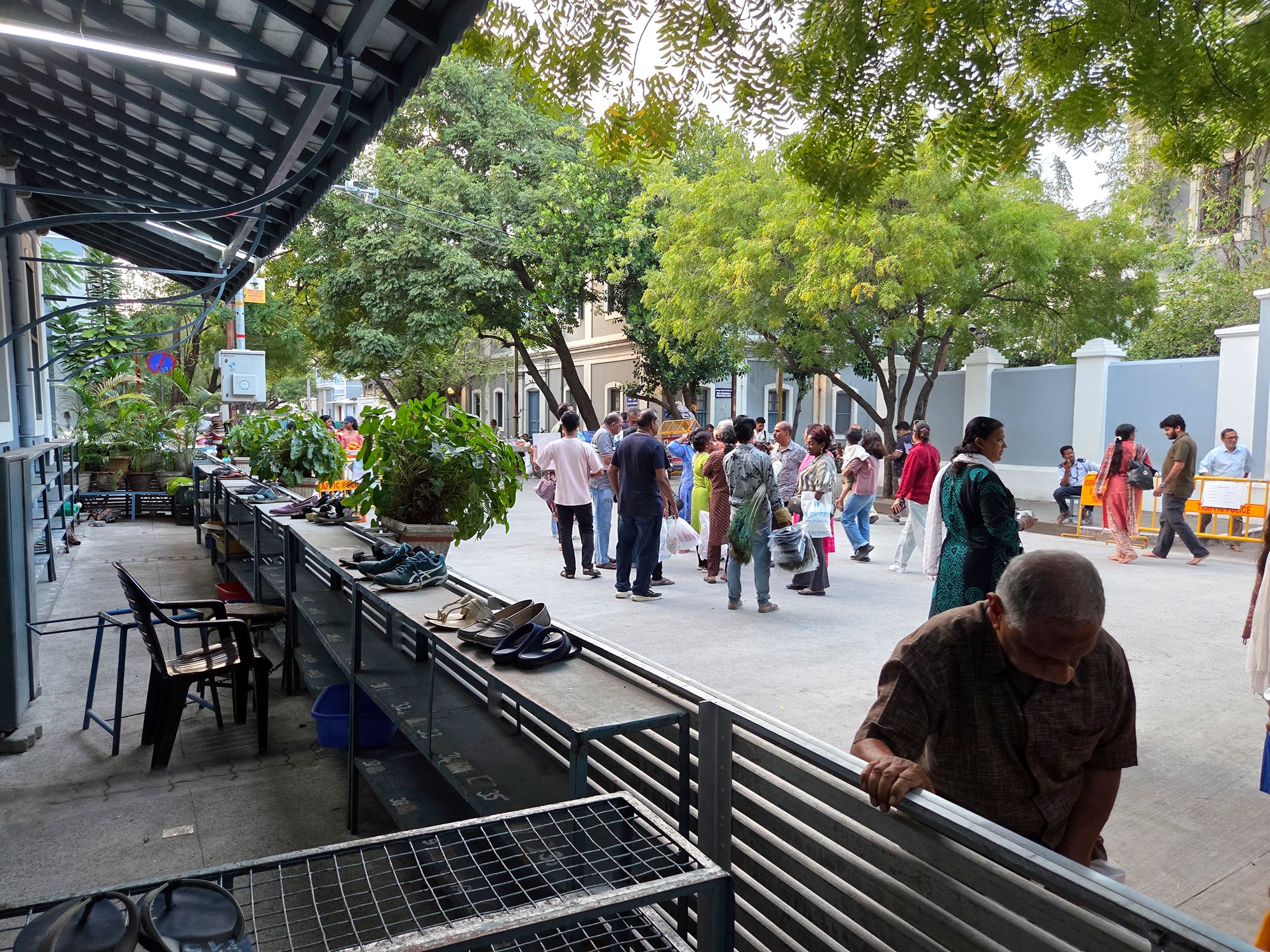
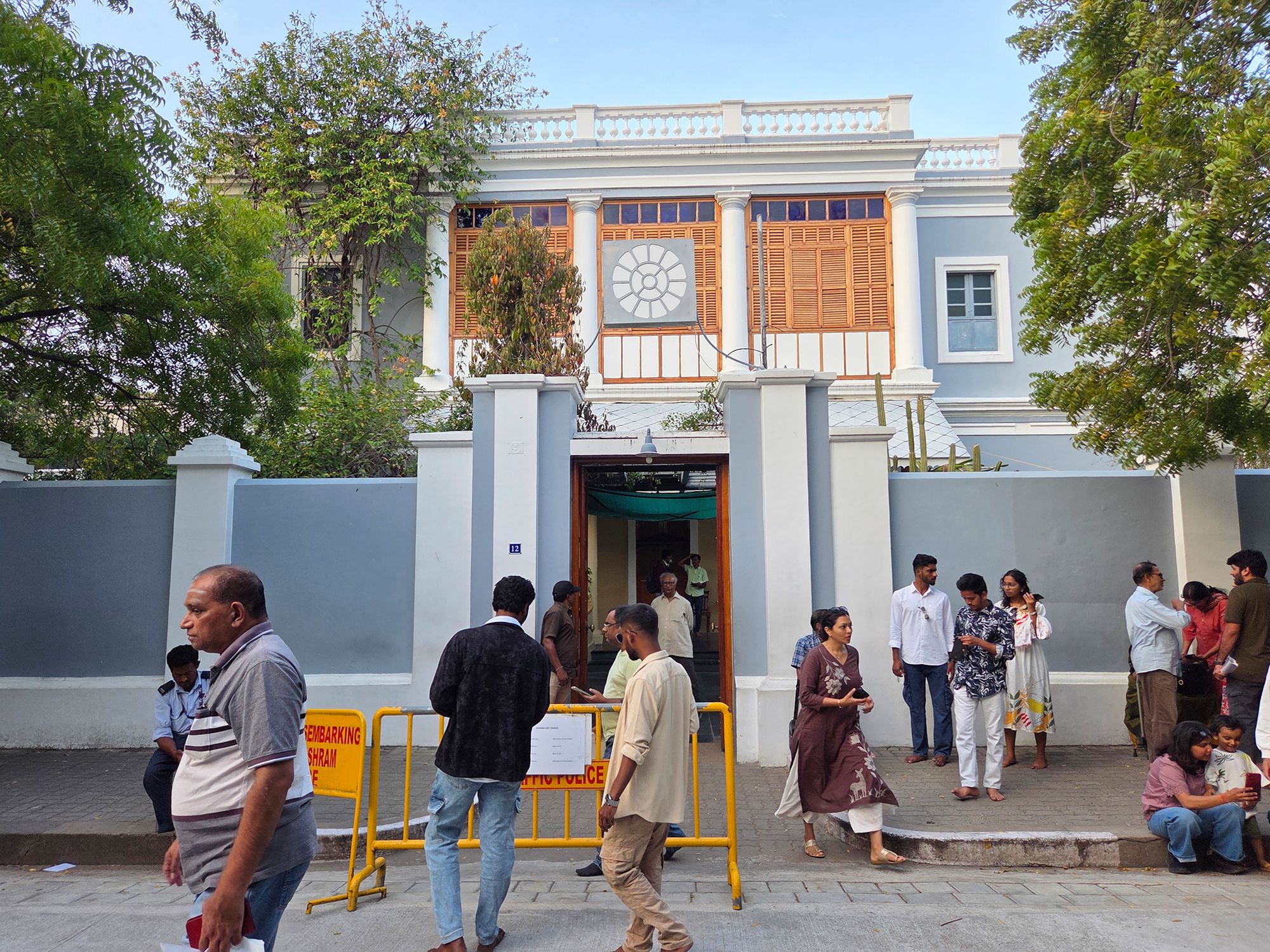
The Sri Aurobindo Ashram is a spiritual community in the historic center of Puducherry. It developed around Sri Aurobindo, an Indian nationalist who later withdrew from politics and settled in Pondicherry in 1910 to devote himself to spiritual work and yoga. The Ashram was formally established in 1926, with his spiritual collaborator Mirra Alfassa, known as “The Mother,” taking responsibility for the growing community.
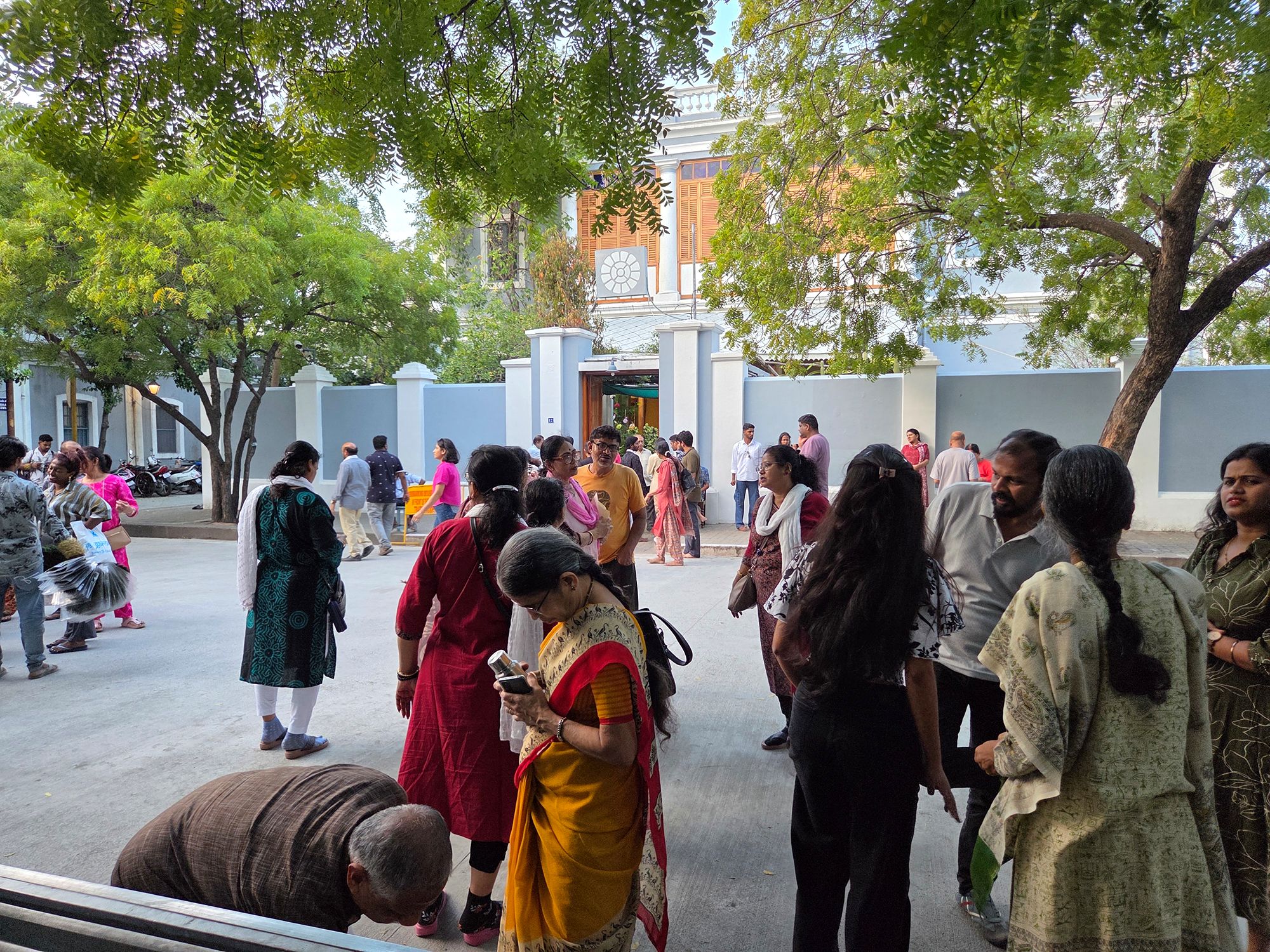
Unlike a traditional monastery, the Ashram emphasizes Integral Yoga, Sri Aurobindo's philosophy of developing and transforming both spiritual consciousness and everyday life. Over time, it grew from about two dozen ples into a large community spread among numerous buildings in Puducherry. Photography was not allowed inside the Ashram.
After visiting Sri Aurobindo Ashram, we walked to the nearby Arulmigu Manakula Vinayagar Temple.
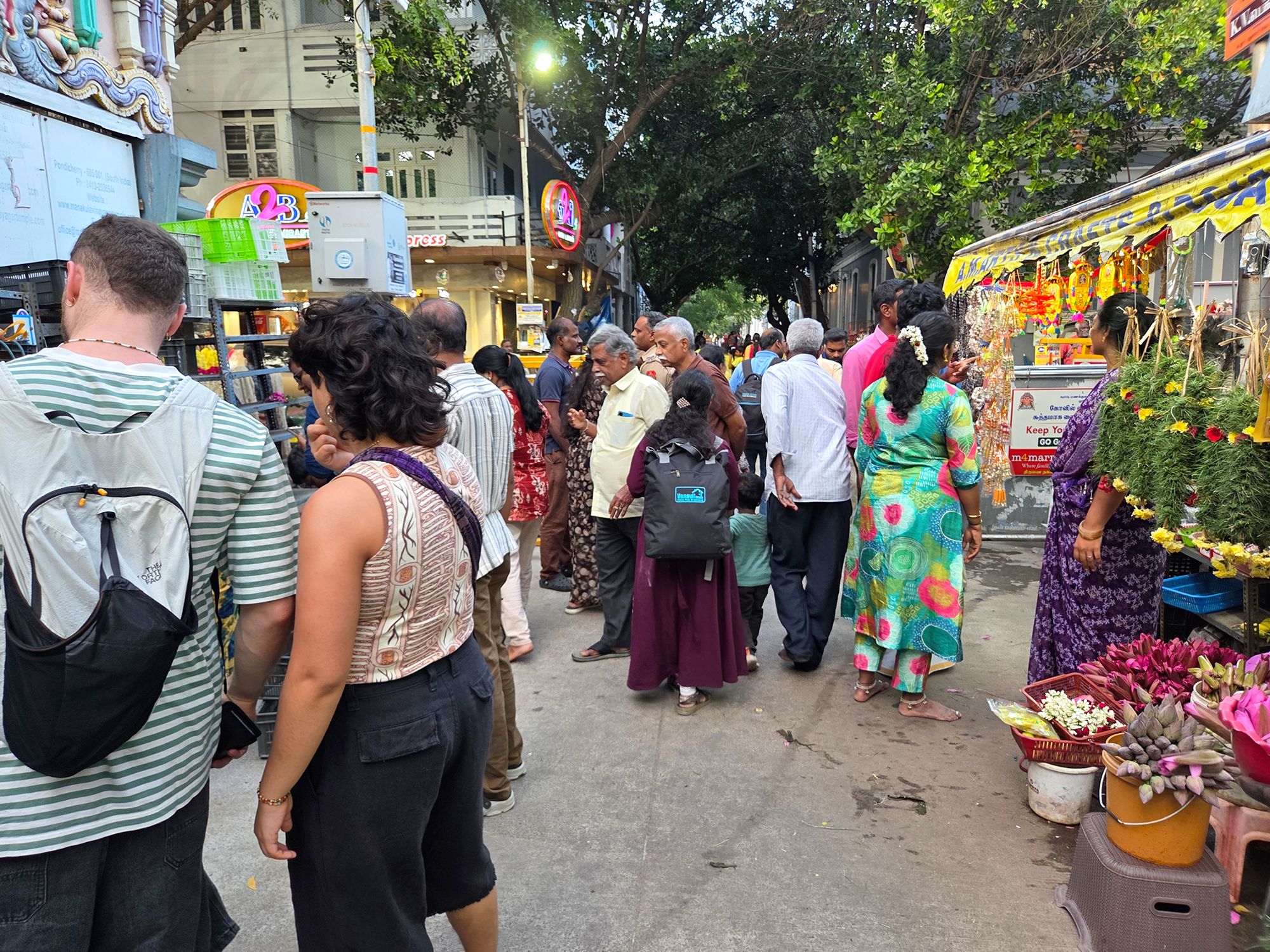
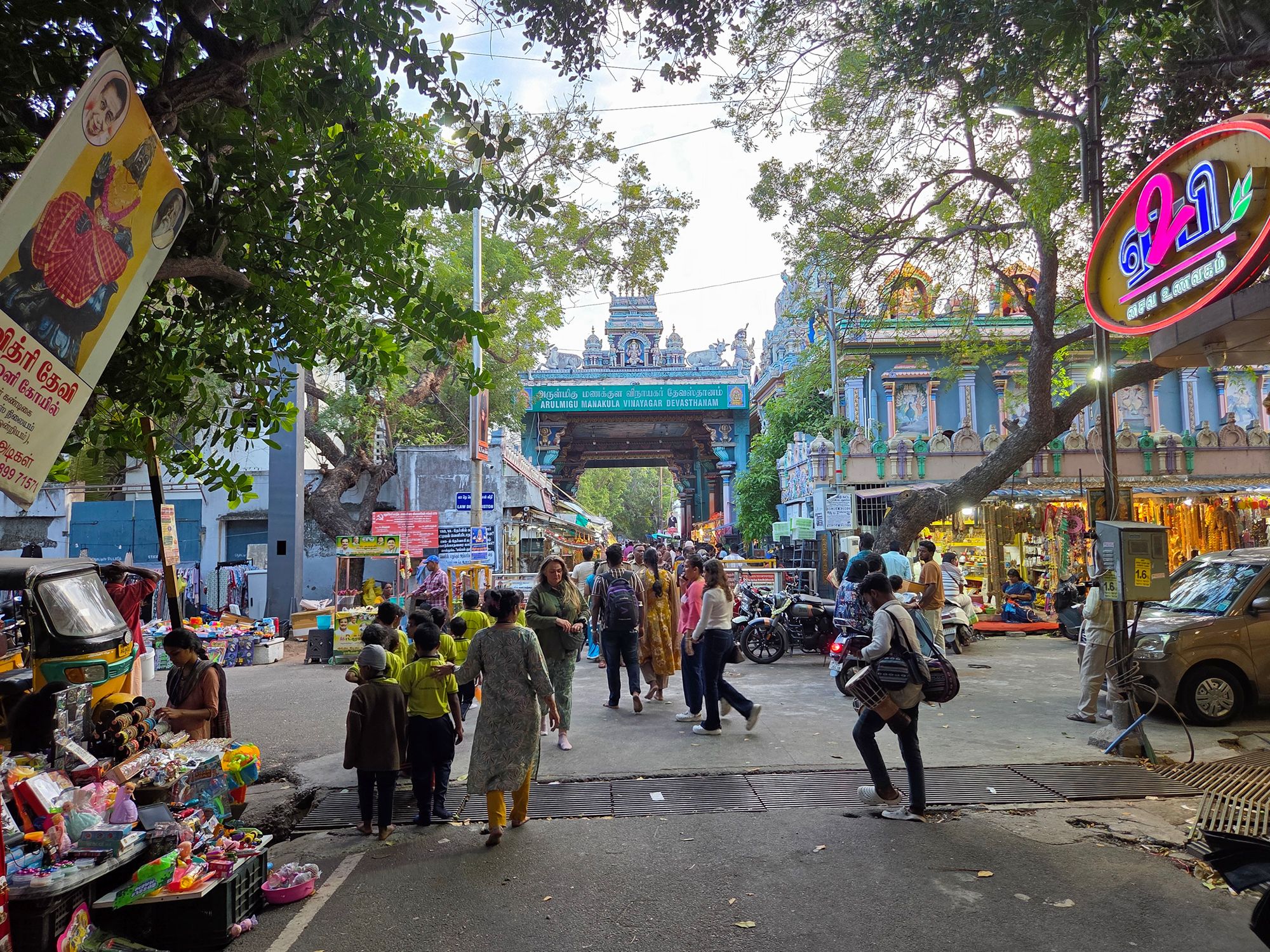
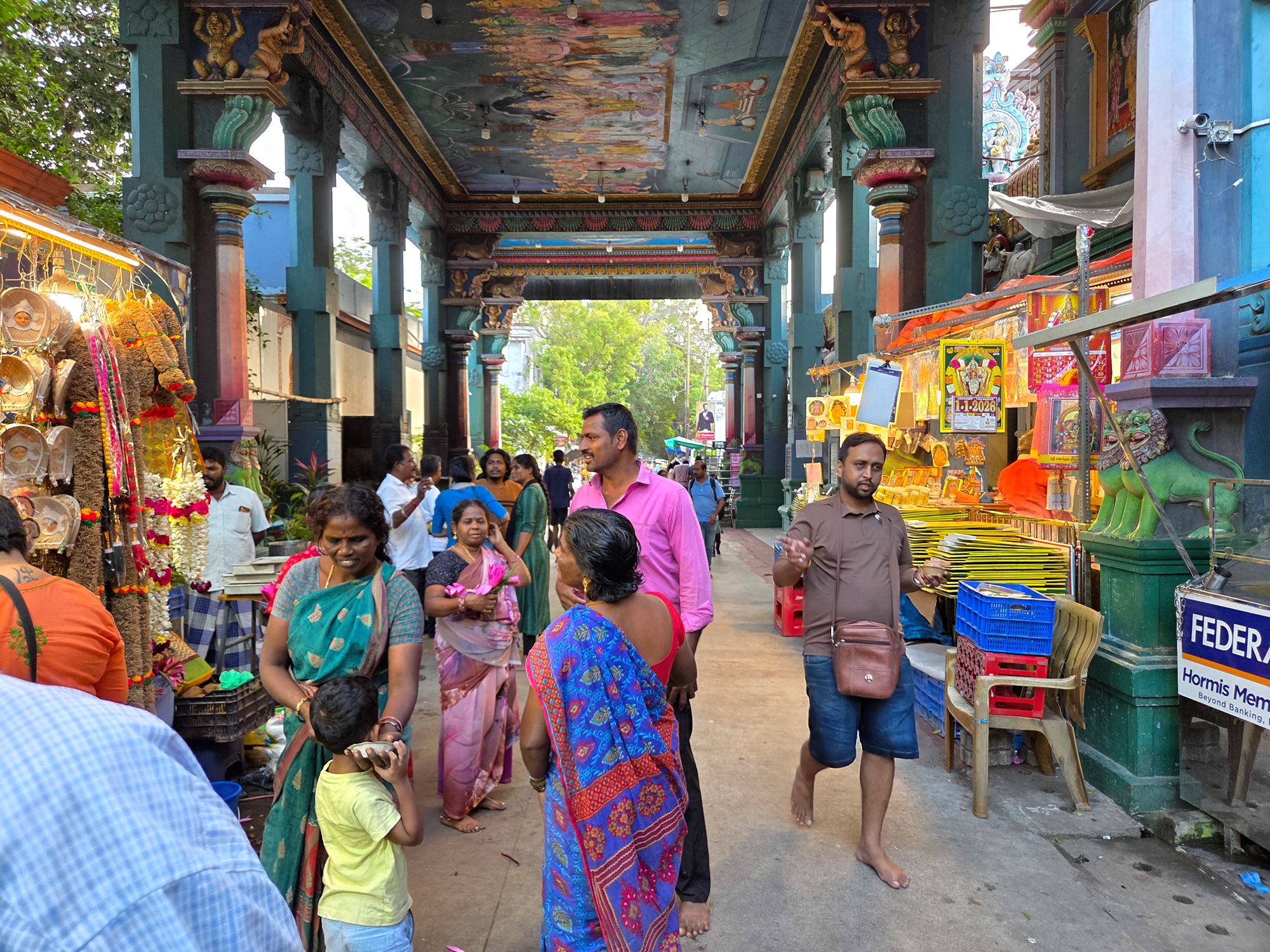
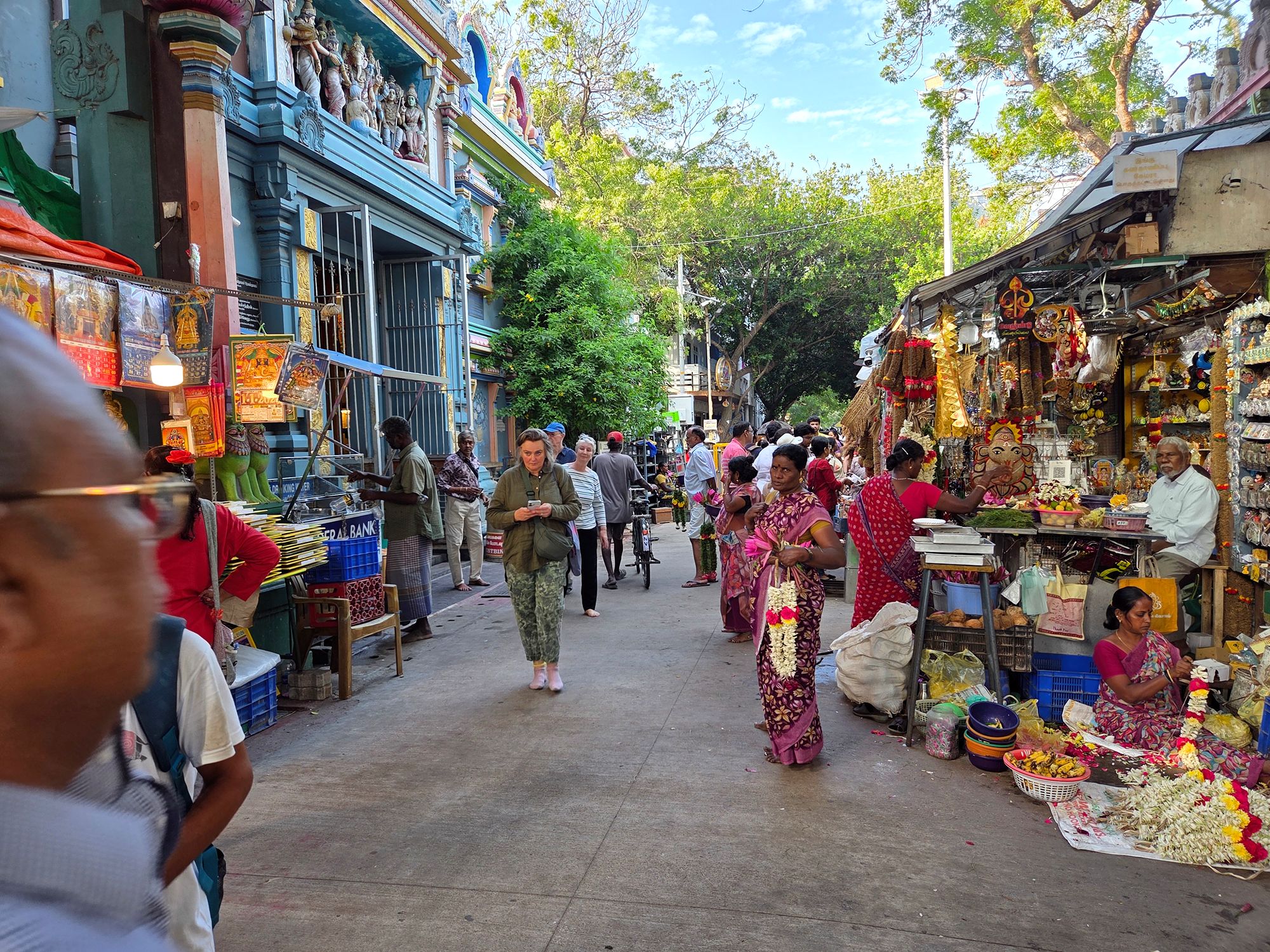
Arulmigu Manakula Vinayagar Temple is one of Puducherry’s oldest and most important Hindu temples. It is dedicated to Lord Ganesha, the Hindu god associated with wisdom, good fortune, and the removal of obstacles. The temple existed before the French established their settlement in Puducherry and is more than 400 years old.
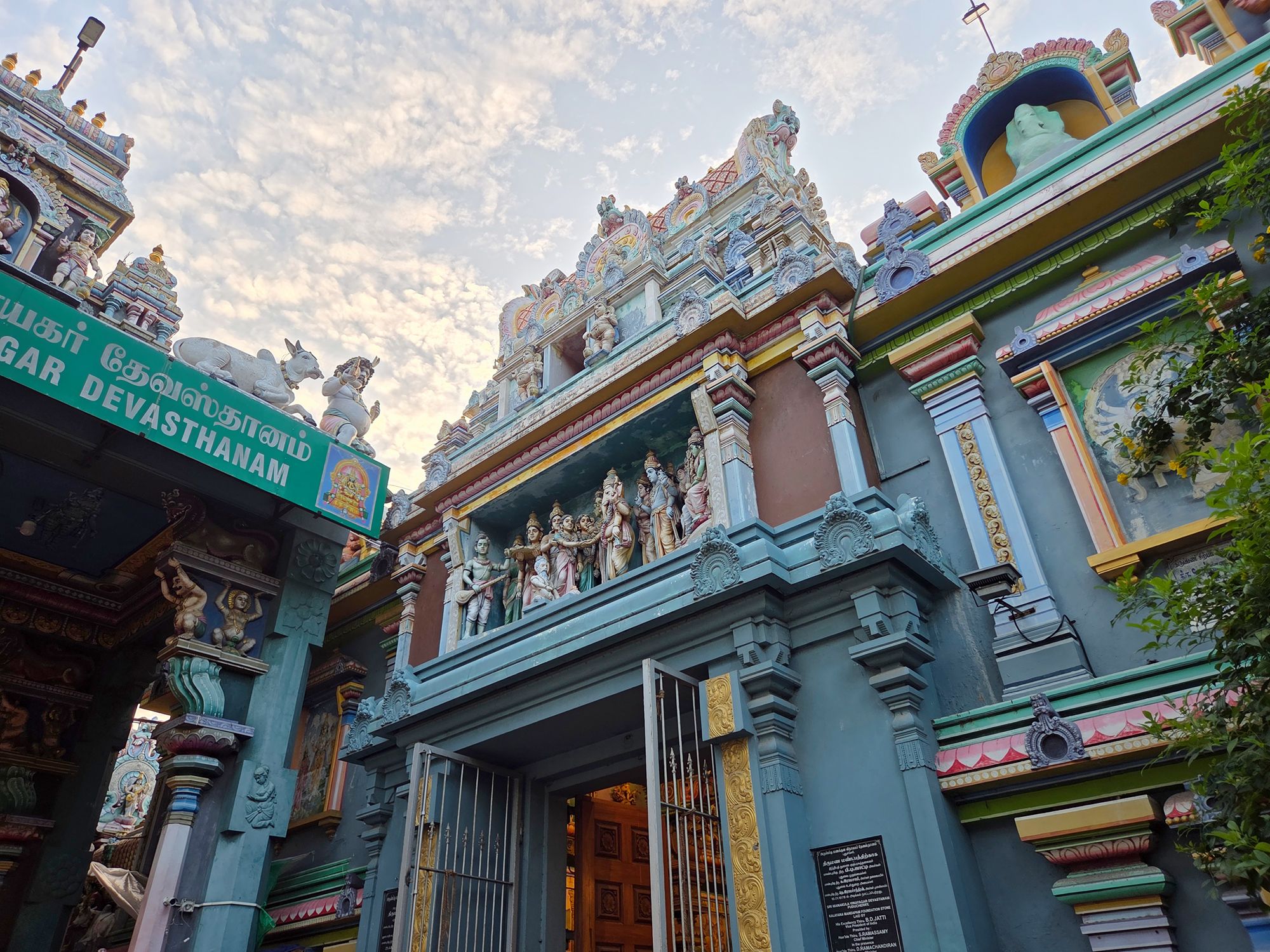
The temple is known for its colorful Dravidian-style architecture, ornate entrance tower, sculptures, paintings, and numerous representations of Ganesha. It remains an active place of worship and attracts both local devotees and visitors.
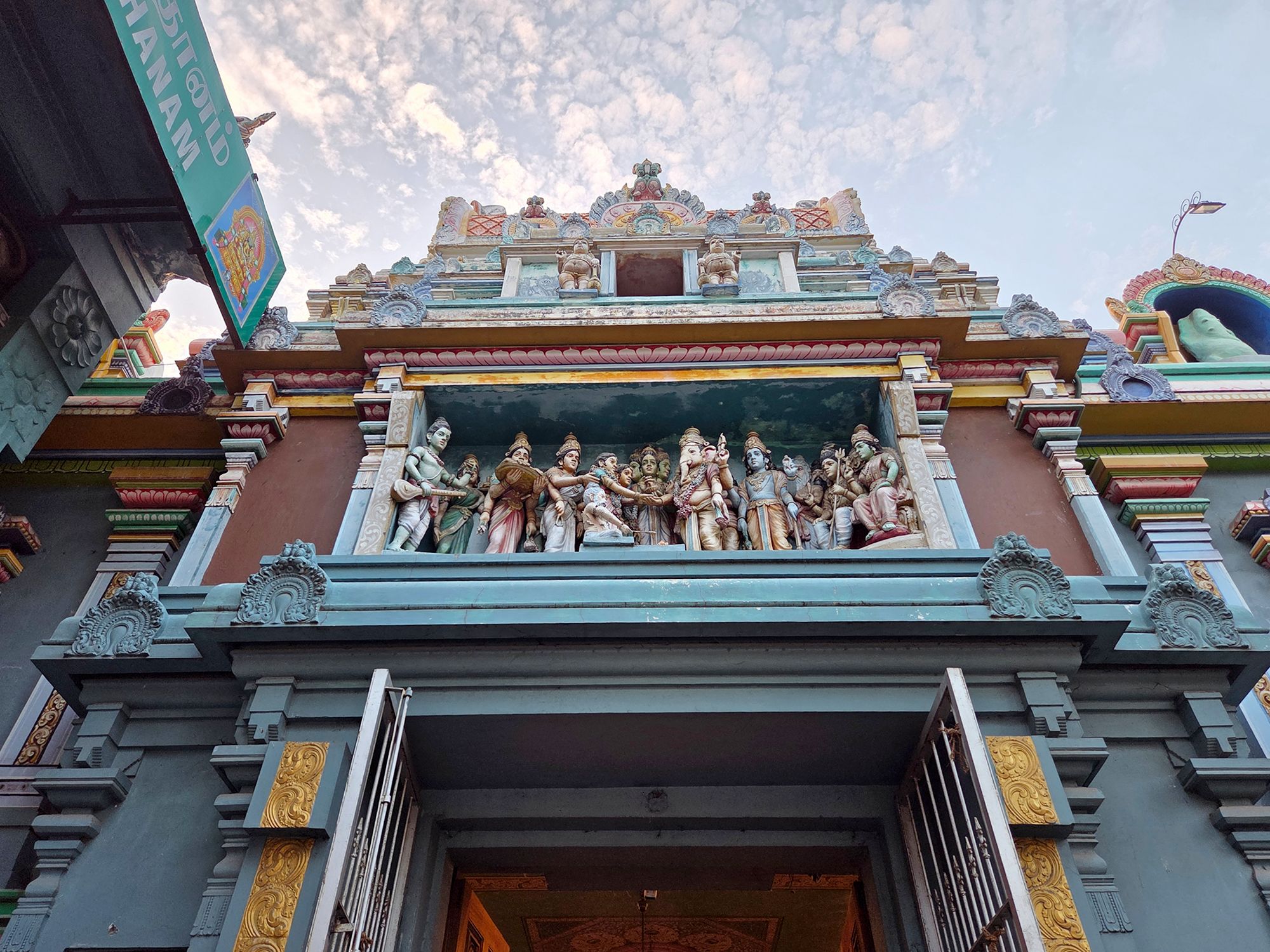
An interesting part of its history is that the temple survived attempts to restrict or remove Hindu worship during the French colonial period. Local worshippers strongly resisted these efforts, and the temple continued to operate. Photography was not allowed inside.
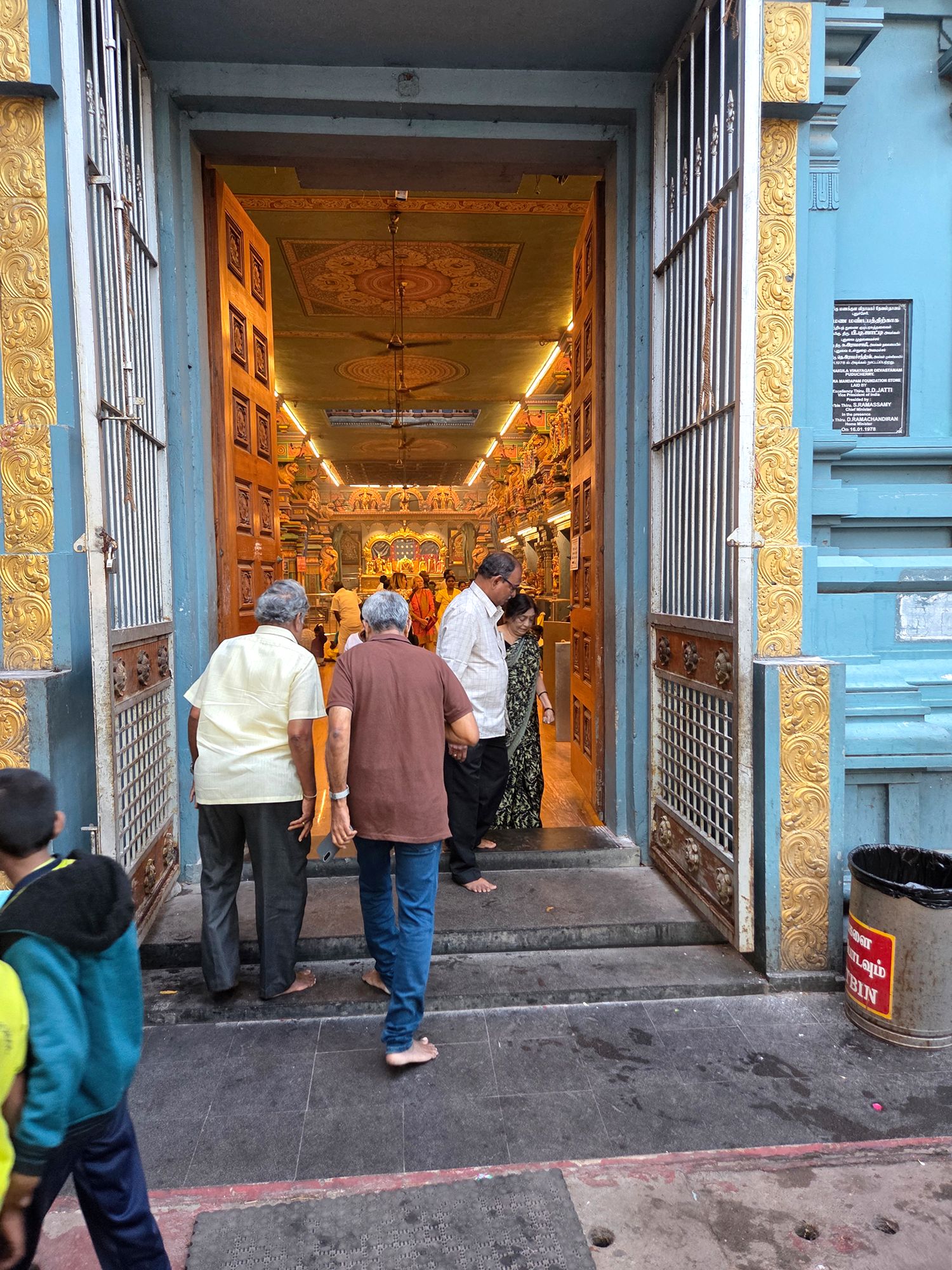
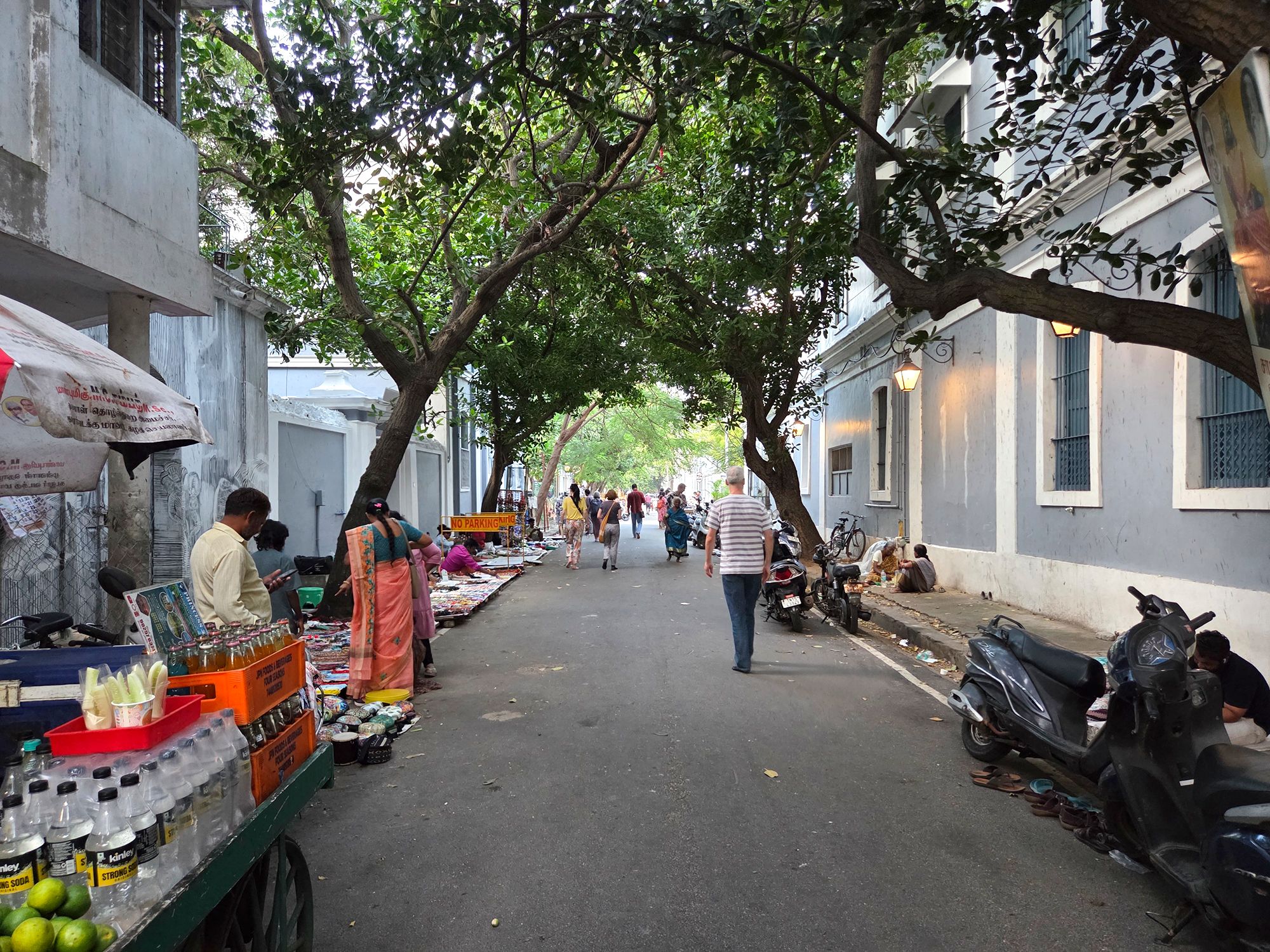
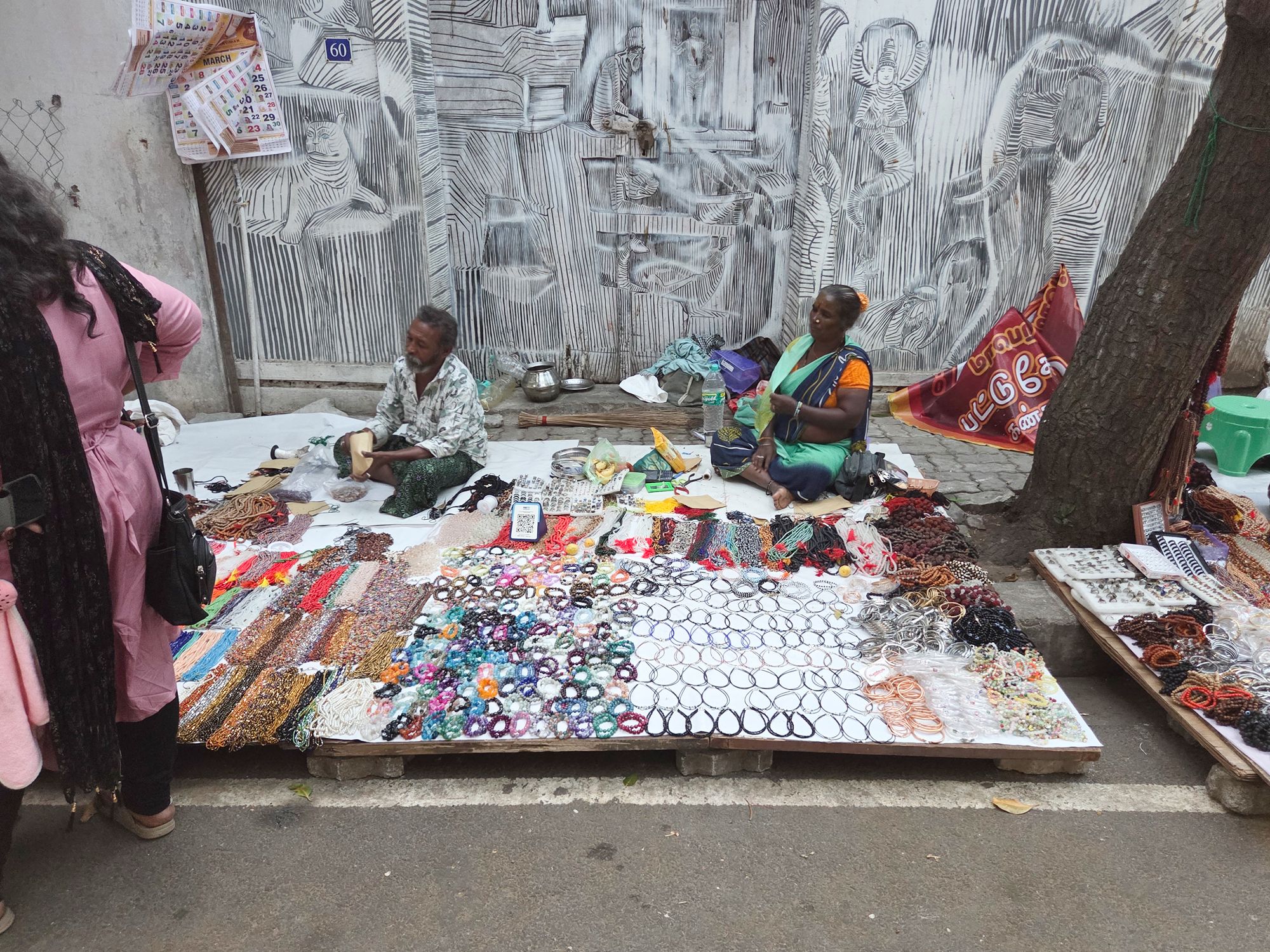
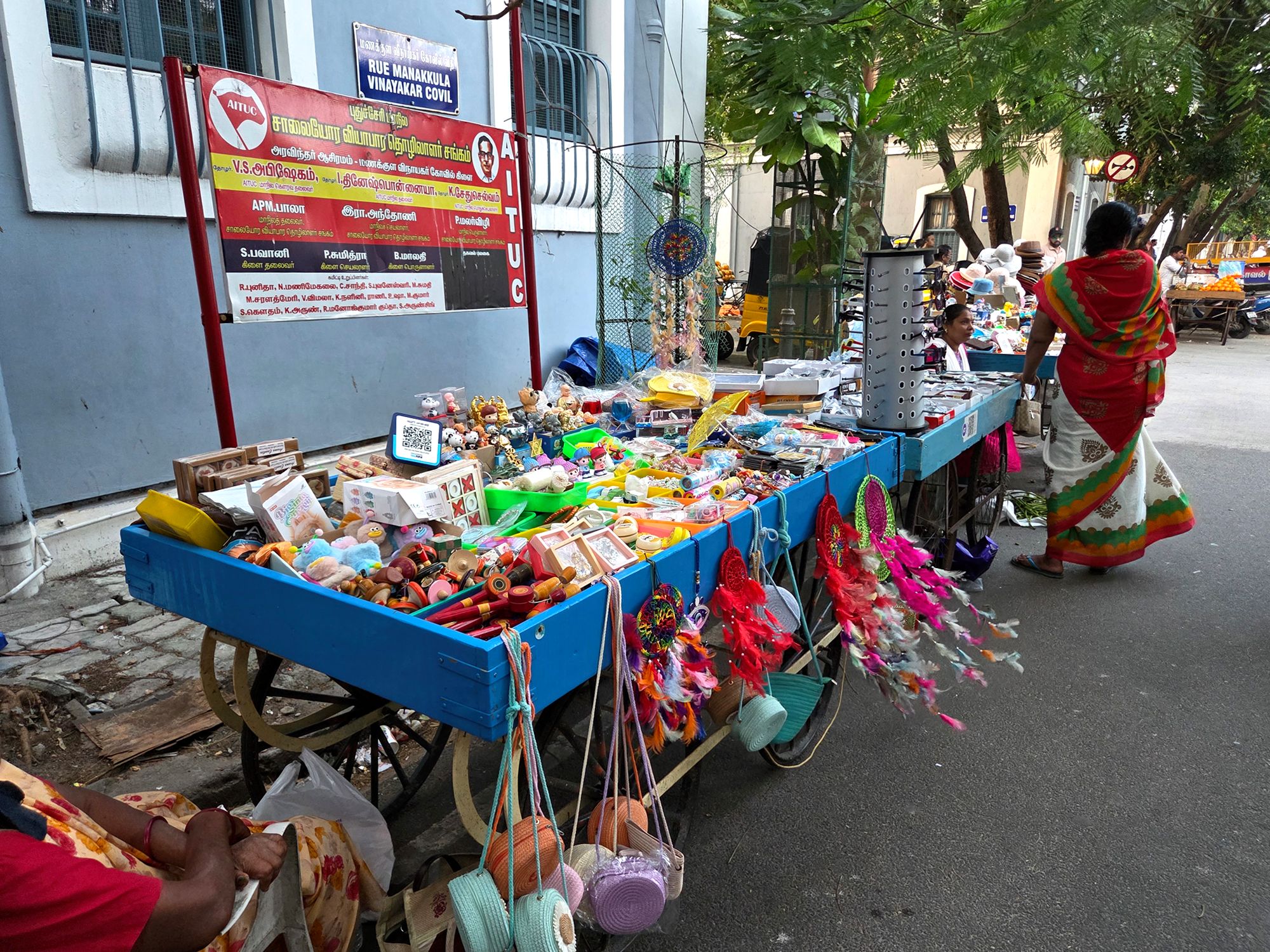
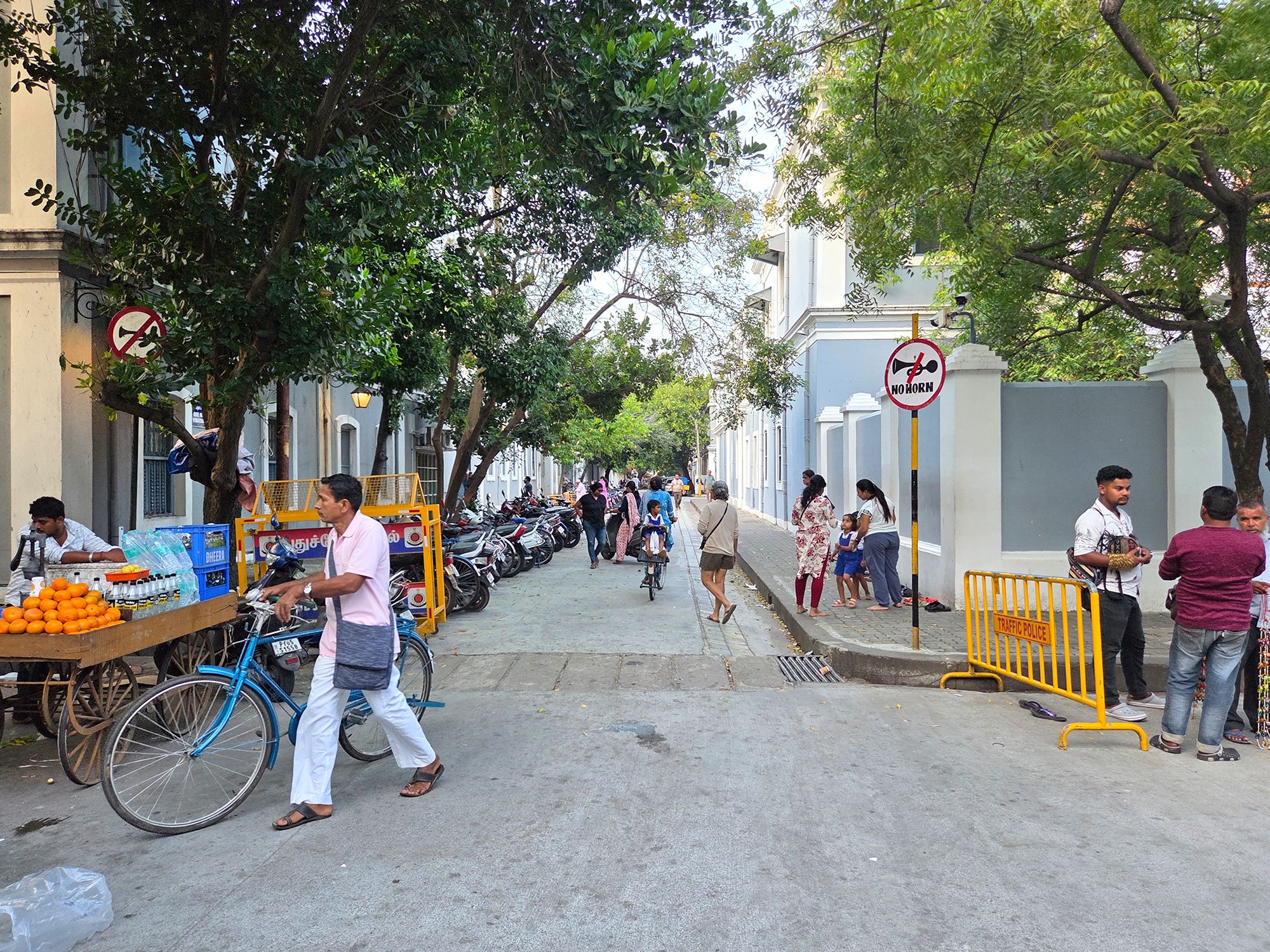
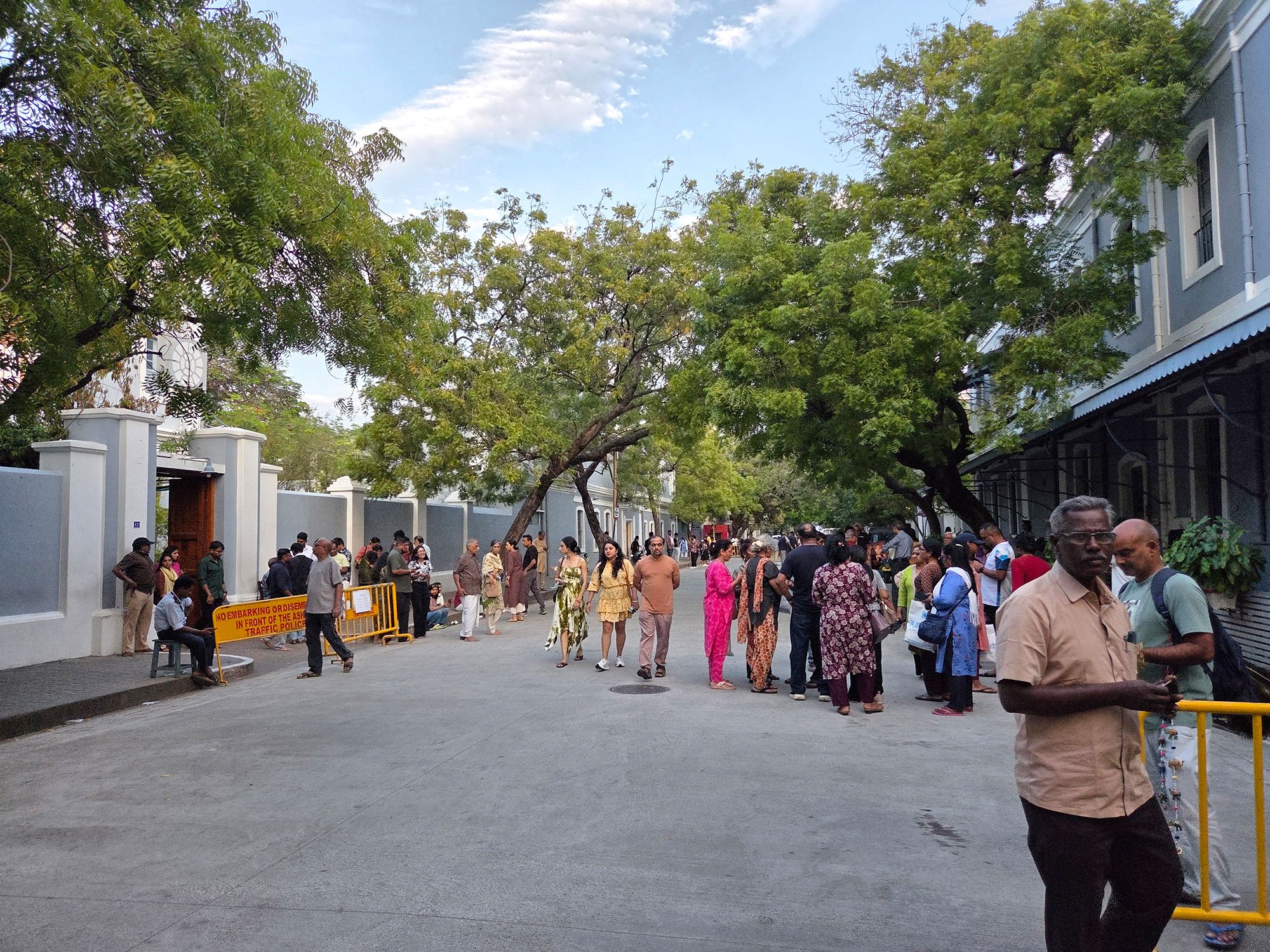
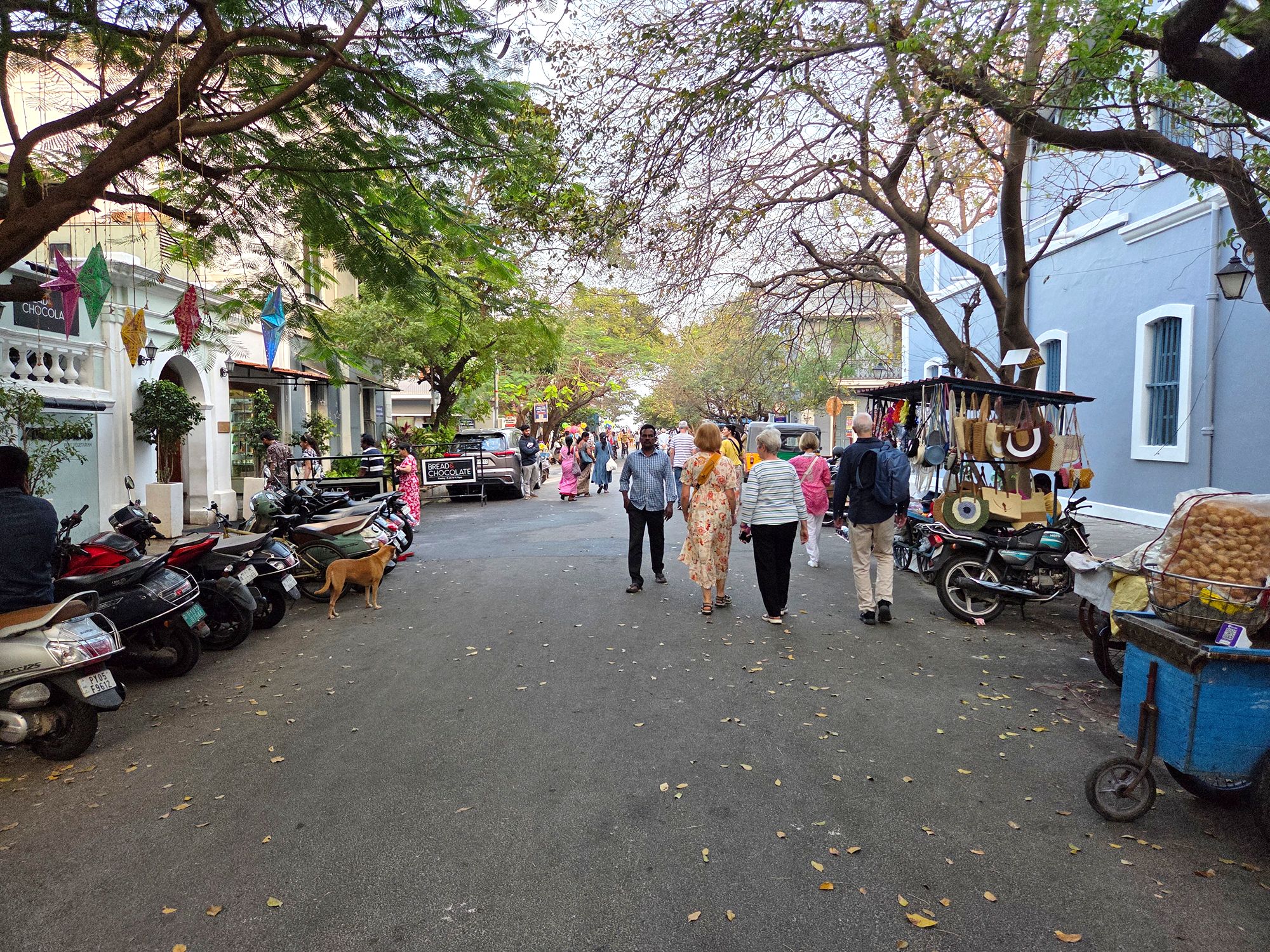
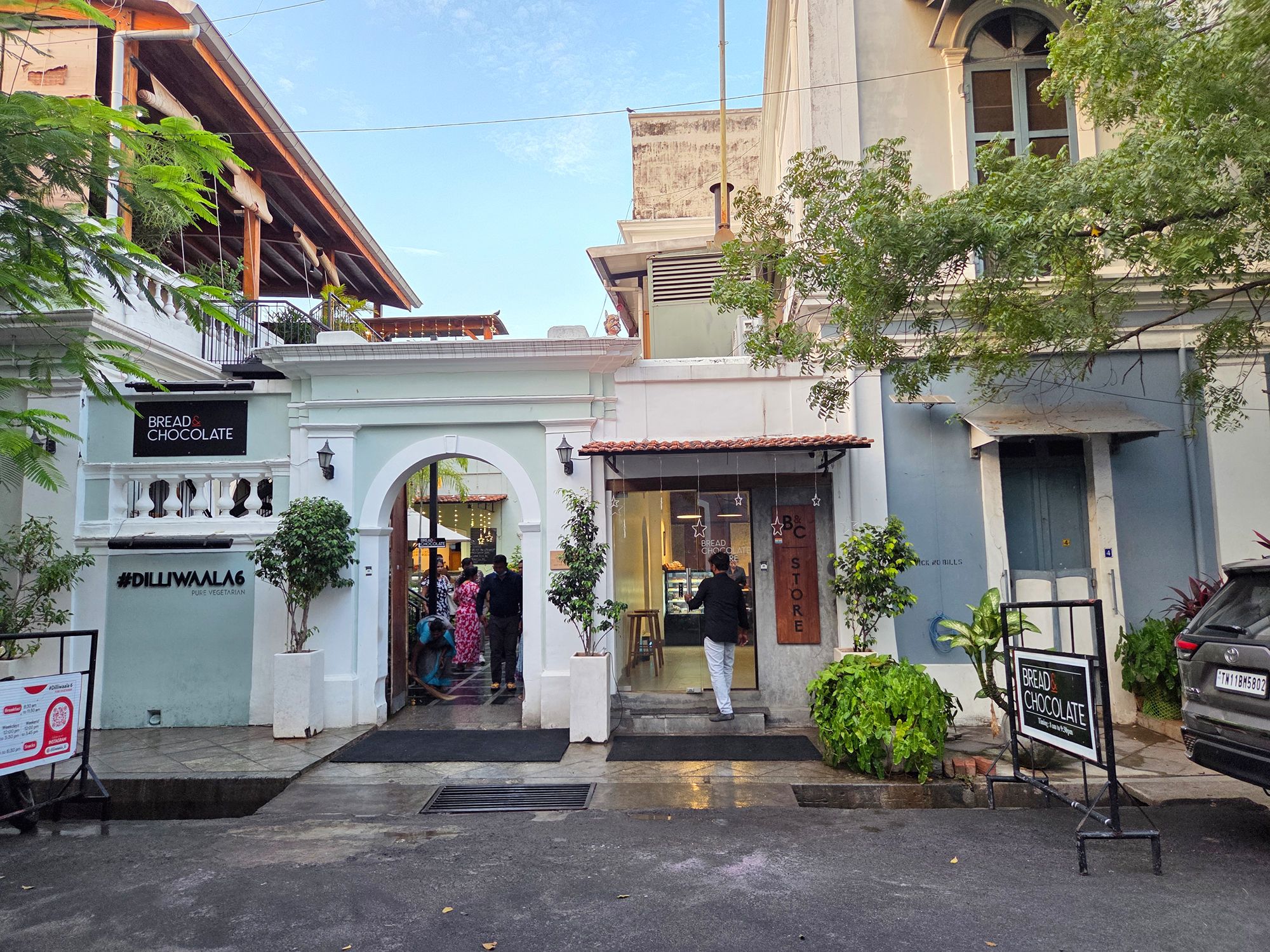
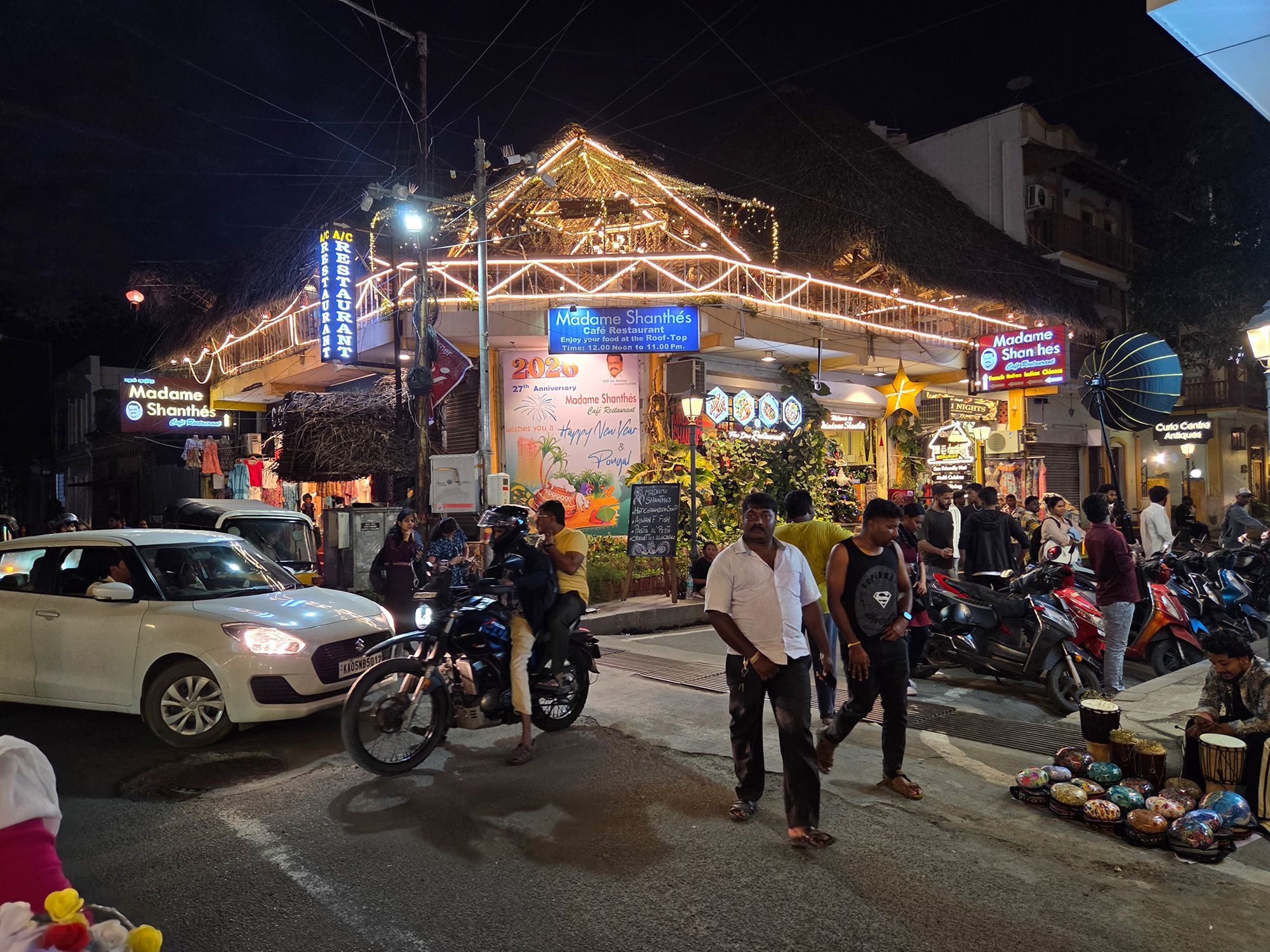
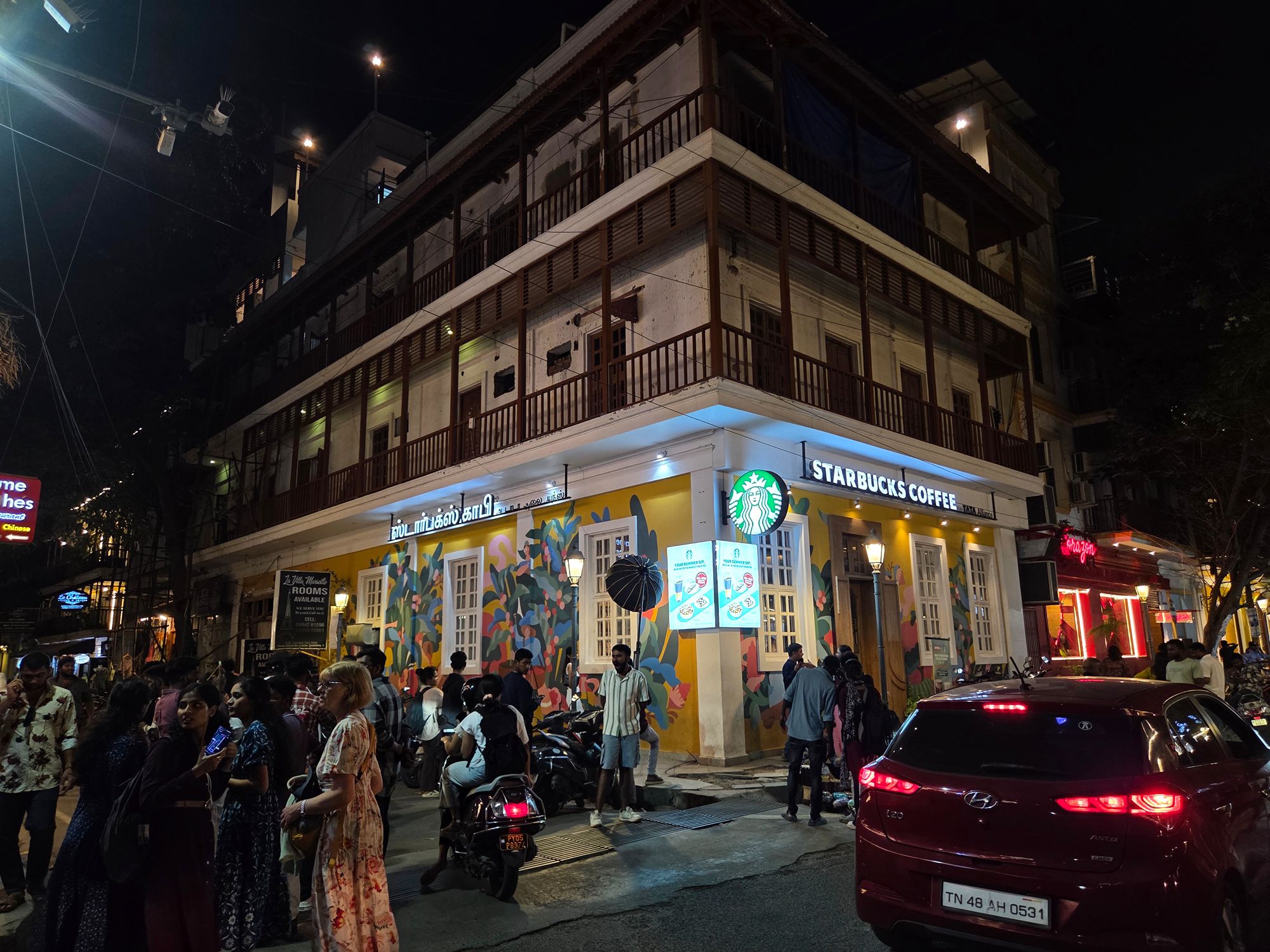
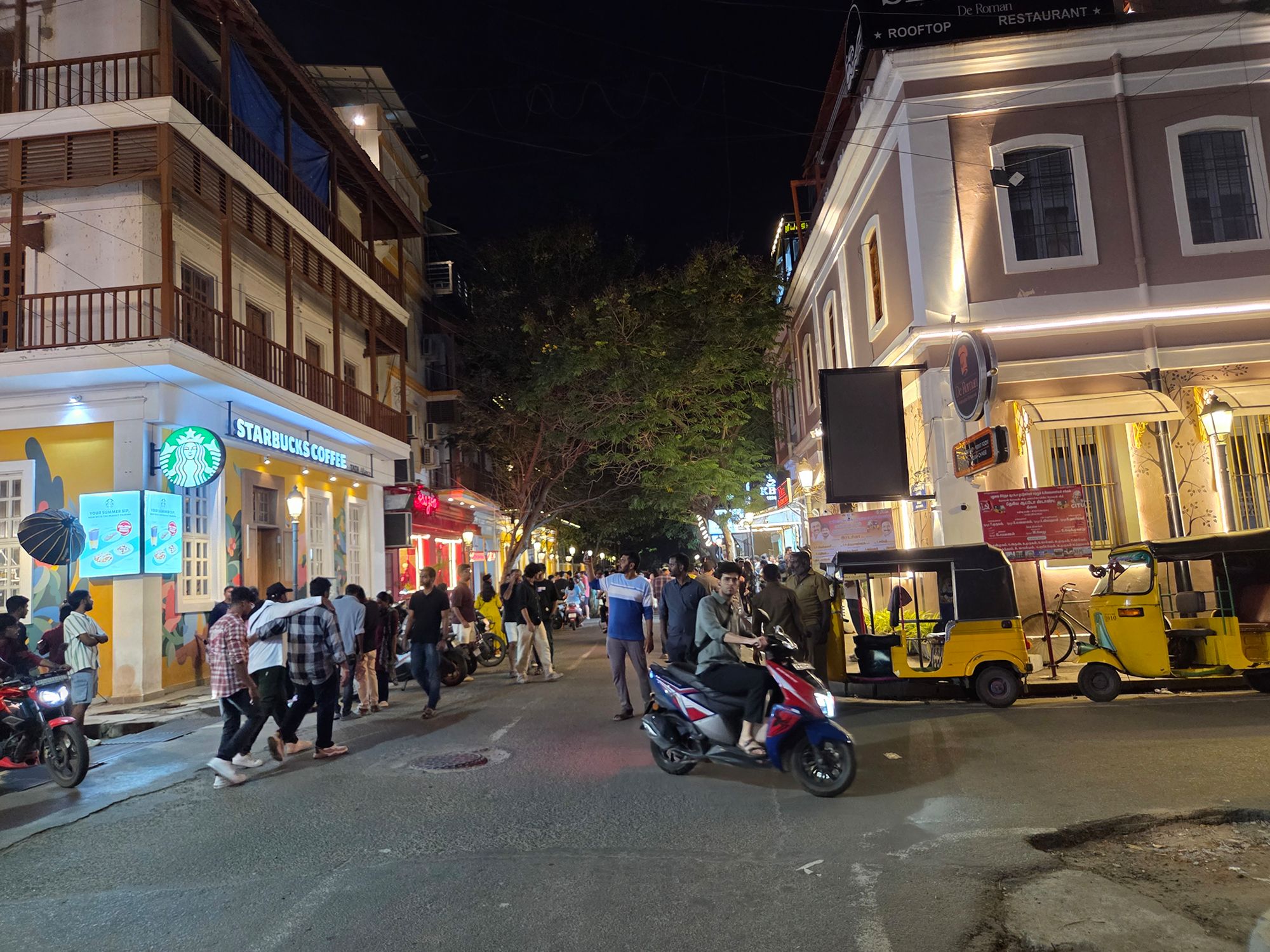
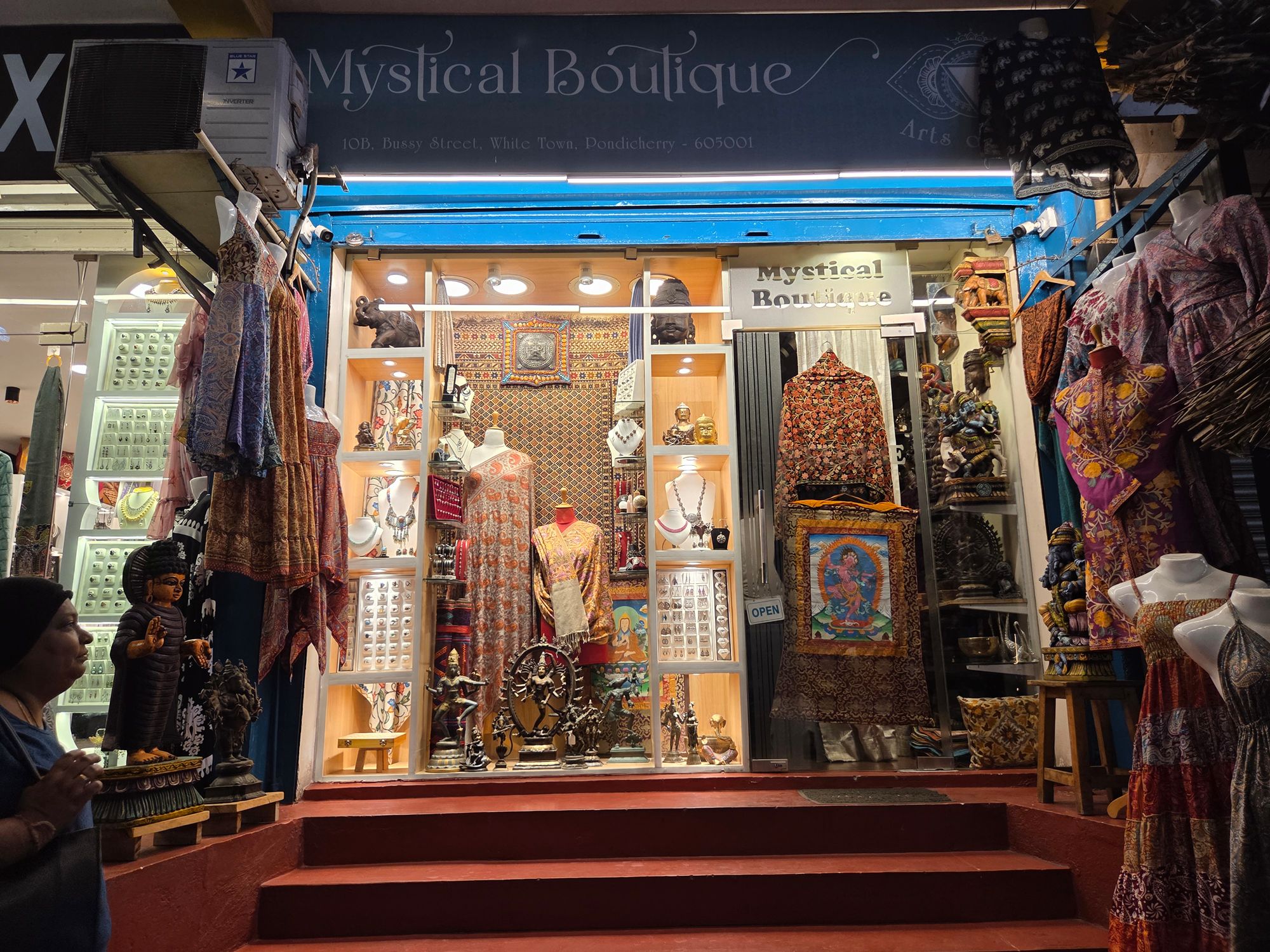
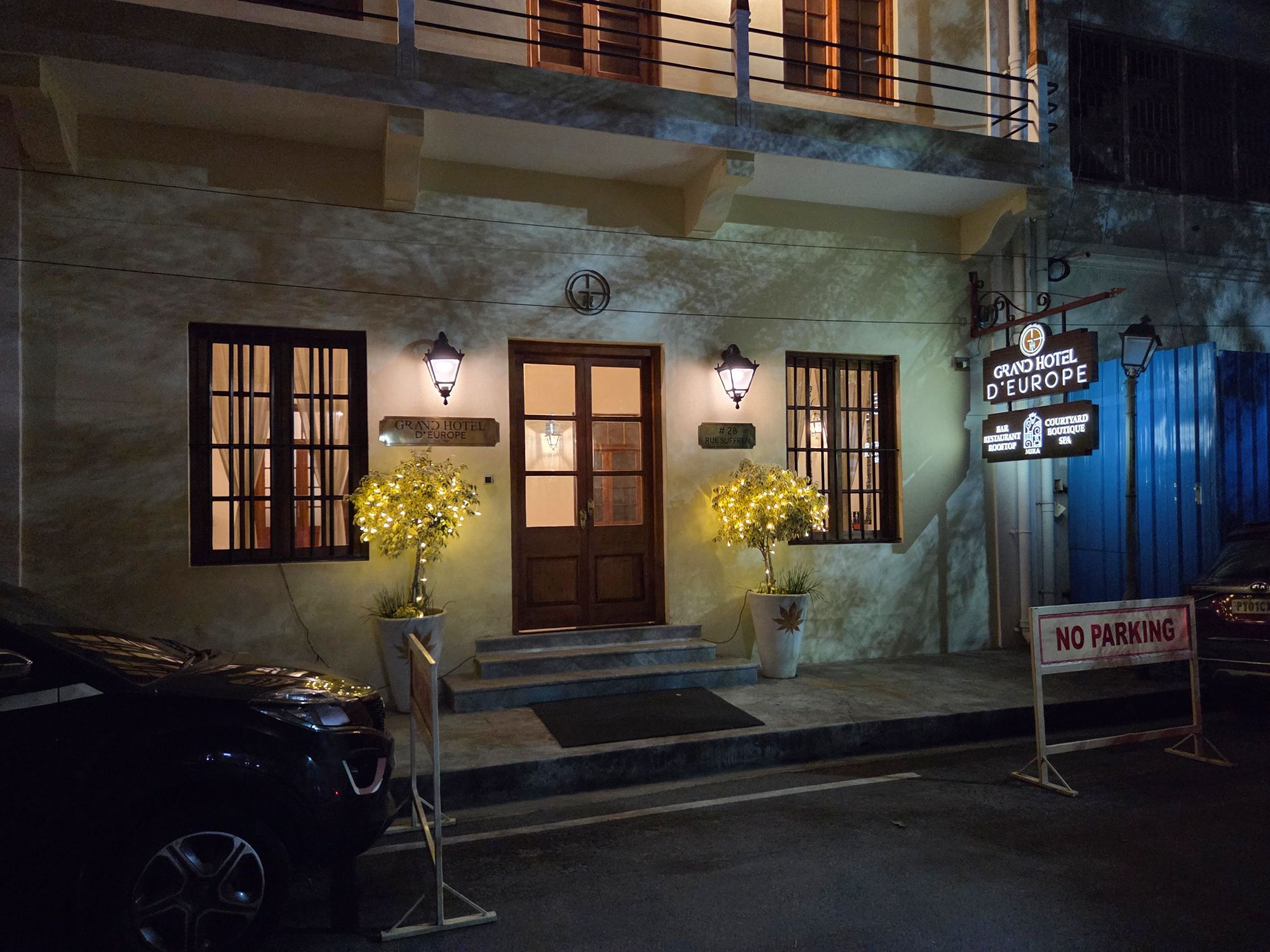
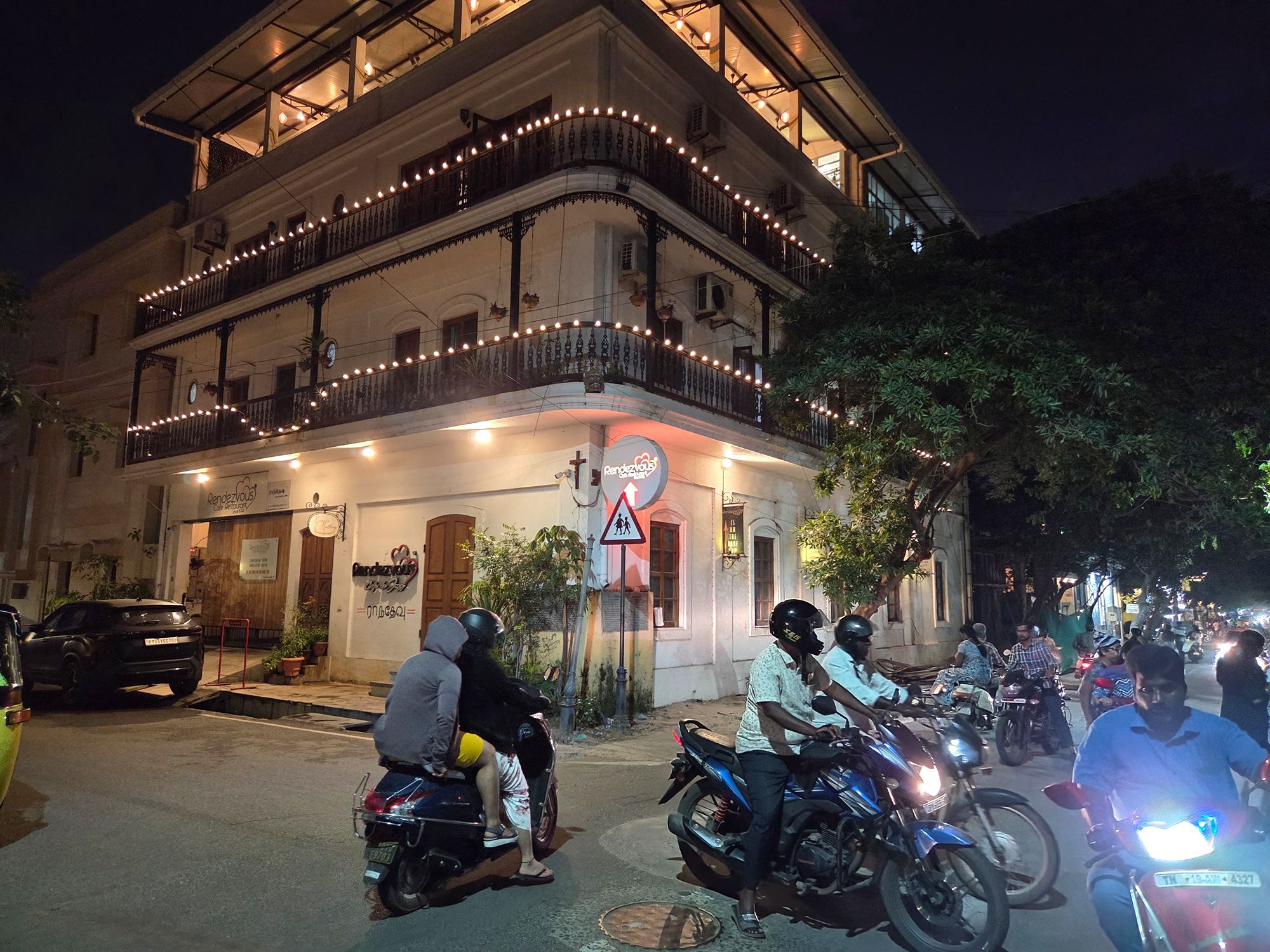
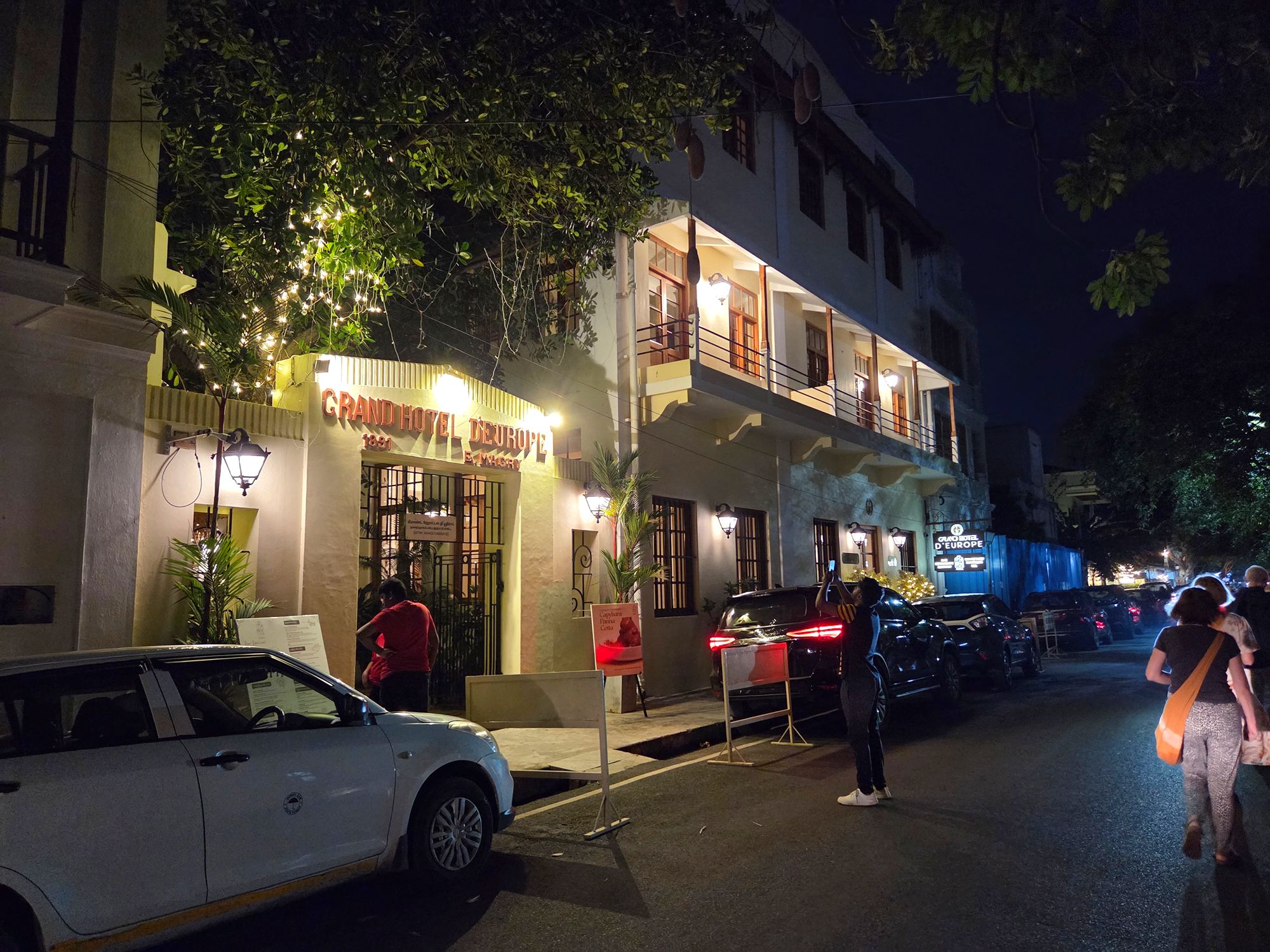
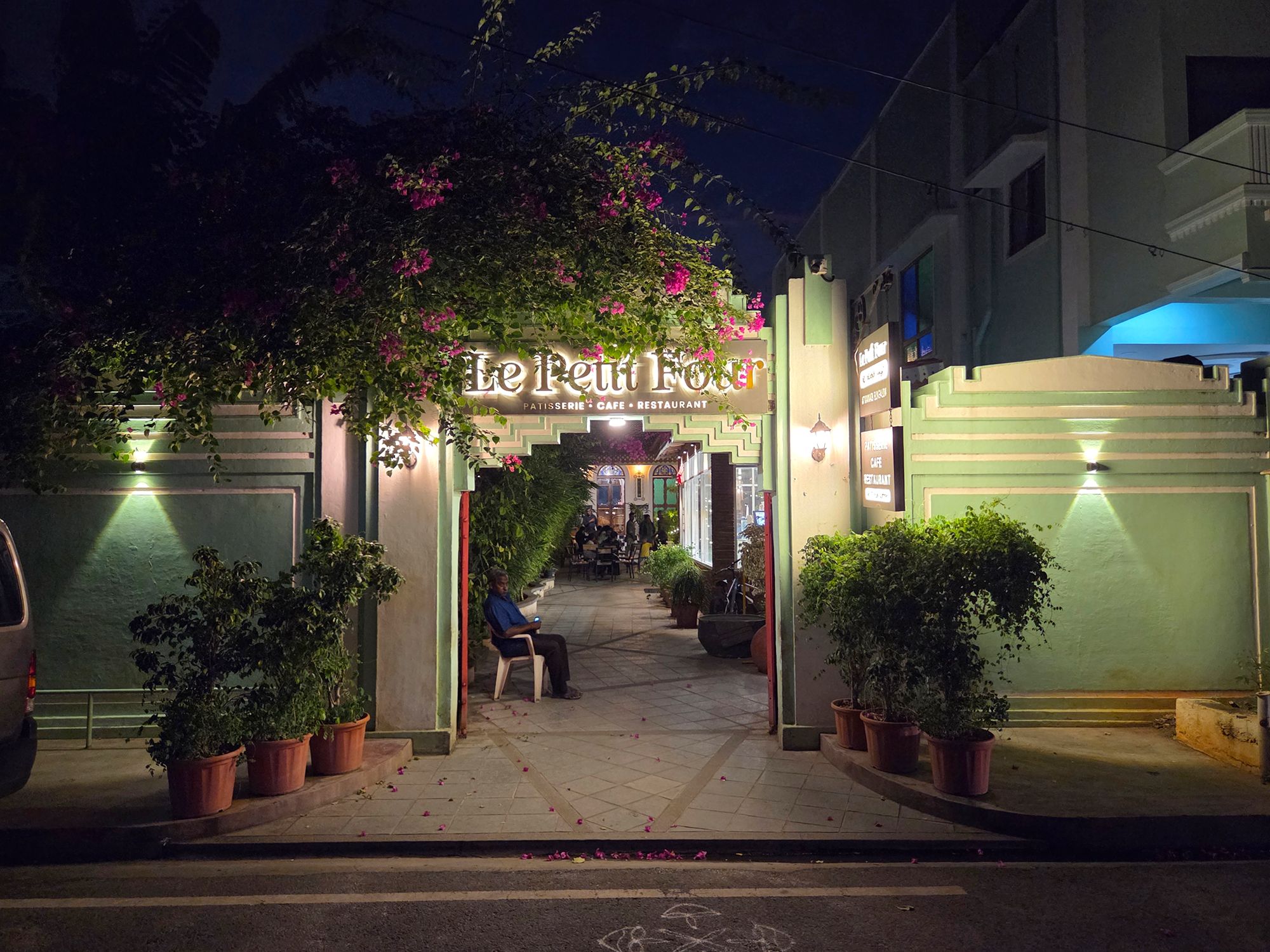
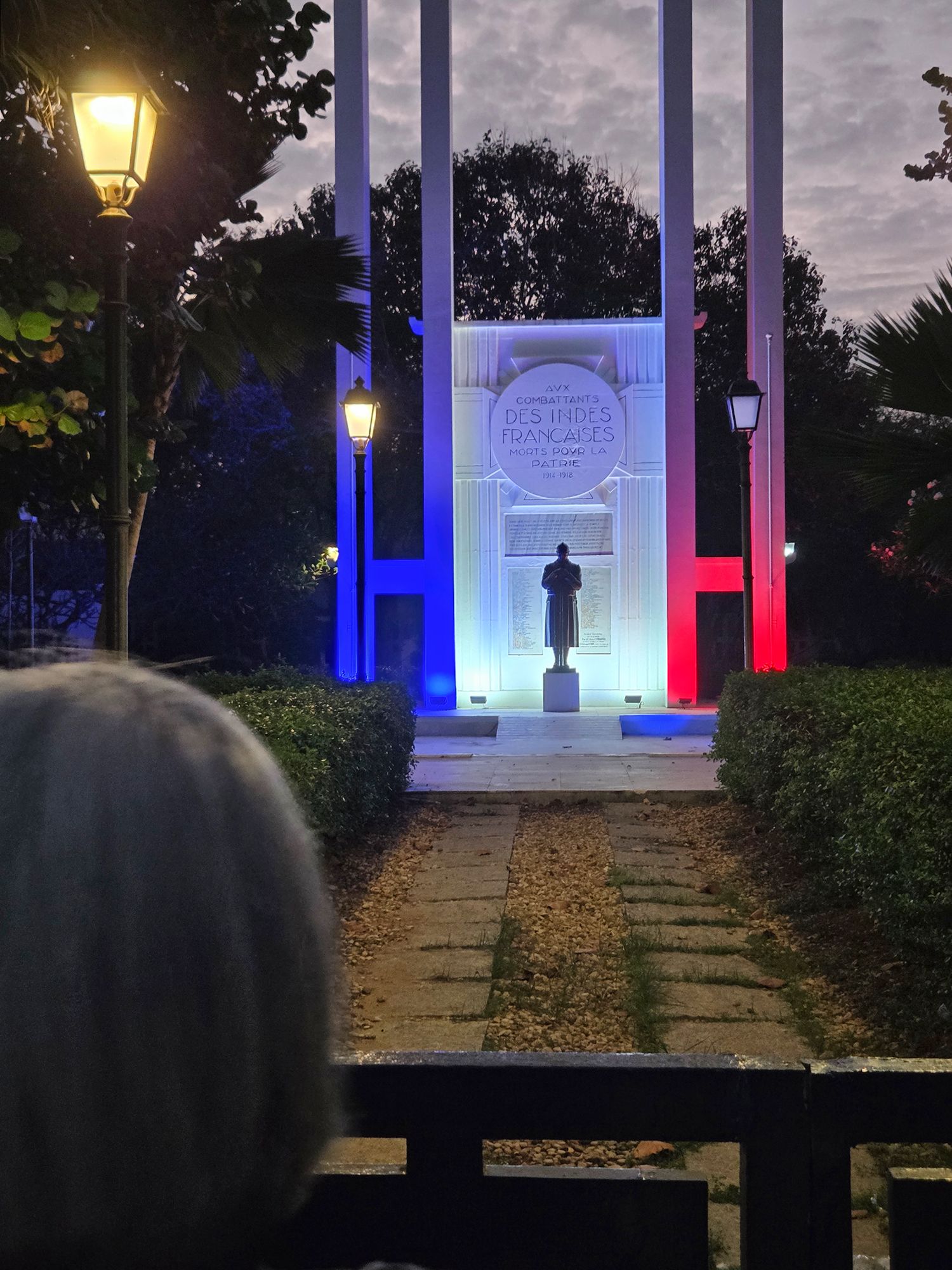
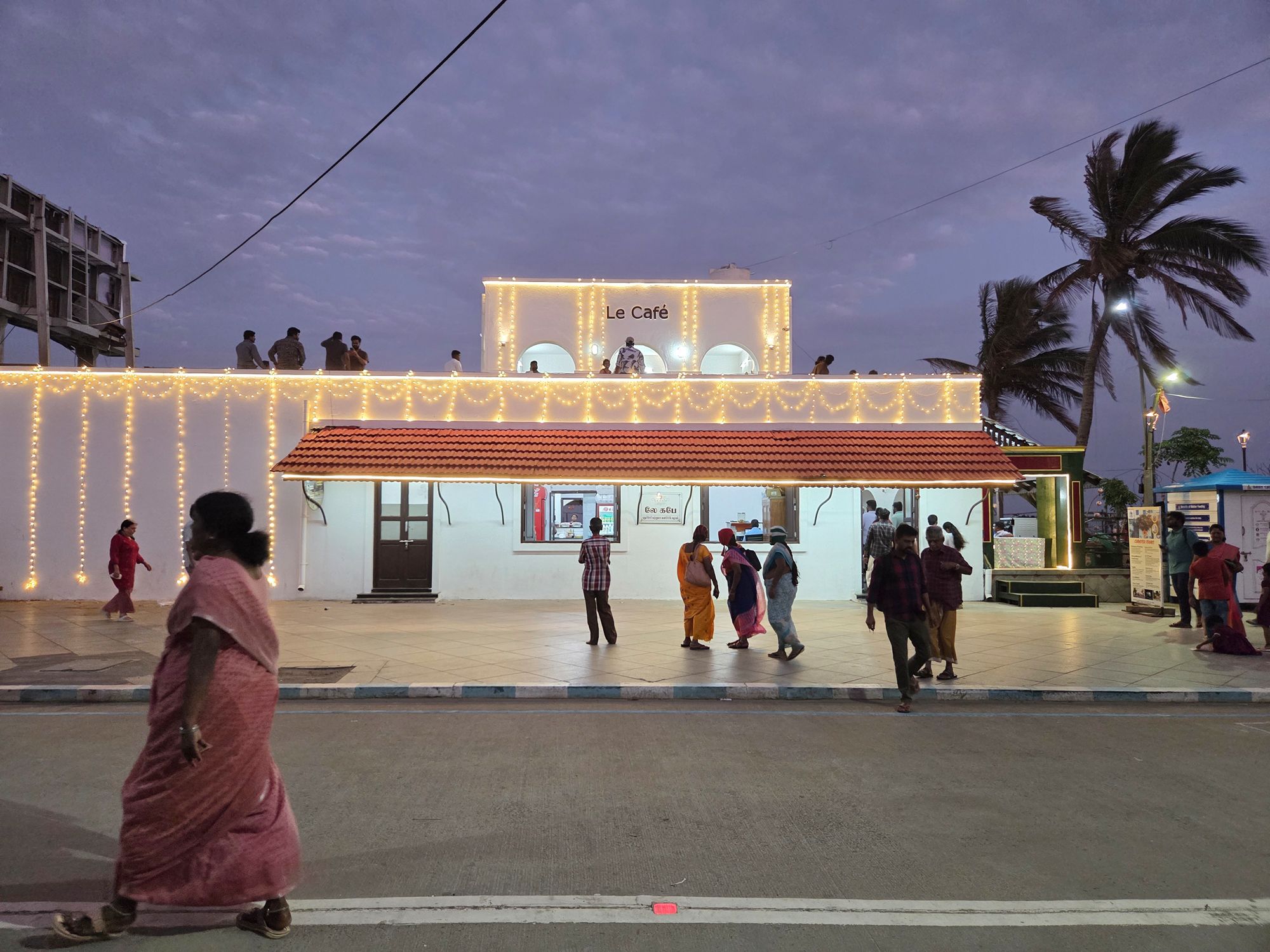
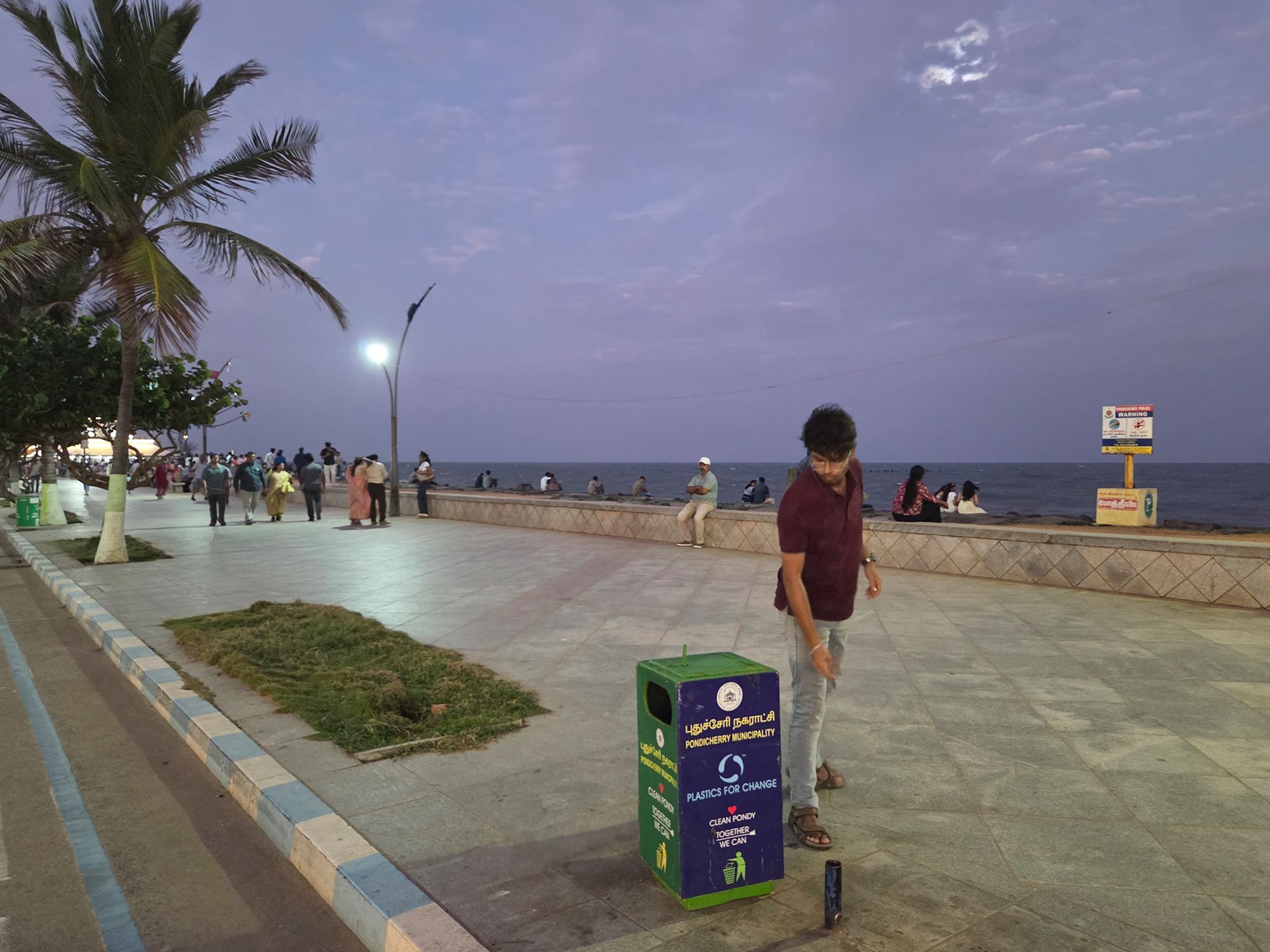
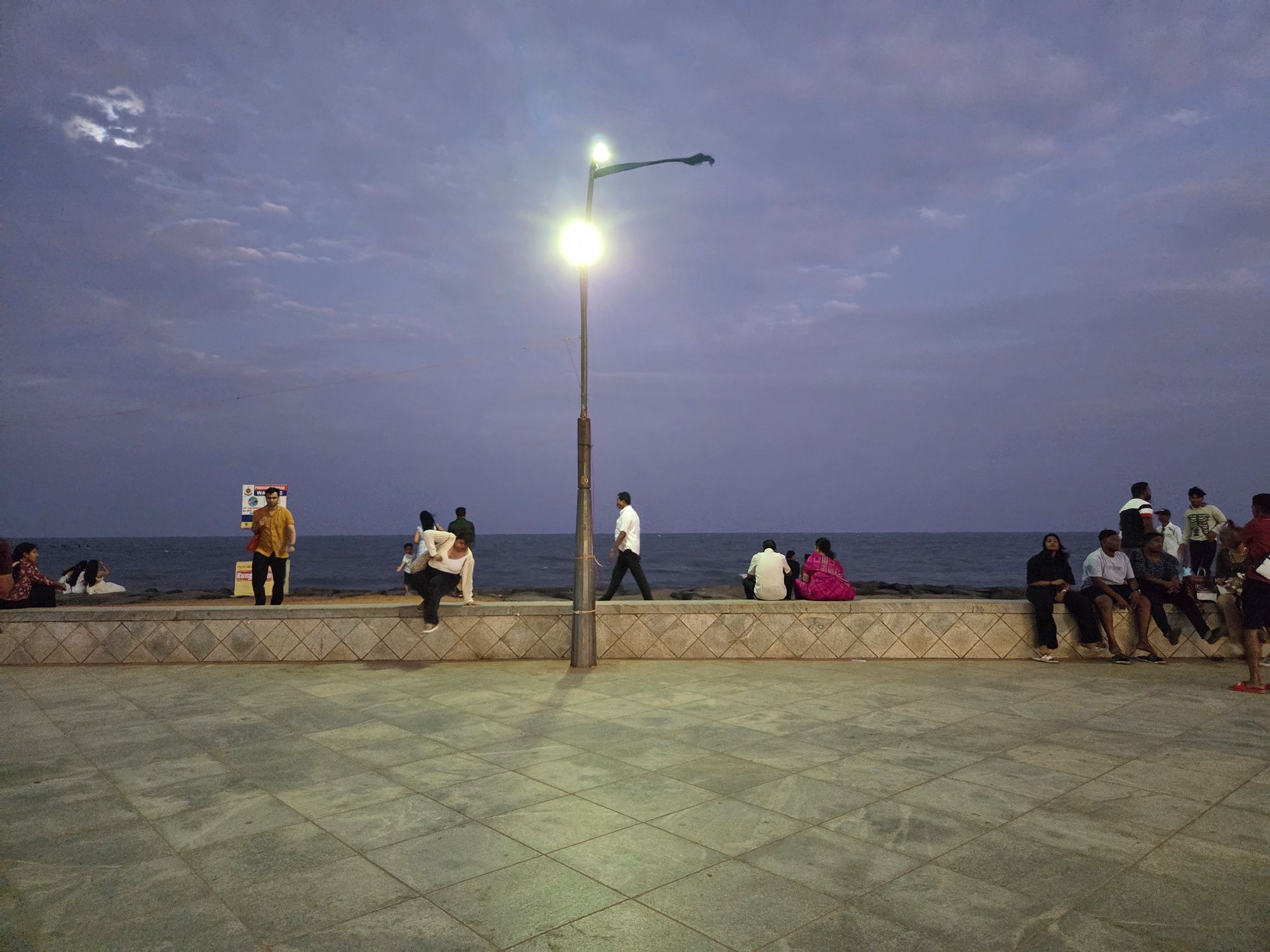
After visiting the temple, we walked around Puducherry’s historic French Quarter.
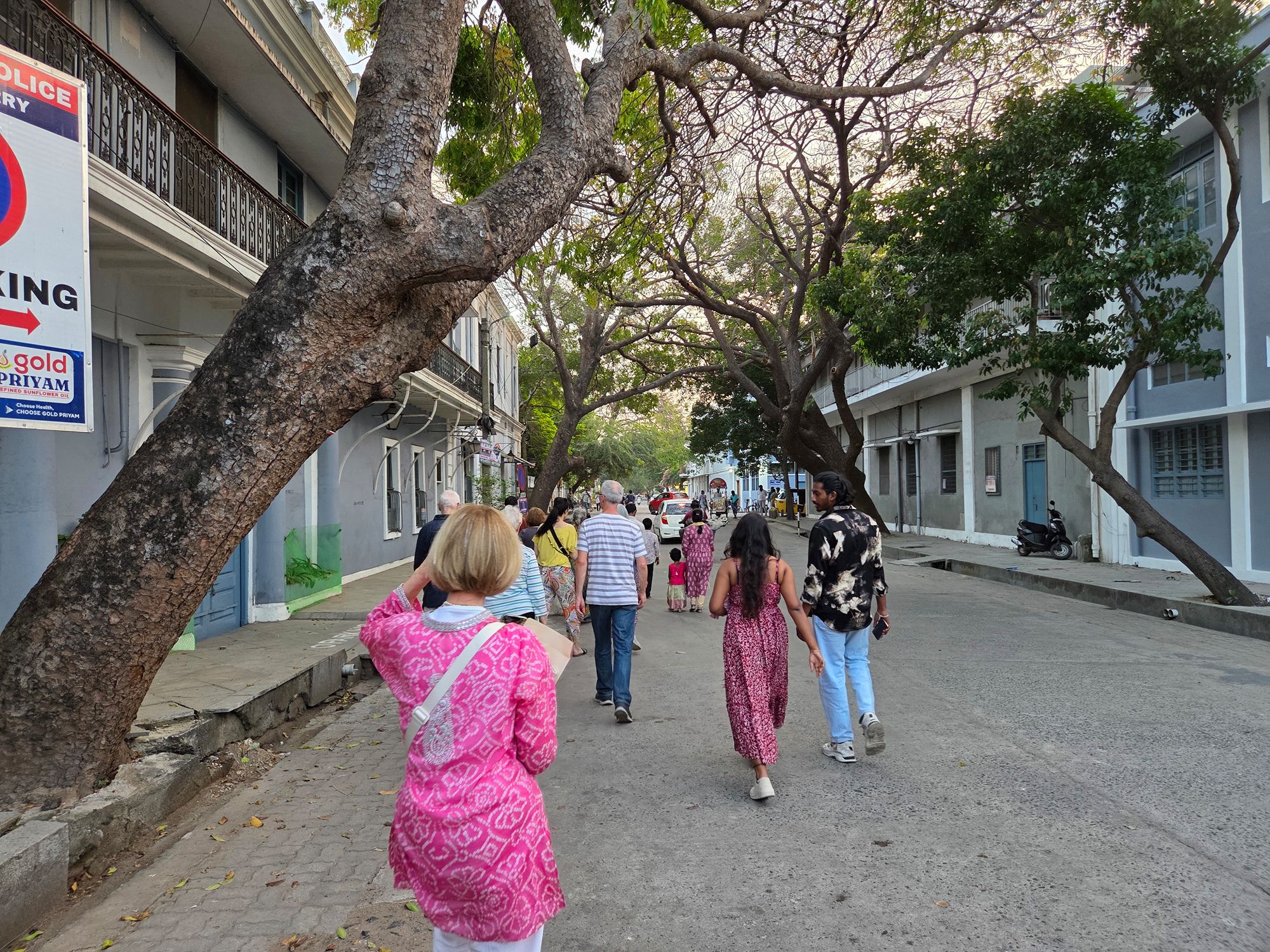

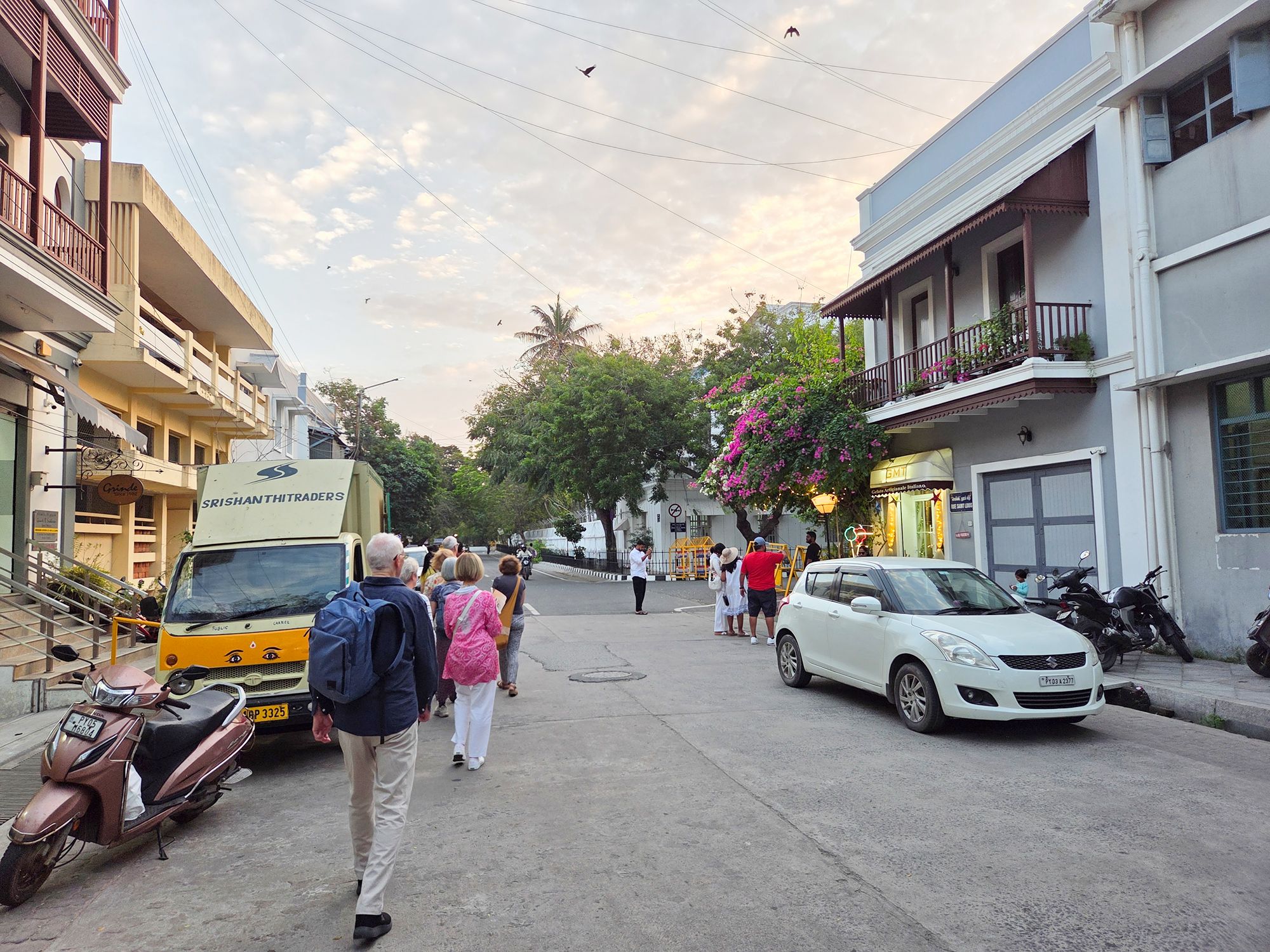
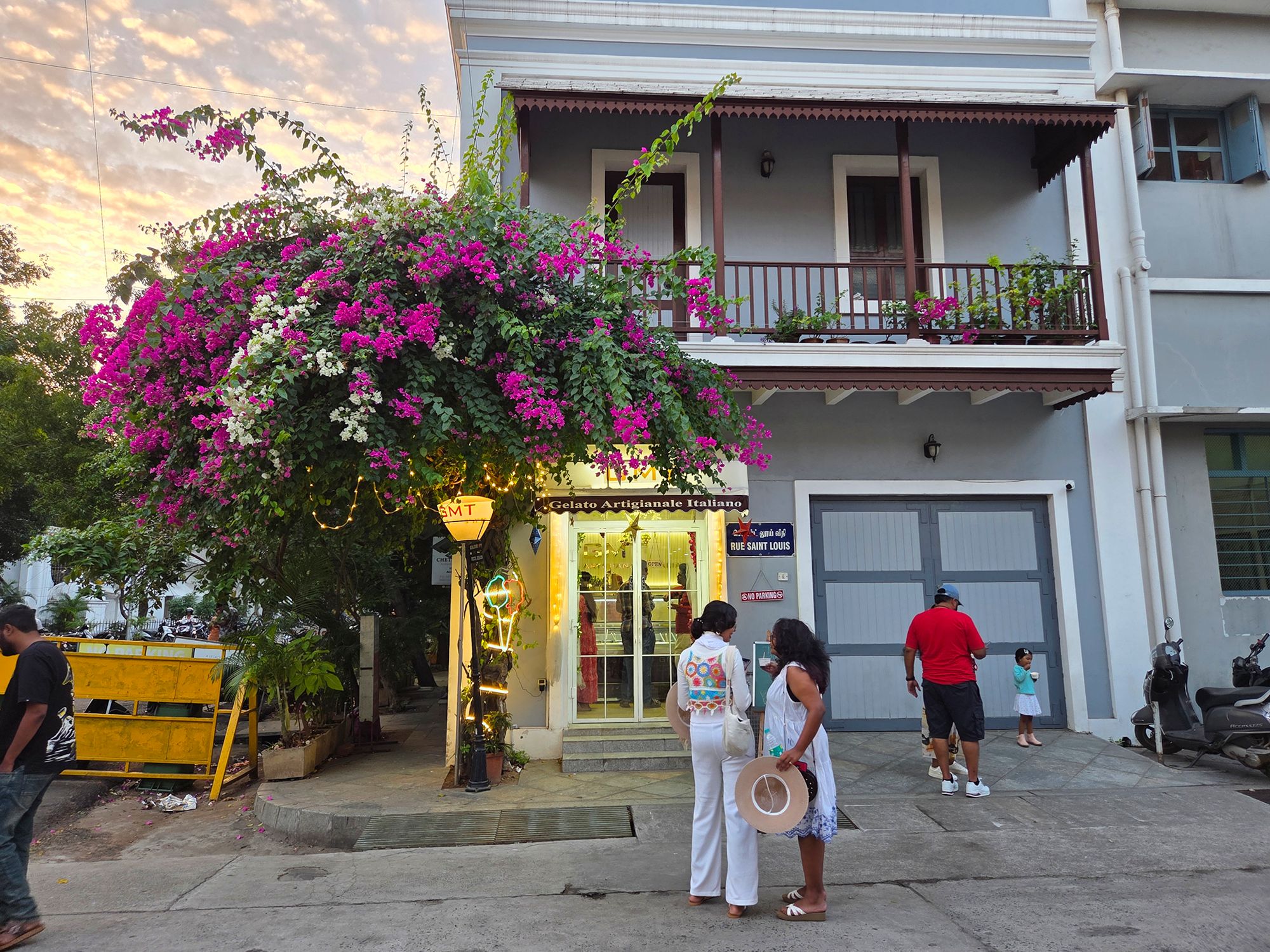
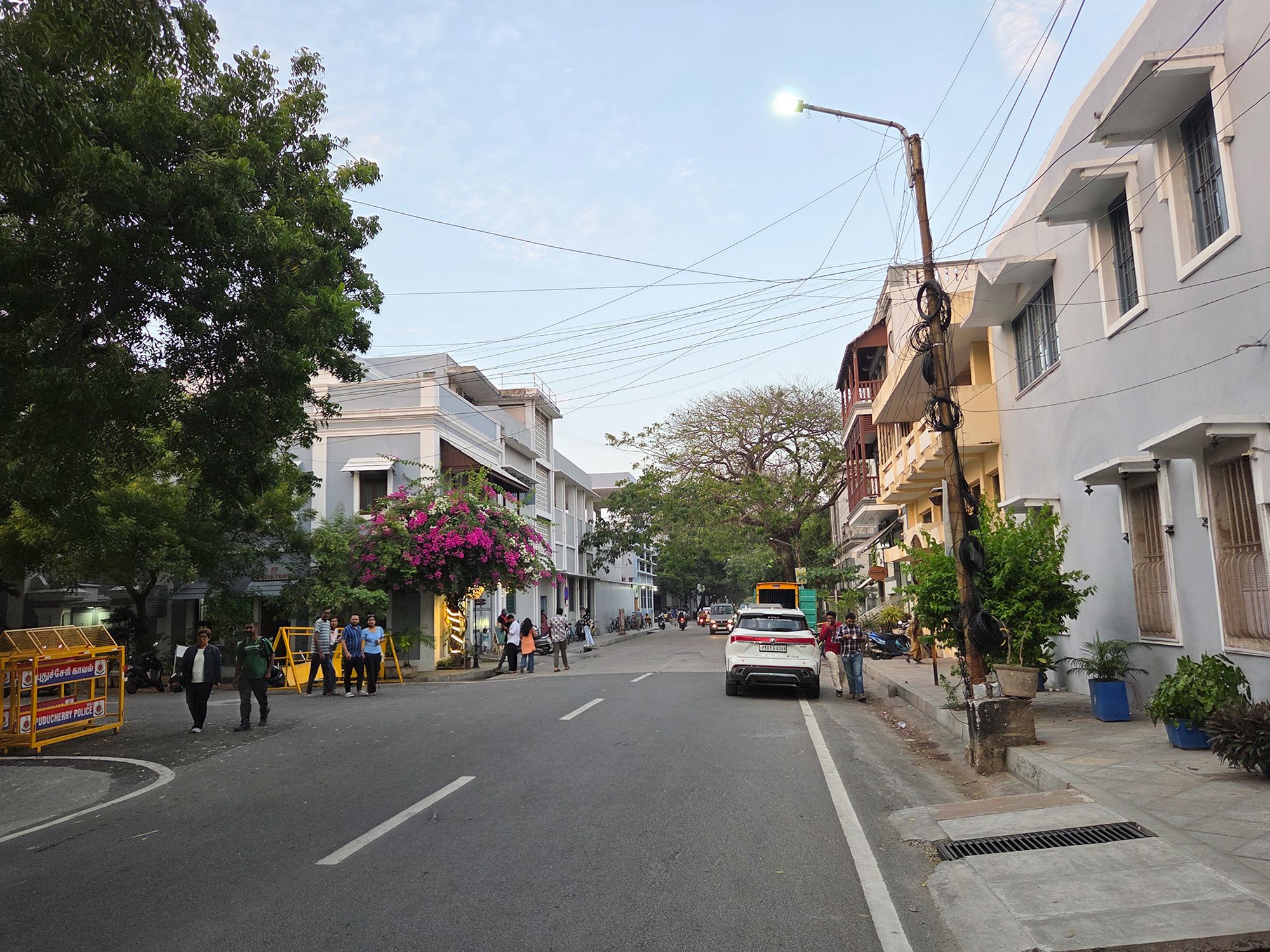
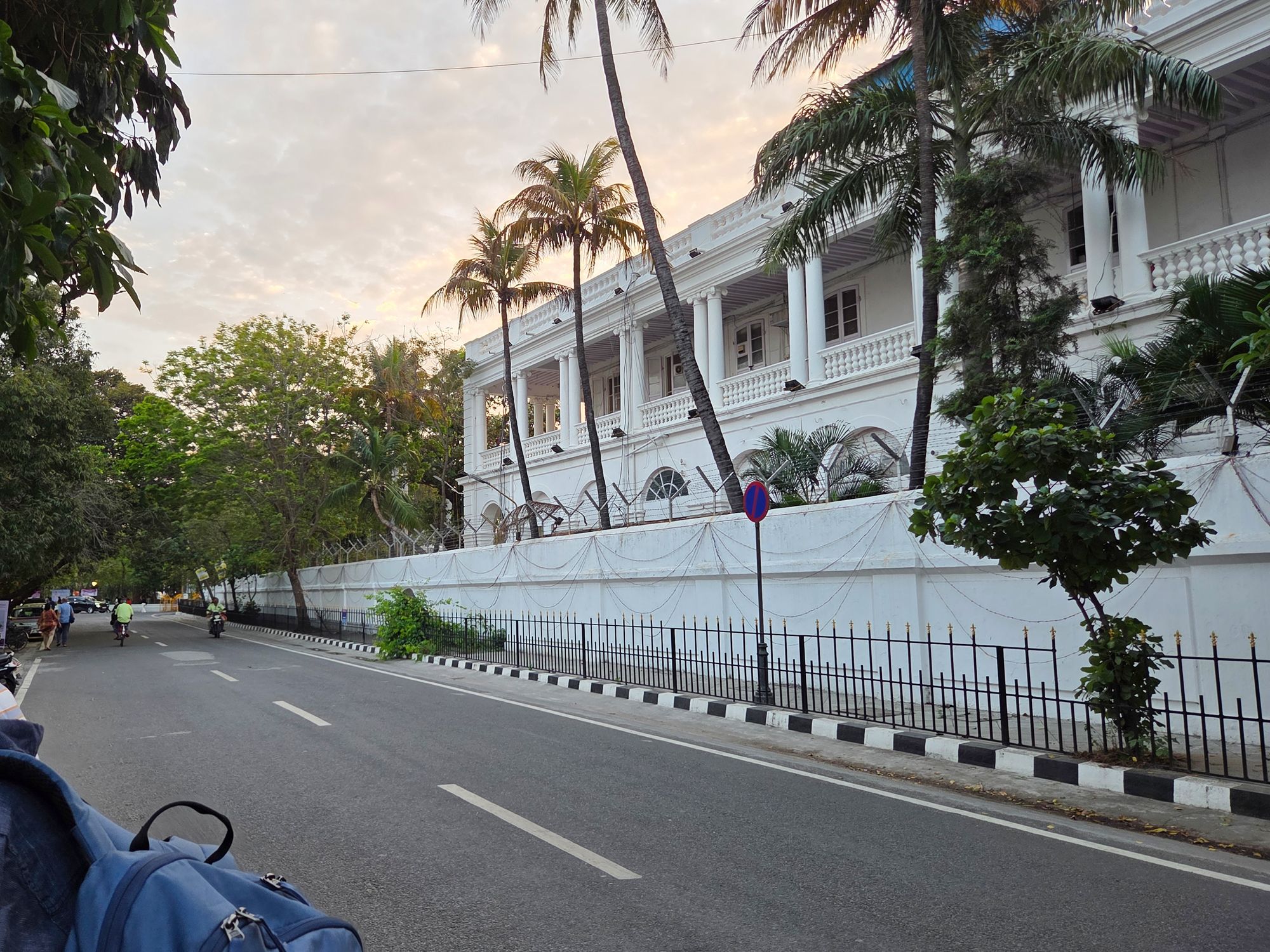
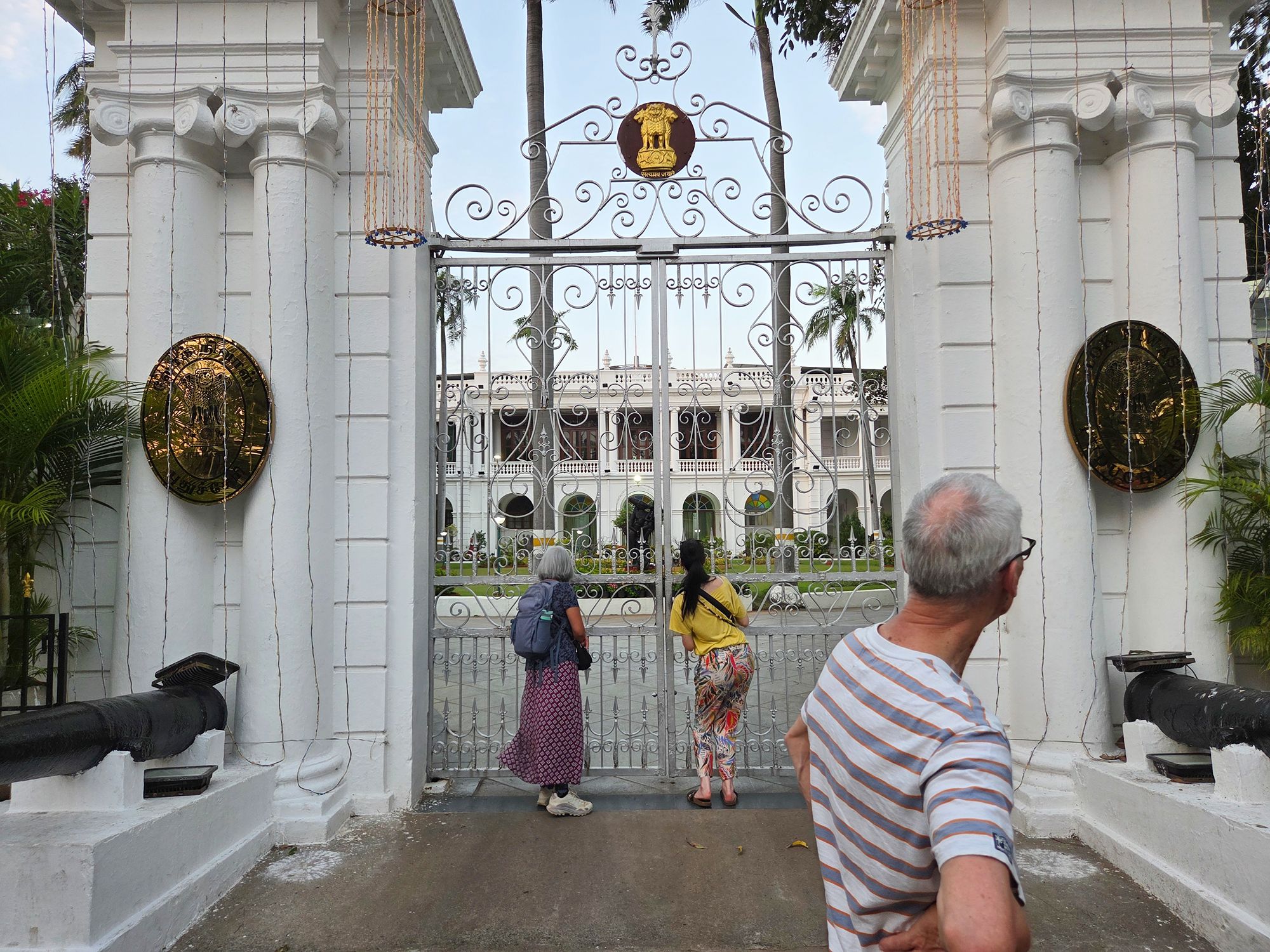
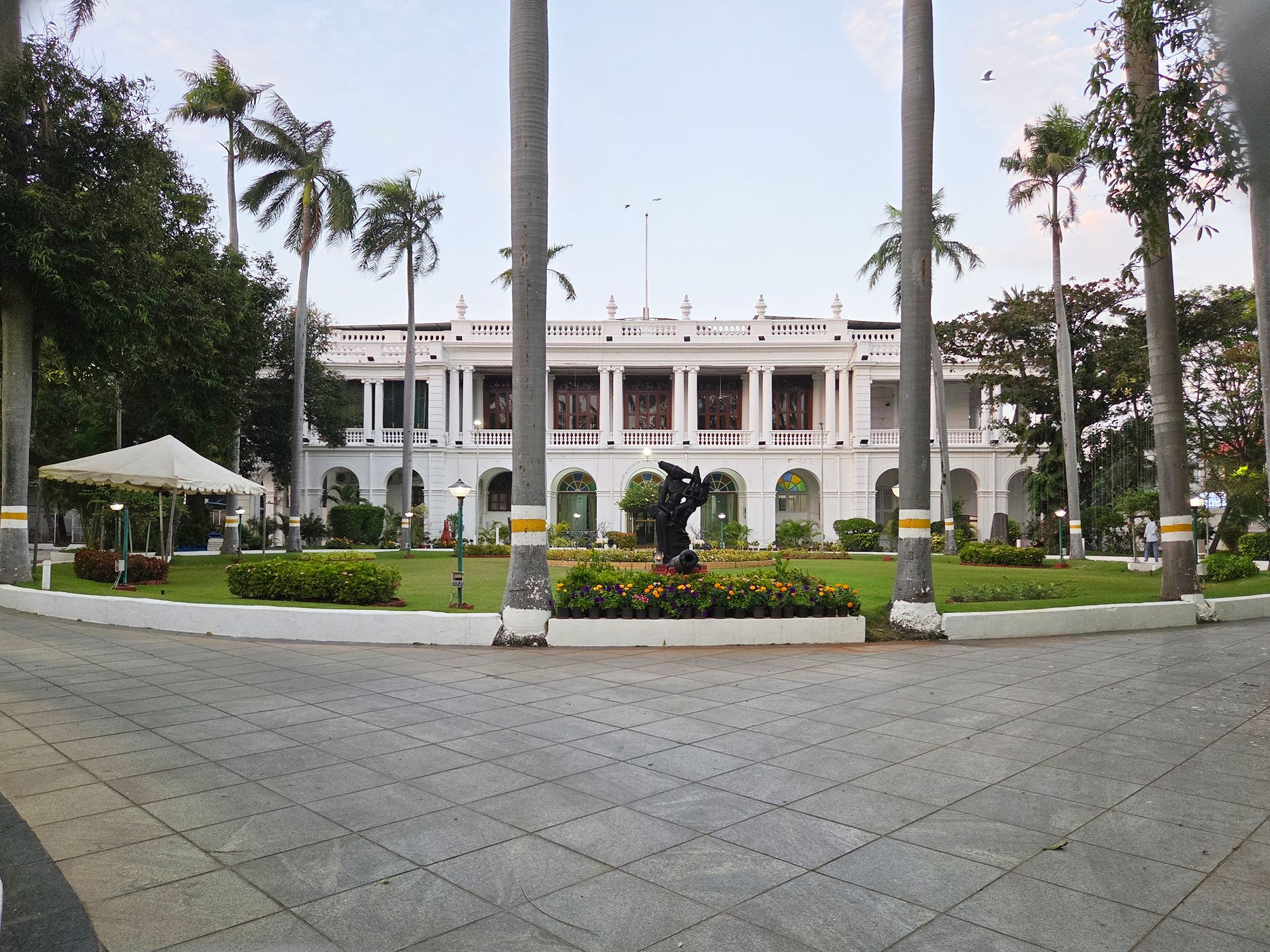
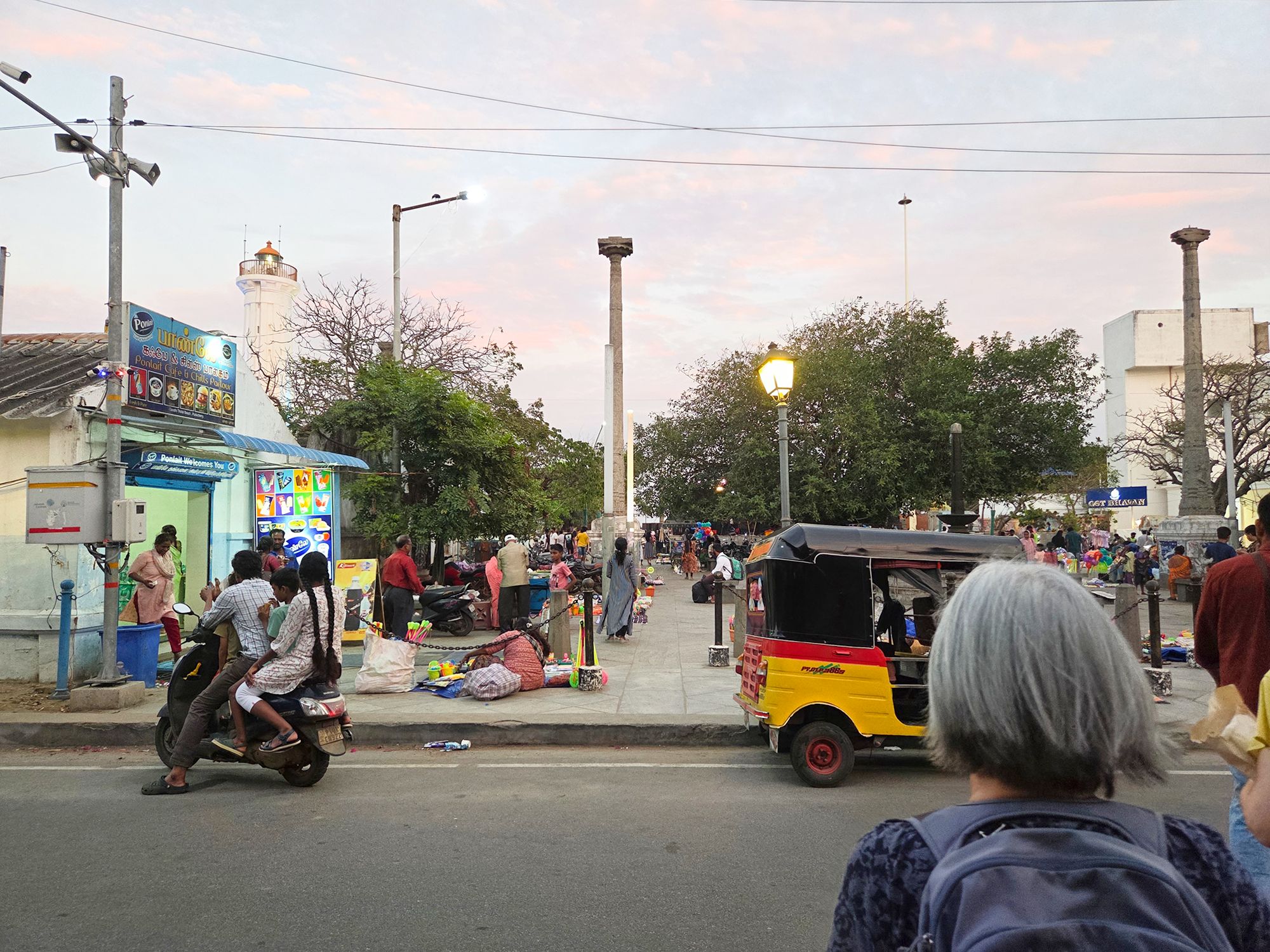
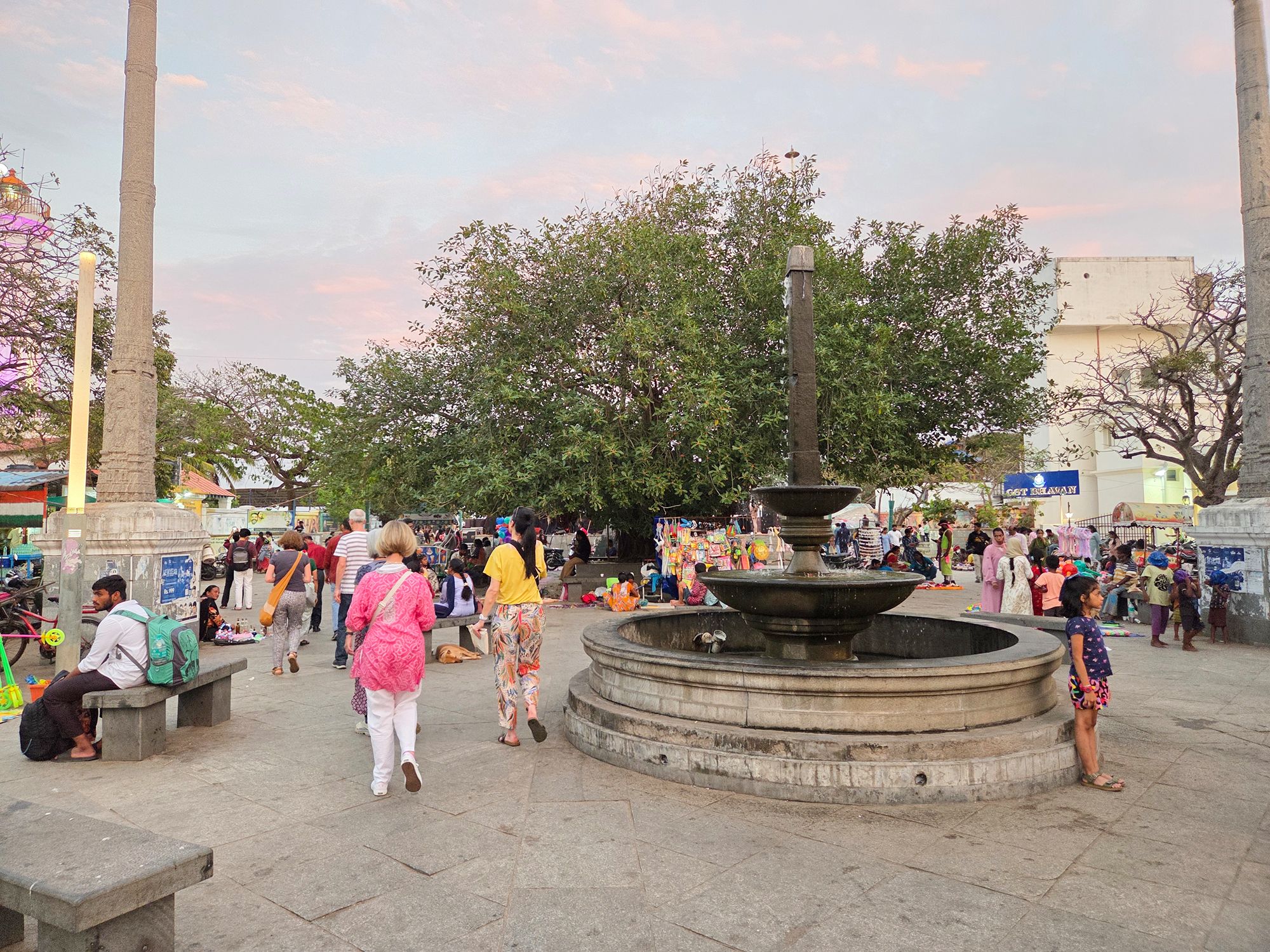
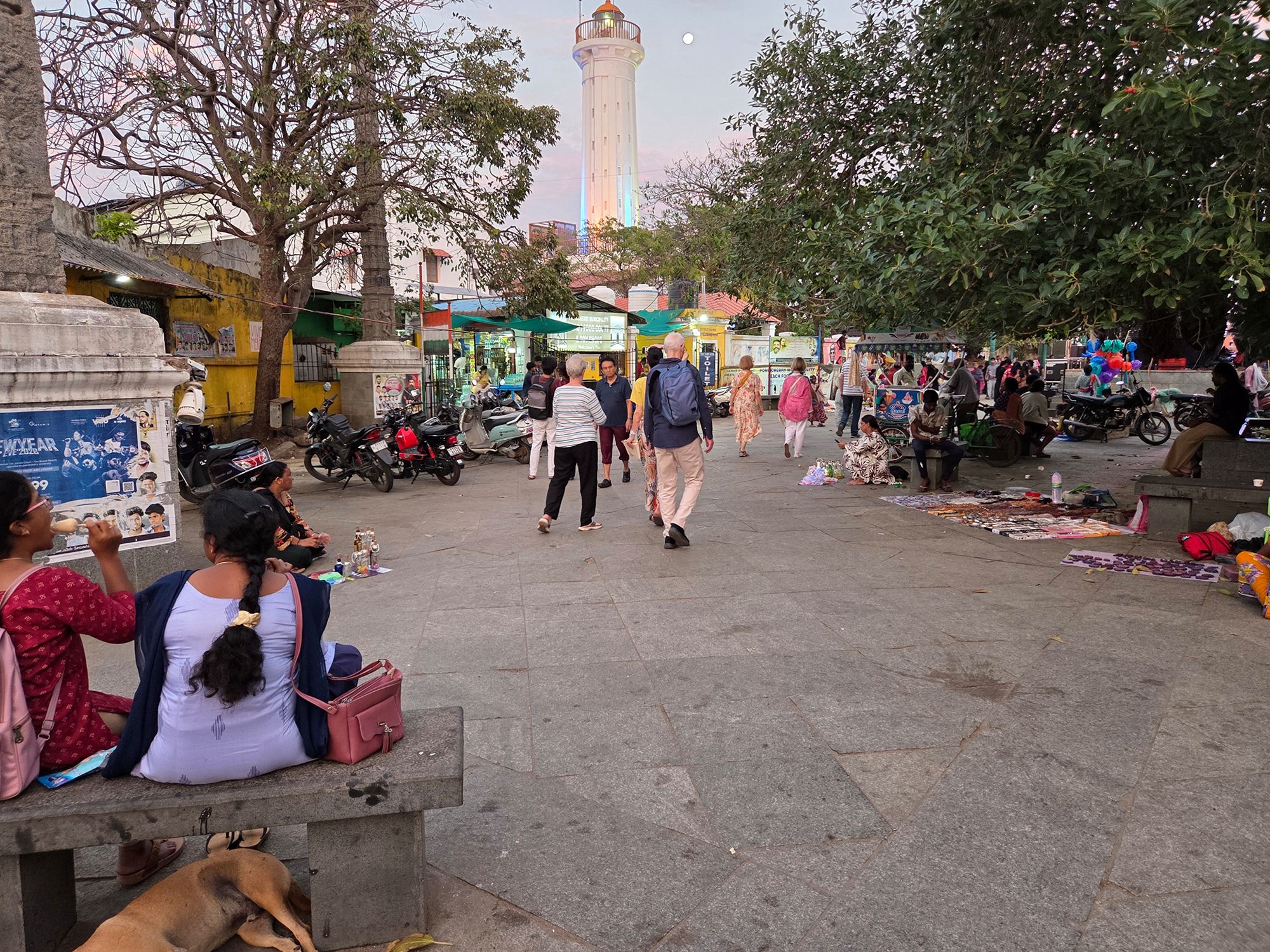
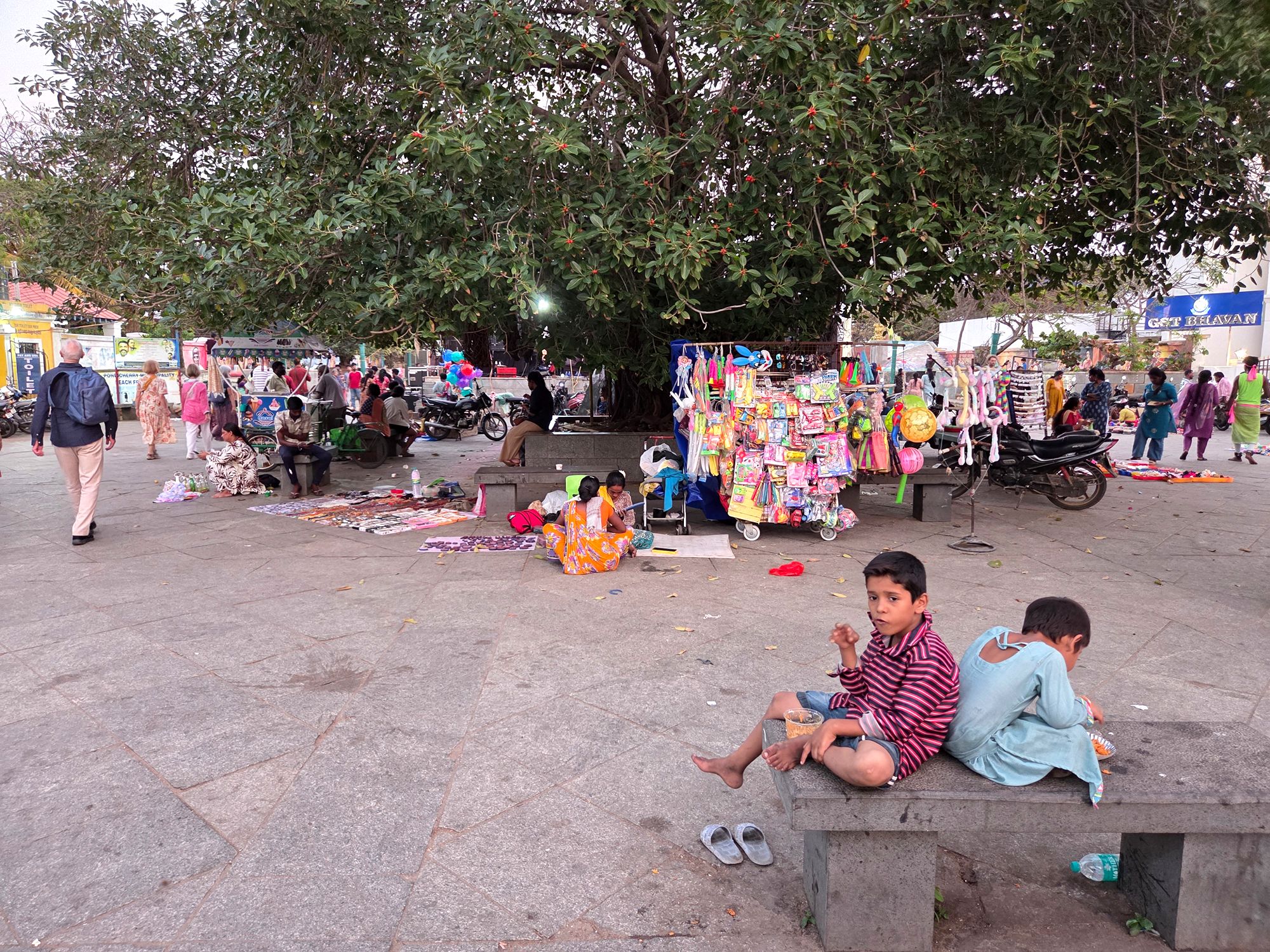
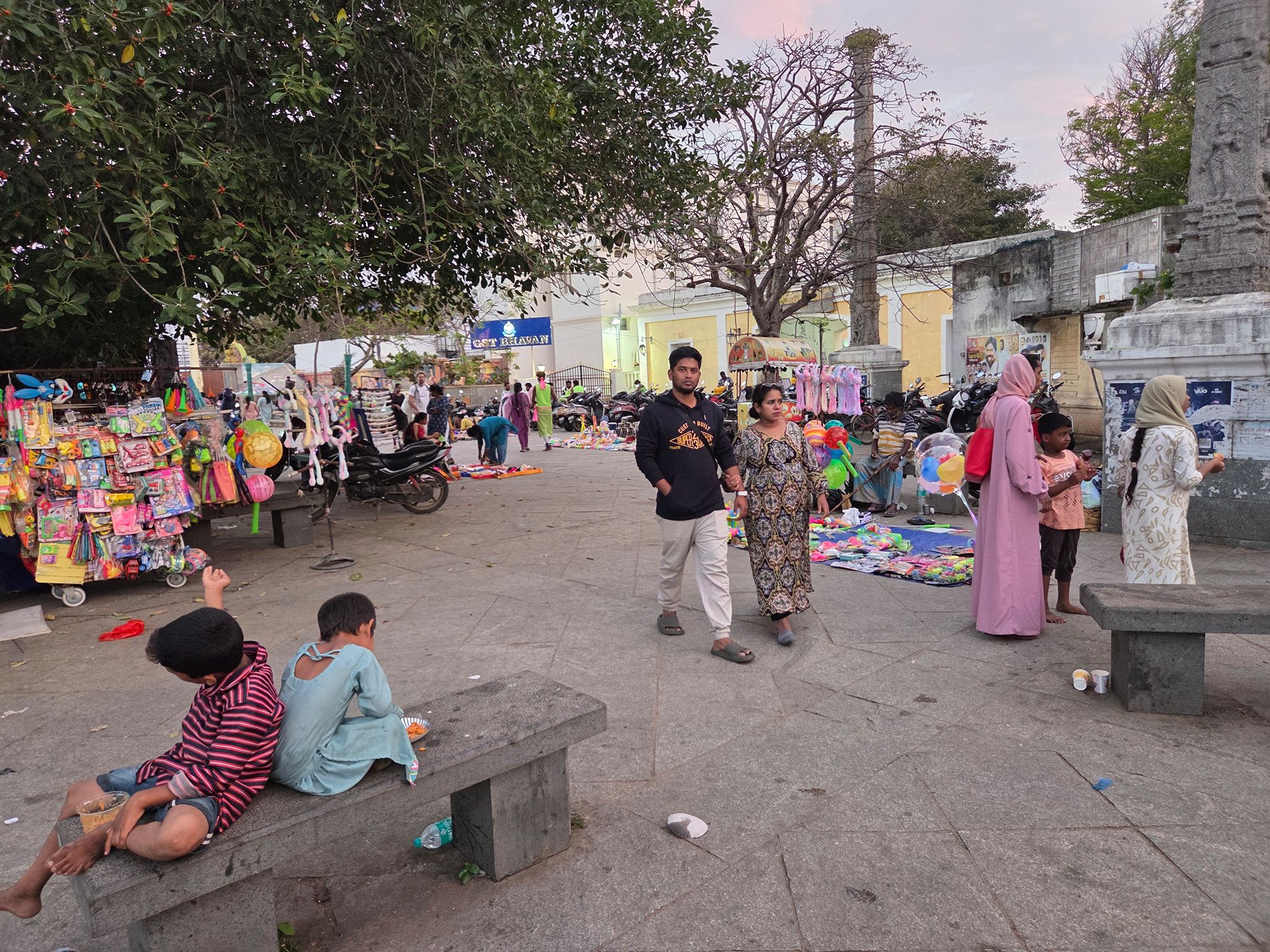
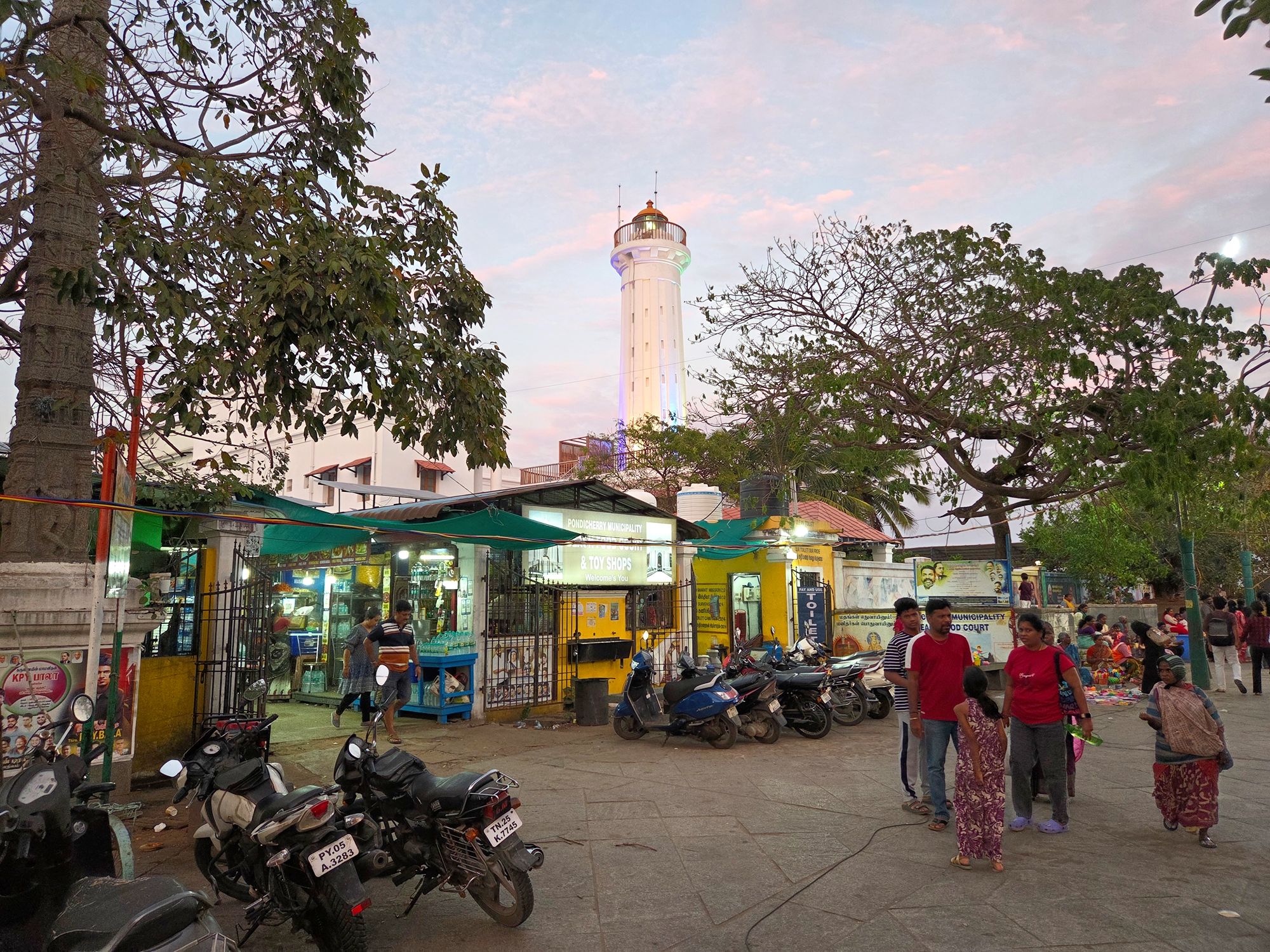
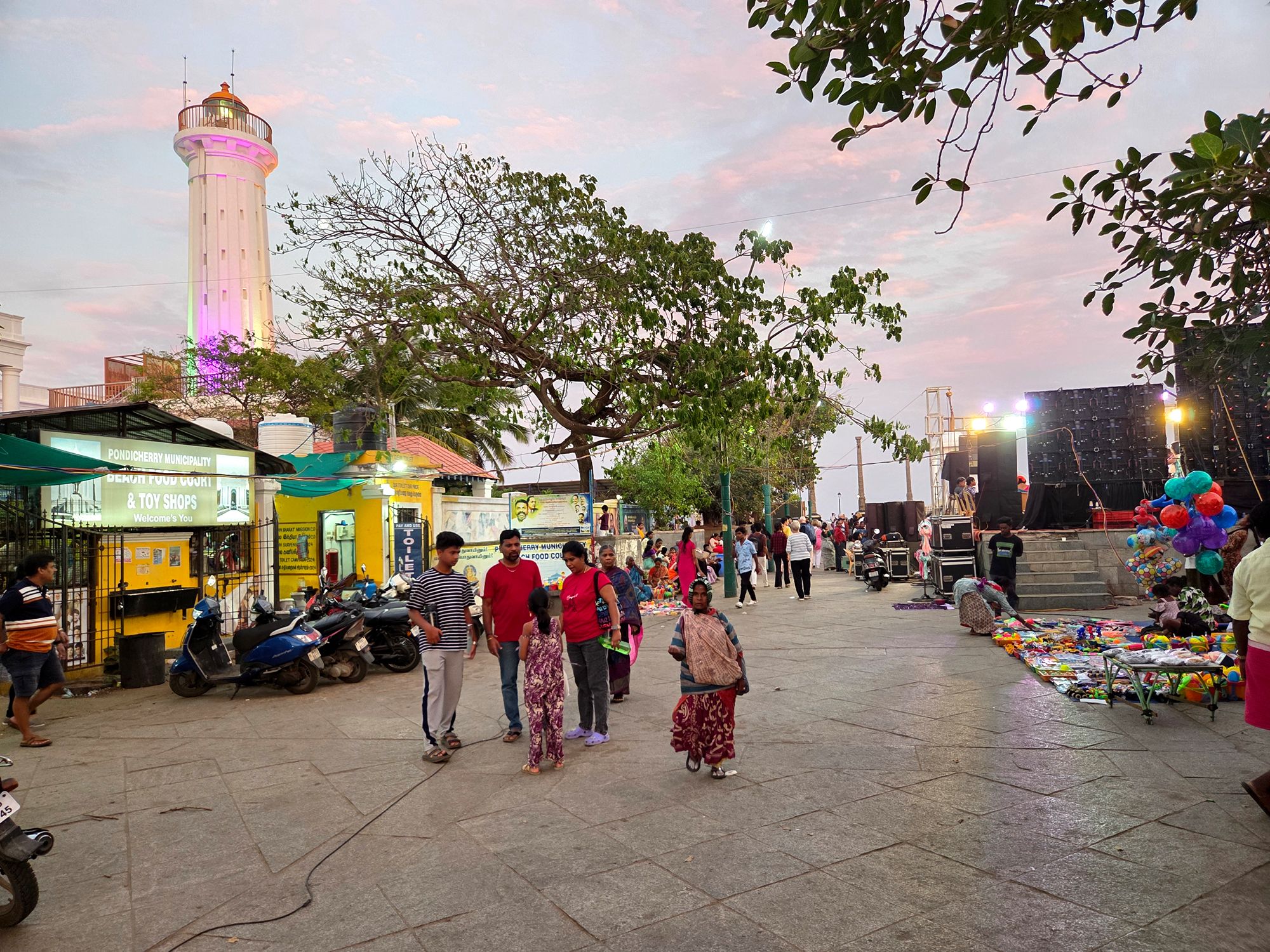

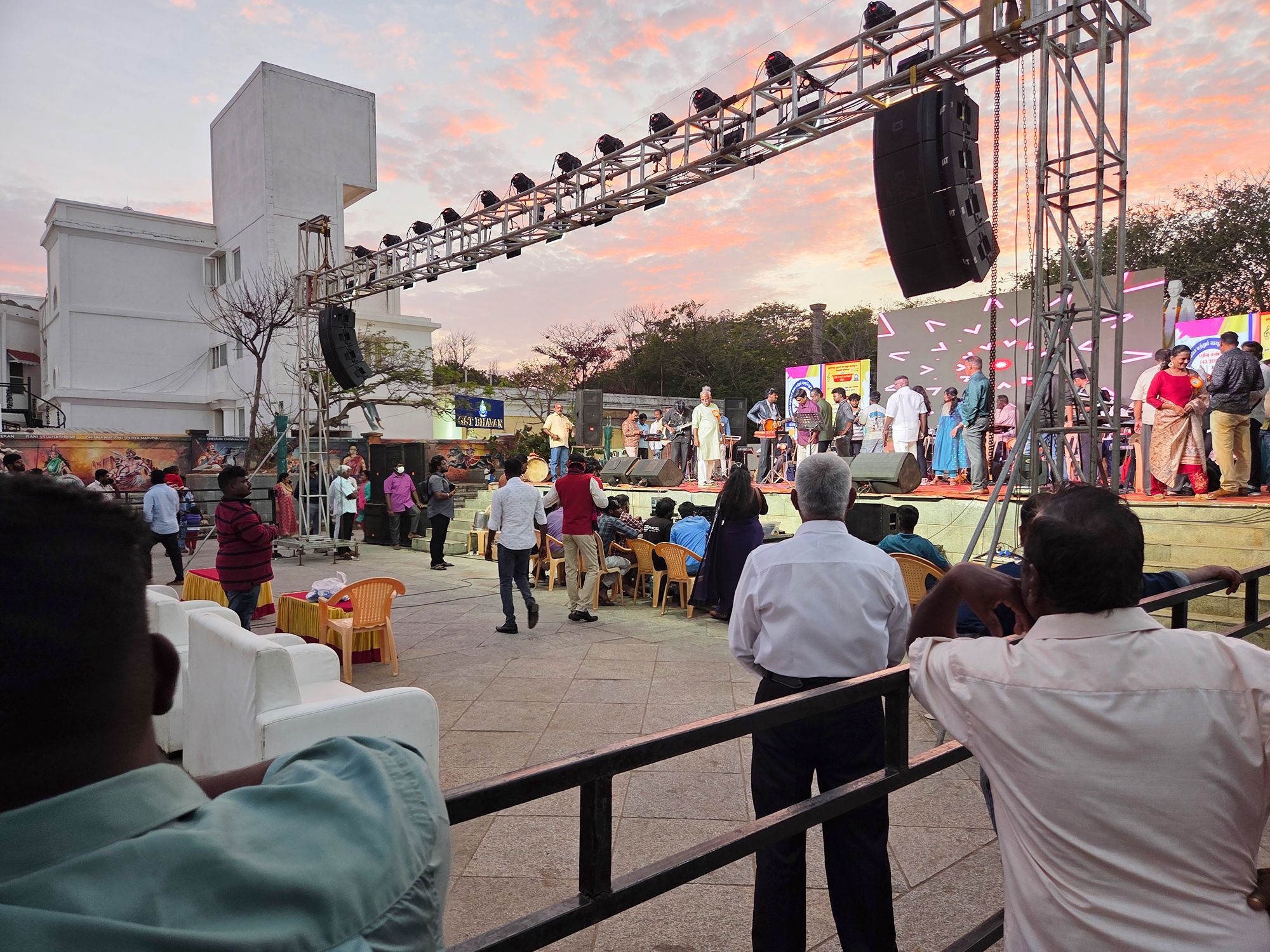
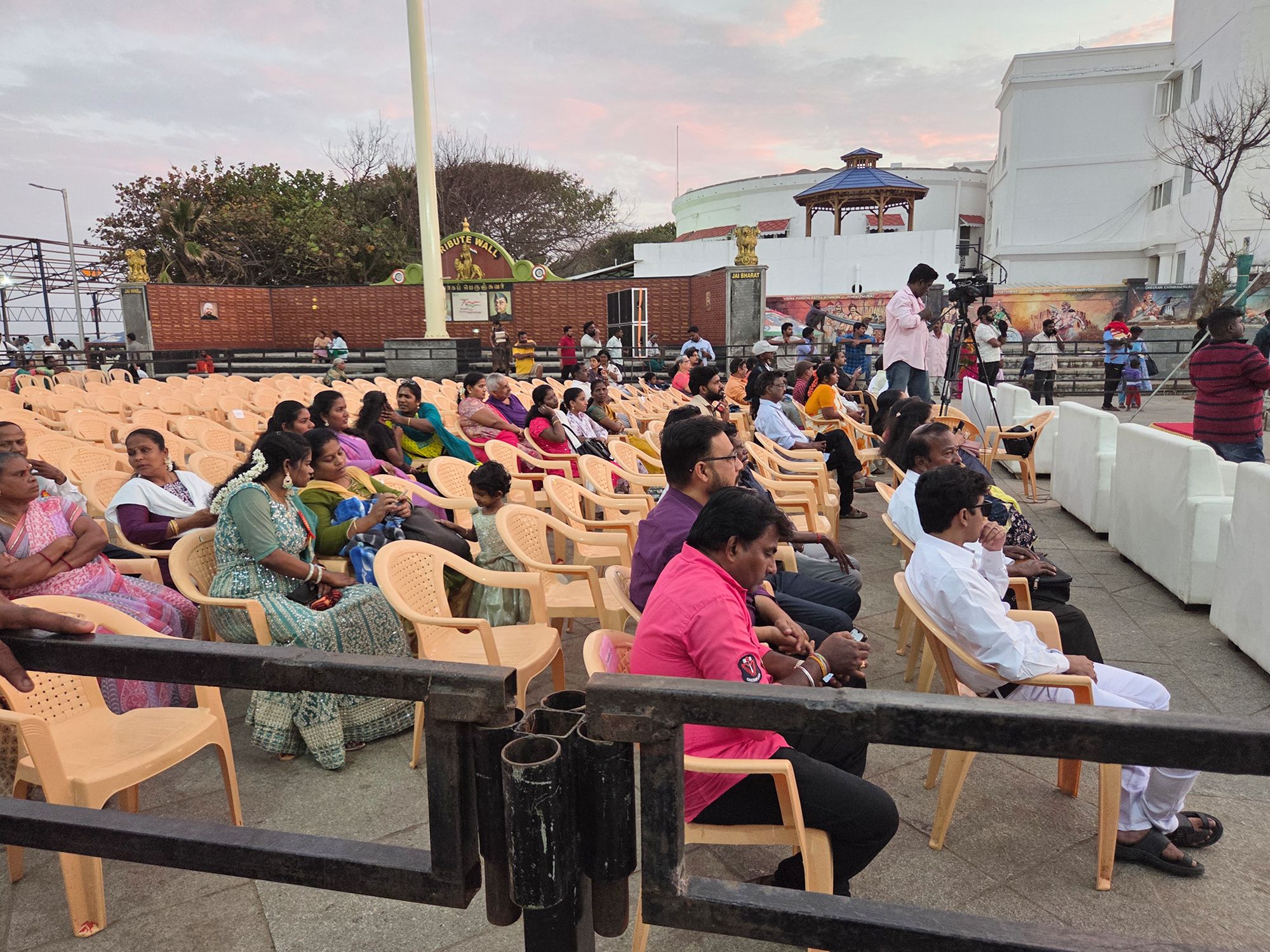
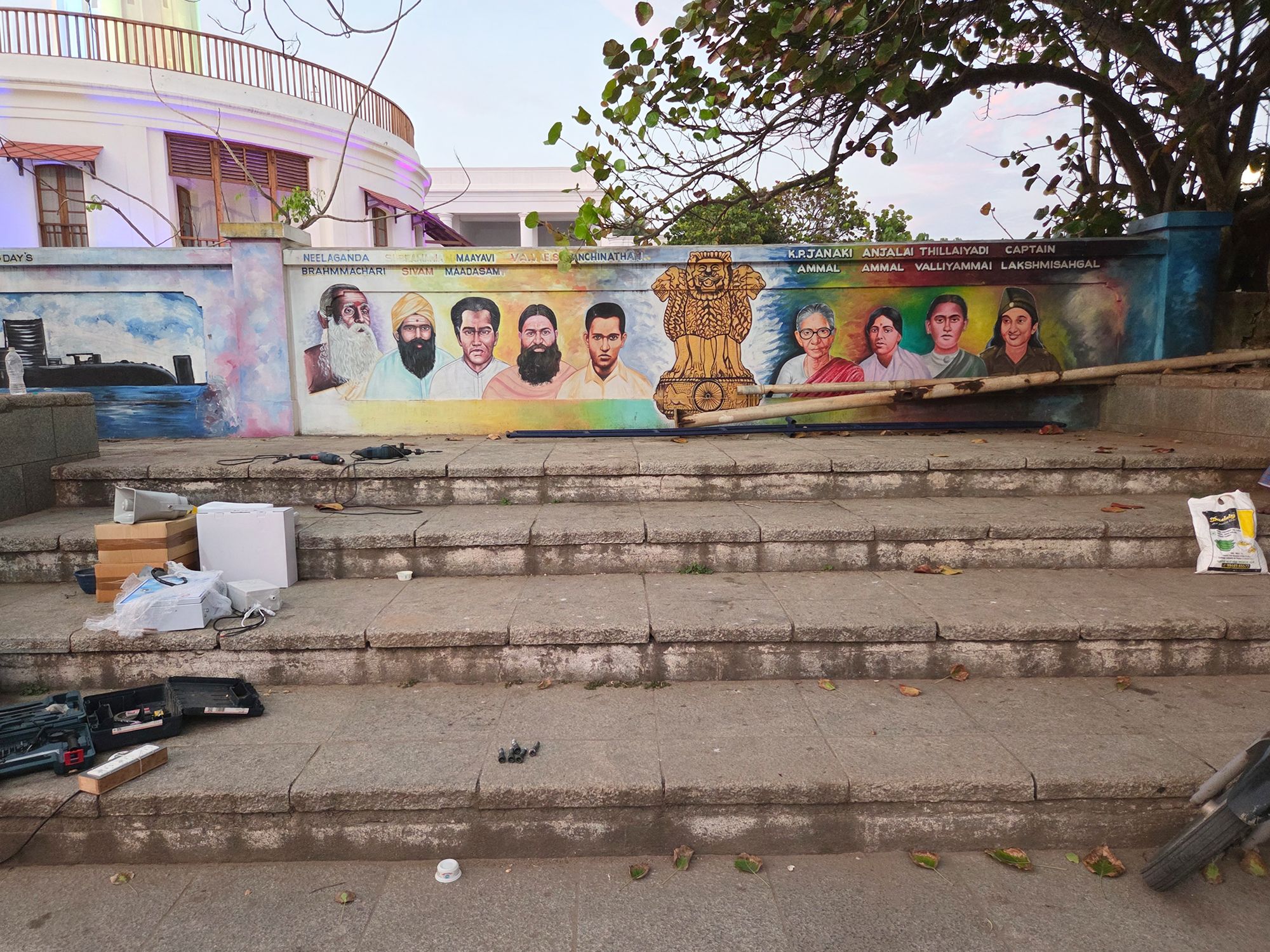
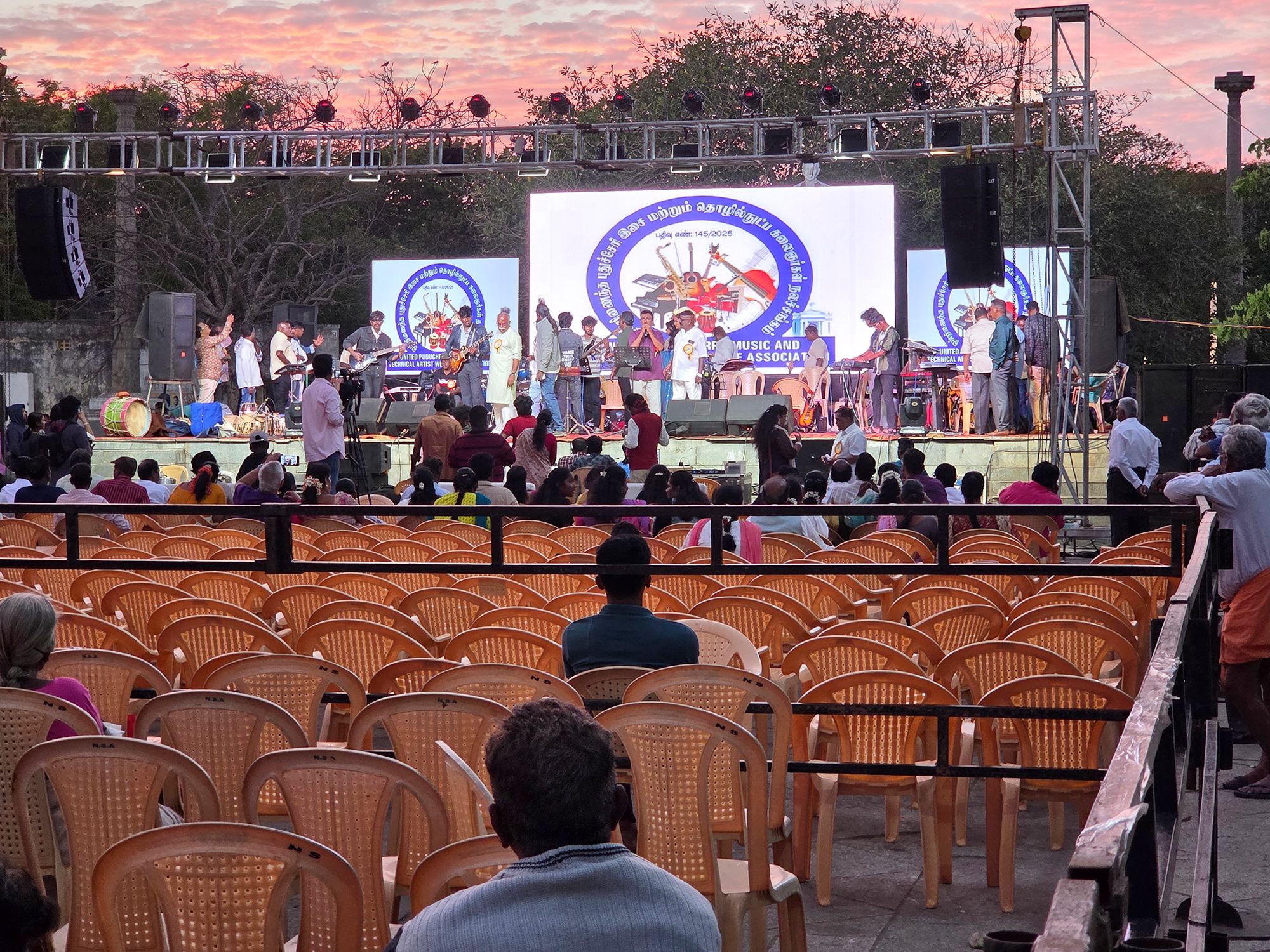
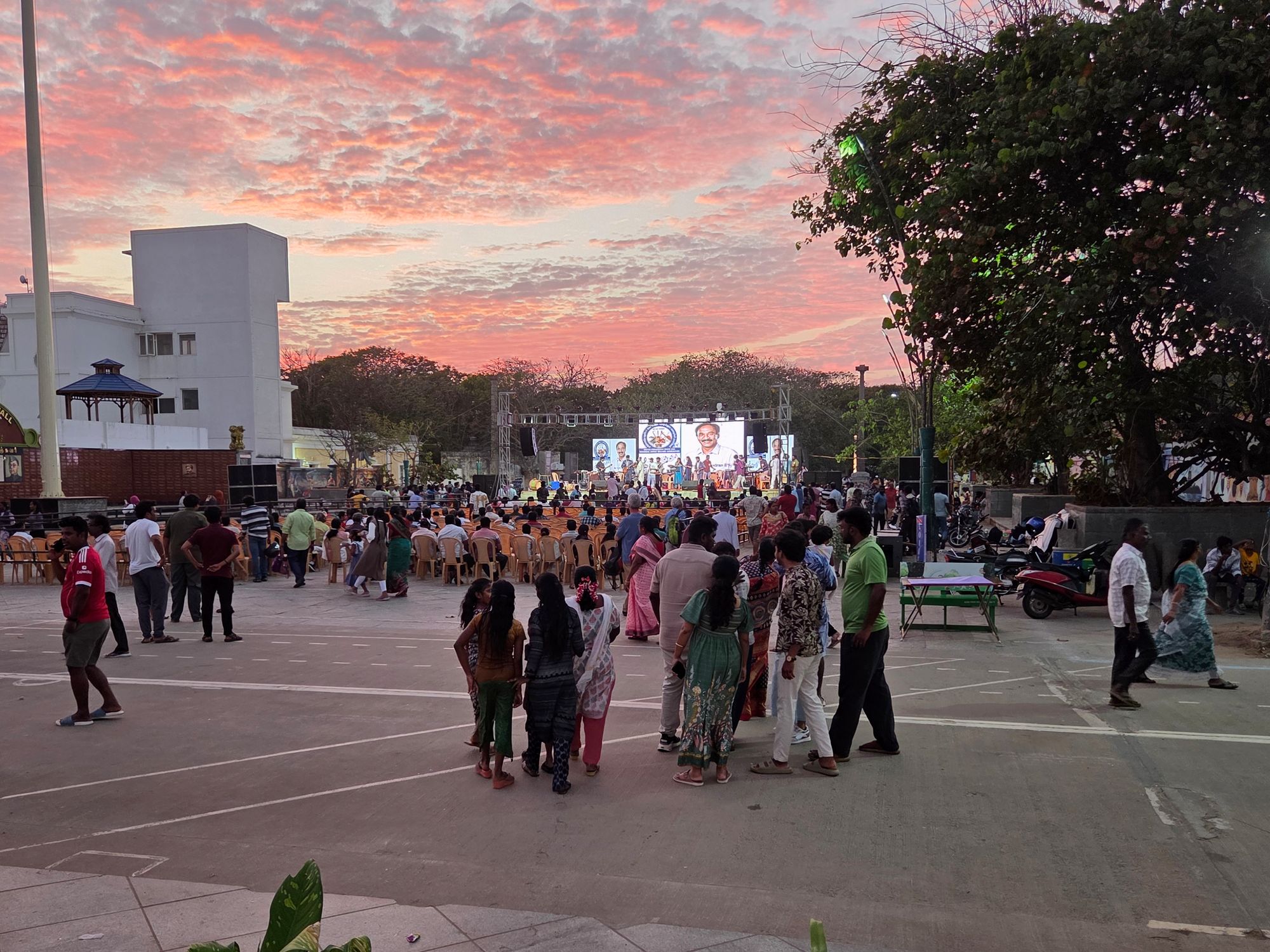
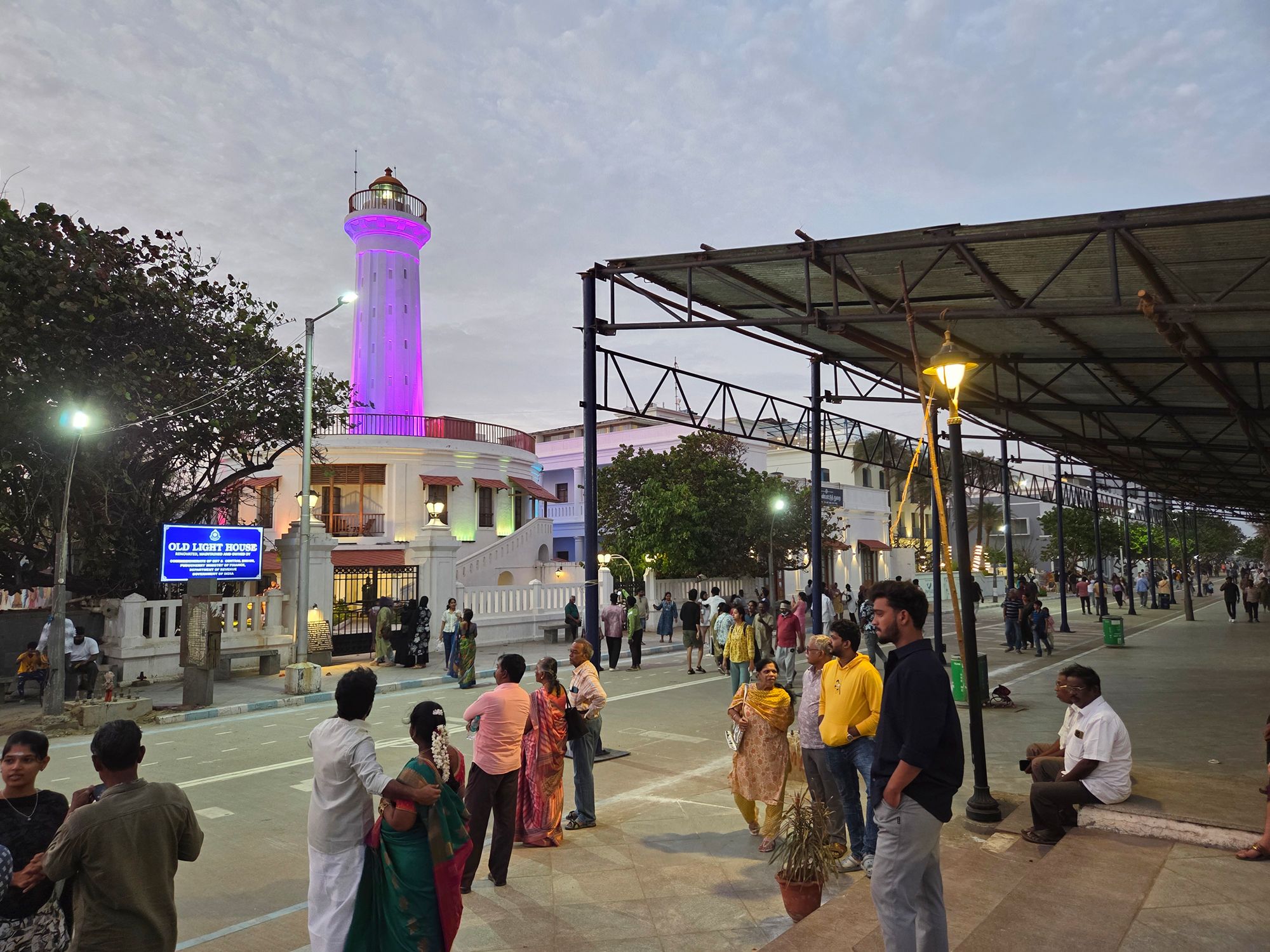
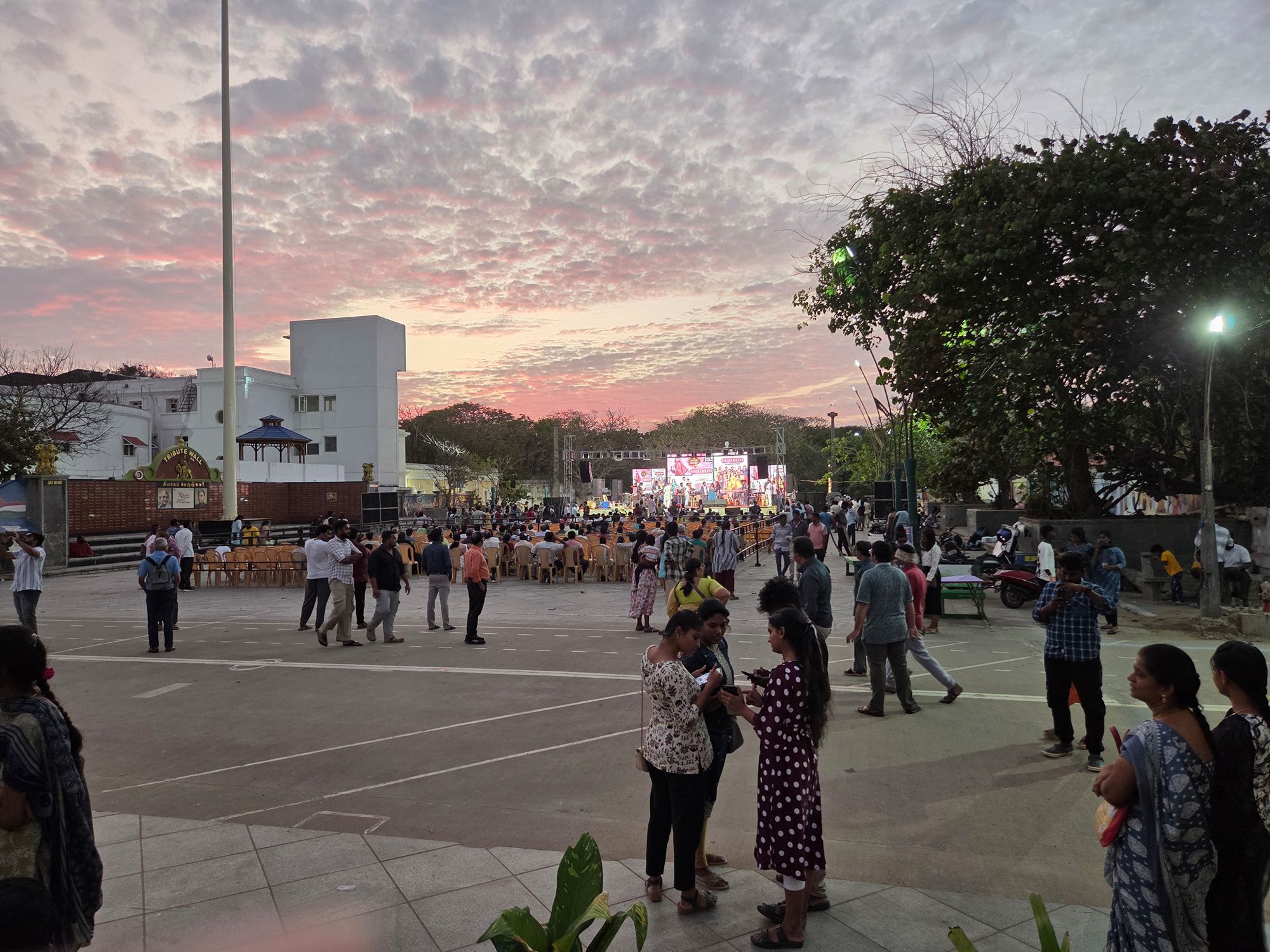
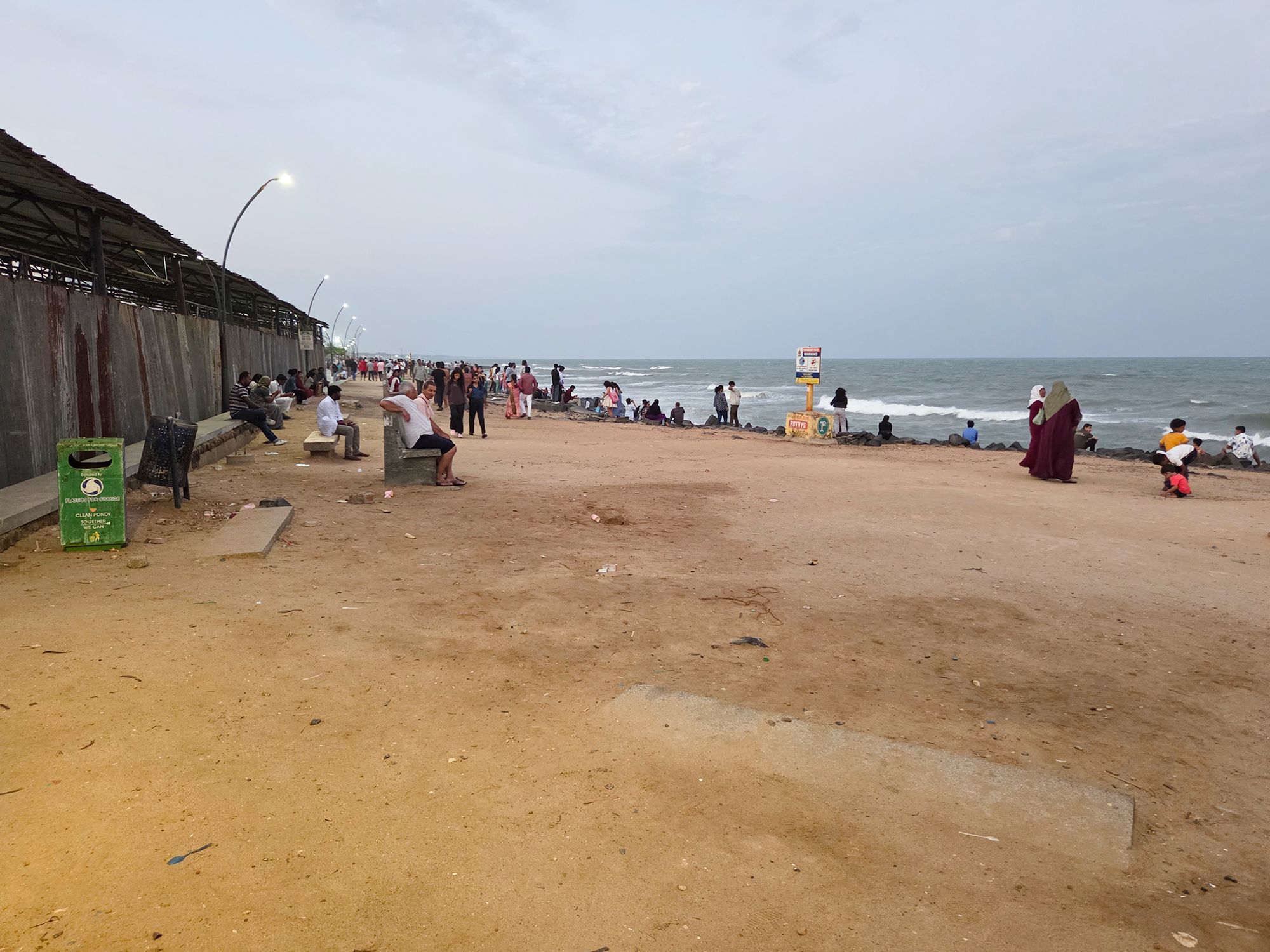
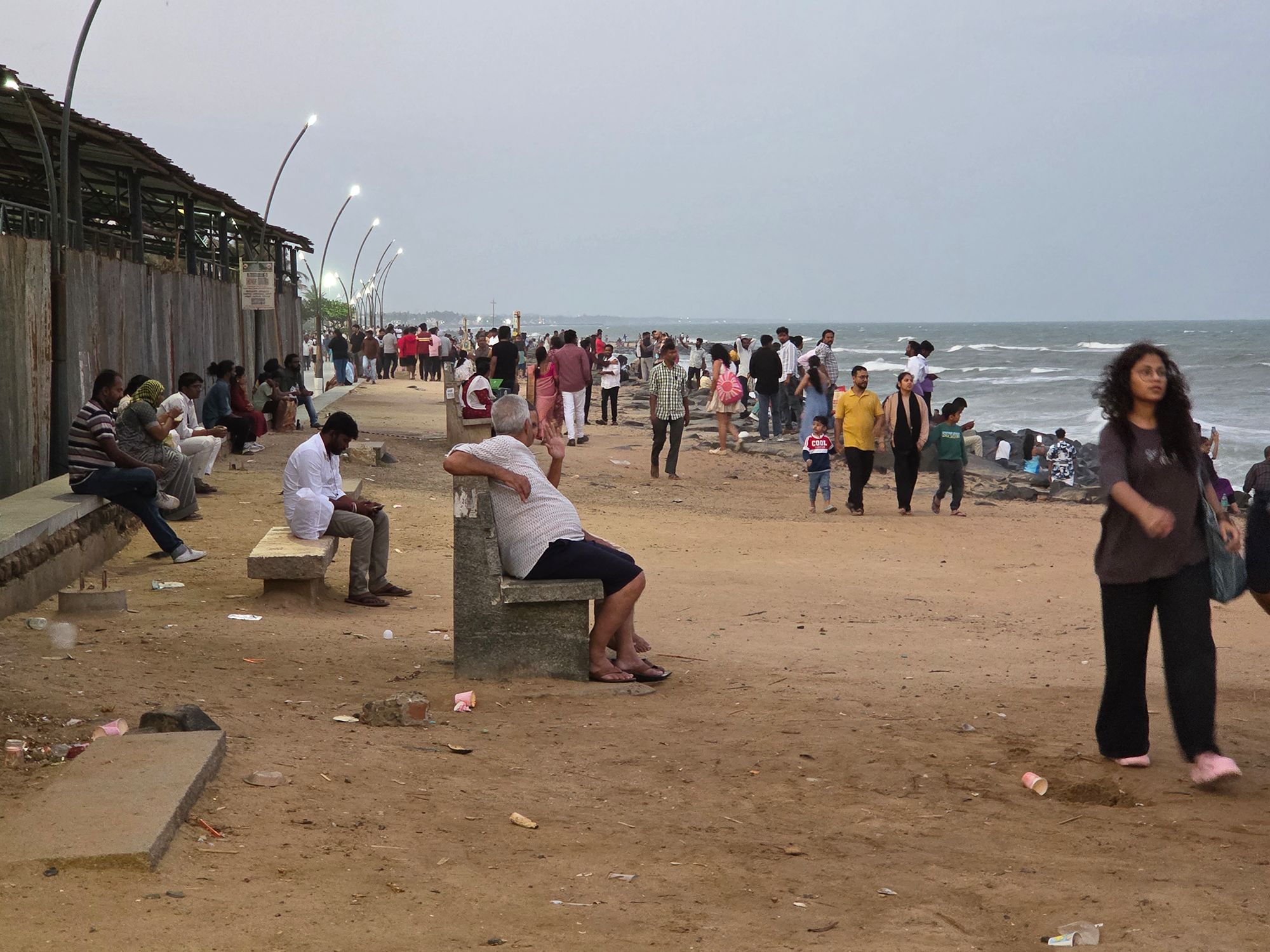
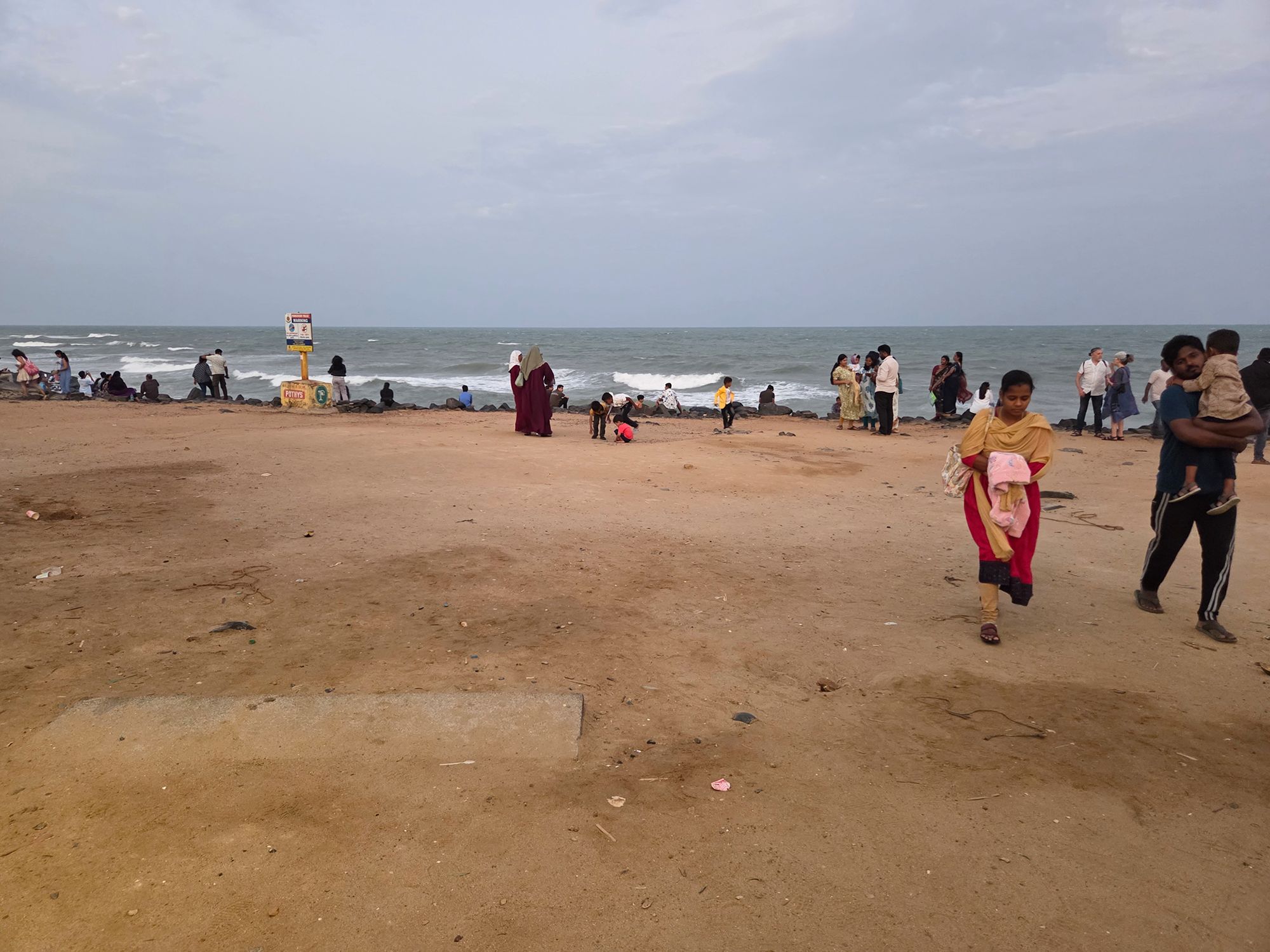
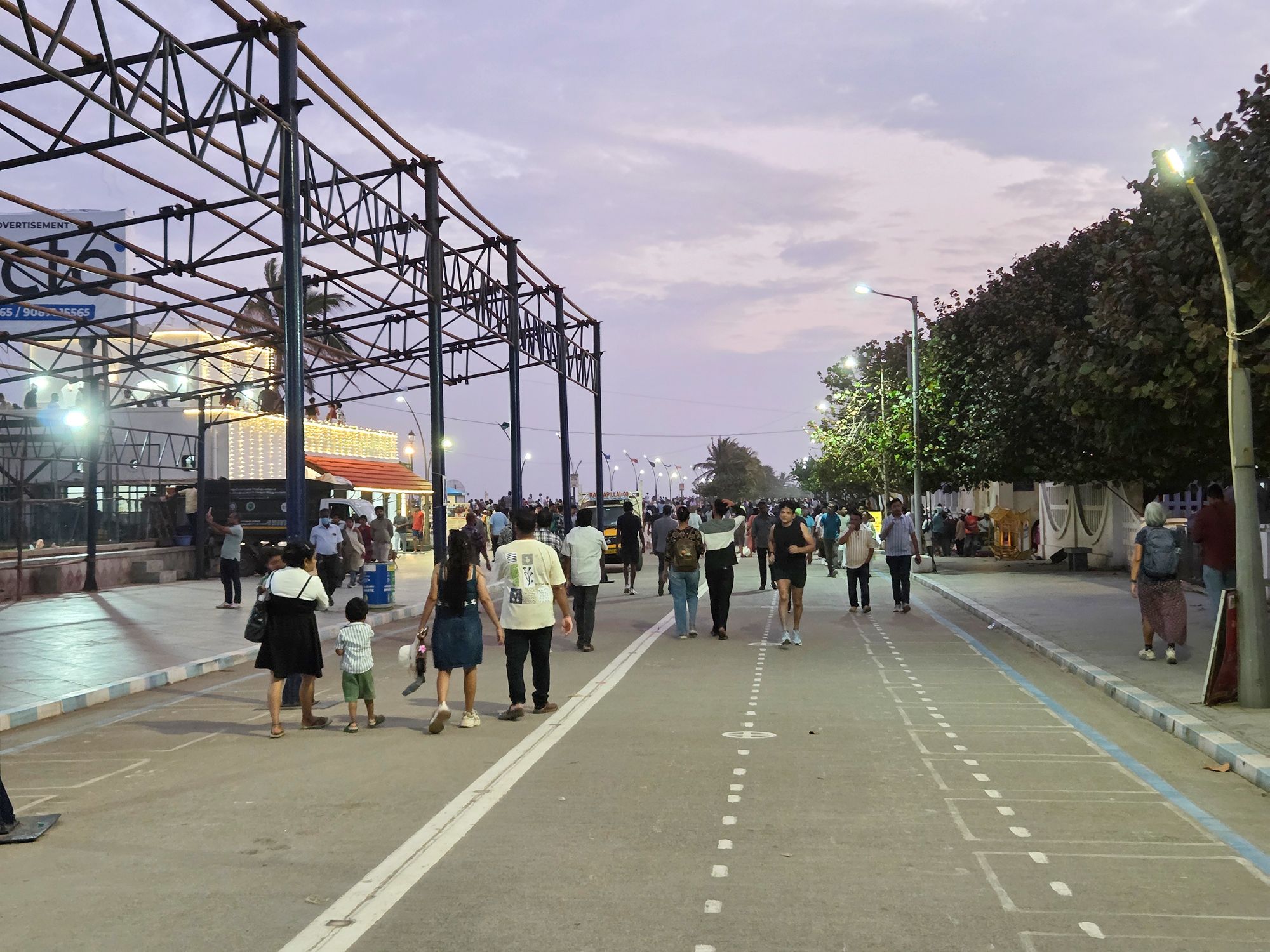
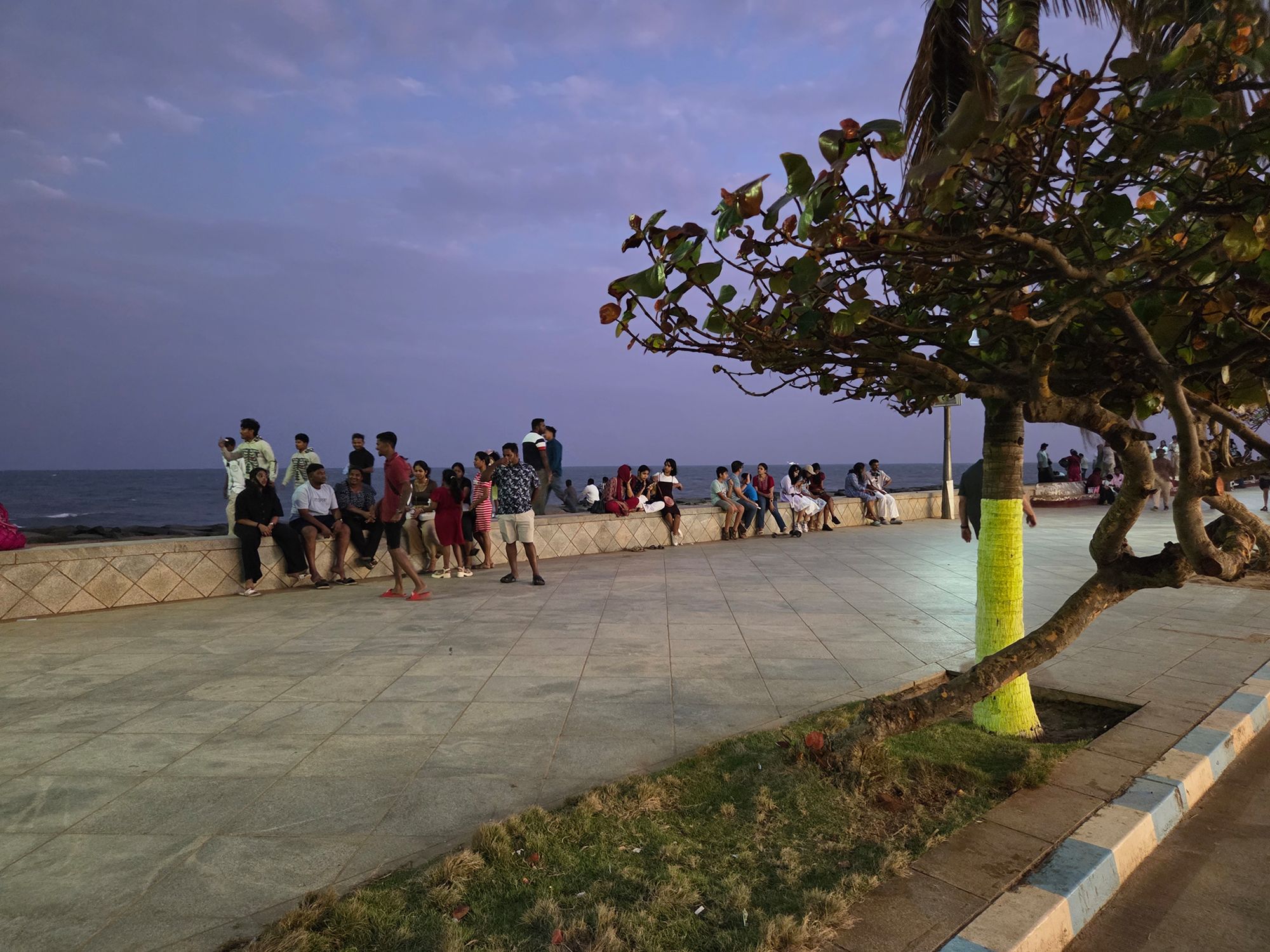
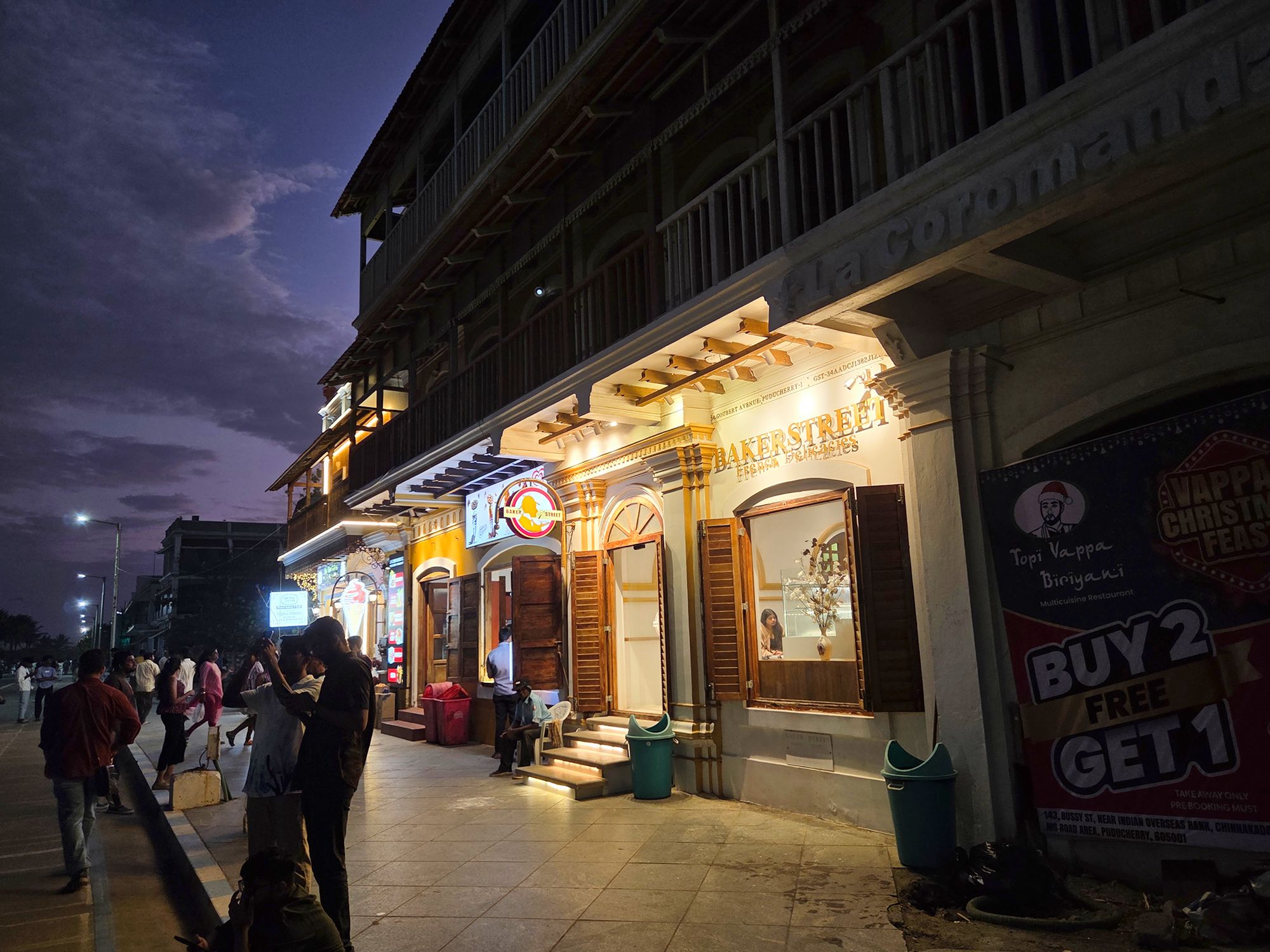
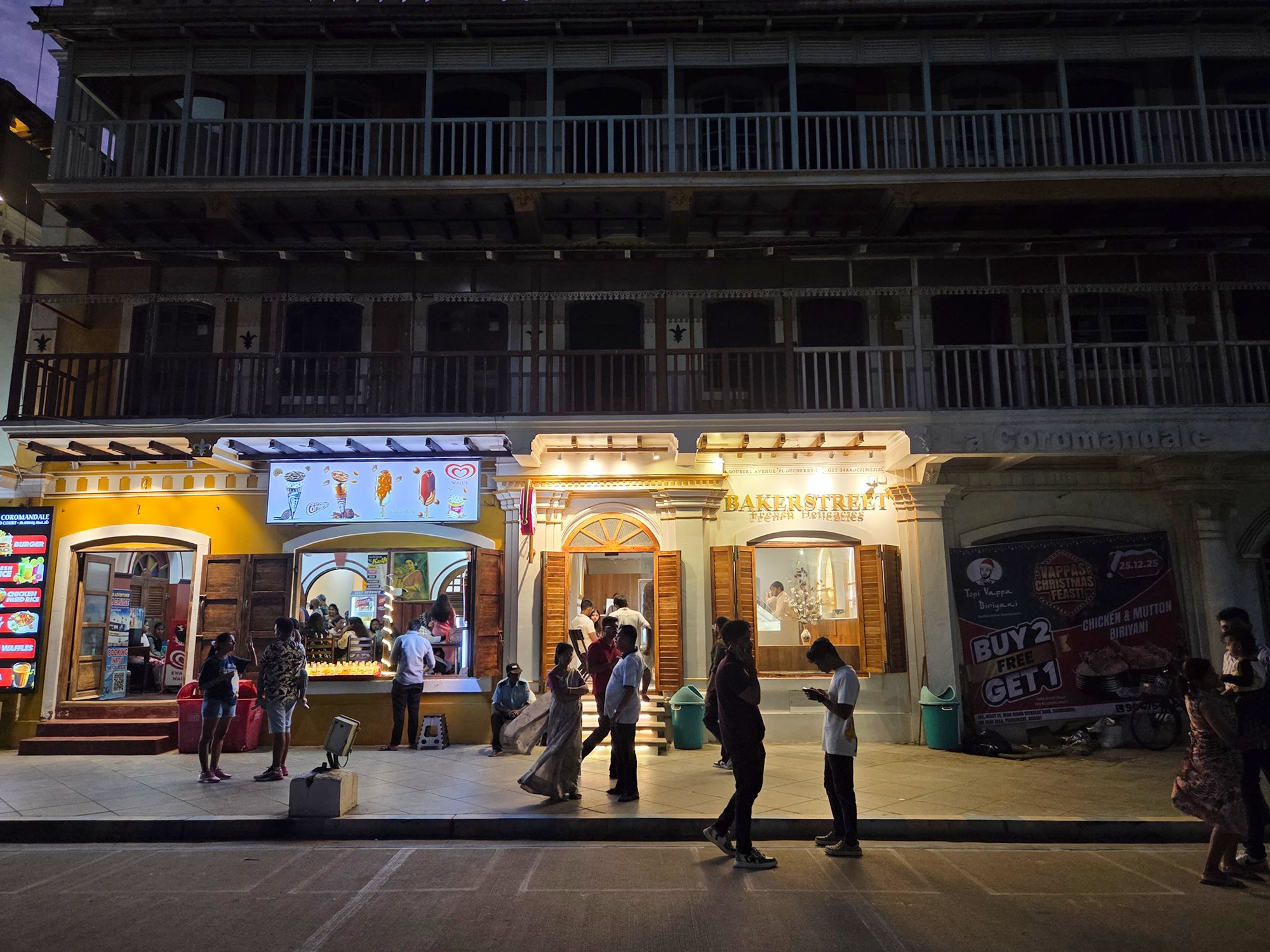
We walked along Goubert Avenue and Promenade Beach, near the Old Lighthouse in Puducherry’s French Quarter.
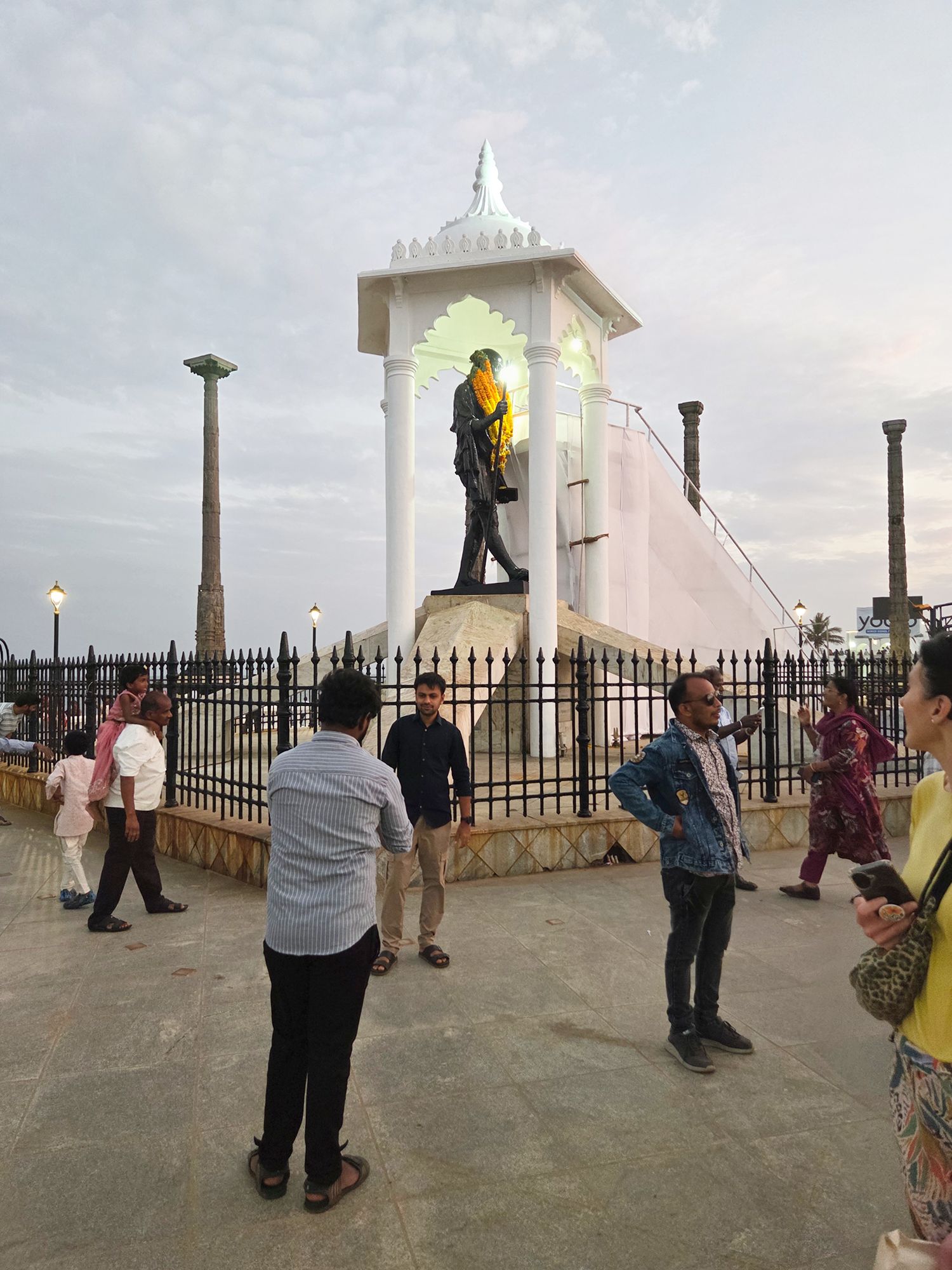

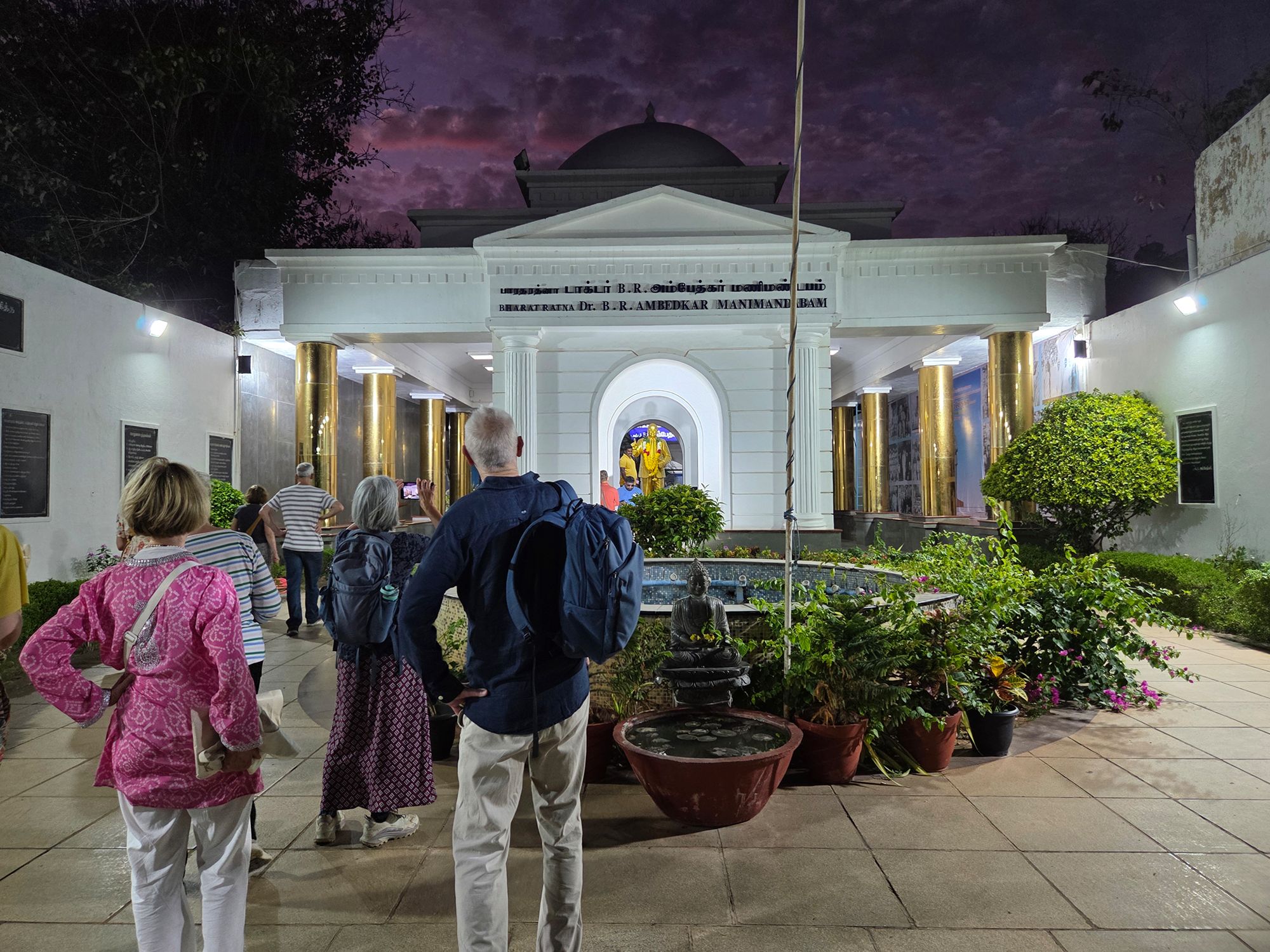
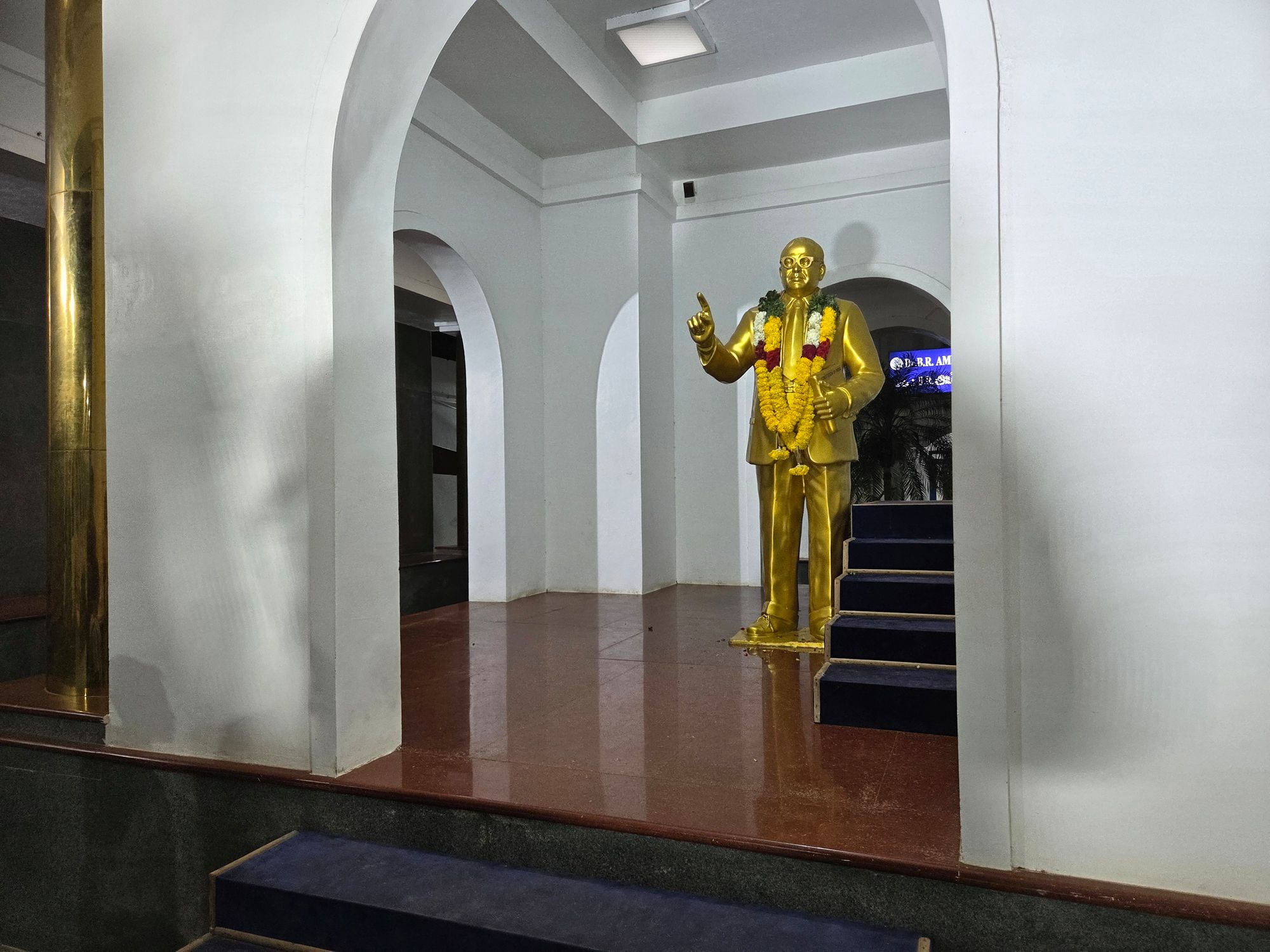
I’m not 100% certain, but I believe this is B. R. Ambedkar, a lawyer, social reformer, and statesman who chaired the committee that drafted India’s Constitution and is widely regarded as its principal architect.
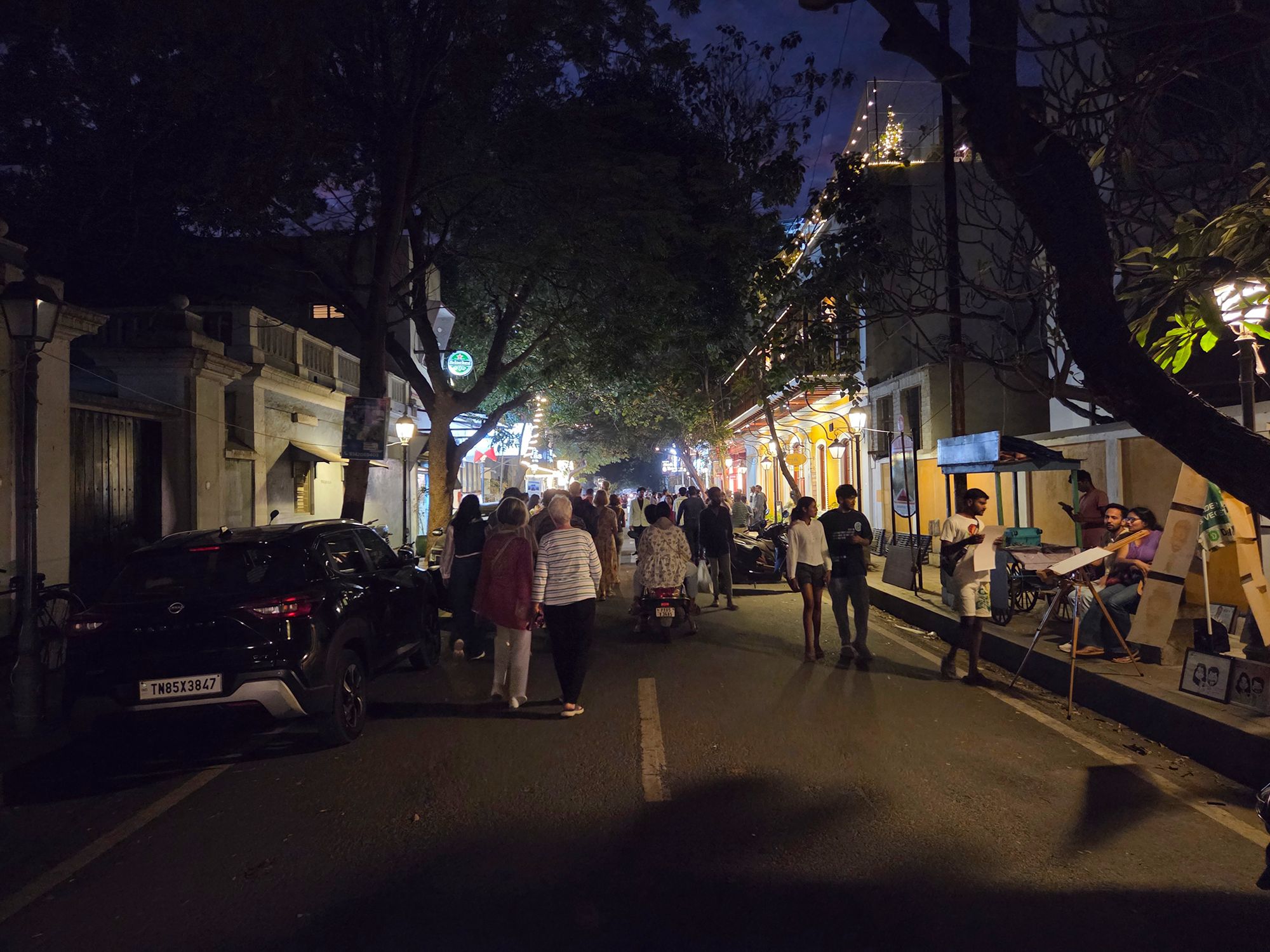
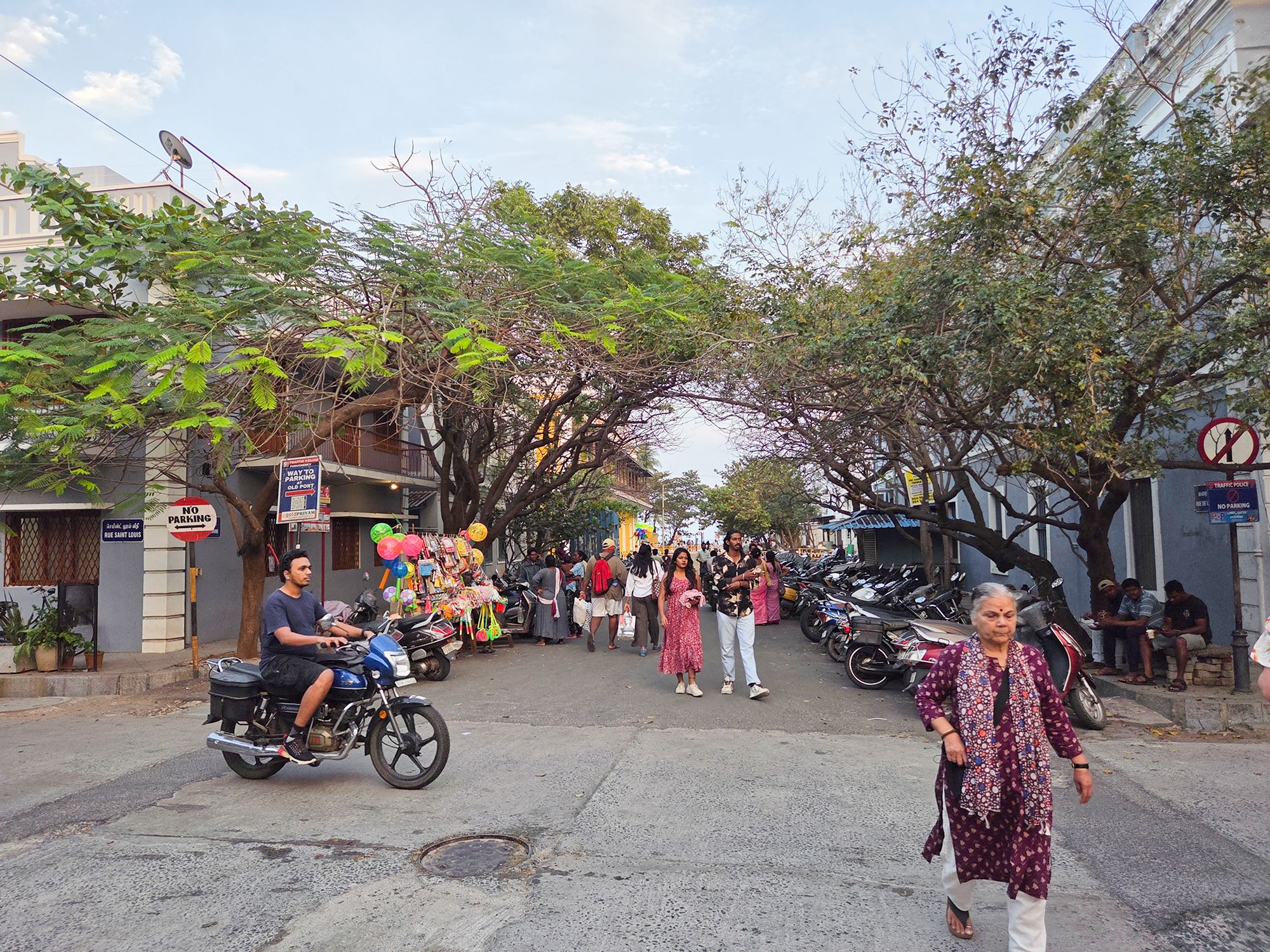
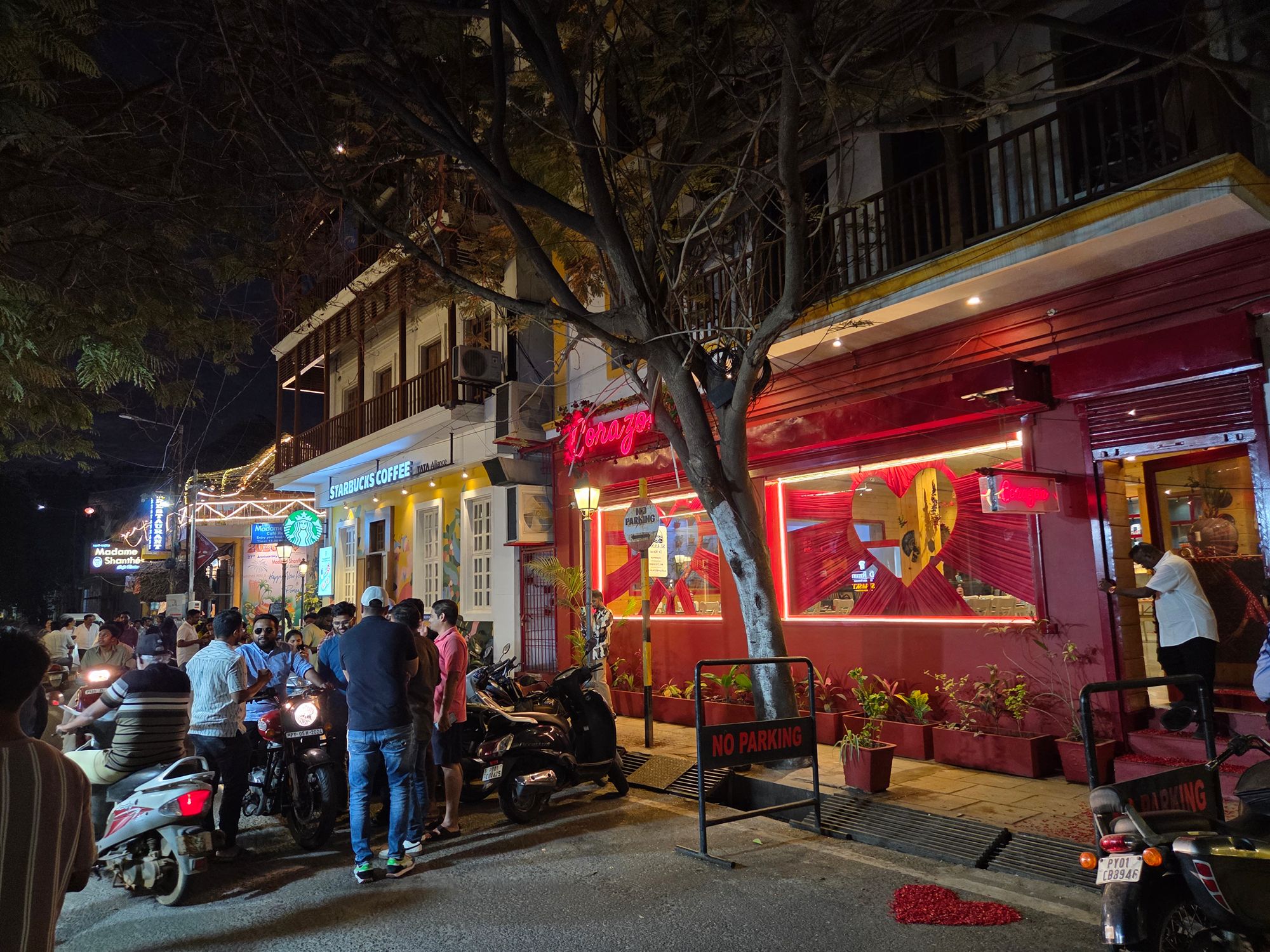
Here, the streets have a distinctly French appearance, with colorful colonial-style buildings and tree-lined roads.
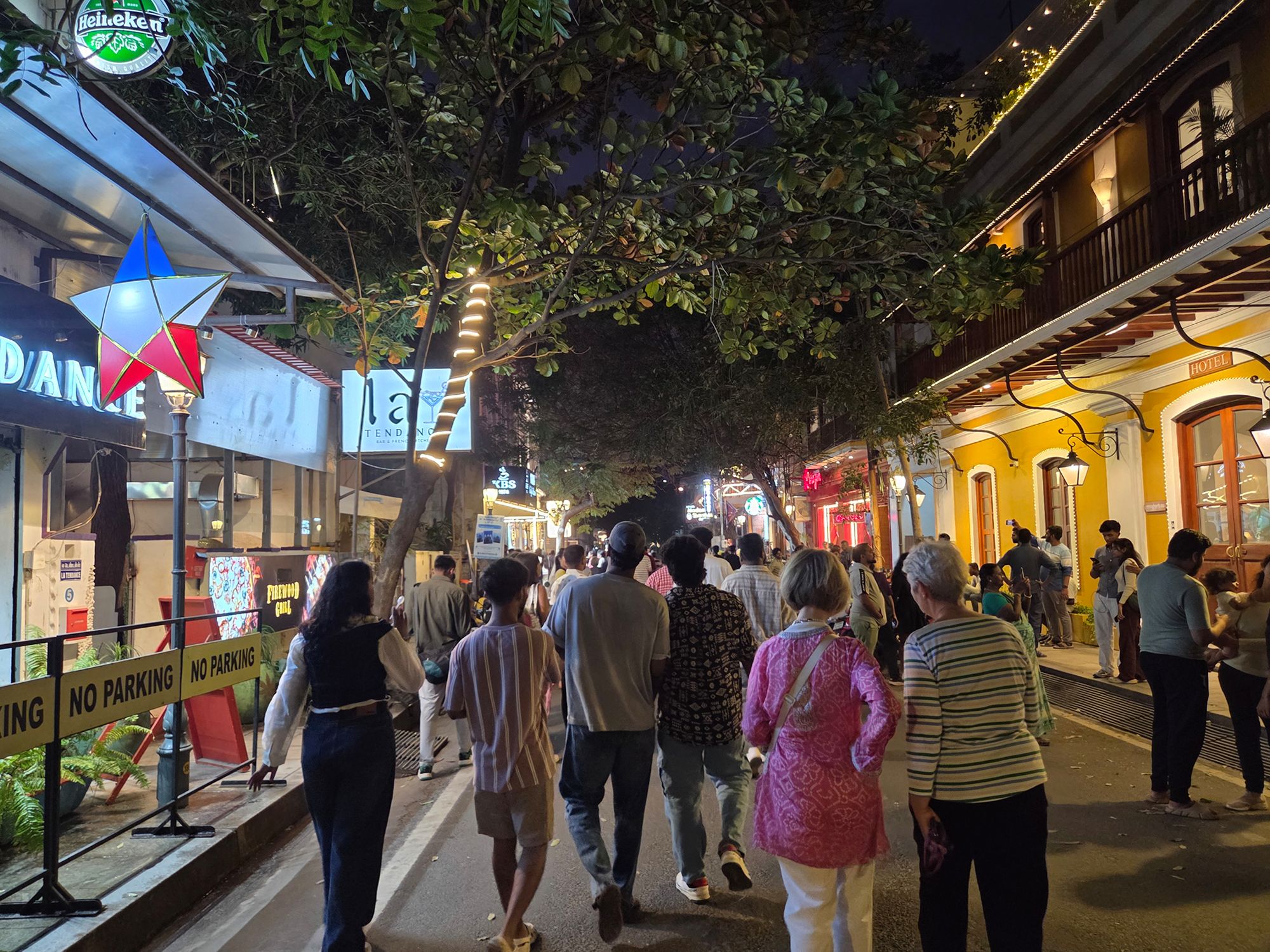
Puducherry, formerly known as Pondicherry, has a long history shaped by both Indian and European powers. The French East India Company established a trading settlement there in 1674, and the town eventually became the center of French influence in India.
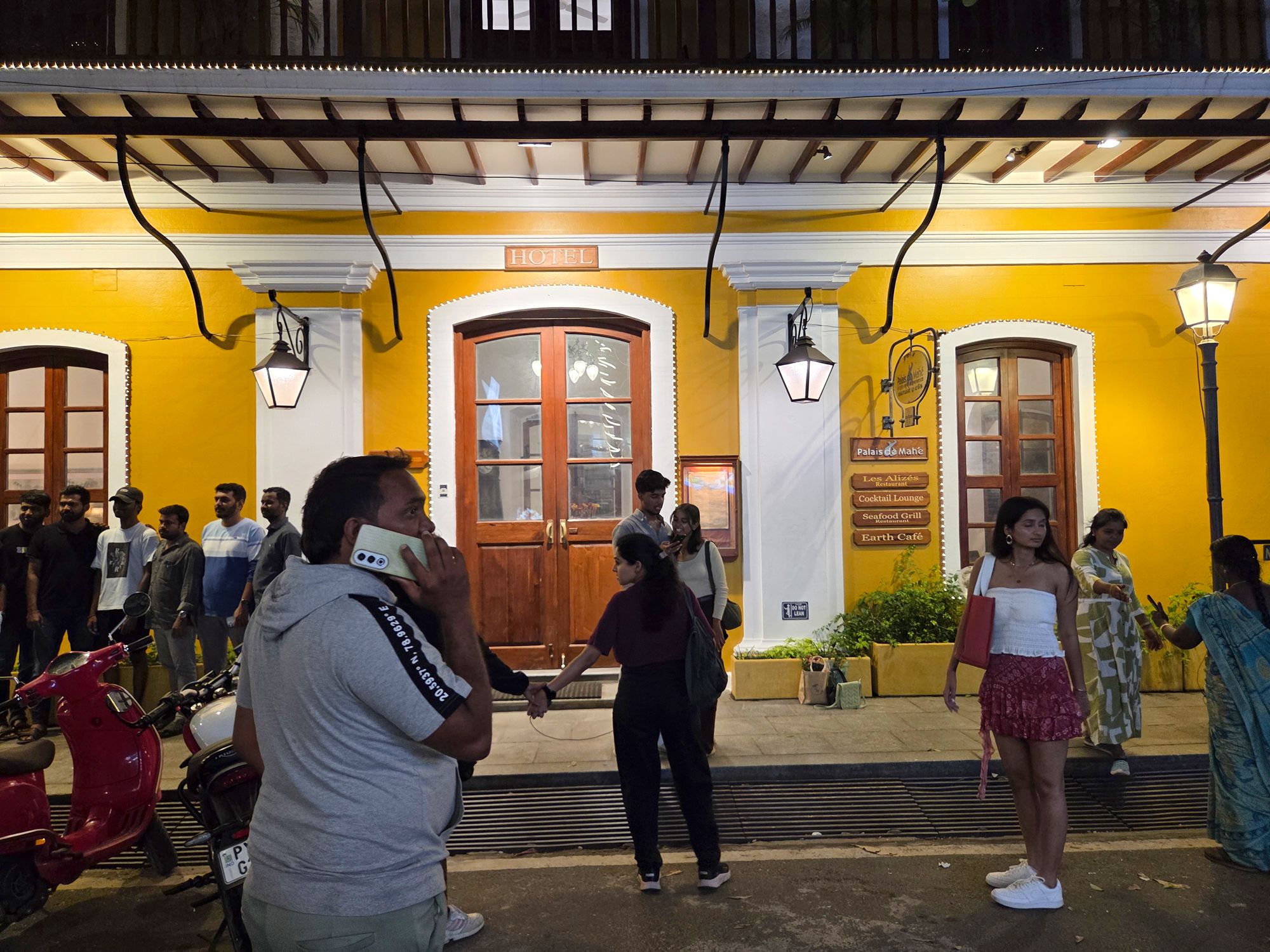
During the 18th century, France and Britain competed for control and influence in southern India. Pondicherry changed hands several times, and the British captured and largely destroyed the French settlement in 1761. It was later returned to France and rebuilt, with much of the planned street layout that can still be seen today.
Even after Britain became the dominant colonial power in India, France retained Pondicherry and several smaller territories. When India gained independence in 1947, Pondicherry initially remained French. It was transferred to Indian administration in 1954, with the legal transfer completed in 1962.
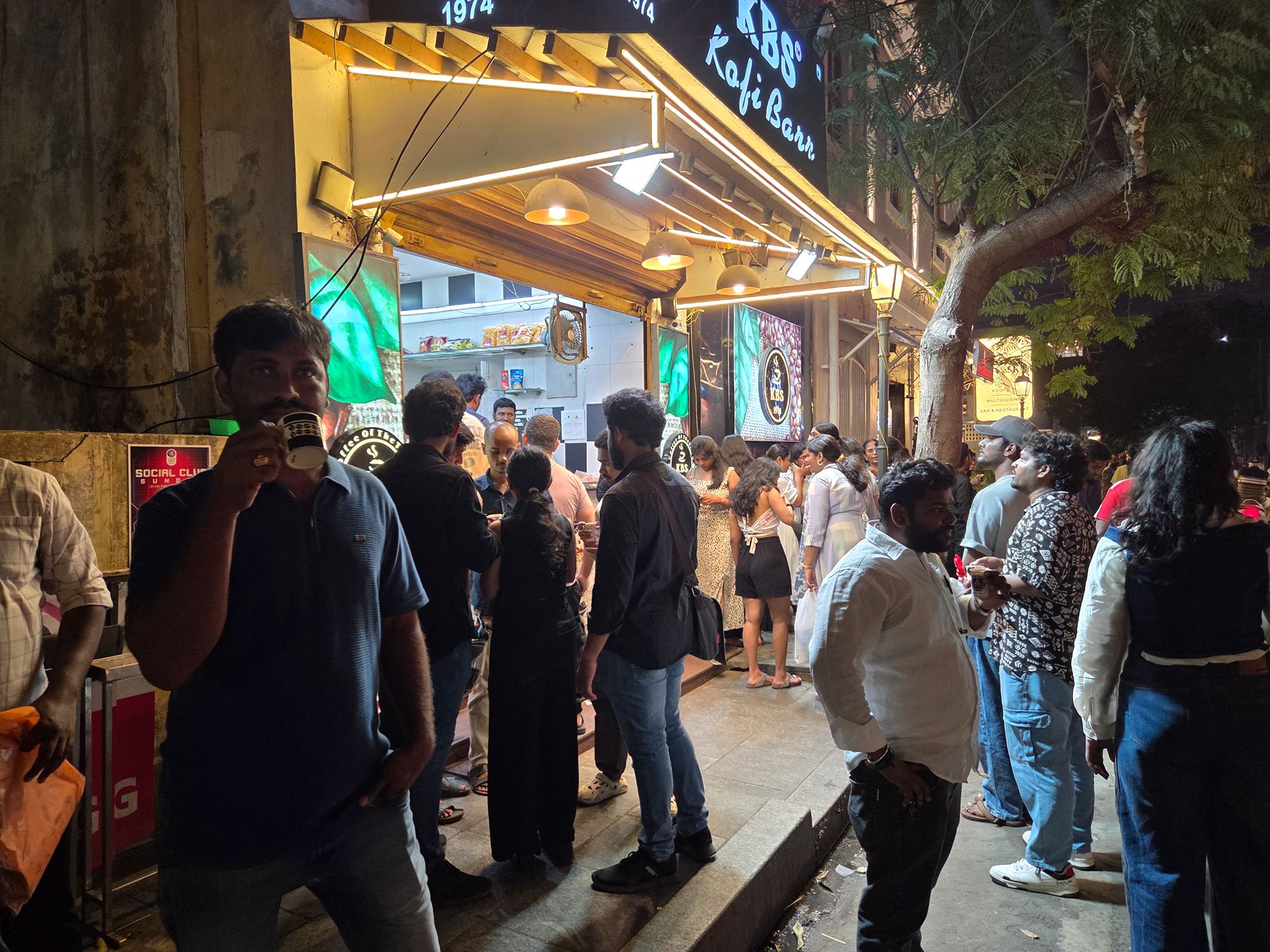
Today, Puducherry is a Union Territory of India, but its French heritage remains especially visible in the historic French Quarter, with its colonial buildings, churches, French street names, tree-lined streets, and seaside promenade.