Qutb Minar, Delhi, India
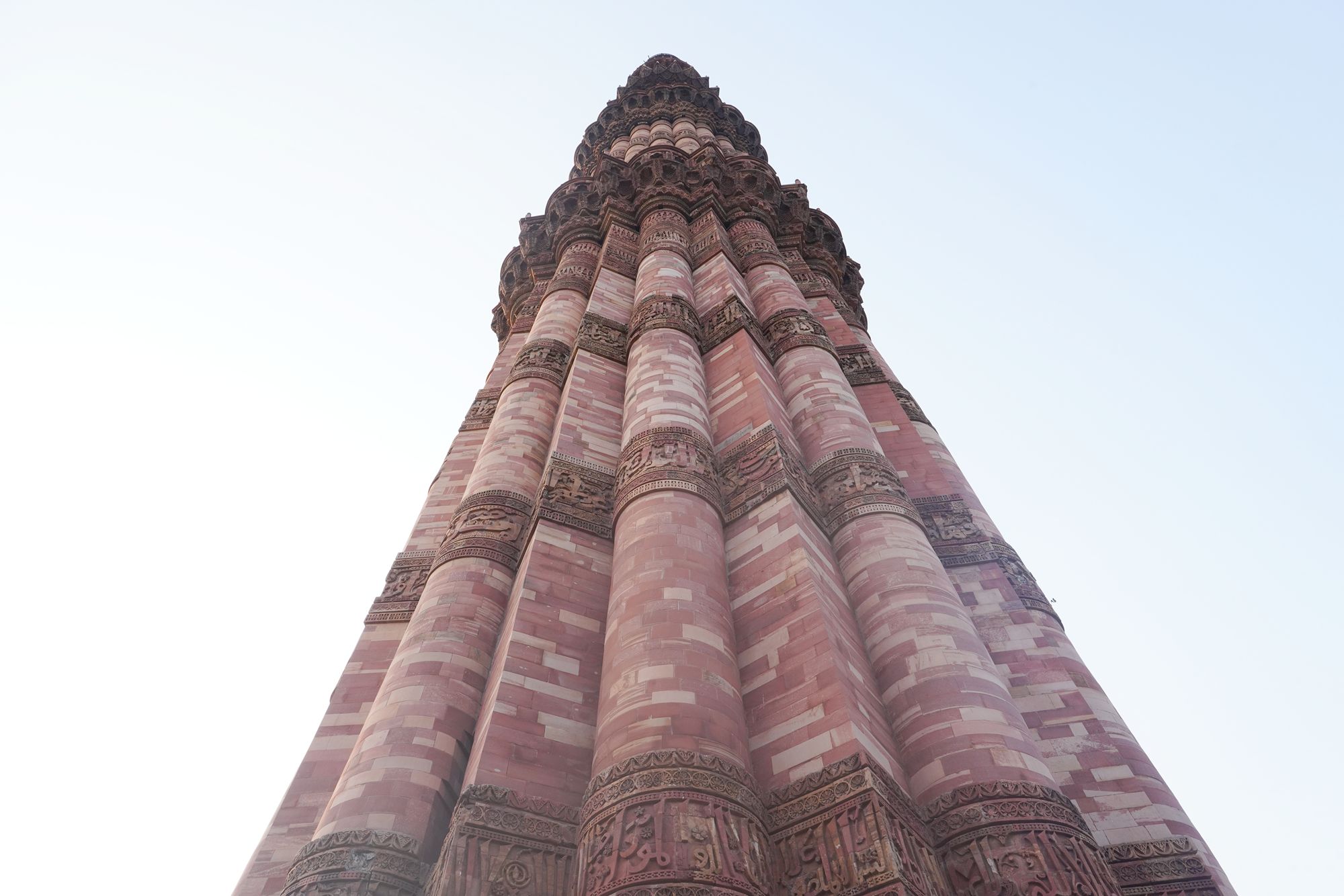
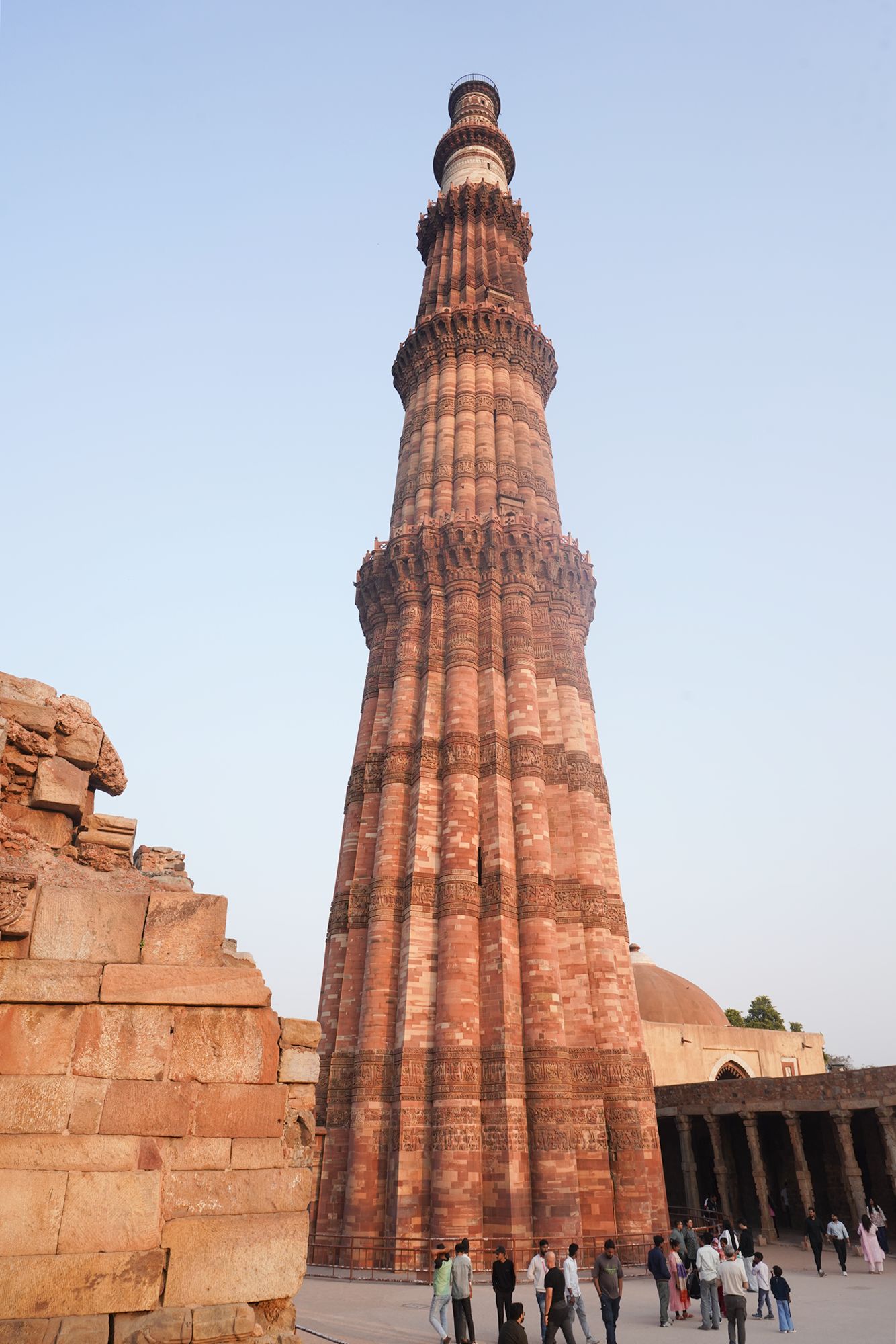
Qutb Minar is a towering 13th-century monument in Delhi and one of the finest examples of early Indo-Islamic architecture. 1247
Qutb Minar: Seth Sarai, Mehrauli, New Delhi, Delhi 110030, India
Date Picture Taken: Feb, 2026
Qutb Minar is one of India’s most famous historic monuments and the centerpiece of the Qutb complex in Delhi. Construction began around 1199 under Qutb-ud-din Aibak, founder of the Delhi Sultanate, and was continued by his successor Iltutmish. Later rulers repaired and modified the tower after damage from lightning and earthquakes.
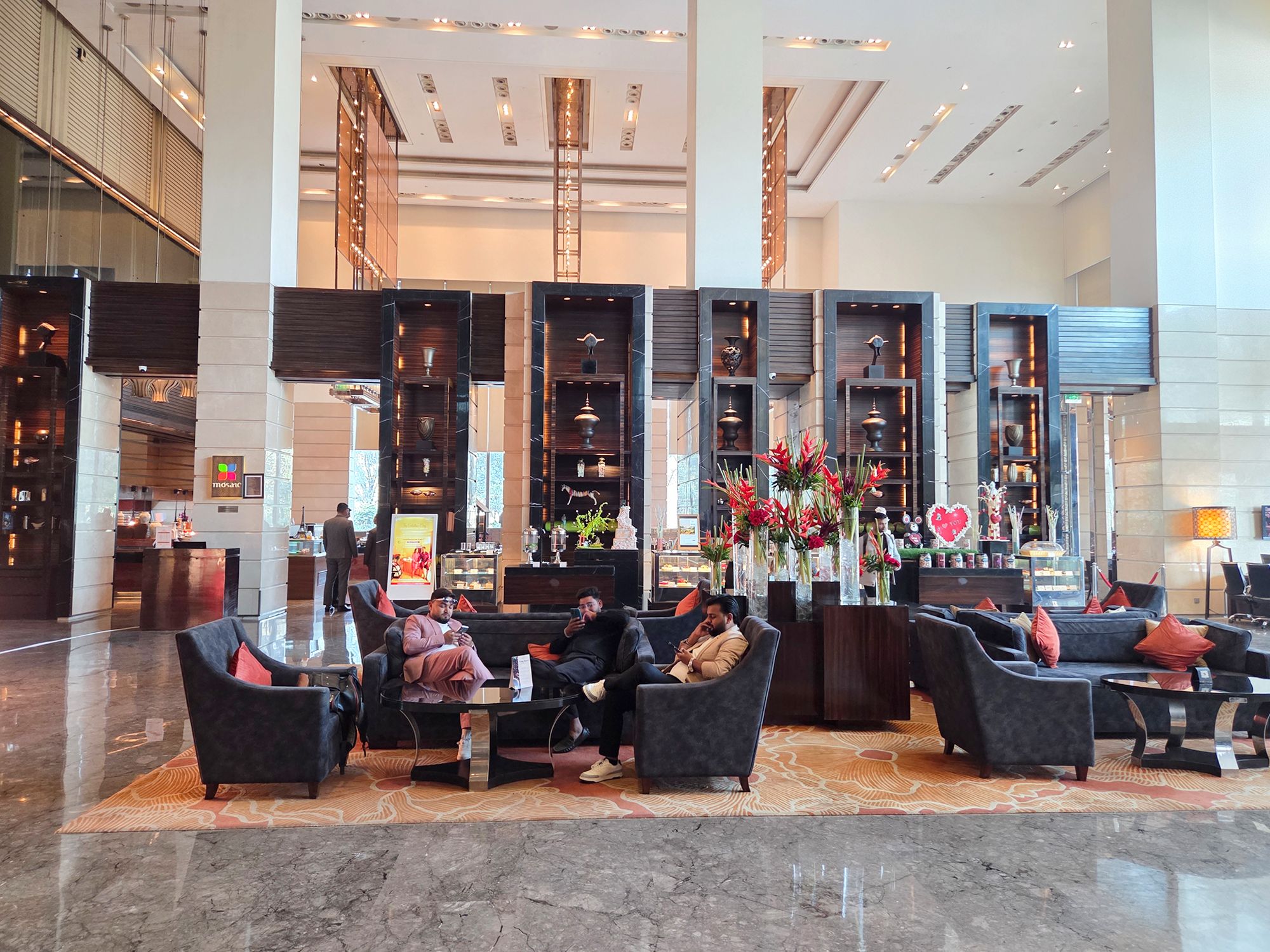
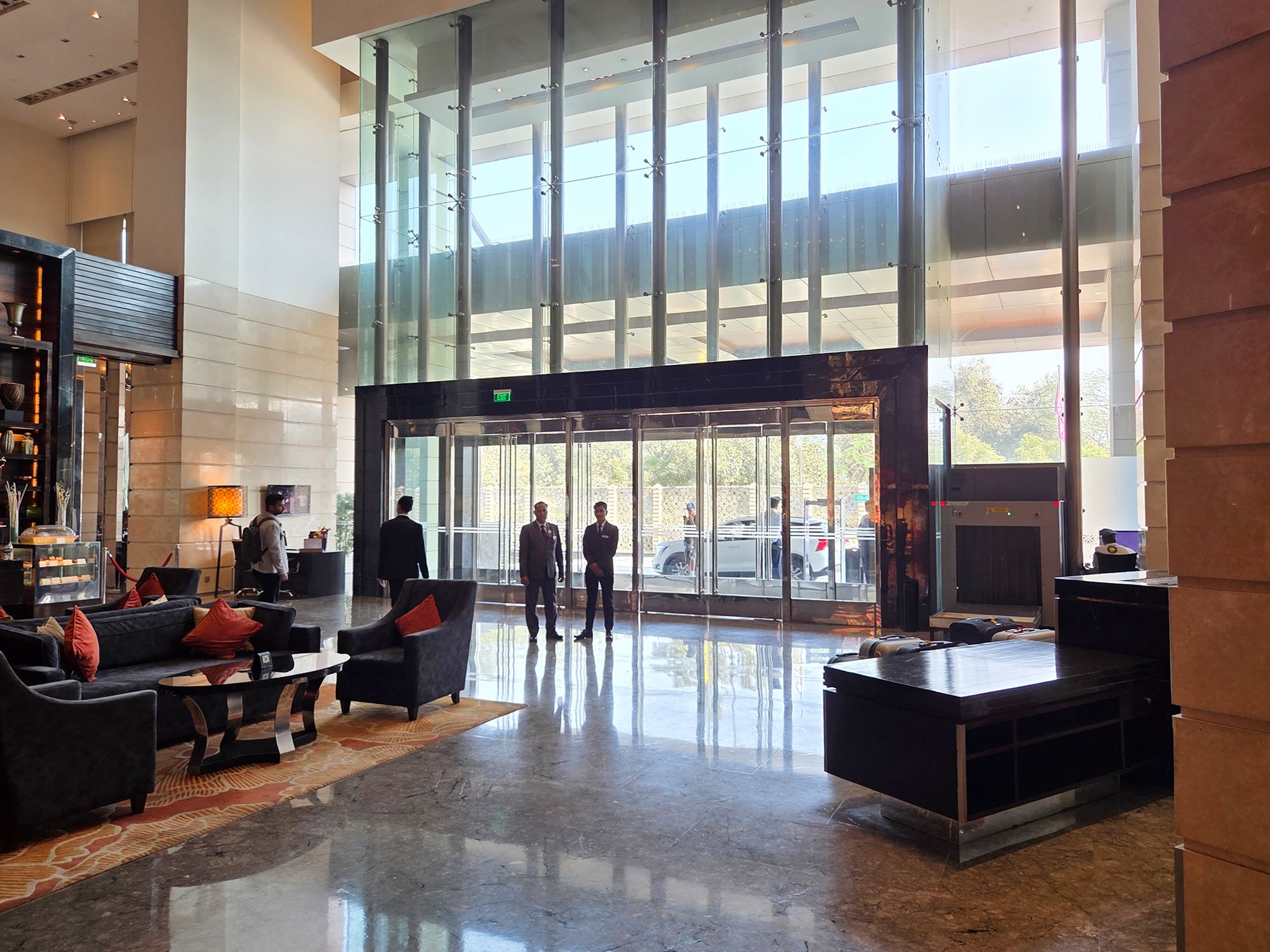
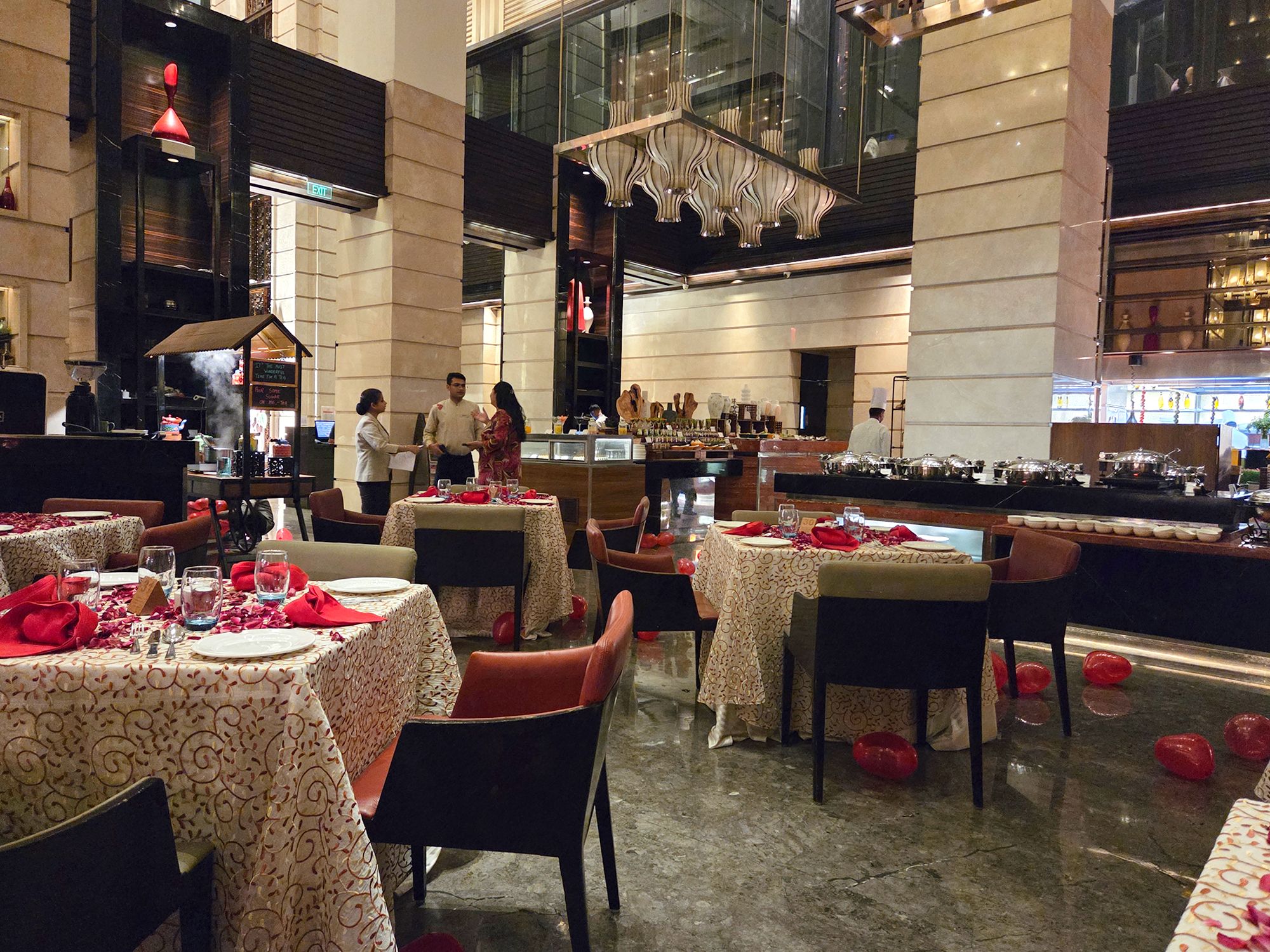
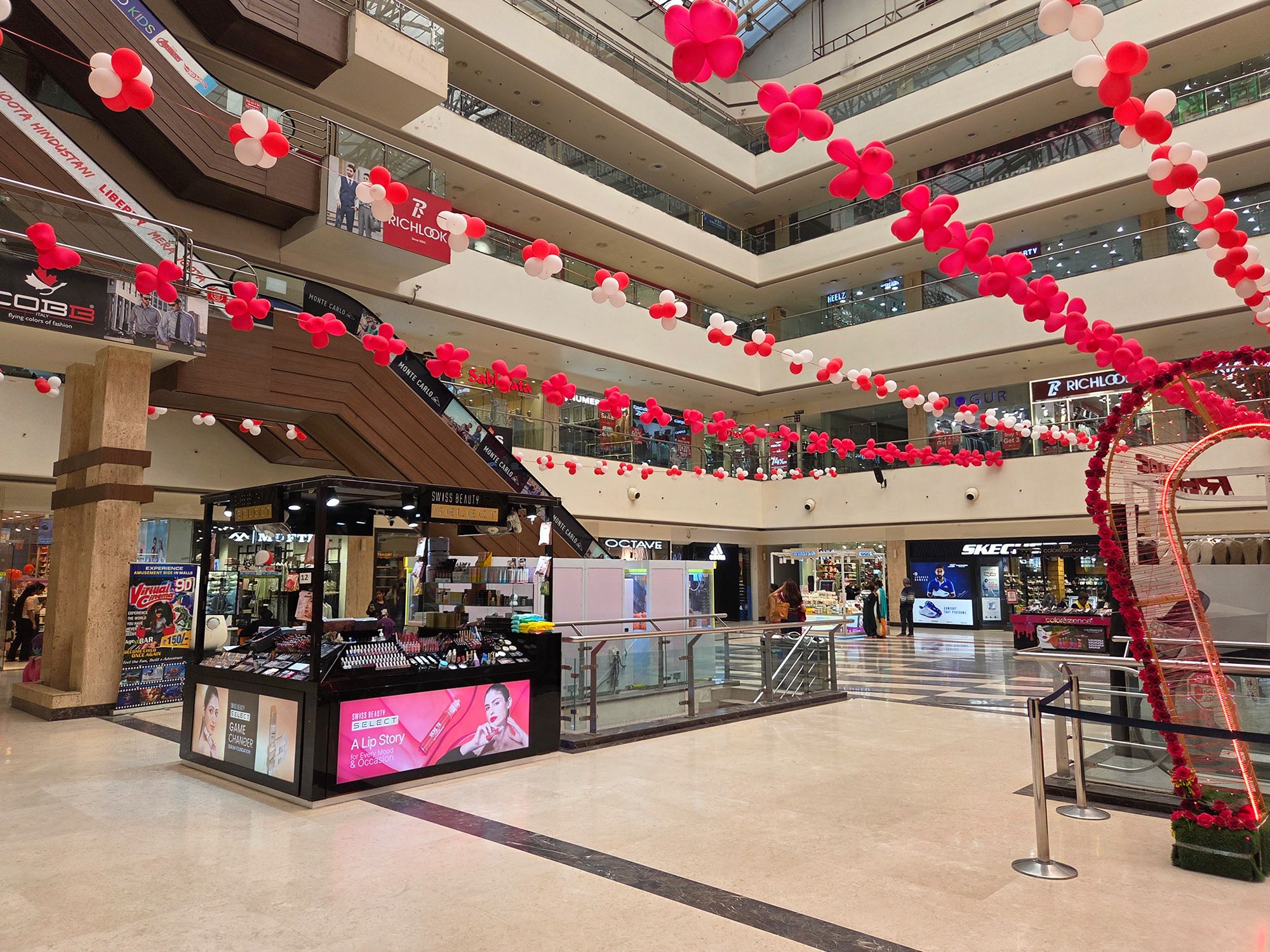
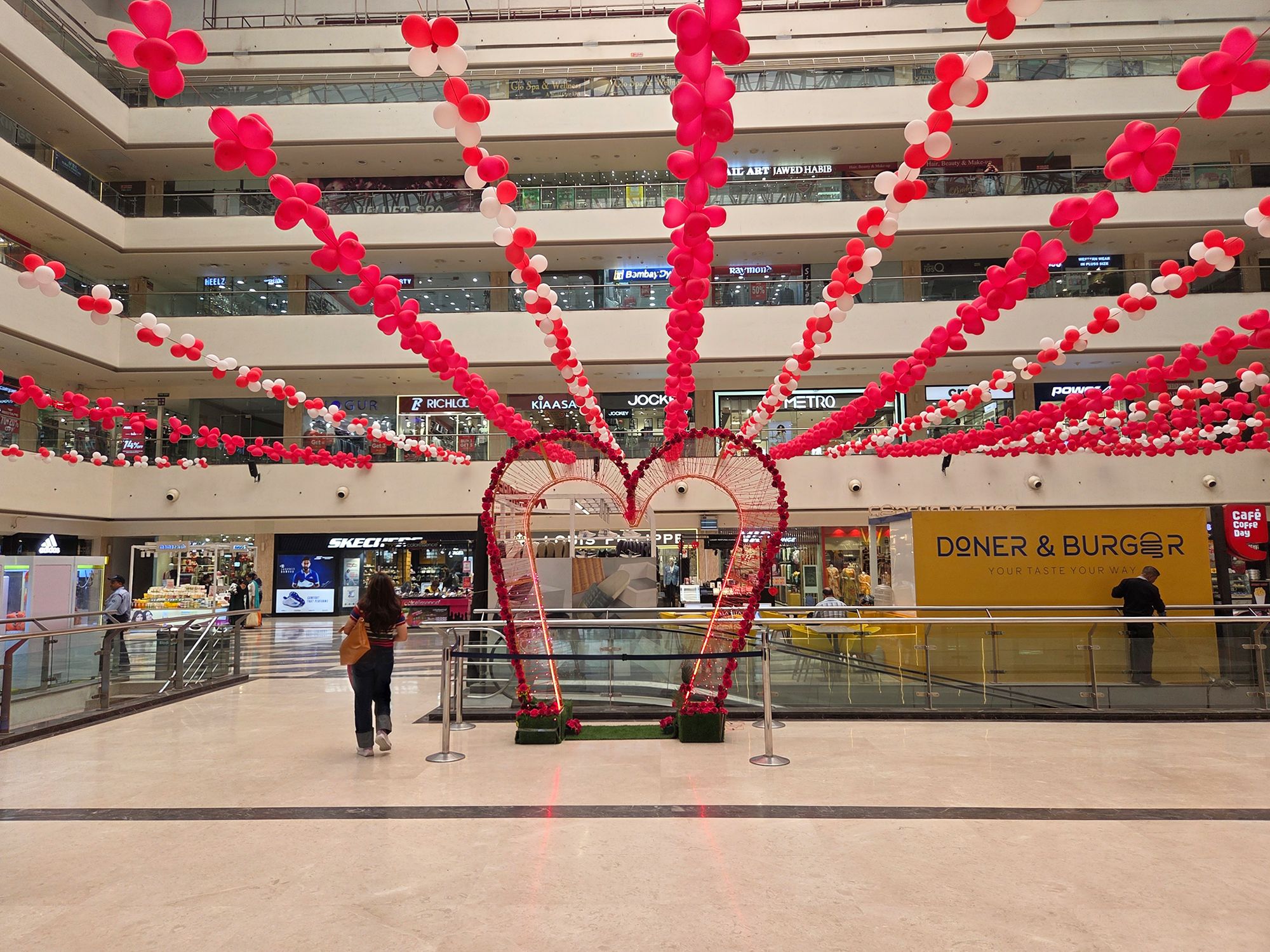
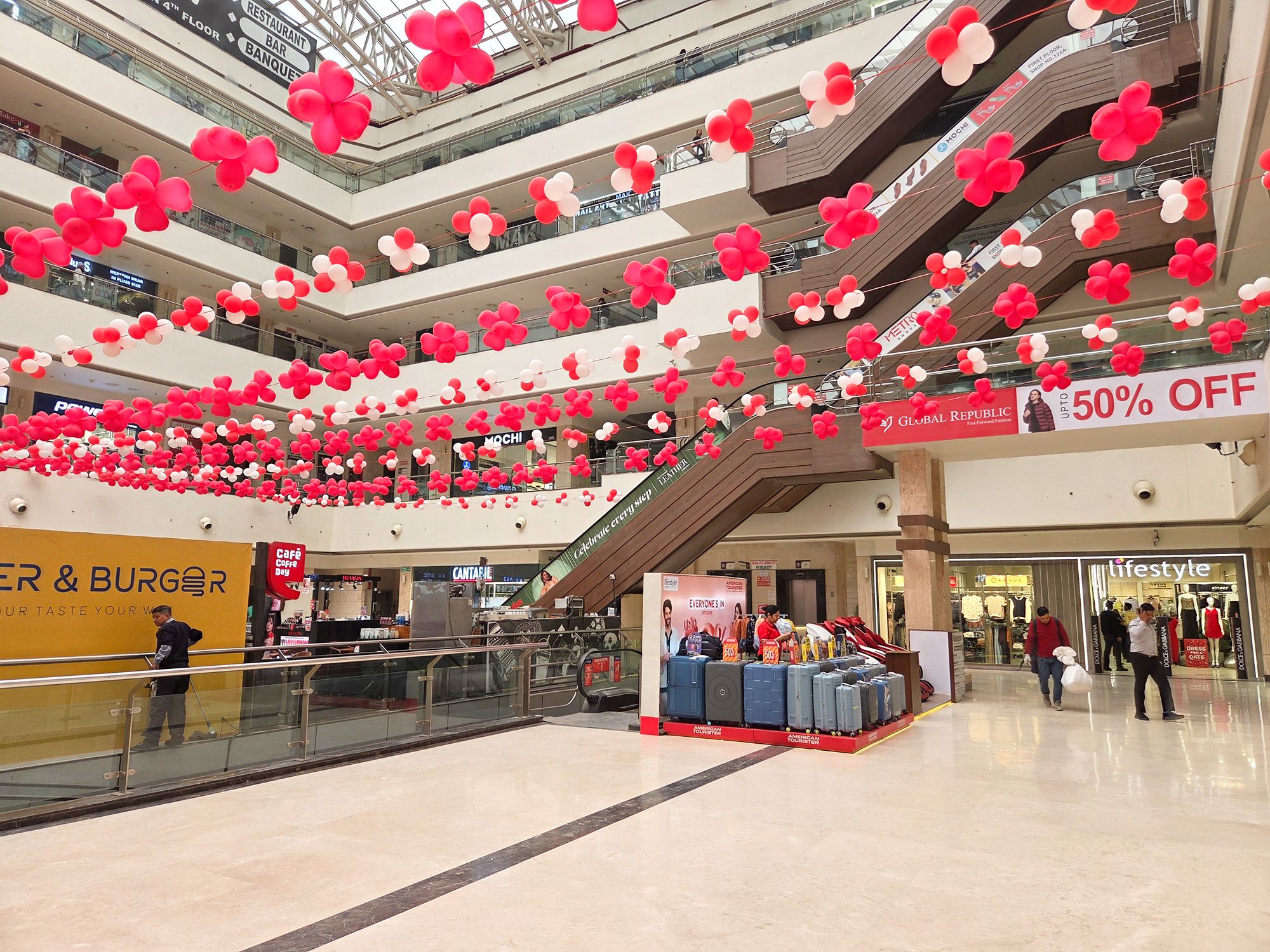
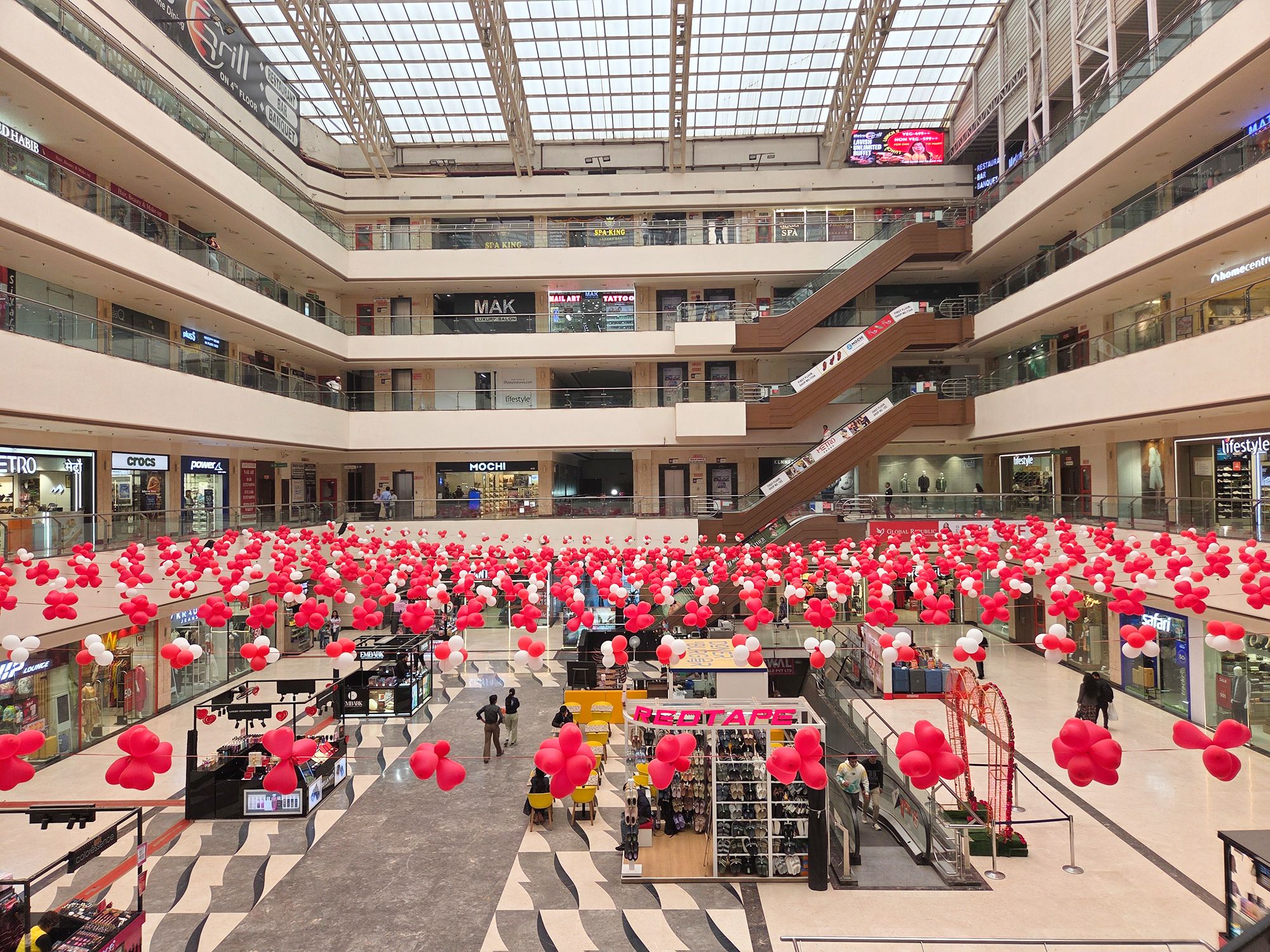
These are pictures of one of the hotels I stayed at in Delhi. It was the week of Valentine’s Day, so the hotel was decorated for the occasion.

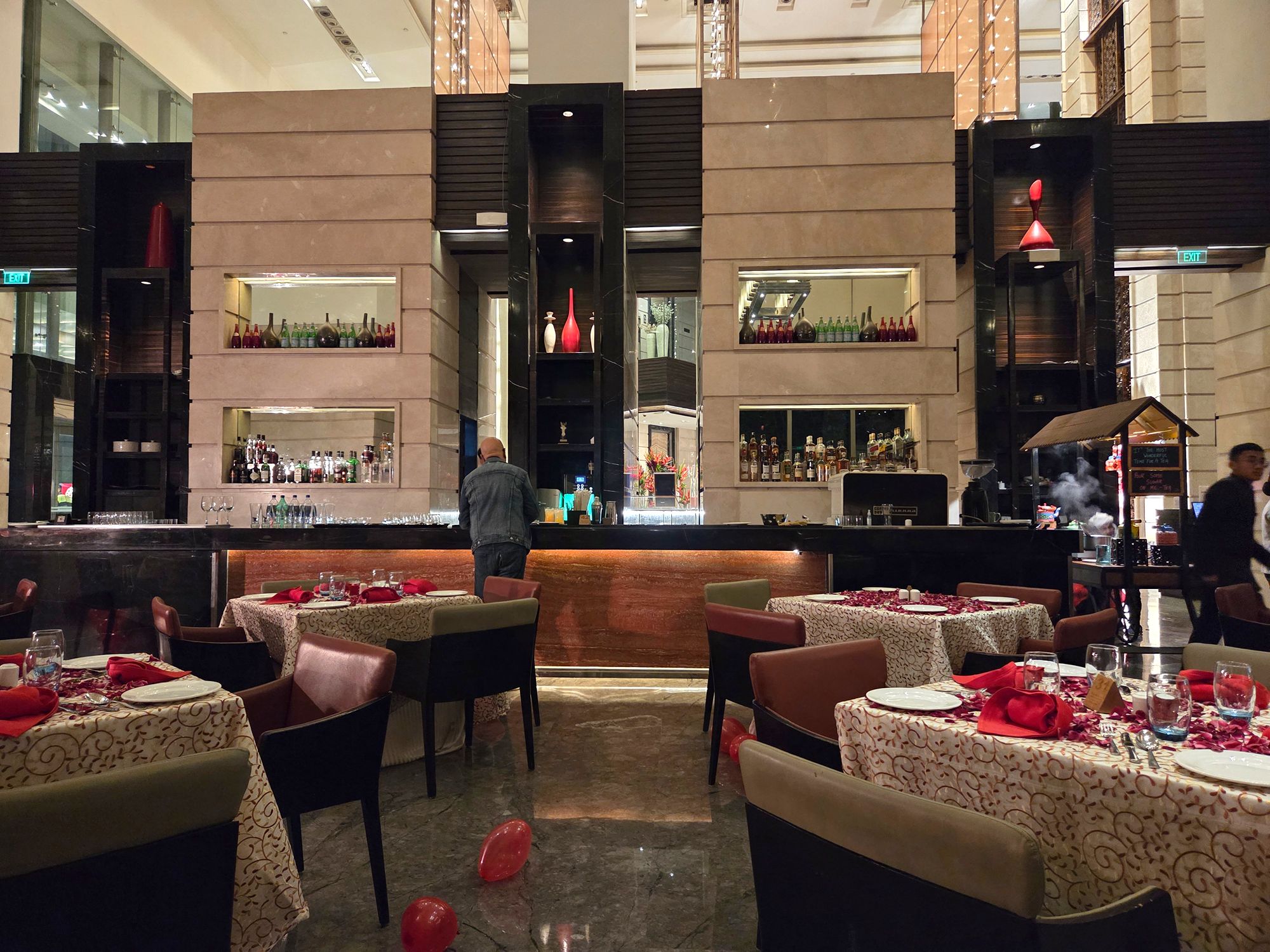
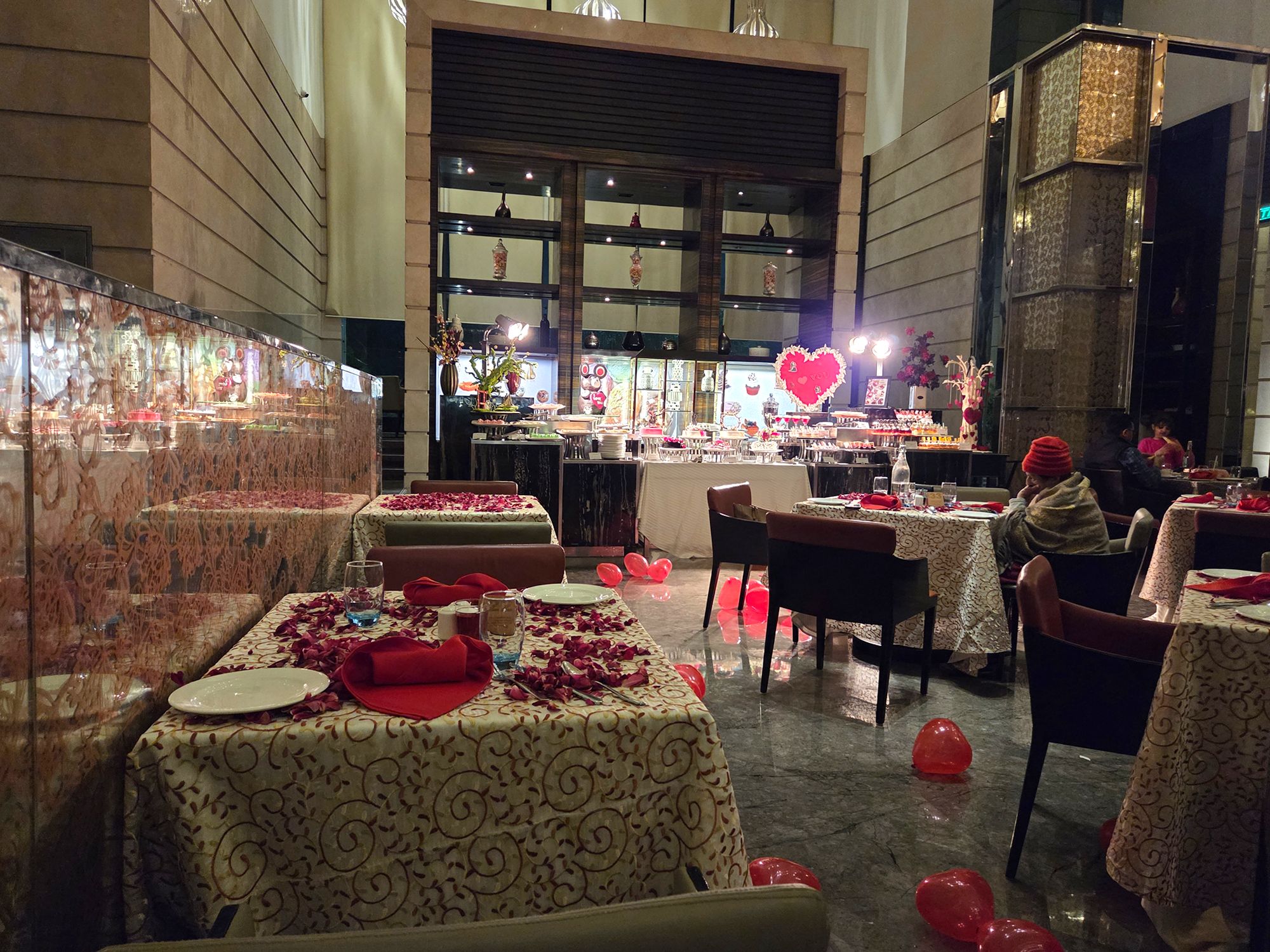
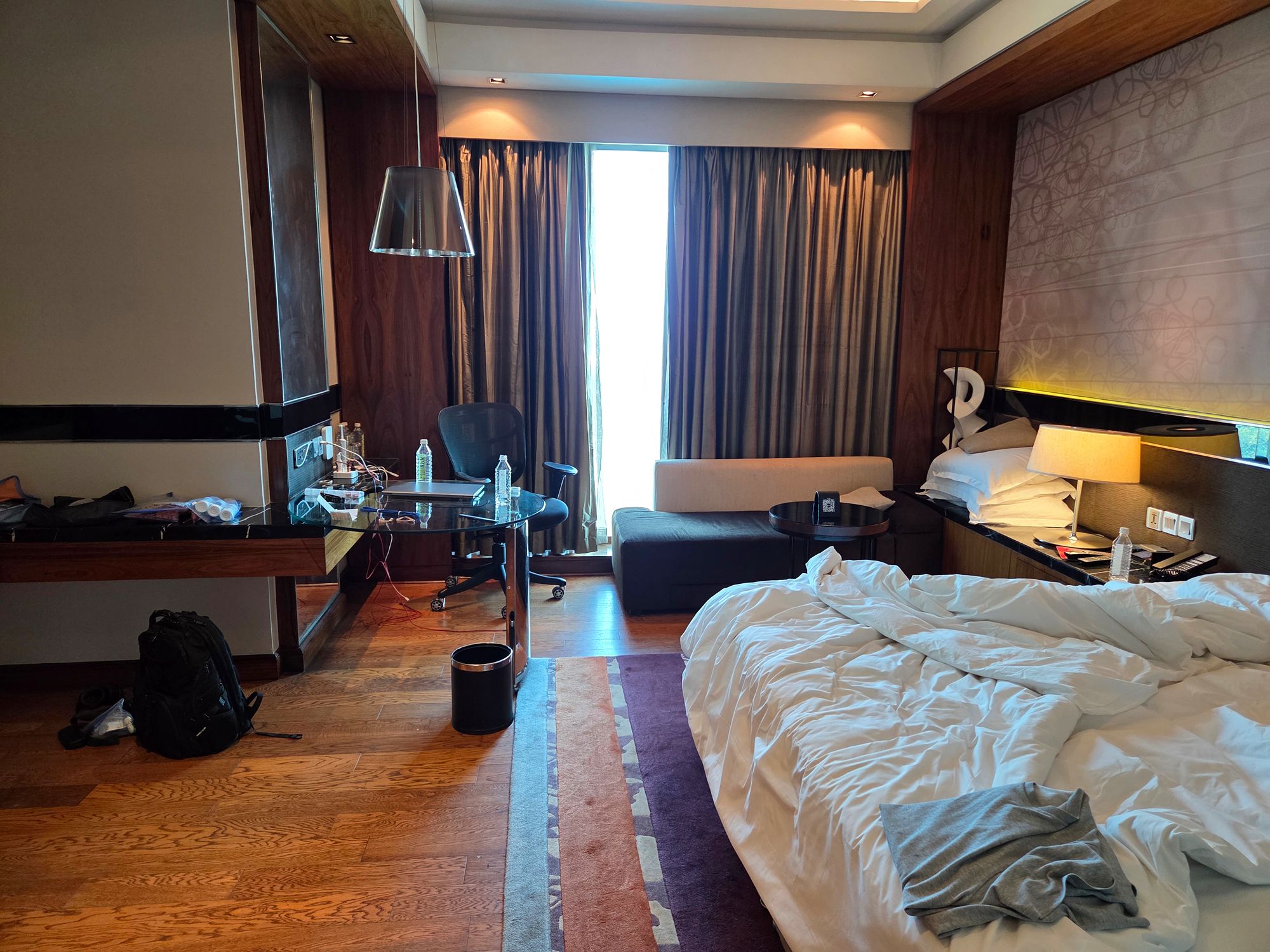
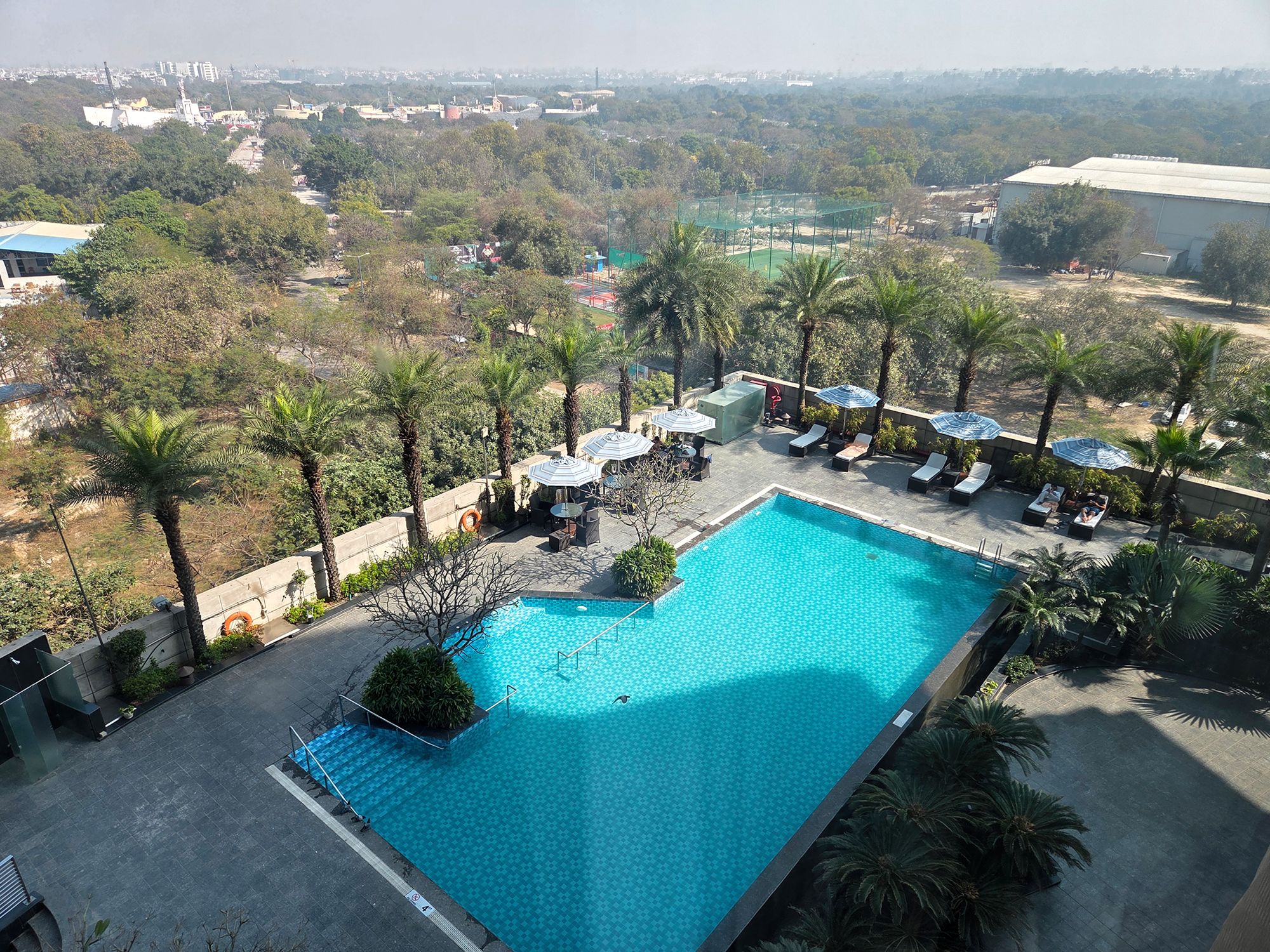
Interior view of a shopping mall I visited in Delhi.

Okay, back to Qutb Minar
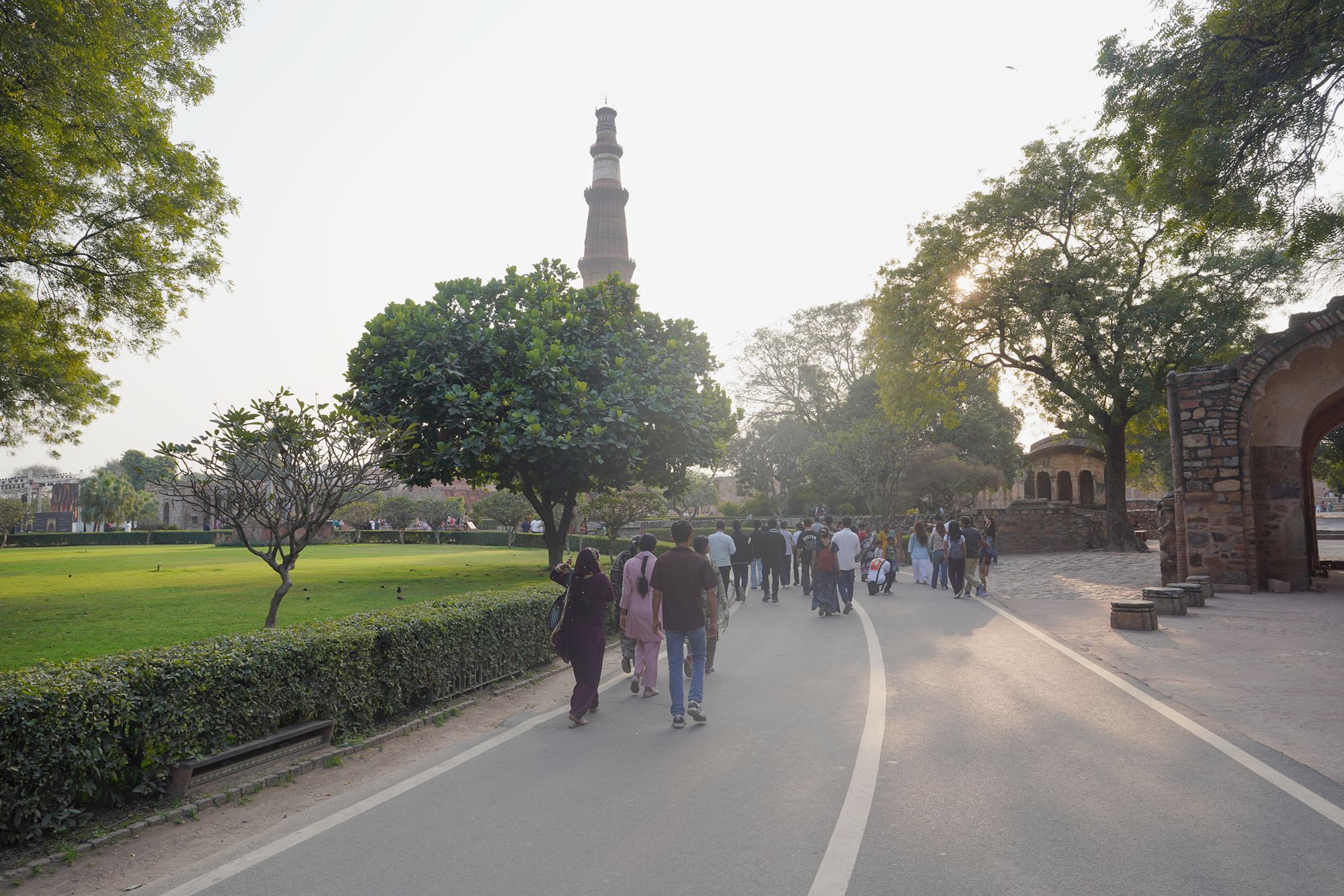
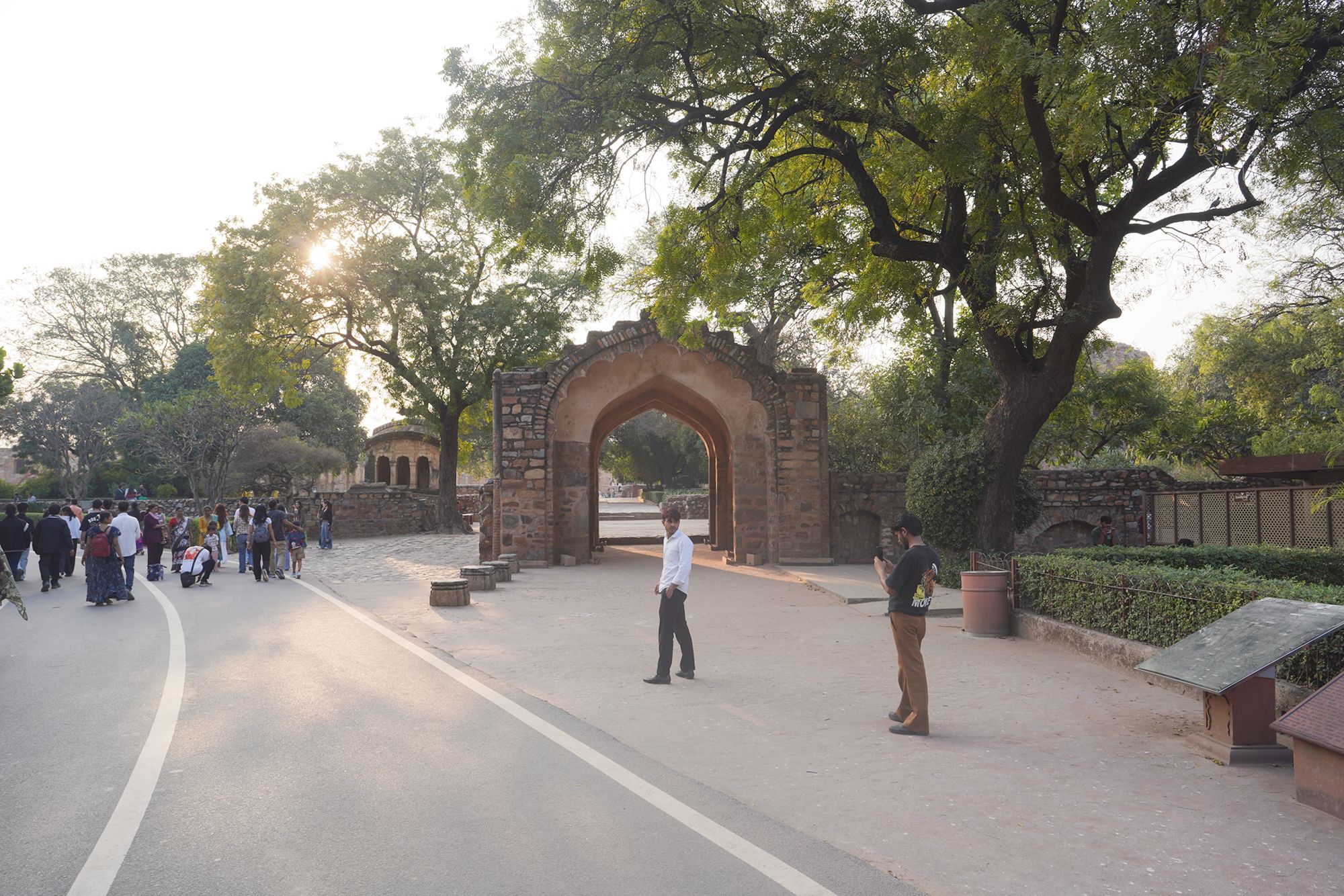
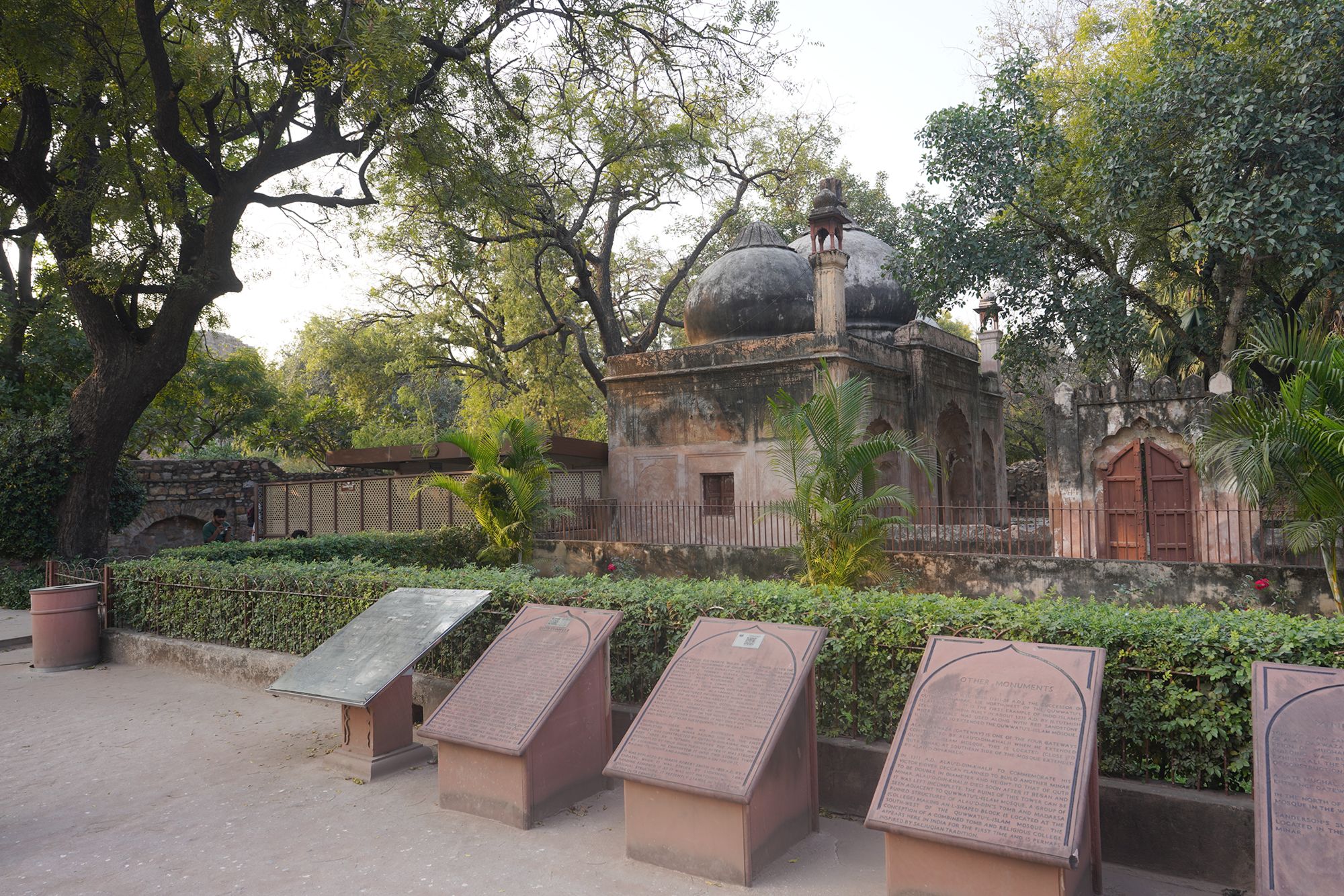
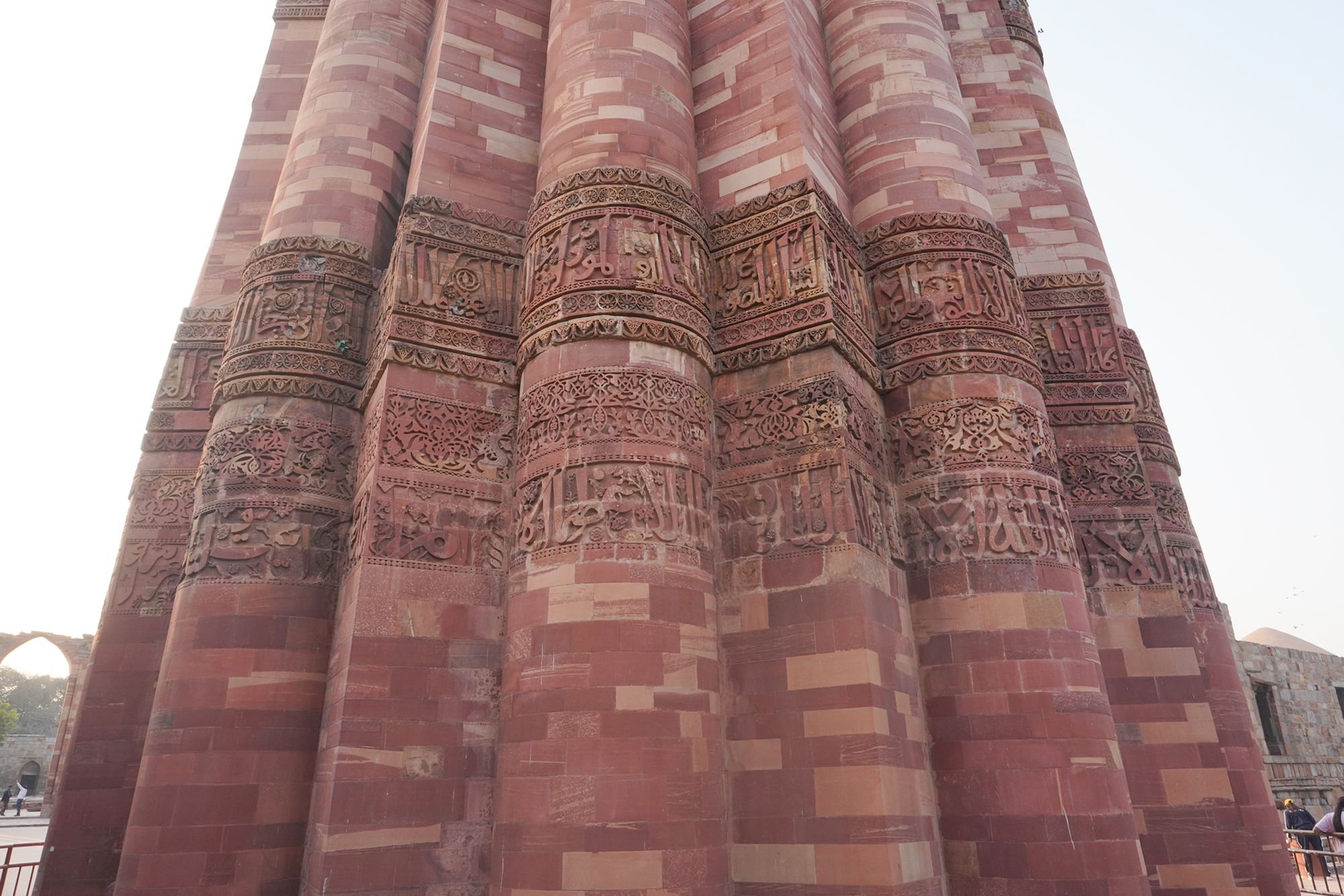
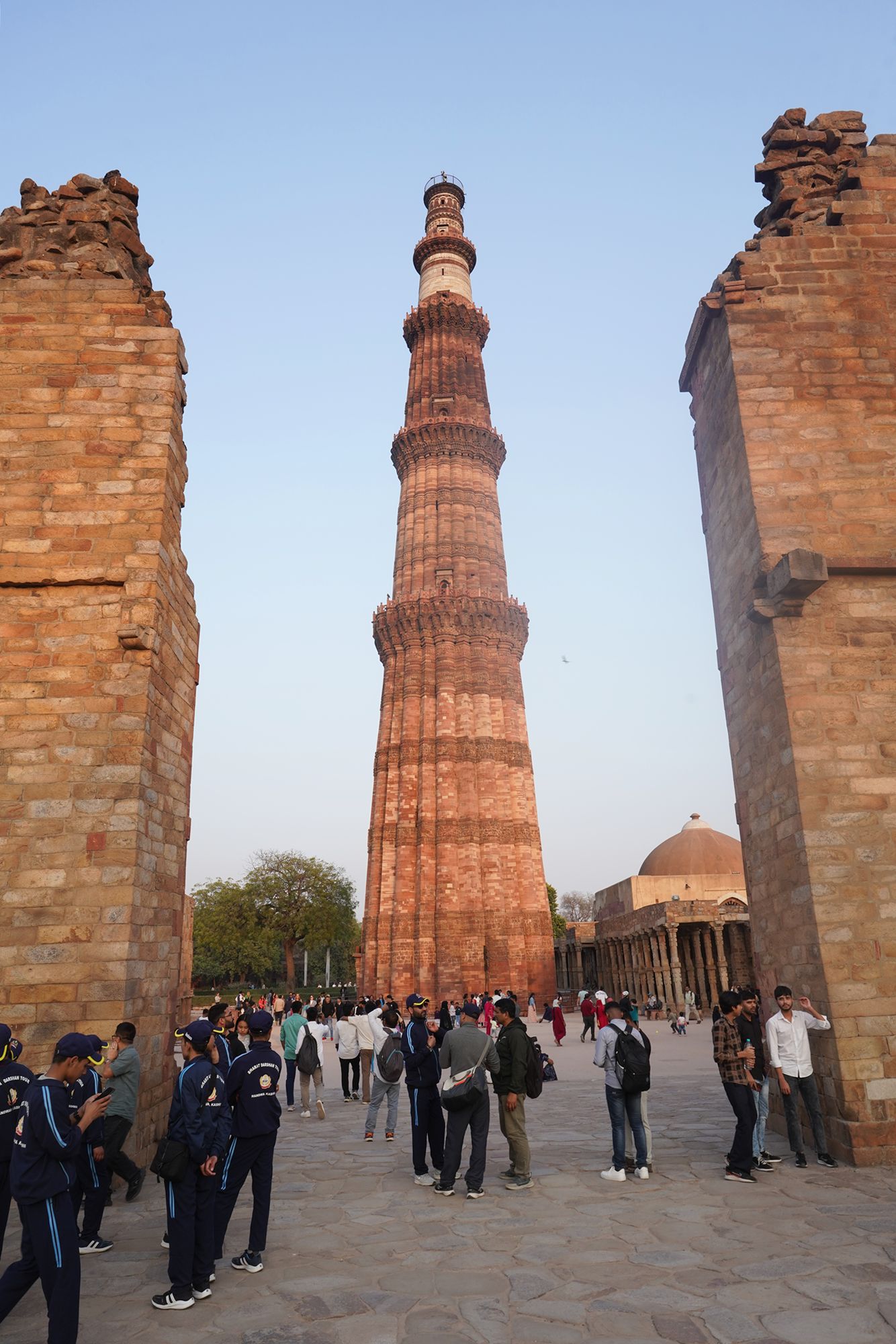
The minaret rises about 73 meters (240 feet) and consists of five tapering stories. The lower levels are primarily made of red sandstone, while the upper sections also incorporate marble. Its exterior is richly decorated with bands of Arabic inscriptions, geometric patterns, and intricate stone carving.
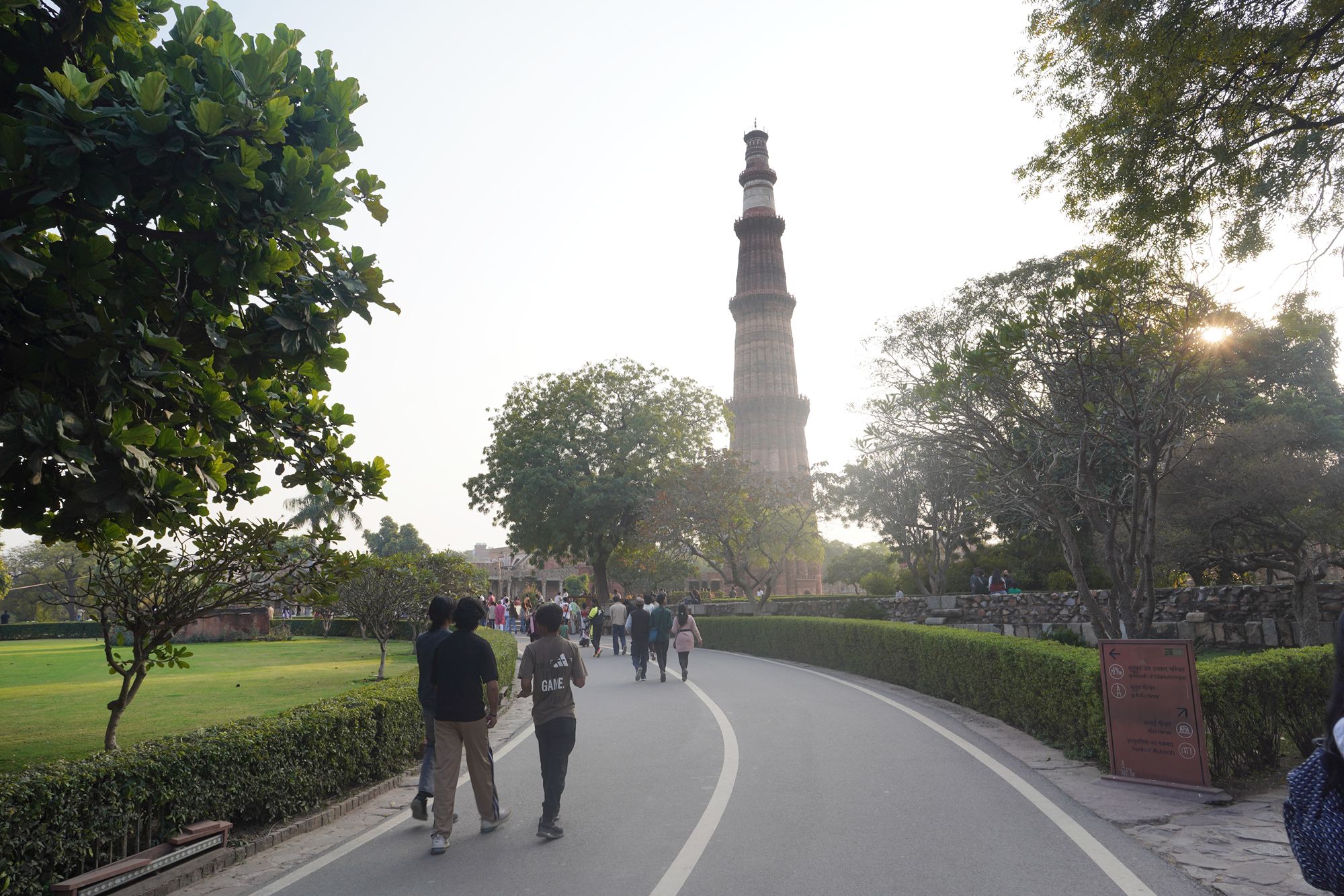
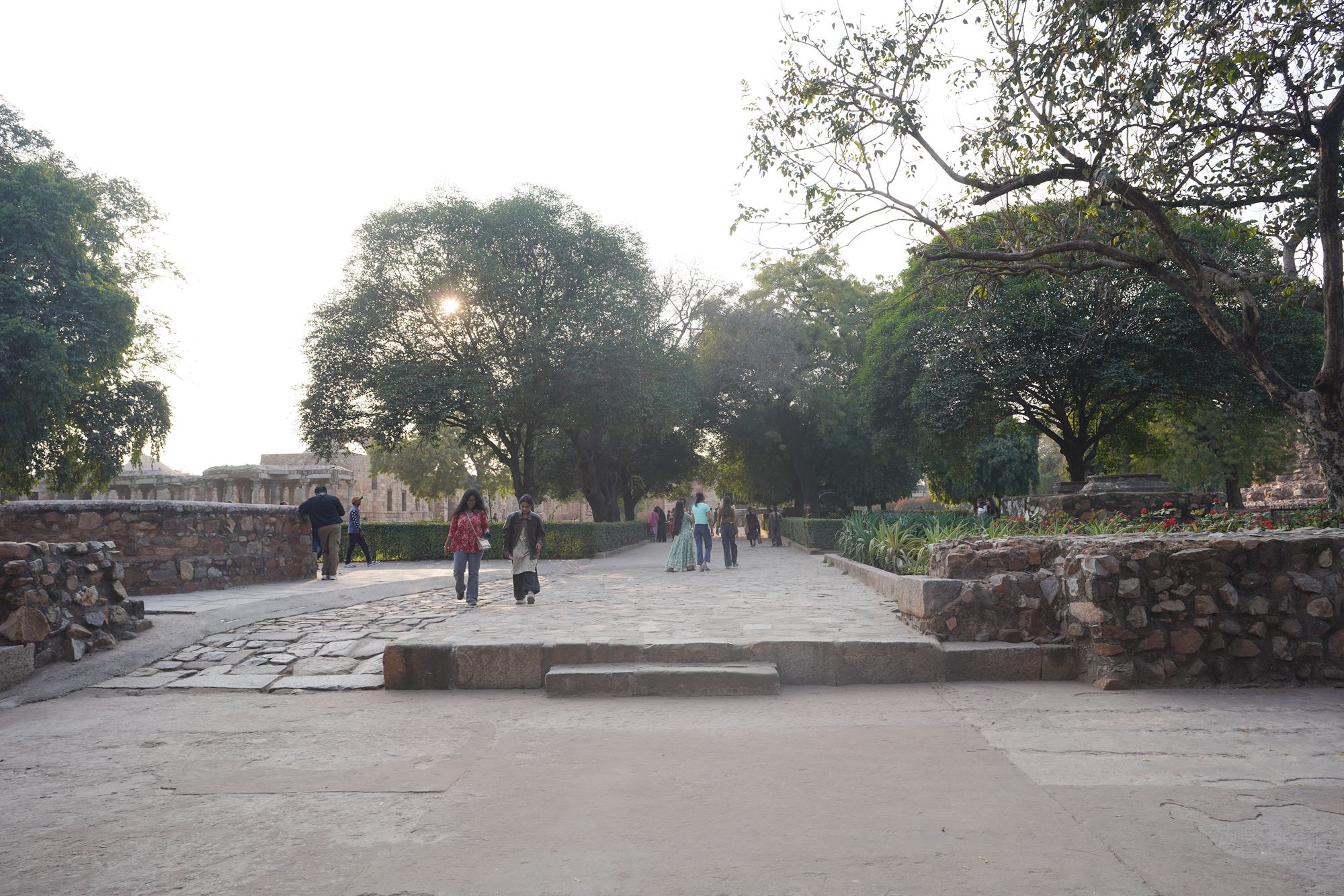
This is the front right side of the Qutb Minar complex.
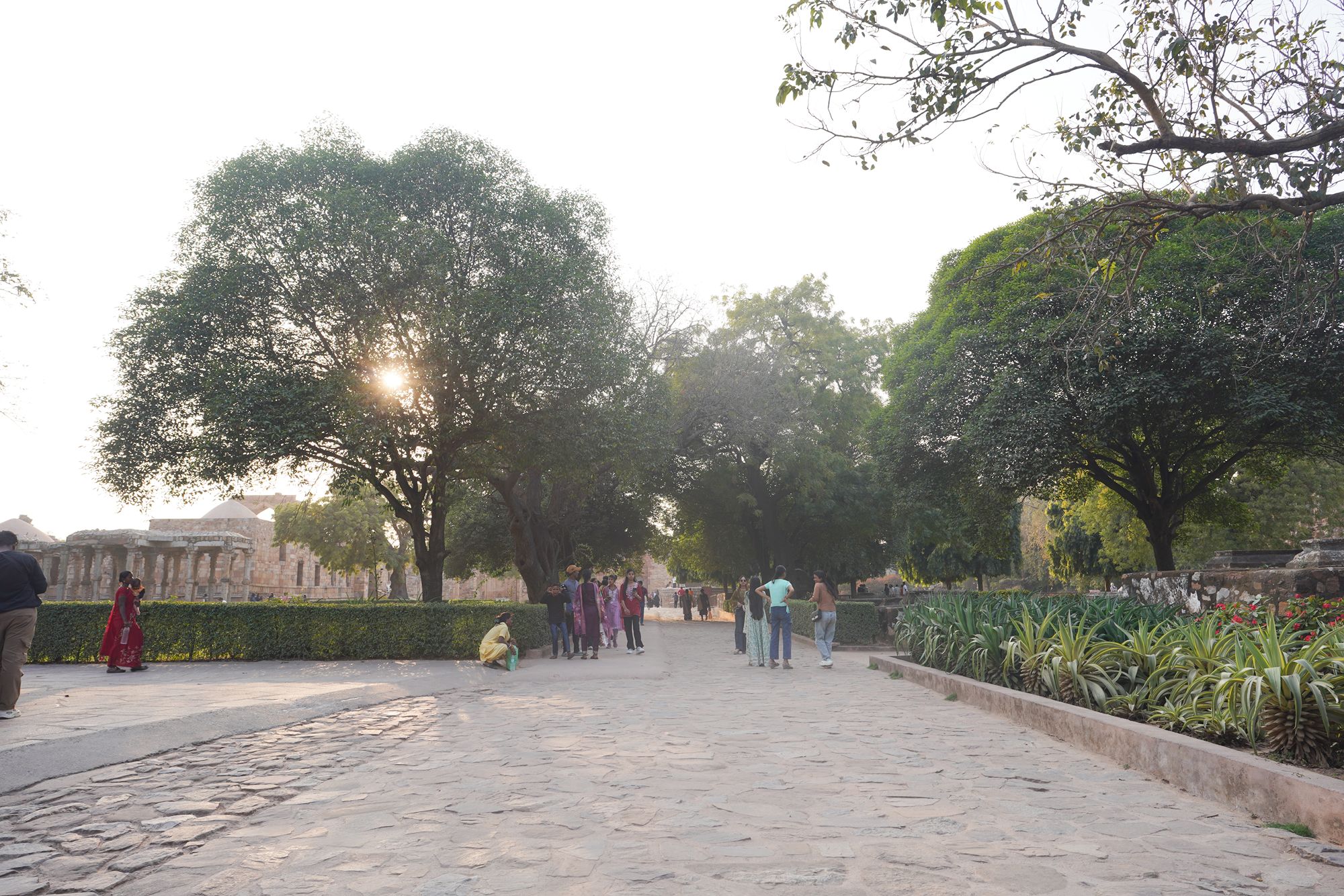
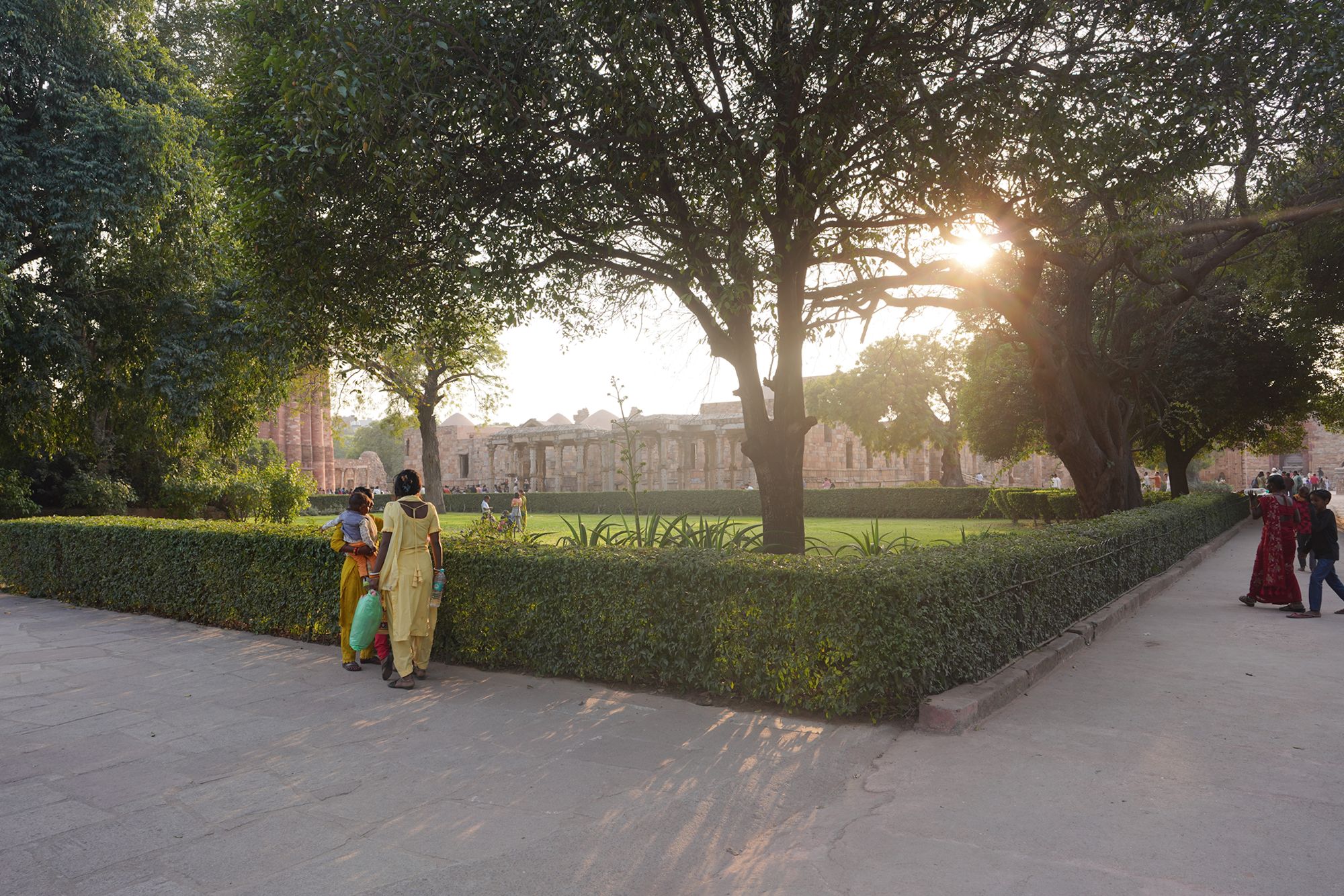
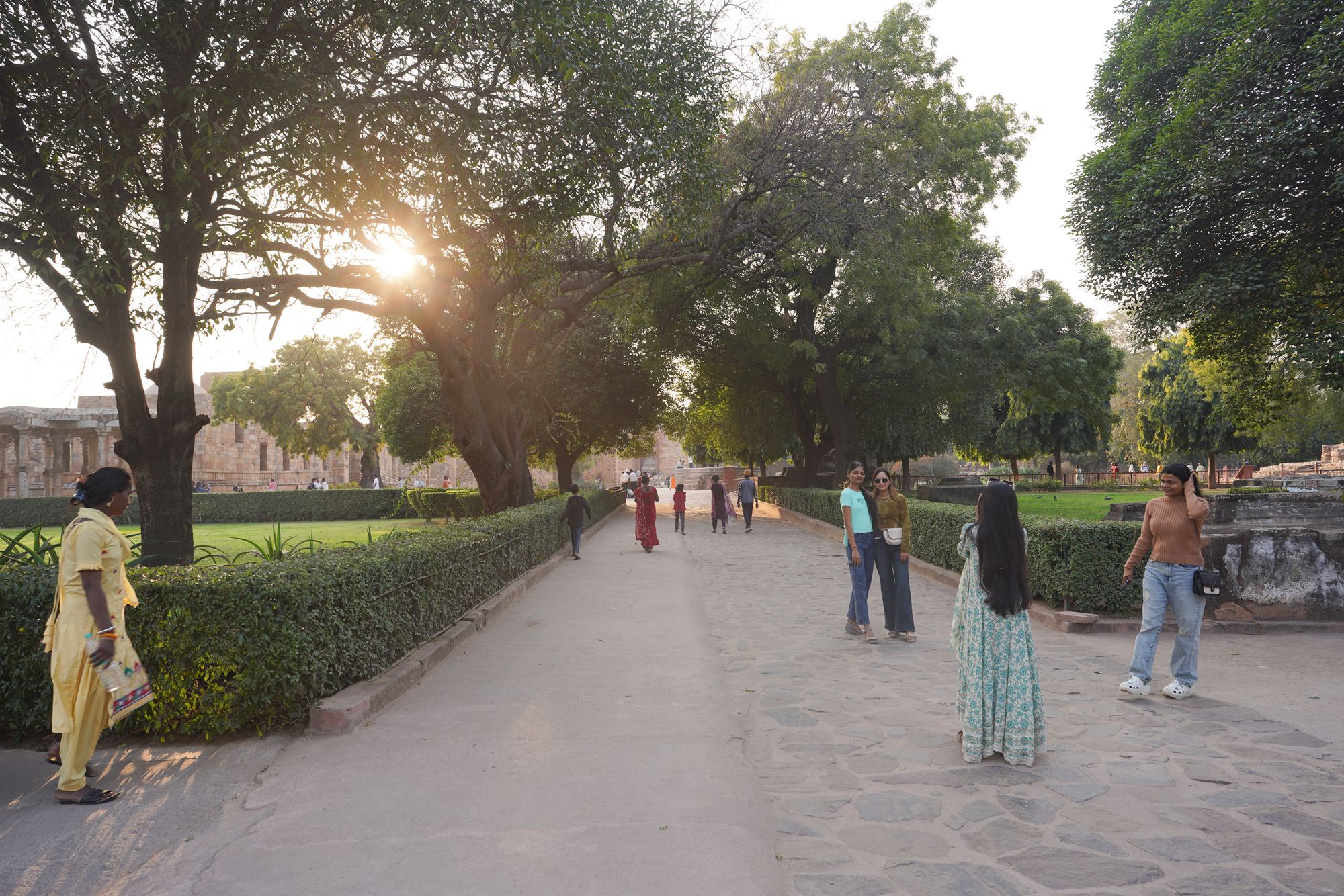
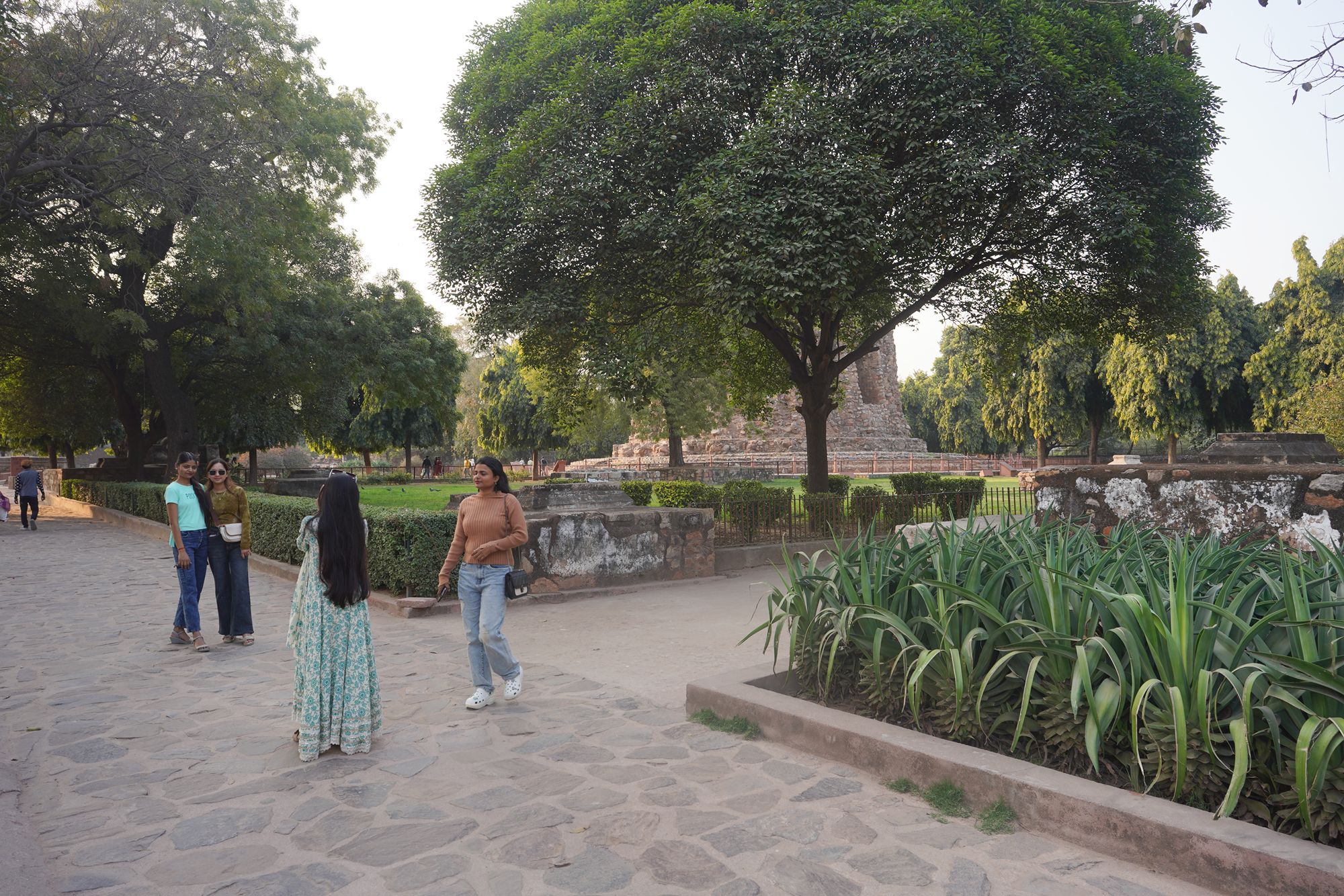
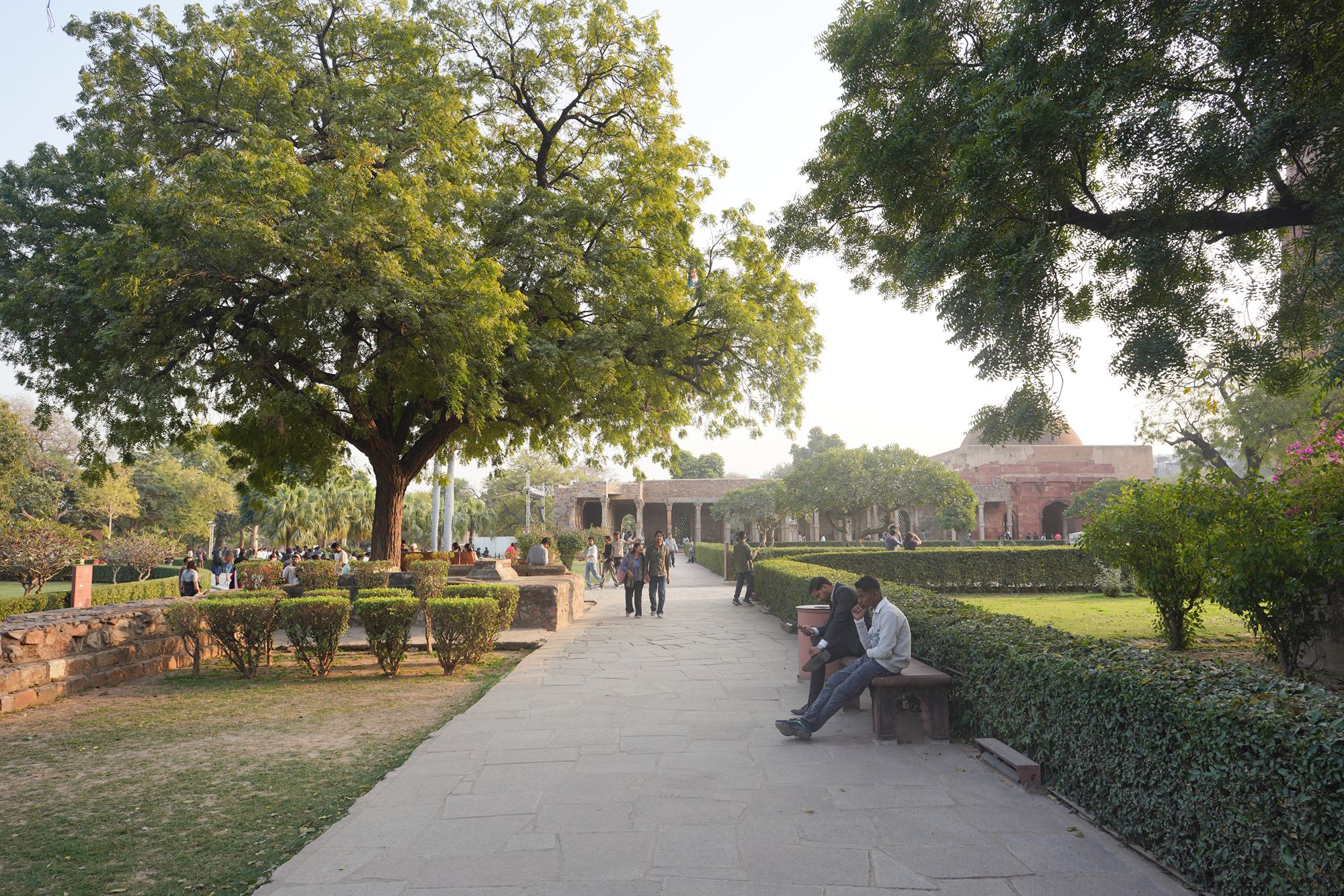
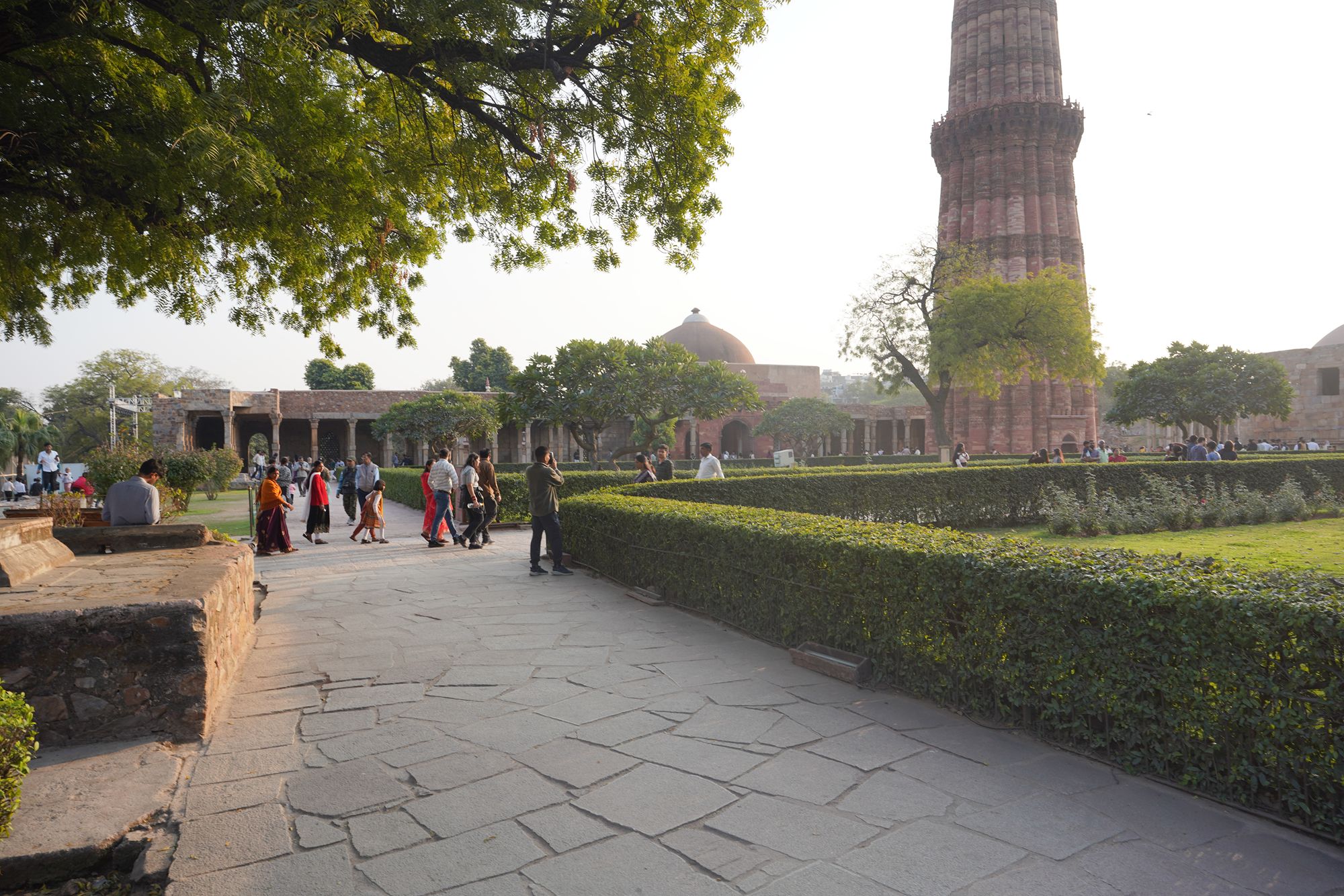
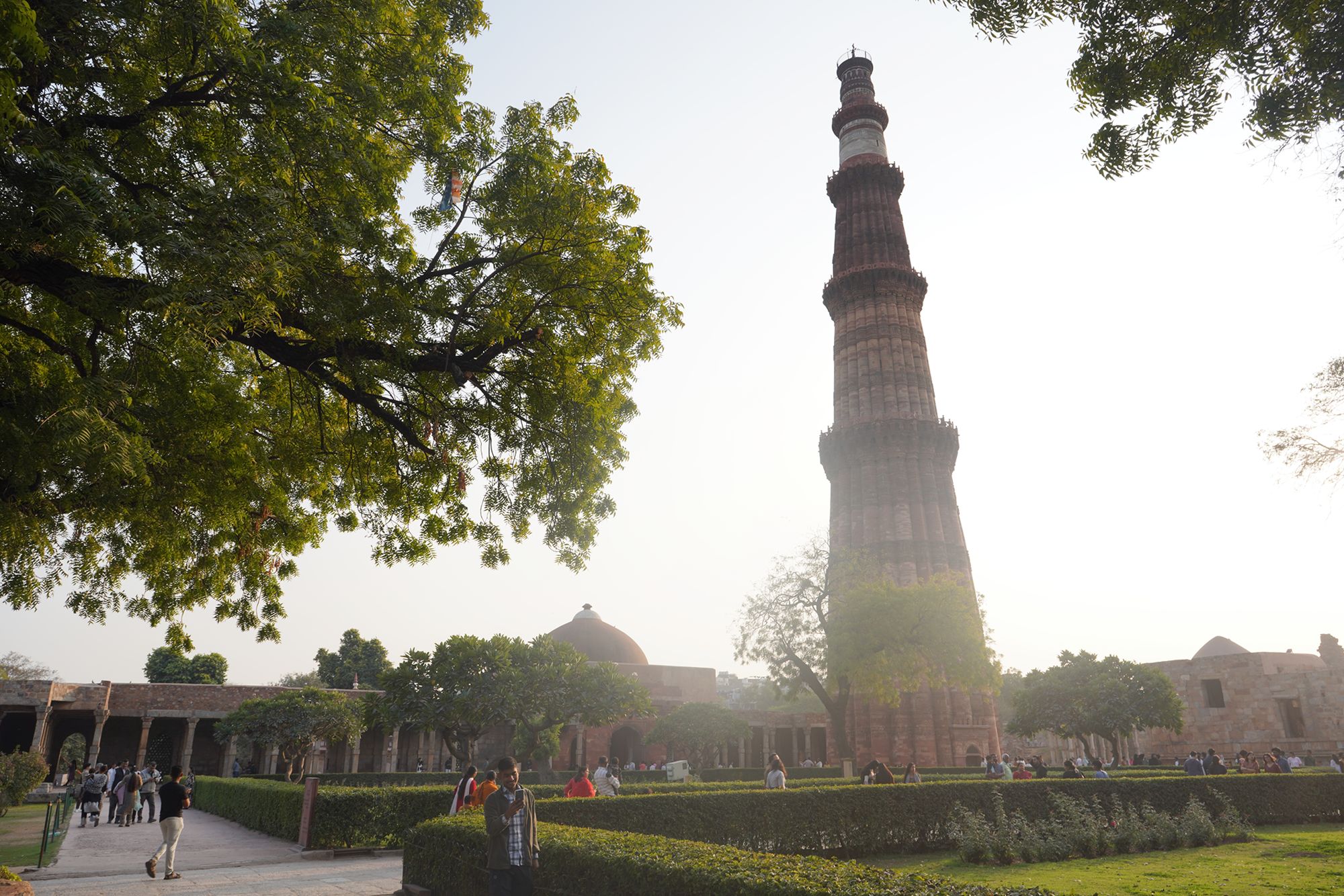
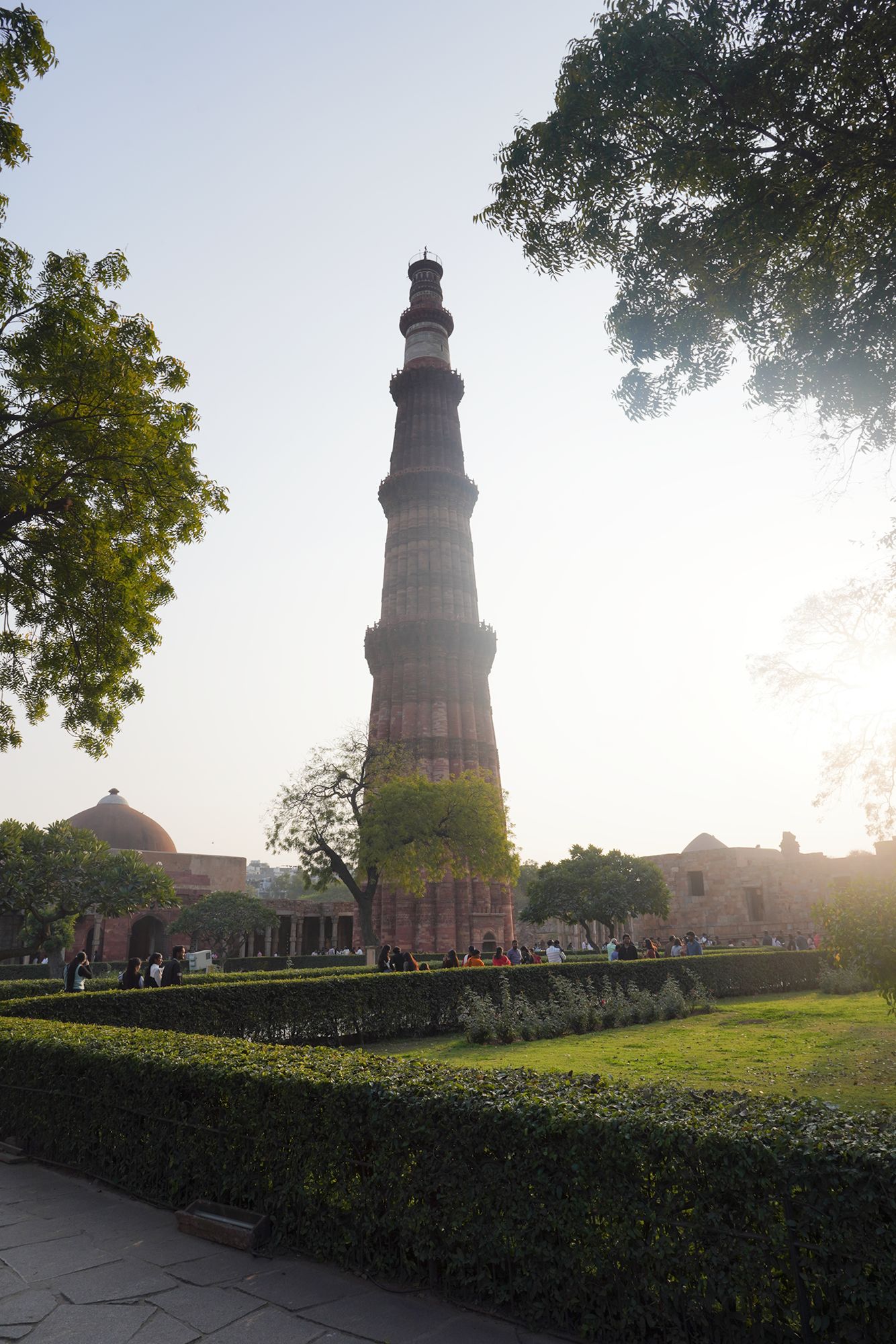
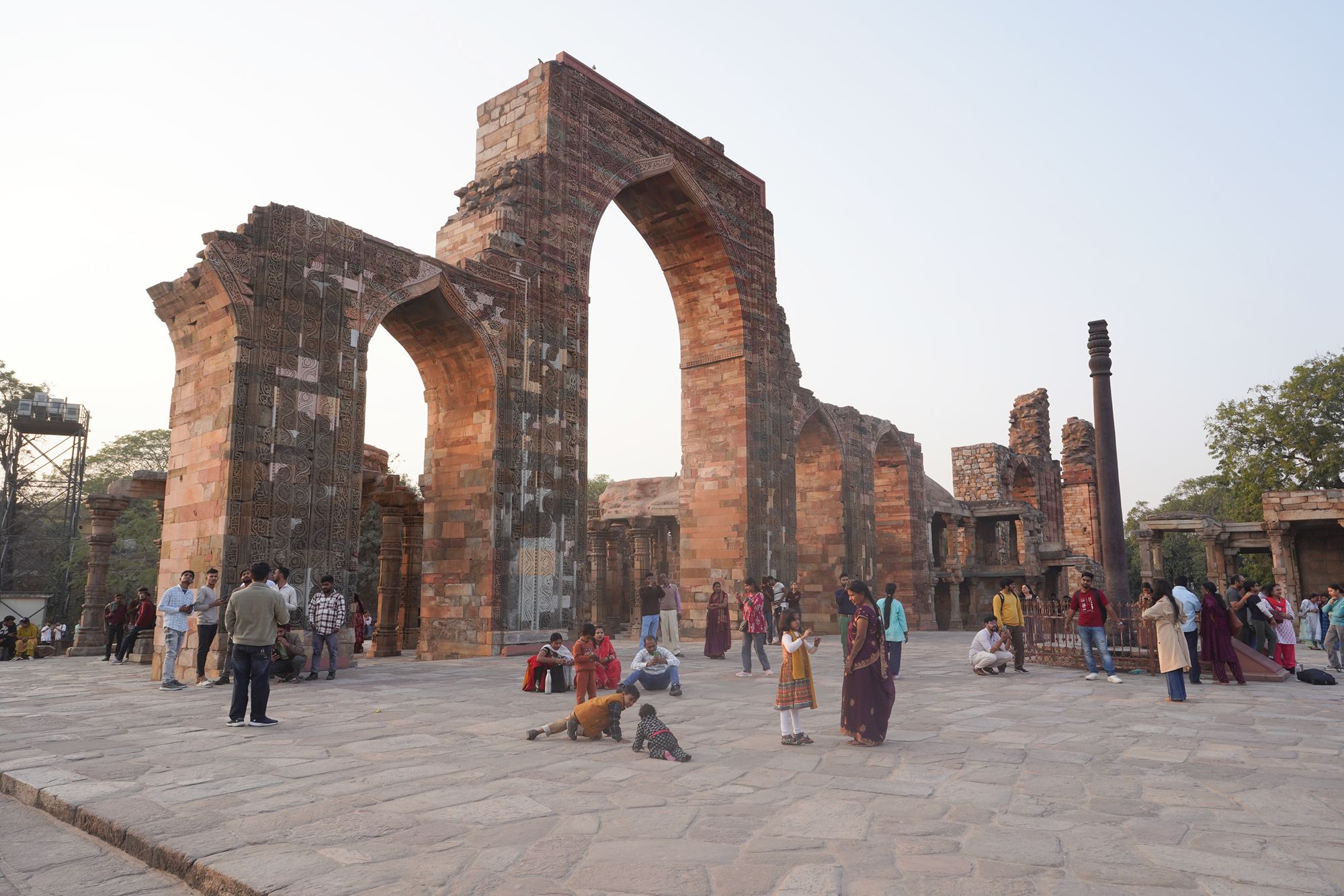
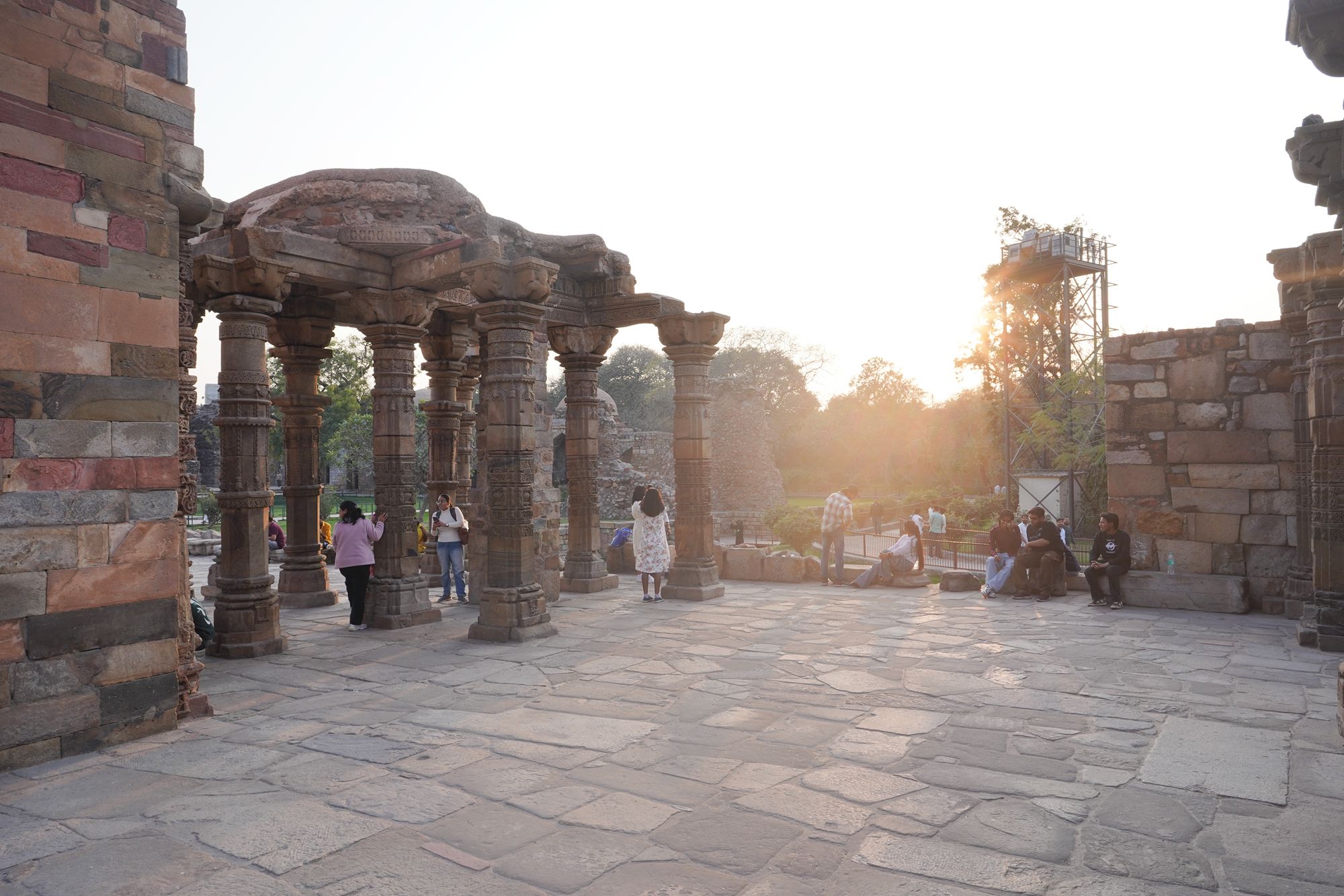
The surrounding Qutb complex contains several important monuments, including the Quwwat-ul-Islam Mosque, the Iron Pillar, the Alai Darwaza, and the unfinished Alai Minar. Together they illustrate the beginnings and development of Indo-Islamic architecture in northern India.
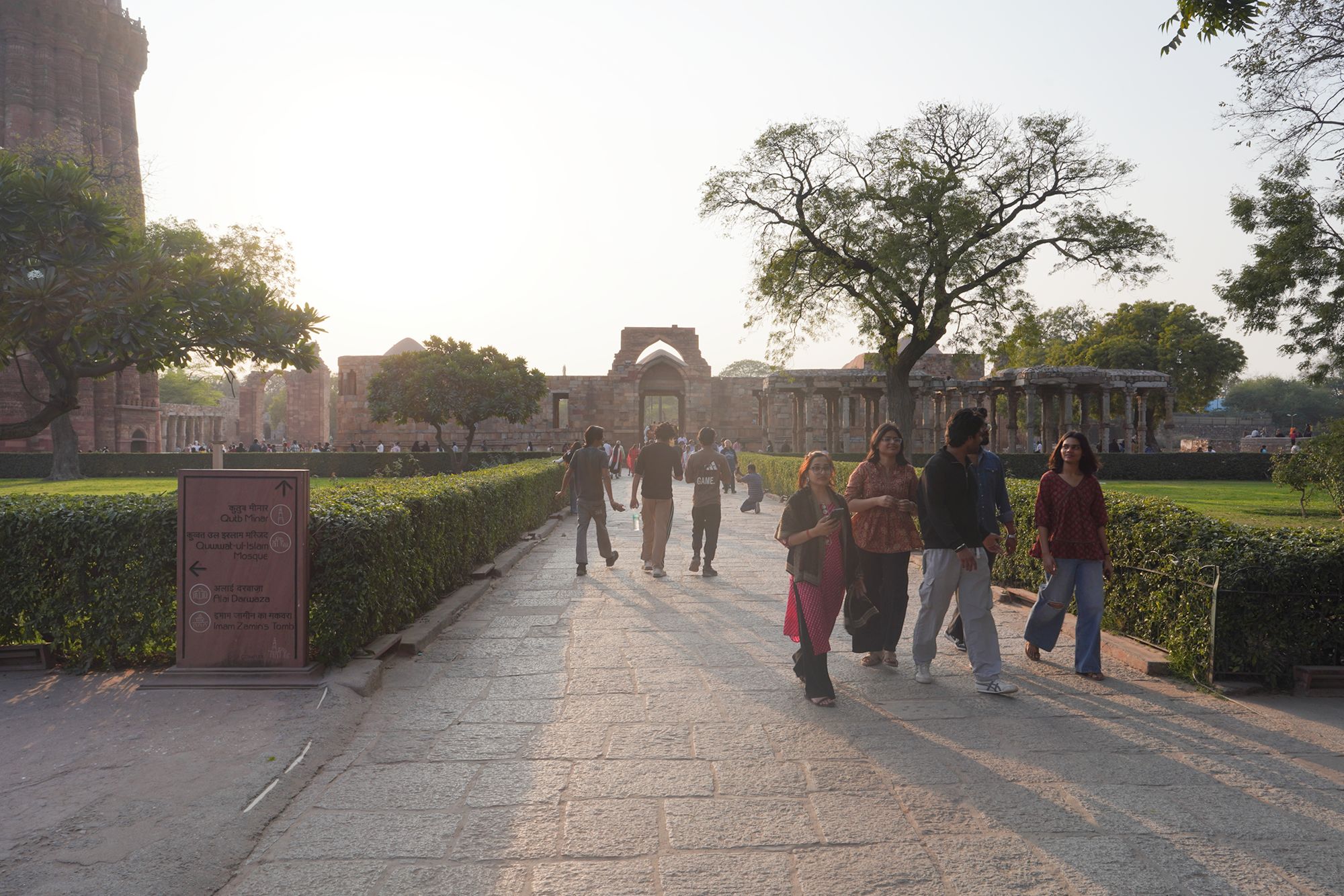
The Qutb Minar and its monuments were designated a UNESCO World Heritage Site in 1993.
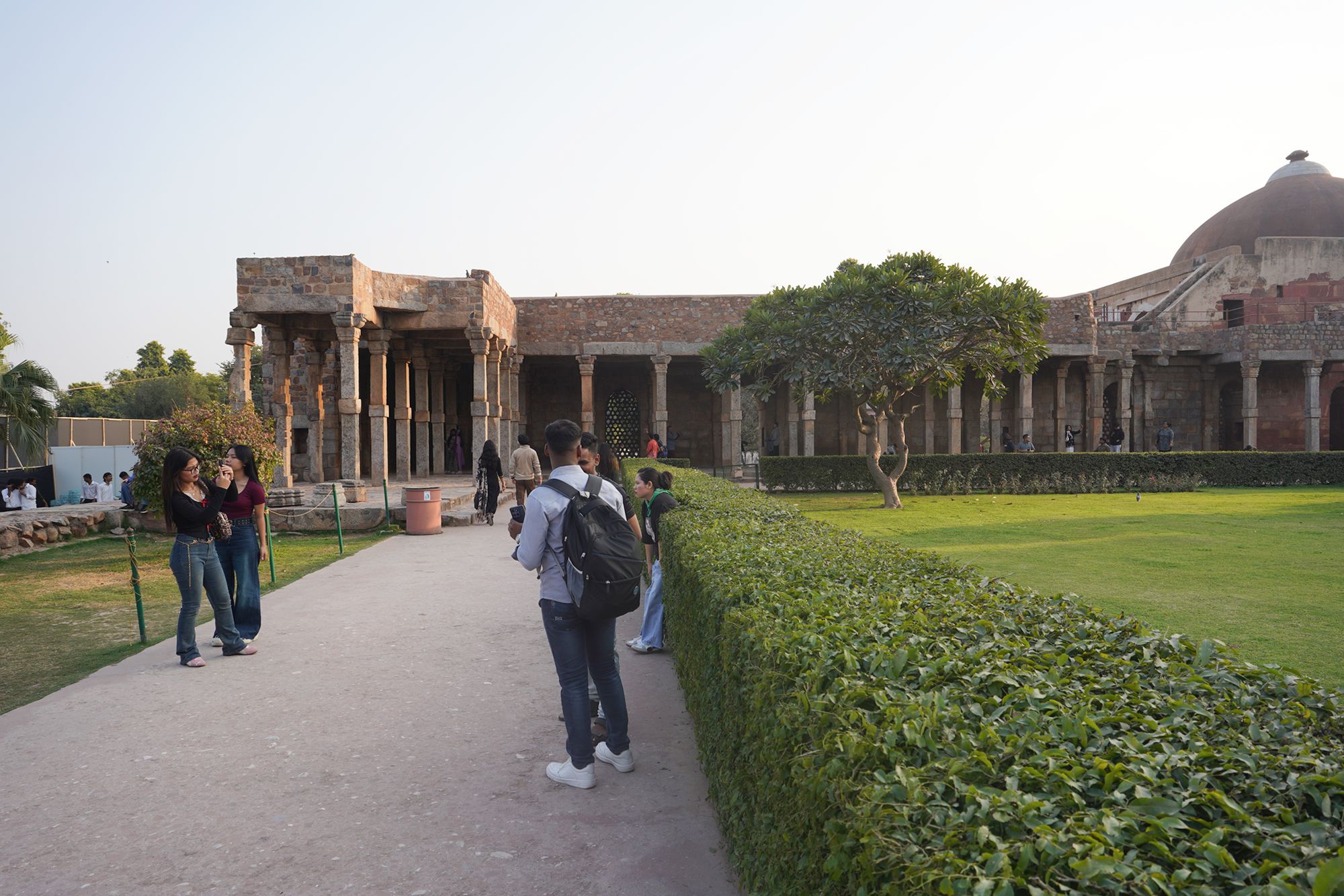
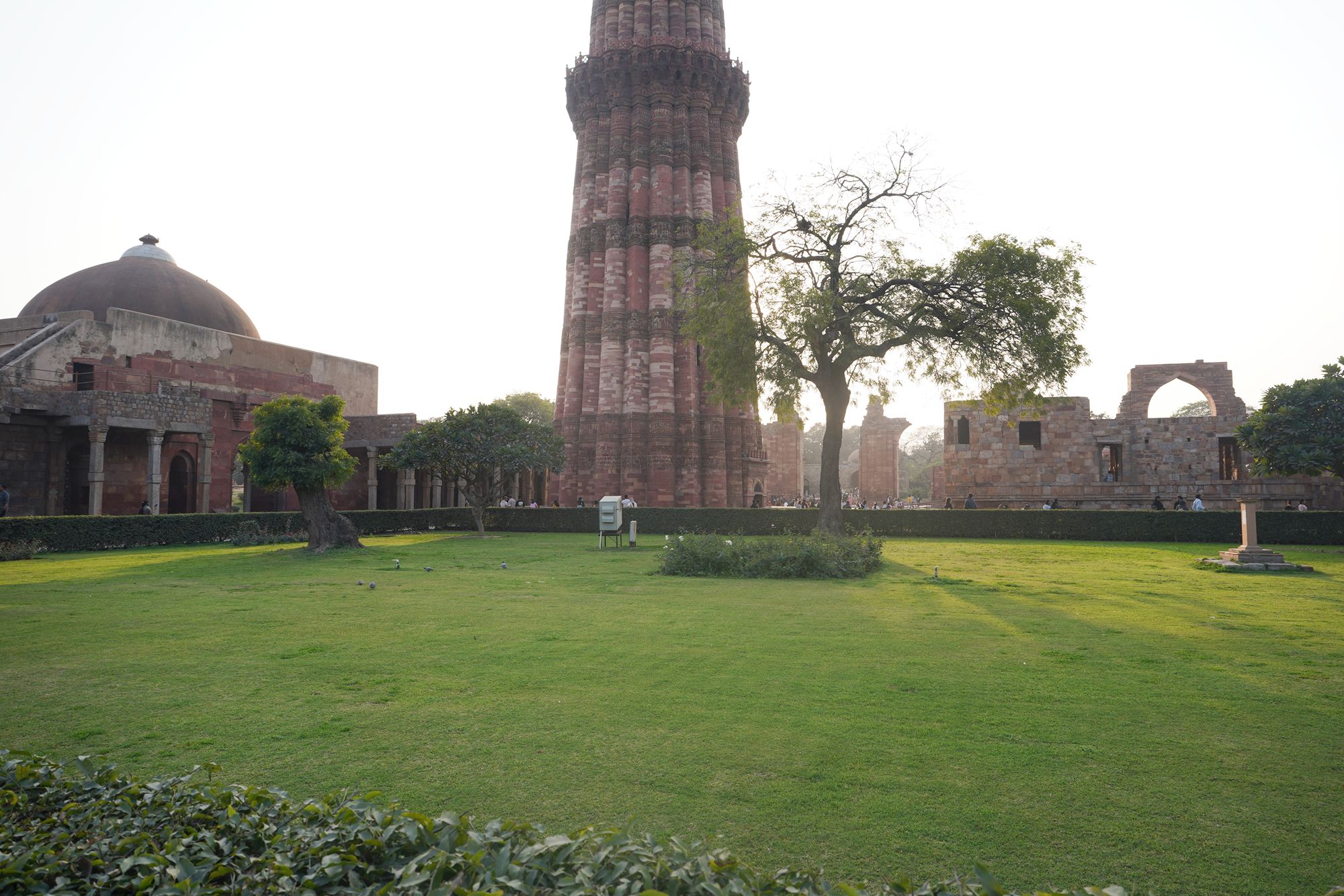
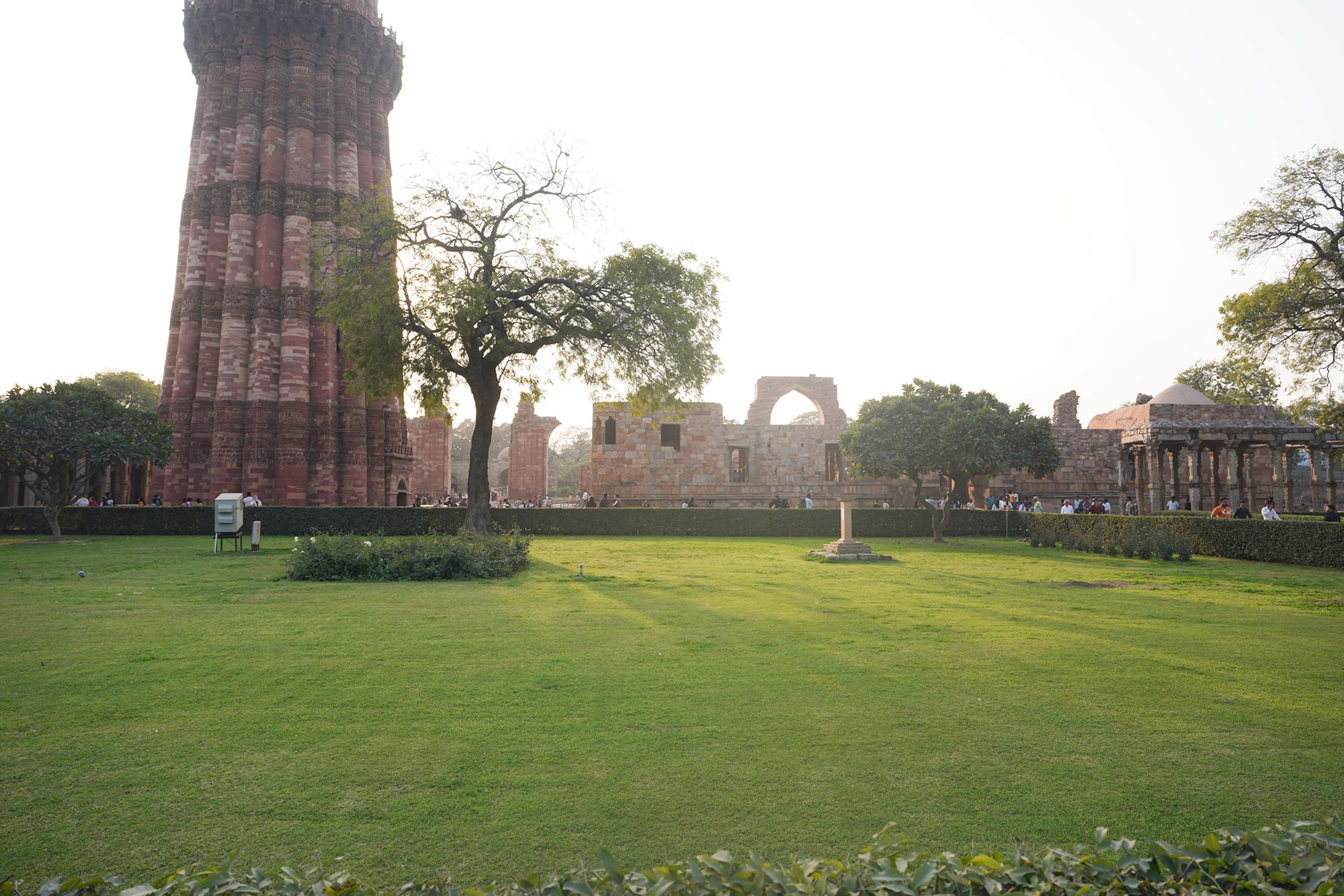
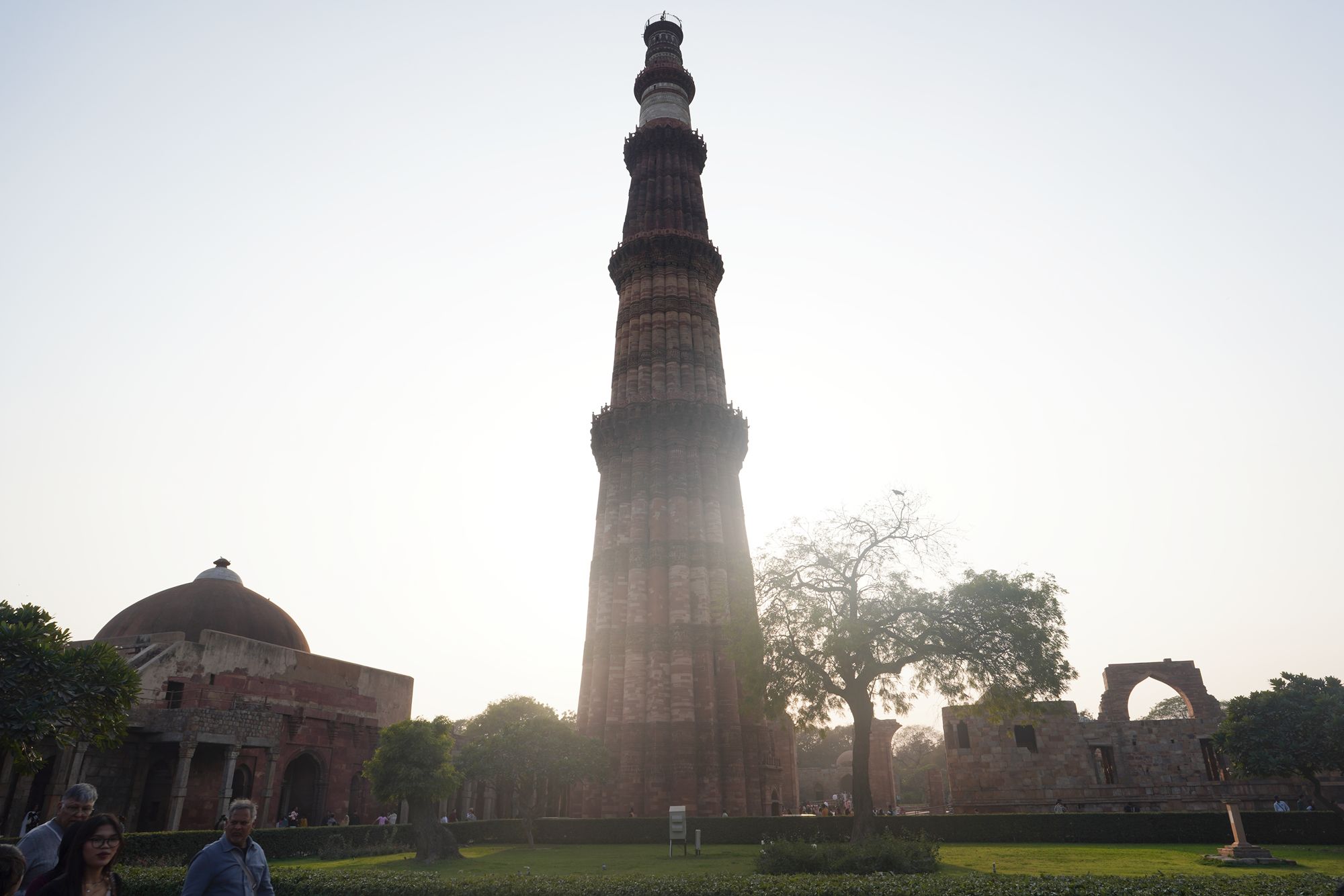
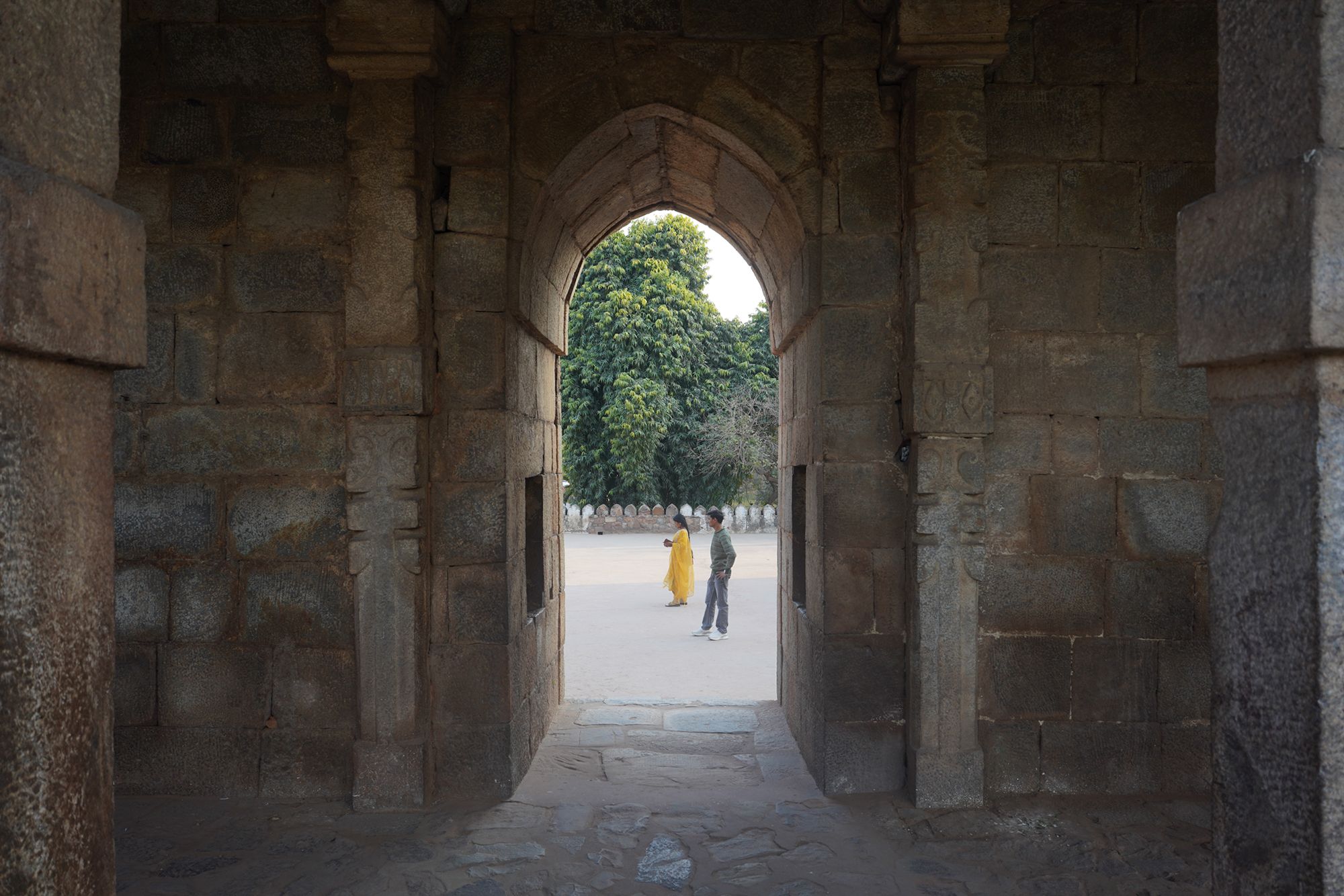
This is the front left side of the Qutb Minar complex.
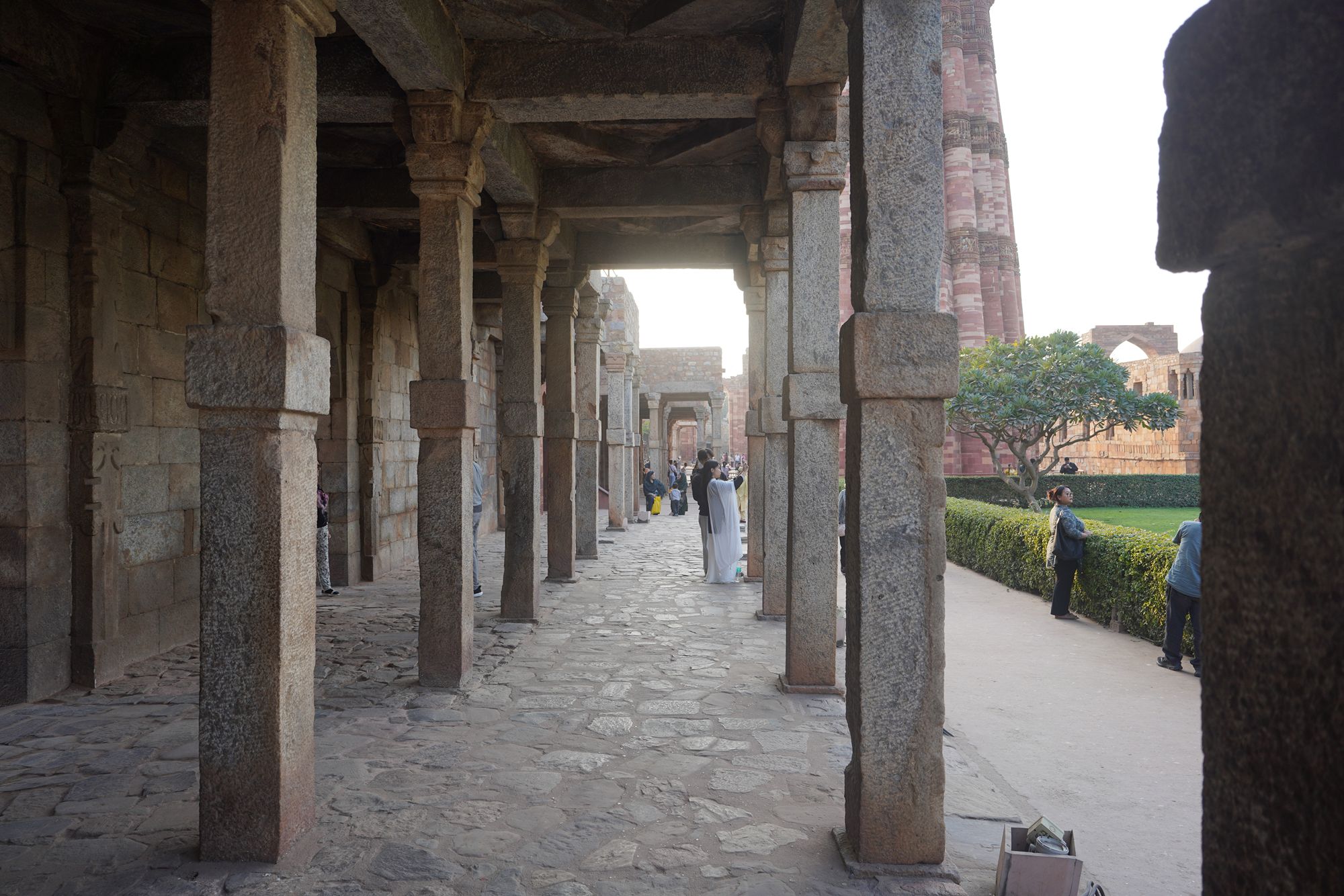
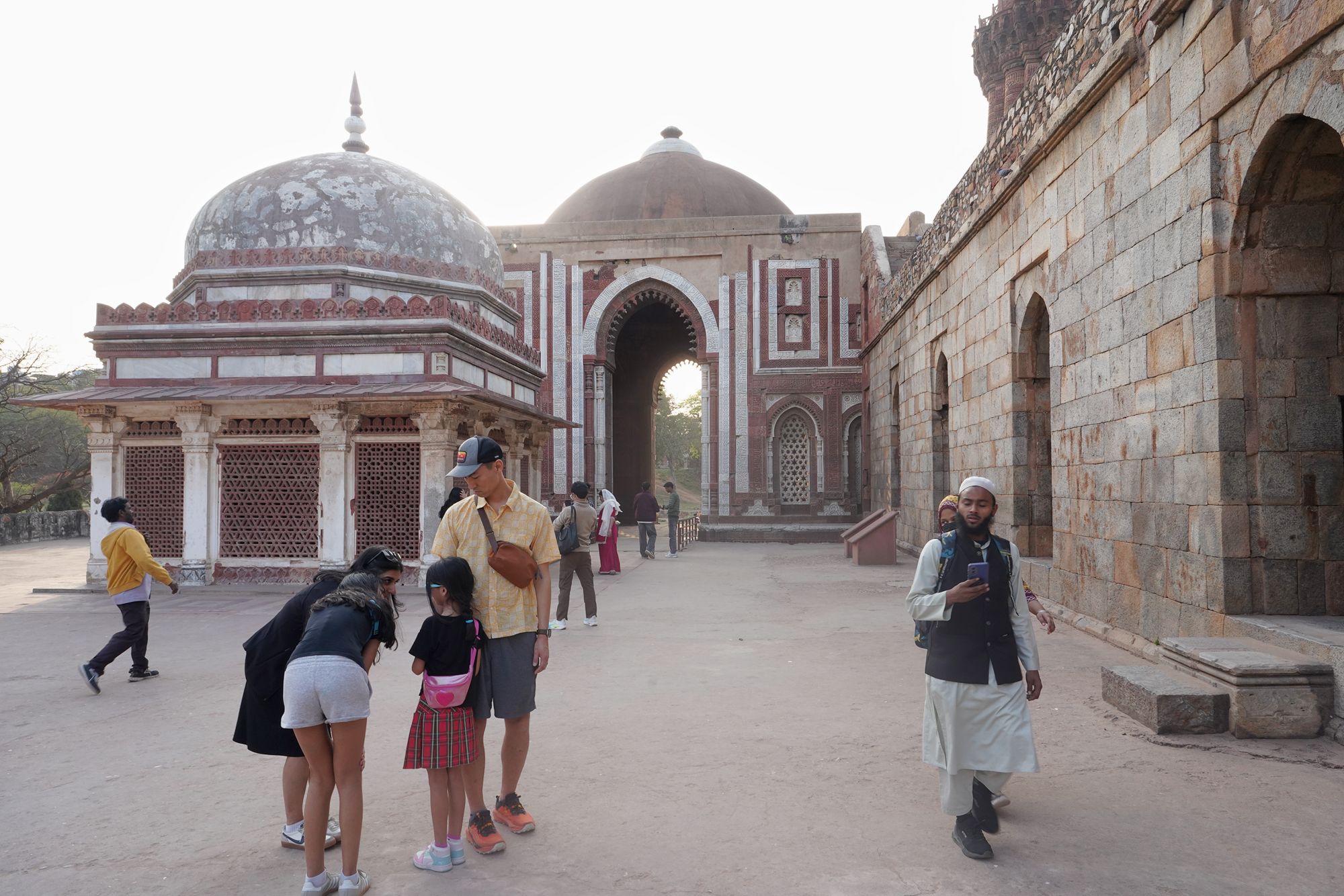
Alai Darwaza is an ornate gateway built in 1311 by Sultan Alauddin Khalji as an entrance to the Qutb complex. It is noted for its red sandstone, white marble decoration, intricate geometric patterns, and finely carved Islamic inscriptions.
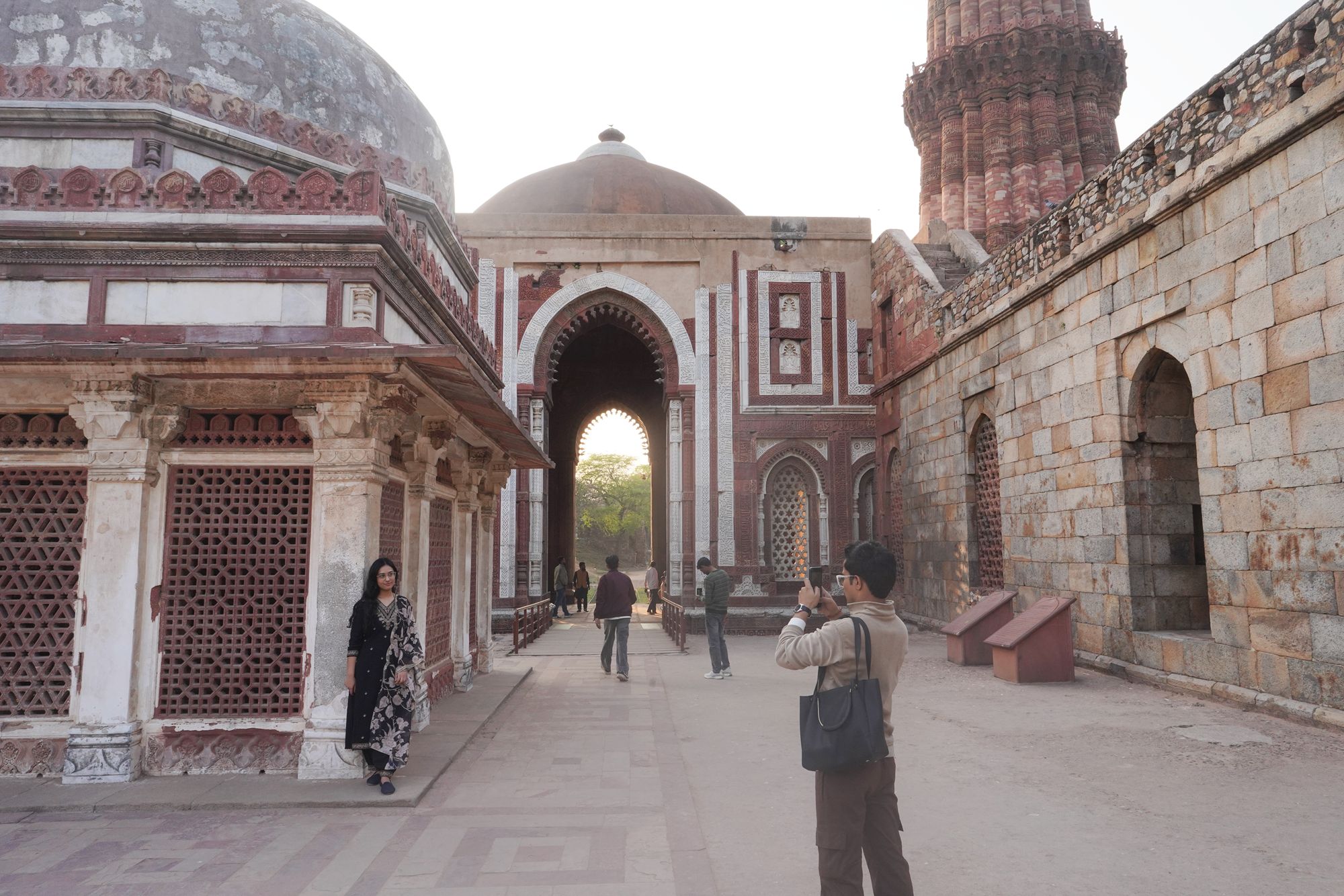
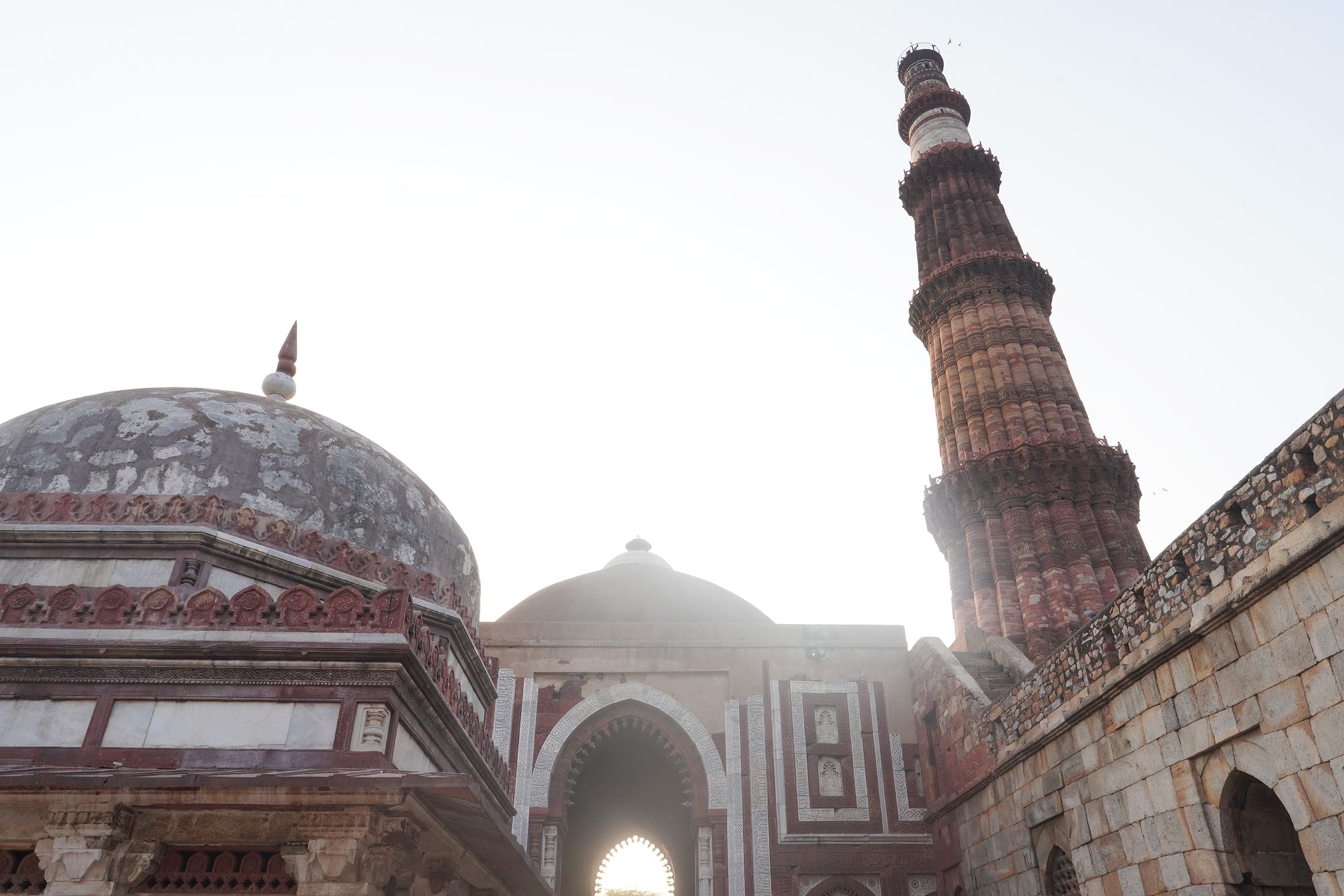
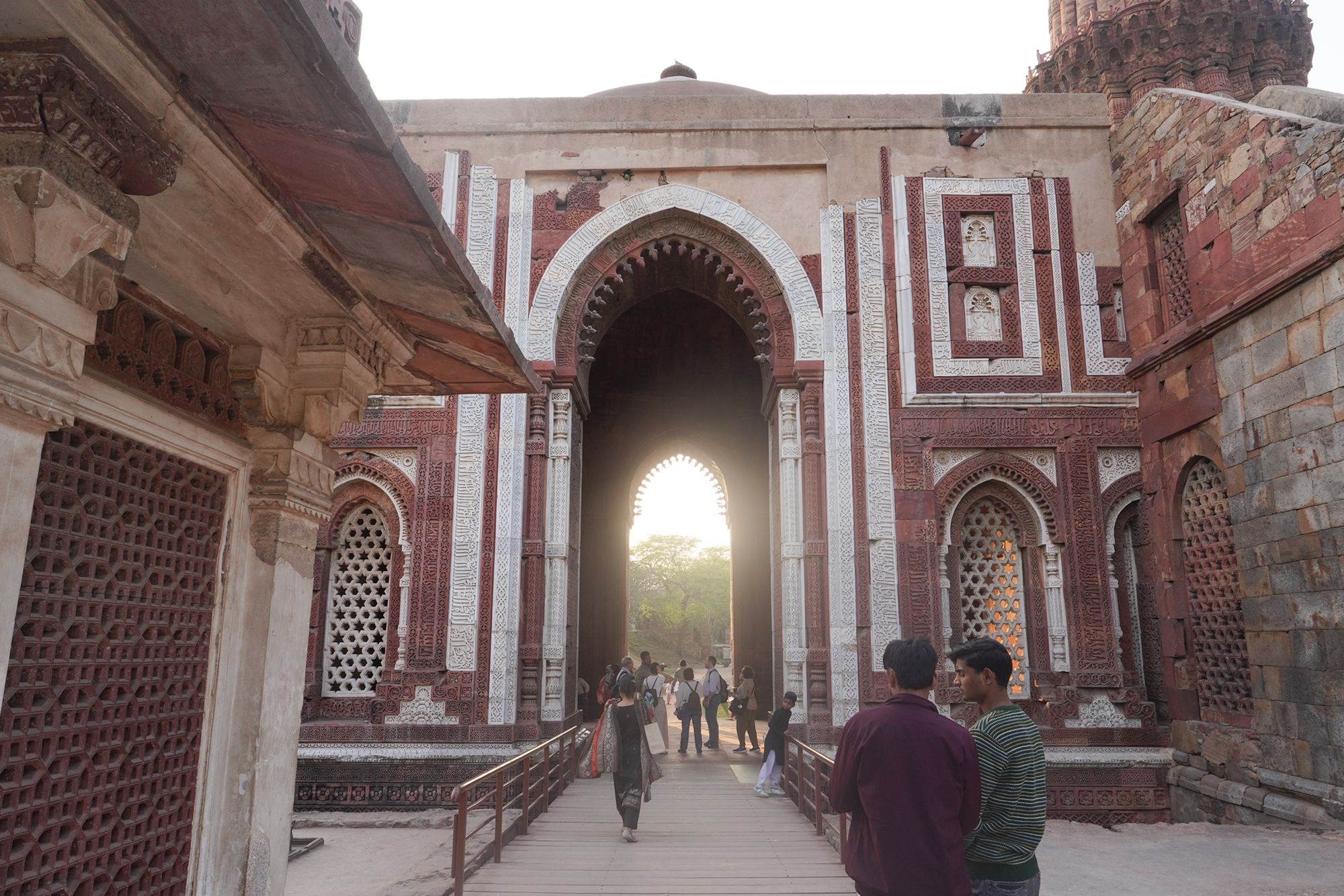
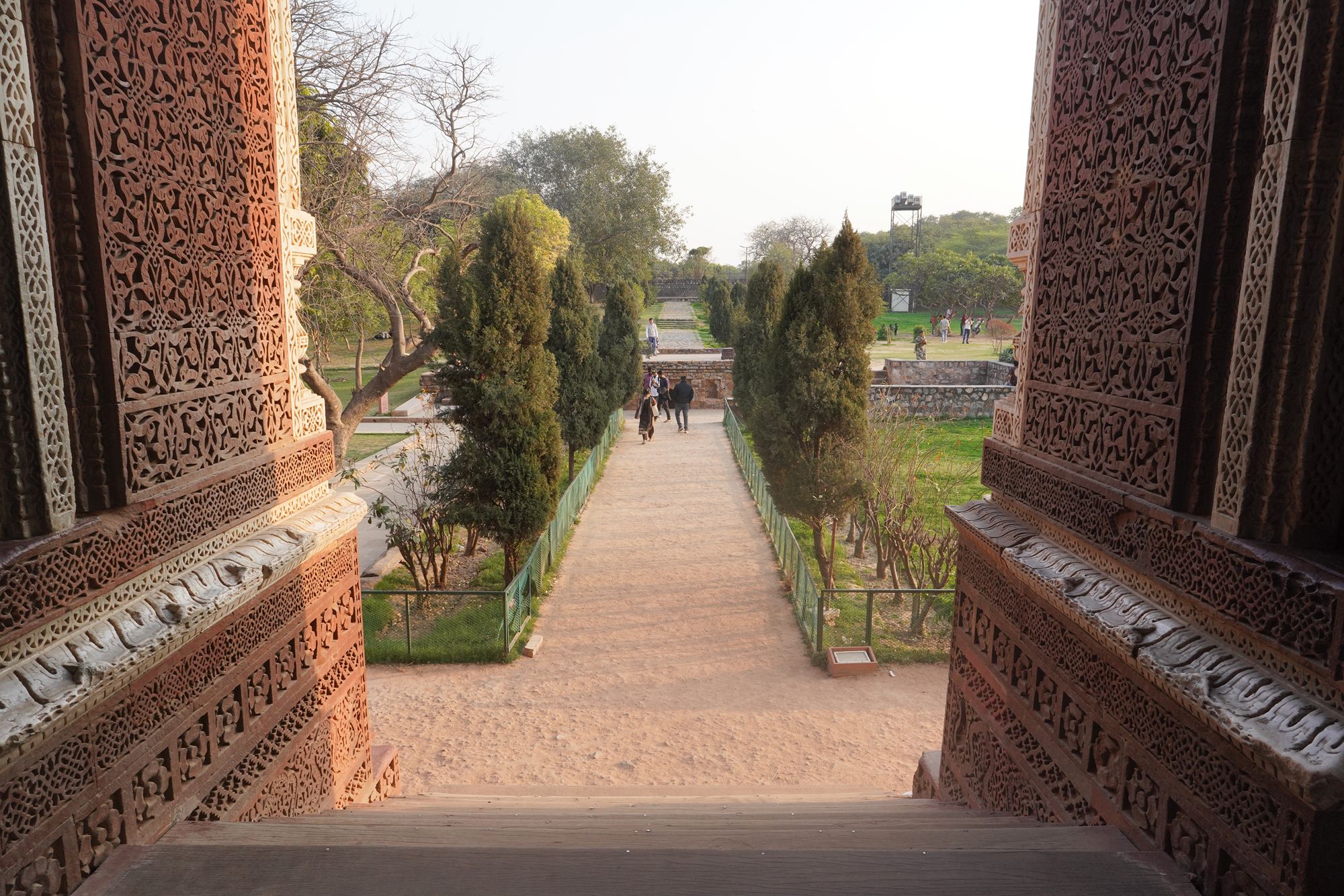
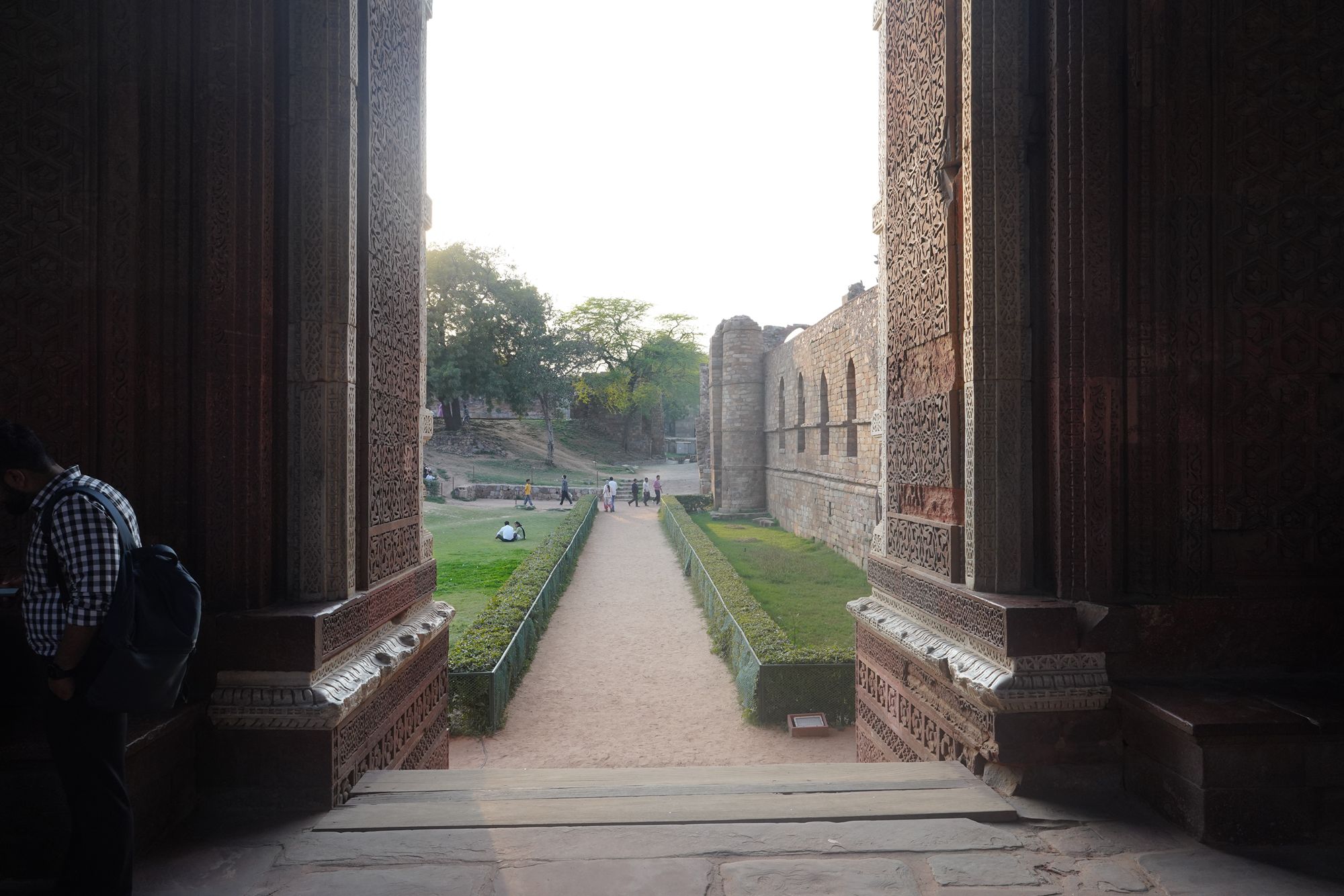
I walked toward the center of the Qutb Minar complex.
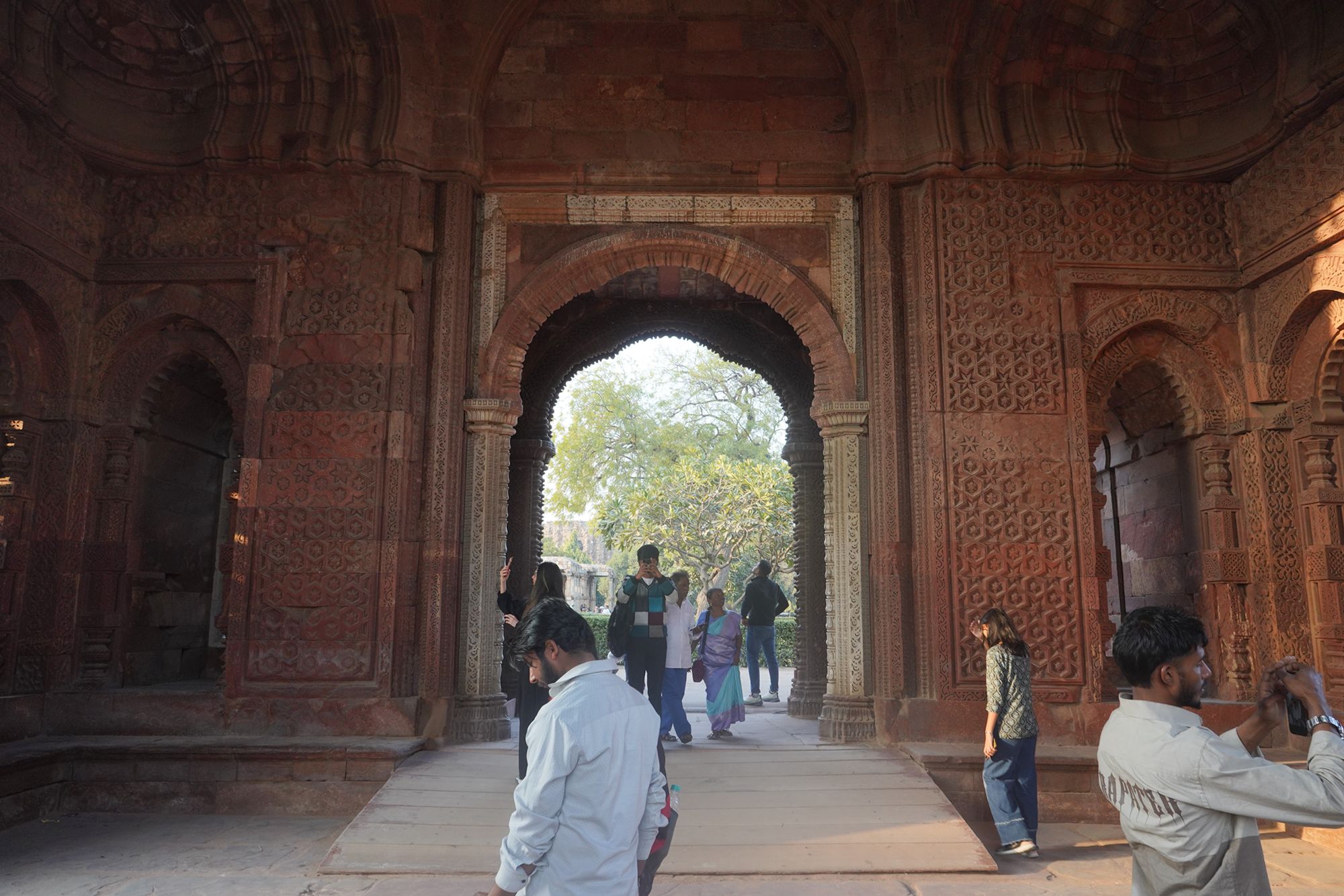
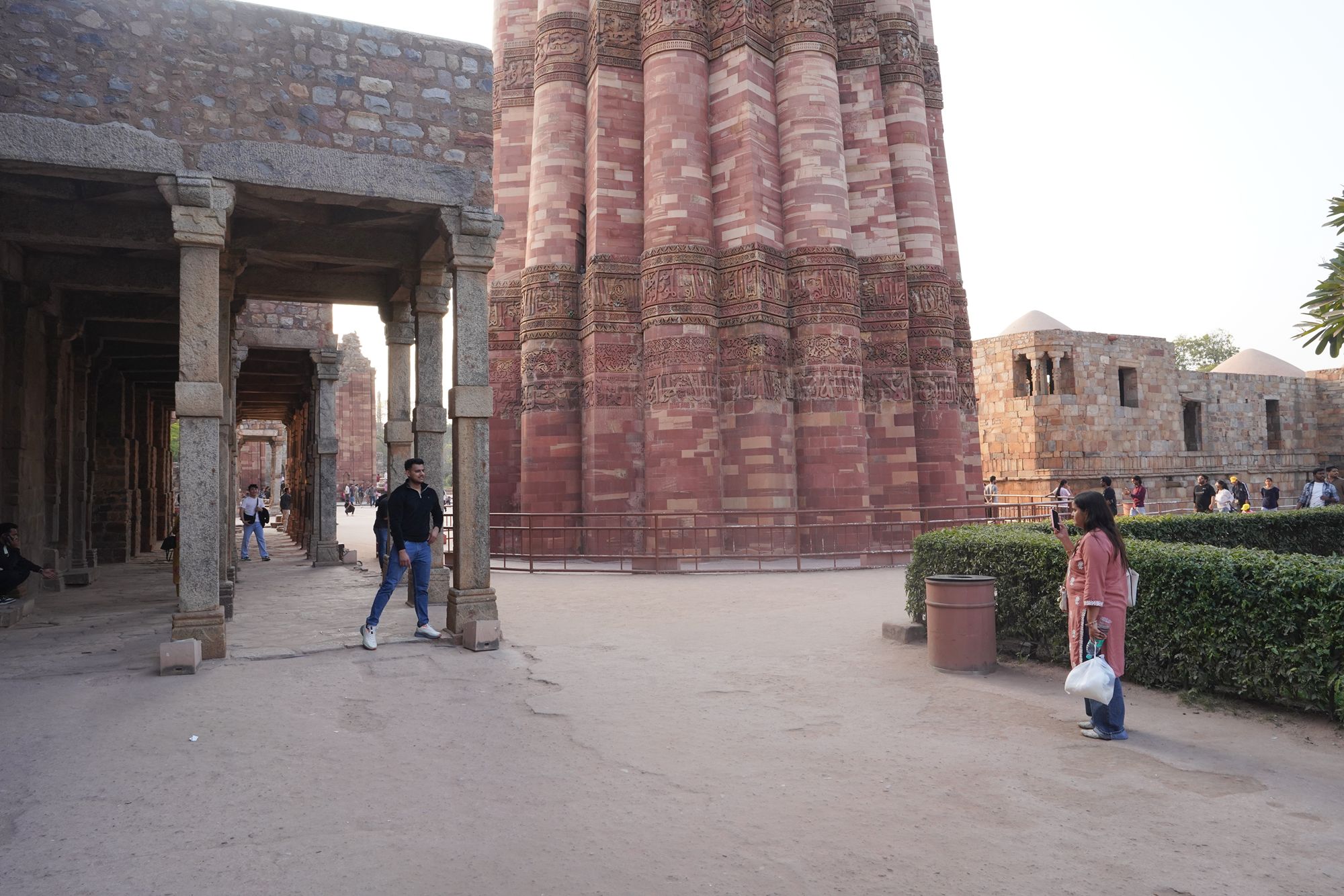
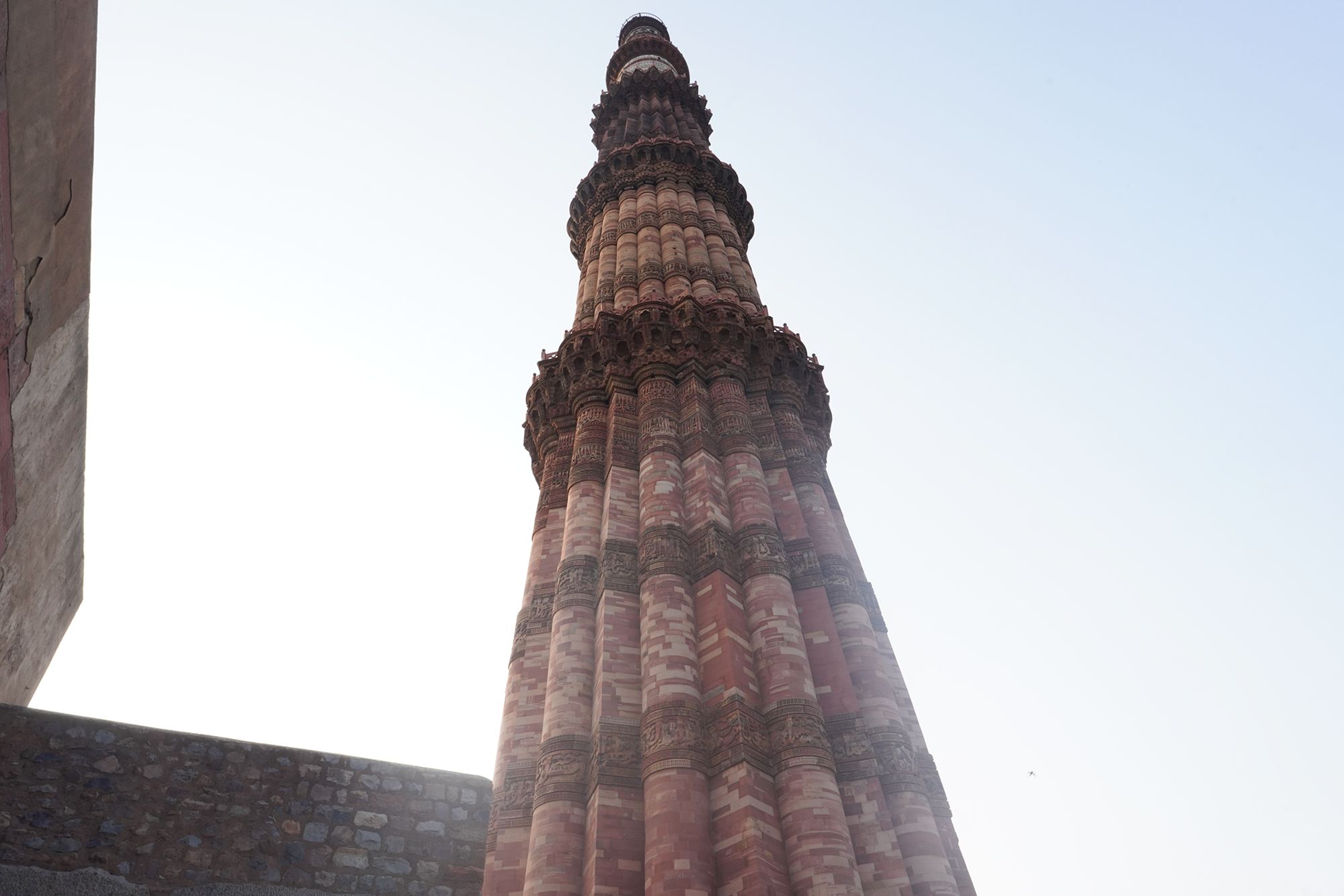
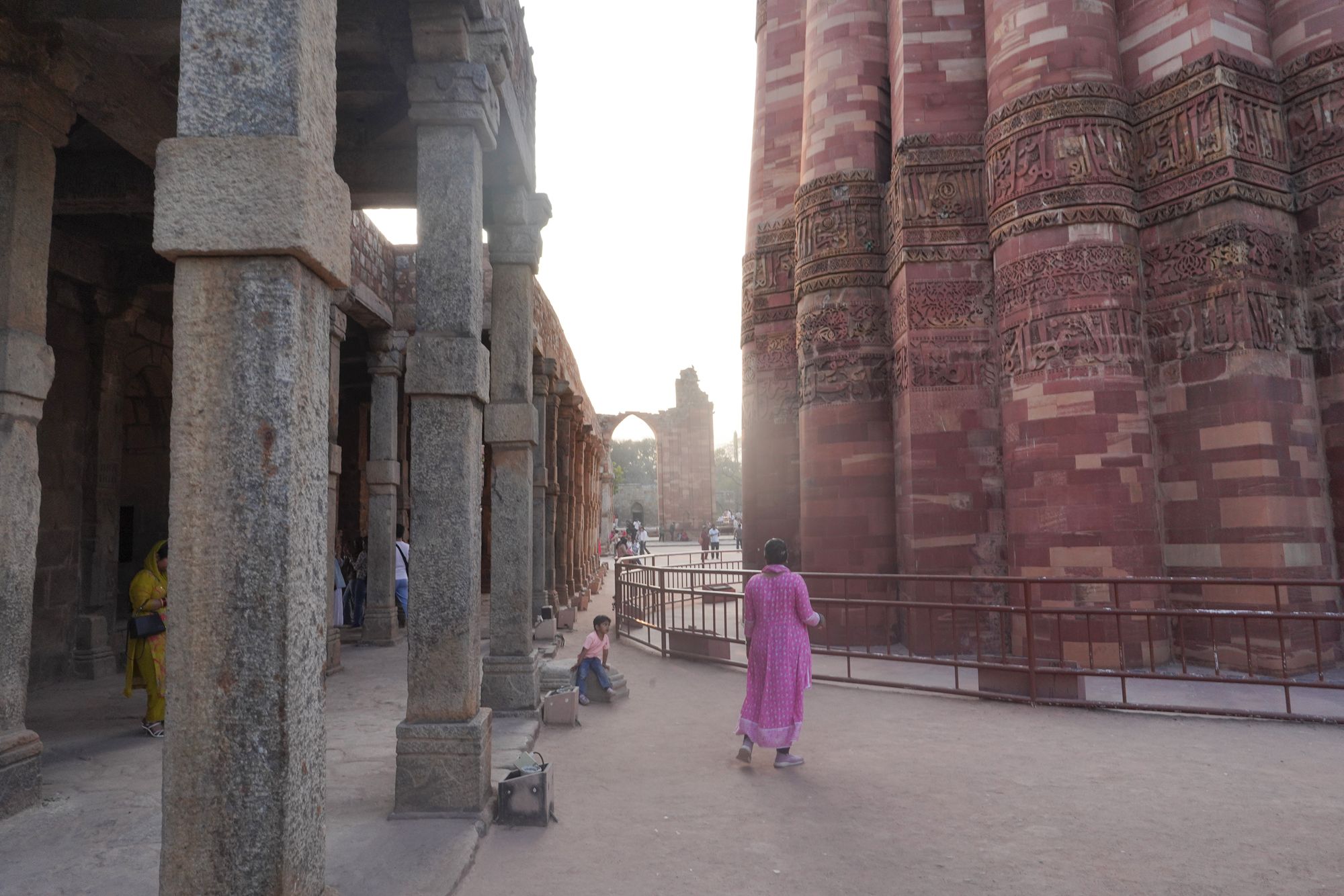
The Qutb Minar is decorated with beautifully carved Arabic inscriptions, including verses from the Qur’an and records of the rulers who built and restored the tower.
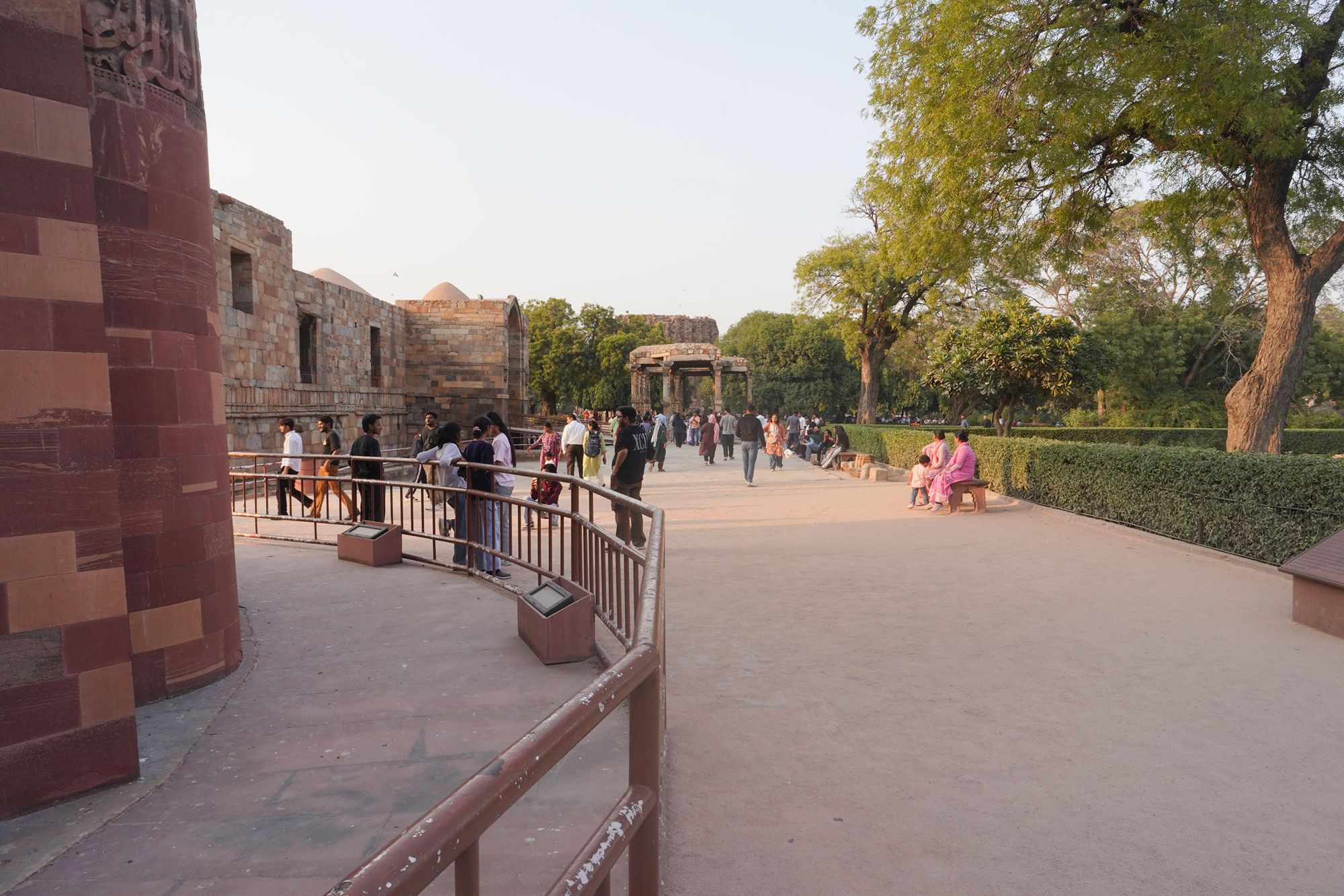
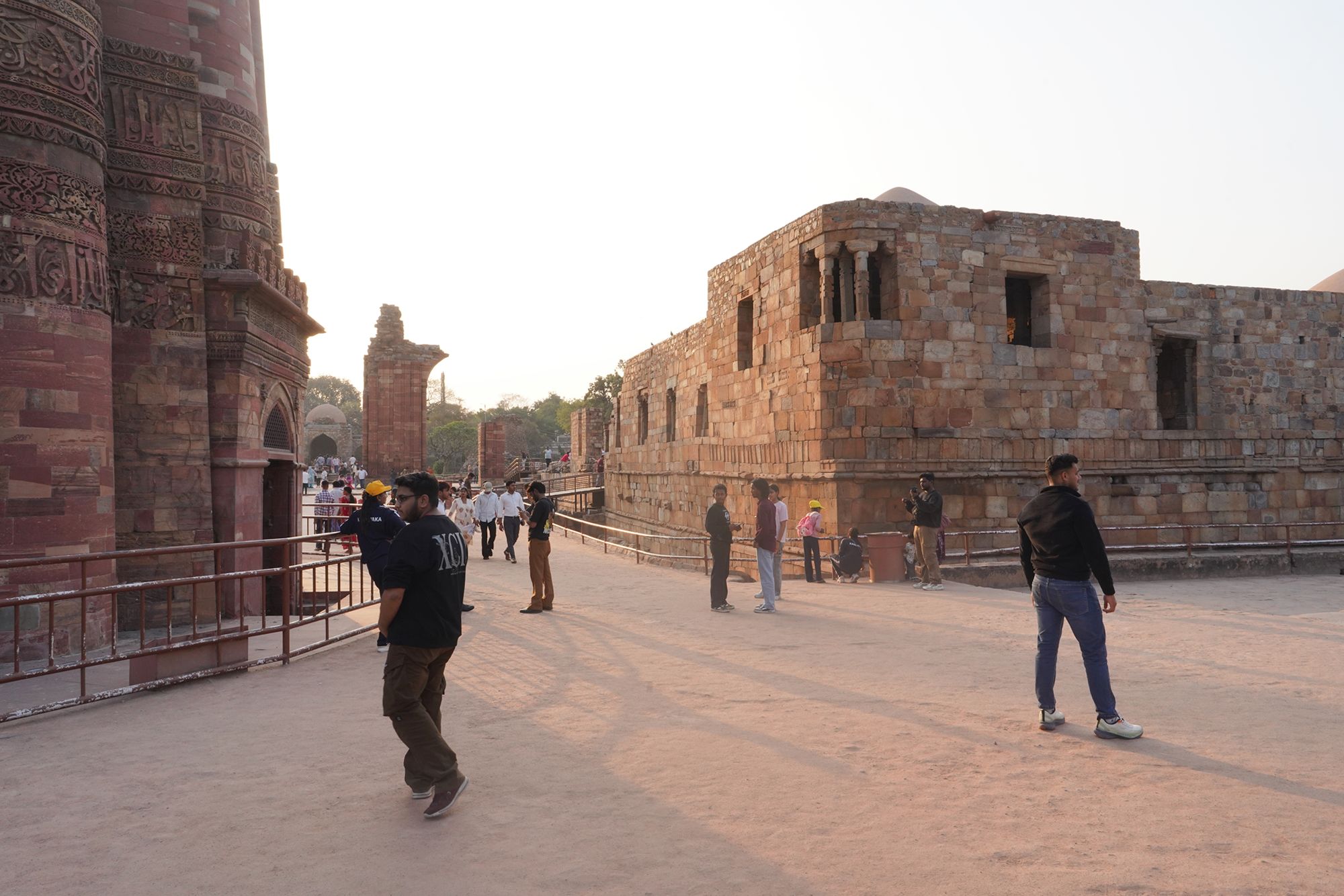
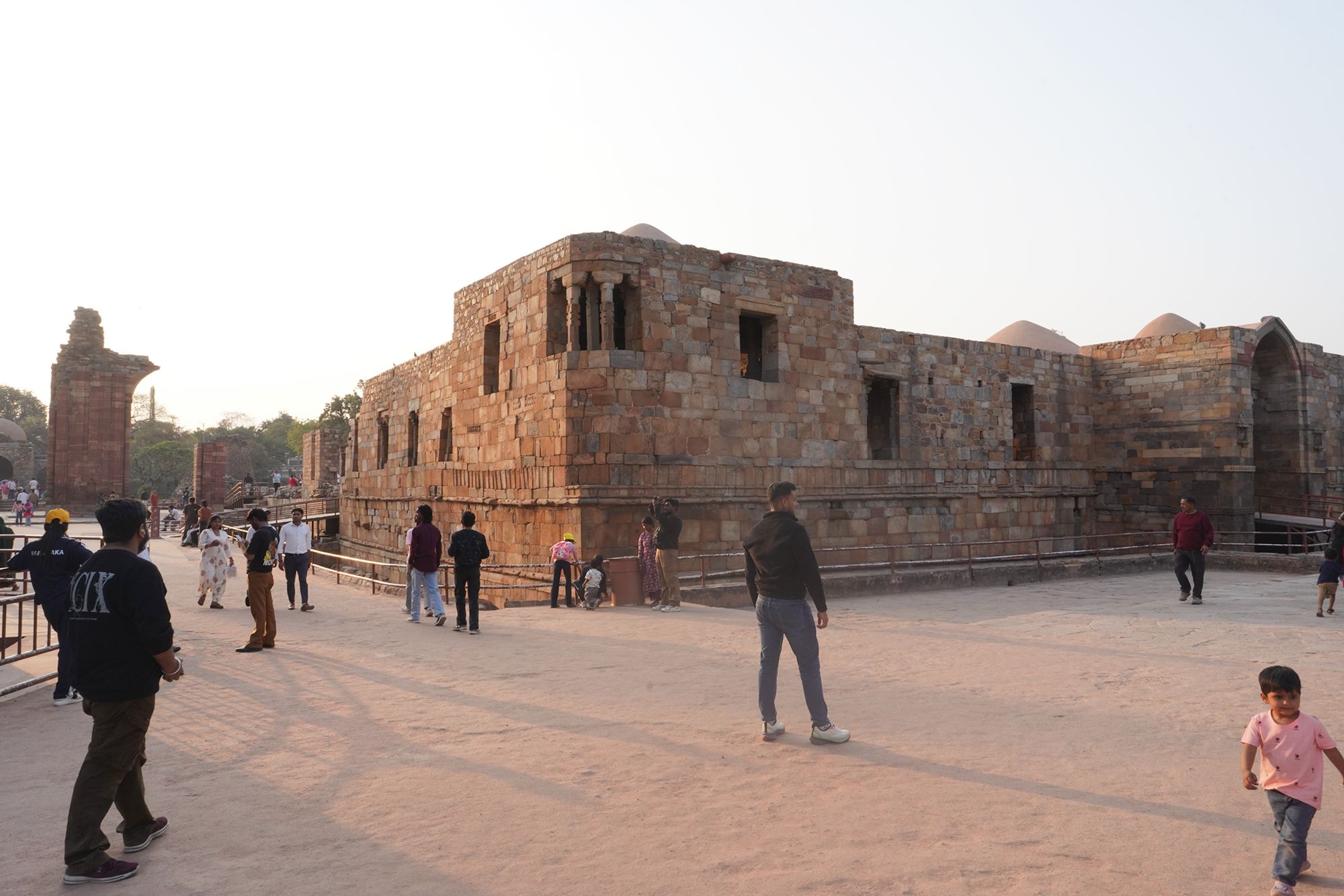
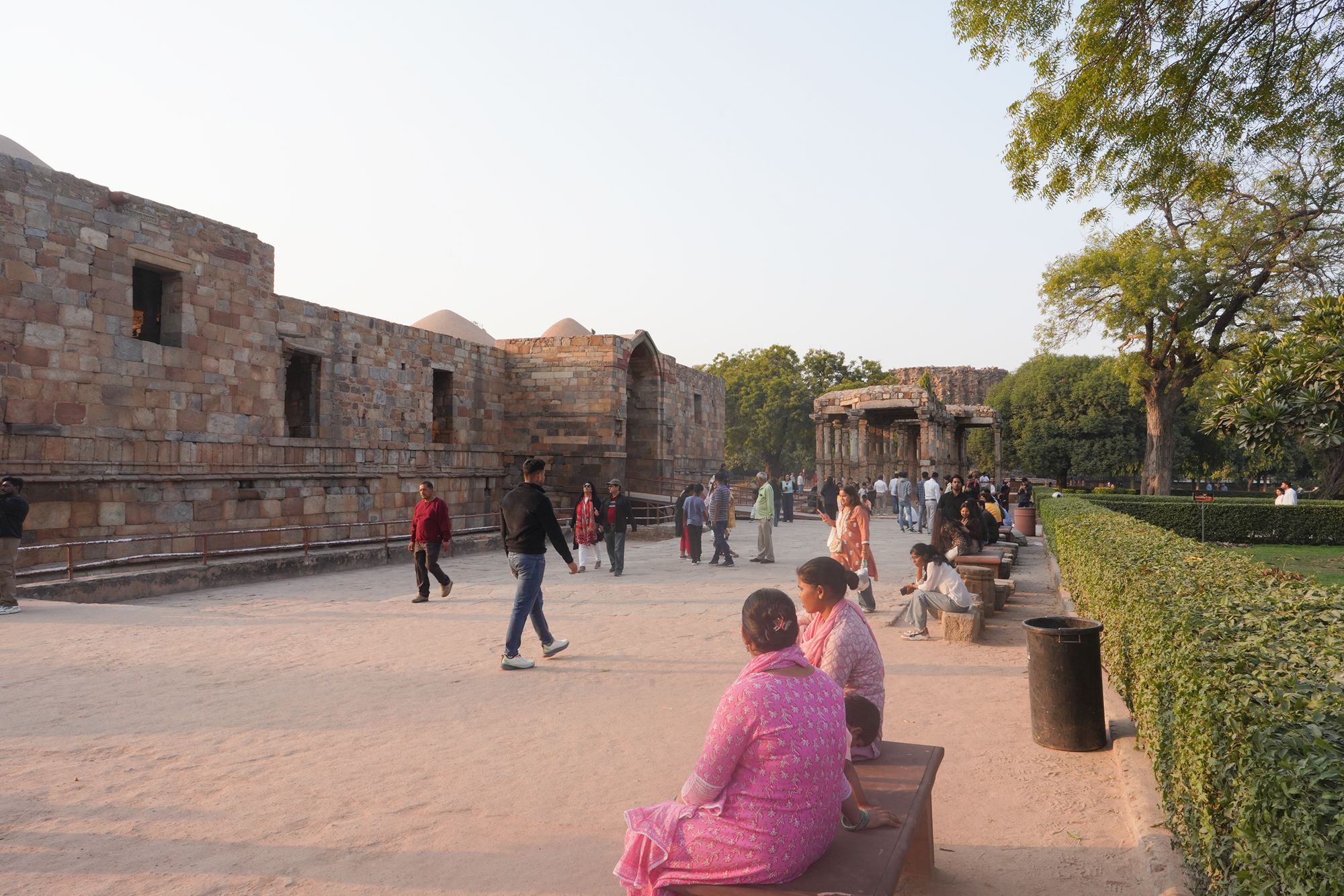
The center of Qutb Minar complex
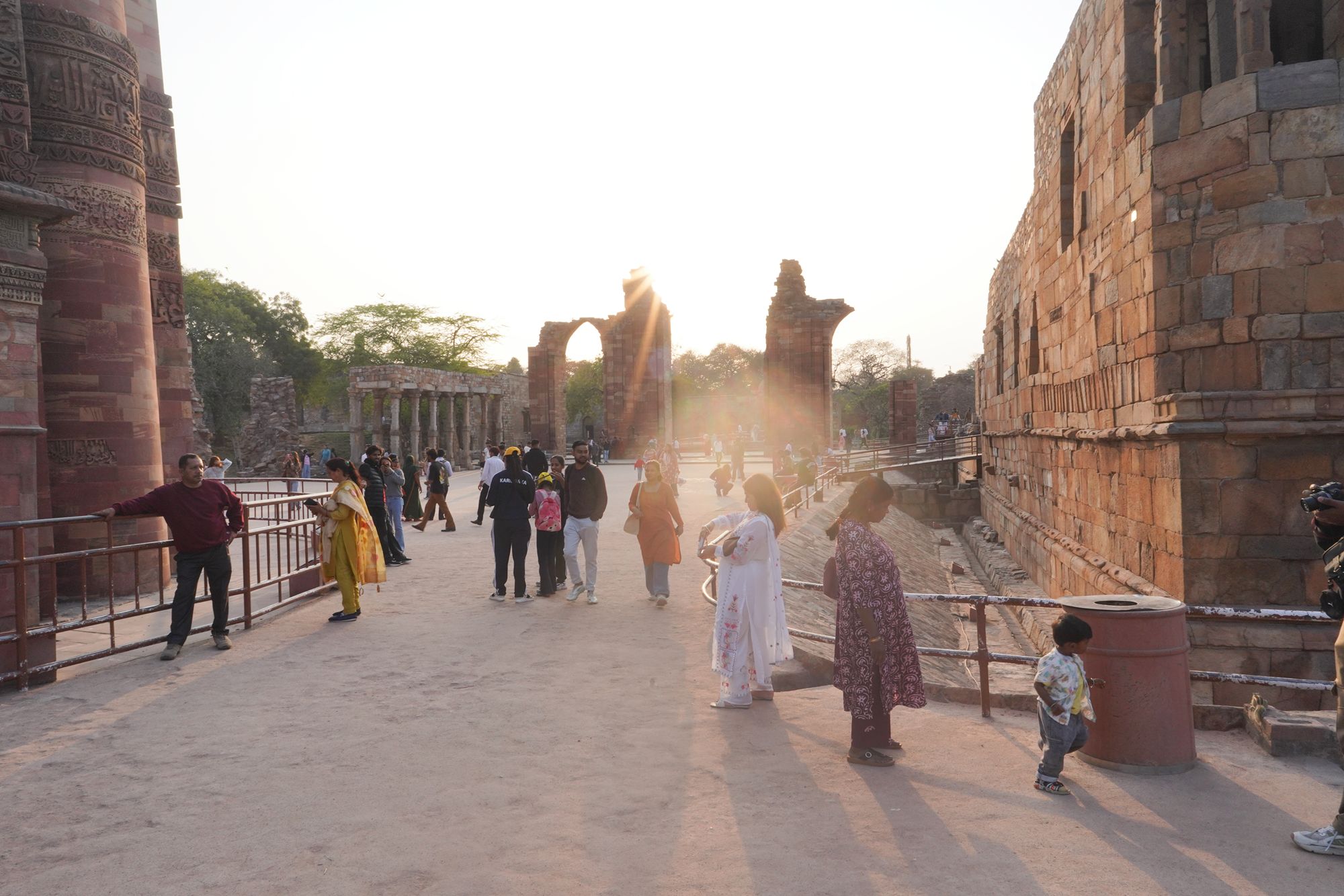
The front right side of Qutb Minar complex
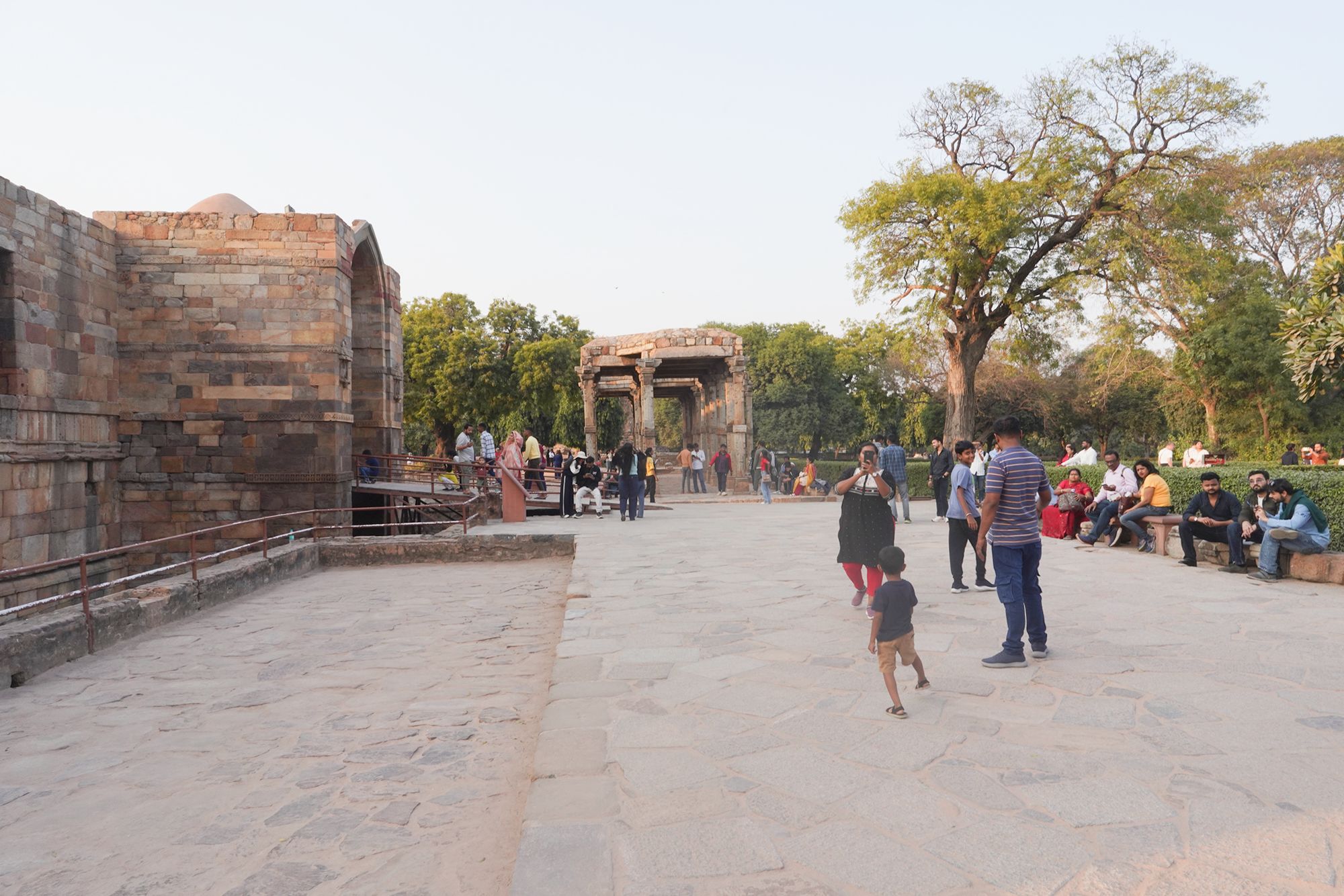
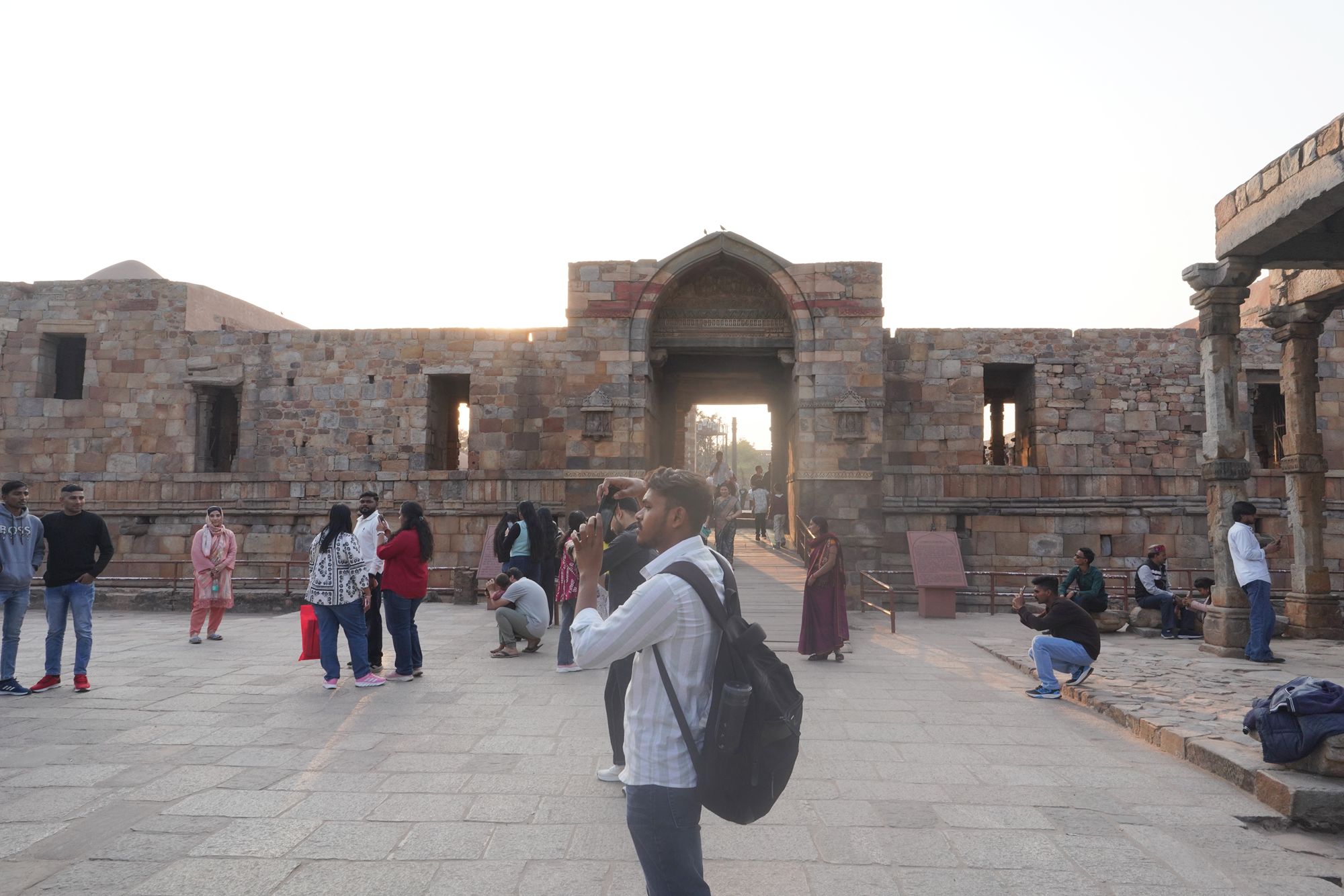
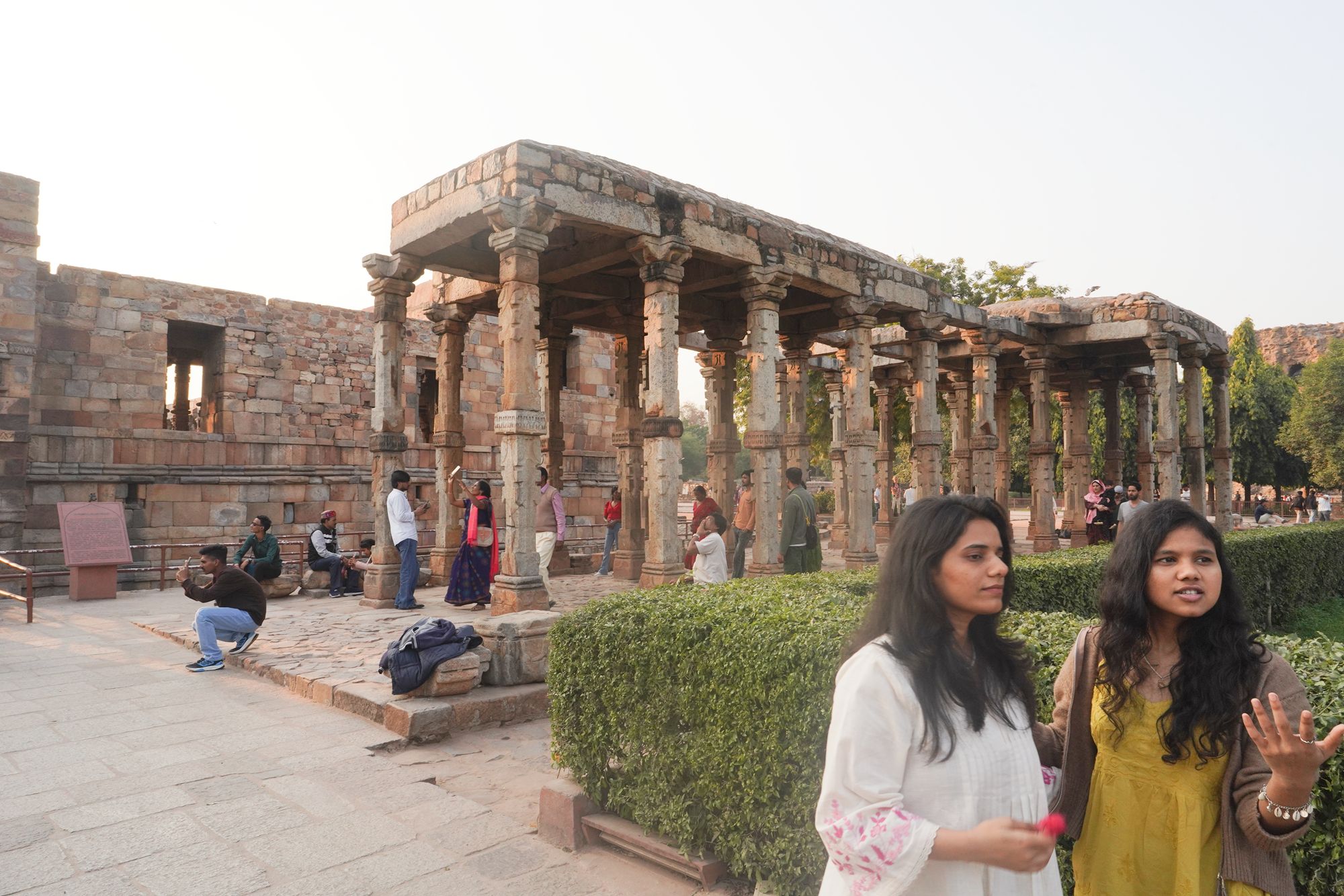
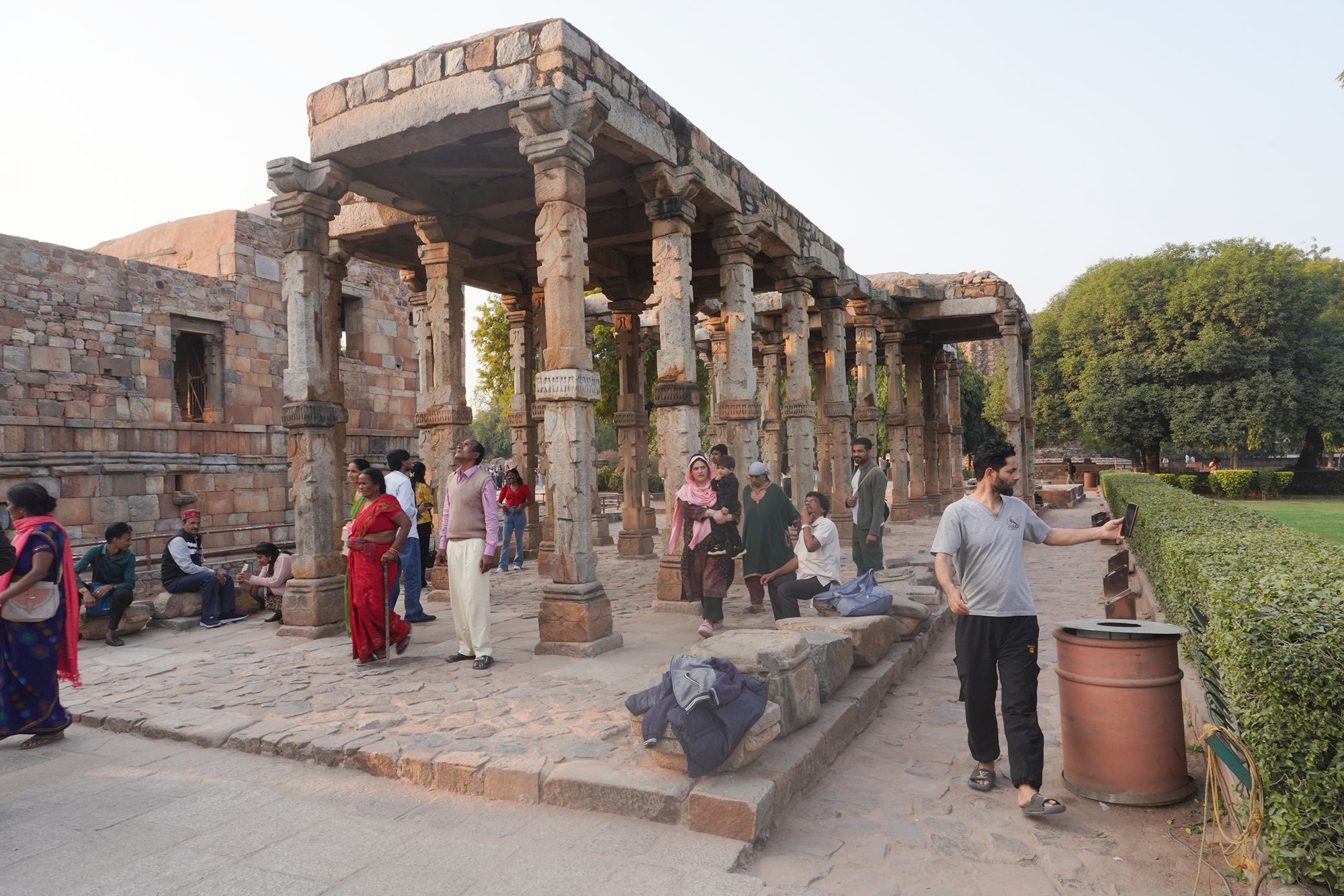
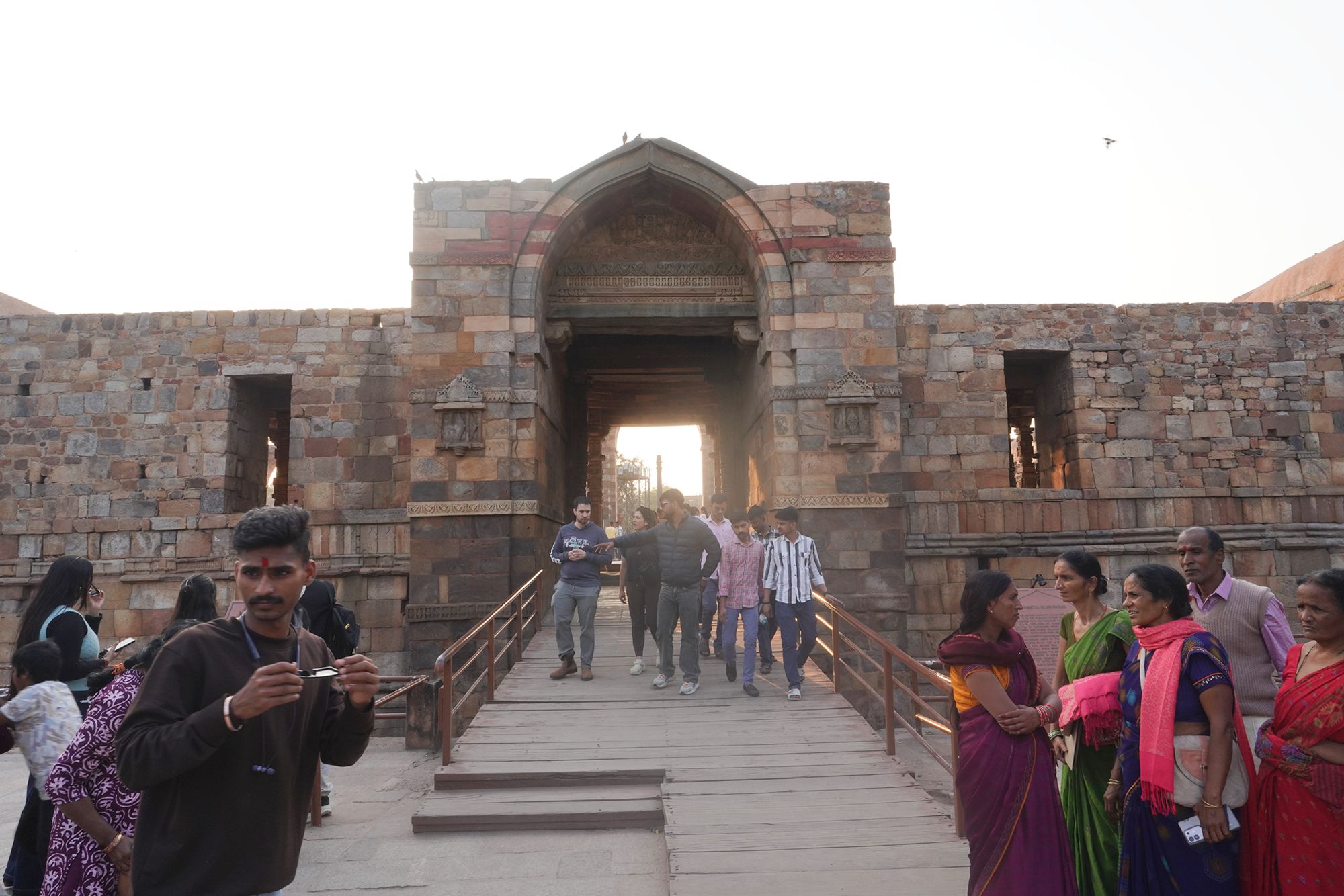
Looking toward the center of the Qutb Minar complex.
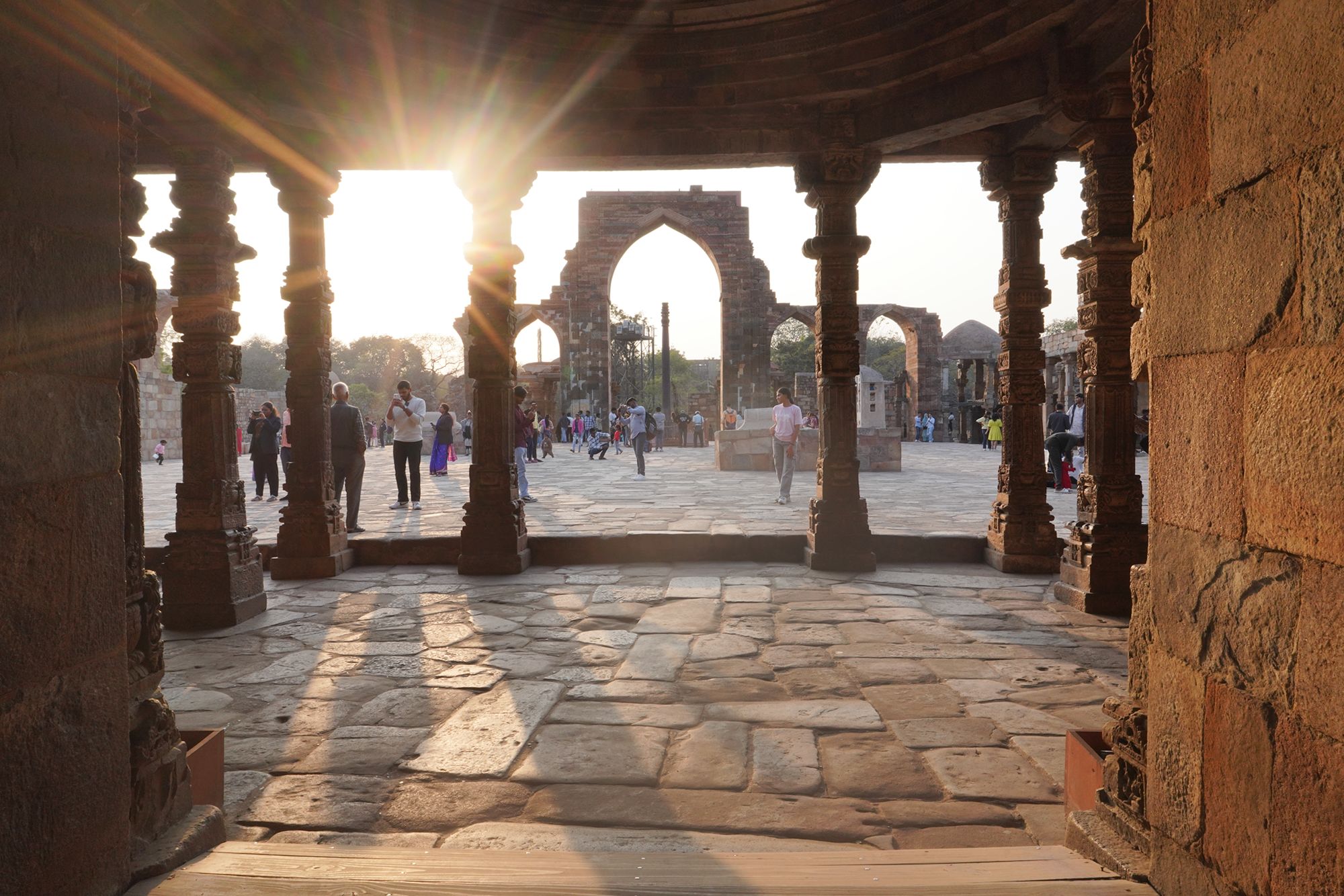
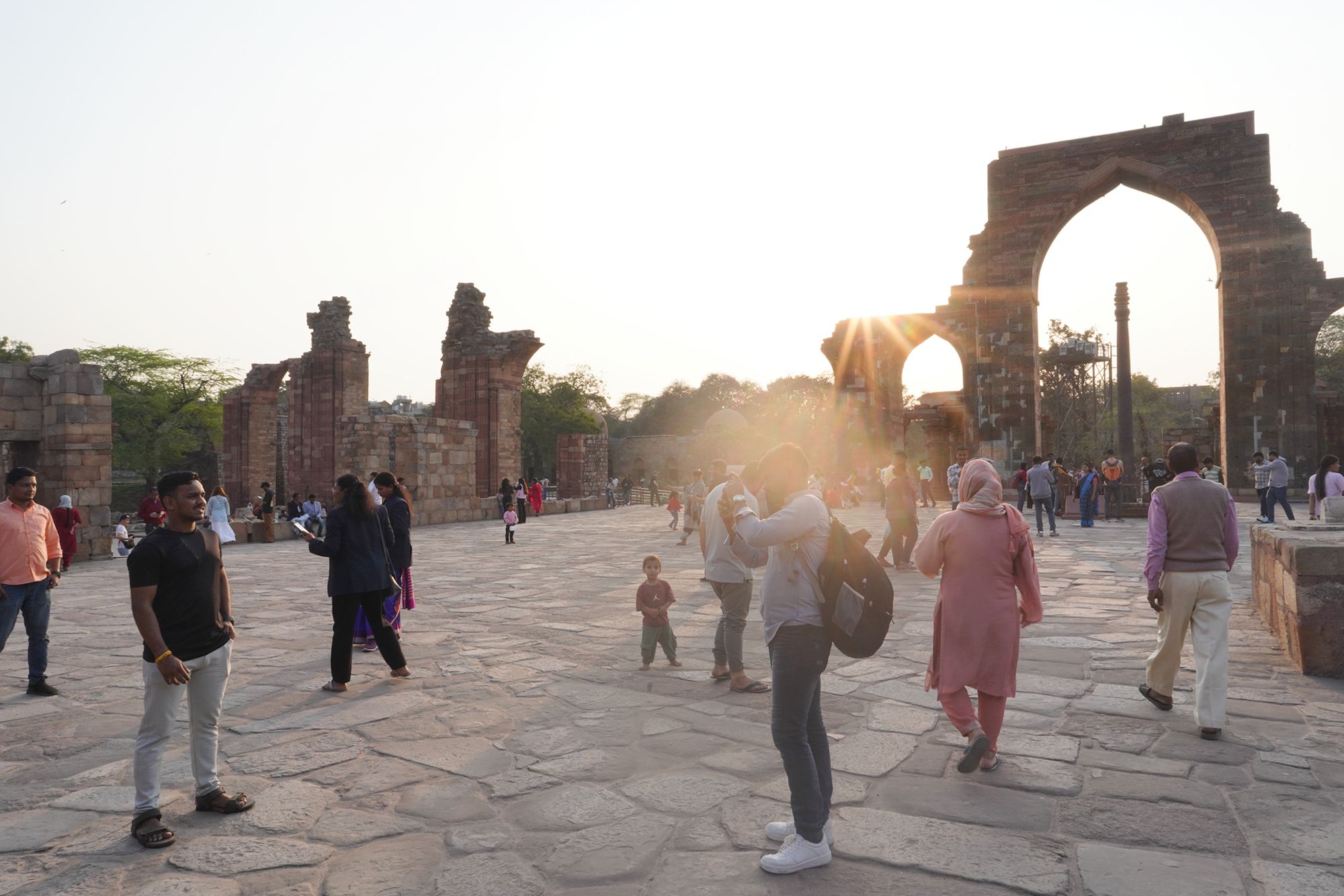
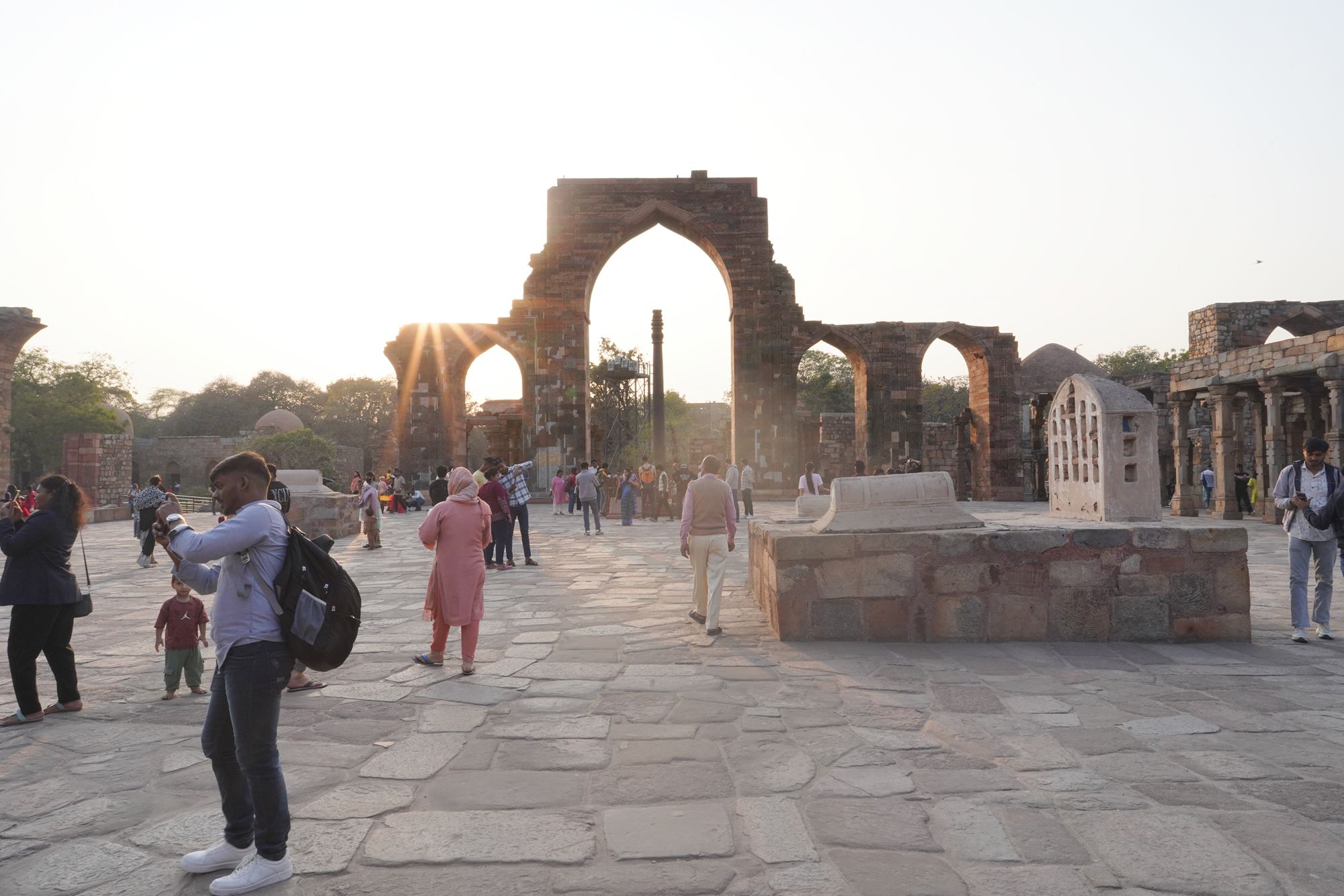
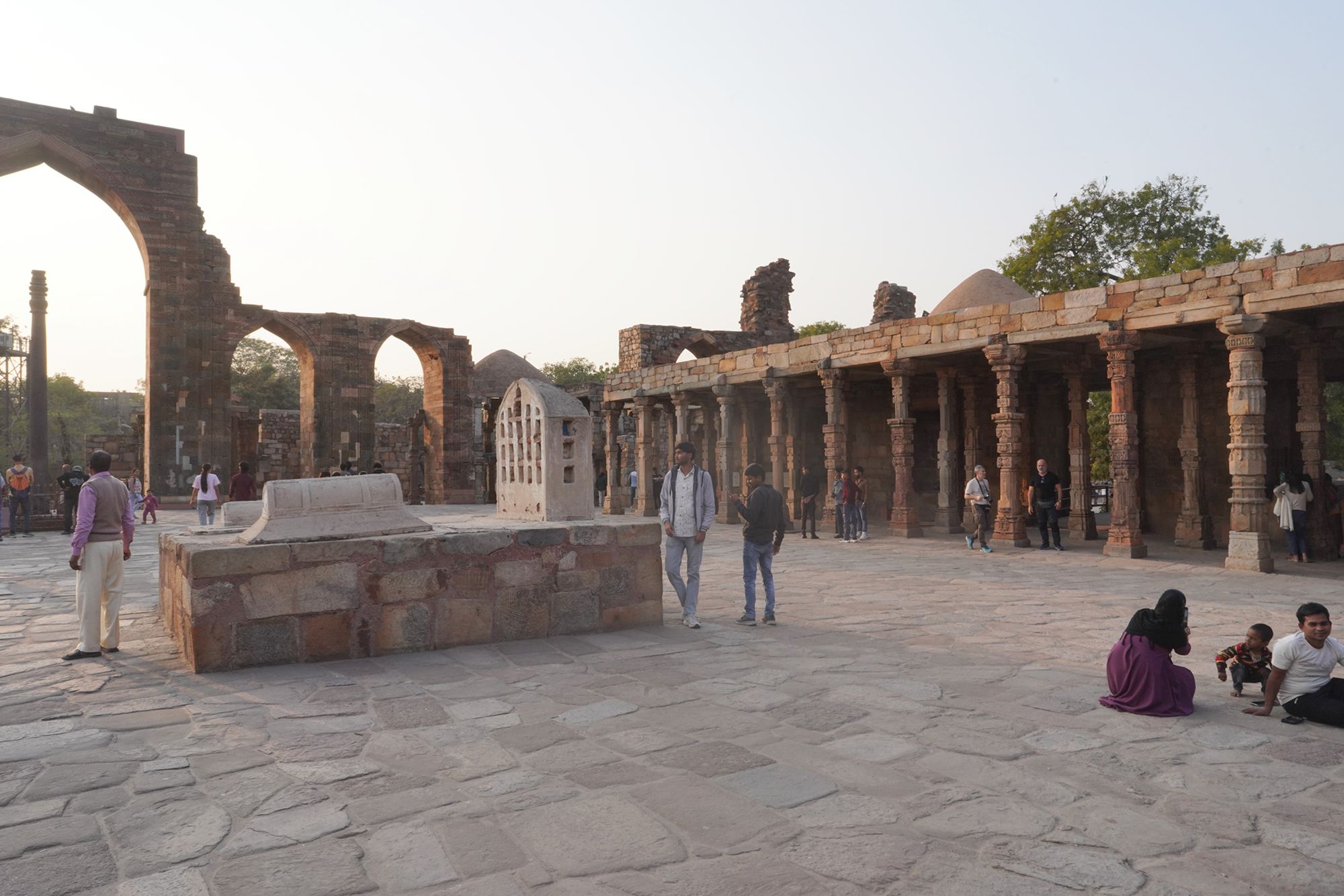
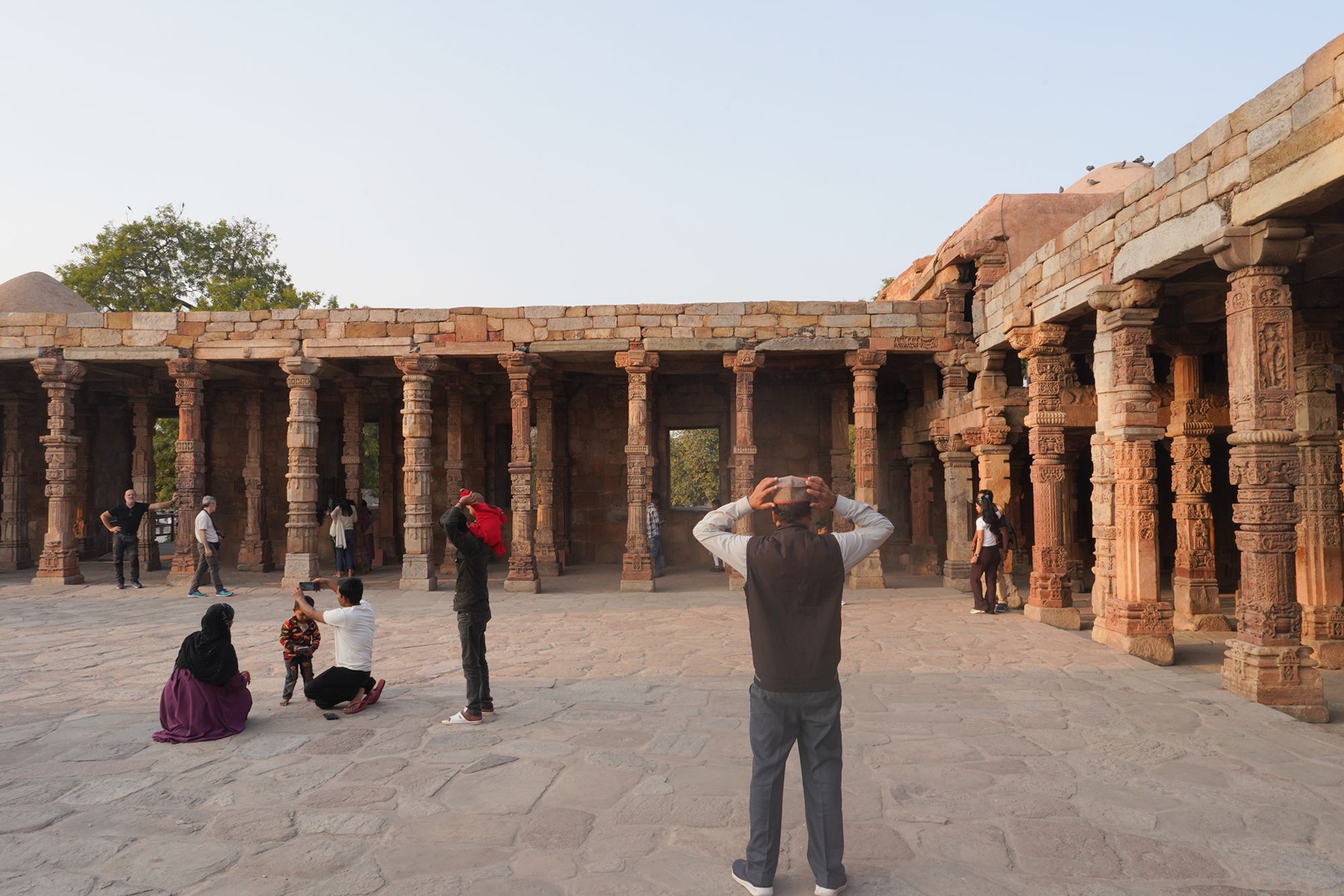
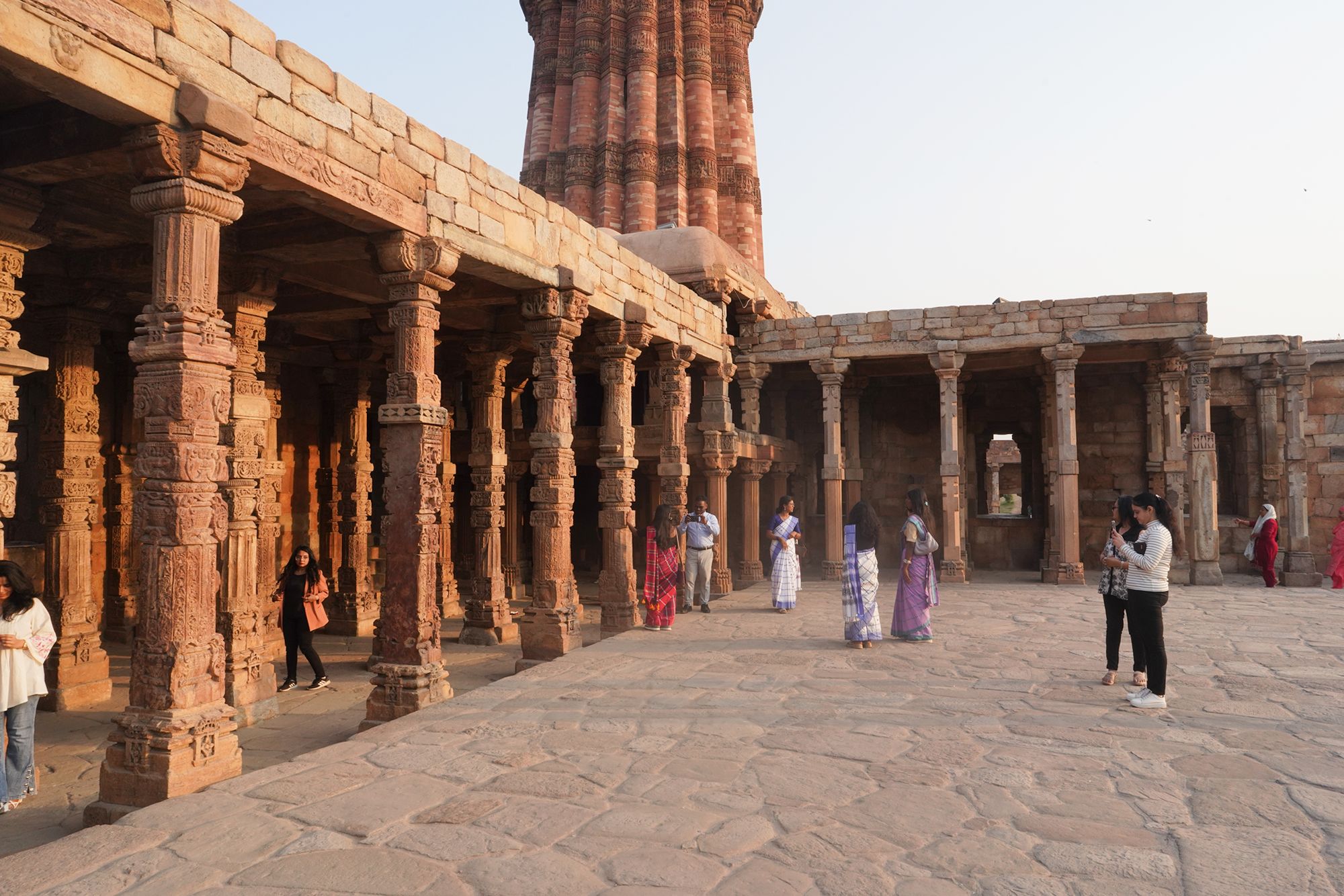
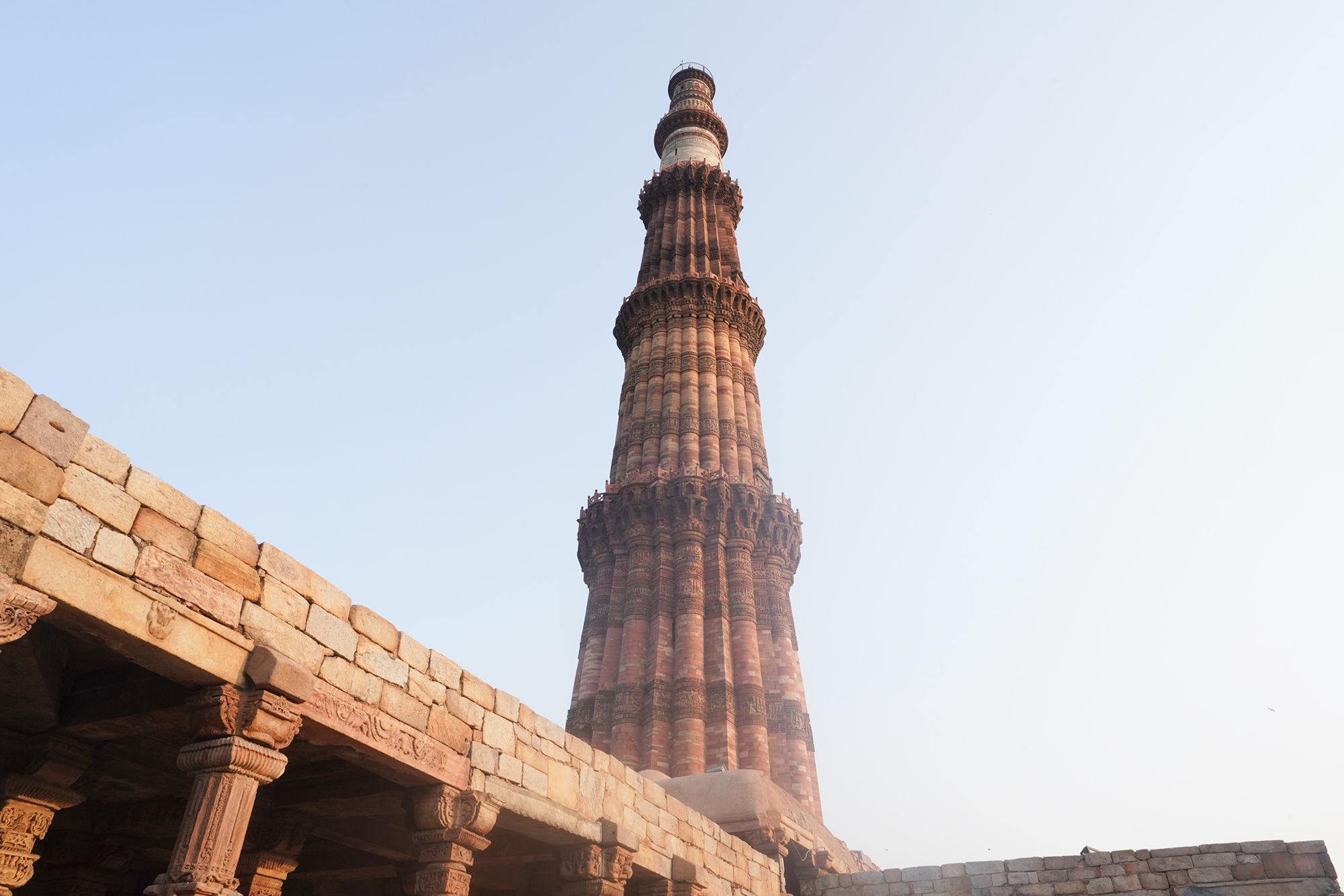
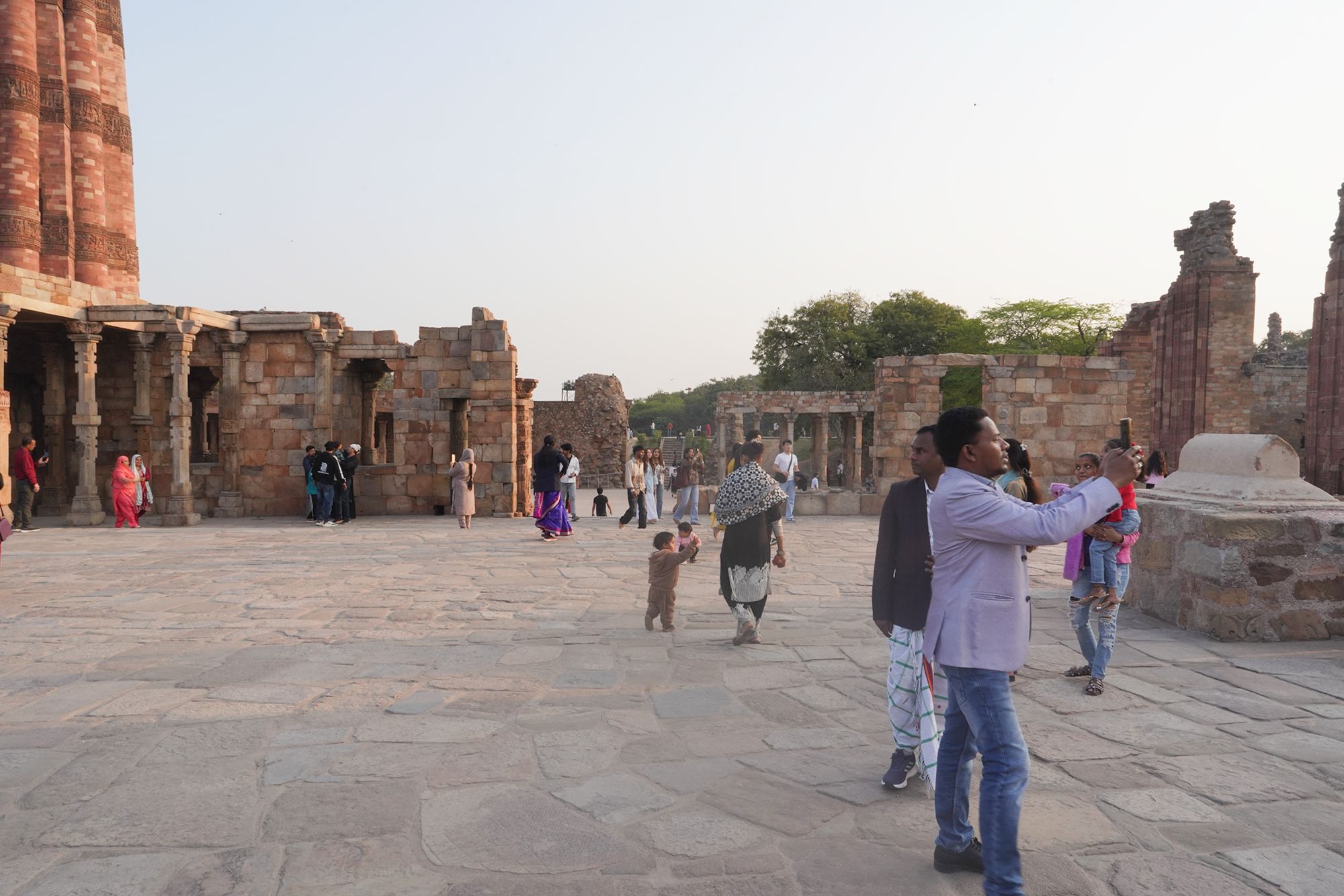
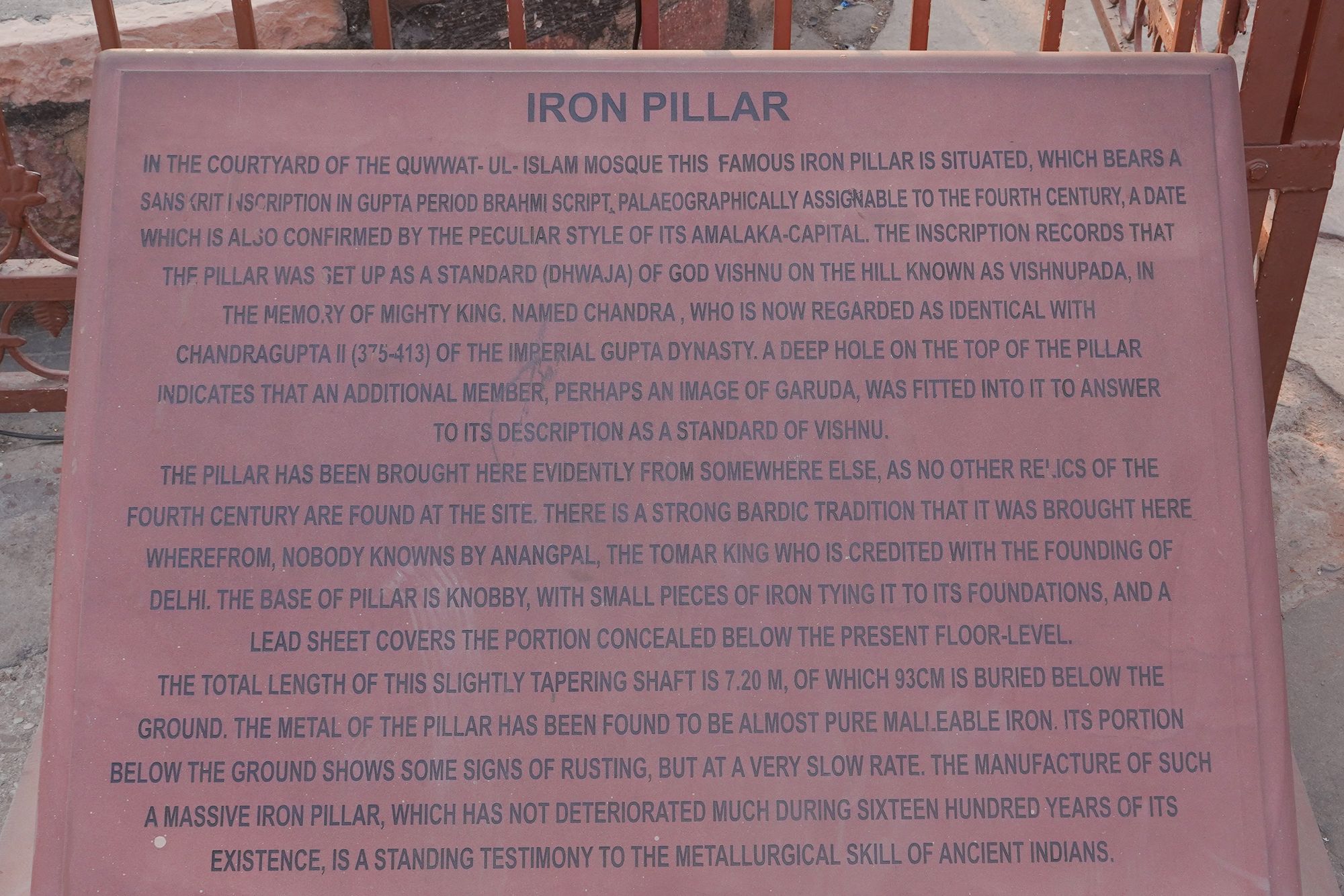
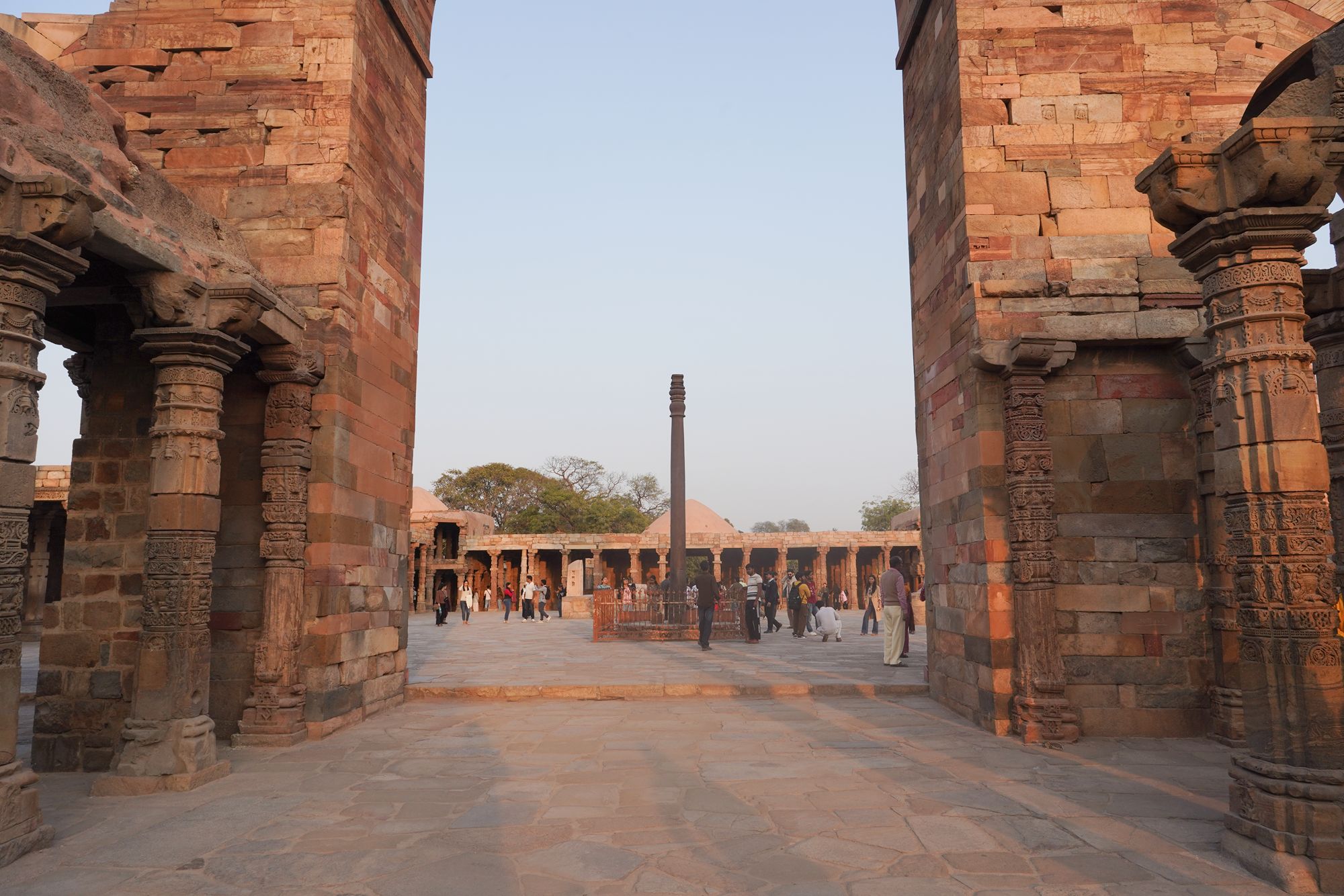
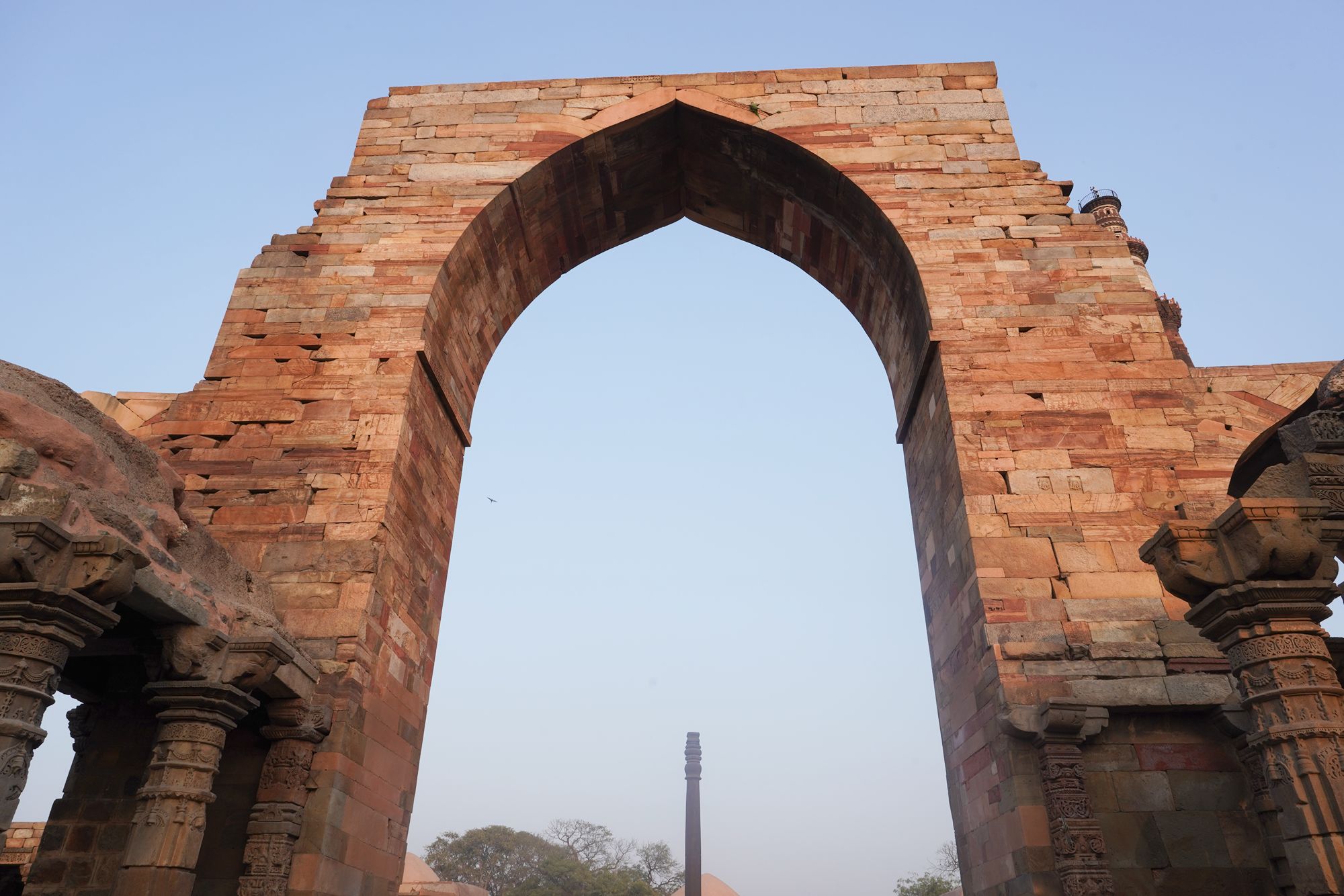
The Iron Pillar of Delhi, standing in the Qutb complex, dates to around the 4th–5th century CE and is generally associated with the Gupta period. It is about 7.2 meters (24 feet) tall and was probably erected in honor of the Hindu god Vishnu.
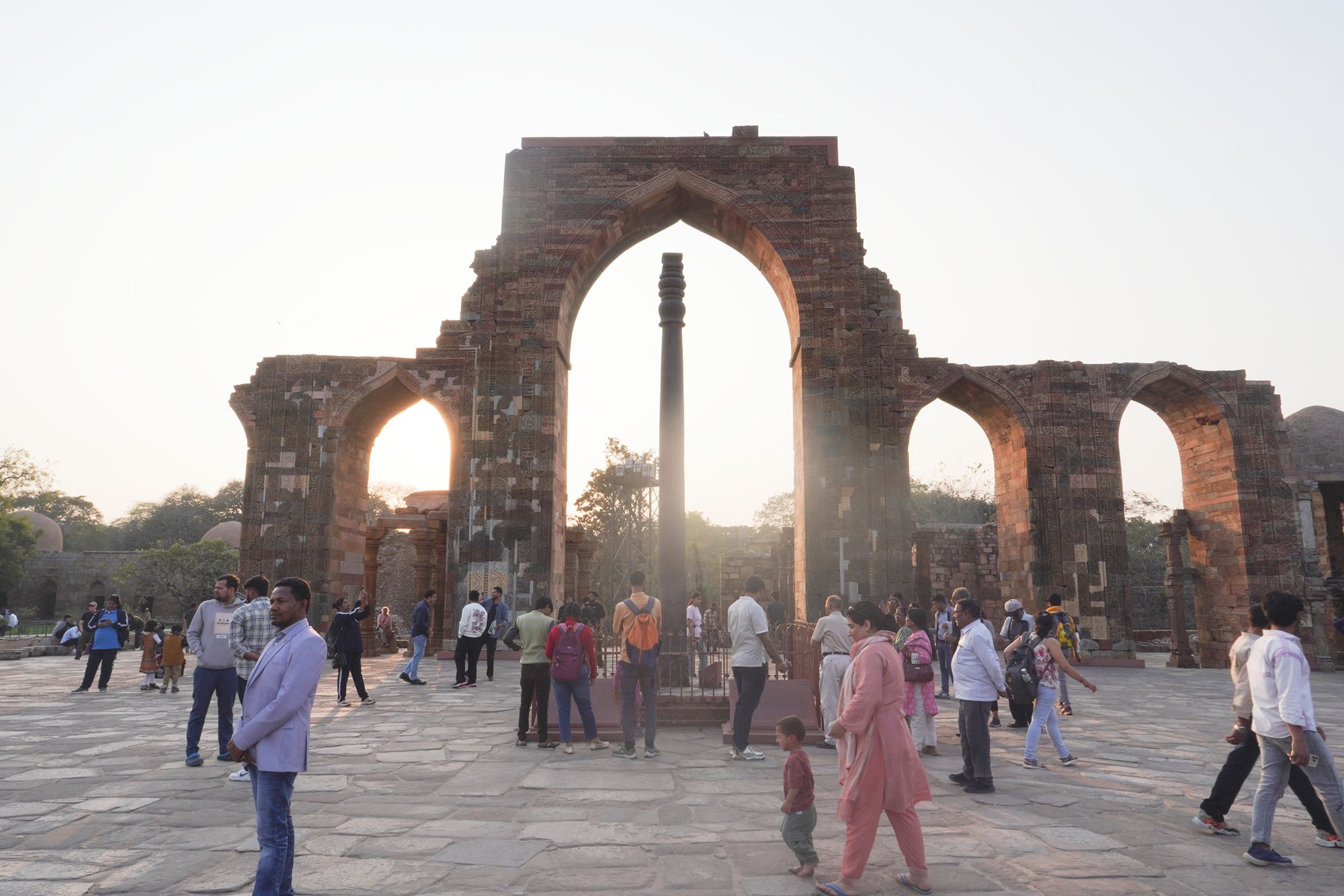
The pillar is particularly famous because its ancient iron has resisted significant corrosion for more than 1,500 years. Its remarkable preservation reflects the sophisticated ironworking and metallurgical skills of ancient India.
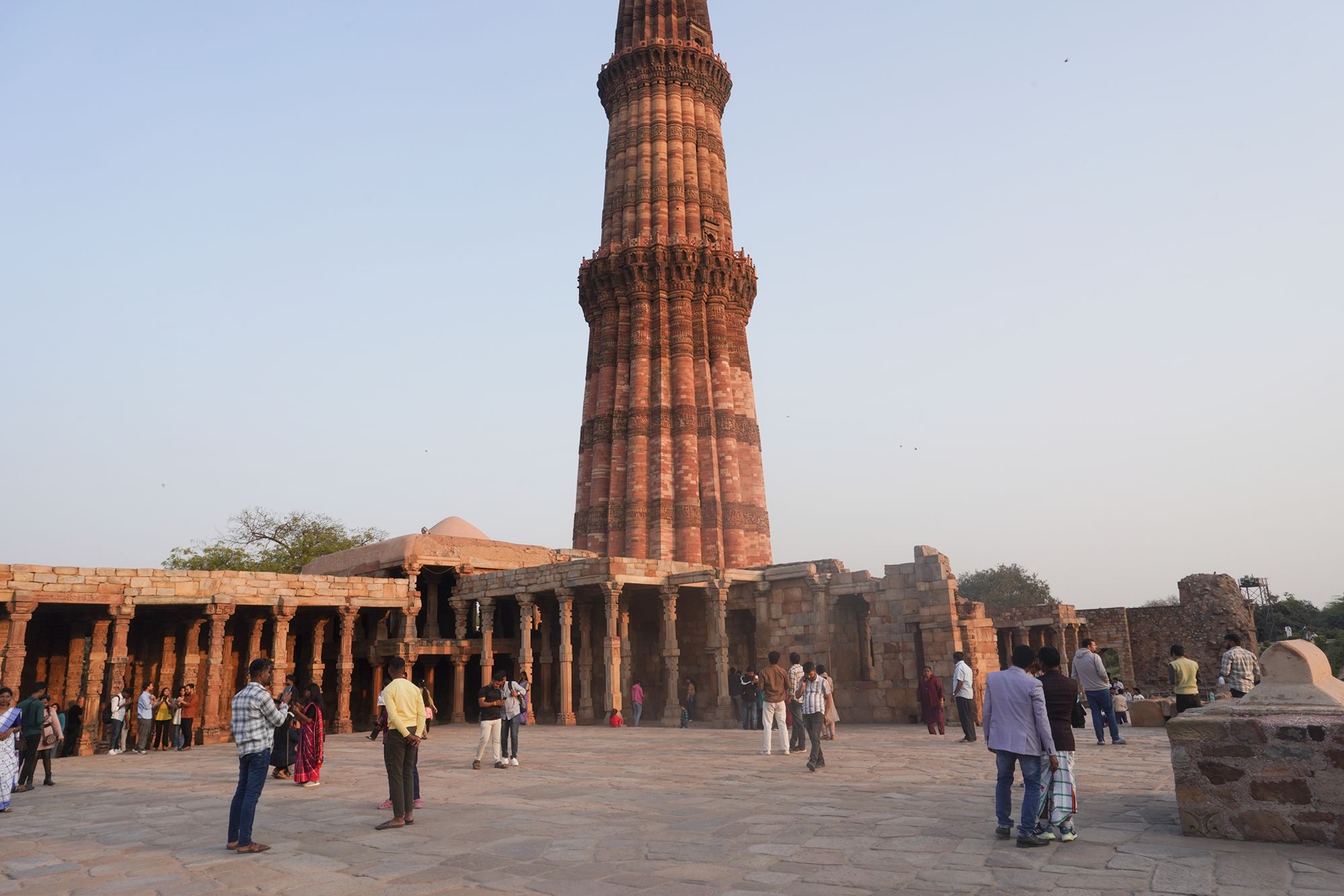
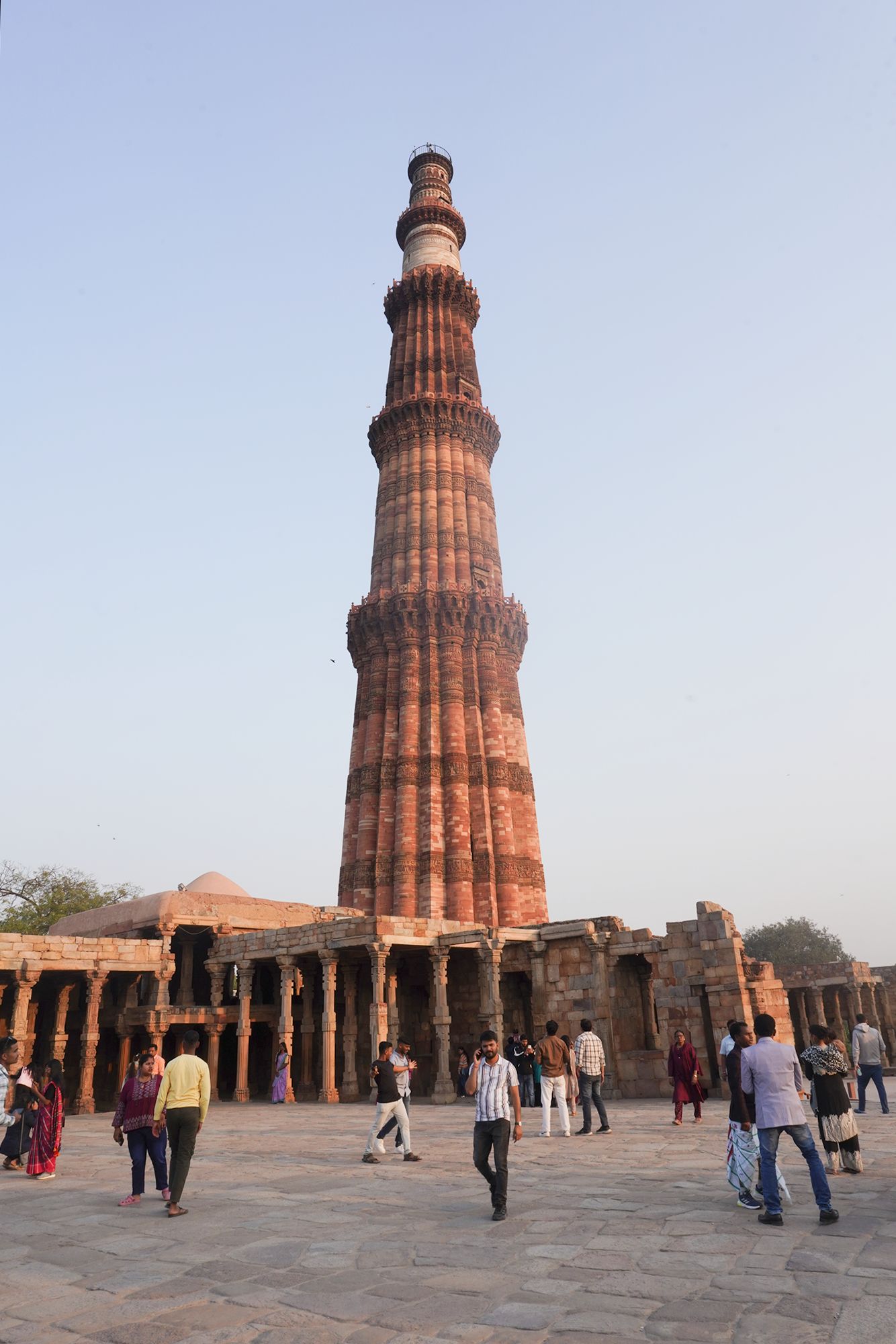
I passed through one of the openings and continued to the other side of the complex.
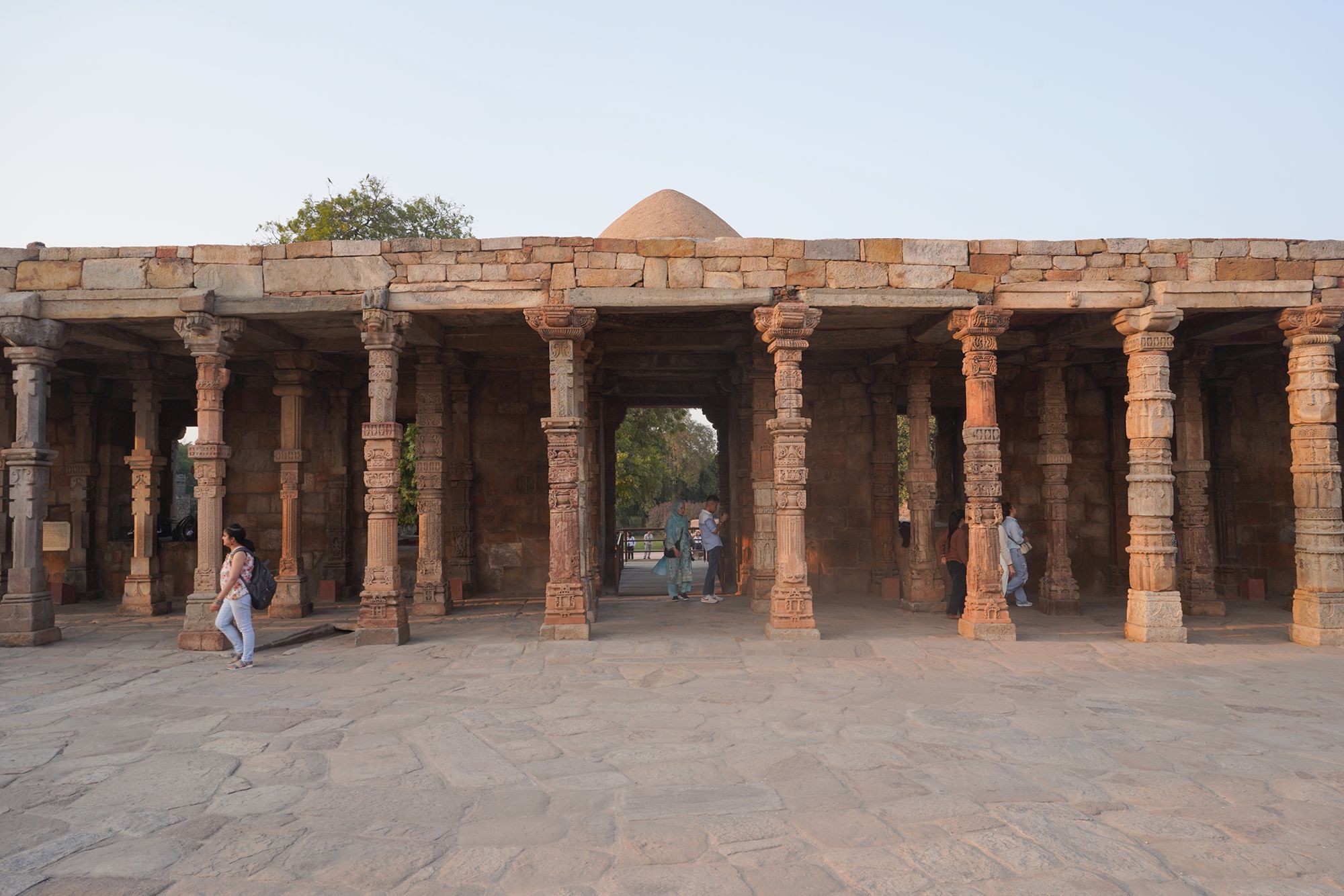
I walked around the right side of the Qutb Minar complex before returning to the center.
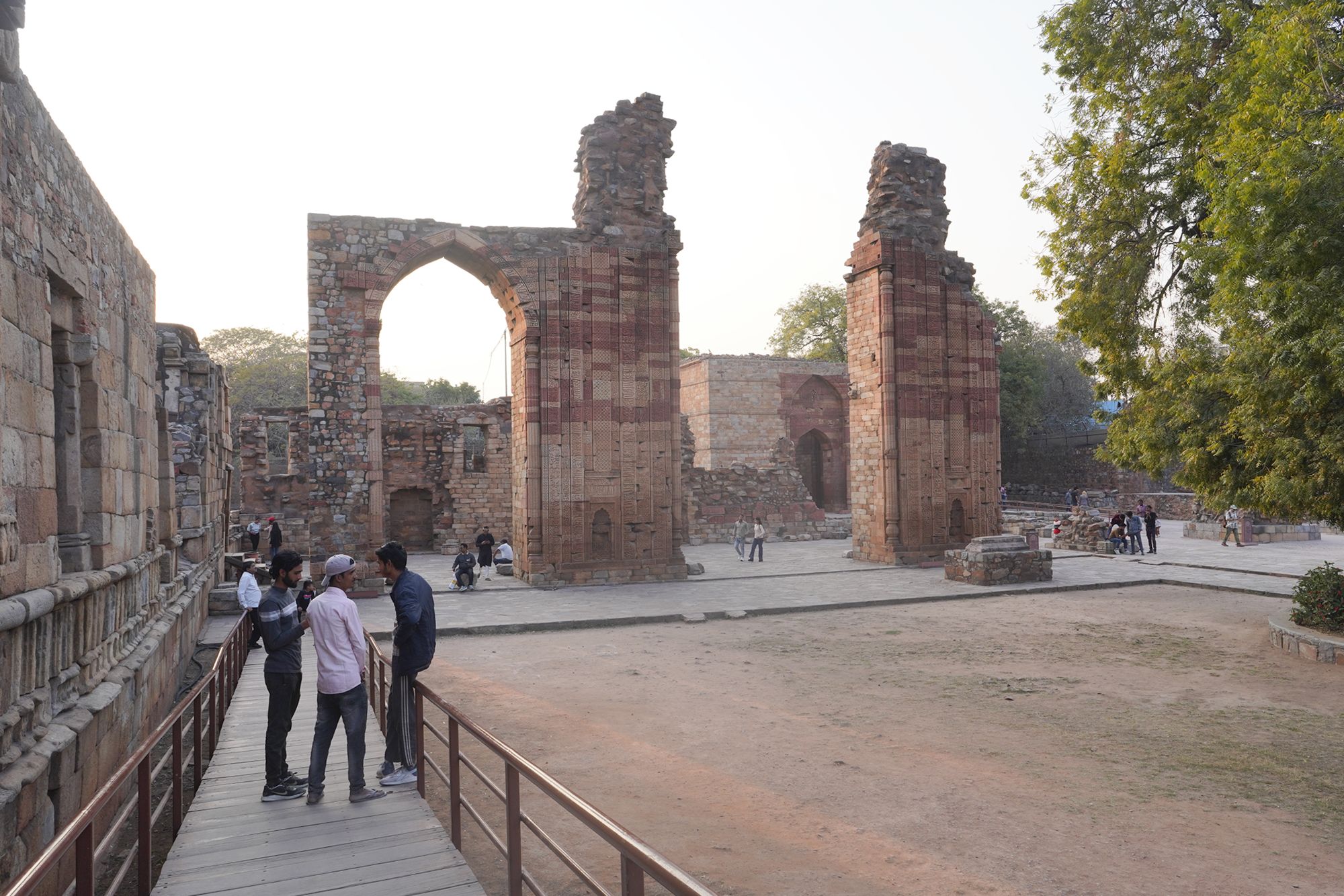
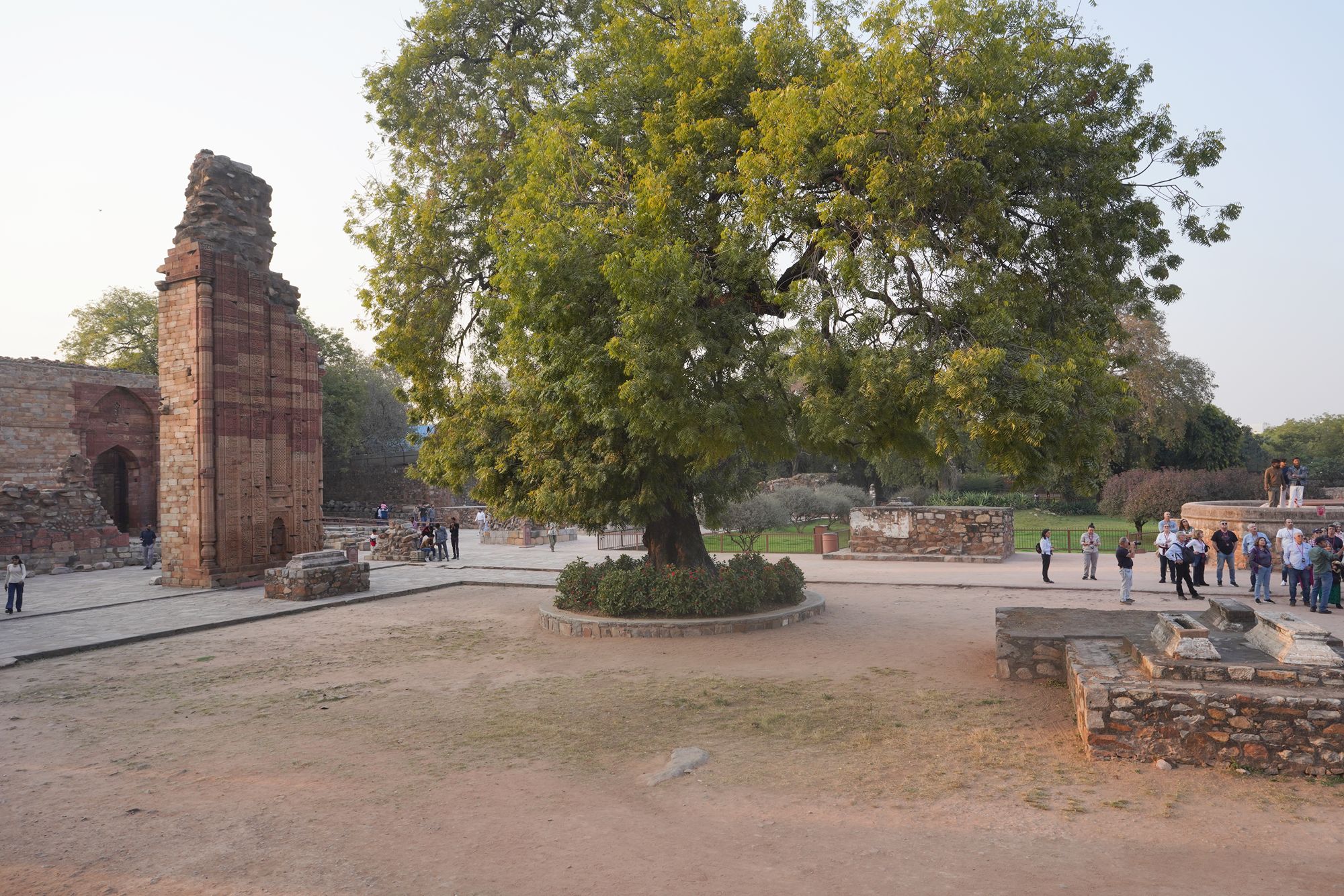
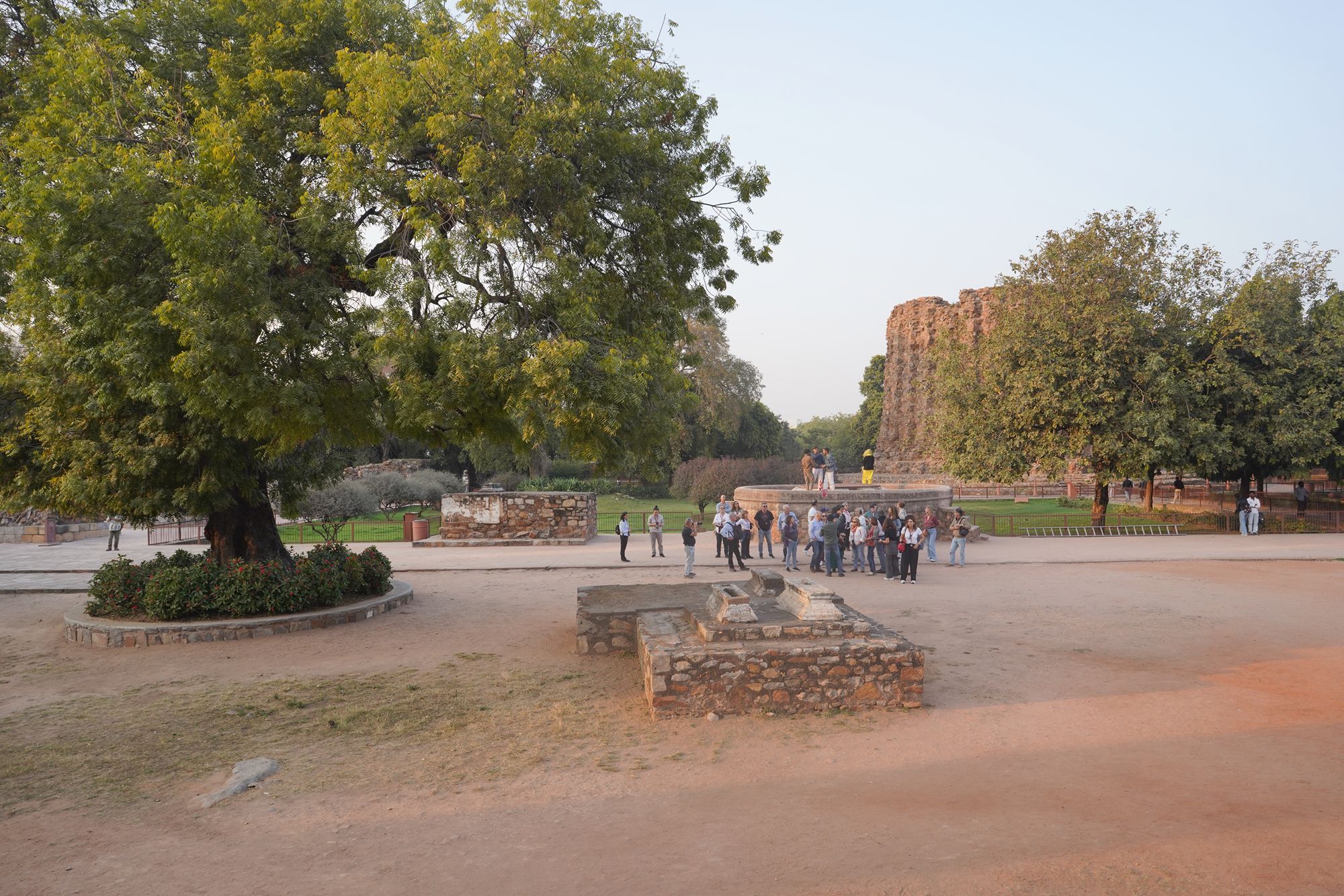
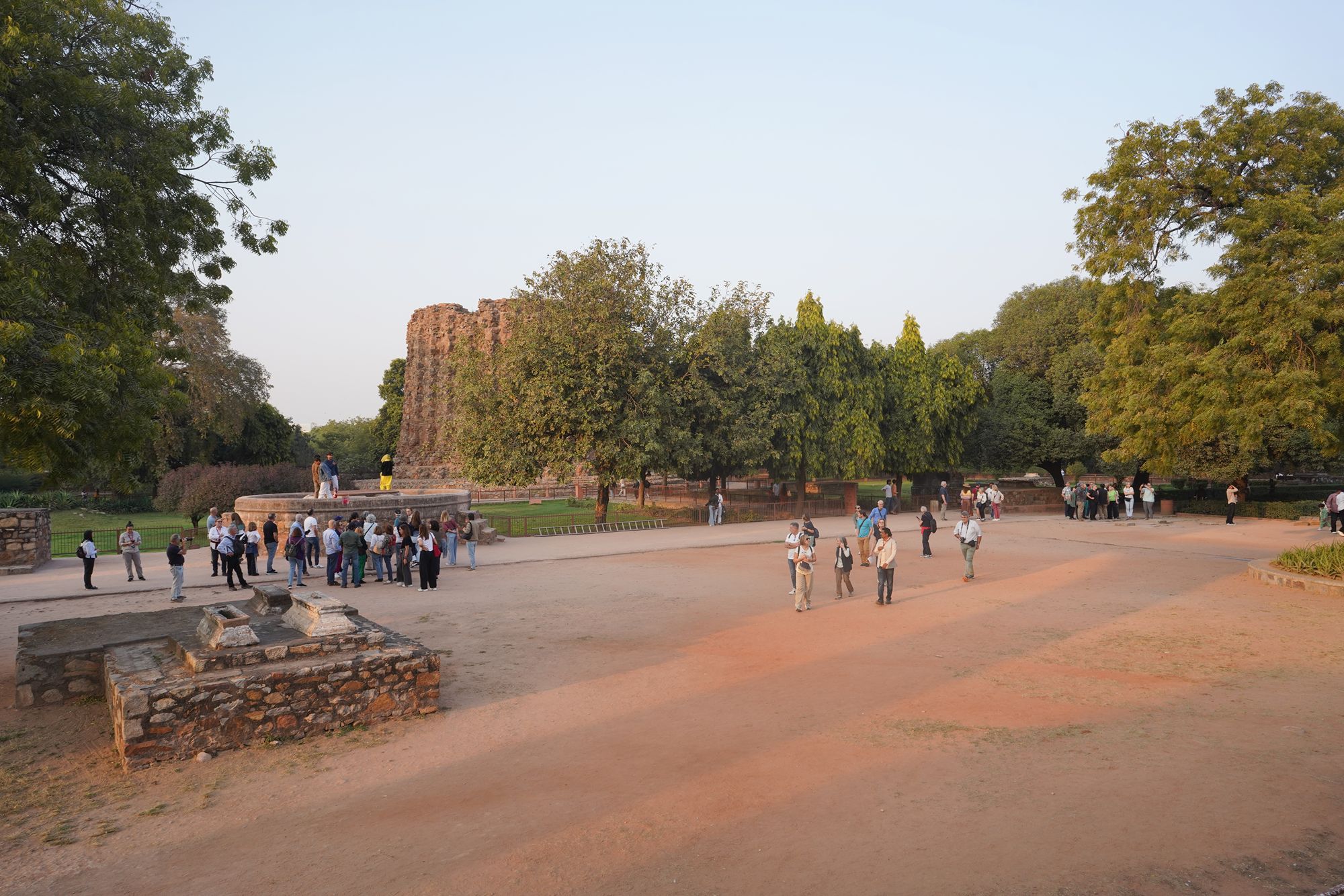
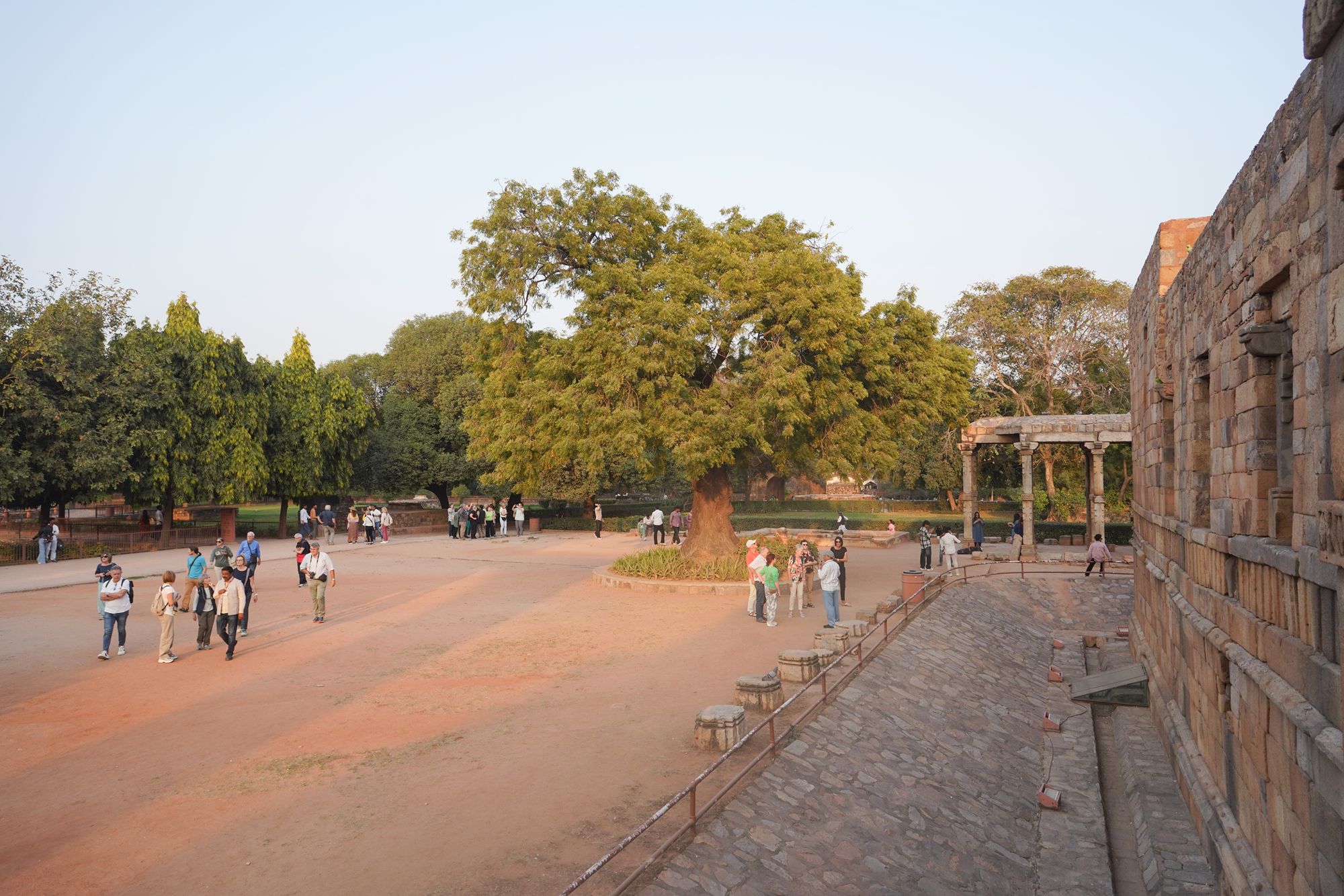
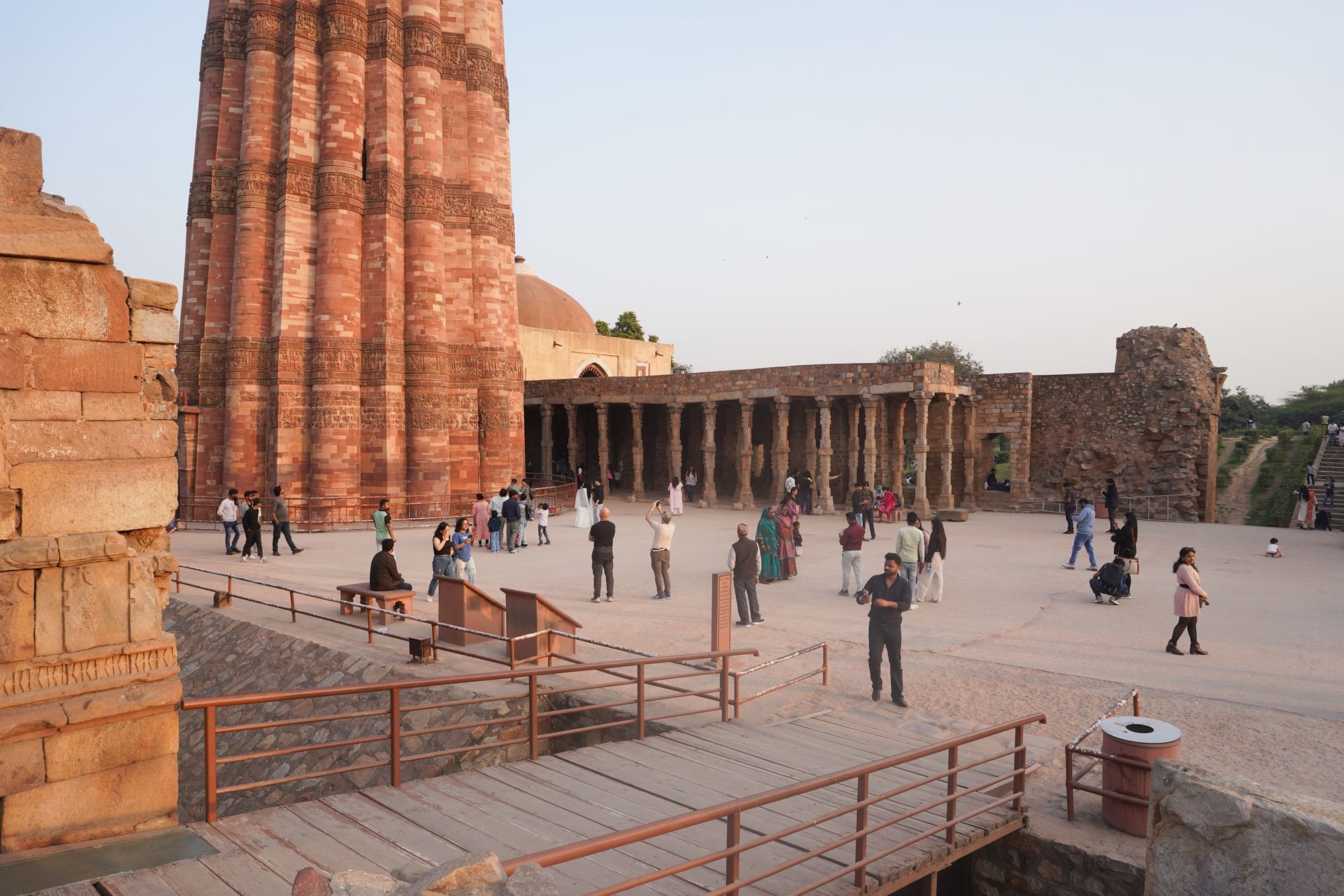
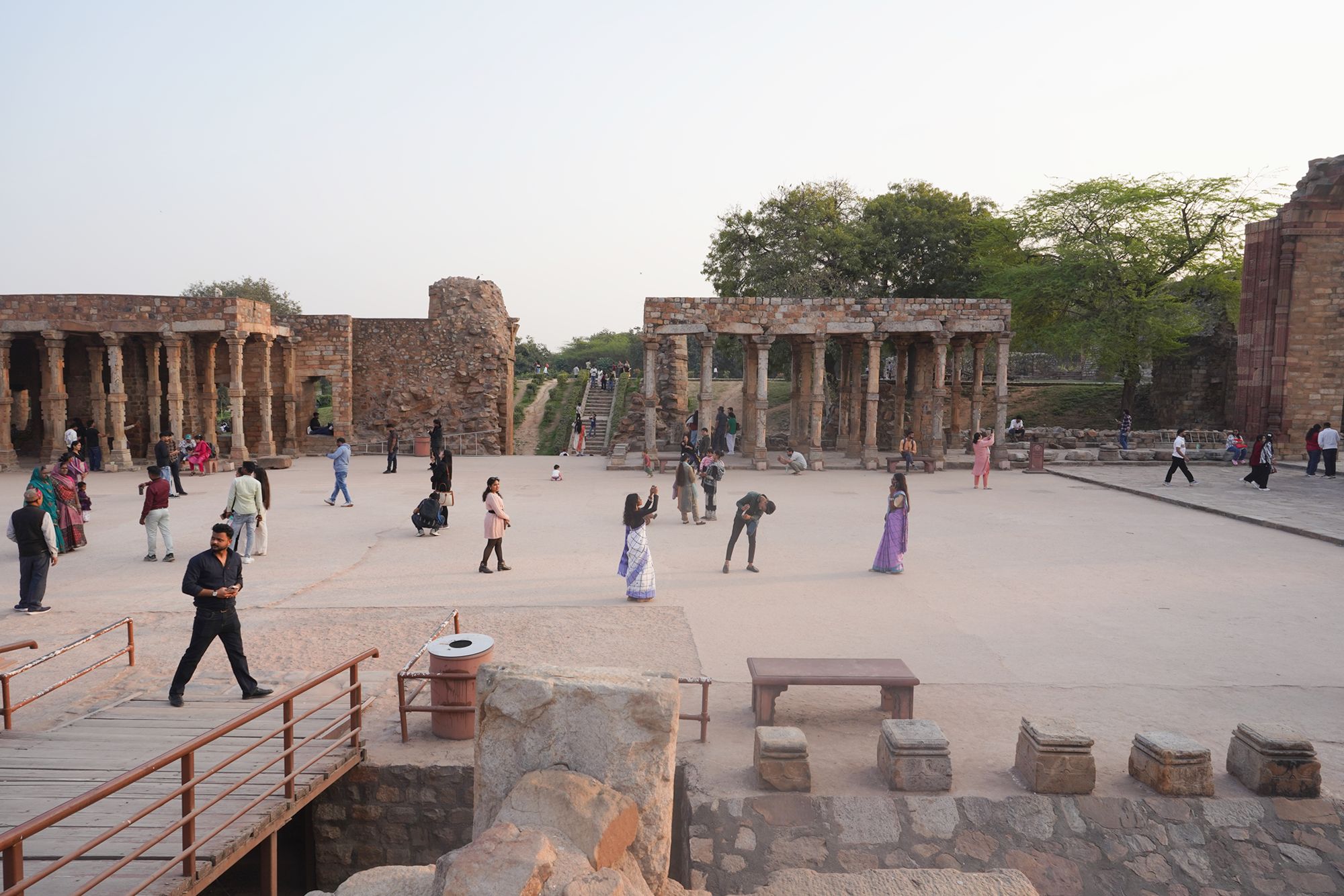
The back side of the Qutb Minar.
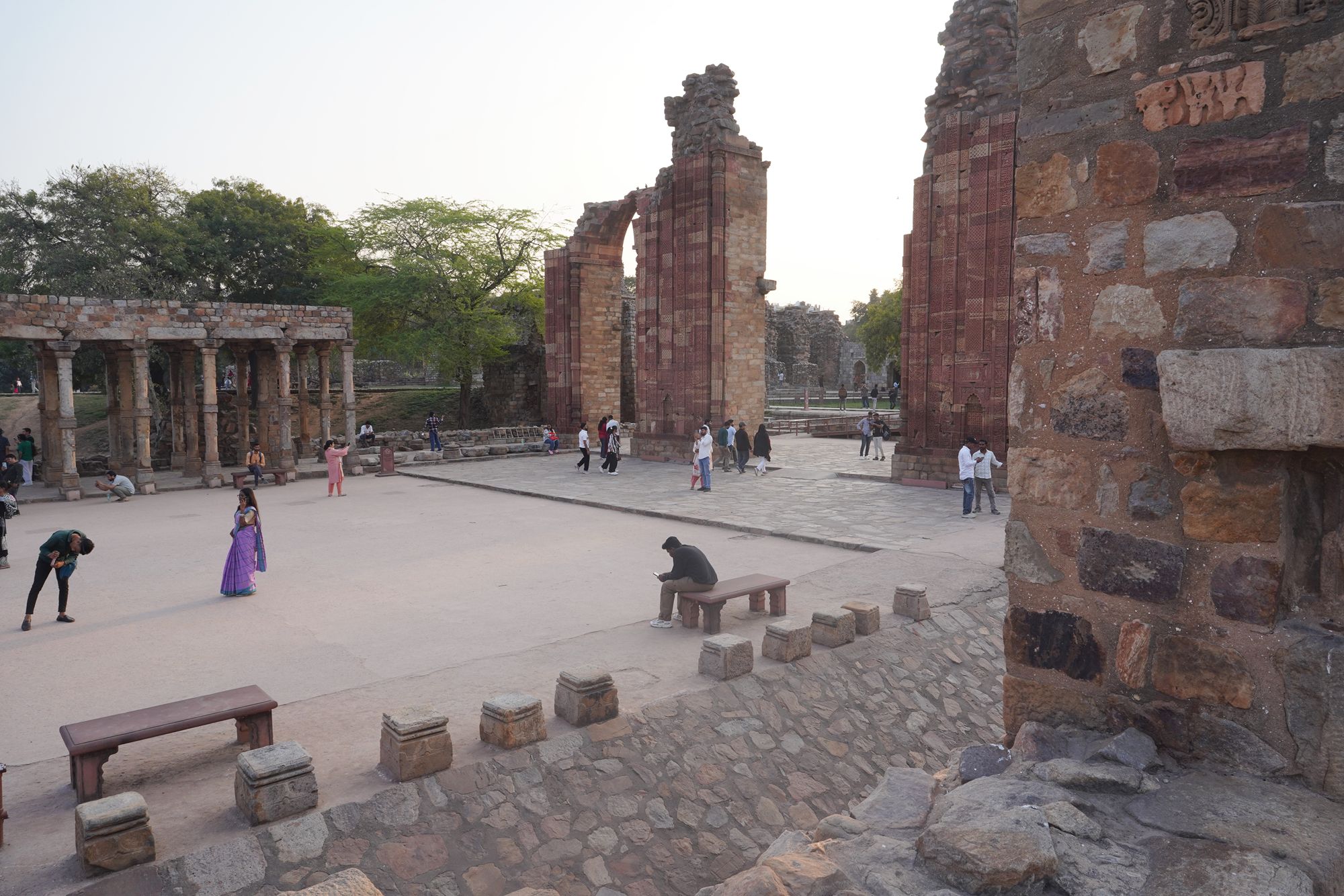
View of the Iron Pillar from the back side of the Qutb Minar complex.
View of the rear left side of the Qutb Minar complex.
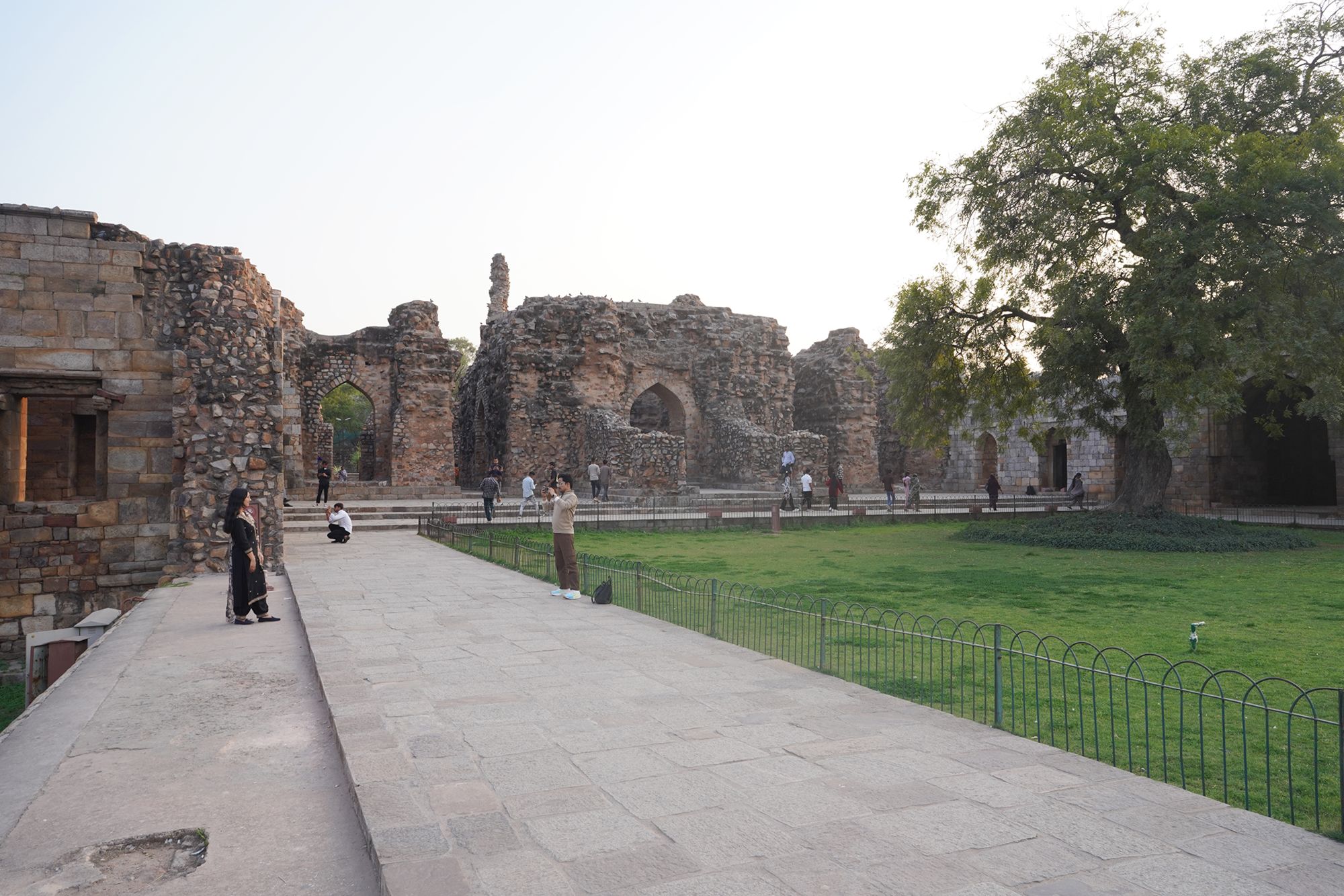
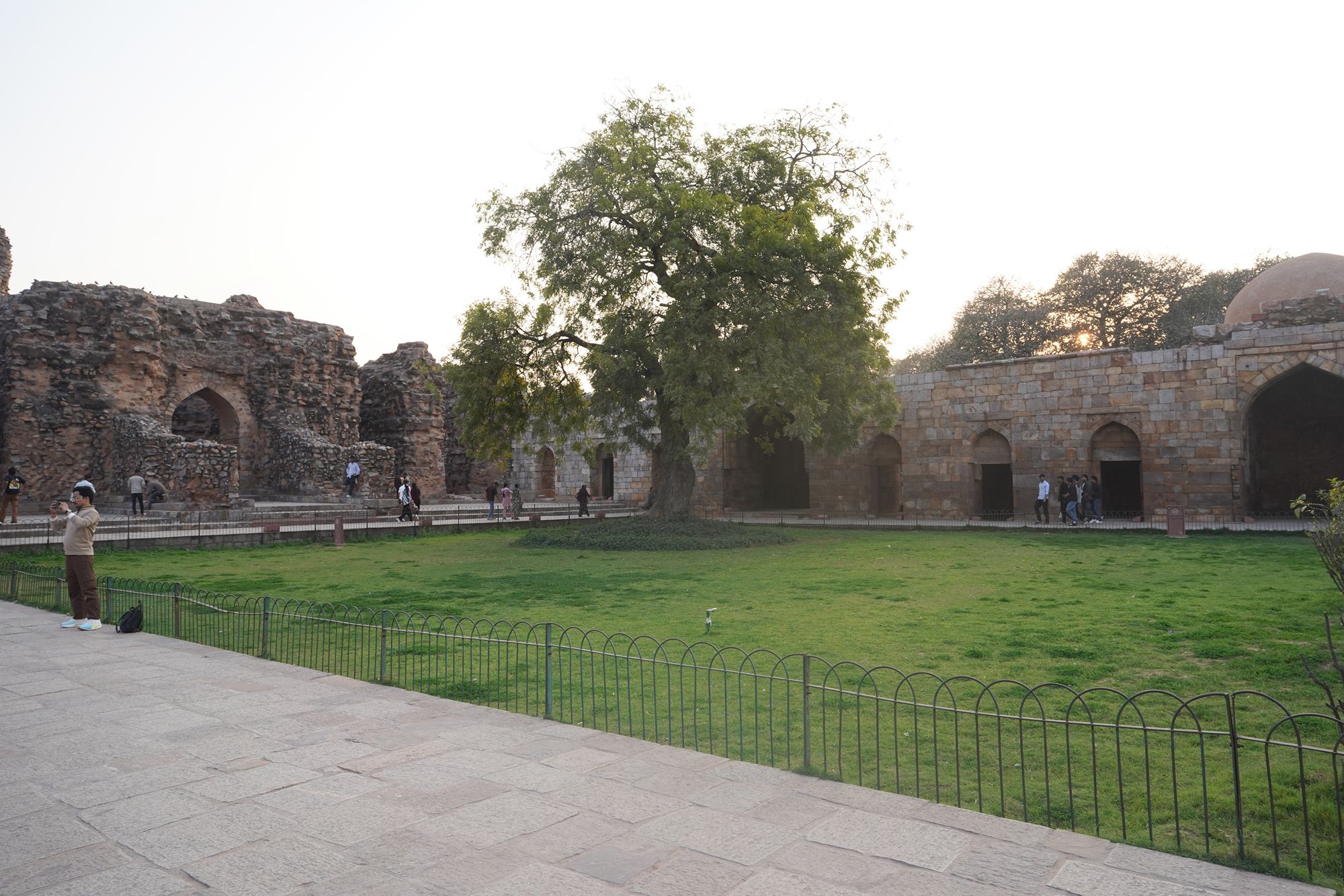
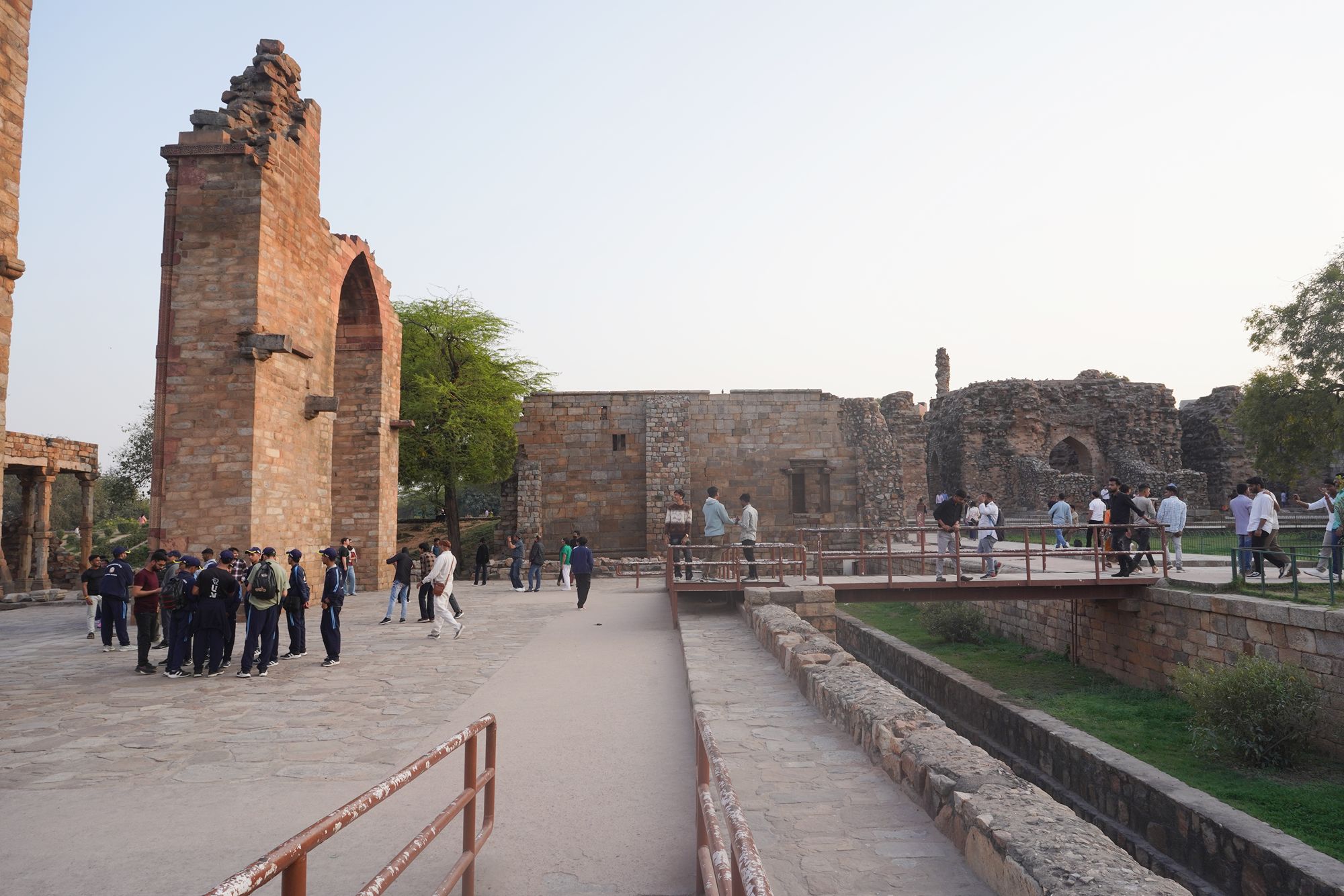
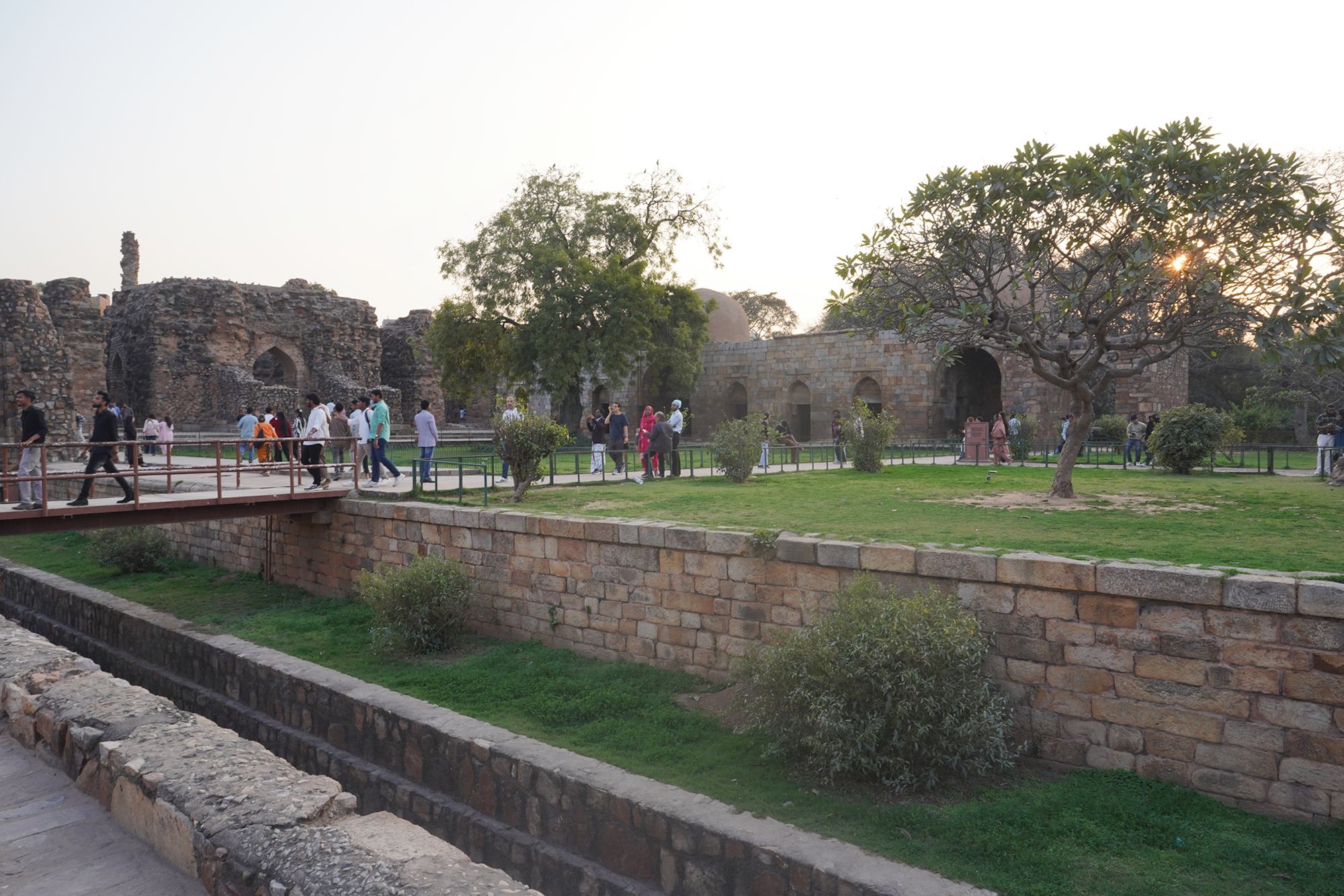
The Tomb and Madrasa of Alauddin Khalji, a 14th-century ruler of the Delhi Sultanate, are located on the western side of the Qutb Minar complex.
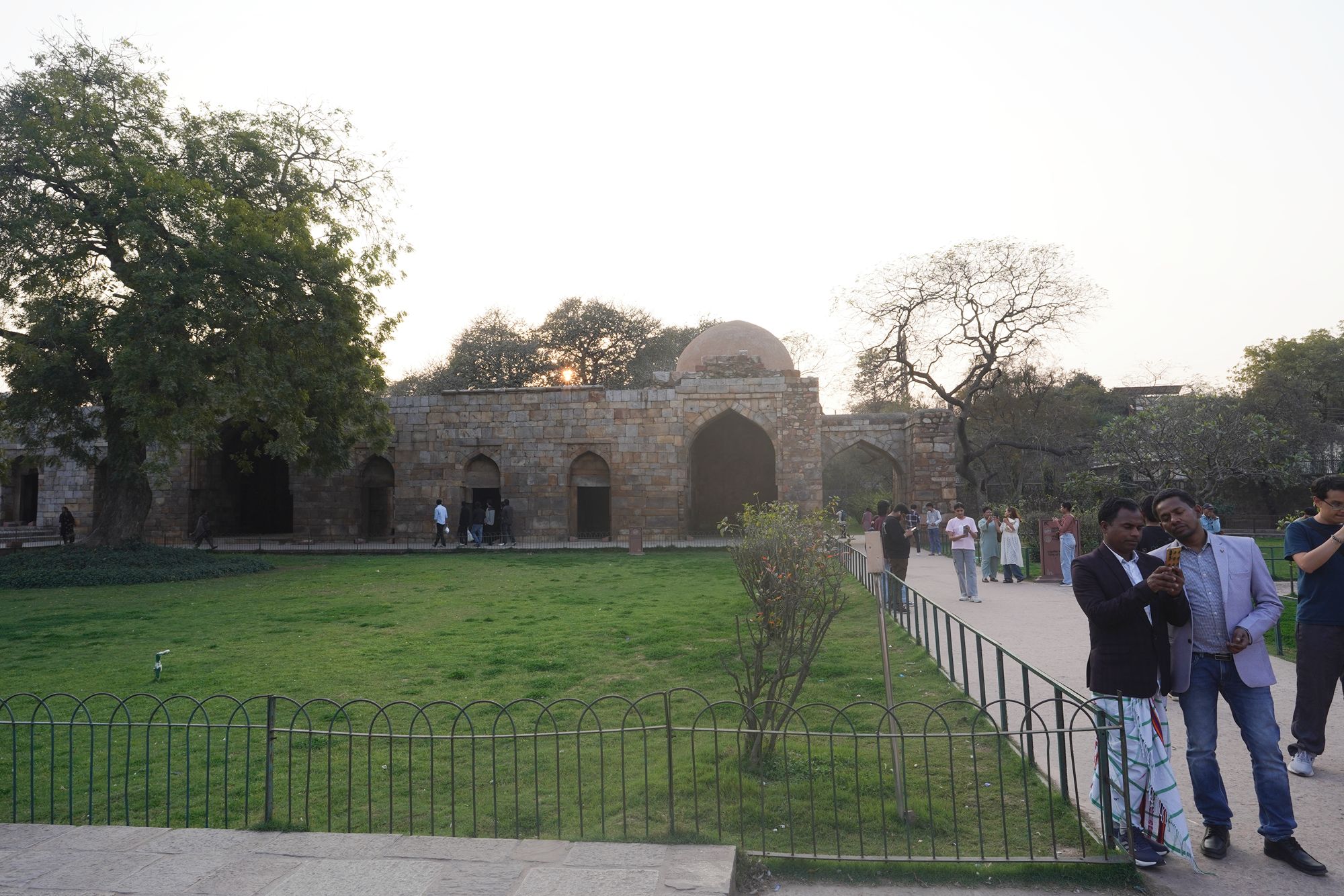
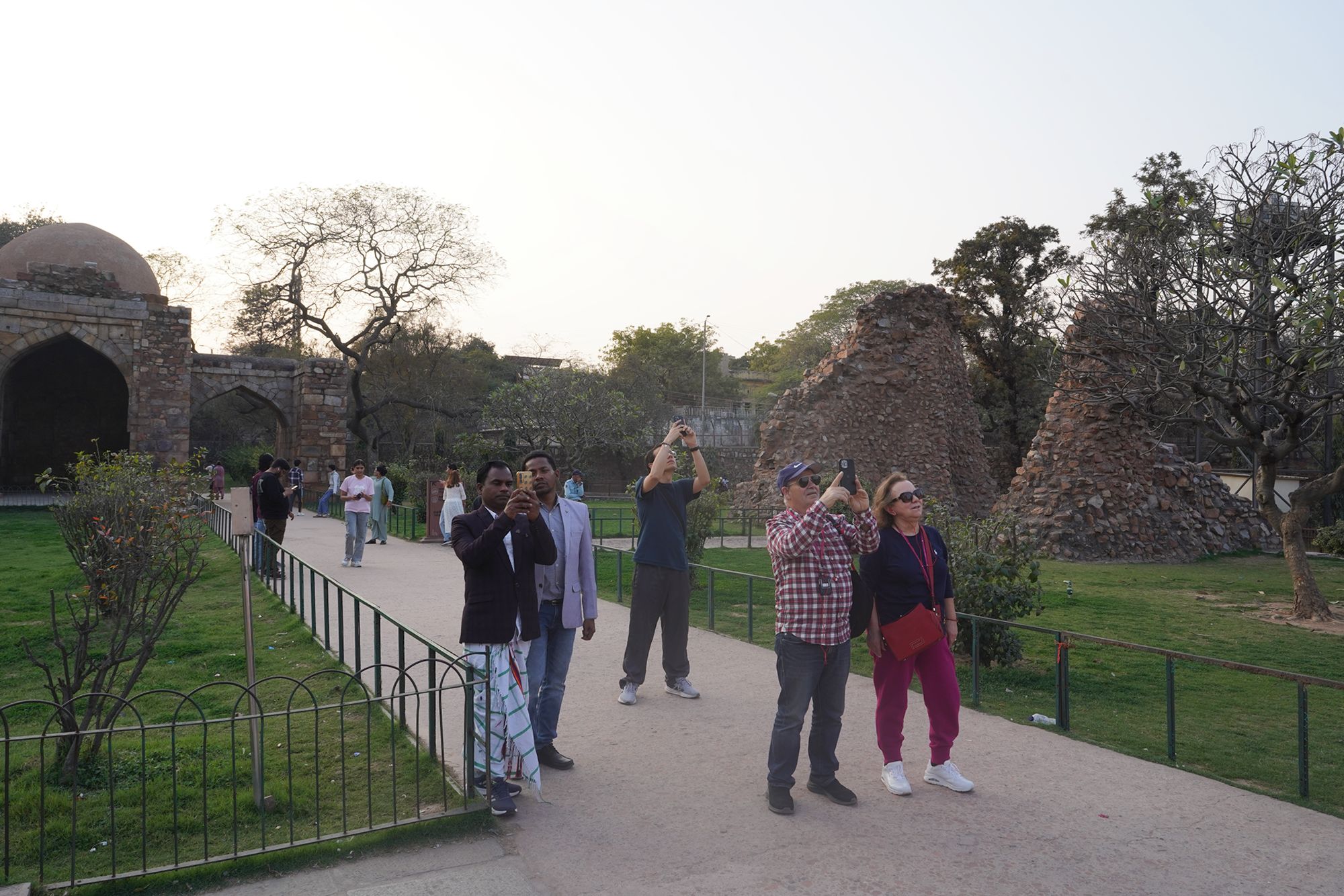
View of the rear right side of the Qutb Minar complex.
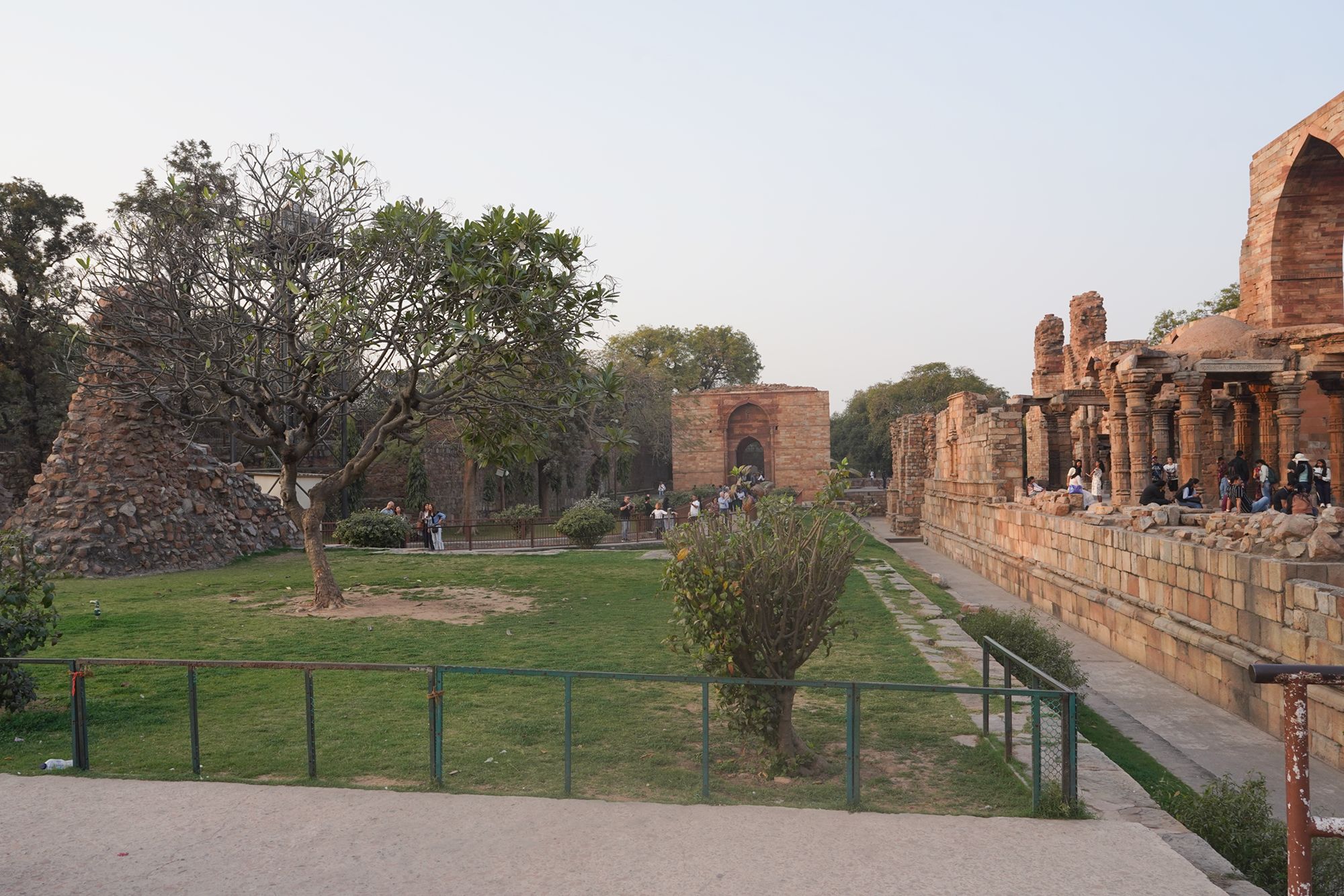
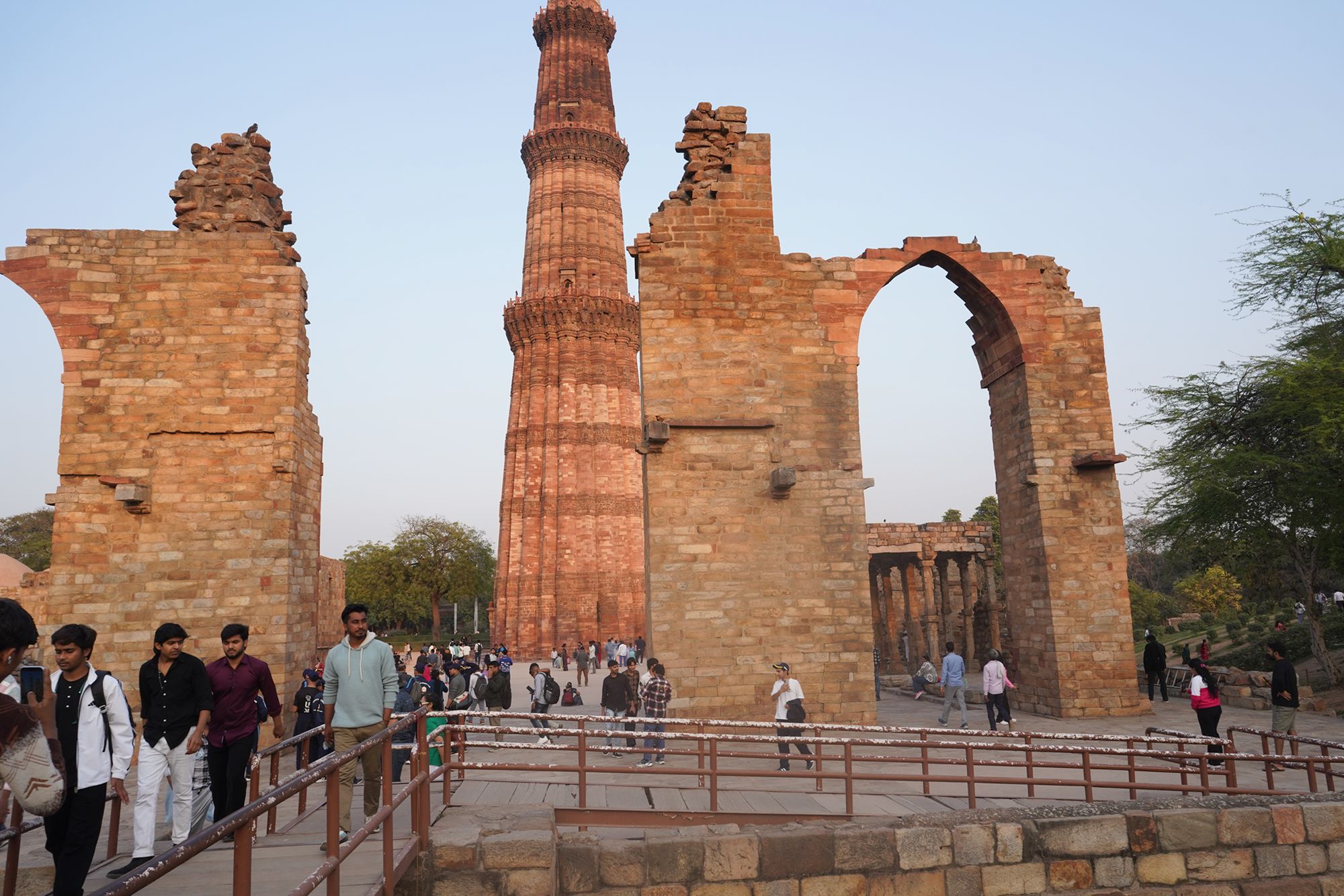
Remains on the rear left side of the Qutb Minar complex, near the Tomb and Madrasa of Alauddin Khalji.
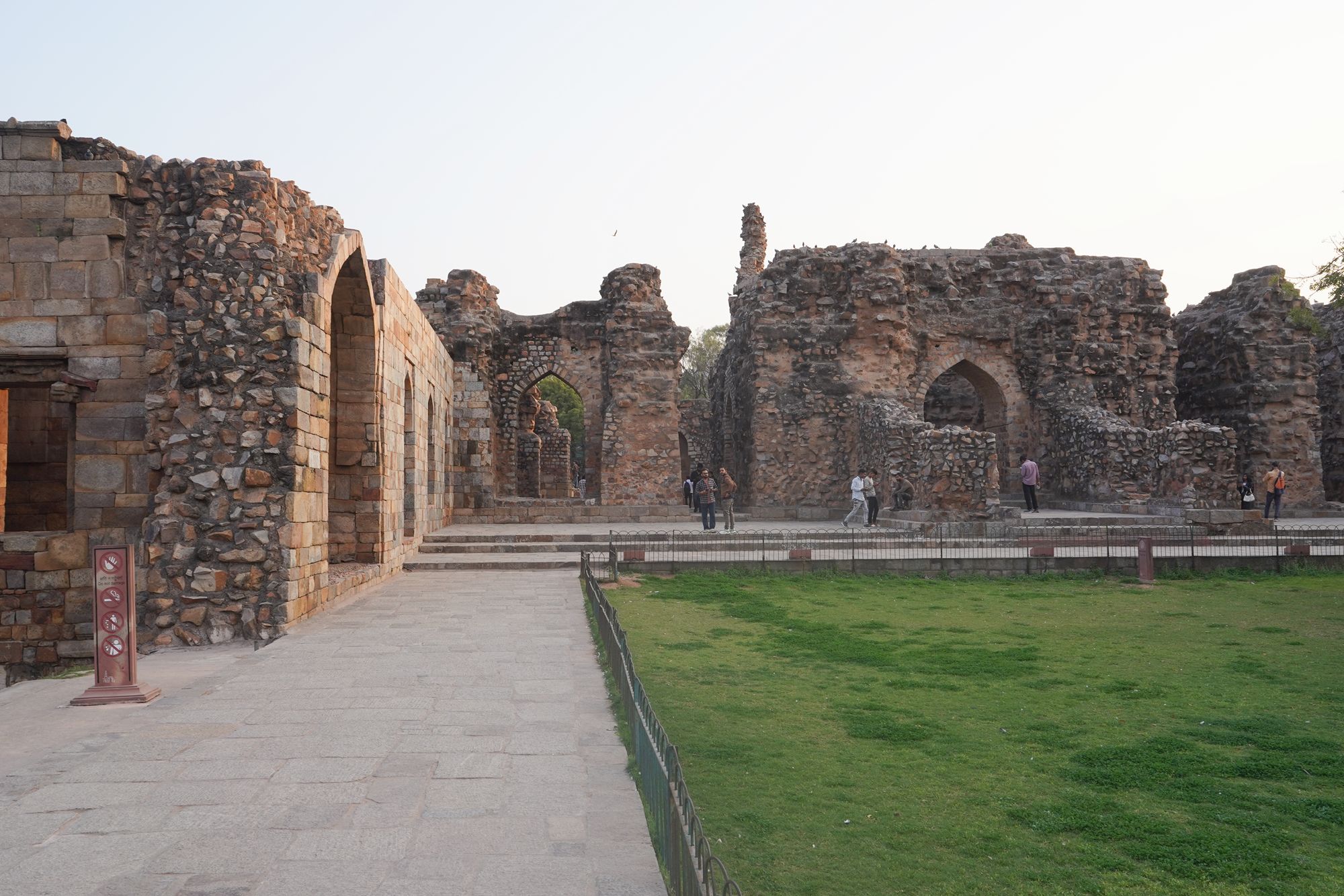
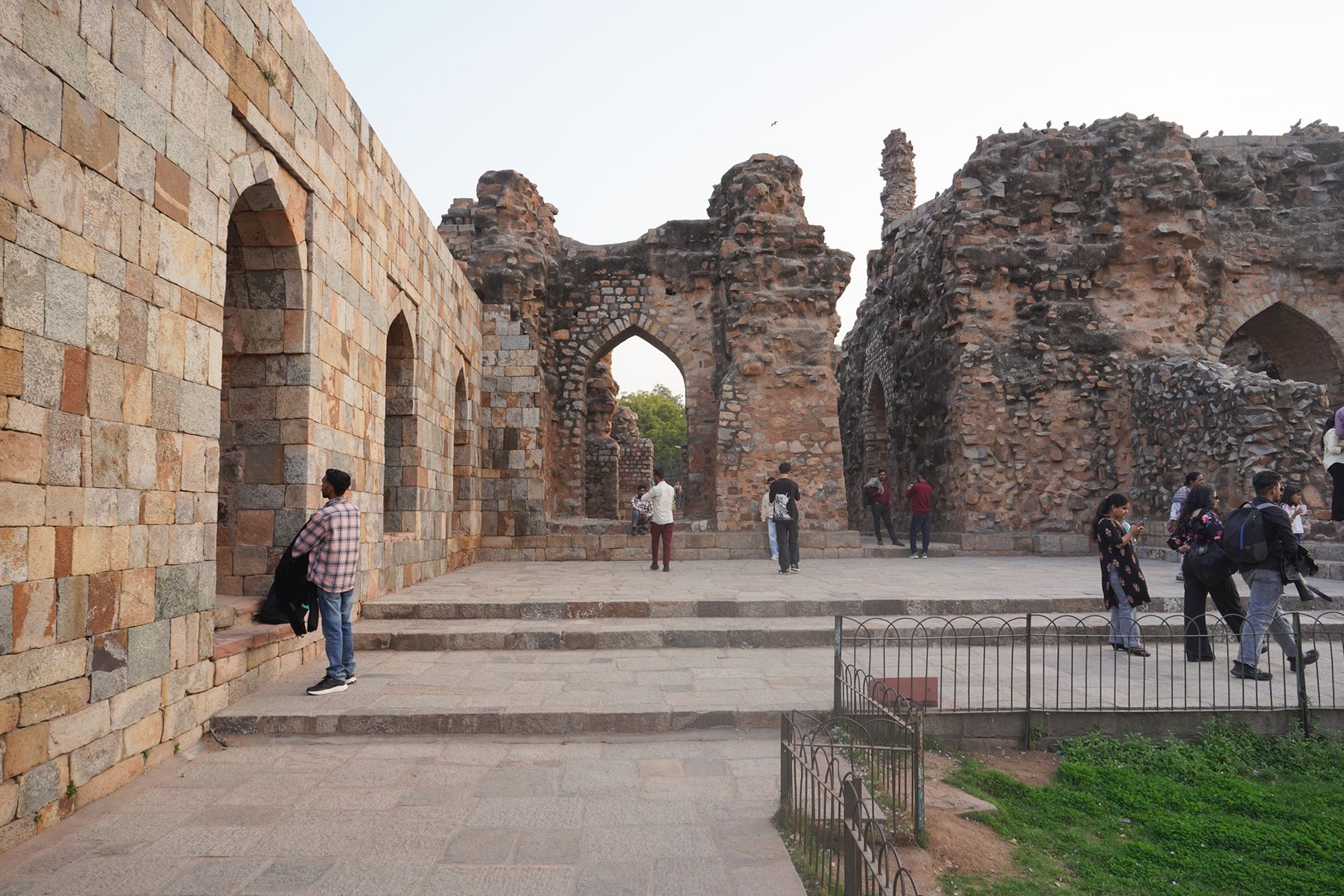
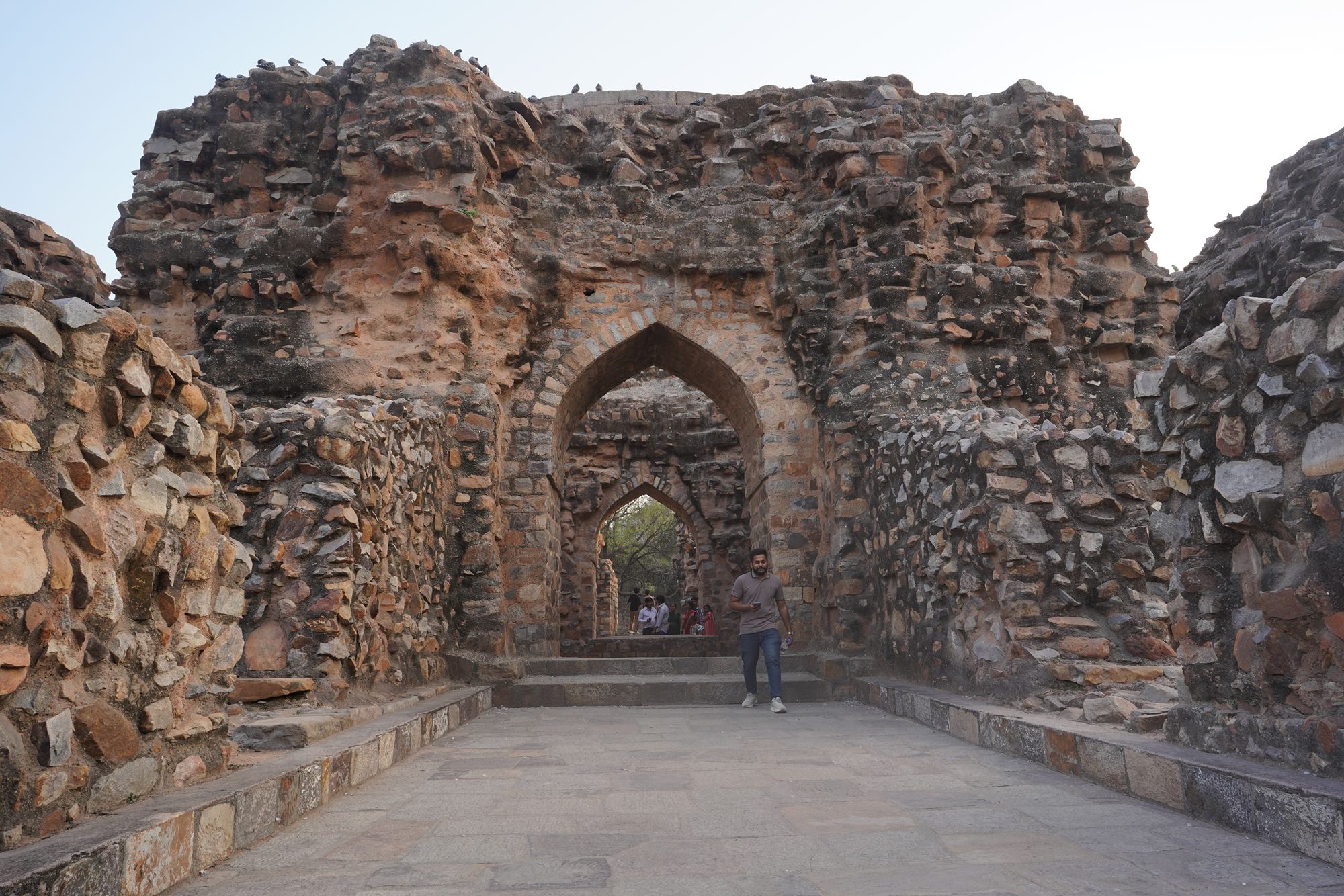
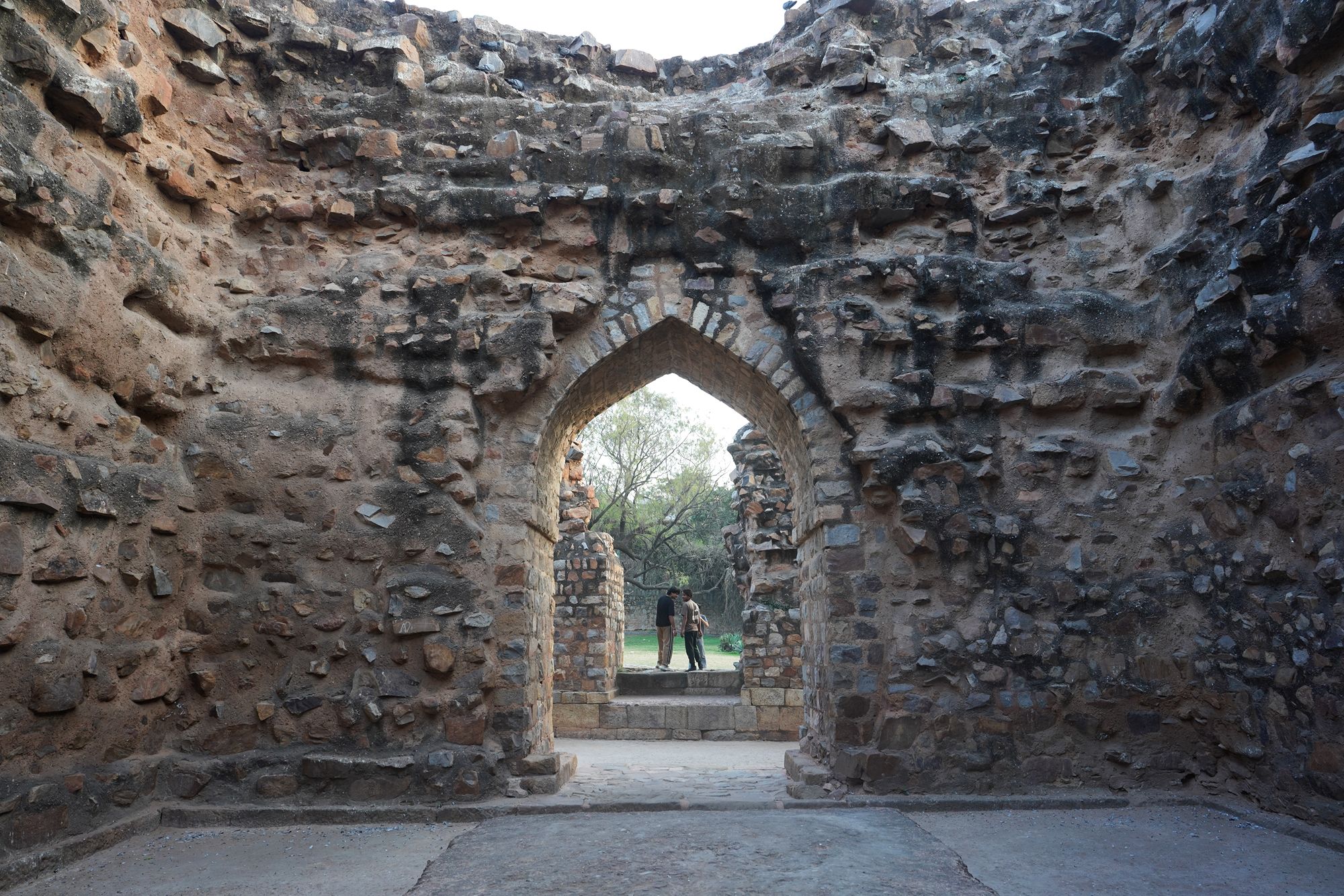
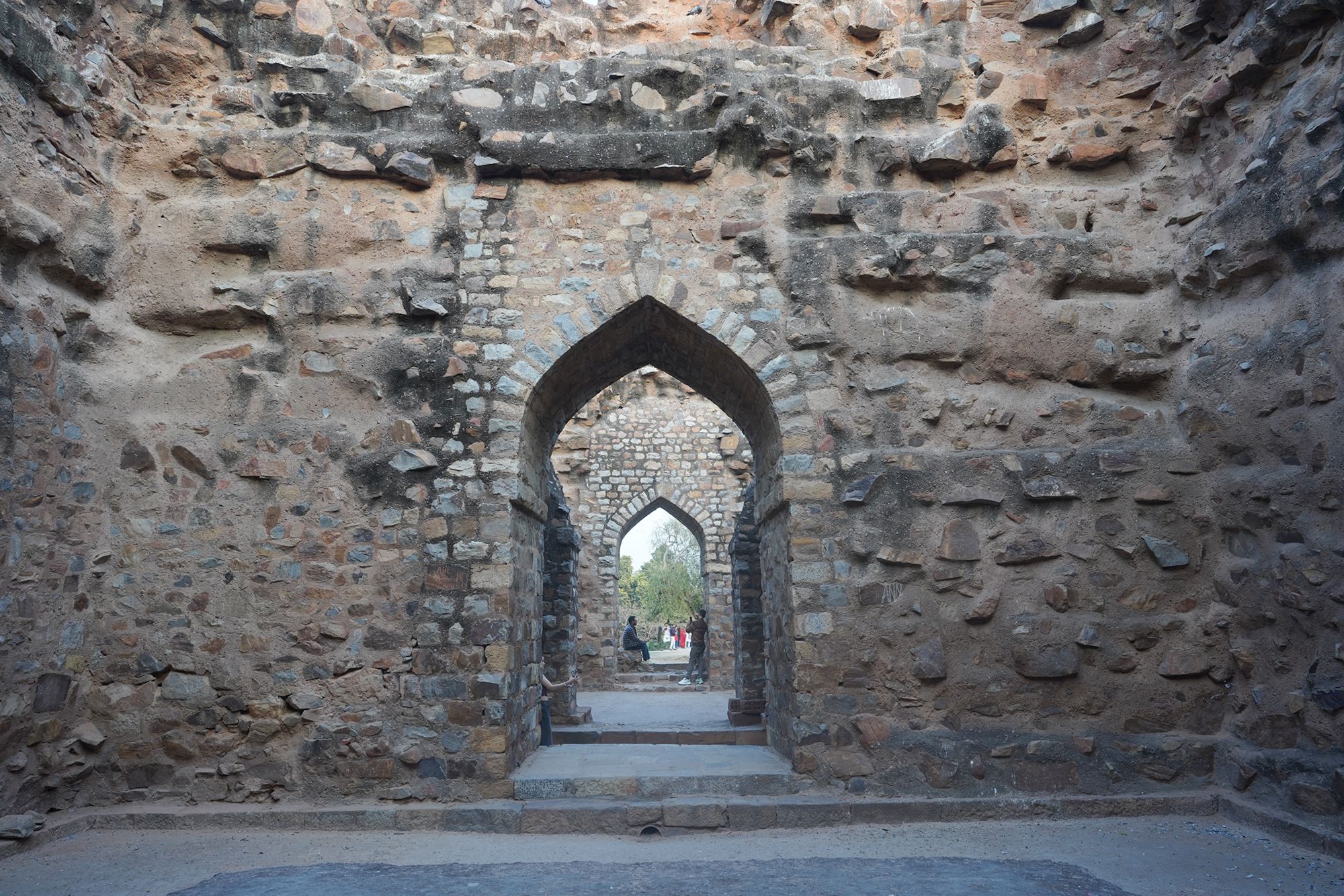
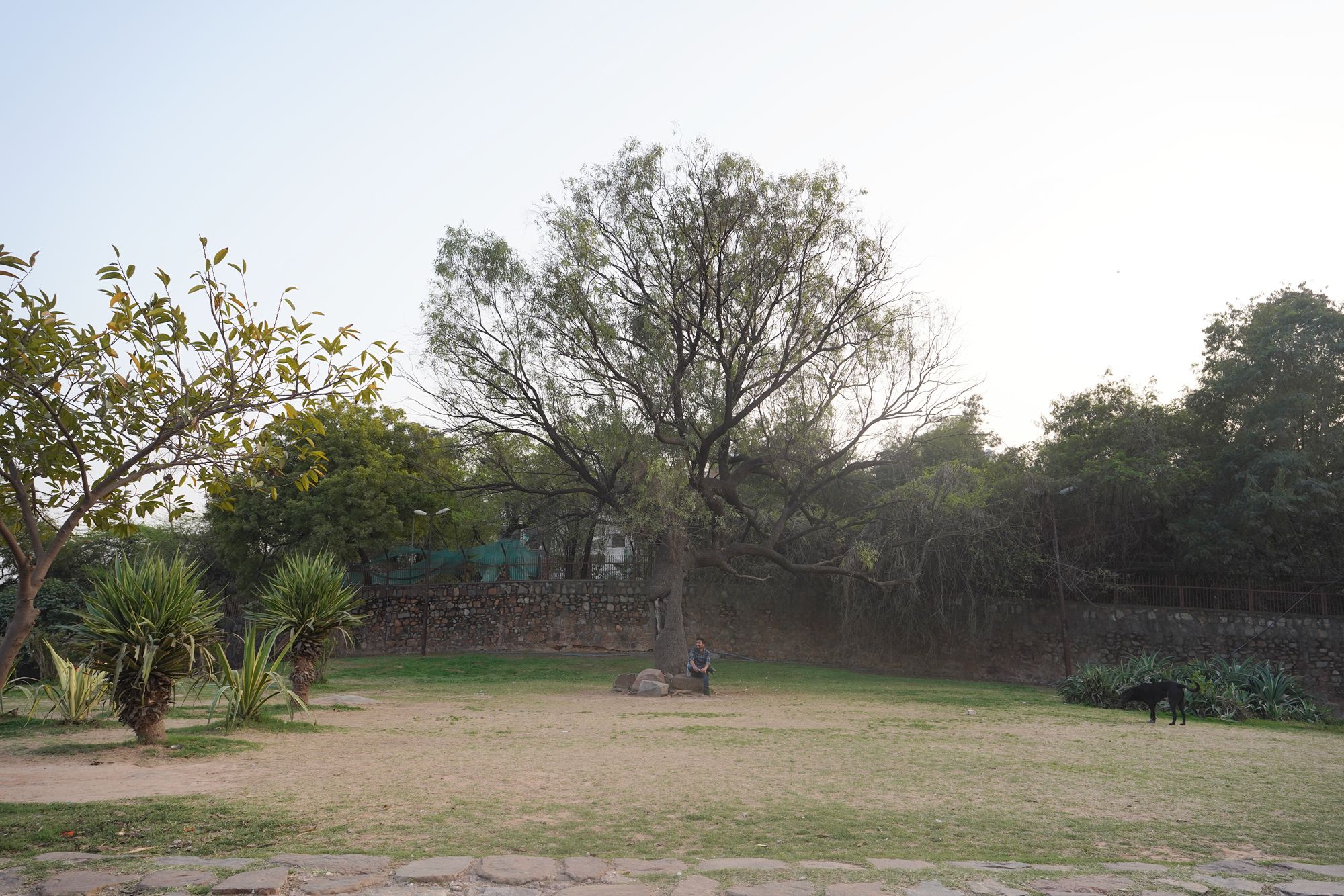
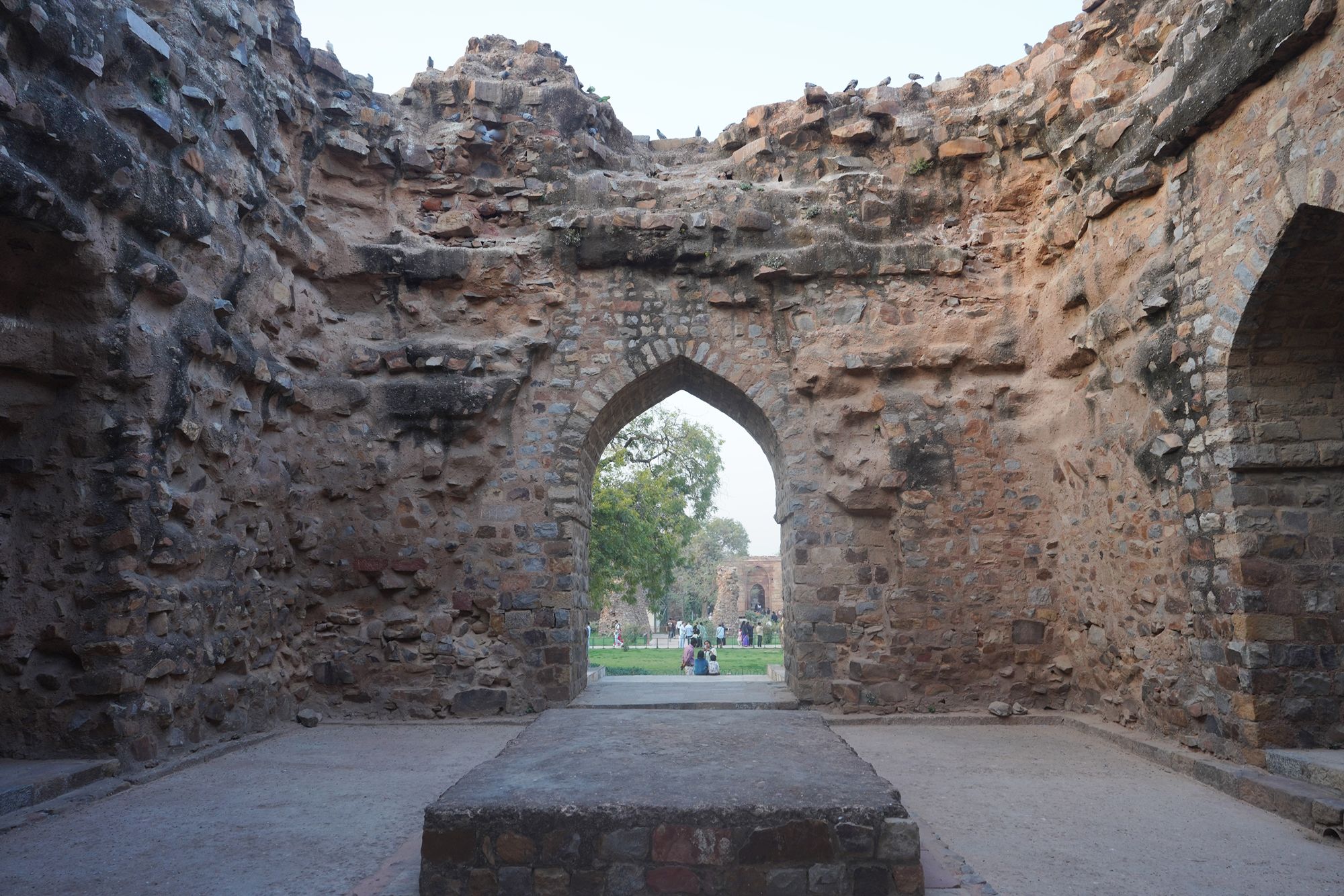
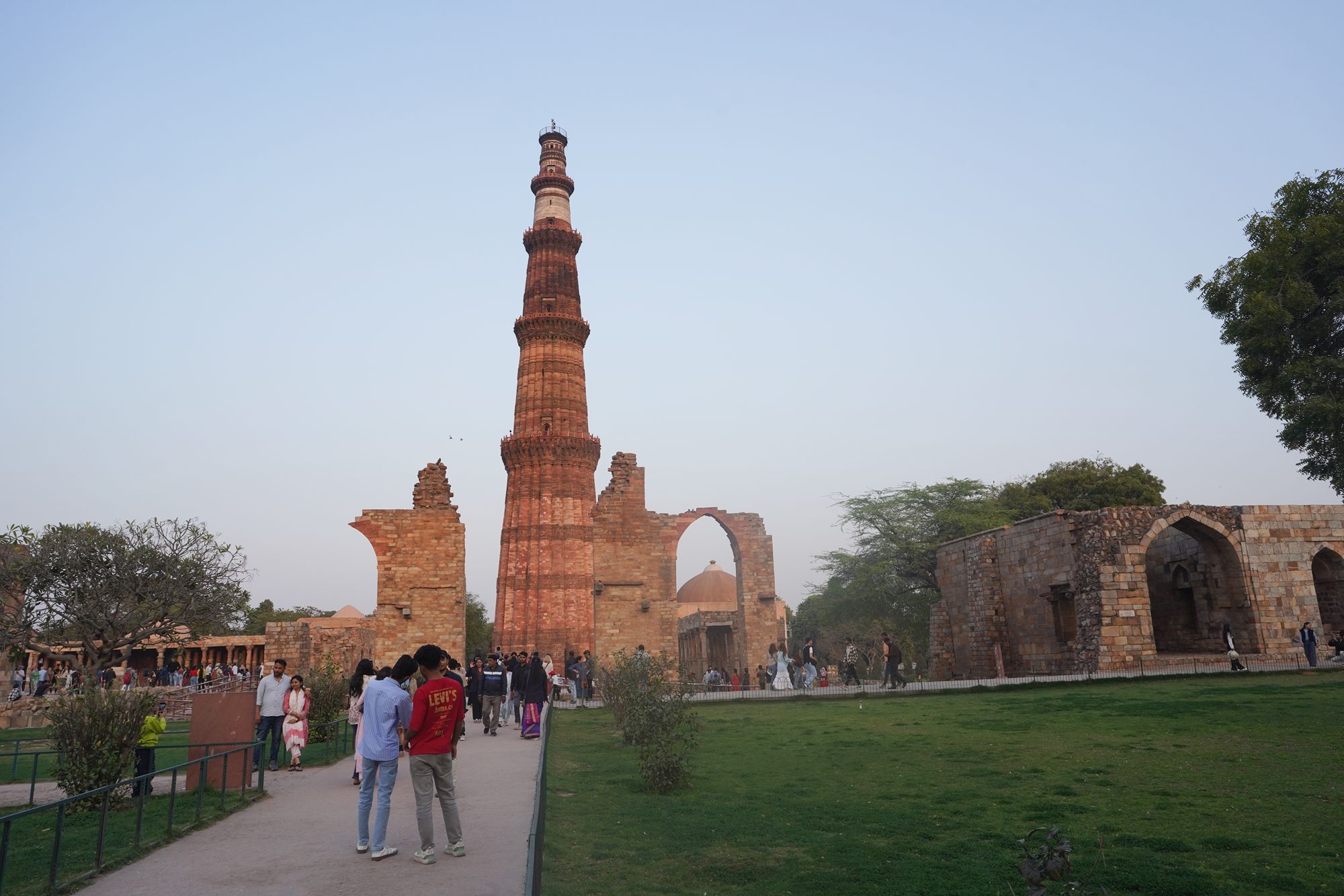
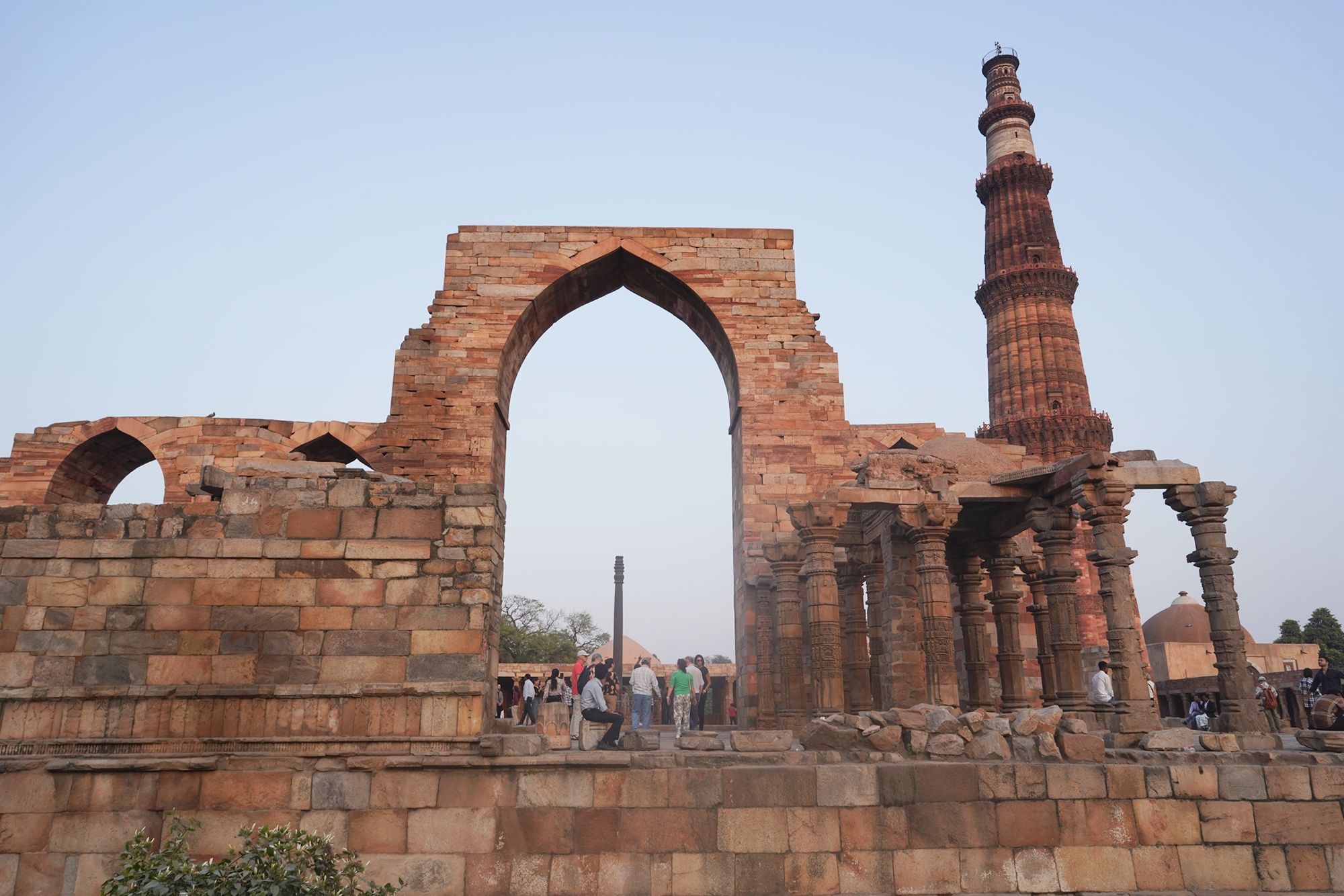
Walking toward the rear right side of the Qutb Minar complex.
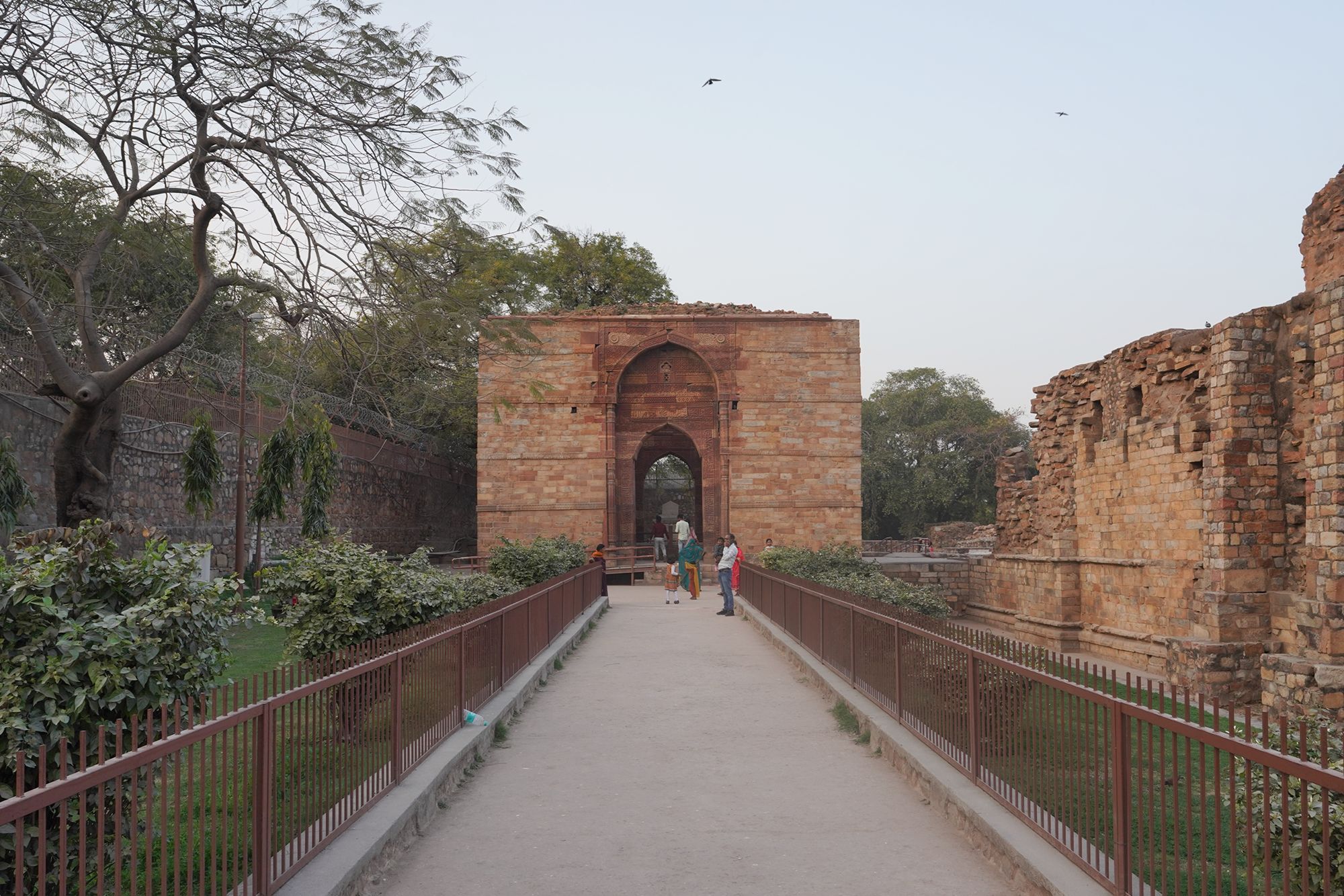
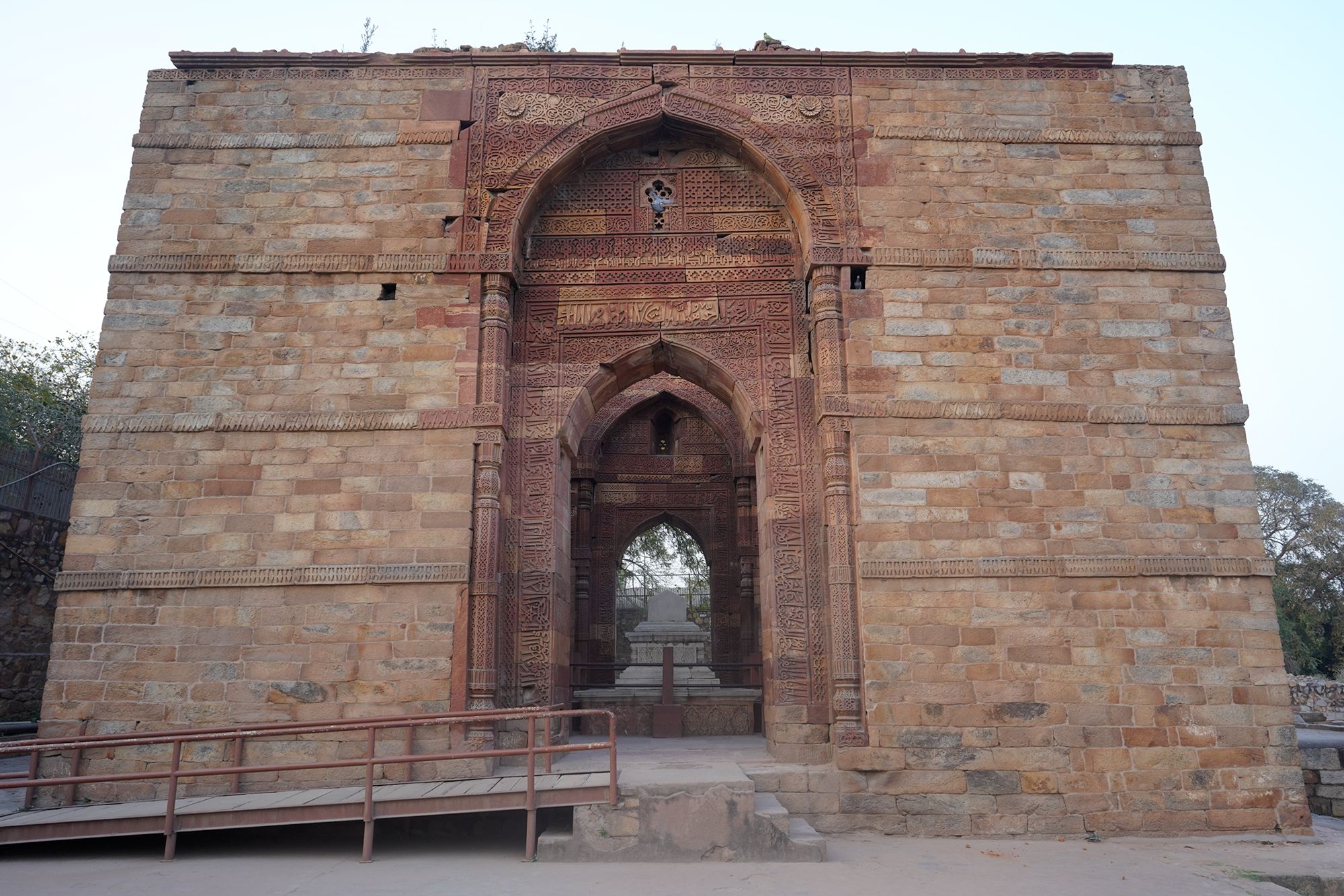
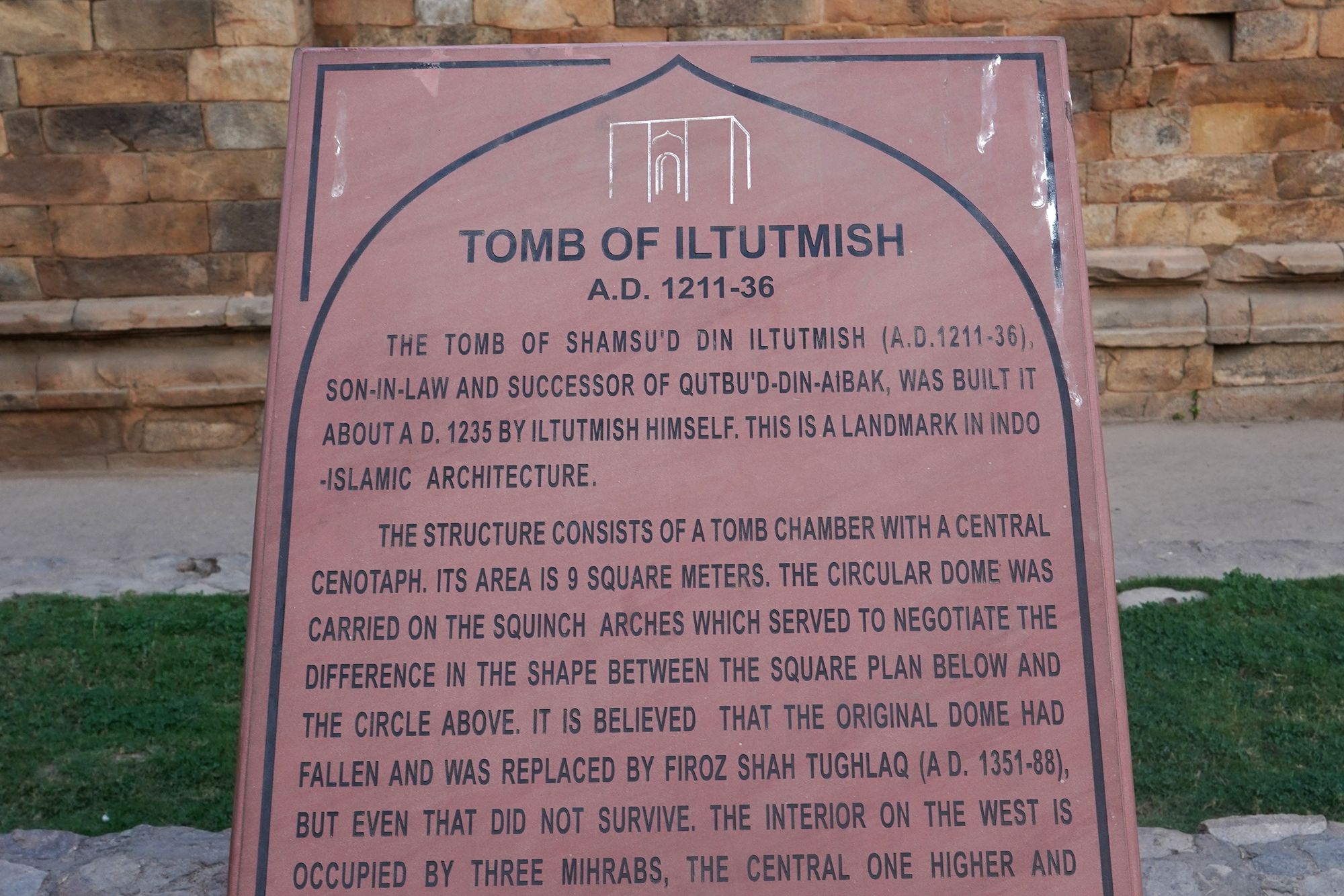
The Tomb of Sultan Shamsuddin Iltutmish is located within the Qutb Minar complex. Built around 1235 CE, it contains the tomb of Iltutmish, the Delhi Sultan who ruled from 1211 to 1236 and was responsible for completing much of Qutb Minar after Qutb-ud-din Aibak.
View behind me
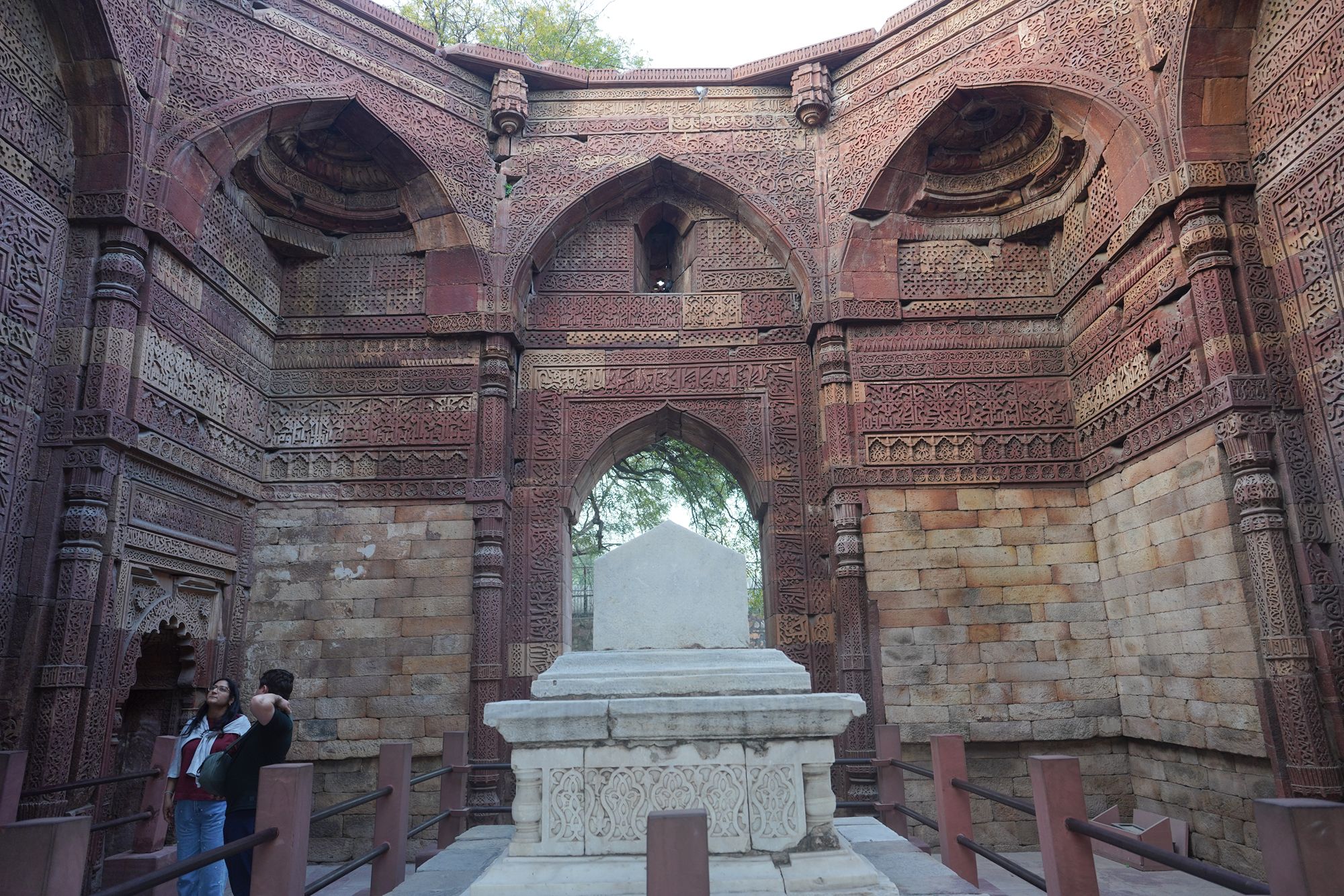
The tomb is especially notable for its richly carved interior. Its stone walls are covered with Arabic calligraphy, geometric designs, and floral motifs, demonstrating the developing Indo-Islamic architectural style of the early Delhi Sultanate.
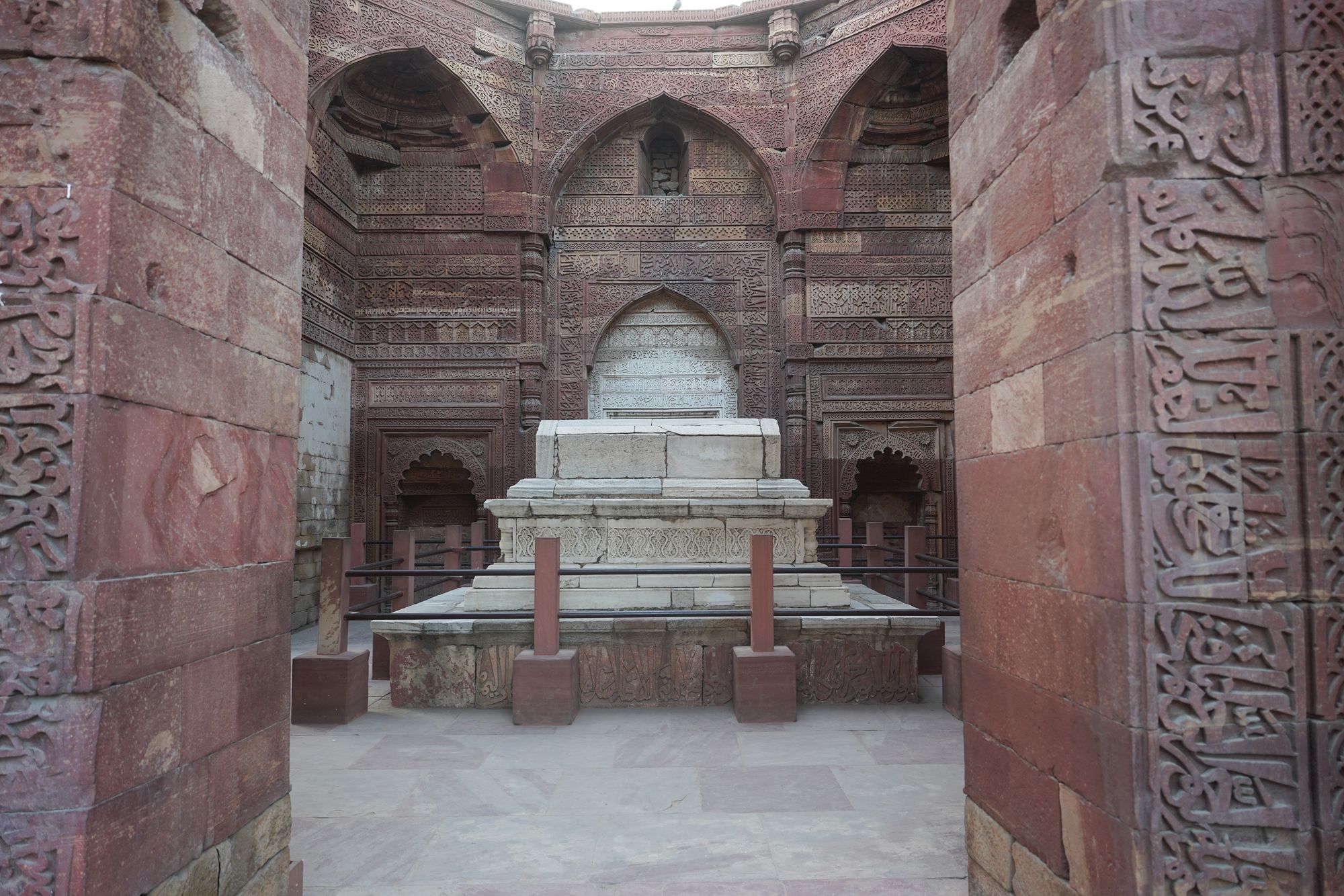
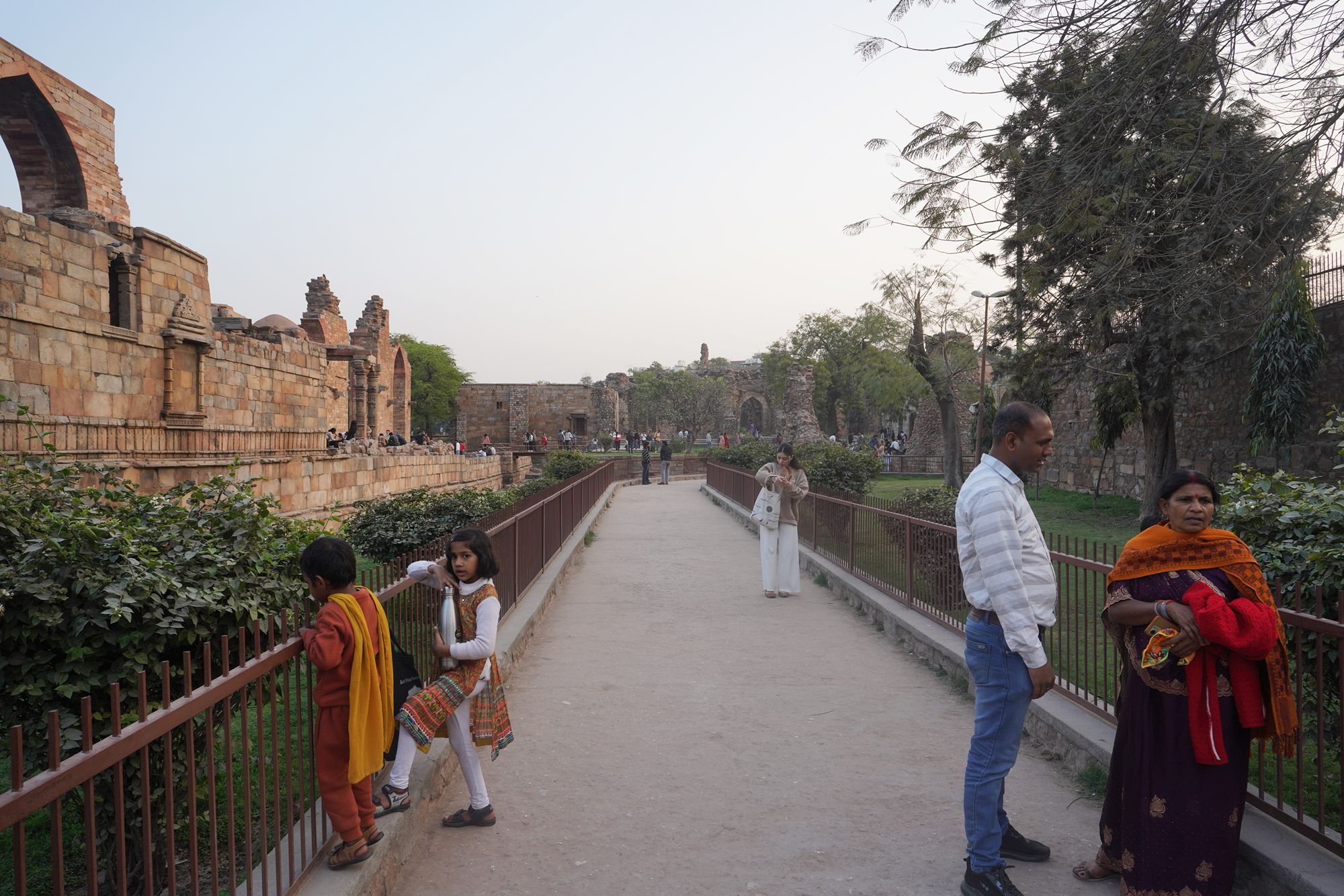
Then I walked toward the middle right side of the Qutb Minar complex.
What you see in front is Alai Minar. It is an unfinished tower in the Qutb Minar complex. Sultan Alauddin Khalji began its construction in the early 14th century, intending it to be about twice the height of Qutb Minar as part of his expansion of the complex.
Only the massive first level was completed before Alauddin Khalji died in 1316, and construction was never resumed. Today, the unfinished circular stone structure rises about 25 meters (82 feet).
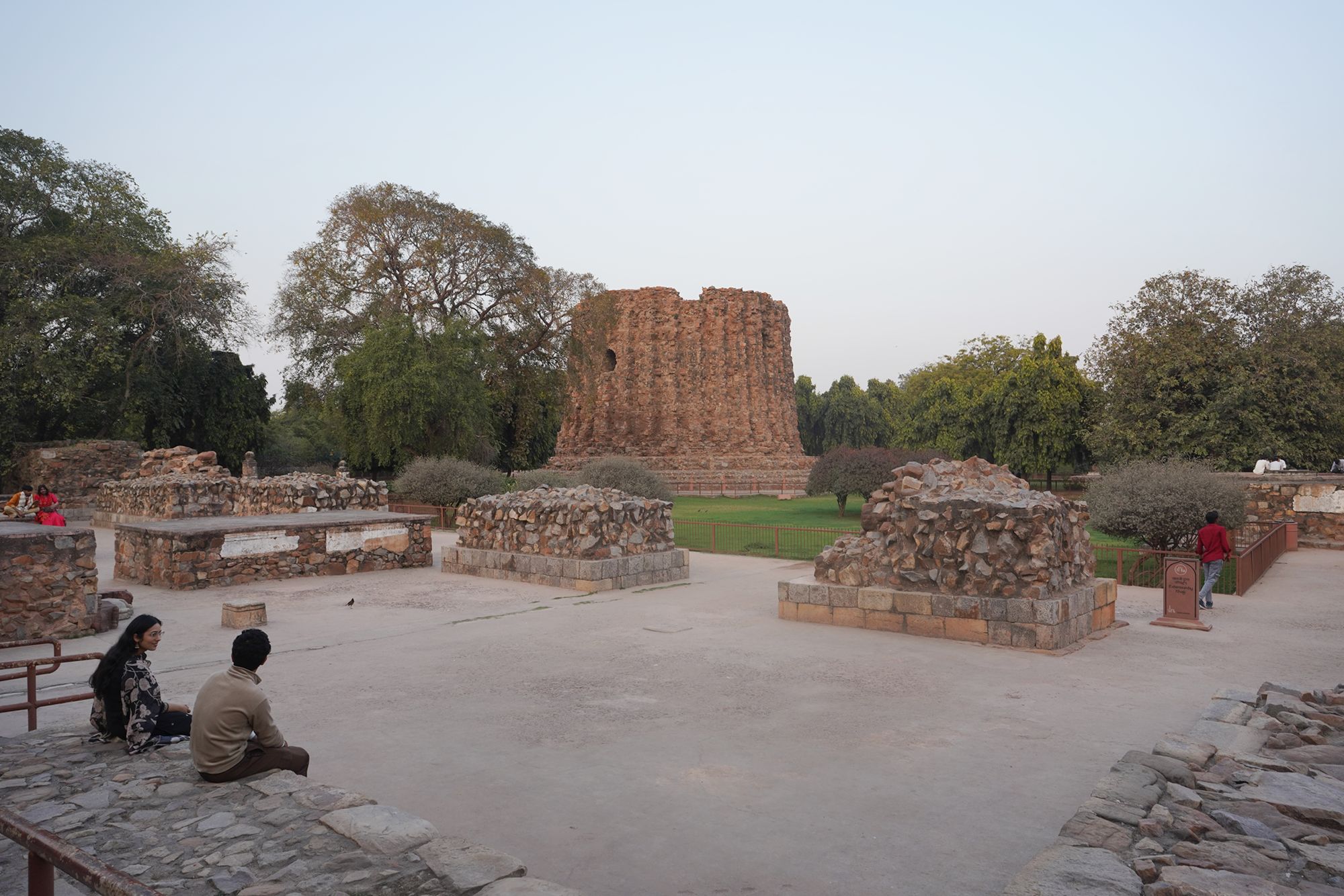
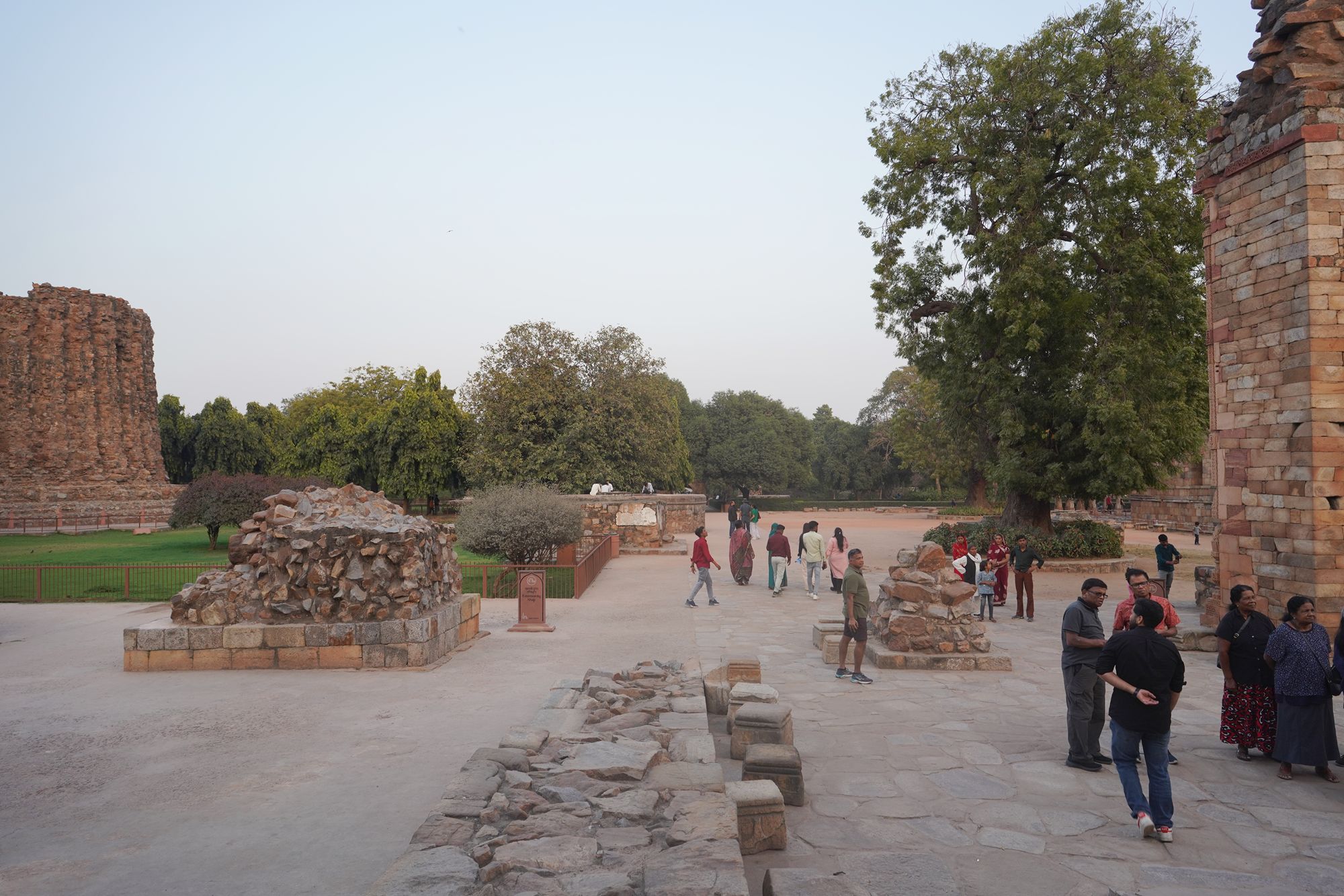
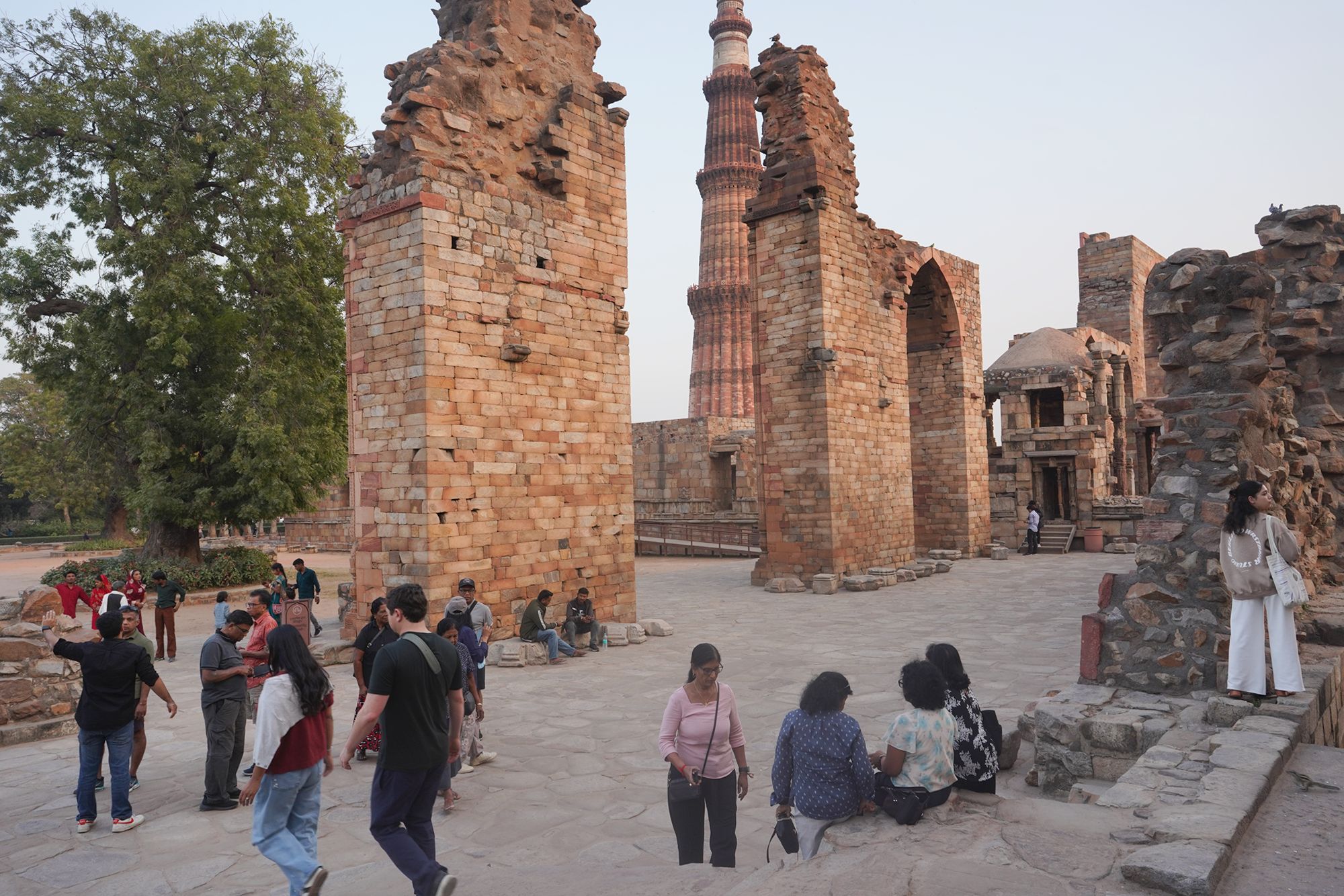
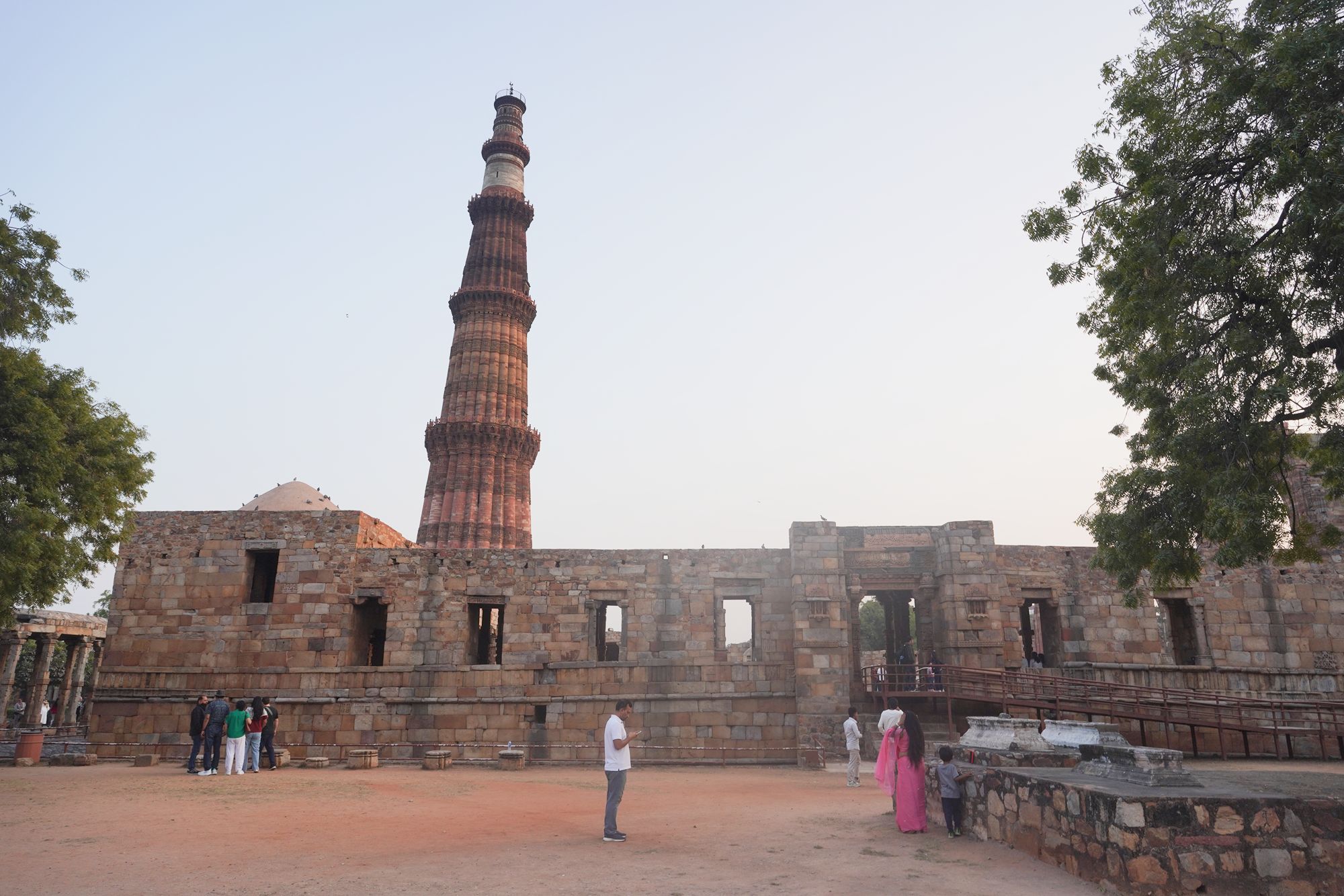
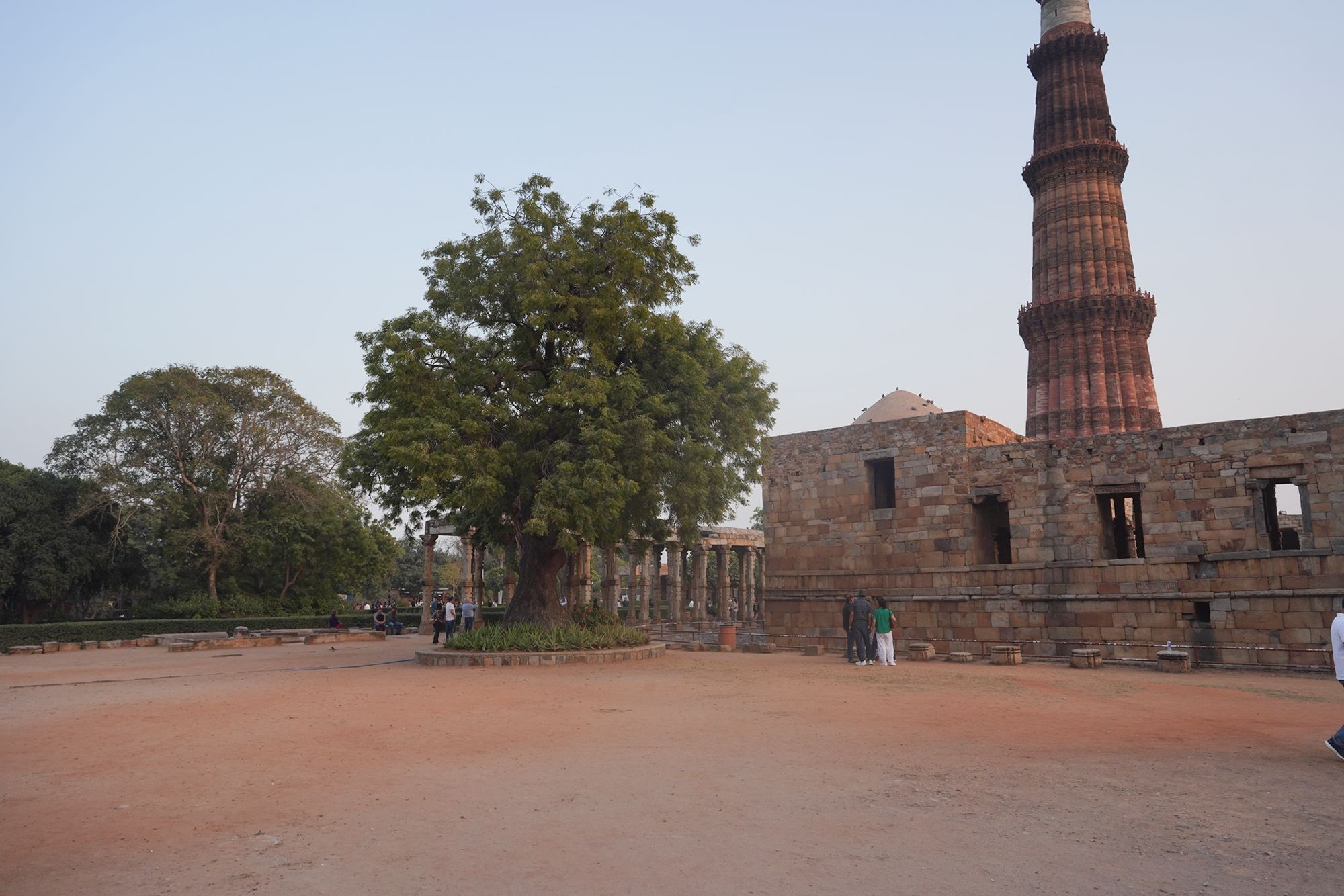
That was all for my visit to Qutb Minar, and I walked out of the complex.
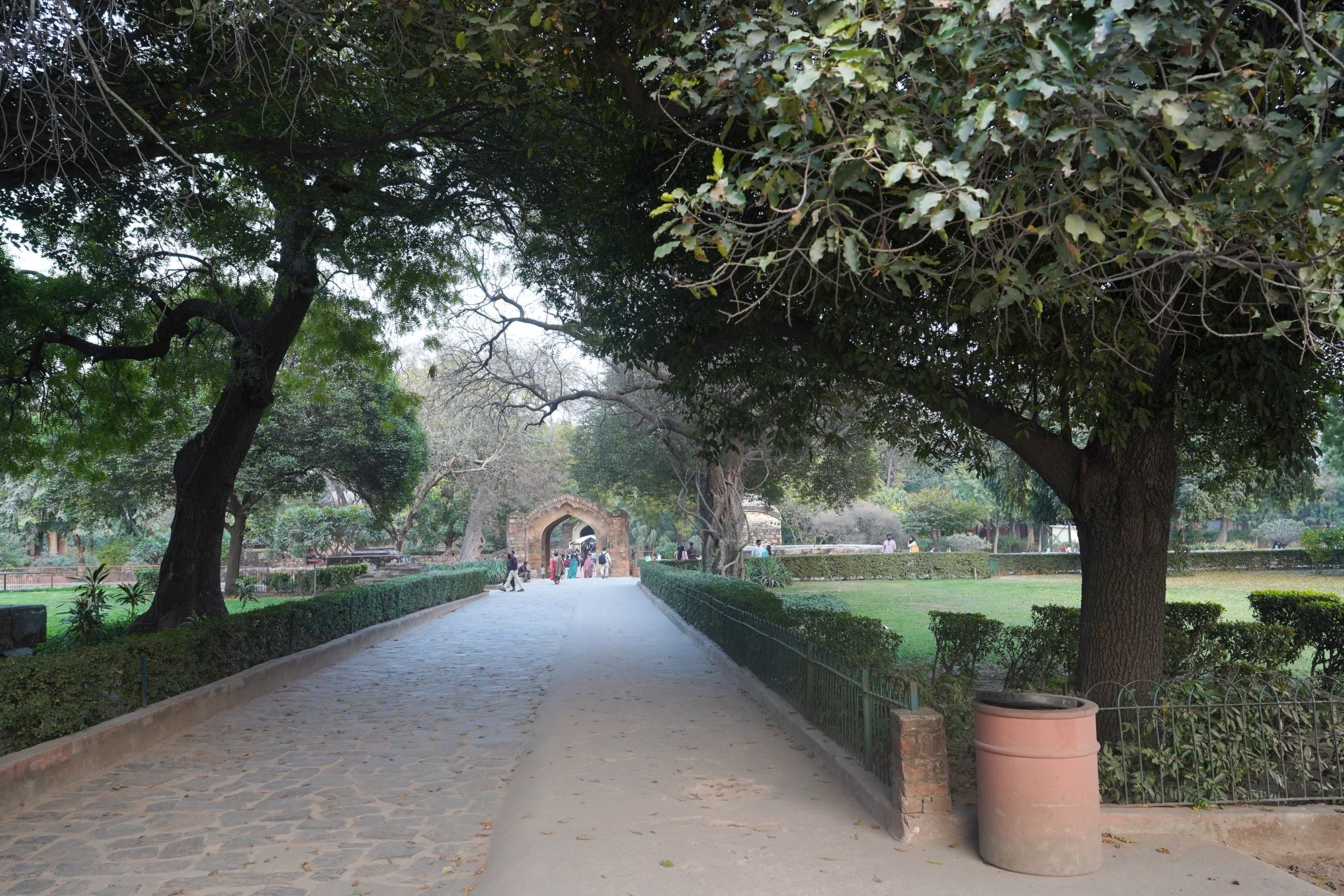
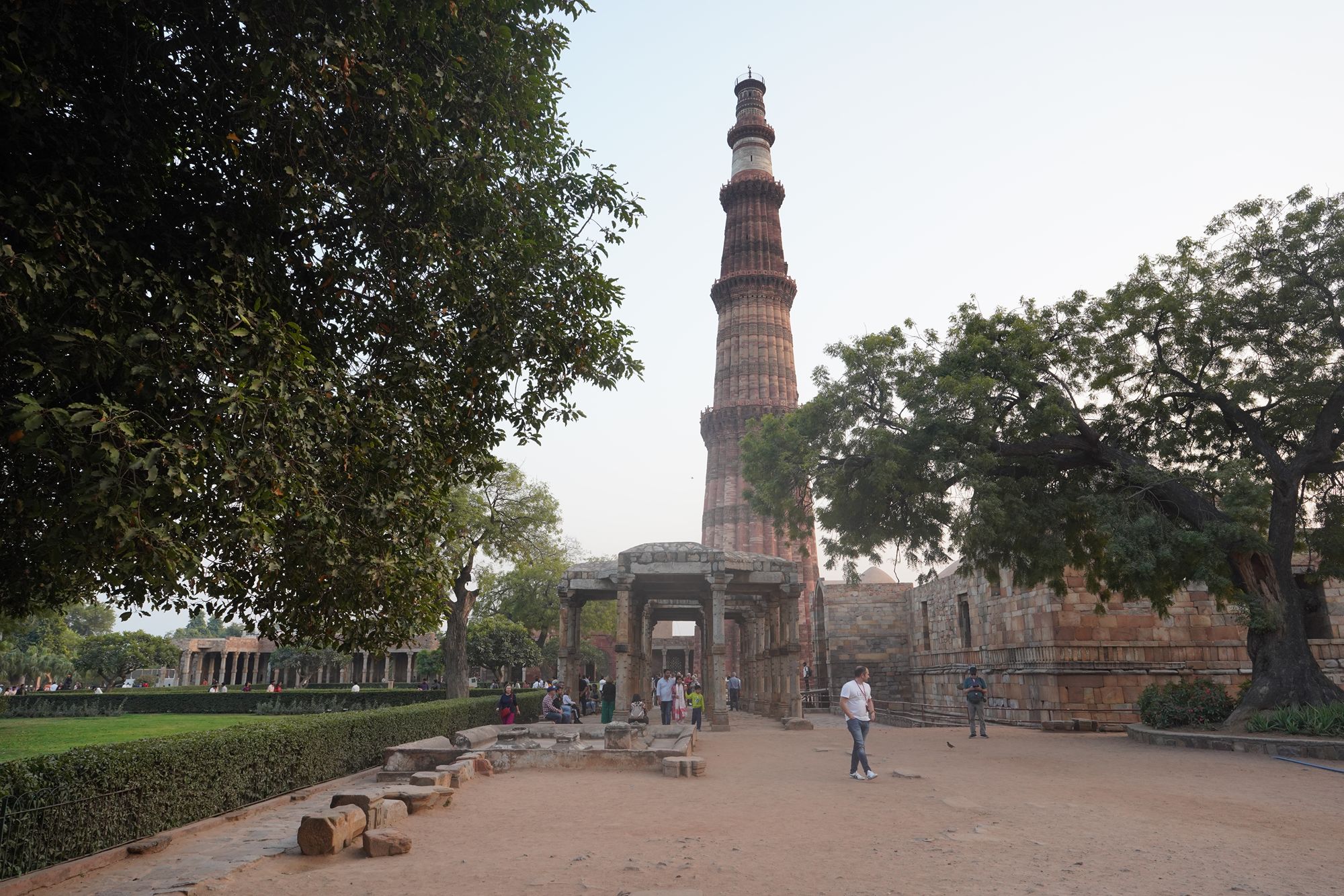
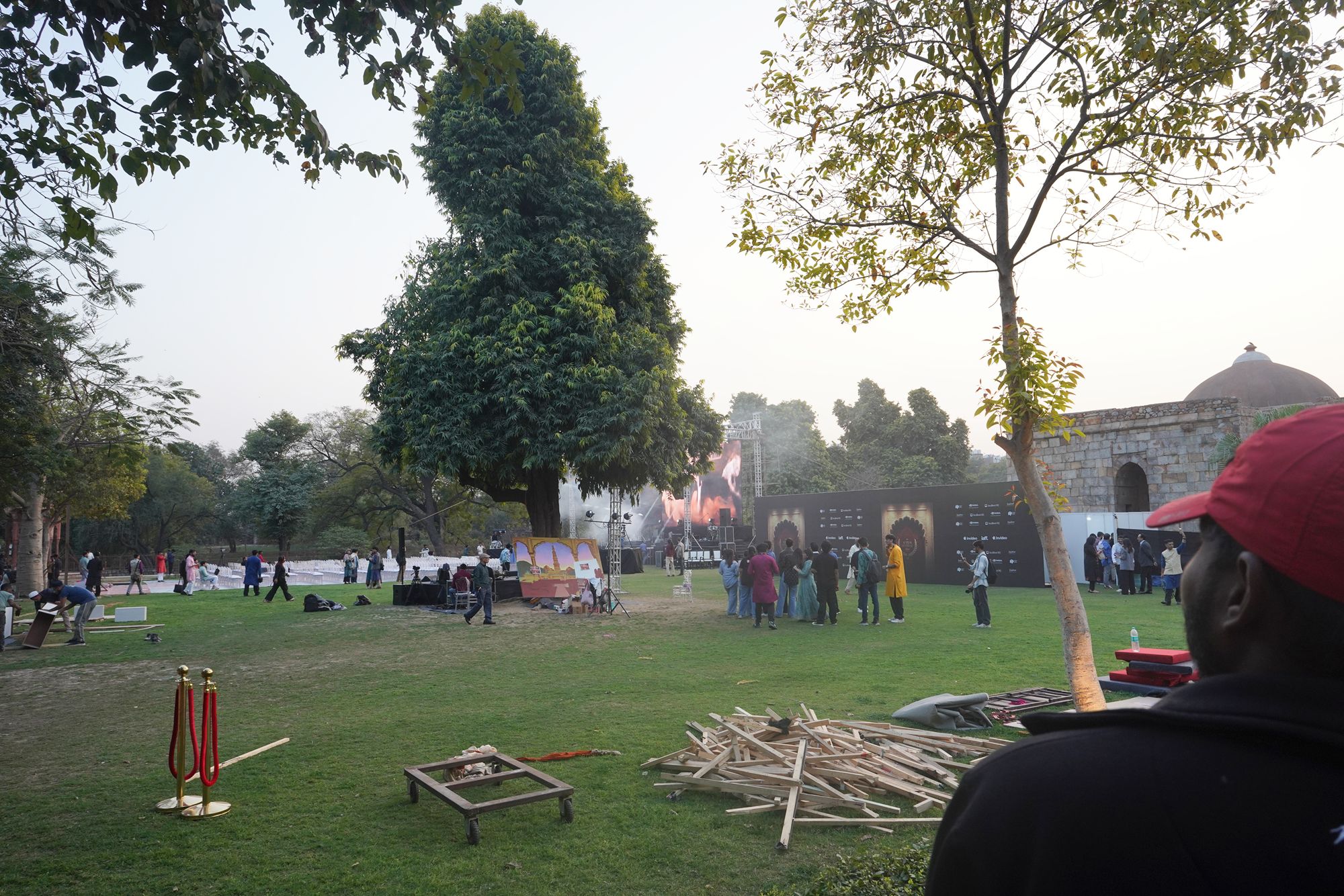
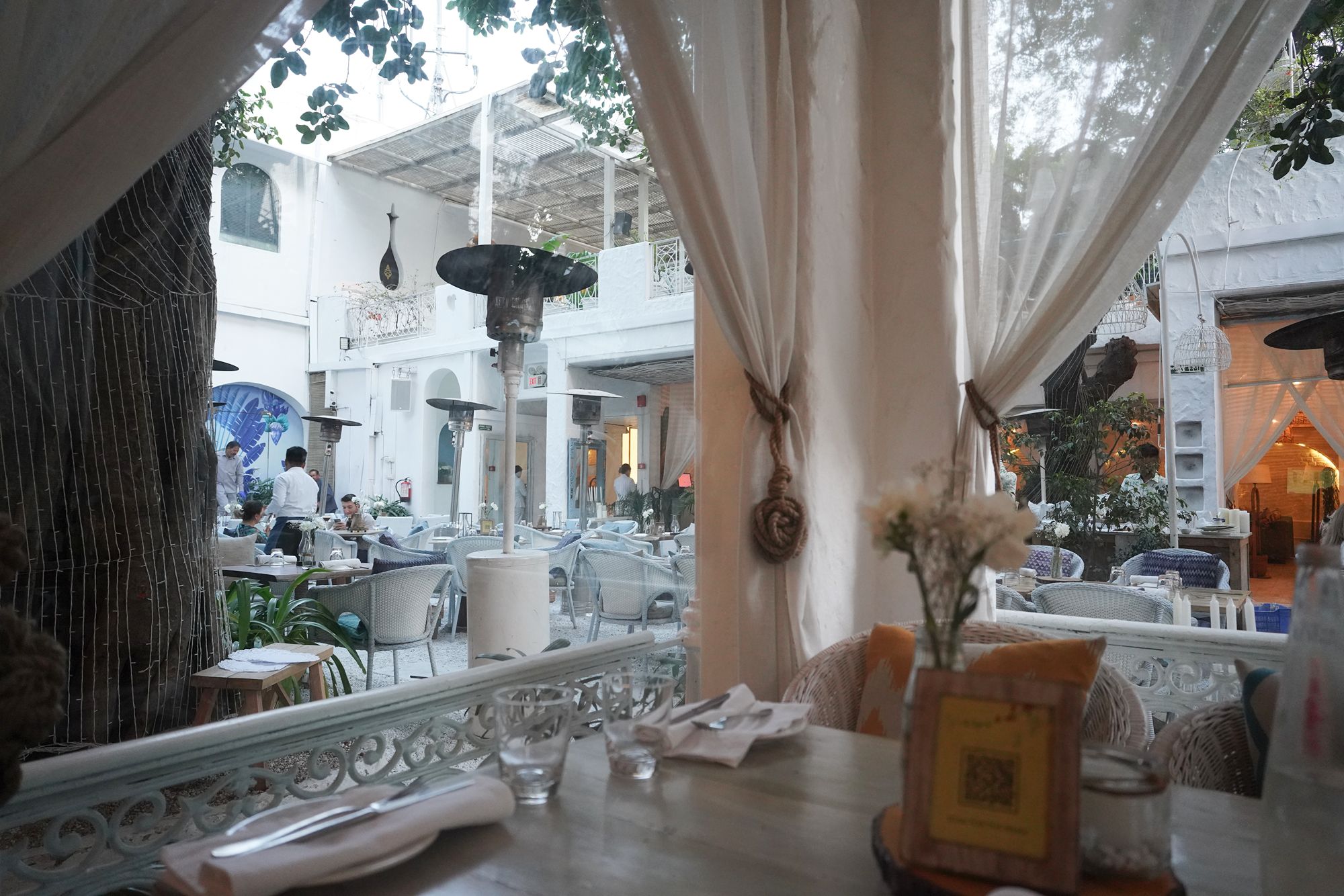
Dinner at a nearby restaurant after visiting Qutb Minar.