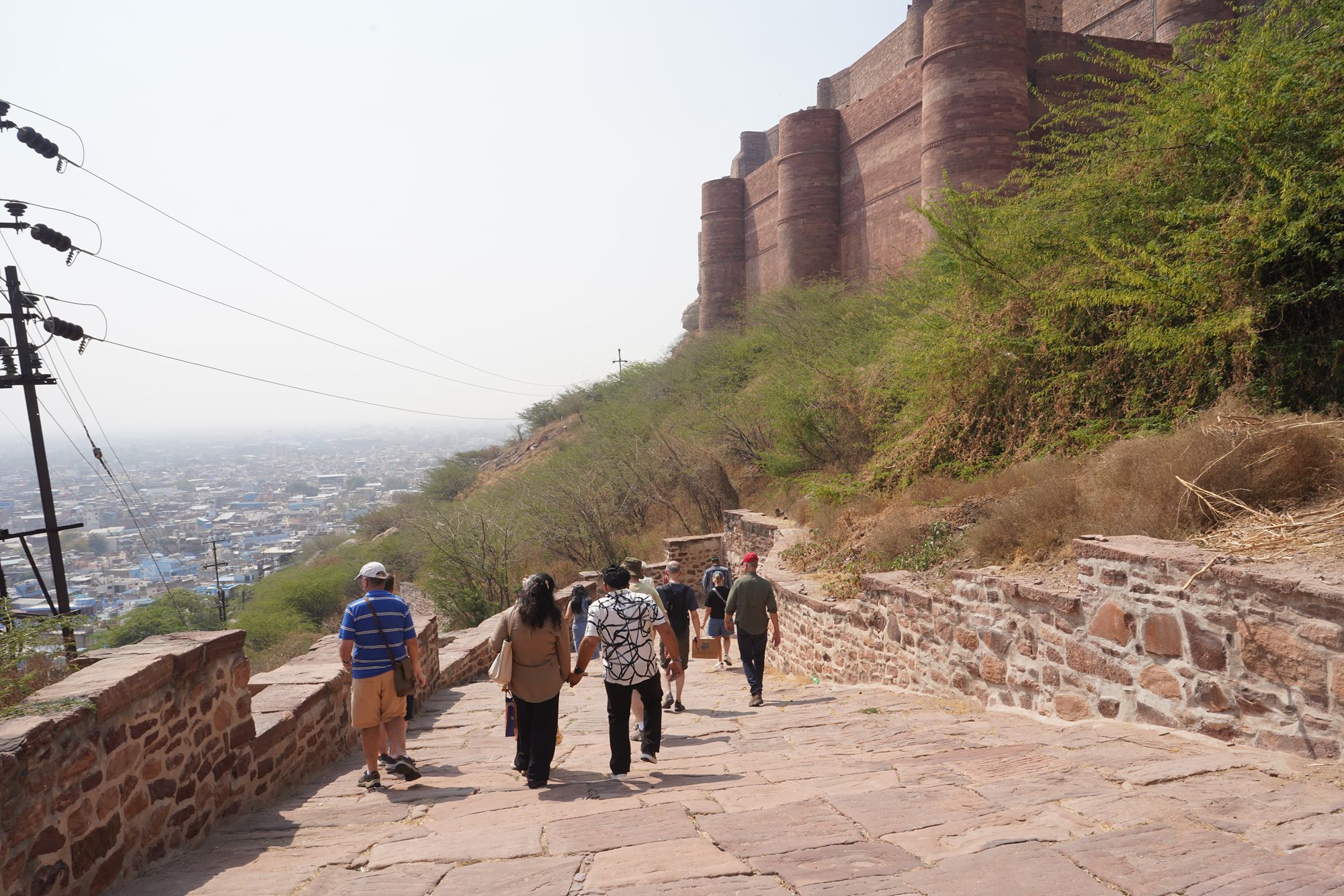
Mehrangarh Fort, Jodhpur, India
Mehrangarh Fort is a massive 15th-century fortress overlooking Jodhpur, famous for its imposing walls, royal palaces, and panoramic views of the Blue City. 1256
Mehrangarh Fort: Sodagaran Mohalla, Jodhpur, Rajasthan 342001, India
Date Picture Taken: Feb, 2026
Mehrangarh Fort is a massive hilltop fortress founded in 1459 by Rao Jodha, the founder of Jodhpur. Its towering walls enclose beautiful royal palaces, courtyards, temples, and museum collections, while the ramparts offer spectacular views over Jodhpur’s famous Blue City.
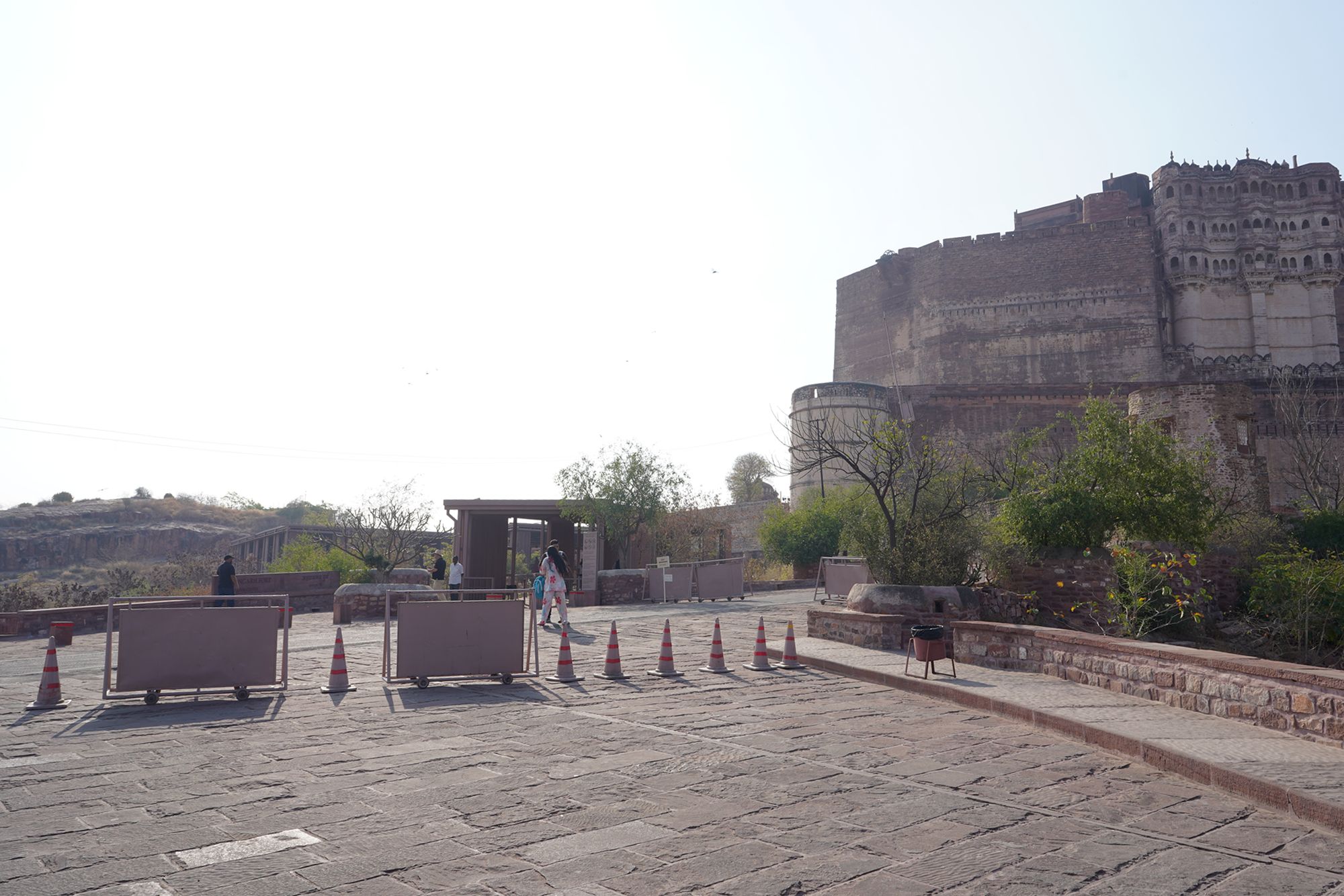
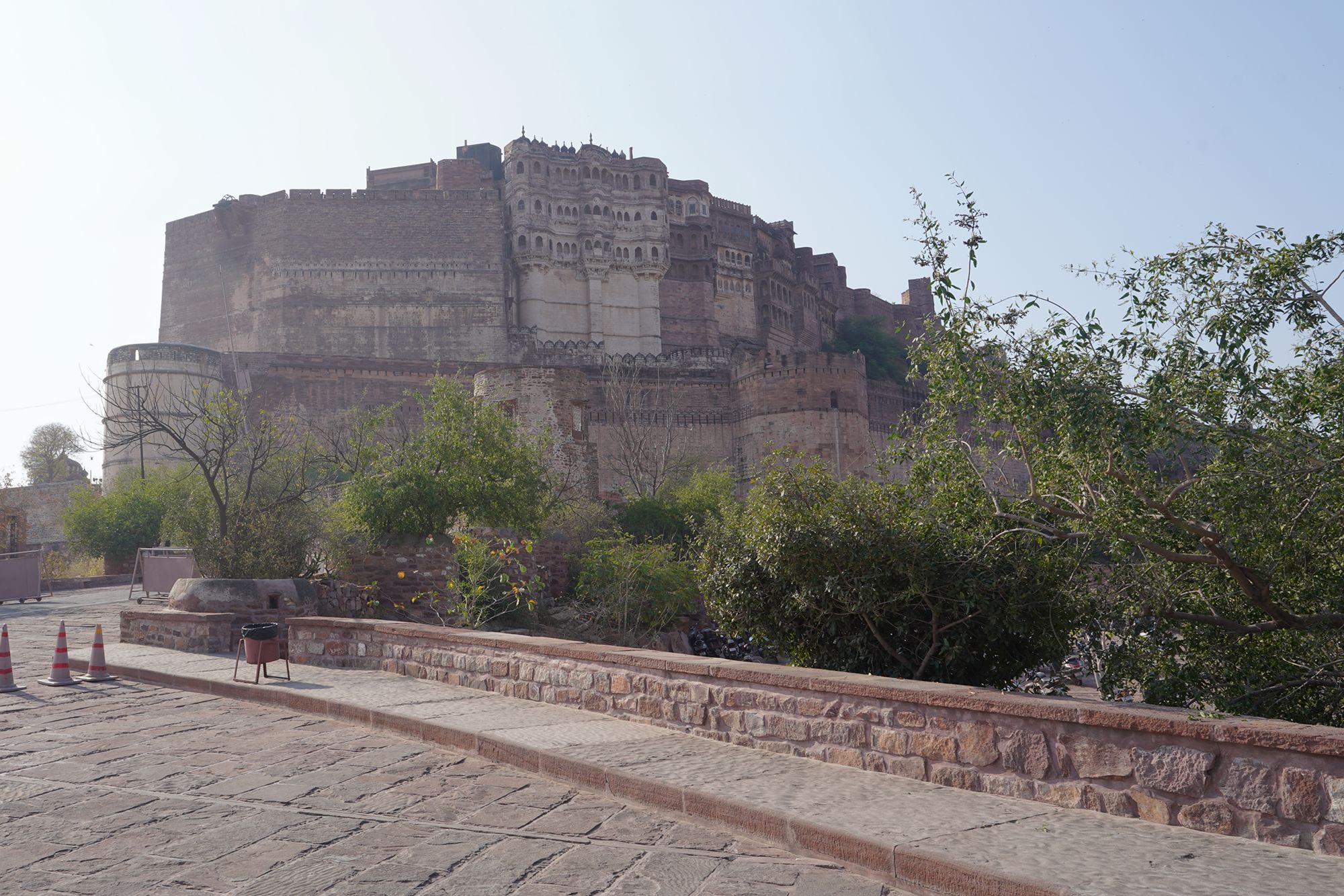
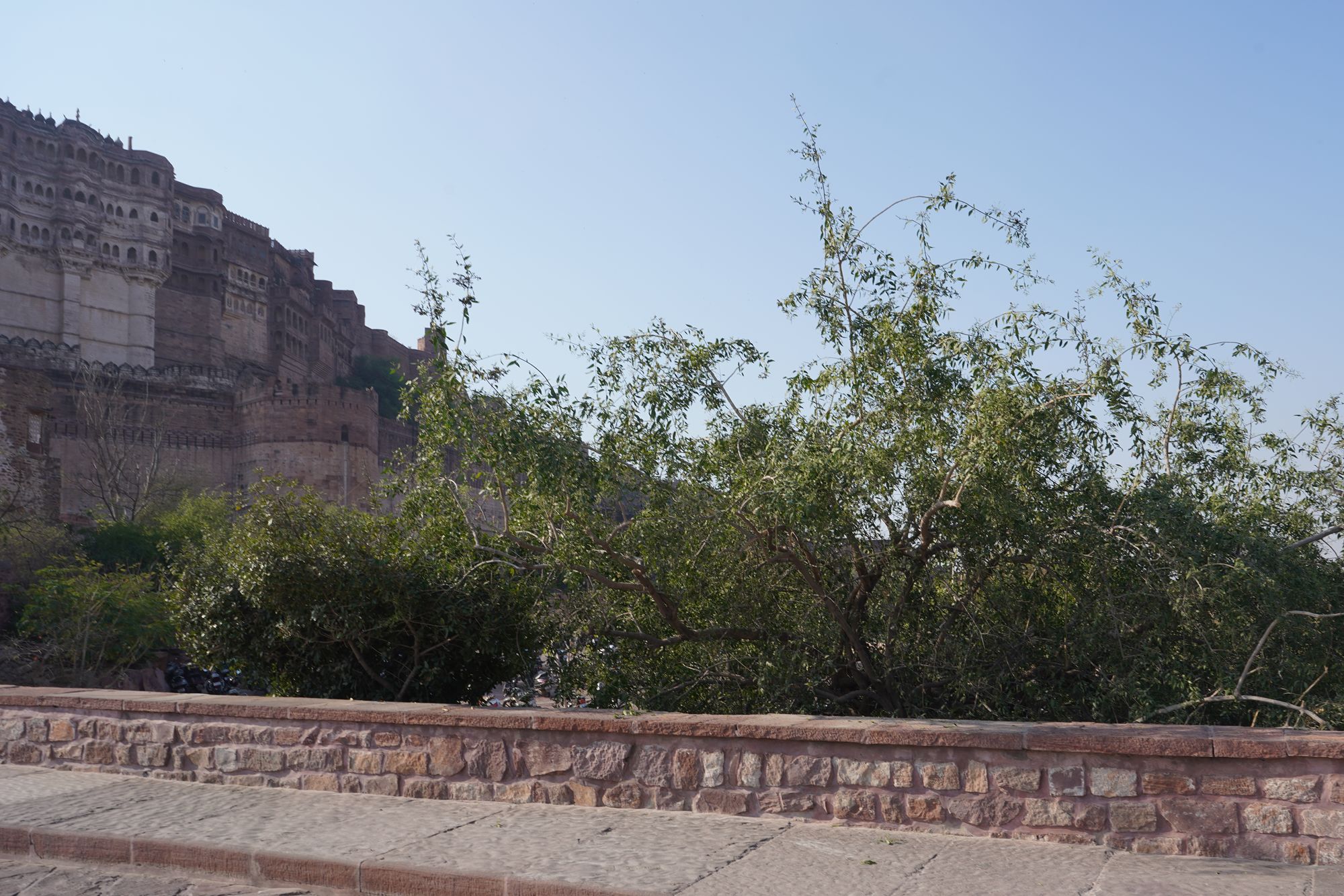
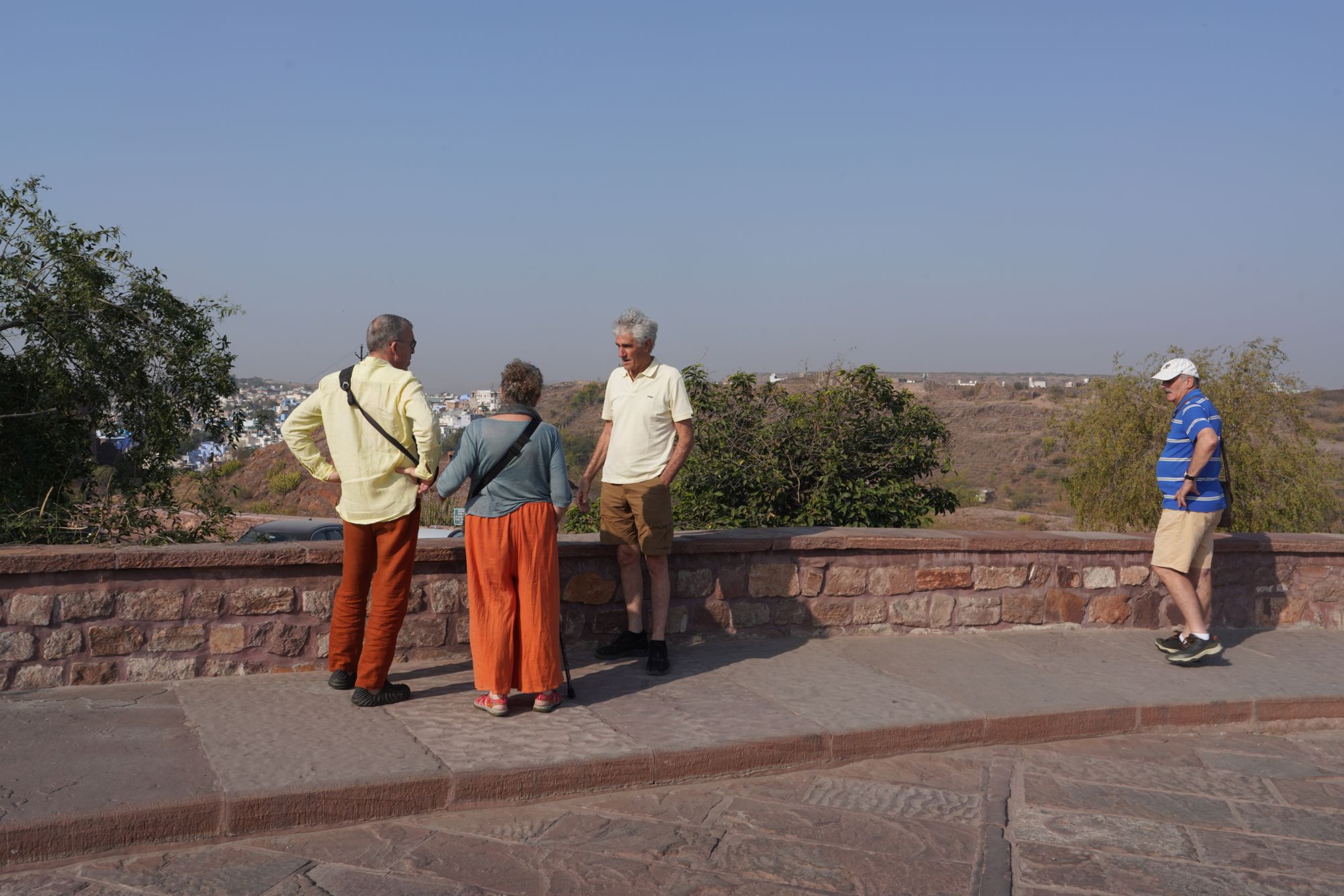
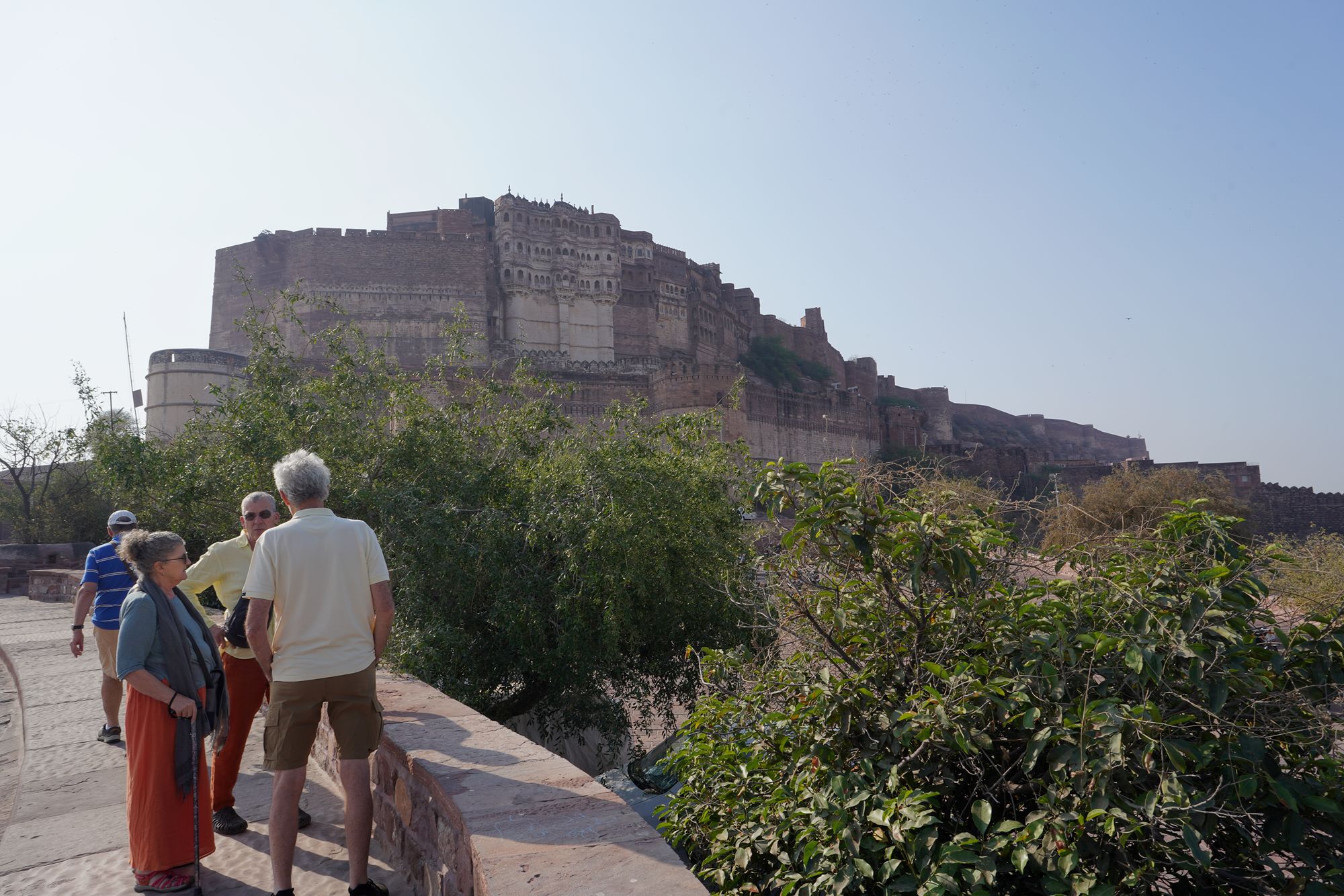
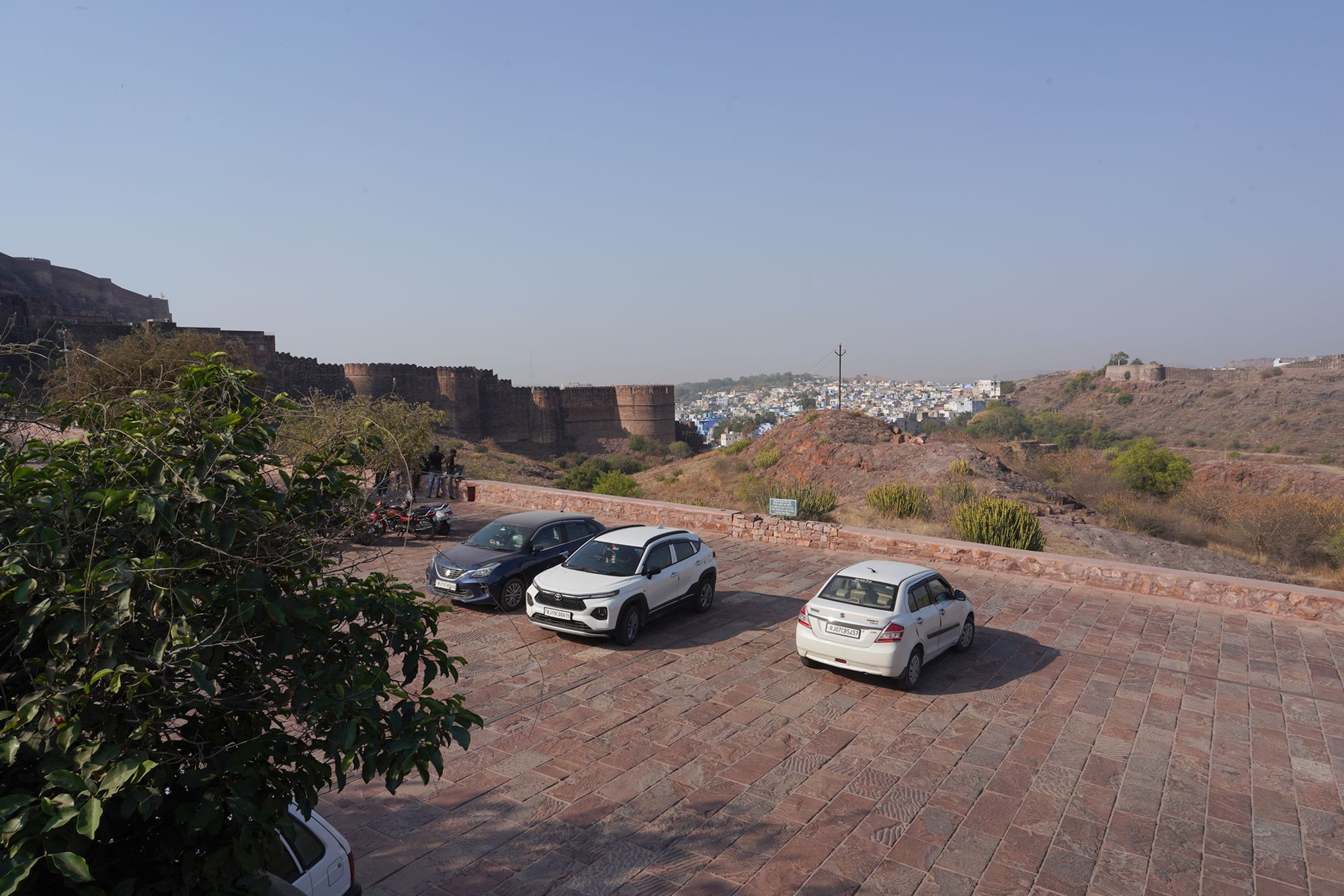
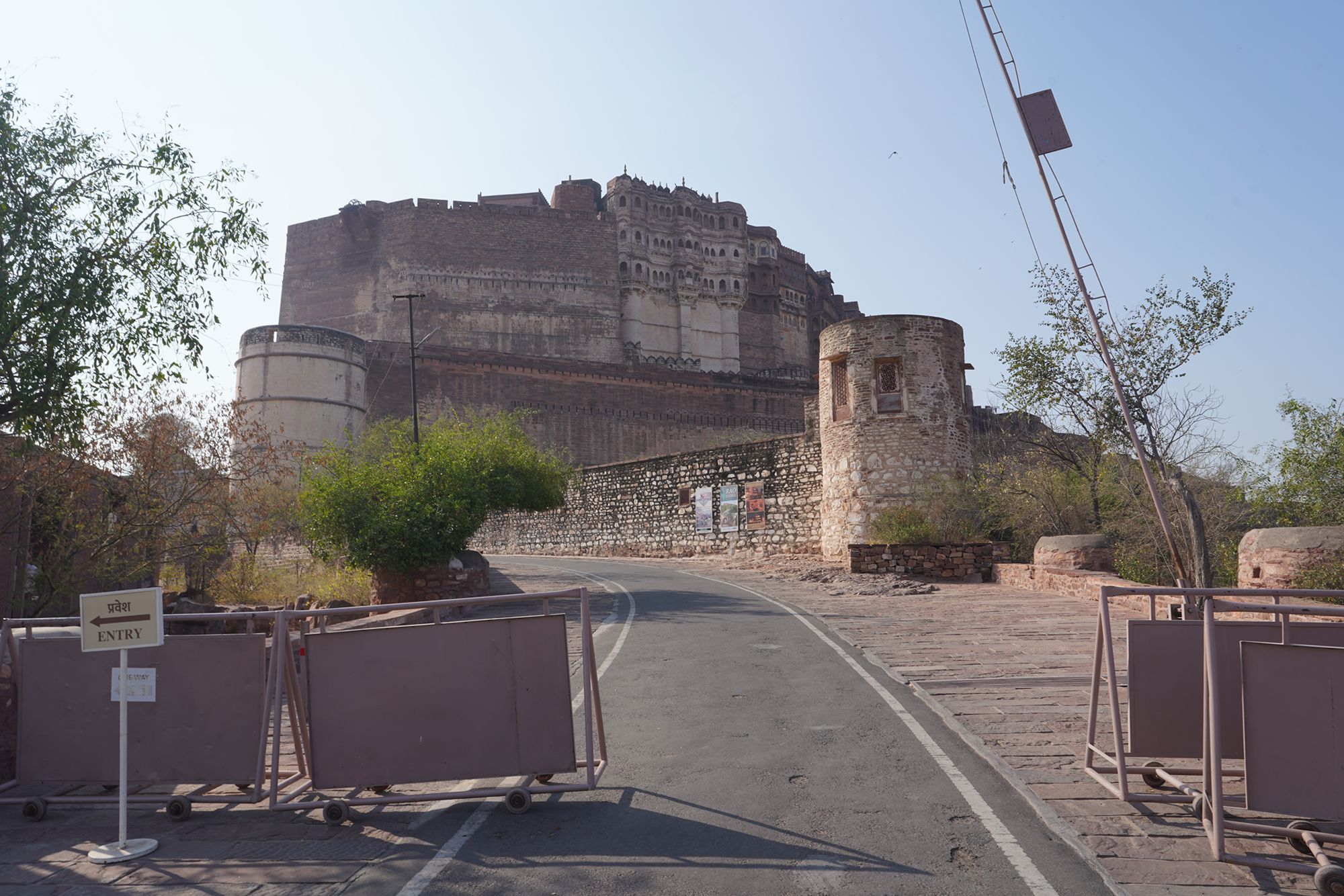
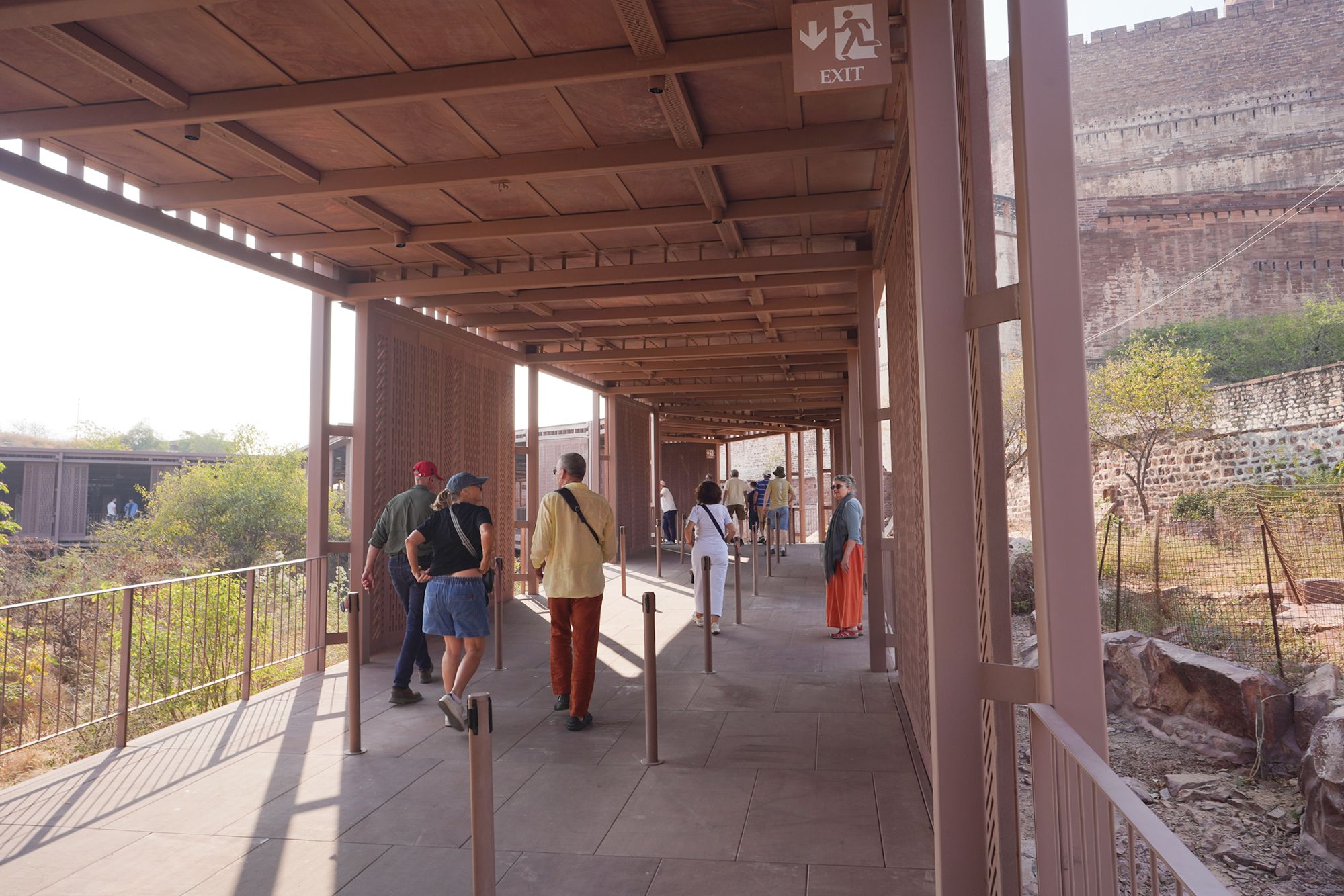
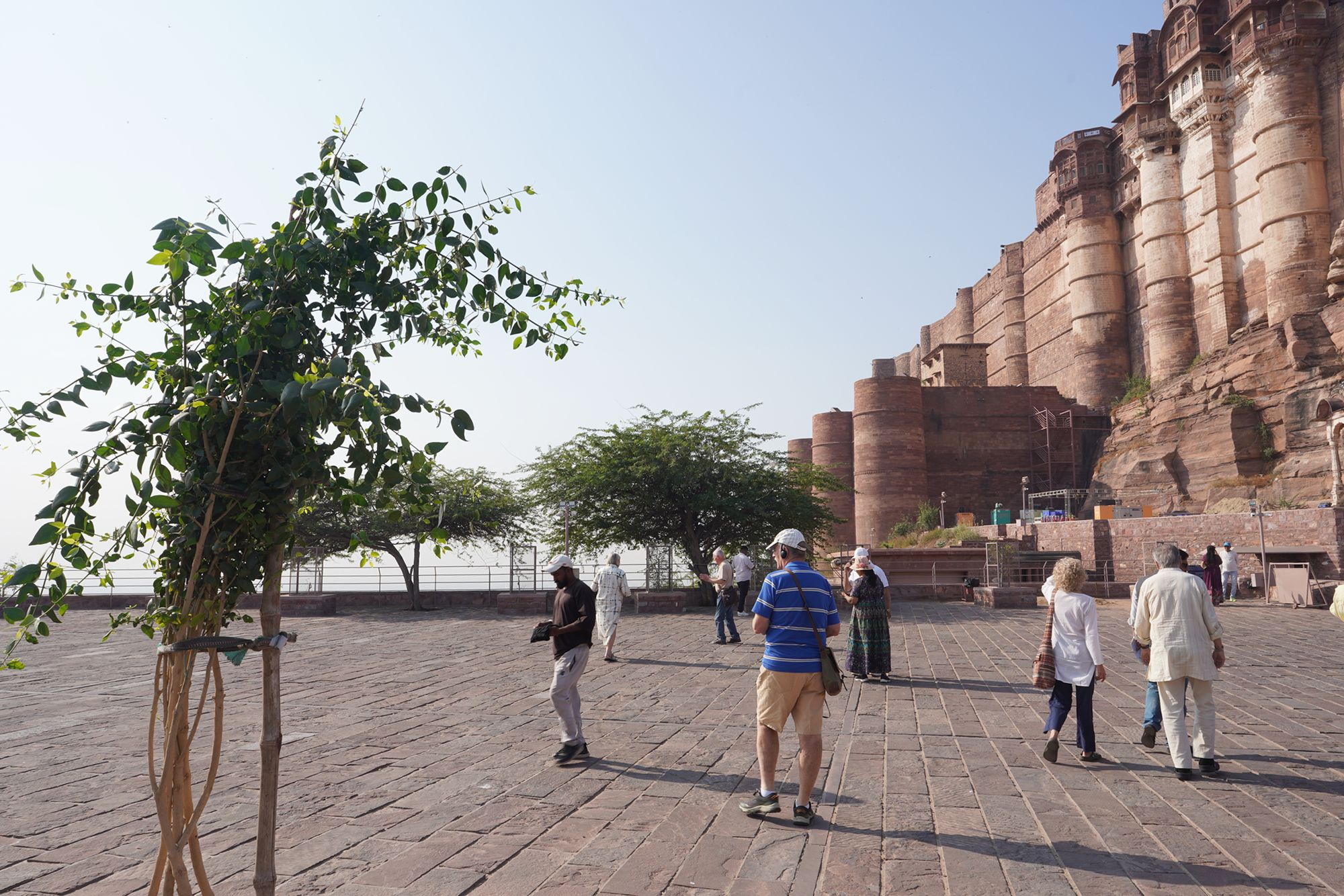
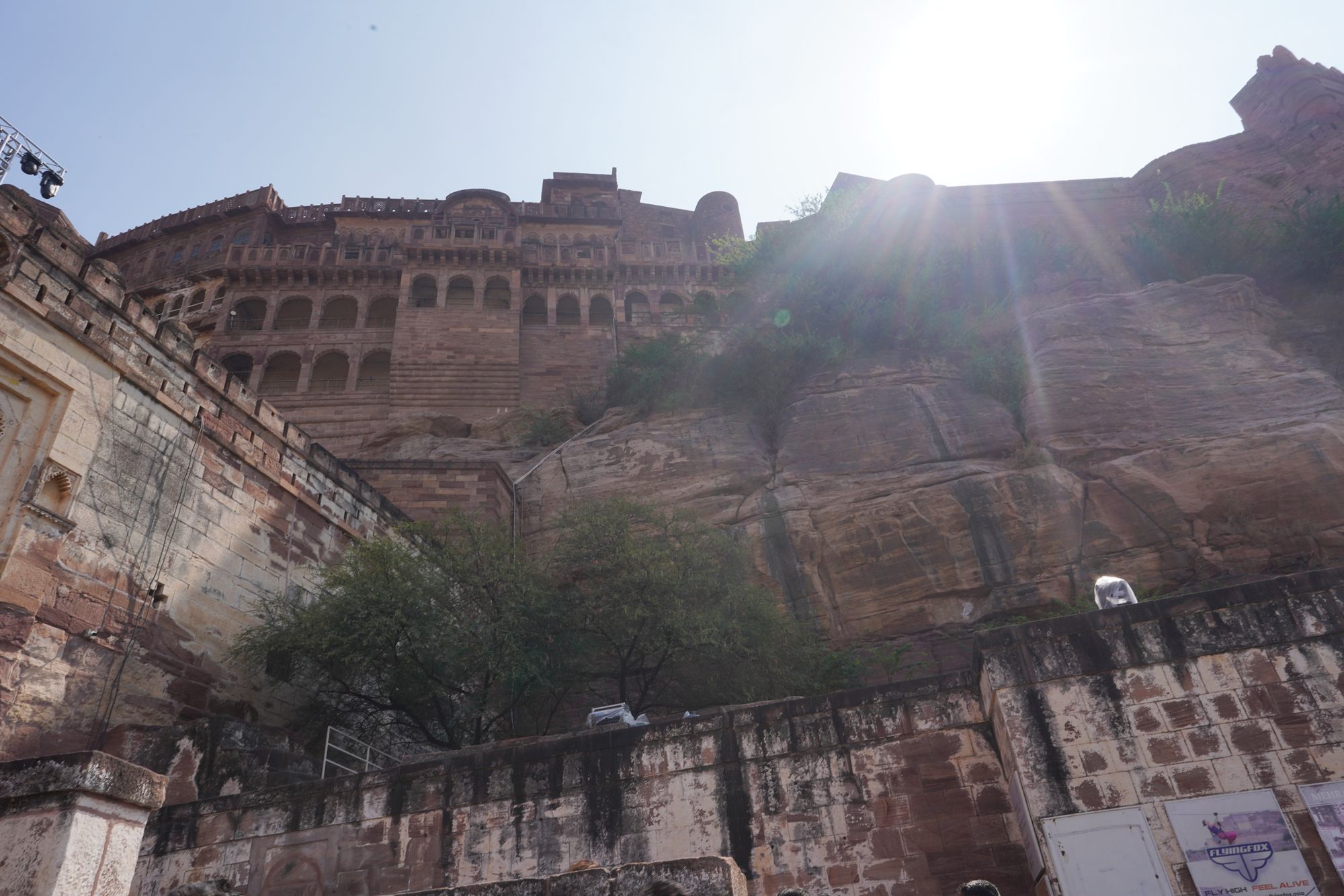
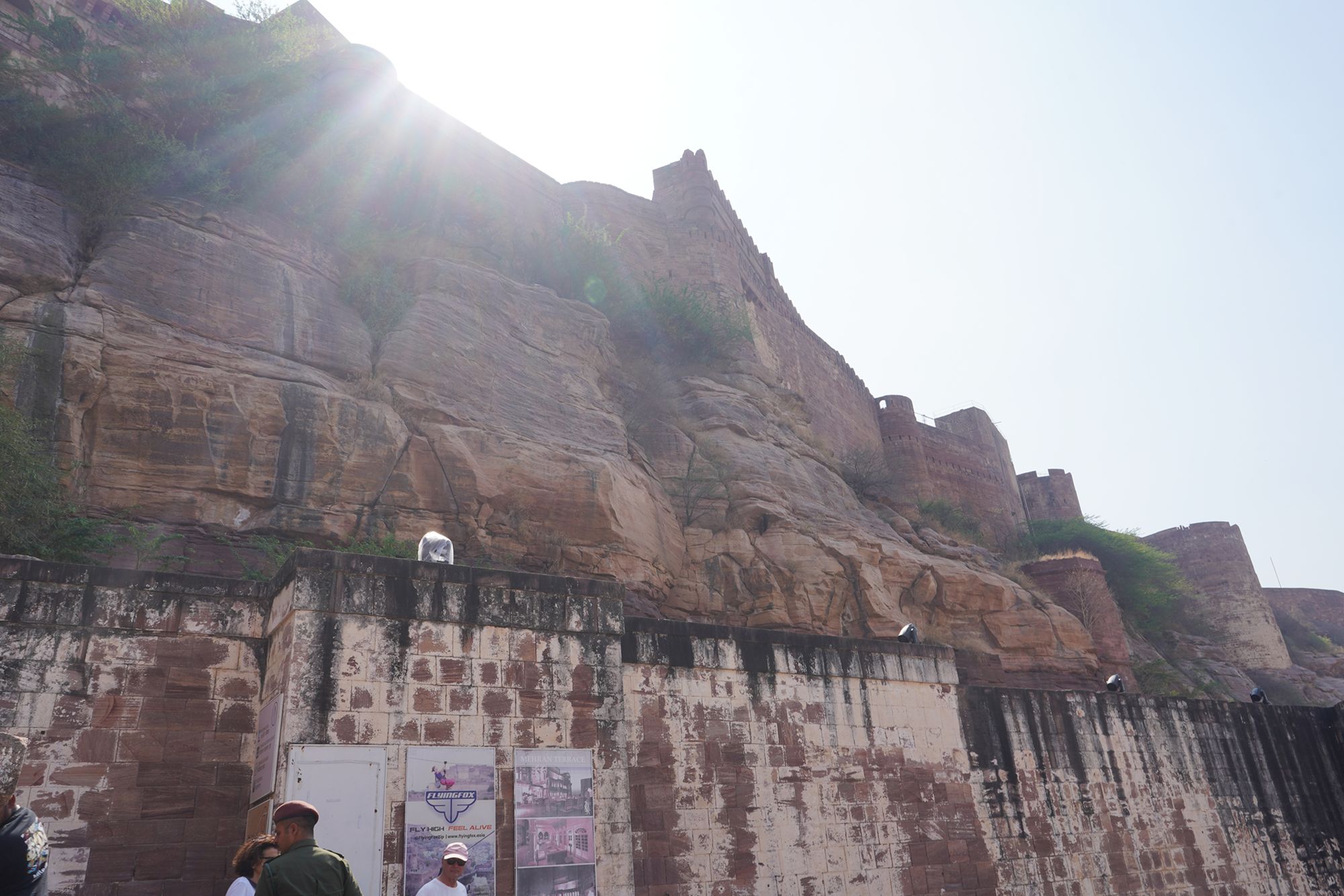
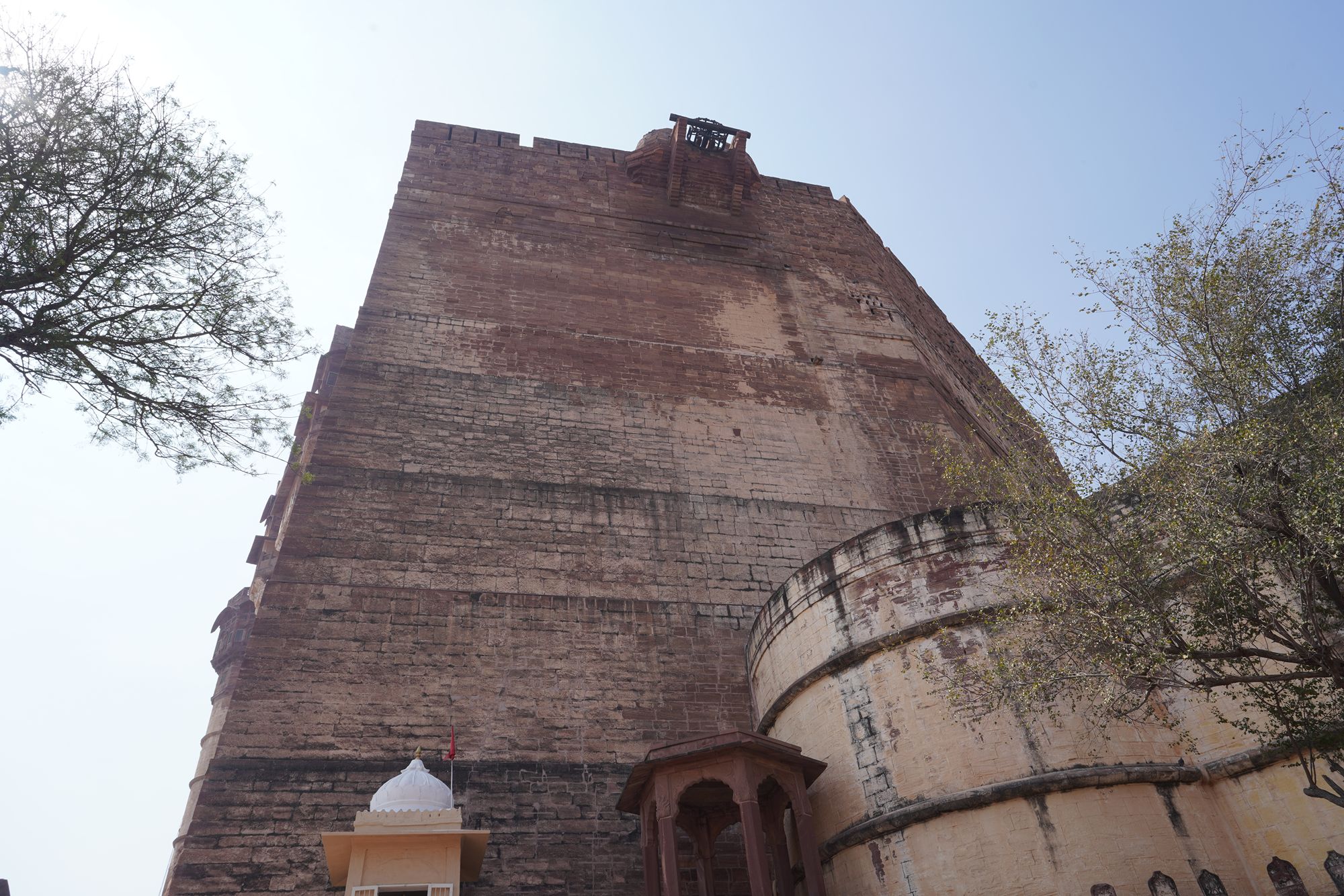
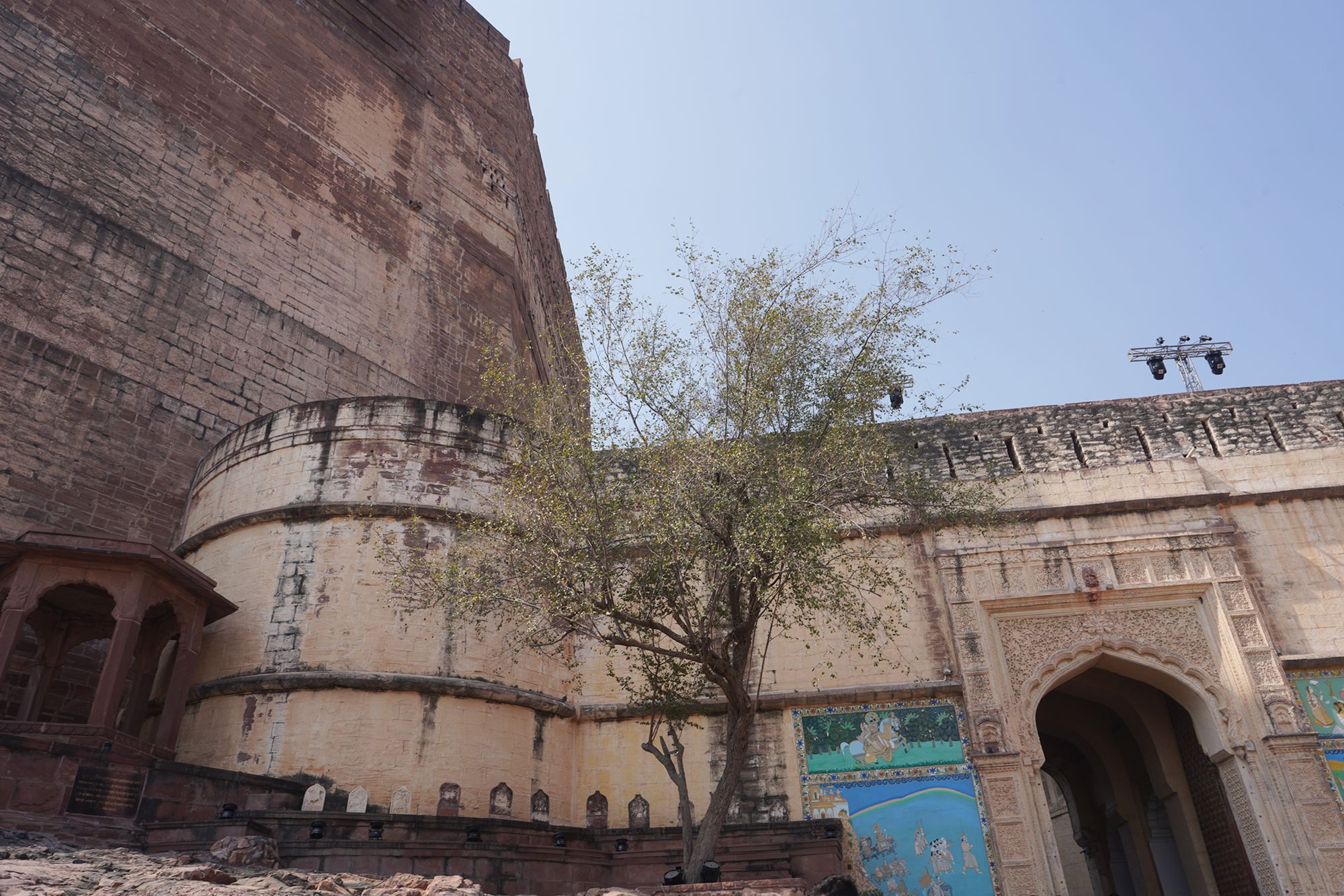
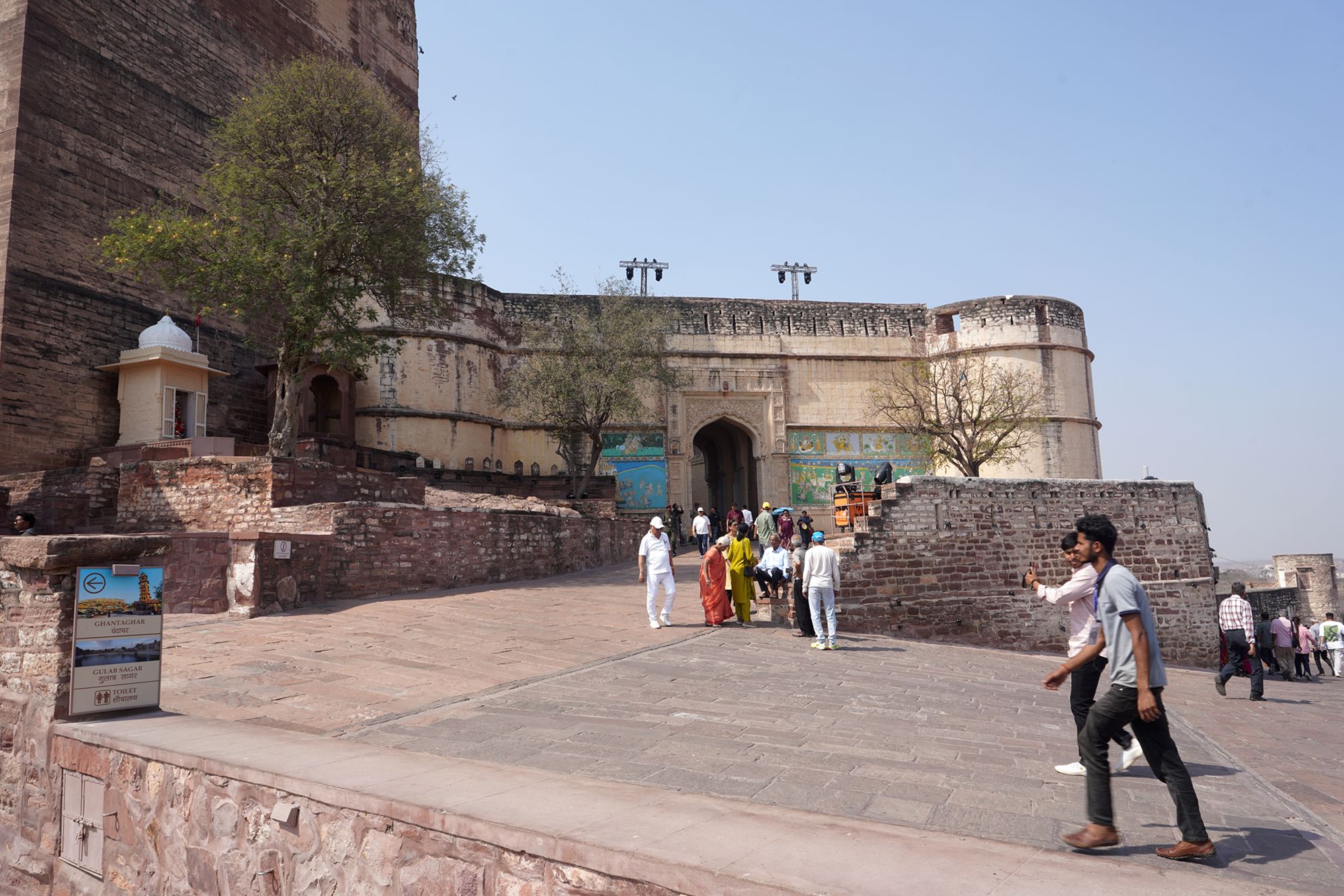
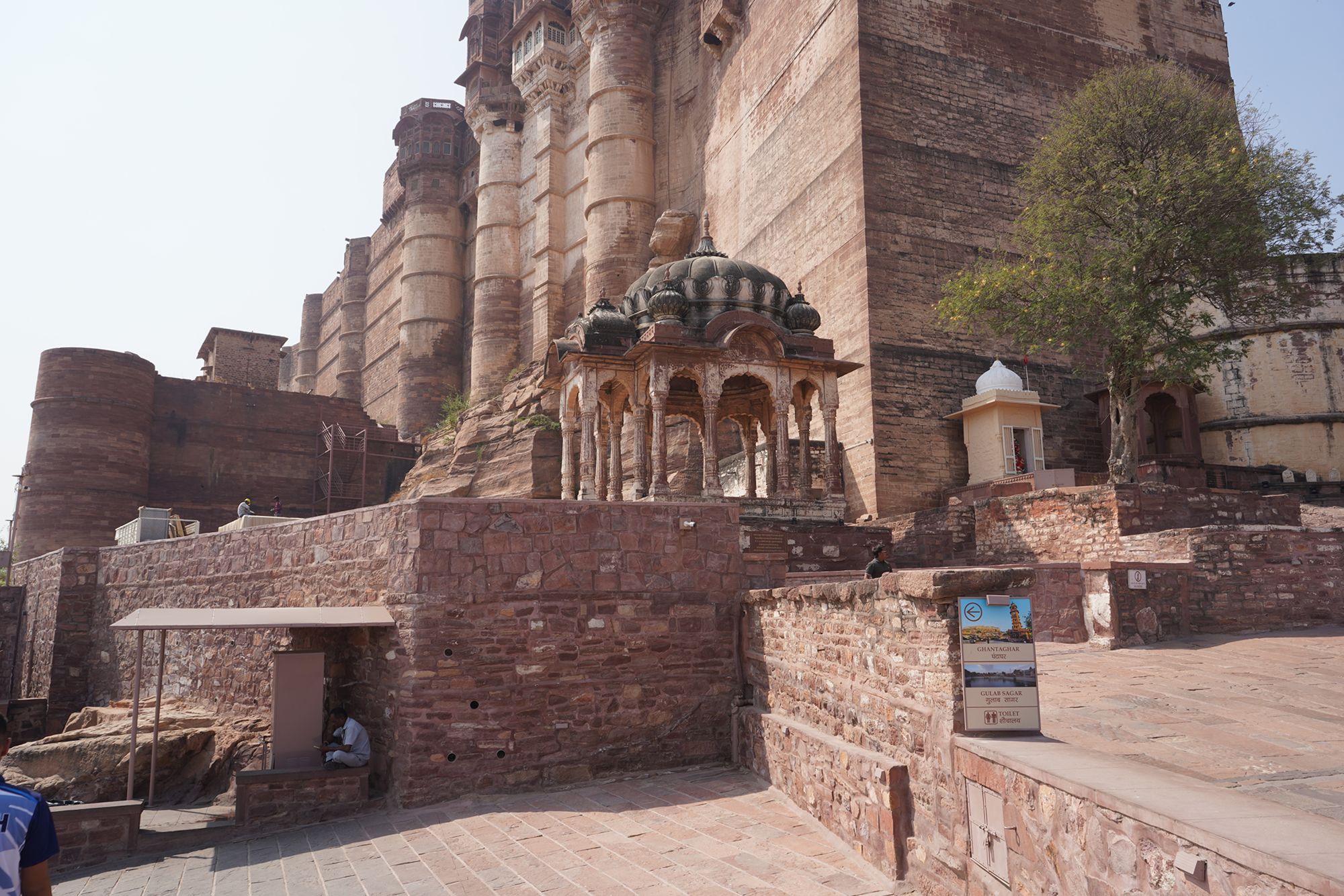
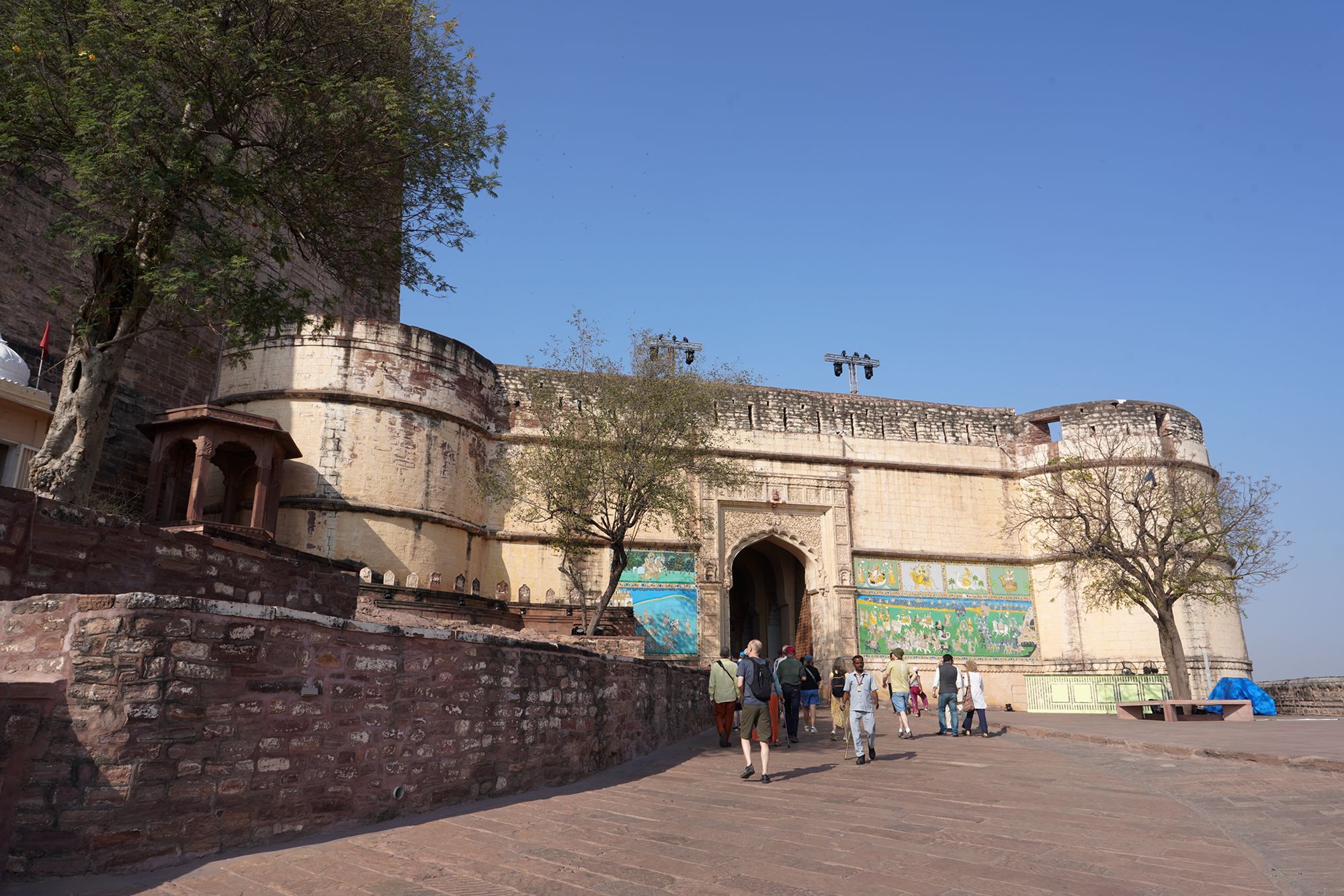
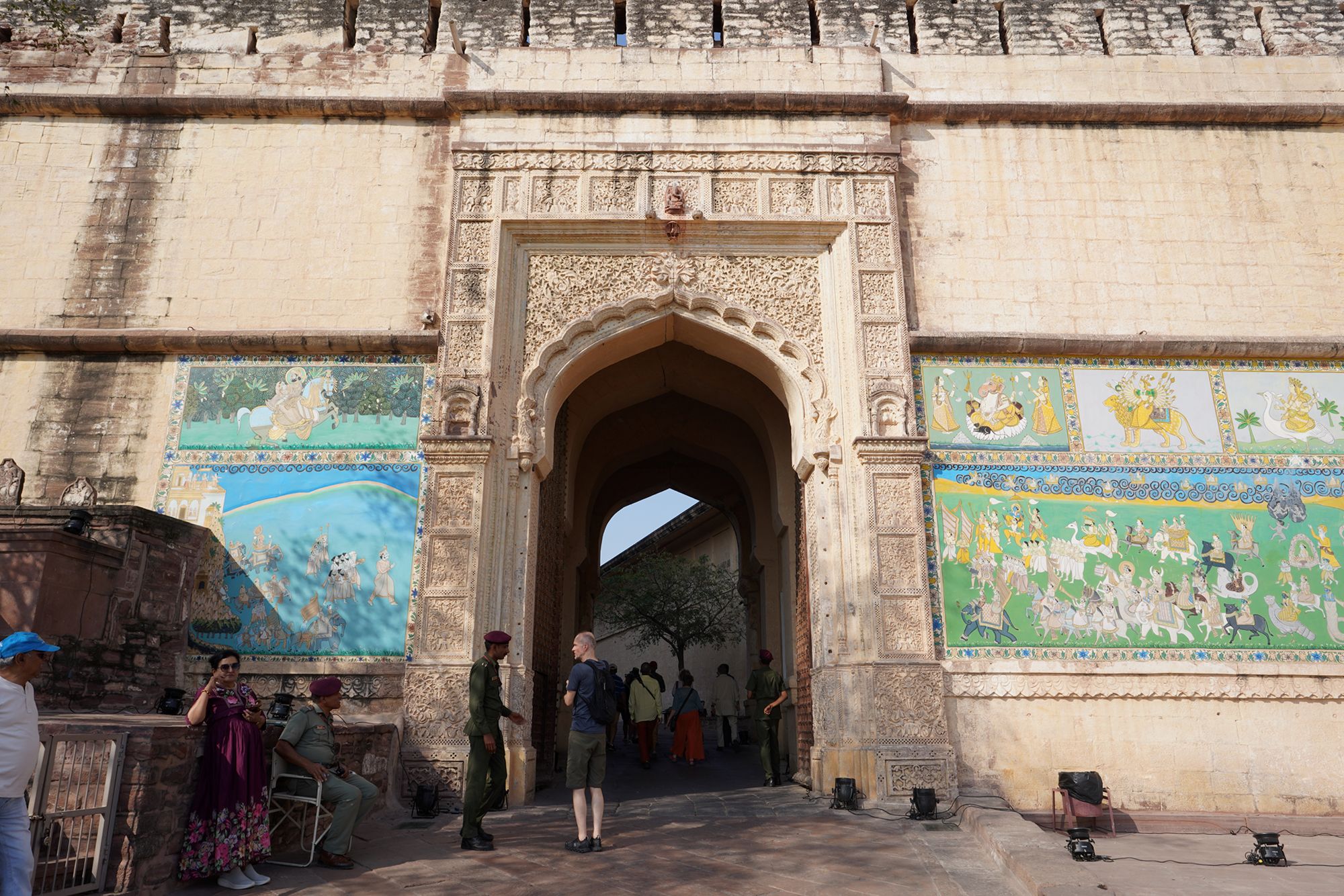
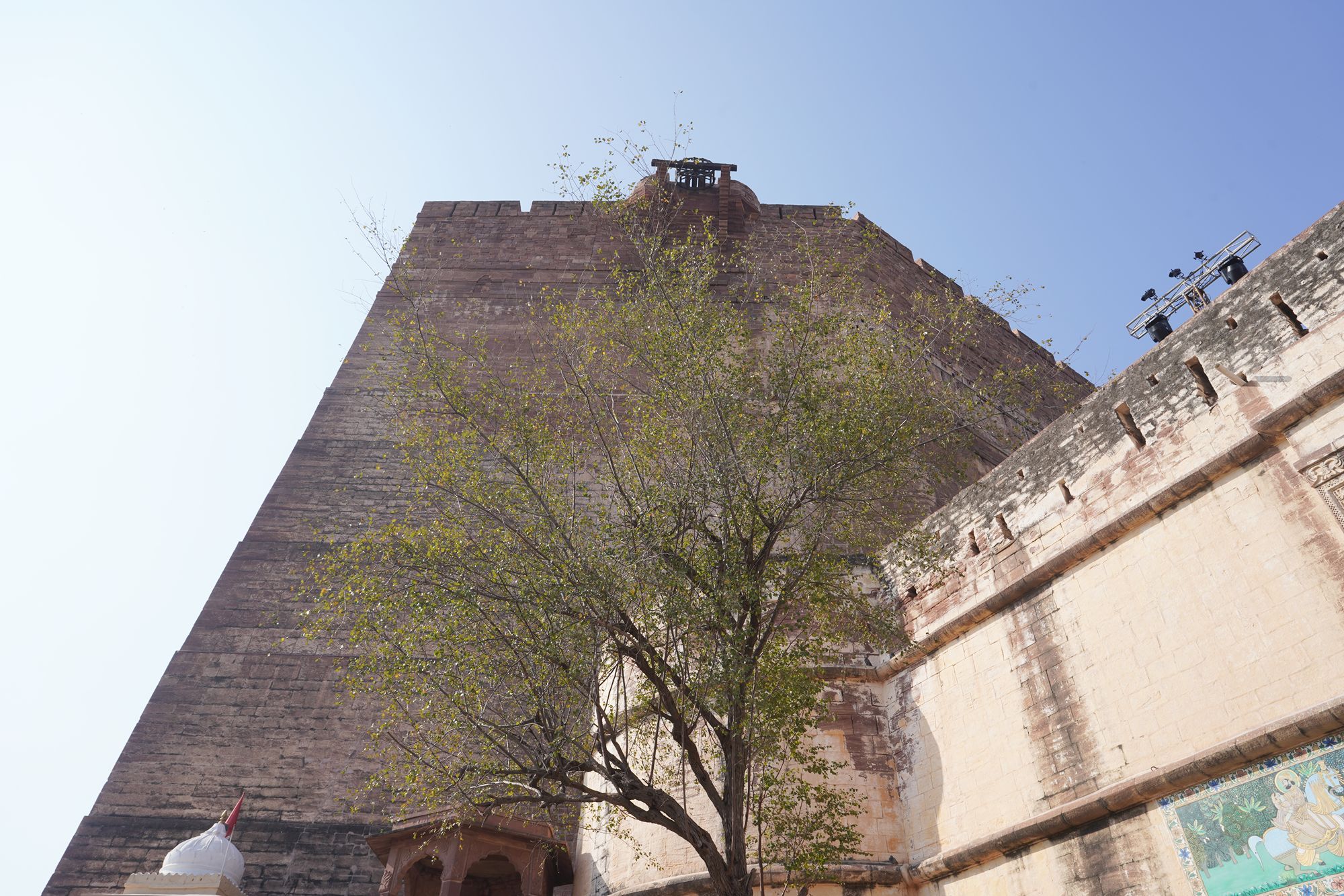
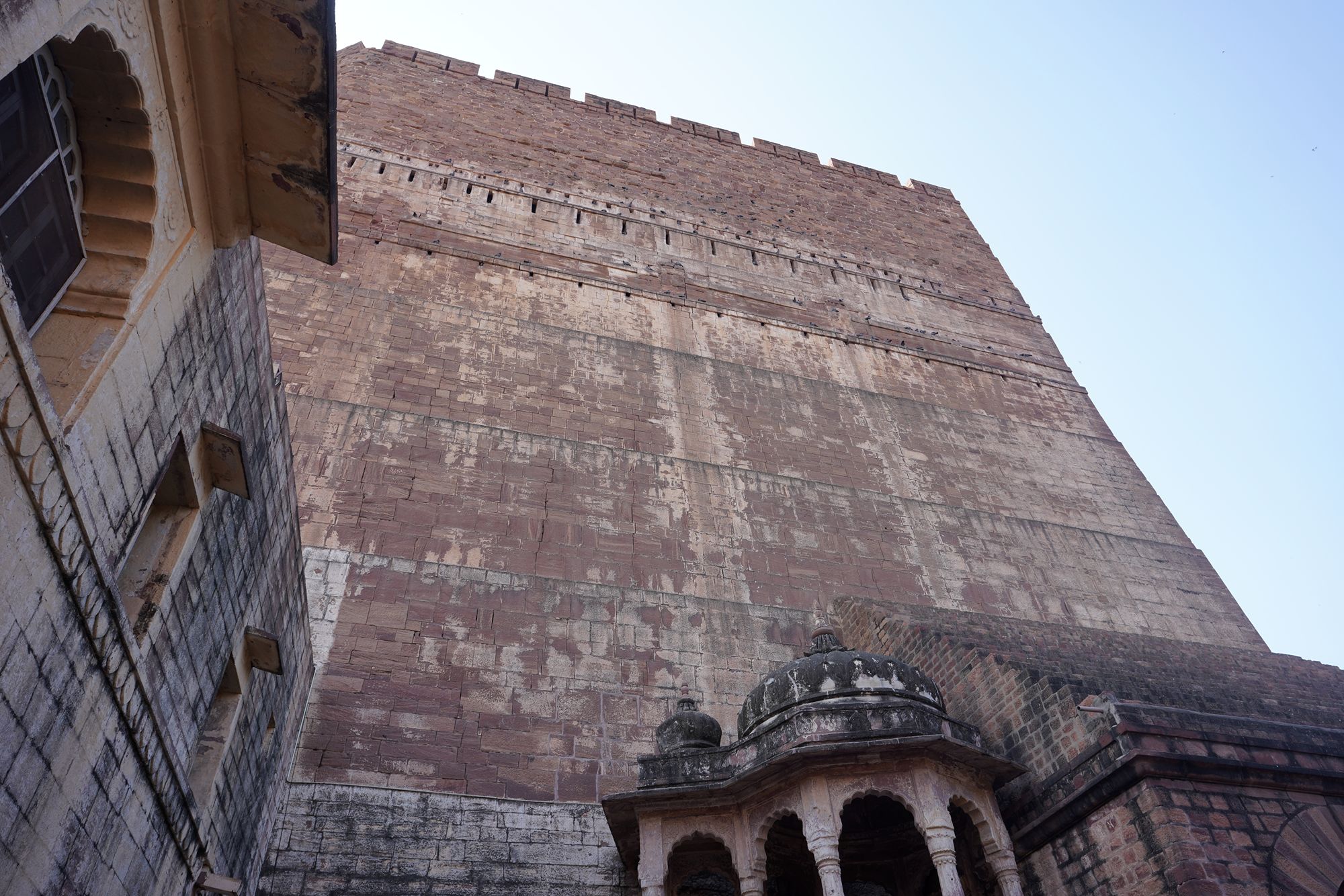
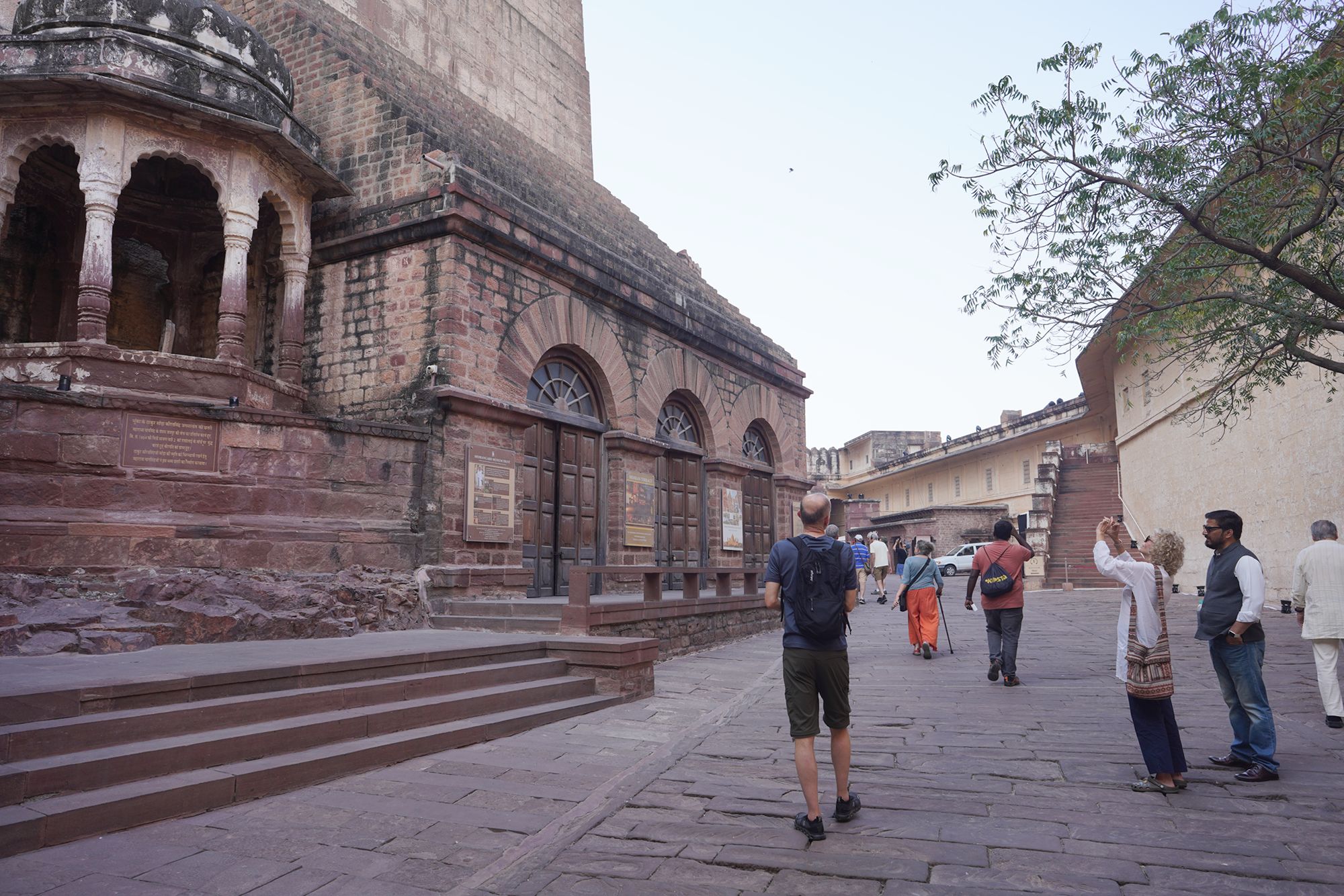
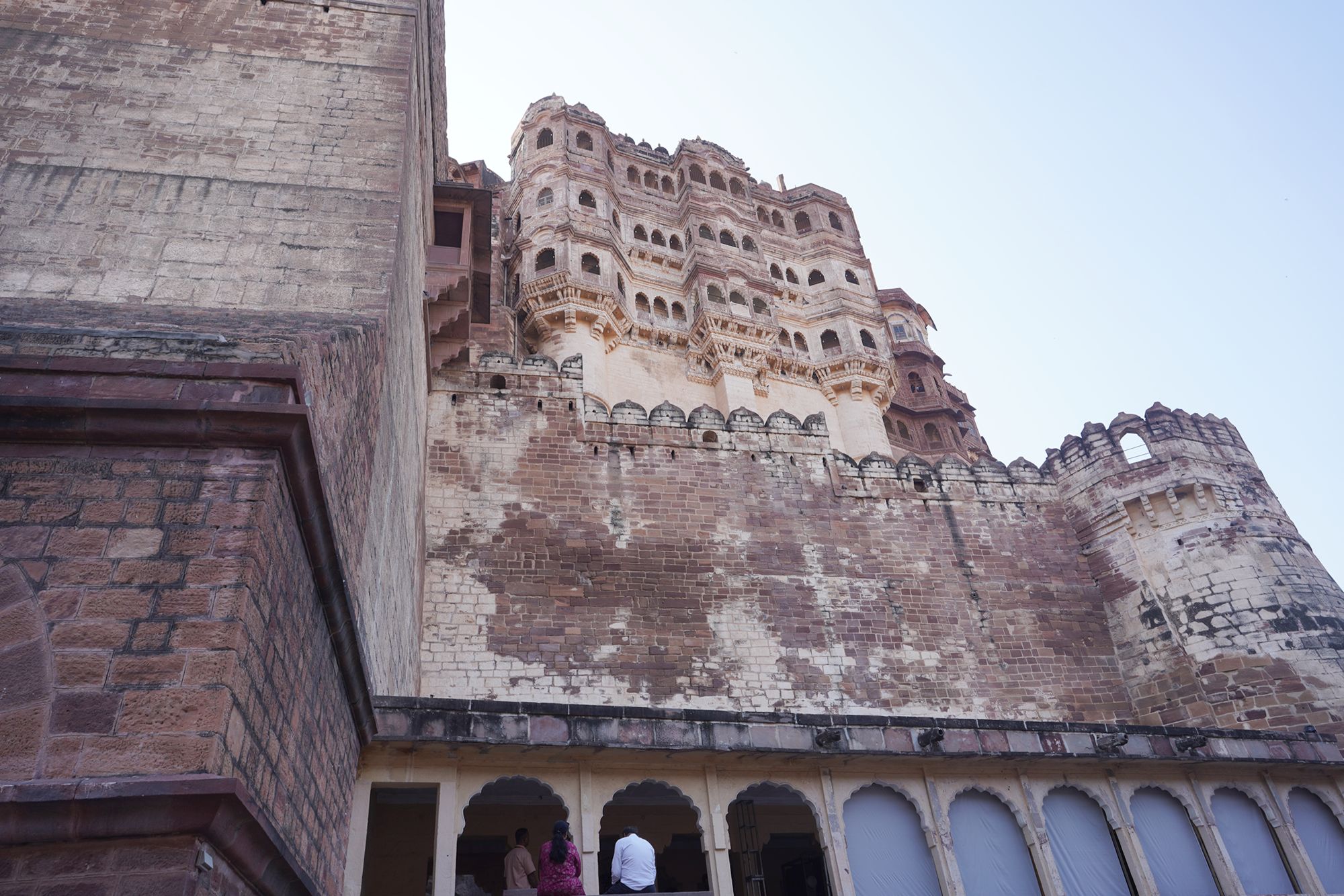
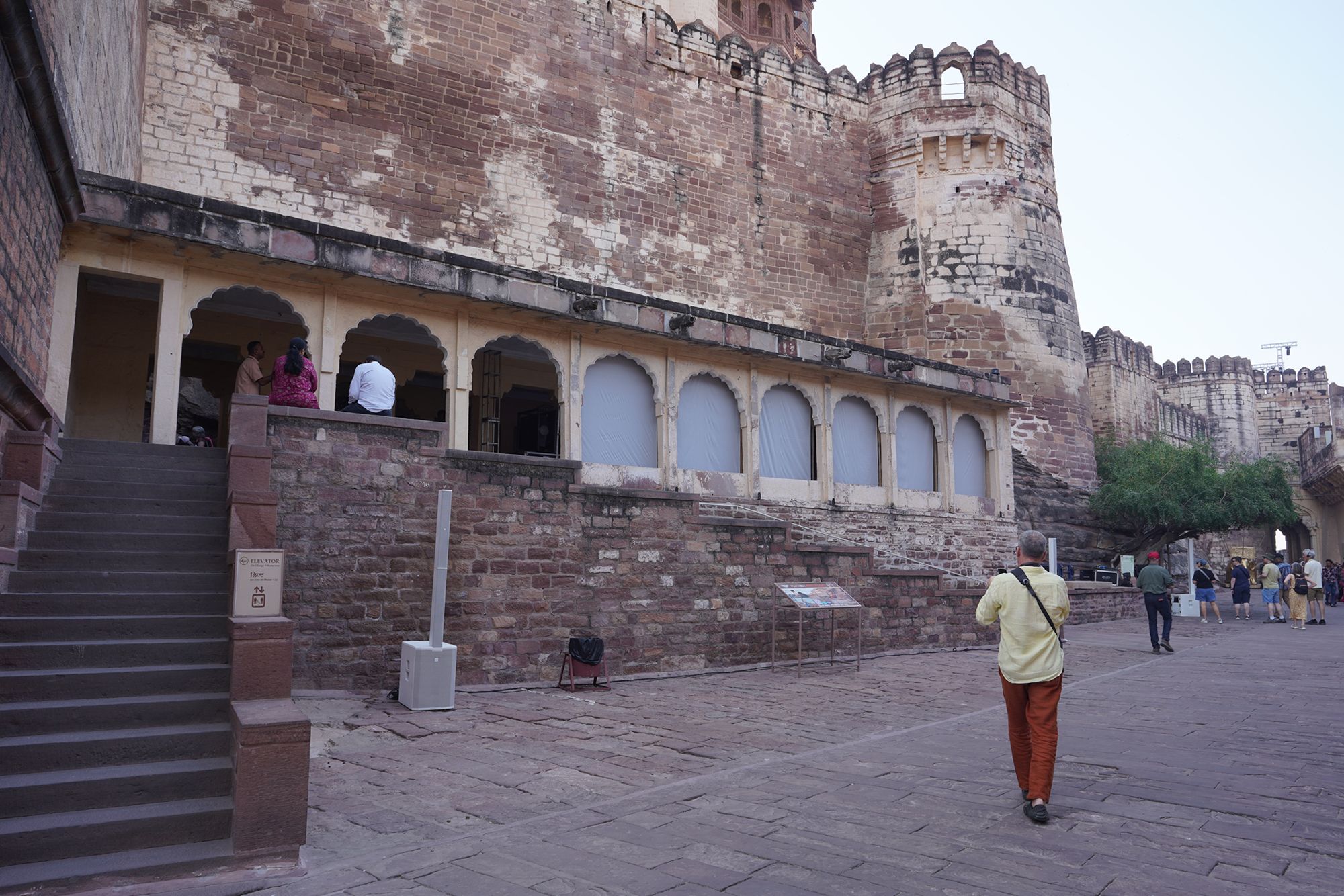
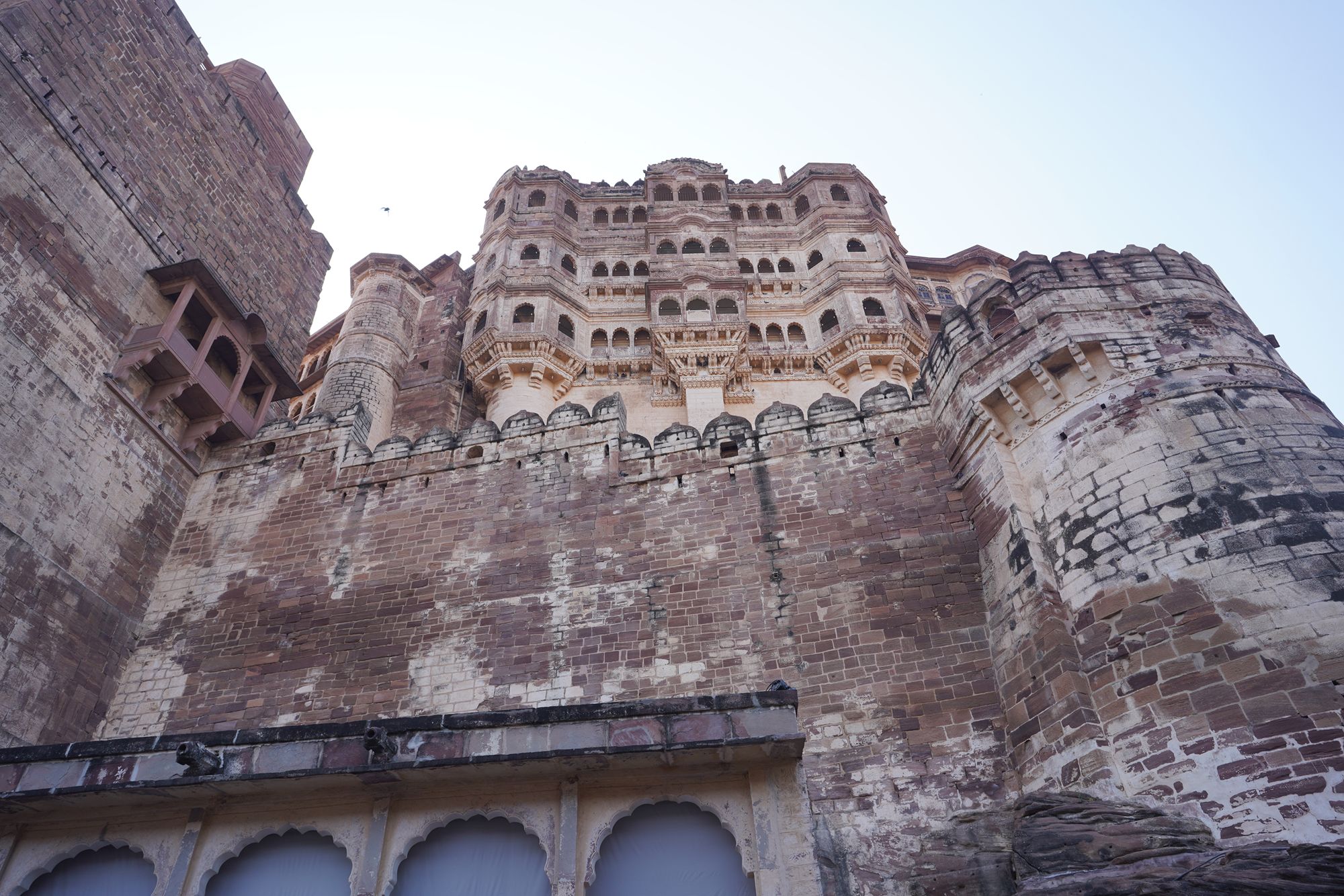
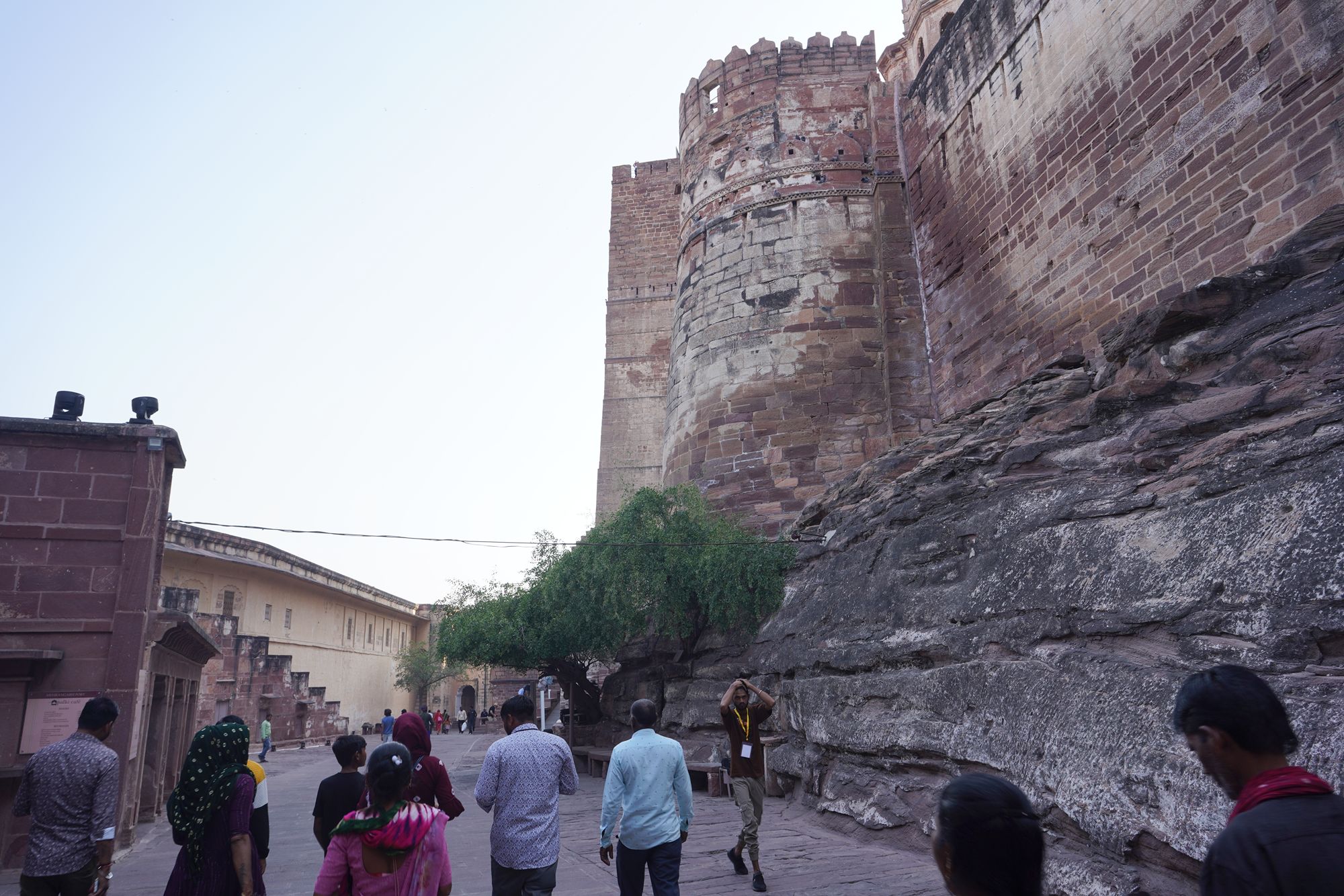
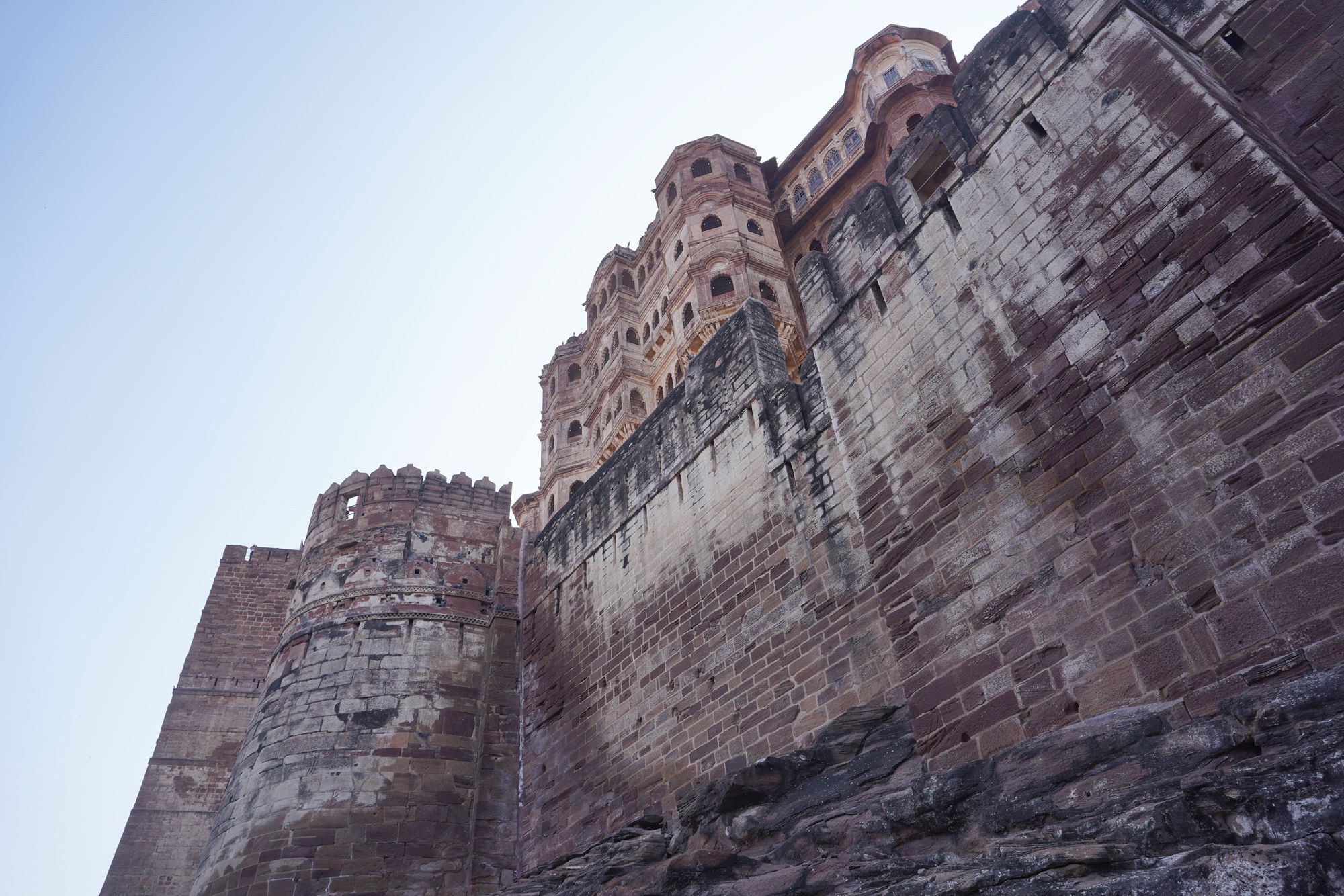
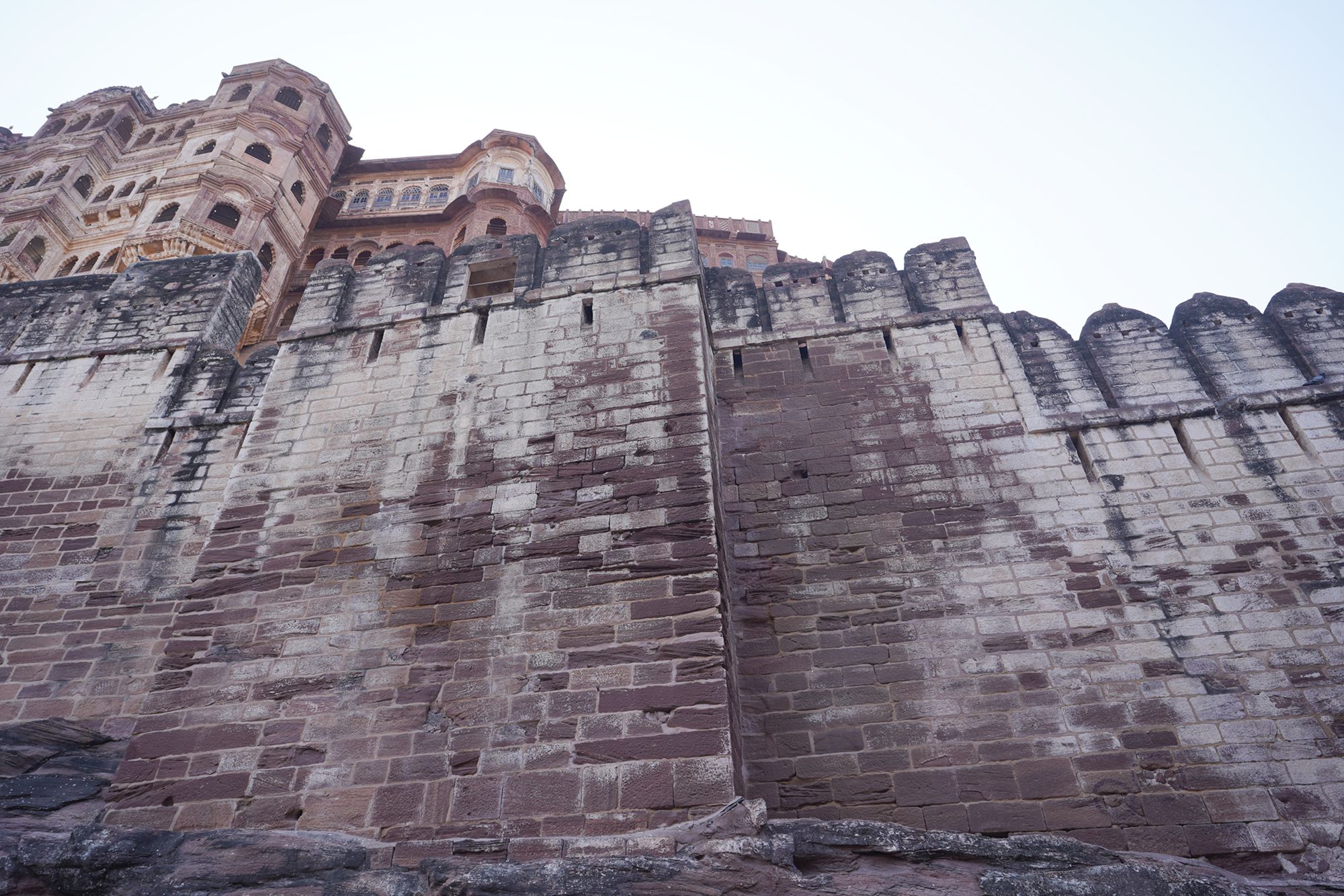
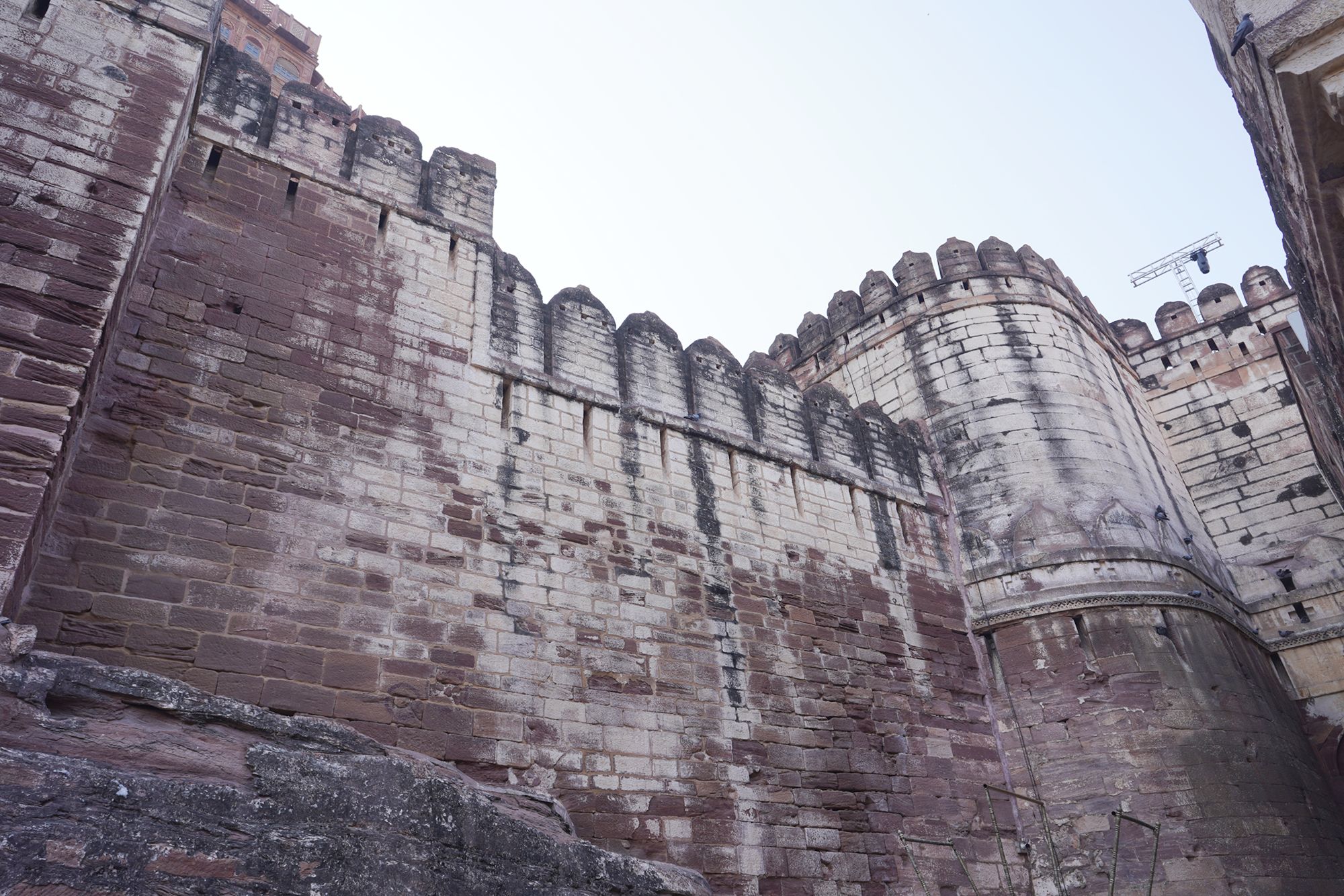
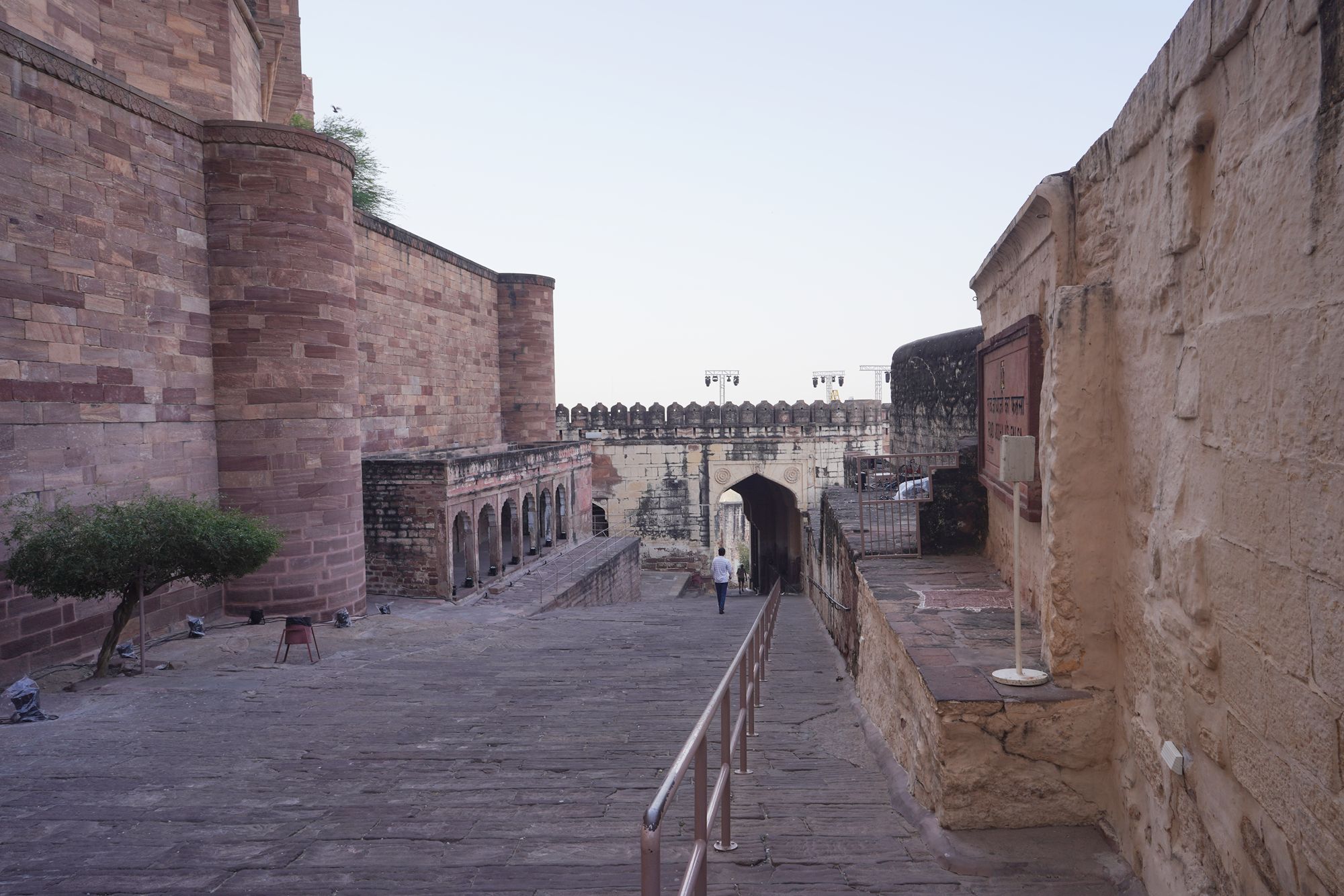
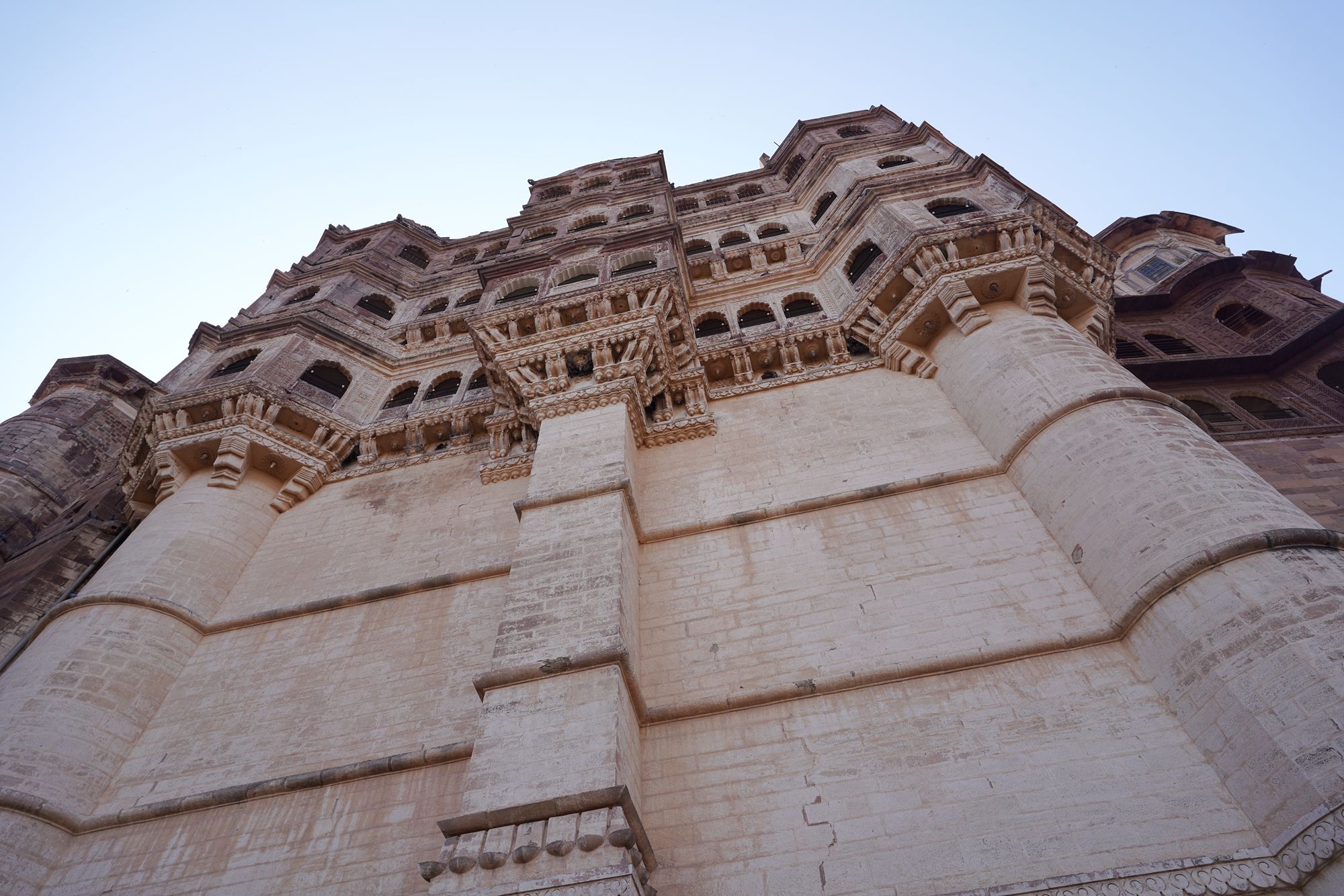
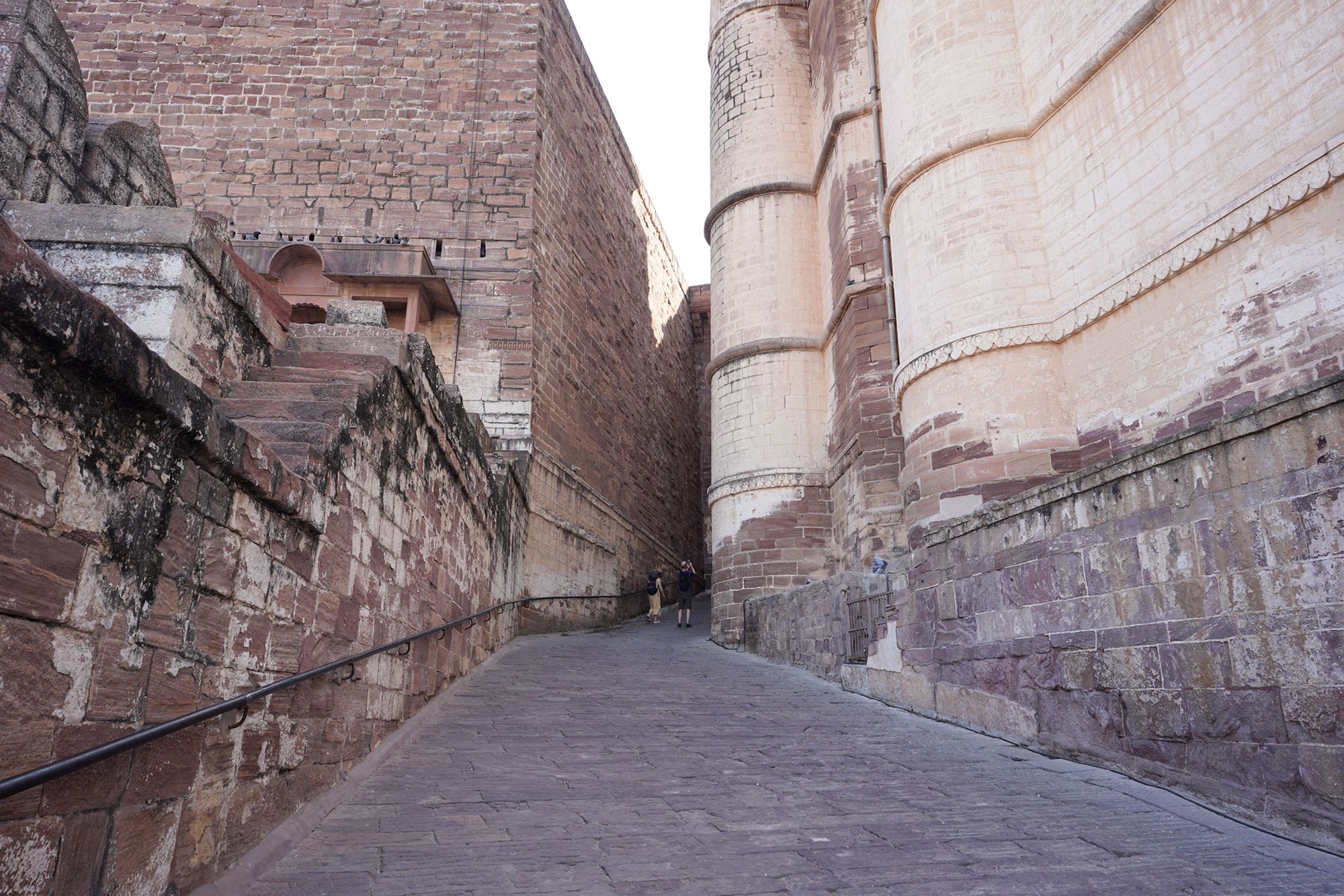
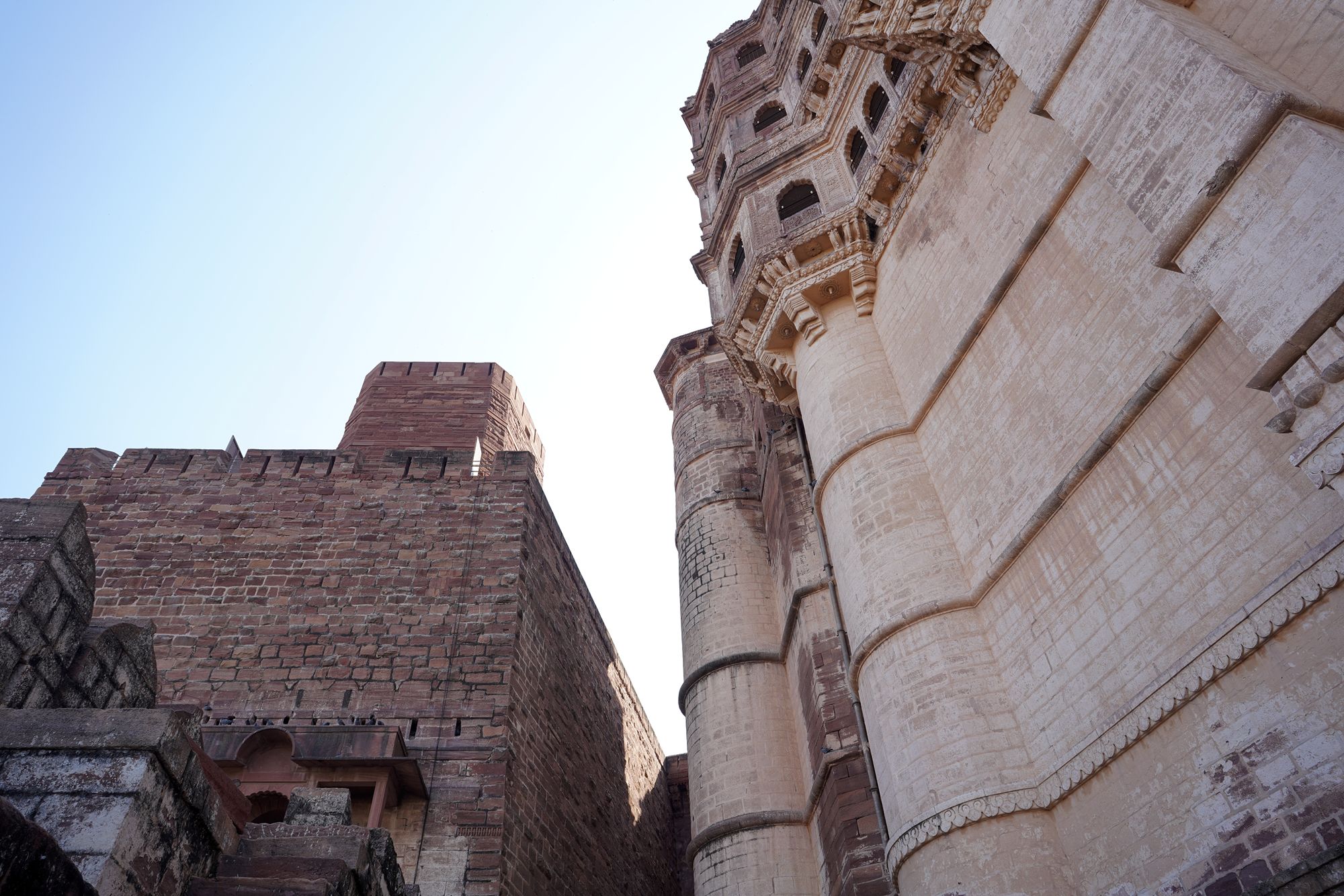
From the outside, Mehrangarh Fort is especially impressive for its massive sandstone walls, towering gates, and rugged architecture rising dramatically from the rocky hill above Jodhpur.
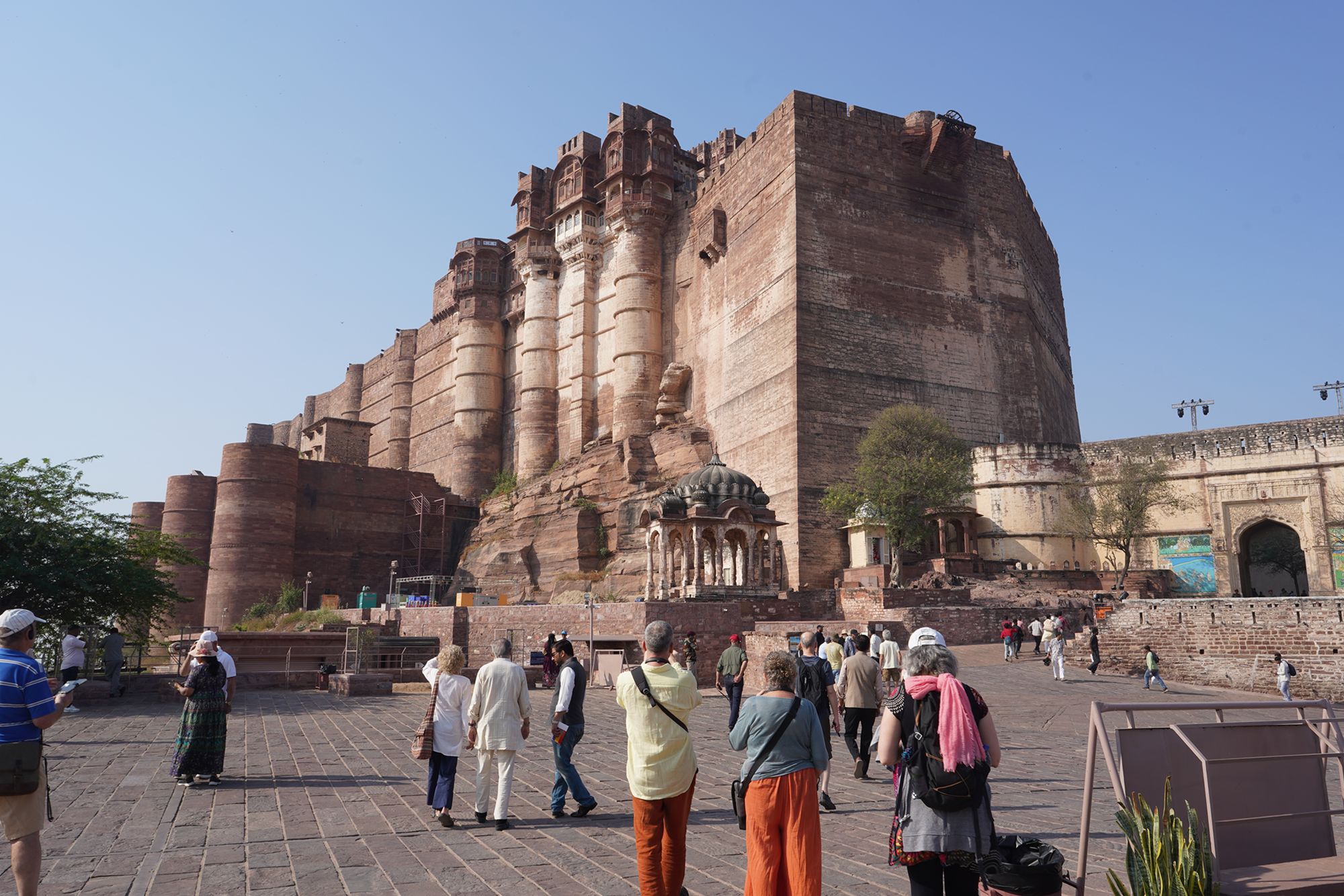
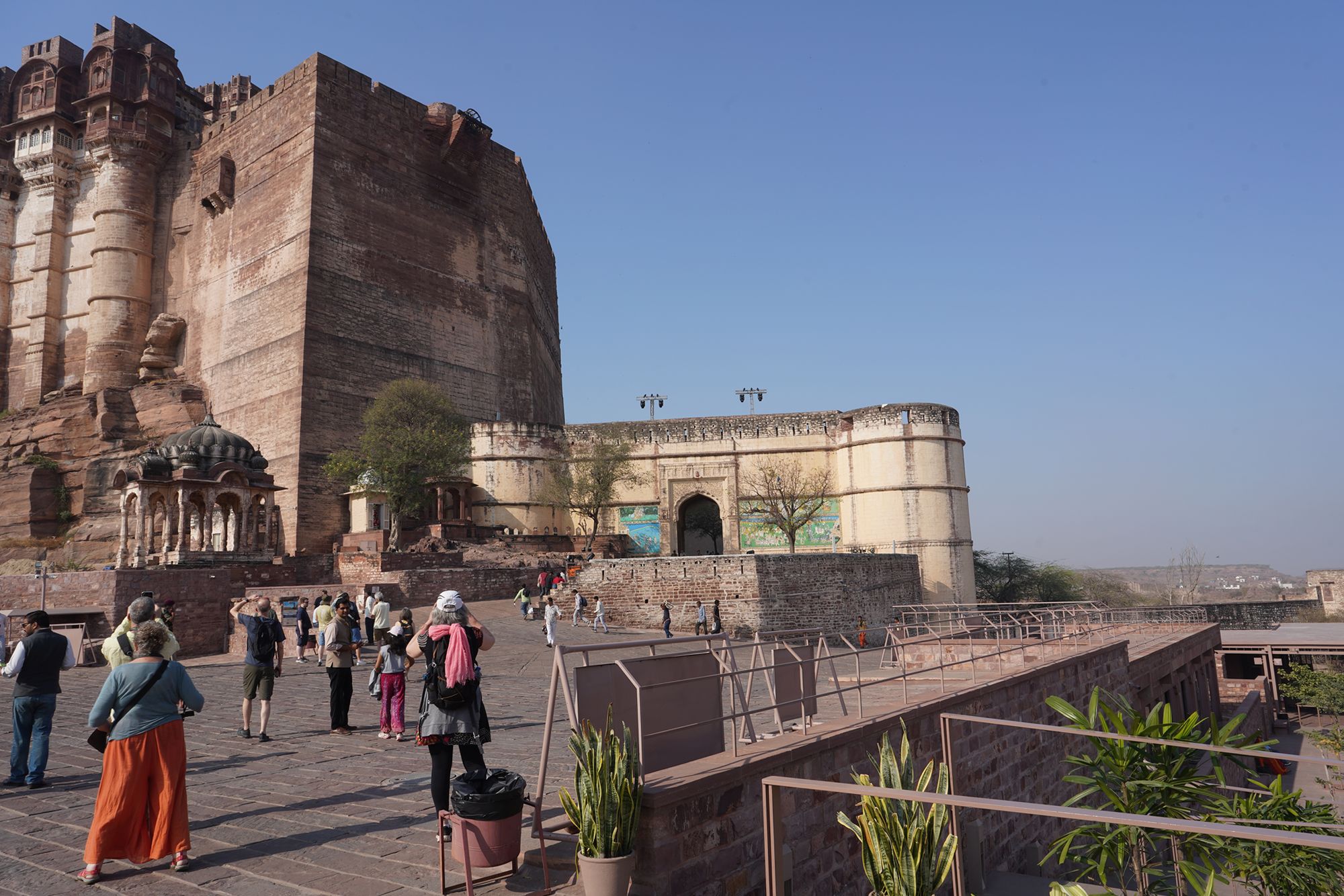
Mehrangarh Fort was founded in 1459 by Rao Jodha, the Rajput ruler who also founded the city of Jodhpur. He moved his capital from nearby Mandore to Jodhpur and built the fort on a rocky hill overlooking the new city.
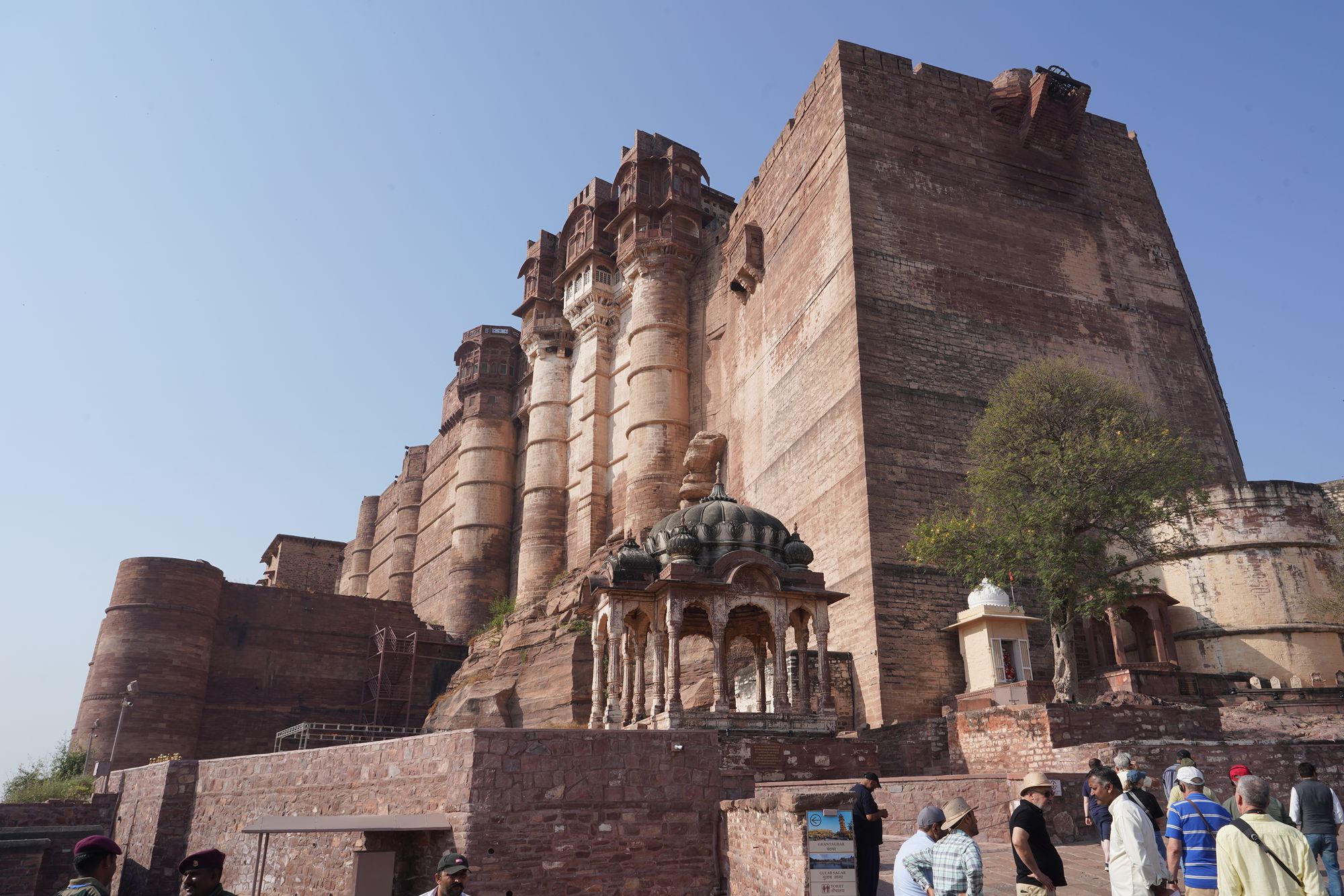
The fort became the main royal residence and seat of power of the rulers of Marwar. Over the following centuries, successive rulers enlarged and strengthened it. They added massive defensive walls, gates, courtyards, temples, and elaborate palaces.
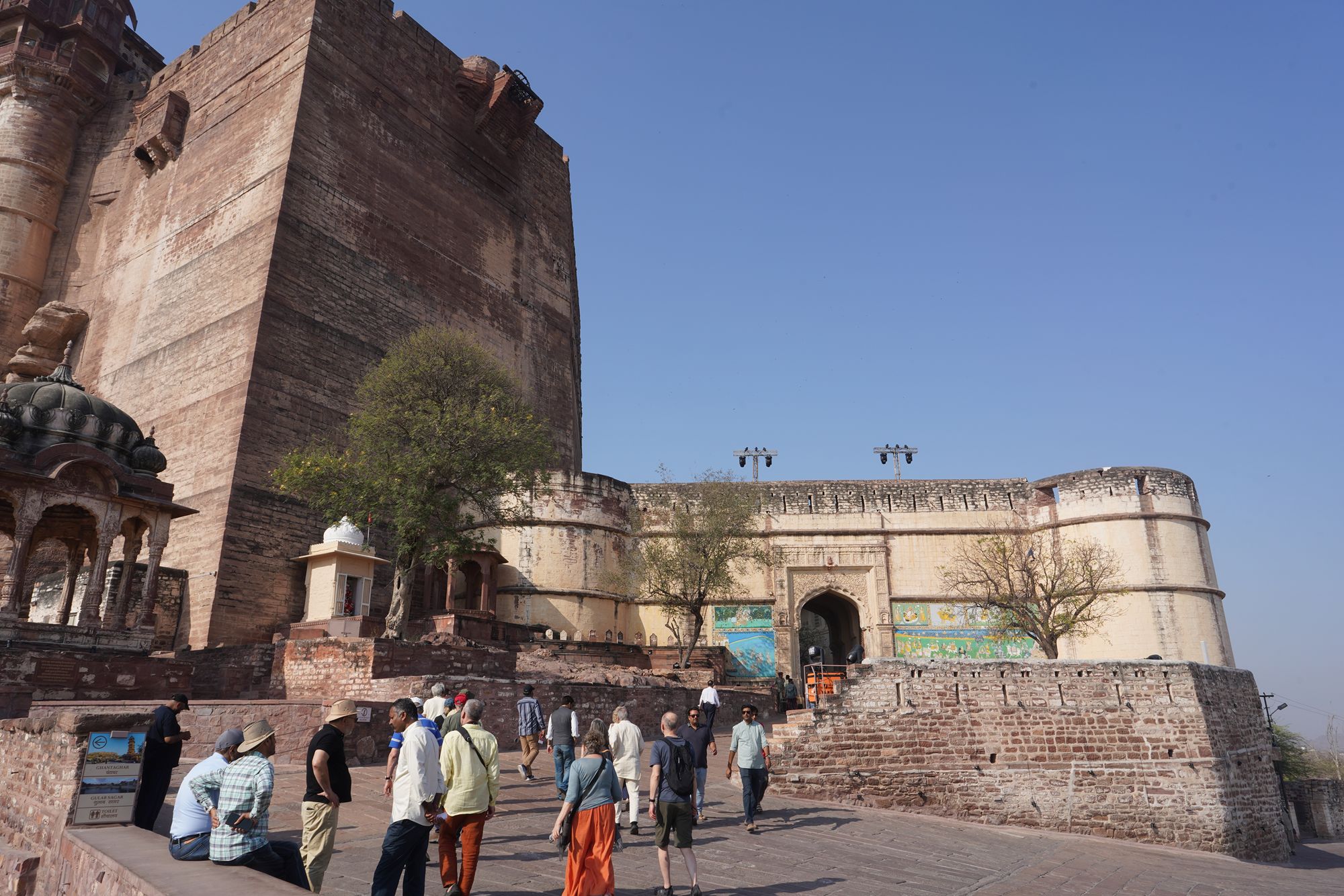
Mehrangarh survived numerous conflicts and attacks during Rajasthan’s turbulent history. Its thick walls and elevated position made it extremely difficult to capture.
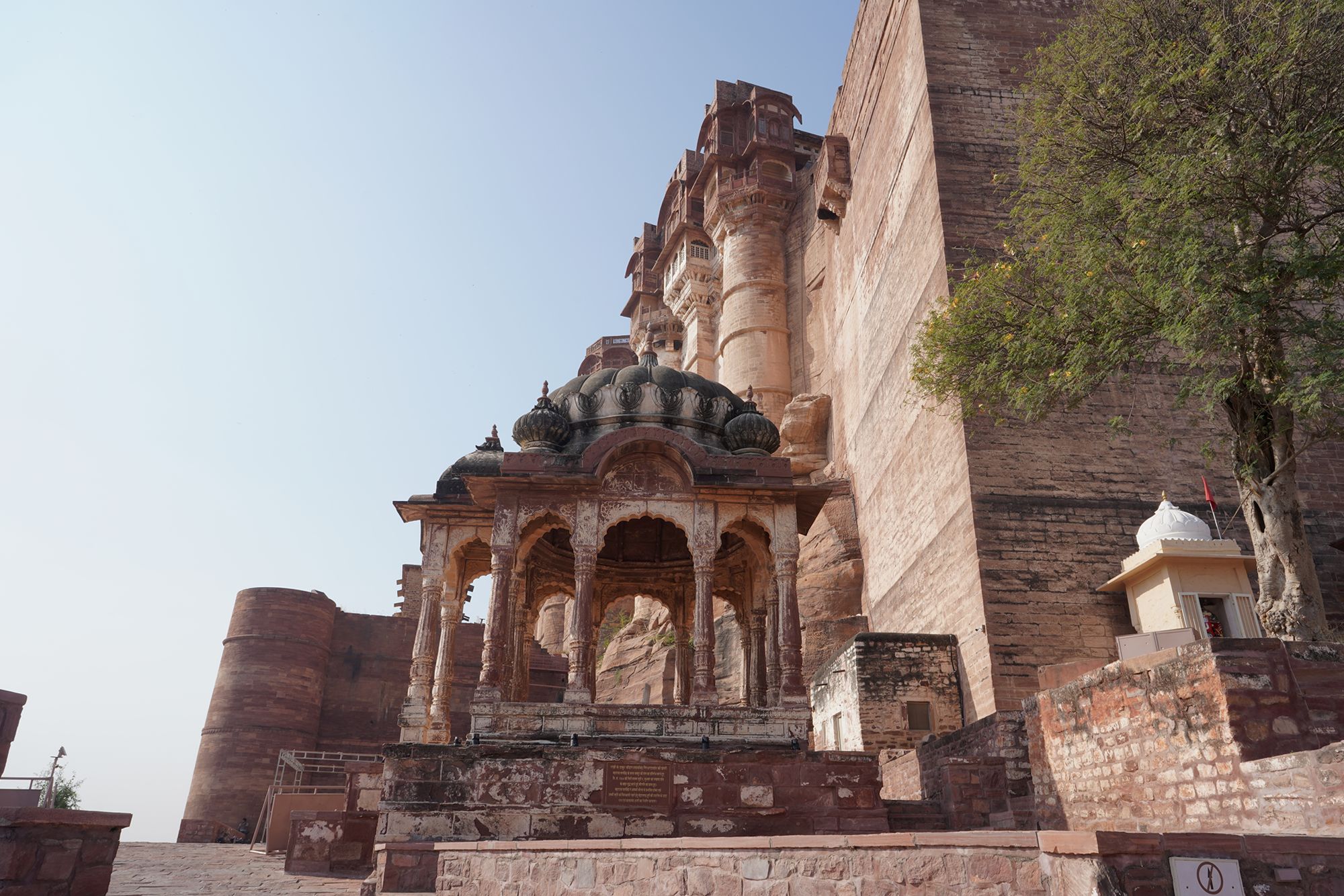
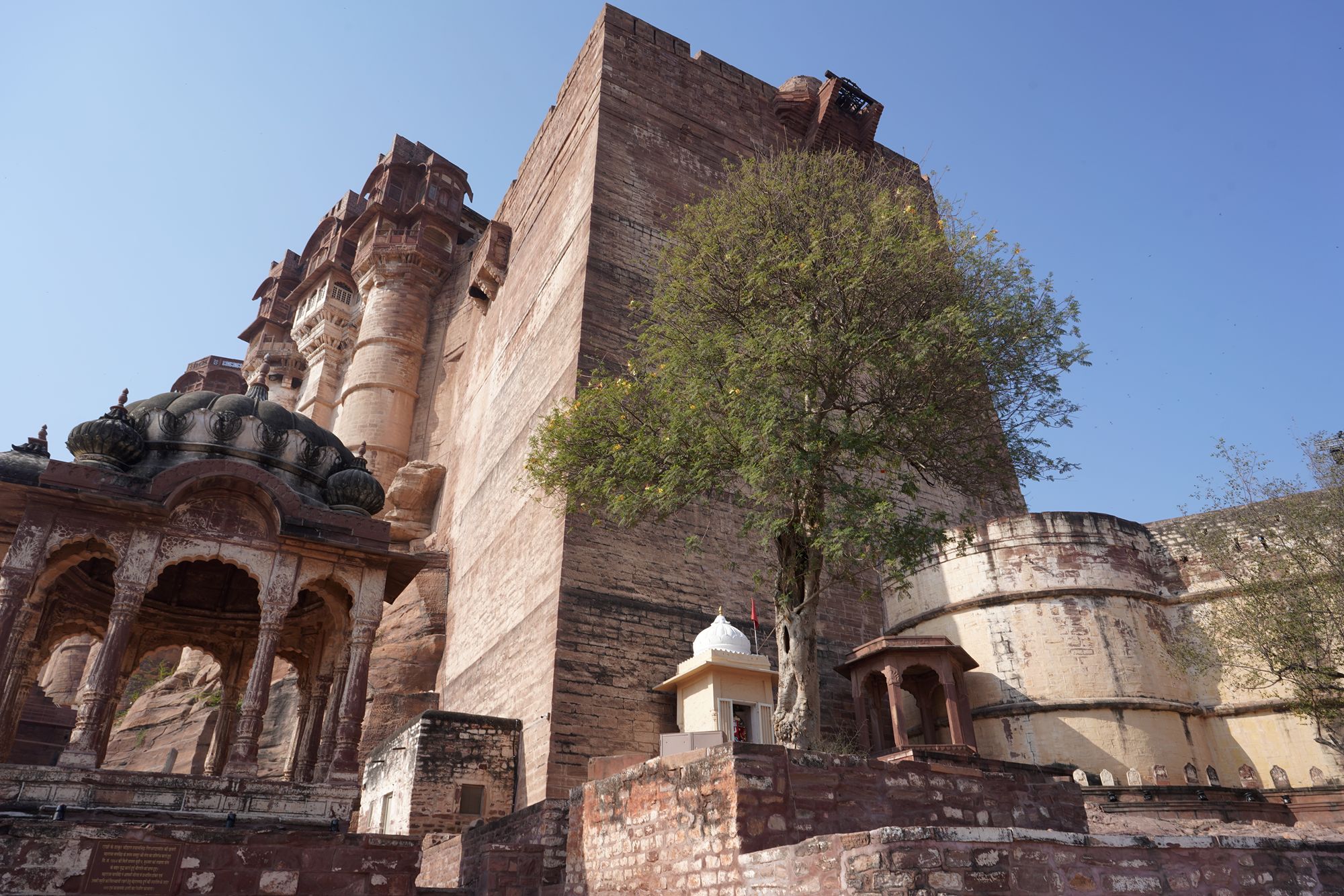
Mehrangarh Fort and the rulers of Marwar had a complicated relationship with the Mughal dynasty.
During the 16th century, the Mughal Empire became the dominant power in northern India. The Rajput rulers of Marwar sometimes fought against the Mughals and sometimes allied with them.
Under Emperor Akbar, Marwar eventually came under Mughal influence. Later rulers of Jodhpur served as important military commanders and nobles in the Mughal court.
One famous ruler, Maharaja Jaswant Singh, served the Mughal emperors Shah Jahan and Aurangzeb. After his death in 1678, Emperor Aurangzeb attempted to take direct control of Marwar, leading to a long Rajput rebellion.
Eventually, the Rathore rulers regained control of Jodhpur and Mehrangarh Fort as Mughal power weakened.
So unlike Mewar (Udaipur), which became famous for strongly resisting Mughal domination, Marwar (Jodhpur) had periods of both conflict and close cooperation with the Mughal Empire.
Here is a brief history of India.
India has a history stretching back thousands of years. The Indus Valley Civilization flourished from about 2600 BCE, creating some of the world’s earliest large cities.
Later, numerous kingdoms and empires developed across India. The Mauryan Empire (c. 322–185 BCE), particularly under Emperor Ashoka, united much of the subcontinent. The Gupta Empire (c. 320–550 CE) later became an important period for Indian art, literature, mathematics, science, and Hindu culture.
During the medieval period, India was divided among many regional kingdoms. From the 13th century, several Muslim dynasties ruled much of northern India through the Delhi Sultanate.
In 1526, the Mughal Empire was established. Mughal emperors such as Akbar, Jahangir, Shah Jahan, and Aurangzeb ruled large parts of India. At the same time, regional powers such as the Rajput kingdoms of Rajasthan maintained varying degrees of independence, sometimes fighting and sometimes cooperating with the Mughals.
As Mughal power declined in the 18th century, the British East India Company gained increasing control. After the Indian Rebellion of 1857, India came under direct British rule.
The Indian independence movement eventually led to the end of British rule. In 1947, India became independent, while British India was partitioned into India and Pakistan. India became a republic in 1950 and today is the world’s largest democracy.
During the 16th century, the Mughal Empire became the dominant power across much of northern India, while several Rajput kingdoms ruled the Rajasthan region. This history helps explain why the great palaces and forts of Delhi and Agra show strong Mughal influence, while those of Rajasthan are known for their distinctive Rajput architecture.
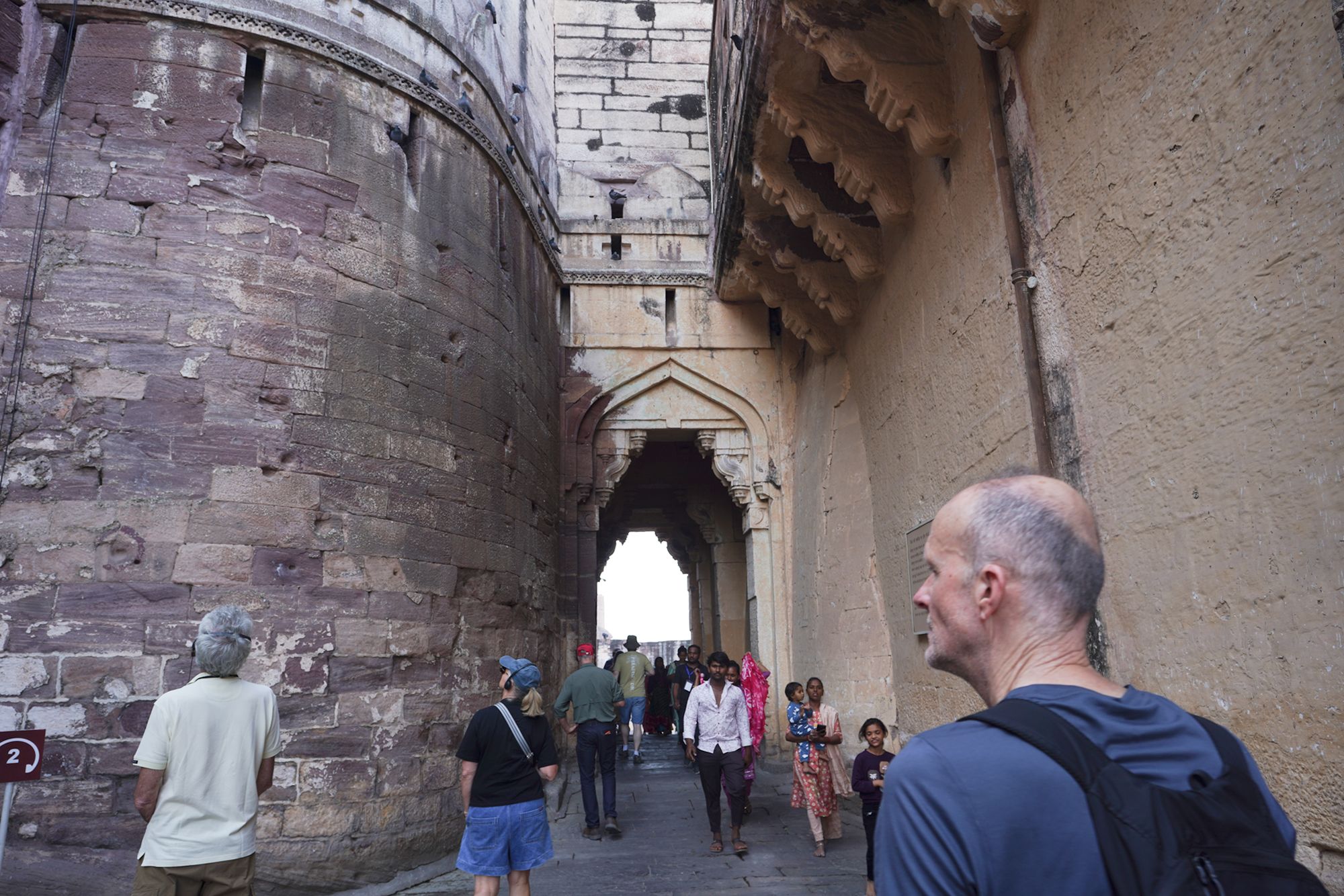
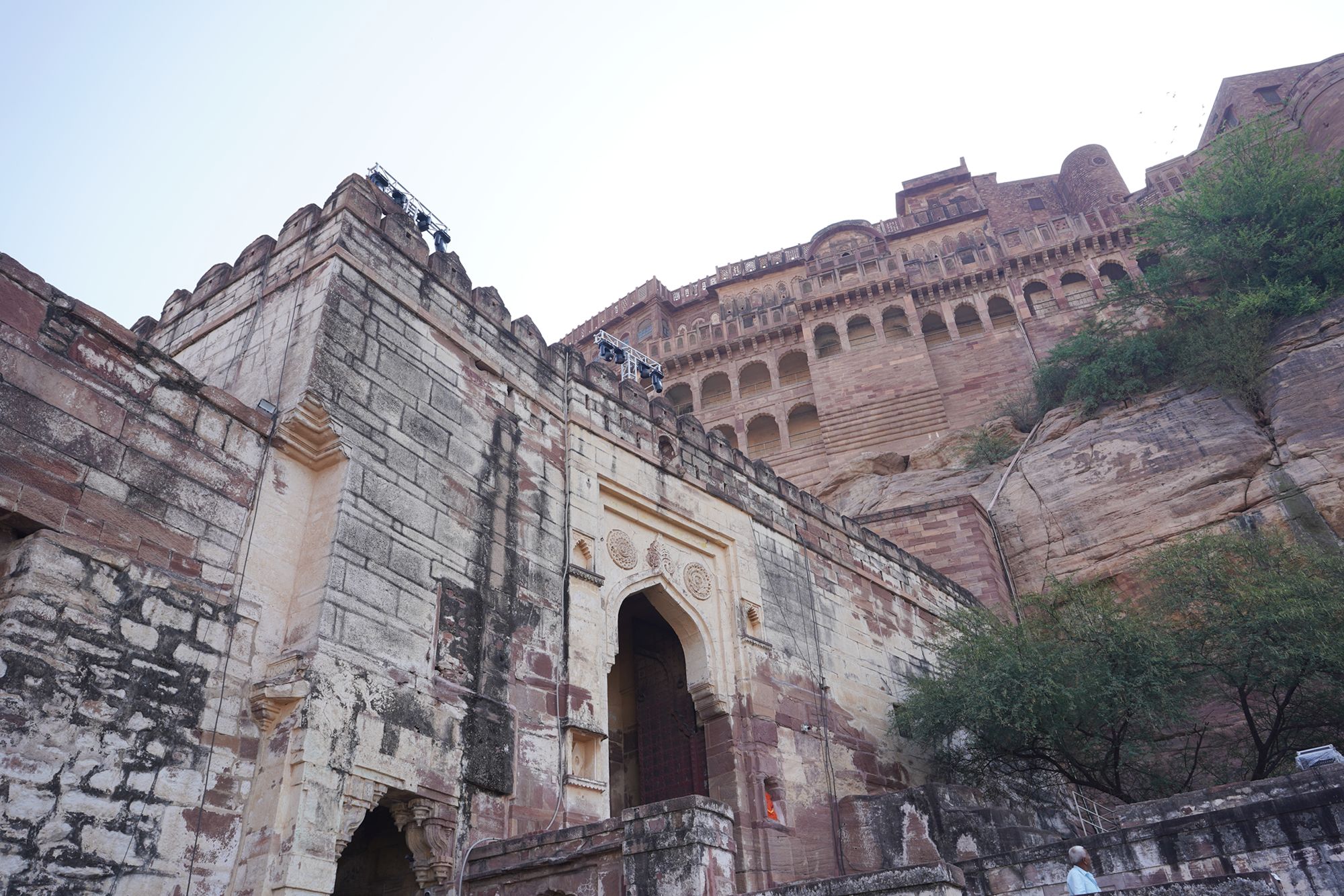
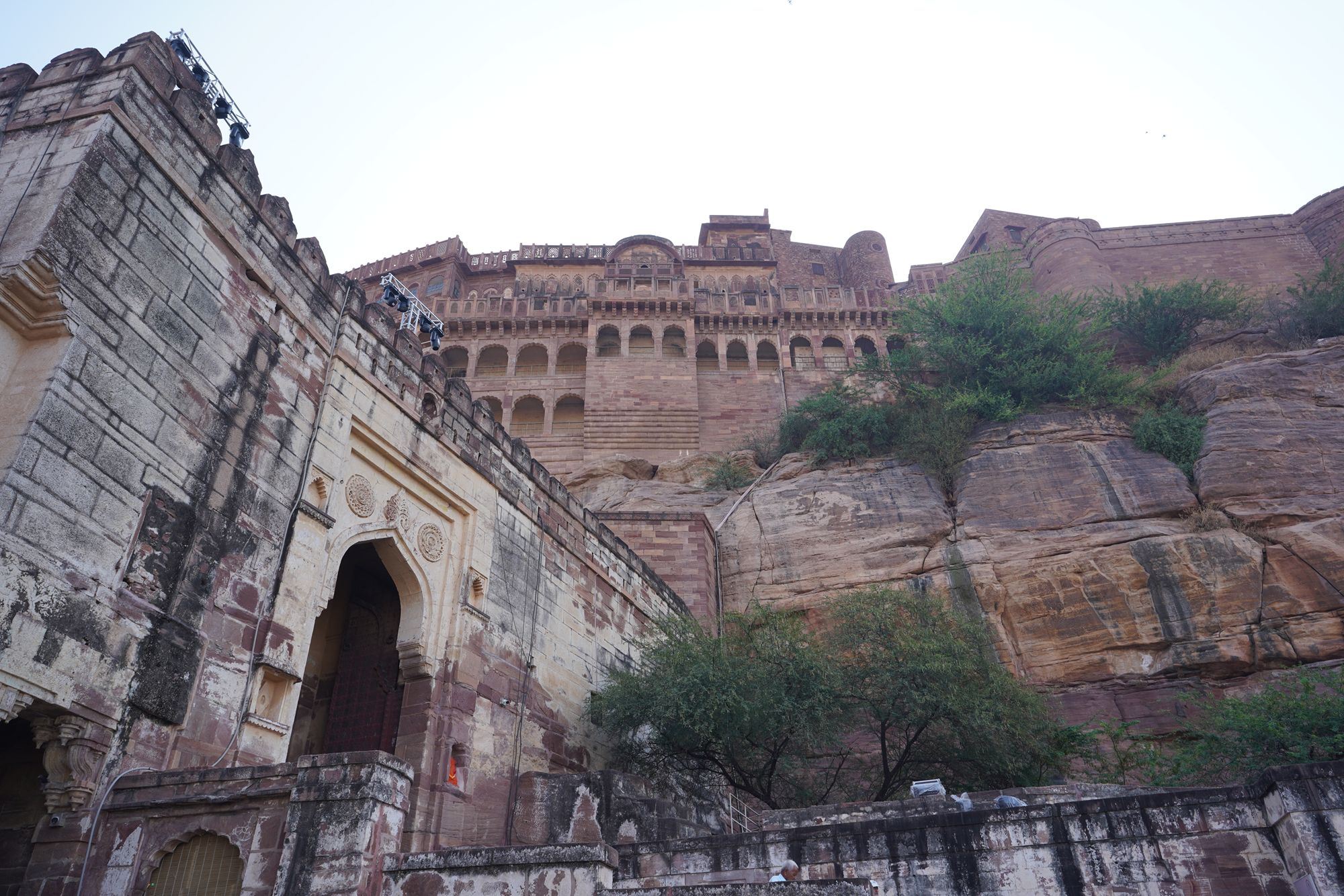
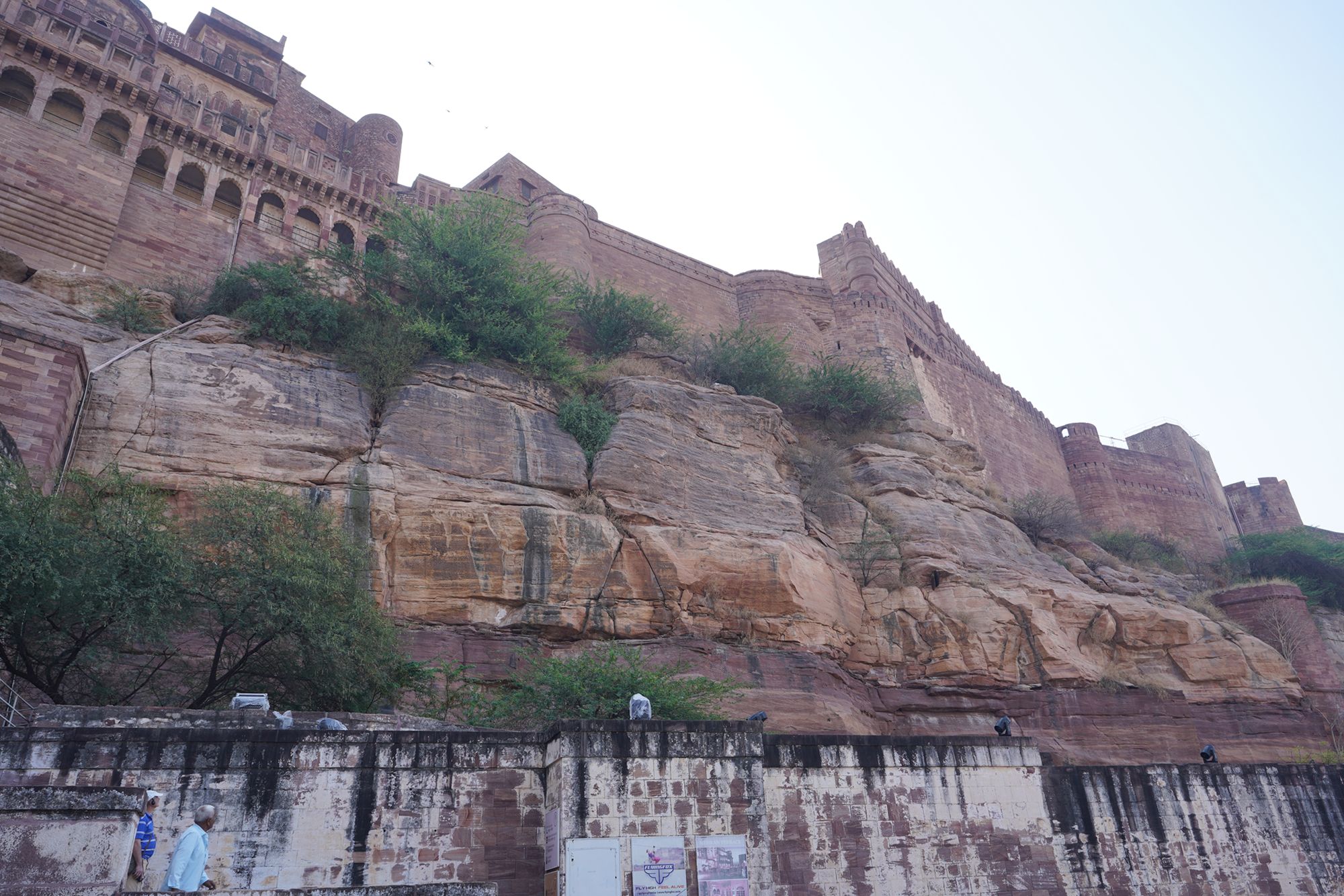
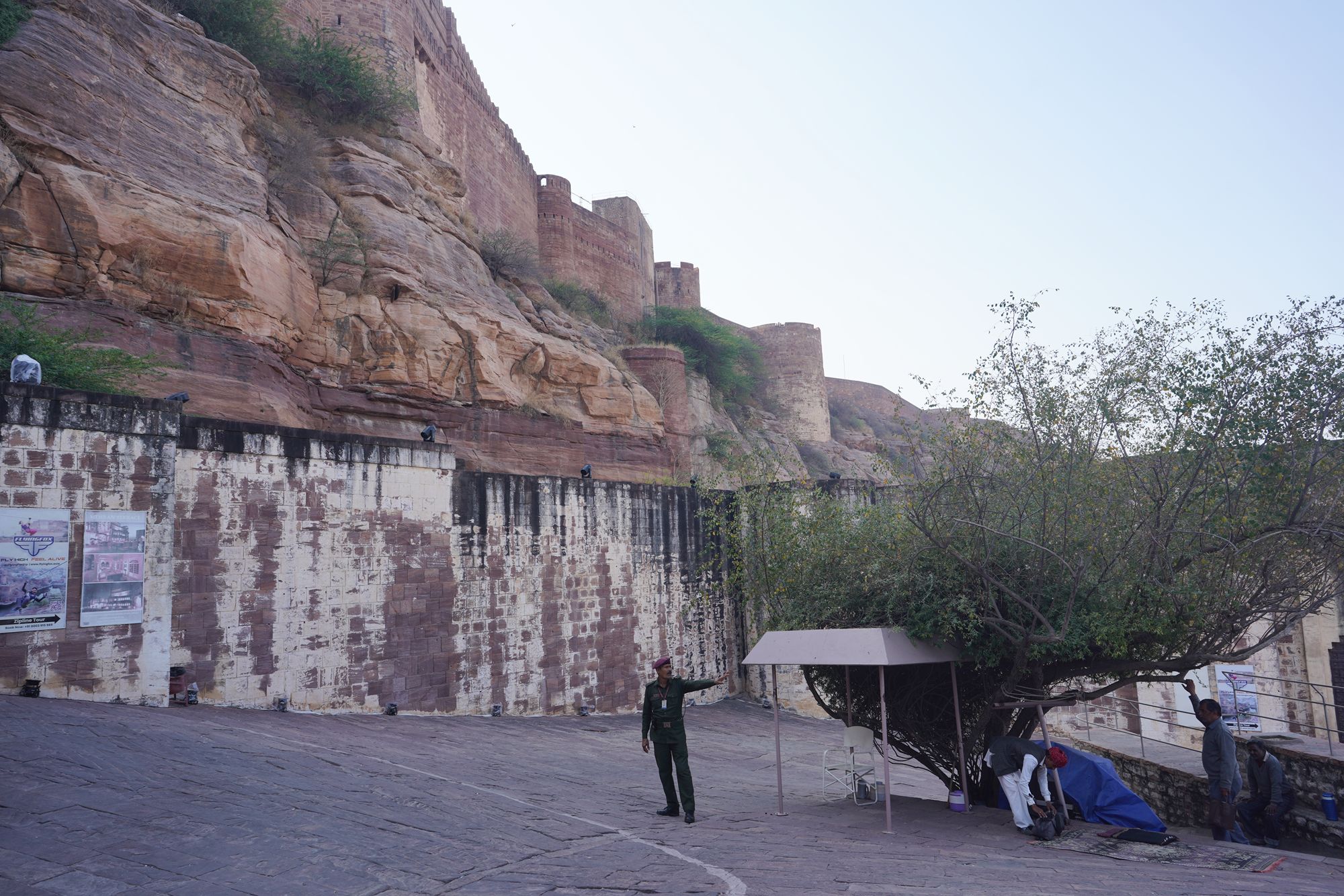
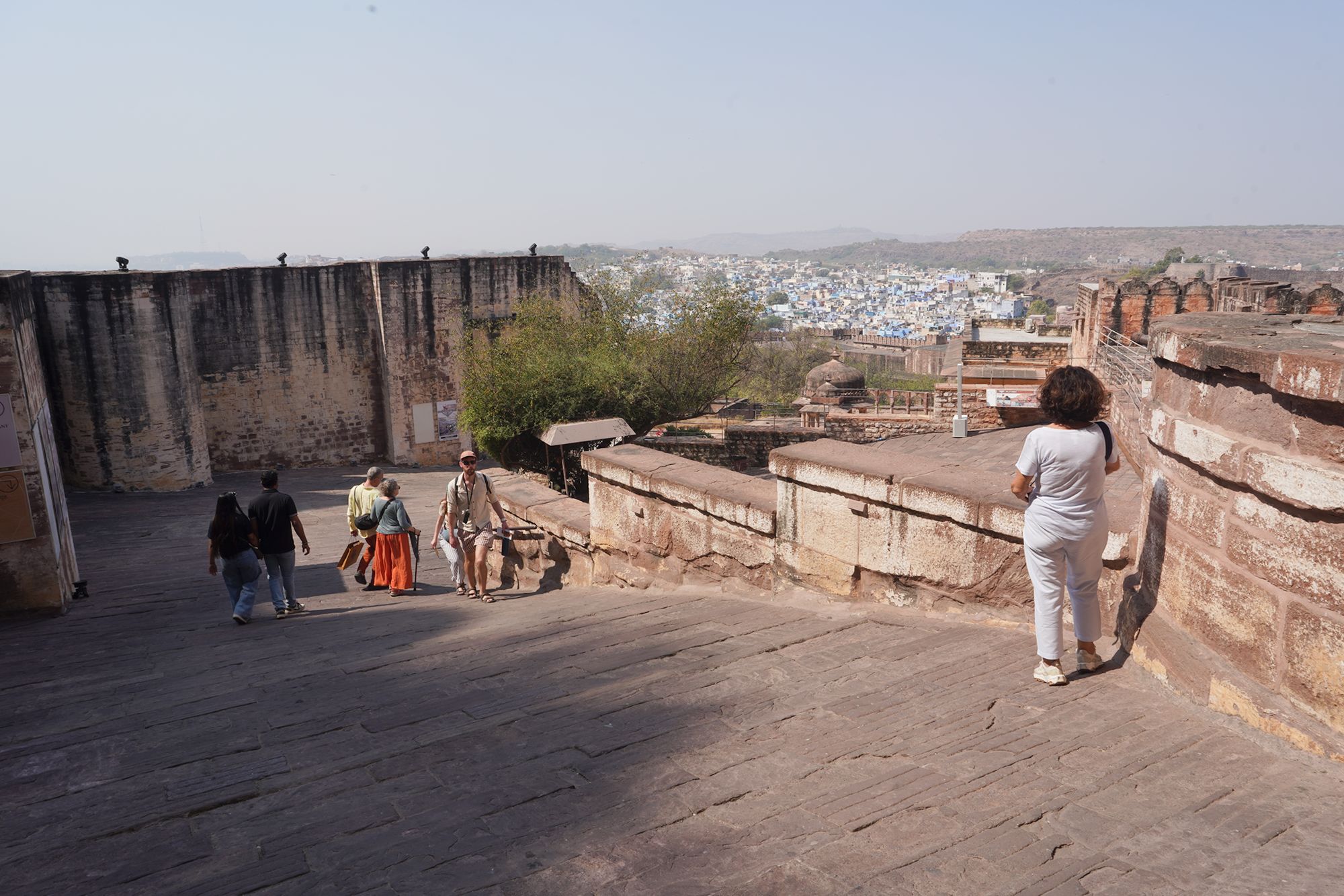
Jodhpur, known as the “Blue City,” was the capital of the Rajput kingdom of Marwar.
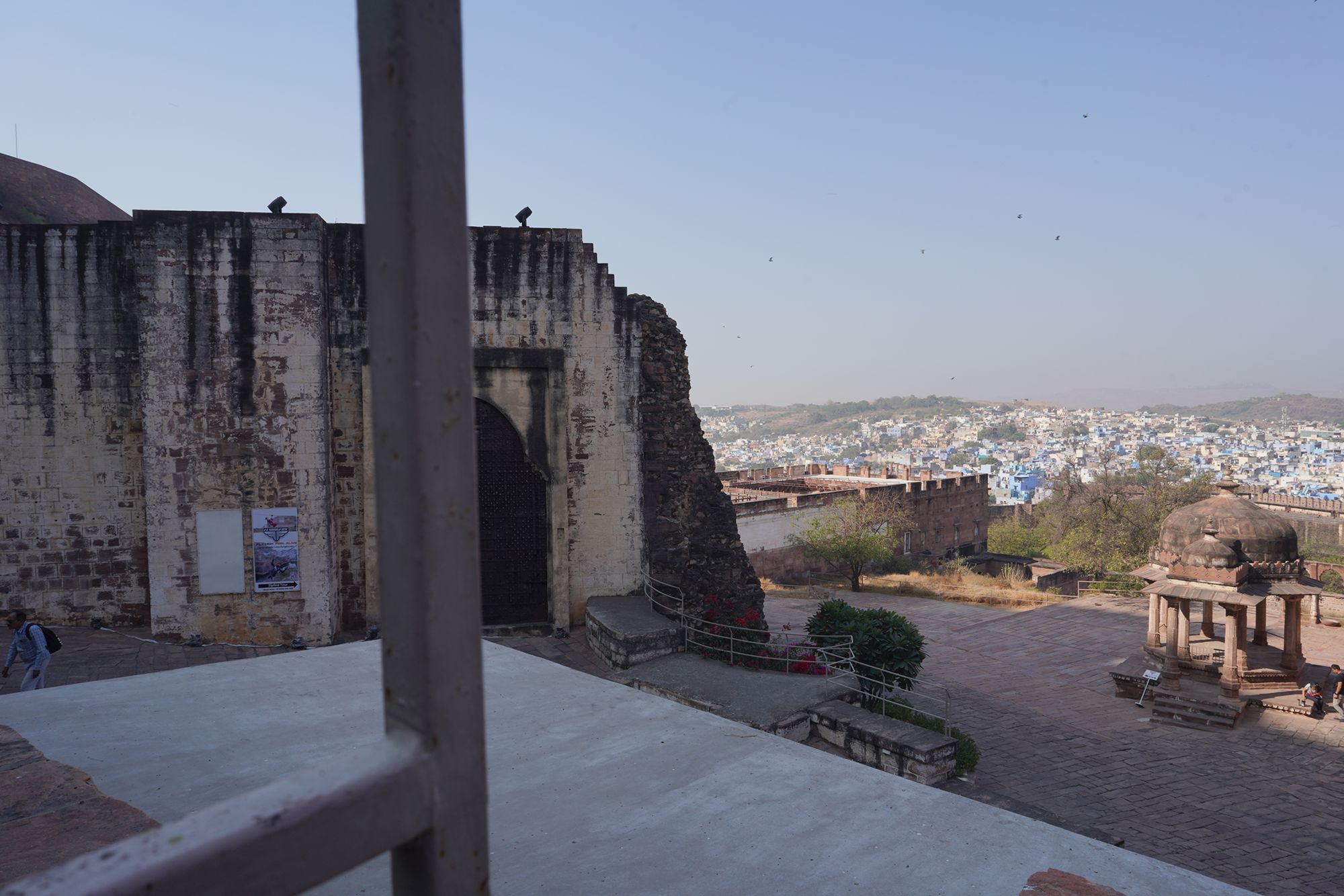
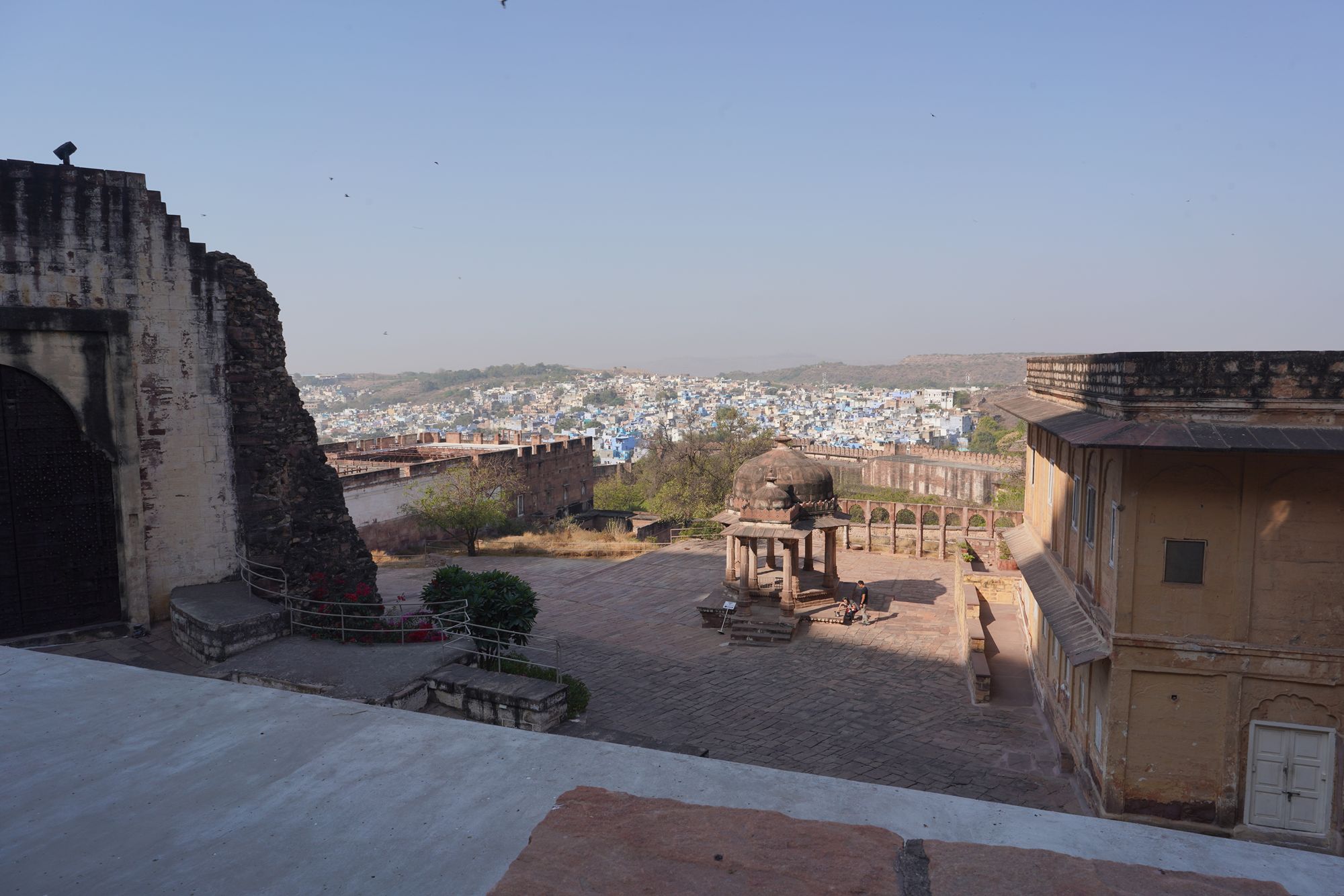
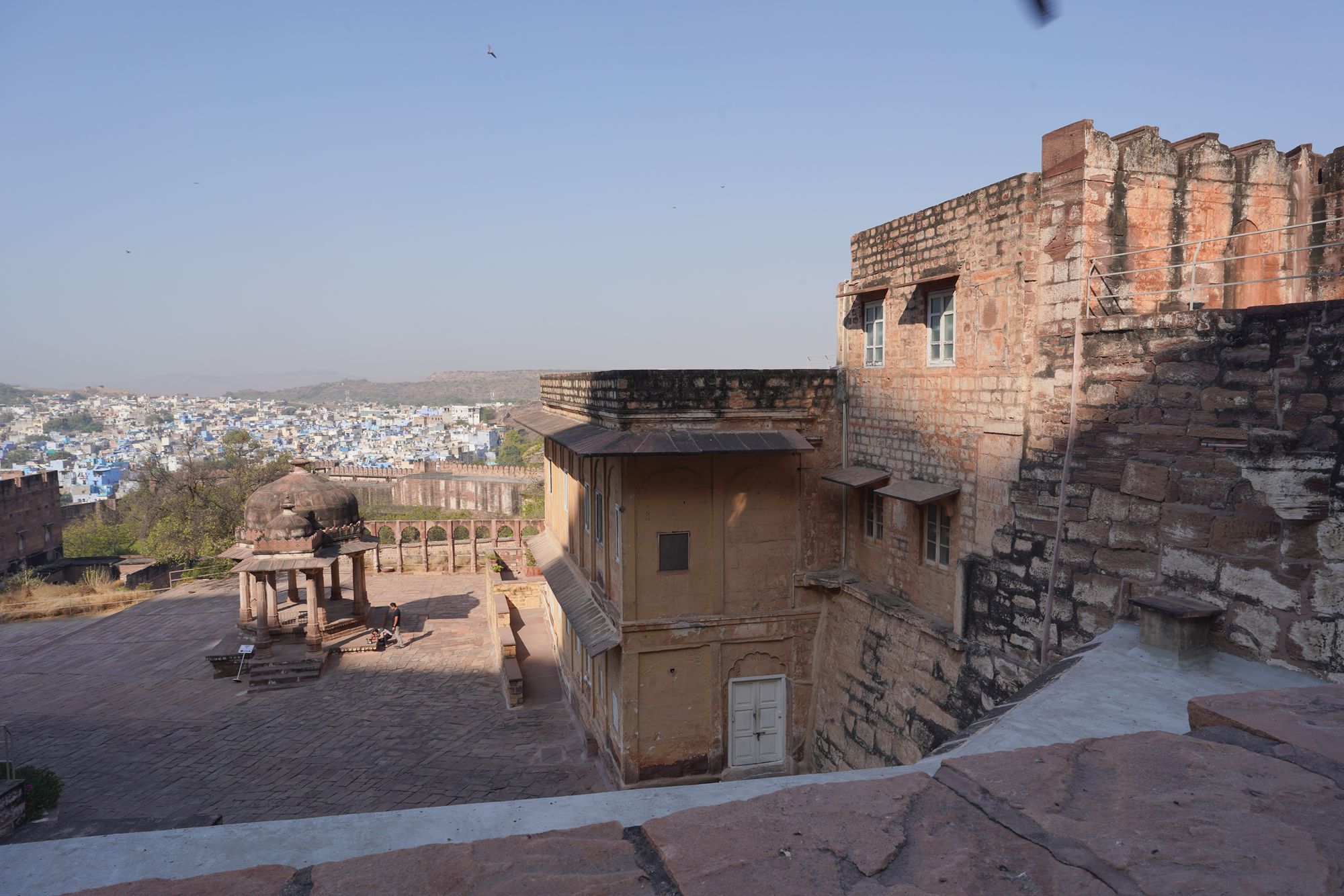
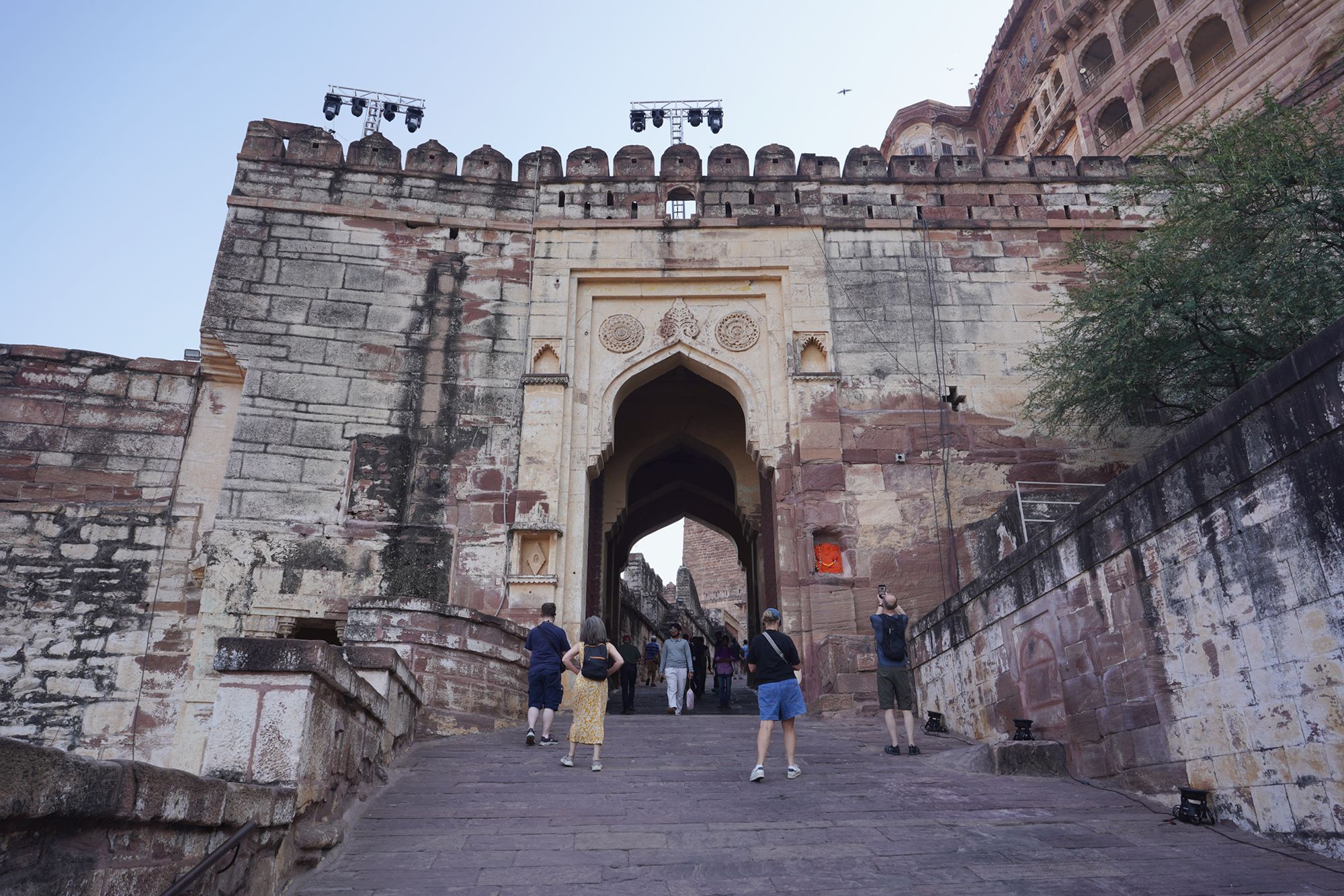
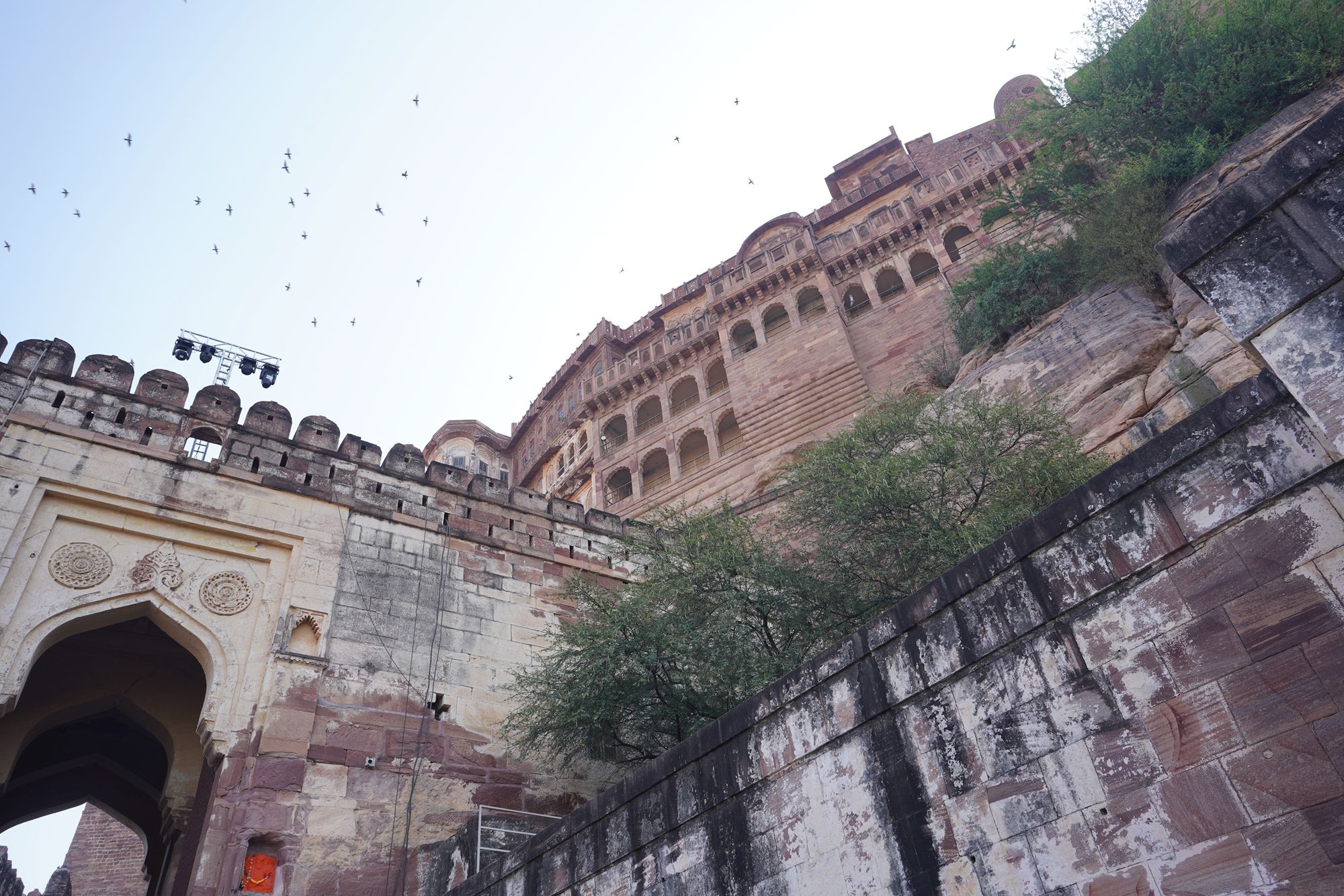
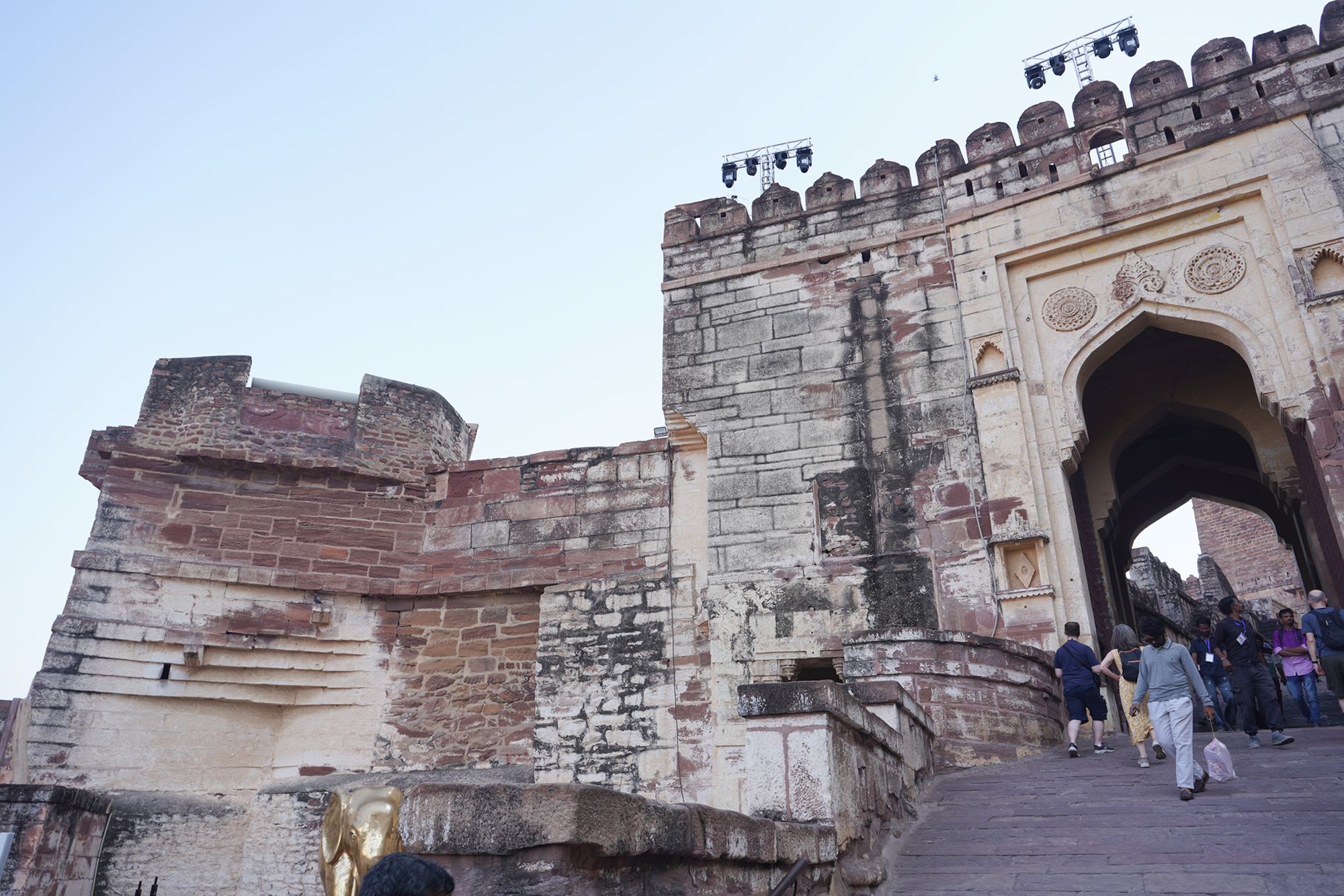
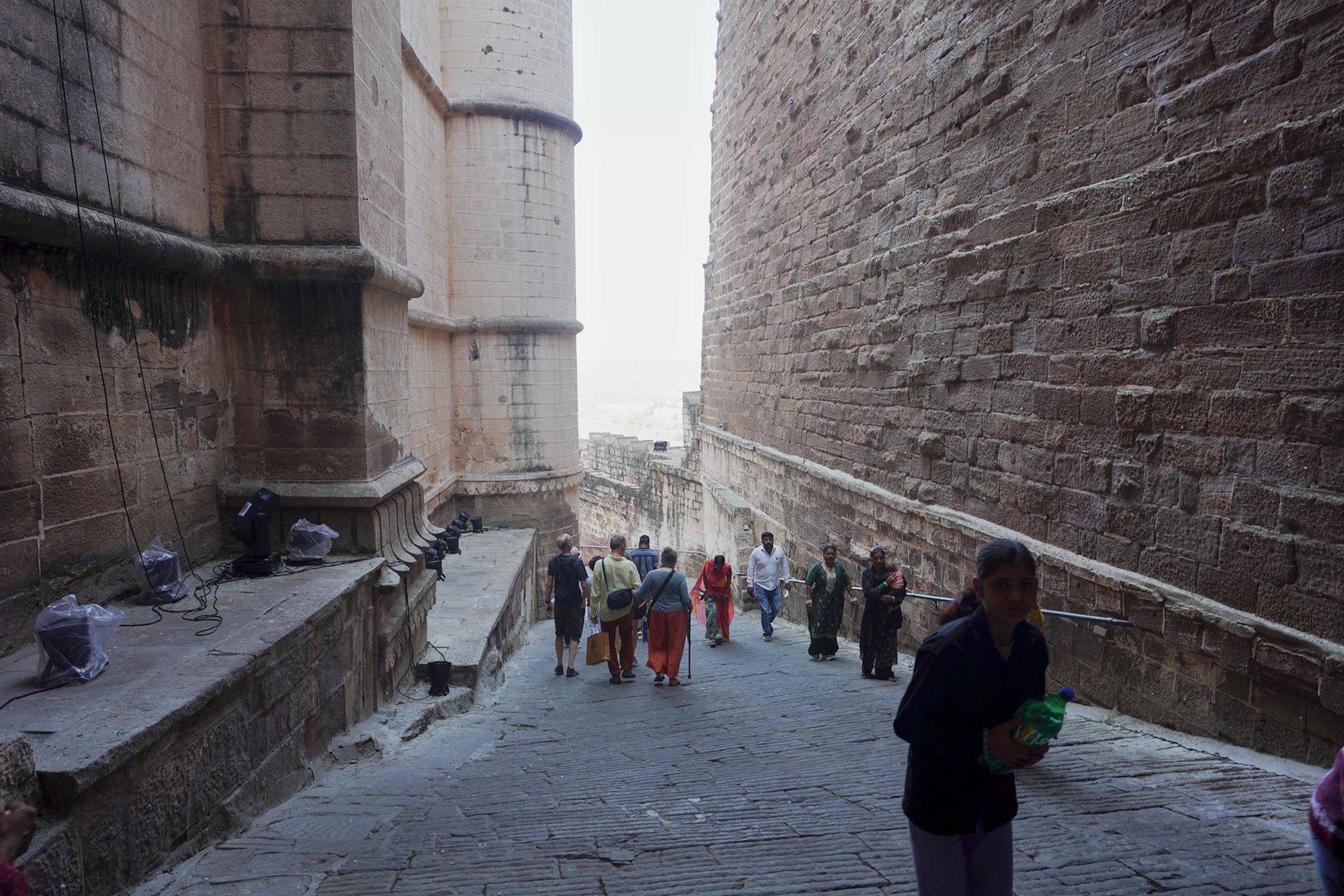
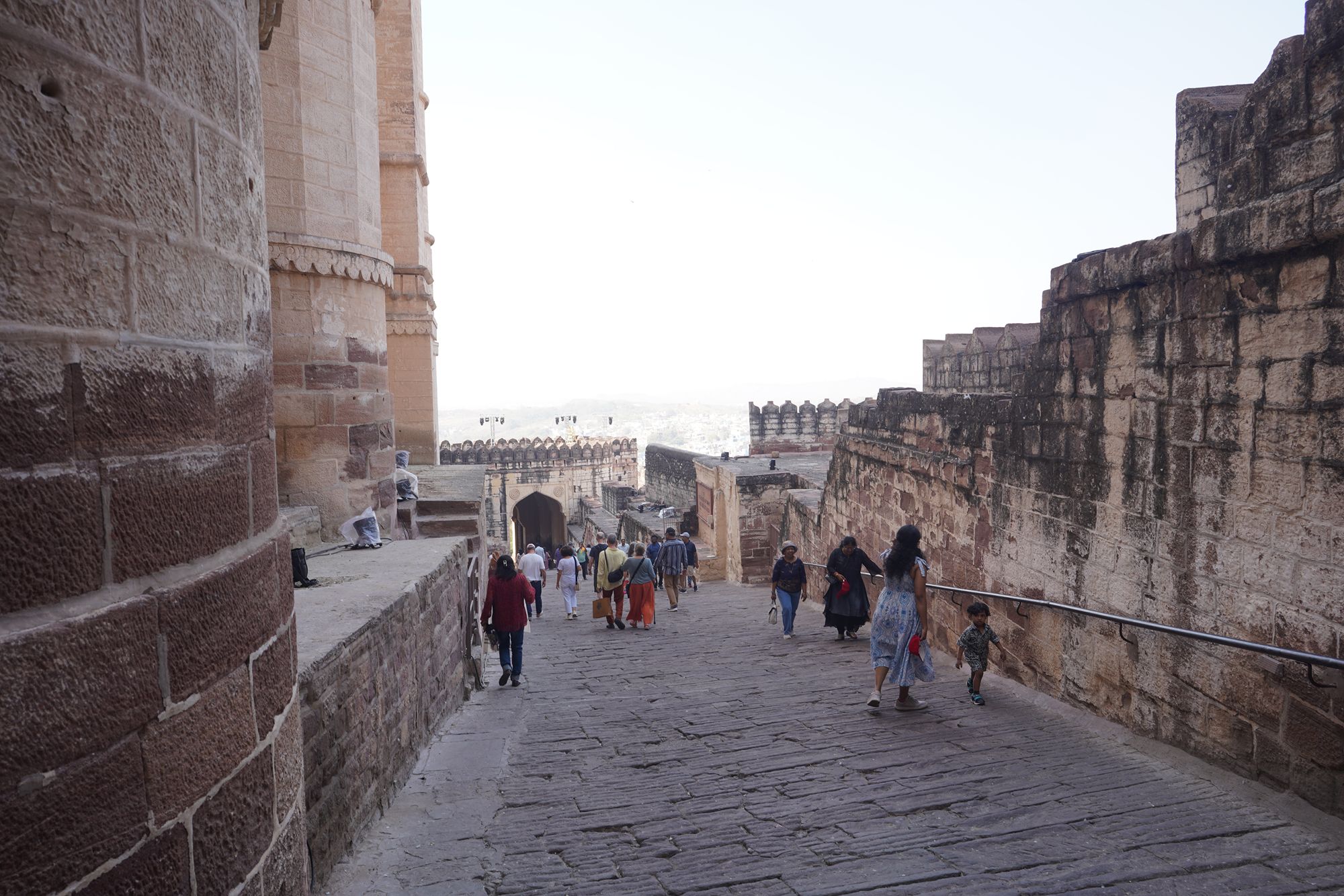
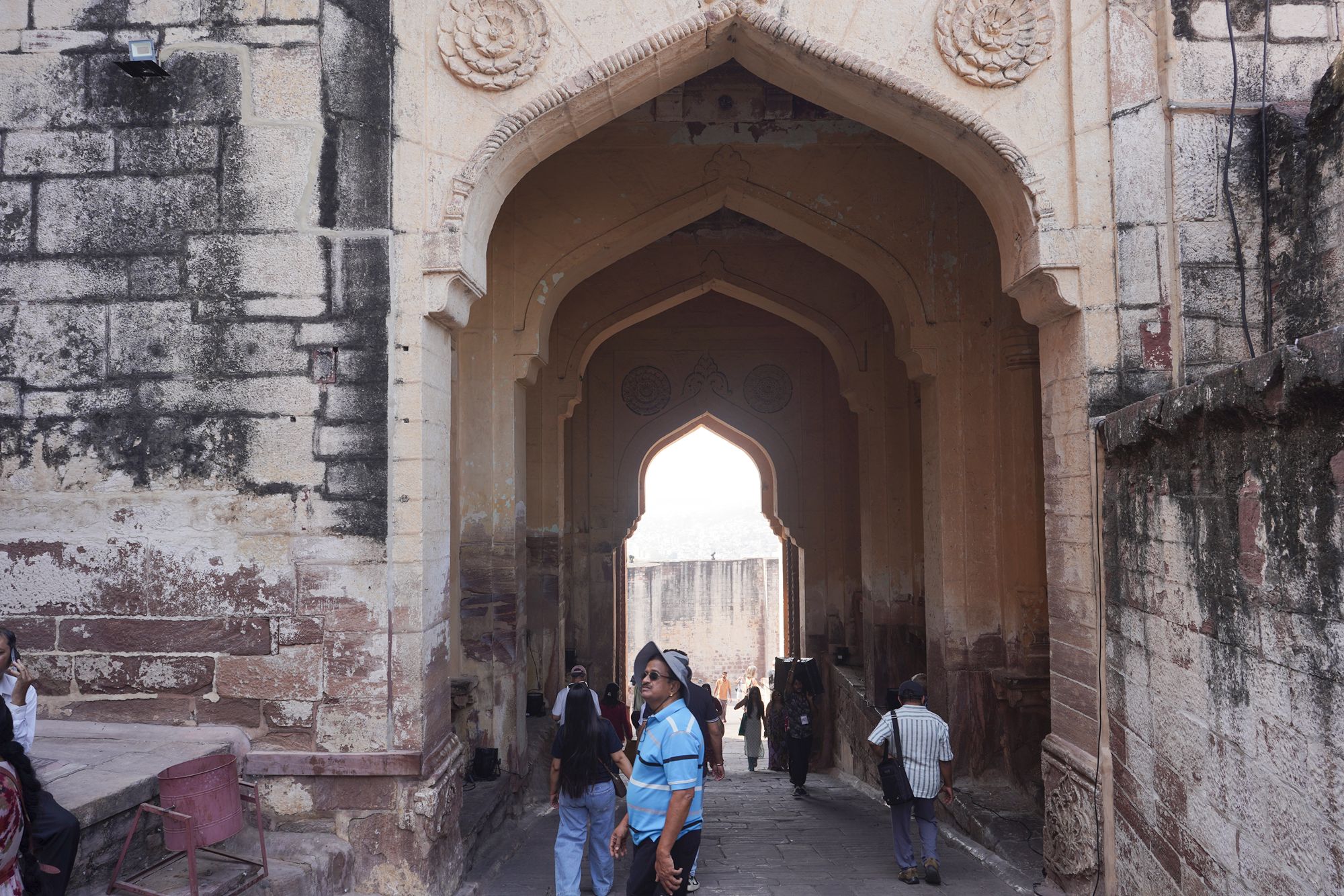
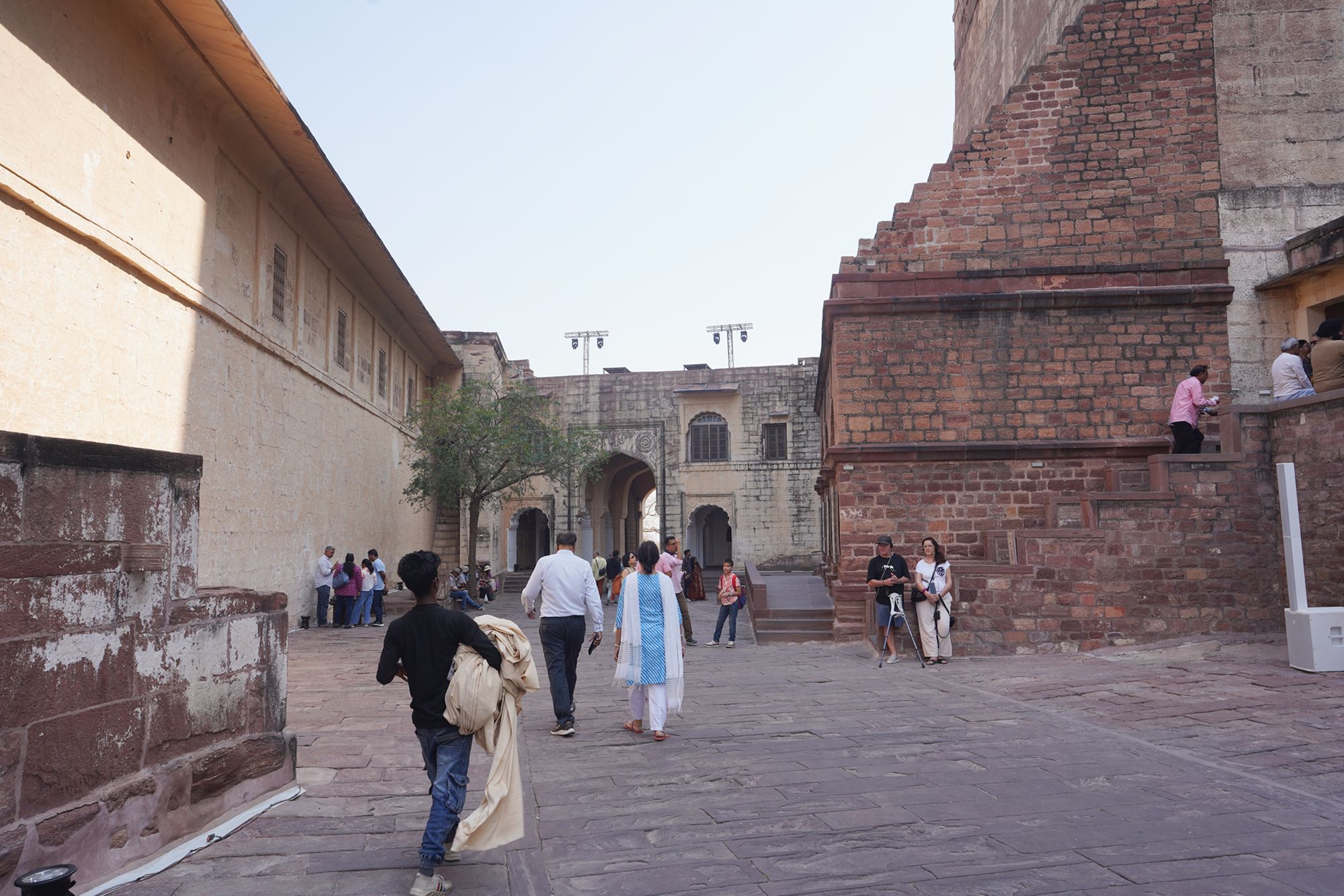
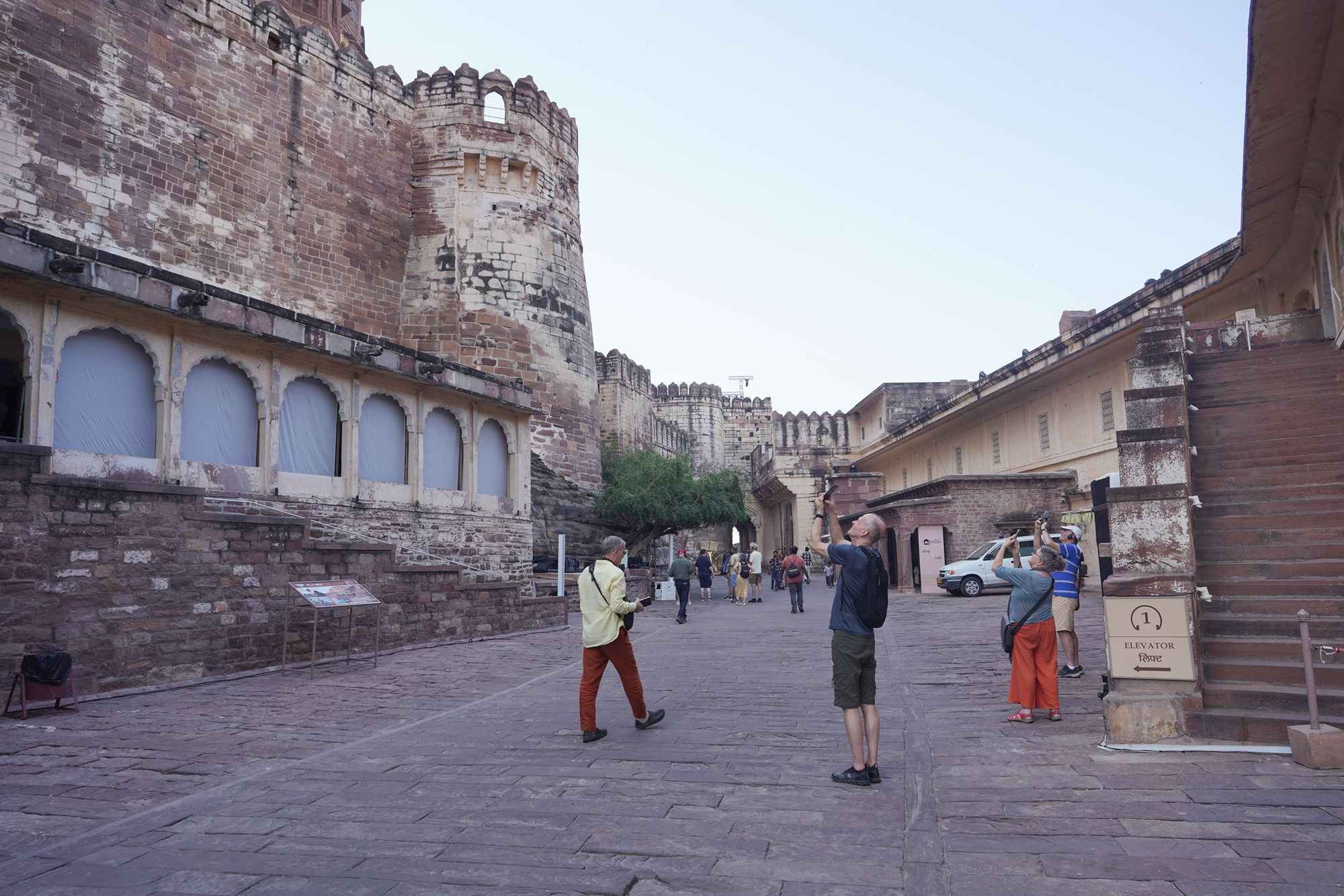
We walked up the steep ramp and passed through one of the massive fortified gates leading into Mehrangarh Fort.
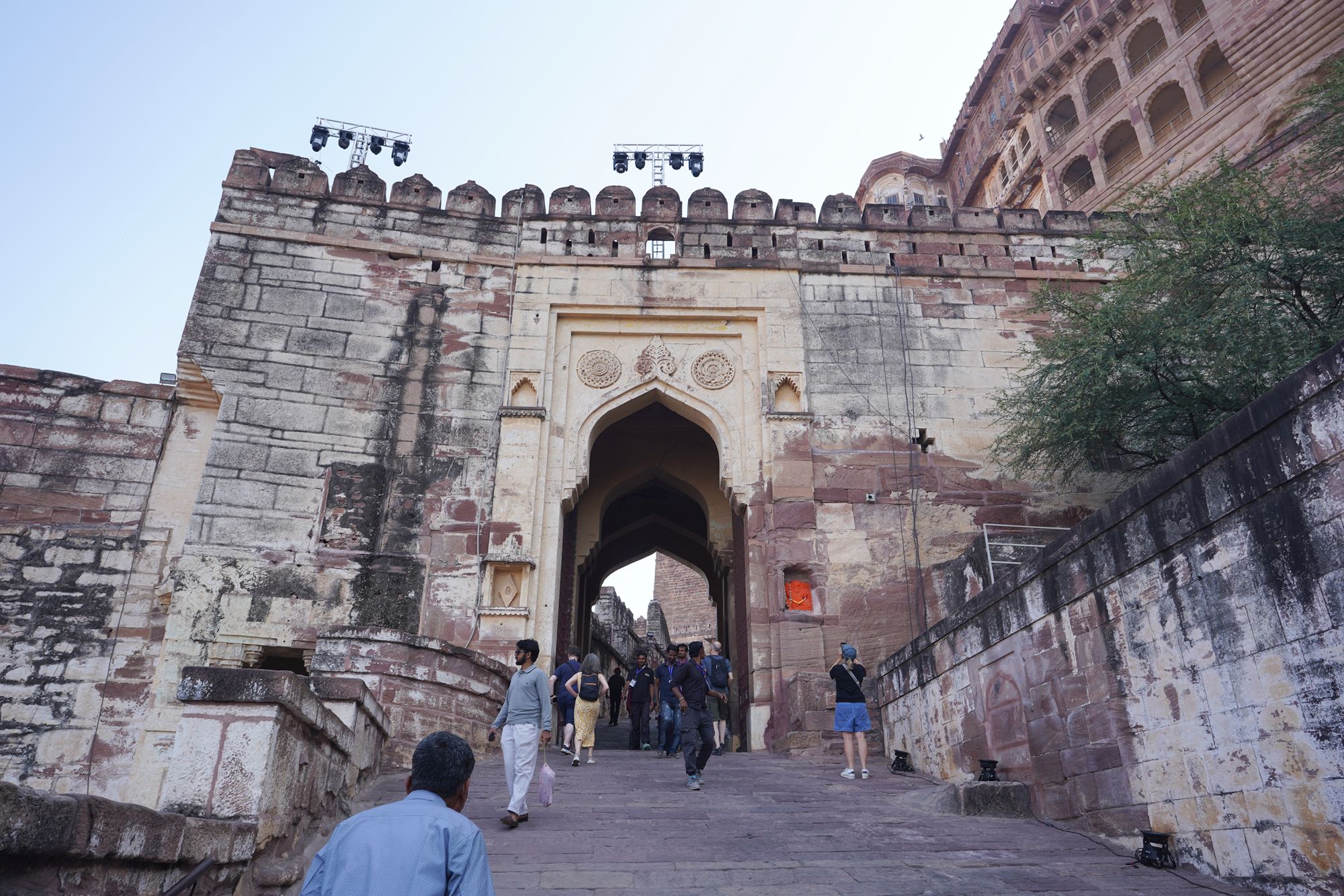
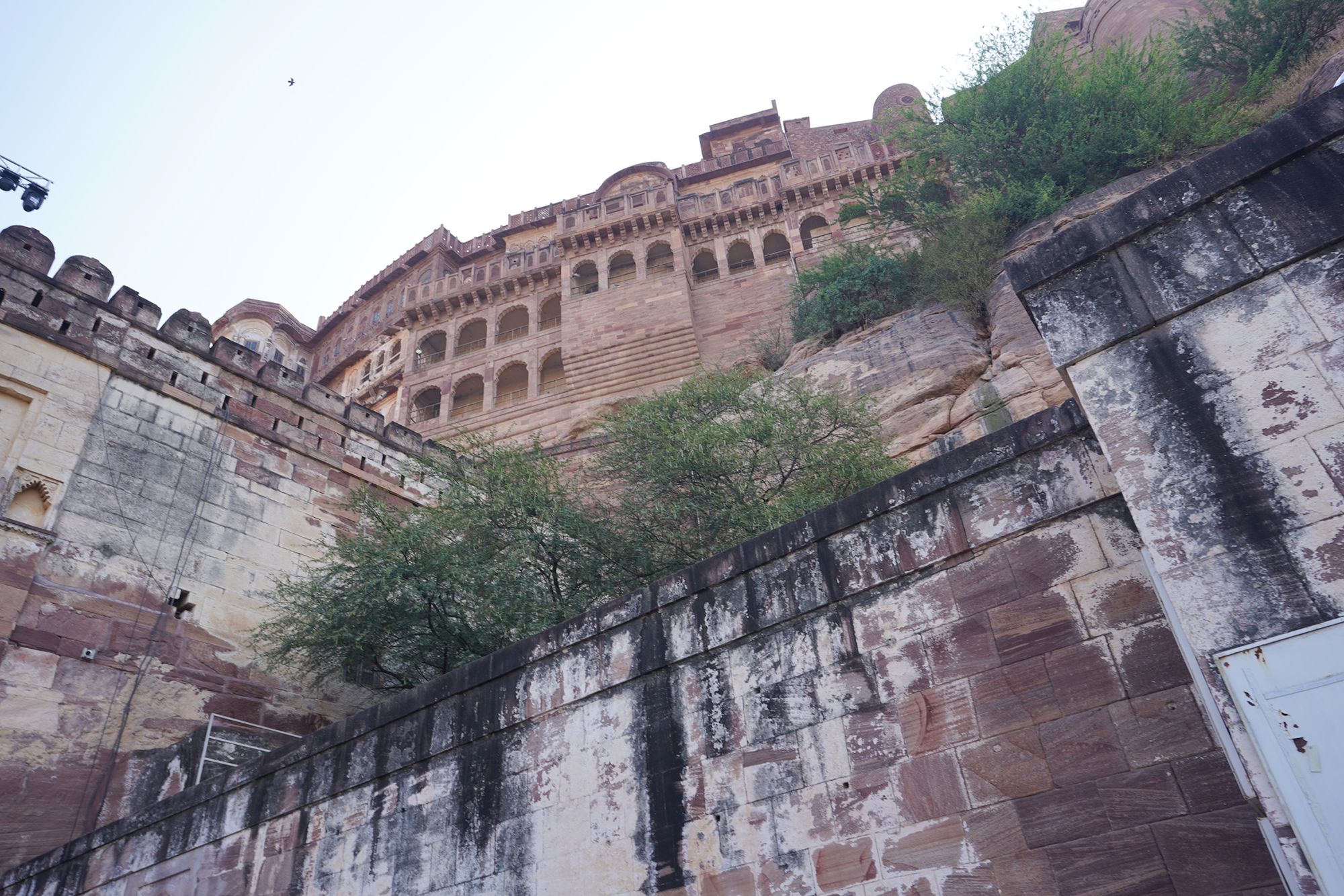
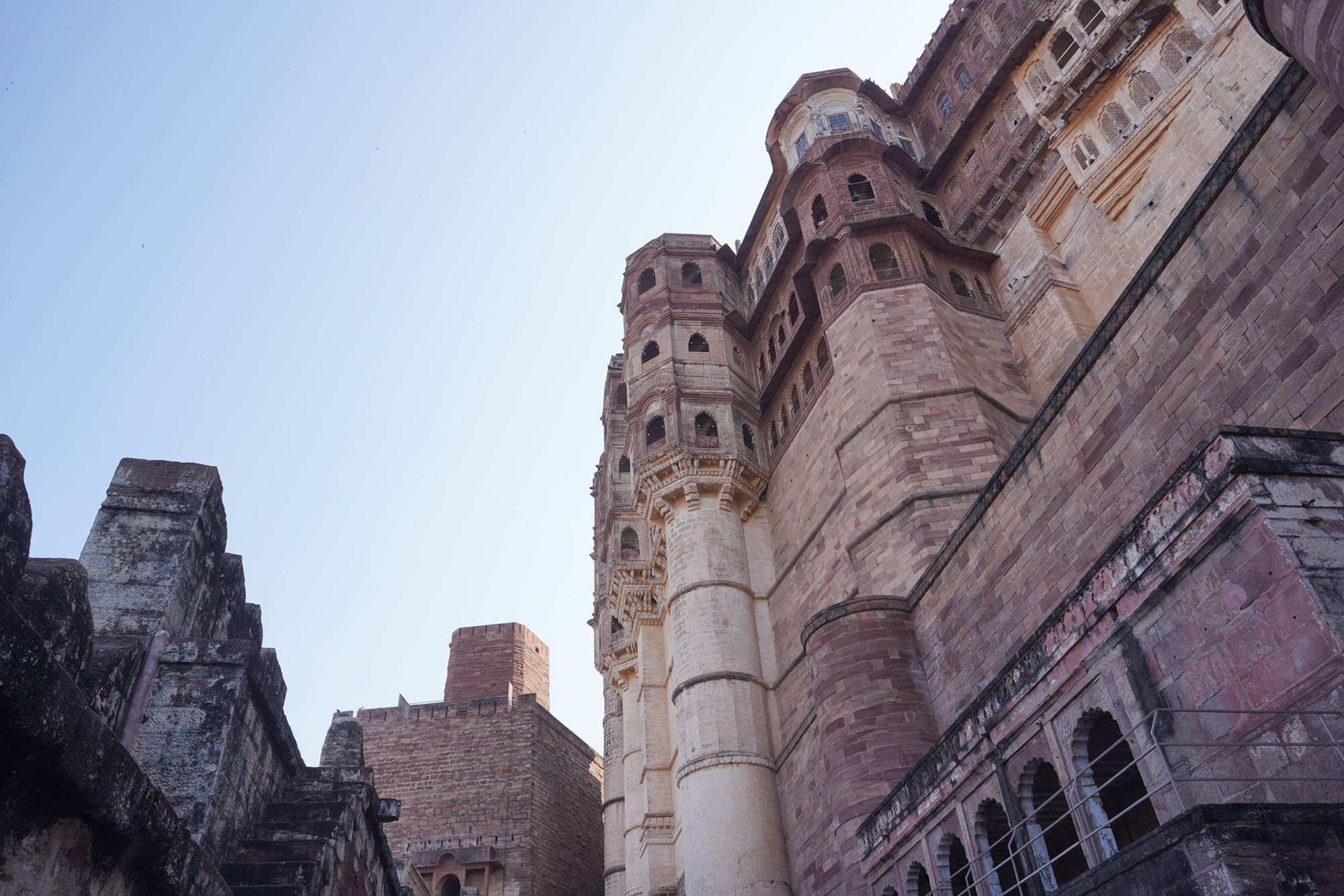
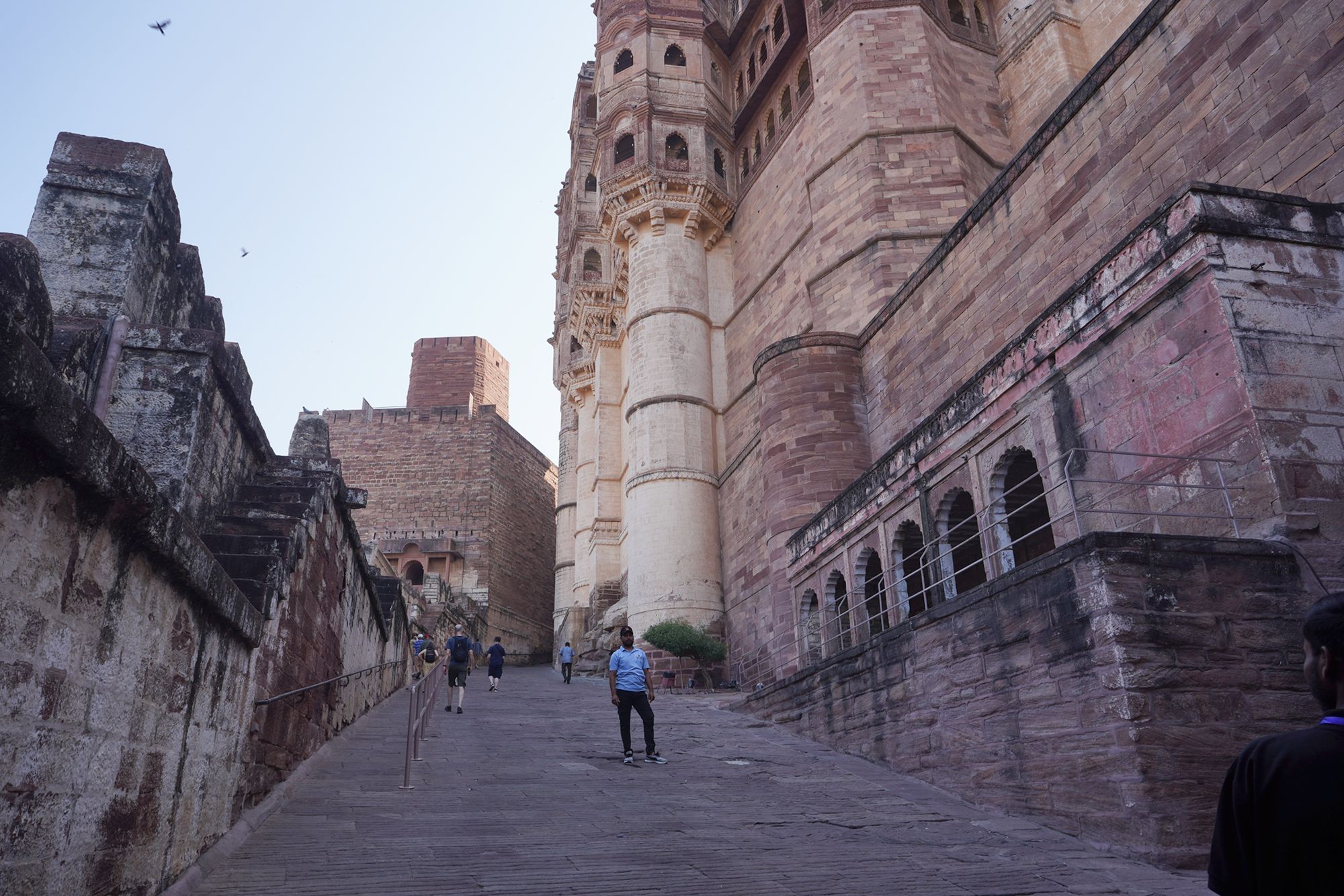
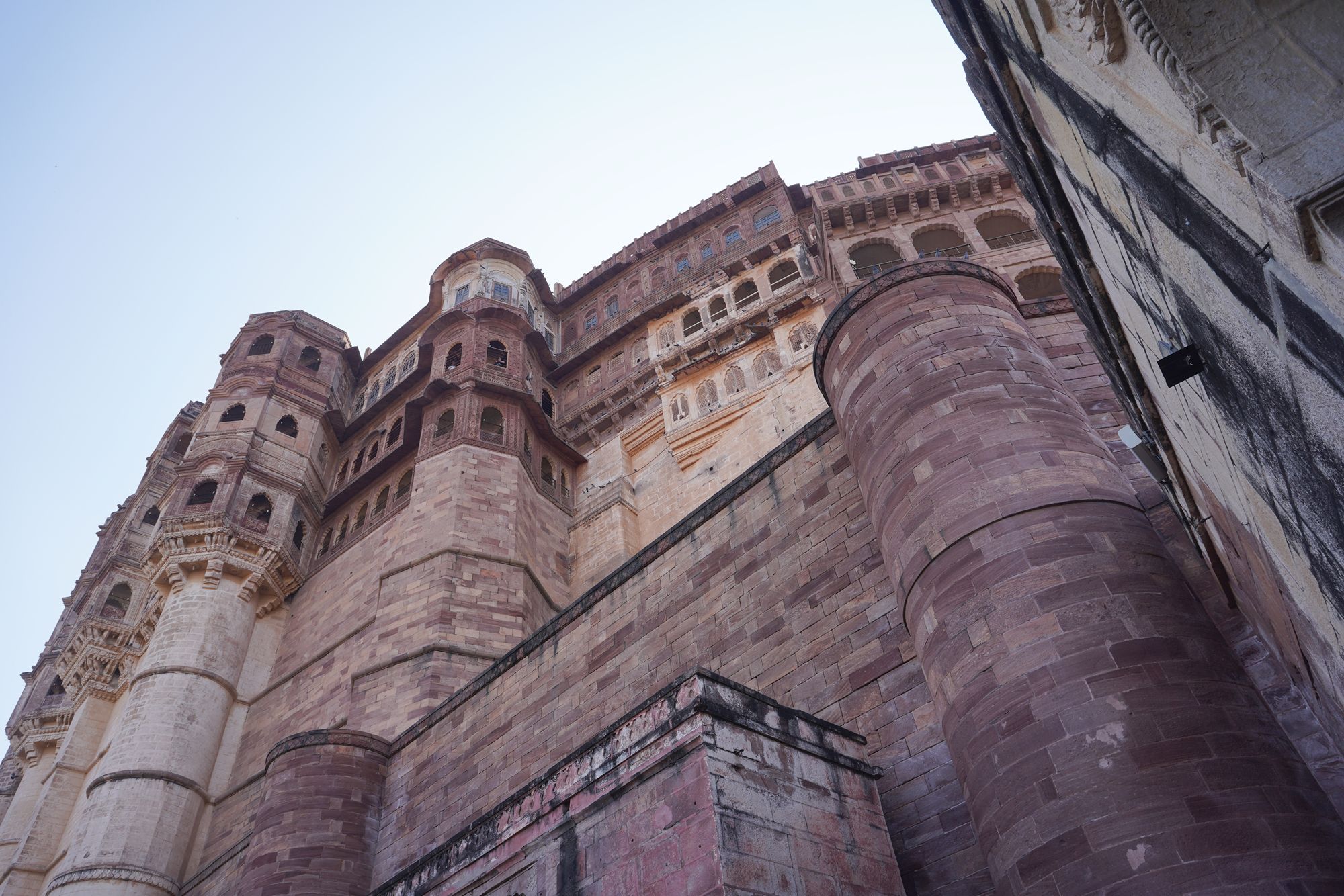
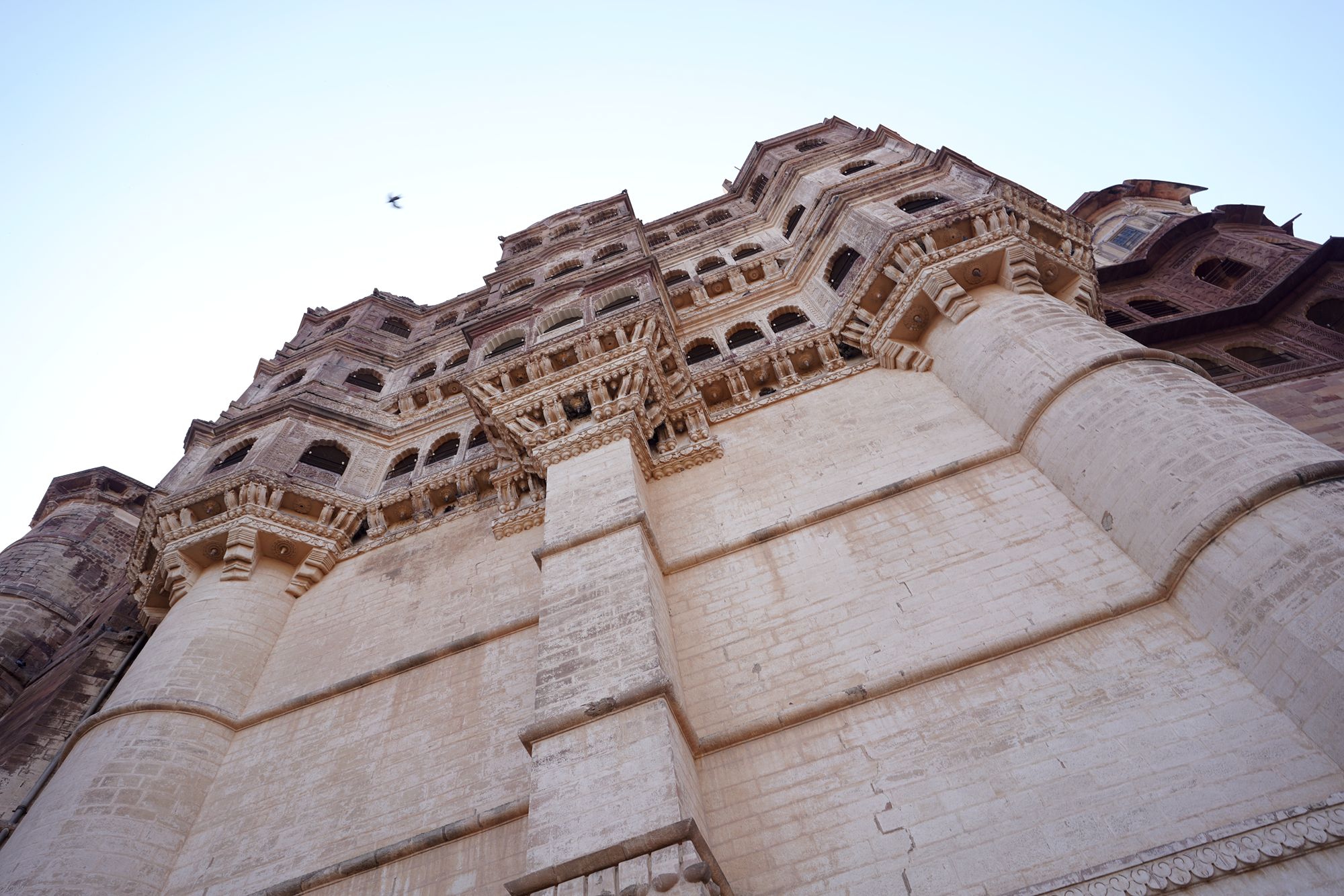
Looking back
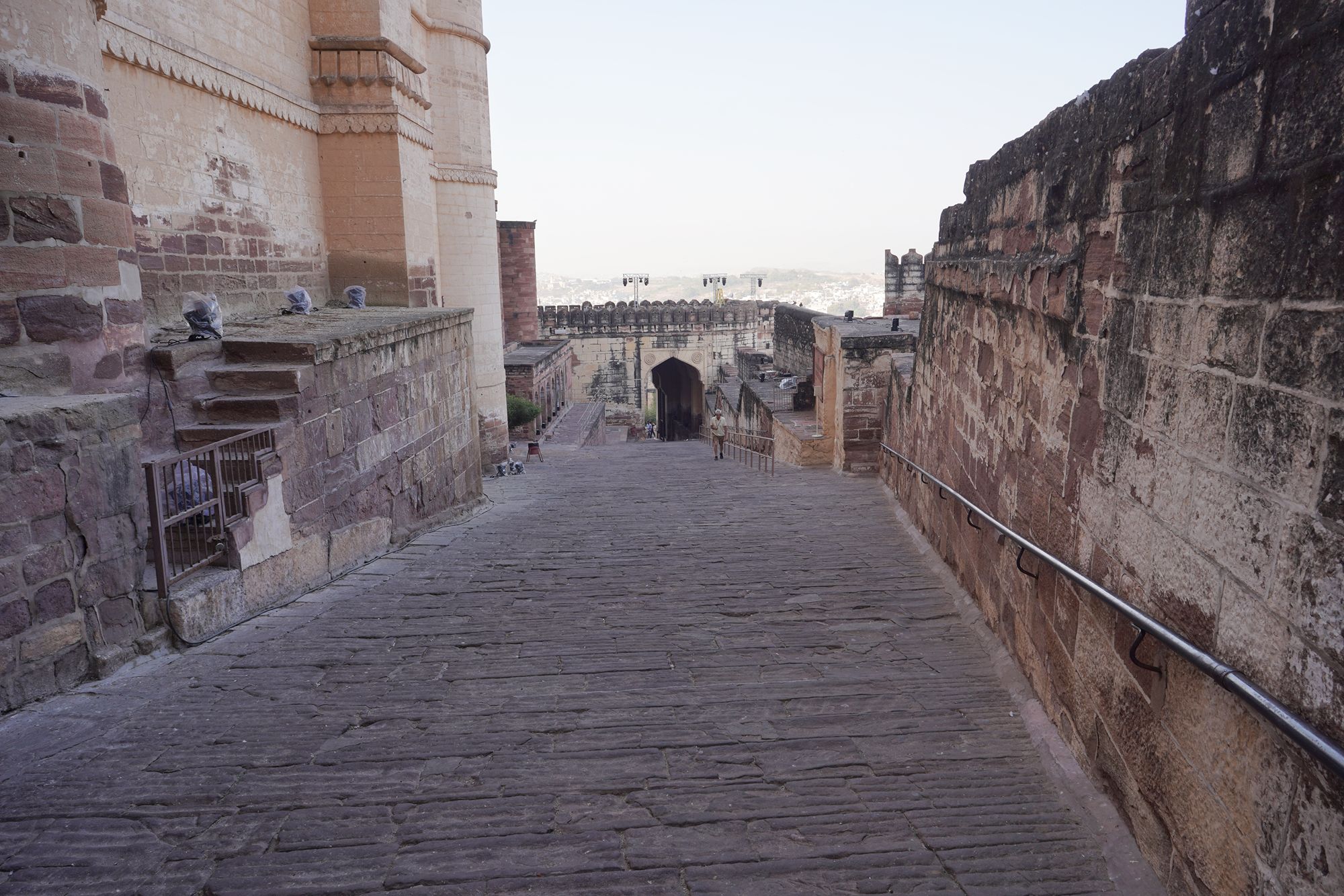
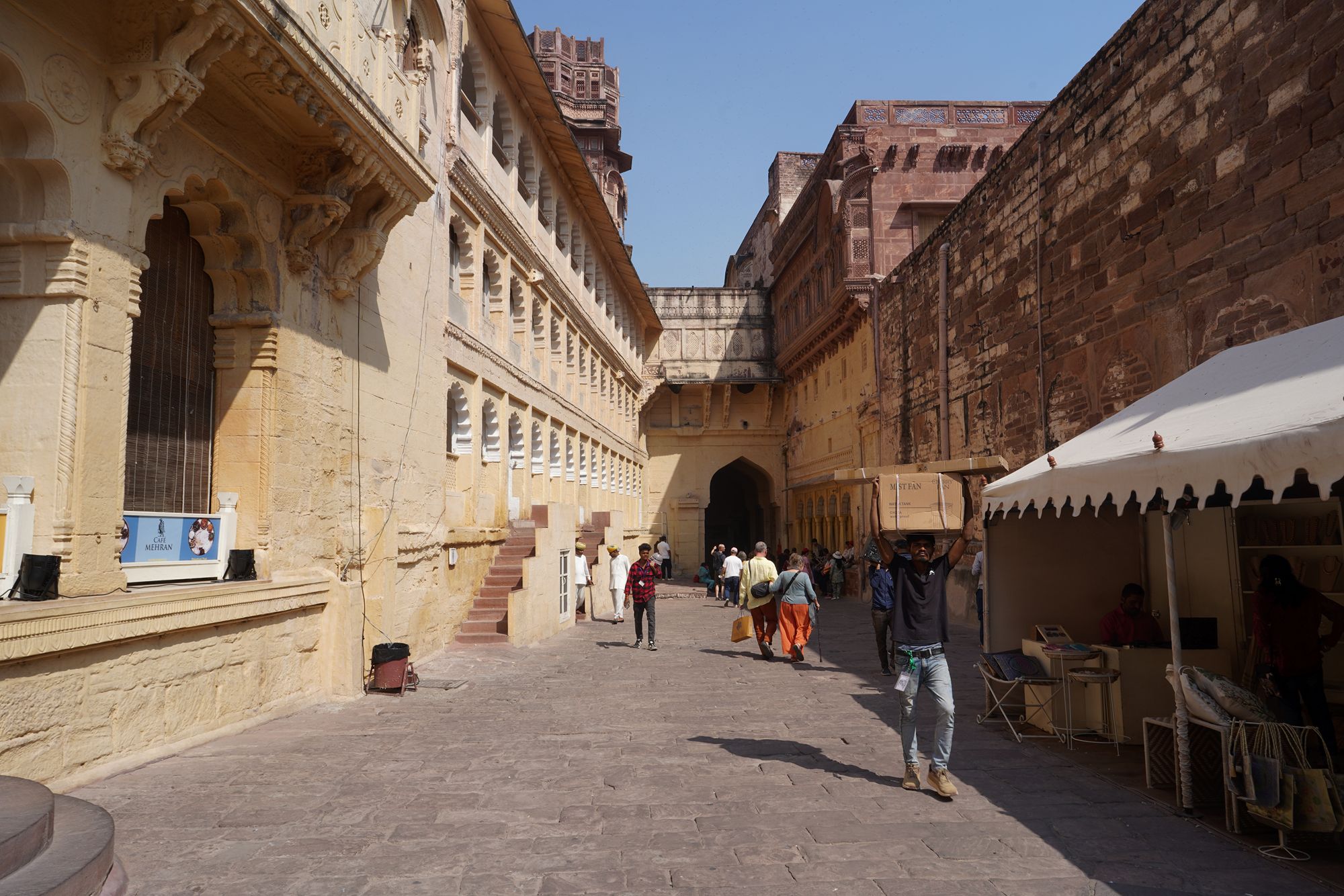
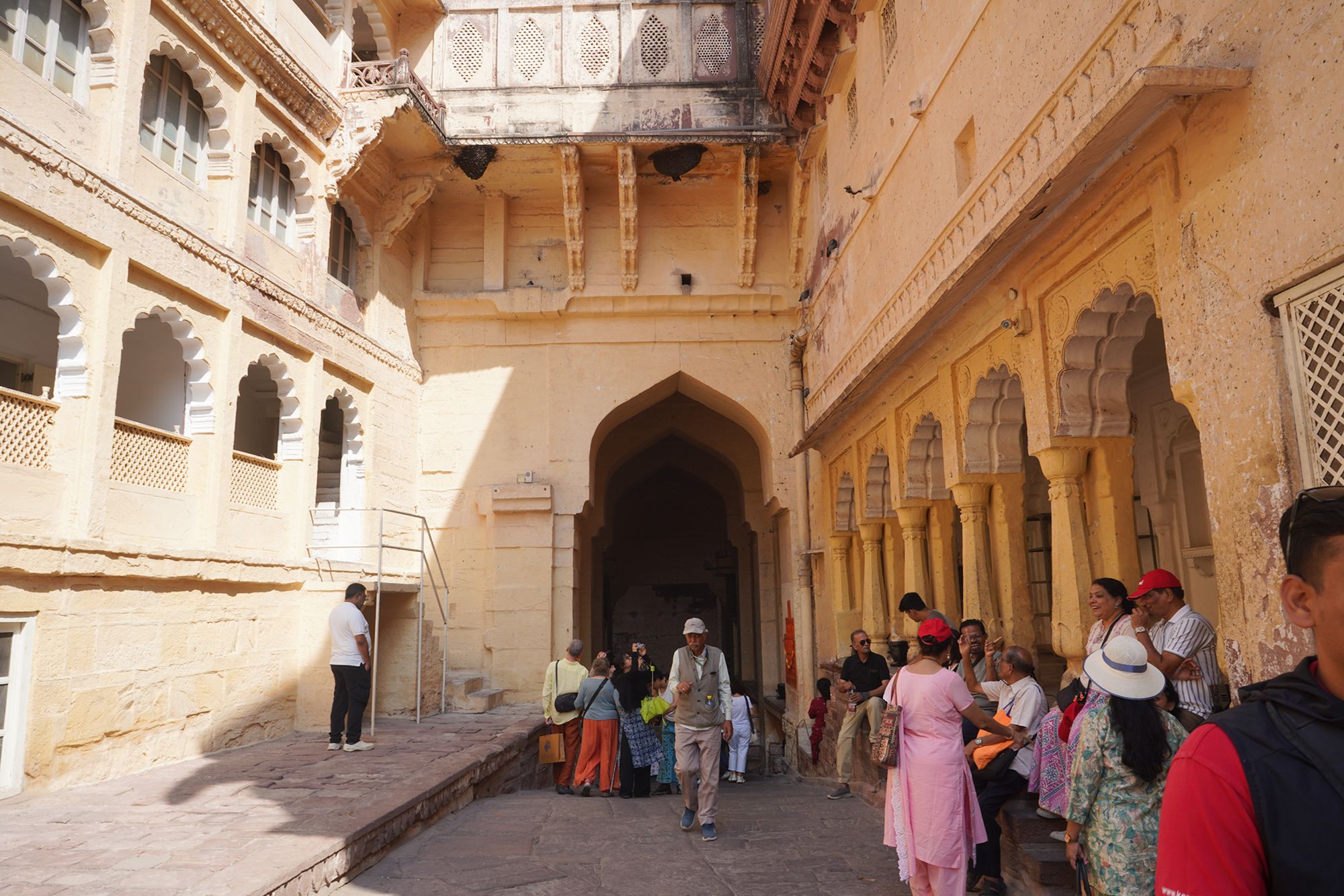
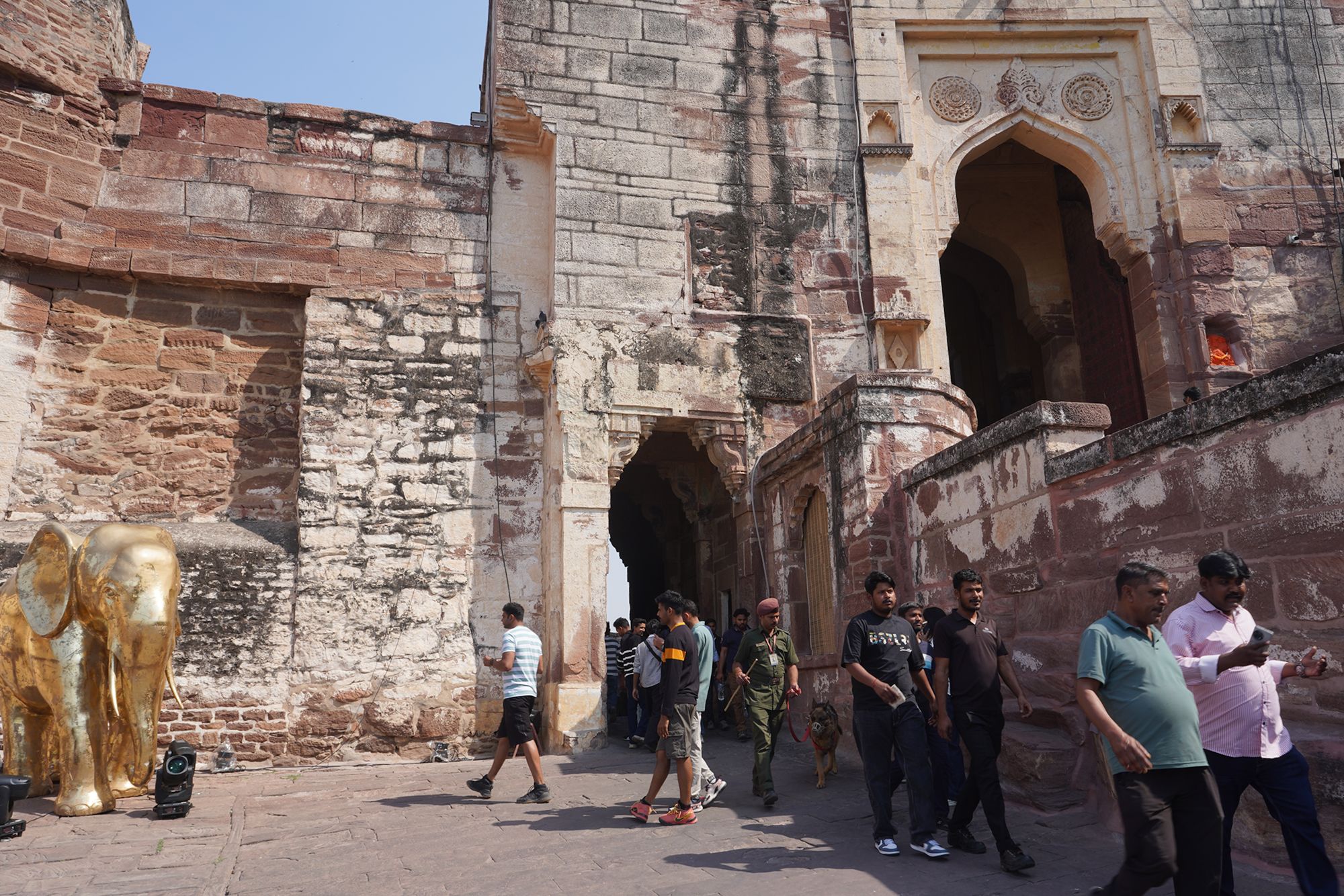
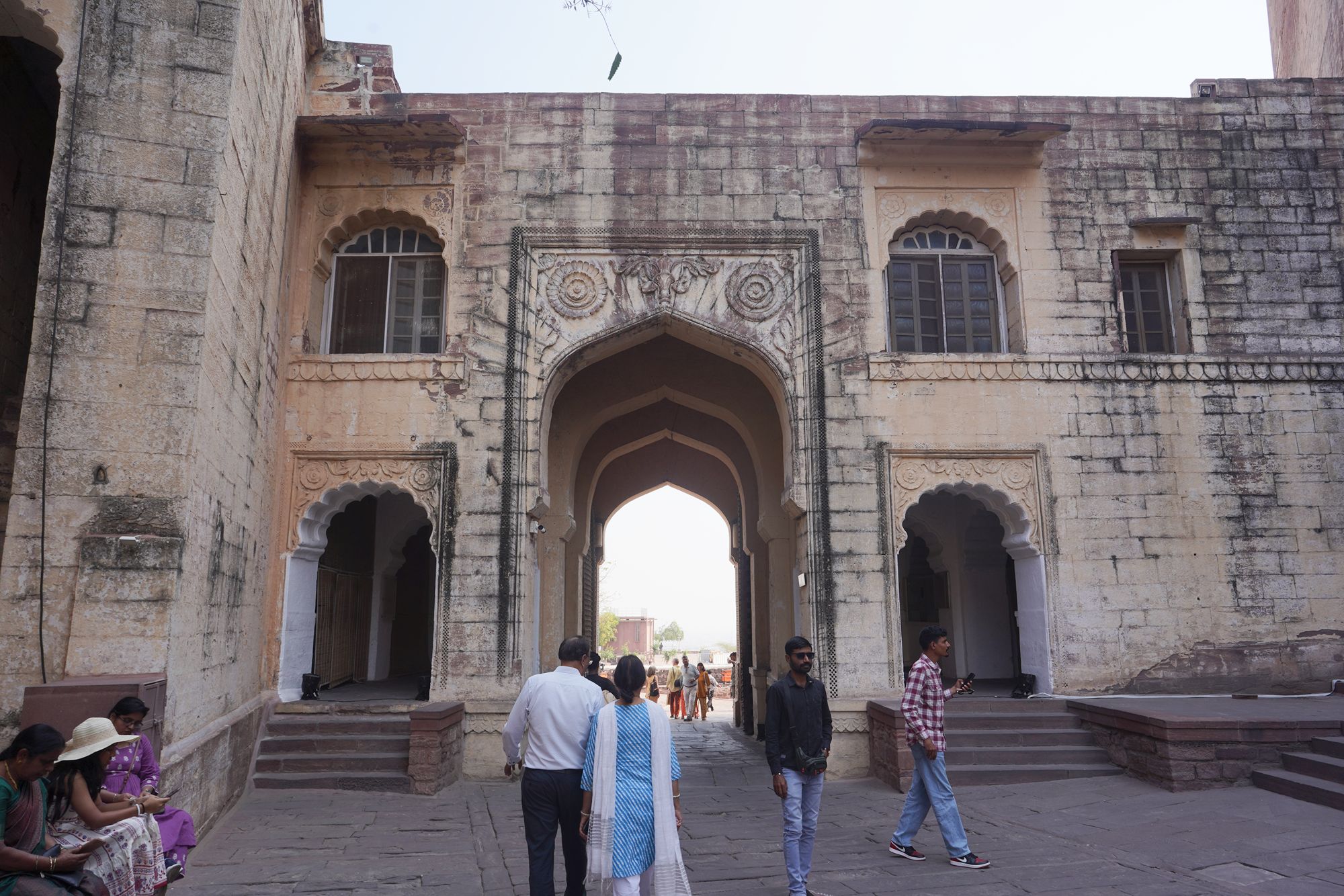
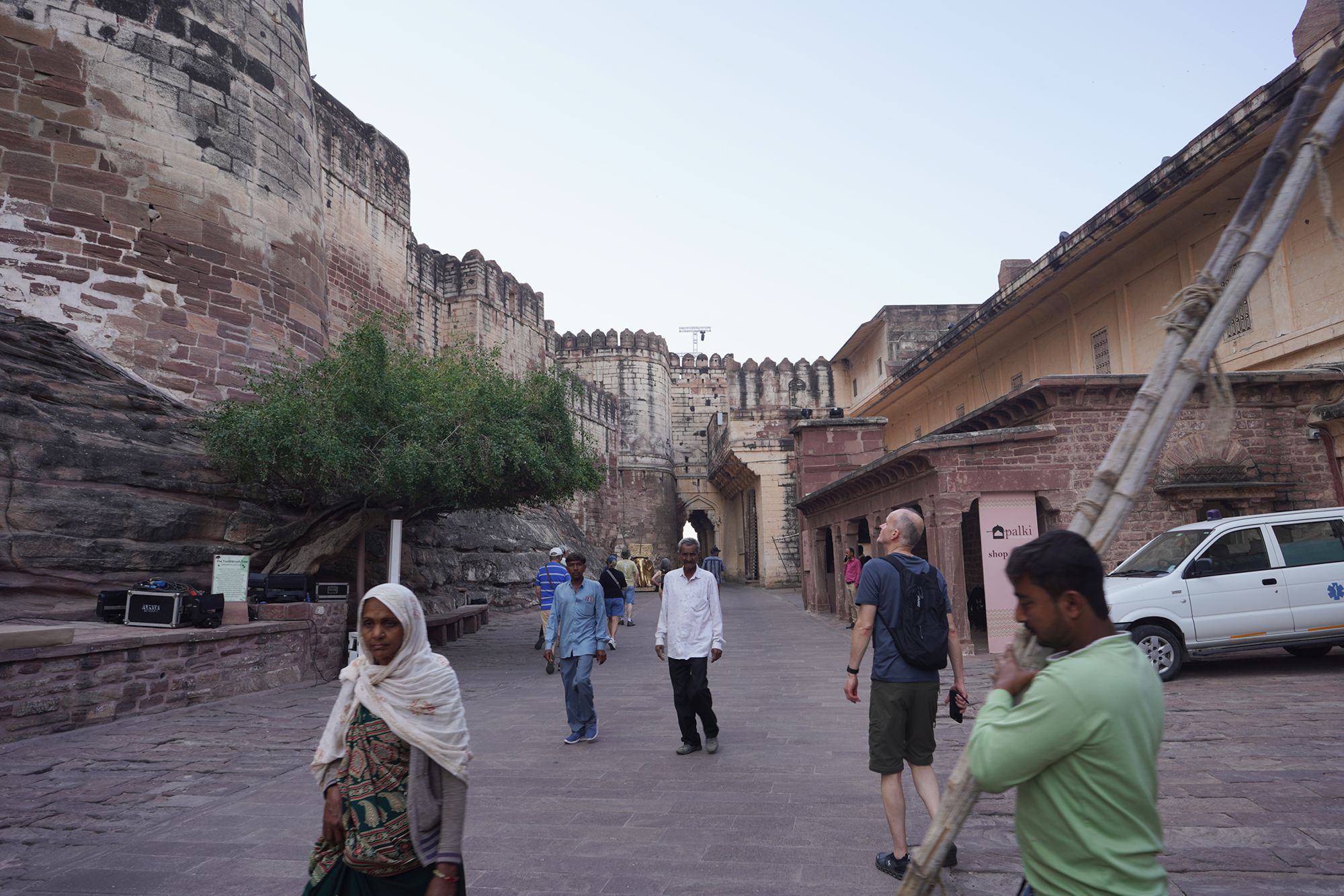
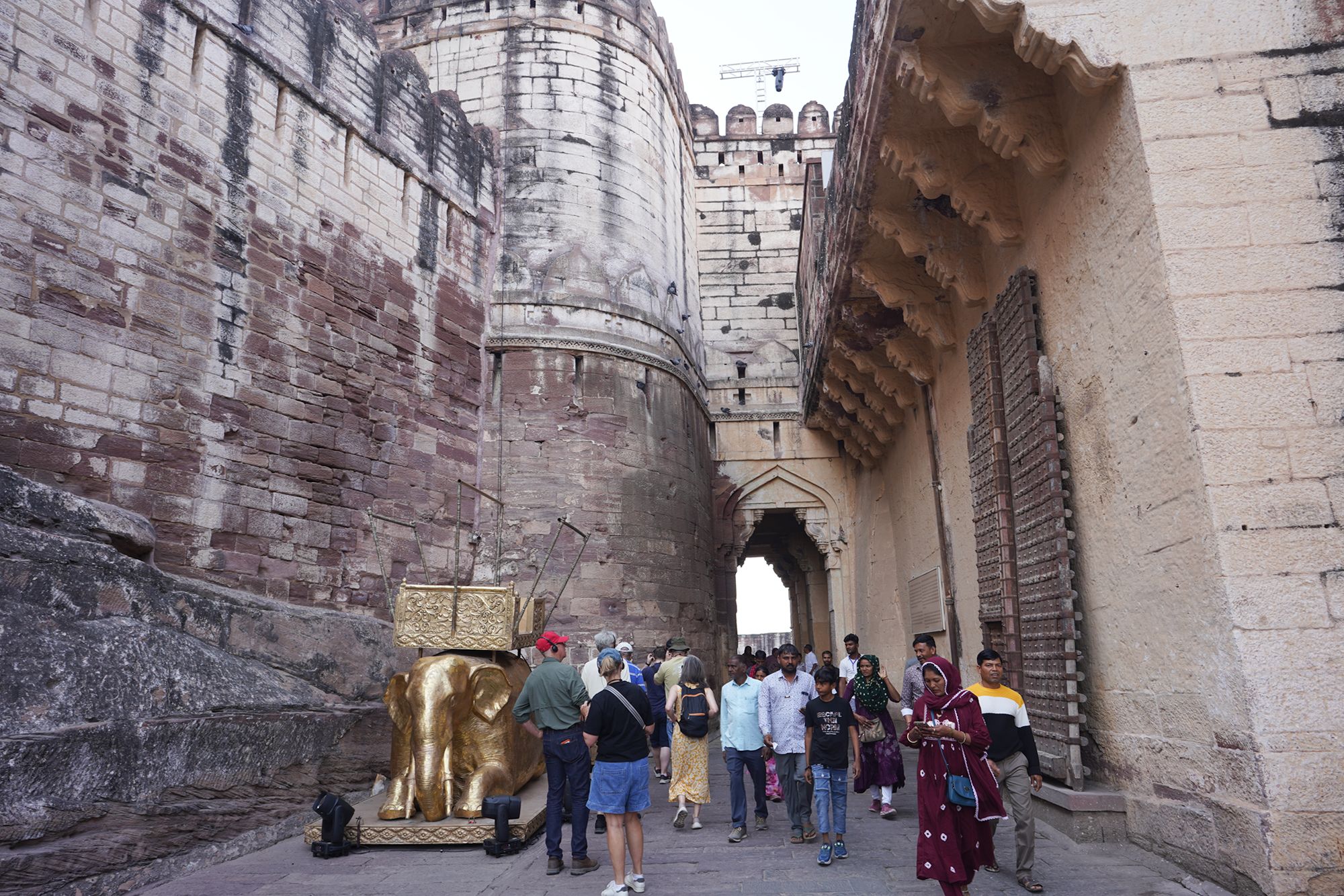
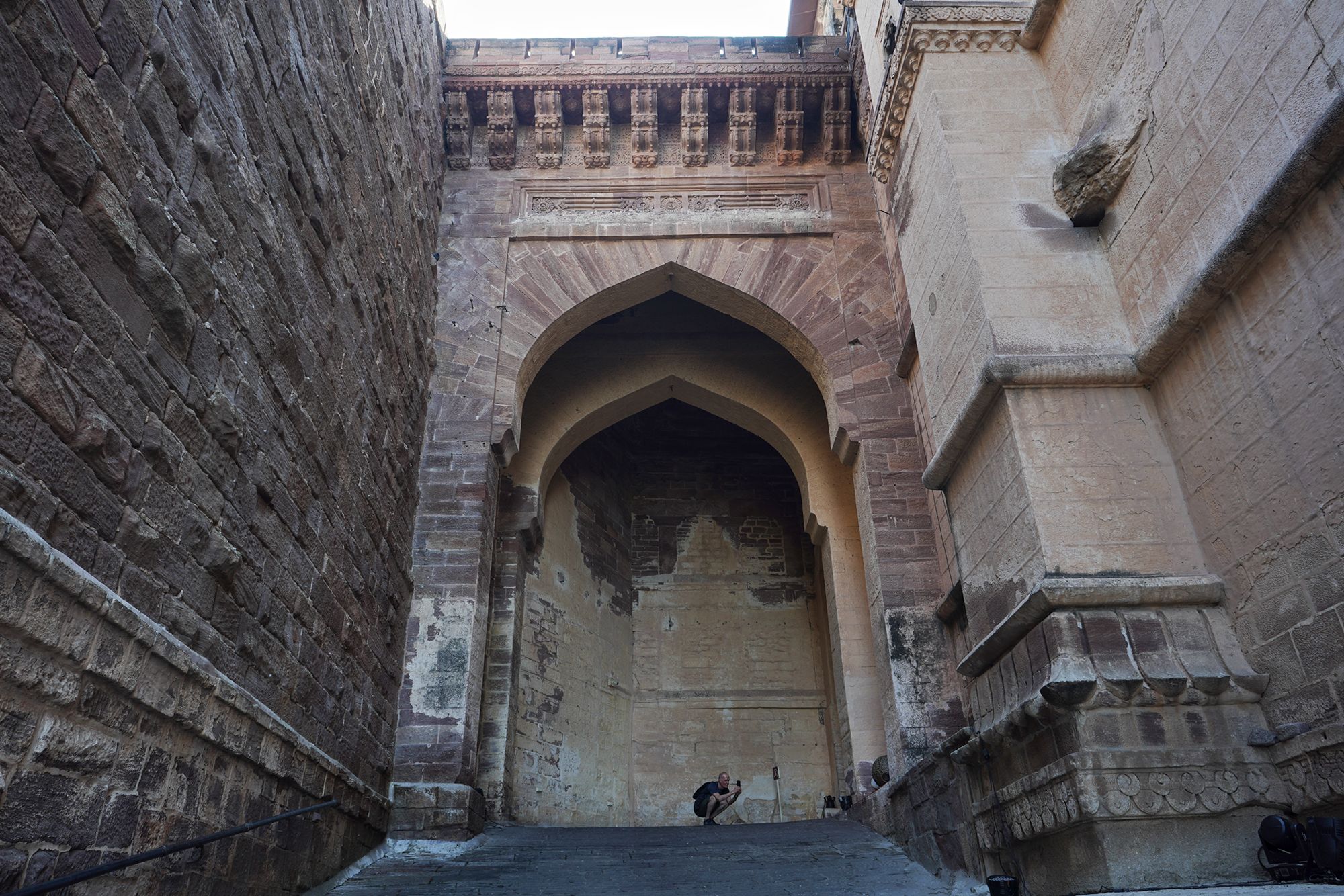
We continued through another fortified gate leading farther into the palace complex.
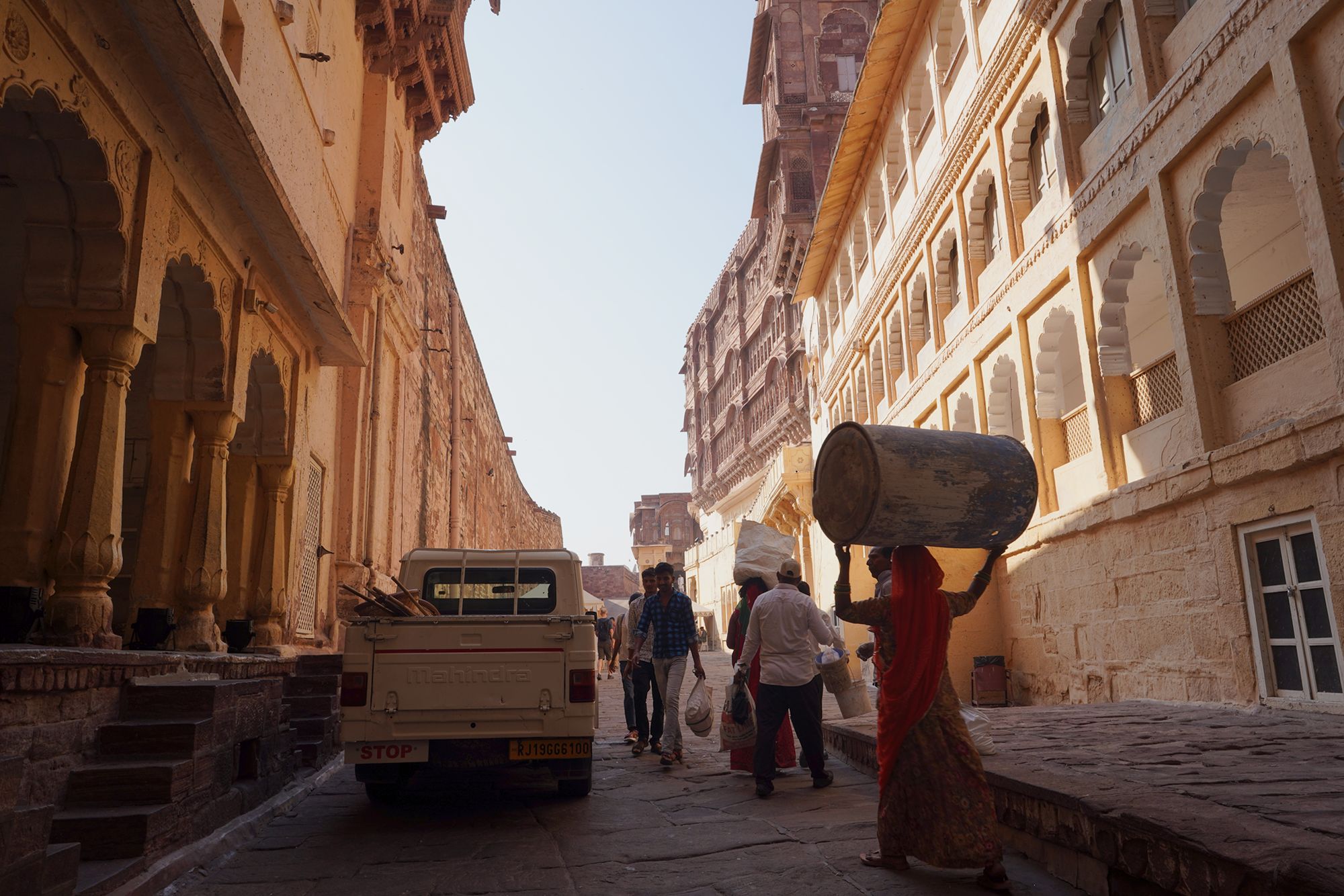
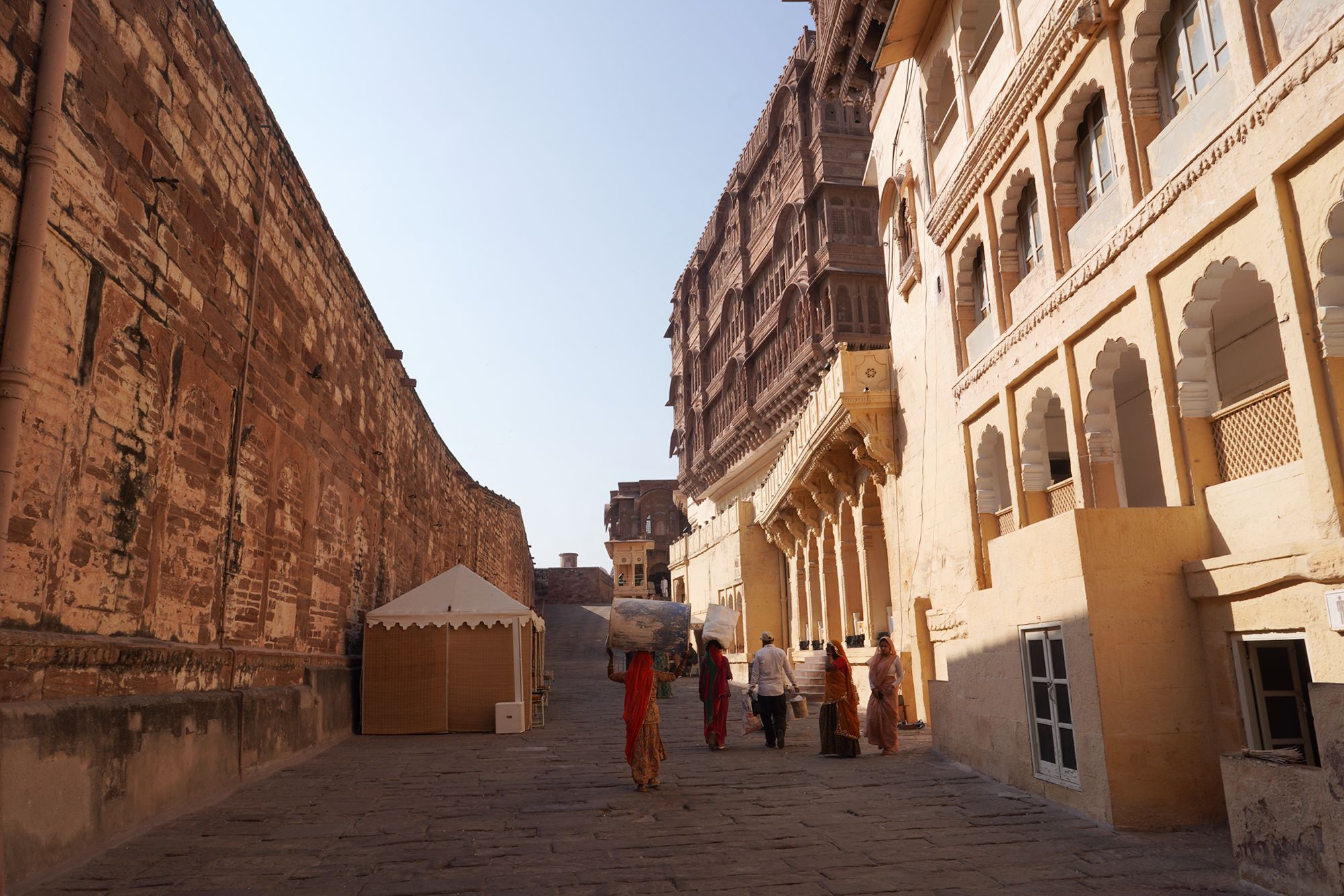
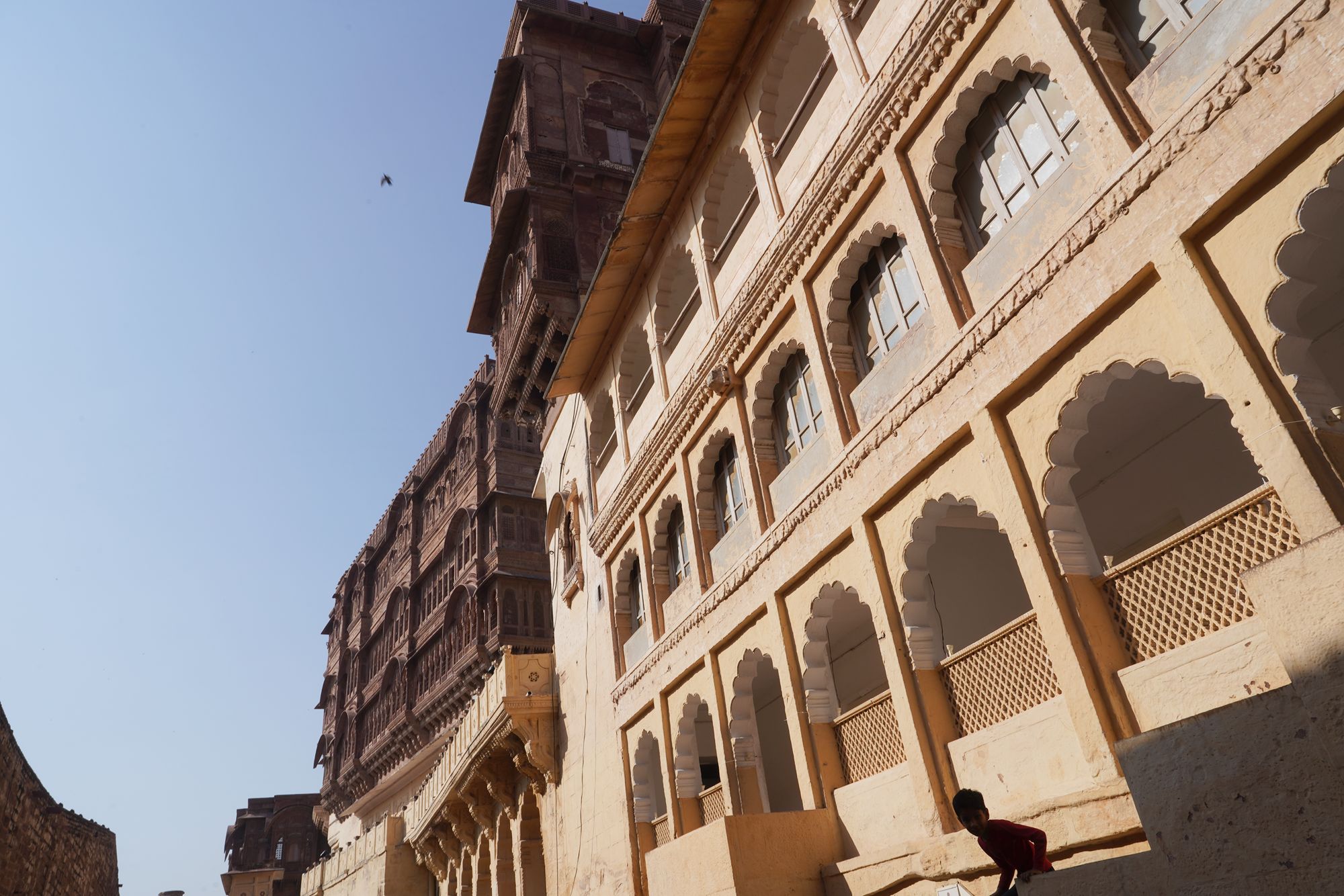
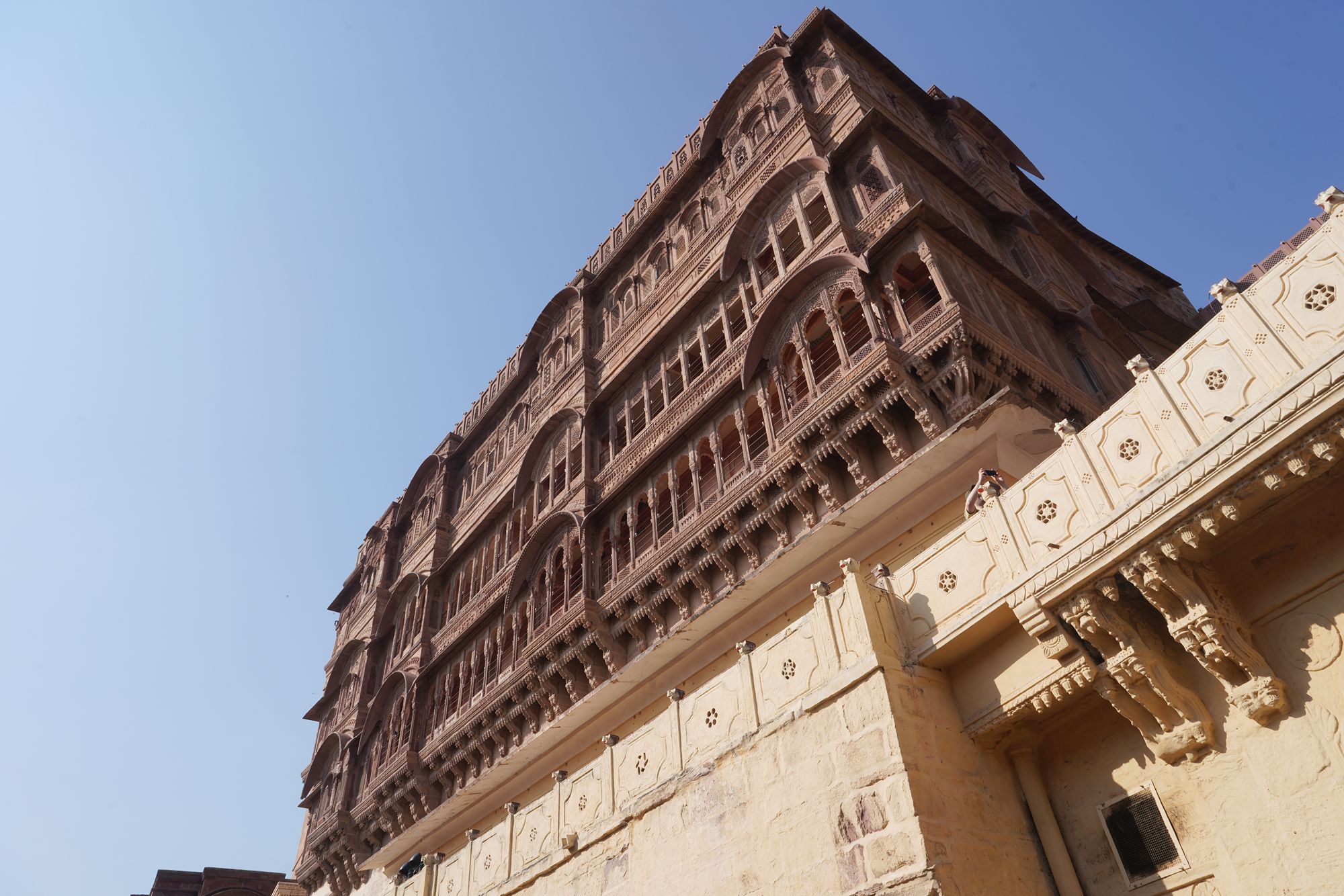
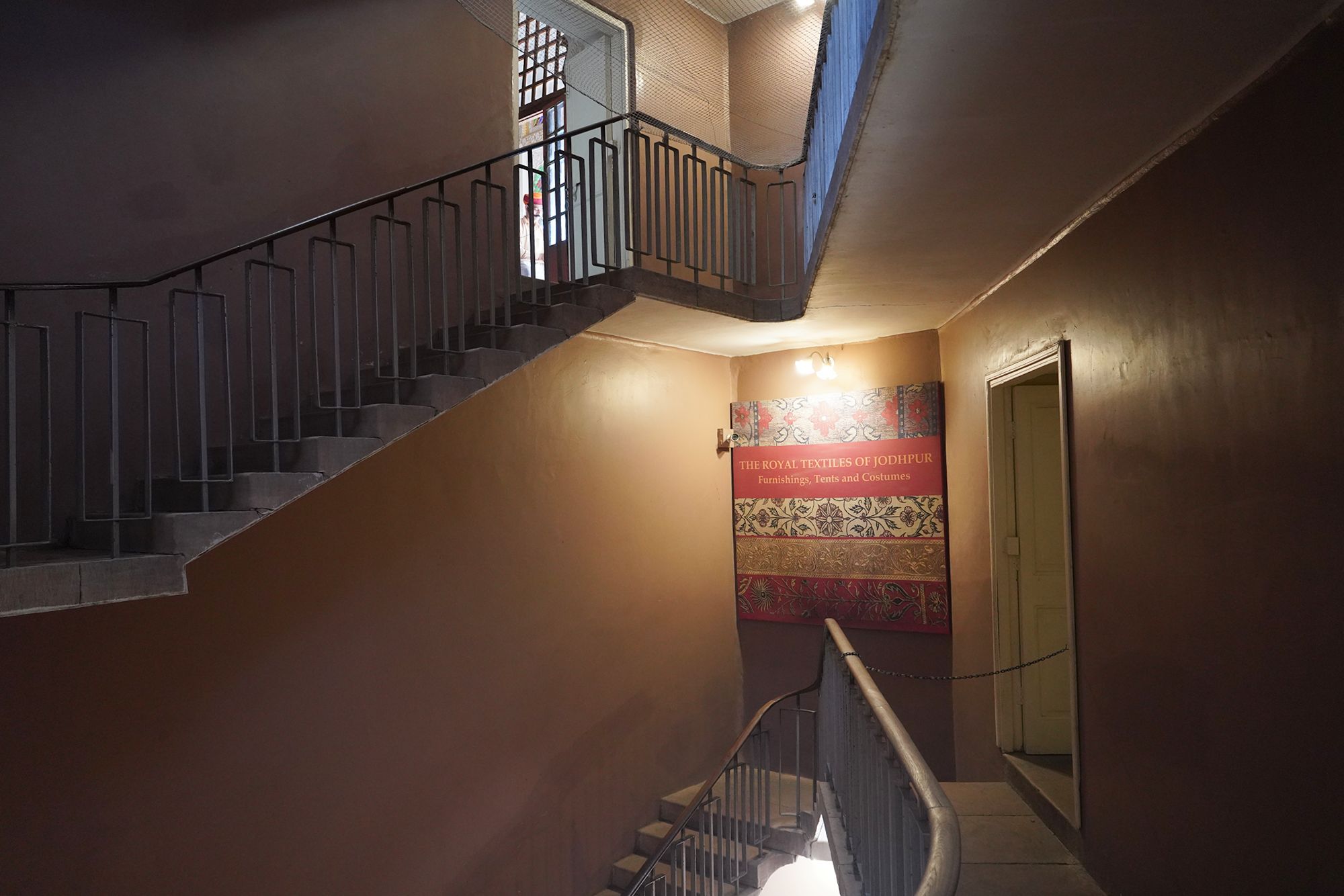
We went up the stairs to explore the upper levels of the palace.
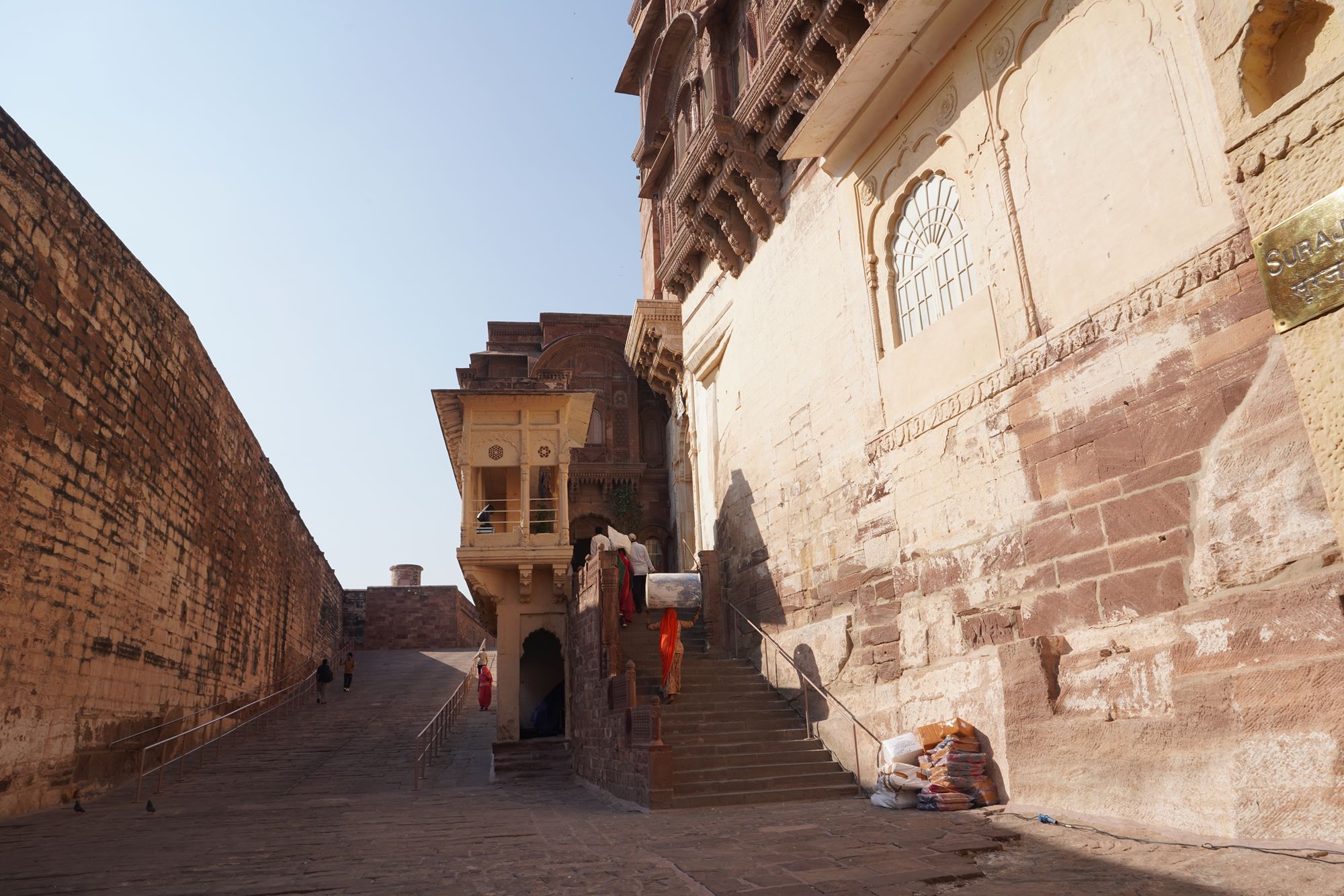
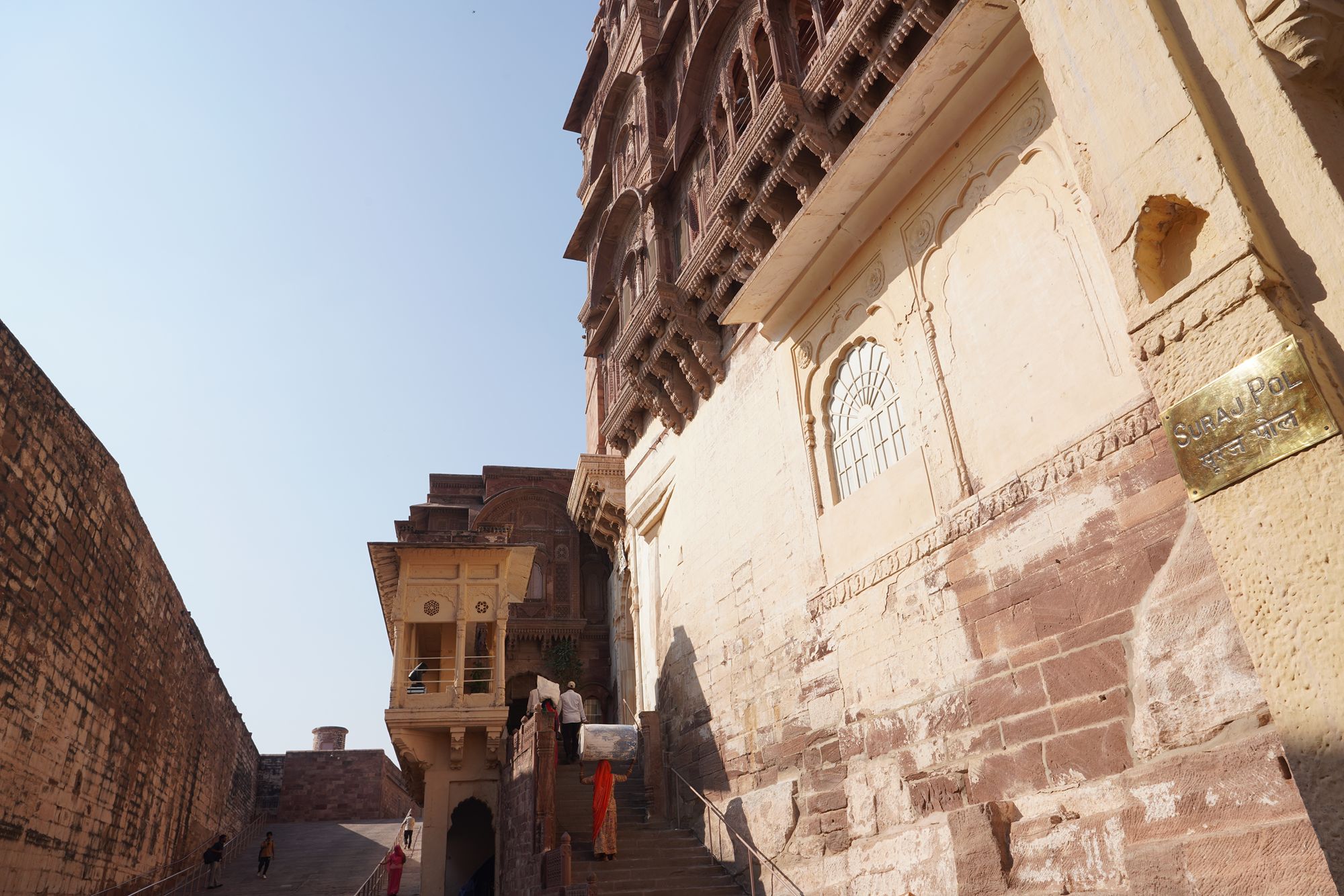
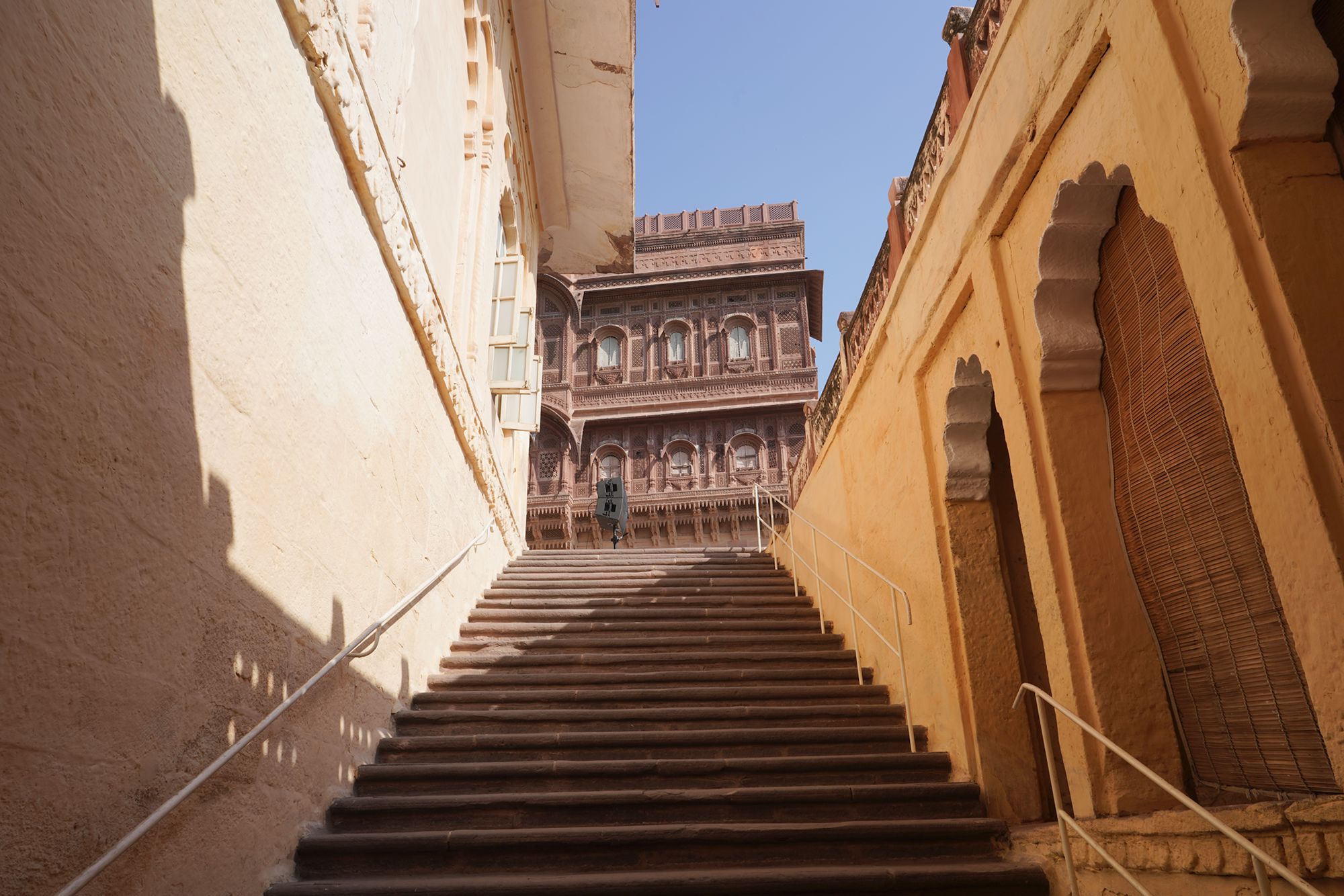
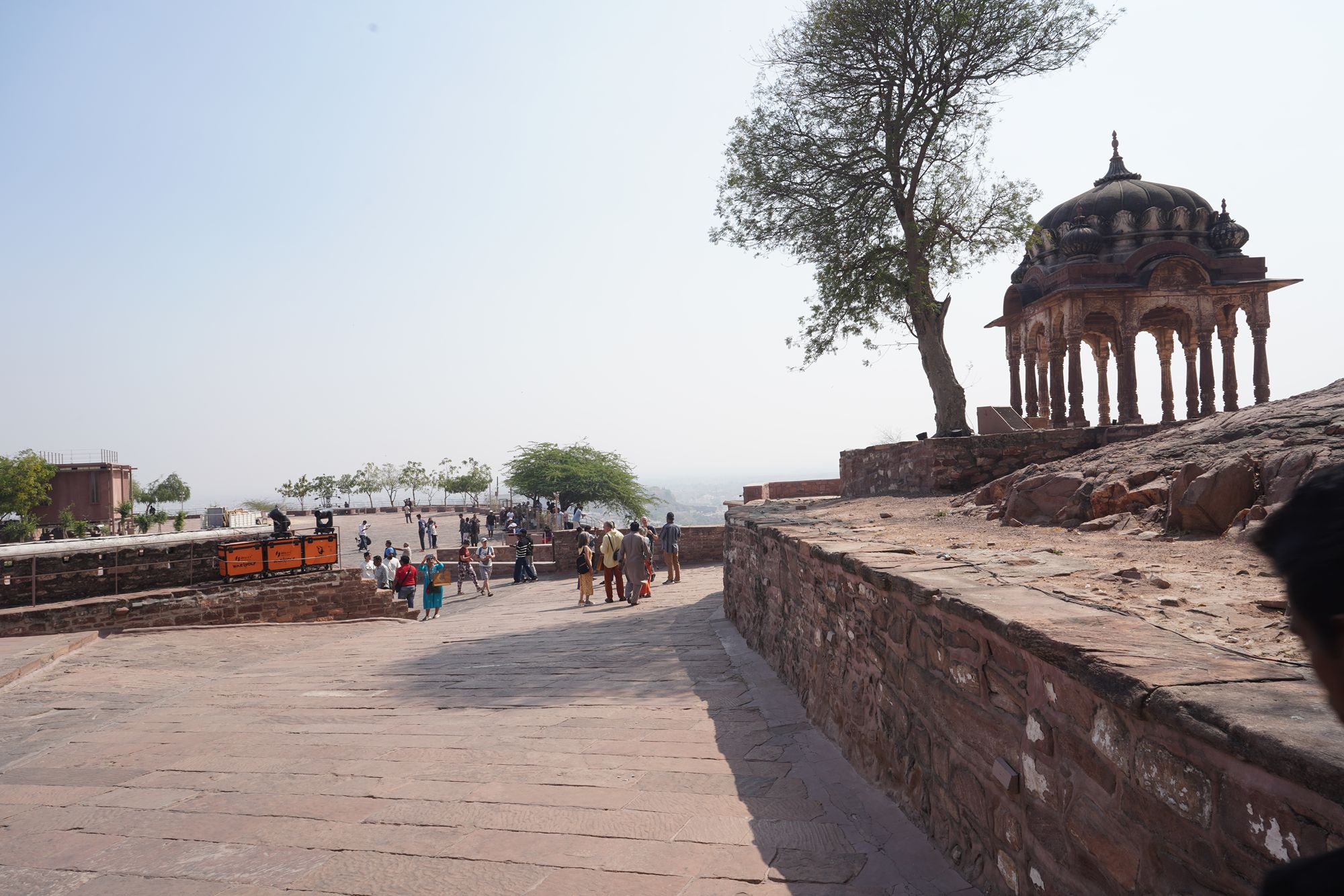
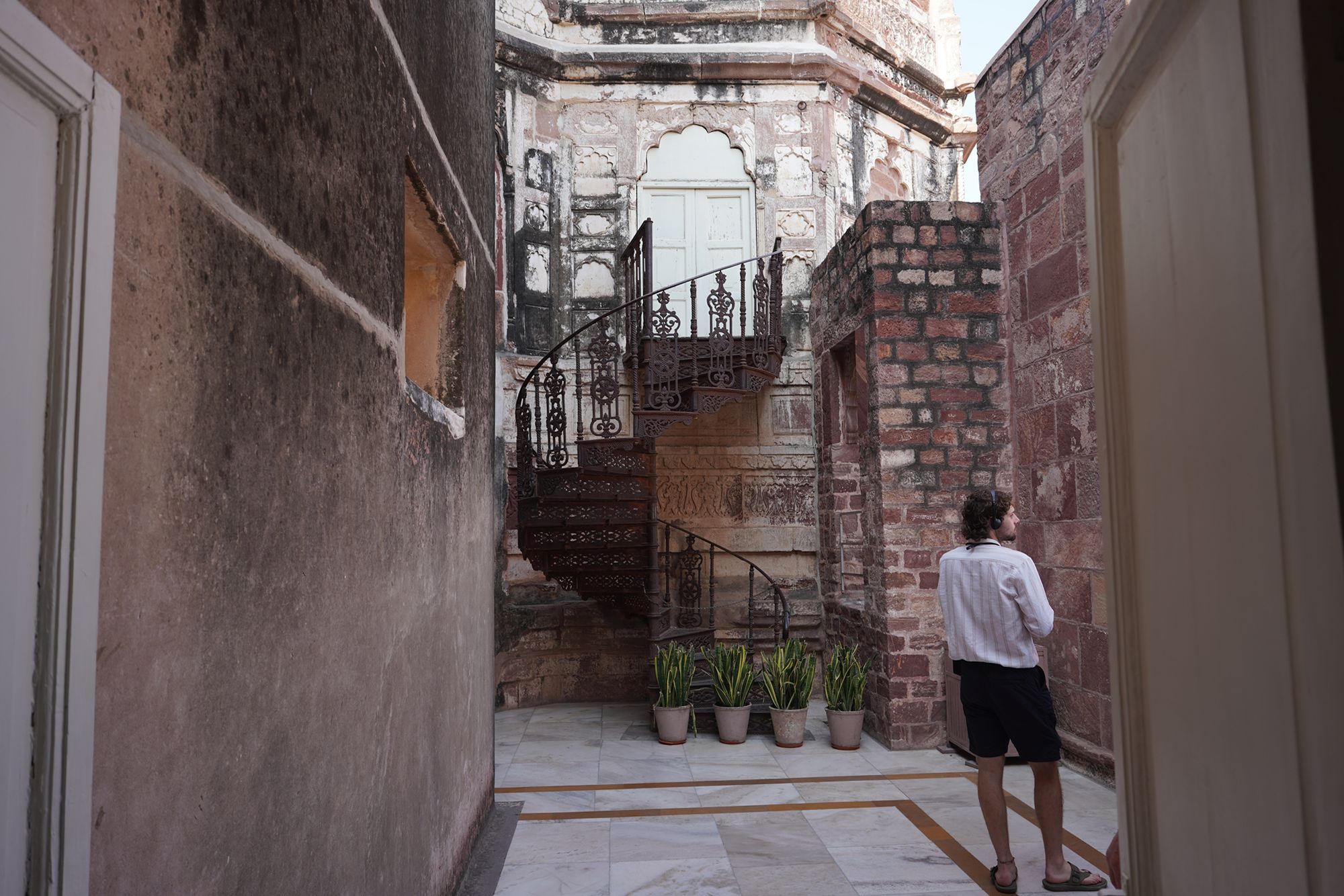
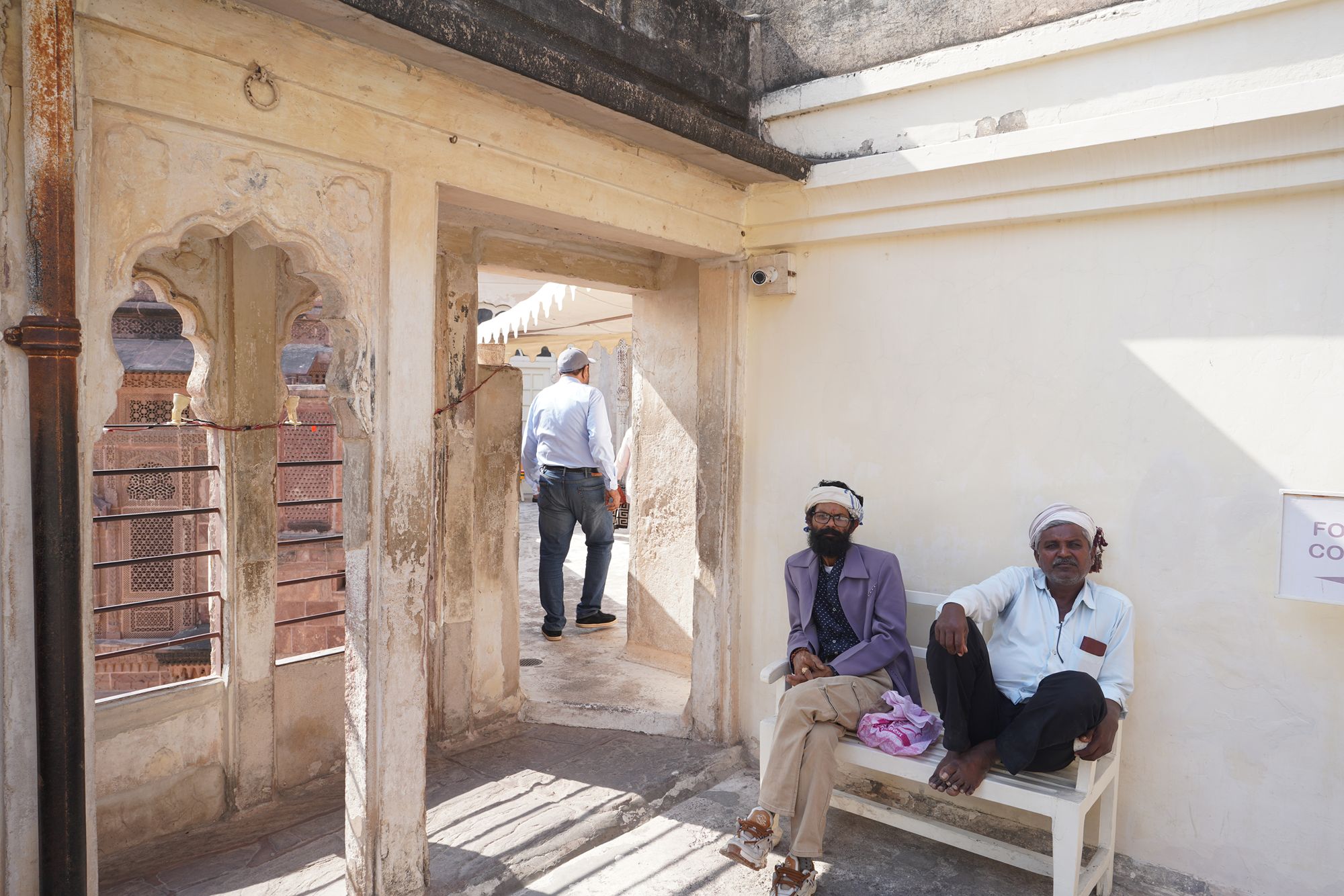
At the top of the stairs, we reached a small open area within the palace.
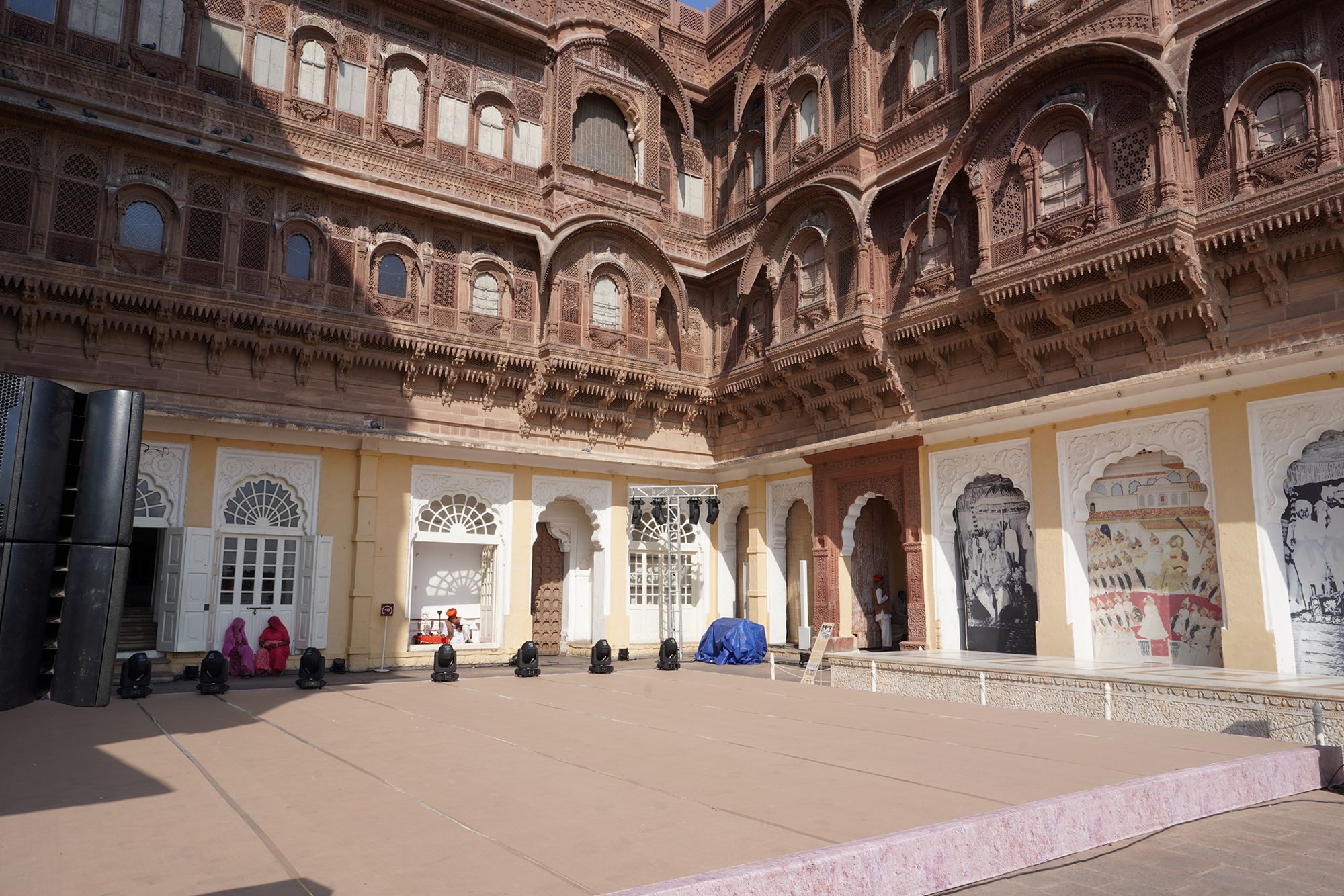
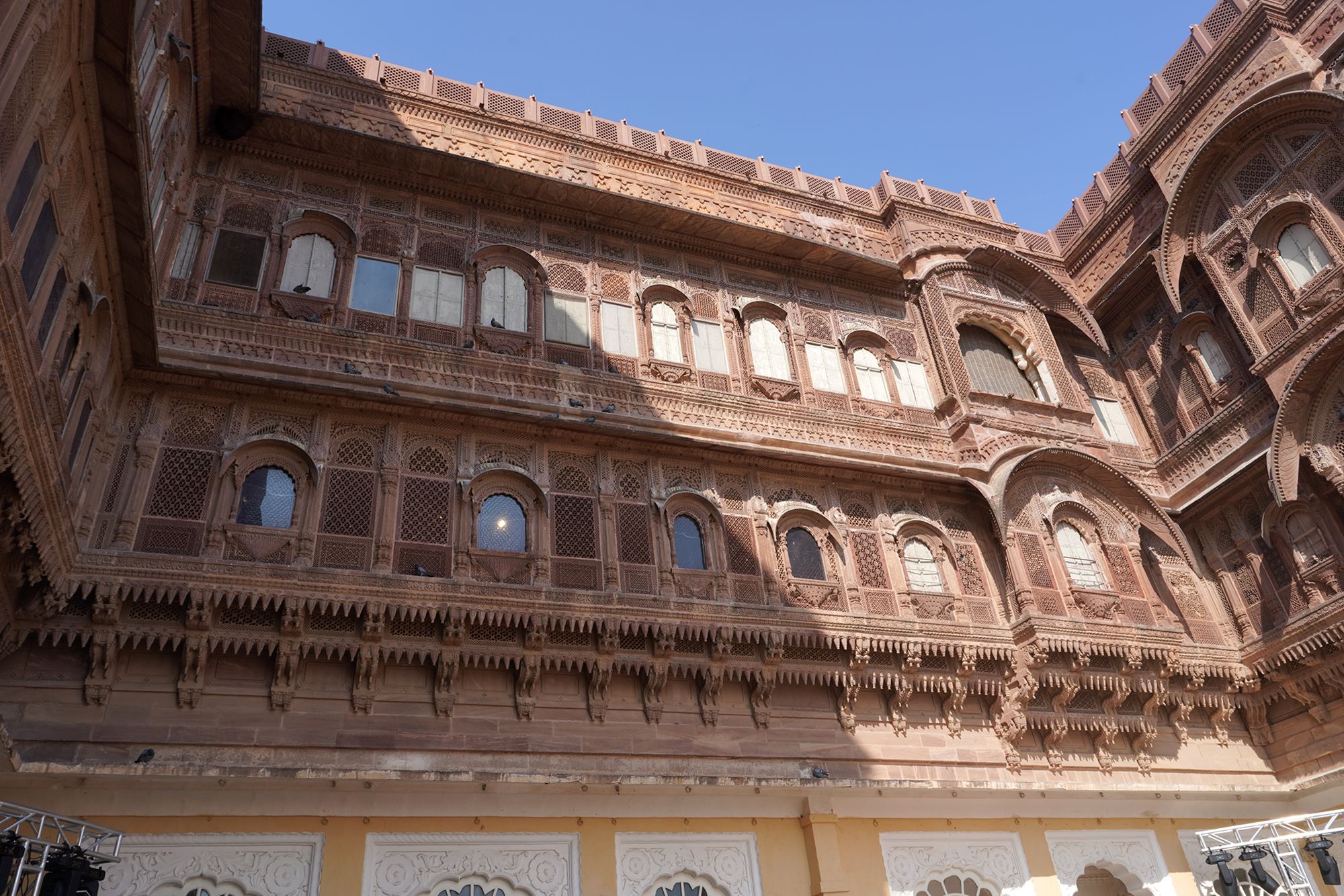
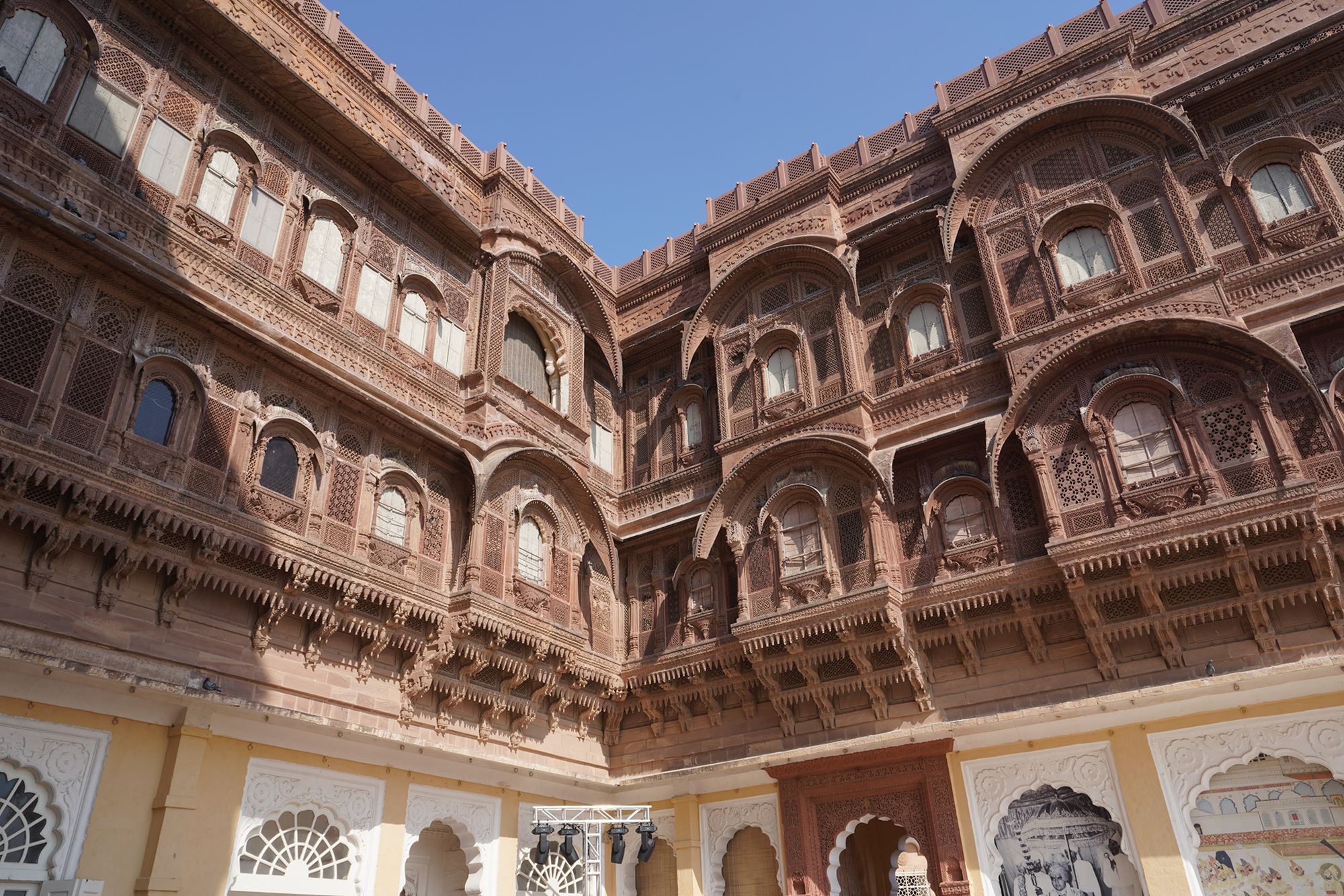
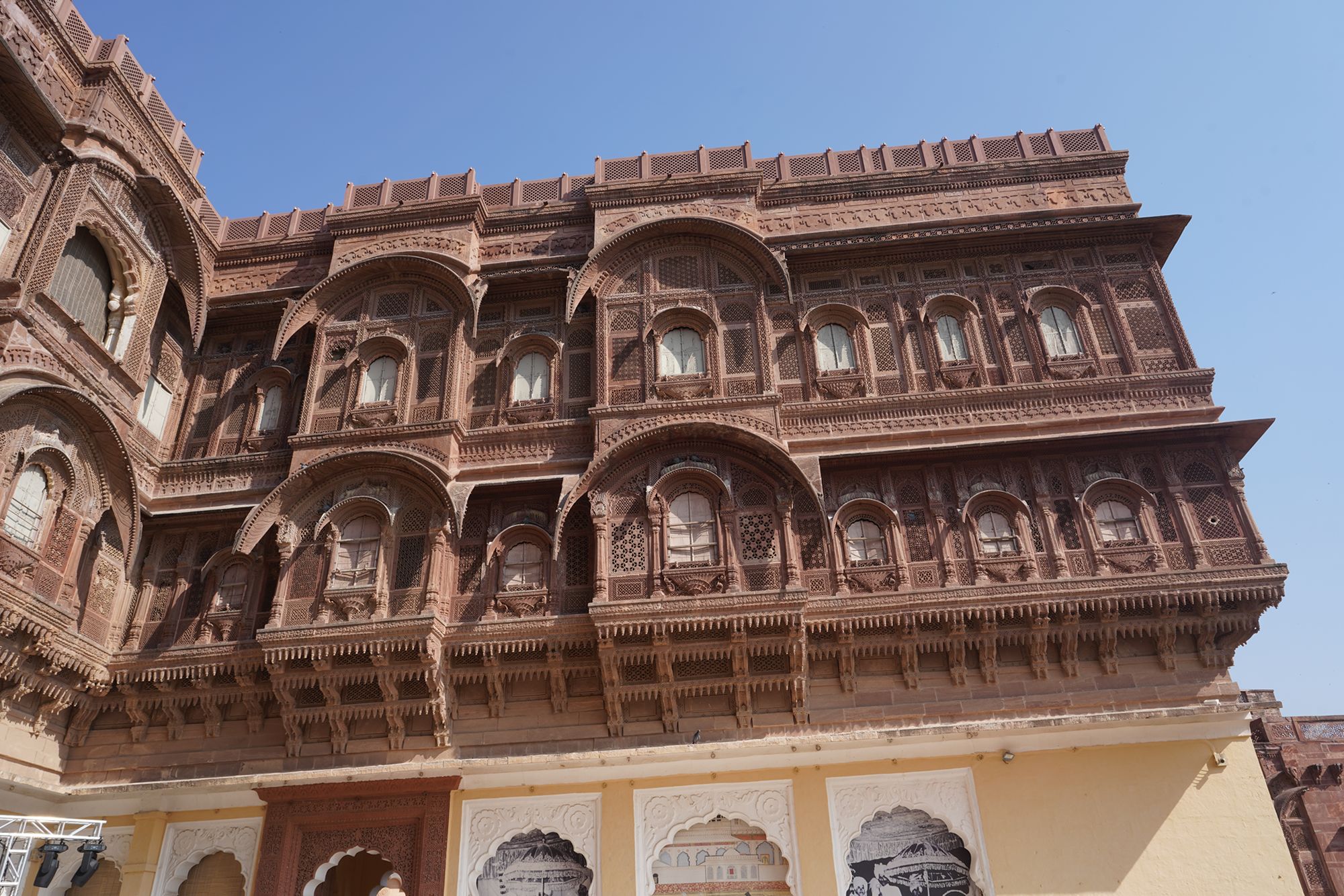
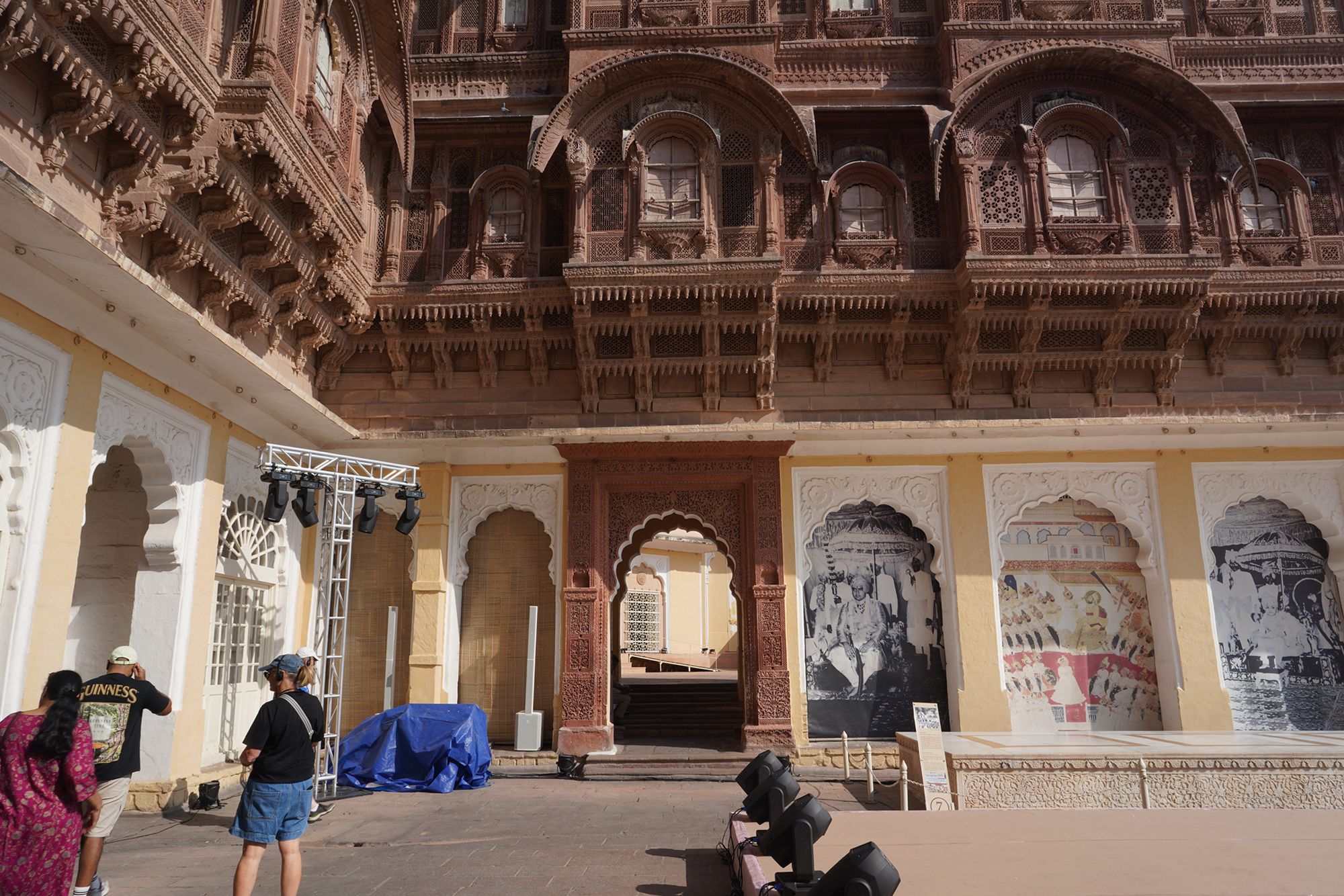
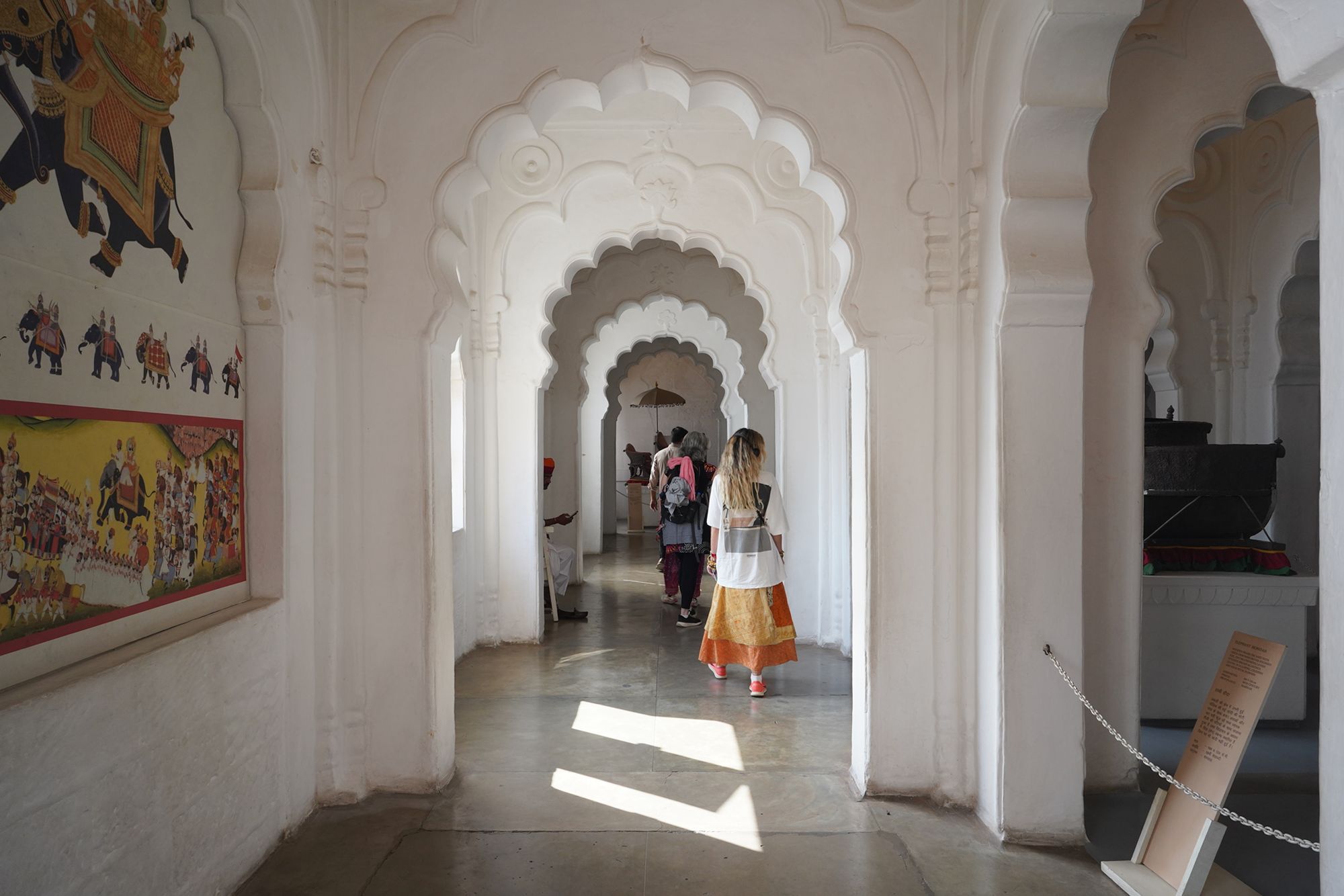
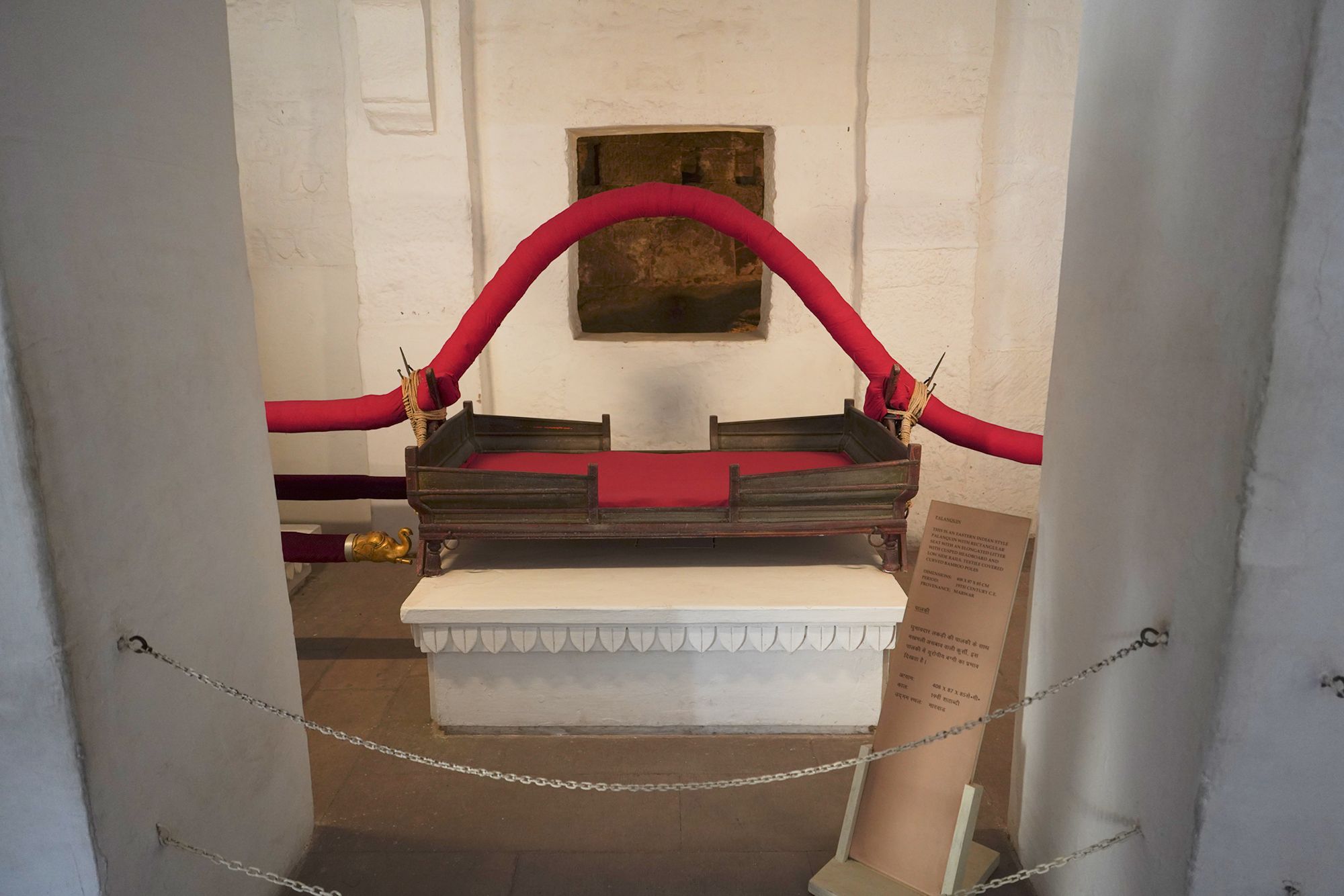
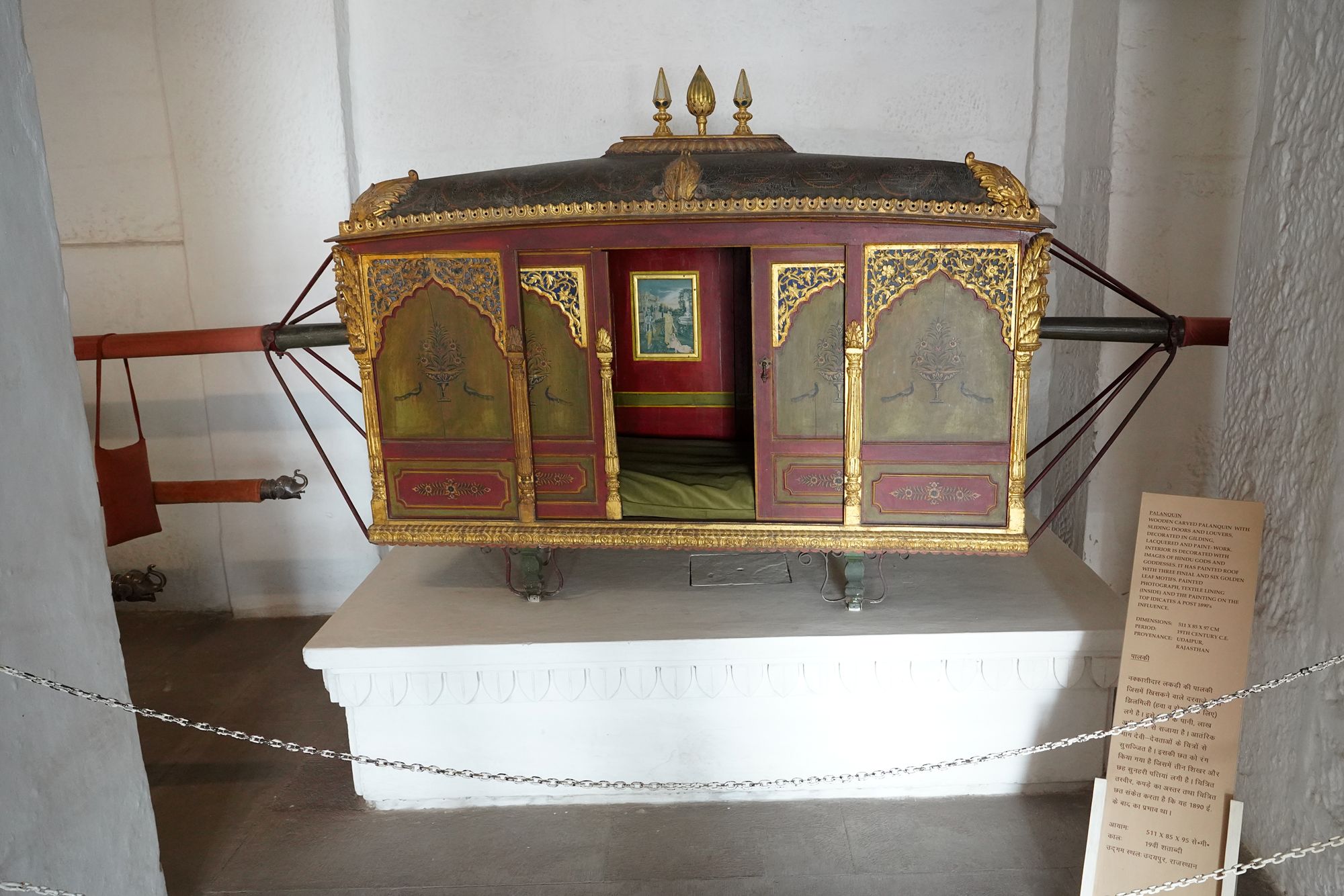
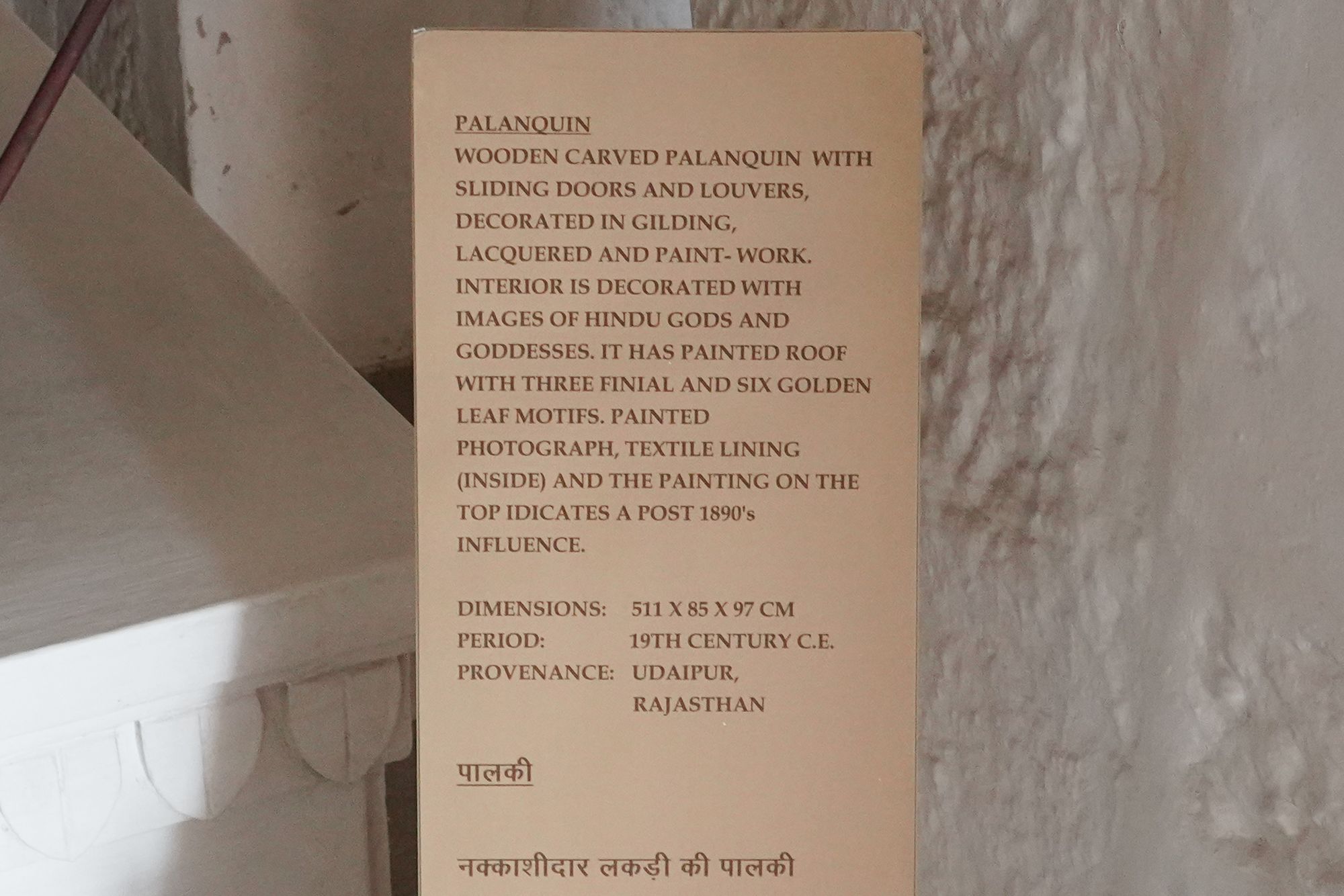
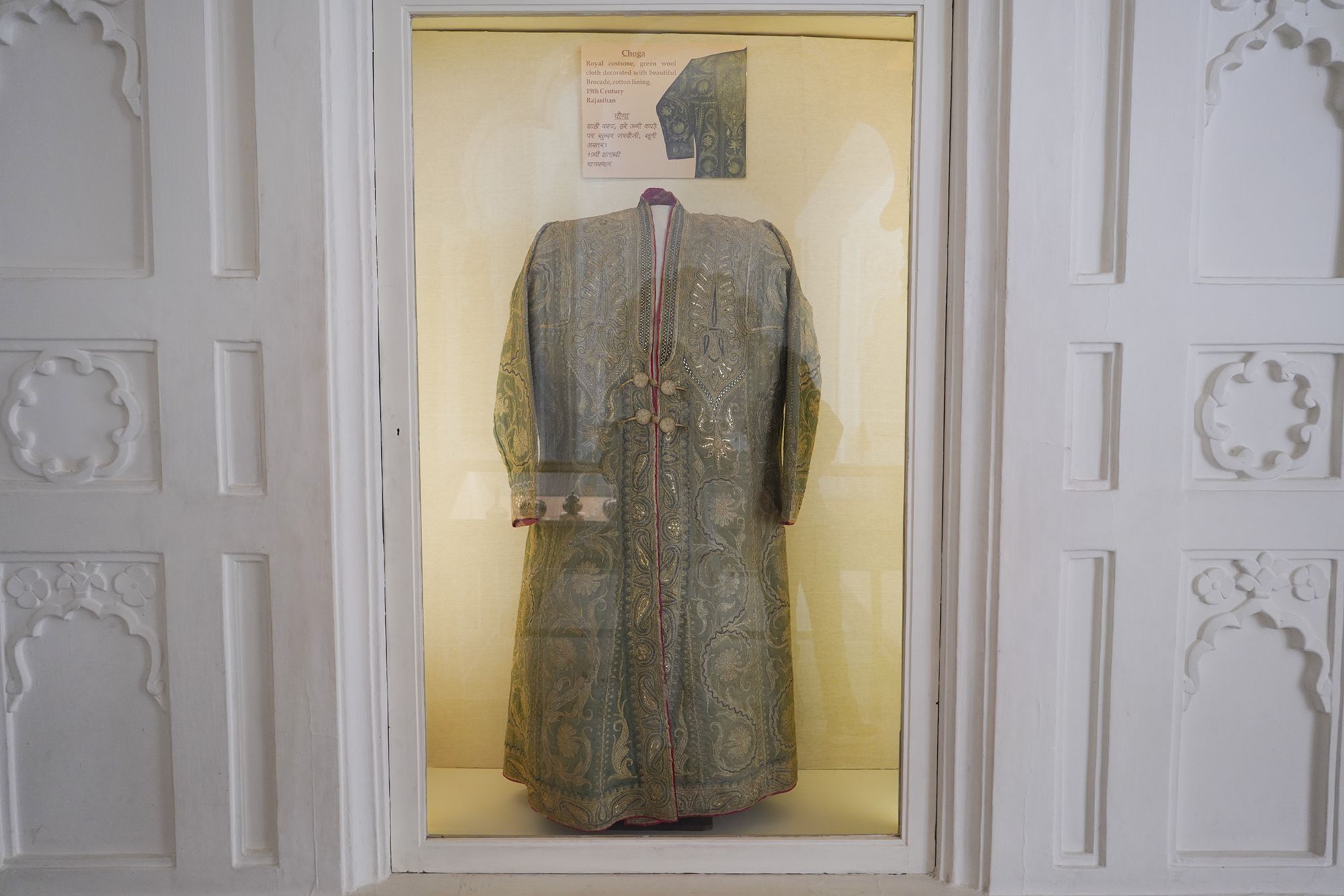
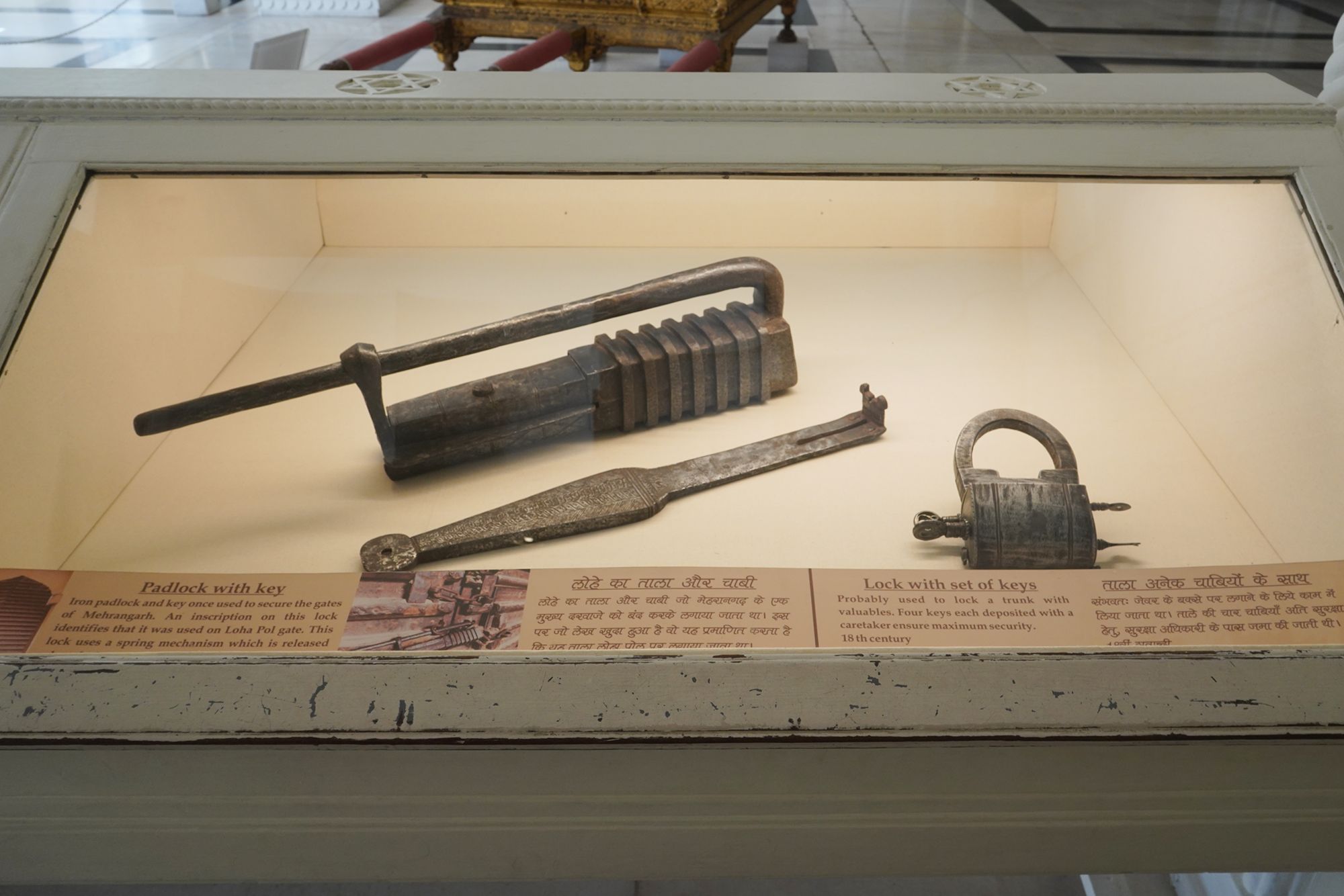
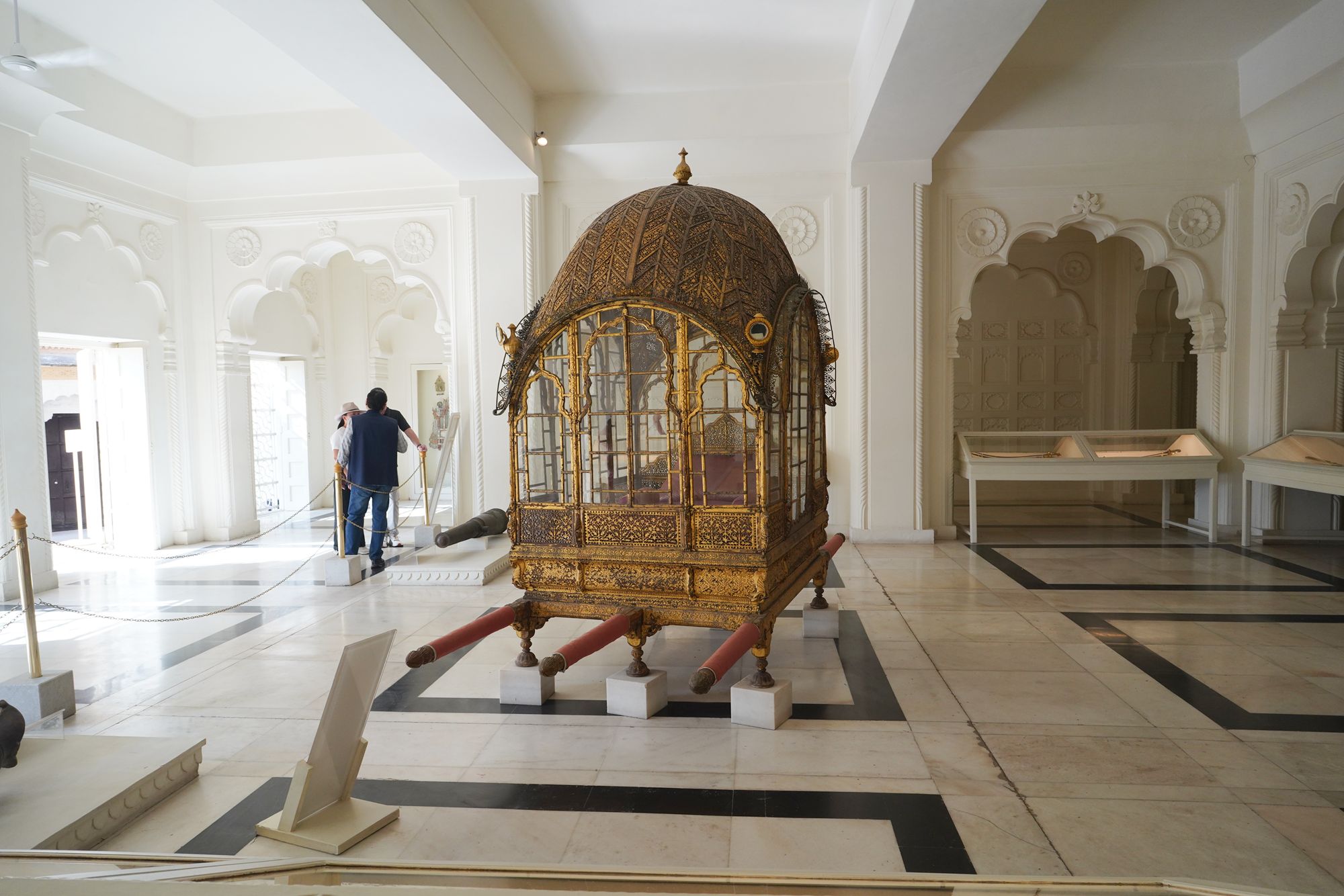
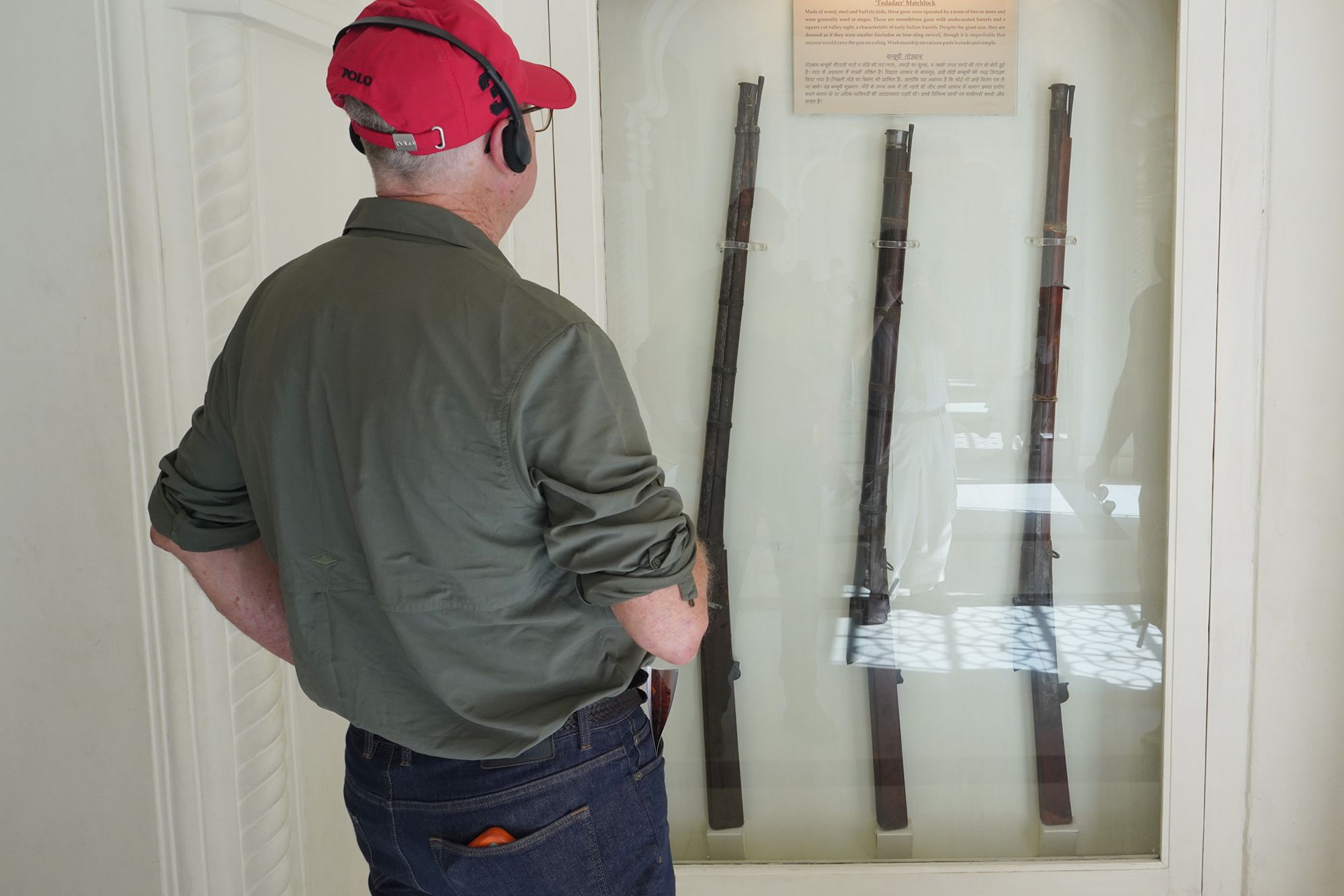
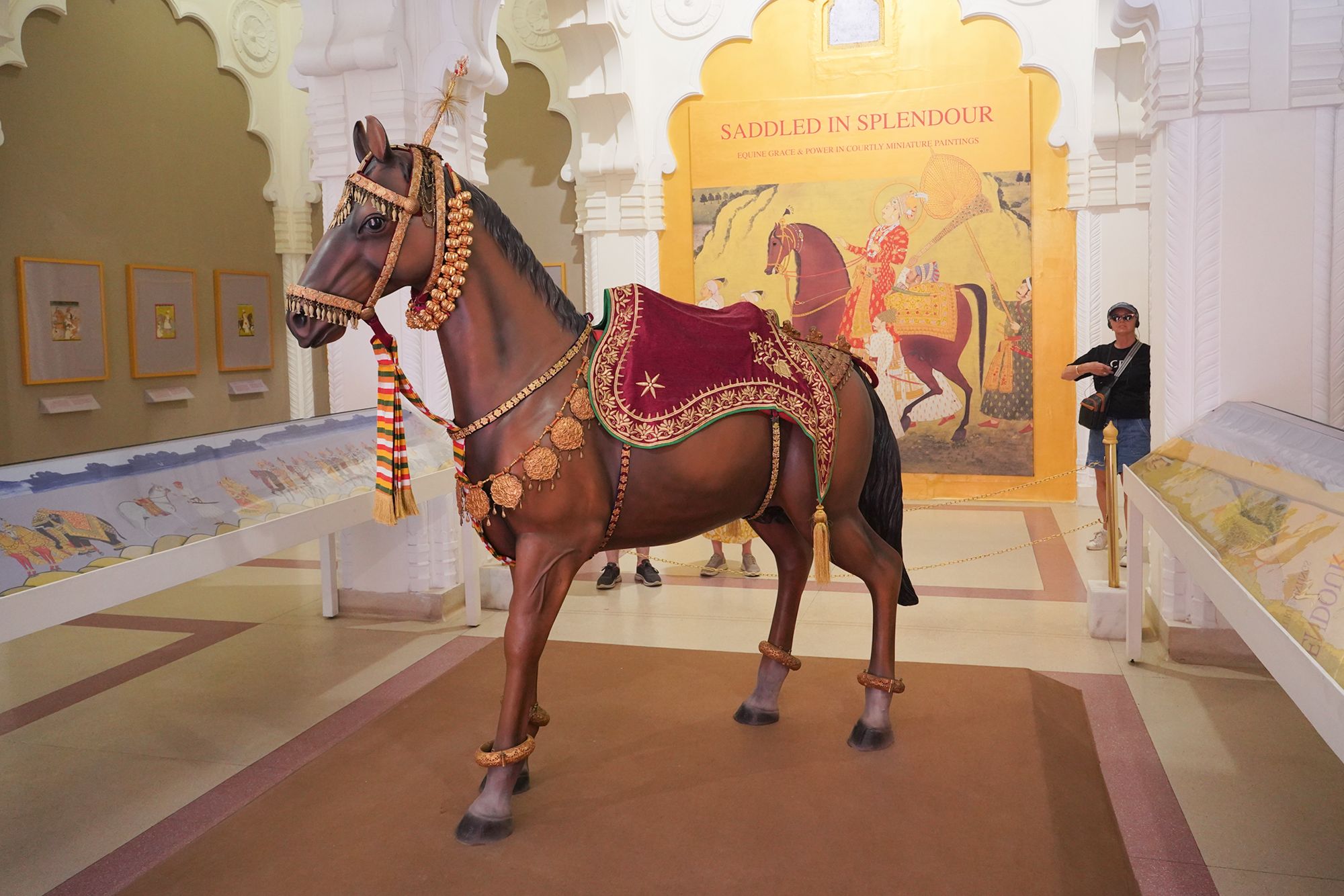
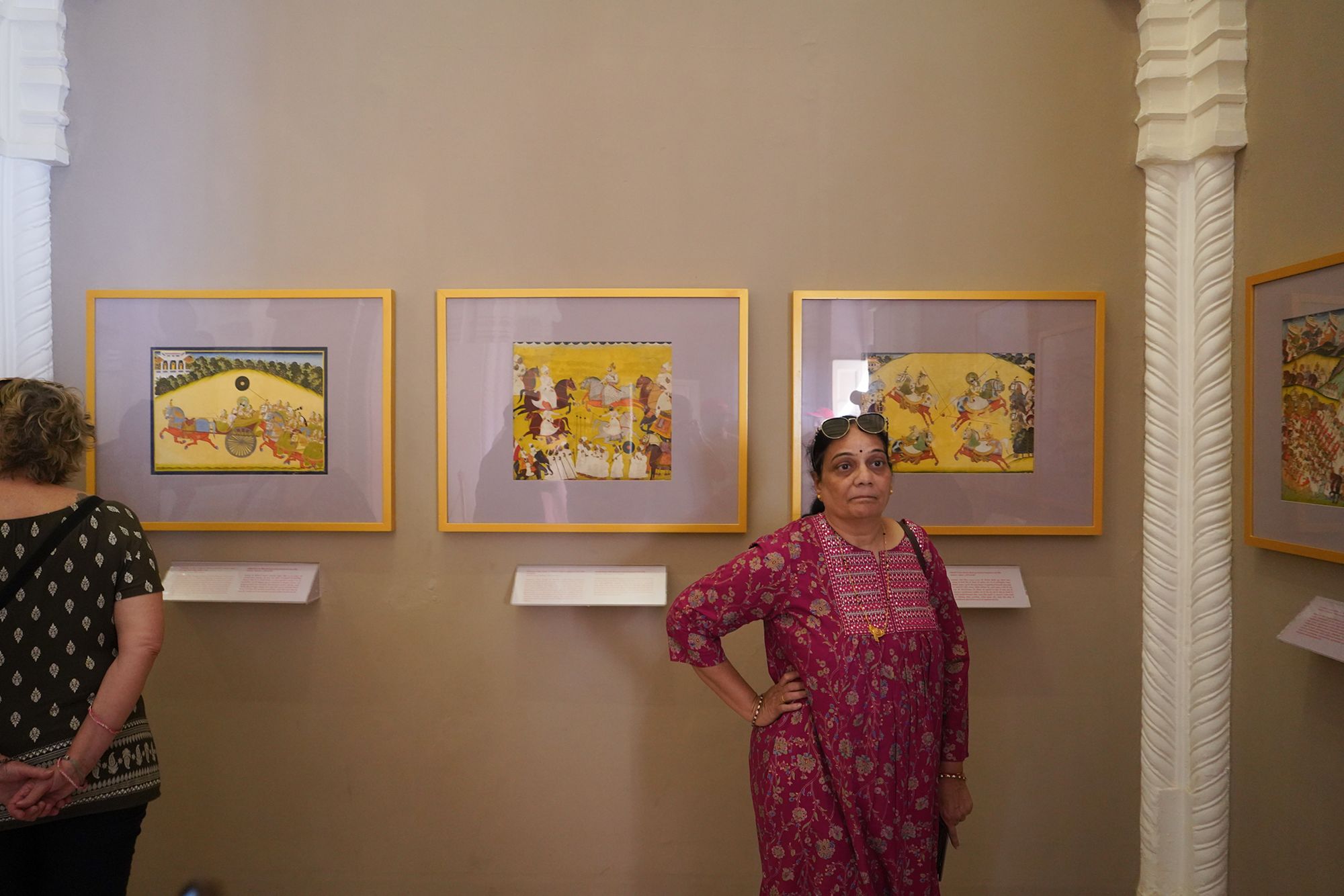
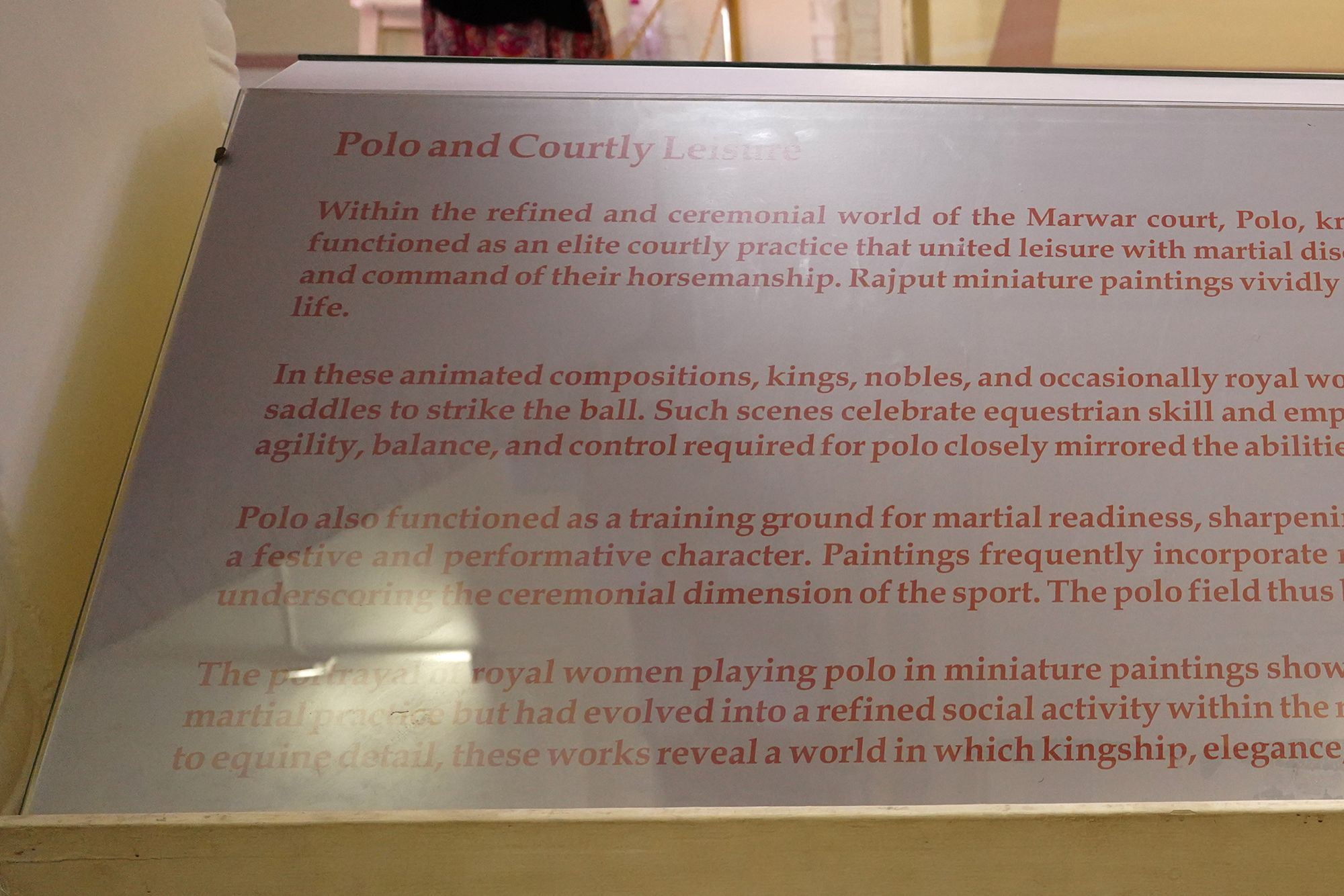
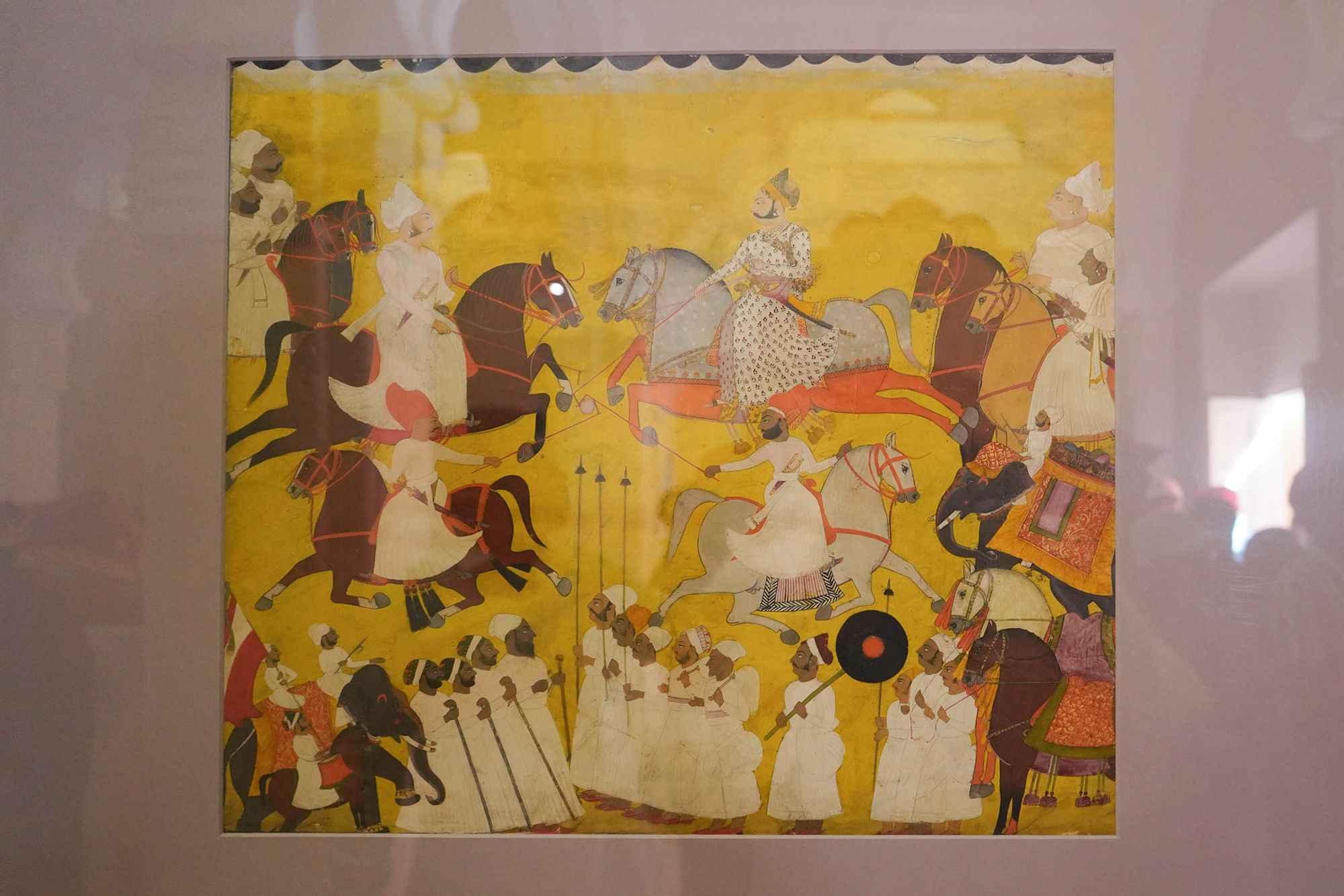
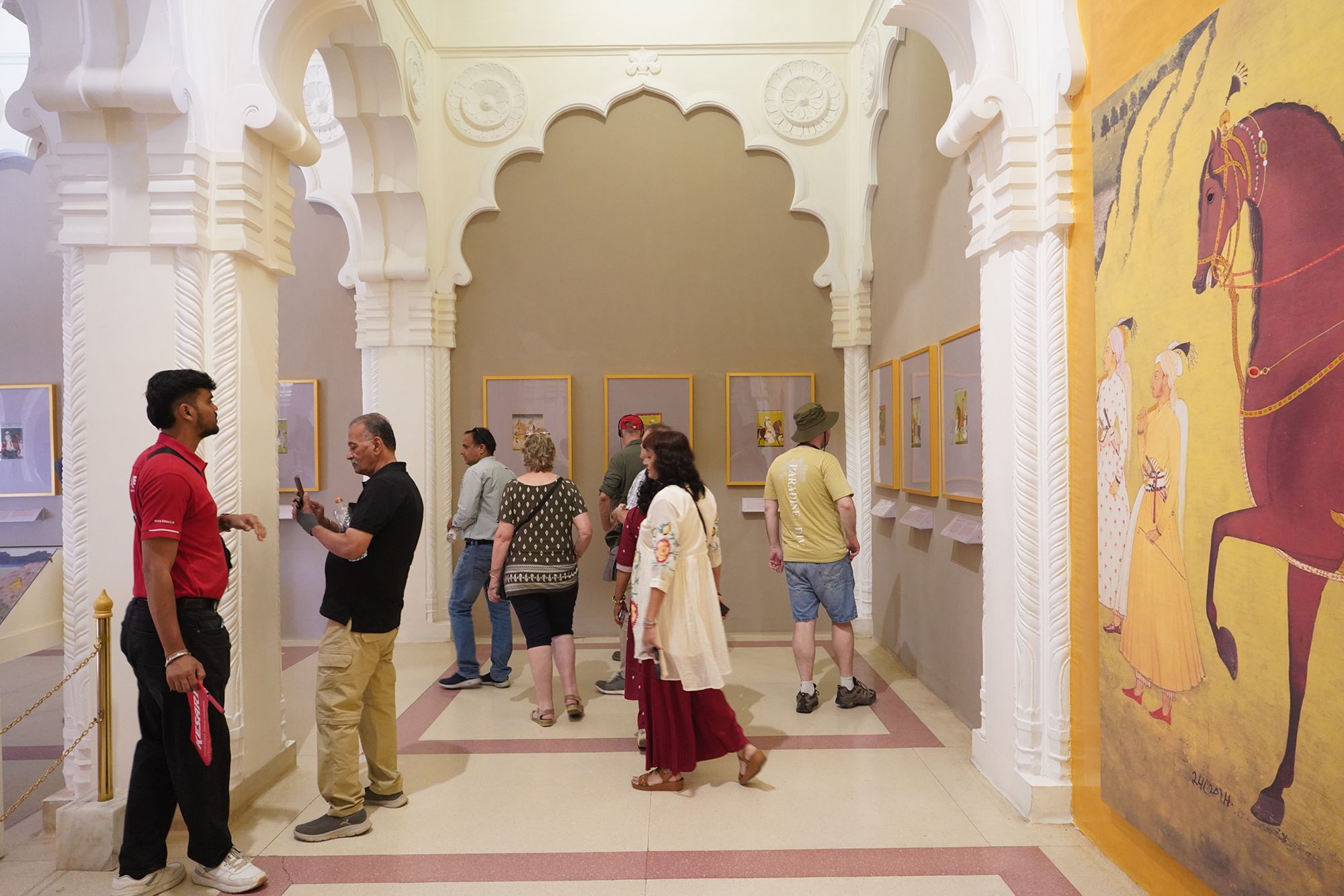
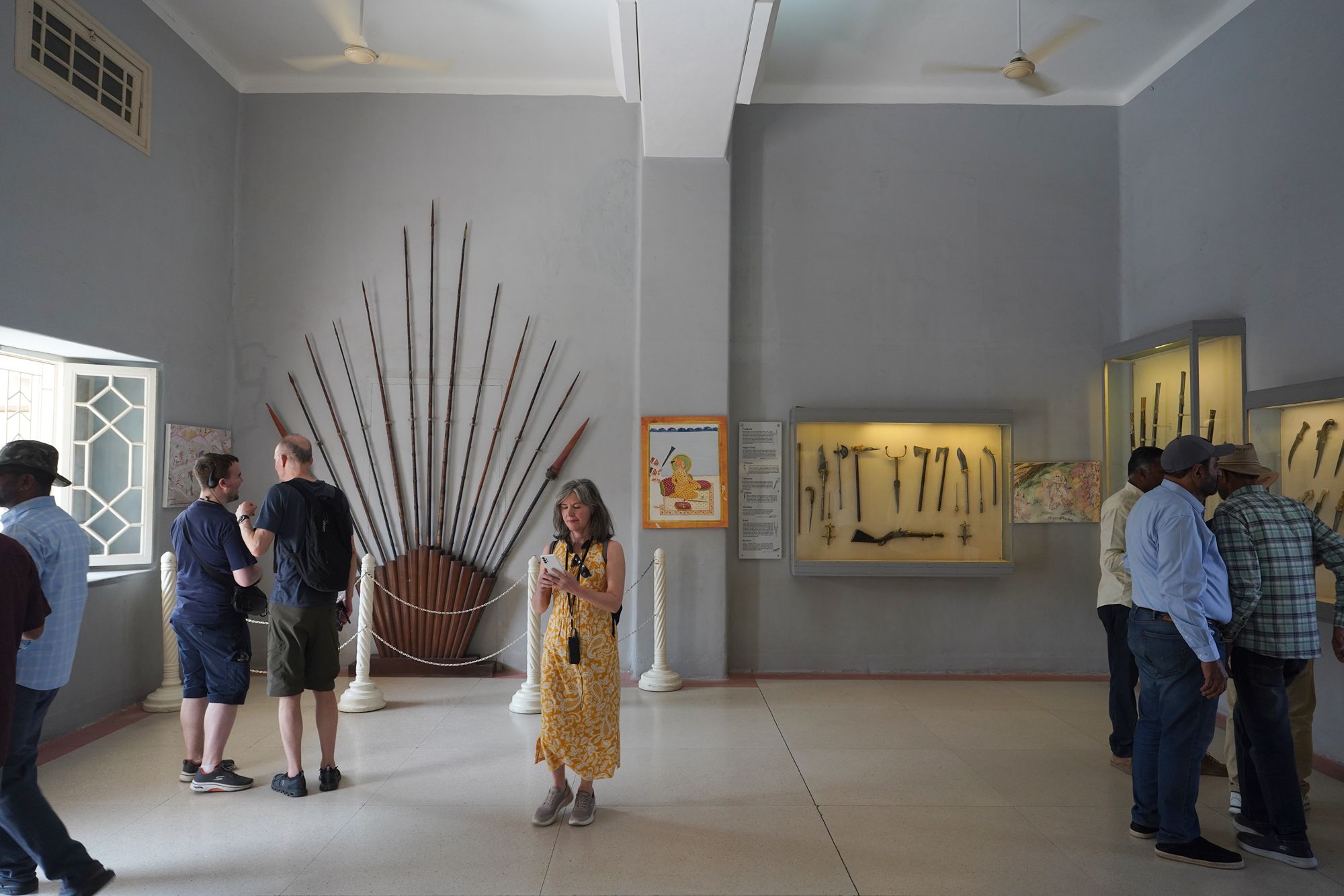
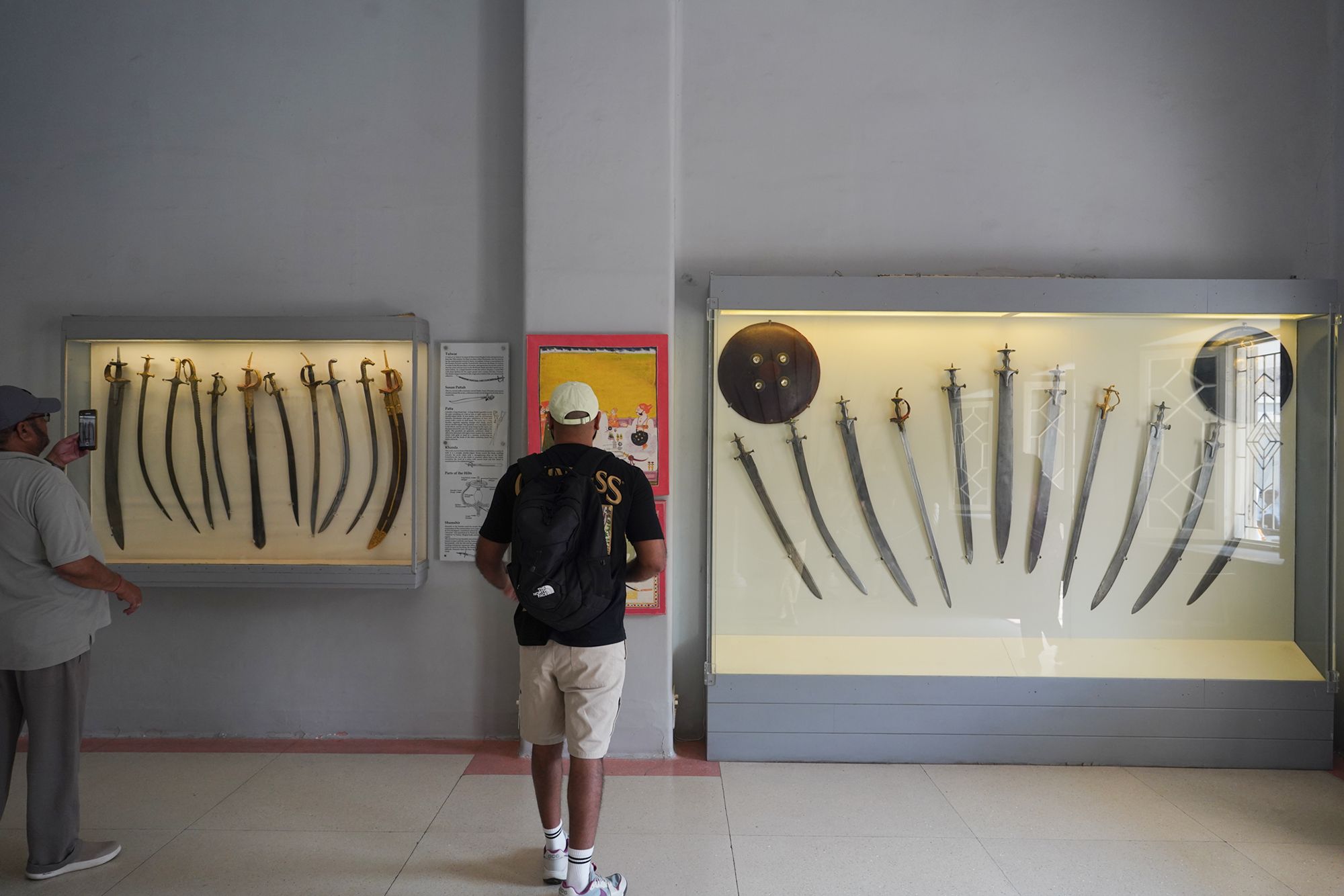
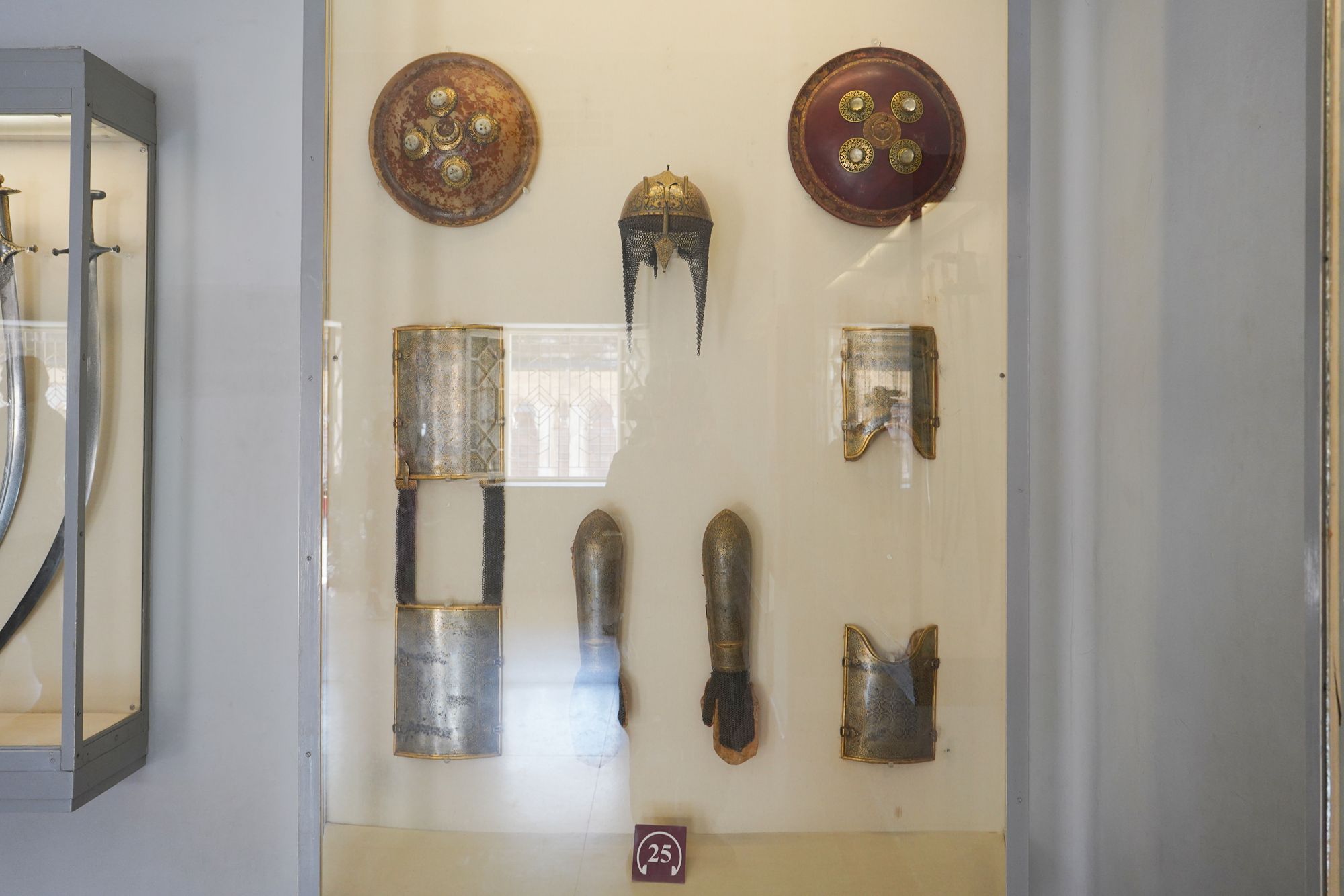
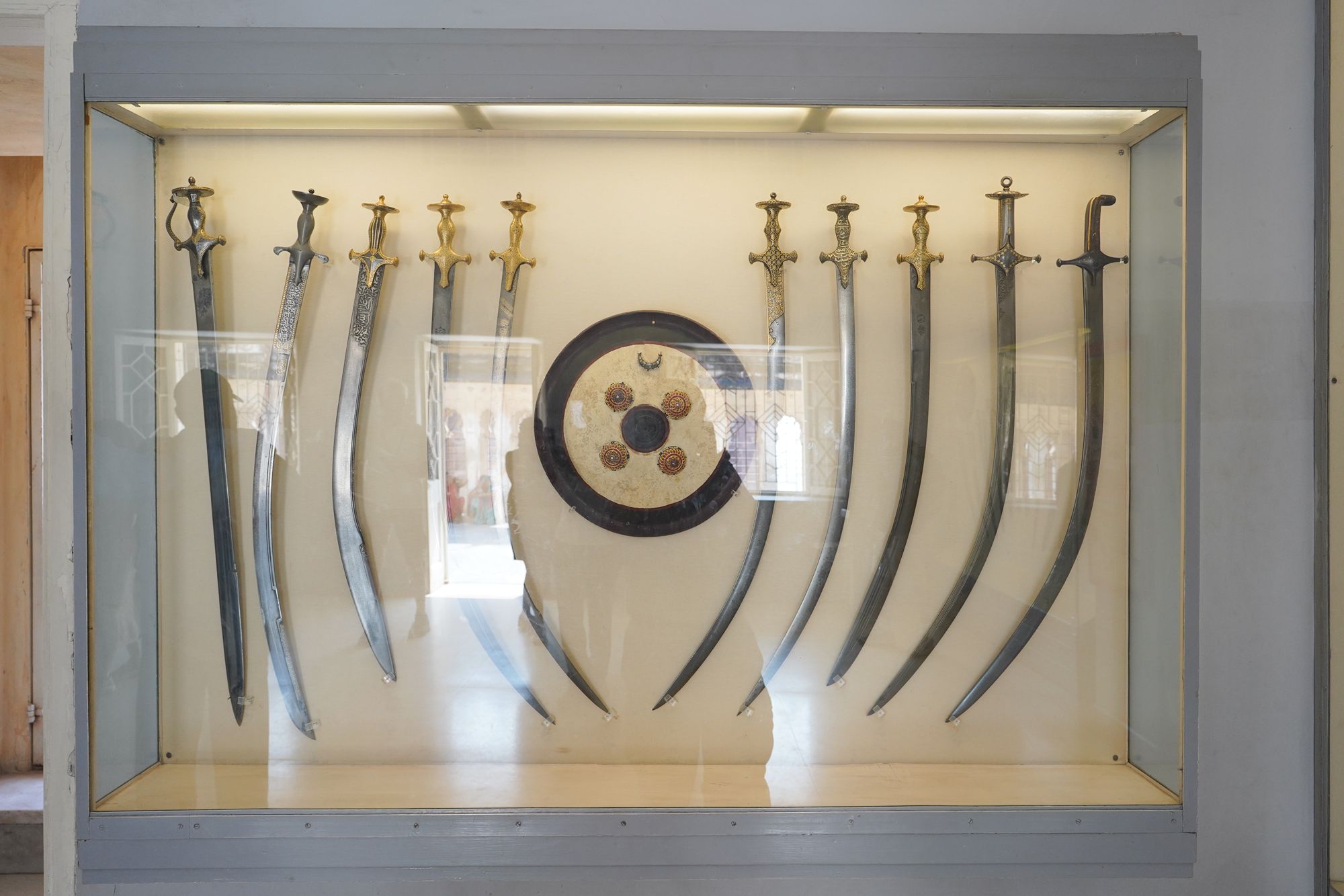
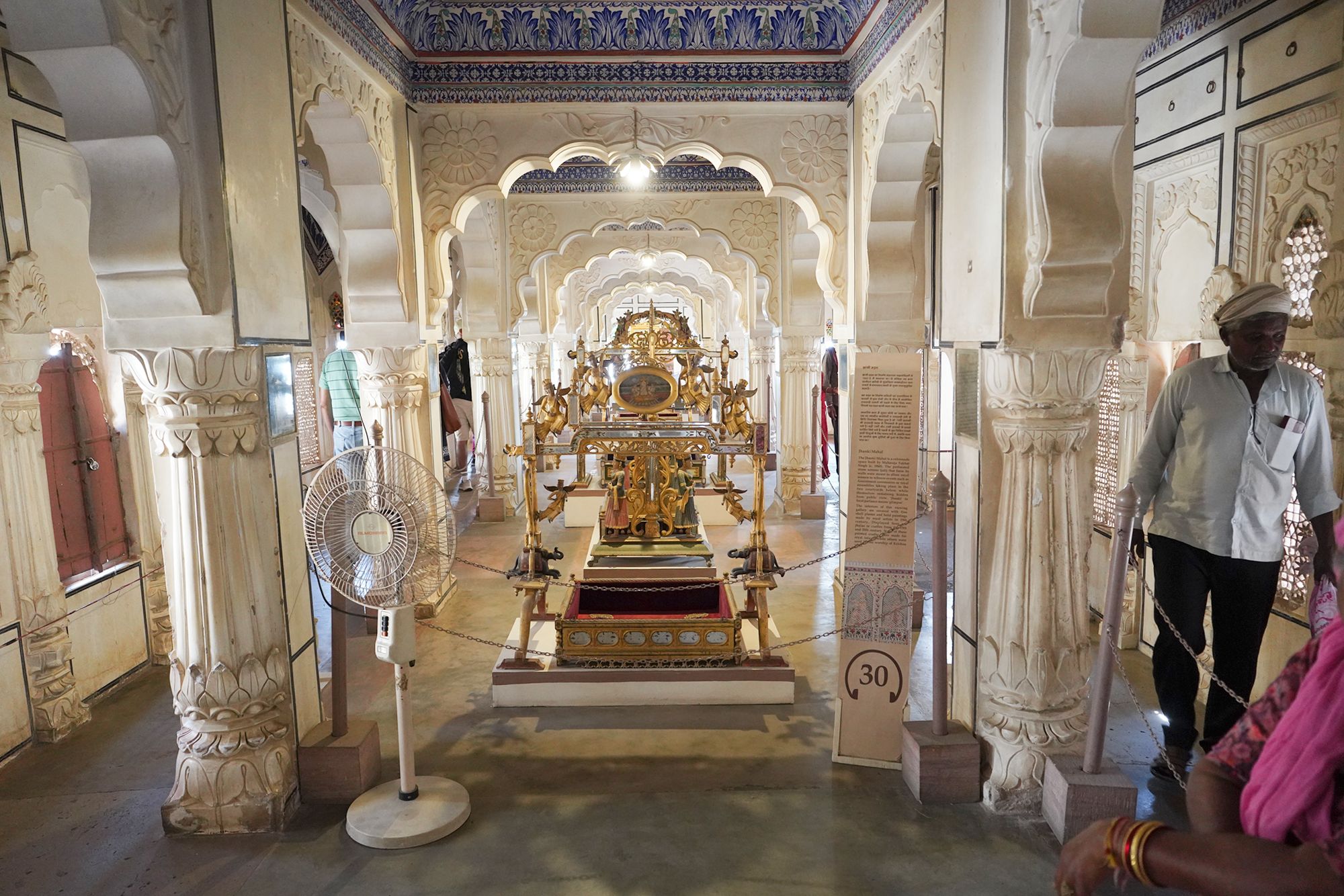
Inside the palace, many of the former royal rooms and halls have been converted into museums displaying artifacts from Jodhpur’s royal history.
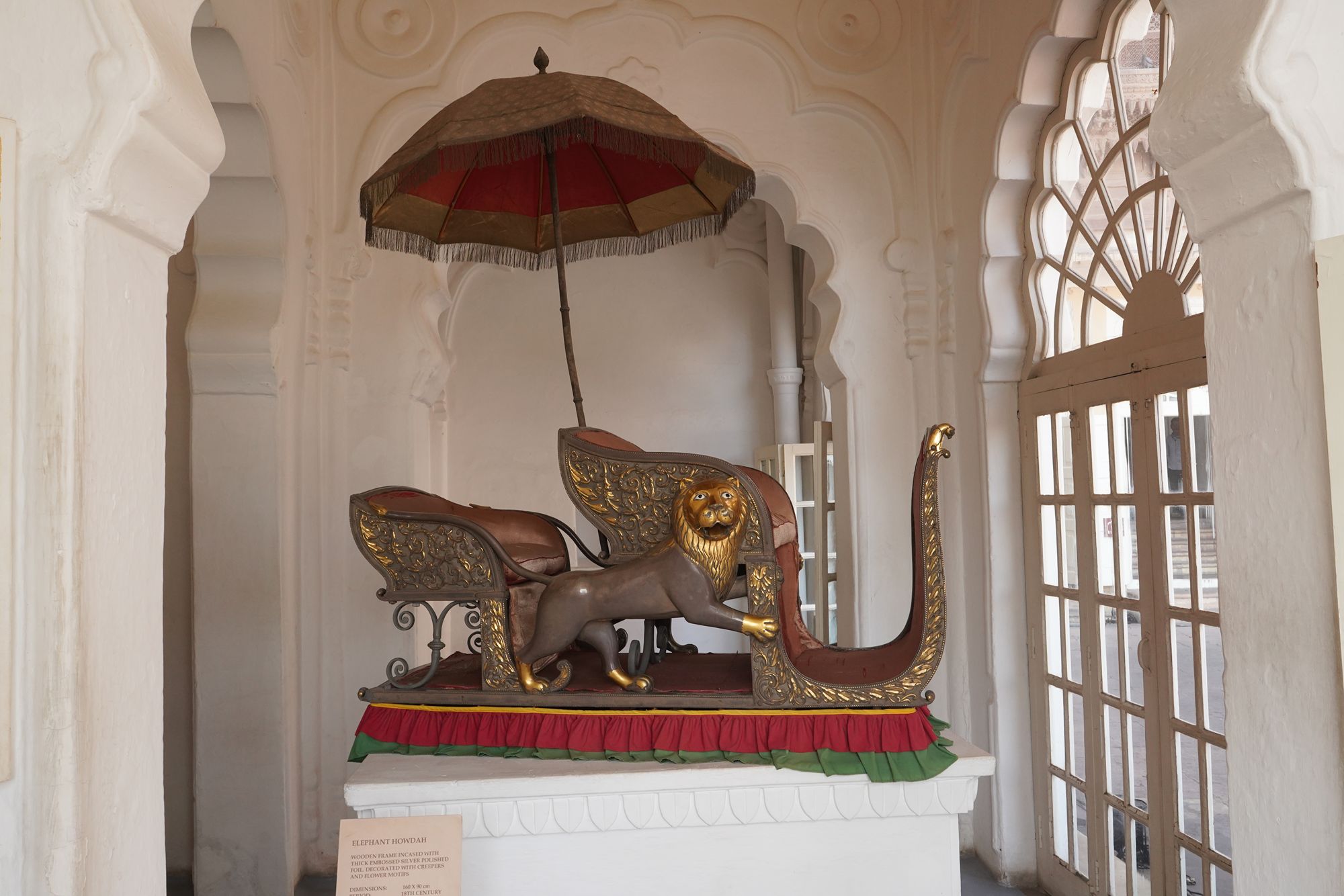
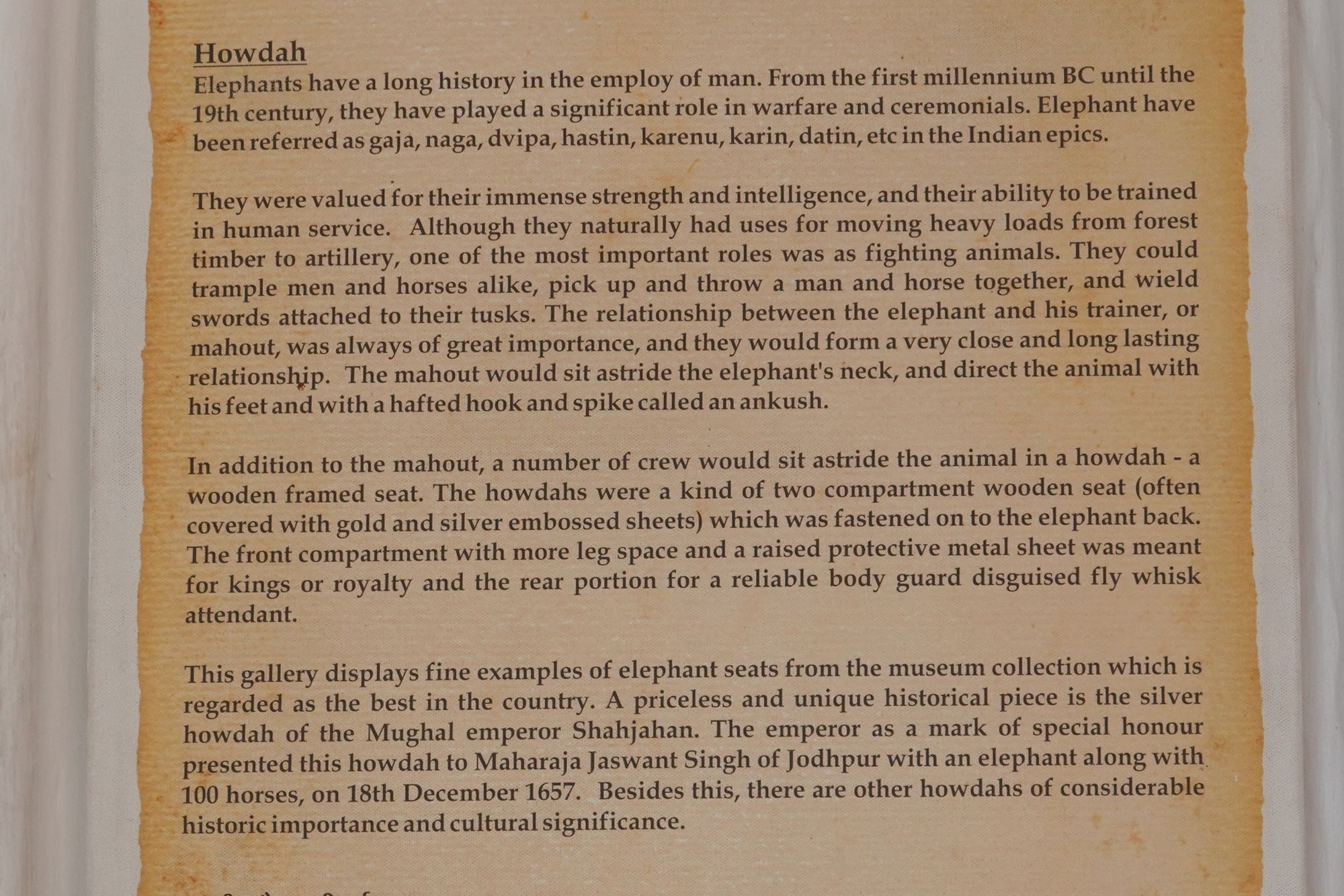
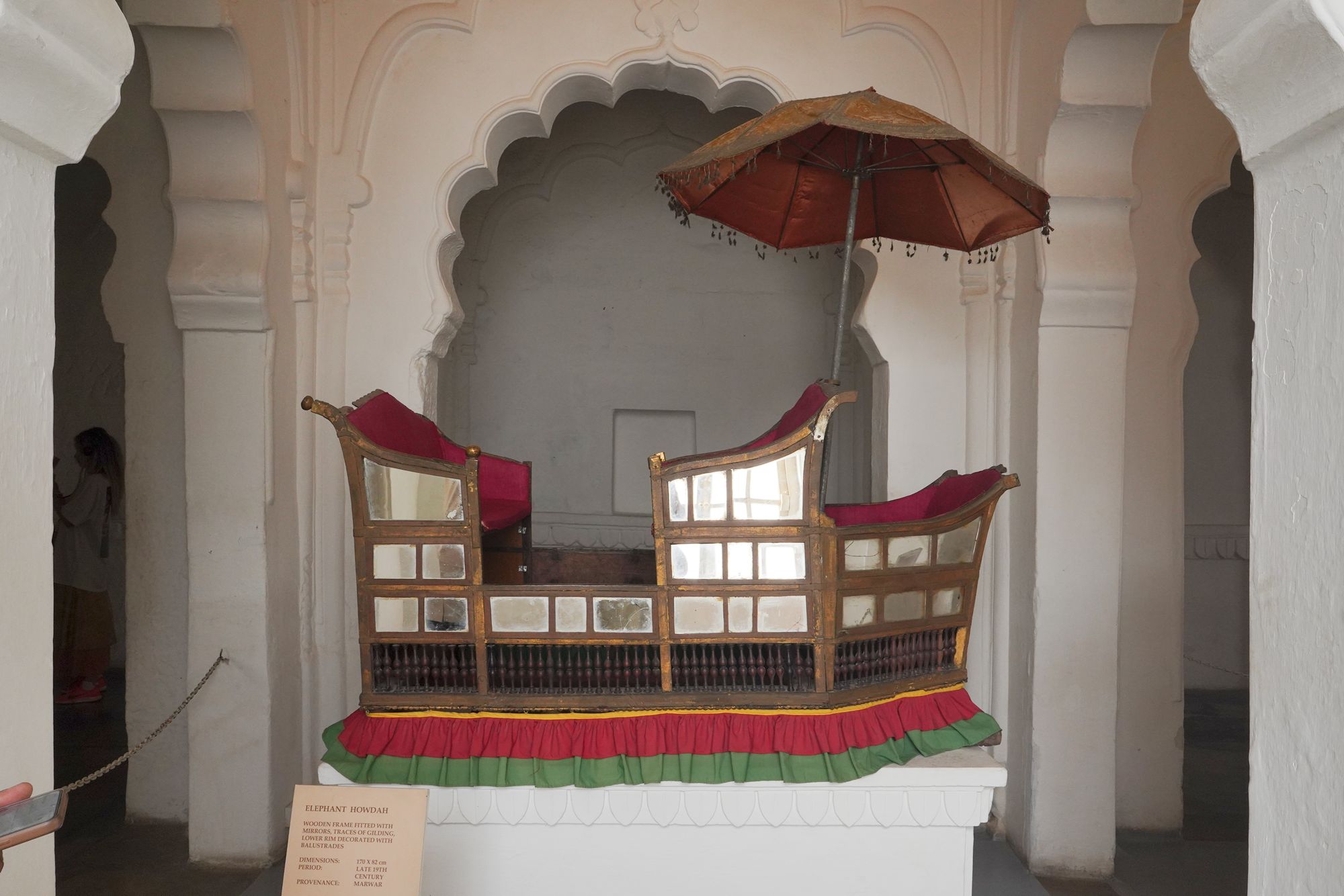
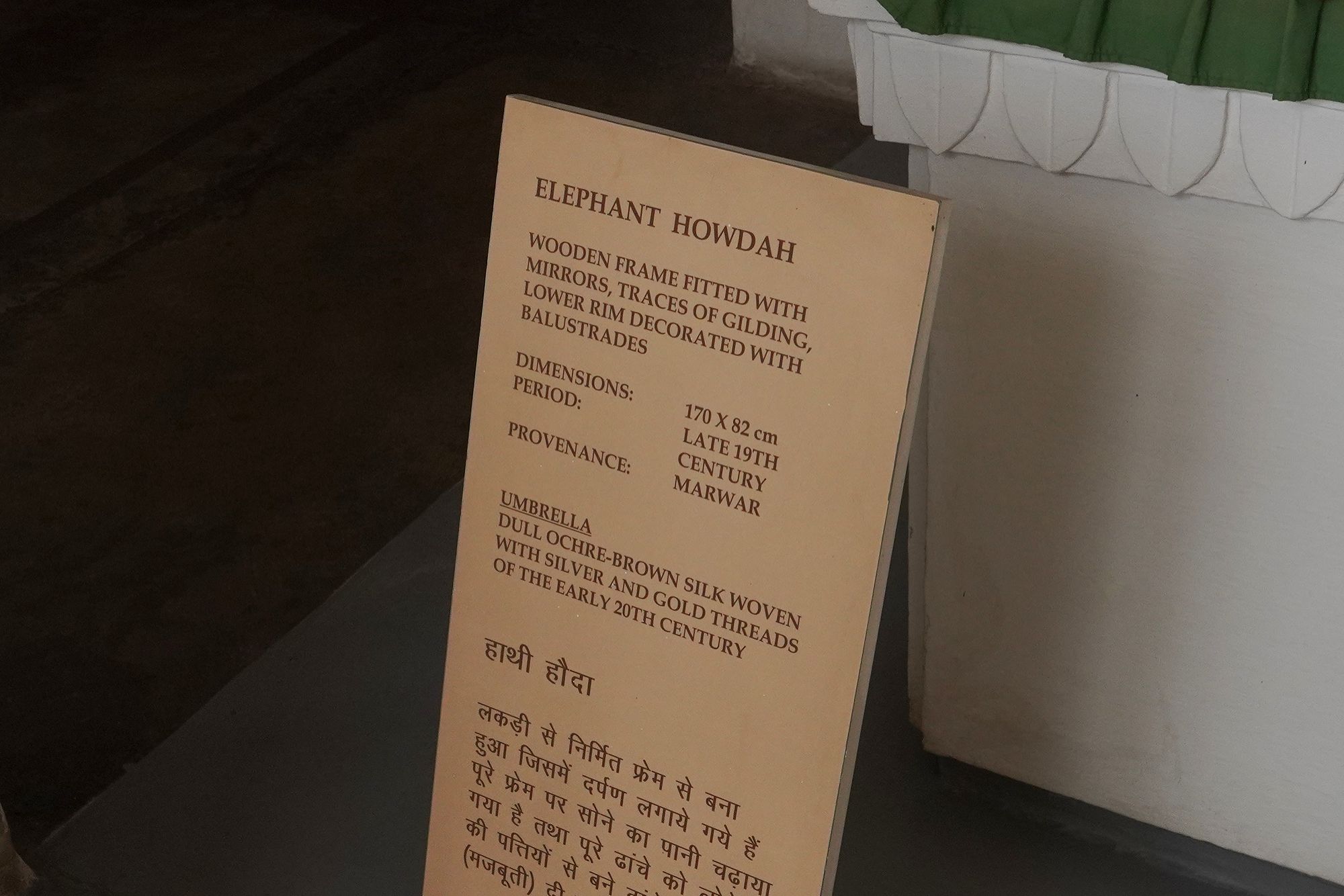
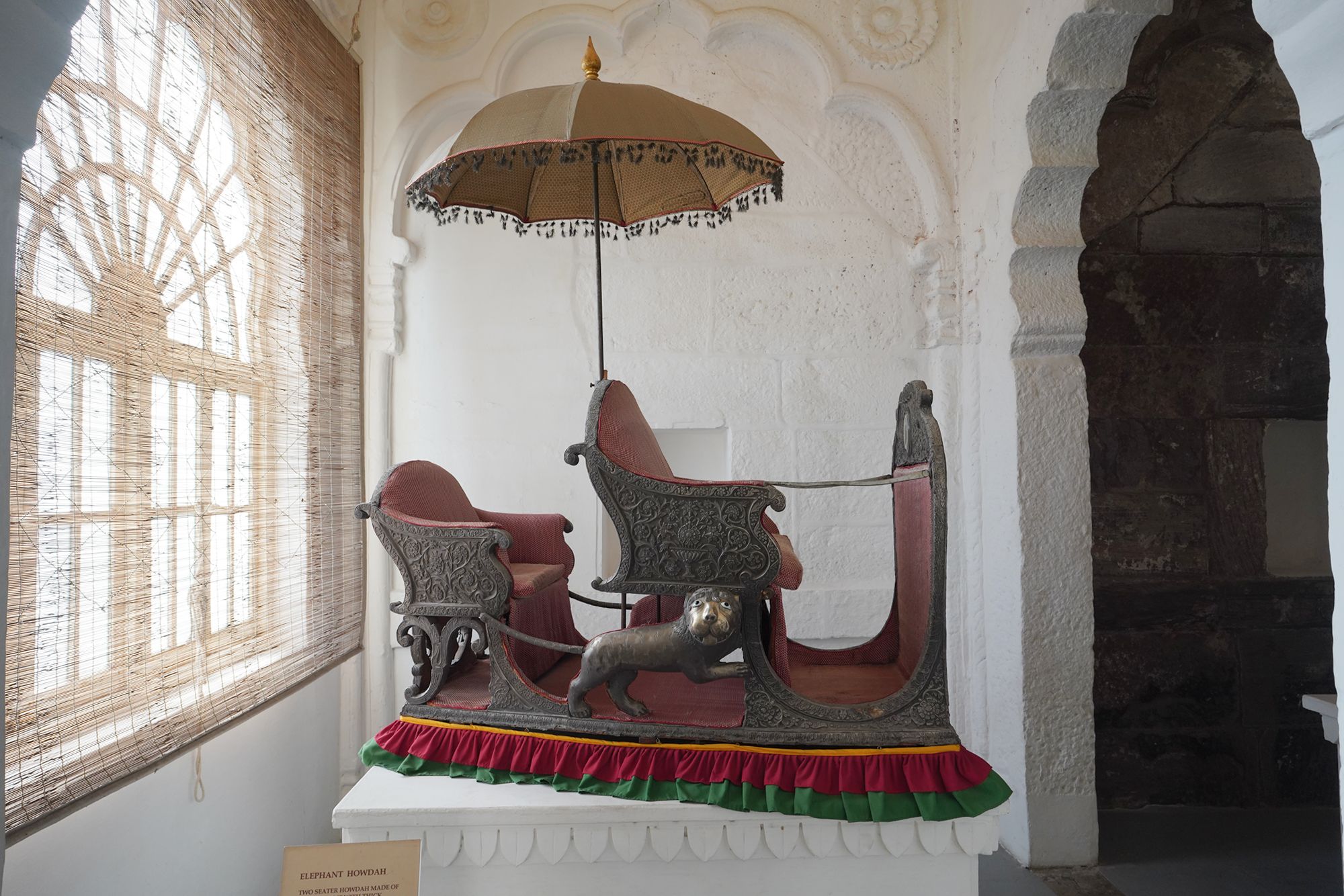
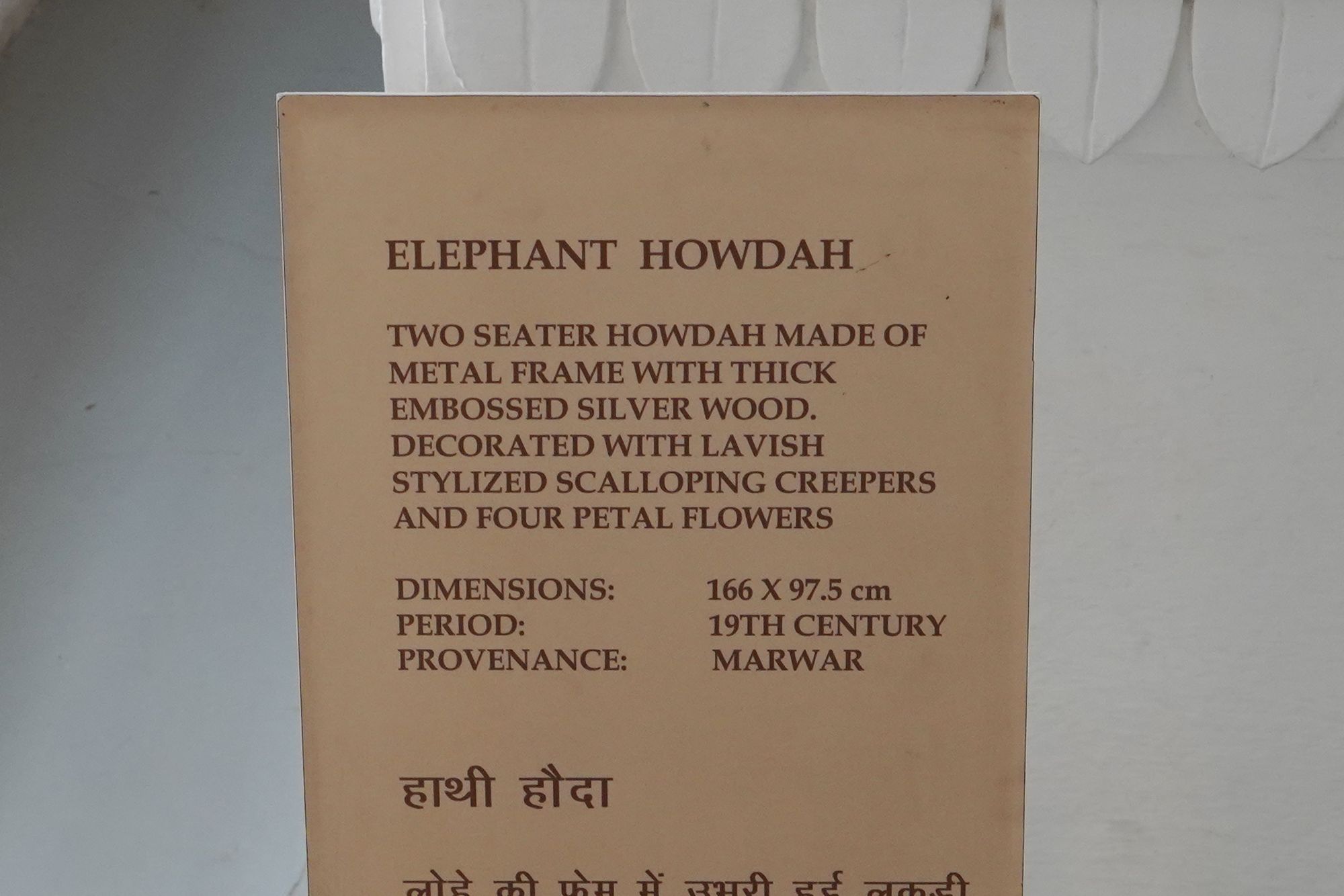
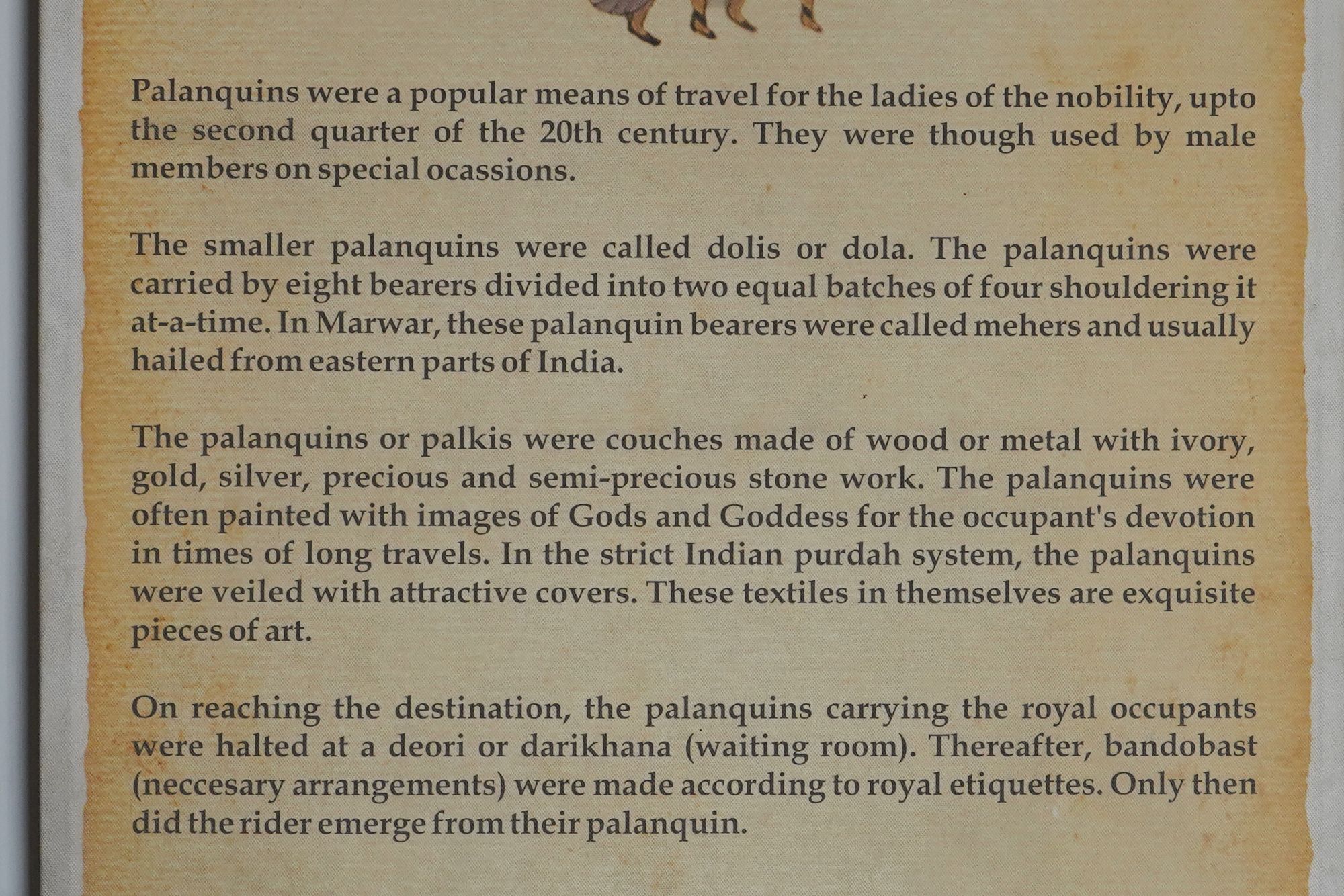
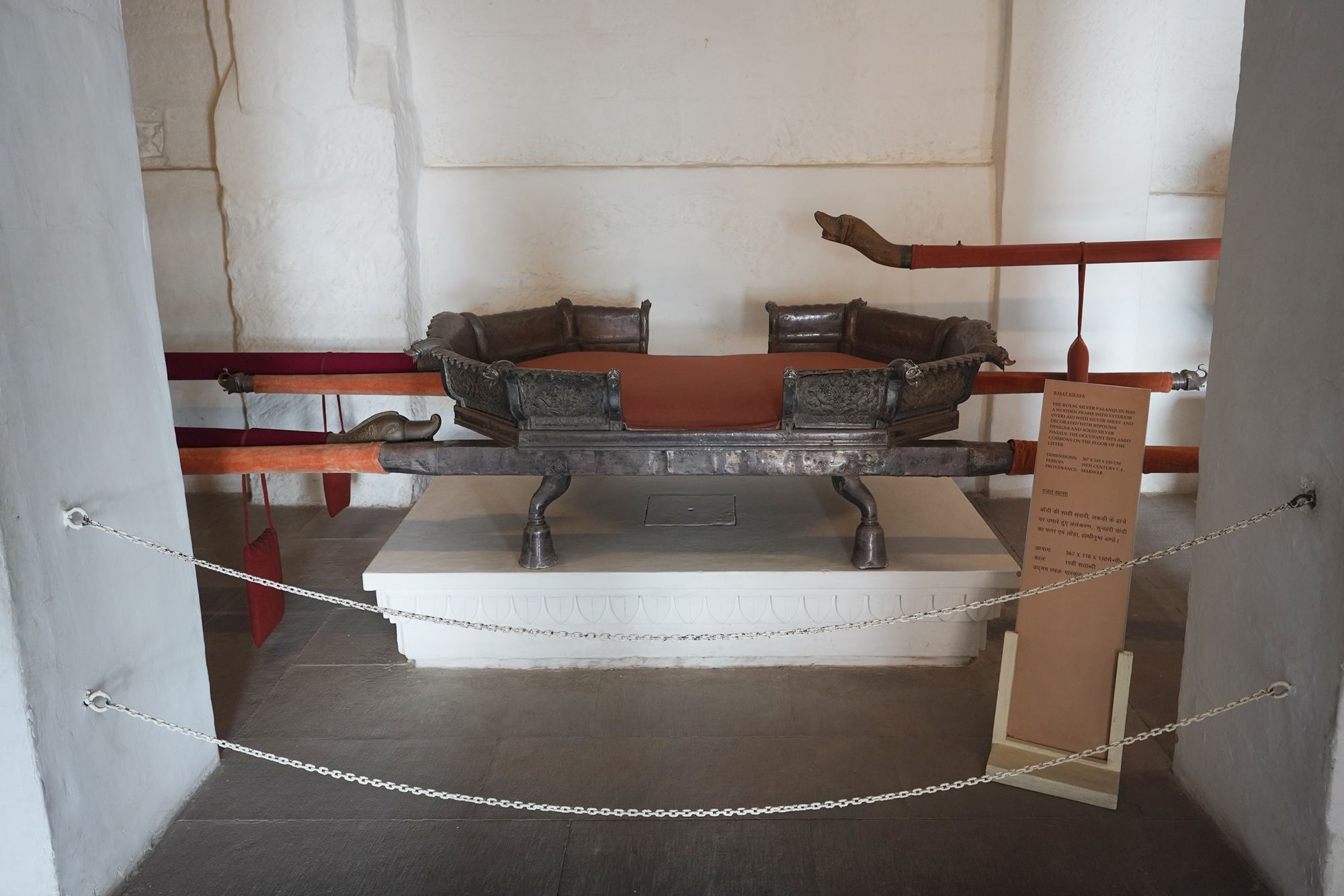
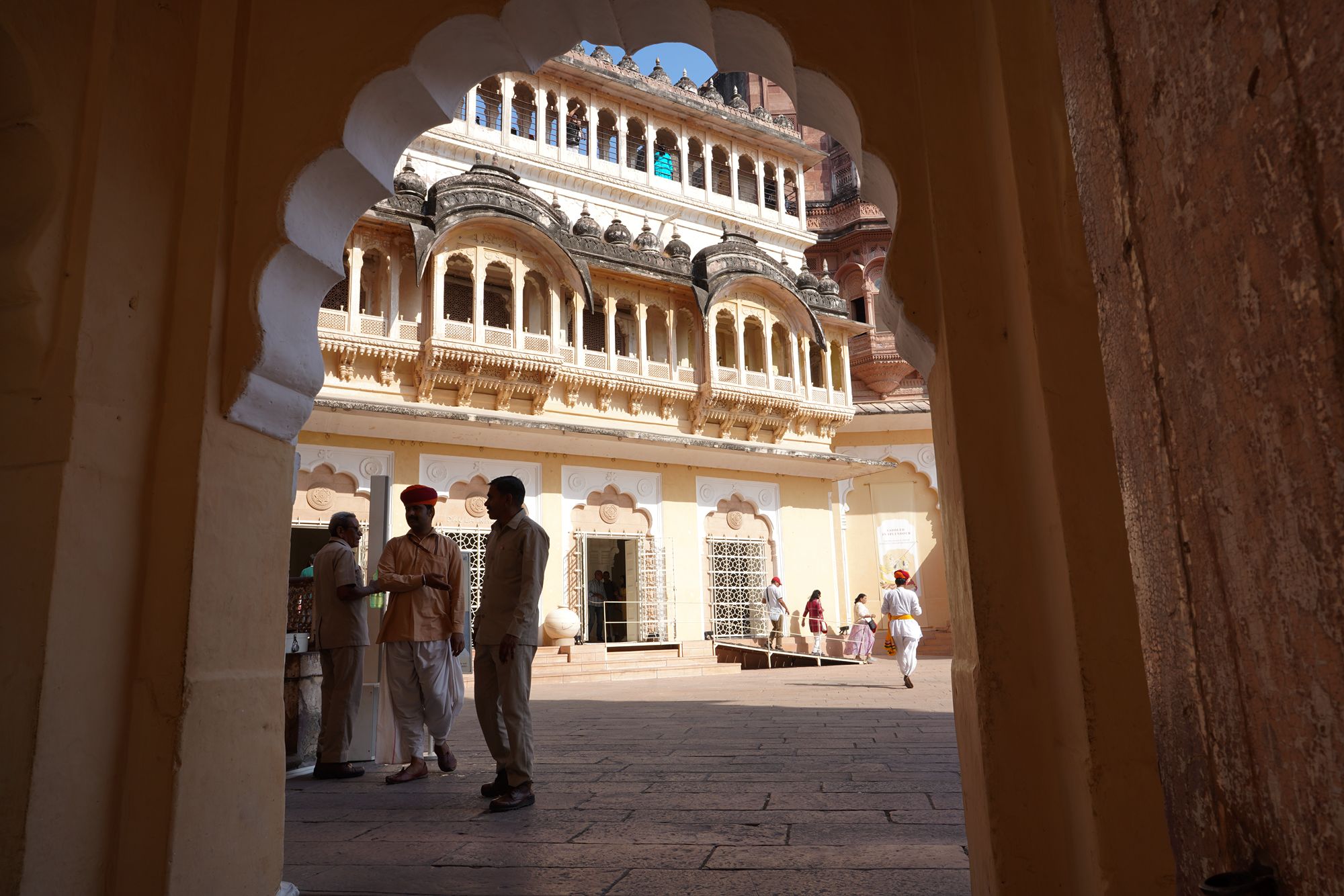
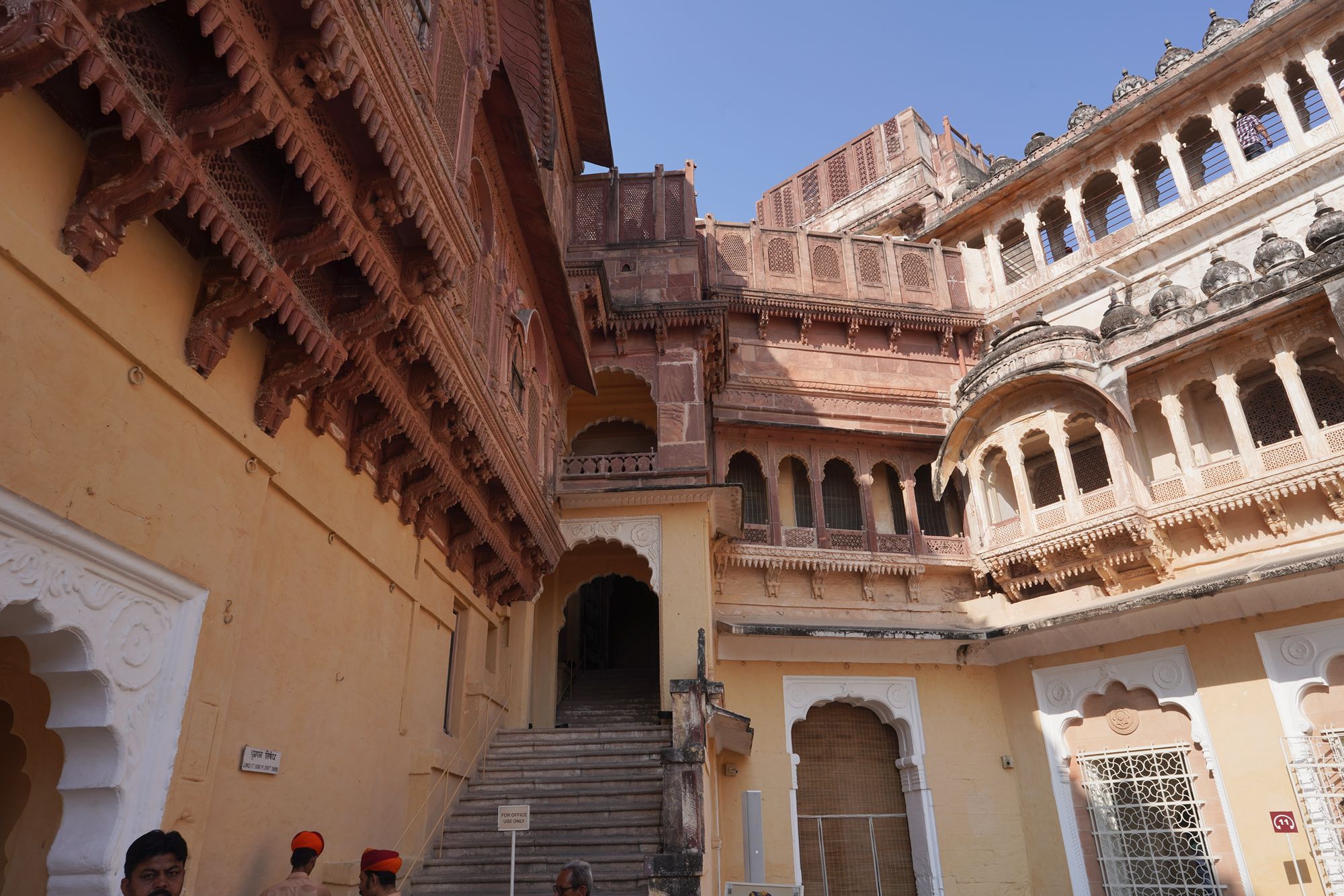
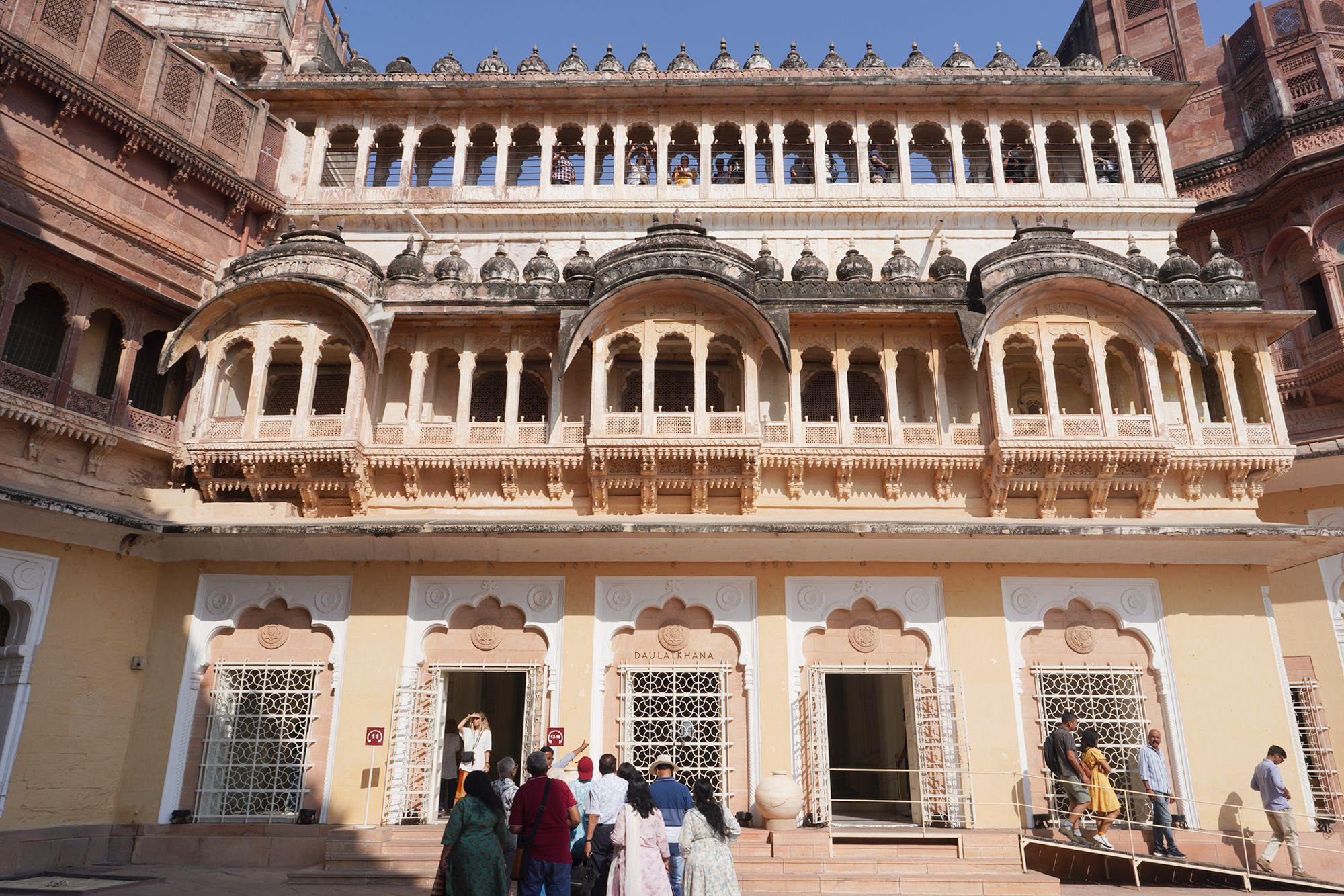
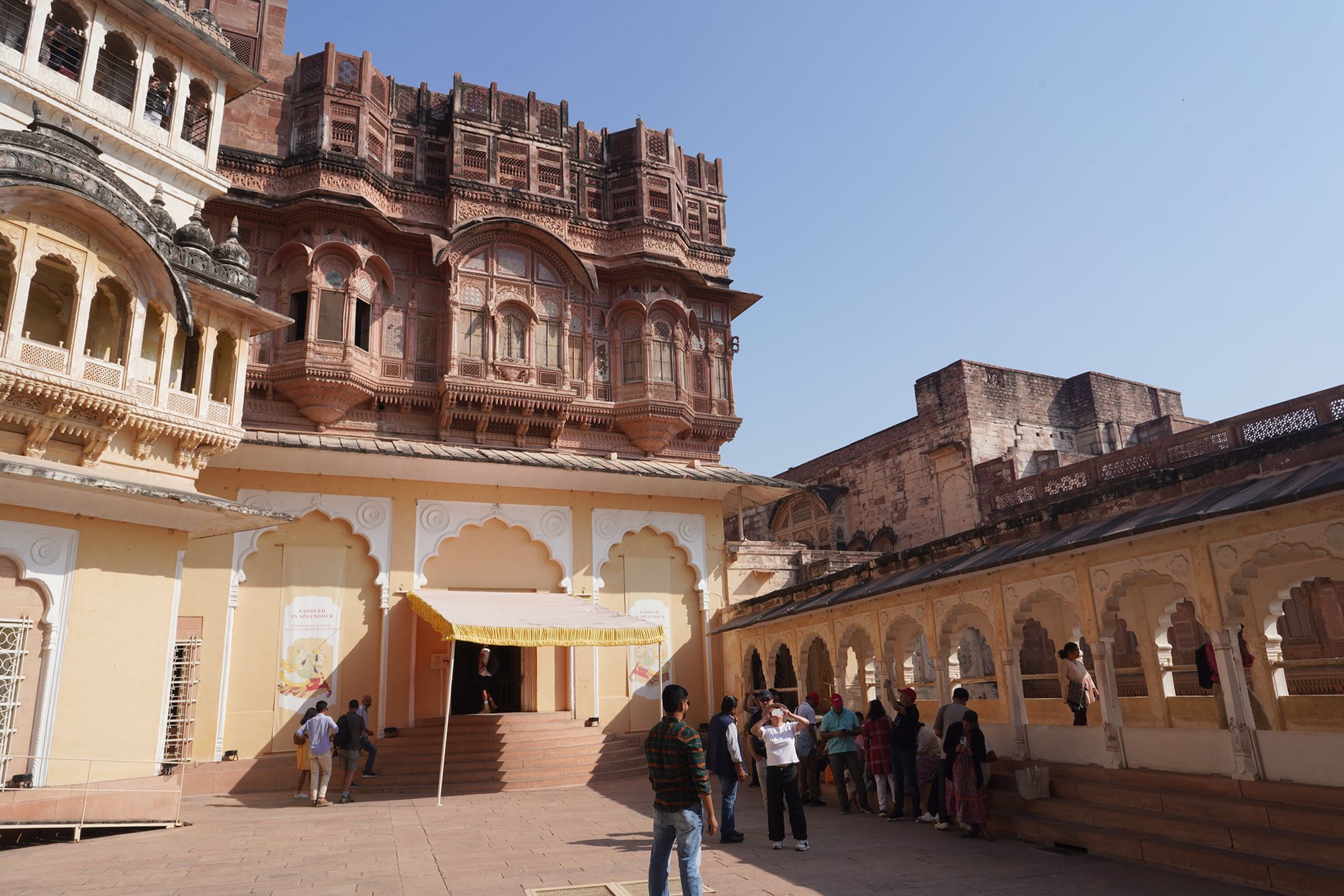
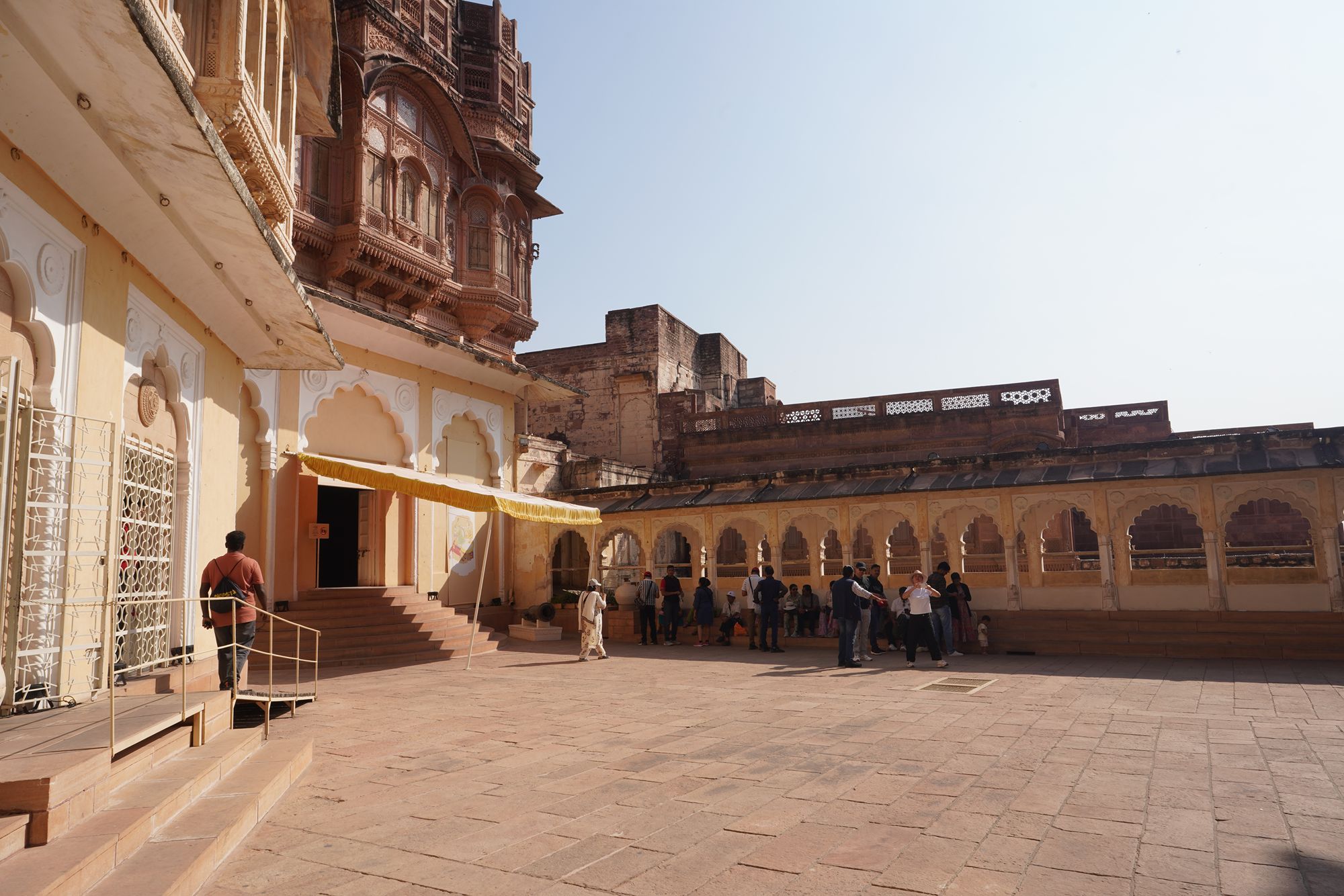
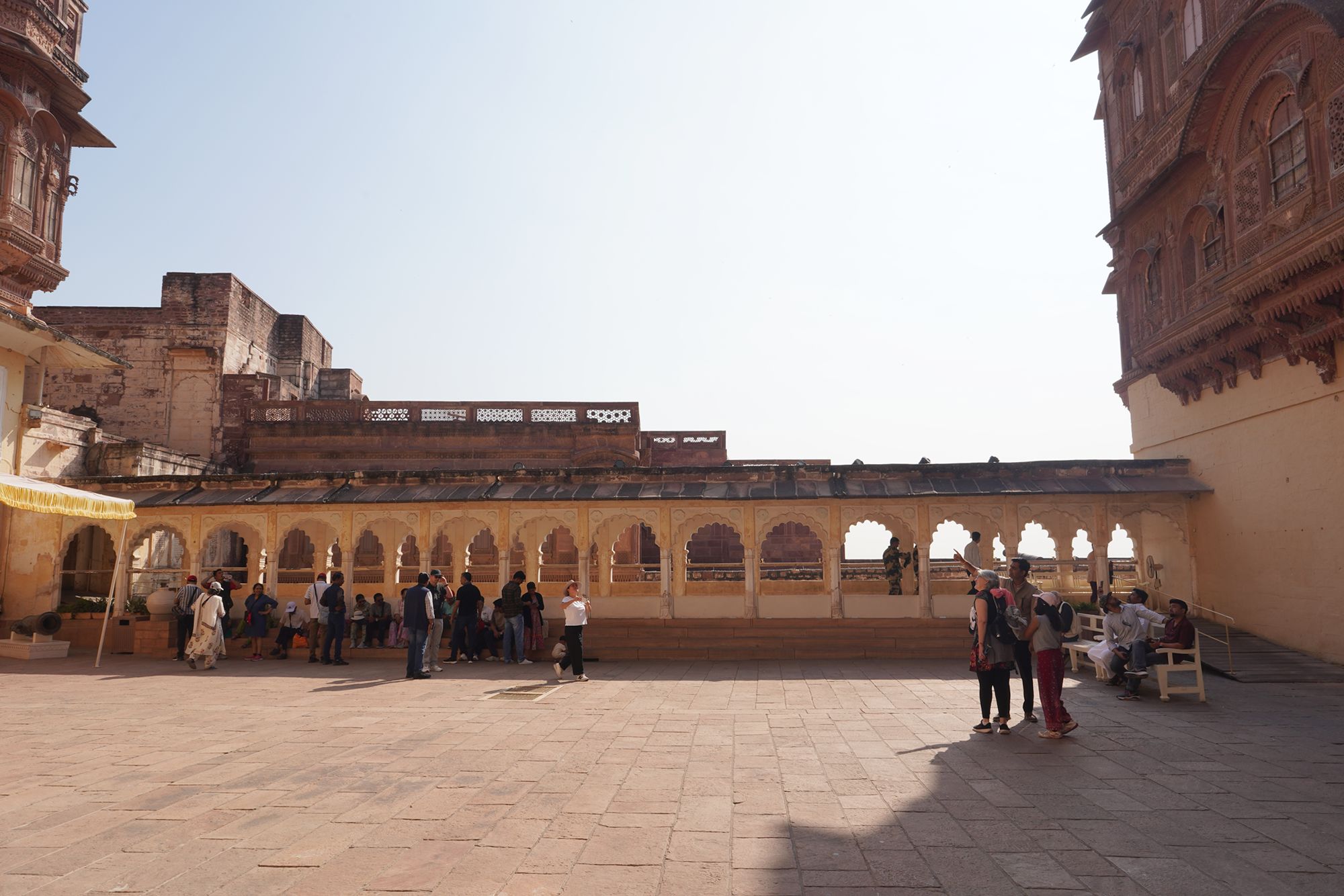
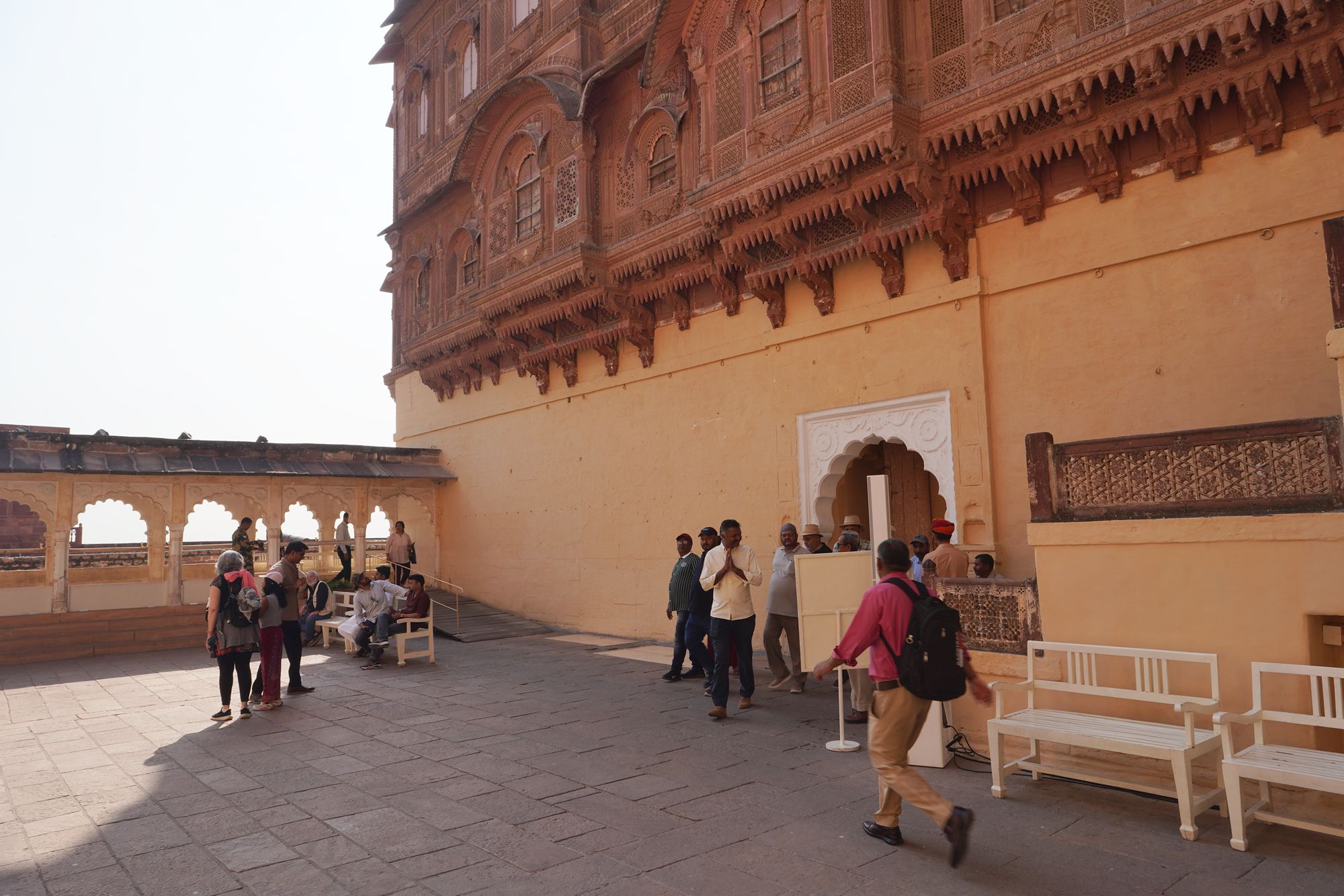
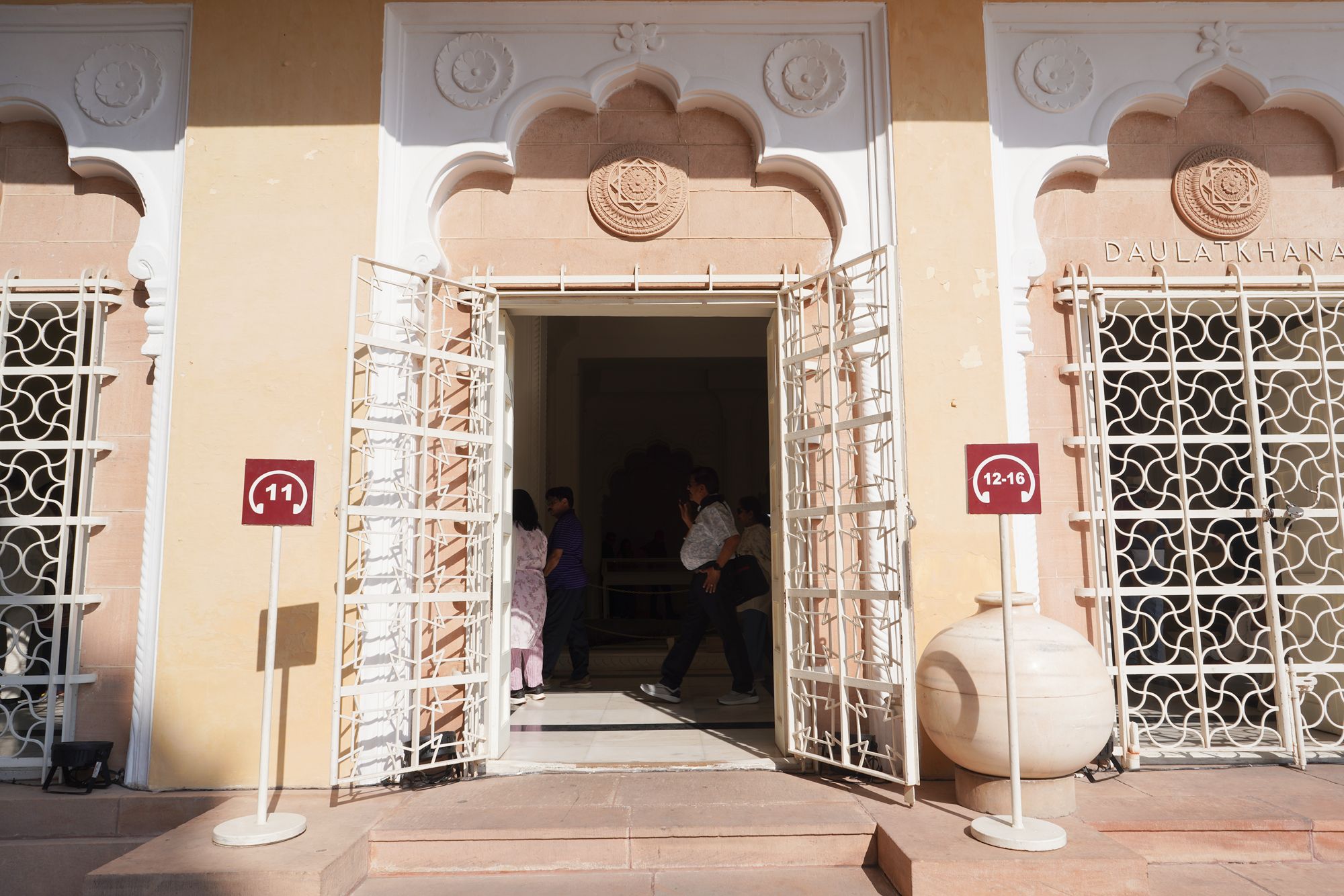
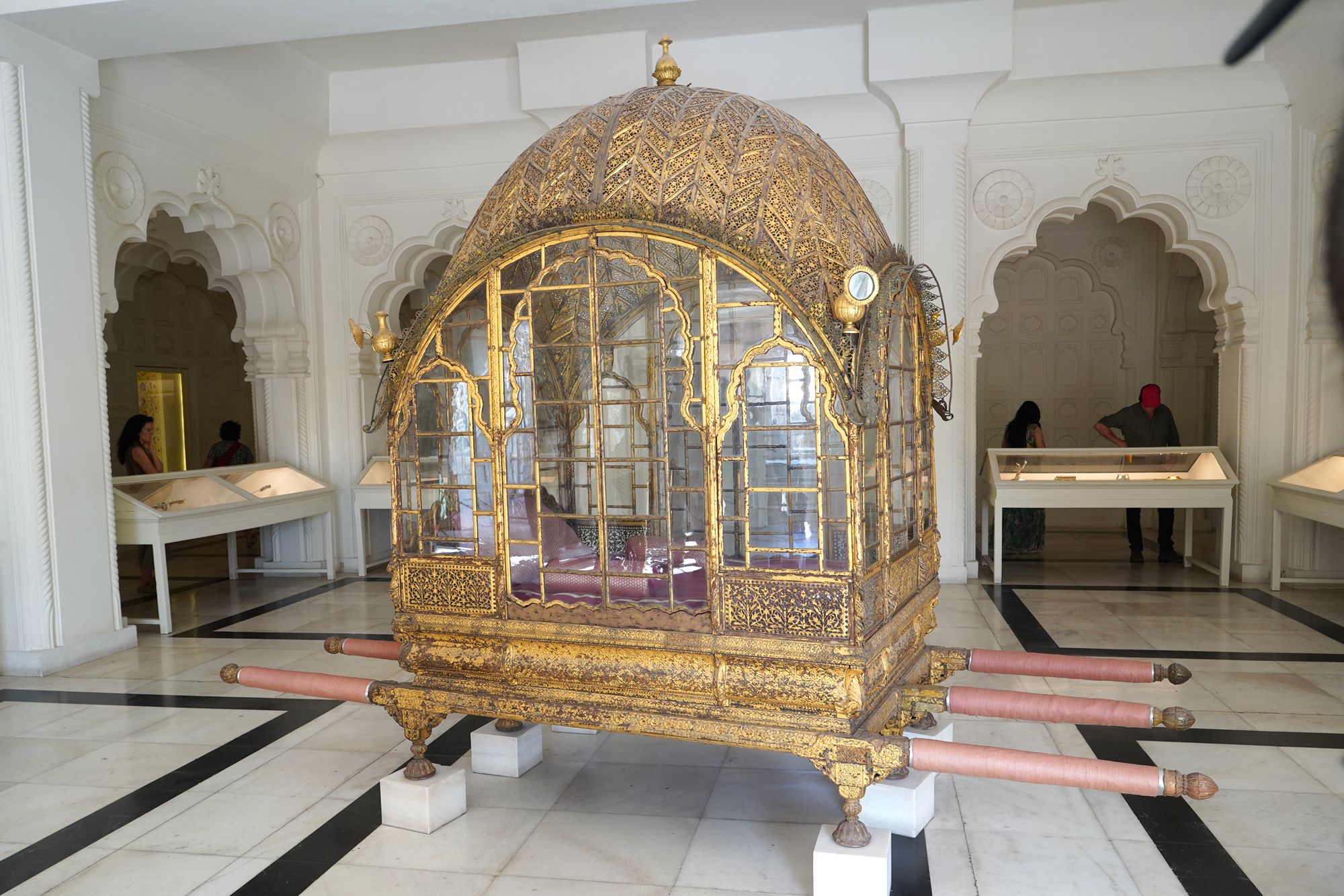
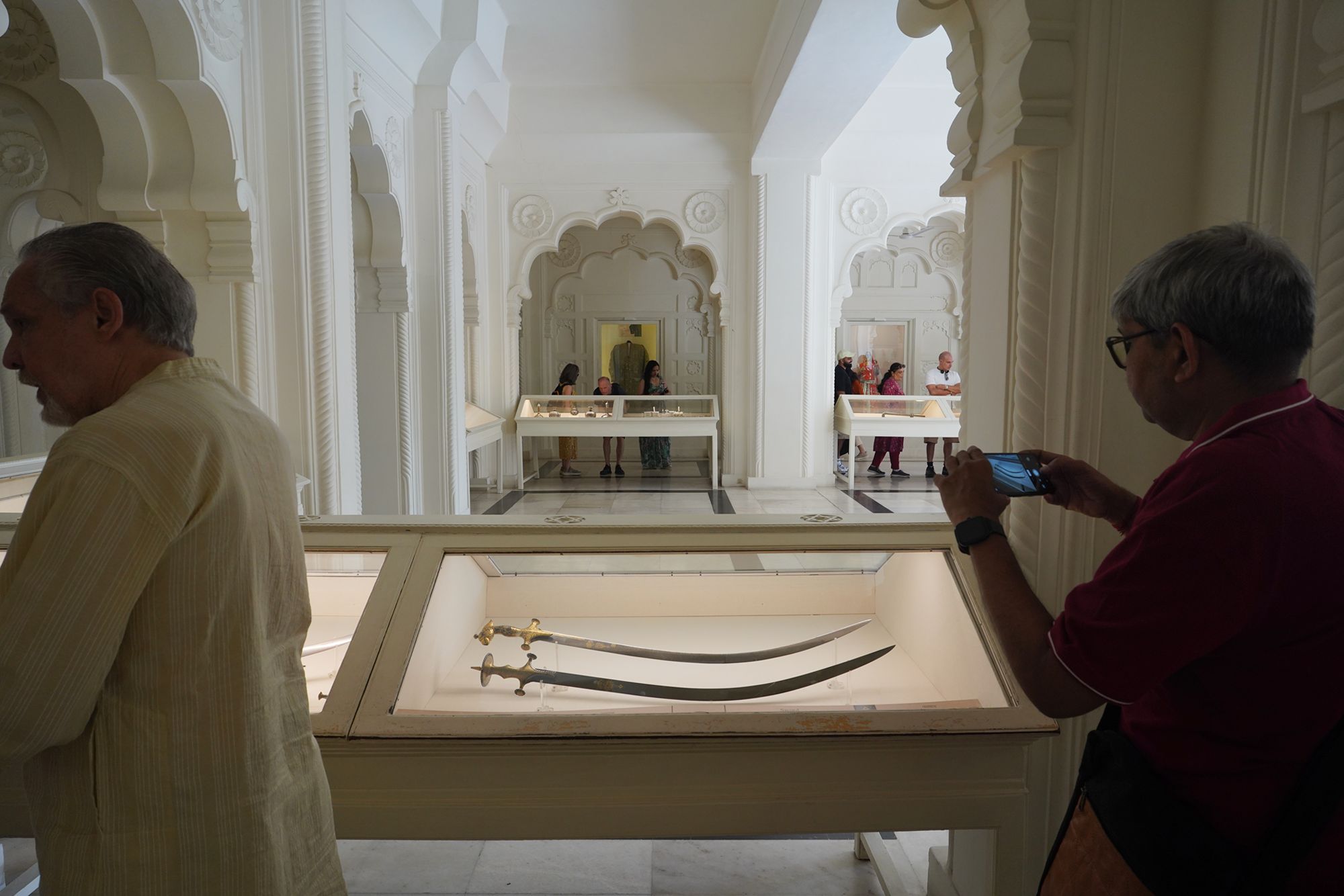
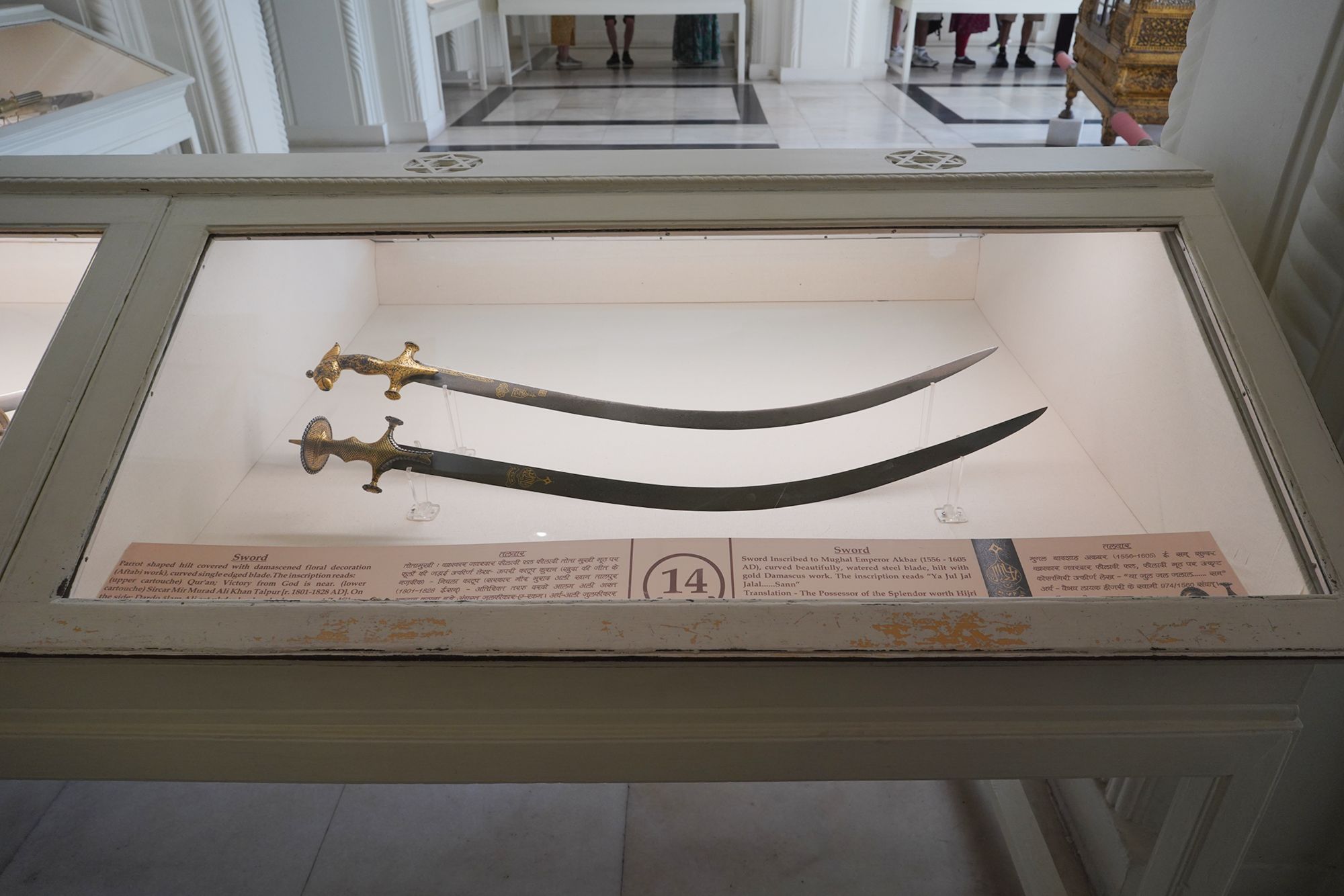
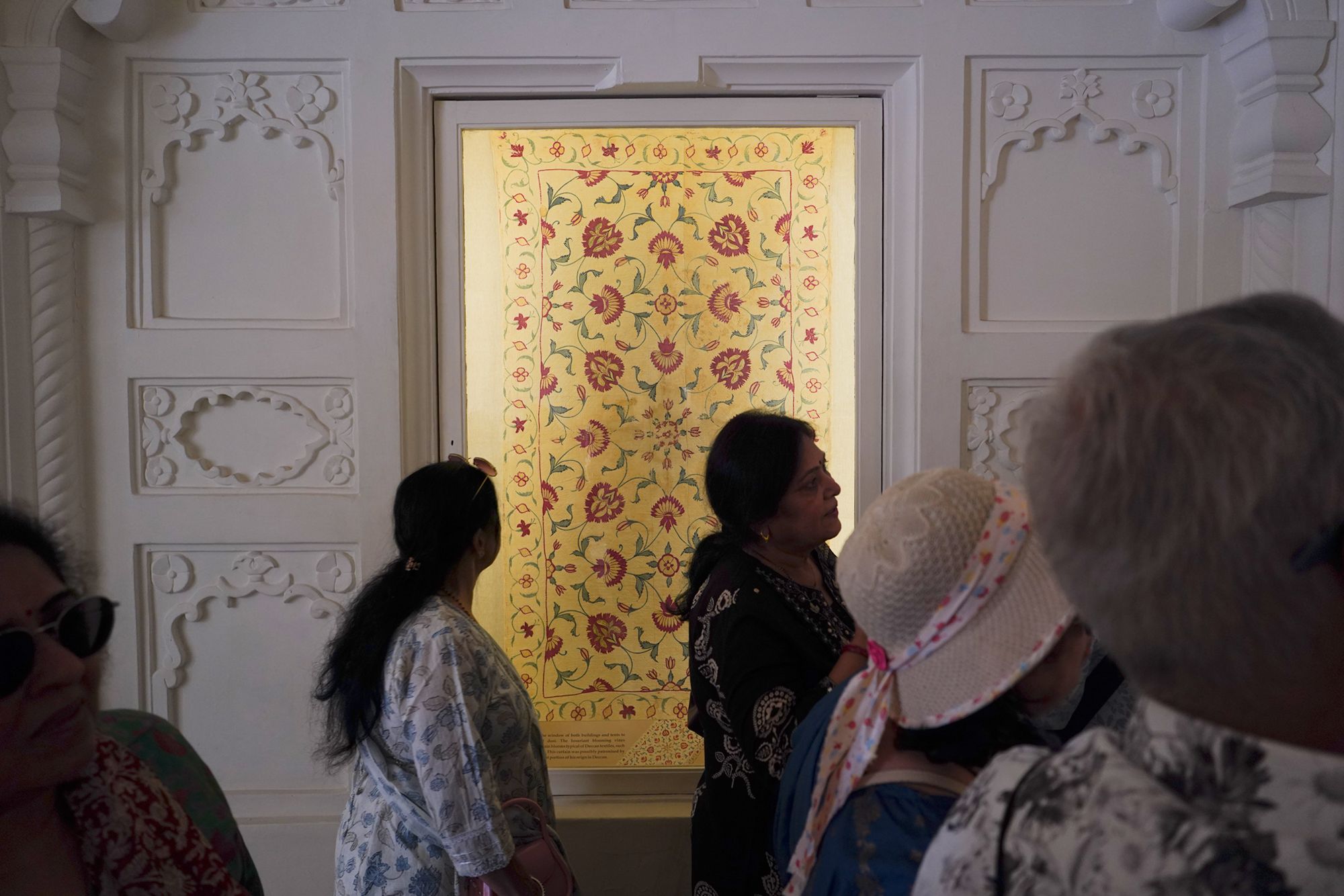
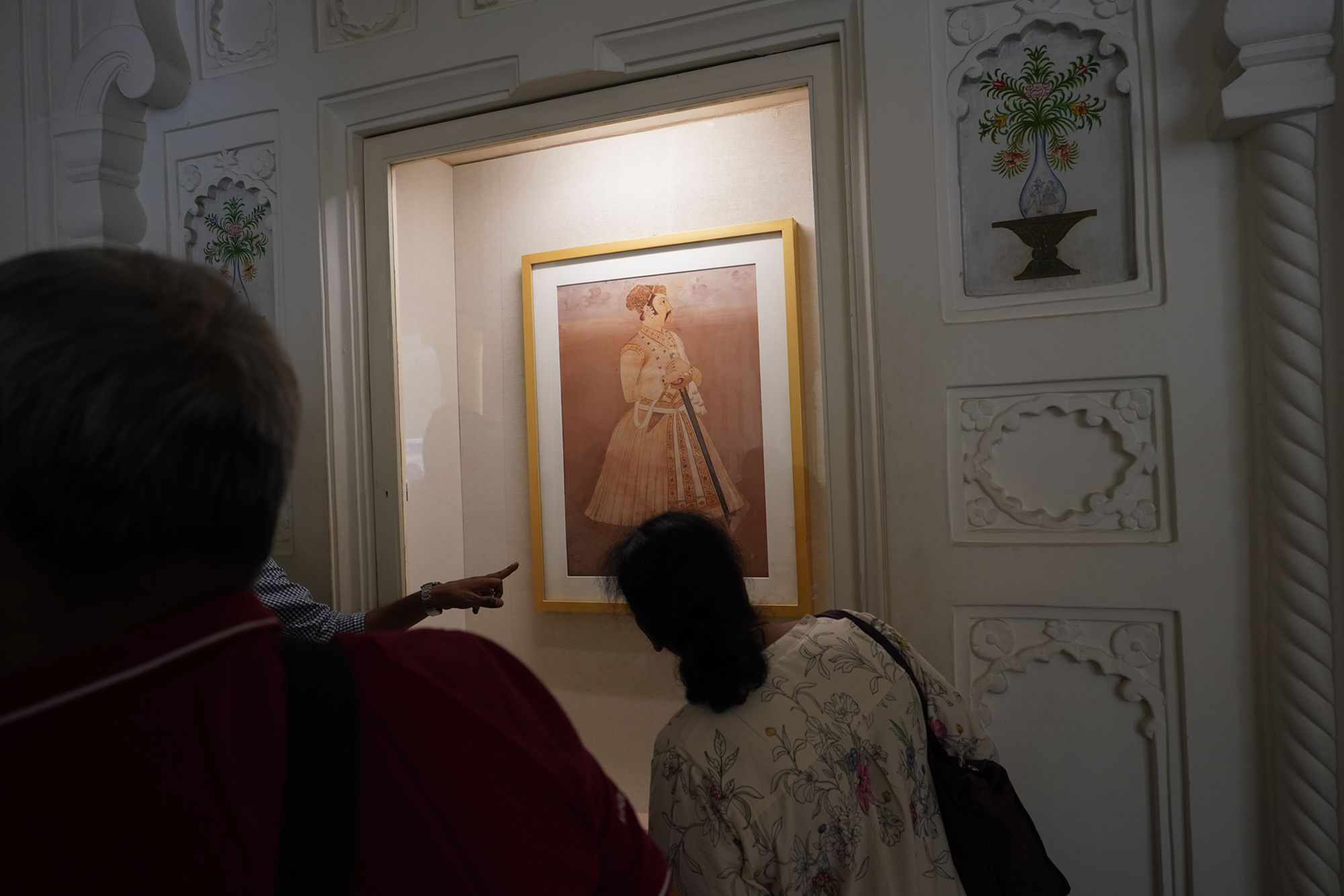
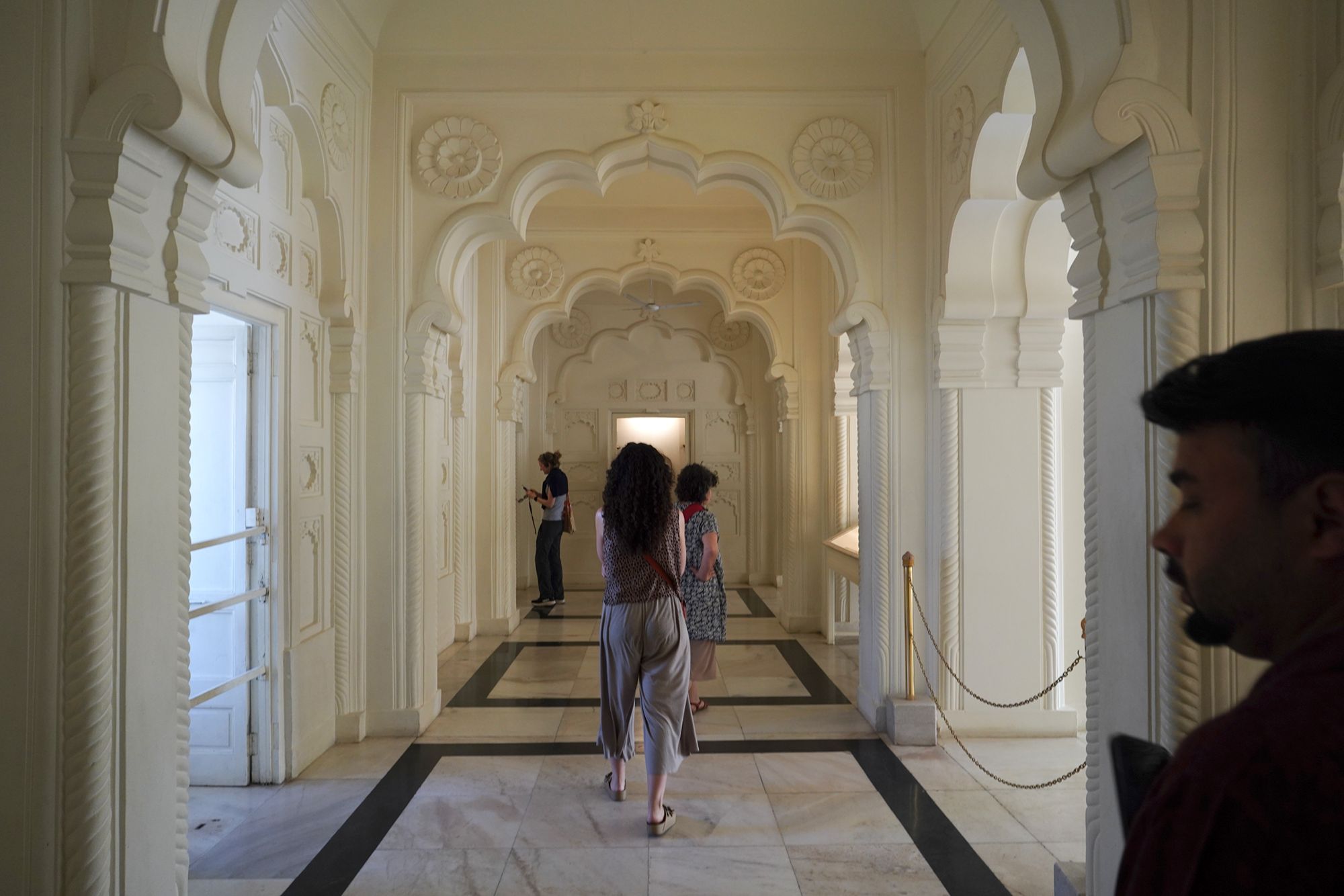
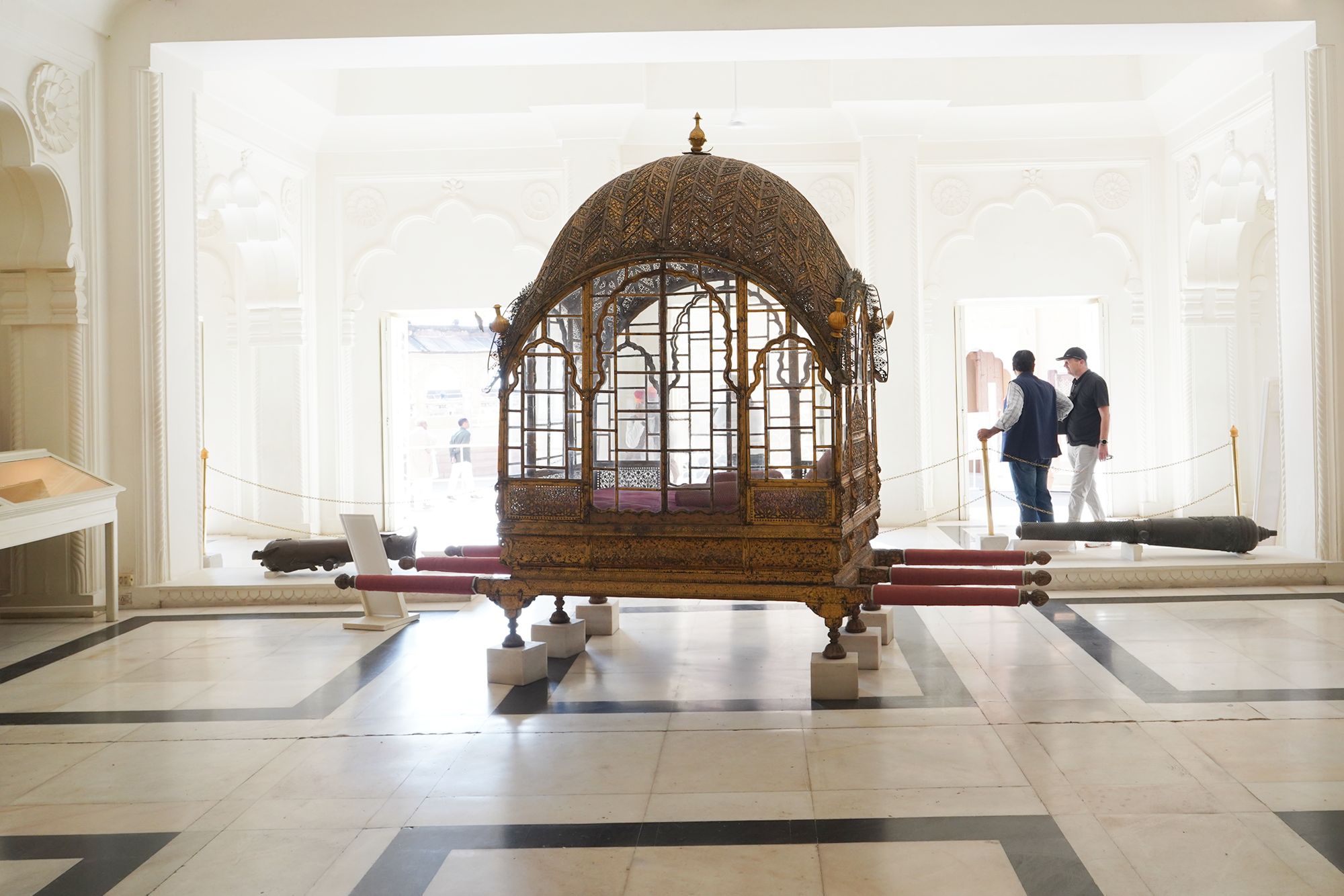
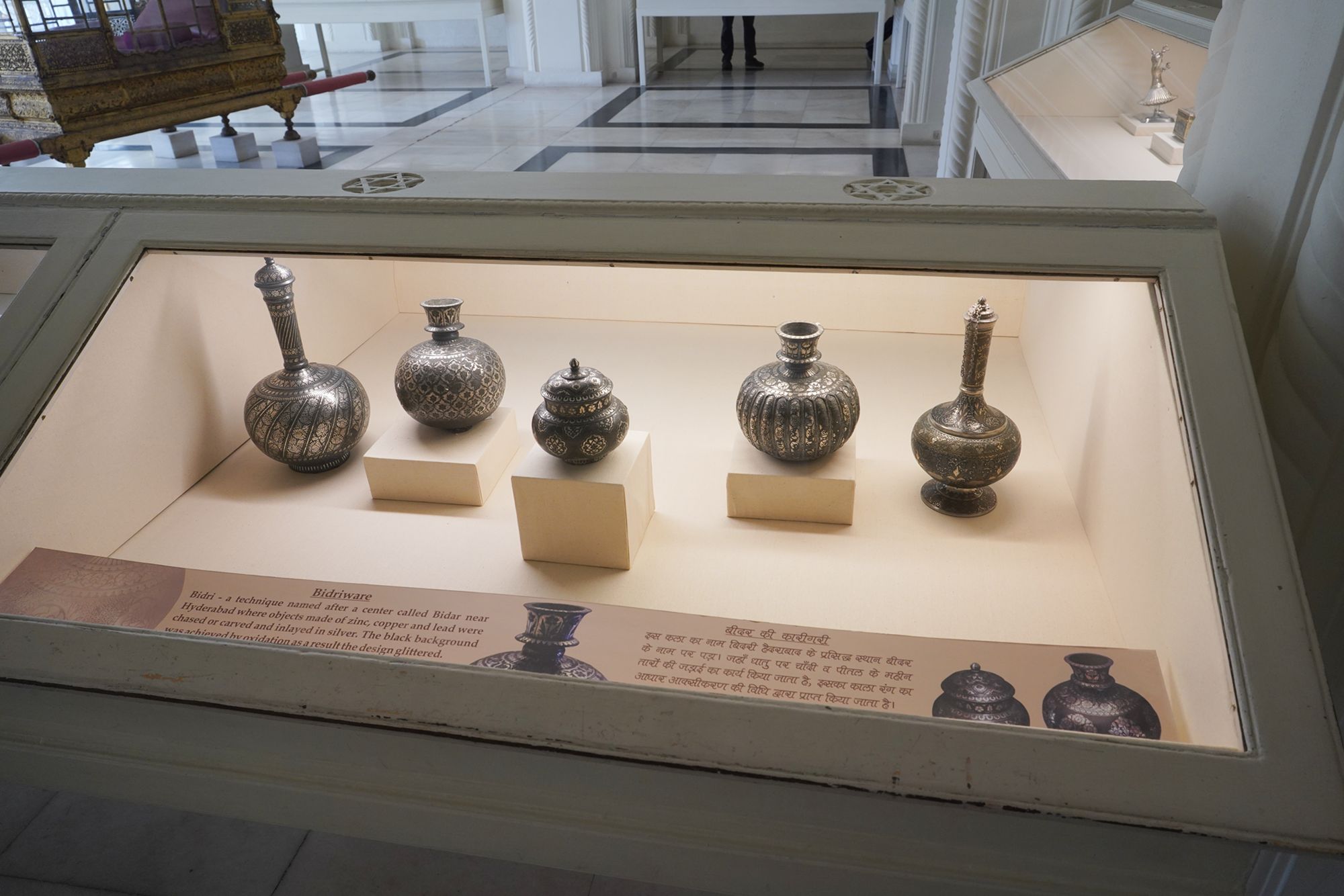
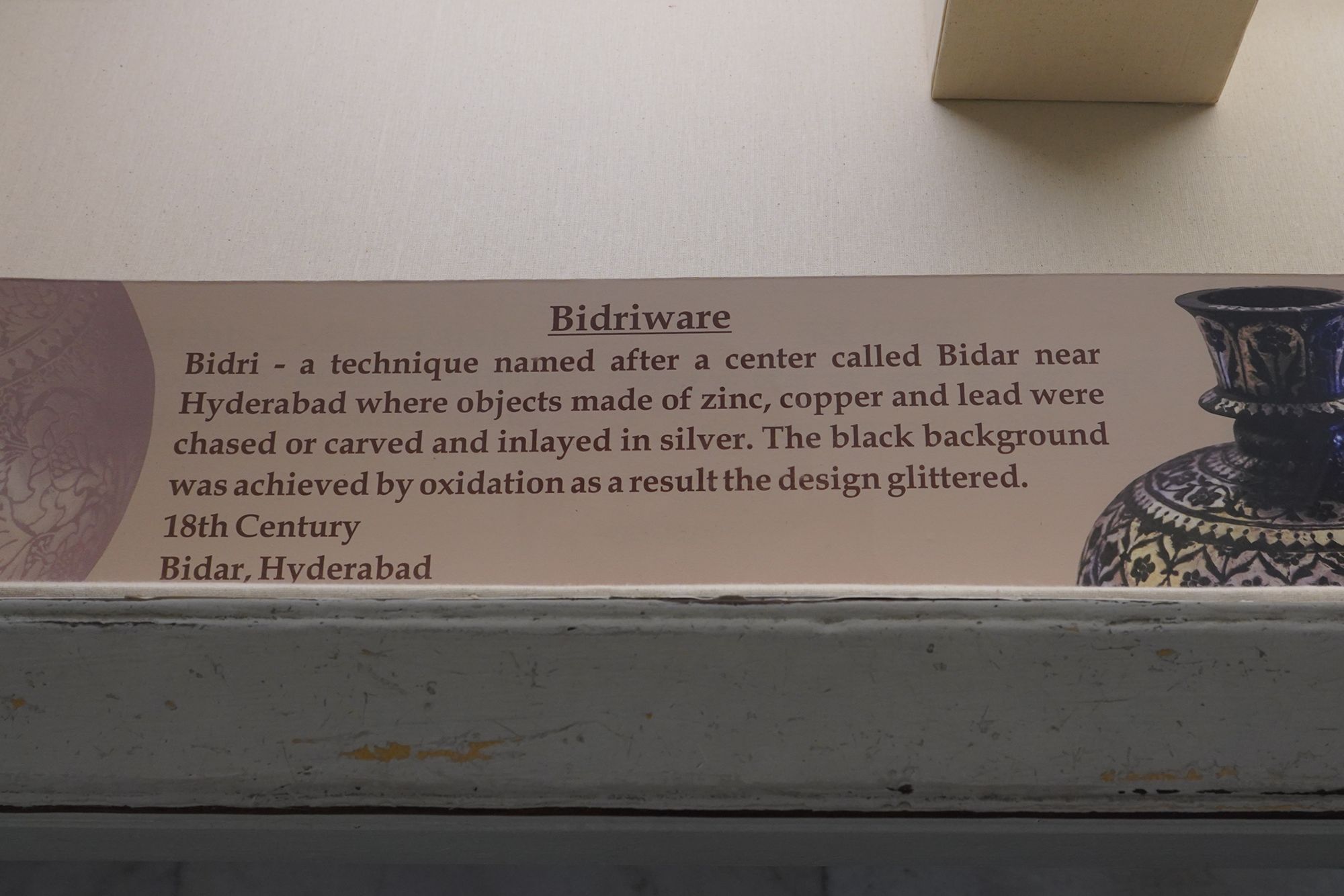
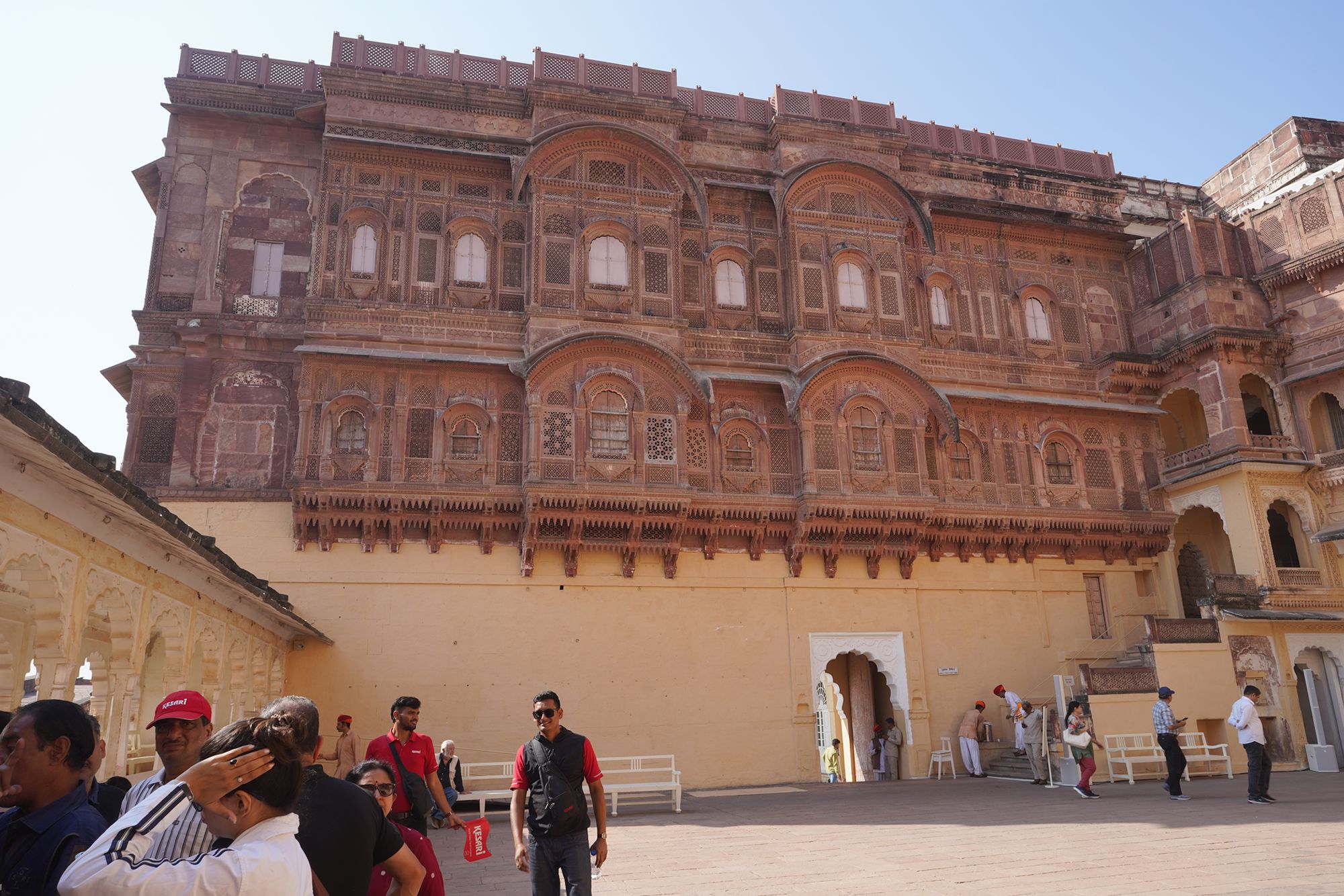
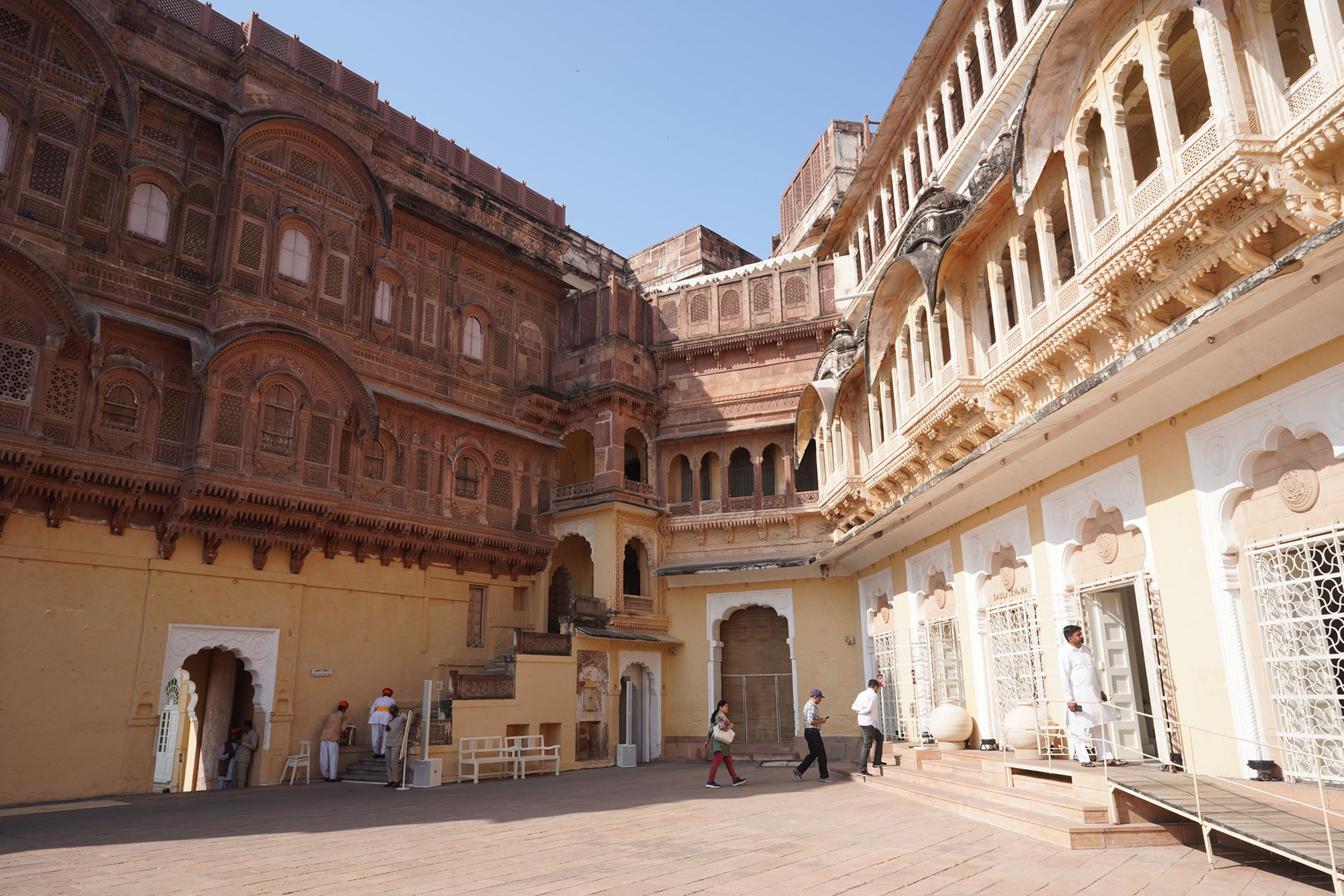
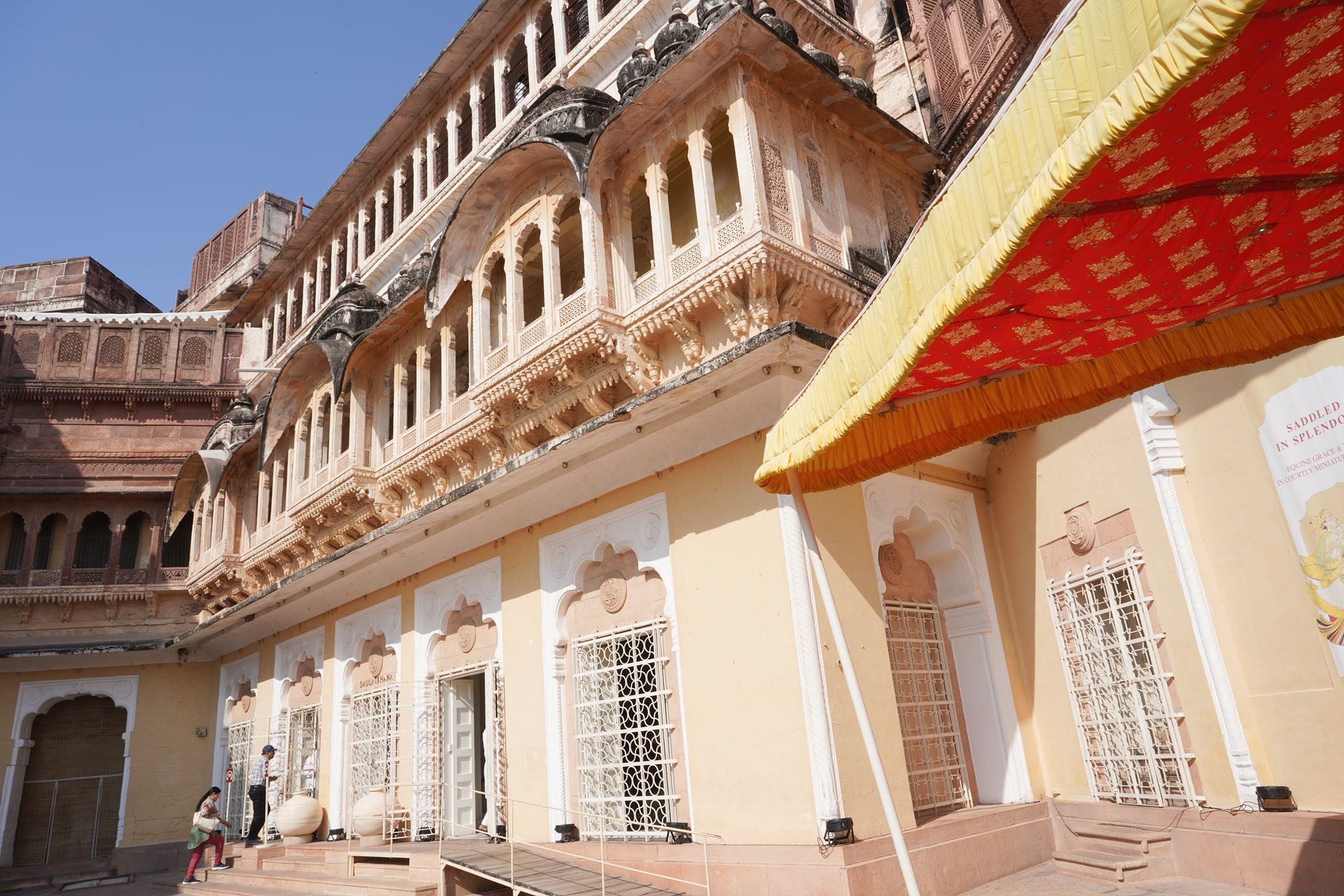
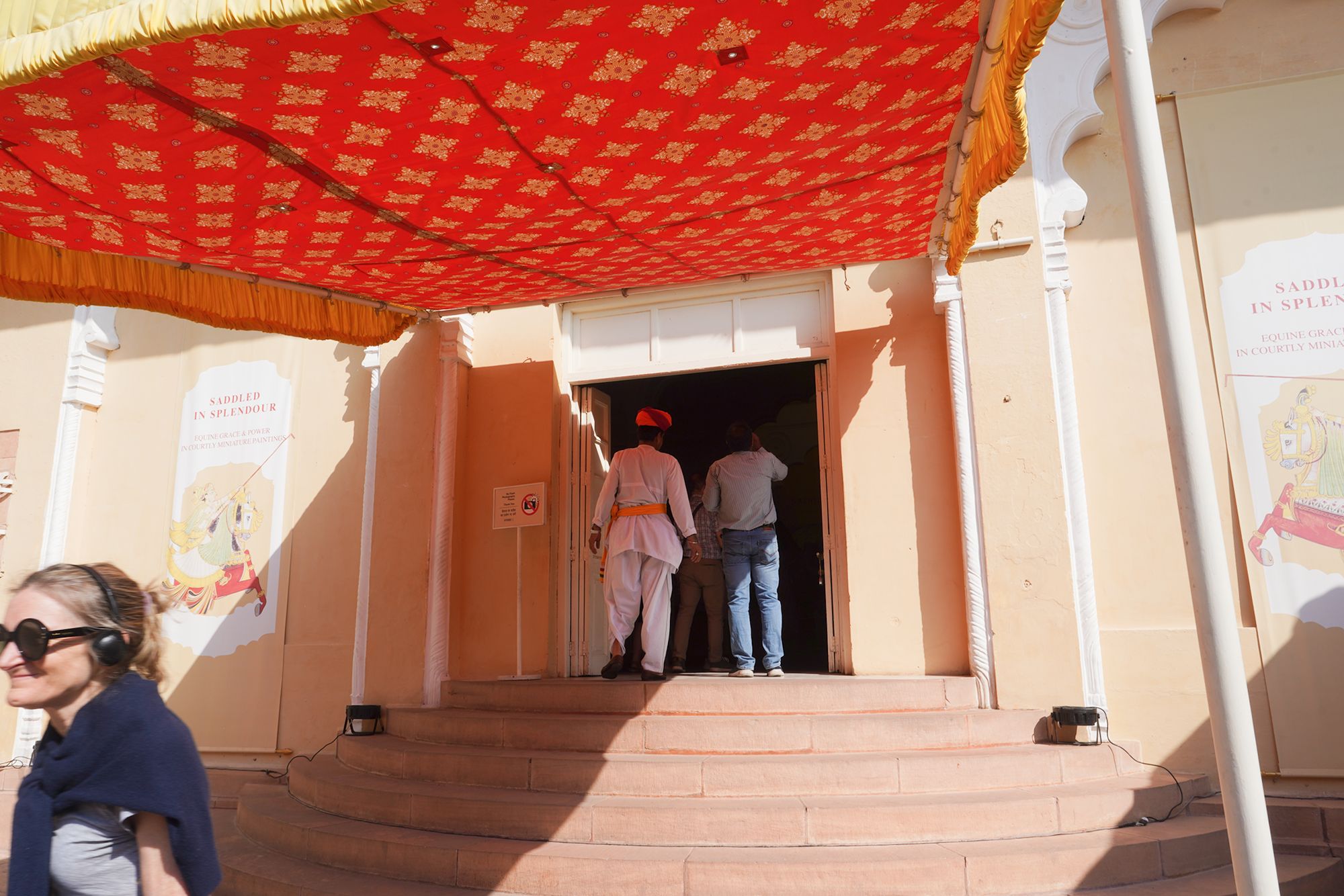
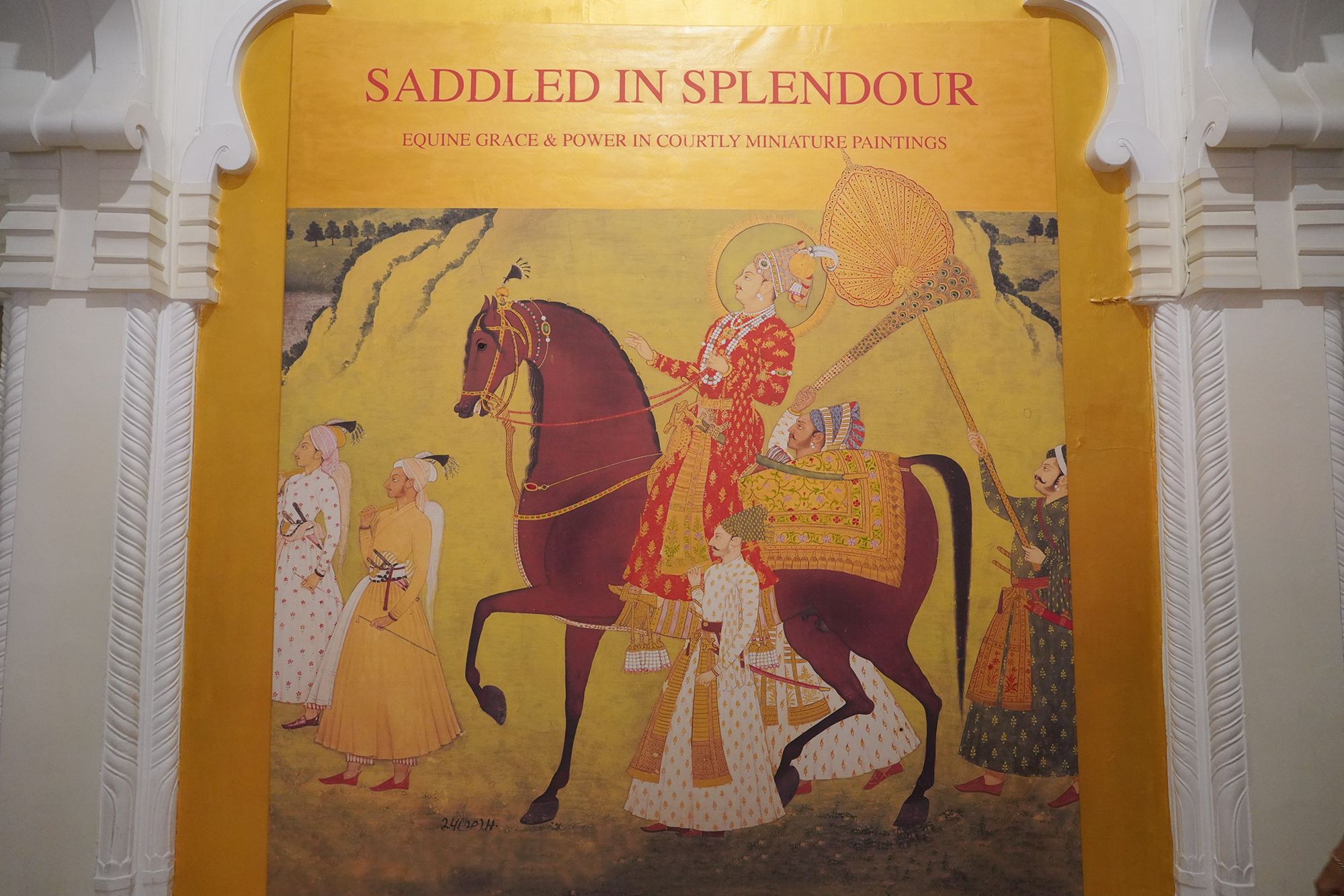
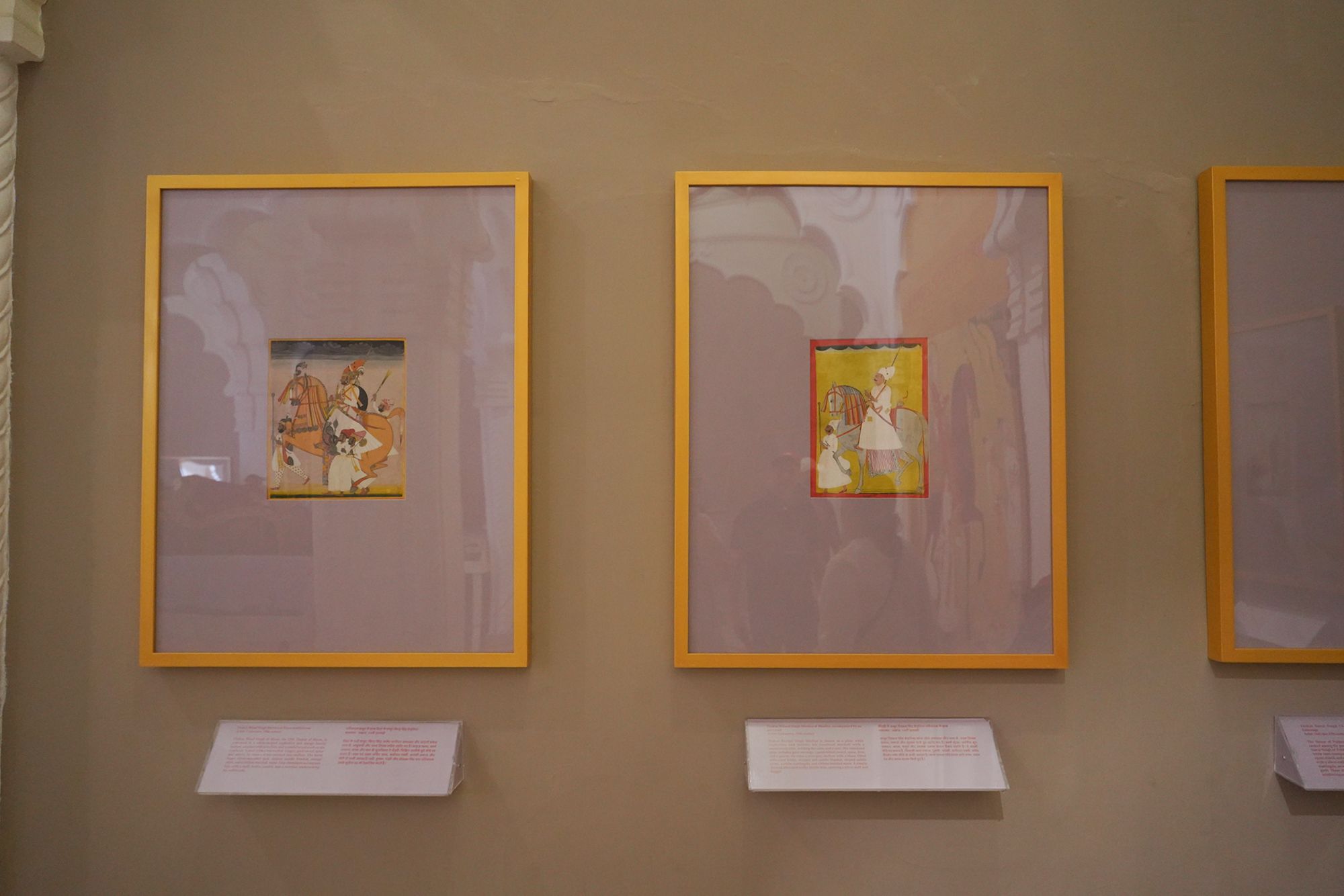
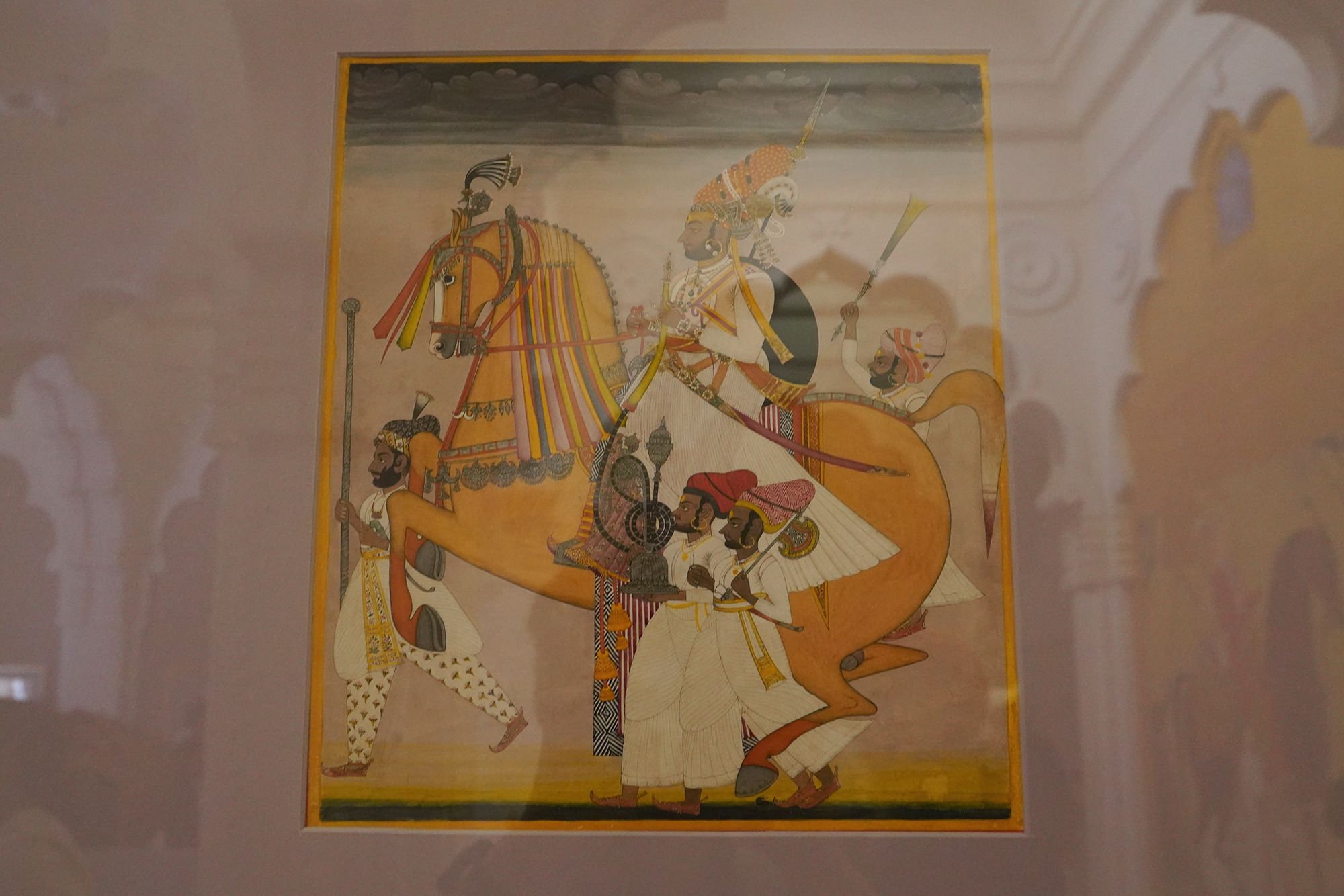
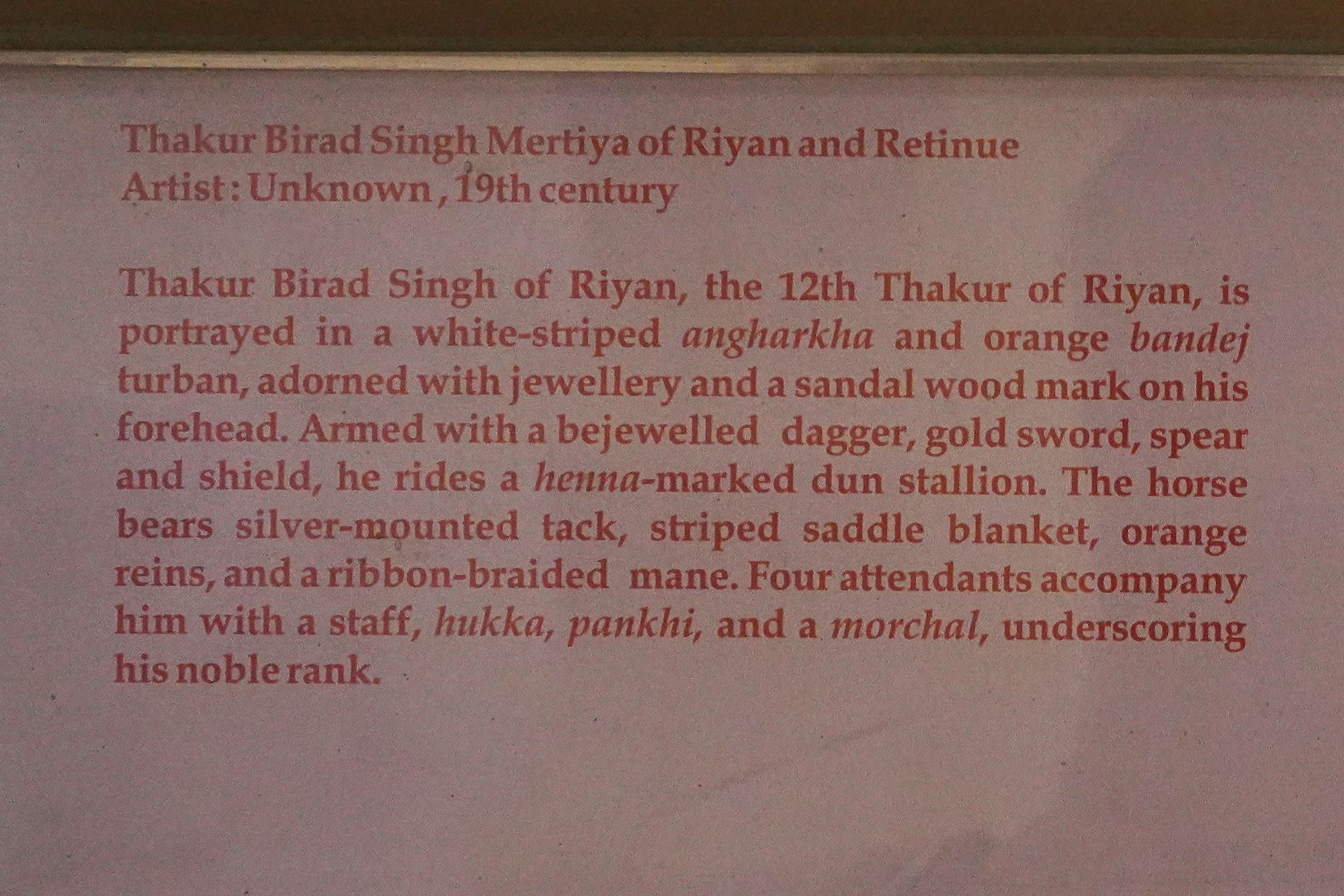
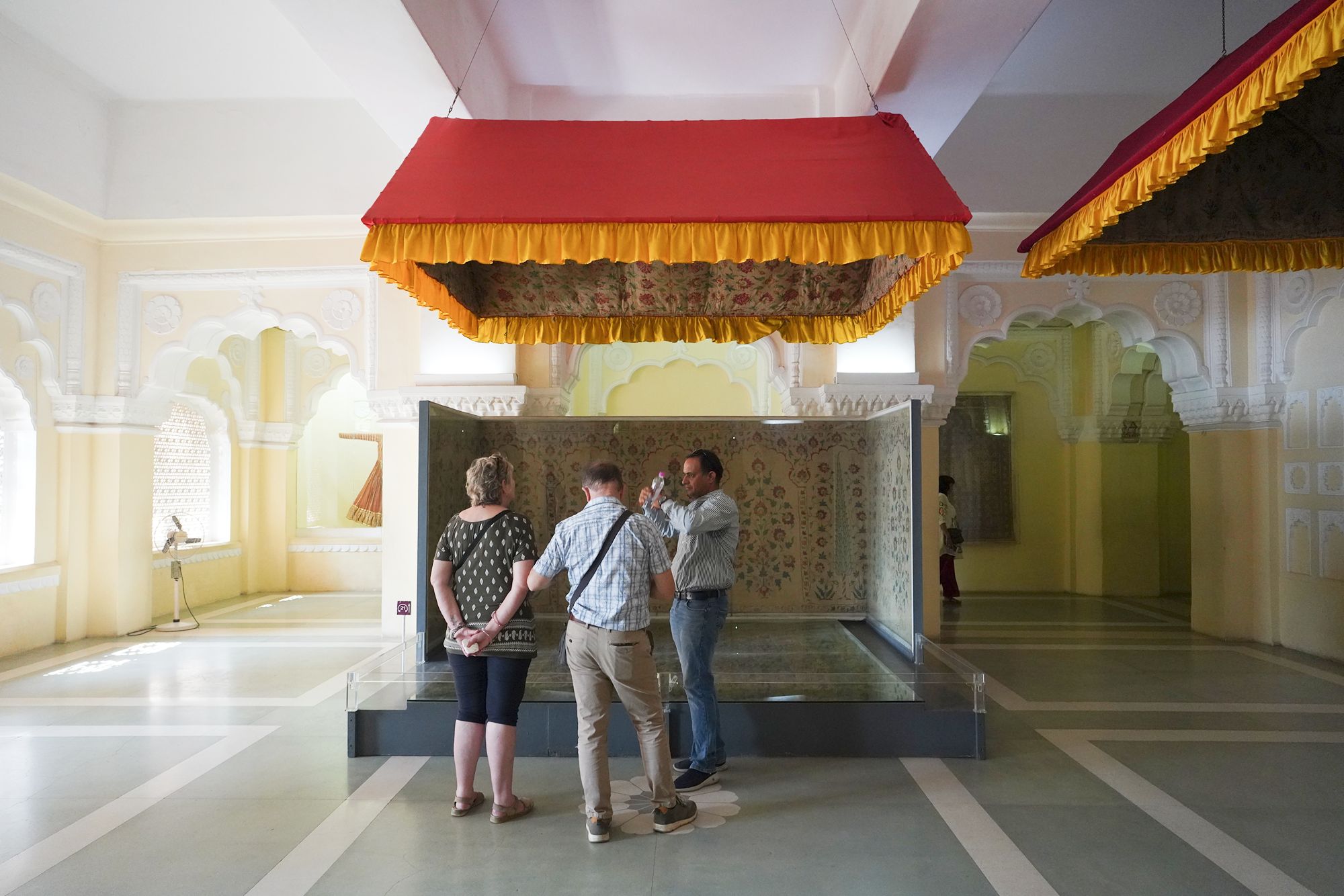
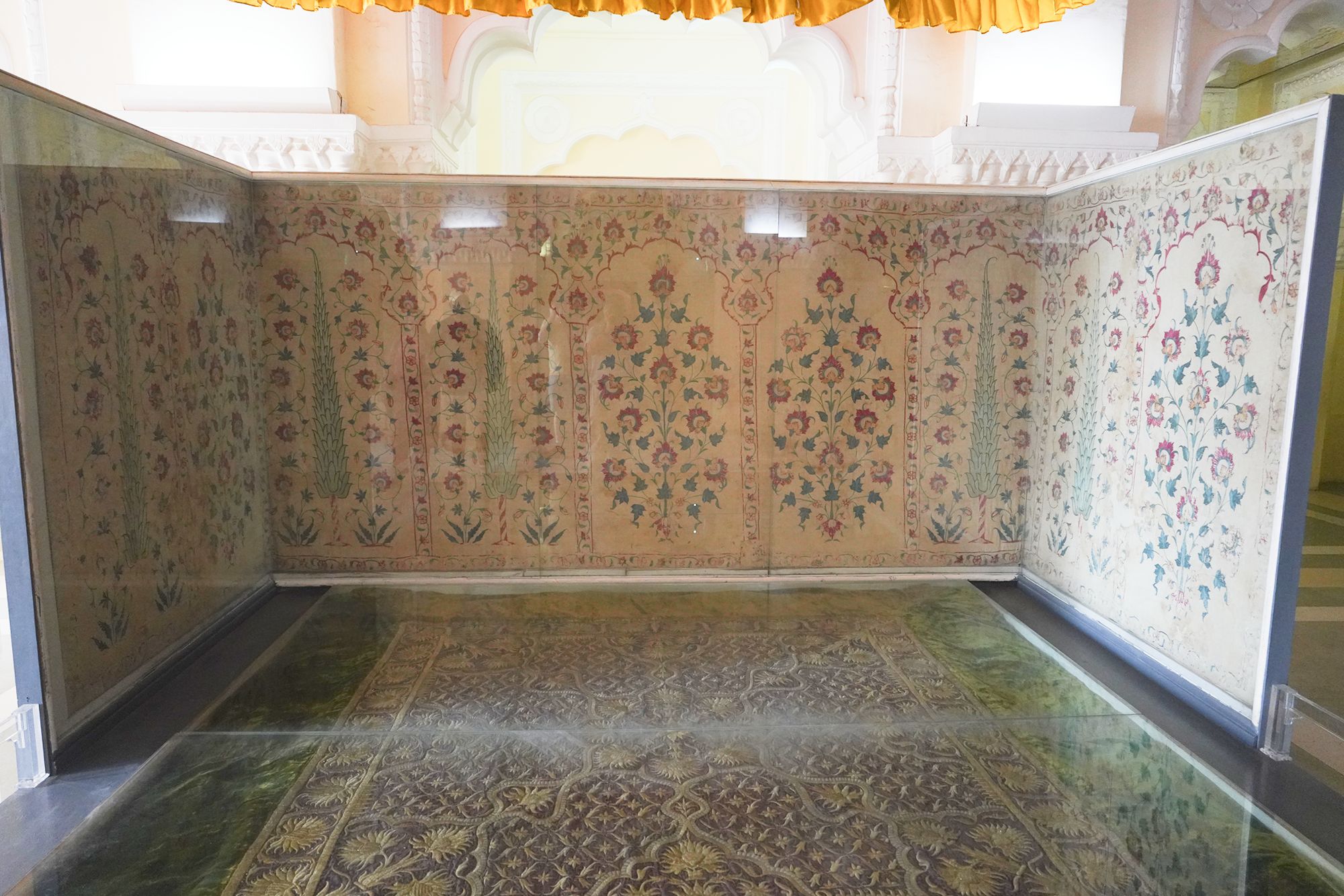
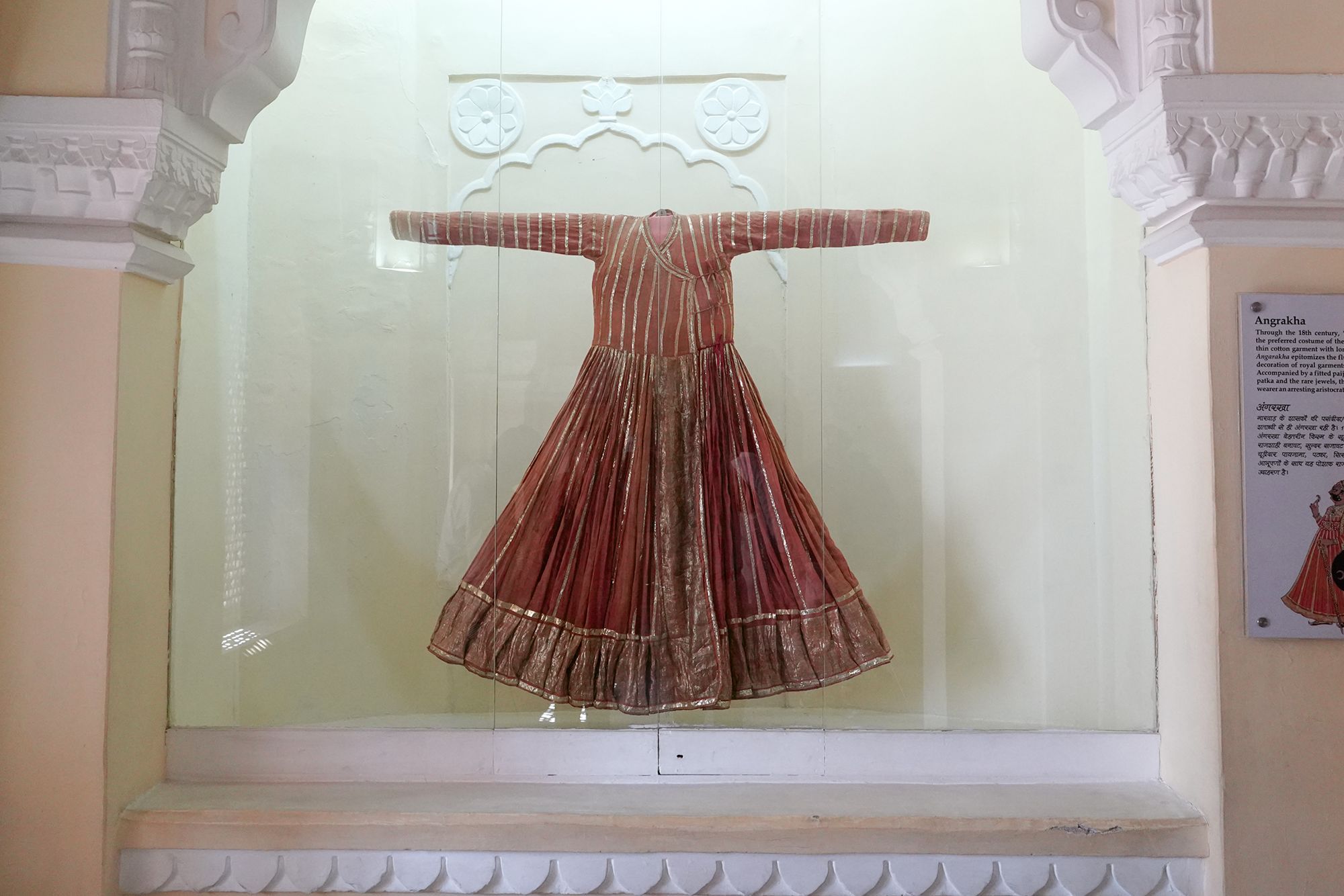
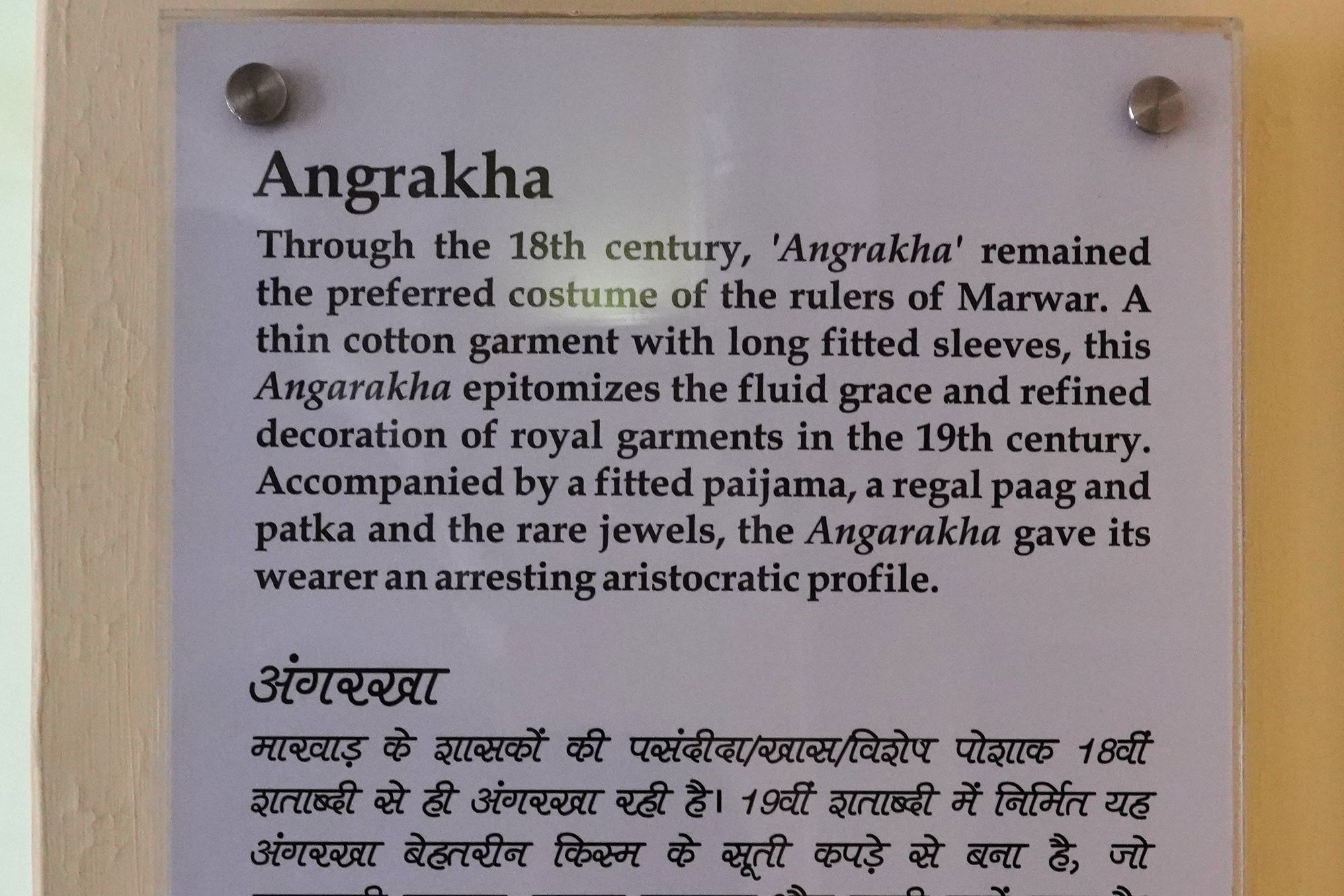
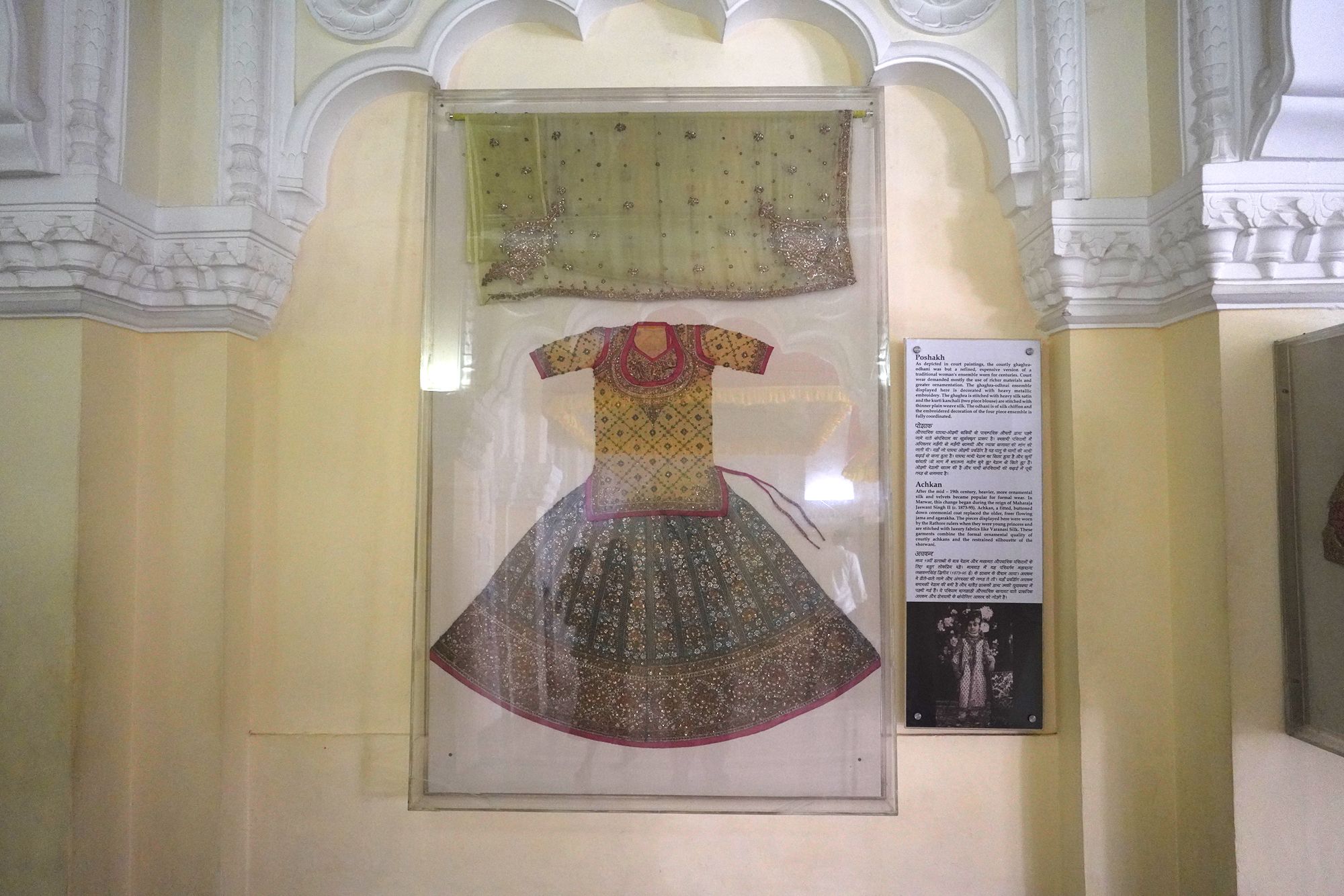
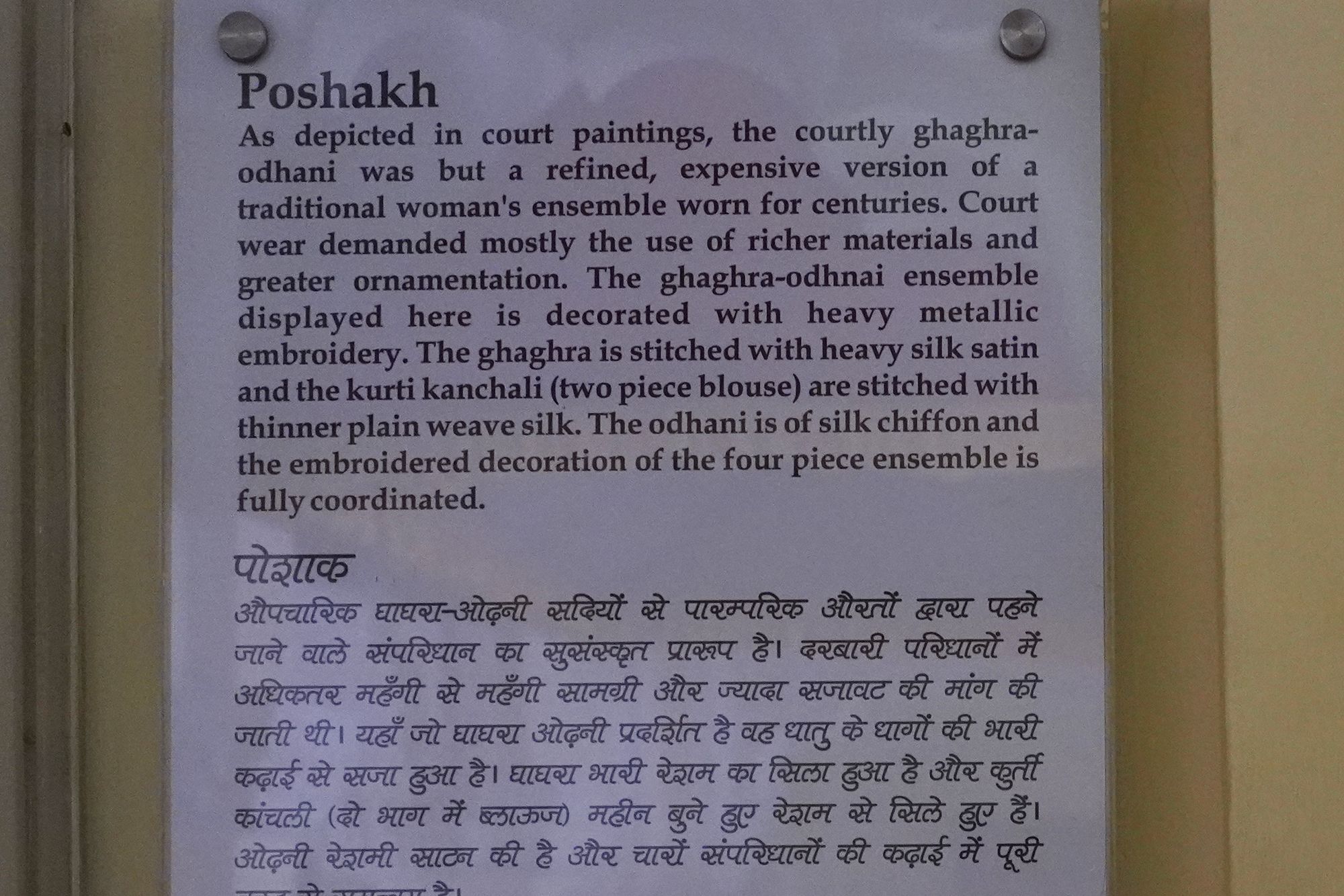
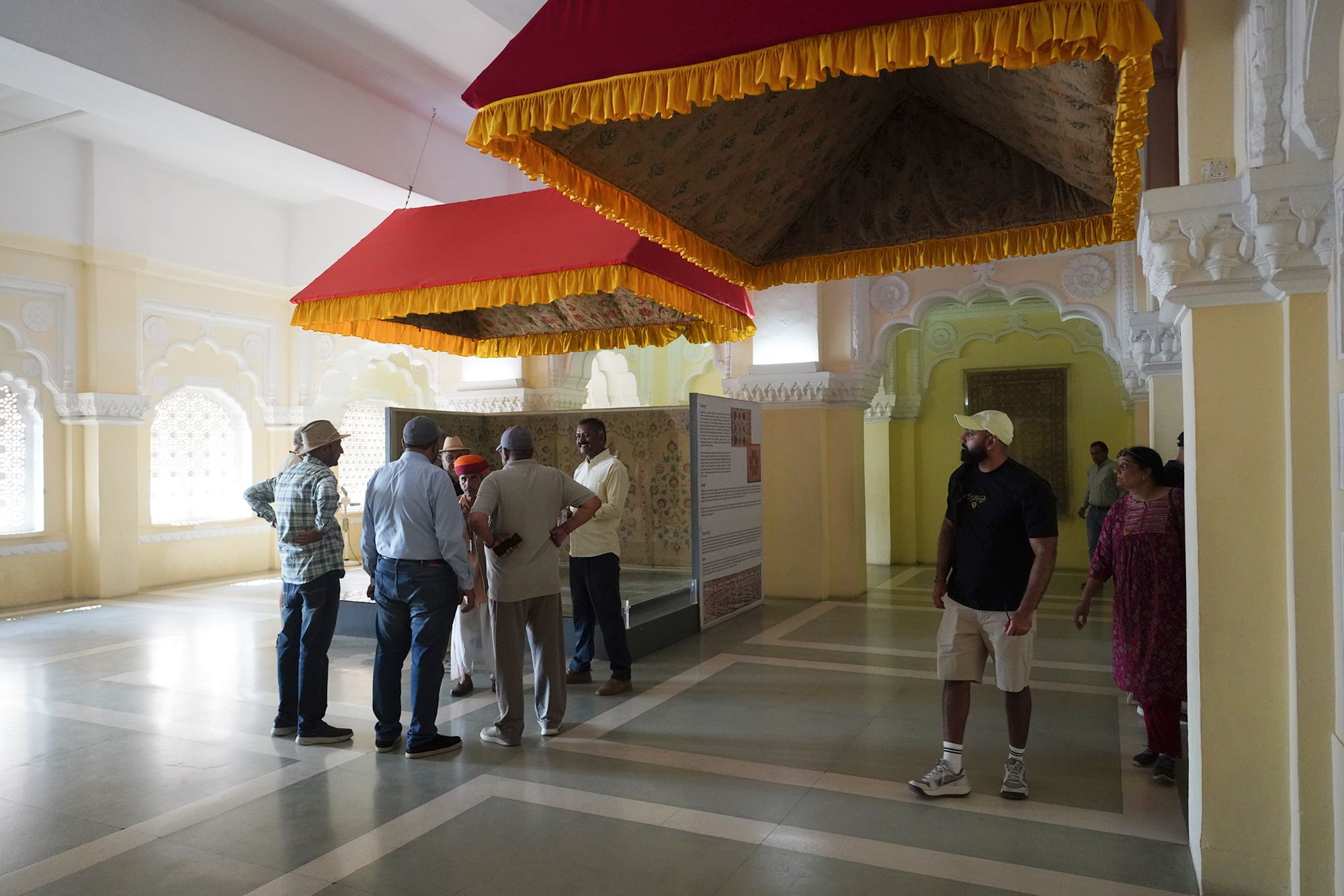
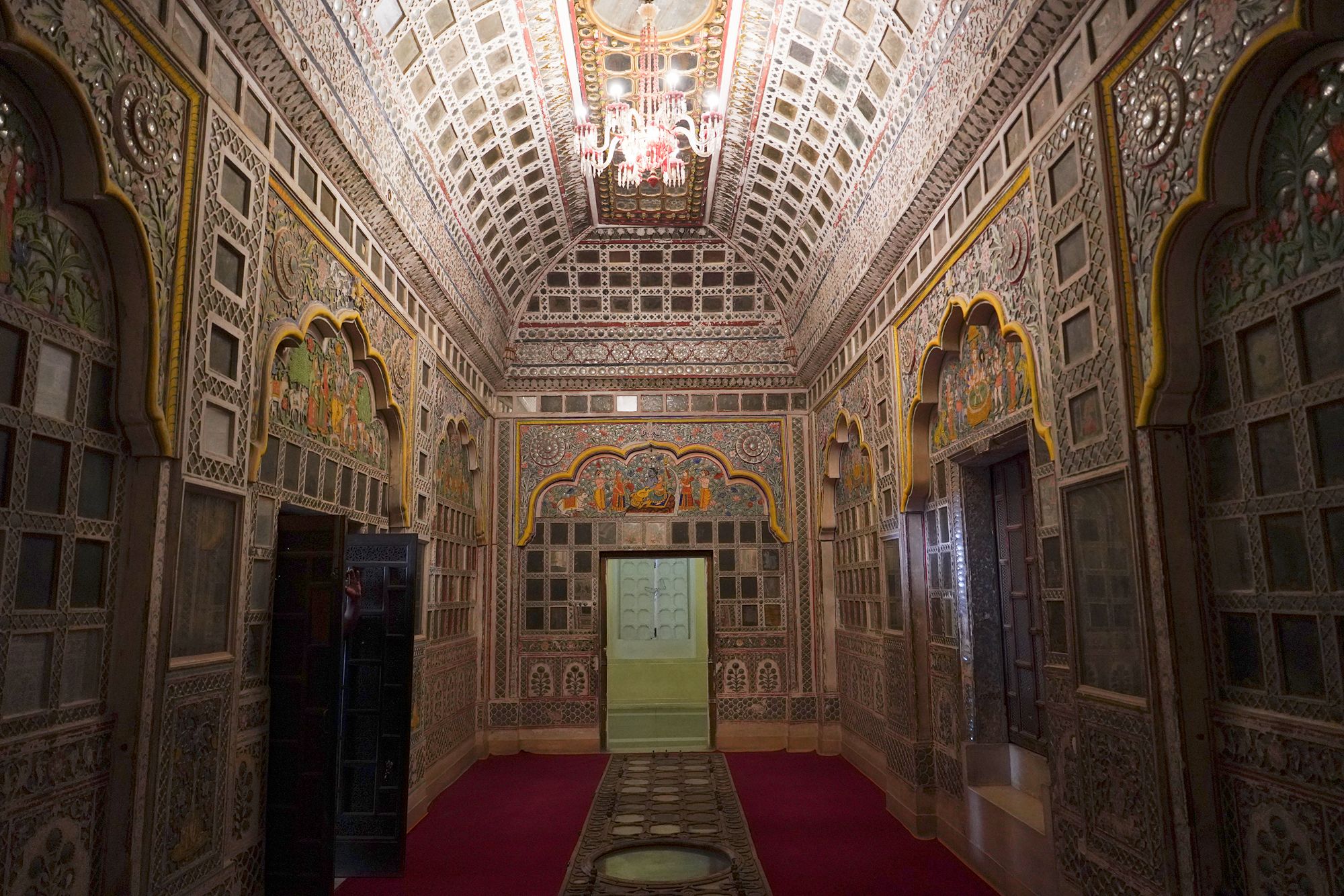
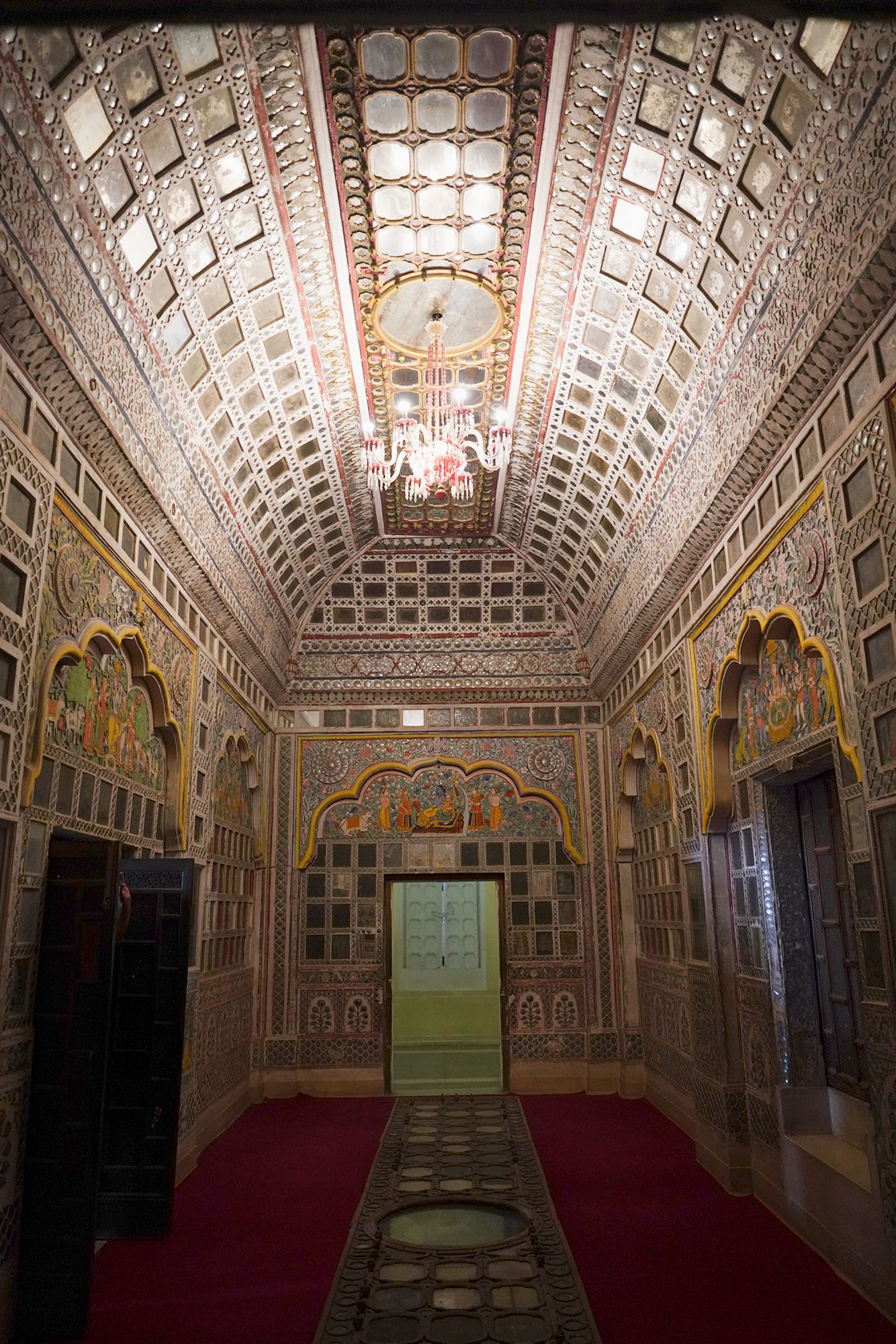
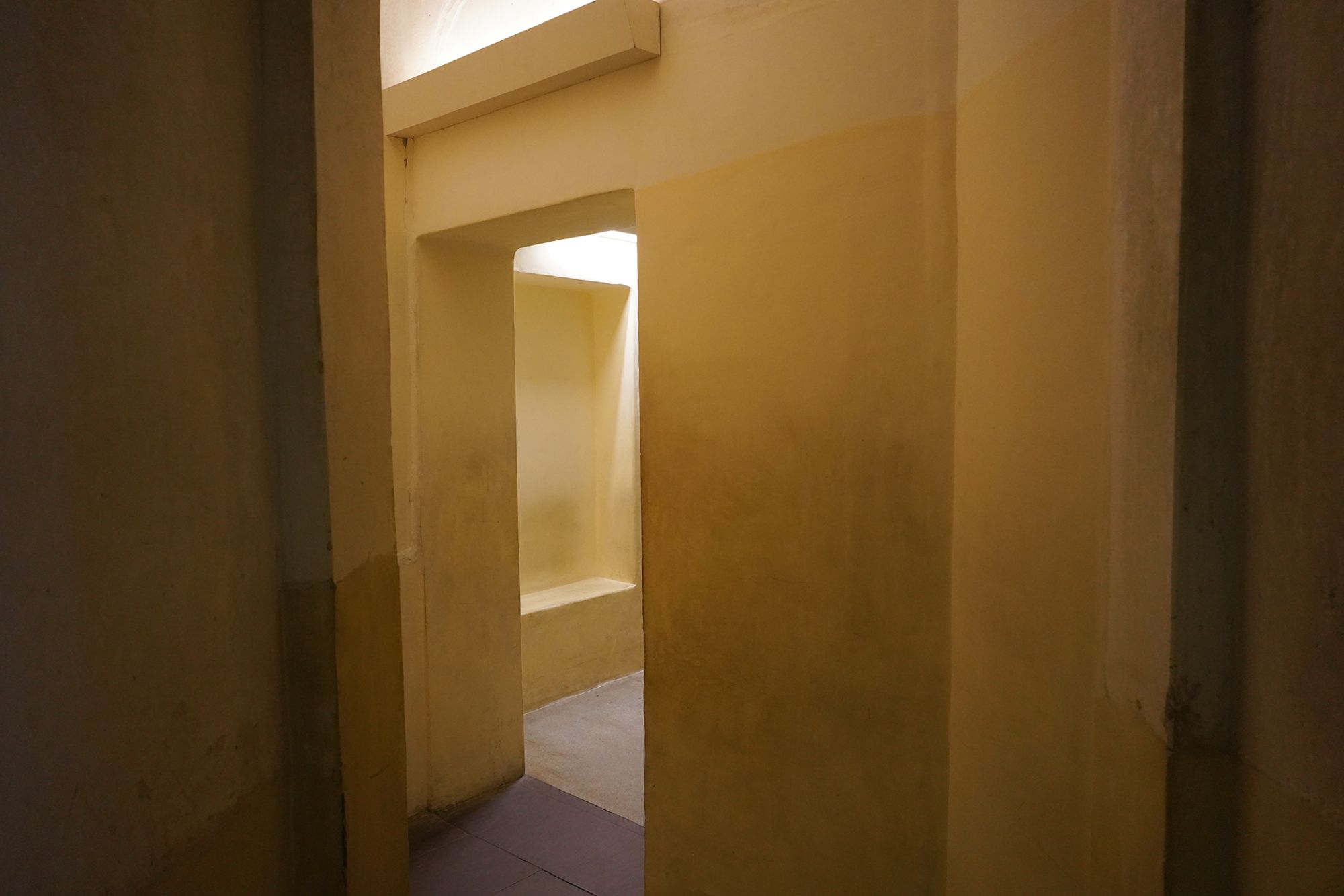
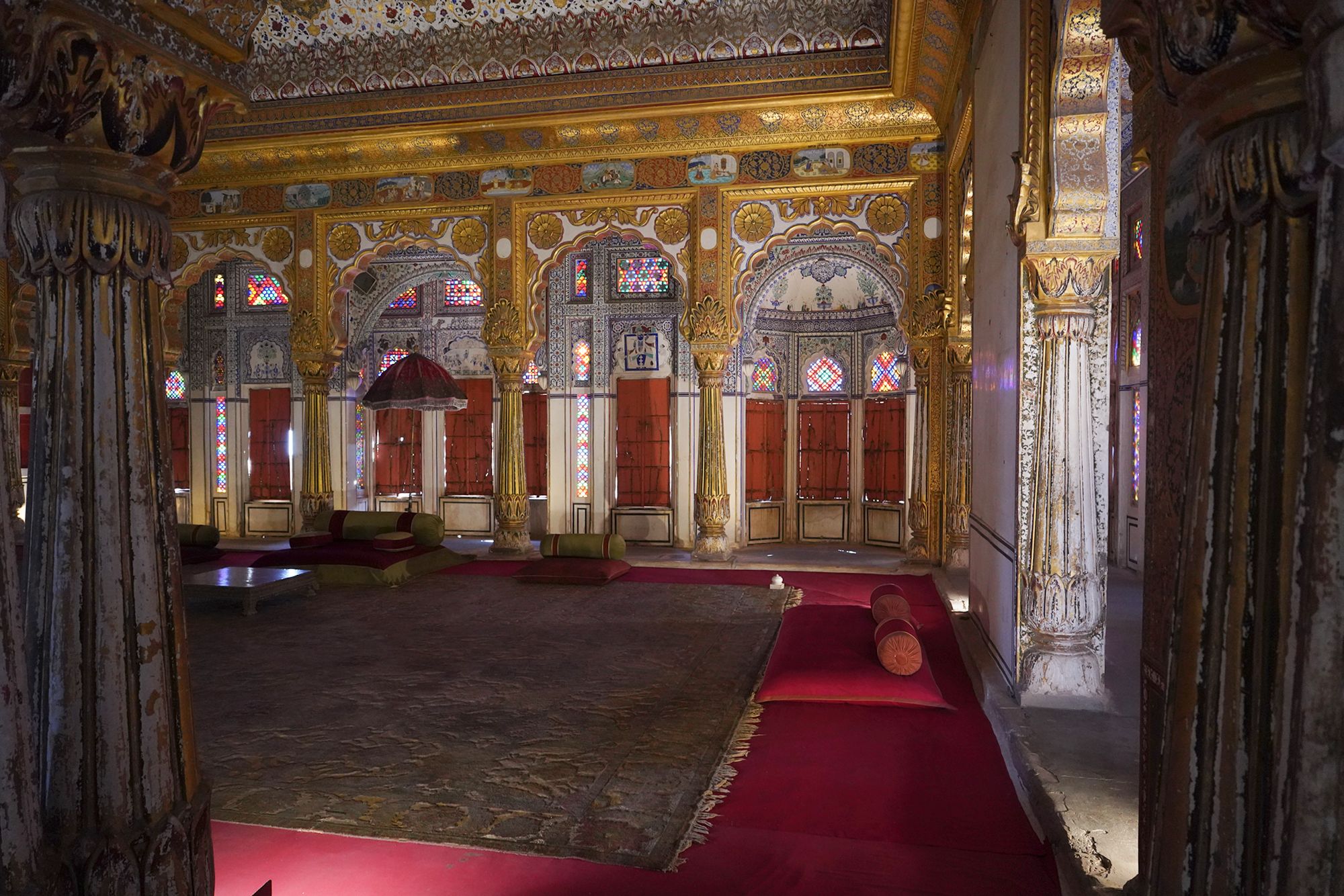
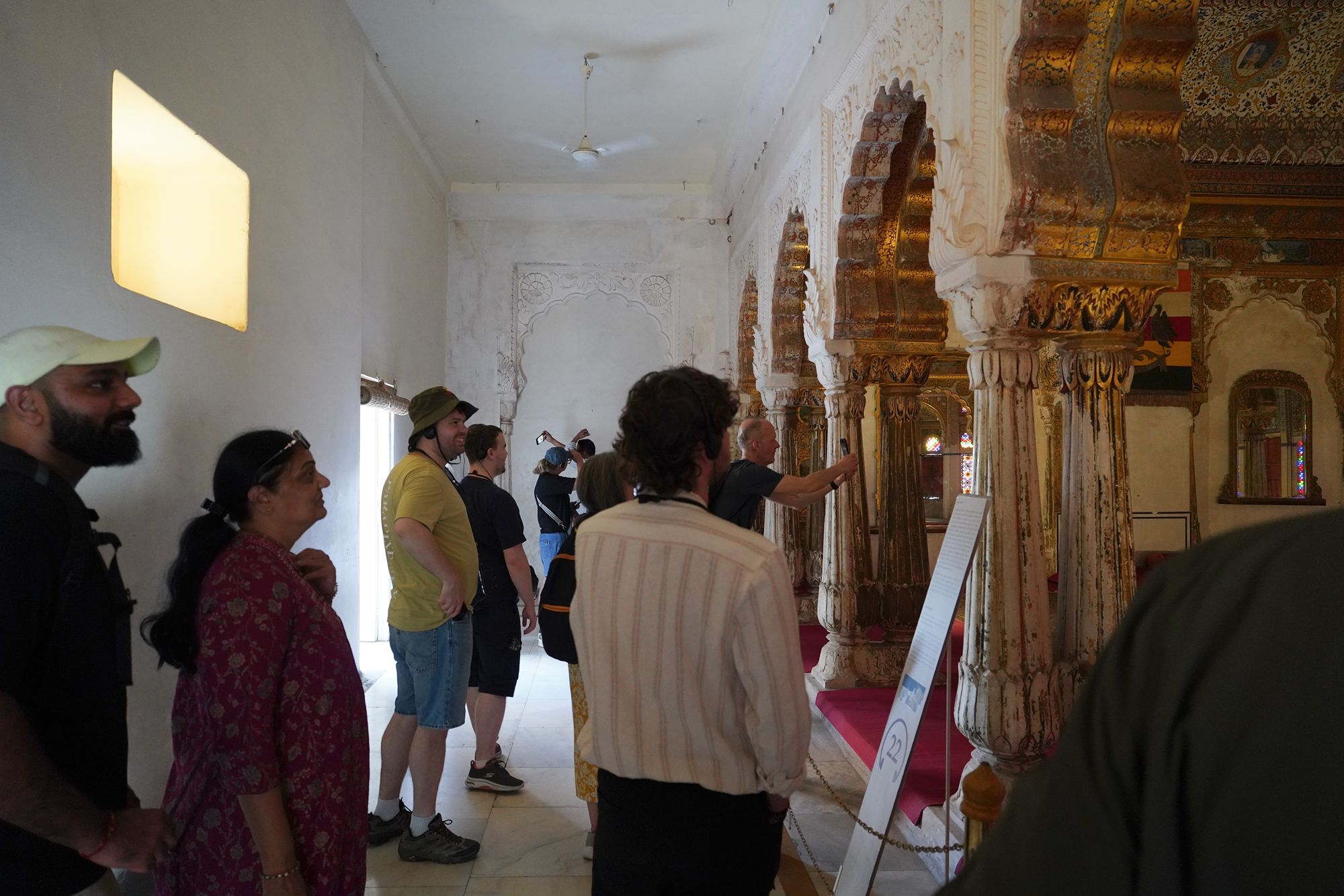
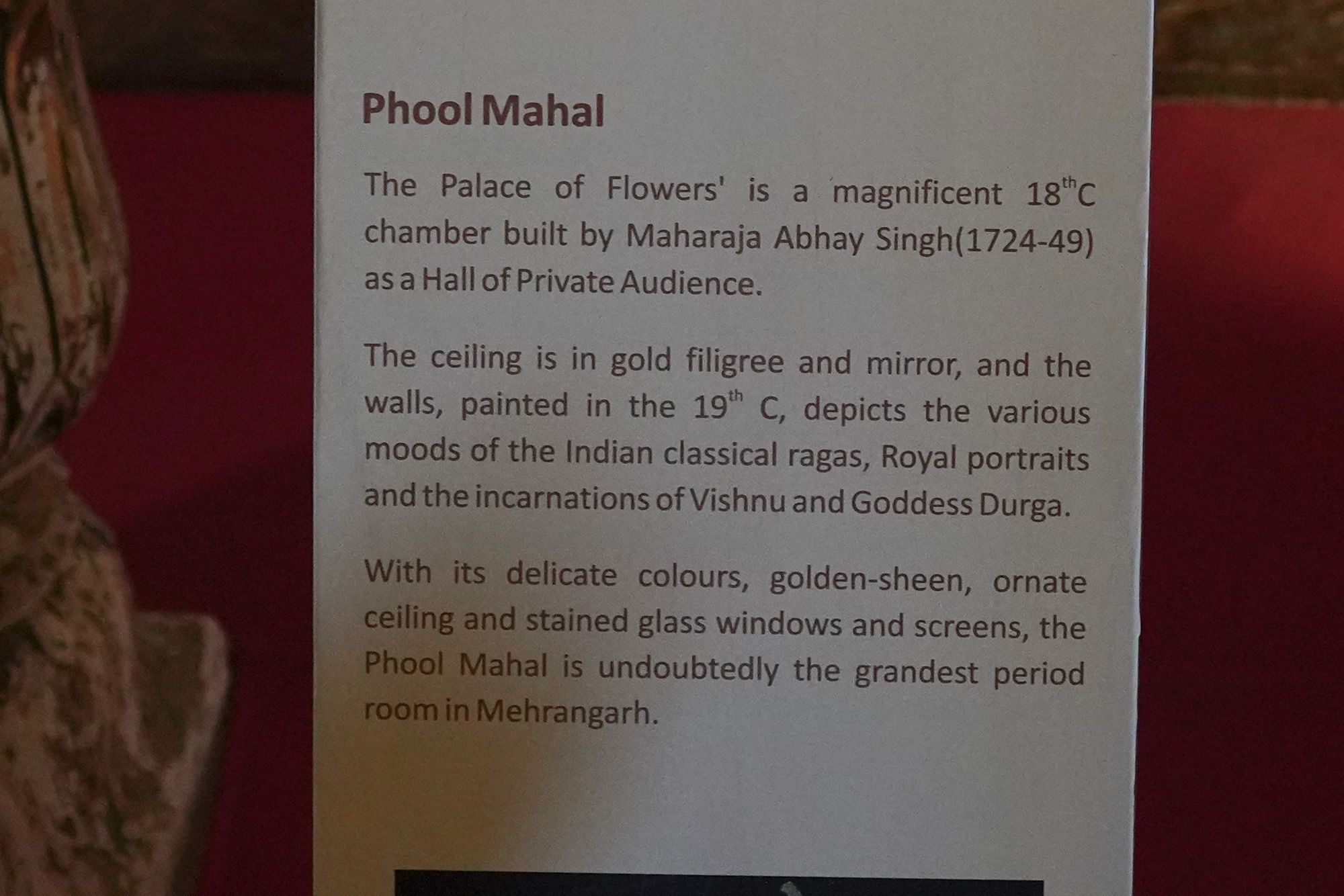
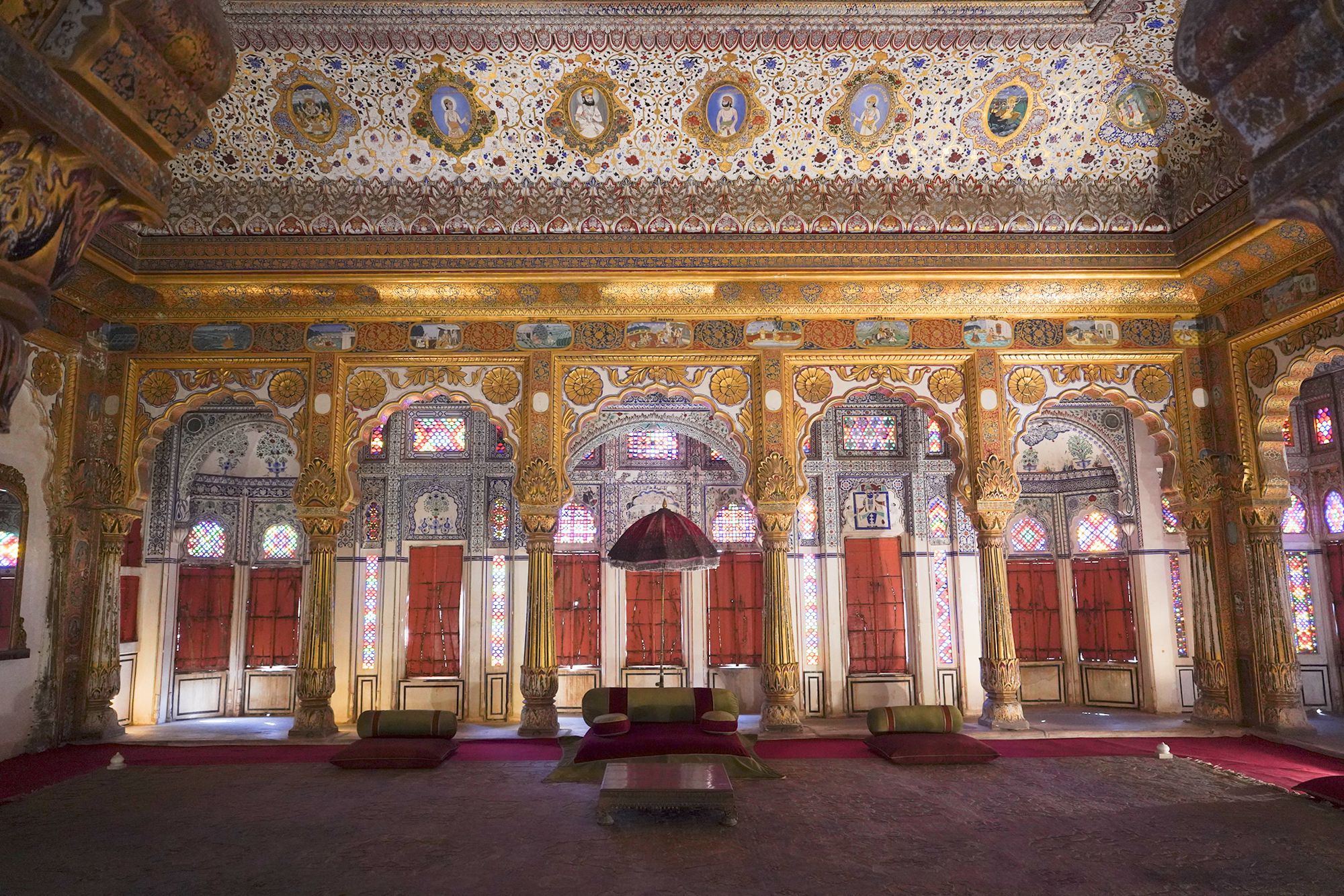
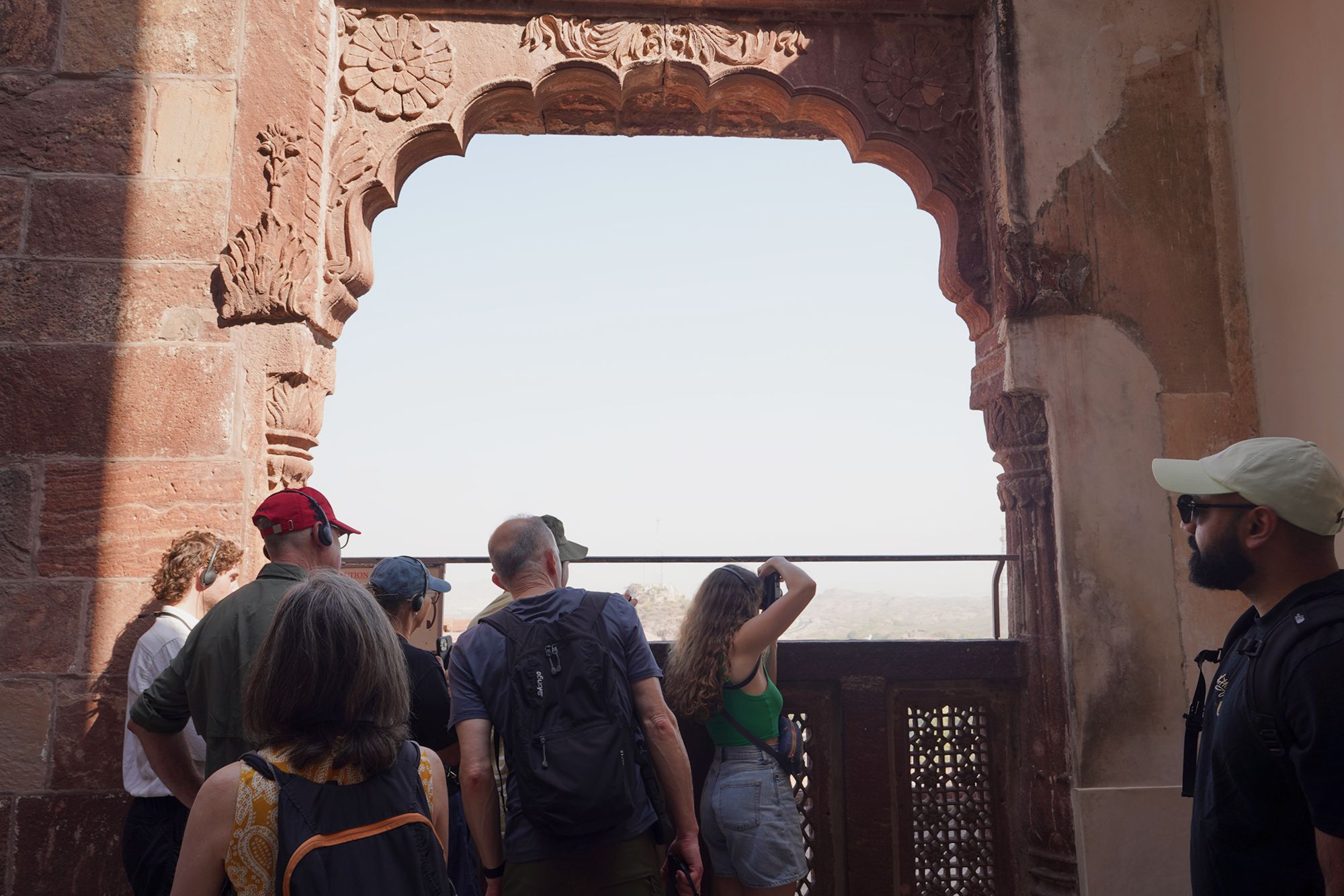
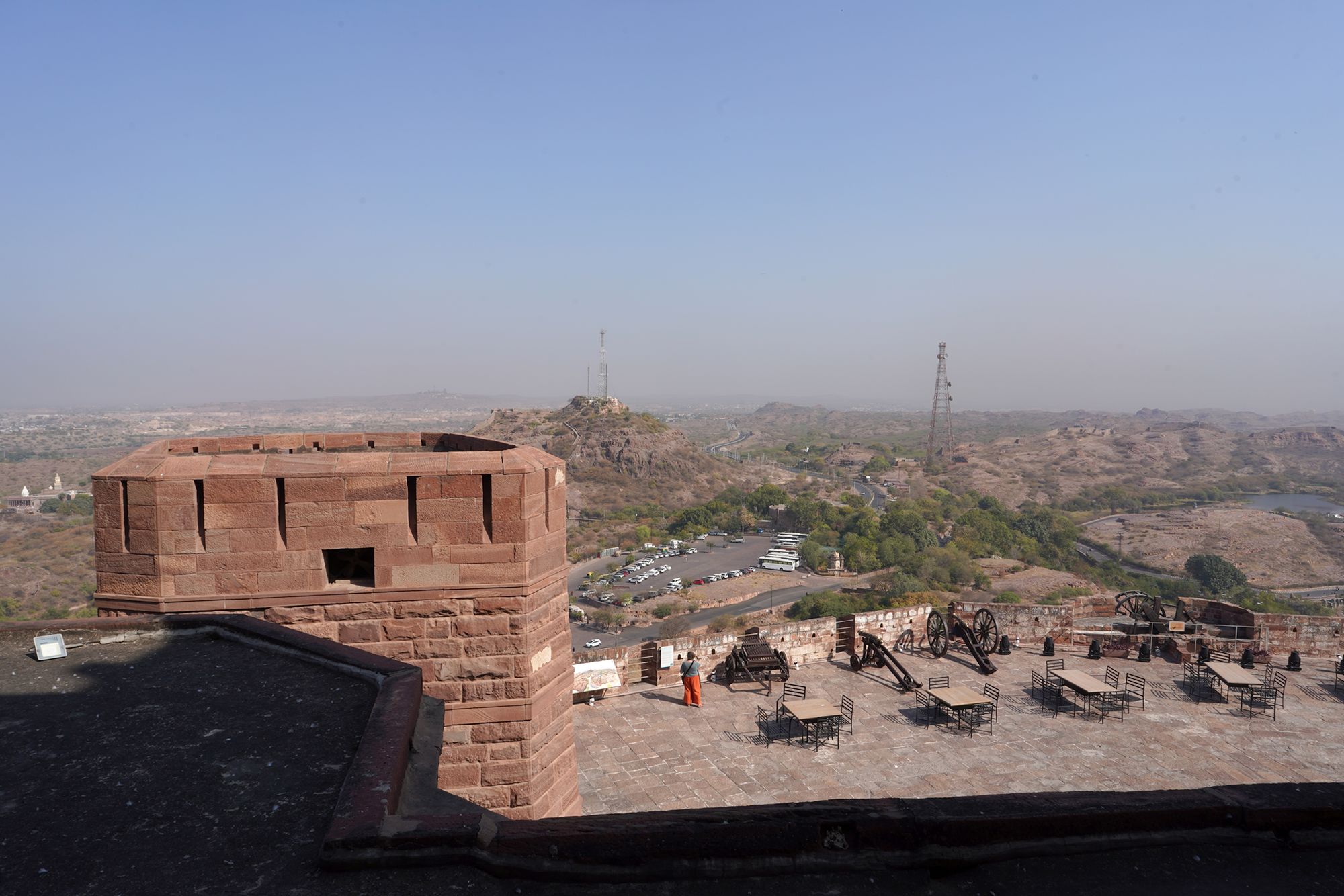
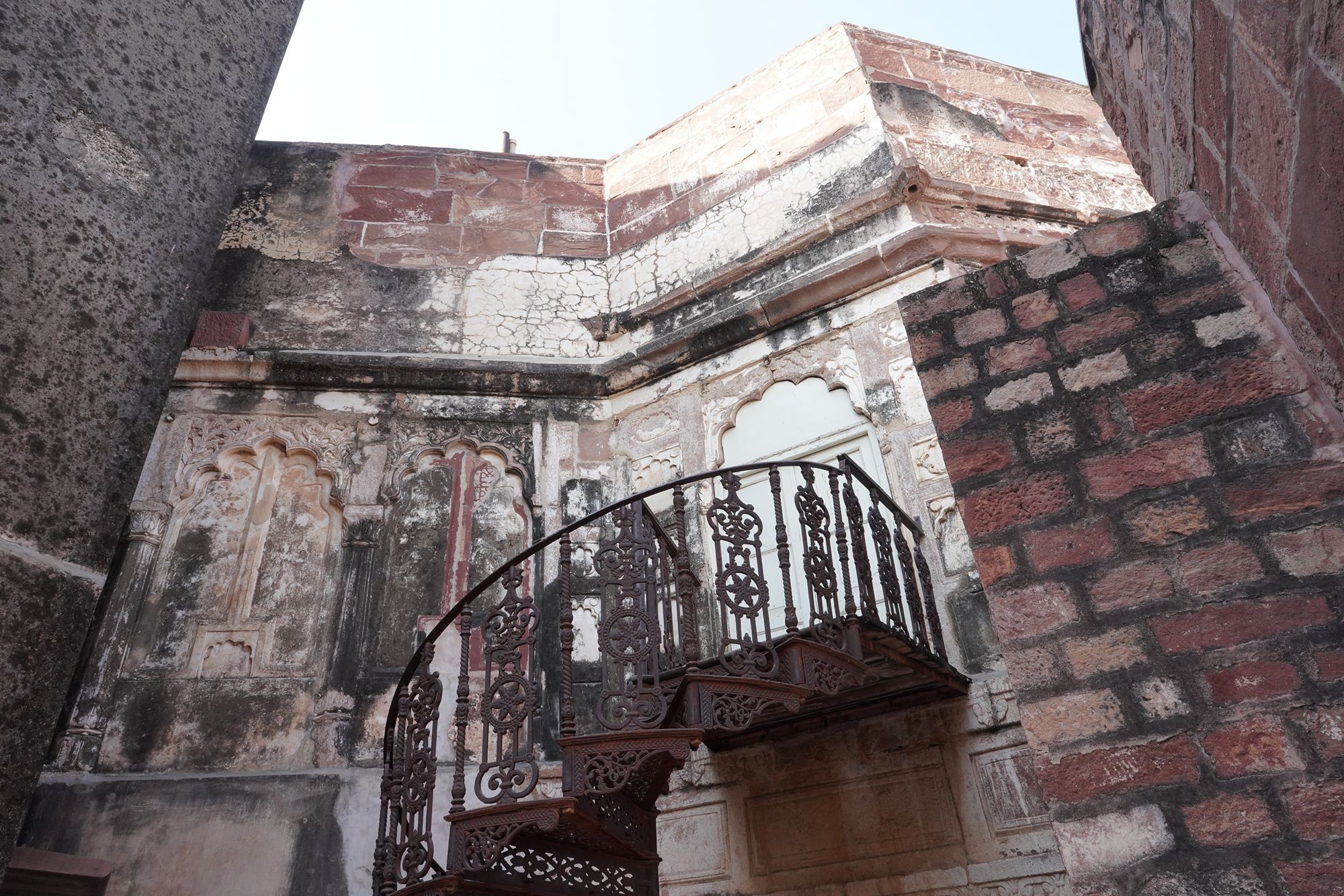
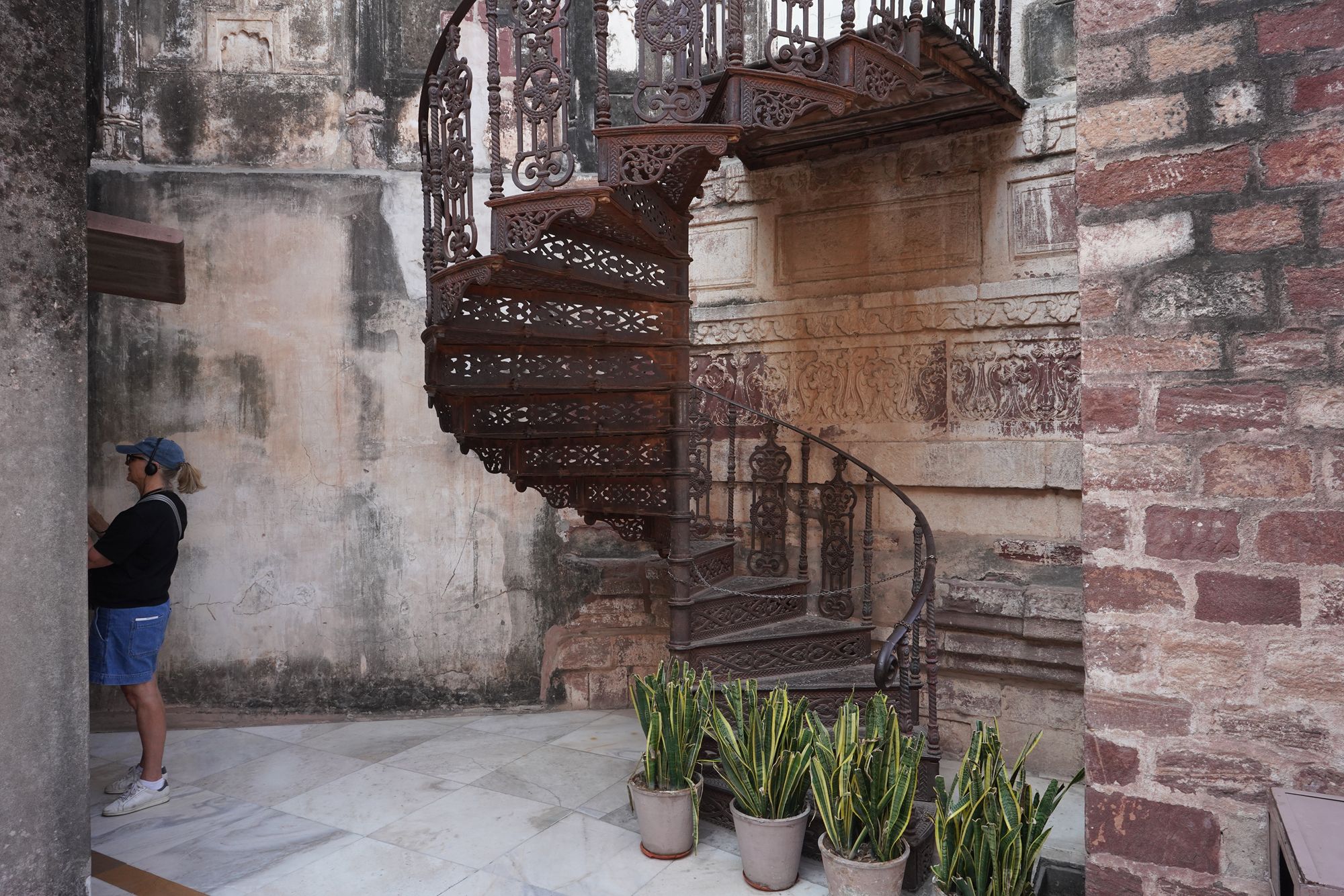
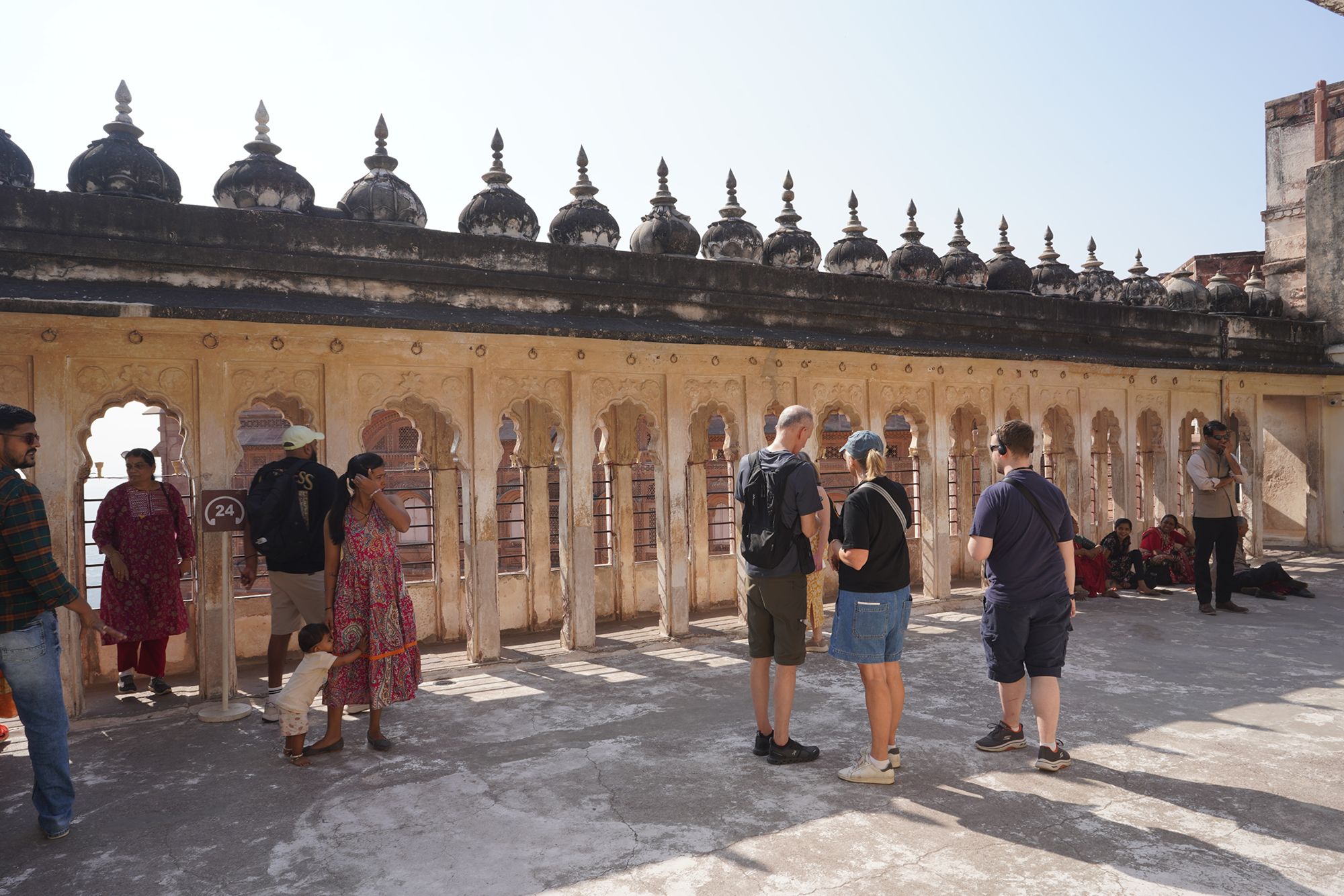
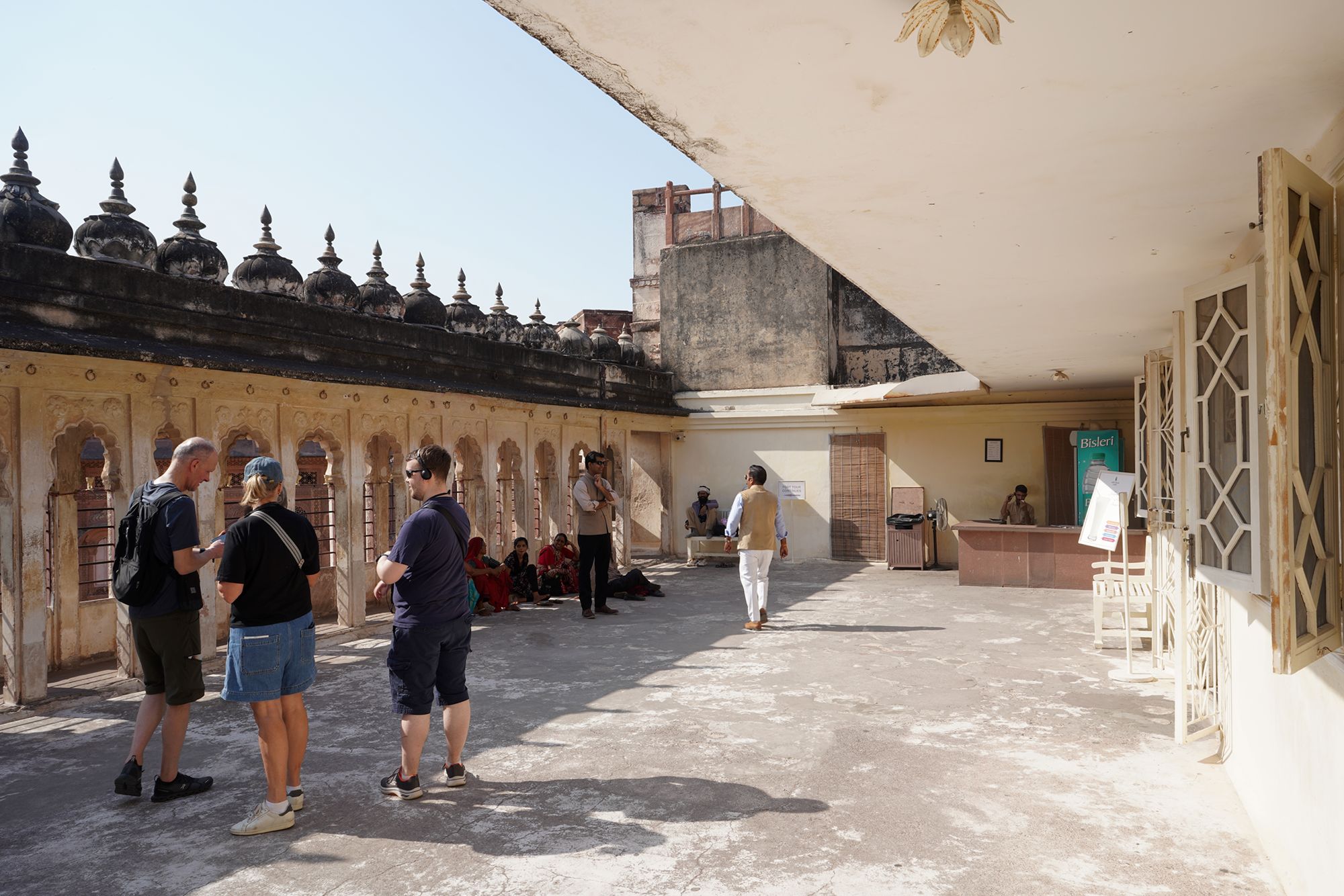
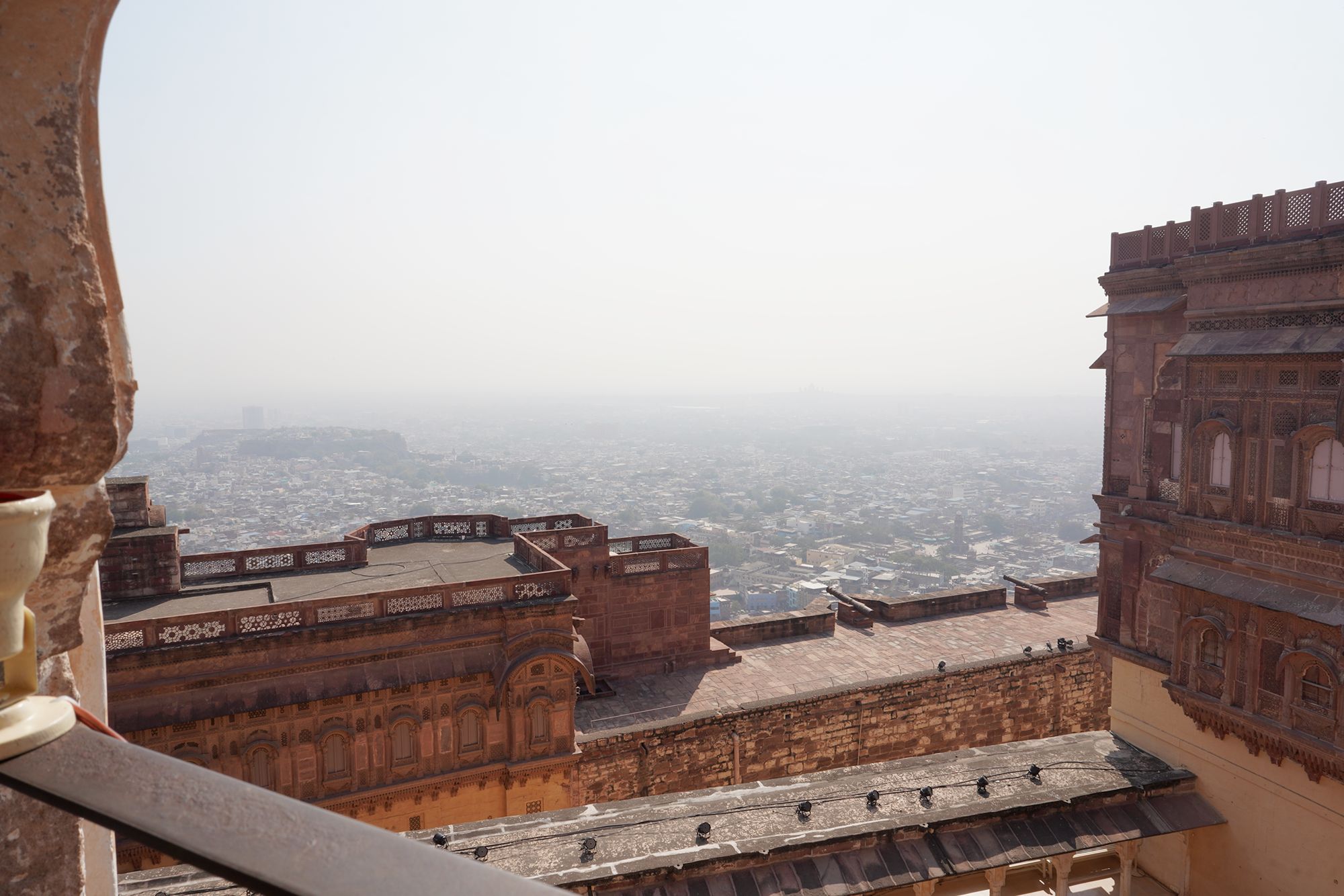
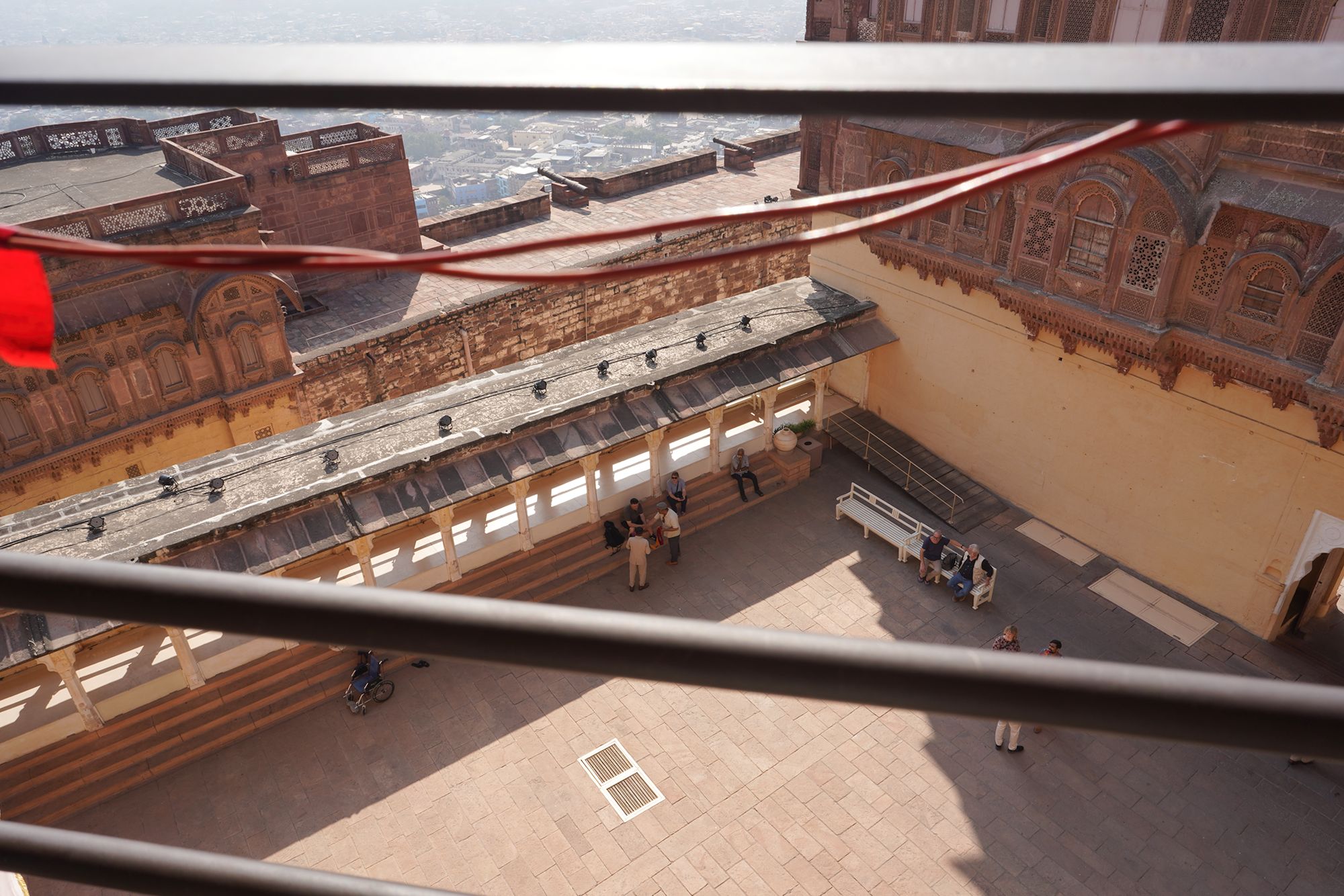
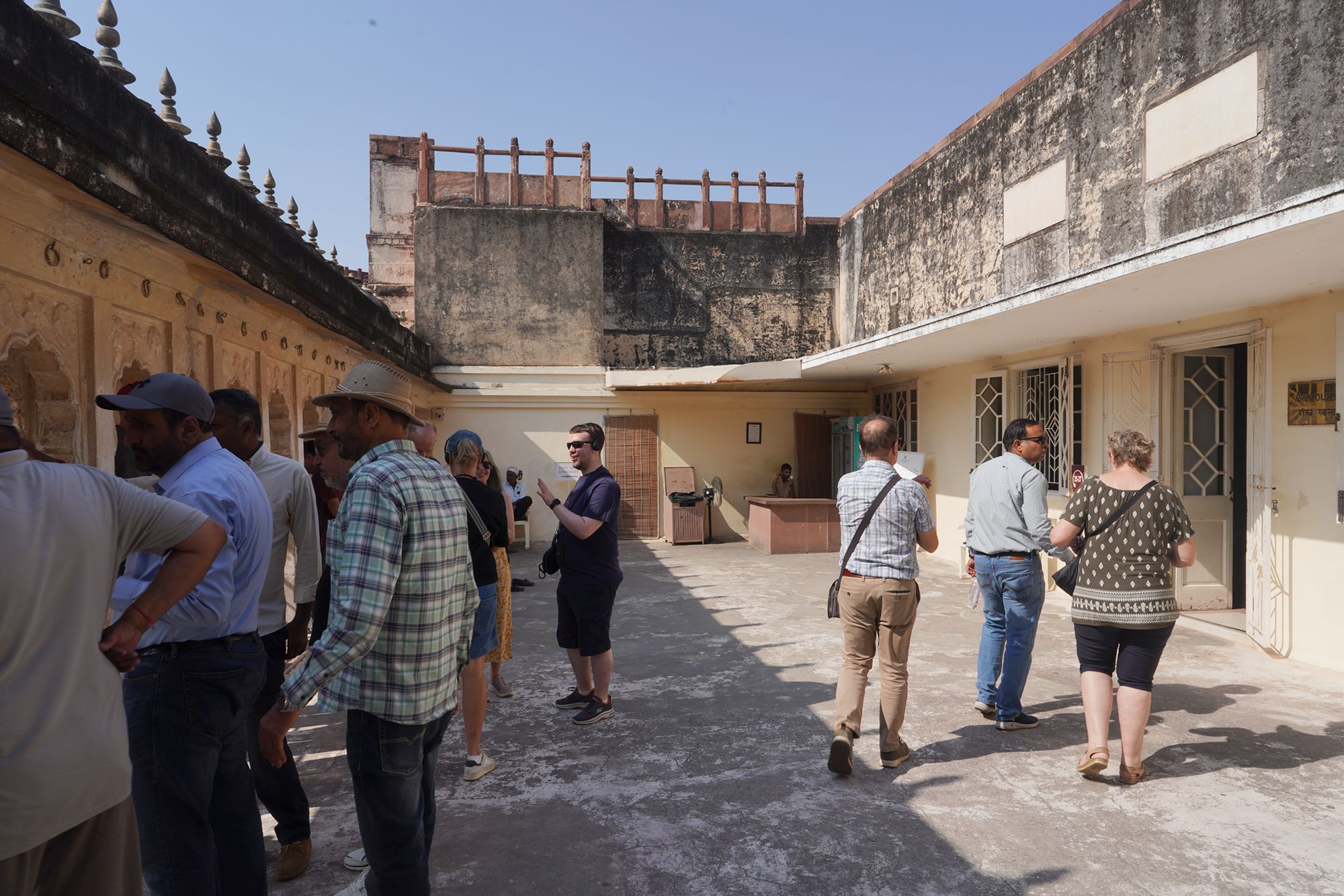
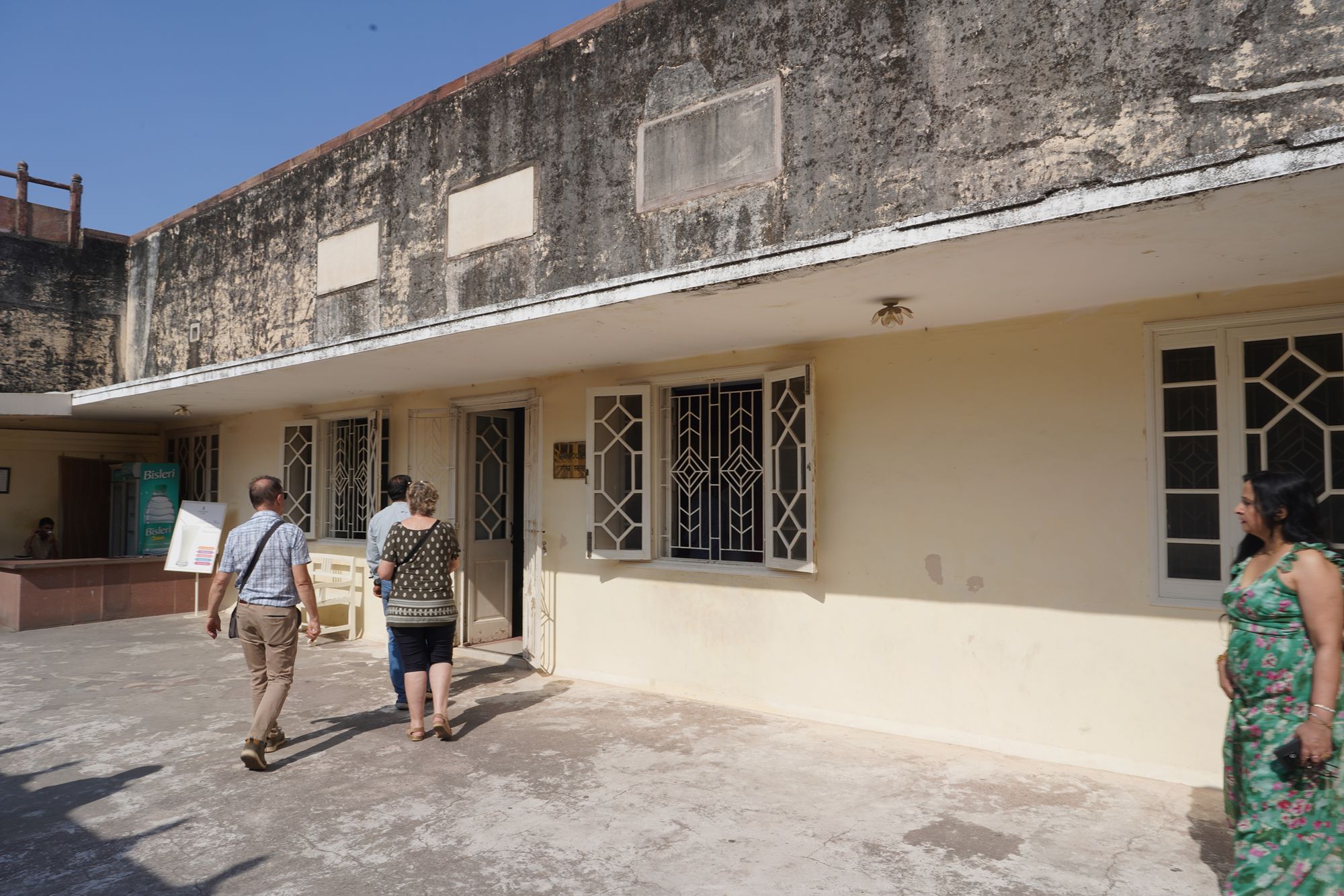
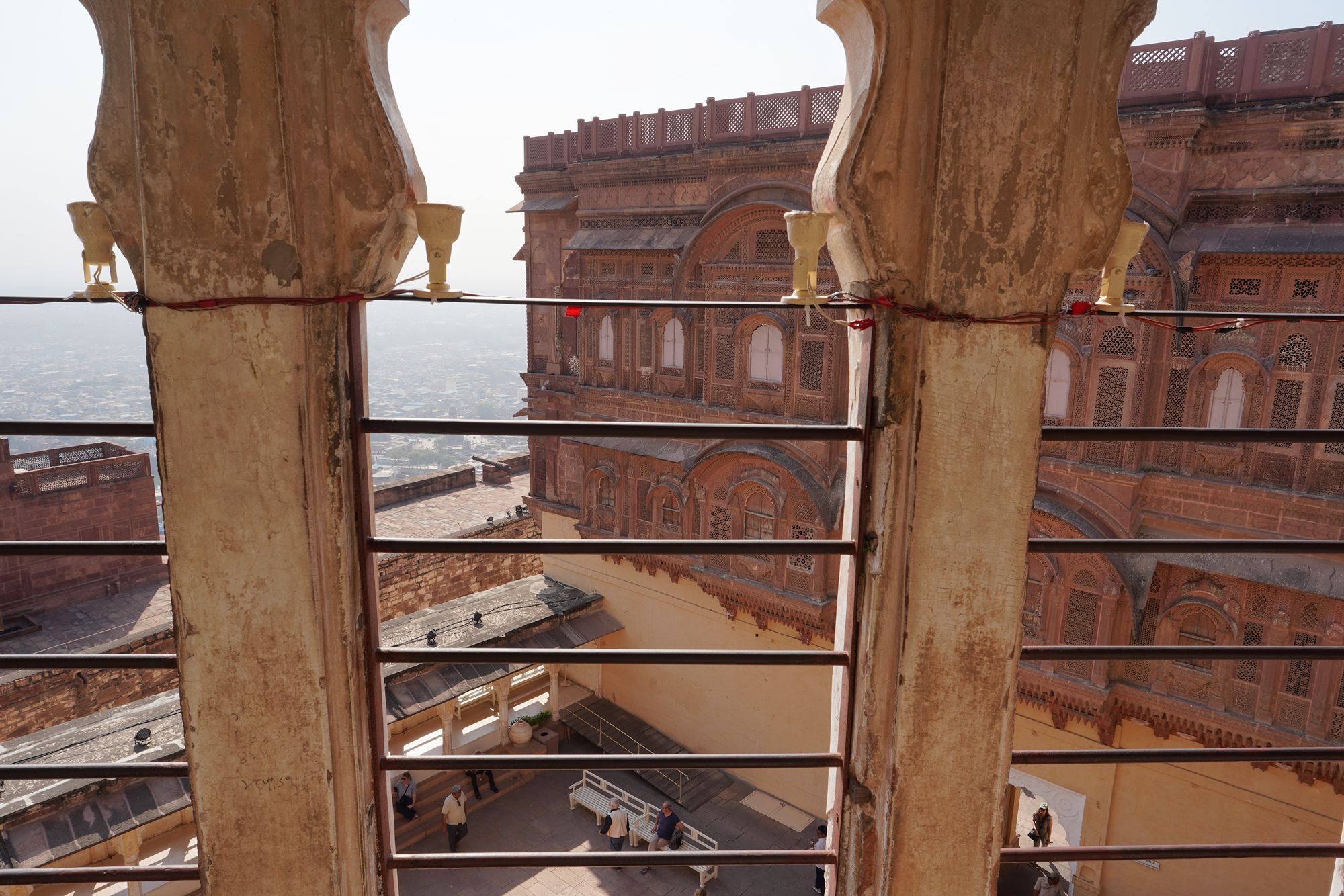
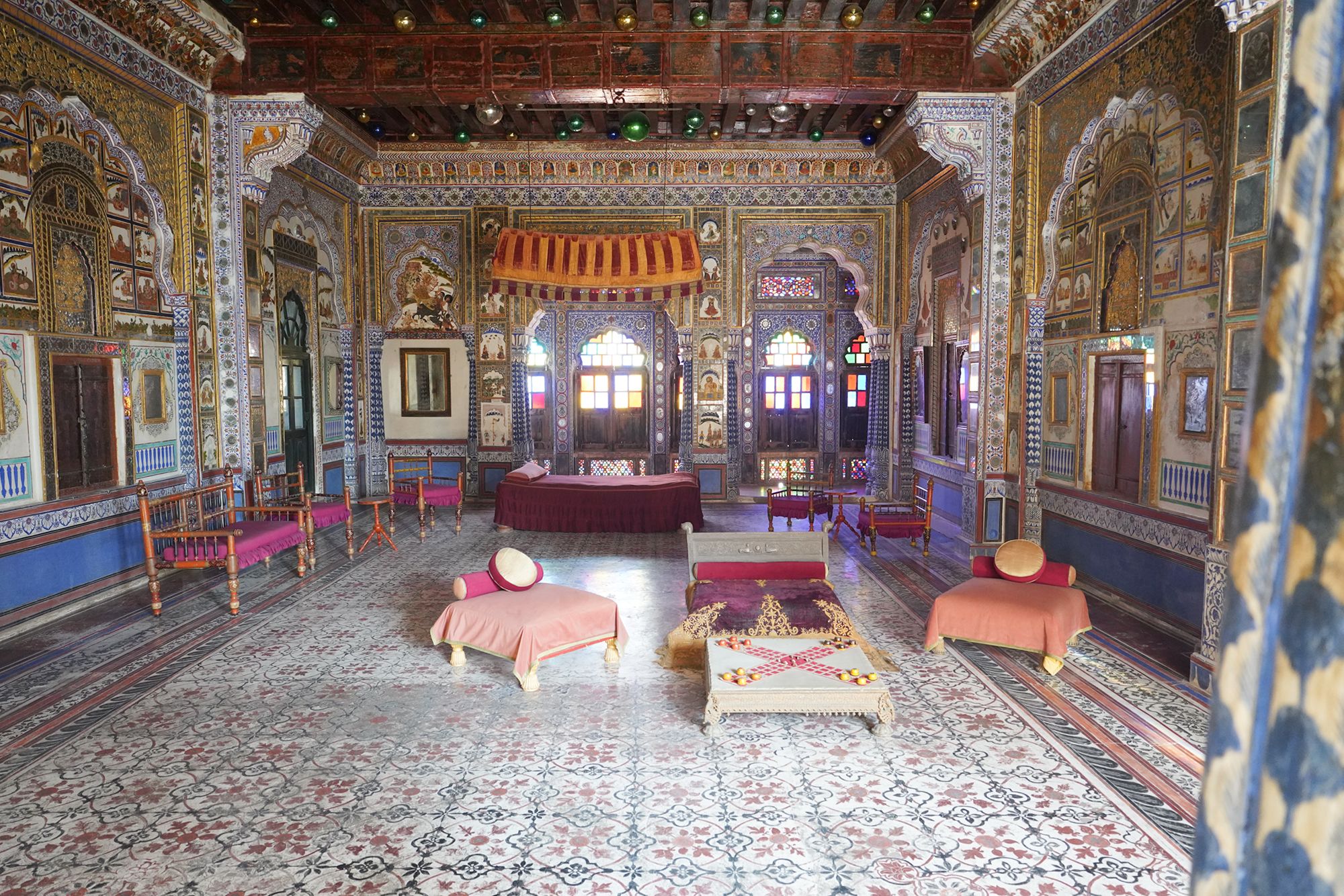
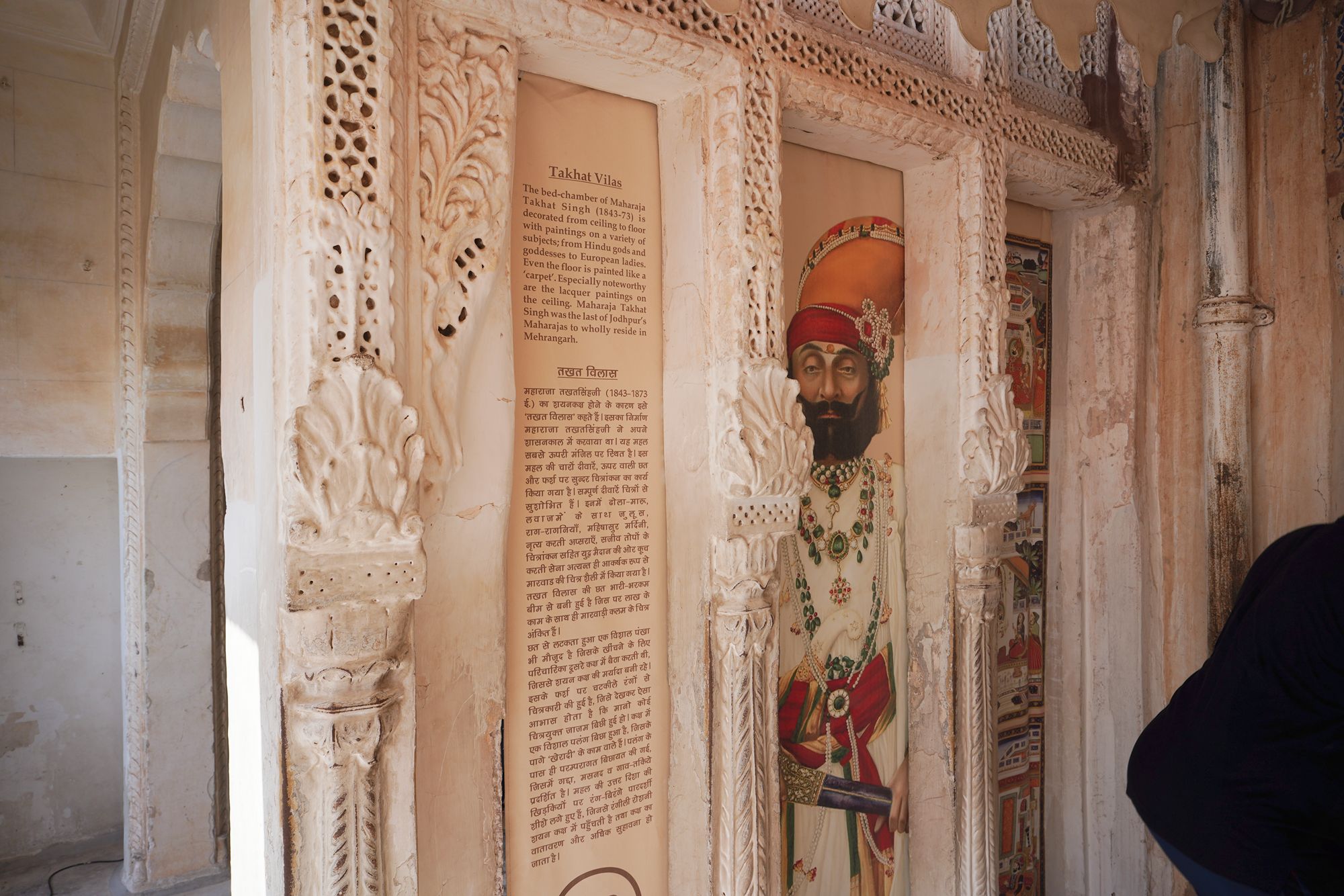
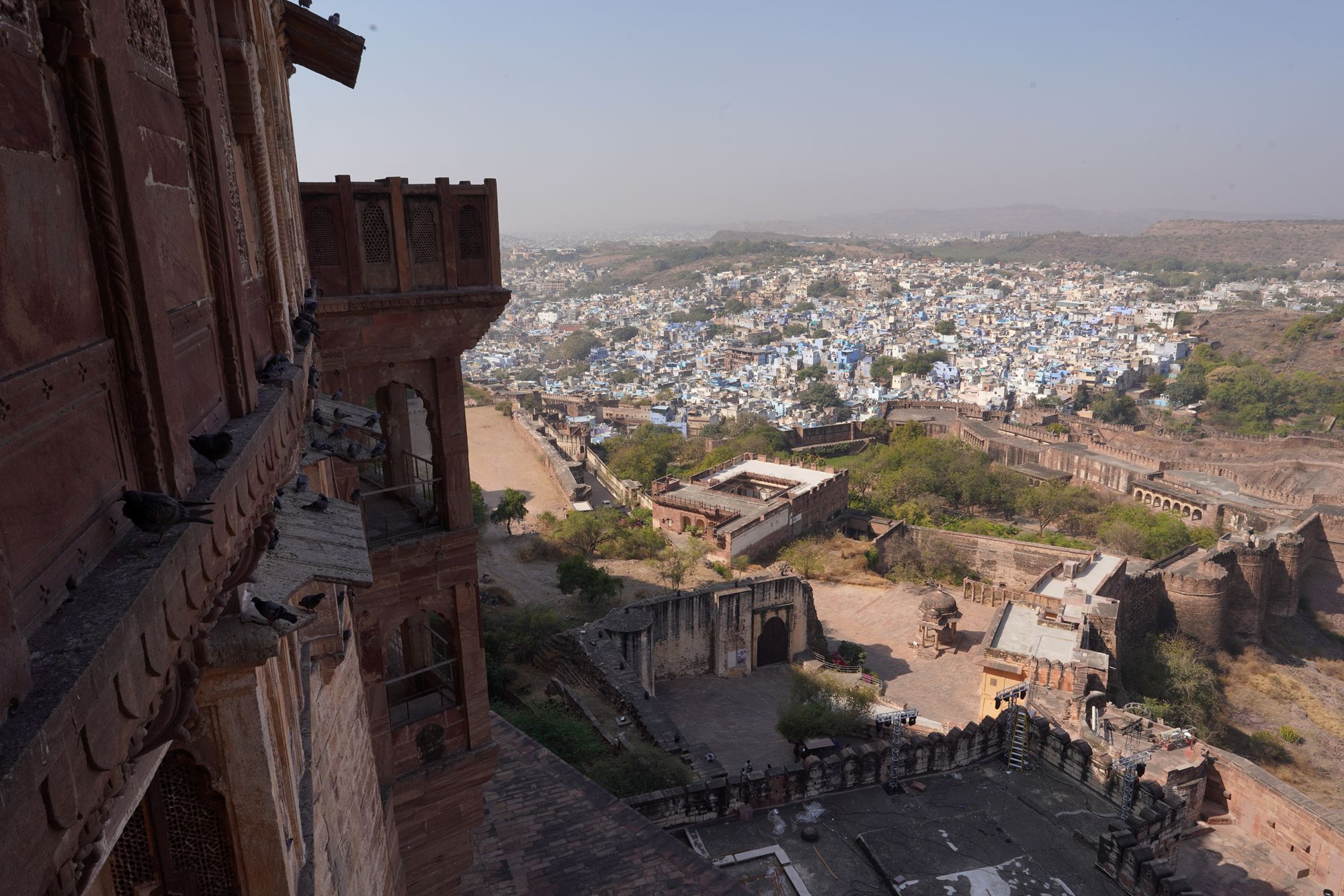
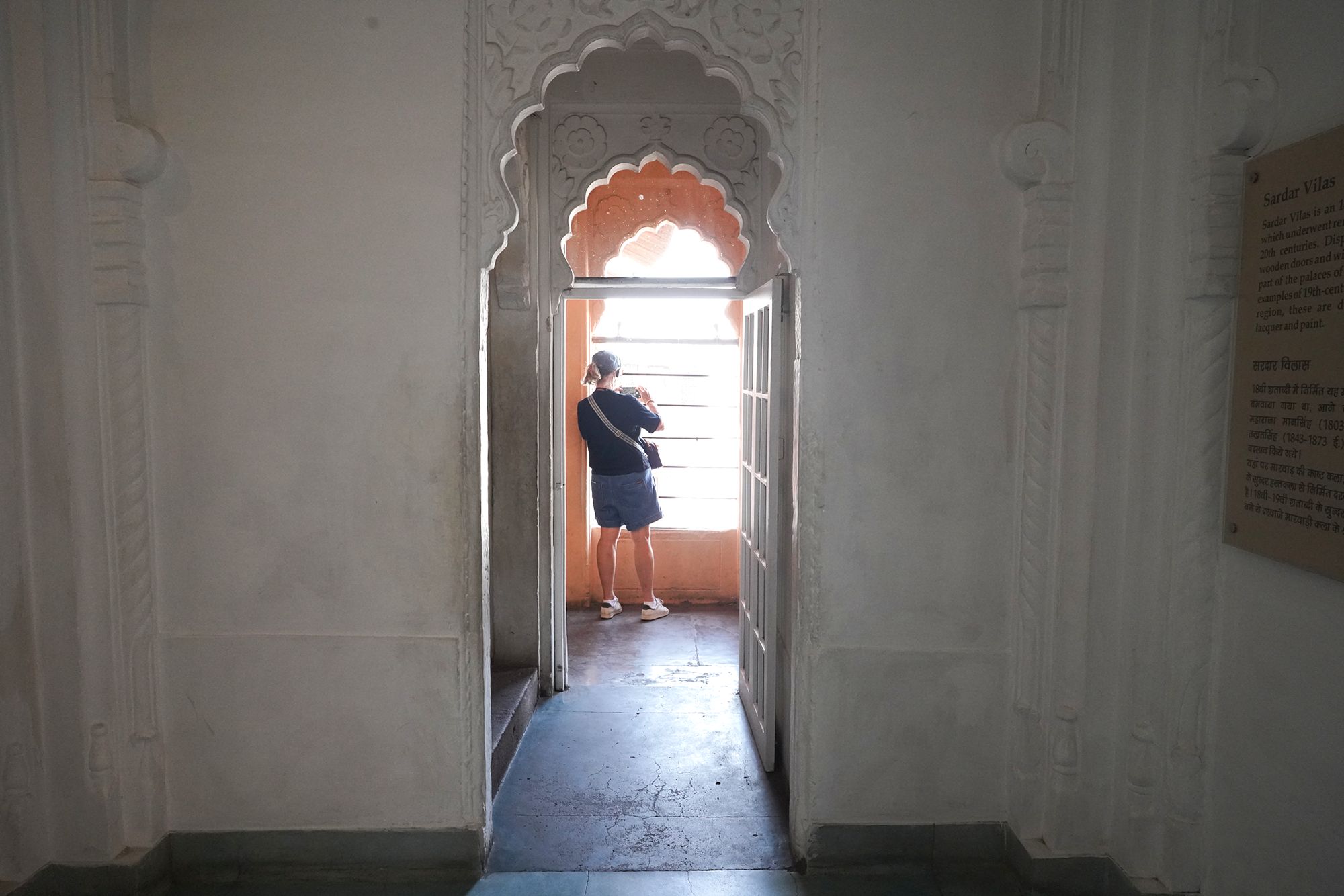
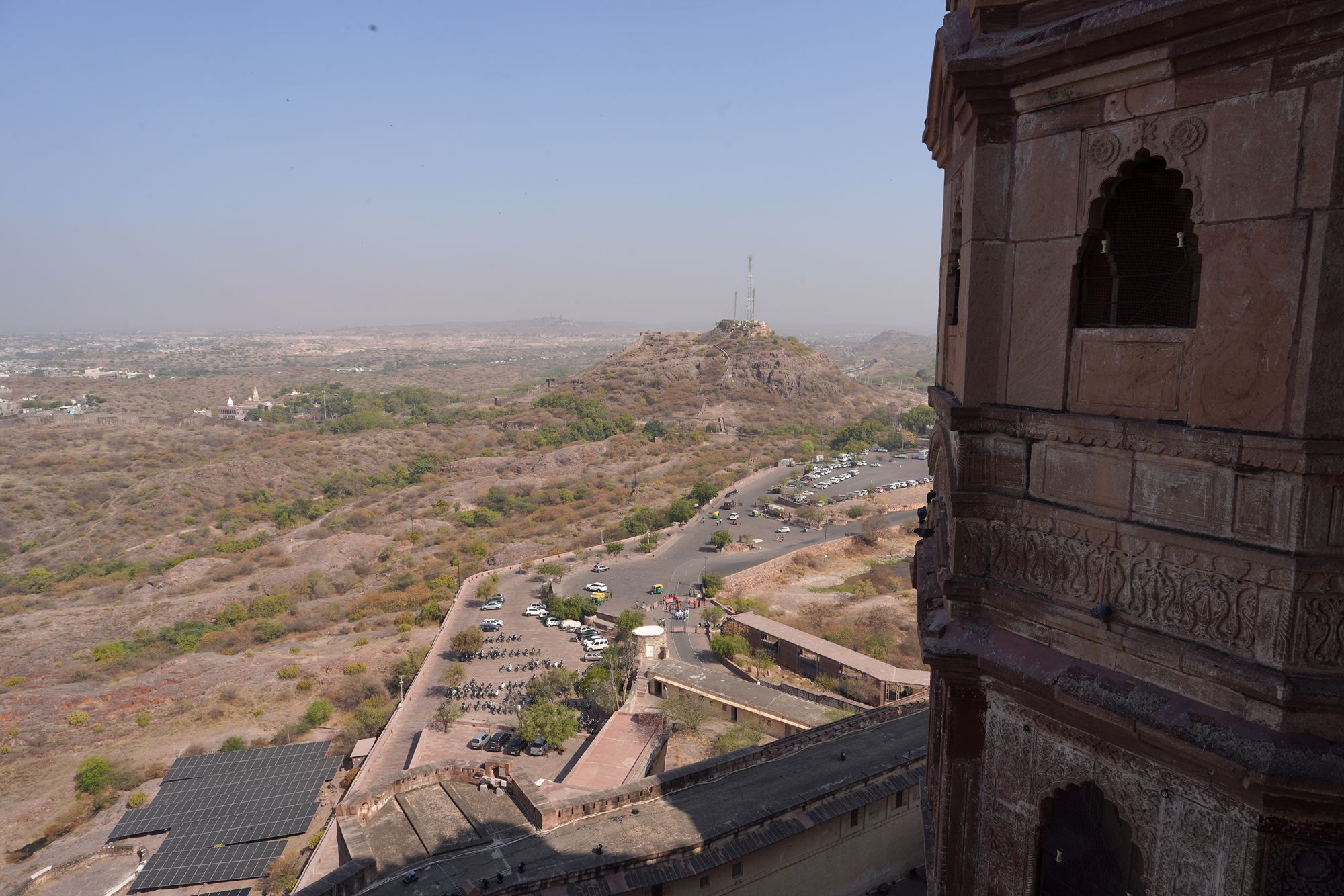
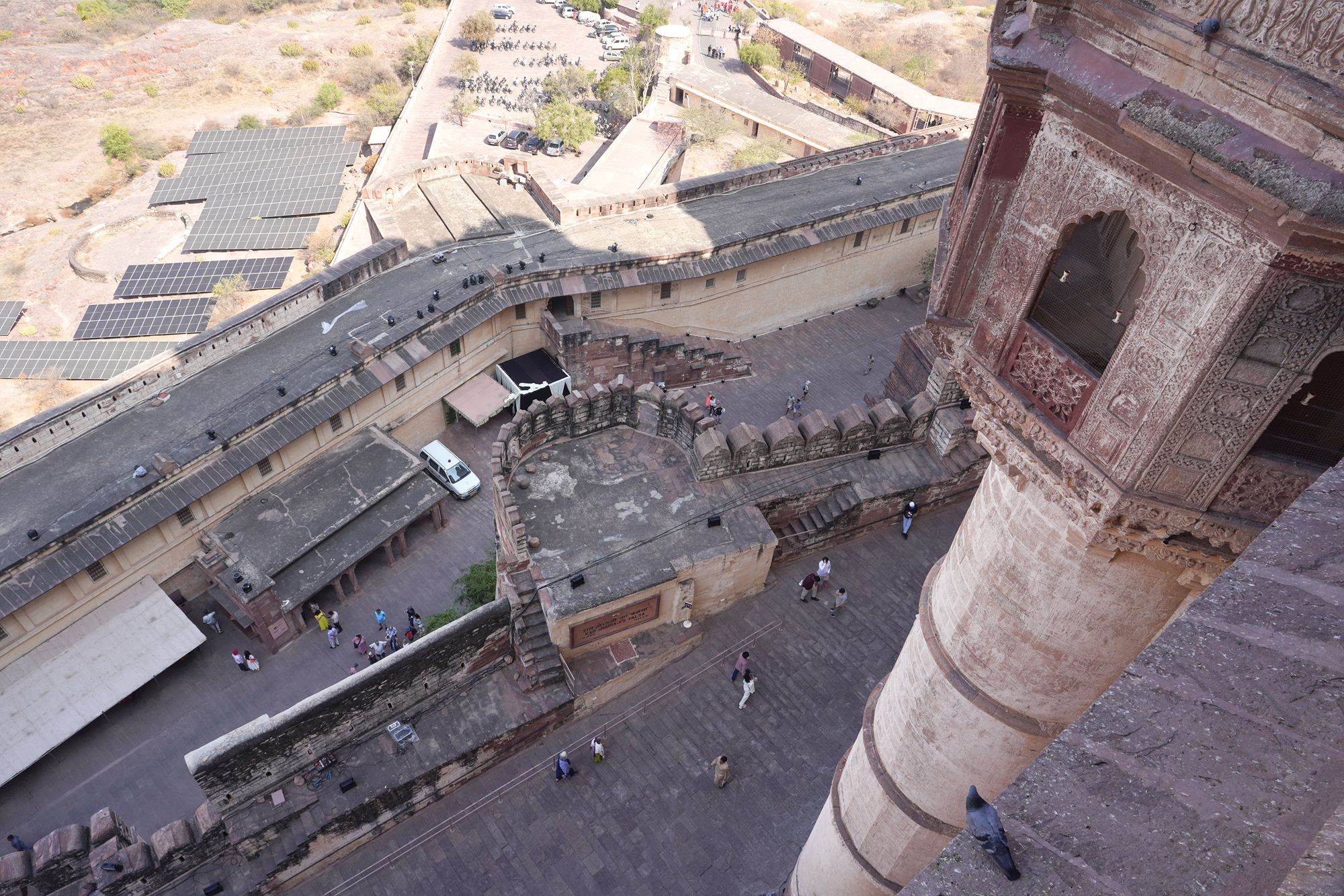
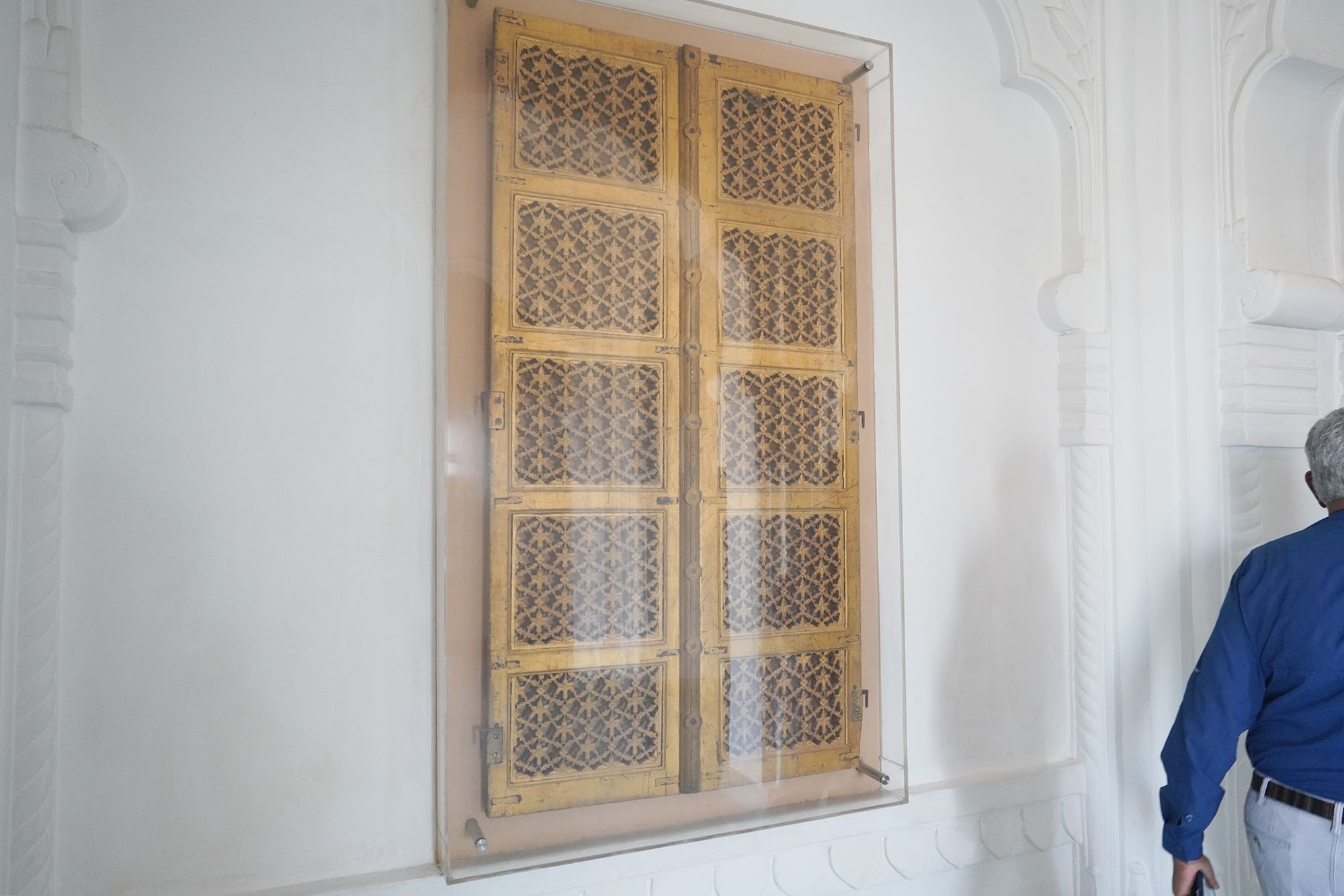
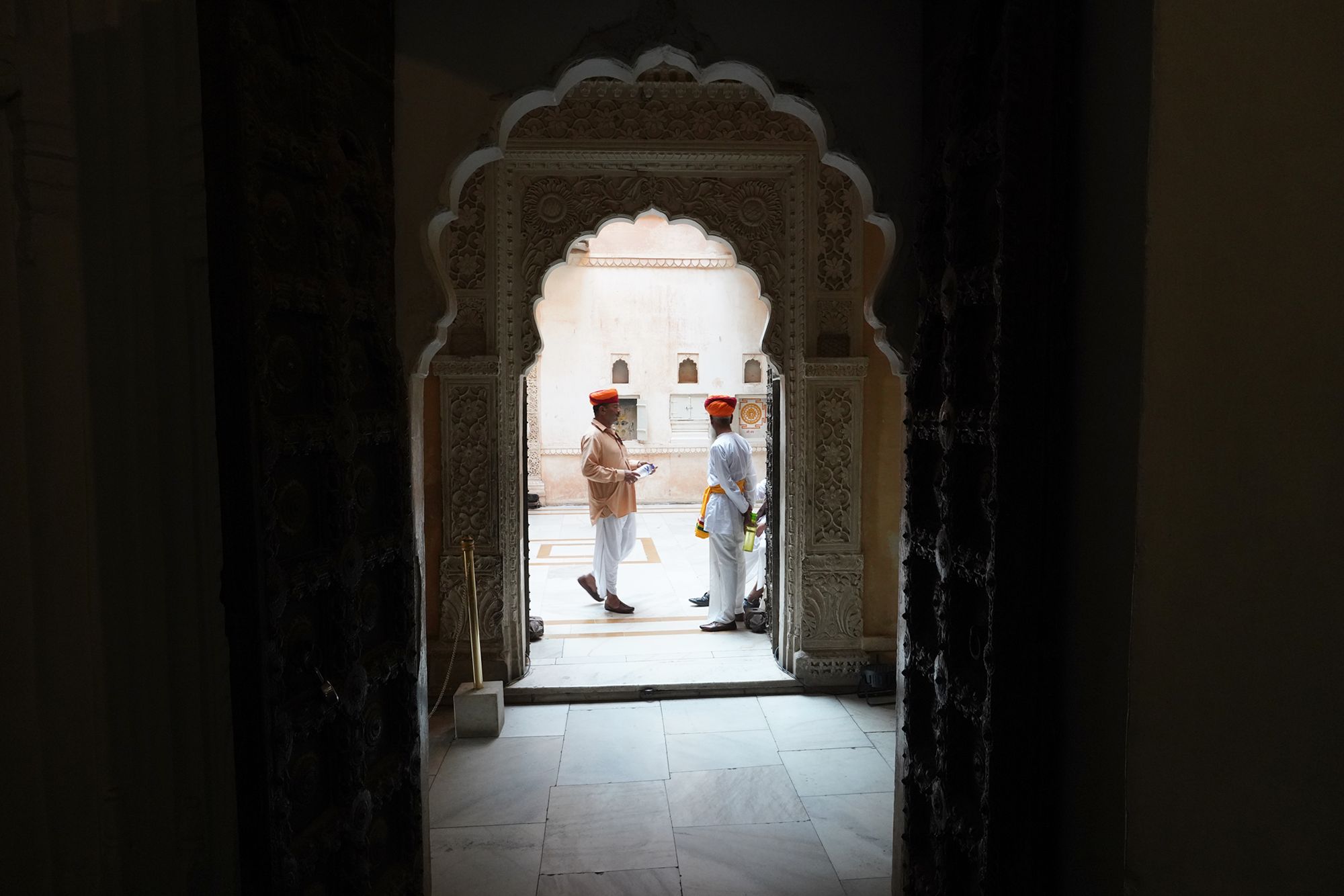
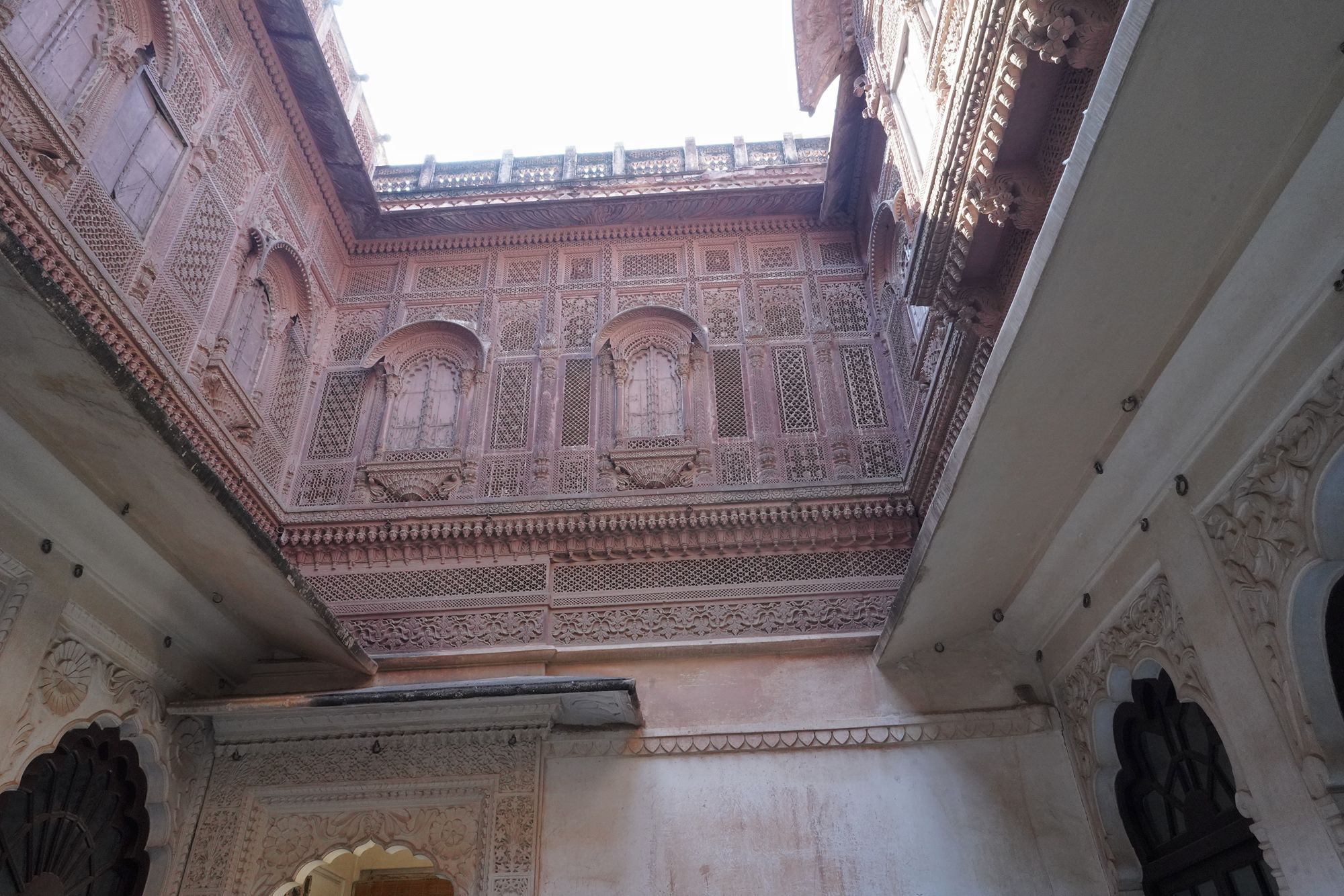
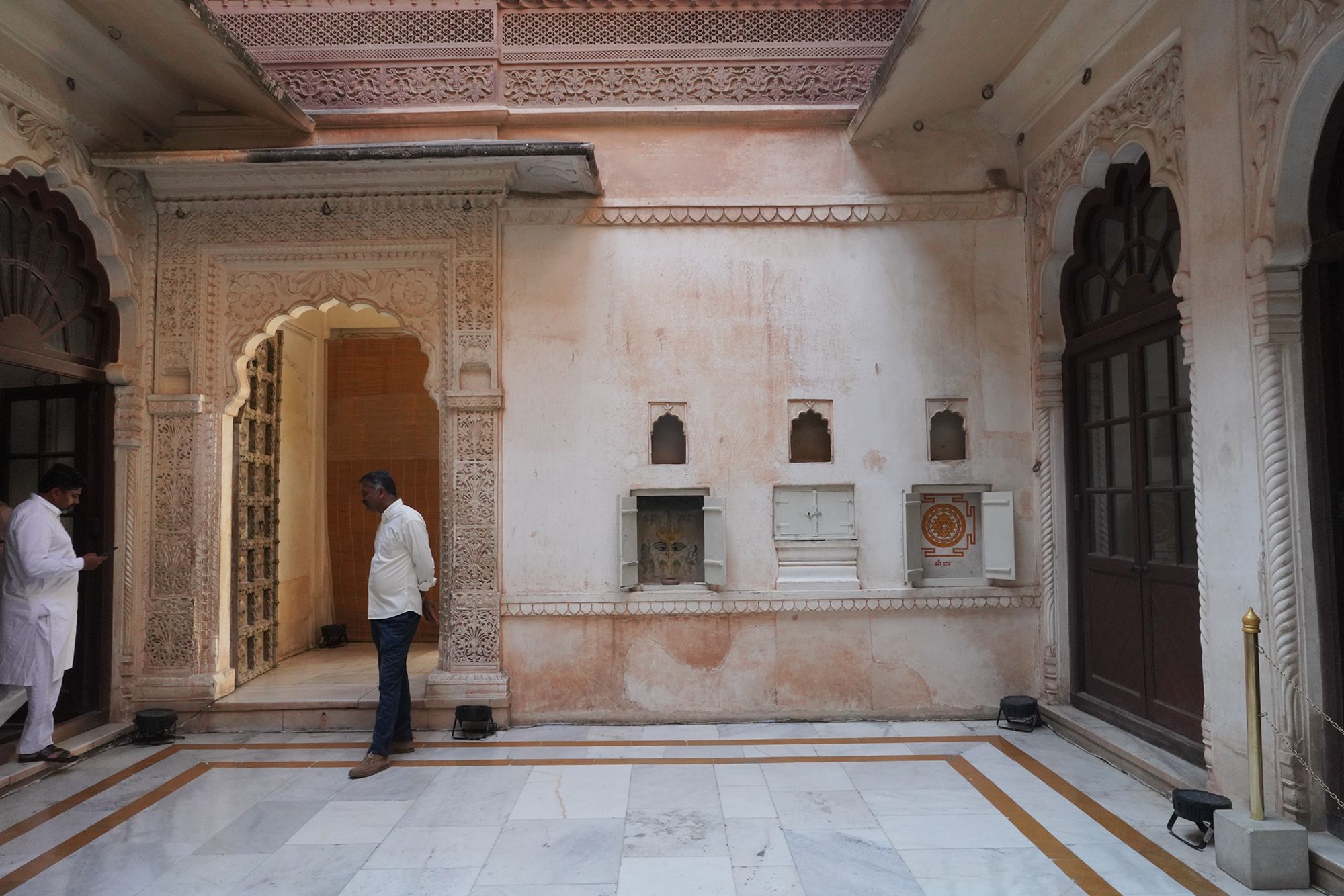
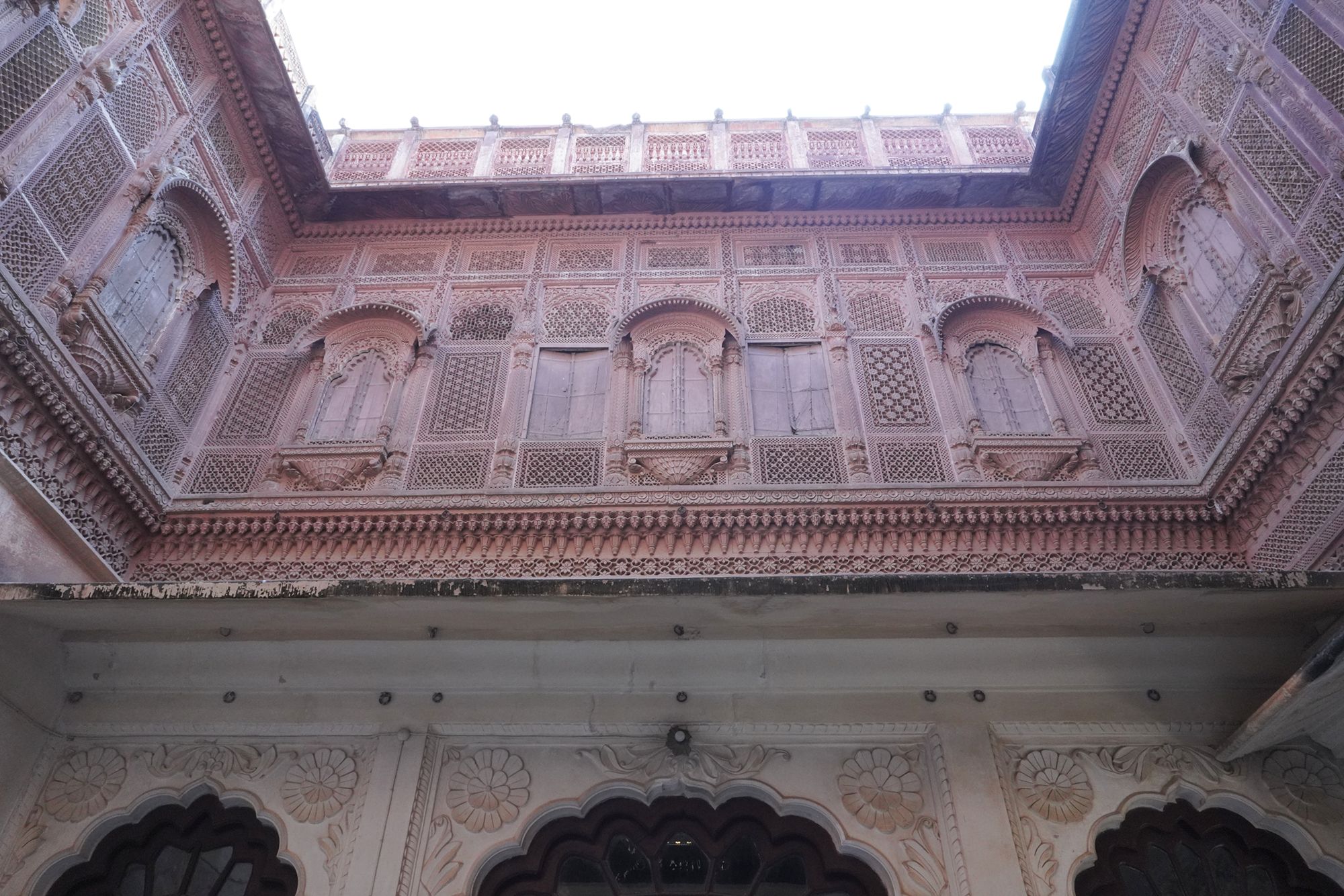
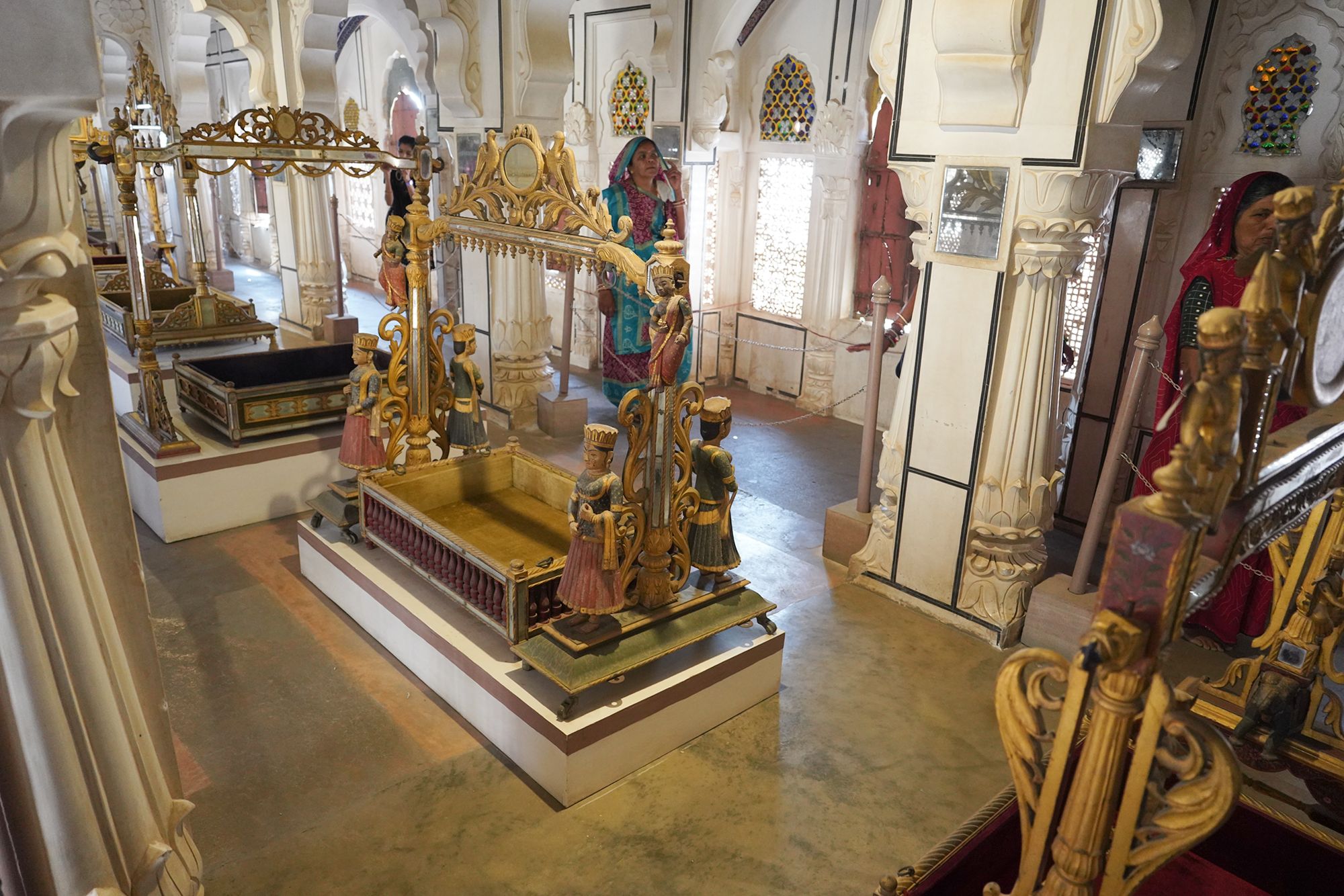
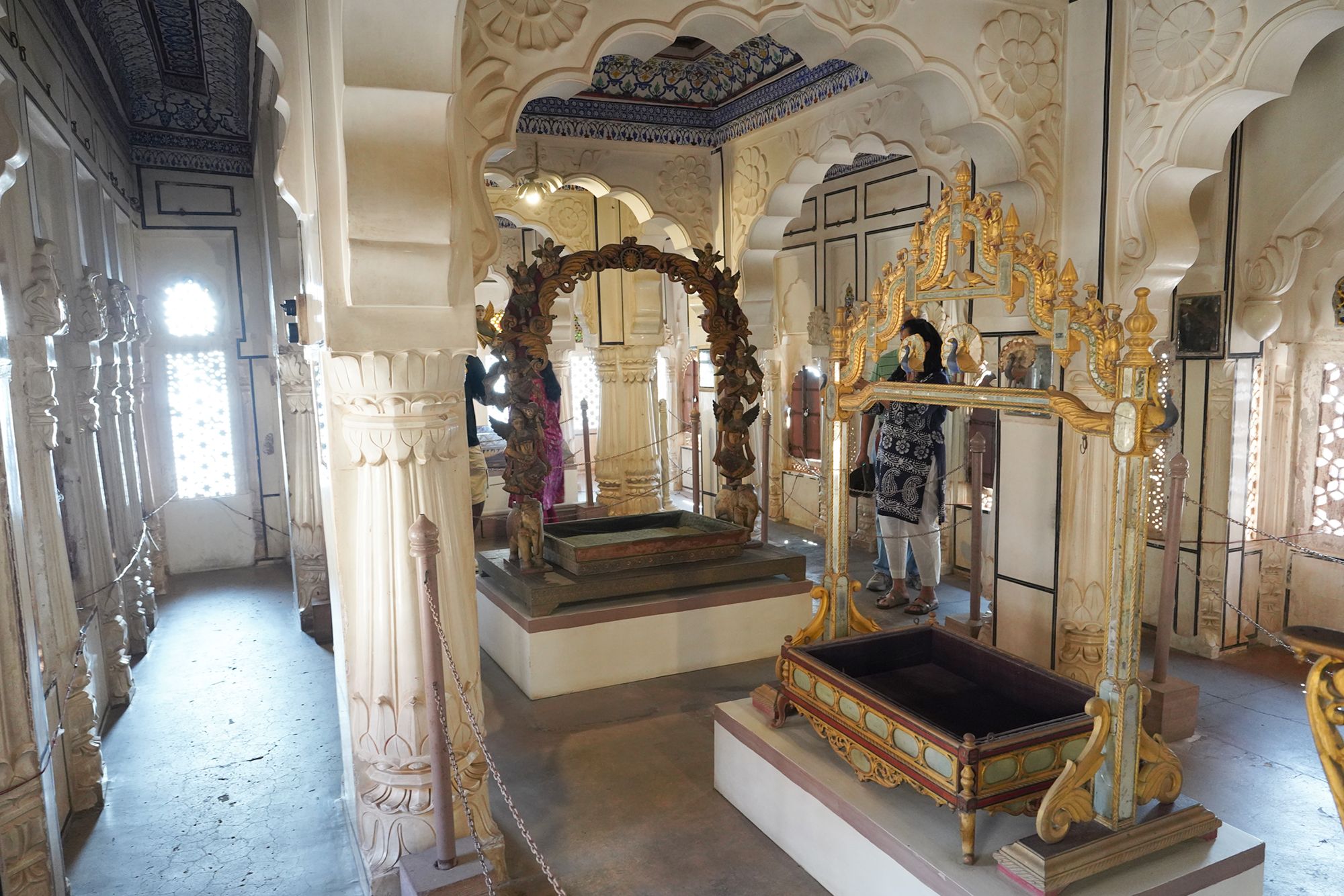
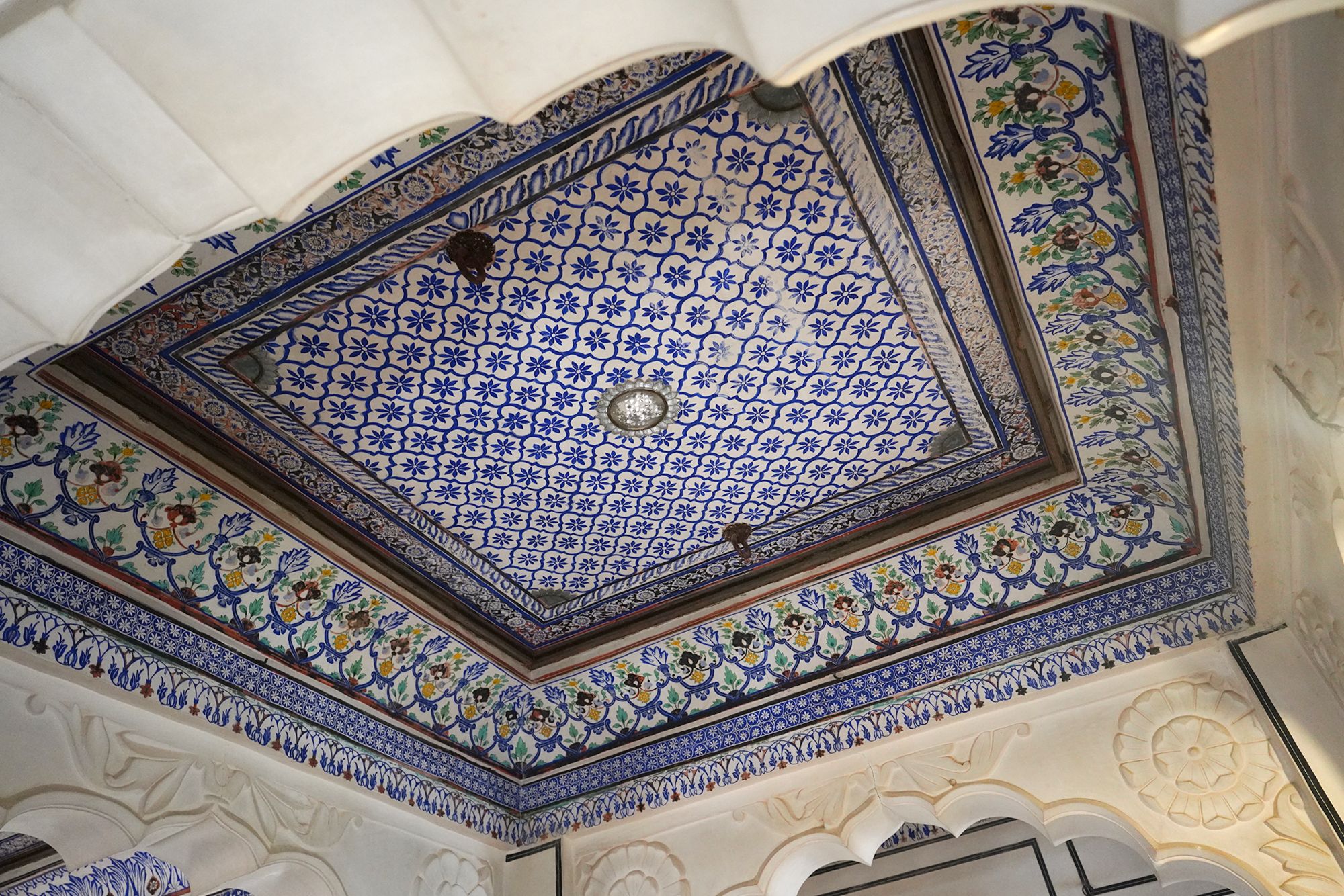
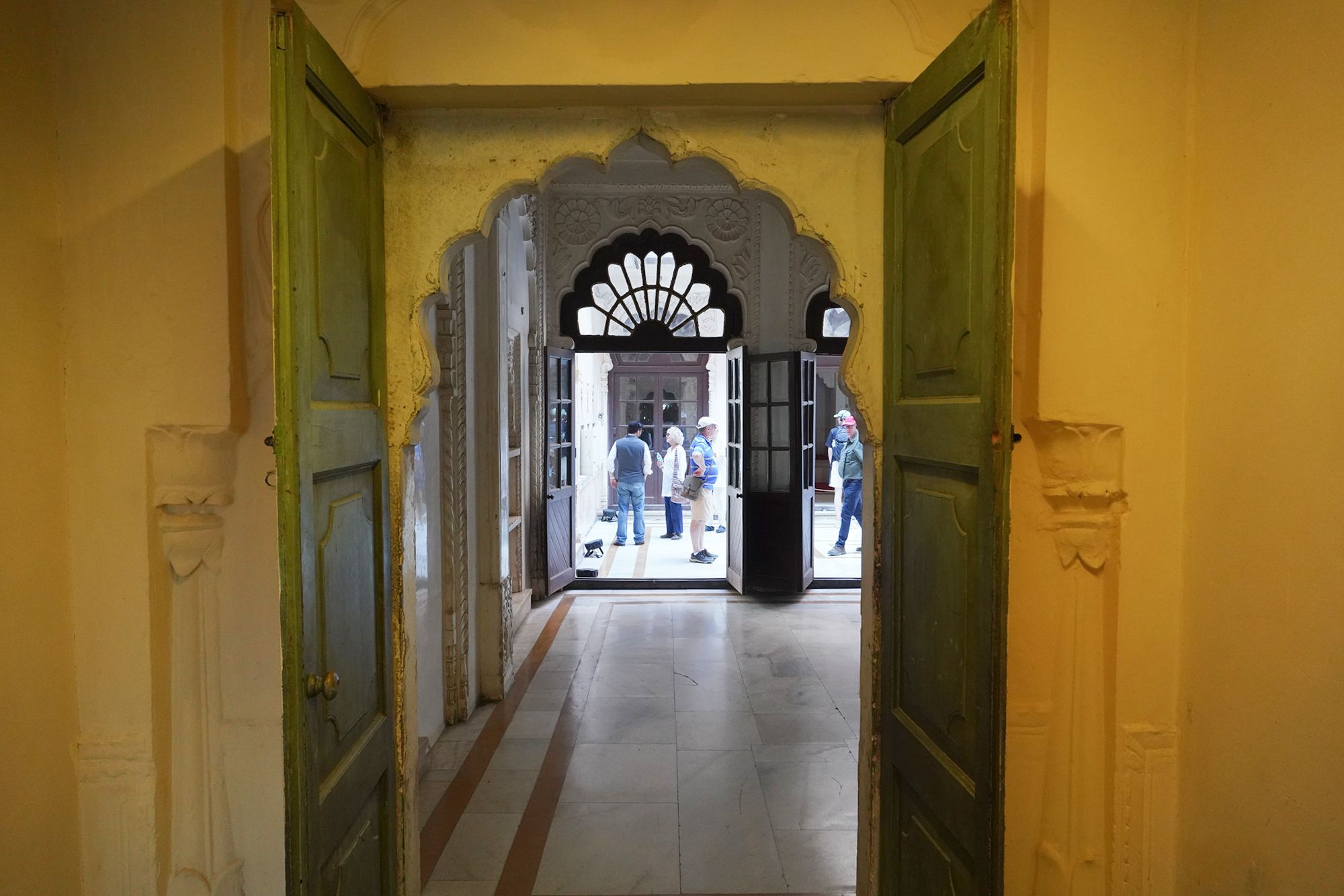
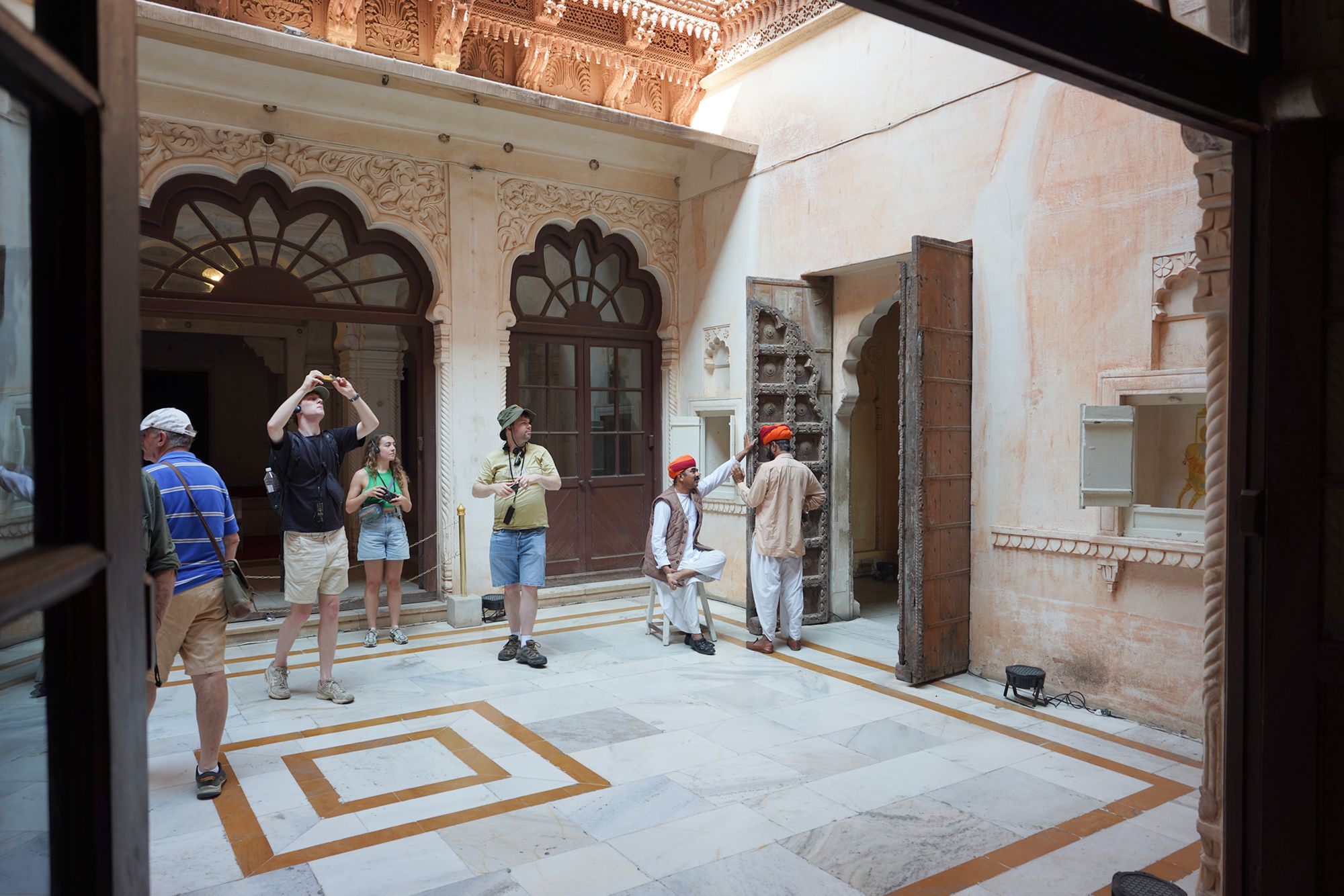
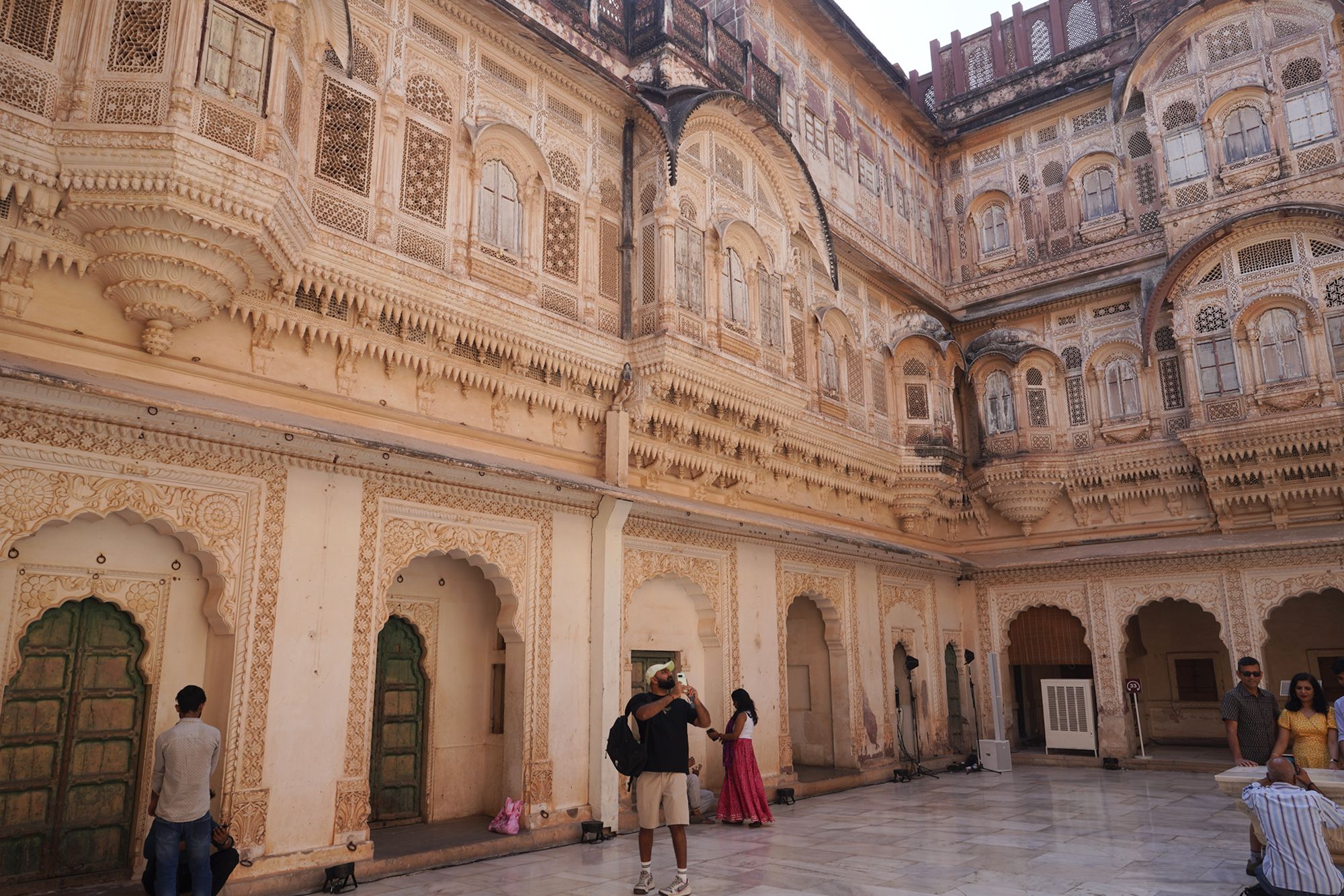
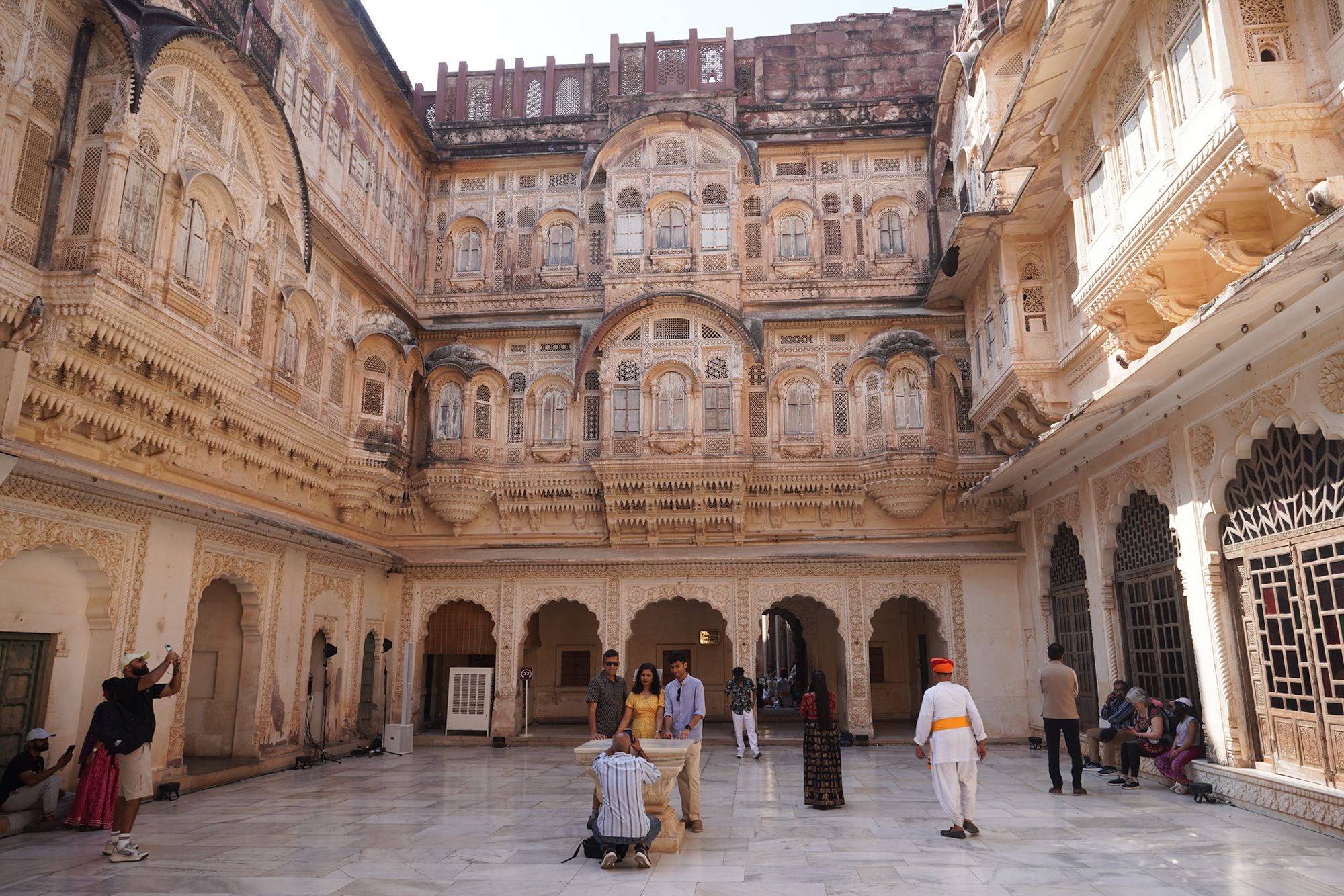
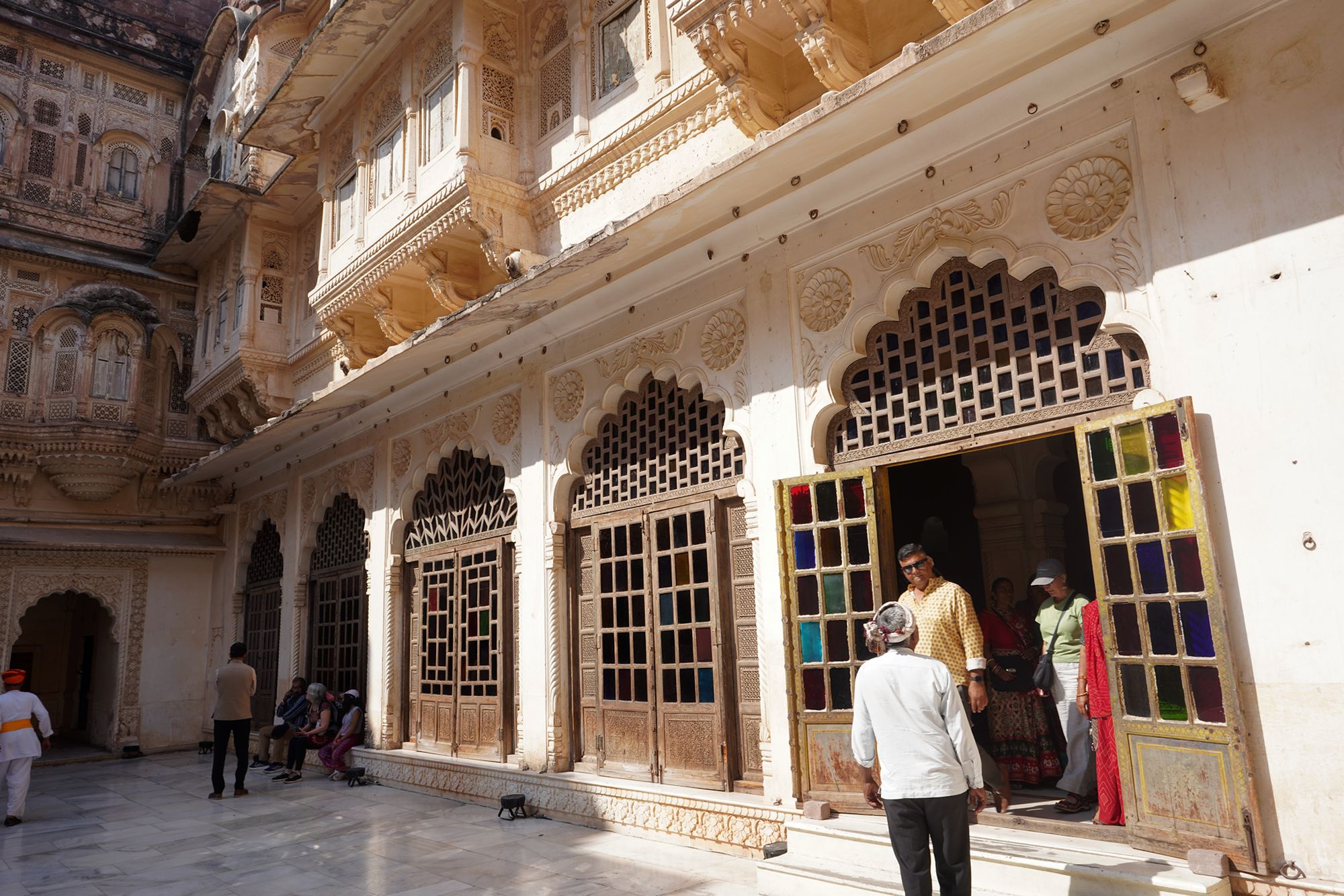
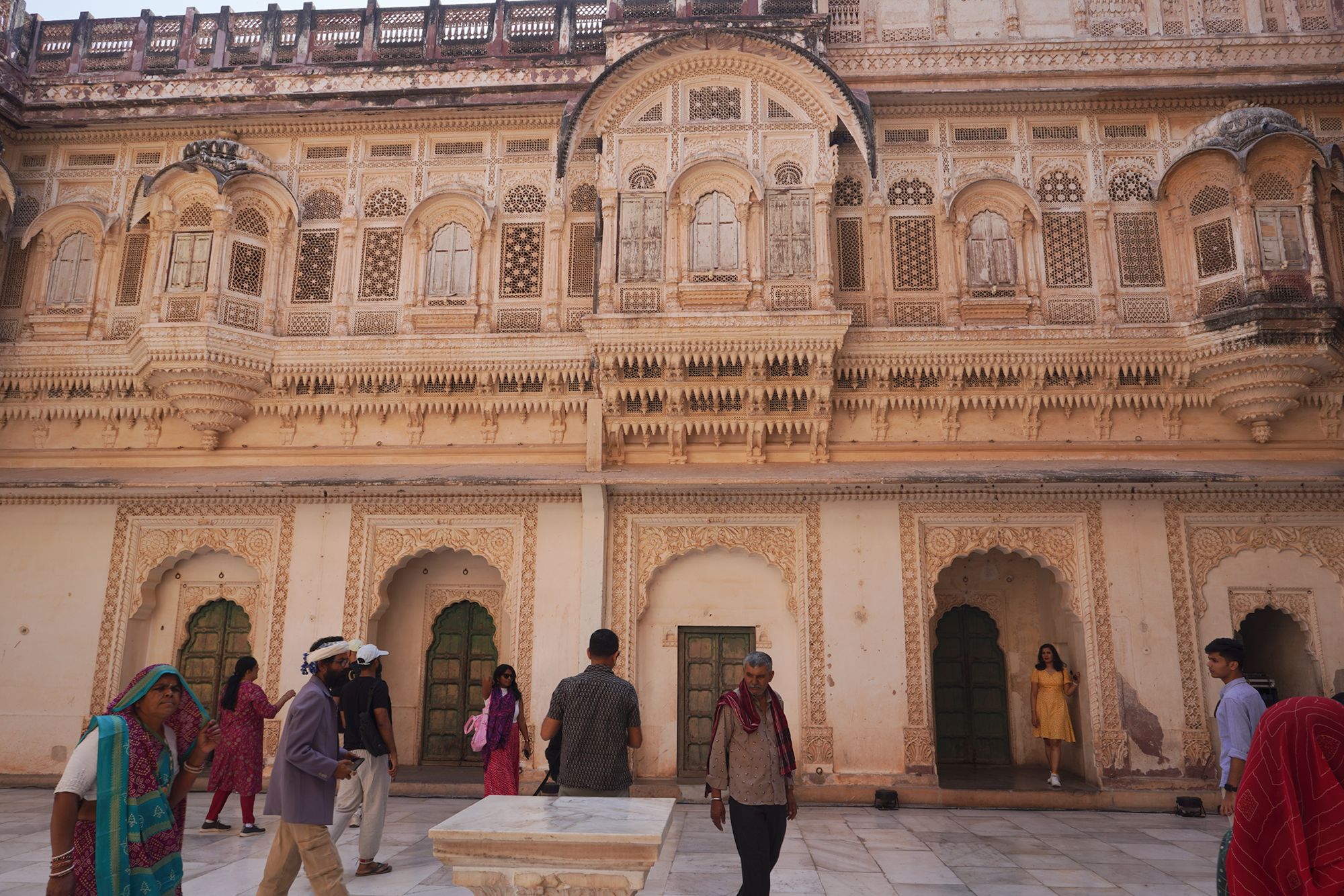
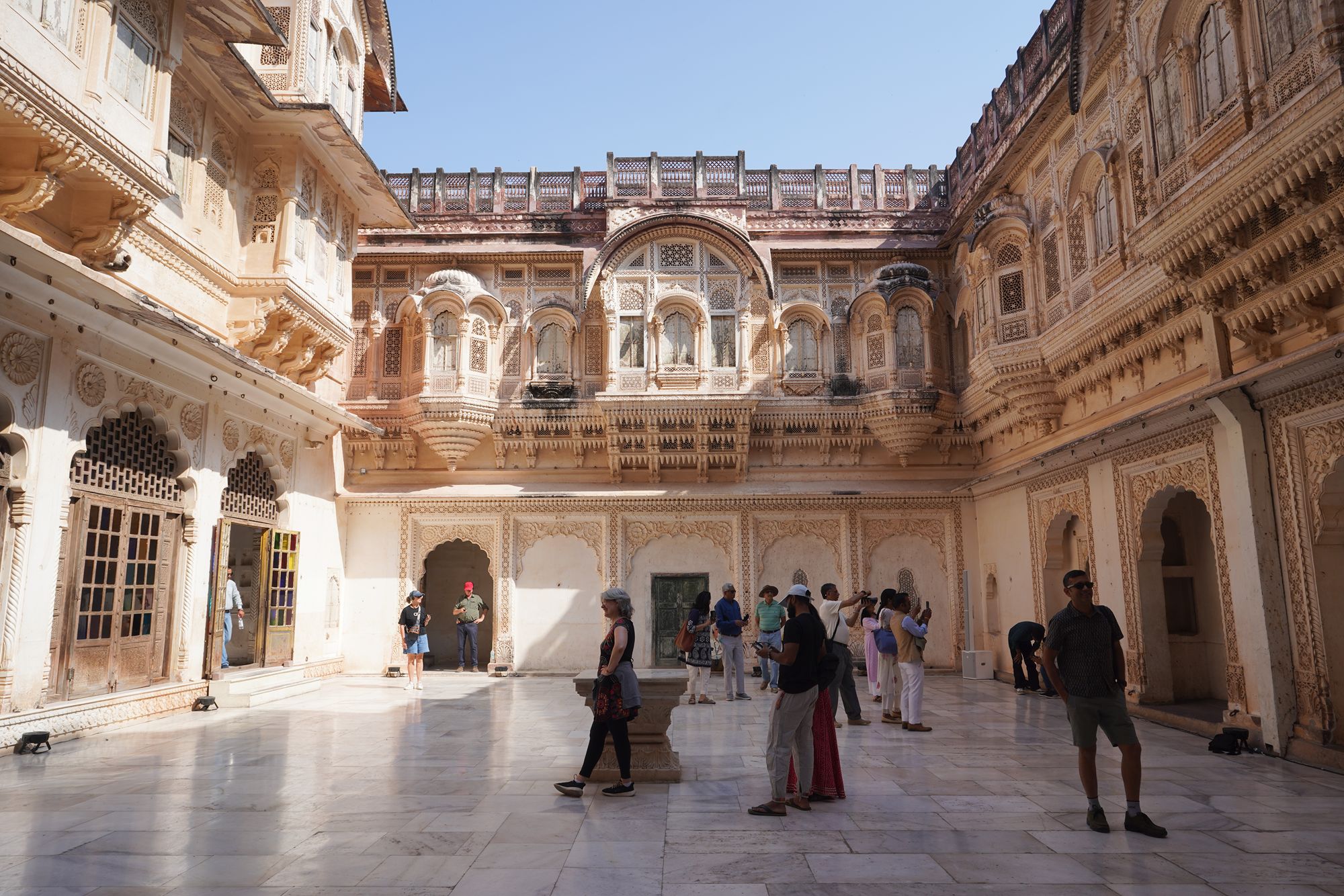
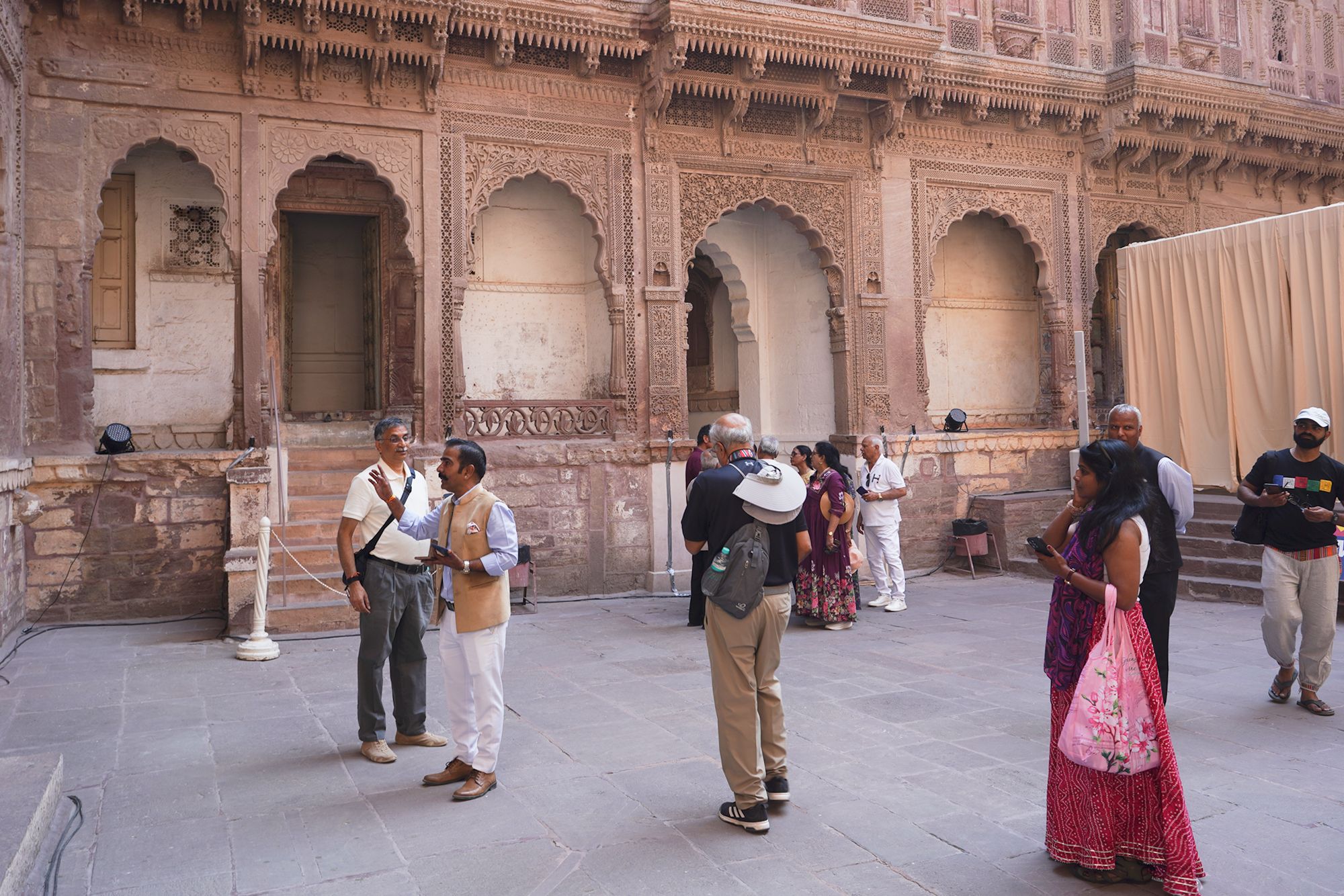
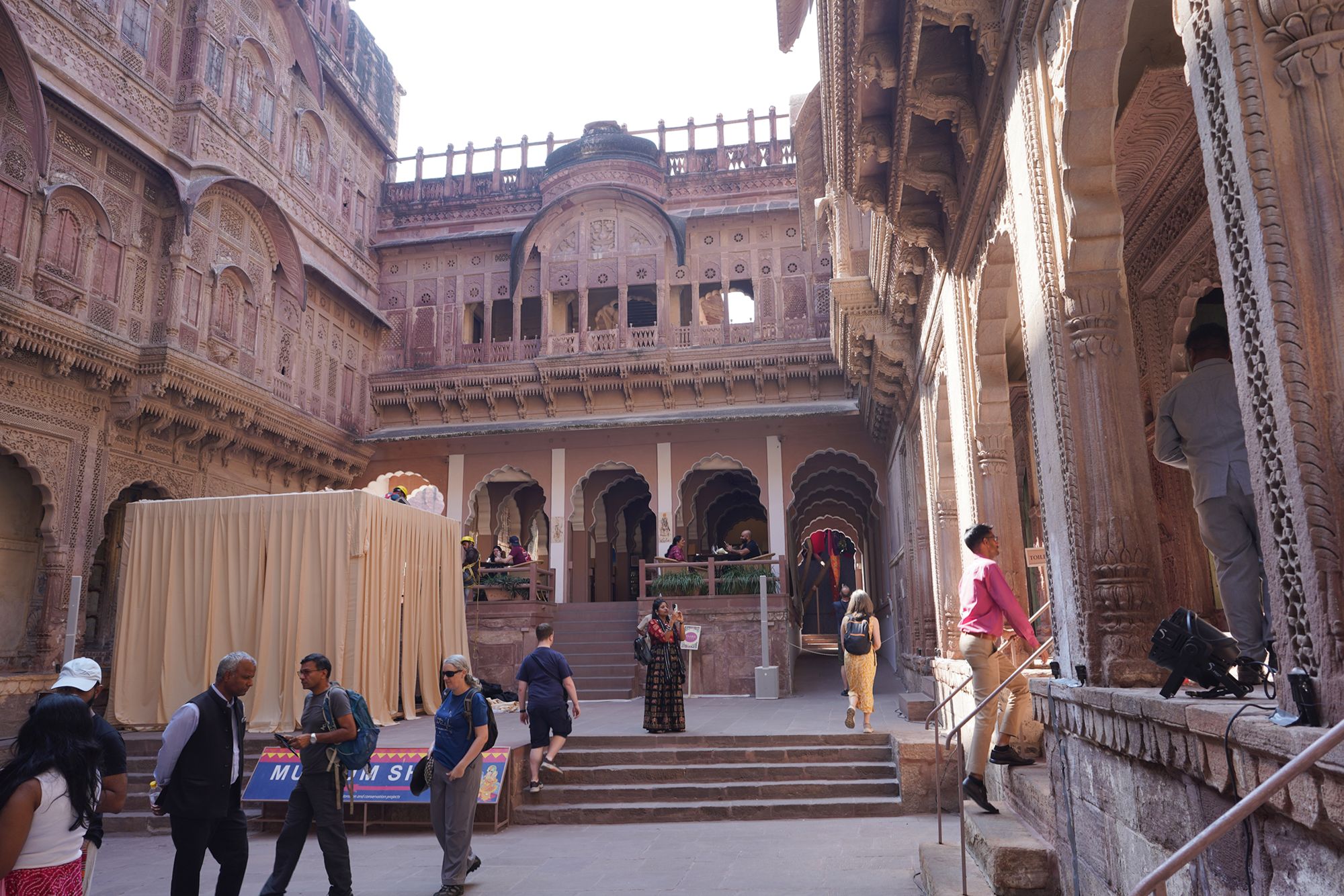
Shringar Chowk is an elegant courtyard within Mehrangarh Fort that served as a ceremonial space for the rulers of Jodhpur. It is surrounded by beautifully carved palace façades and contains the marble throne where the Maharajas of Jodhpur were formally crowned.
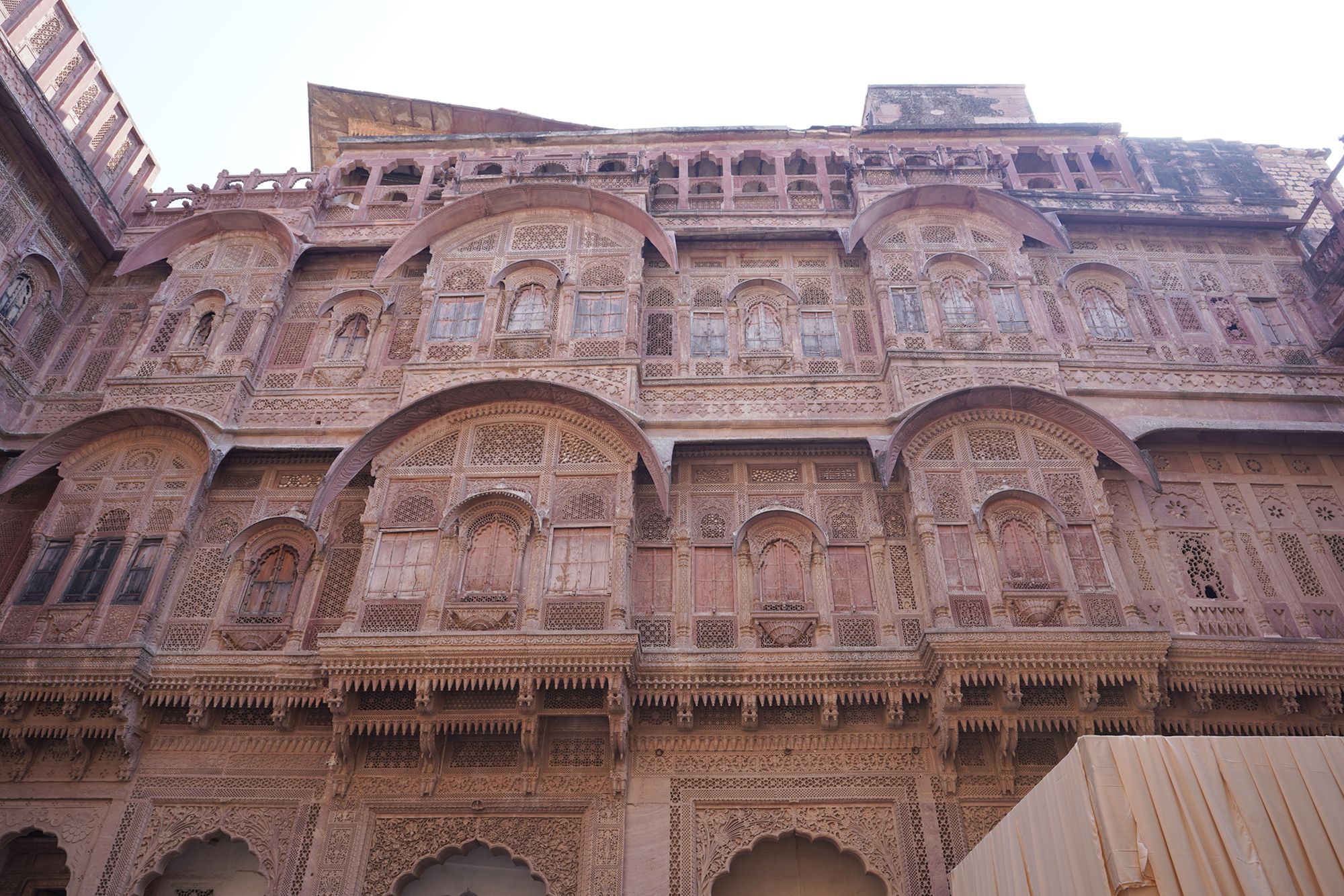
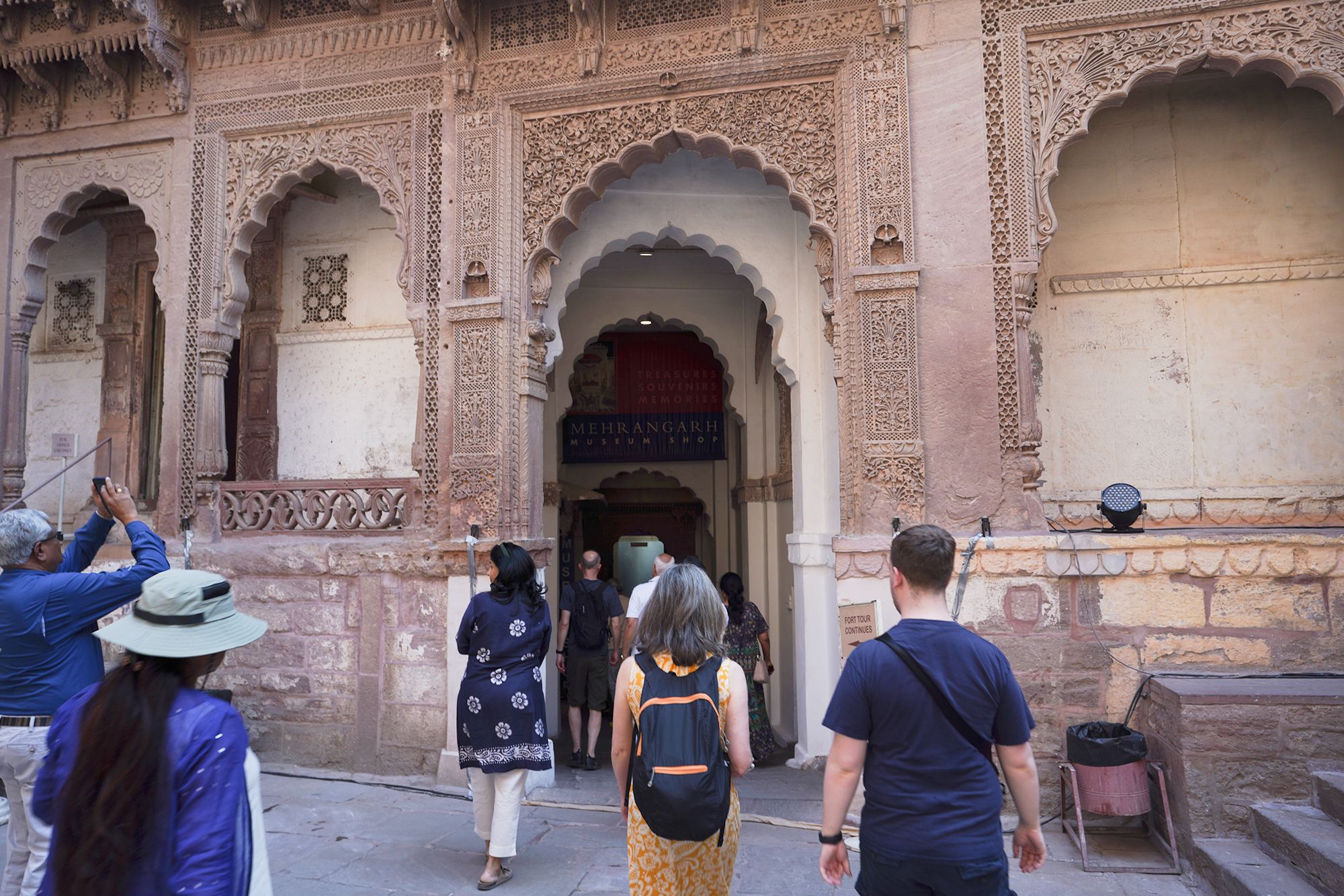
After exploring the museum rooms, we left the main palace building and continued through the fort.
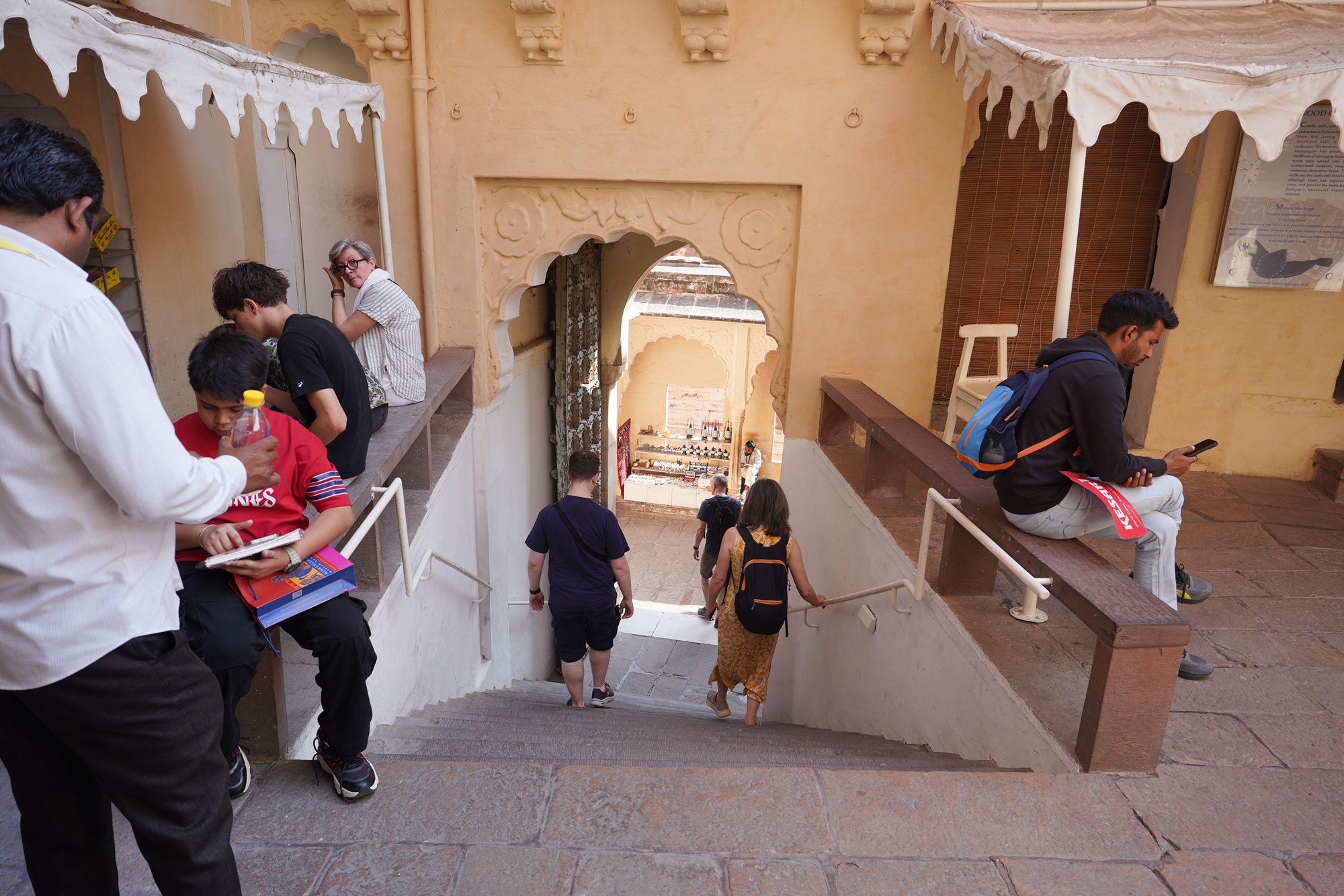
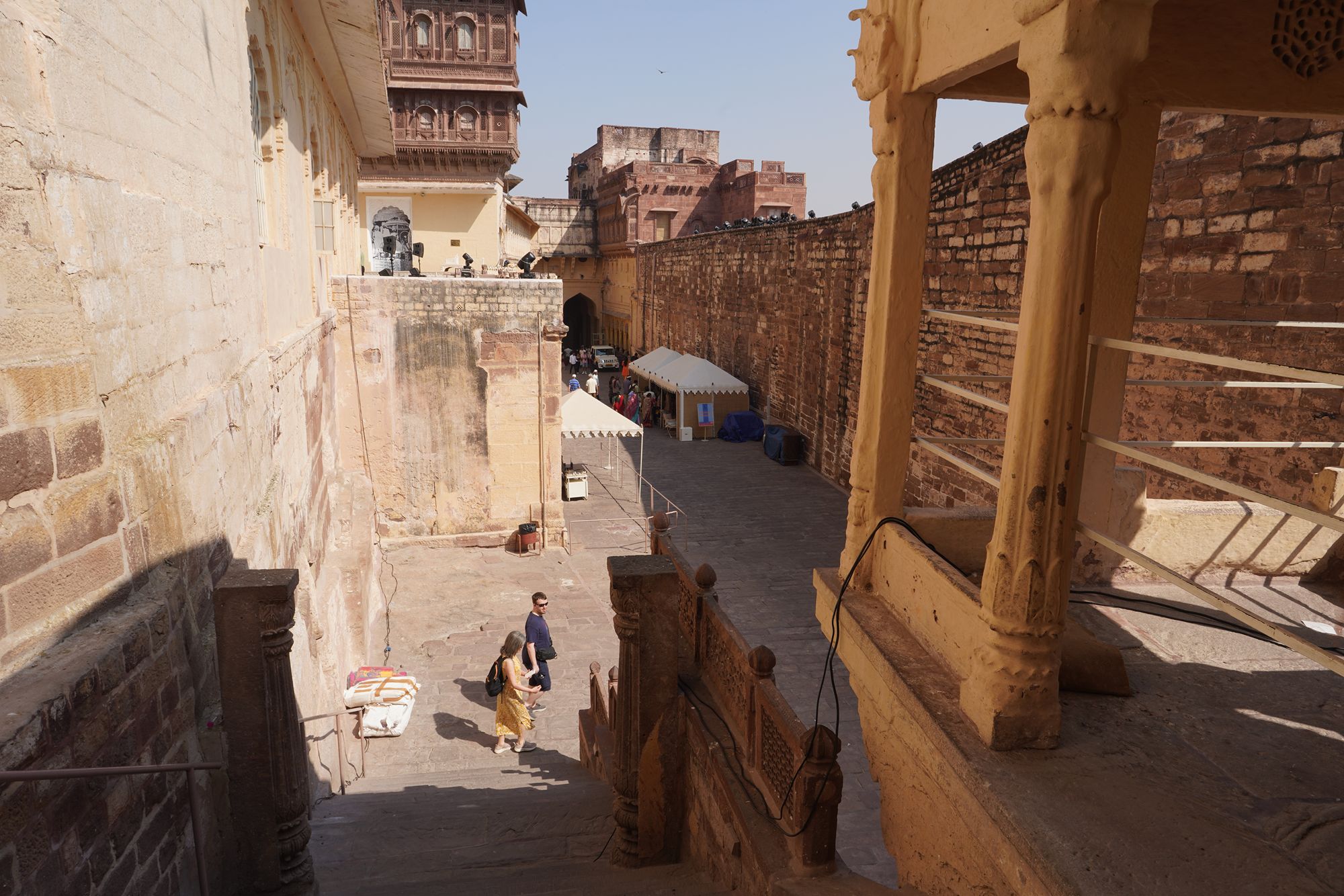
Looking back at the way we had come through the palace complex.
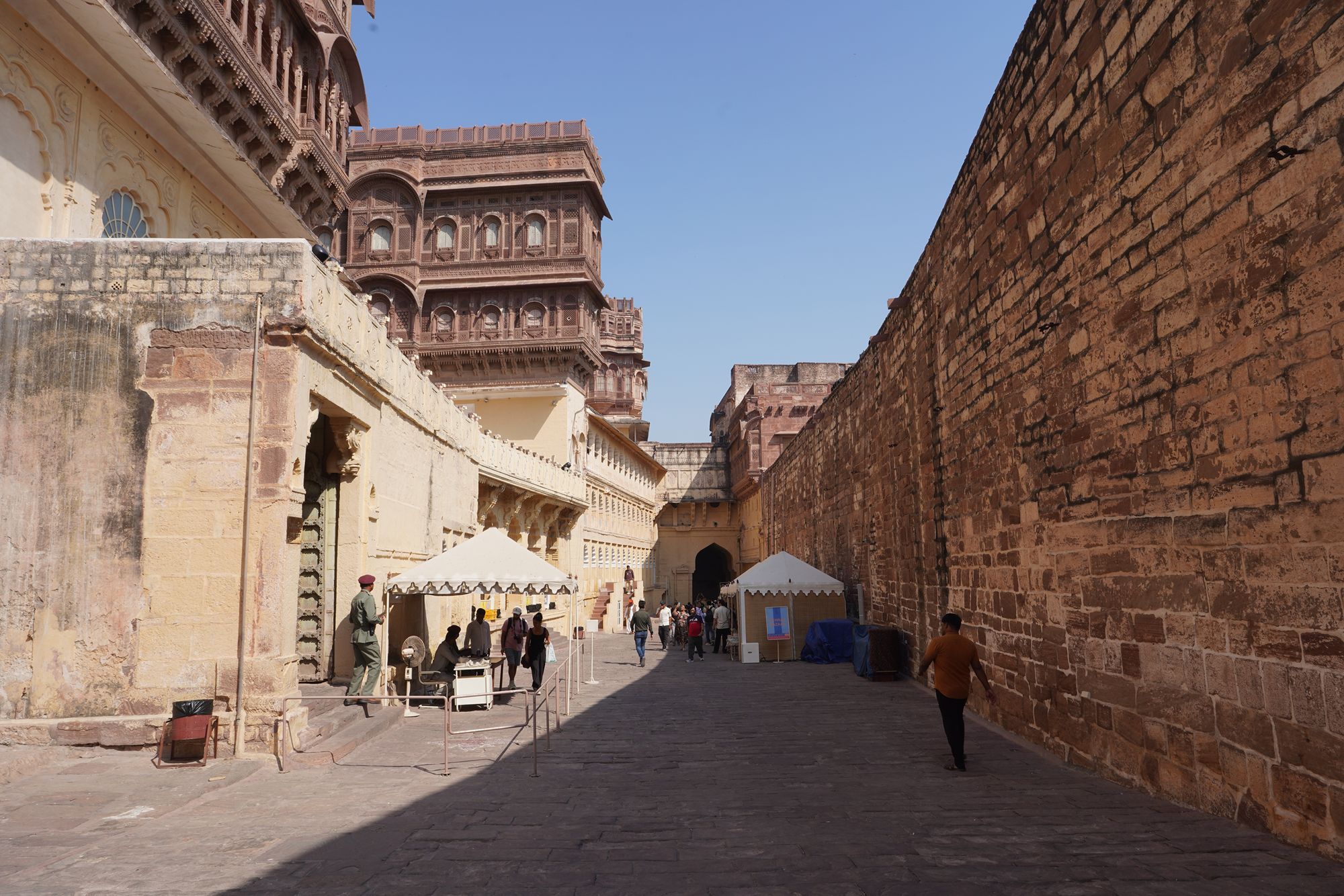
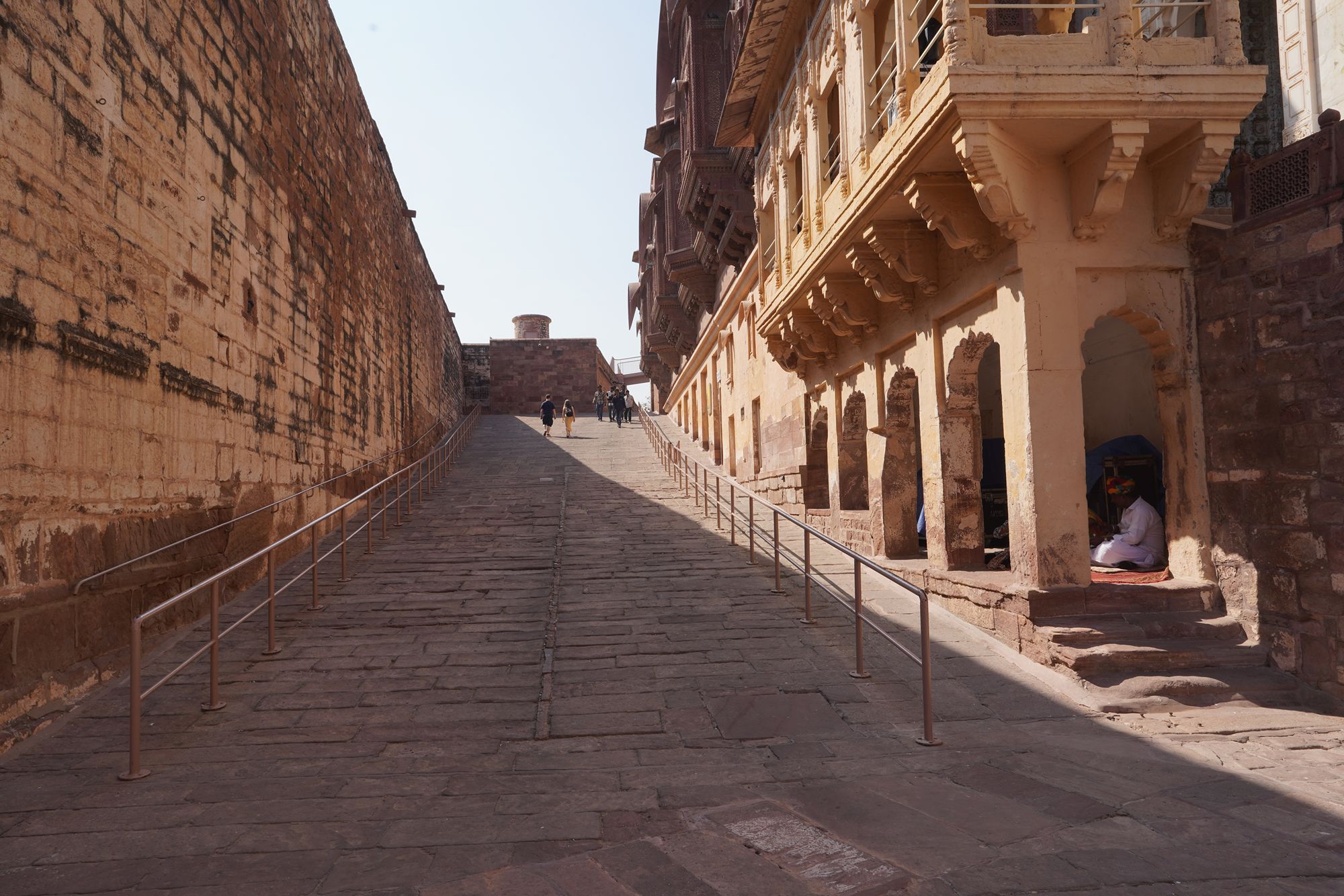
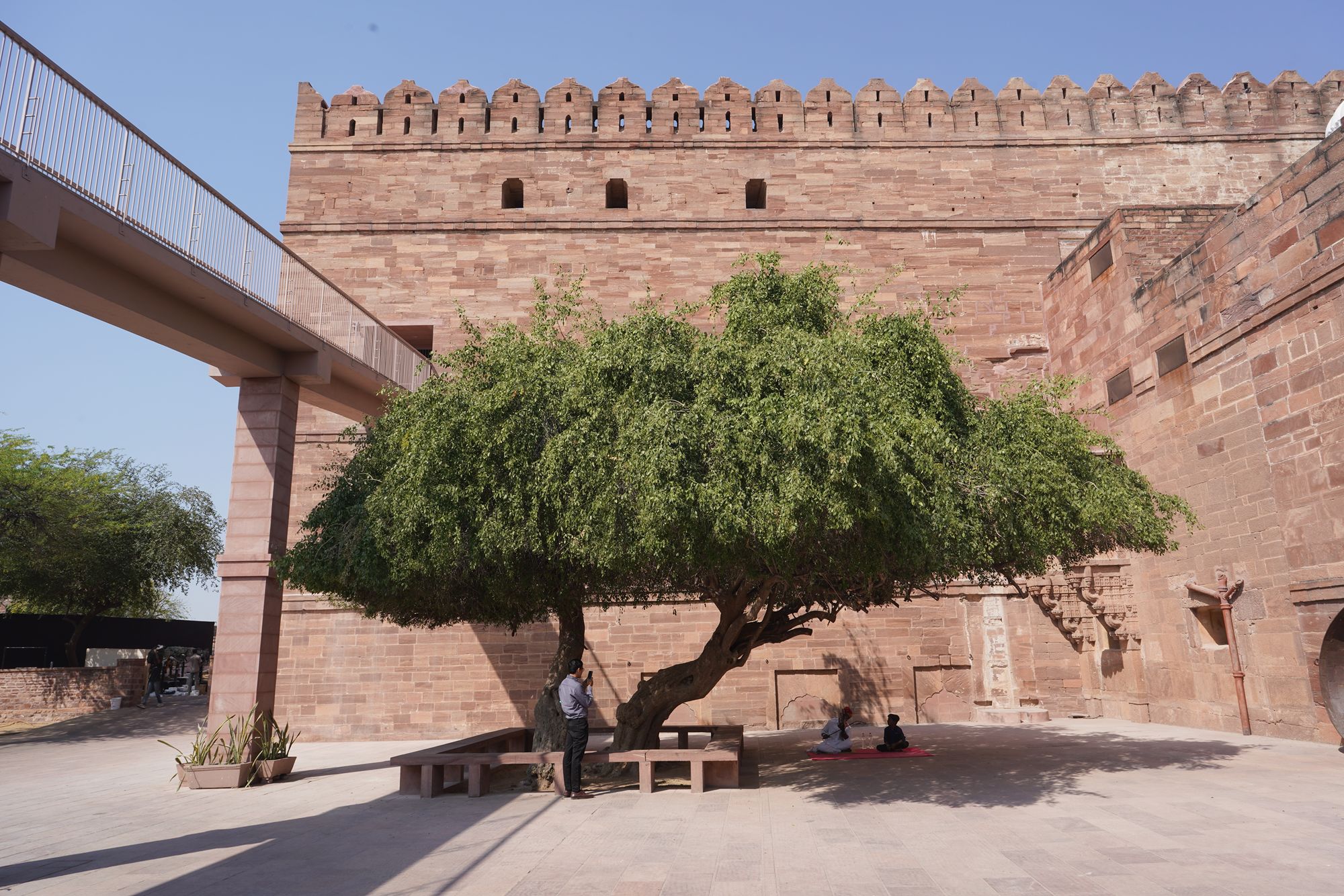
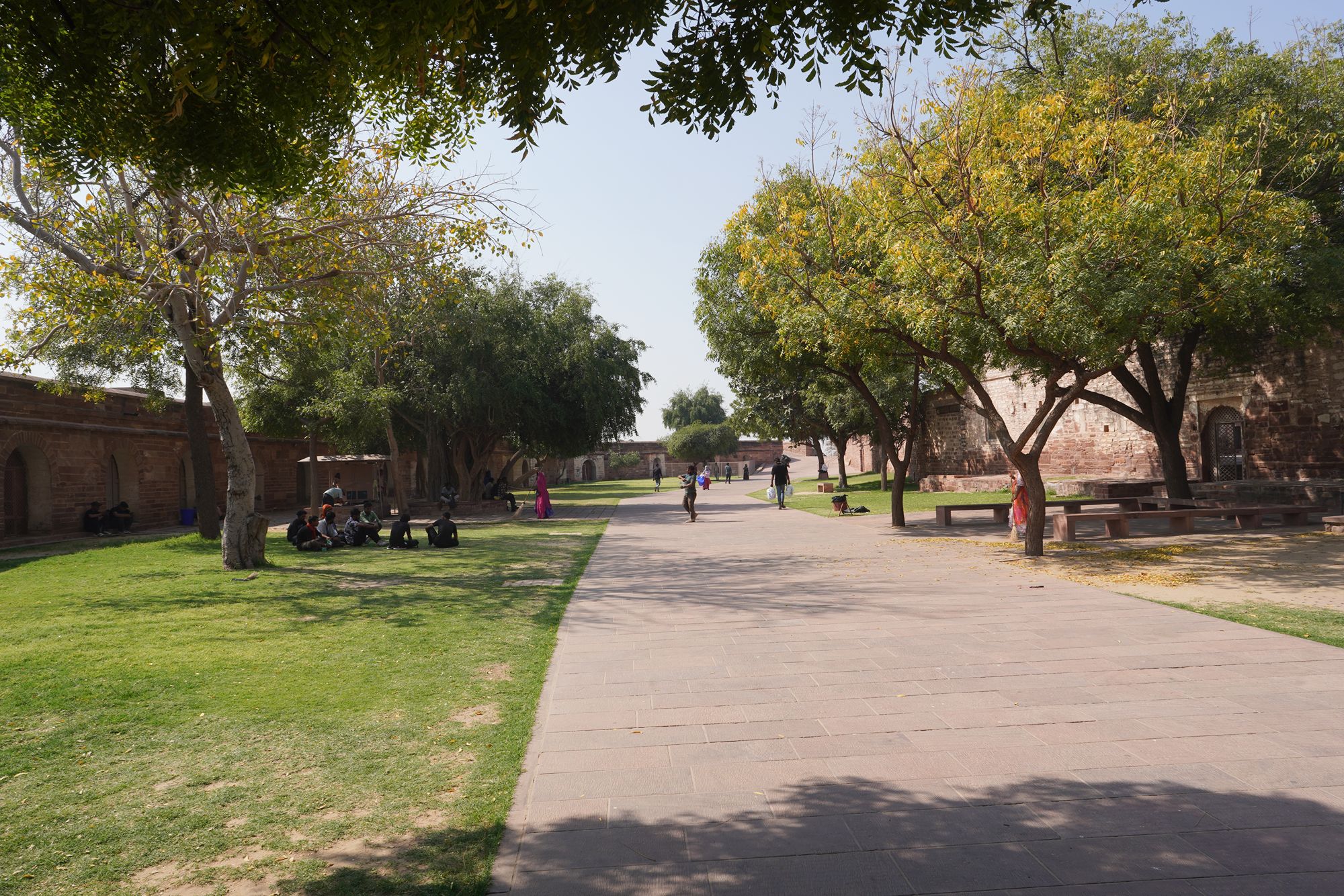
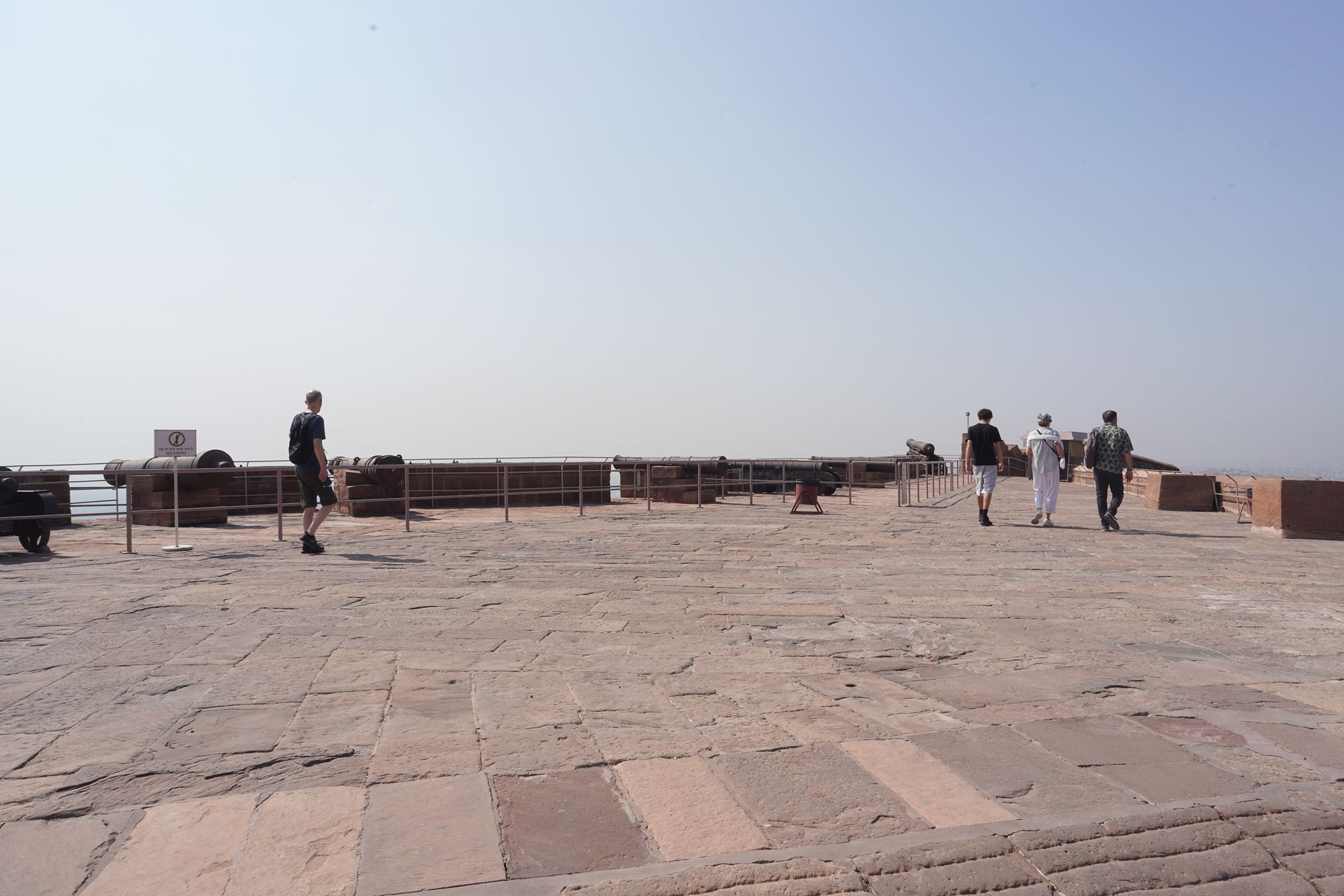
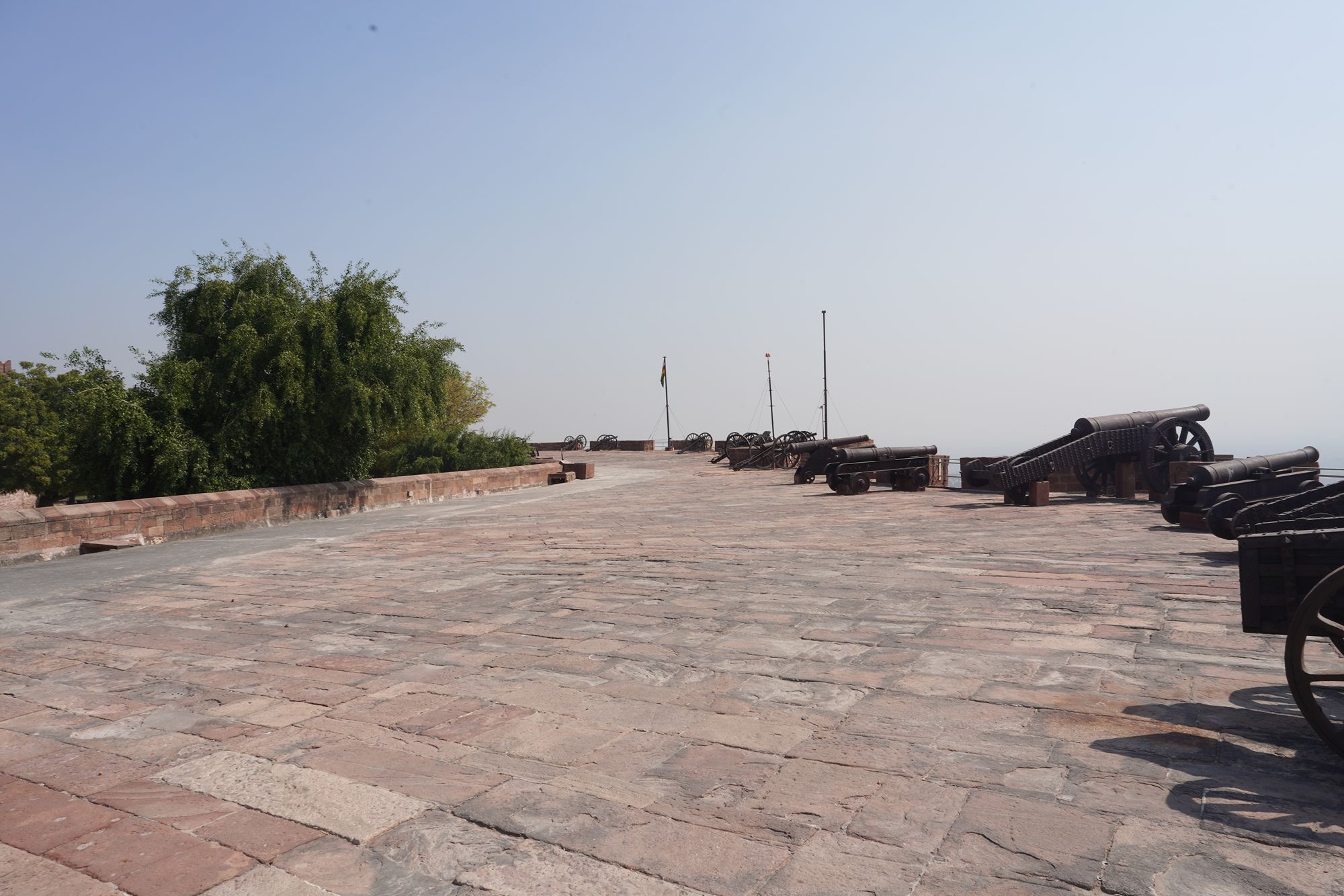
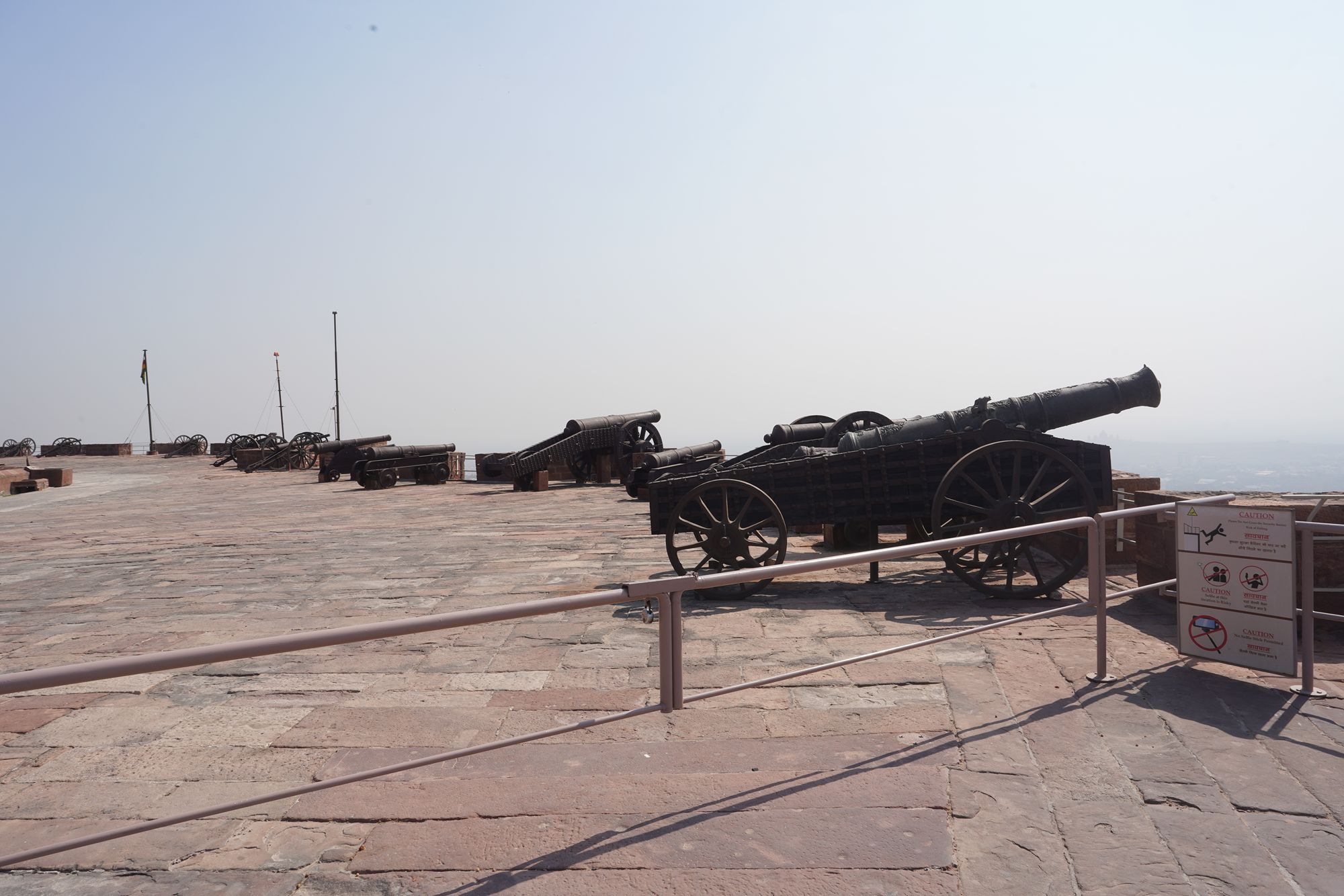
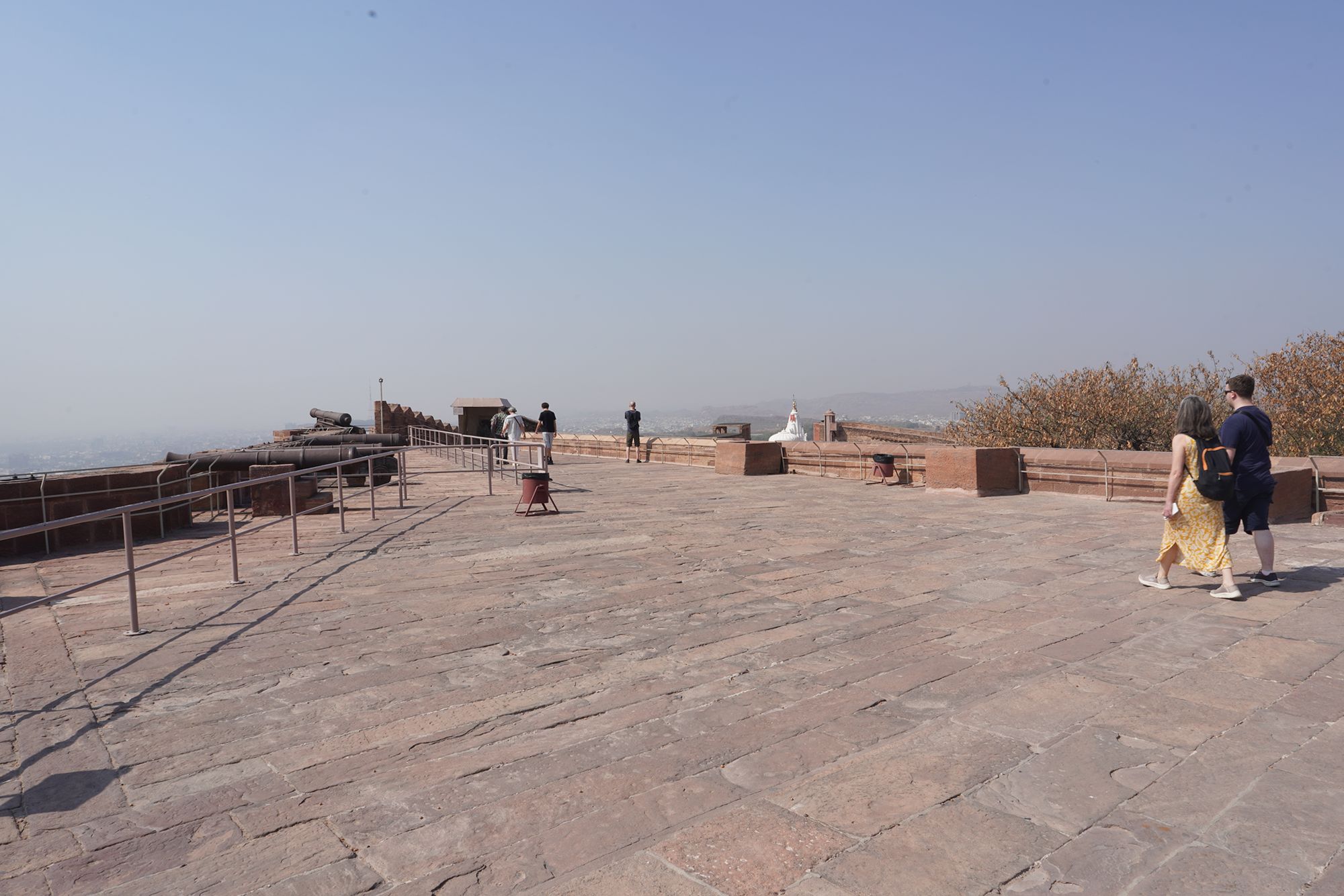
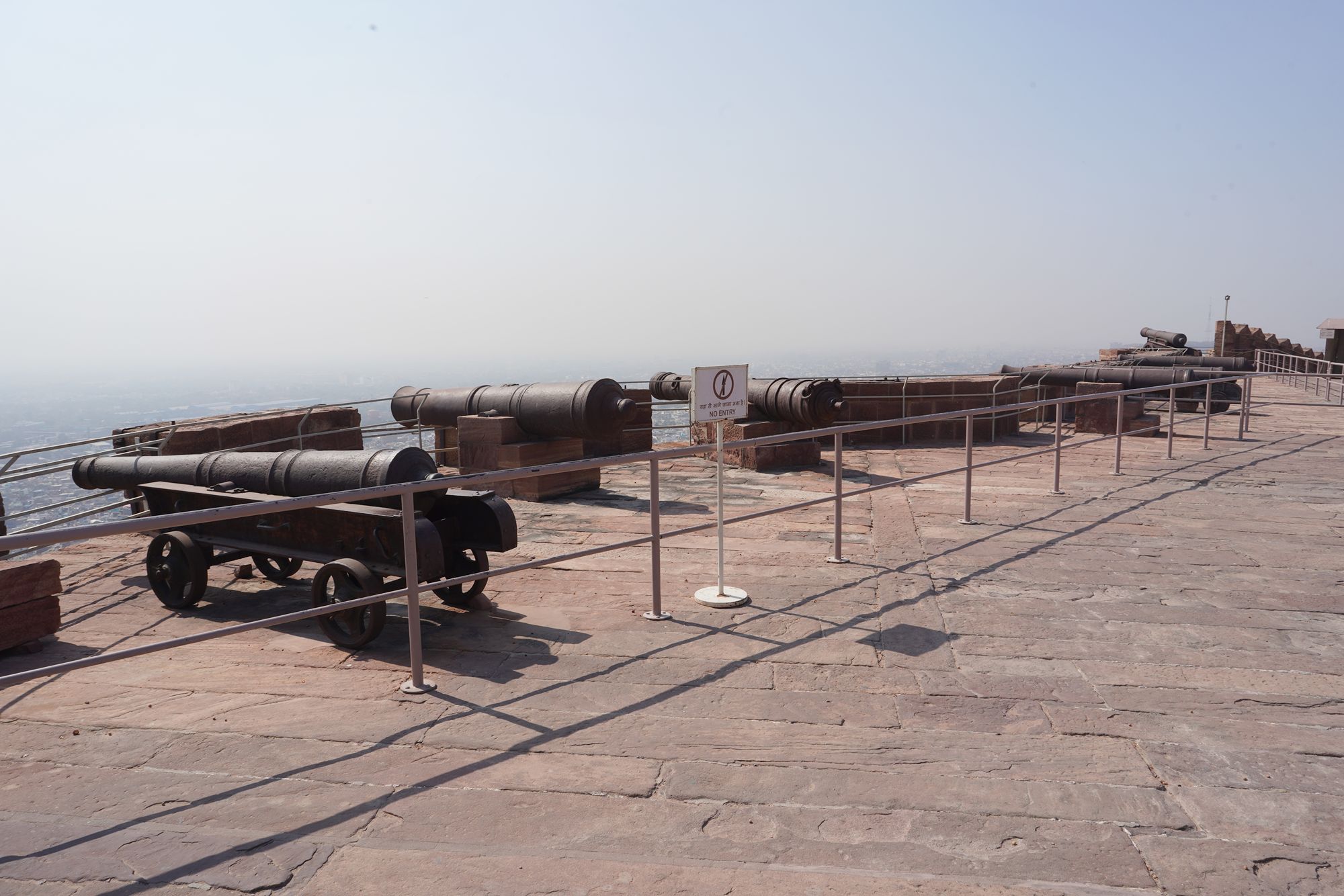
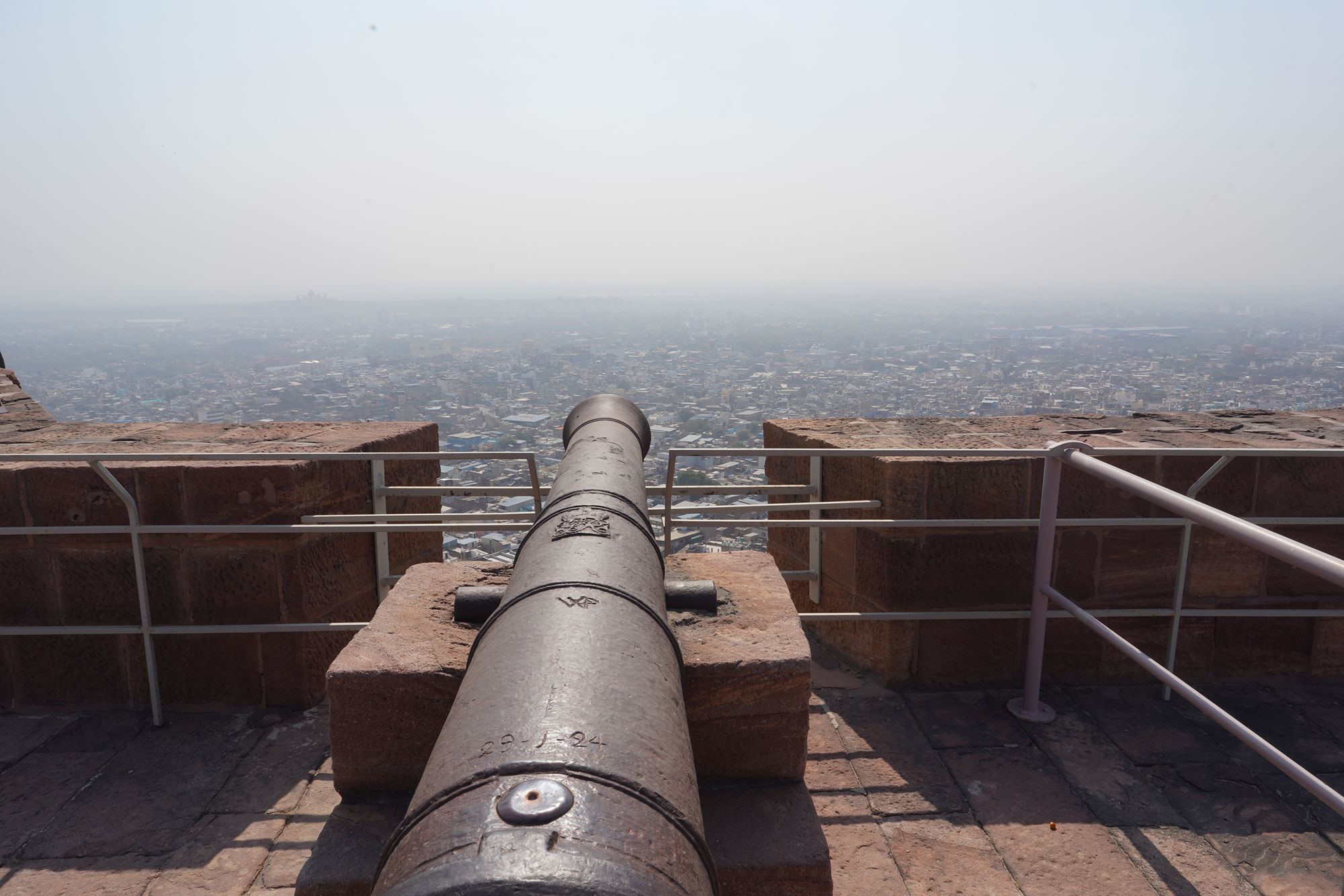
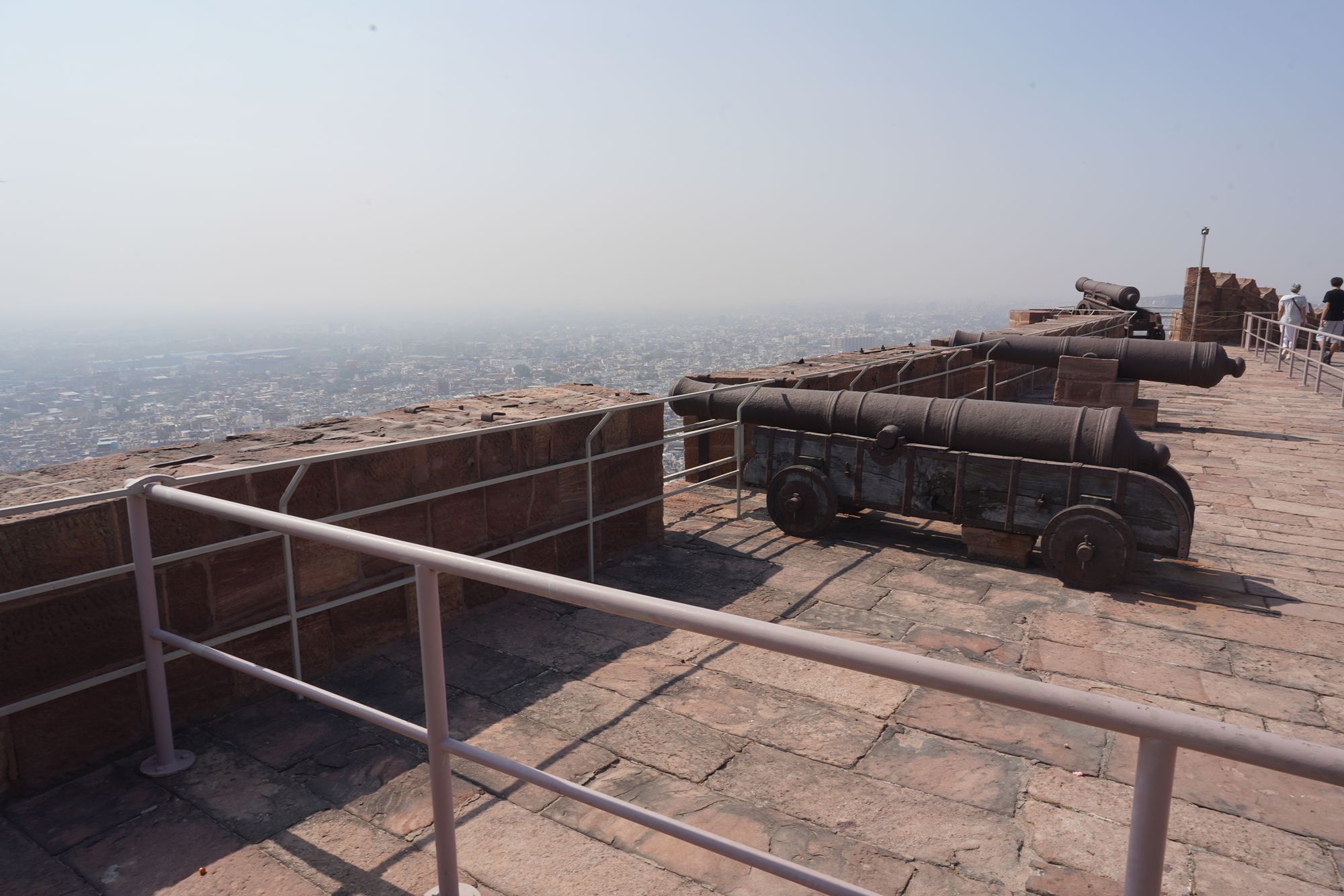
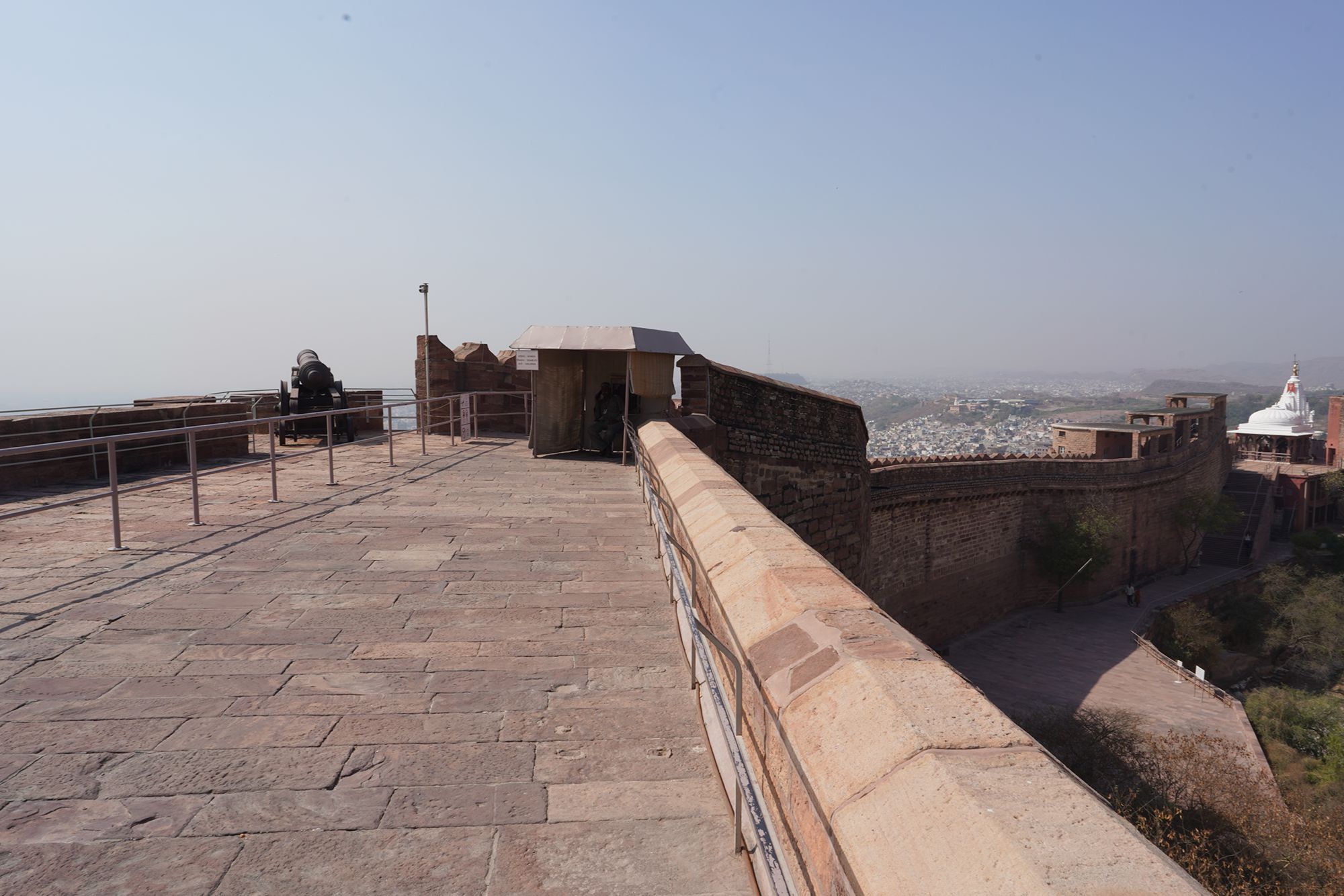
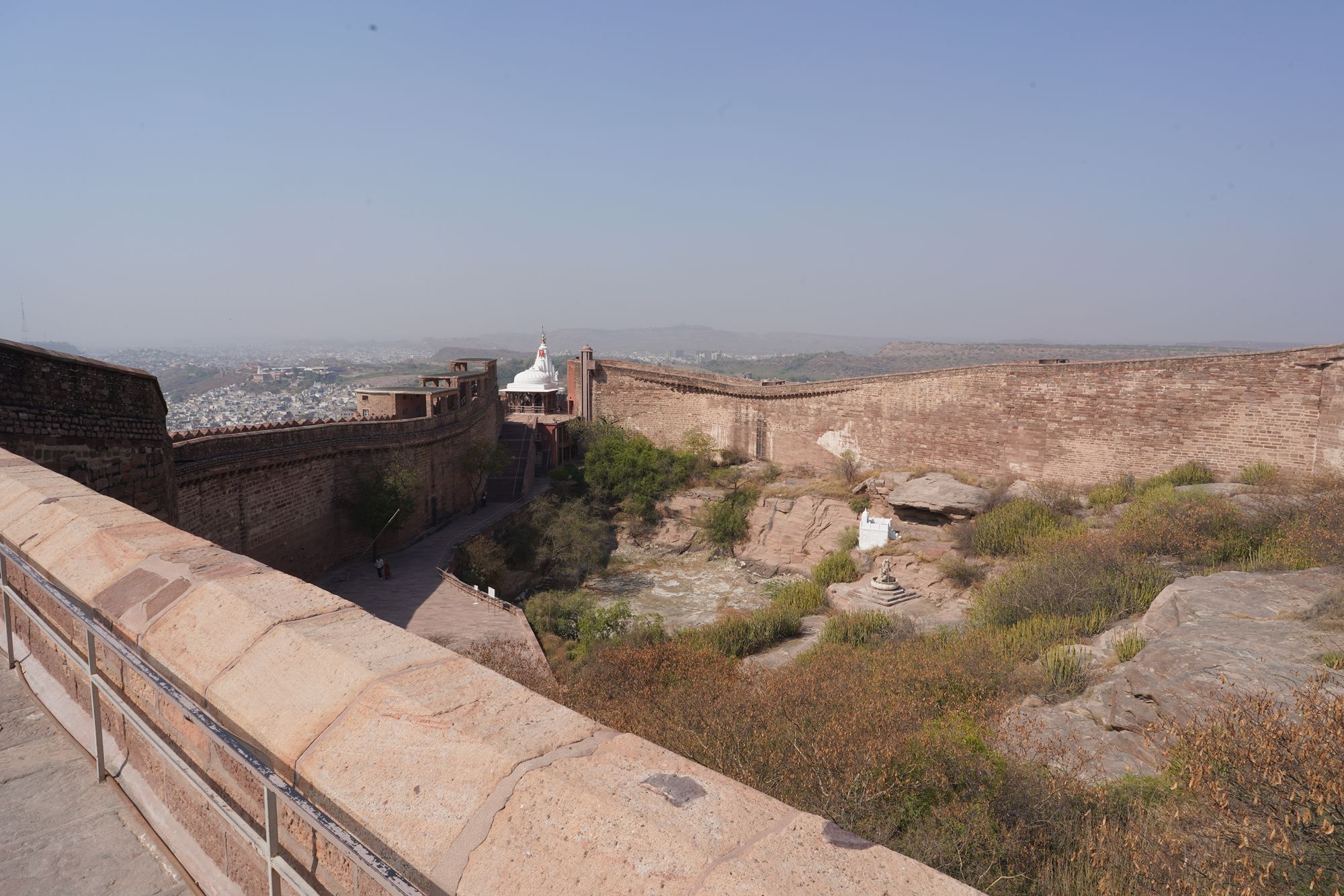
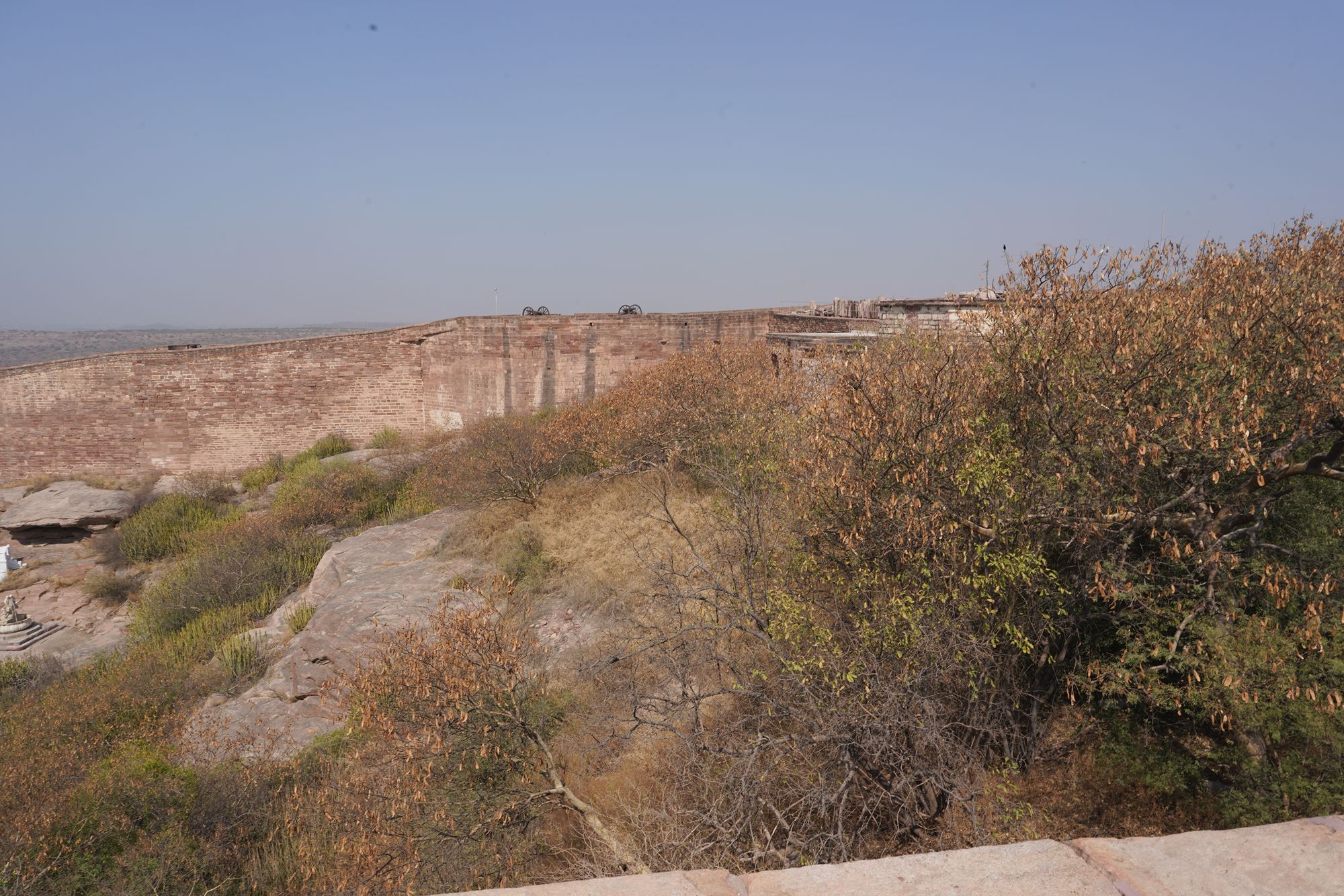
Walking back toward the main entrance of Mehrangarh Fort.
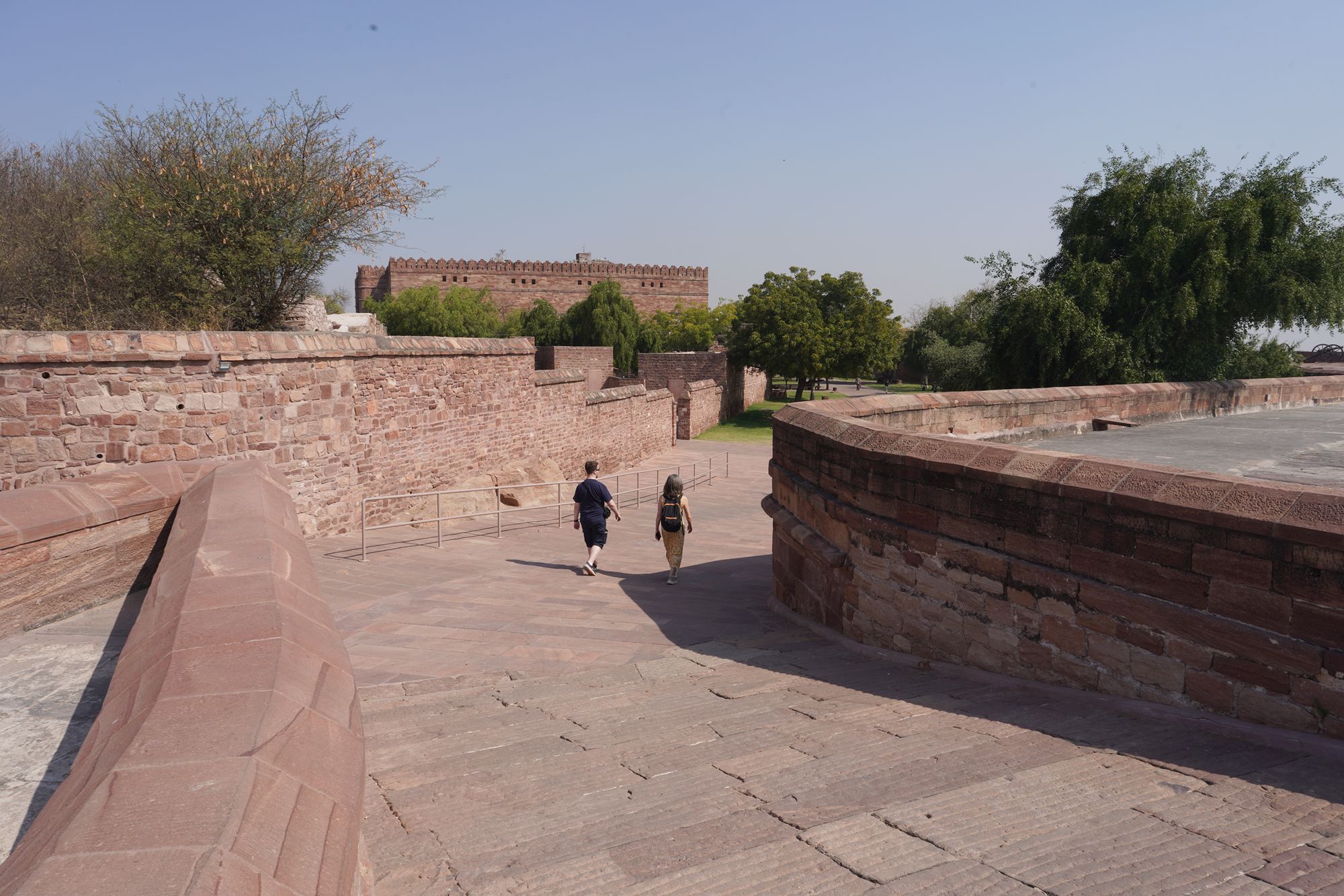
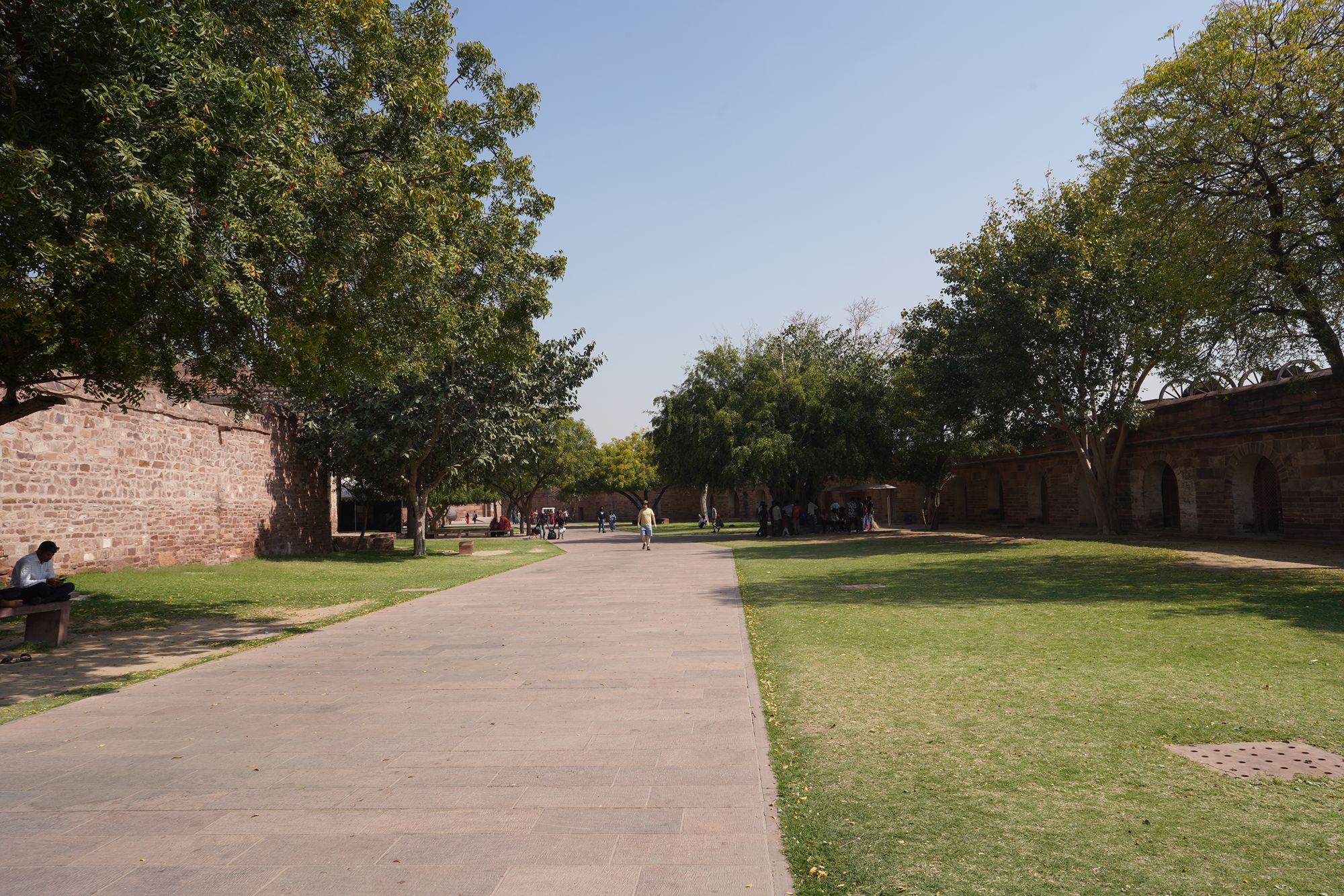
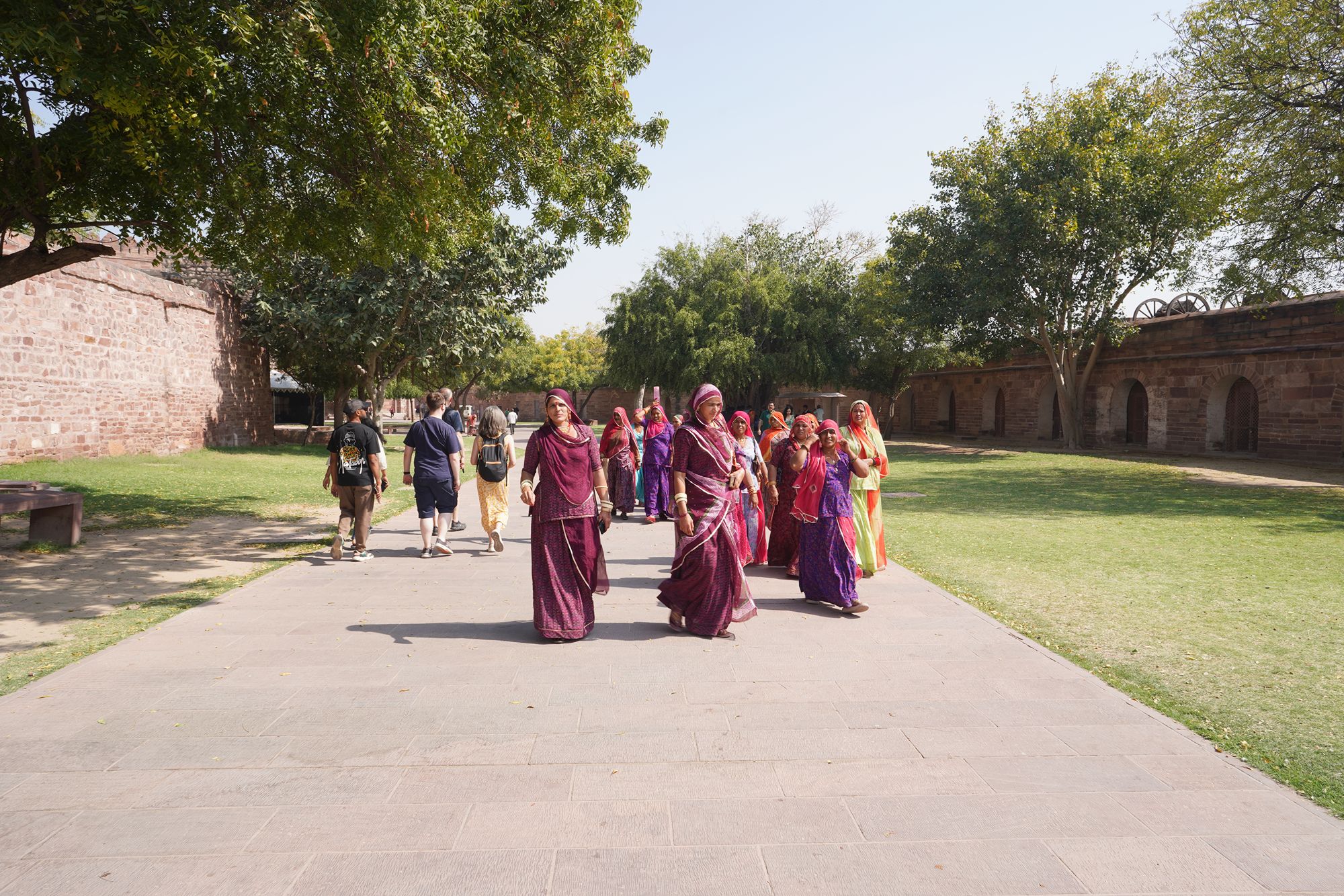
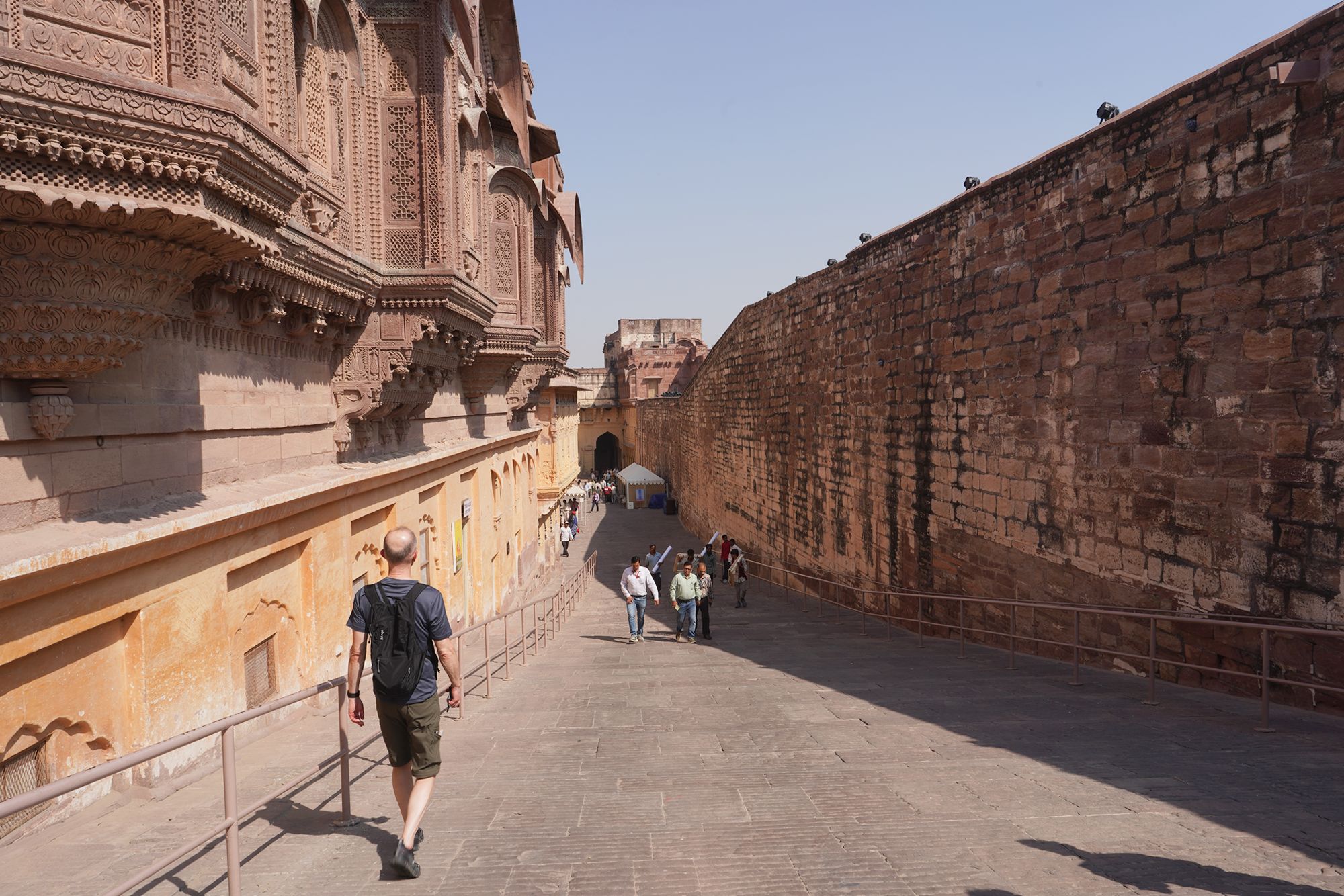
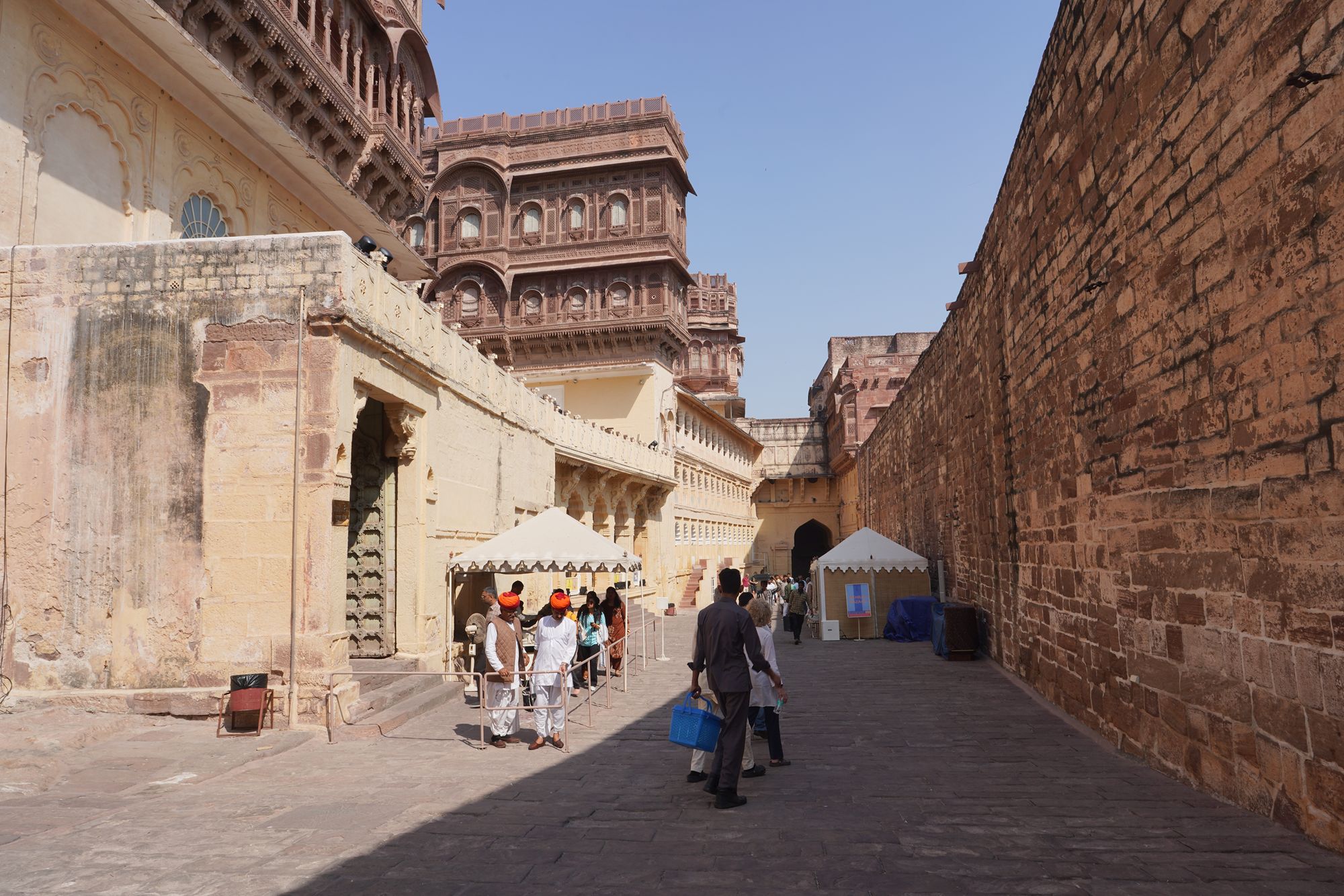
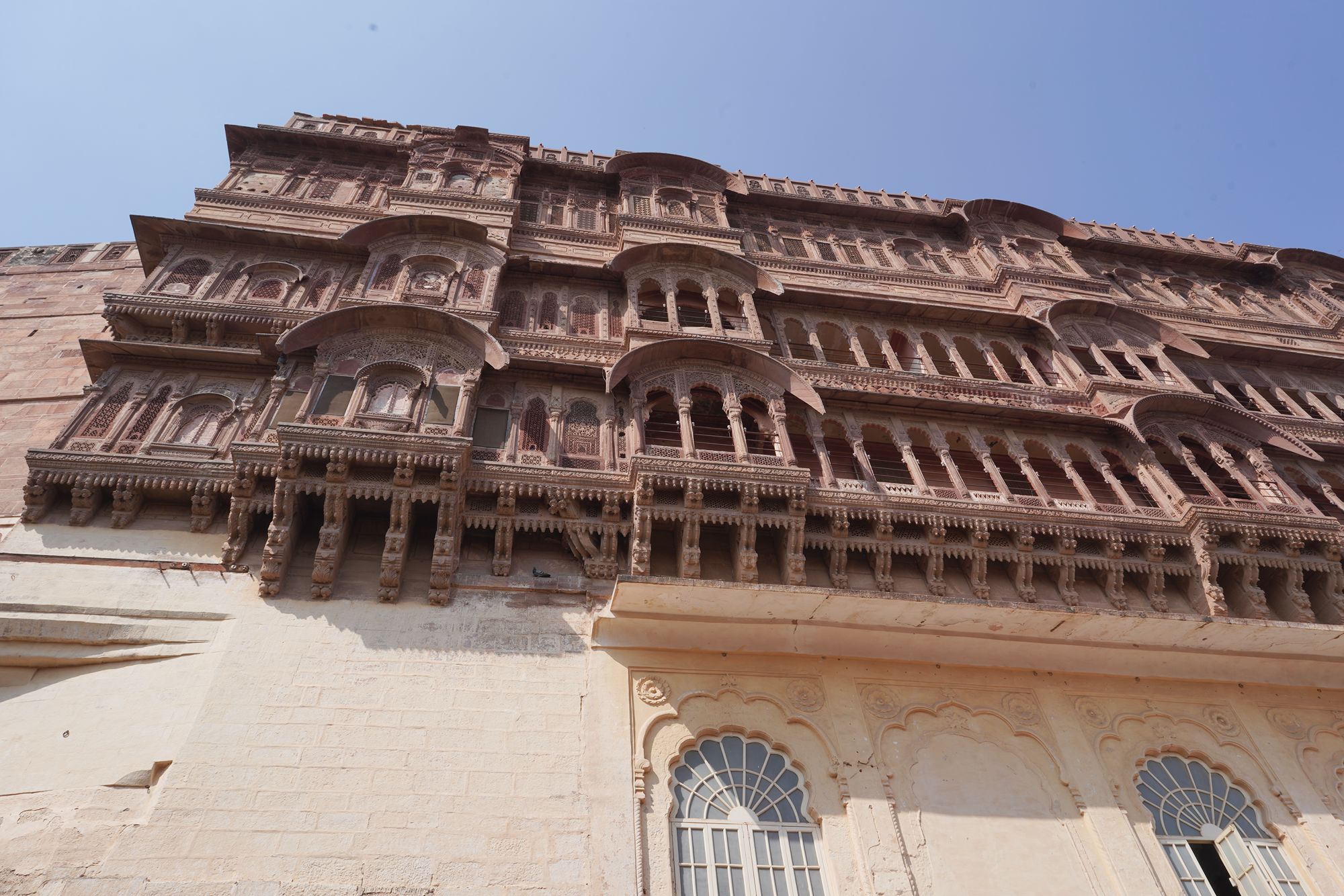
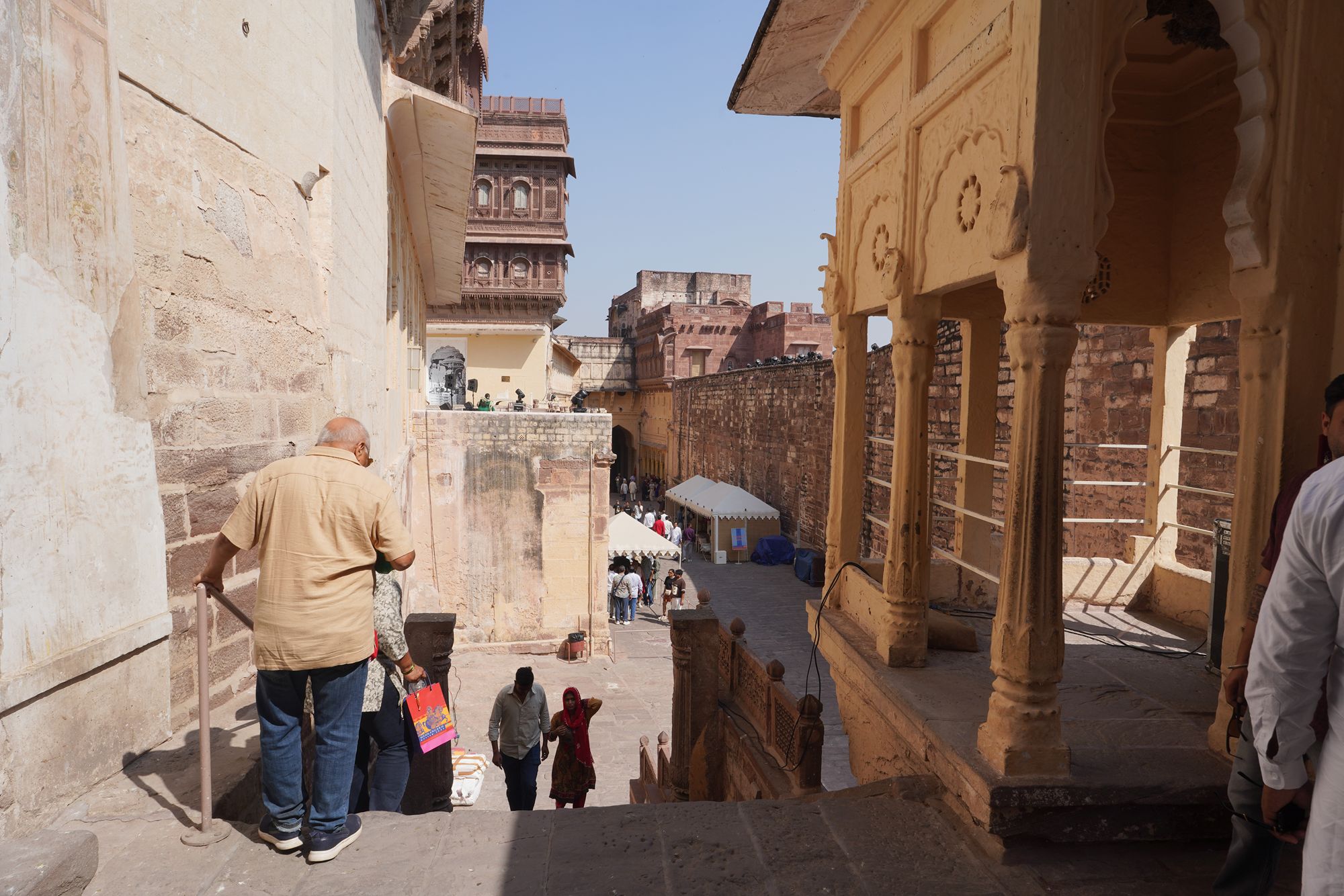
After exploring the other side of the fort, I returned to the entrance of the main palace building.
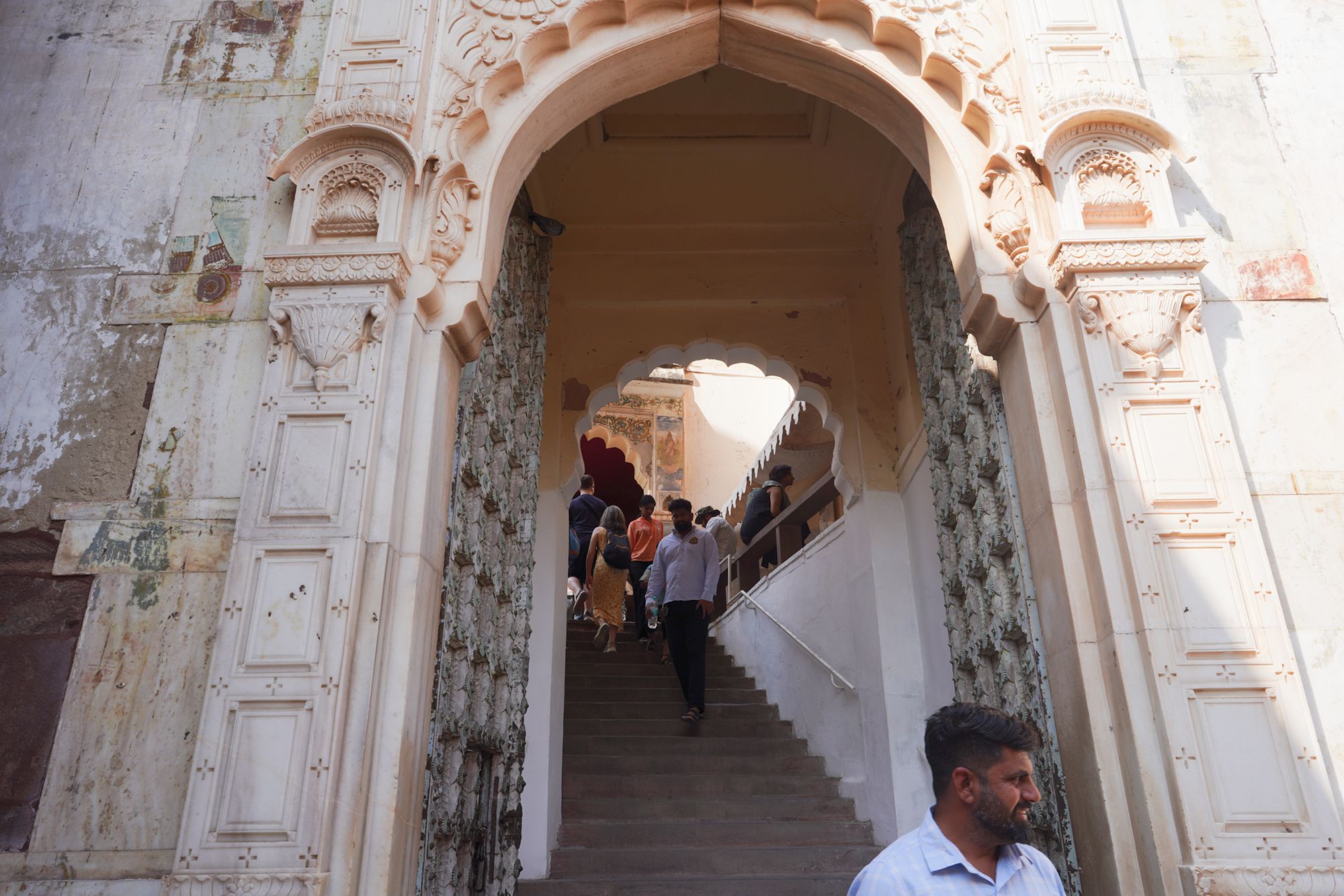
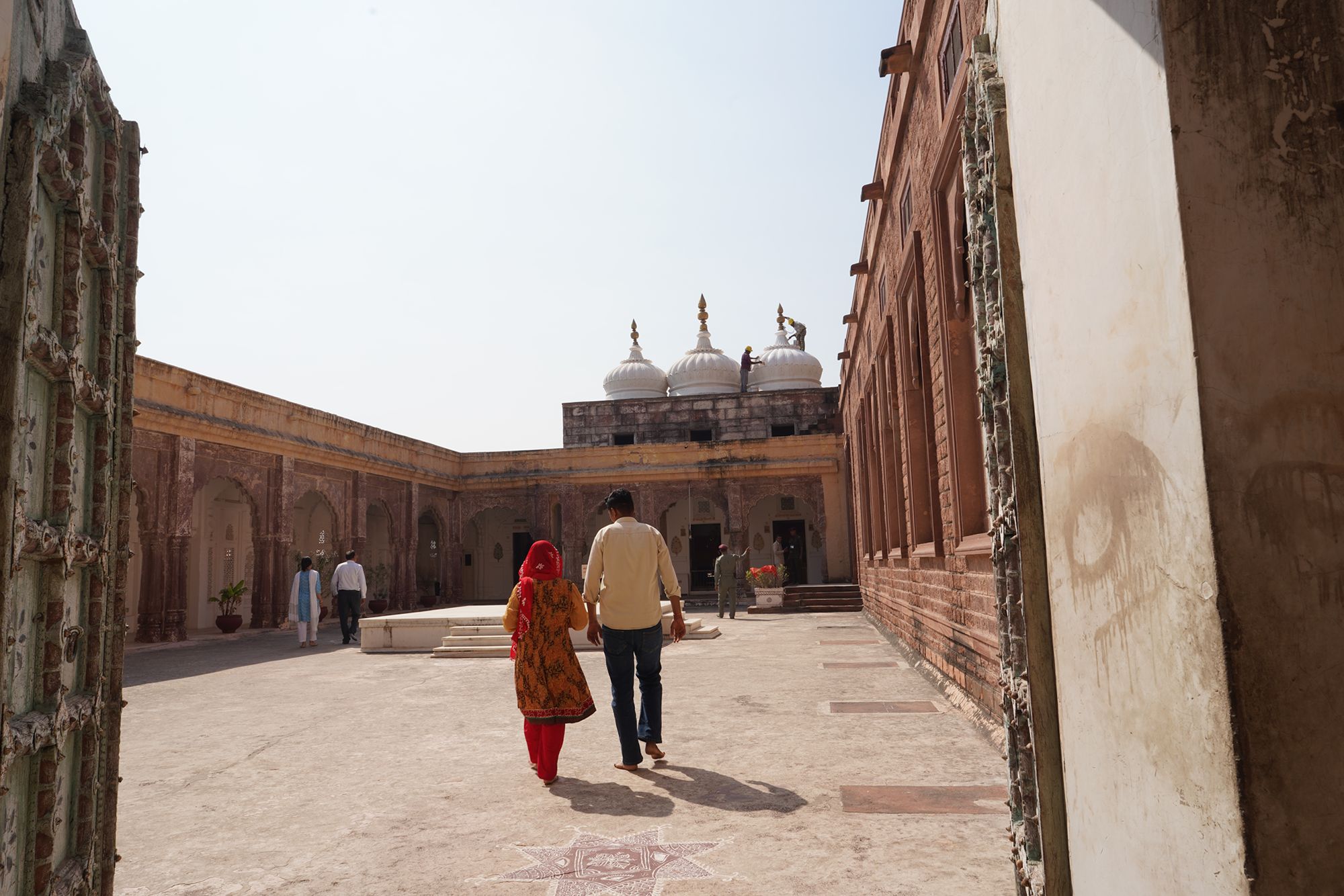
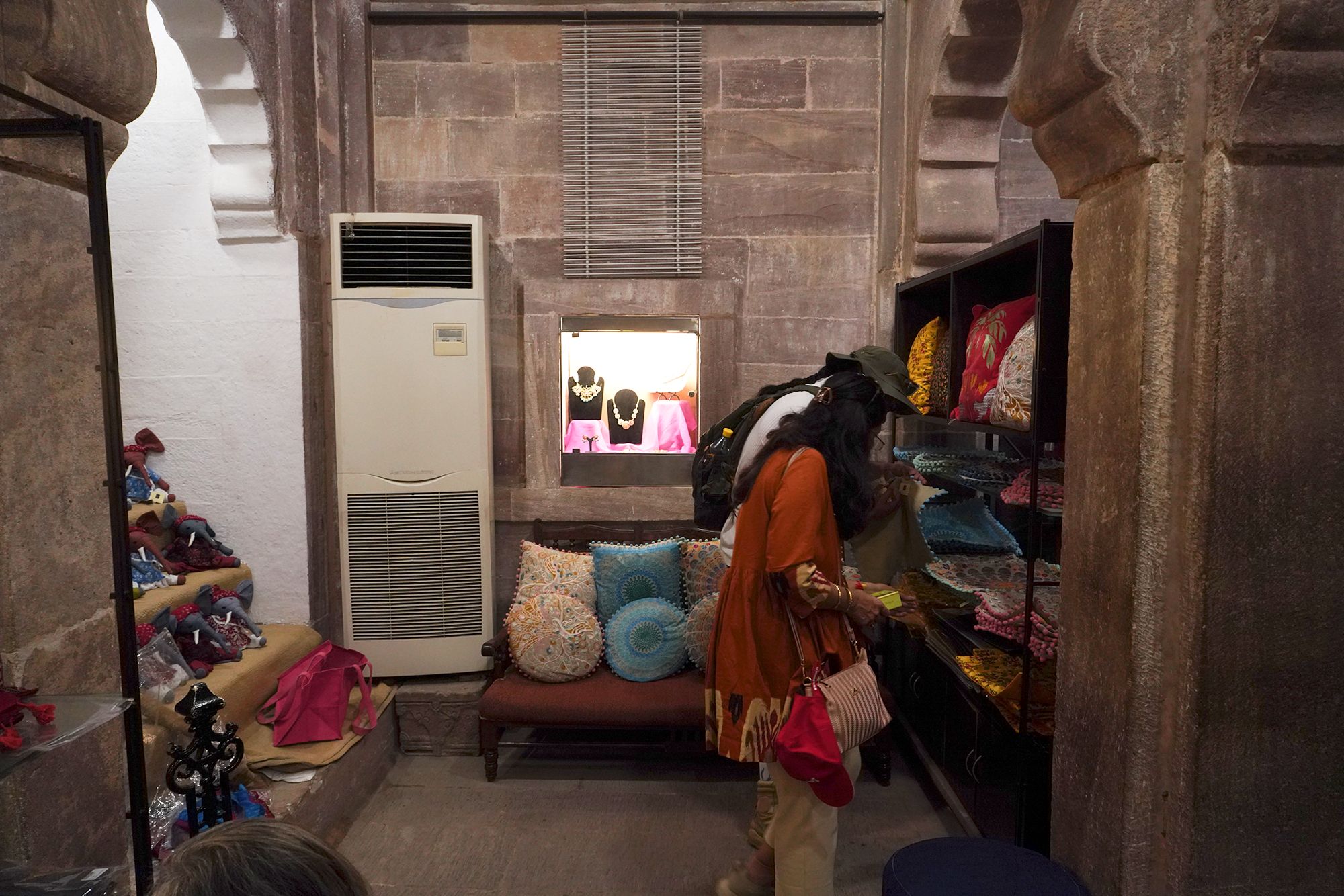
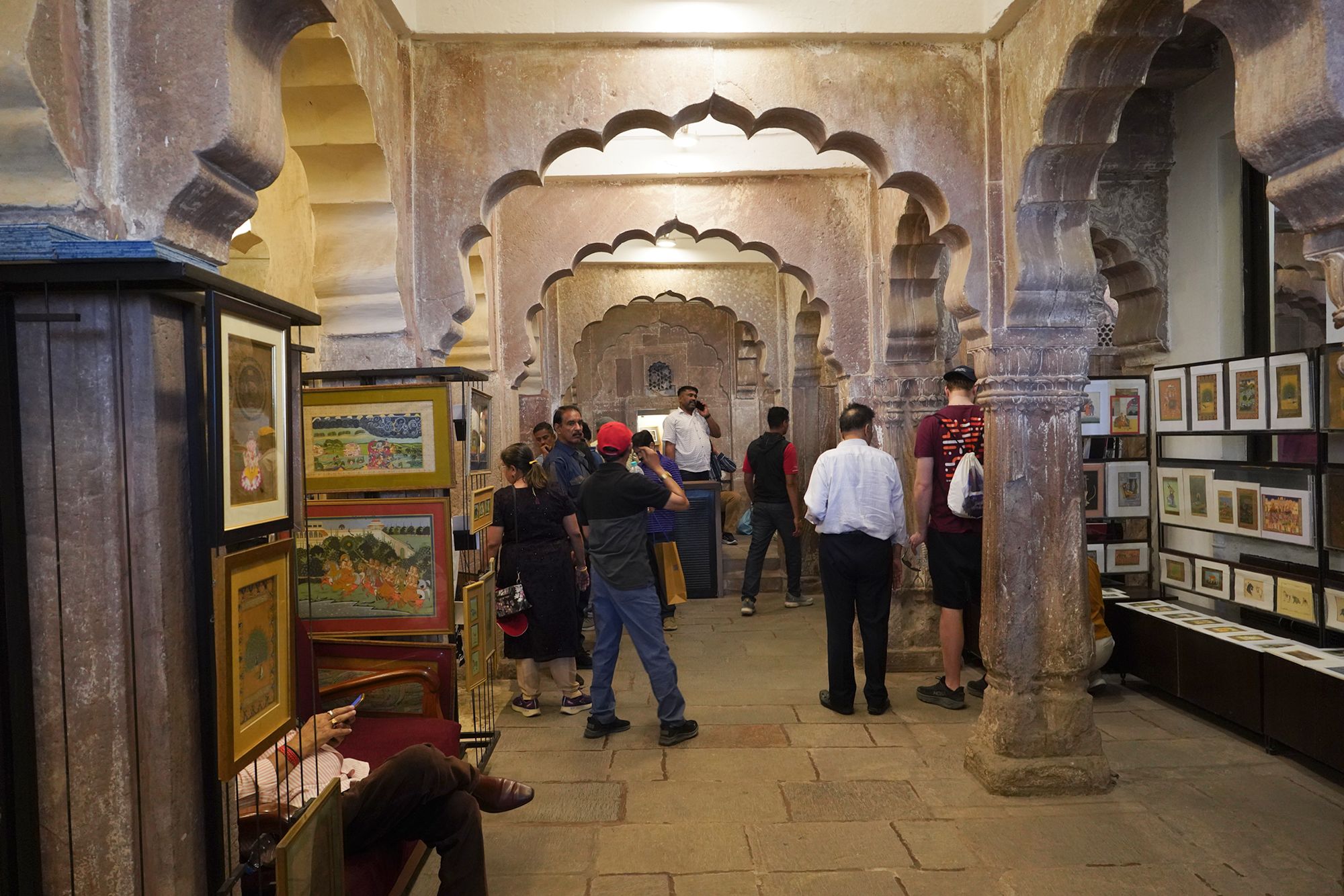
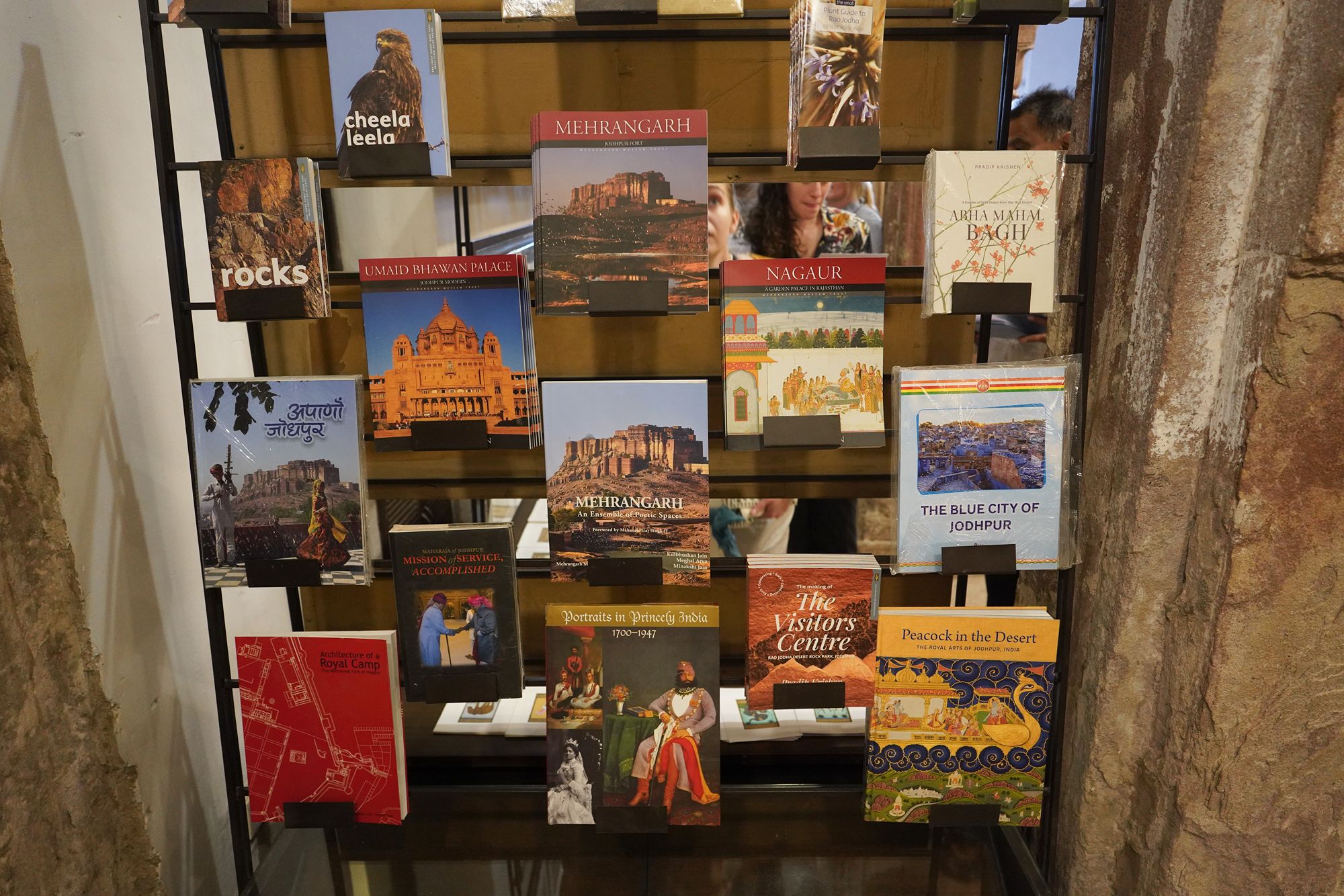
I went inside the museum shop and looked around at the items for sale.
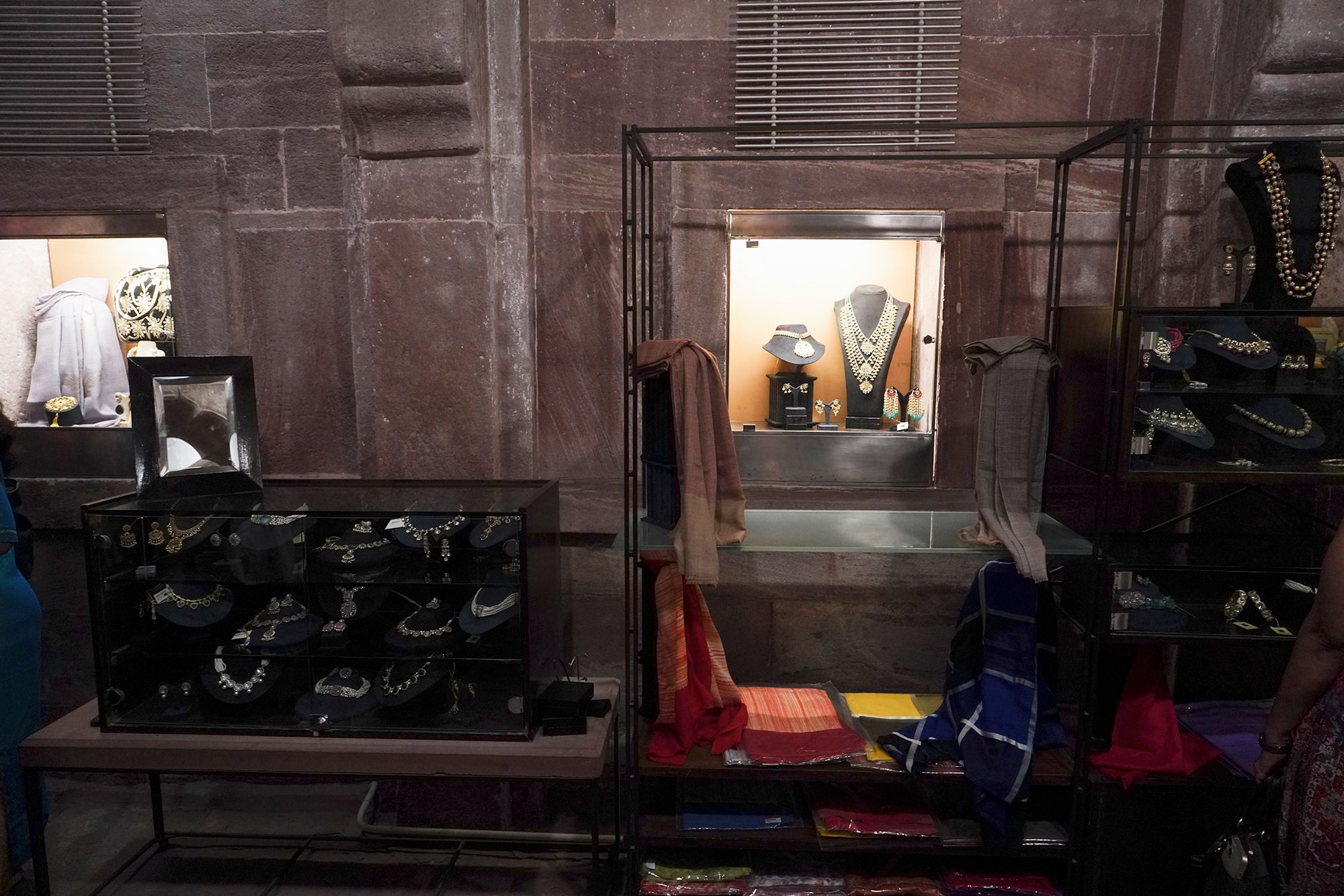
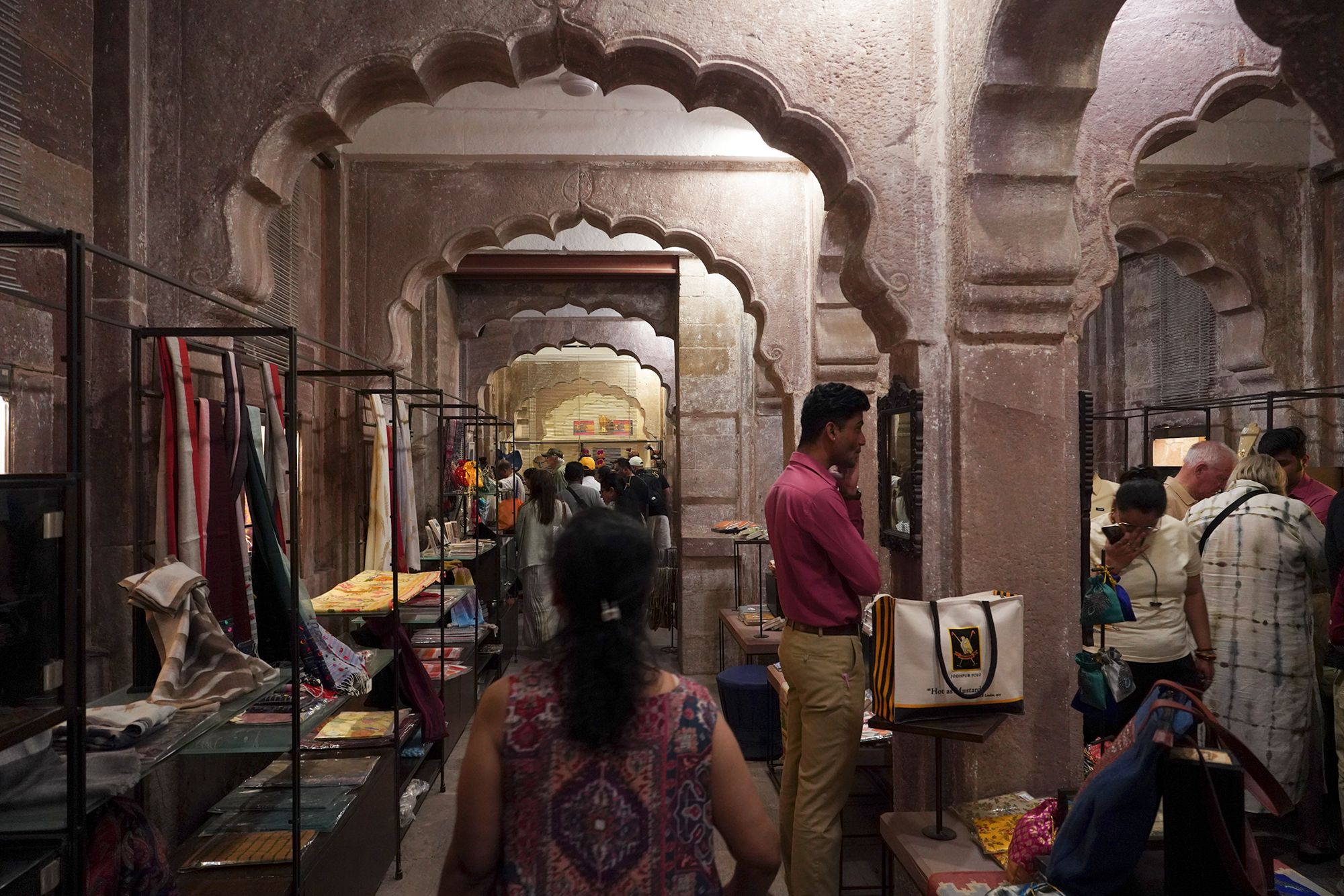
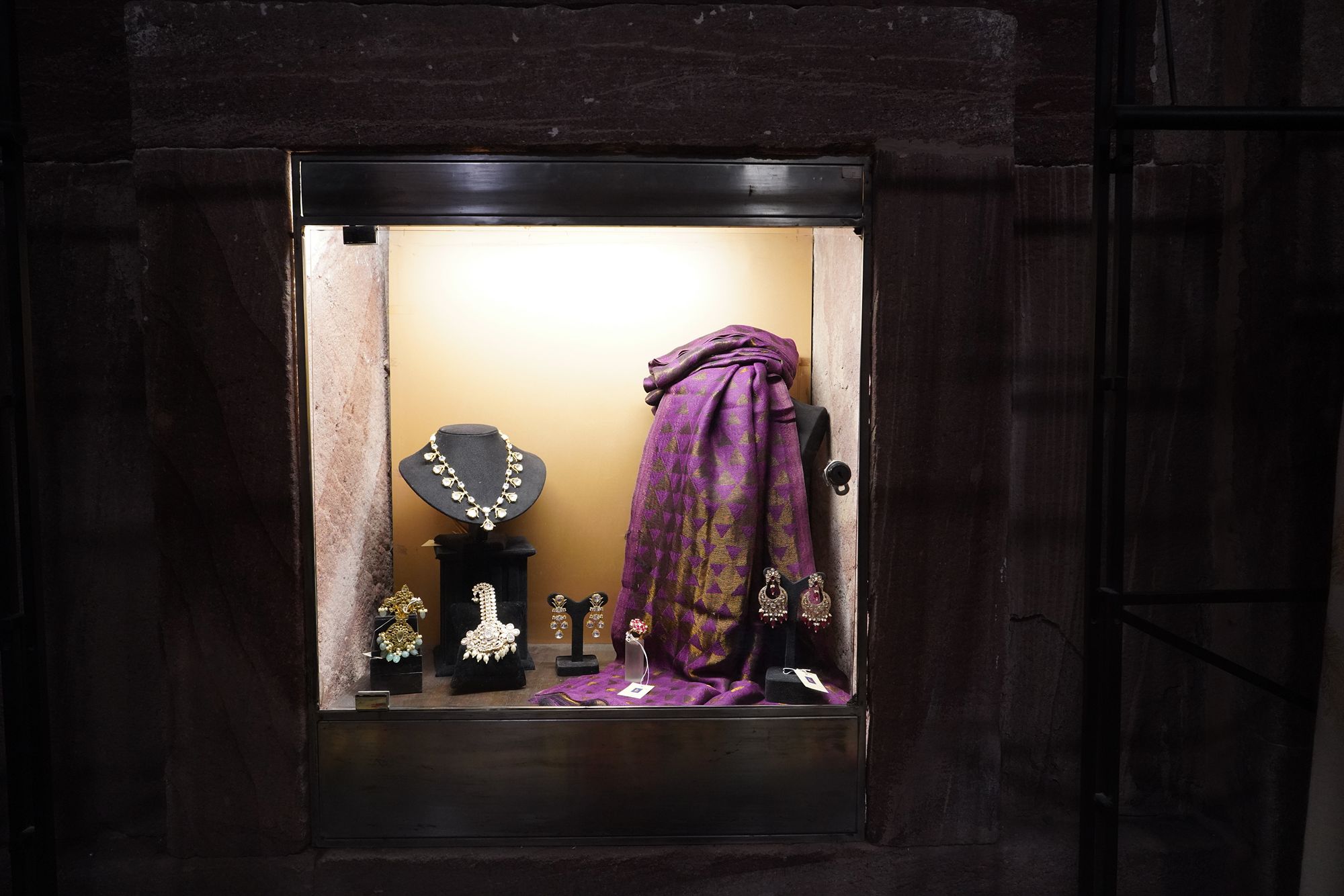
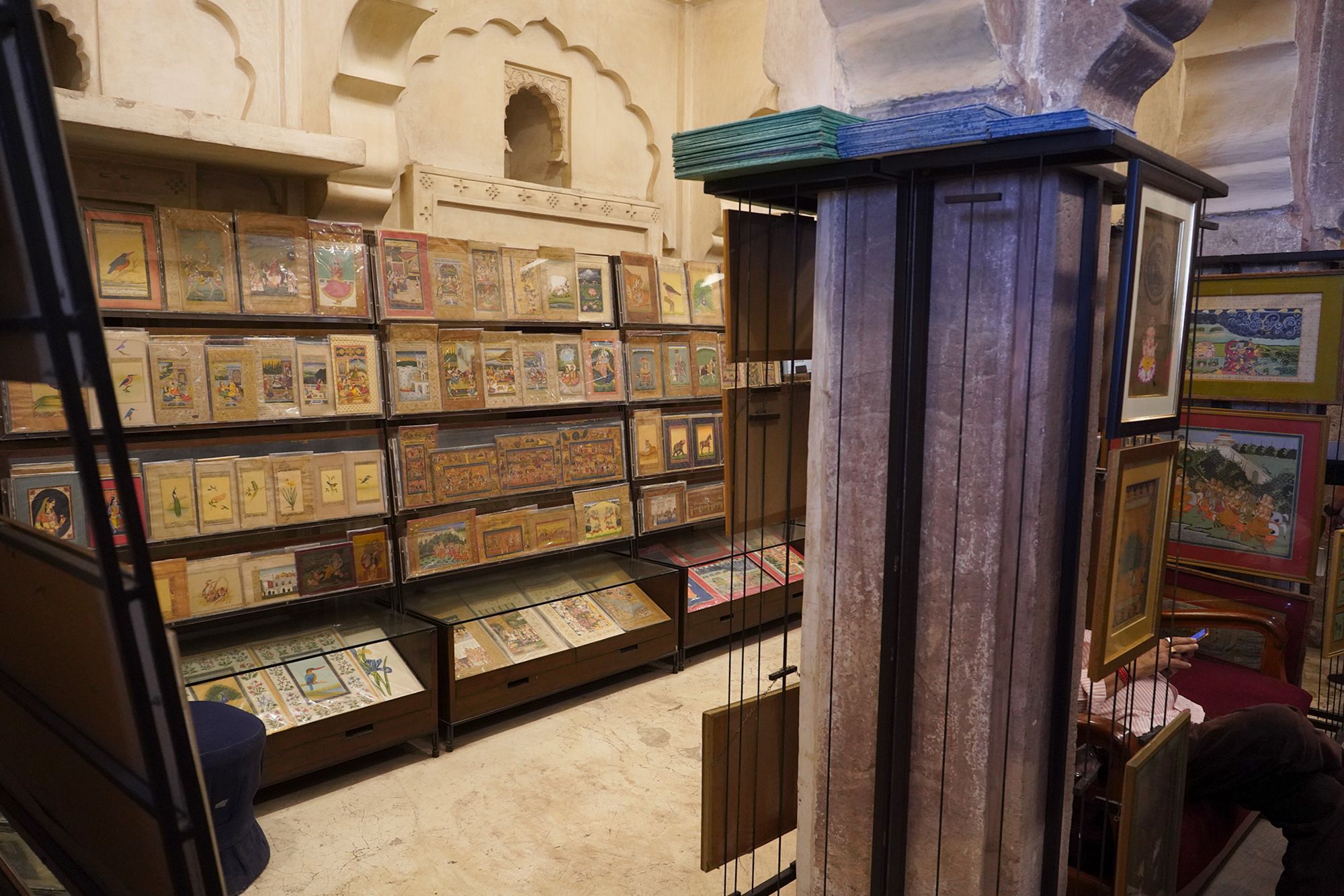
On the way out, we walked back through the fort and made our way toward the exit.