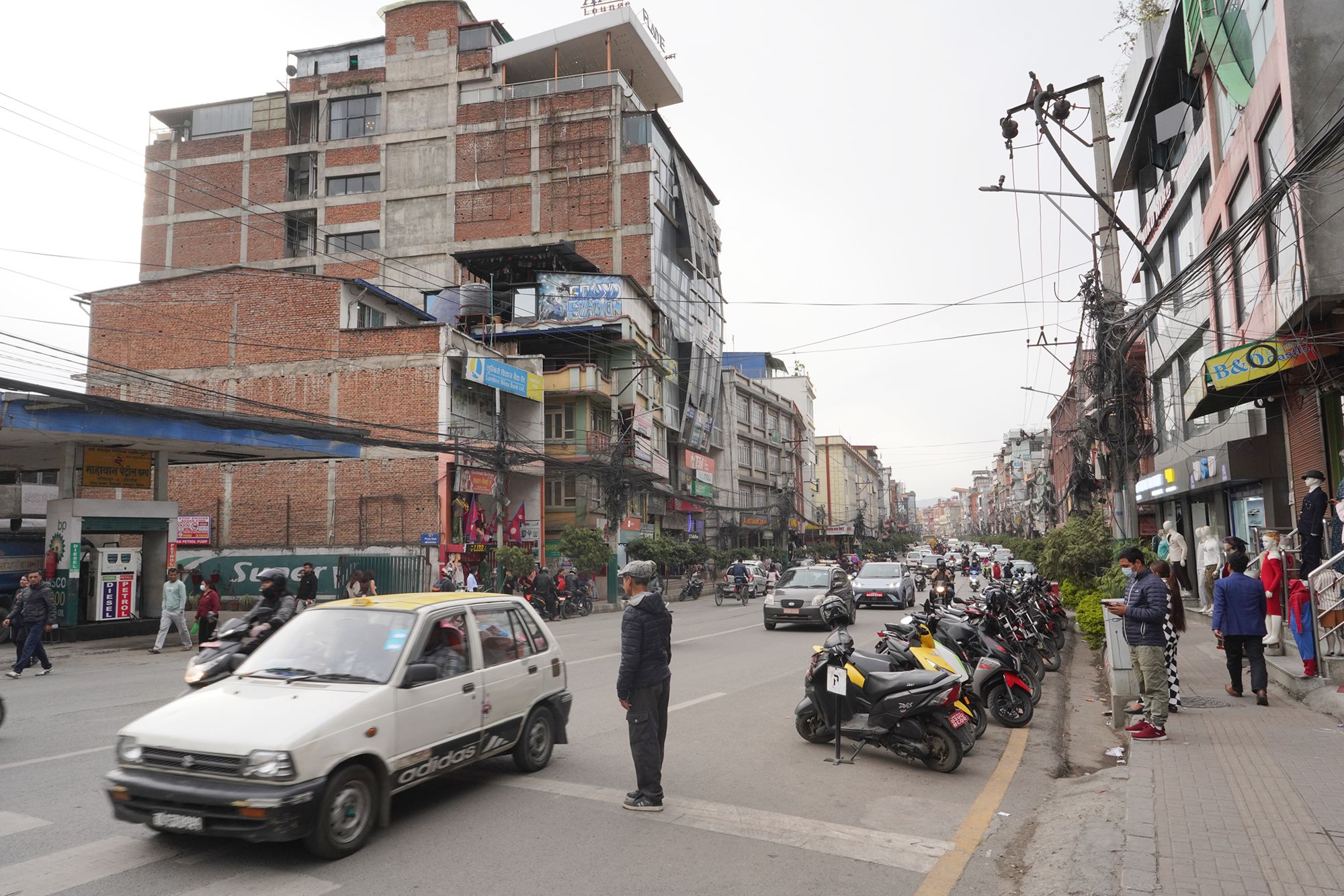
Durbar Square and Market Area in Patan, Lalitpur, Nepal
Patan Durbar Square is the historic royal center of the former Kingdom of Patan, surrounded by magnificent Newari temples and the lively streets and markets of the old city. 1264
Patan Durbar Square: Lalitpur, Bagmati Province 44600, Nepal
Date Picture Taken: Mar, 2026
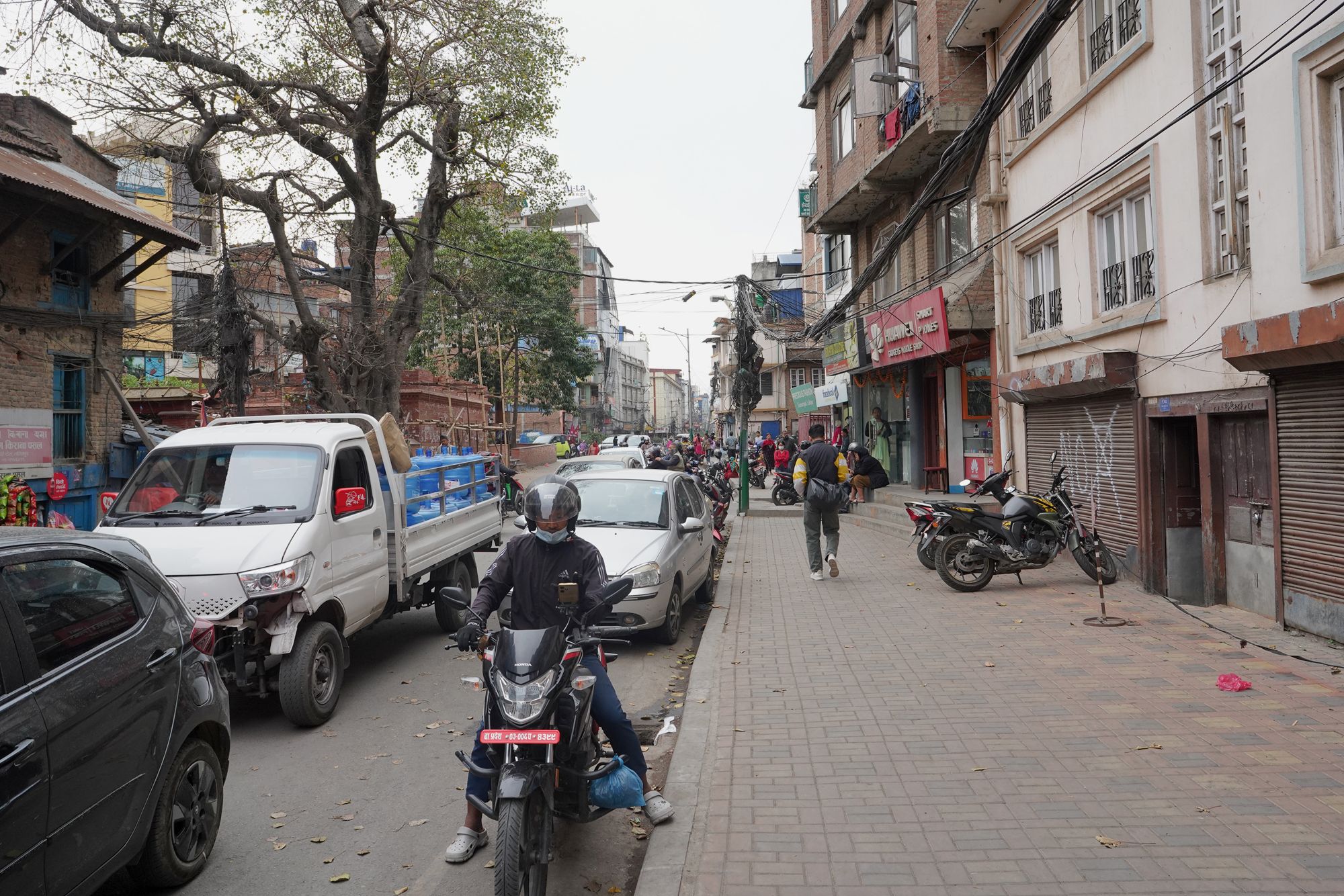
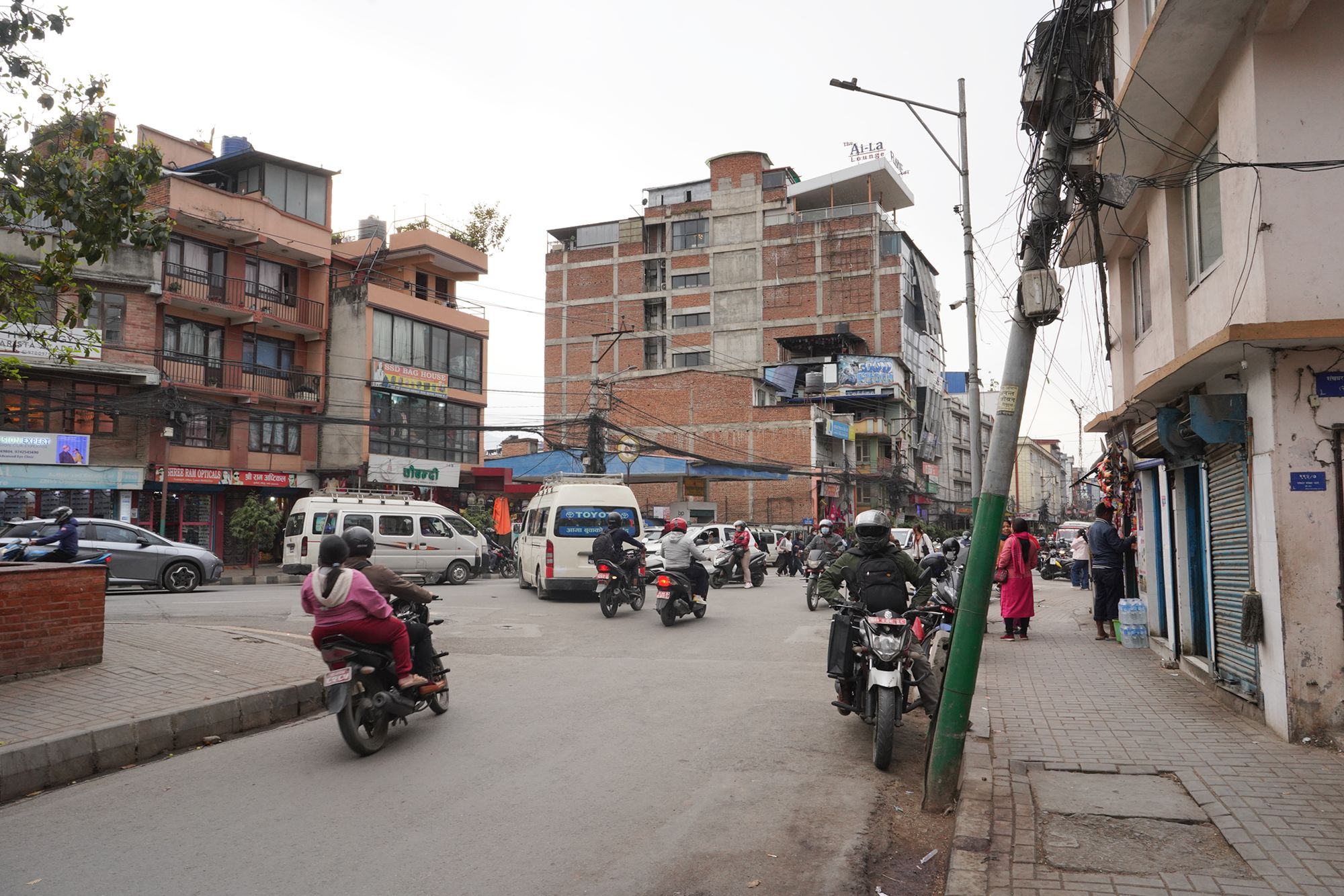
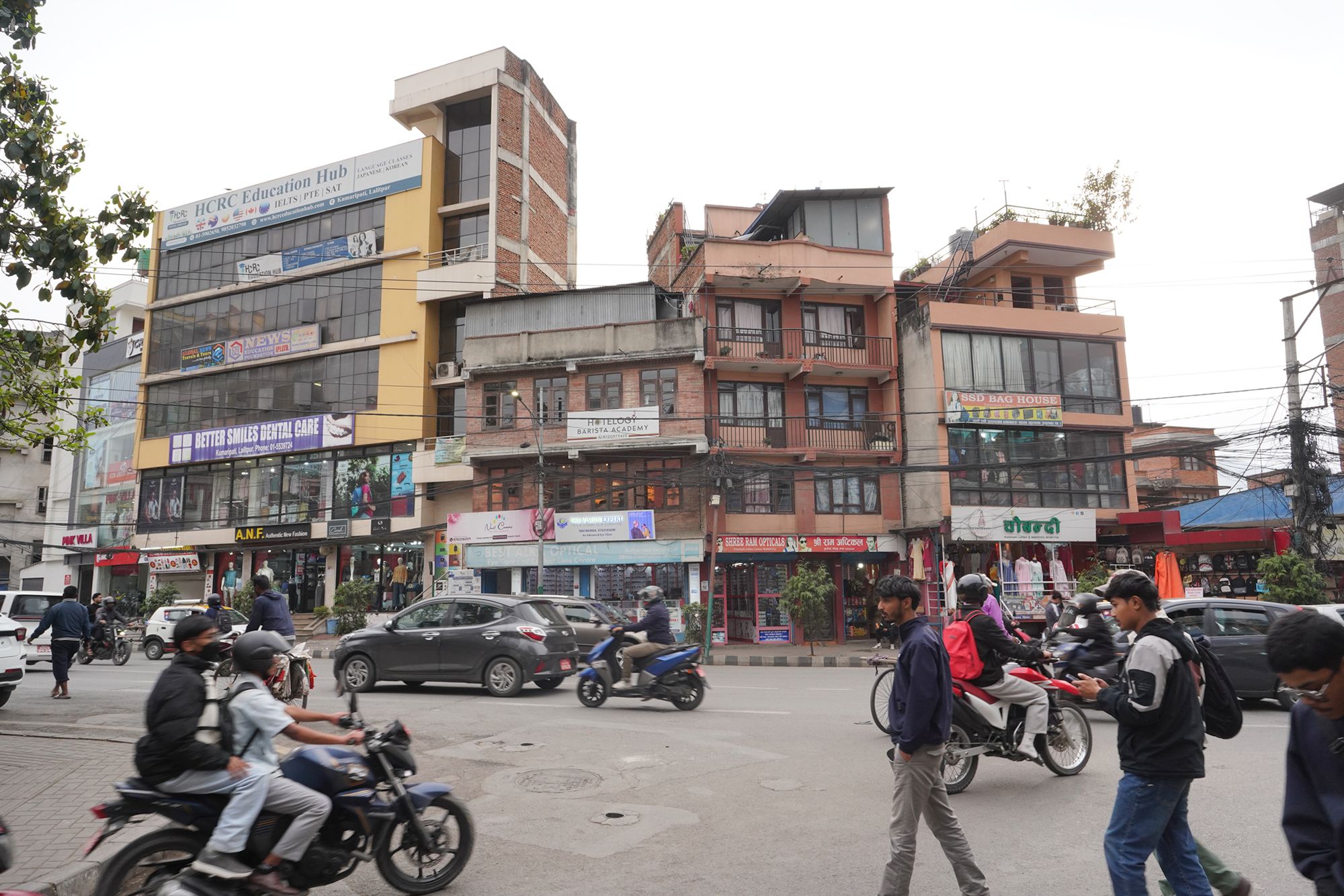
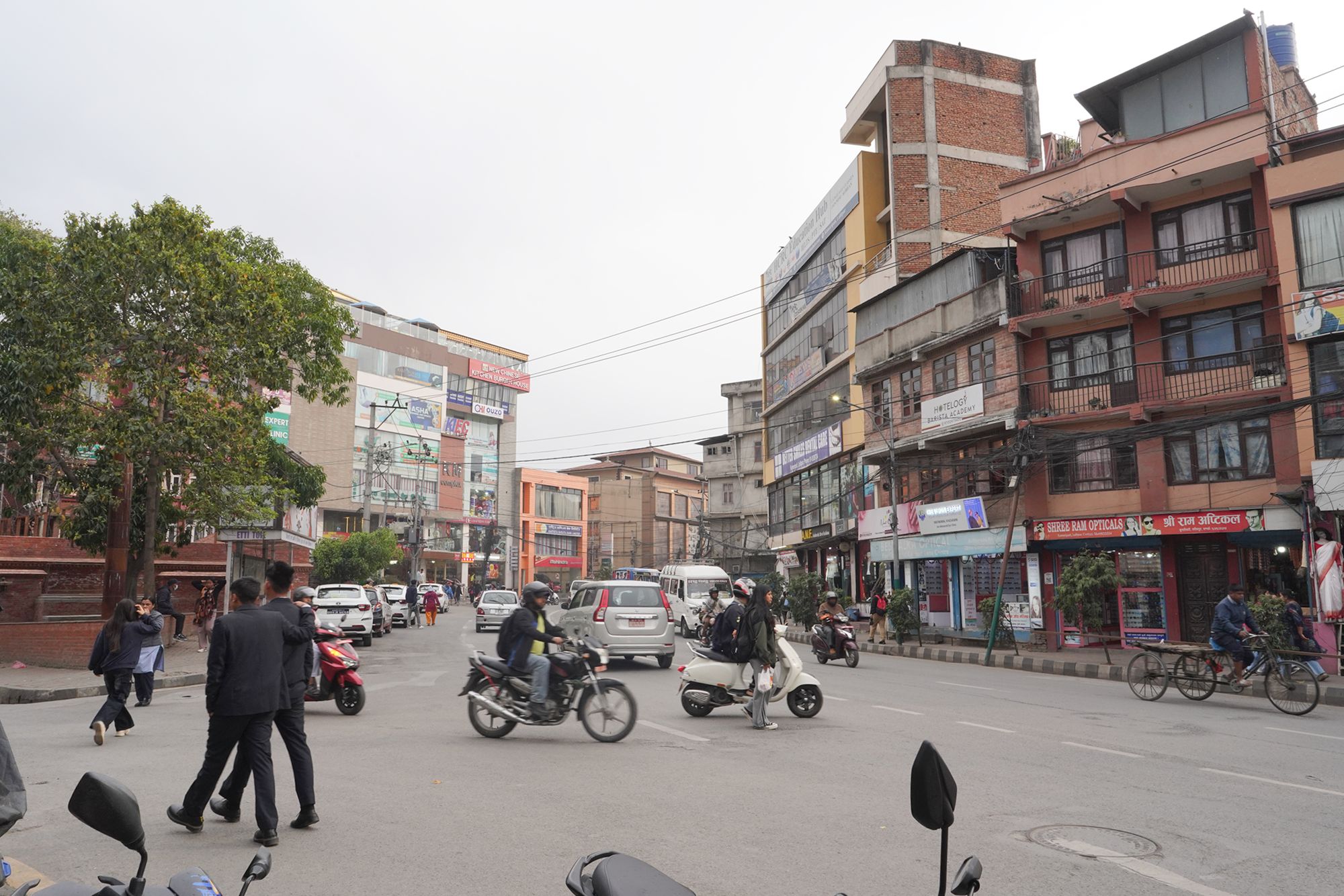
Patan Durbar Square was the royal center of the former Kingdom of Patan and is famous for its richly decorated Newari temples, royal palace, courtyards, and stone and wood carvings. The surrounding old market area continues into narrow streets lined with traditional buildings, small shops, vendors, and local businesses.
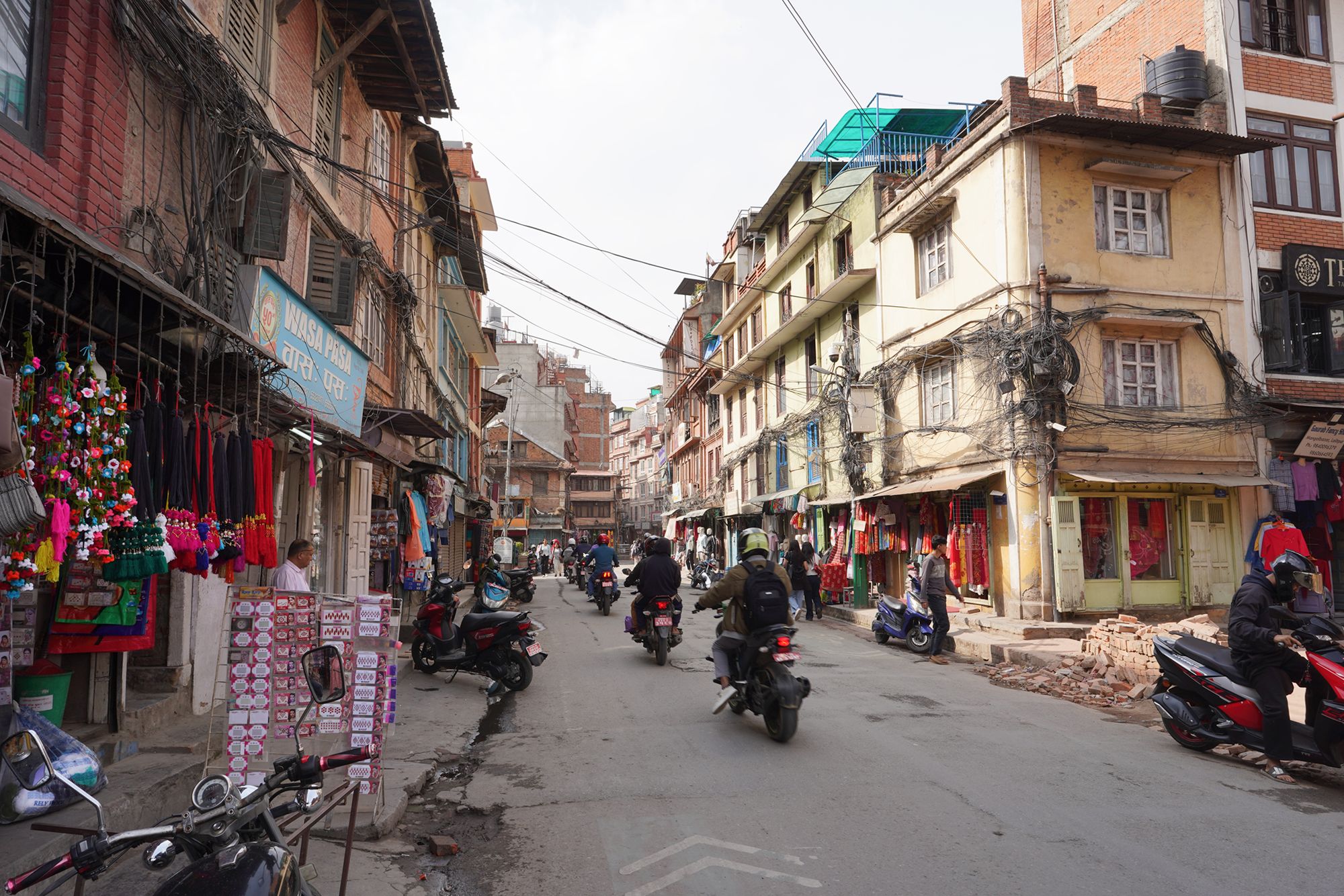
My previous visit was to Kathmandu Durbar Square, and today I visited Patan Durbar Square. Why are there so many Durbar Squares in the Kathmandu Valley? The reason is that the valley was once divided into three separate kingdoms—Kathmandu, Patan, and Bhaktapur—each with its own king, royal palace, and ceremonial Durbar Square.
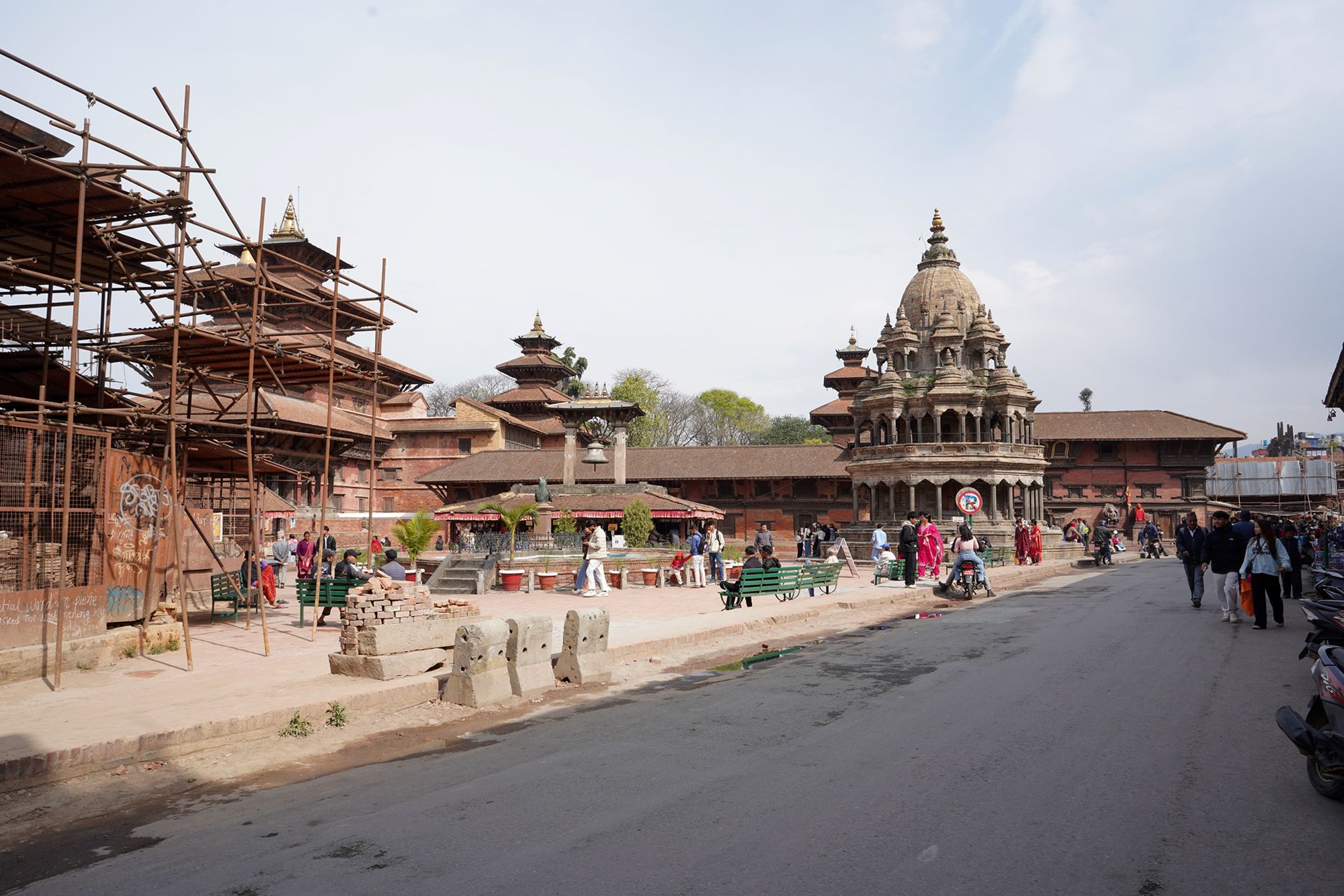
During the later Malla period, the Kathmandu Valley was divided among three principal kingdoms:
- Kathmandu (Kantipur) → Kathmandu Durbar Square
- Patan (Lalitpur) → Patan Durbar Square
- Bhaktapur → Bhaktapur Durbar Square
Each kingdom had its own king, royal palace, temples, and ceremonial square. The three royal courts competed with one another in architecture and the arts, which helped produce the exceptionally elaborate palaces, temples, wood carvings, and metalwork that you see today.
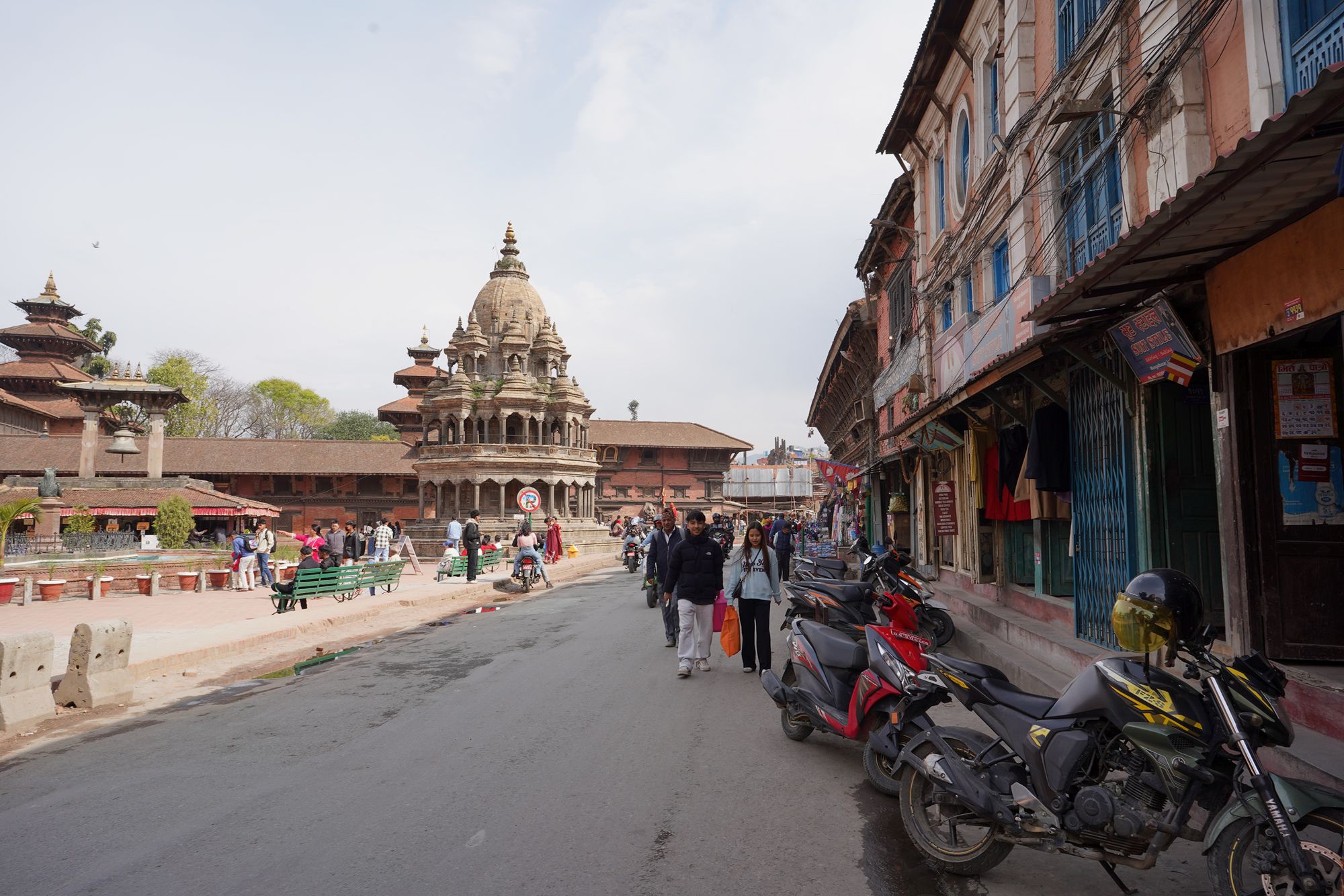
In 1768–69, Prithvi Narayan Shah, king of Gorkha, conquered the valley and brought these kingdoms under his rule as part of the unification of modern Nepal.
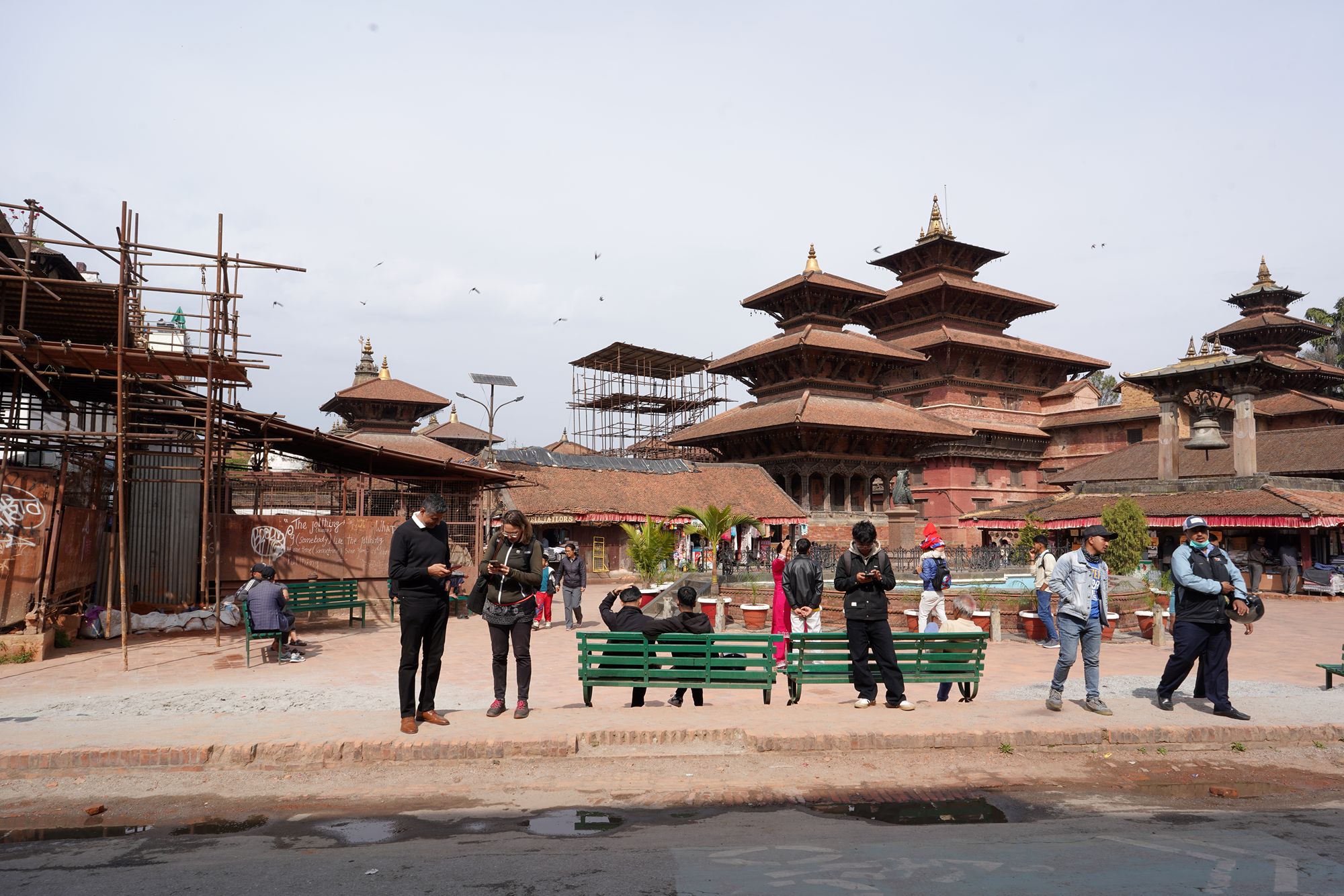
So when you visit the three Durbar Squares, you're essentially visiting the former royal centers of three neighboring kingdoms.
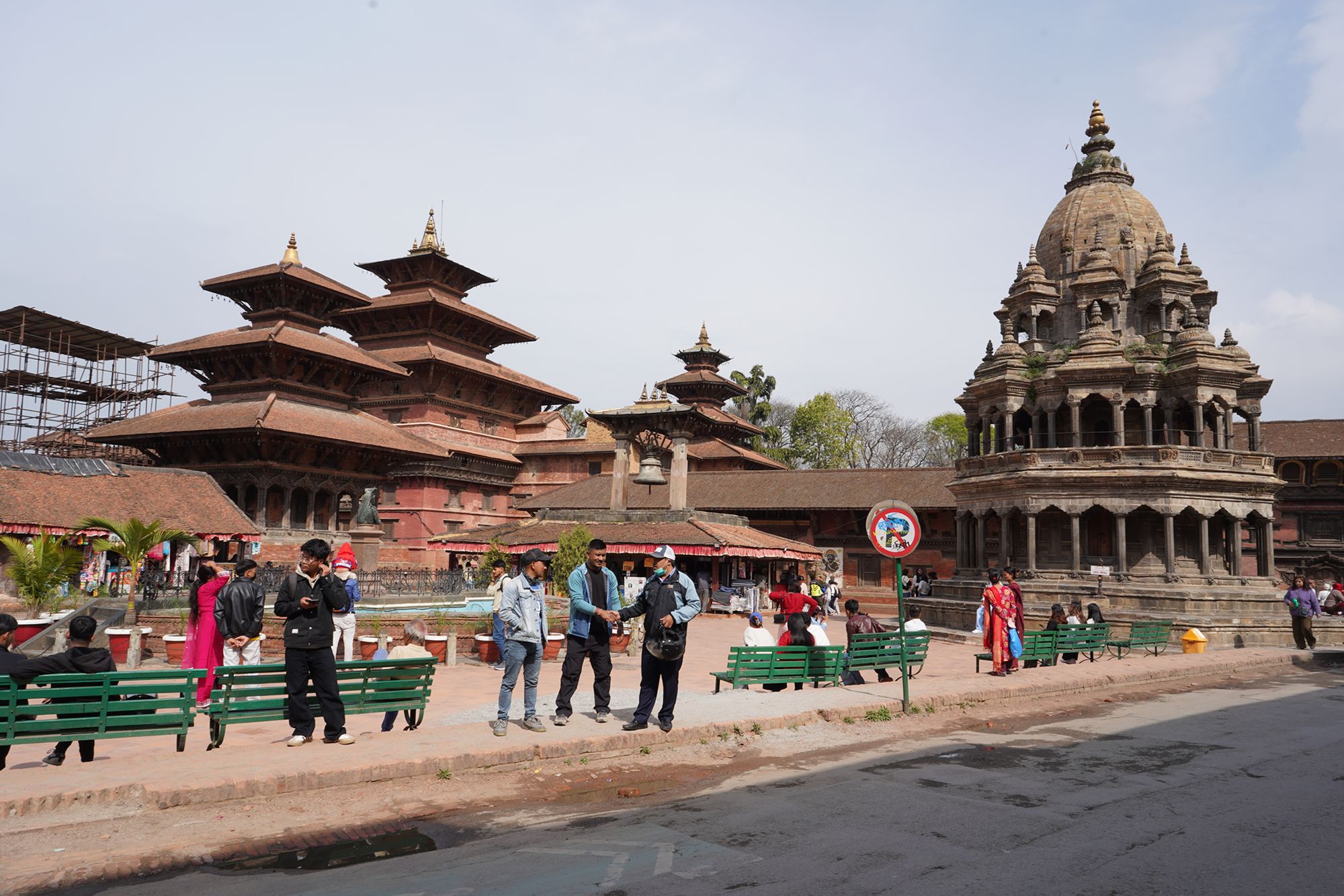
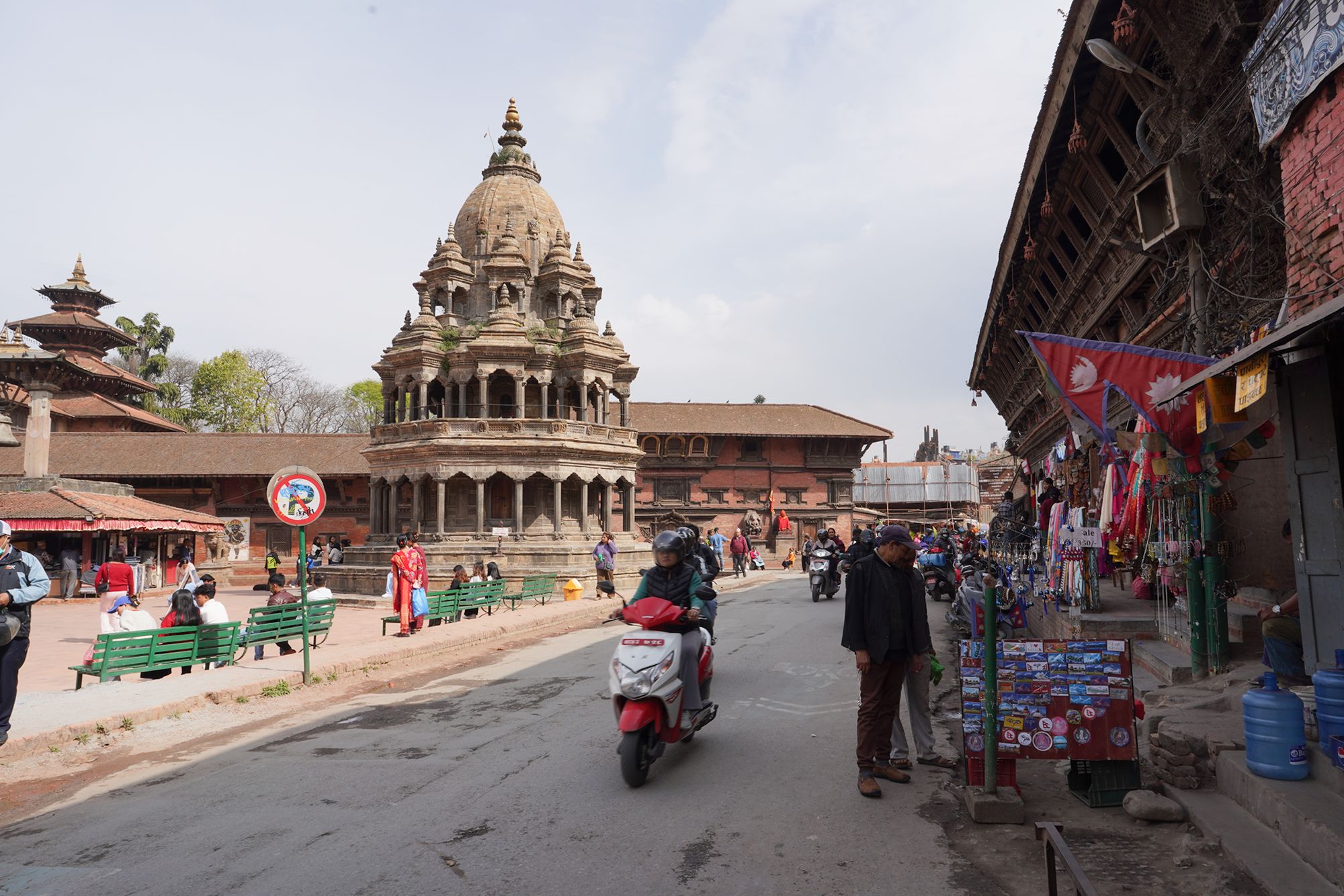
A view of the buildings behind me.
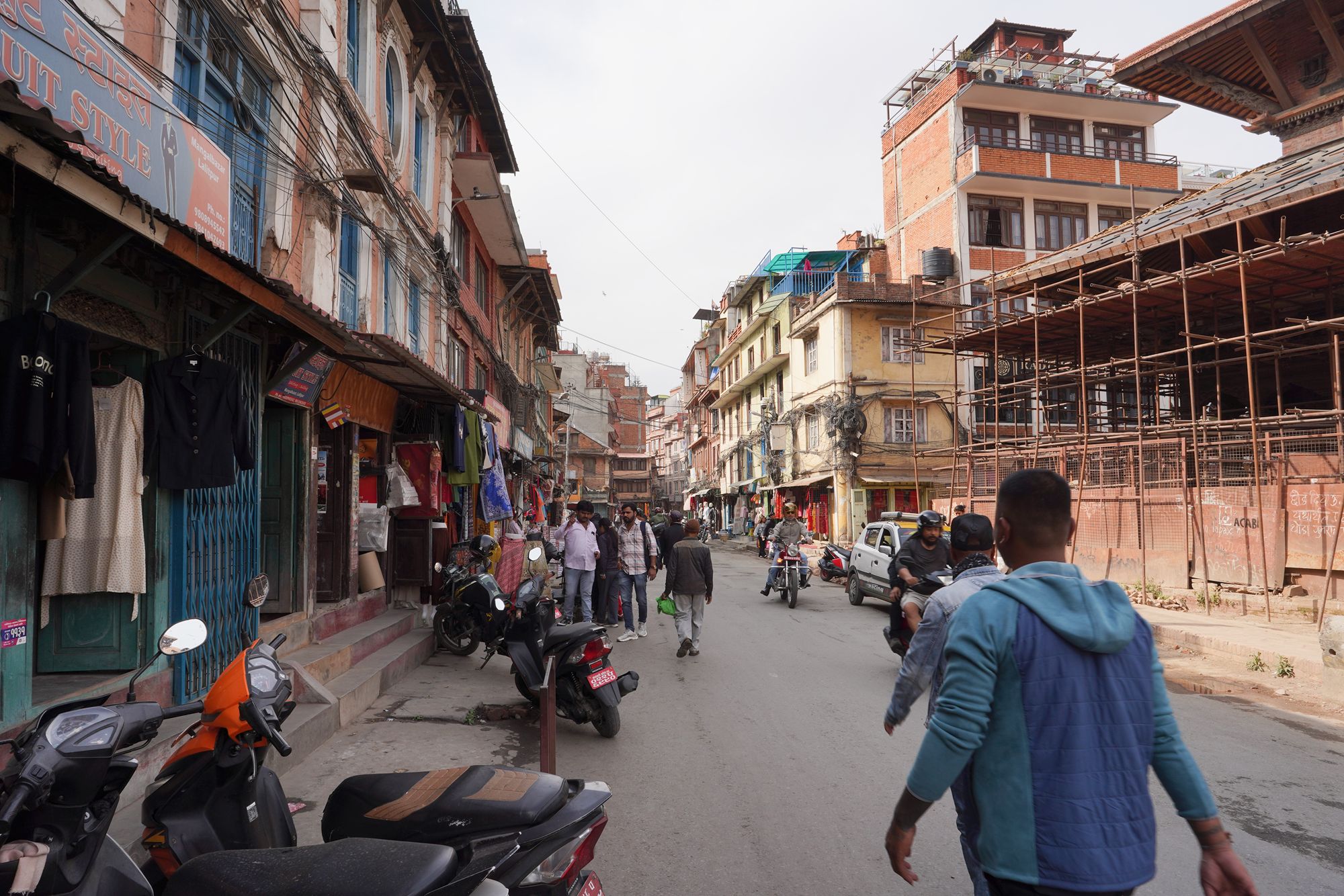
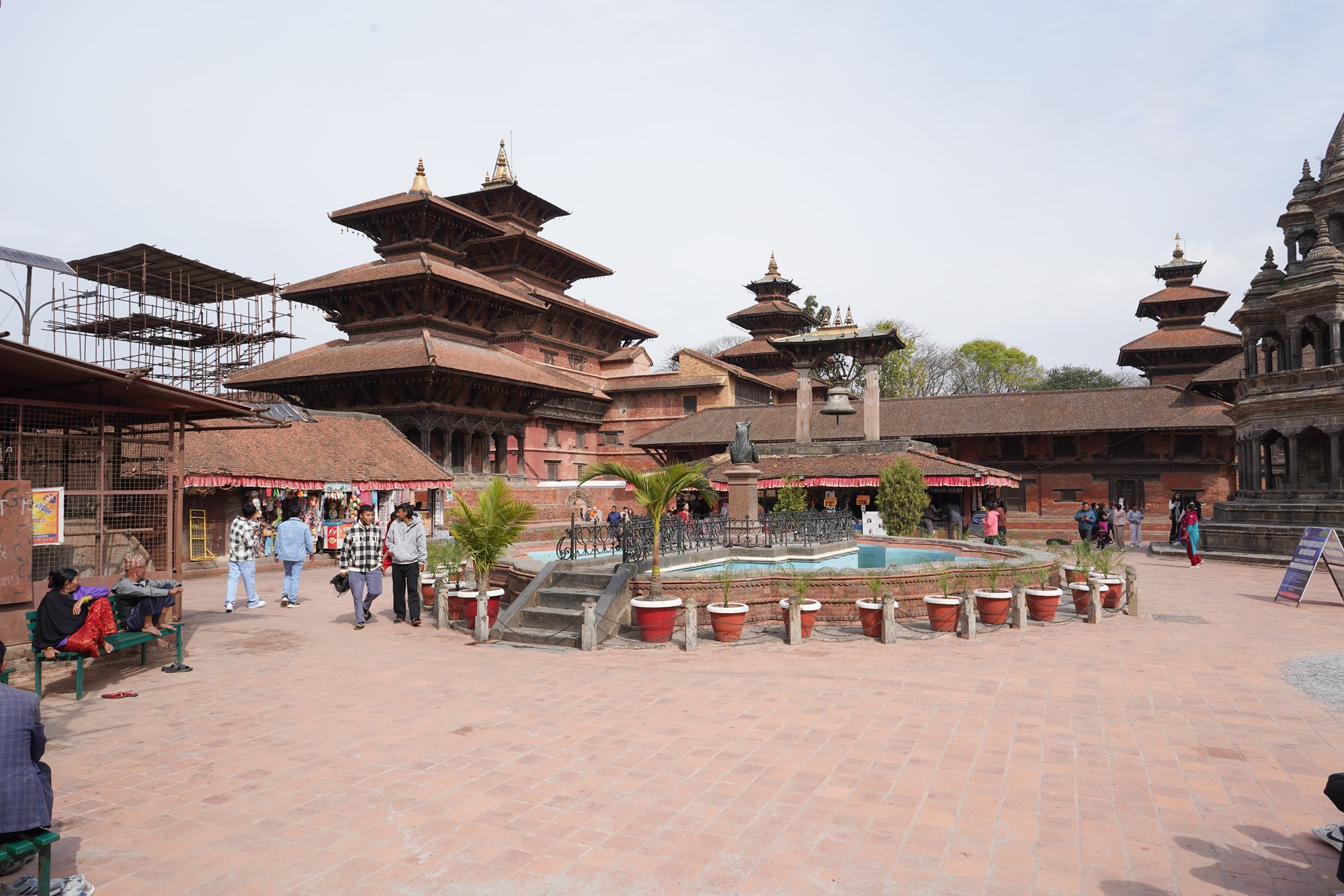
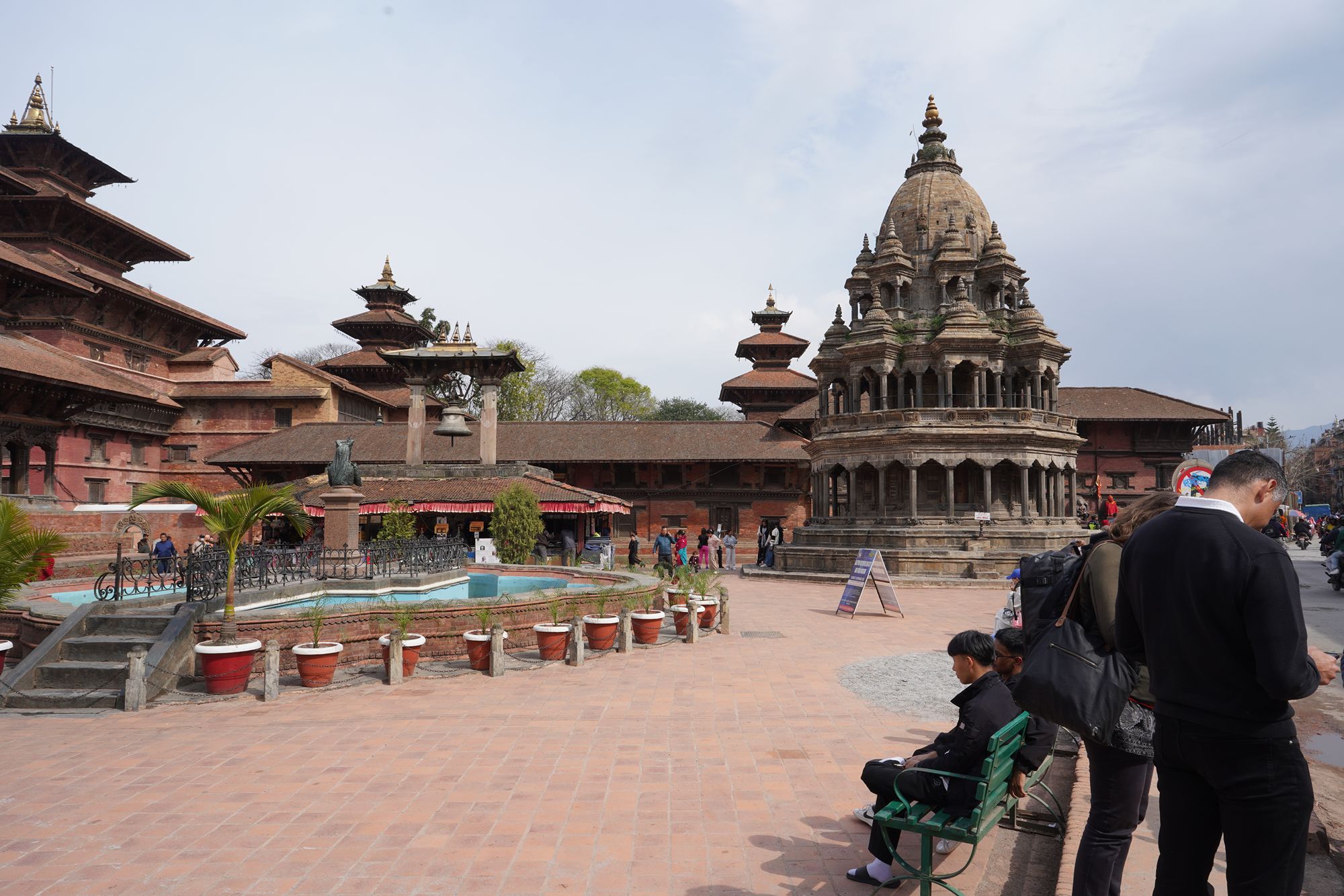
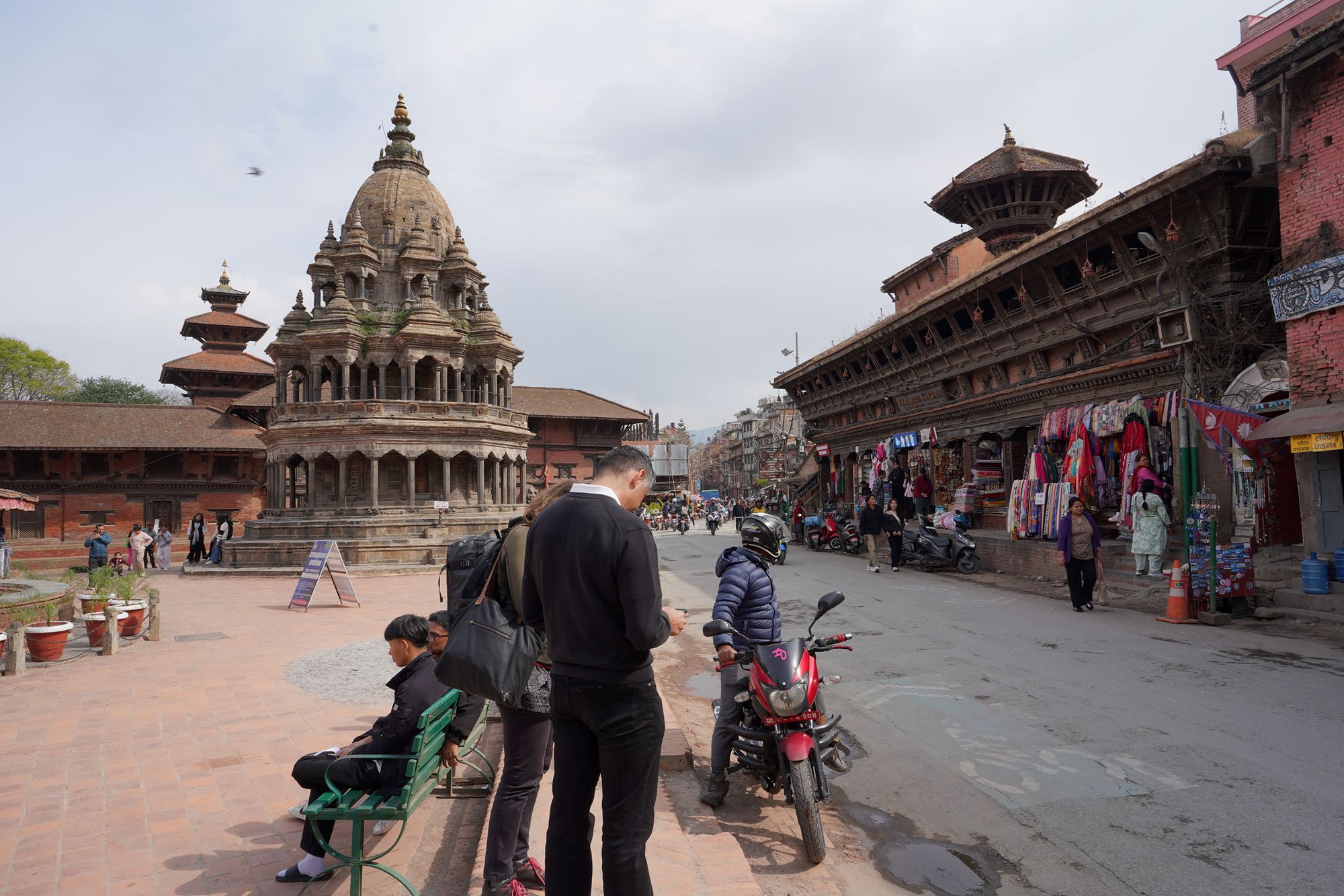
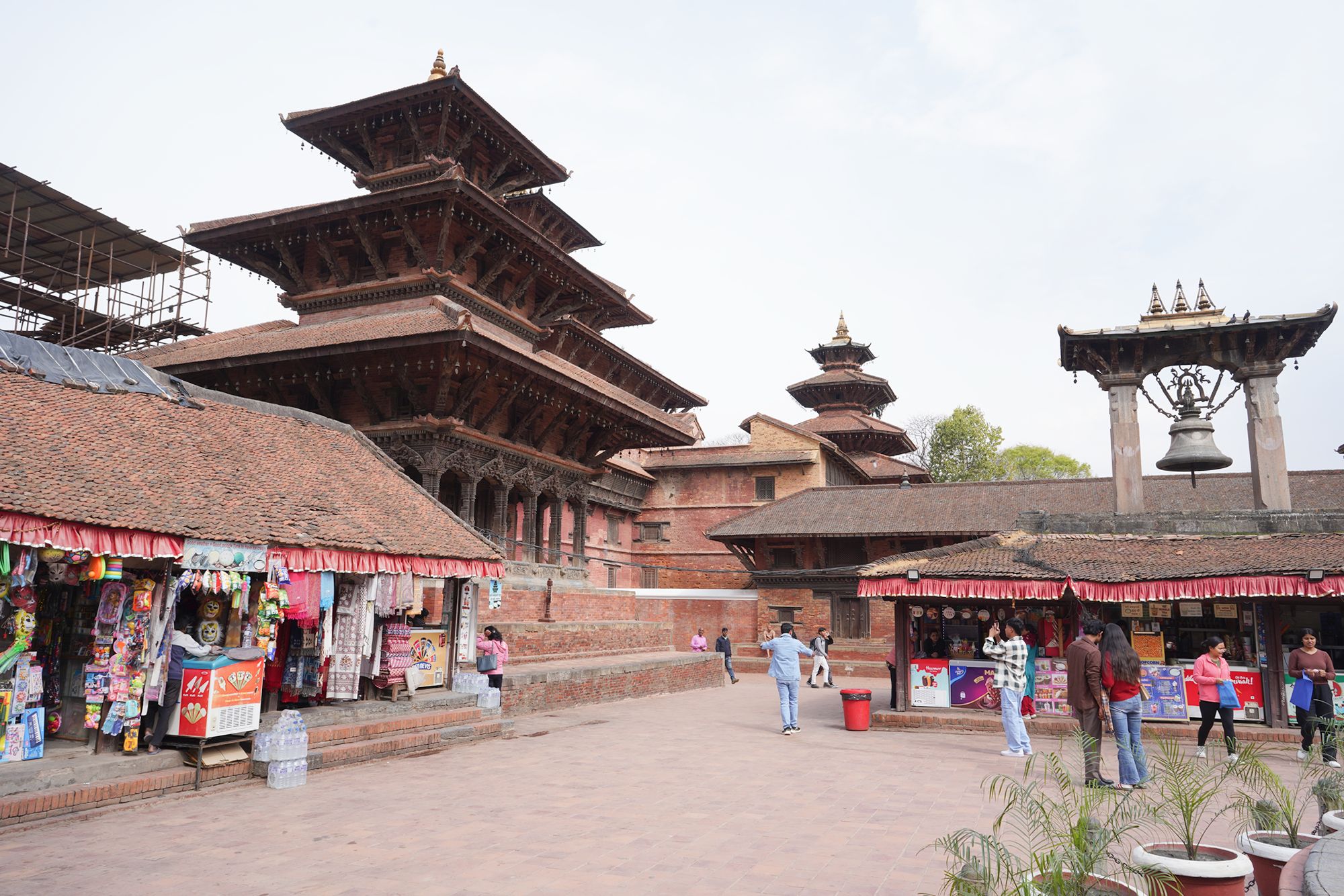
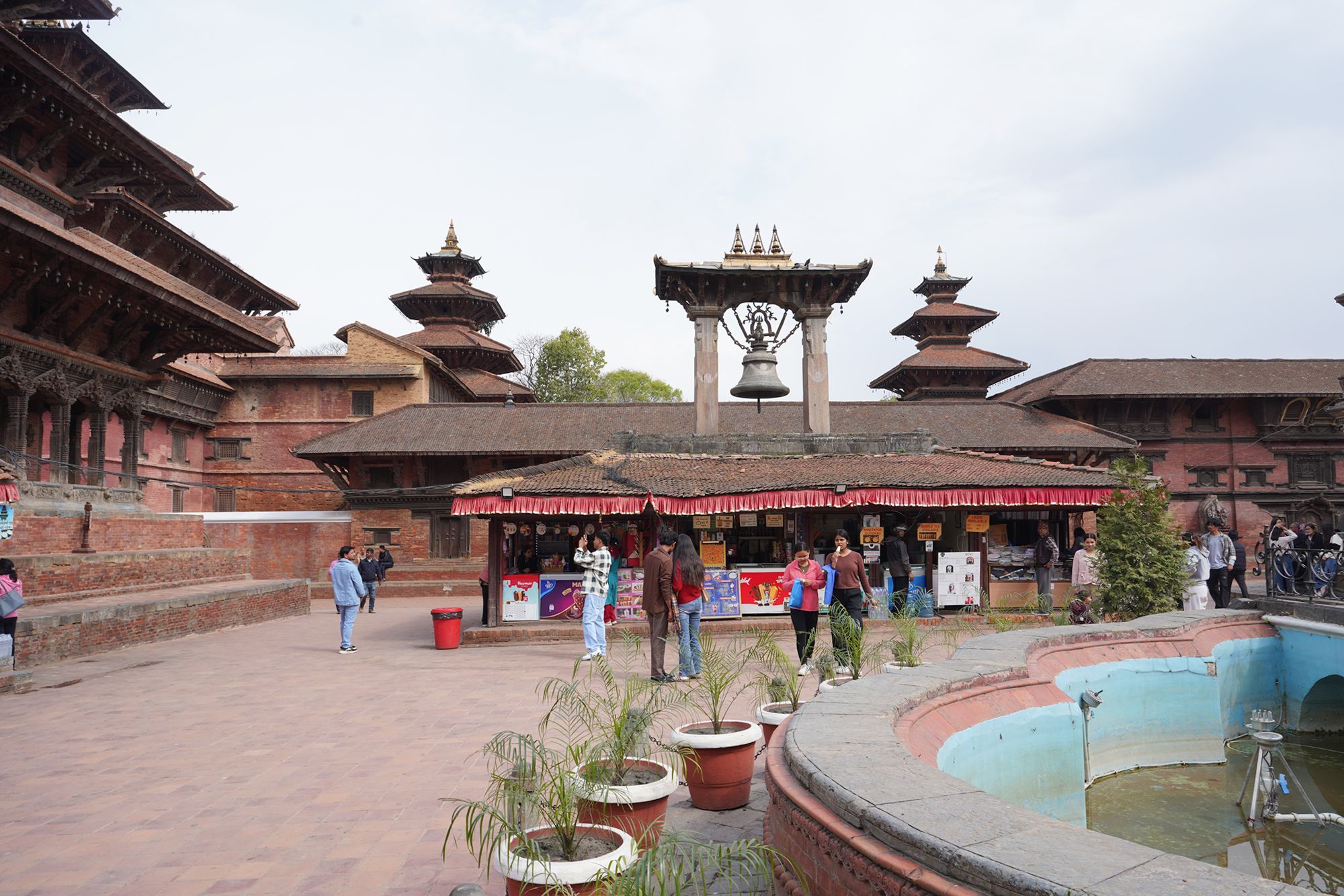
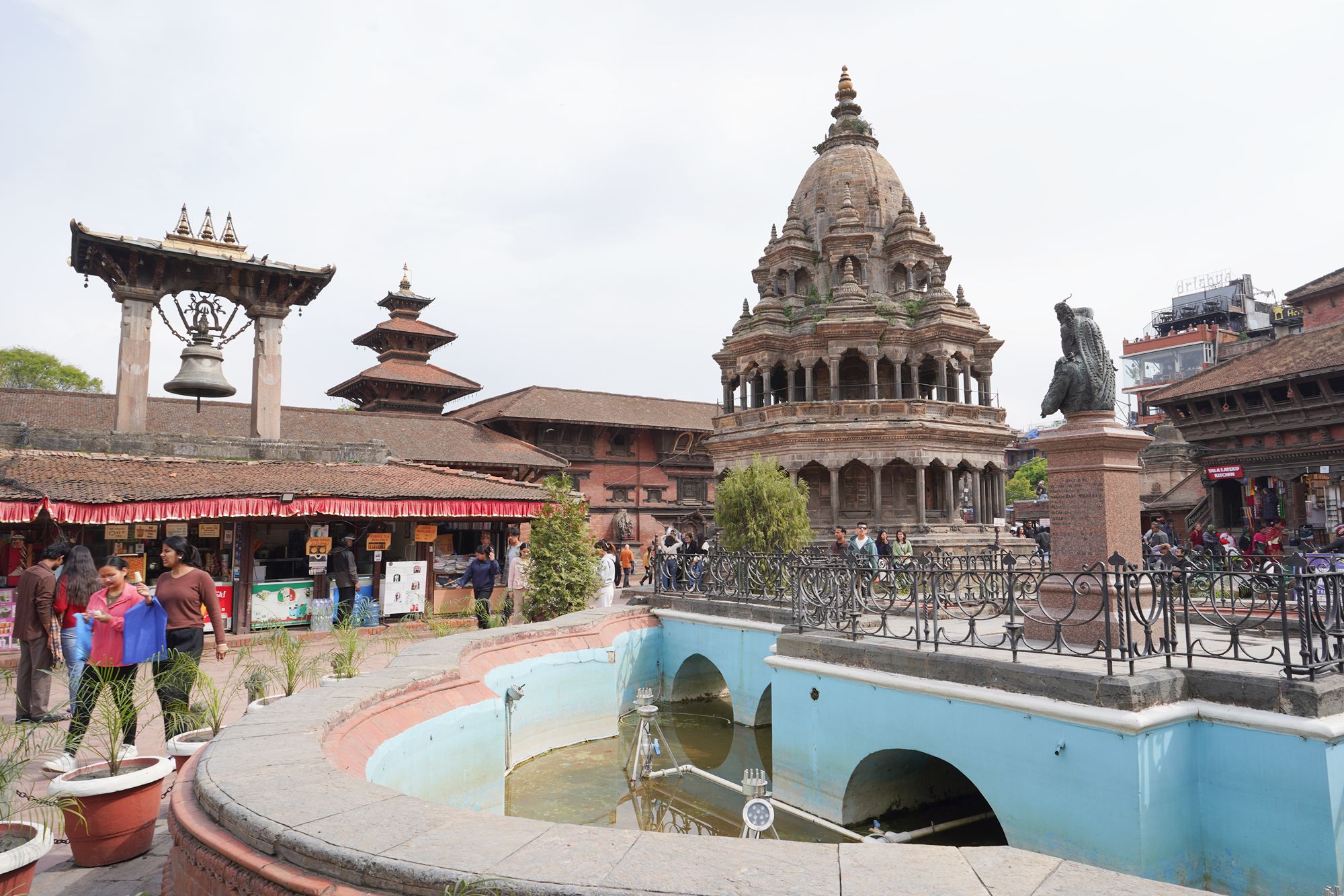
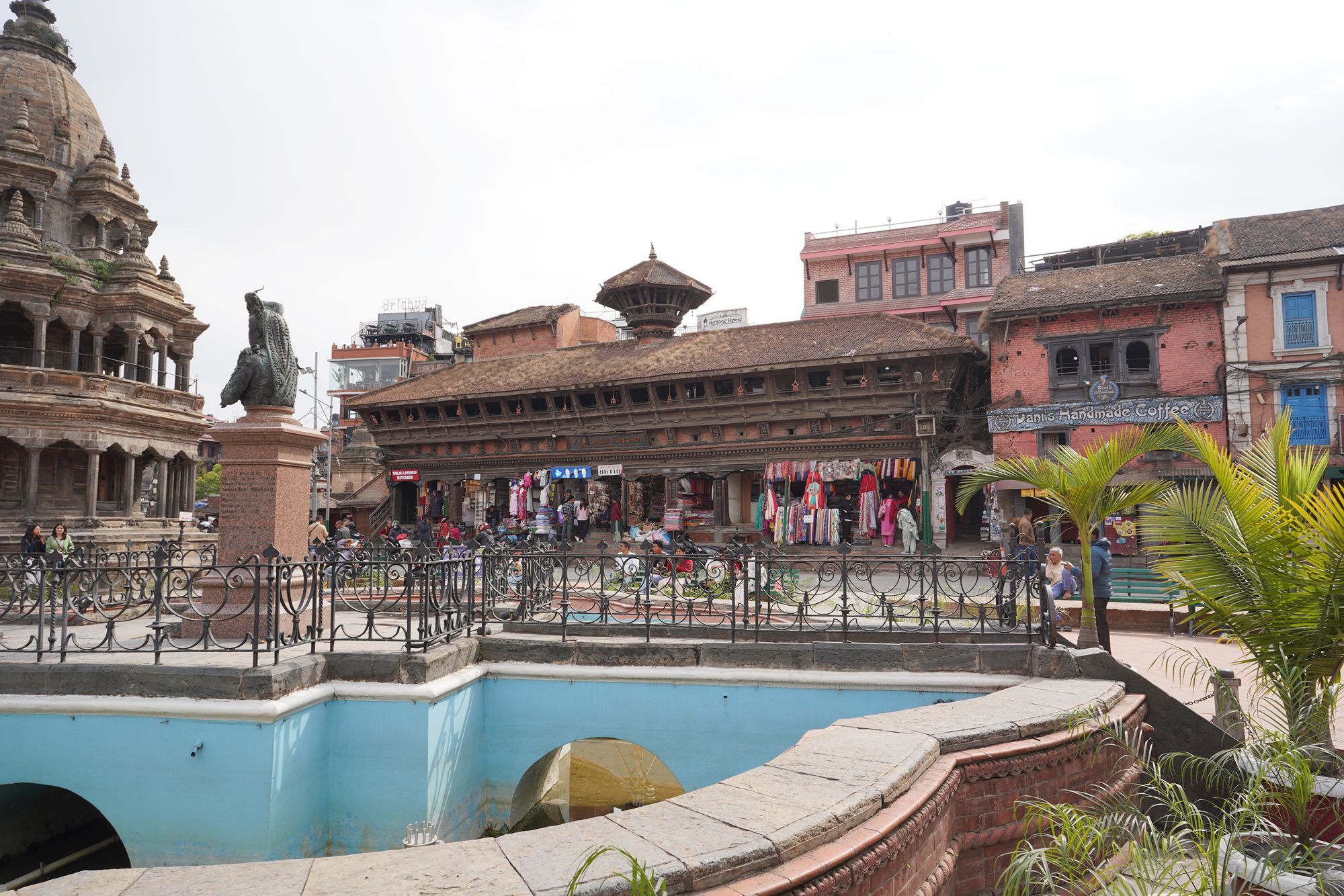
Instead of walking straight through the square, I decided to explore the side streets along its edge.
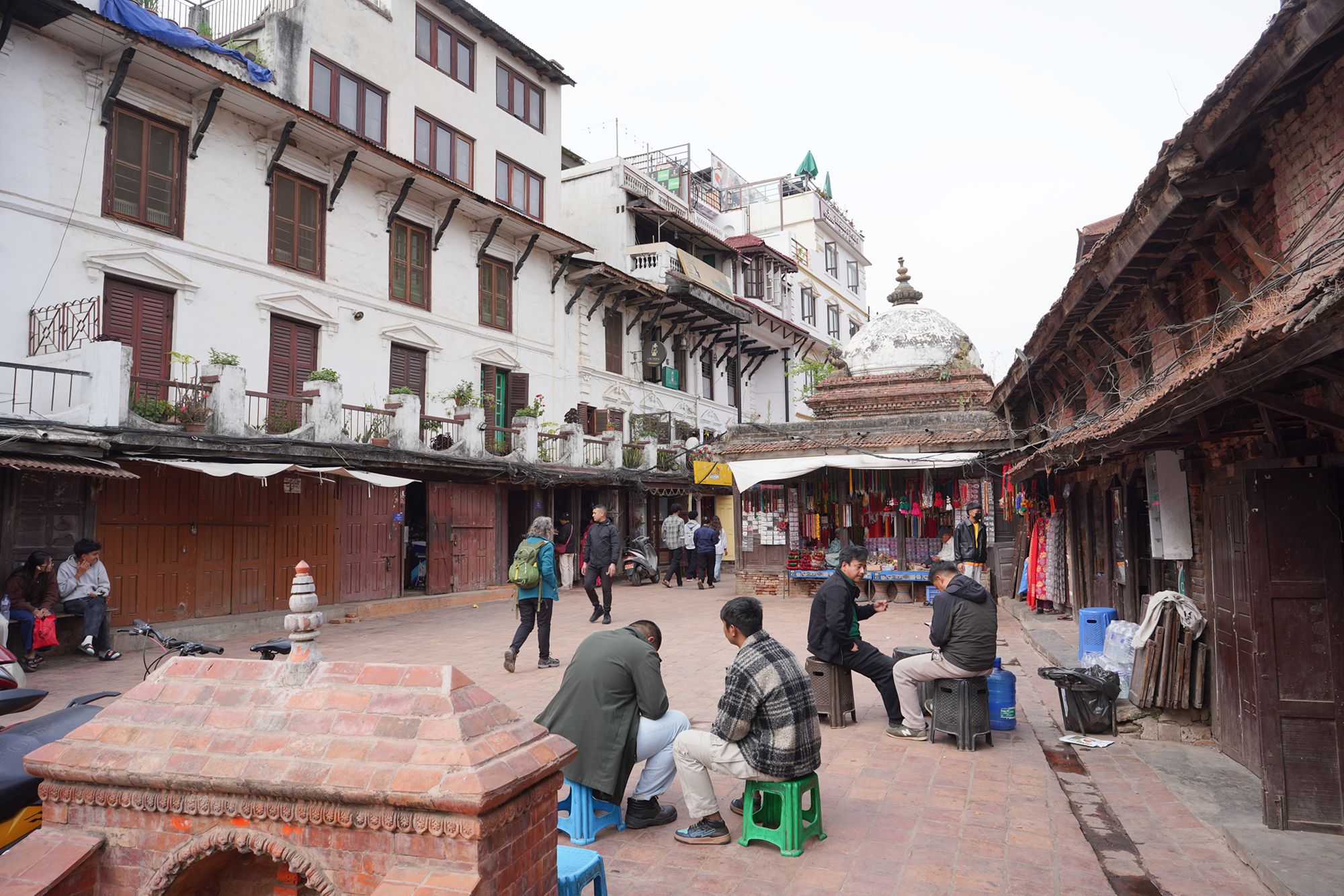
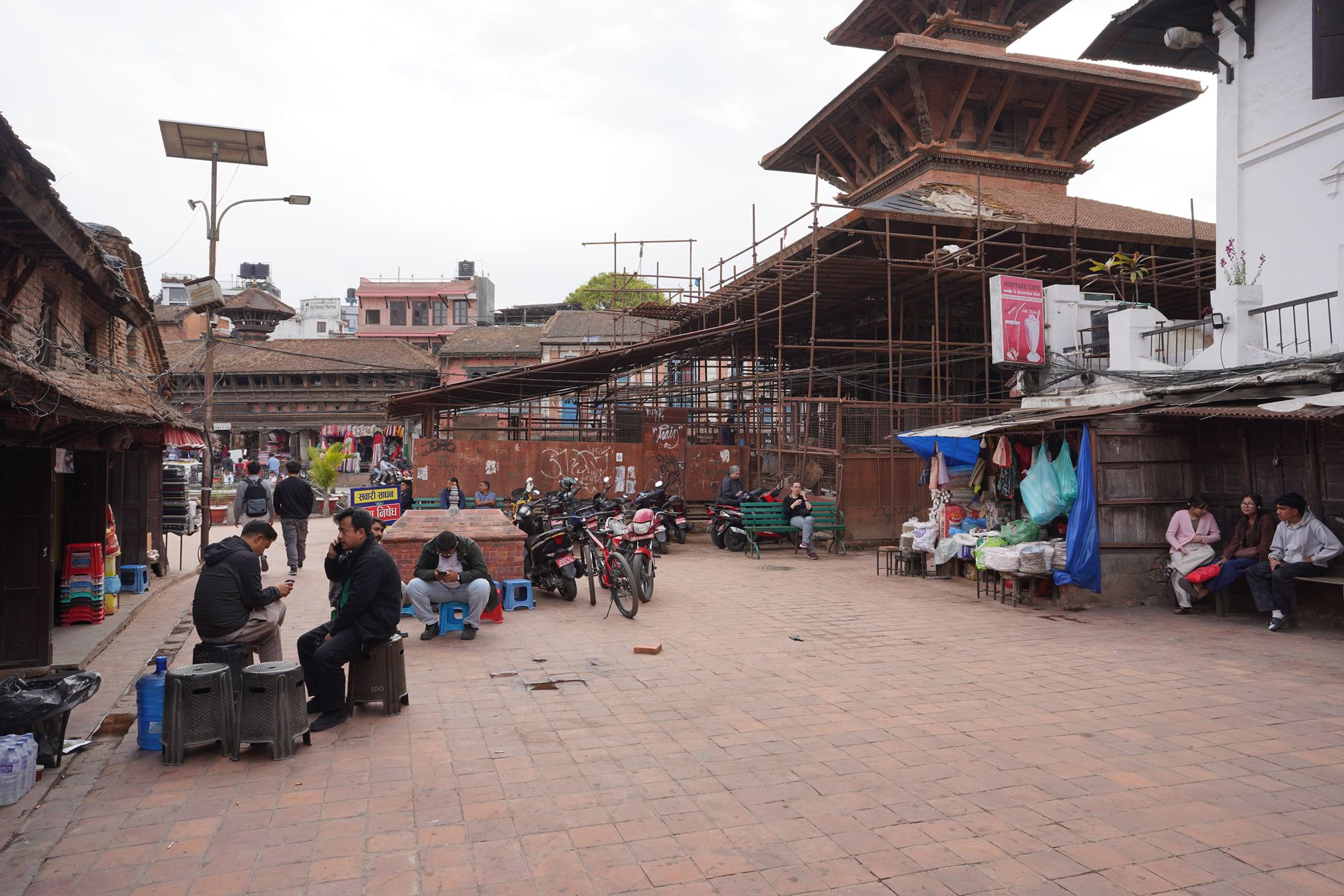
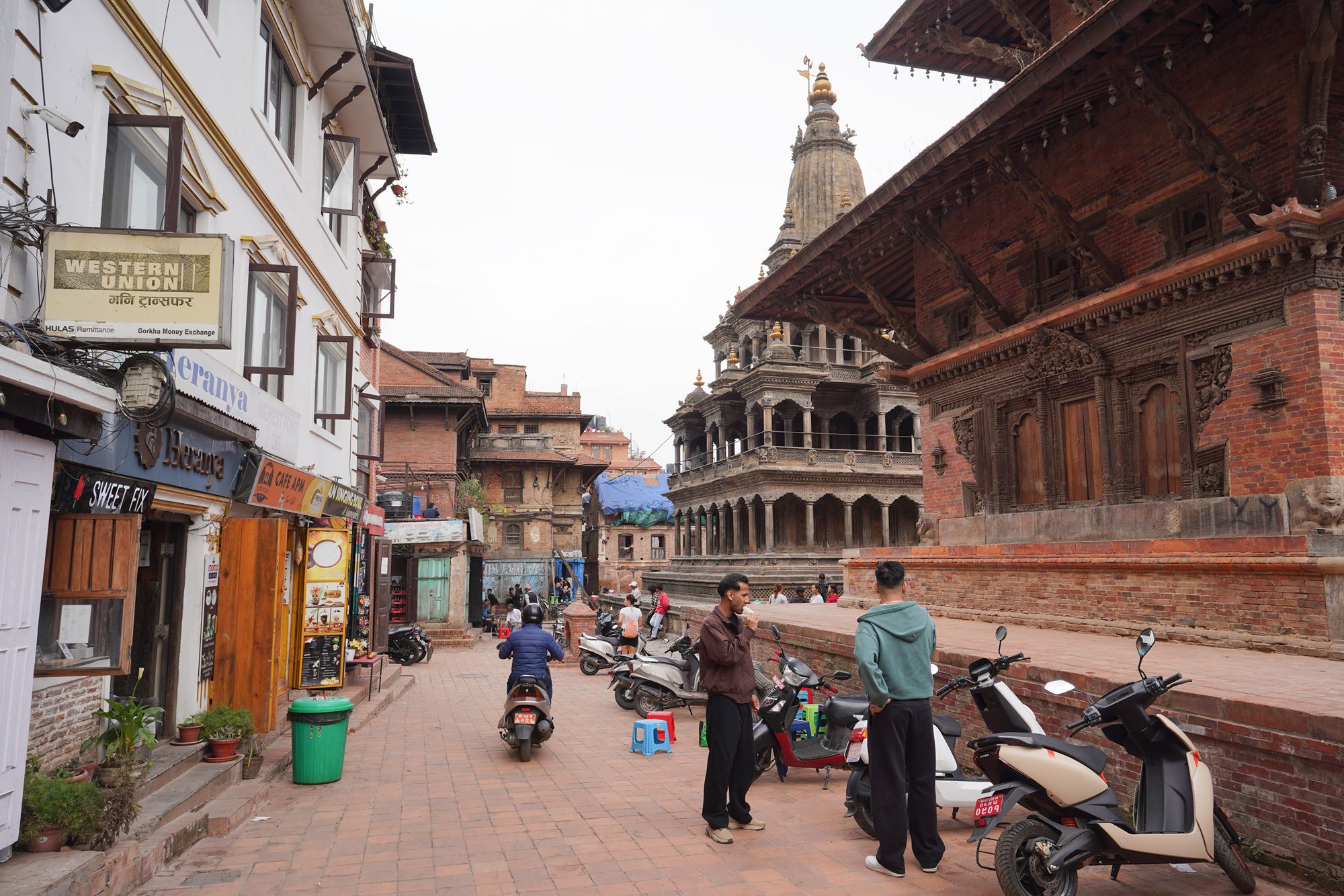
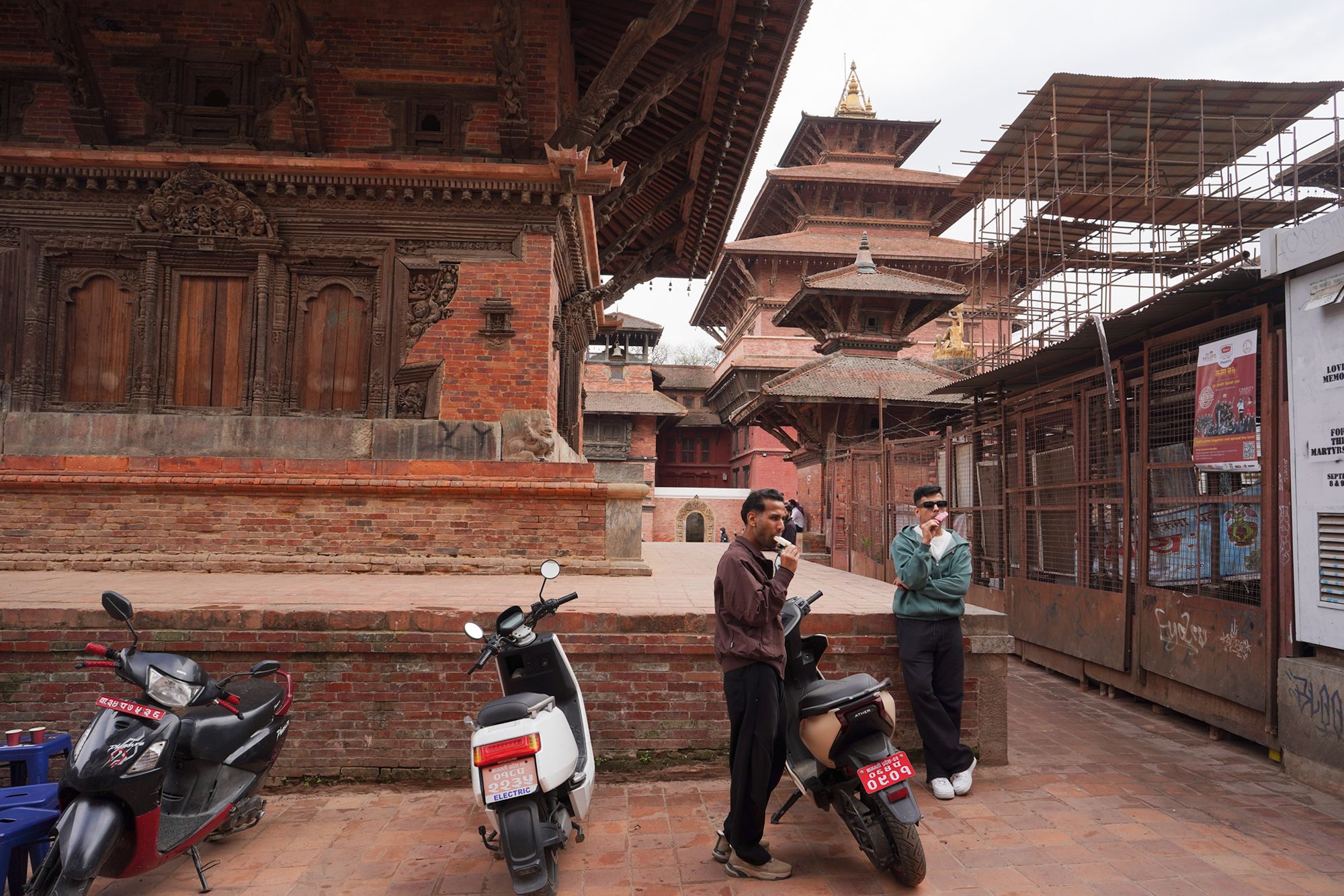
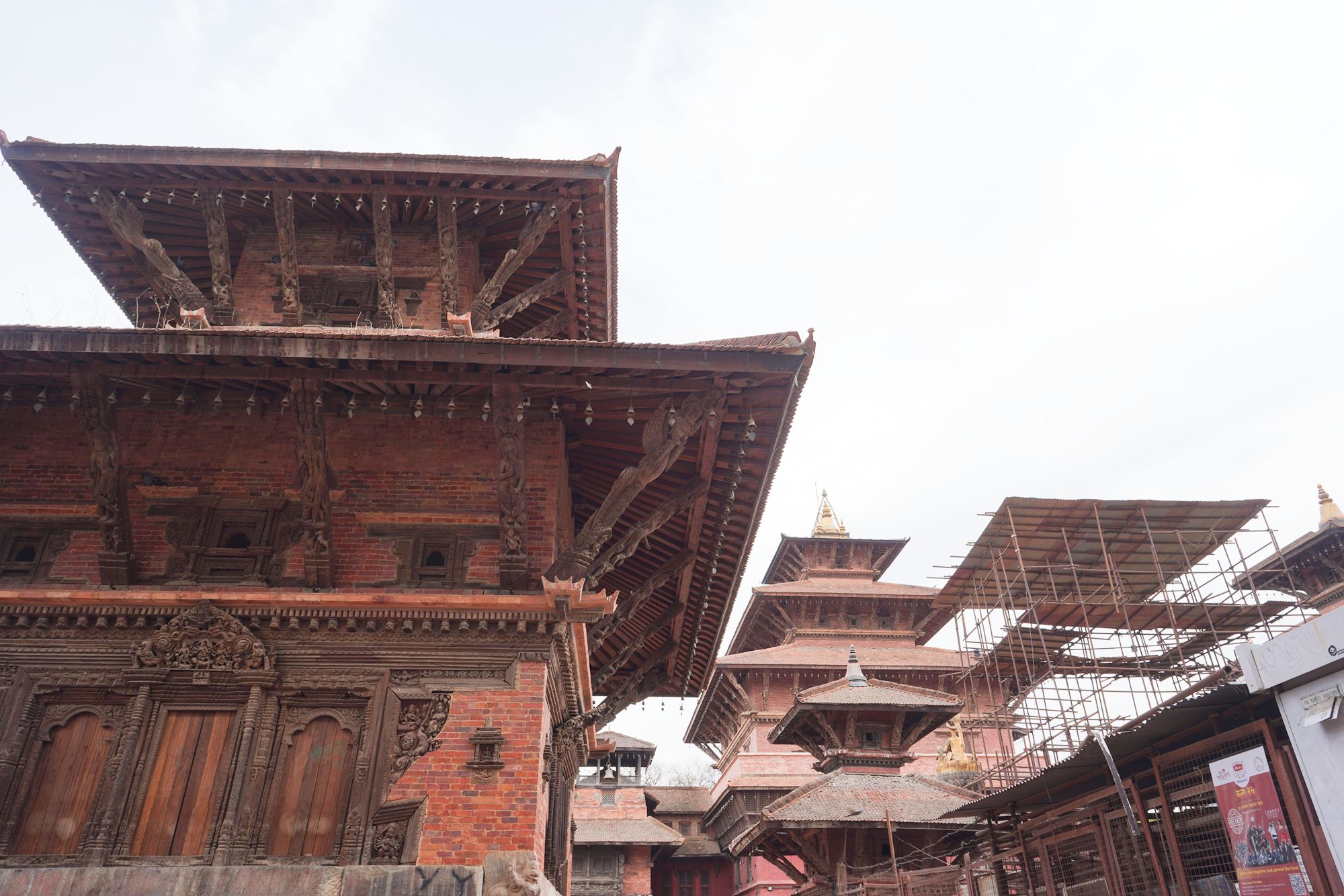
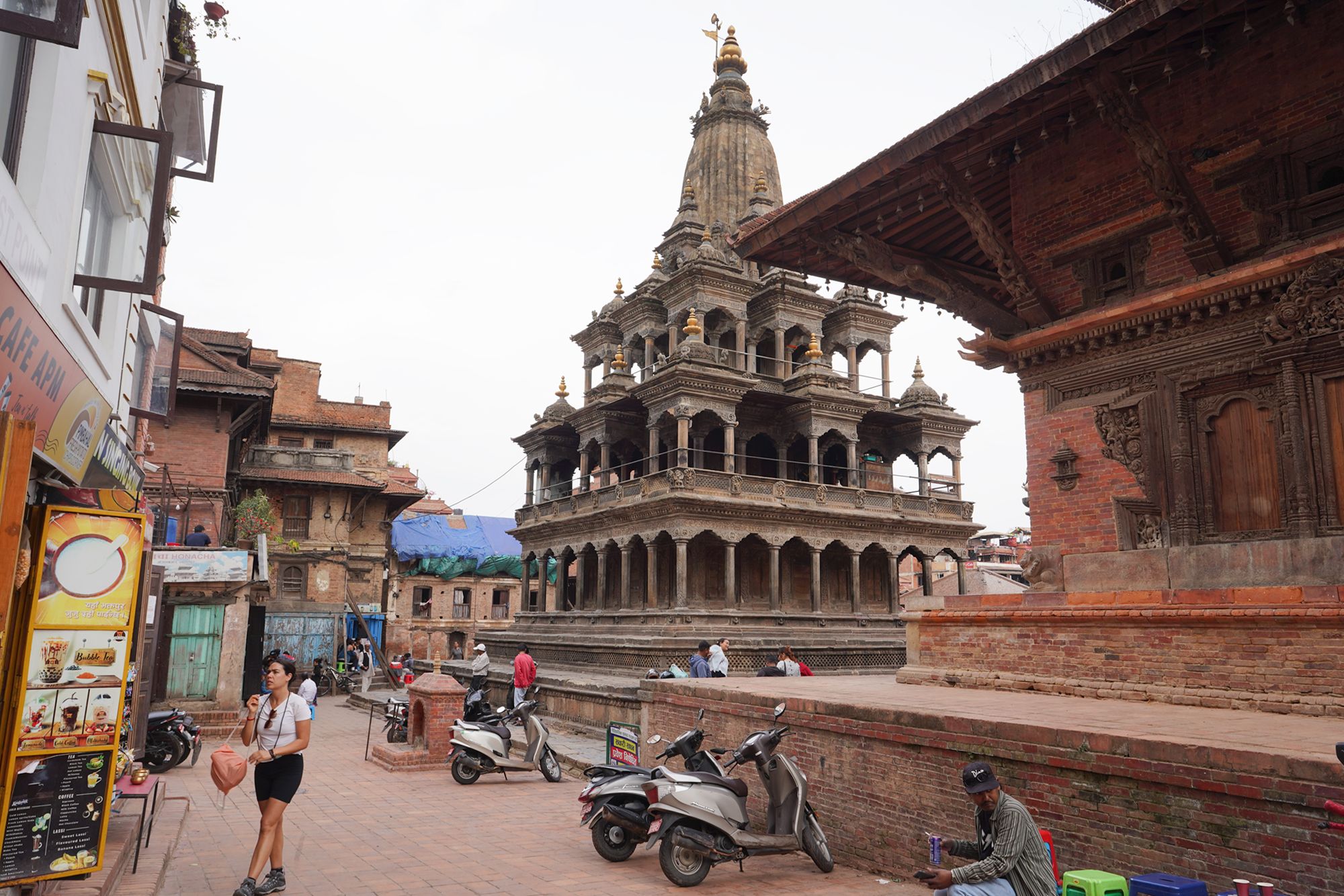
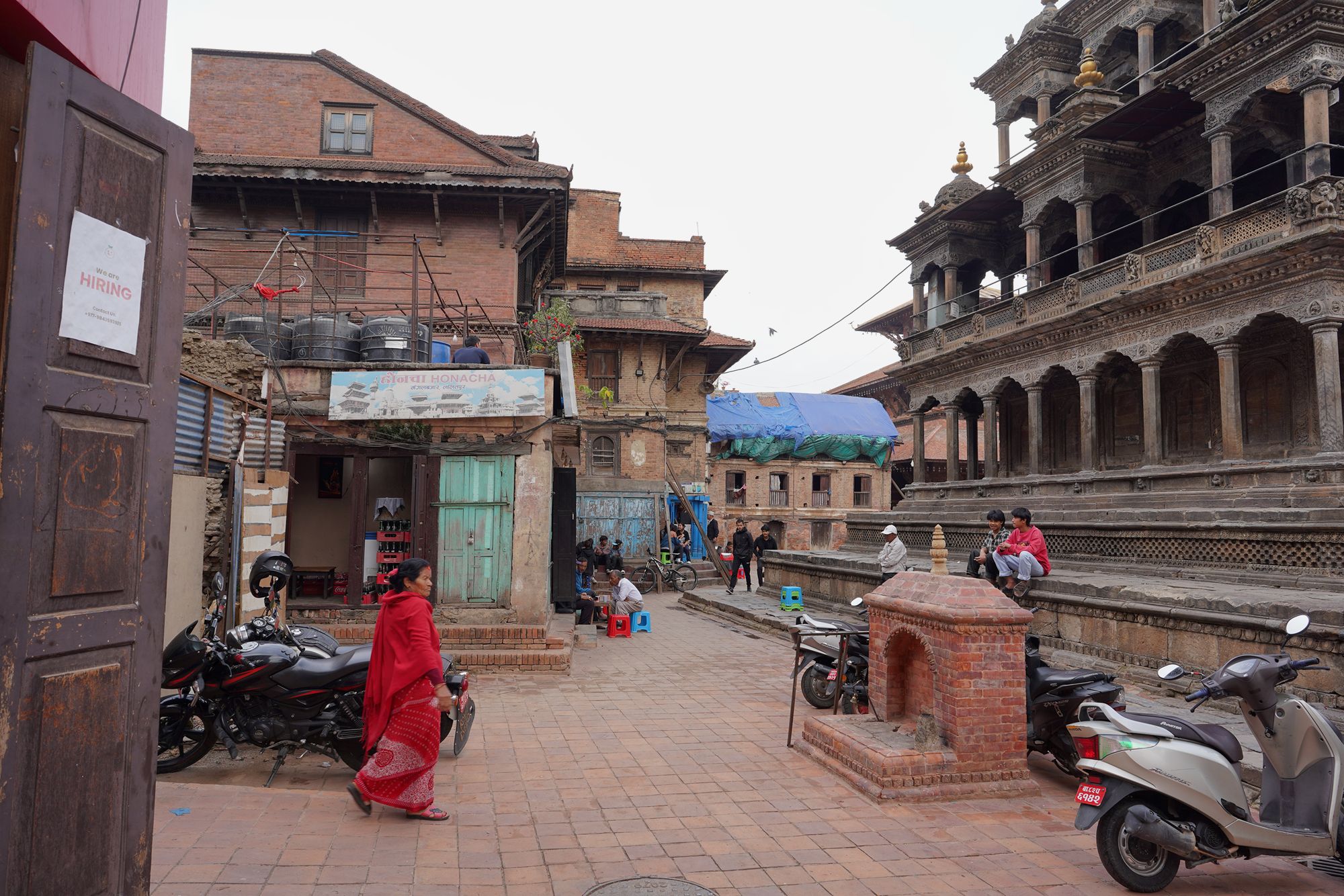
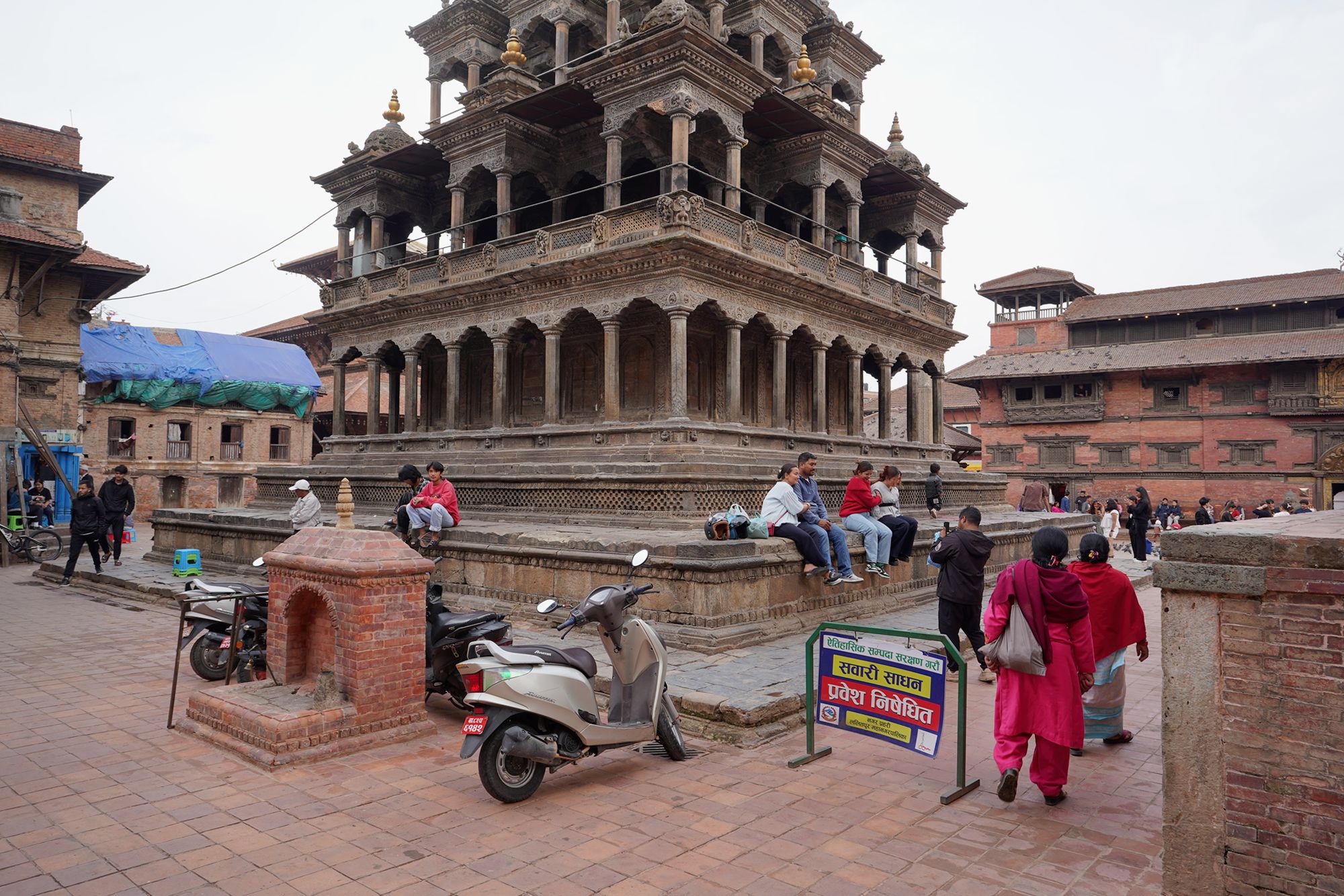
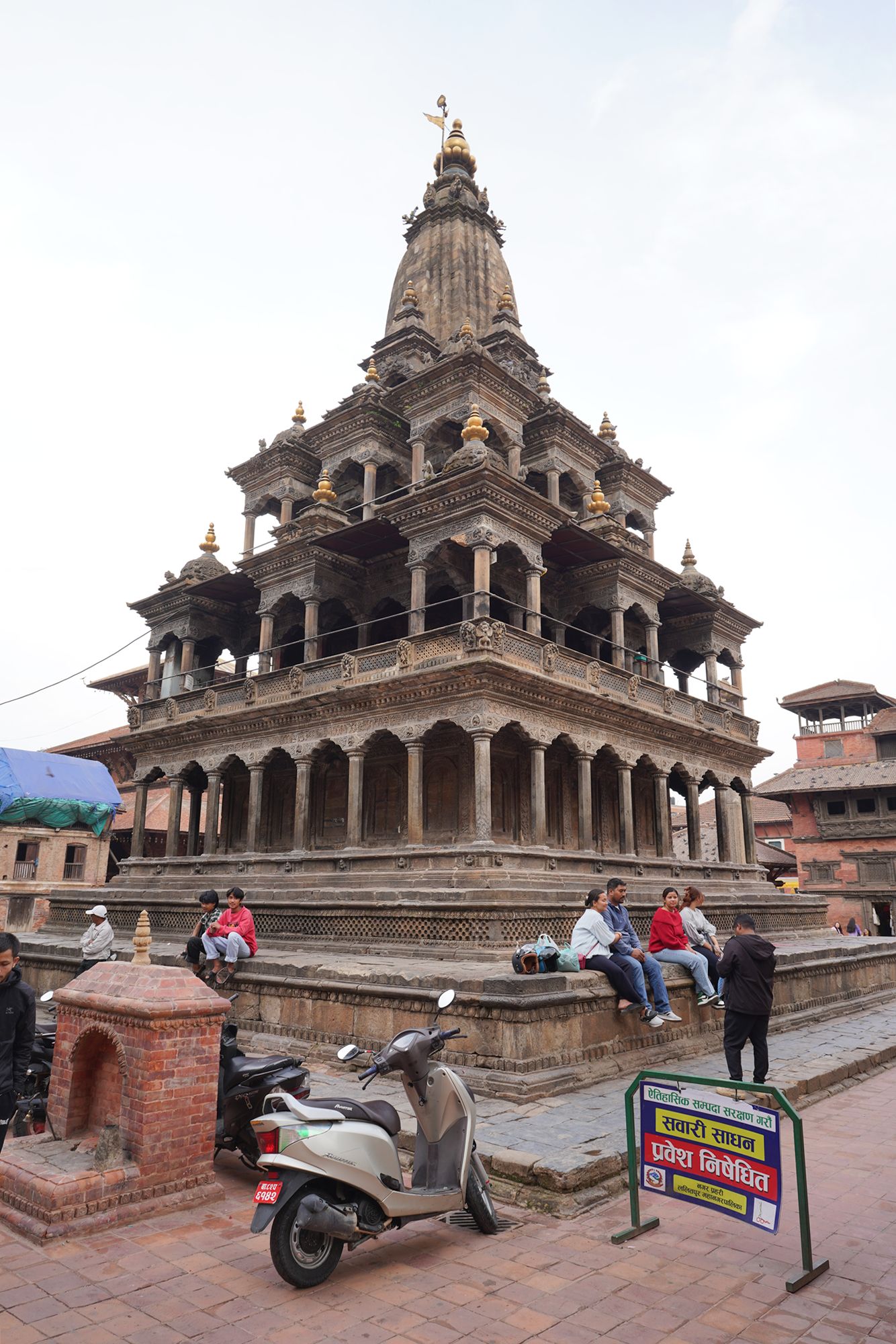
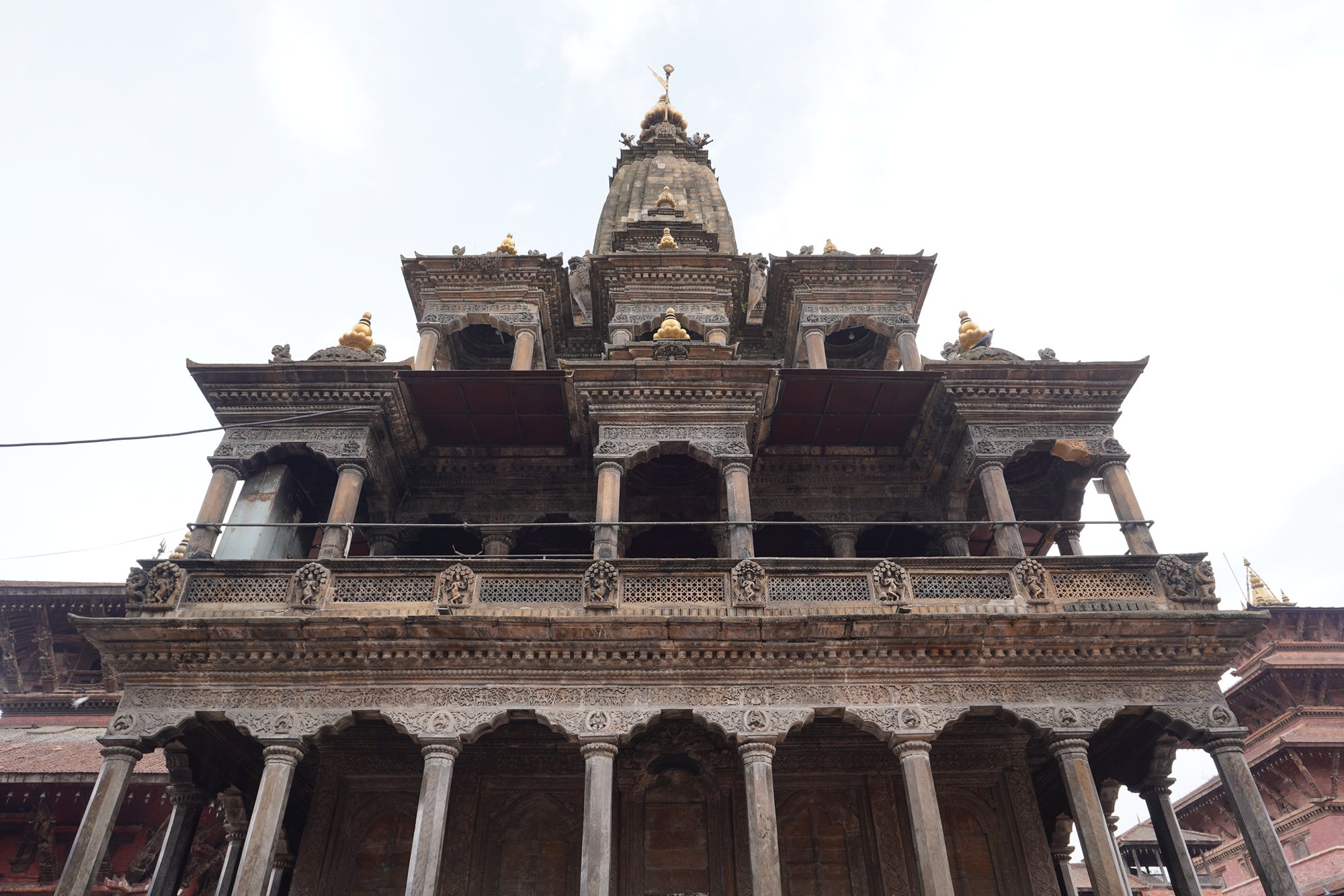
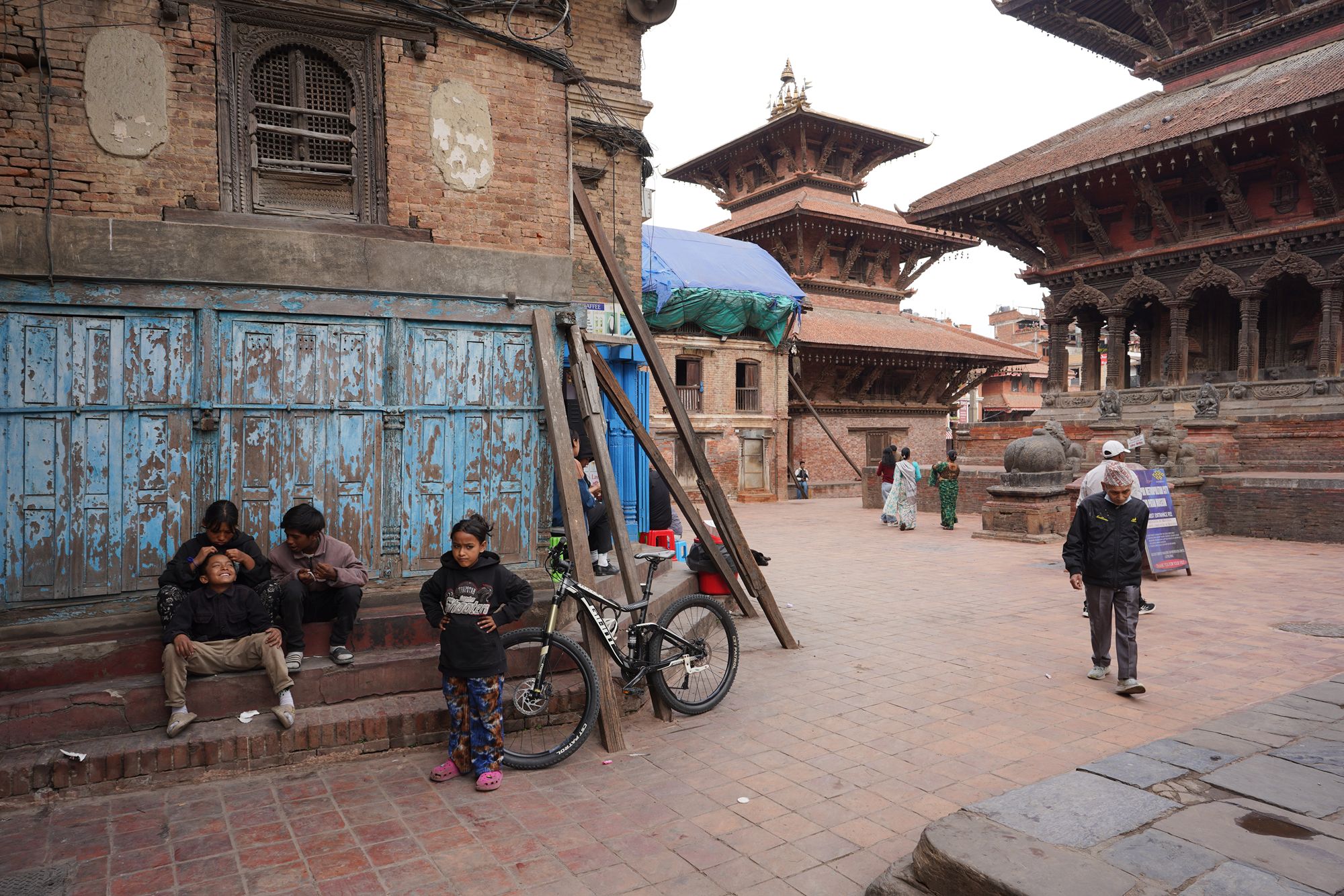
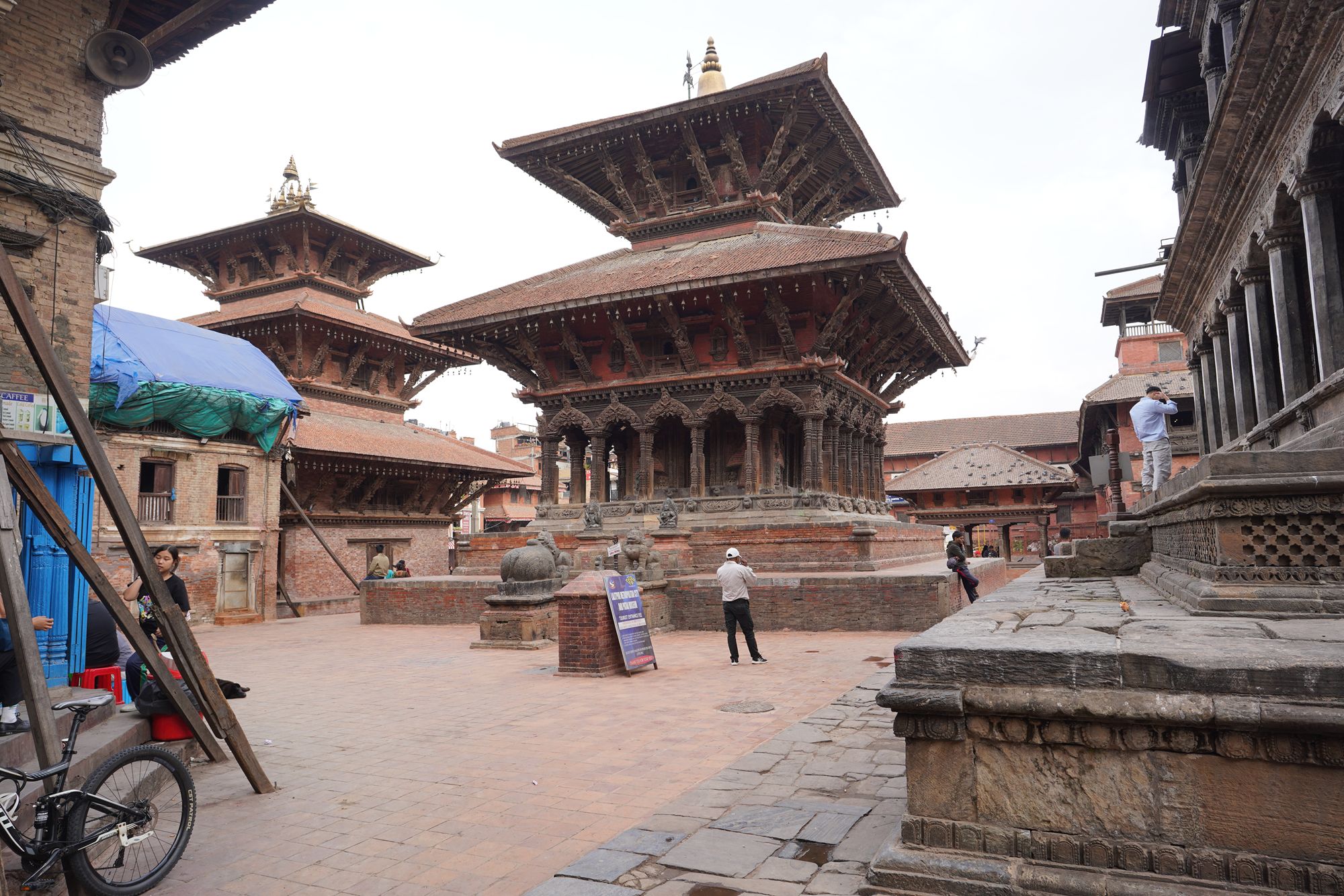
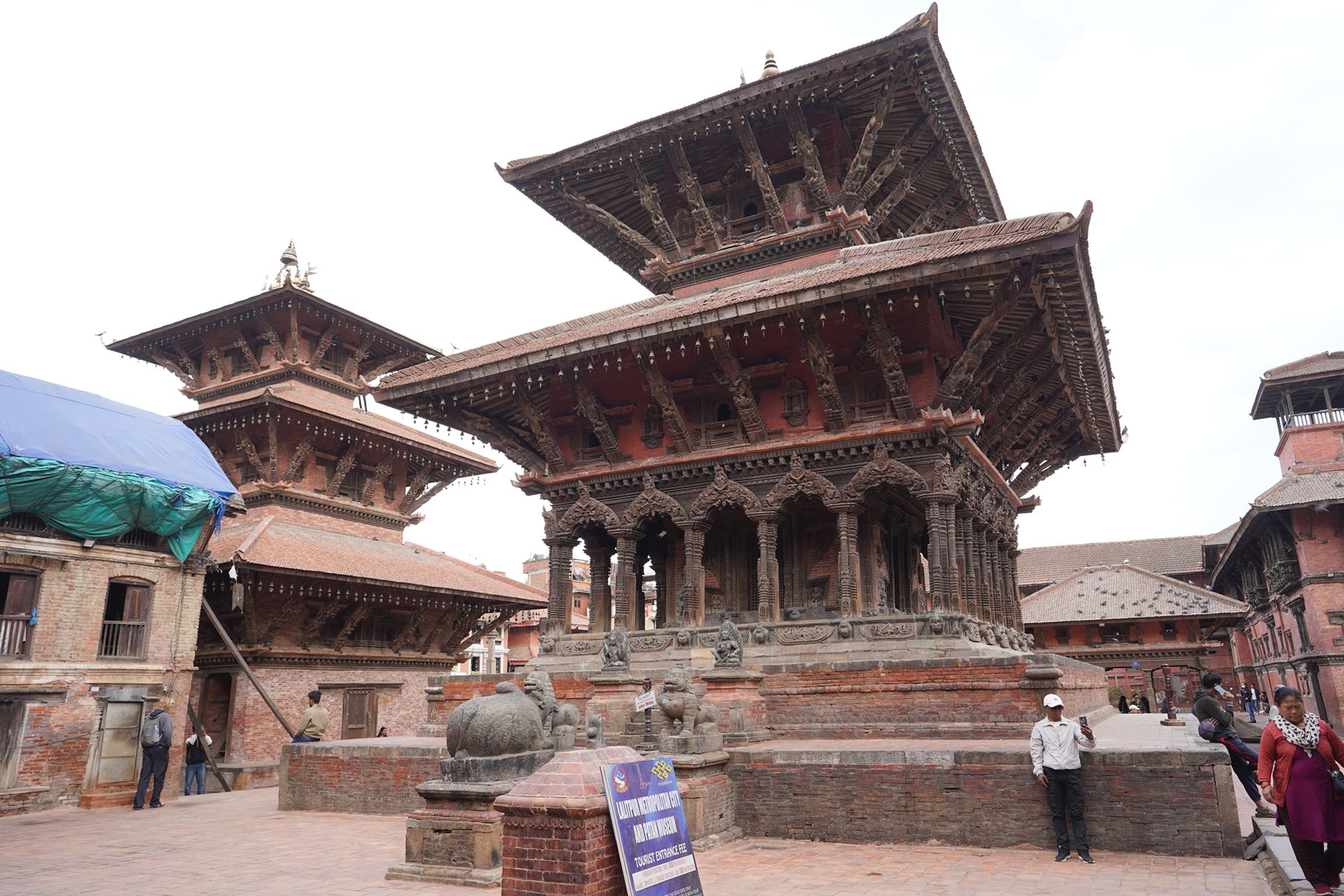
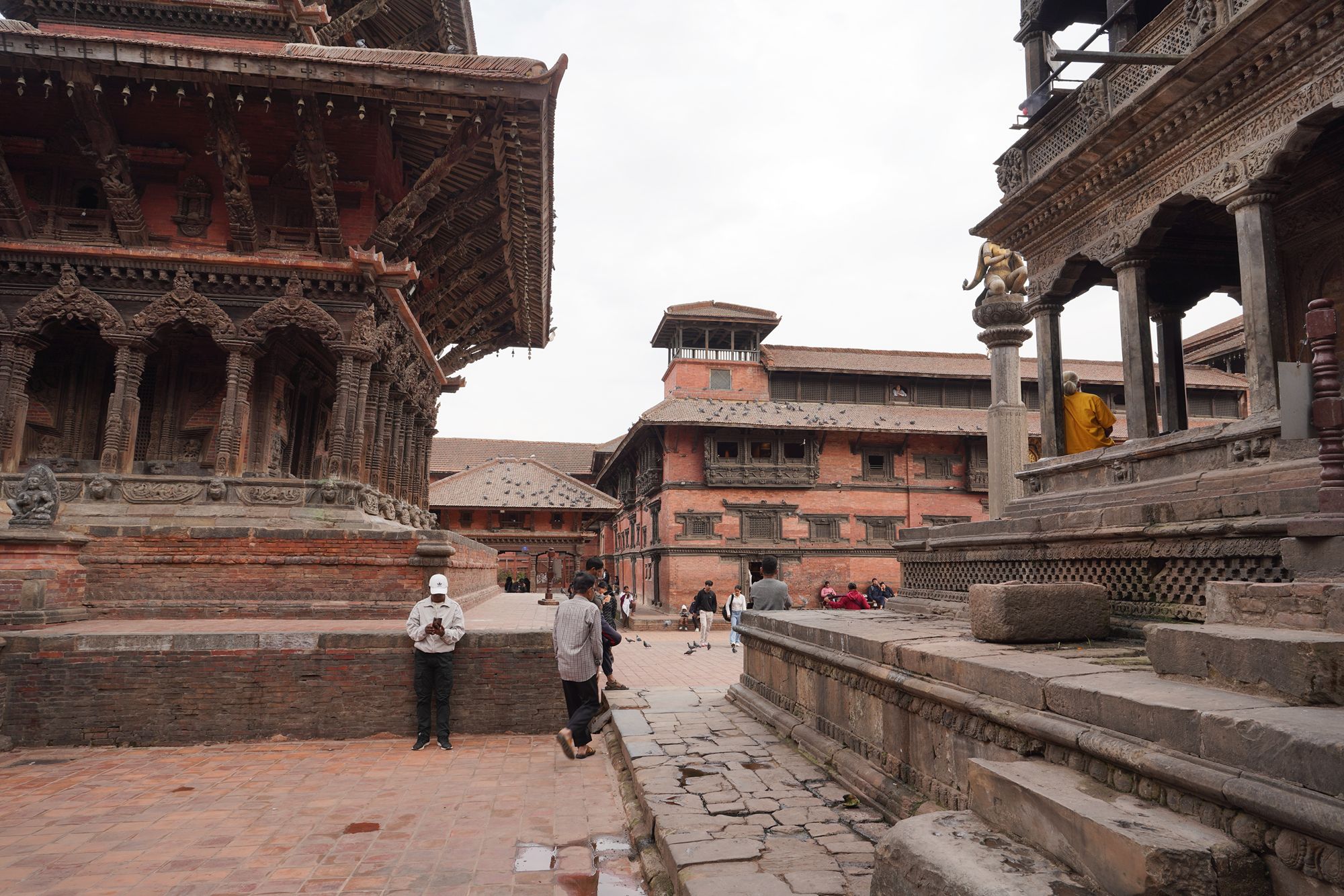
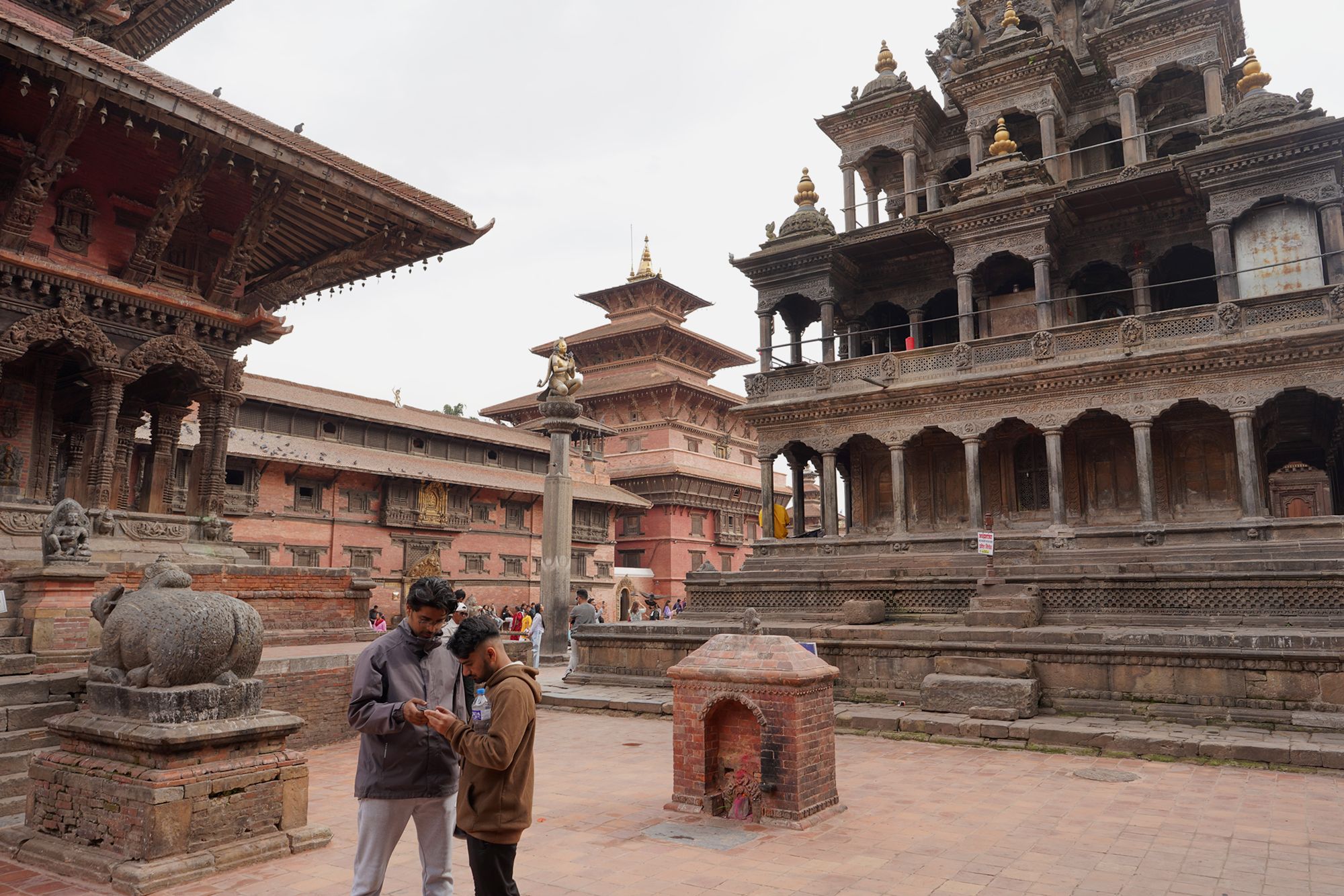
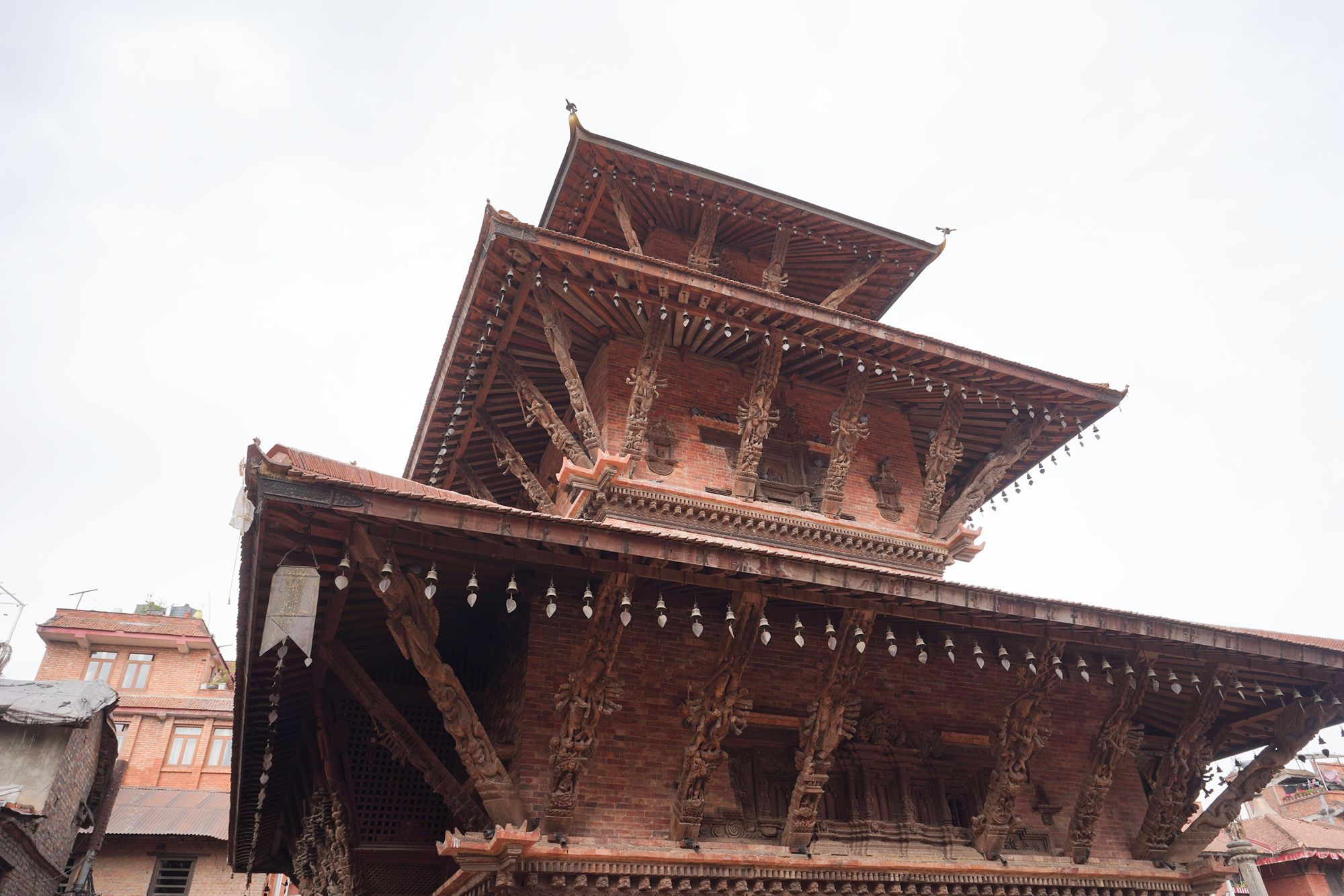
I eventually reached the far end of Patan Durbar Square.
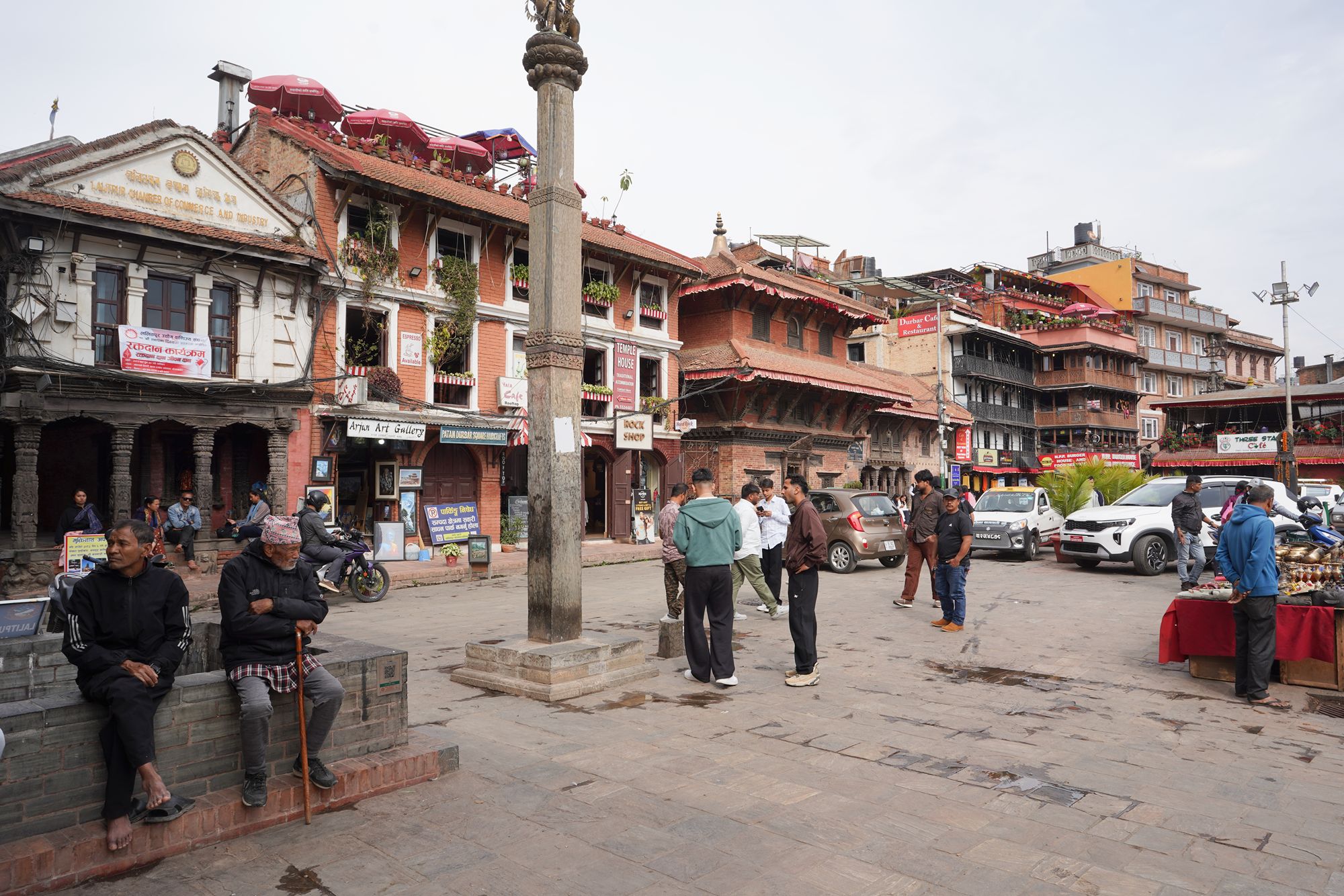
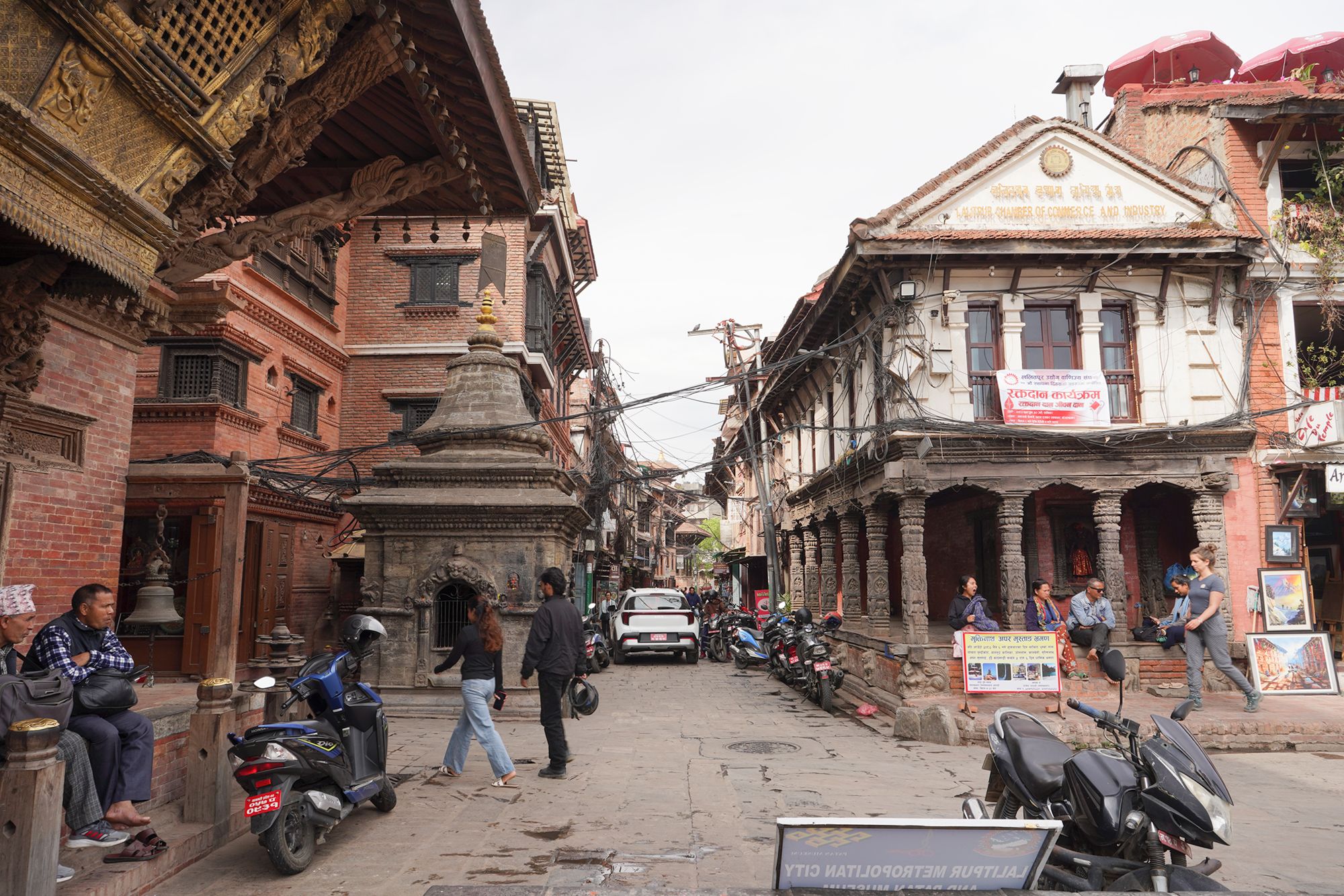
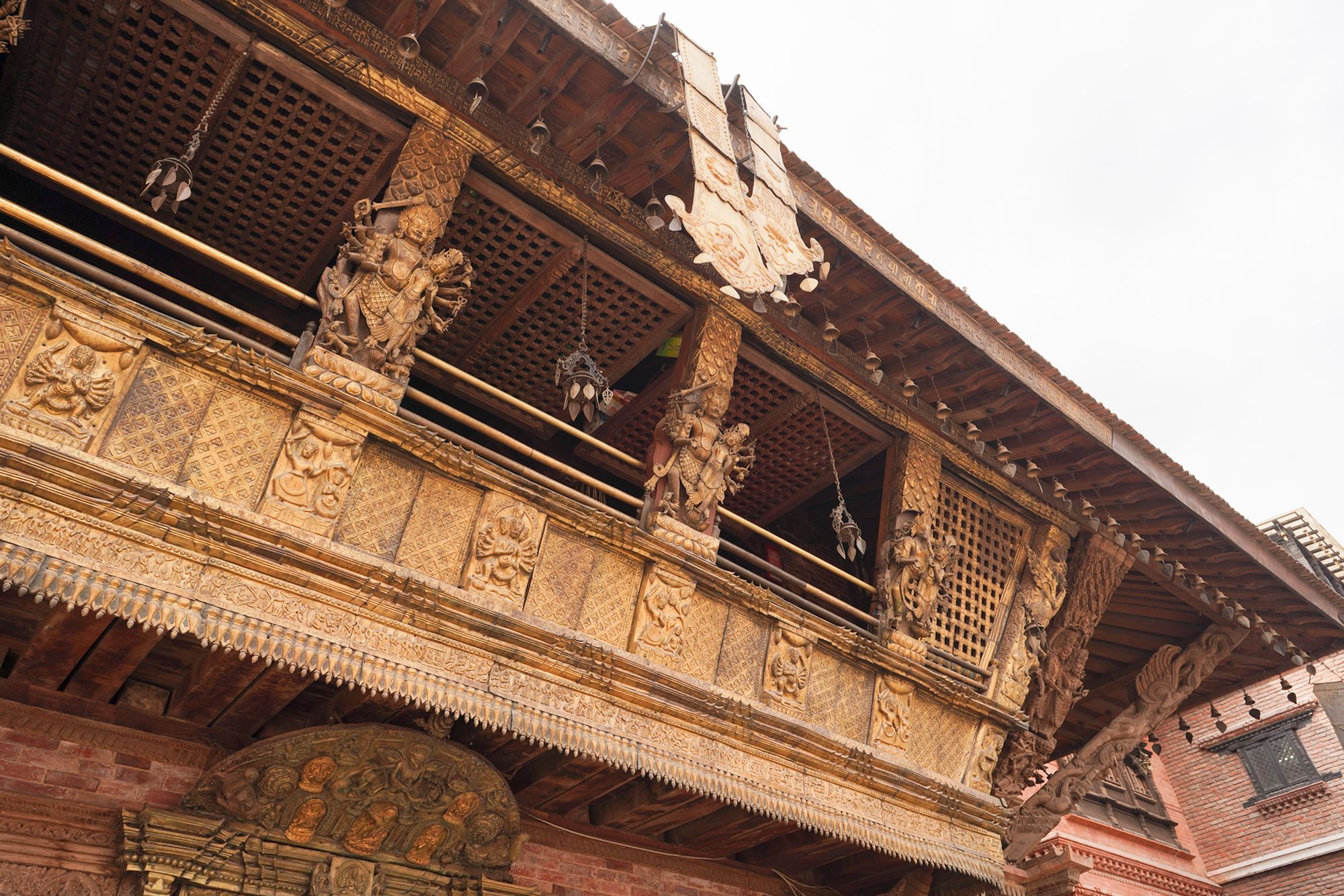
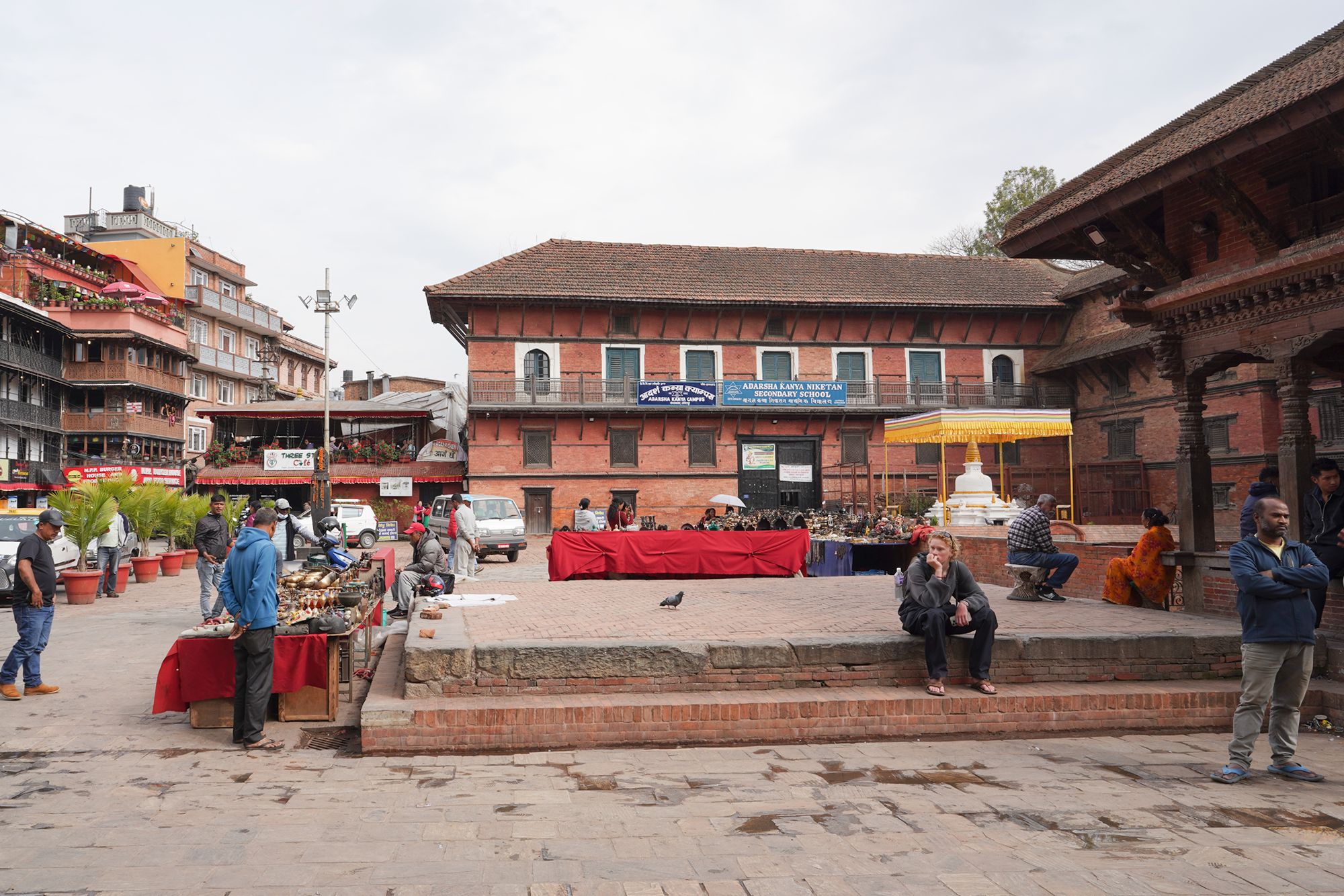
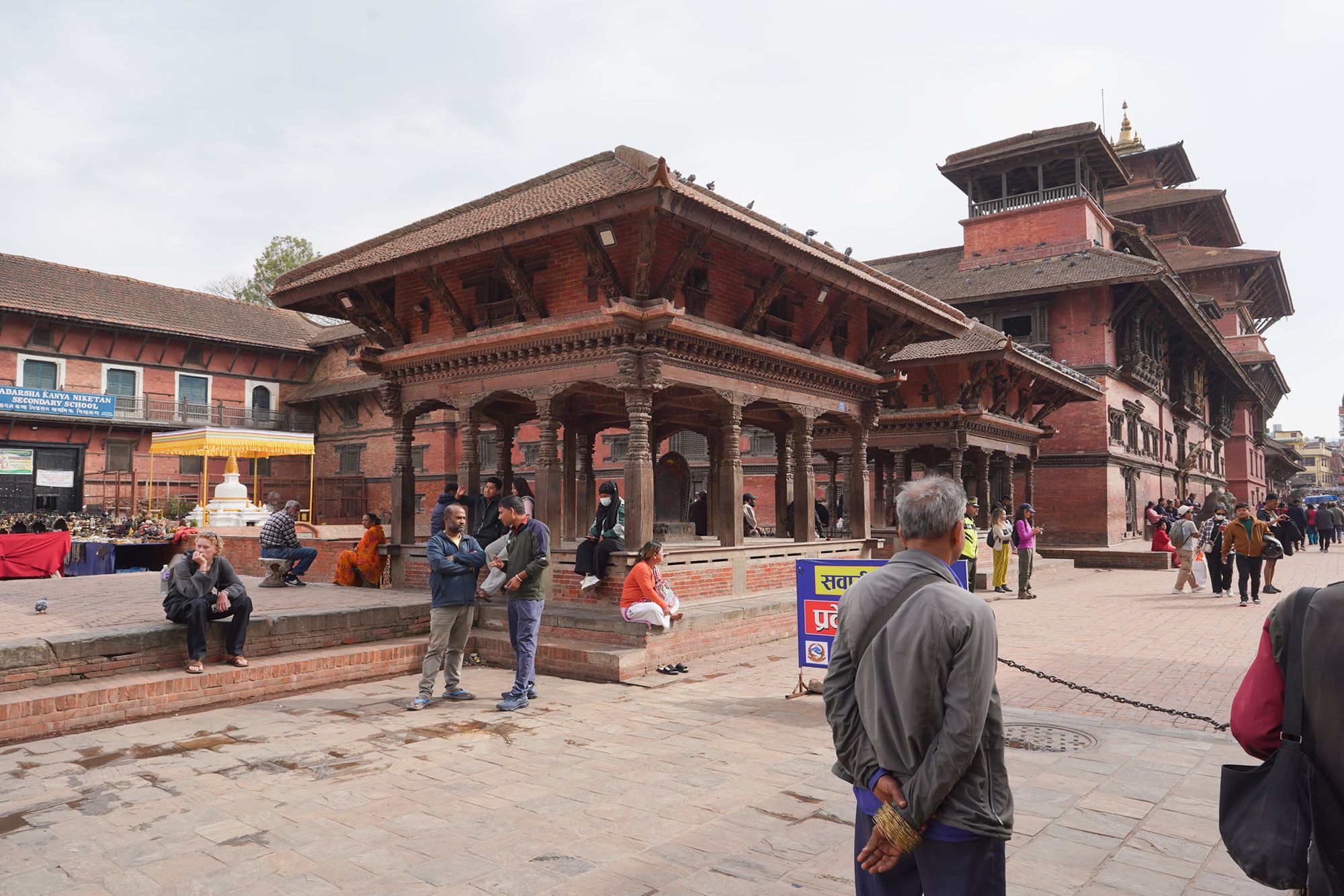
This is a view of Patan Durbar Square from one end of the square.
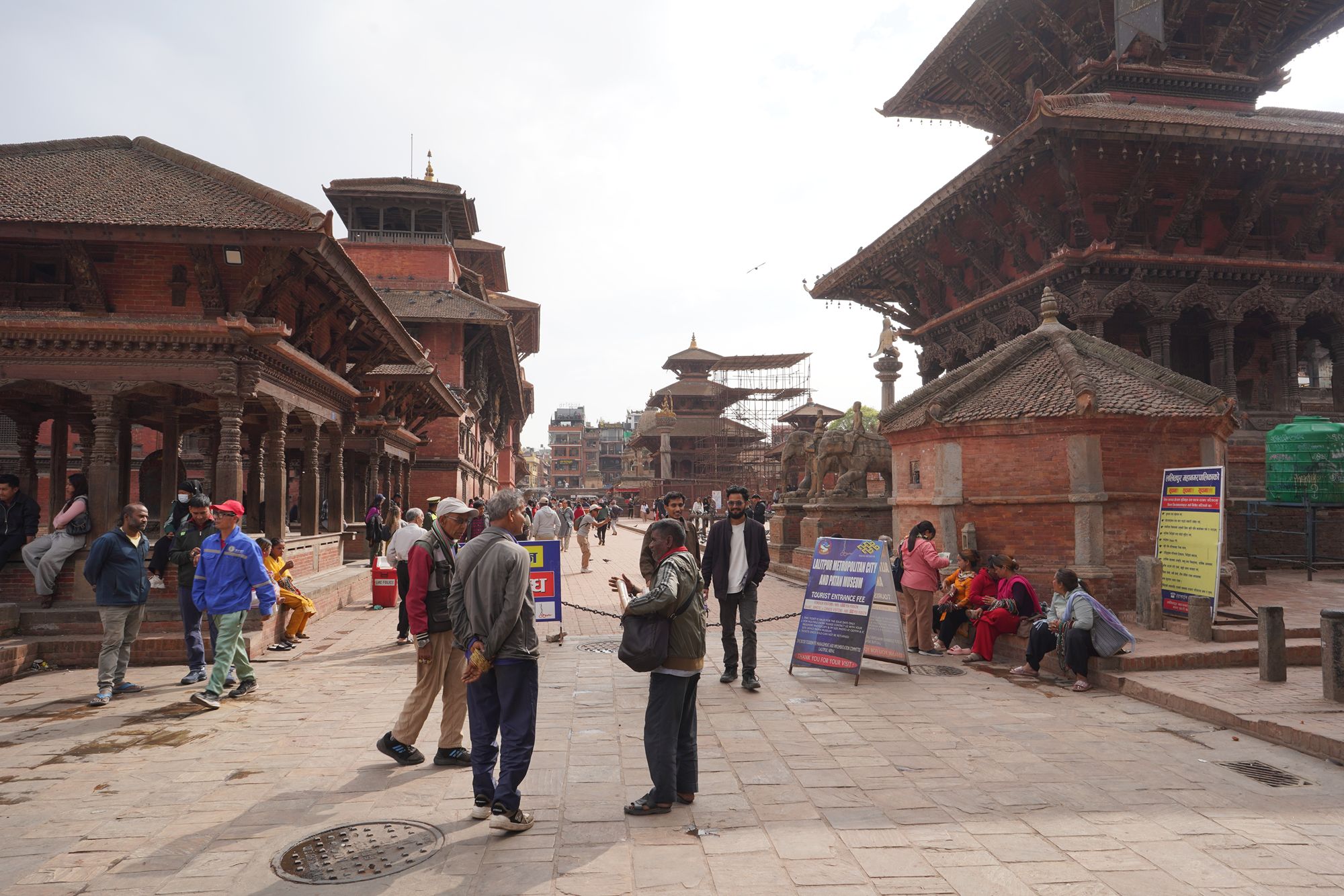
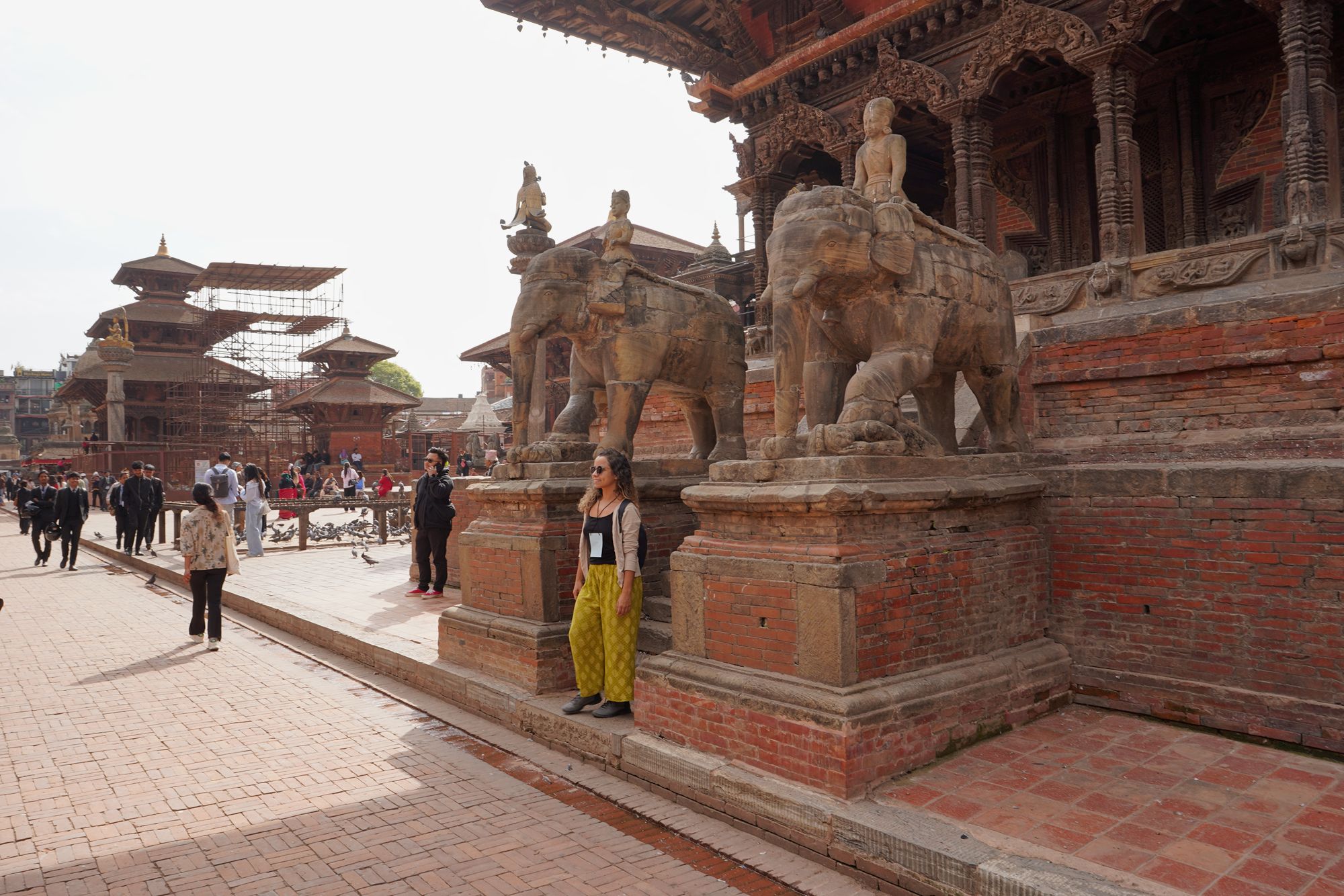
It may be a little confusing in the photos, but I decided to walk straight to the far end of the square first, then slowly make my way back to this spot while taking photos along the way.
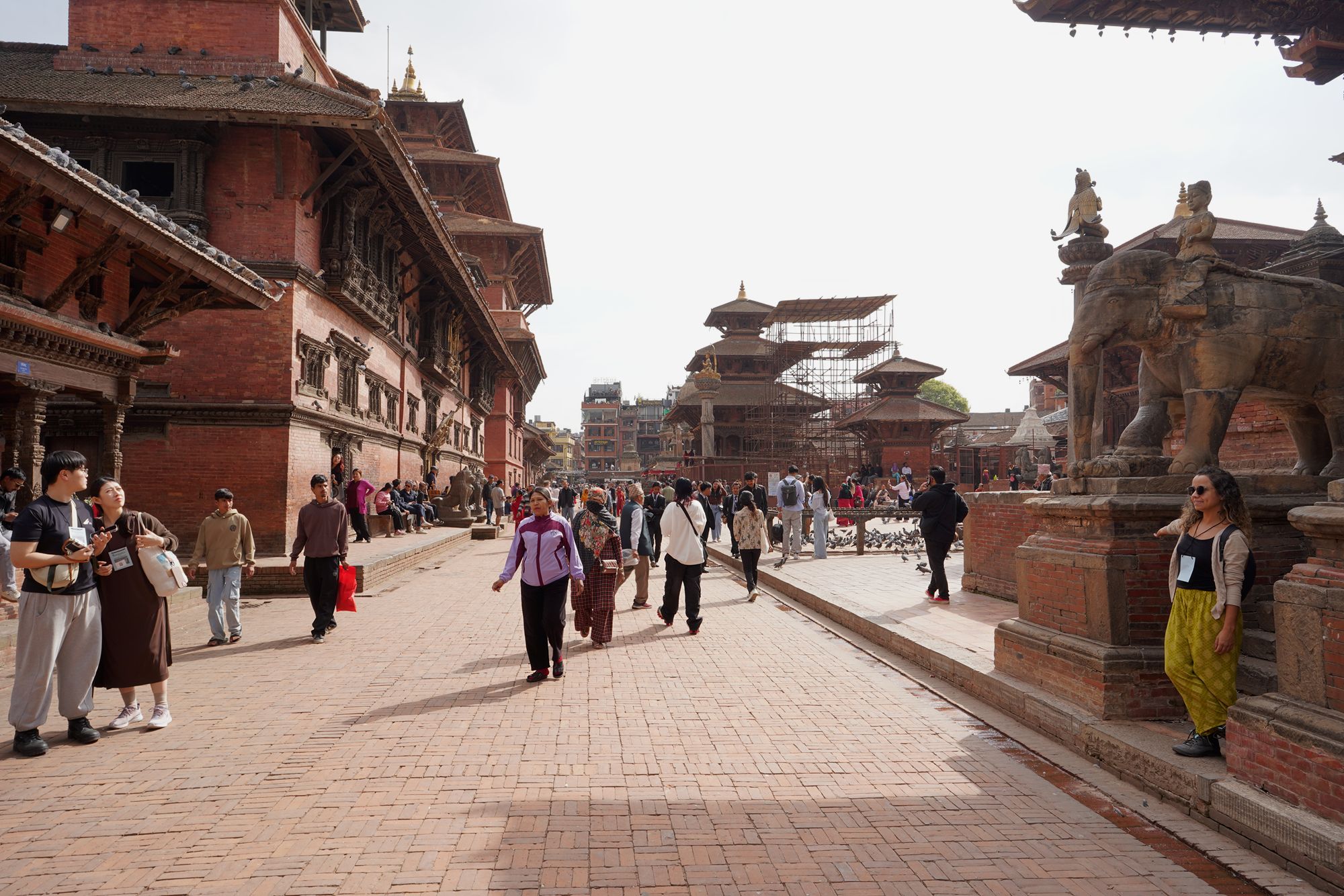
Okay, now I was at the other end of Patan Durbar Square, ready to slowly walk back toward where I had started while taking photos along the way.
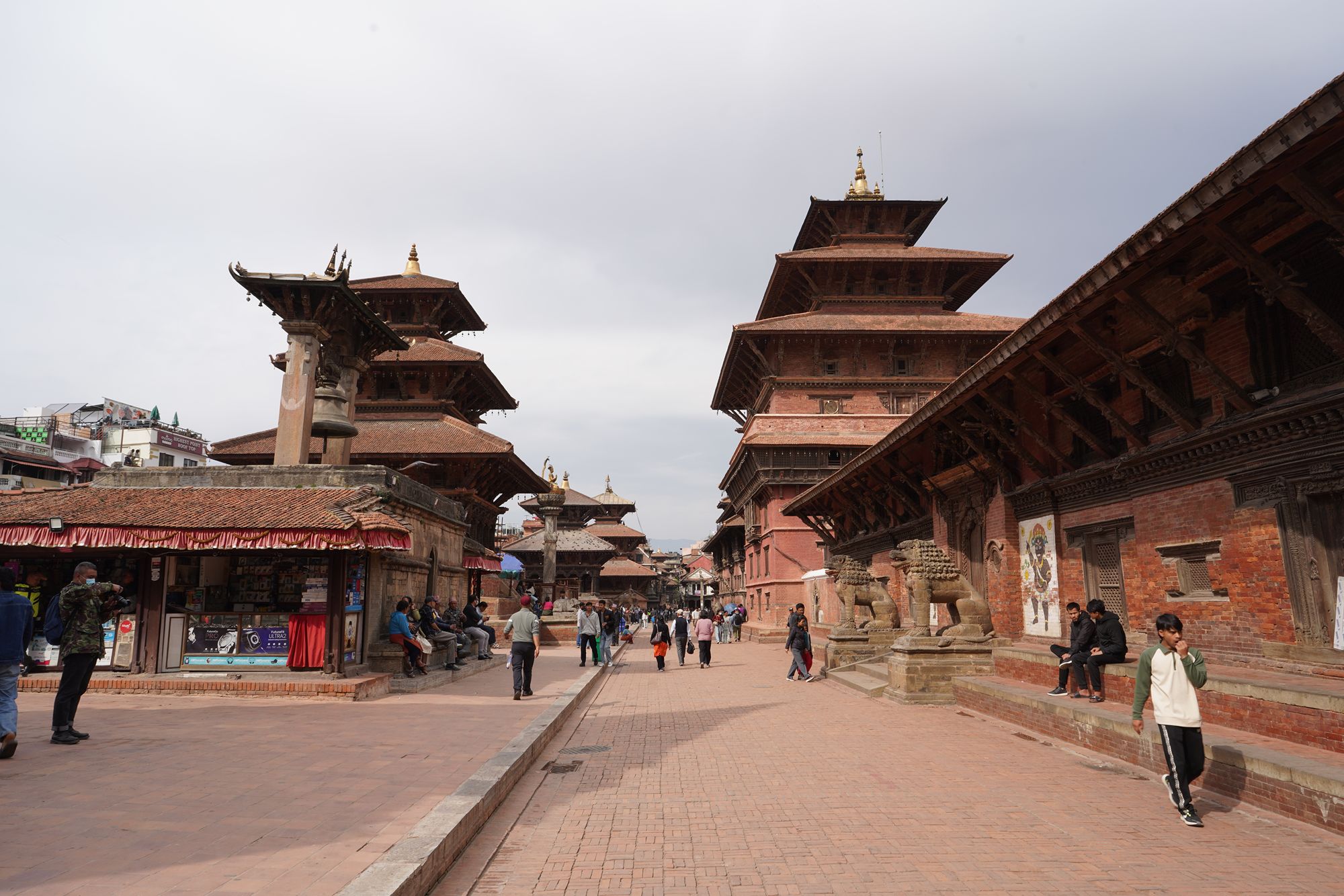
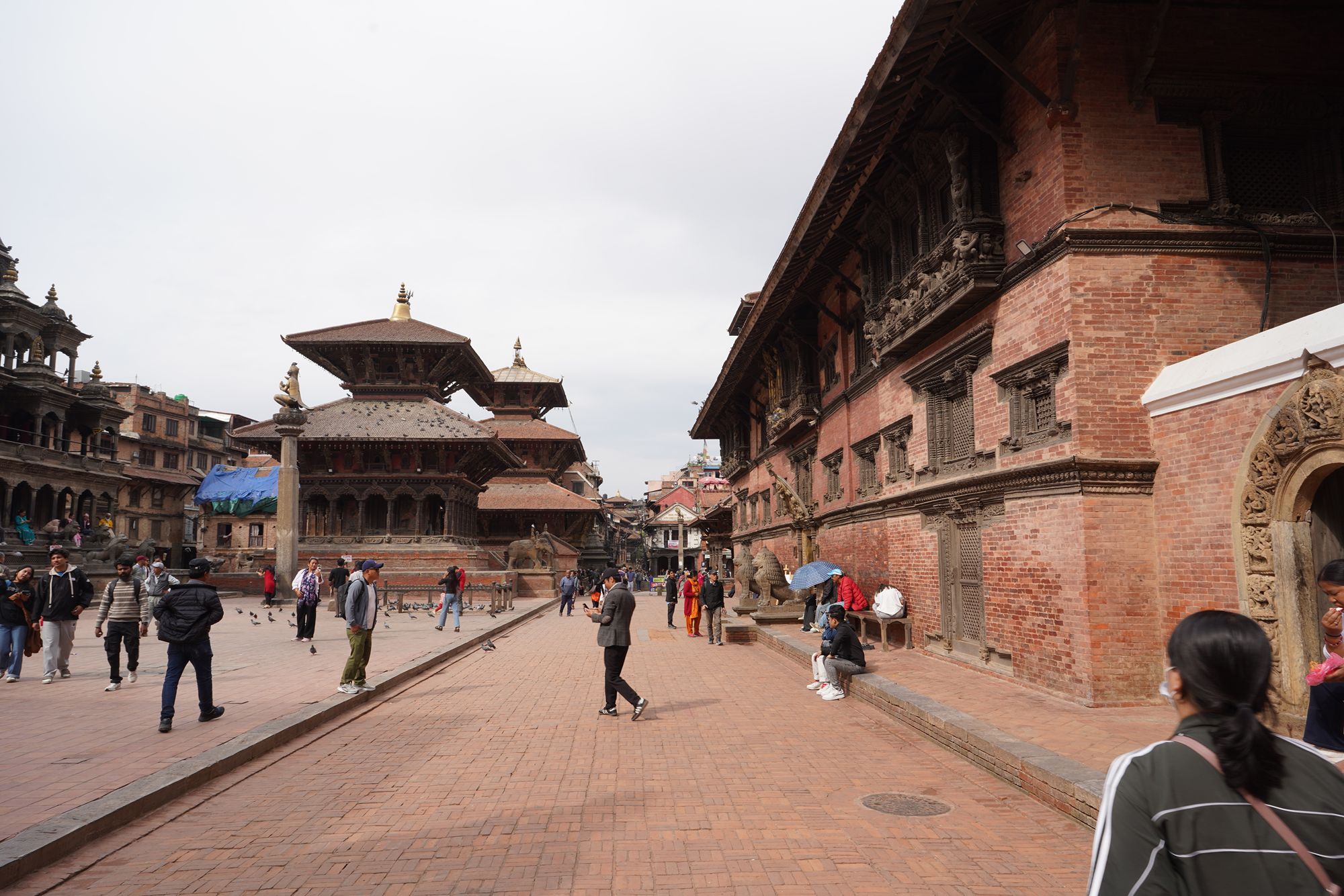
Compared to Kathmandu Durbar Square, Patan Durbar Square is generally more compact and visually unified. Its temples and palace buildings are concentrated along a relatively narrow rectangular square, so you can see many major monuments together. It is especially famous for its refined Newari architecture and craftsmanship, including the Krishna Mandir and the former Patan Royal Palace.
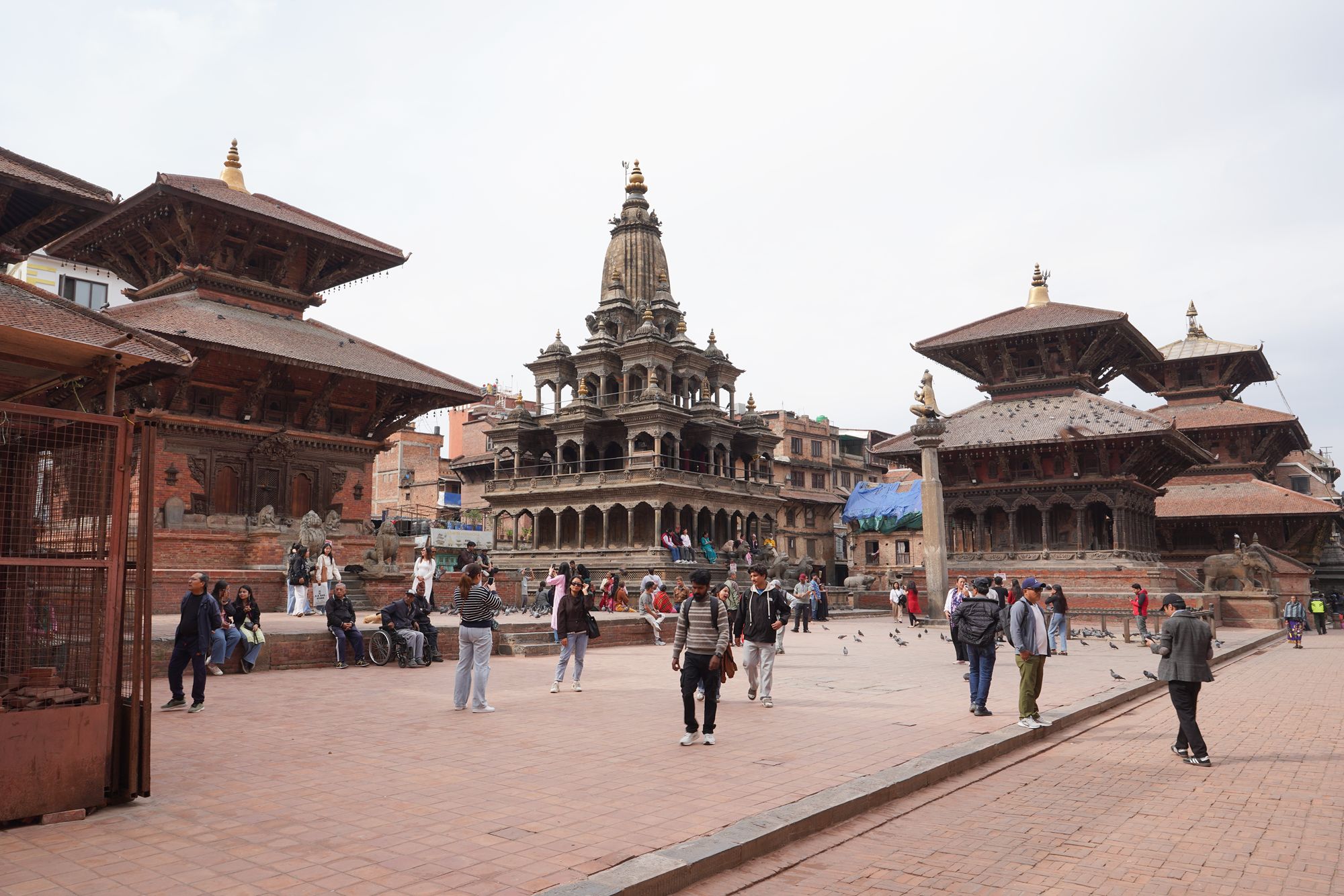
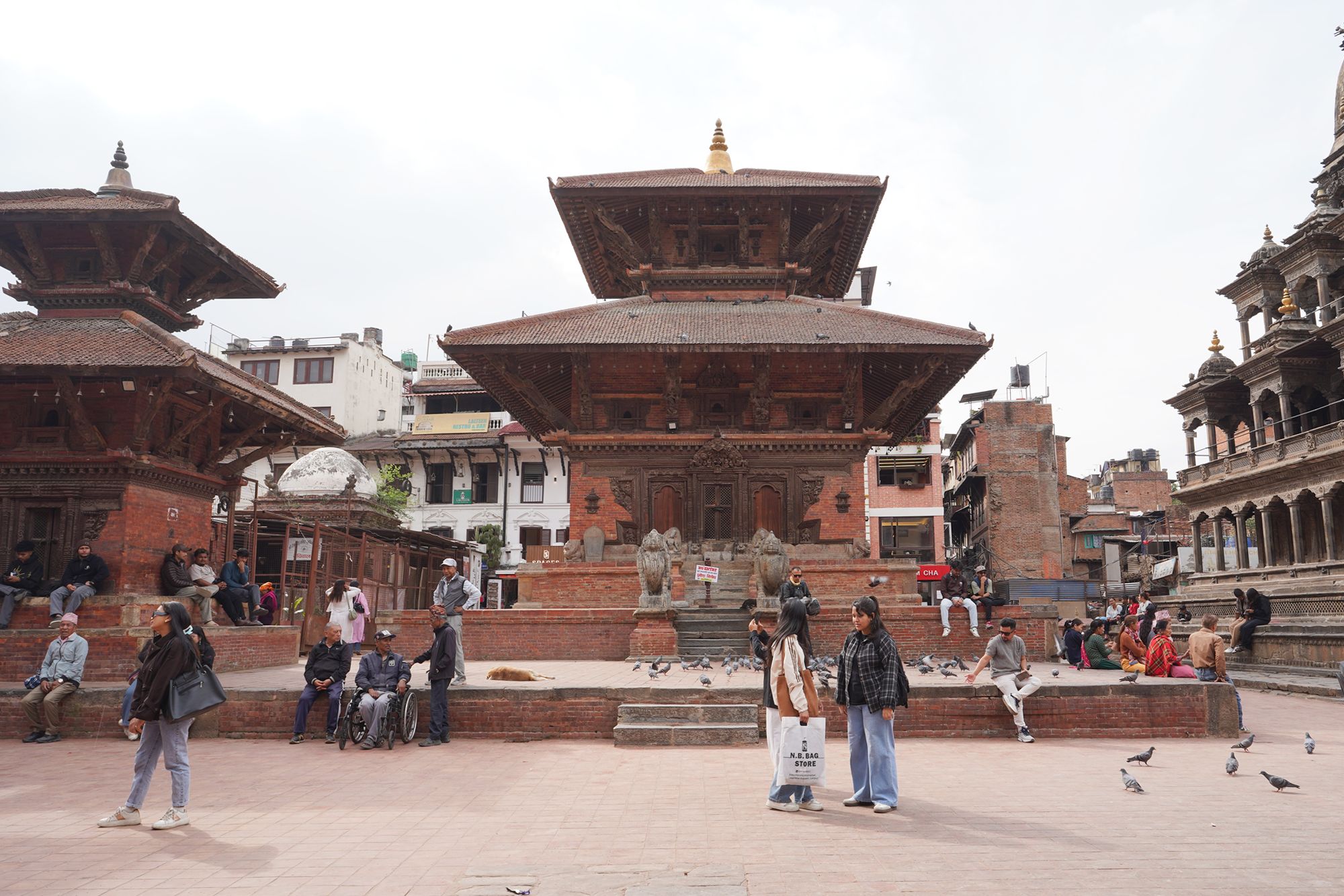
The Kingdom of Patan (Lalitpur) was one of the three Malla kingdoms of the Kathmandu Valley. It became a separate kingdom in the 17th century and was ruled by Malla kings, who were major patrons of architecture, religion, and the arts.
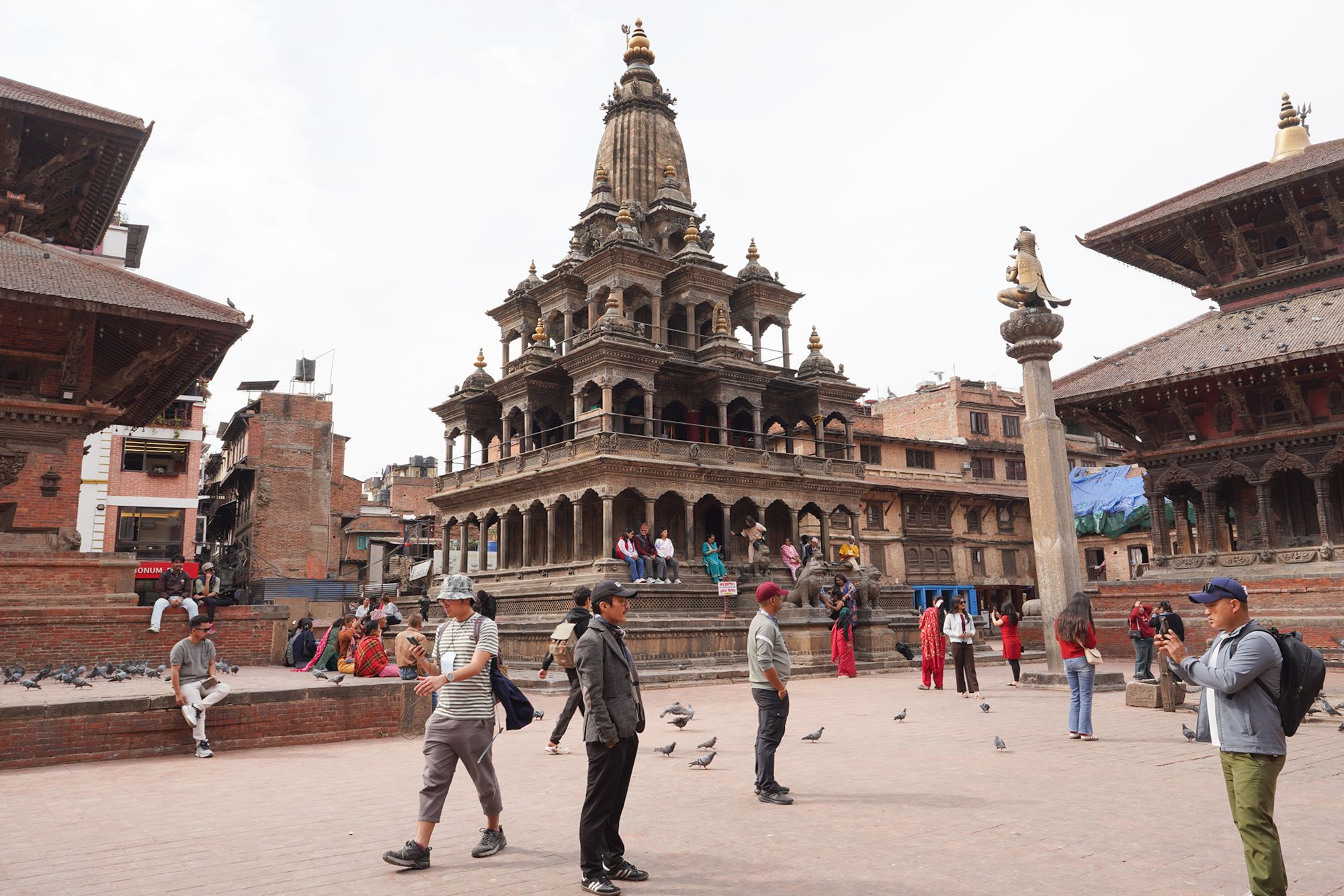
Patan became especially famous for its Newar craftsmen, including highly skilled metalworkers, woodcarvers, stone carvers, and temple builders. Much of the impressive architecture you see around Patan Durbar Square reflects this period of royal patronage and competition among the three neighboring kingdoms.
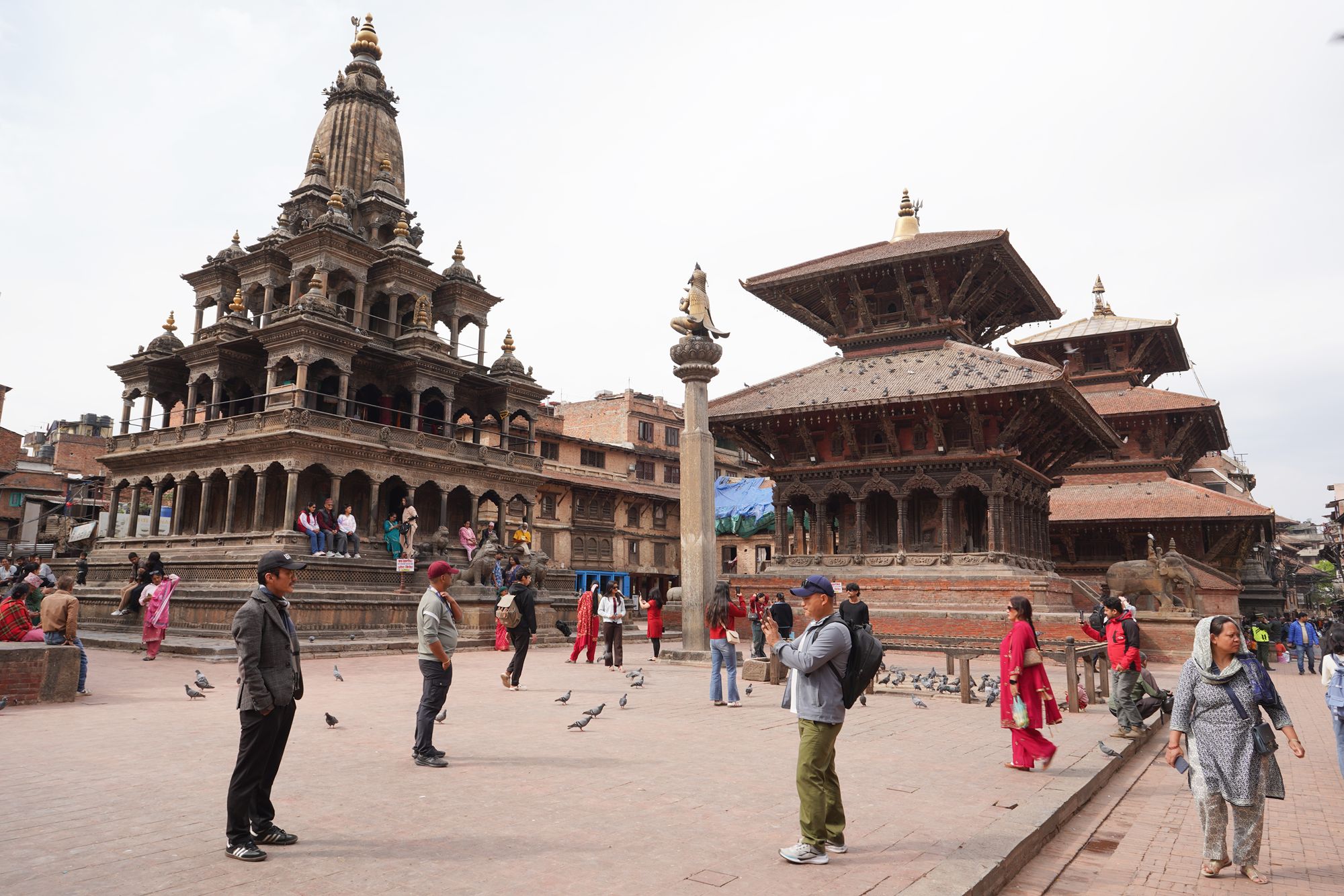
In 1768, Patan was conquered by Prithvi Narayan Shah of Gorkha during his campaign to unify Nepal, bringing the independent Kingdom of Patan to an end.
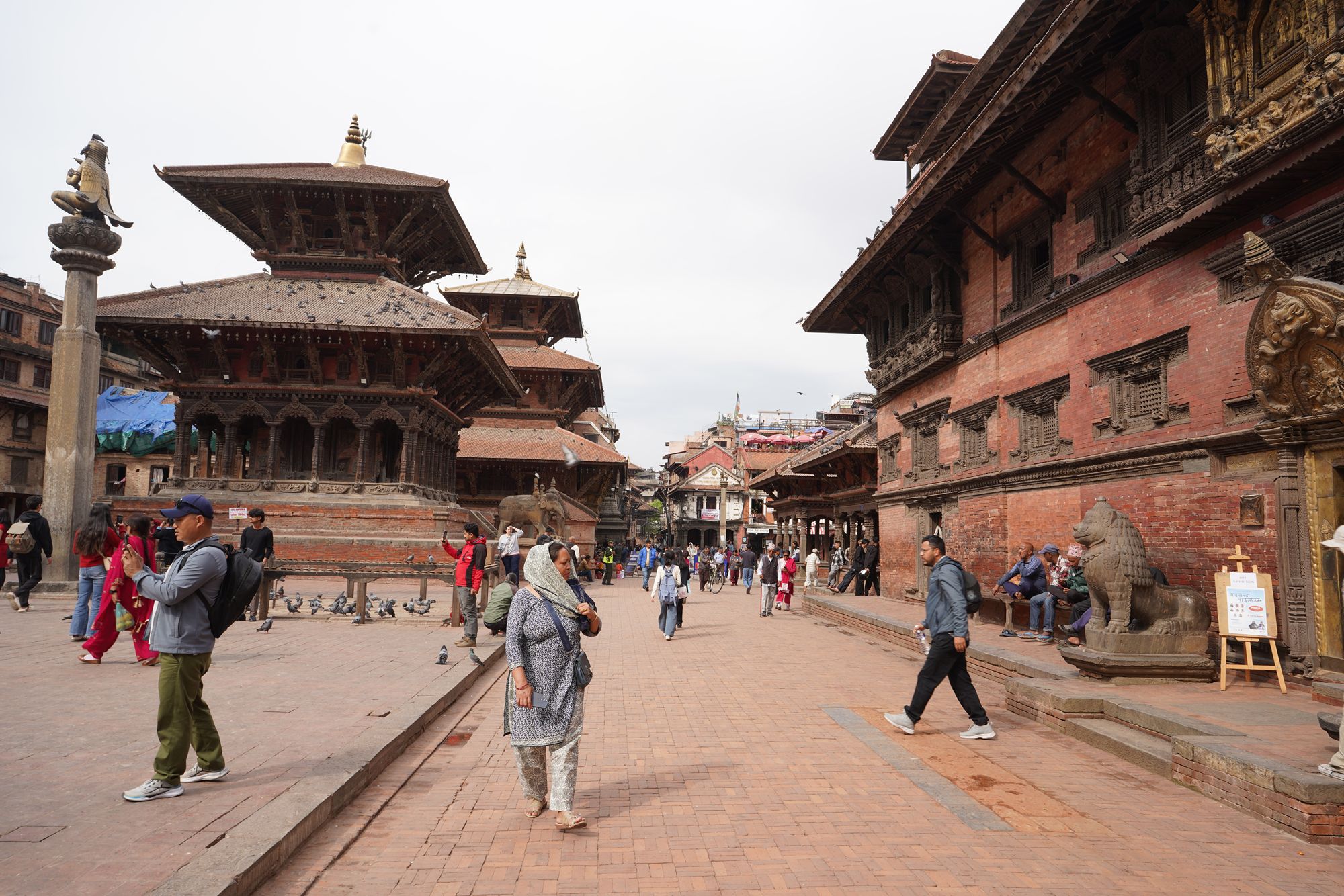
Now I entered the former Royal Palace of Patan to explore its historic courtyards and buildings.
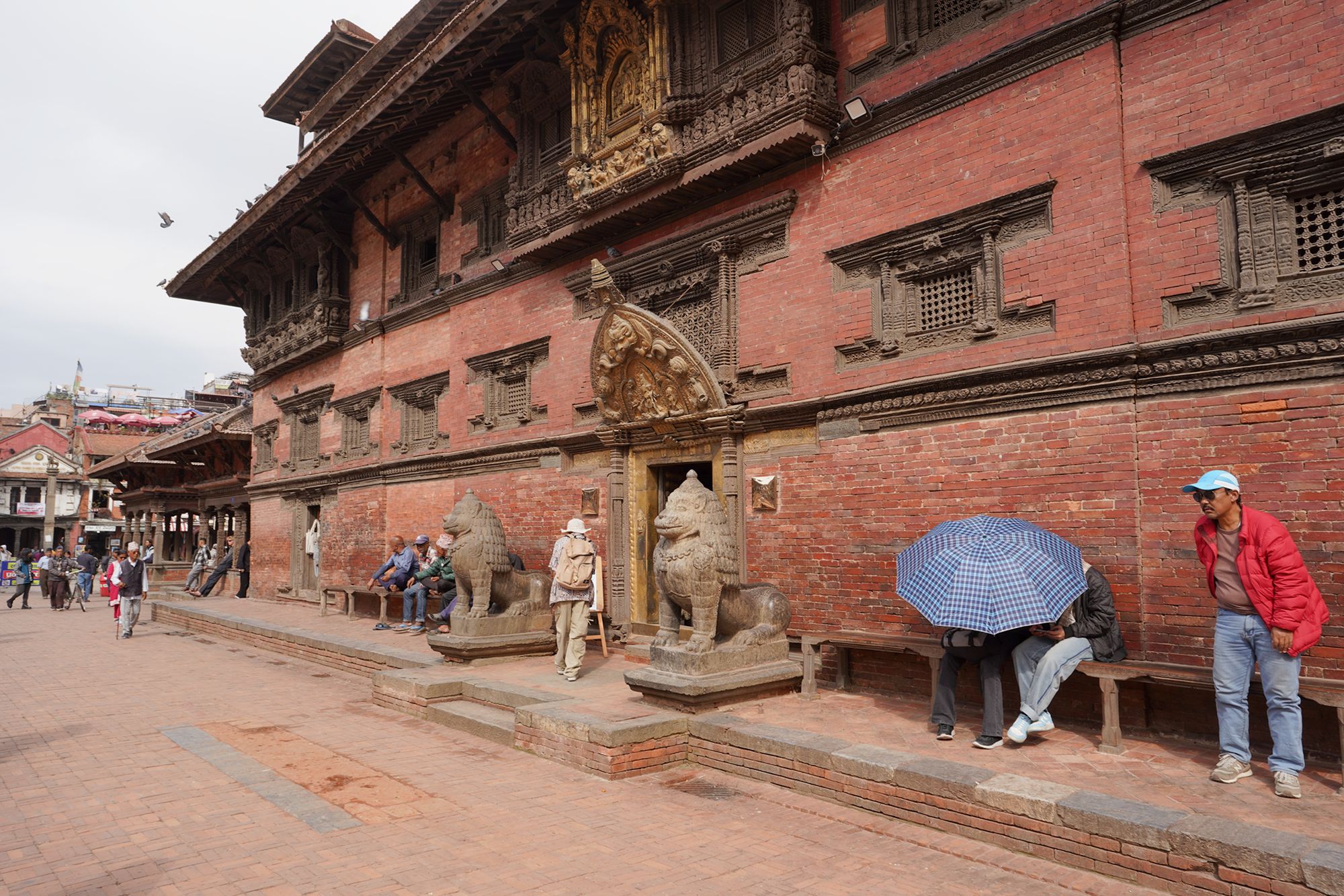
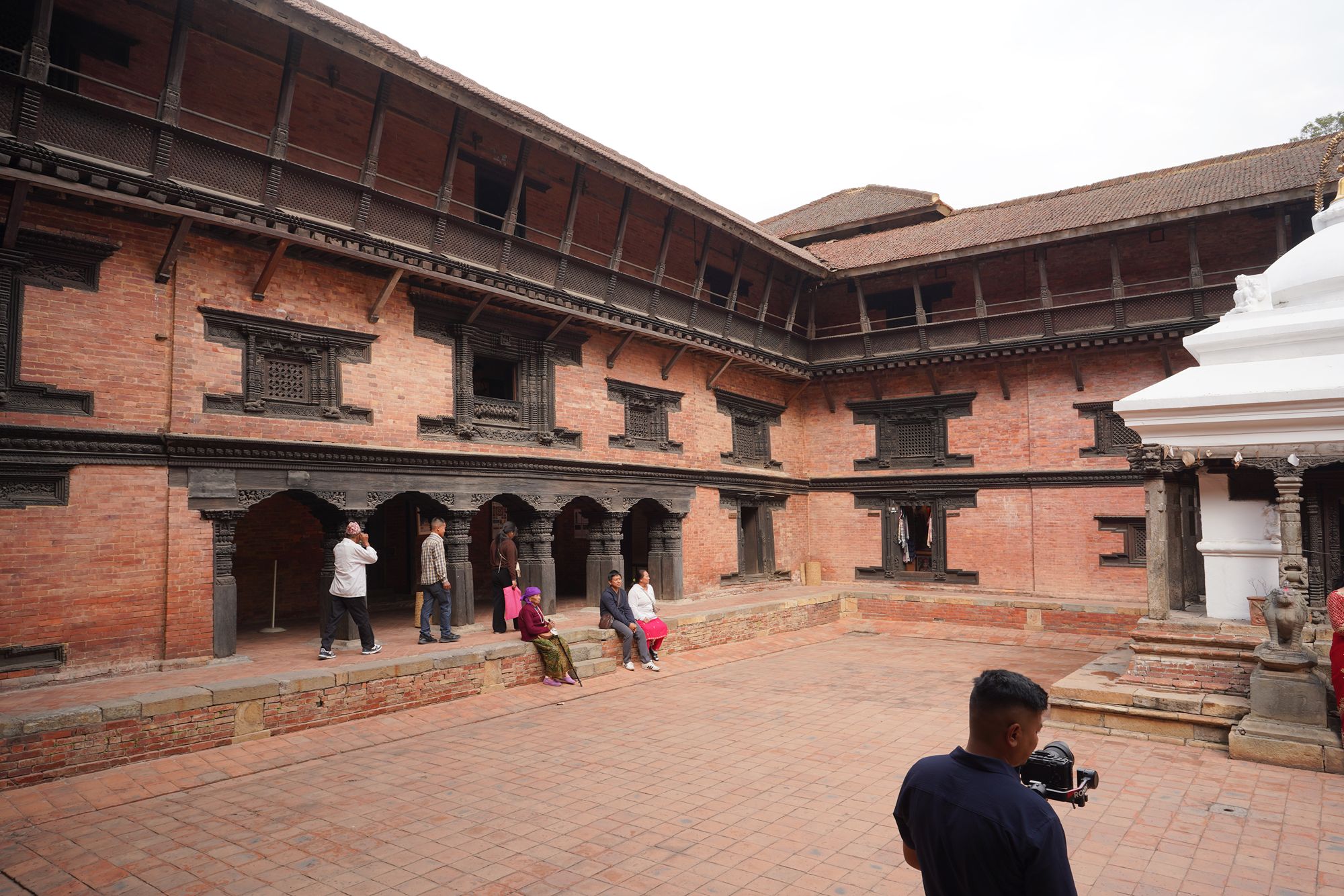
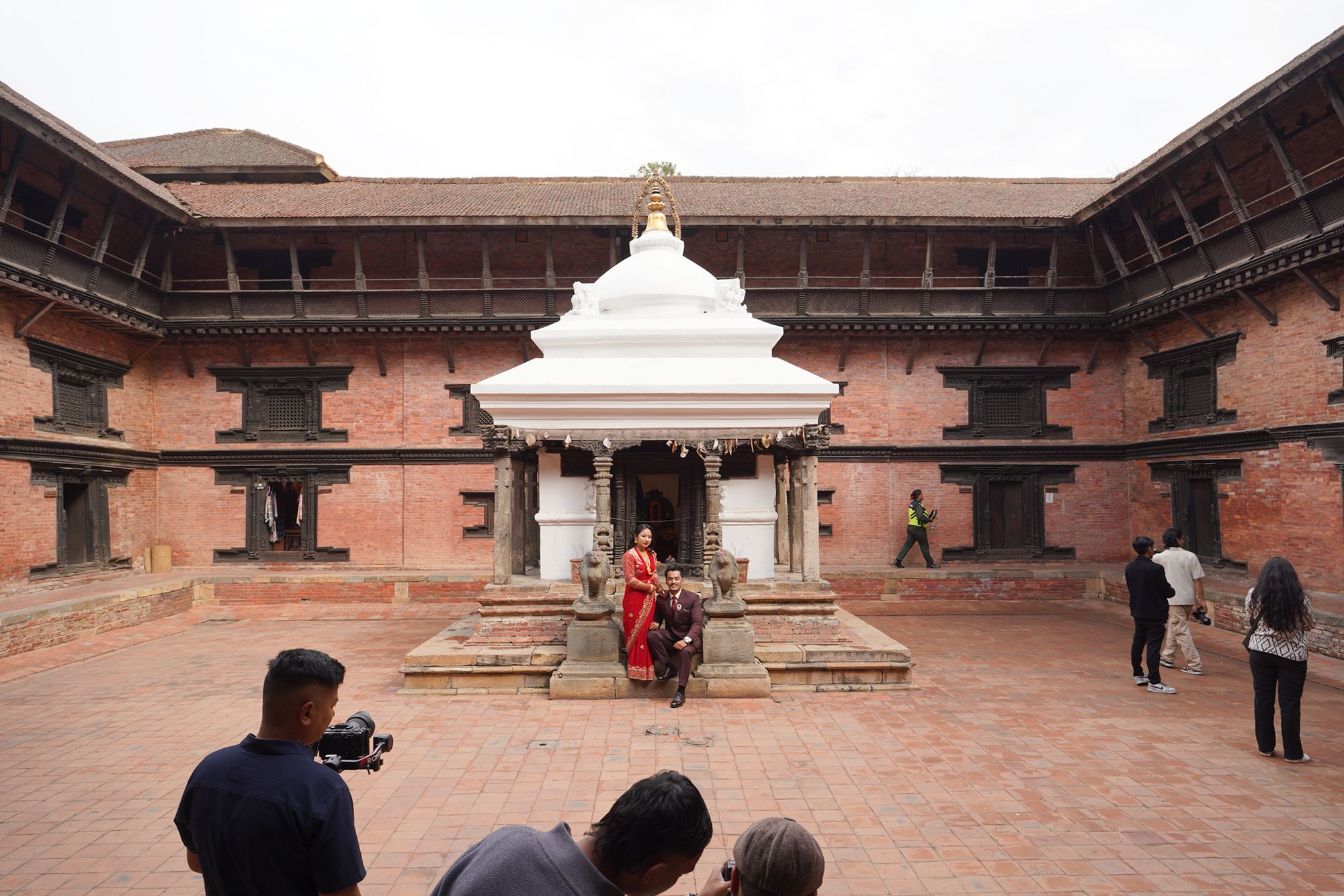
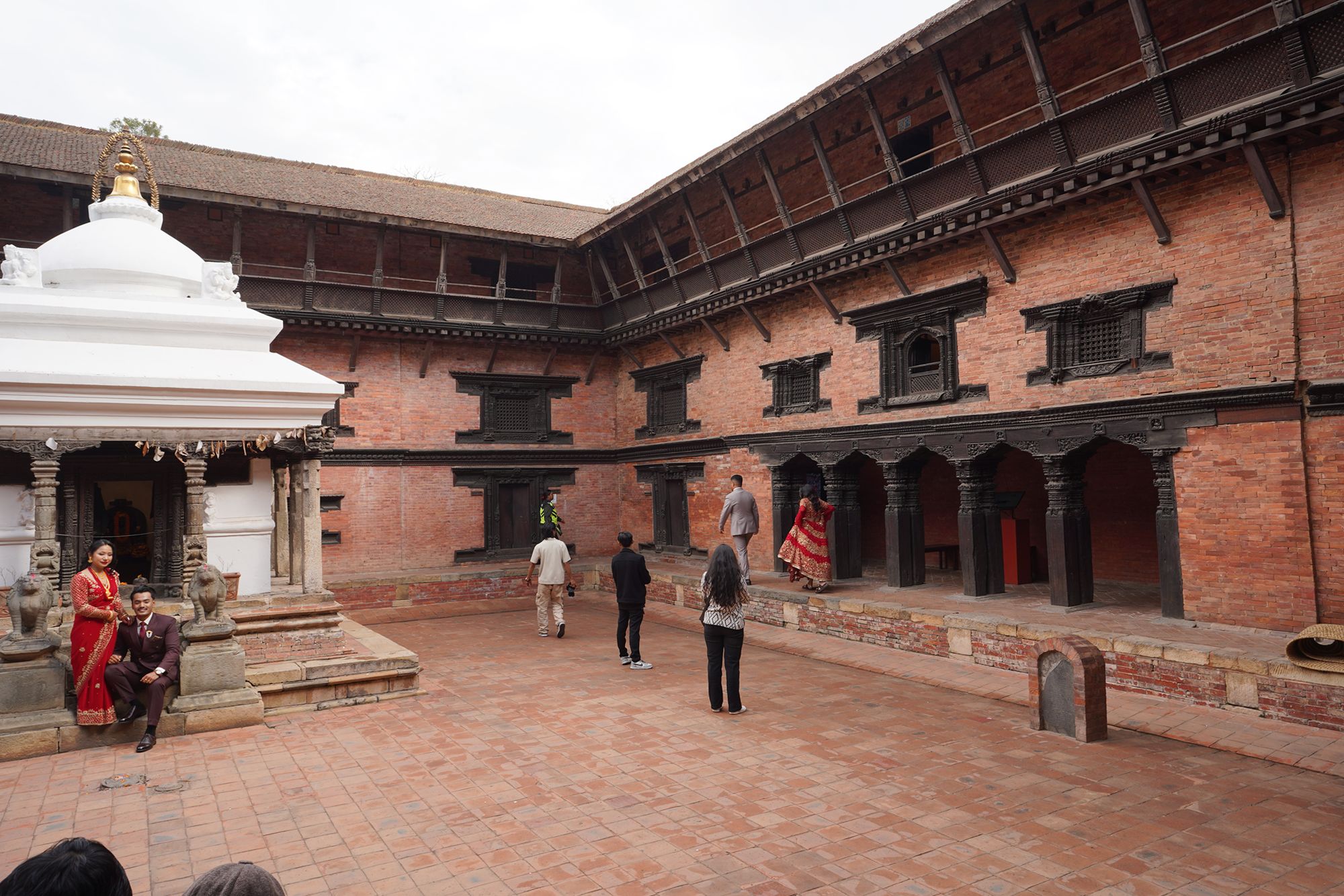
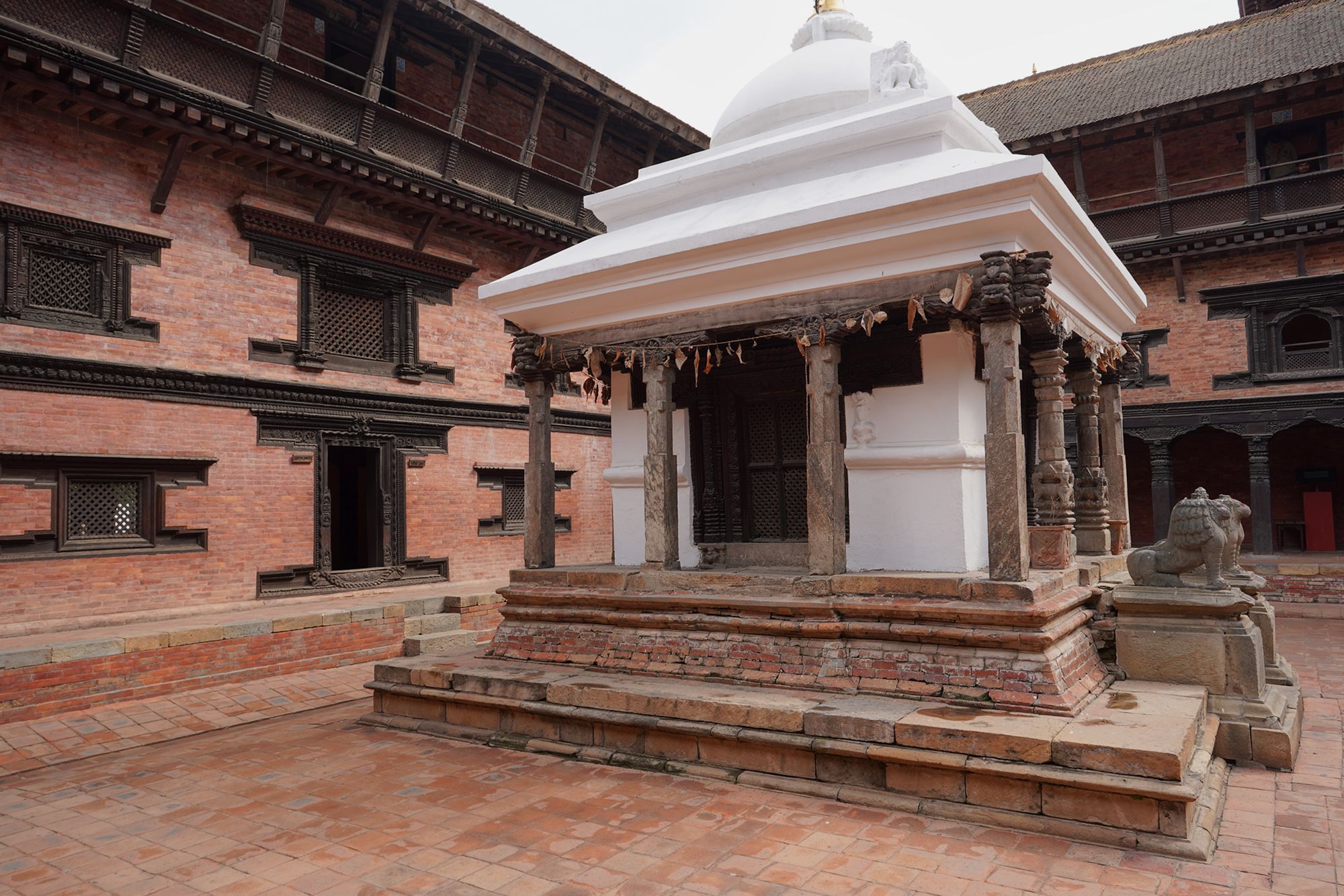
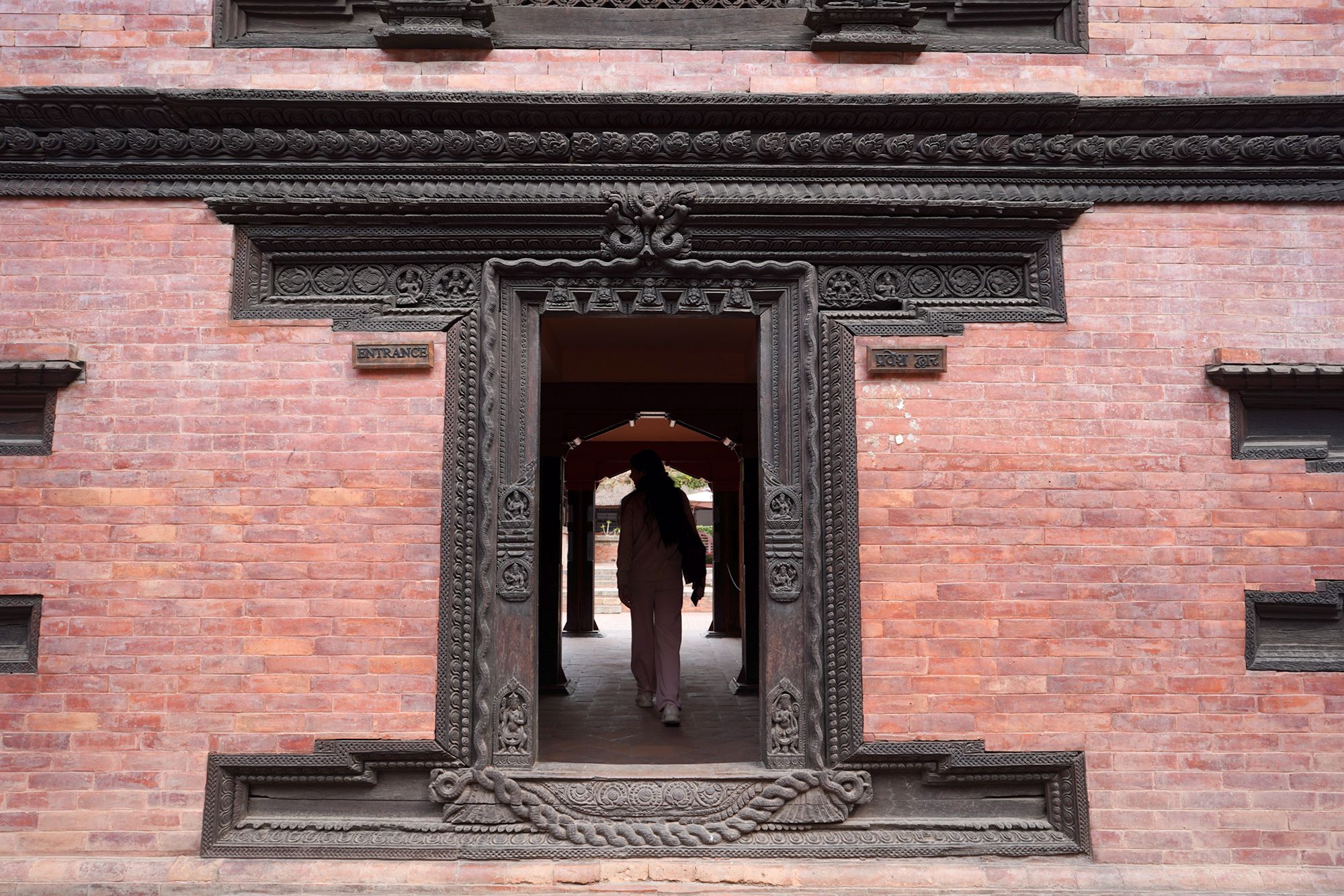
An ornate doorway leading into one of the inner courtyards of the Patan Royal Palace.
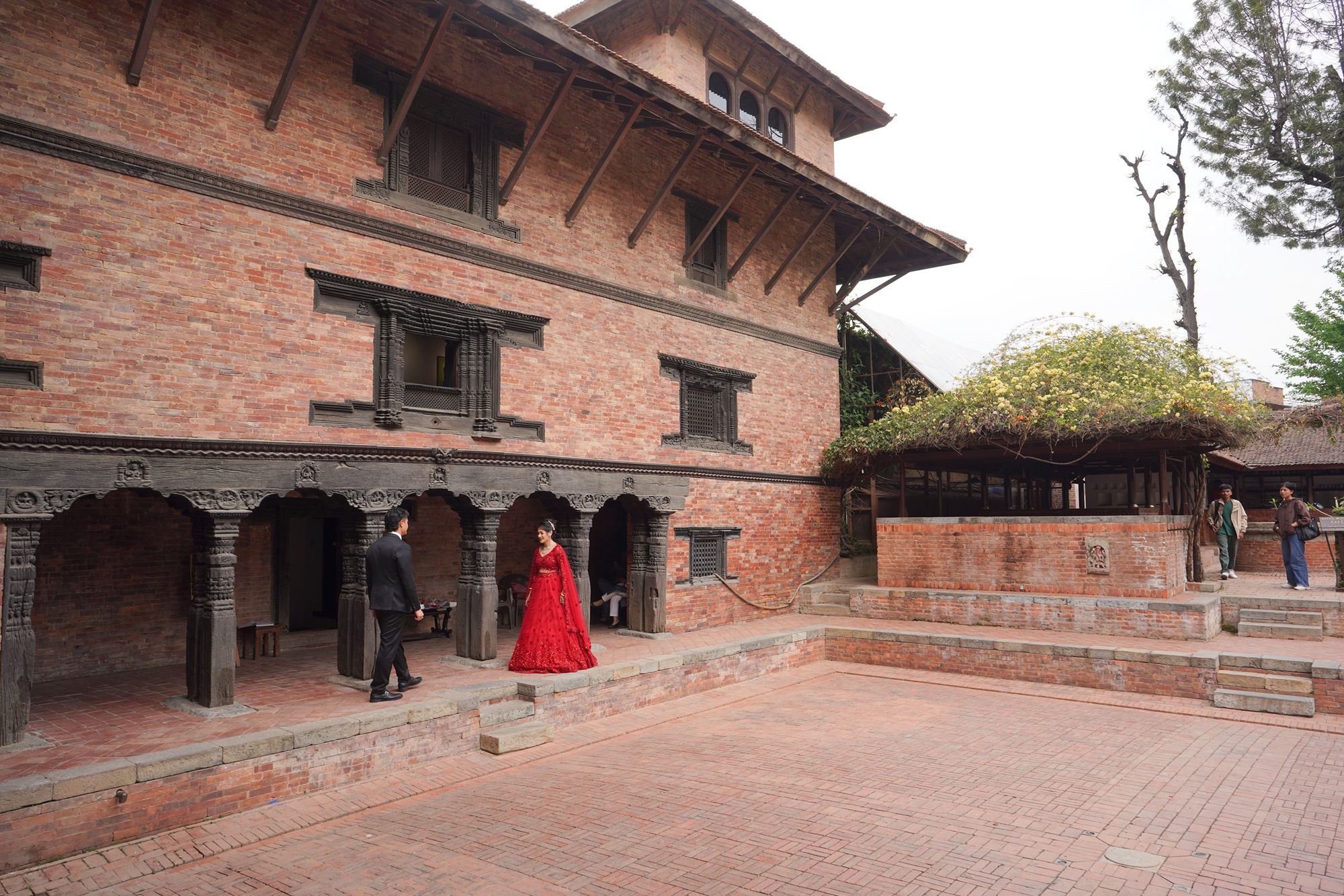
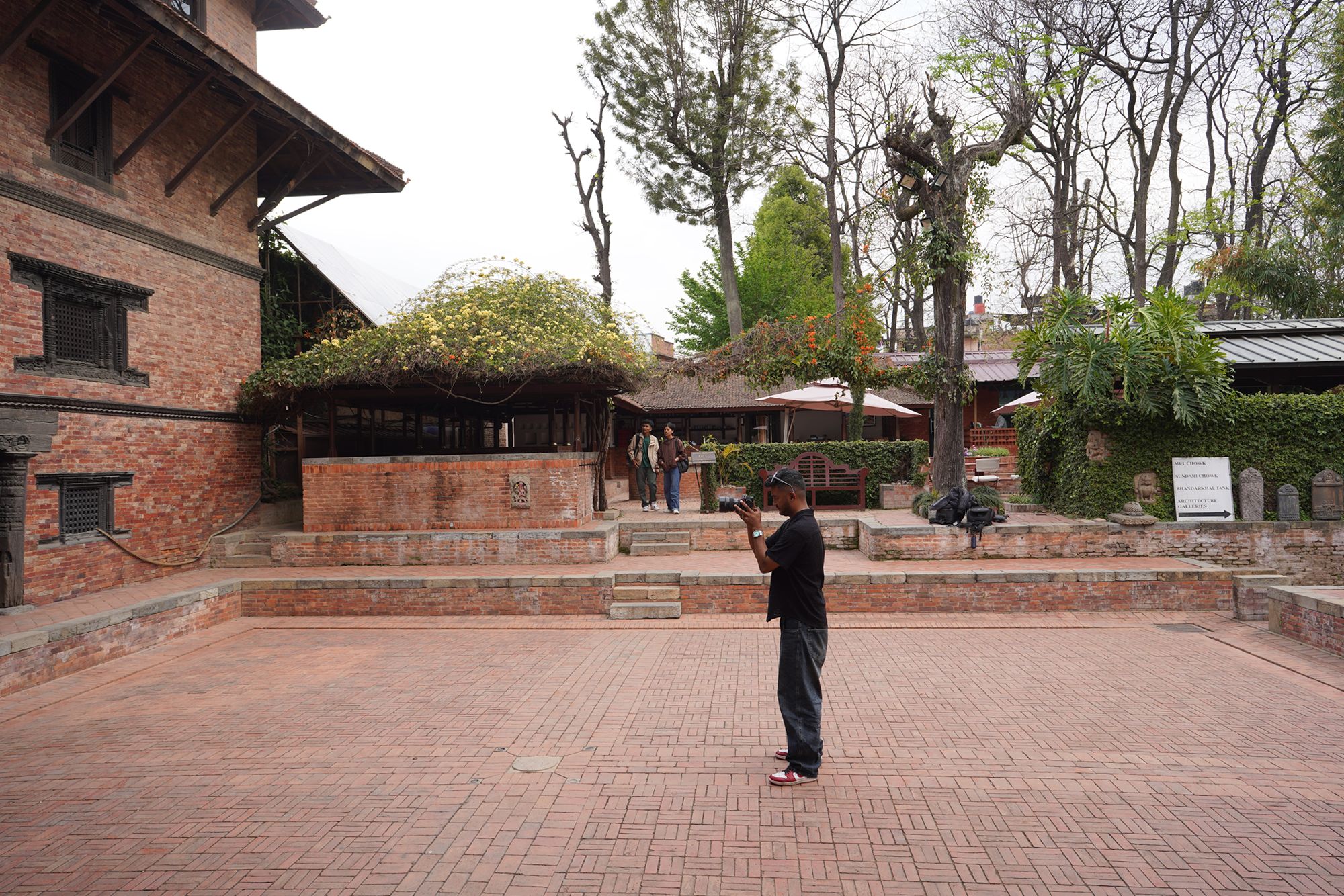
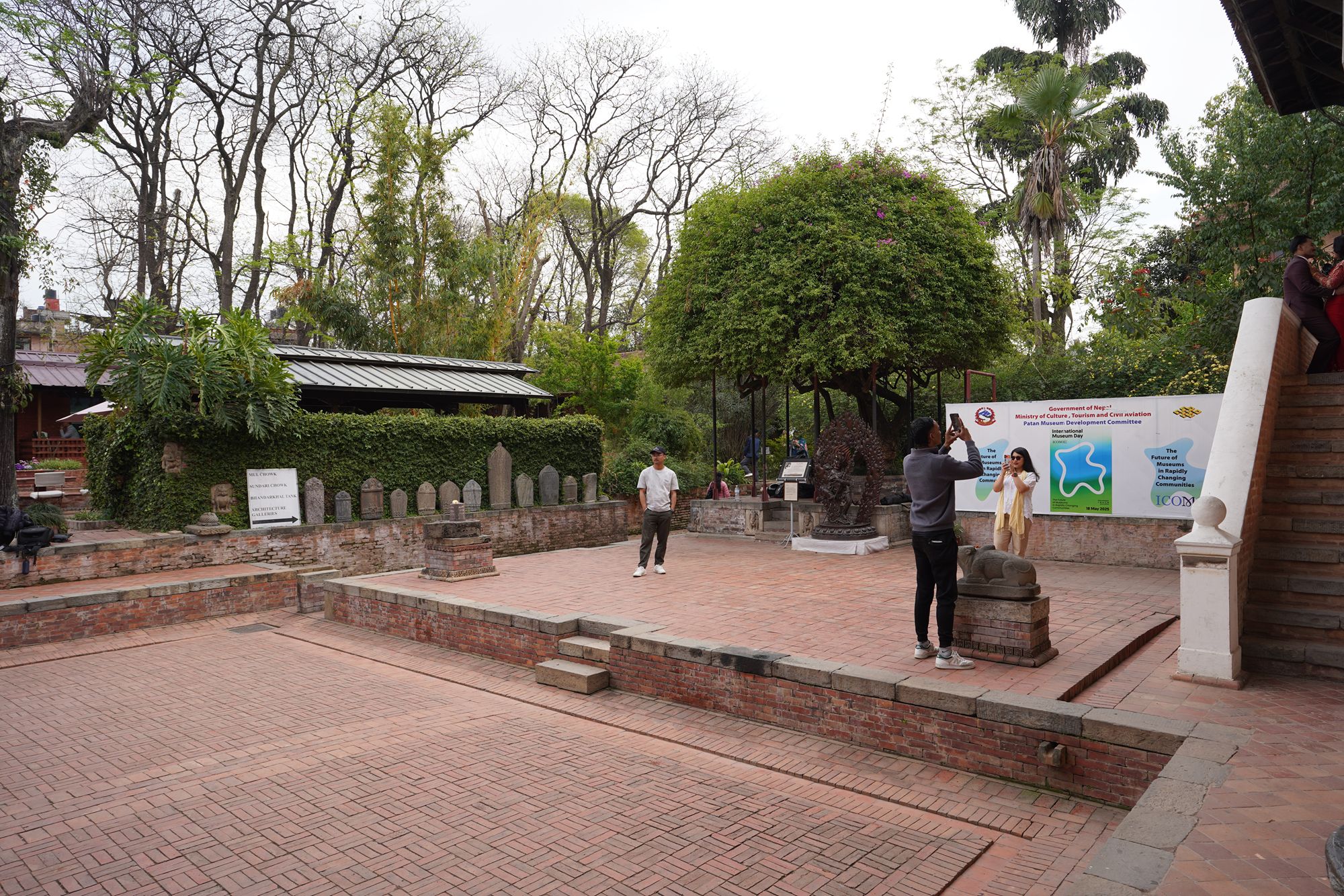
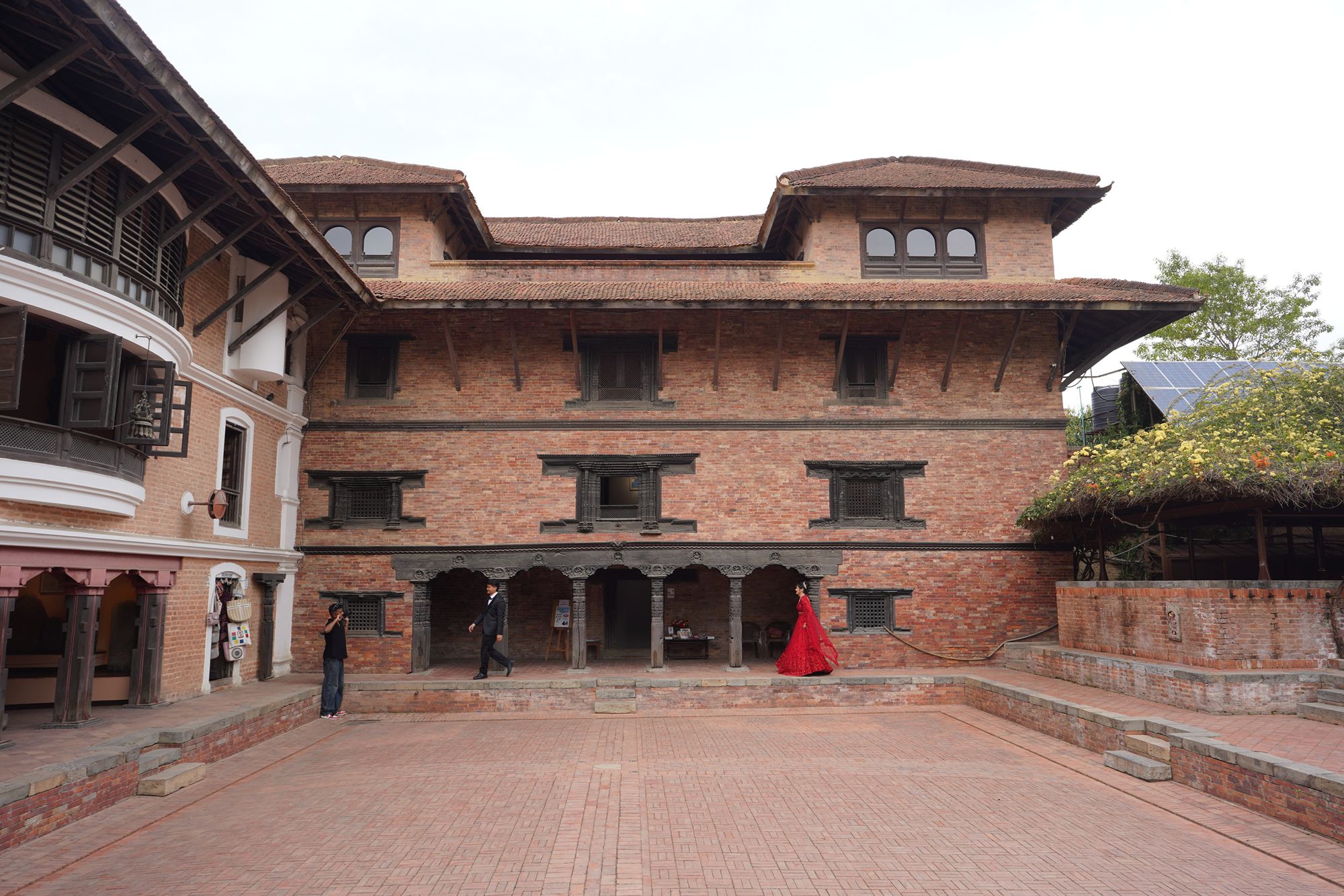
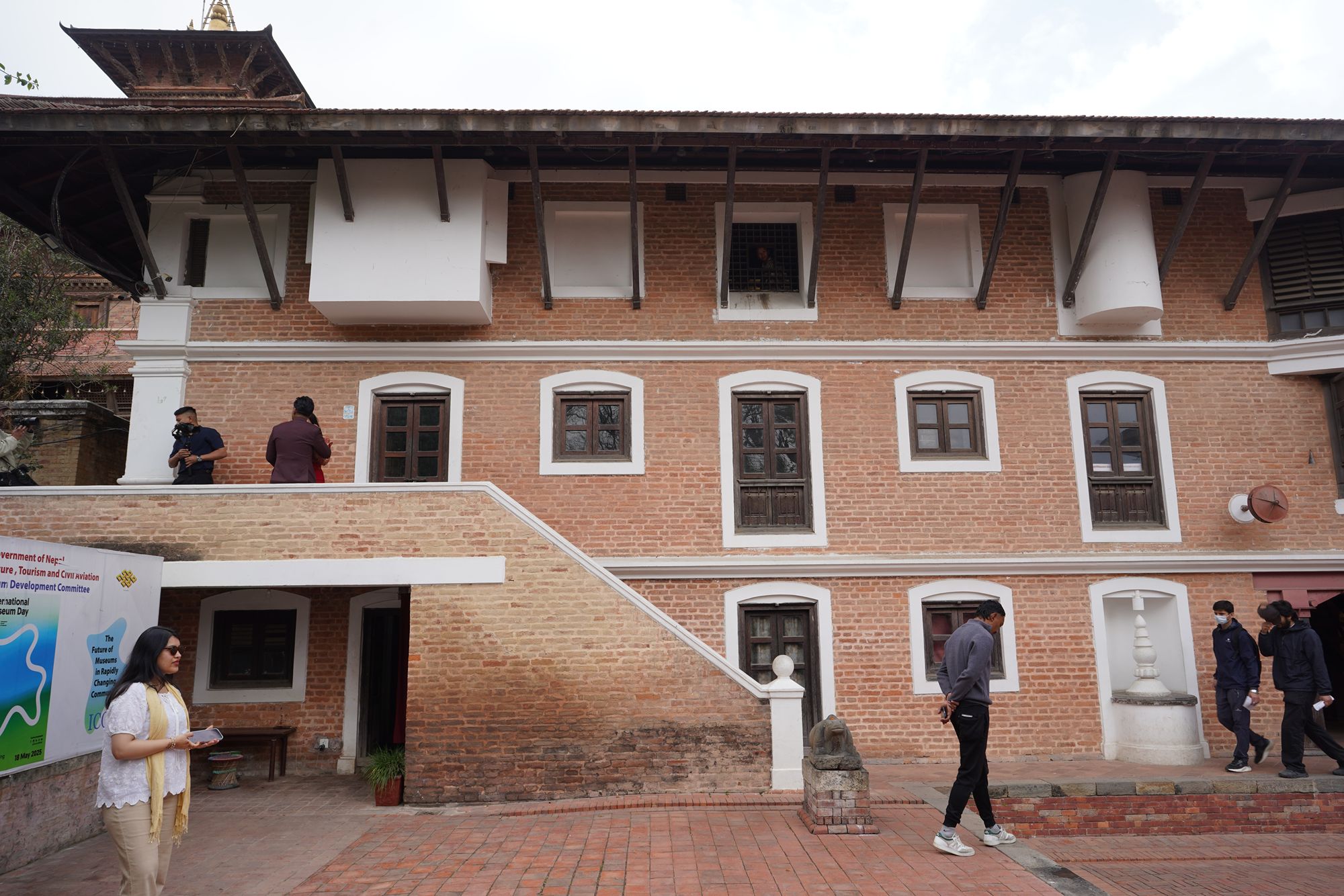
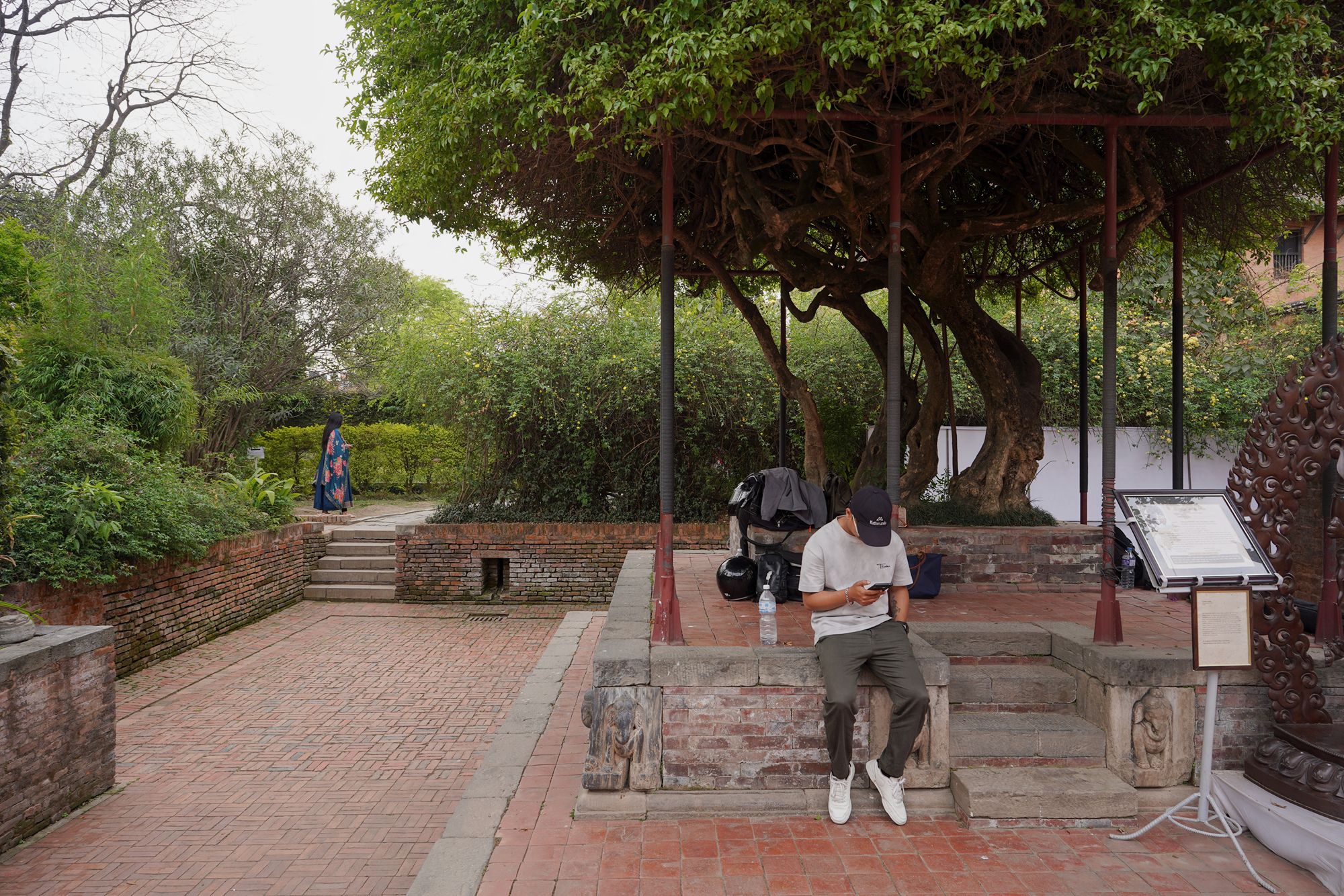
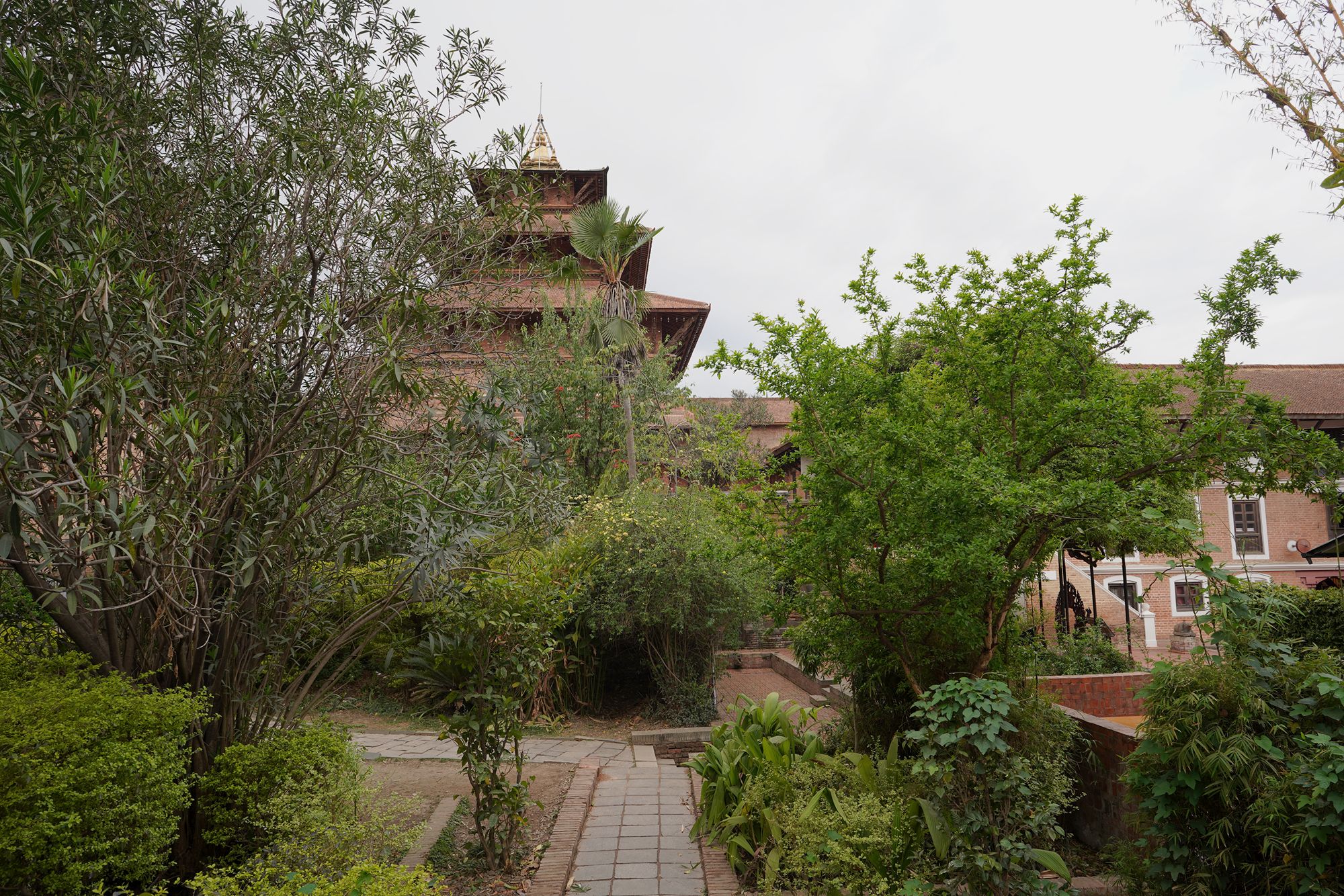
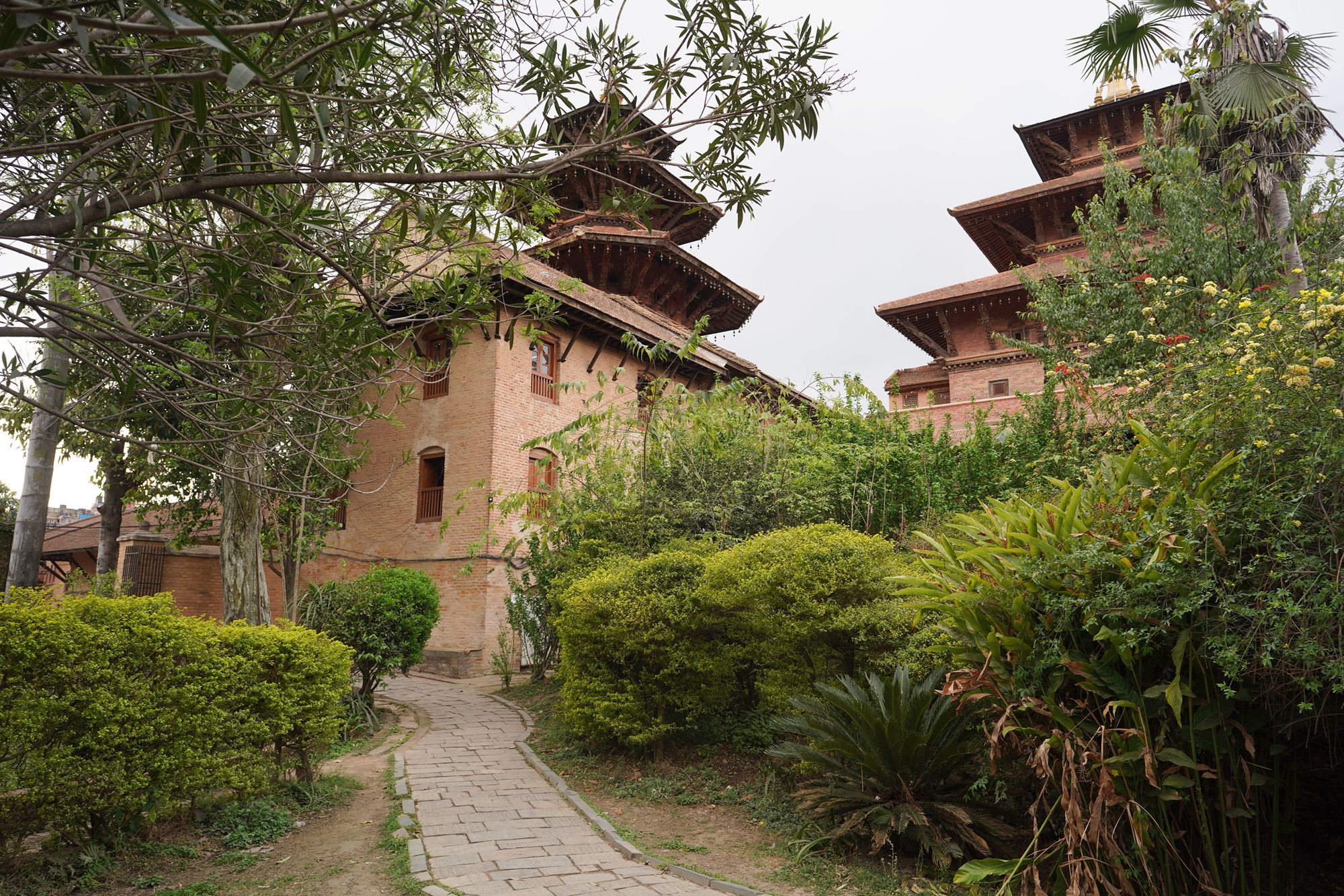
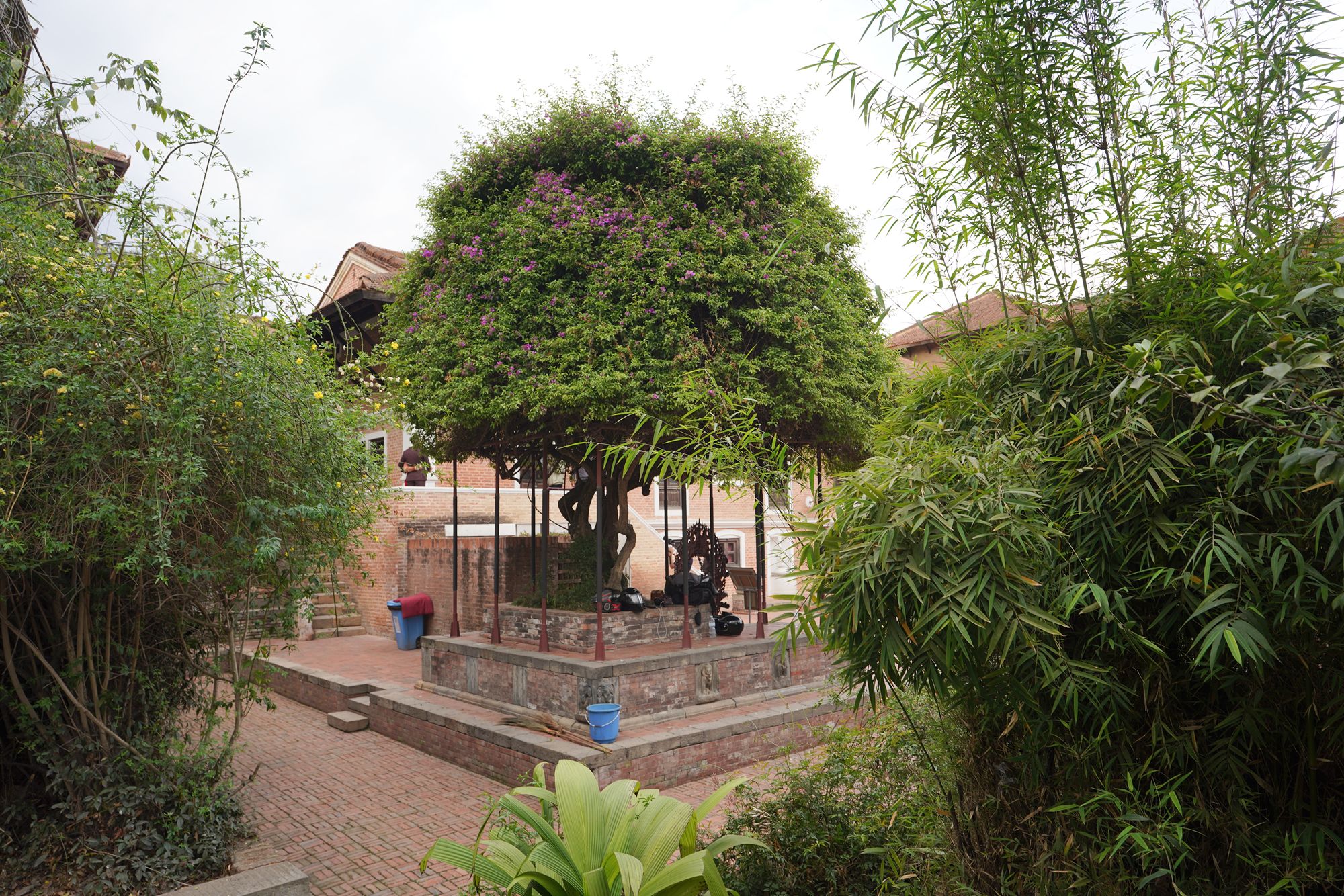
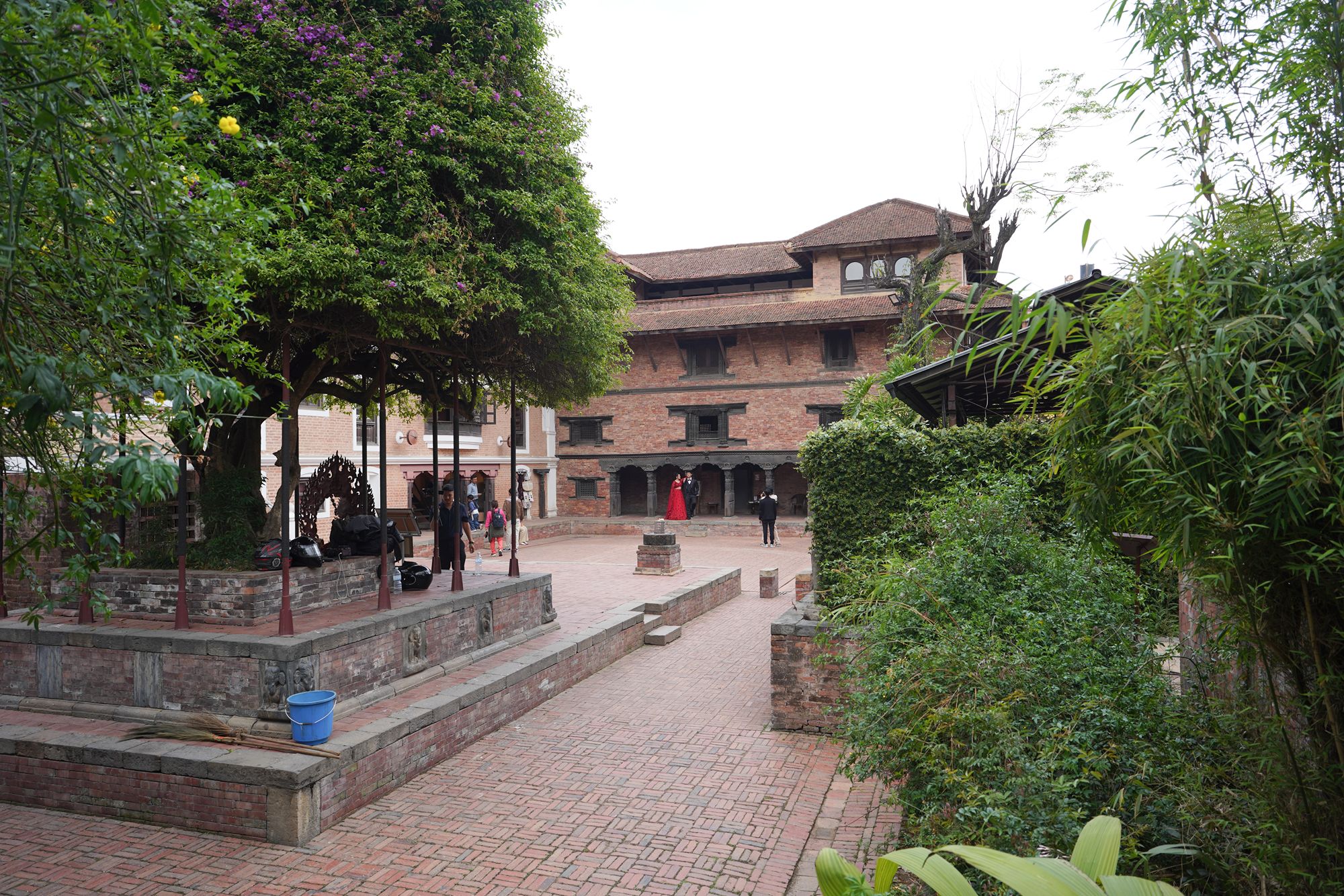
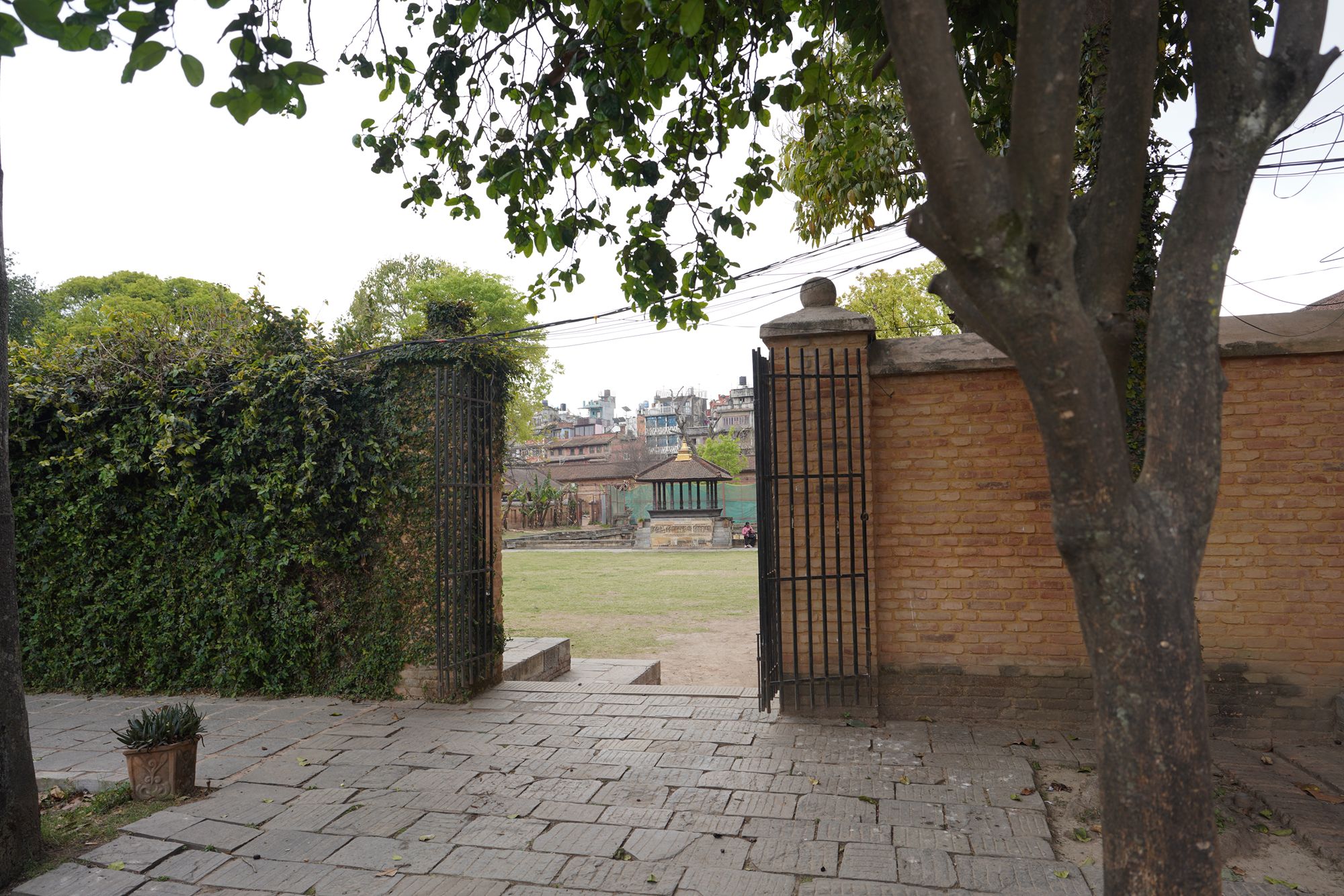
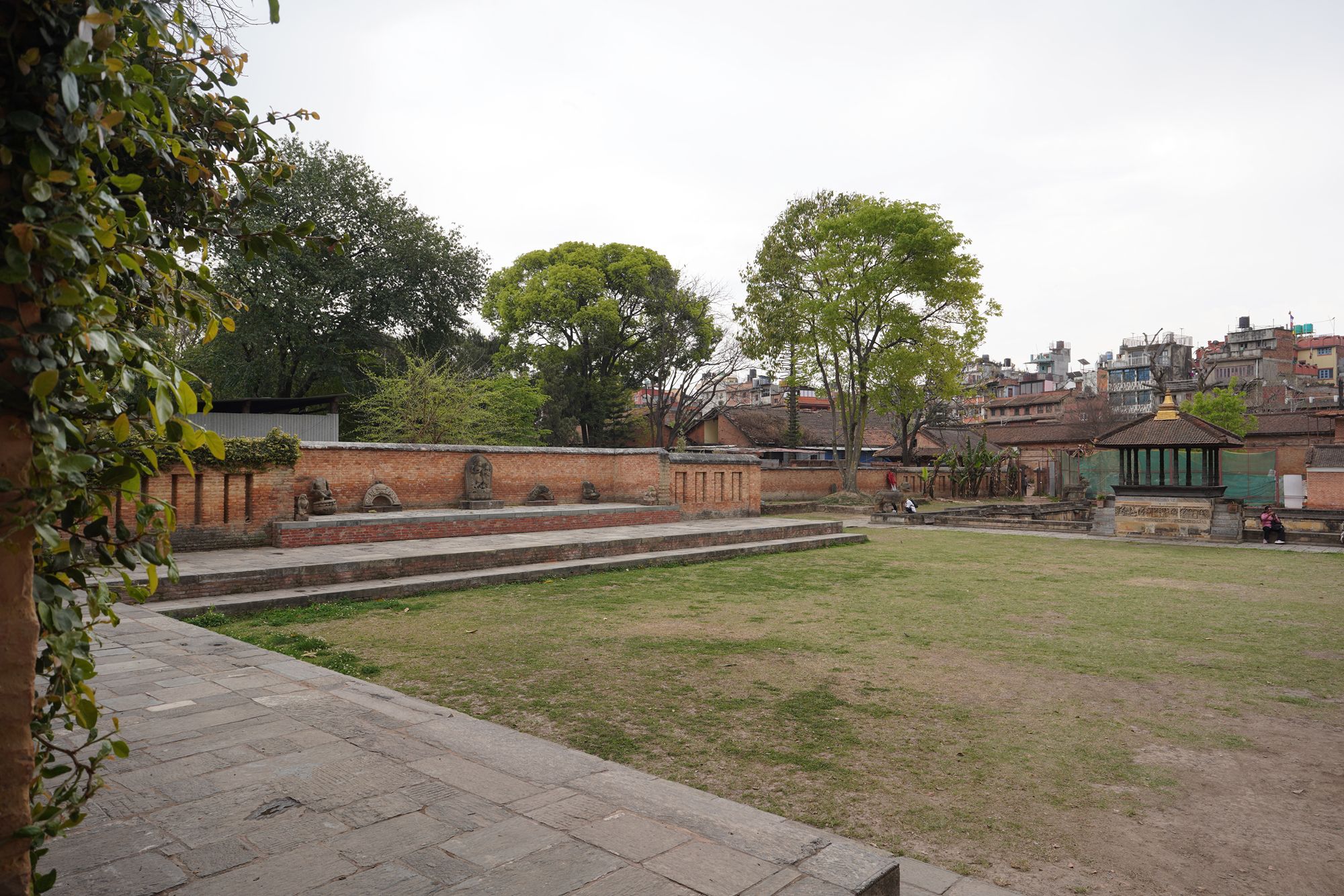
A peaceful garden beside one of the inner courtyards of the Patan Royal Palace.
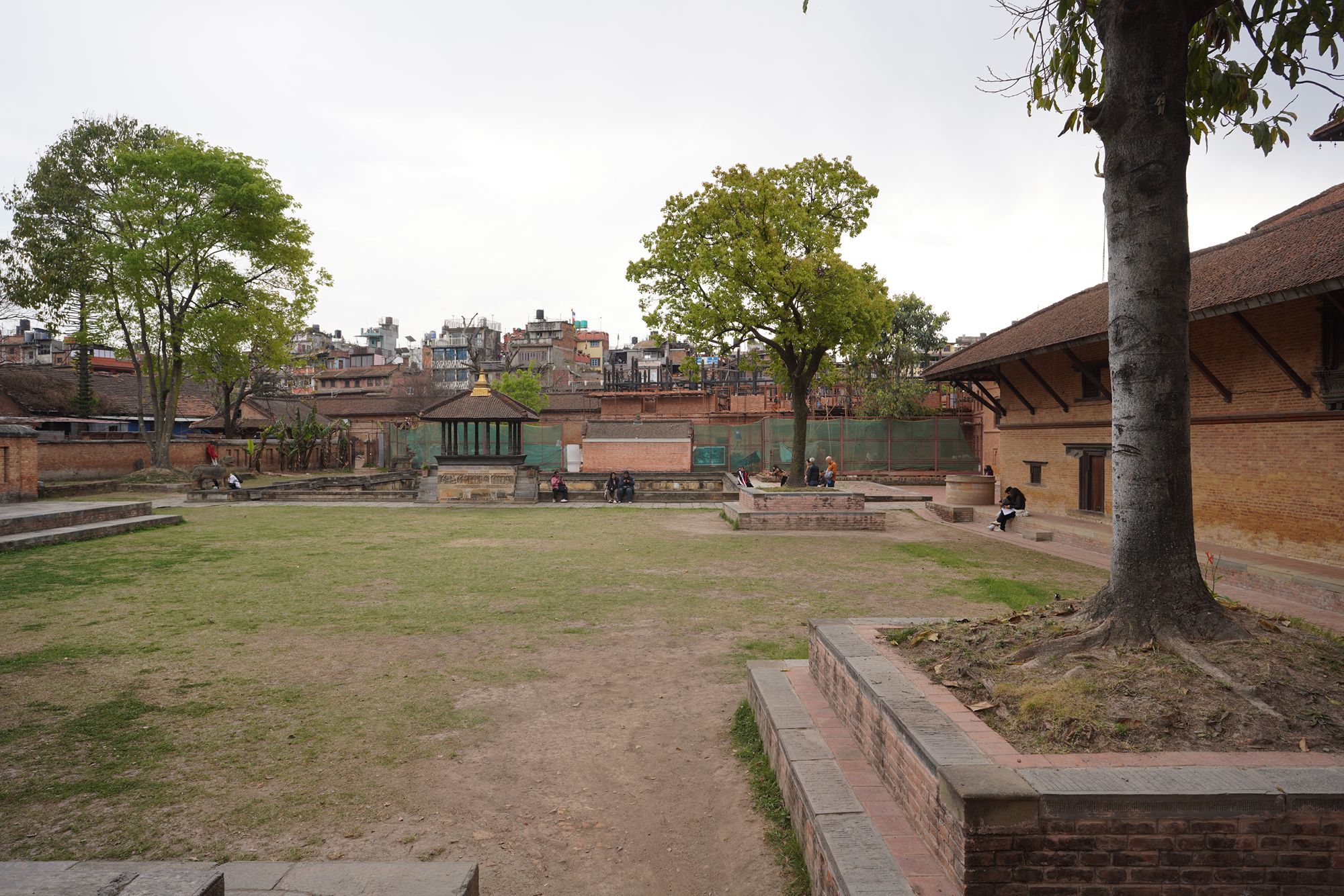
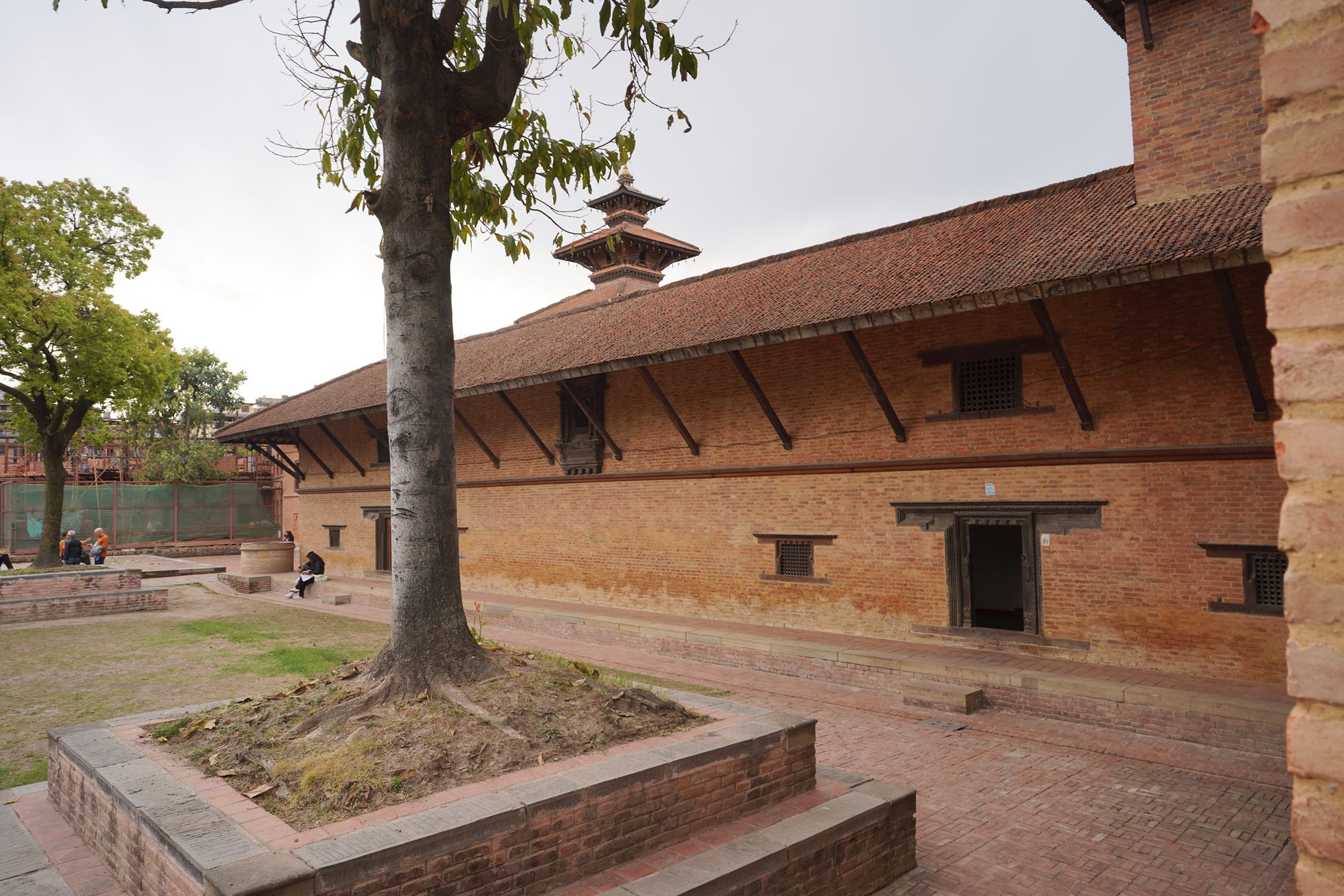
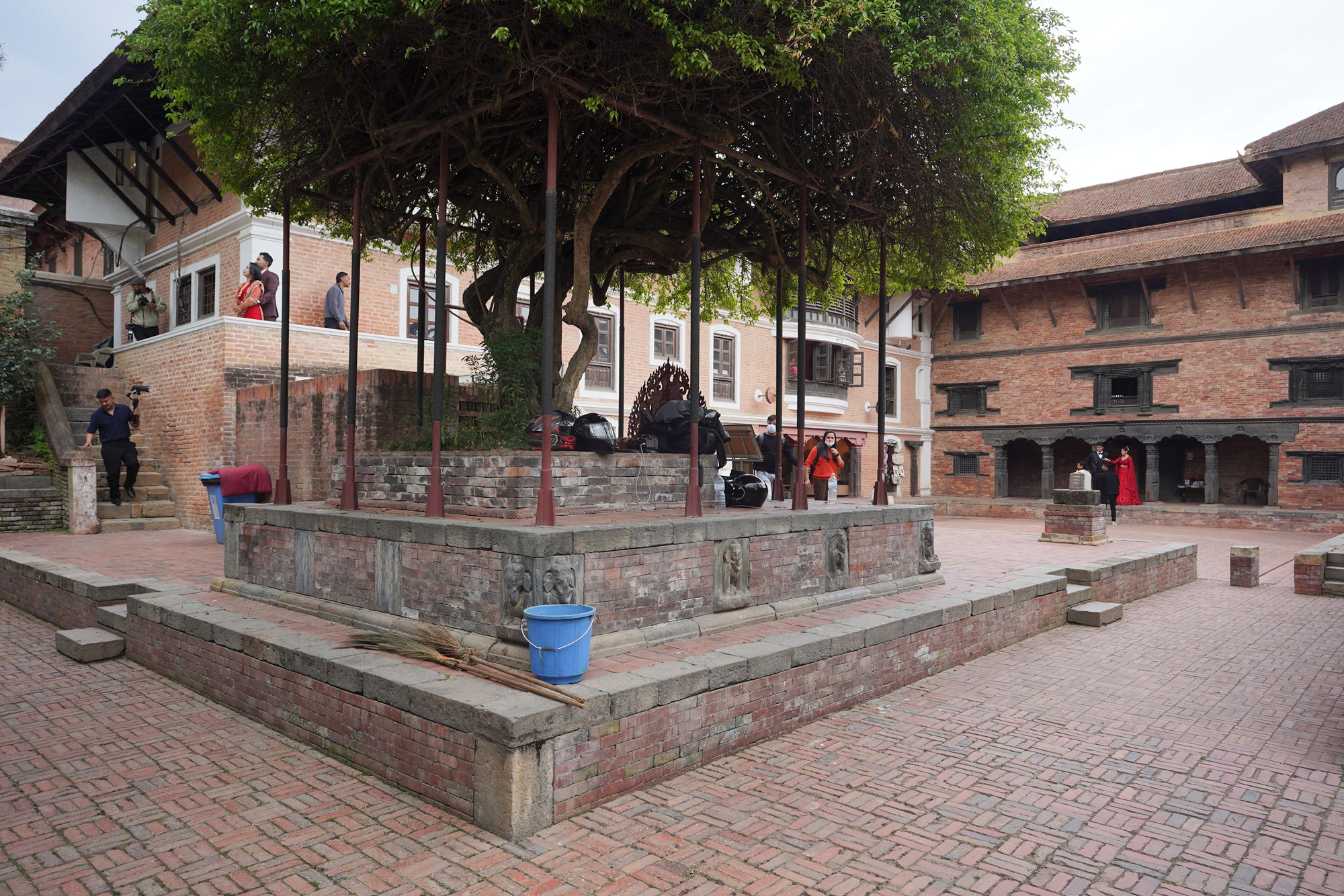
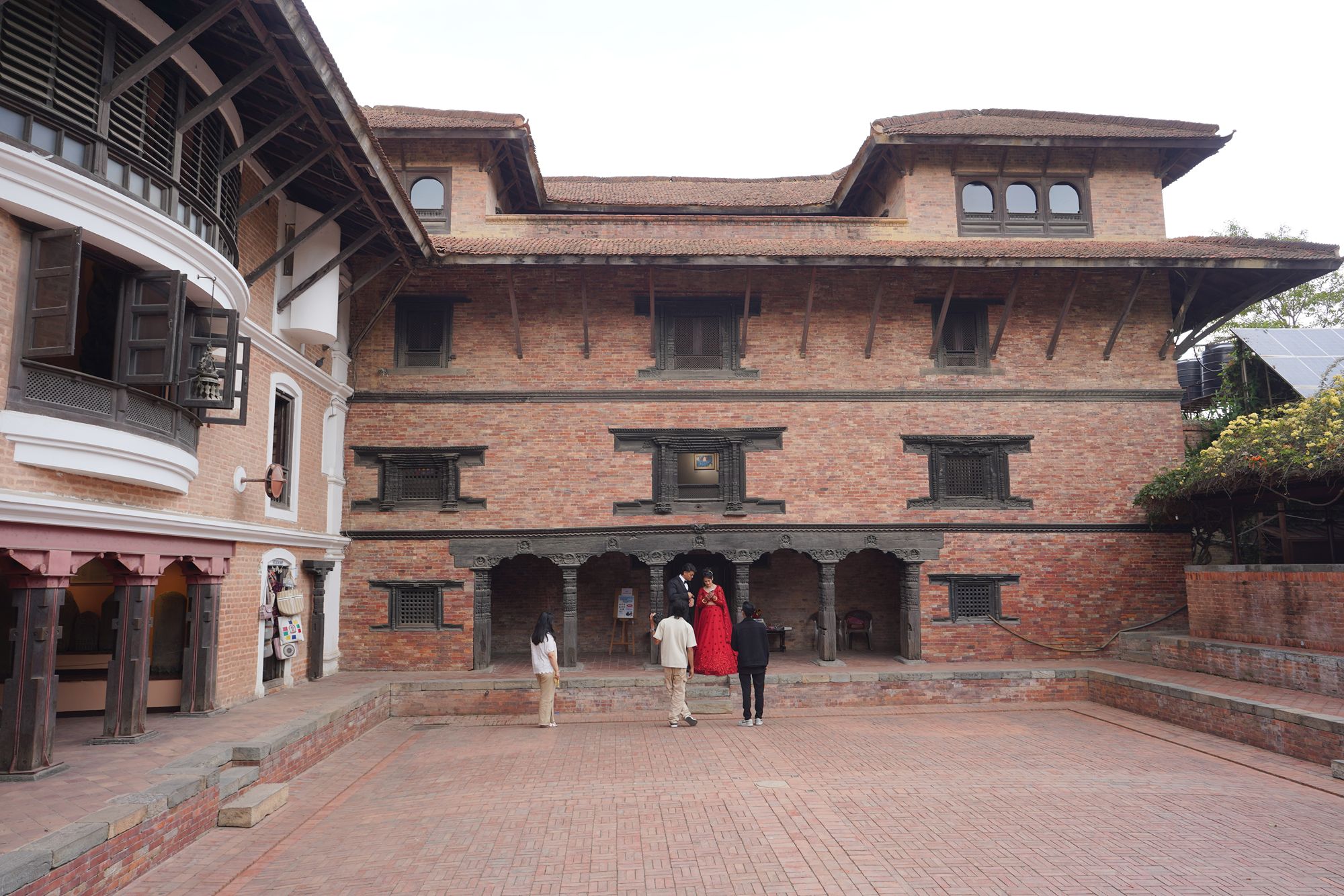
A description on the palace building
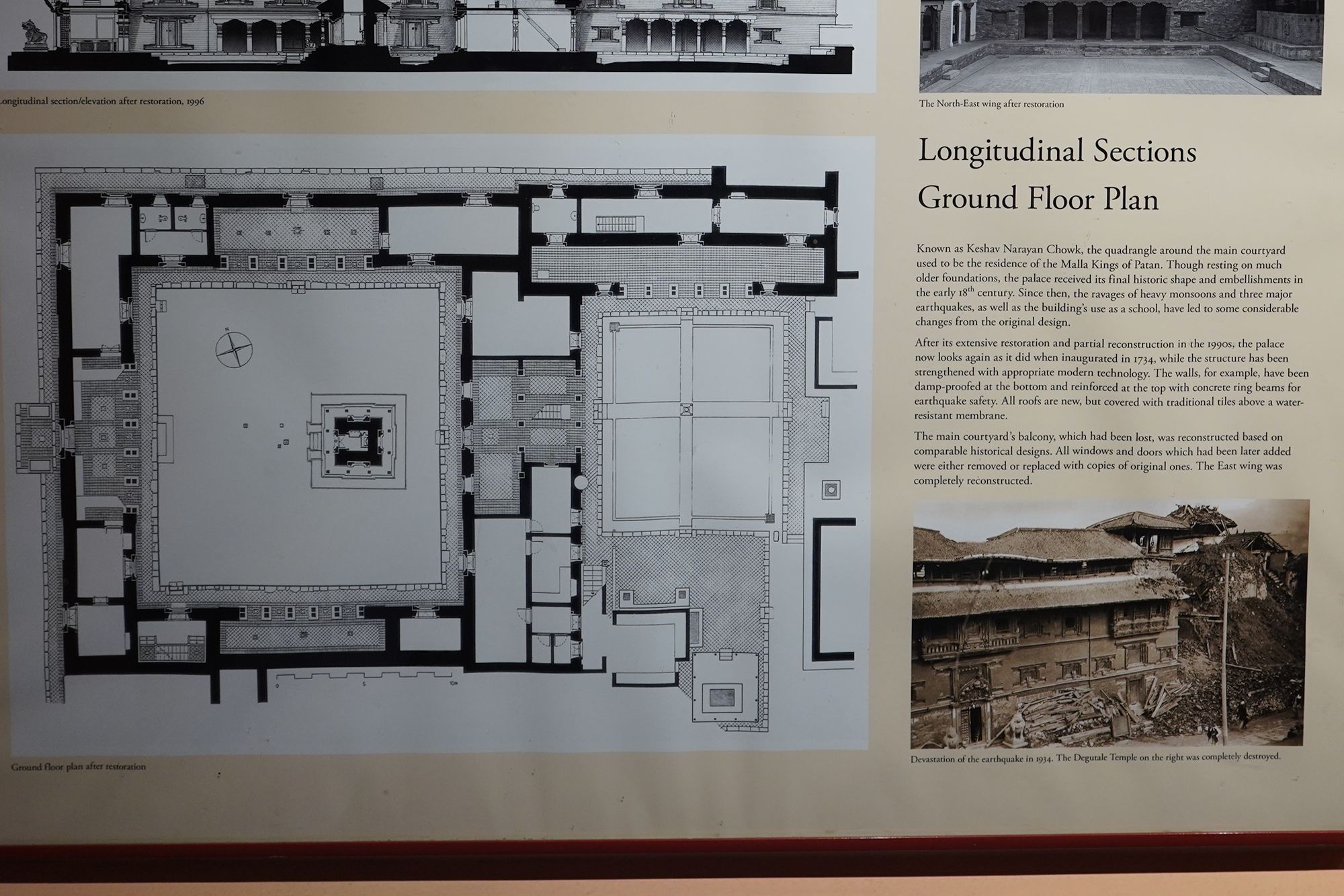
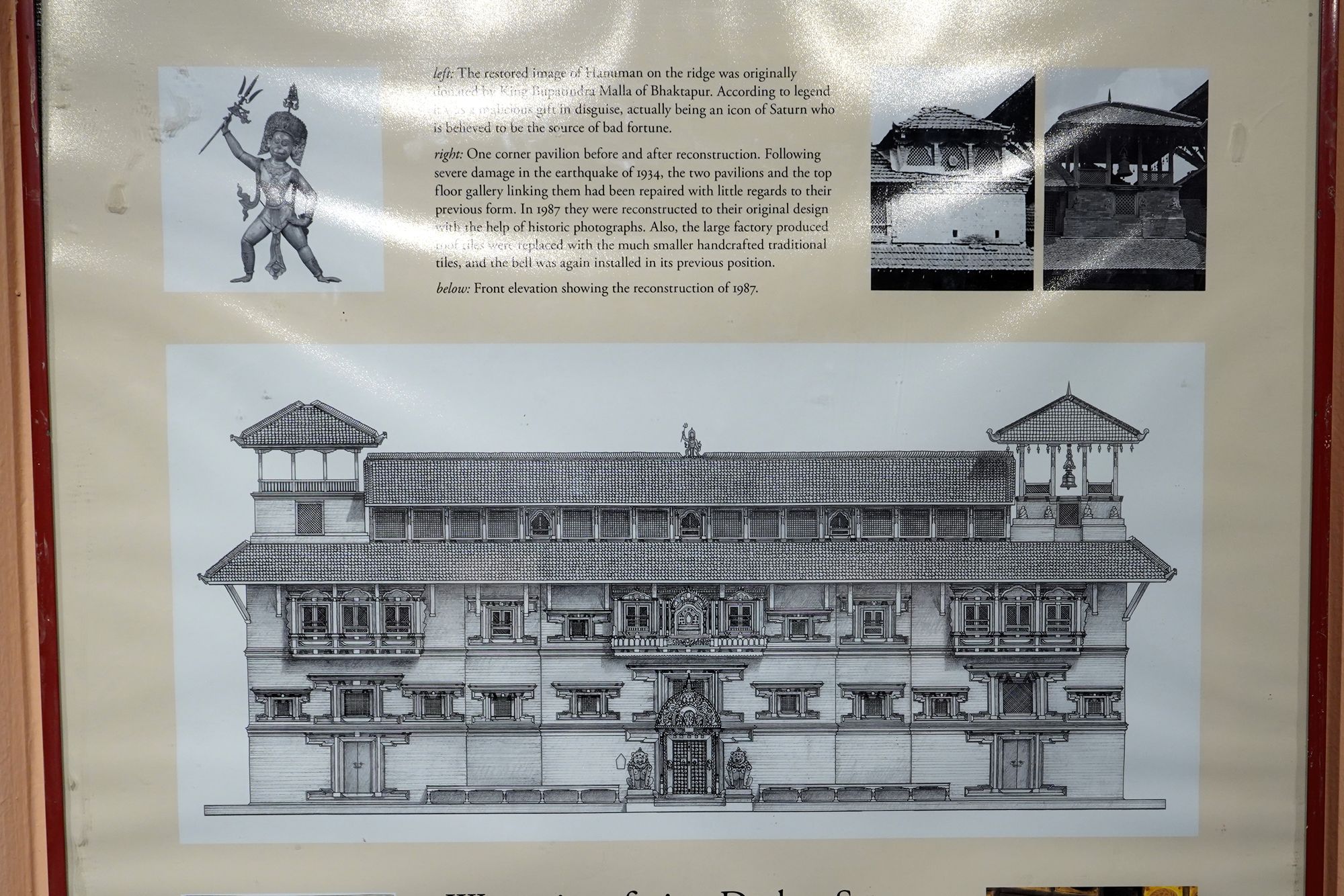
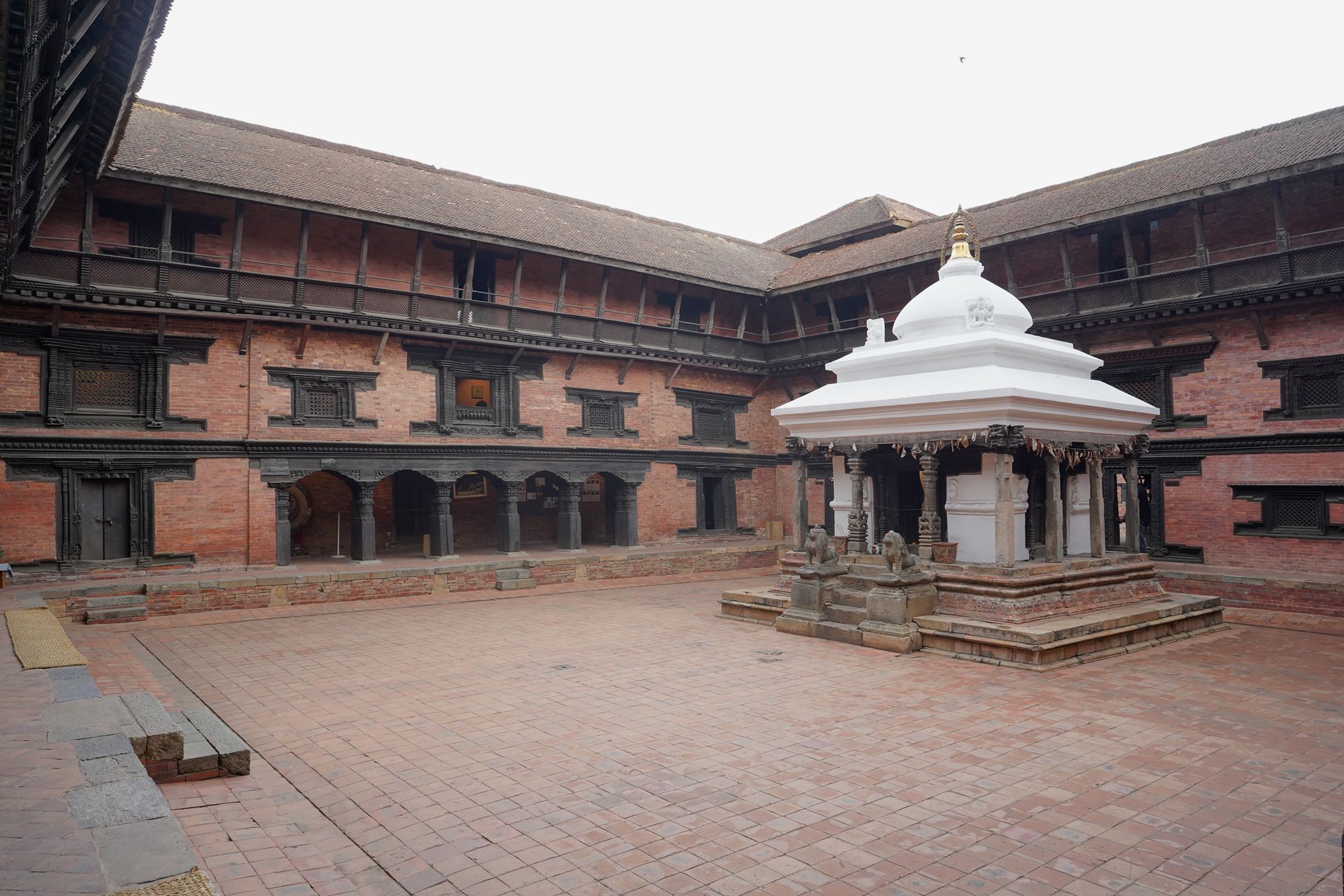
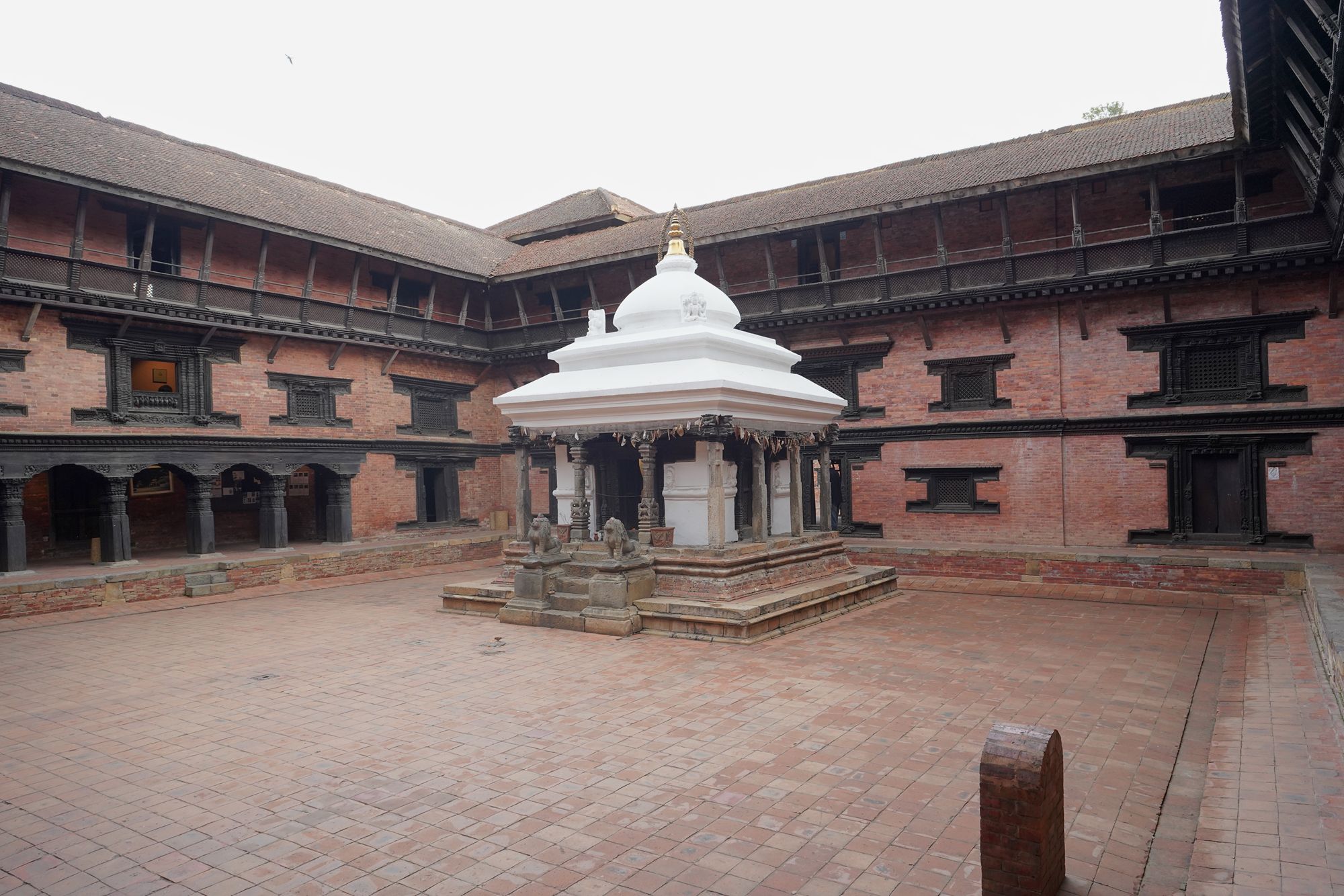
I came back to the first courtyard that I had visited earlier.
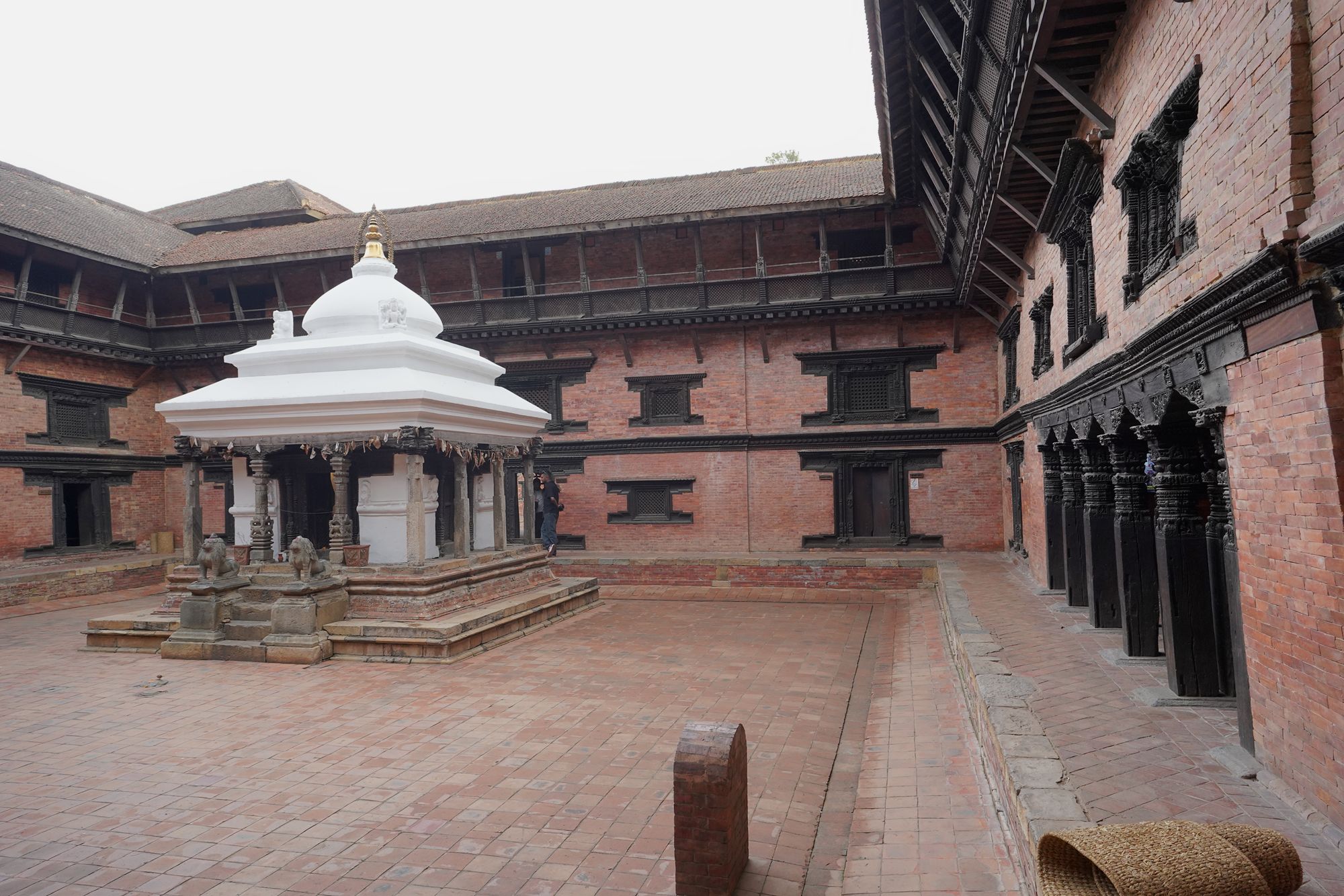
Then I walked back out of the palace and returned to Patan Durbar Square.
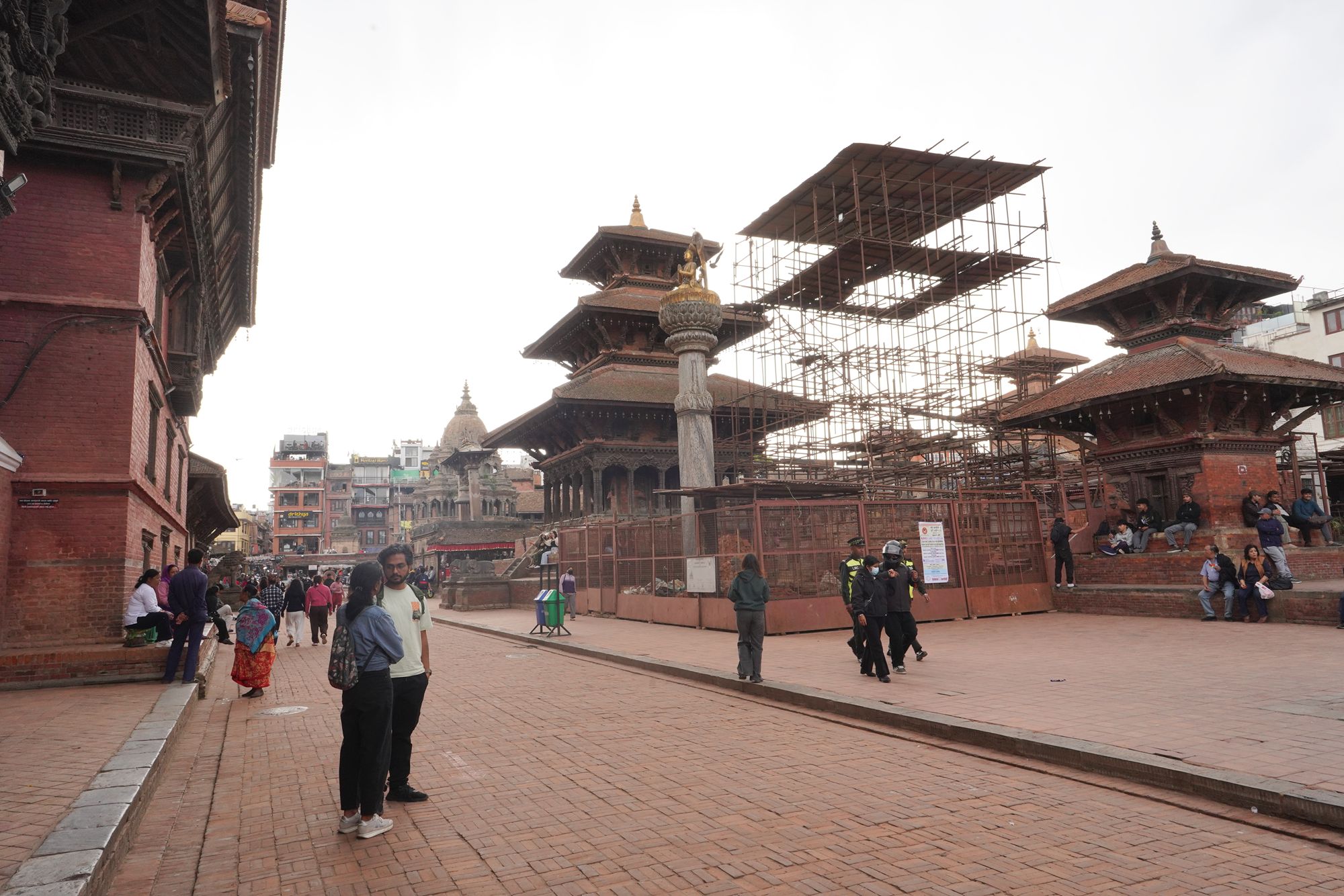
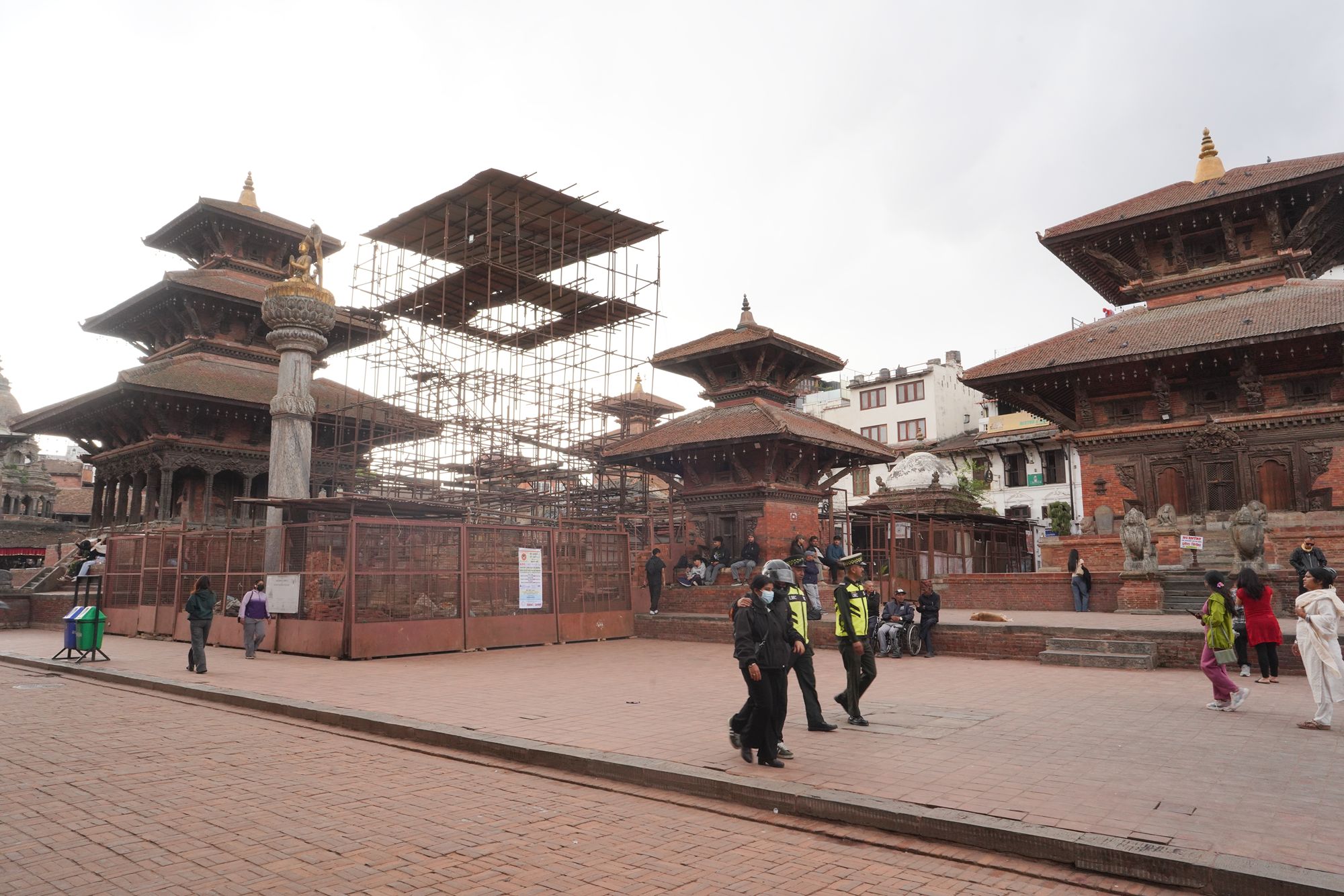
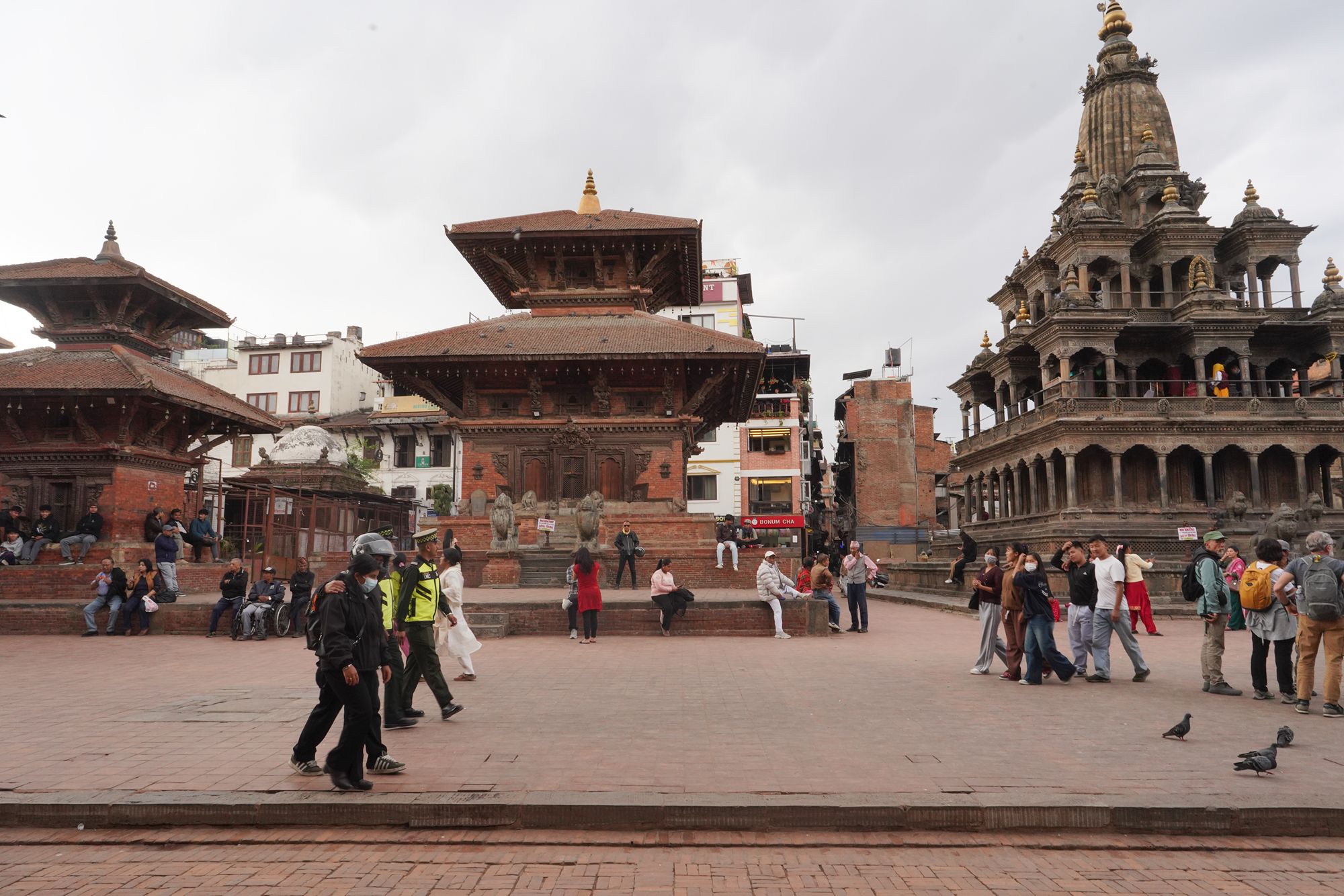
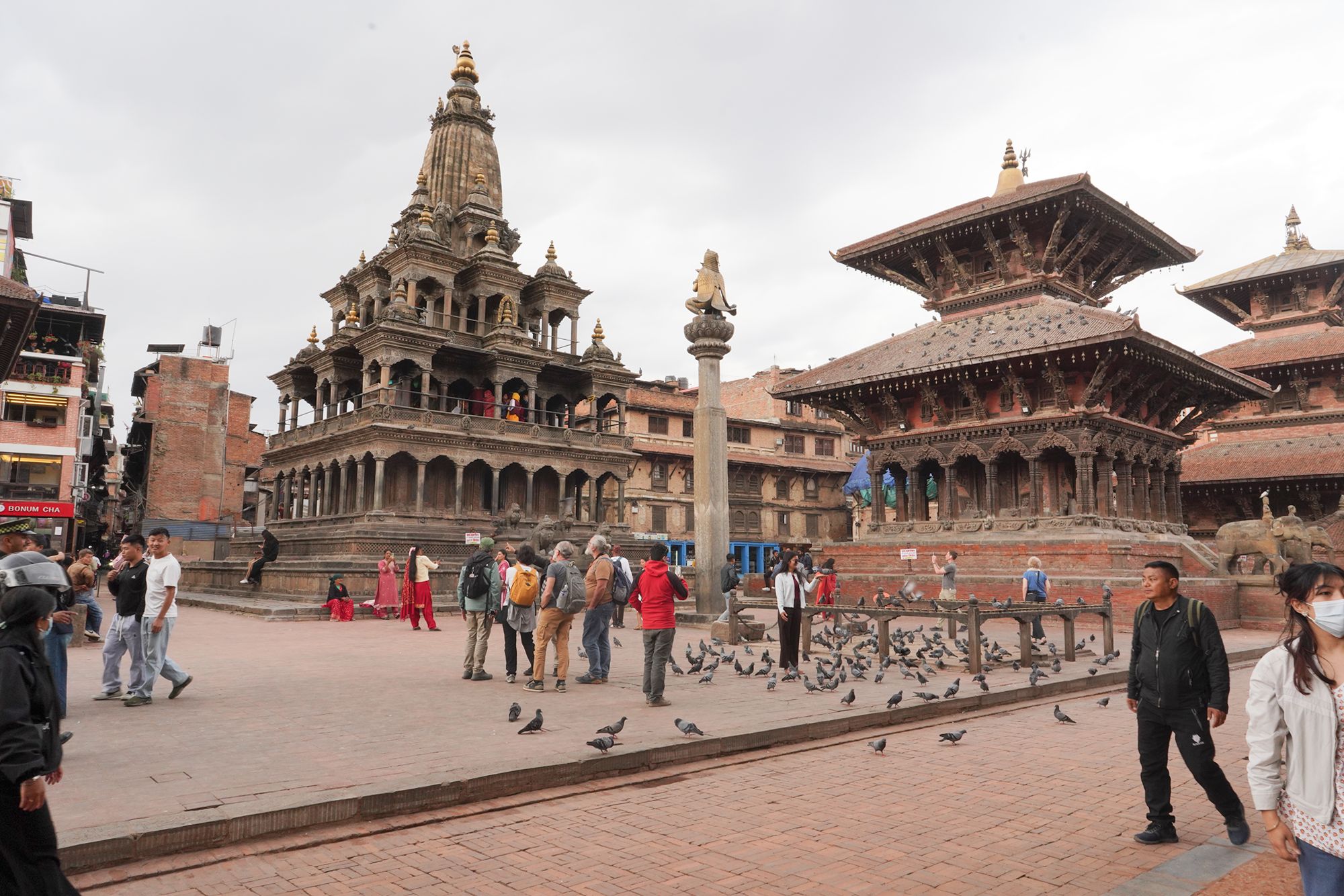
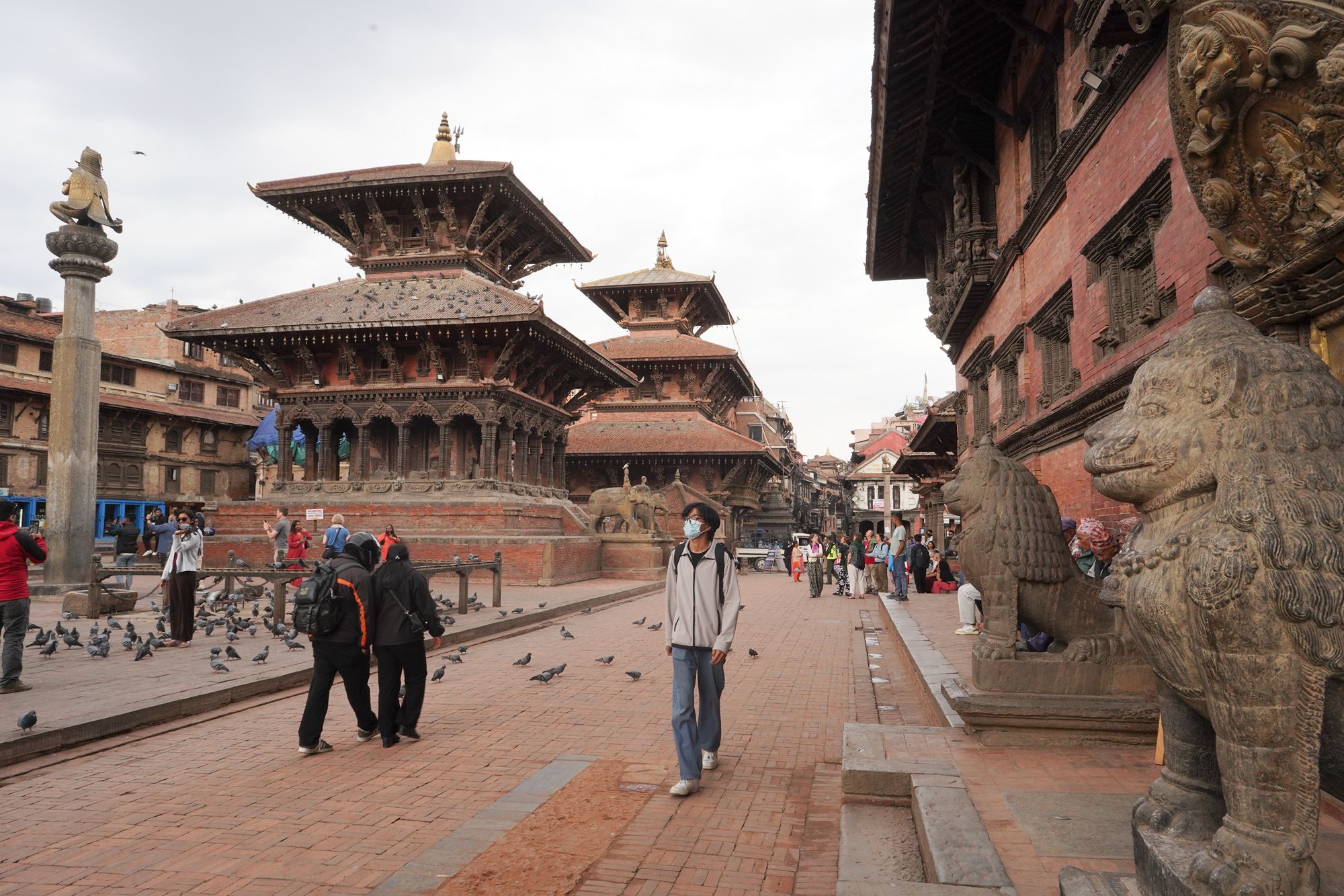
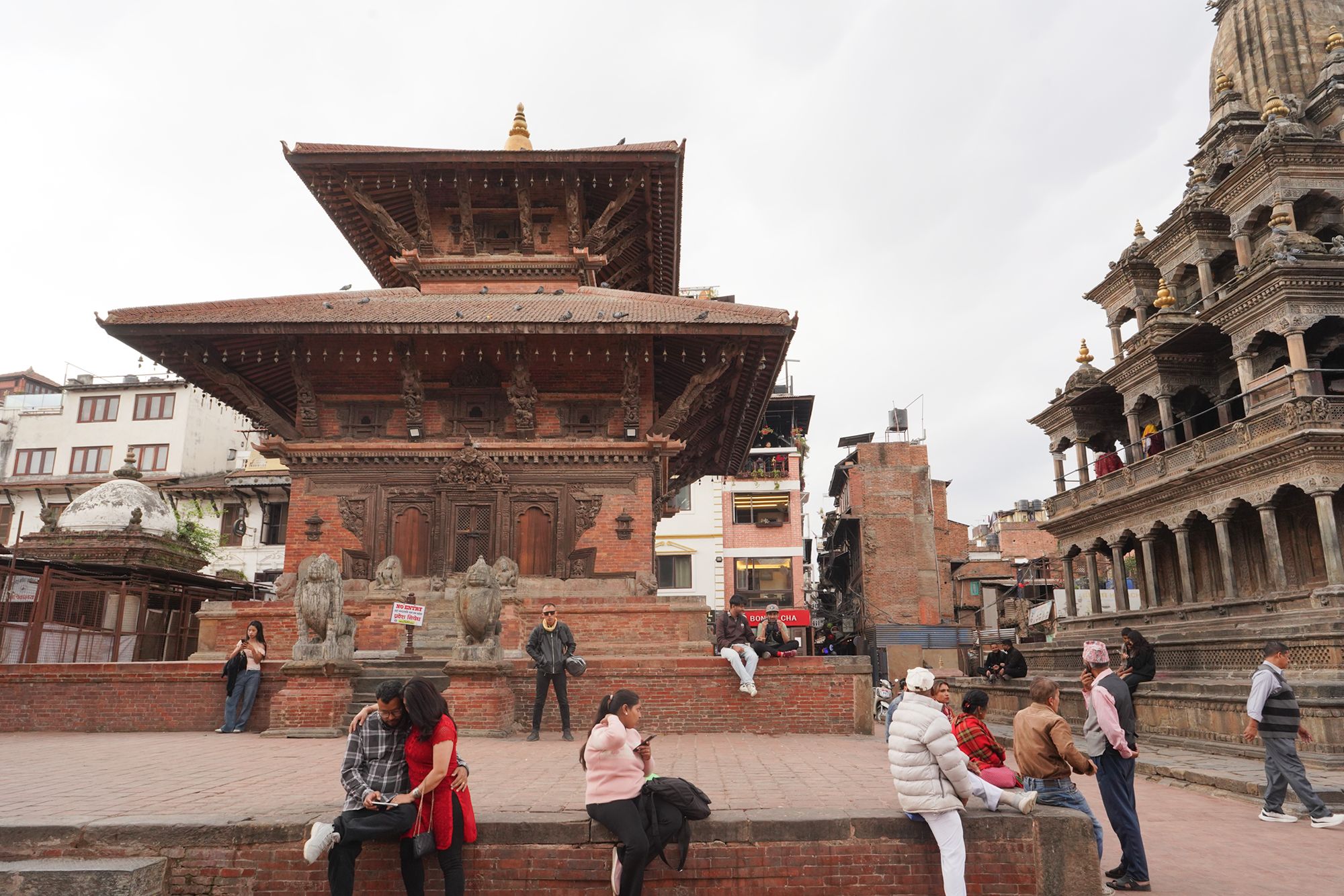
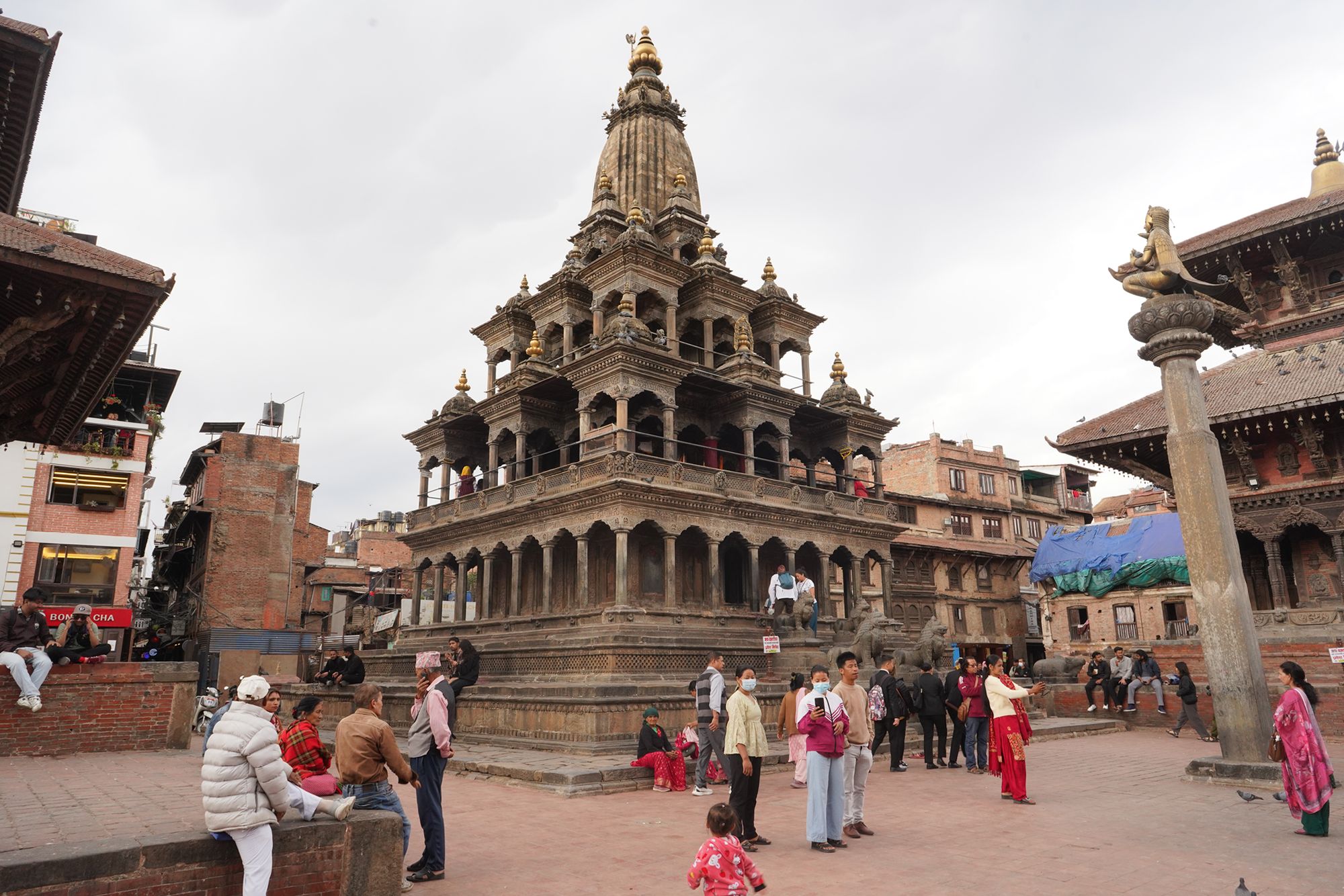
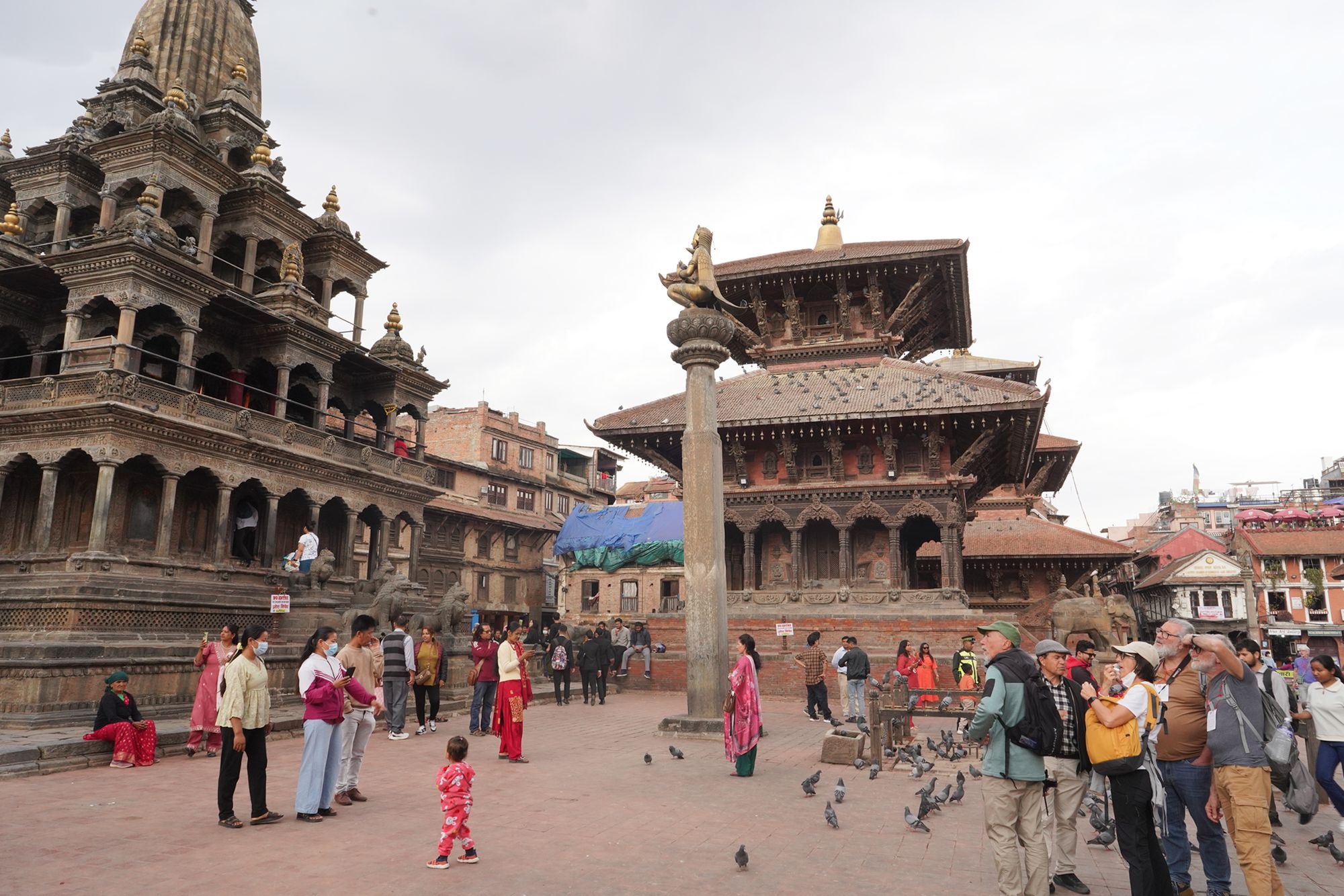
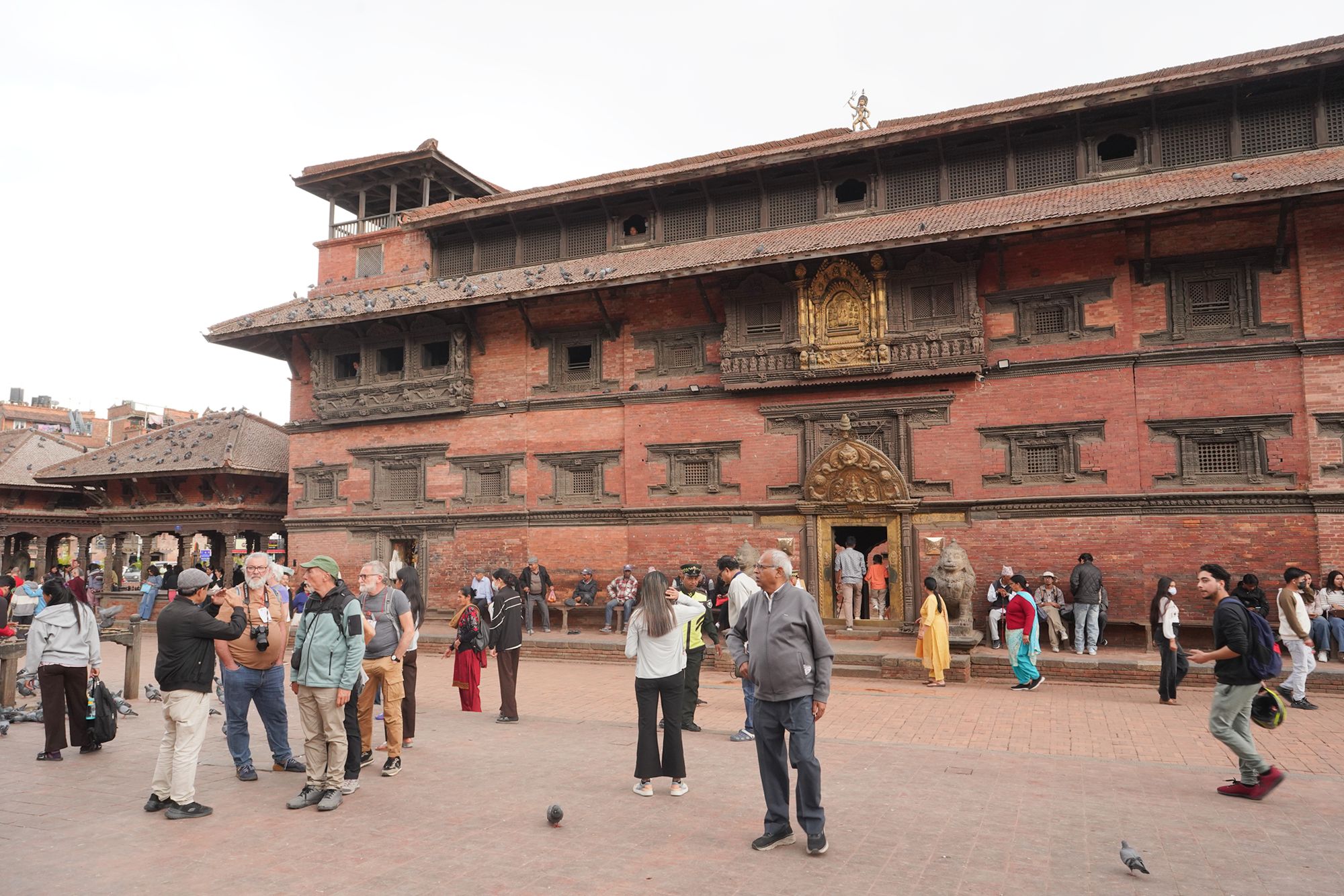
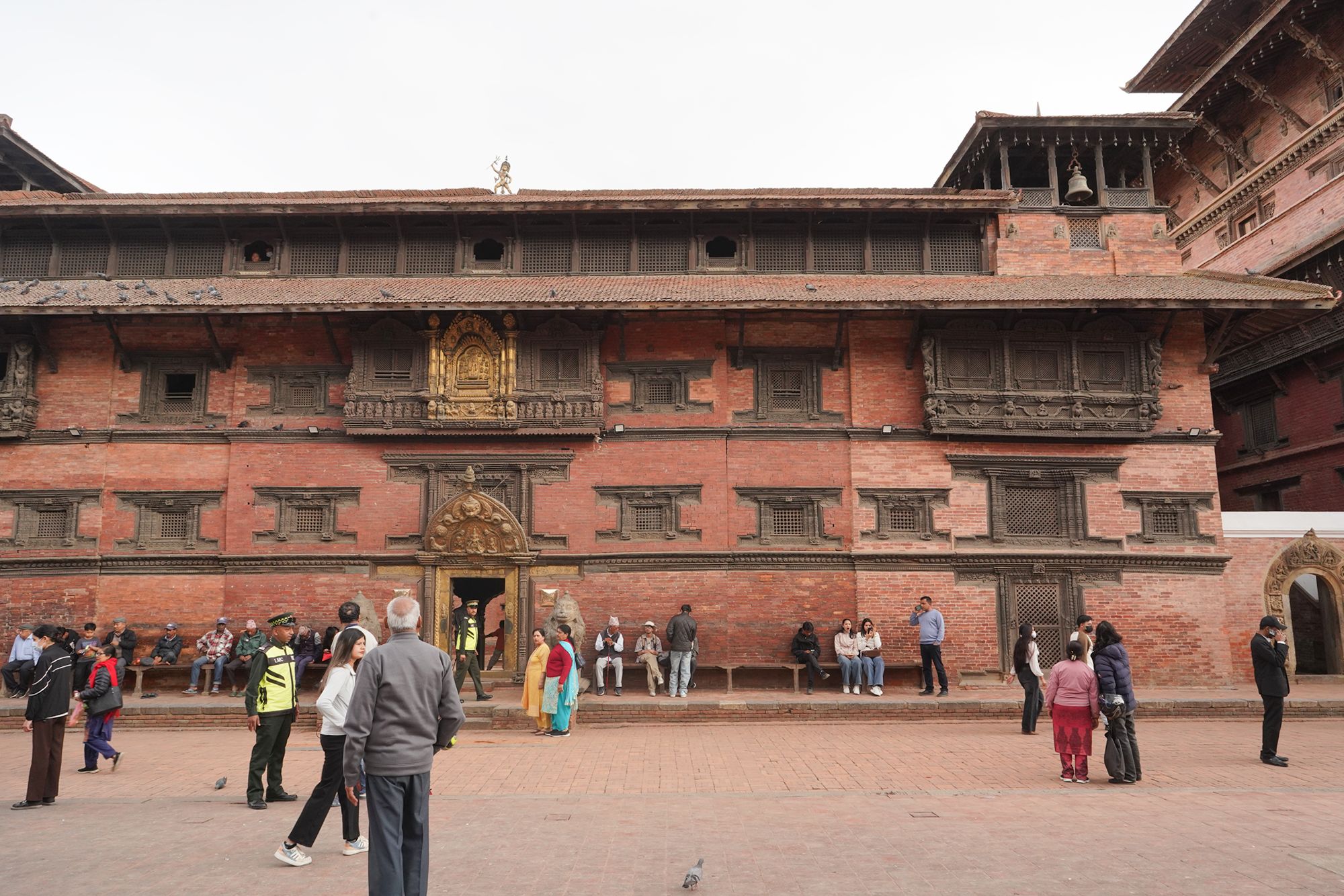
The front of the former Patan Royal Palace, facing Durbar Square.
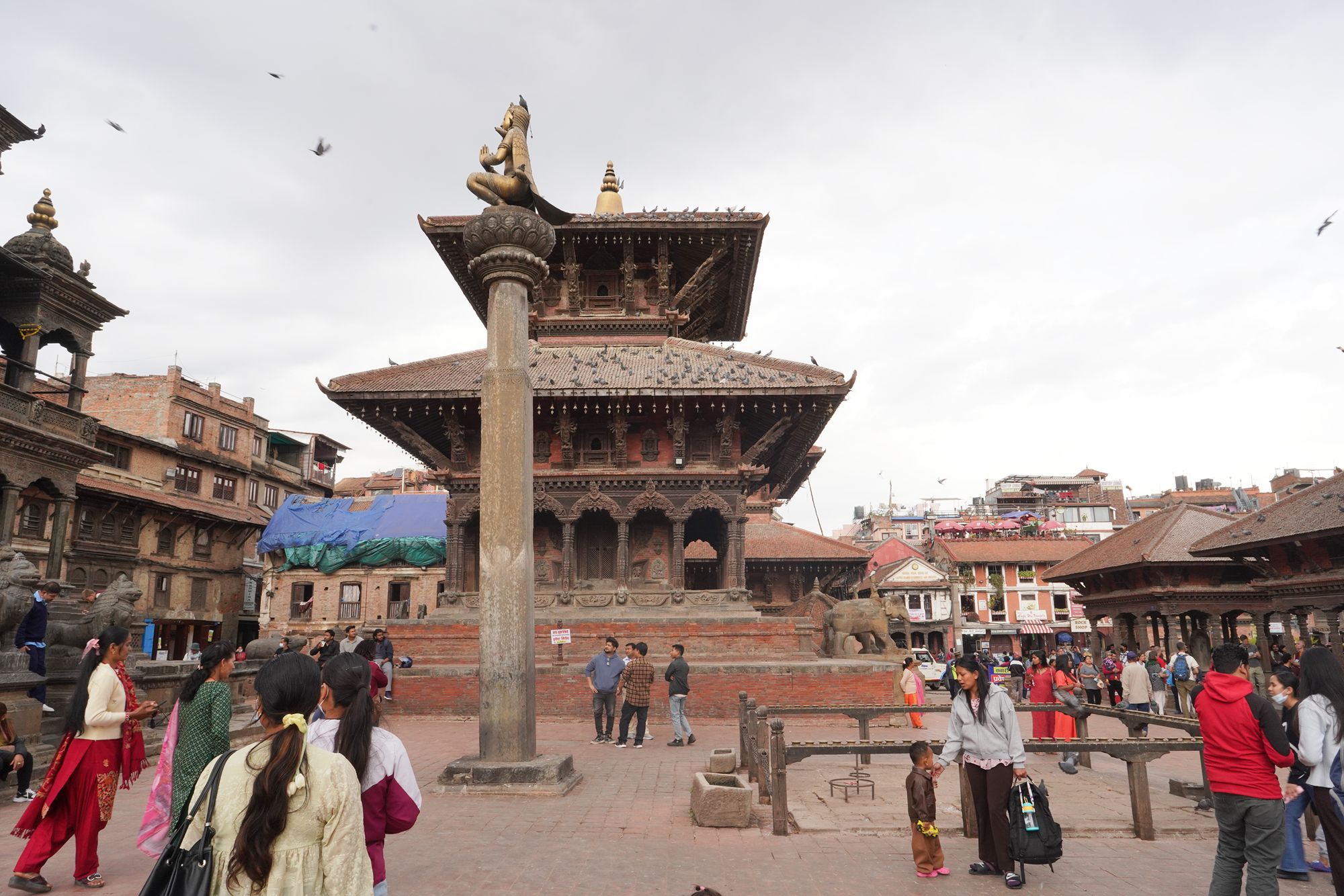
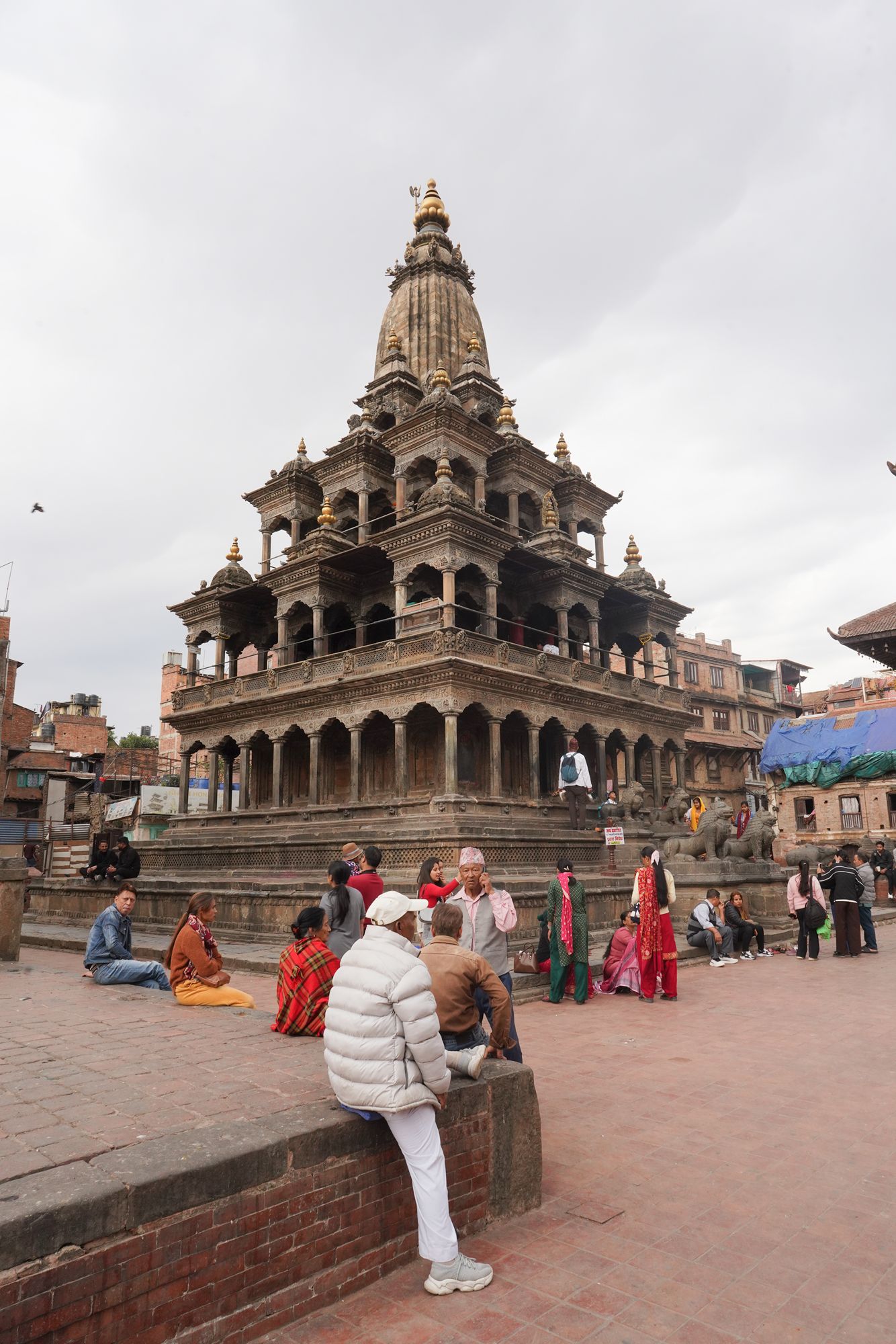
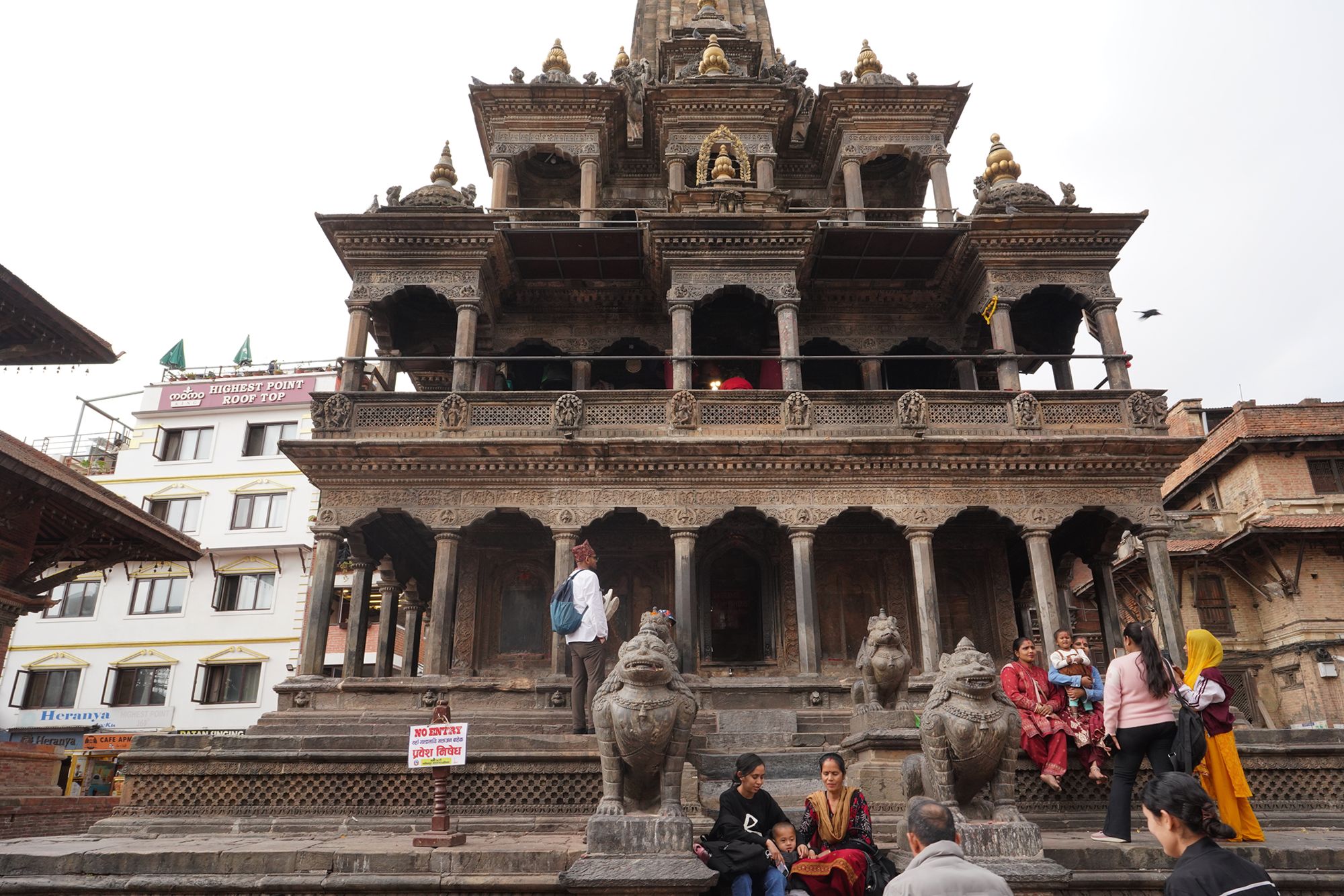
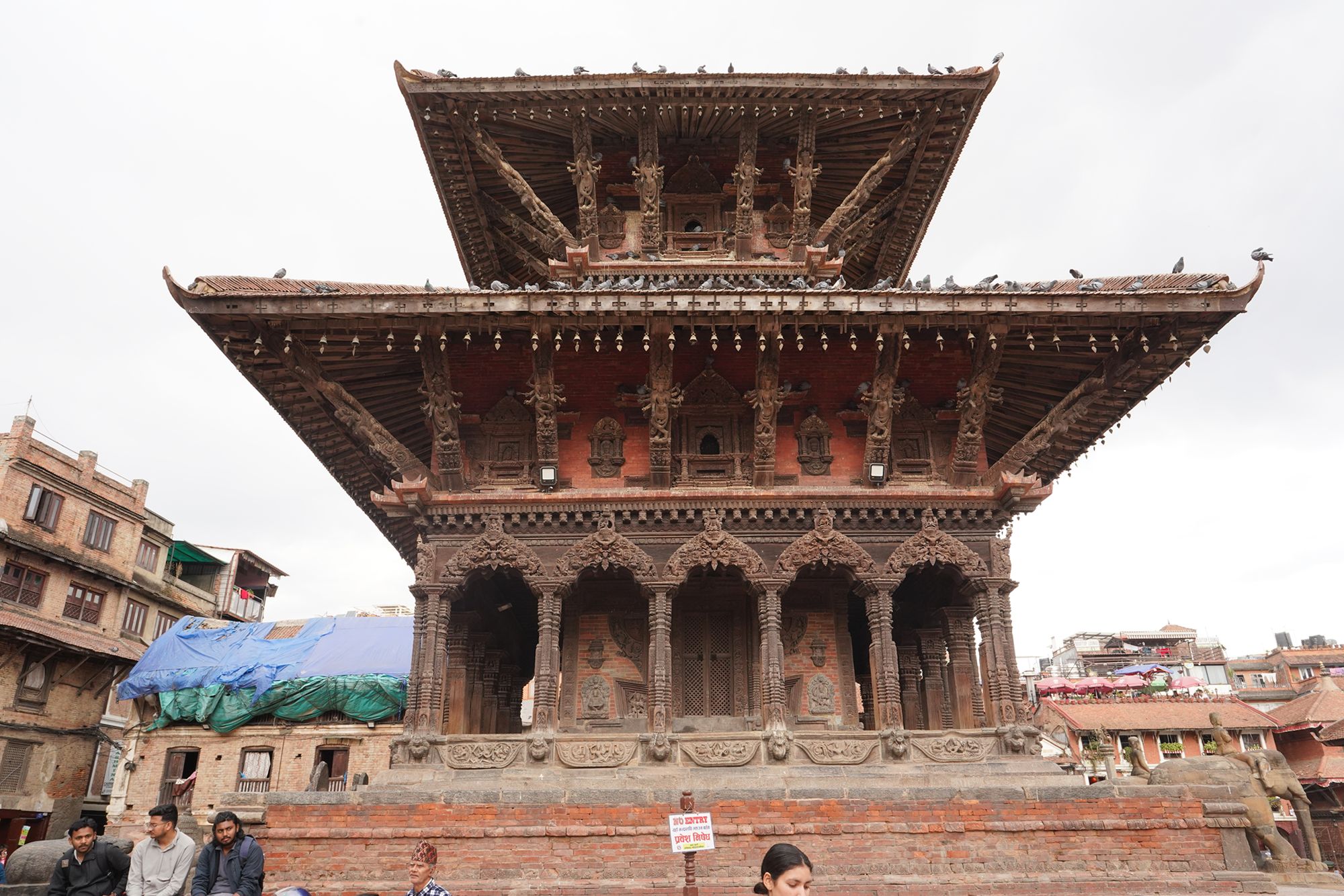
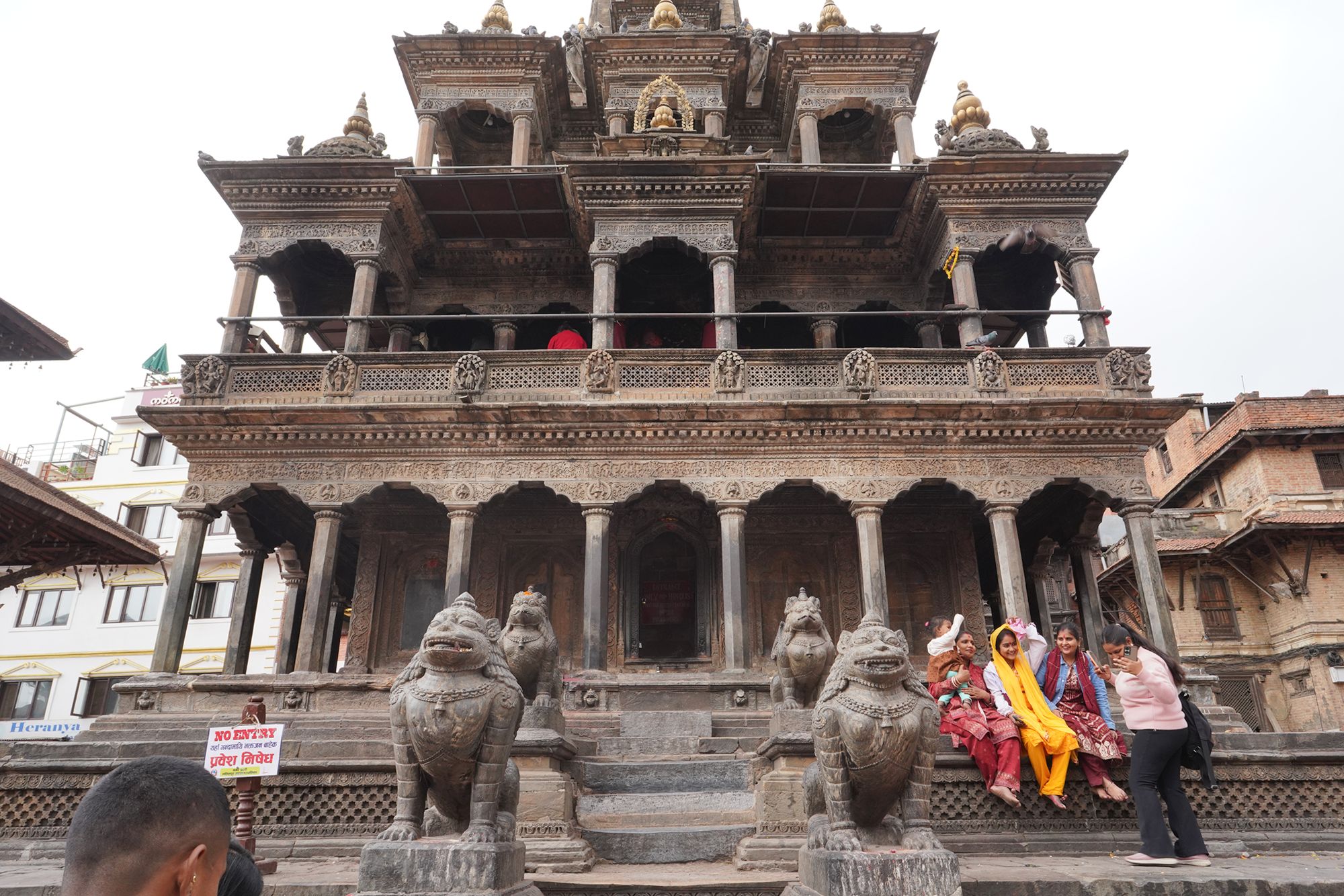
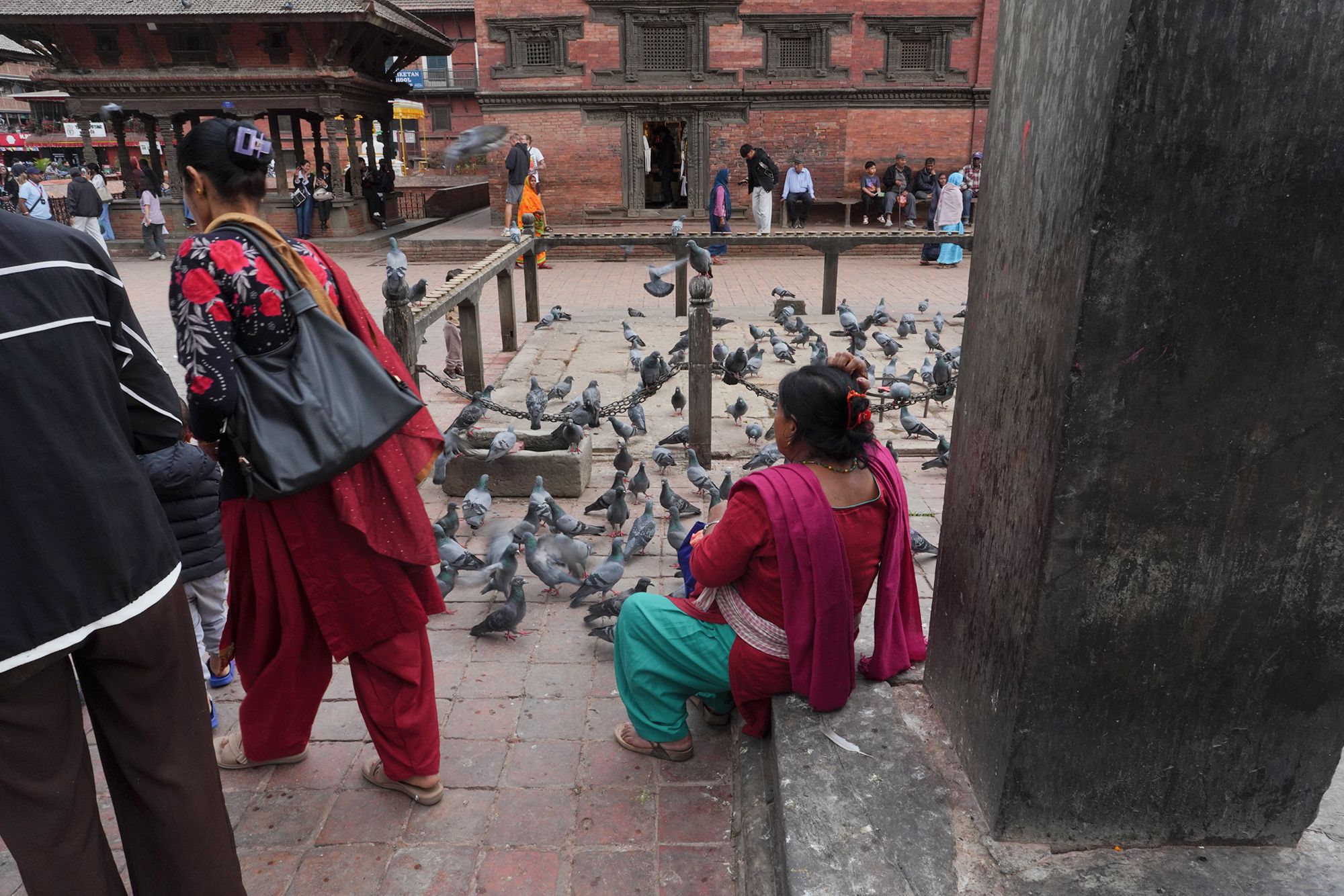
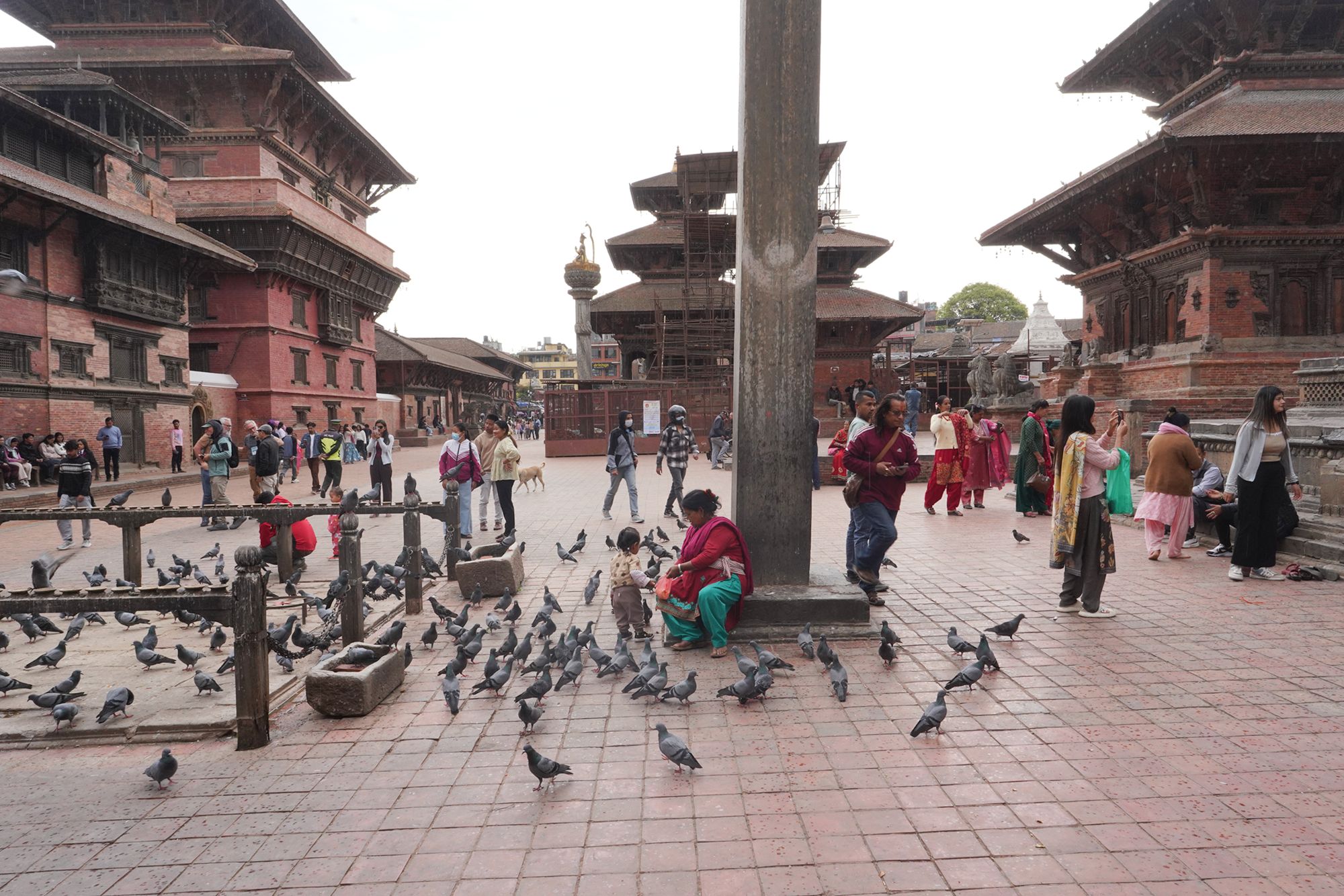
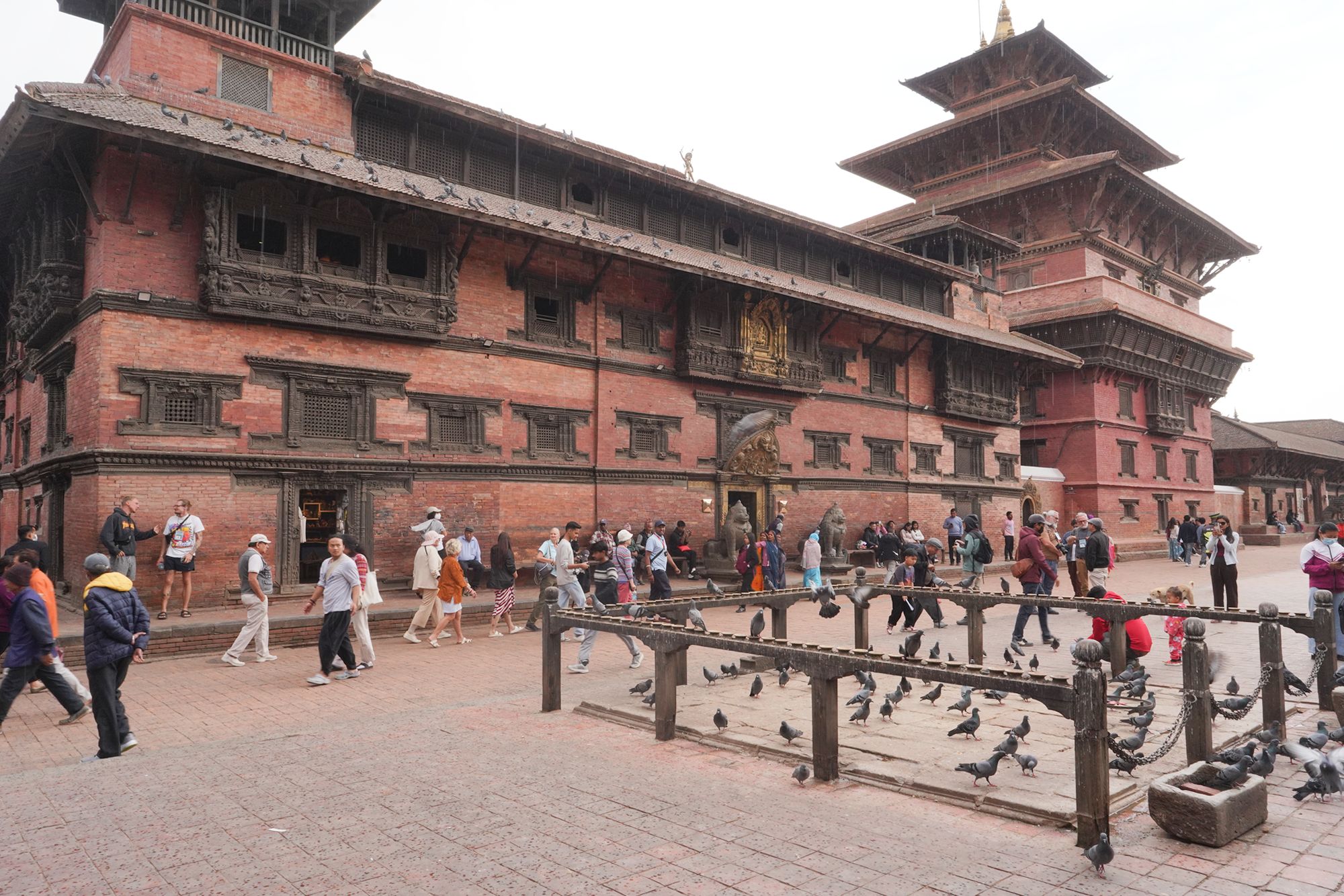
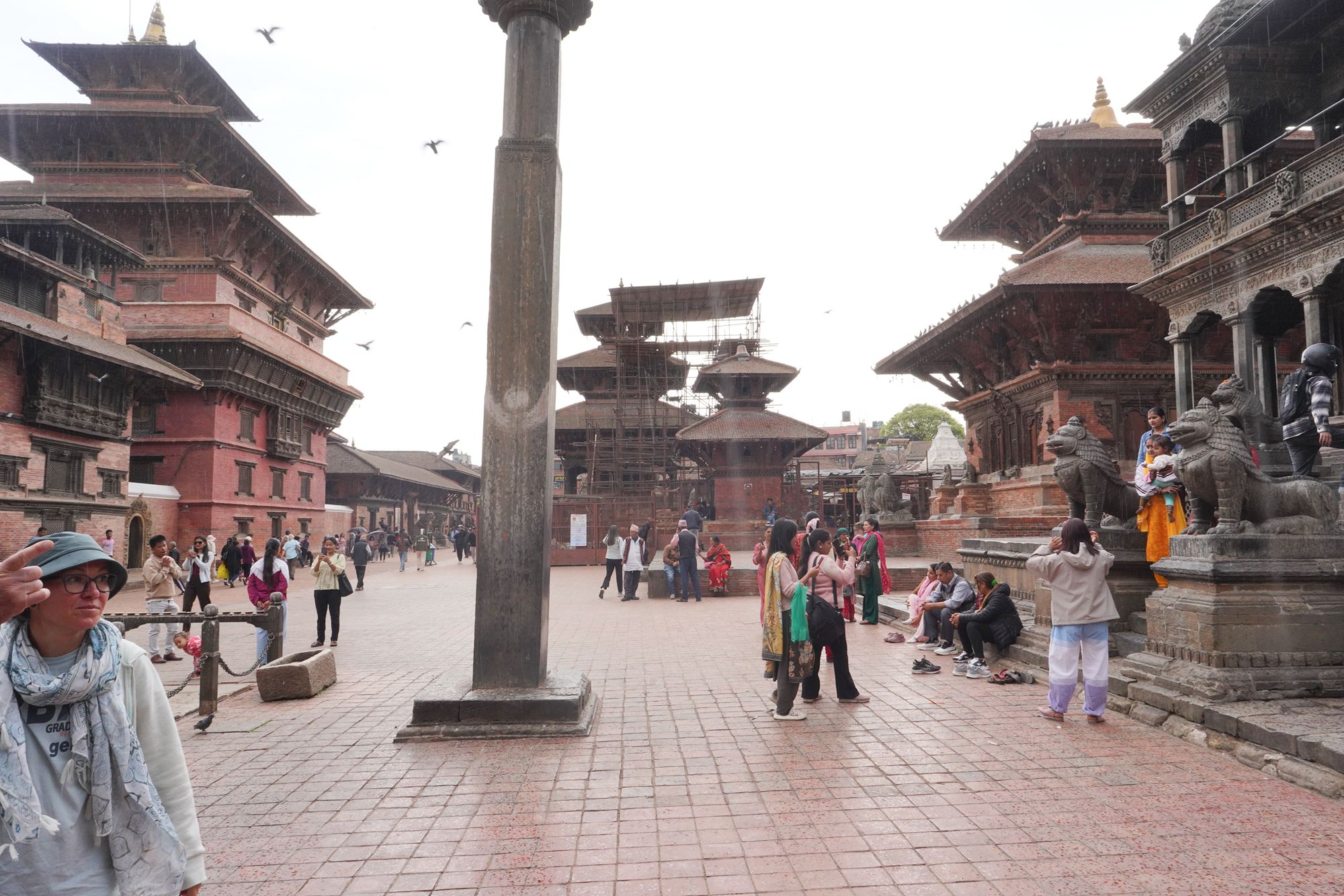
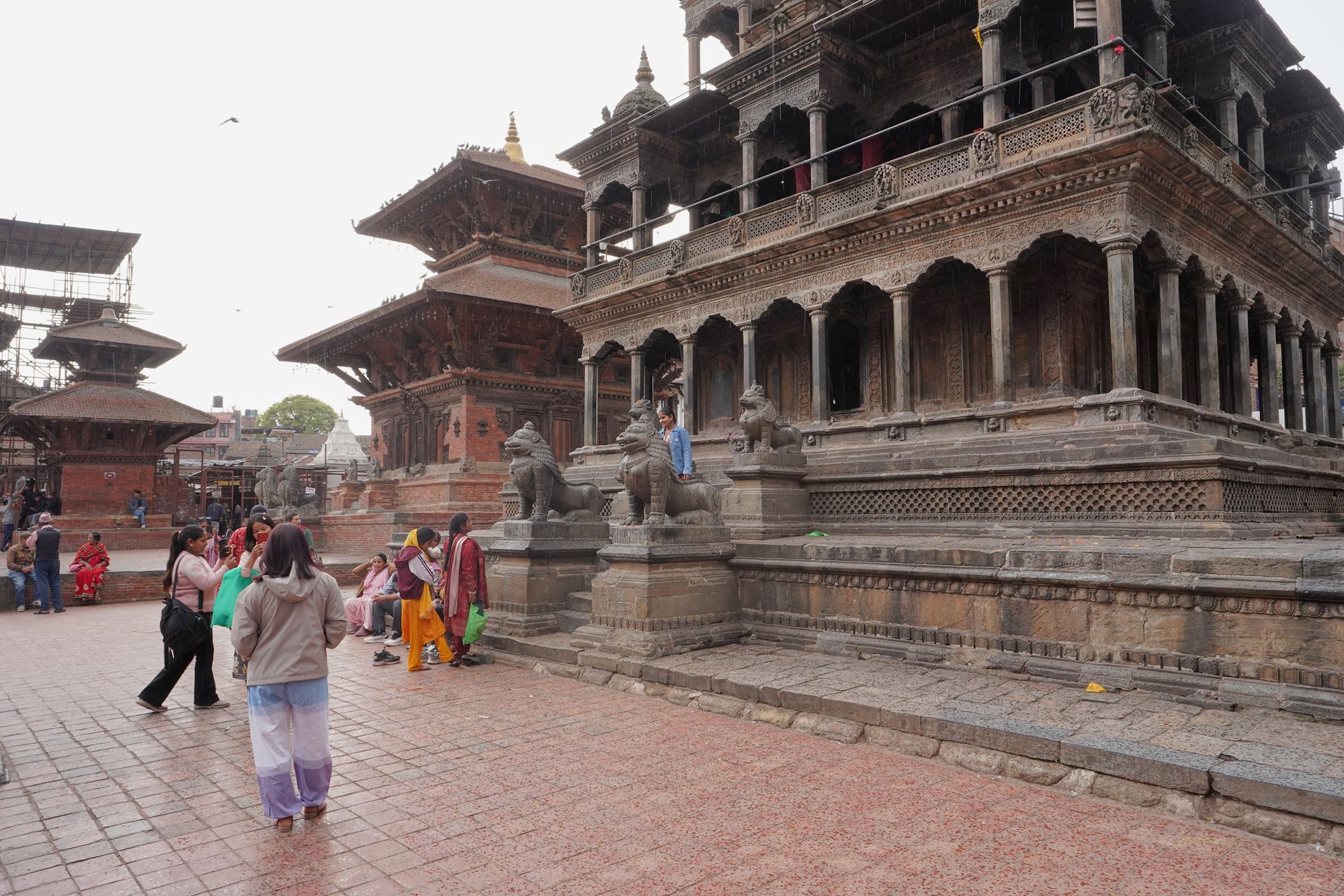
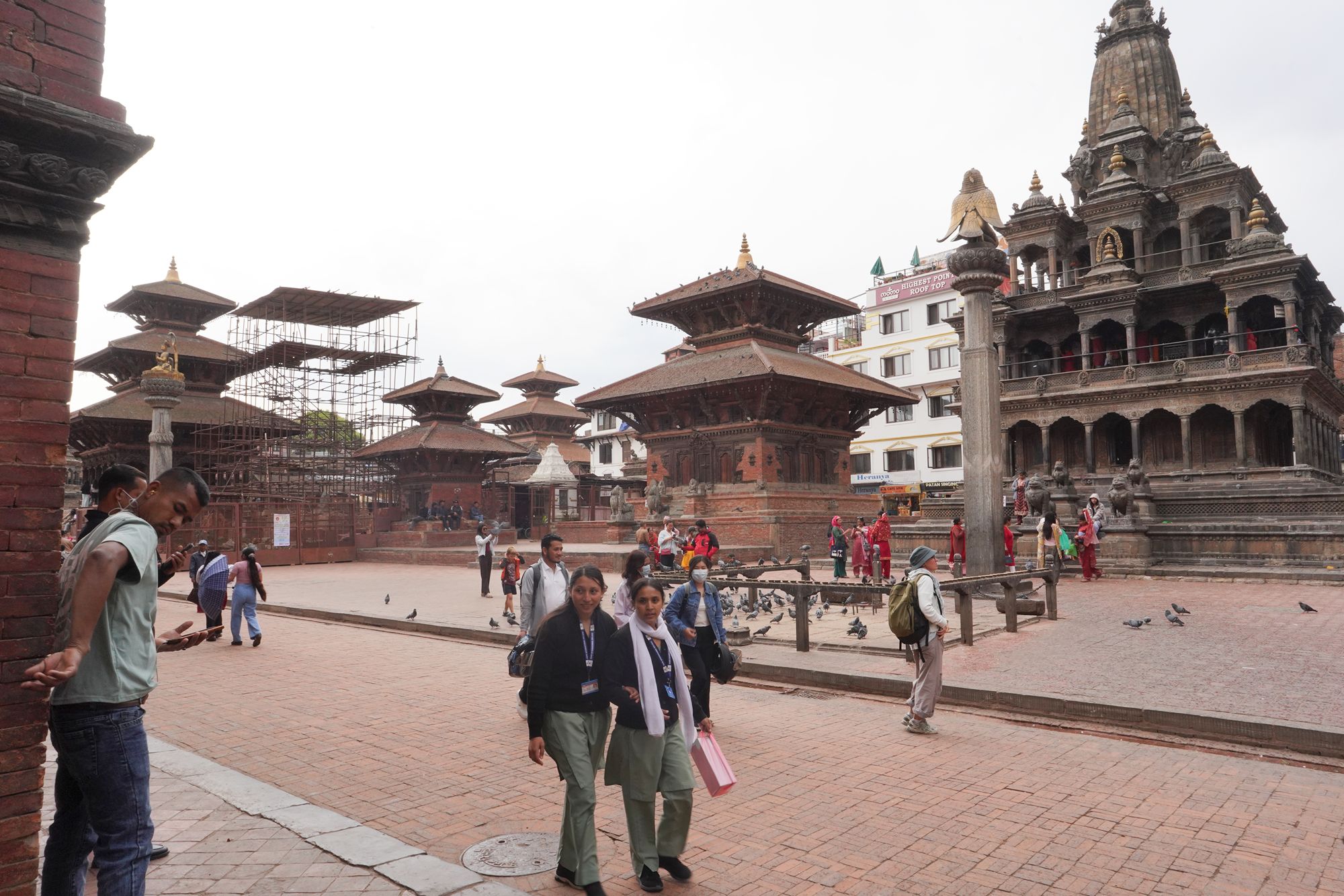
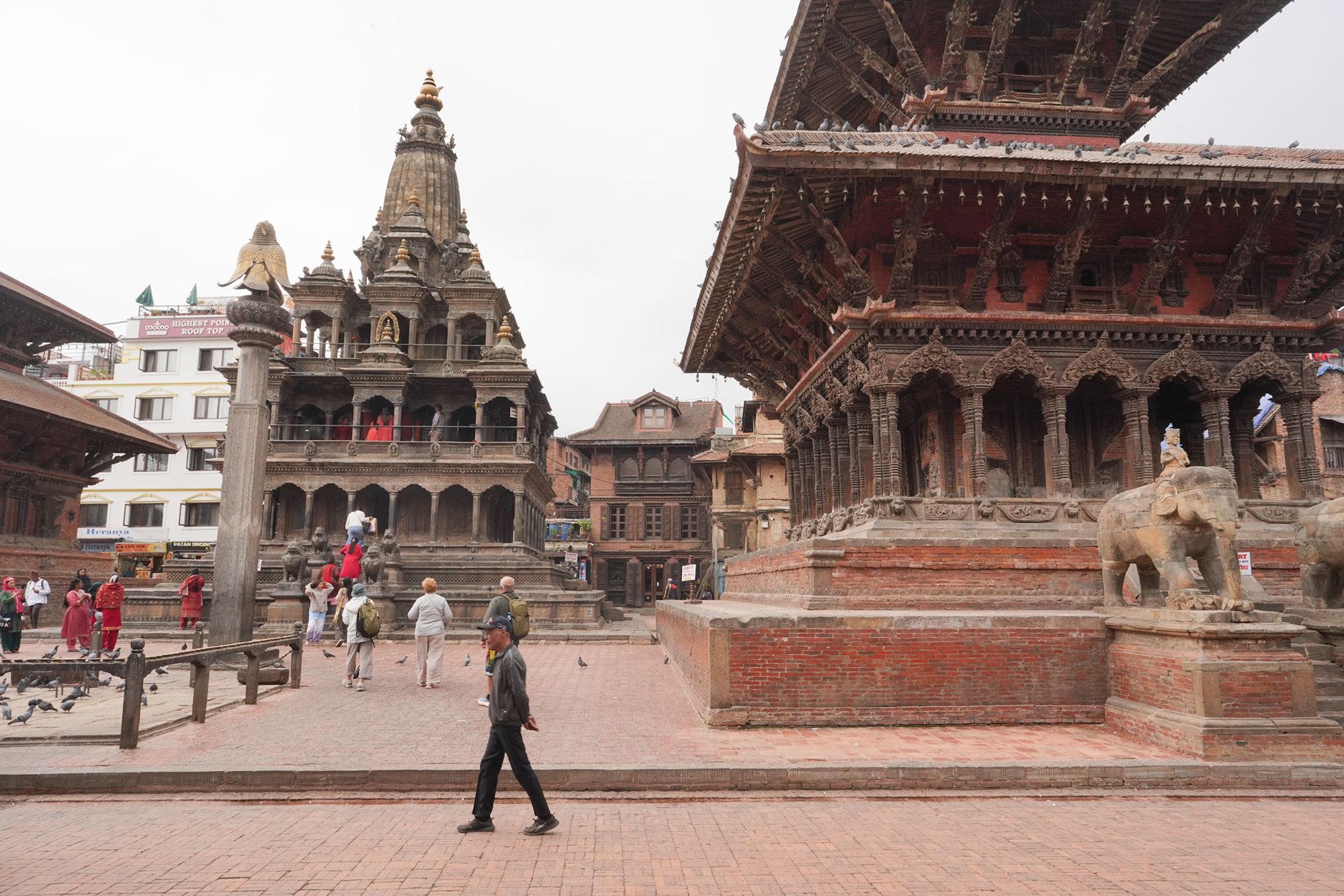
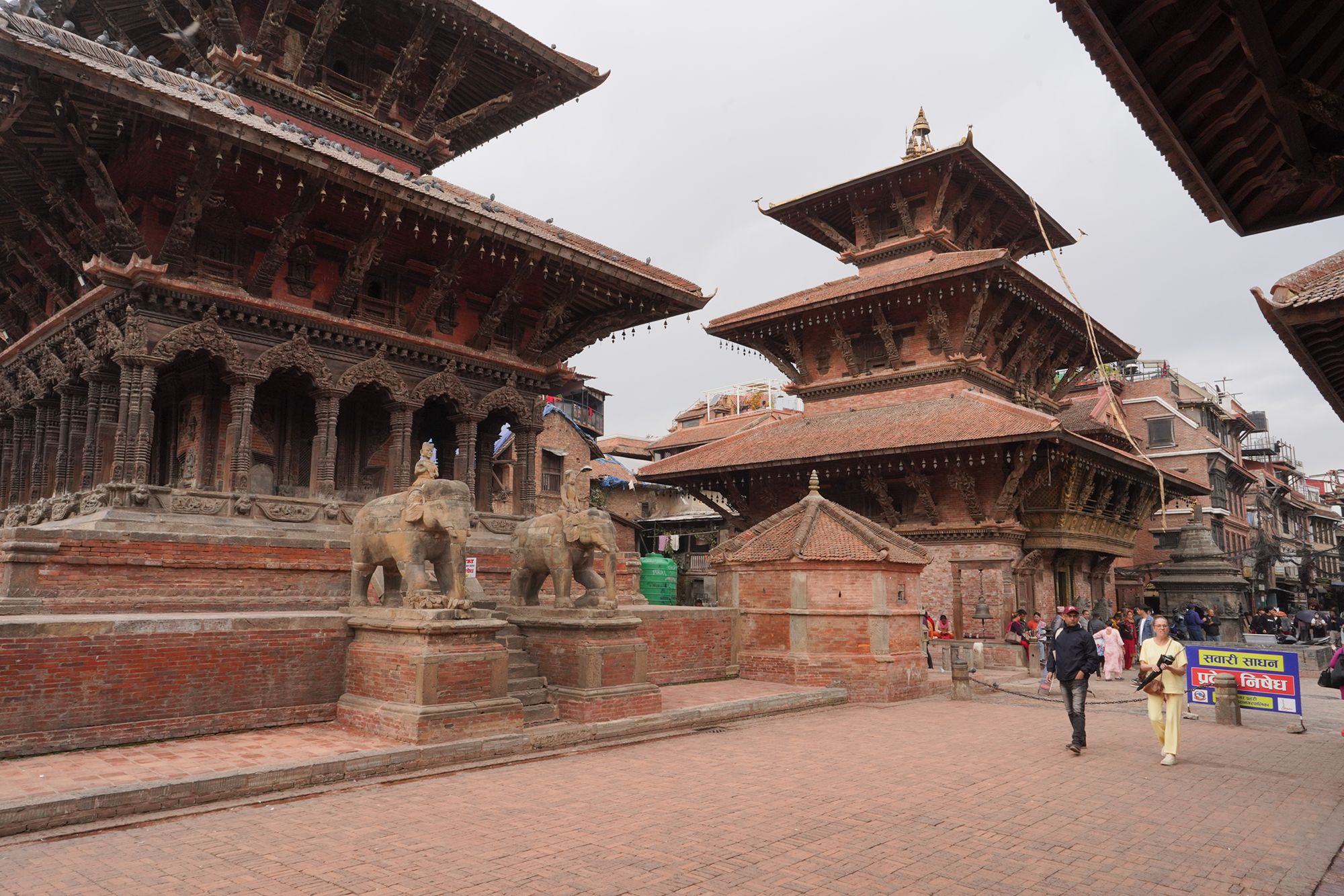
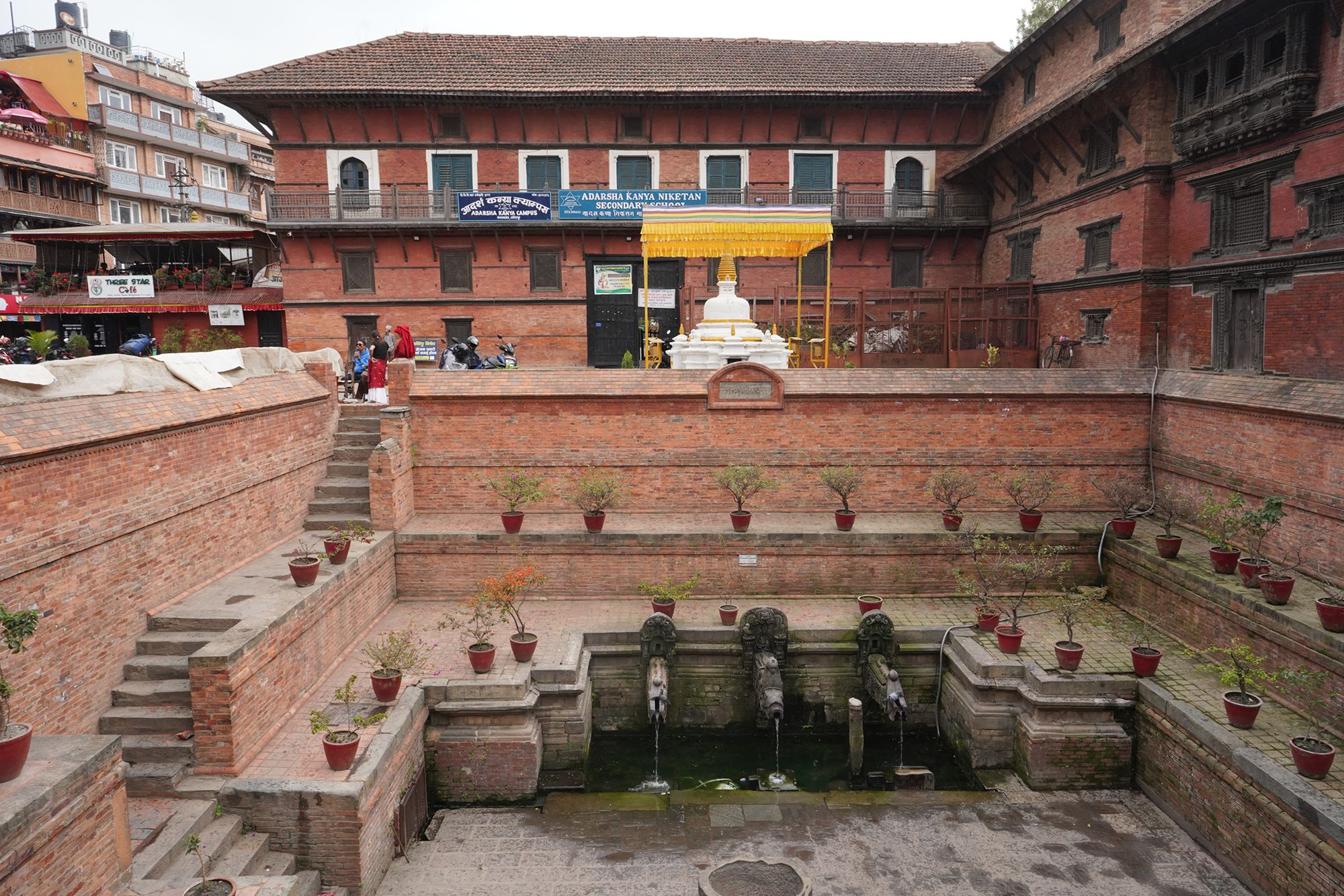
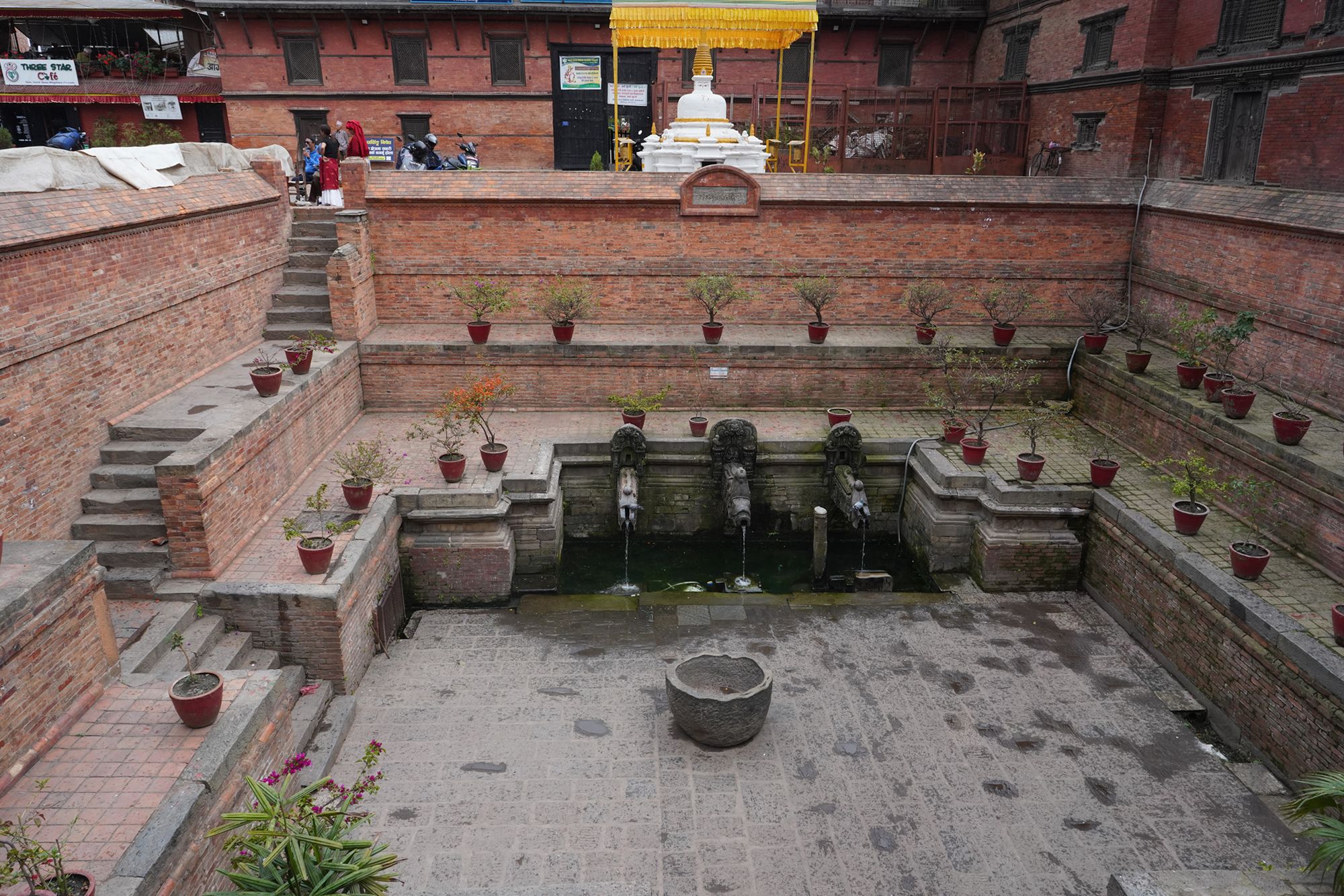
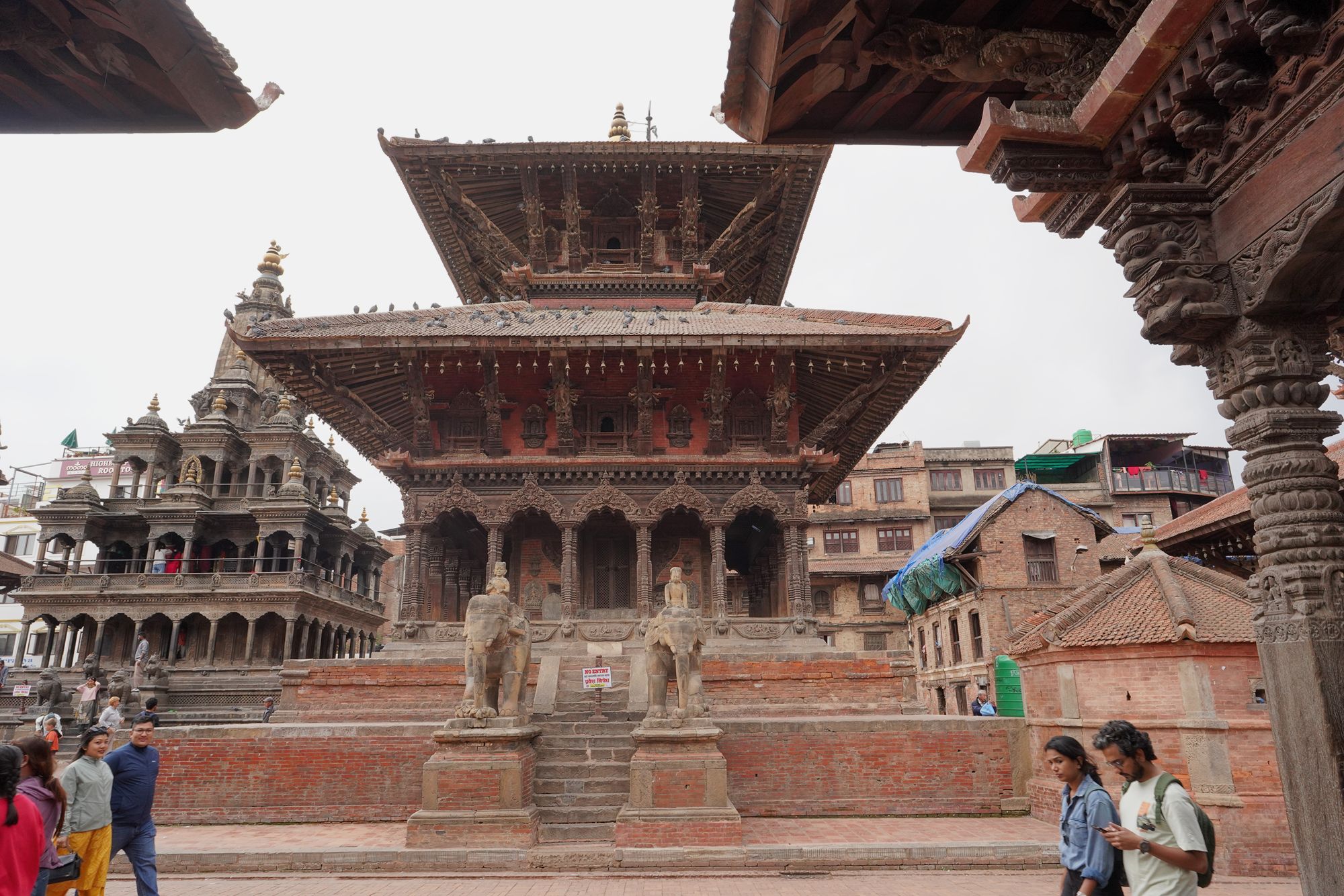
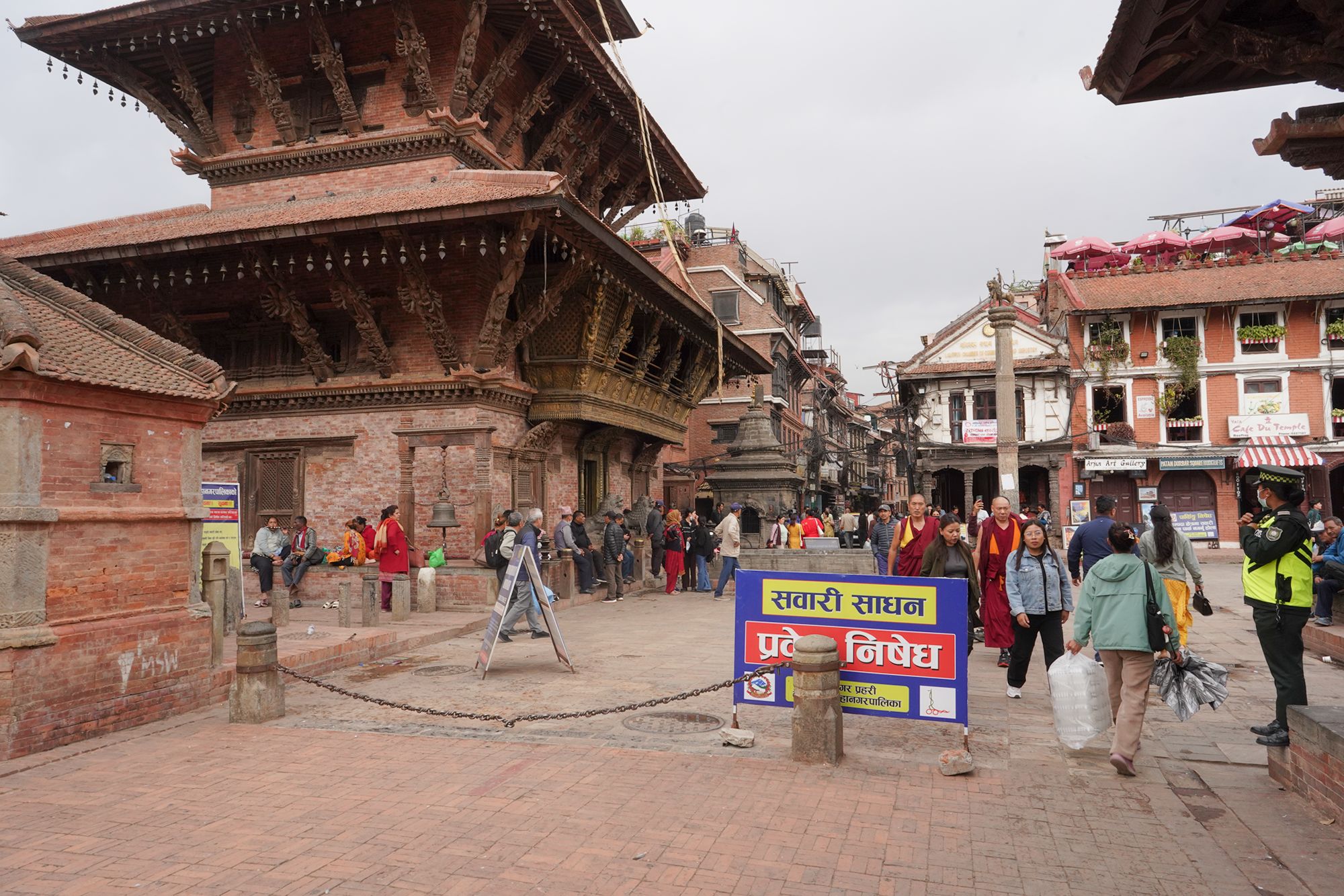
I reached the other end of the square, where I had first entered.
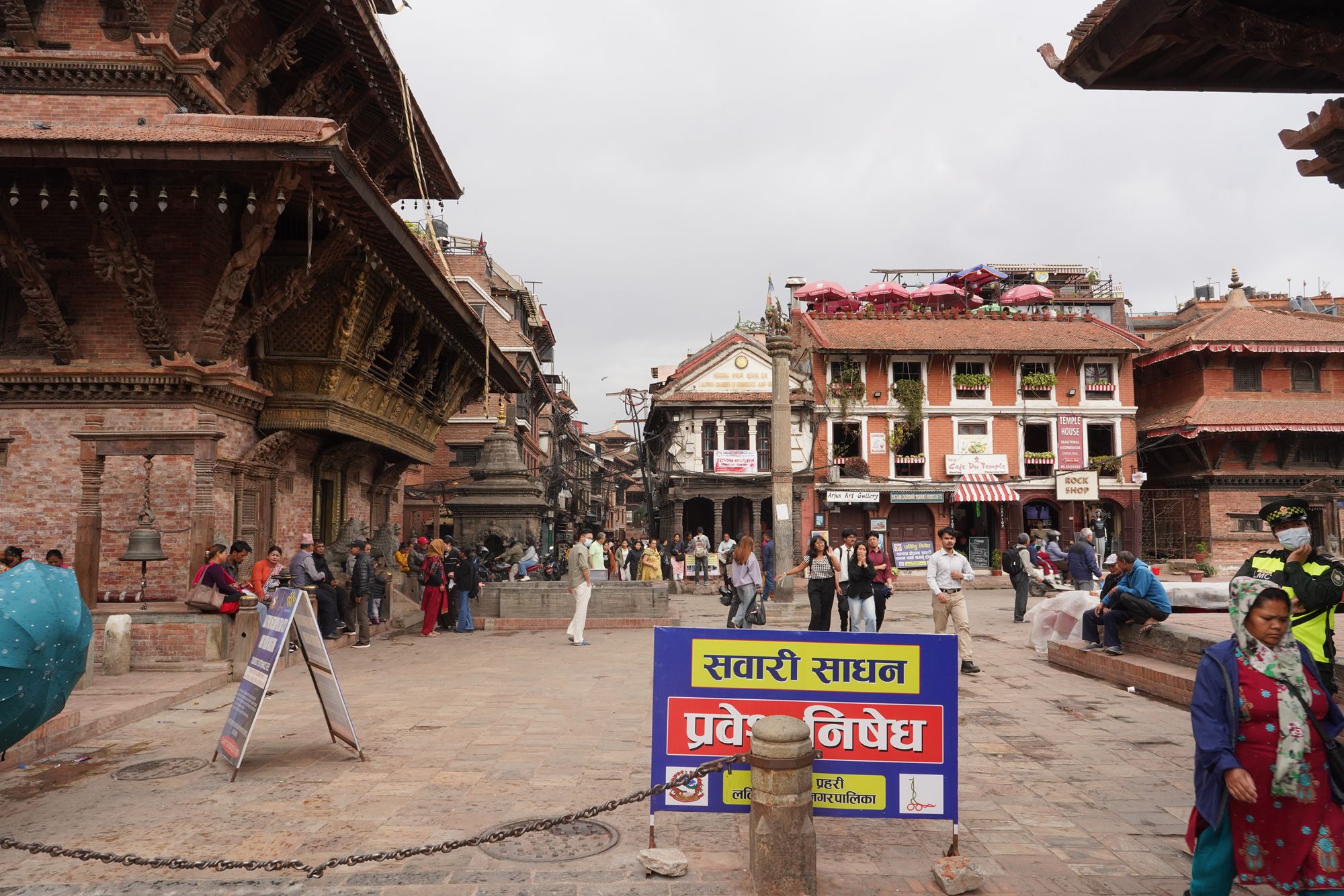
It may sound a little crazy, but I decided to walk all the way from this end of the square to the other end while taking photos, so many of the following views will look familiar.
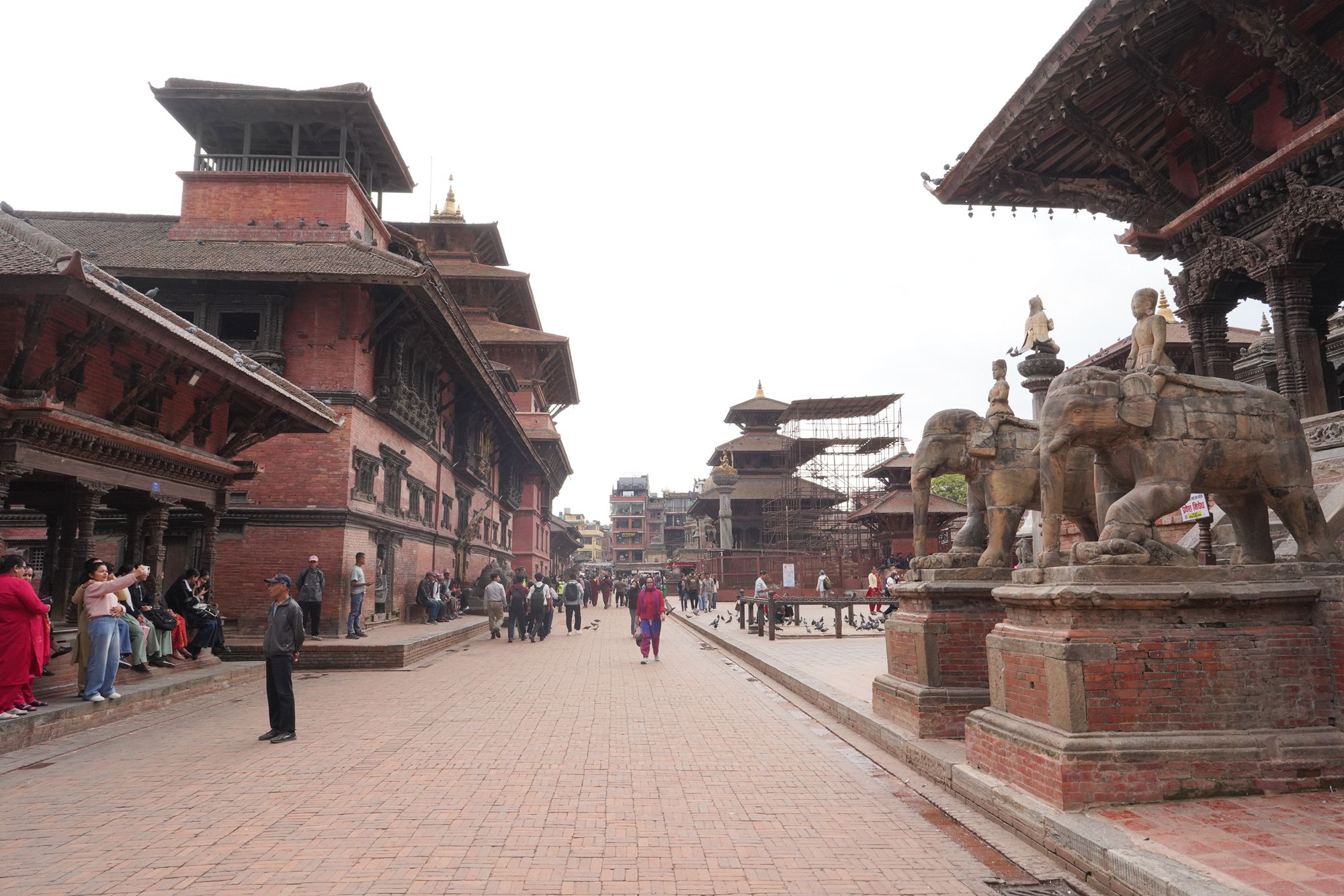
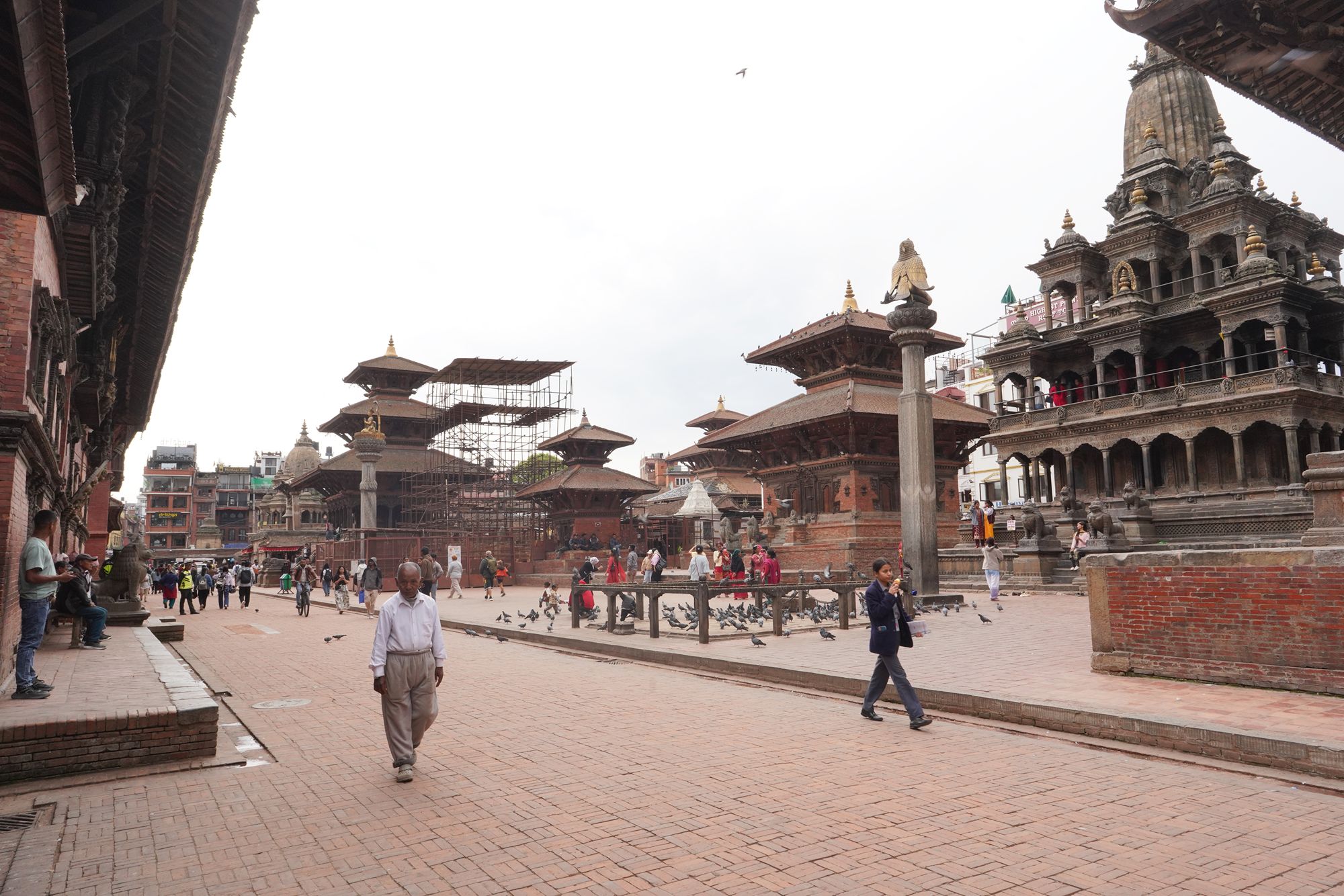
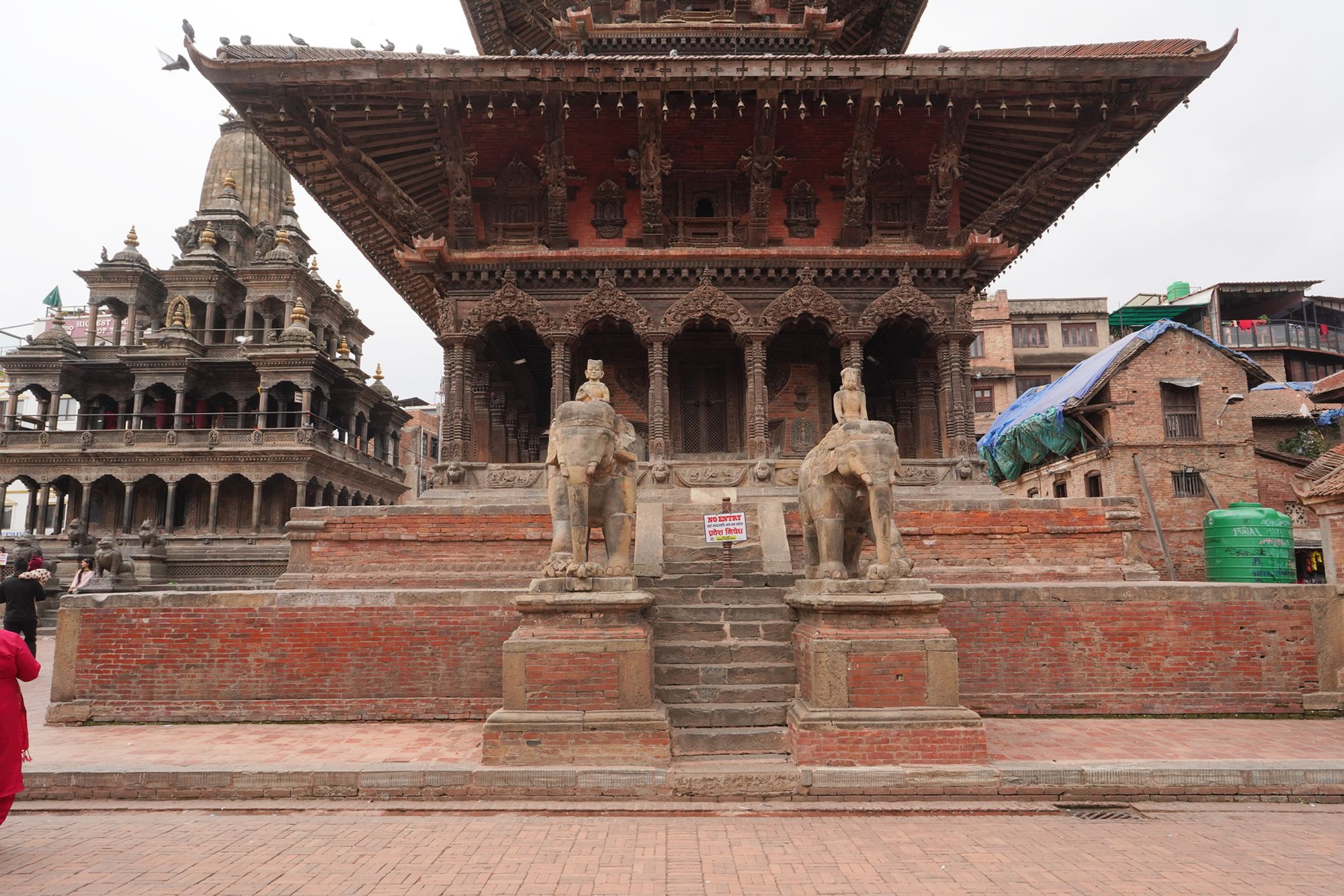
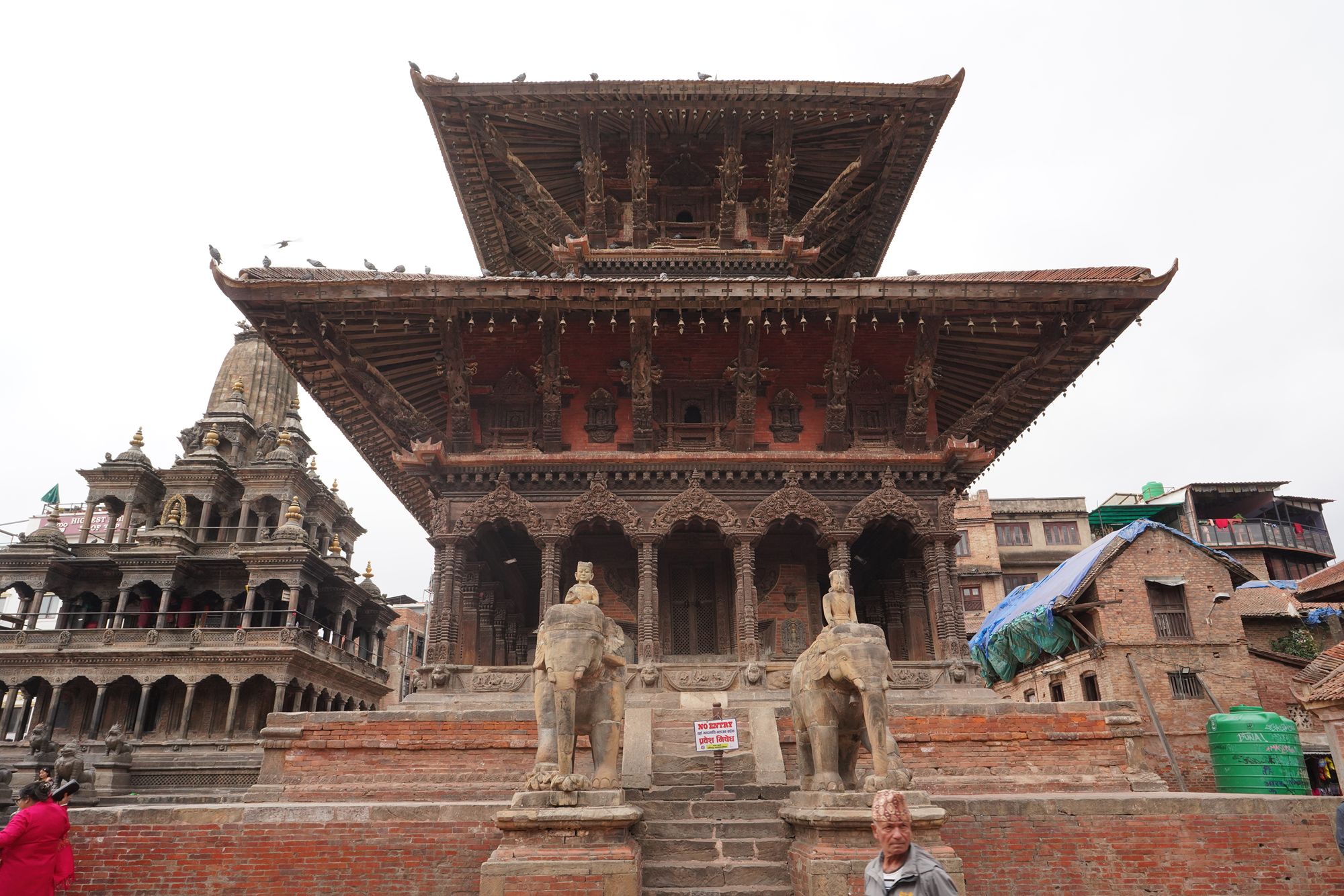
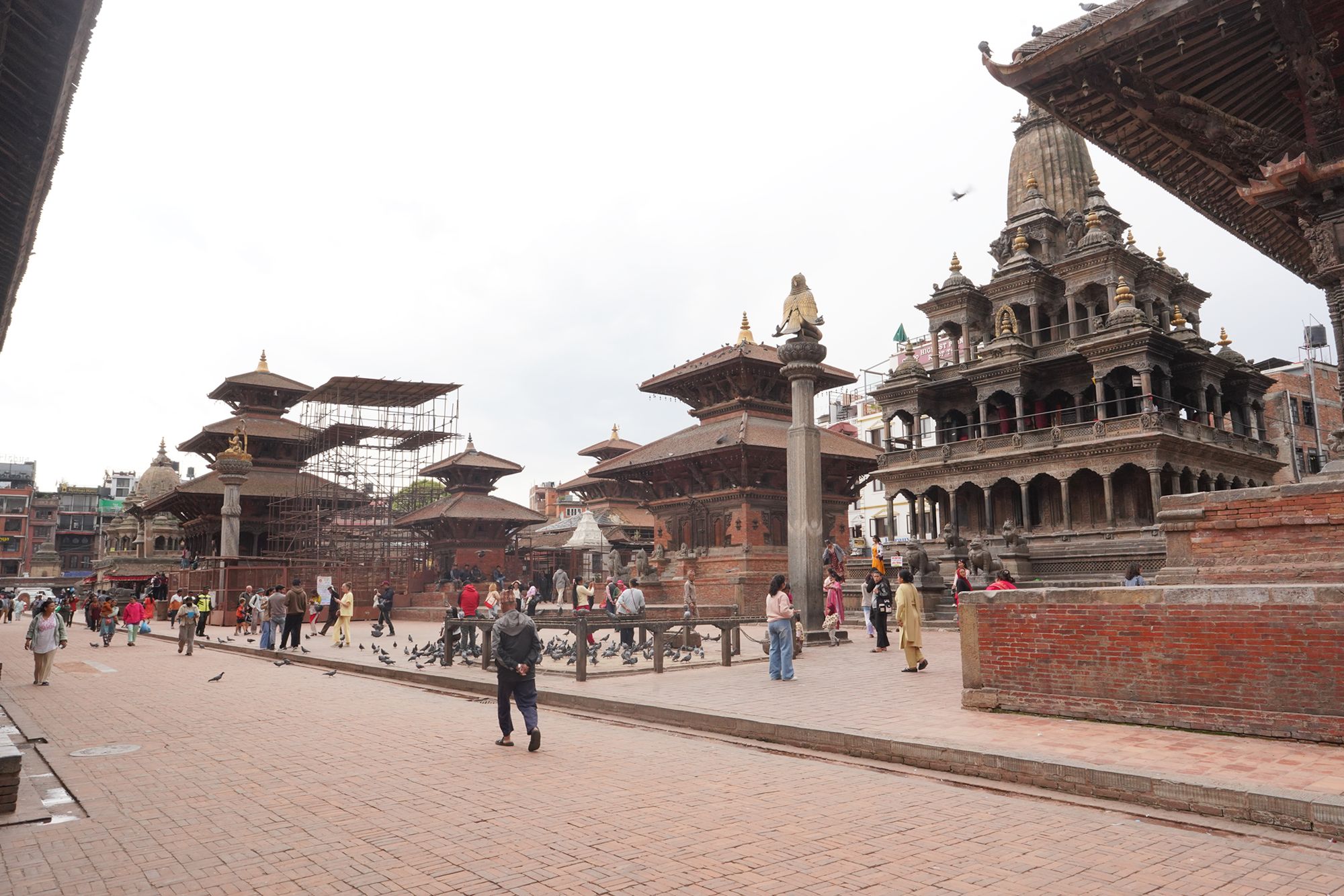
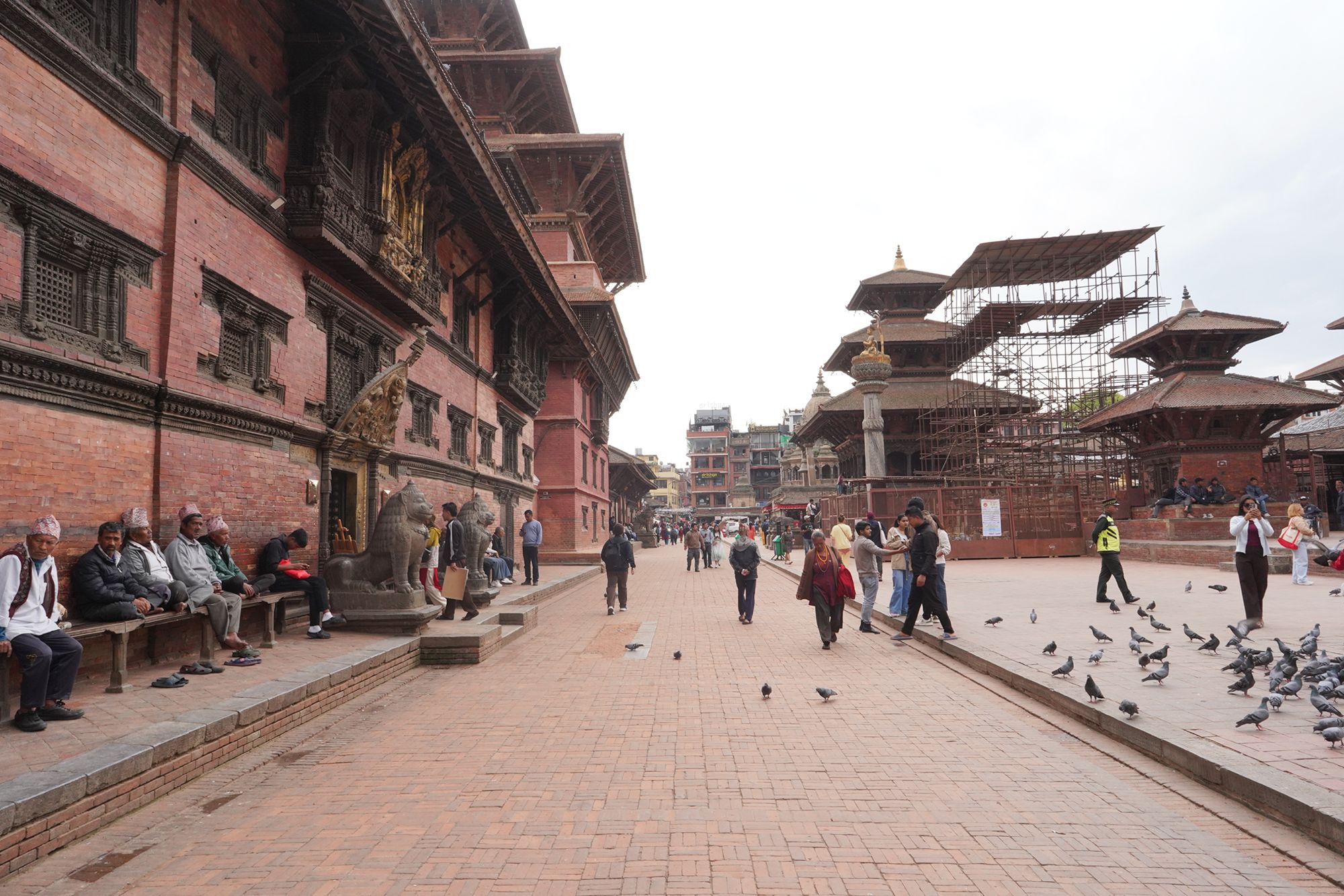
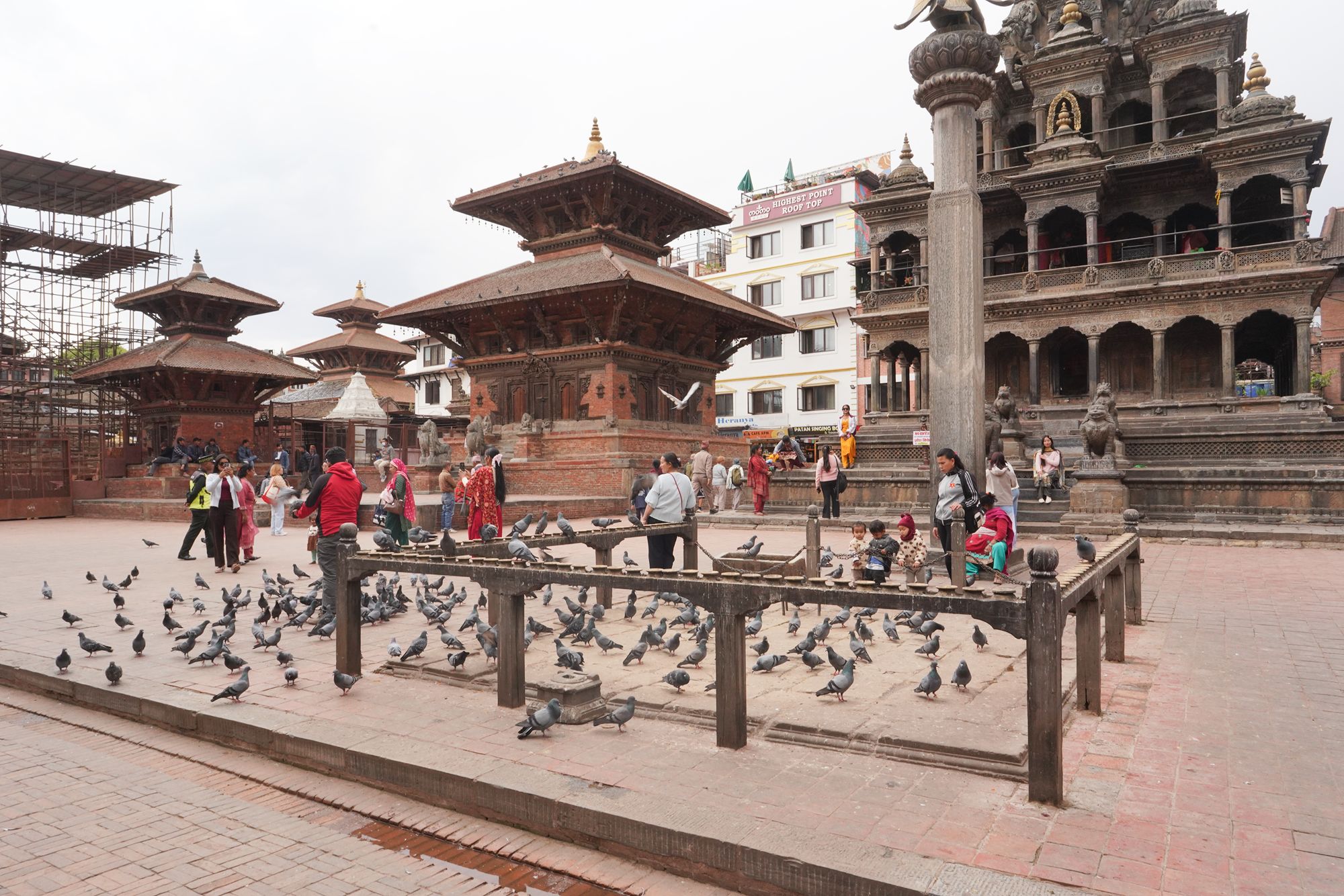
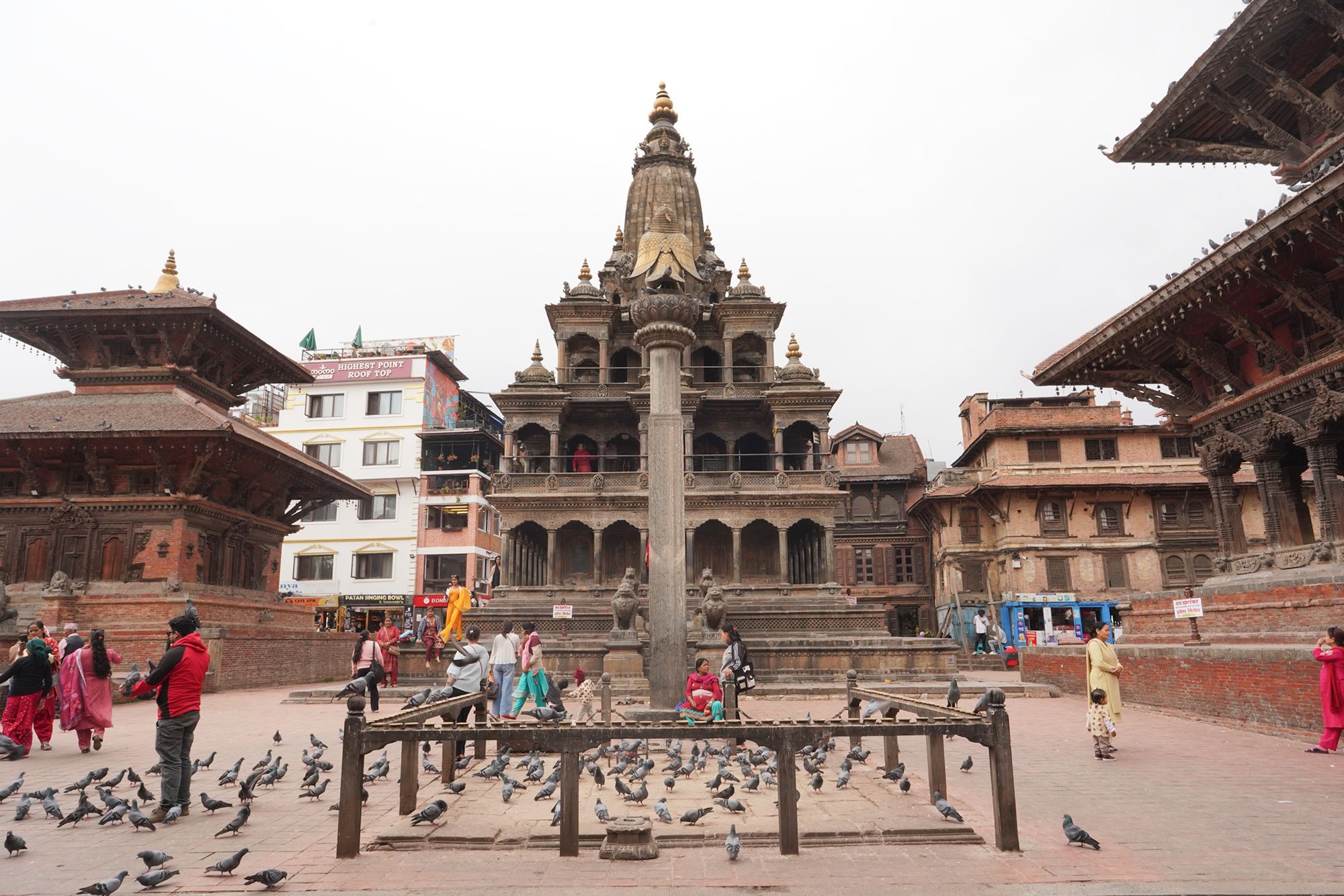
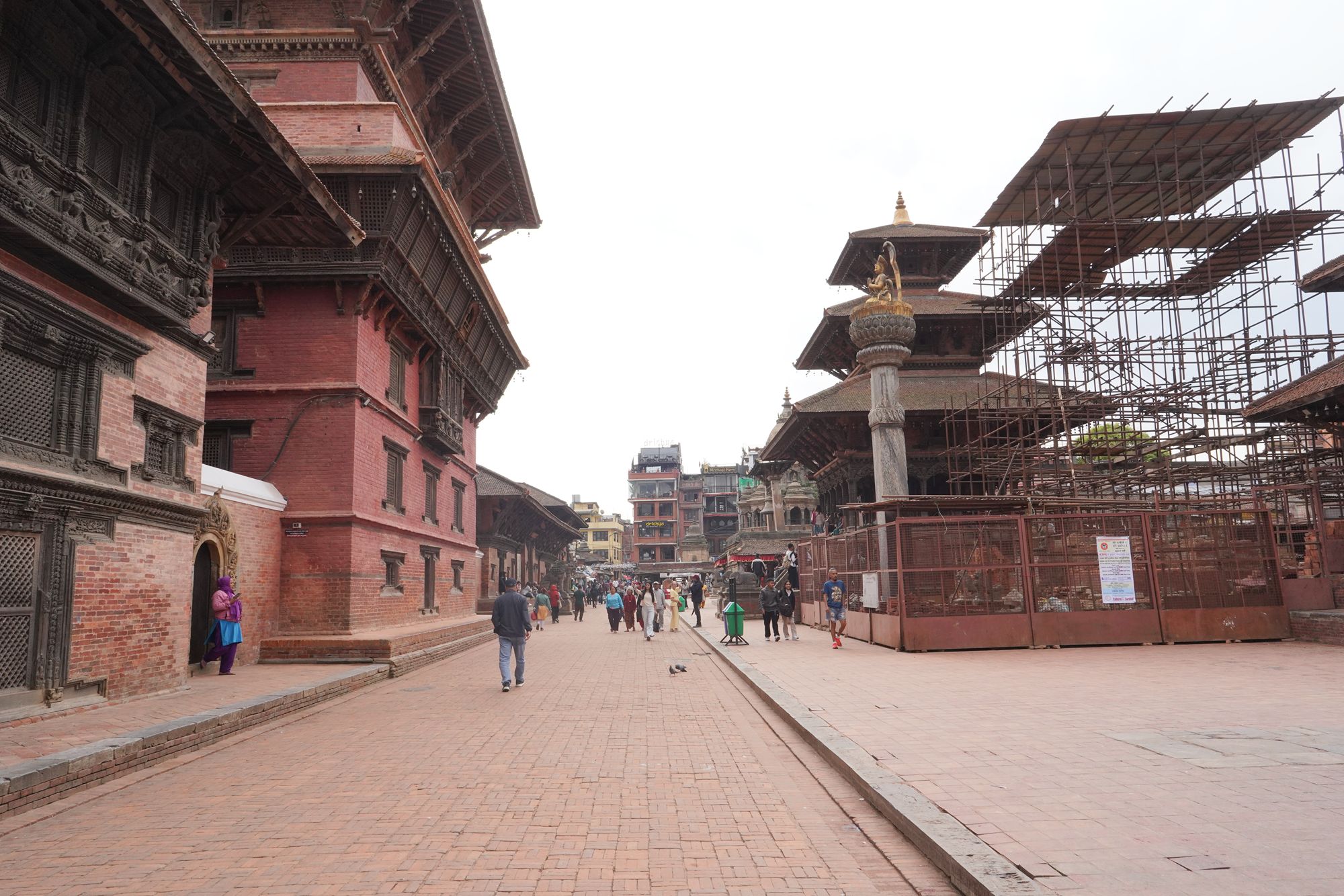
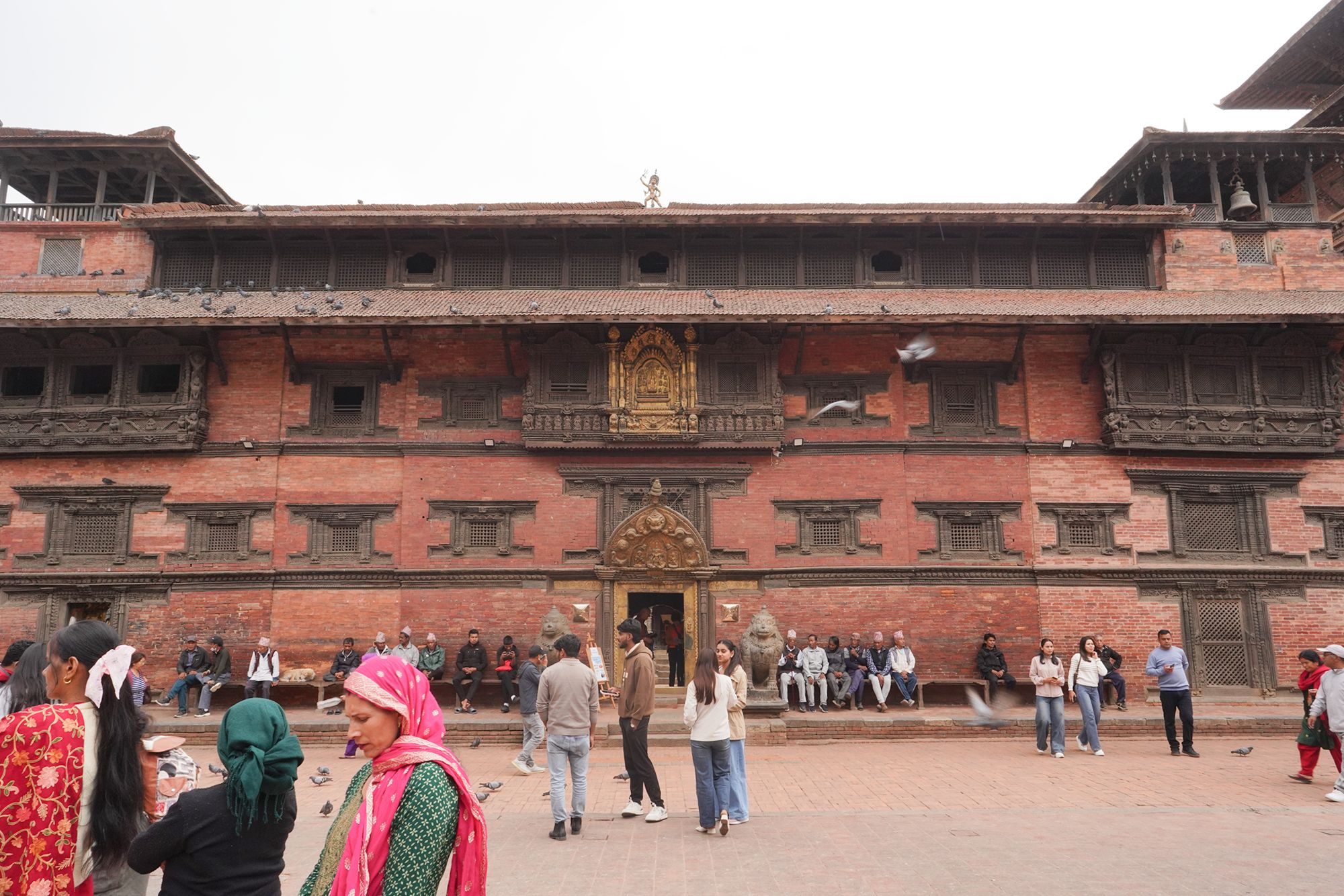
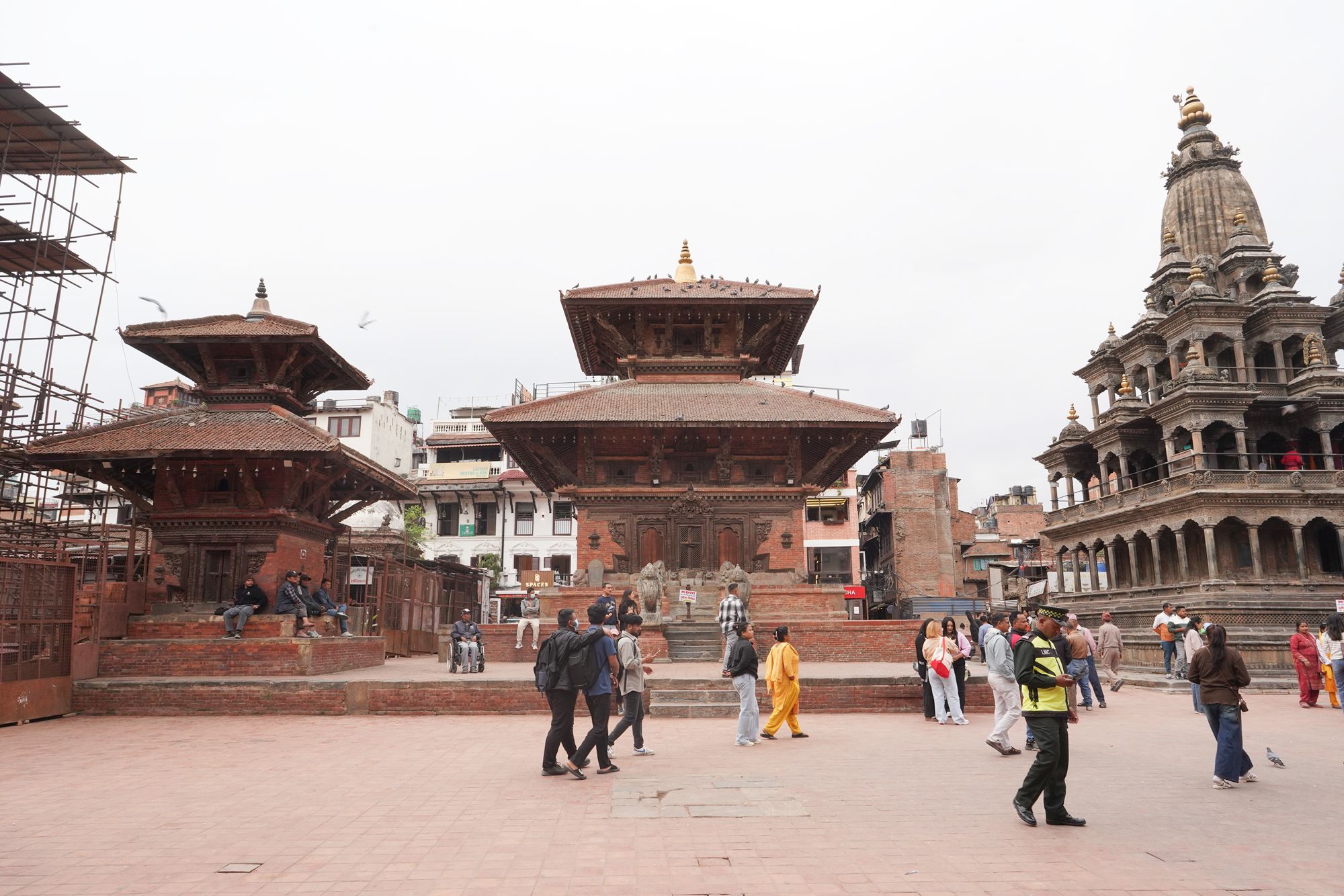
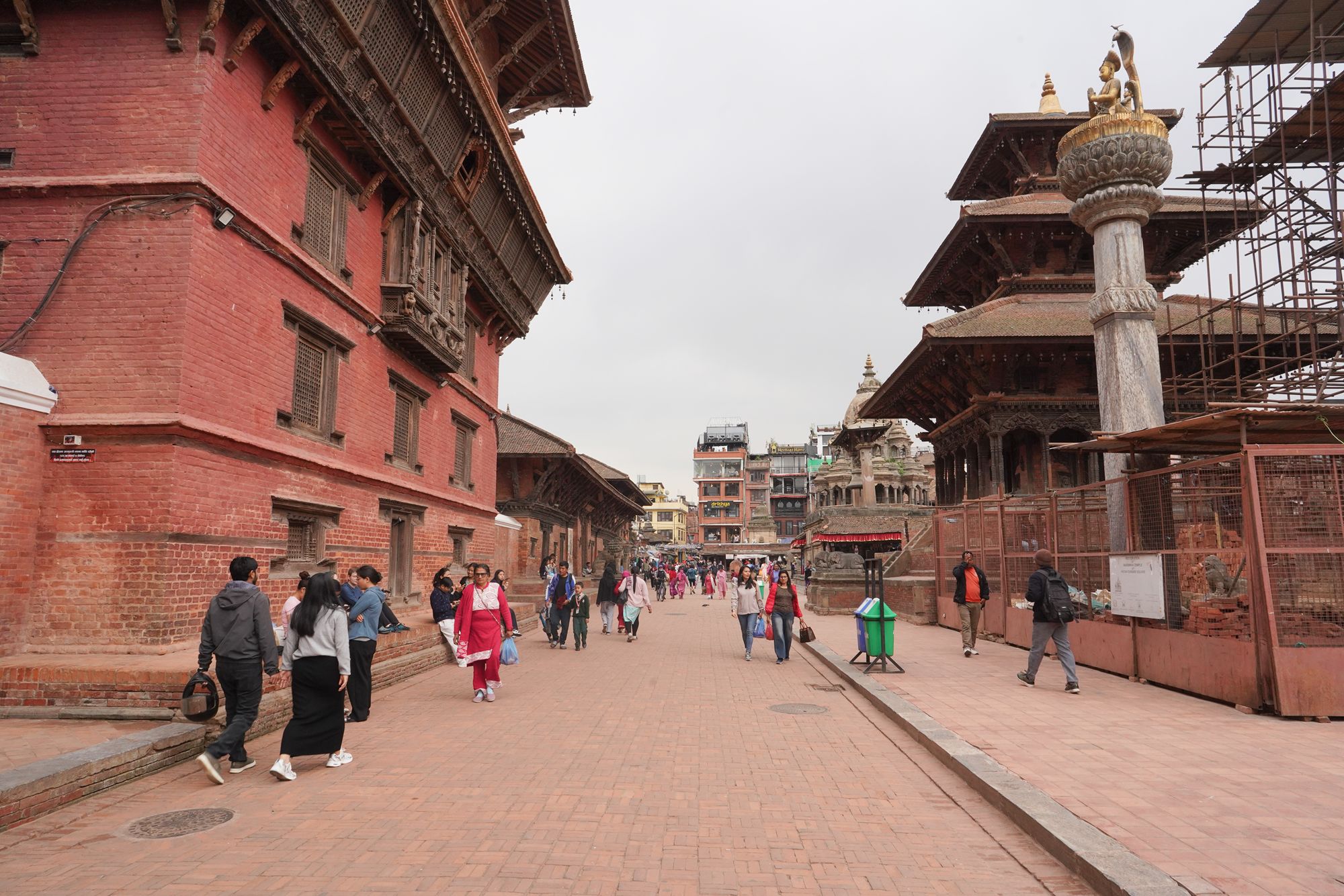
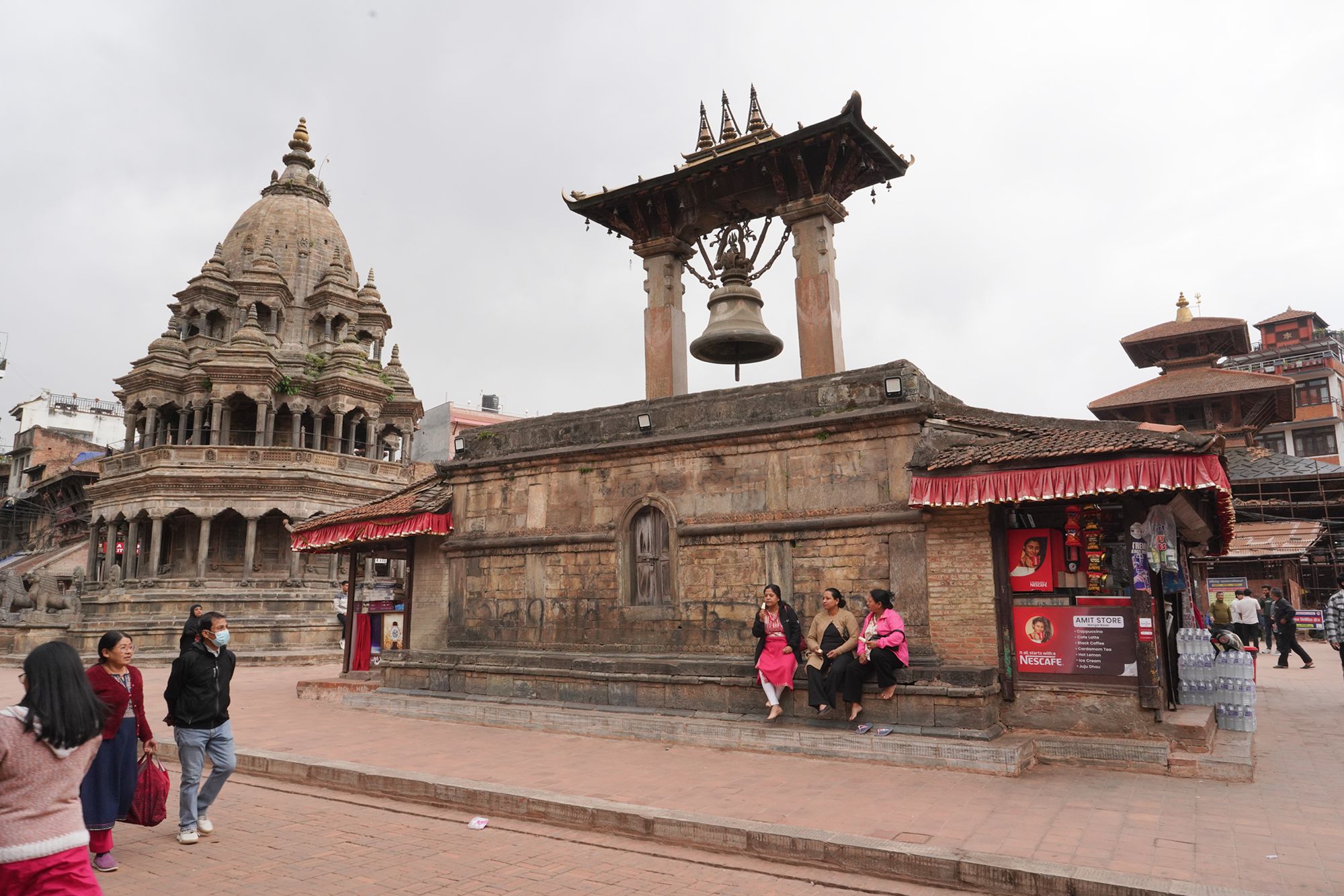
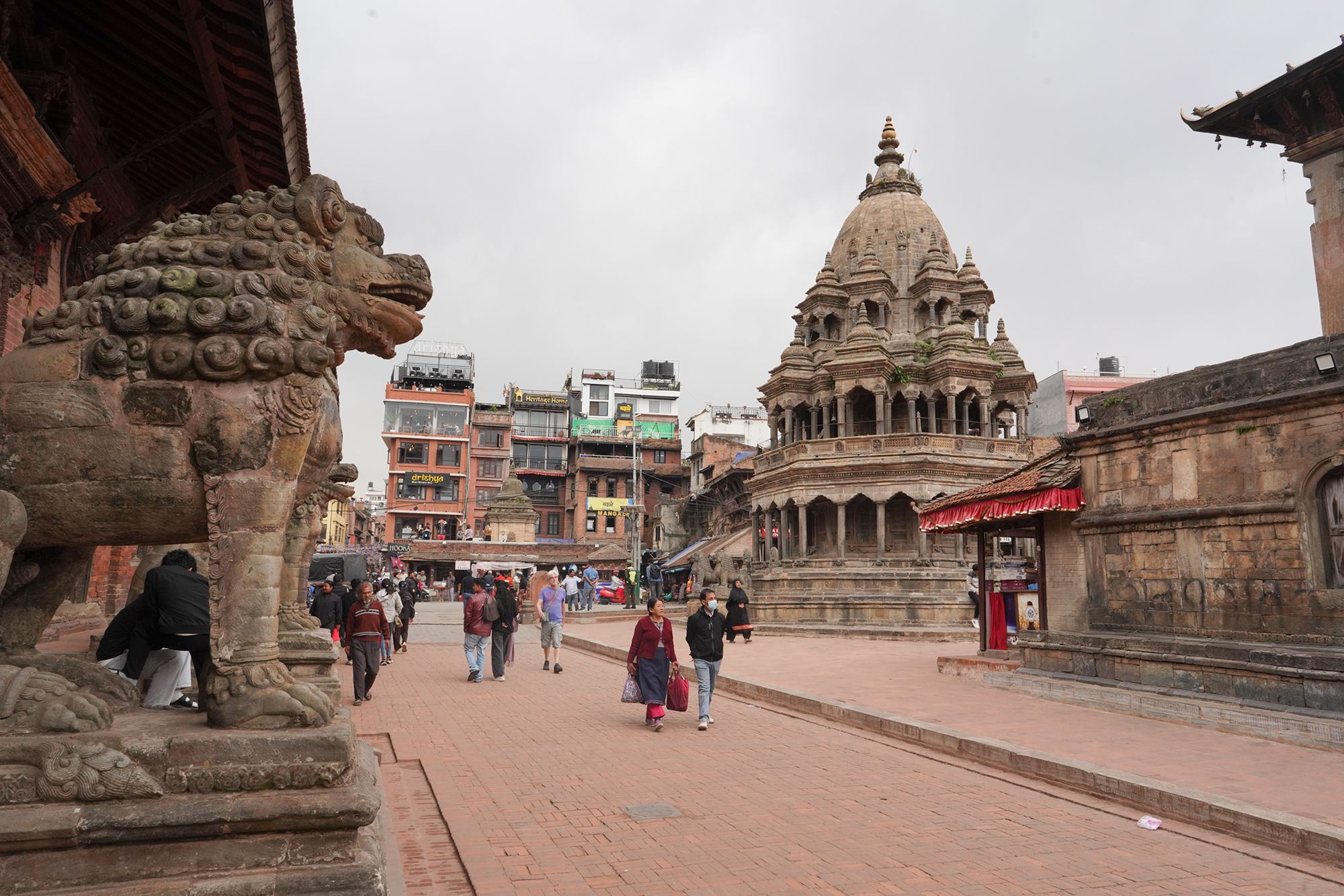
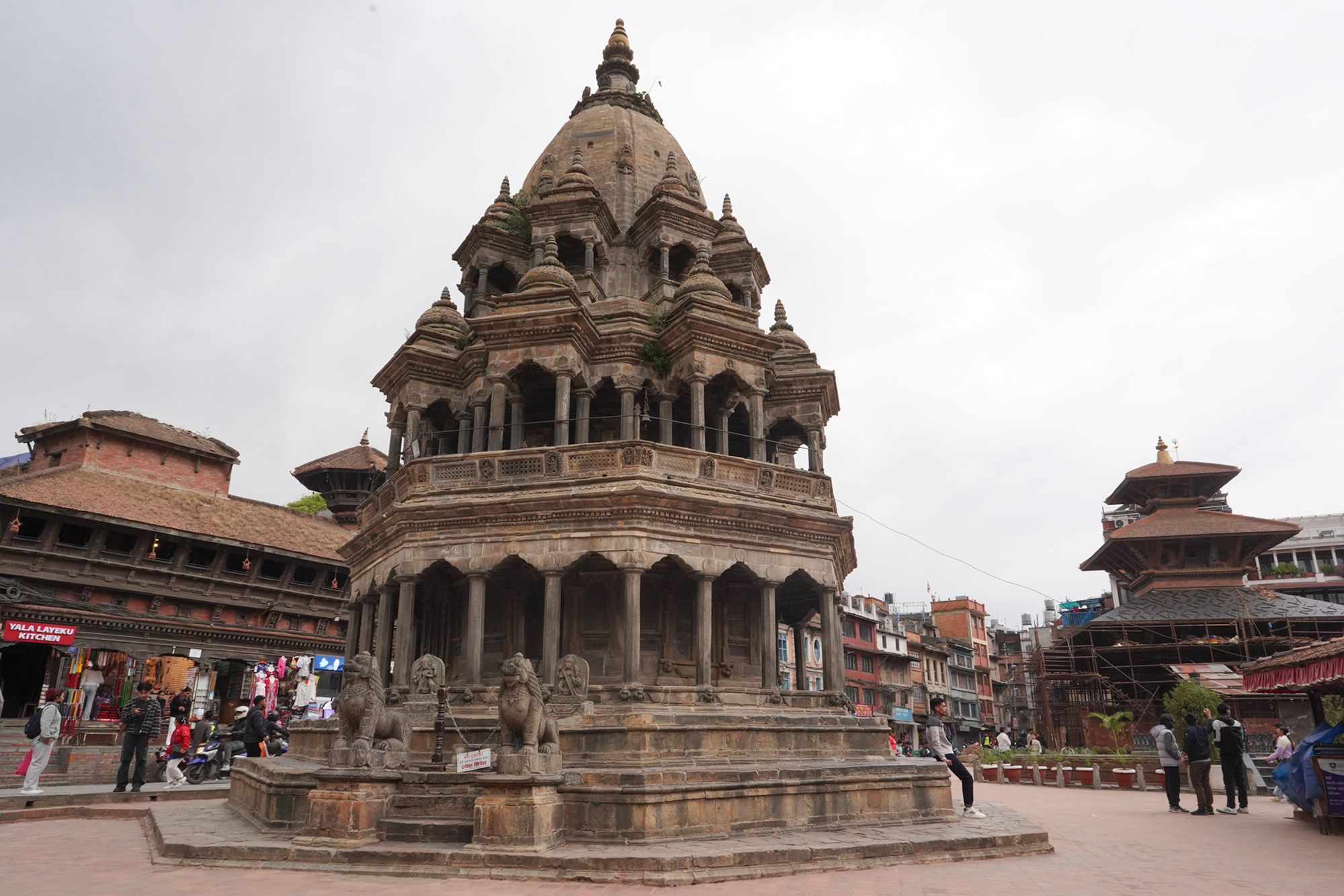
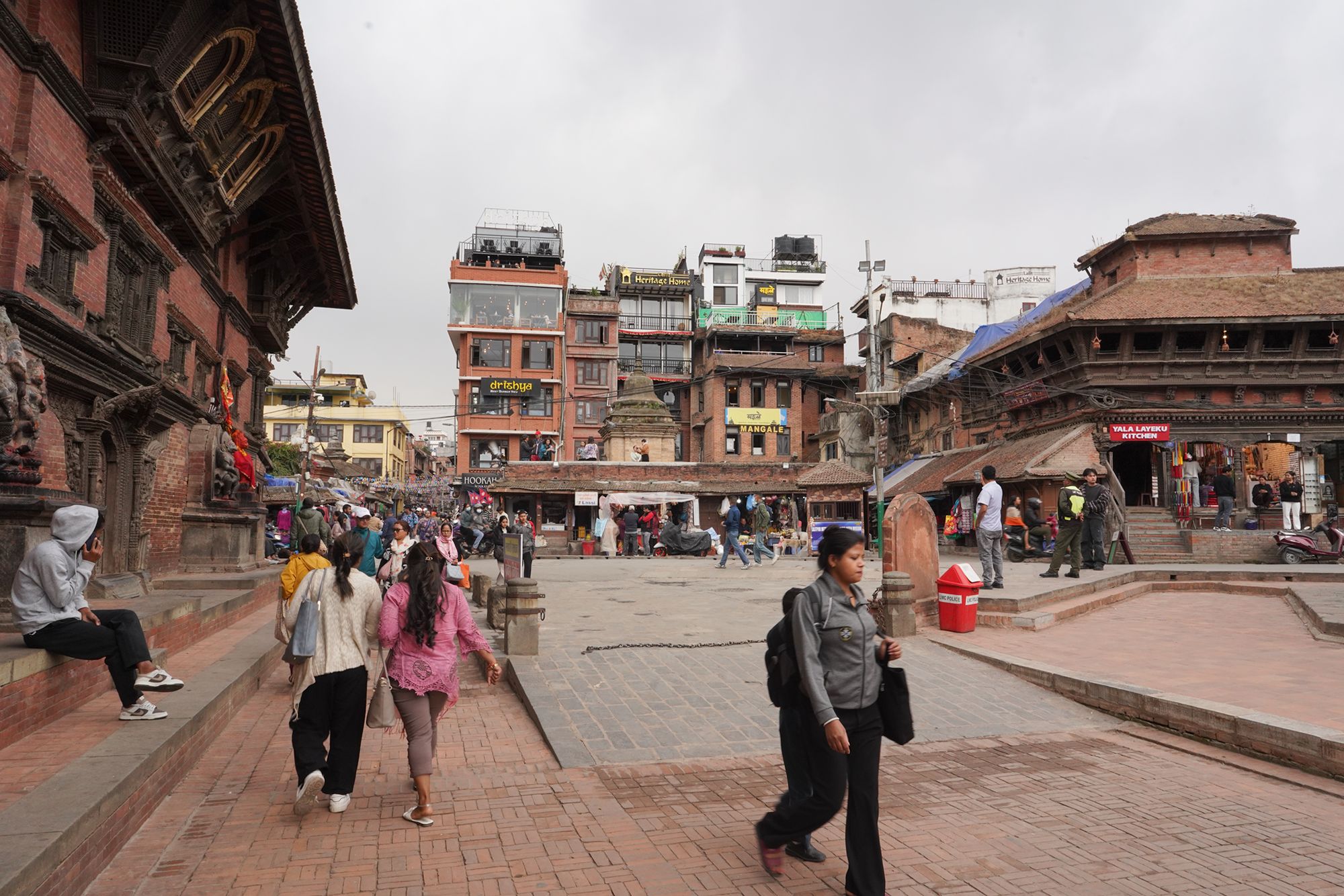
Okay, now I had reached the other end of Patan Durbar Square.
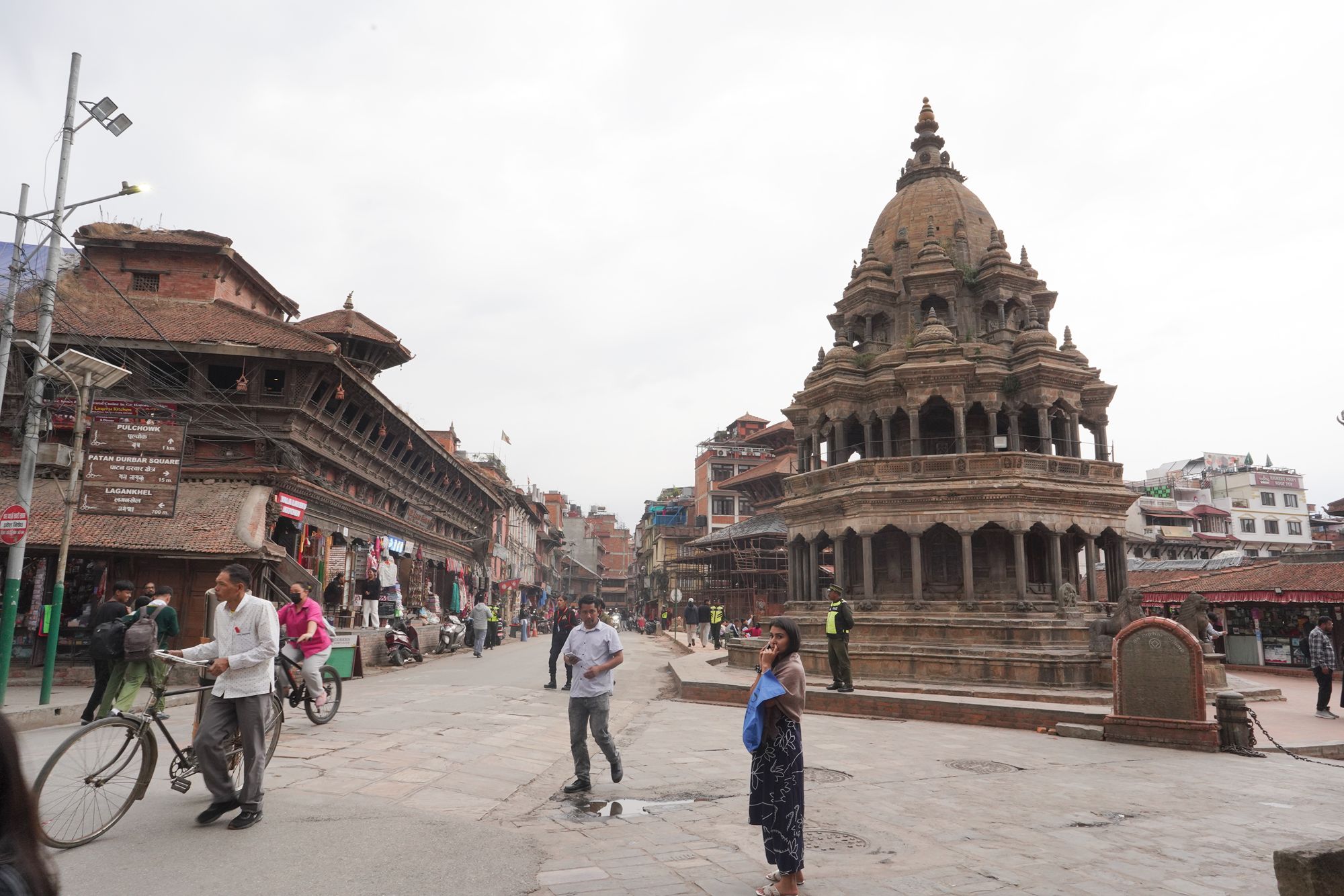
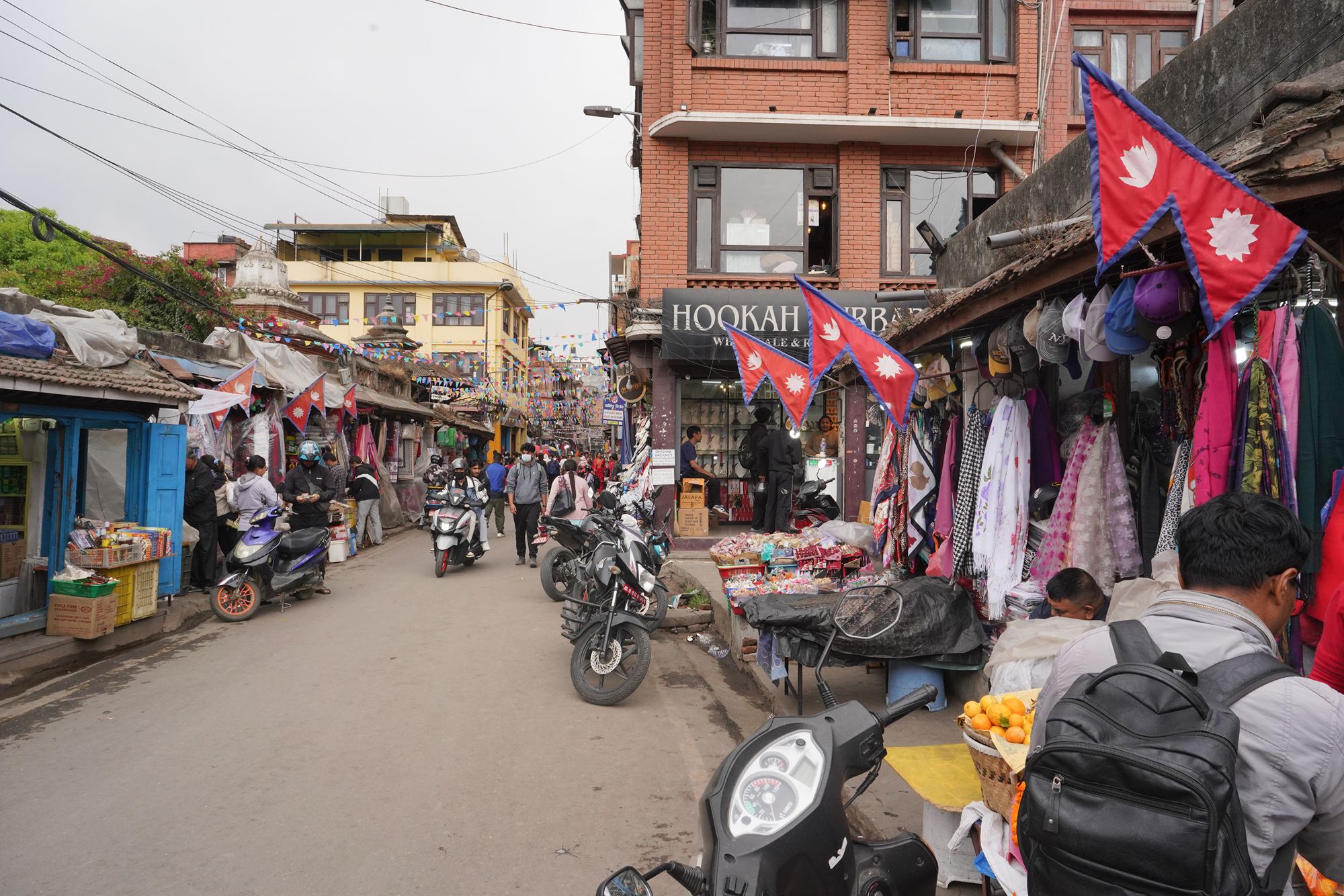
I noticed many people walking along this busy street, so I became curious and decided to follow it to see where it led.
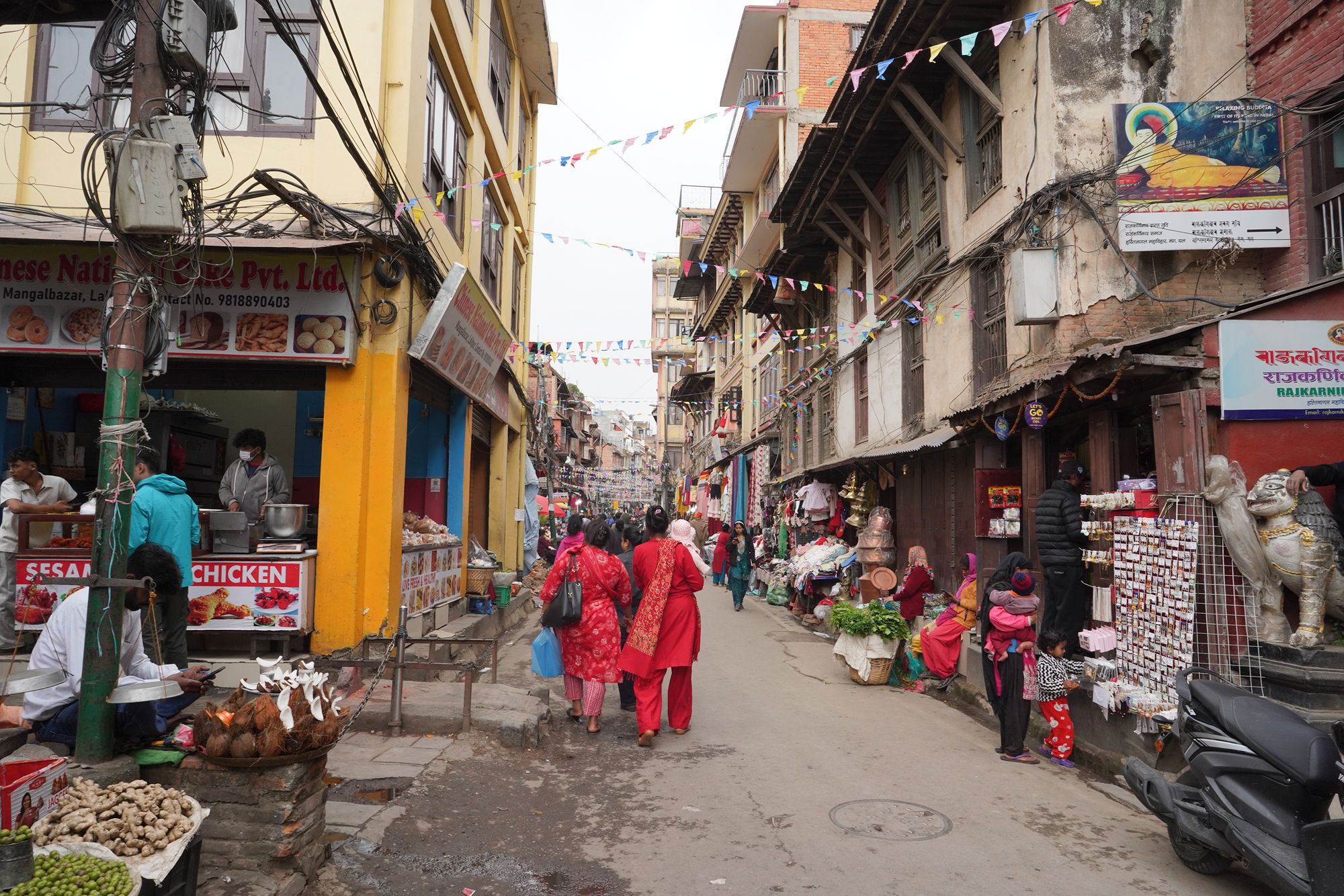
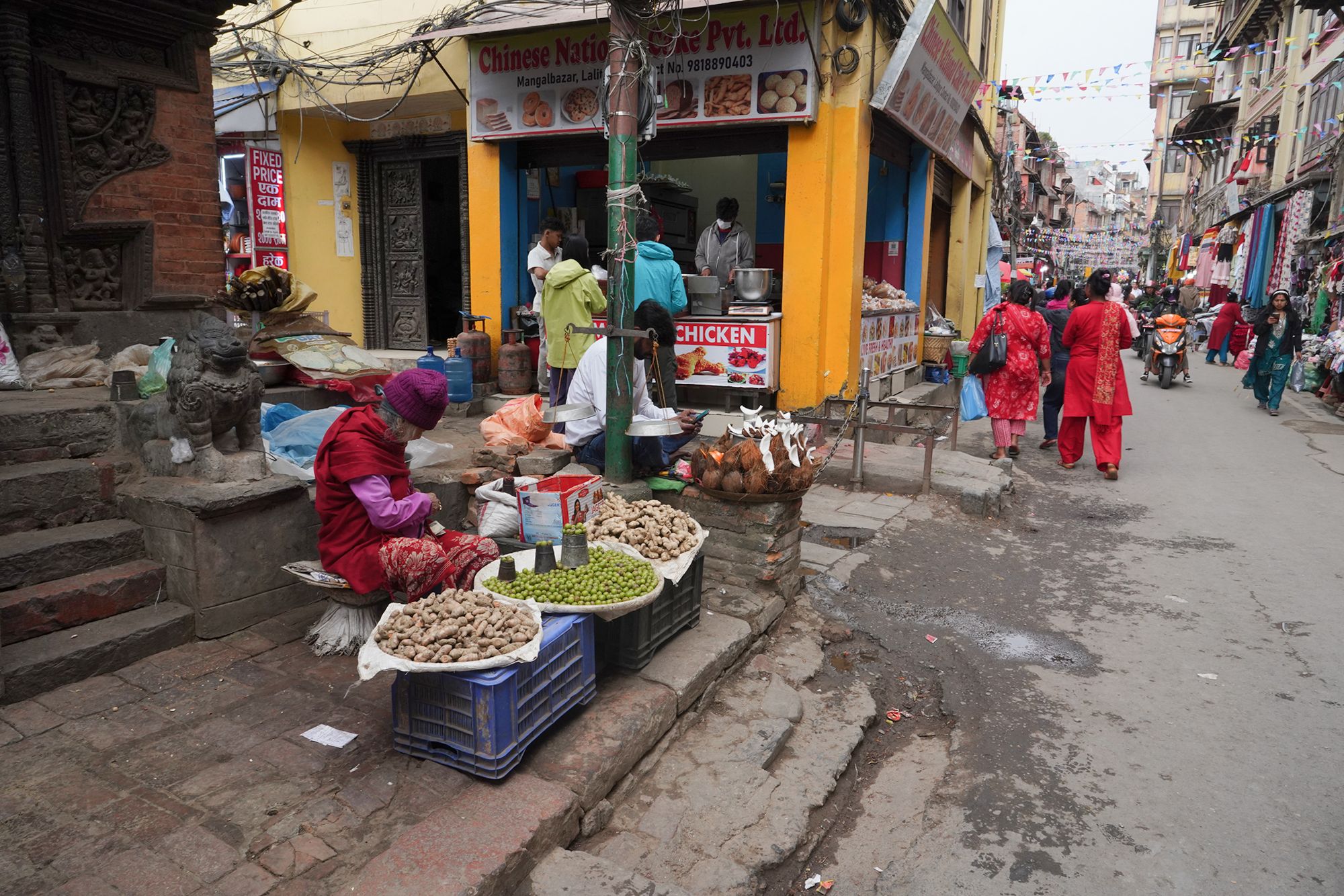
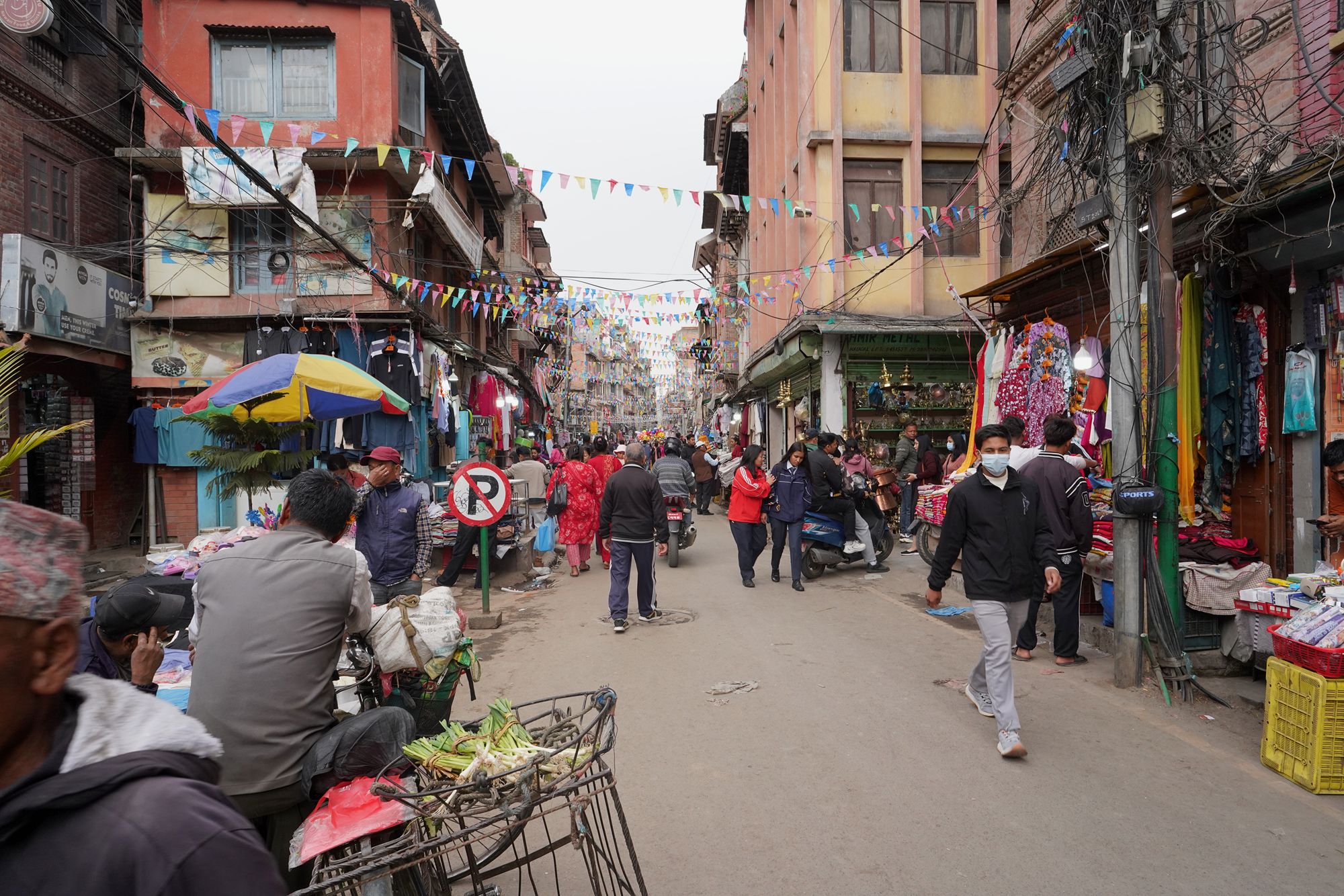
Looking back at Patan Durbar Square as I continued walking away from it.
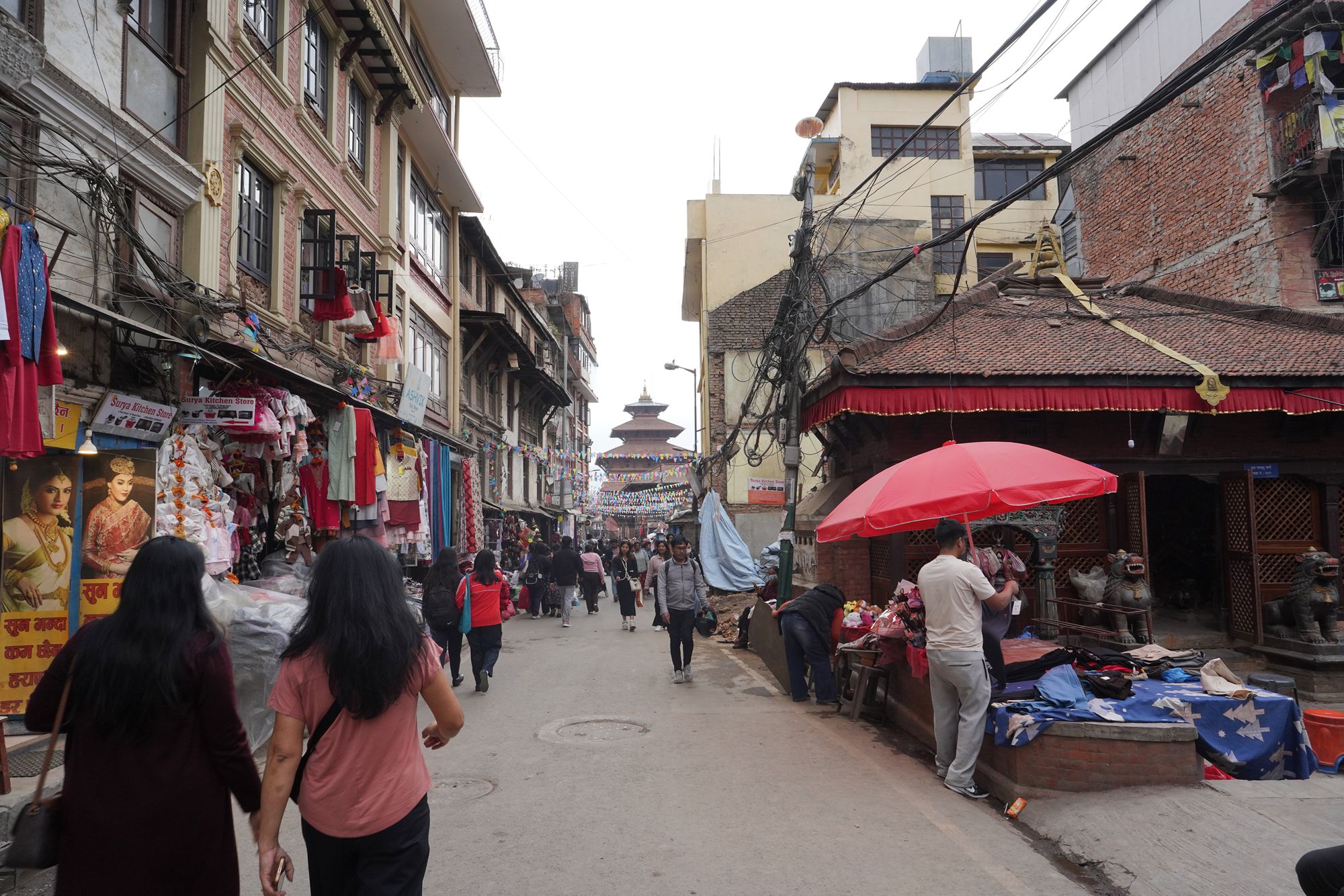
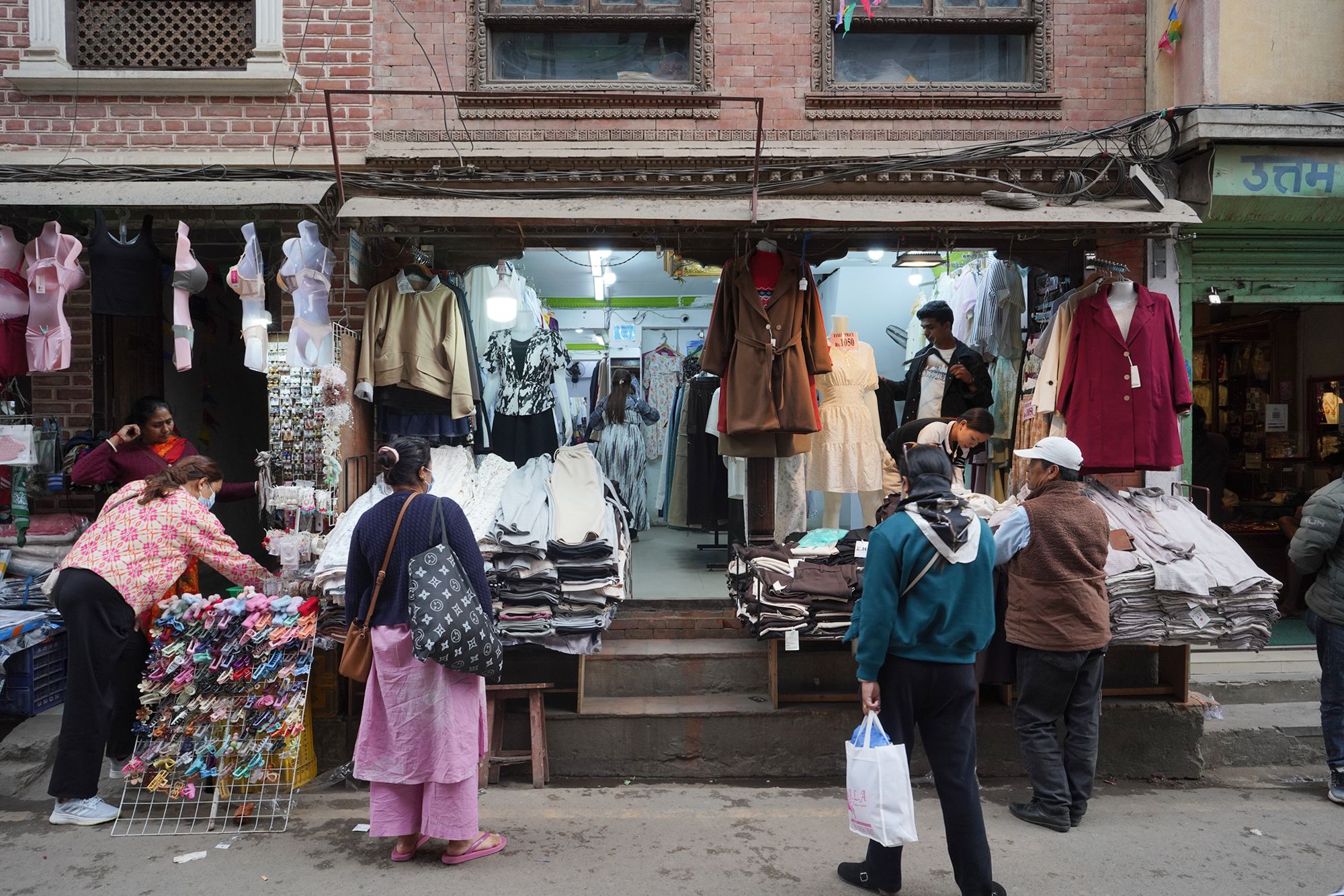
I discovered that the busy street led into a long, sprawling outdoor market. It was exciting to see such a lively local market stretching through the streets of Patan.
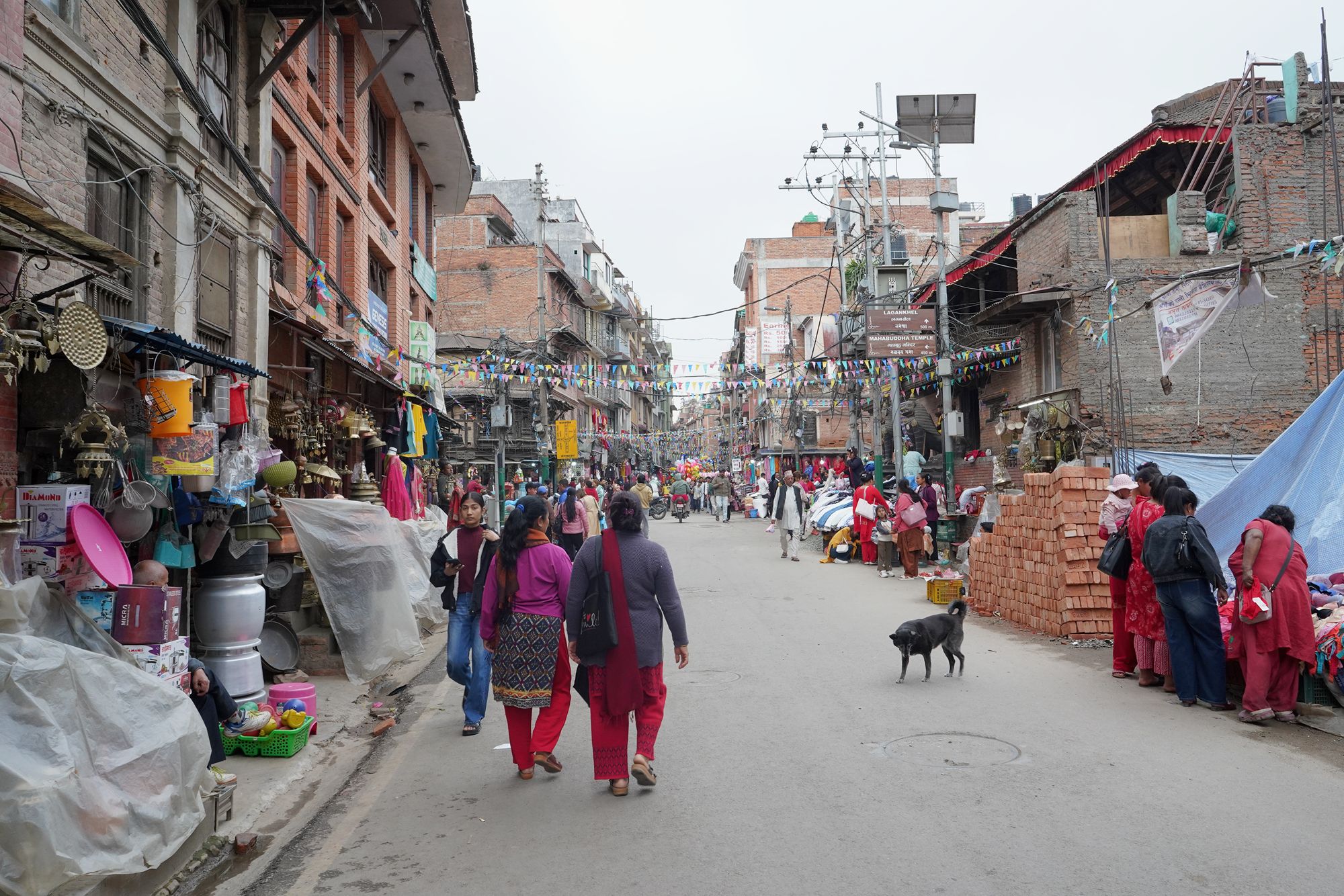
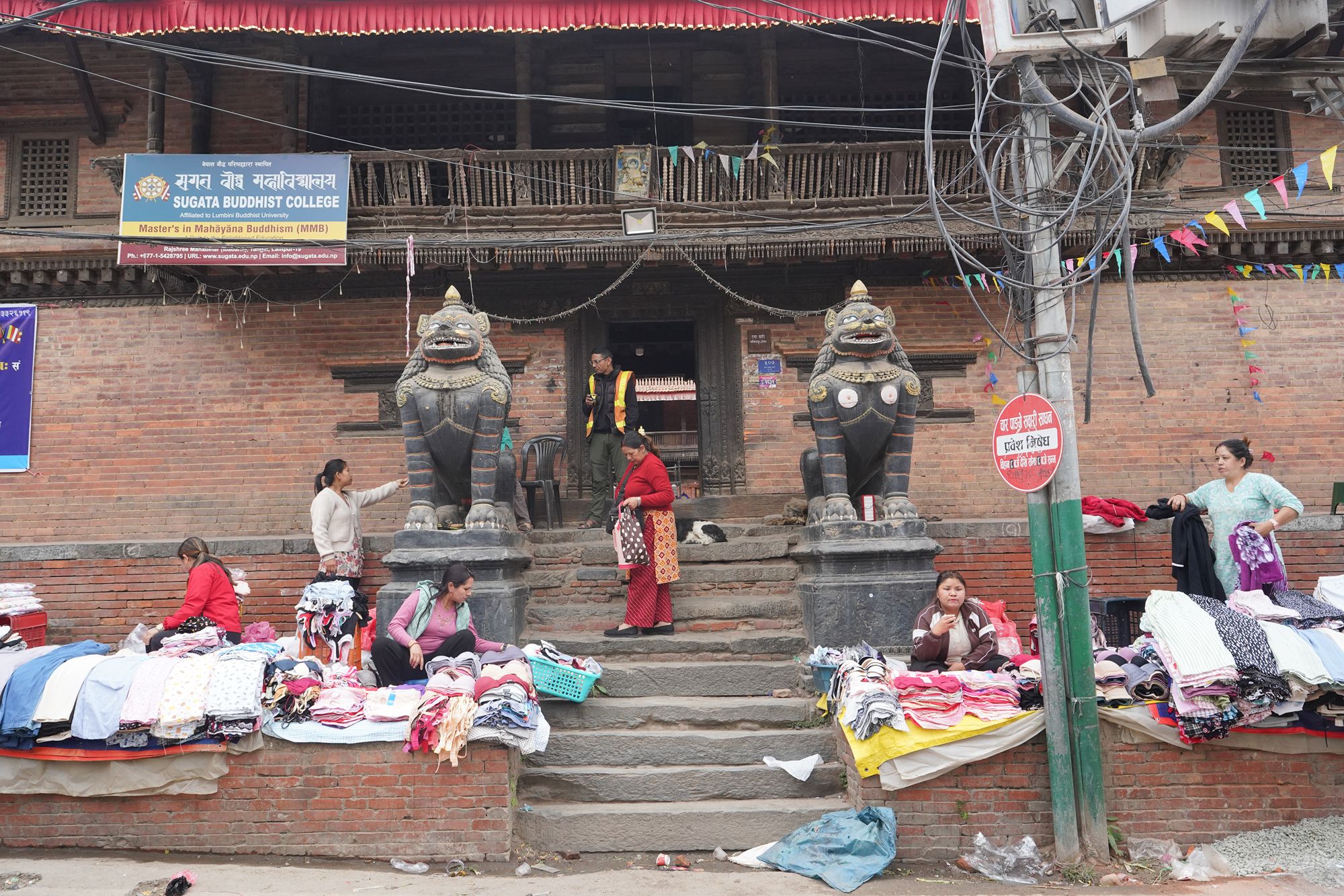
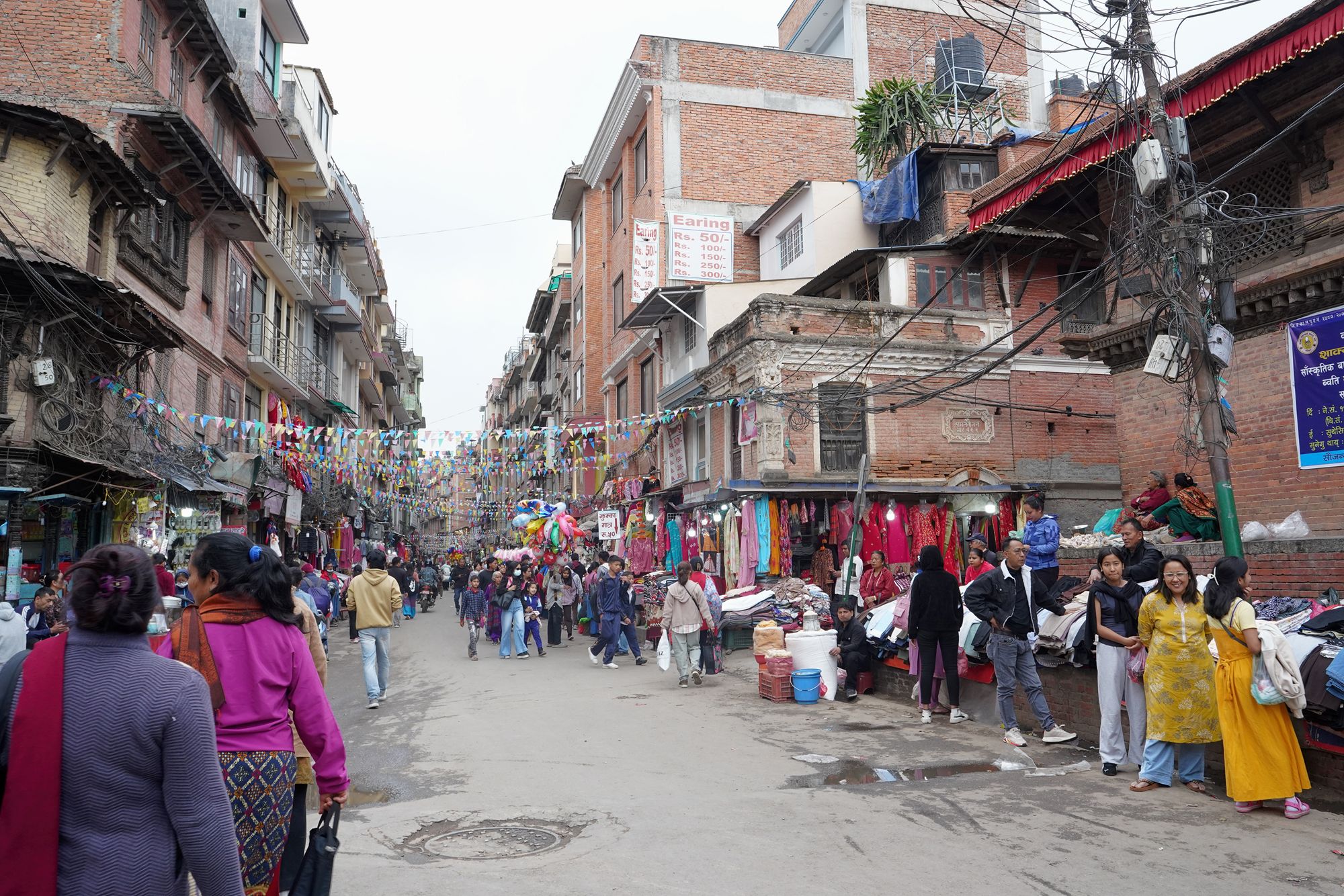
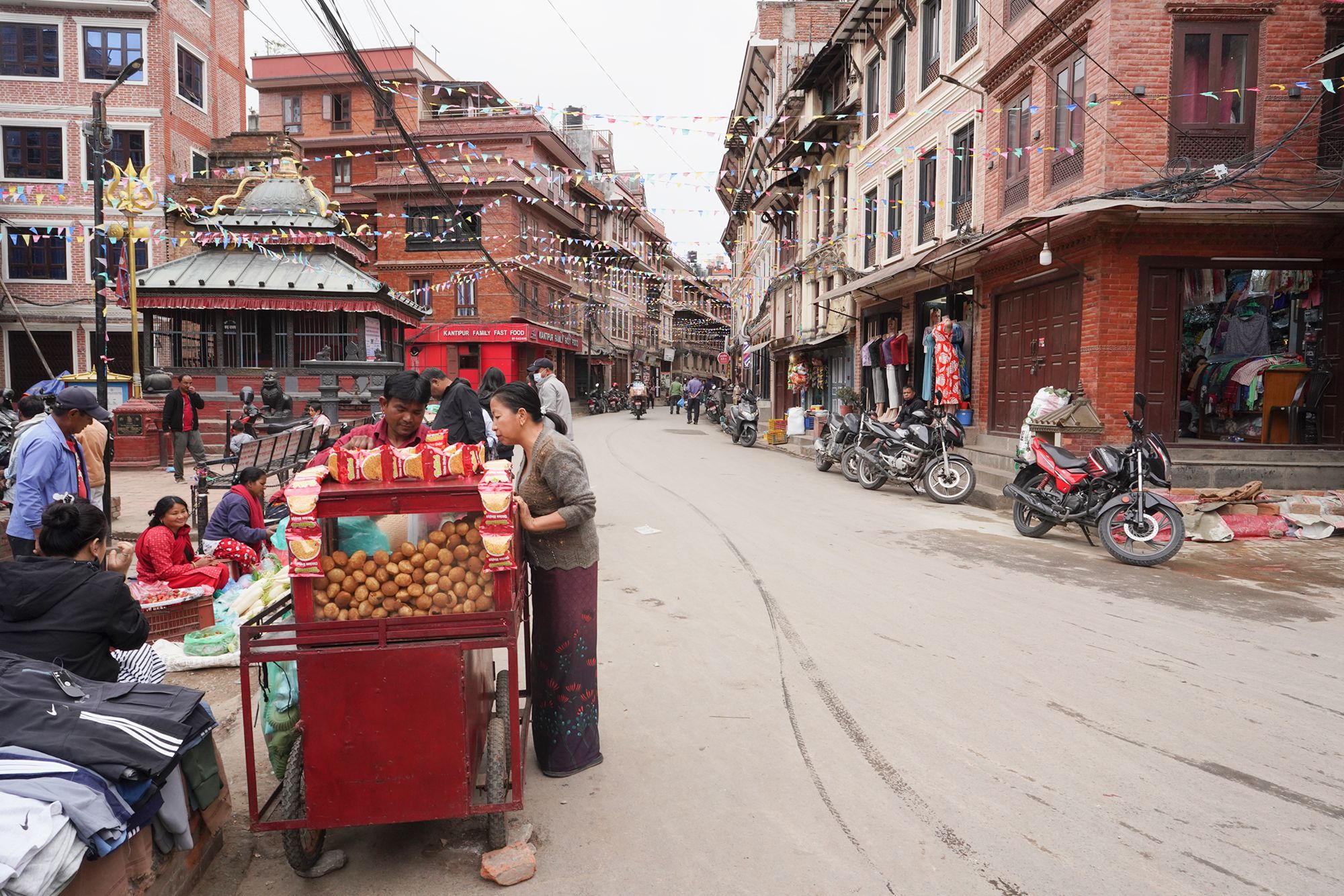
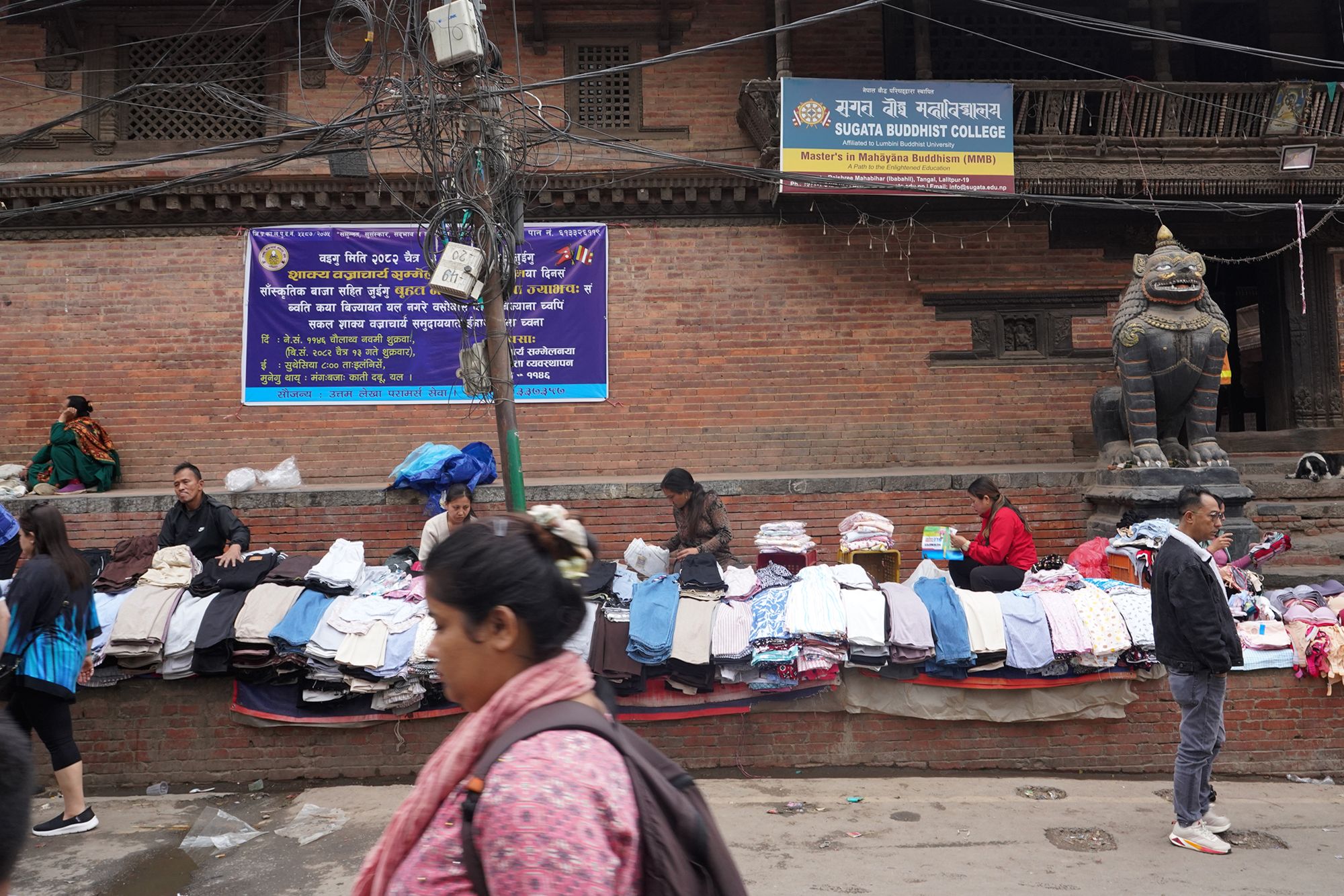
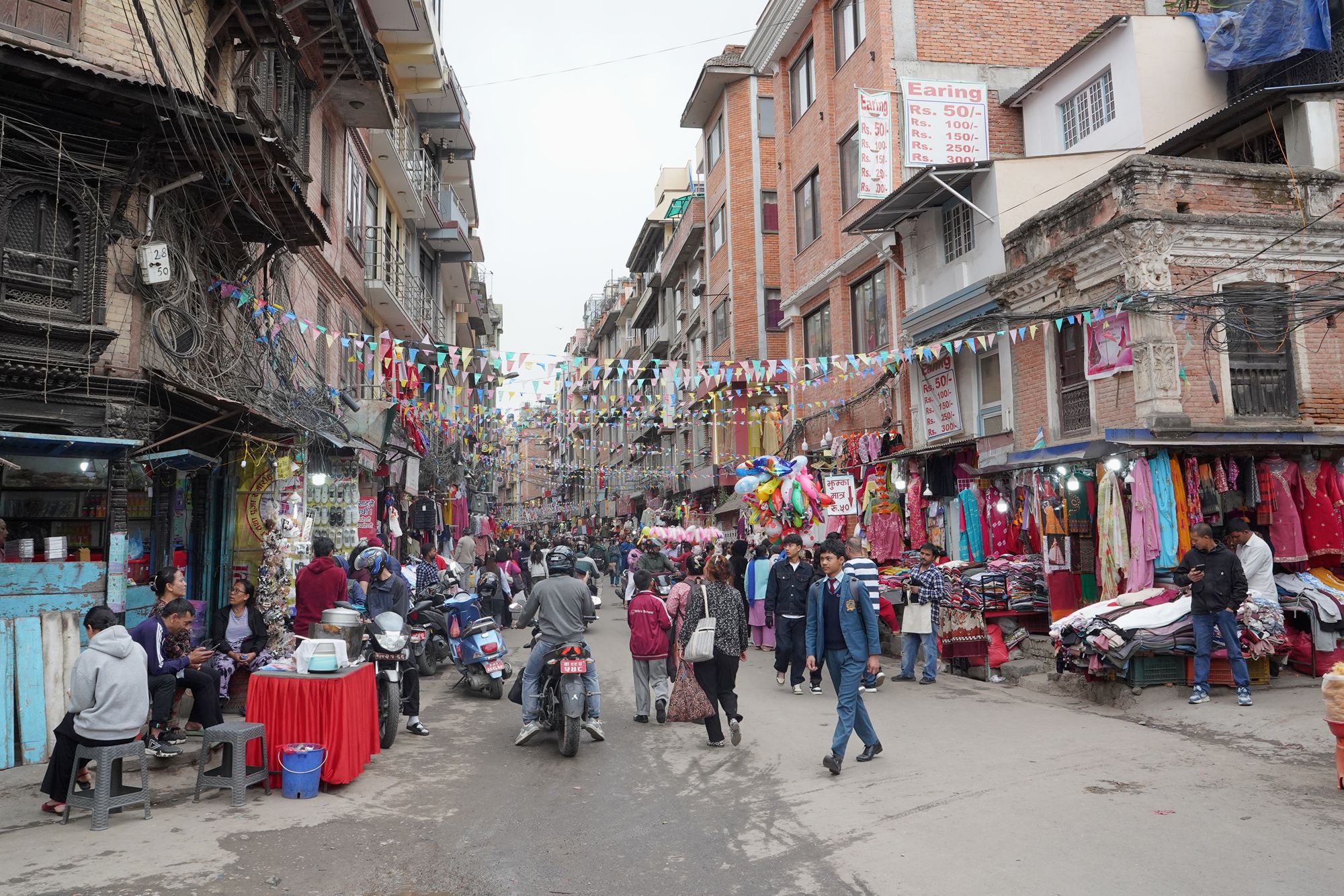
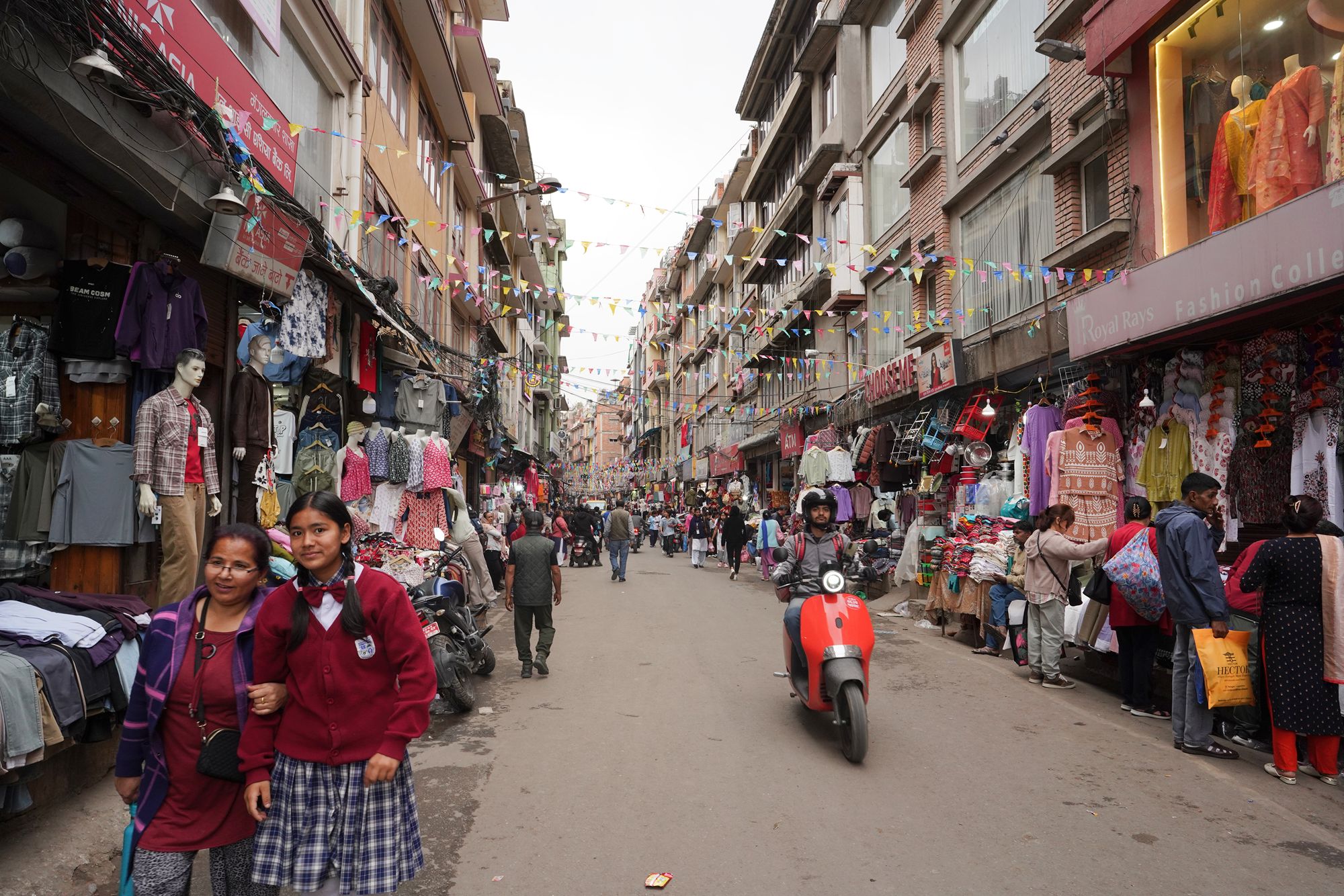
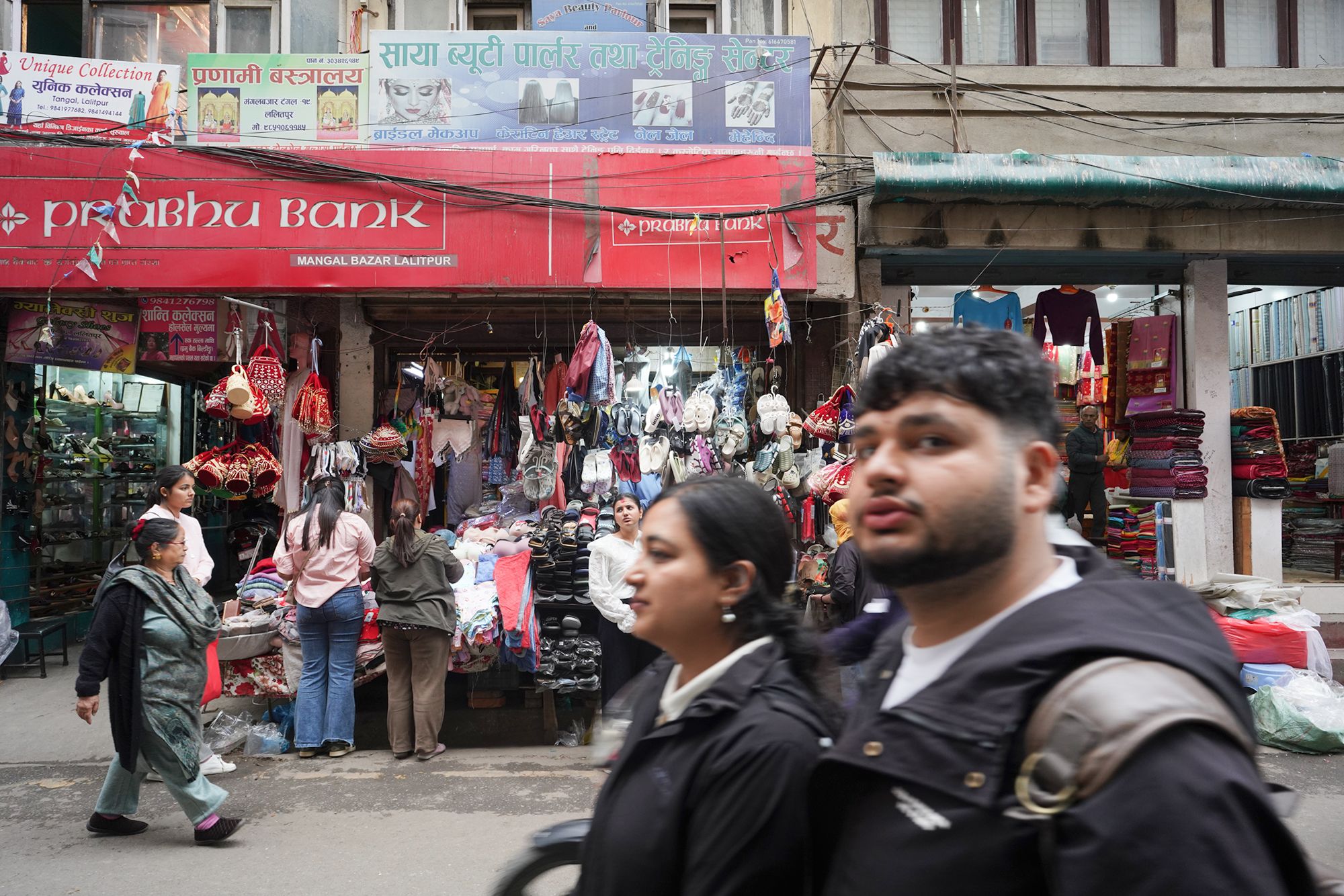
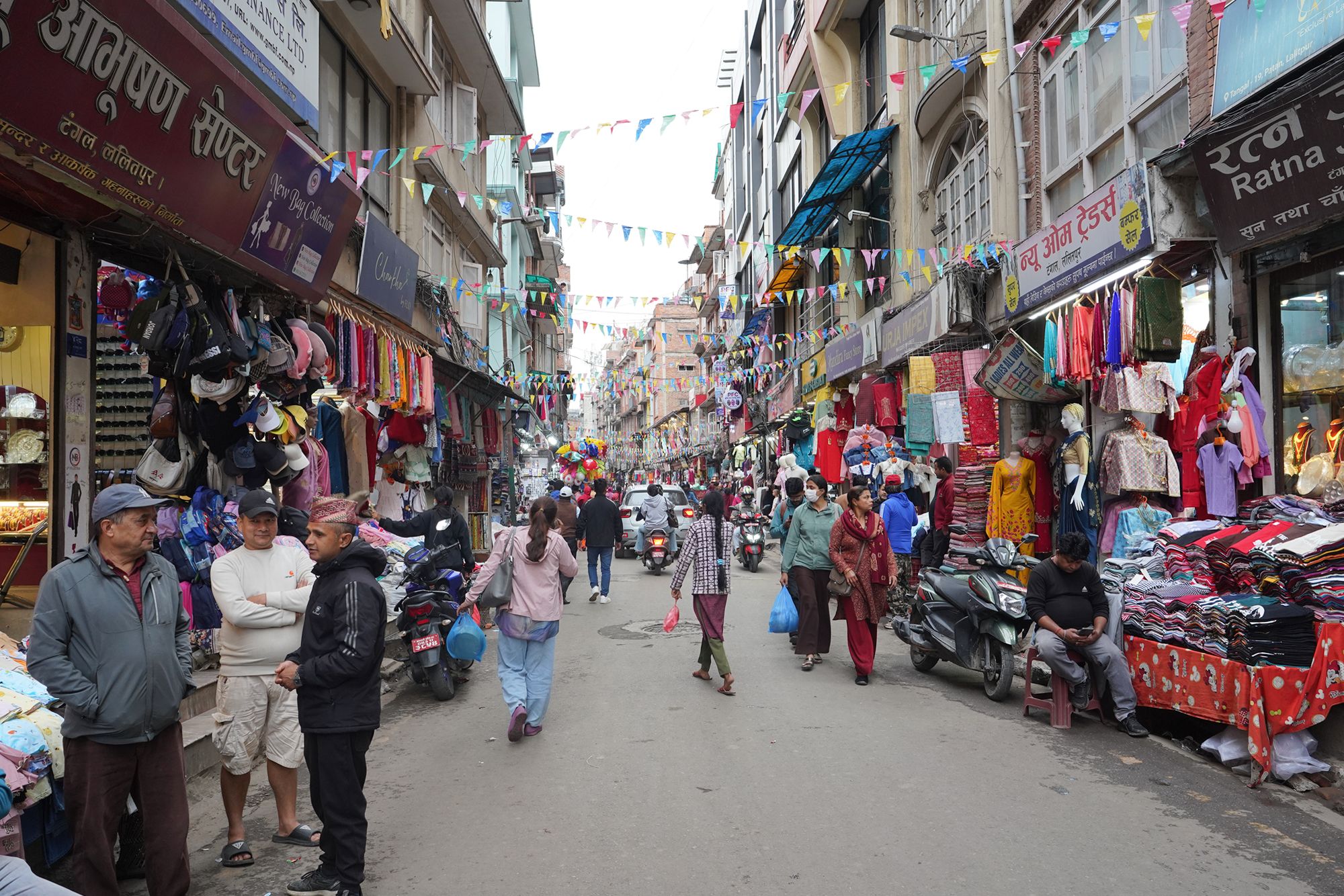
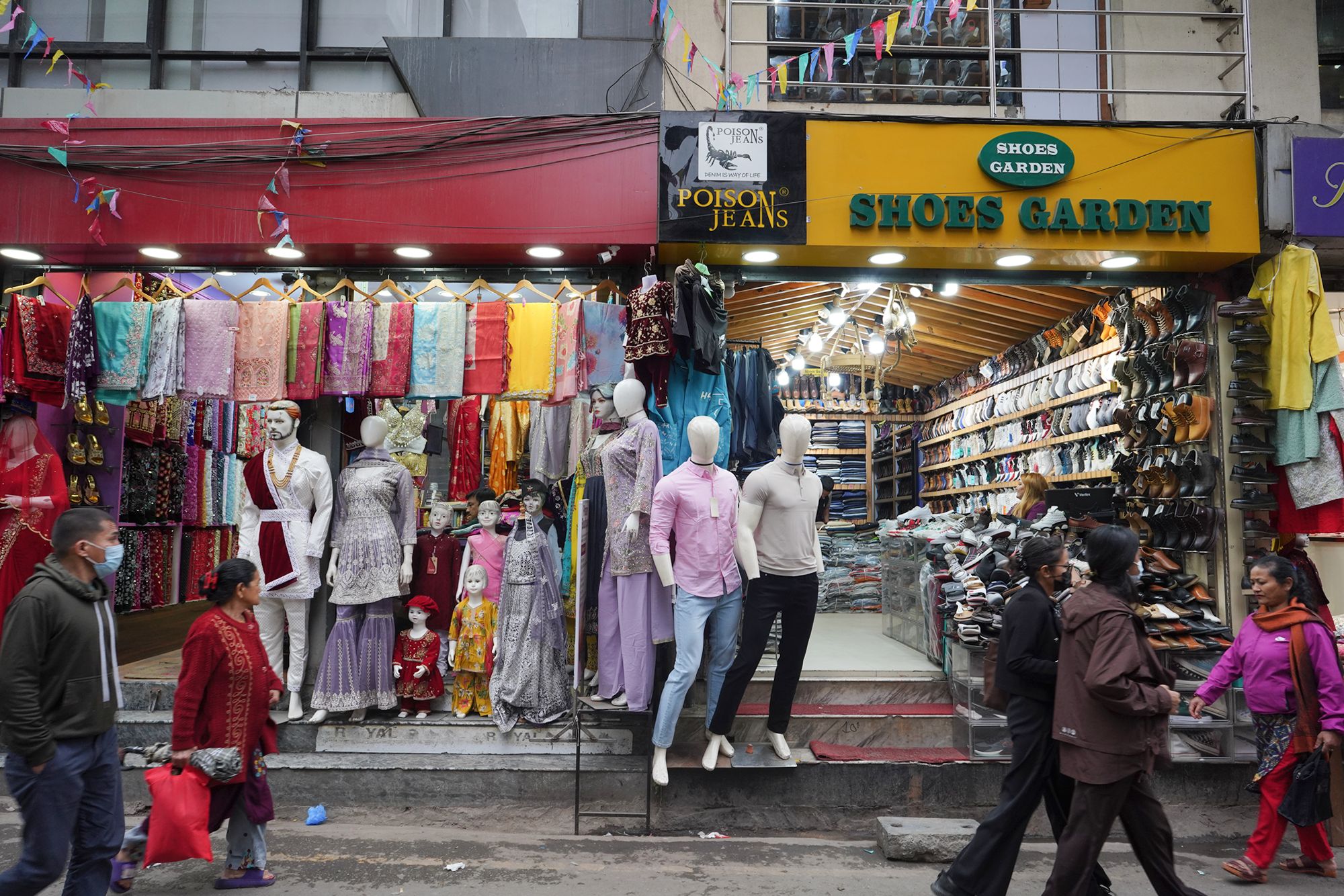
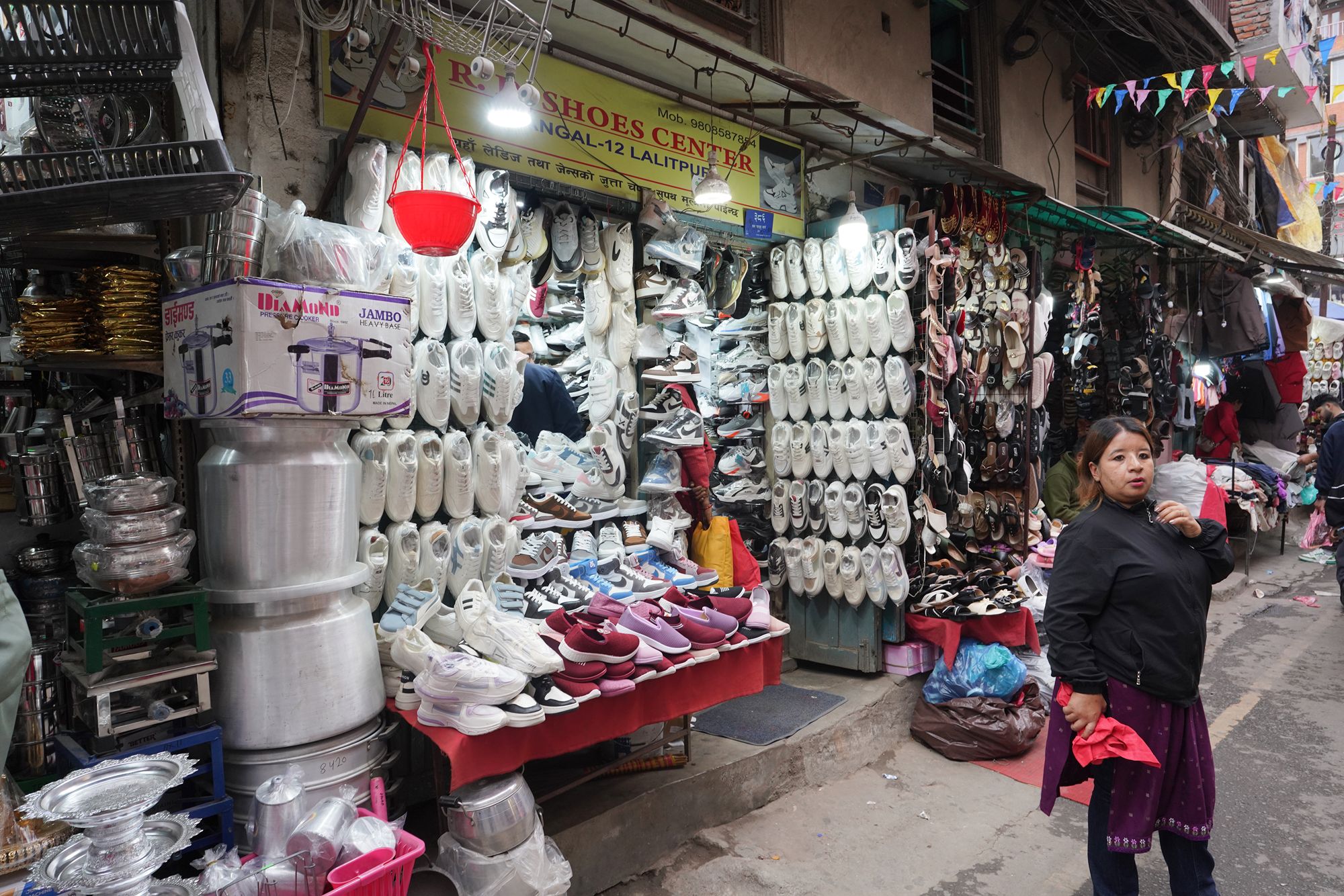
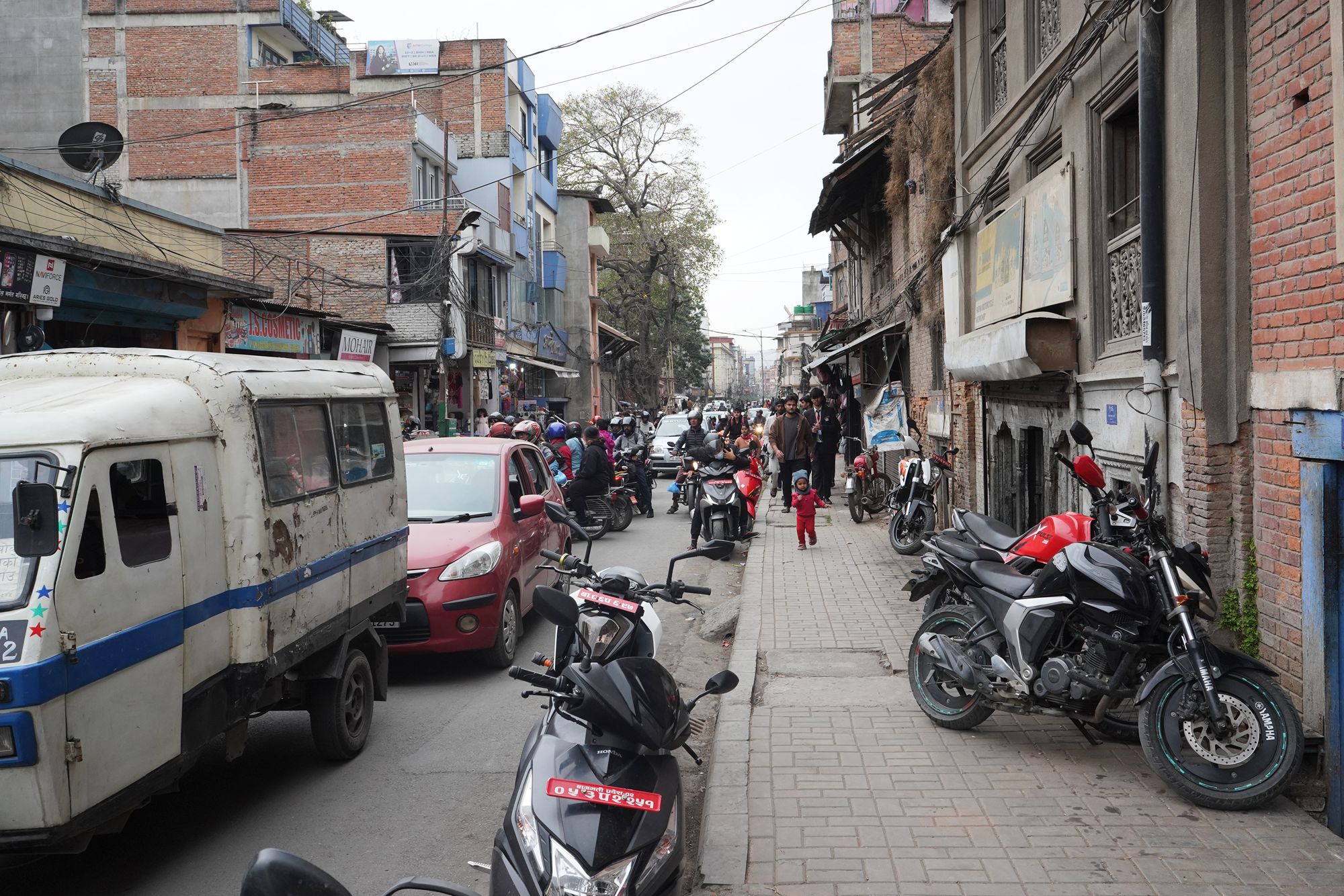
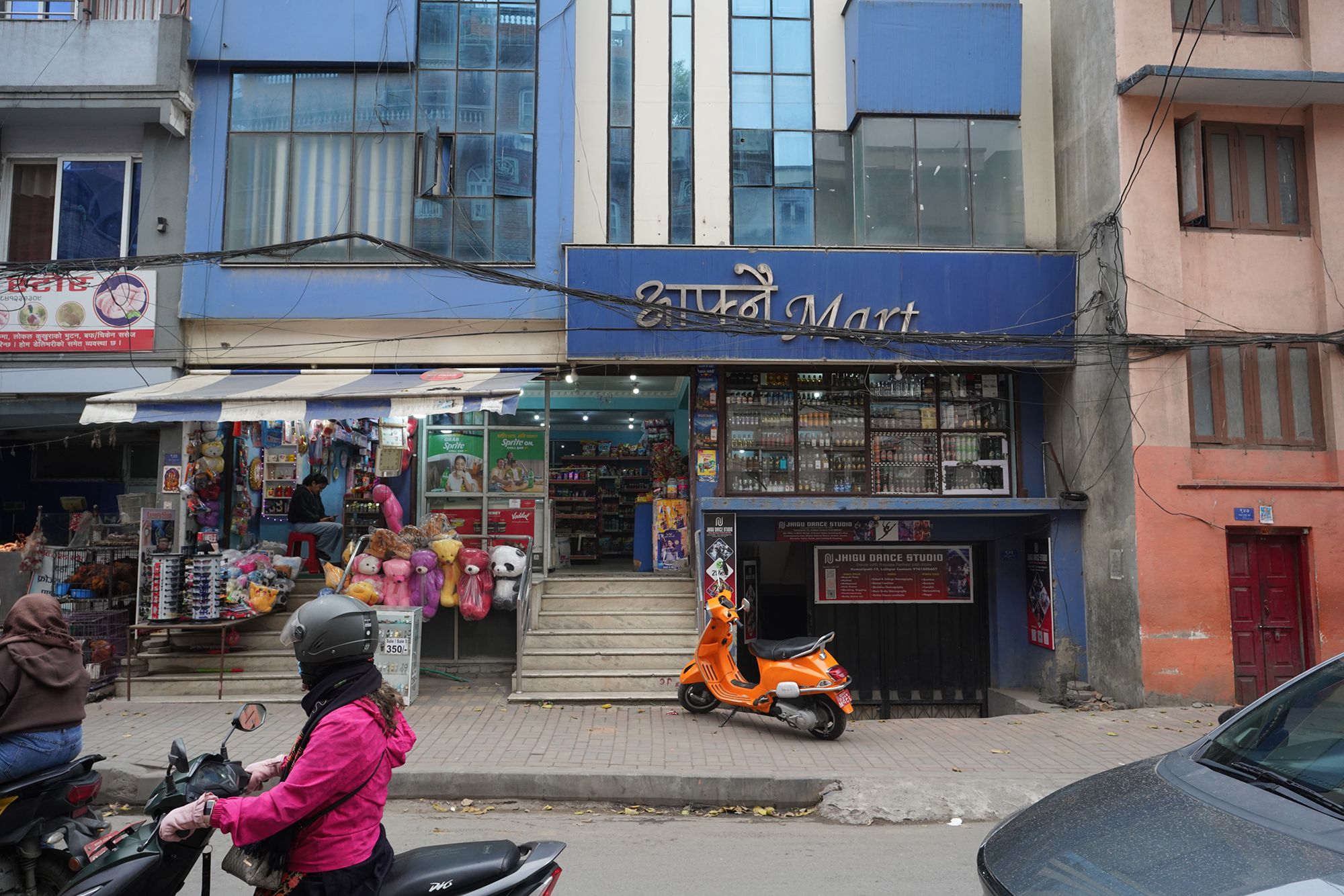
After seeing enough of the long outdoor market, I turned at a corner and left the busy market behind, heading into the more typical streets of the city.