
Kathmandu Pashupatinath Temple and Buddha Stupa, Kathmandu, Nepal
Pashupatinath Temple is Kathmandu’s most sacred Hindu temple complex, while nearby Boudhanath Stupa is one of Nepal’s largest and most important Buddhist monuments. 1265
Pashupatinath Temple: 44621 Pashupati Nath Road, Kathmandu, Bagmati Province 44600, Nepal
Buddha Stupa: Kathmandu, Bagmati Province 44600, Nepal
Date Picture Taken: March, 2026
Pashupatinath Temple is one of the most sacred Hindu temples in Nepal and one of the most important temples dedicated to Lord Shiva. Located along the Bagmati River in Kathmandu, the temple complex contains many shrines, temples, ashrams, and cremation ghats.
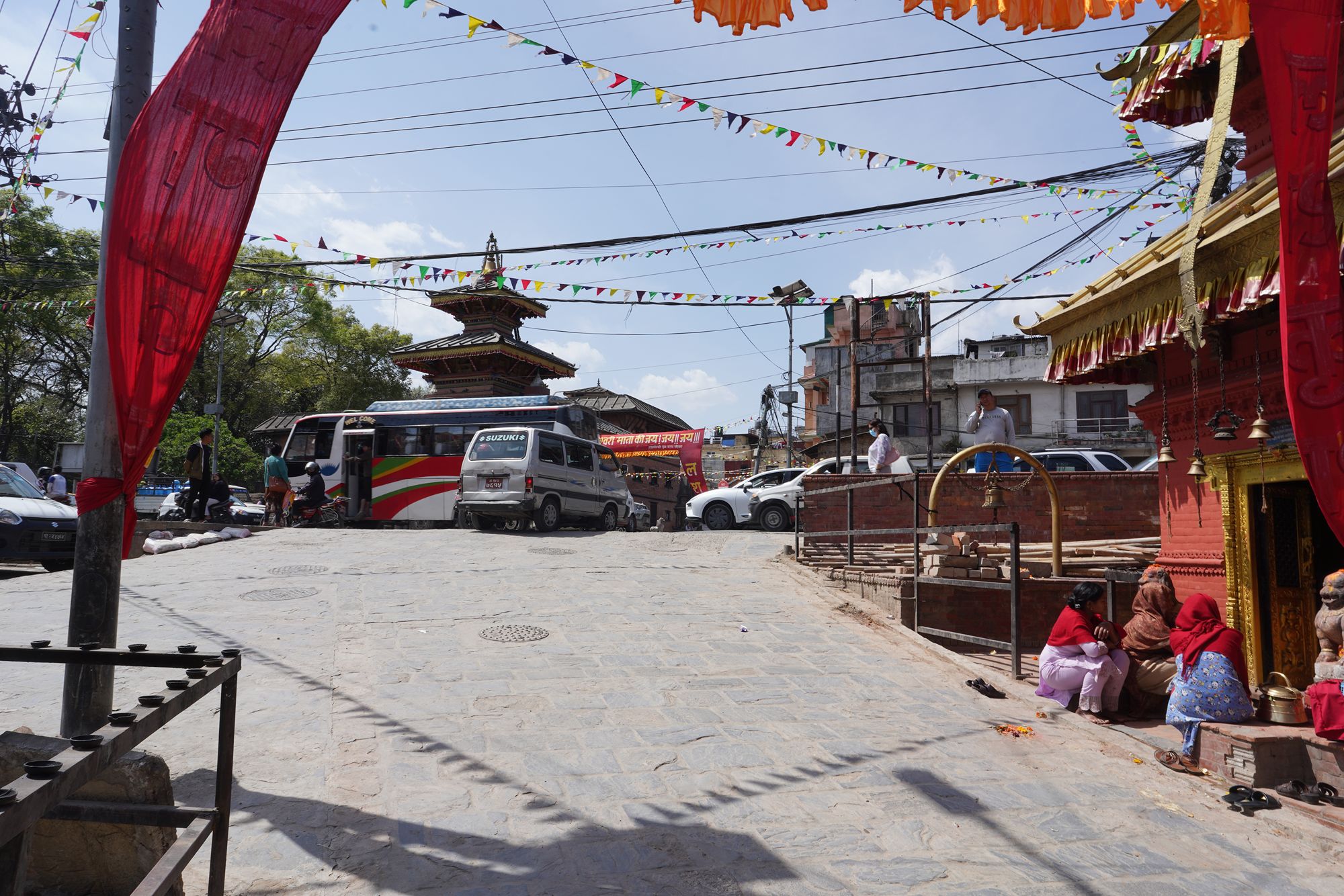
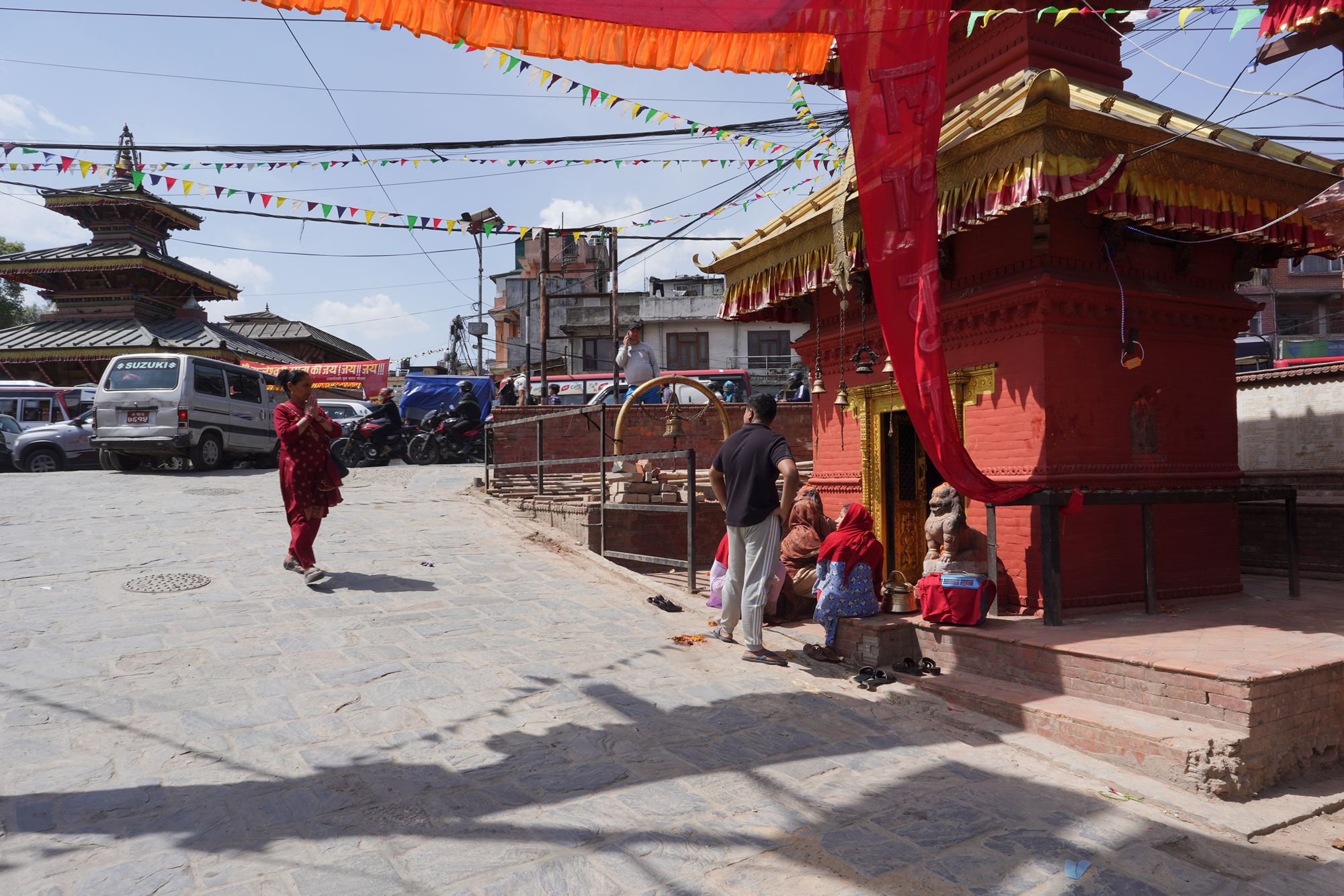
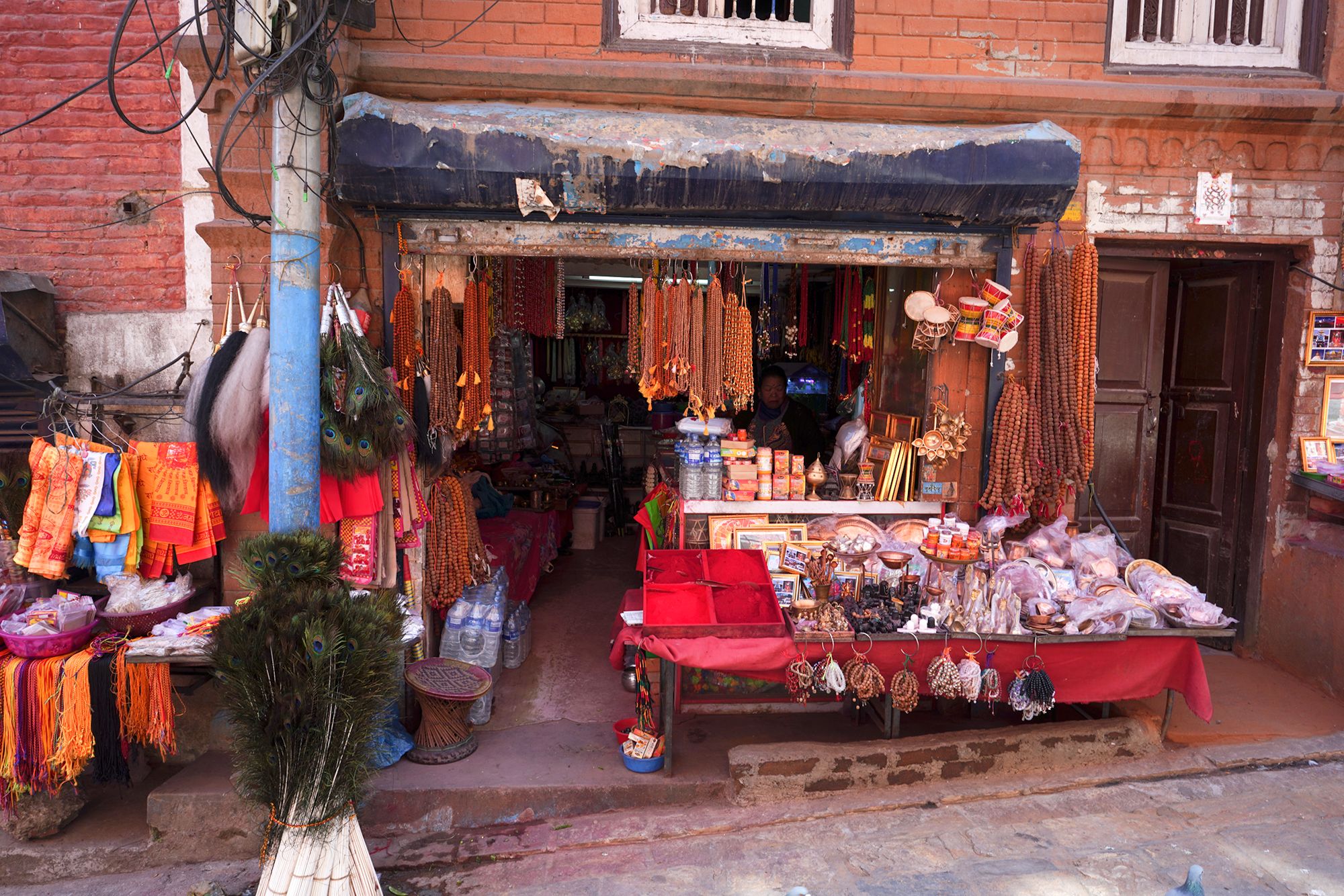
I walked toward Pashupatinath Temple, passing through the surrounding streets along the way.
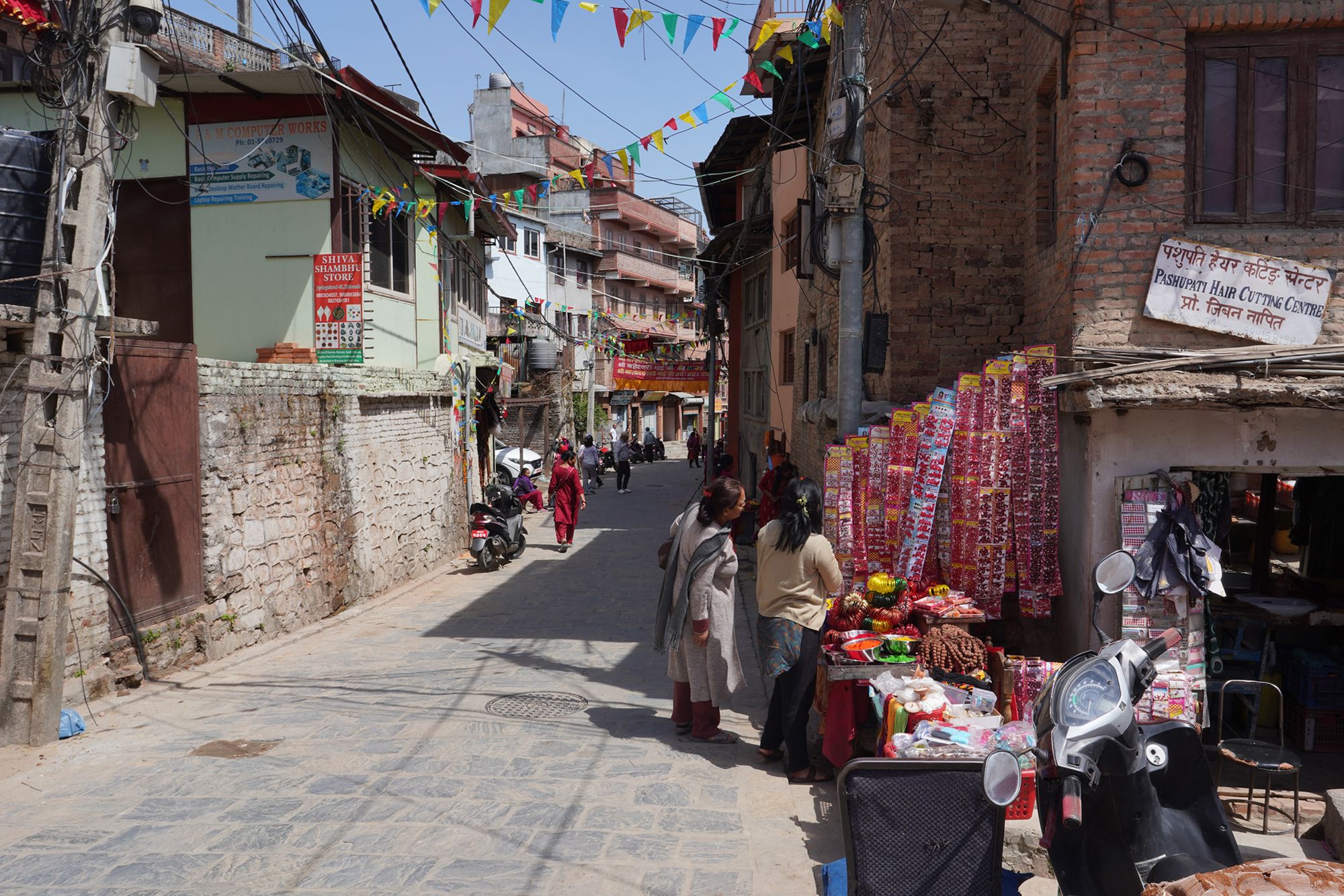
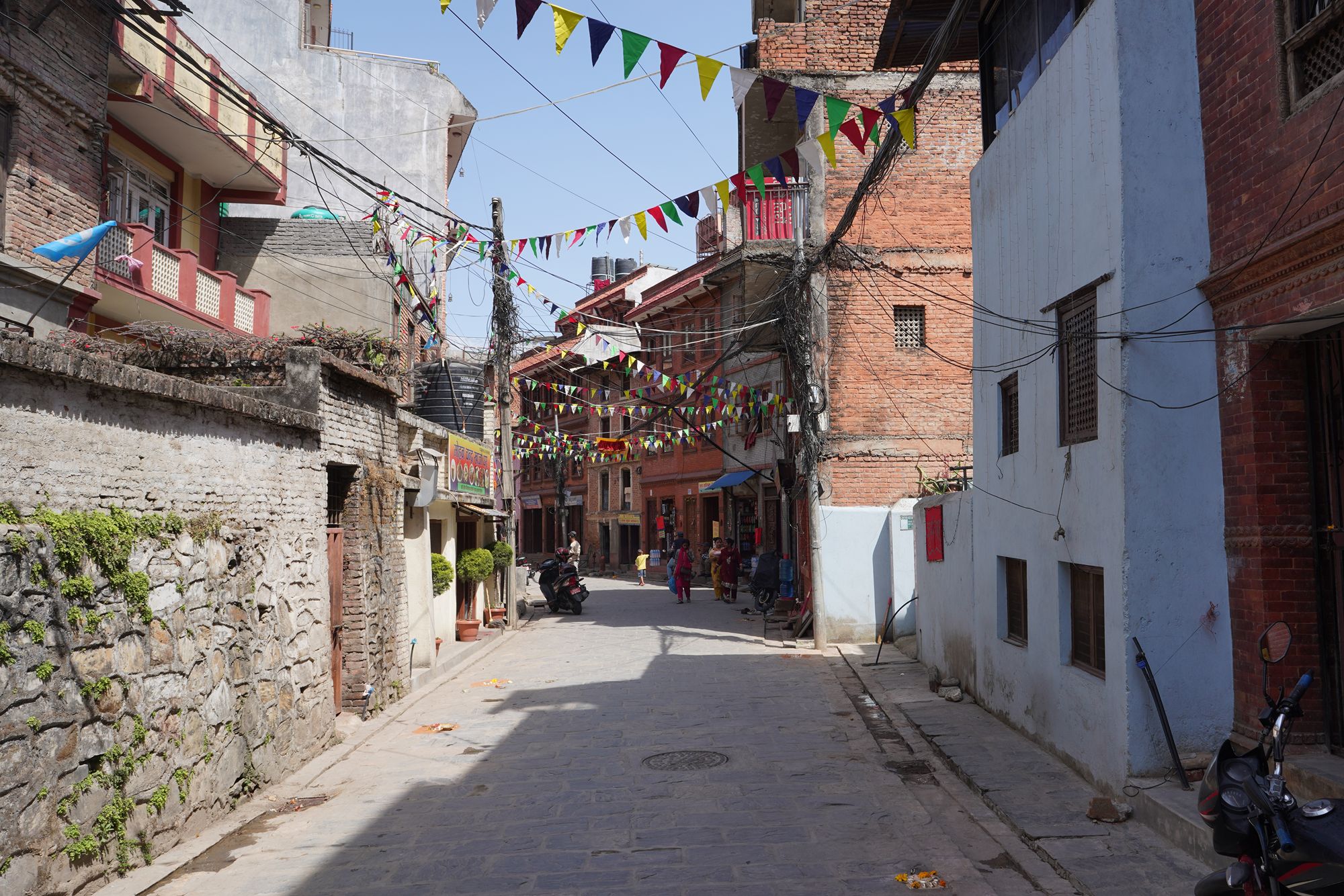
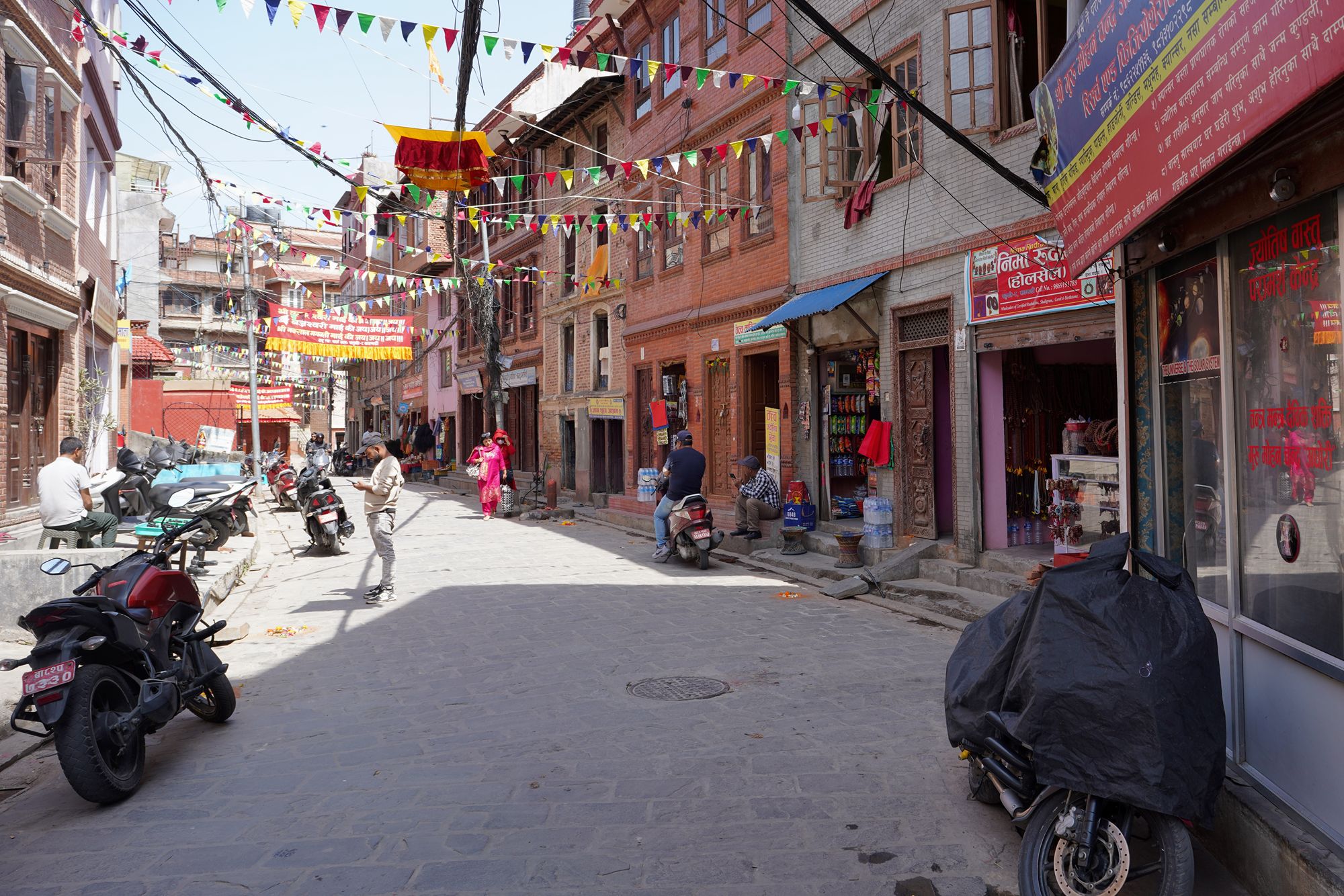
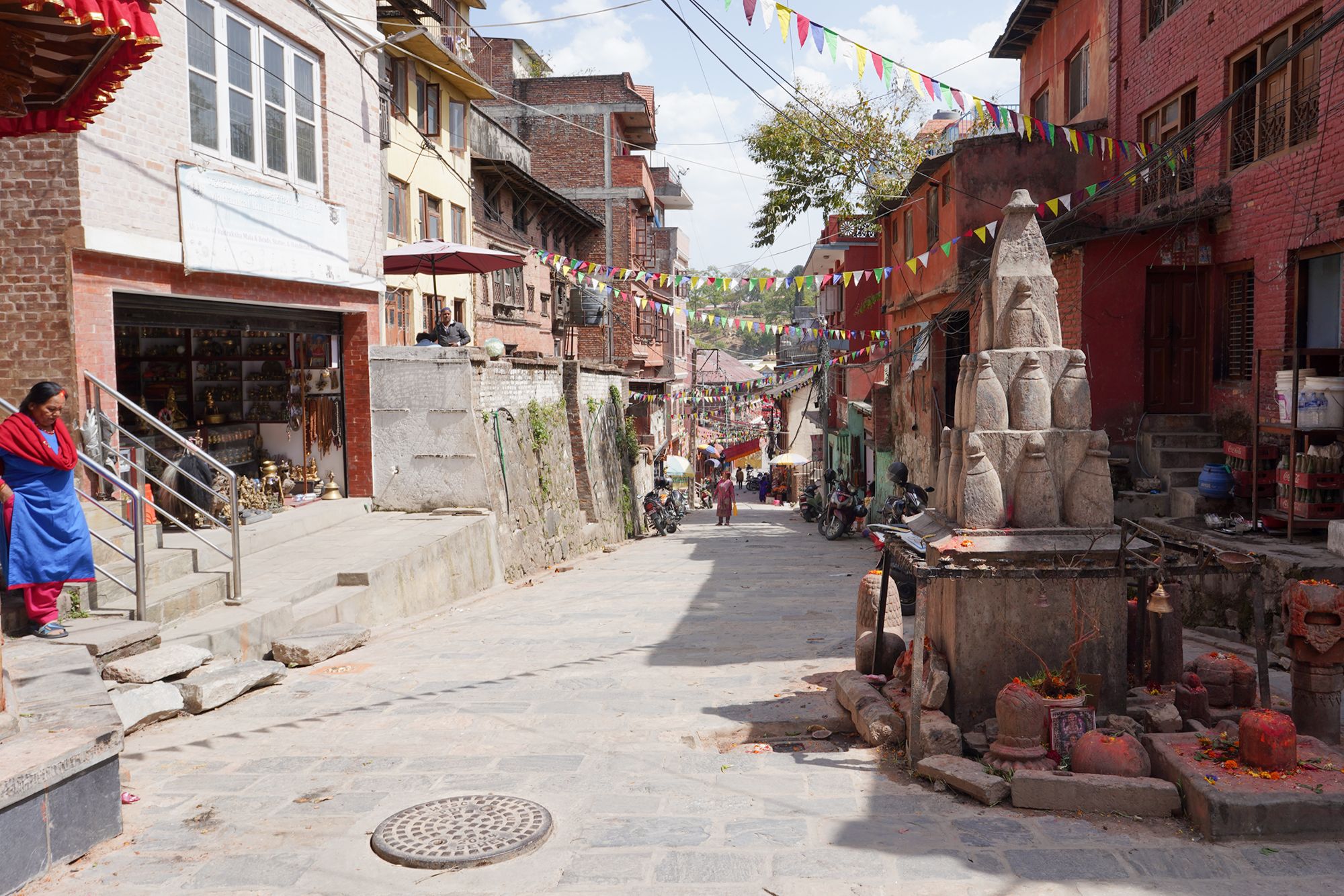
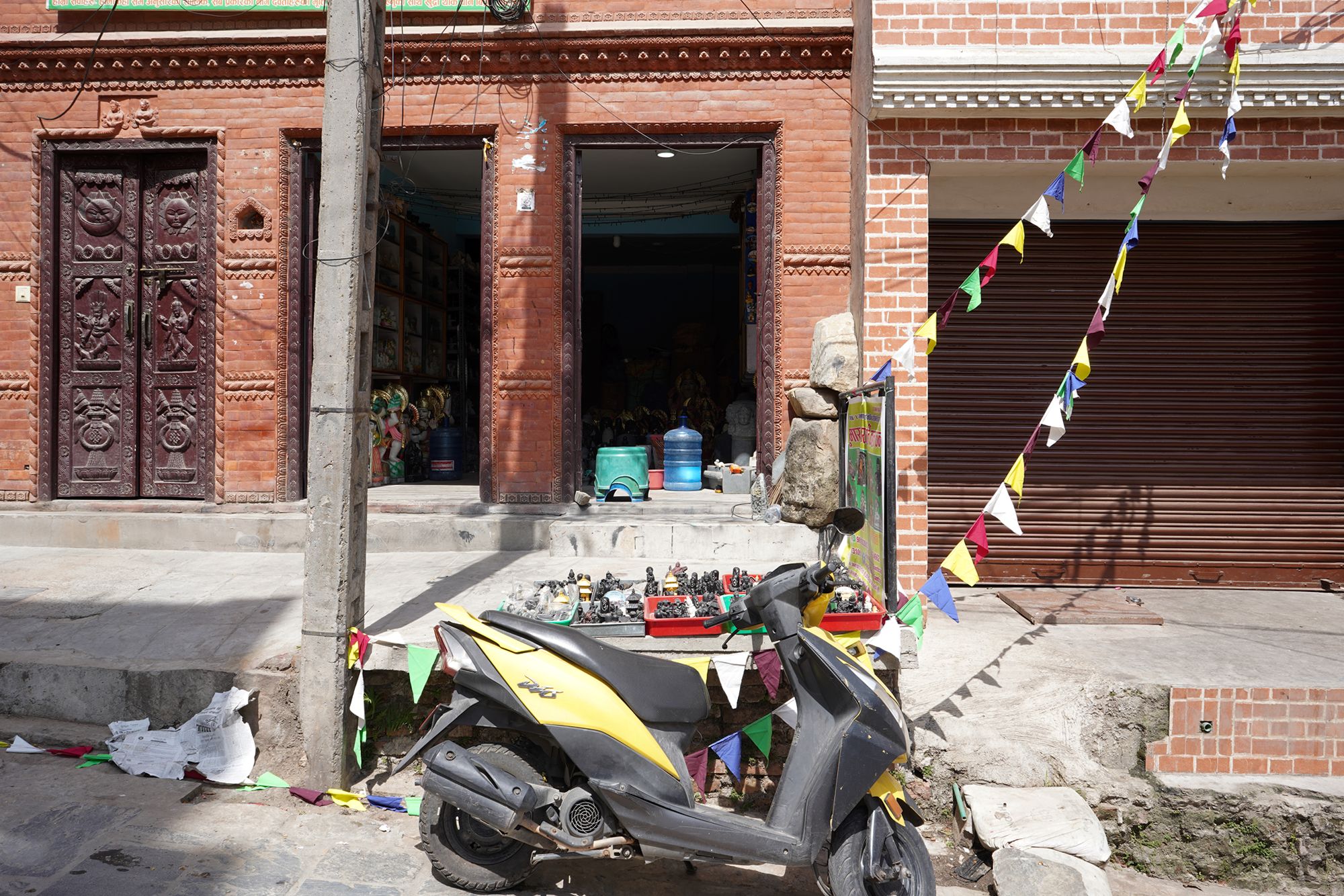
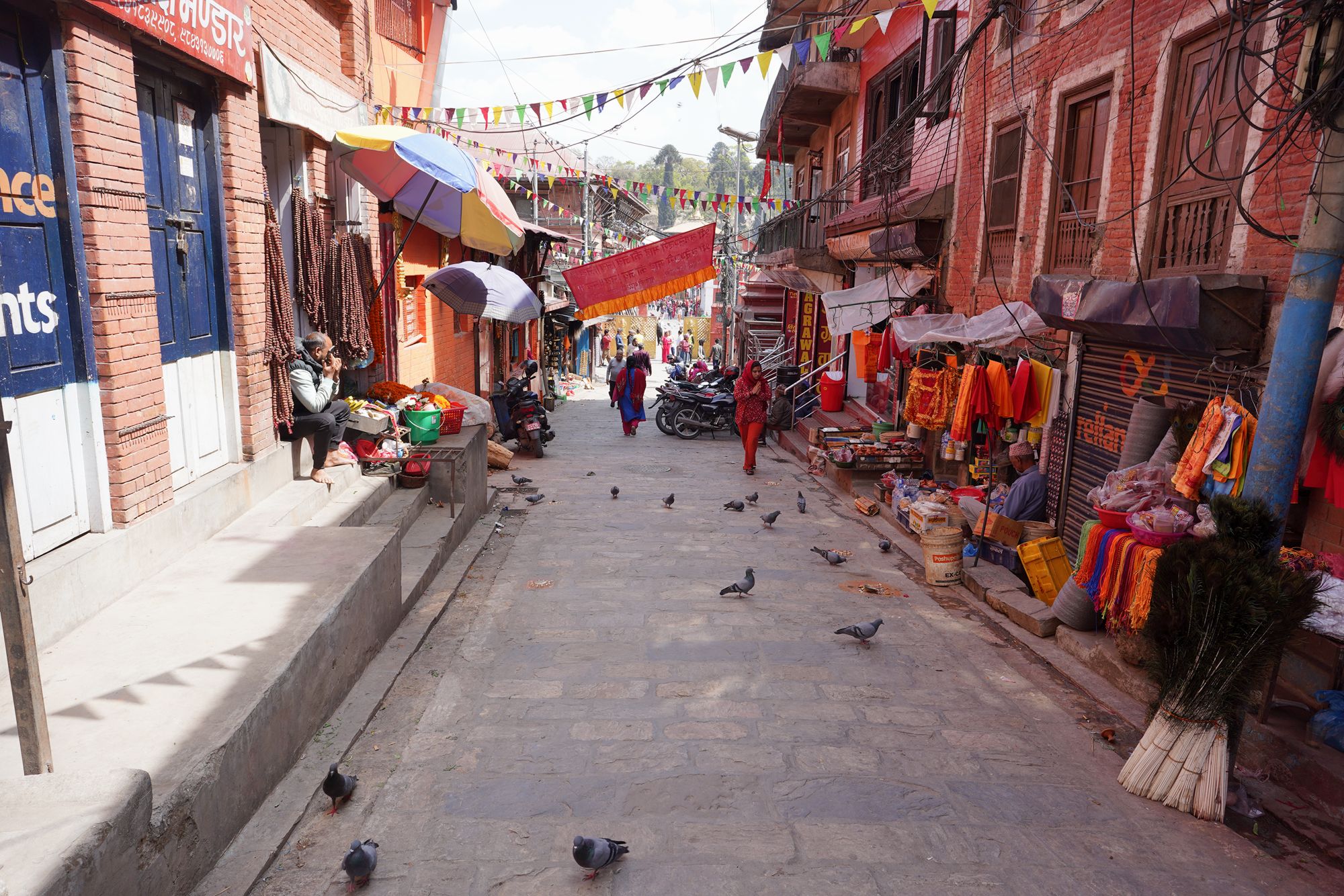
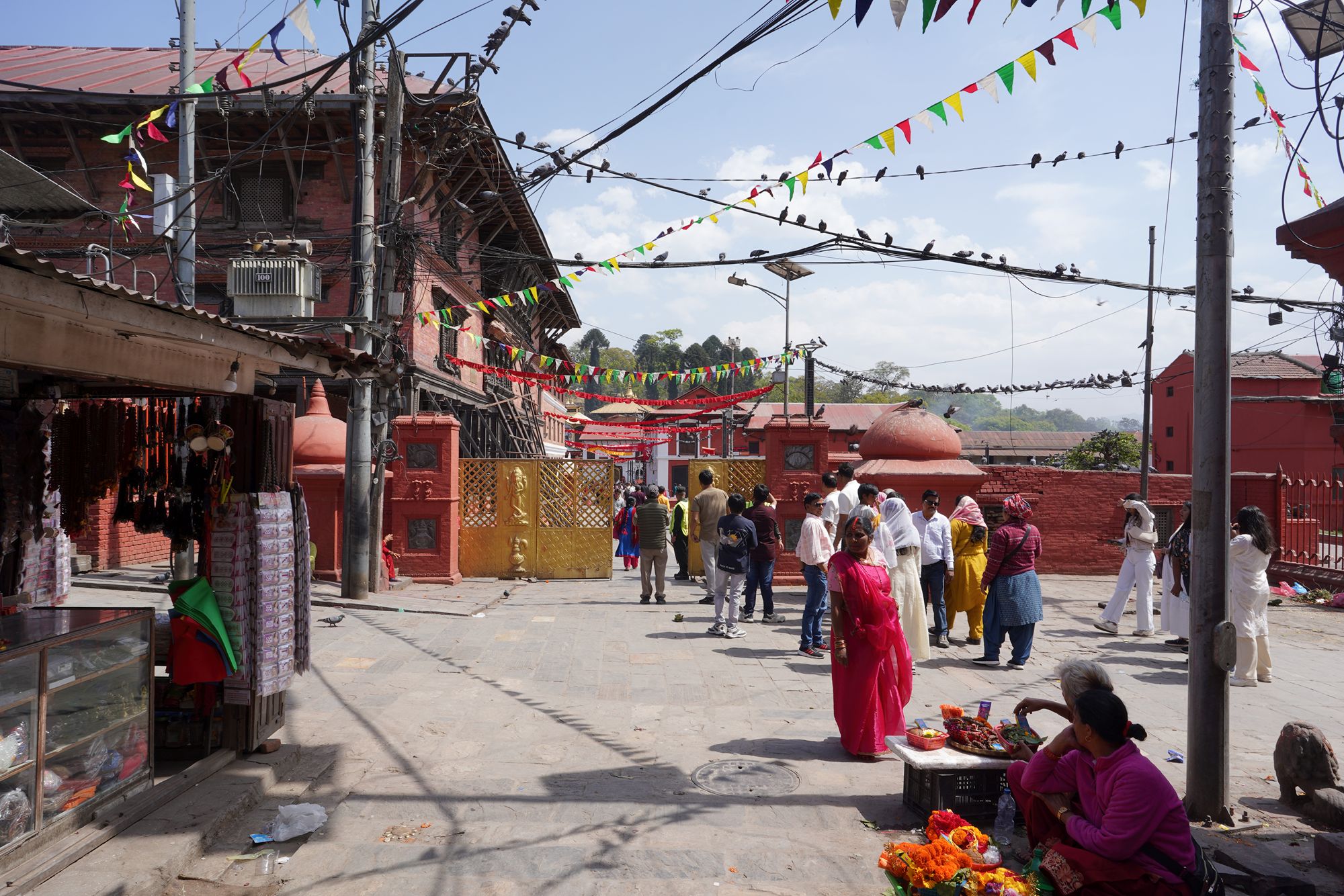
I looked back at the area behind me
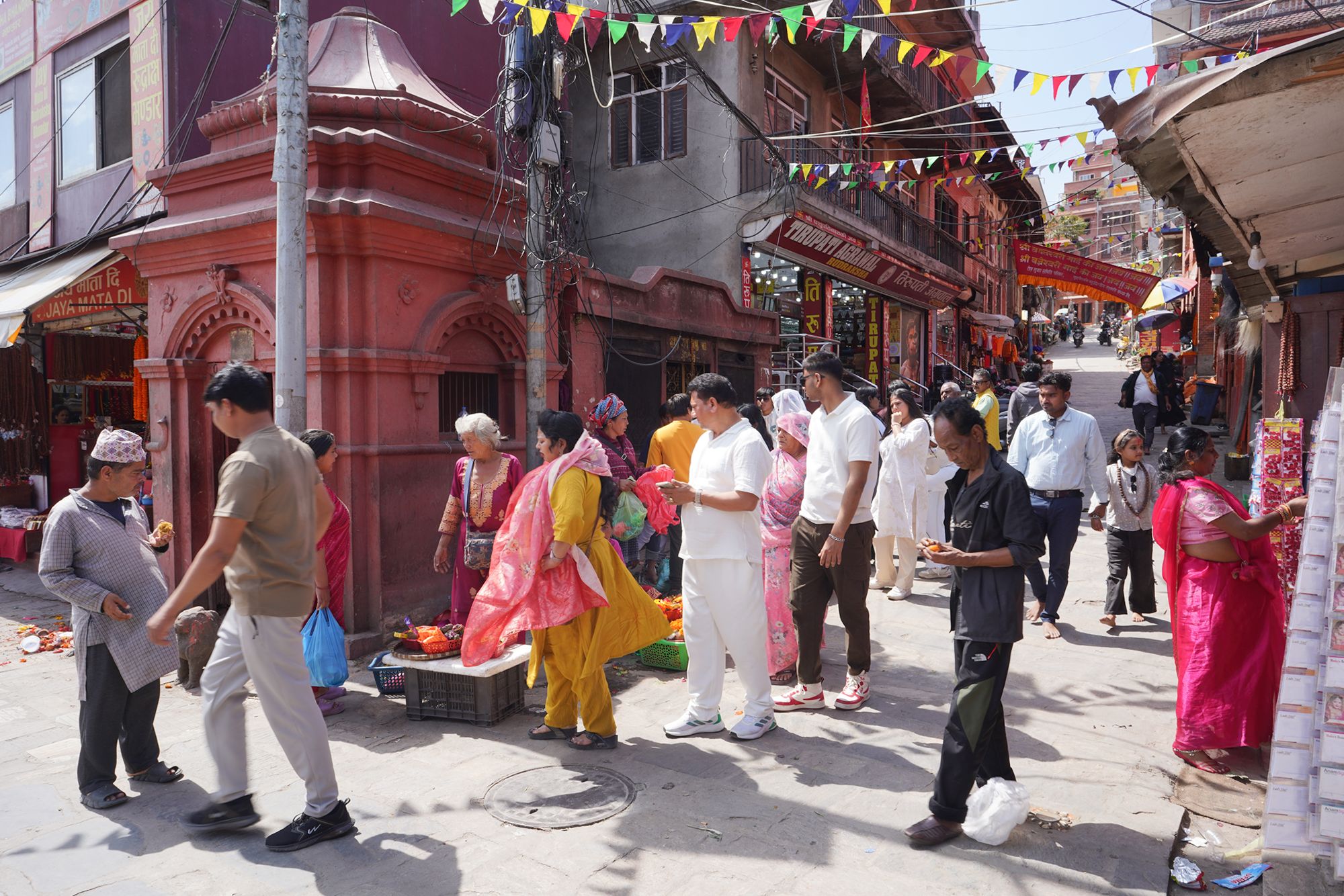
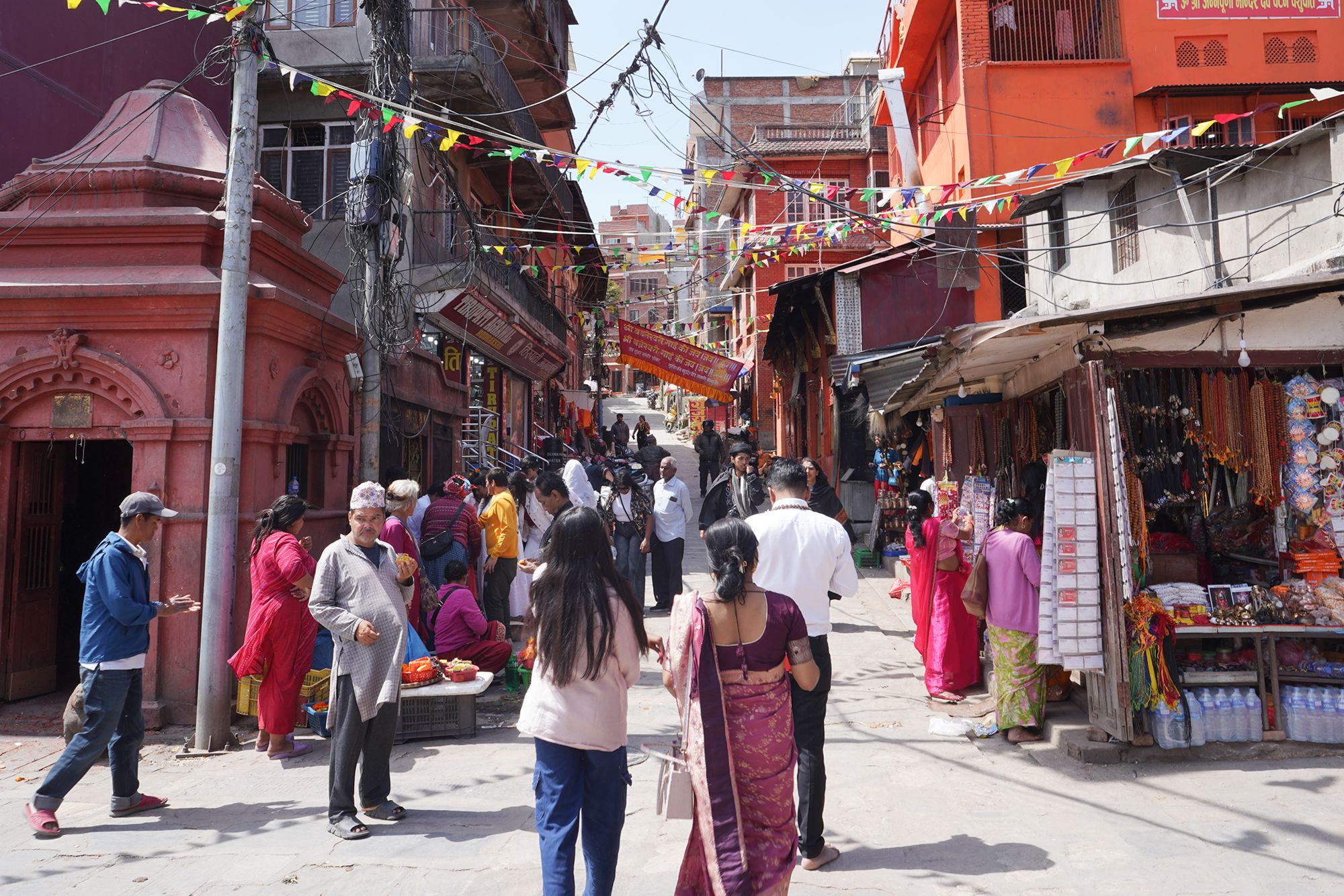
On my left side
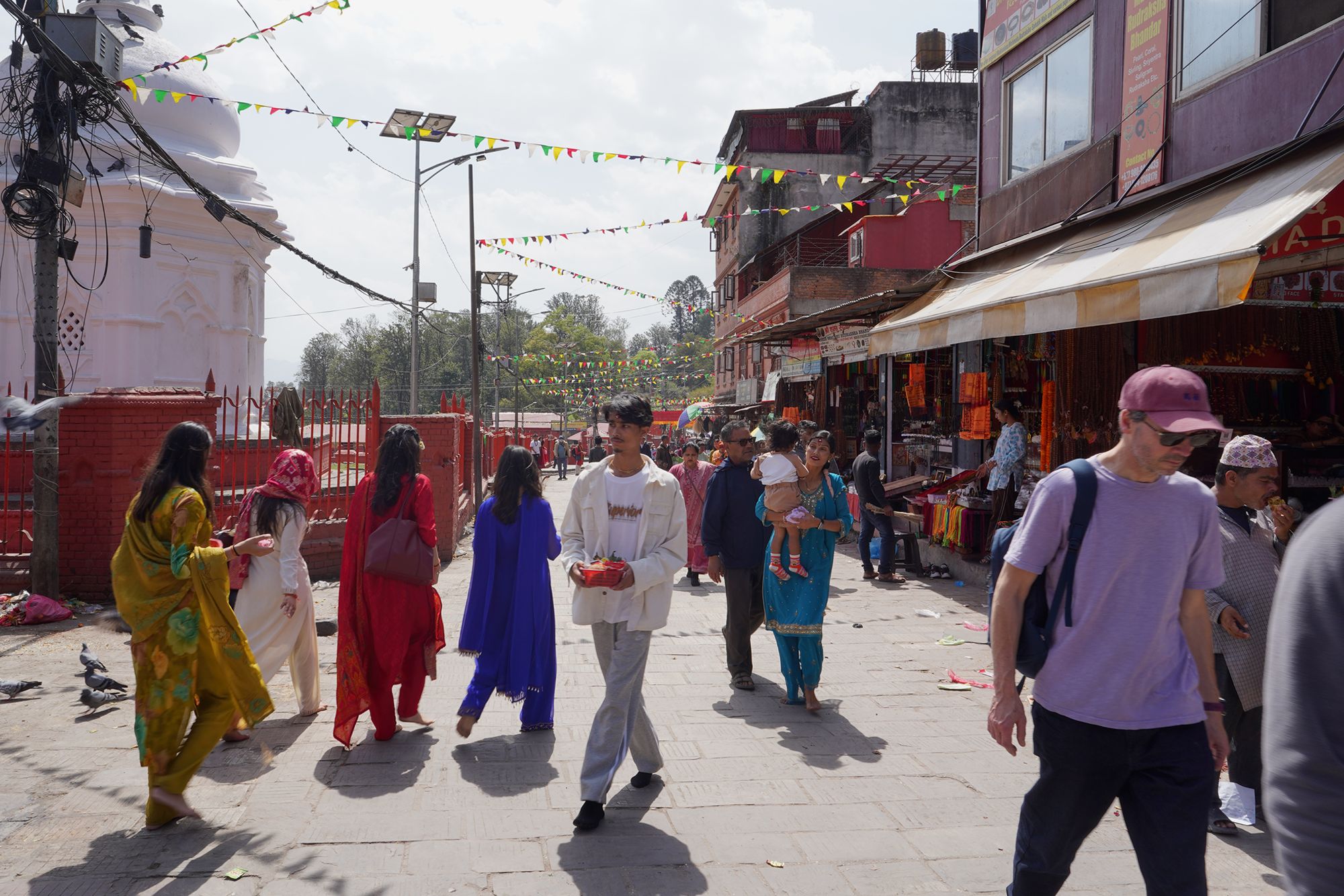
Then I turned to my right and climbed a sloping street that led toward the entrance of Pashupatinath Temple. Looking back, I could see the street I had just climbed.
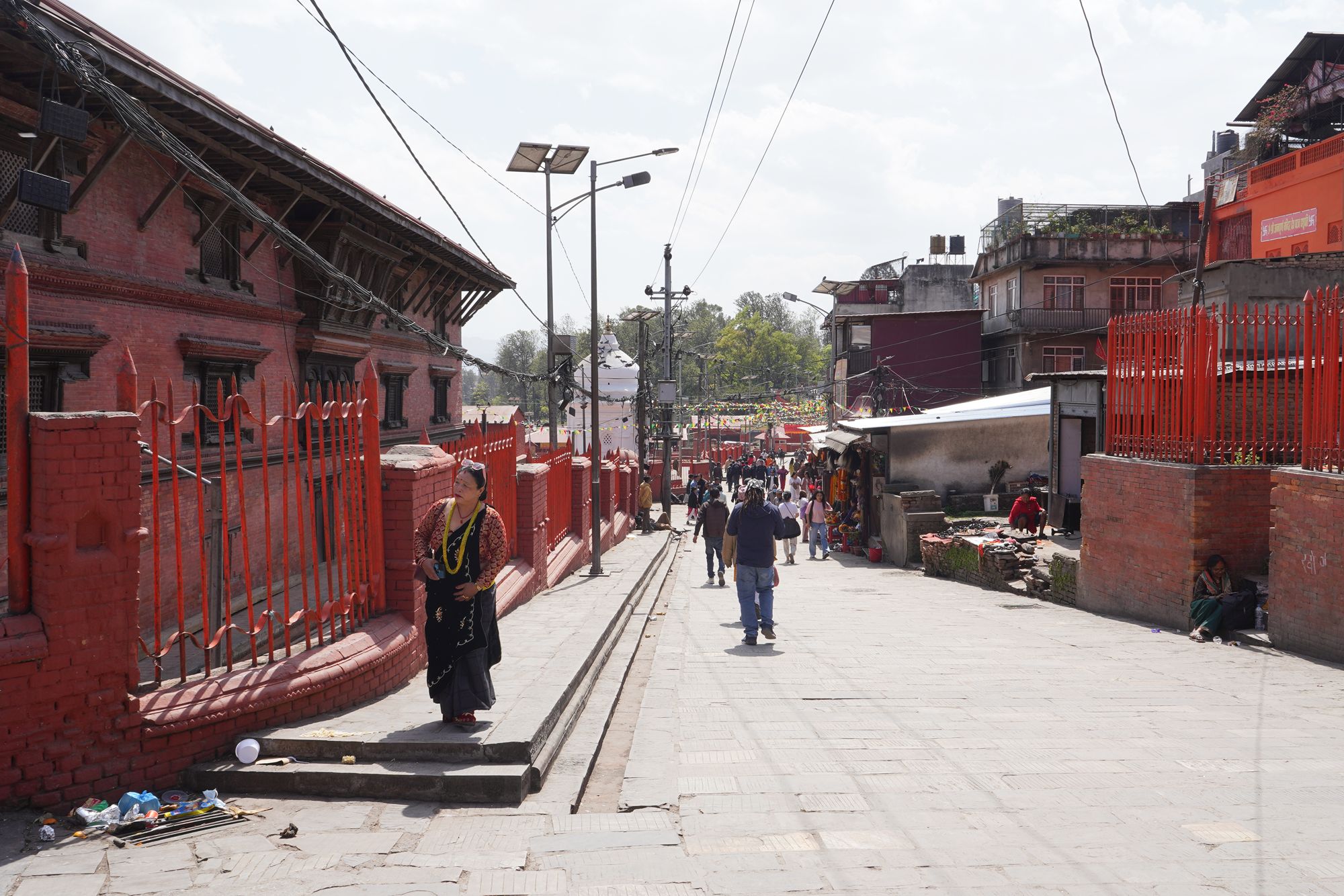
When I turned around, I could see where the road leading to the temple ended and the regular city streets began.
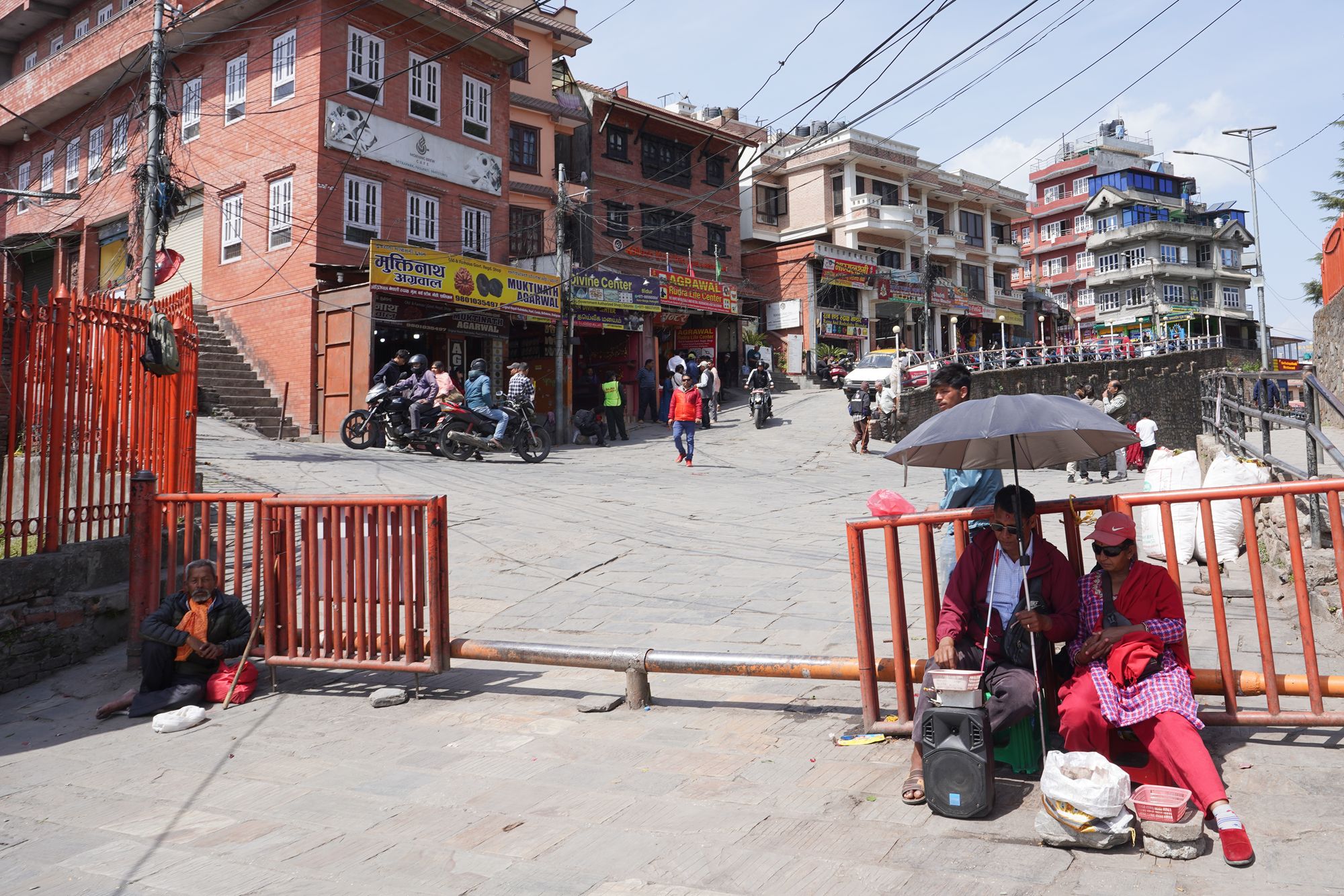
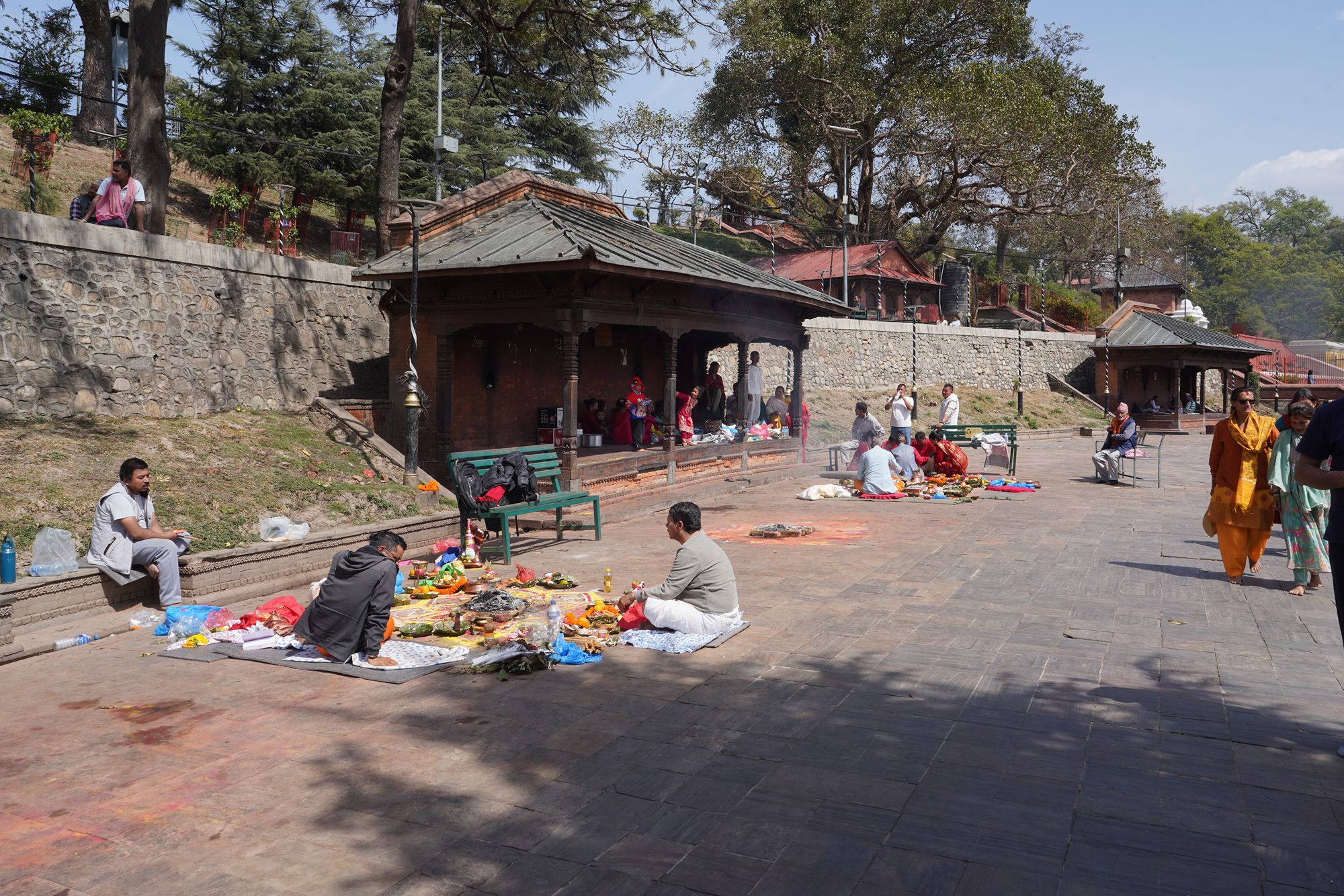
I entered the Pashupatinath Temple complex and began exploring its sacred grounds.
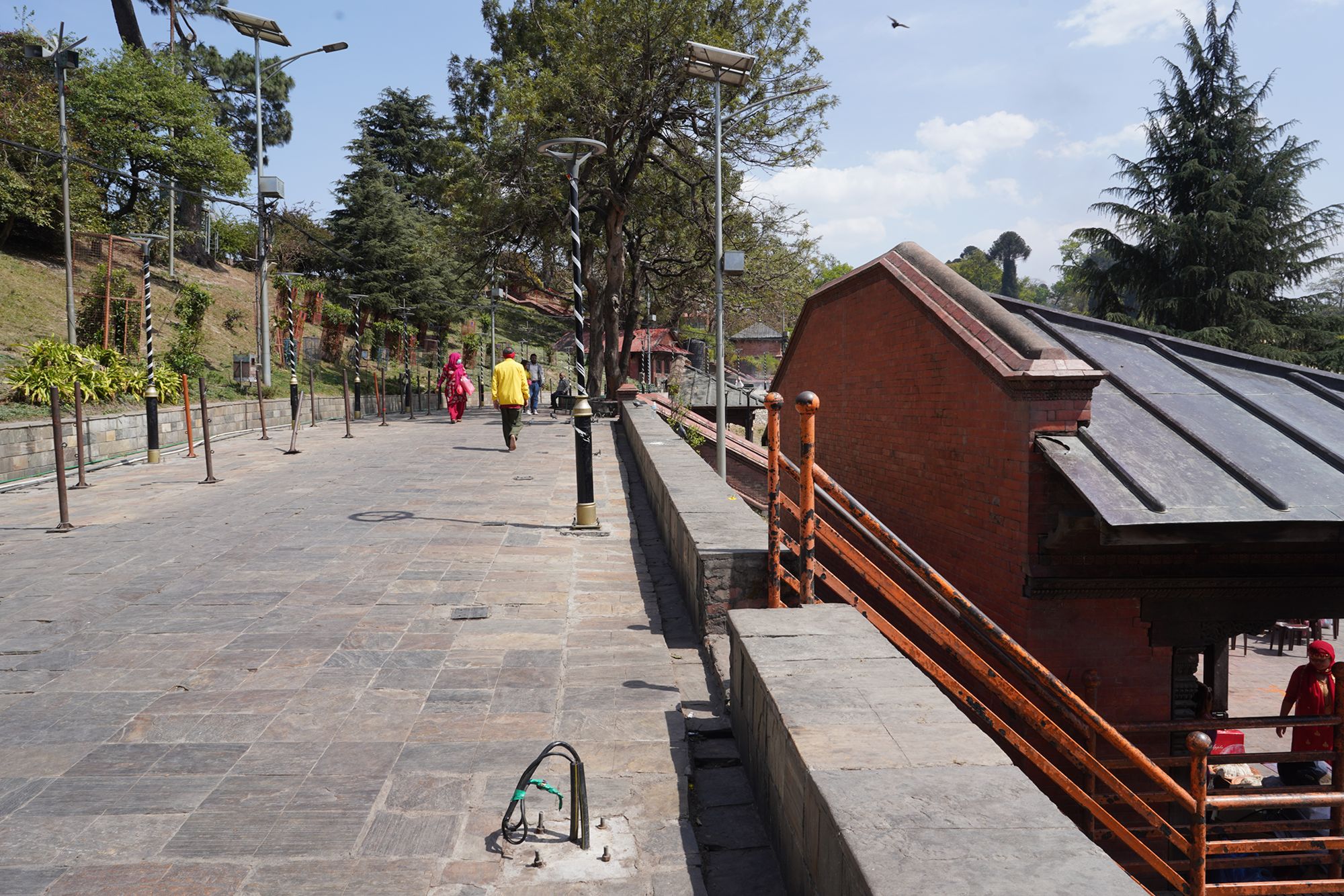
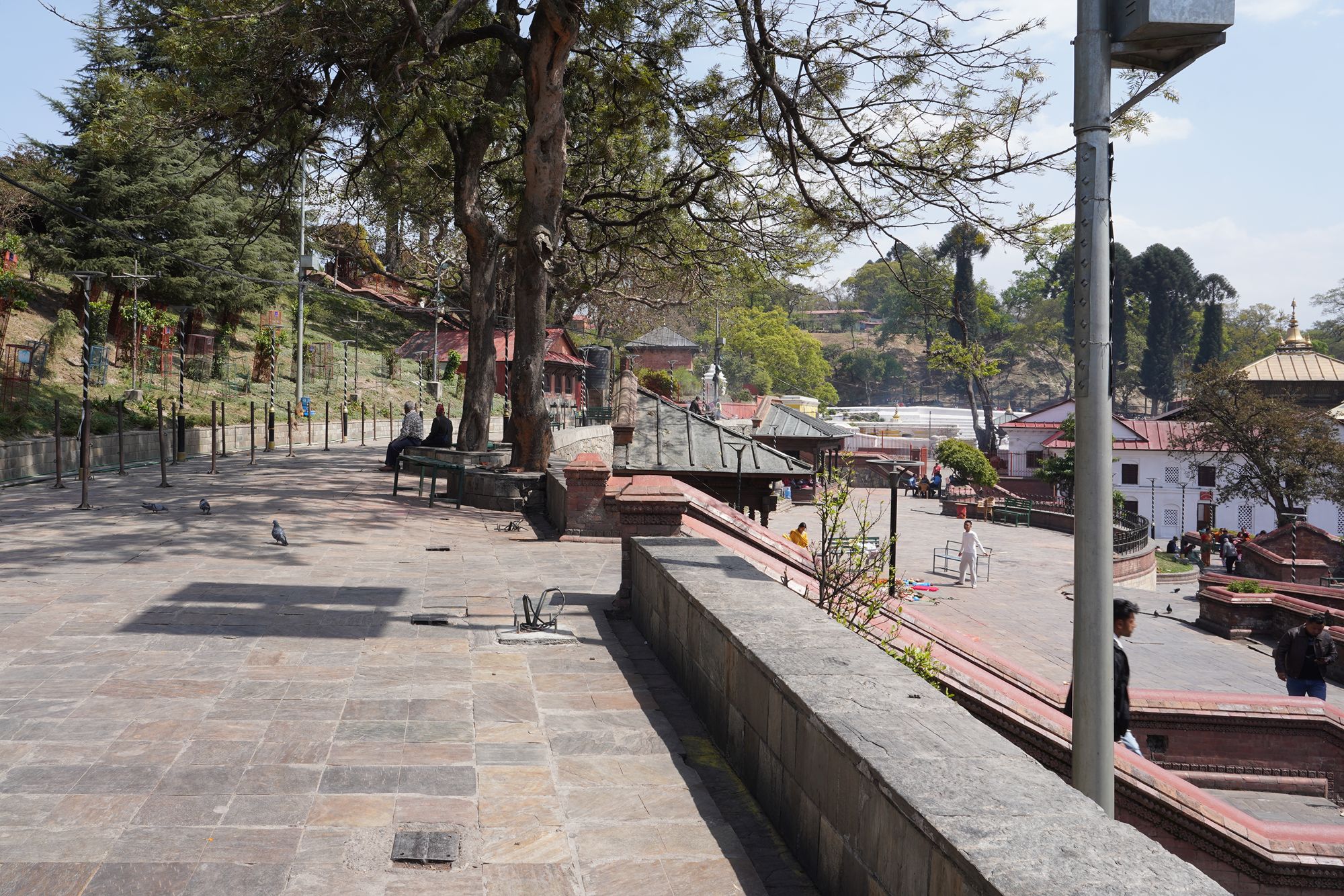
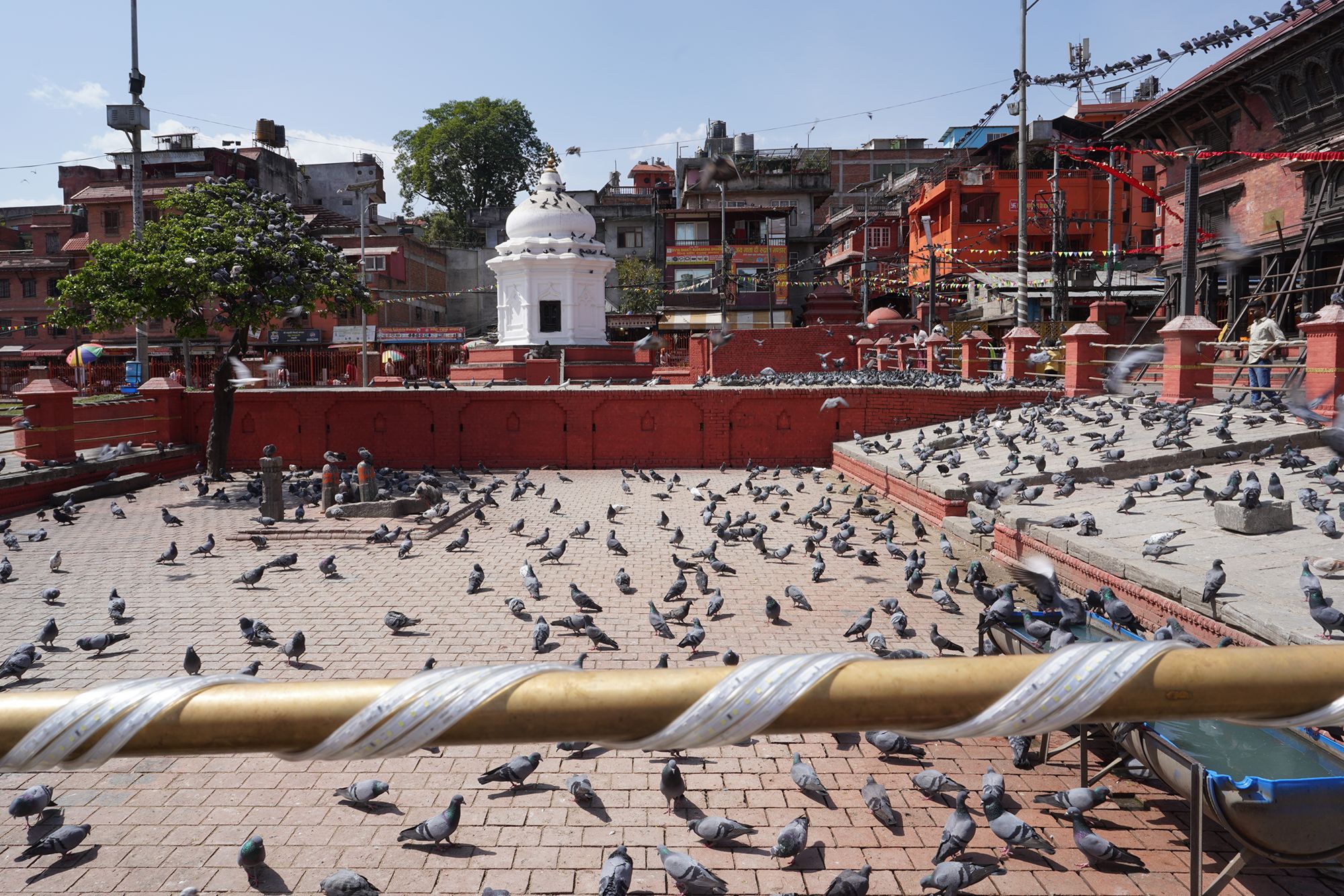
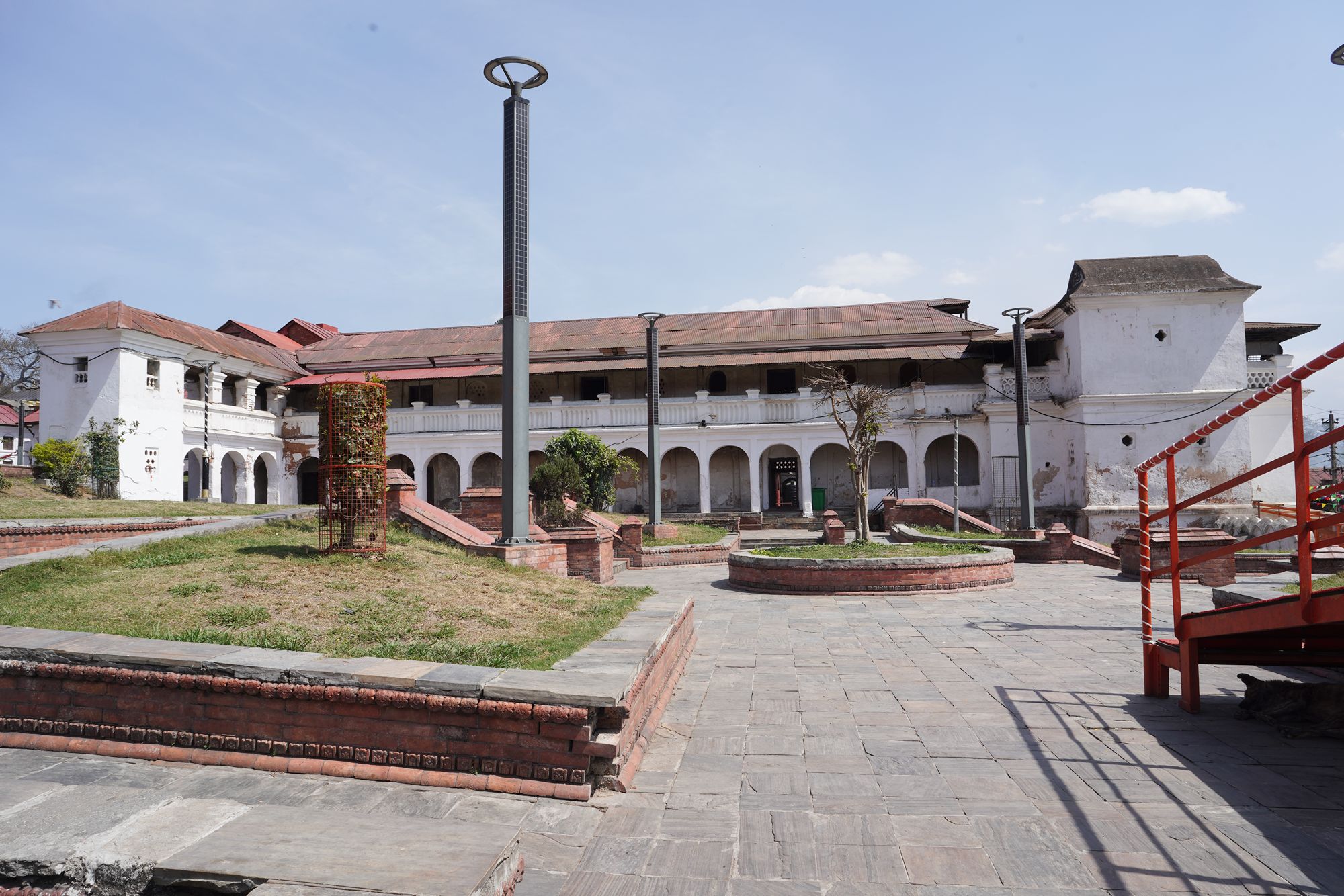
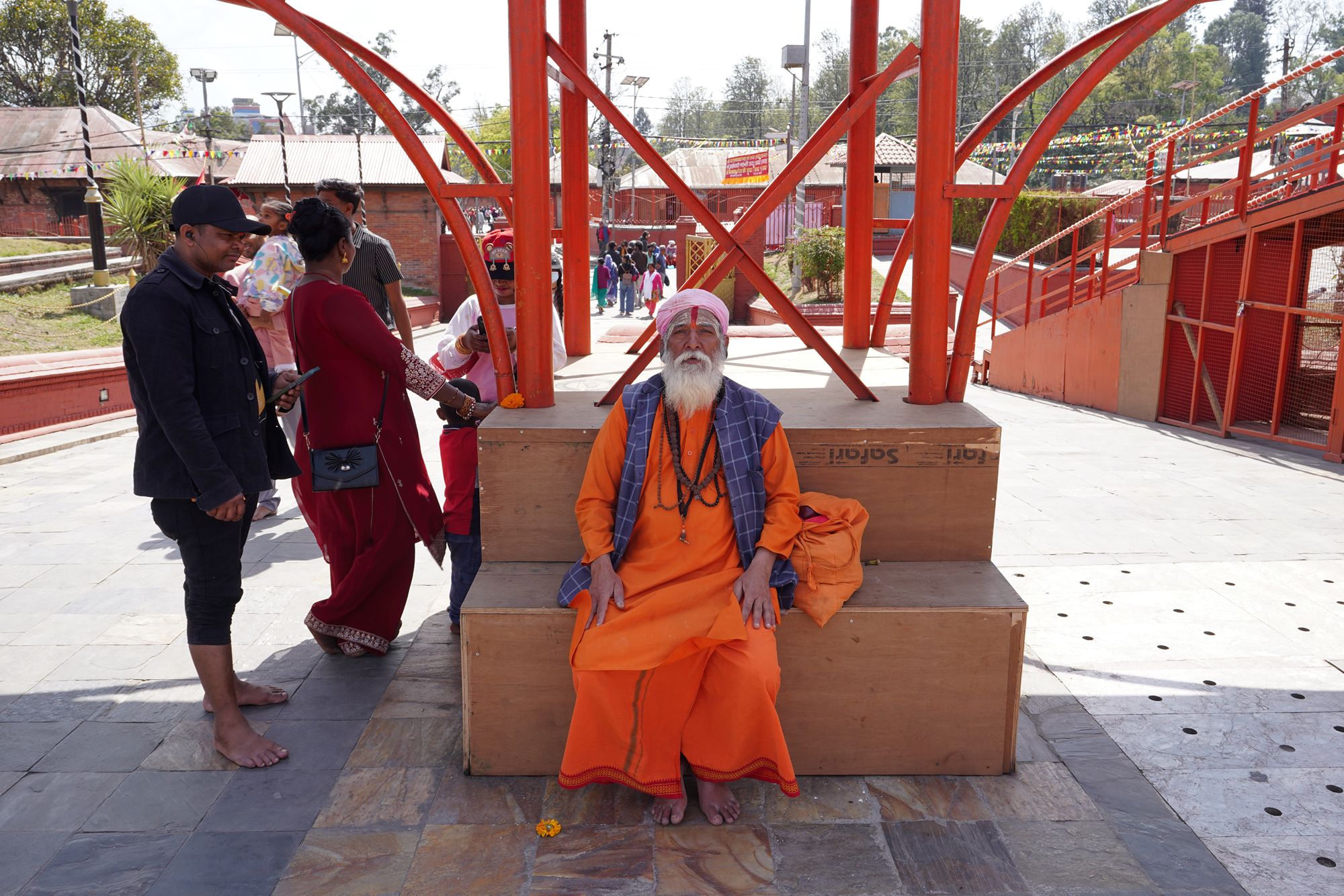
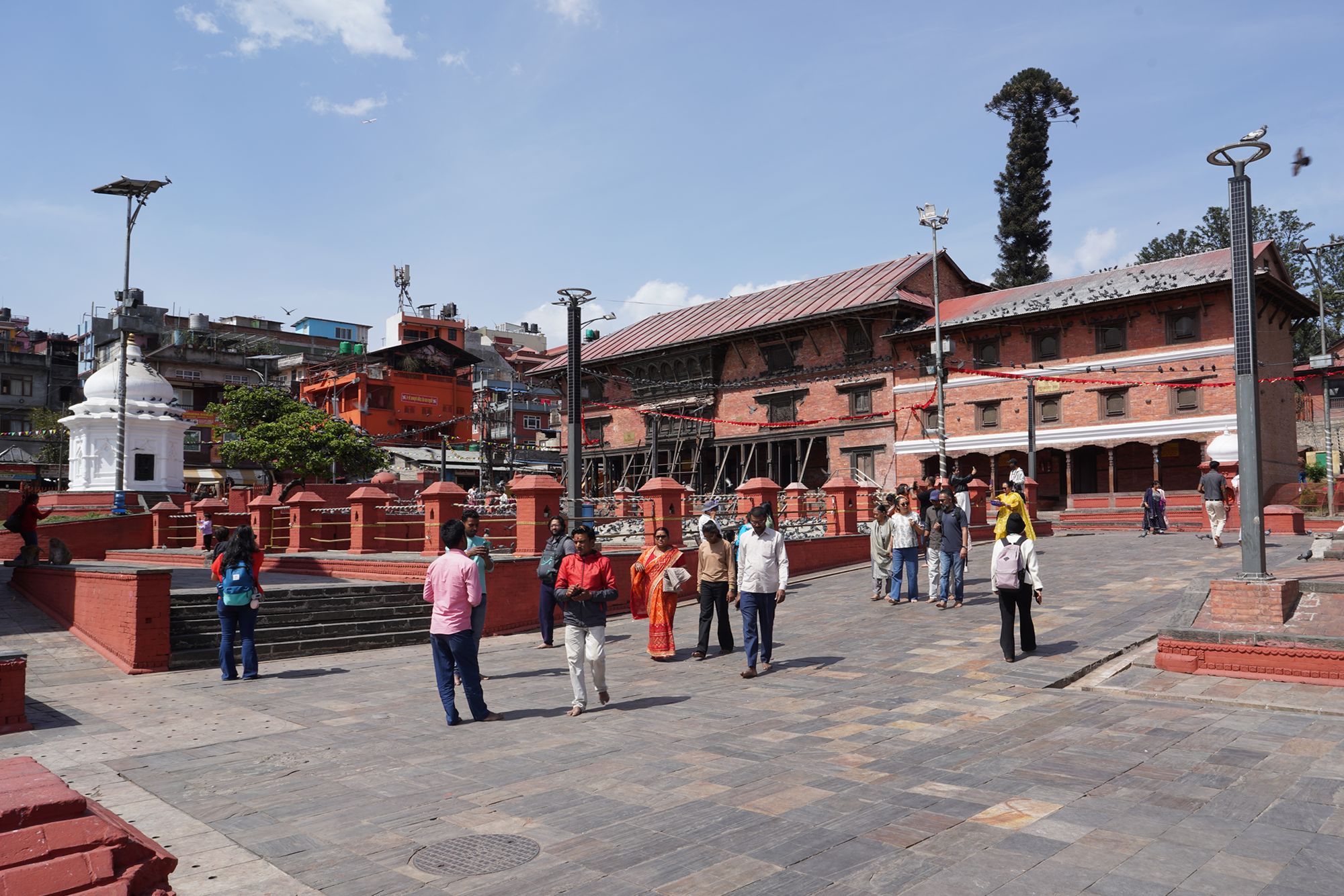
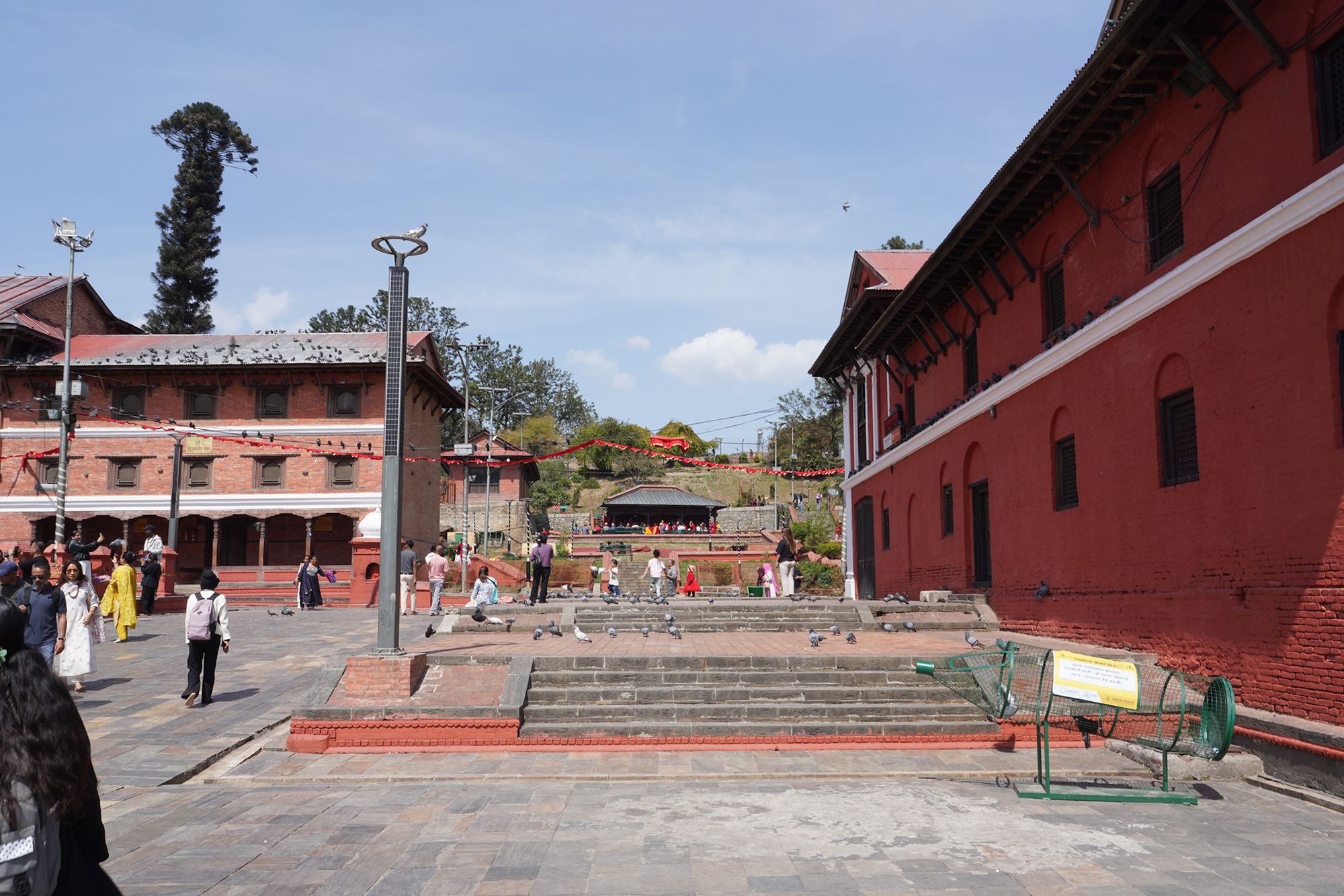
A view of the Pashupatinath Temple complex and its surrounding shrines and historic buildings.
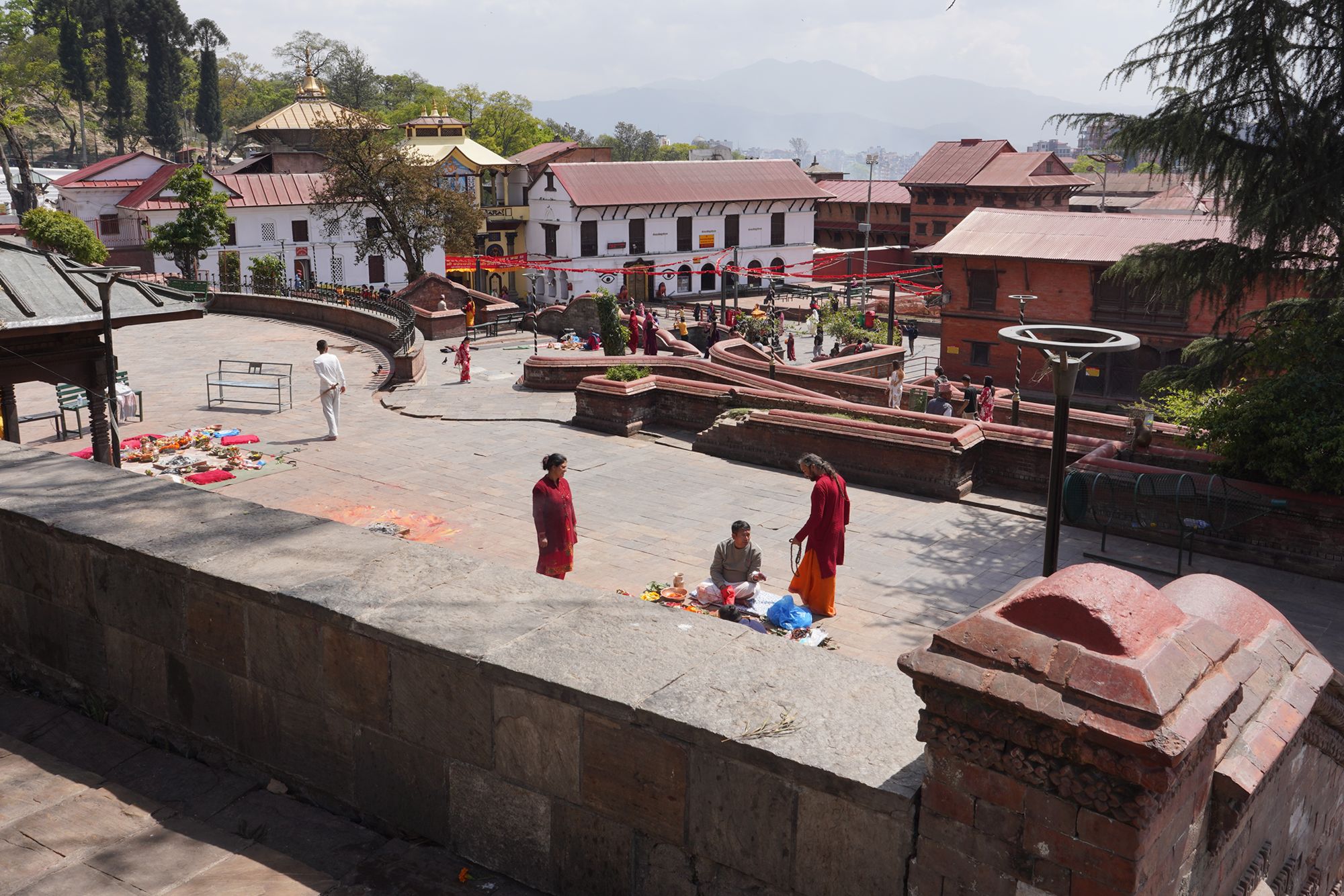
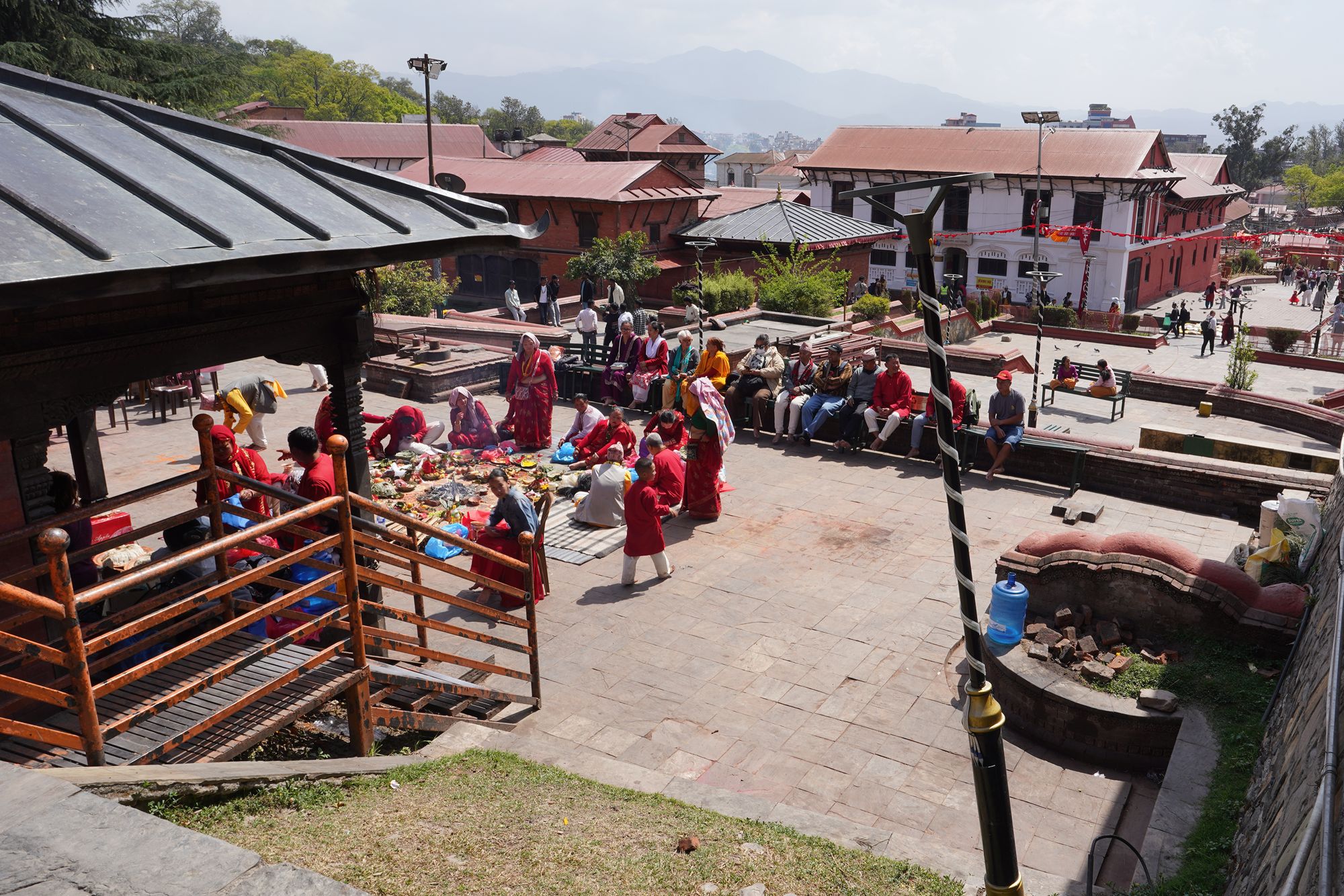
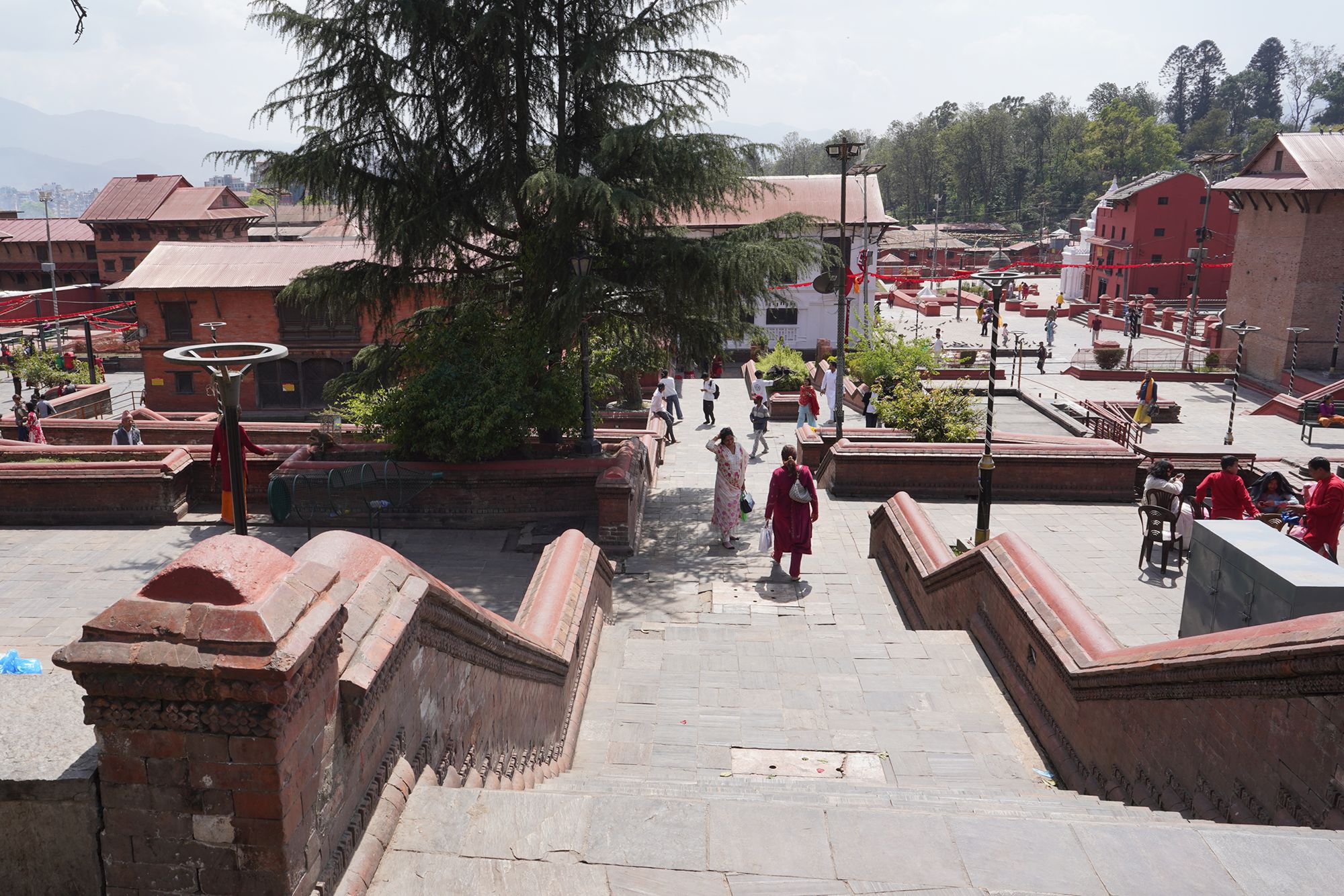
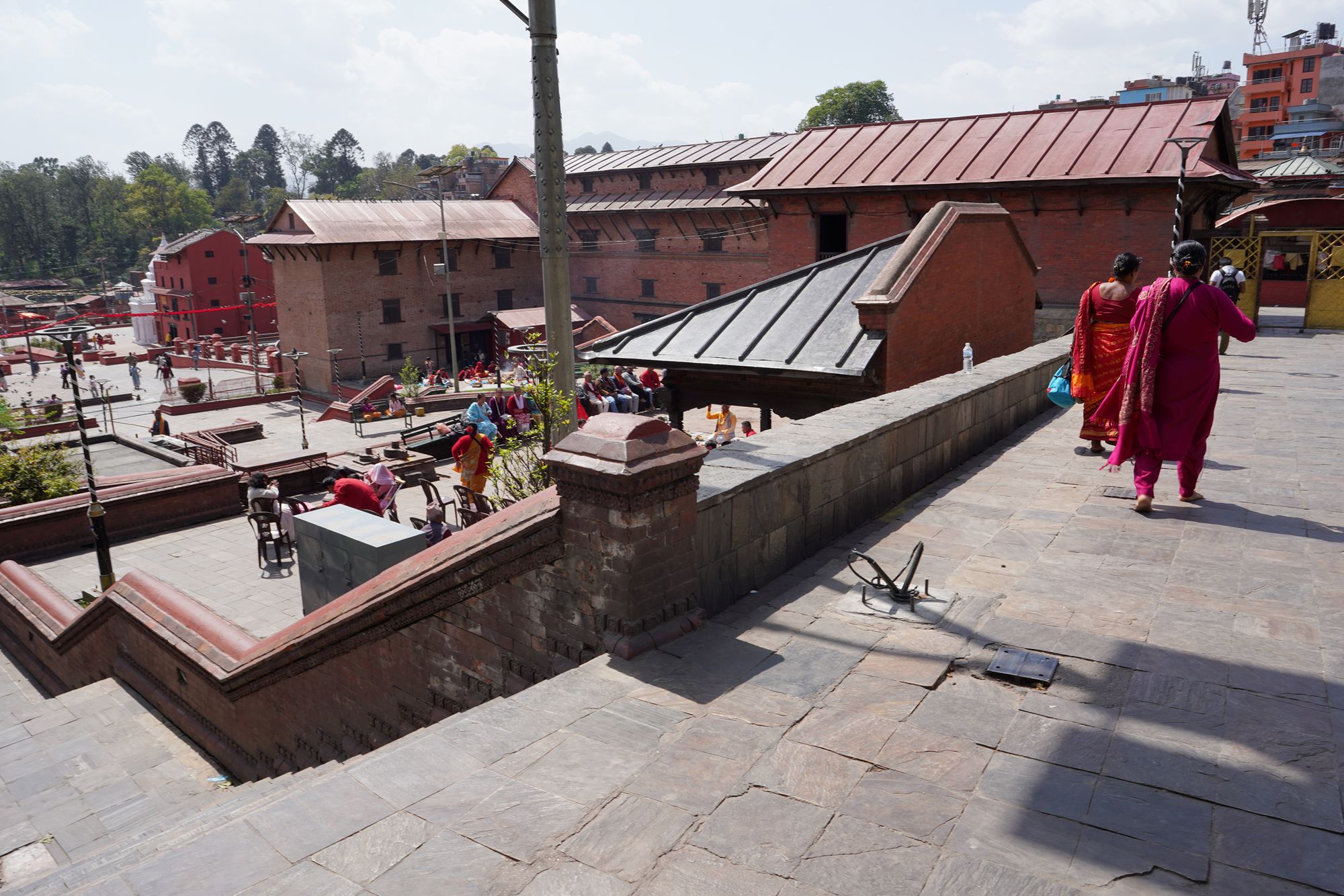
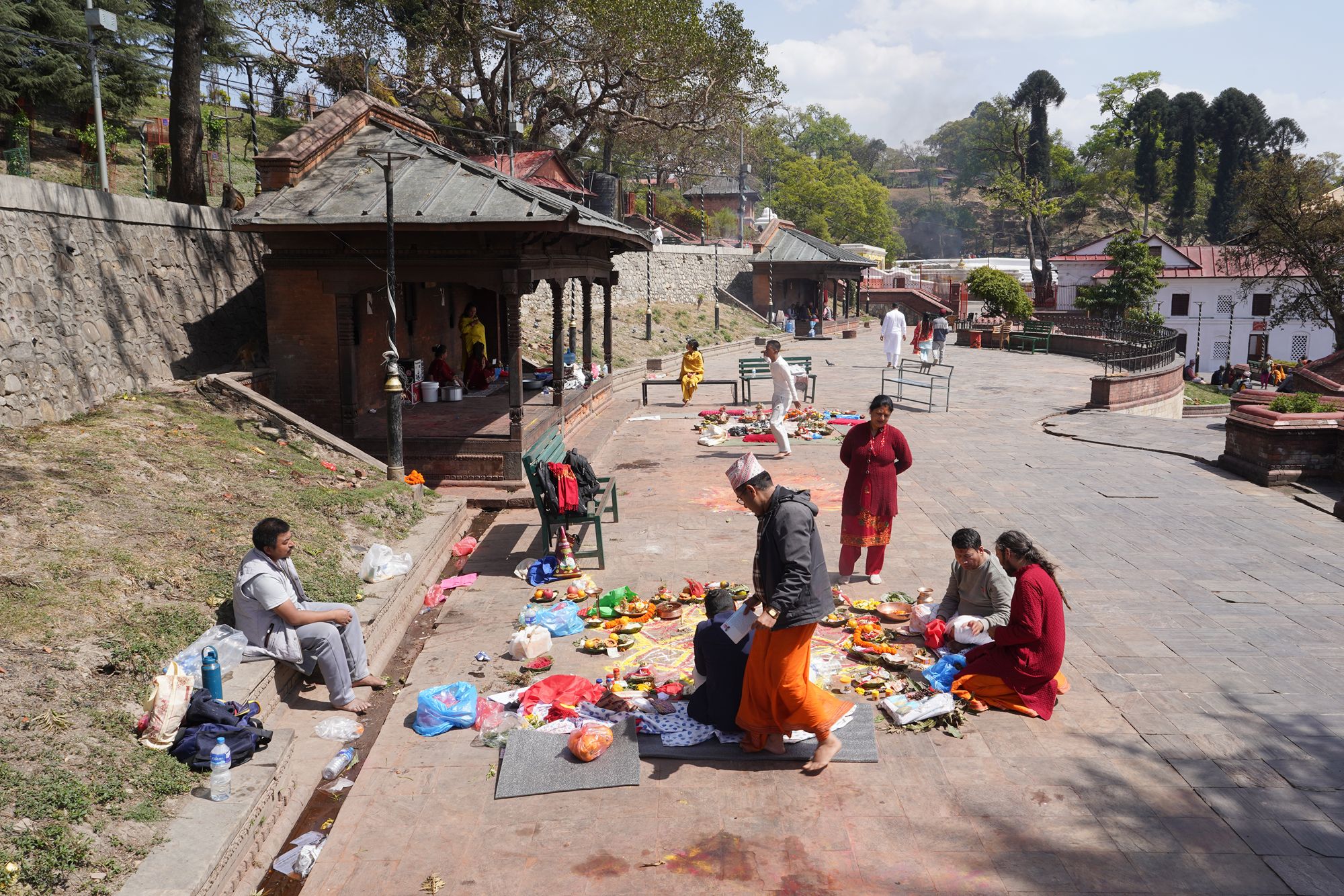
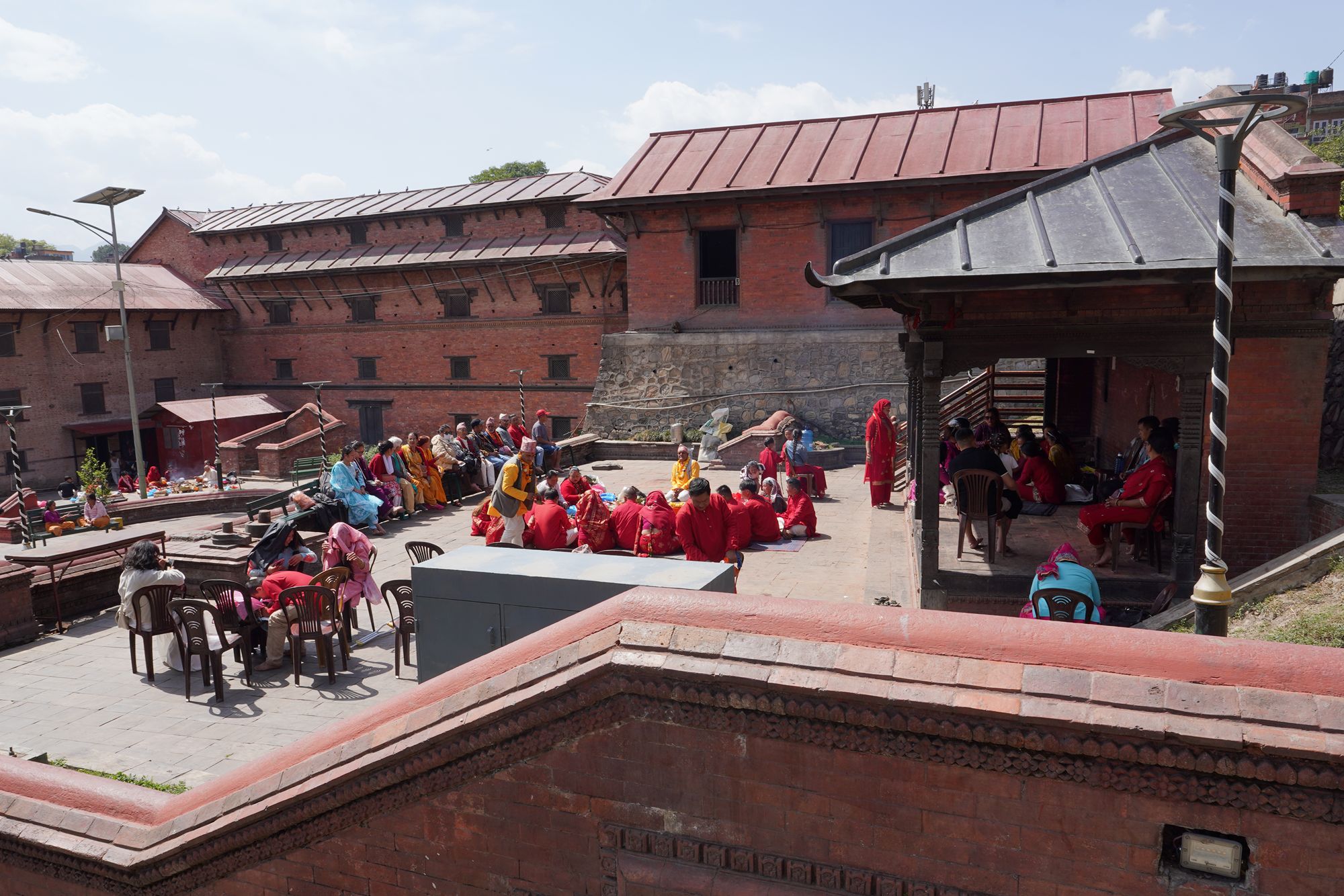
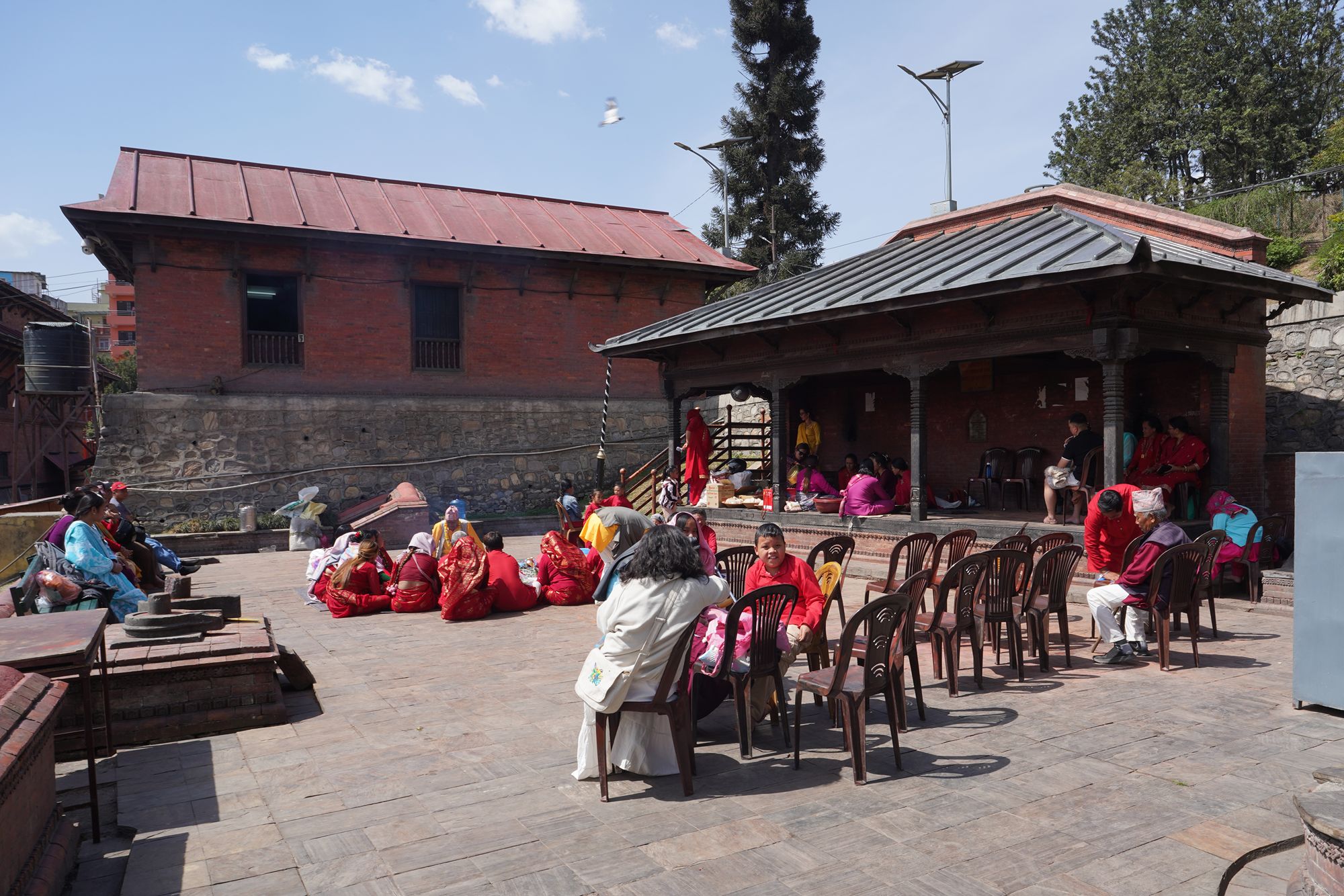
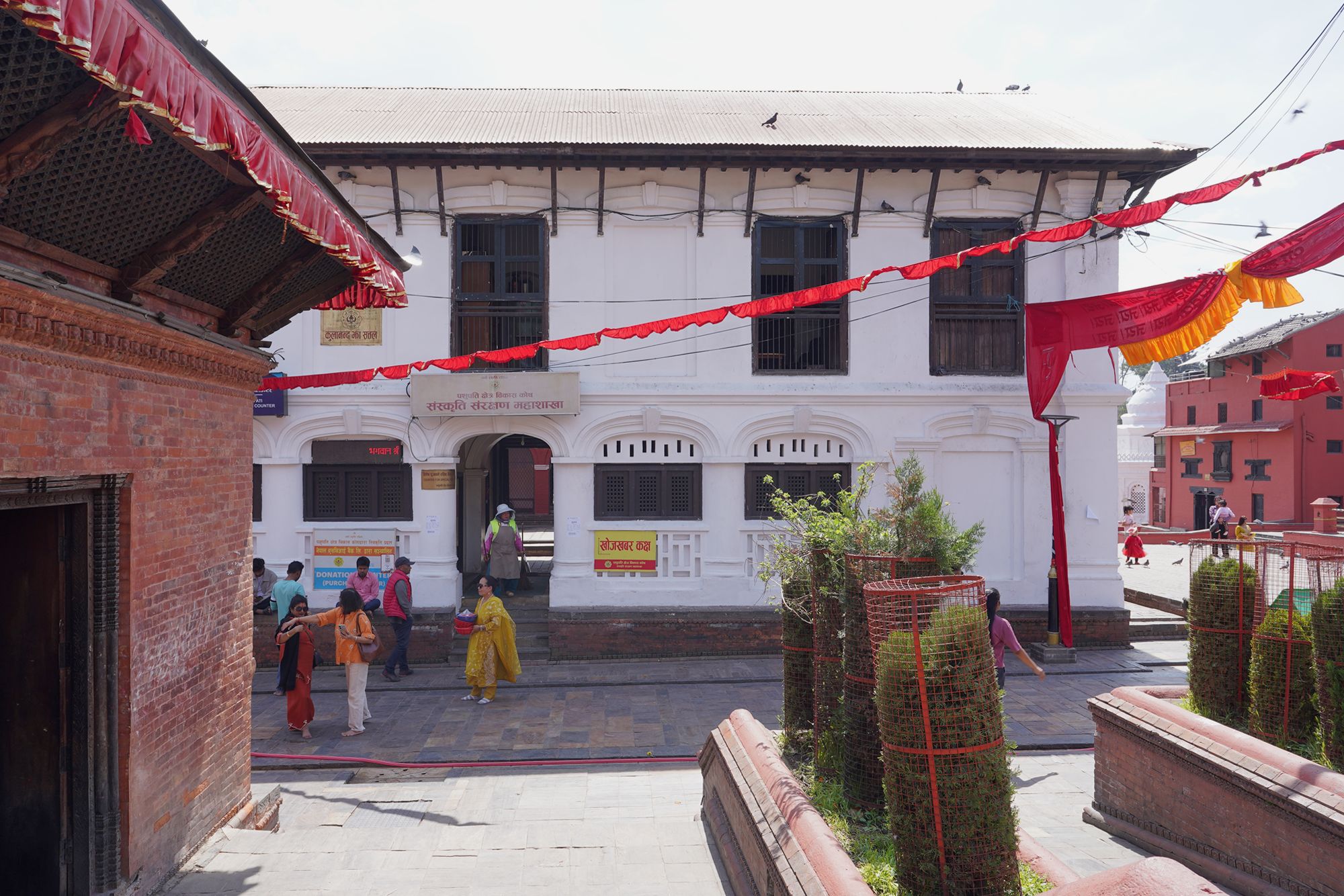
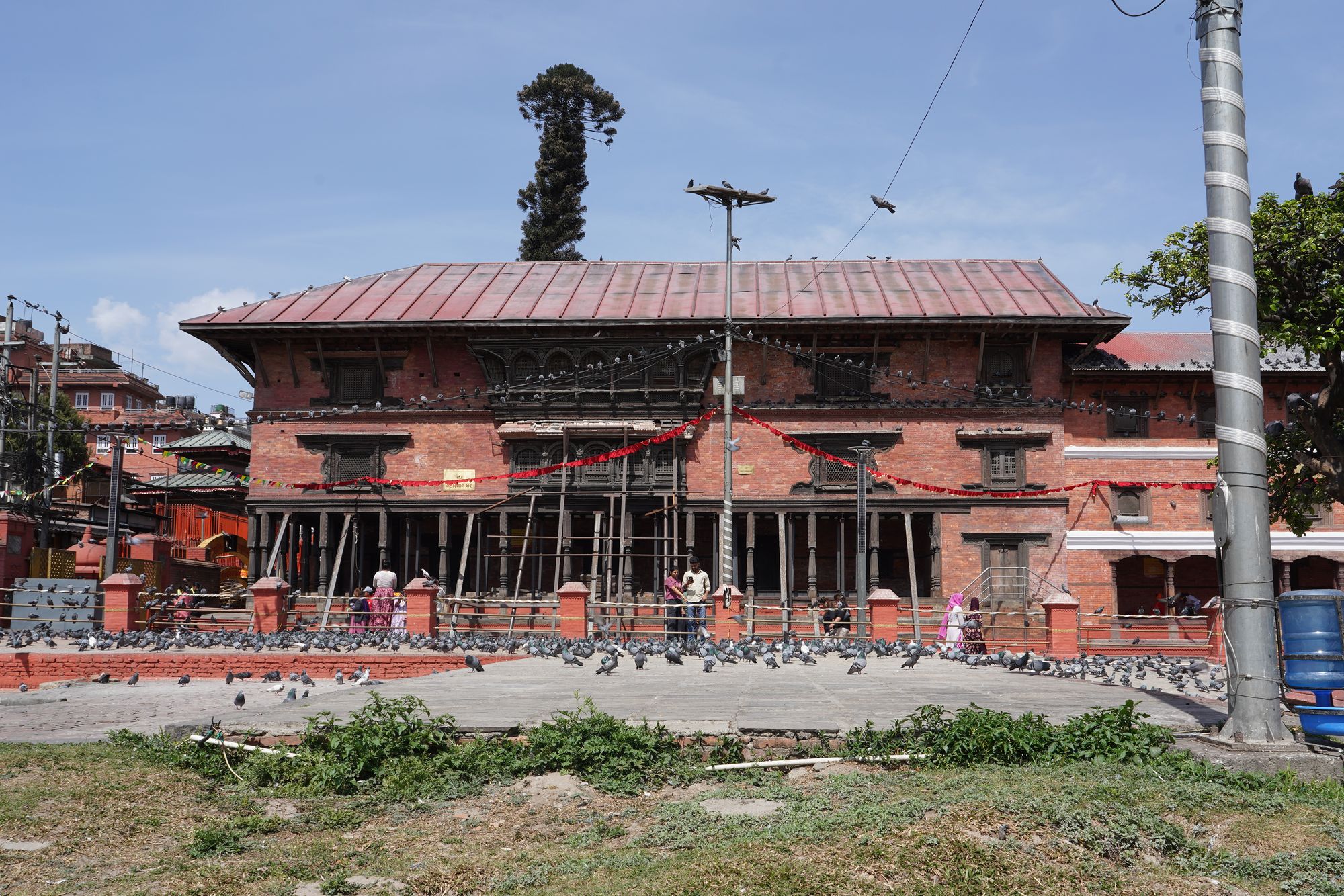
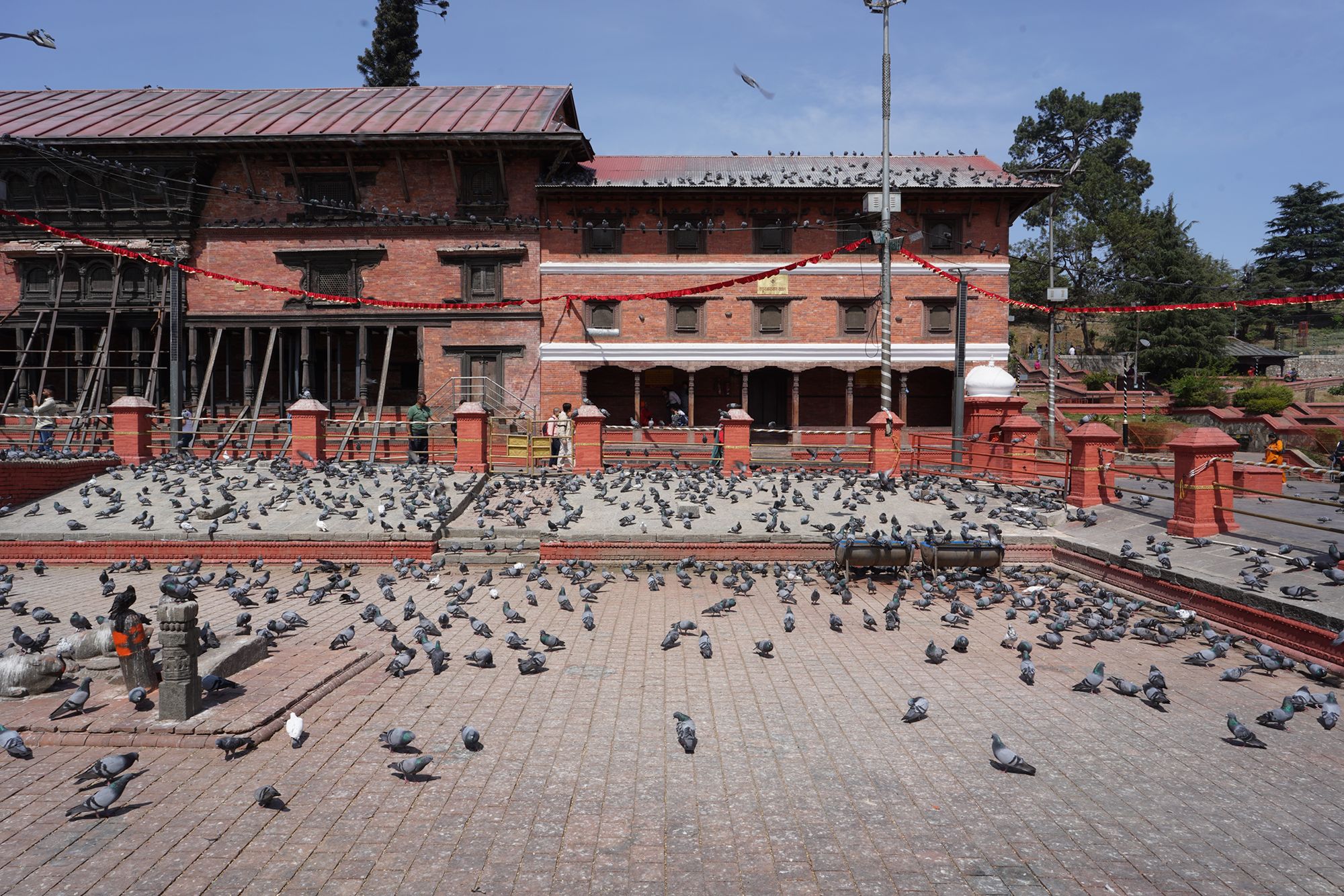
A view of the left side of the complex, where the main Pashupatinath Temple is located.
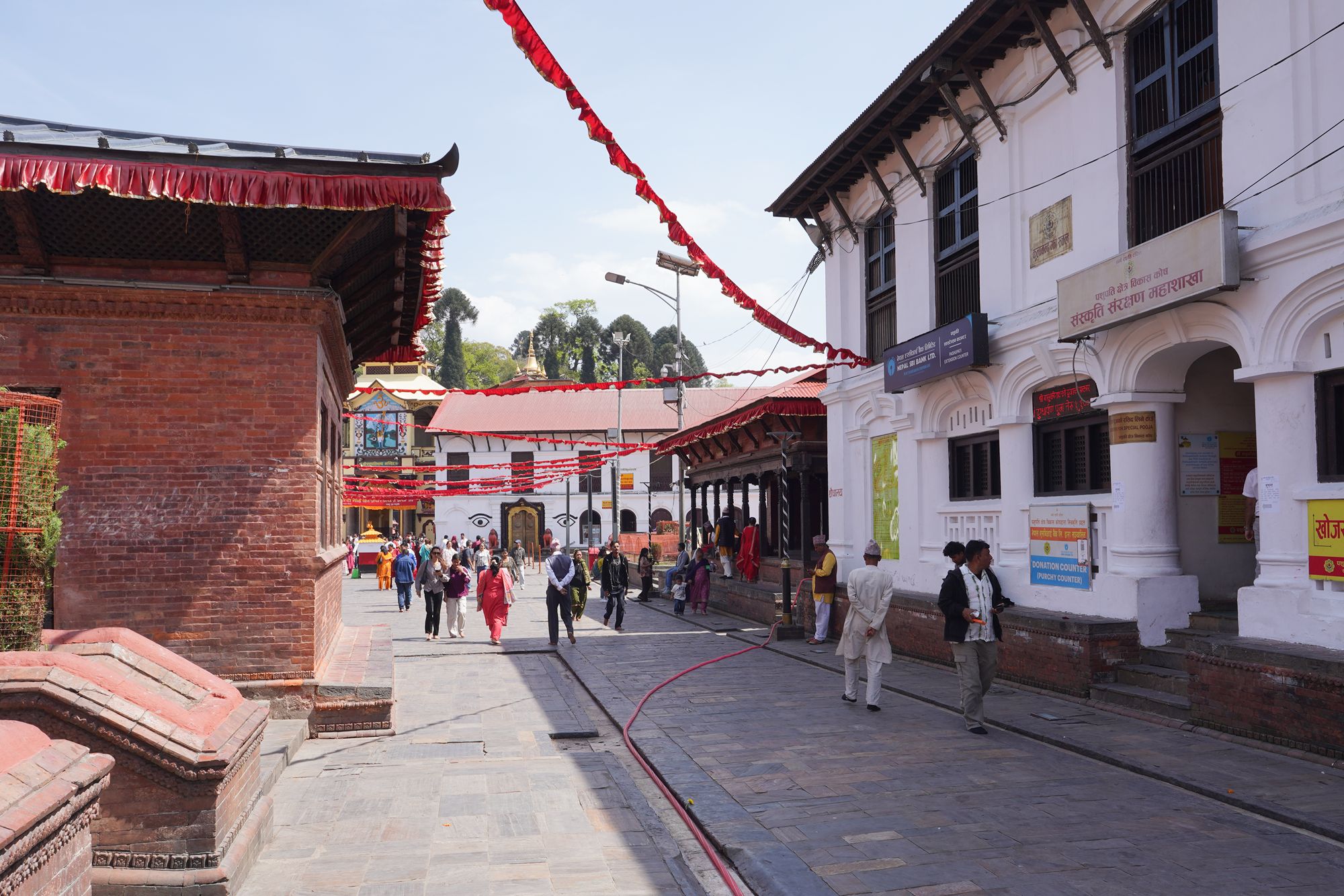
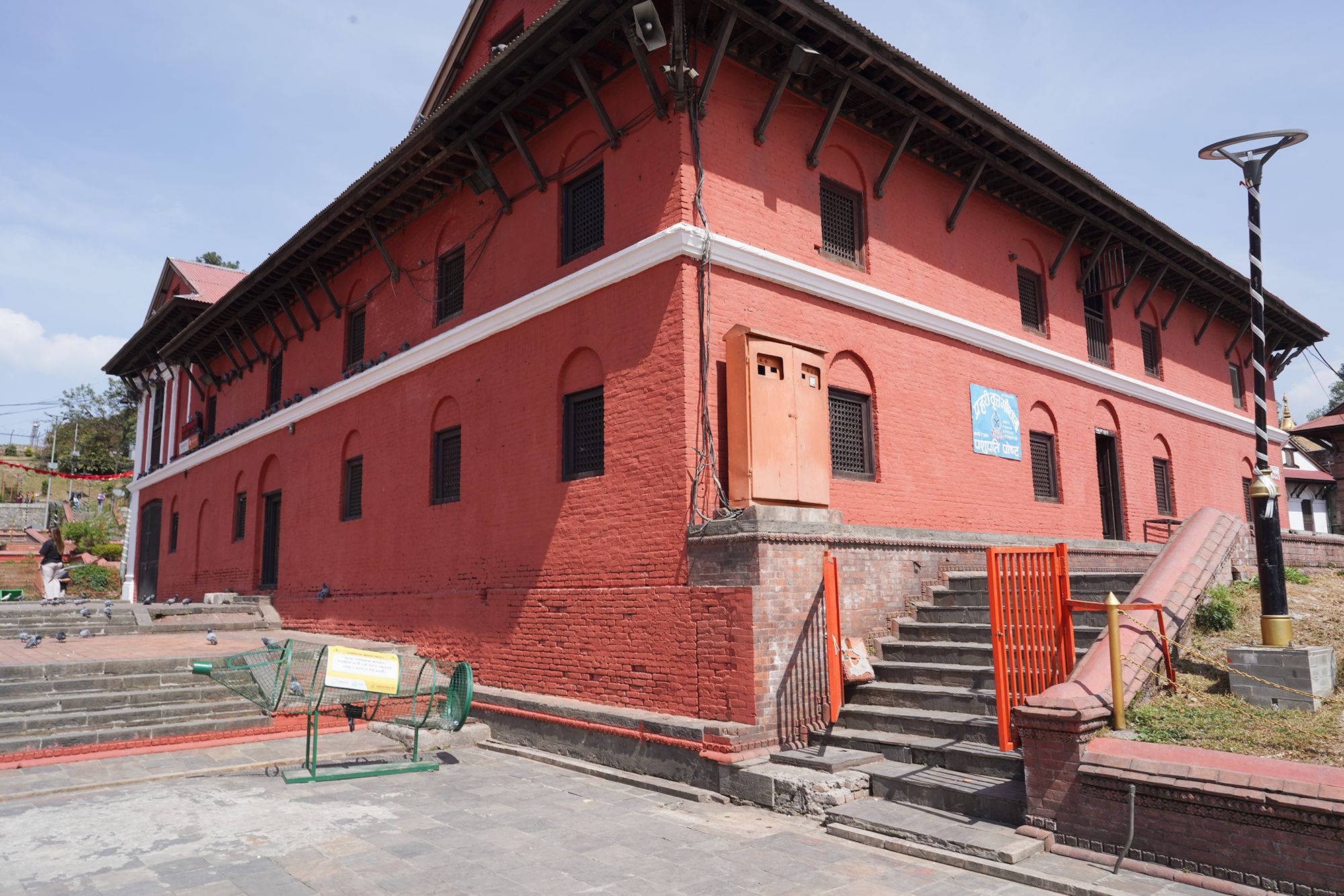
A view of the right side of the Pashupatinath Temple complex, which I decided to explore first.
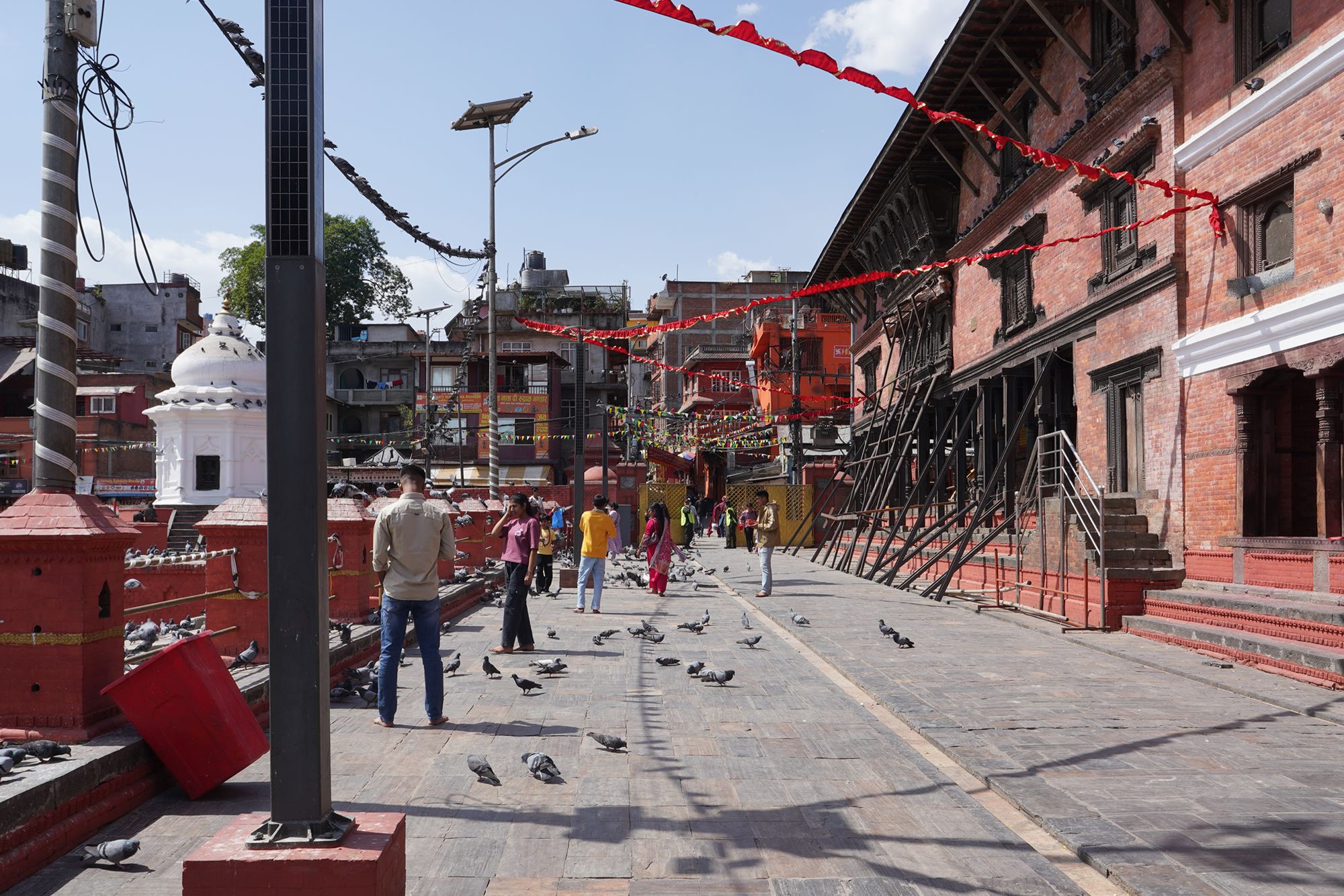
Pashupatinath Temple is one of the most sacred Hindu pilgrimage sites in the world and Nepal’s most important temple dedicated to Lord Shiva, worshipped here as Pashupati, or “Lord of all beings.”
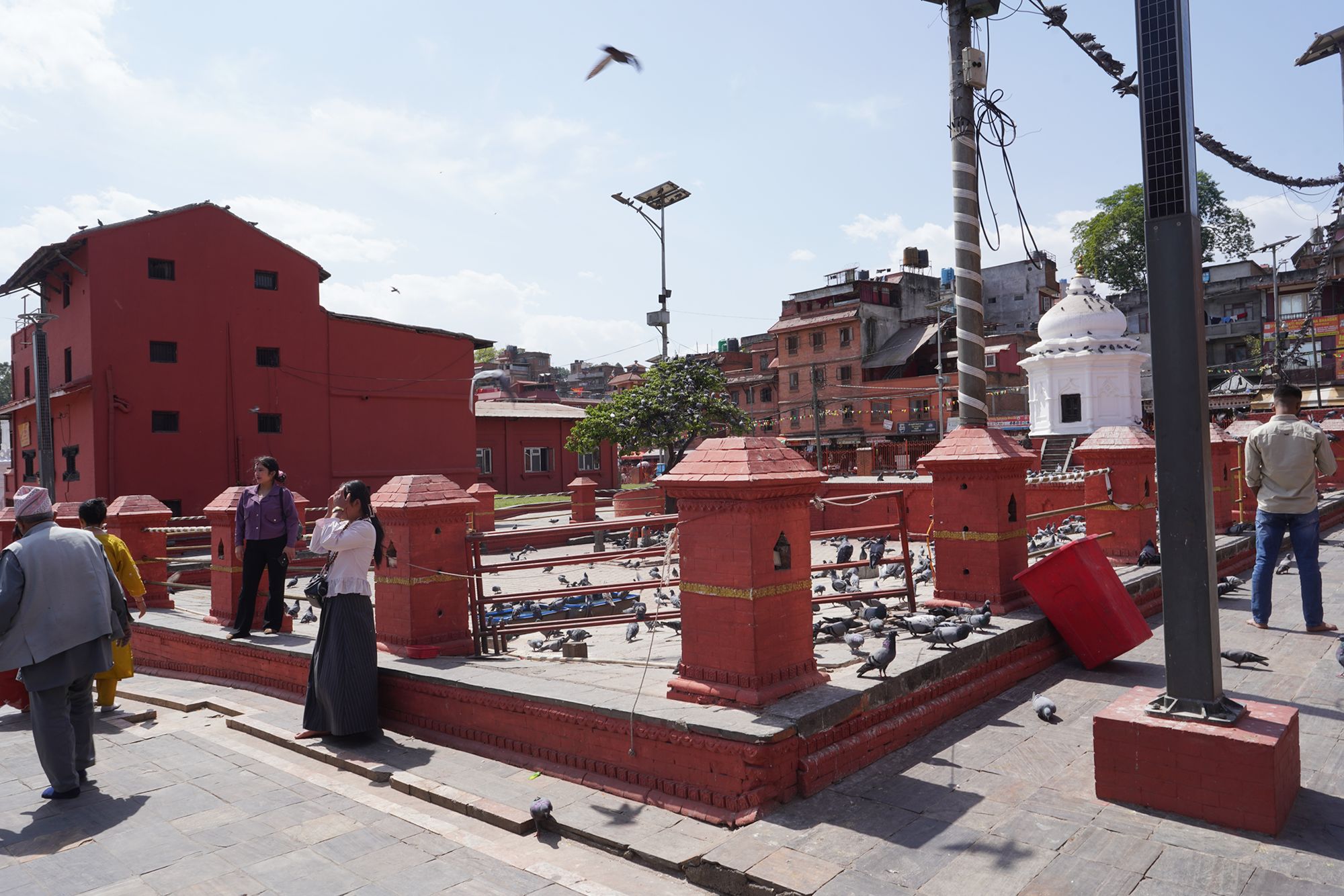
The site has been sacred for many centuries. Earlier temples existed here, while the present main temple—with its distinctive two-tiered pagoda roof and gilded features—was largely rebuilt in the 17th century. The surrounding complex grew to include hundreds of smaller temples, shrines, ashrams, and religious monuments.
The temple stands beside the Bagmati River, which Hindus consider sacred. The riverbank contains cremation ghats, where families publicly cremate their deceased according to Hindu tradition. The ashes are then placed into the river.
I turned around and walked back the way I had come.
I turned around and walked back toward the main Pashupatinath Temple.
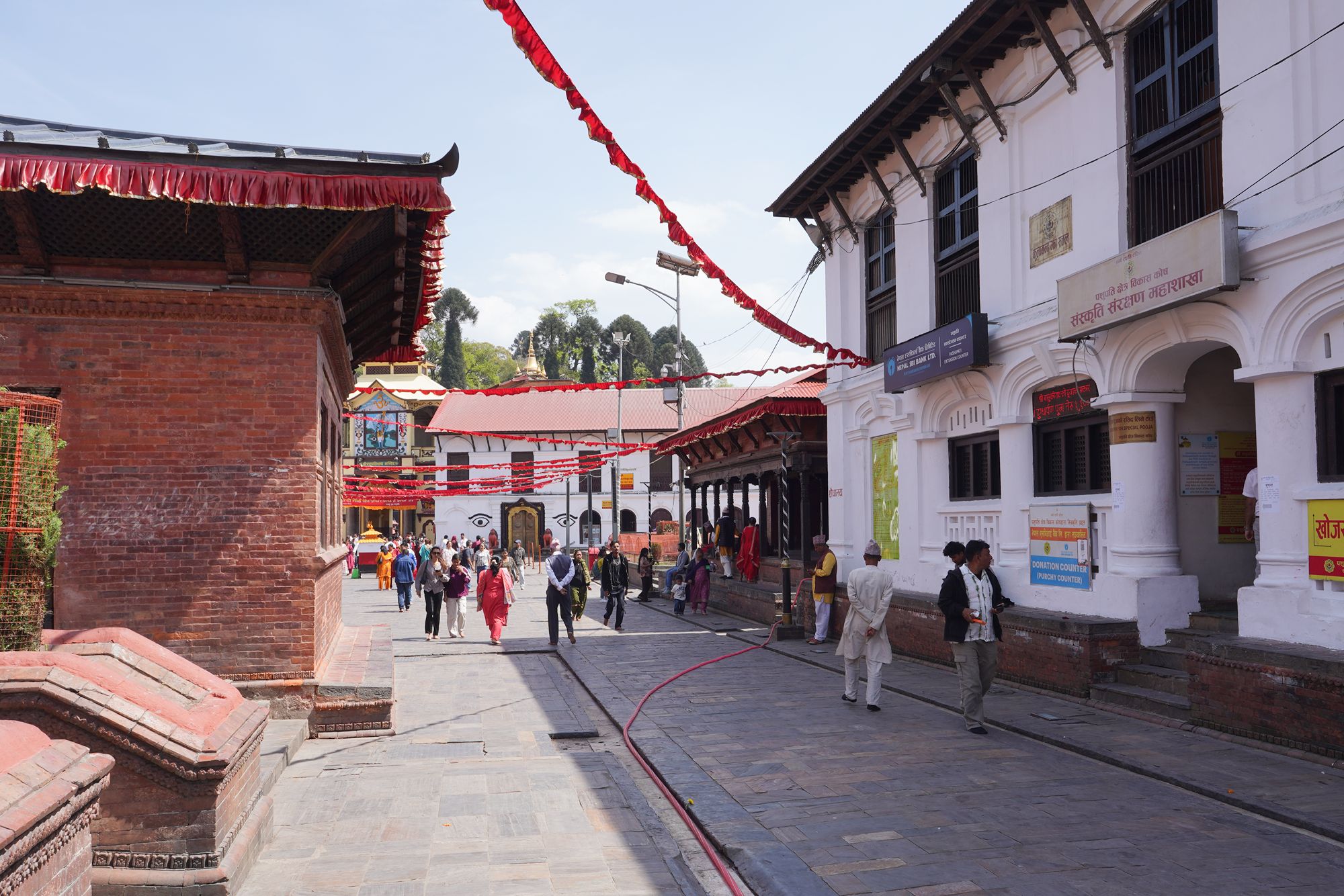
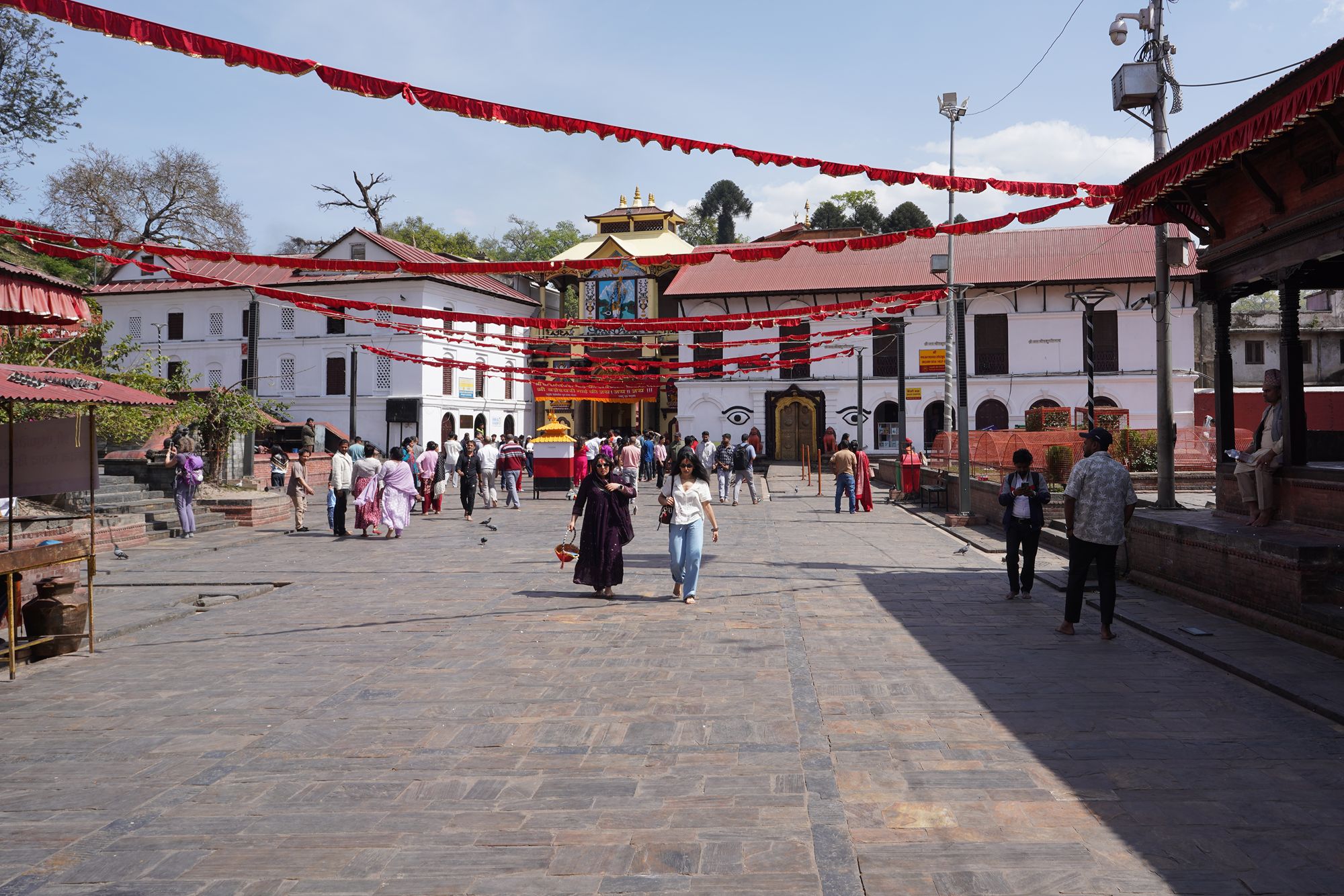
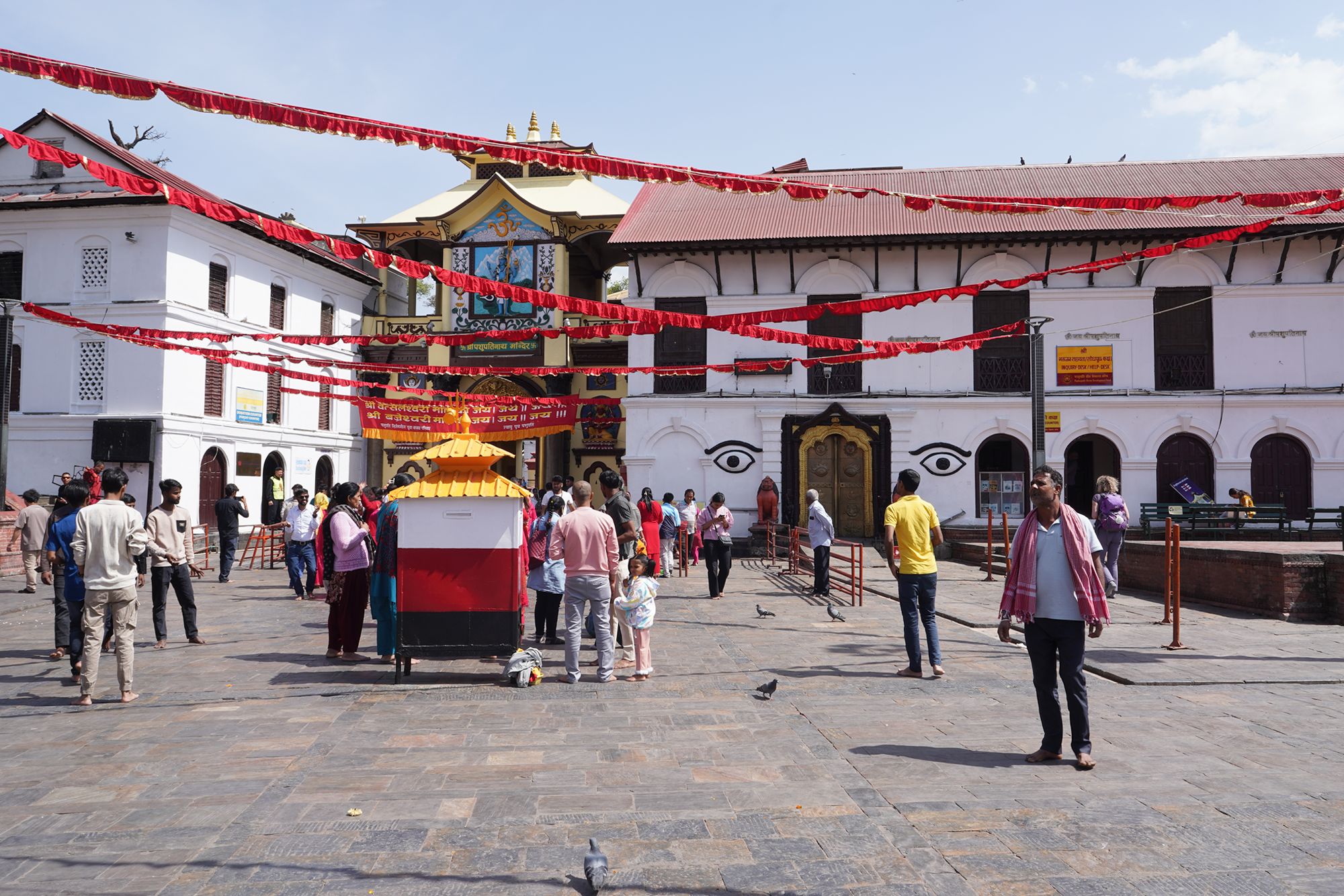
A doorway leading to the main Pashupatinath Temple, which is open only to Hindus, so I was not permitted to enter.
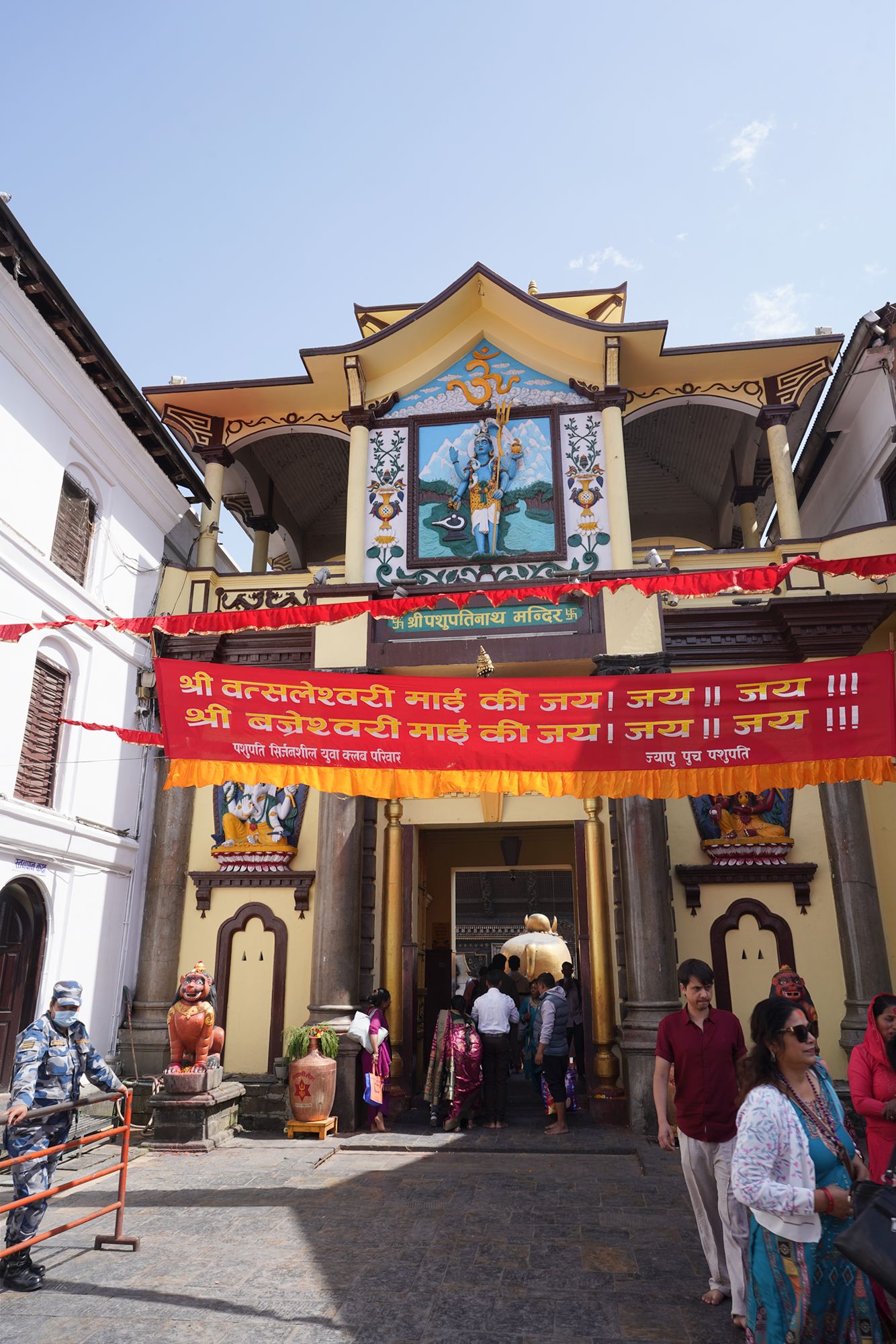
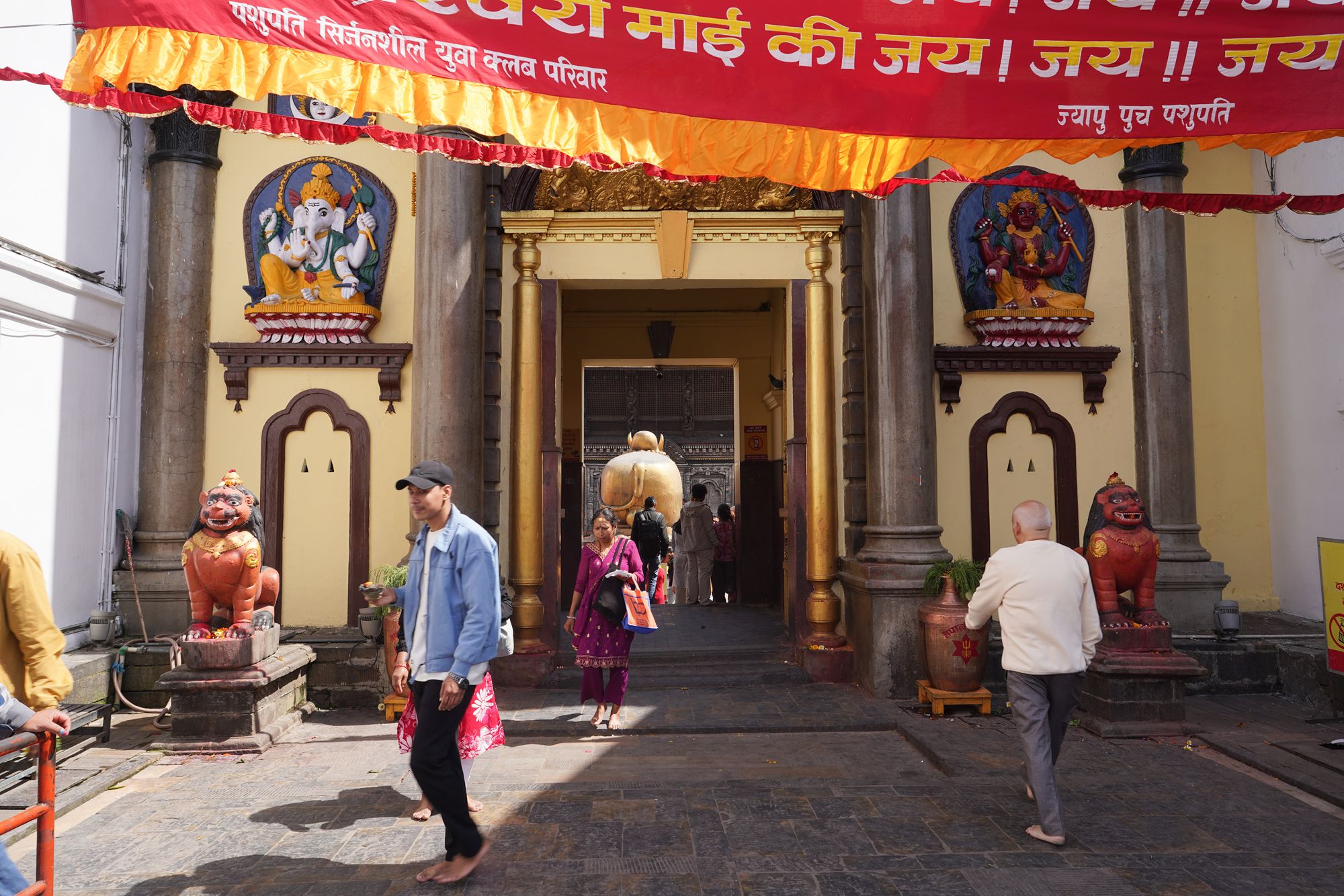
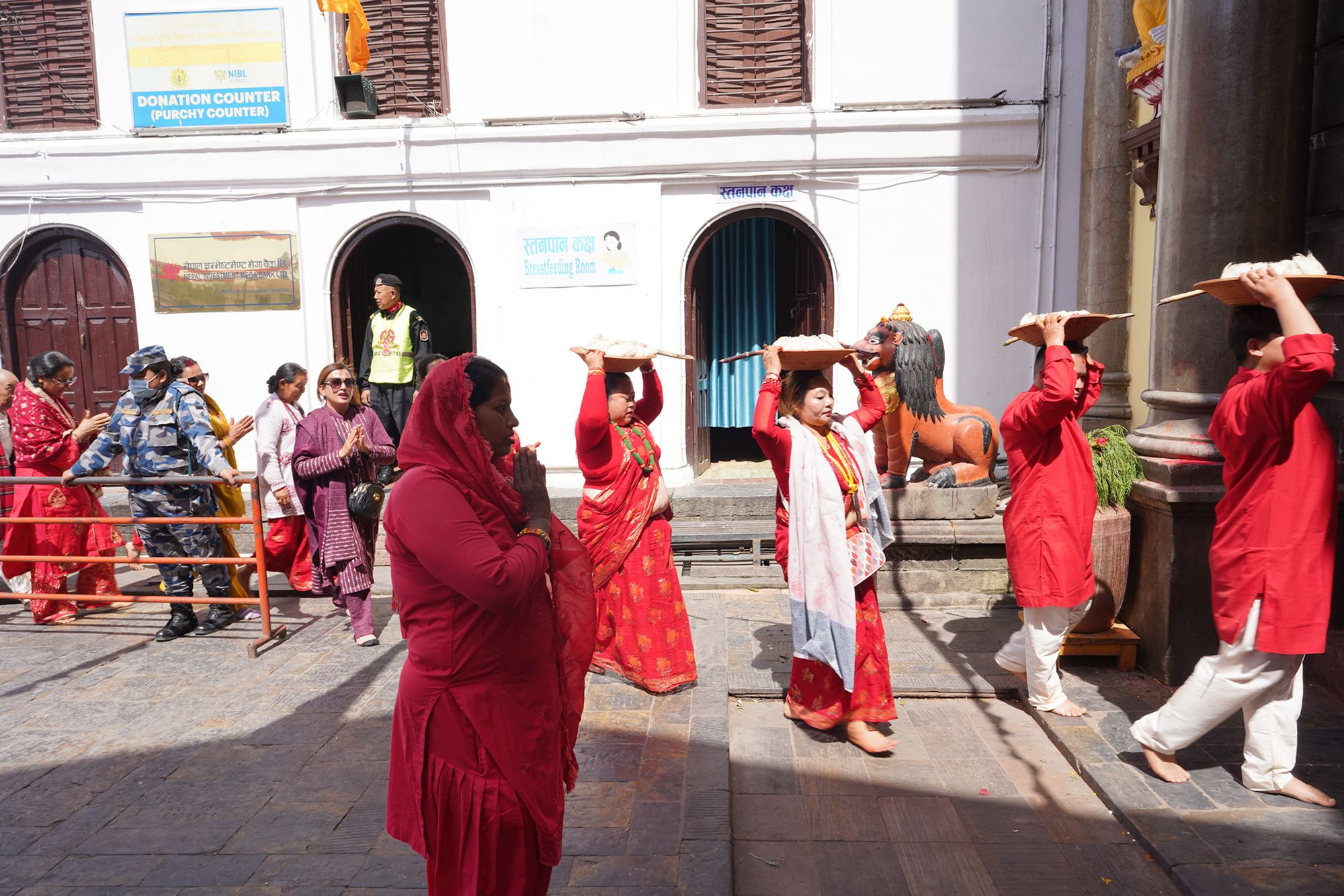
I saw people carrying items and offerings needed for the religious ceremonies inside the main temple.
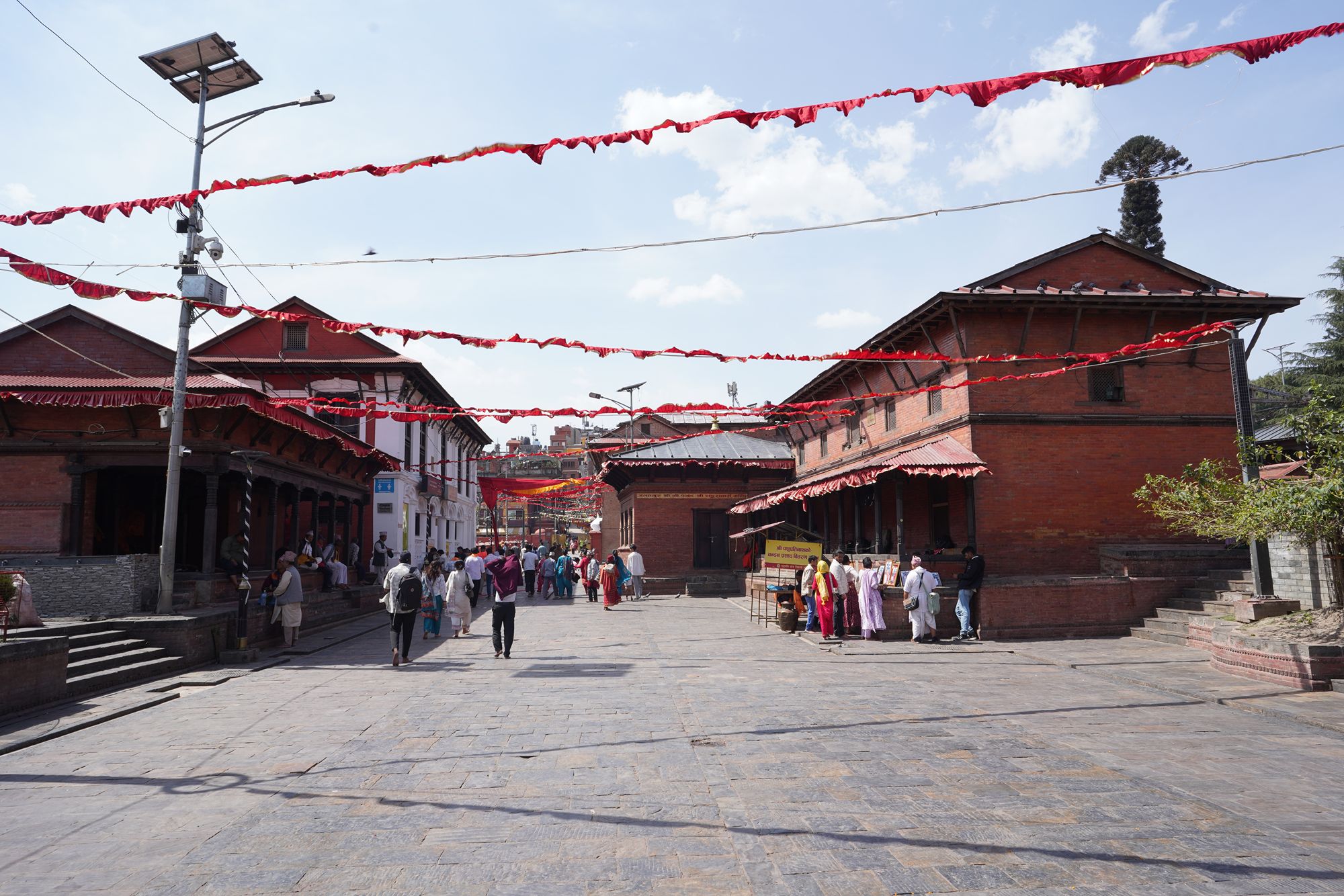
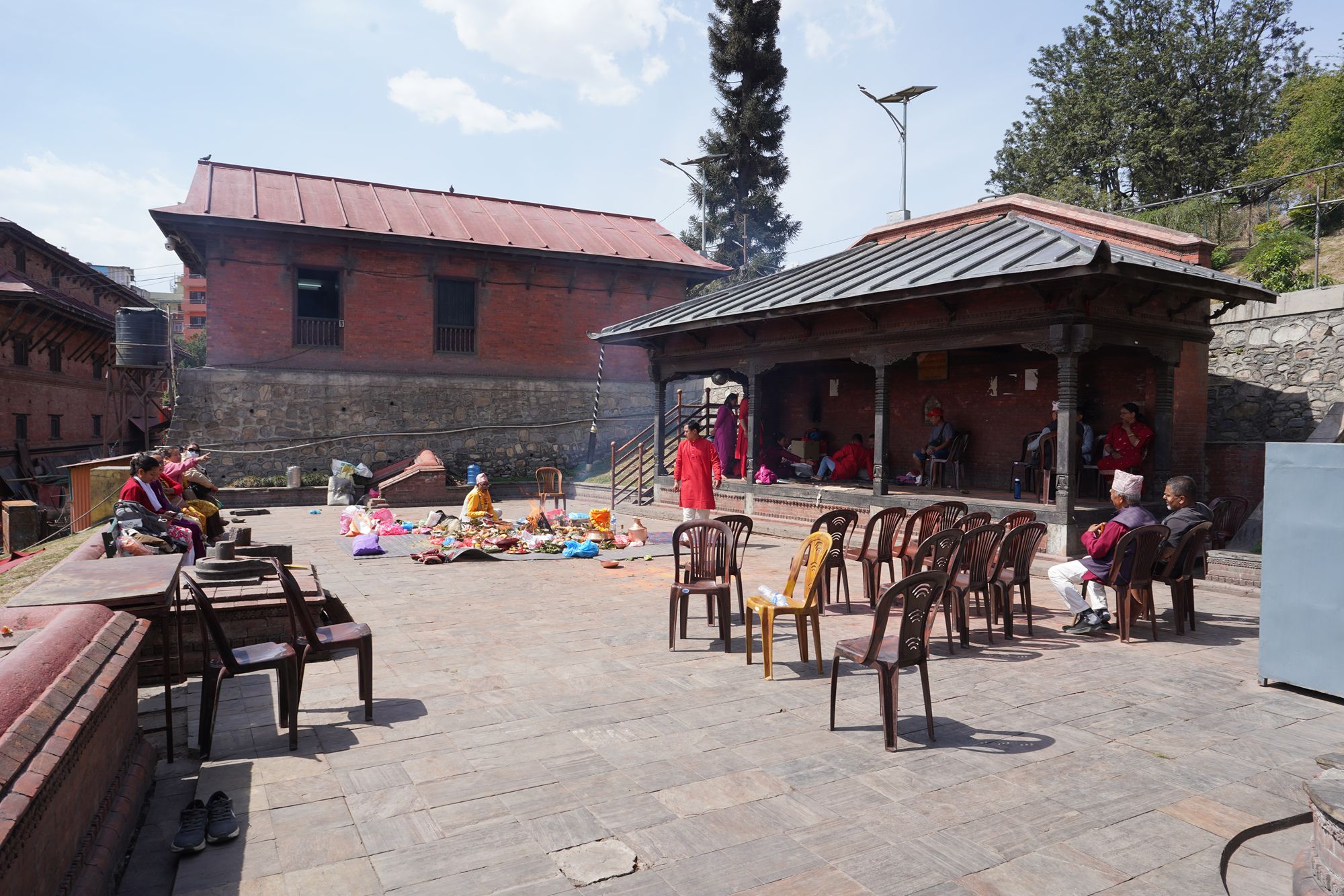
I turned around and retraced my steps, heading back toward the entrance to leave the Pashupatinath Temple complex.
From Pashupatinath Temple, I took an Uber to Boudhanath Stupa, one of Kathmandu’s most important Buddhist sites.
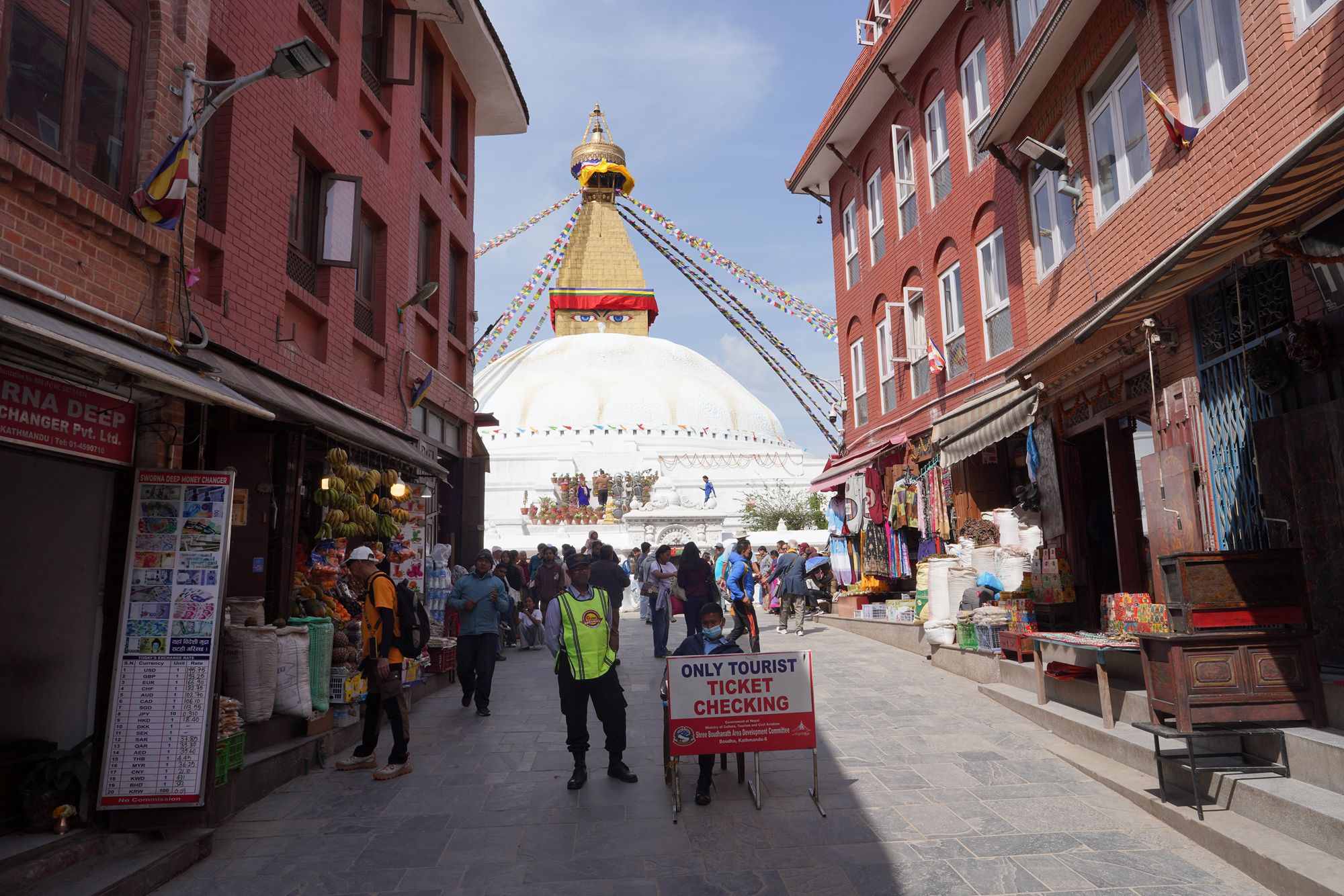
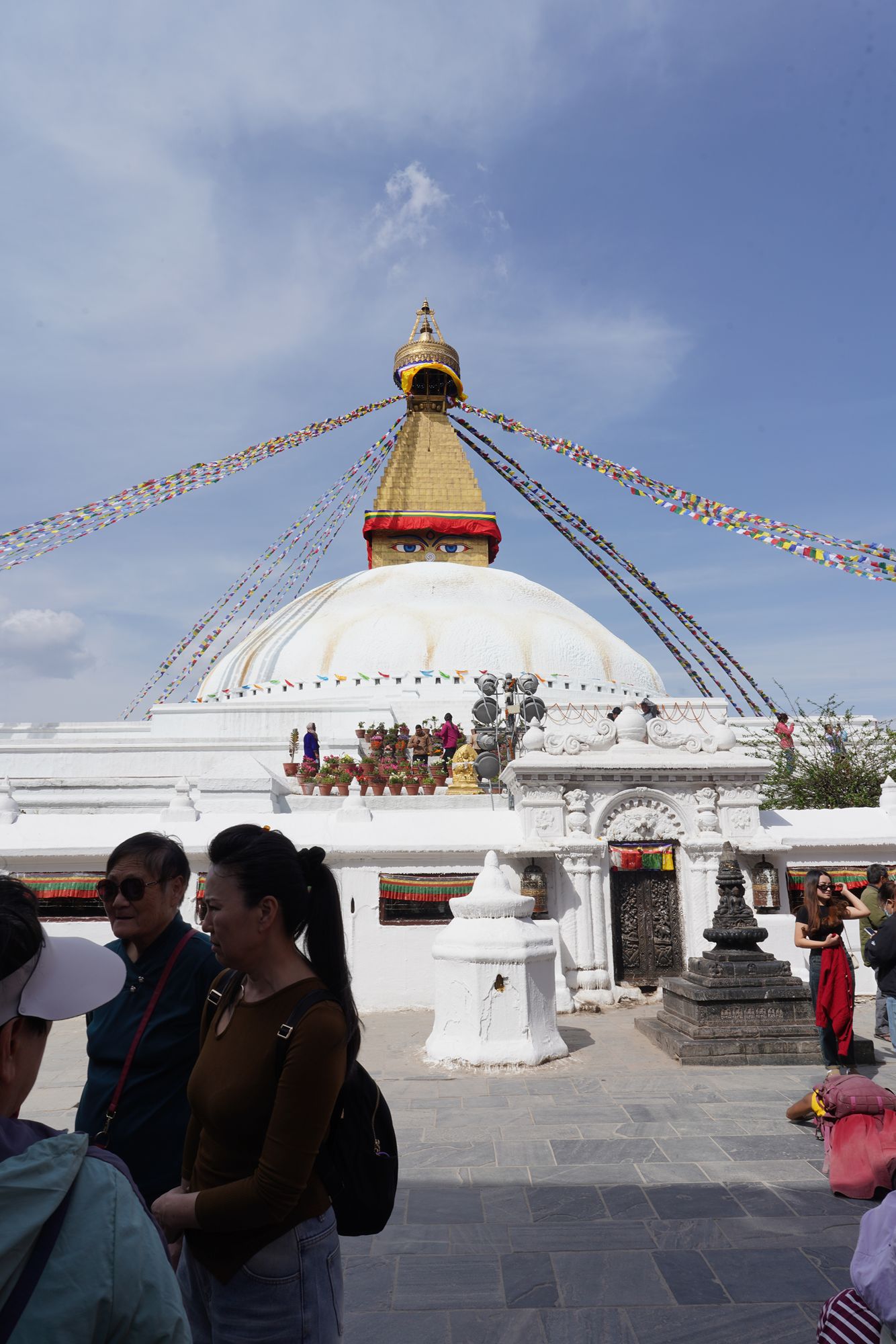
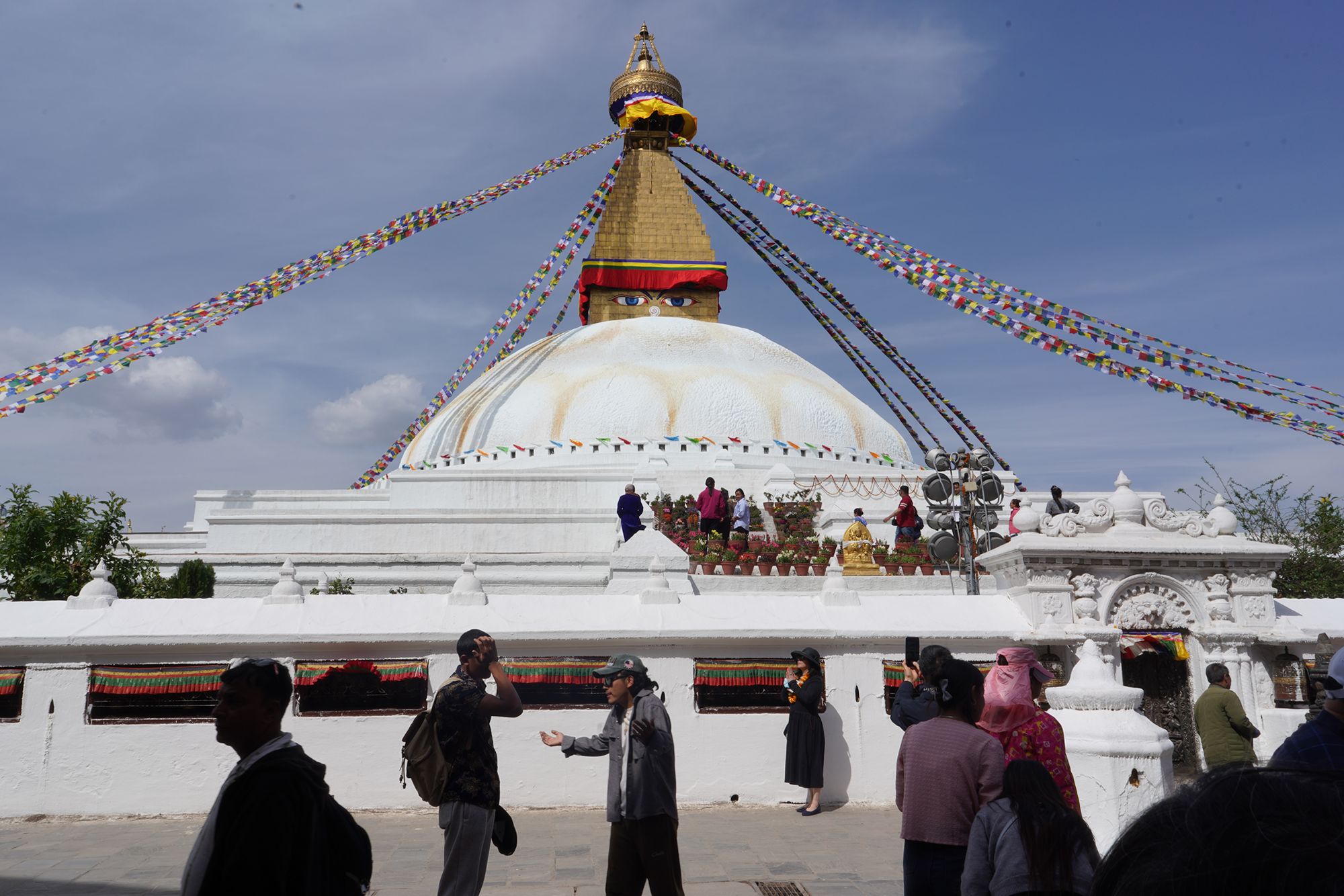
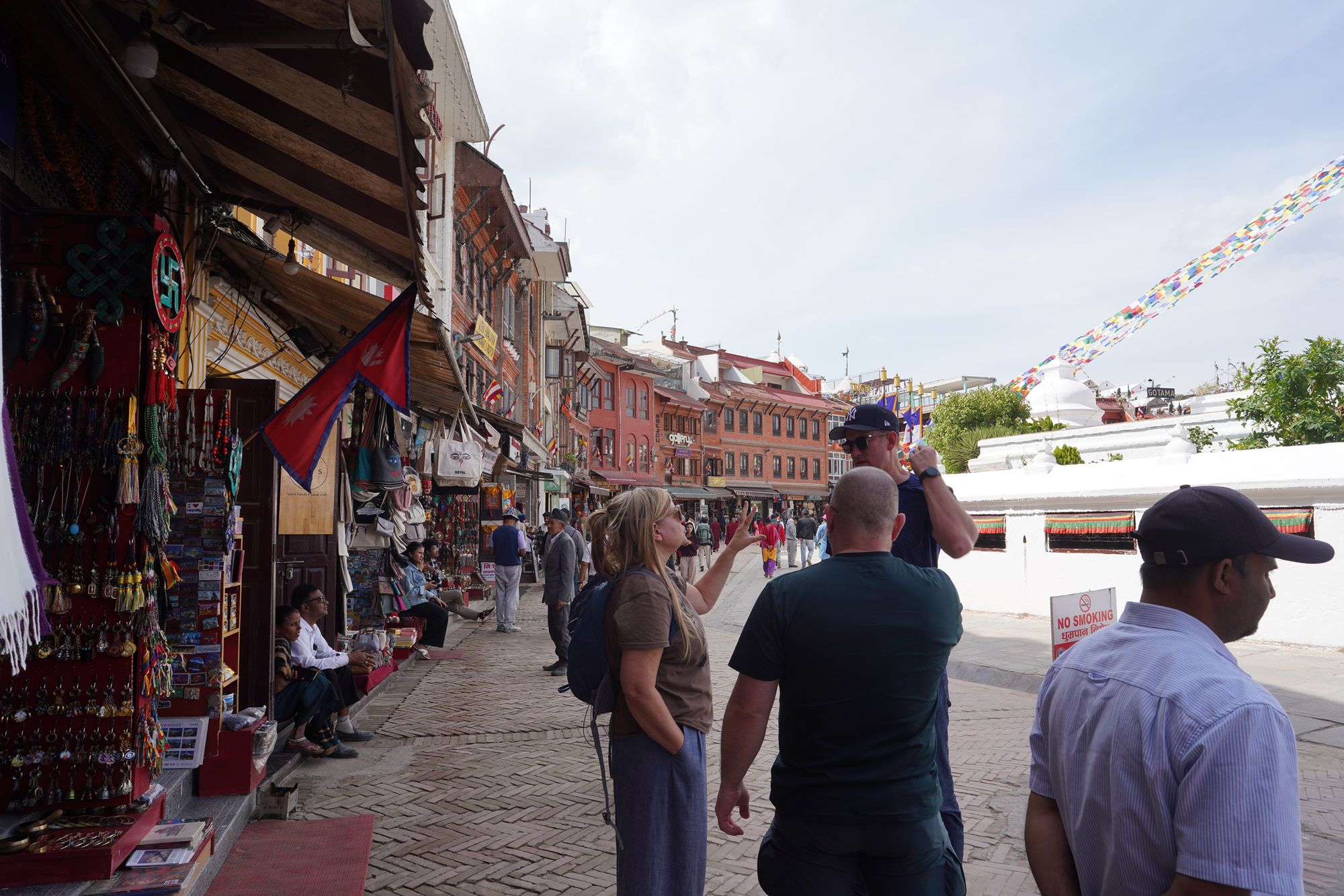
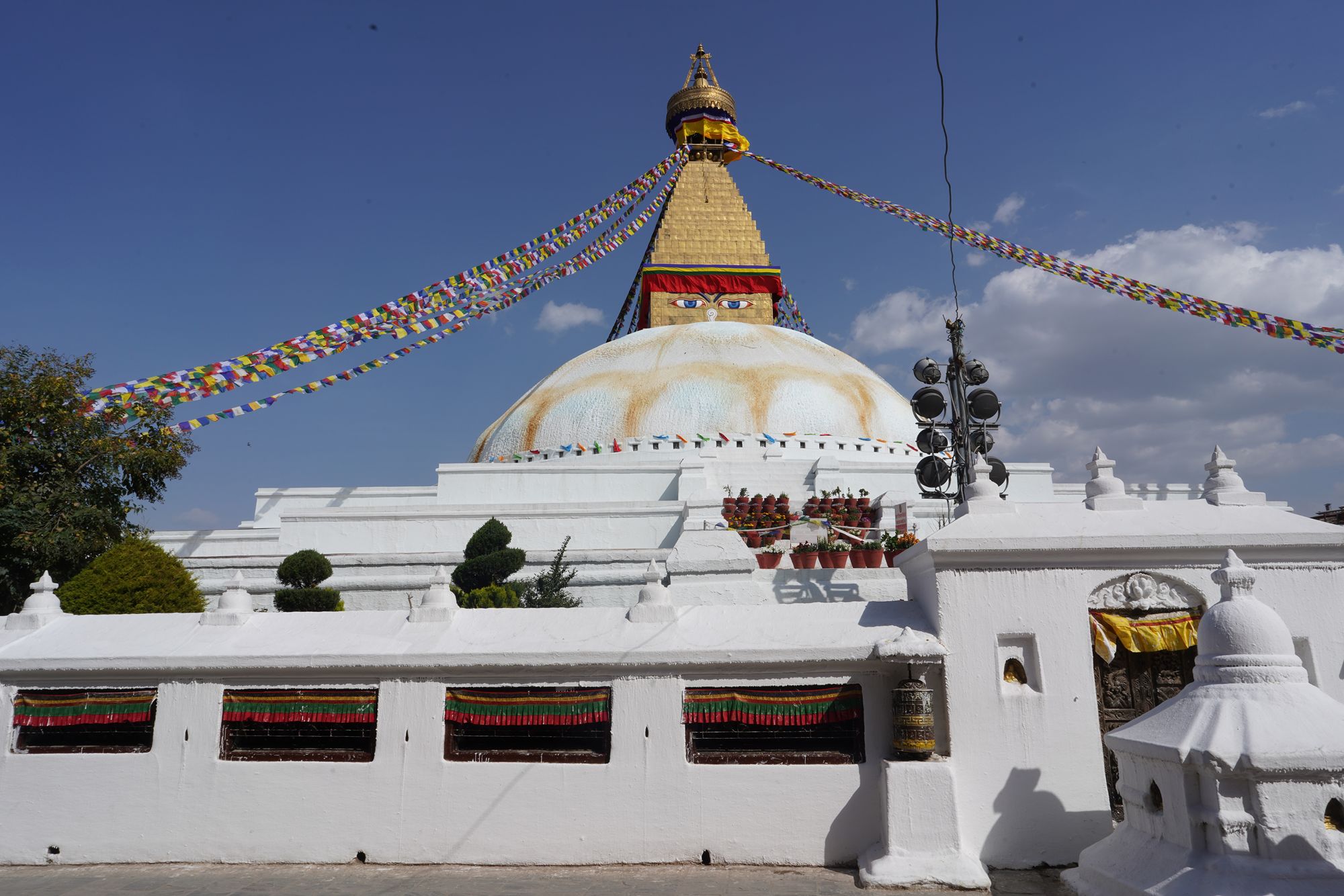
Boudhanath Stupa is one of the largest and most important Buddhist stupas in Nepal and one of Kathmandu’s best-known landmarks. Its origins are ancient, with the present form generally associated with the Licchavi period, although it has been rebuilt and restored many times.
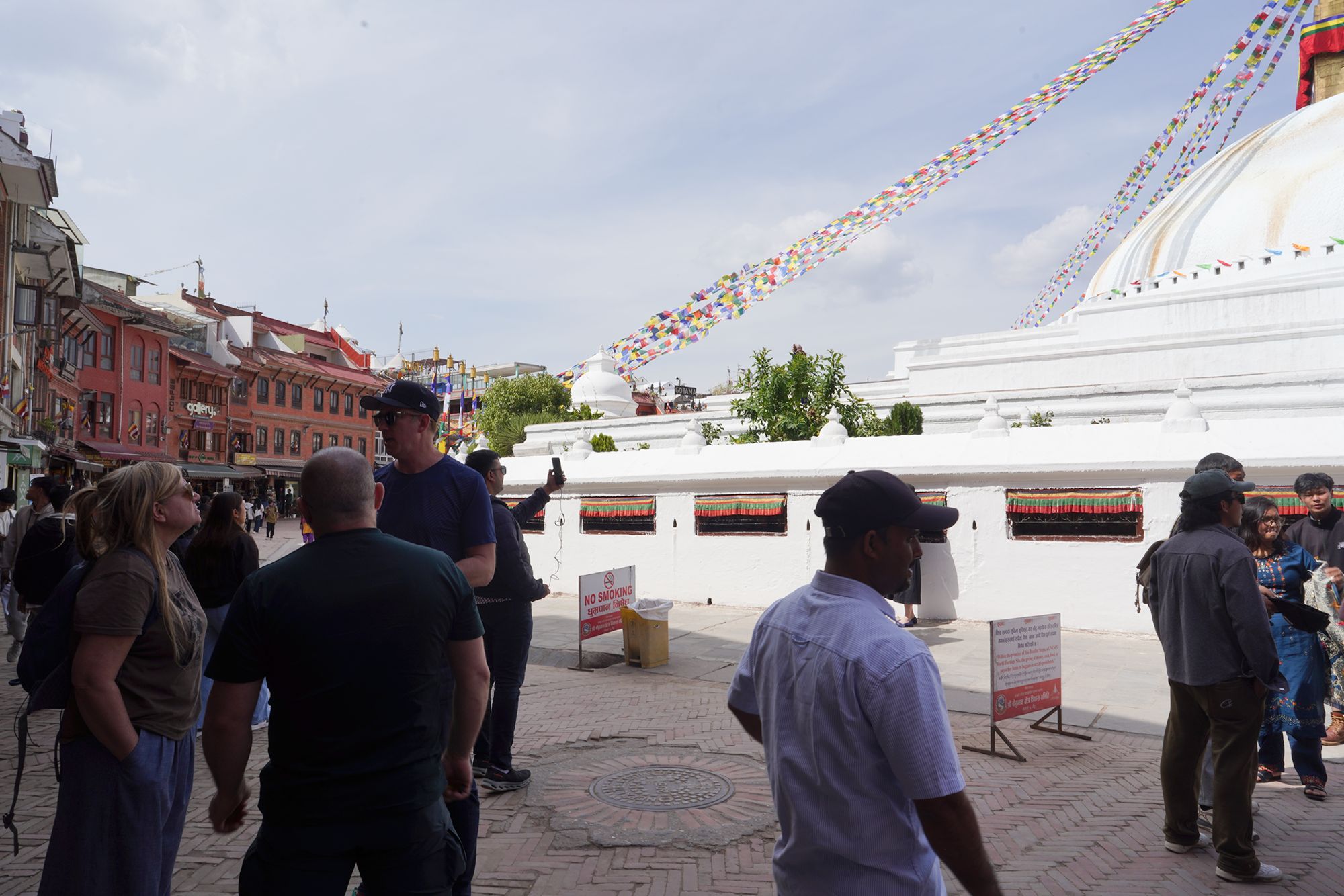
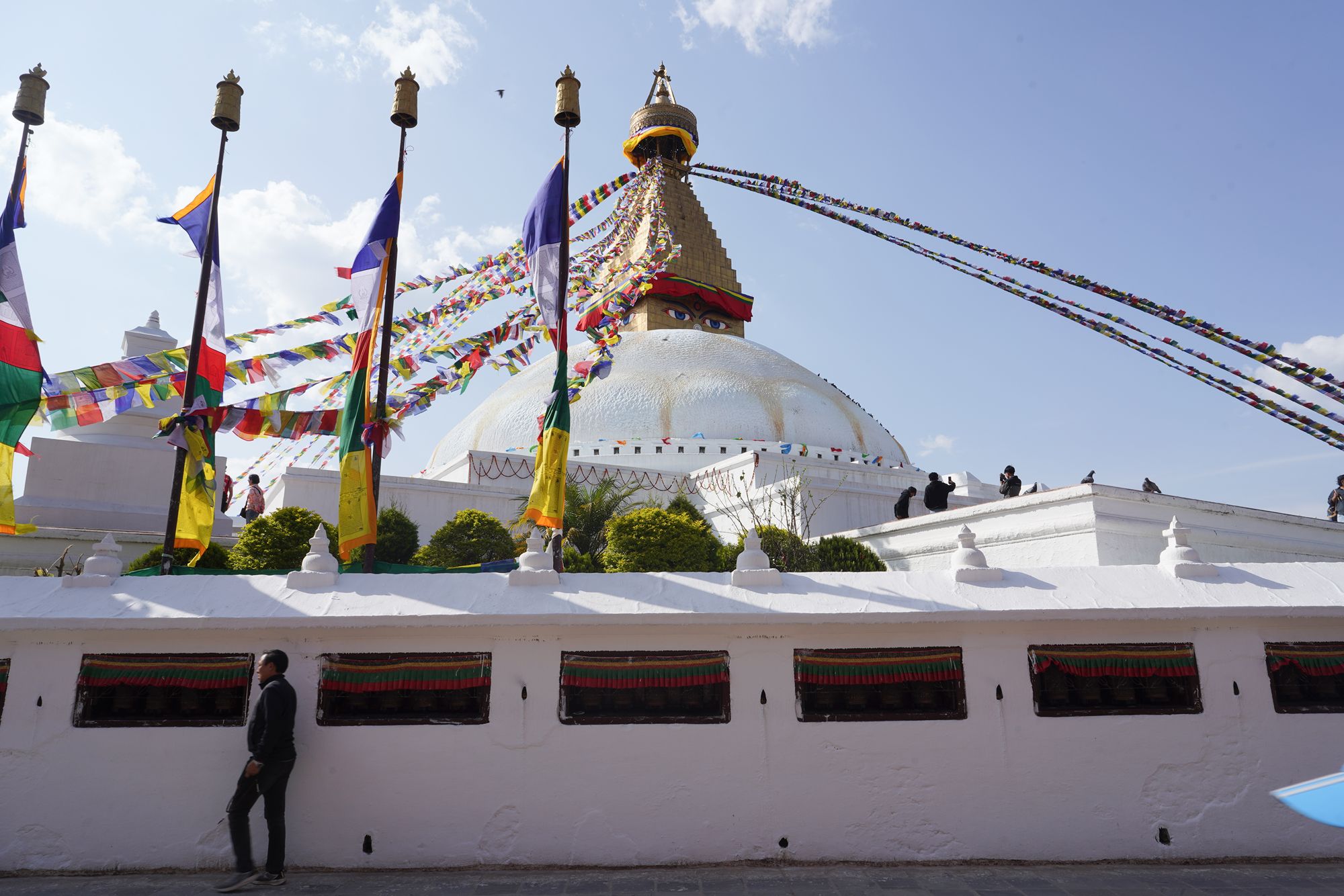
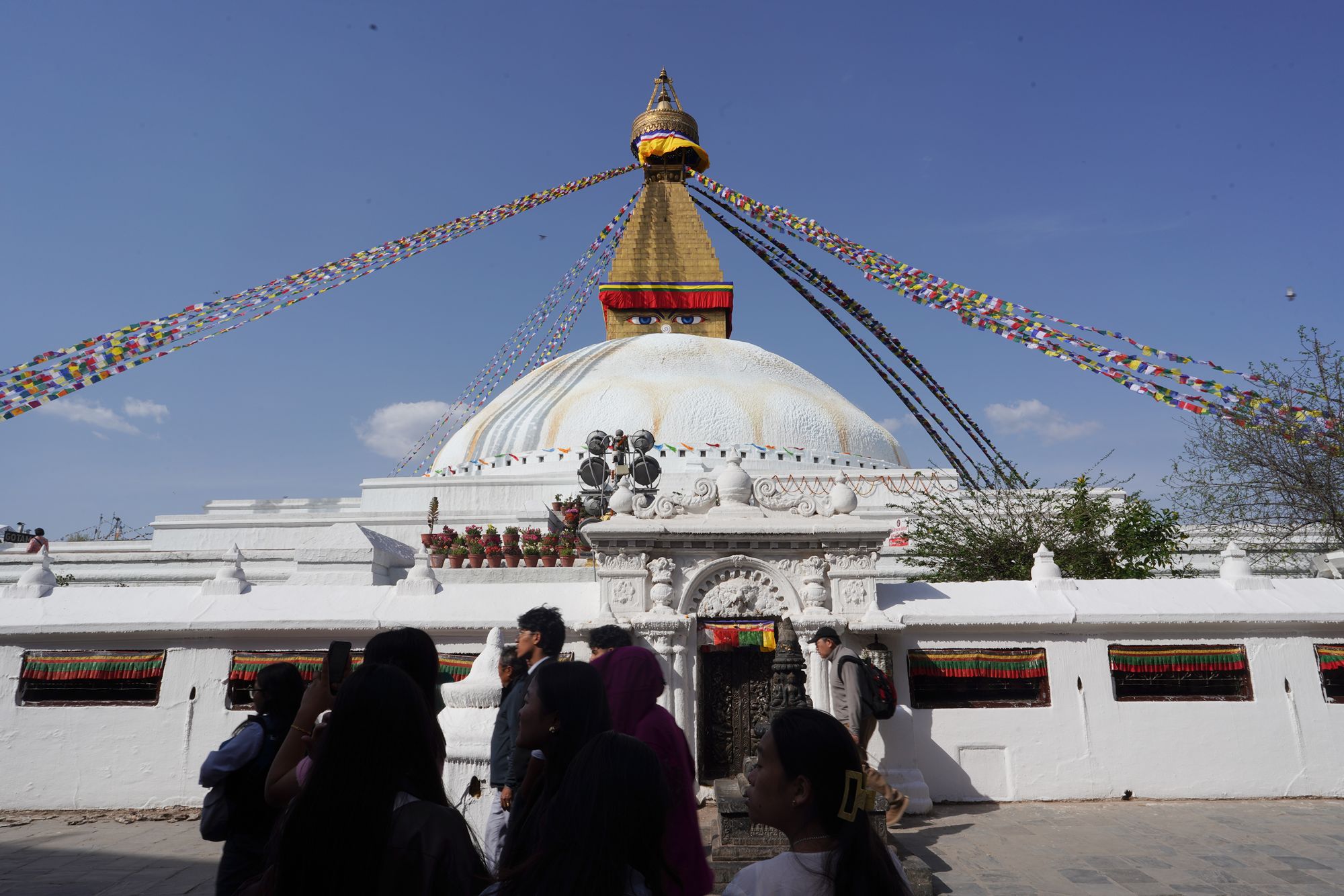
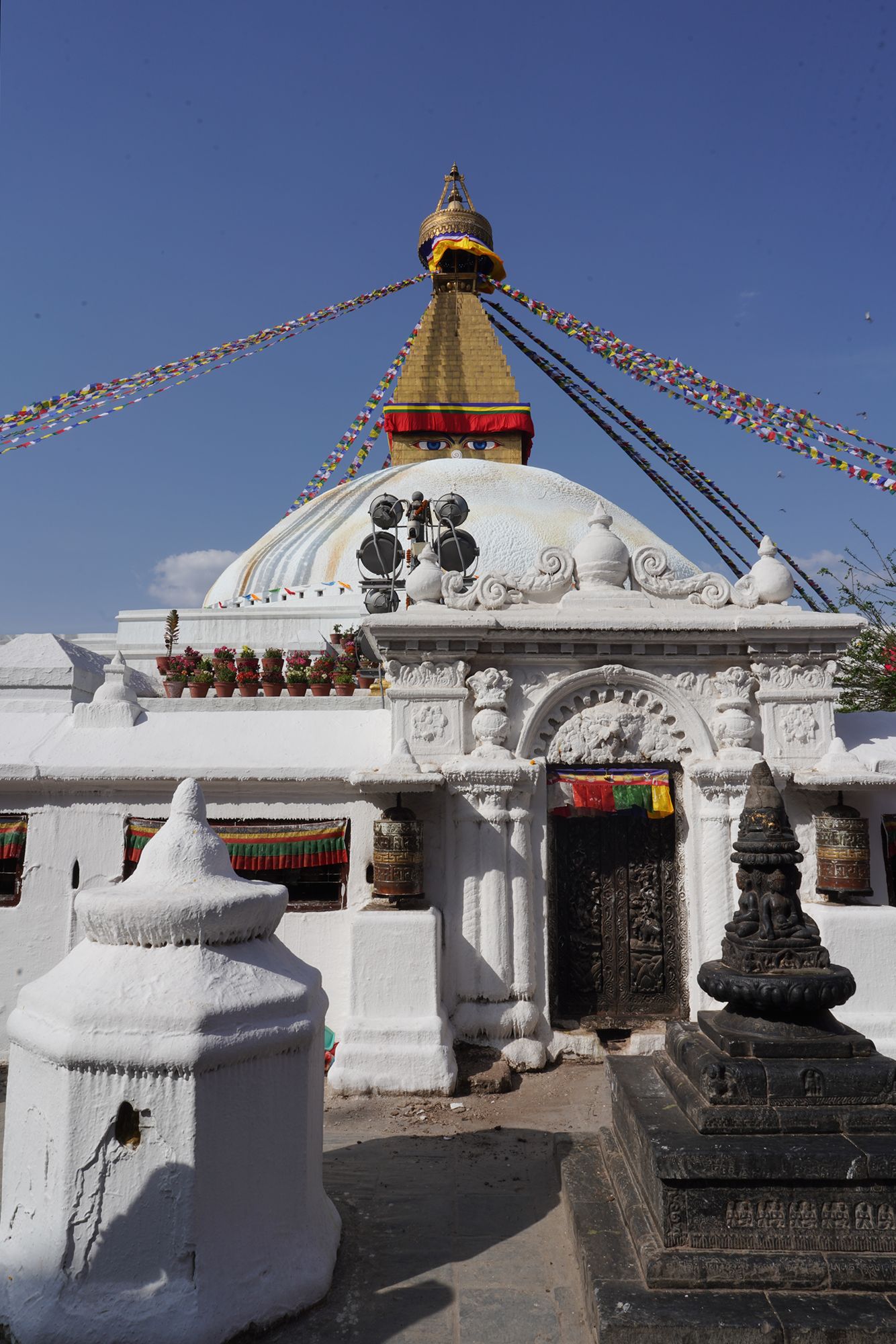
The enormous white dome is topped by a gilded tower bearing the distinctive eyes of the Buddha, looking out in four directions. The stupa is surrounded by monasteries, shops, cafés, and religious buildings.
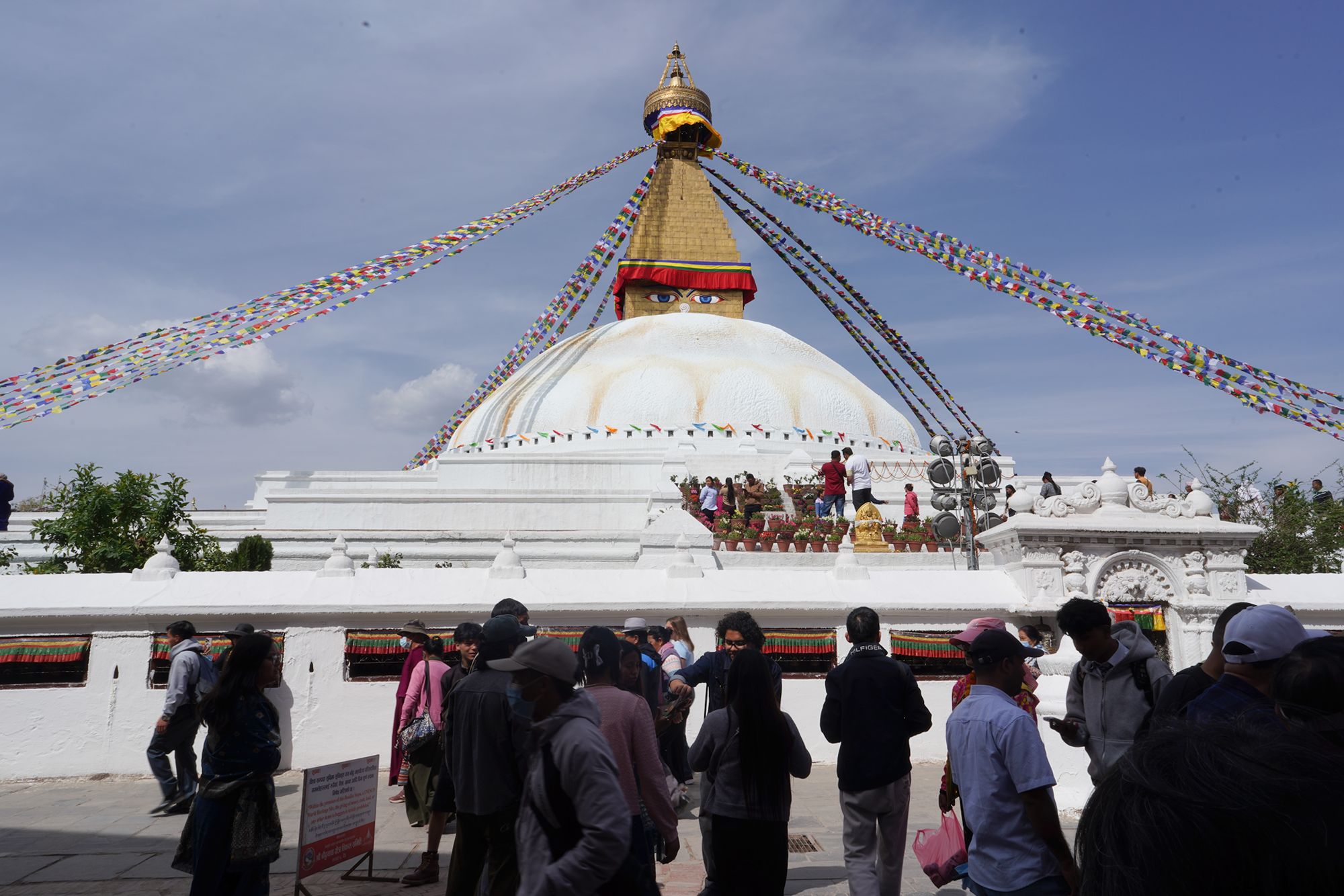
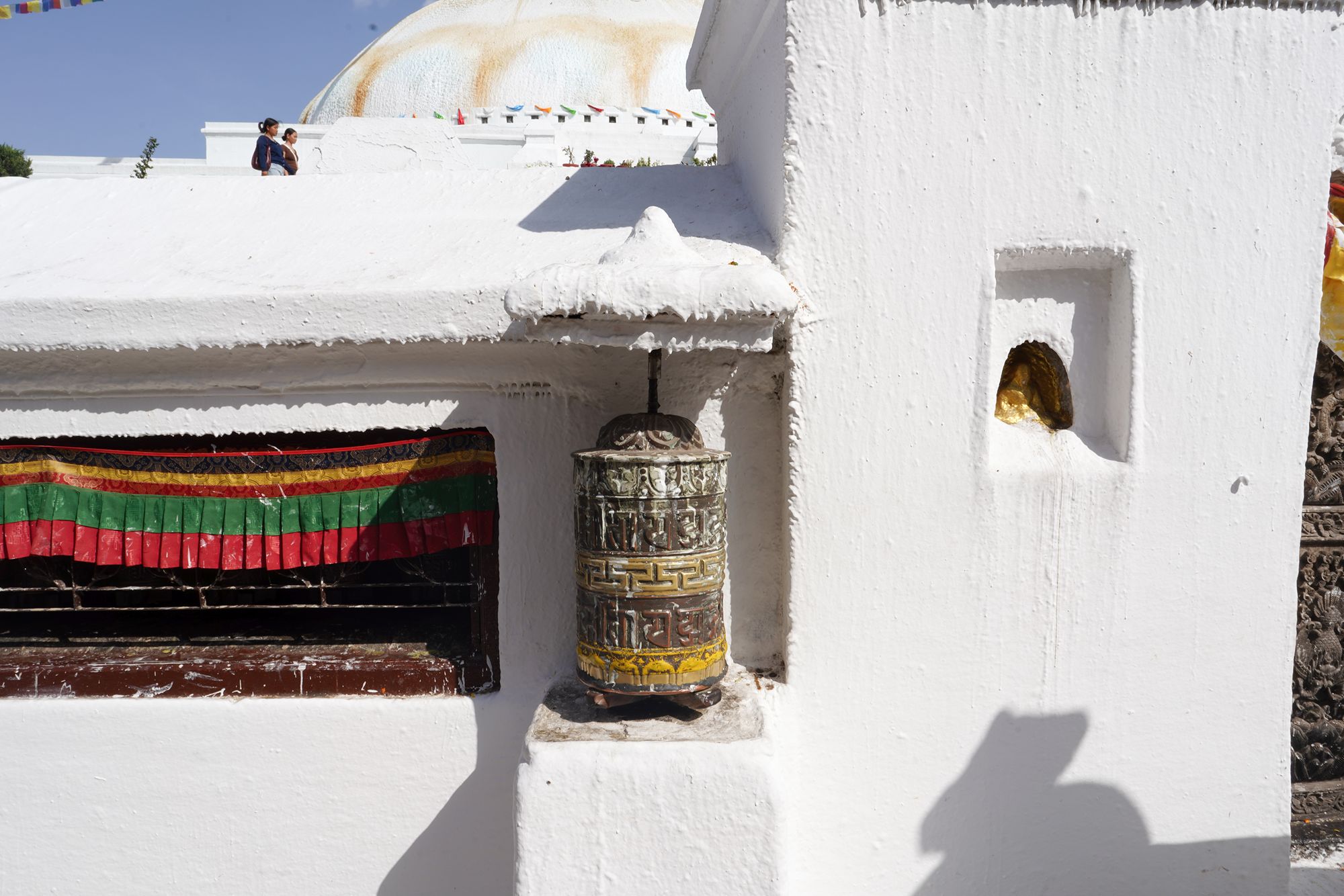
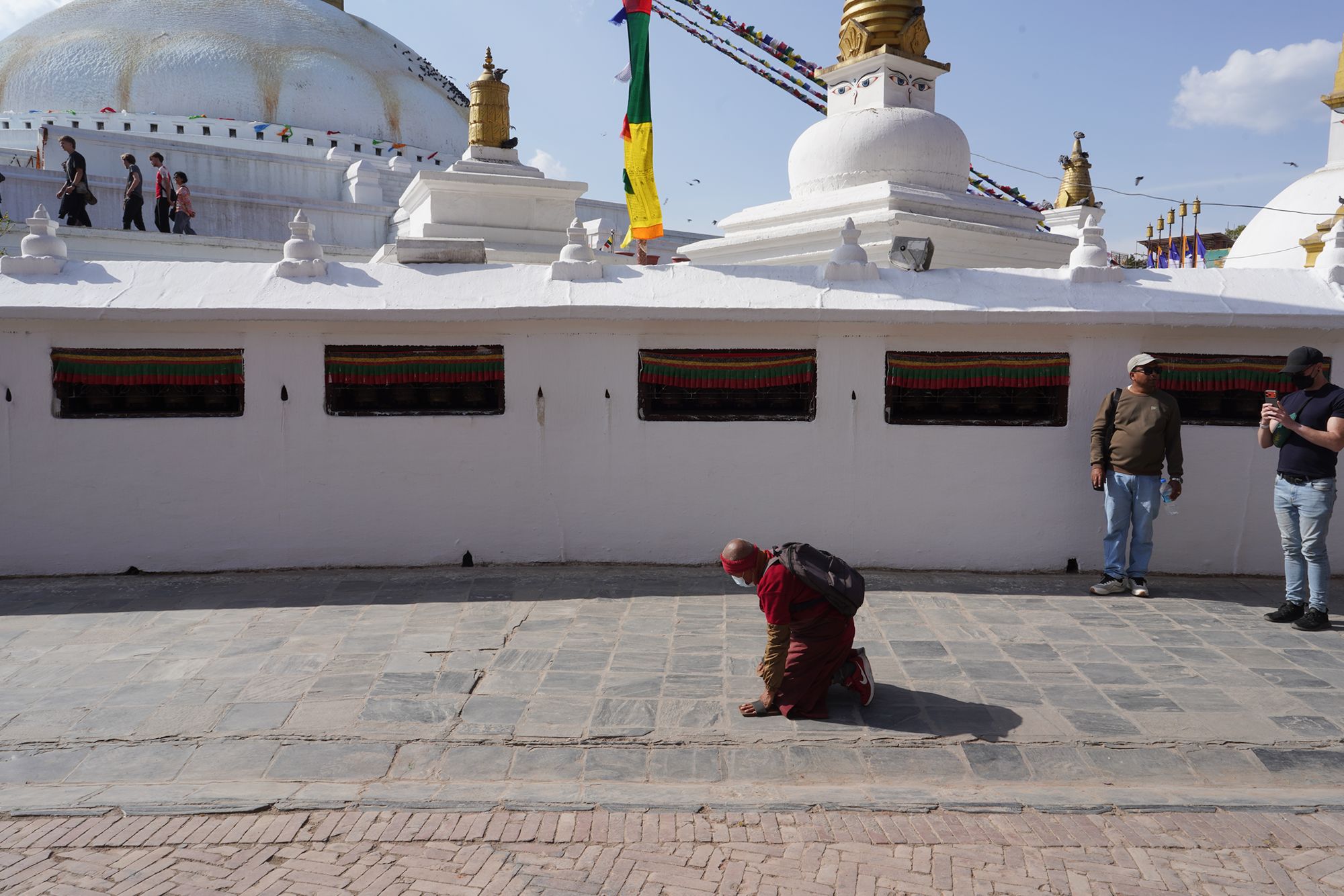
Boudhanath is particularly important to Tibetan Buddhism. After many Tibetan refugees settled around Boudhanath beginning in the 1950s, the surrounding neighborhood became a major center of Tibetan Buddhist culture. Pilgrims traditionally walk clockwise around the stupa, spinning prayer wheels and reciting prayers.
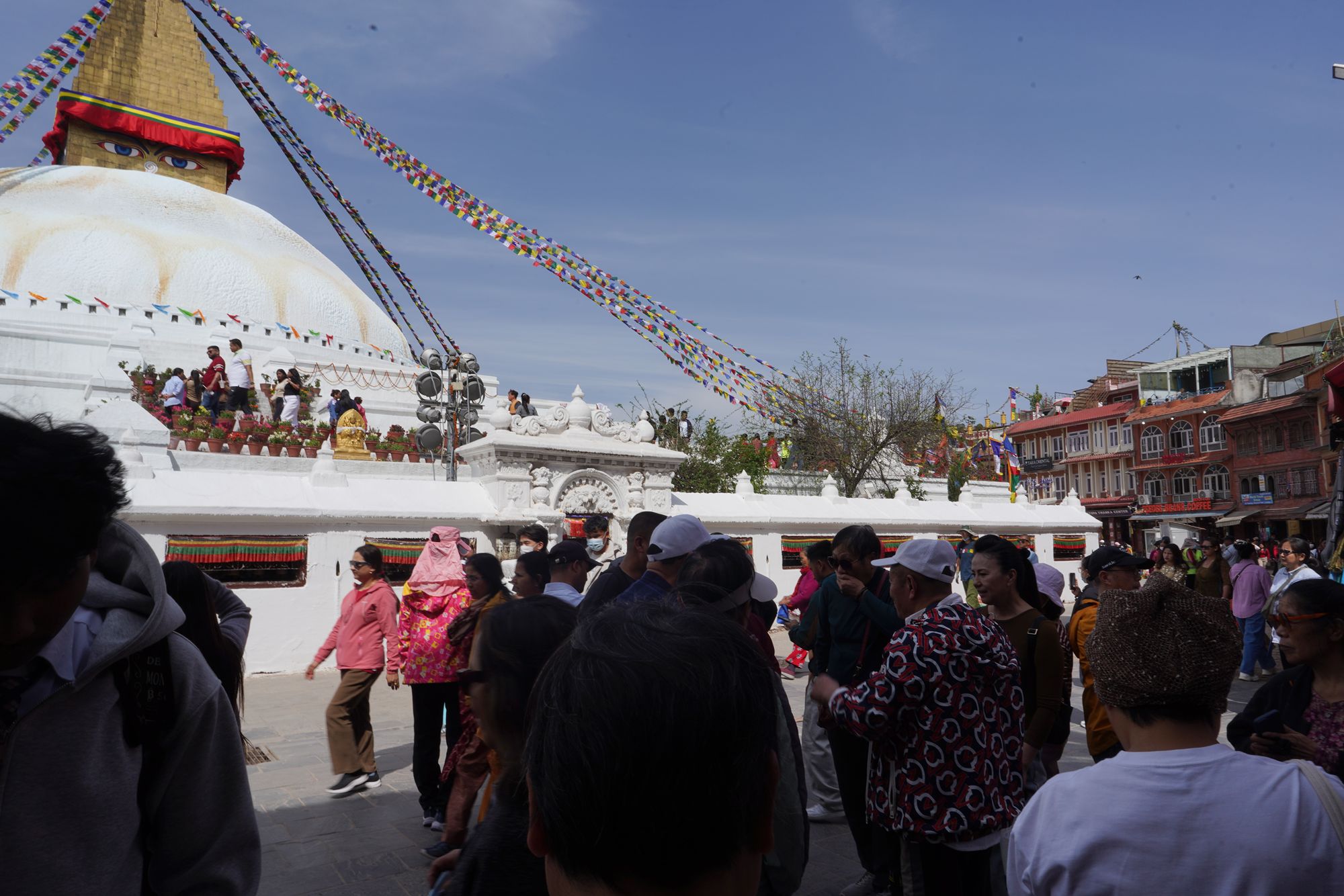
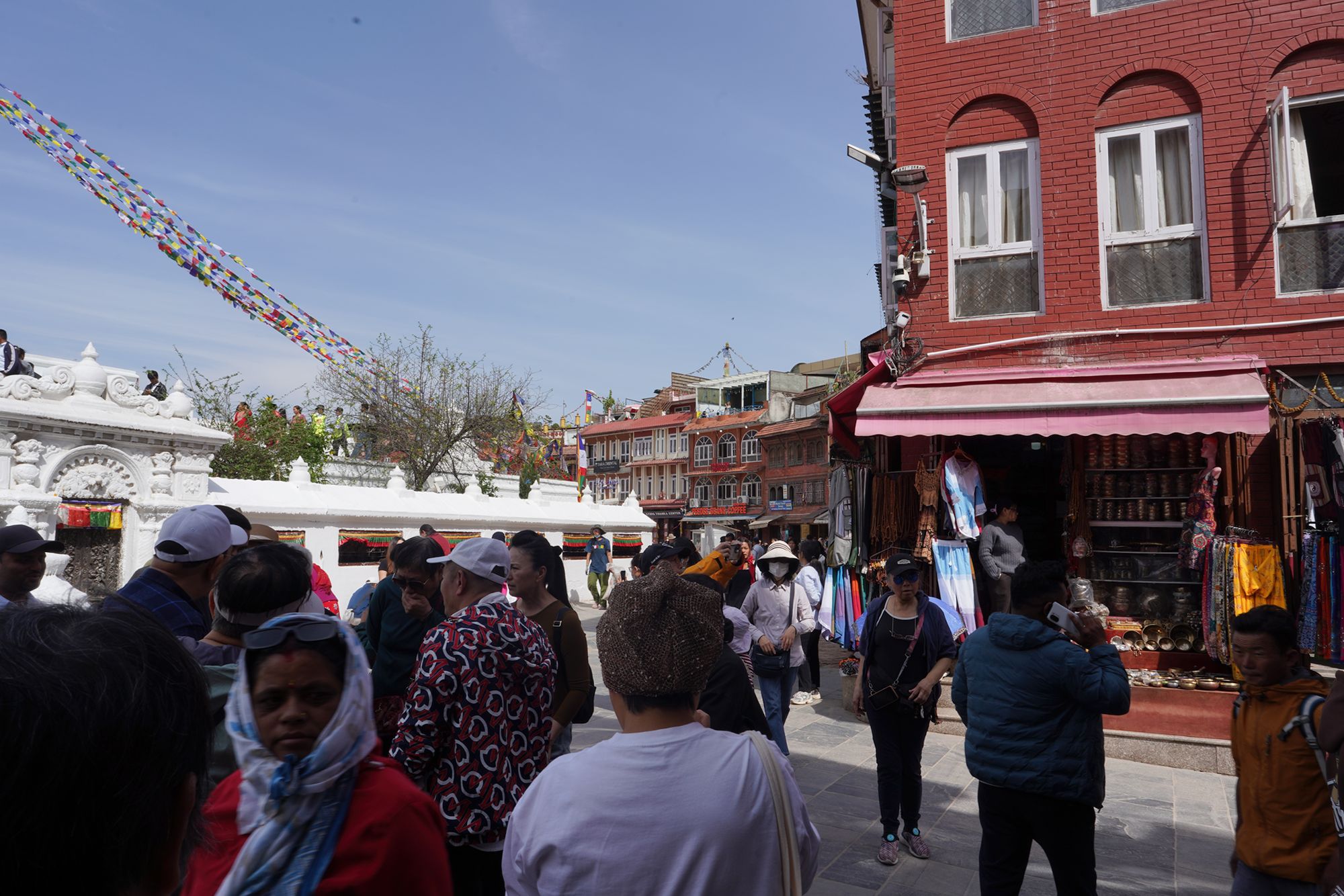
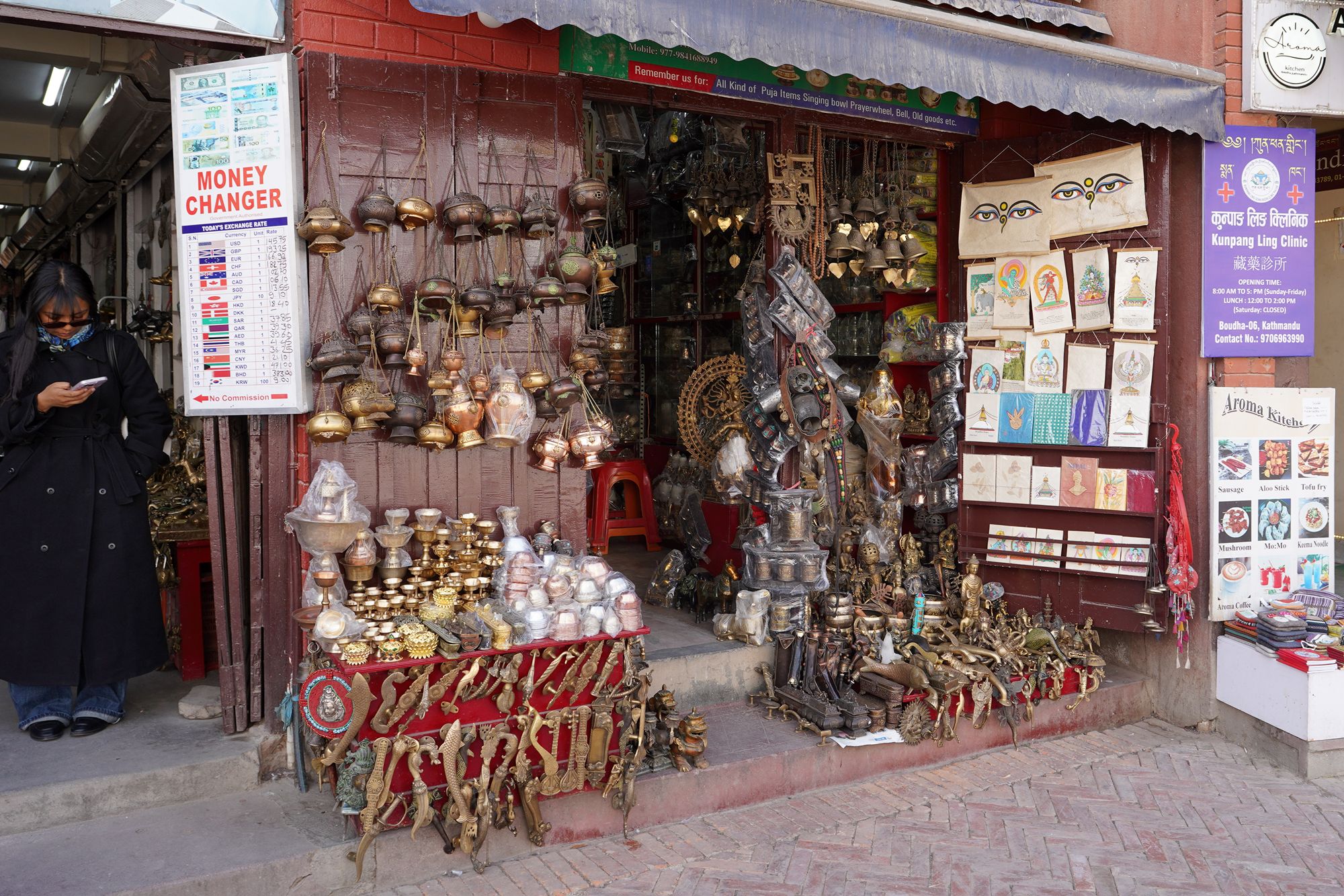
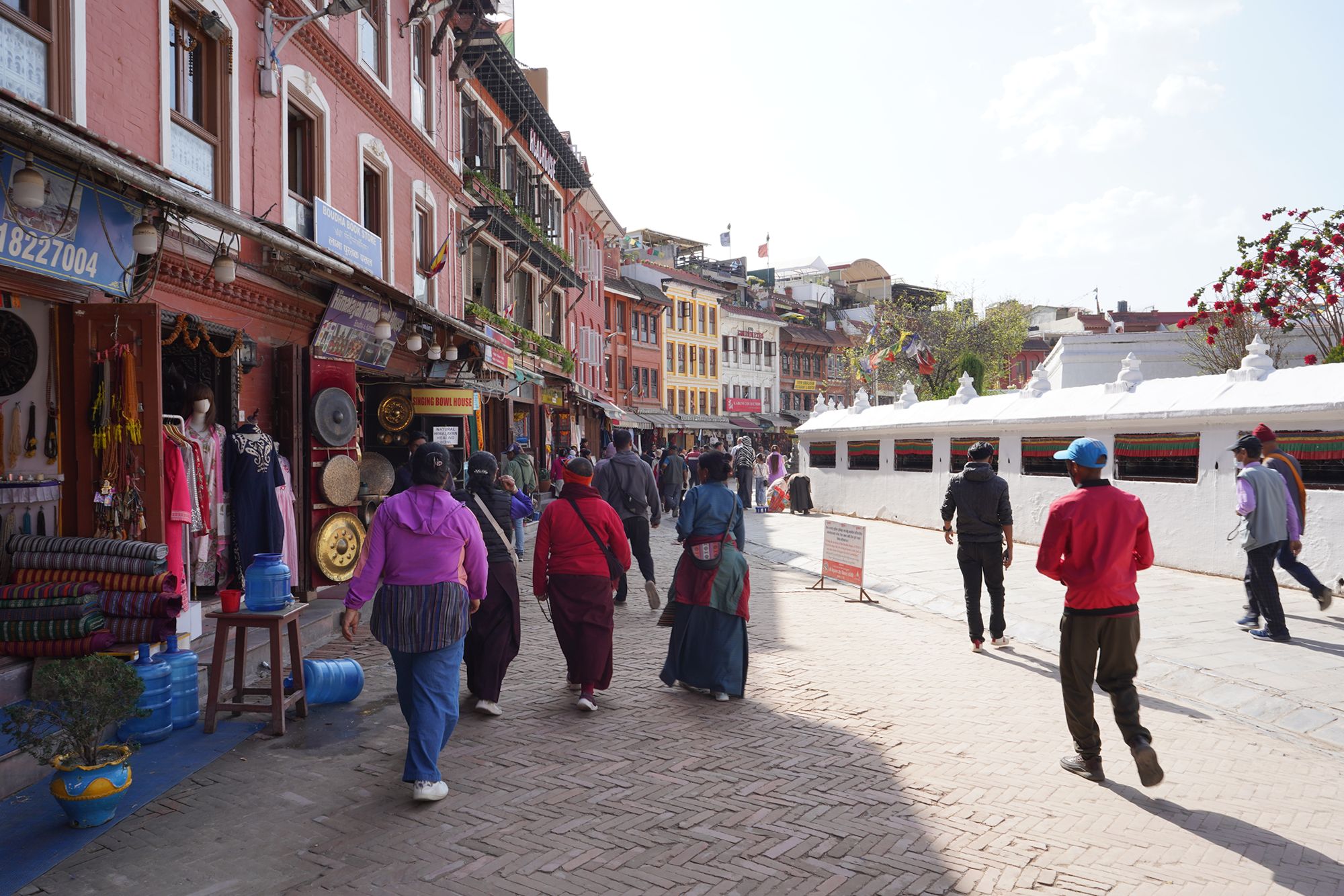
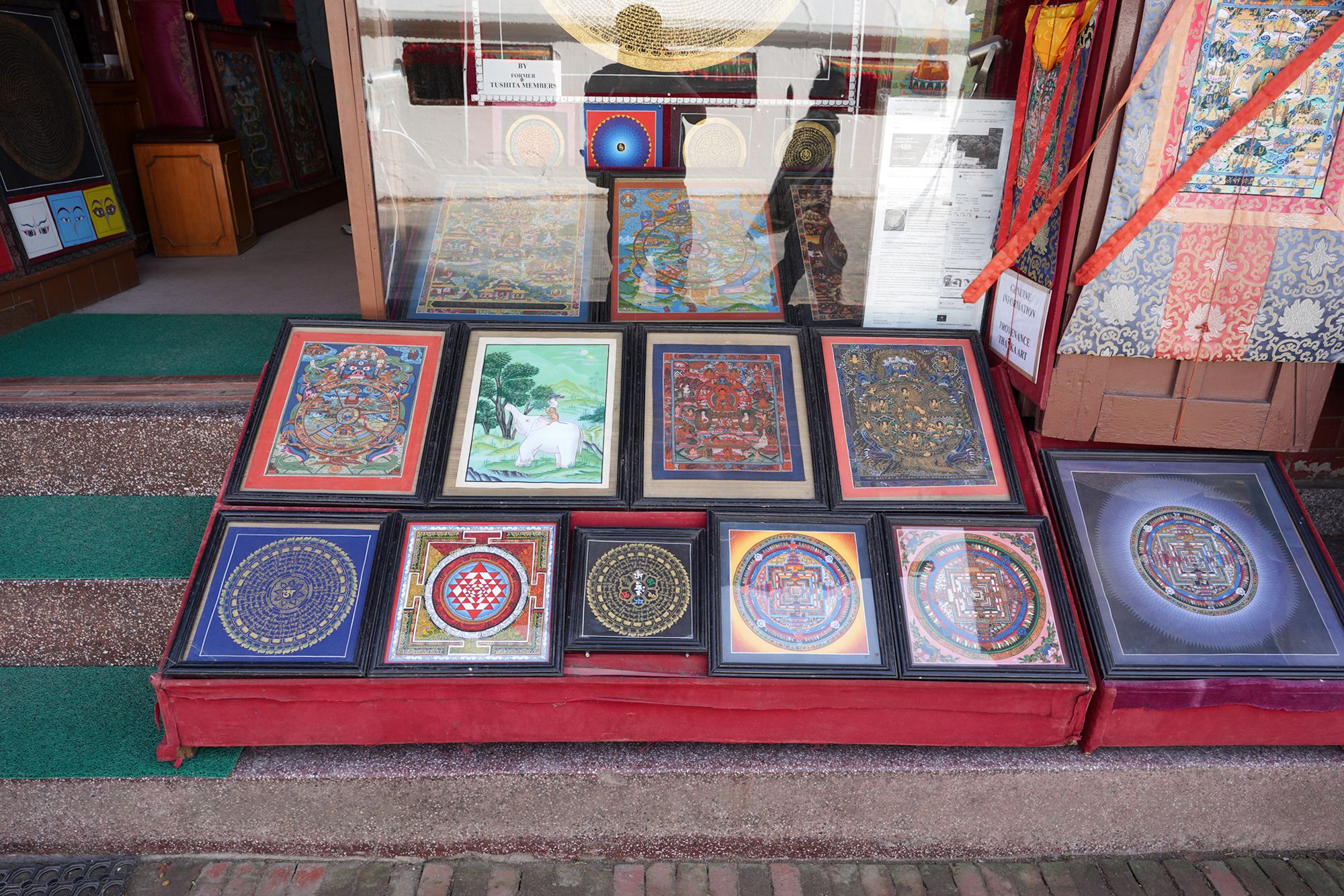
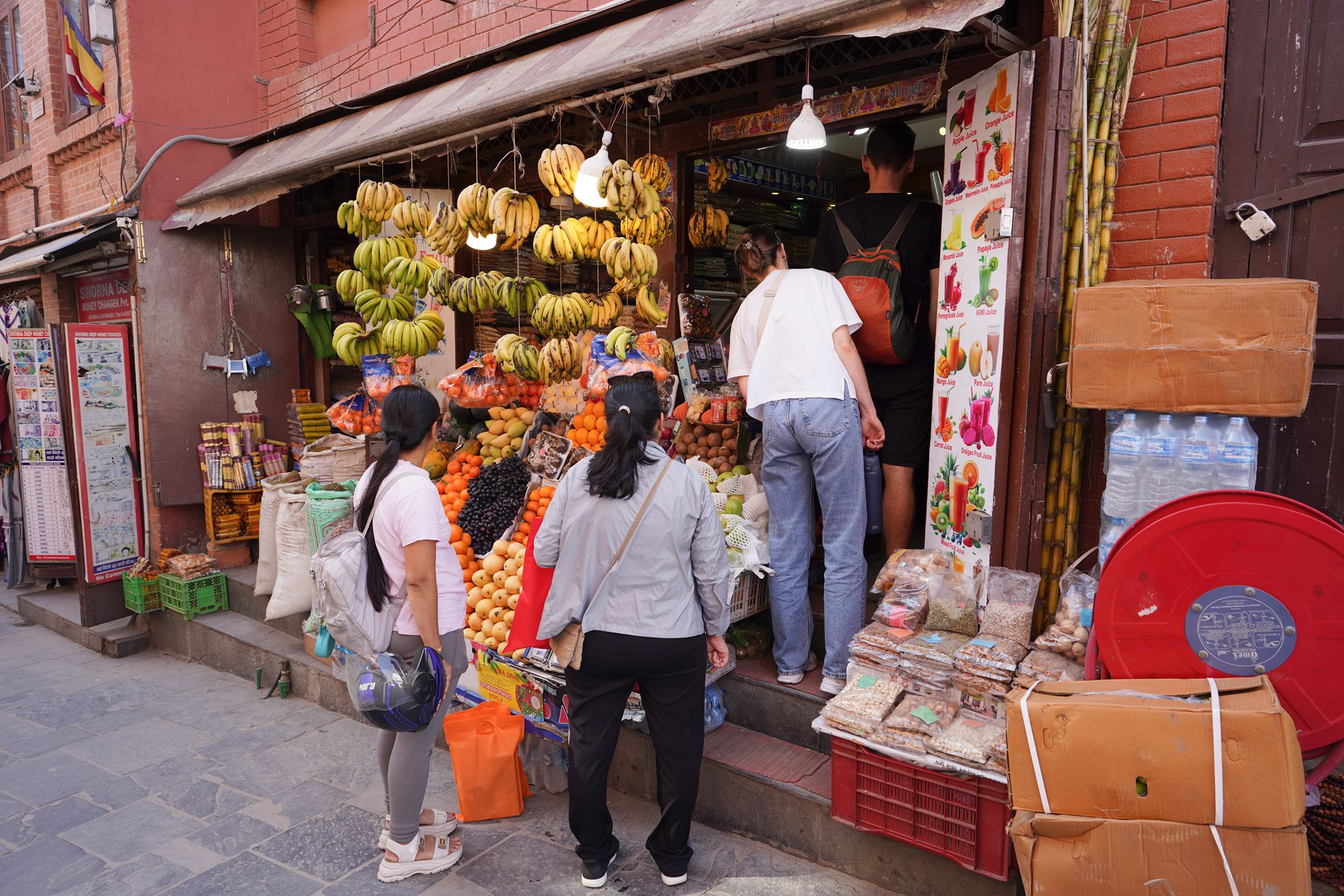
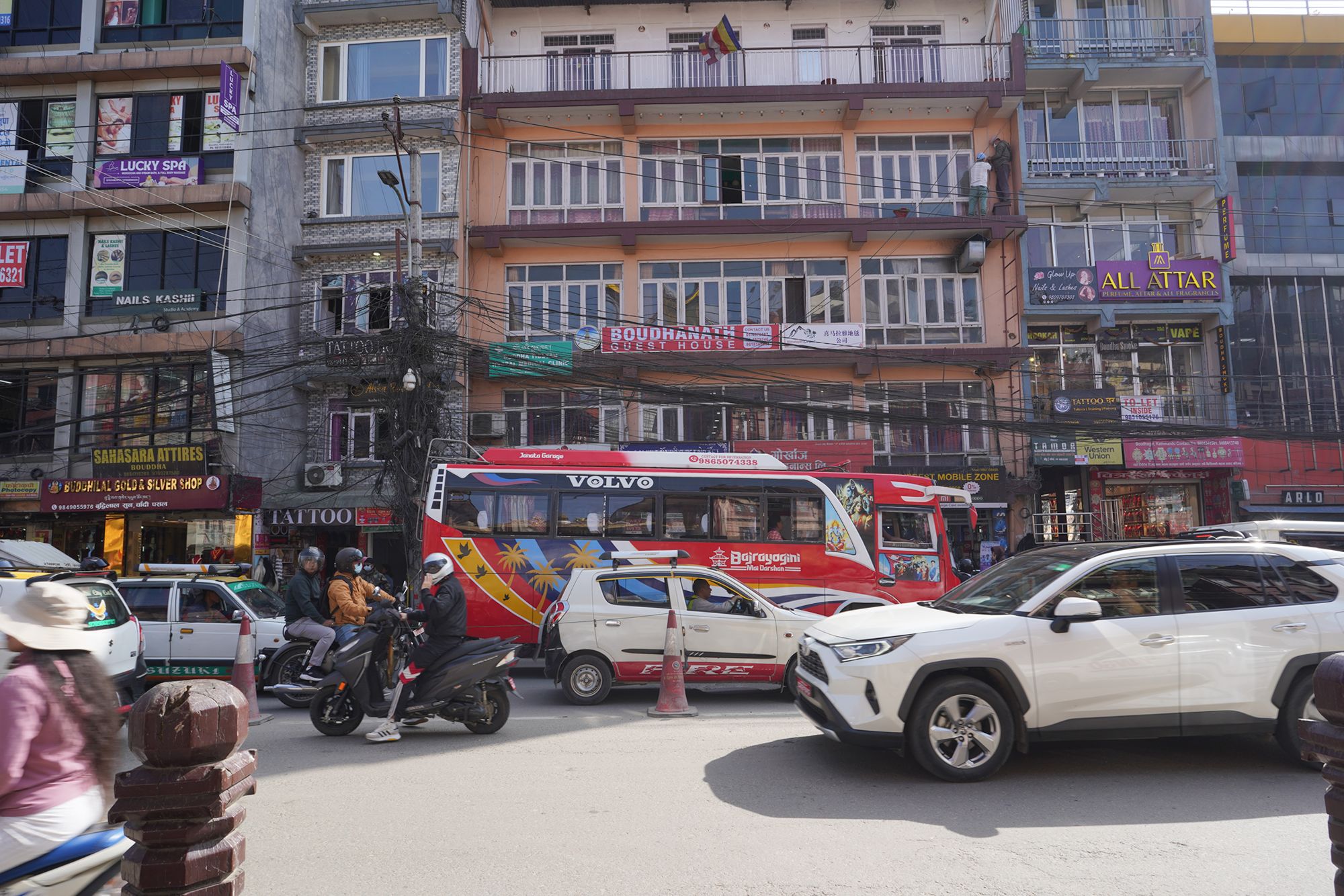
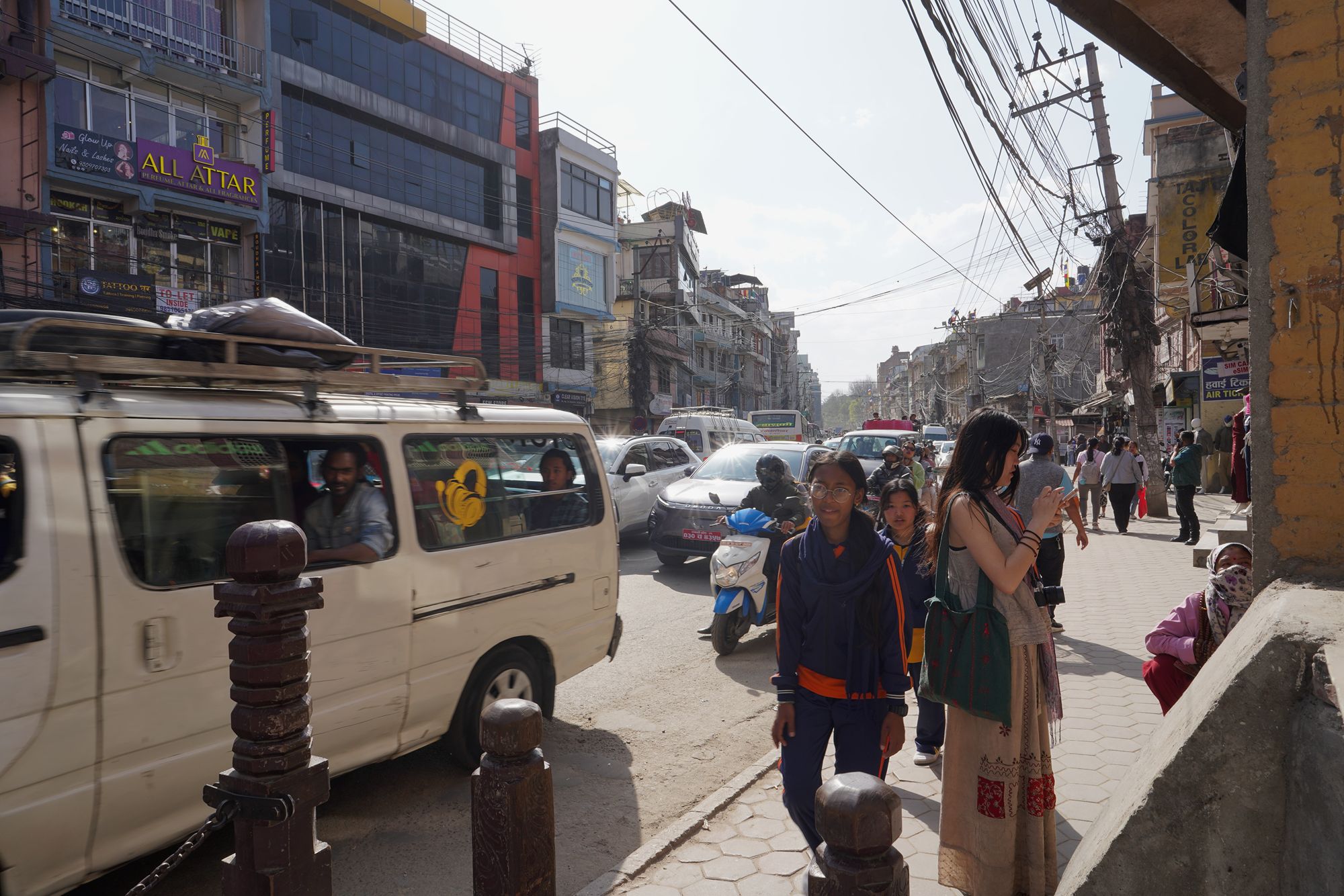
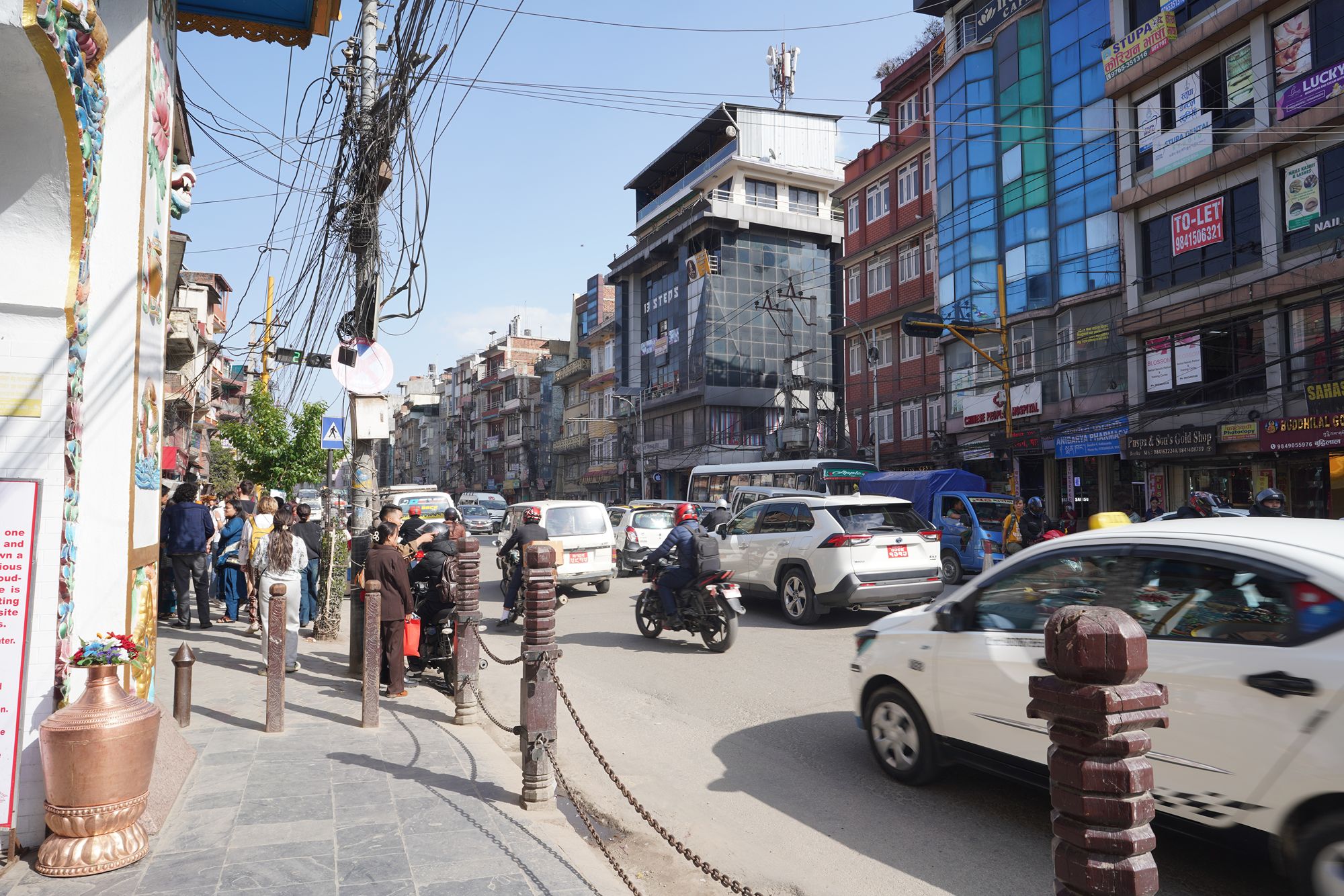
Many shops, restaurants, cafés, and souvenir stores lined the circular plaza surrounding Boudhanath Stupa.
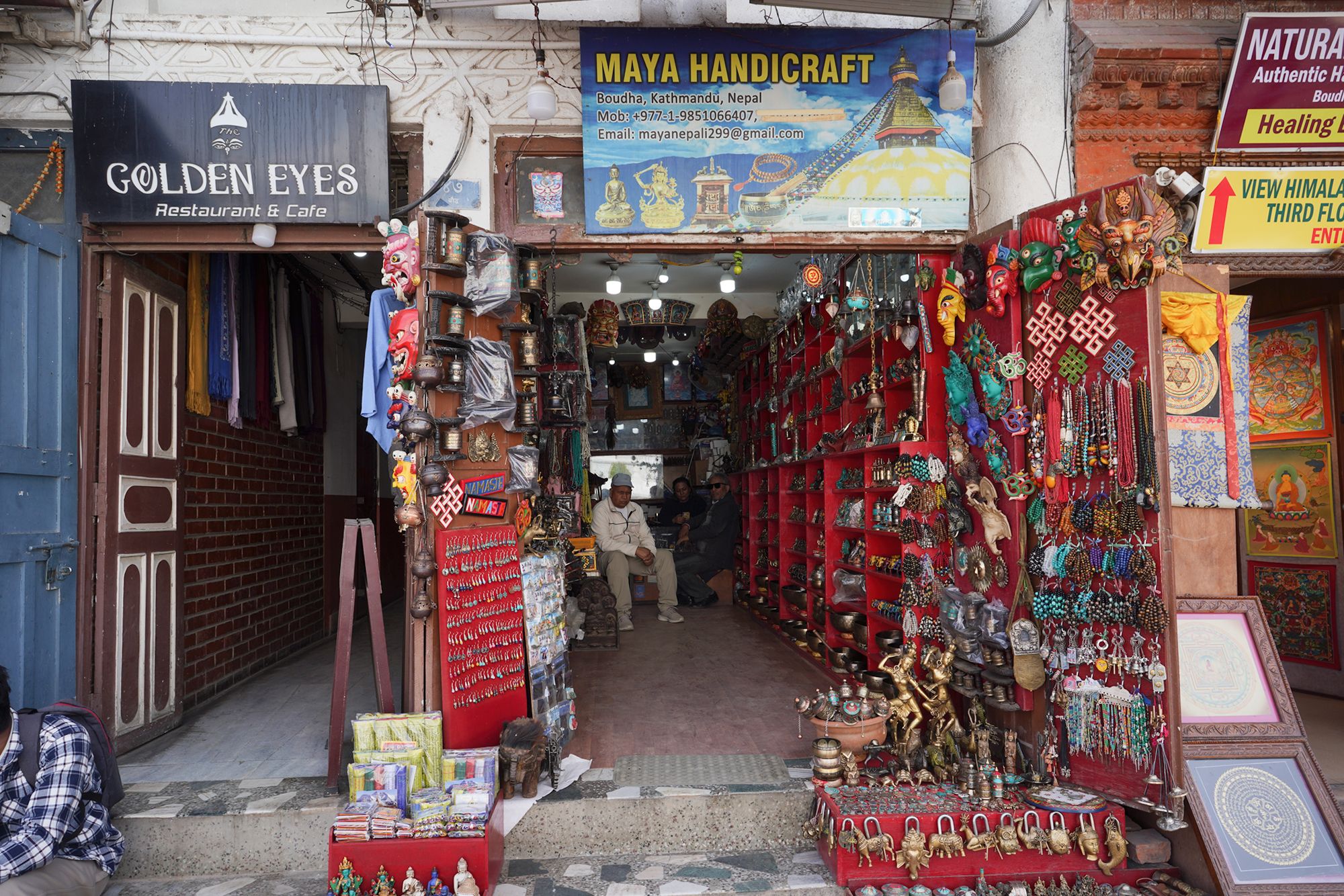
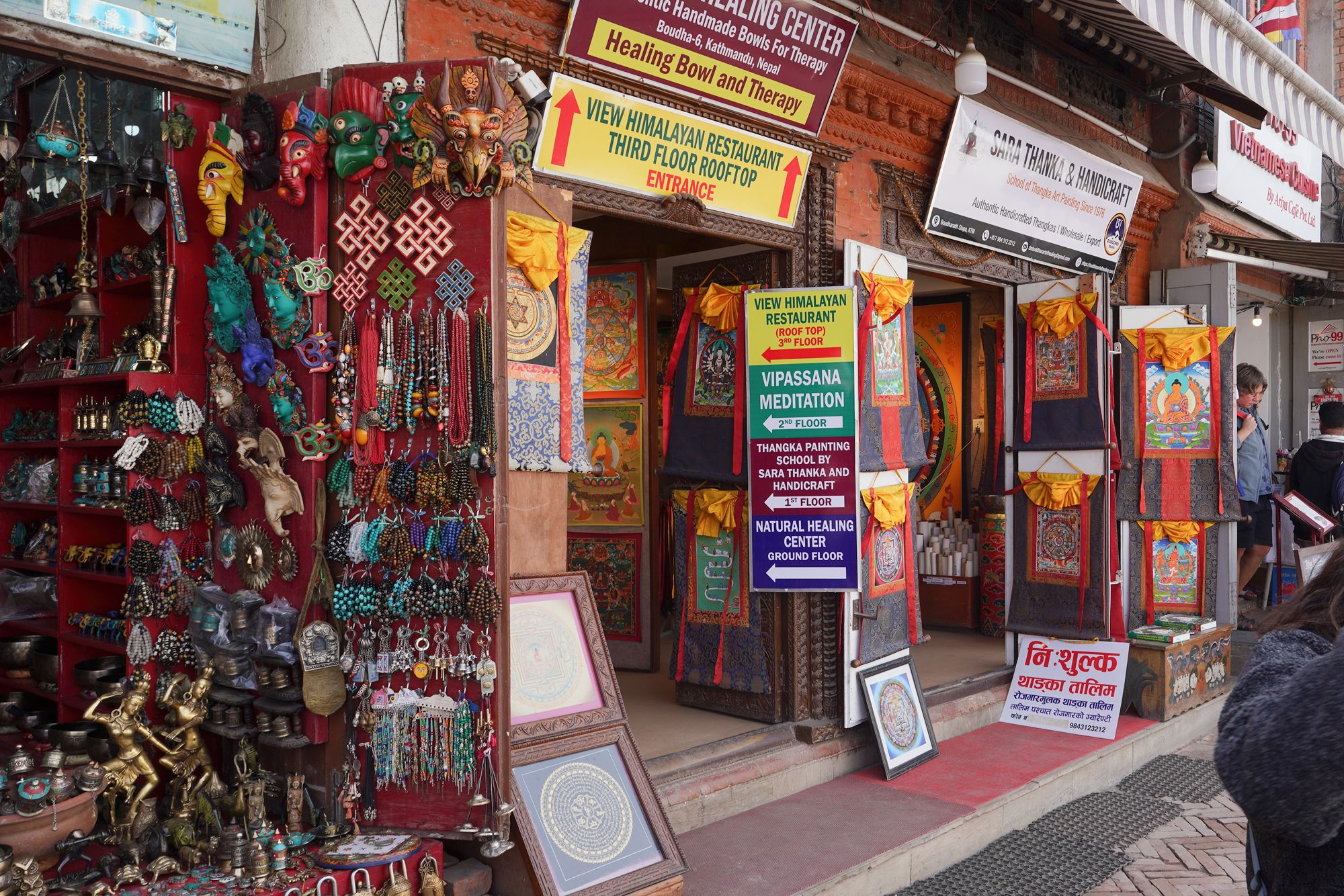
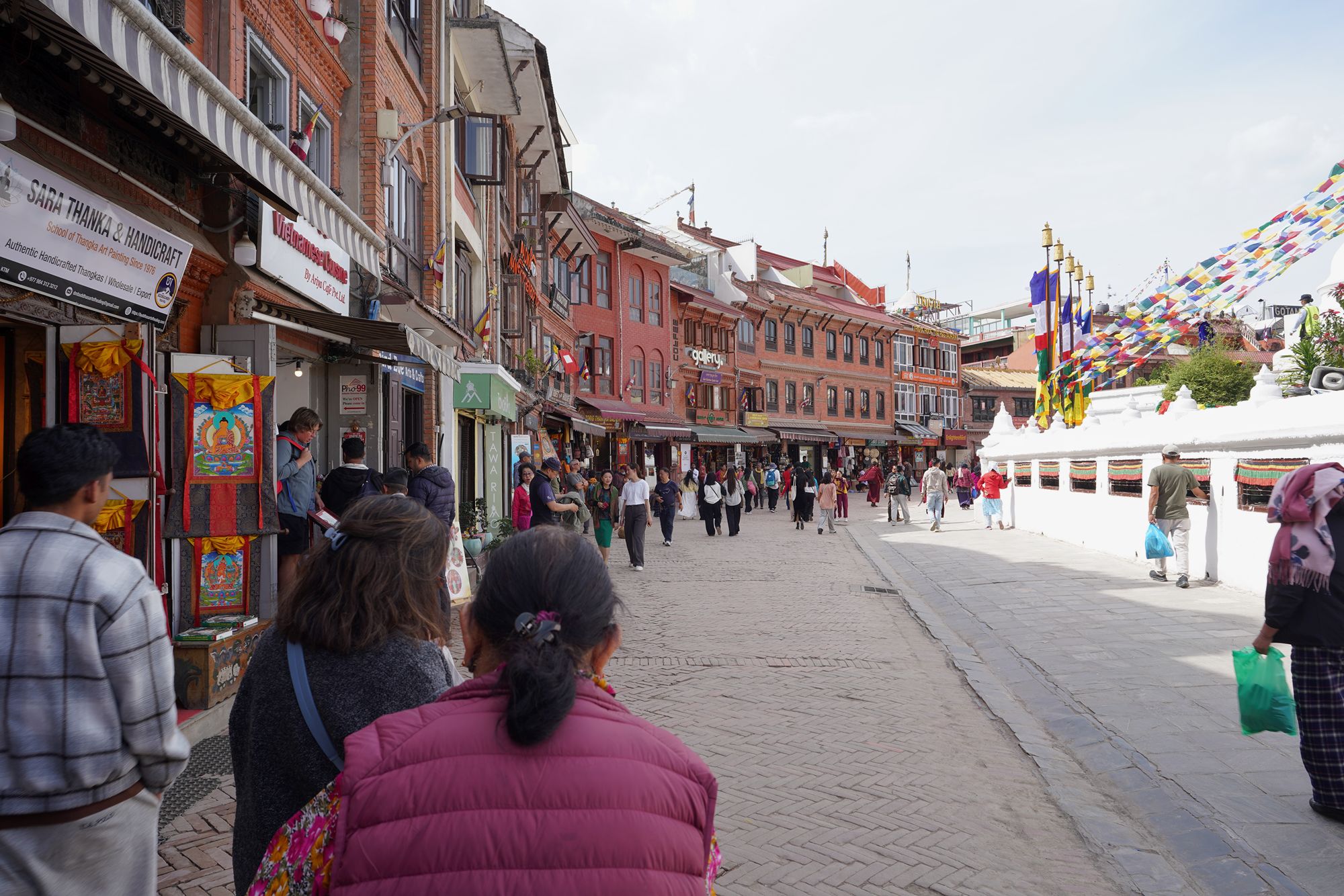
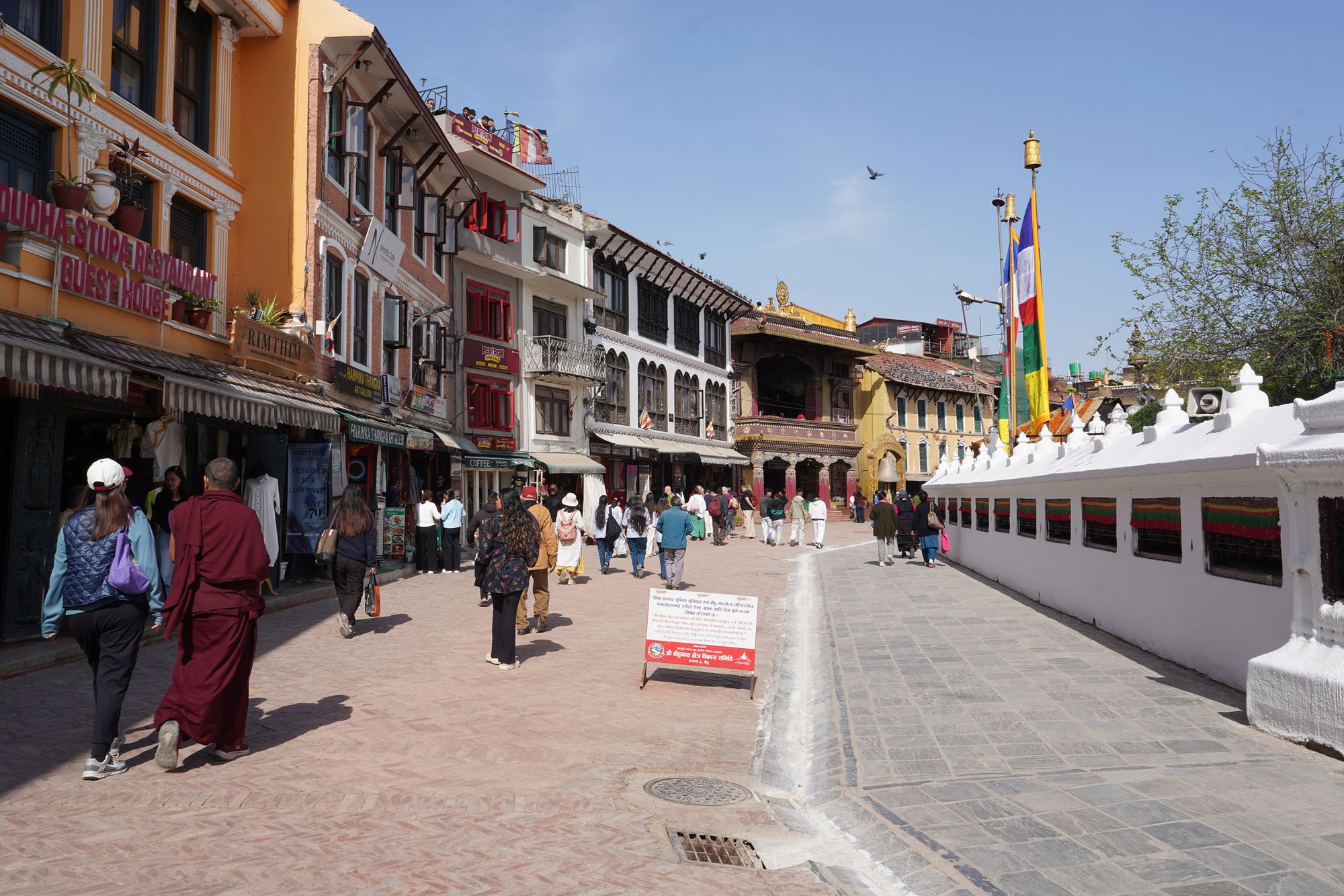
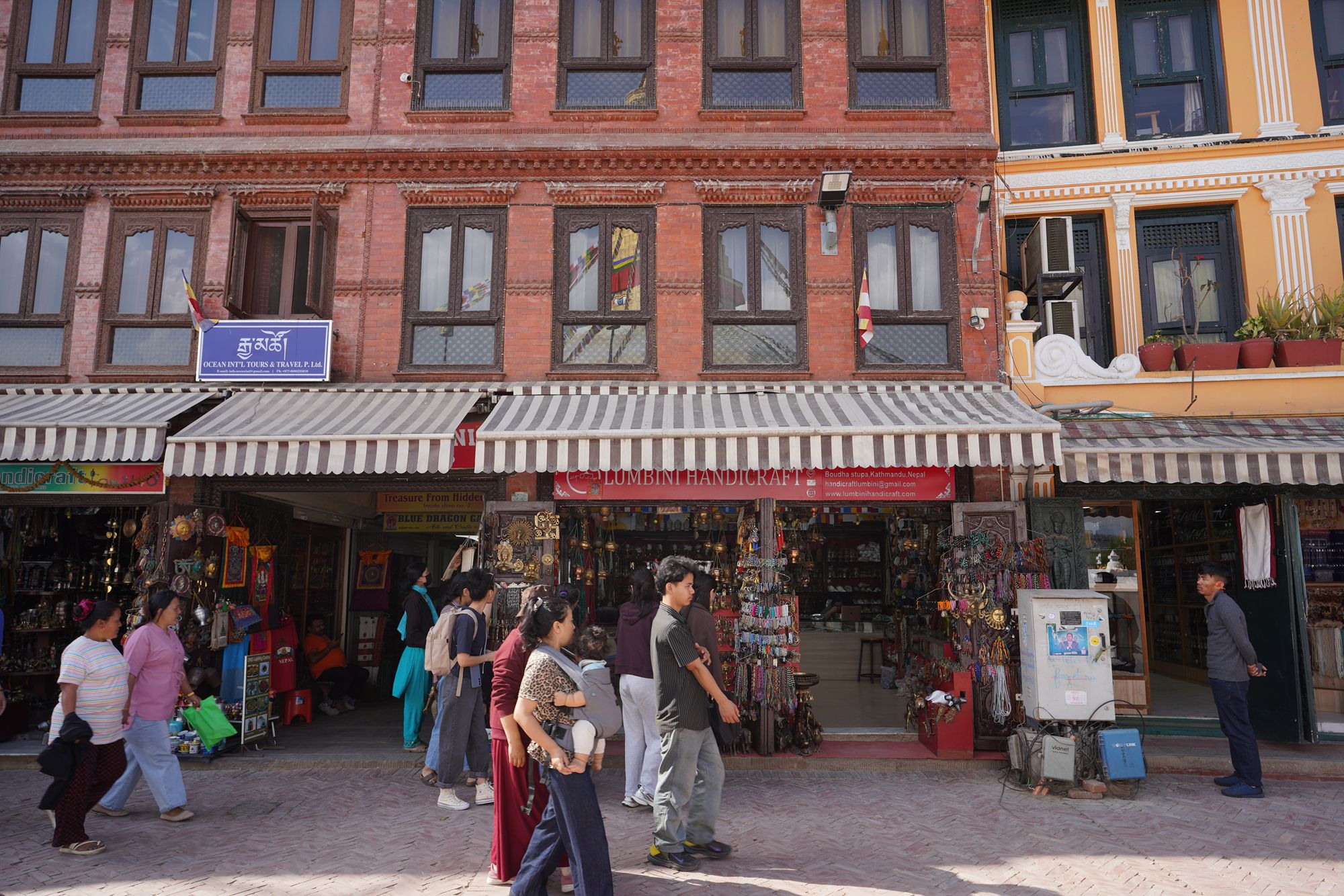
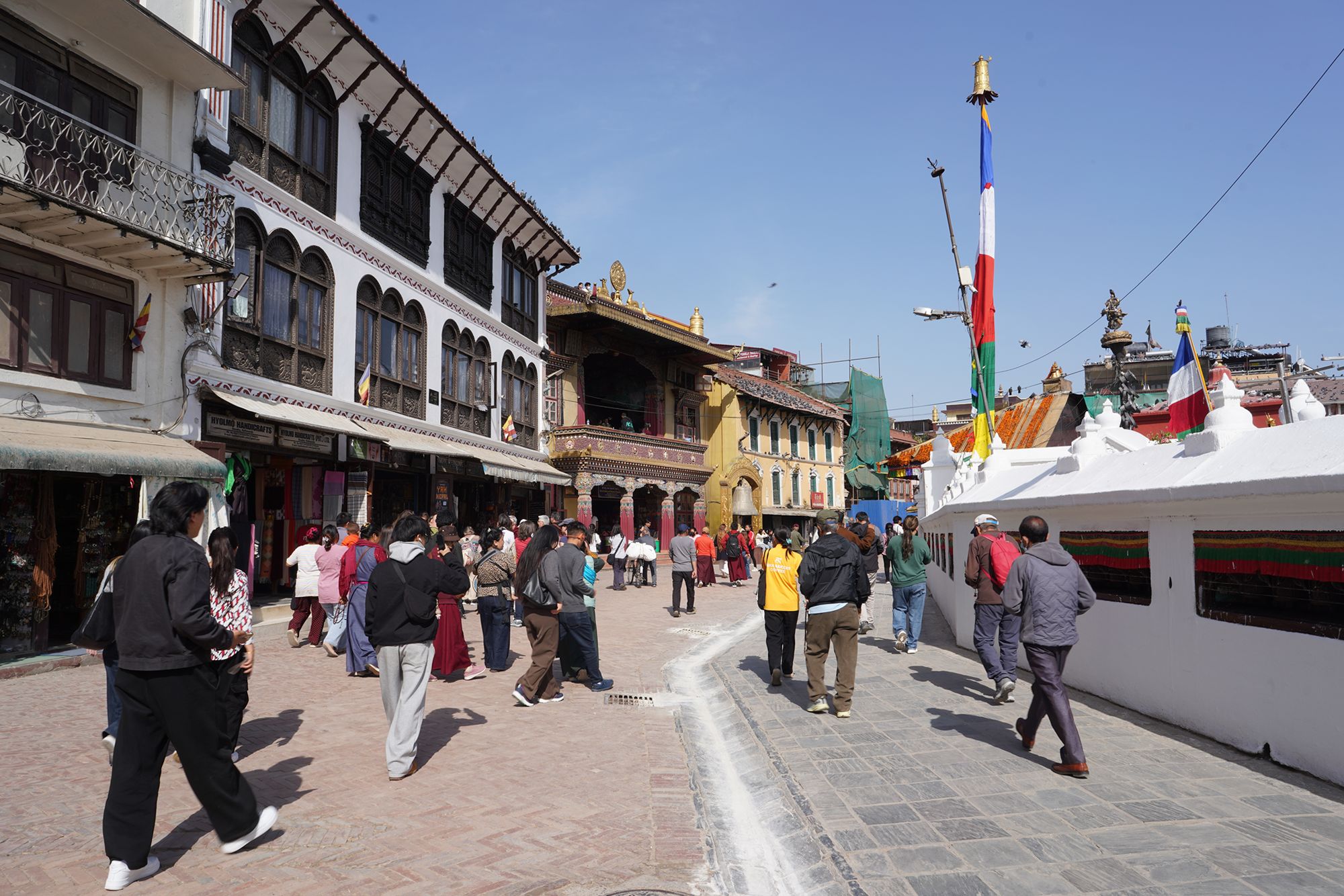
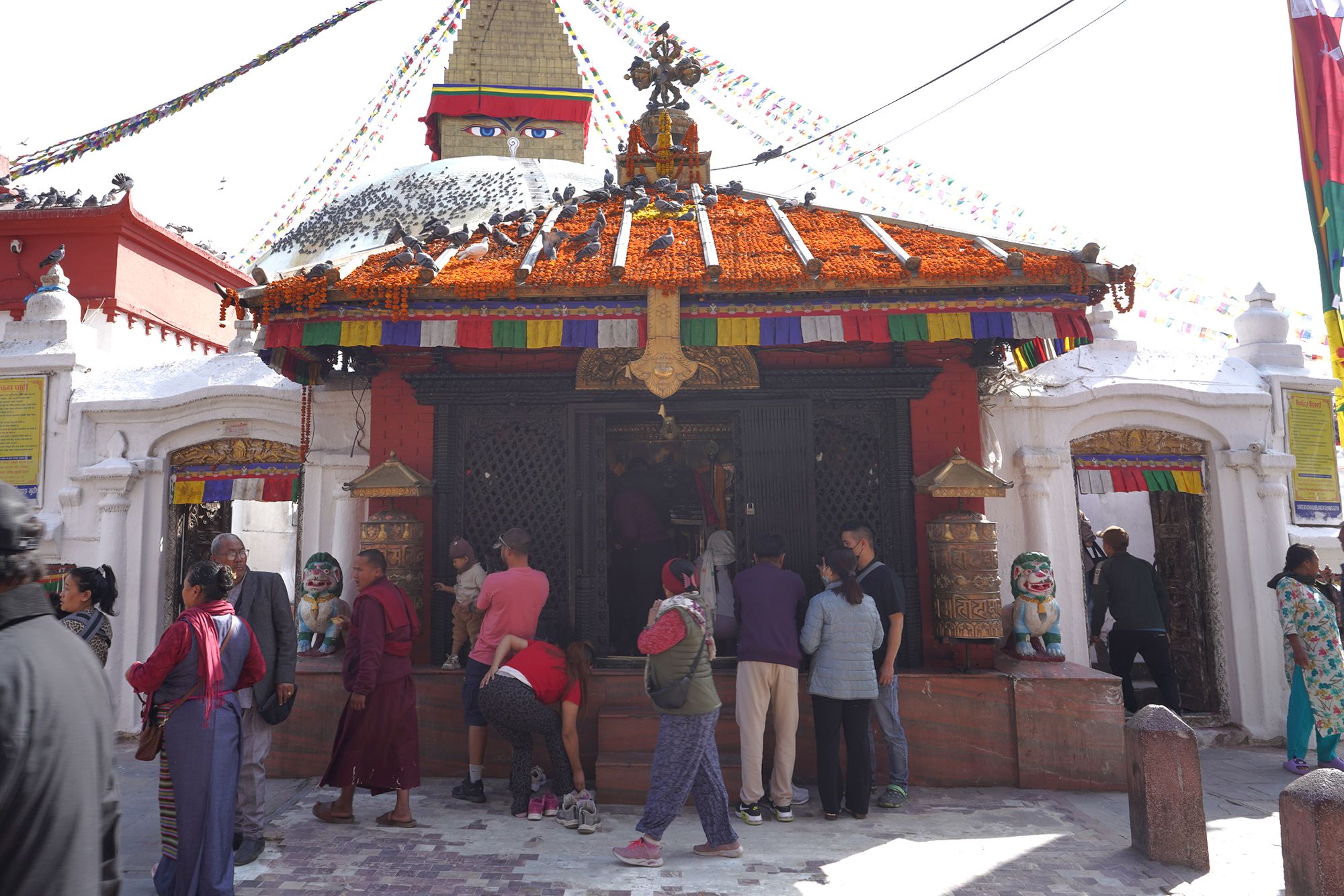
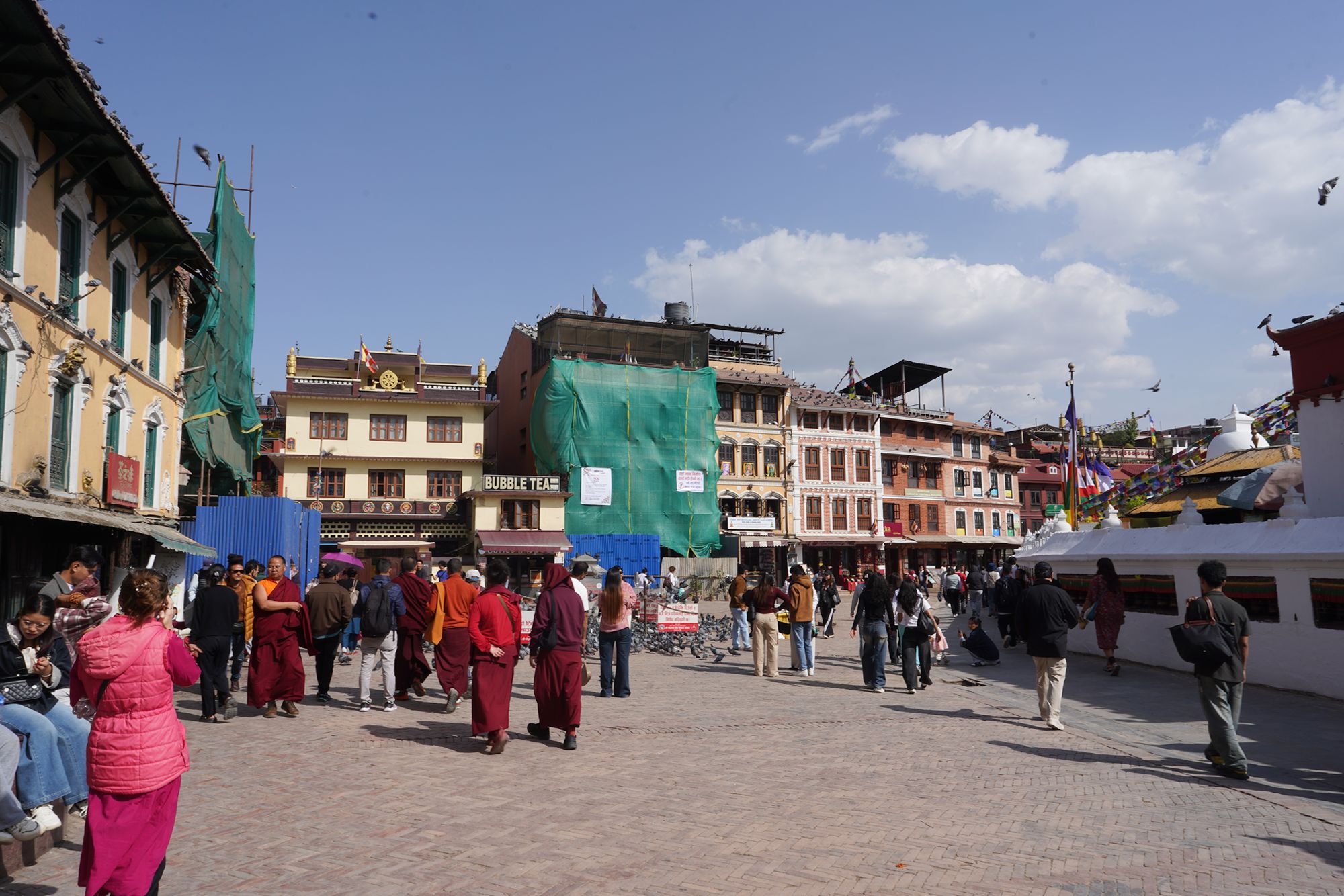
There was also a Buddhist monastery beside the stupa, reflecting Boudhanath’s importance as a center of Tibetan Buddhism.
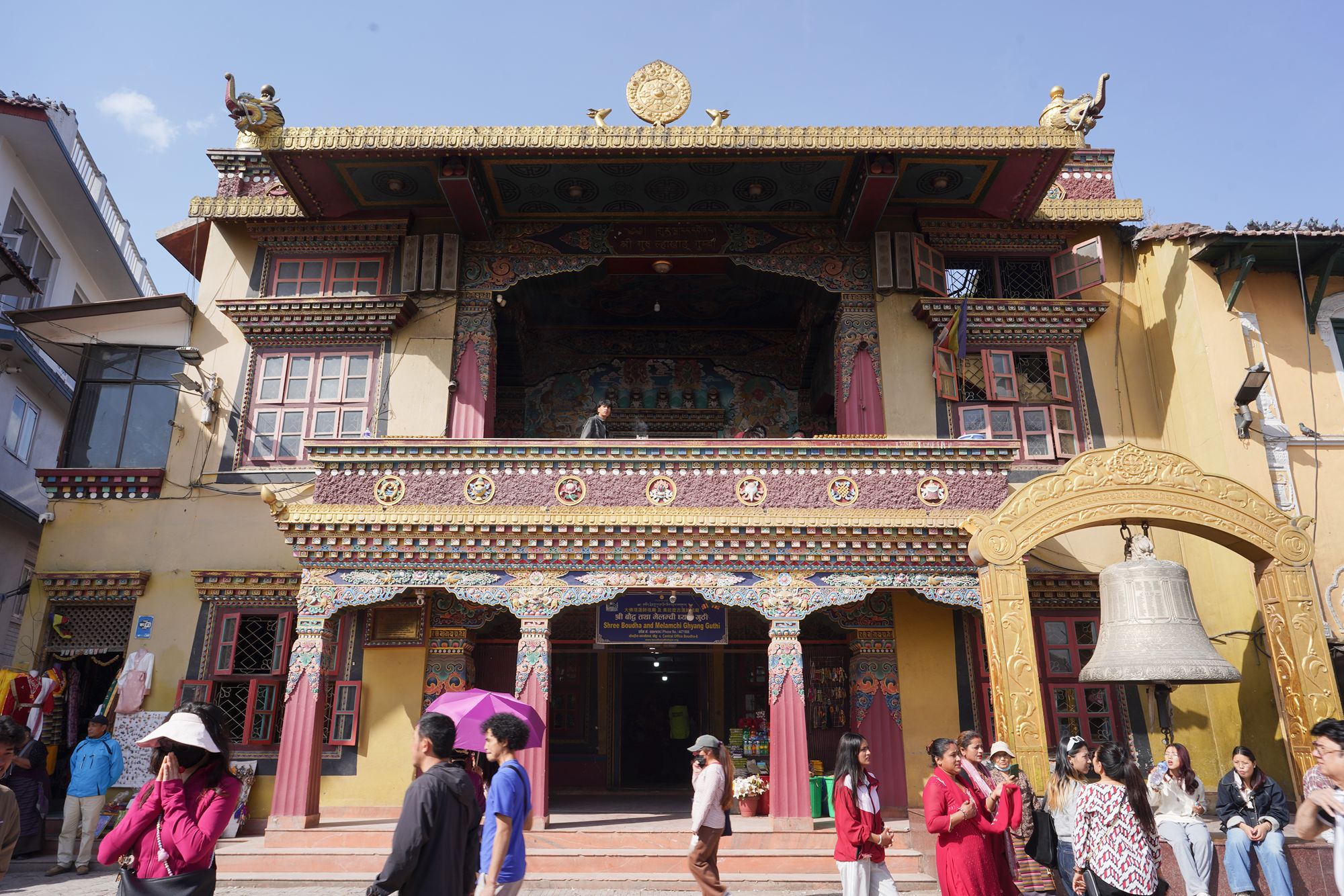
I wandered into a small alley within the Boudhanath Stupa complex, curious to see where it would lead.
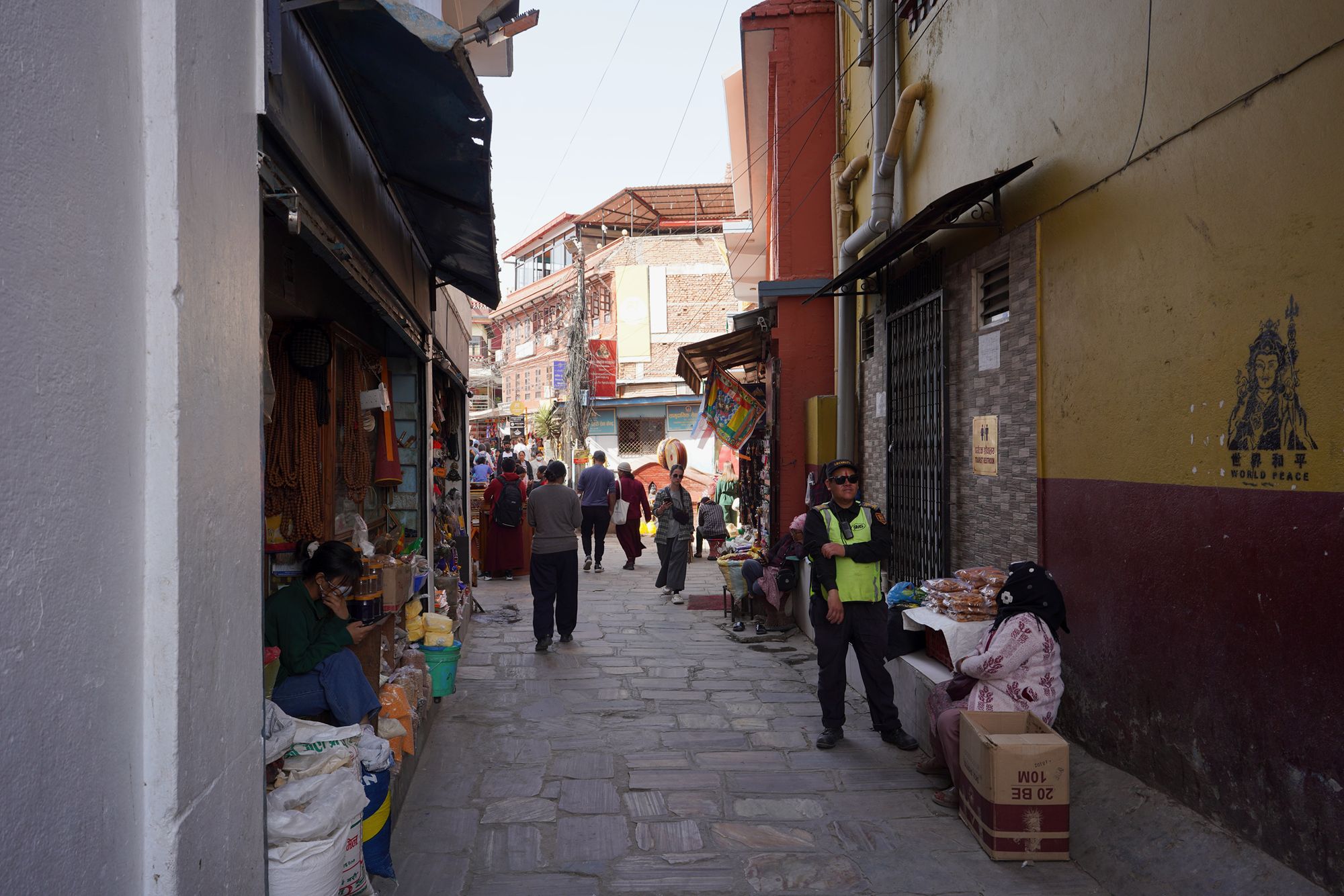
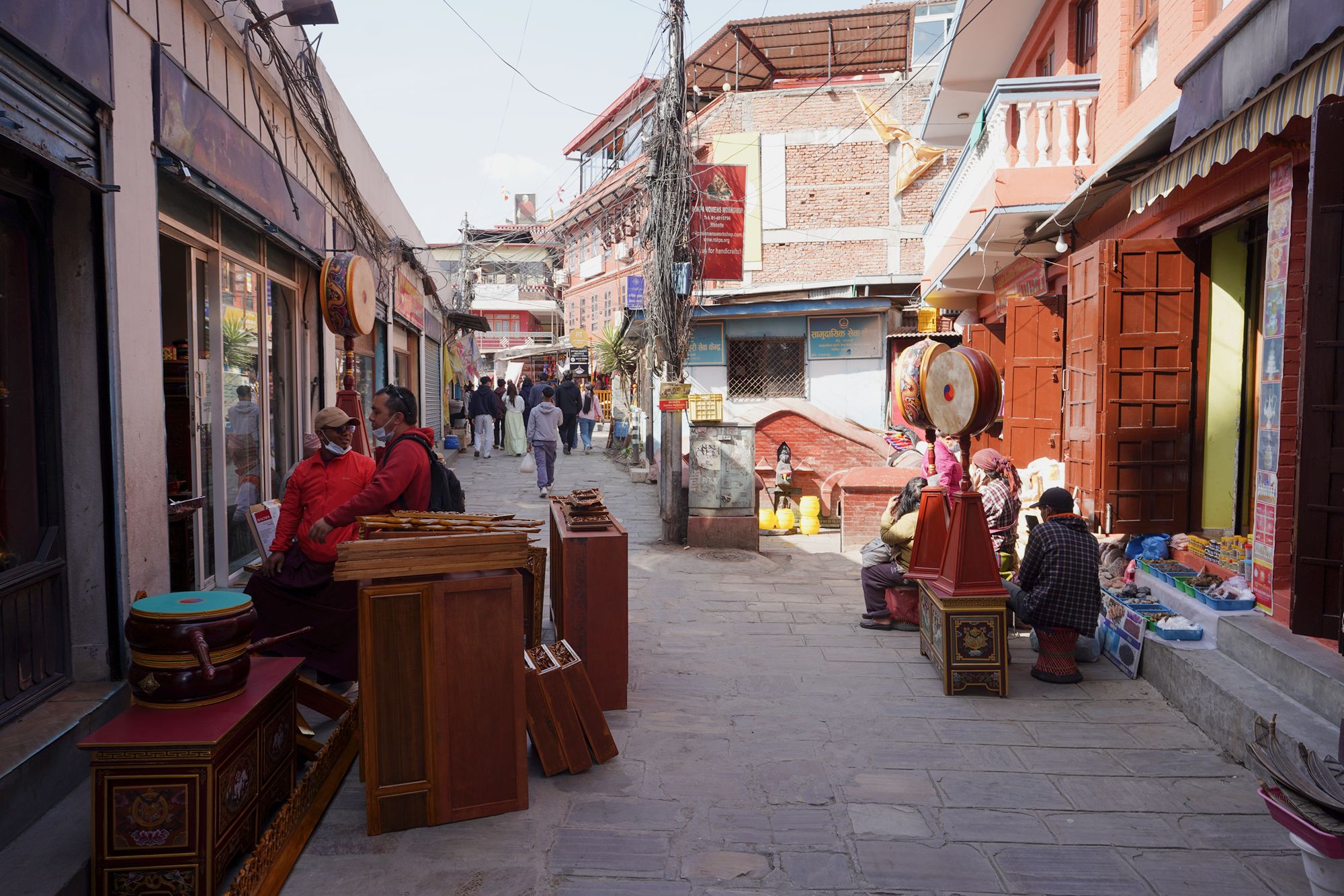
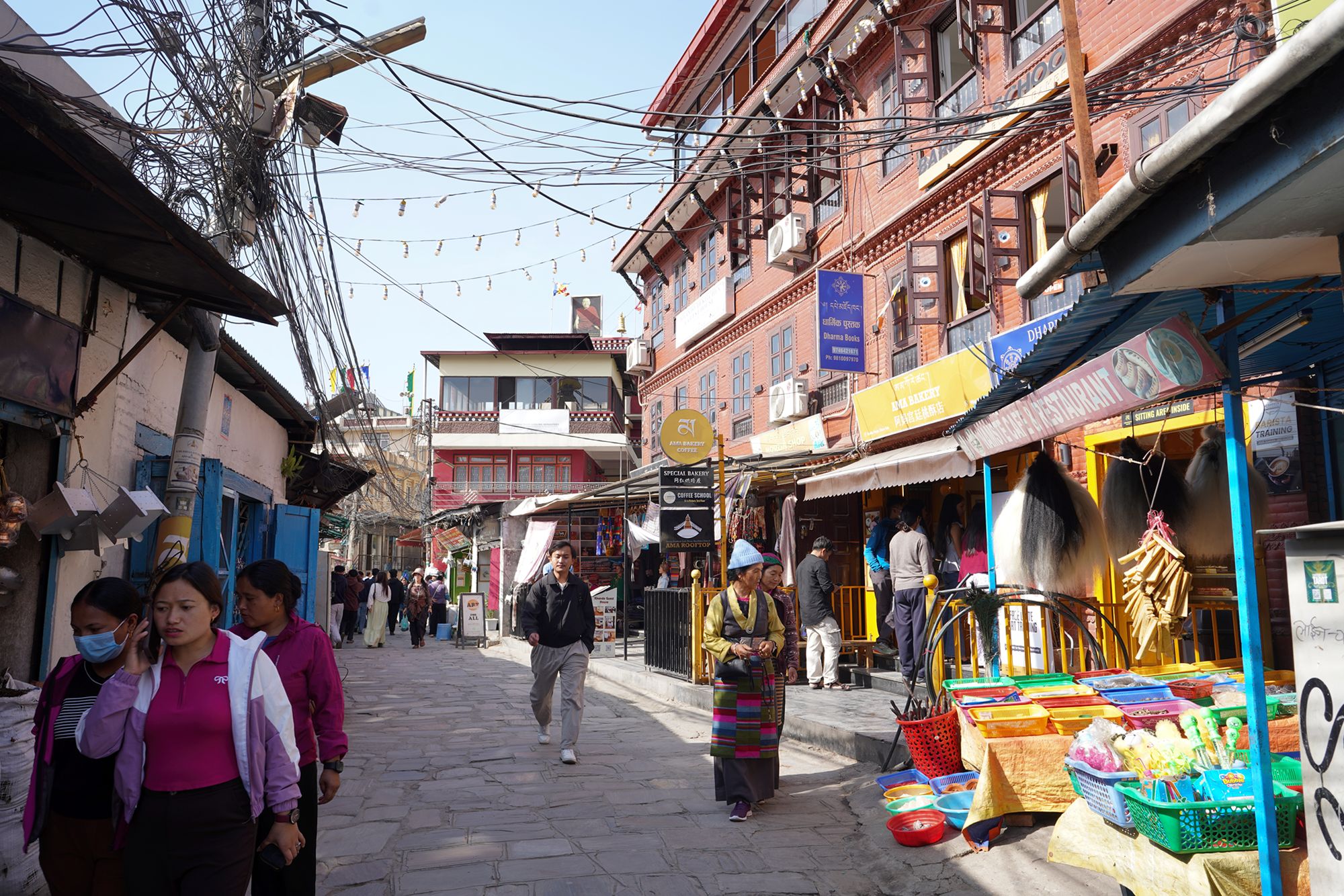
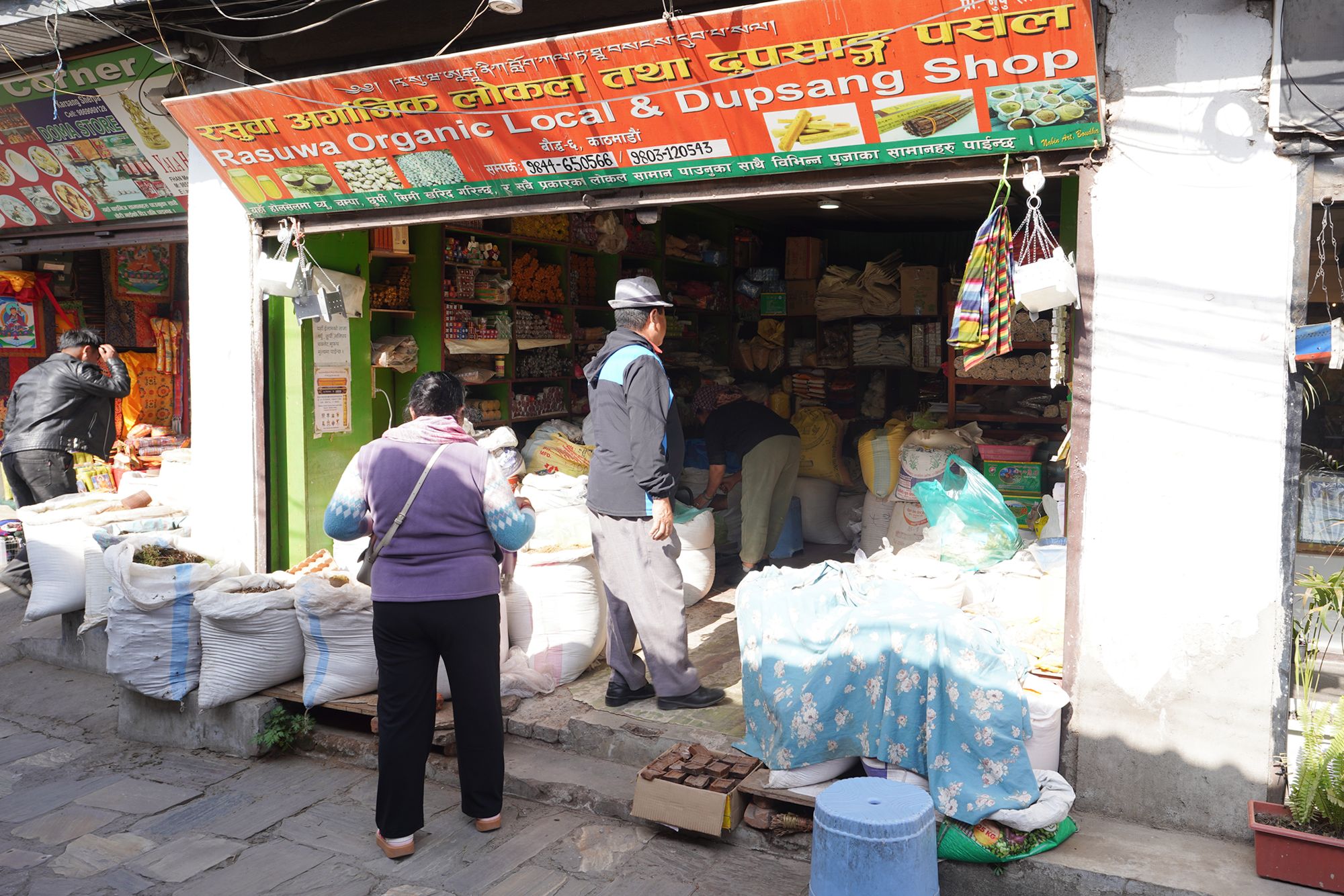
I didn't find anything particularly interesting in the alley, so I turned around and walked back toward Boudhanath Stupa.
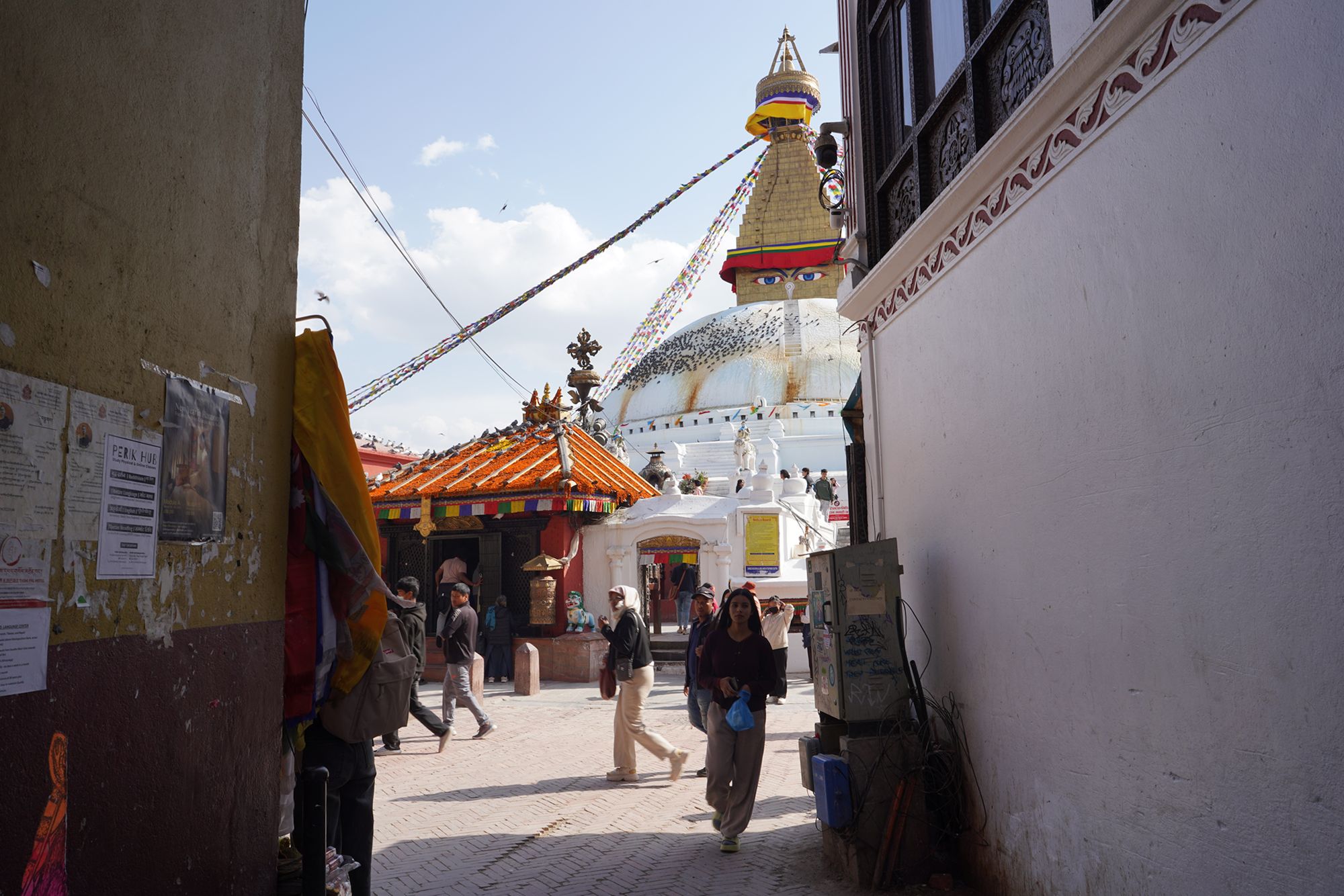
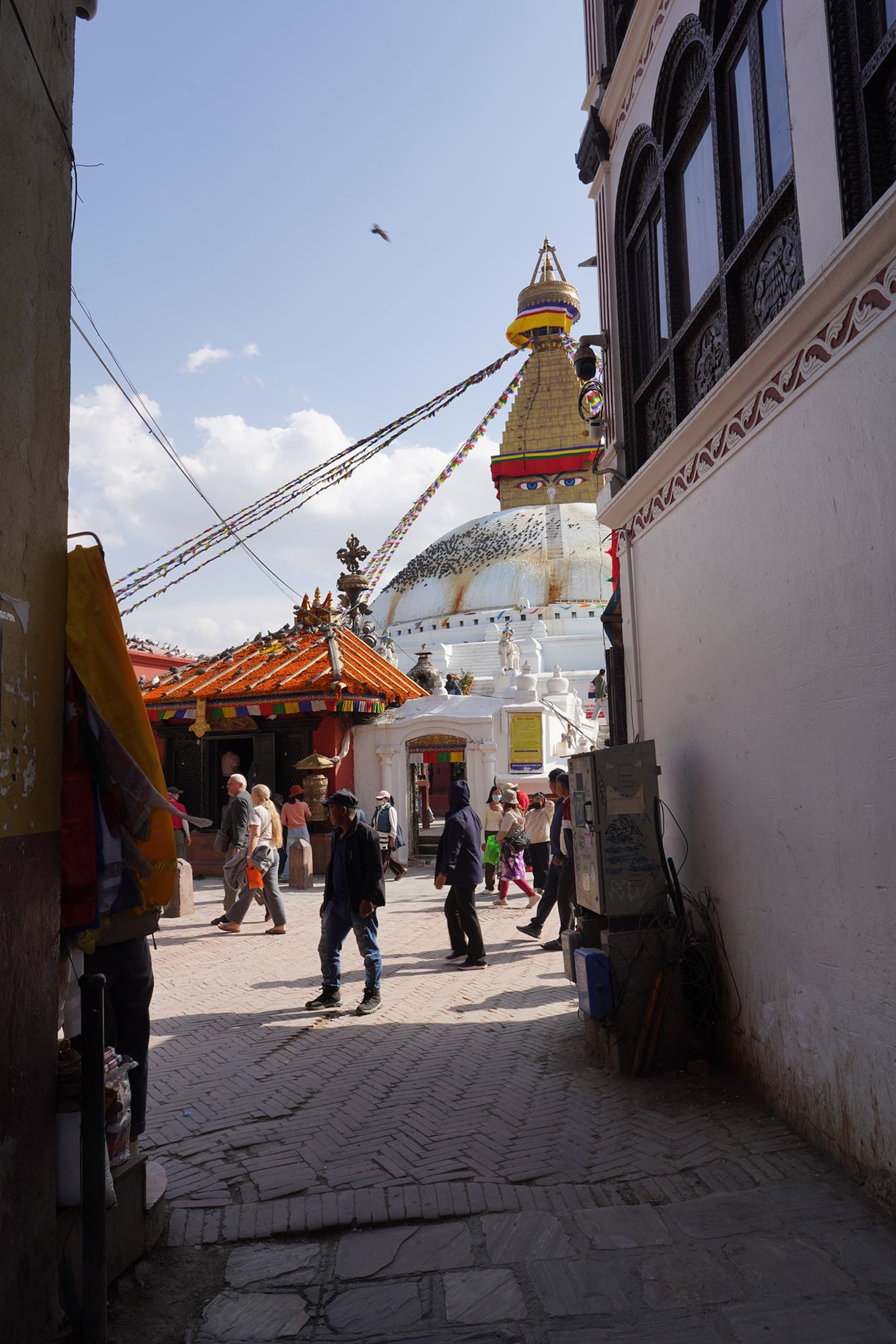
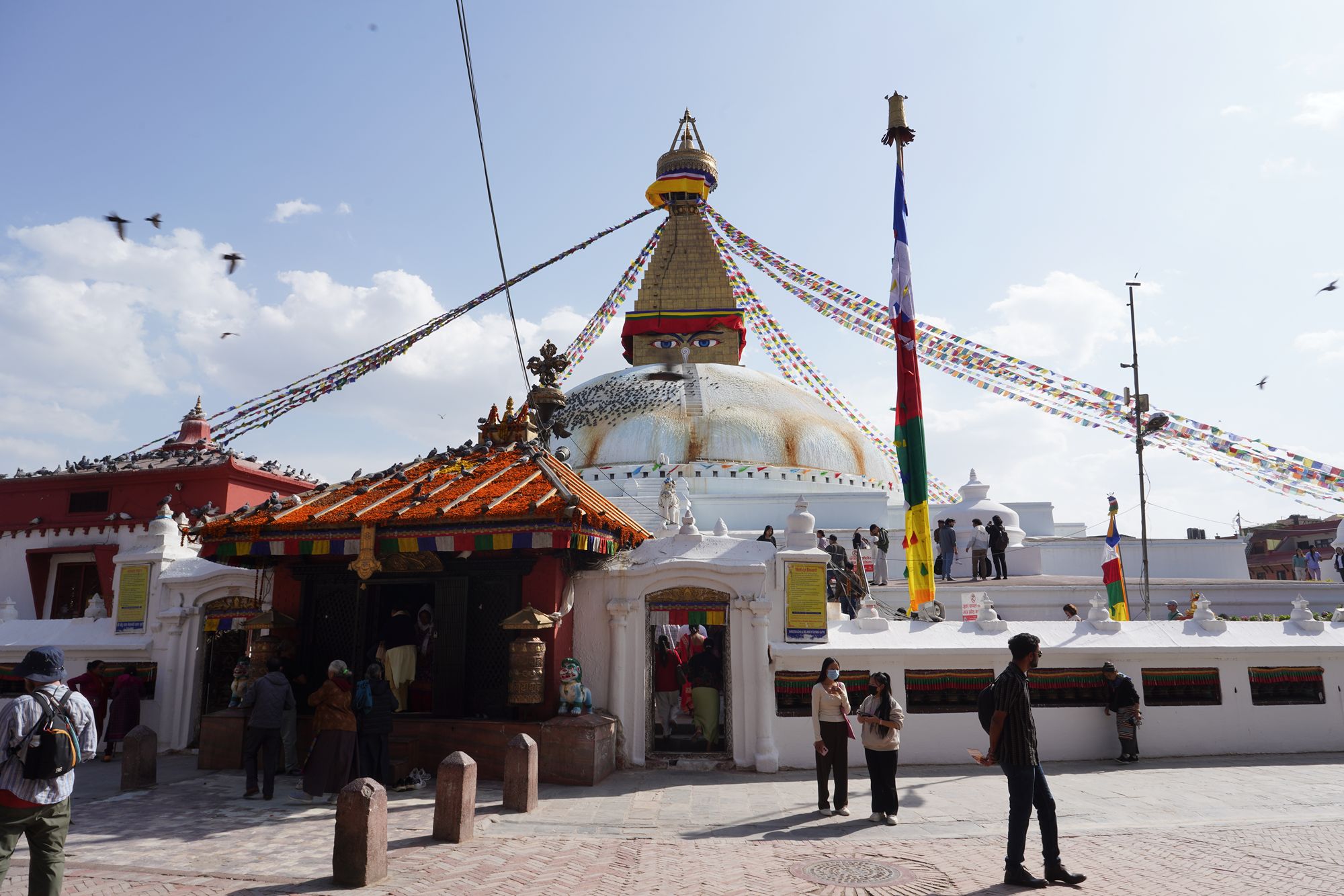
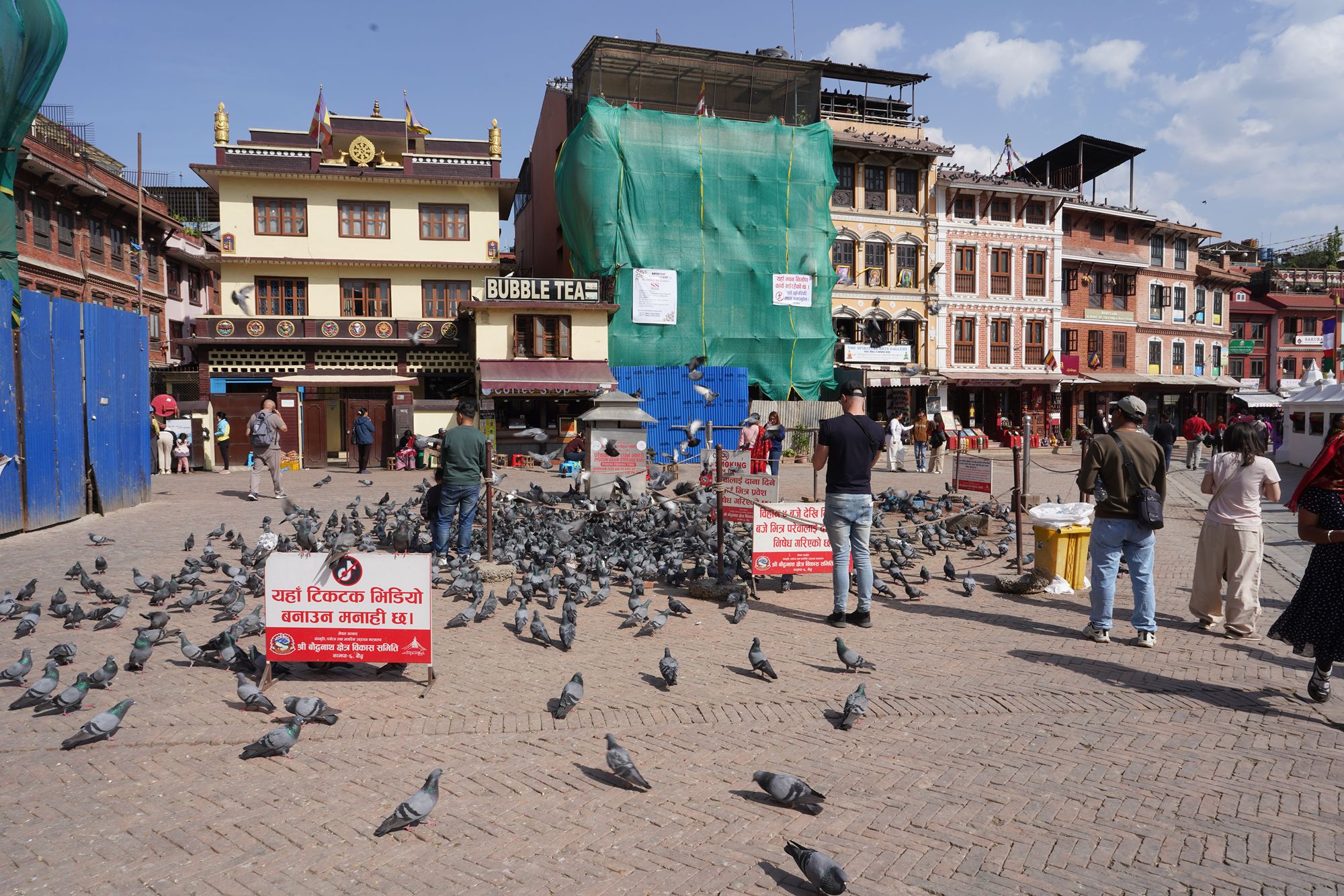
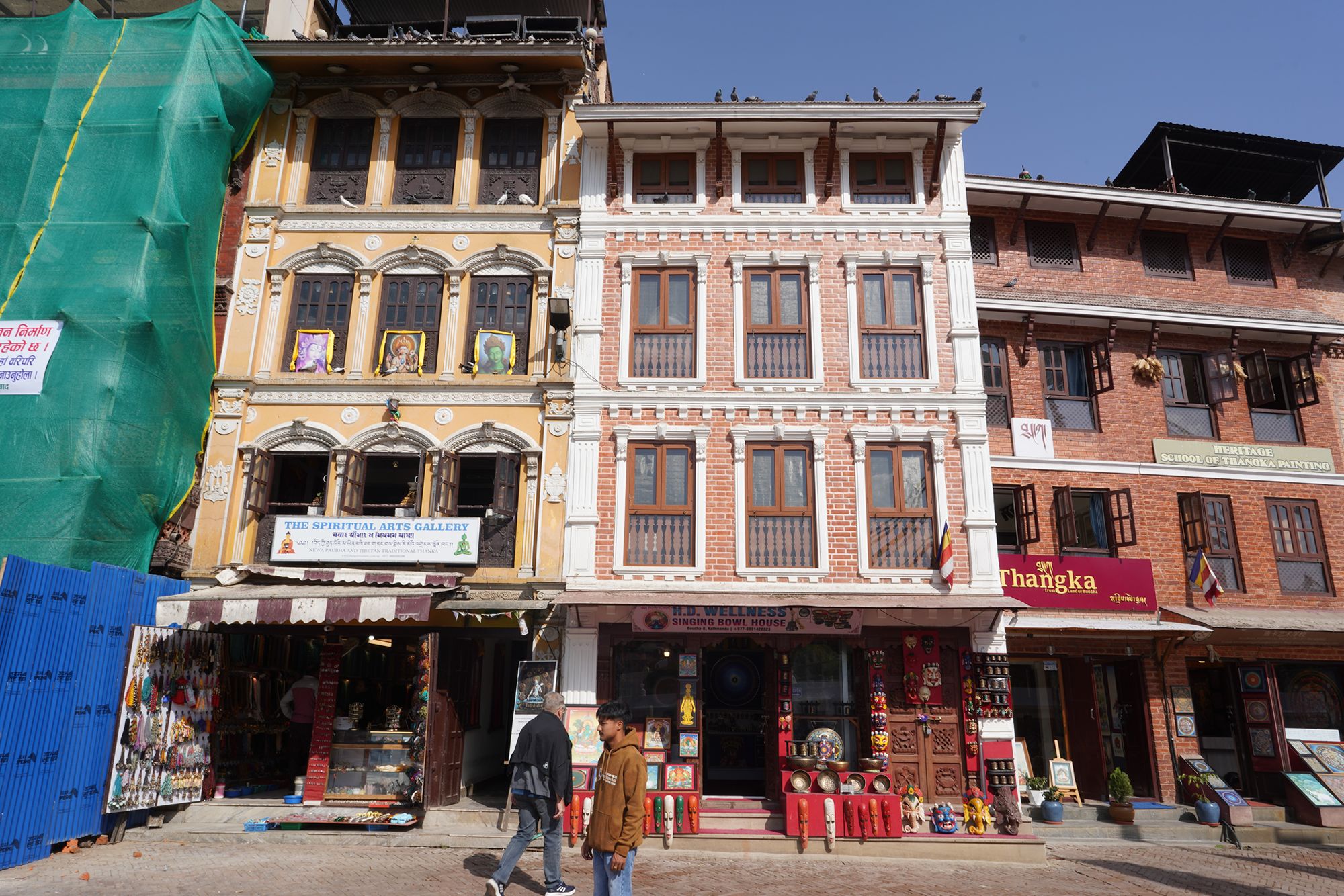
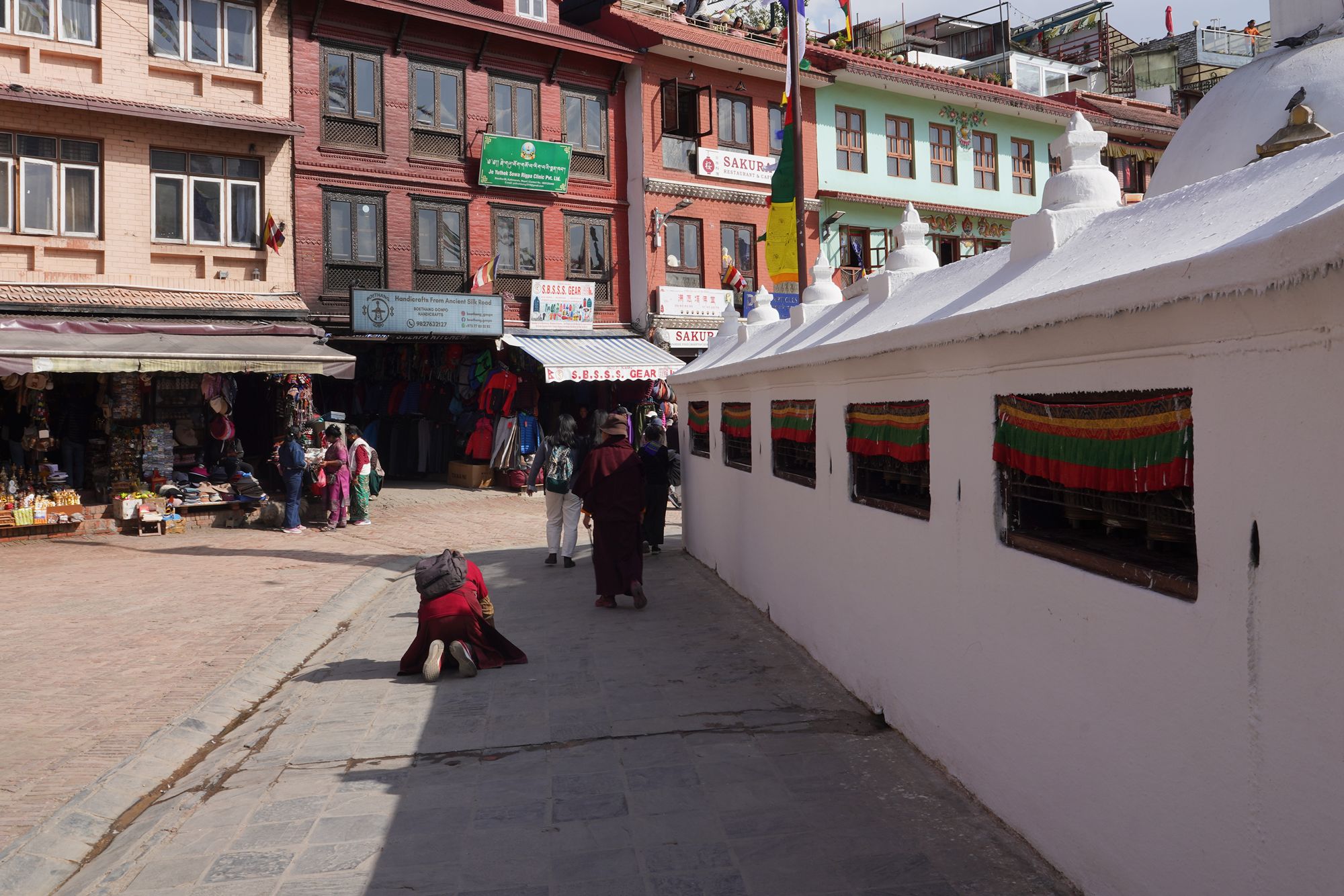
A stupa is built as a Buddhist sacred monument, originally intended to hold relics of the Buddha or other important Buddhist teachers. Over time, stupas also became places for prayer, meditation, pilgrimage, and gaining religious merit.
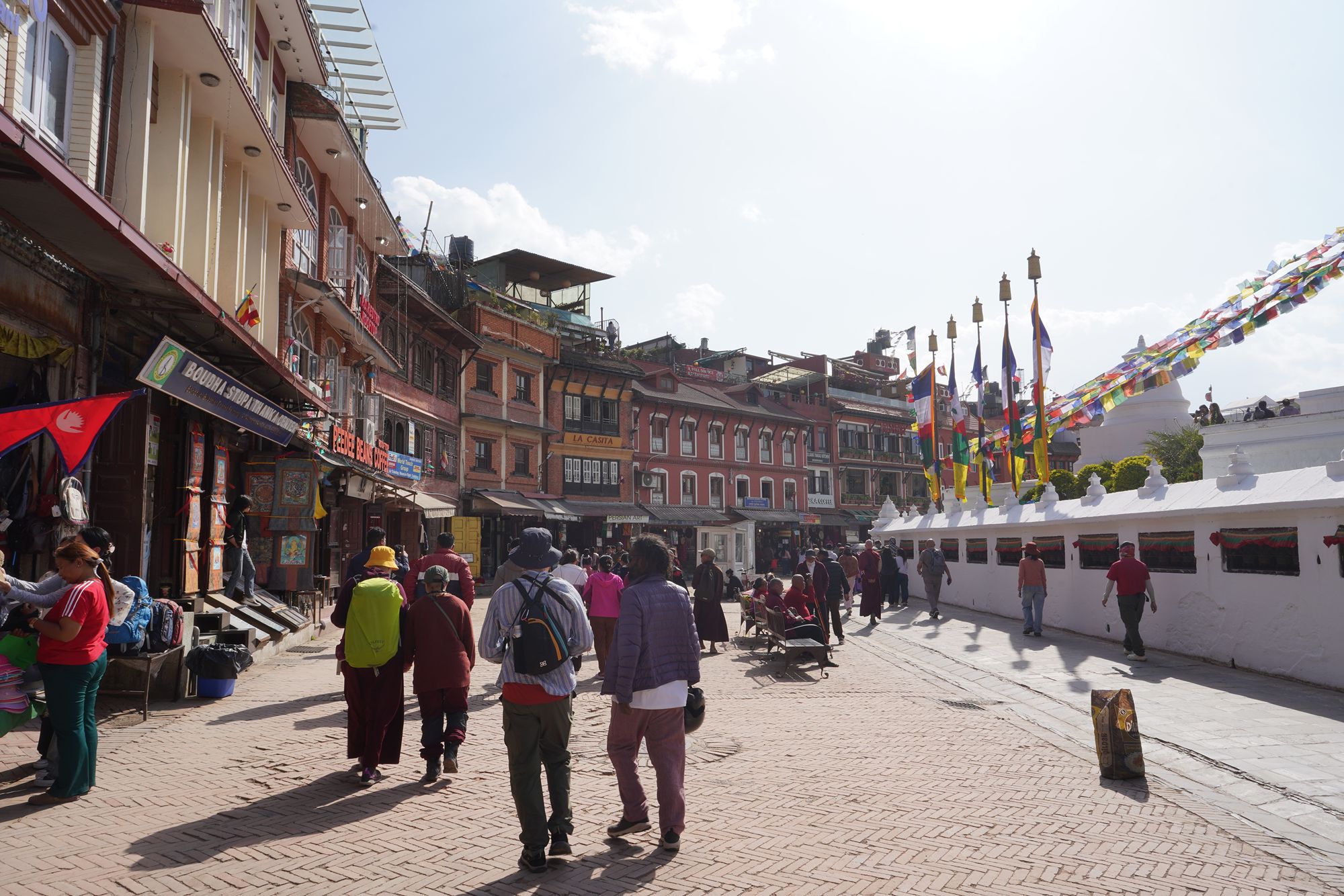
Boudhanath Stupa was especially important because Kathmandu lay along an ancient trade and pilgrimage route between Tibet and the Kathmandu Valley. Tibetan merchants and pilgrims would stop there to worship and pray before or after crossing the Himalayas.
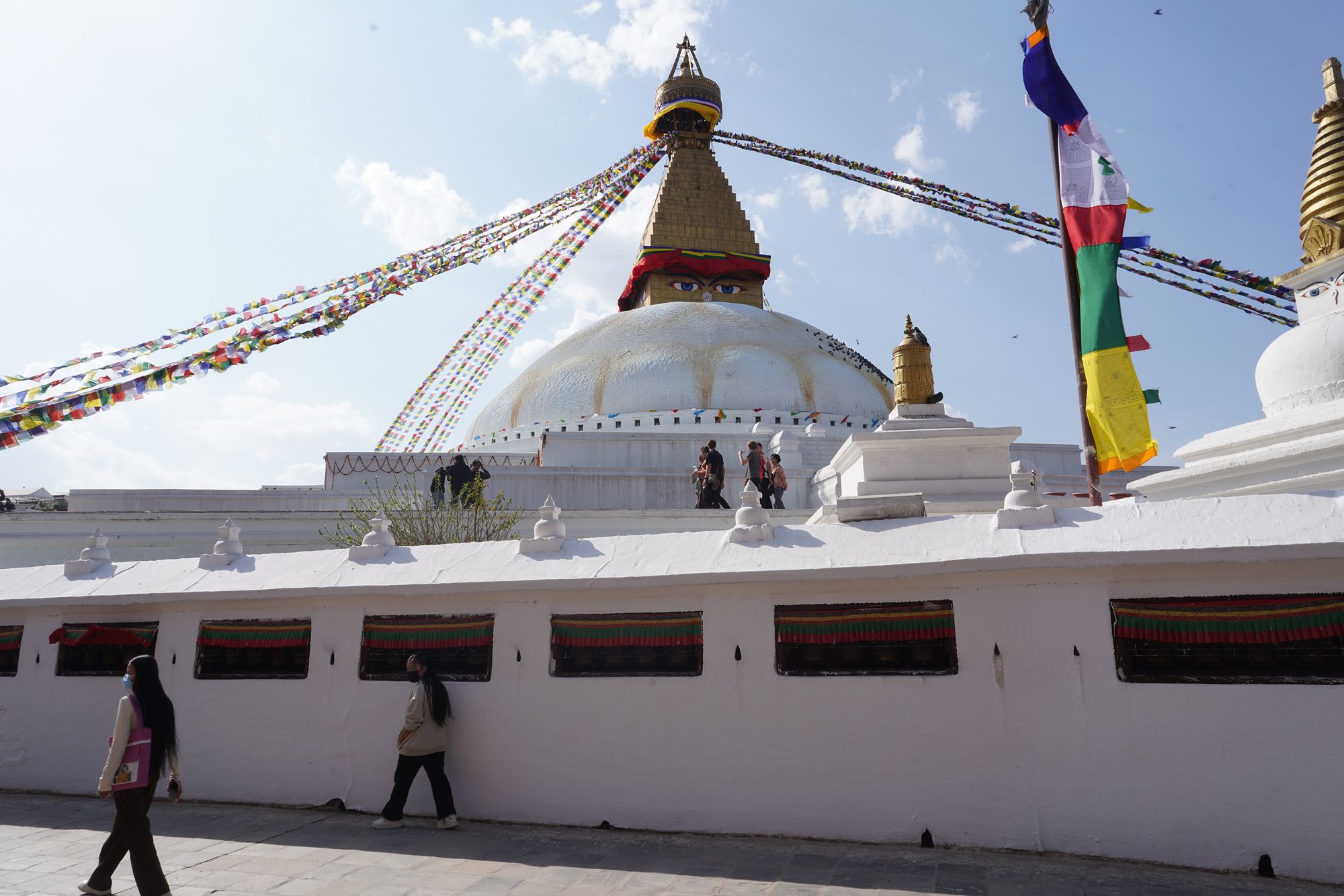
The stupa itself is highly symbolic: its white dome represents the universe, while the famous Buddha eyes above it symbolize wisdom and awareness. Worshippers traditionally walk clockwise around the stupa, often turning prayer wheels as they go.
Description of the blog