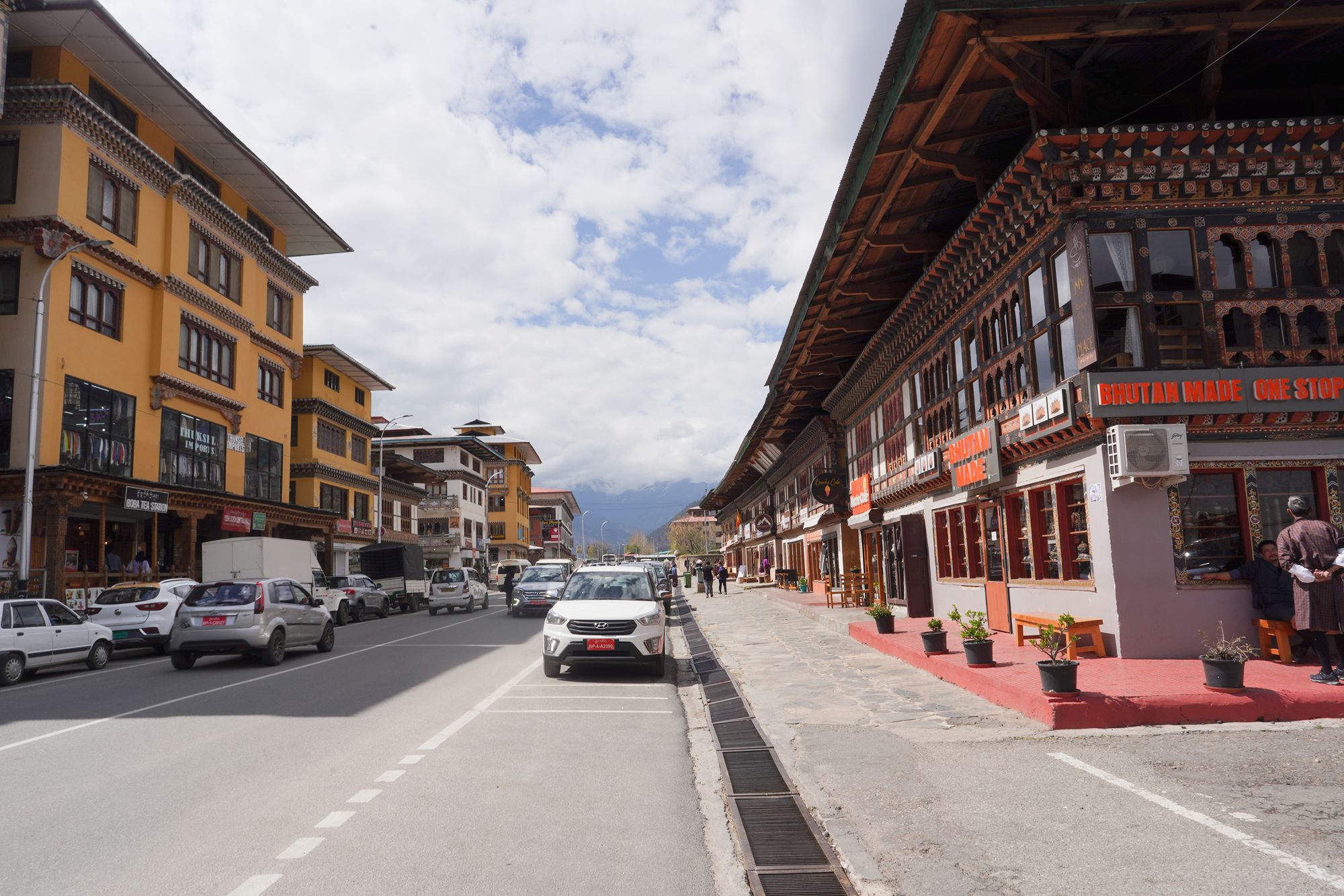
Paro City Walk, Bhutan
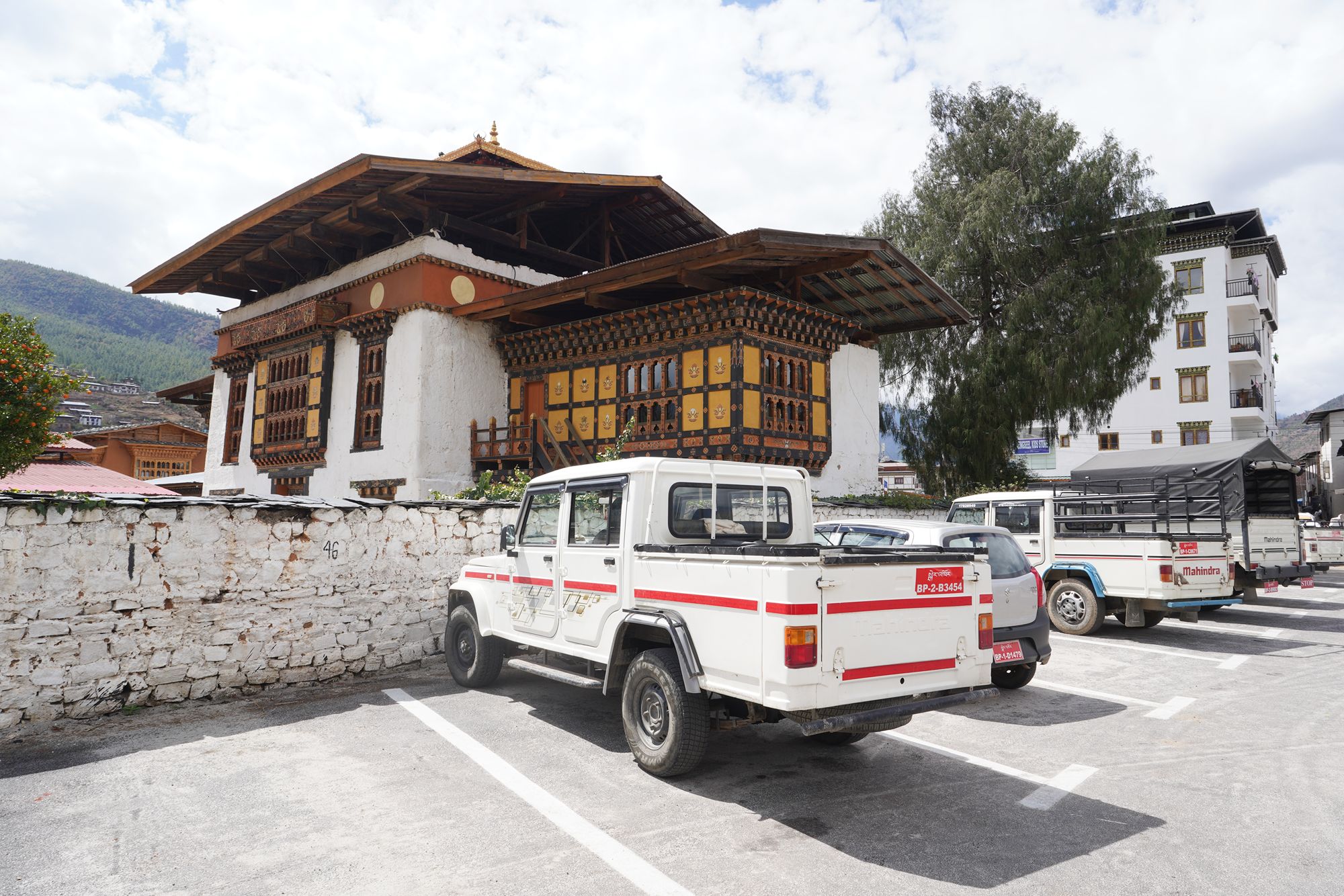
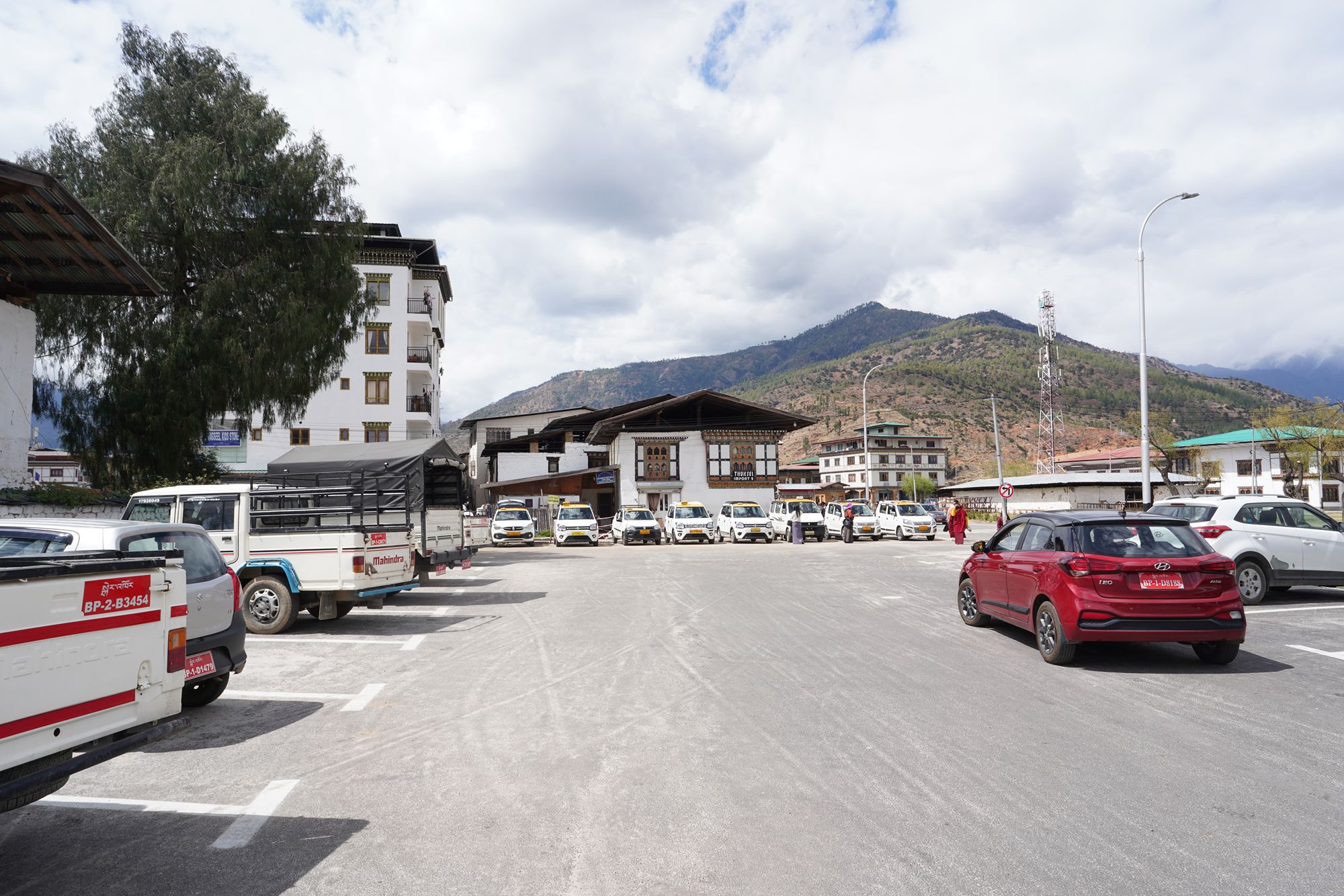
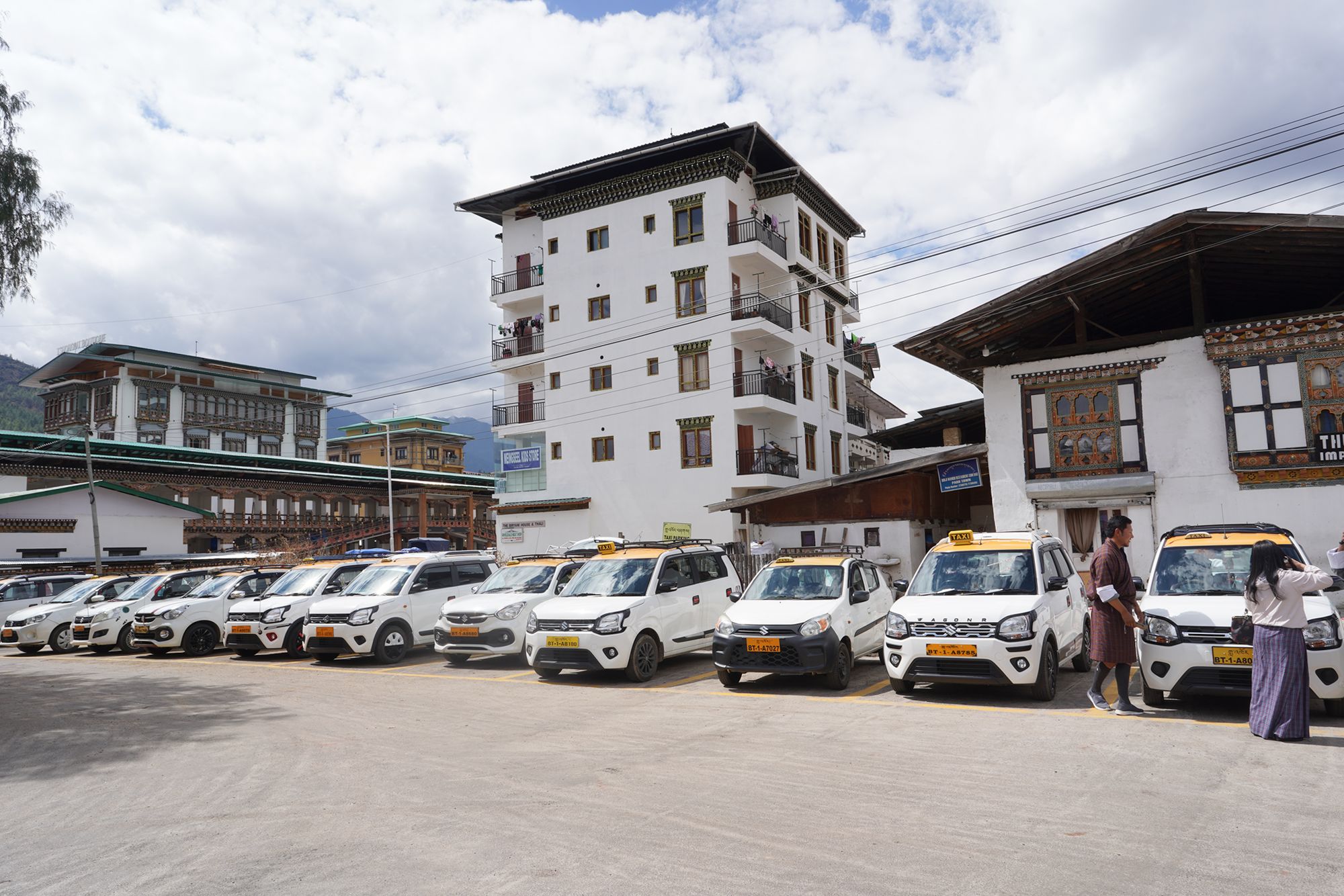
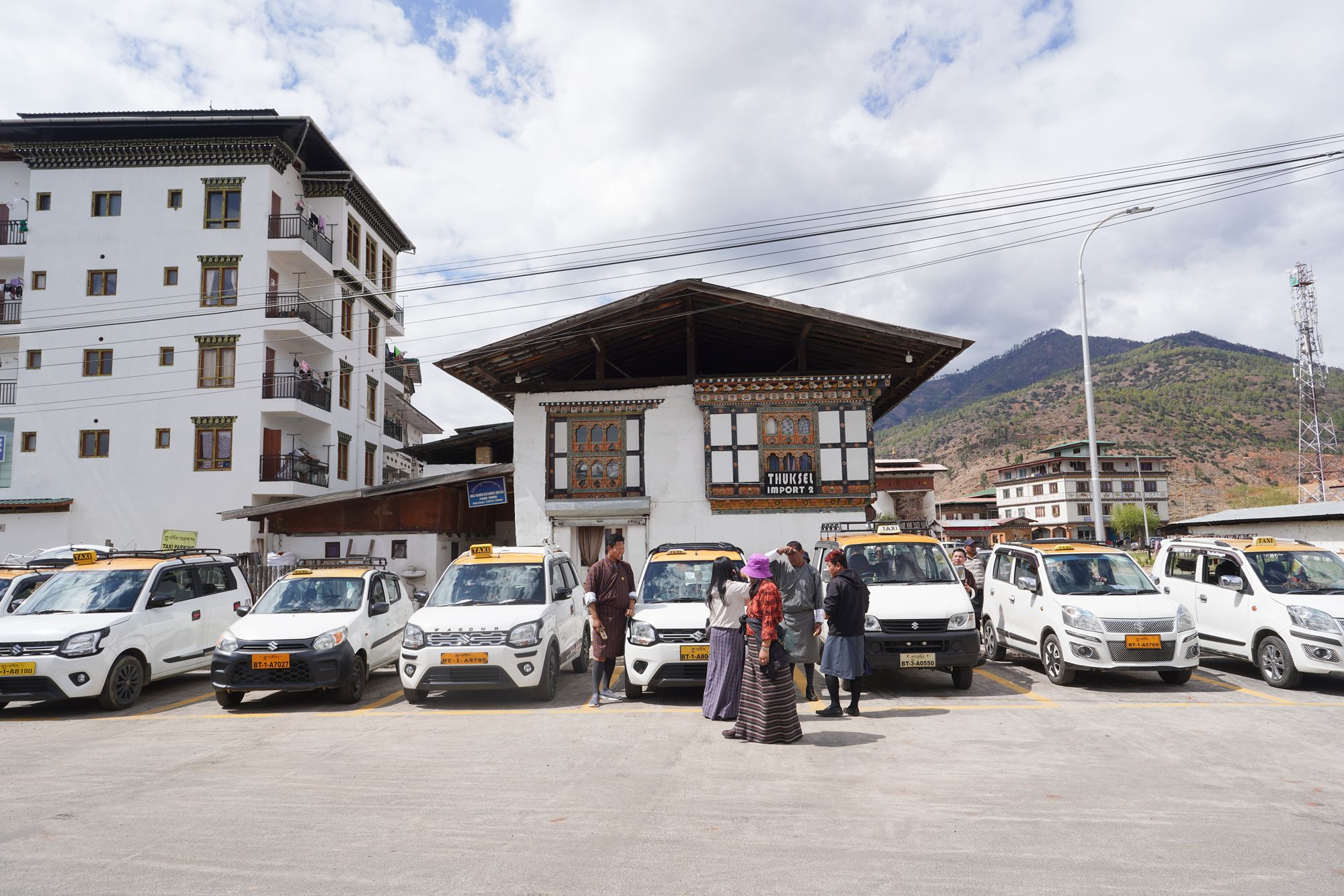
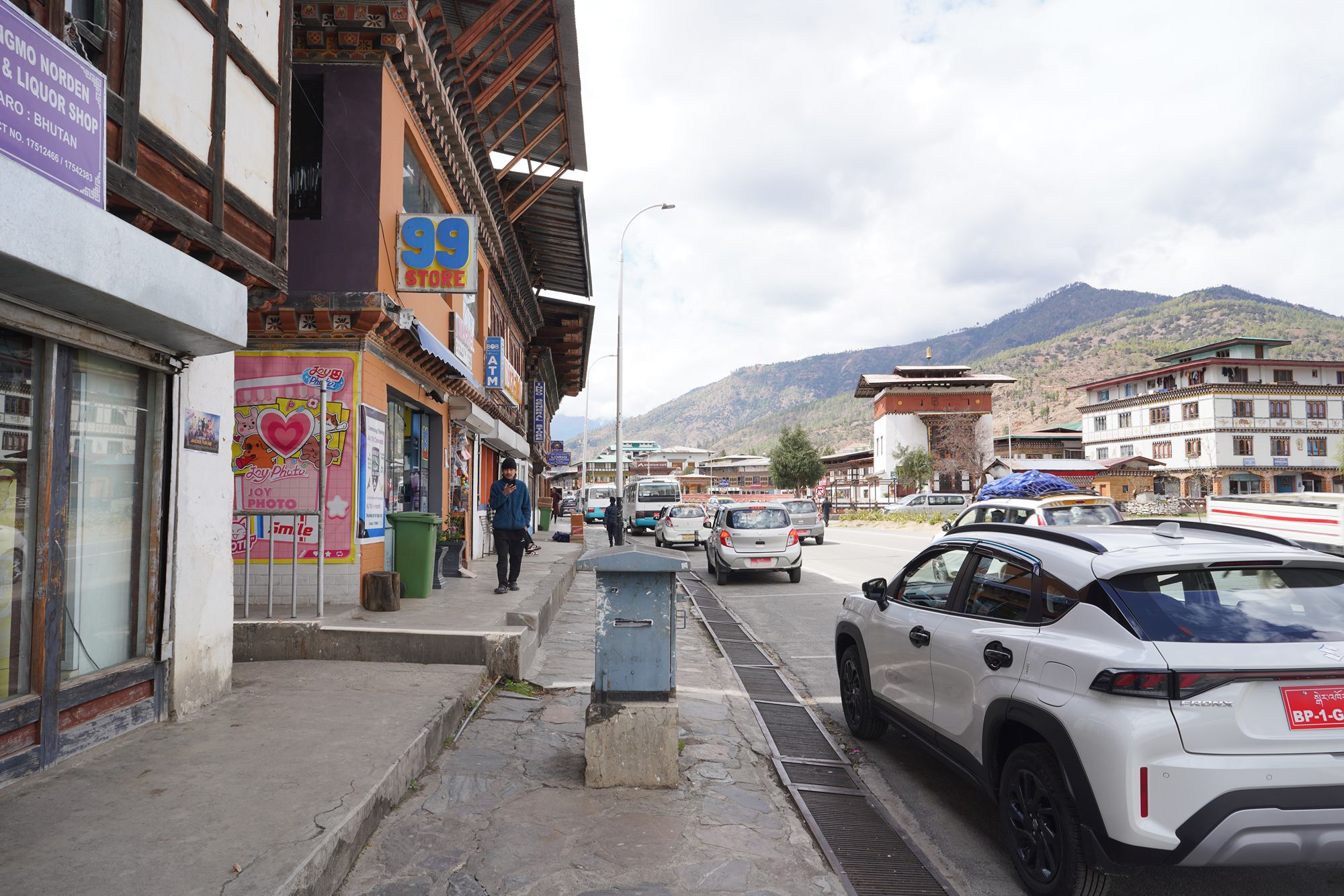
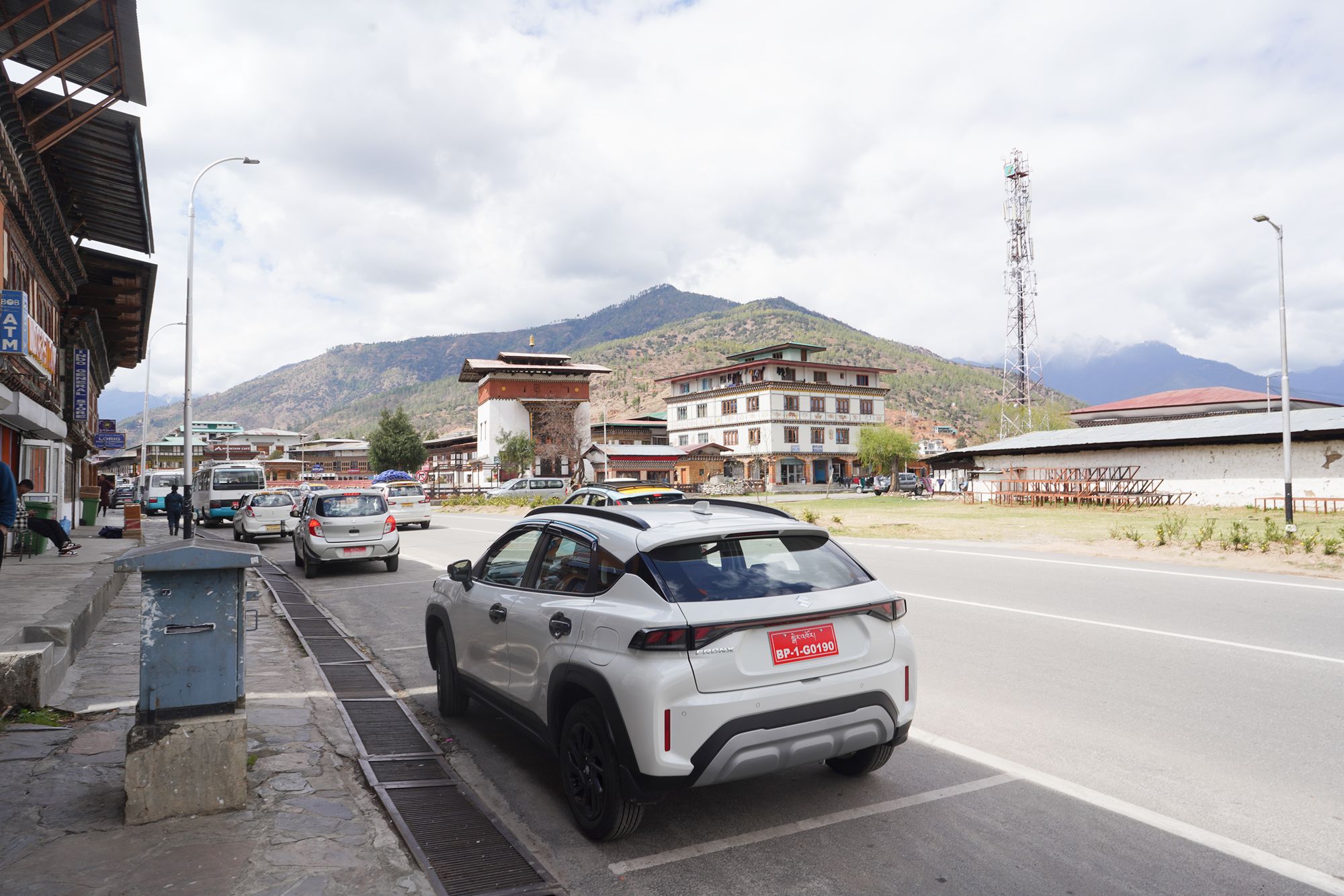
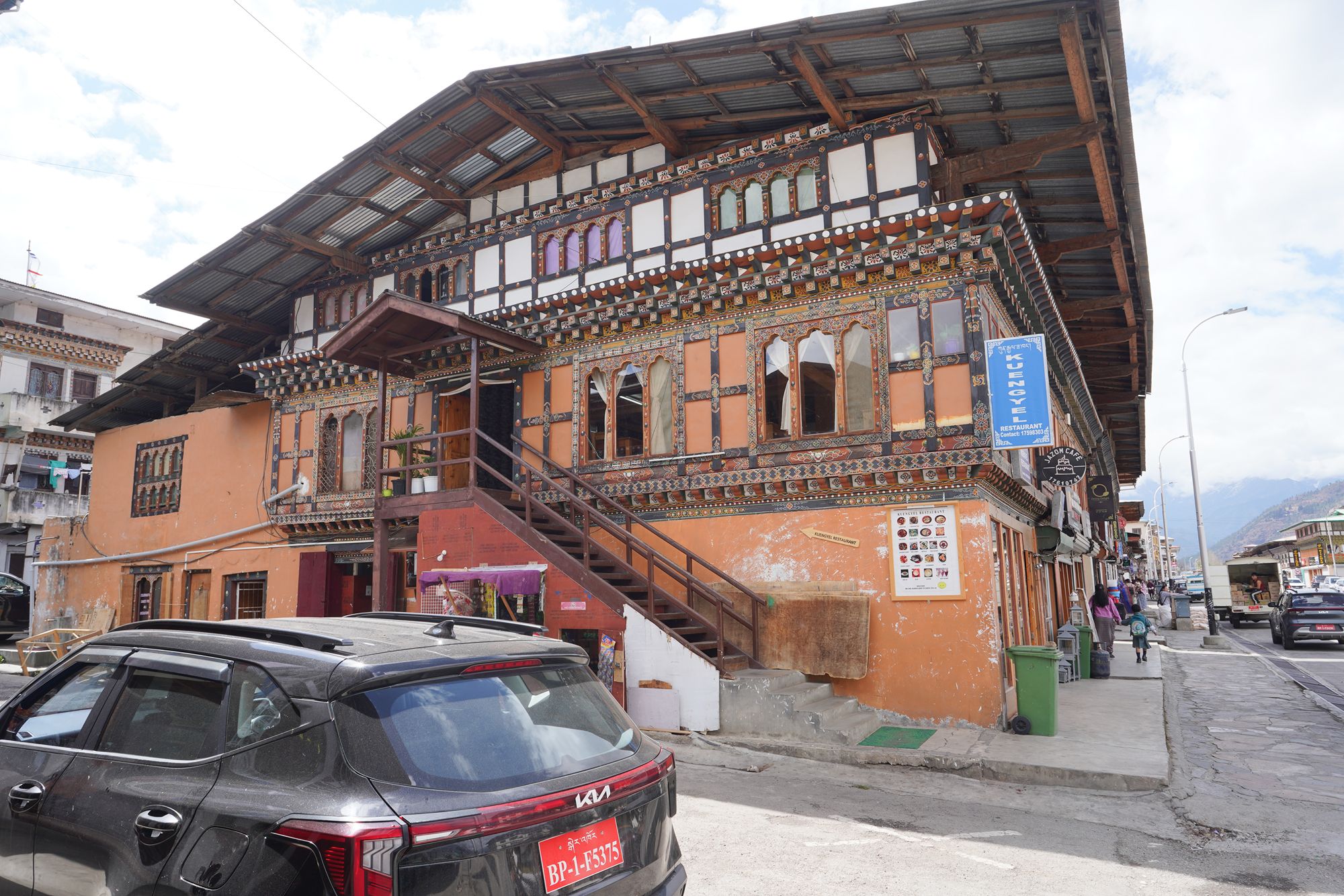
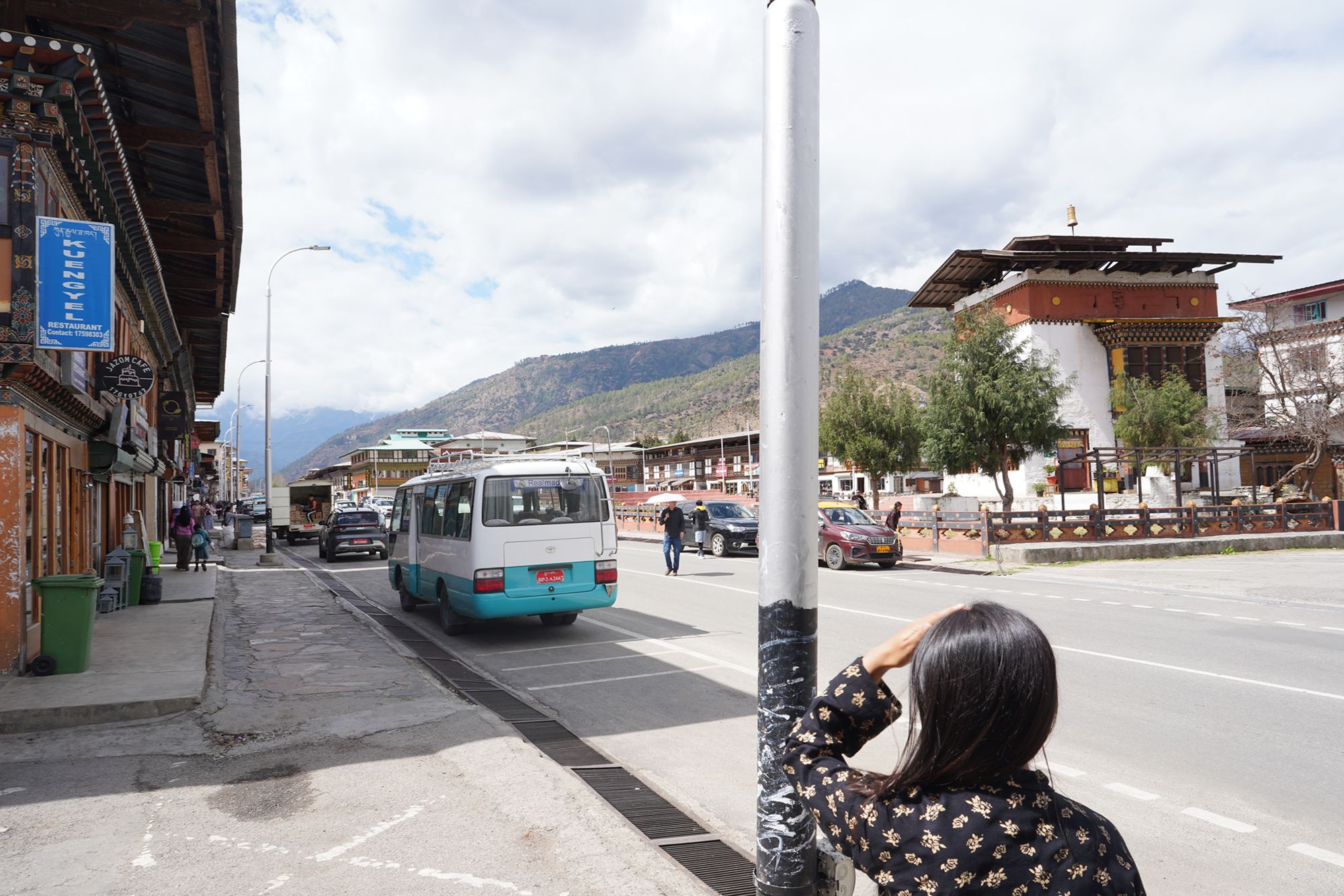
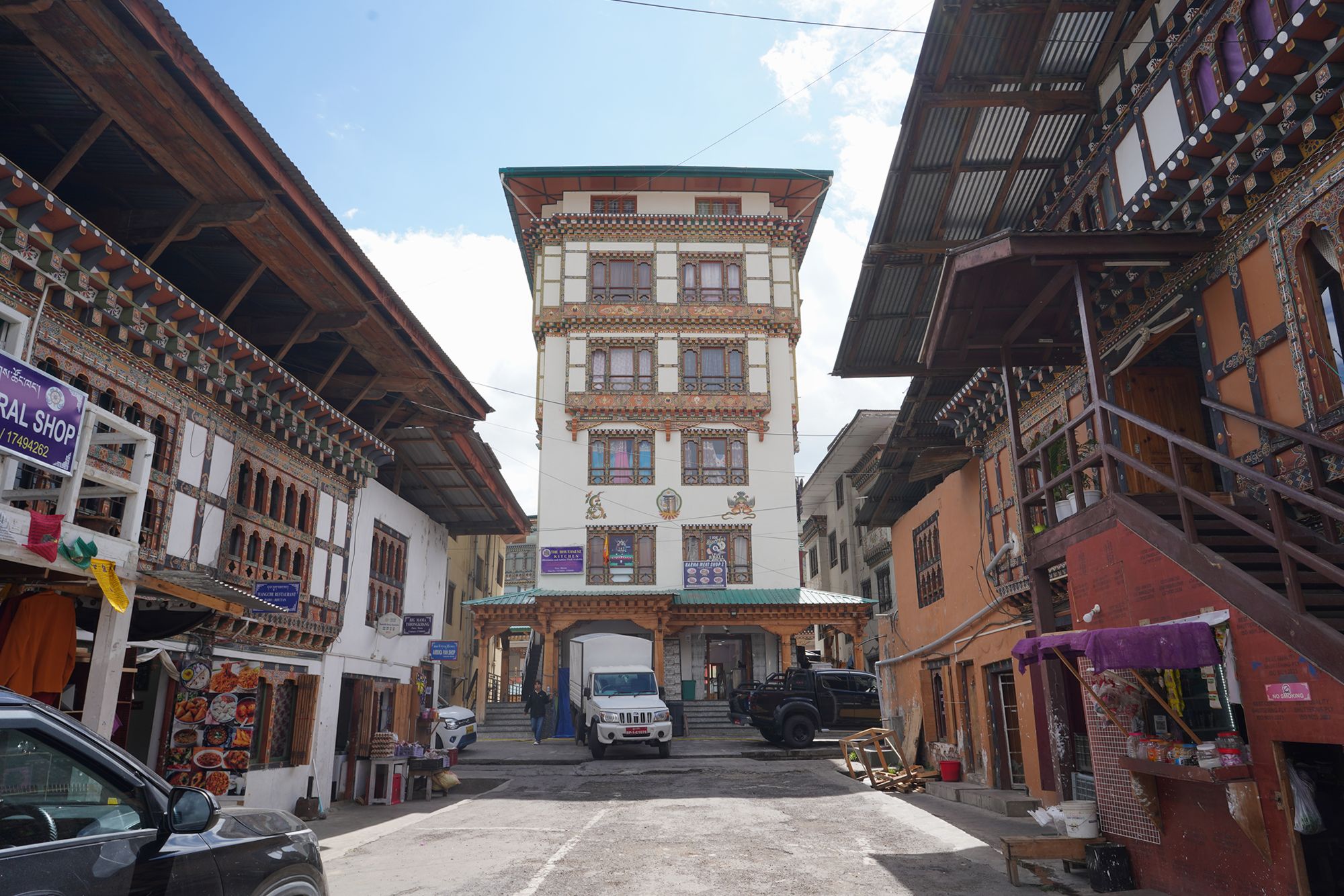
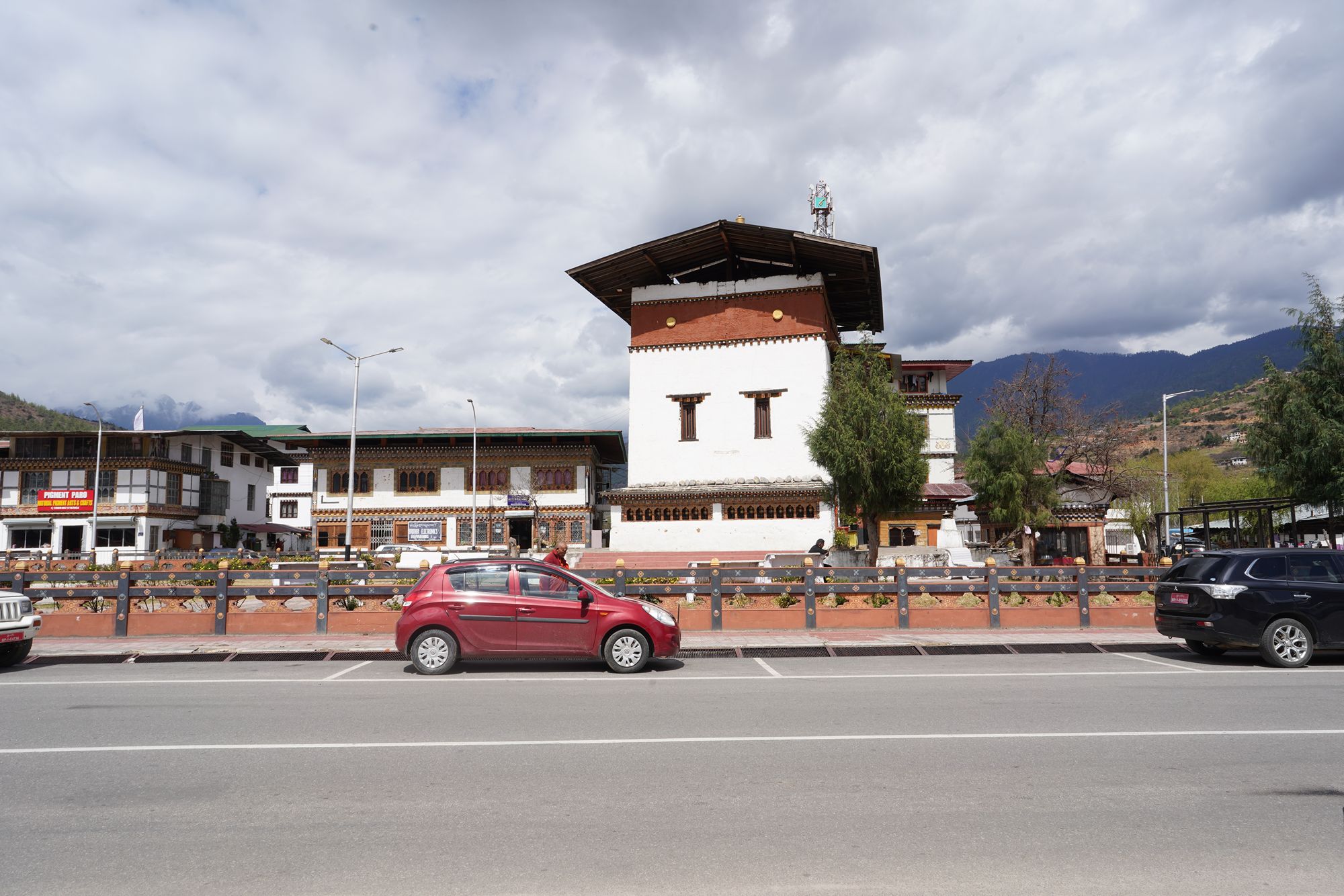
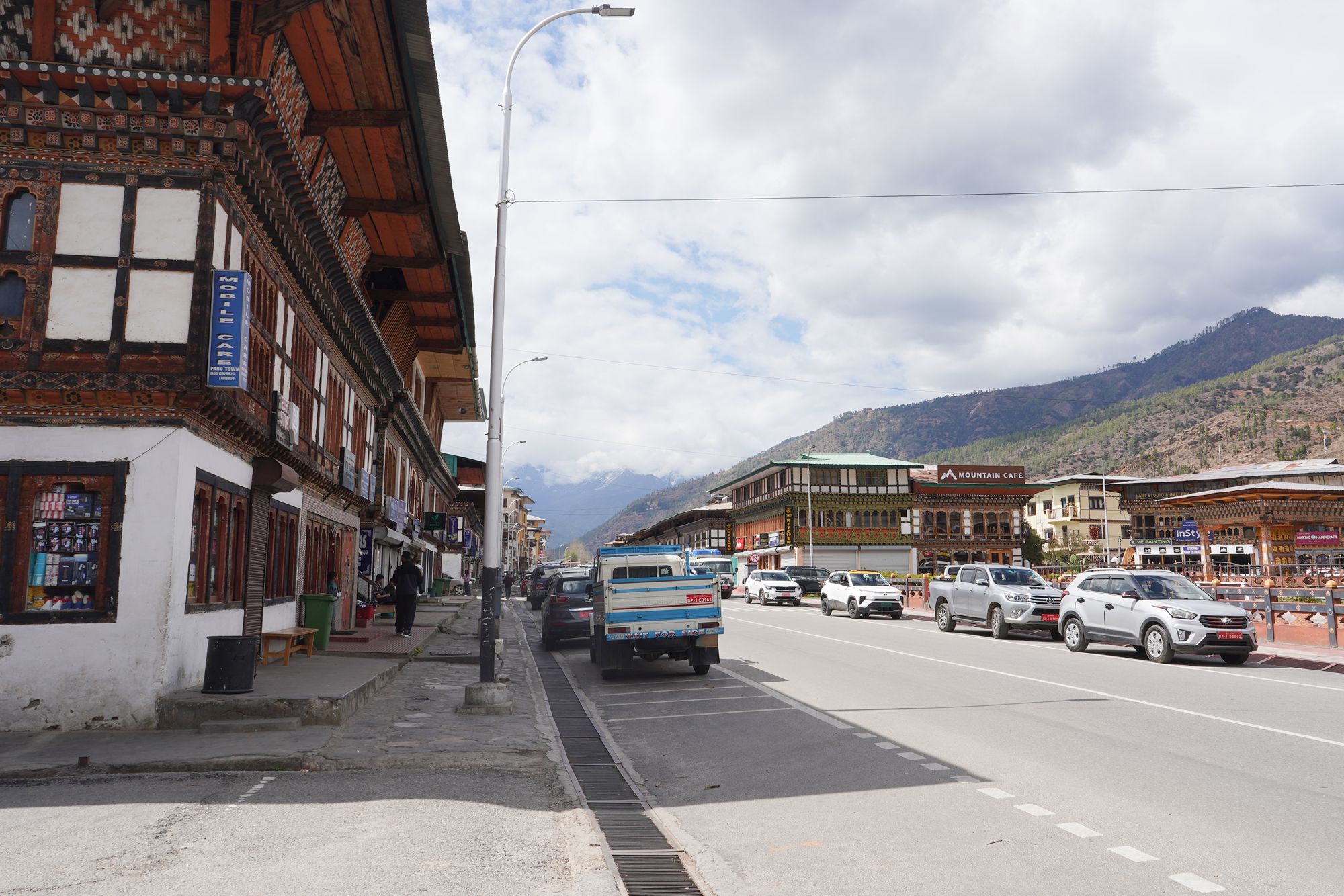
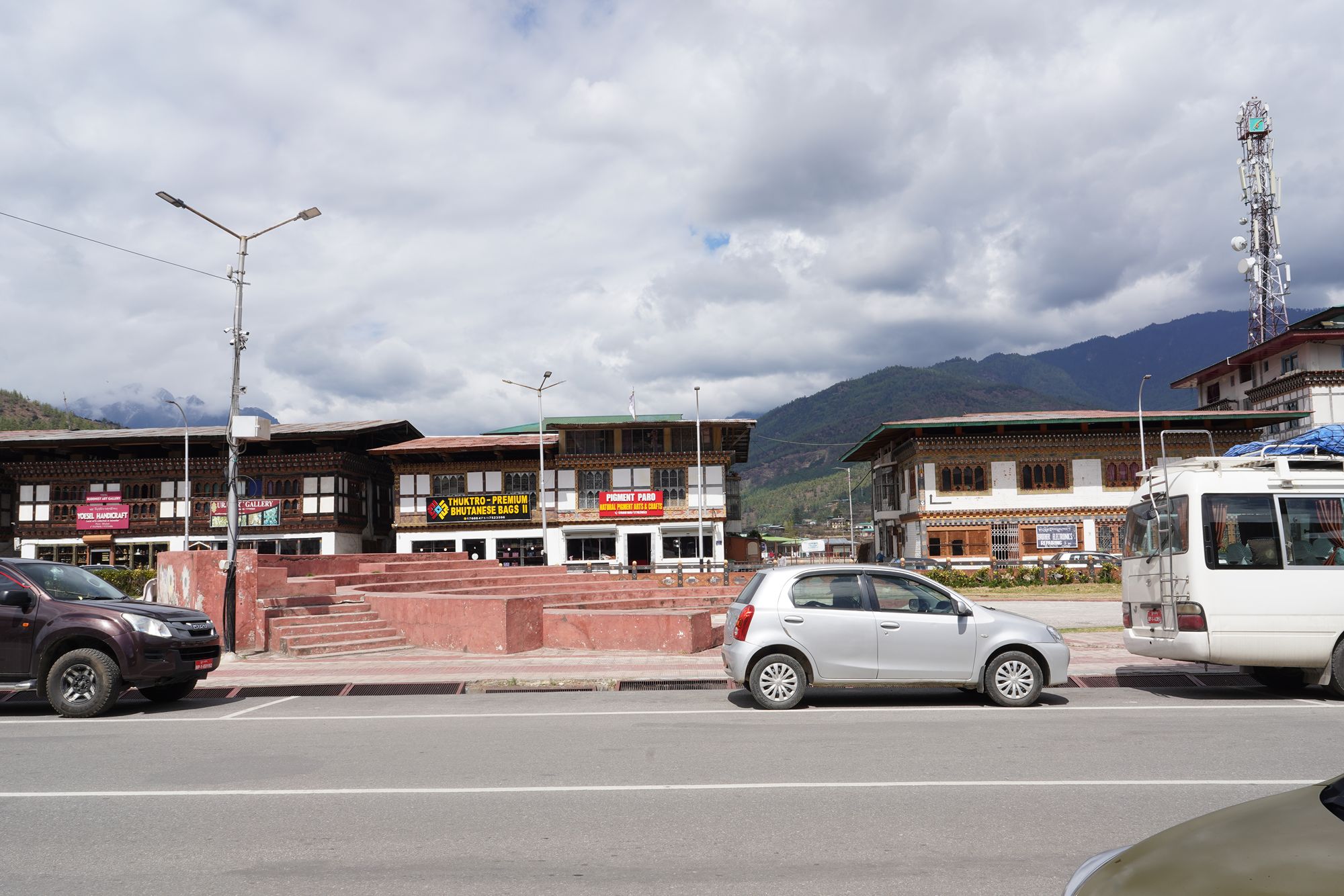
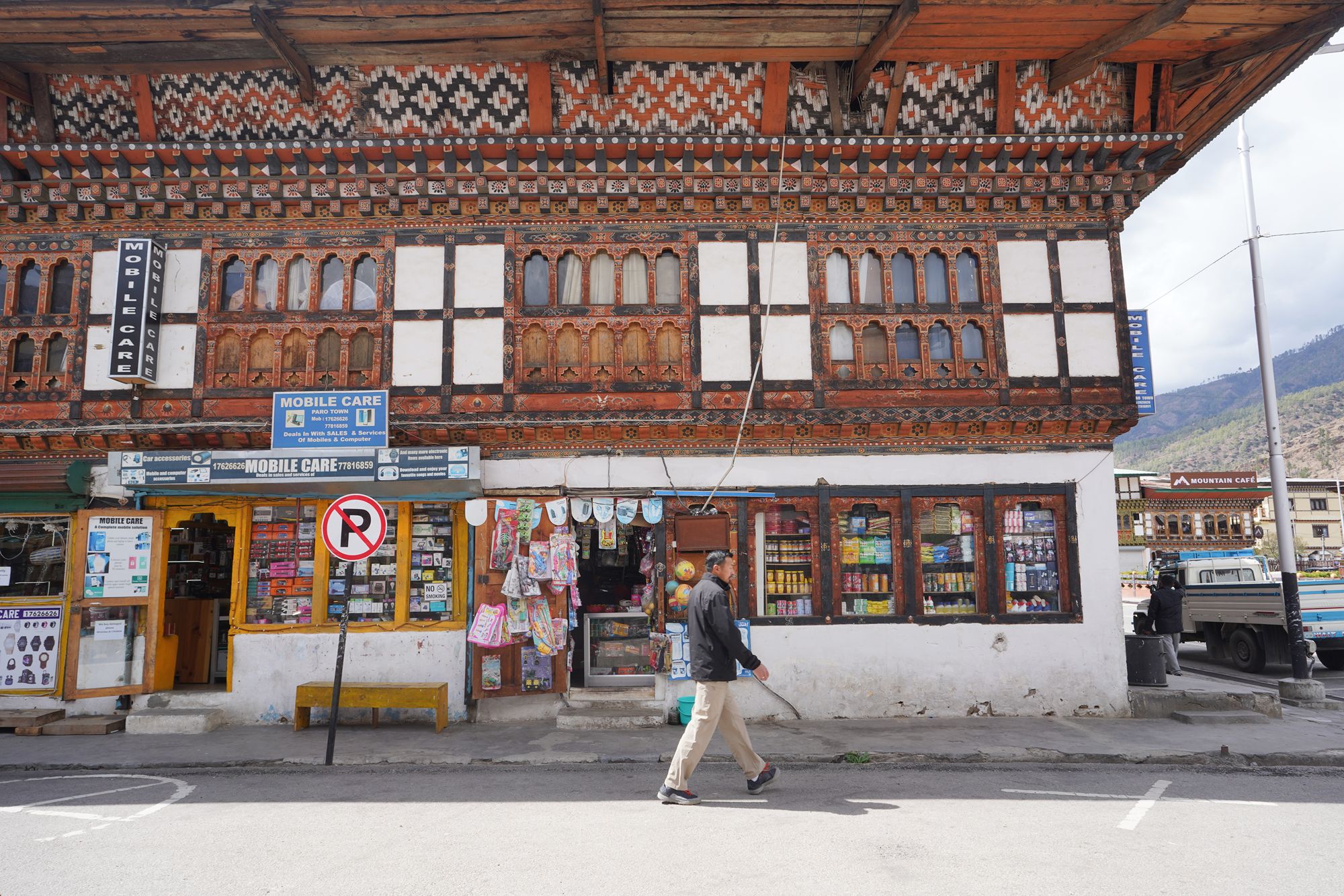
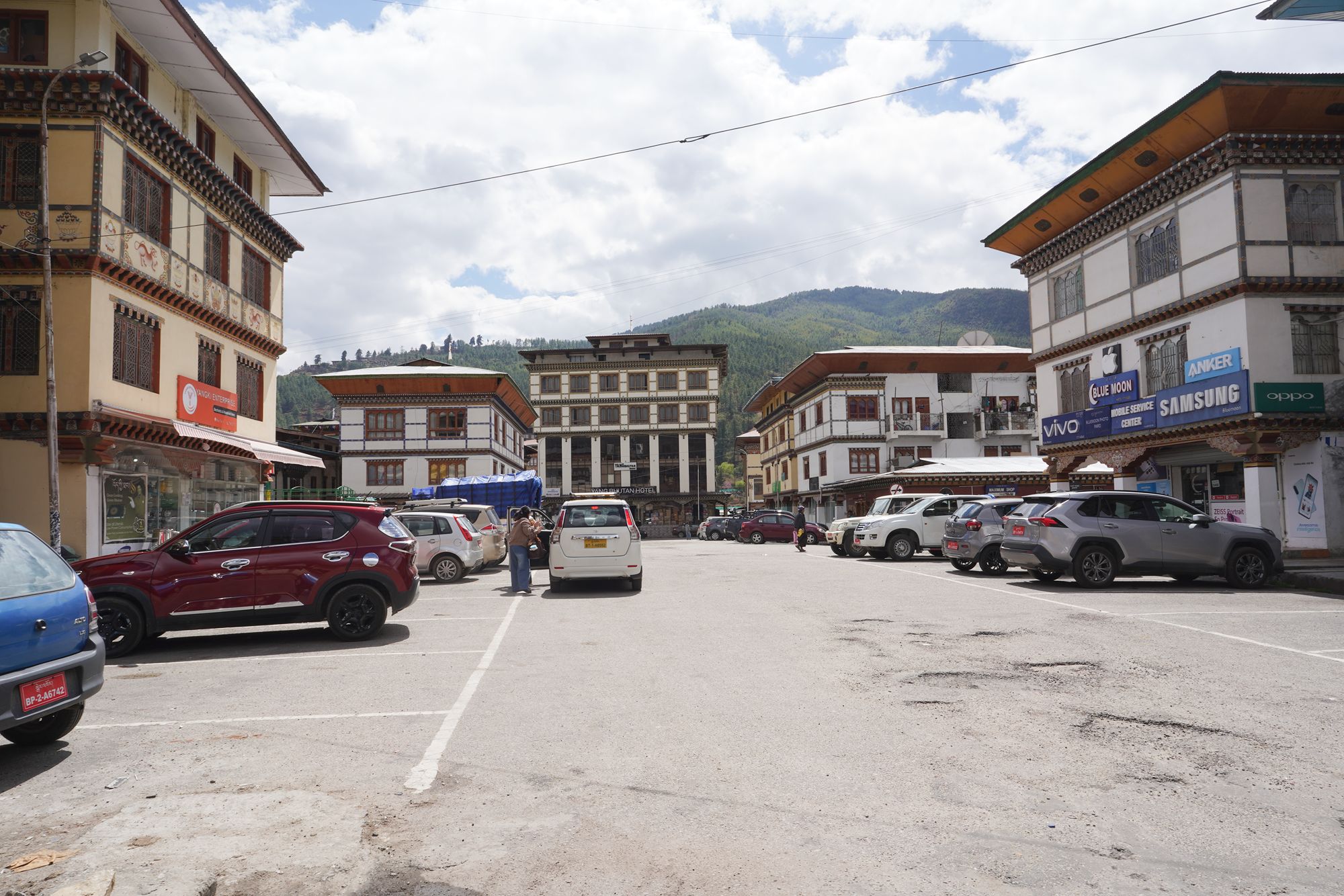
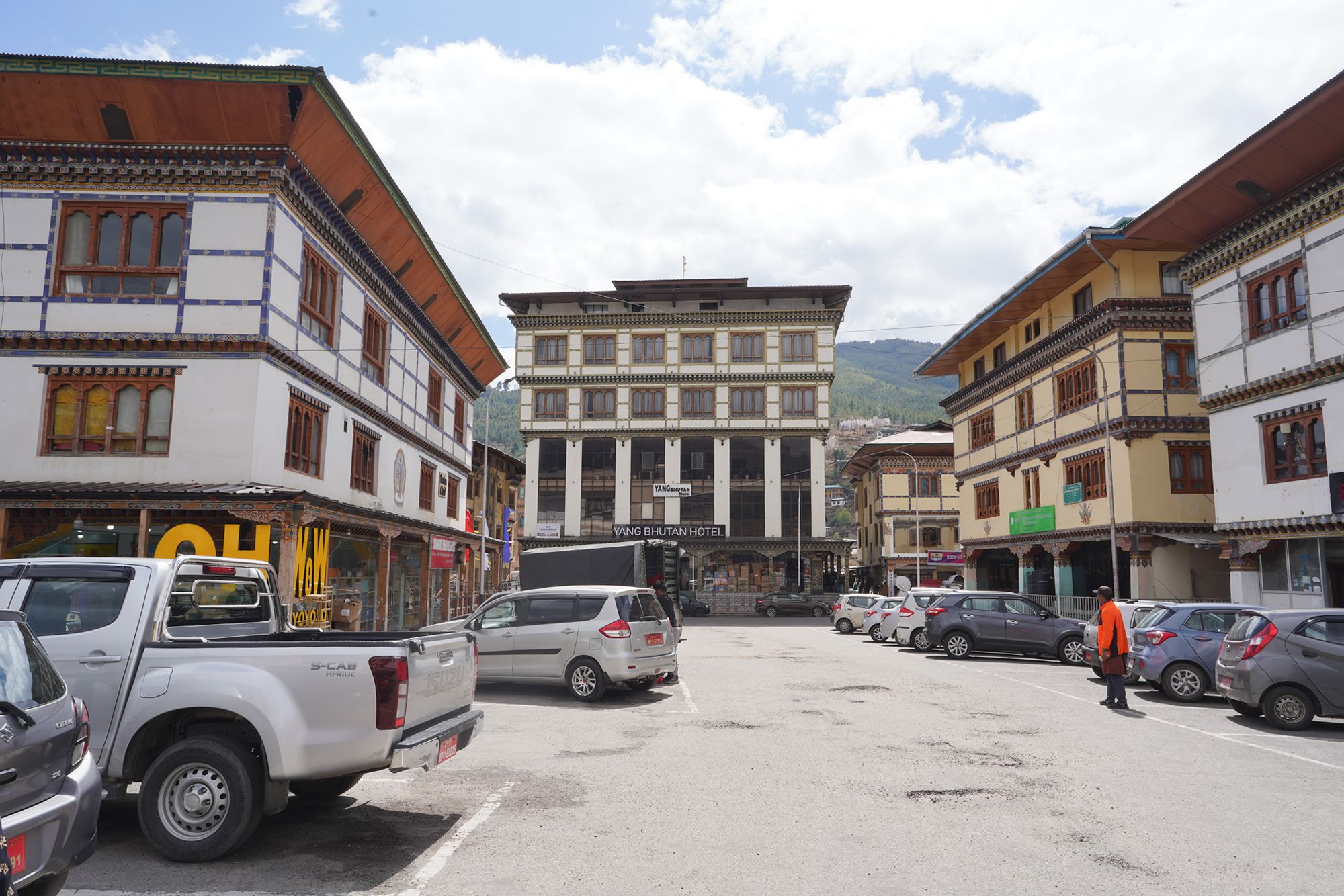
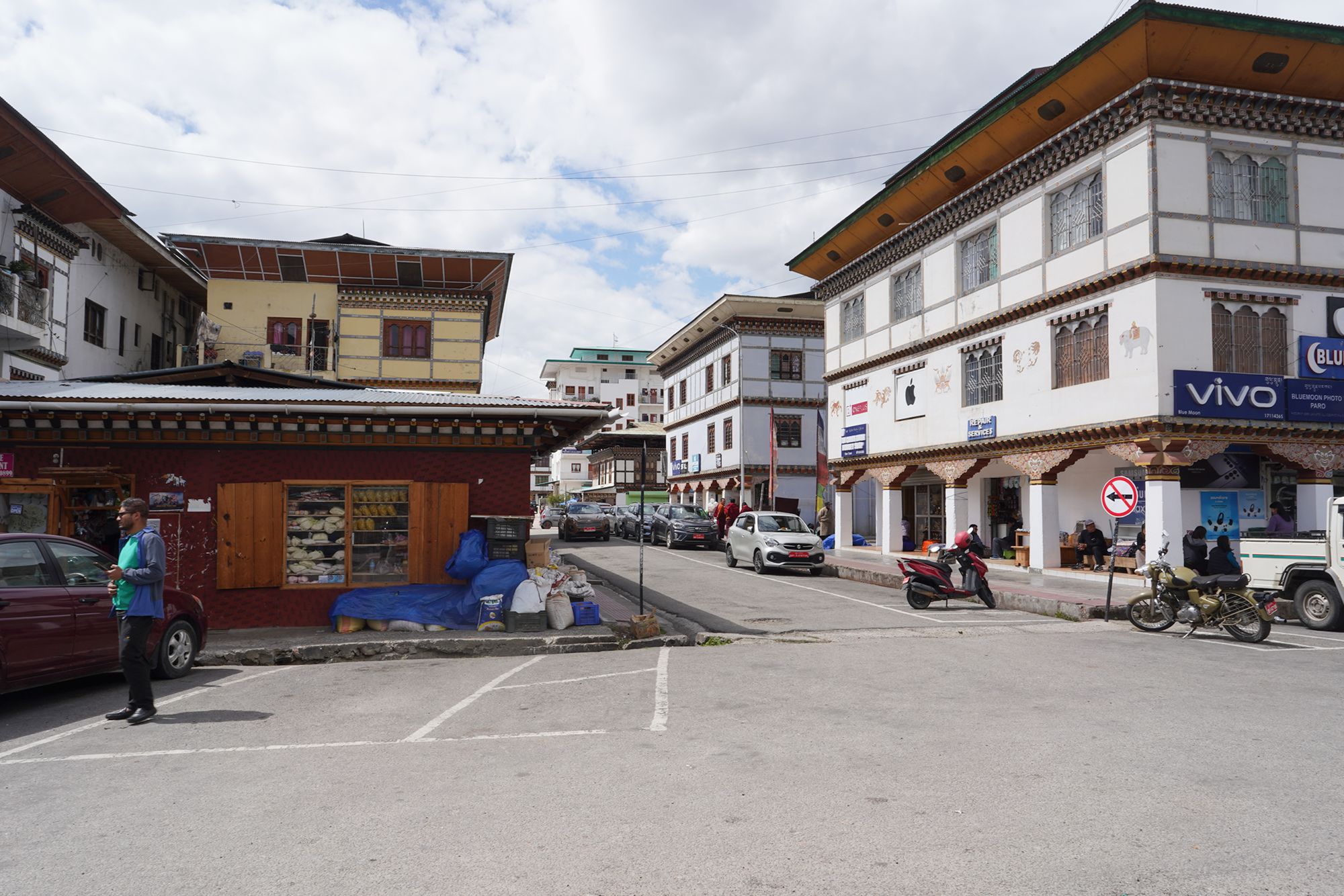
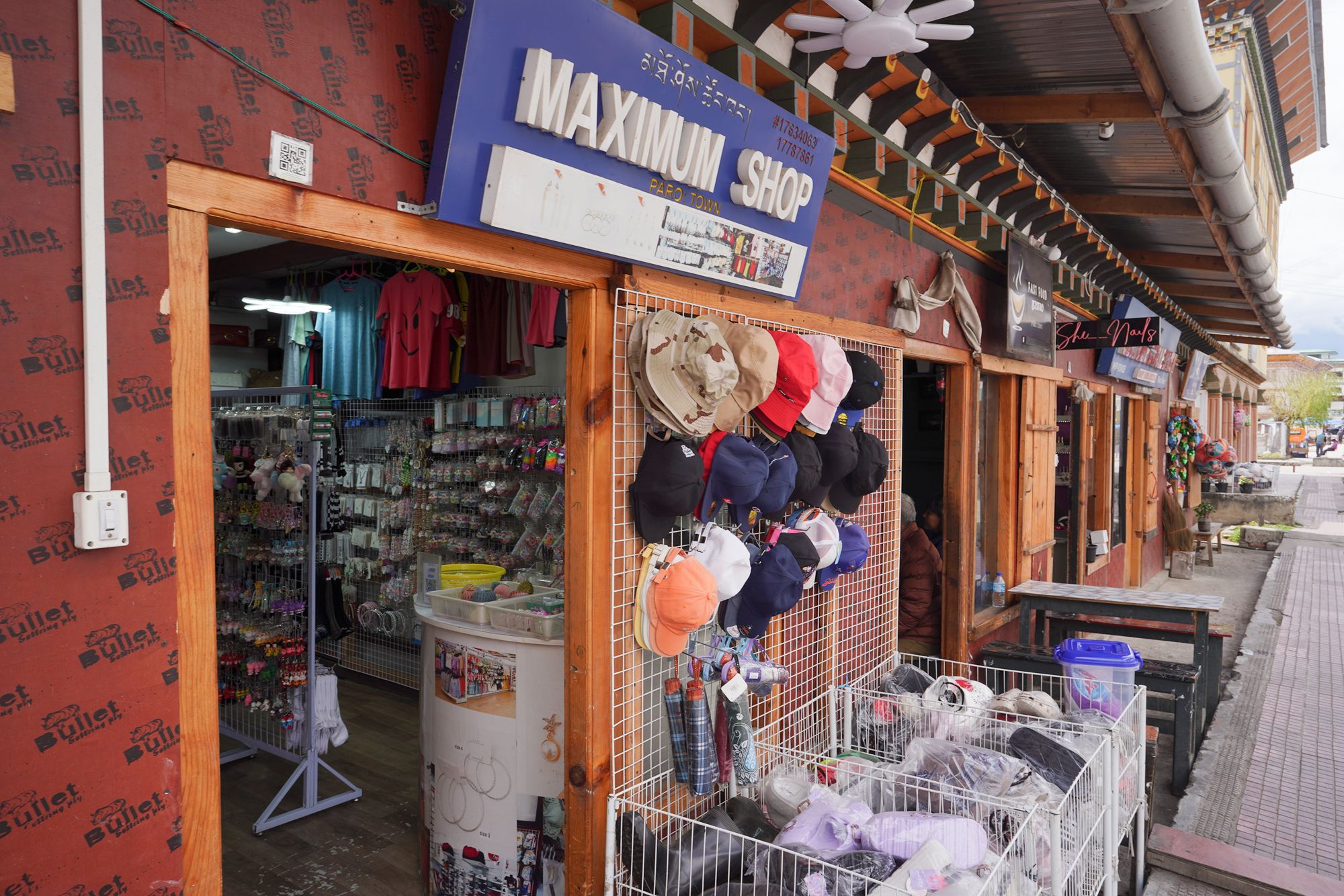
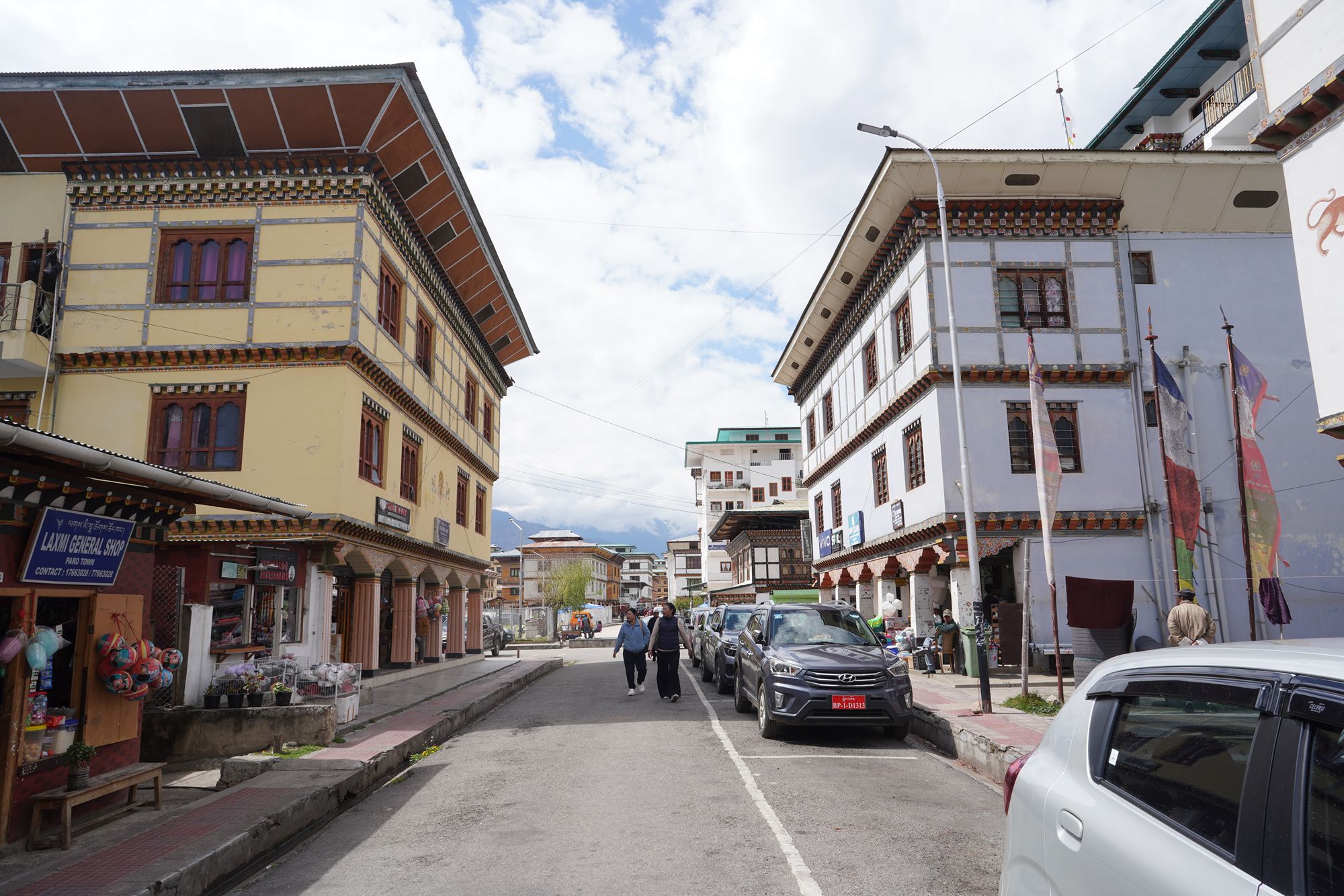
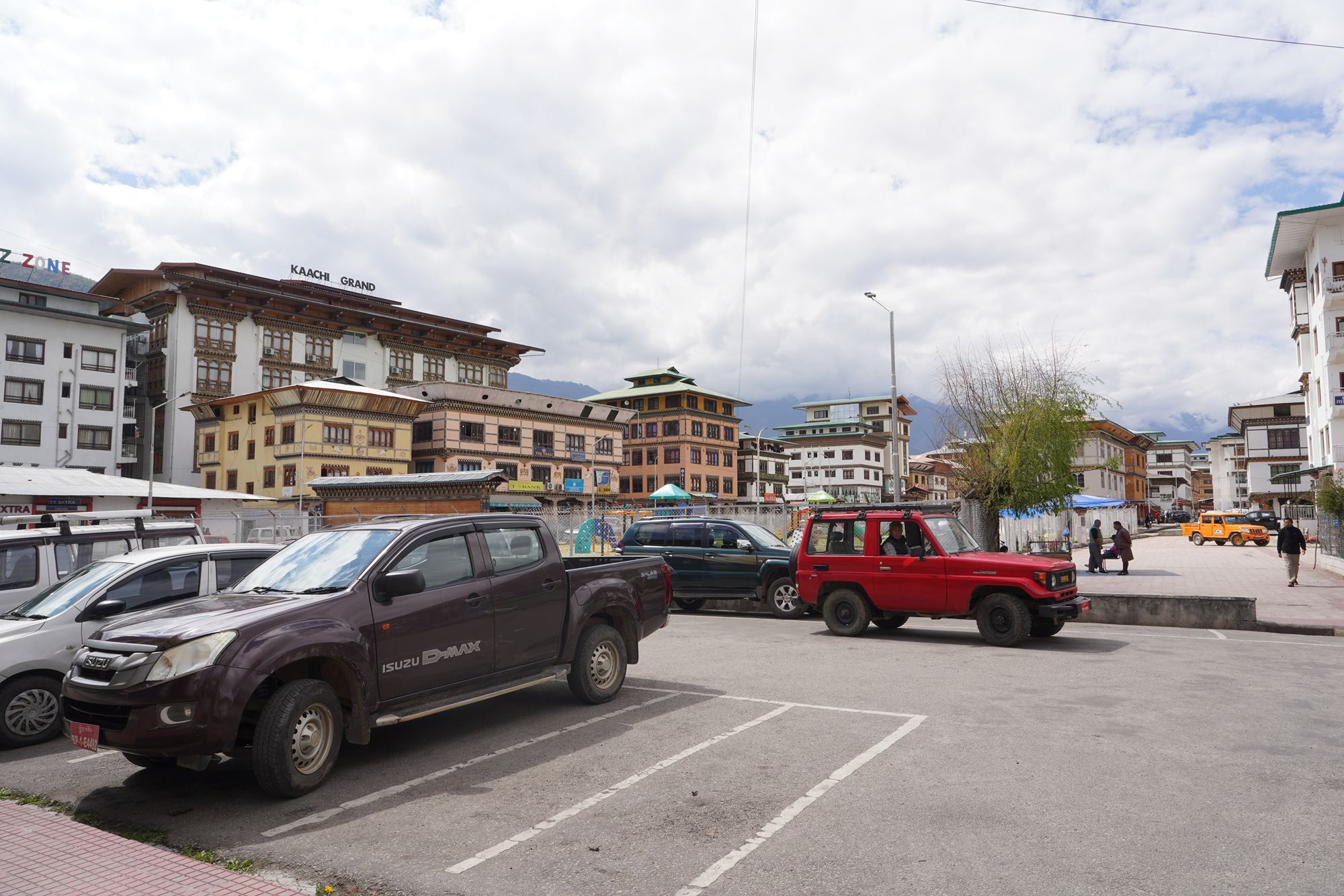
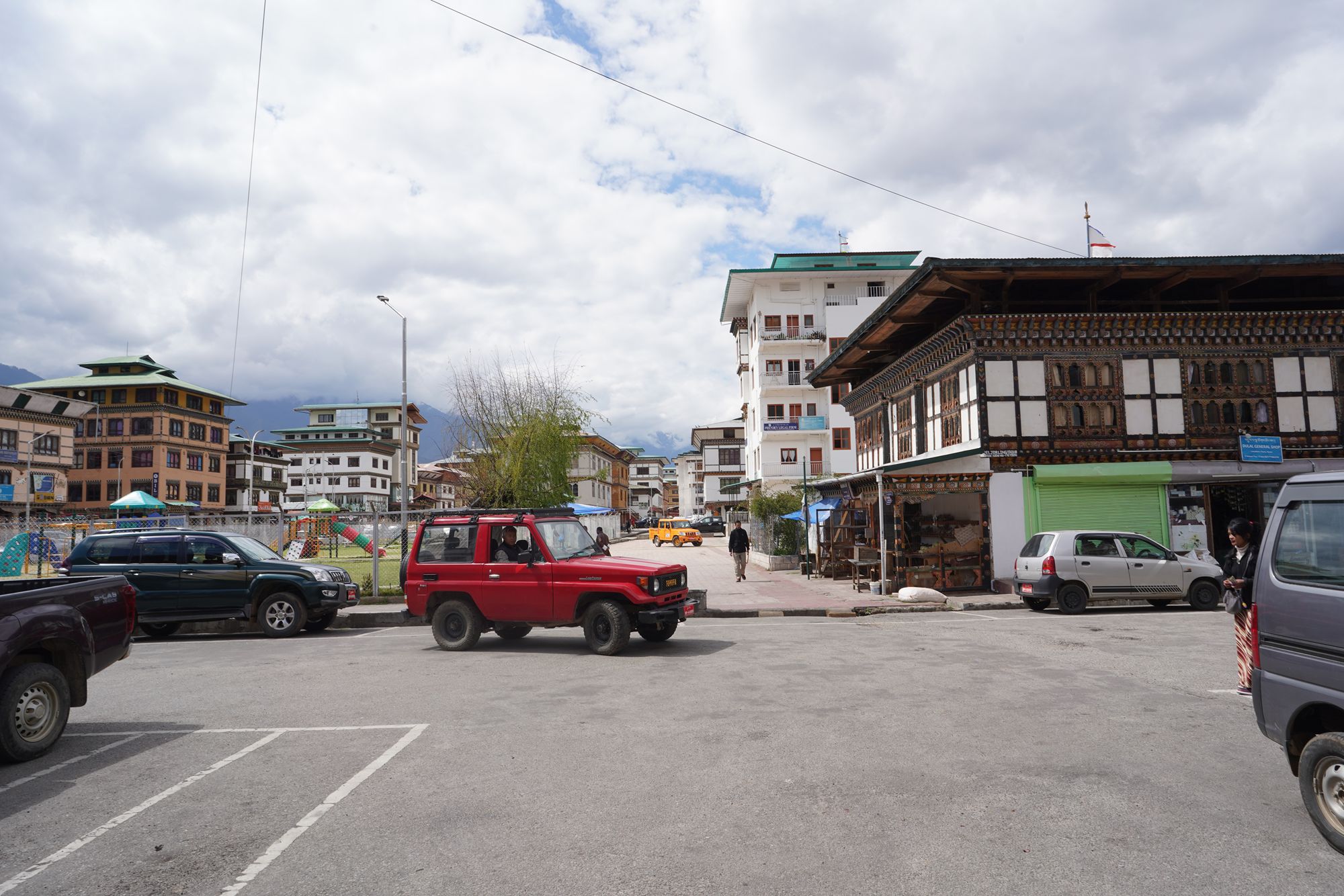
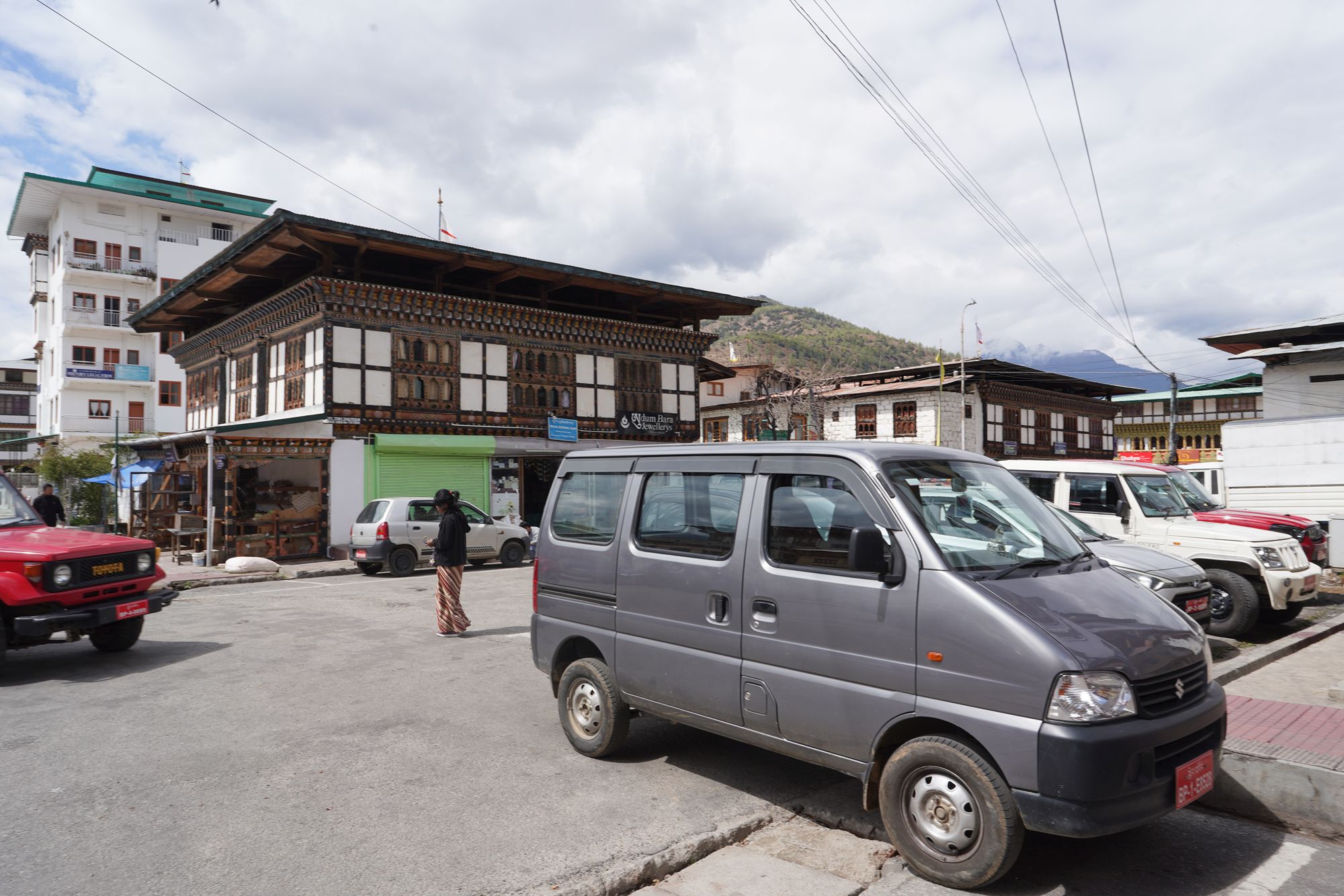
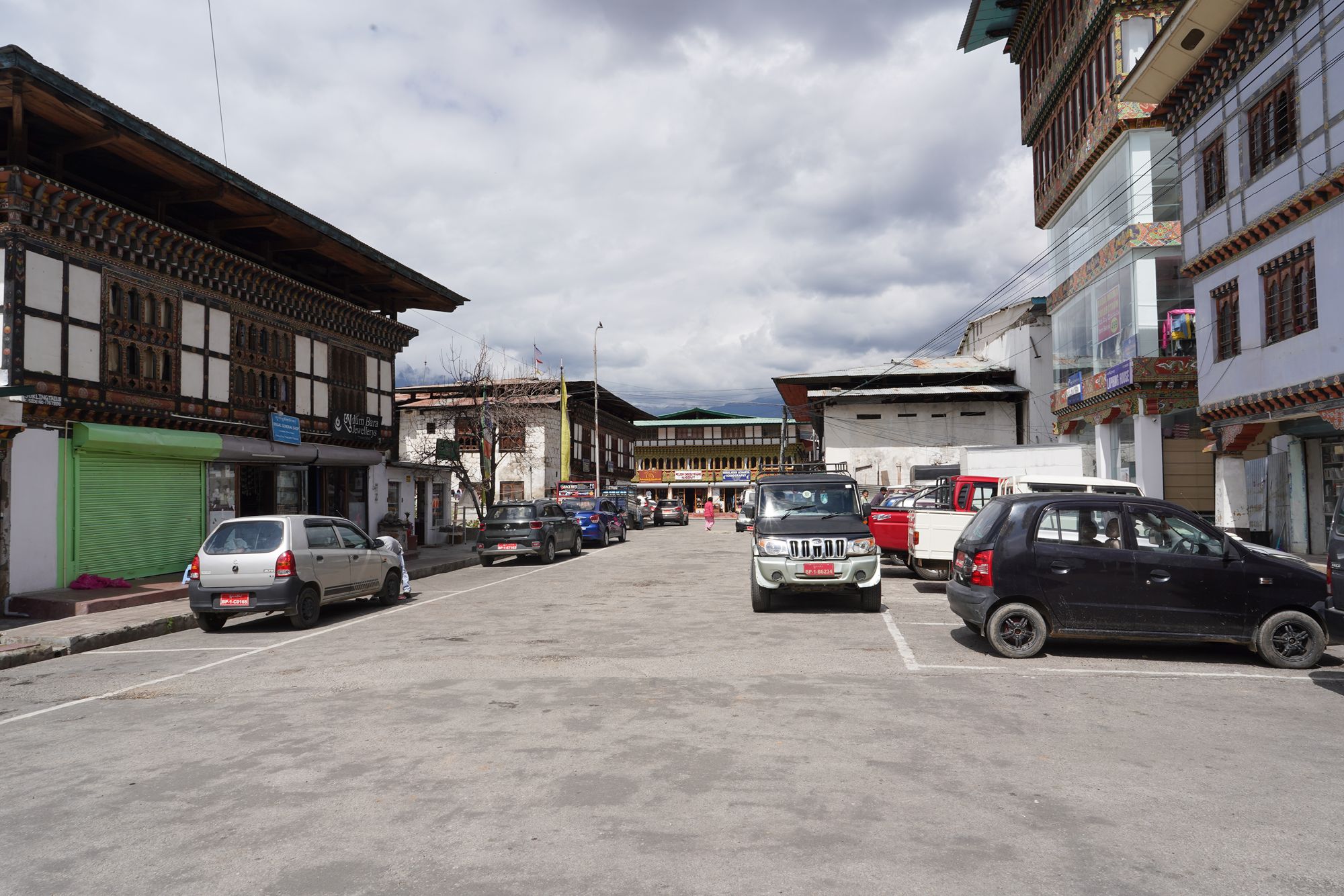
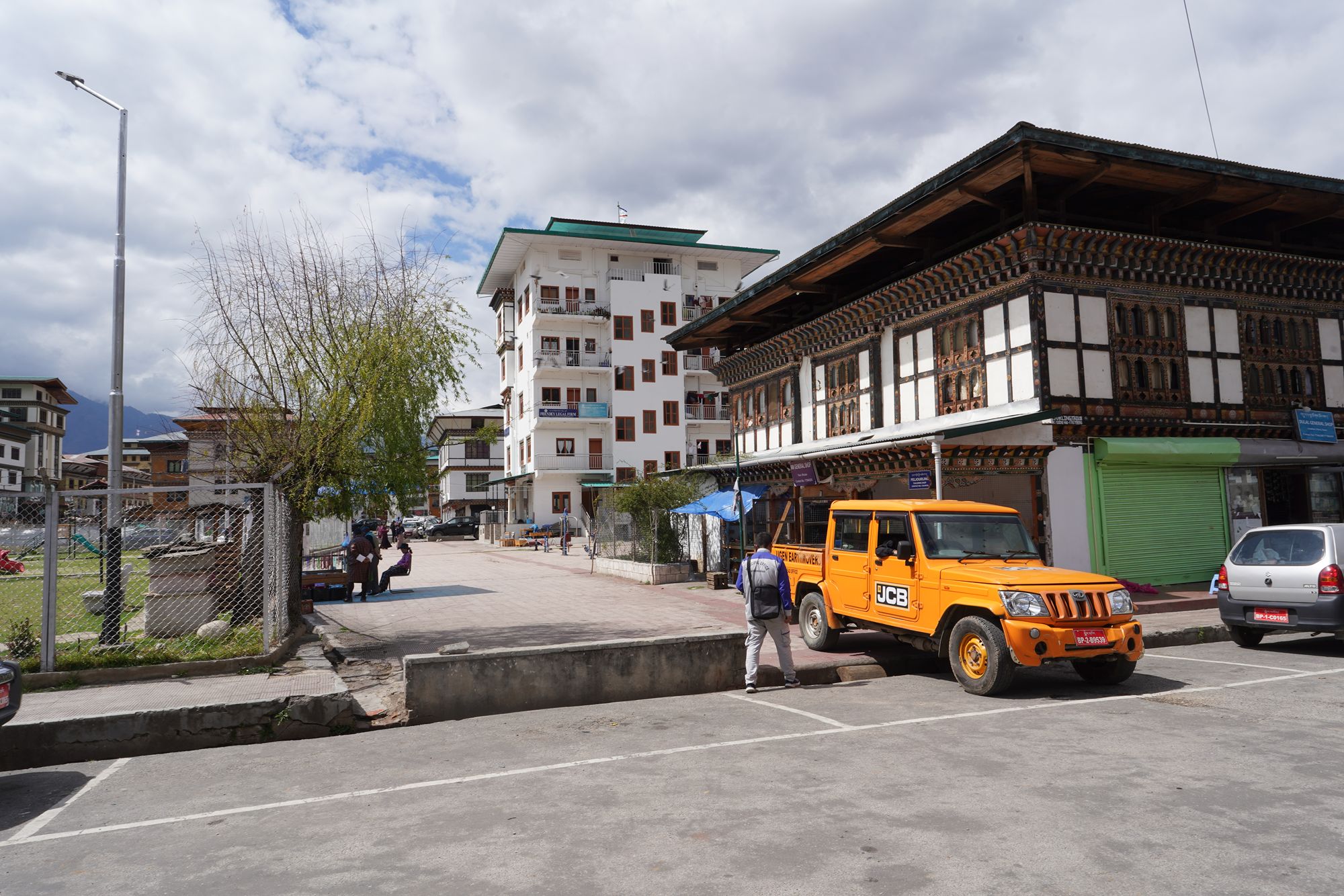
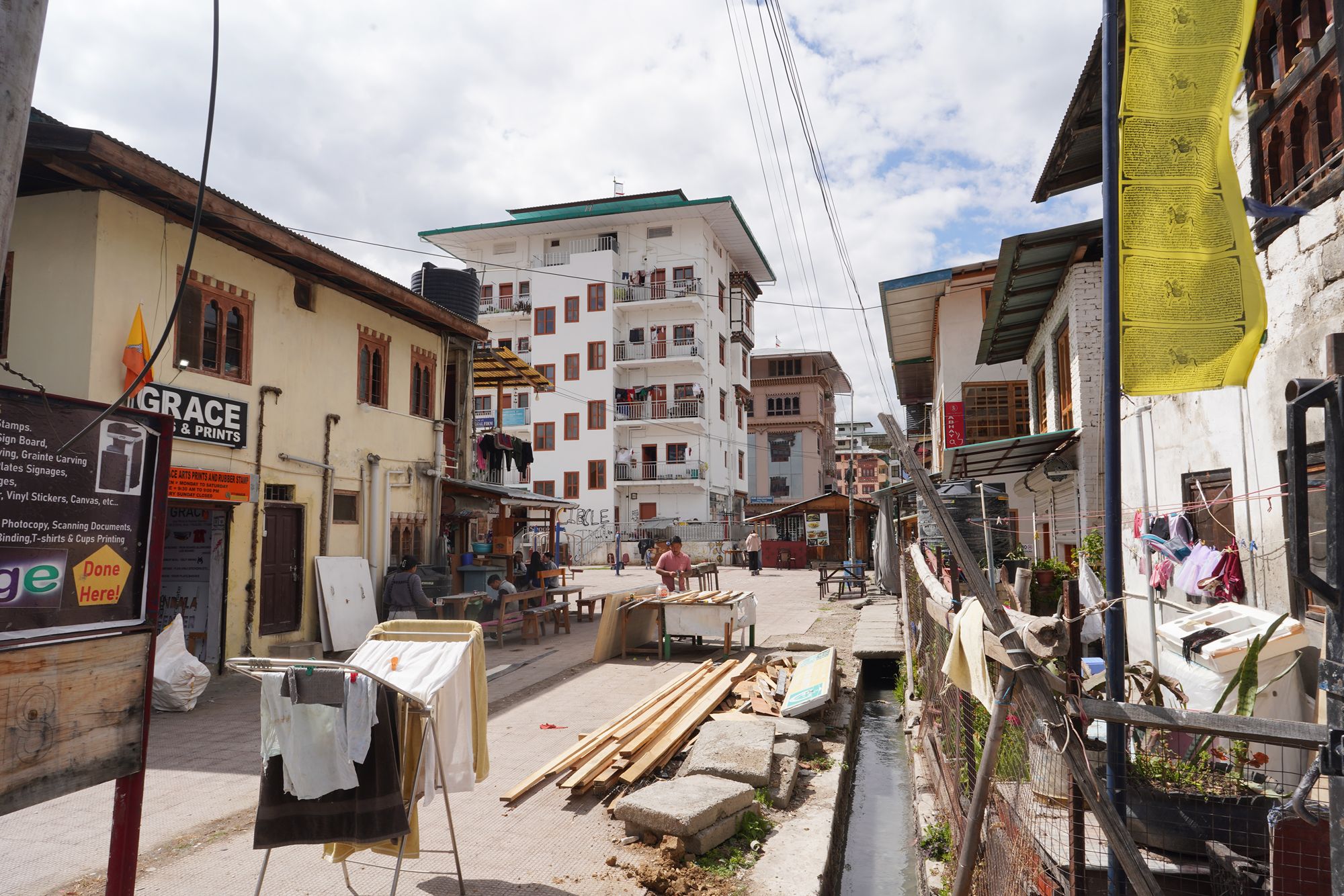
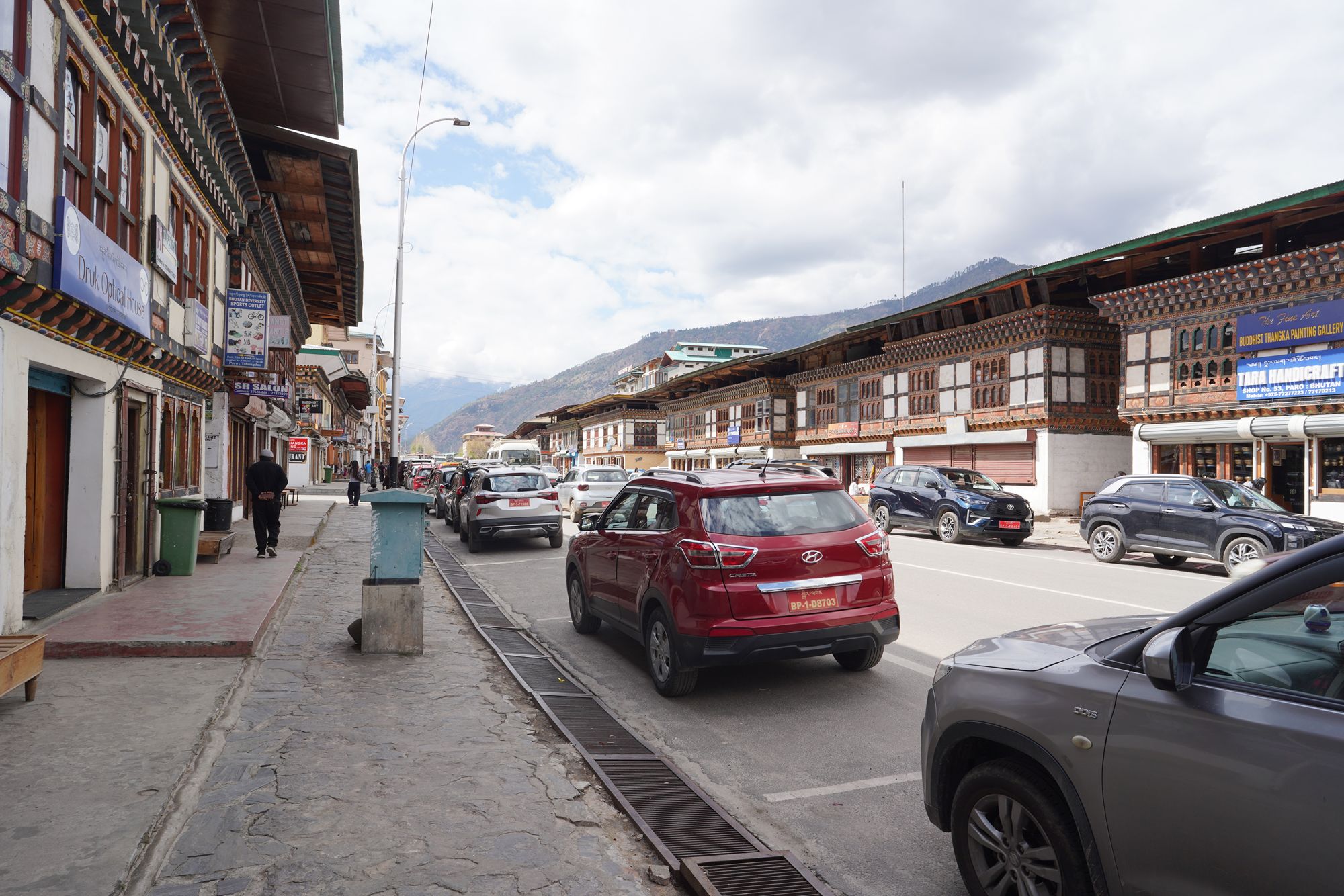
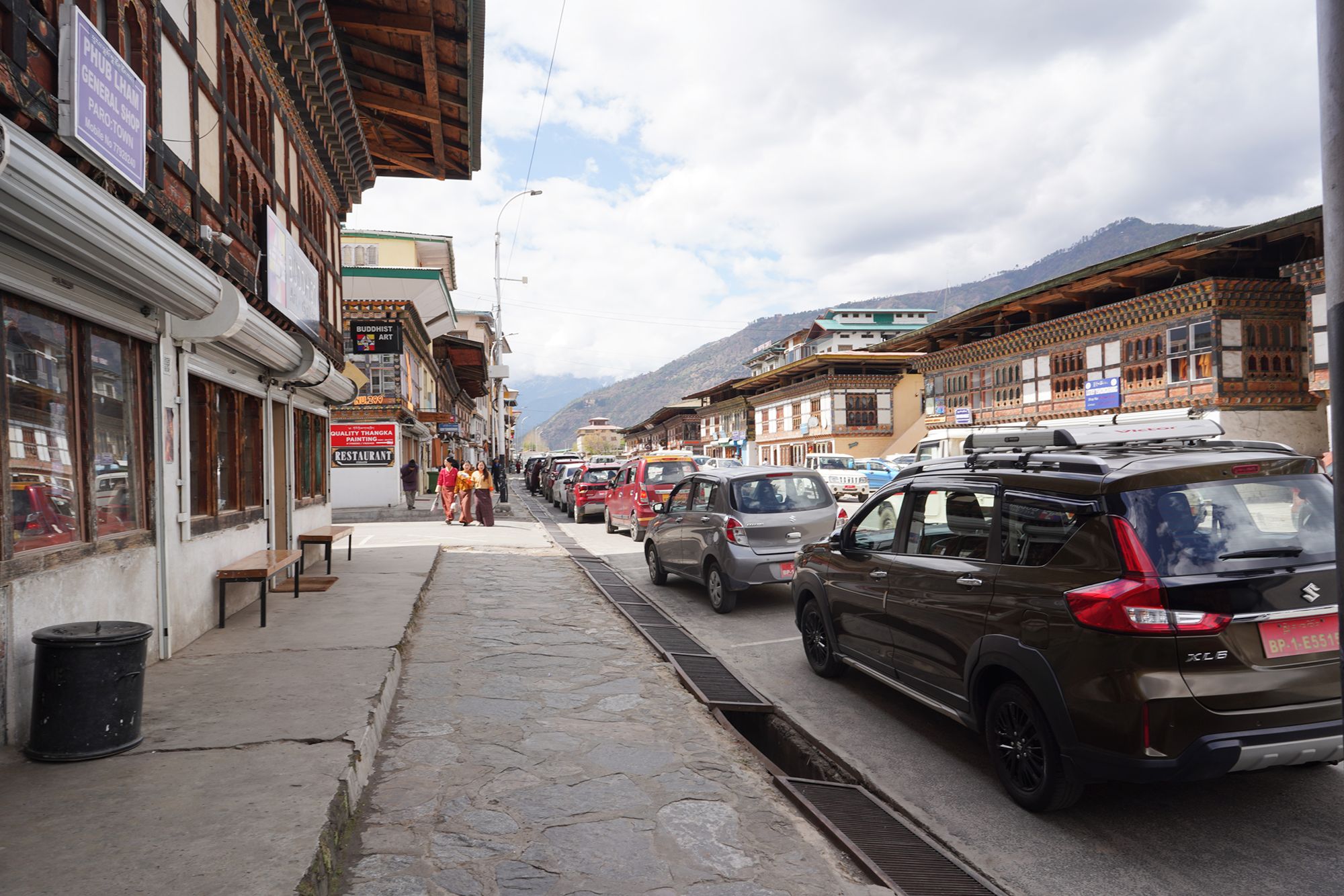
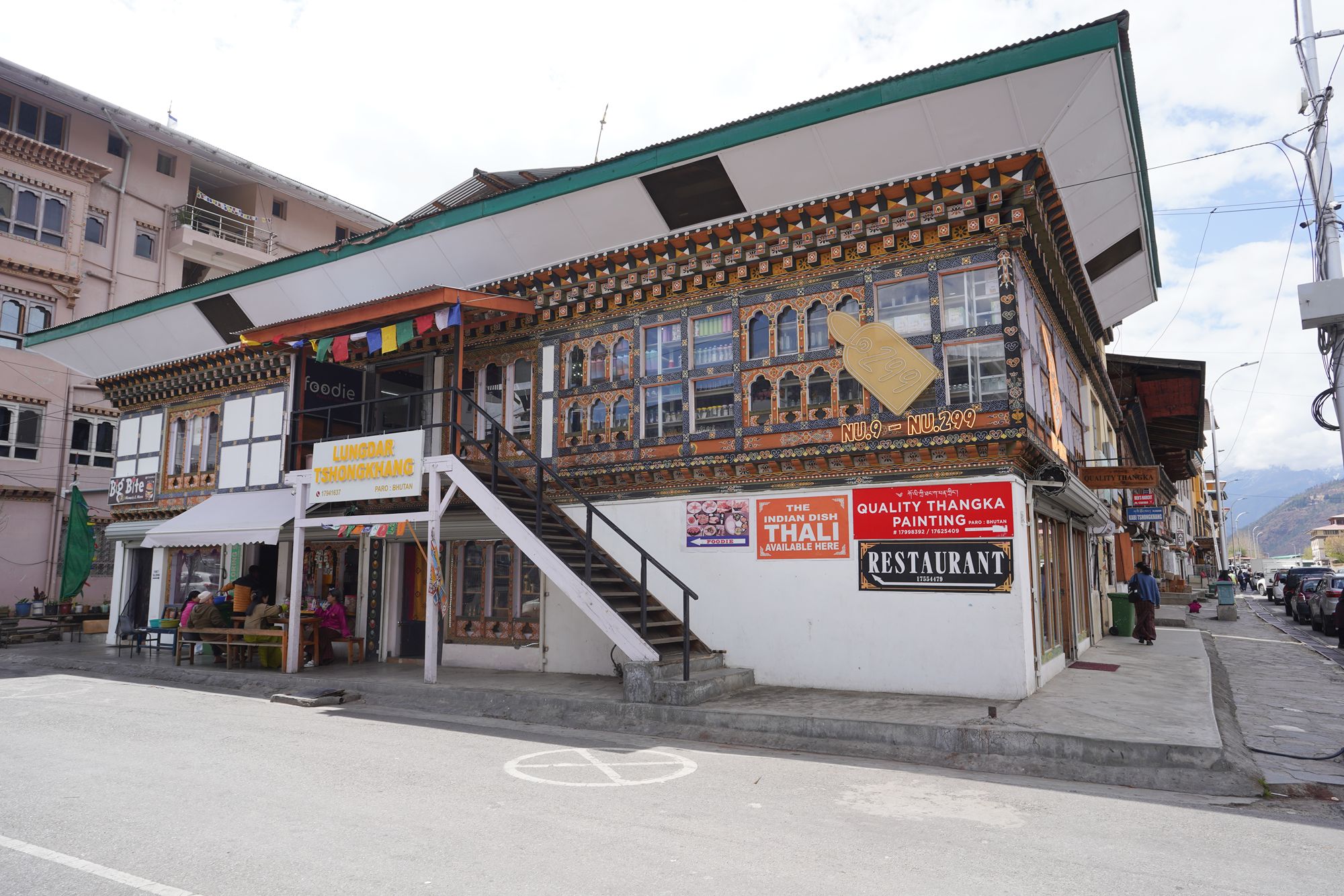
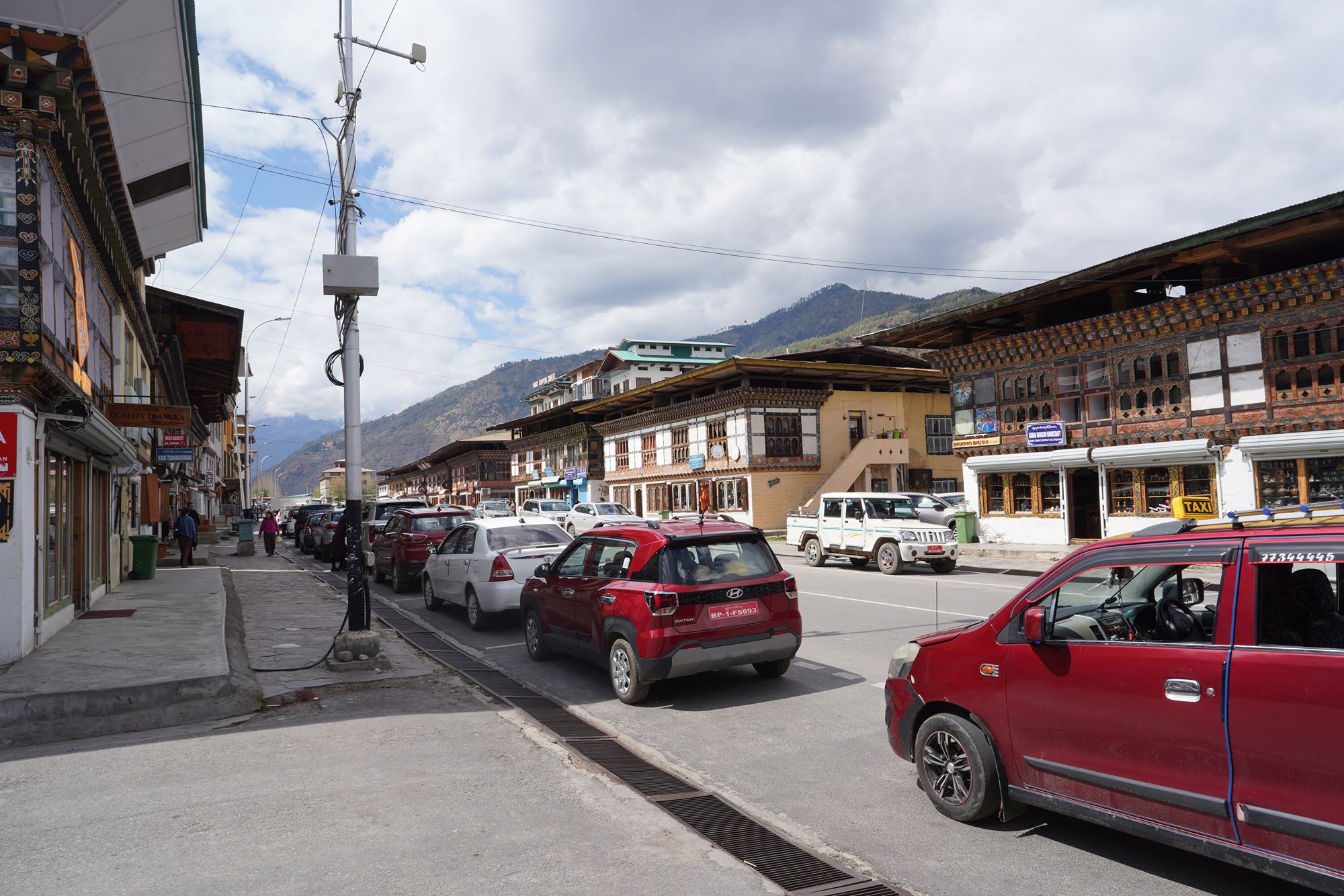
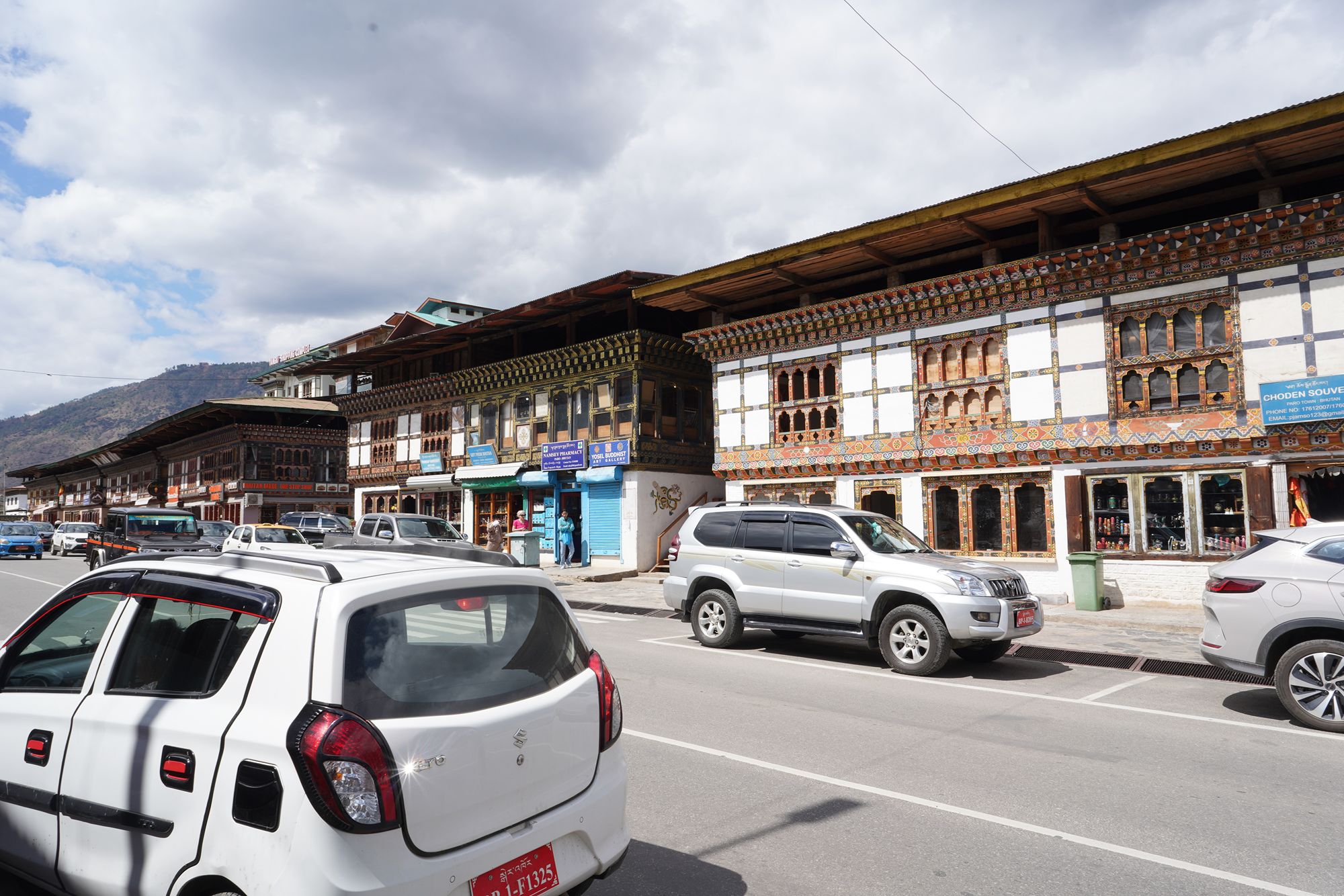
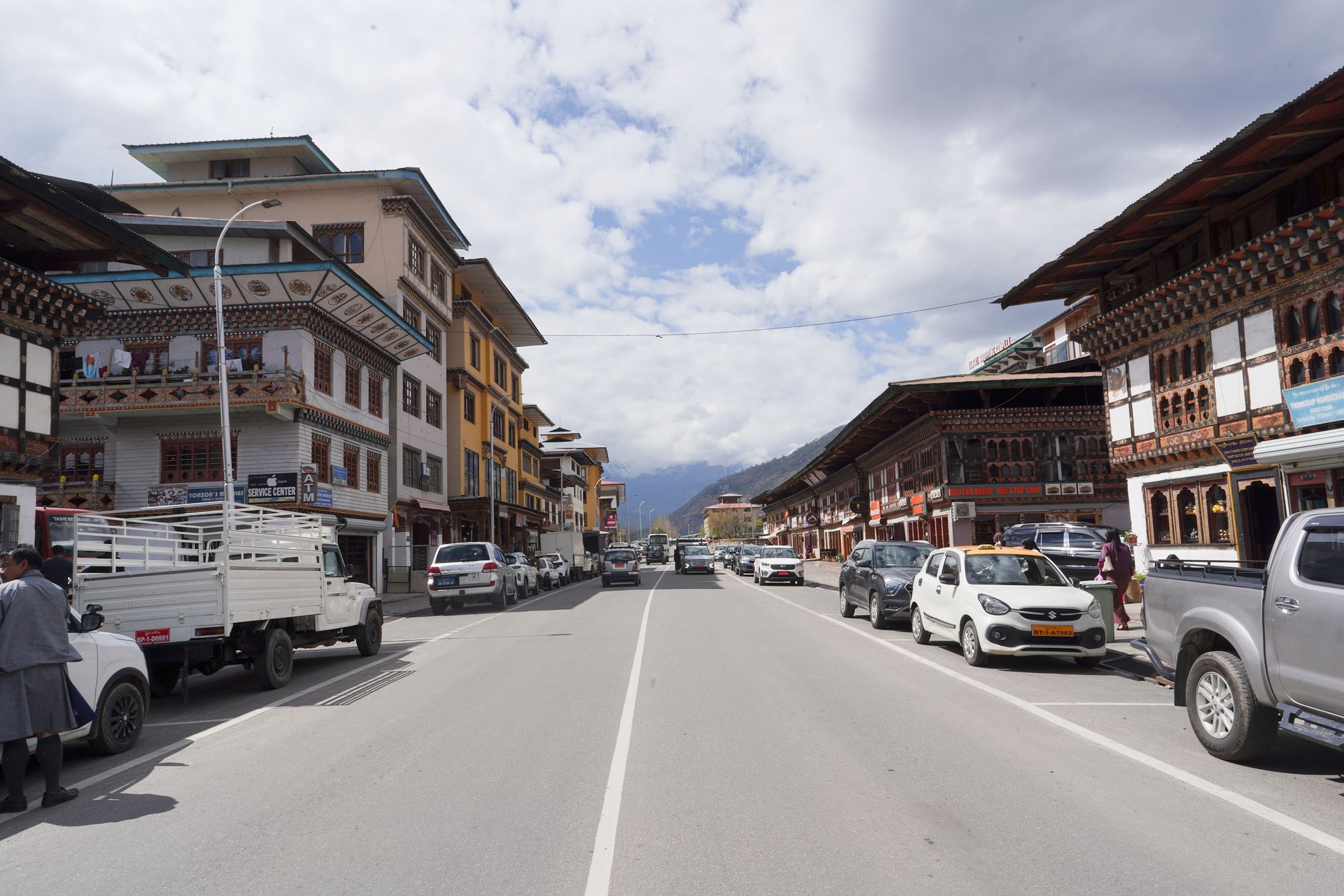
On the last day, I spent some time walking around Paro, exploring its quiet streets, traditional buildings, local shops, and everyday life. 1271
Paro: Bhutan
Date Picture Taken: Mar, 2026
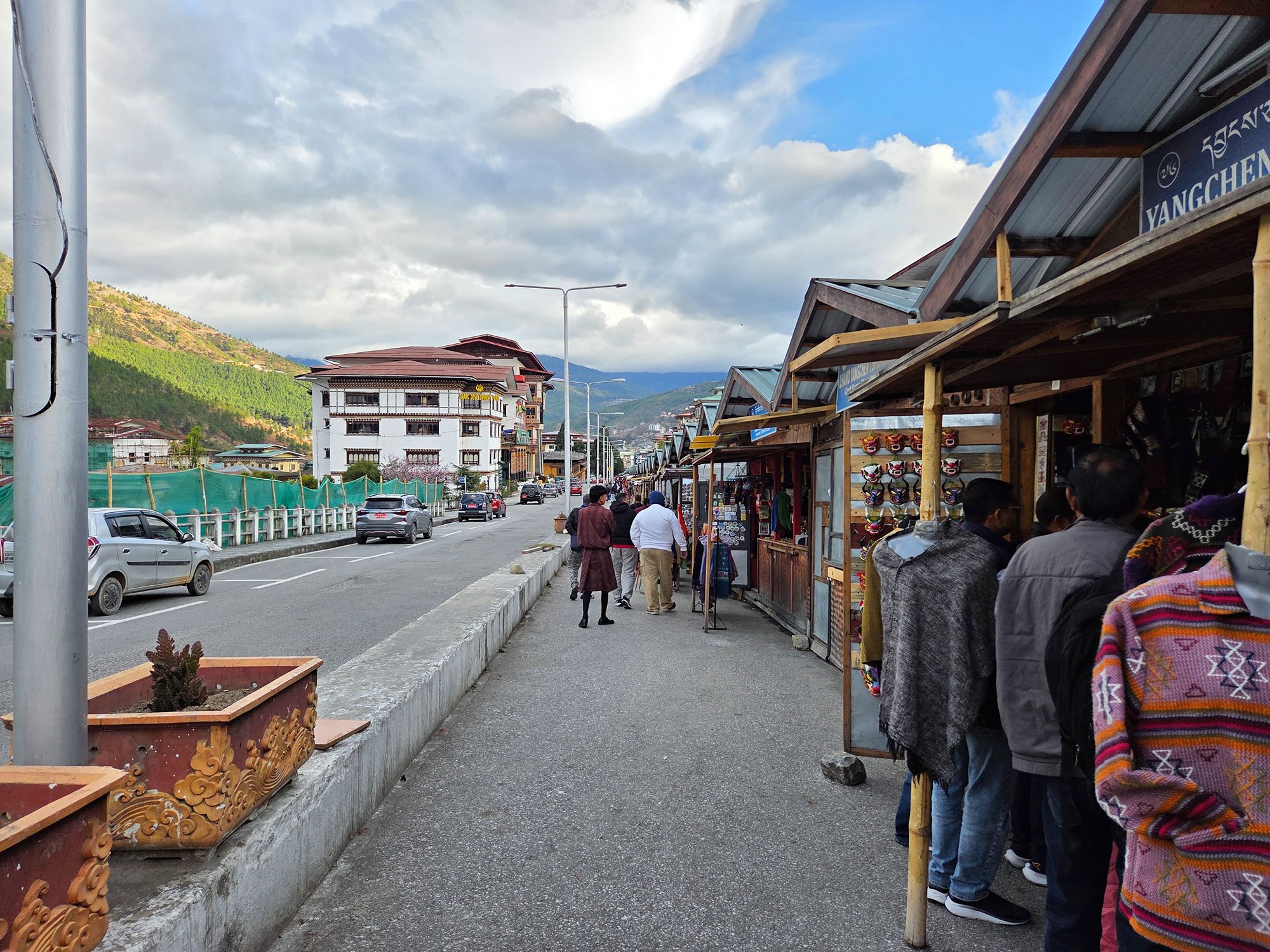
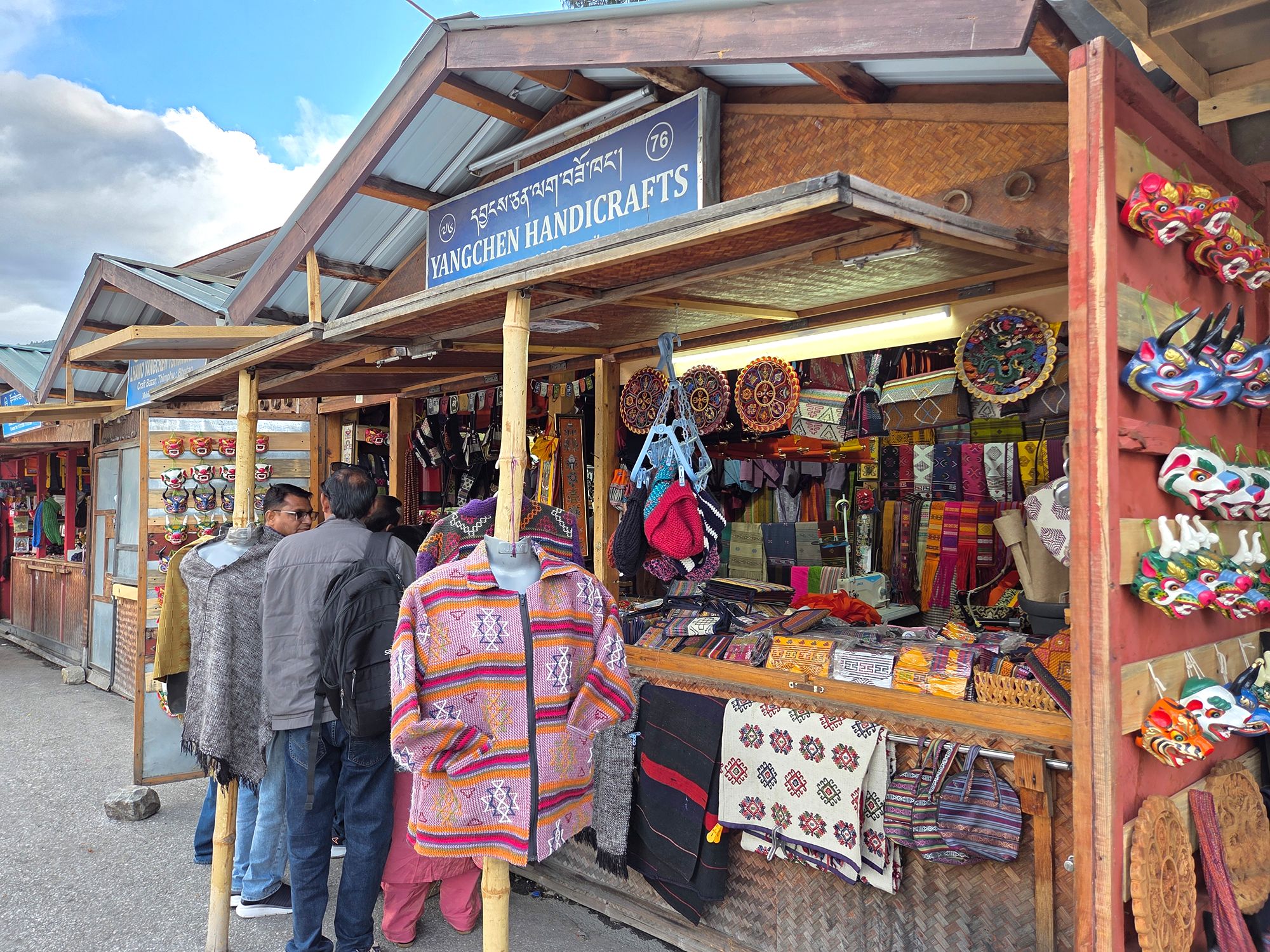
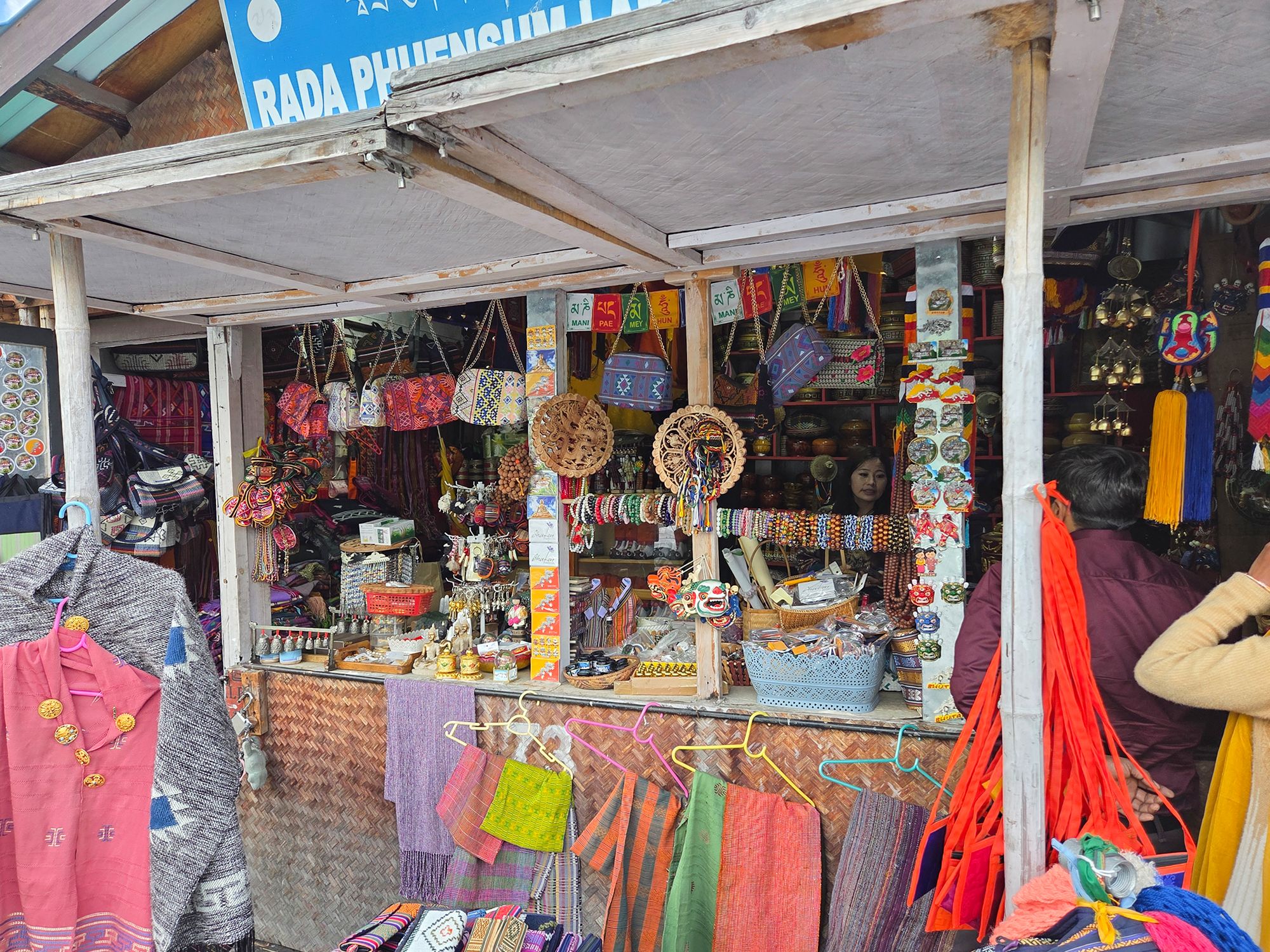
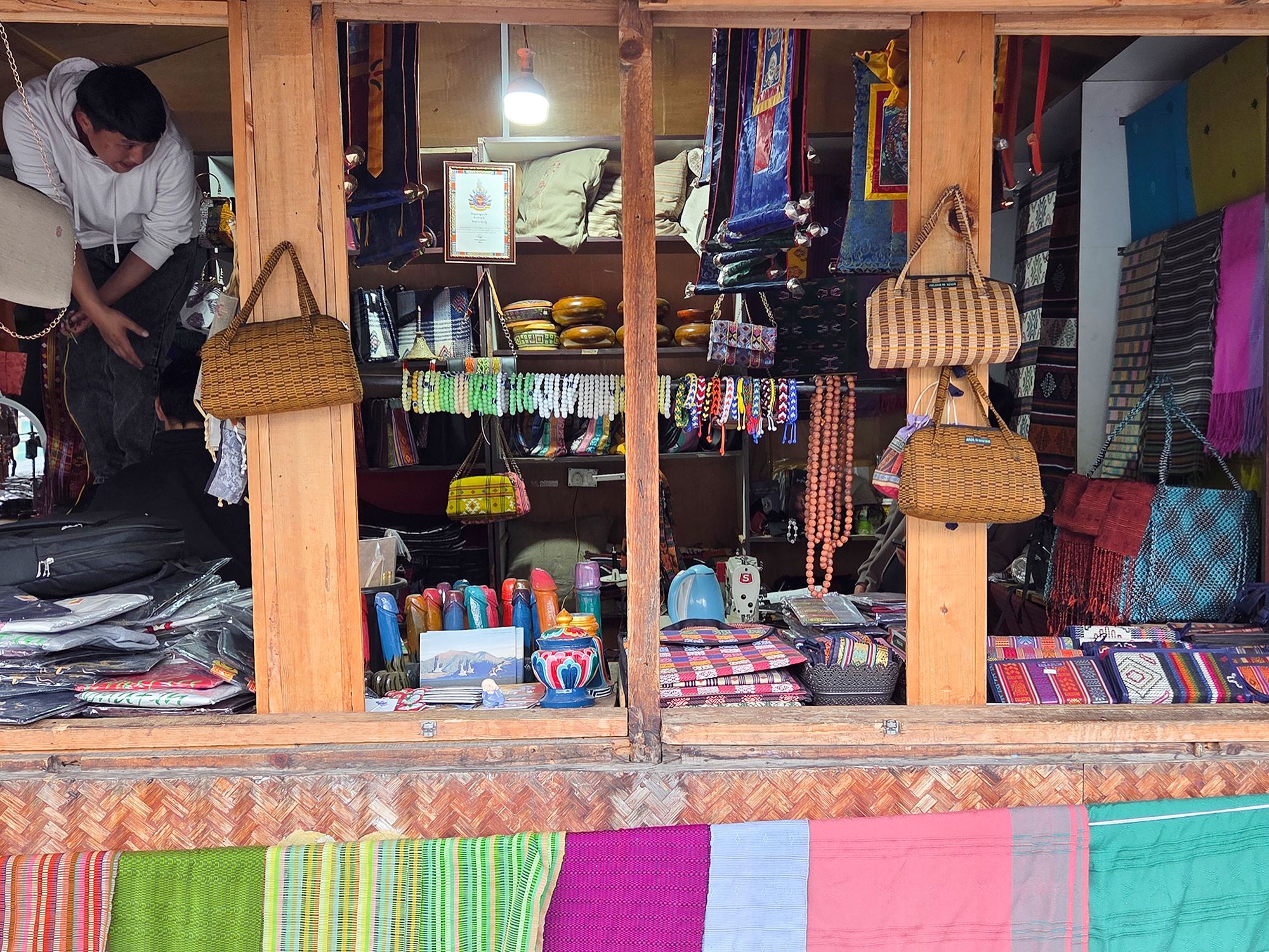
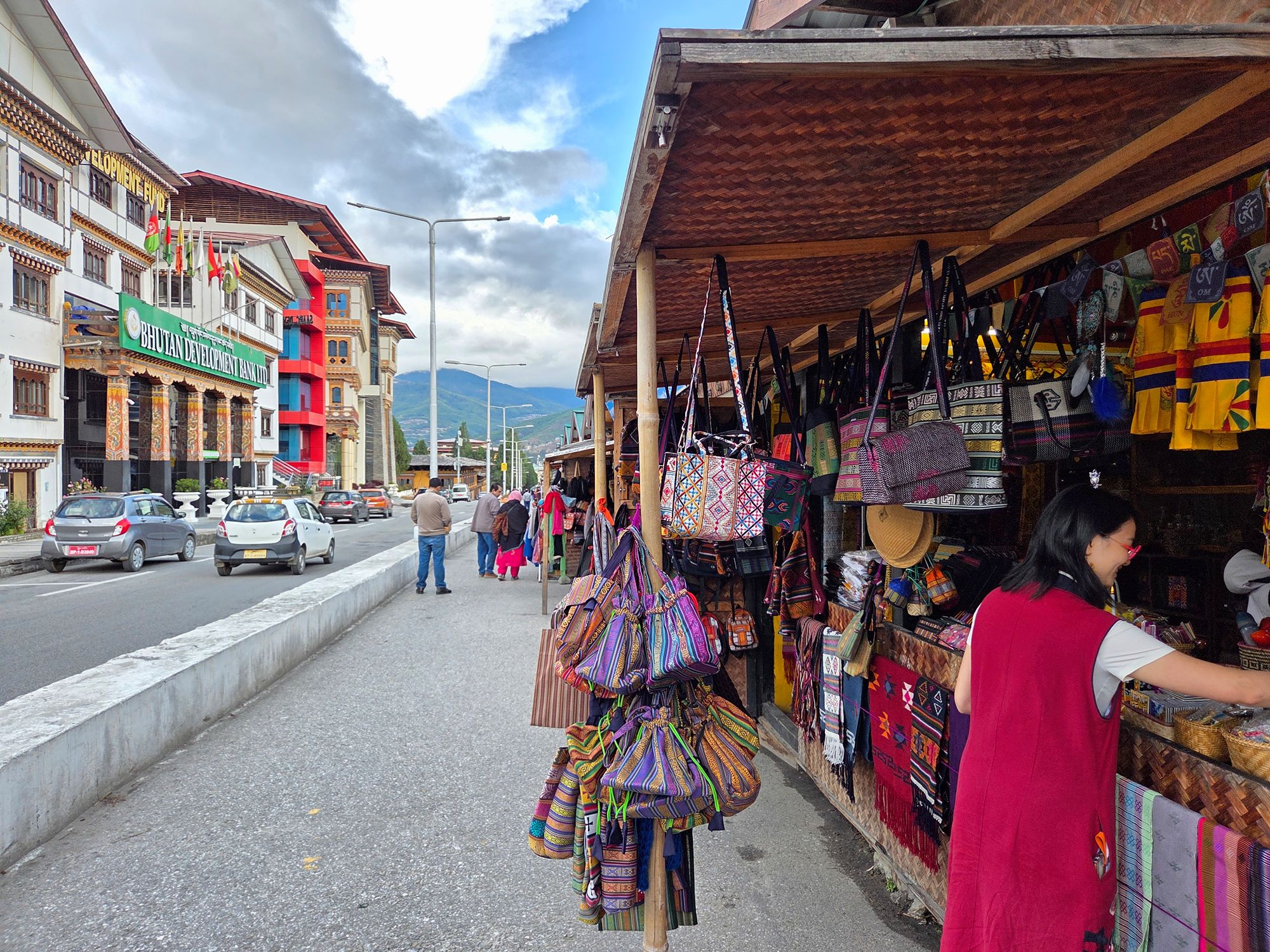
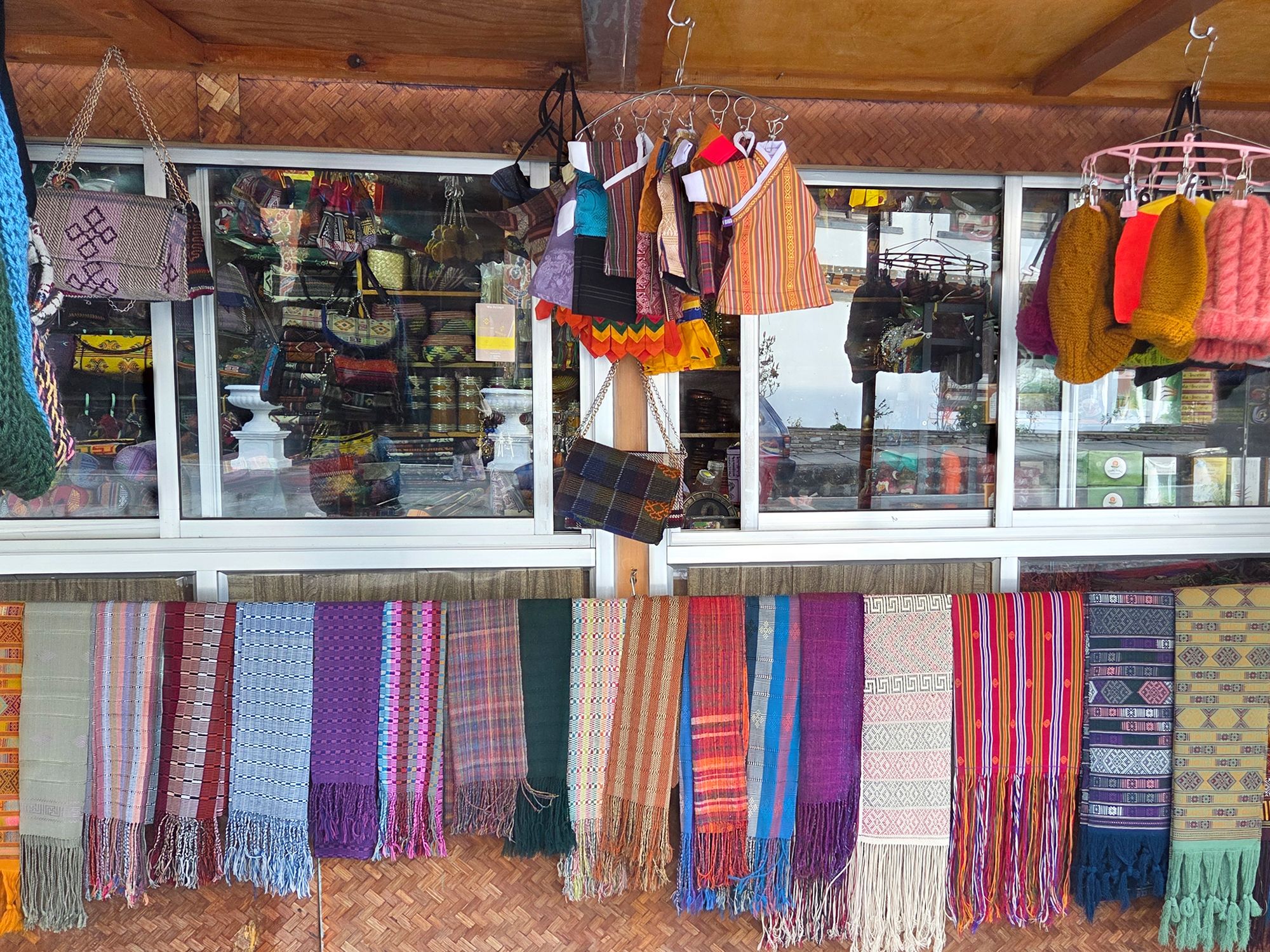
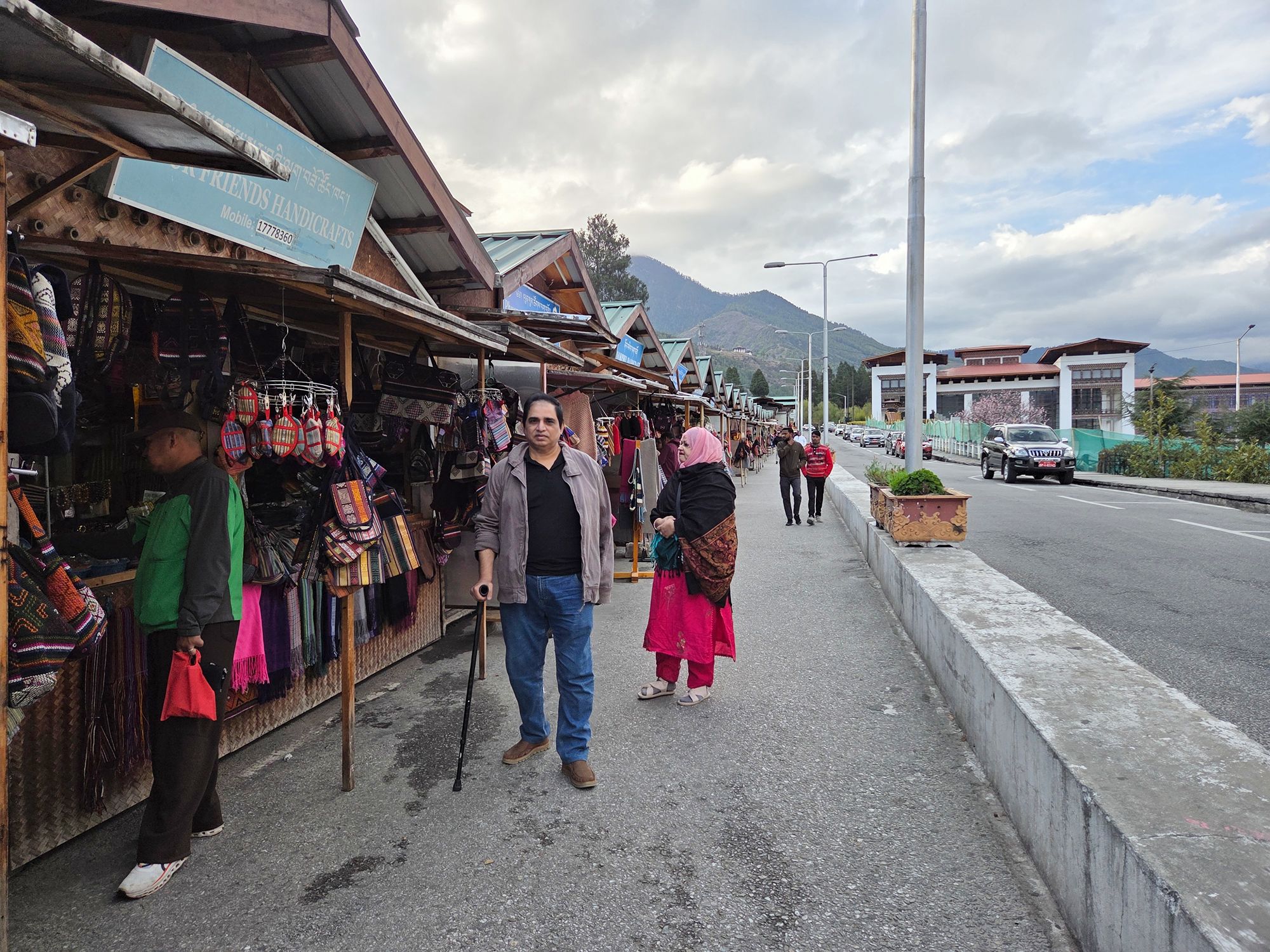
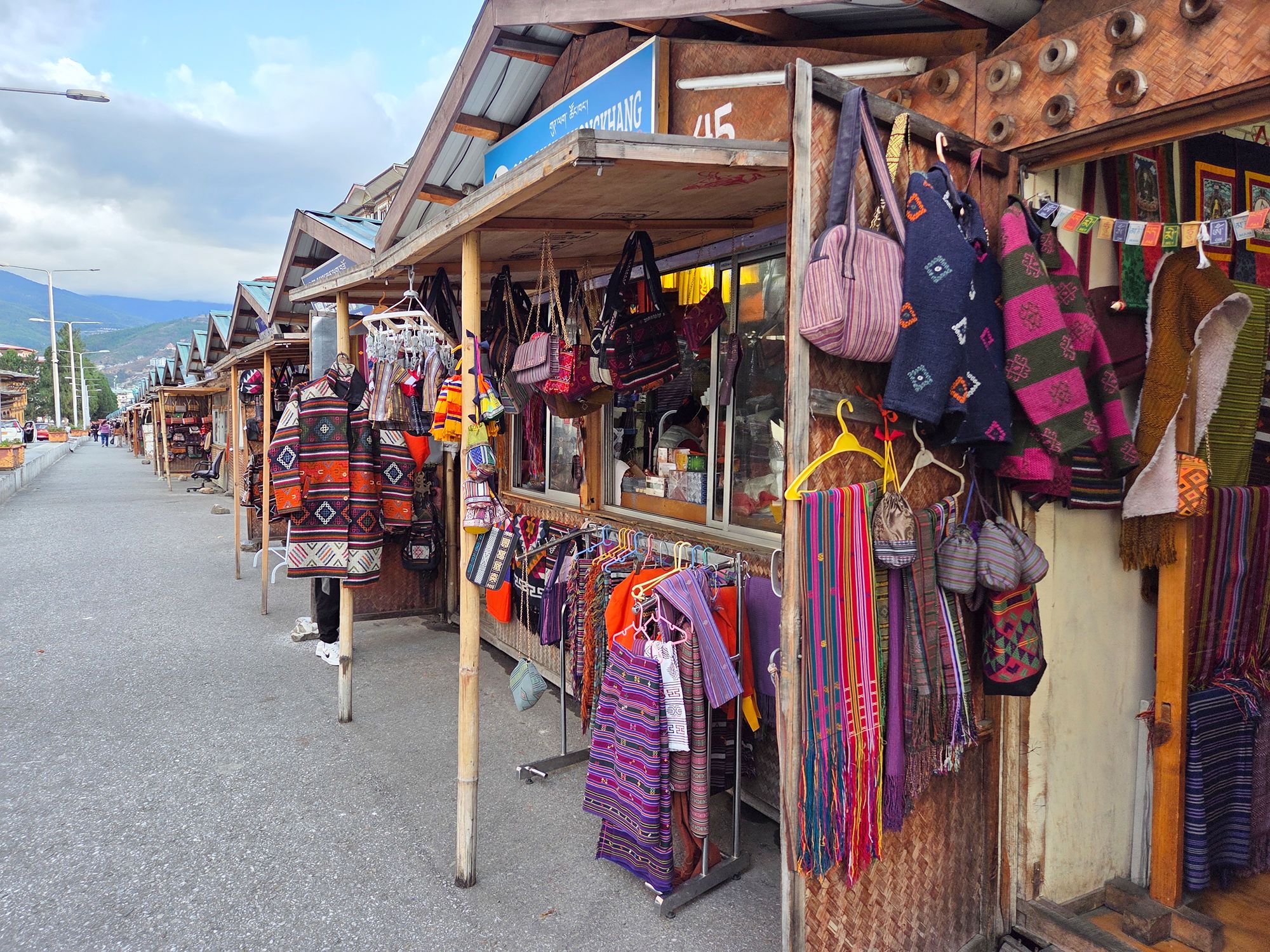
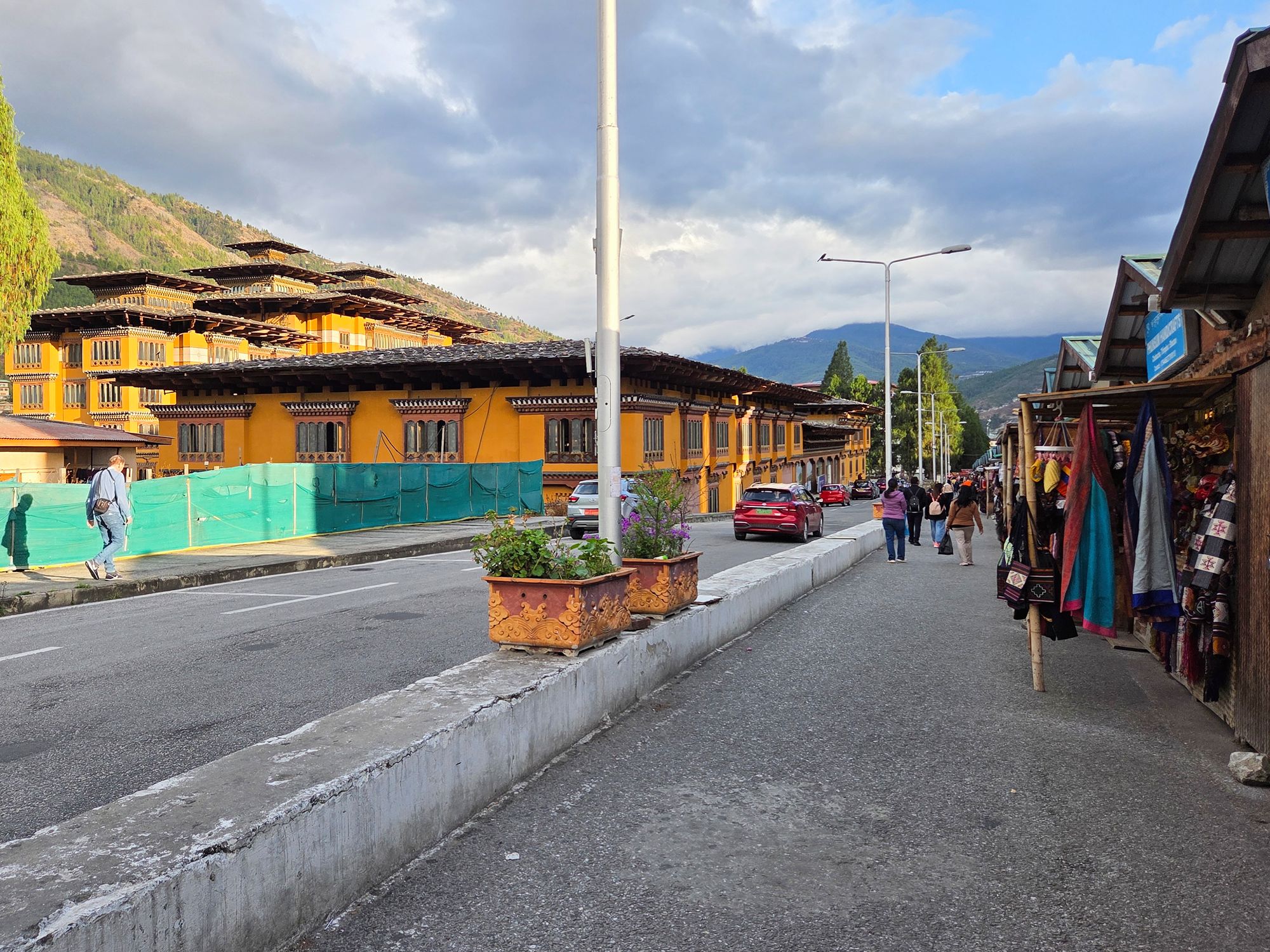
A row of small market stalls selling traditional Bhutanese clothing, handwoven textiles, jewelry, and other locally made handicrafts.
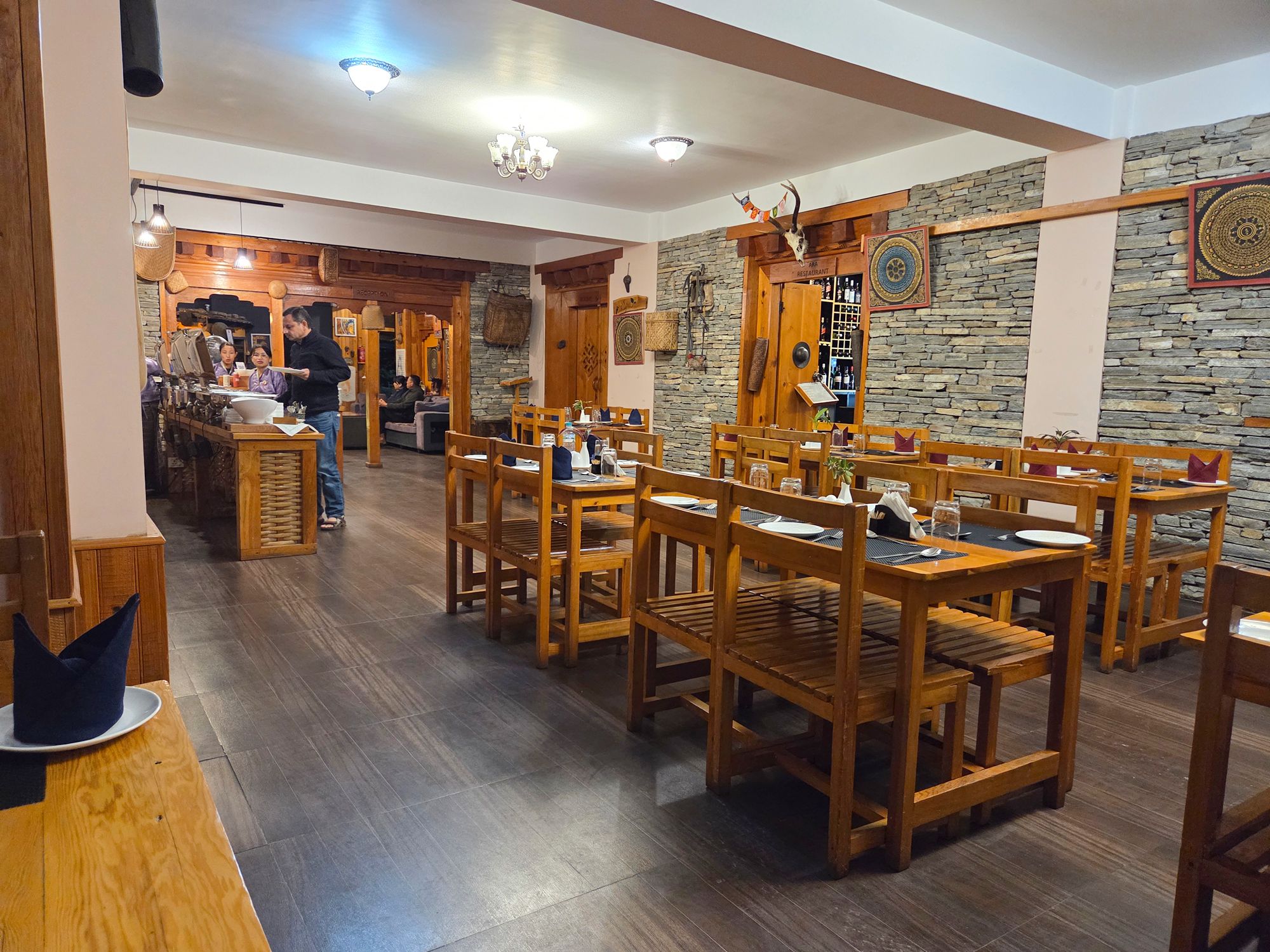
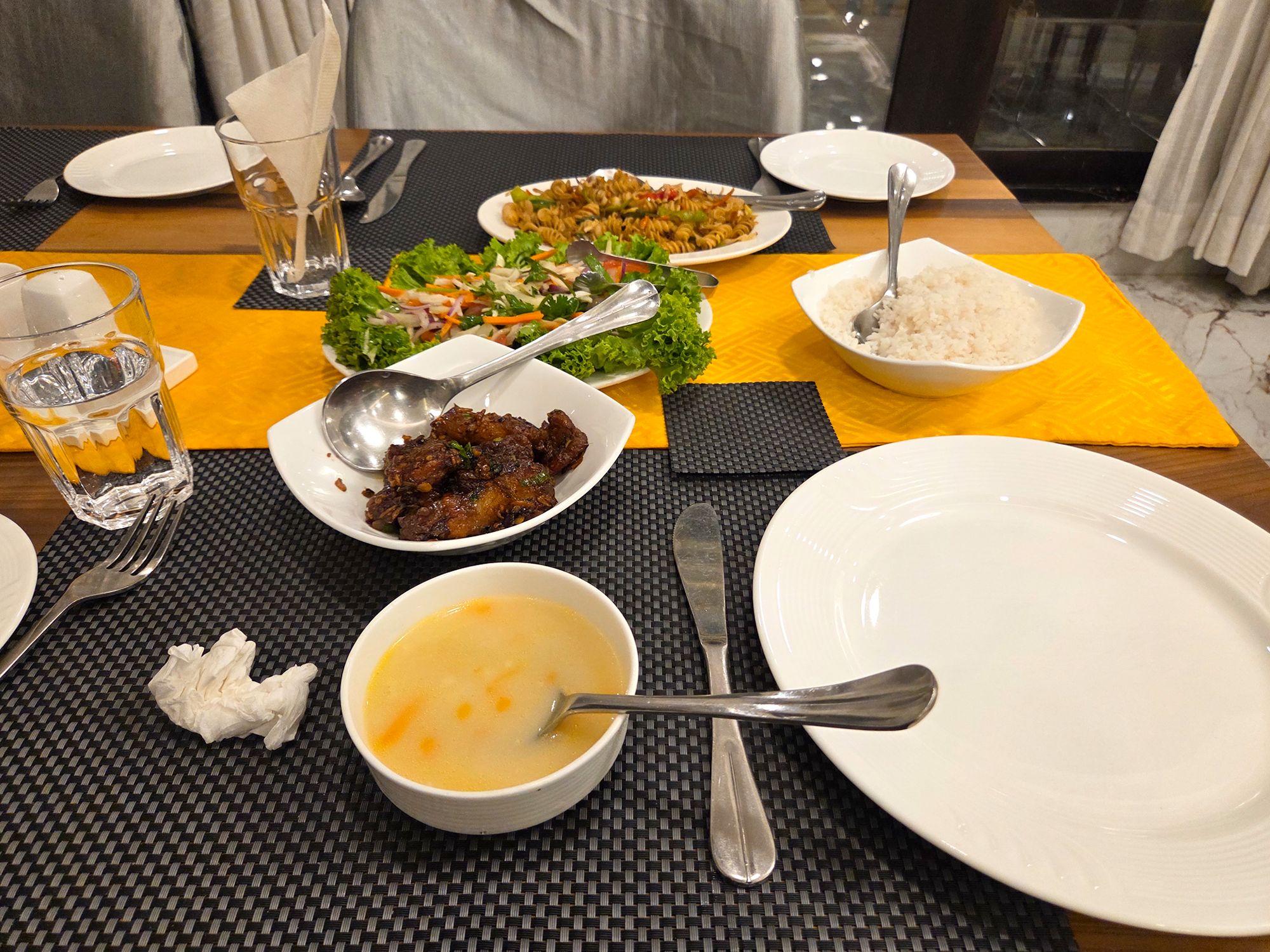
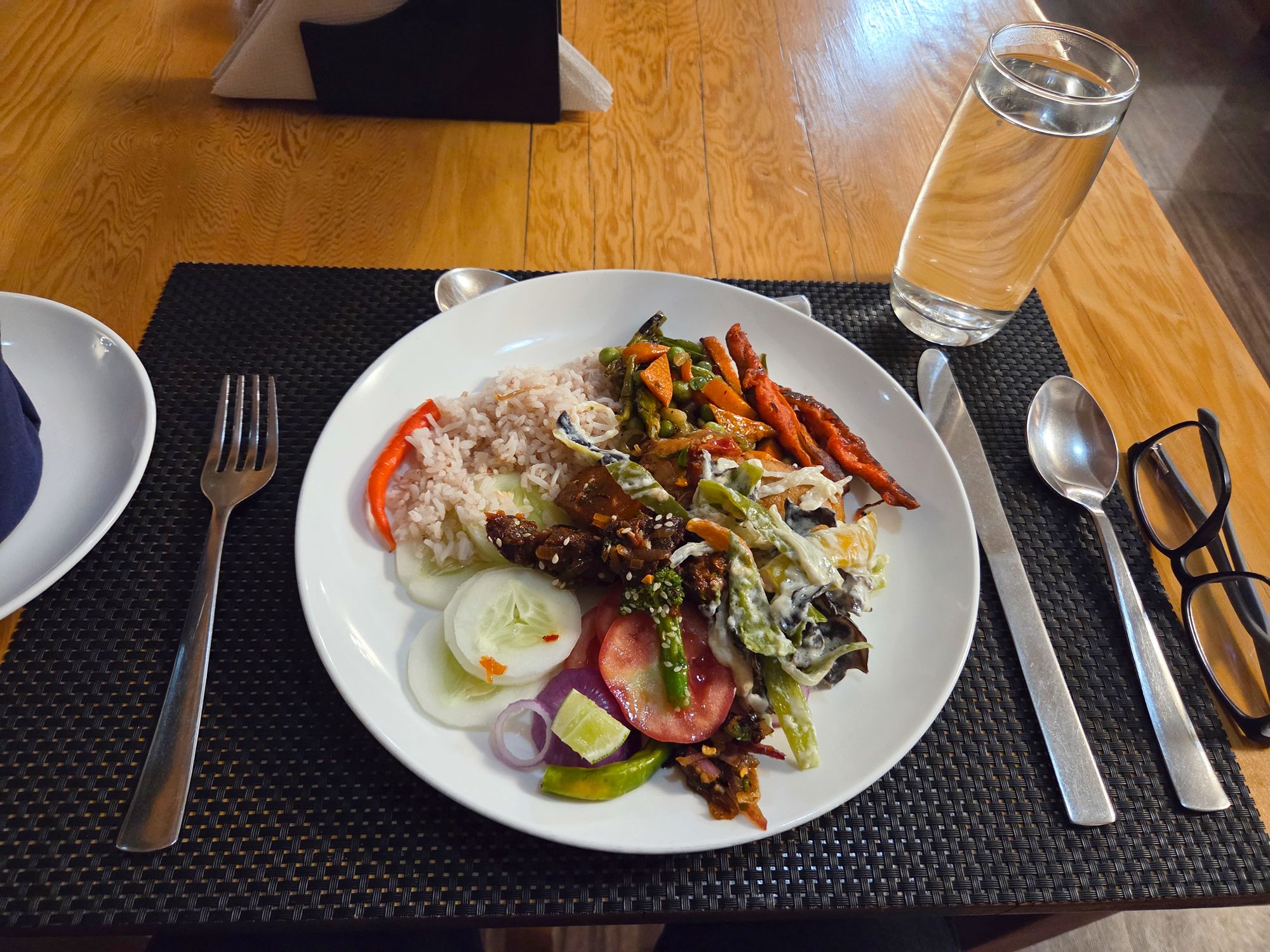
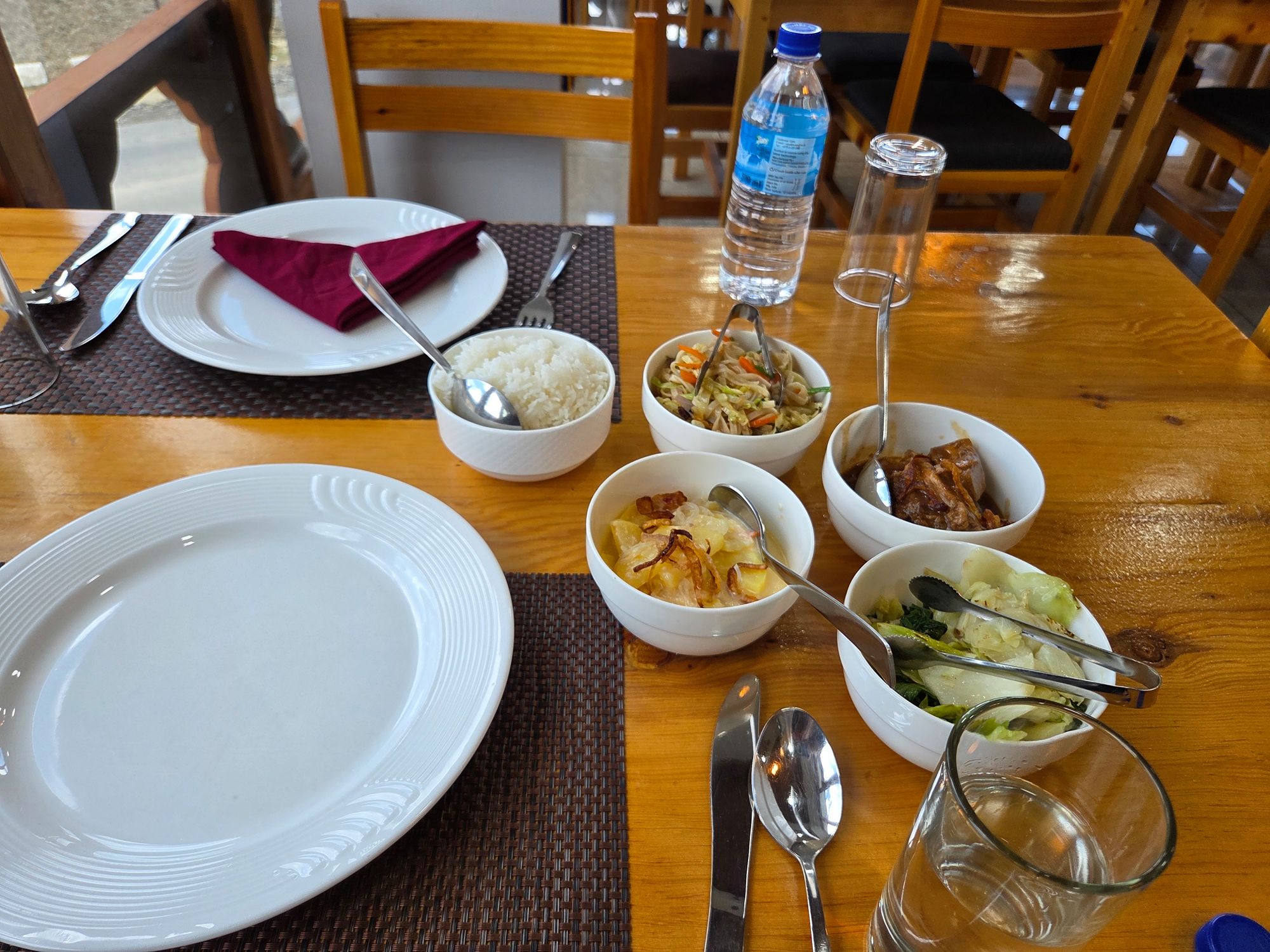
The restaurant inside the hotel where I stayed in Bhutan, where I enjoyed meals during my stay.
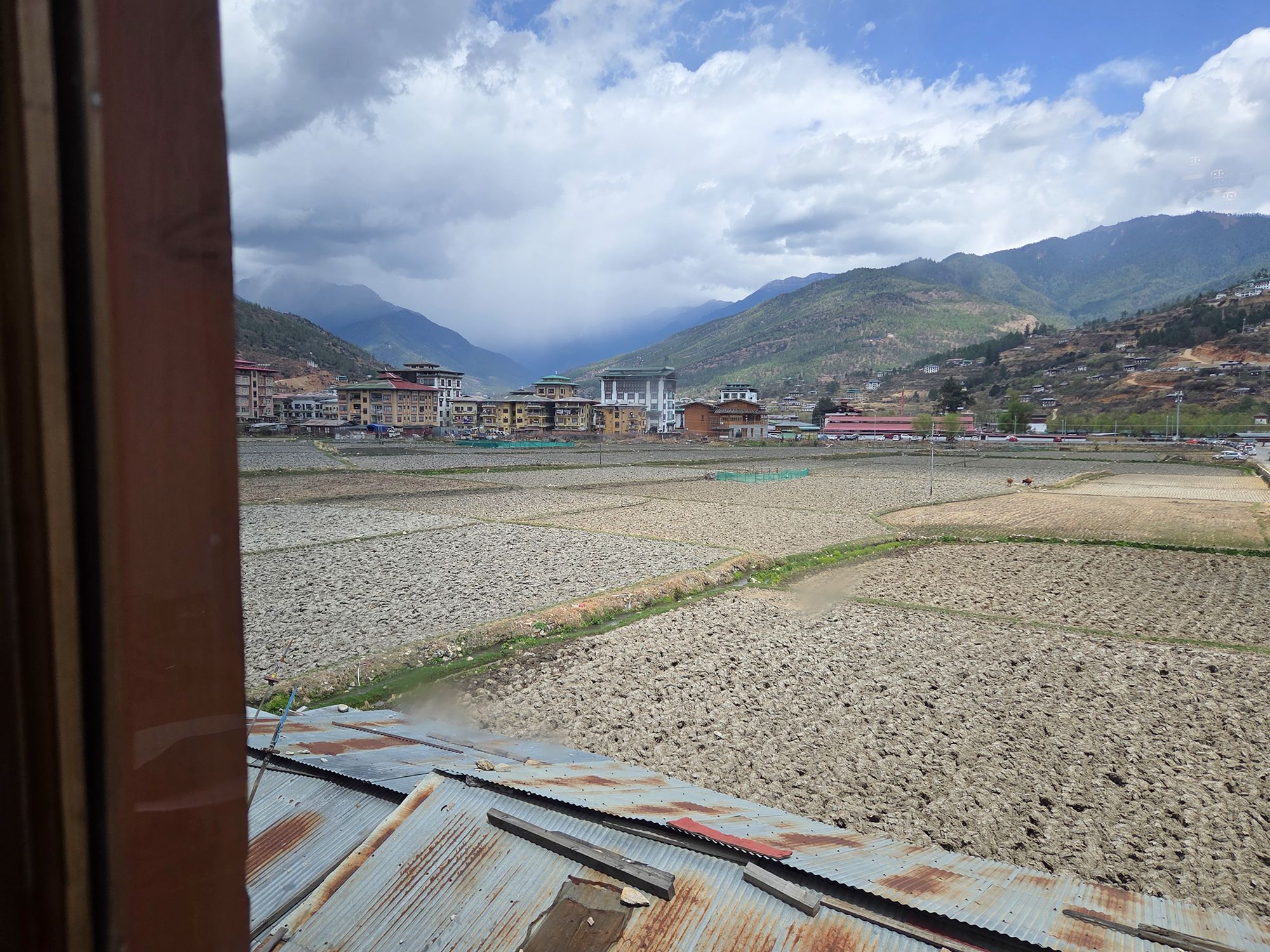
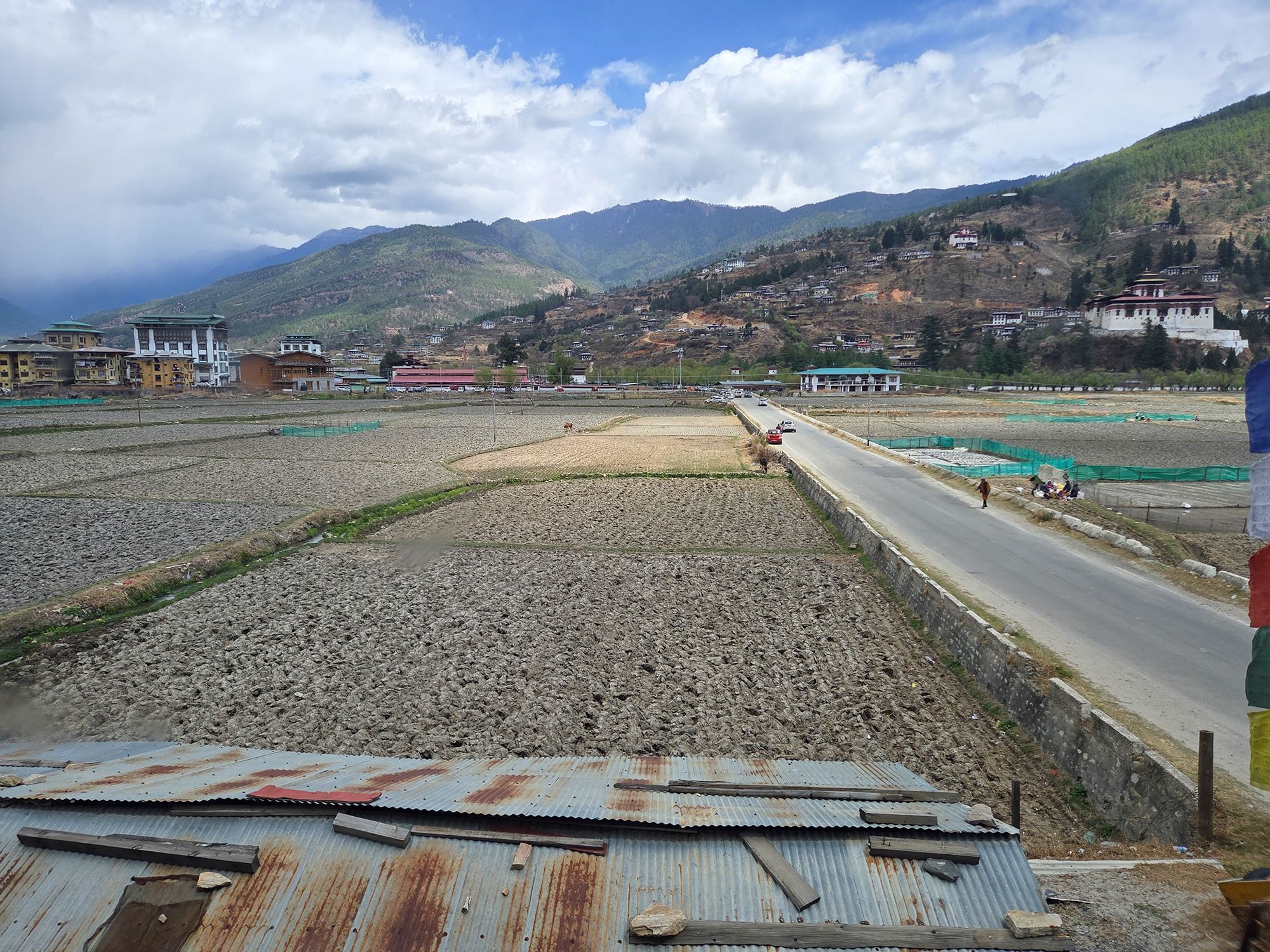
A view of Paro and the surrounding mountains from another restaurant in town.
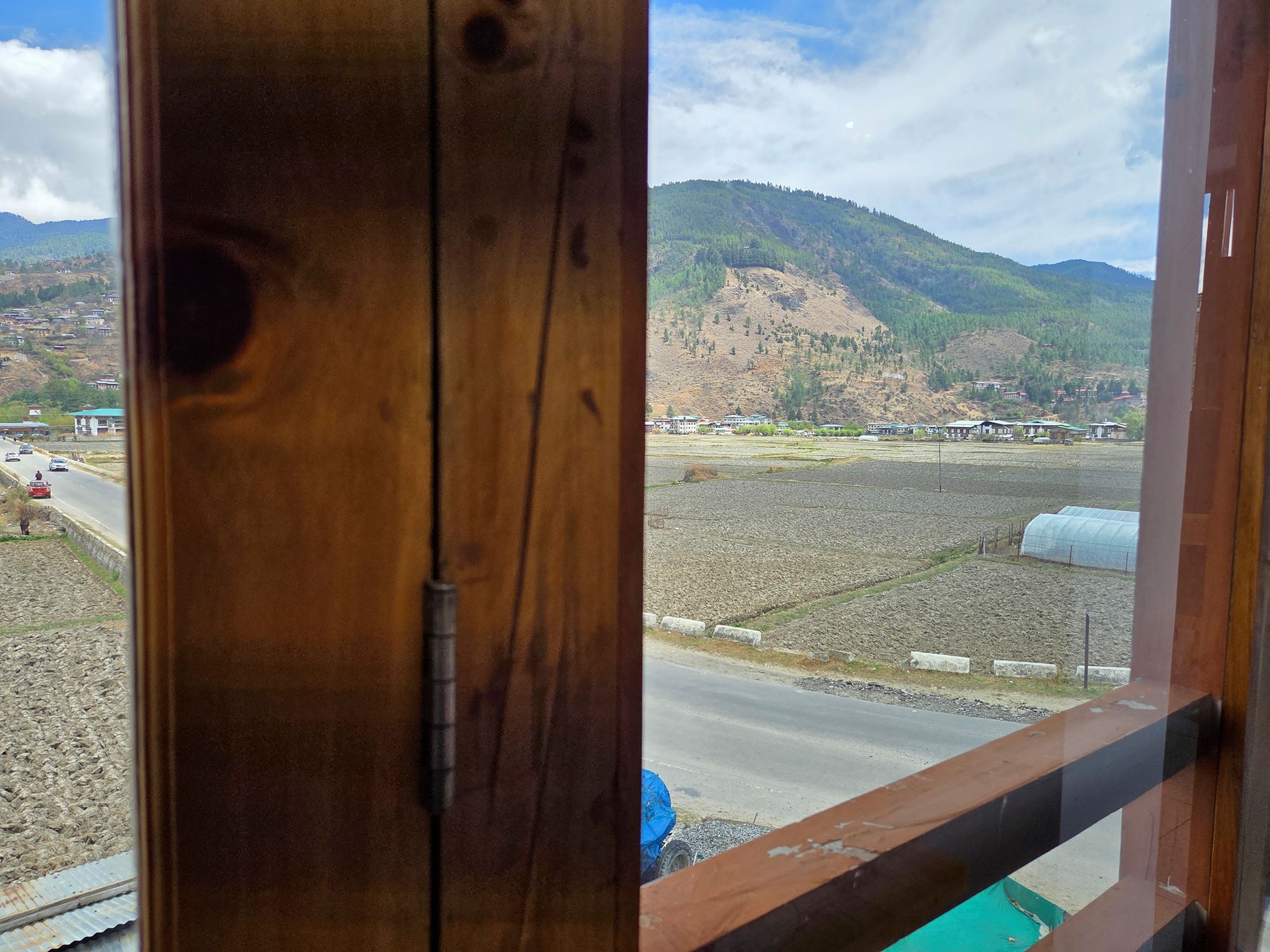
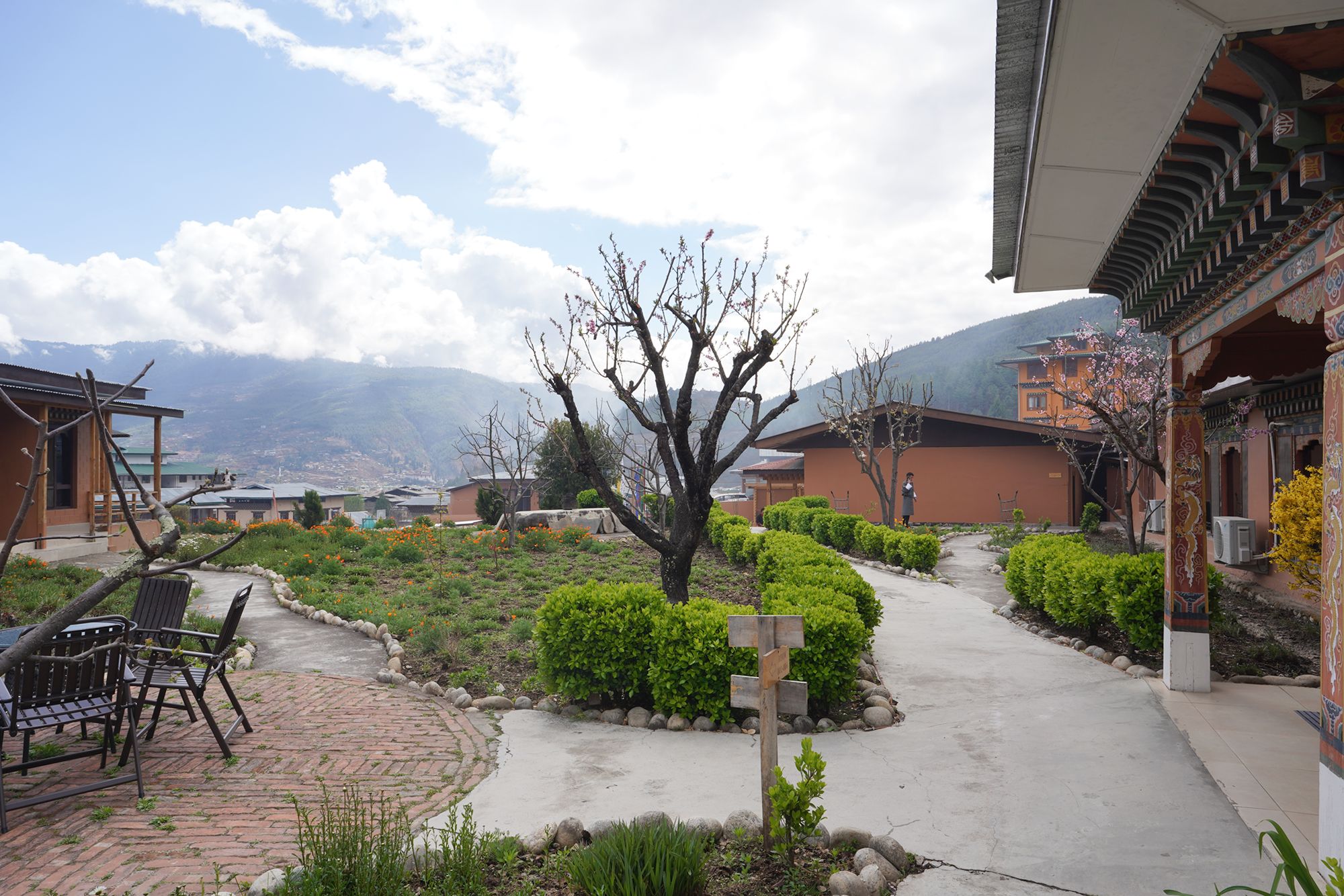
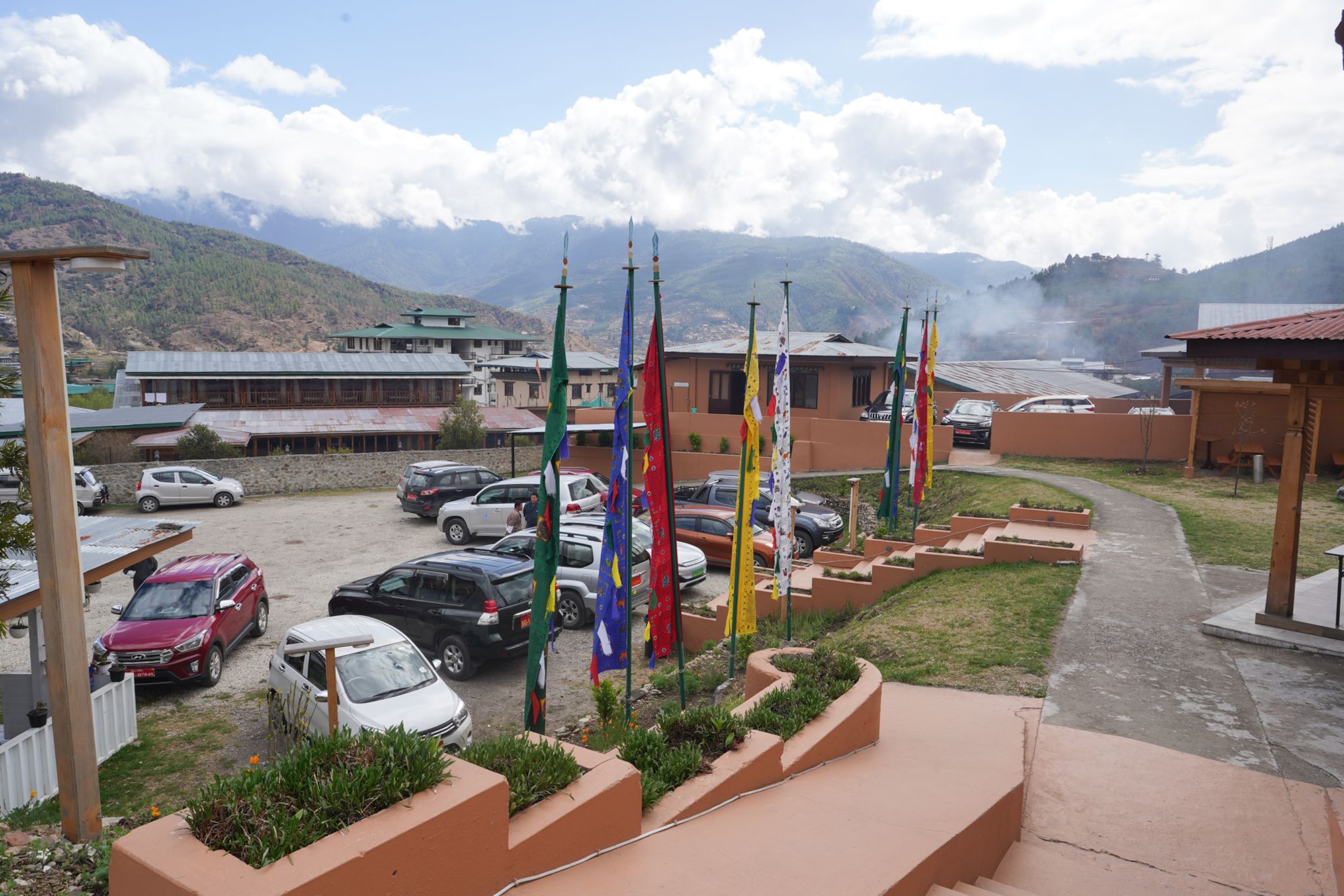
The hotel where I stayed during my visit to Paro.
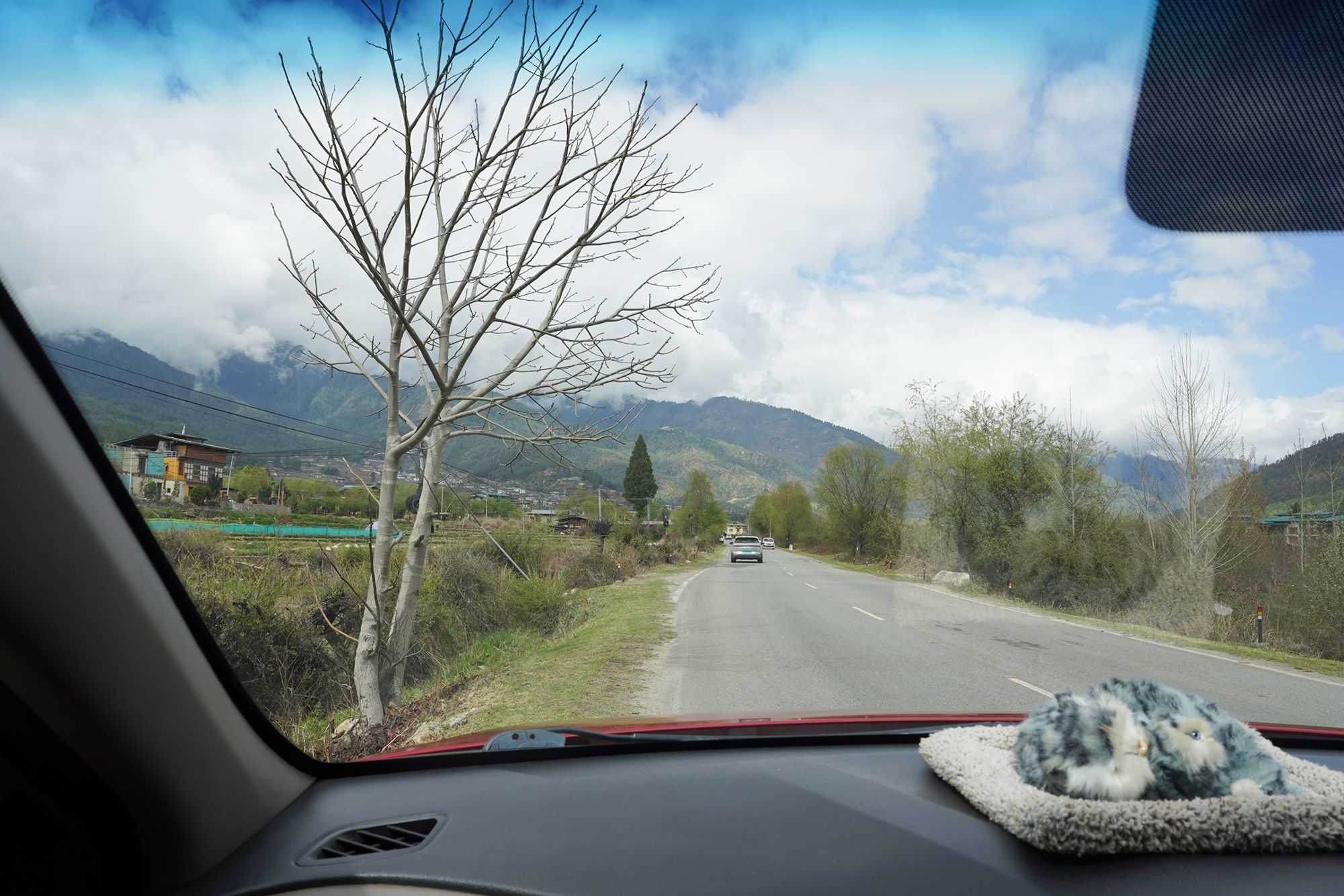
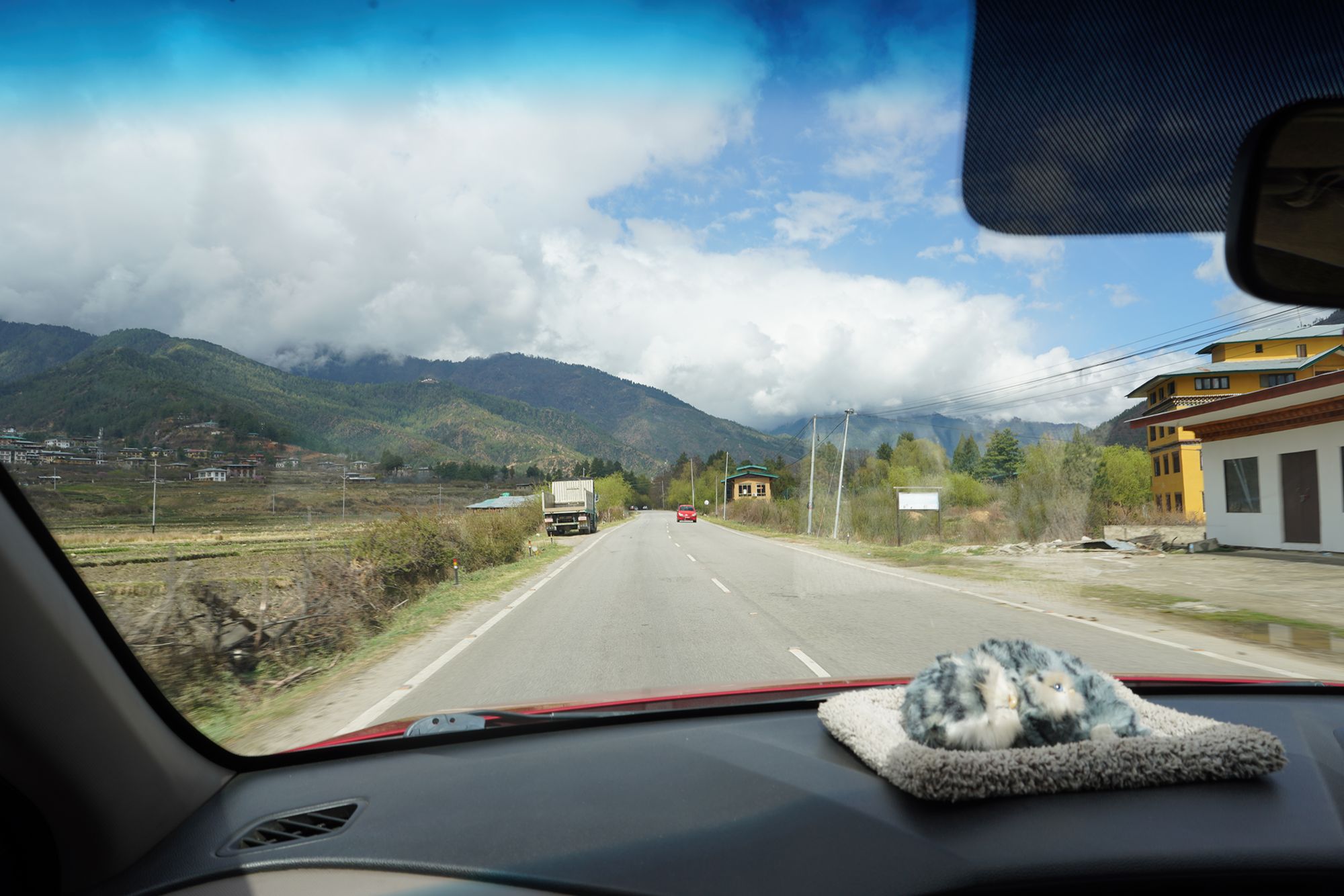
Today was my last day in Bhutan, and we were on our way to the highlight of the entire trip—Tiger’s Nest Monastery, one of Bhutan’s most famous and sacred sites.
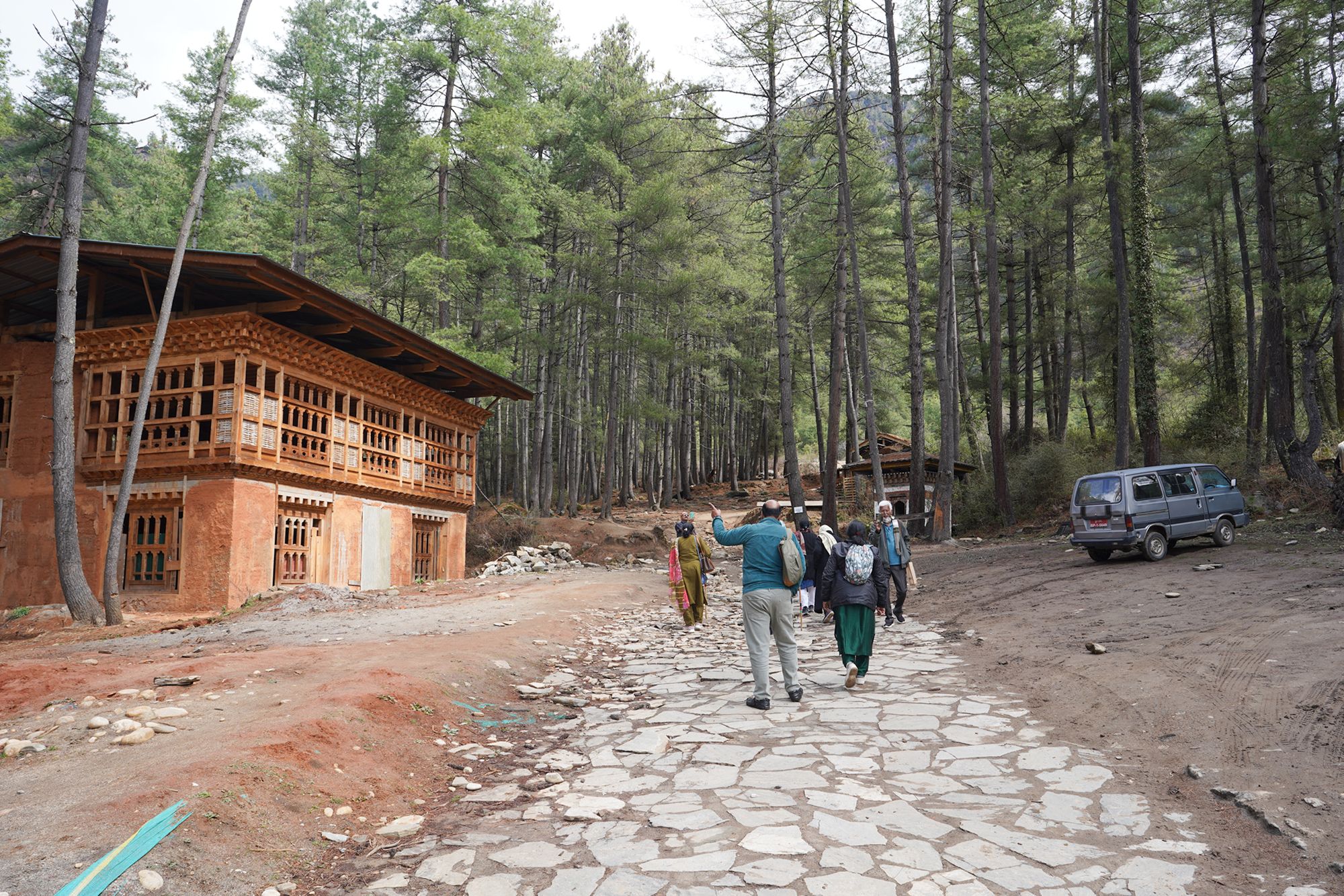
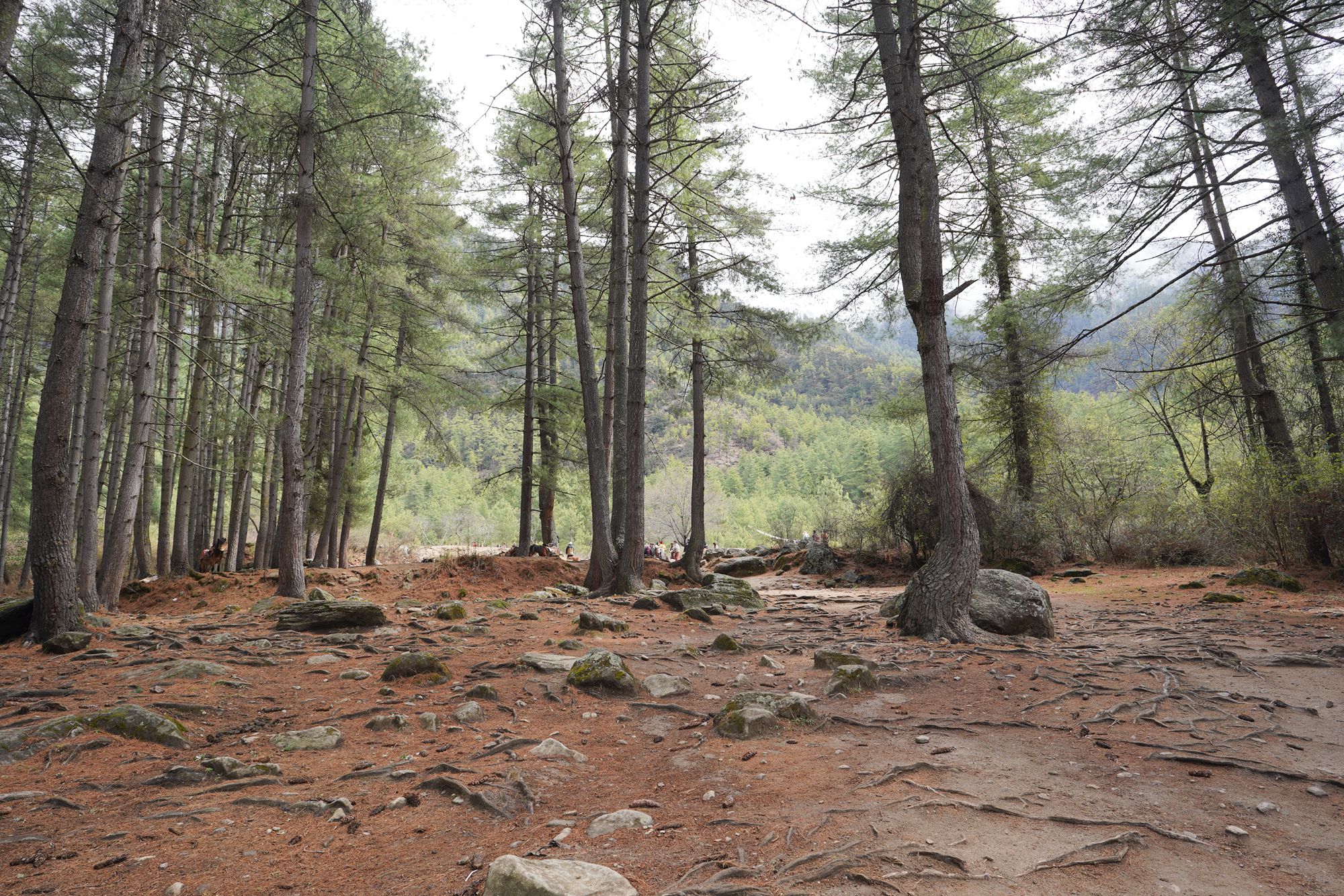
These donkeys were available for visitors who needed help with the climb, but they only carried riders about halfway up the trail to Tiger’s Nest Monastery.
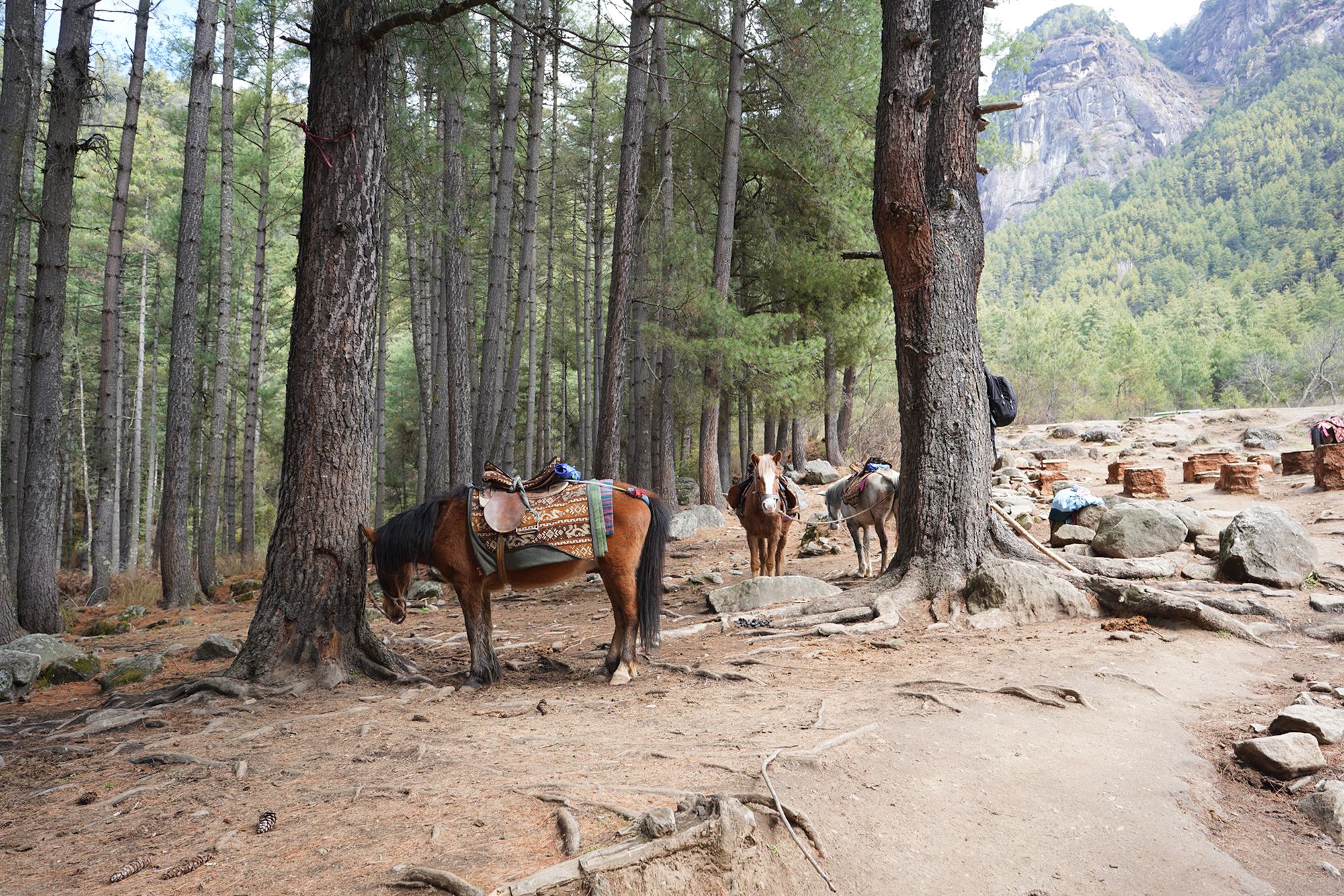
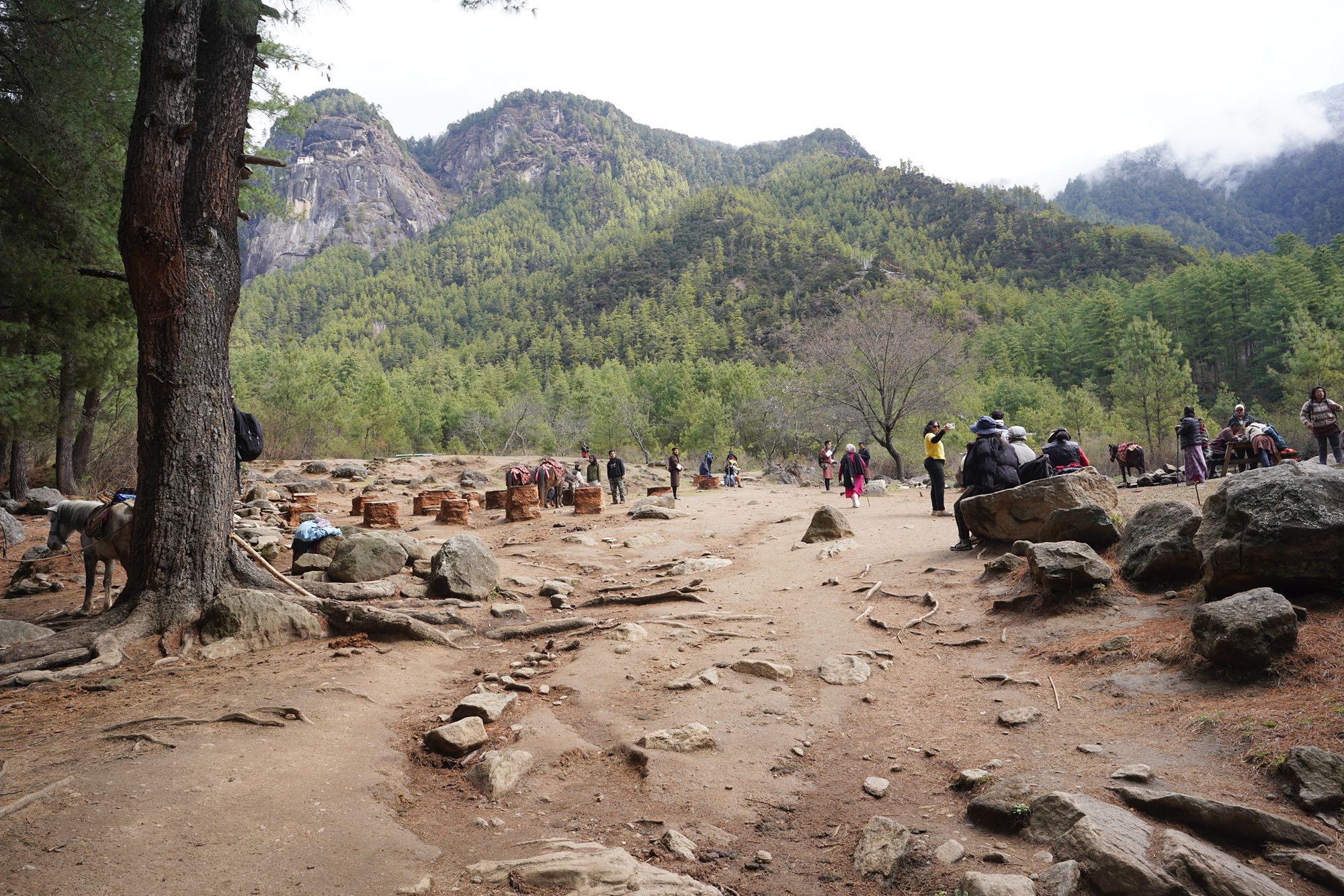
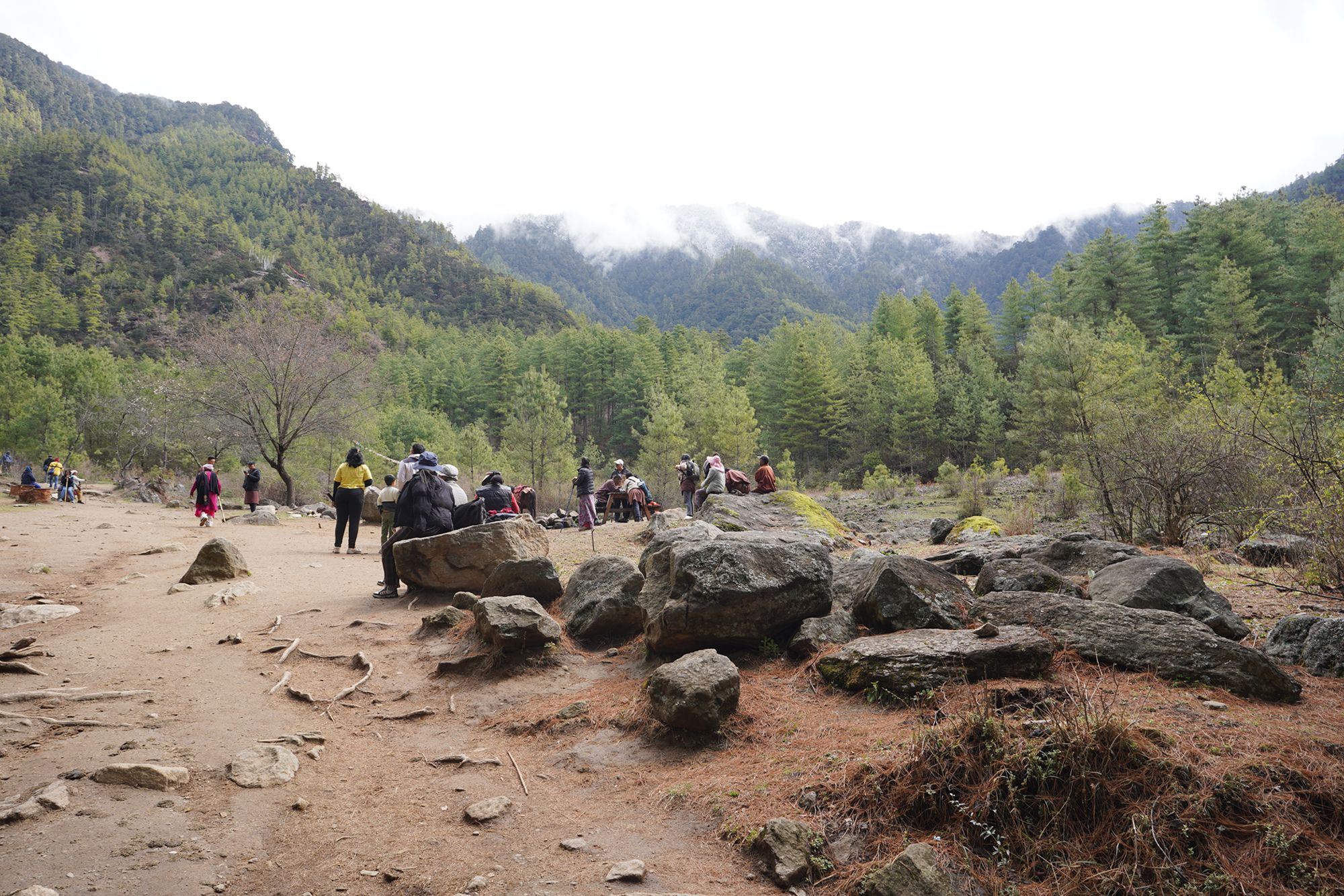
High on the mountain to the left, the tiny white building in the distance is Tiger’s Nest Monastery.
Tiger’s Nest Monastery, officially known as Paro Taktsang, is Bhutan’s most famous monastery and one of its most sacred Buddhist sites. It dramatically clings to a steep cliff about 900 meters (3,000 feet) above the Paro Valley.
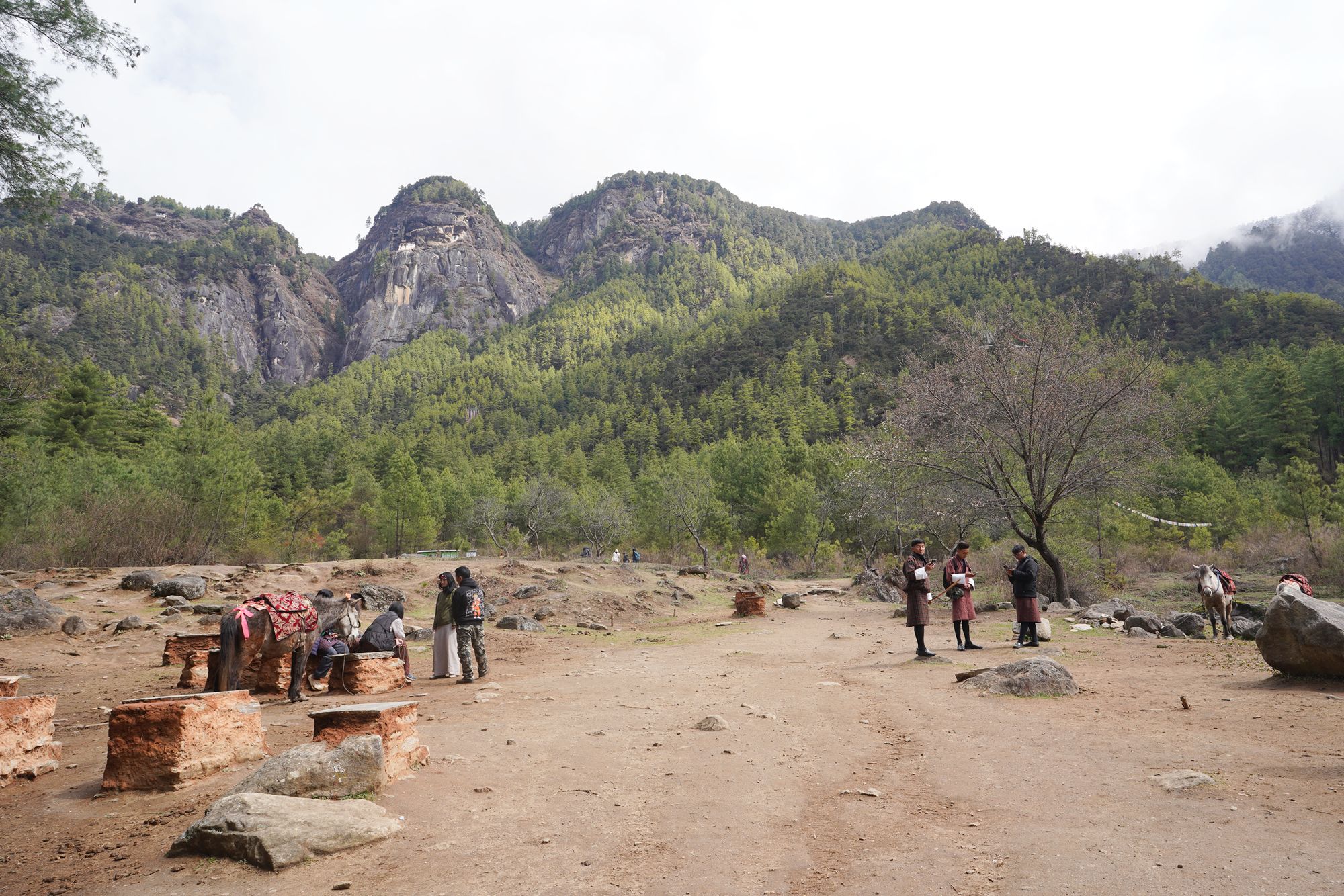
According to tradition, in the 8th century, Guru Rinpoche (Padmasambhava) flew to this location from Tibet on the back of a tigress. He meditated in a cave here and helped establish Buddhism in Bhutan. This legend gave the monastery its name, Taktsang, meaning “Tiger’s Lair” or “Tiger’s Nest.”
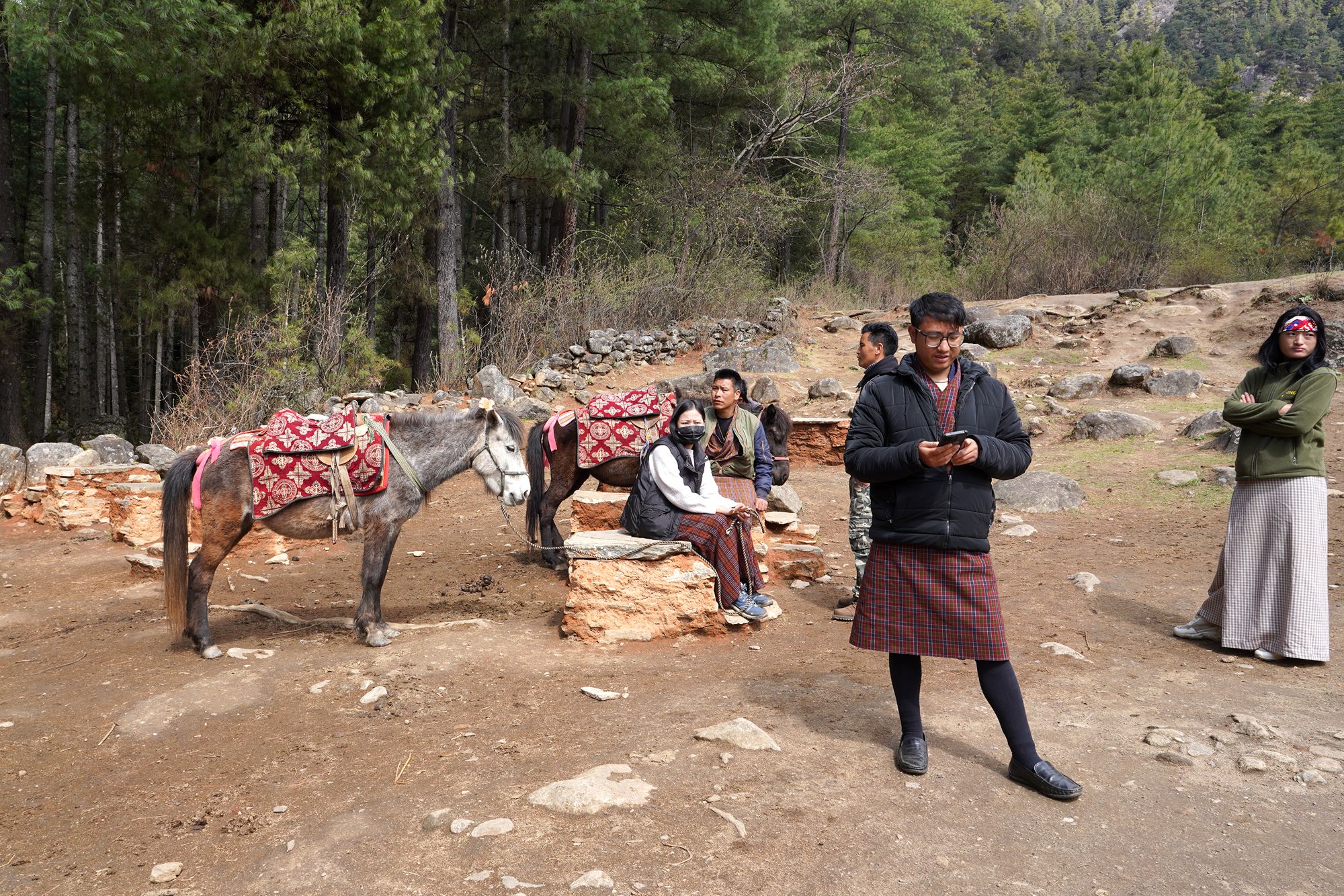
The monastery complex seen today was originally built in 1692 around the sacred meditation caves. After a major fire in 1998, it was carefully restored.
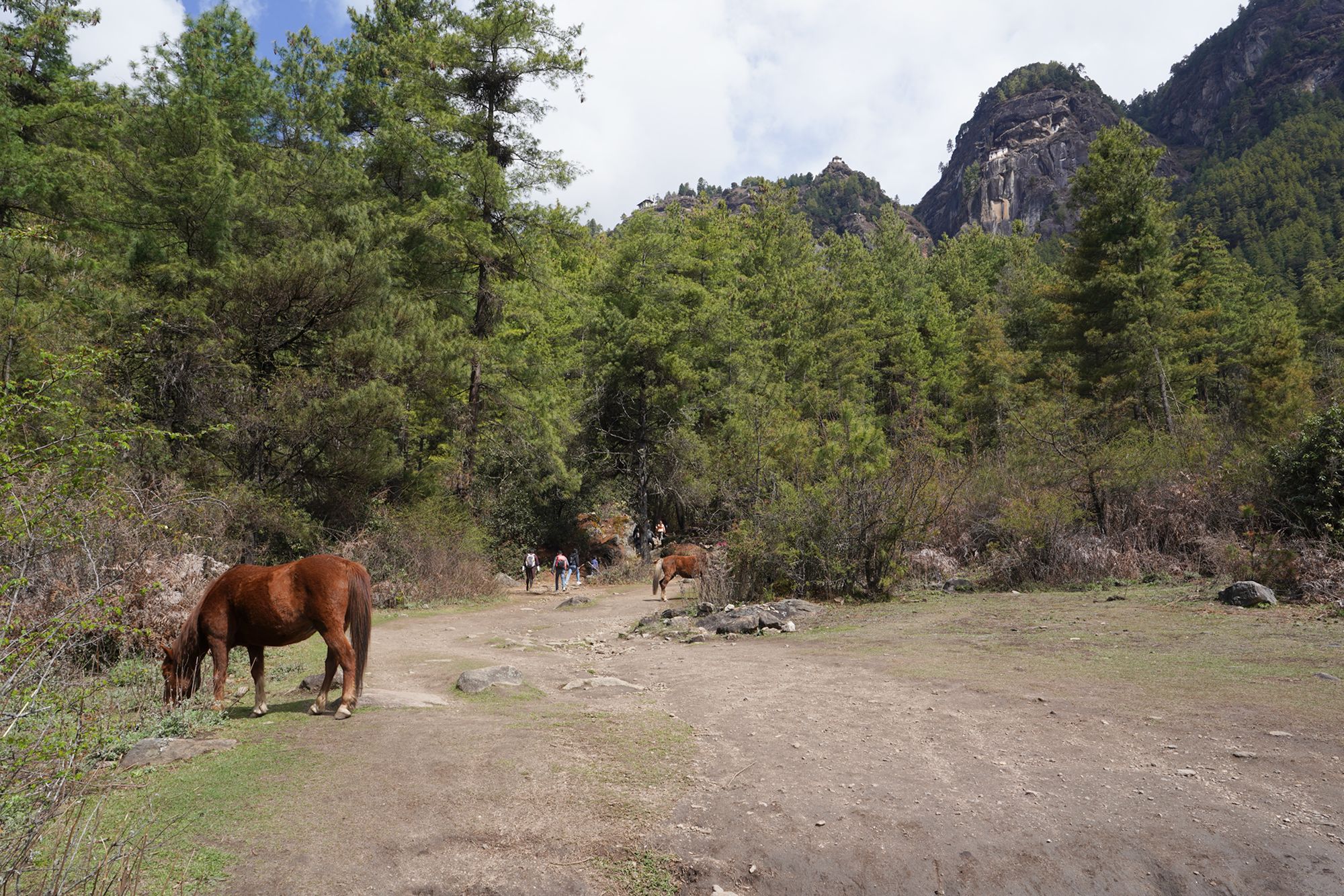
Reaching Tiger’s Nest requires a fairly strenuous uphill hike. Most visitors take about 4–6 hours for the round trip, including stops and time at the monastery. The trail climbs through forests and eventually reaches a spectacular viewpoint across the gorge from the monastery before descending a long staircase and climbing again to the entrance.
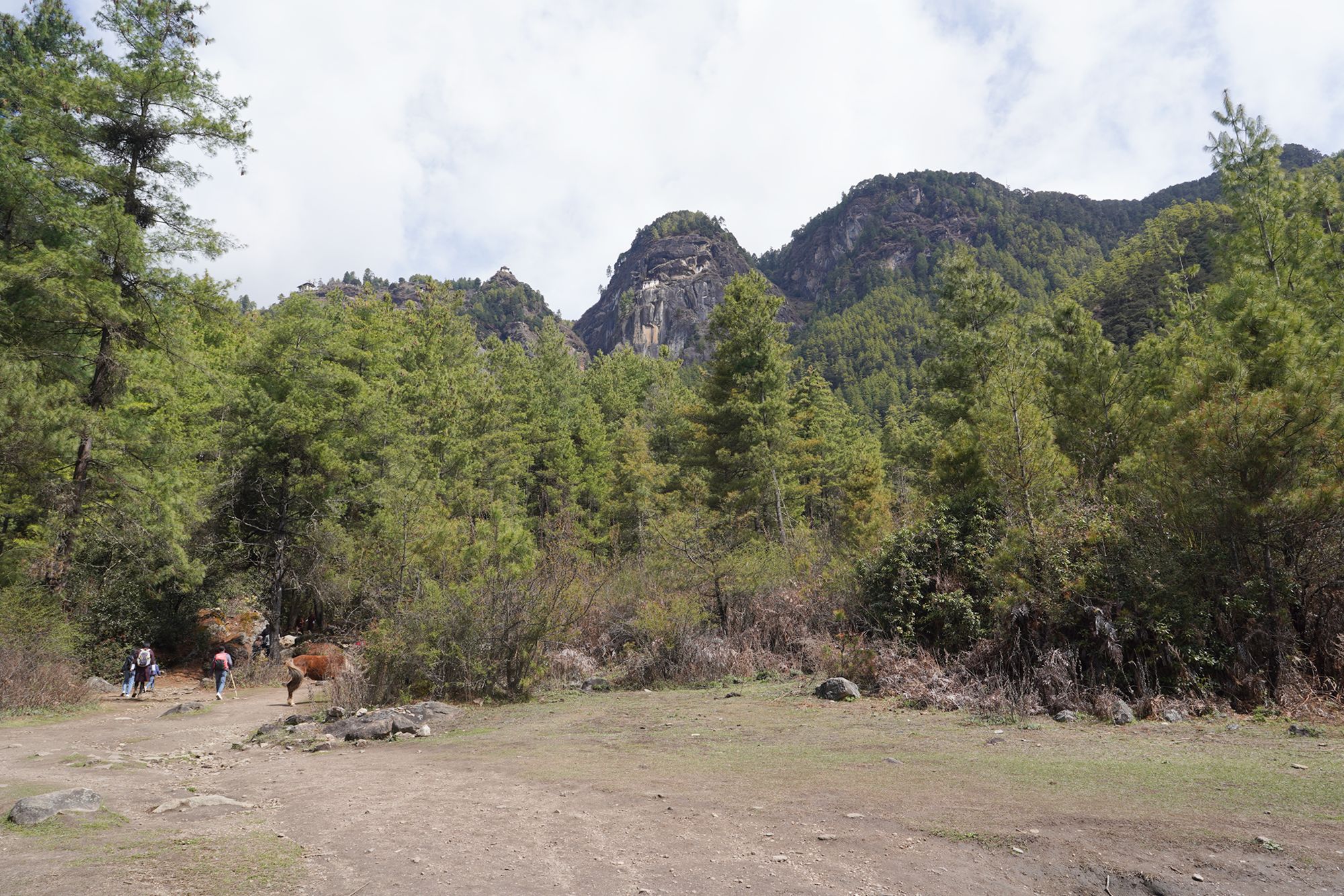
The hike to Tiger’s Nest Monastery usually takes about four to six hours round trip, but since I am a slow climber, I estimated that it might take me as long as eight hours. I decided not to attempt the hike because I was concerned that I would not make it back in time. So I climbed a little up the trail to enjoy the scenery, then turned around early and headed back down
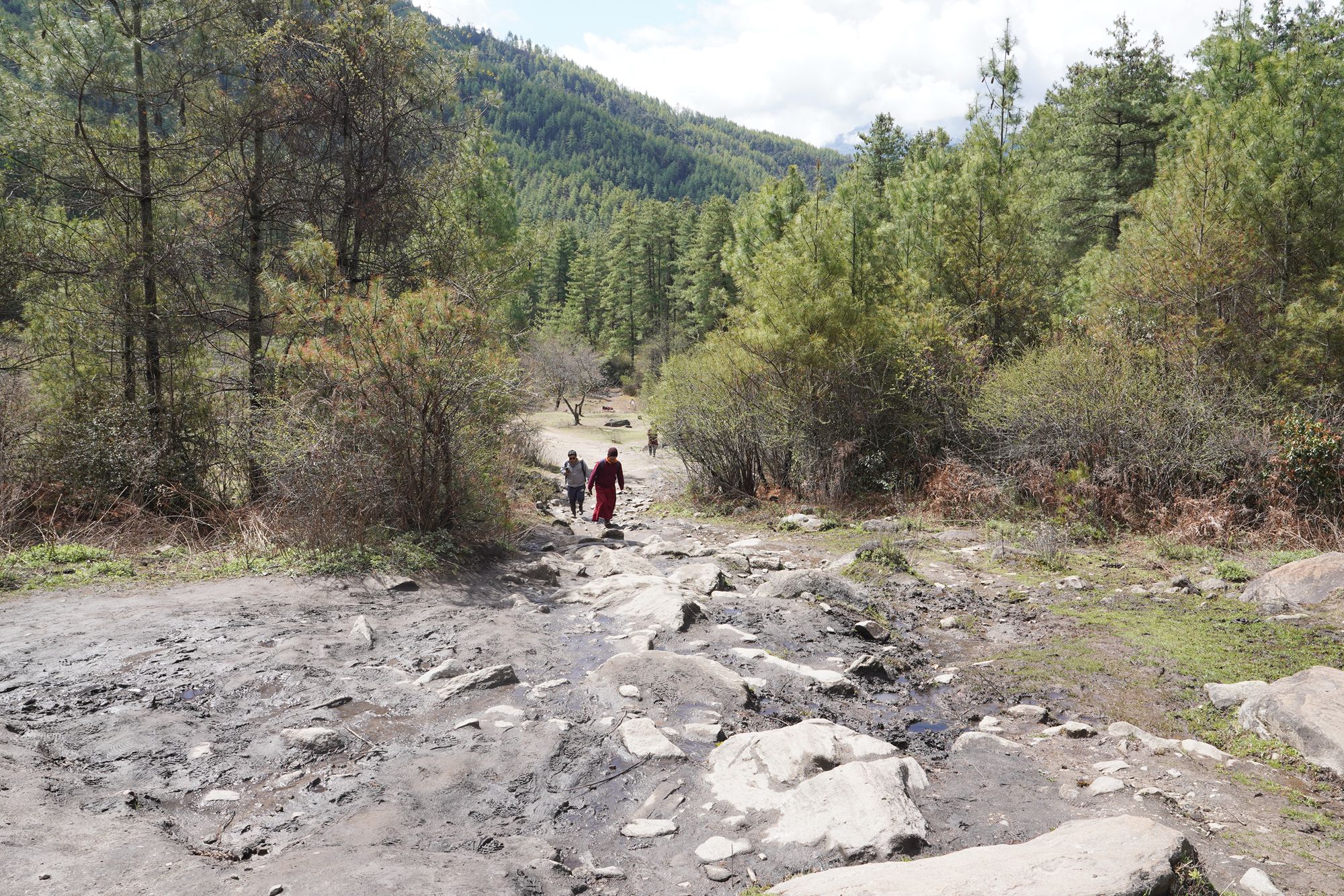
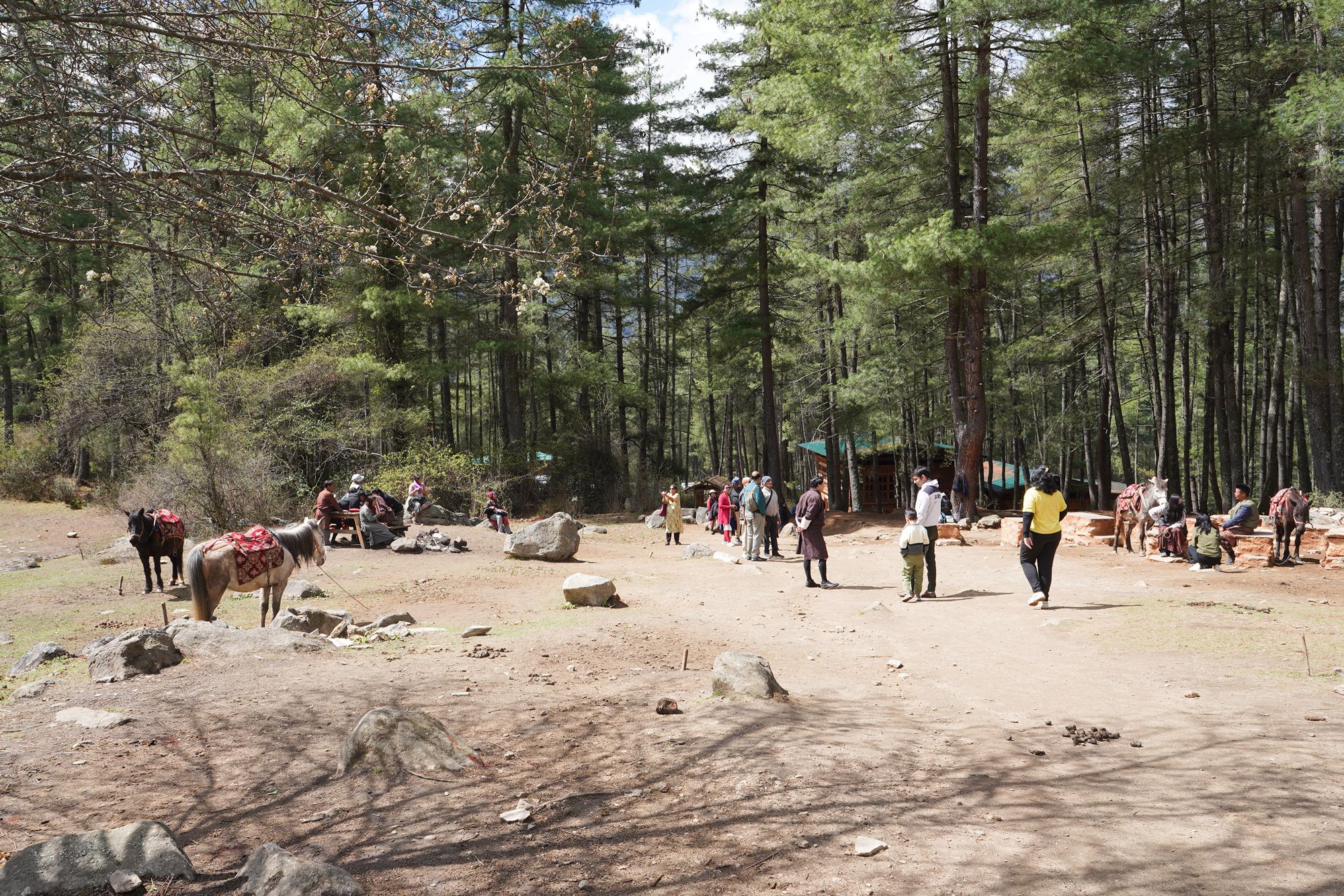
Since we had some extra time after deciding not to hike up to Tiger’s Nest Monastery, we stopped at a place that I believe was a monastery to take a look around, but unfortunately, it was closed.
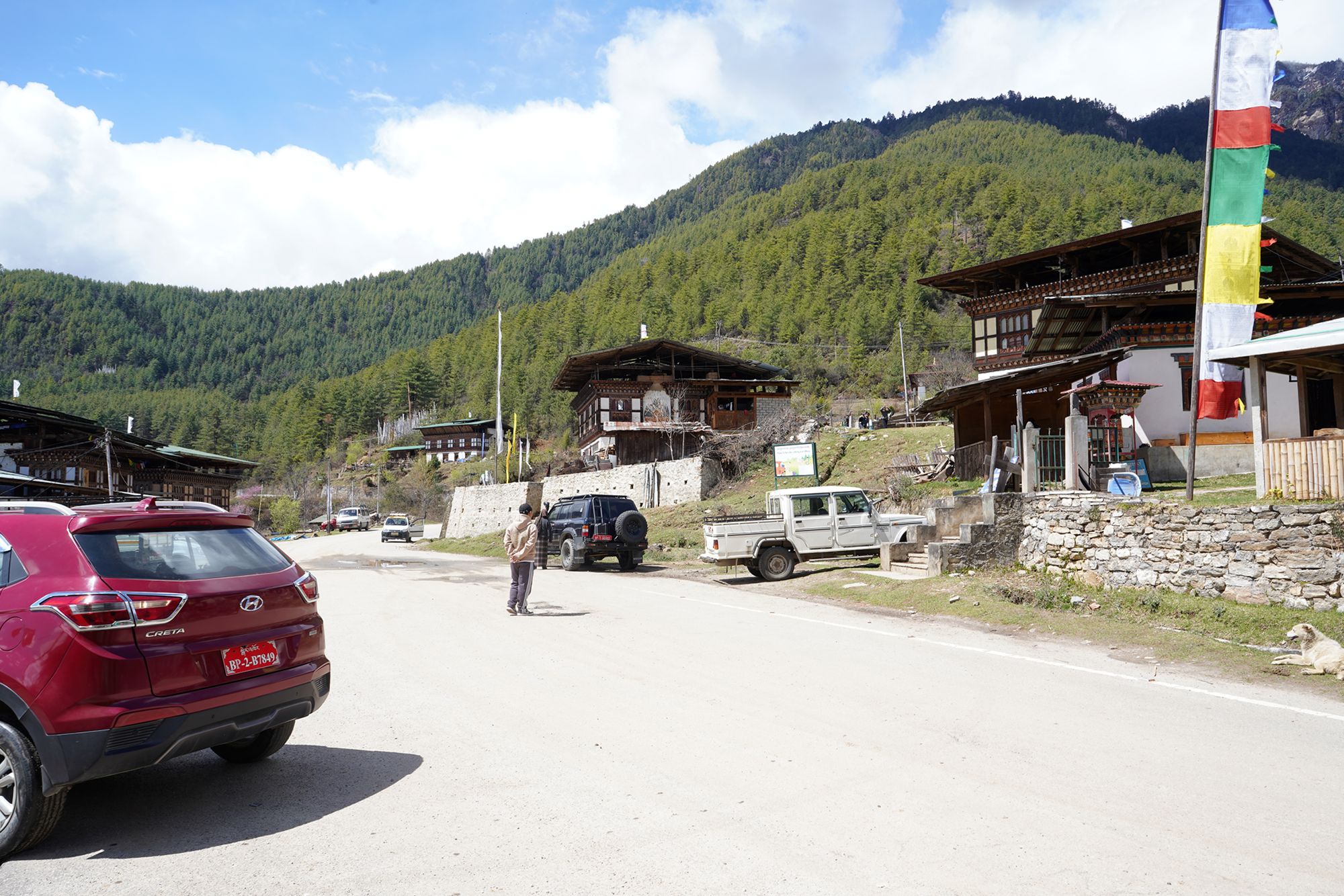
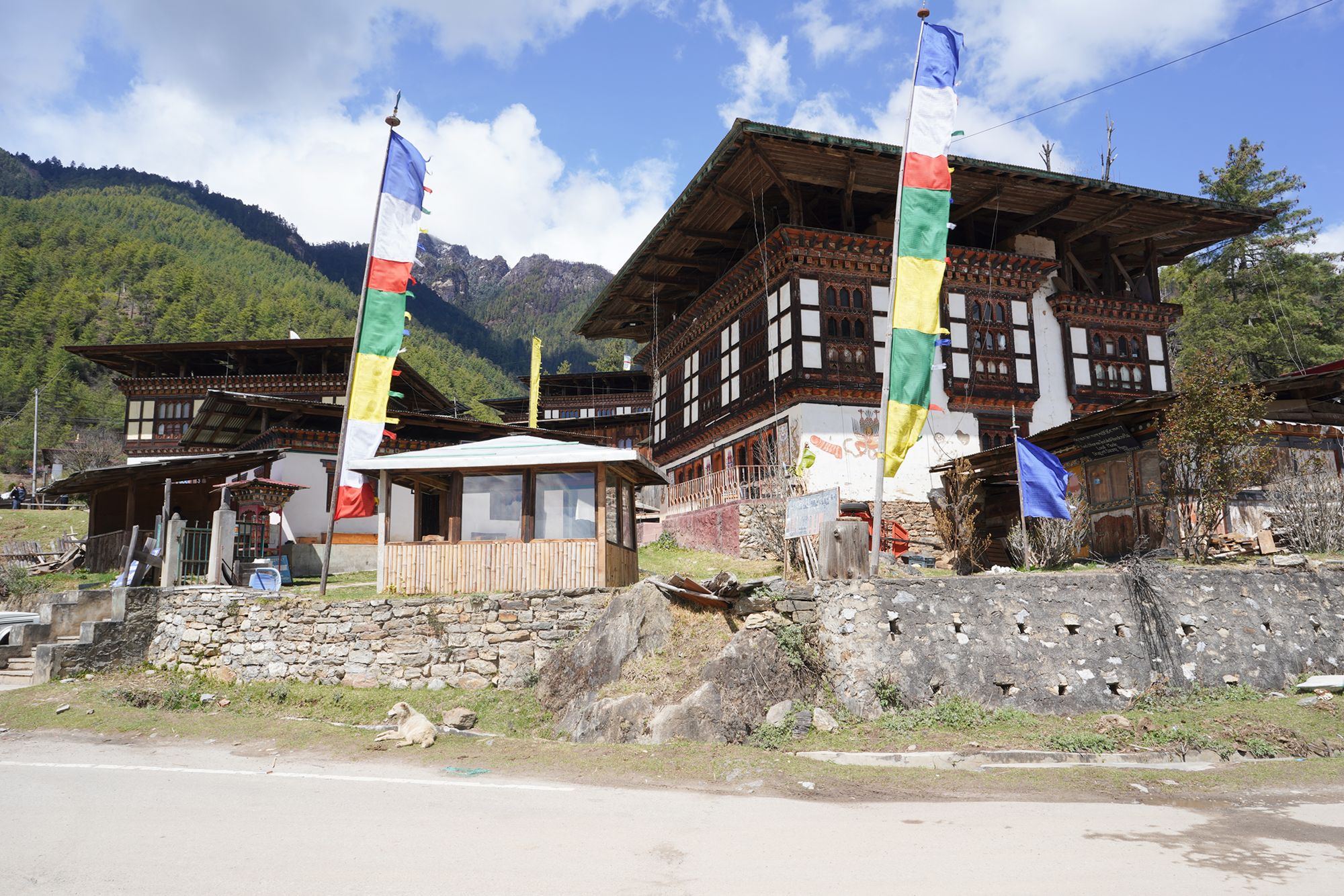
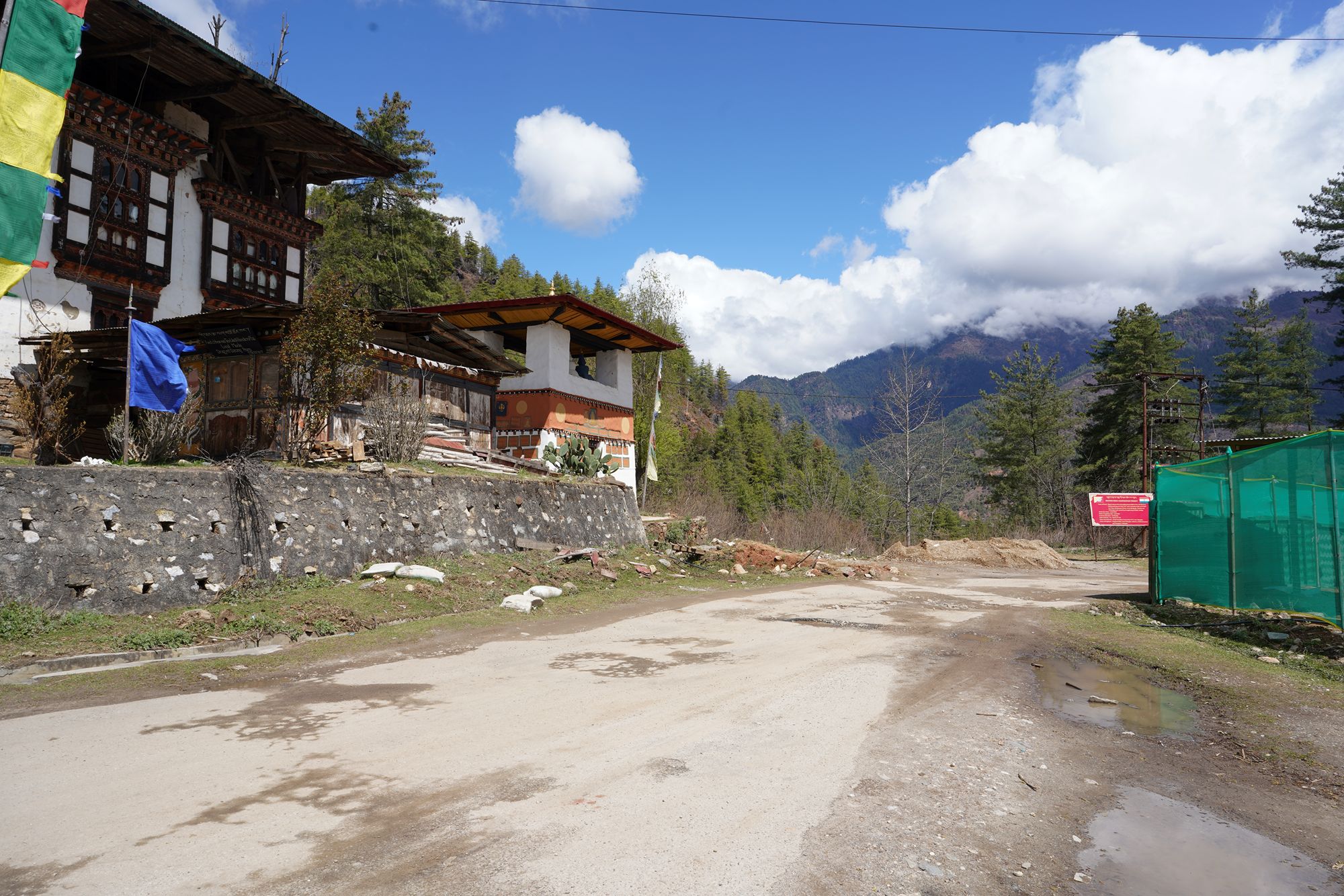
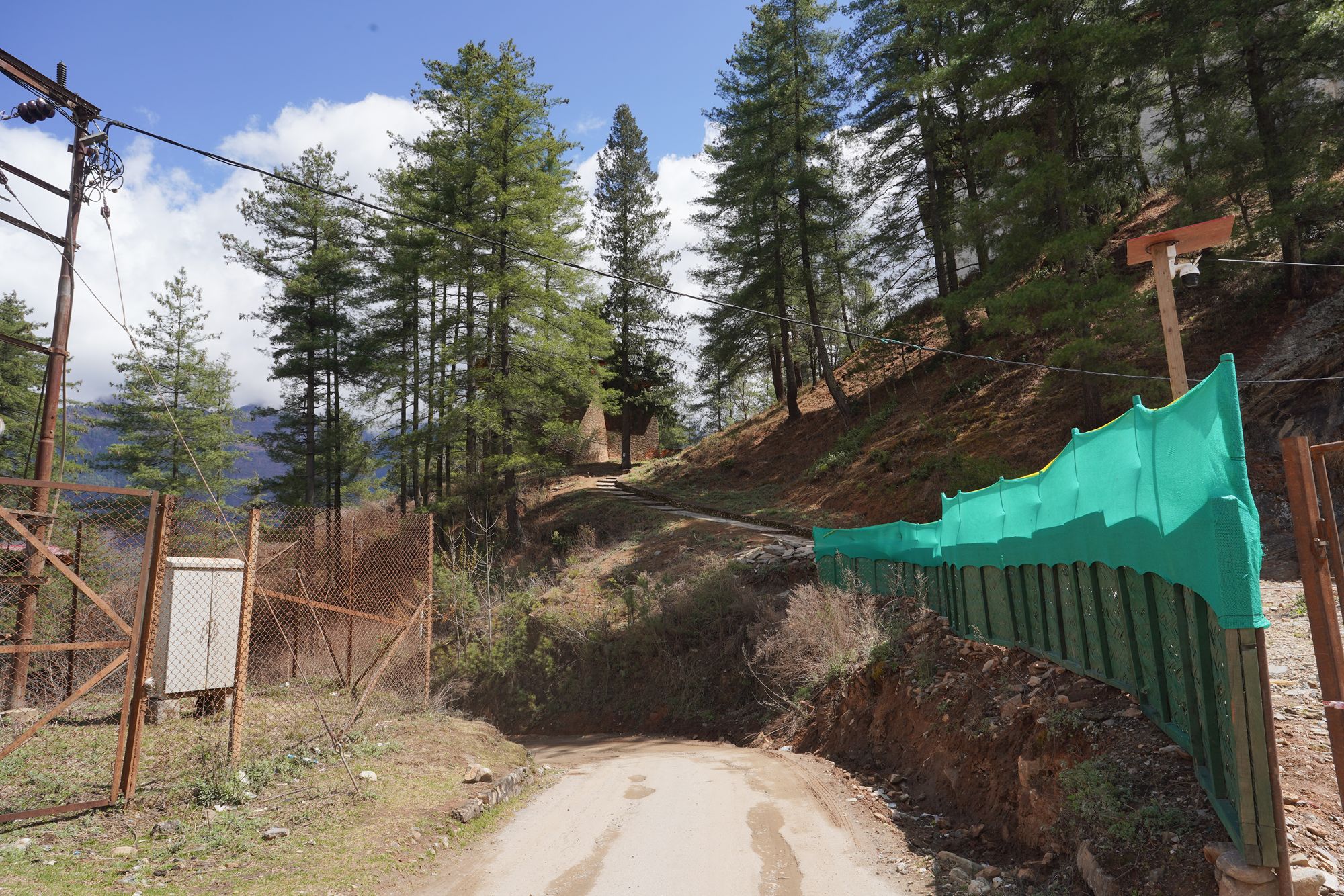
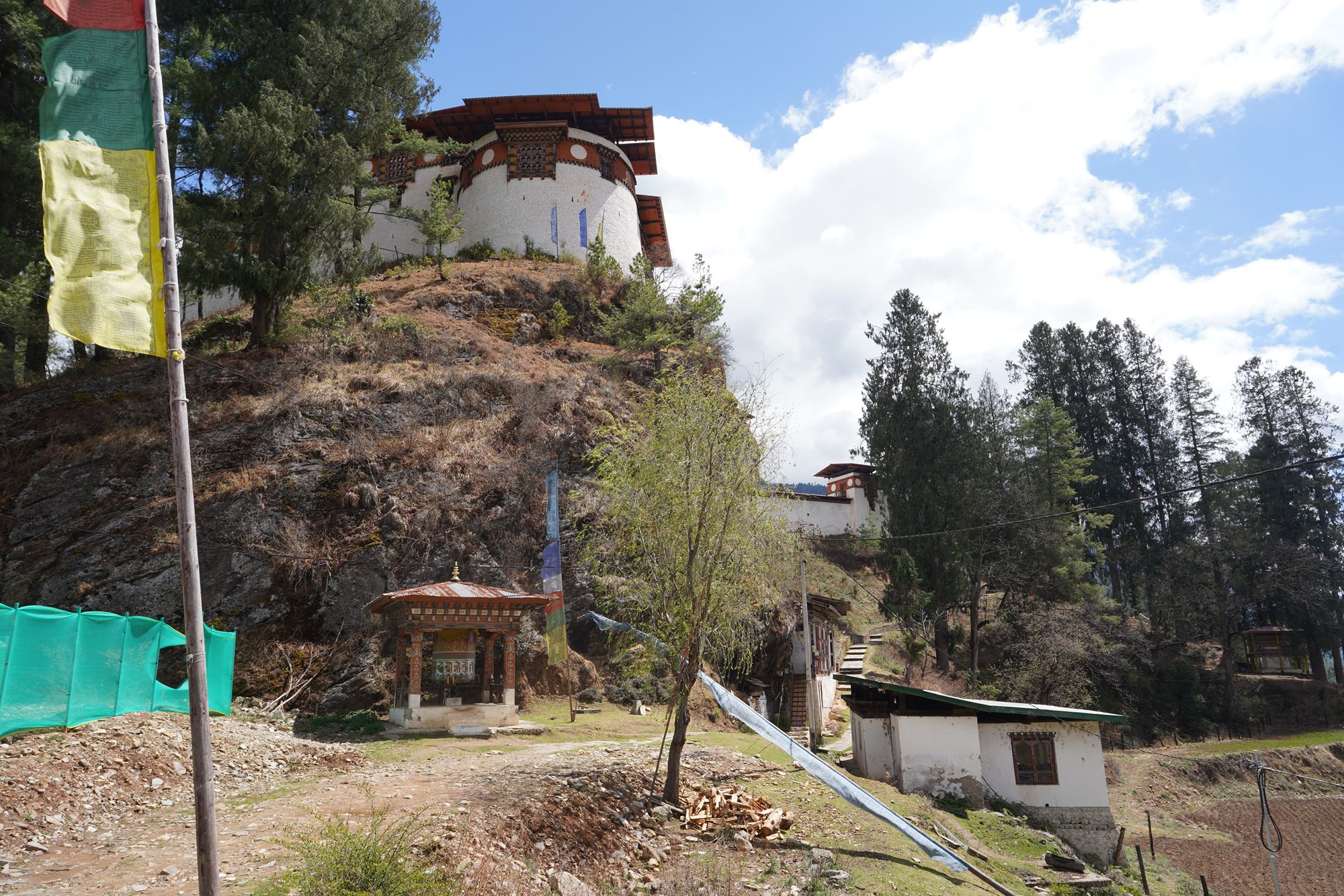
Even though the monastery was closed, we decided to walk around the grounds and explore the surrounding area.
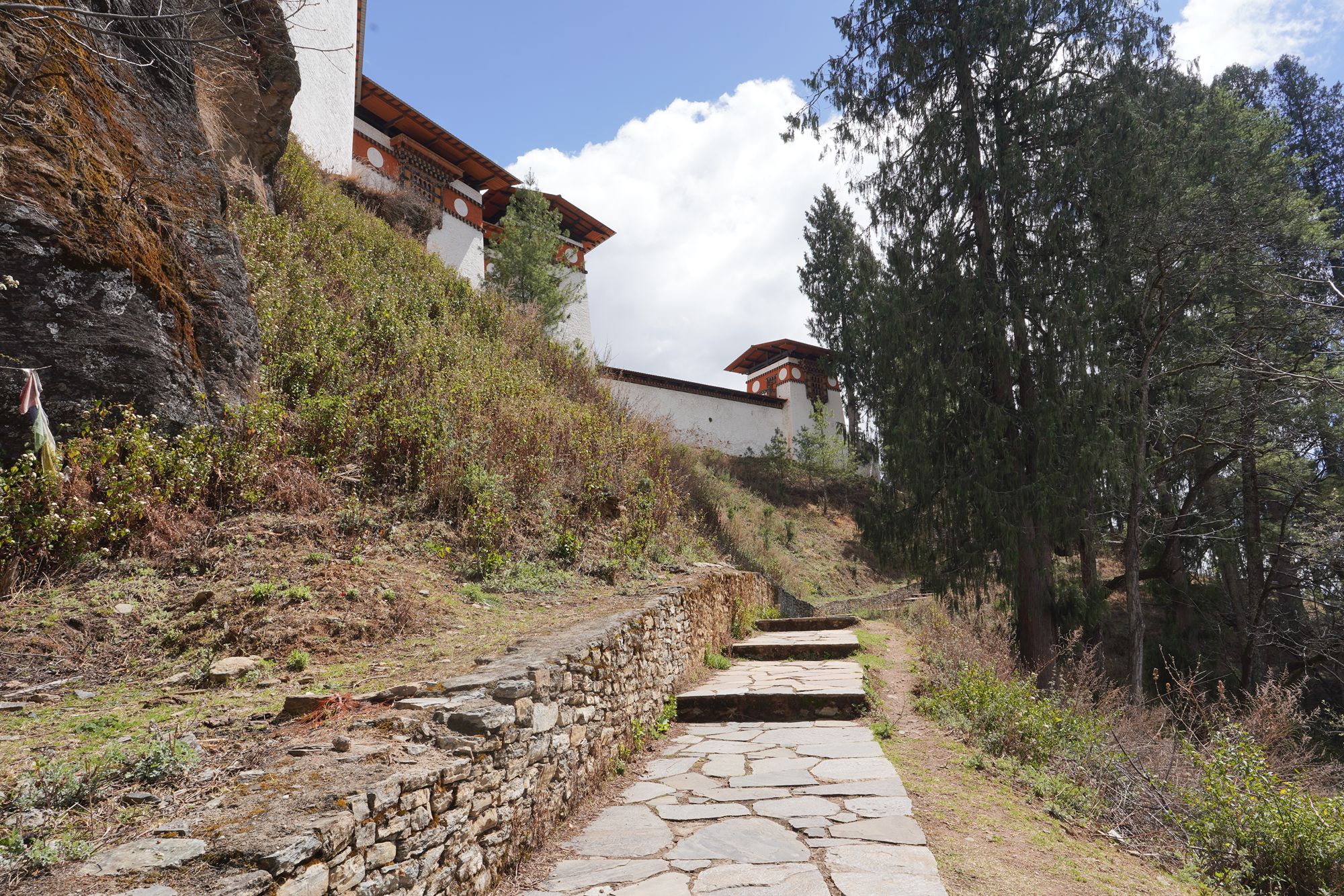
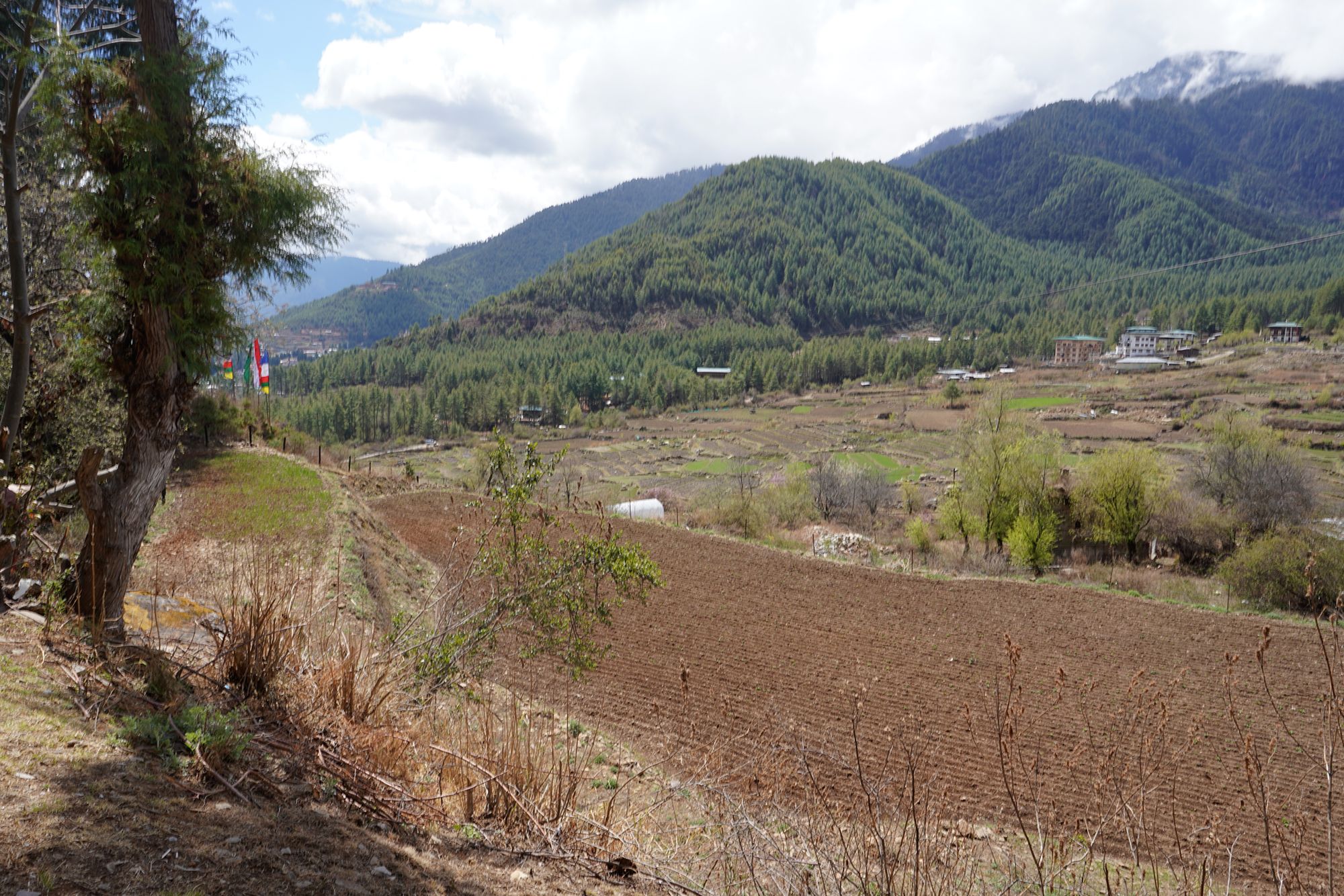
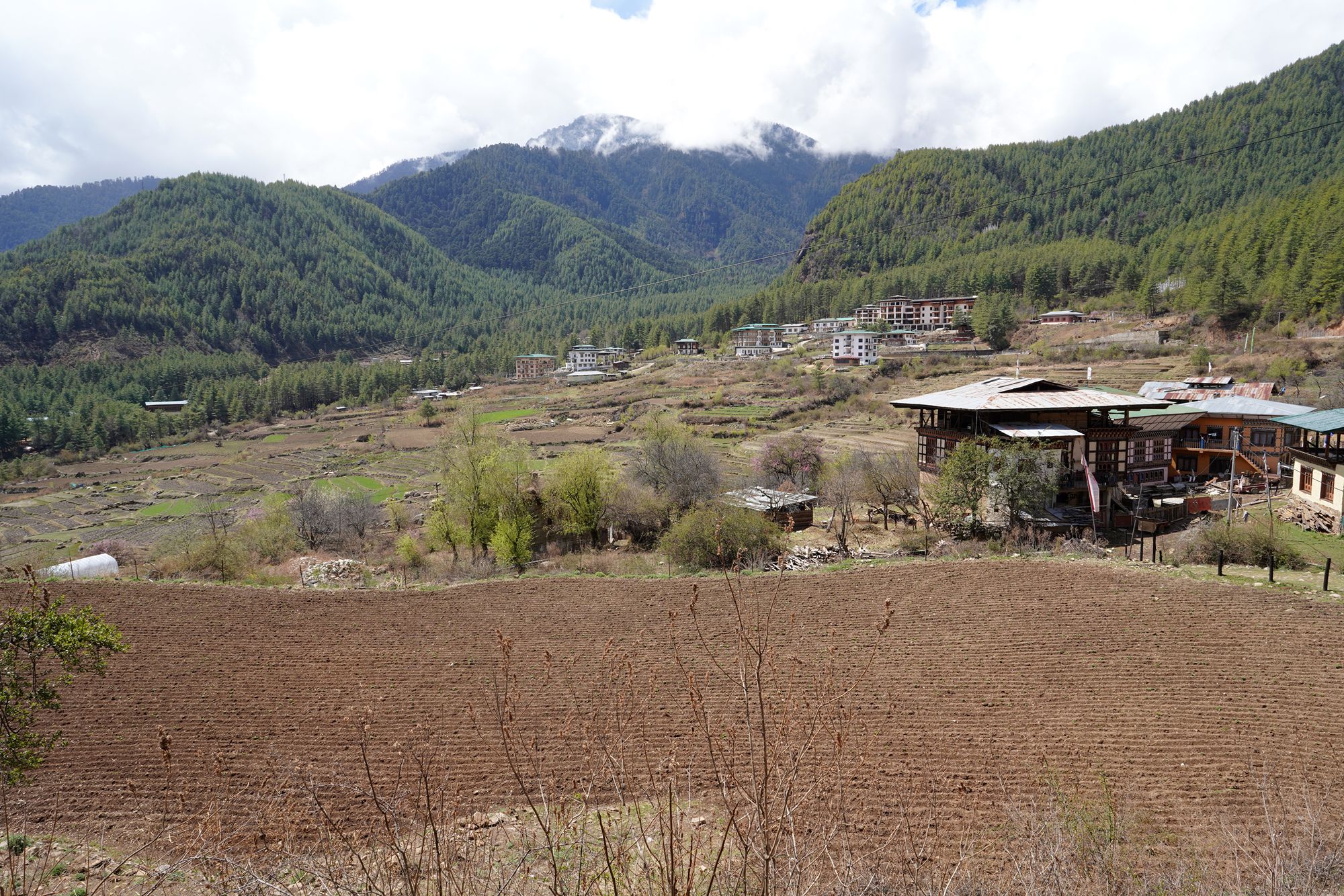
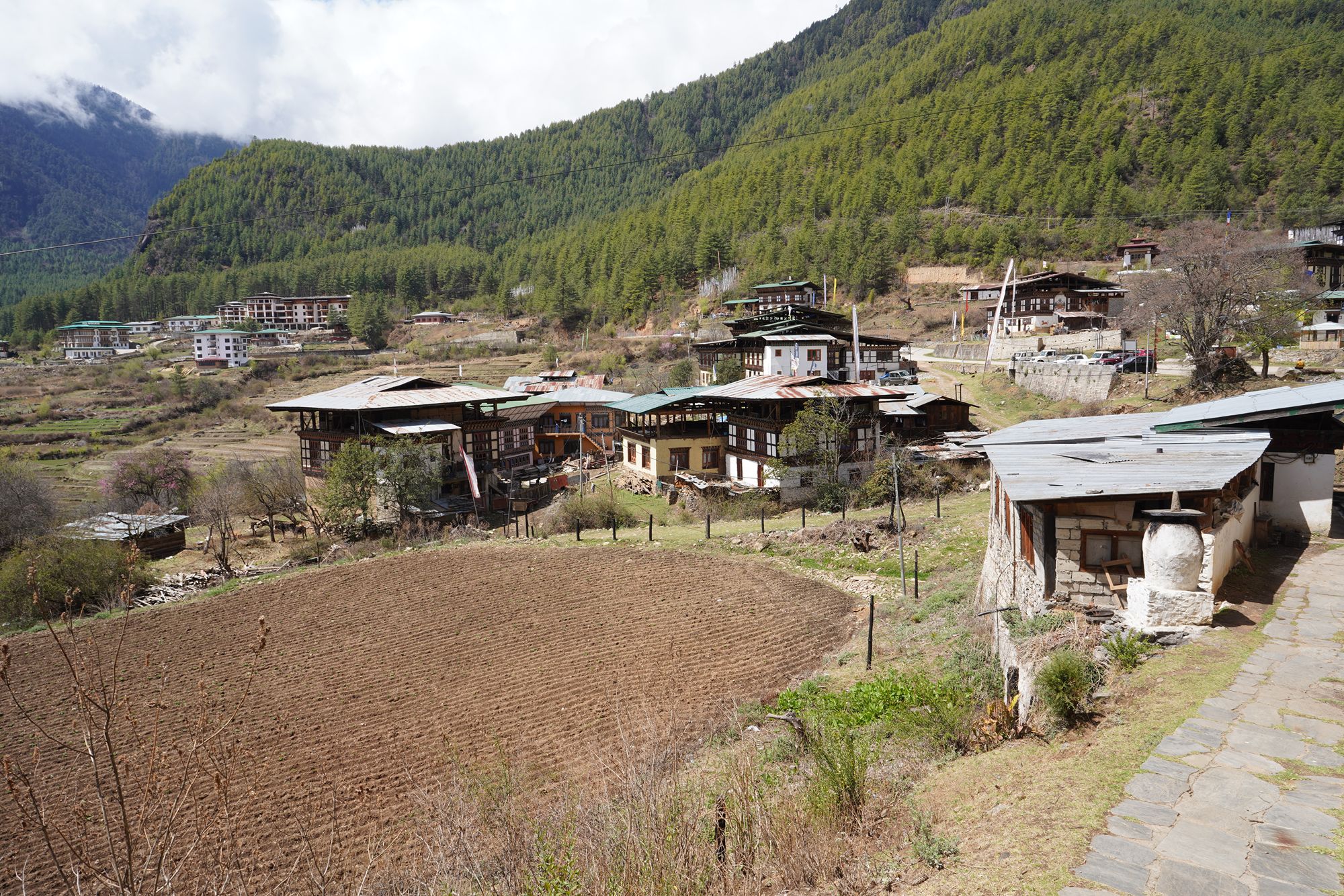
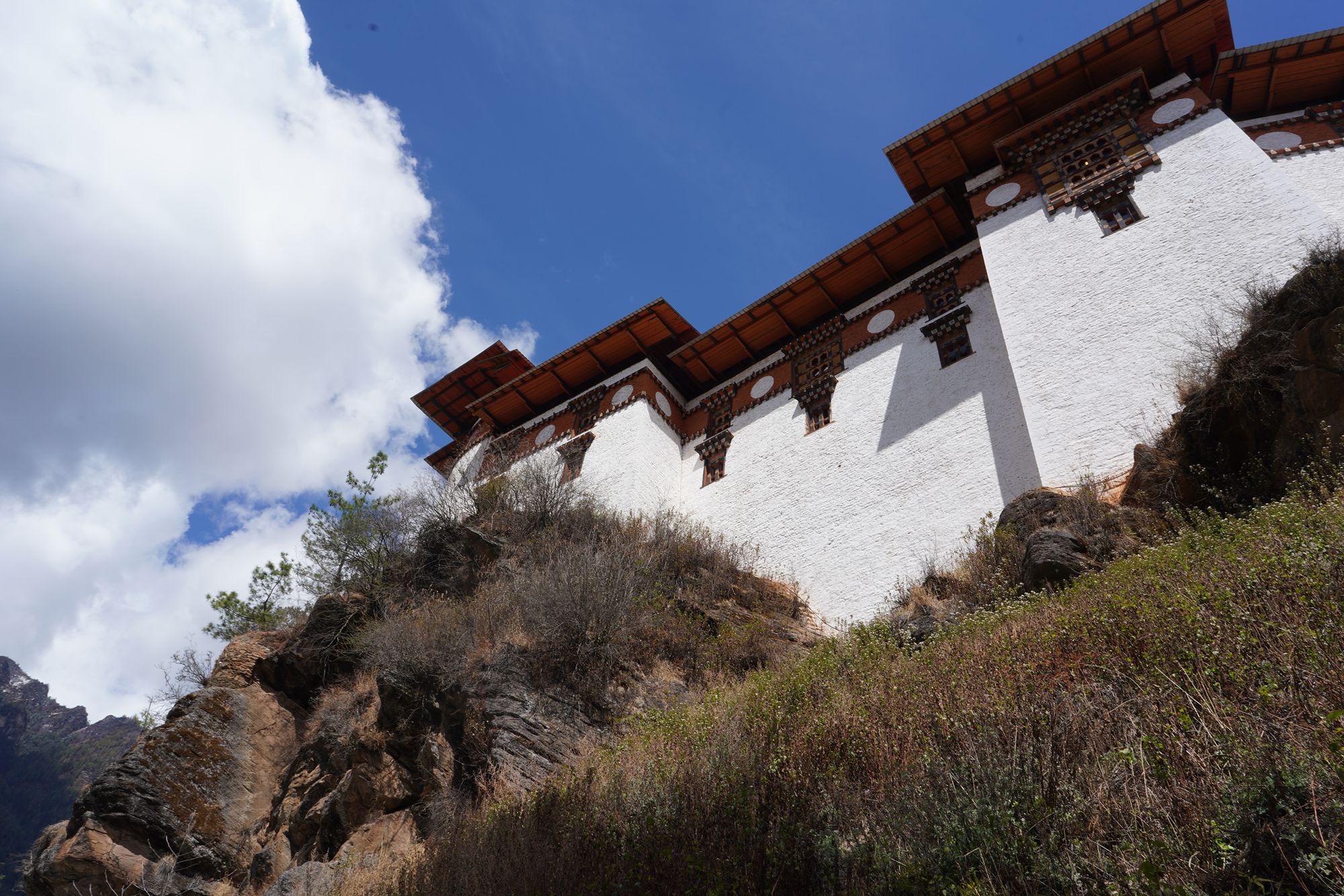
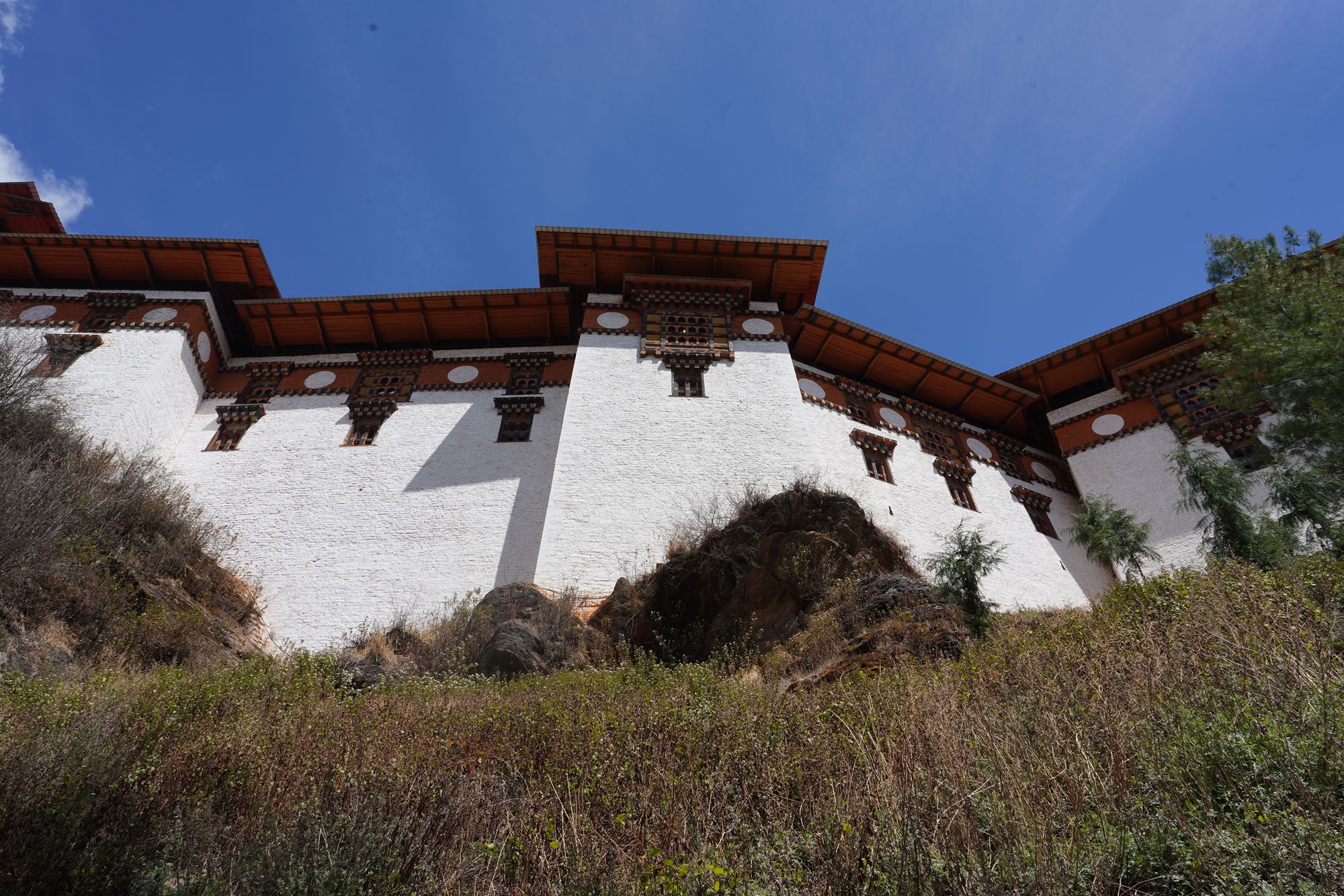
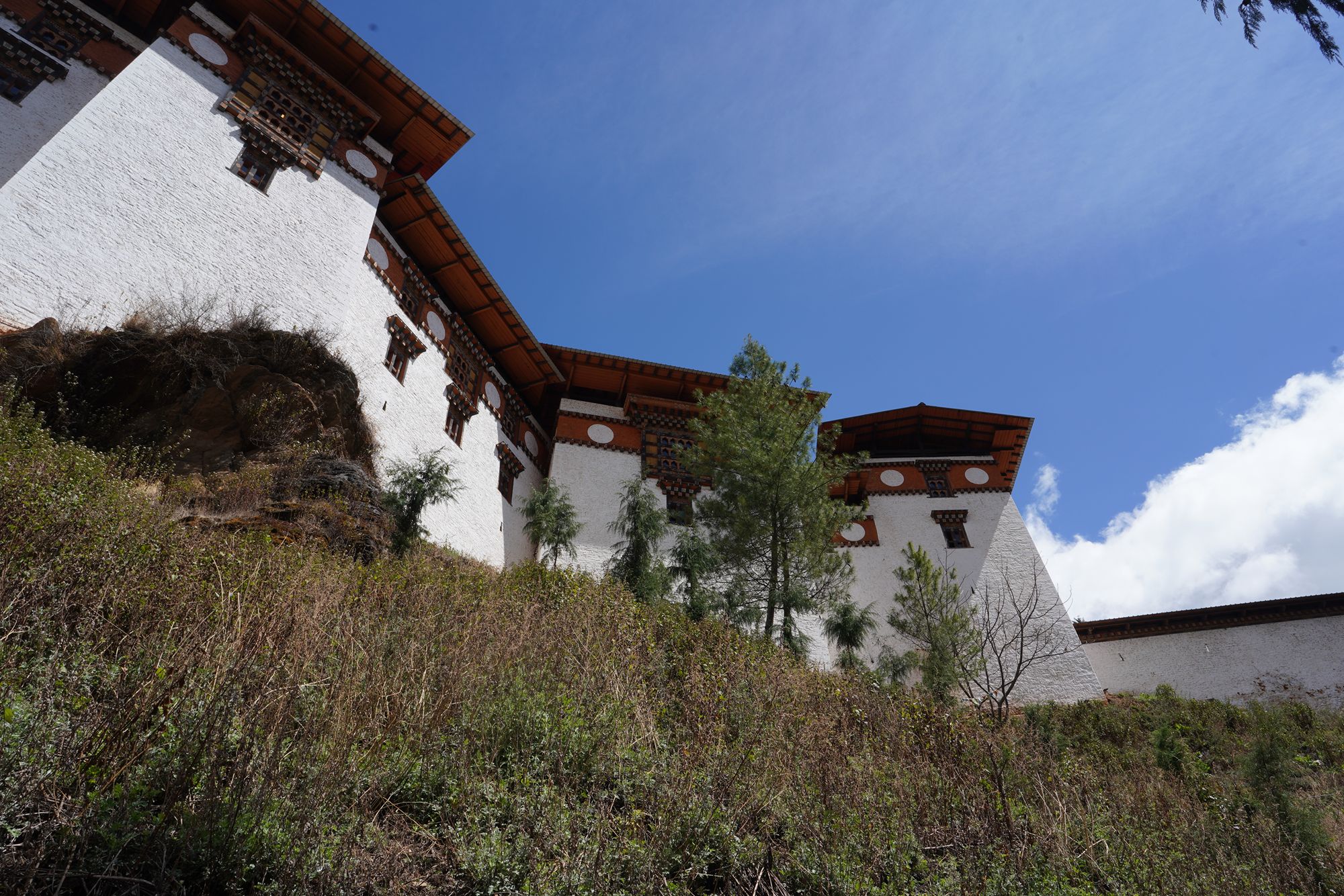
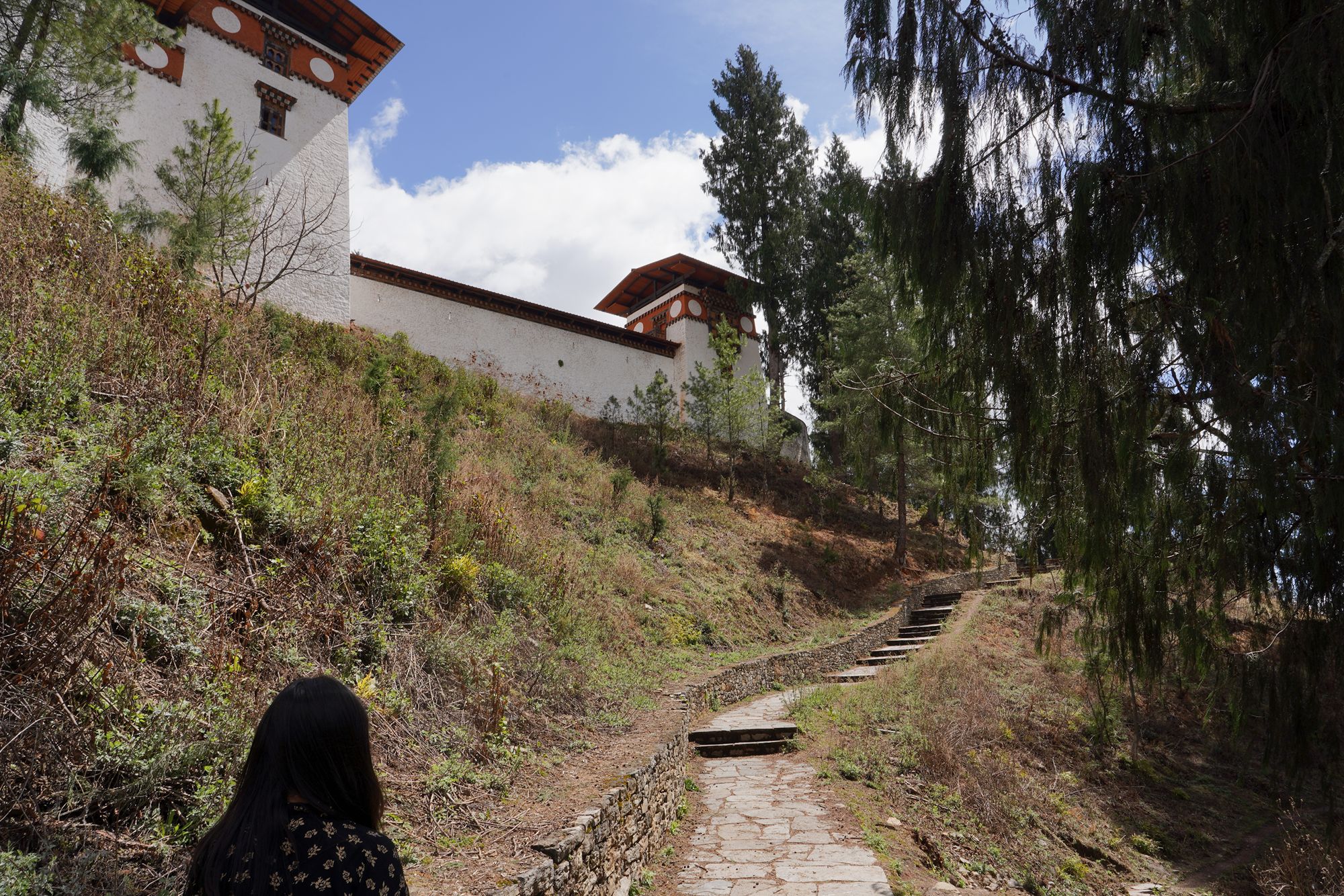
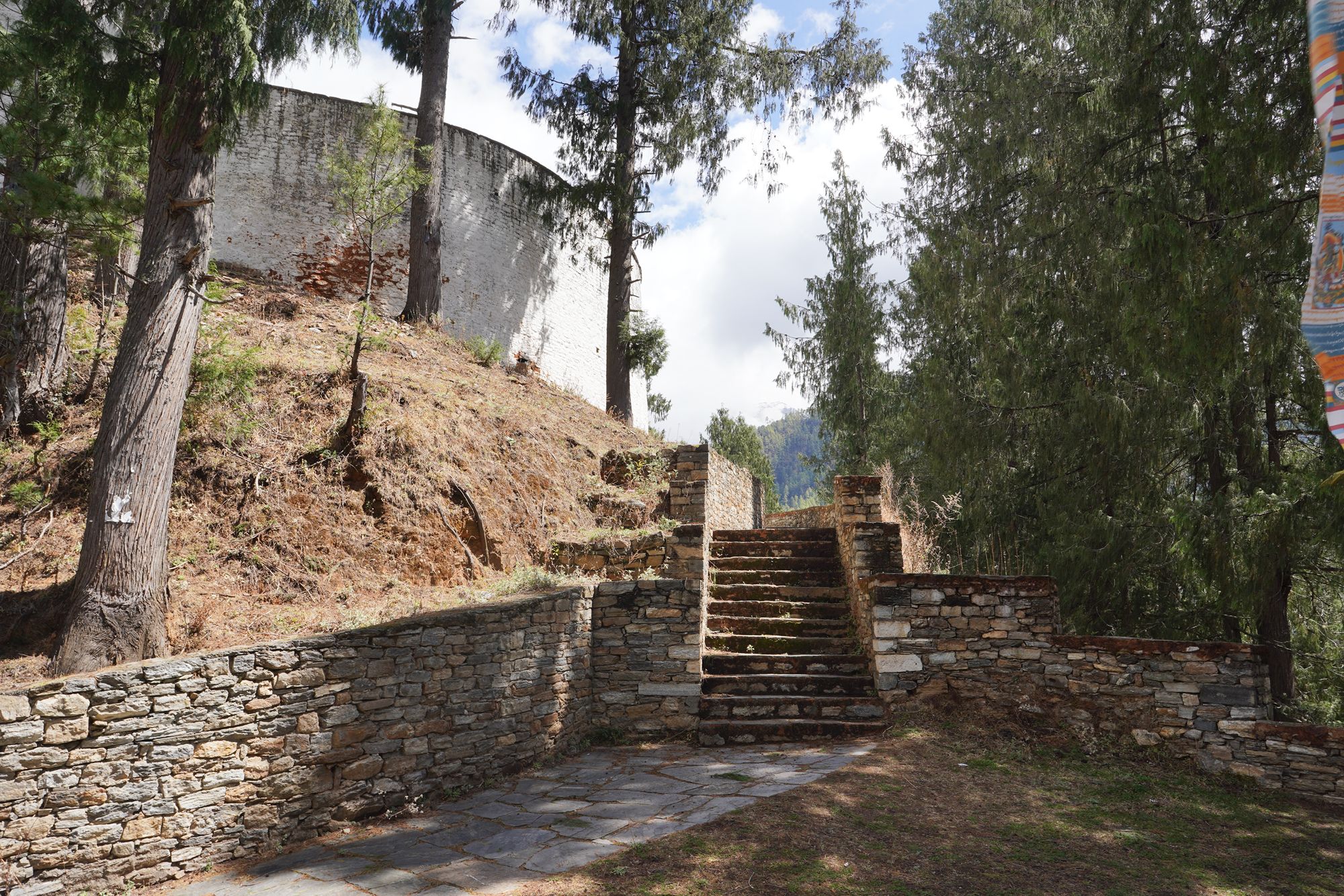
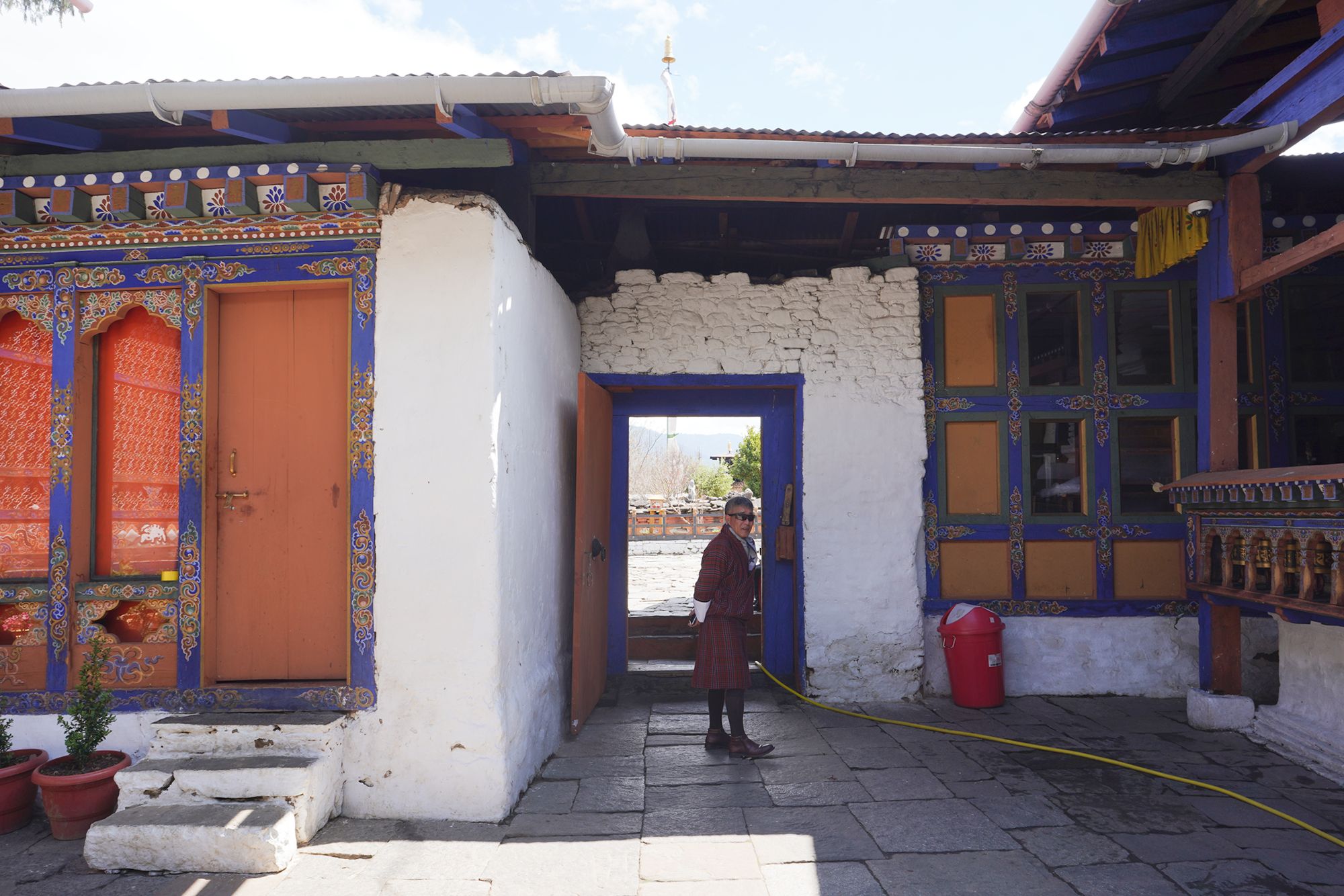
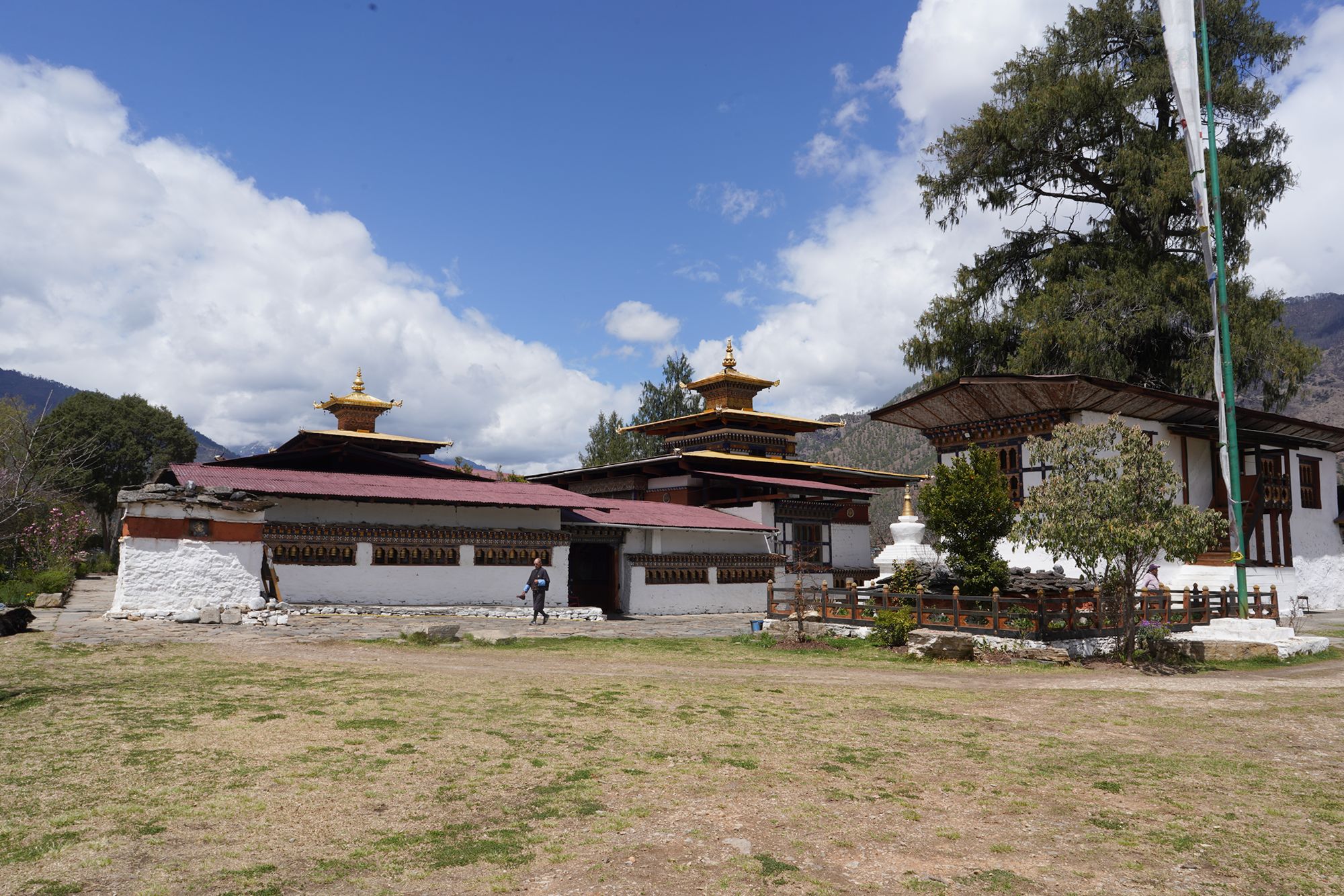
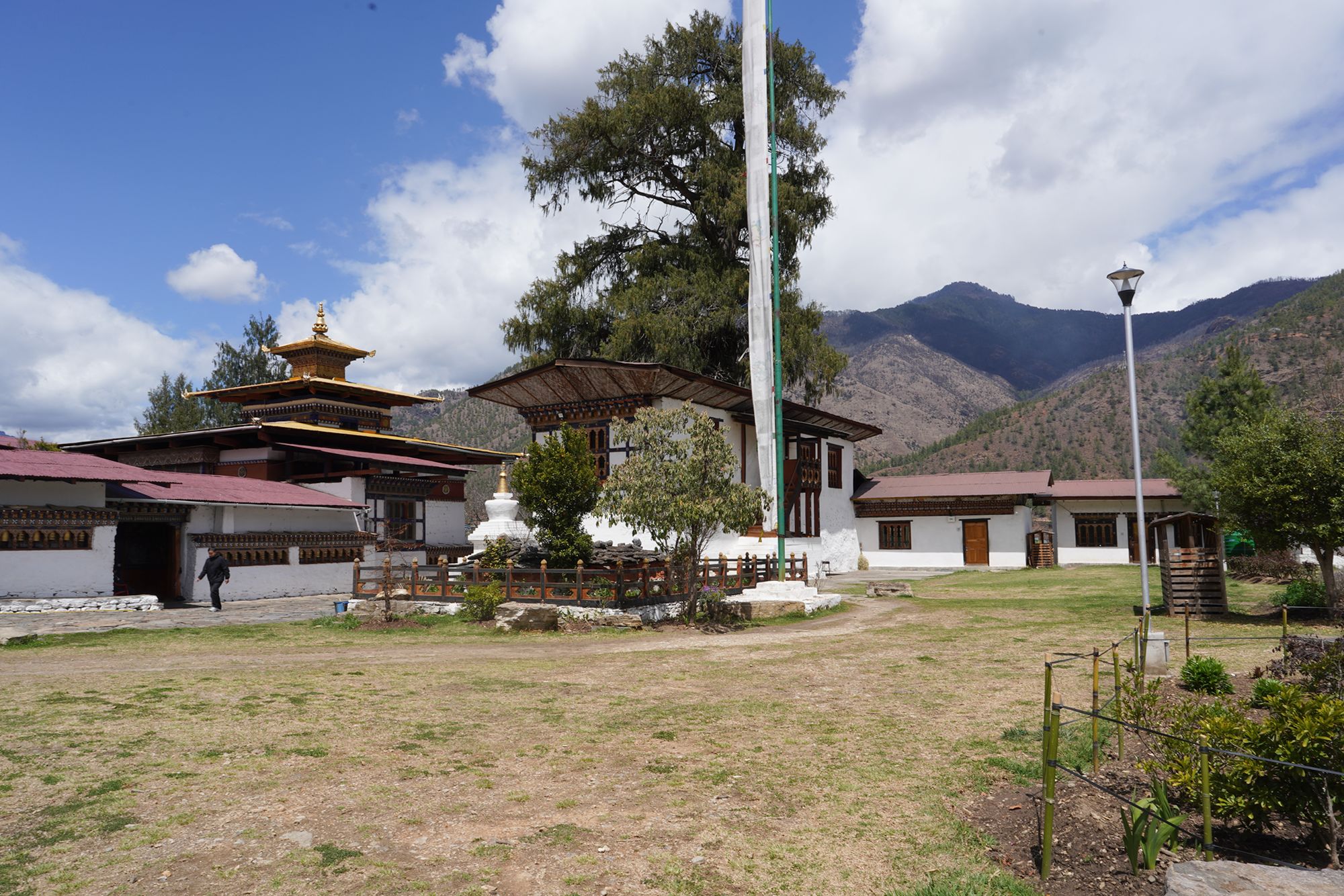
After briefly looking around the monastery, we continued on to Kyichu Lhakhang, one of Bhutan’s oldest and most sacred Buddhist temples.
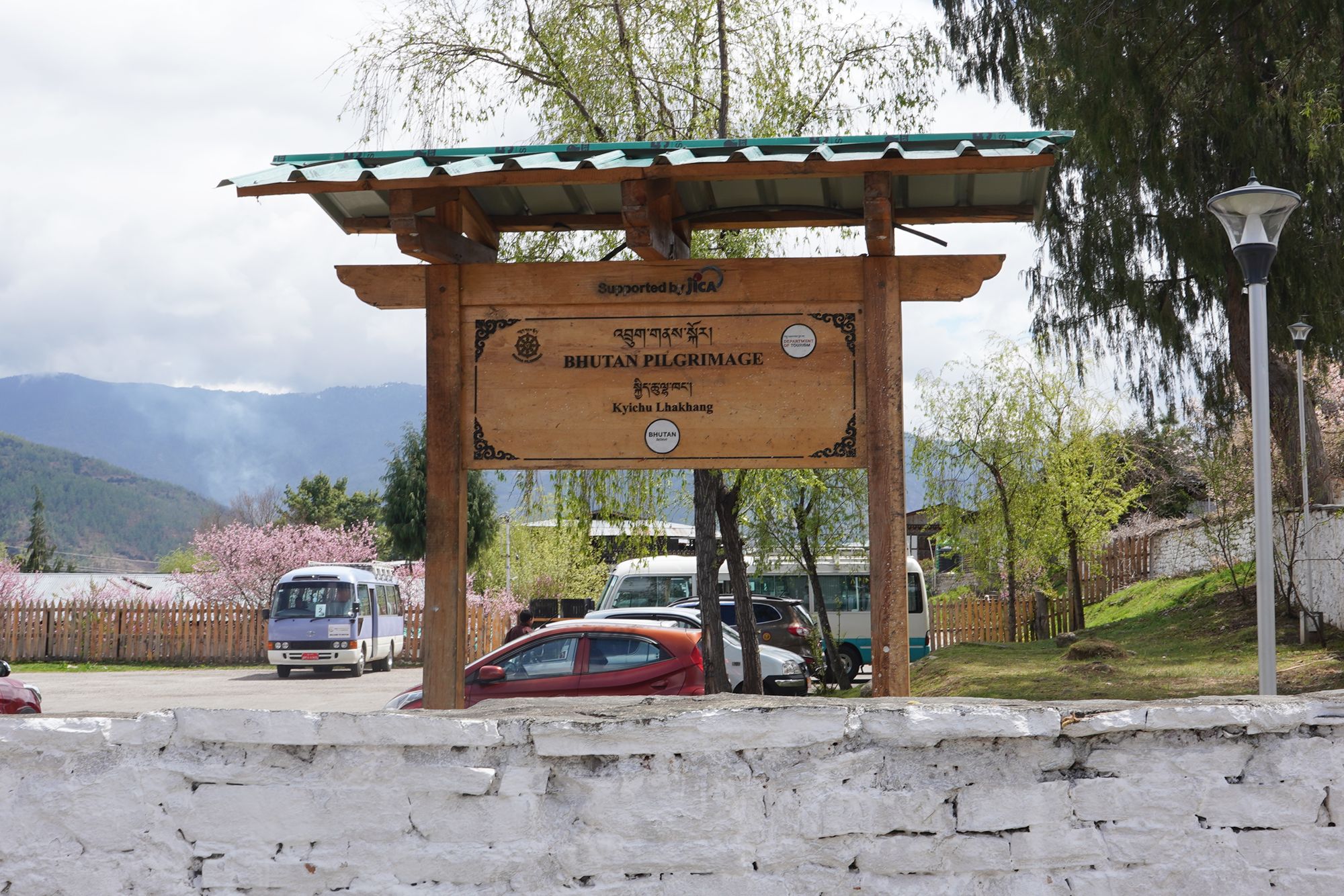
Kyichu Lhakhang
Kyichu Lhakhang is one of the oldest and most sacred Buddhist temples in Bhutan, located in the Paro Valley. According to Bhutanese tradition, it was built in the 7th century by the Tibetan king Songtsen Gampo.
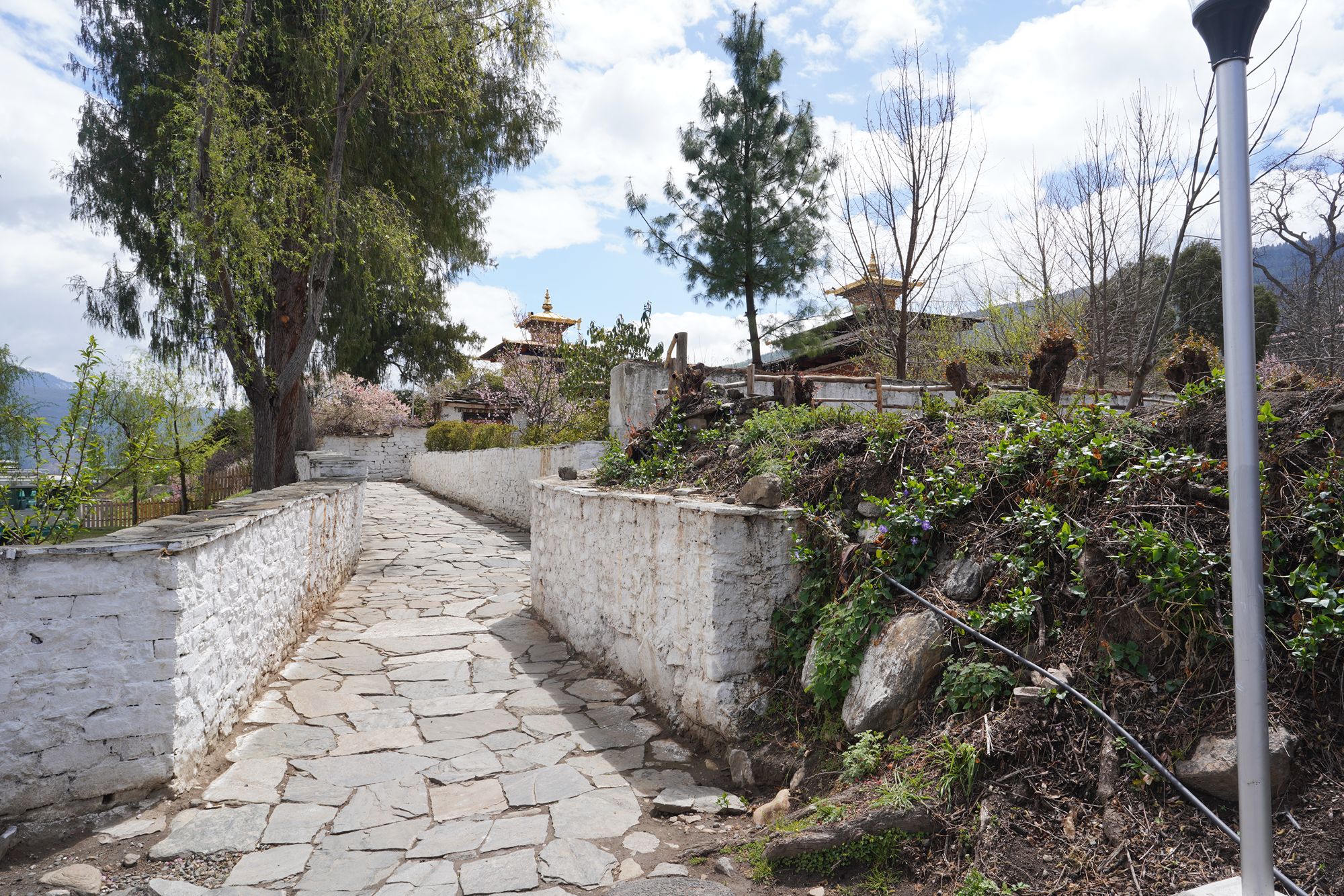
Legend says that a giant demoness lay across the Himalayas, preventing the spread of Buddhism. The king ordered 108 temples to be built at specific locations to pin down the demoness and allow Buddhism to flourish. Kyichu Lhakhang is traditionally believed to have been built on her left foot.
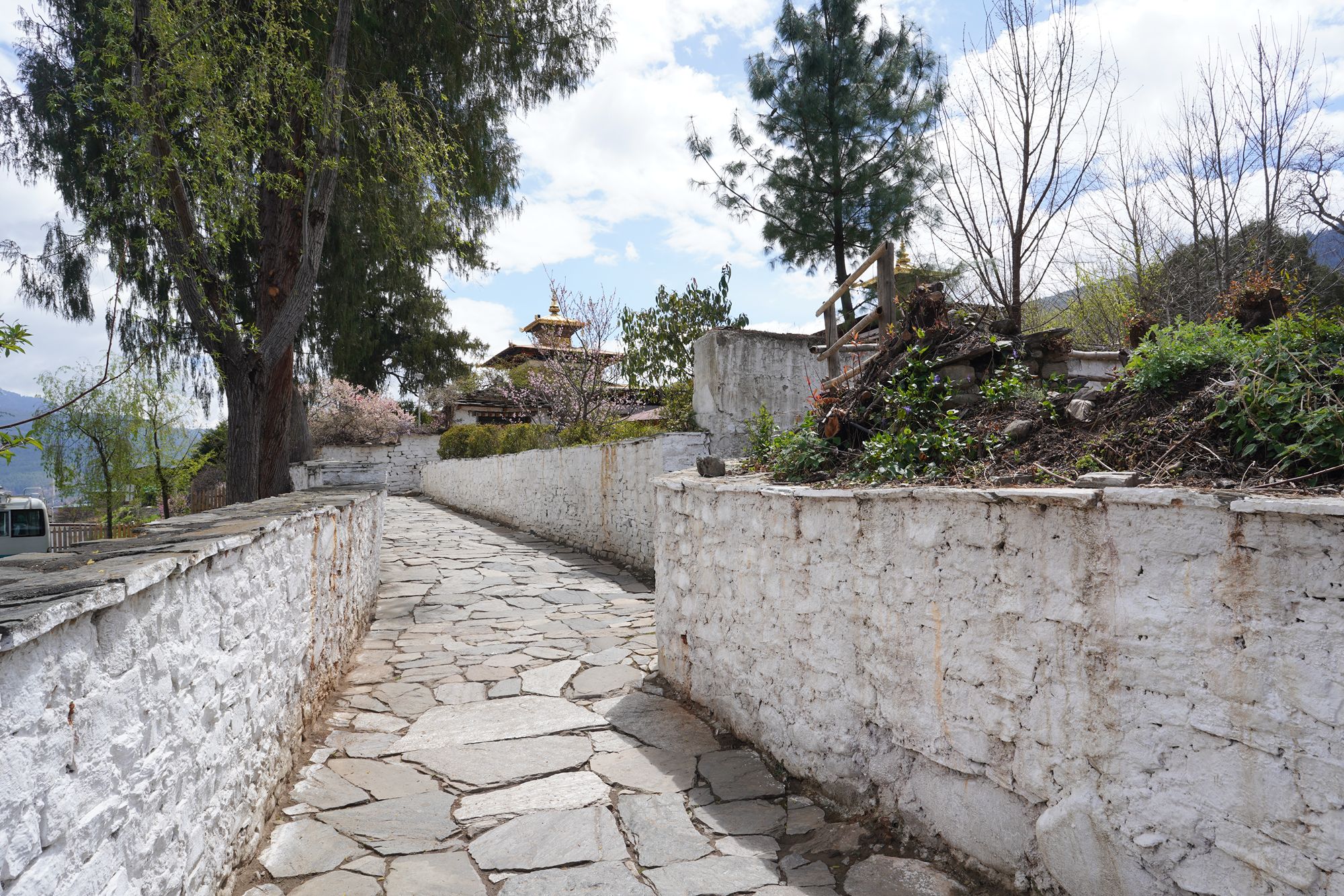
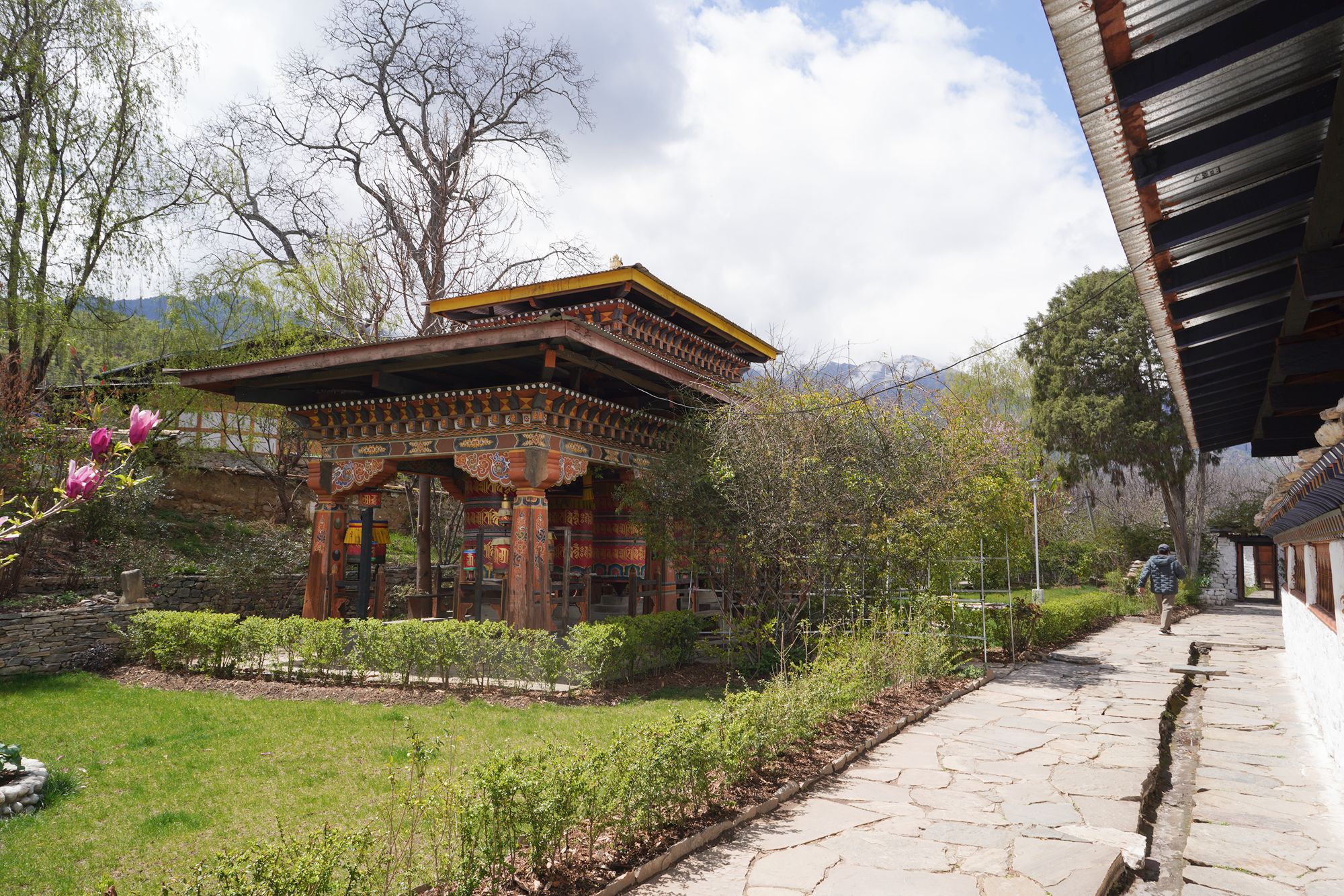
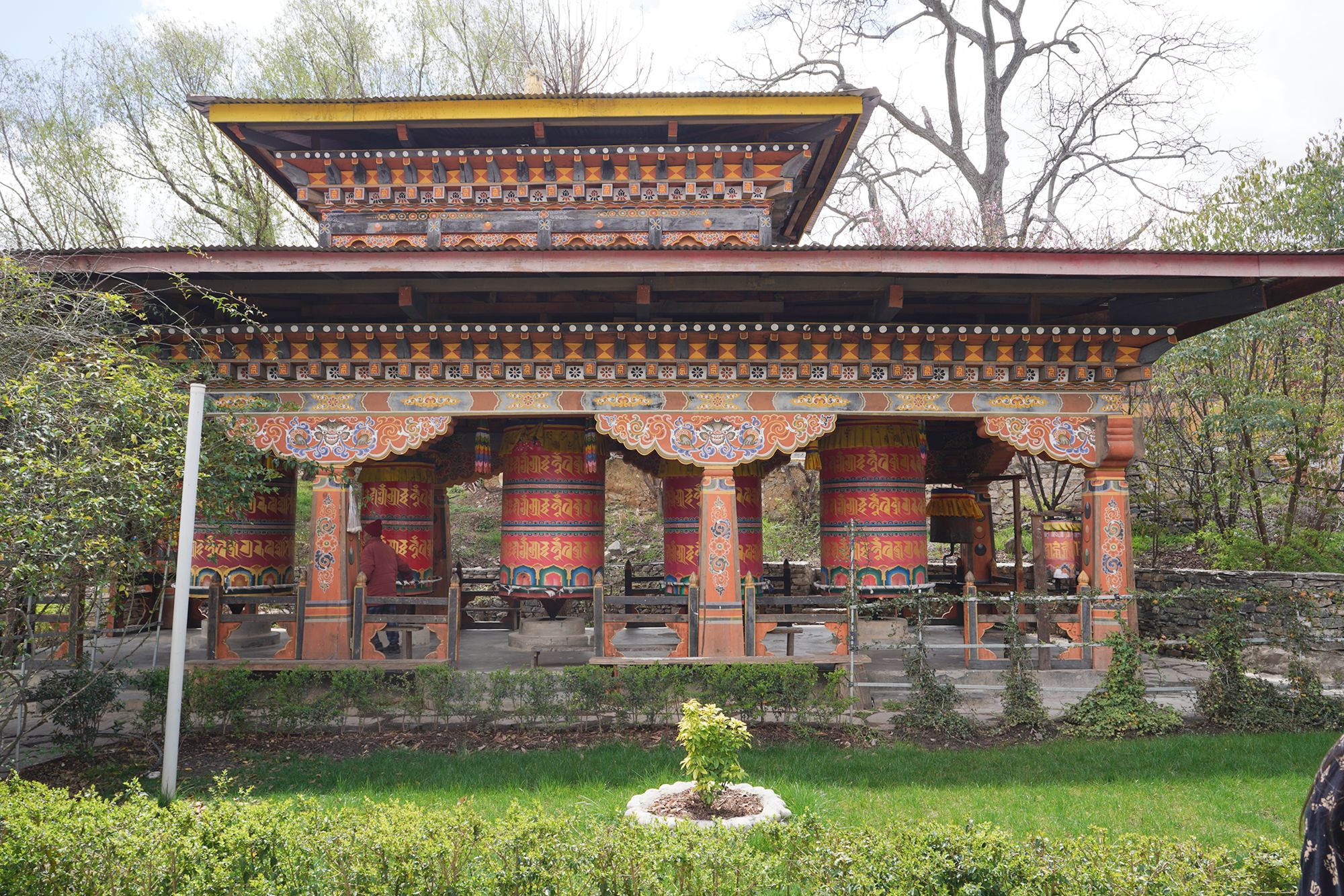
The temple was enlarged and restored several times over the centuries and remains an active place of worship. Its complex contains ancient shrines, prayer wheels, Buddhist paintings and statues, as well as a second temple built in the 20th century by Queen Mother Ashi Kesang Choden Wangchuck.
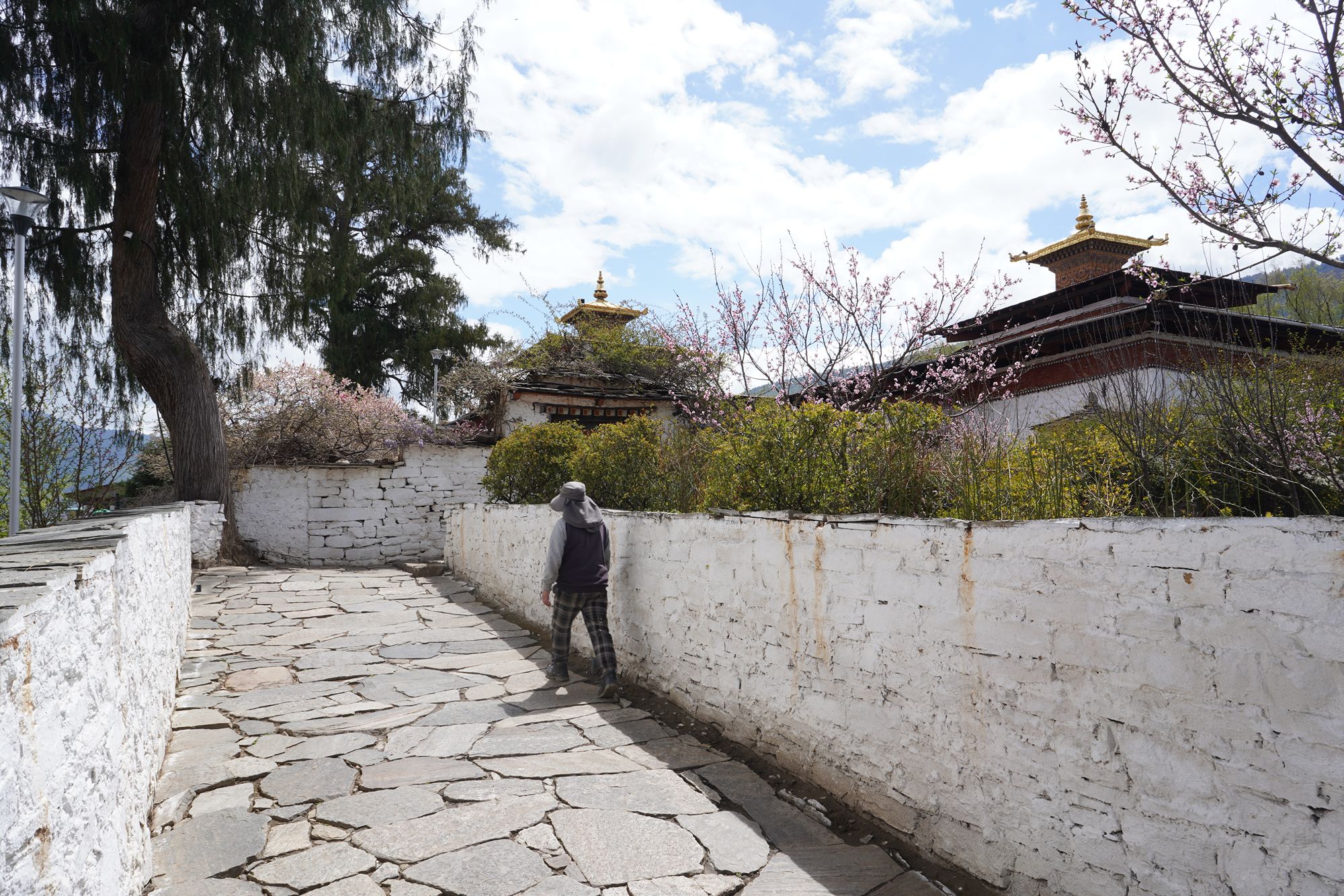
Despite its relatively modest size, Kyichu Lhakhang is particularly important because it represents the very early history of Buddhism in Bhutan, centuries before many of the country's famous dzongs and monasteries were constructed.
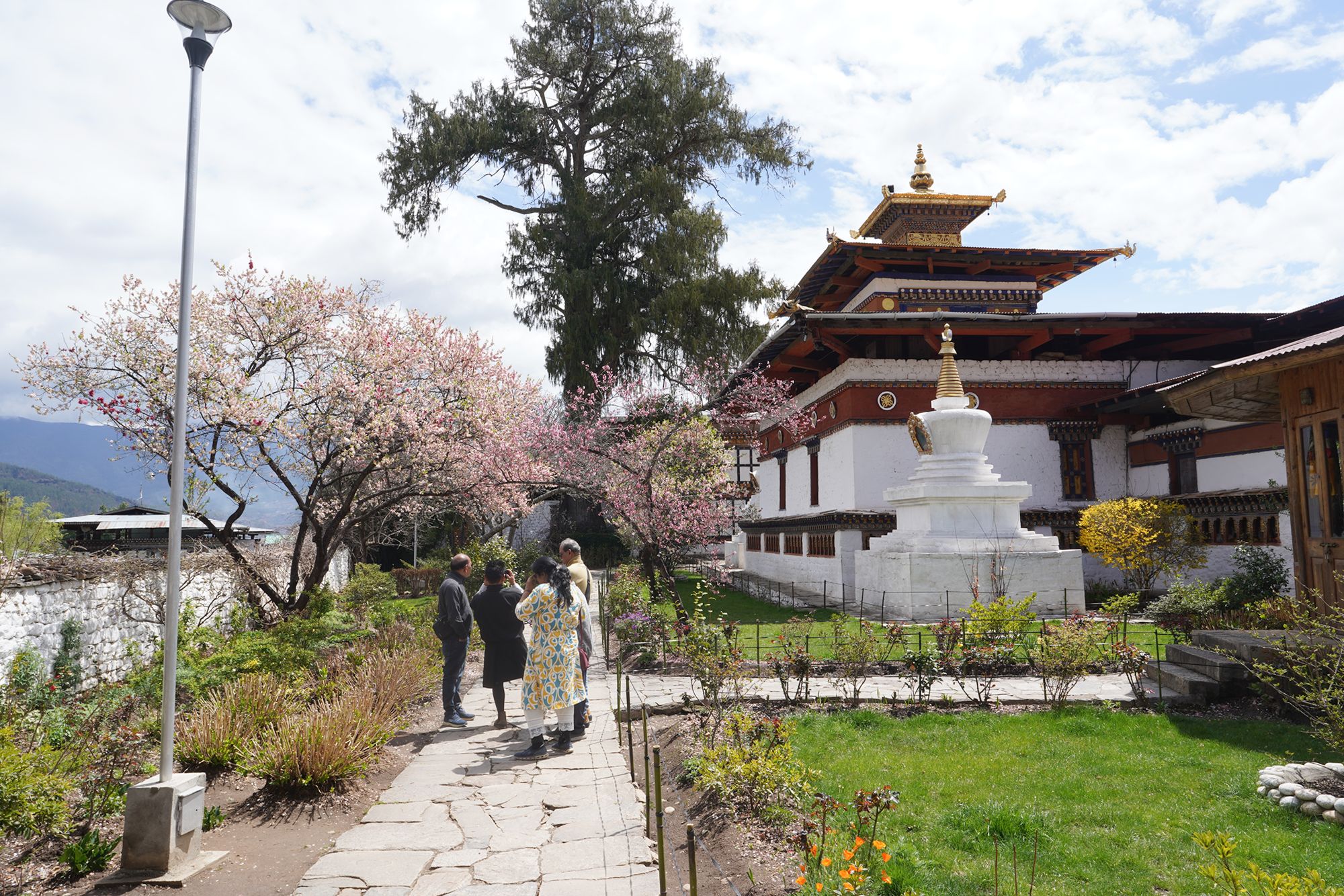
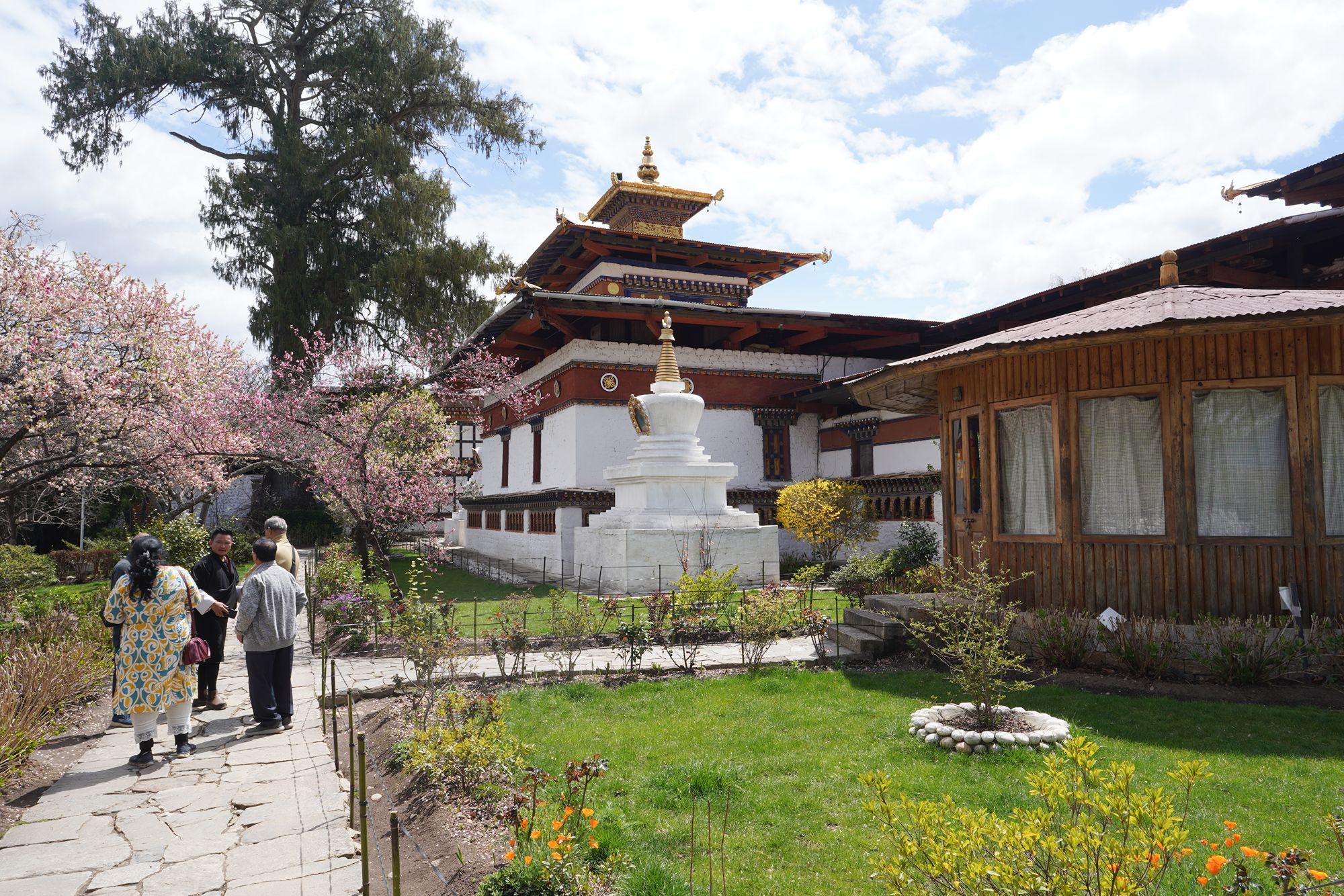
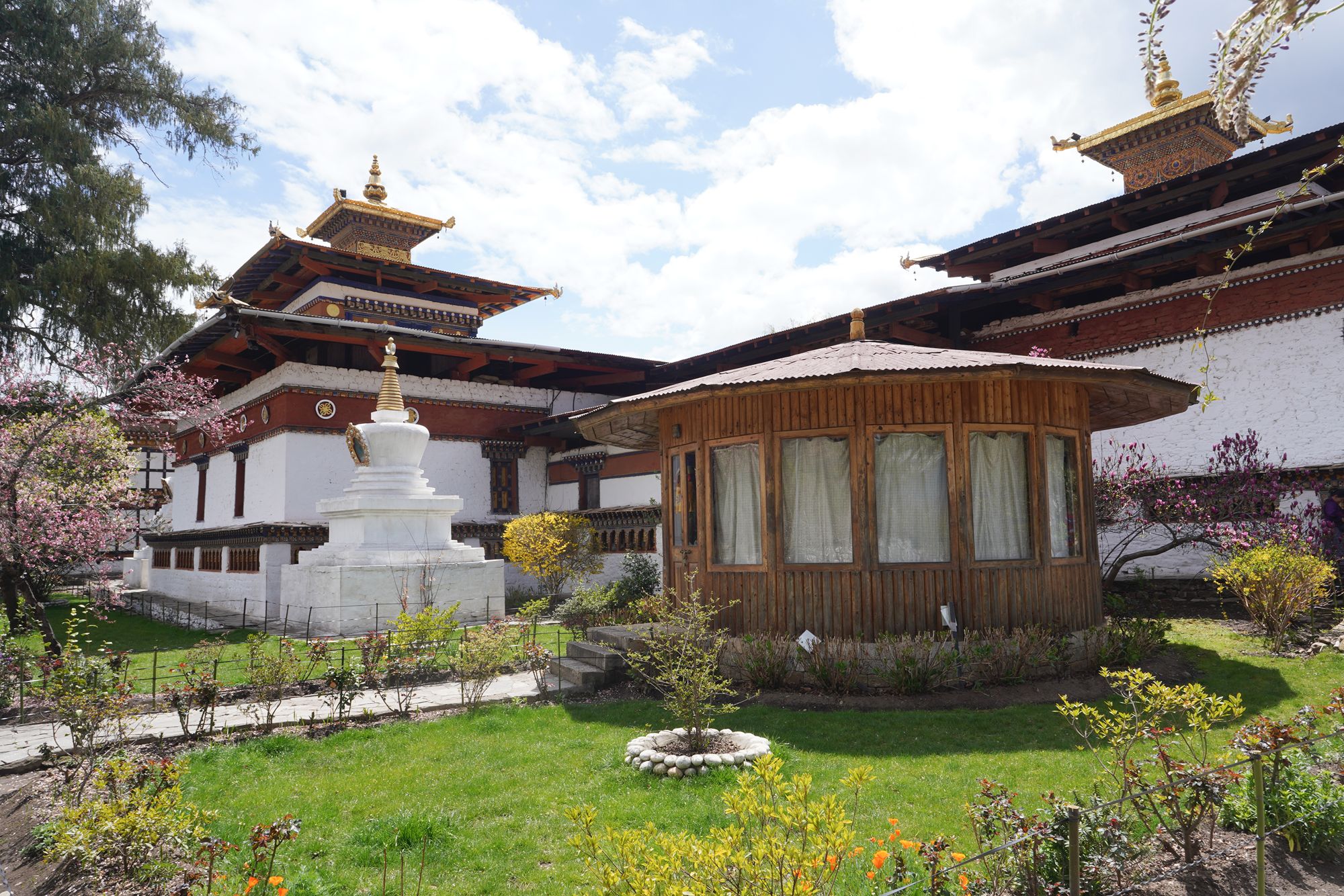
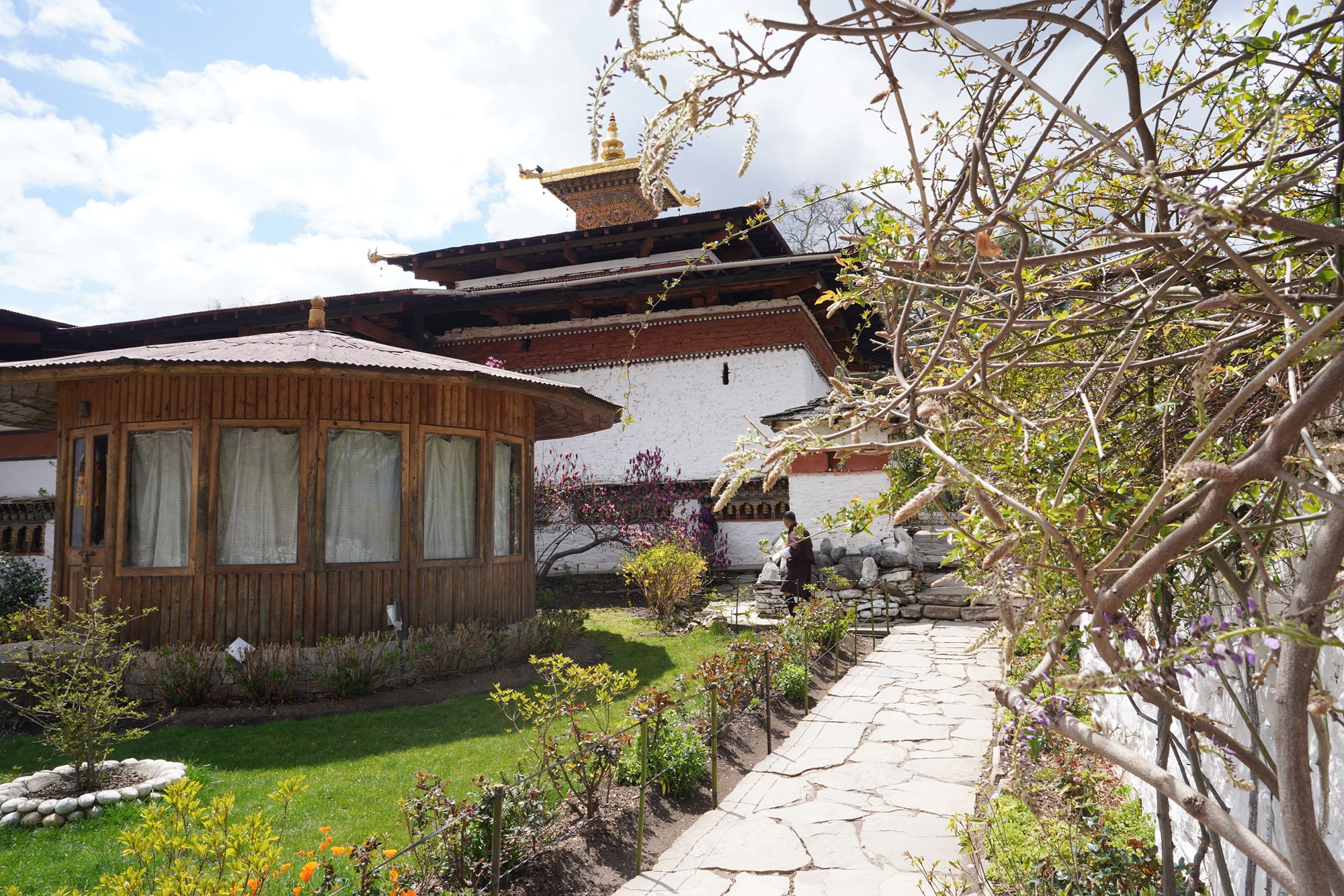
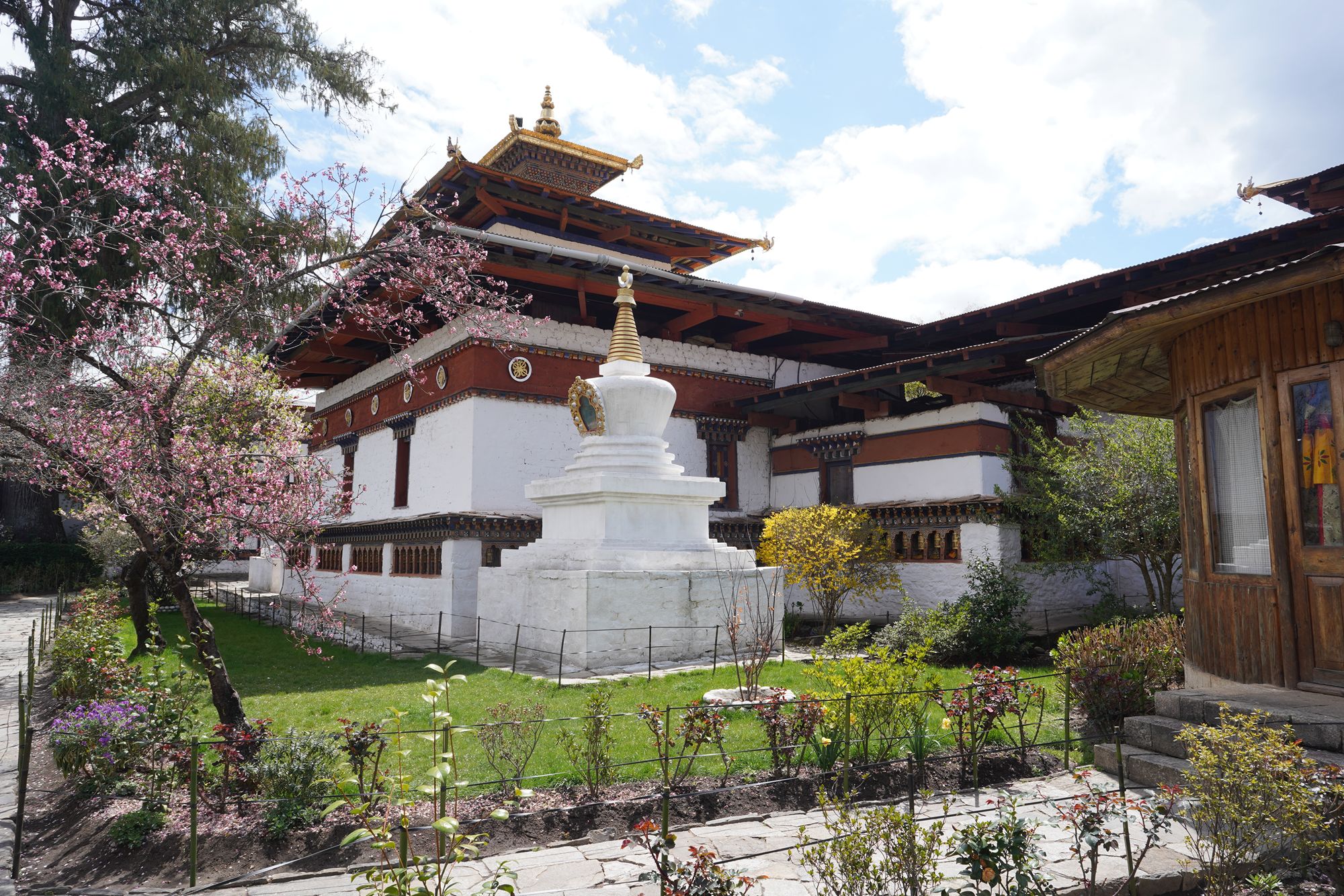
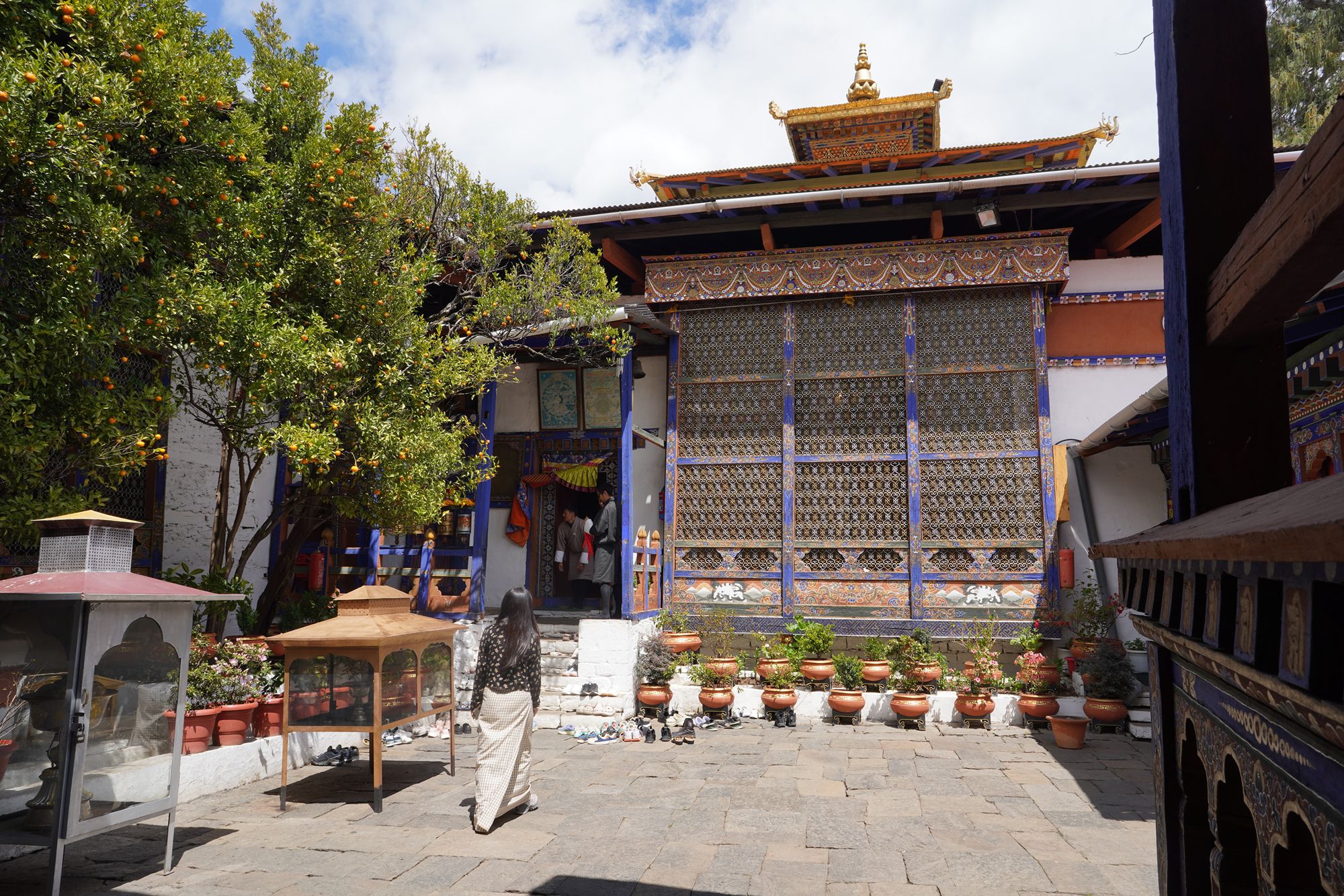
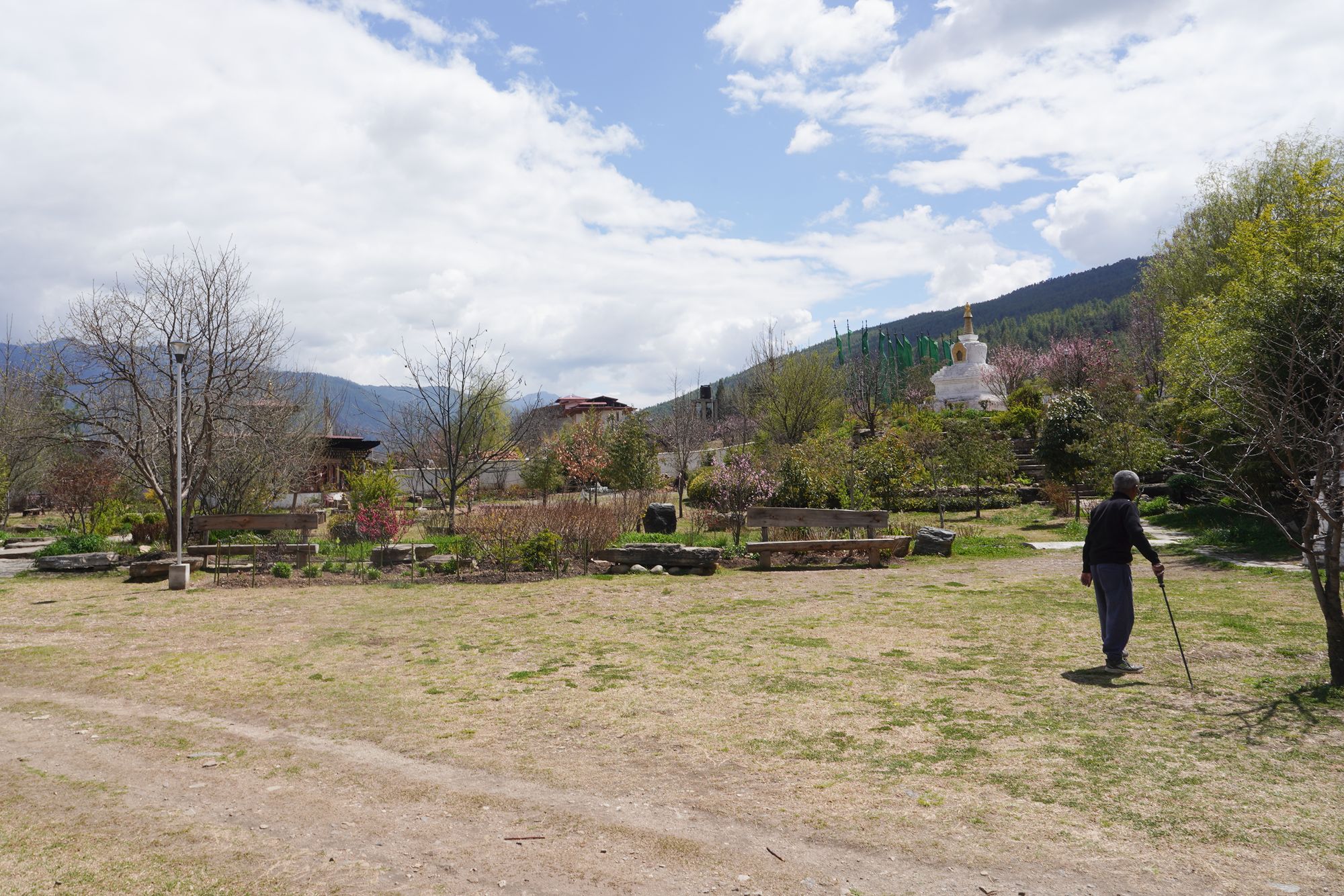
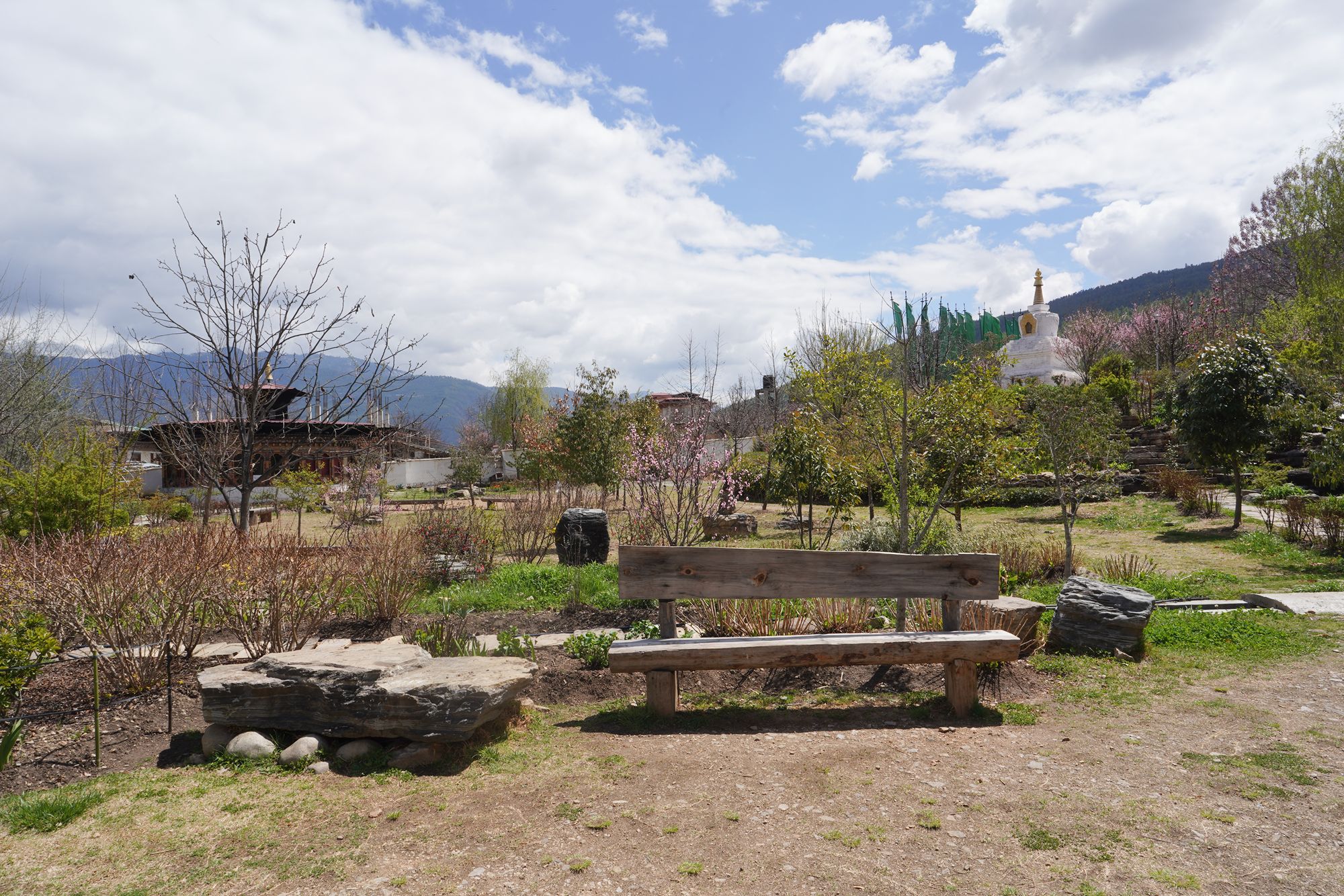
It was a beautiful day, with pleasant weather, just the right amount of sunshine, and colorful flowers blooming around the temple grounds.
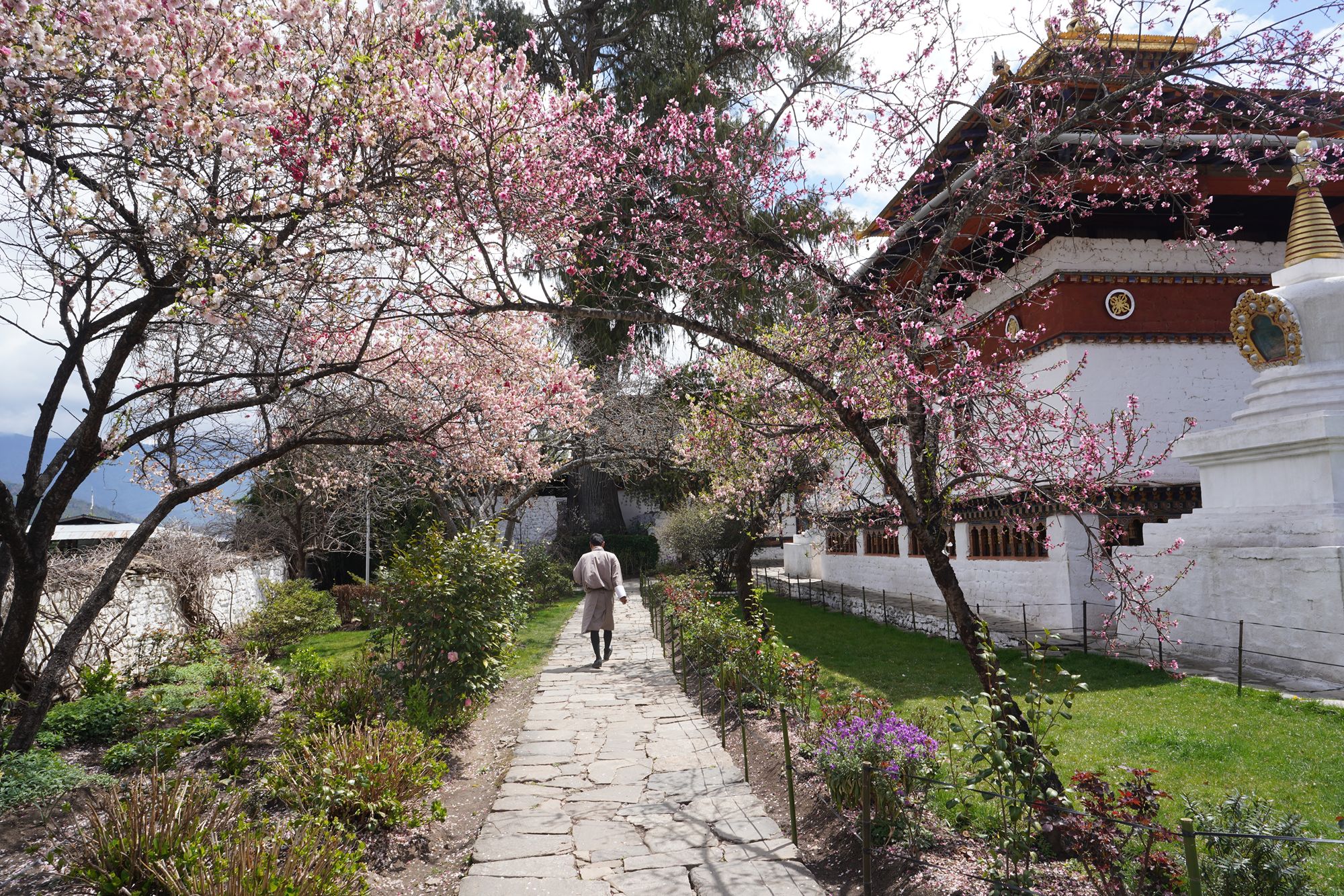
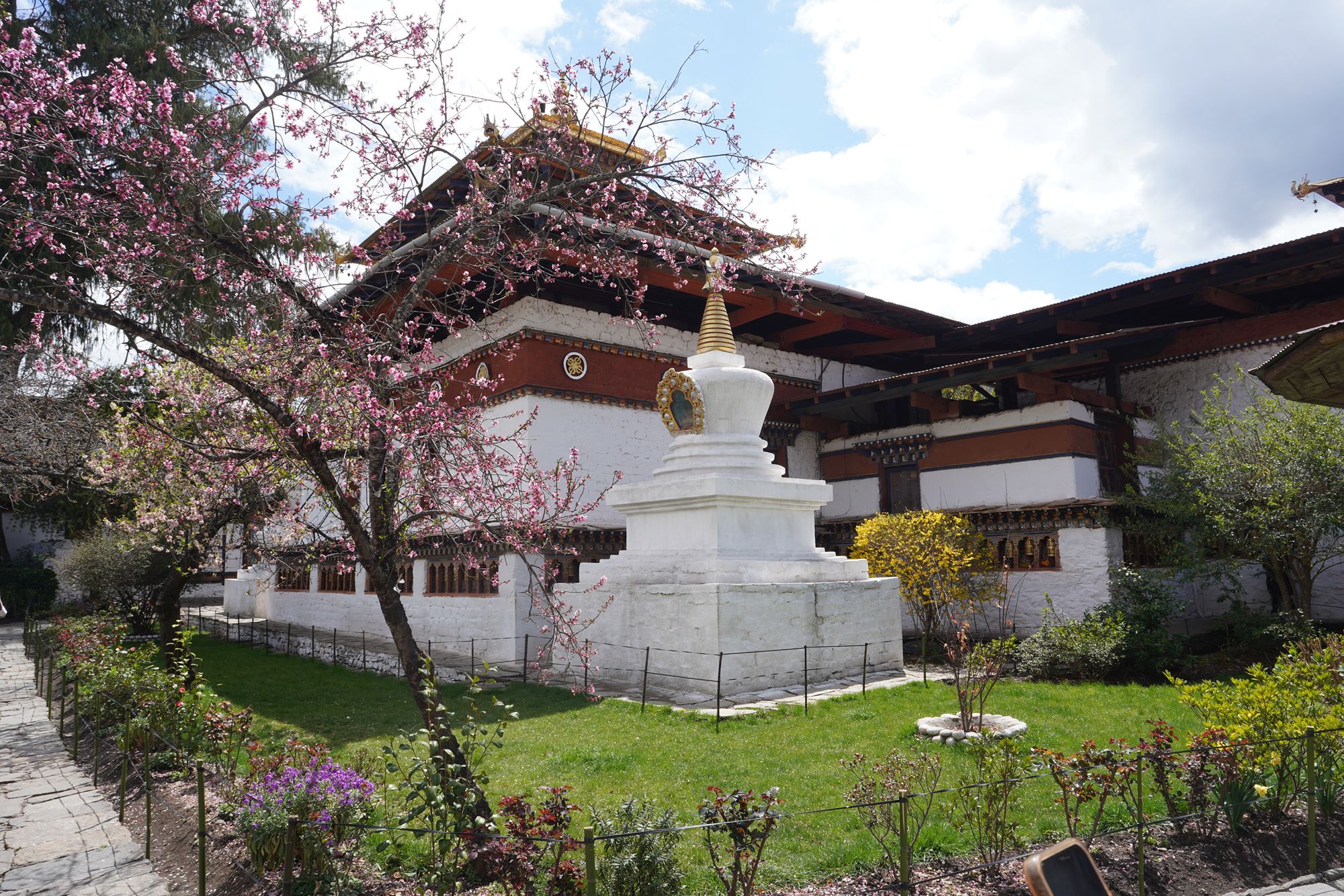
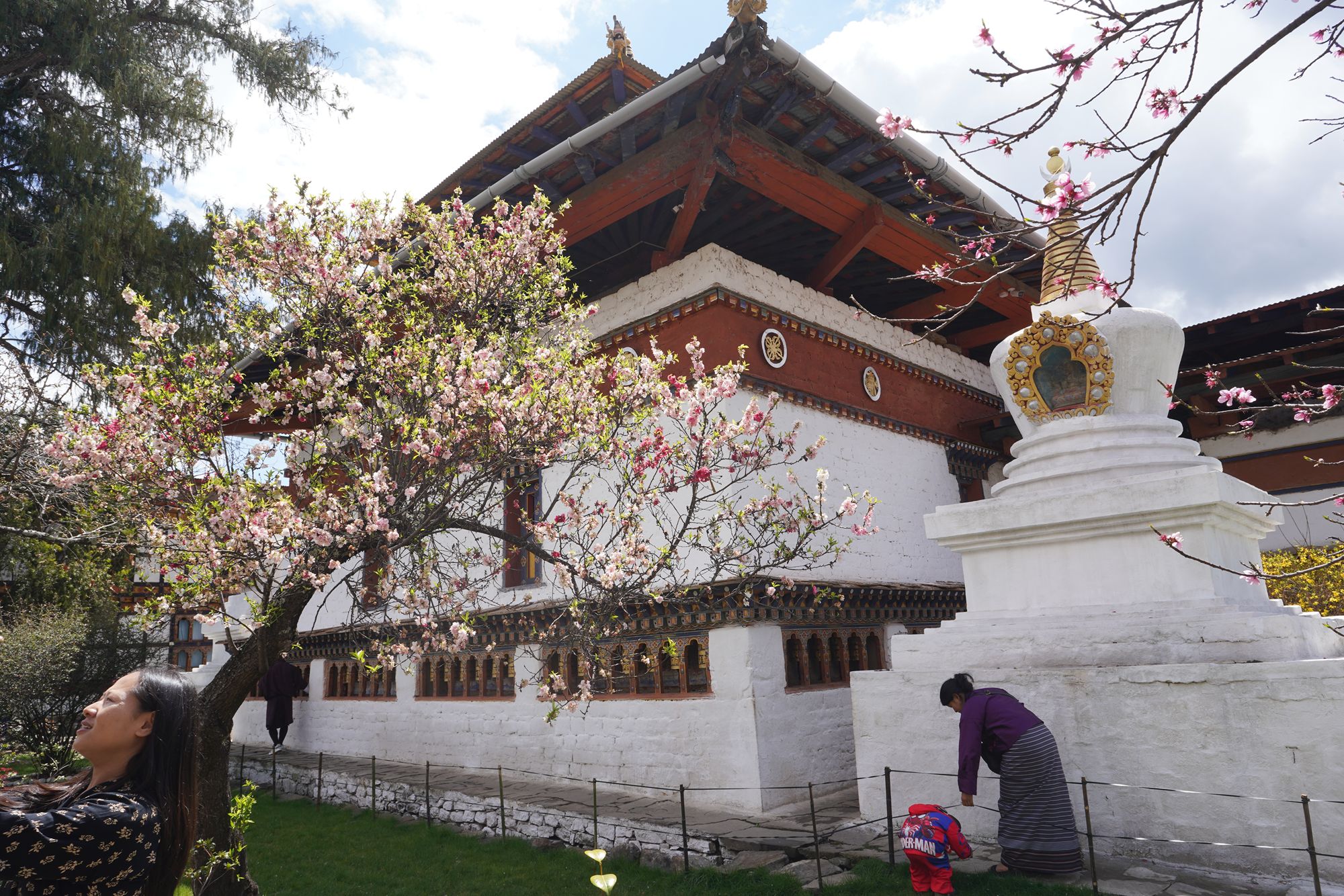
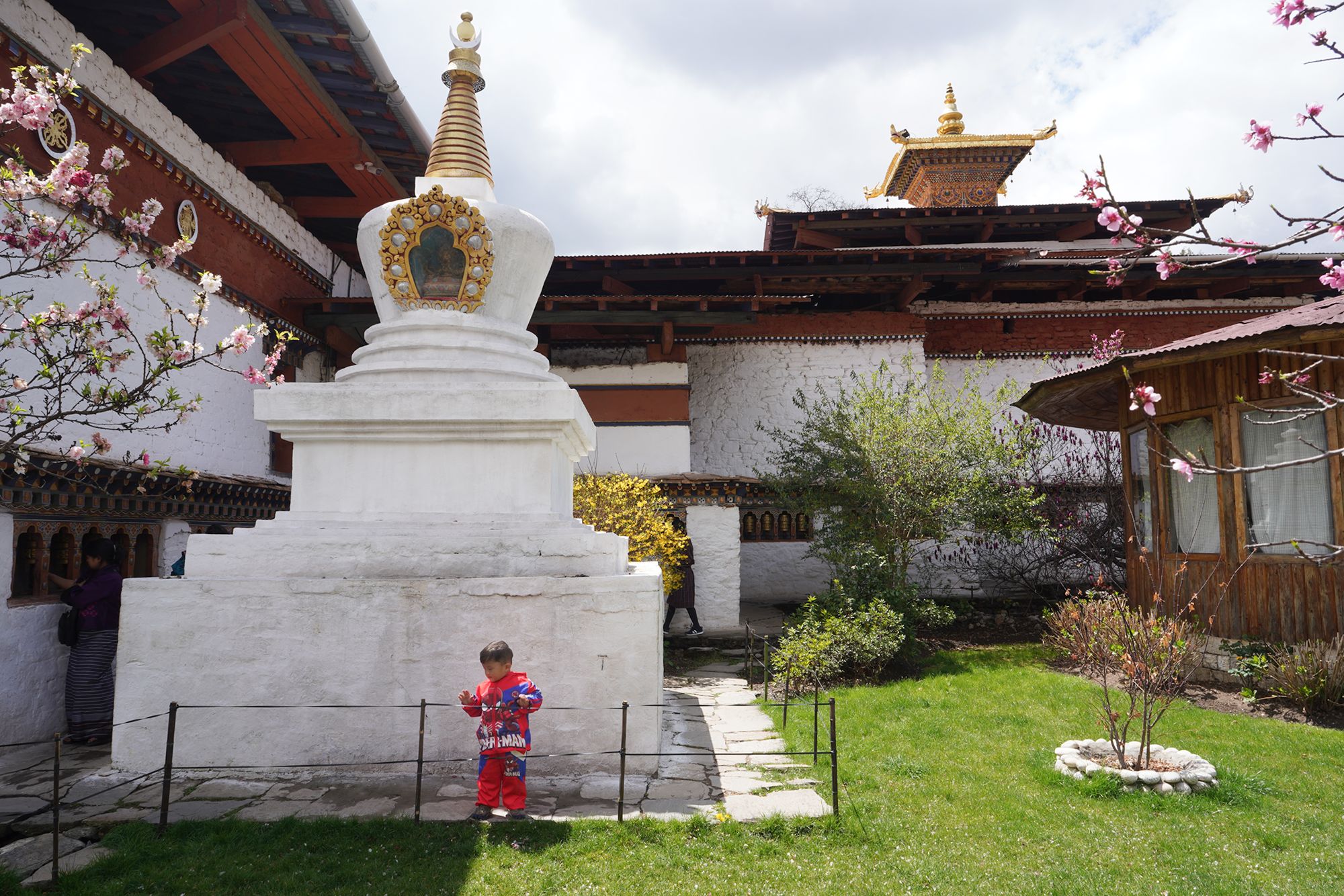
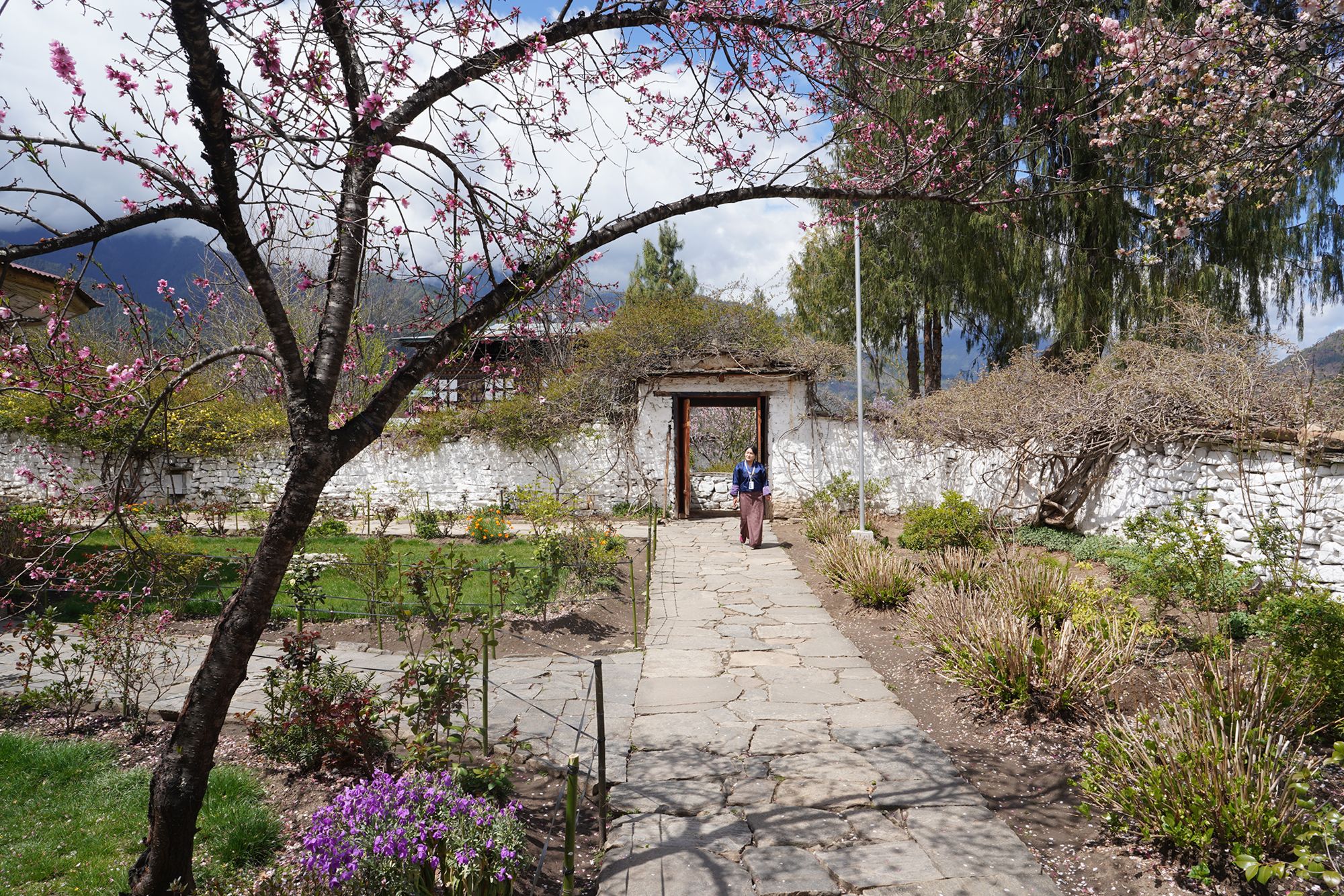
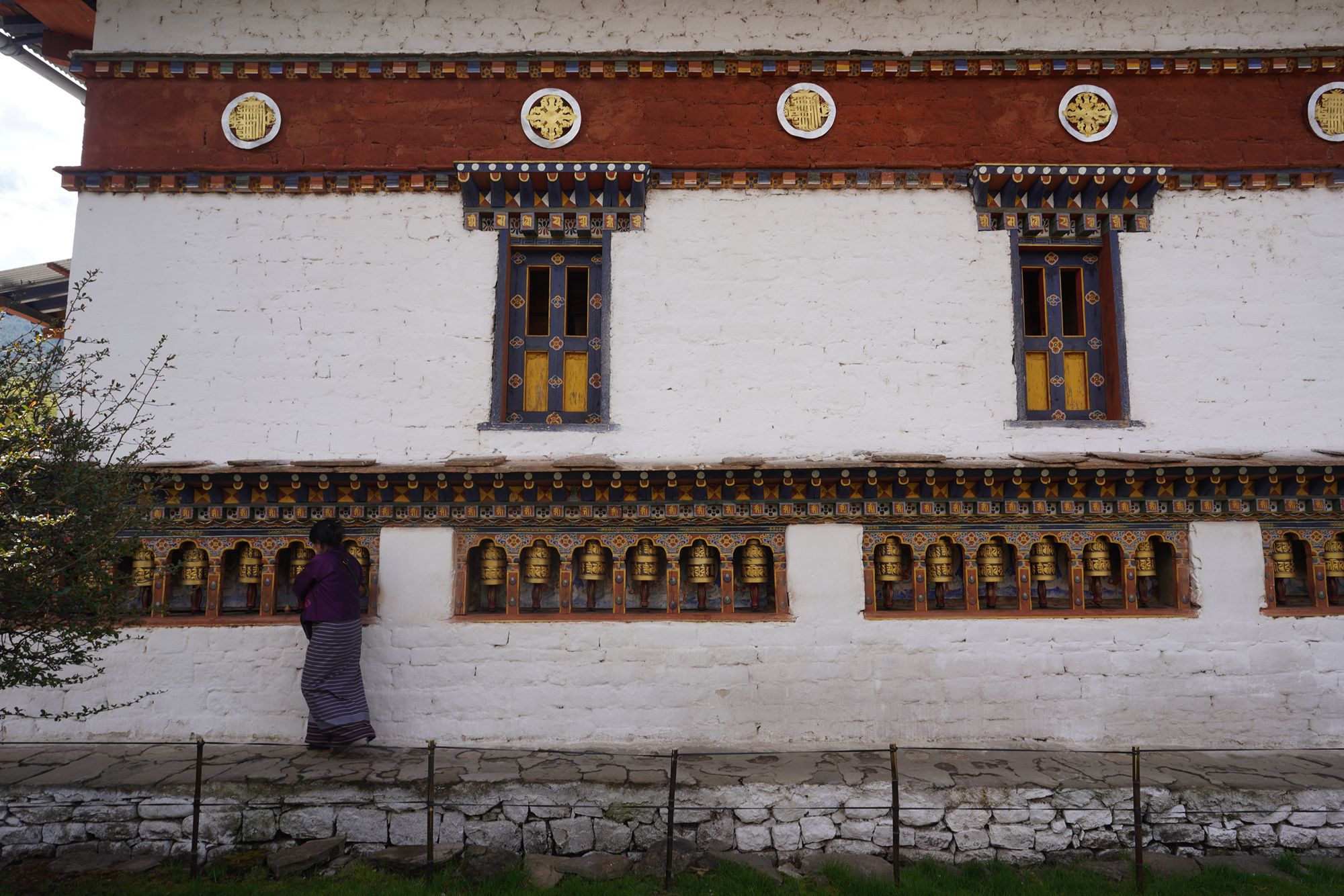
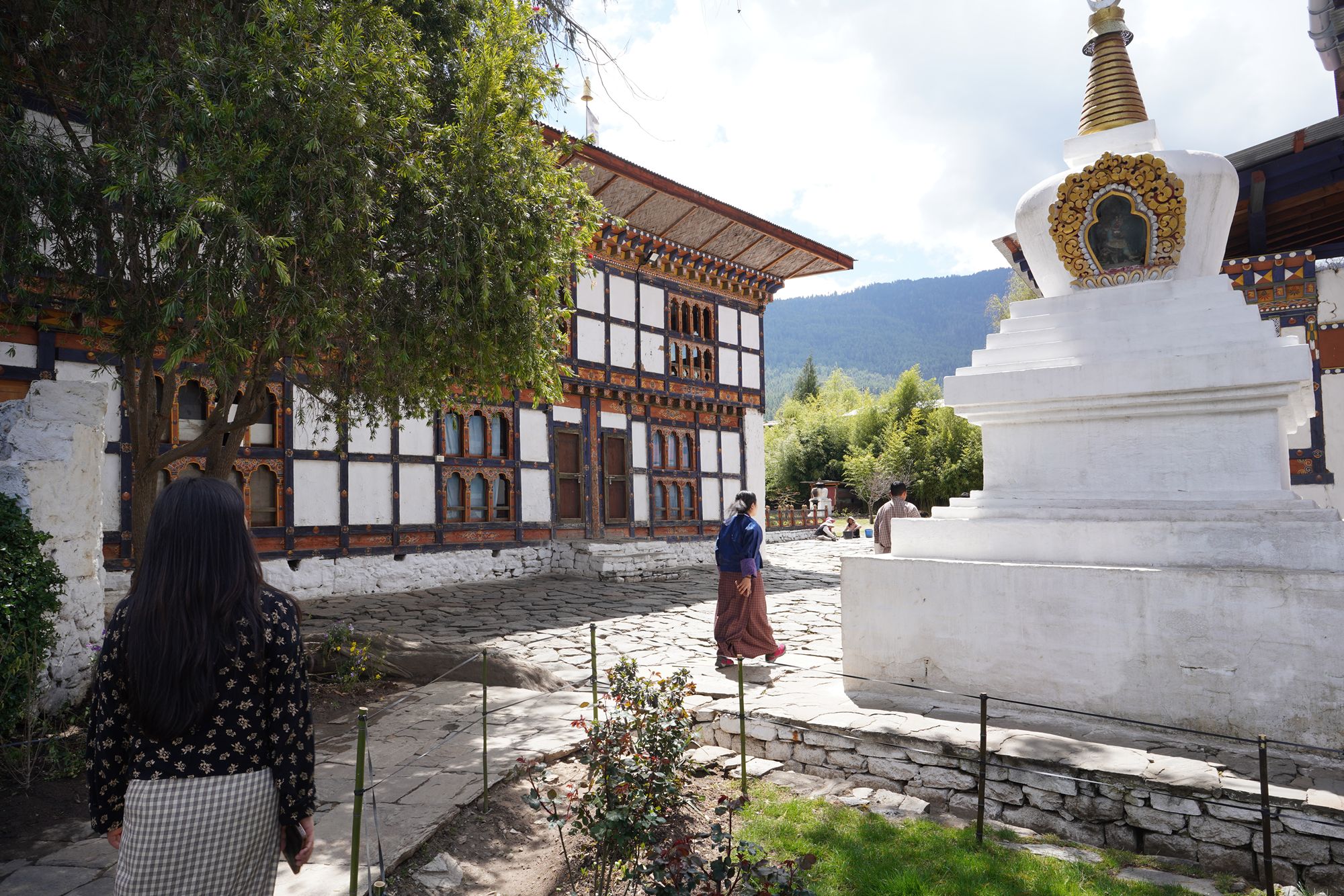
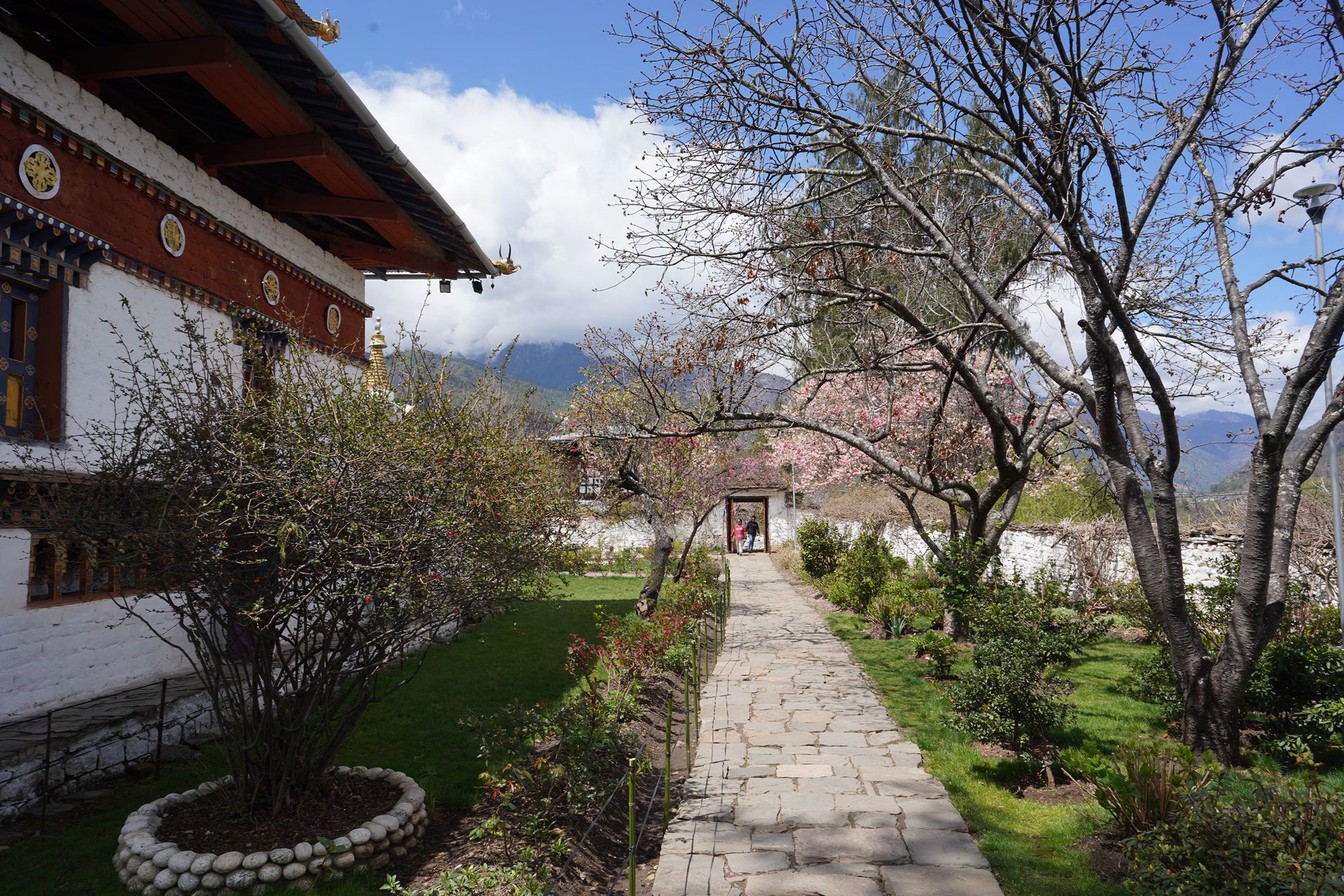
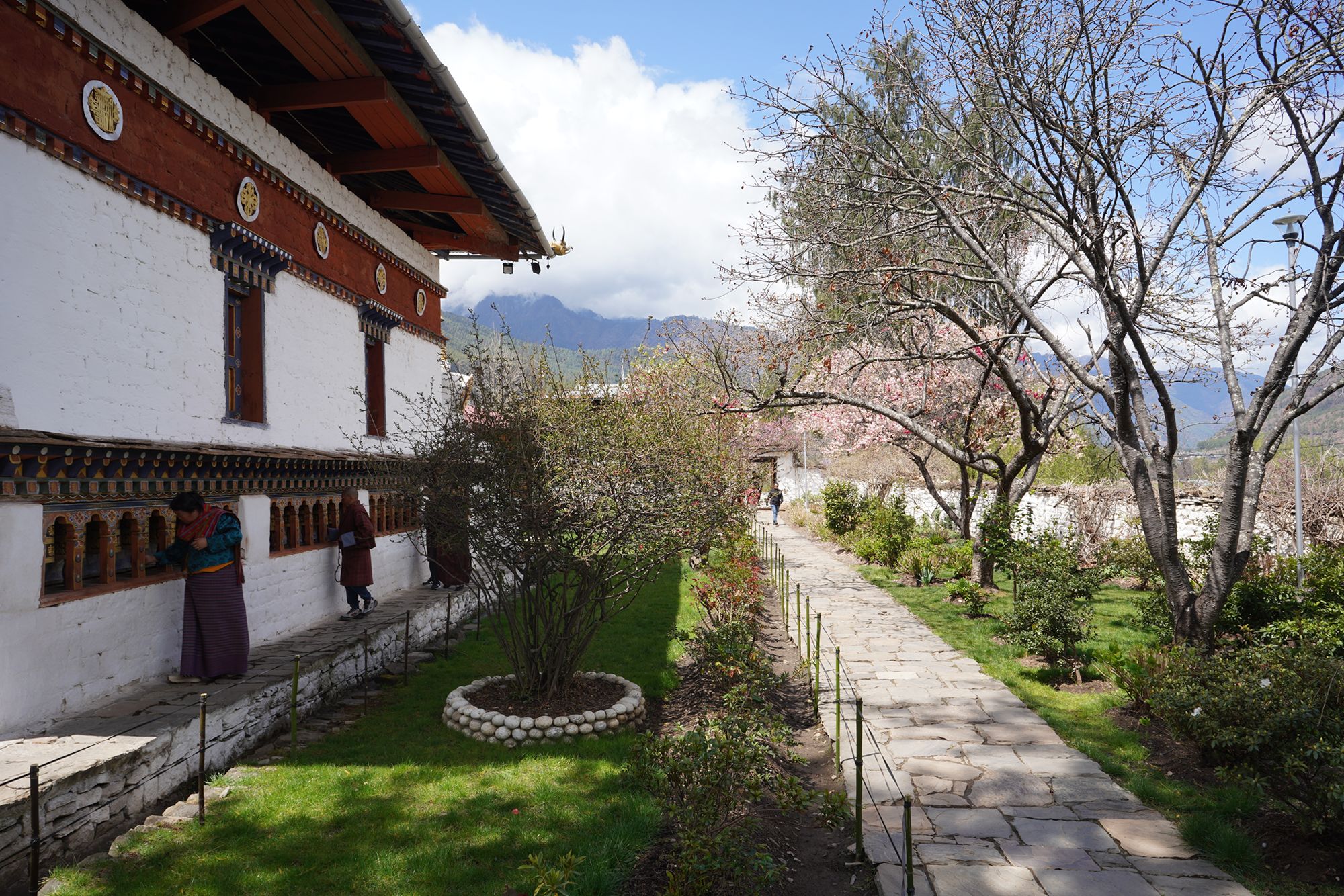
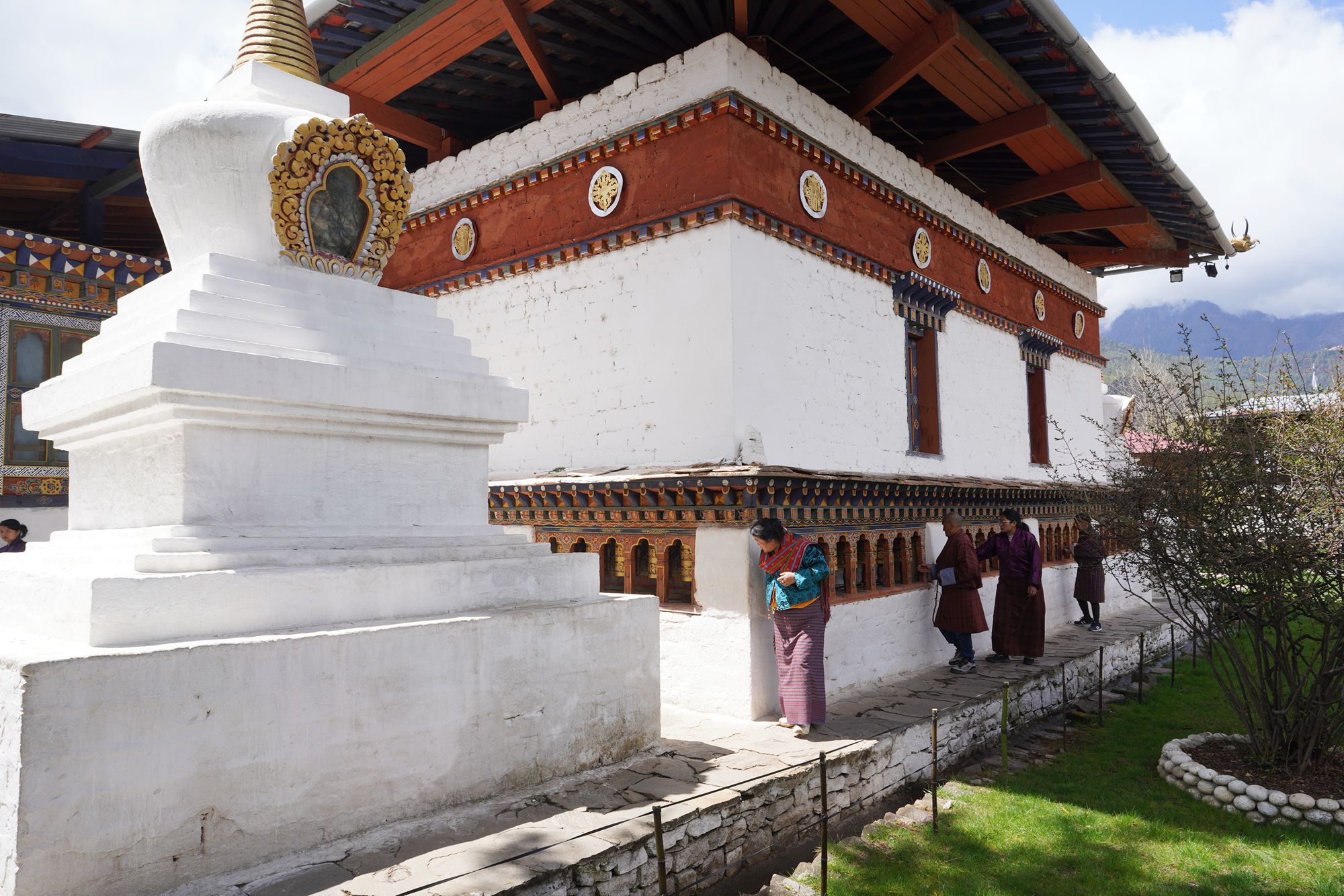
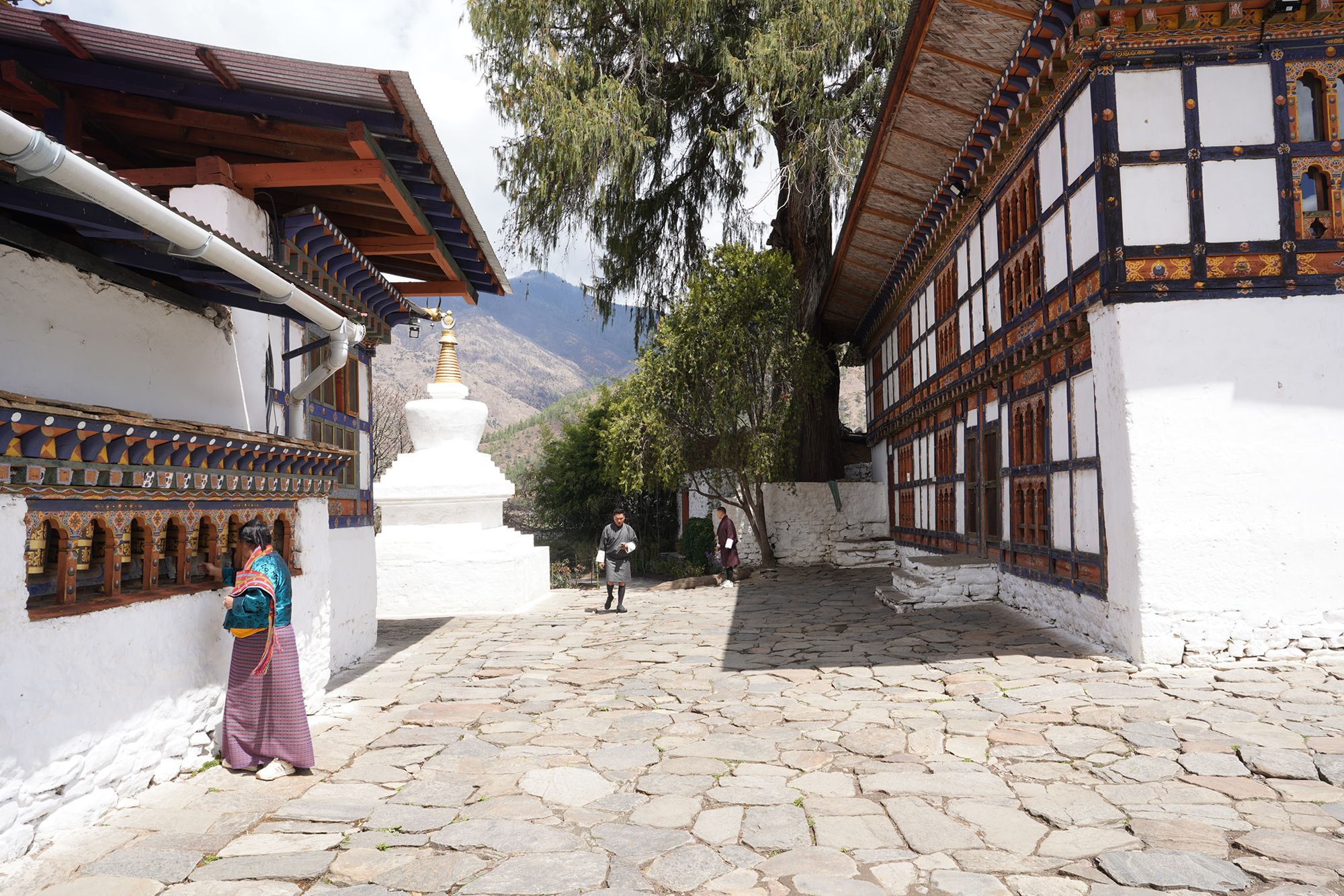
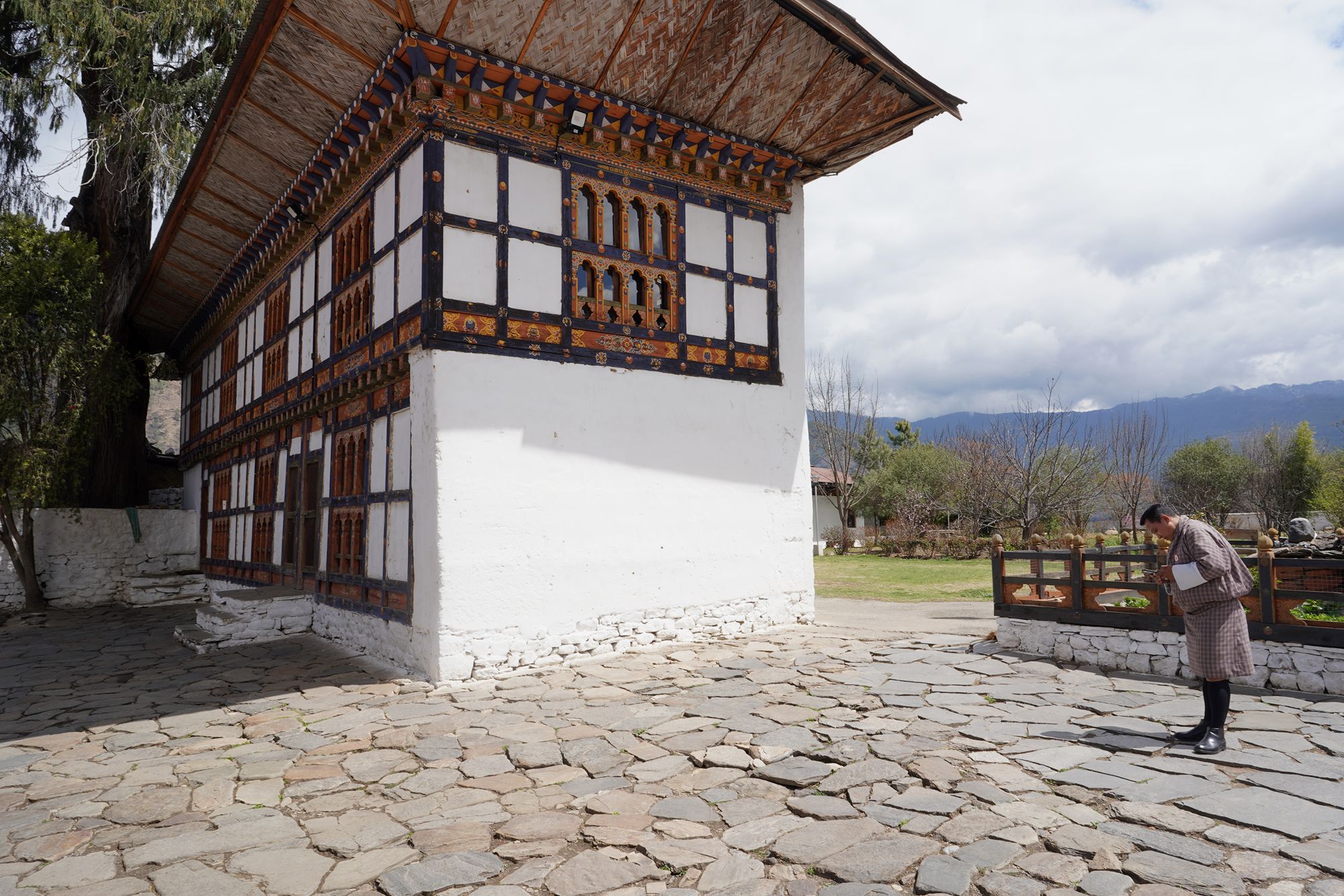
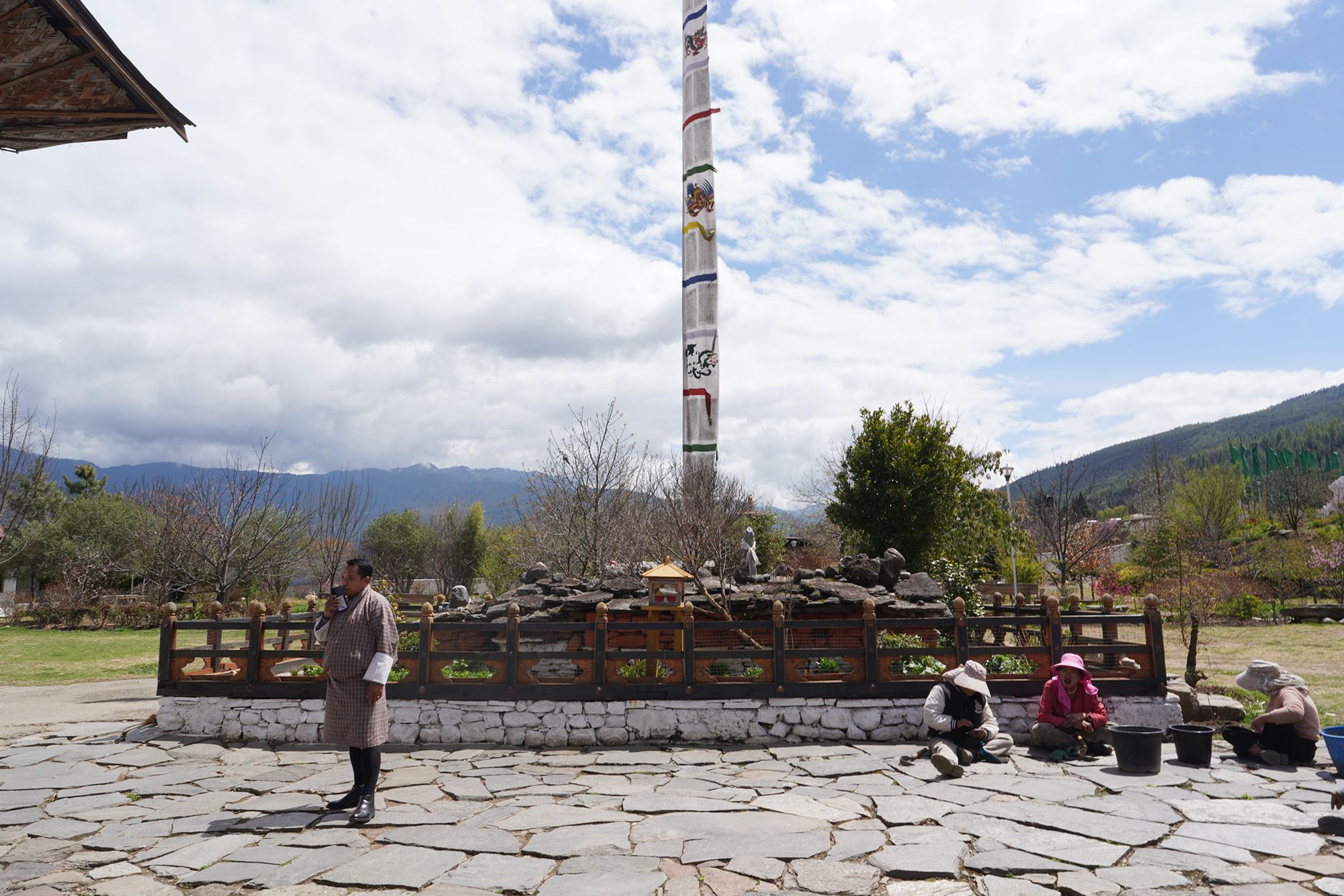
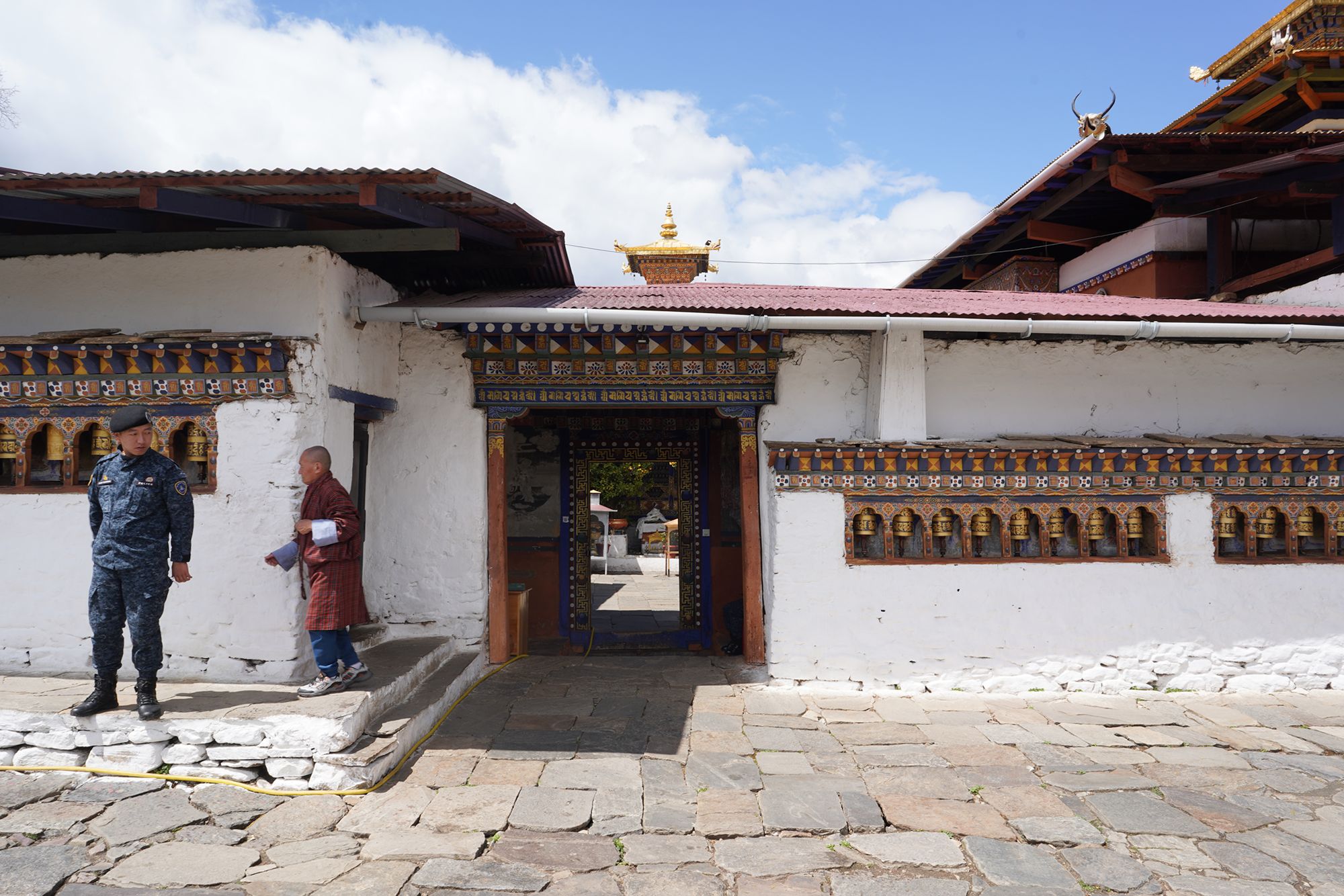
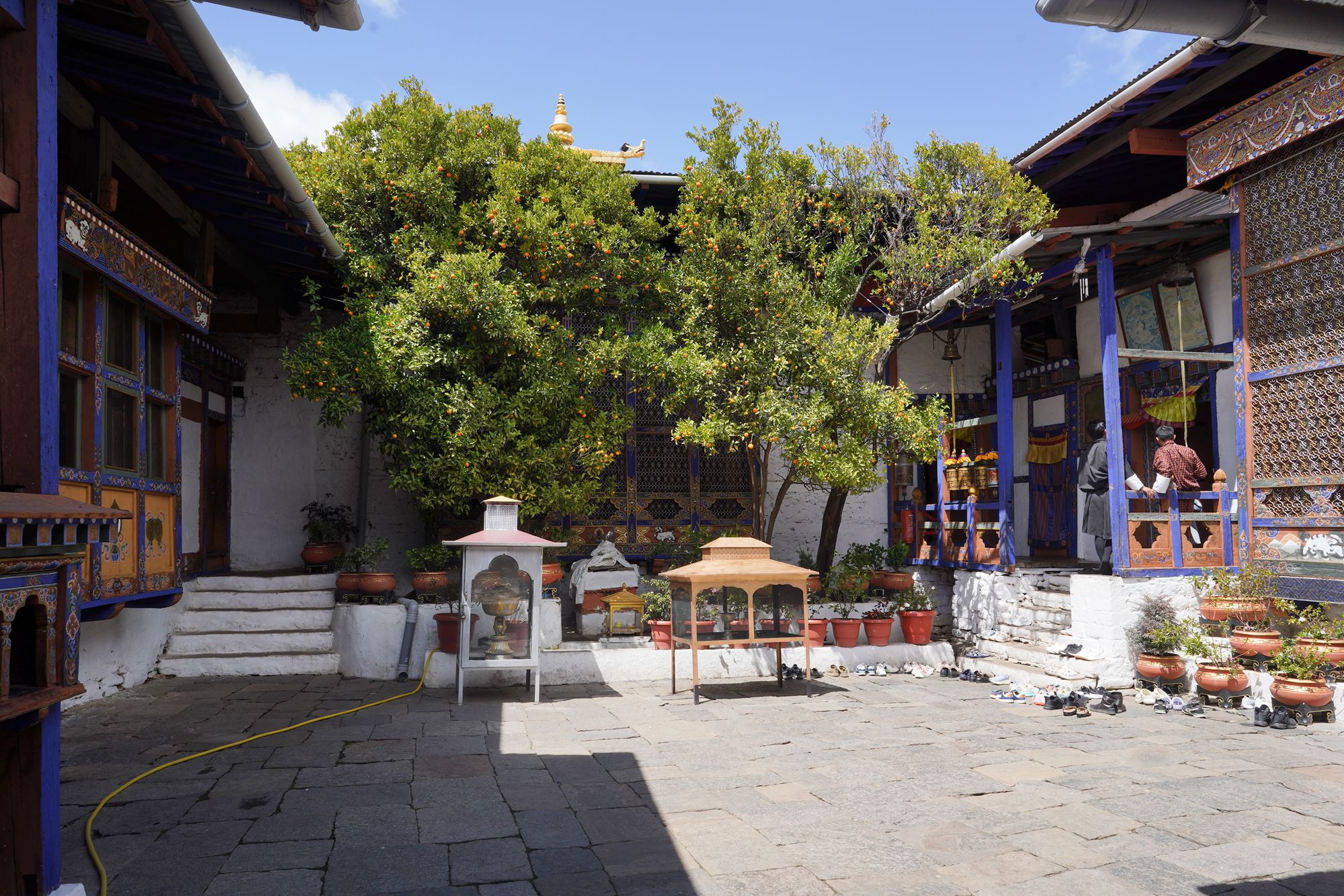
Once again, photography was not allowed inside the temple, so I was unable to take any pictures of the interior.
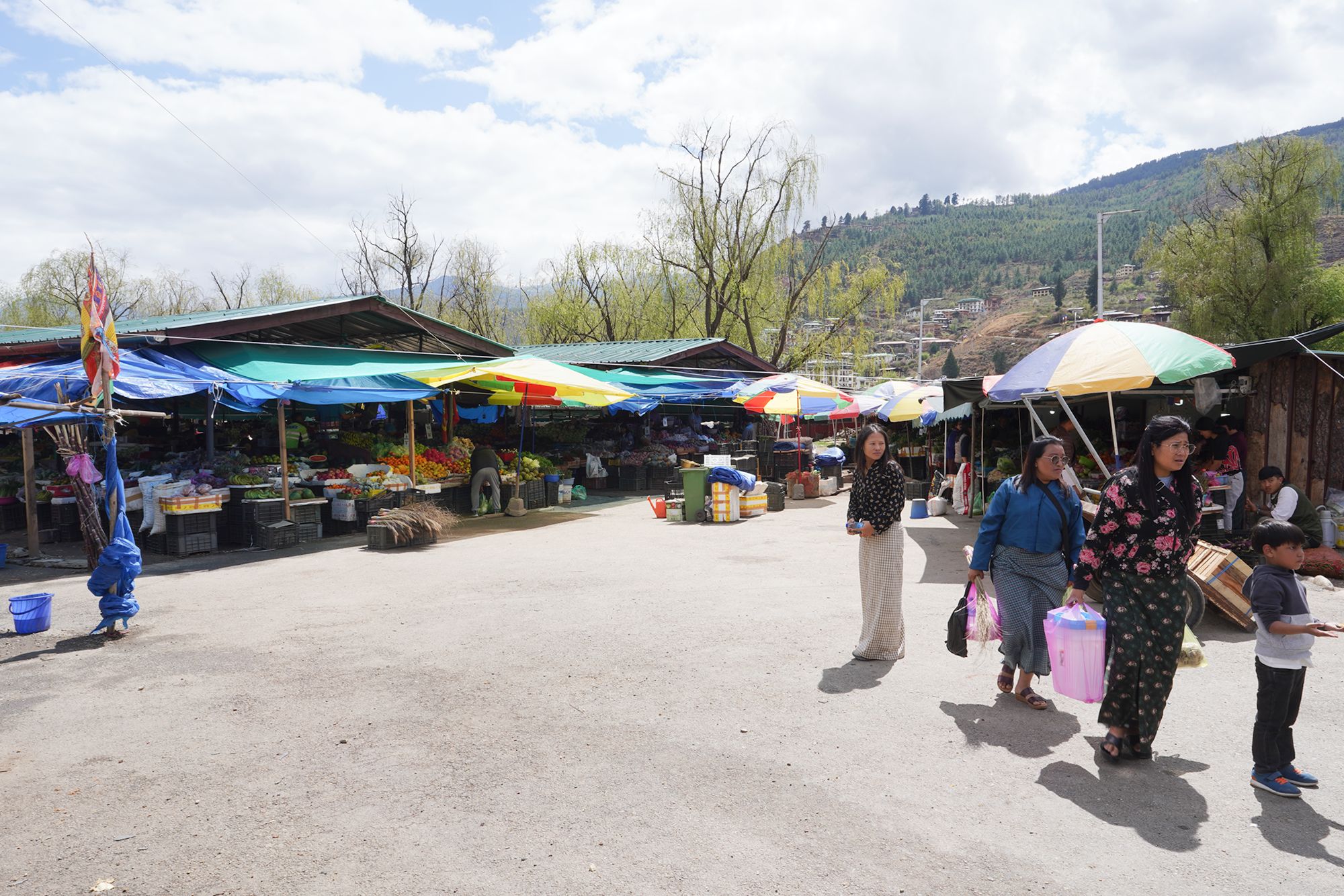
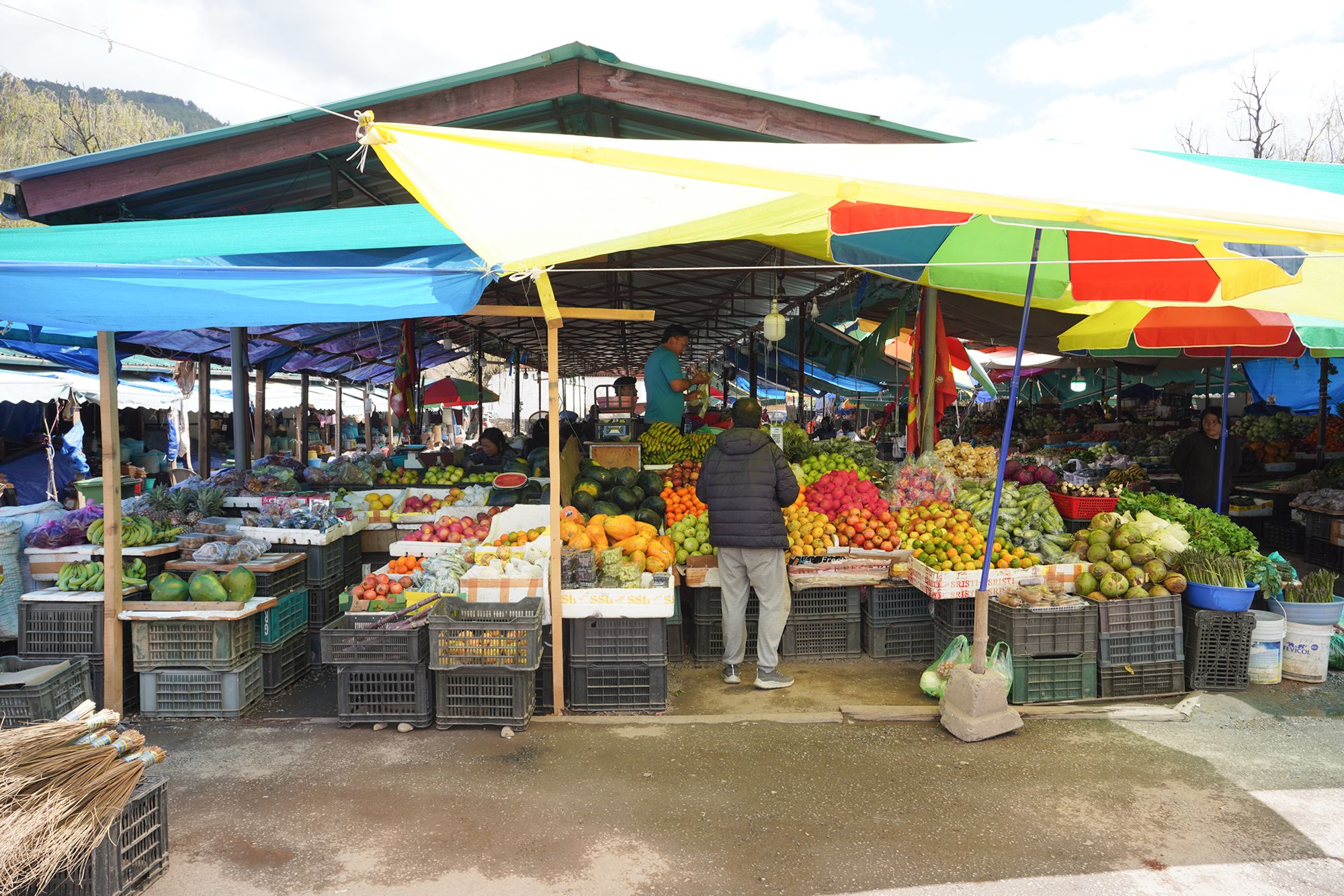
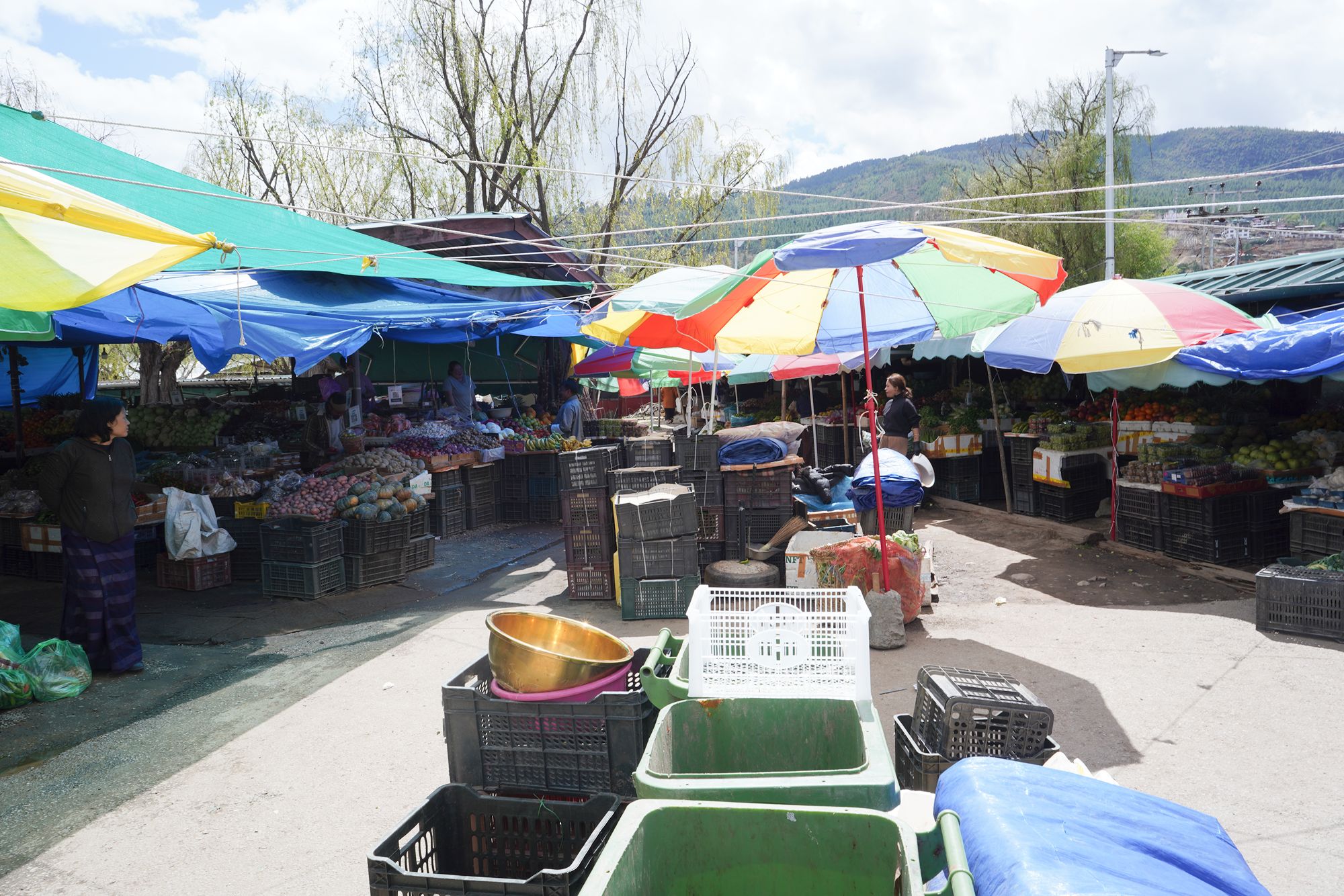
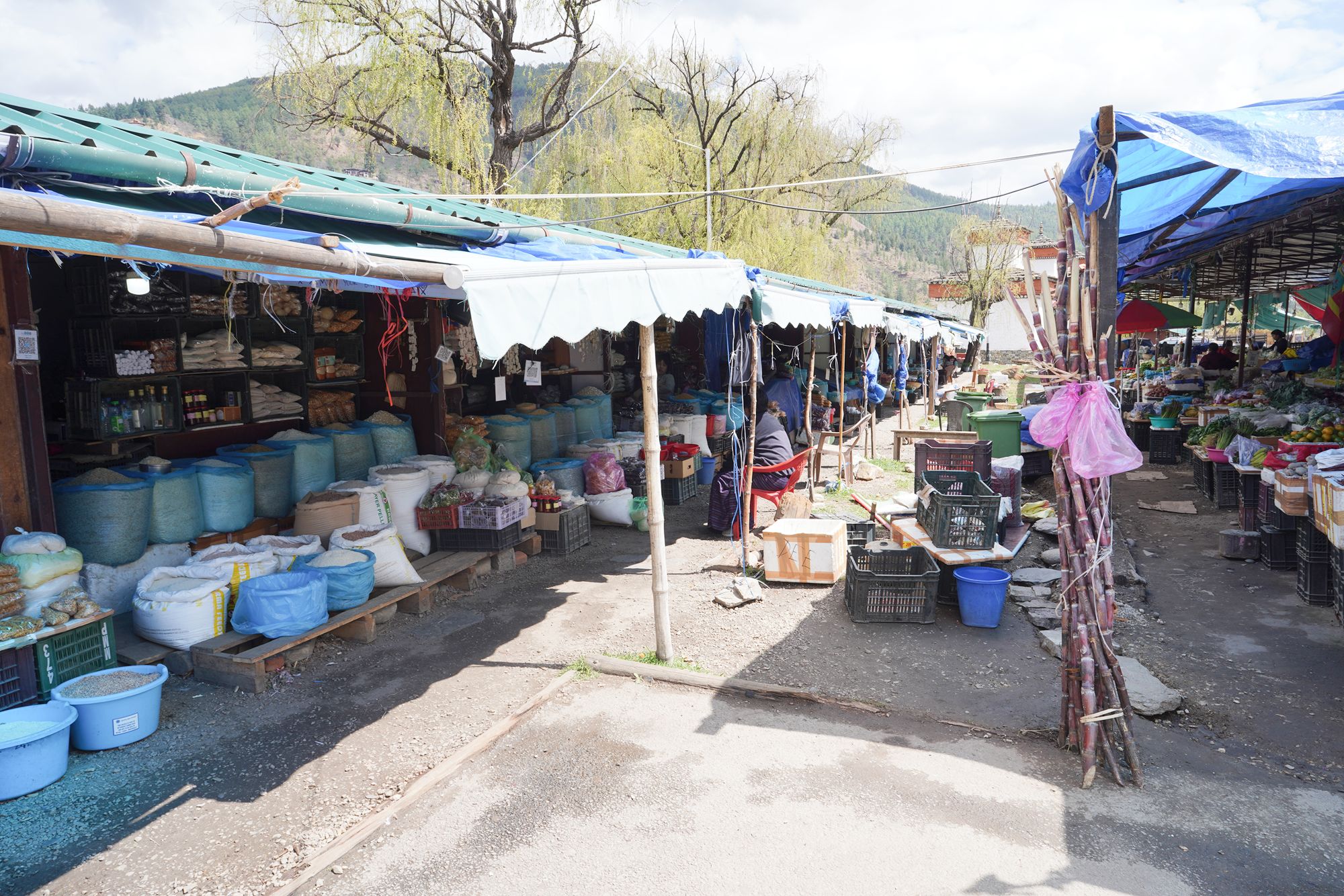
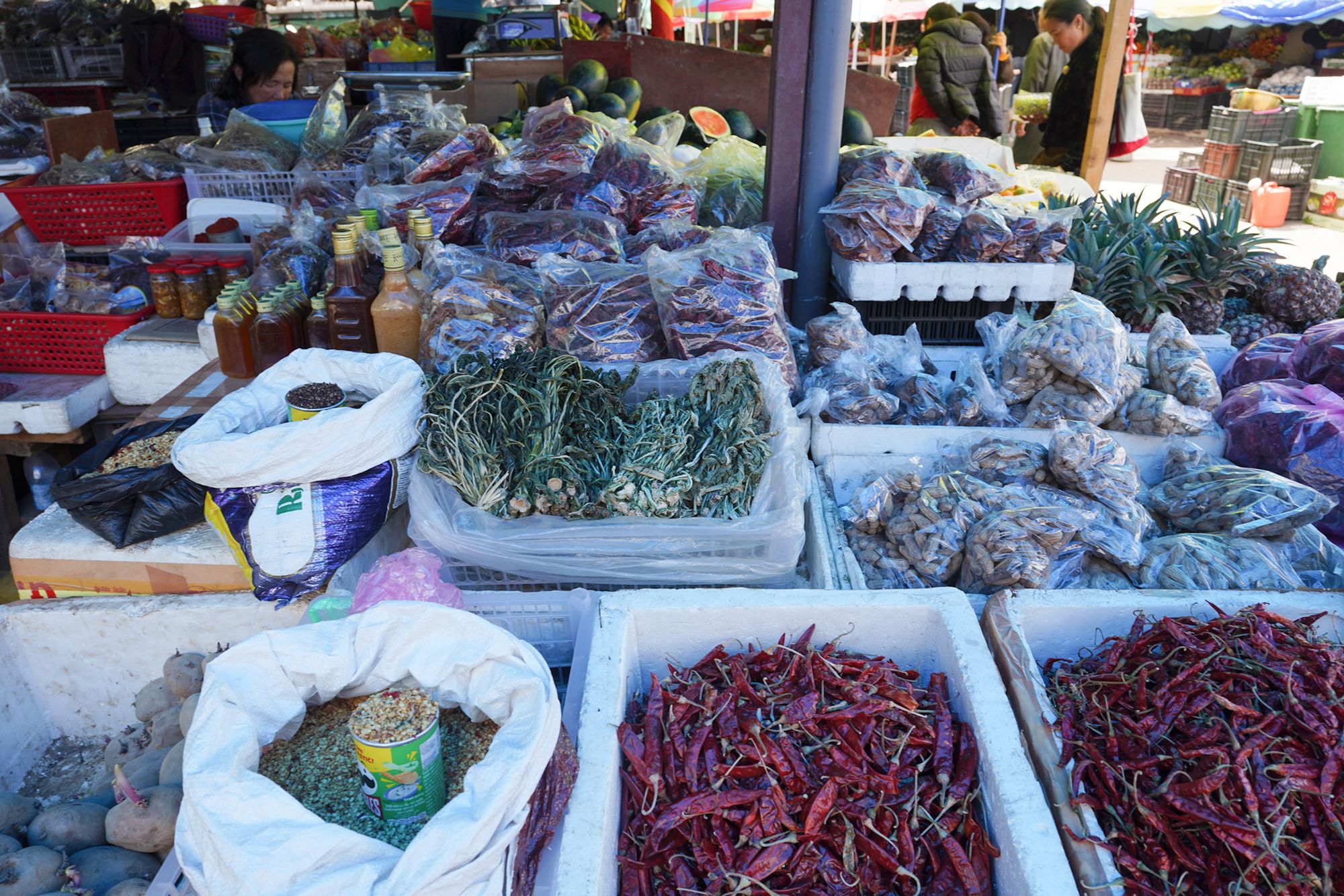
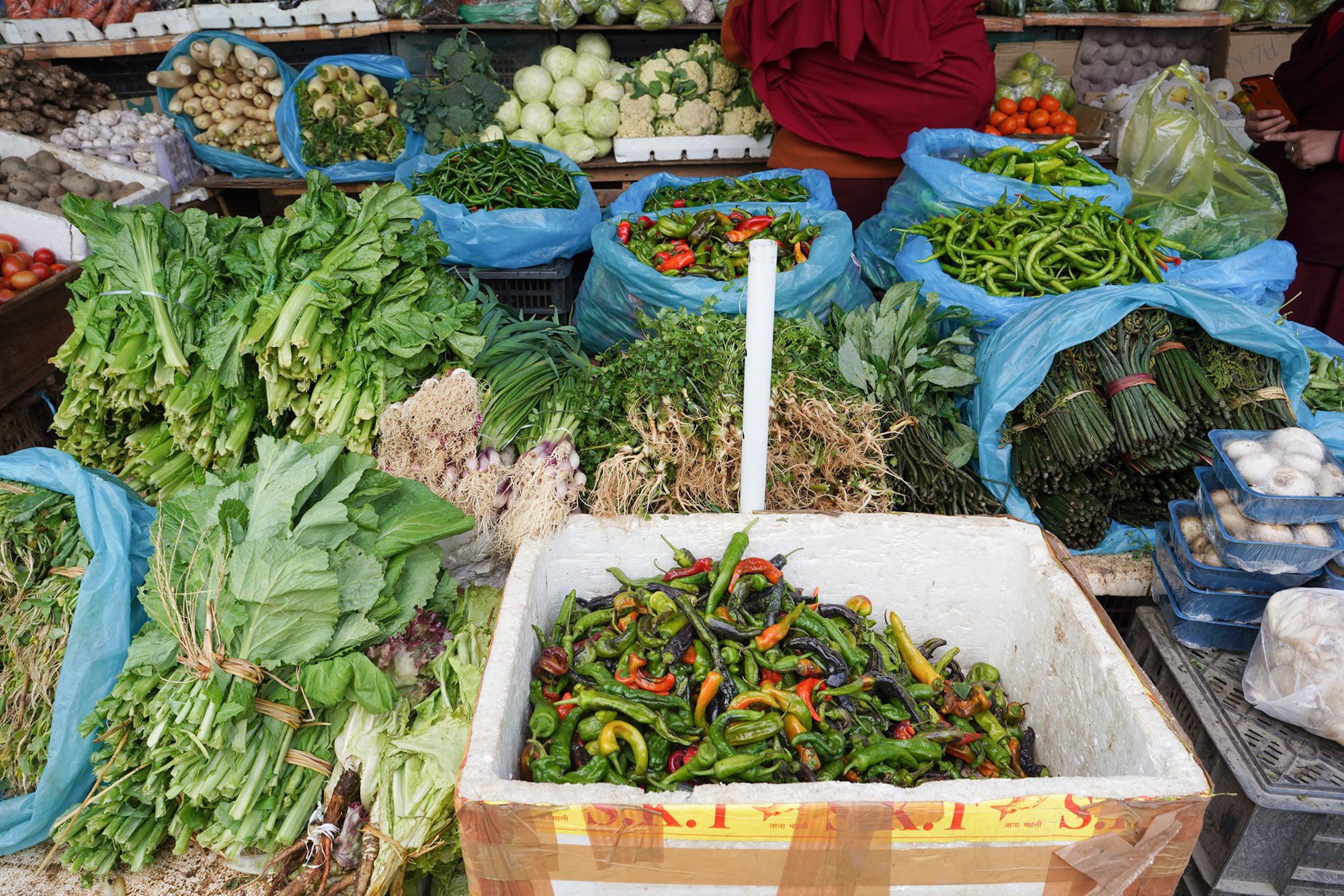
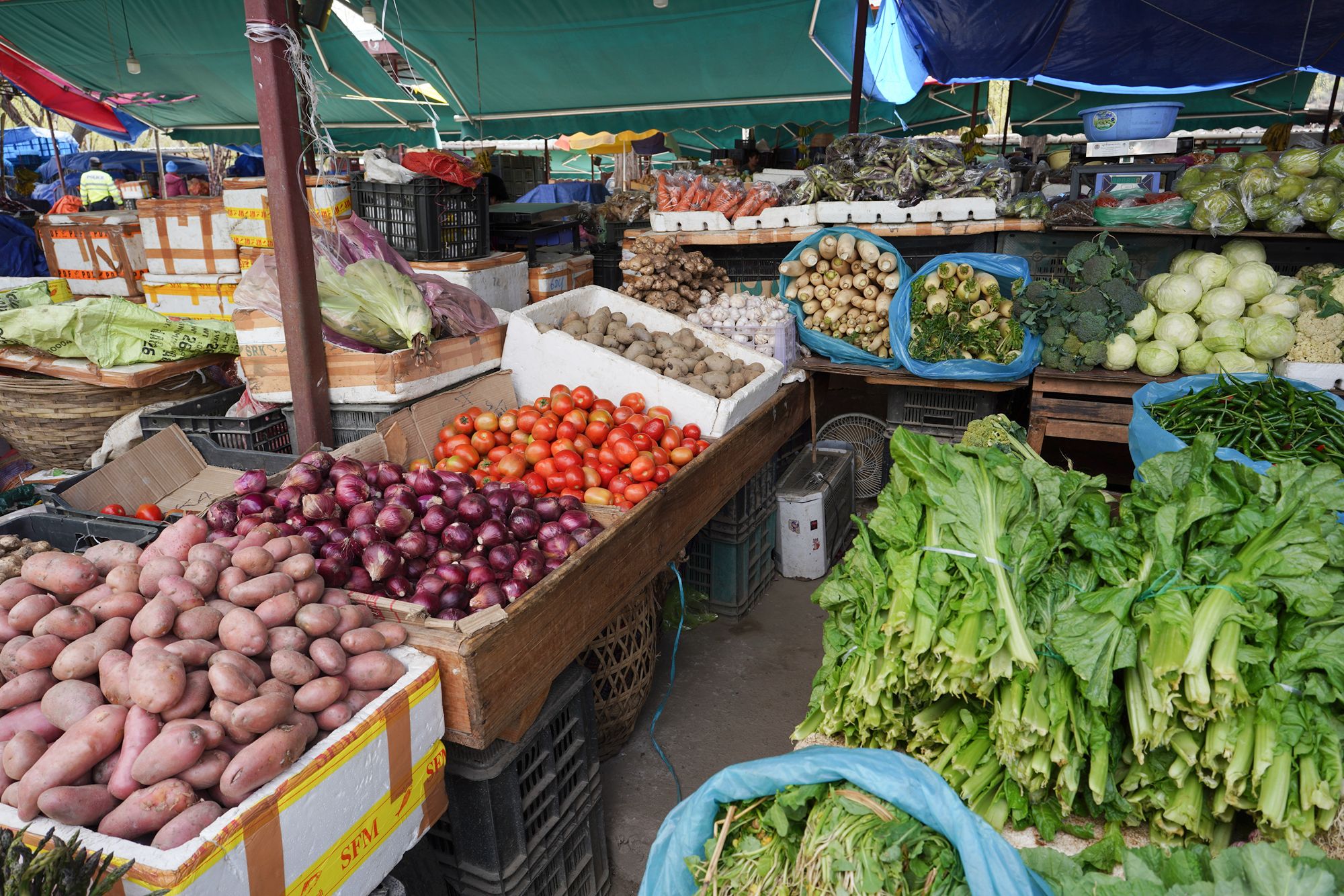
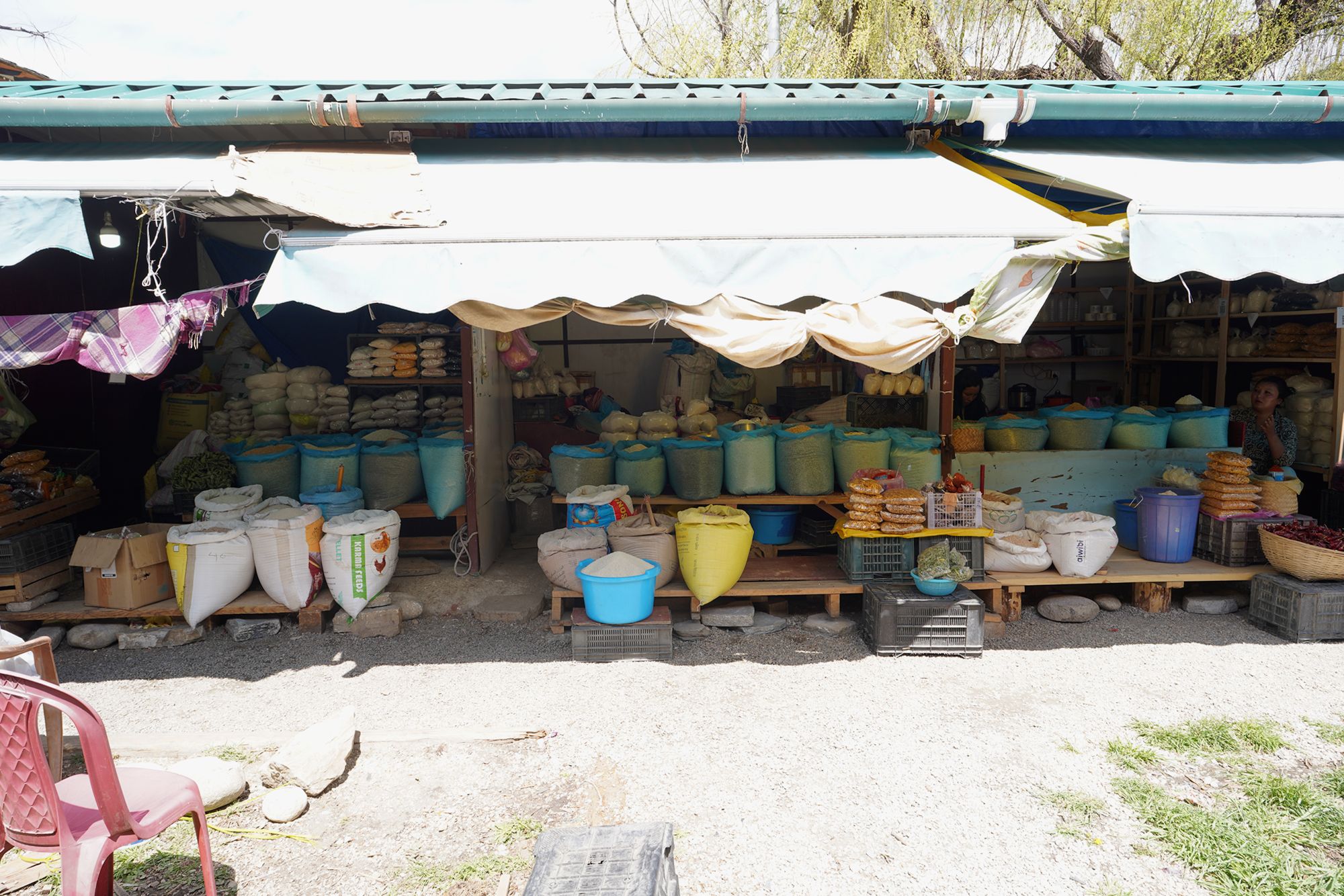
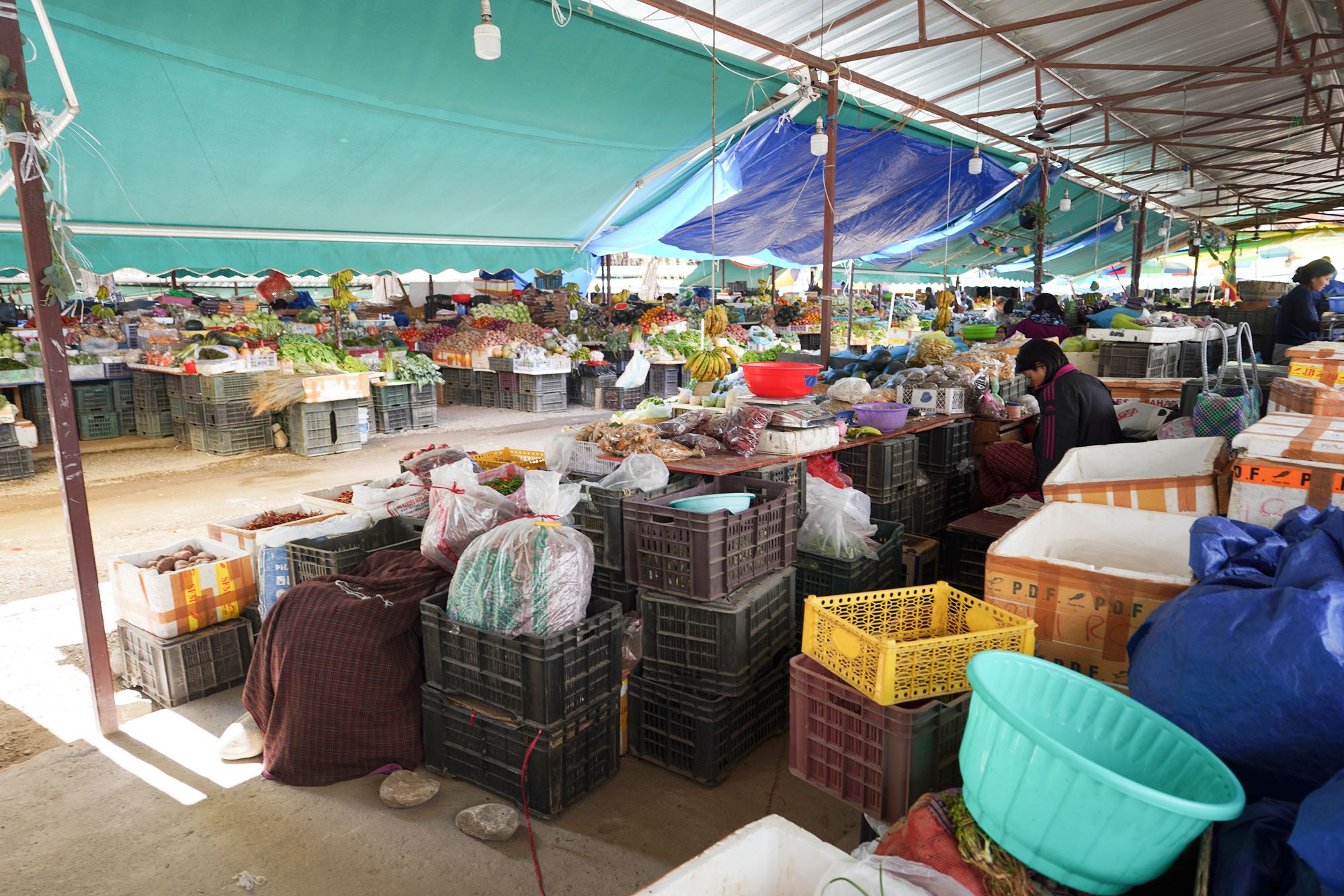
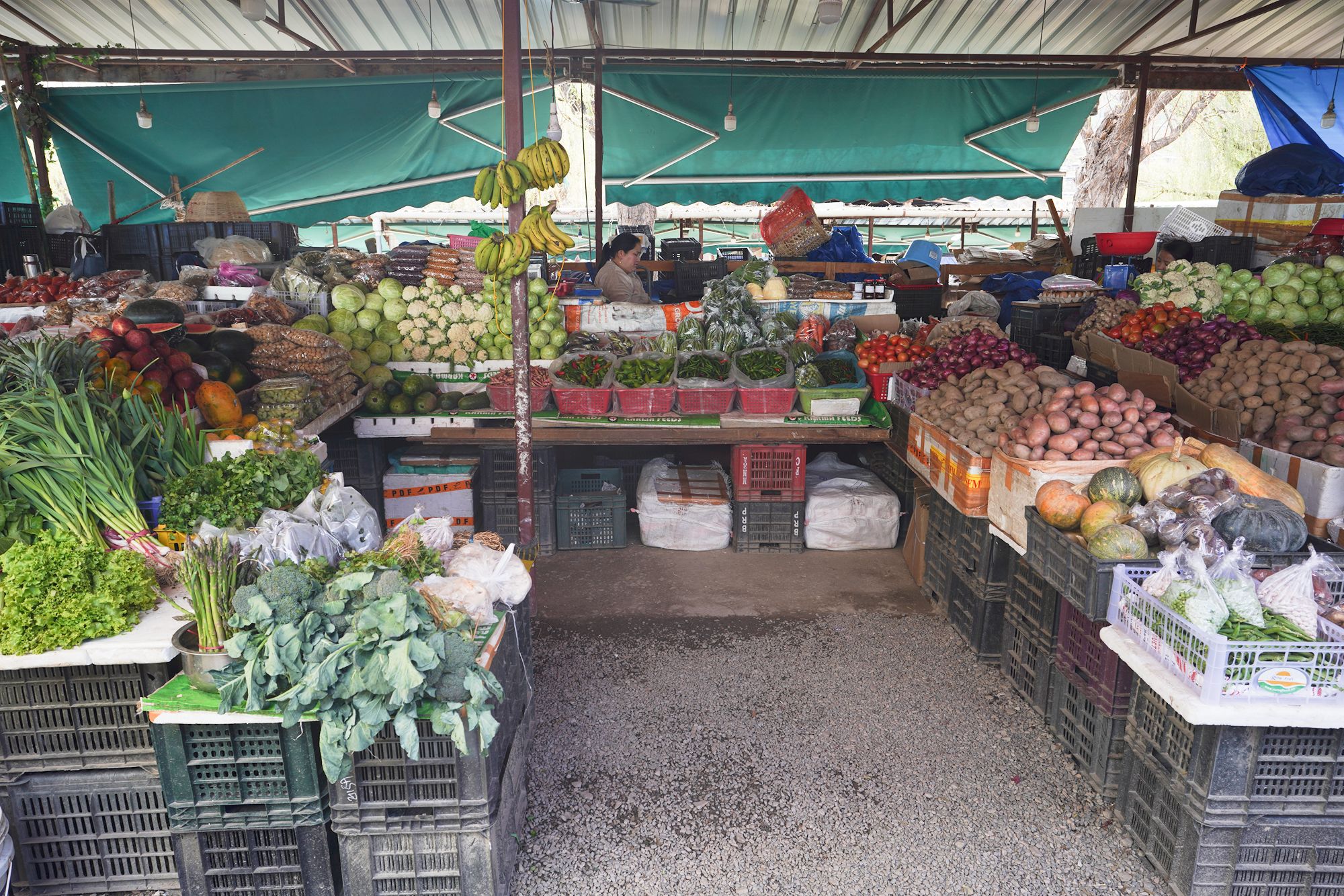
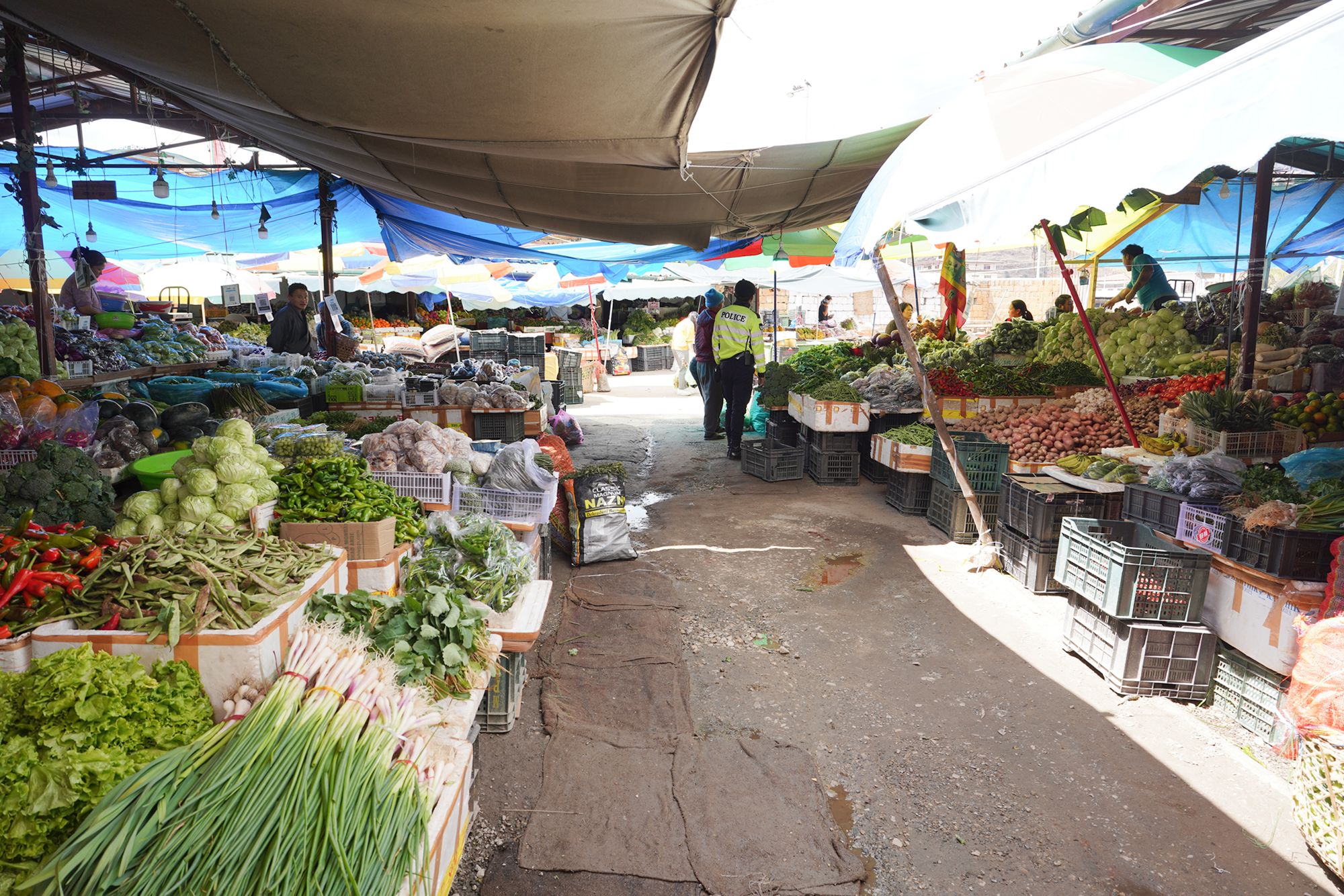
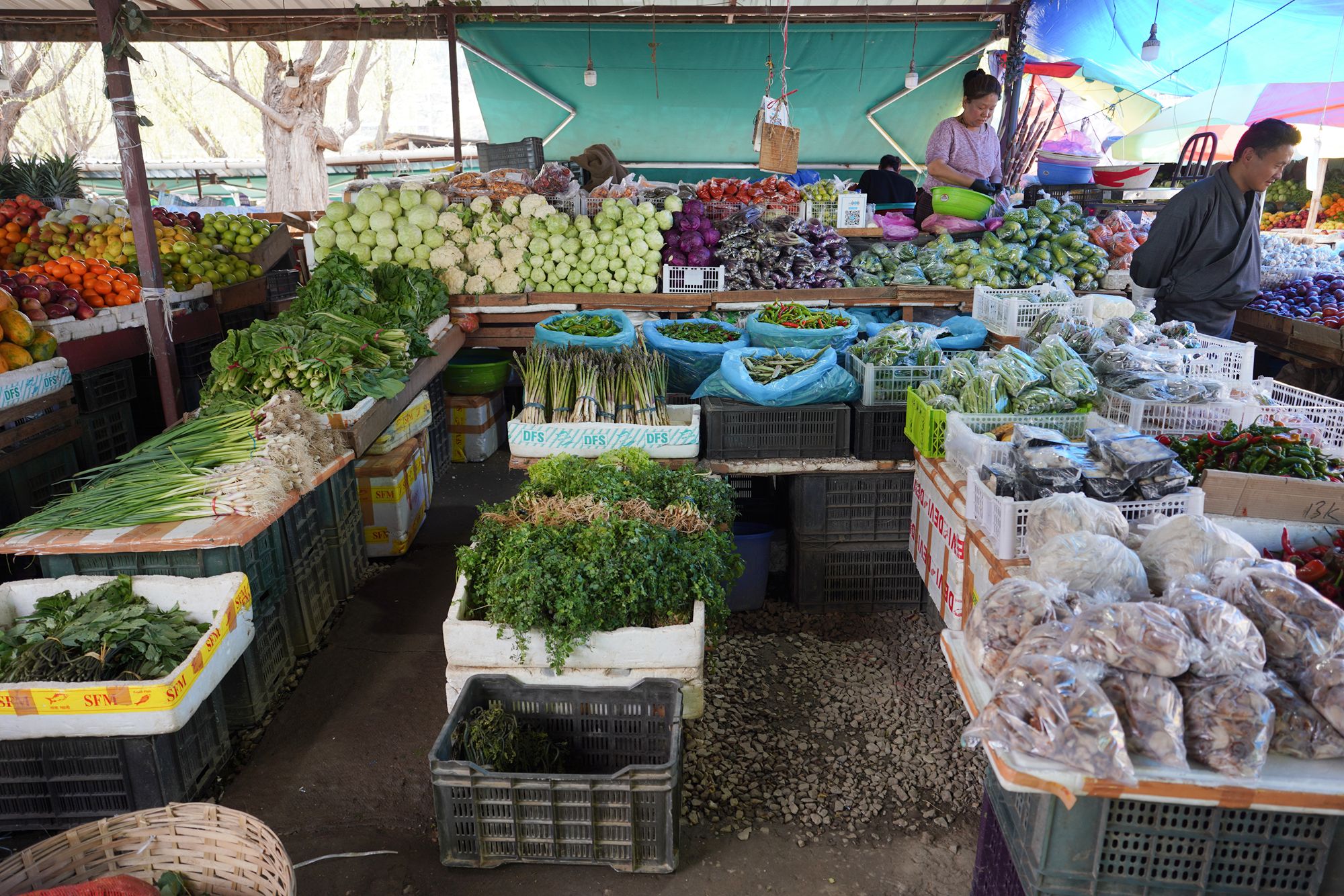
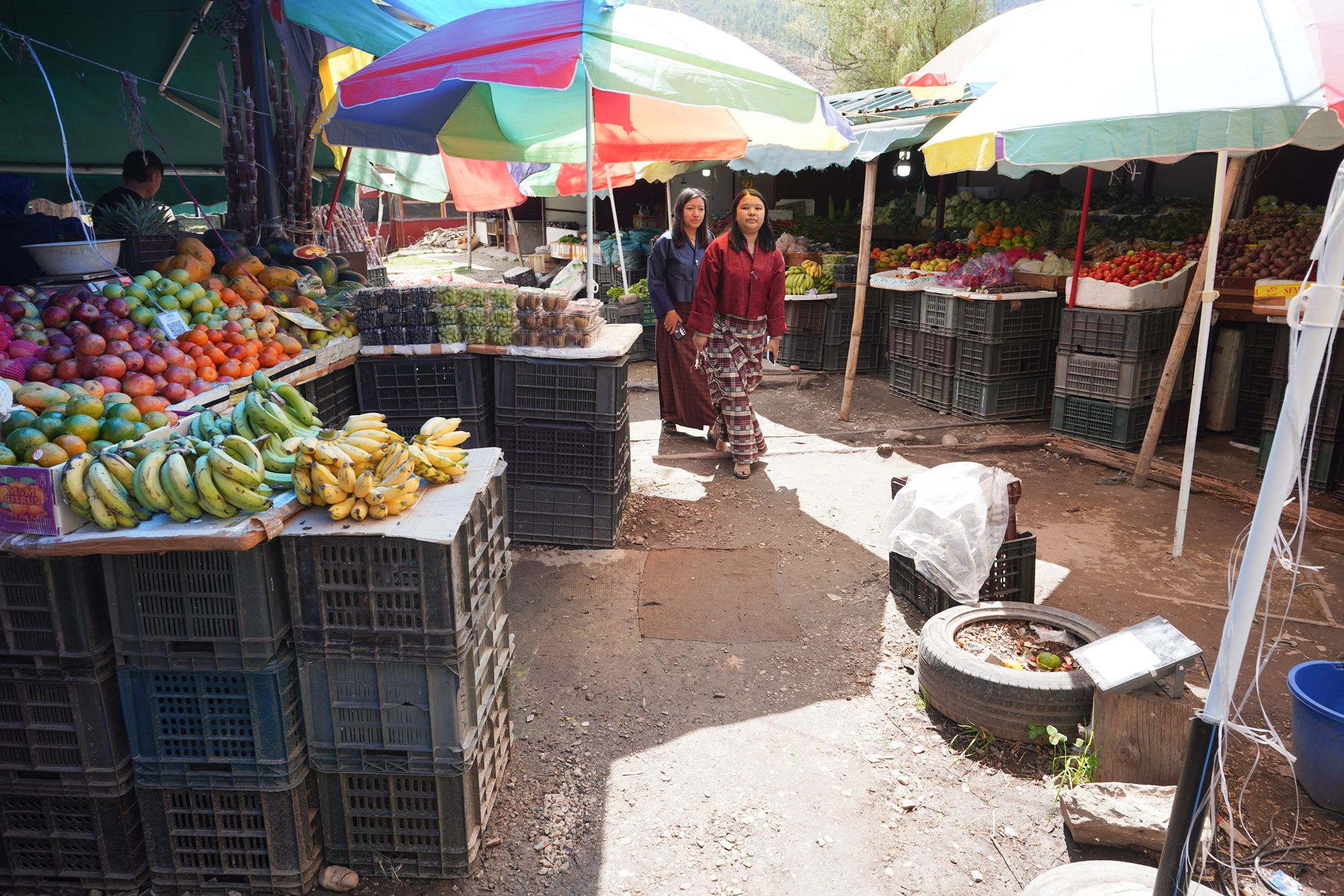
After visiting Kyichu Lhakhang, we went to Paro’s outdoor market, where local vendors sold fresh produce, food, and other everyday goods.
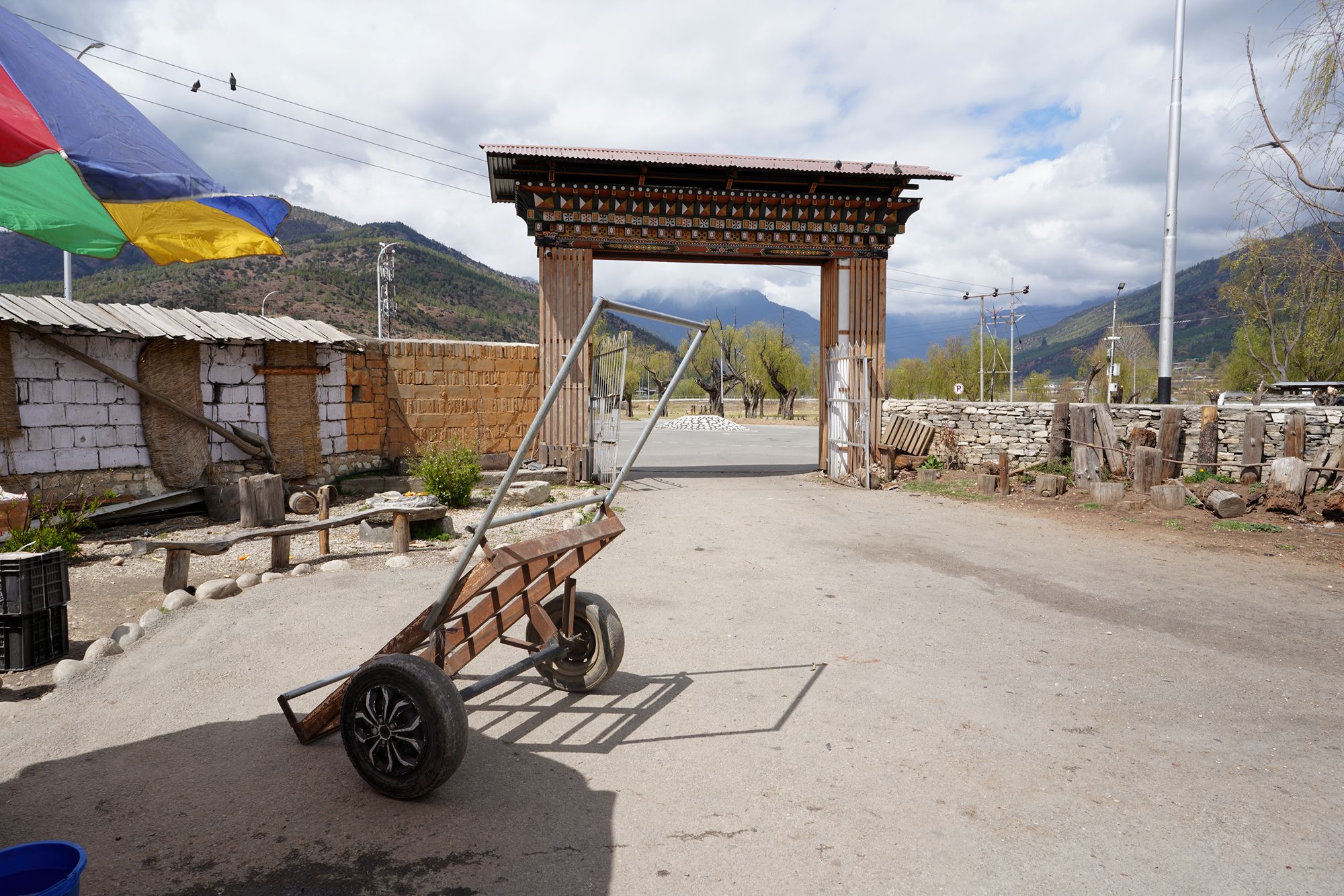
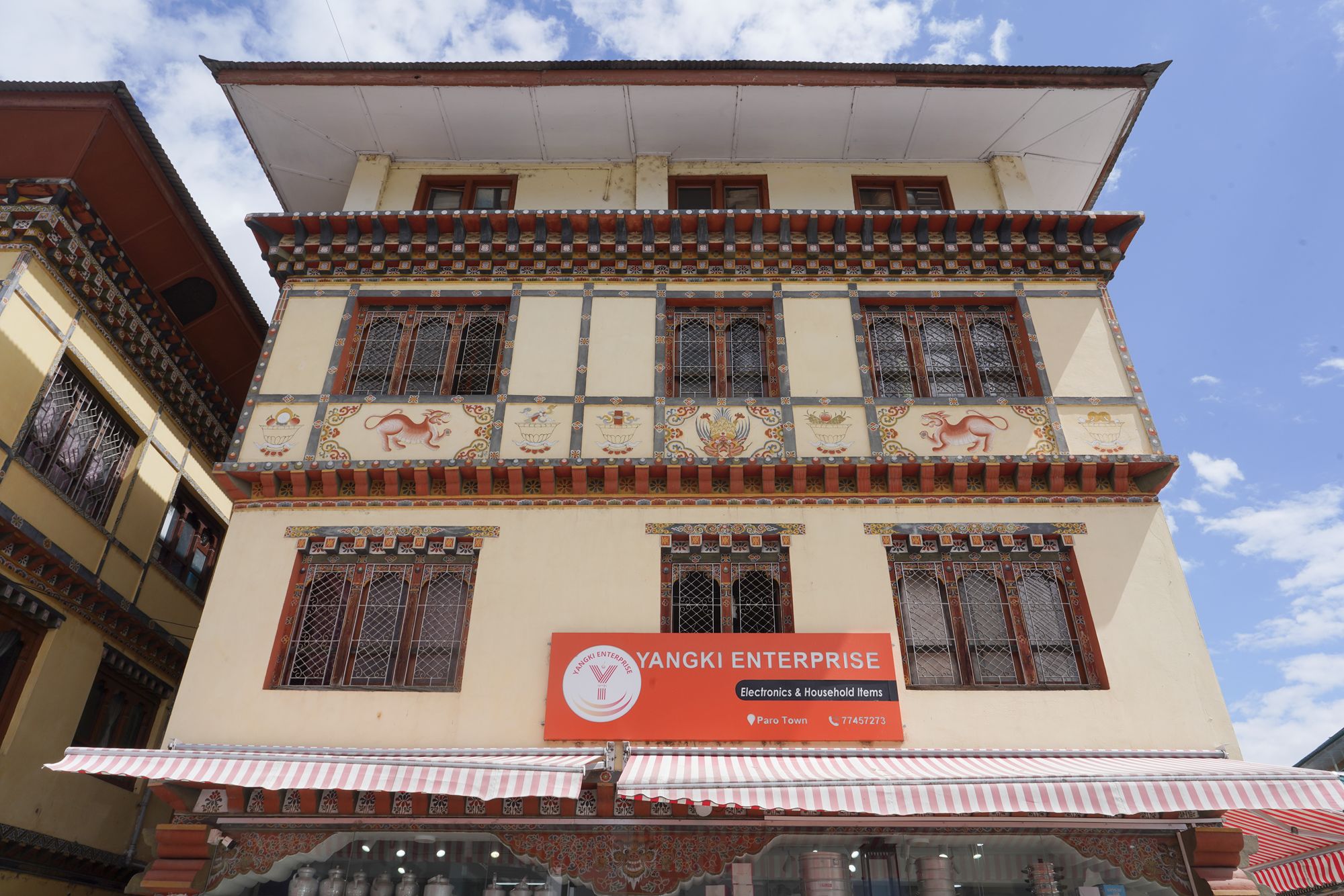
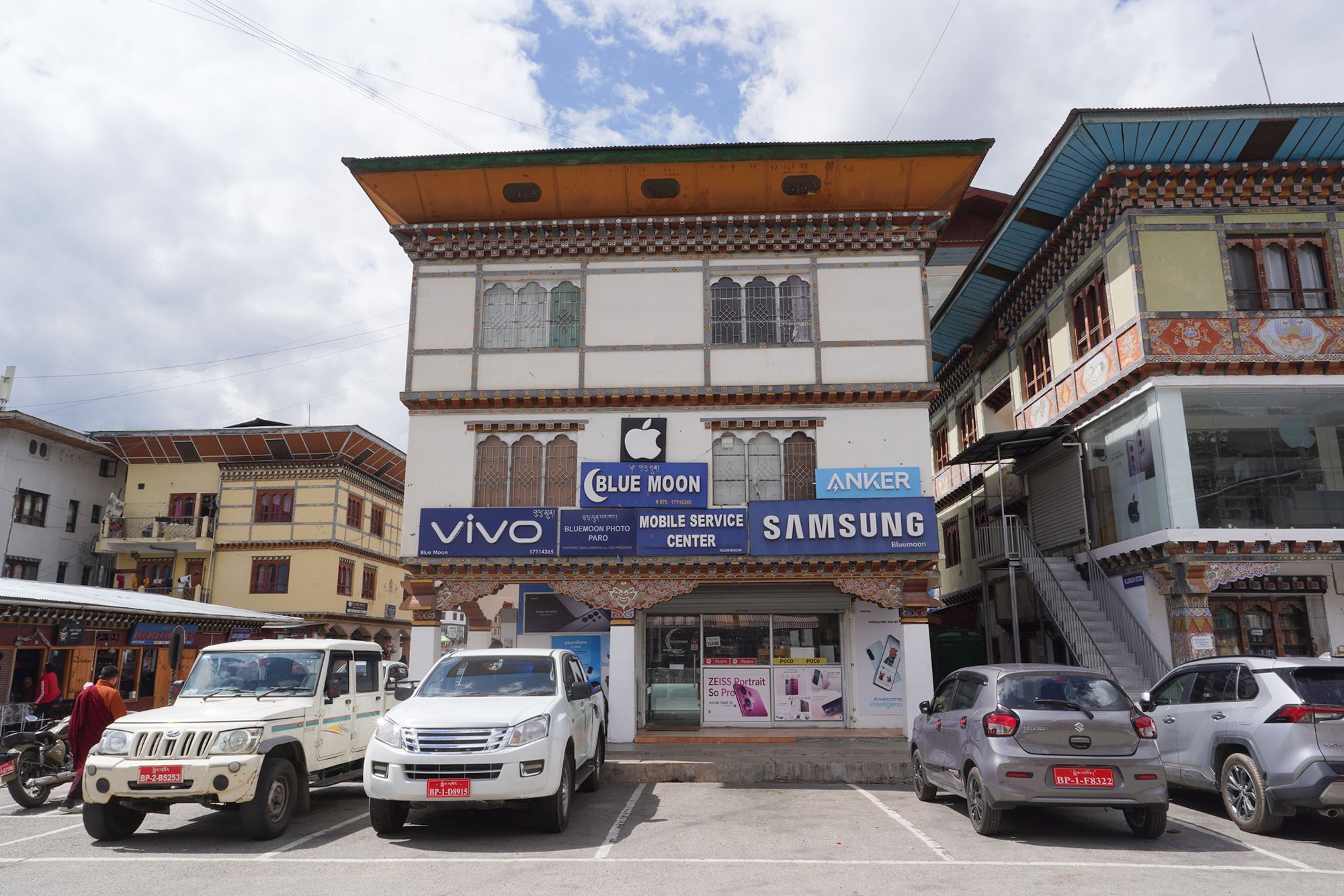
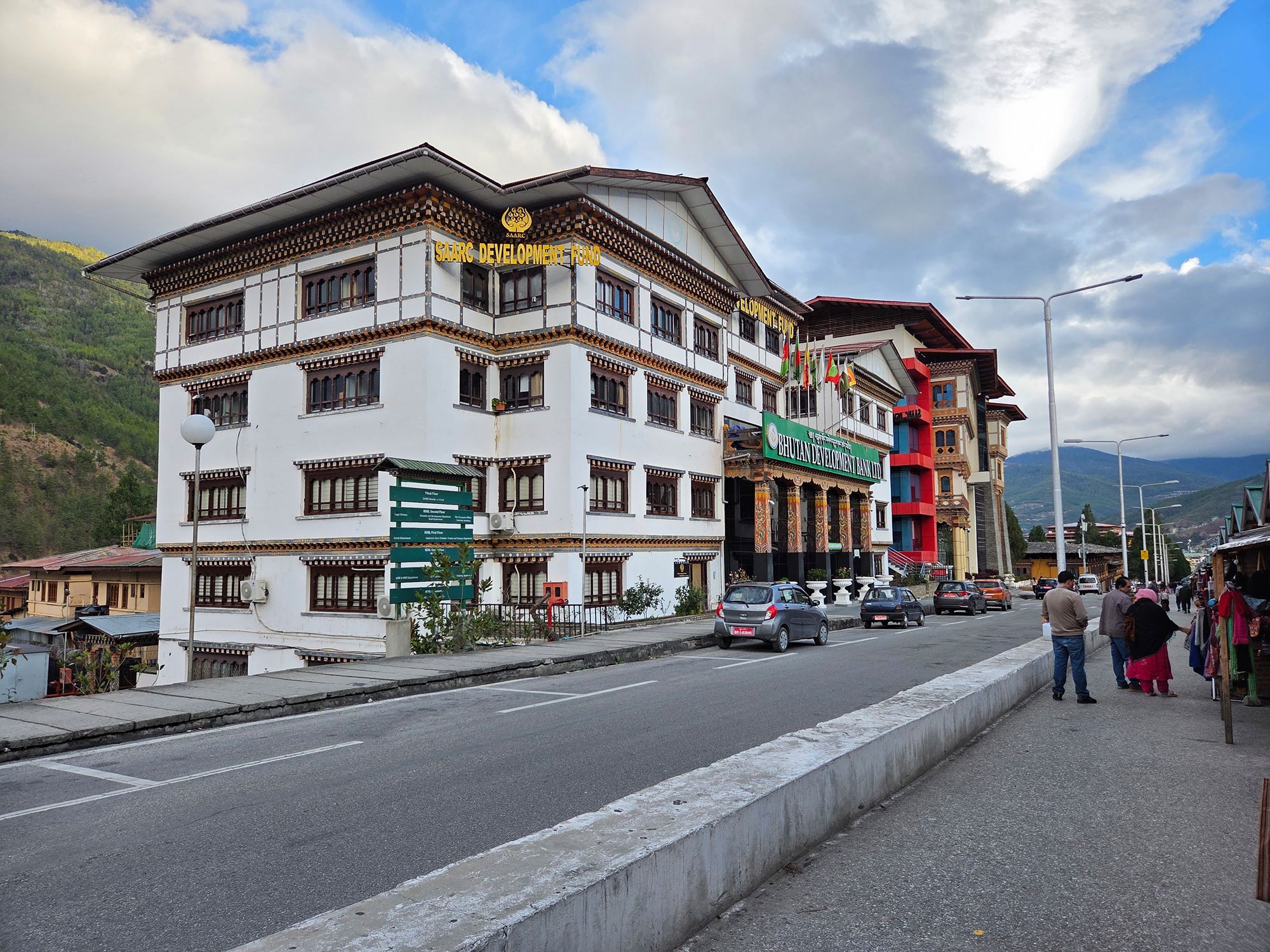
After visiting the market, I walked around Paro’s main district, exploring the shops, restaurants, and streets in the center of town.