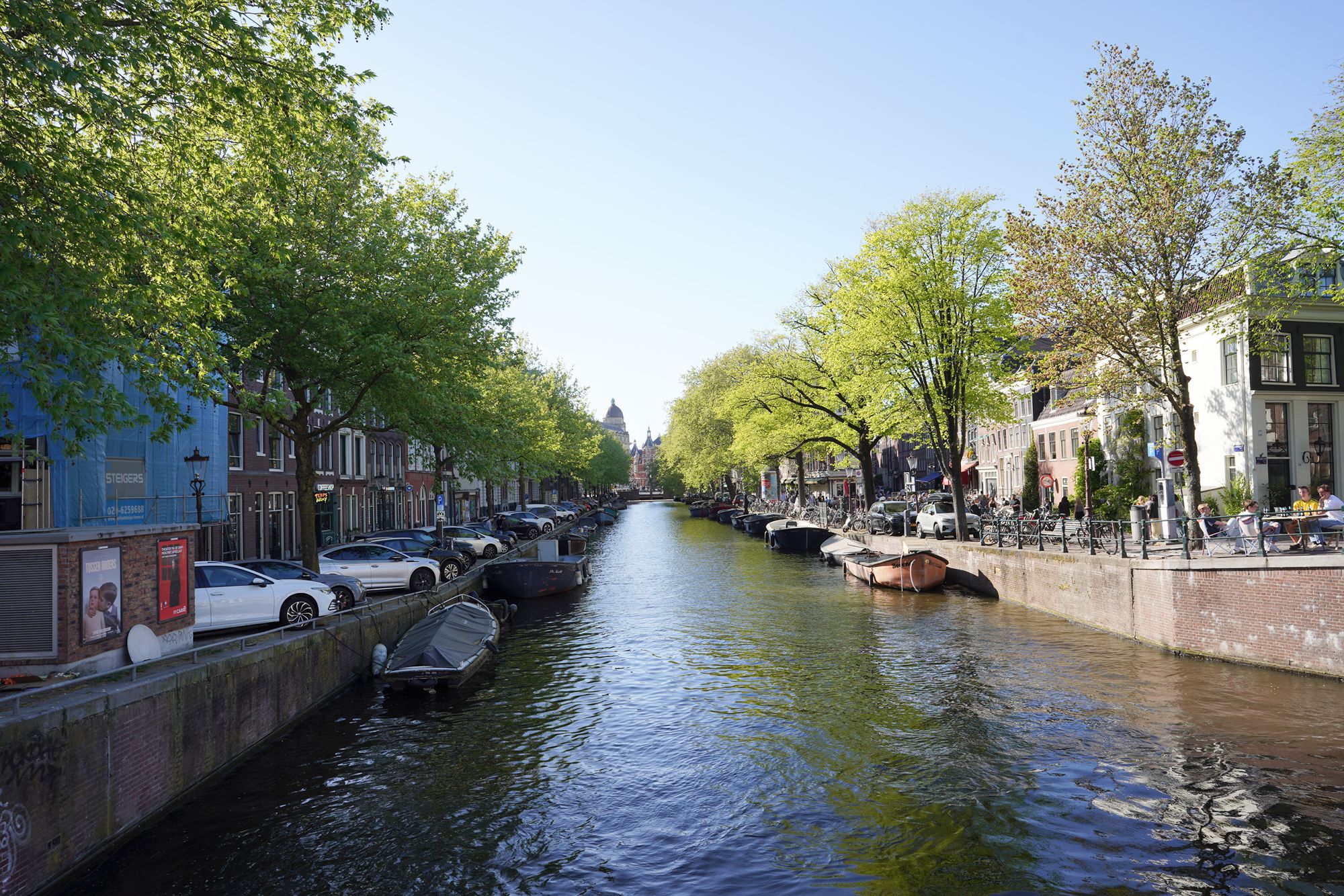
Rijksmuseum – Middle Ages & Renaissance, Special Collections, Amsterdam, Netherland
The Rijksmuseum’s Middle Ages, Renaissance, and Special Collections showcase centuries of art, decorative objects, and historical treasures. 1295
Rijksmuseum: Museumstraat 1, 1071 XX Amsterdam, Netherlands
Date Picture Taken: May, 2026
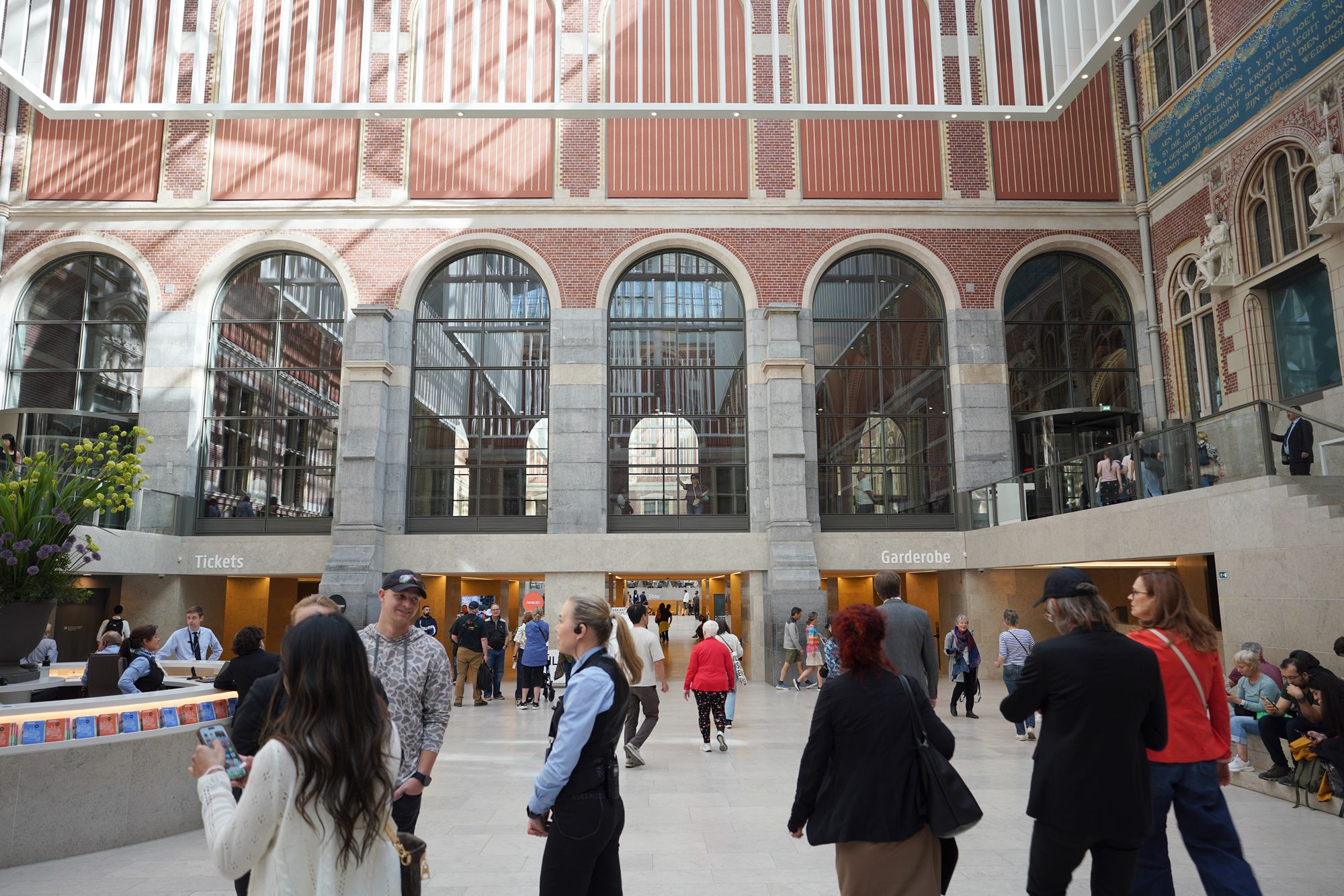
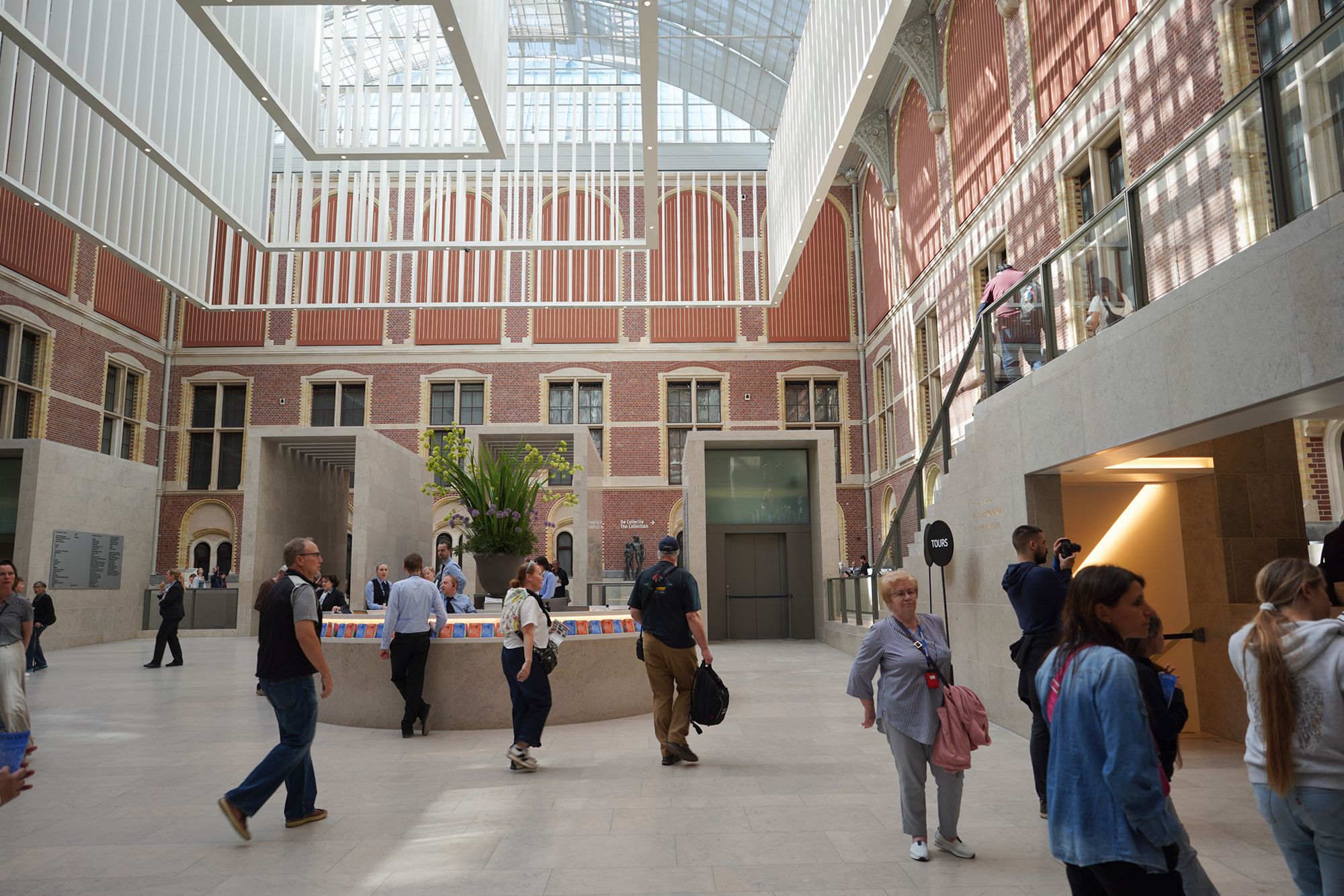
This is the third blog from my visit to the Rijksmuseum, continuing with the museum’s Special Collections.
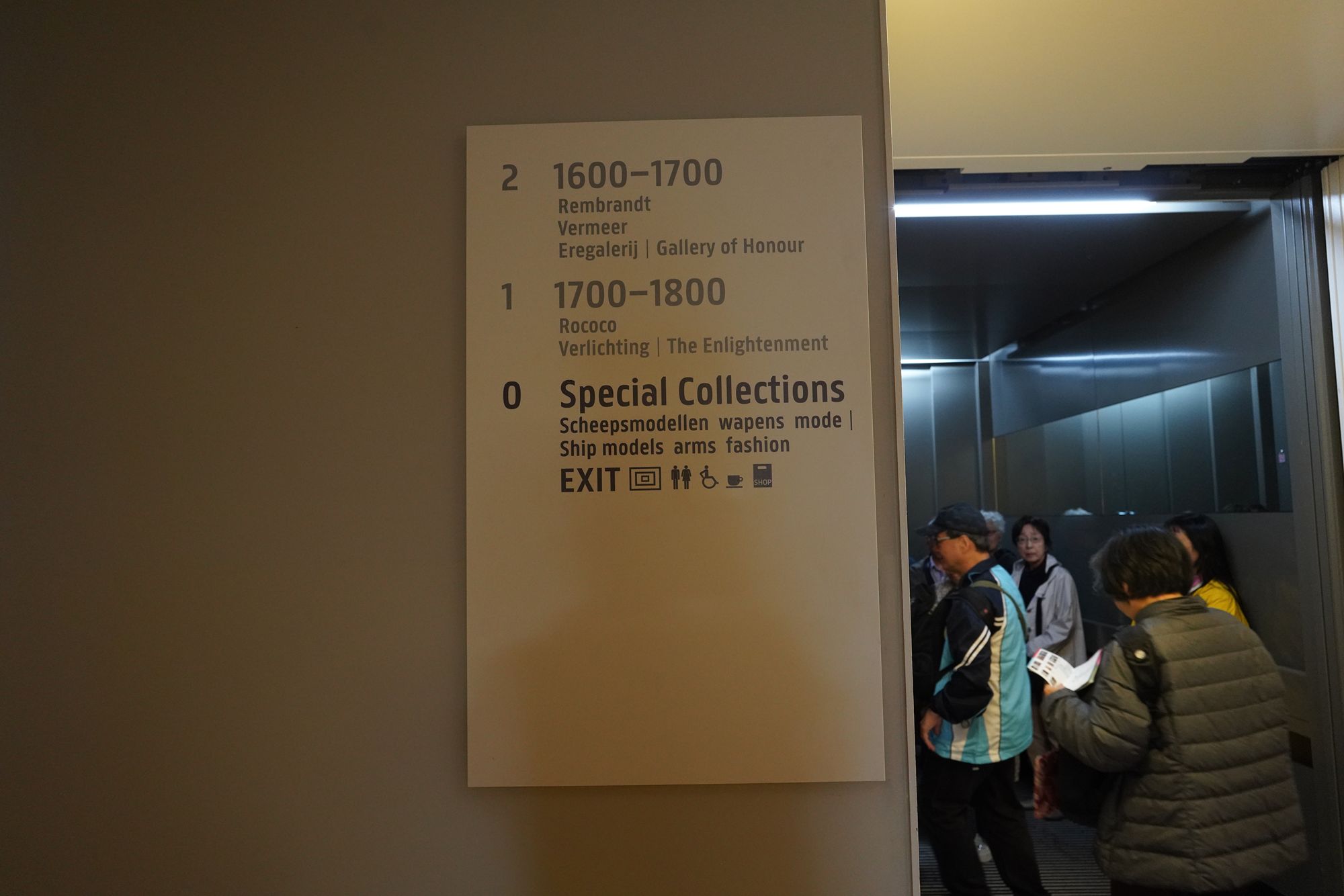
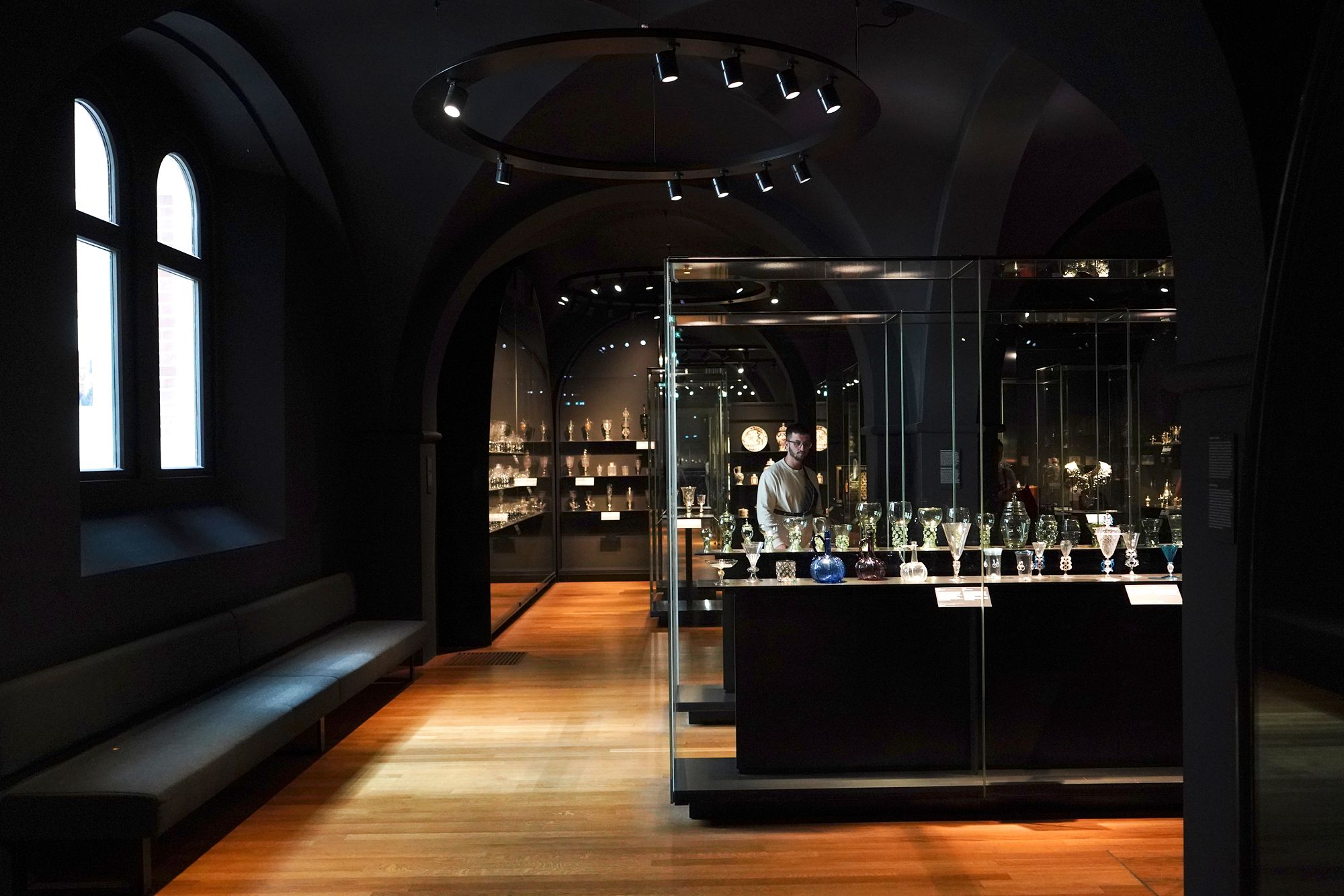
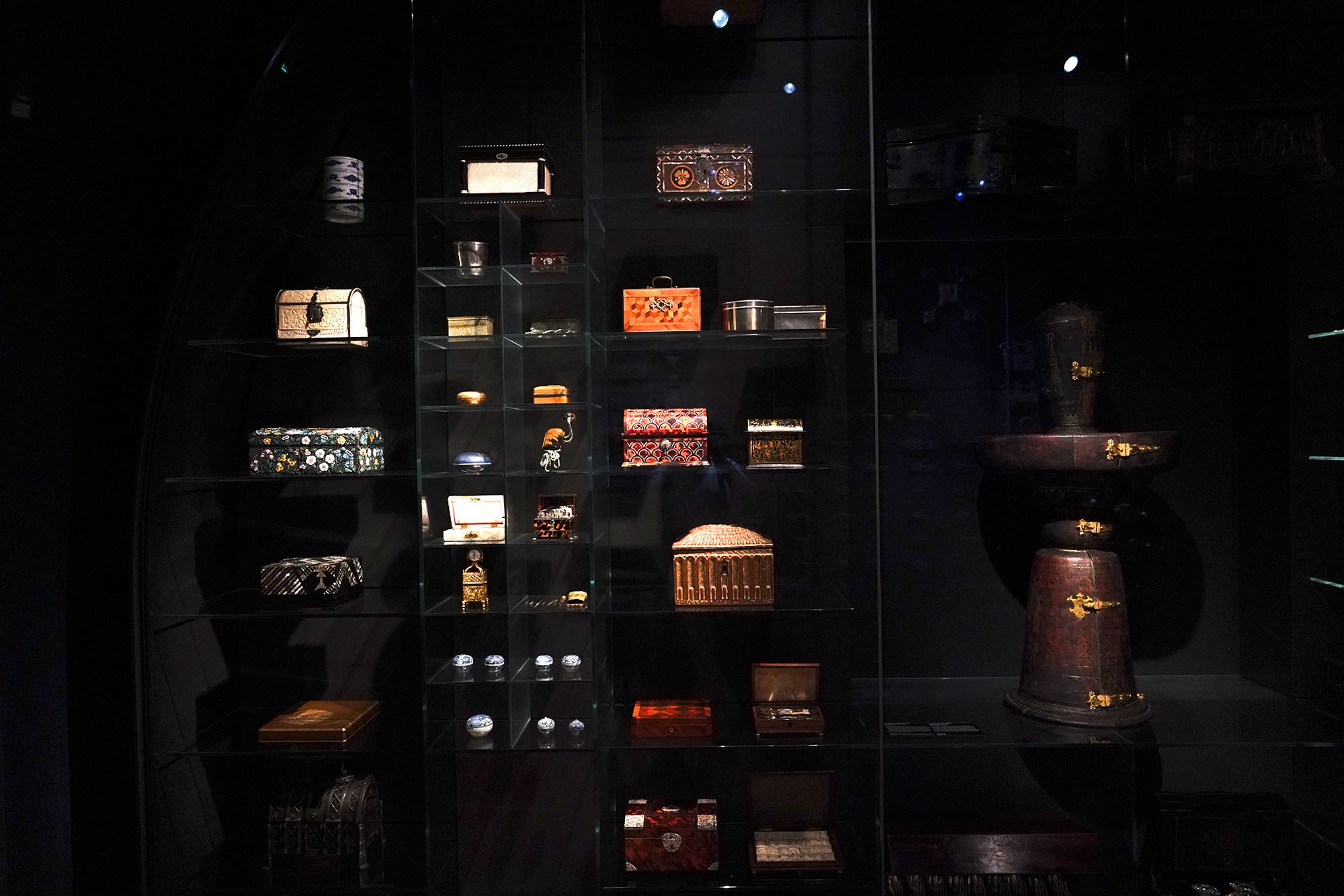
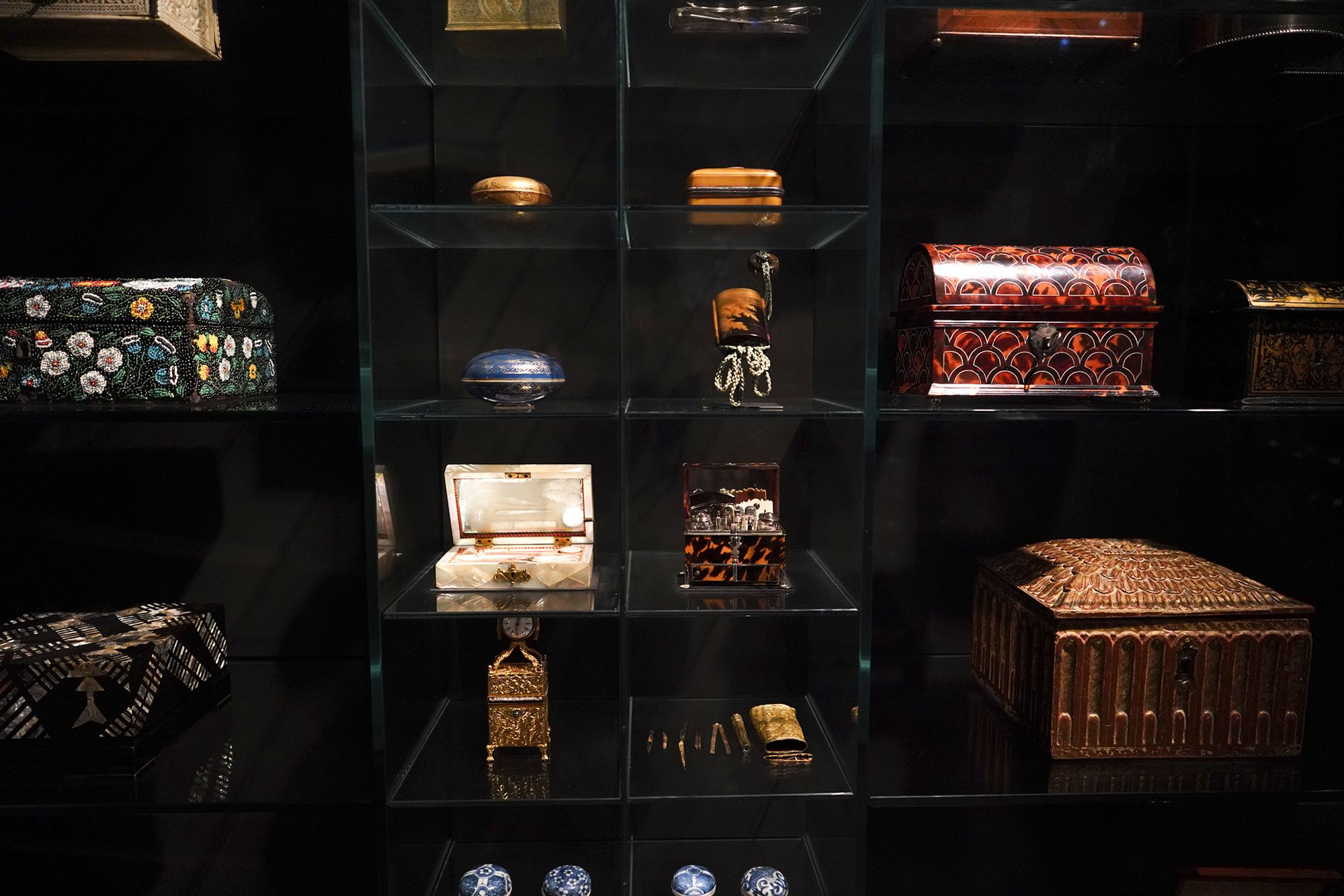
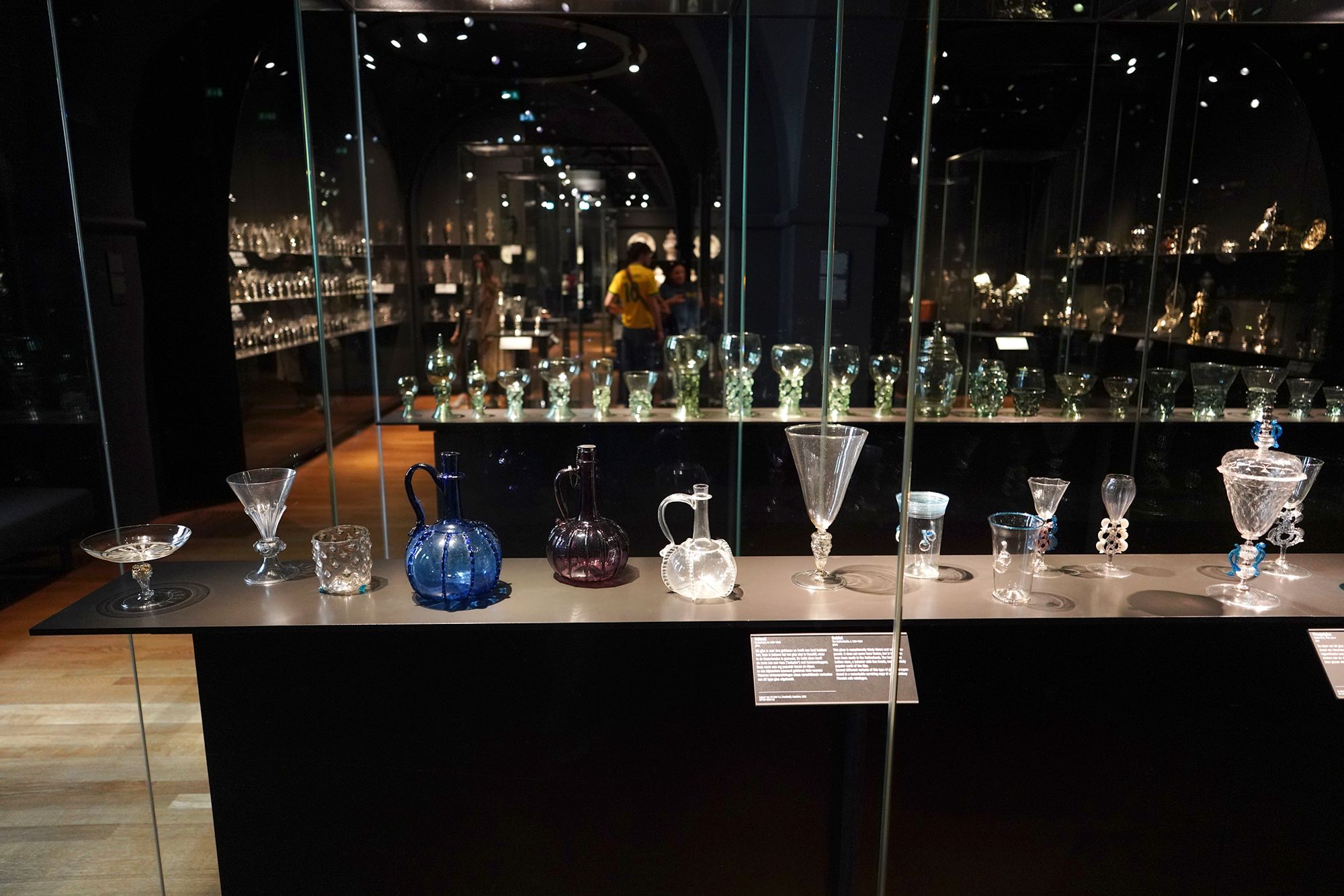
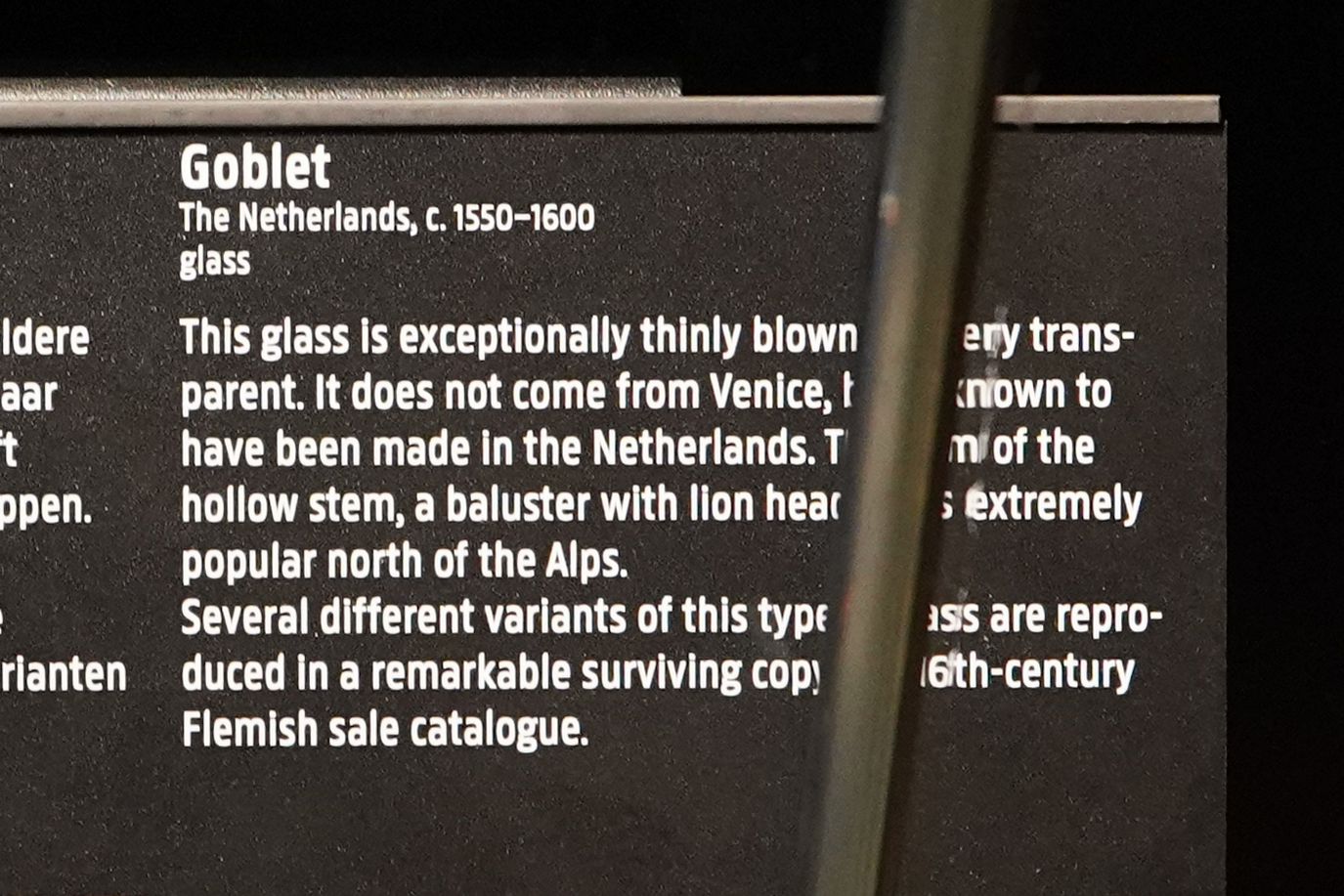
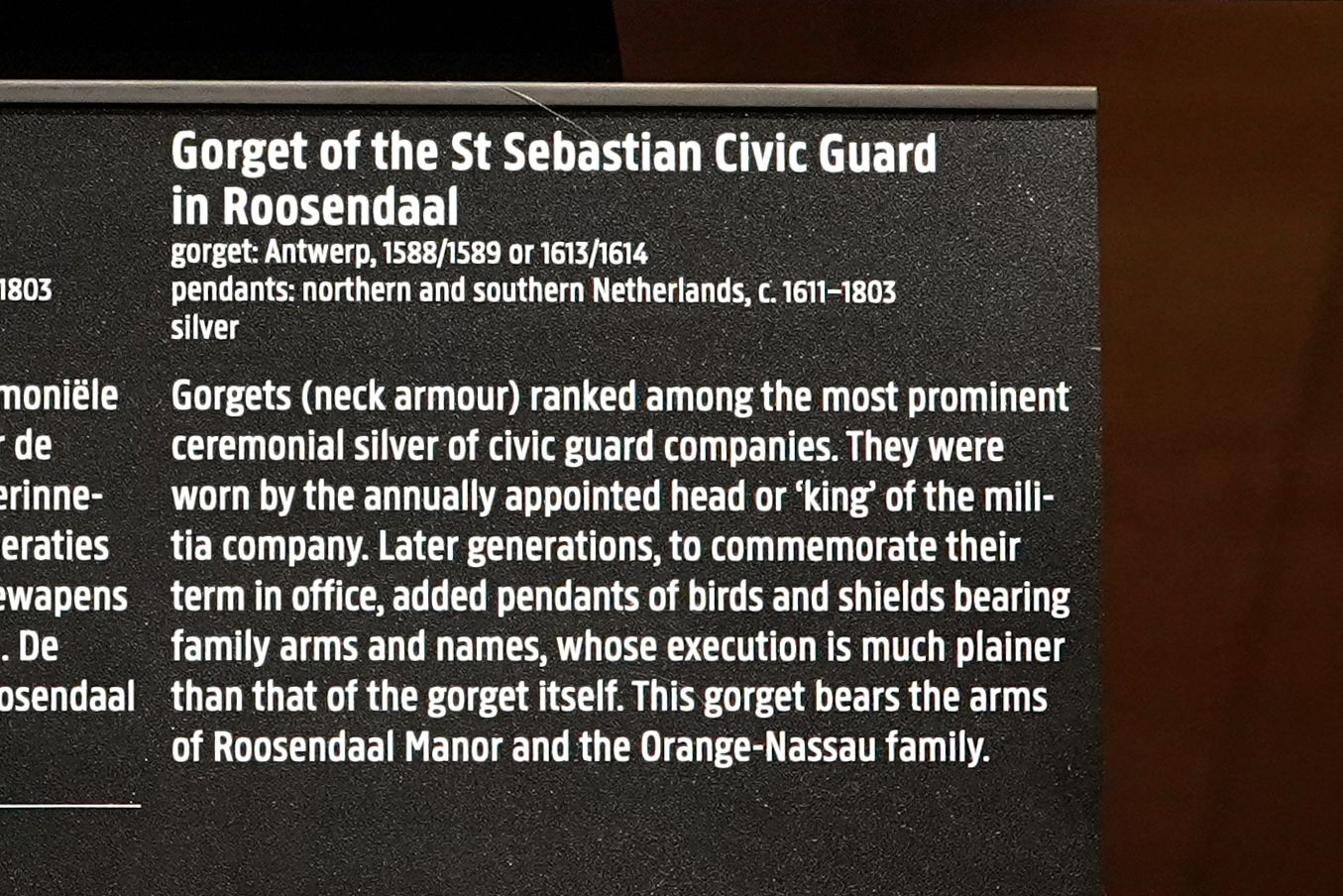
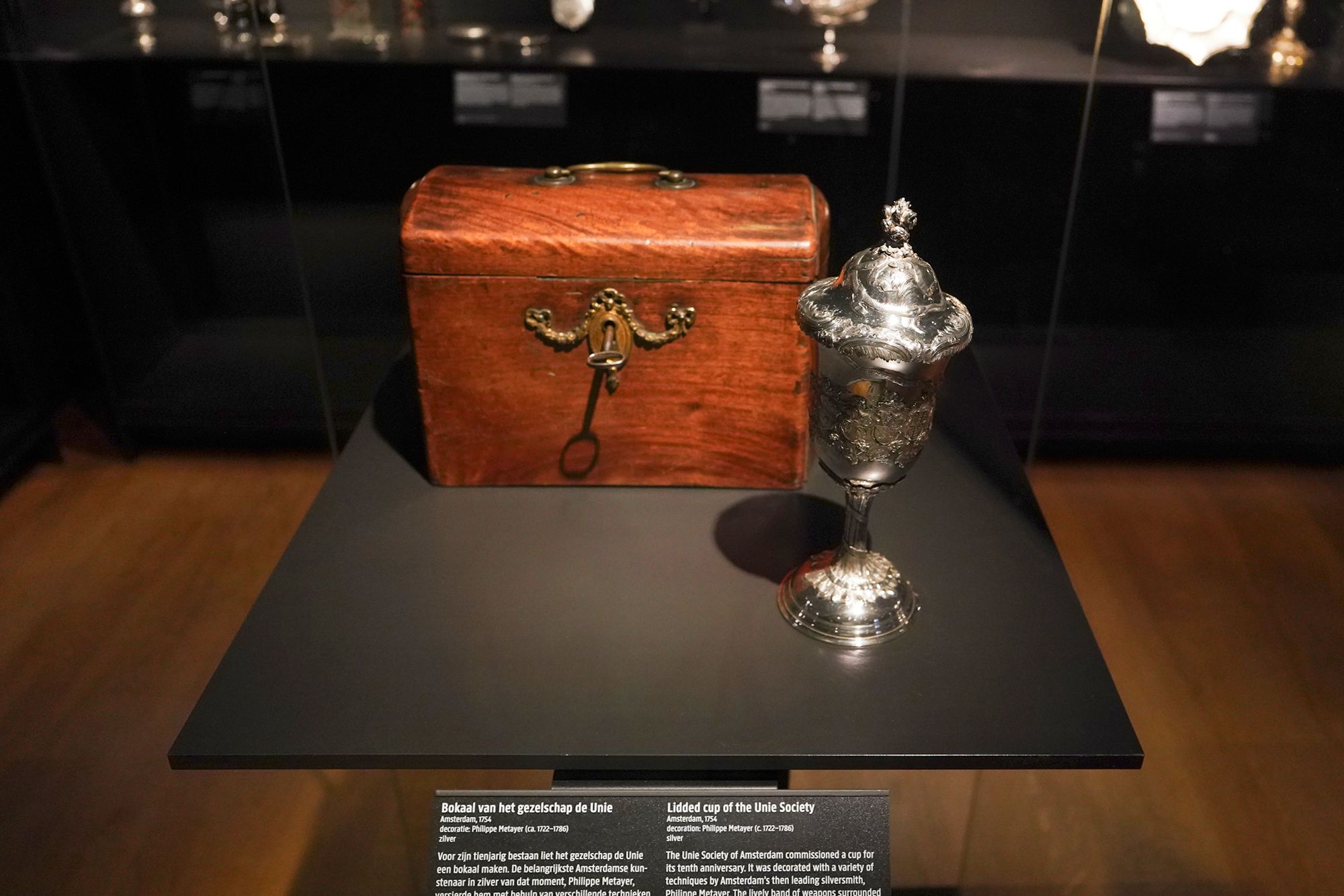
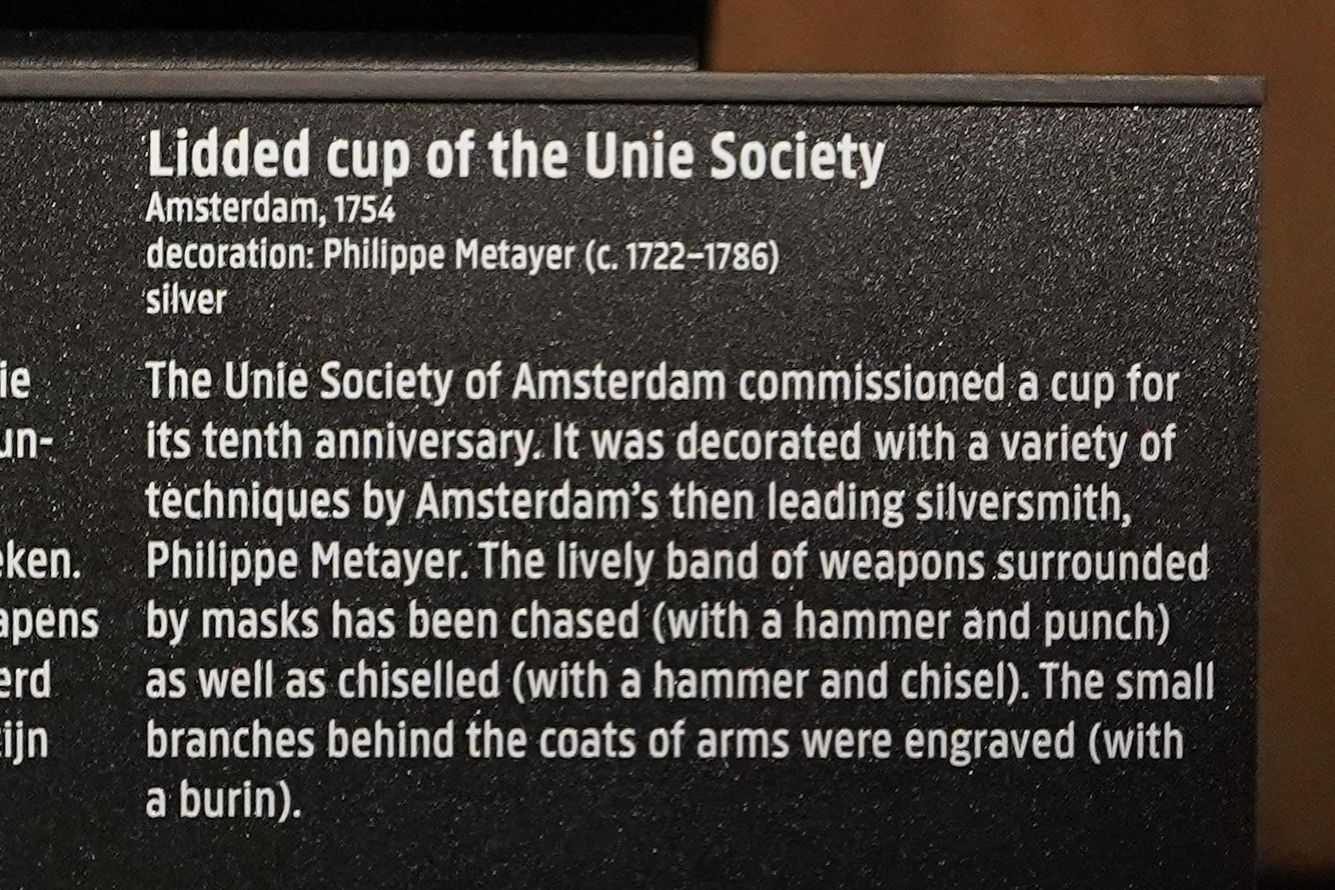
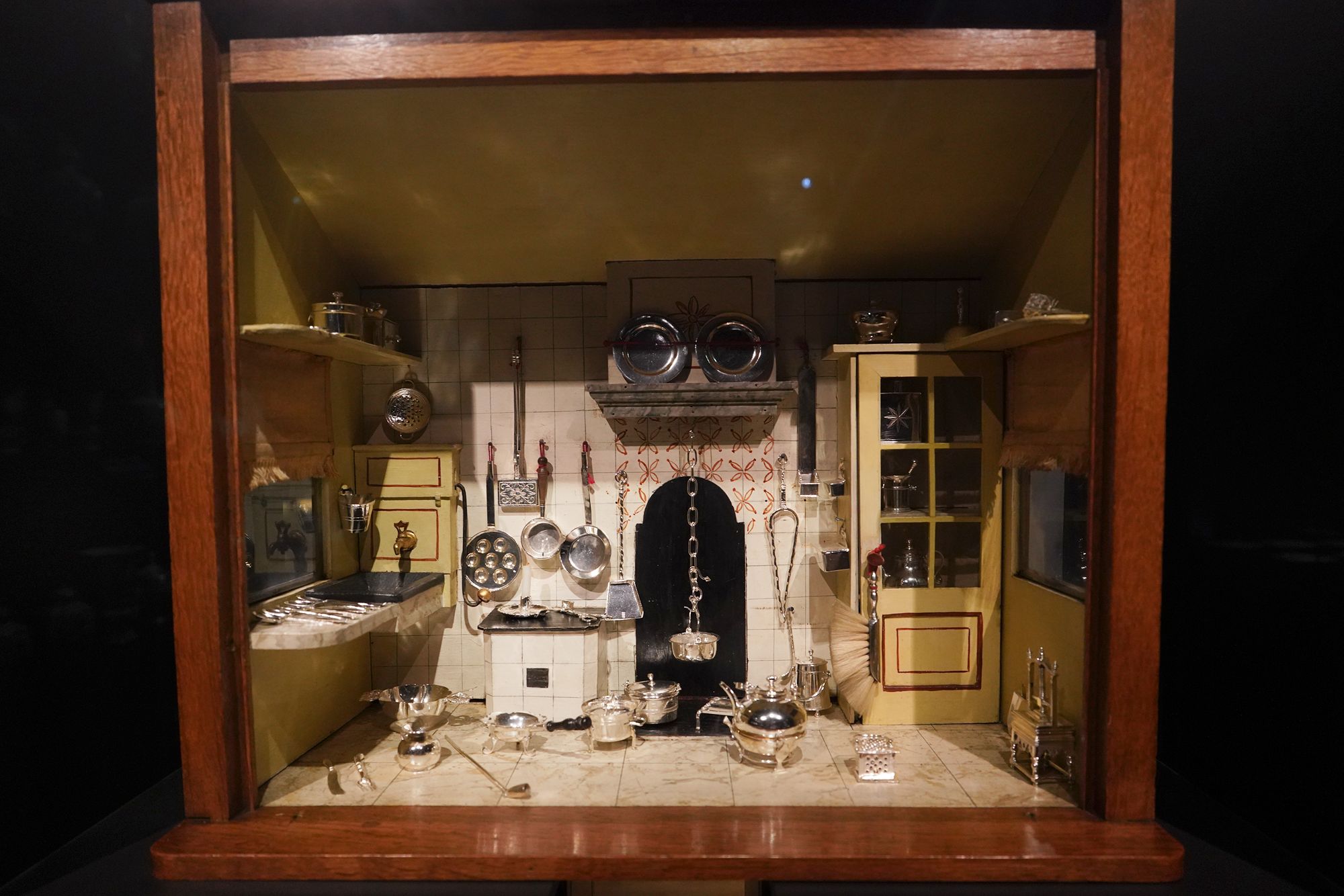
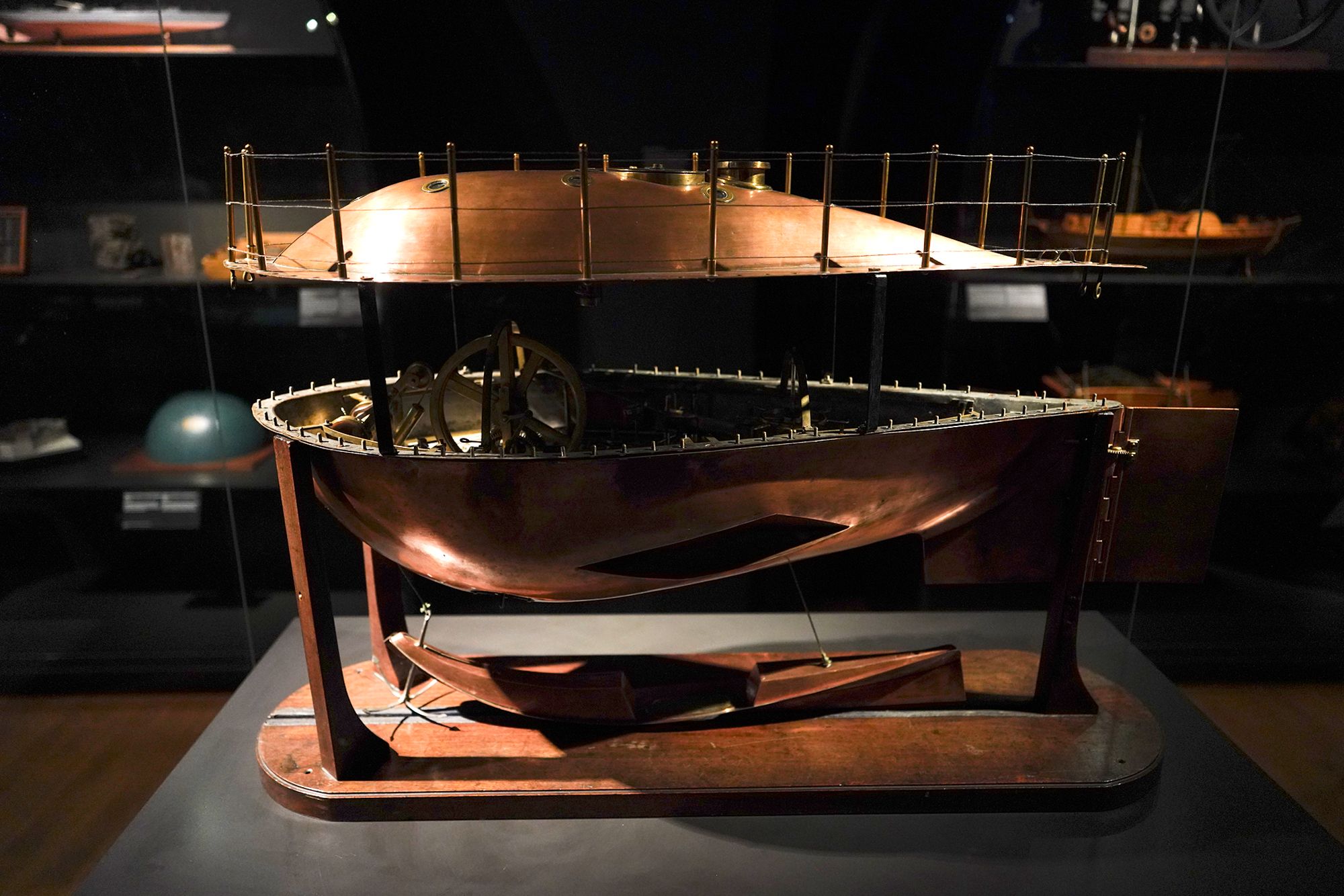
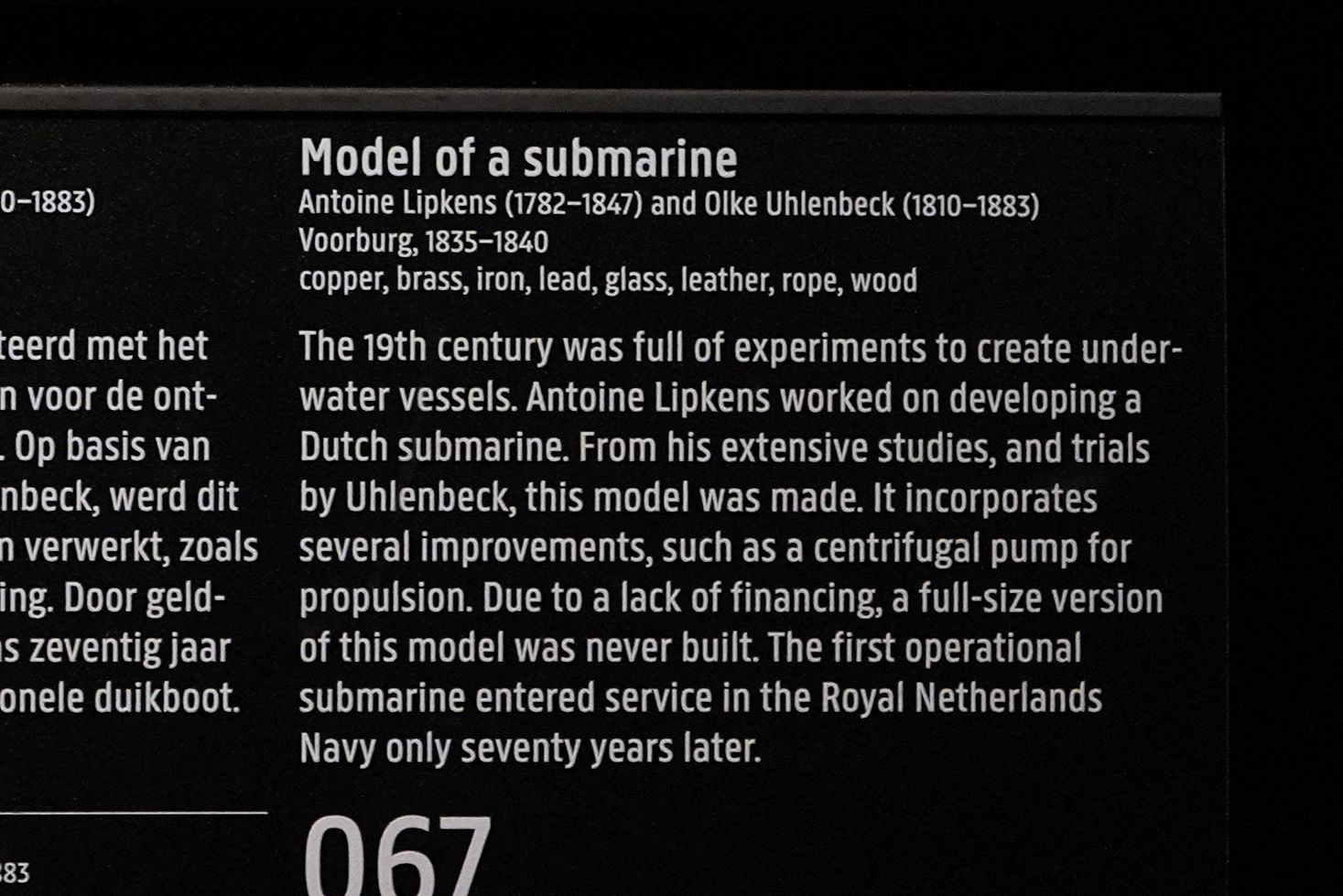
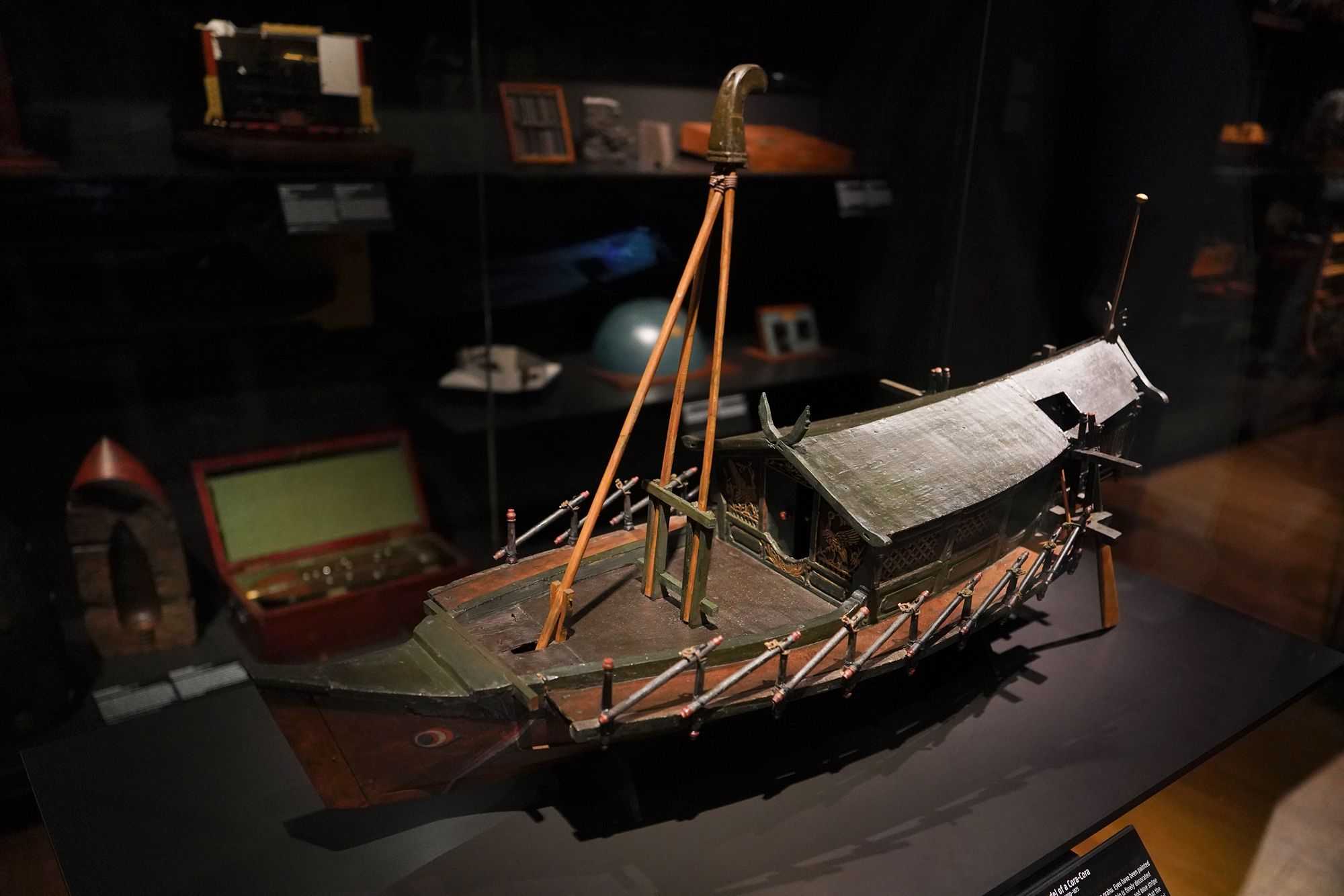
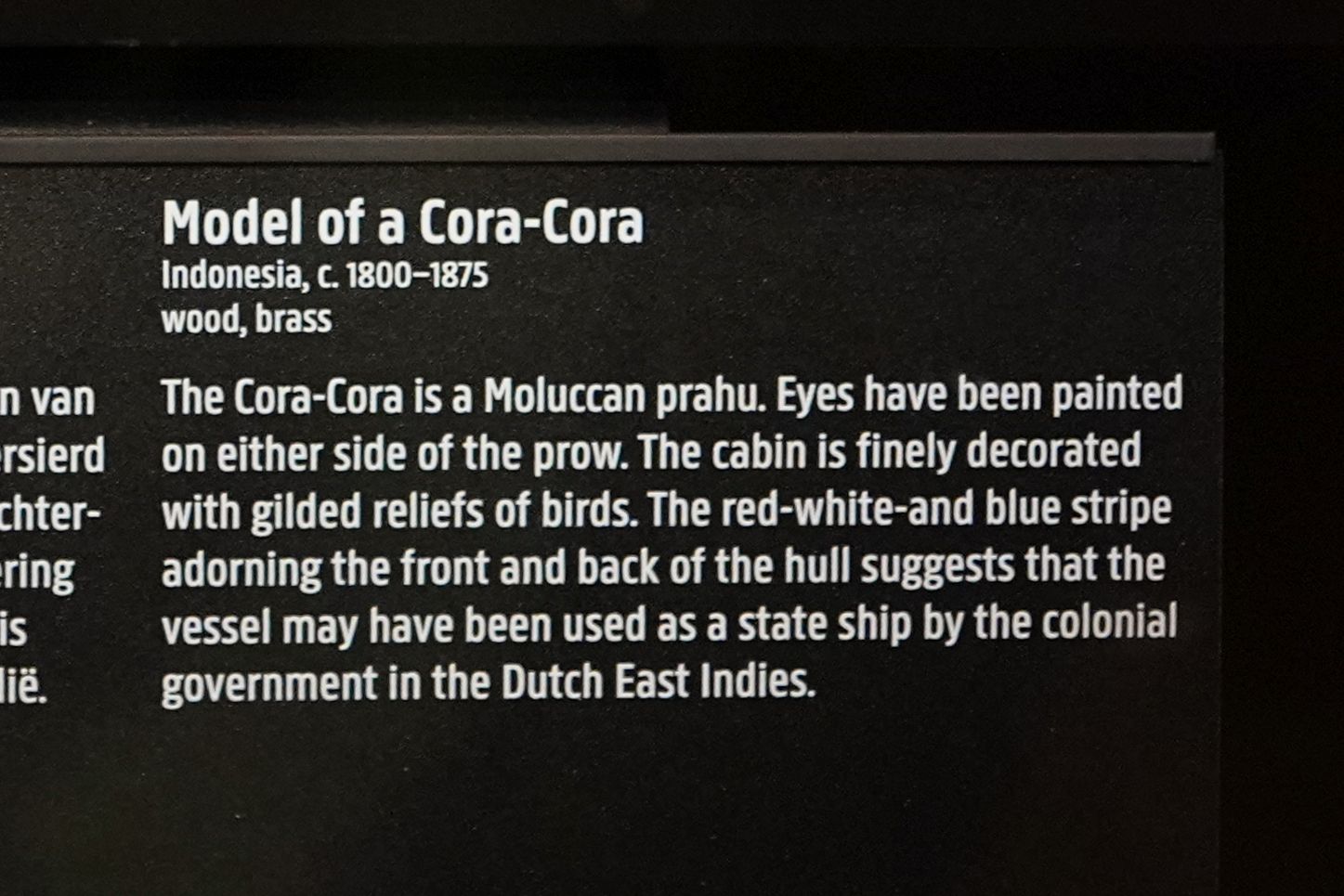
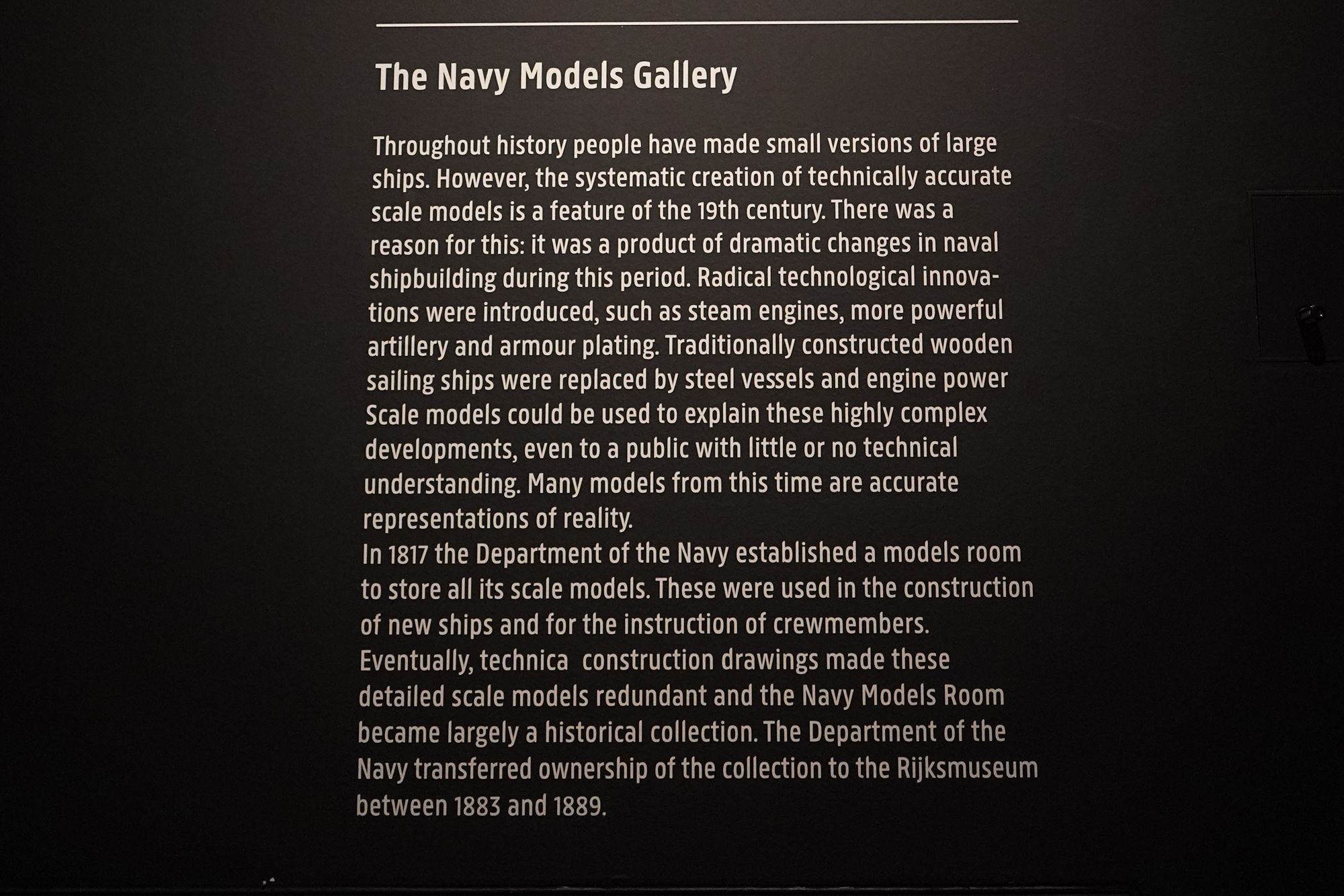
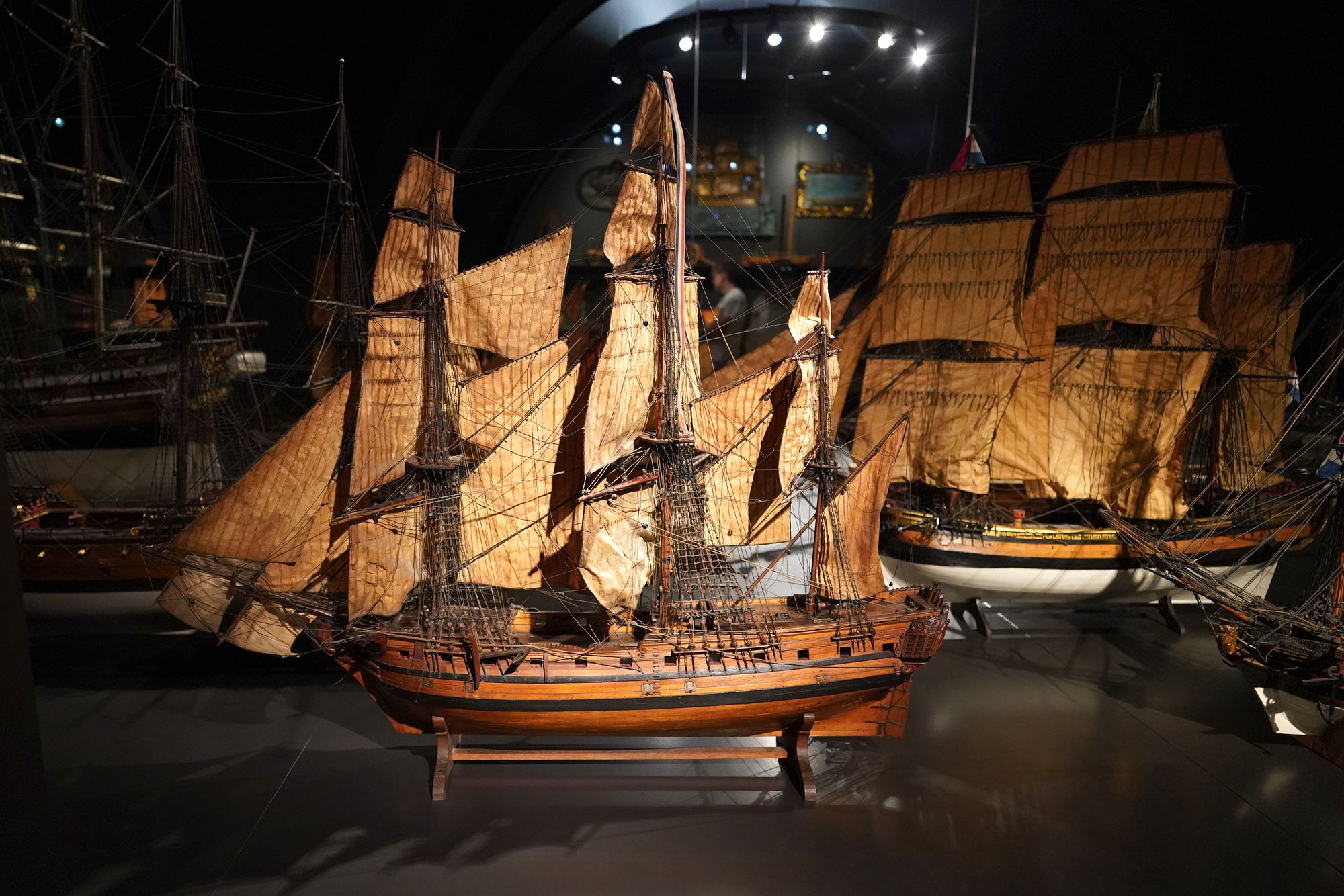
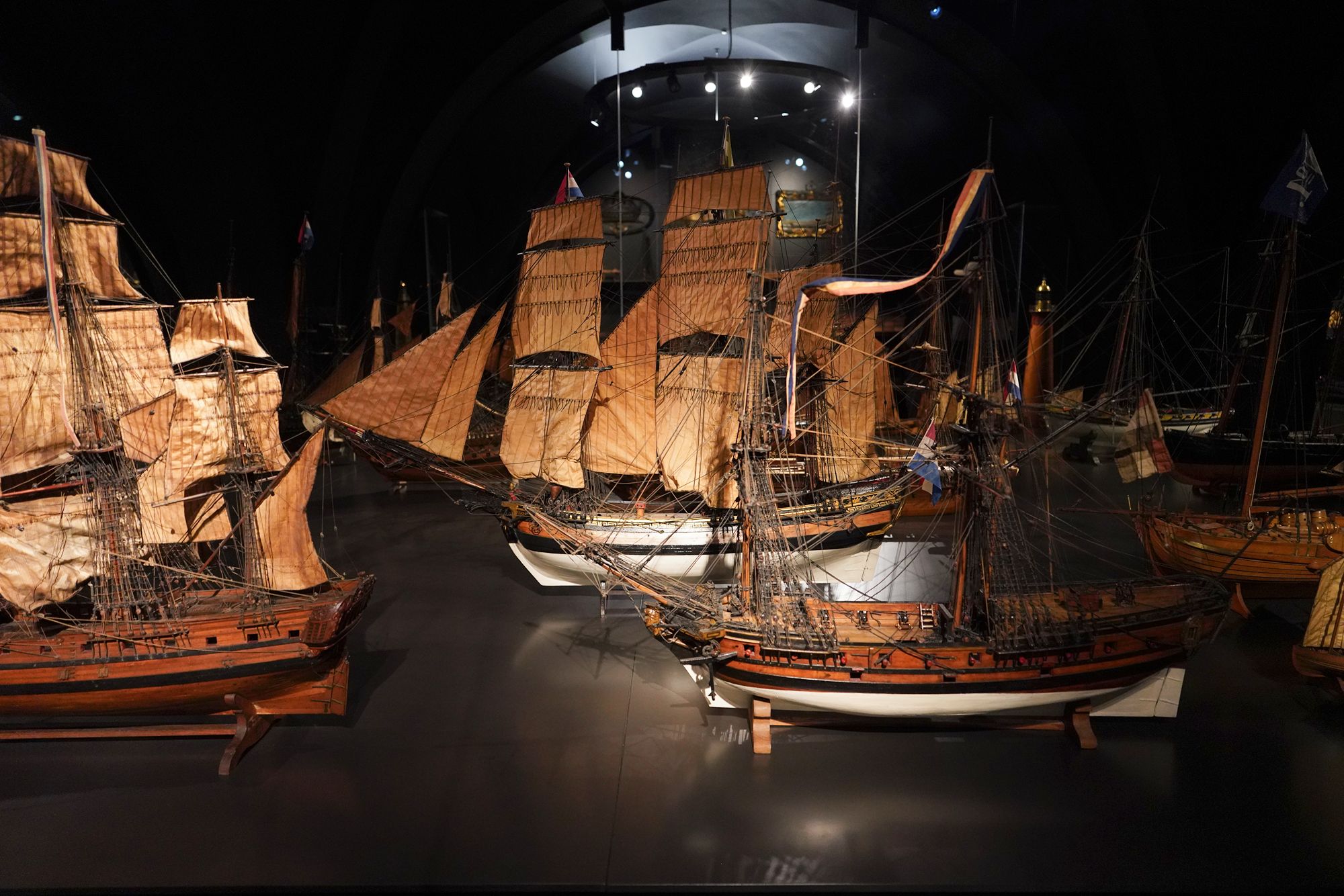
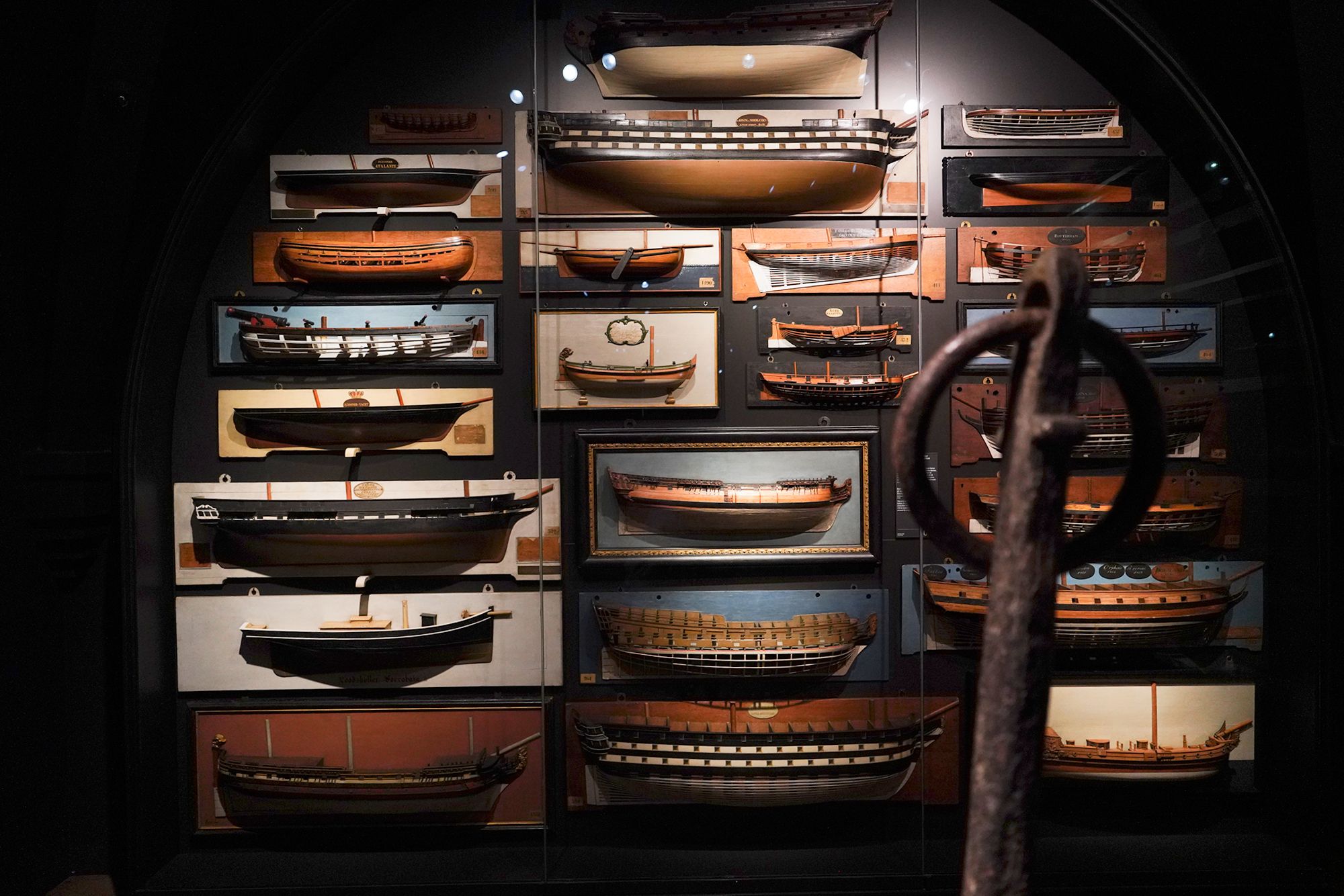
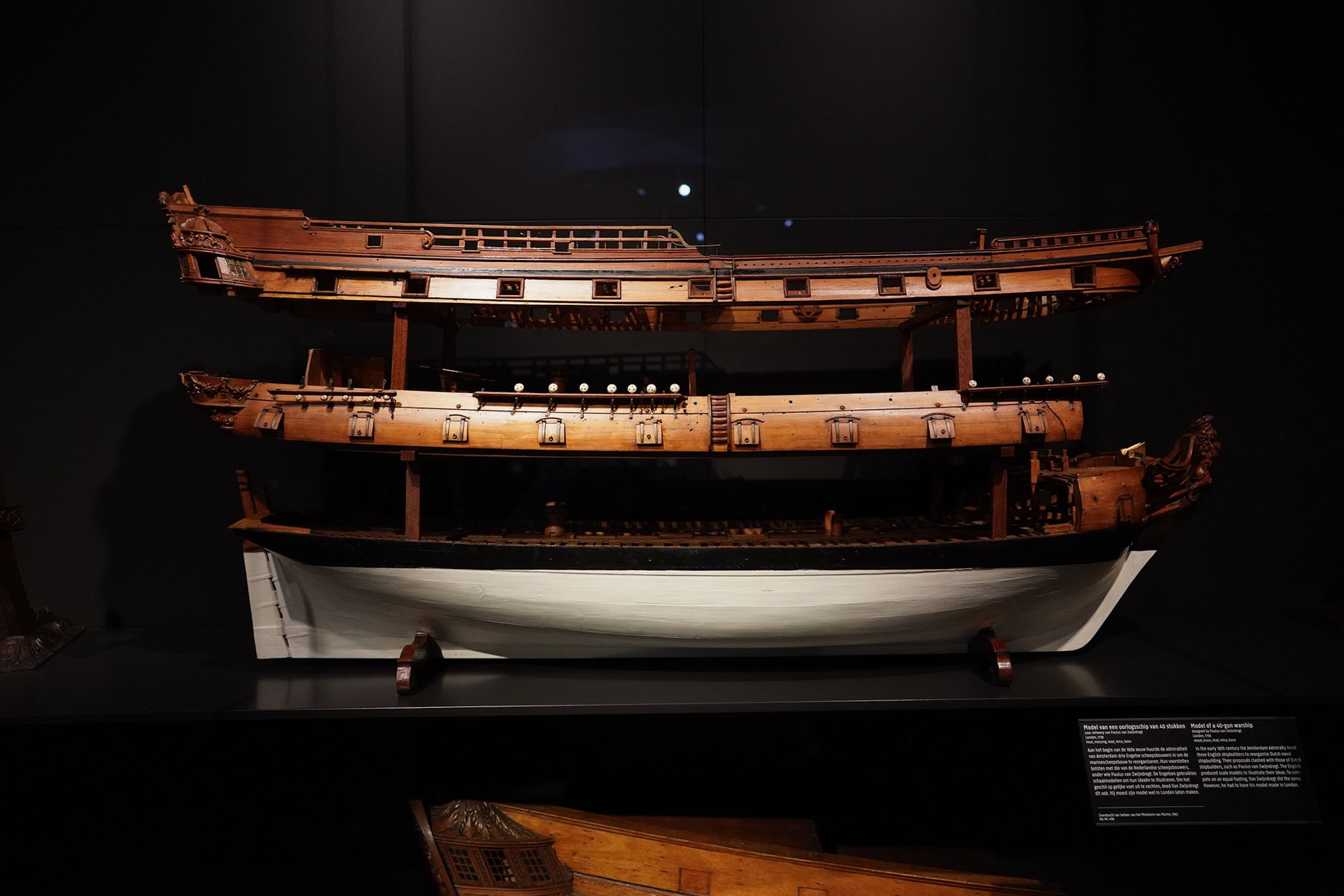
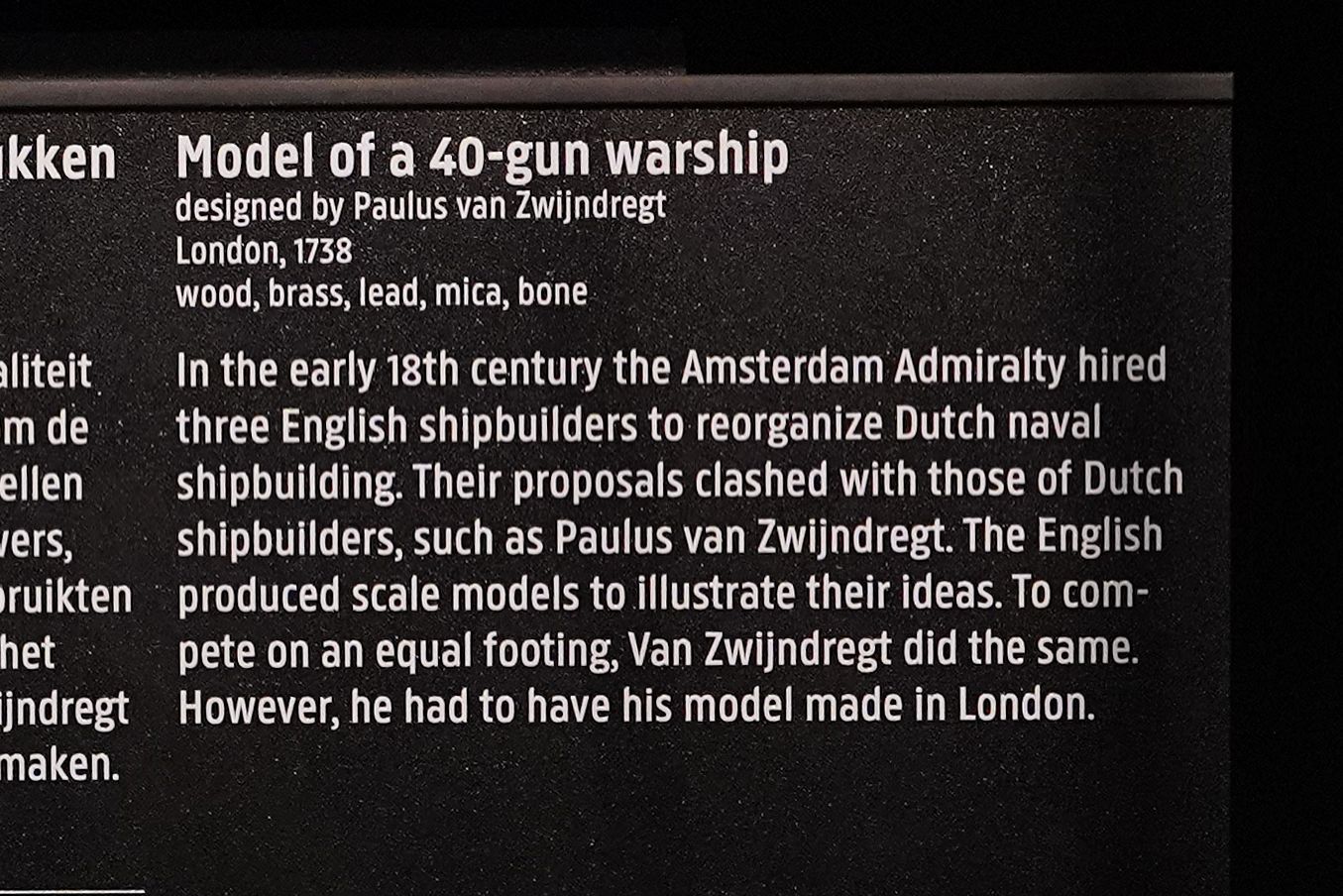
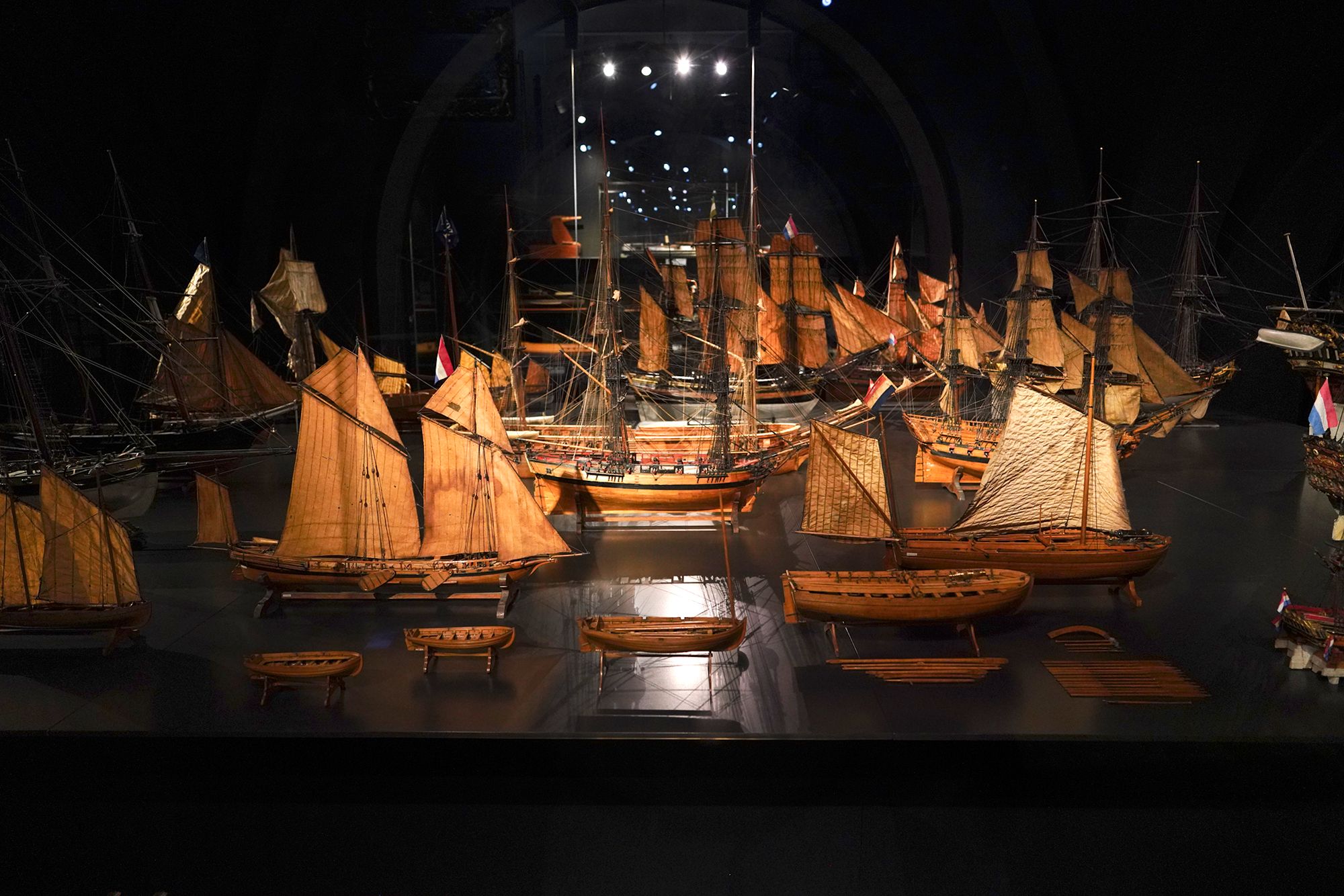
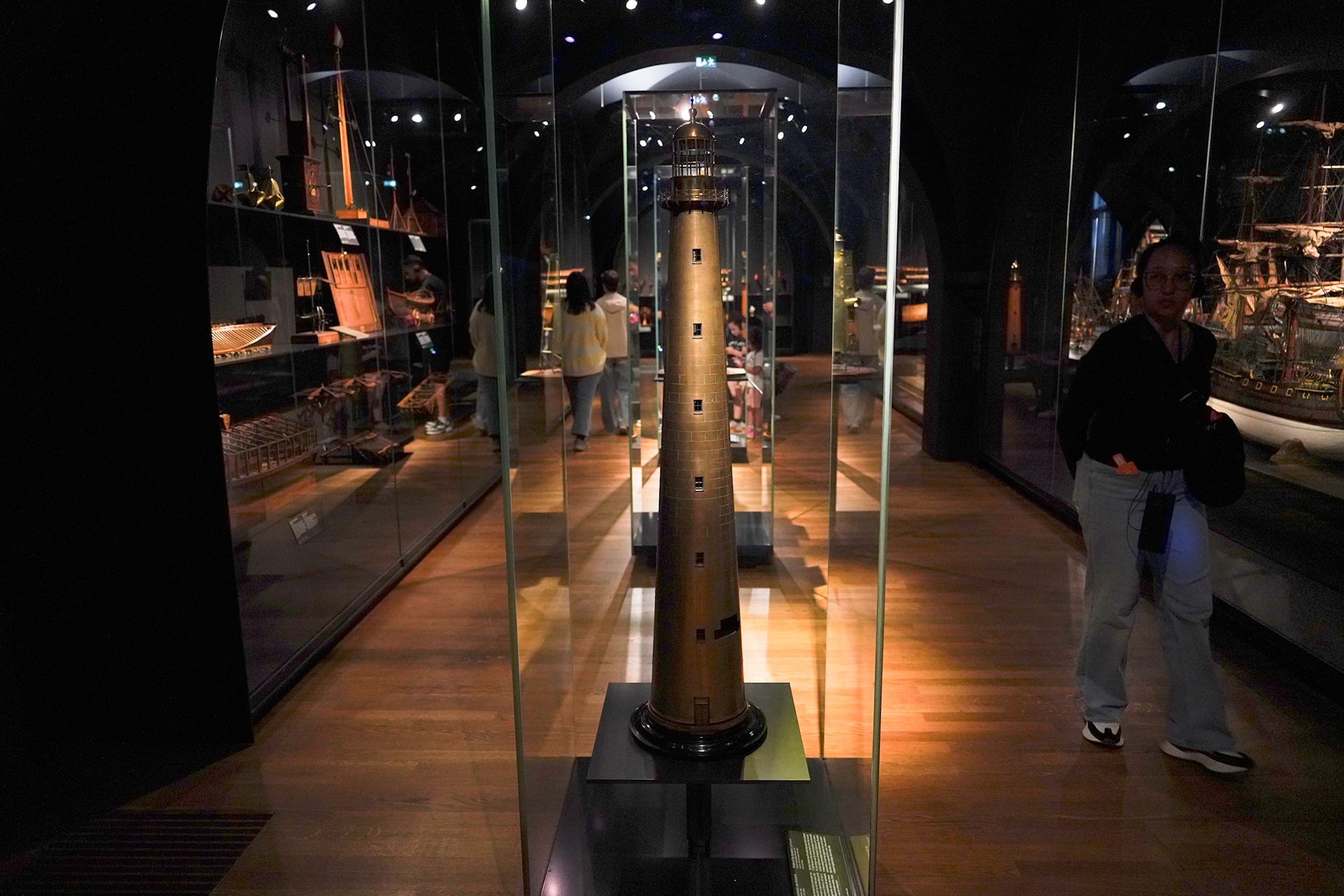
The Special Collections contain a fascinating variety of objects, including jewelry, weapons, ship models, musical instruments, clocks, glassware, and other decorative arts.
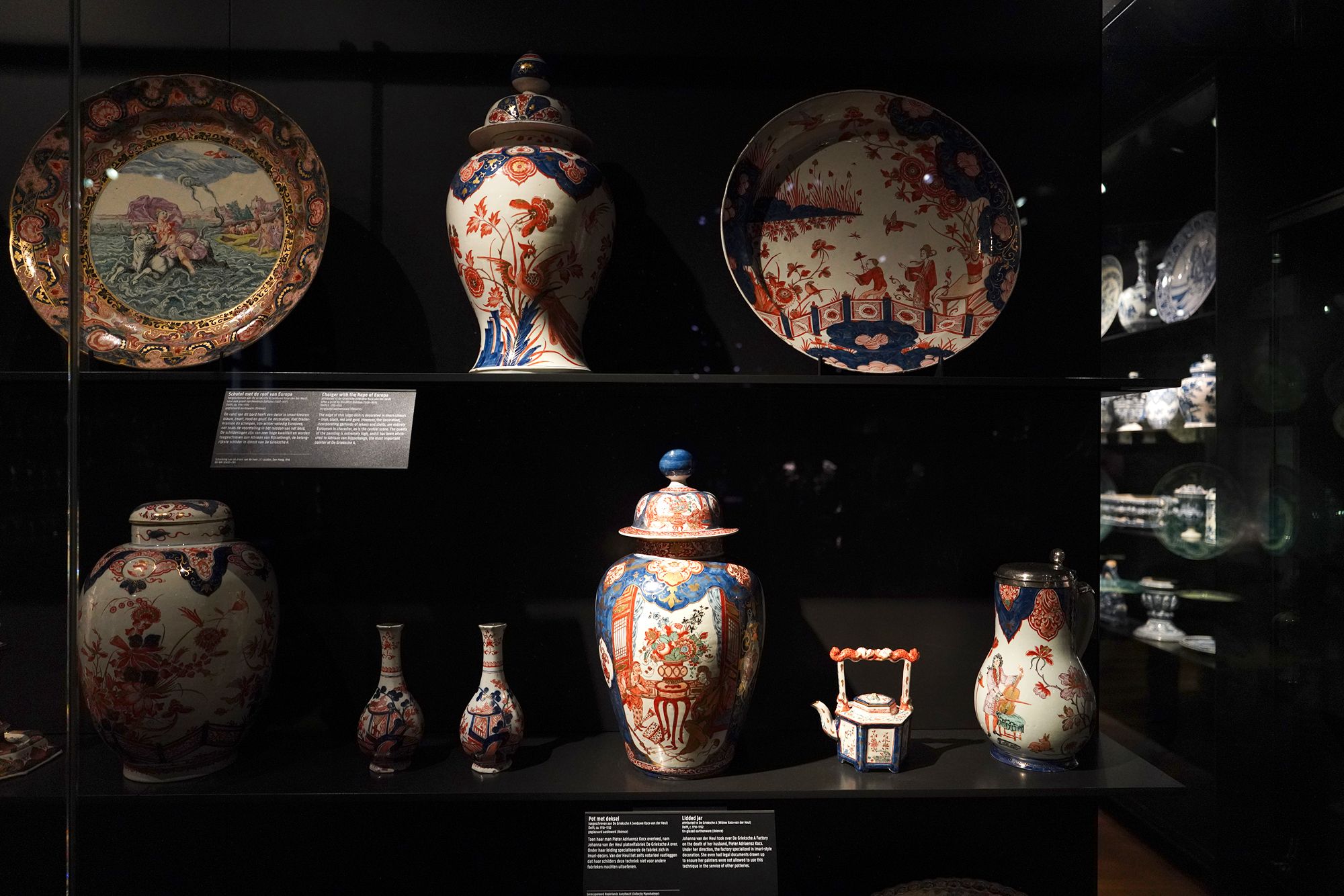
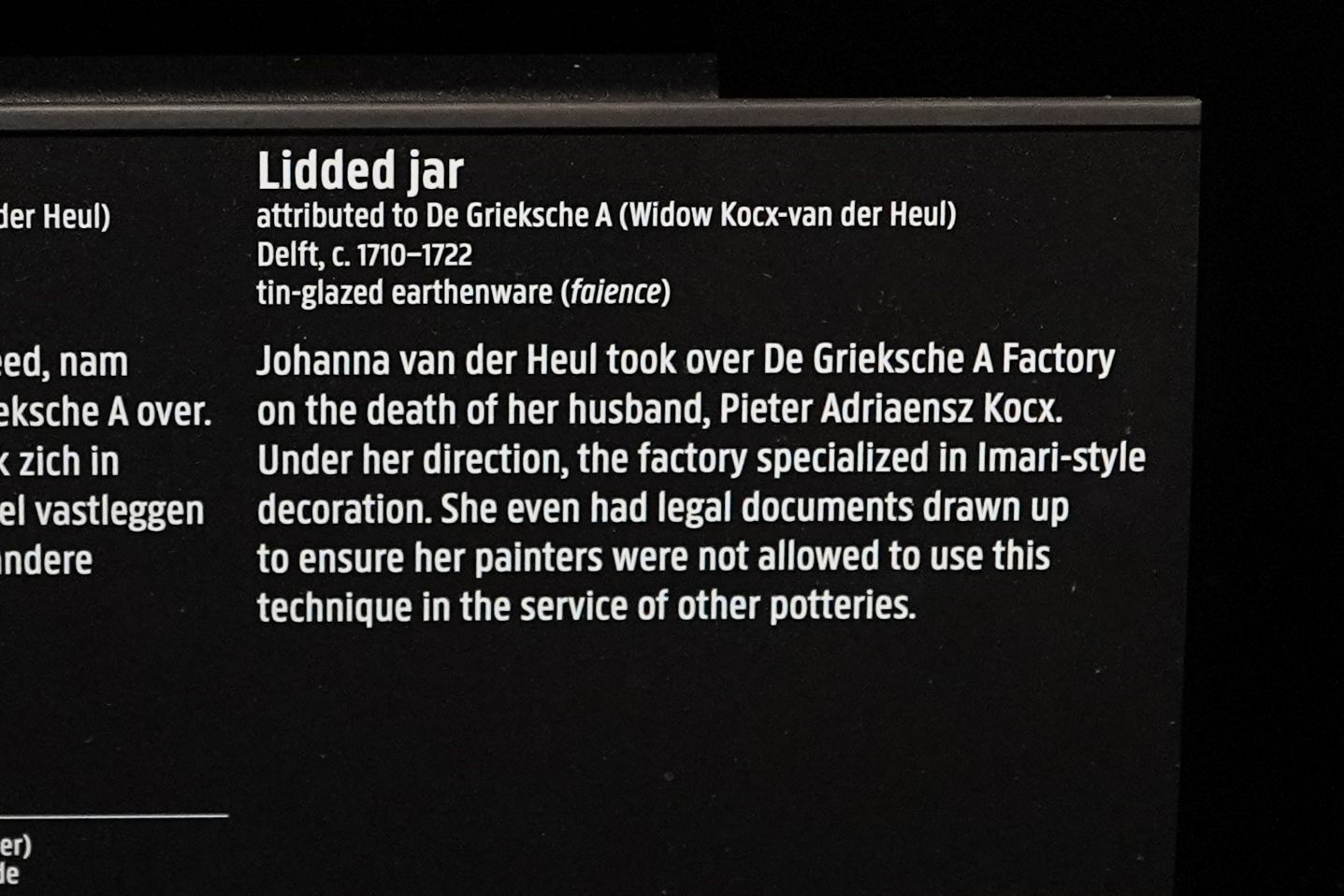
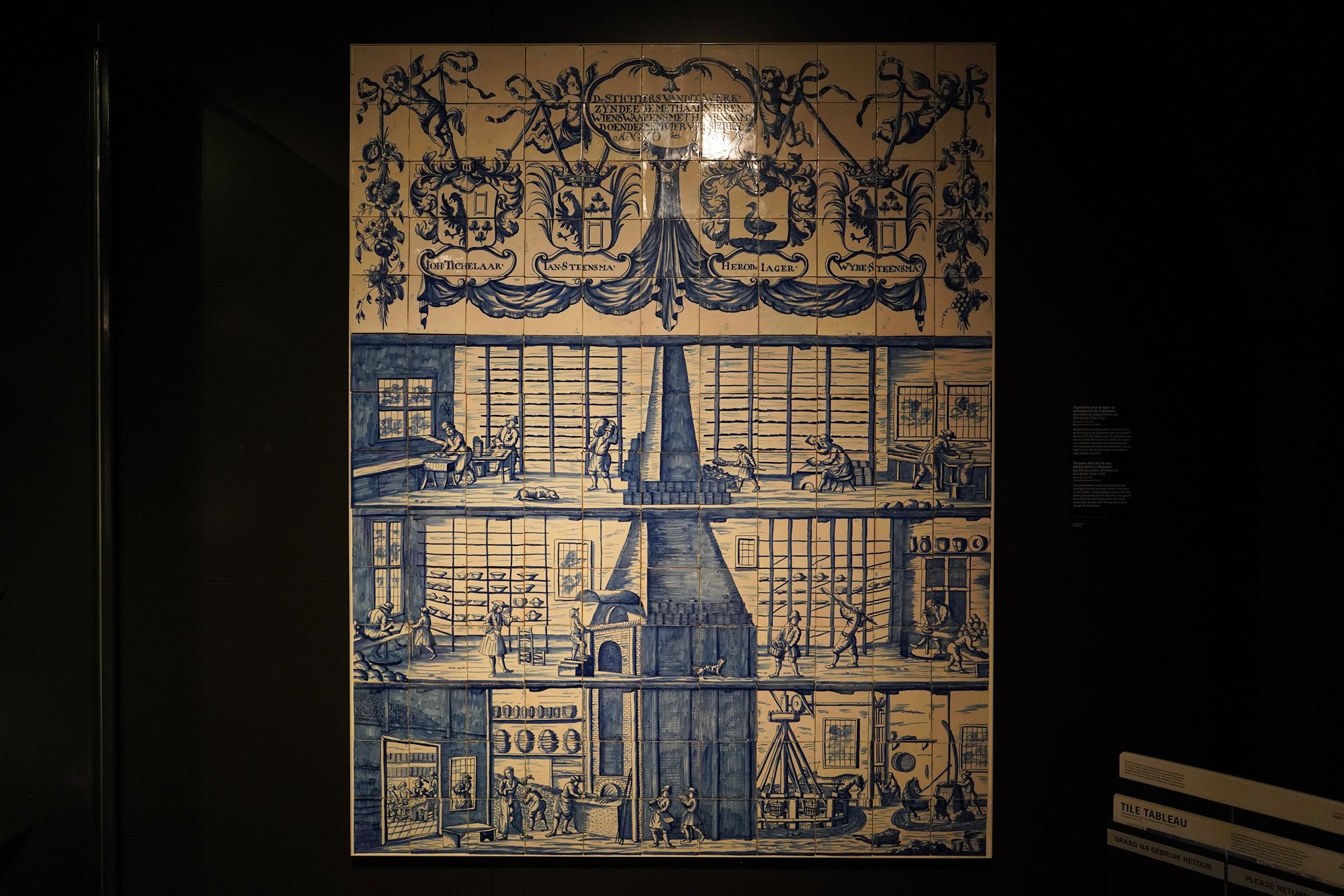
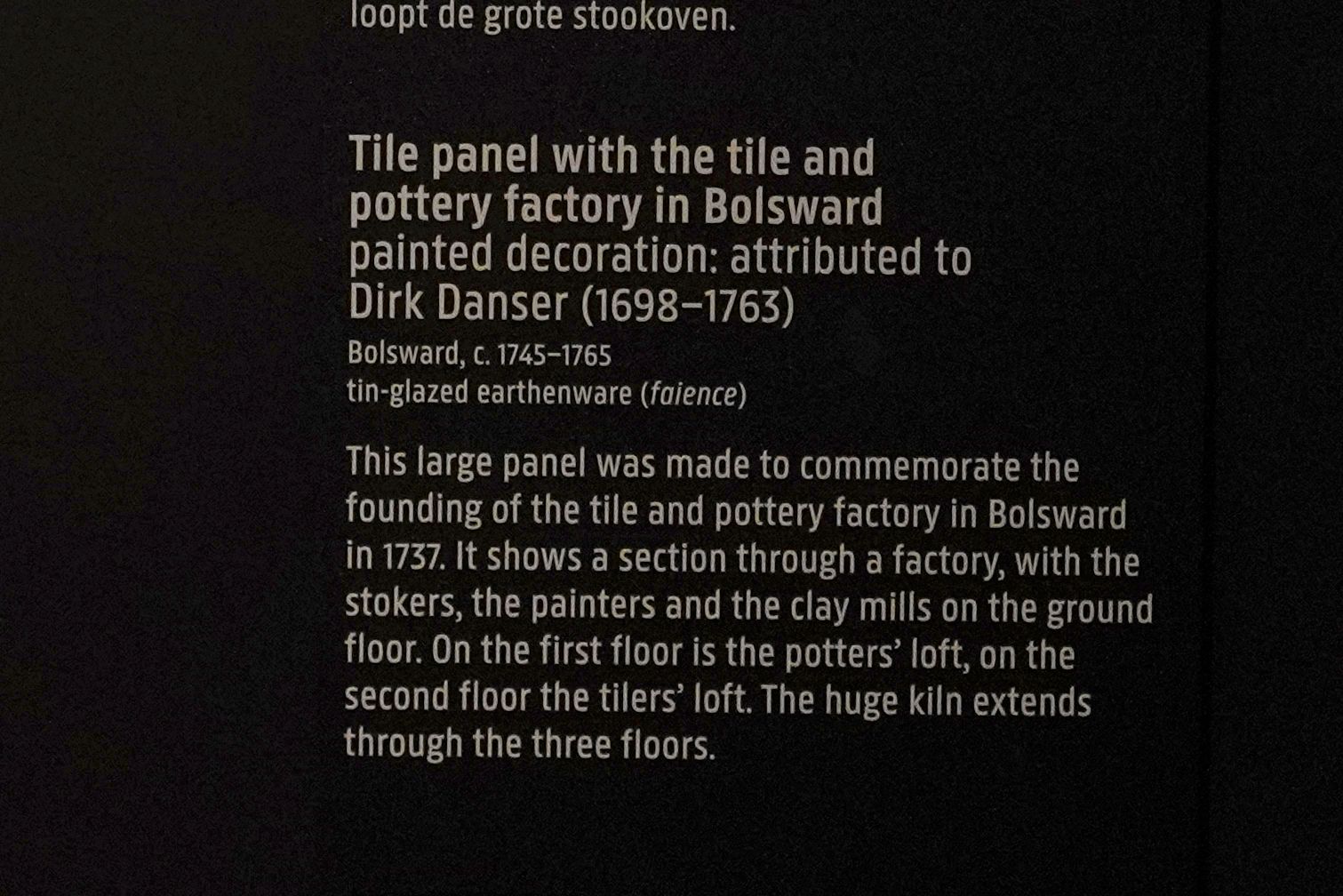
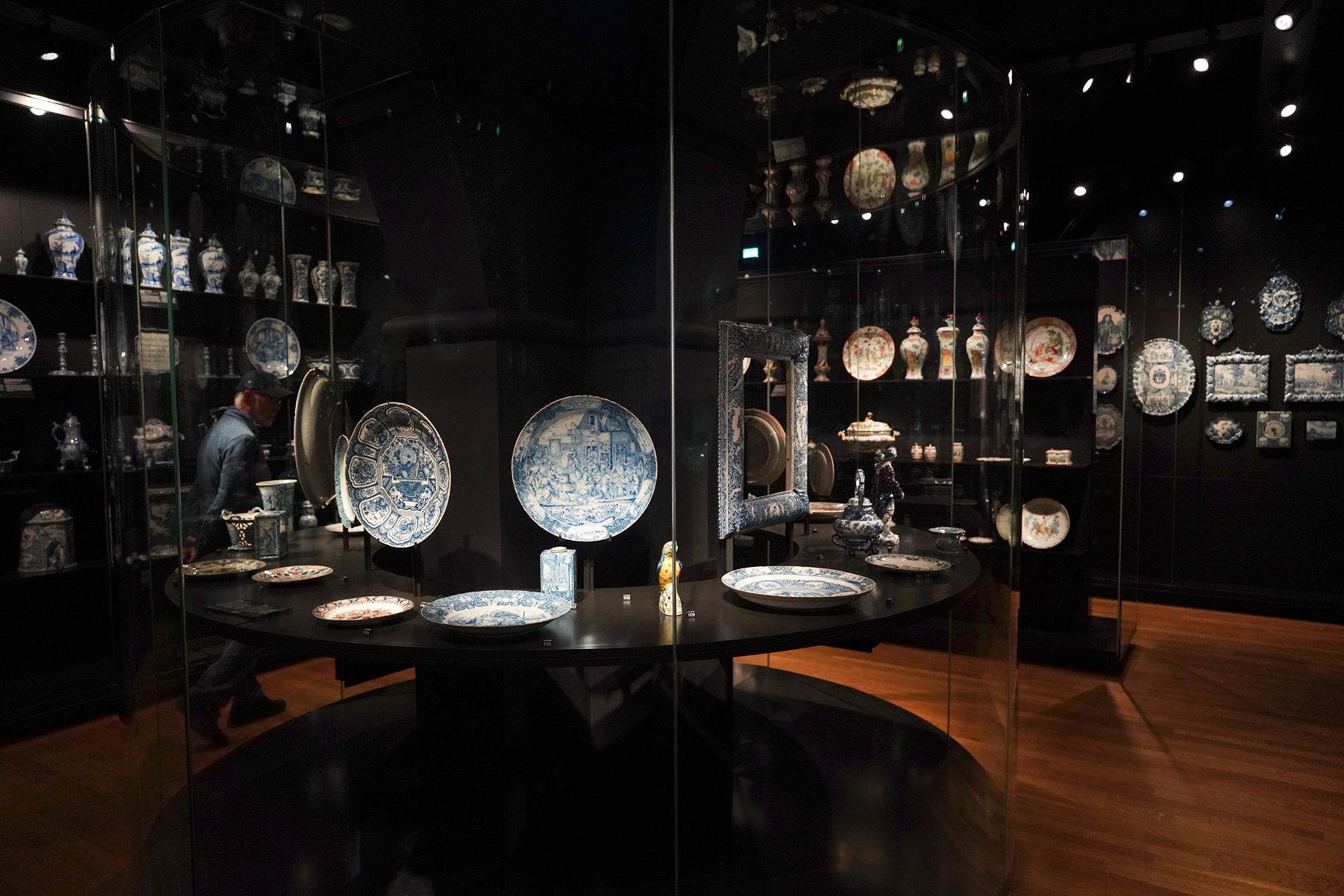
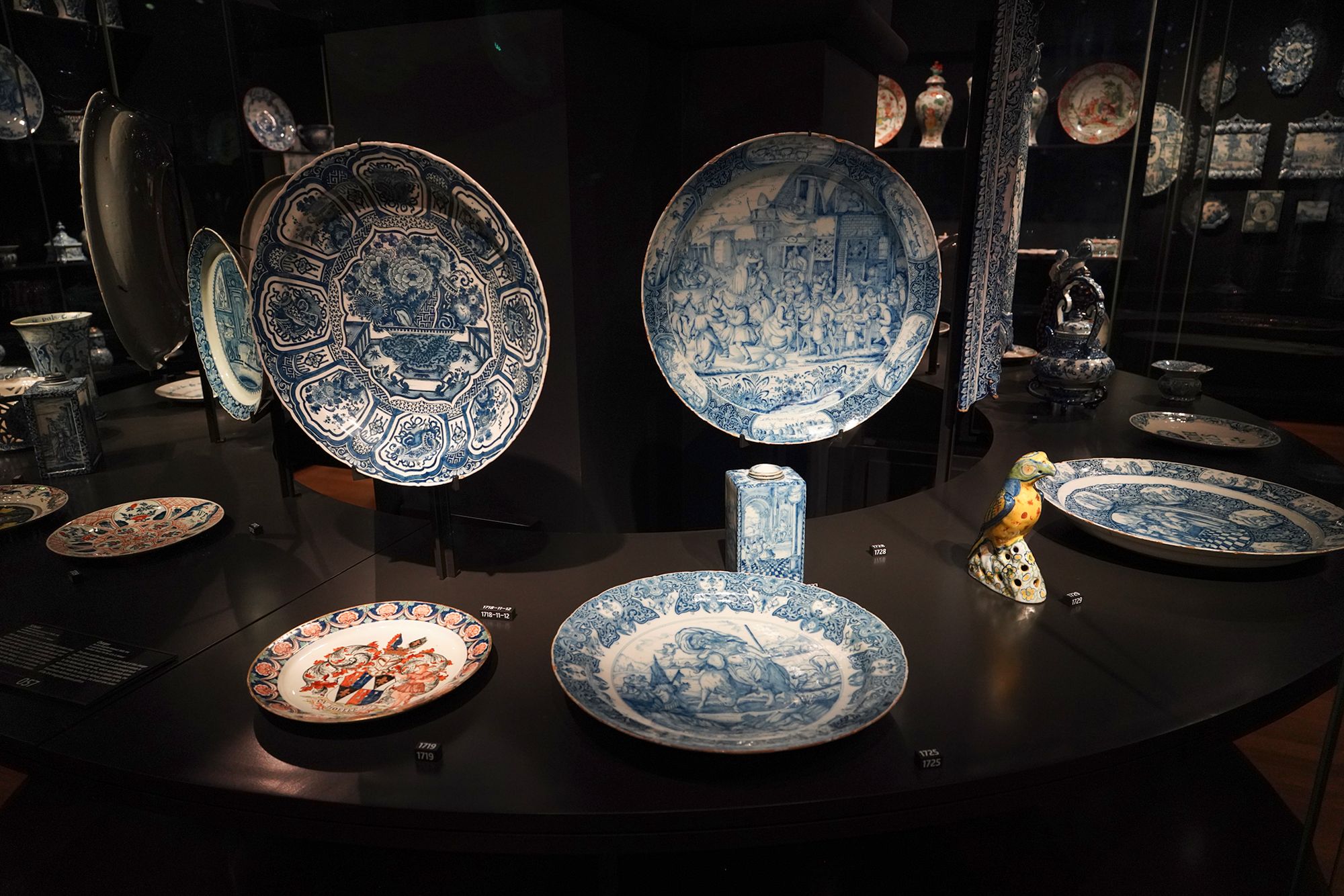
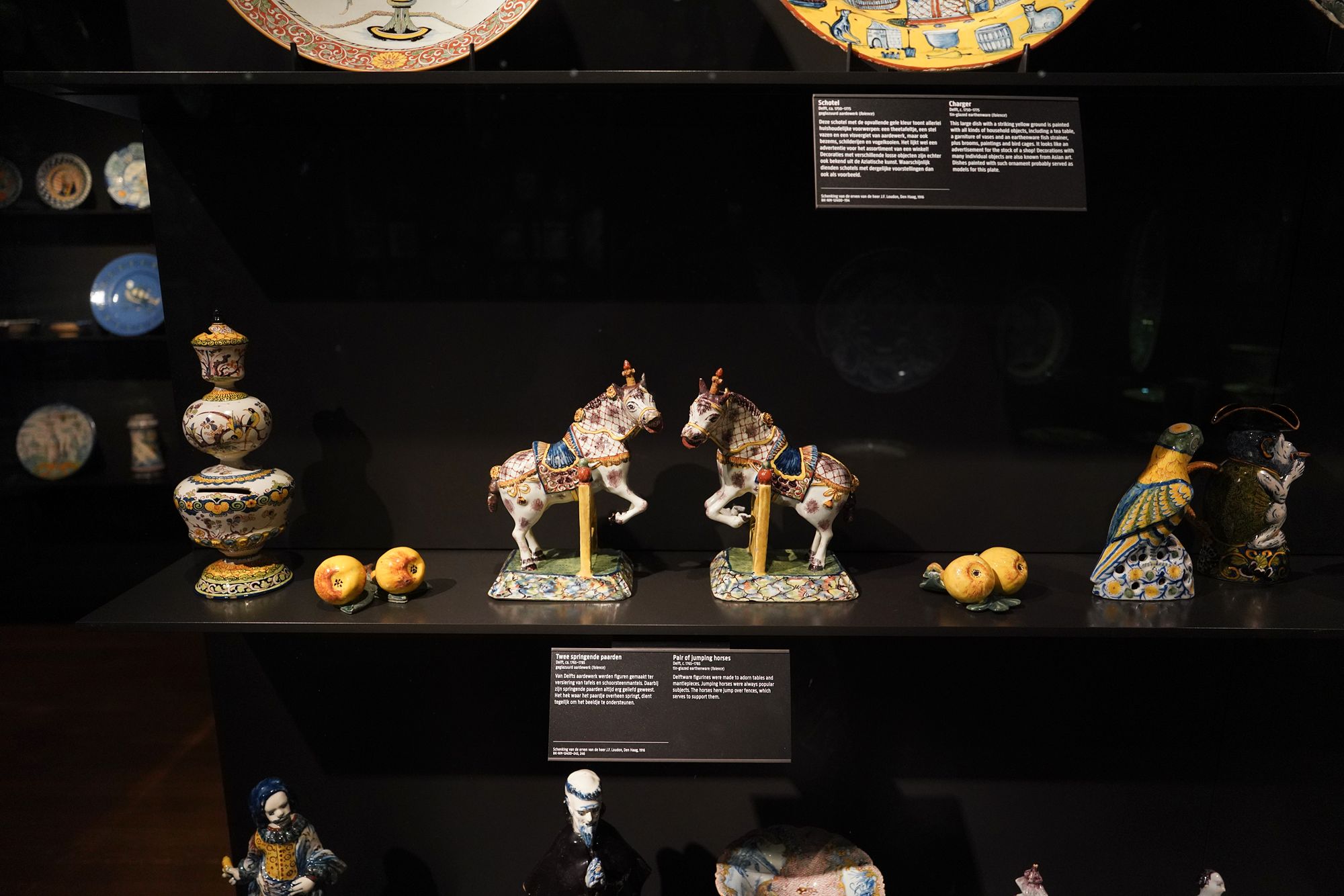
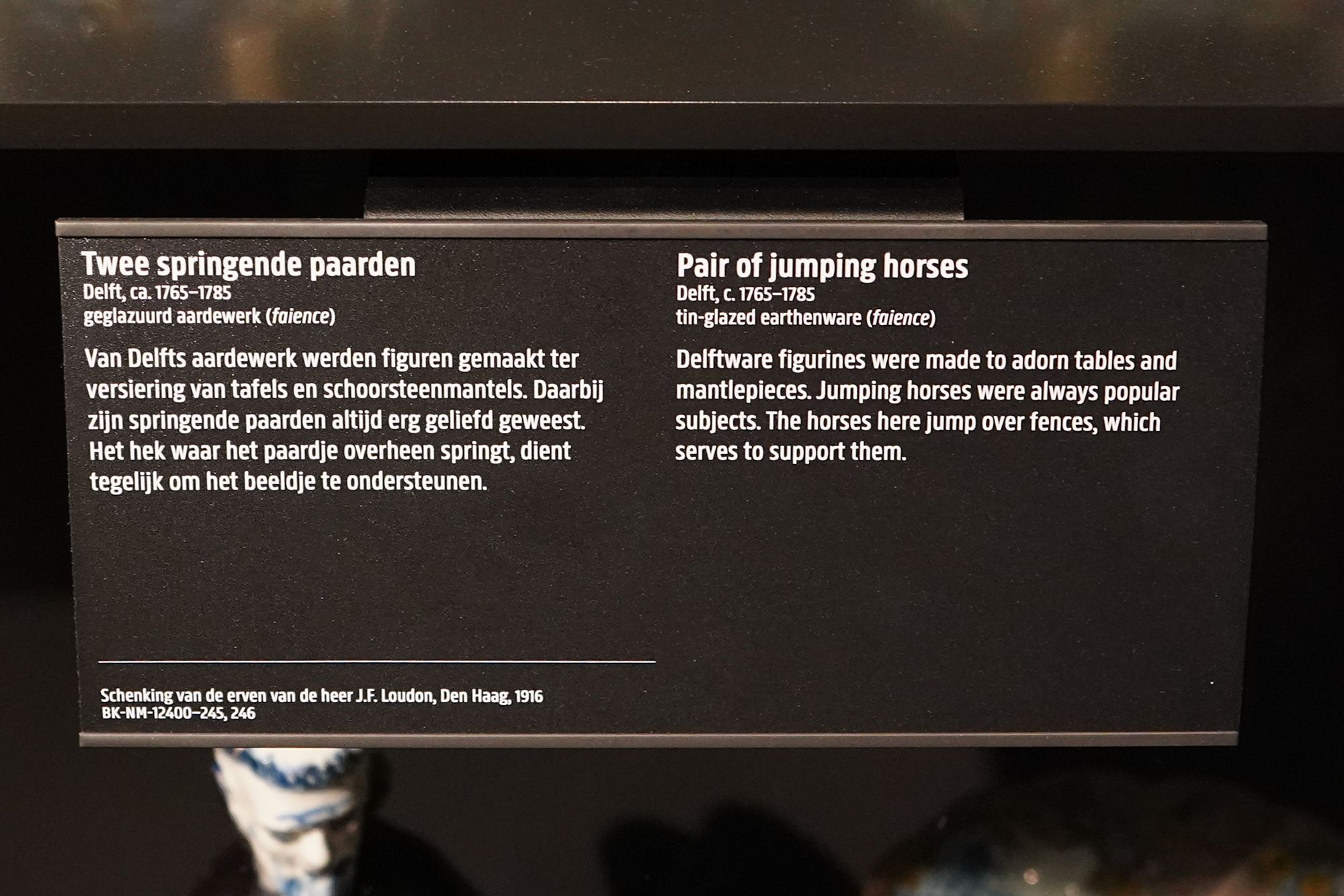
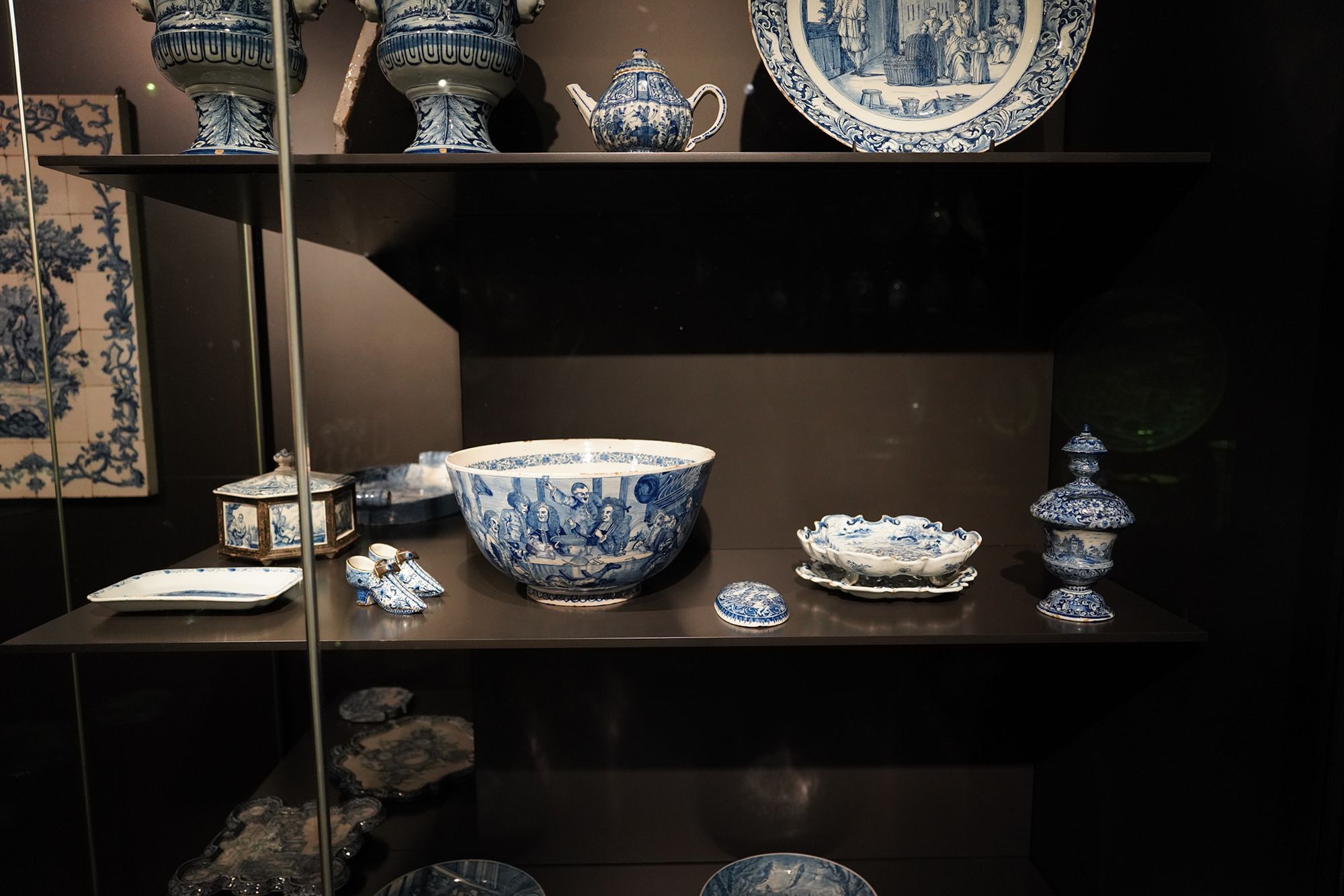
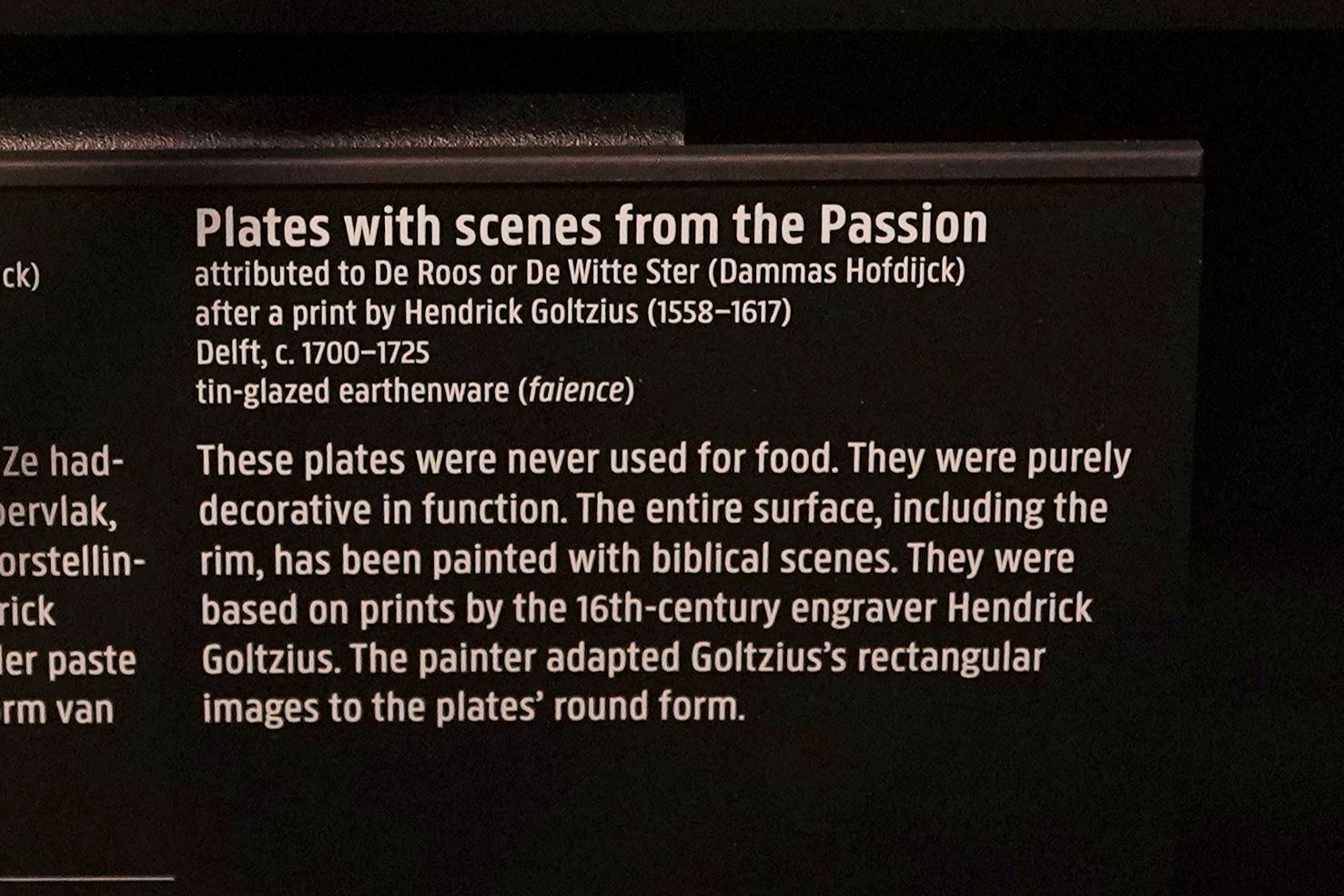
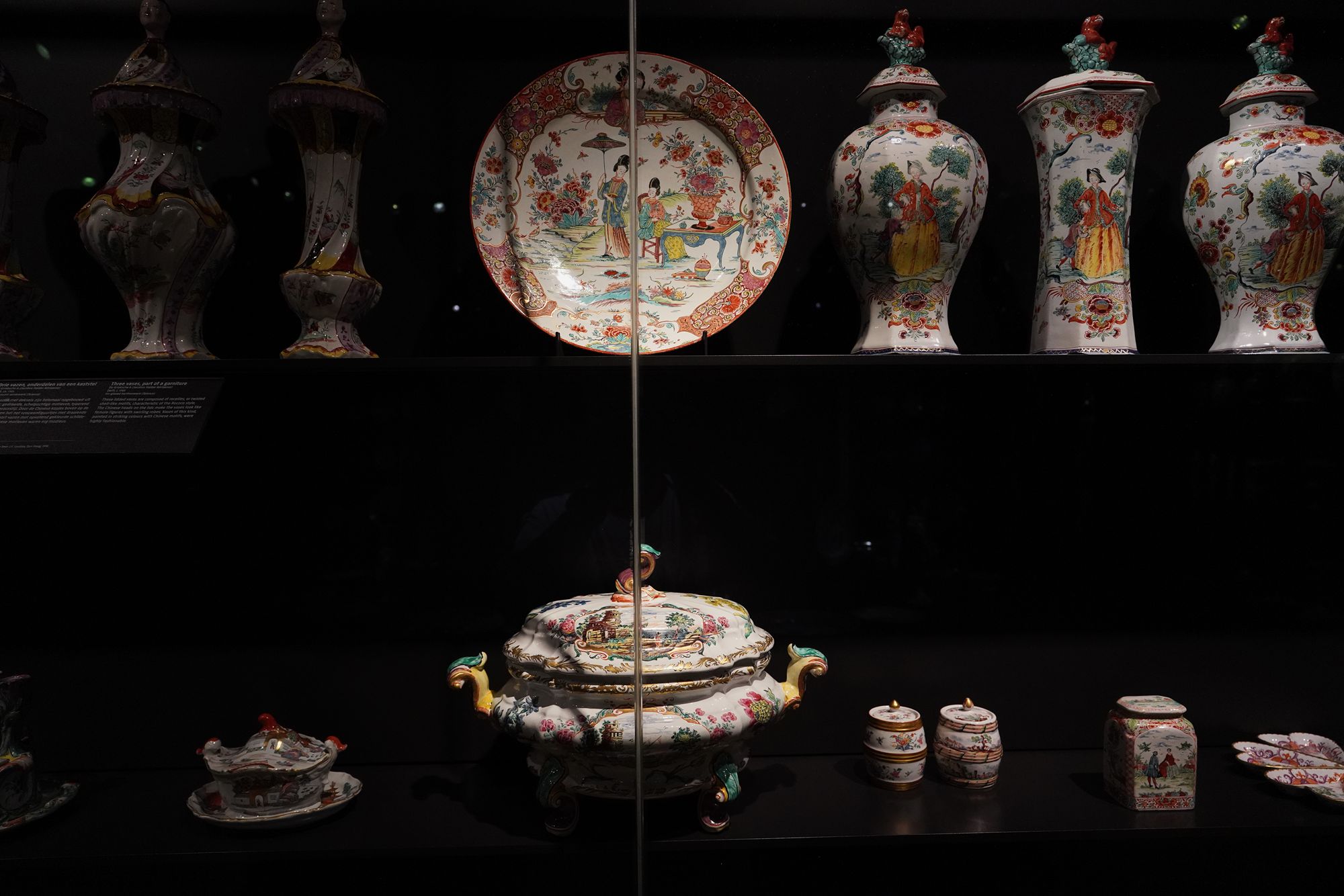
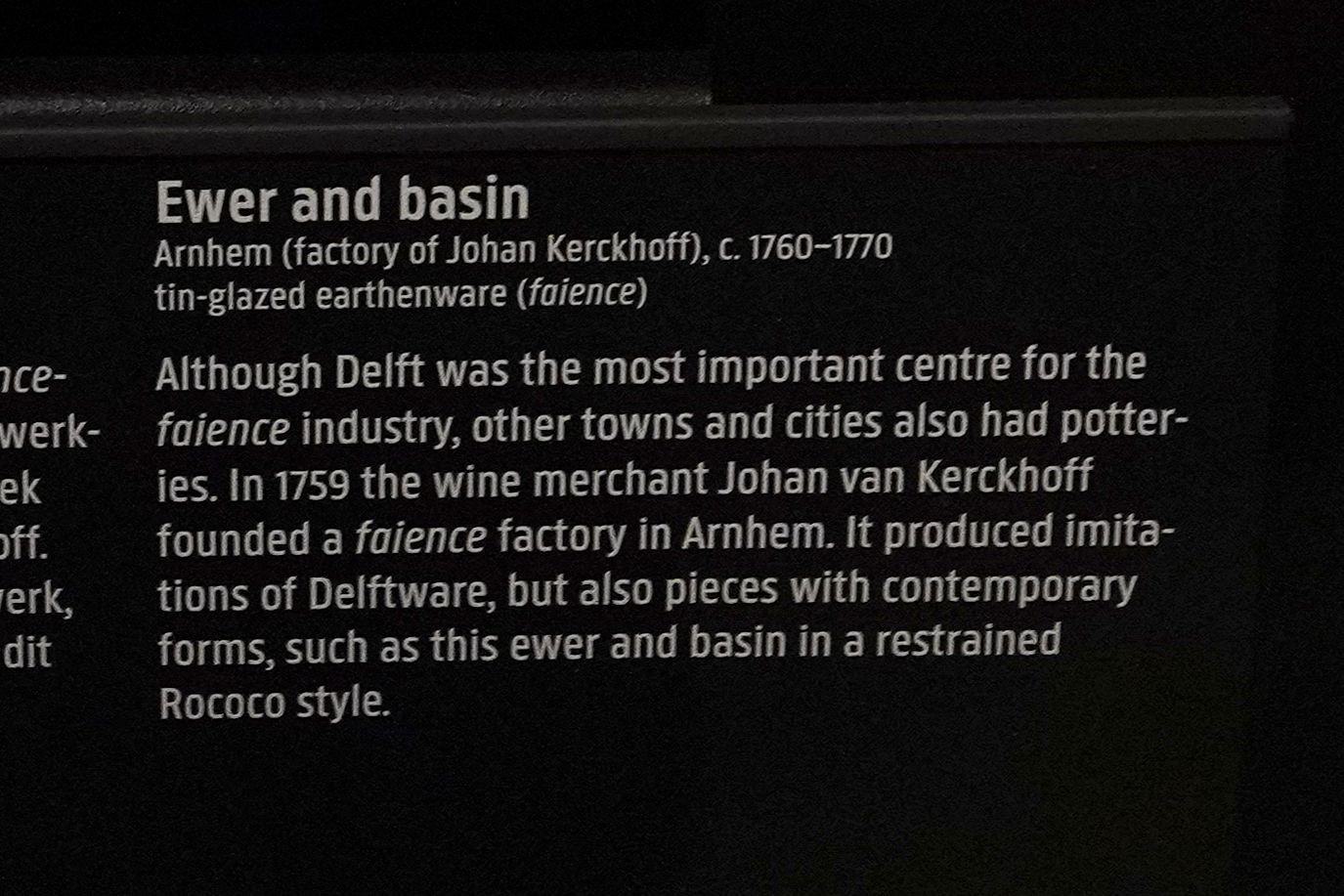
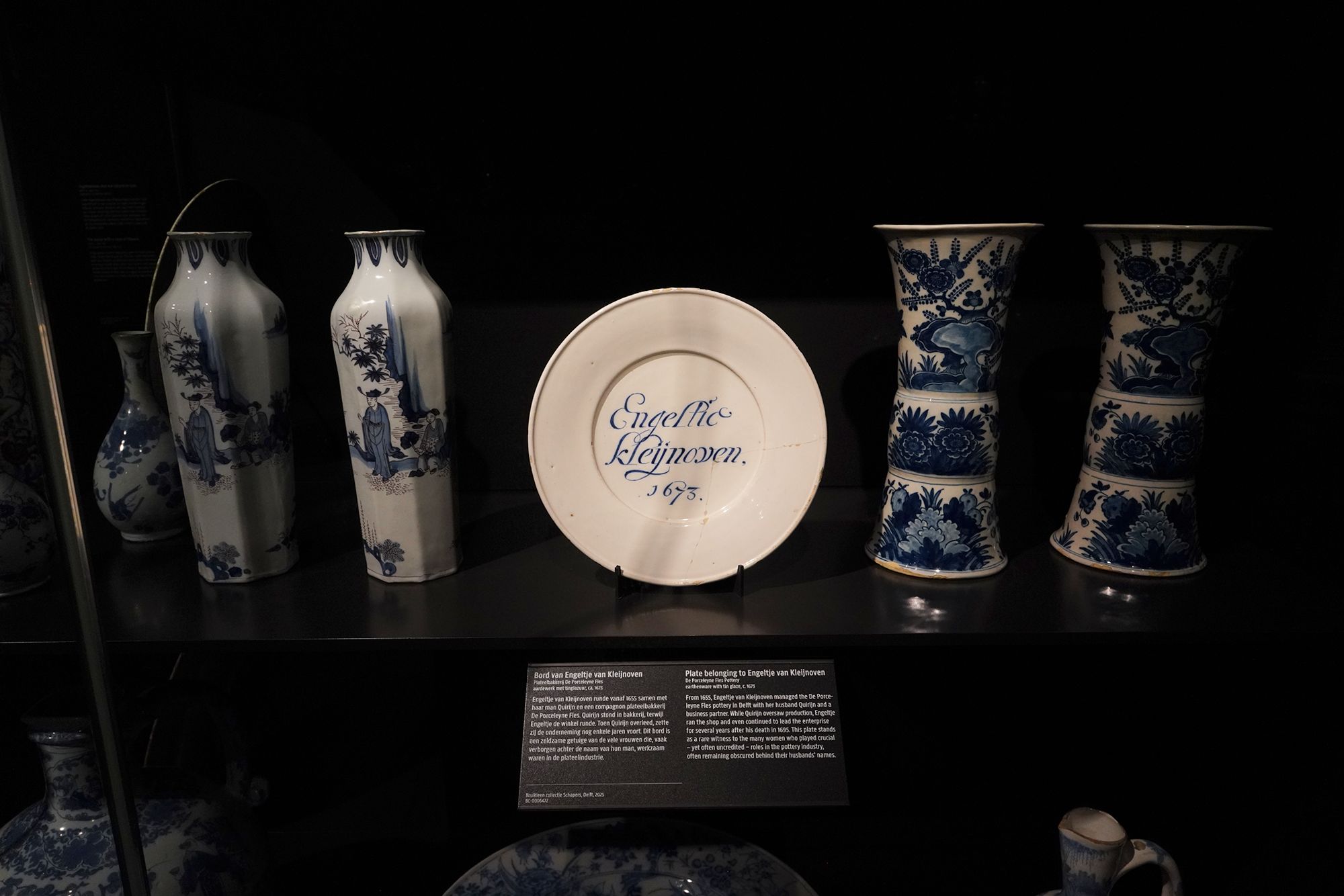
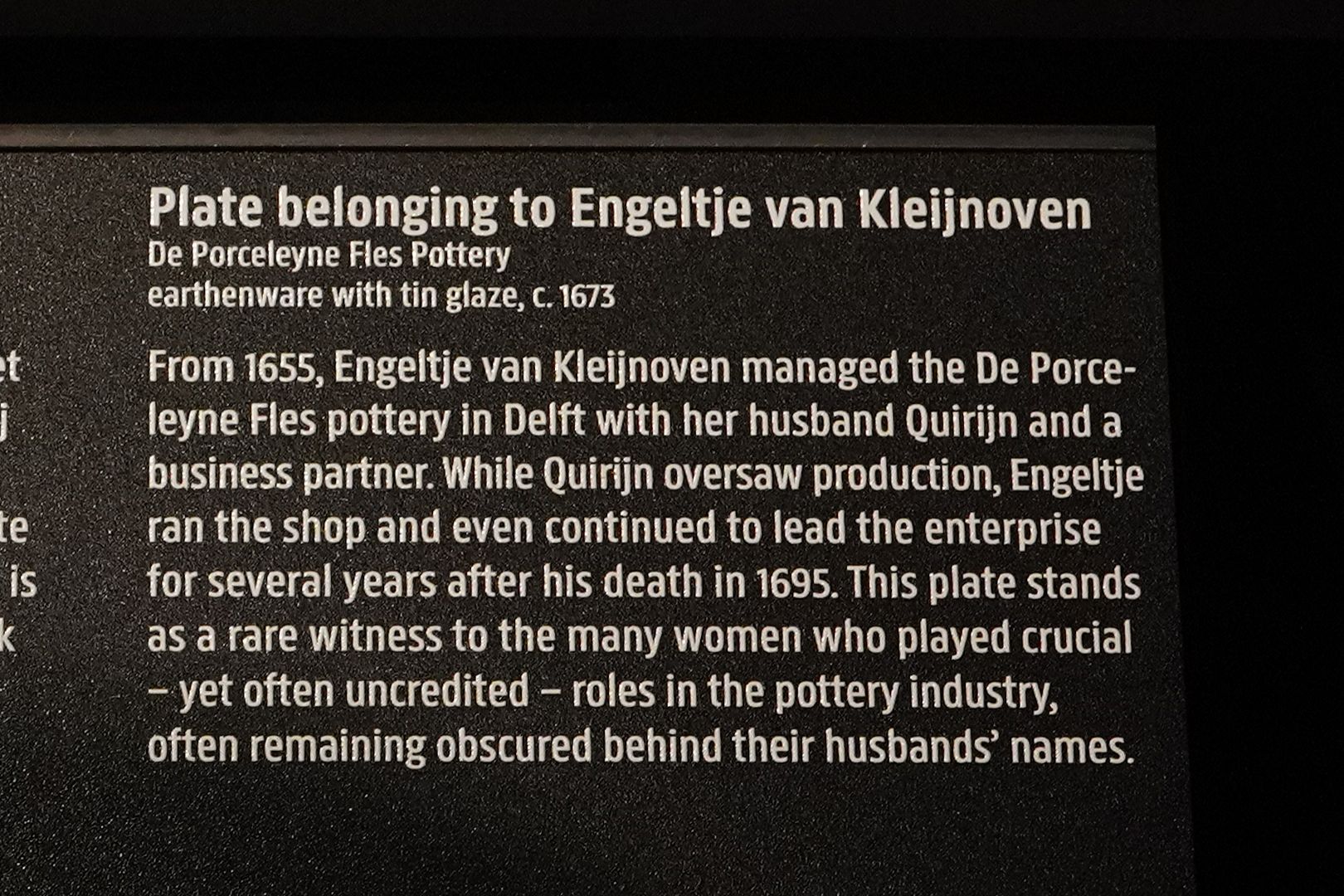
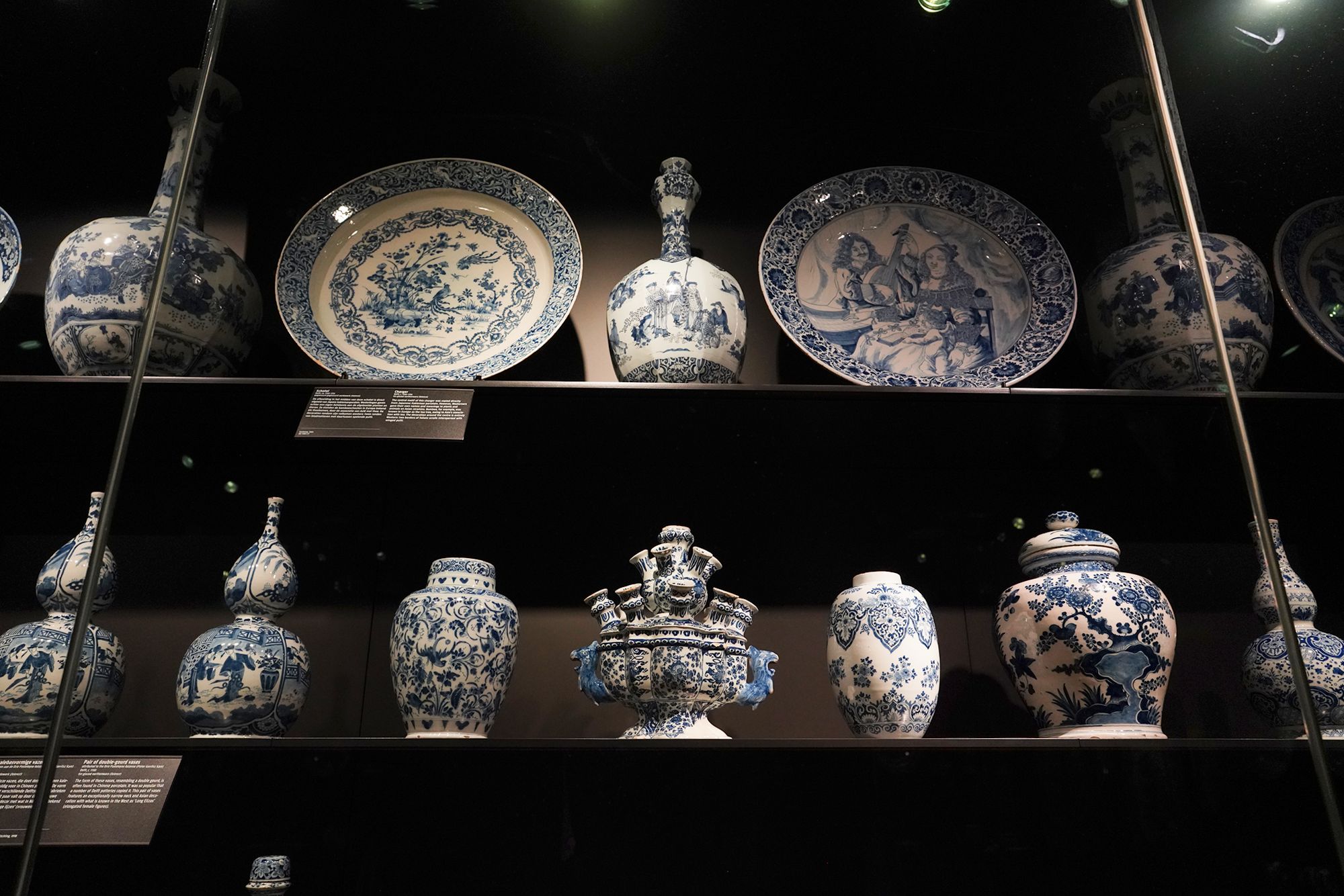
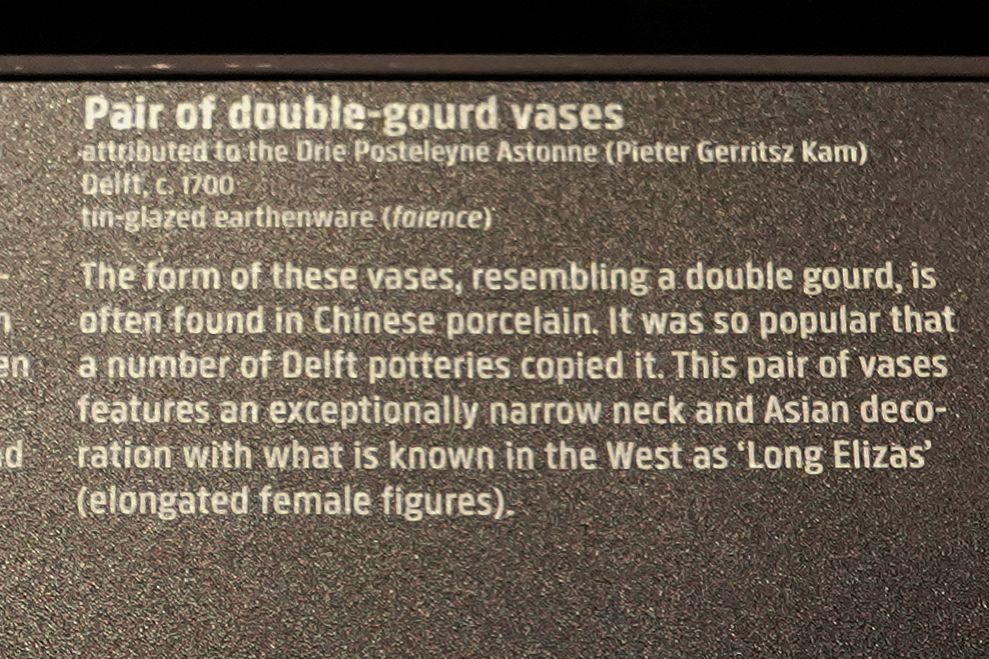
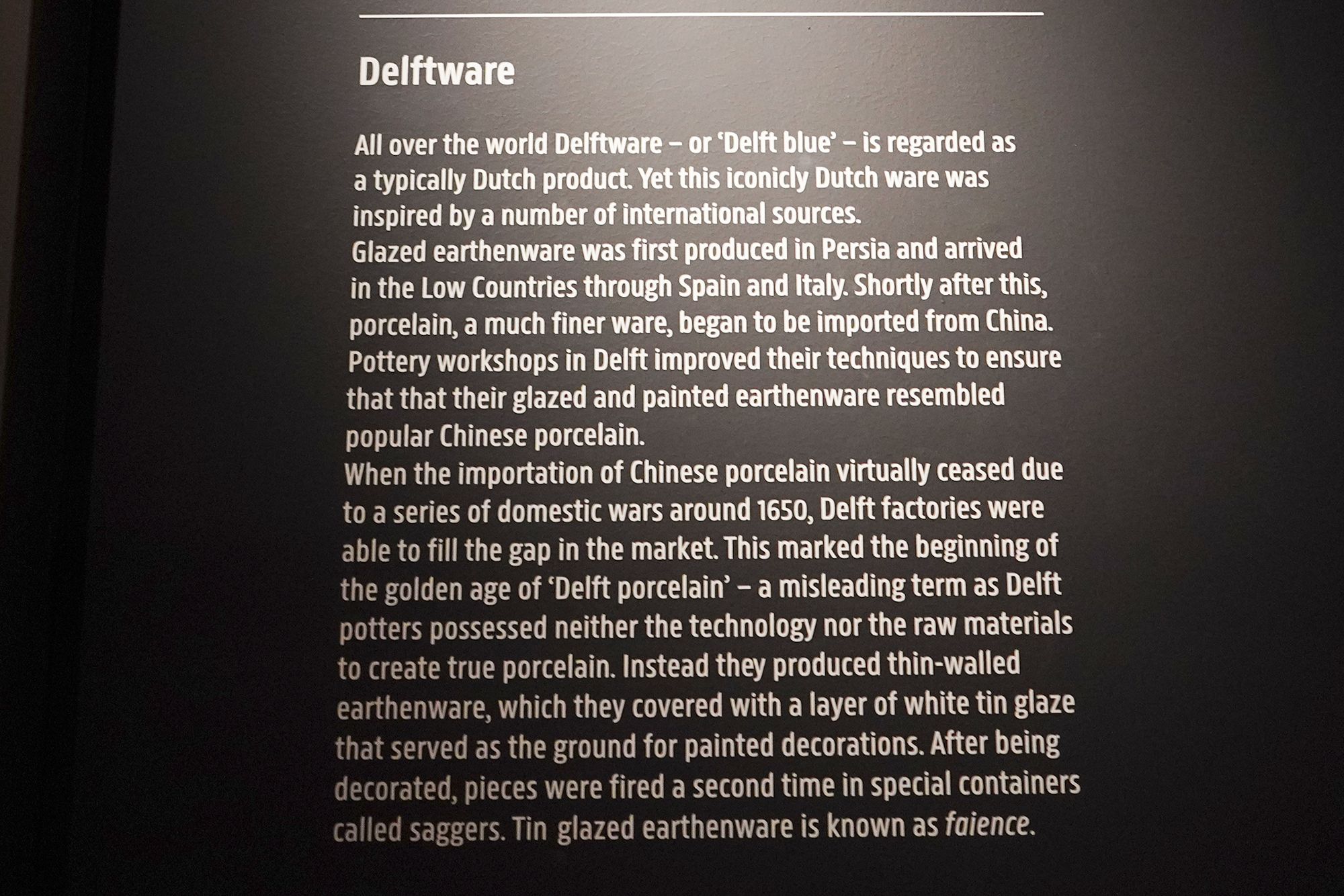
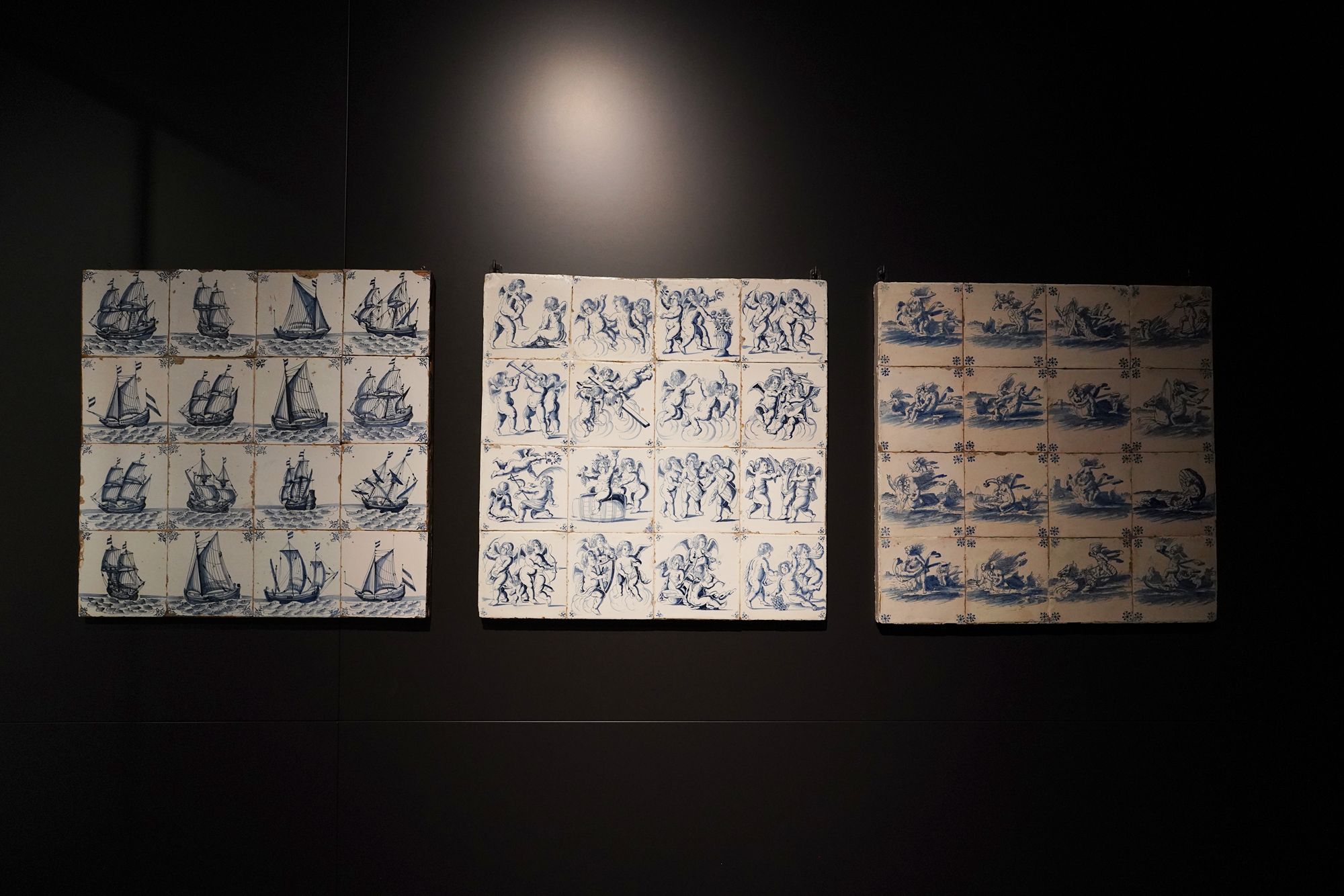
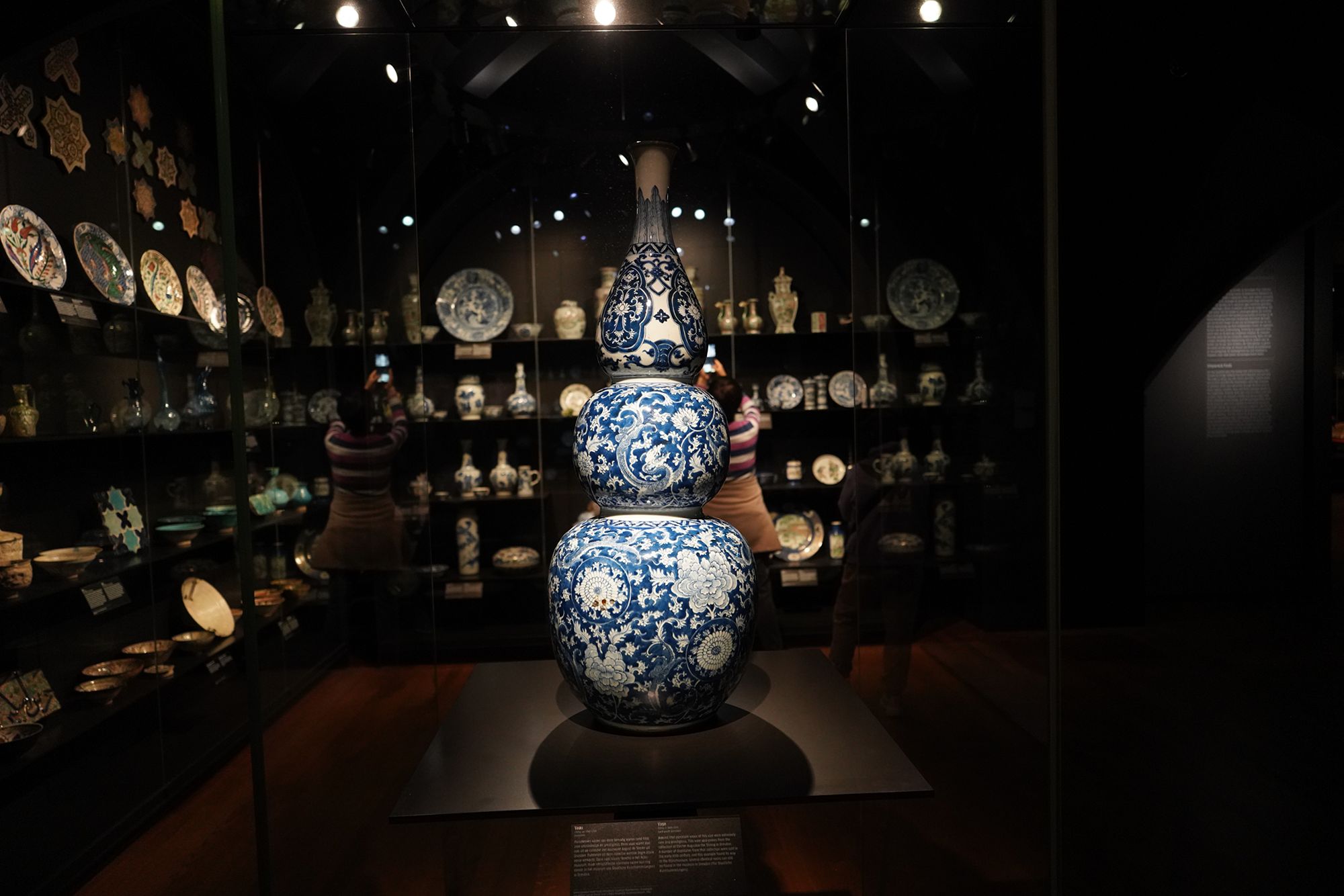
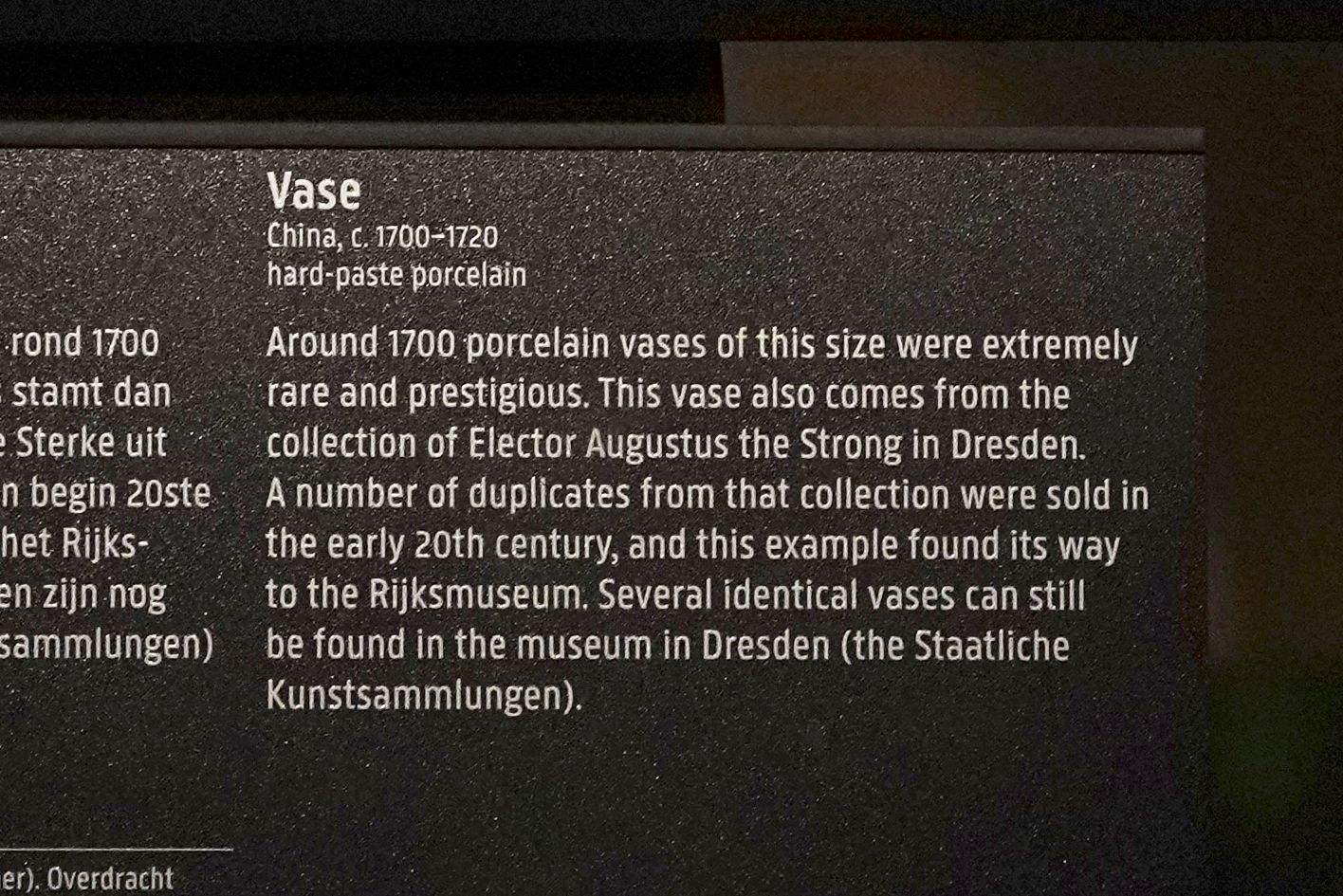
Delftware, famous for its blue-and-white designs, was inspired by imported Chinese porcelain and became one of the Netherlands’ most distinctive decorative arts.
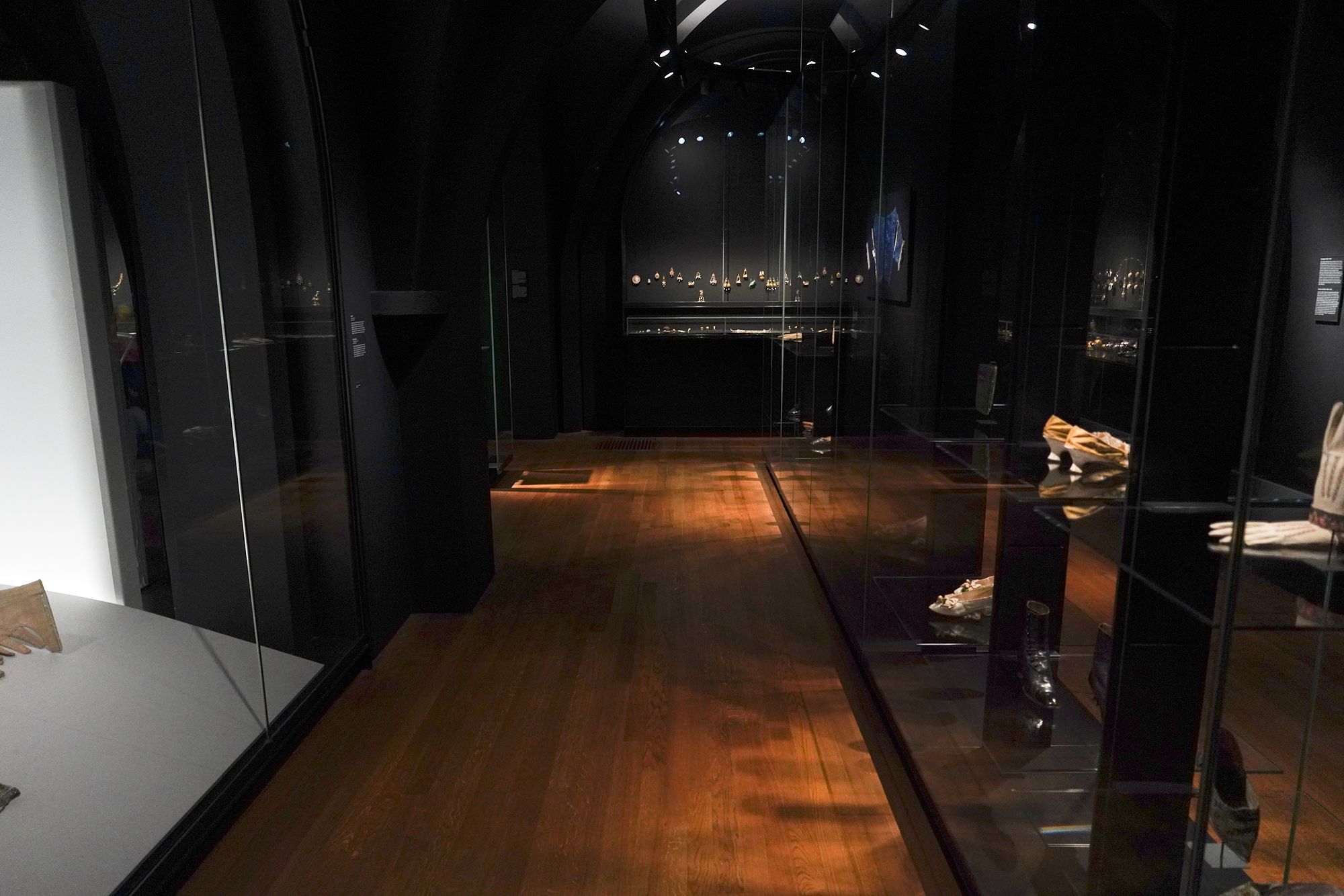
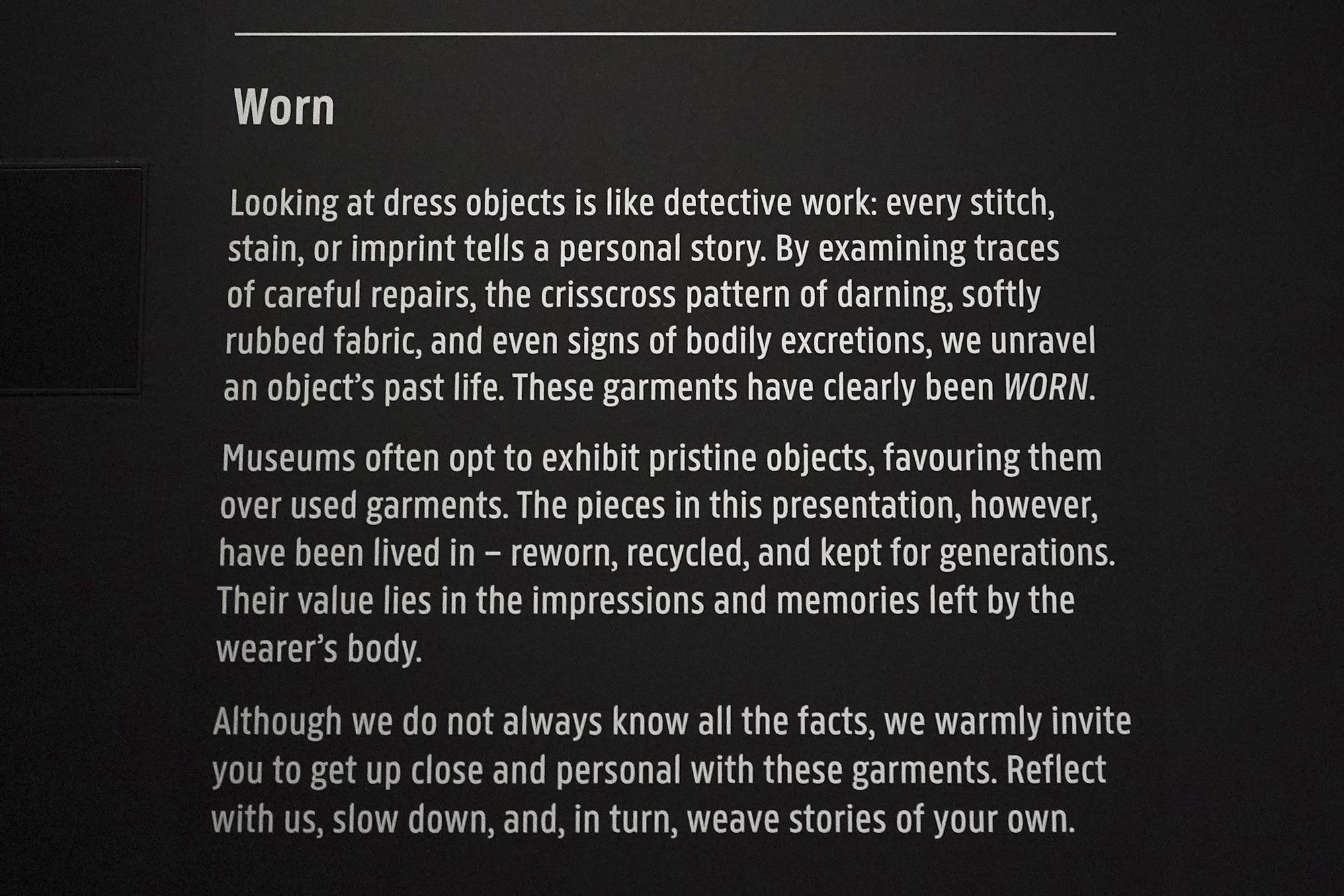
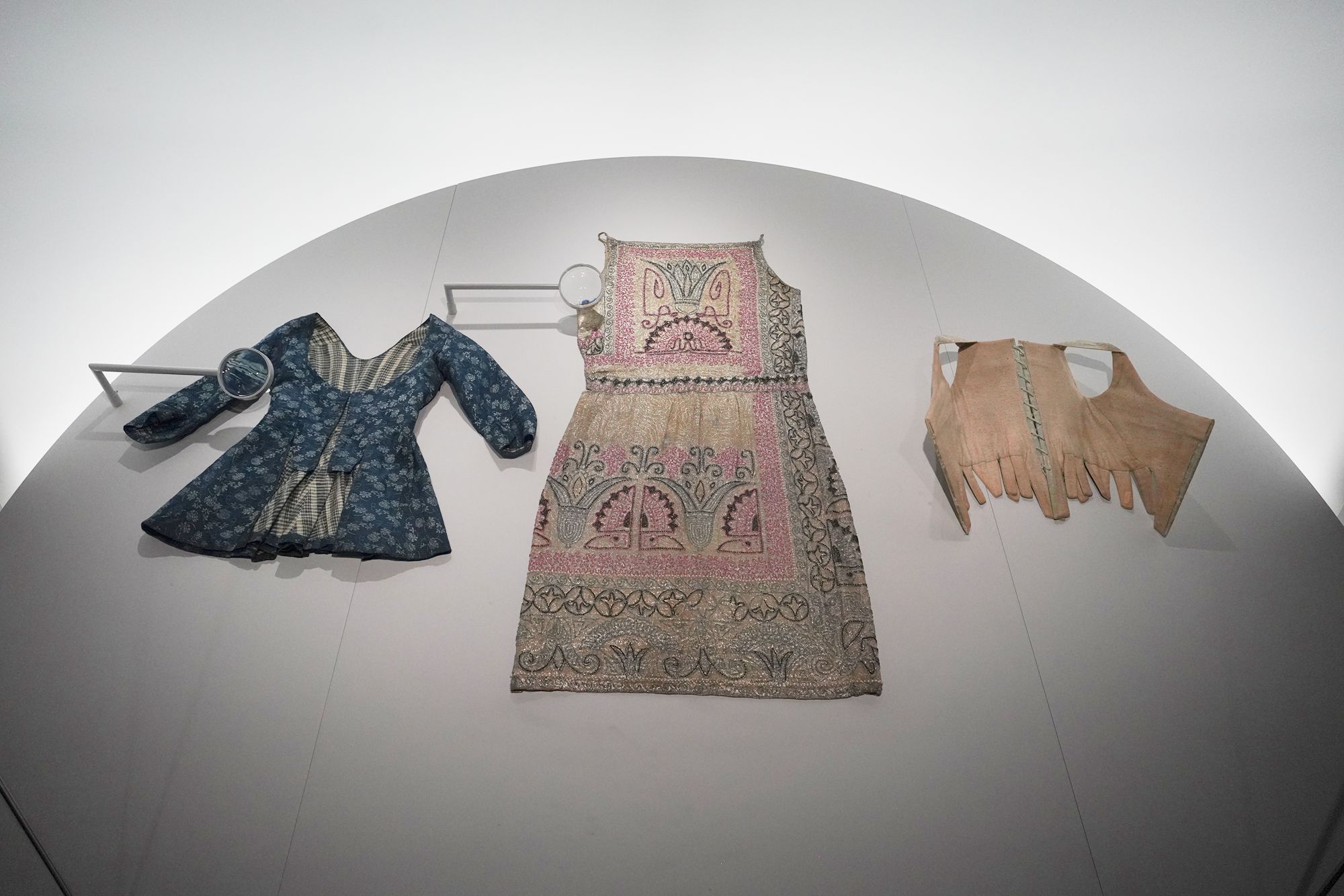
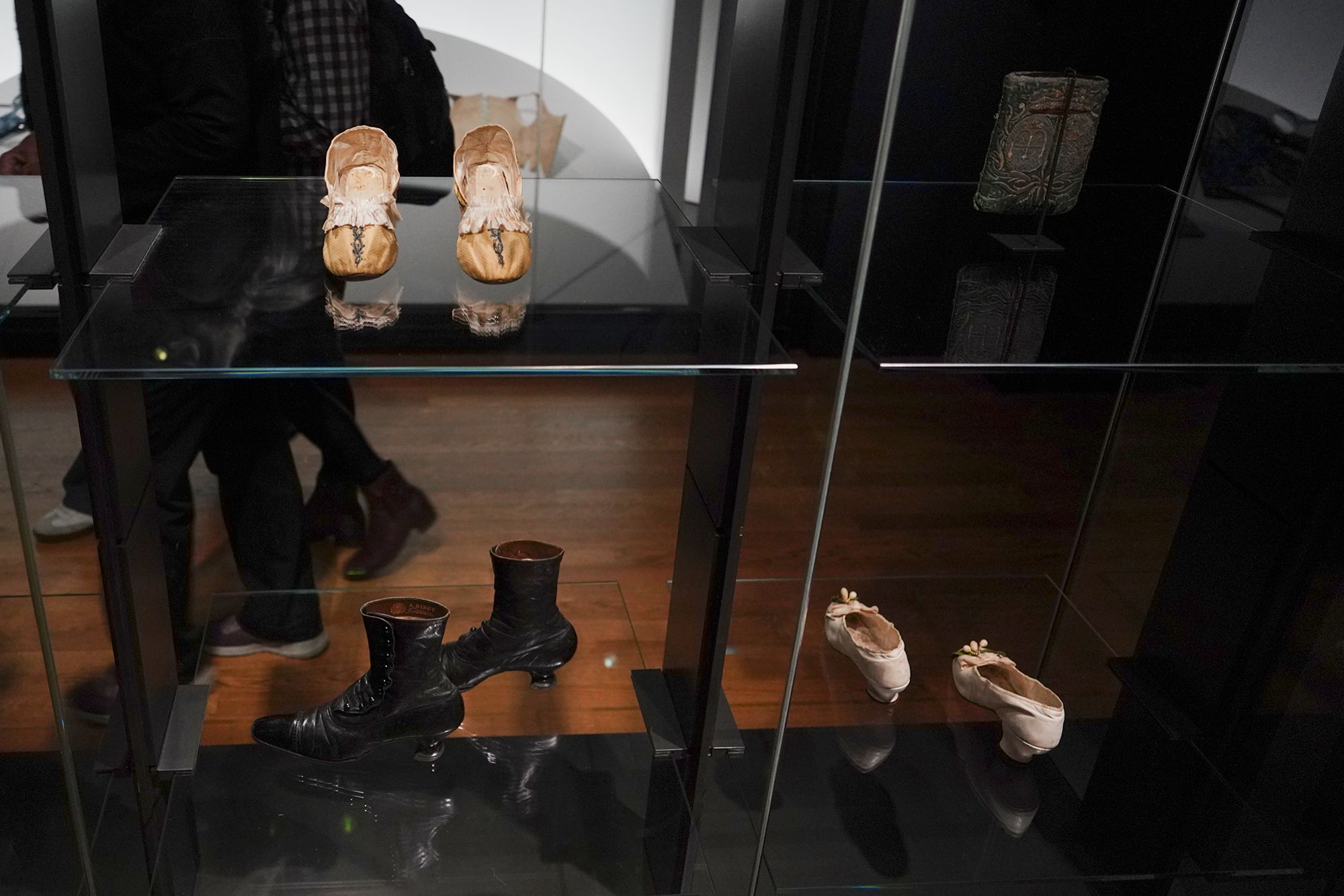
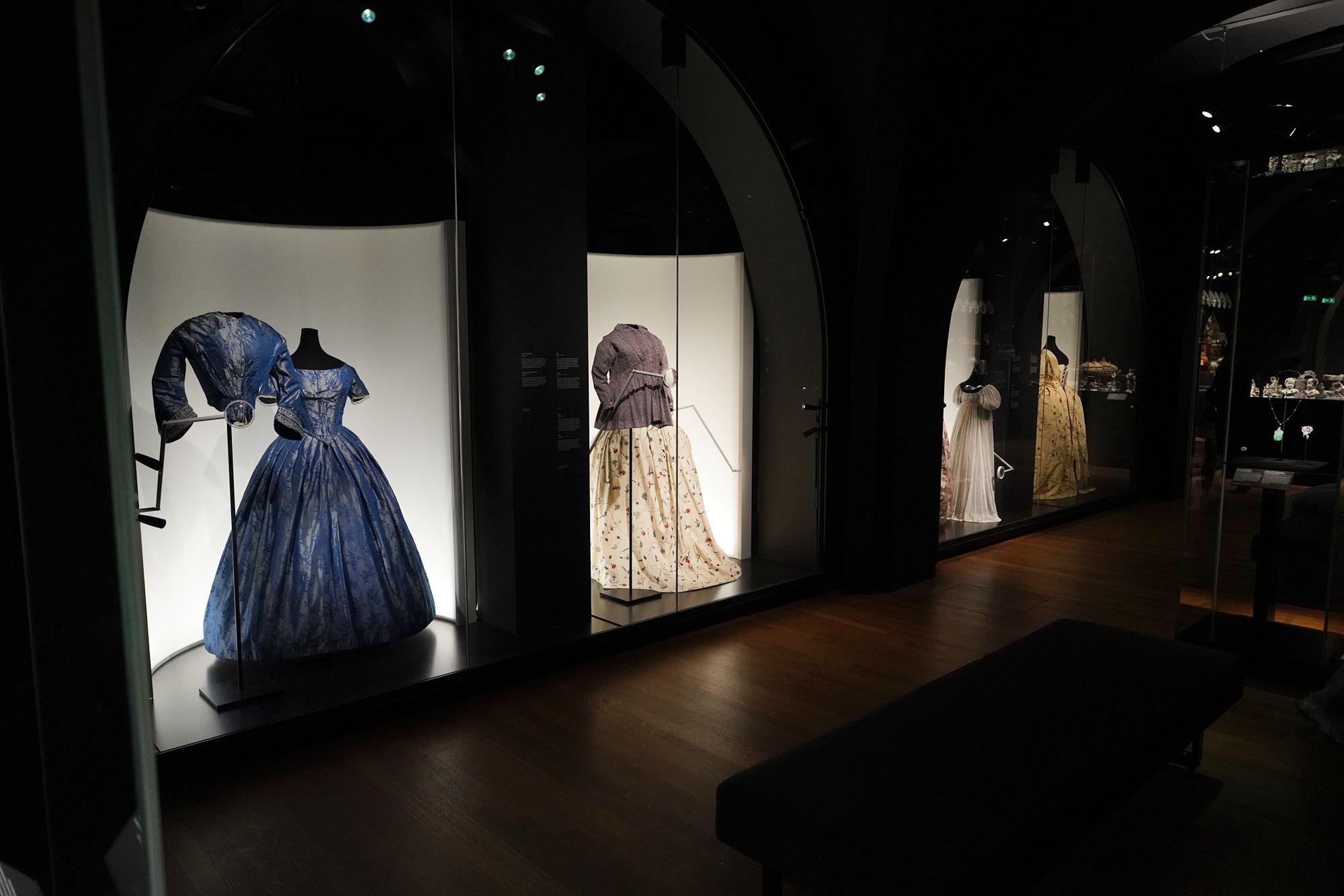
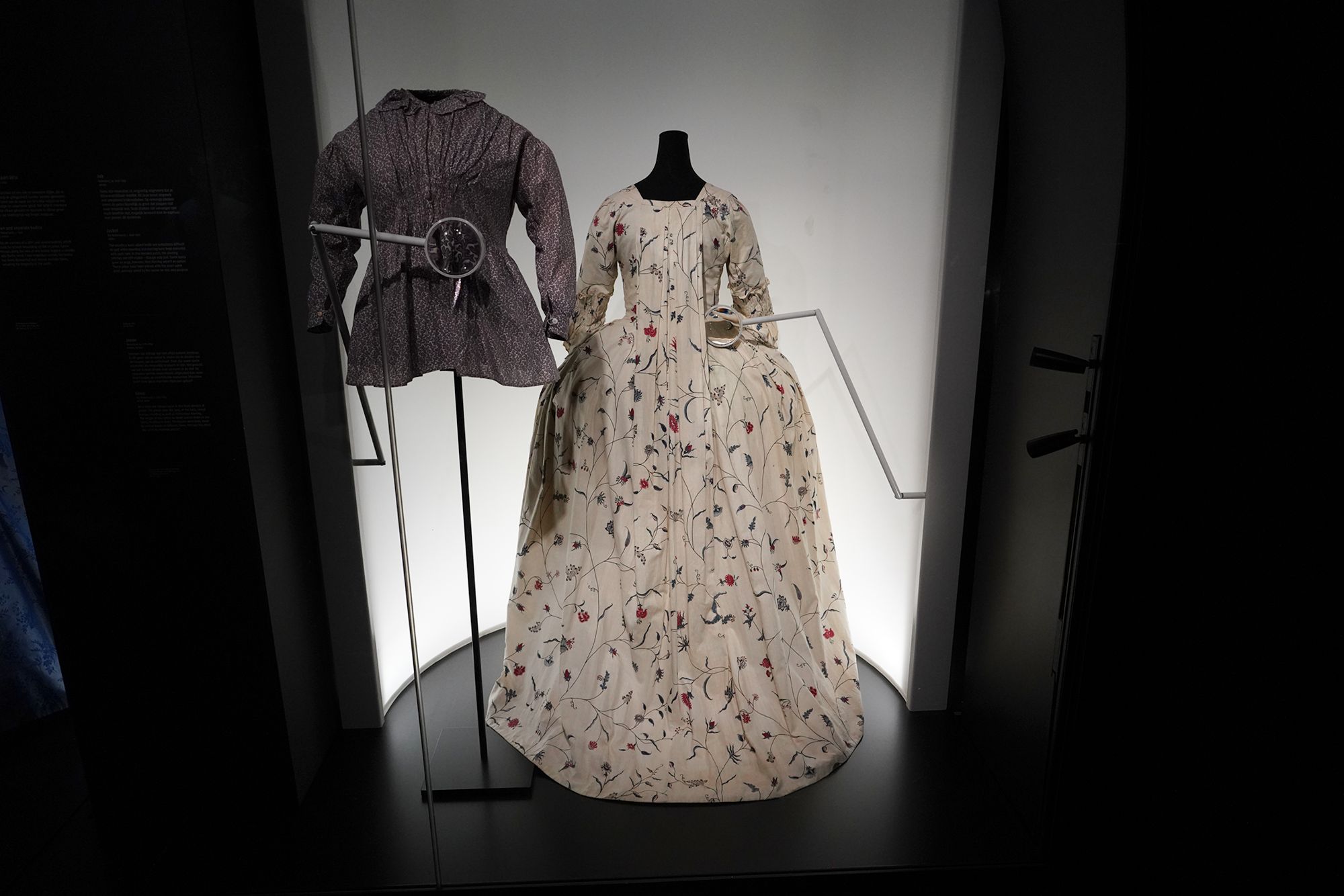
The Worn exhibition presents historic clothing that was actually worn, repaired, reused, and passed down through generations, revealing personal stories through the marks left behind.
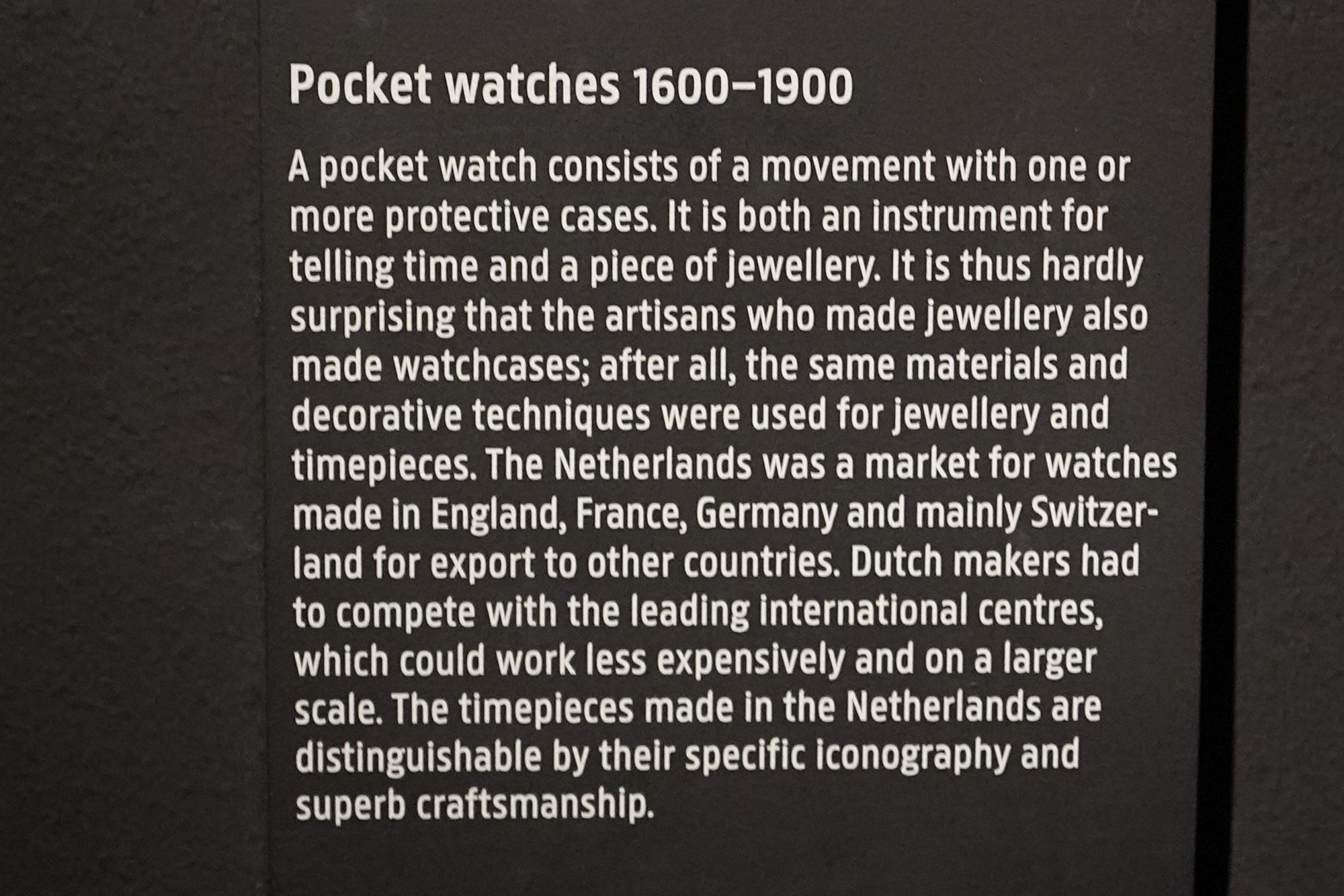
Pocket watches from 1600 to 1900 were both practical timepieces and decorative pieces of jewelry, often displaying exceptional craftsmanship.
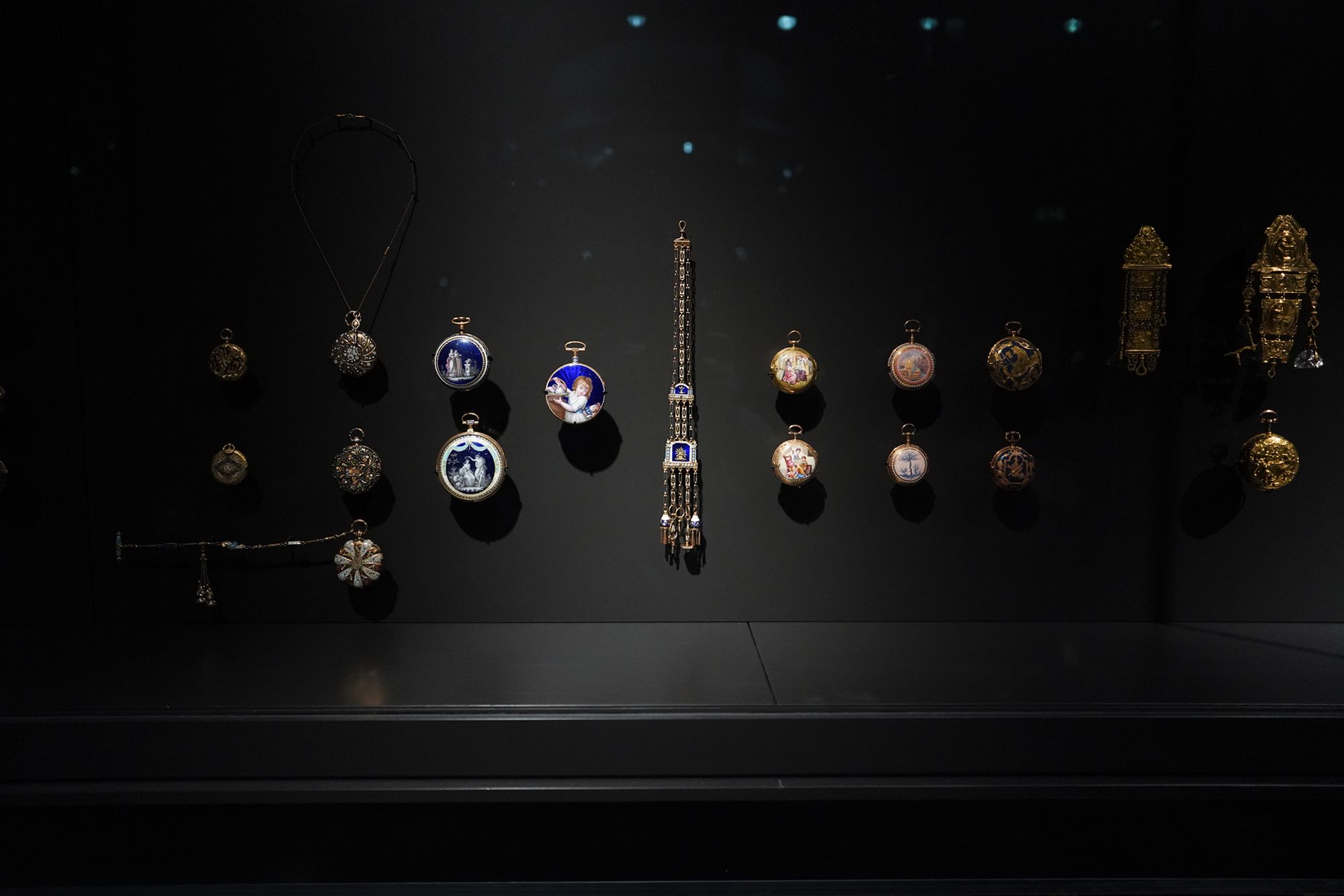
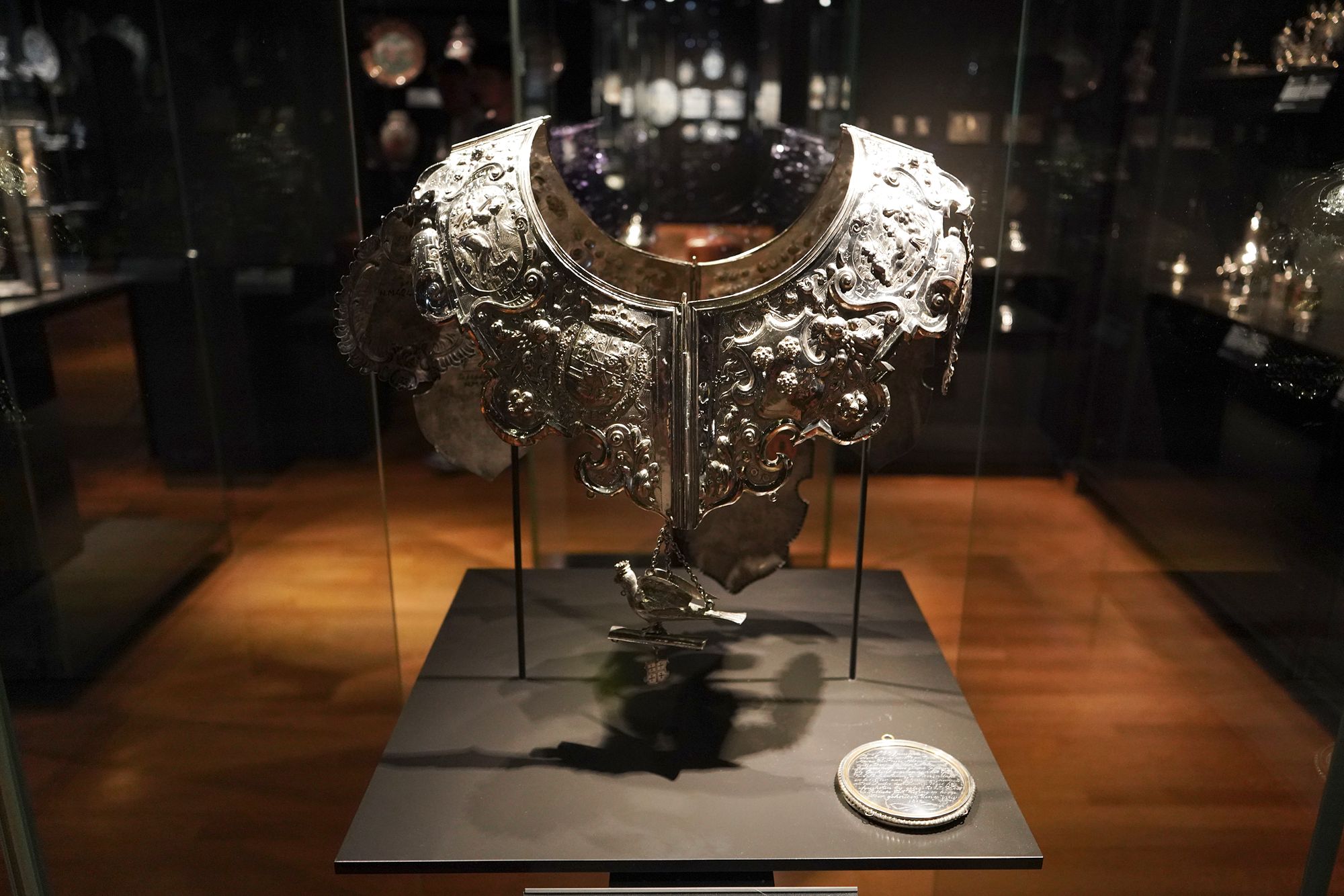
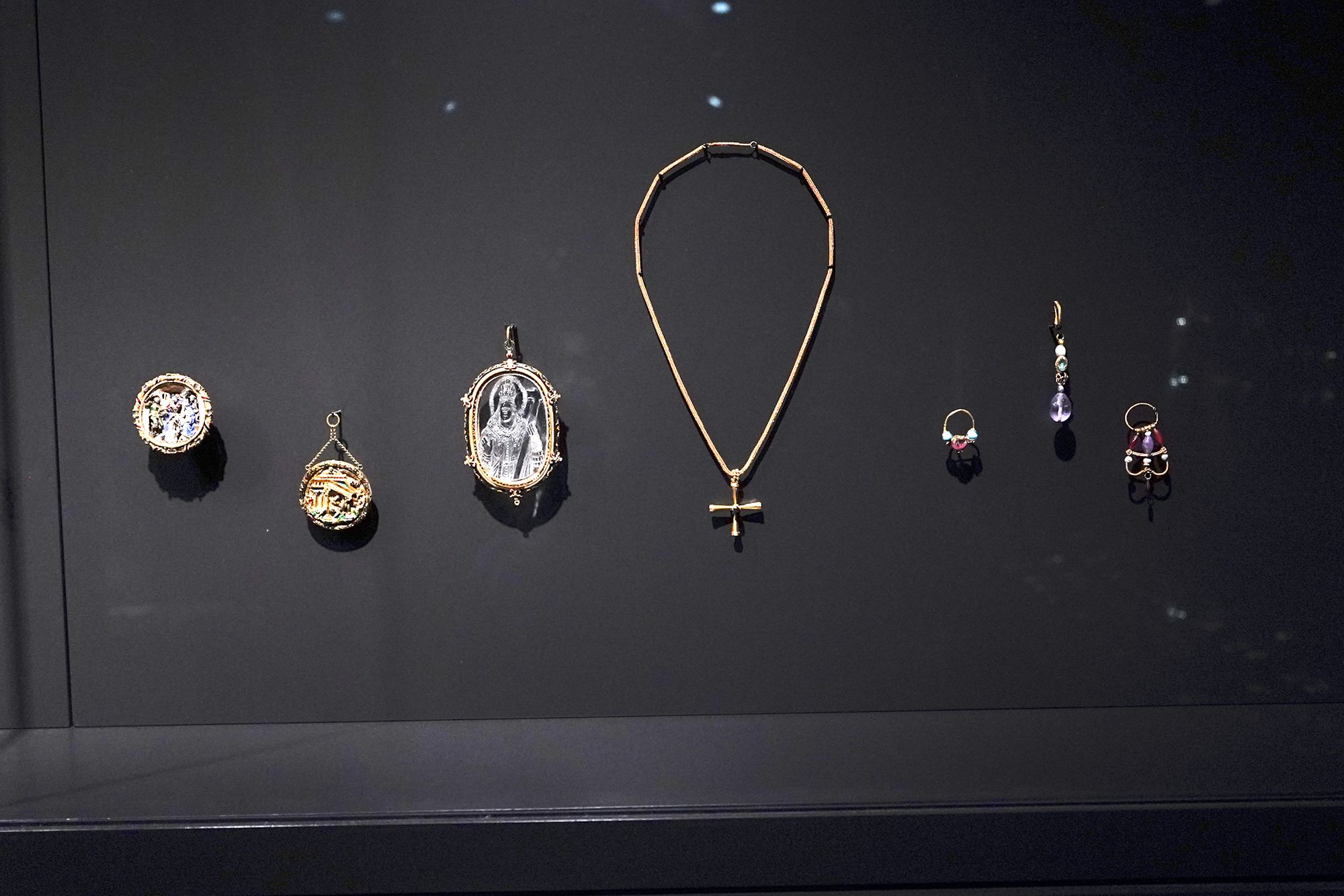
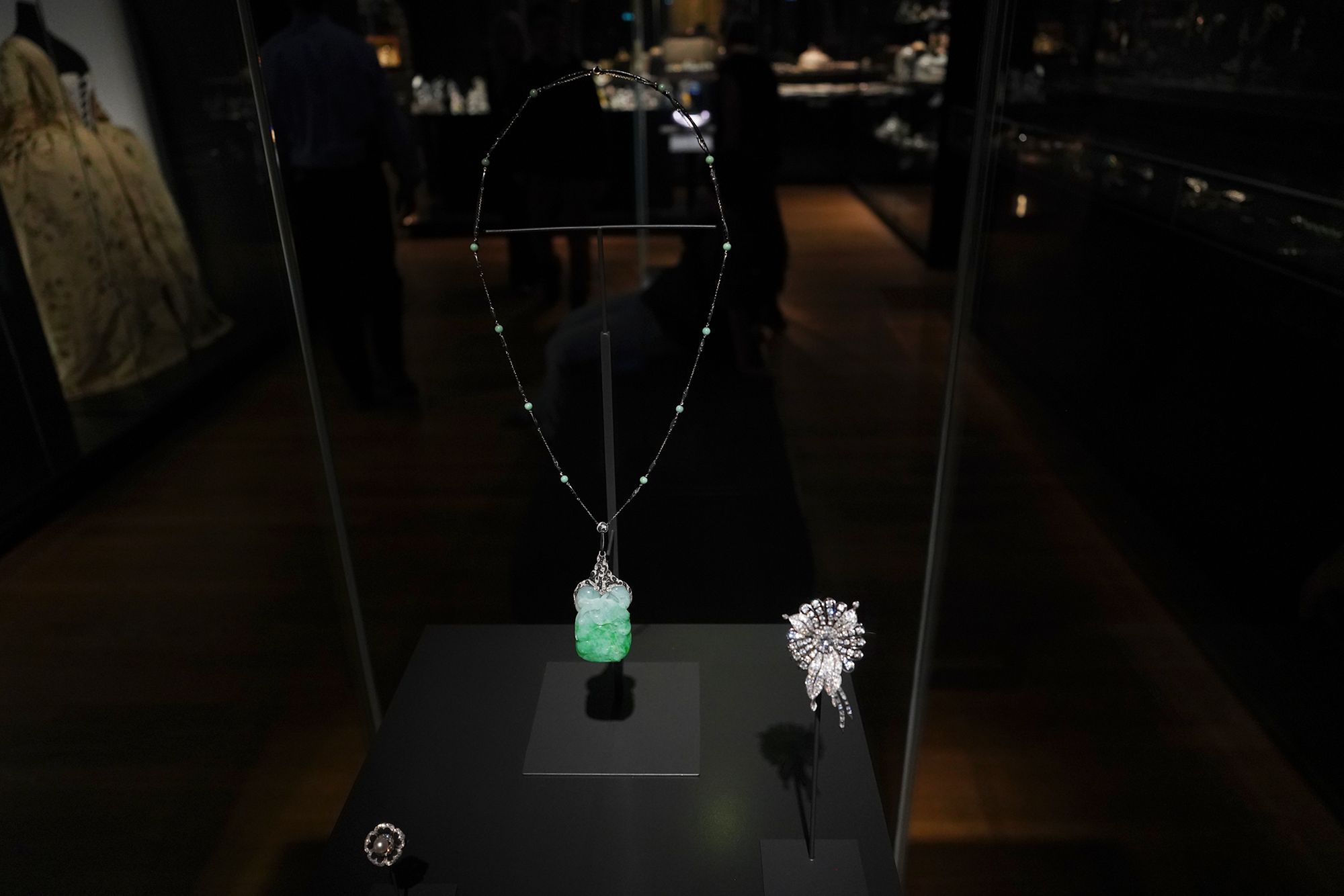
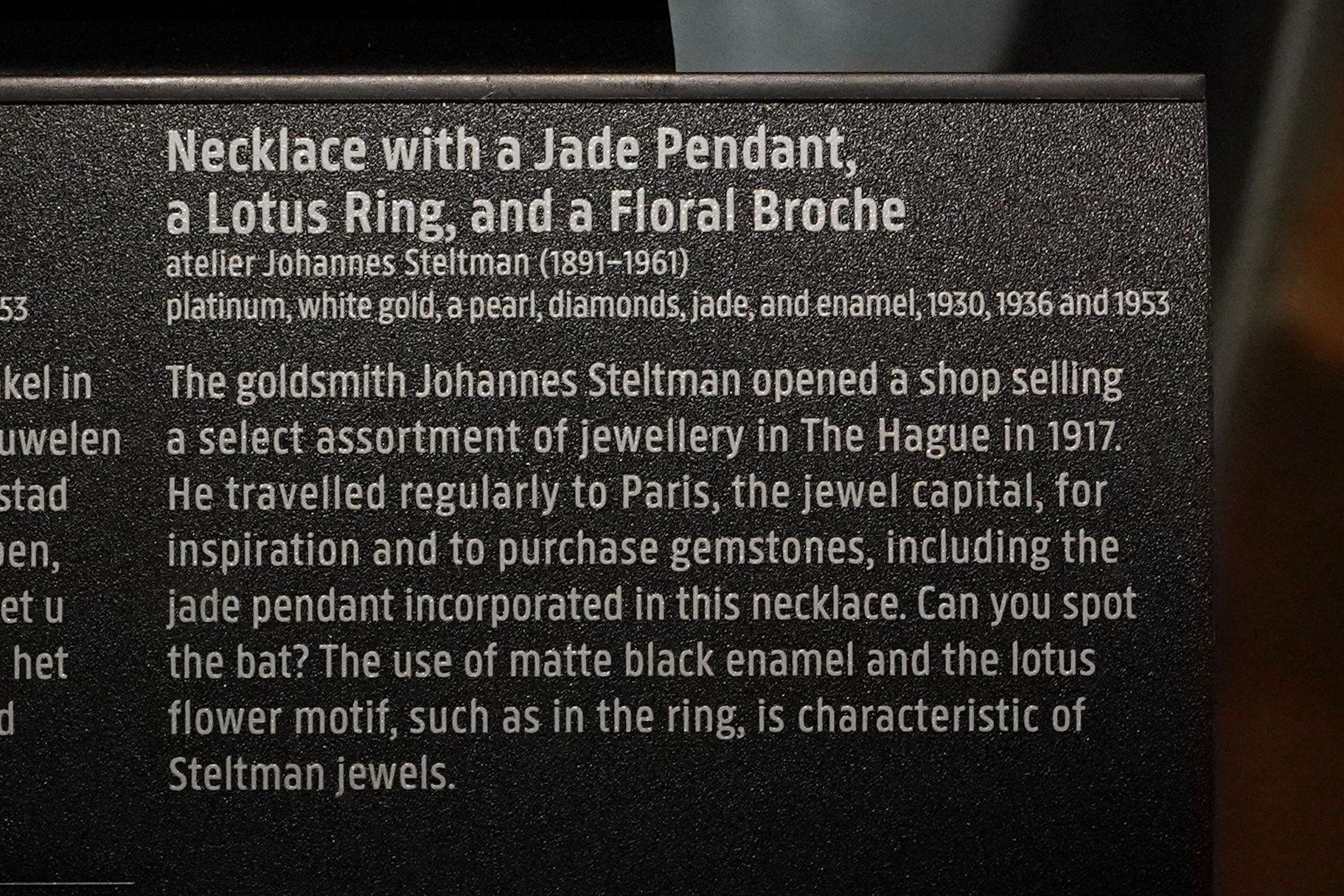
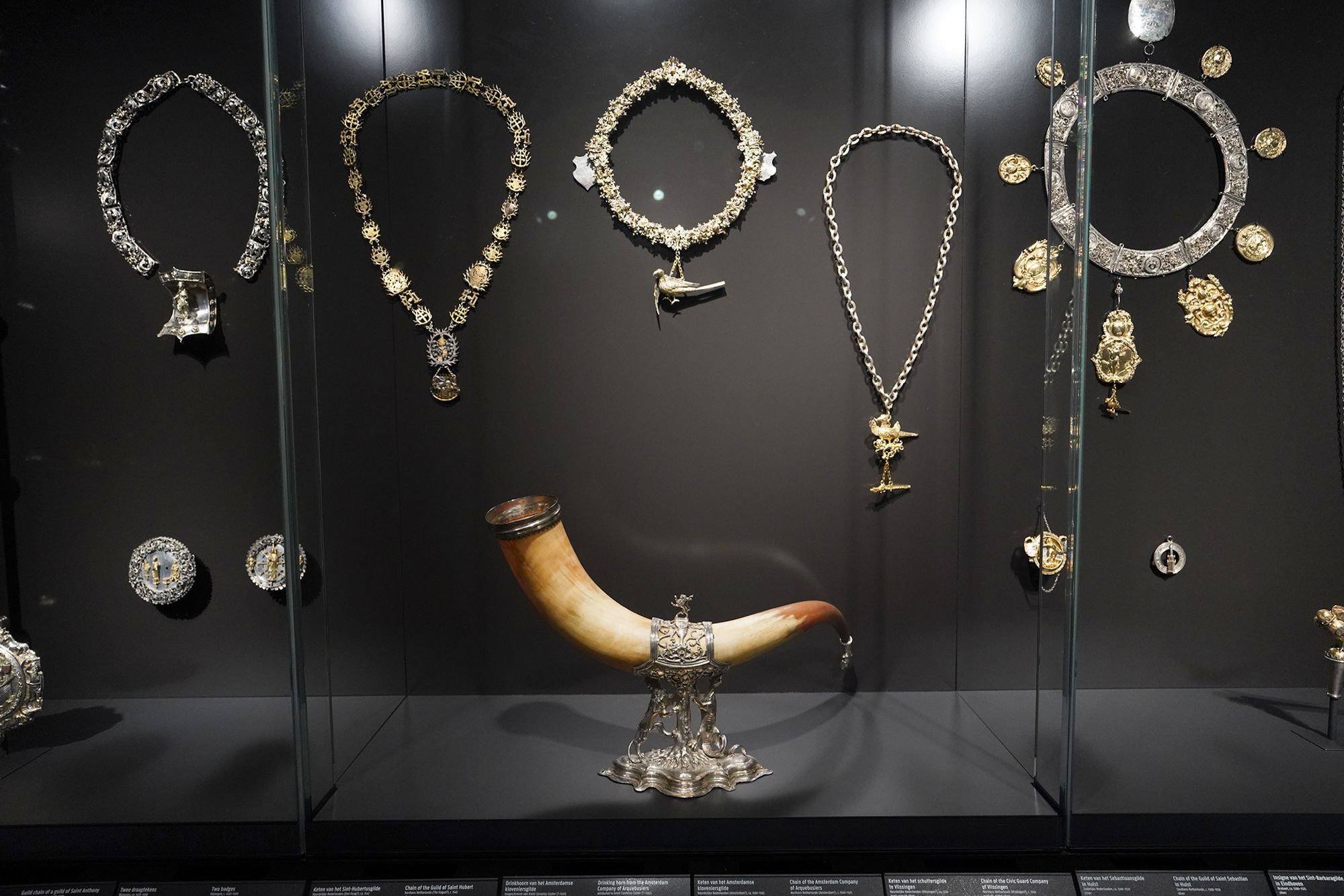
Necklaces and pendants
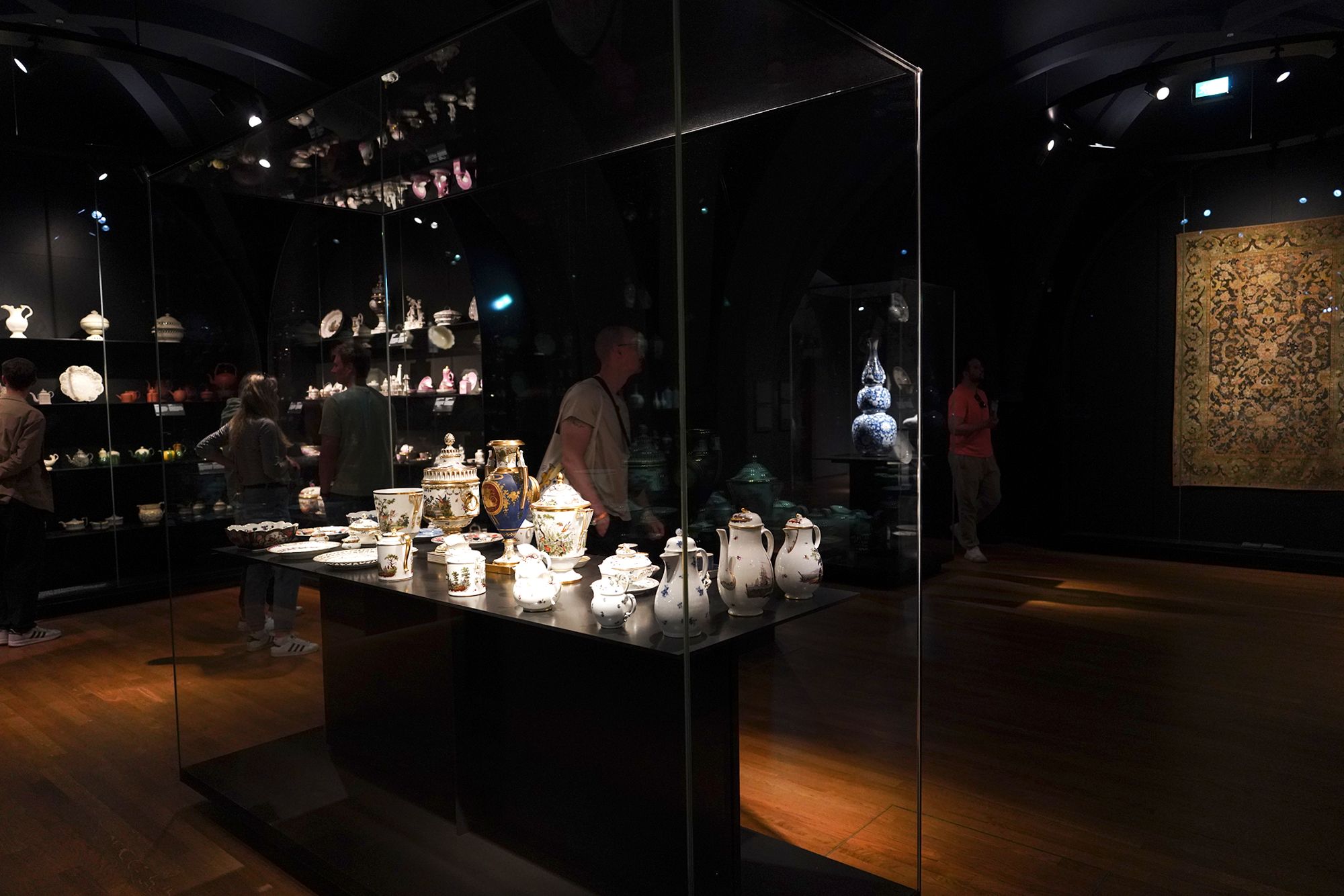
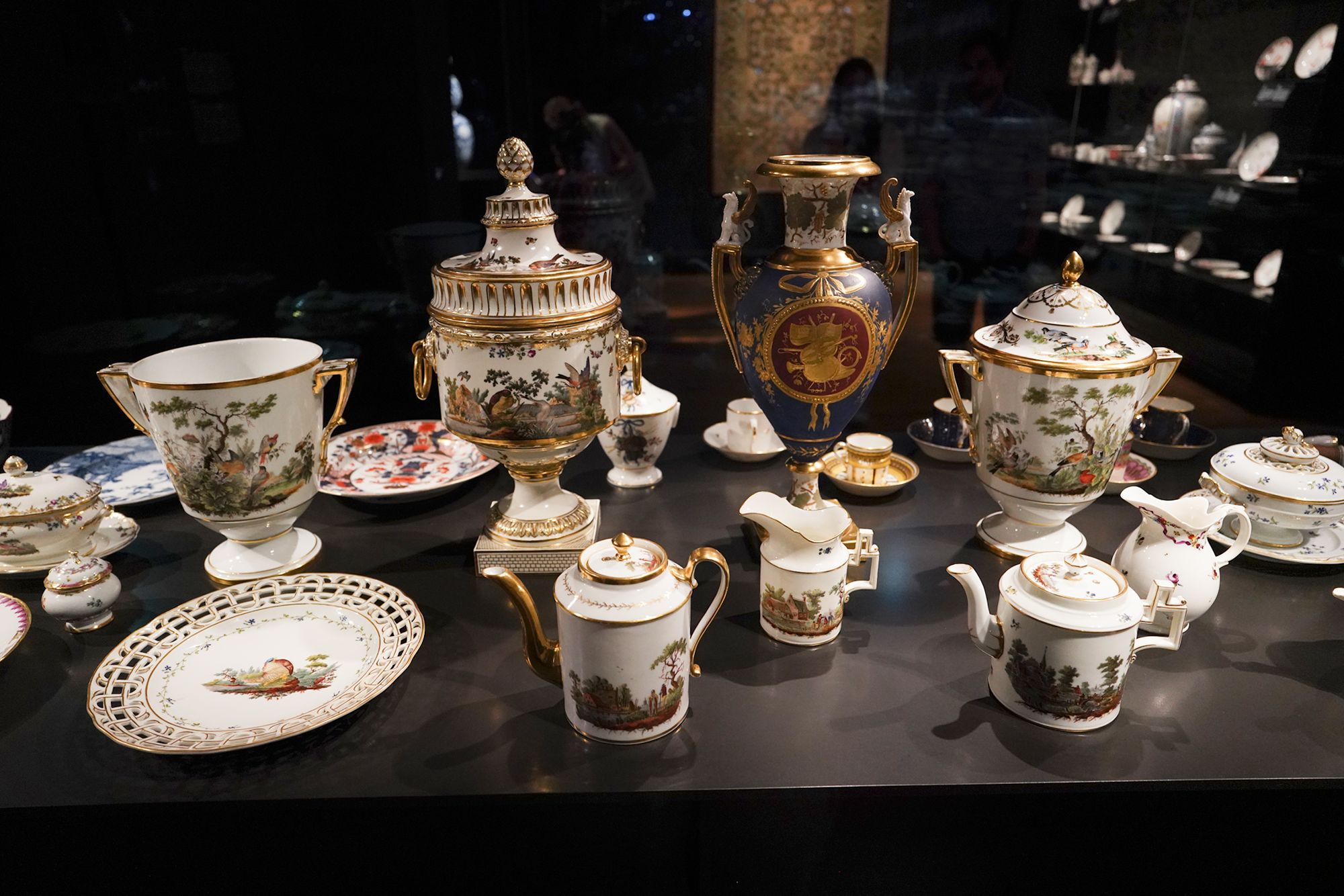
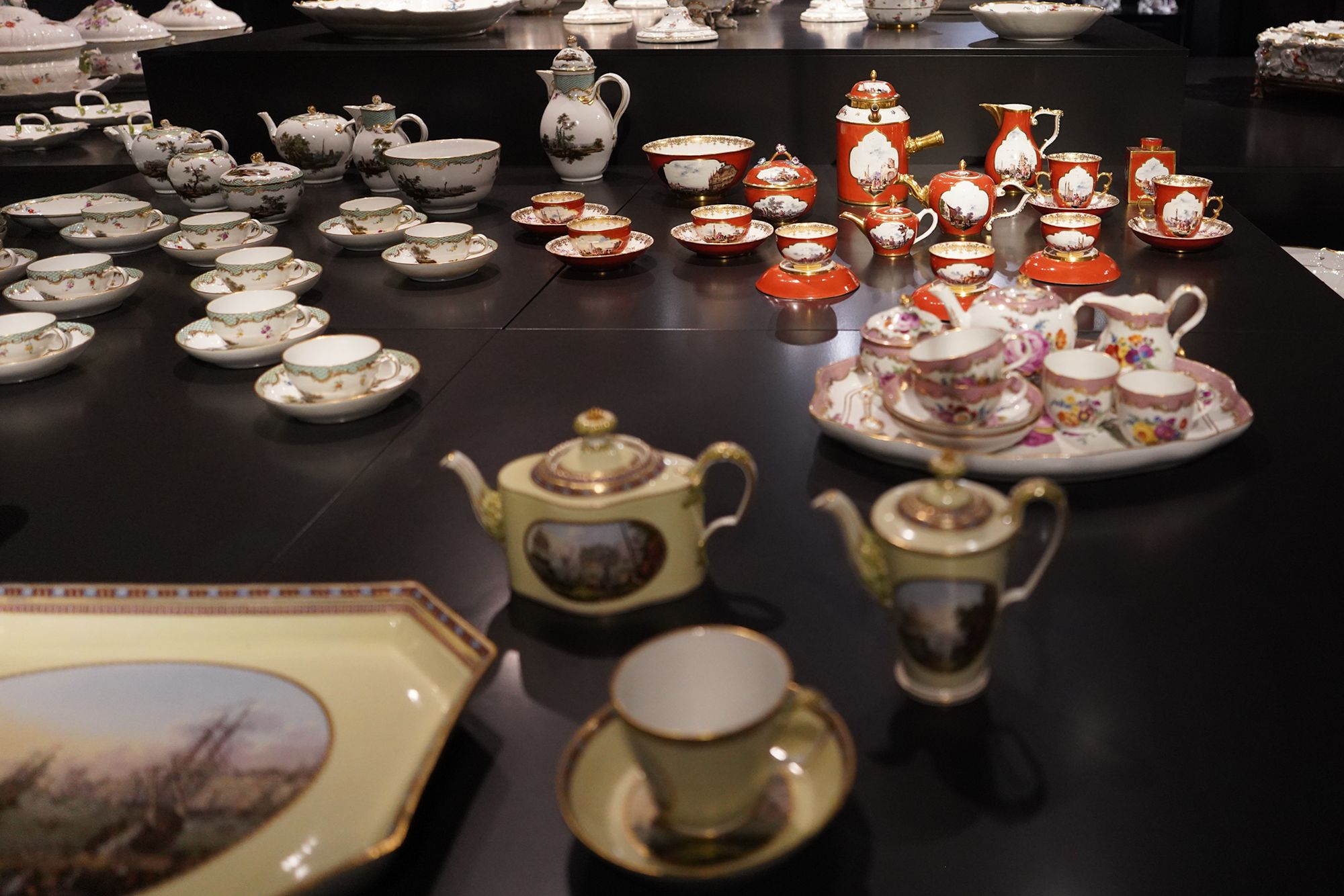
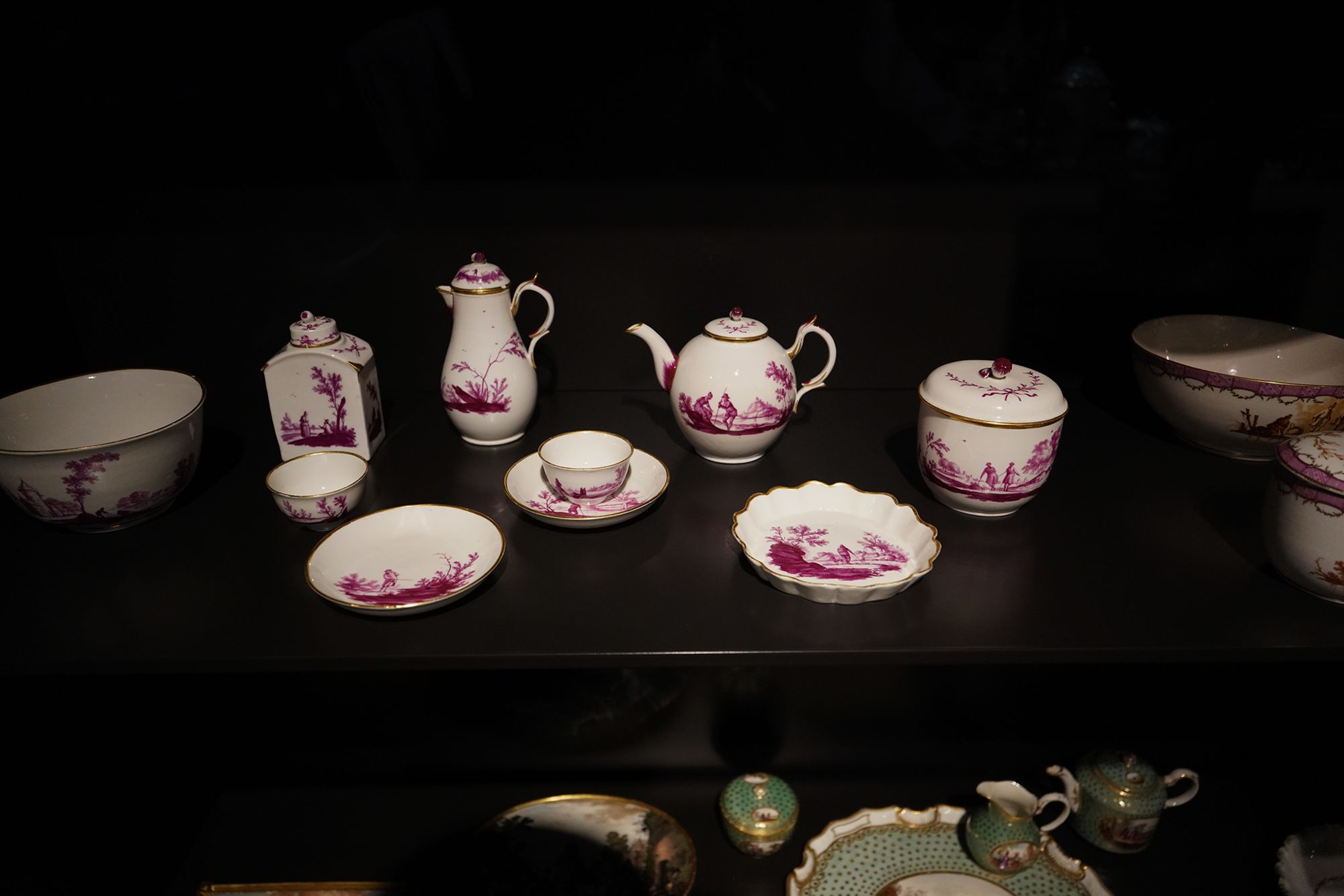
Porcelain and ceramics
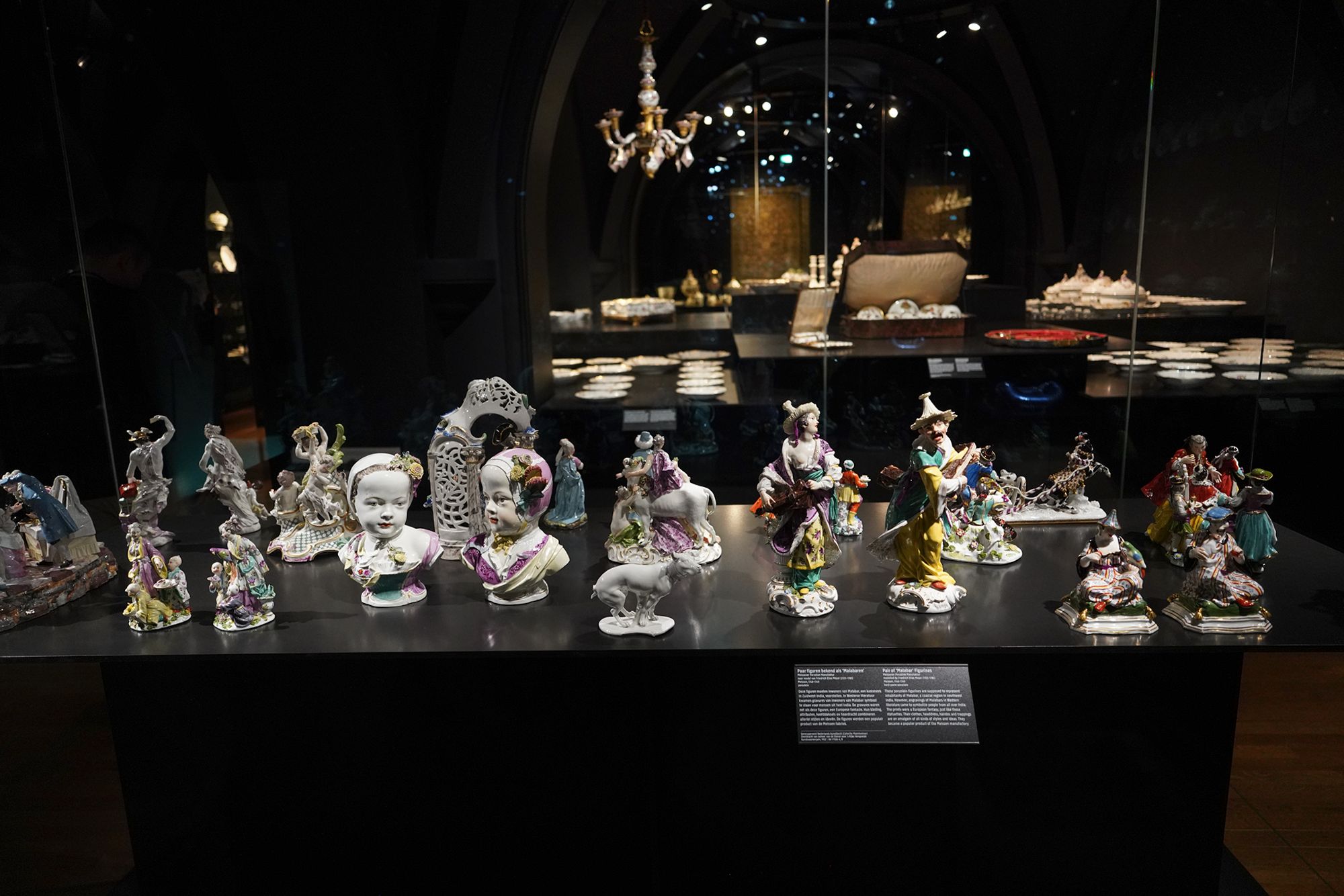
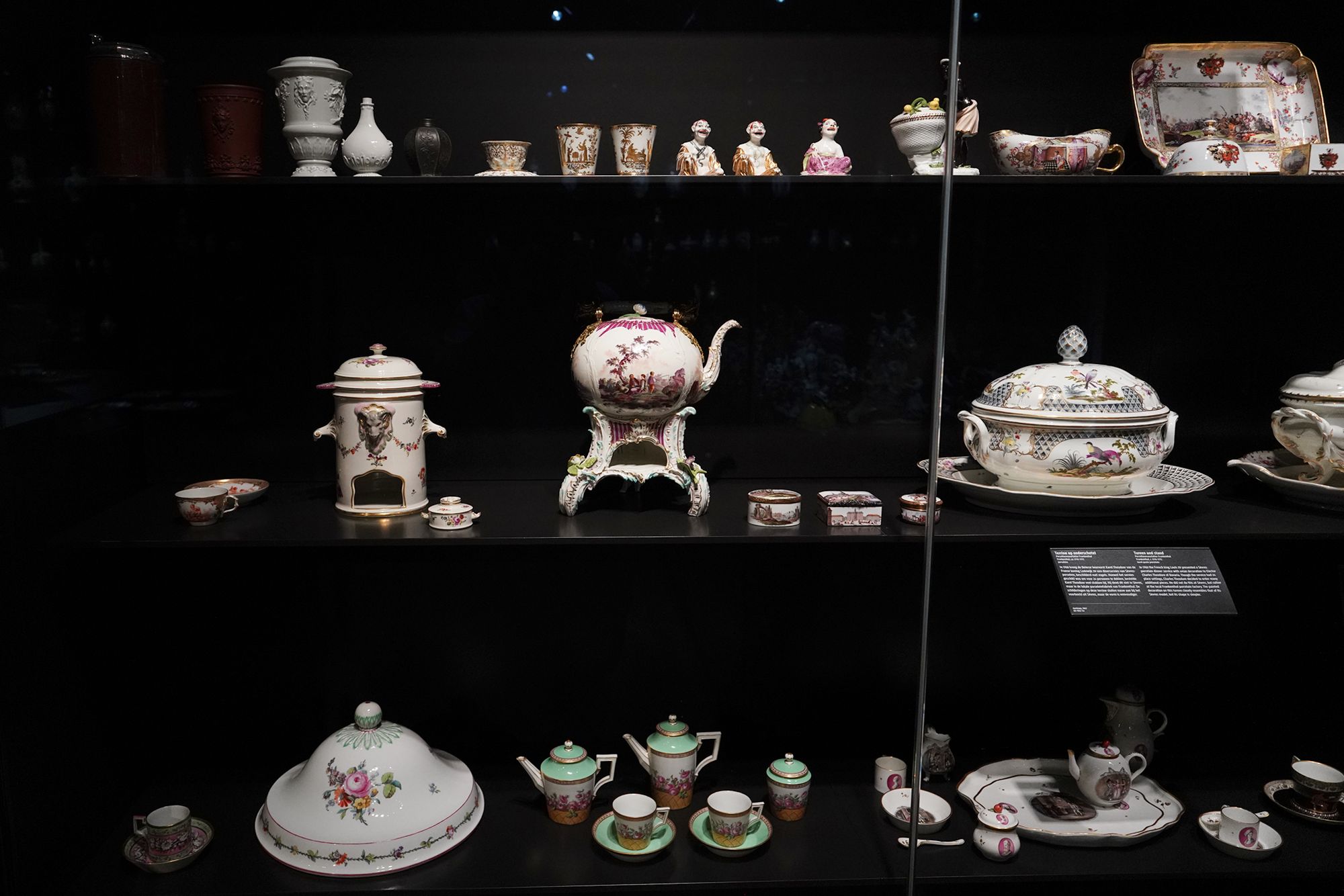
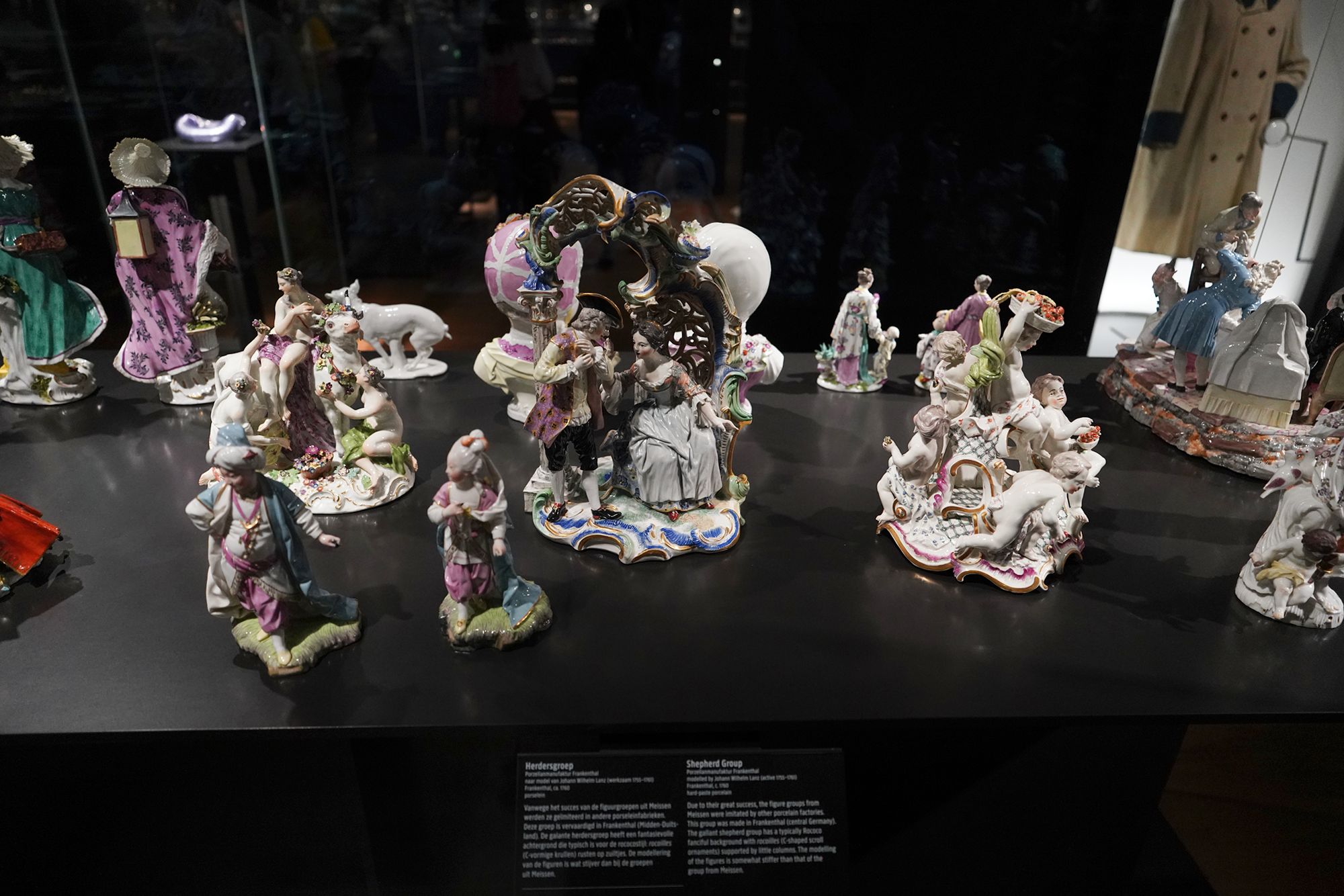
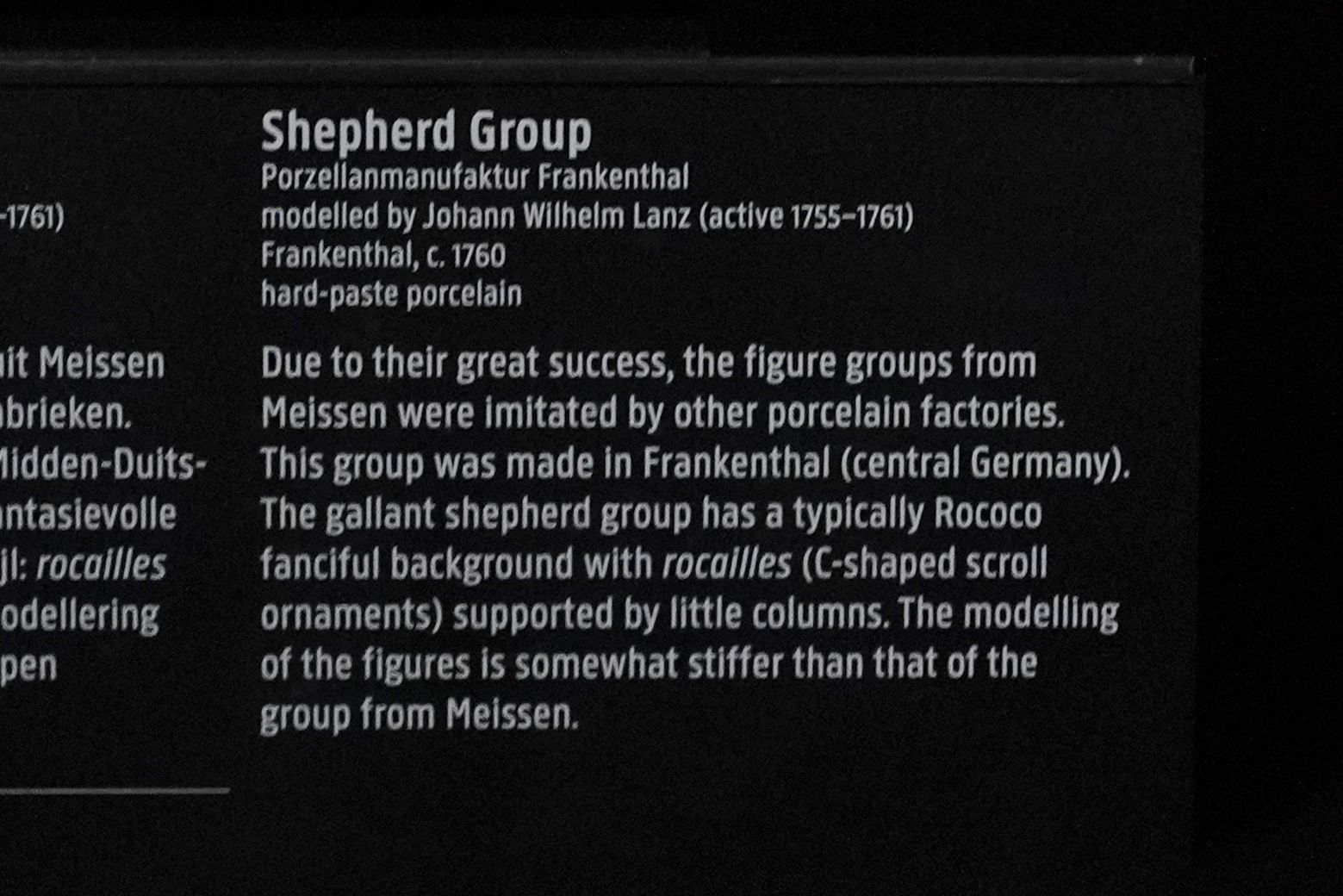
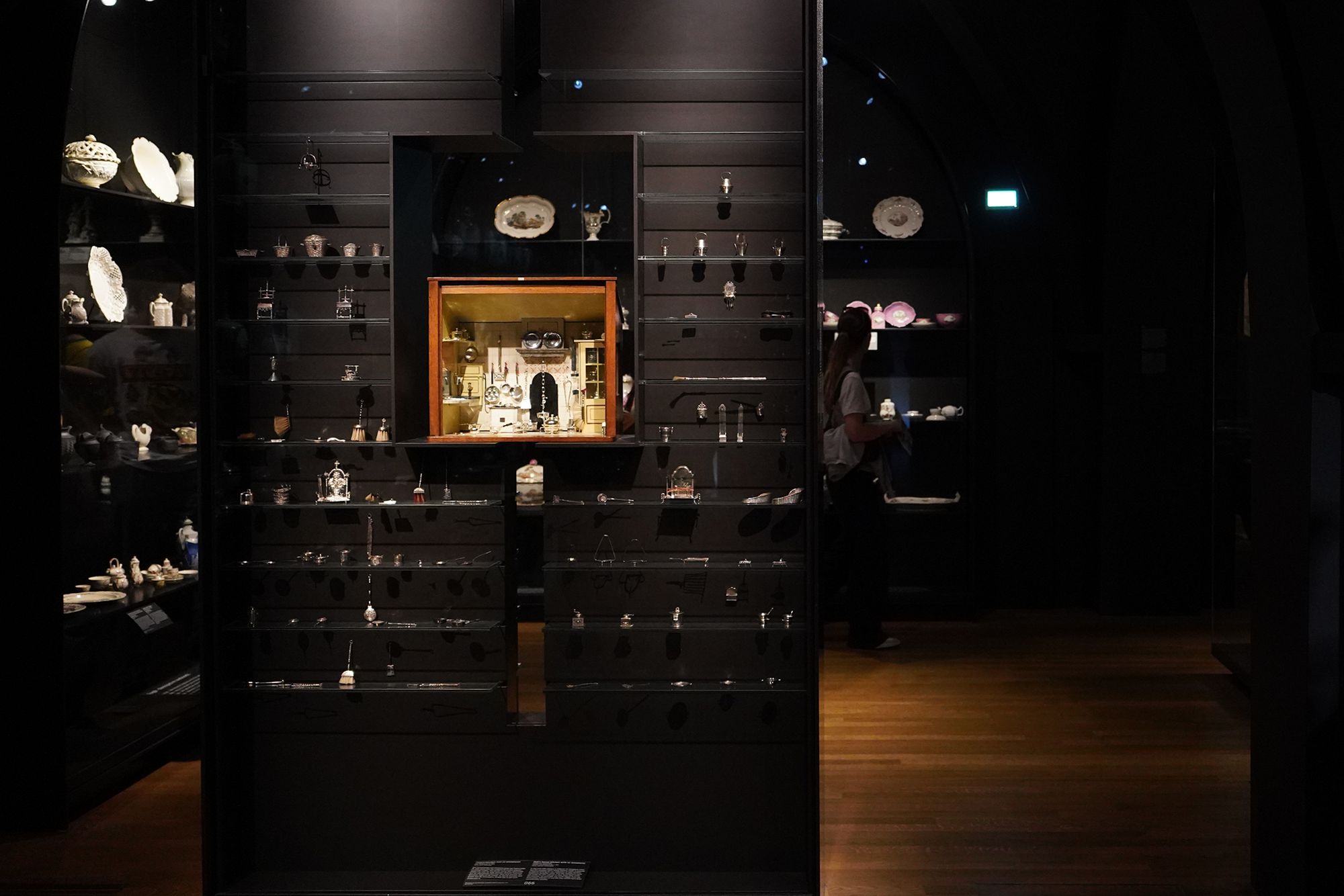
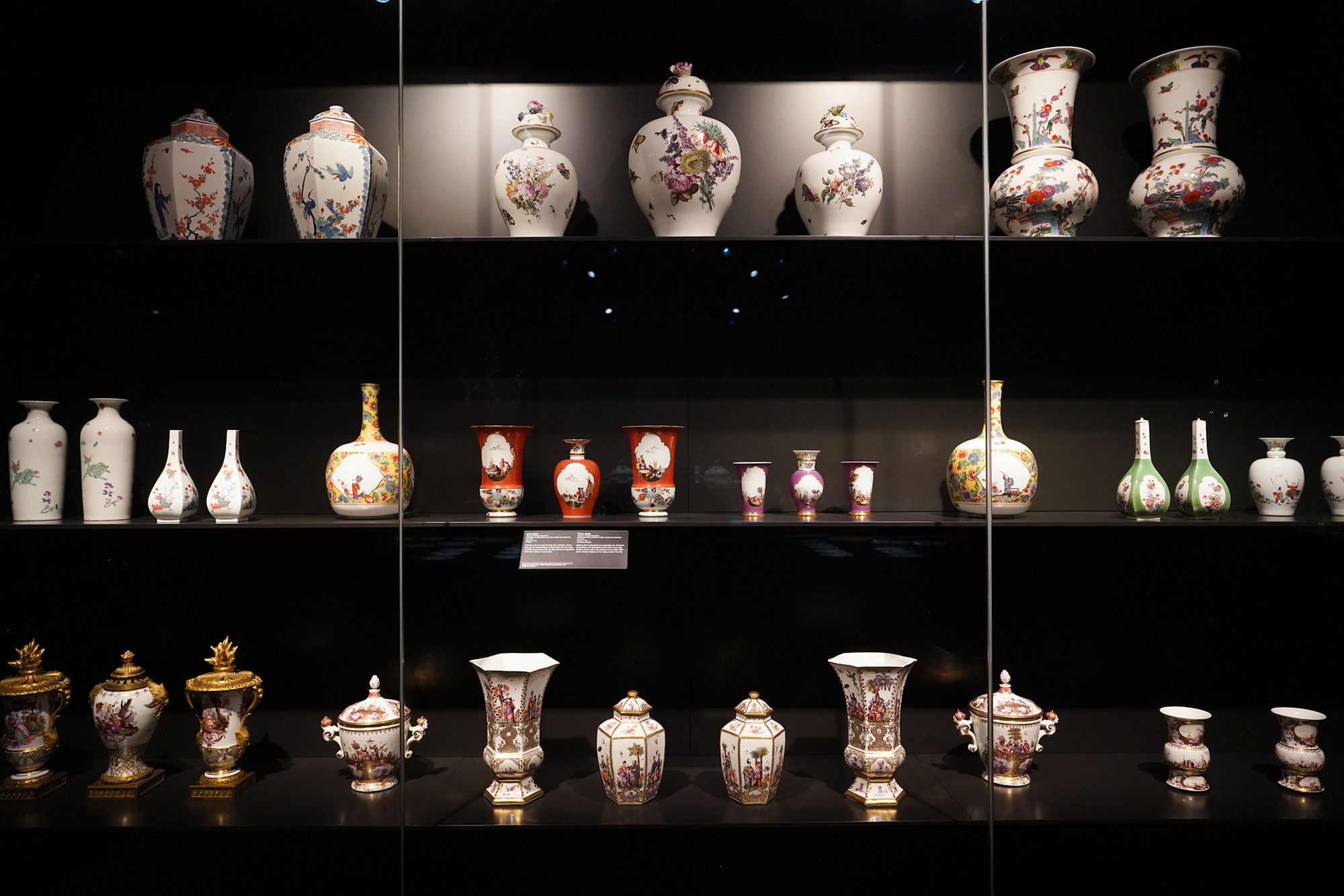
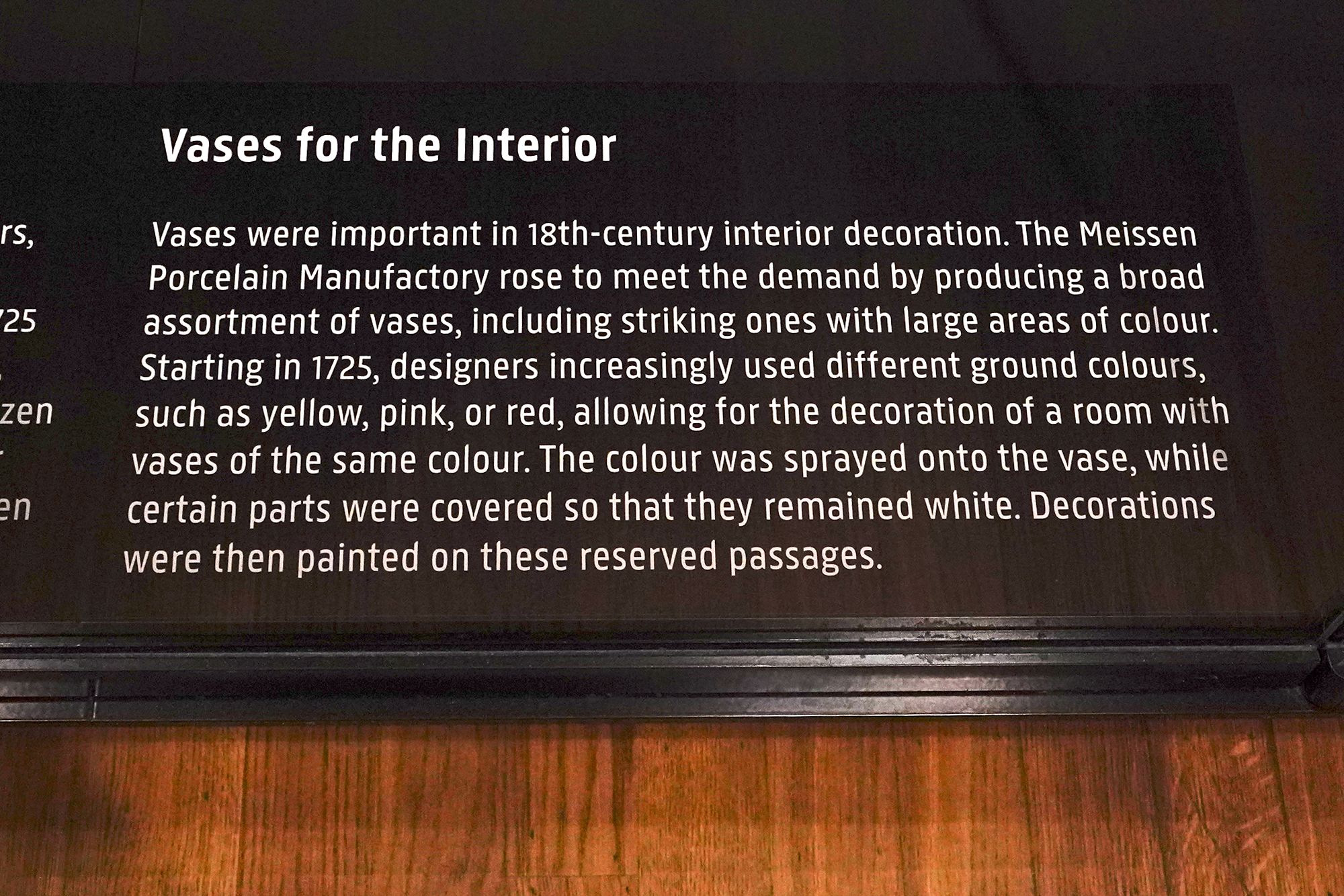
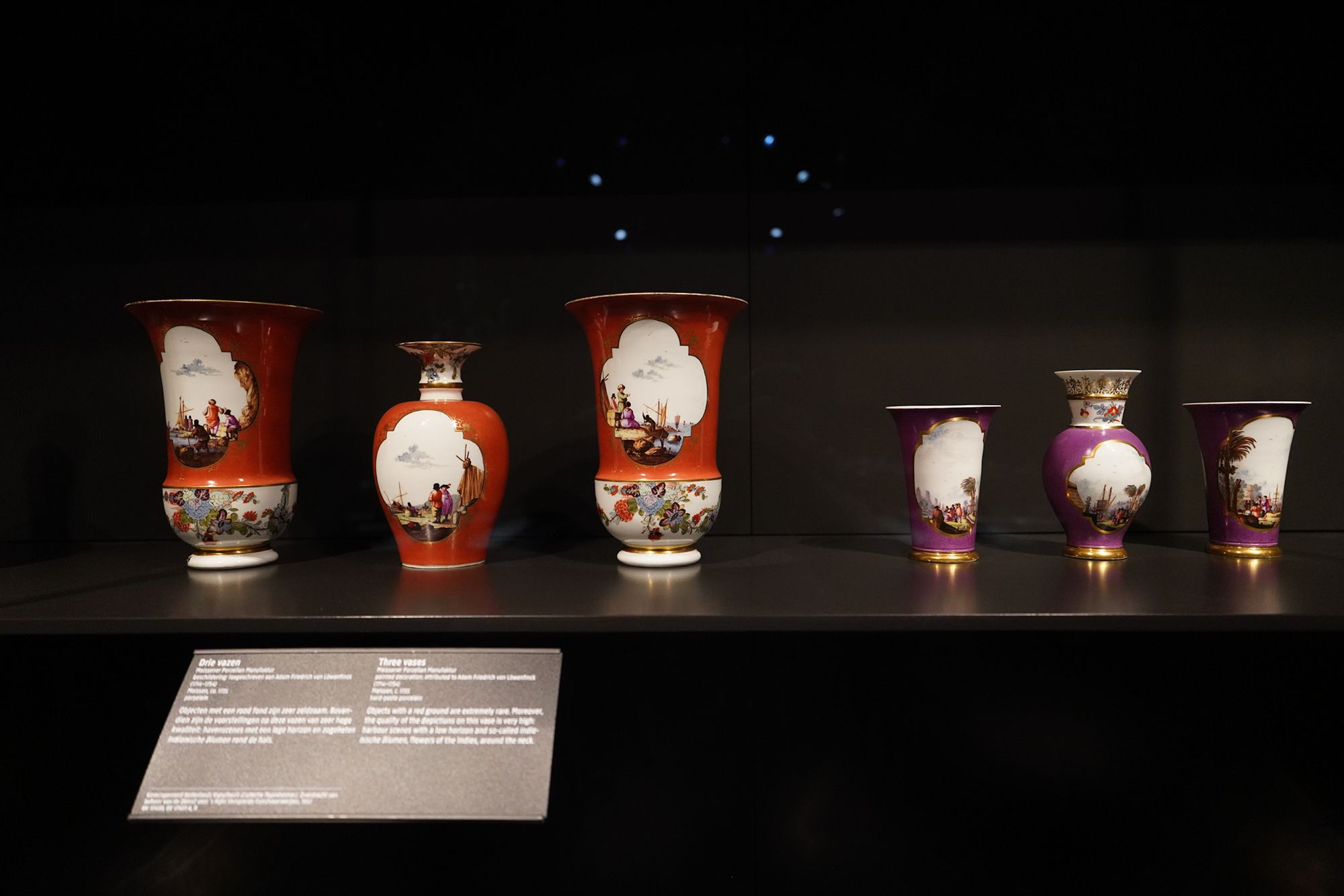
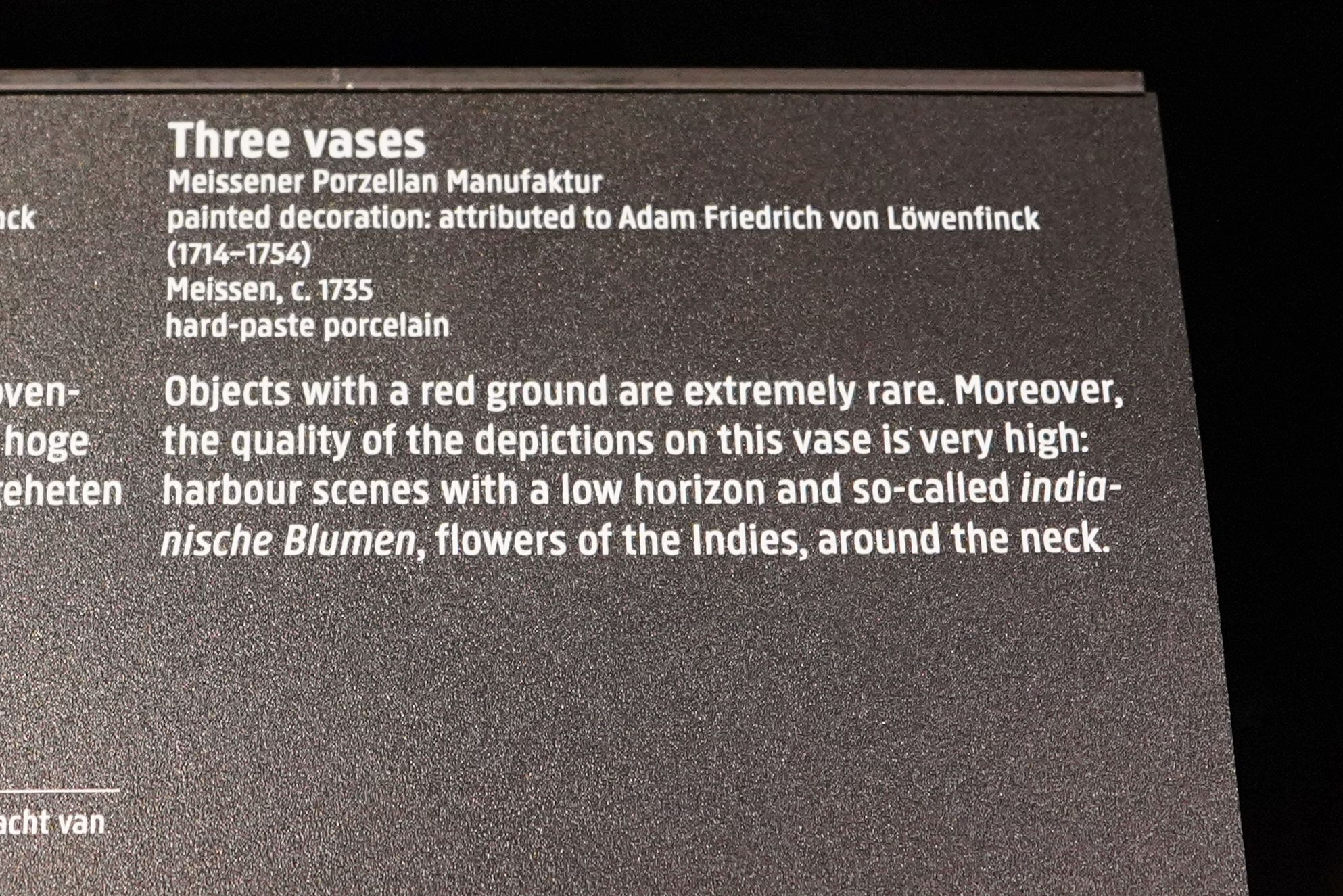
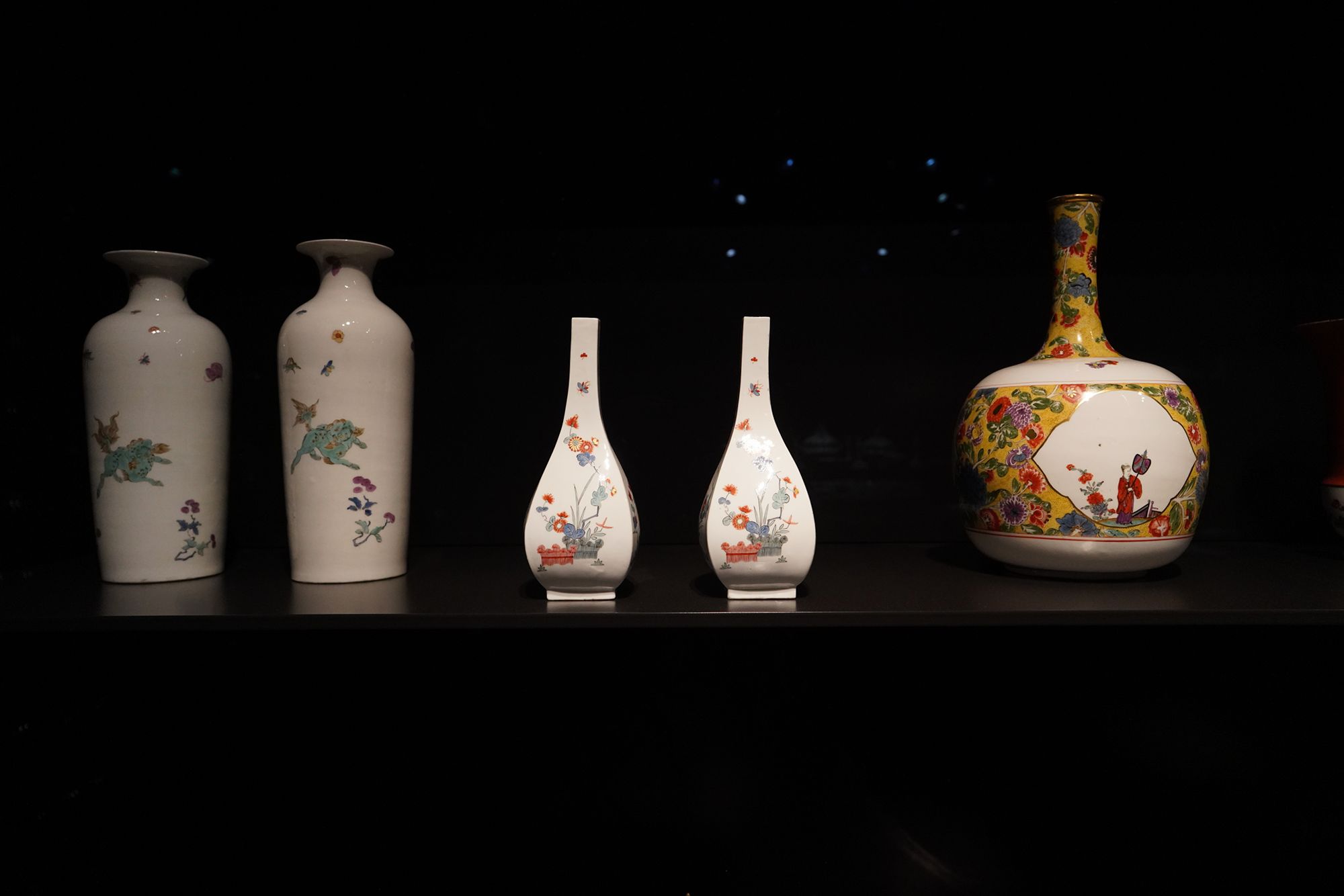
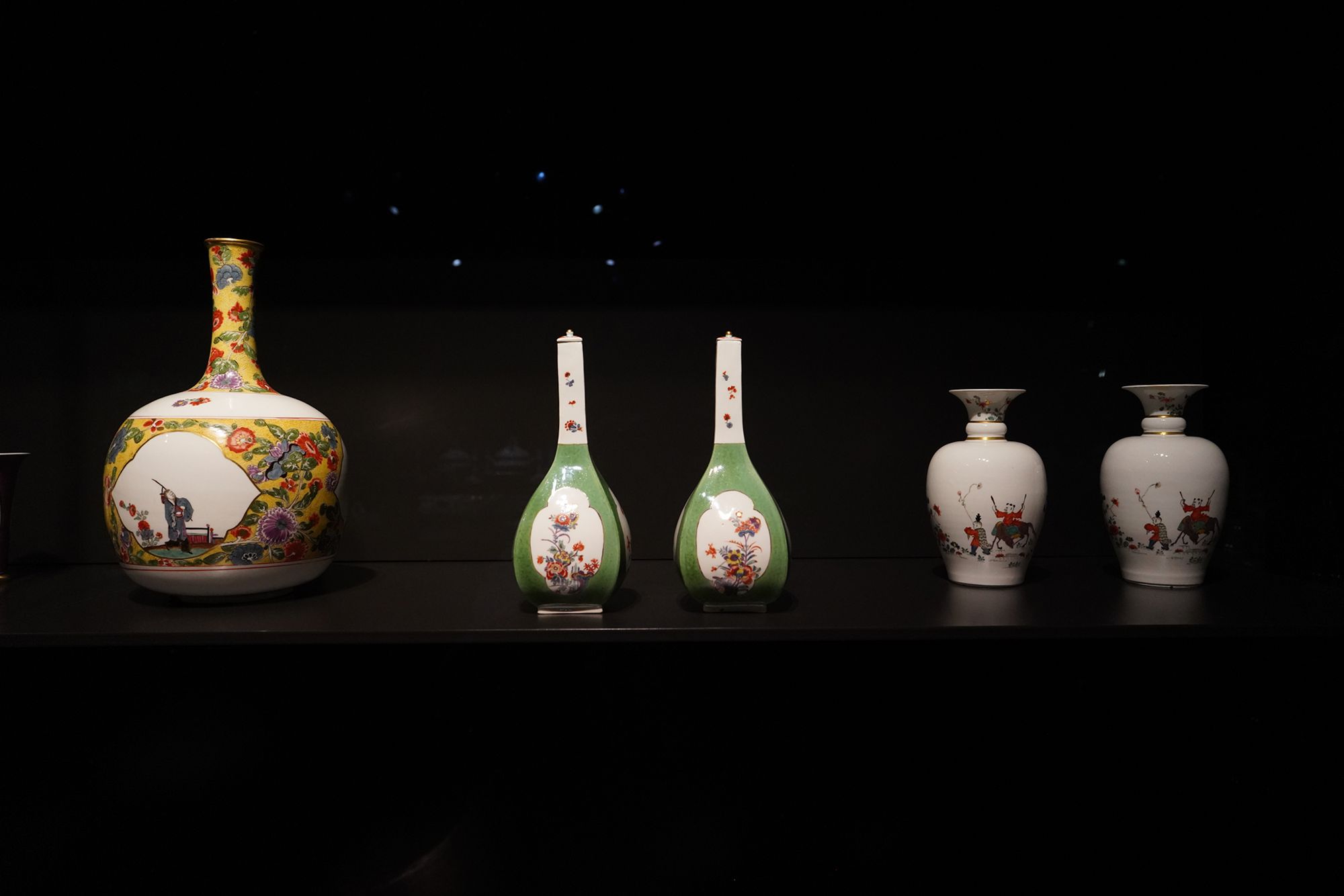
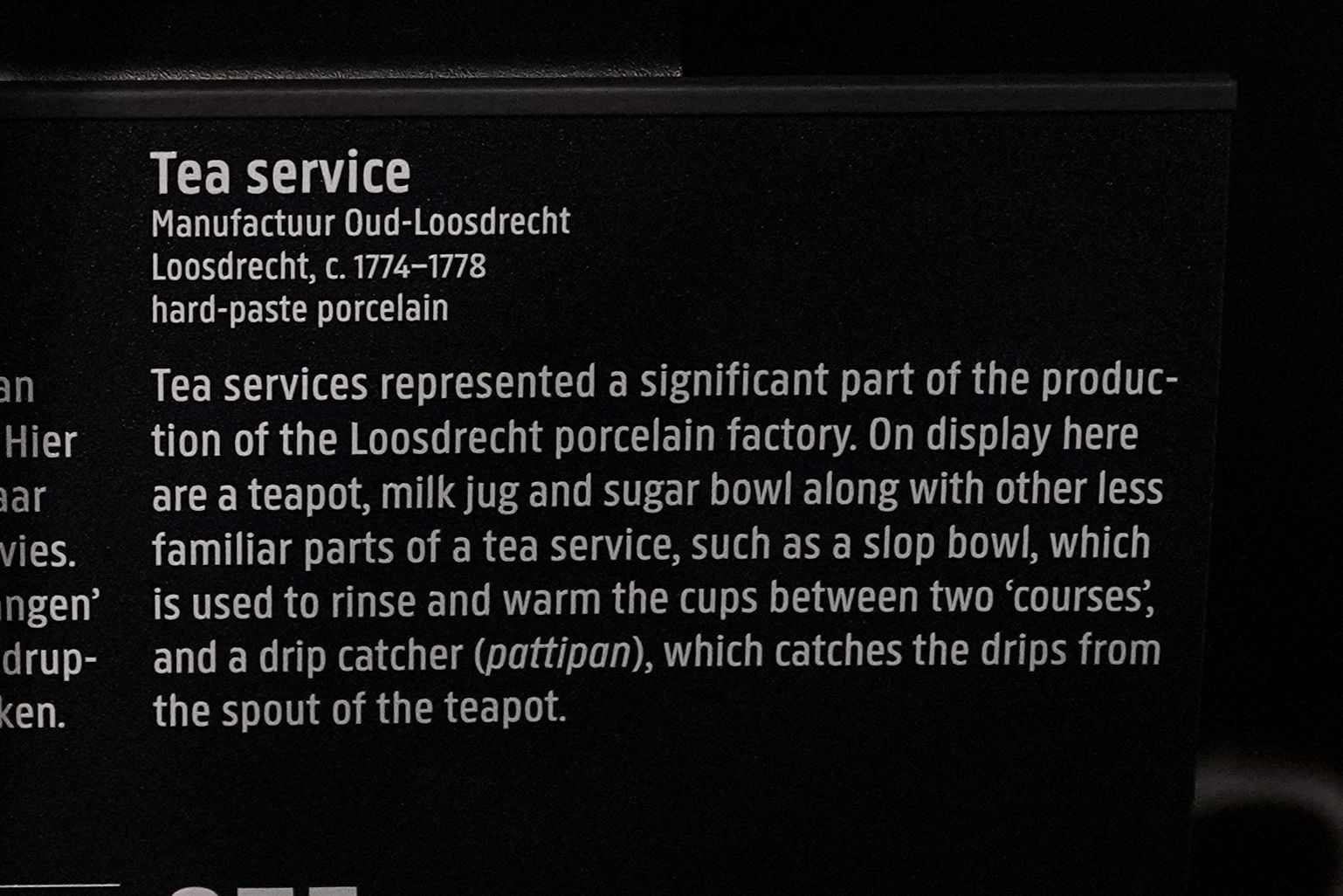
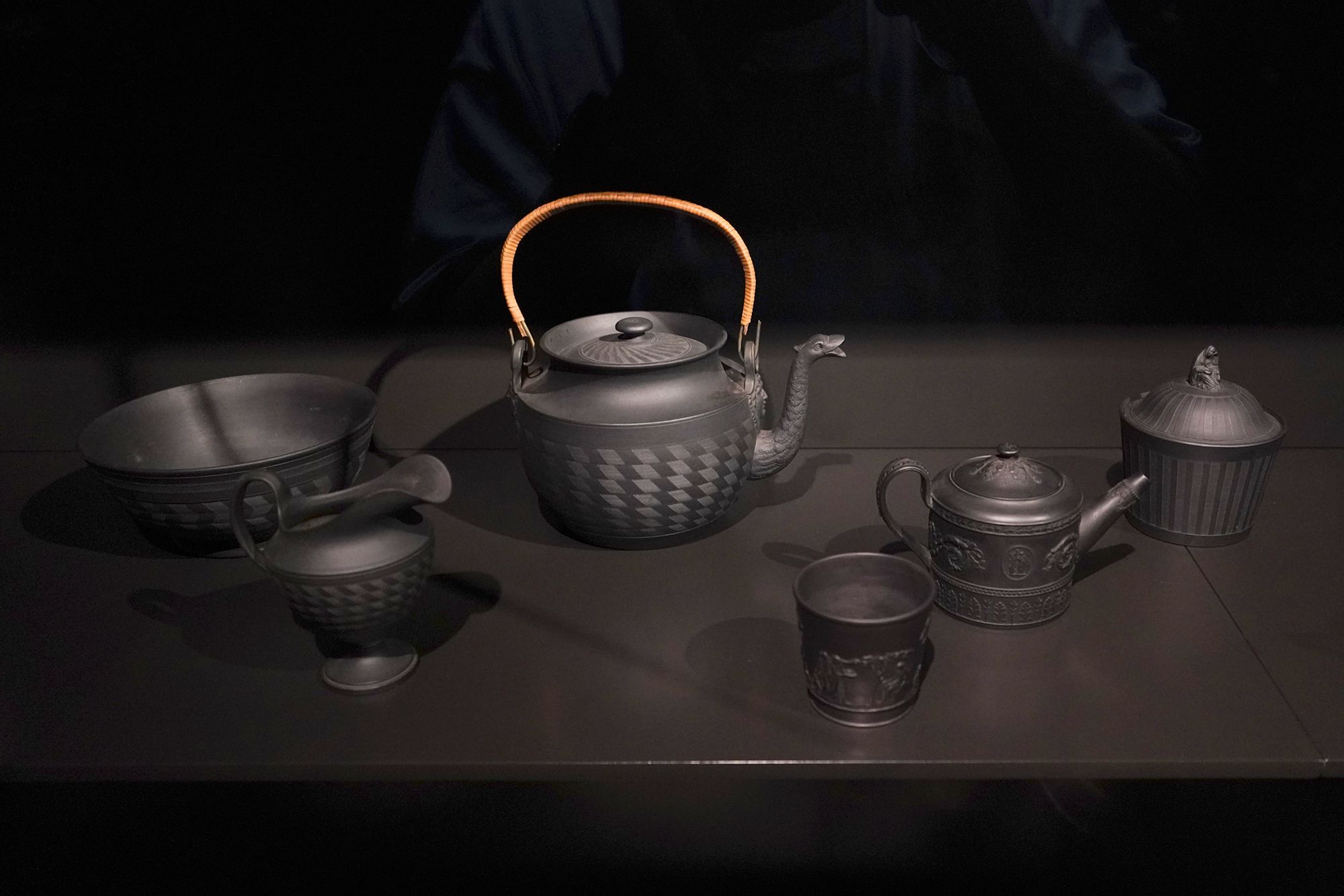
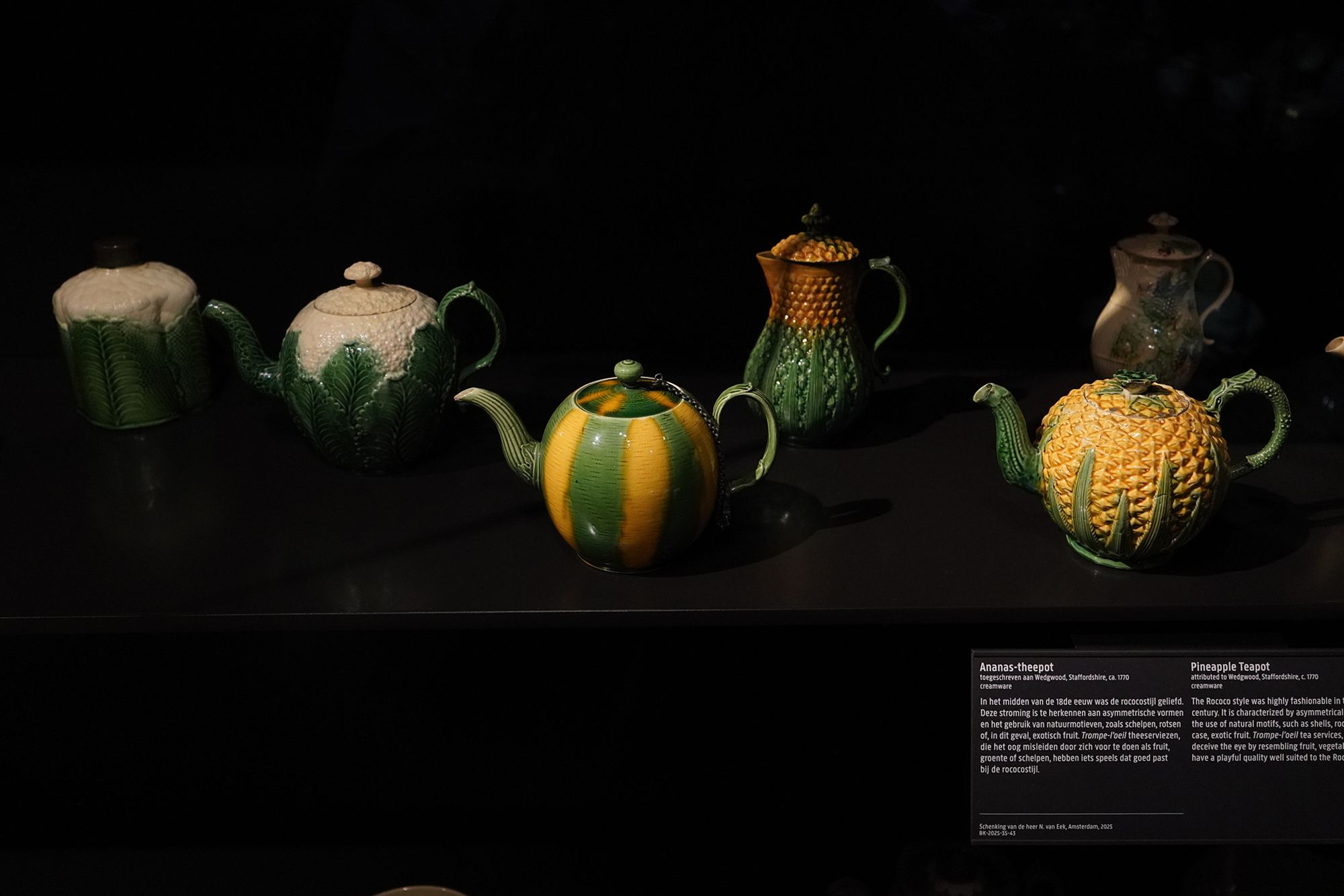
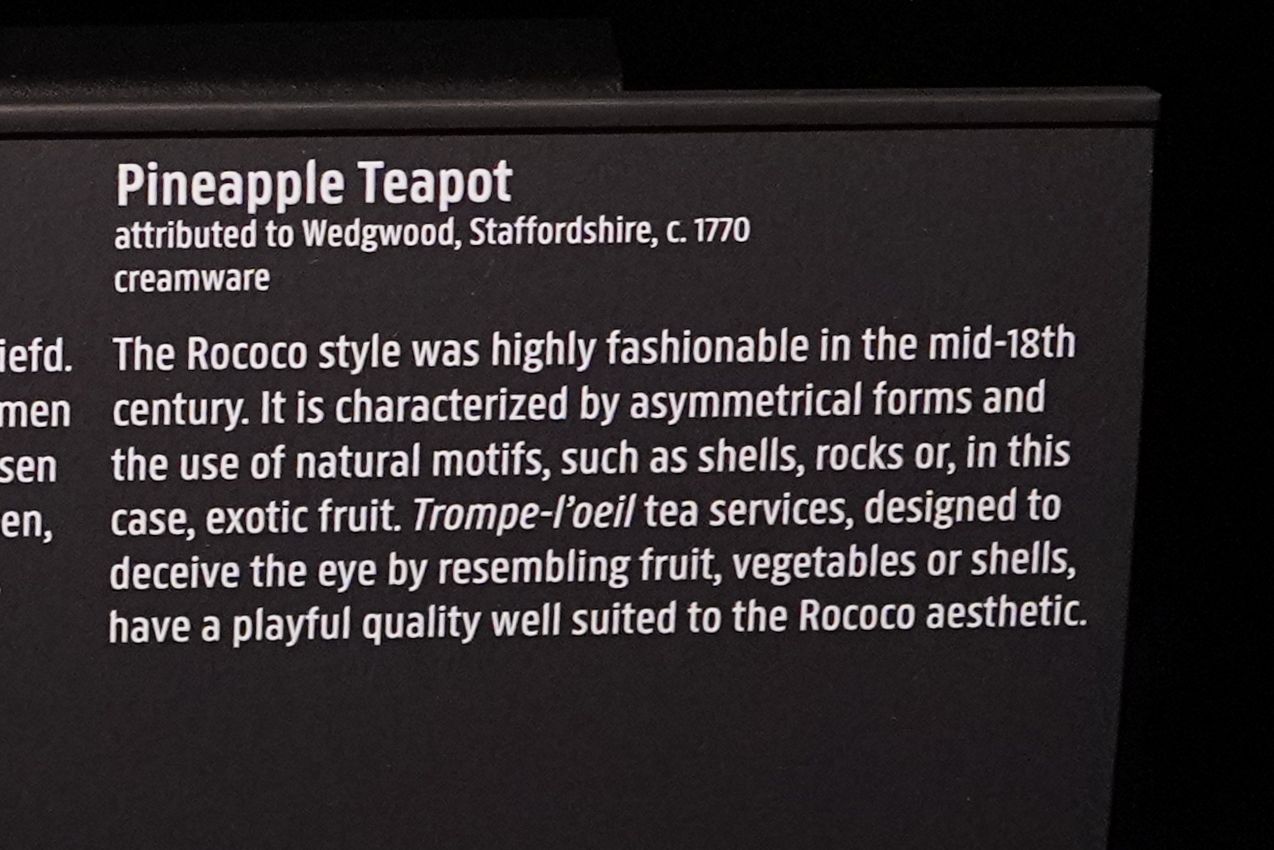
Coffee and Tea sets

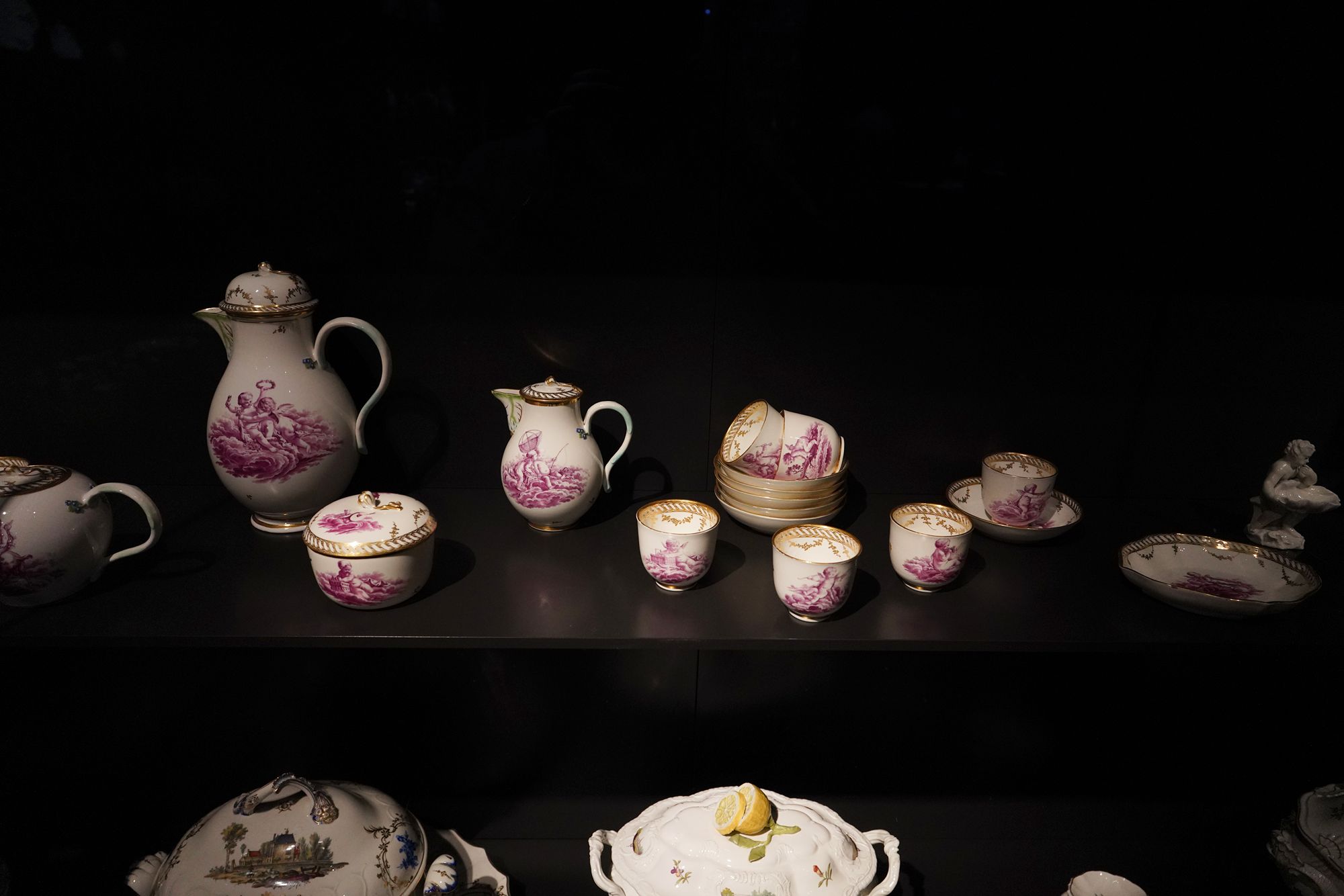
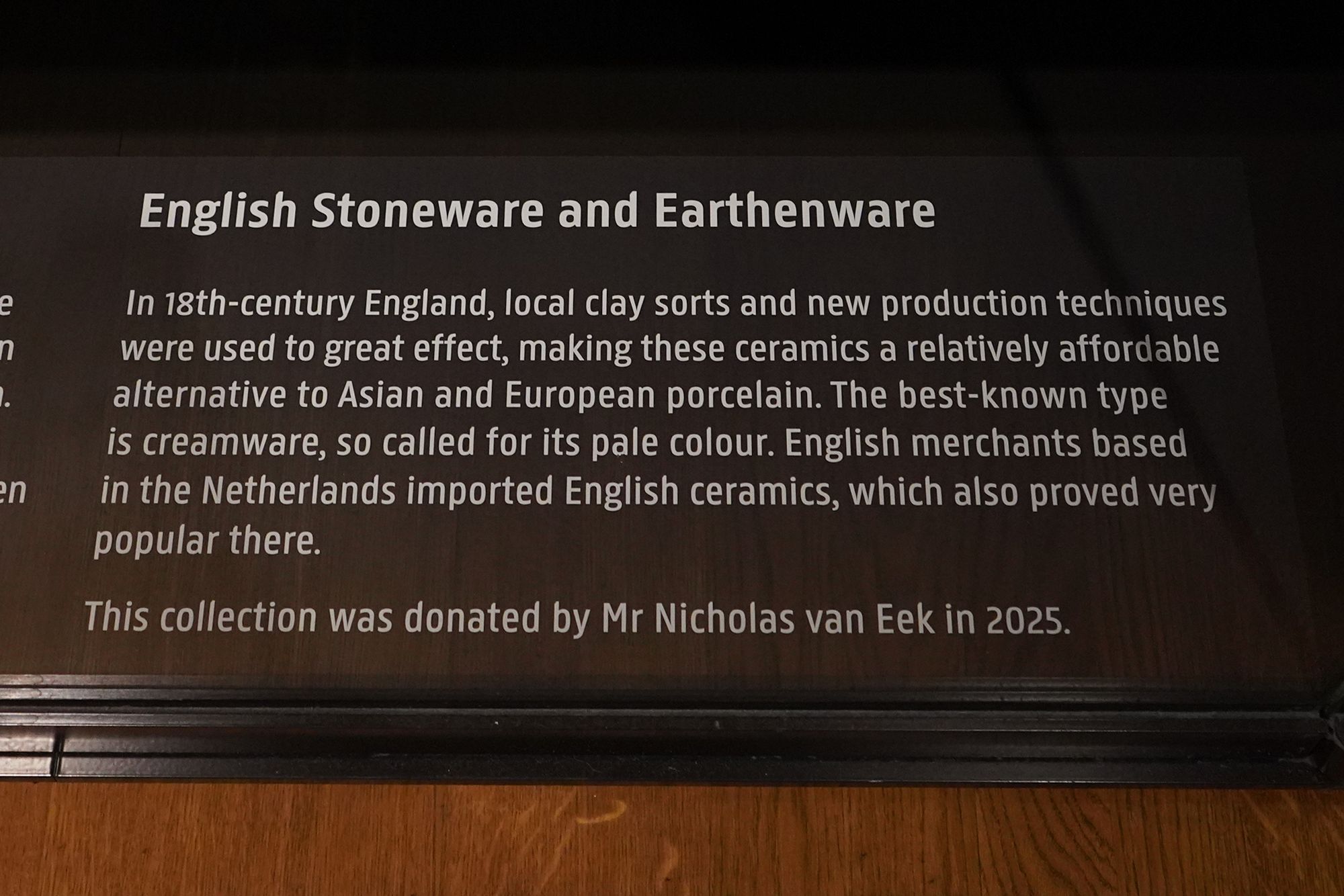
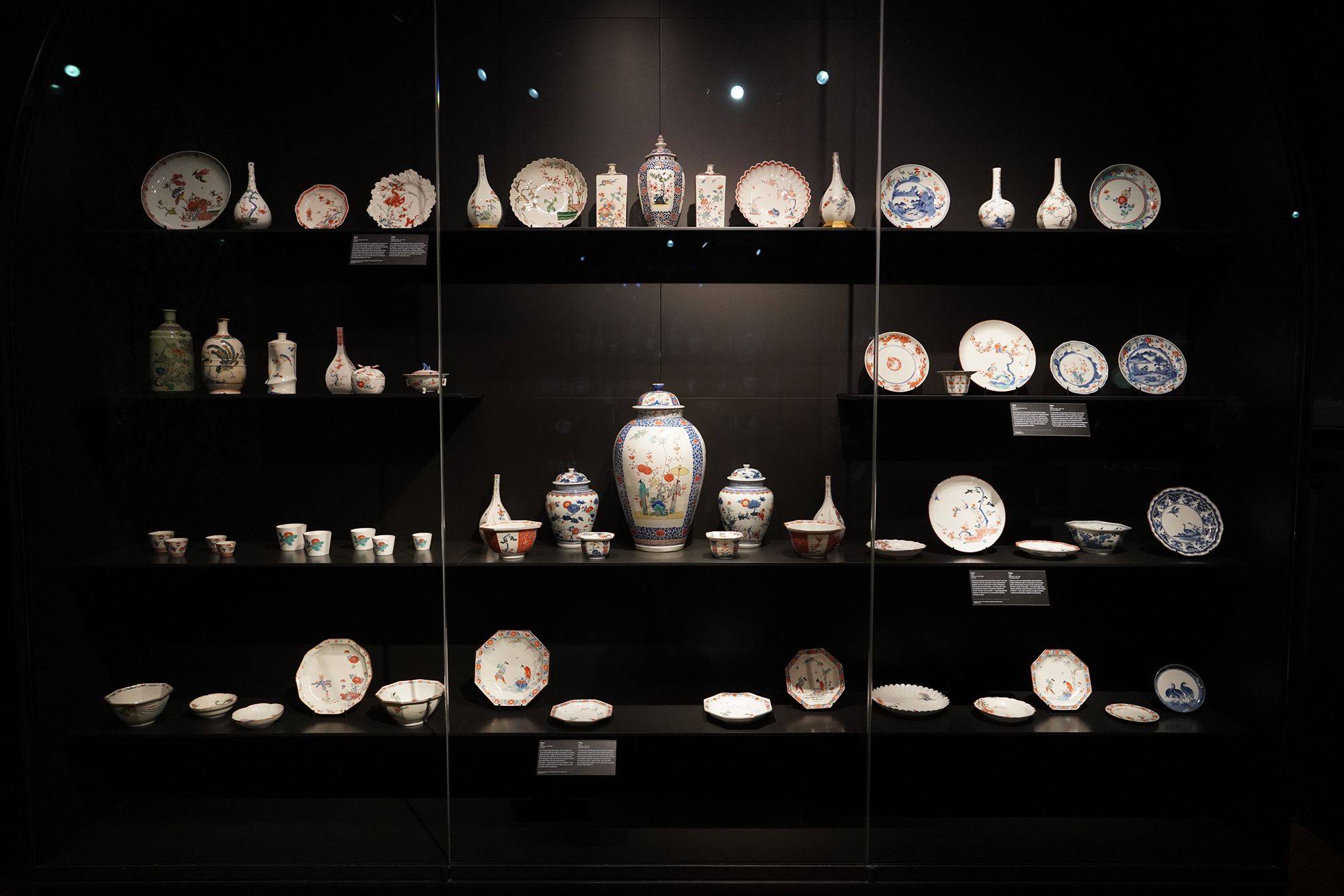
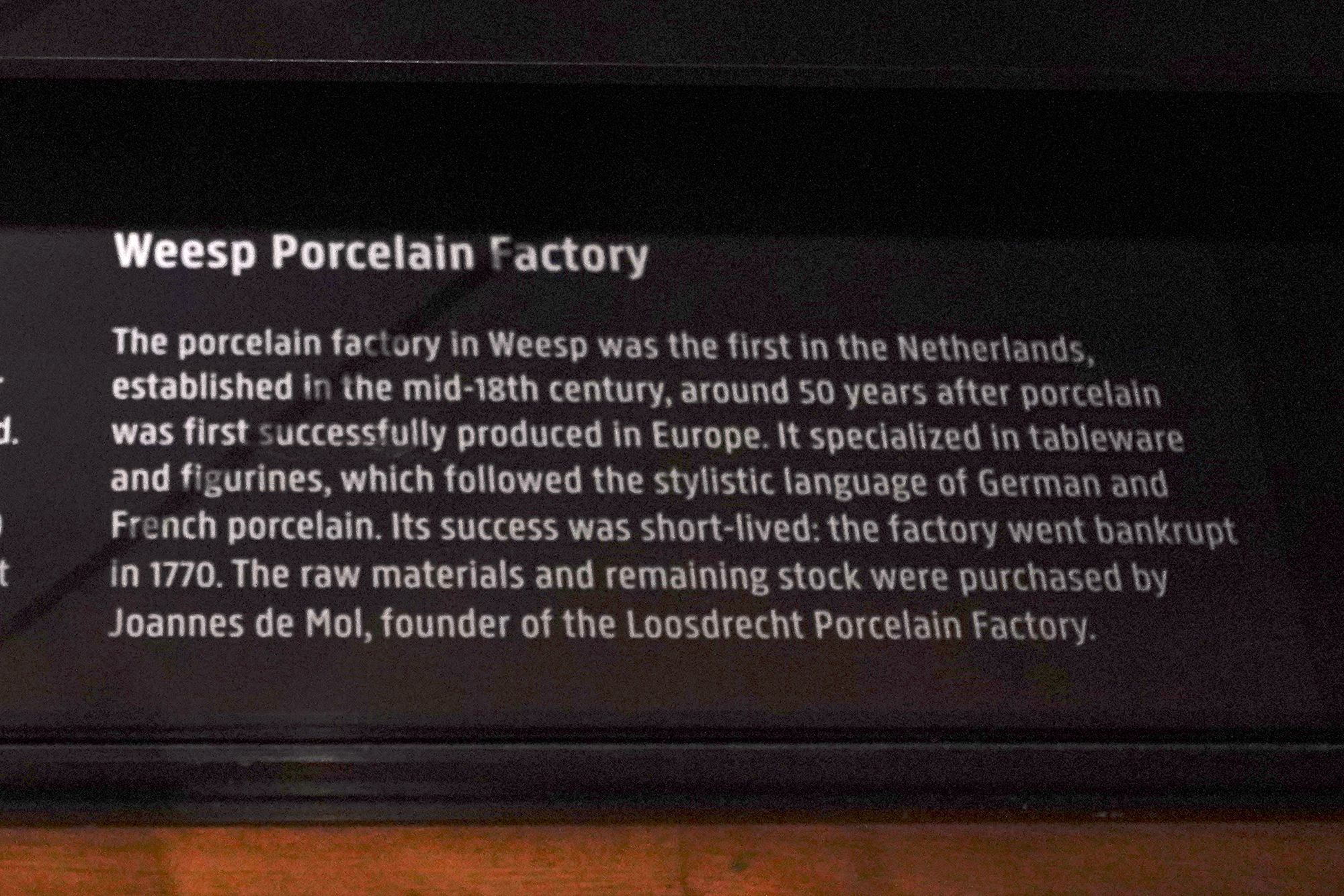
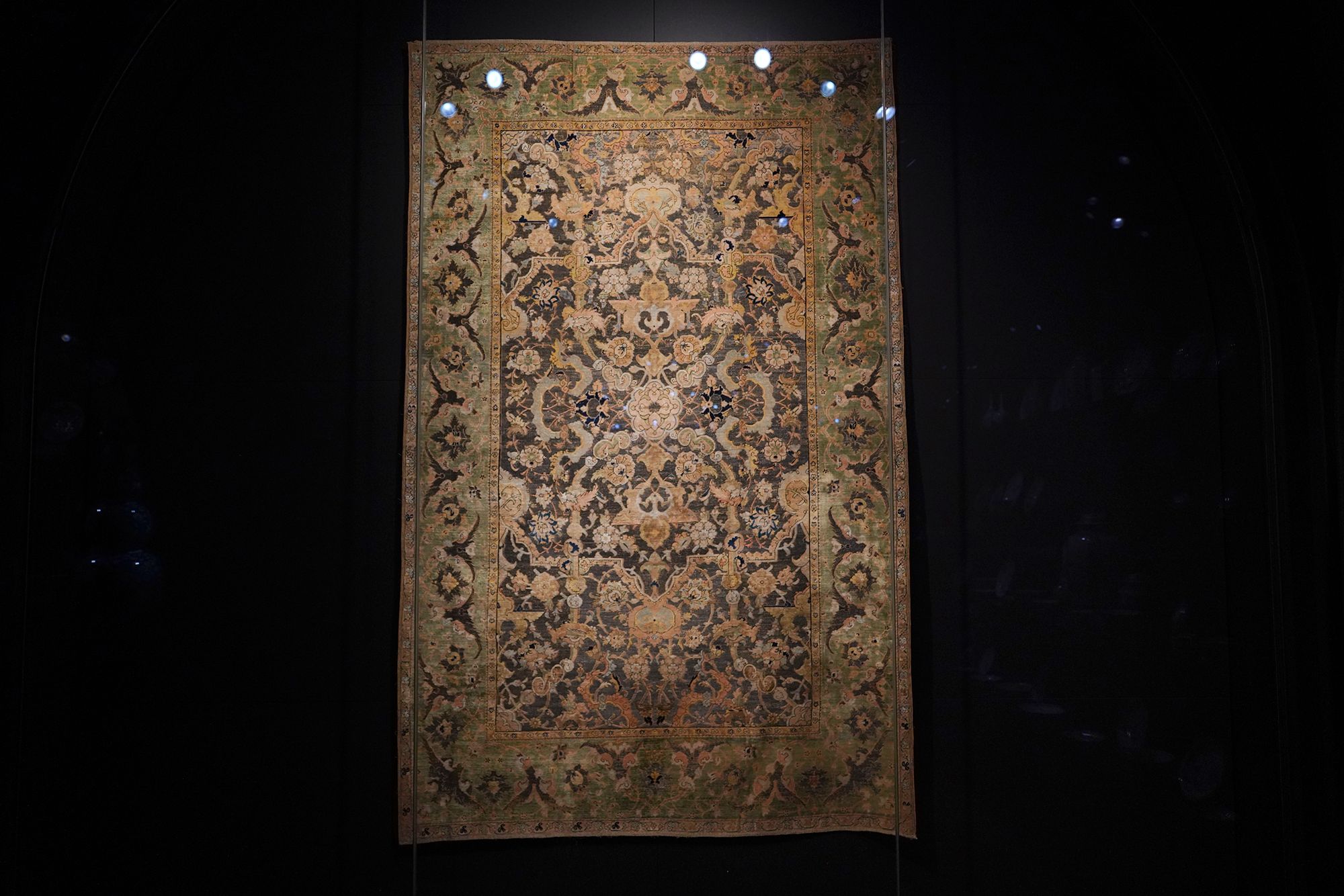
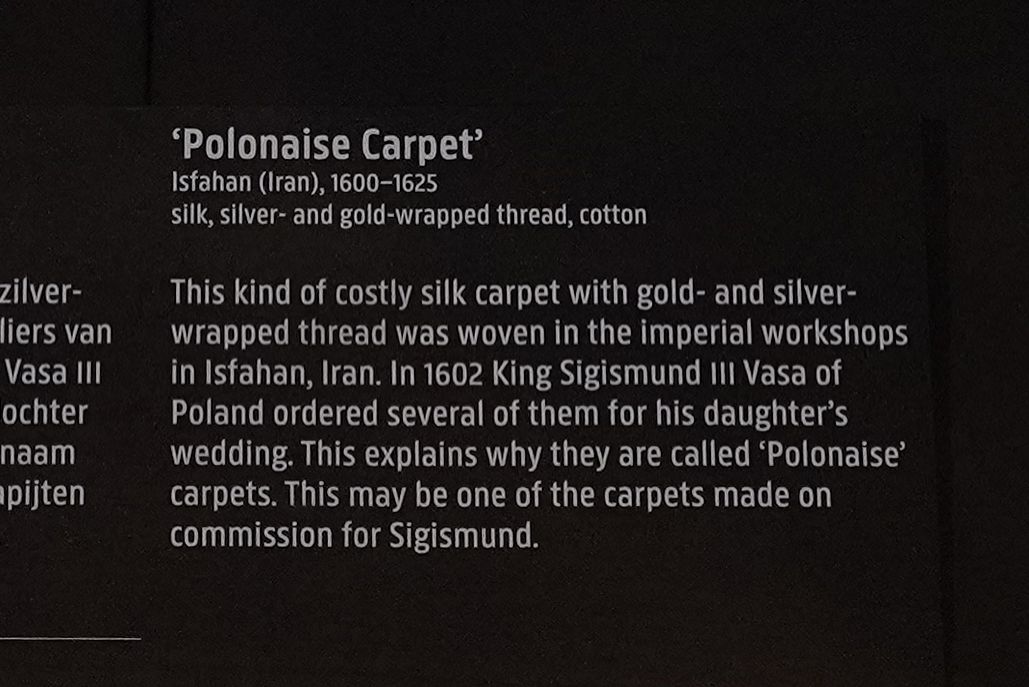
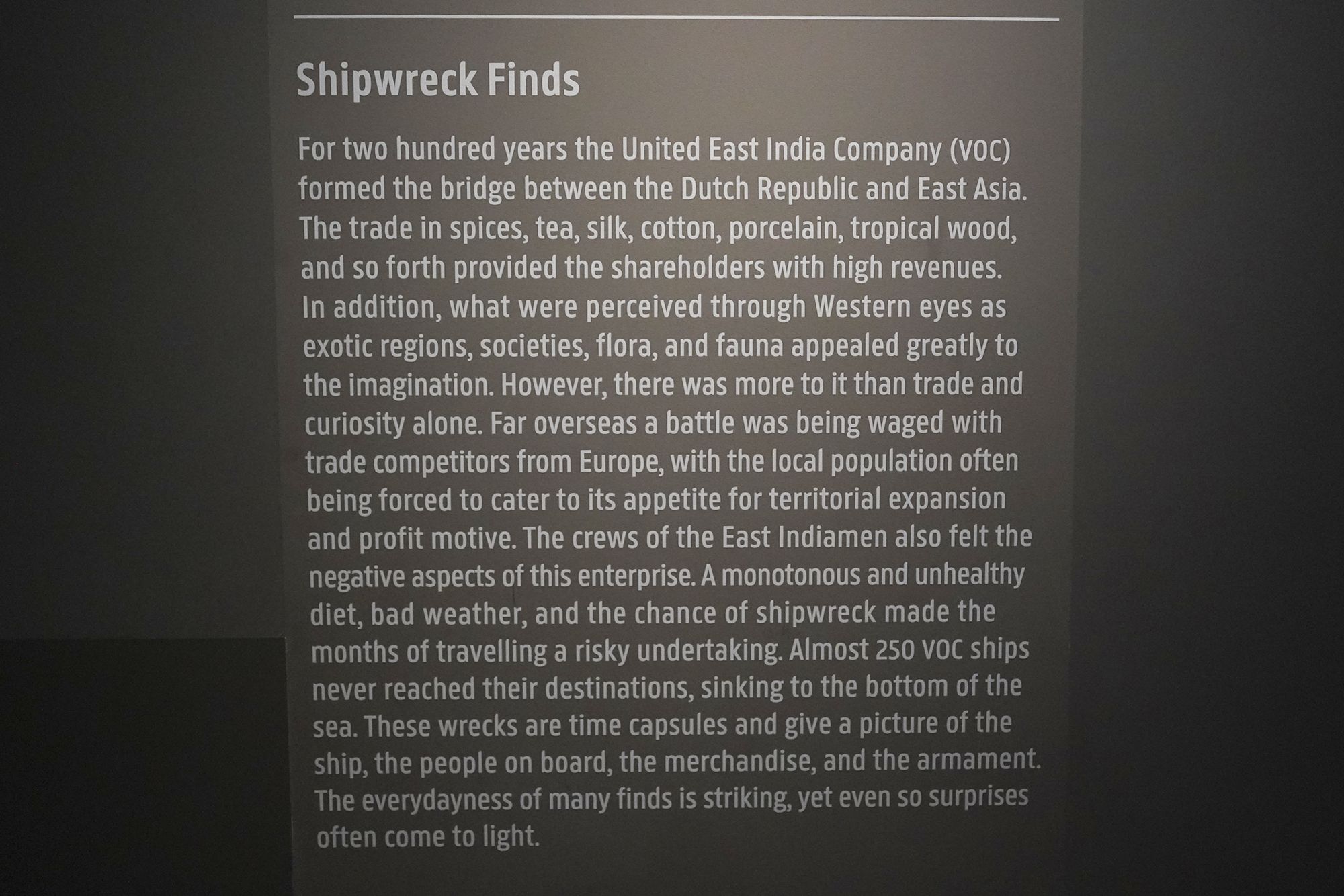
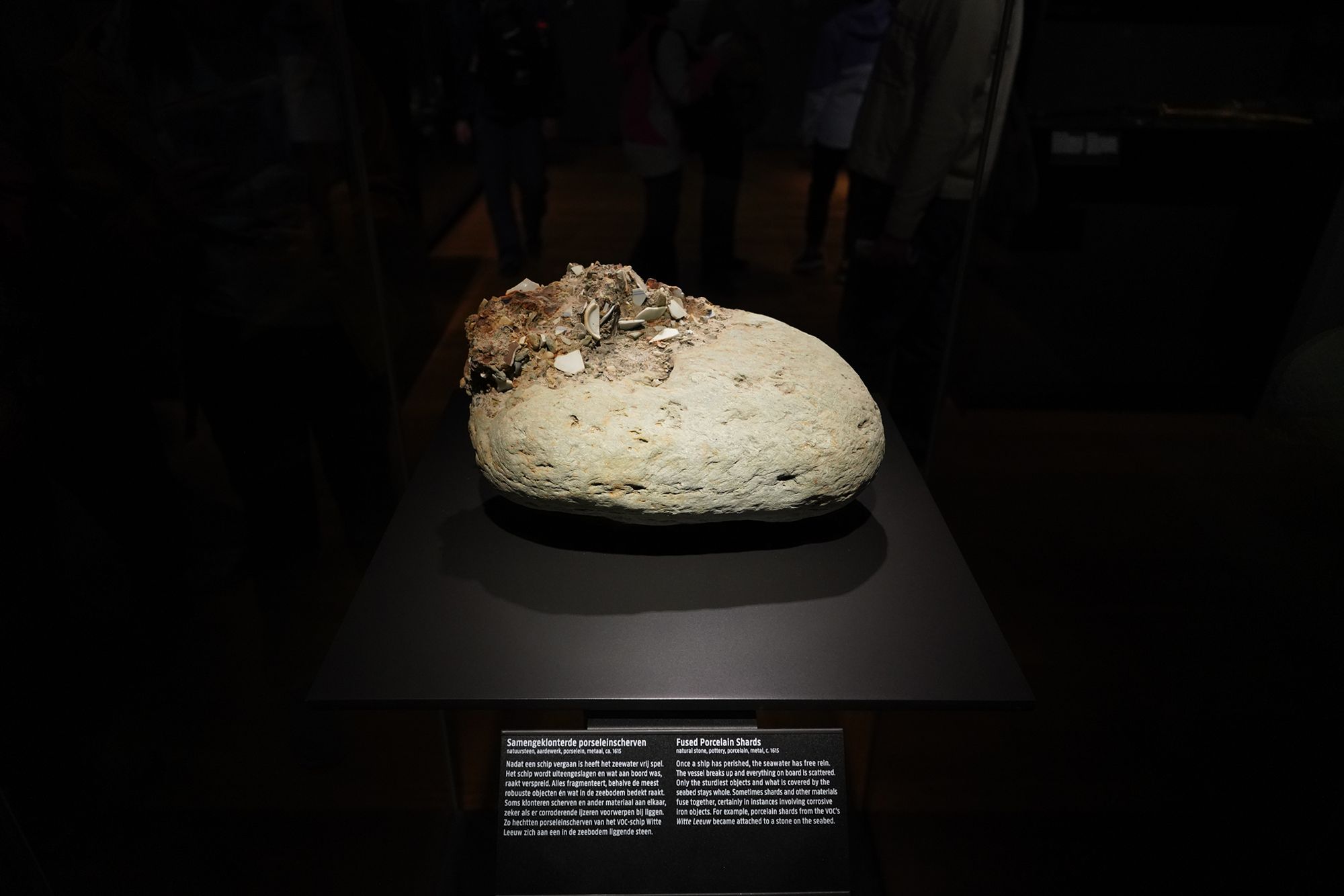
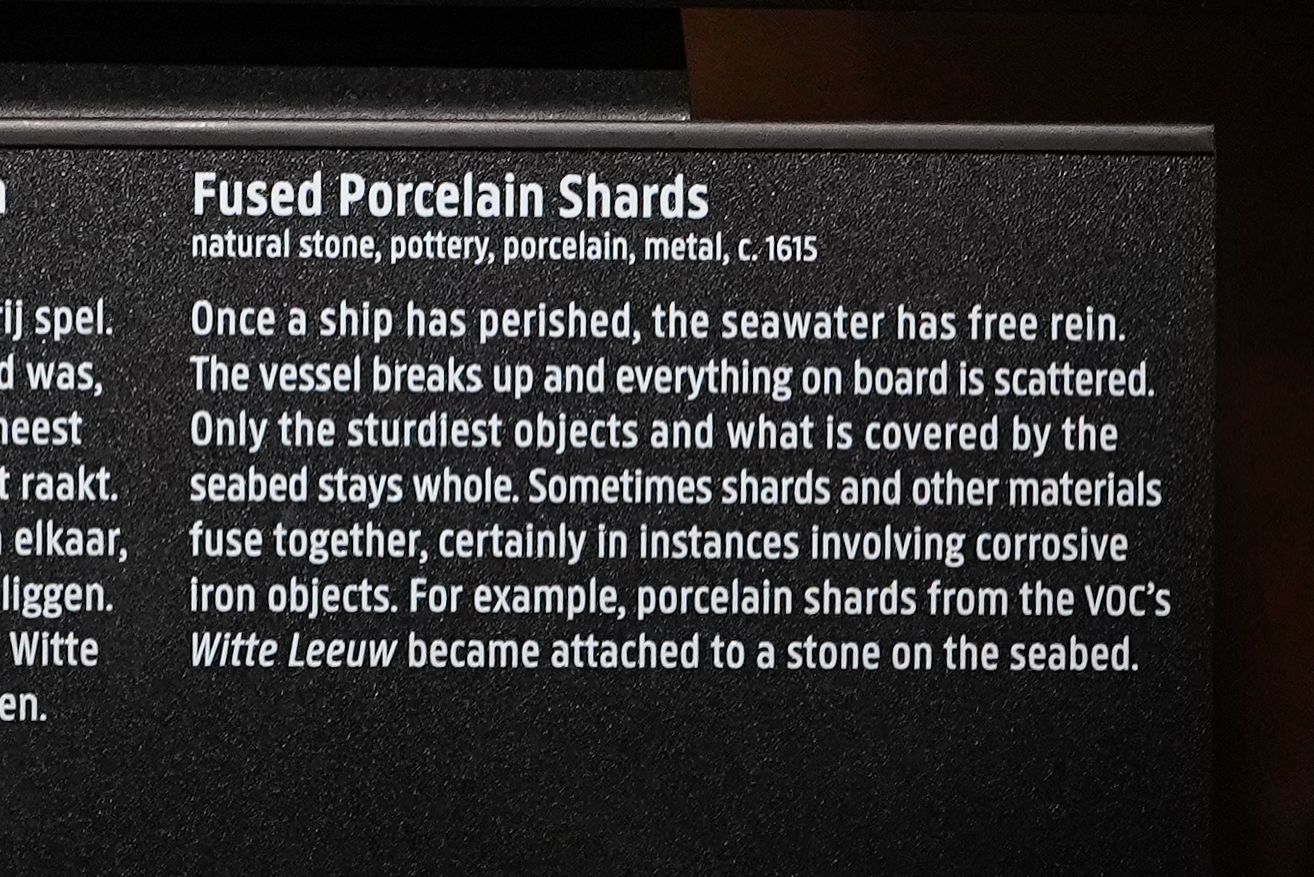
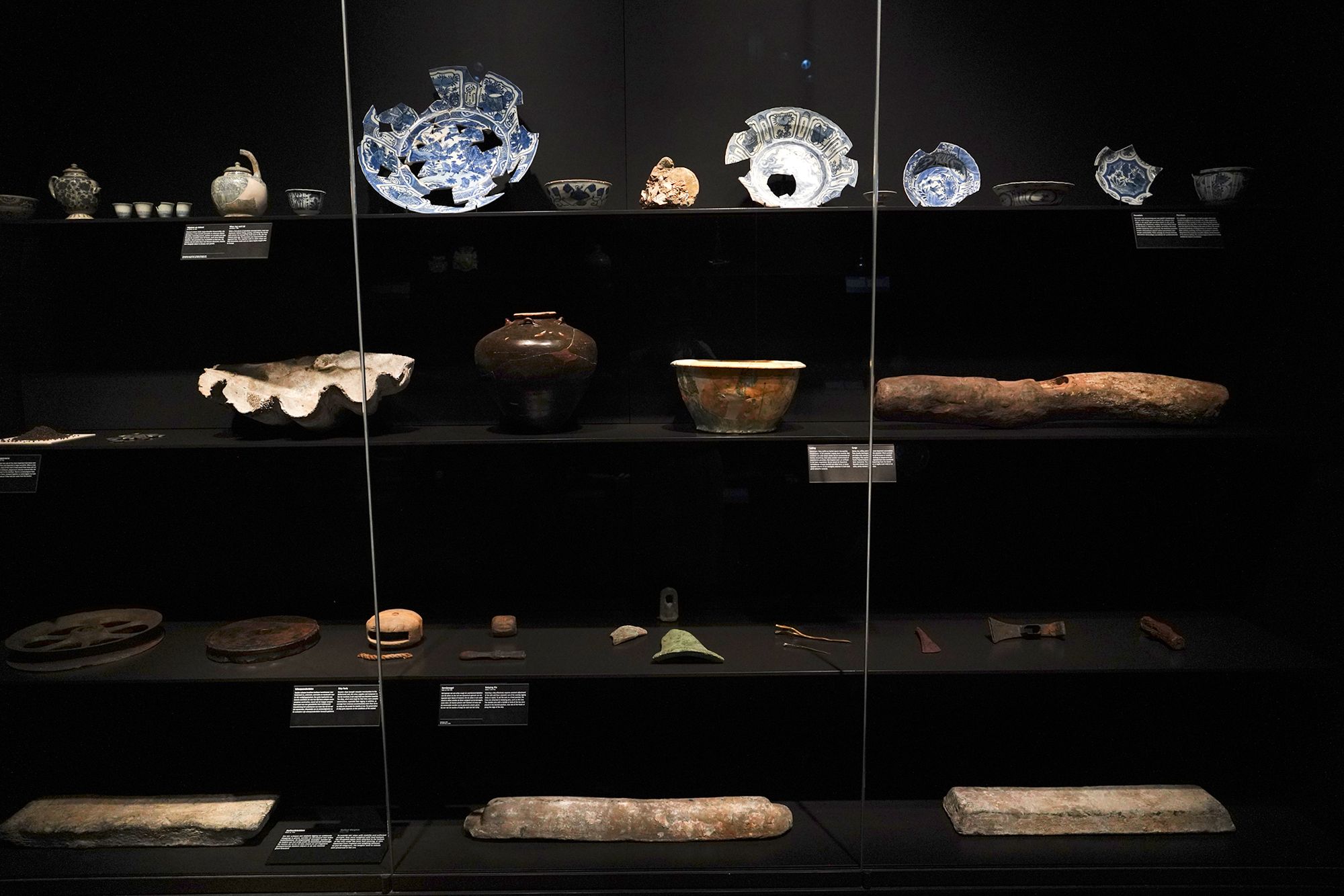
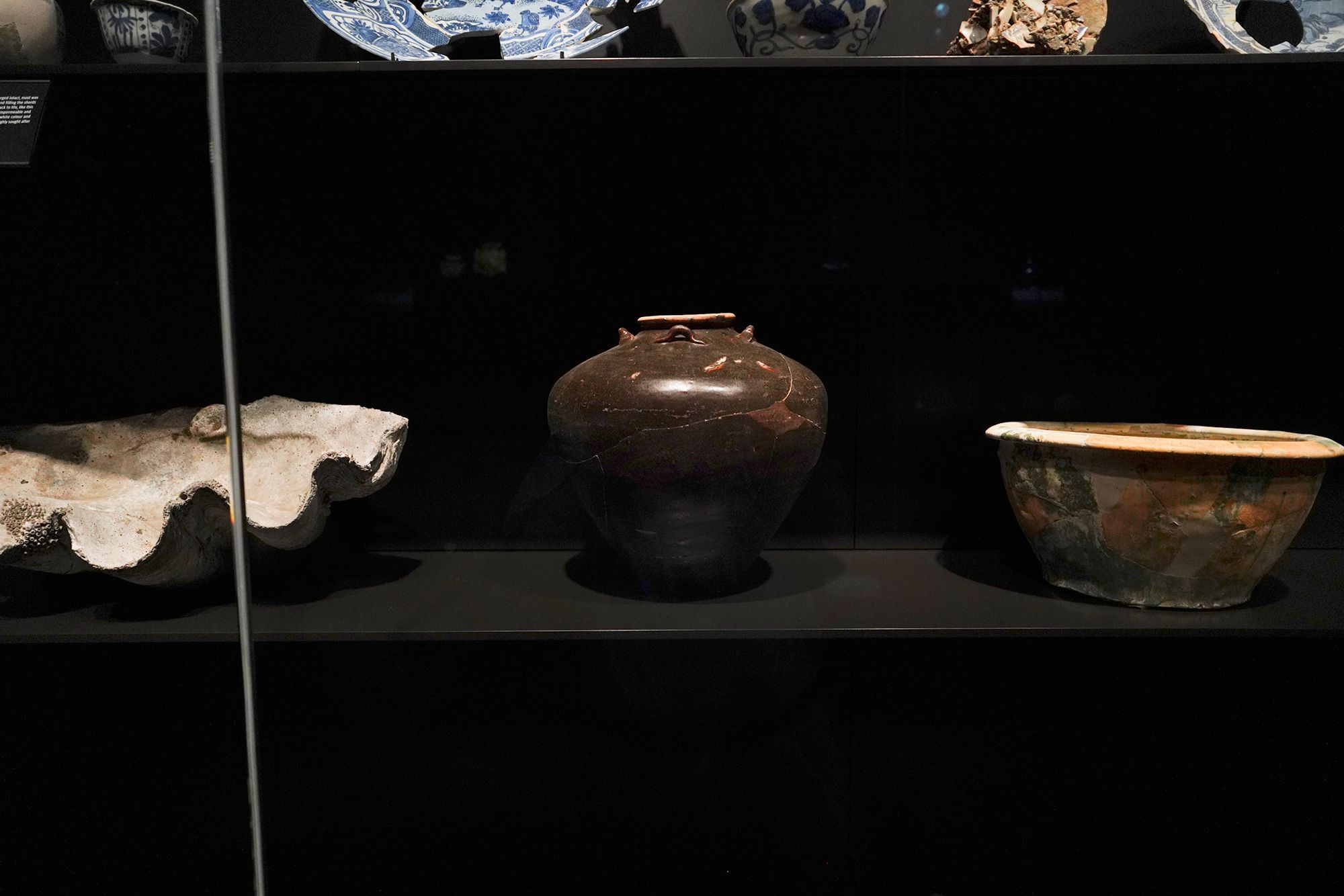
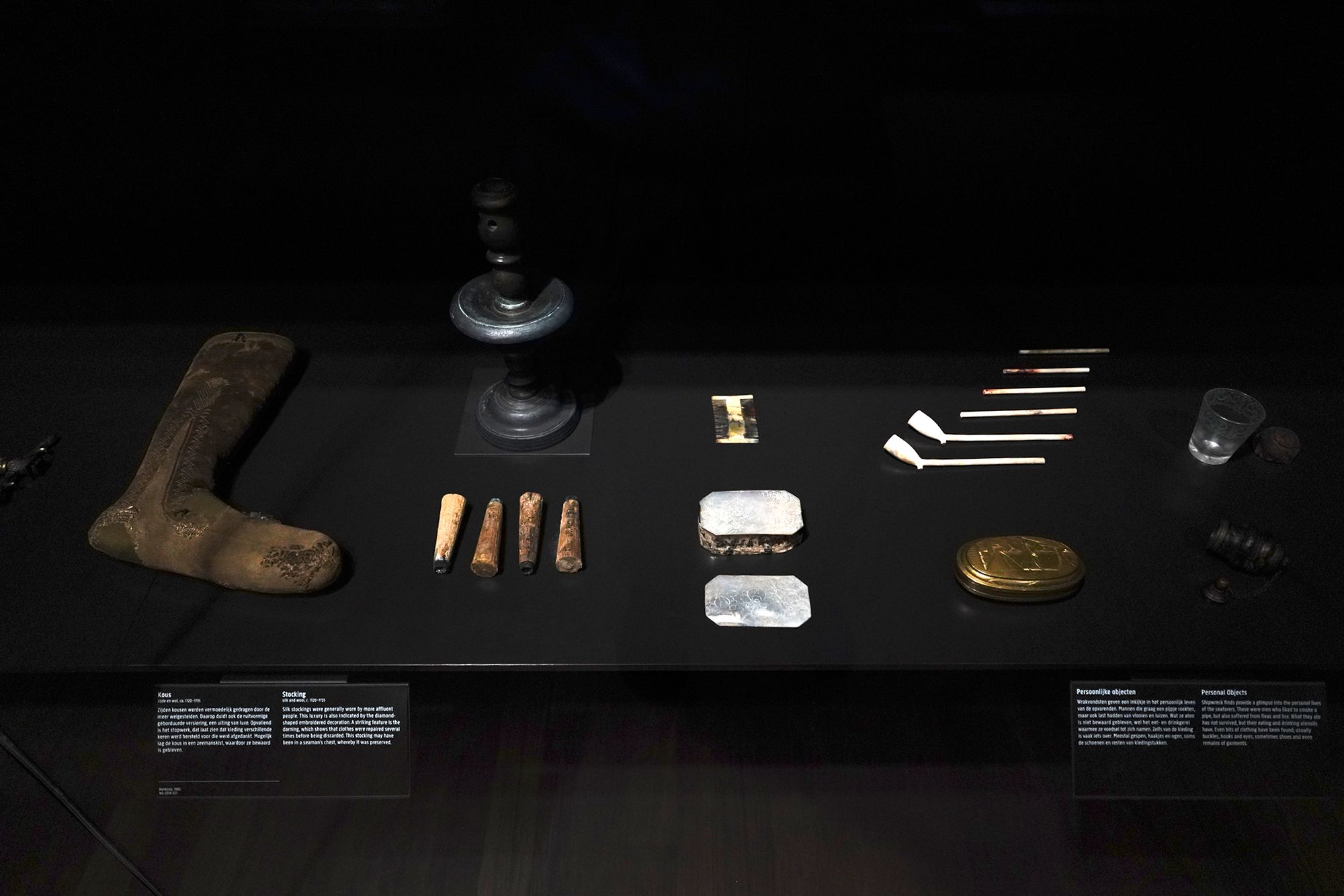
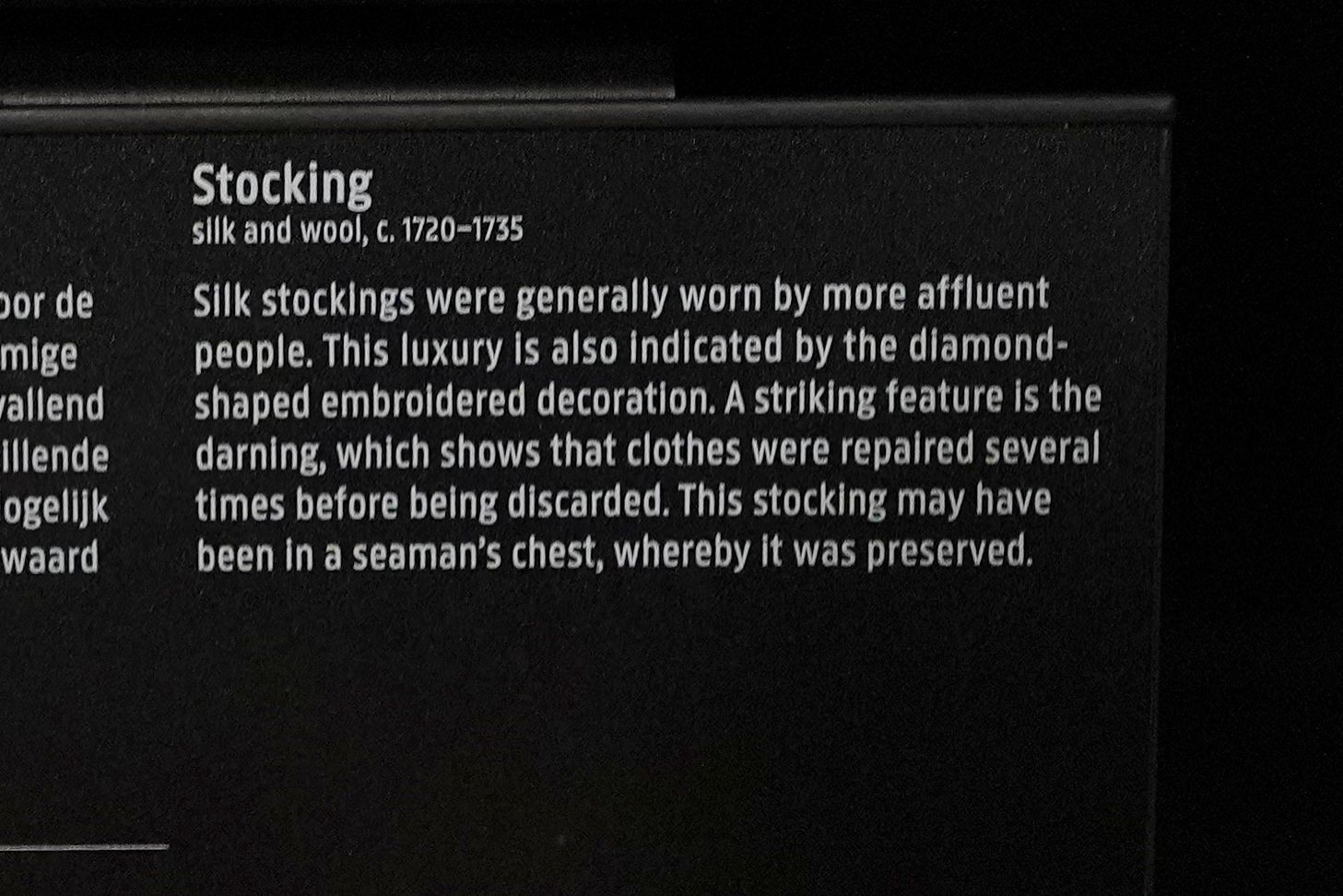
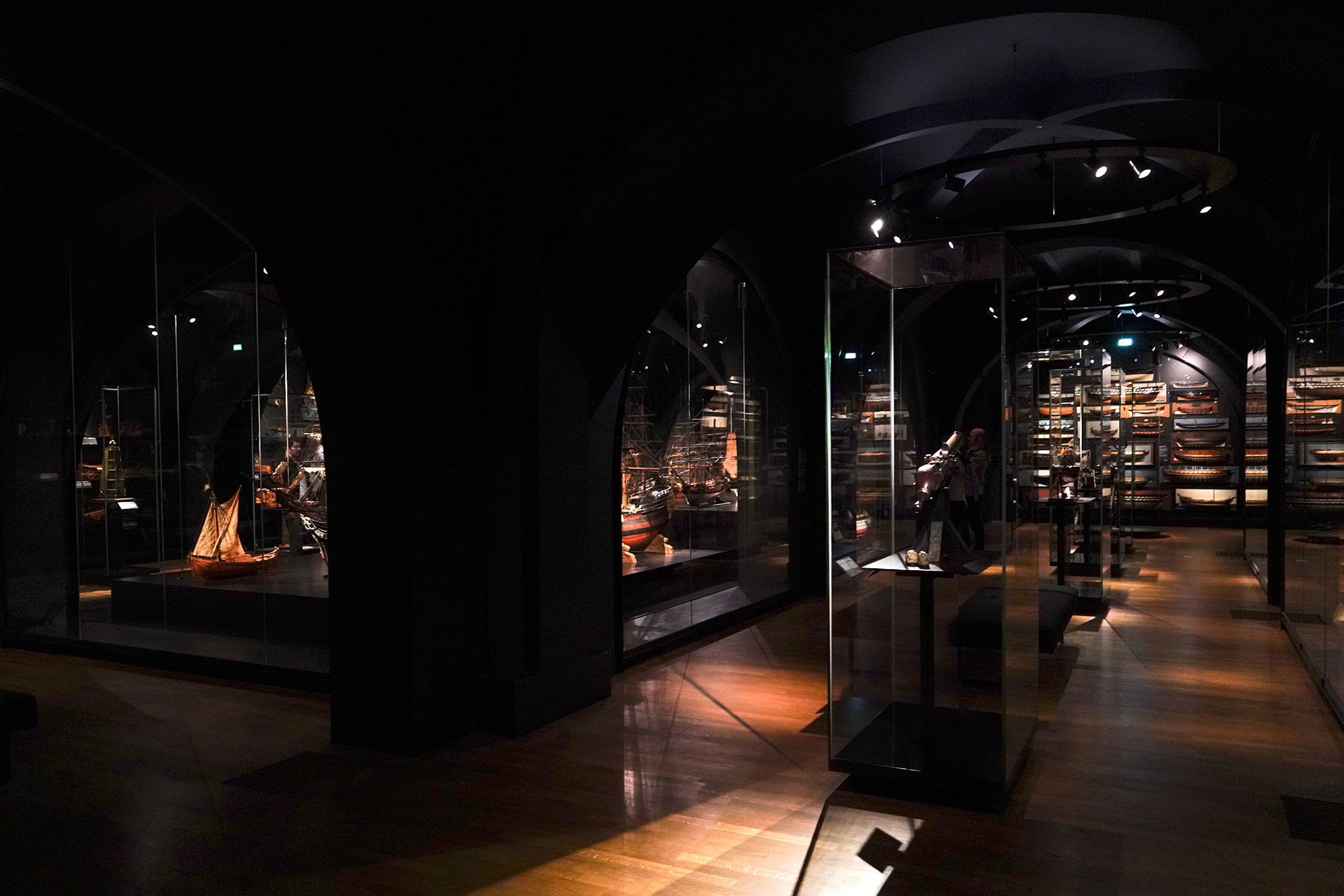
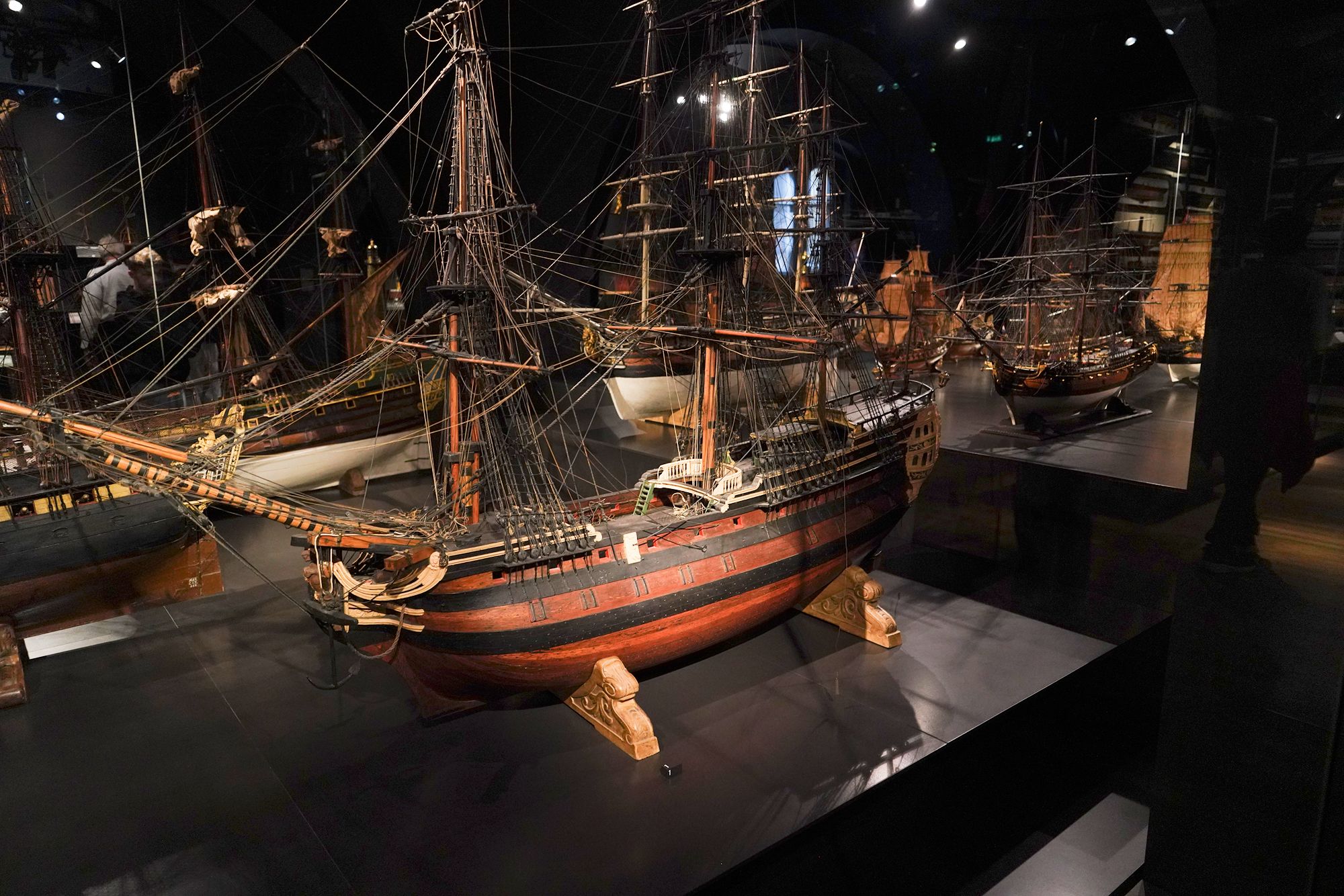
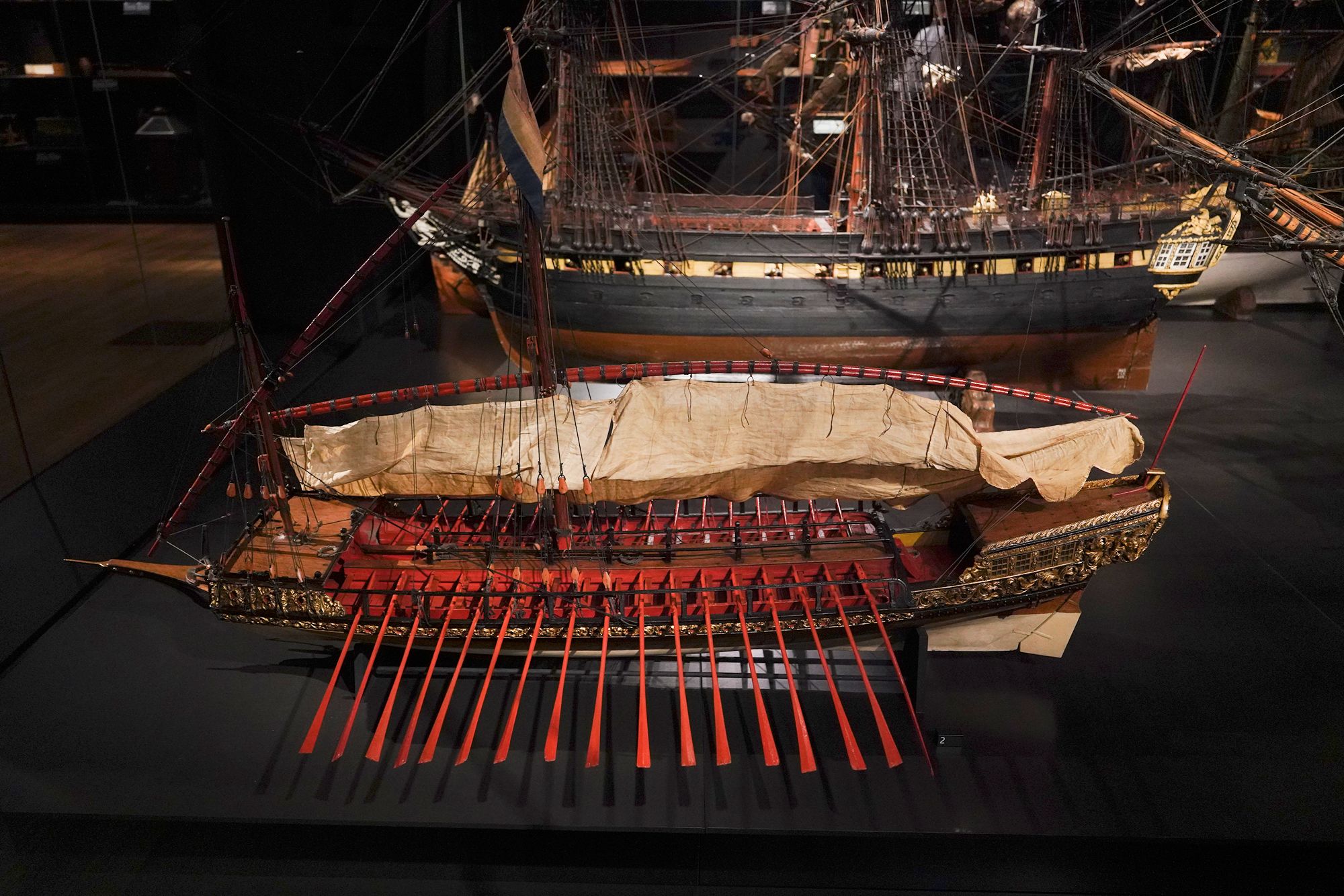
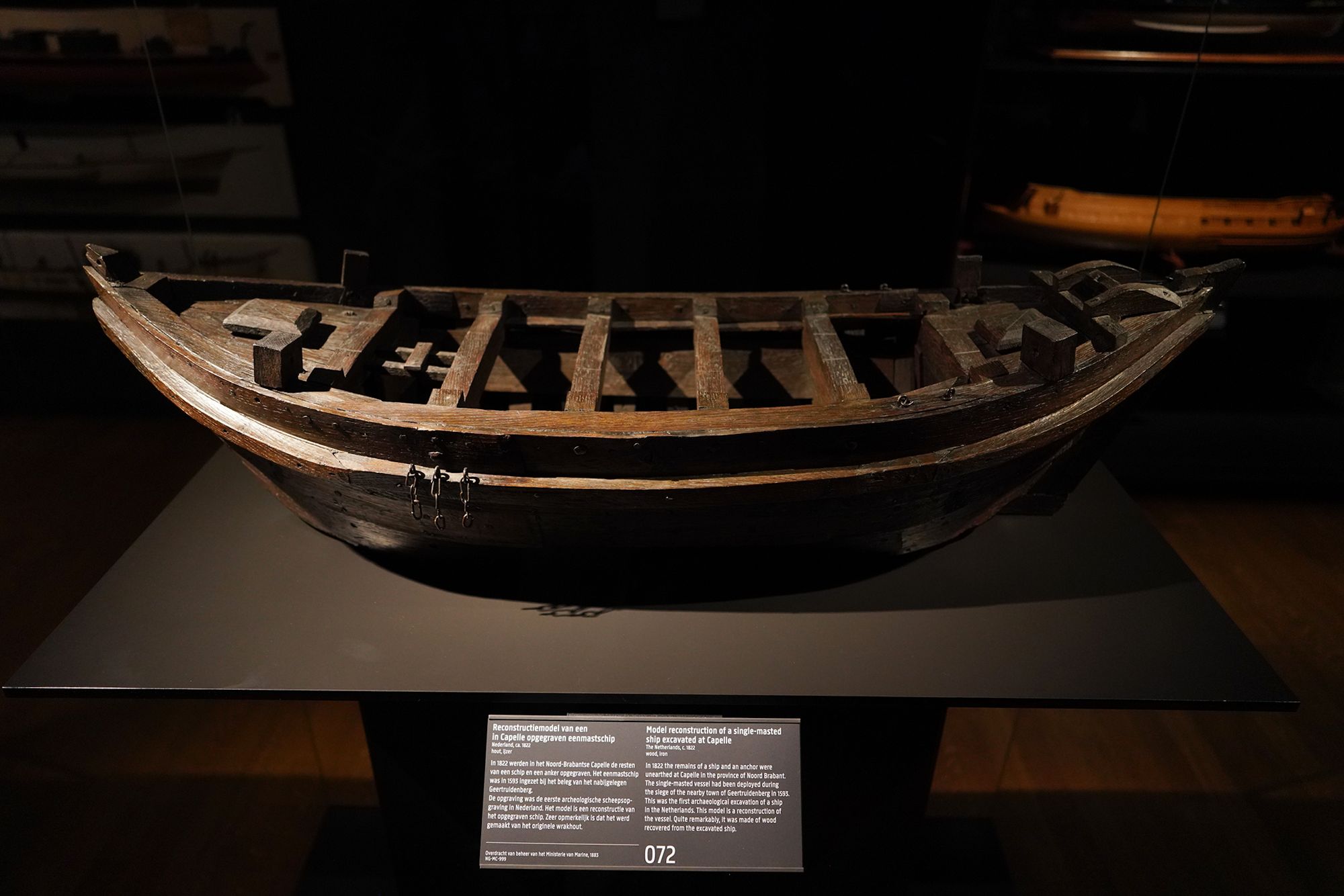
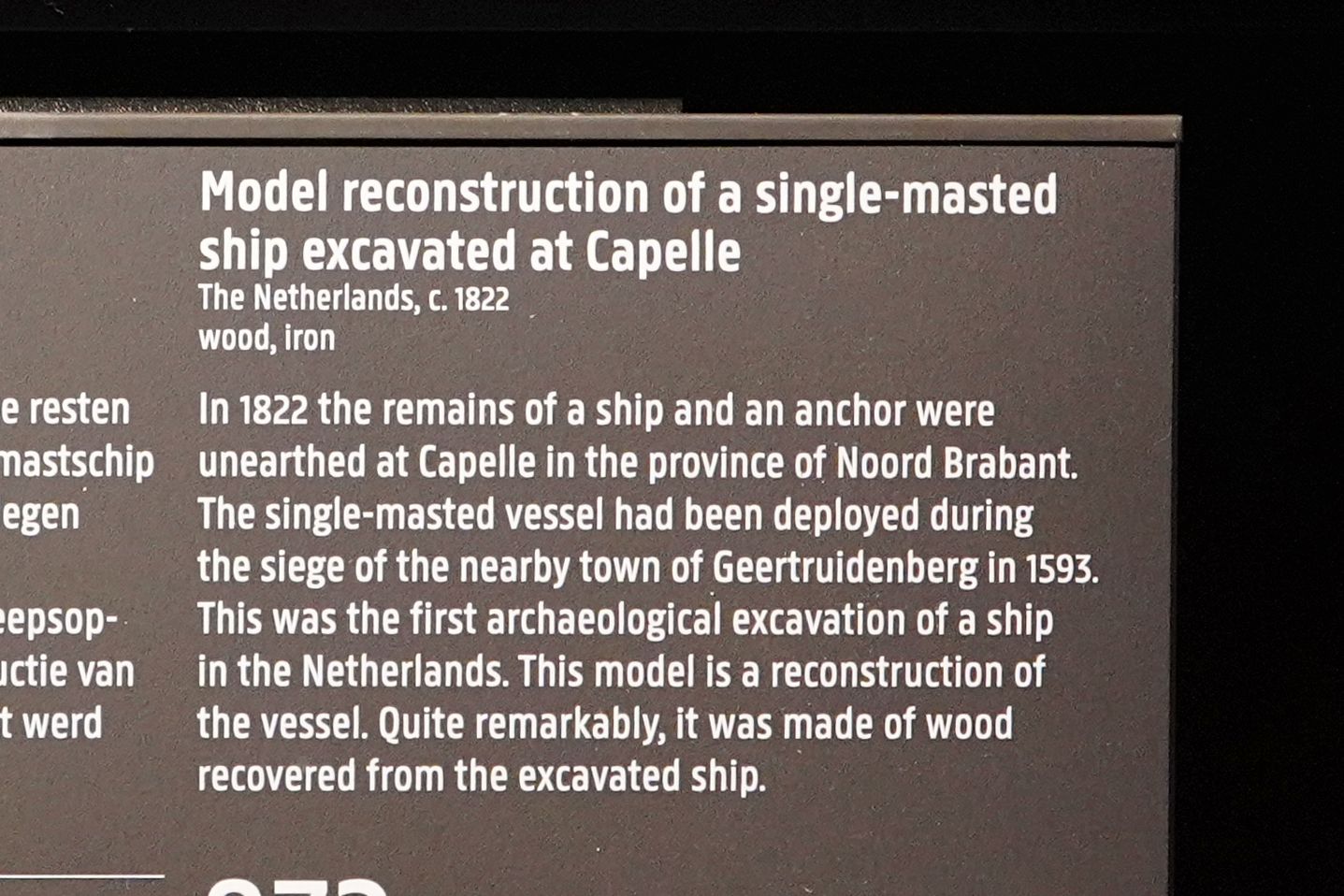
Shipwrecks of Dutch East India Company (VOC) vessels provide a fascinating glimpse into maritime trade and life at sea during the Dutch colonial era.
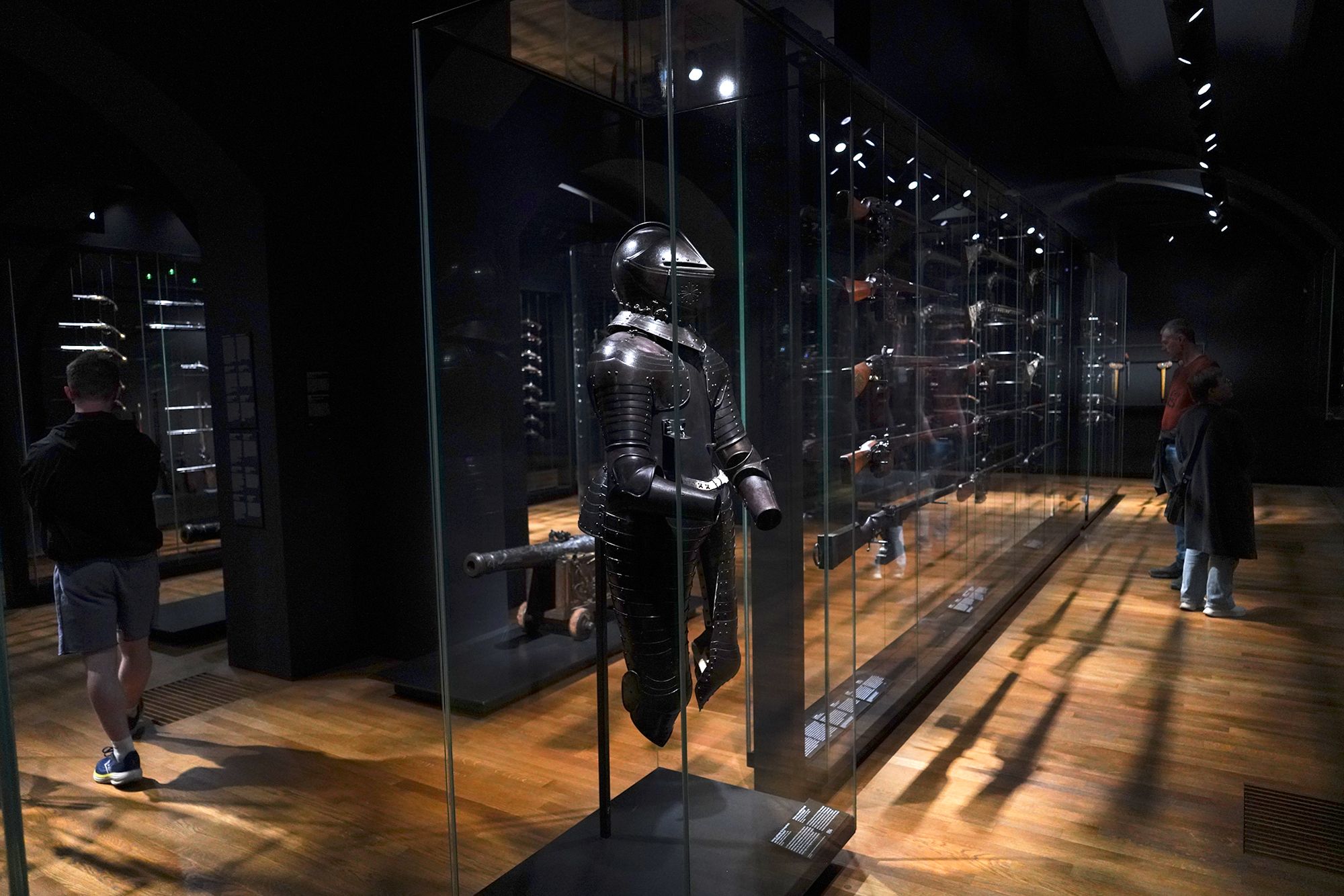
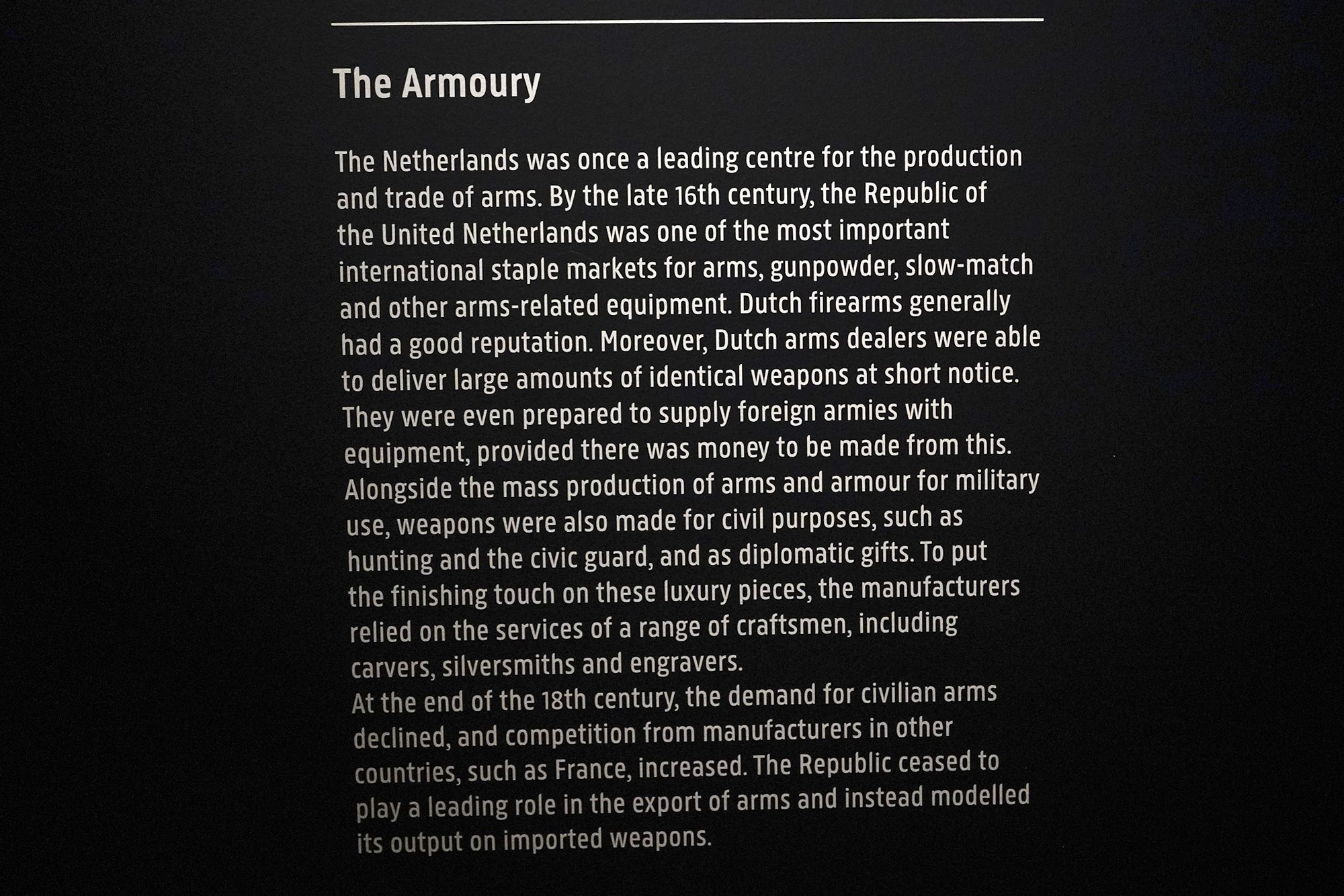
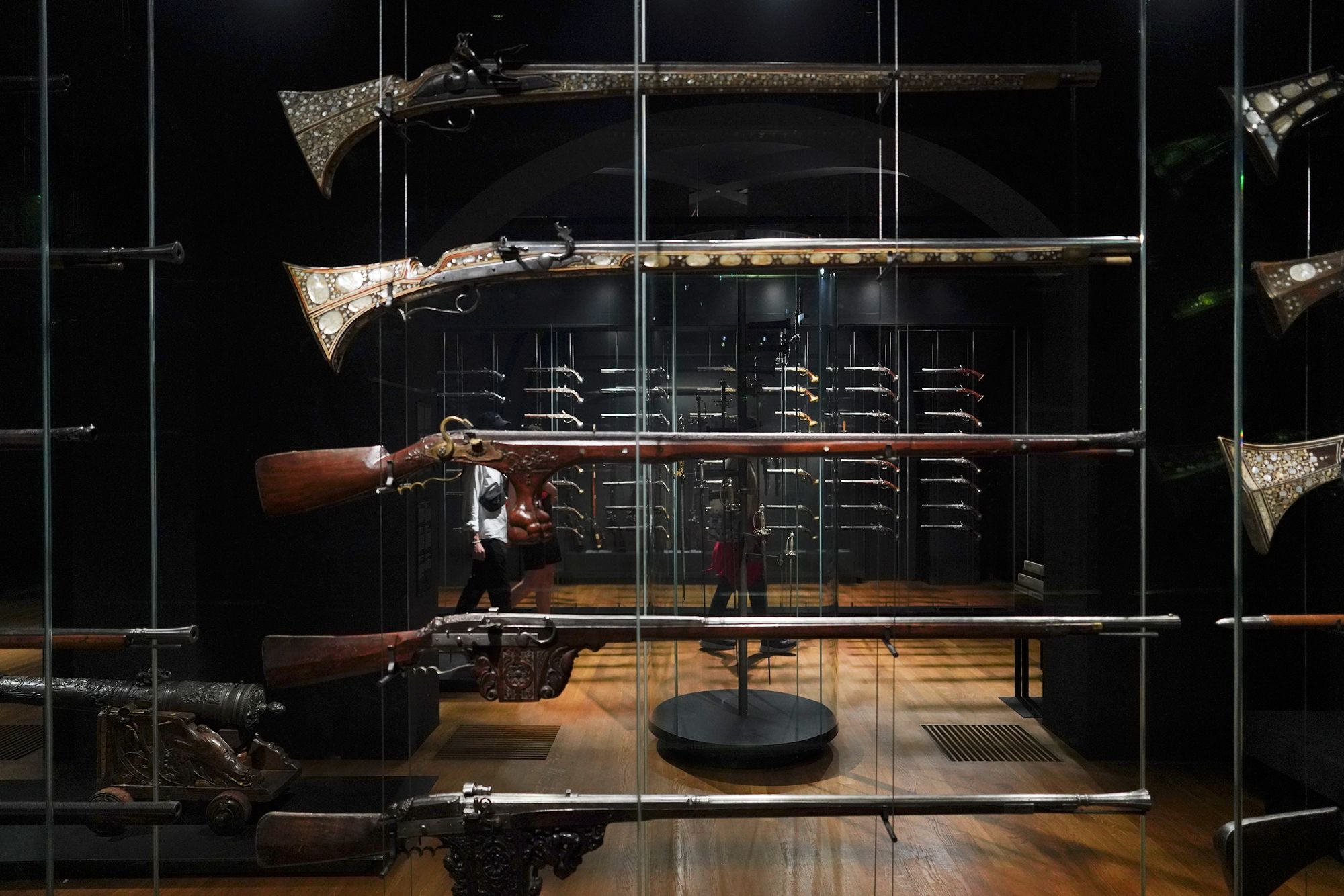
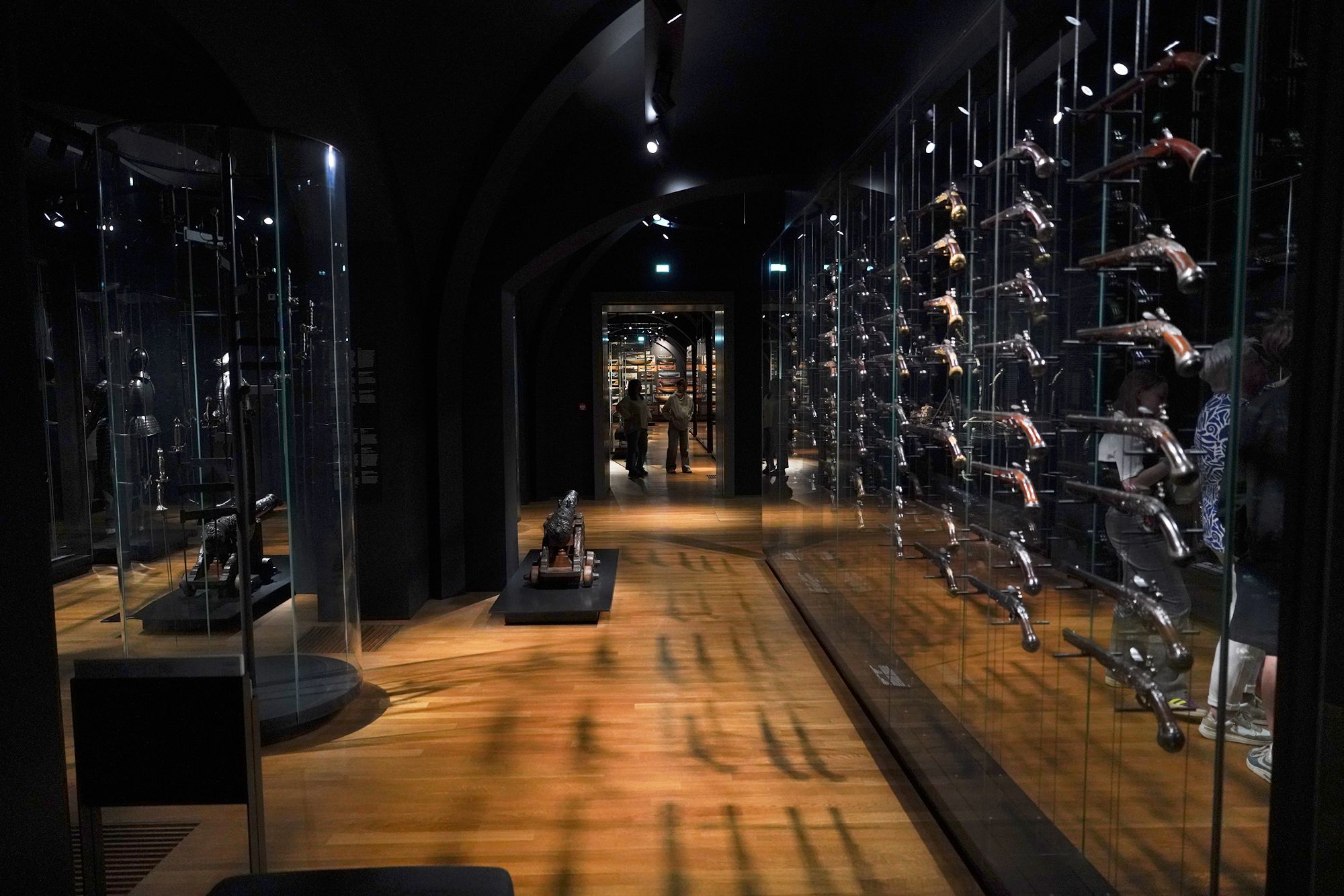
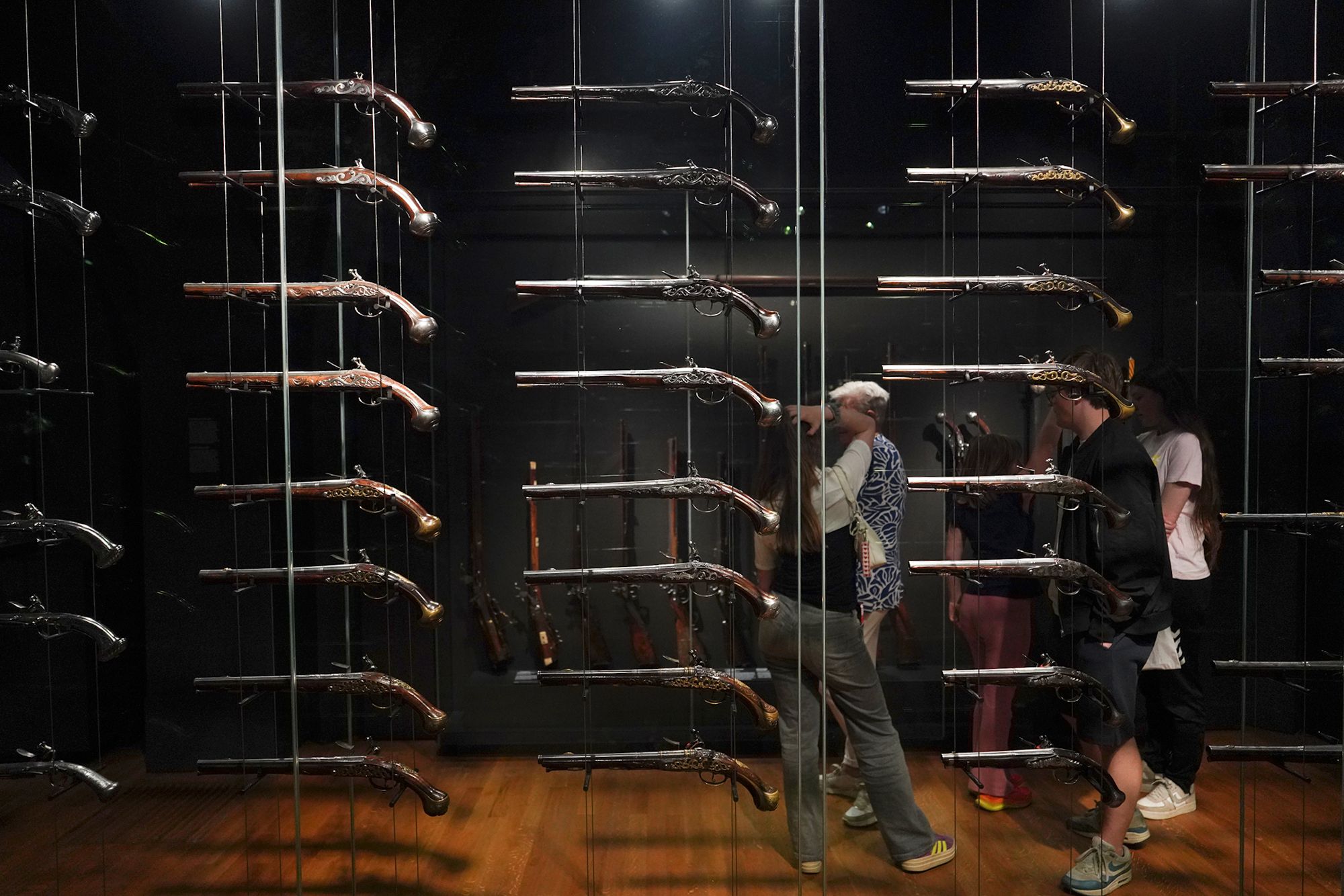
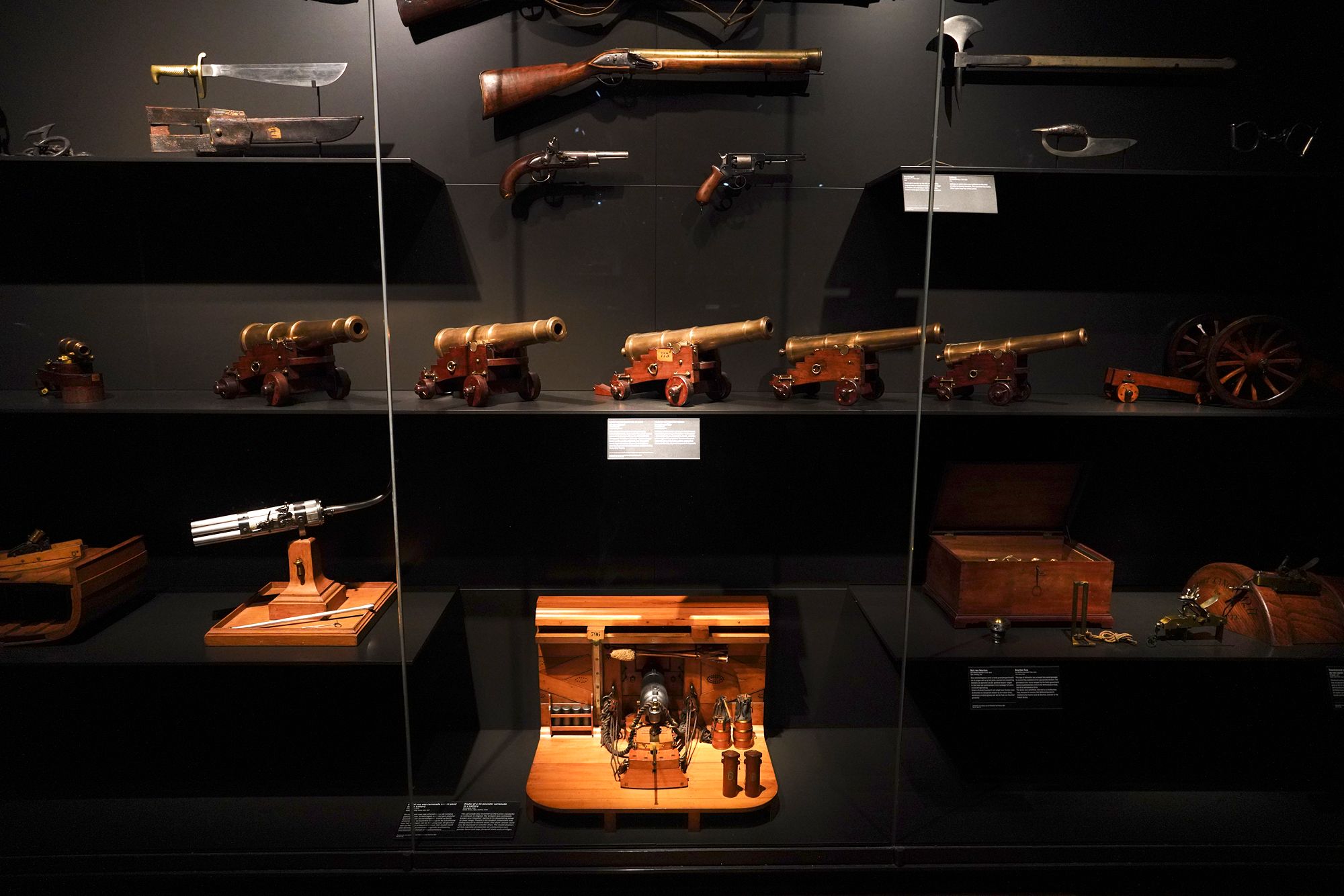
The Netherlands was once a major European center for the production and international trade of weapons and armor.
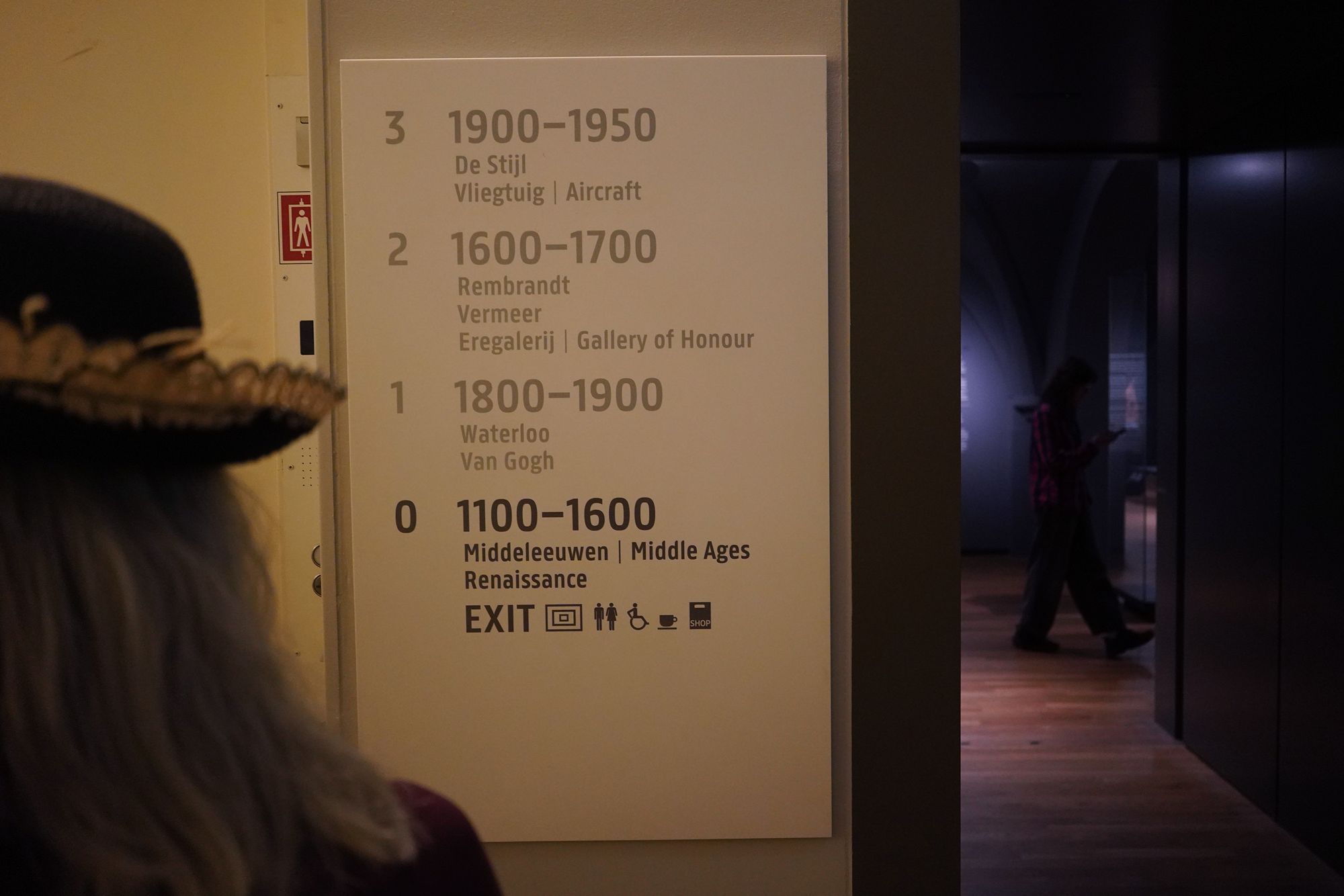
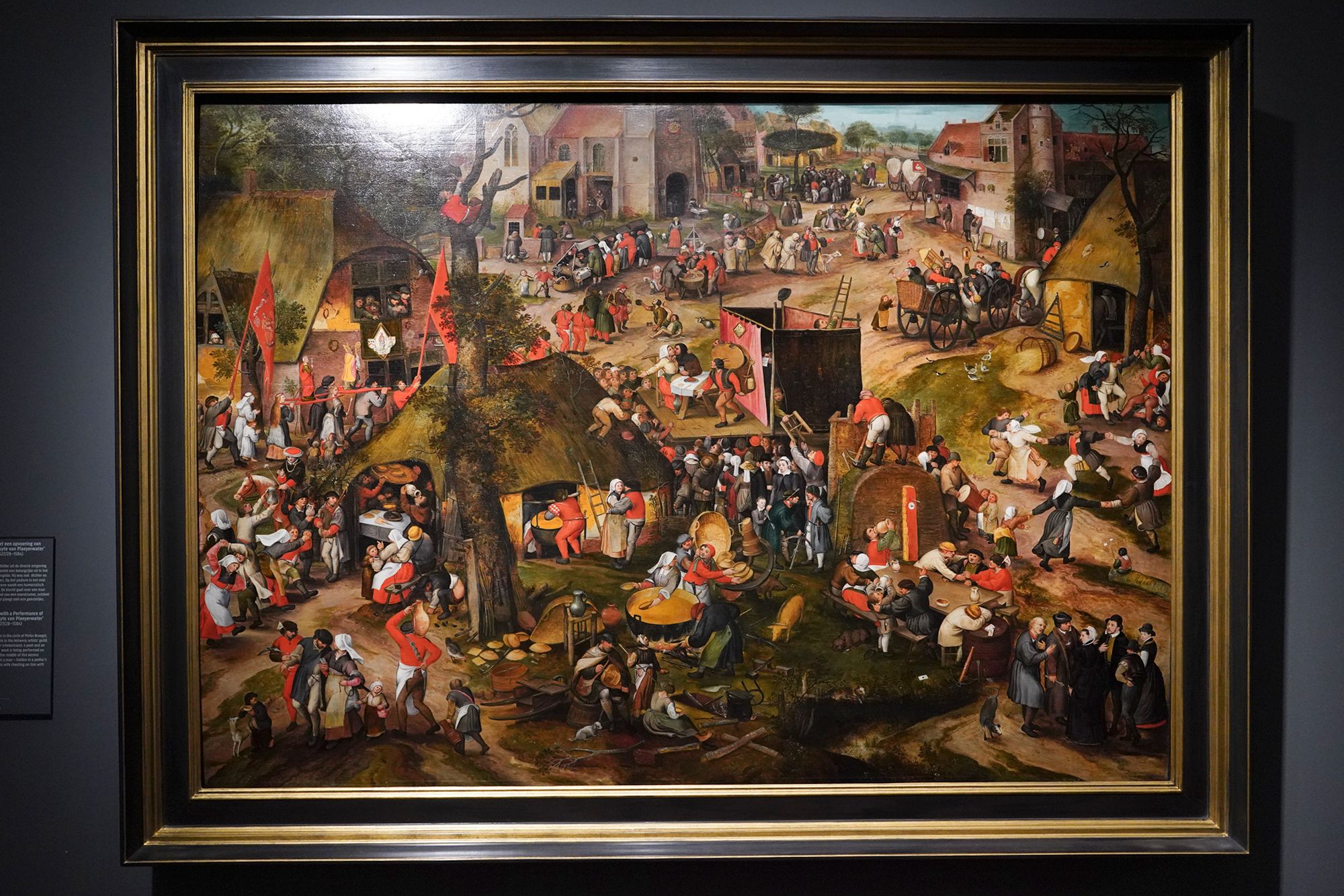
The next section covers 1100–1600, featuring art from the Middle Ages and Renaissance.
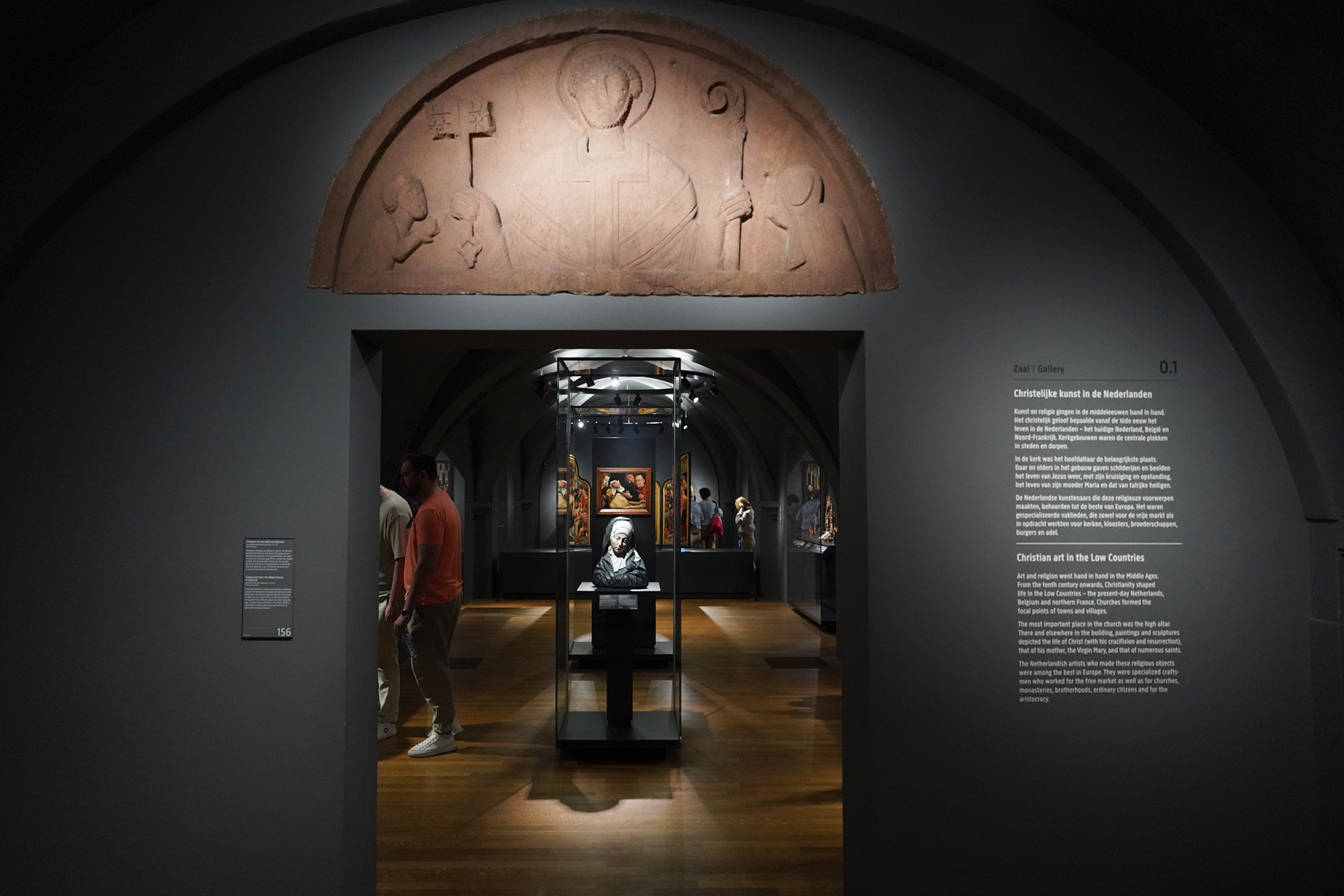
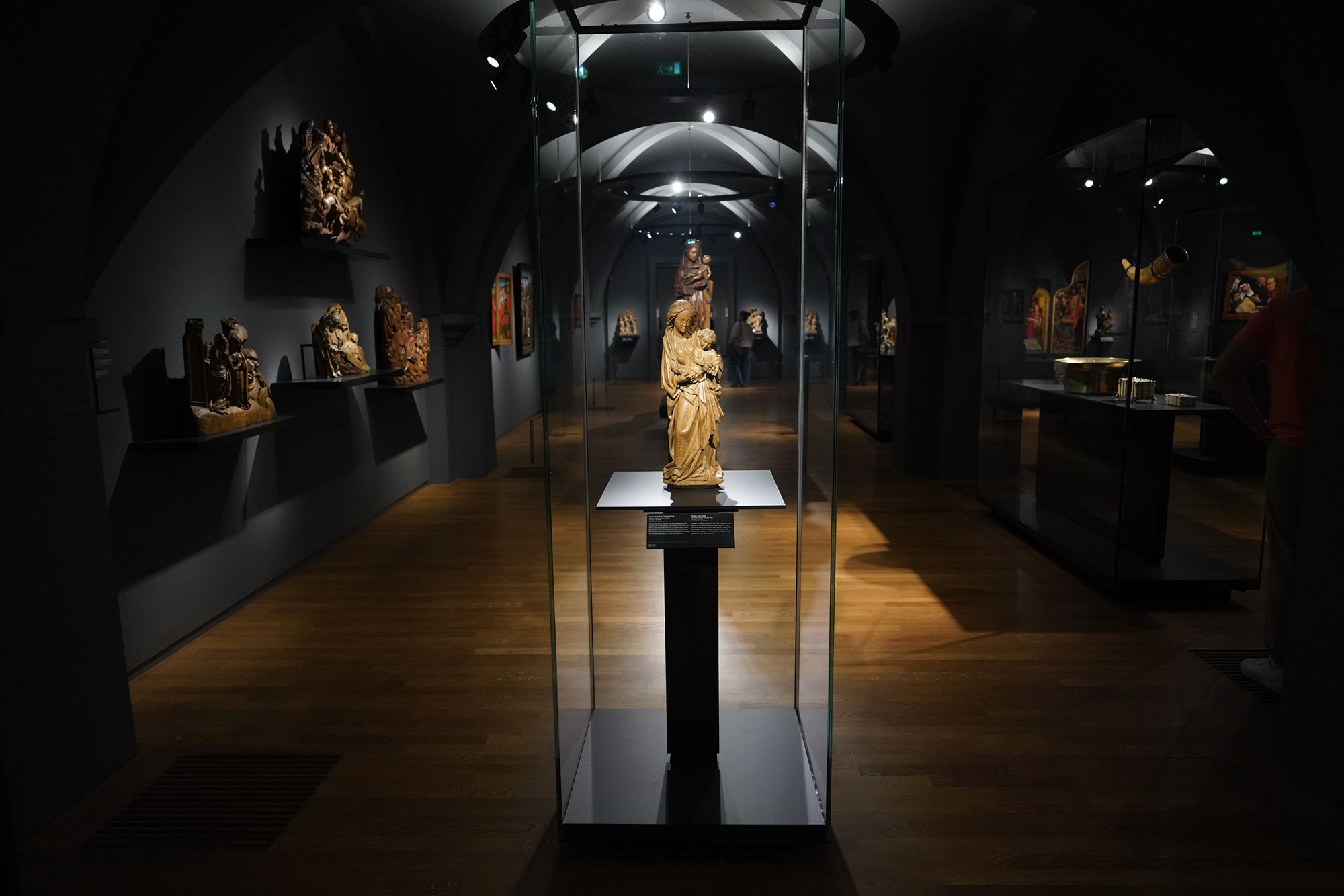
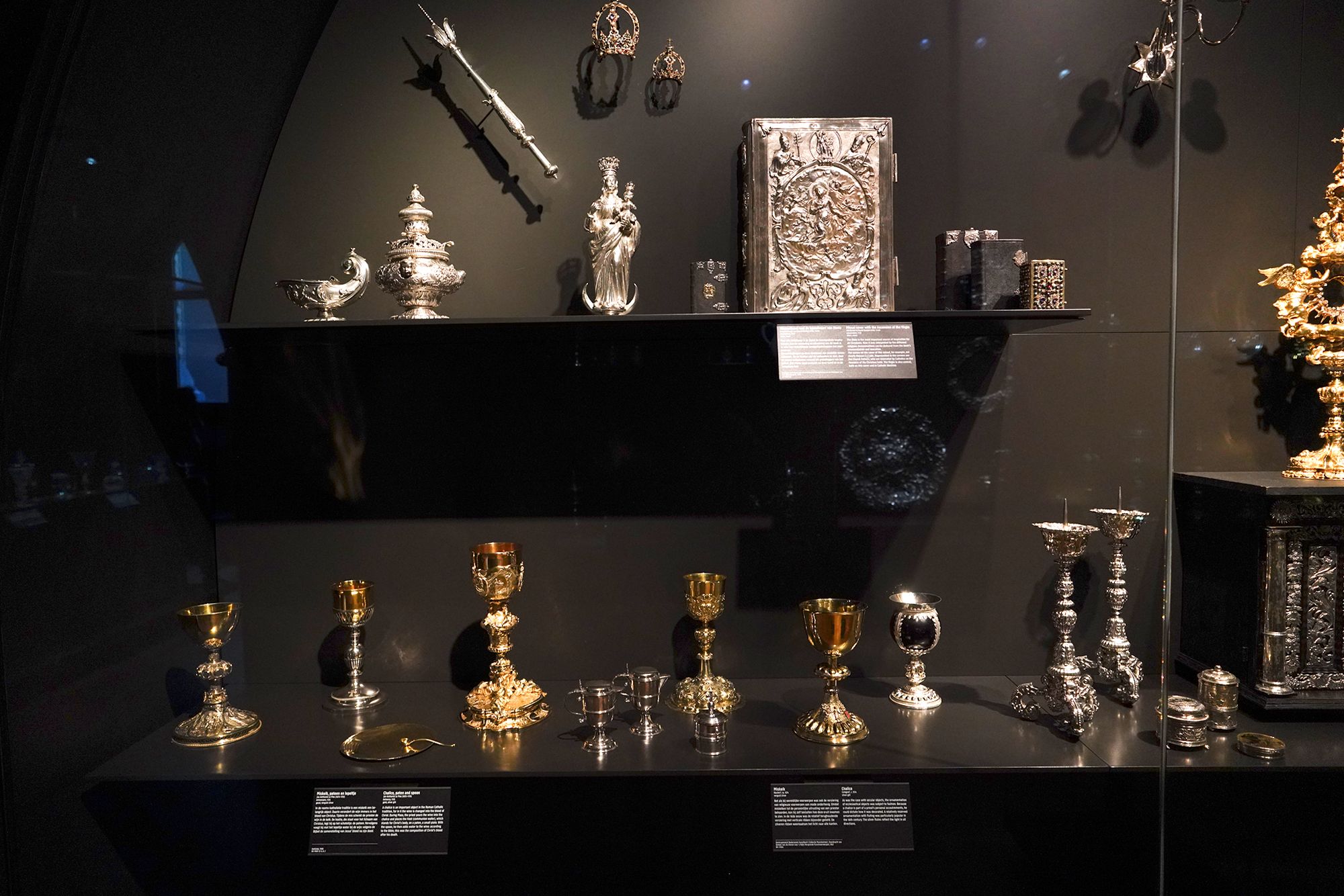
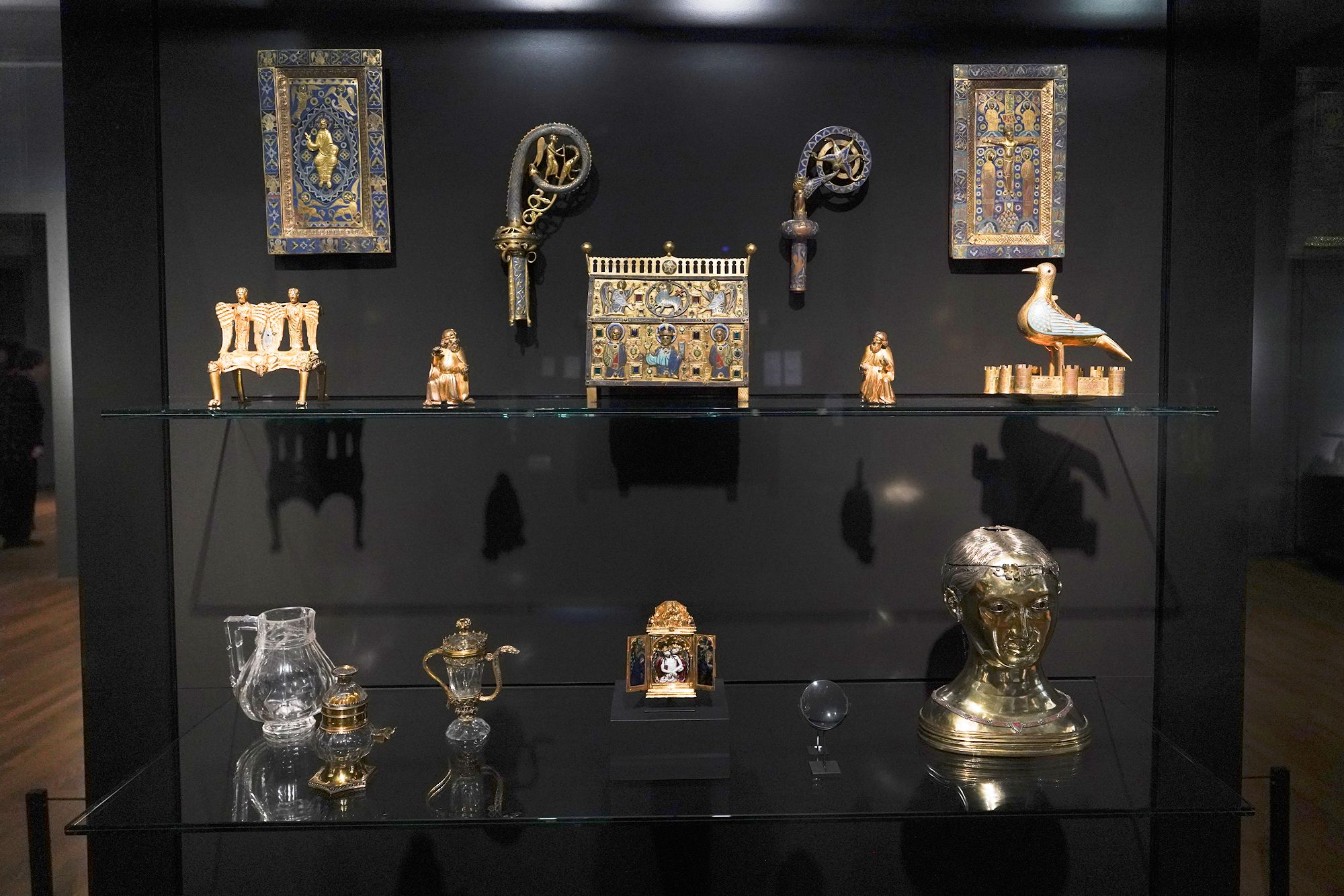
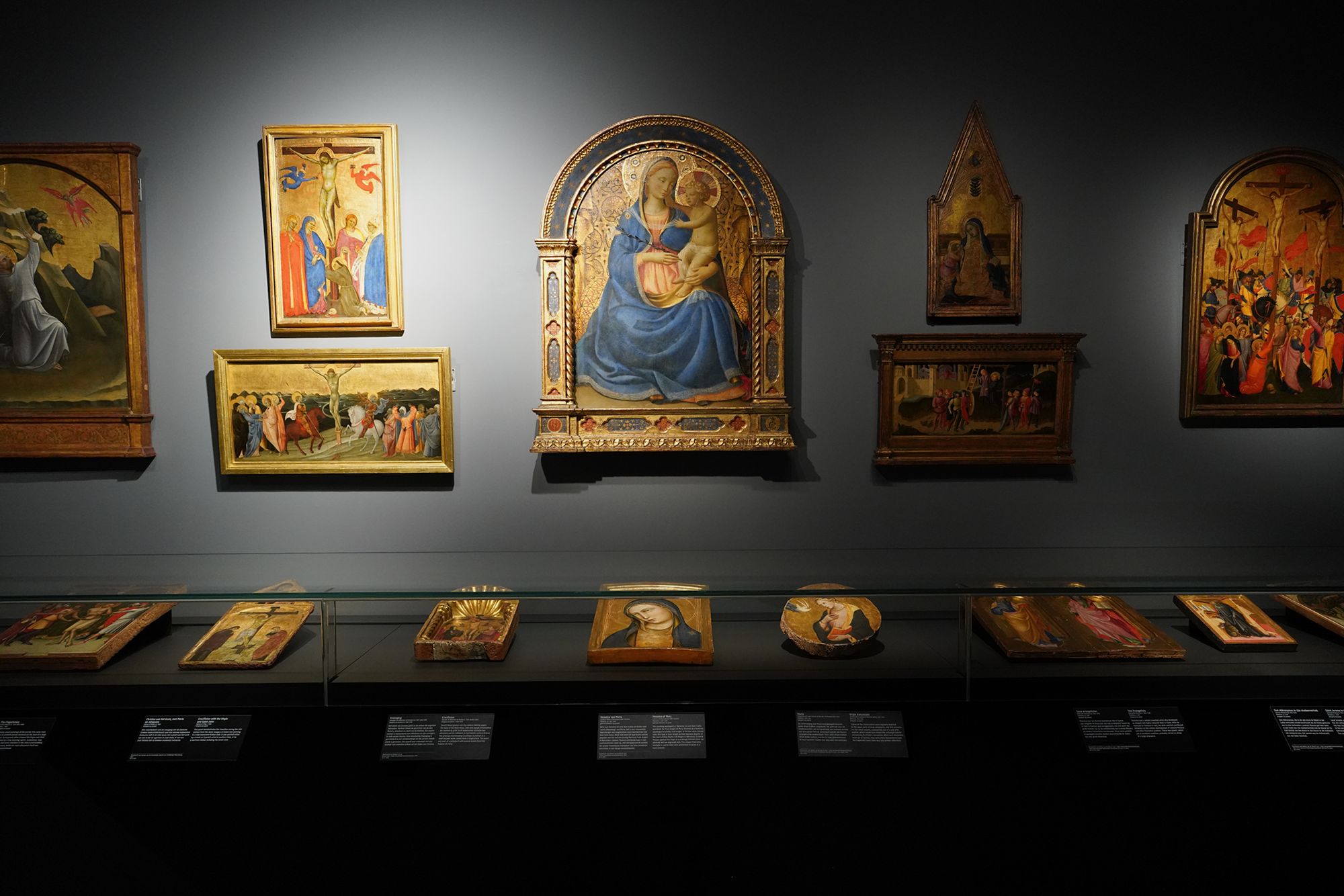
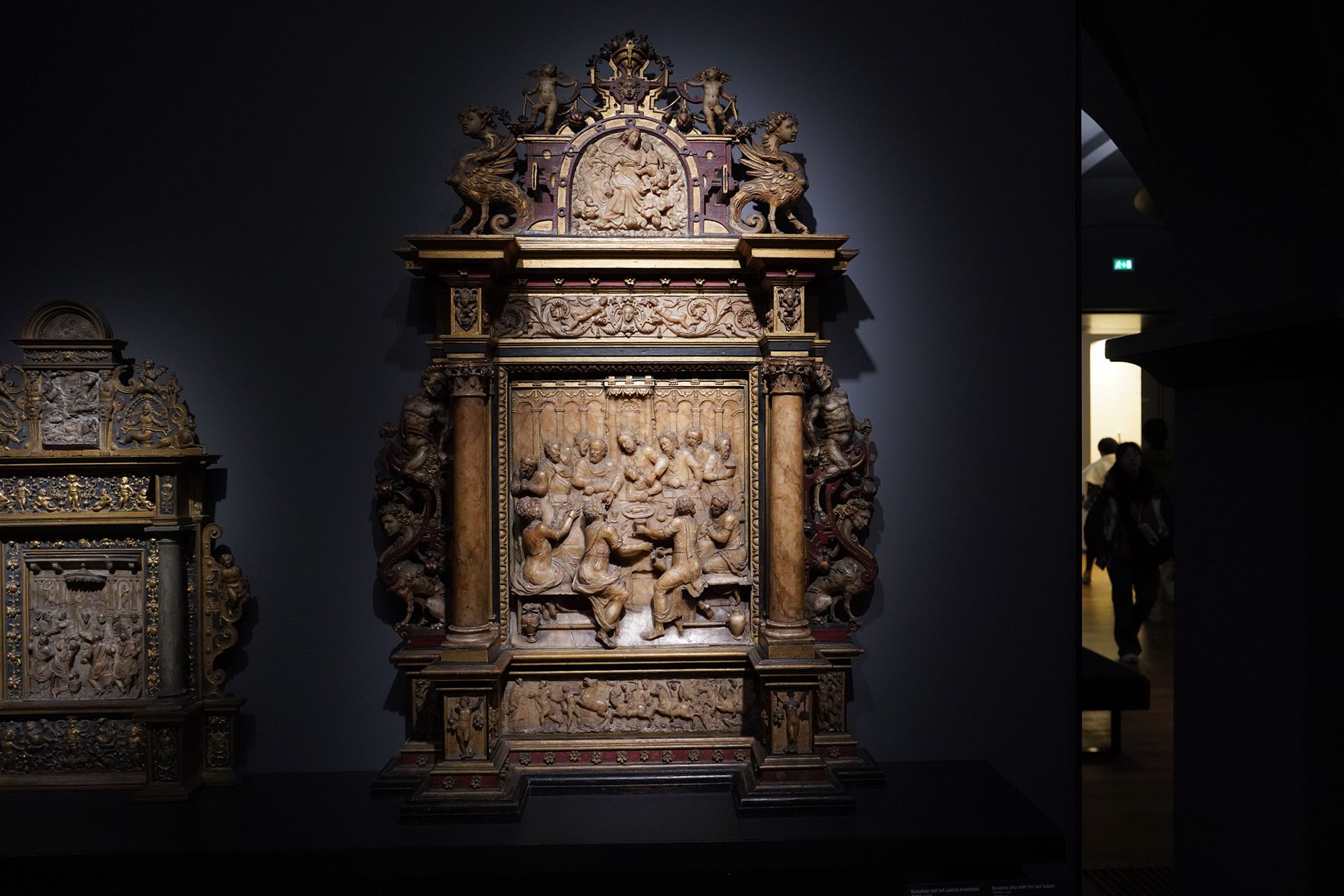
During the Middle Ages, Christianity shaped life and art in the Low Countries, with churches filled with paintings and sculptures of Christ, the Virgin Mary, and the saints.
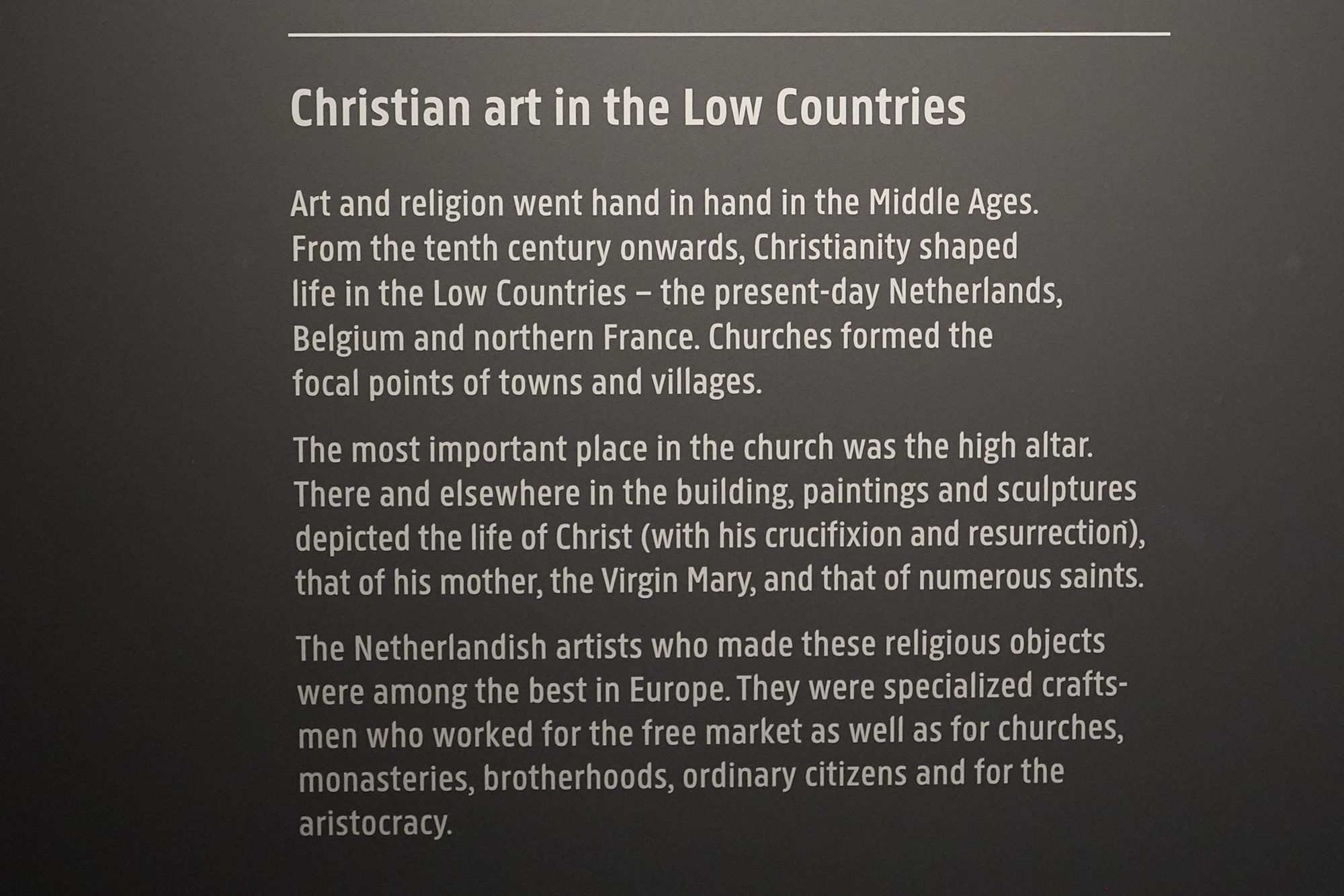
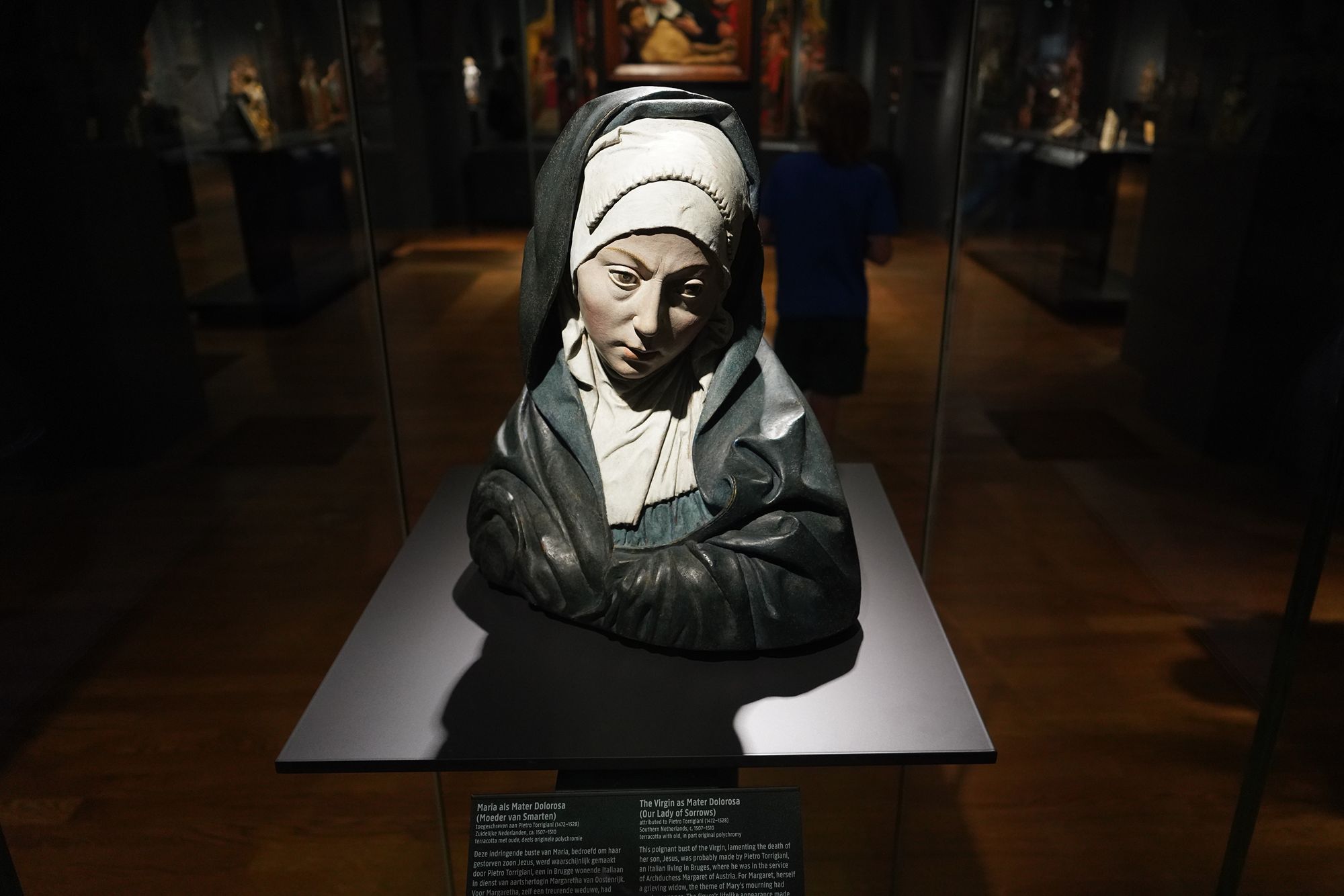
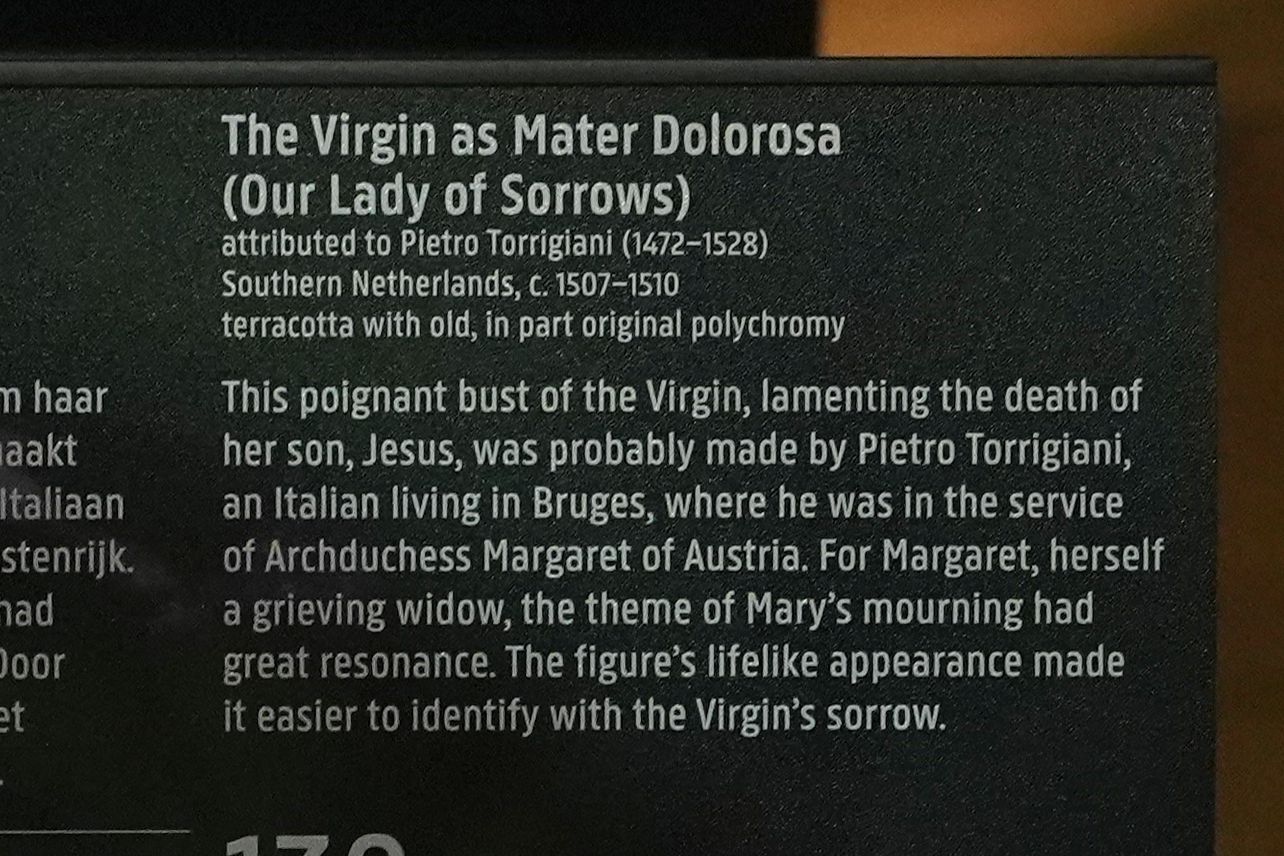
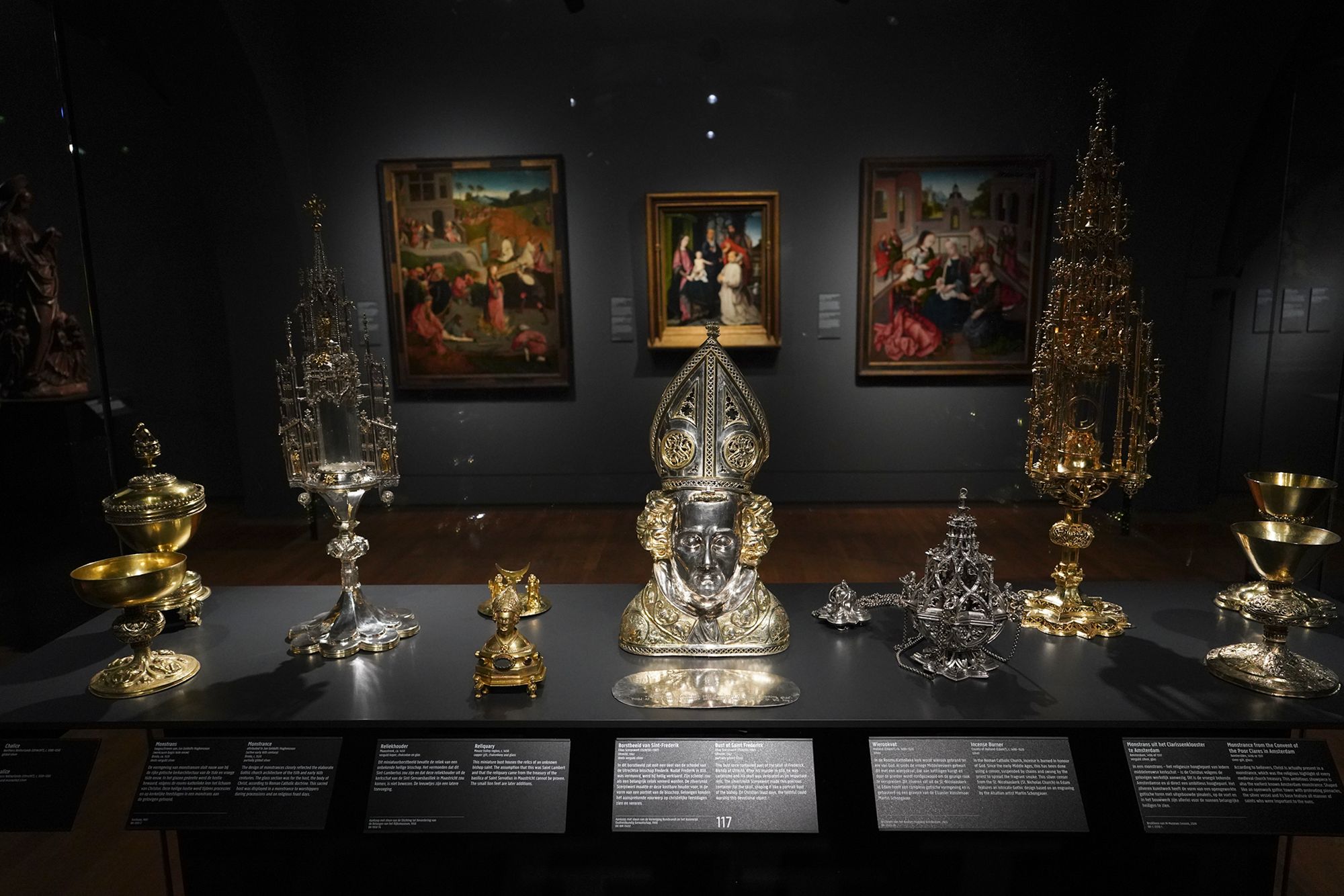
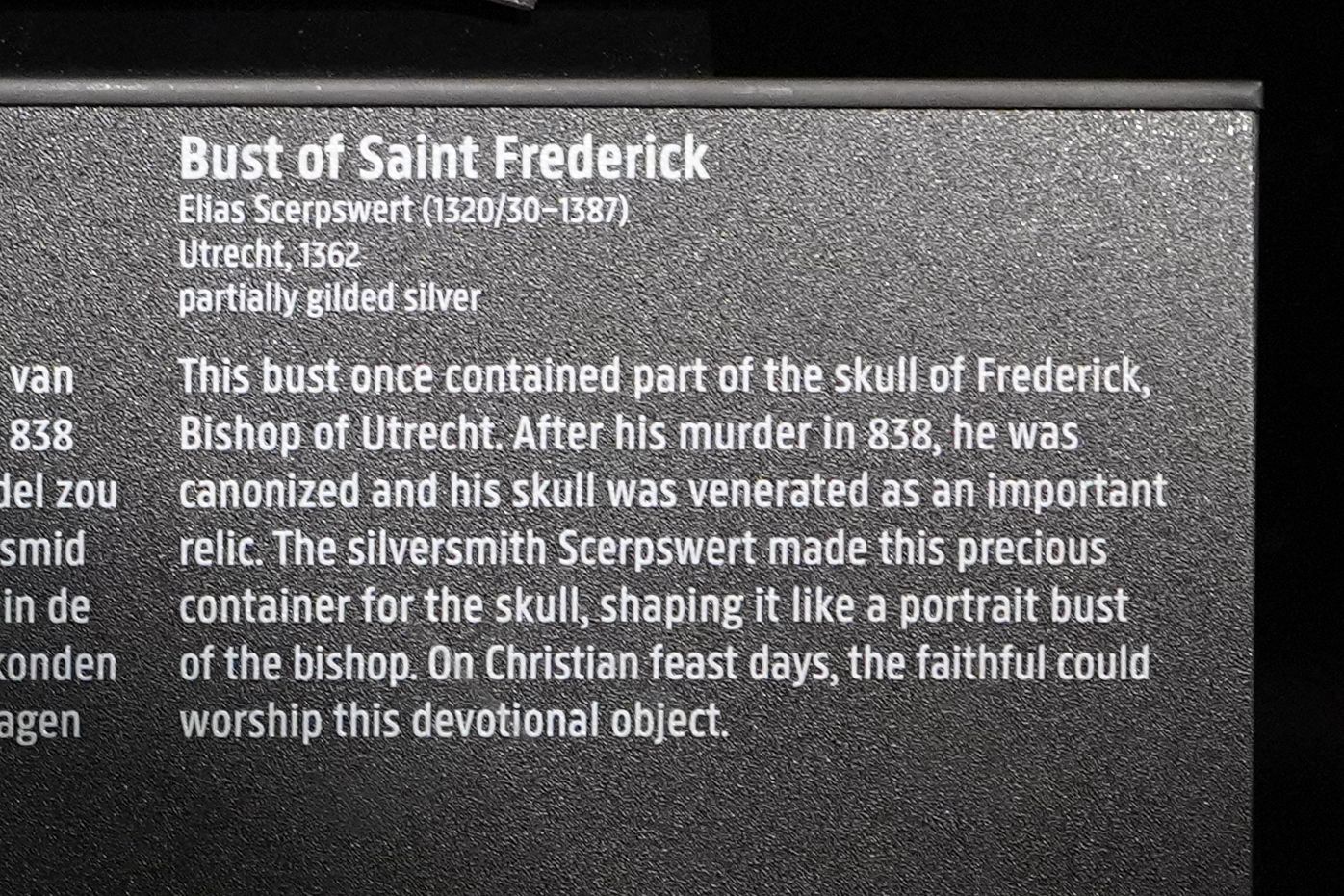
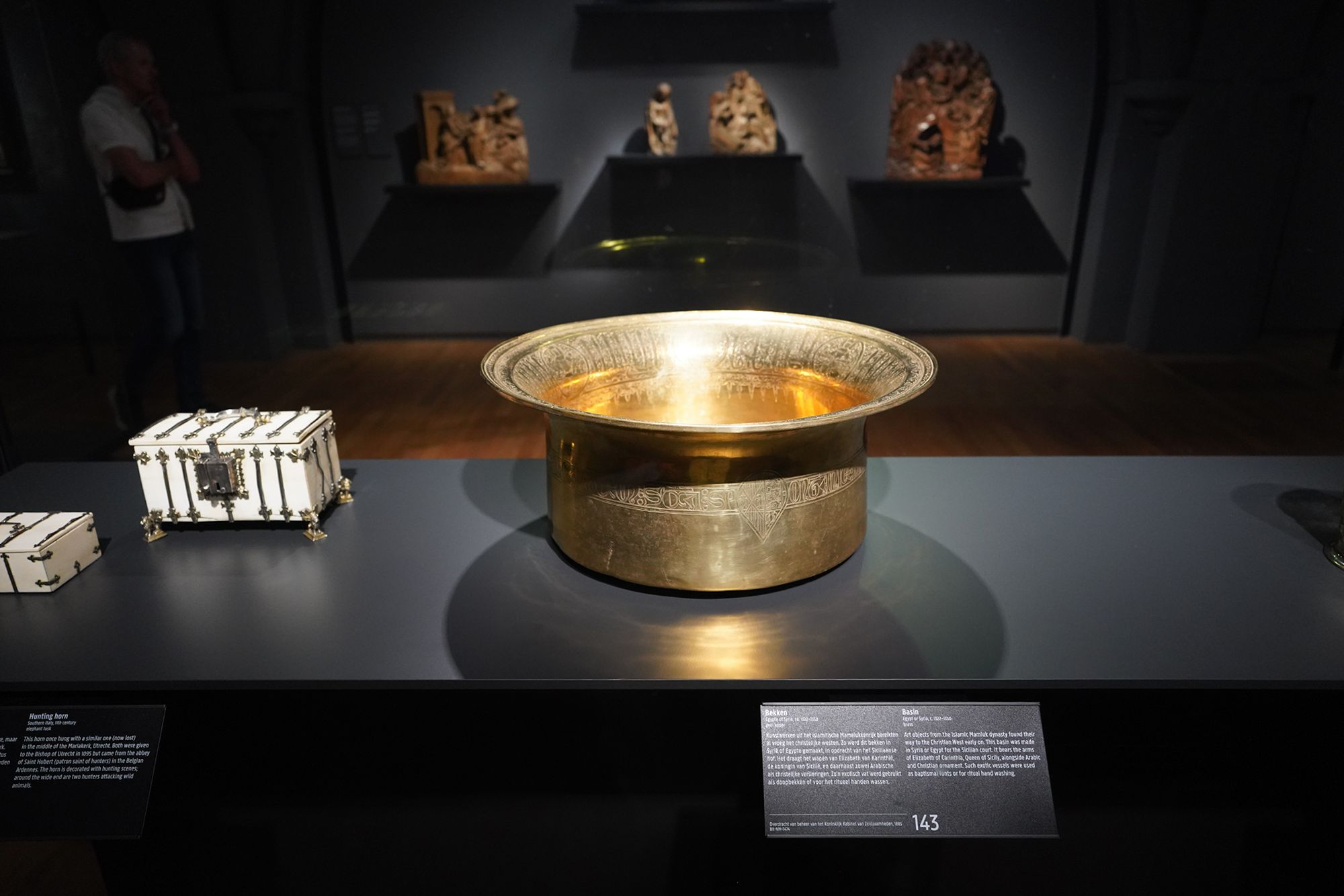
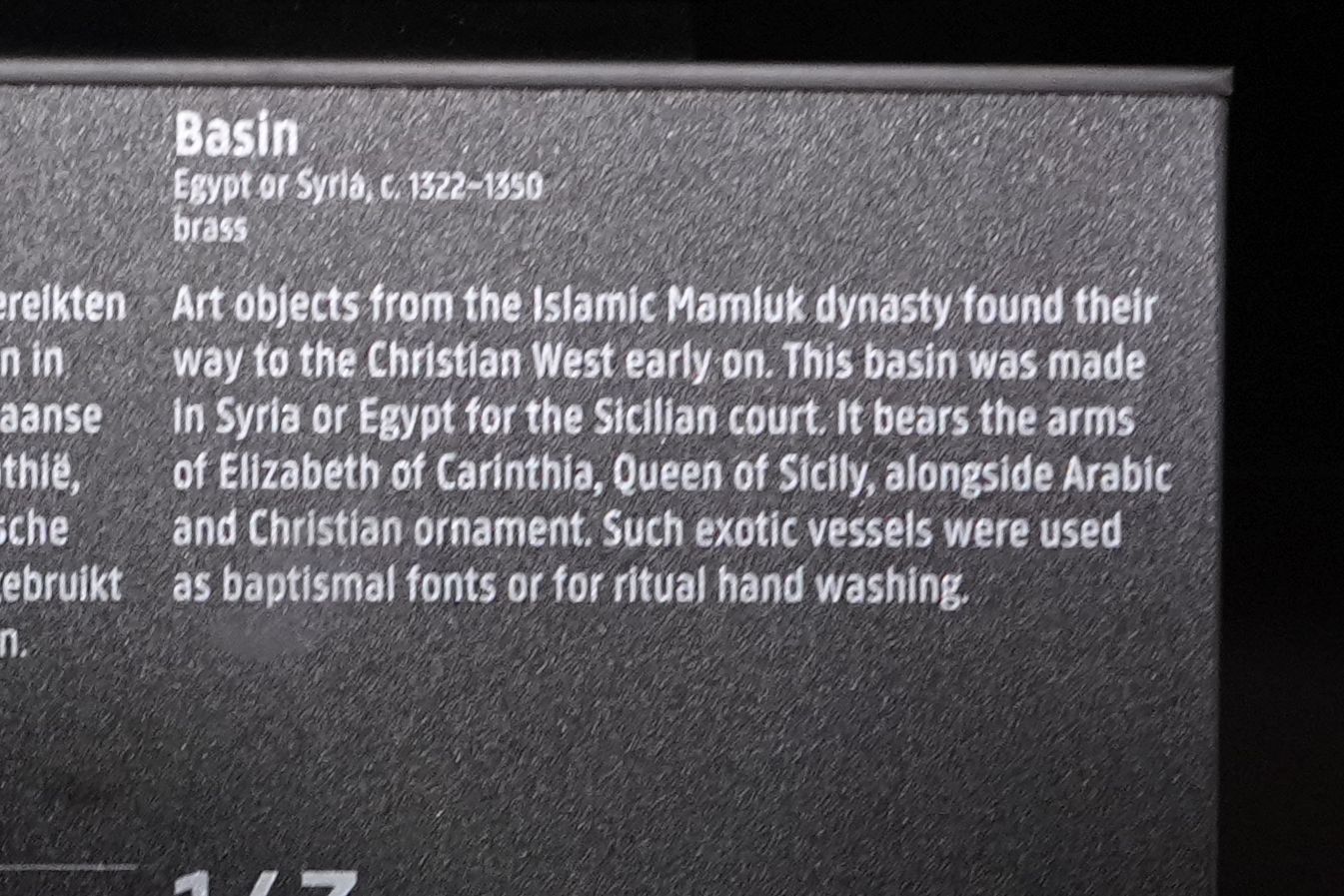
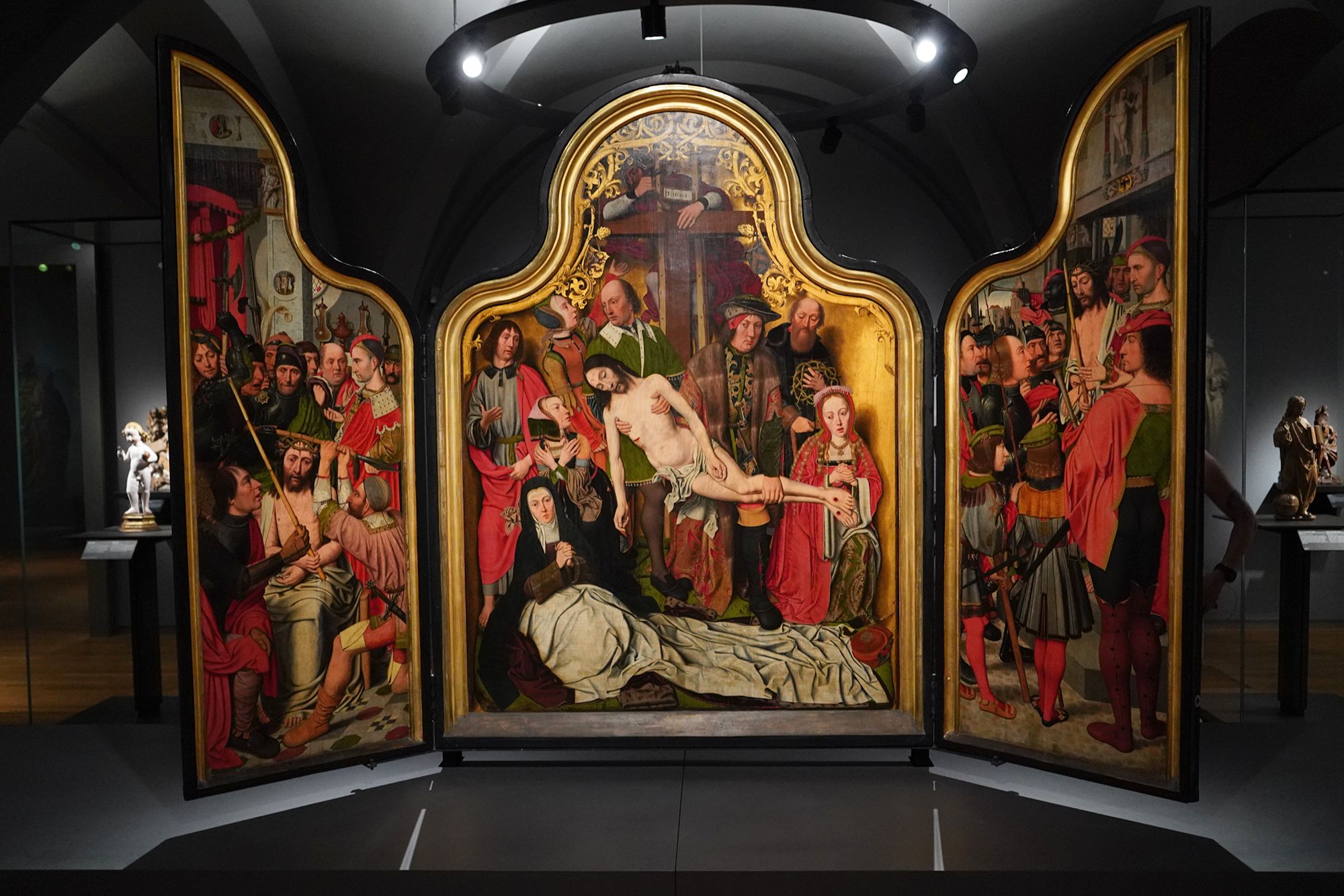
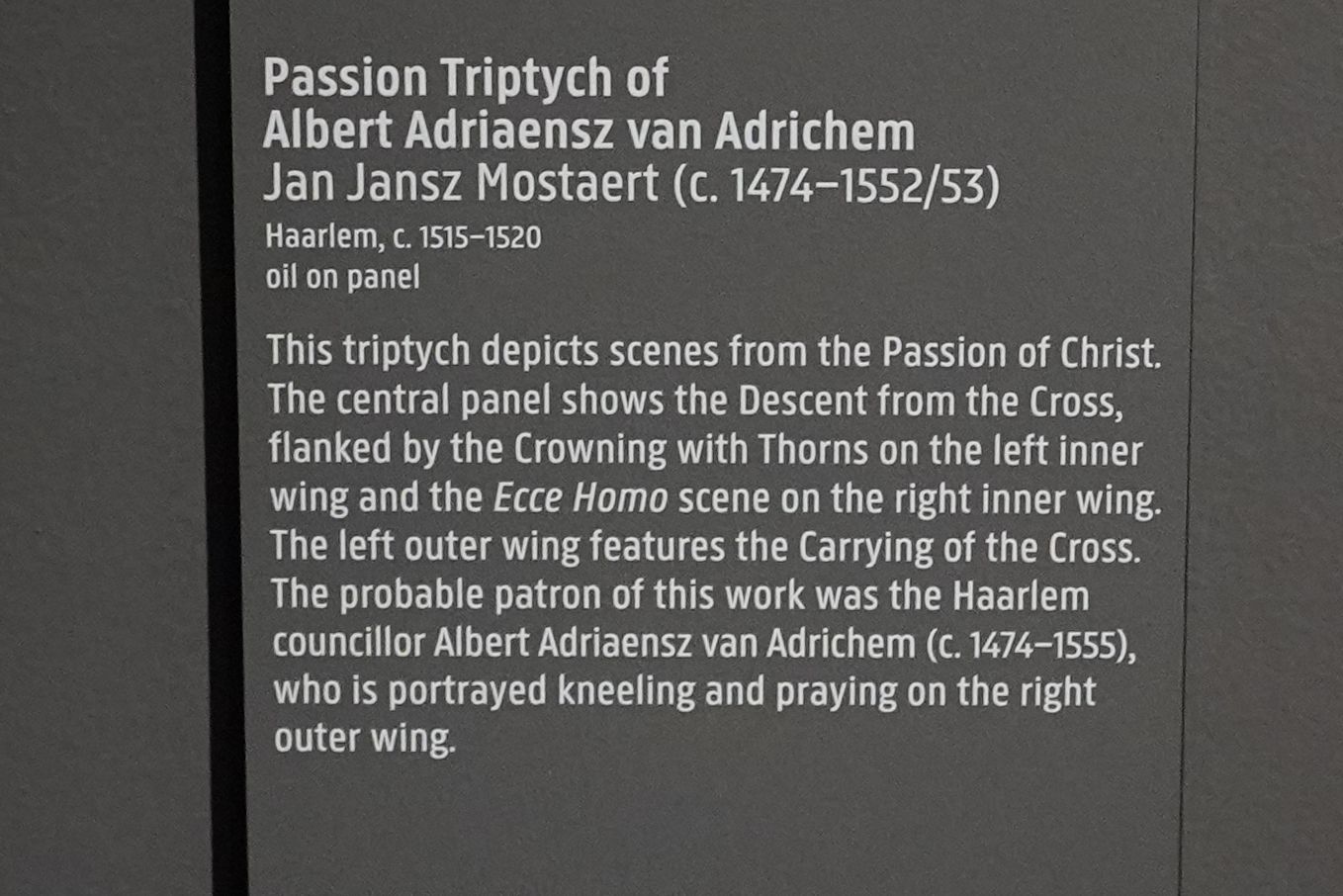
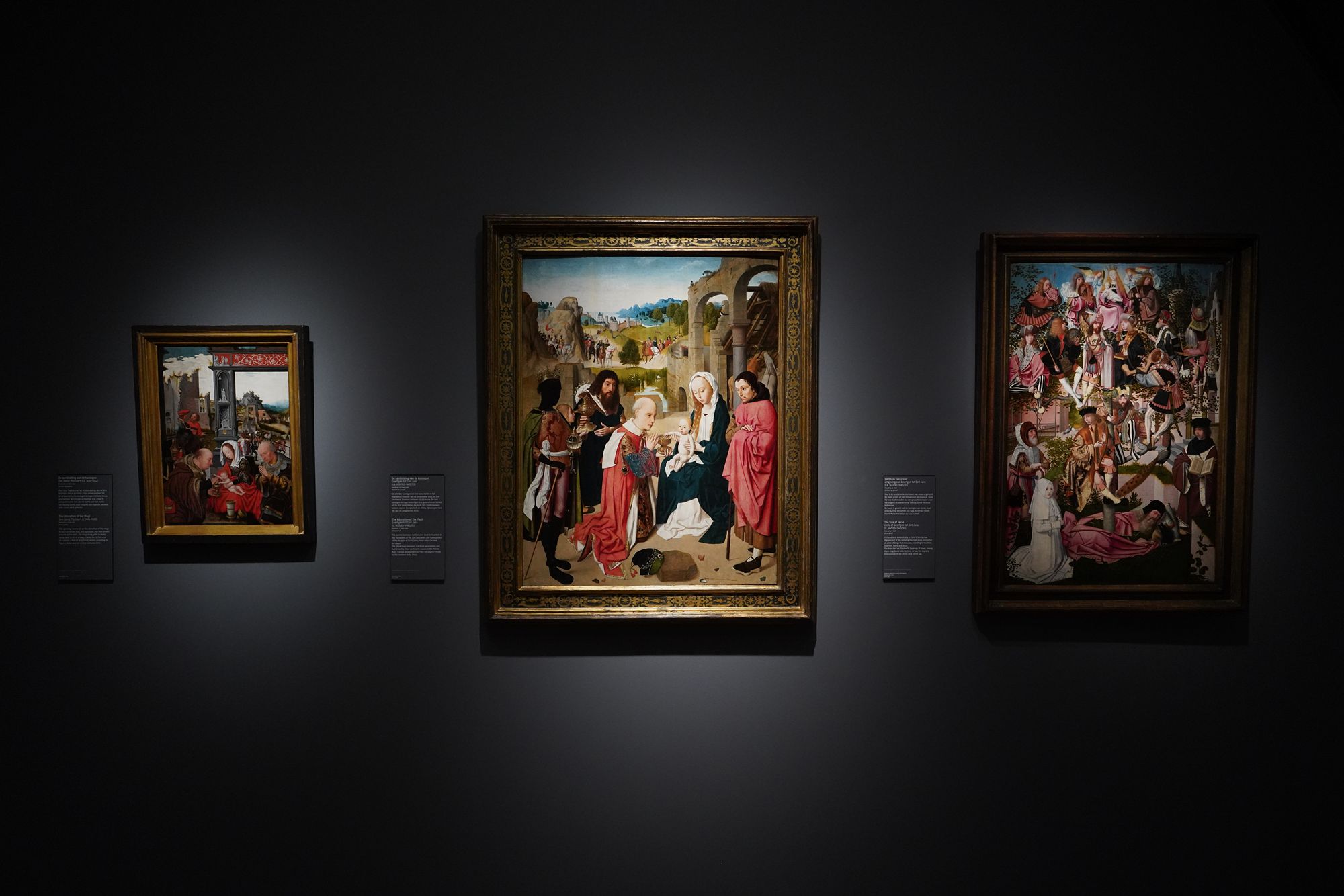
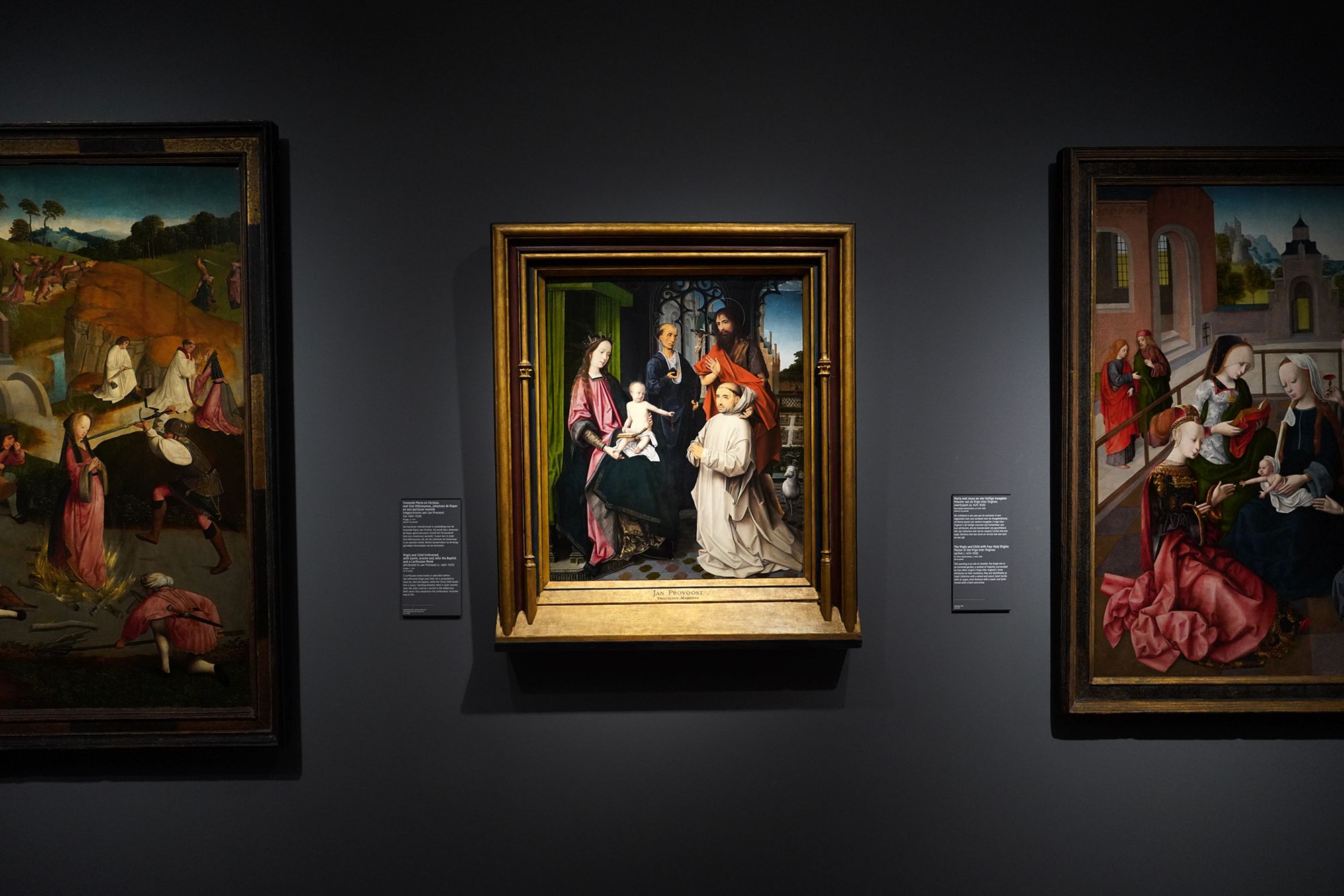
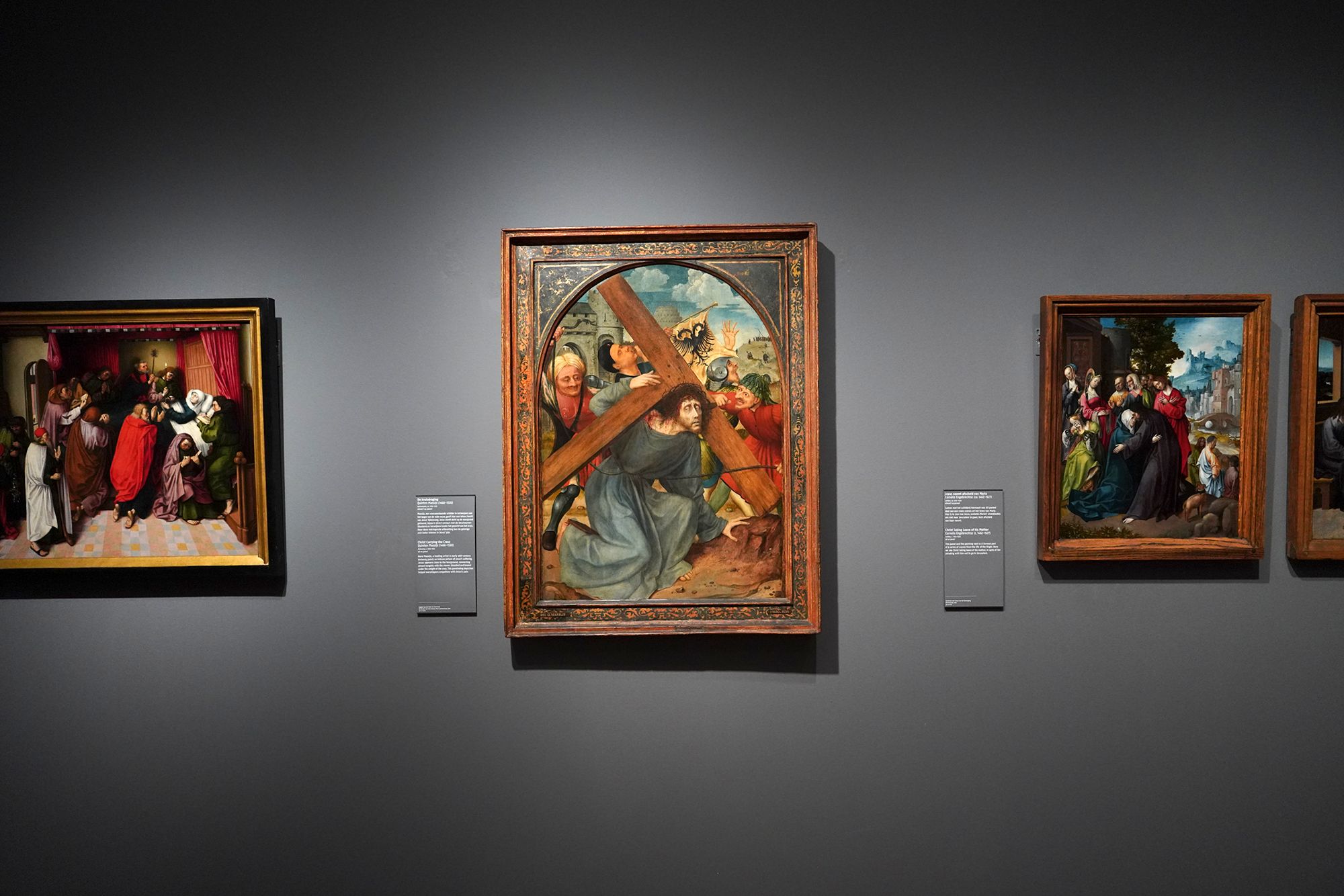
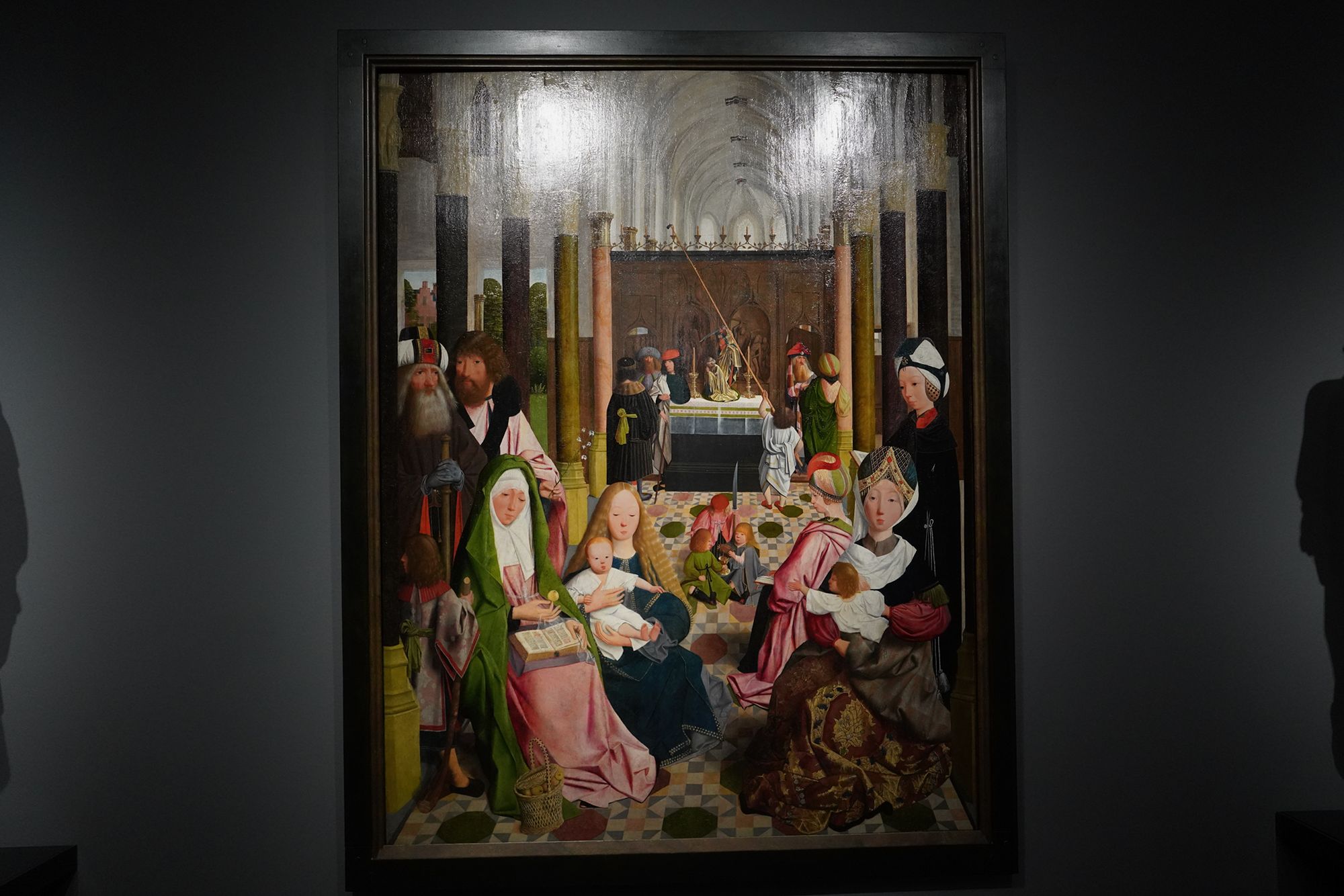
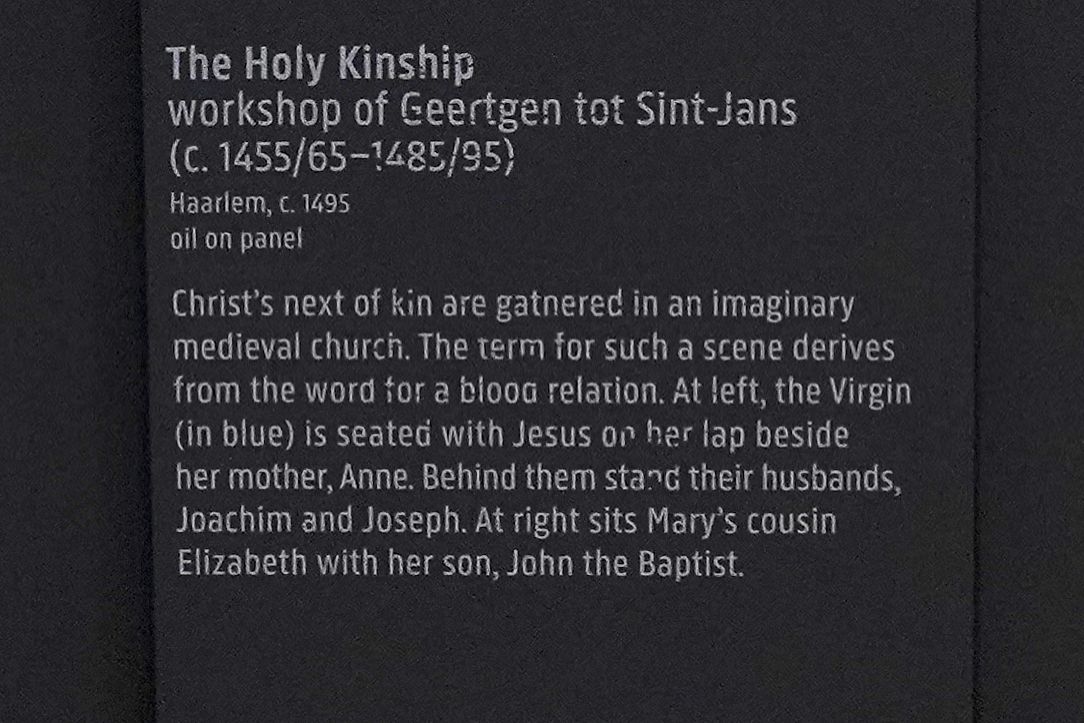
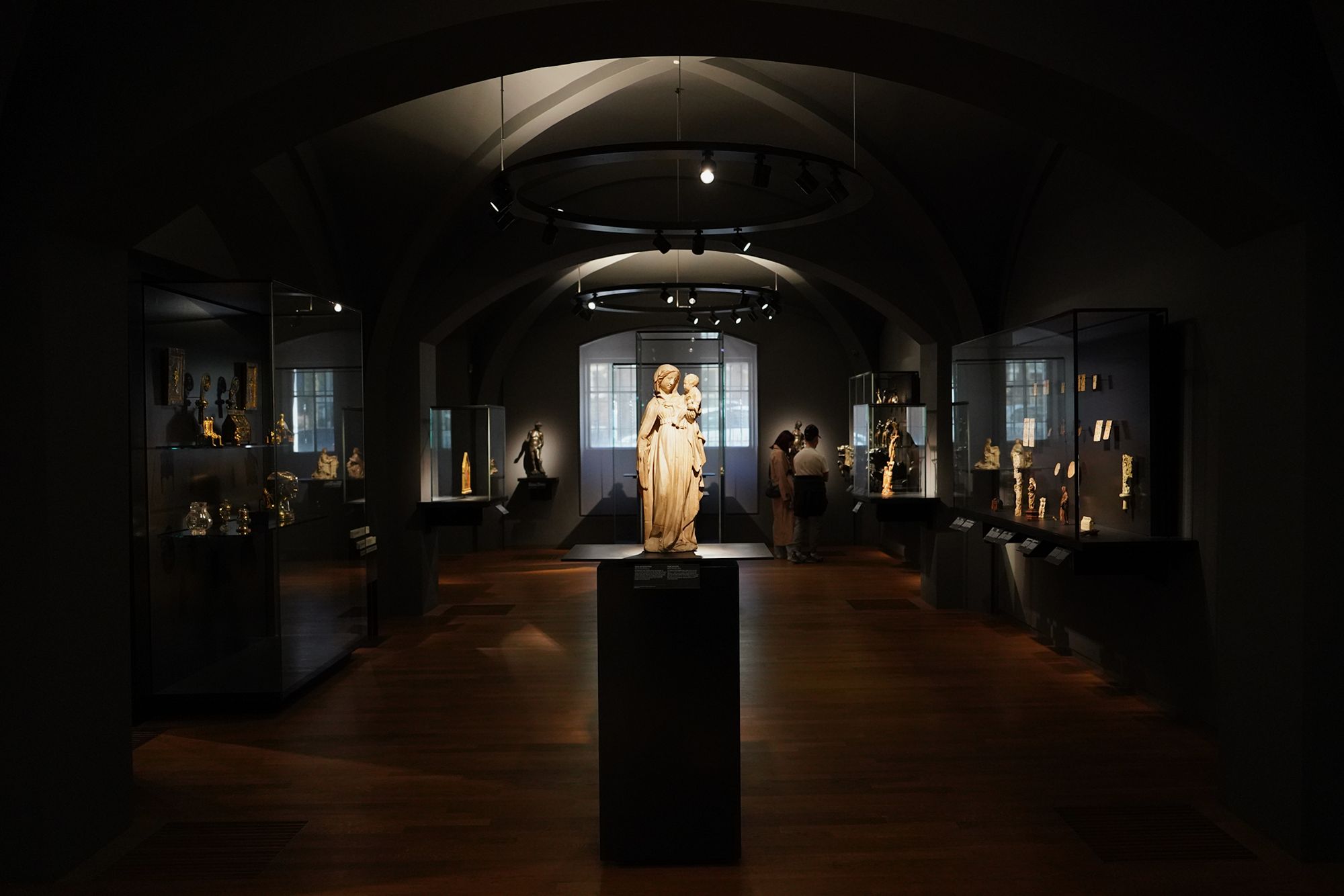
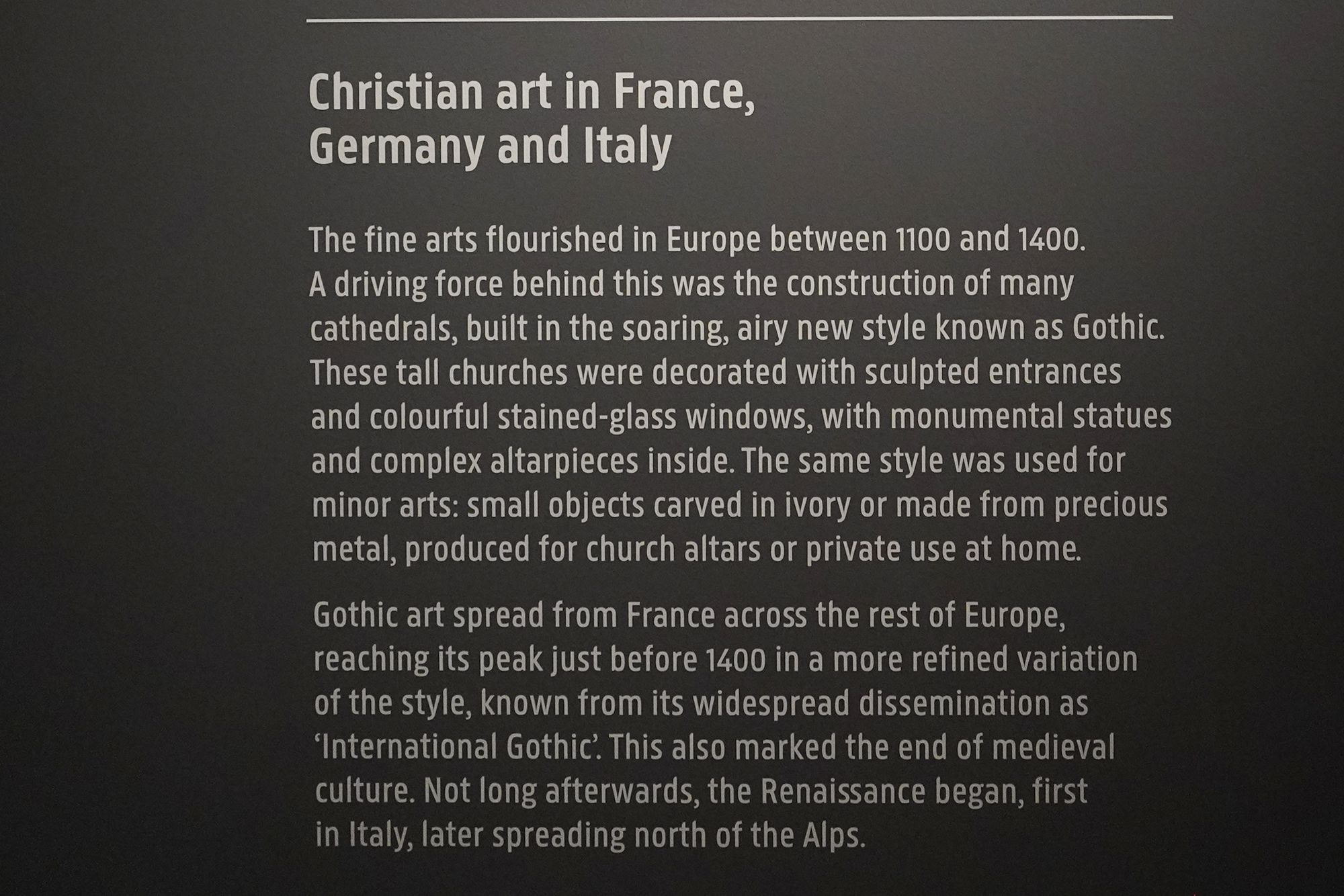
Between 1100 and 1400, Gothic Christian art flourished across Europe, especially in France, Germany, and Italy, before giving way to the Renaissance.
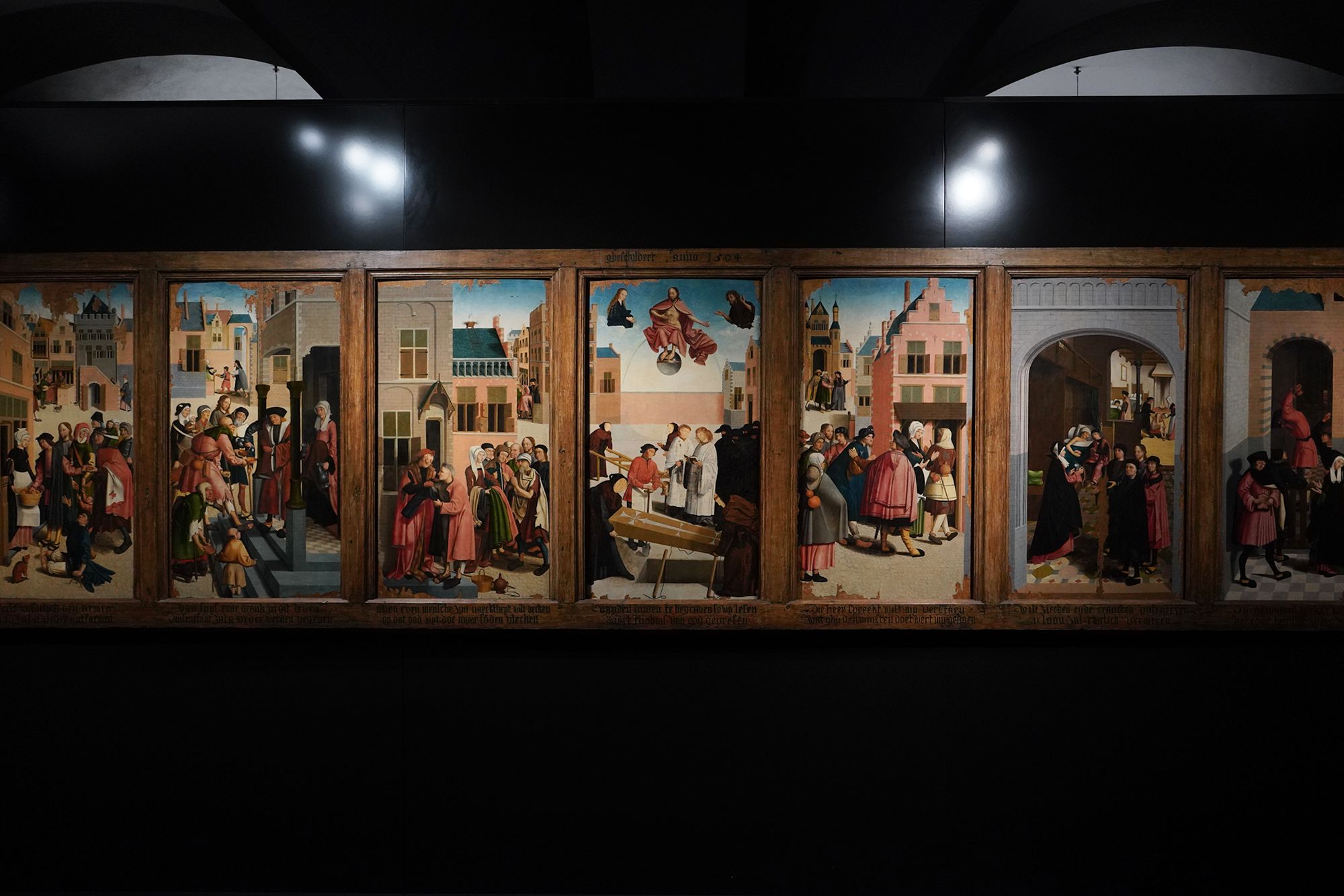
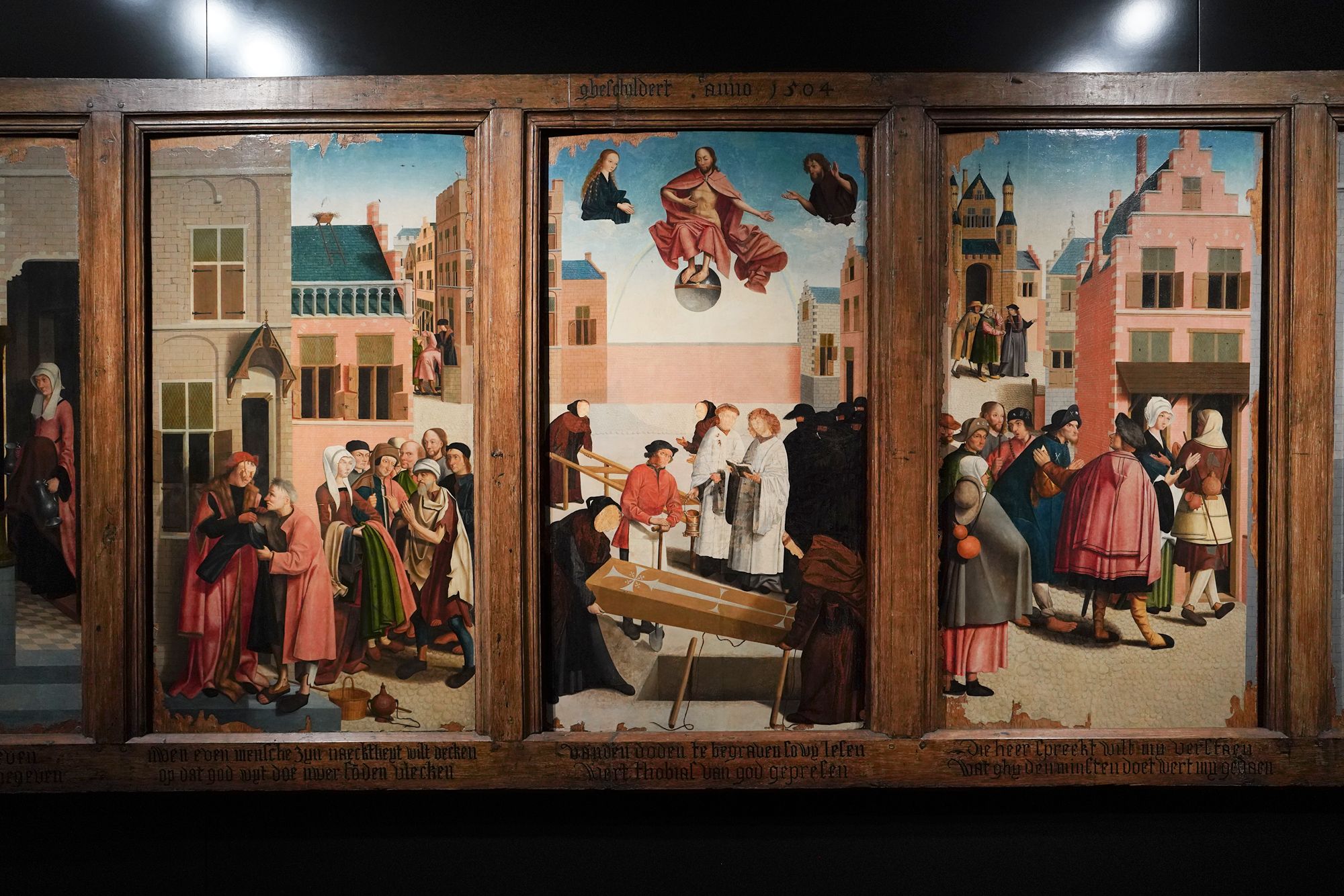
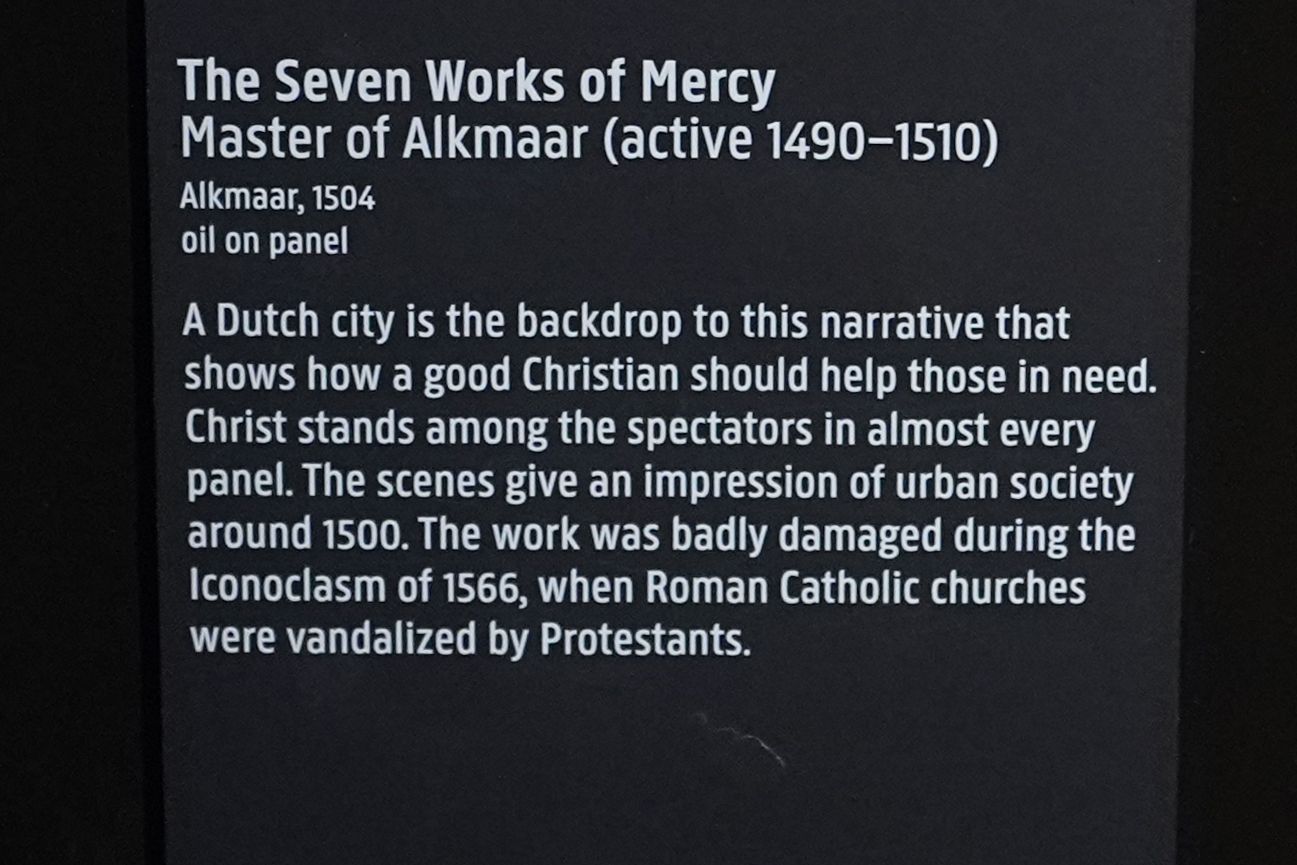
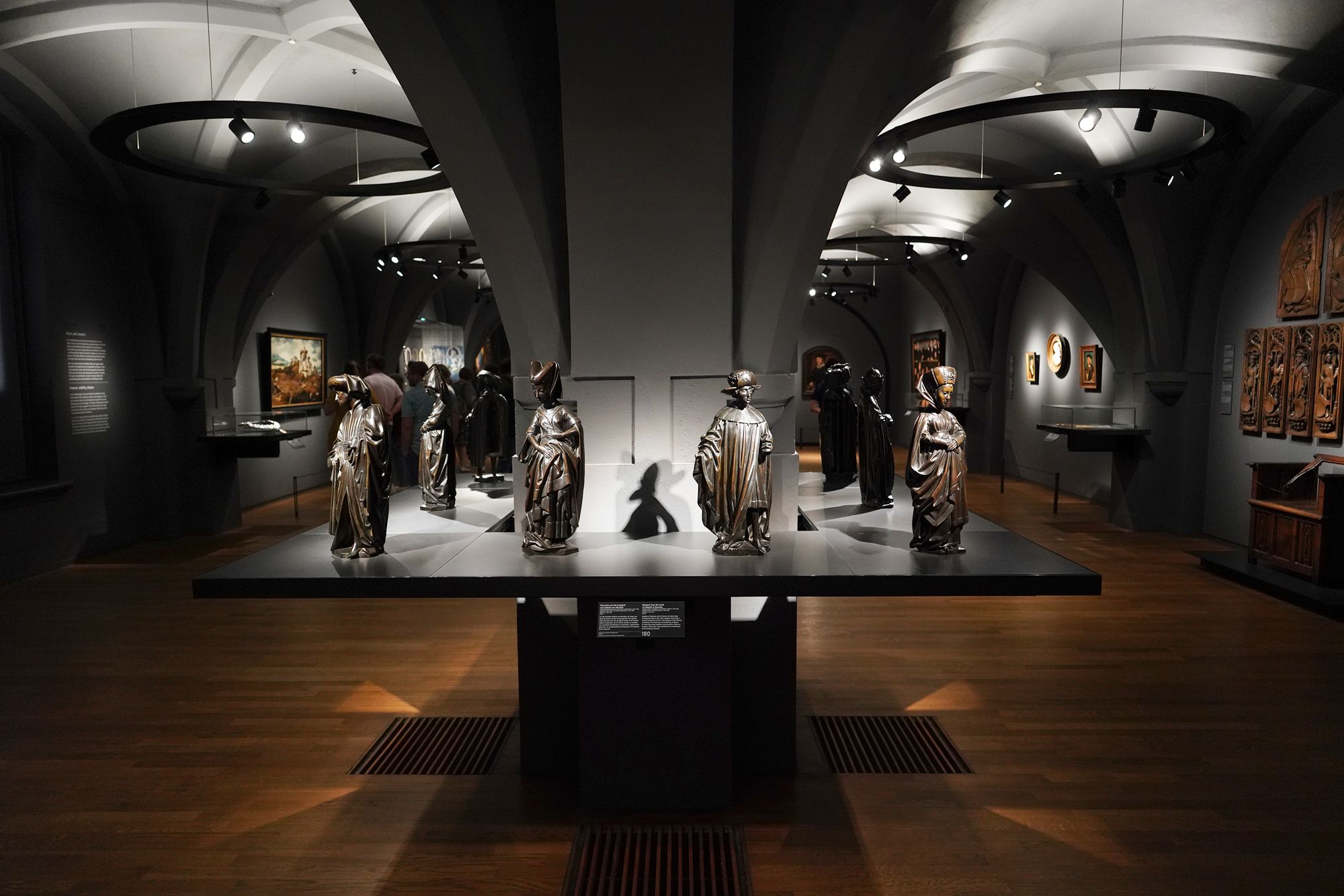
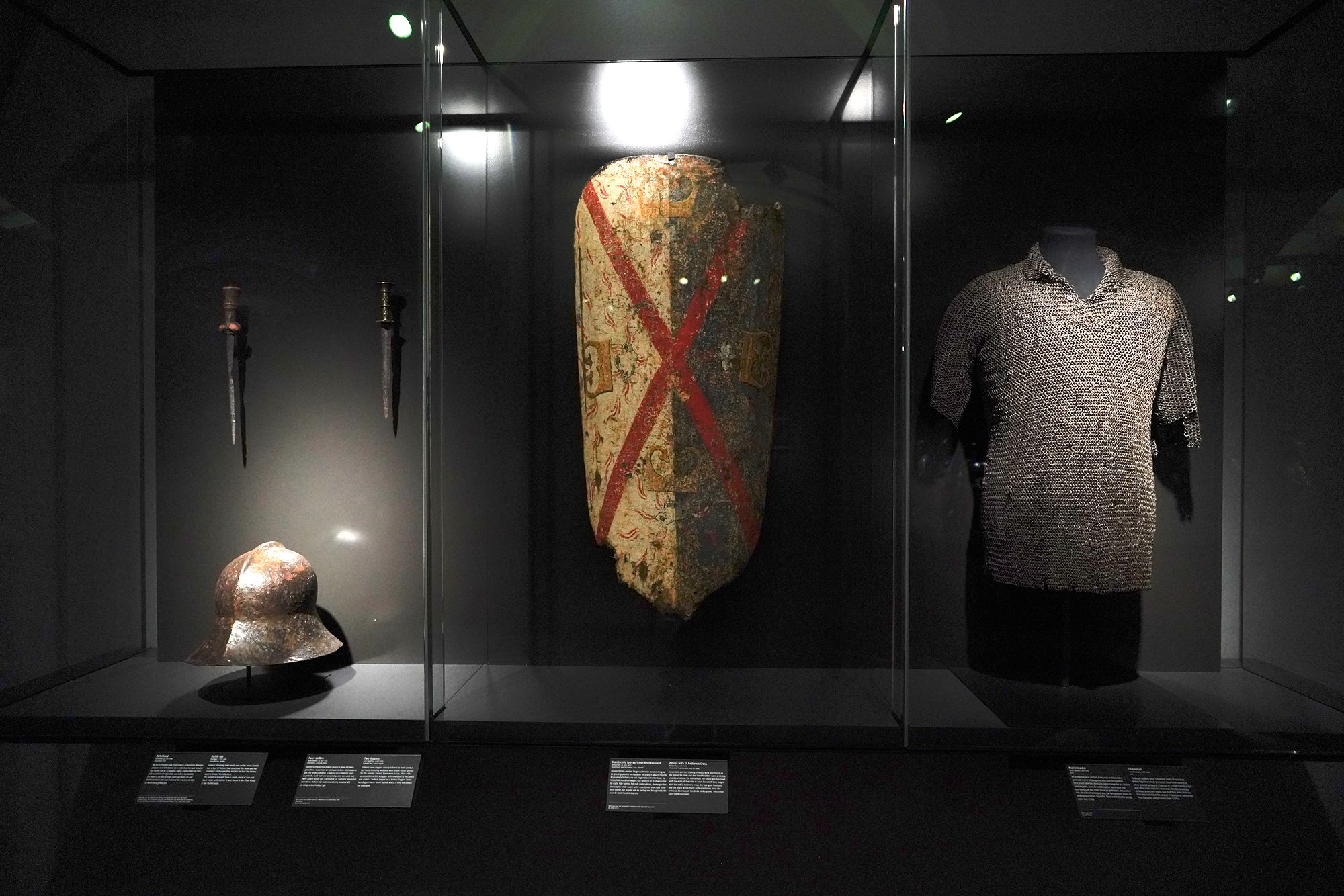
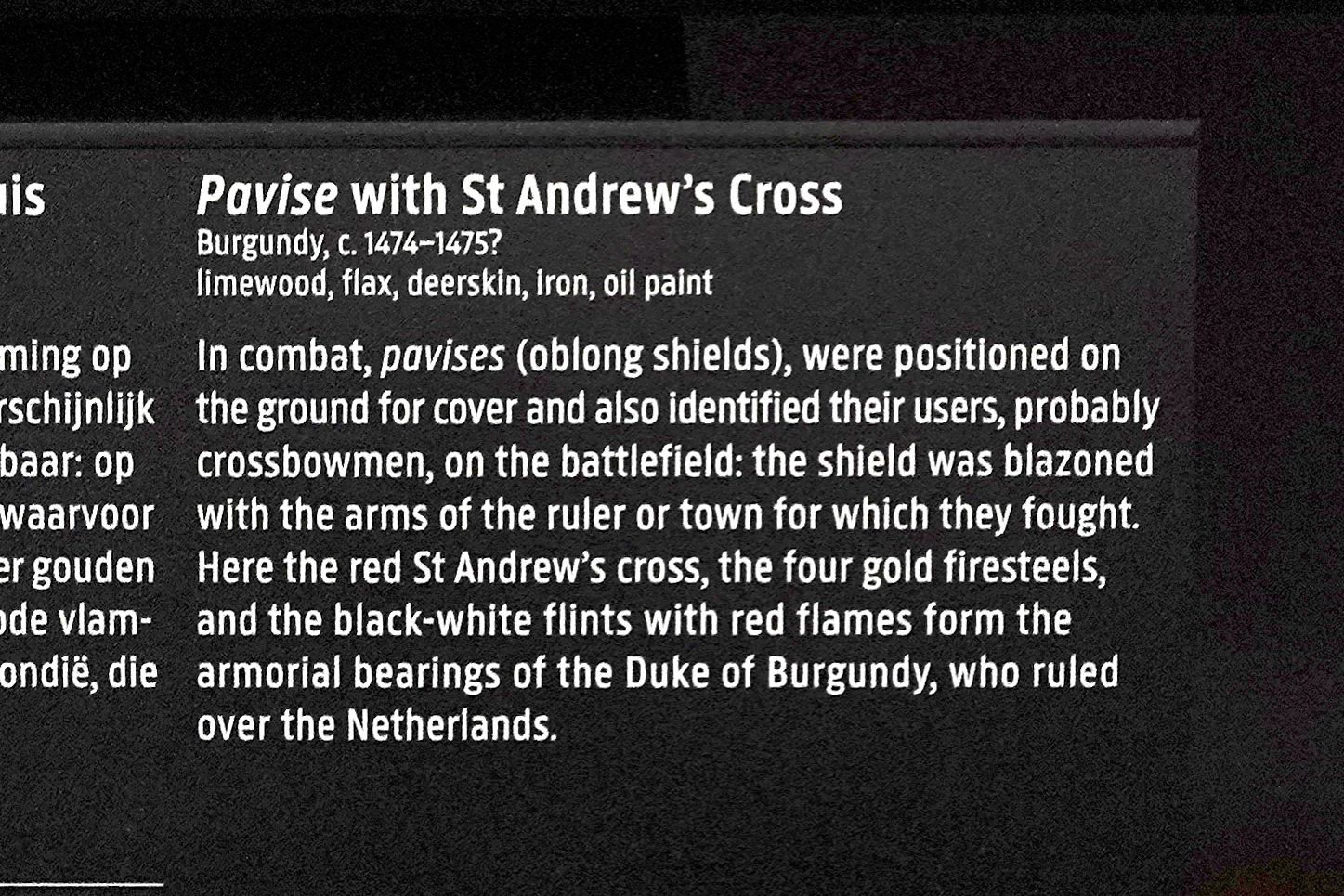
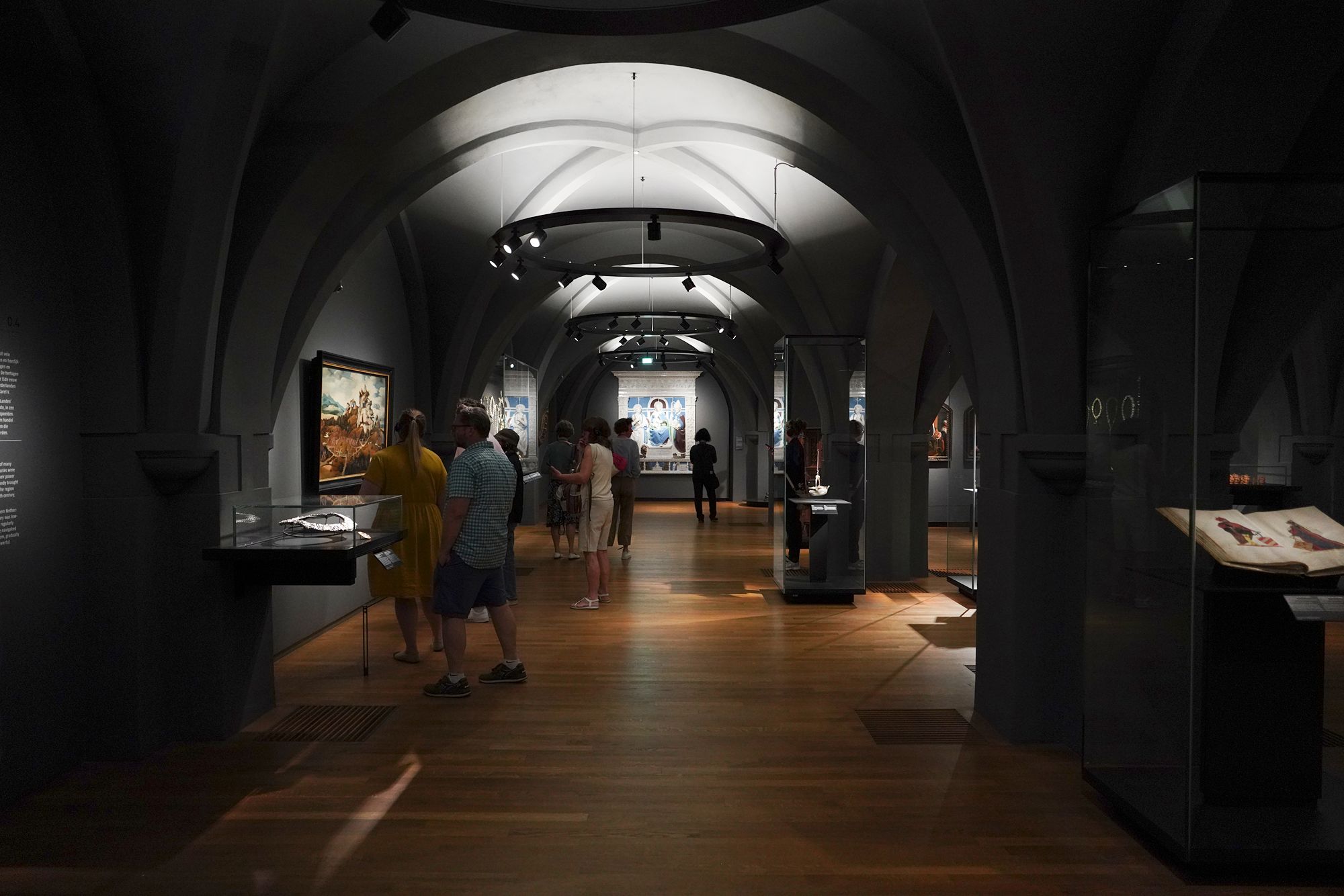
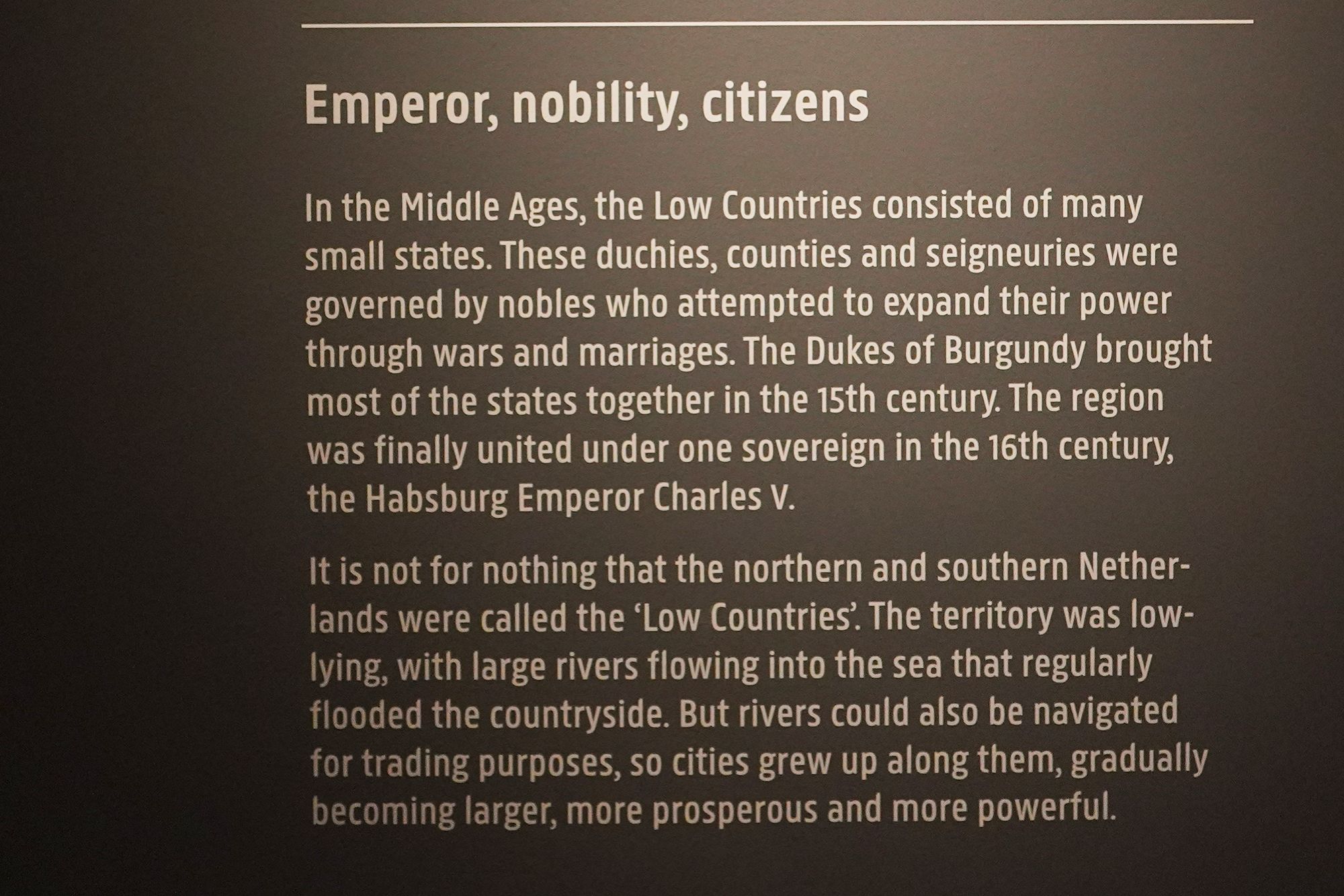
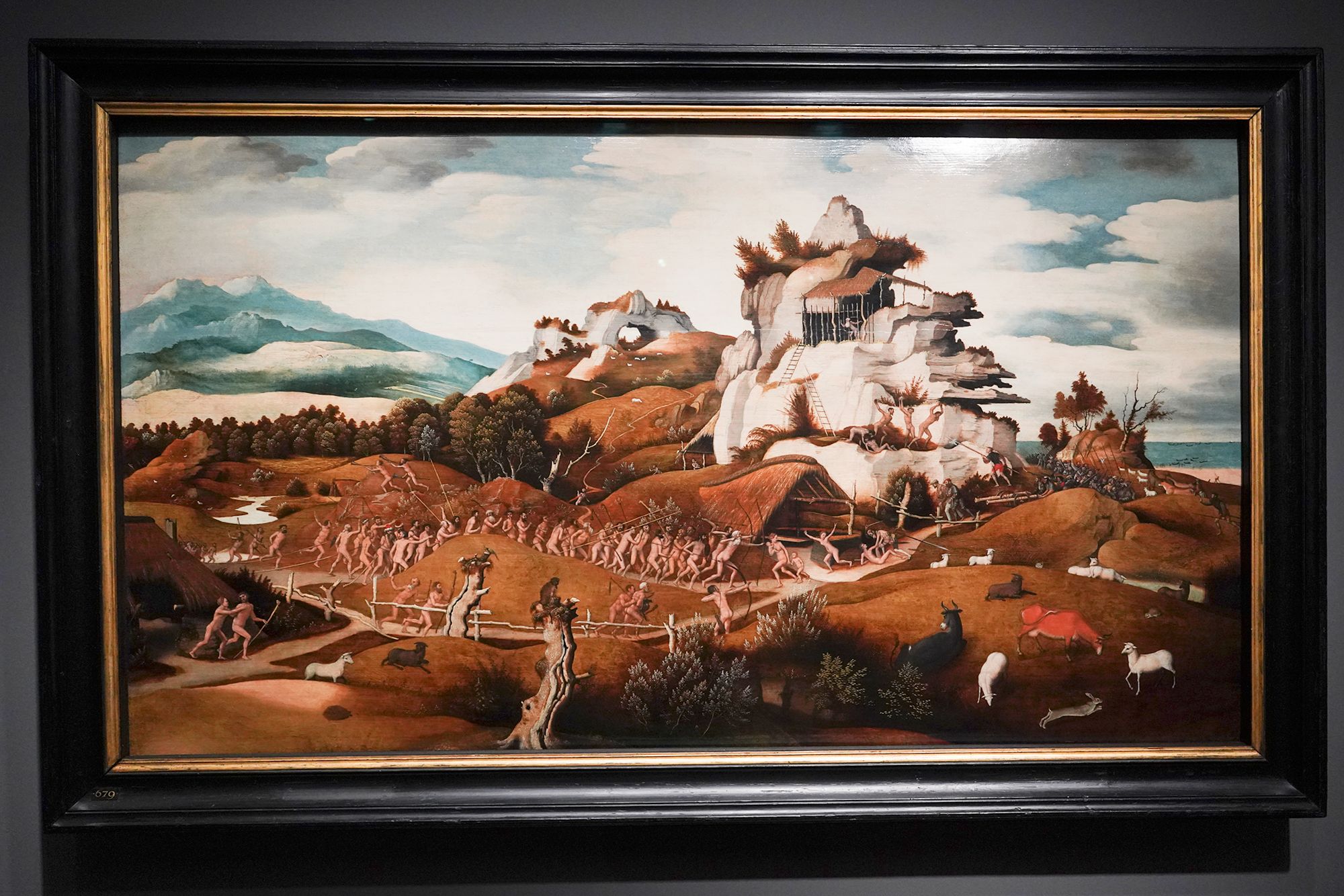
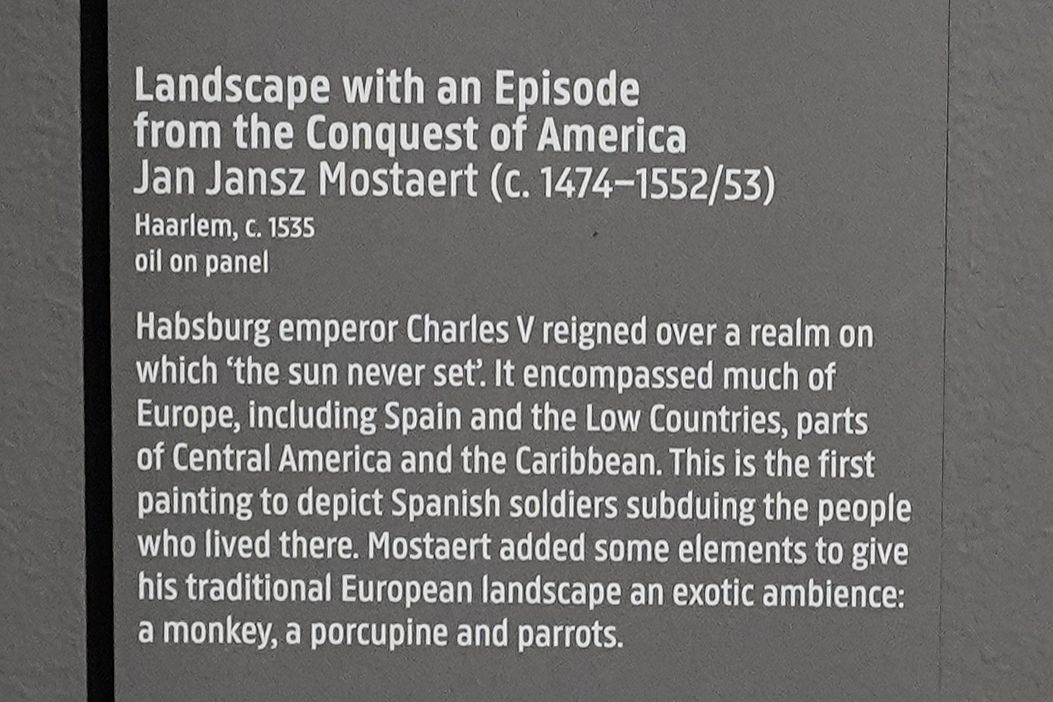
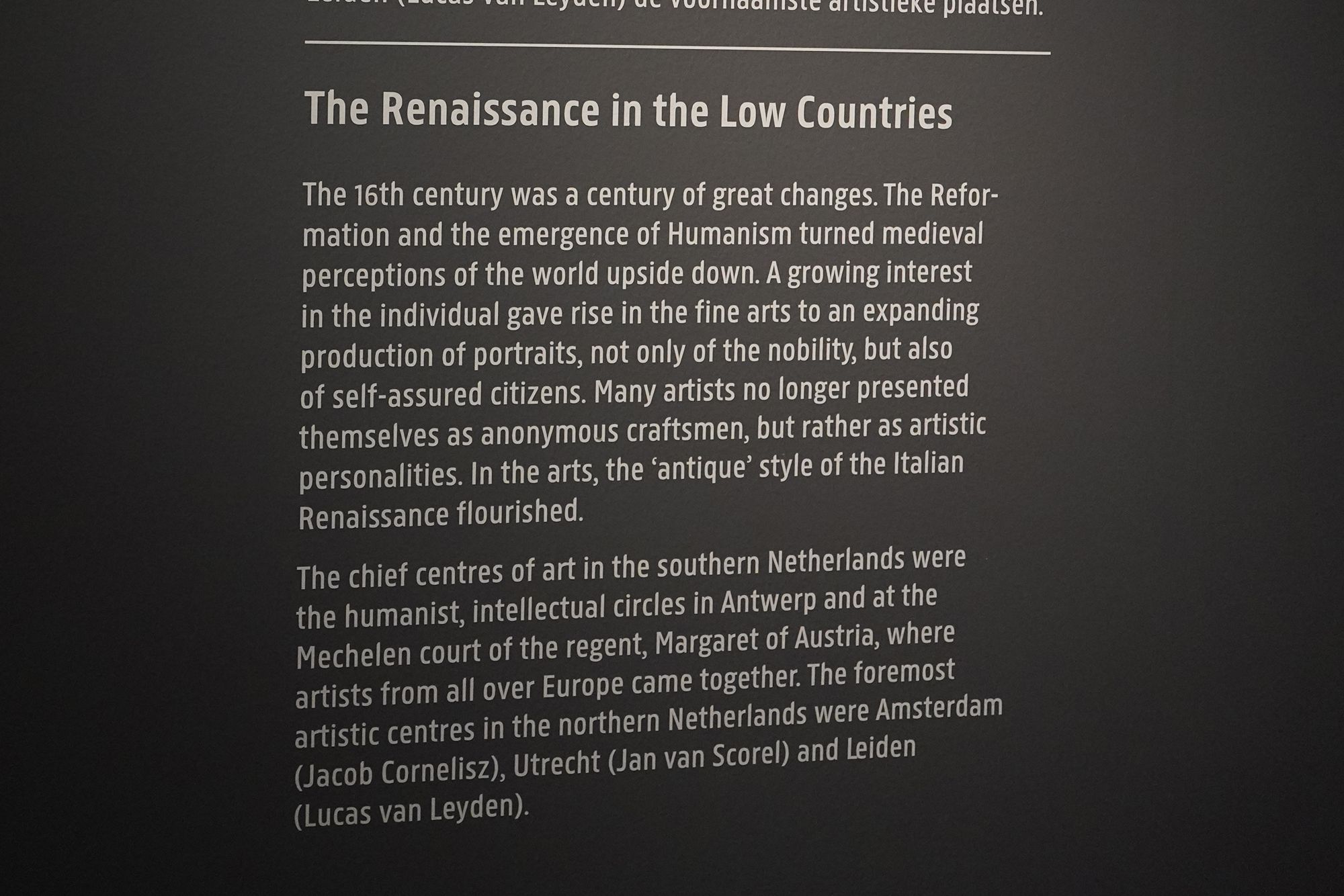
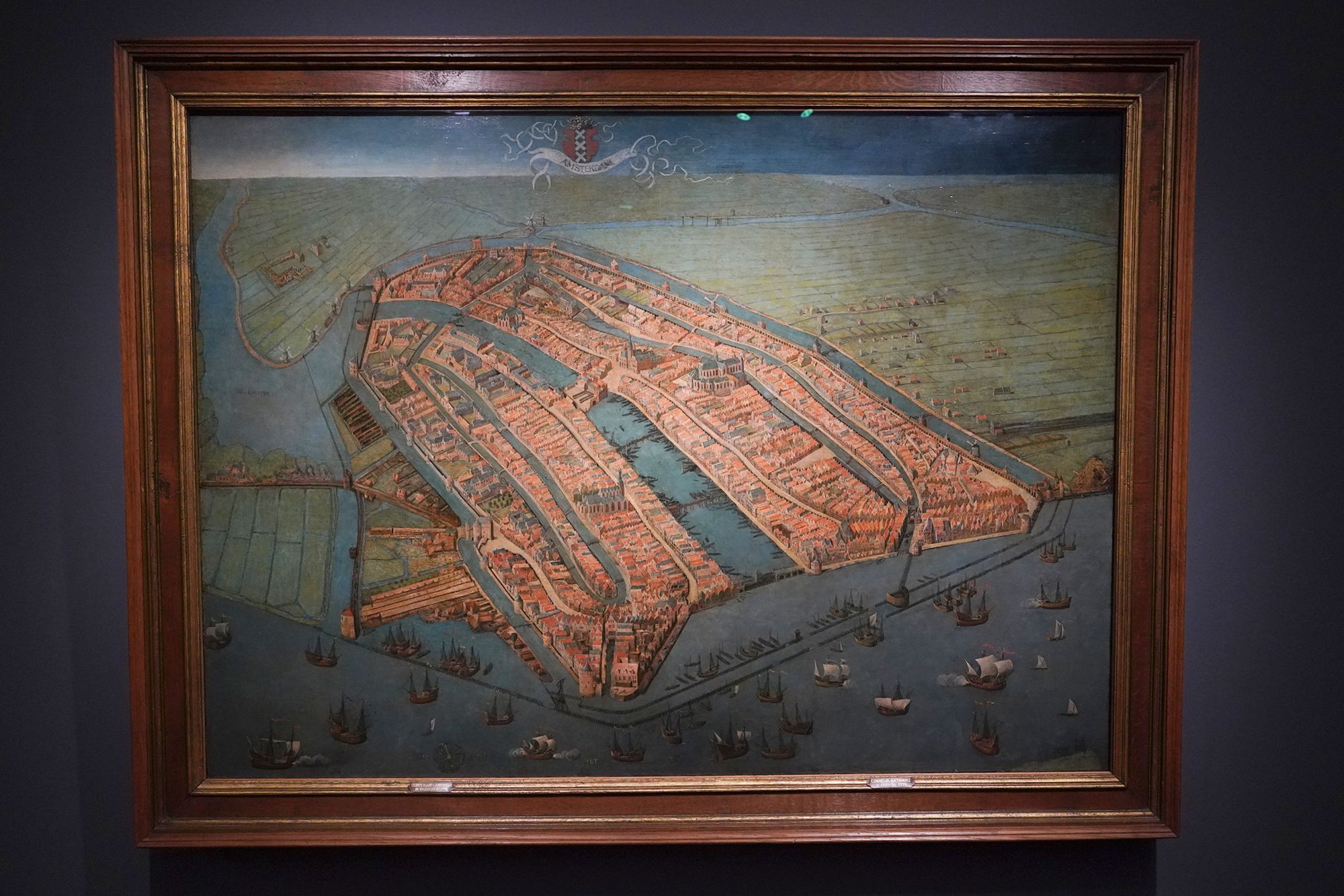
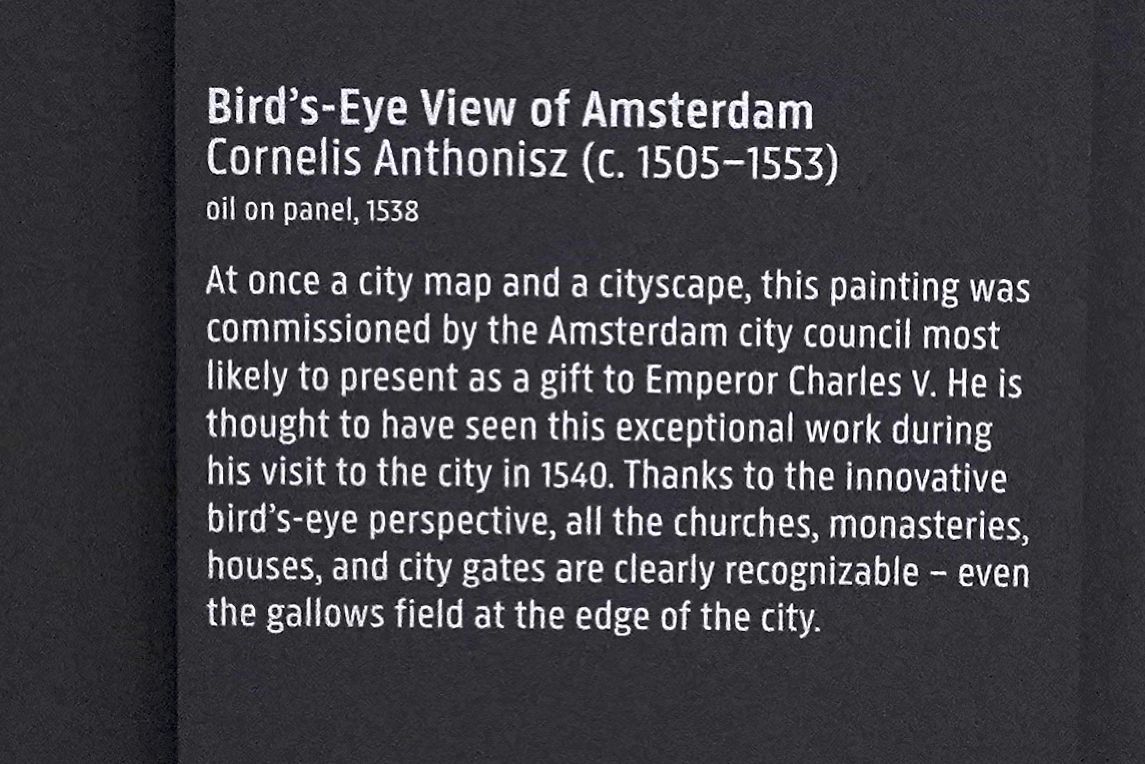
During the Middle Ages, the Low Countries were divided into many small states before gradually being united under the Dukes of Burgundy and later Emperor Charles V.
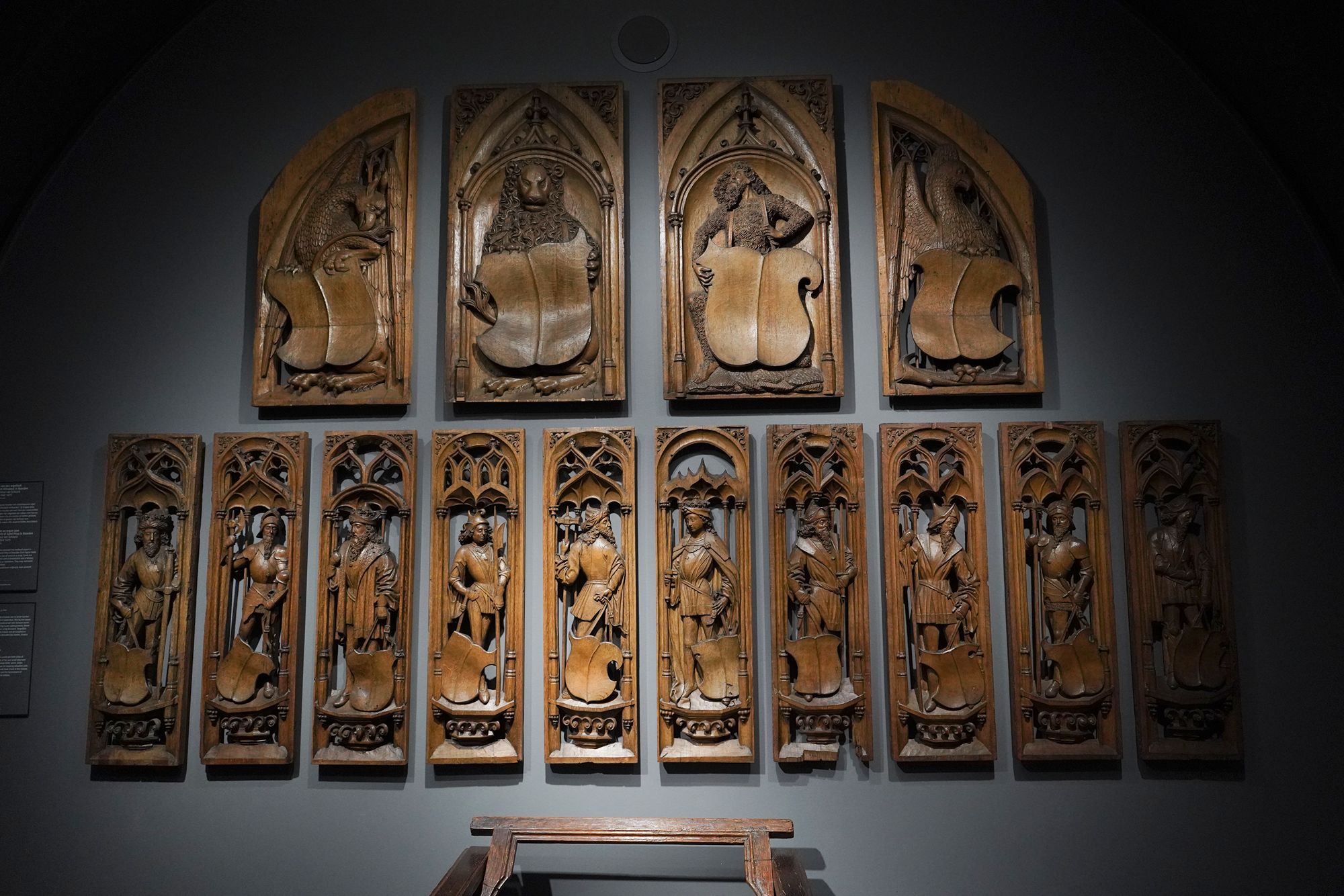
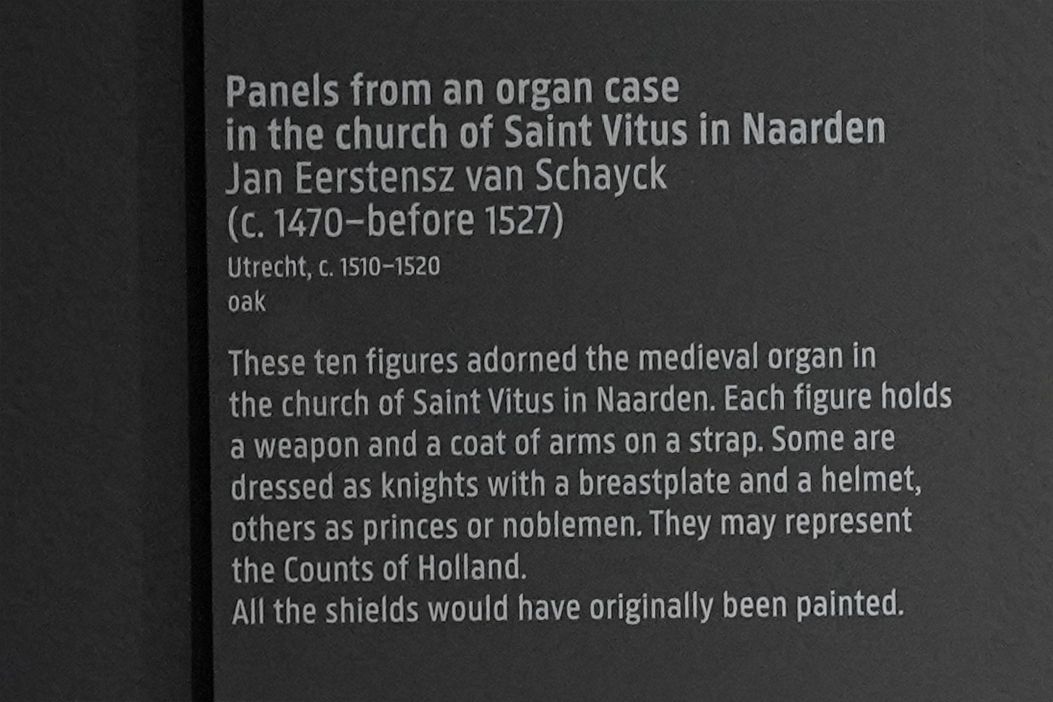
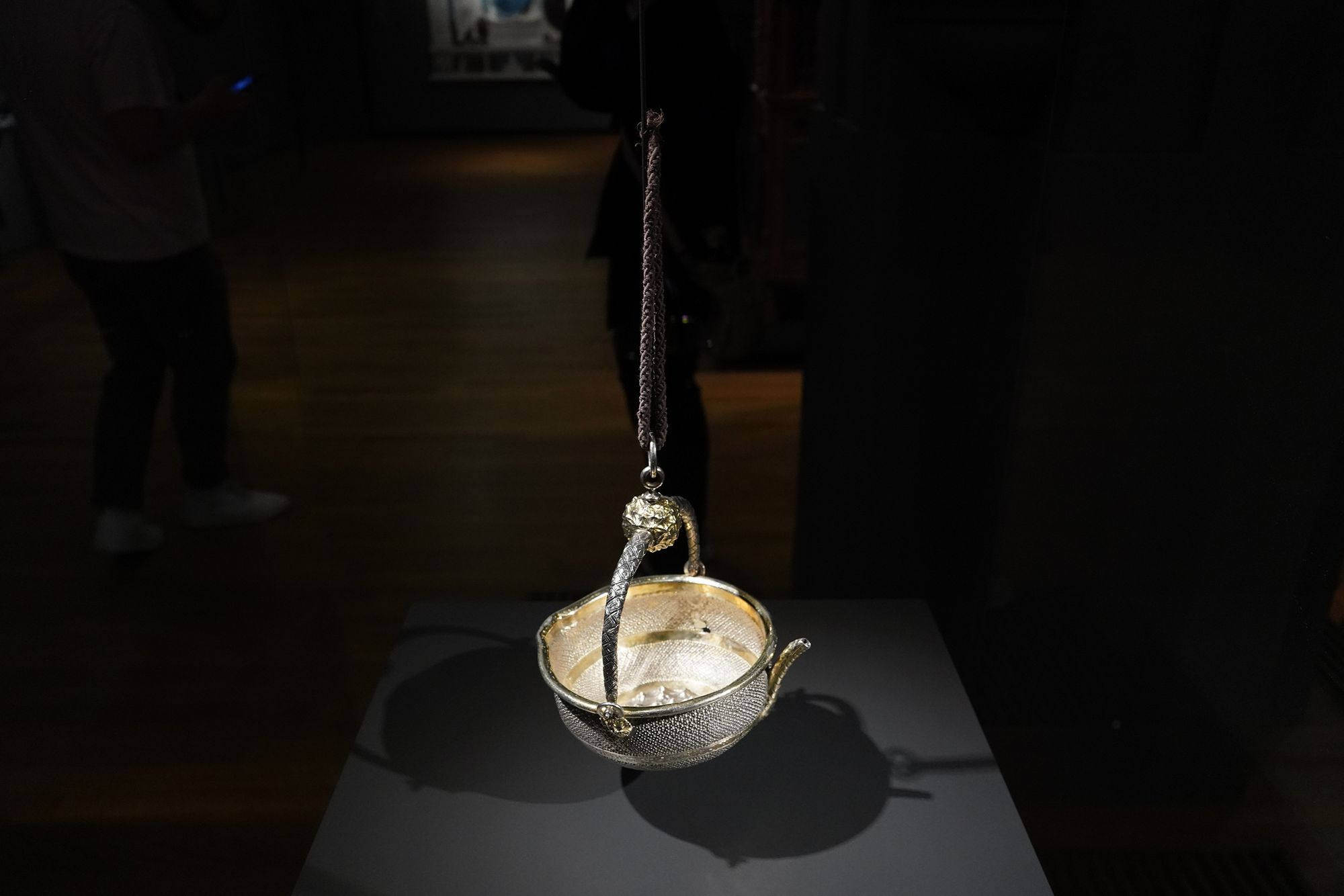
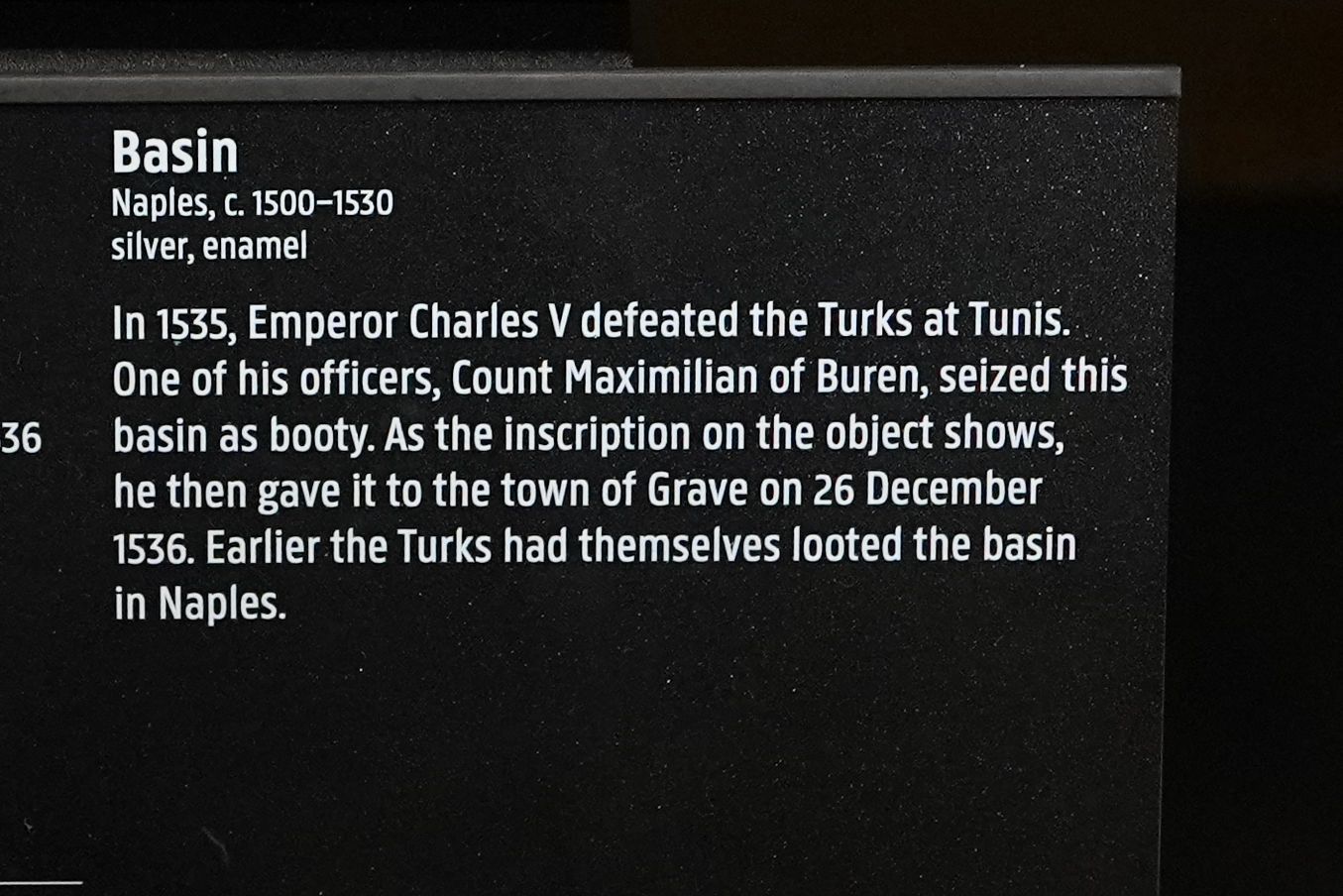
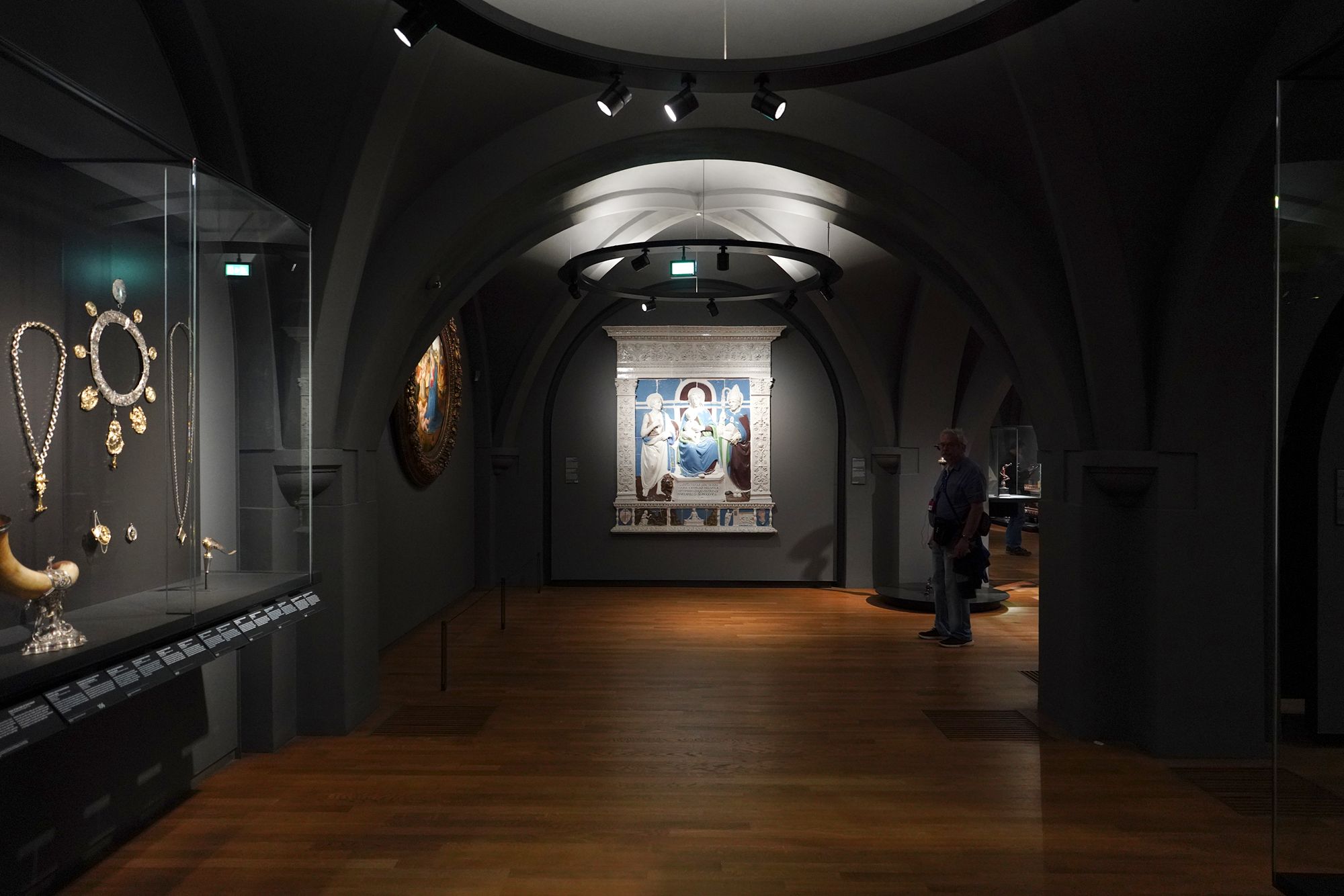
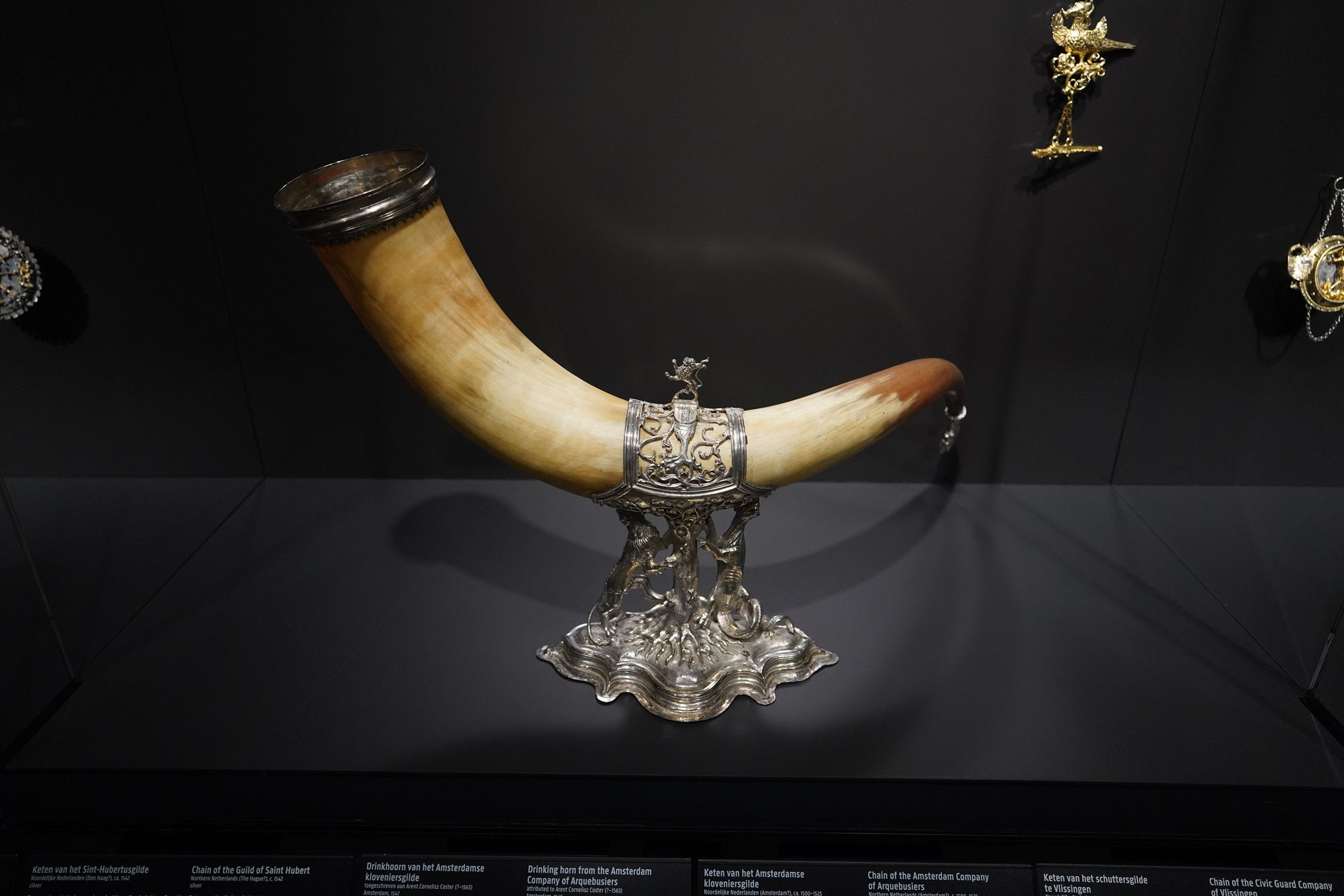
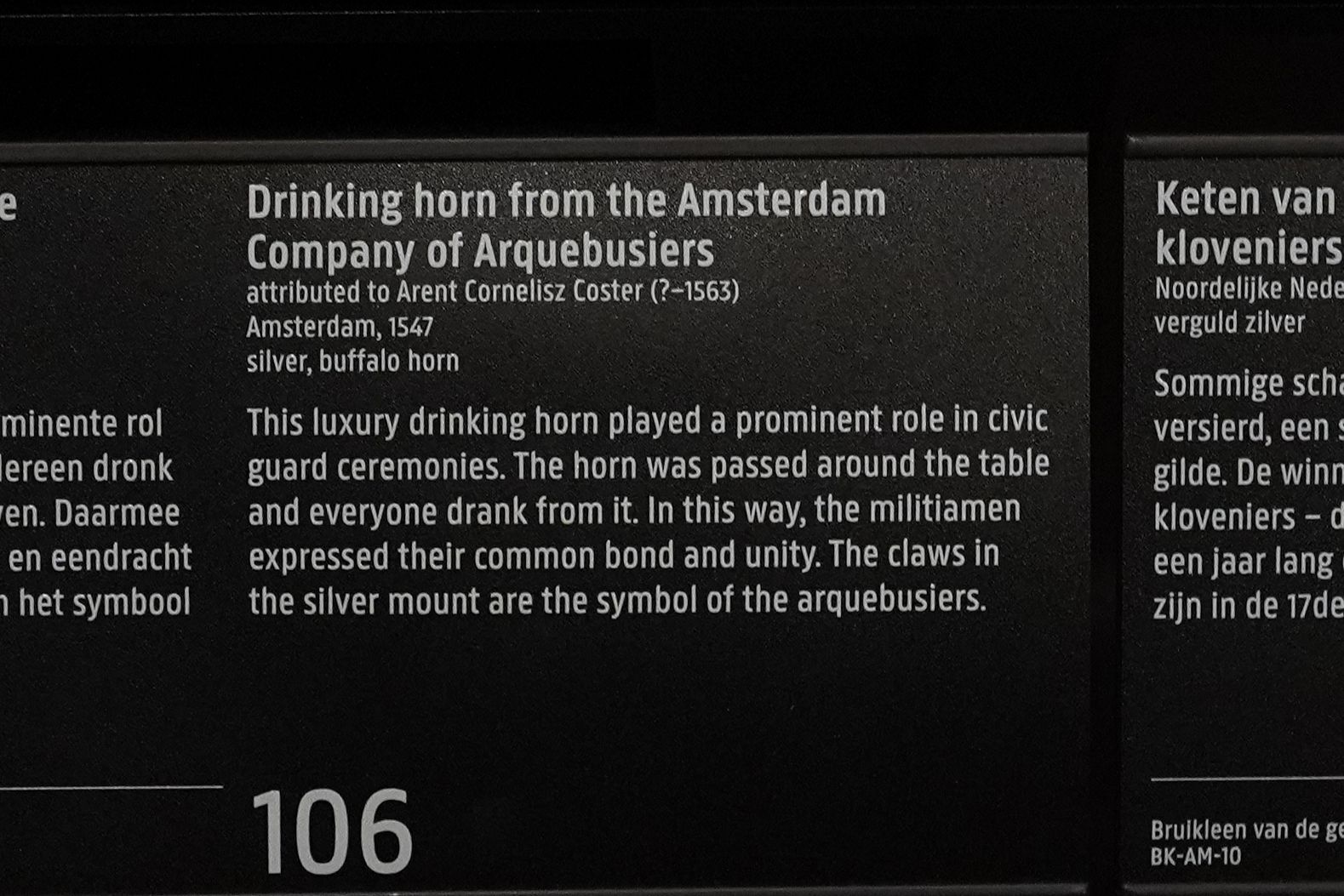
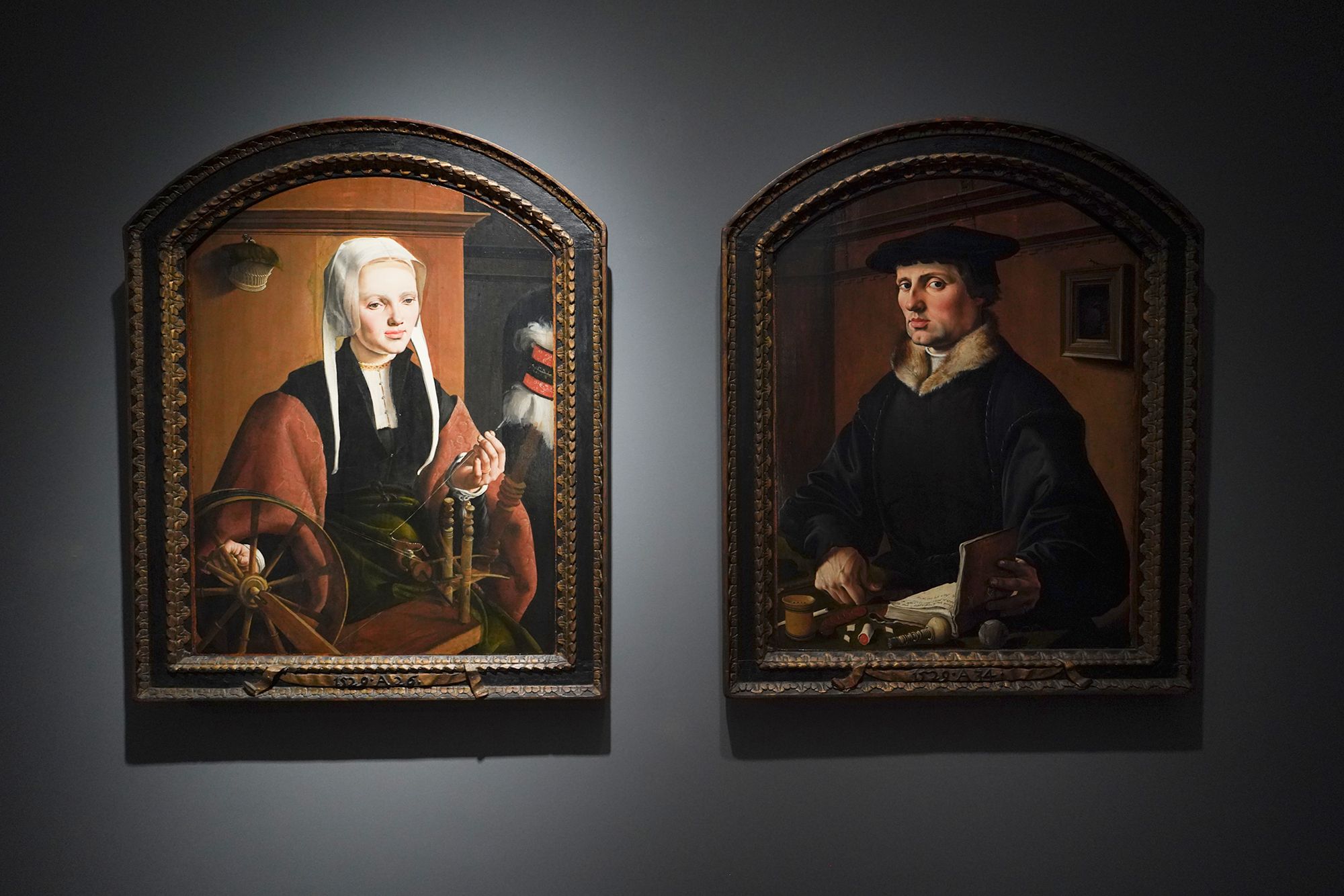
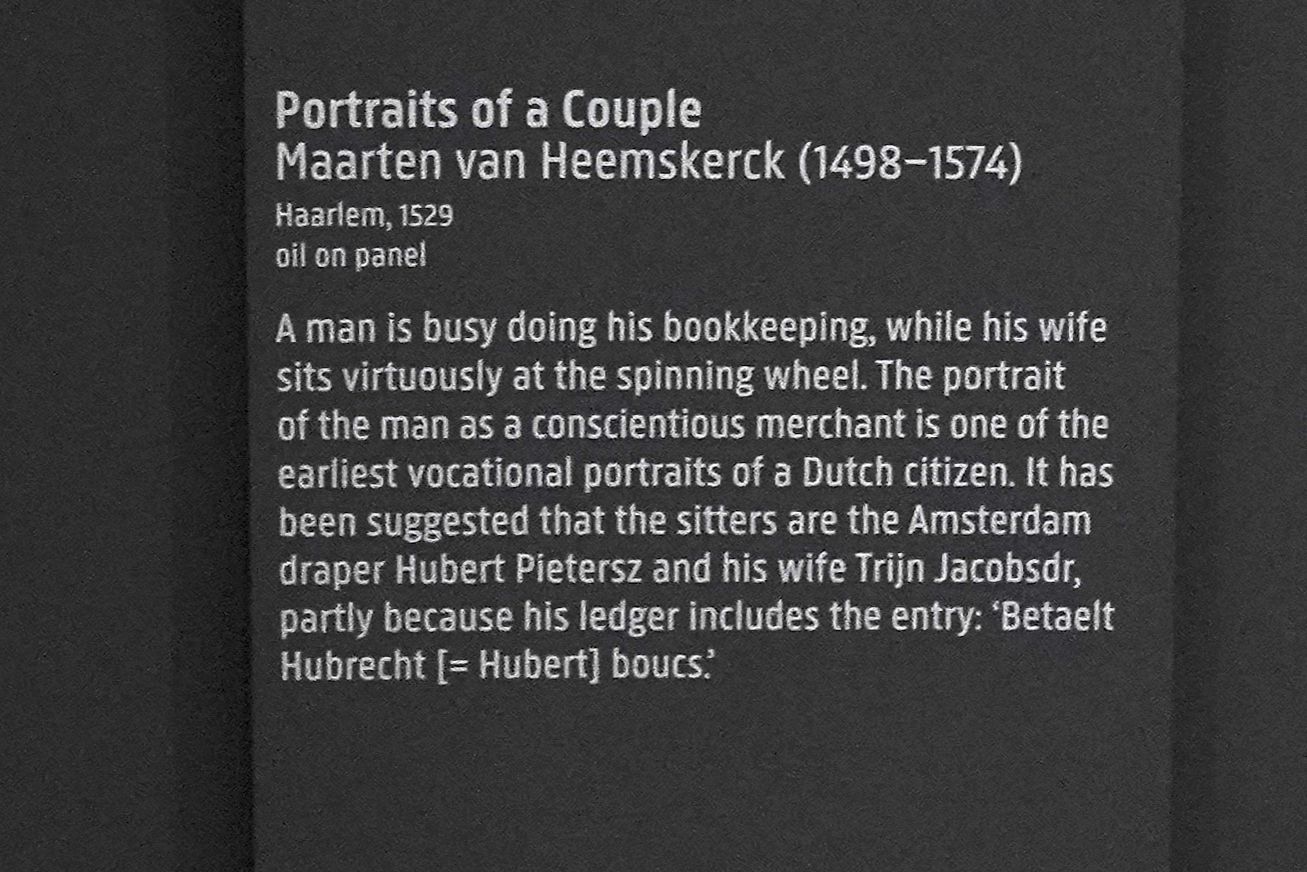
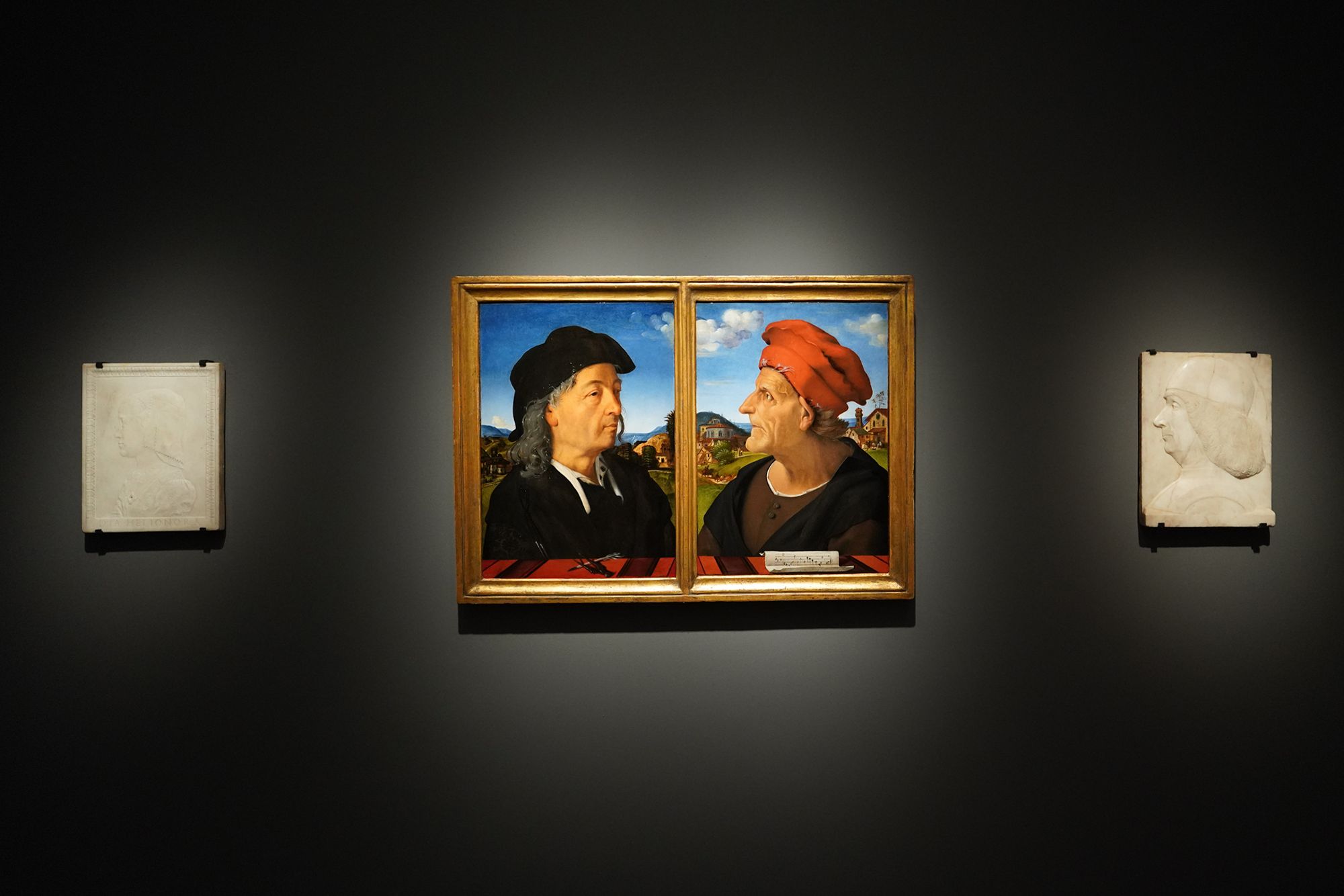
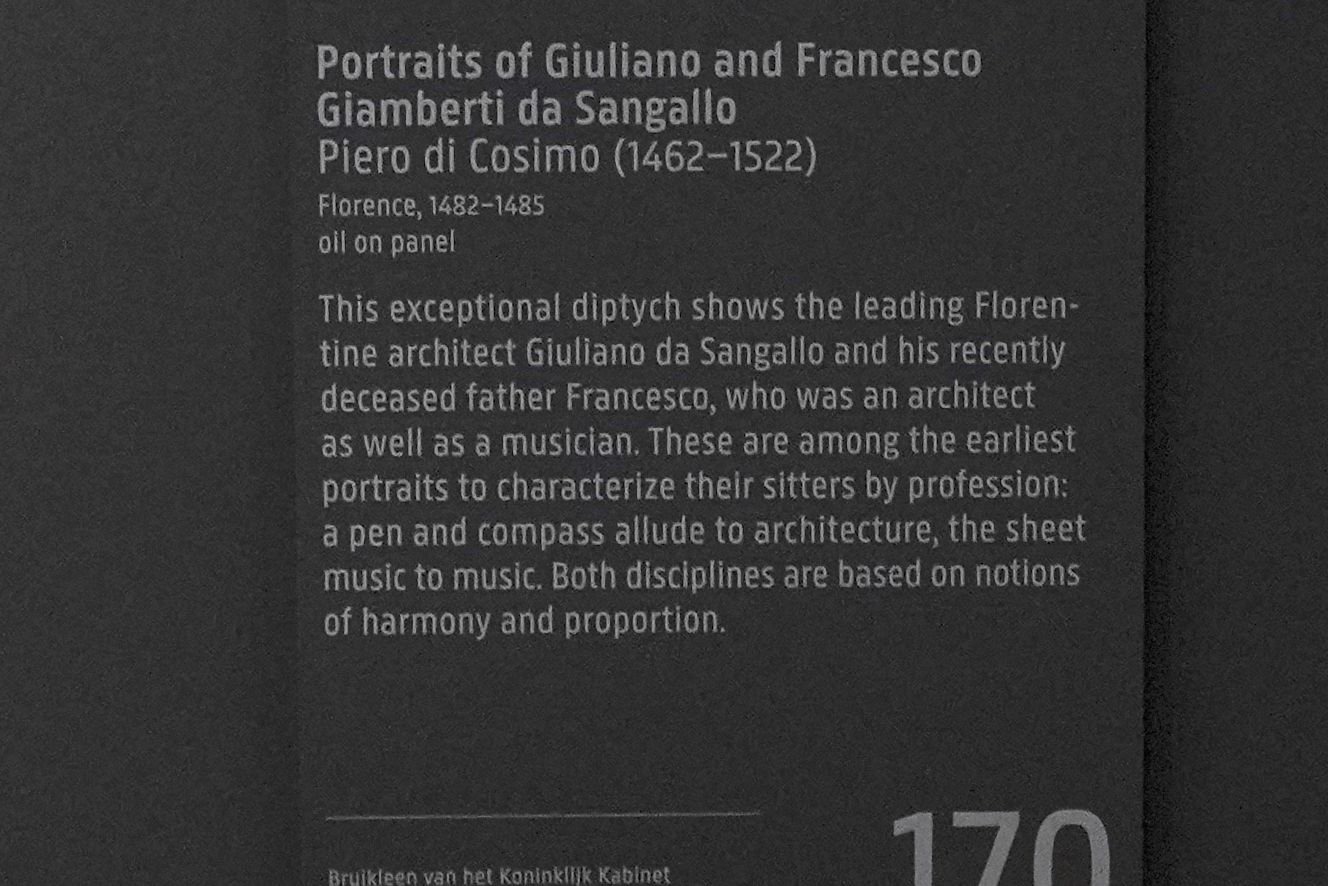
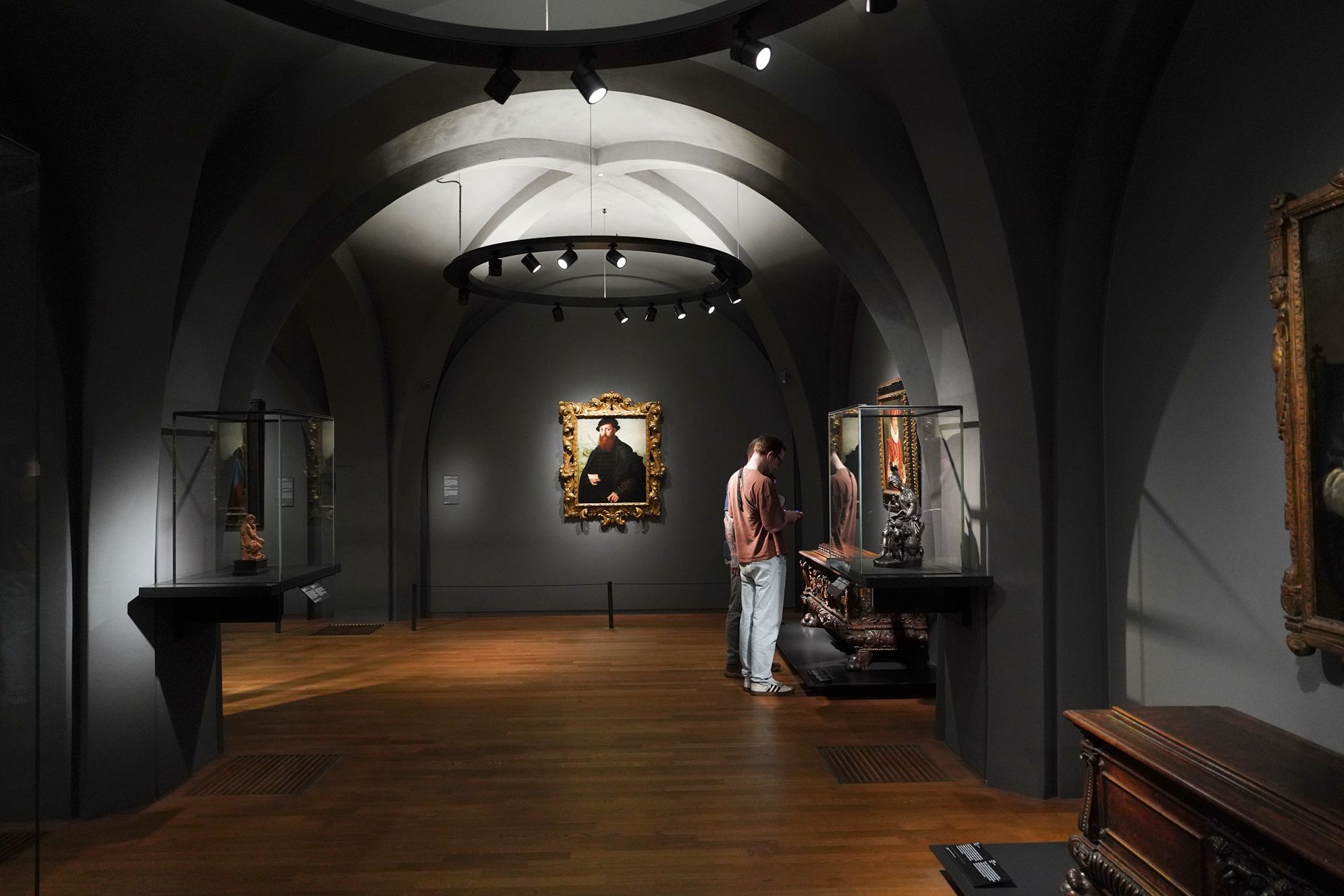
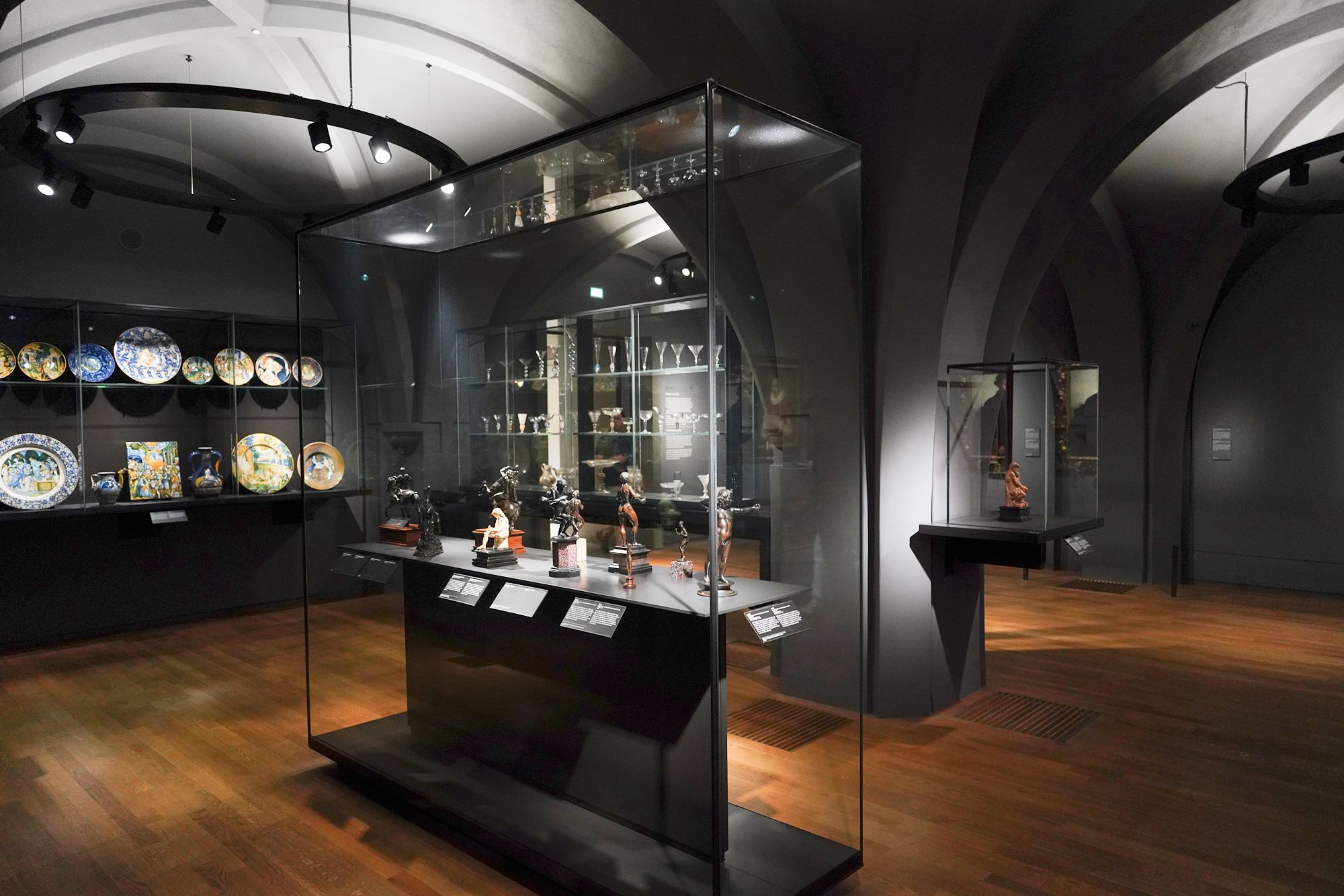
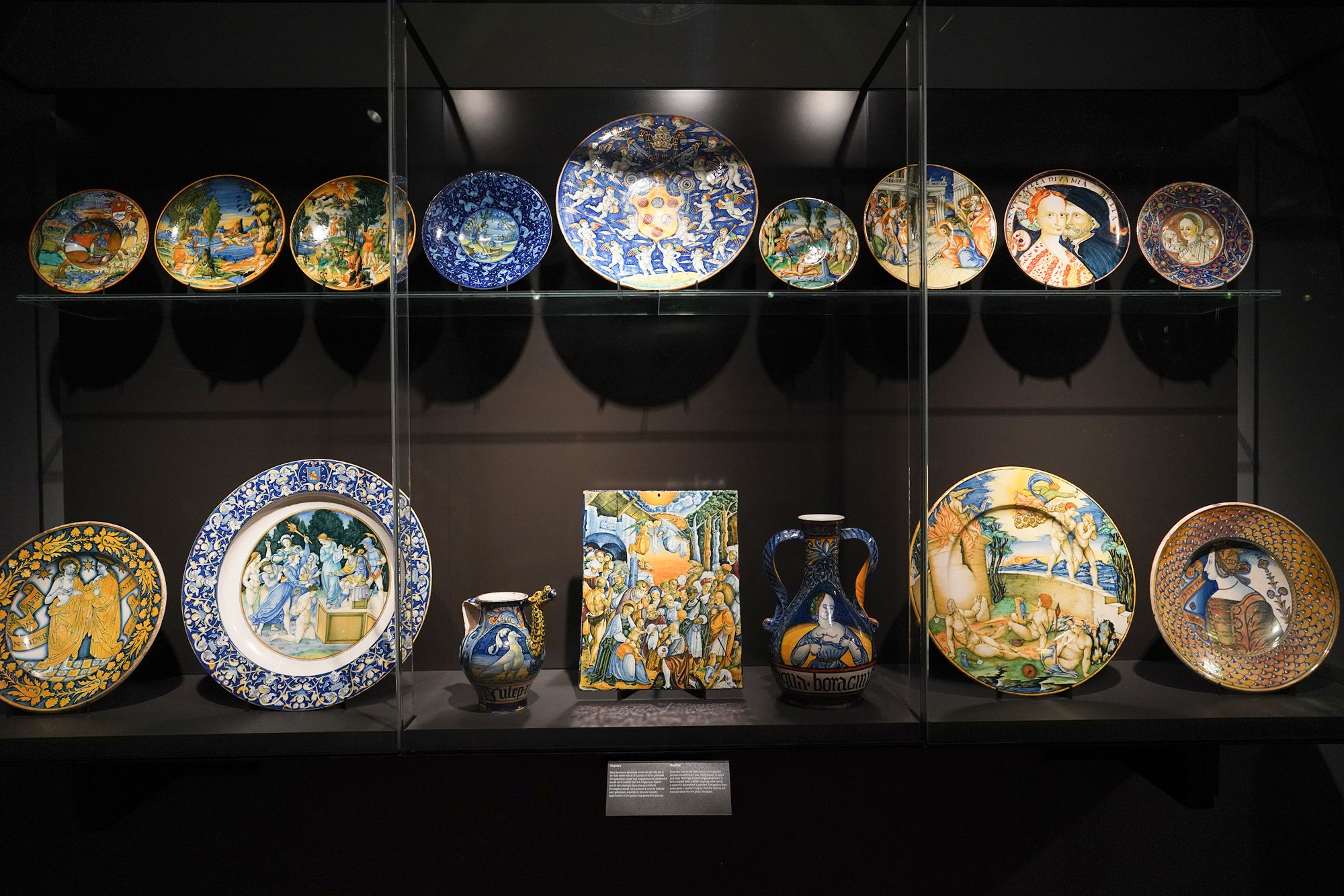
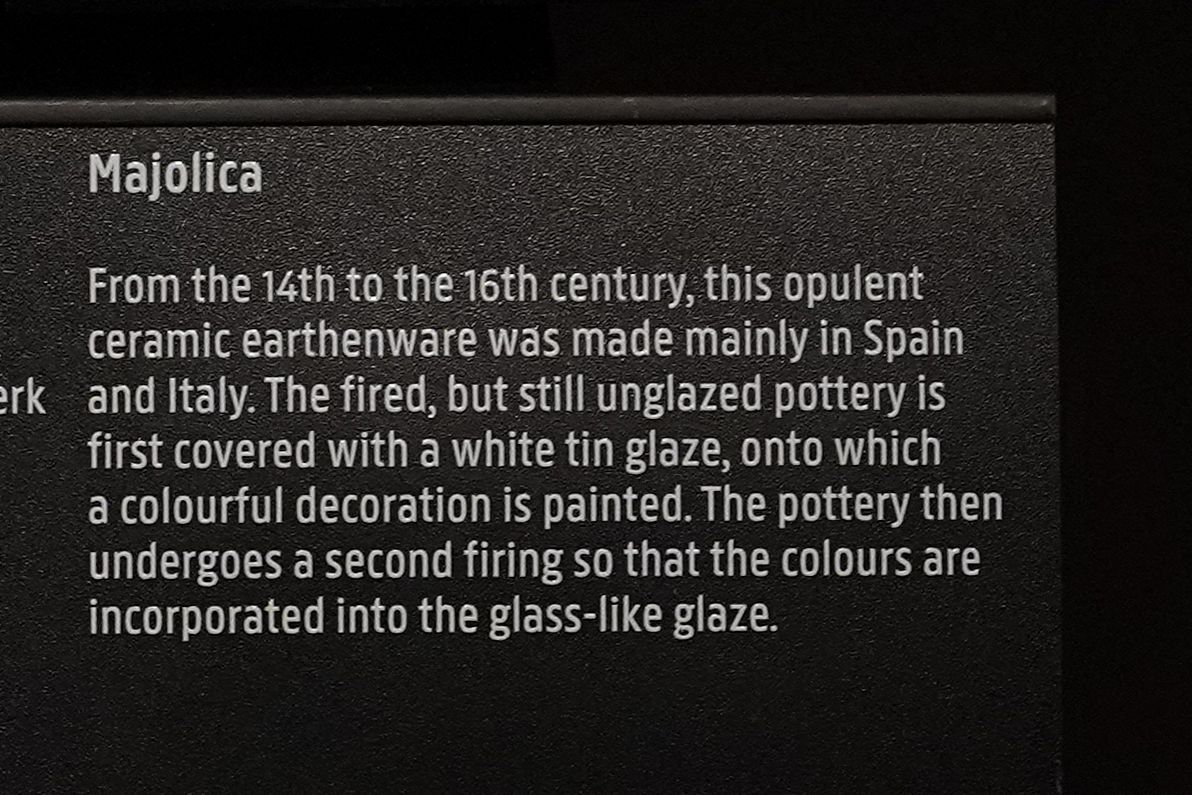
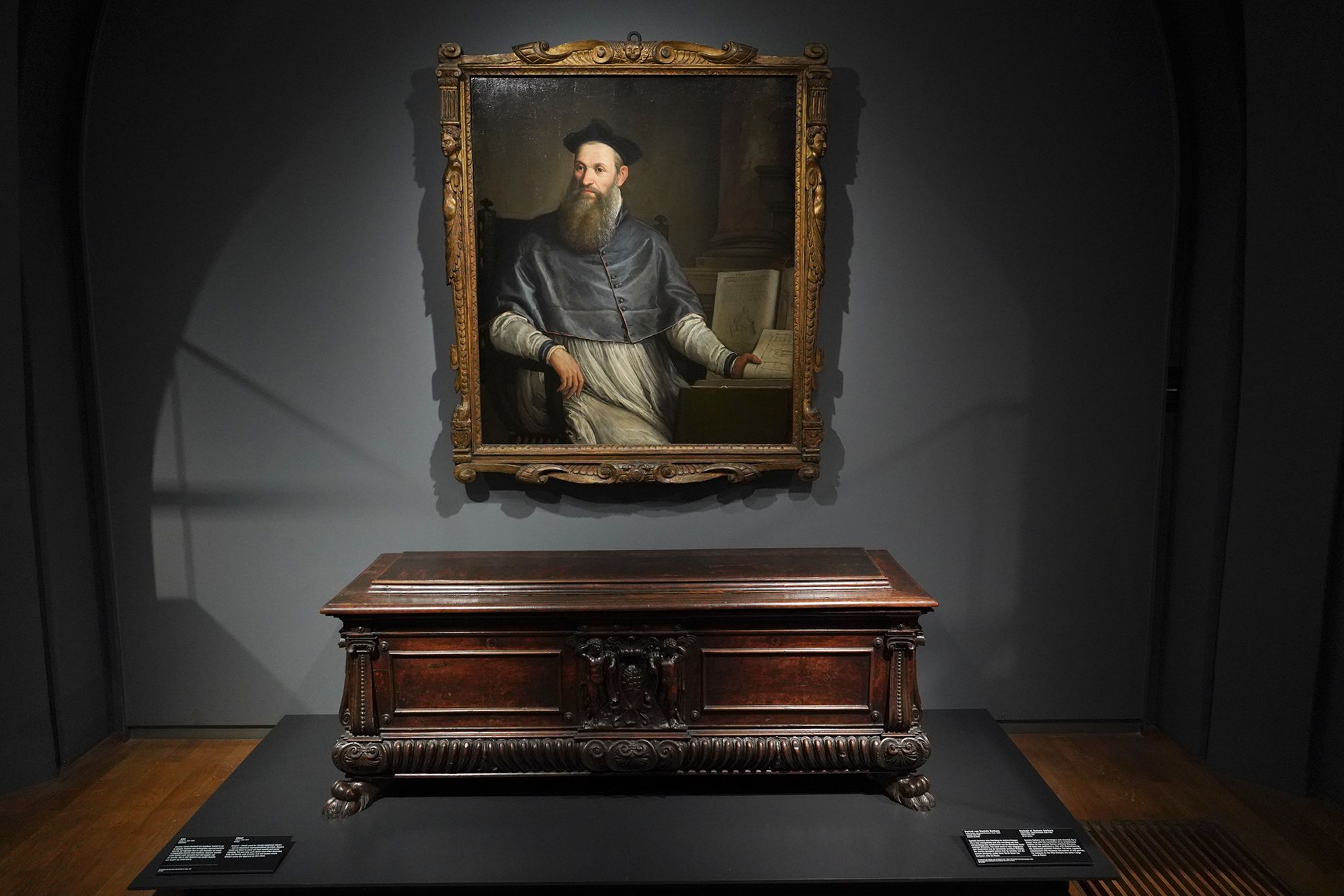
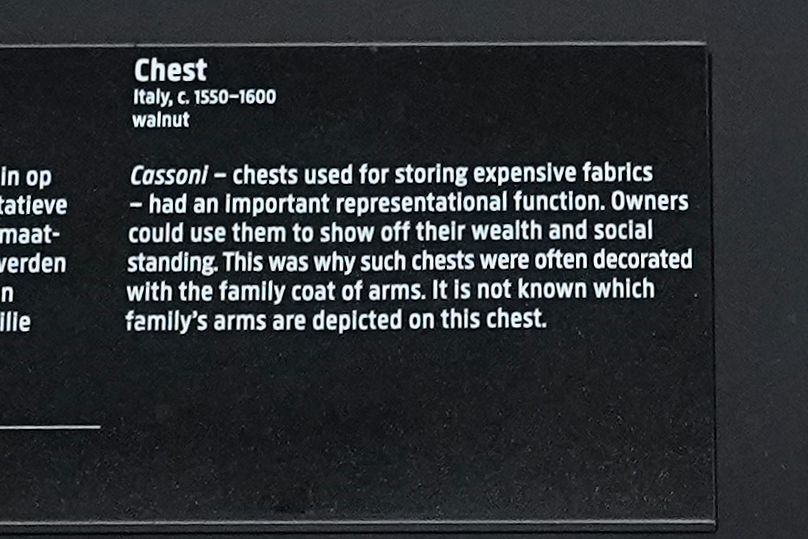
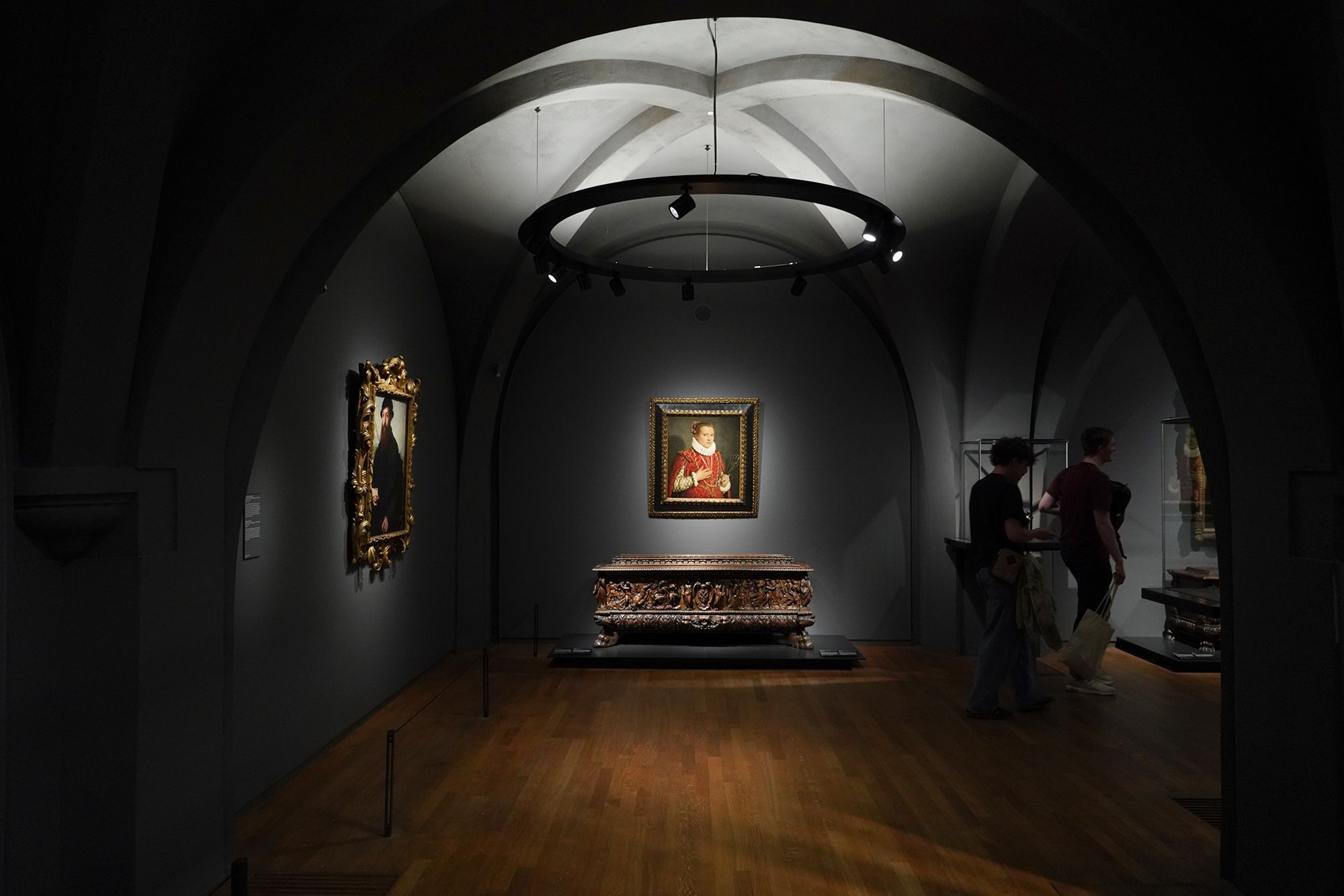
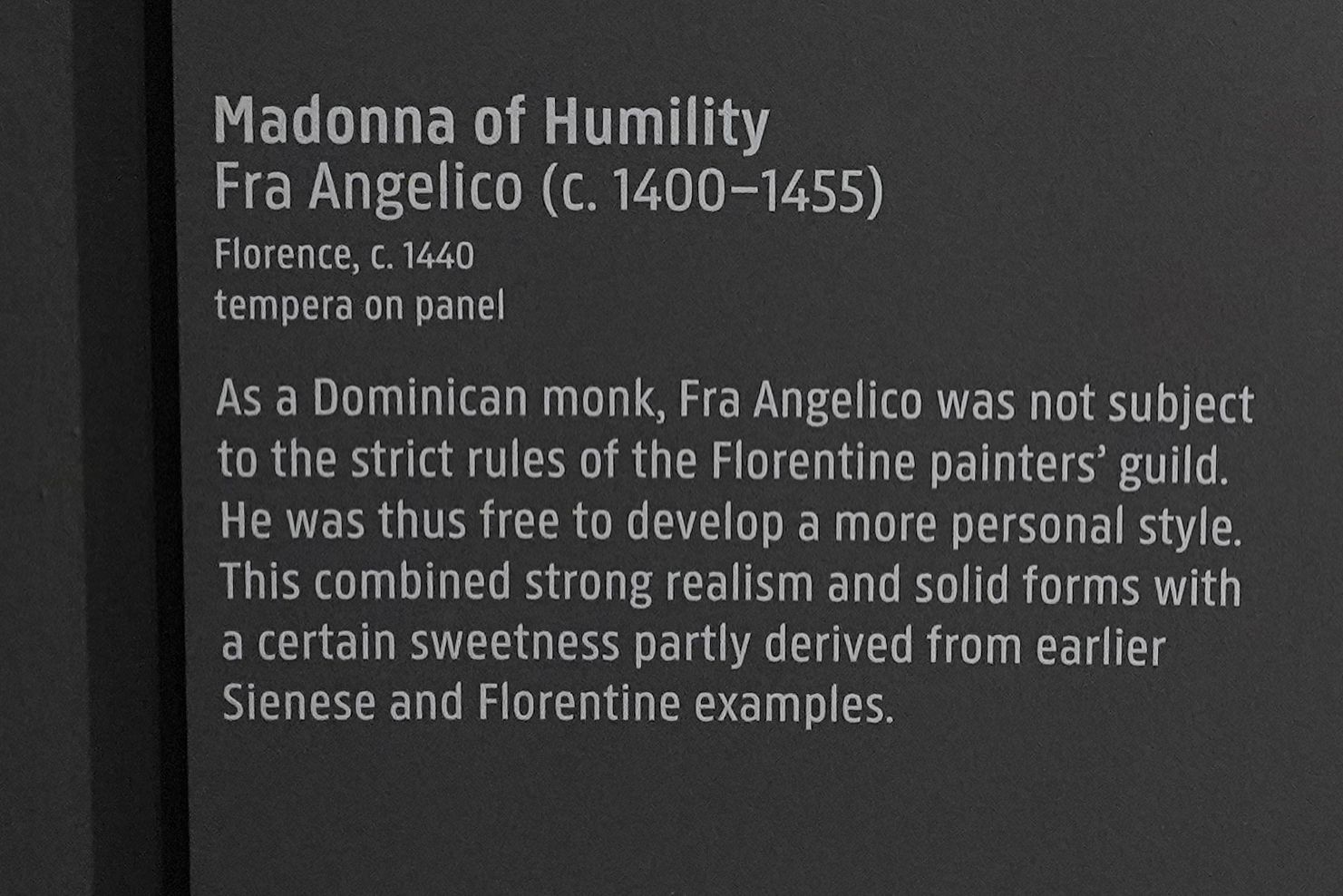
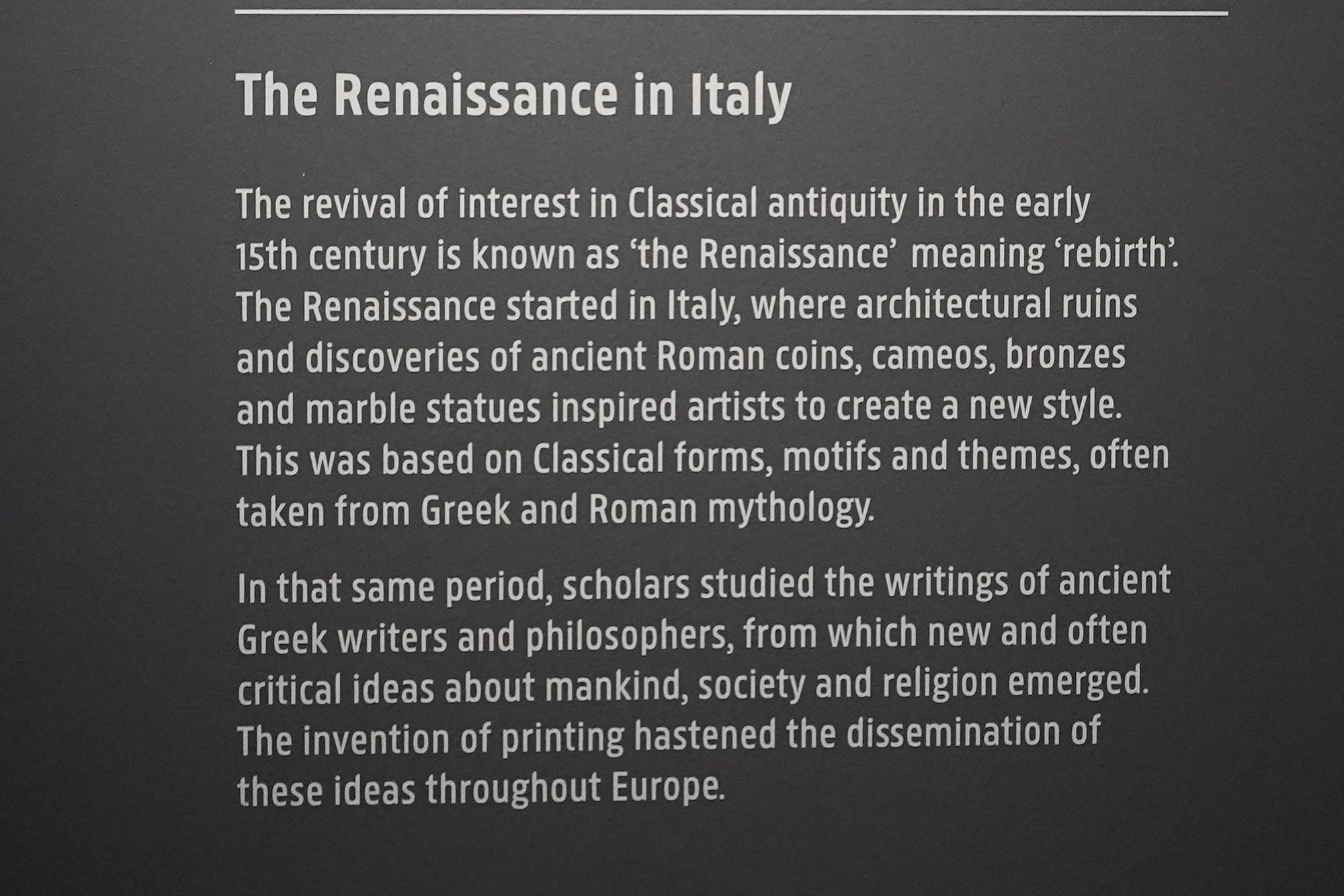
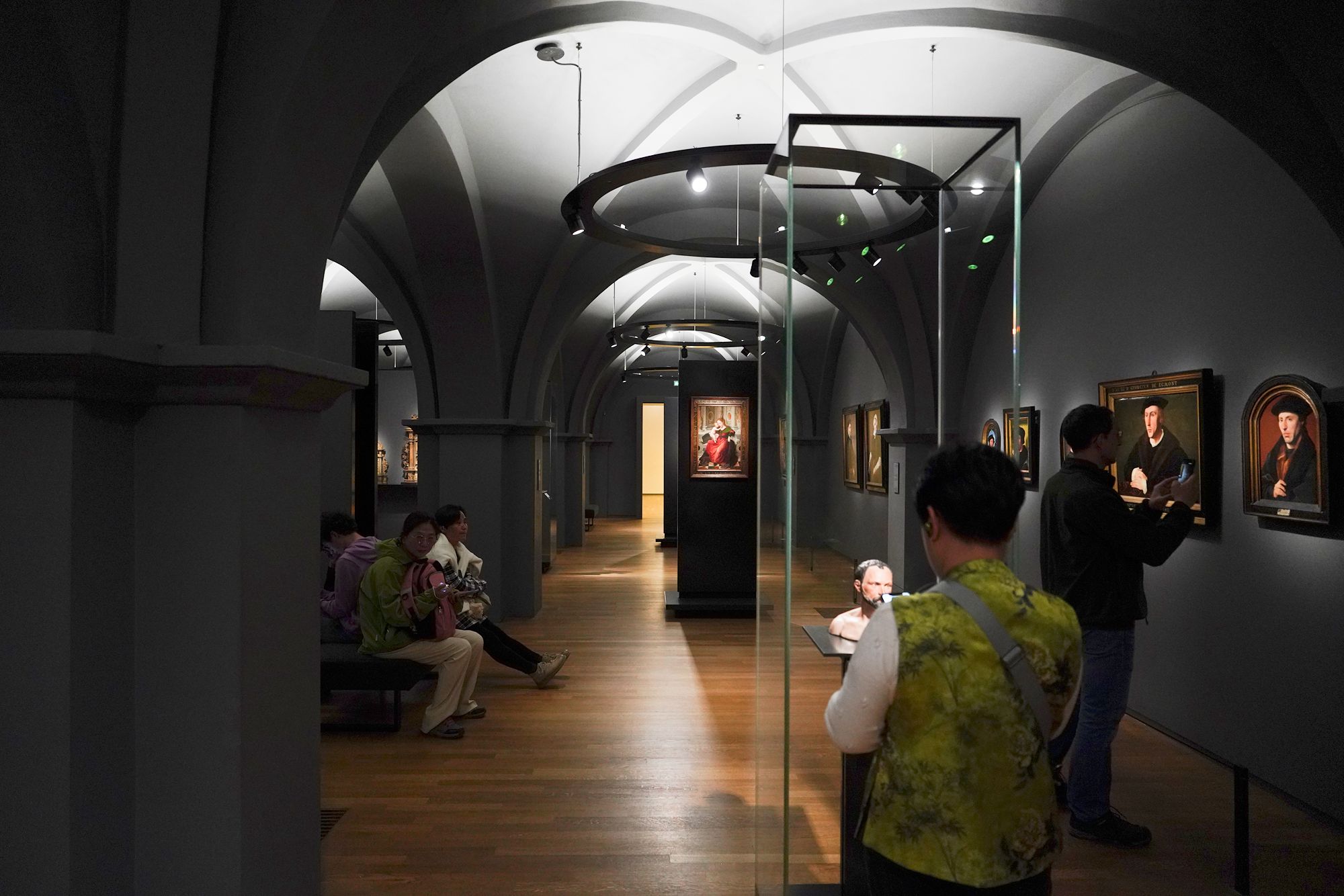
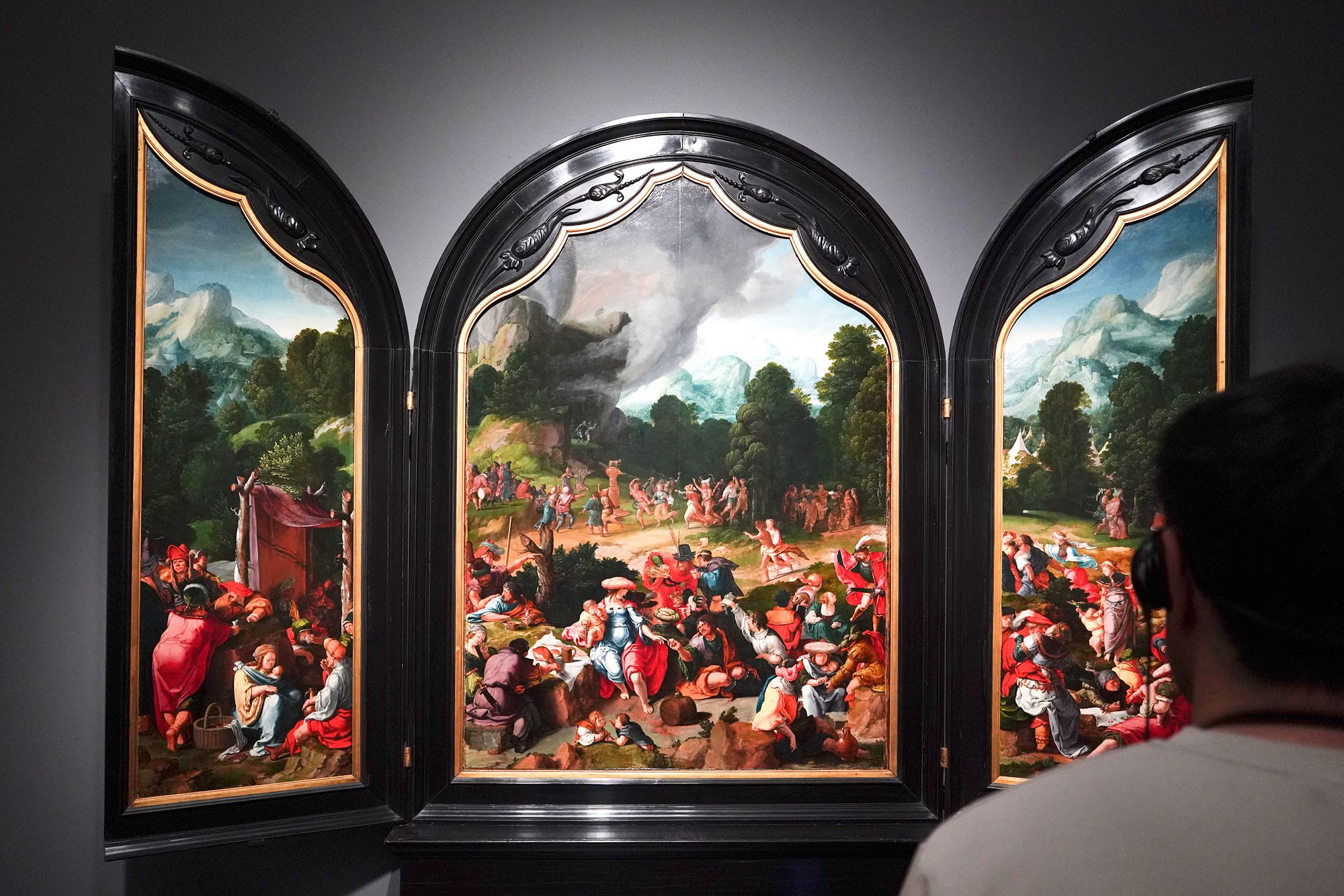
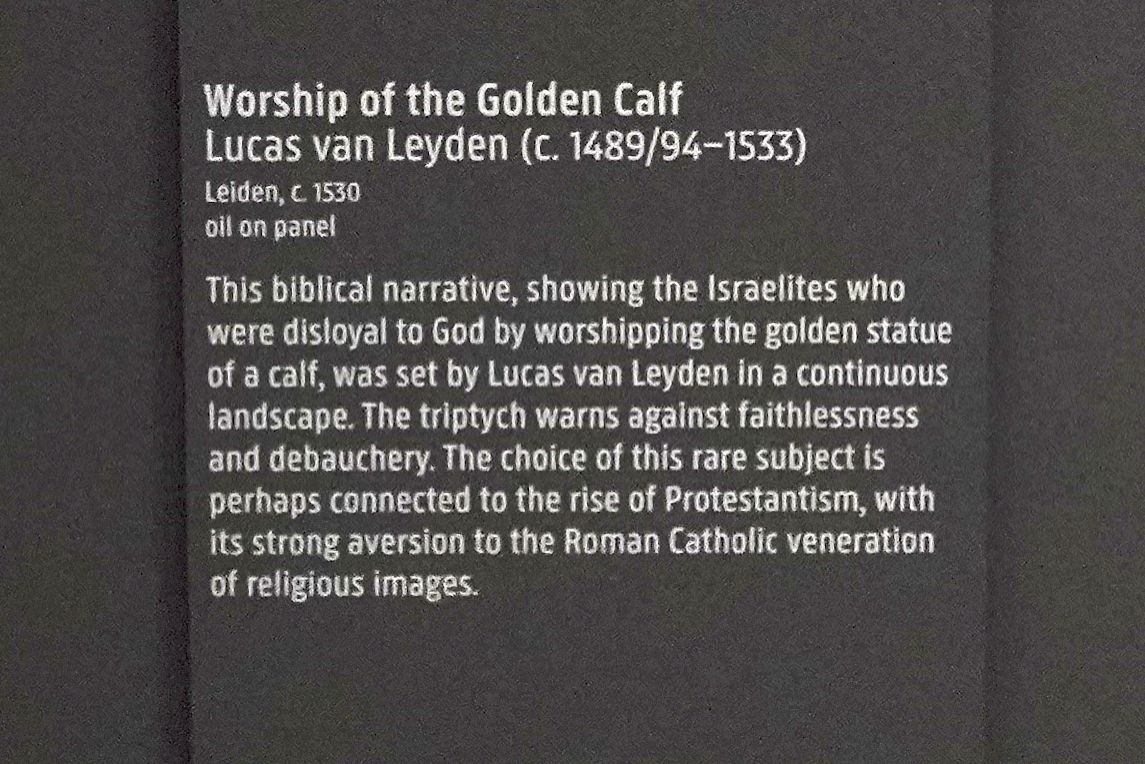
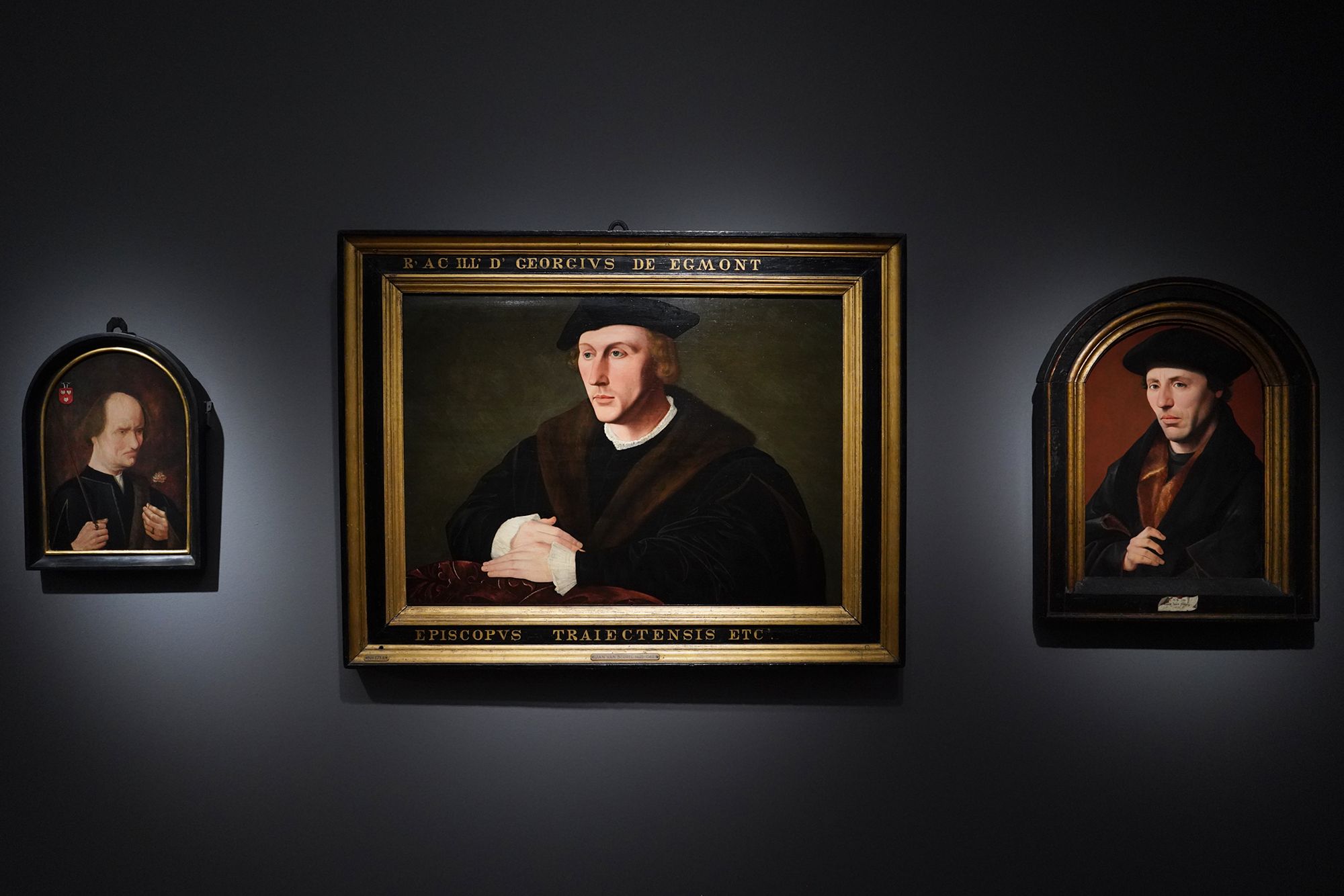
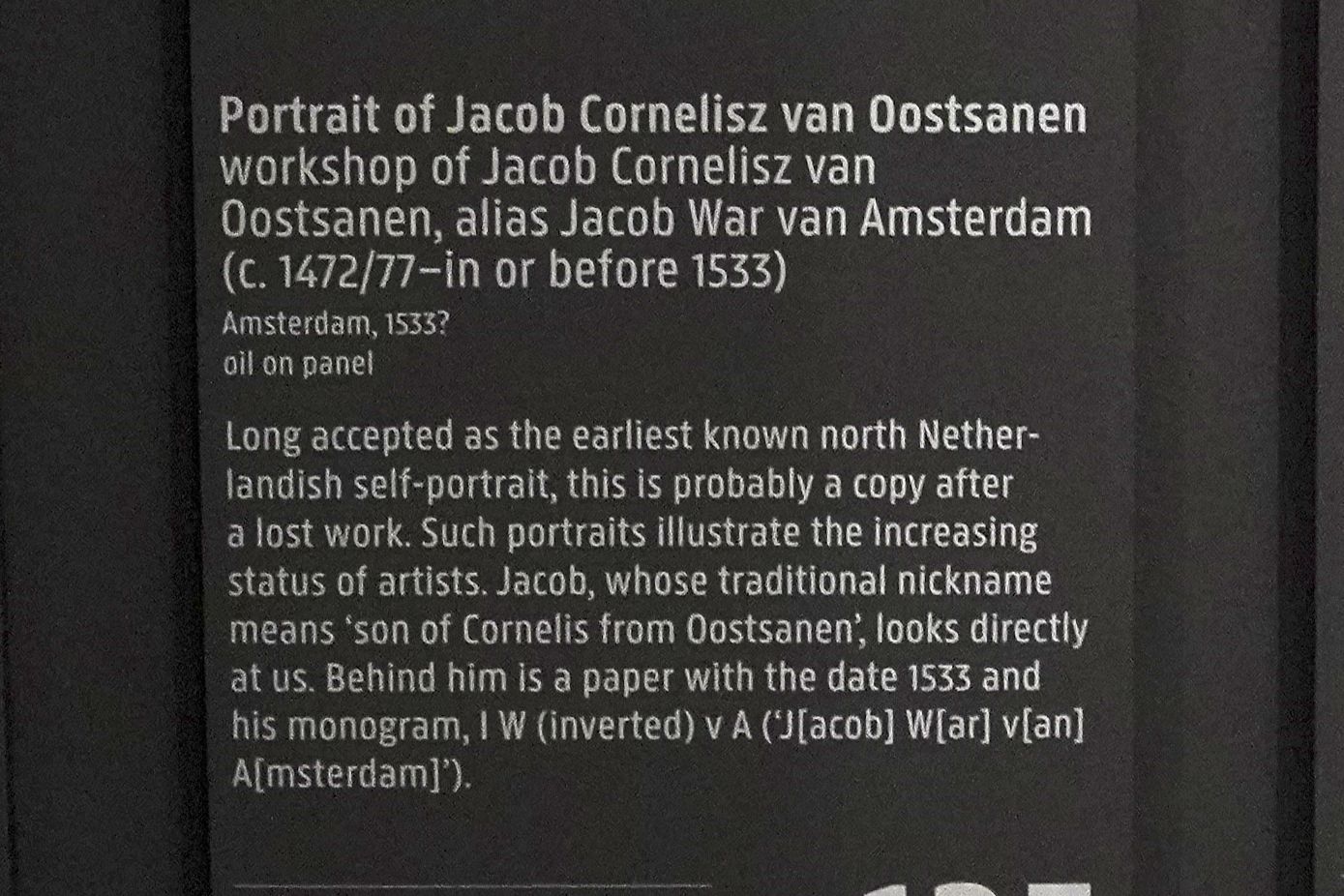
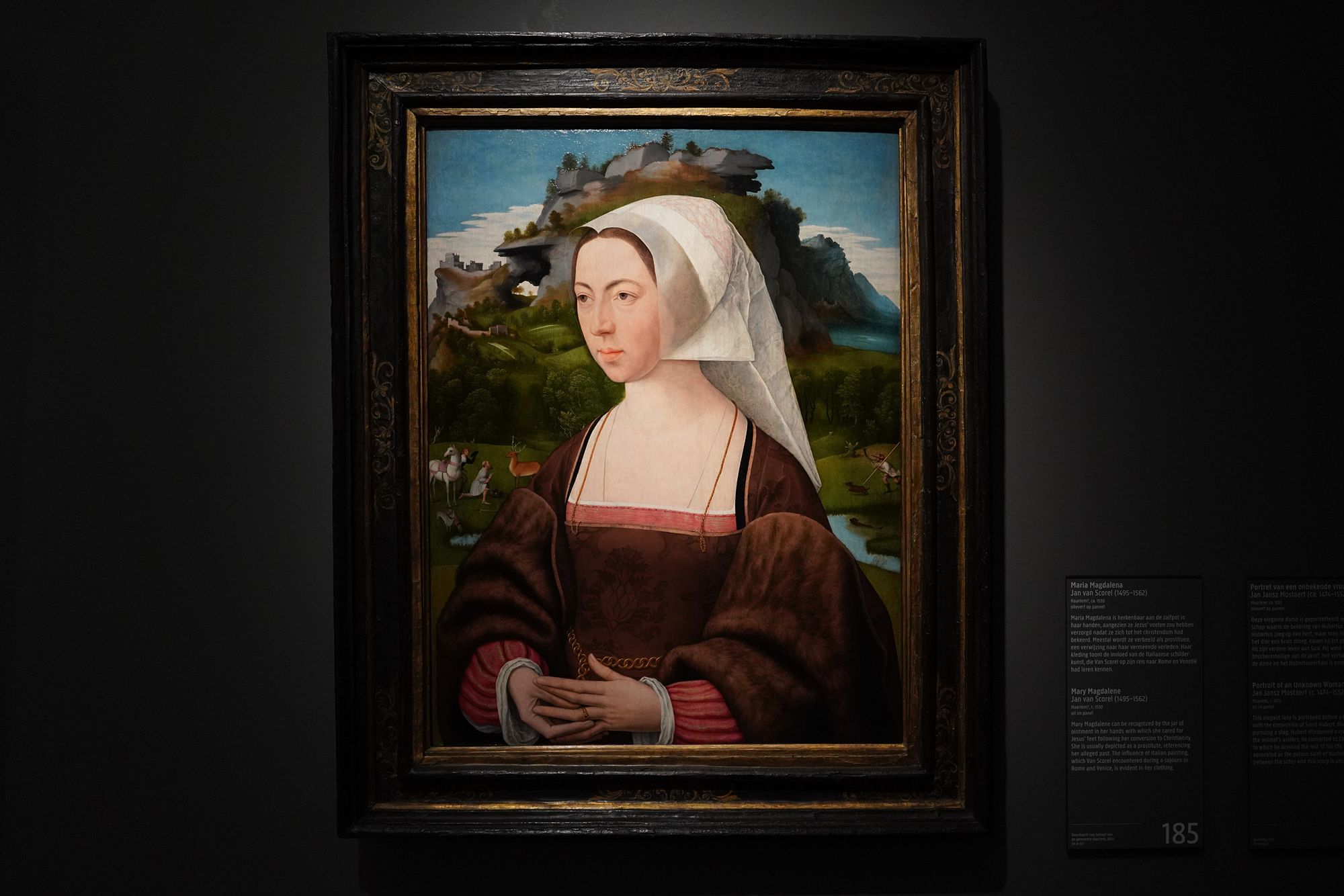
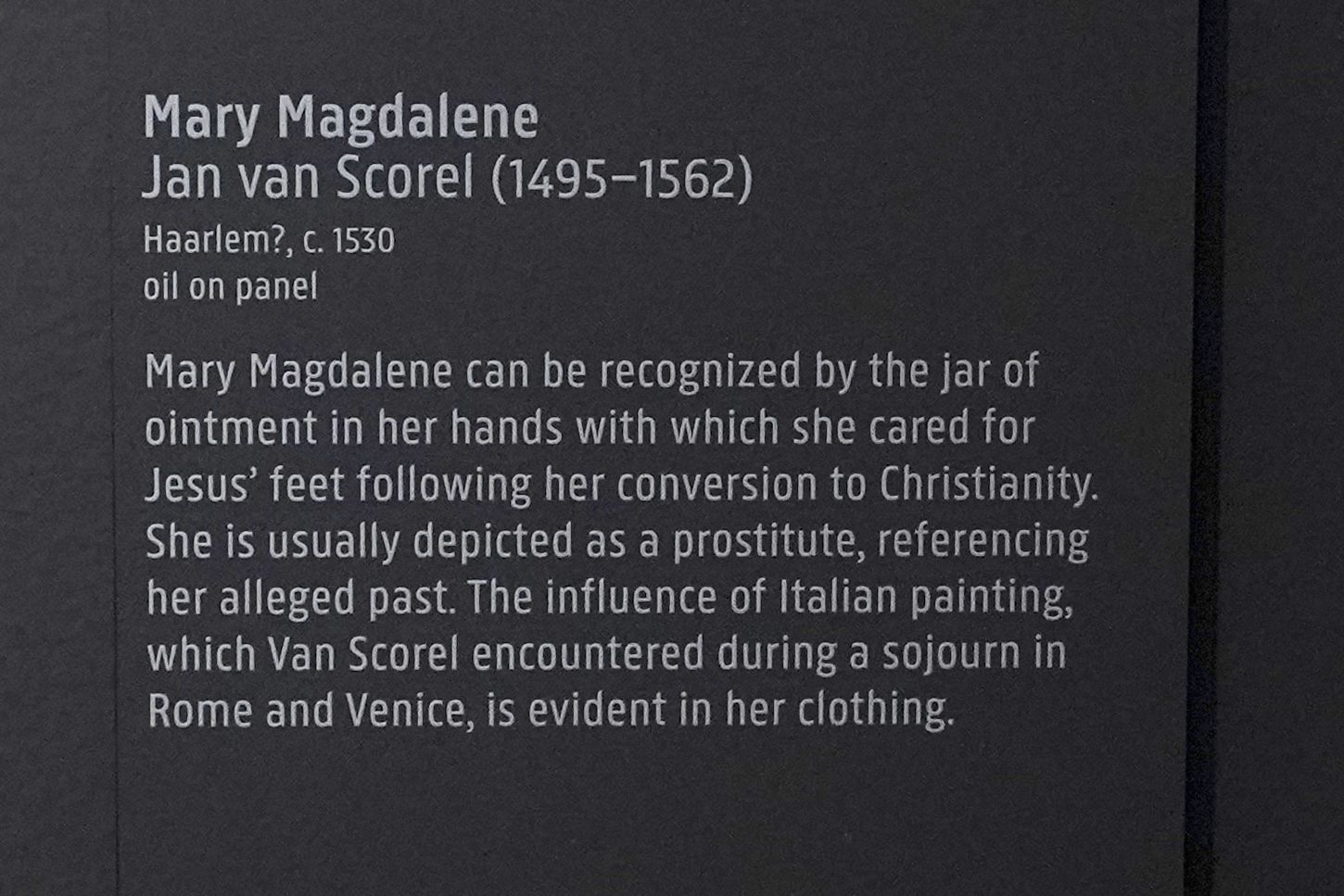
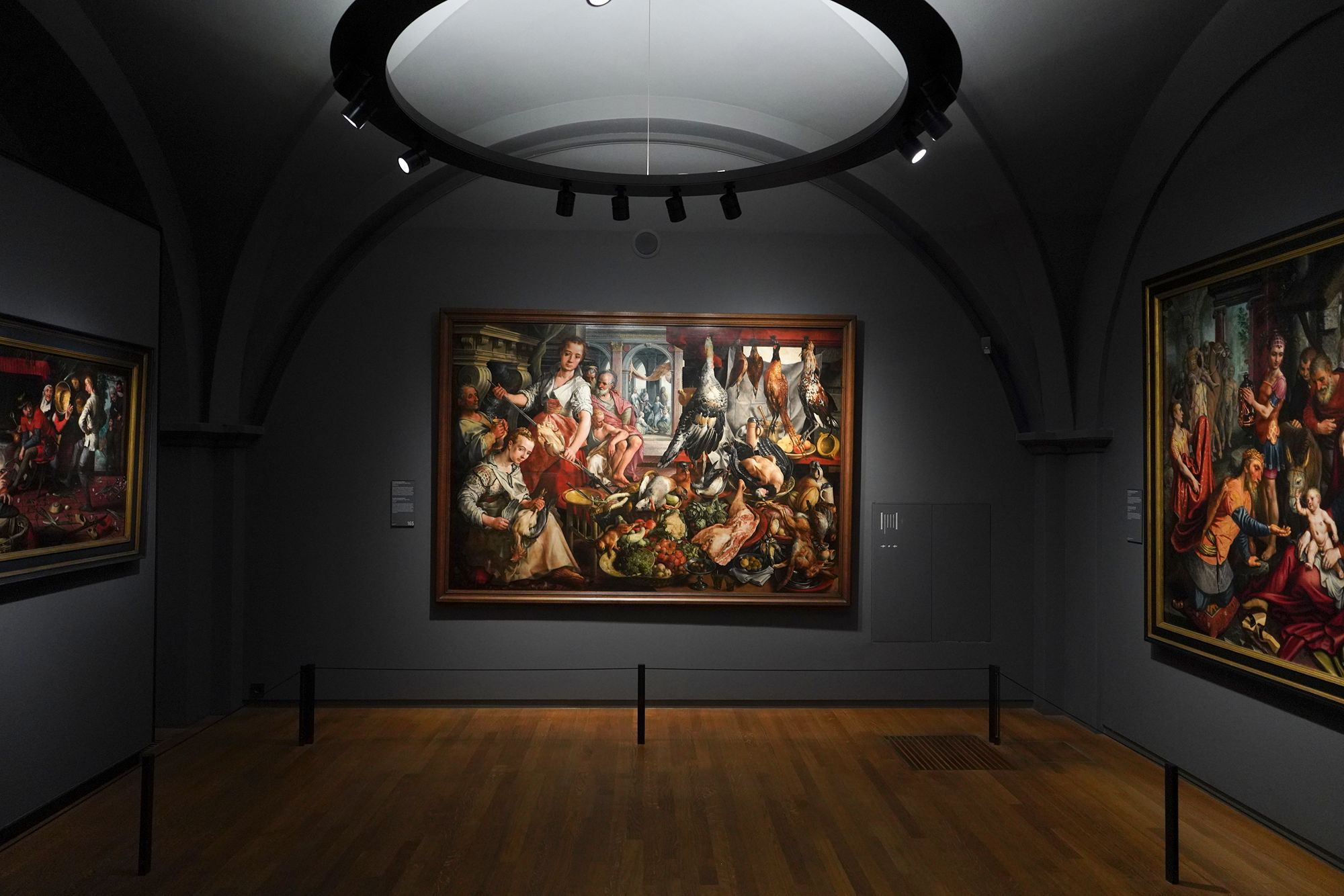
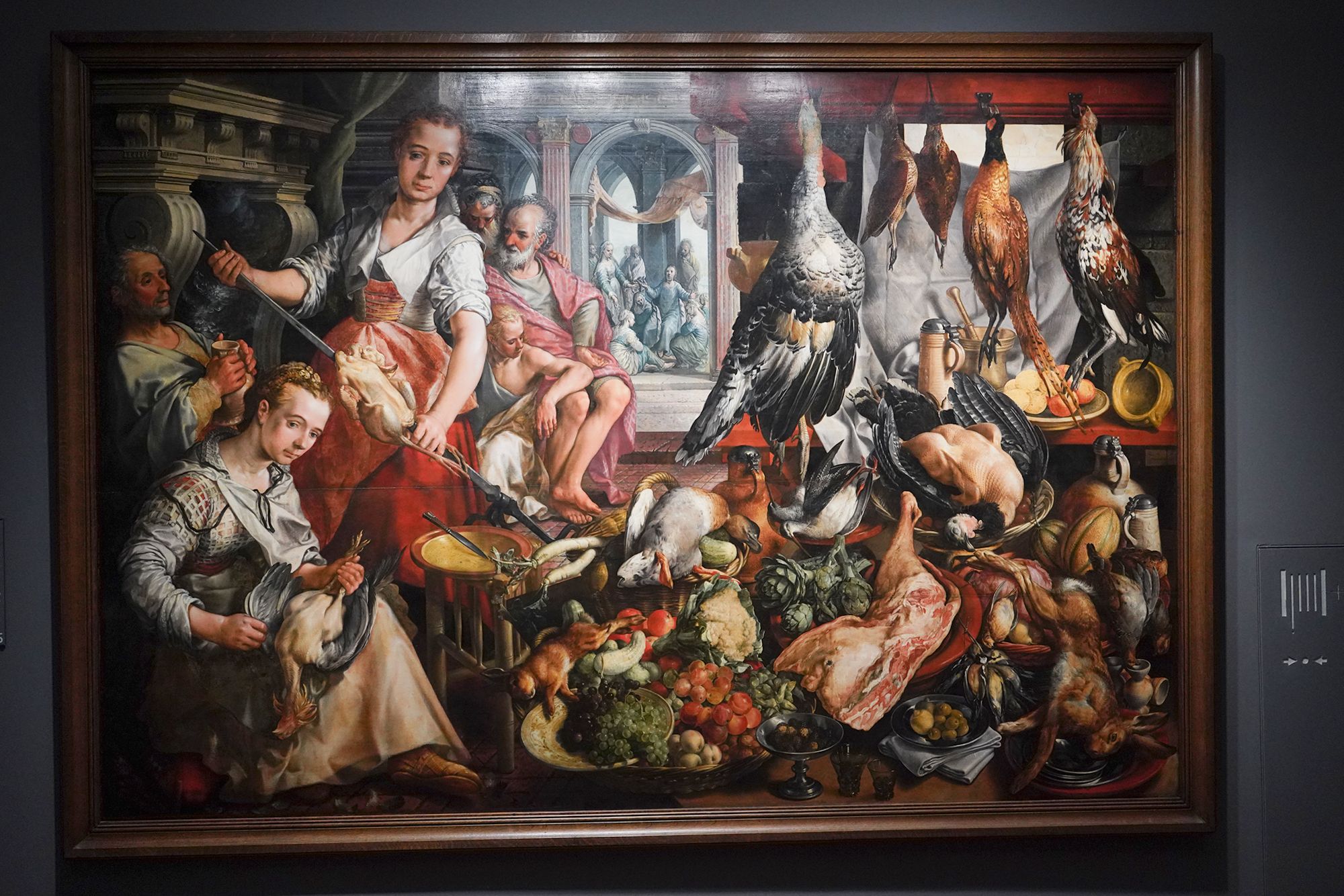
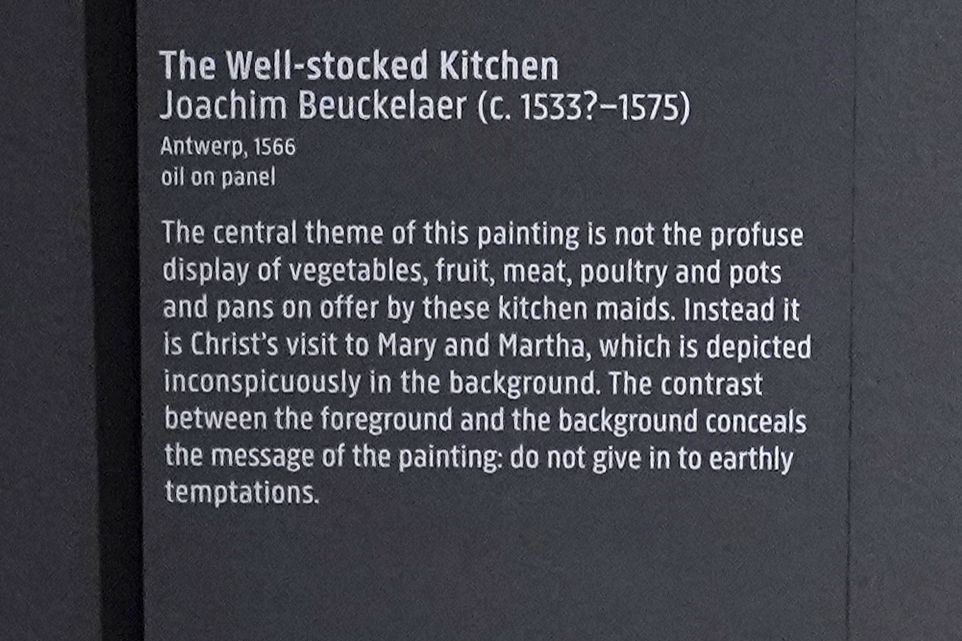
The Renaissance began in Italy in the early 15th century, reviving the art, ideas, and culture of ancient Greece and Rome.

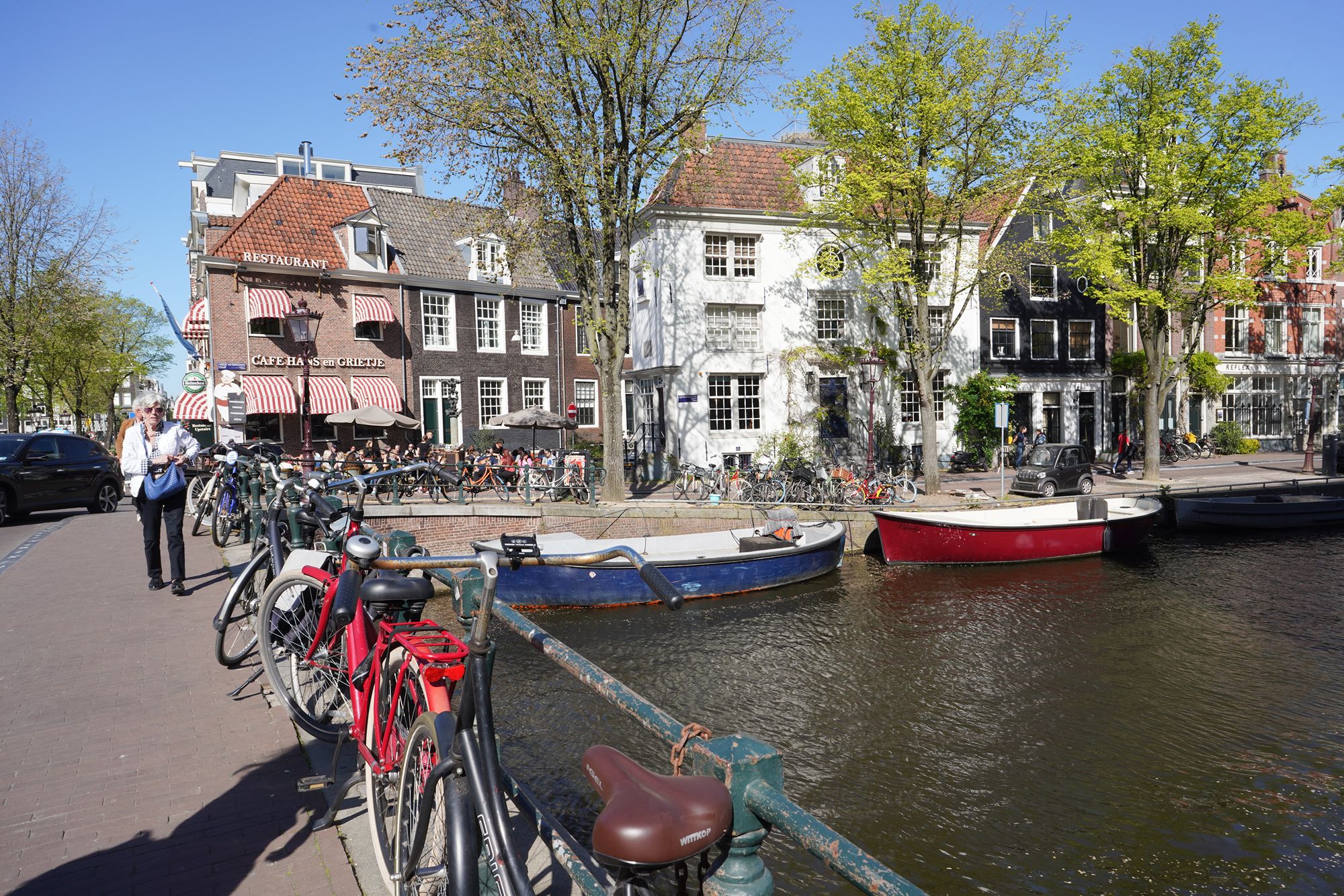
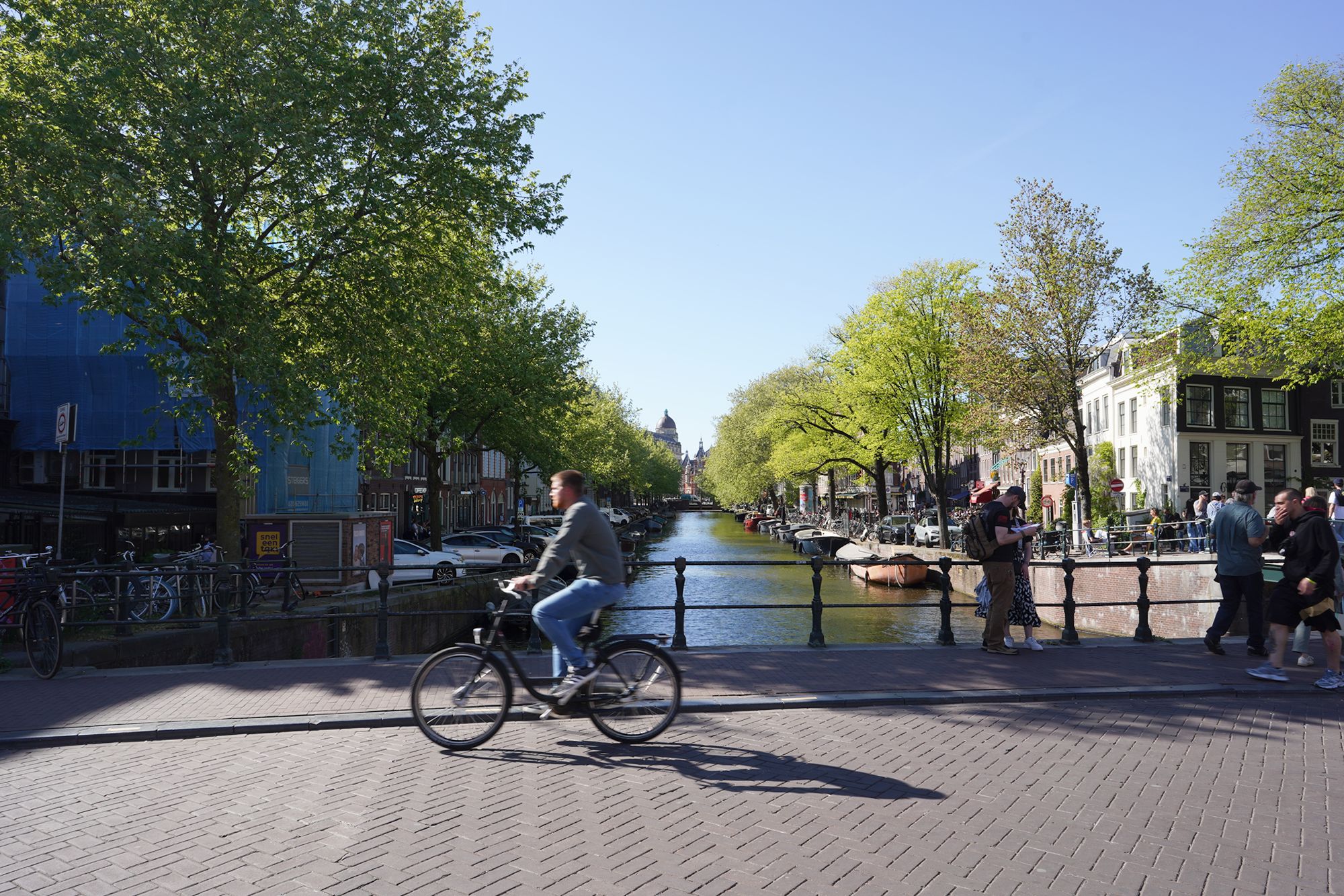
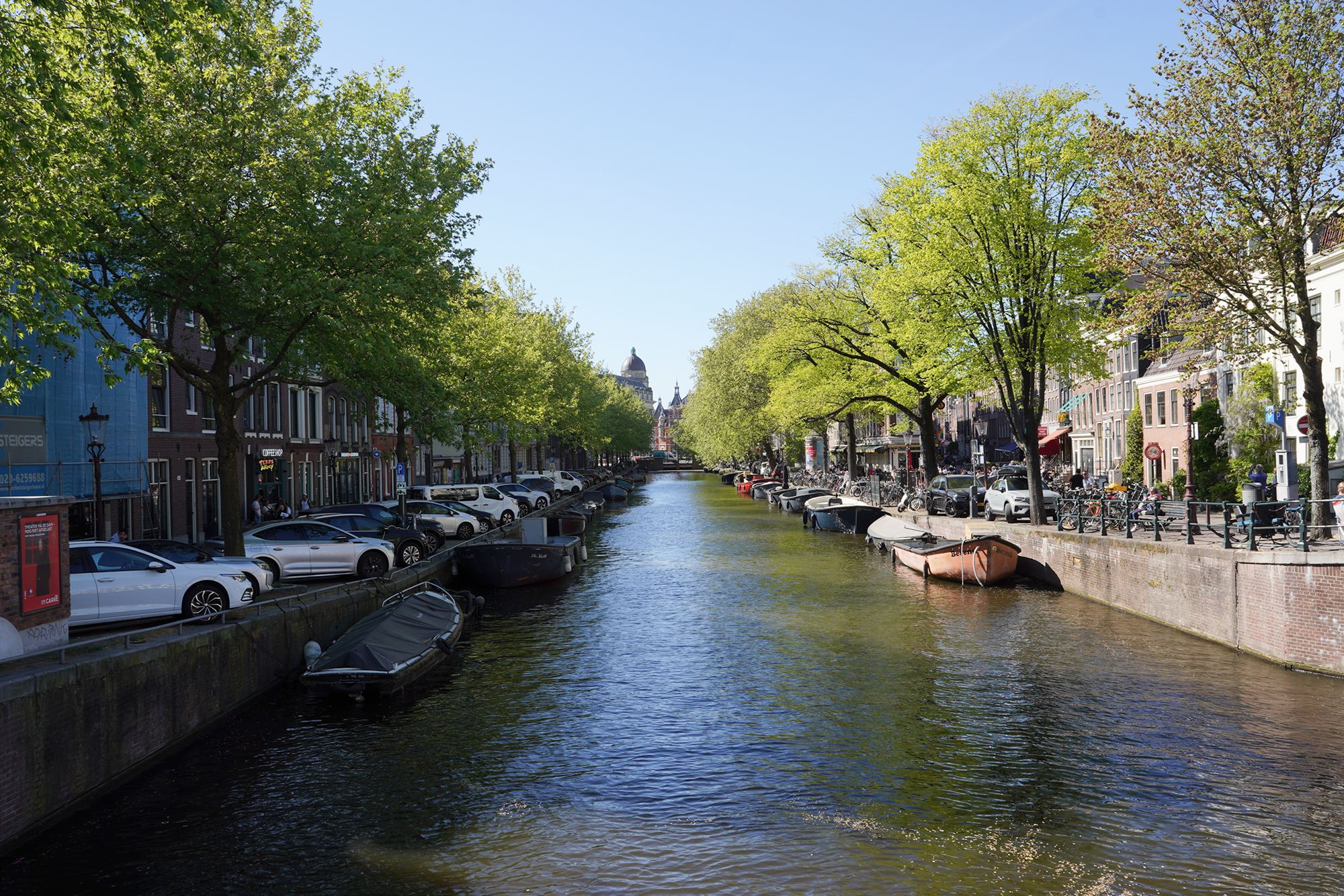
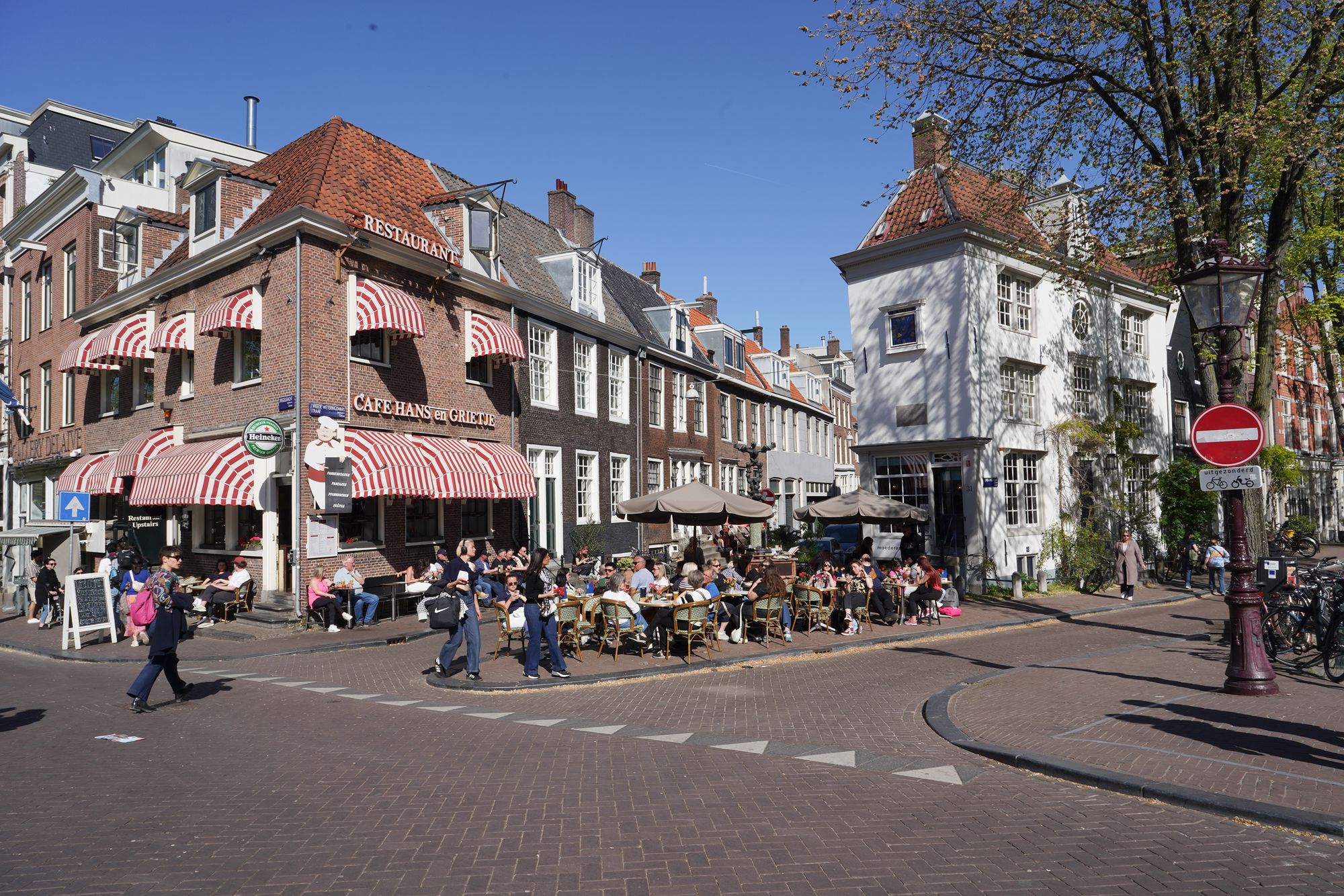
After leaving the Rijksmuseum, I spent some time wandering around the nearby streets and exploring the surrounding area.