
Stedelijk Museum, Amsterdam, Netherland
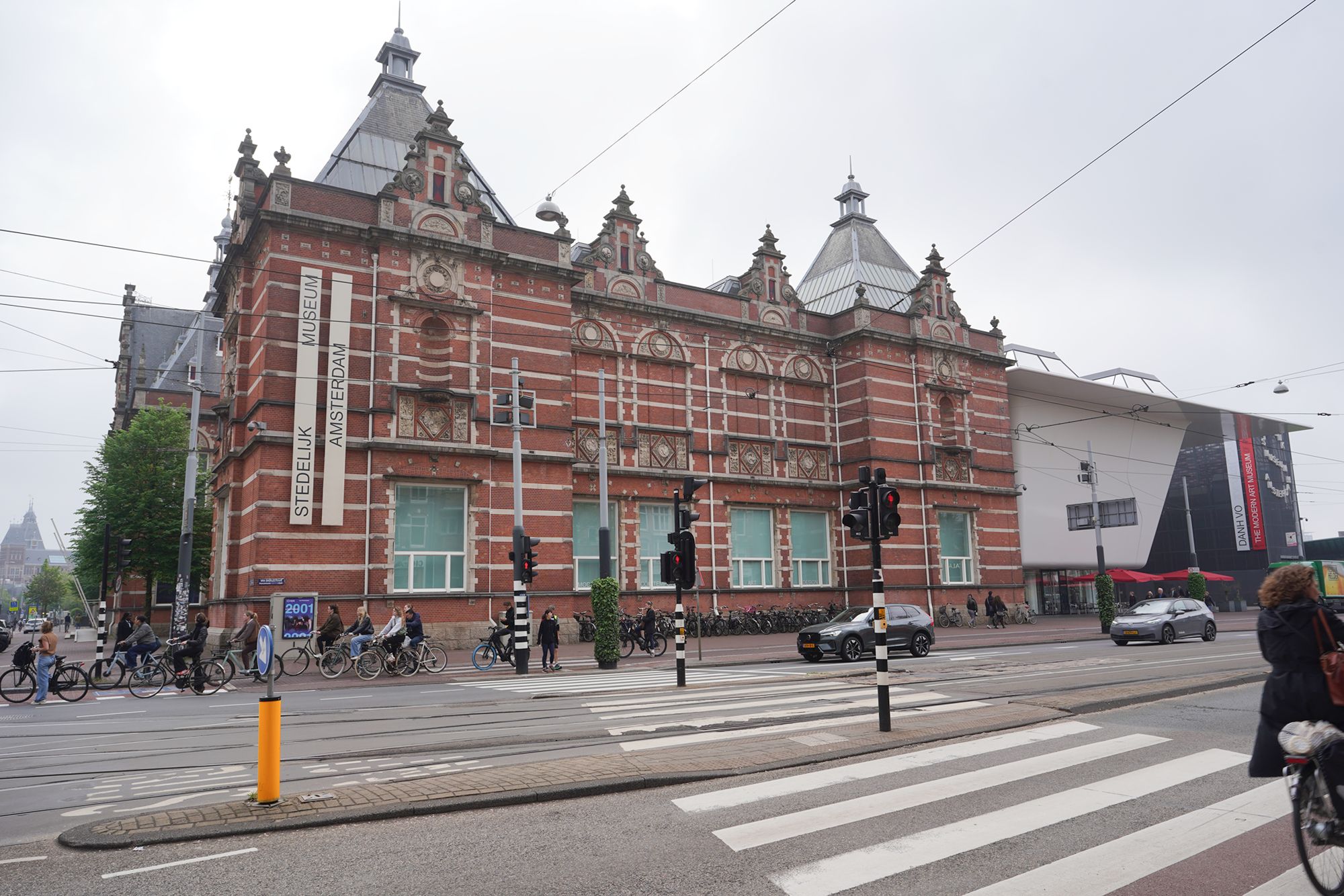
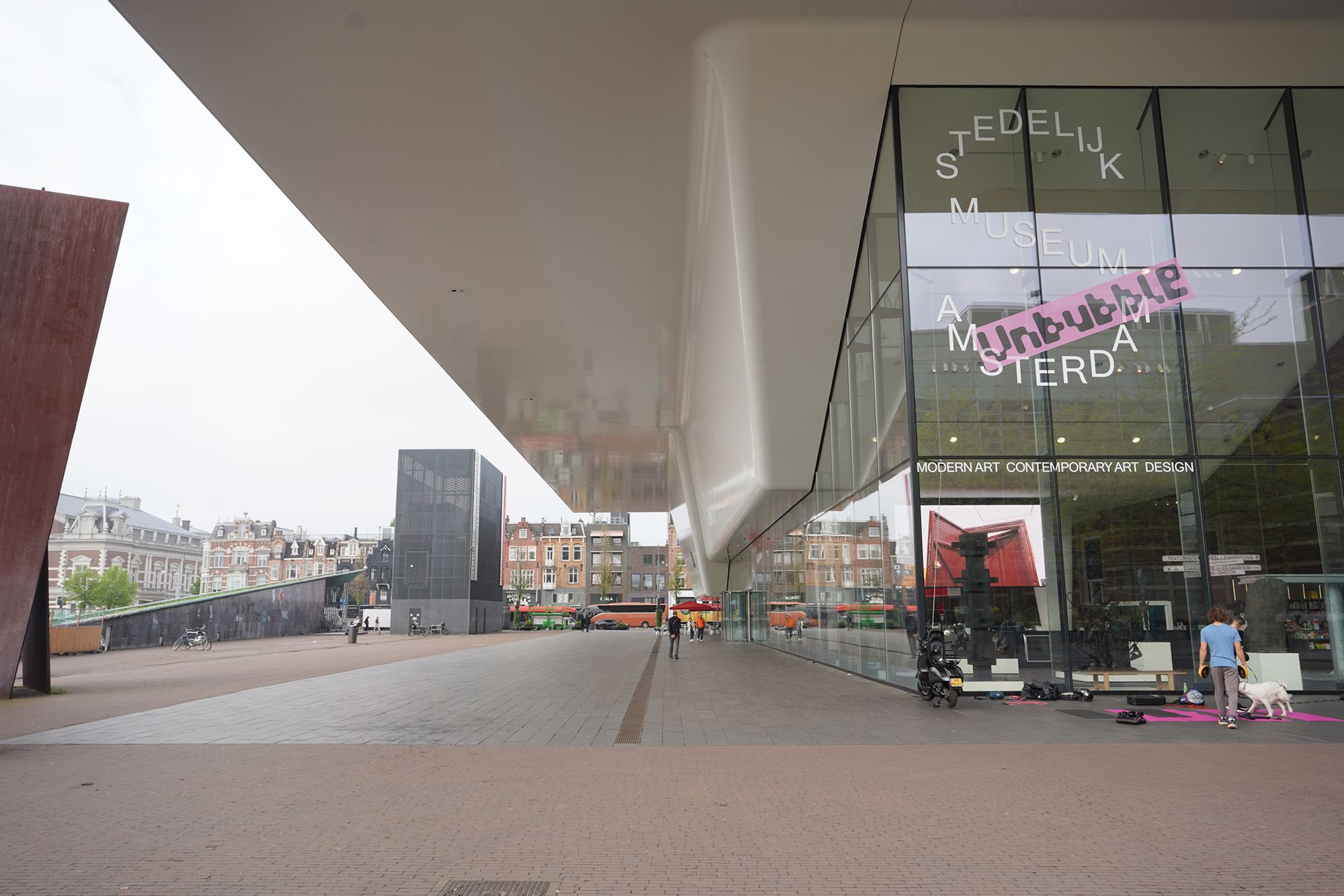
The Stedelijk Museum Amsterdam, located next to the Van Gogh Museum on Museumplein, is one of the Netherlands’ most important museums of modern and contemporary art and design. Its collection includes works by major artists such as Picasso, Matisse, Mondrian, Chagall, and Warhol, covering artistic movements from the late 19th century to the present.
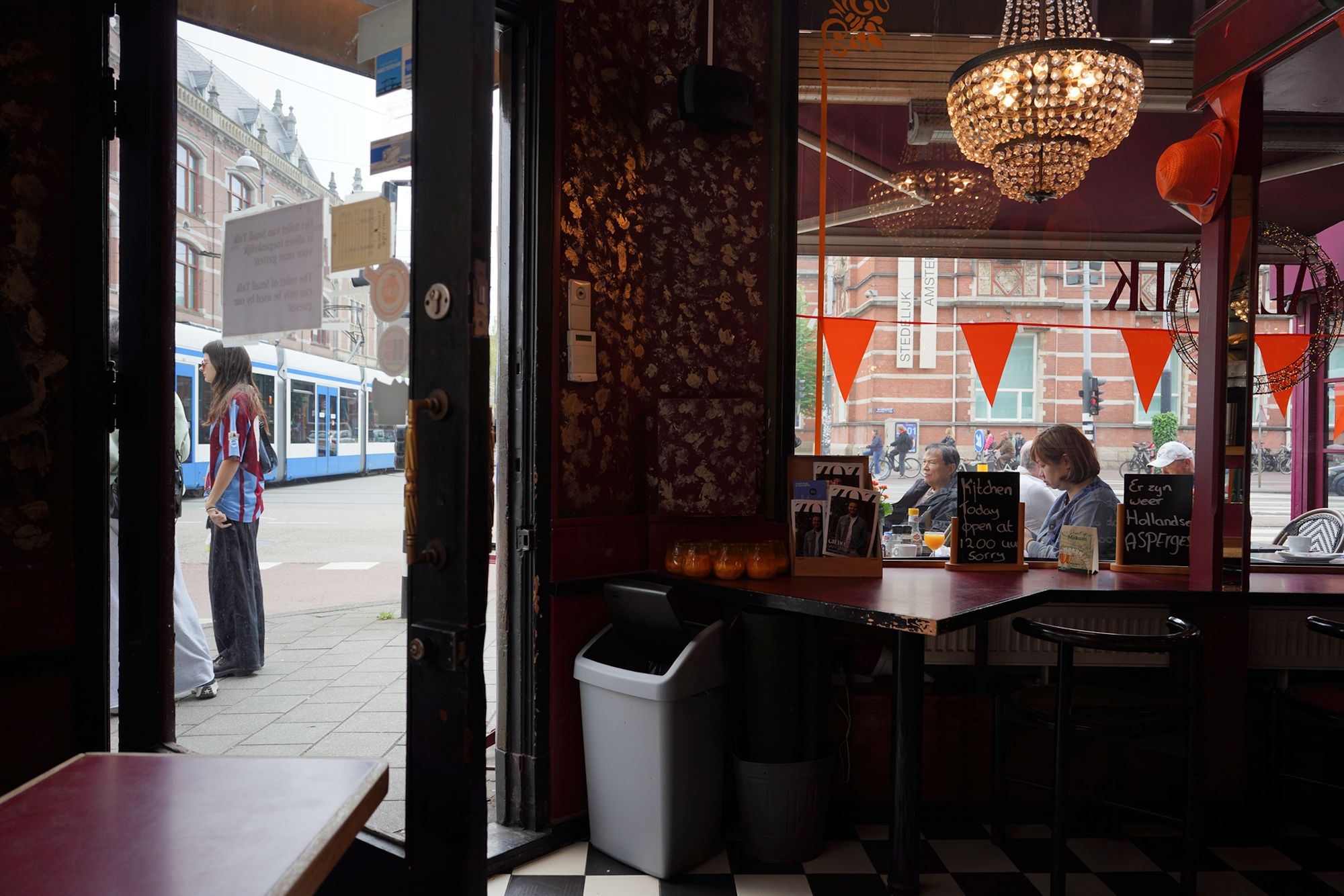
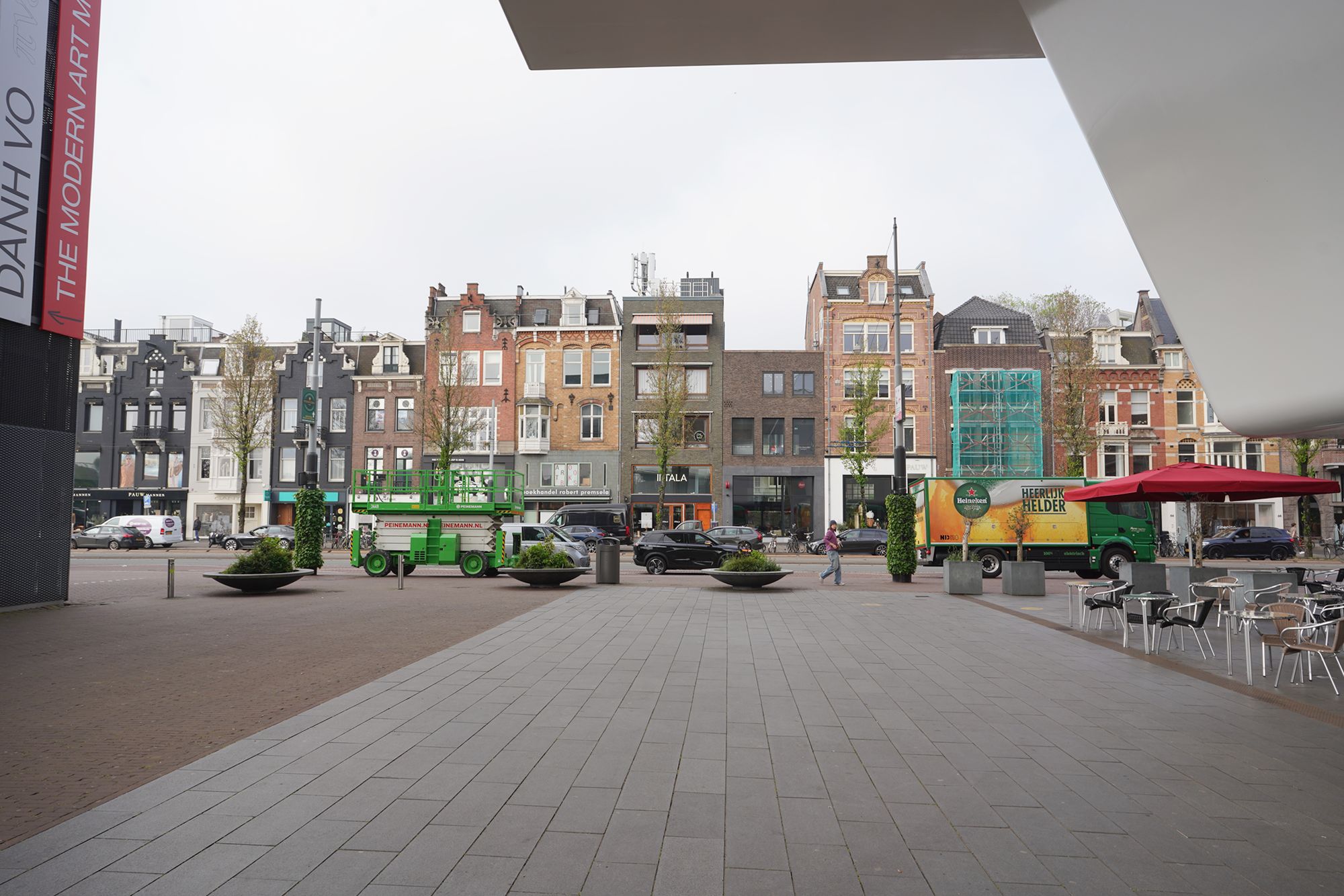
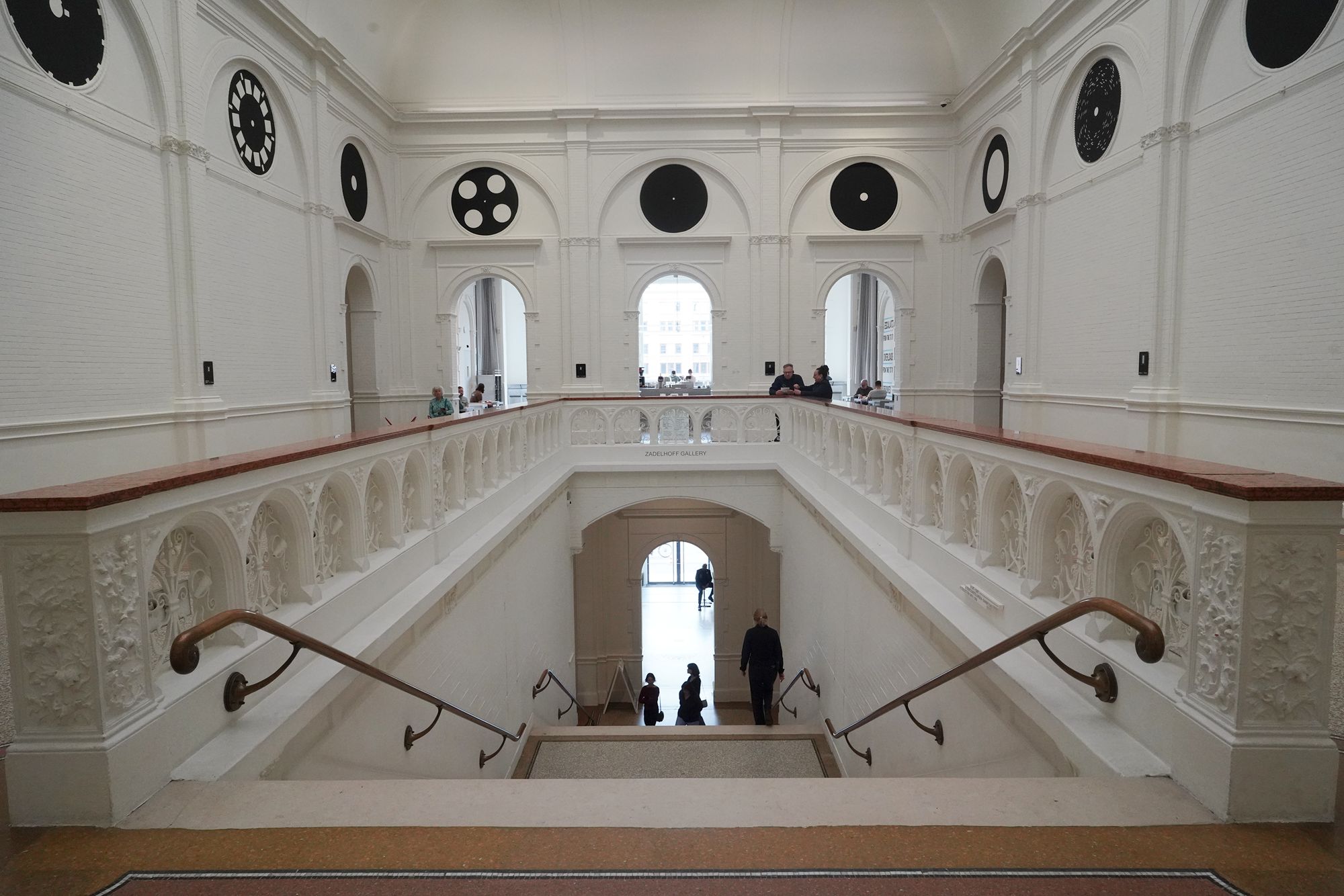
The Stedelijk Museum Amsterdam
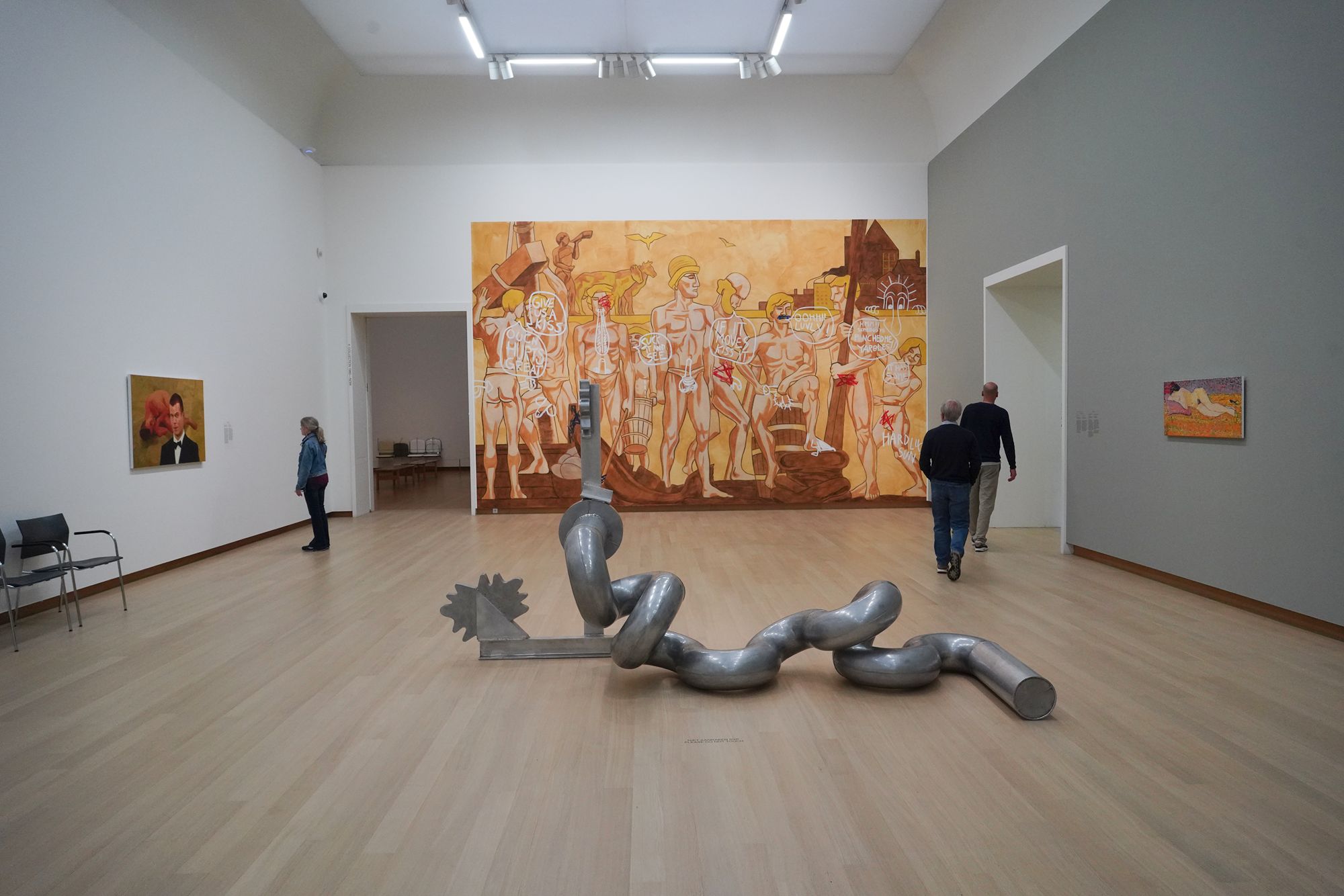
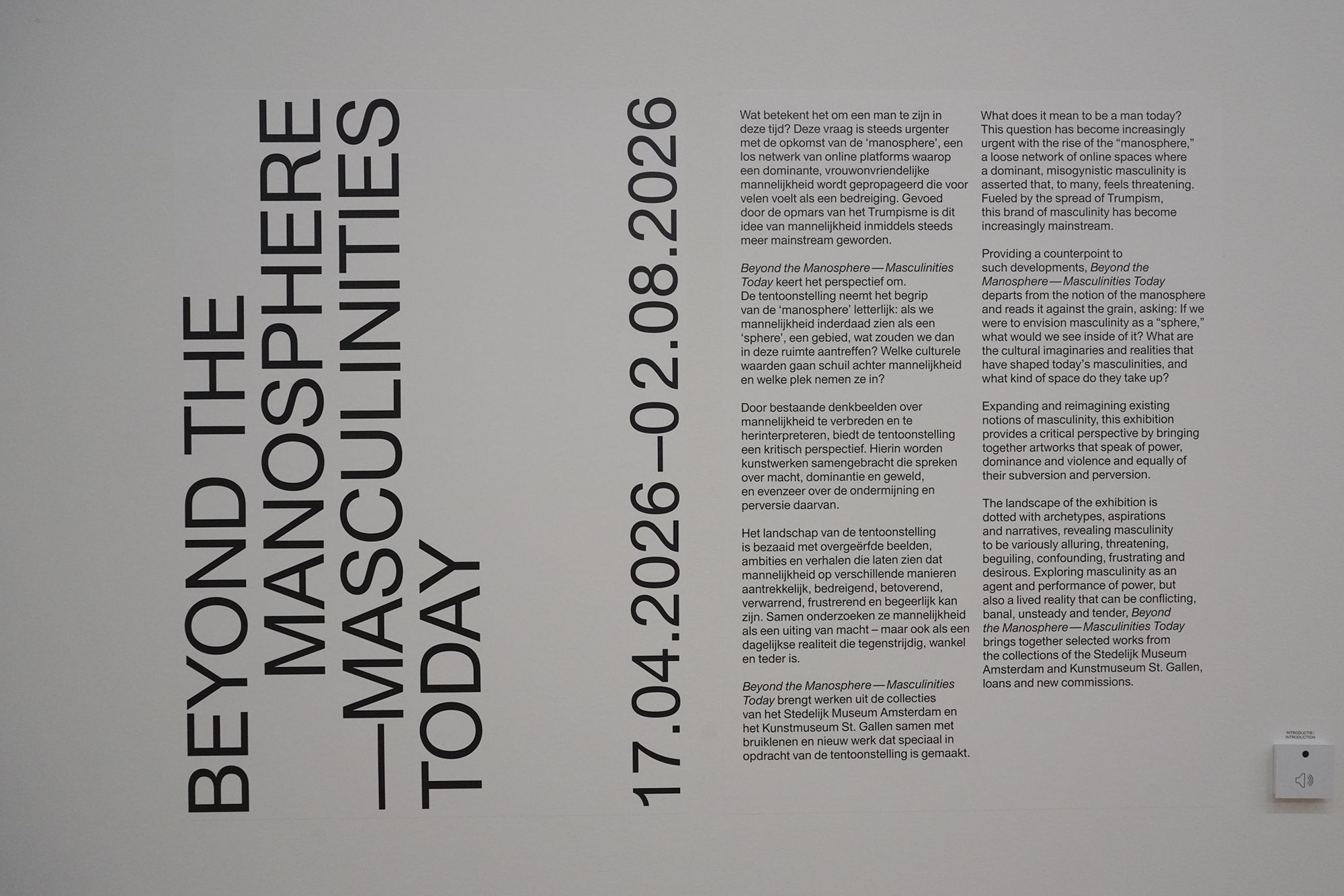
Inside the Stedelijk Museum, I explored its extensive collection of modern and contemporary art, with works by some of the most influential artists of the 20th century.
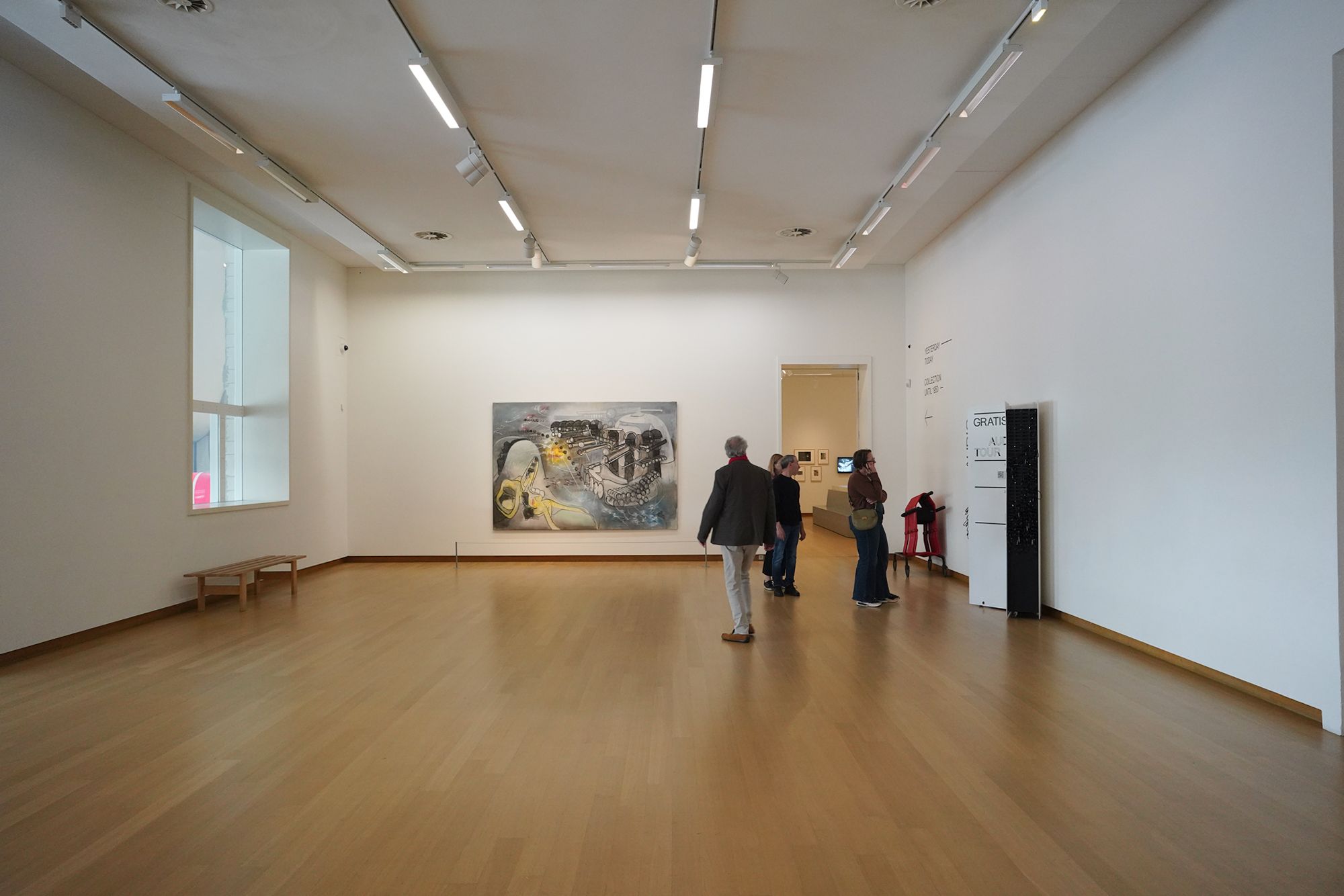
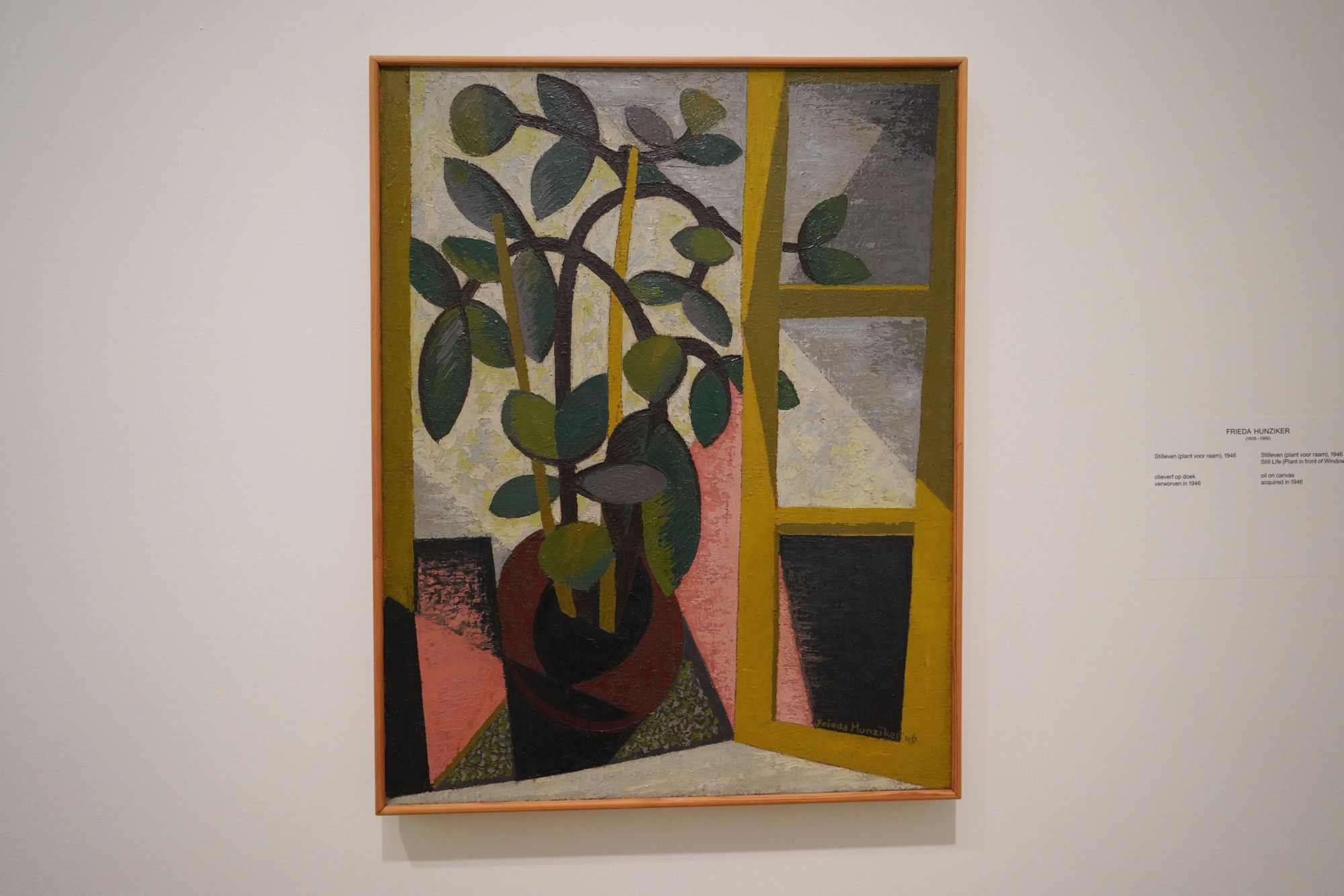
This section, “Yesterday Today: Collection Until 1950,” explores how artists responded to the enormous social and technological changes of their time, including industrialization, women’s emancipation, colonialism, and the two World Wars.
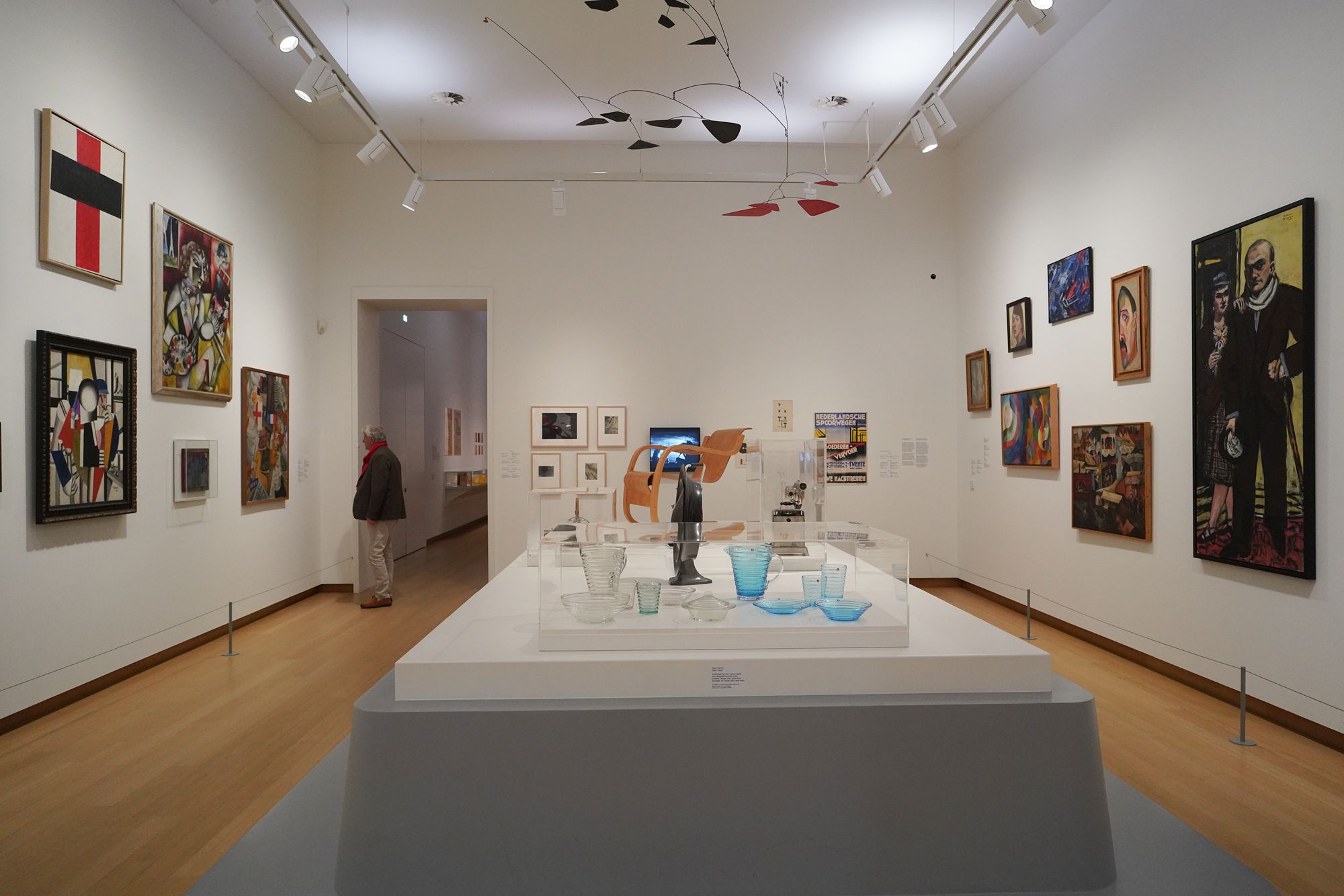
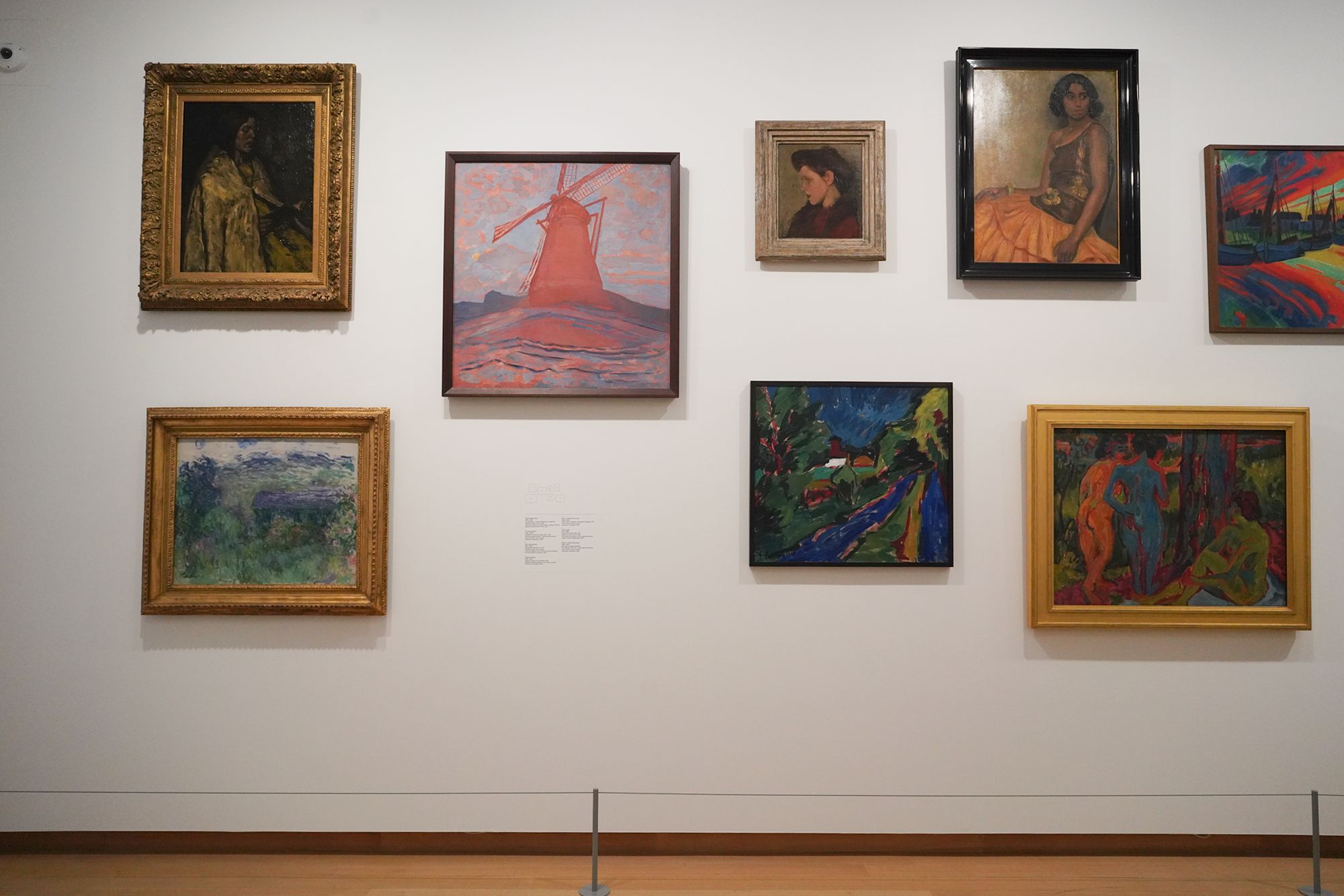
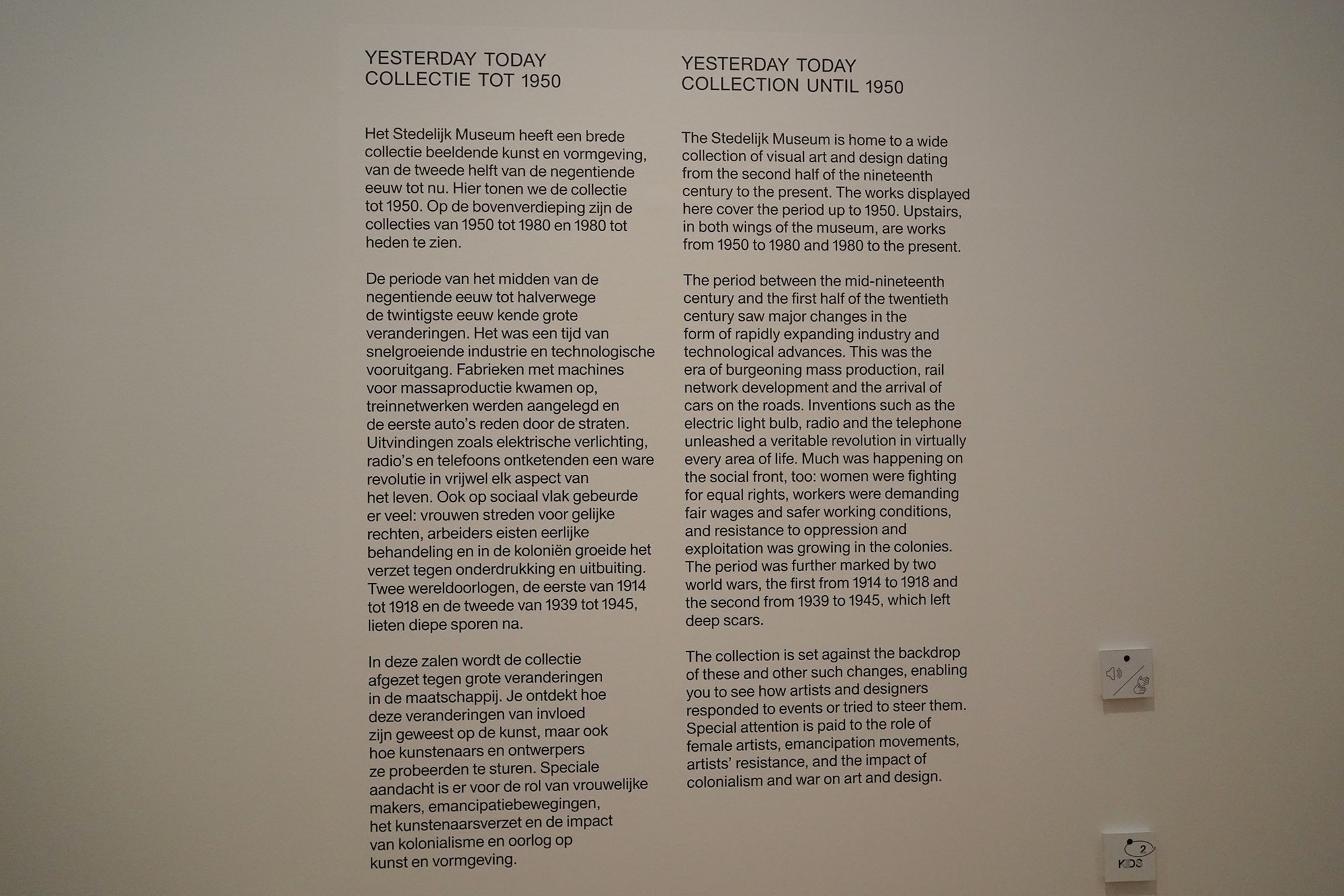
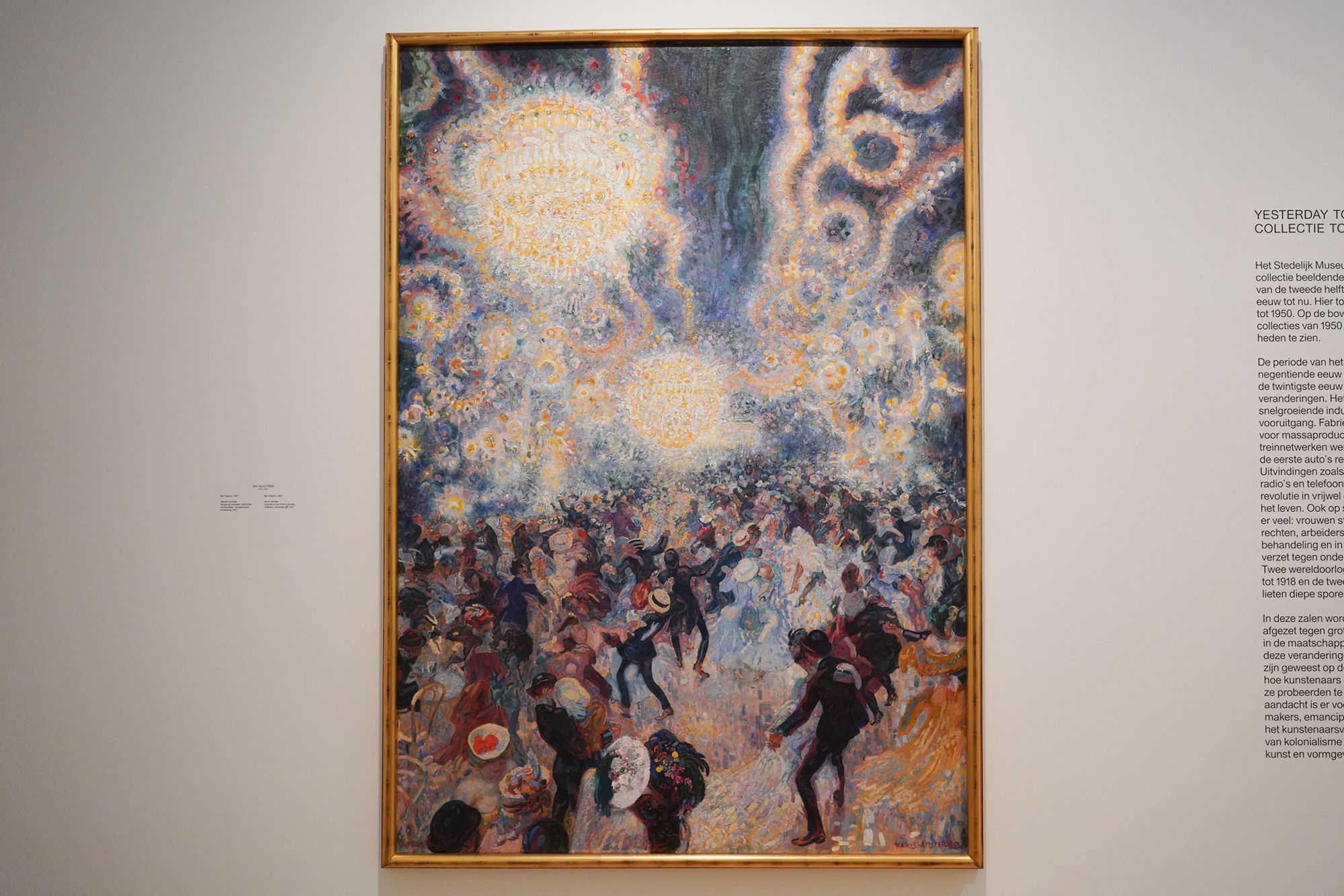
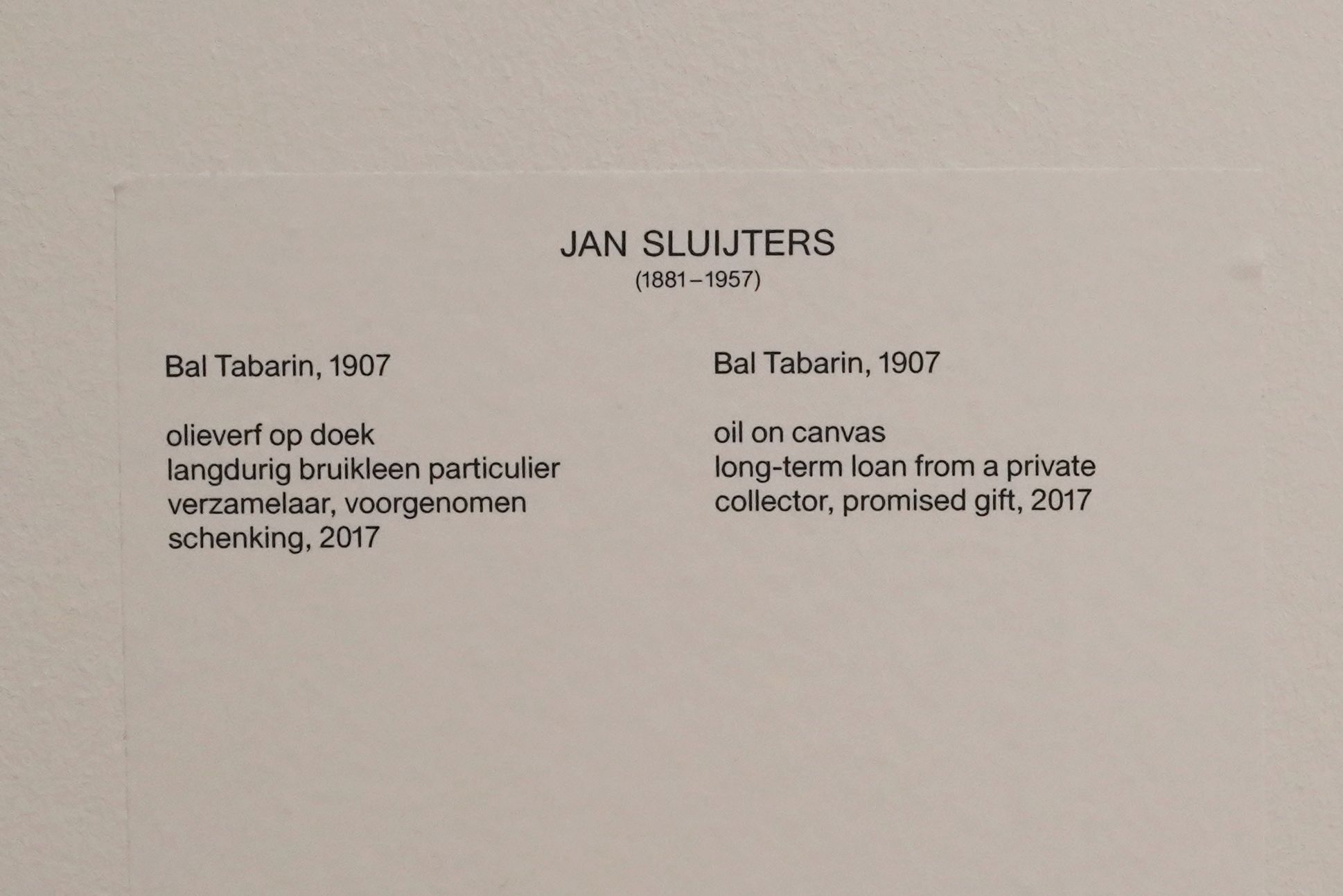
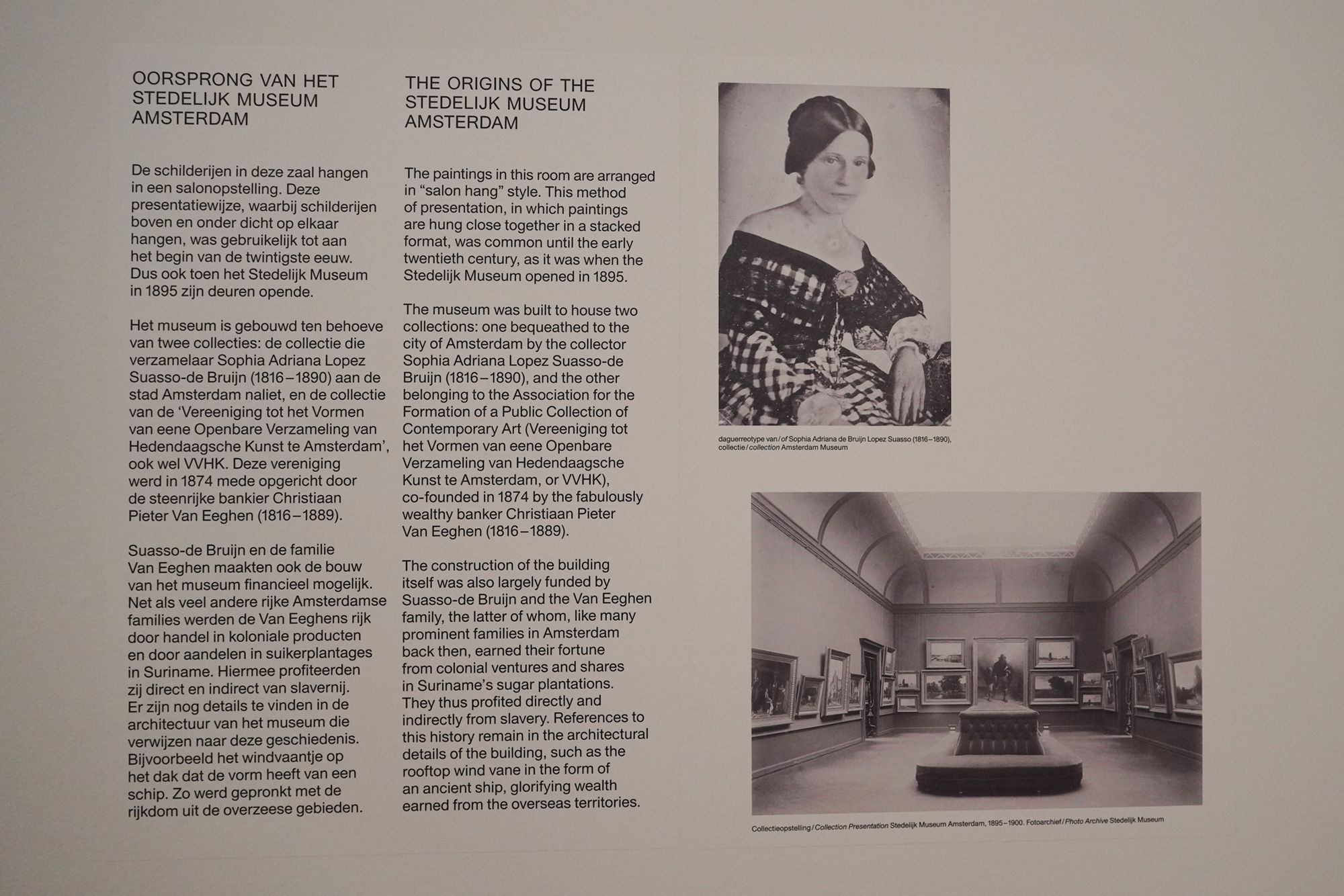
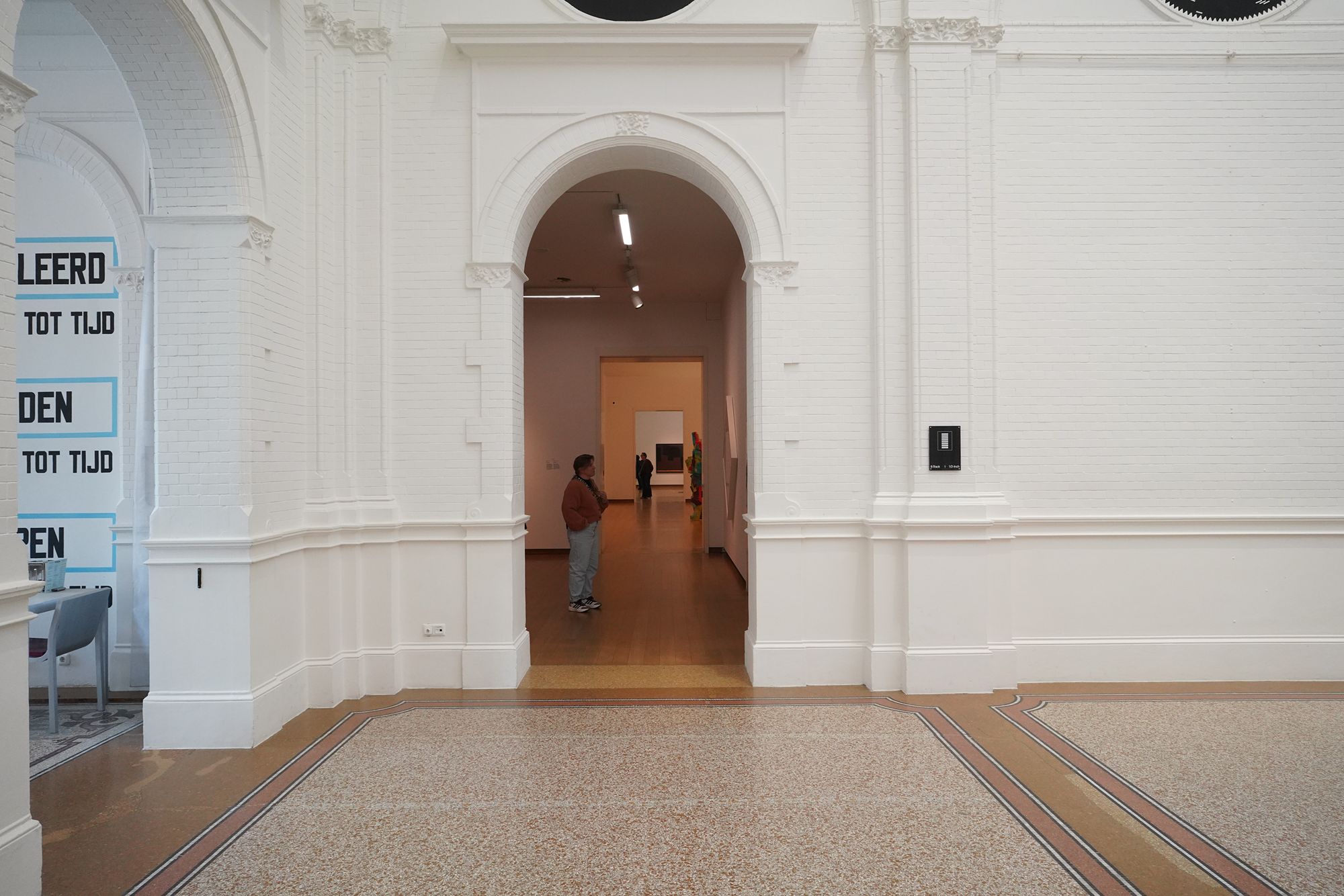
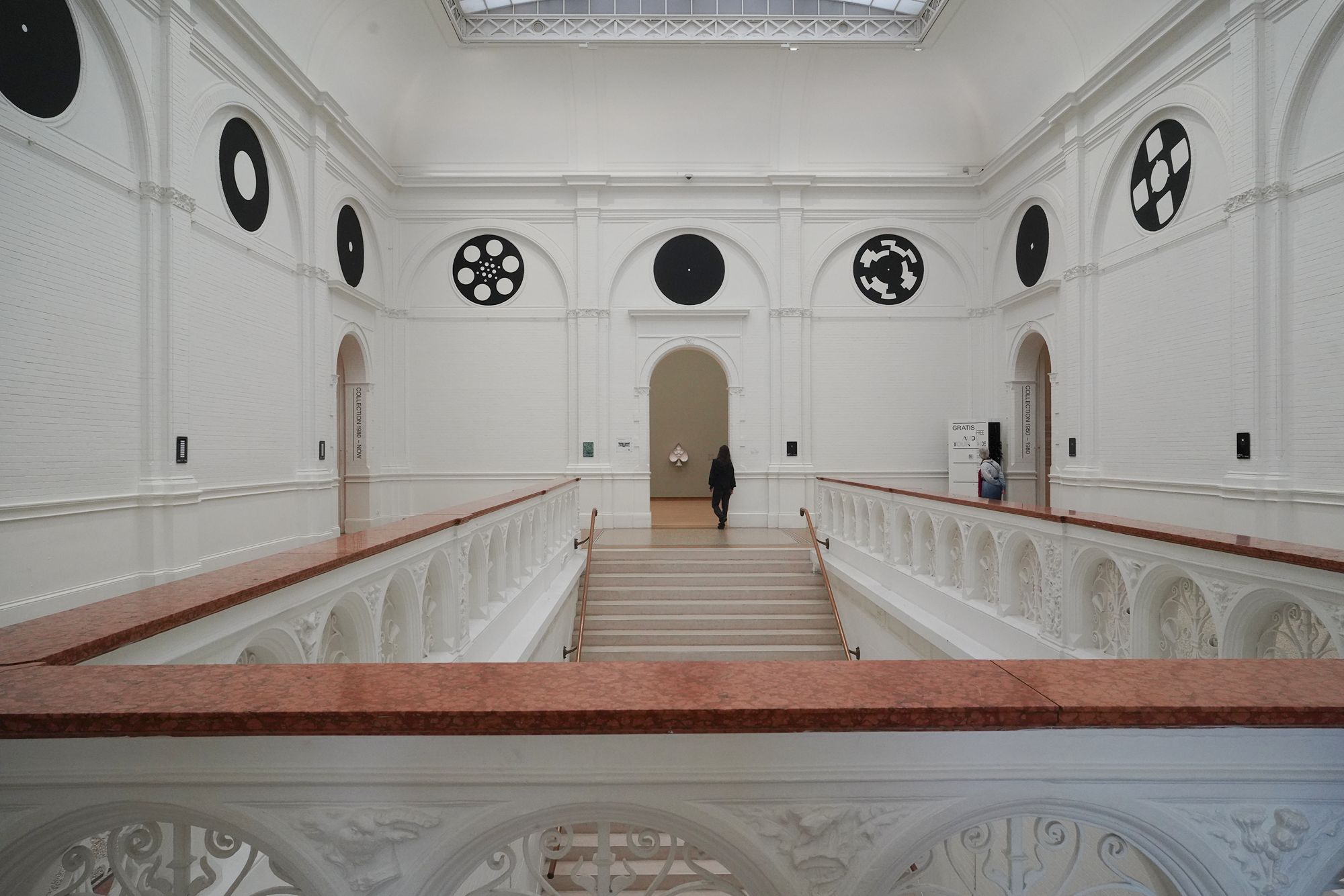
The Stedelijk Museum opened in 1895, originally to house two important Amsterdam art collections. Its galleries were initially arranged in the traditional “salon style,” with paintings densely hung from floor to ceiling. The museum’s origins also reflect Amsterdam’s colonial history, as some of the wealth that helped fund it came from families connected to sugar plantations in Suriname and slavery.
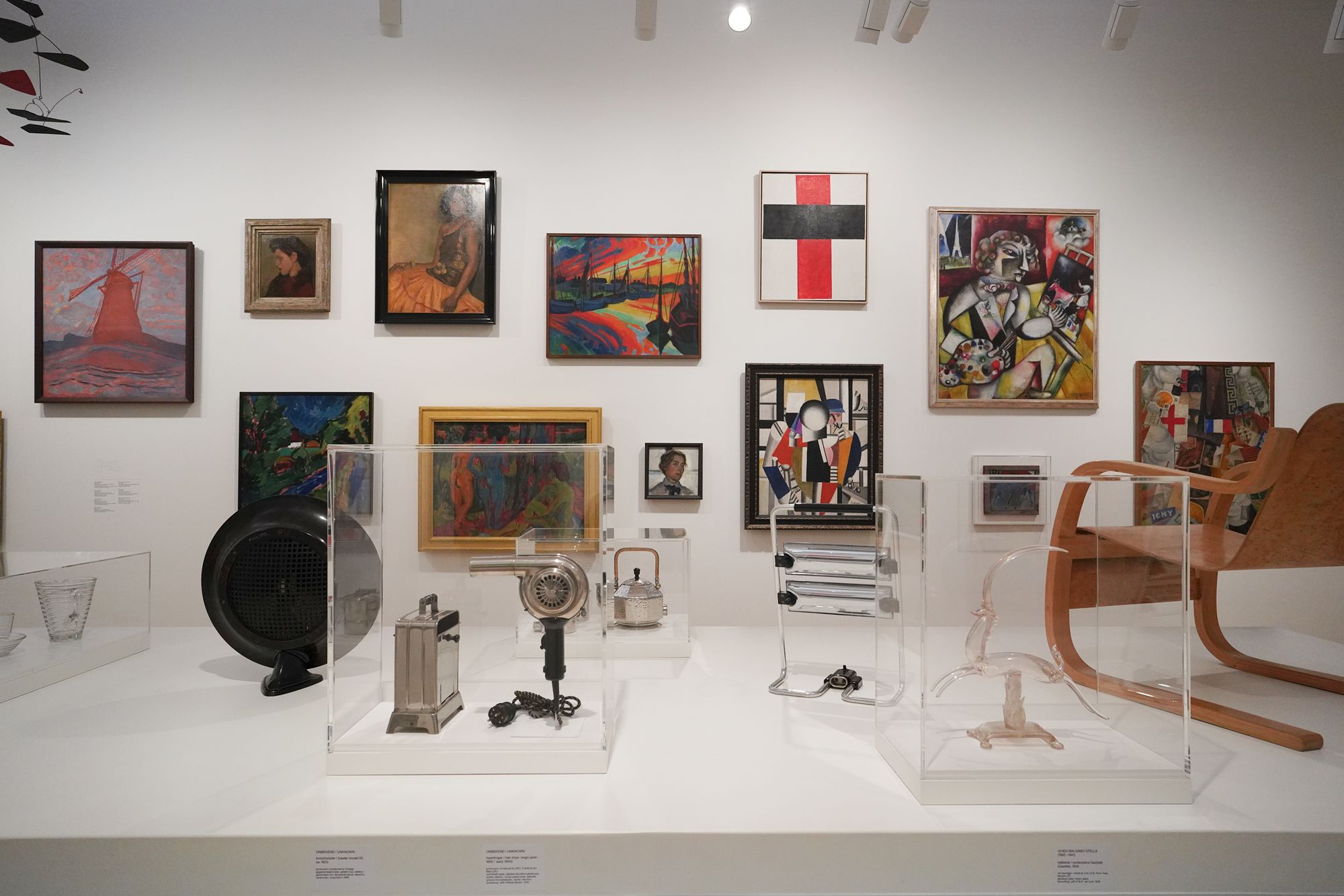
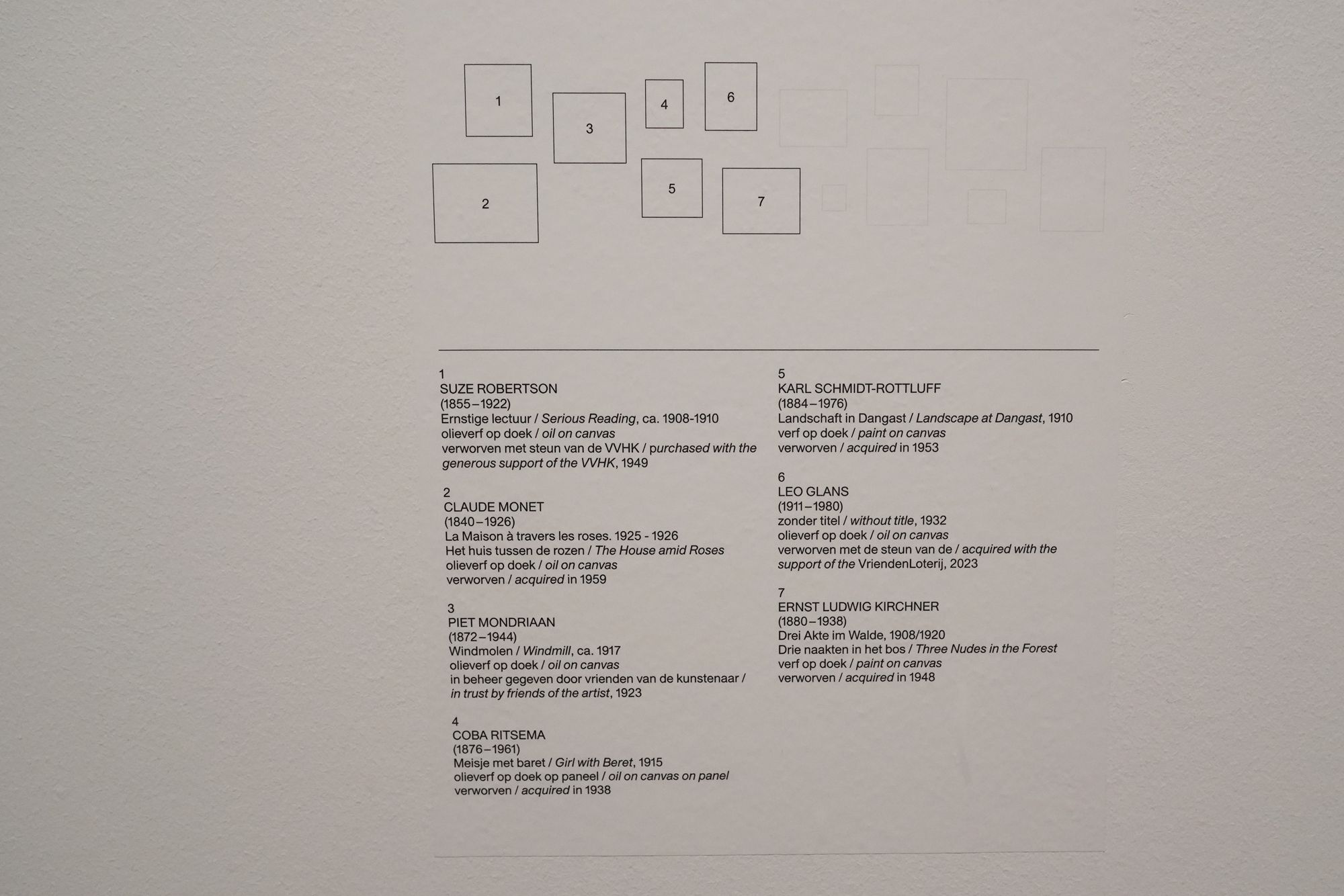
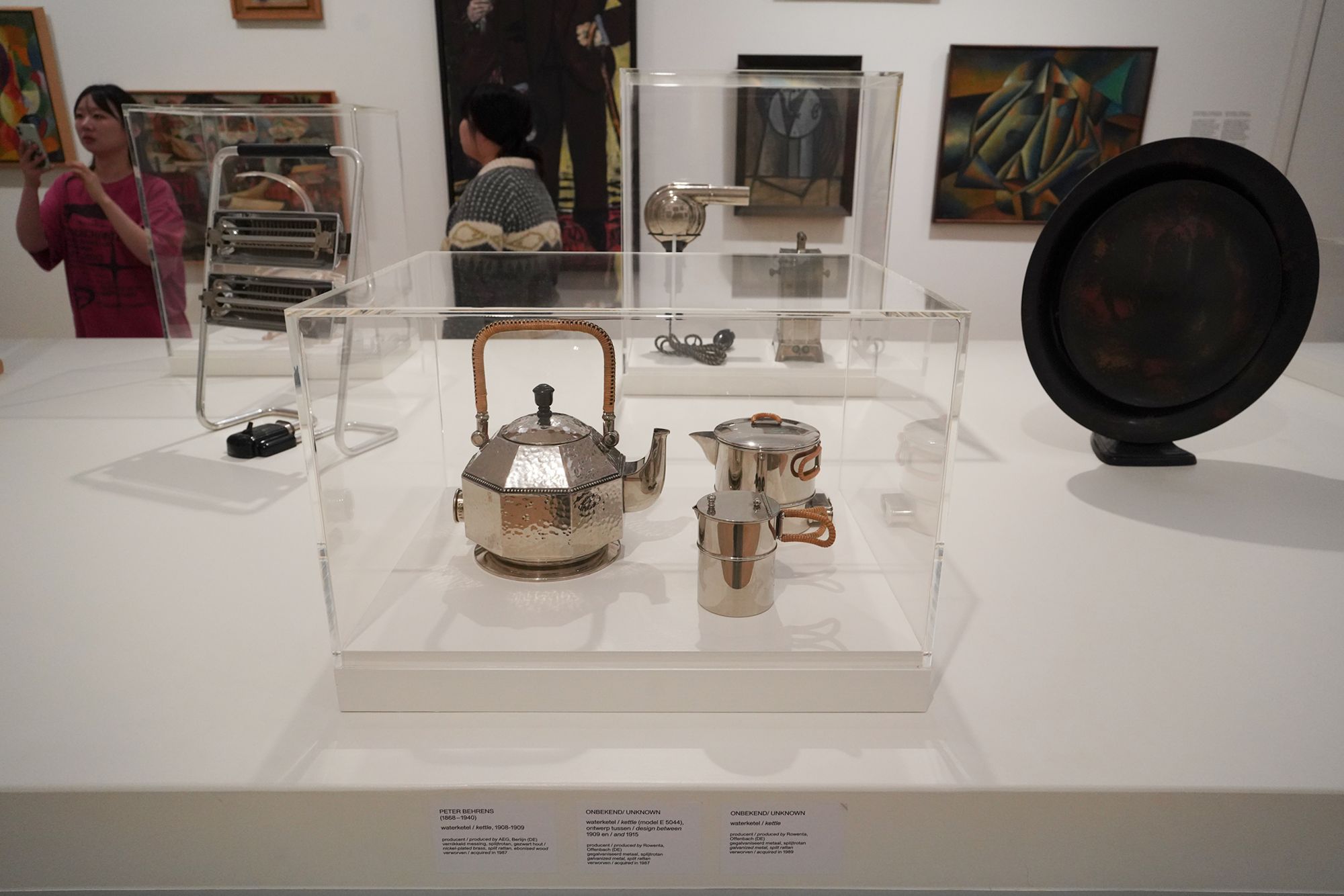
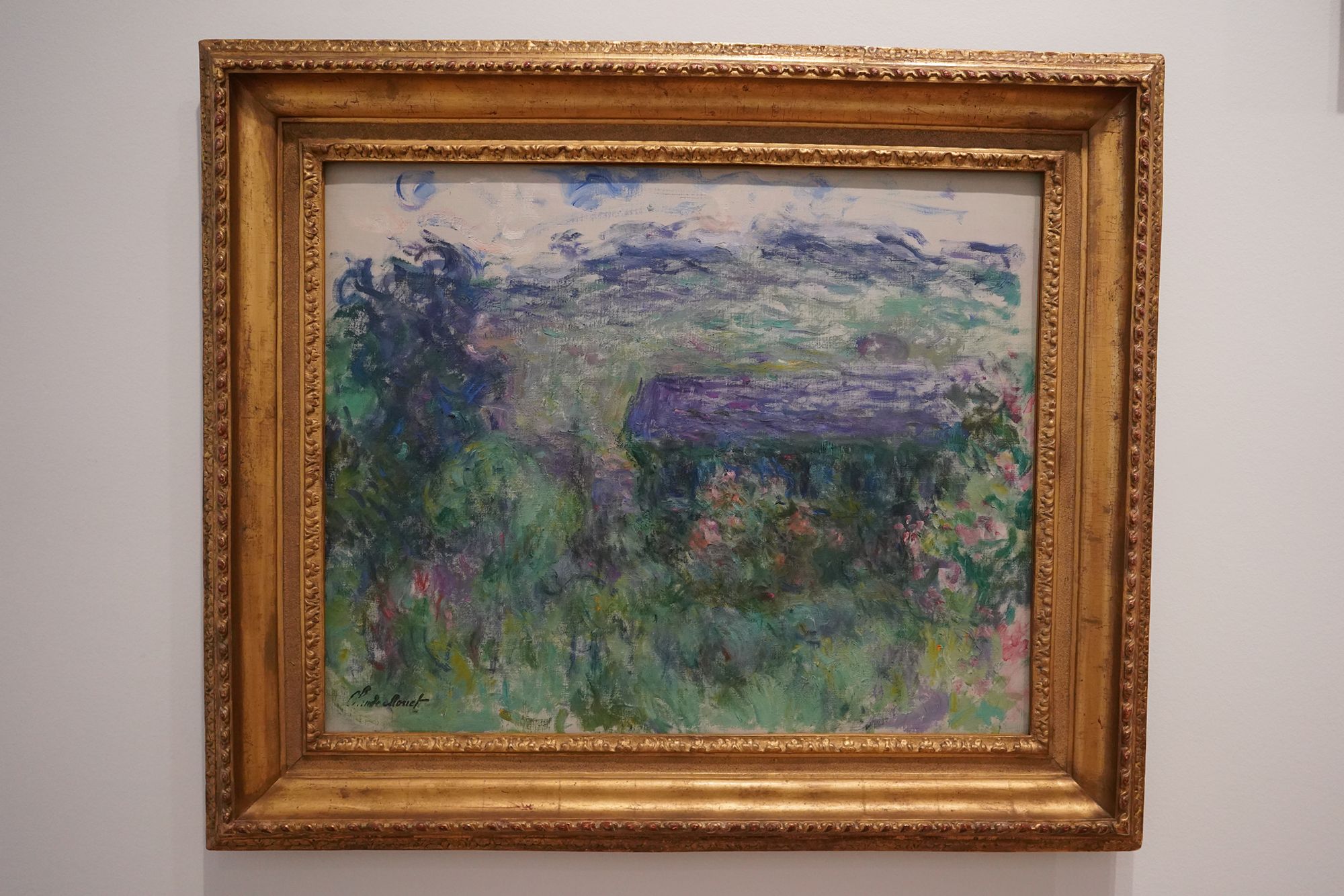
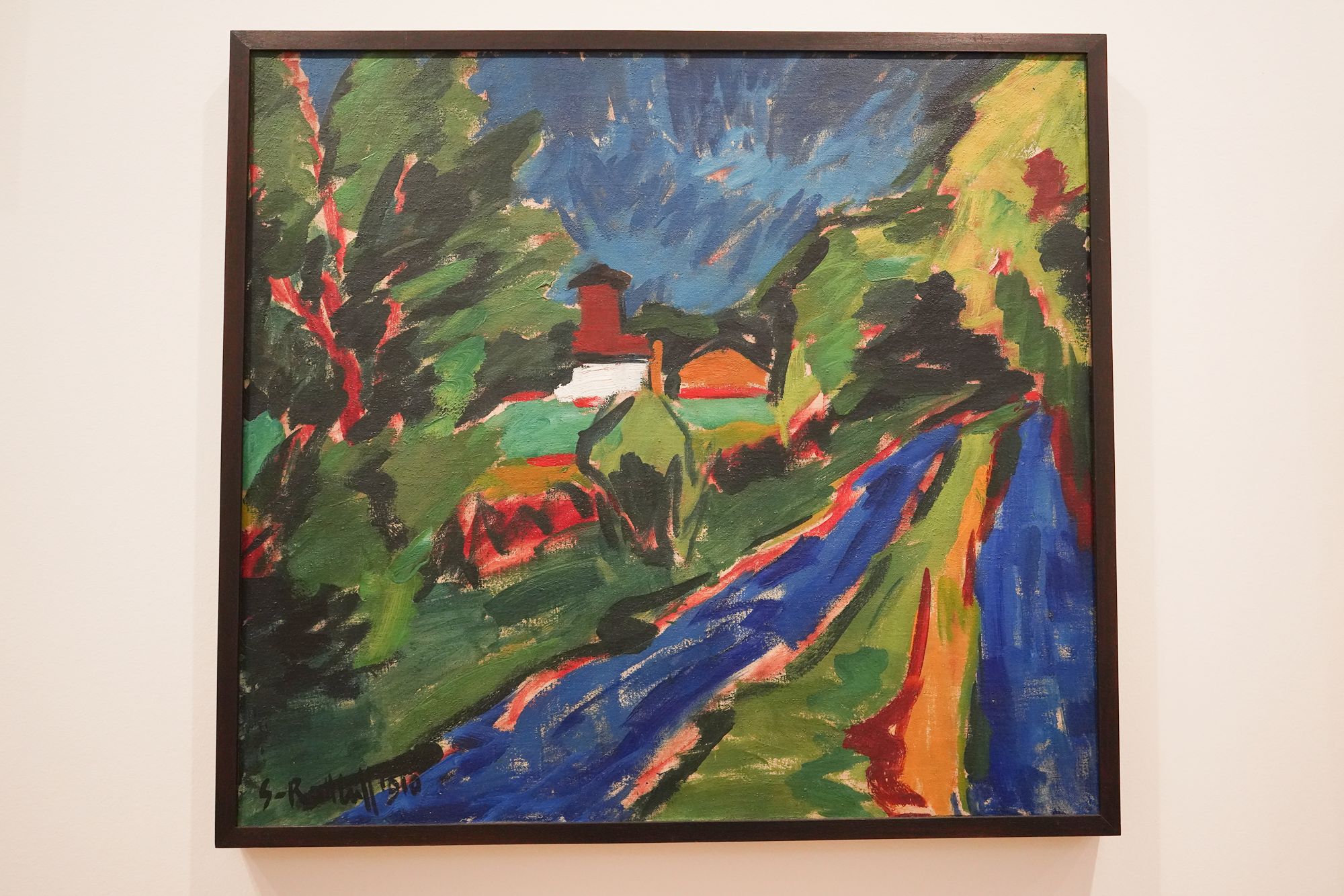
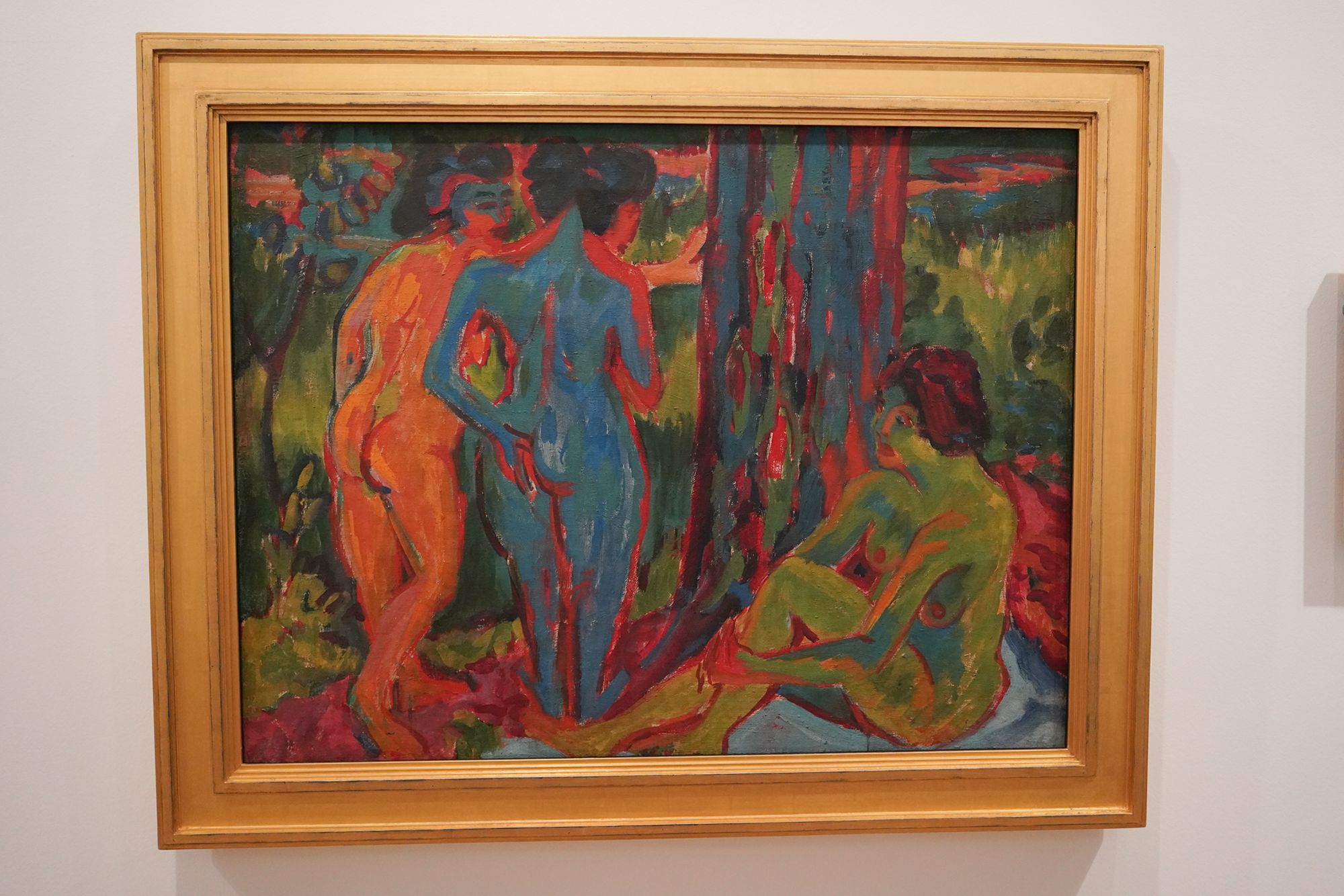
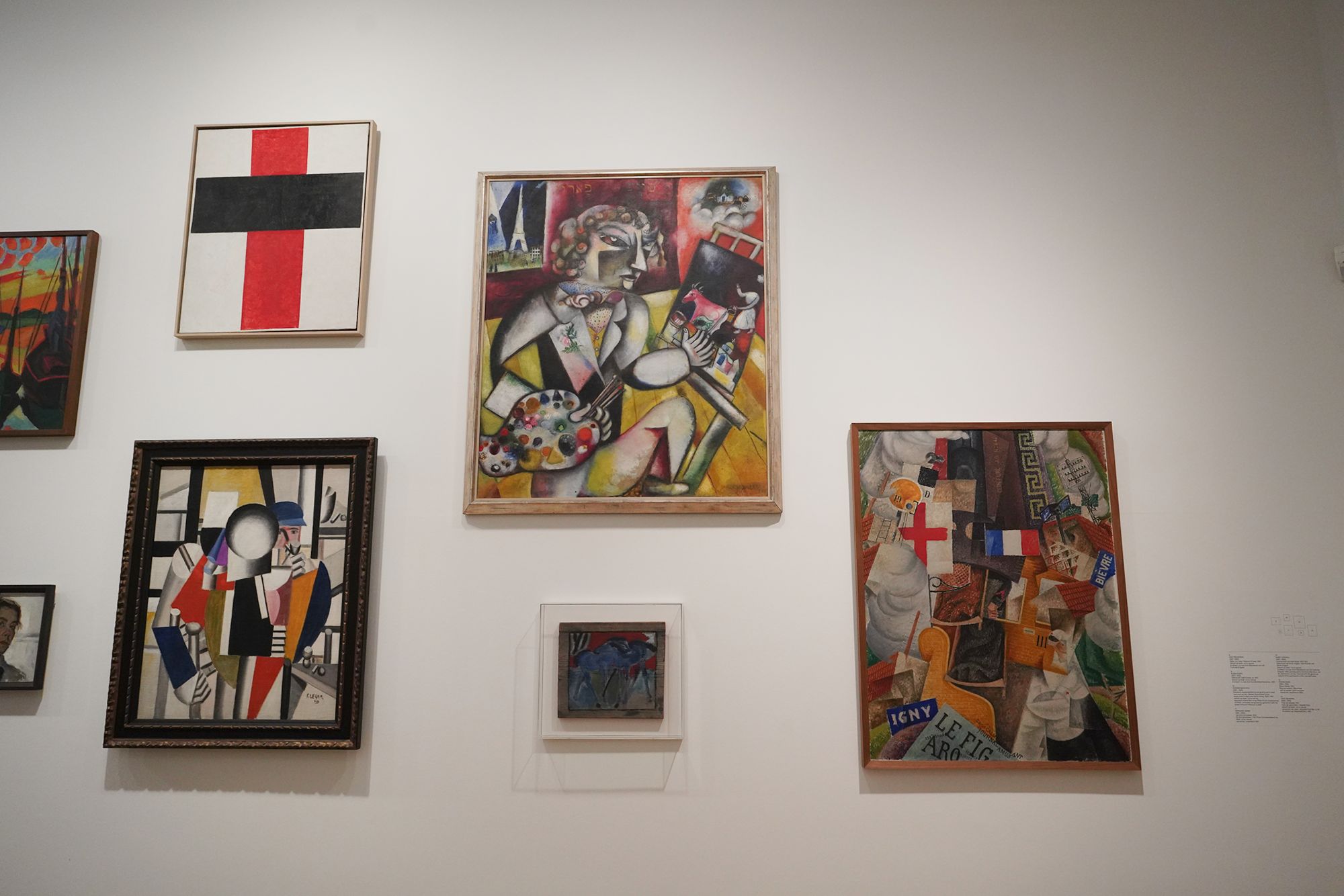
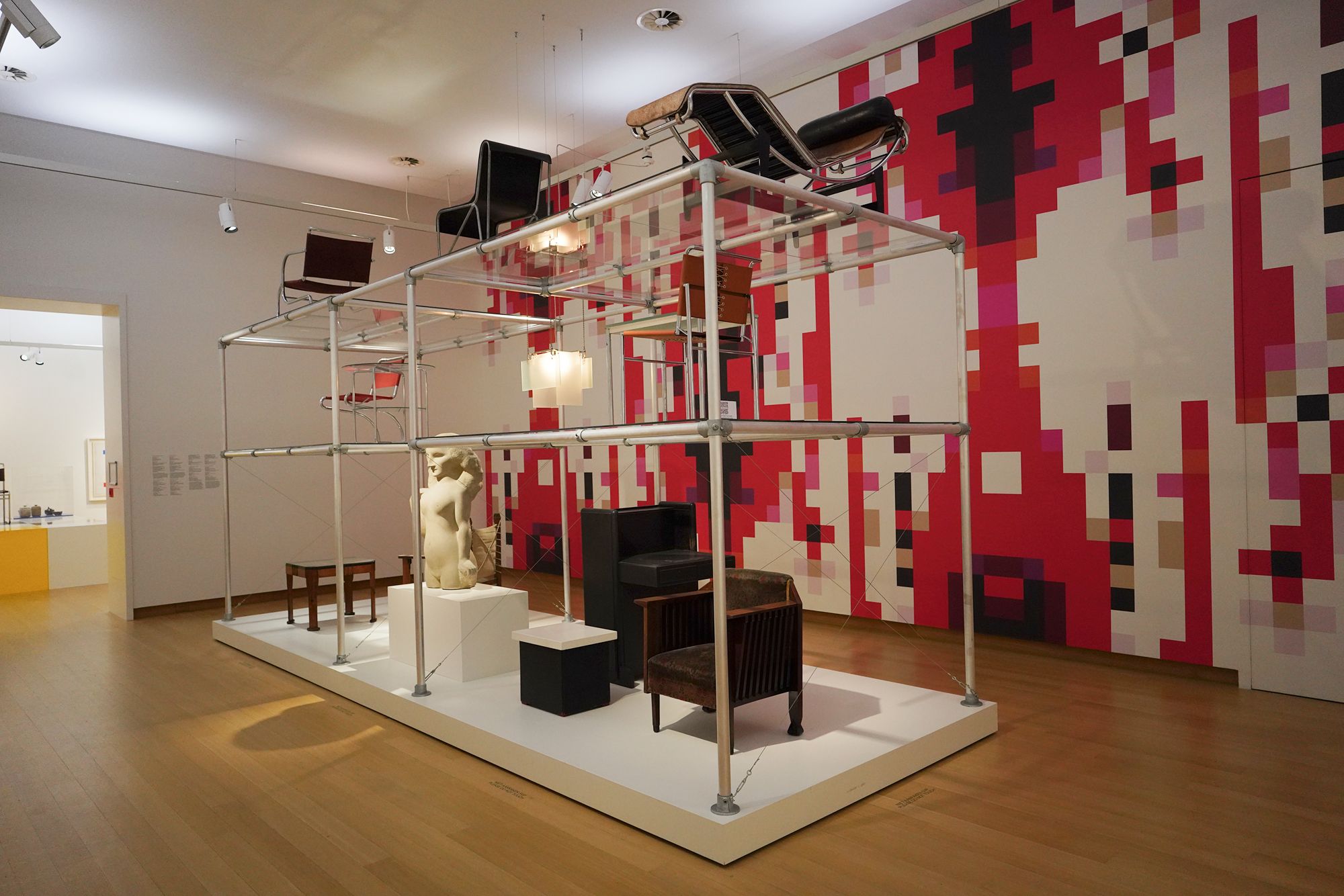
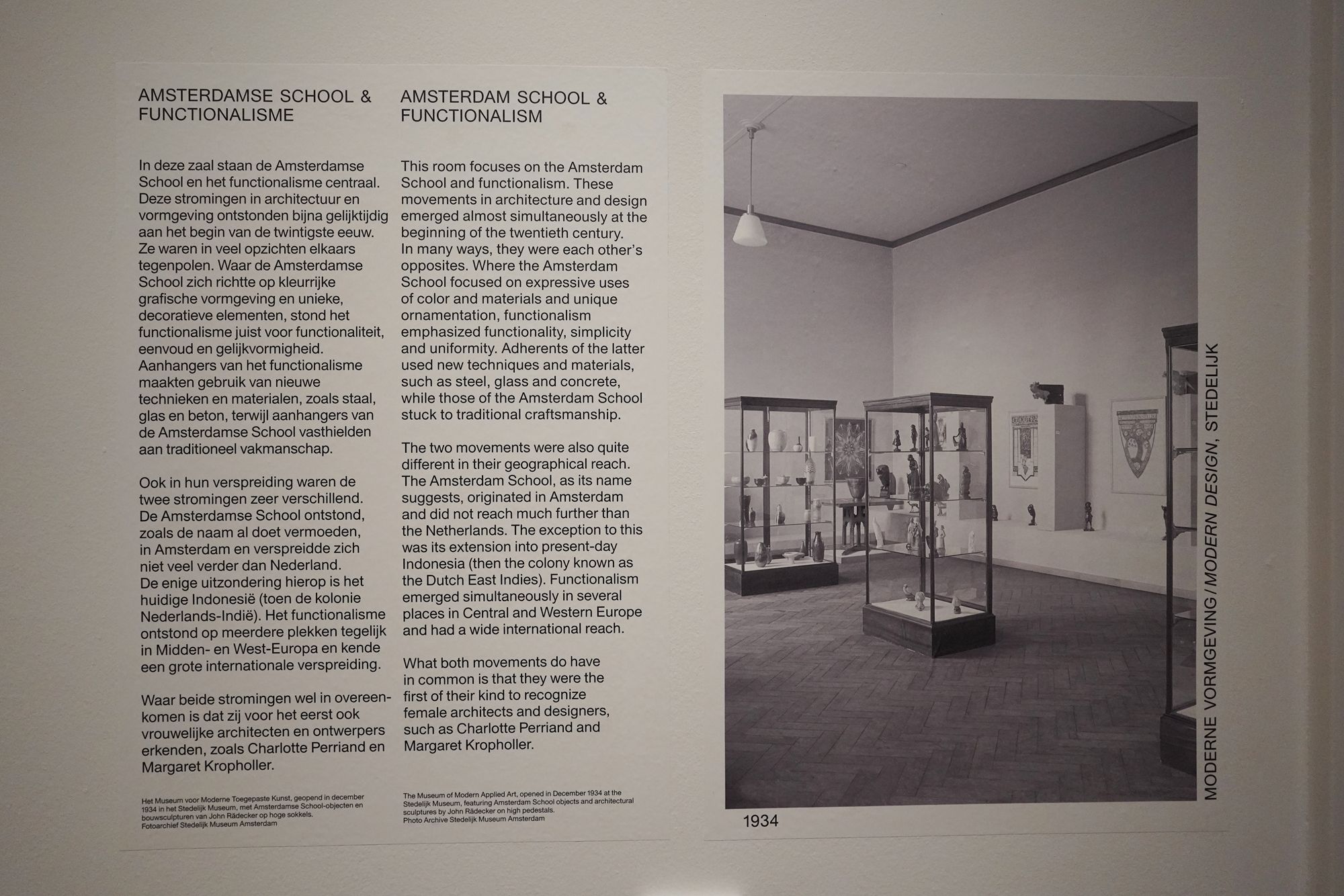
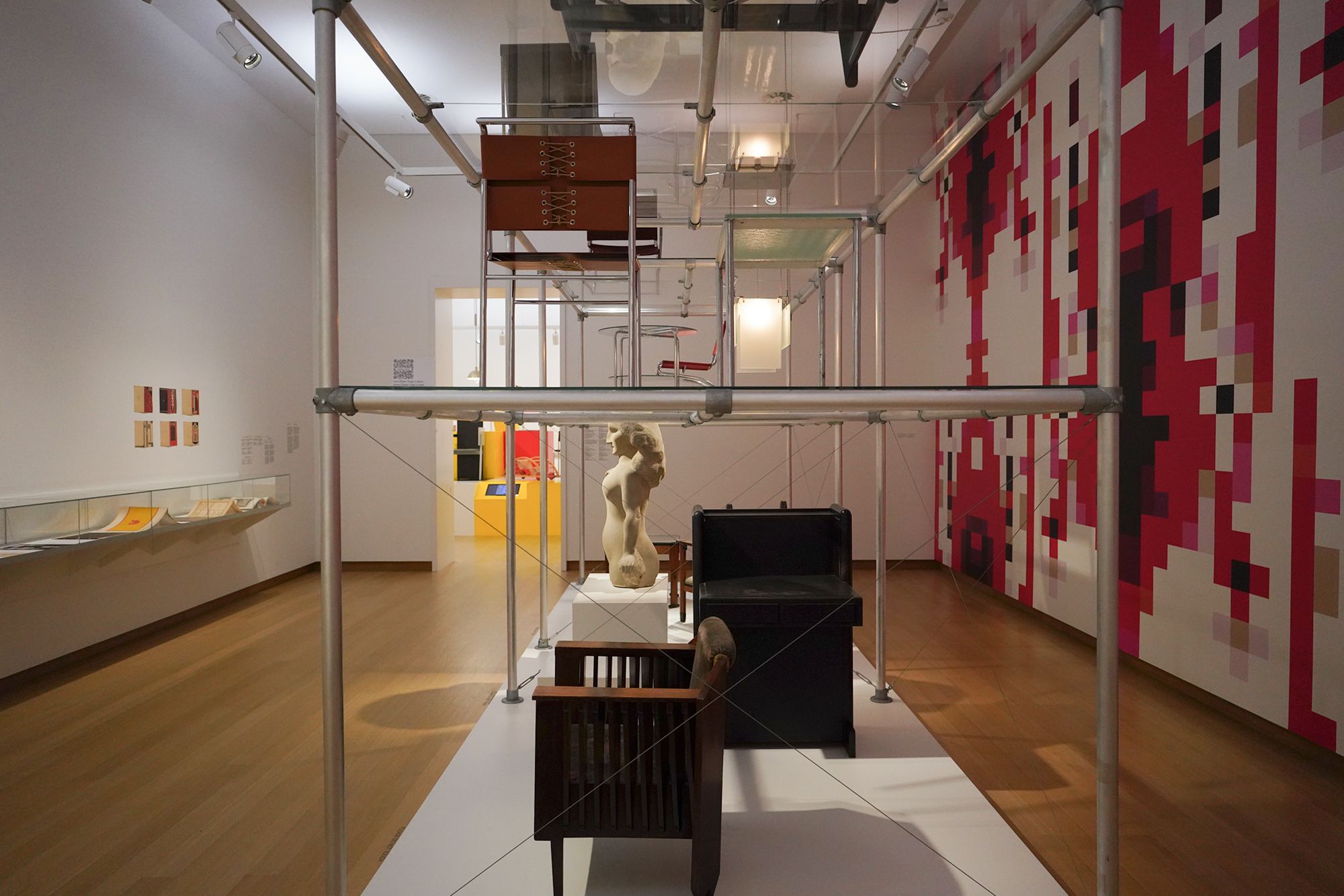
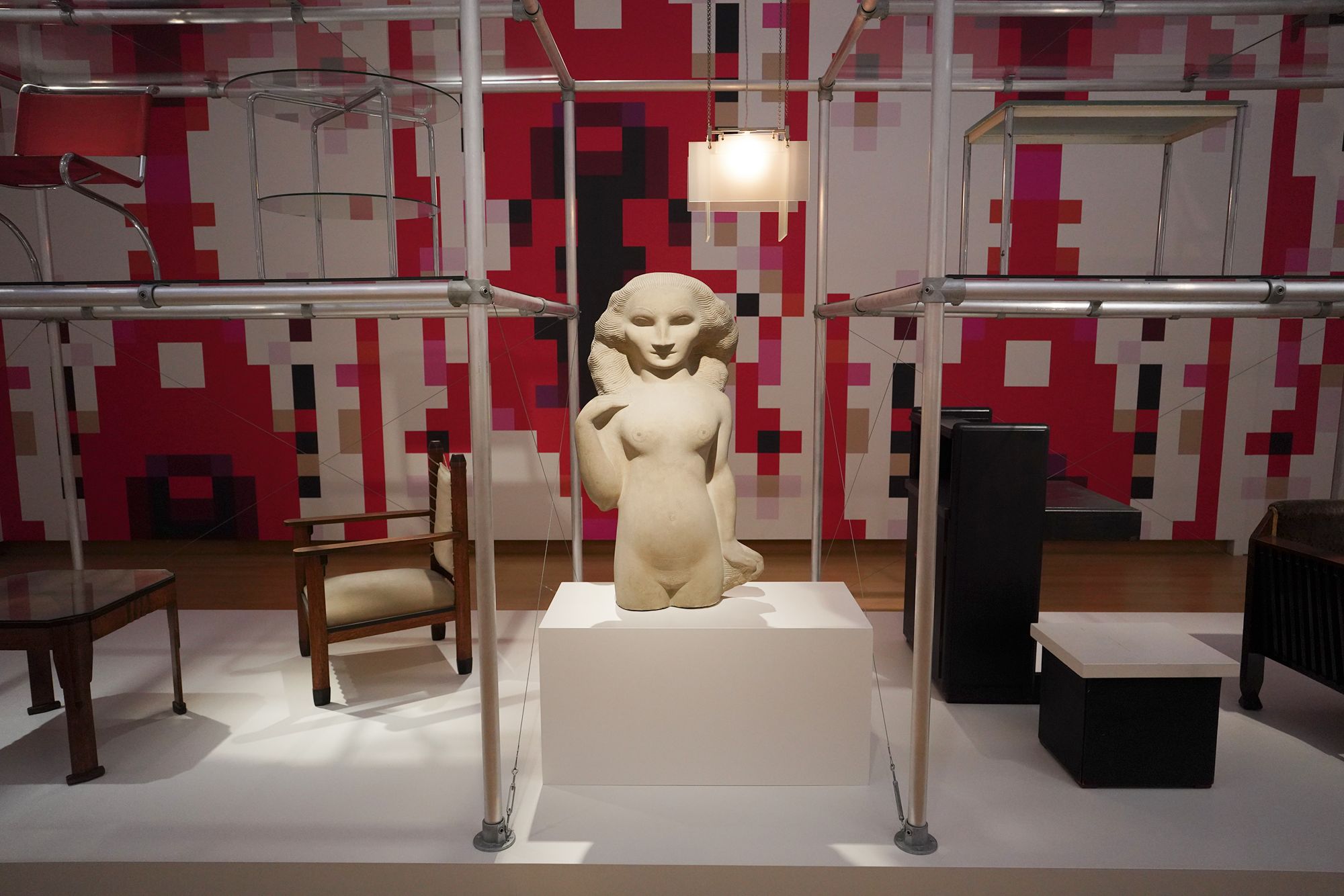
This gallery compares two influential early-20th-century movements: the Amsterdam School, known for expressive forms, rich decoration, and traditional craftsmanship, and Functionalism, which emphasized simplicity, practicality, and modern materials such as steel, glass, and concrete.
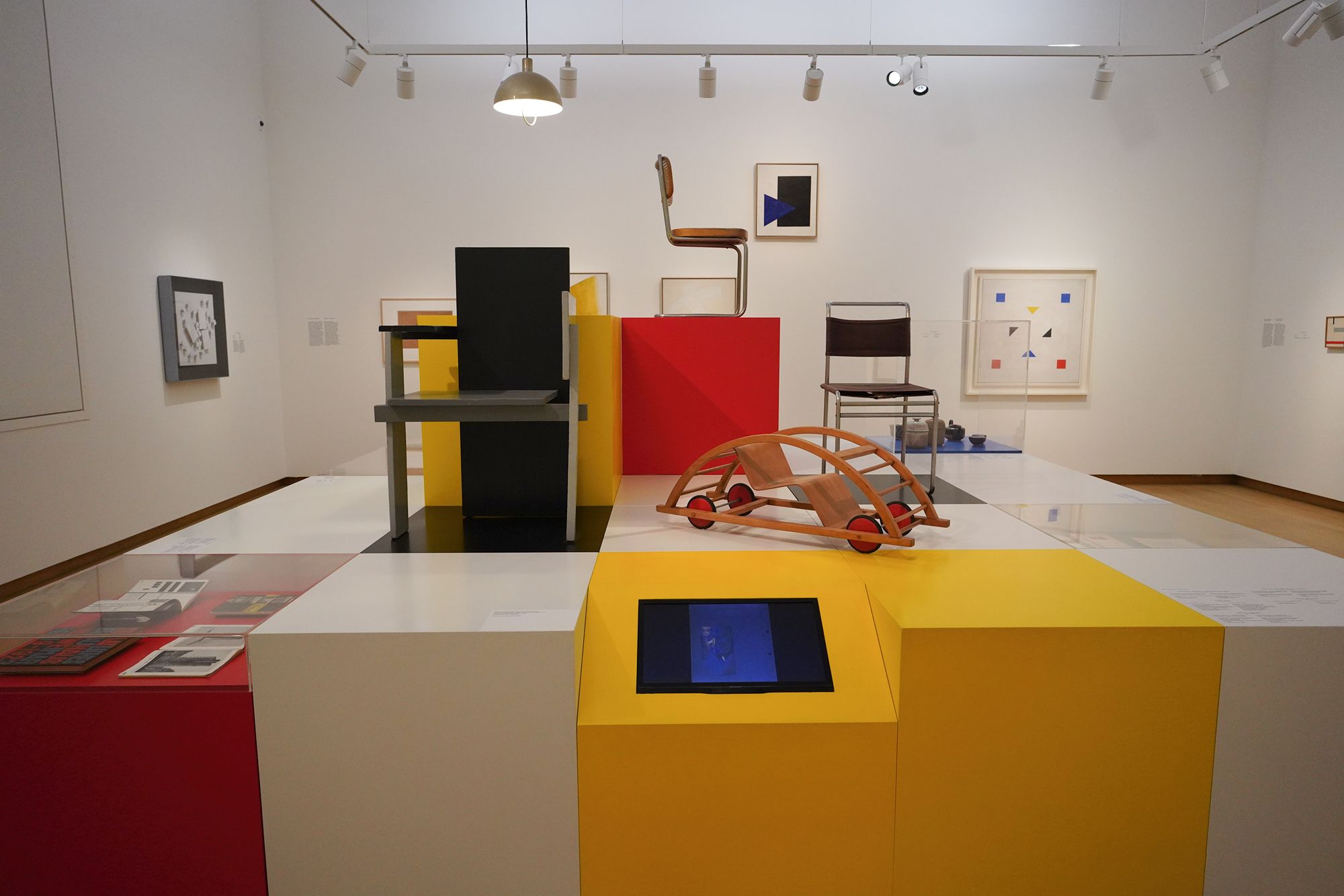
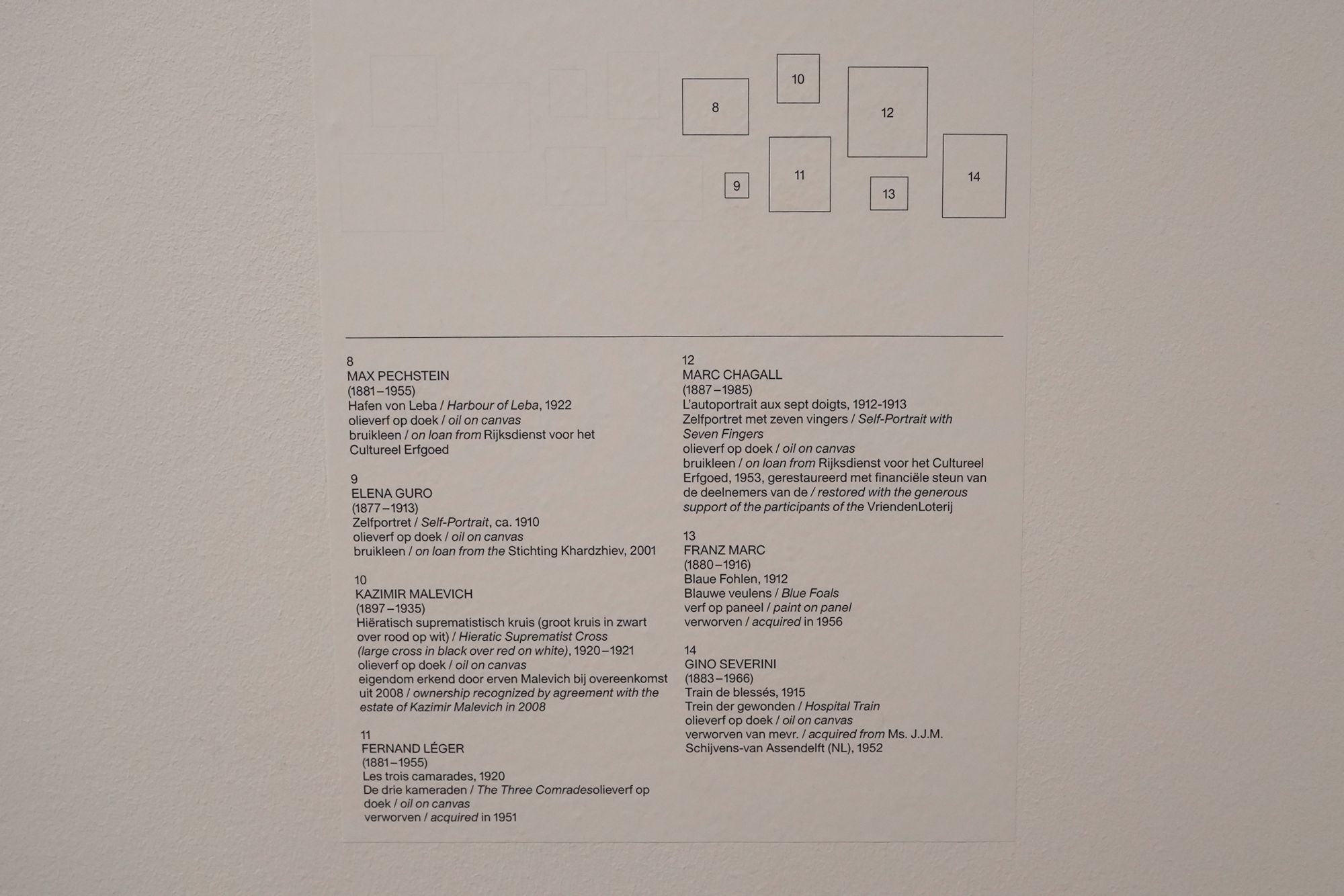
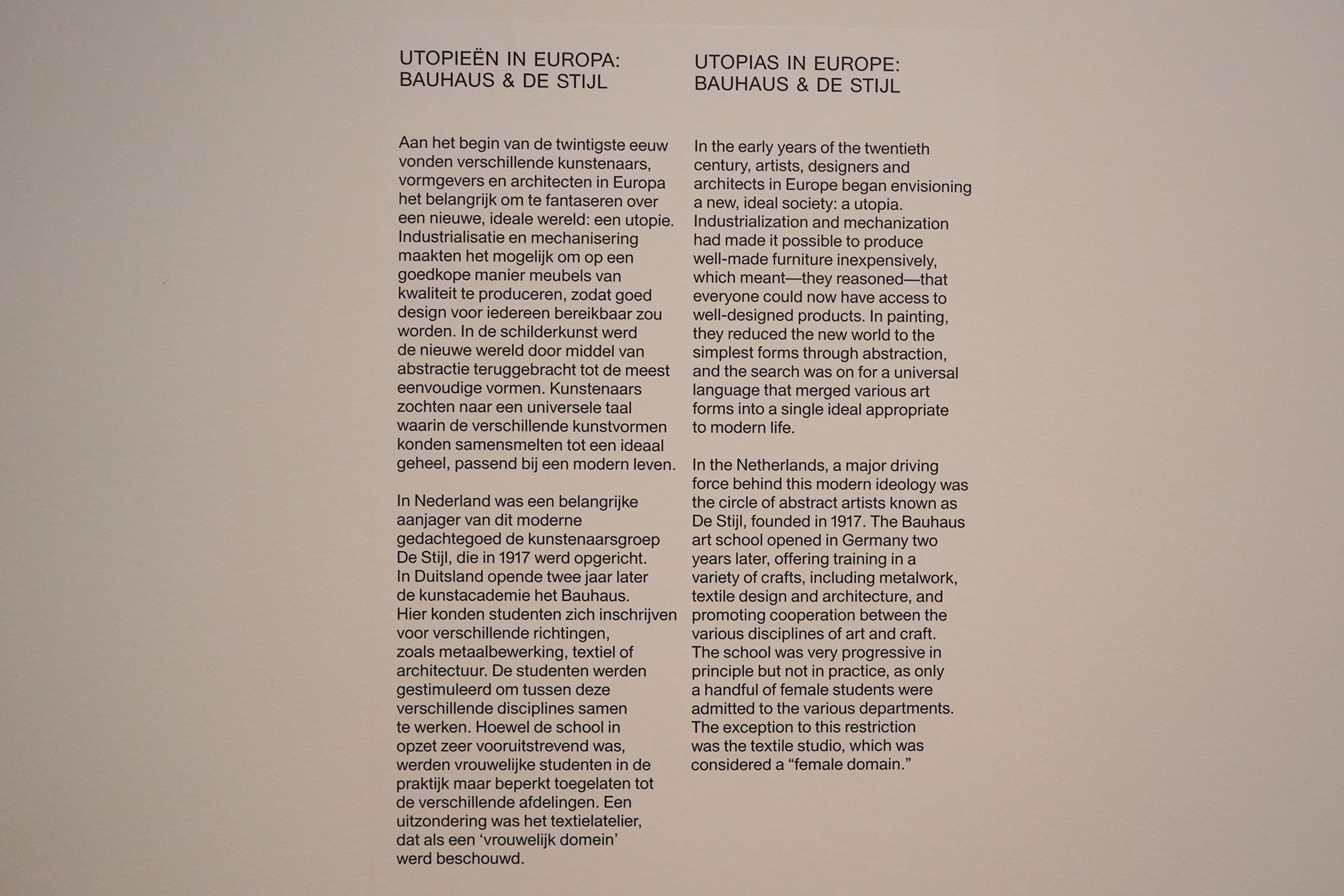
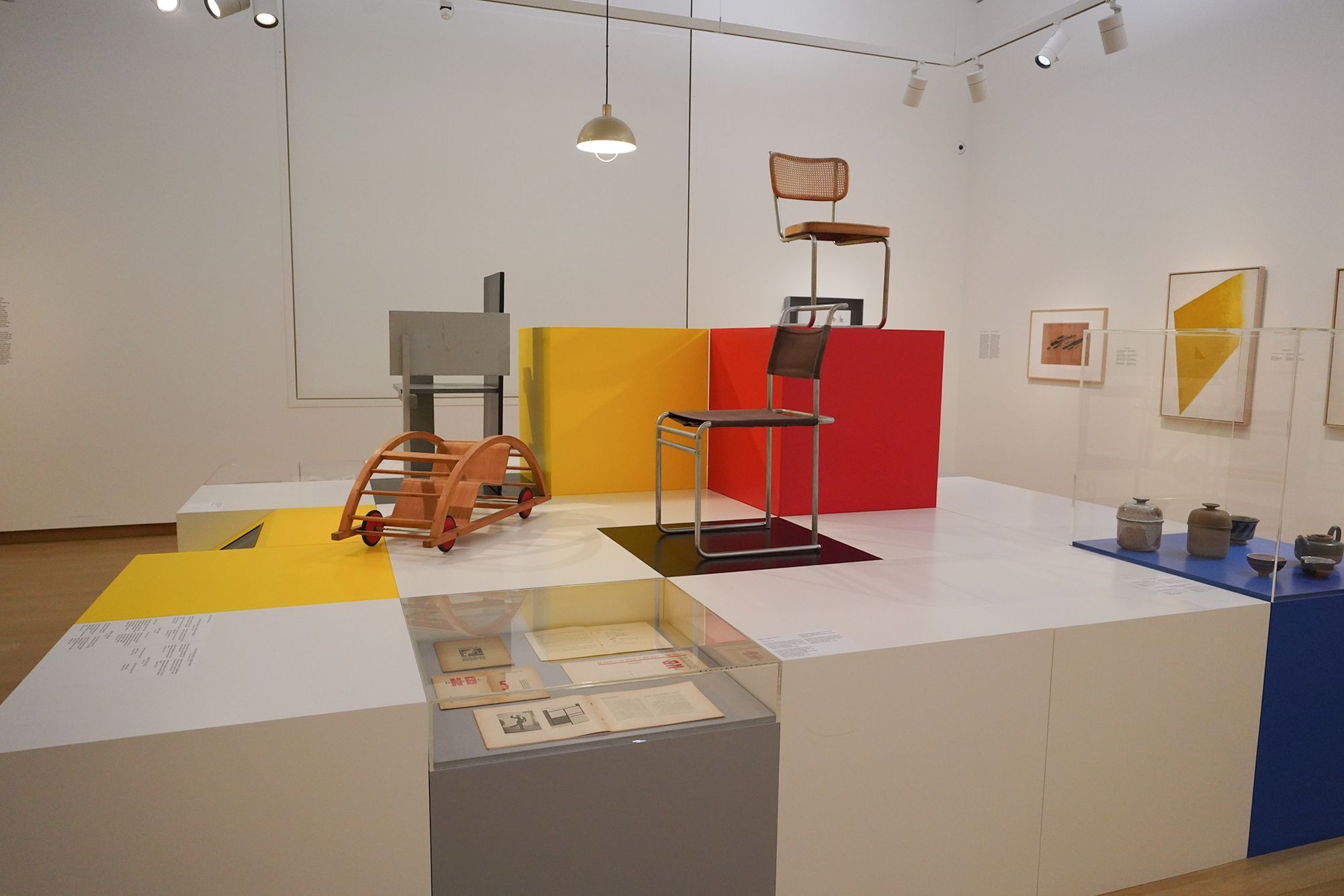
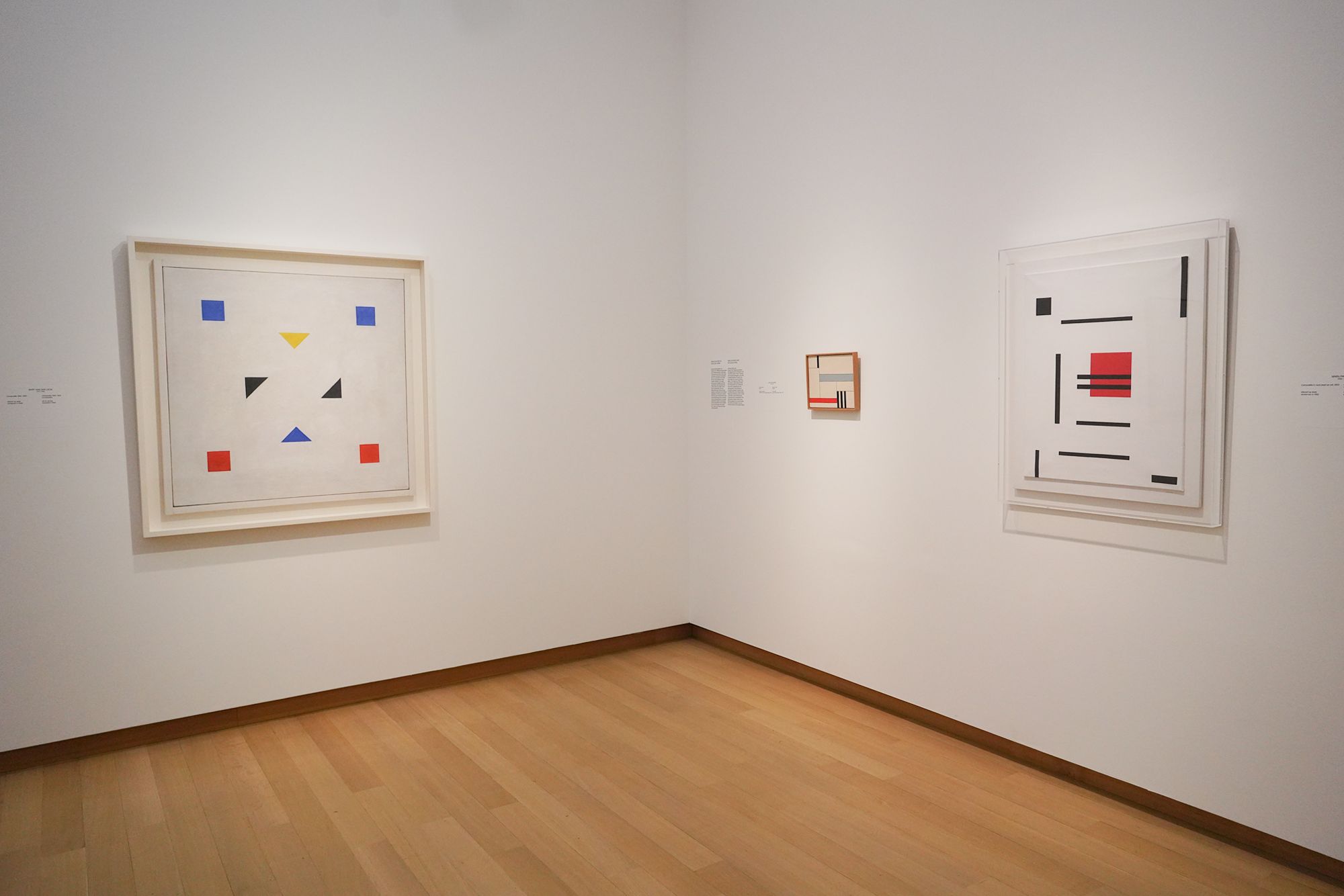
This gallery explores Bauhaus and De Stijl, two influential movements that sought to create a new visual language for modern life. Both emphasized simple geometric forms, abstraction, and functional design, with De Stijl emerging in the Netherlands and the Bauhaus school opening in Germany.
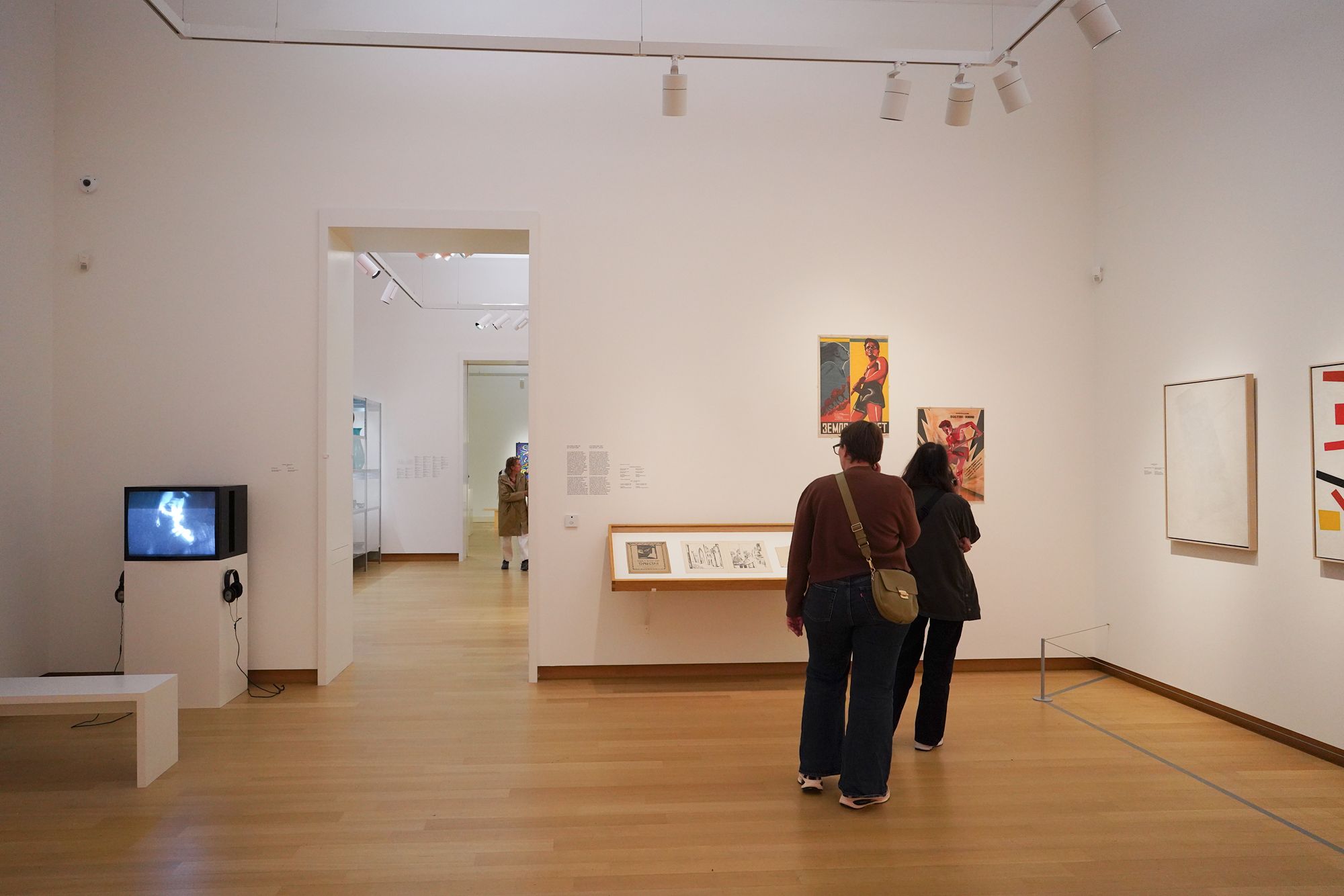
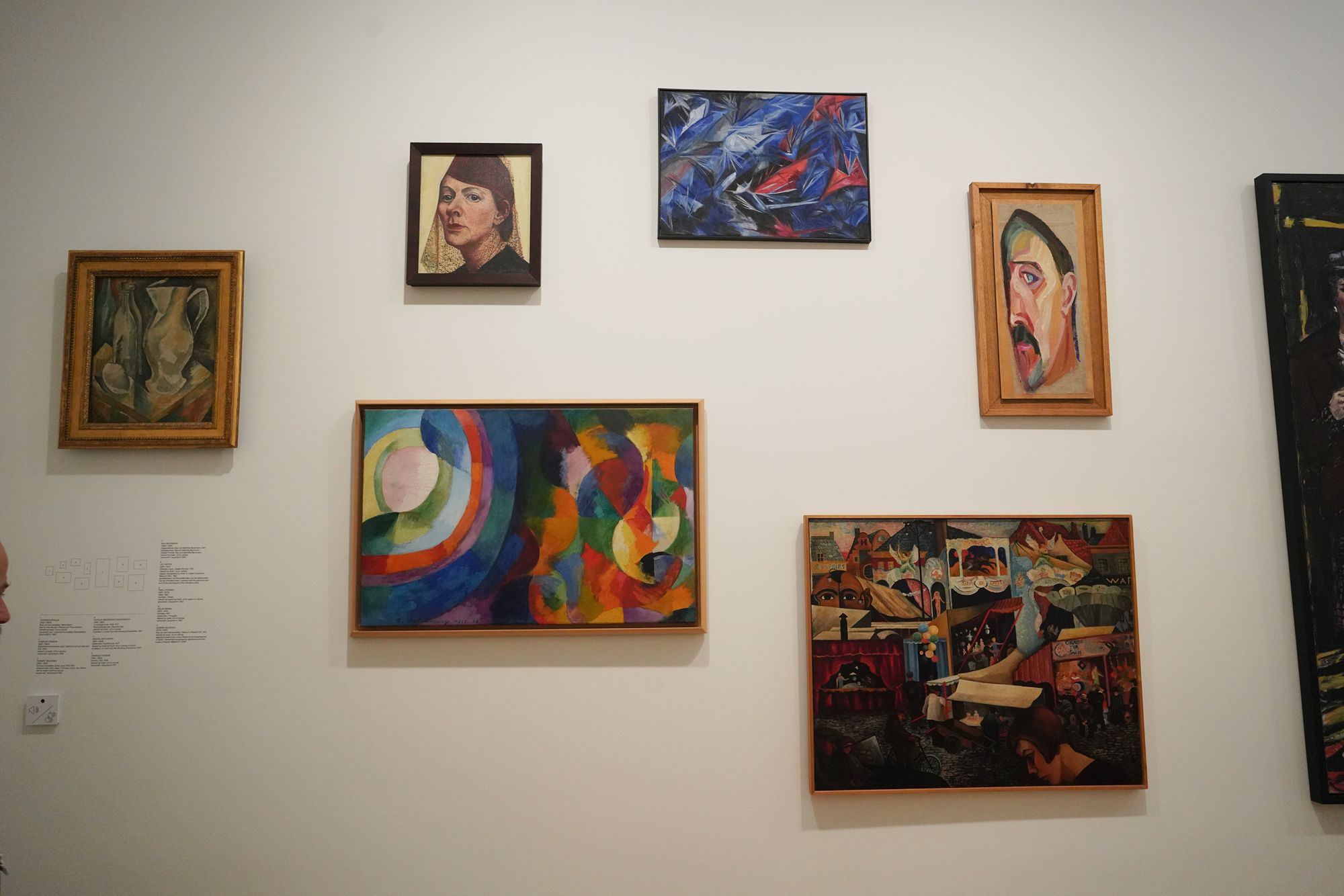
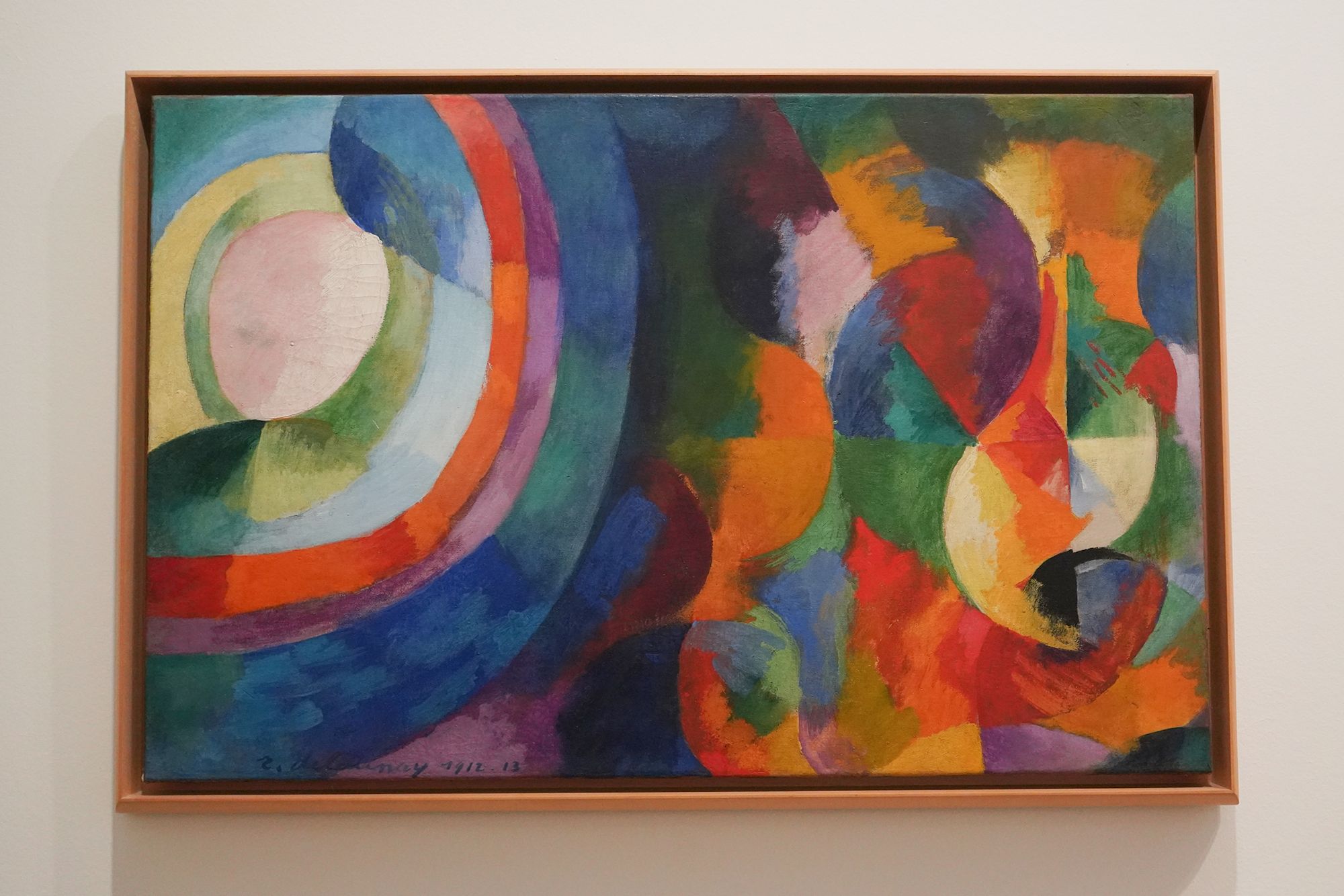
This gallery explores the Russian avant-garde, where artists such as Kazimir Malevich sought to break with traditional art and create a radically new visual language based on abstraction. After the 1917 Russian Revolution, many artists initially embraced the new Soviet society, but by the late 1920s their experimental art was increasingly replaced by Socialist Realism and state propaganda.
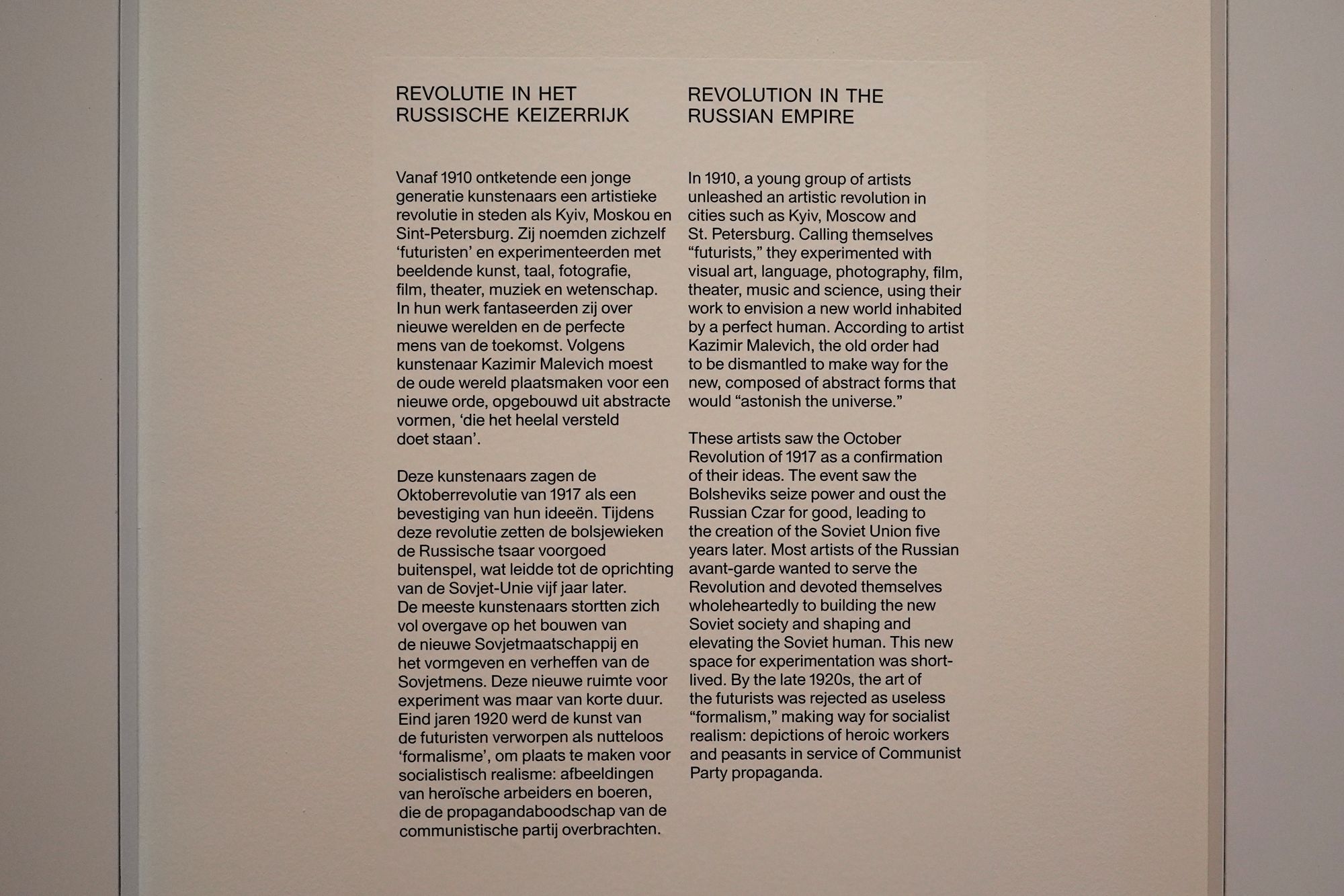
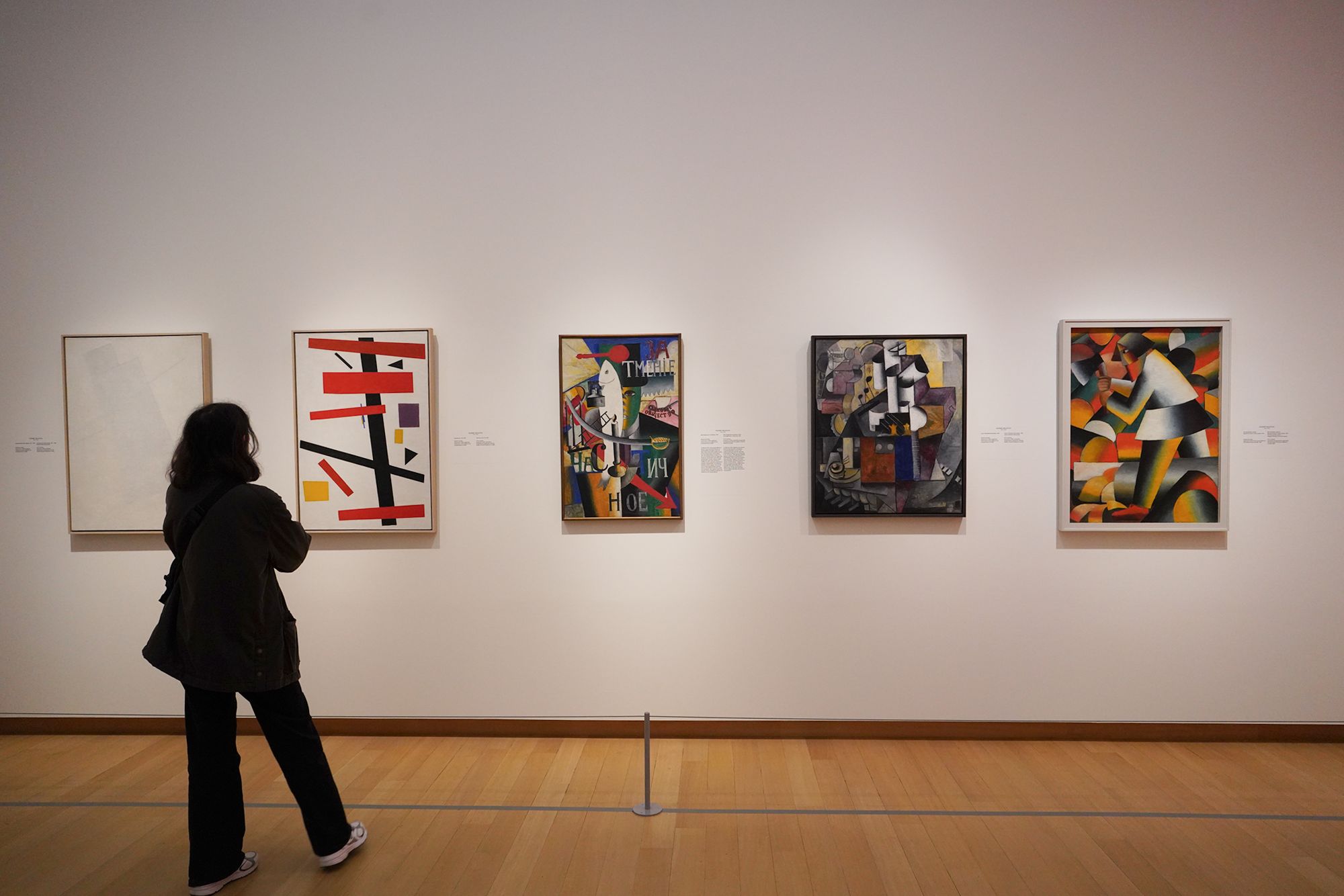
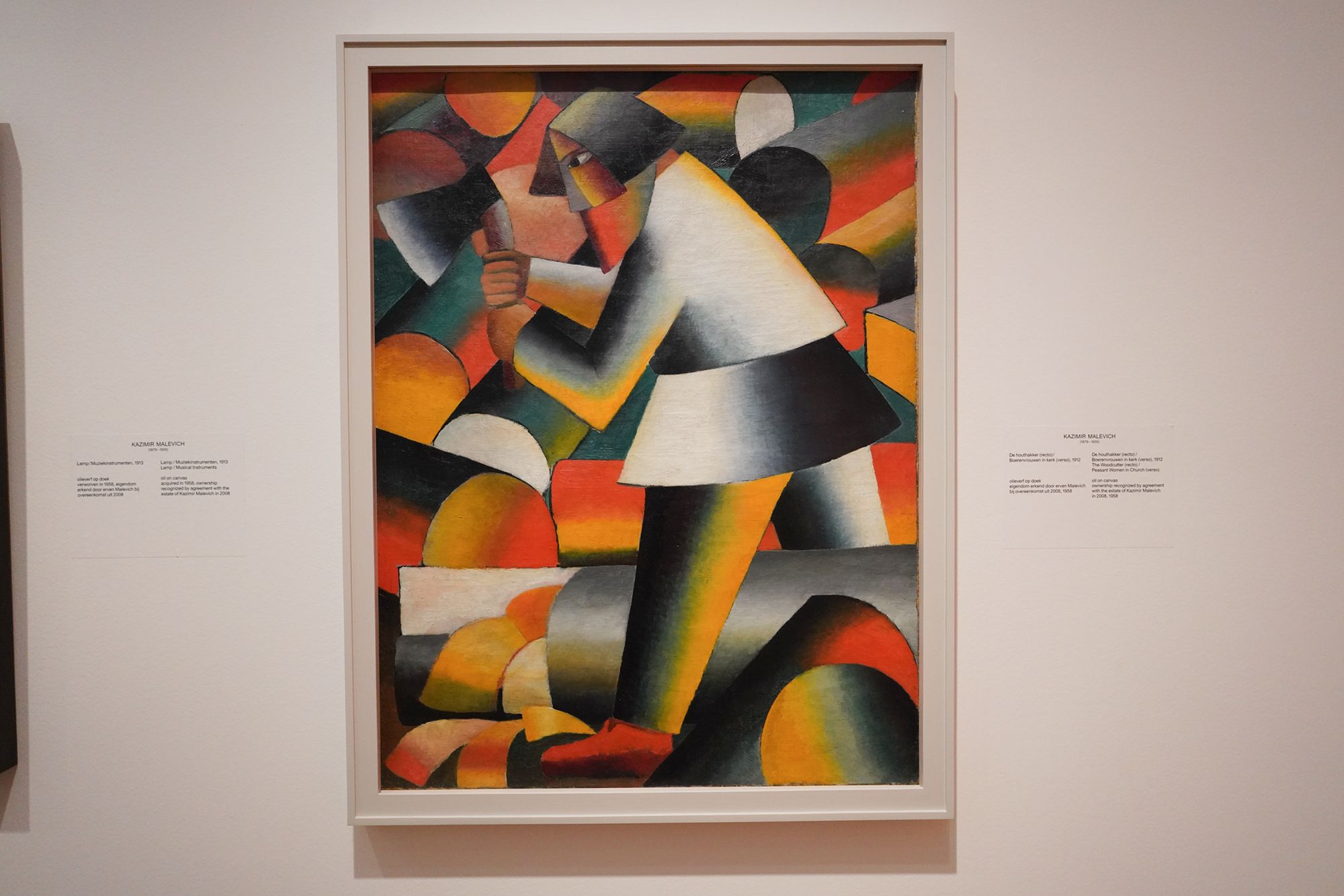
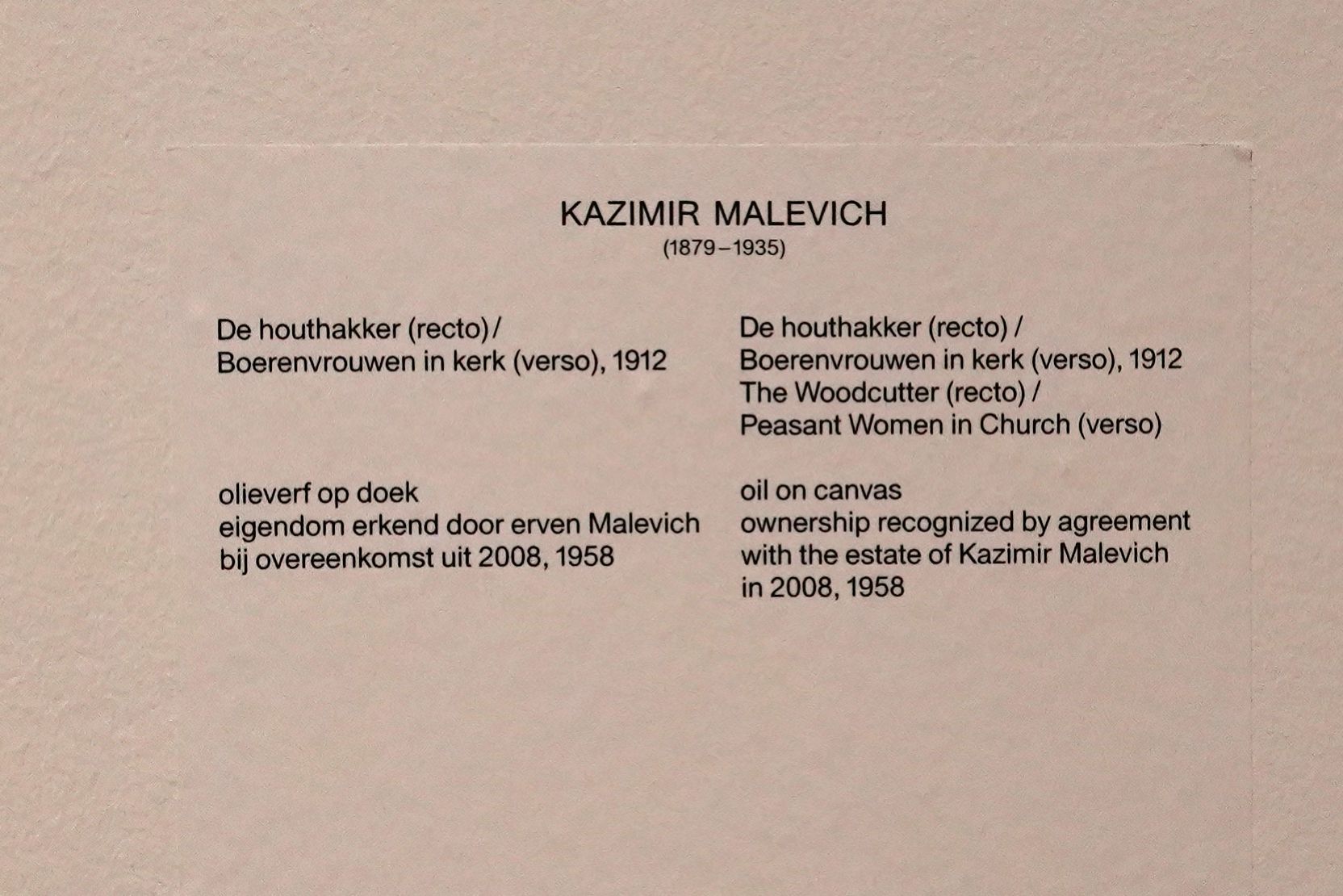
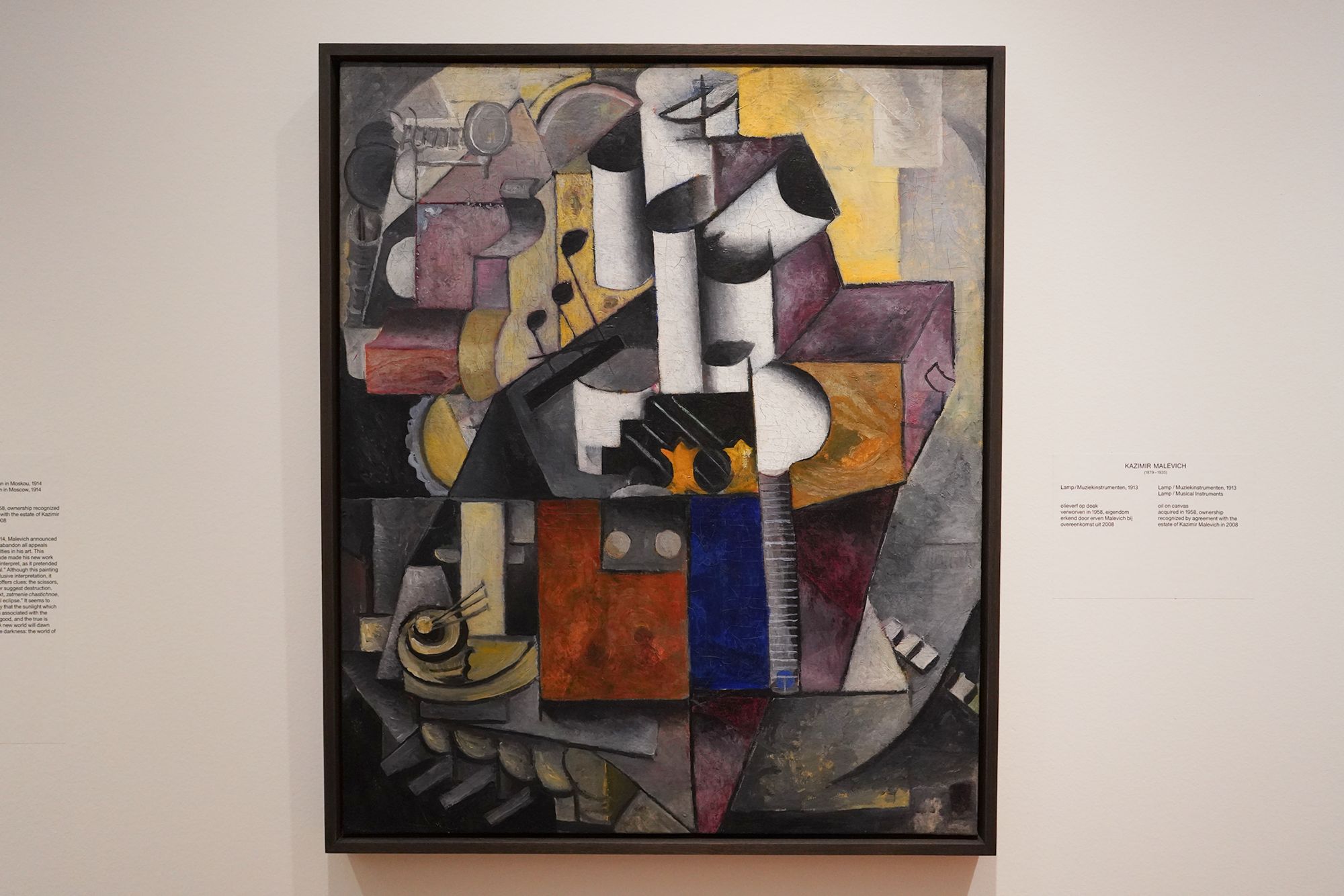
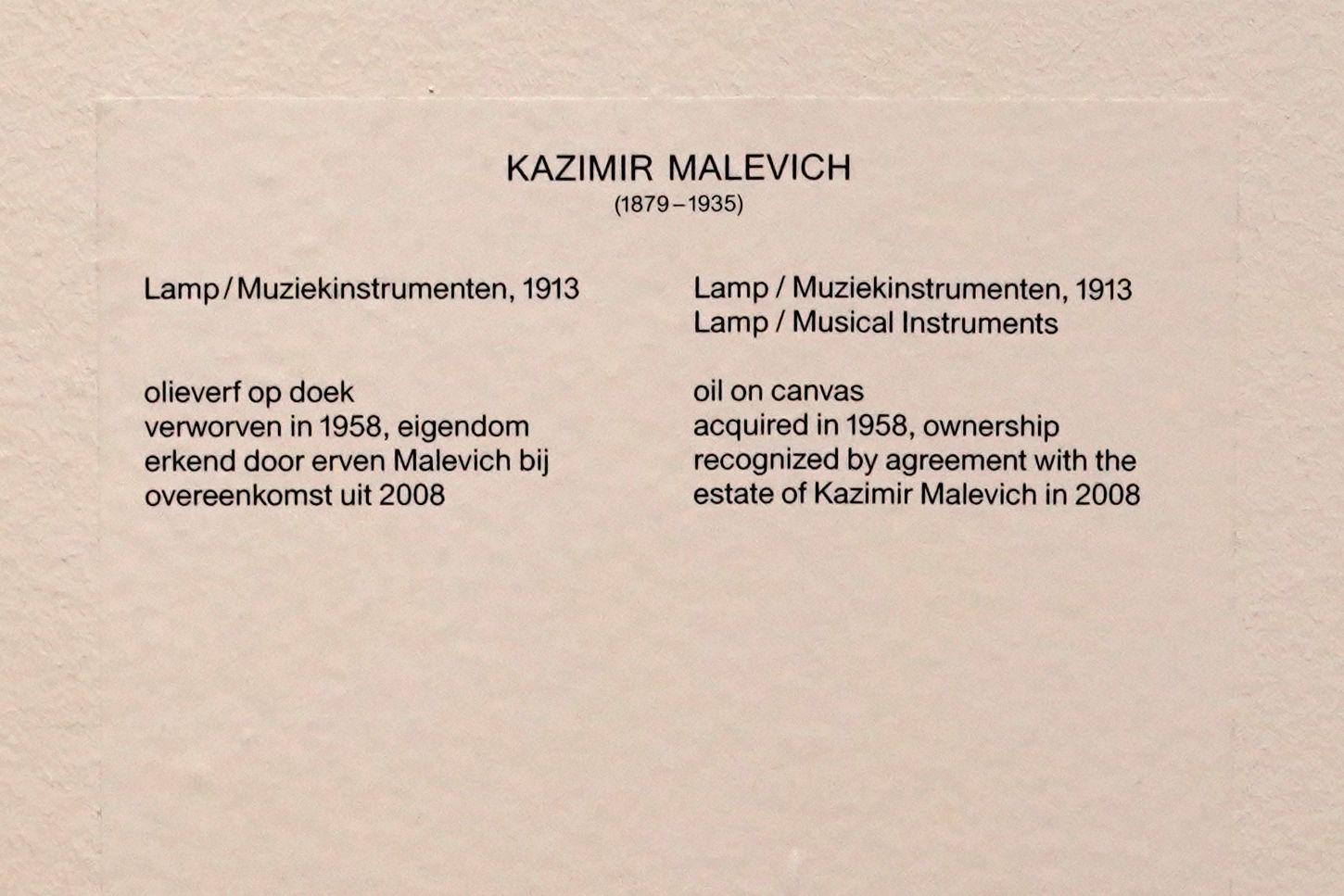
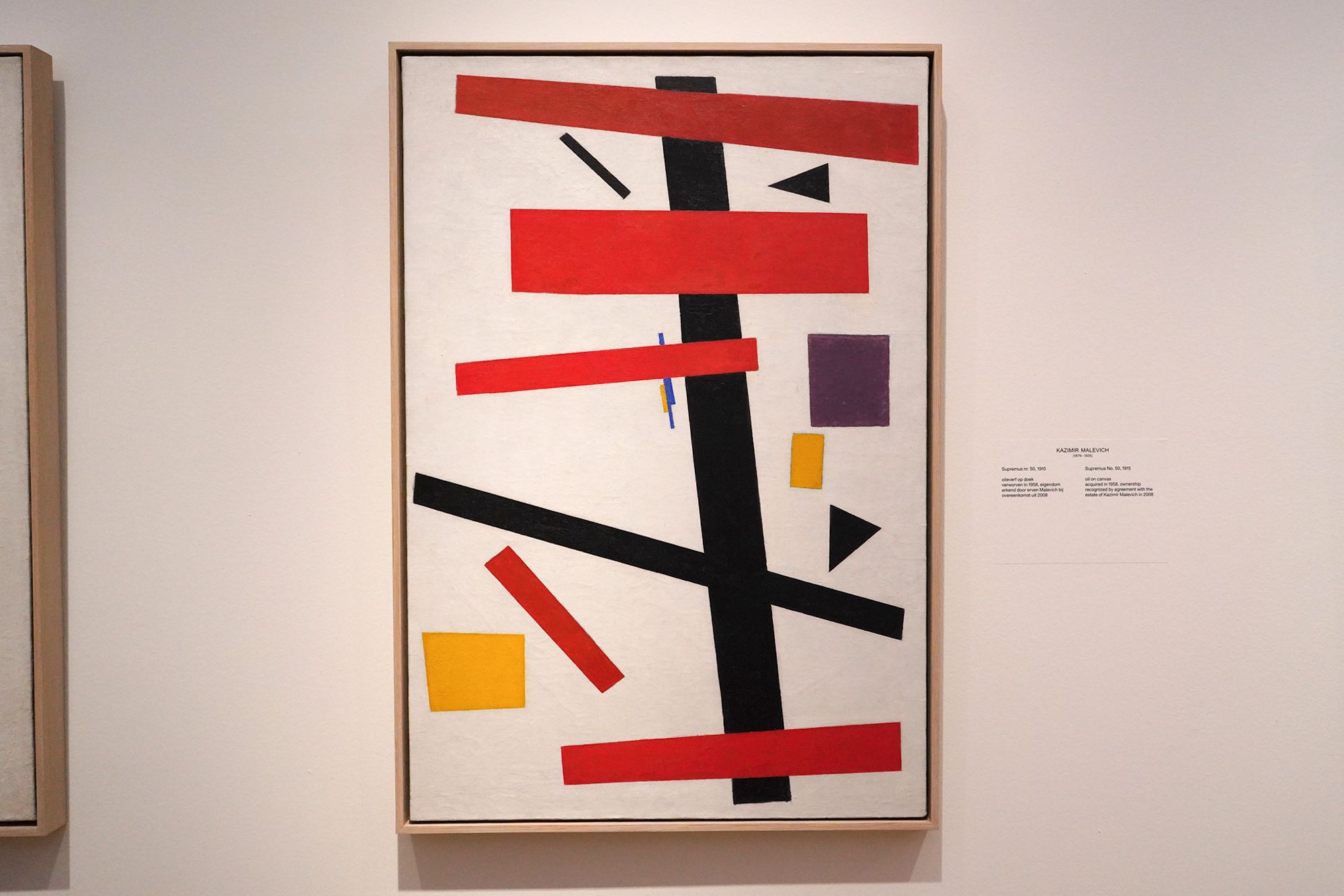
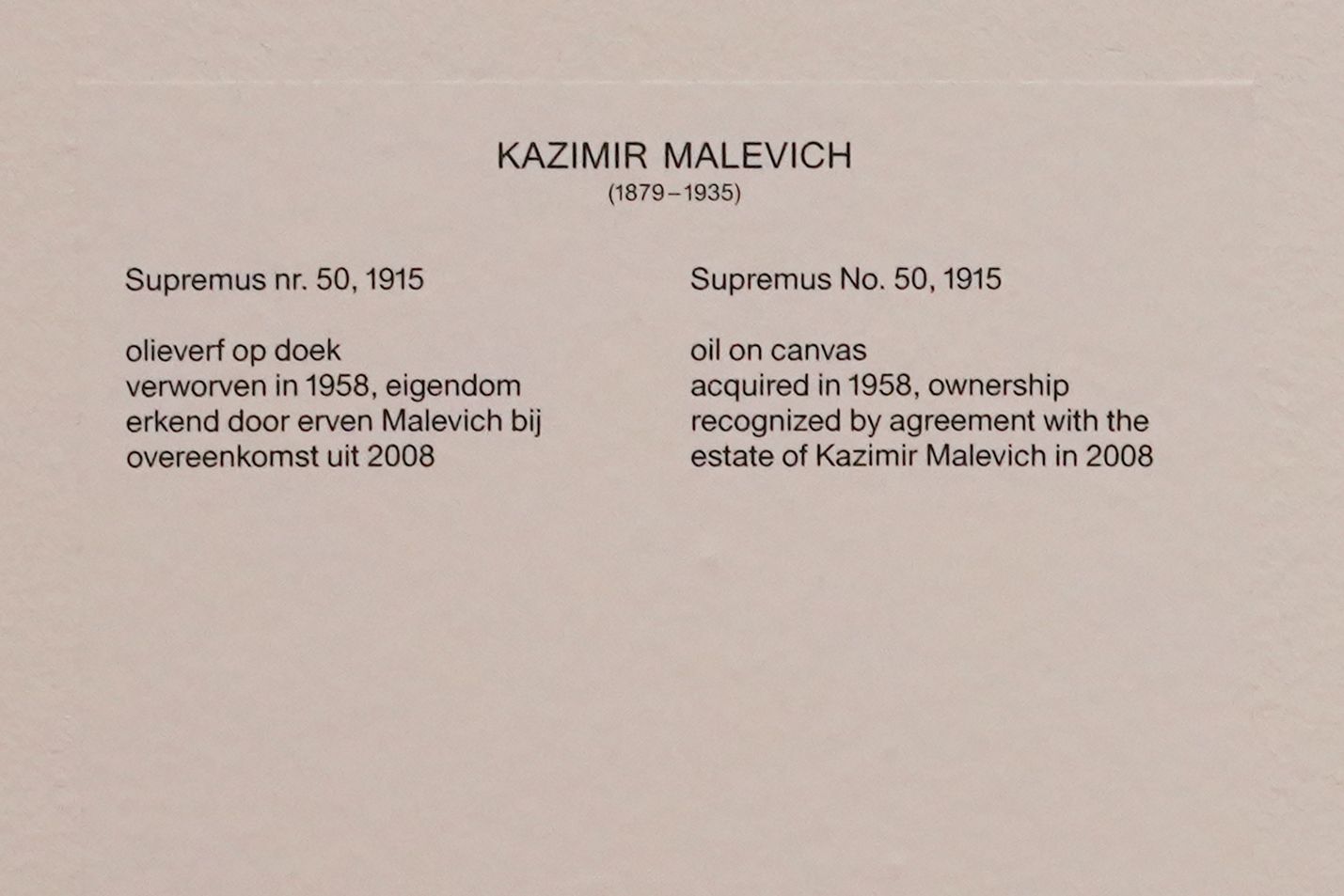
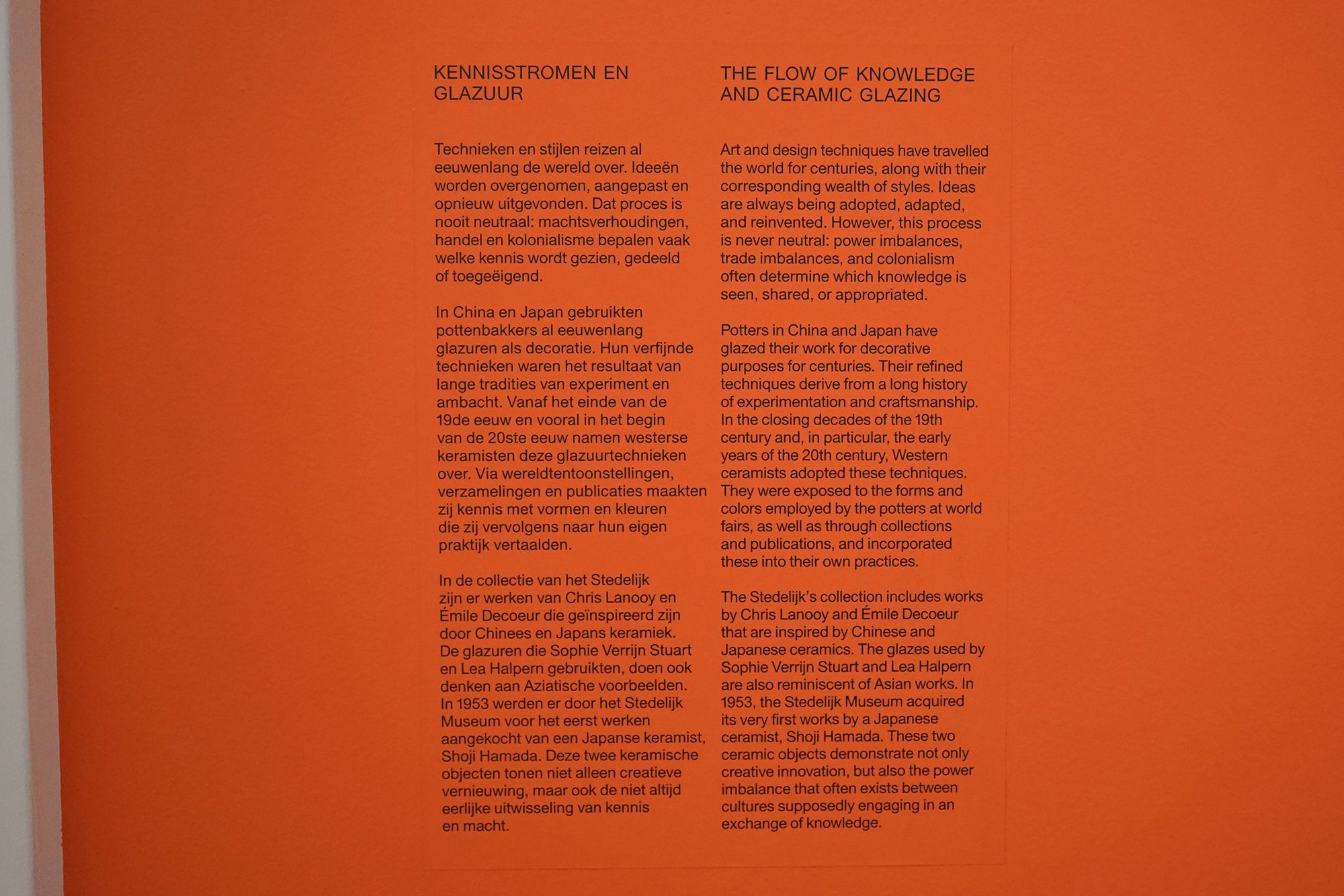
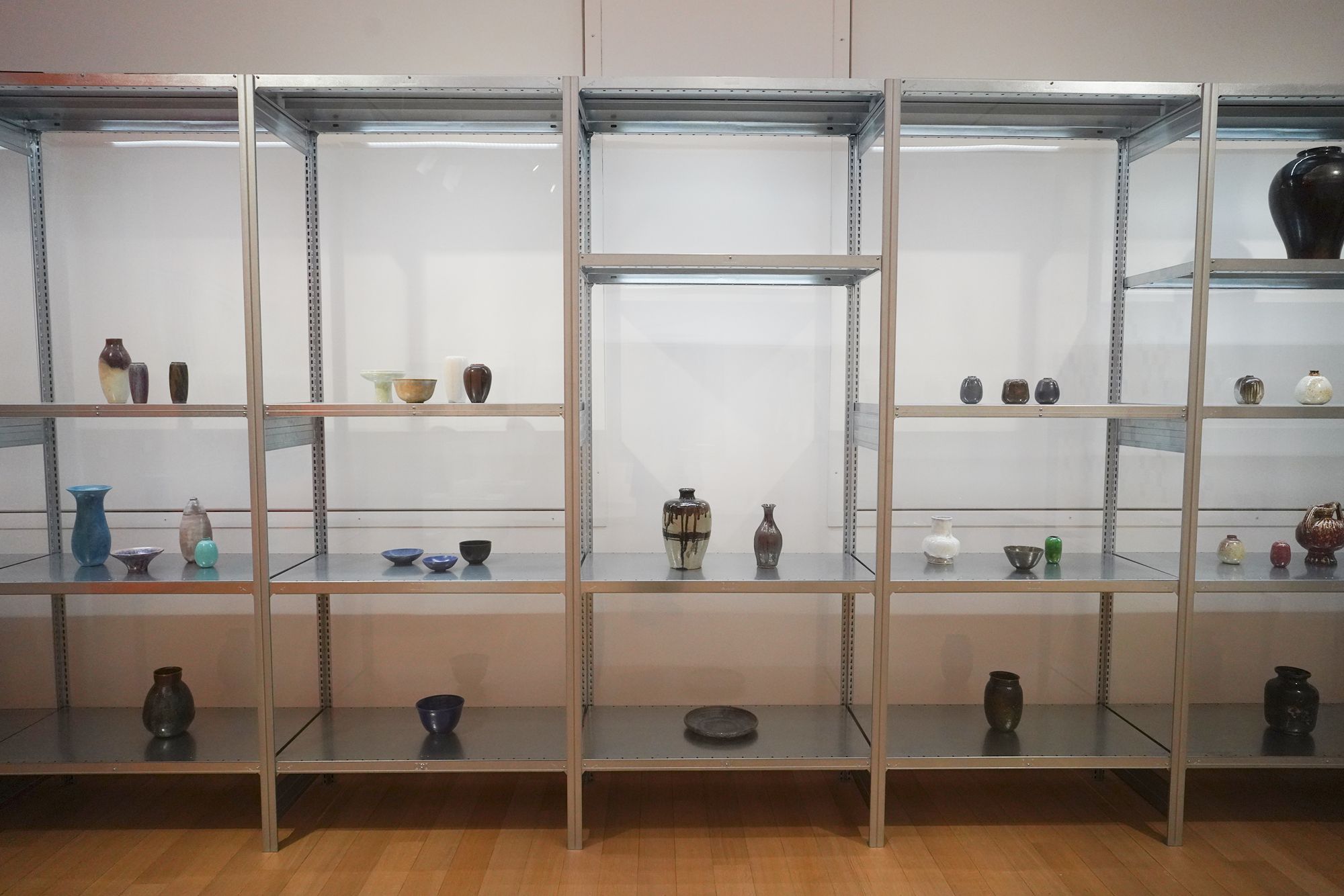
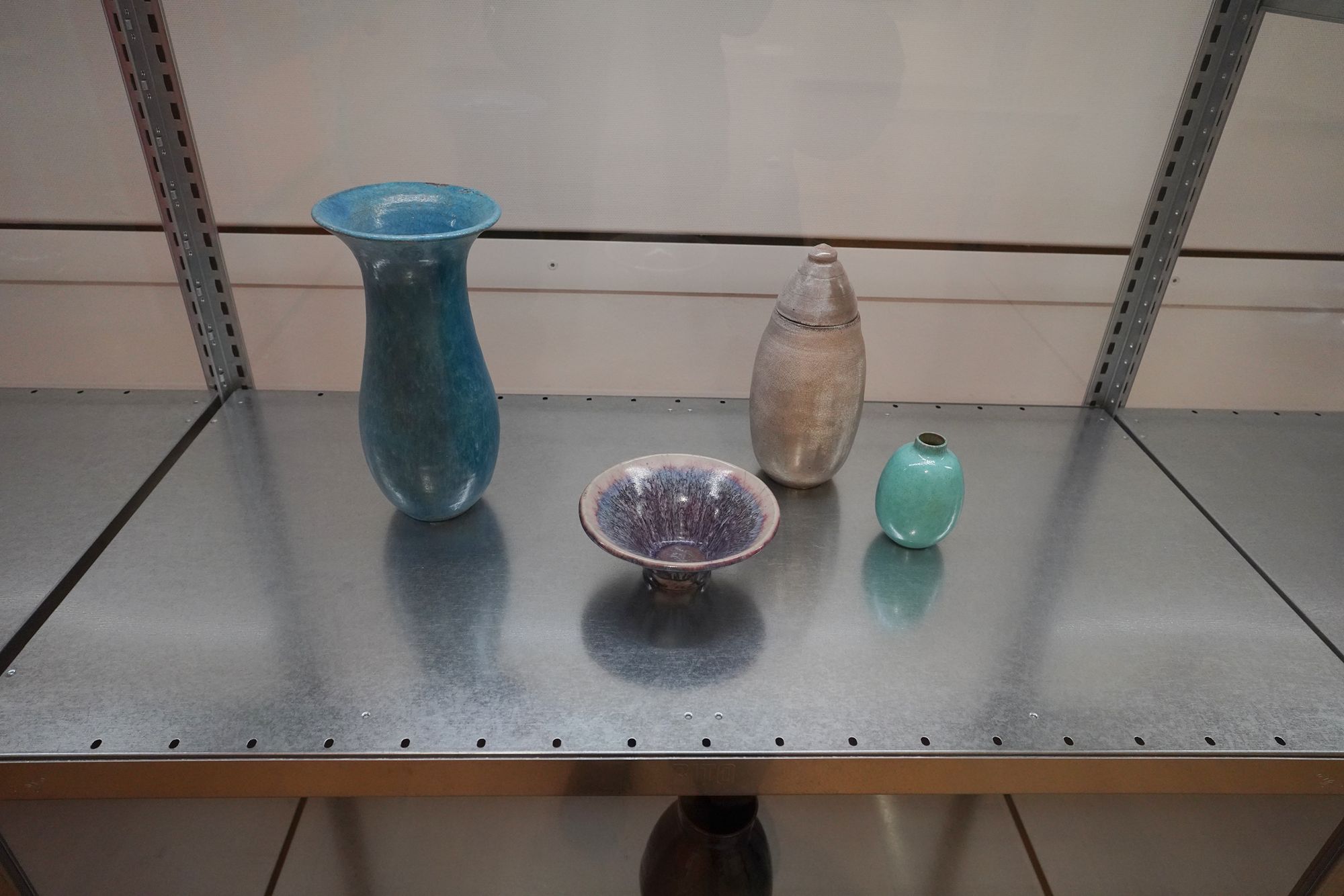
This section explores how ceramic techniques and glazing traditions traveled between cultures, particularly from China and Japan to Europe. Western ceramic artists adopted and adapted Asian techniques and styles, showing how artistic ideas can spread across cultures, but also raising questions about colonialism, unequal power, and cultural appropriation.
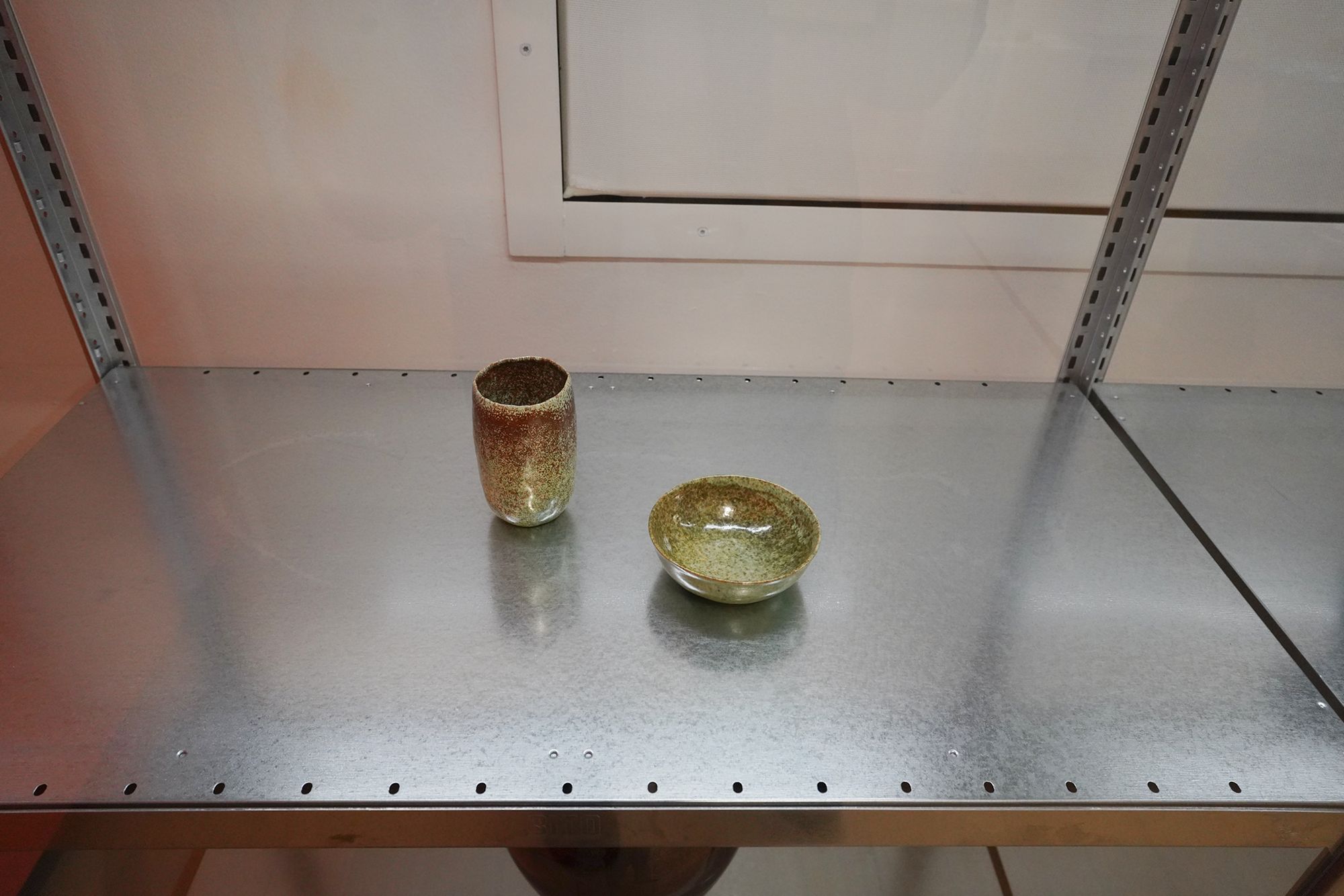
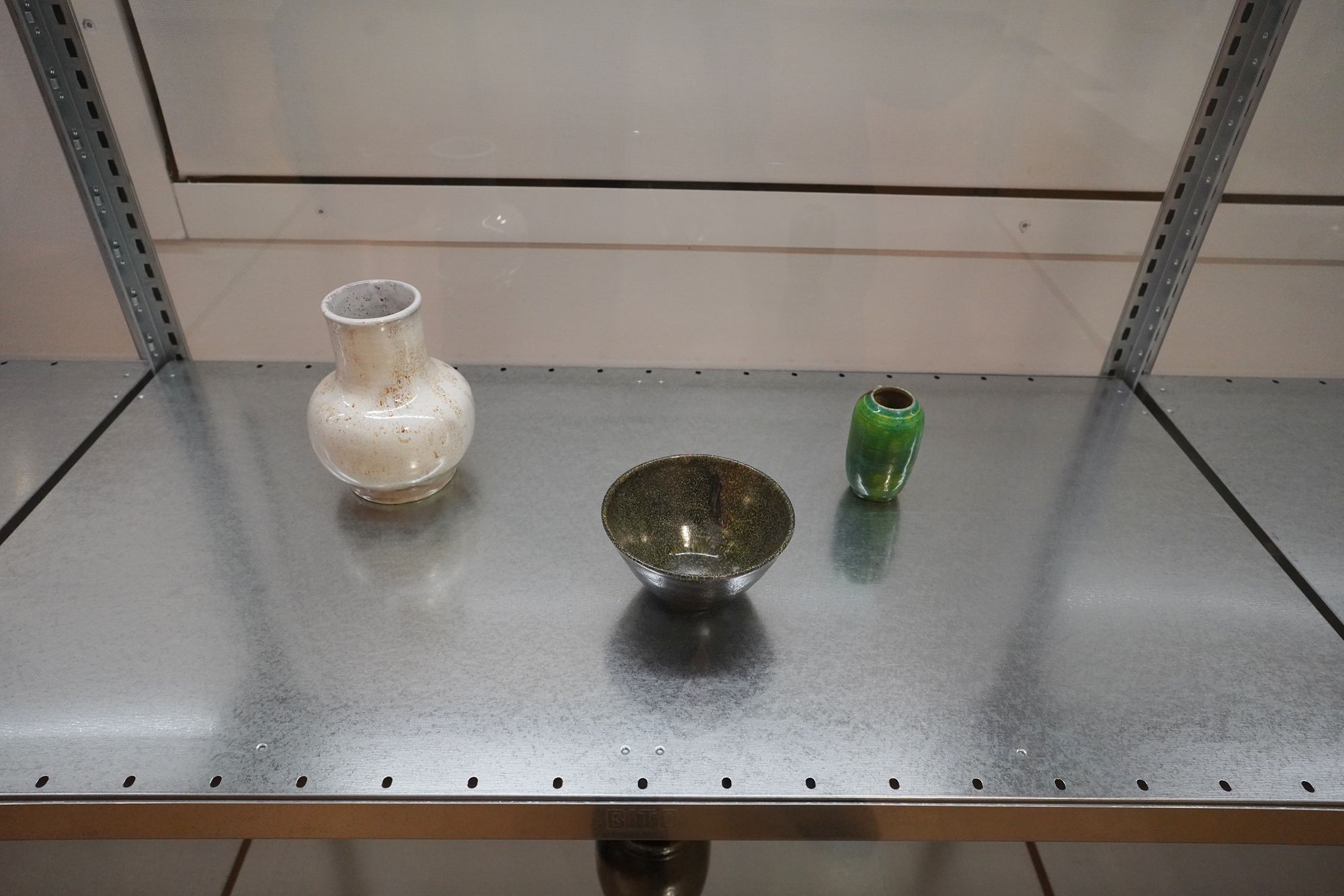
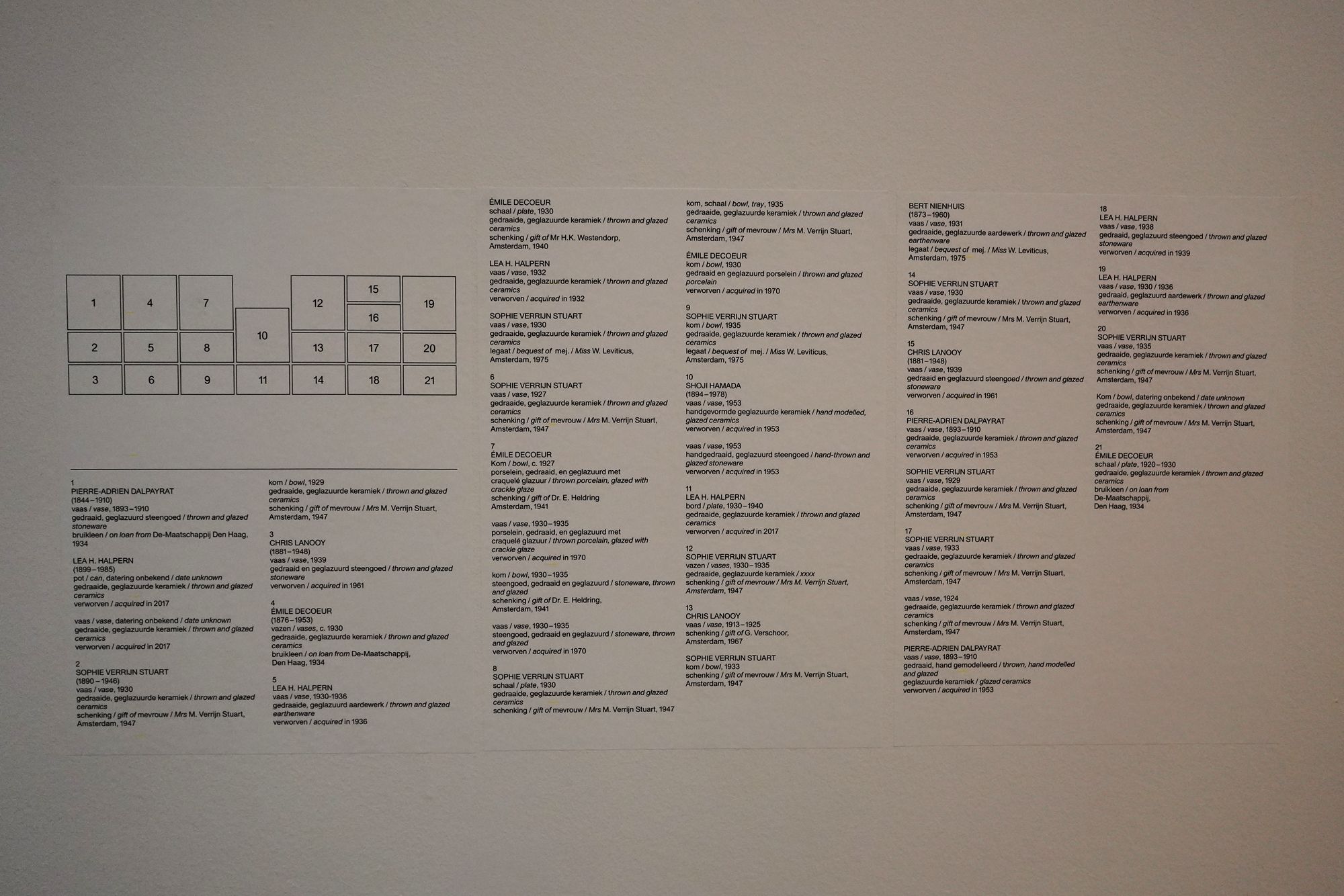
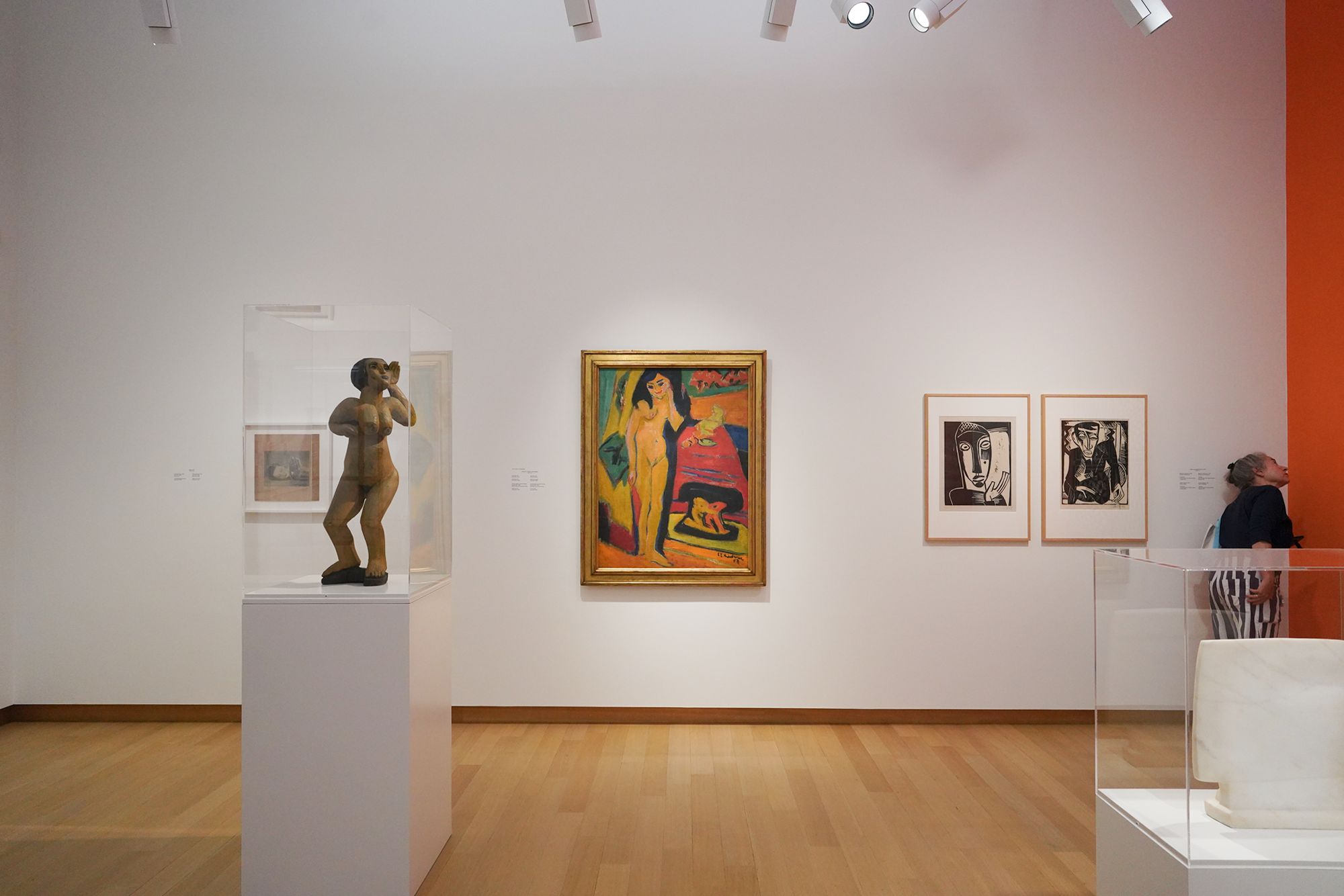
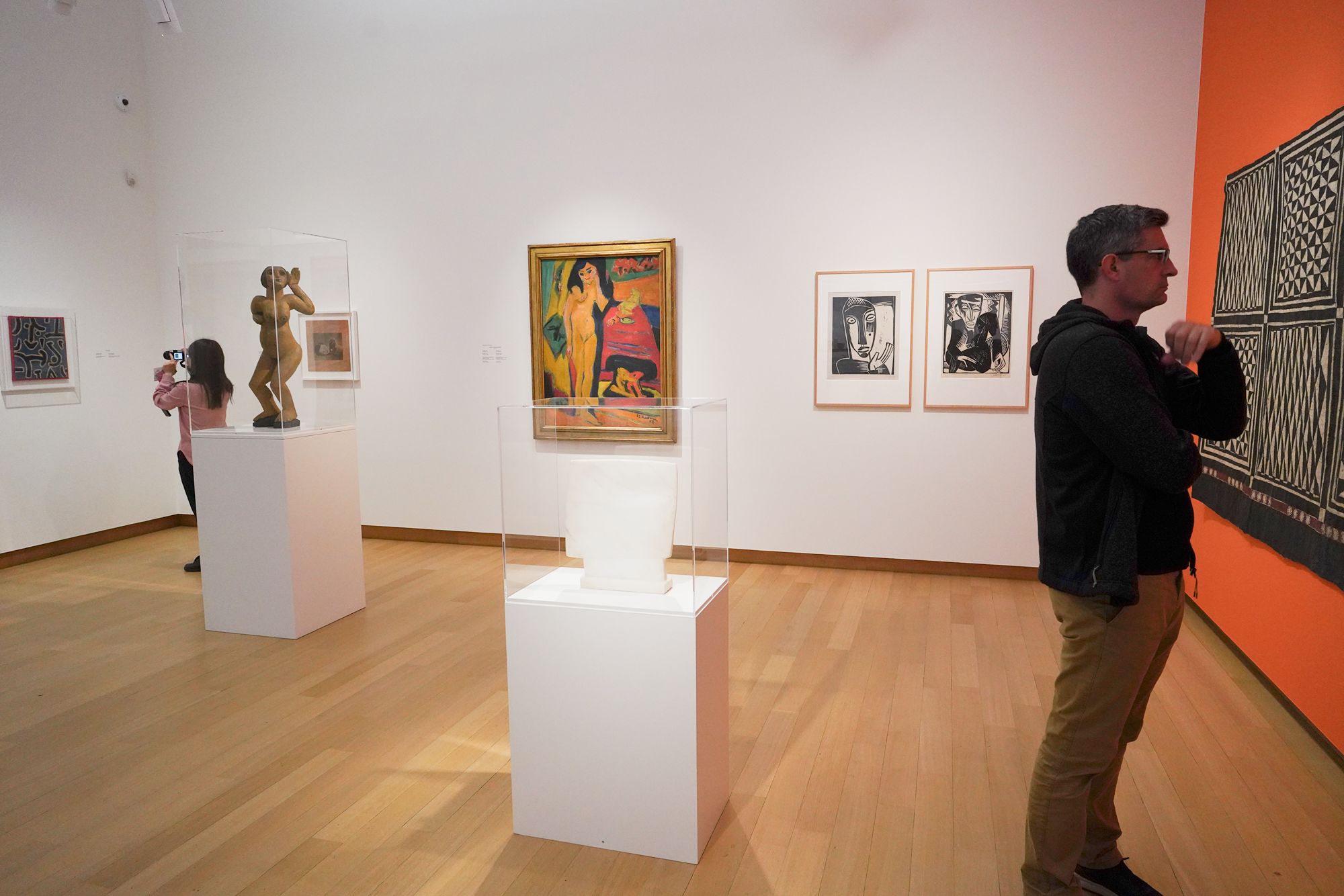
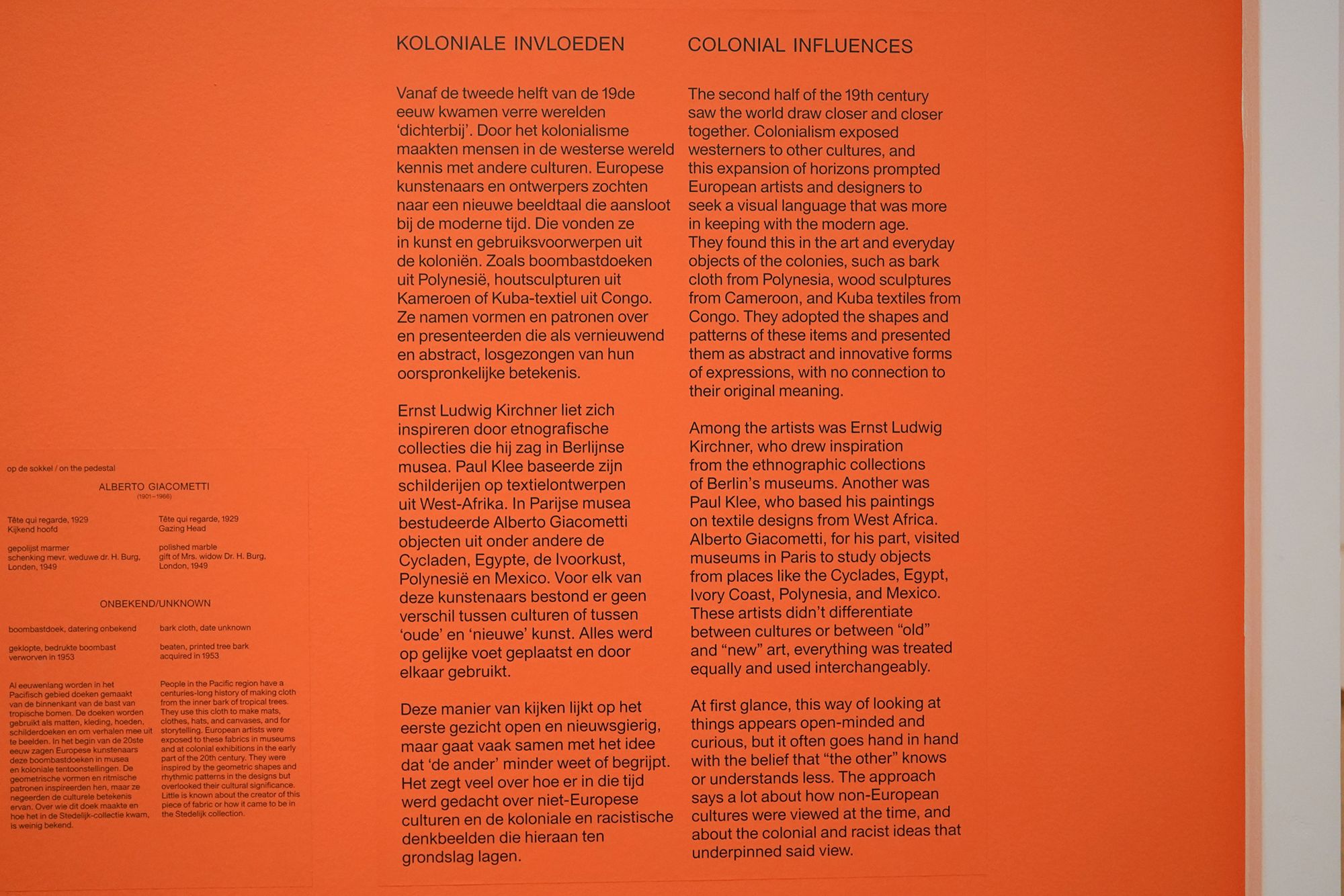
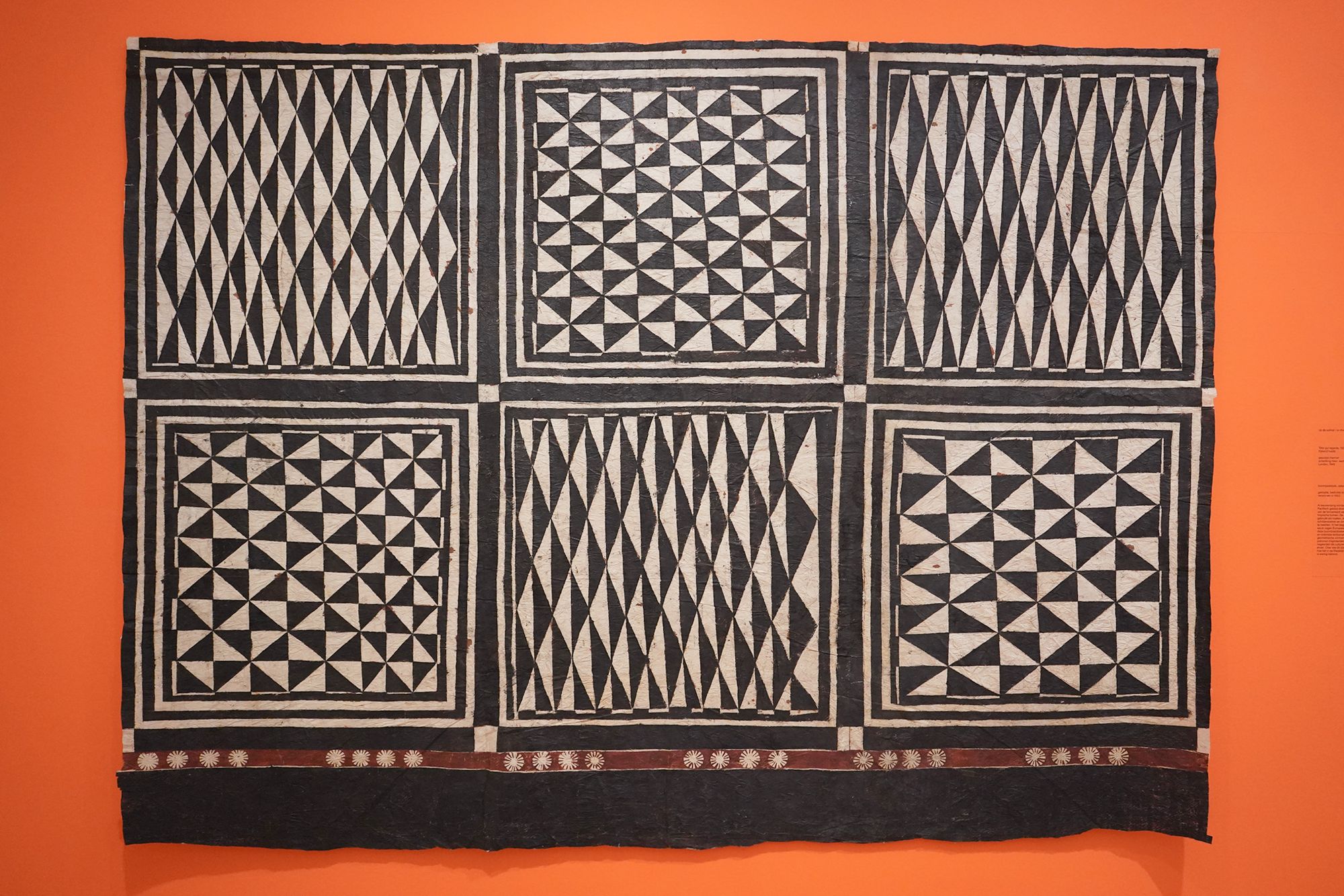
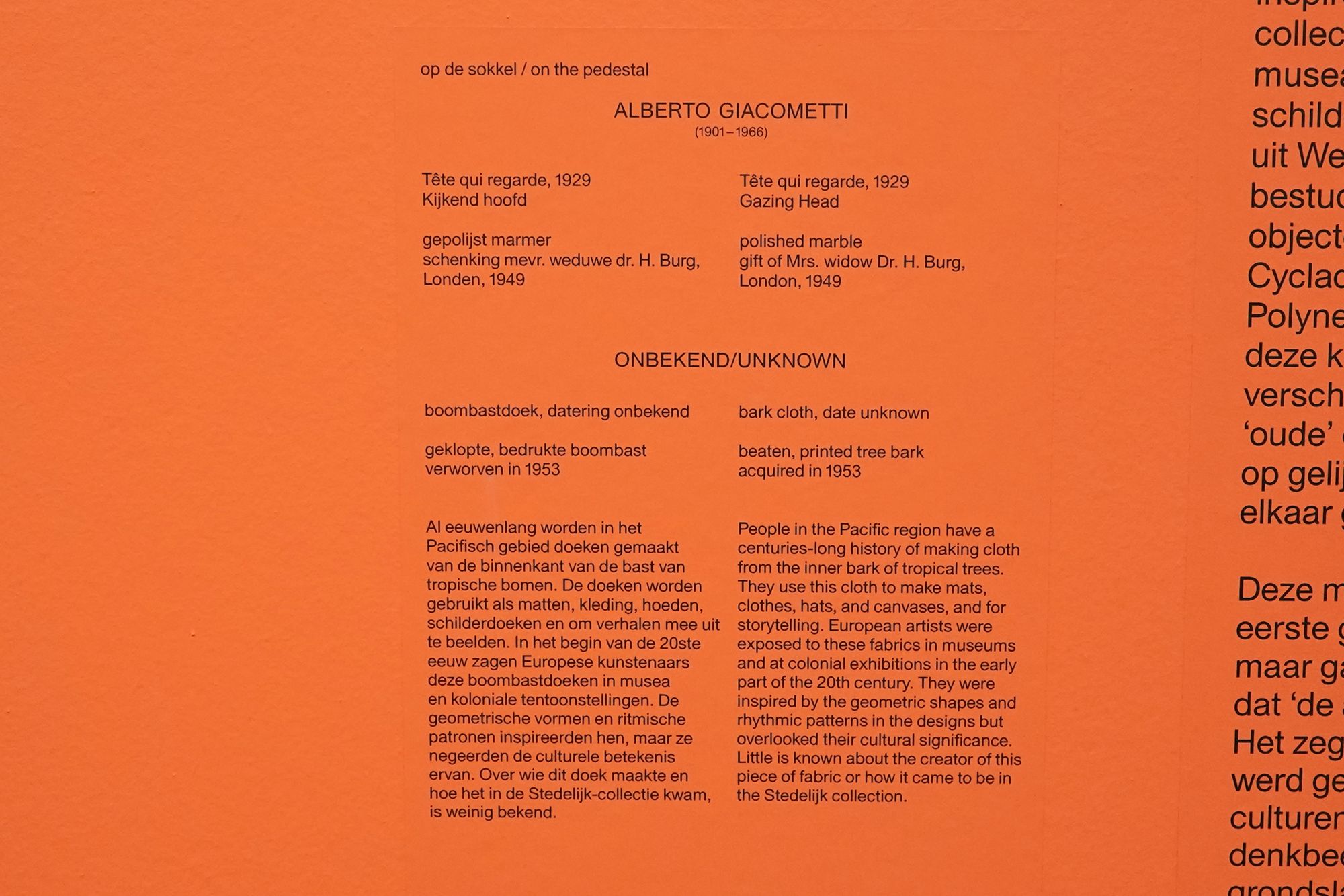
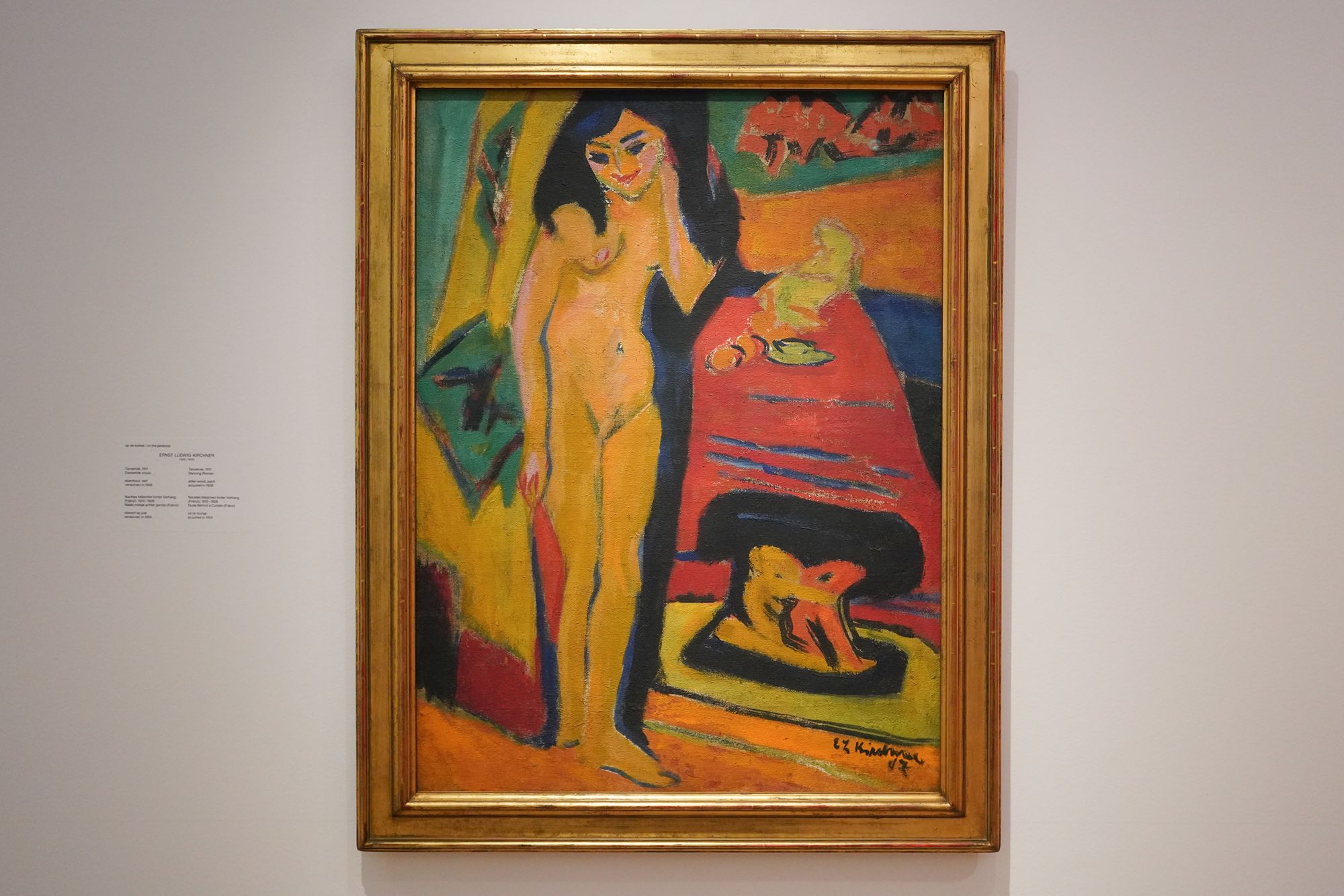
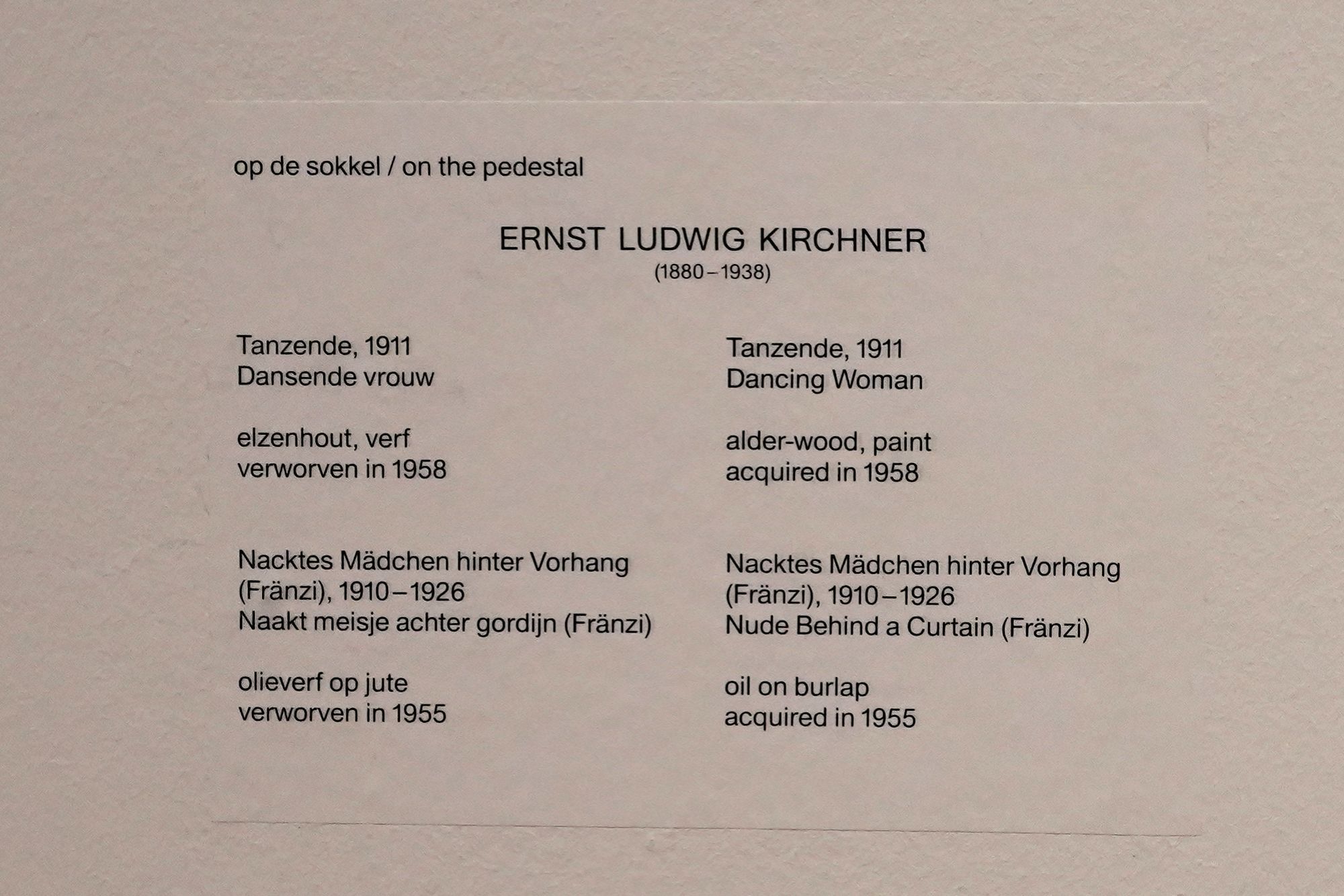
This section examines how European modern artists drew inspiration from art and objects from Africa, Asia, Oceania, and the Americas during the colonial era. Artists such as Ernst Ludwig Kirchner, Paul Klee, and Alberto Giacometti borrowed forms and patterns from these cultures, often without understanding their original meanings—a practice now viewed in the context of colonialism and unequal cultural exchange.
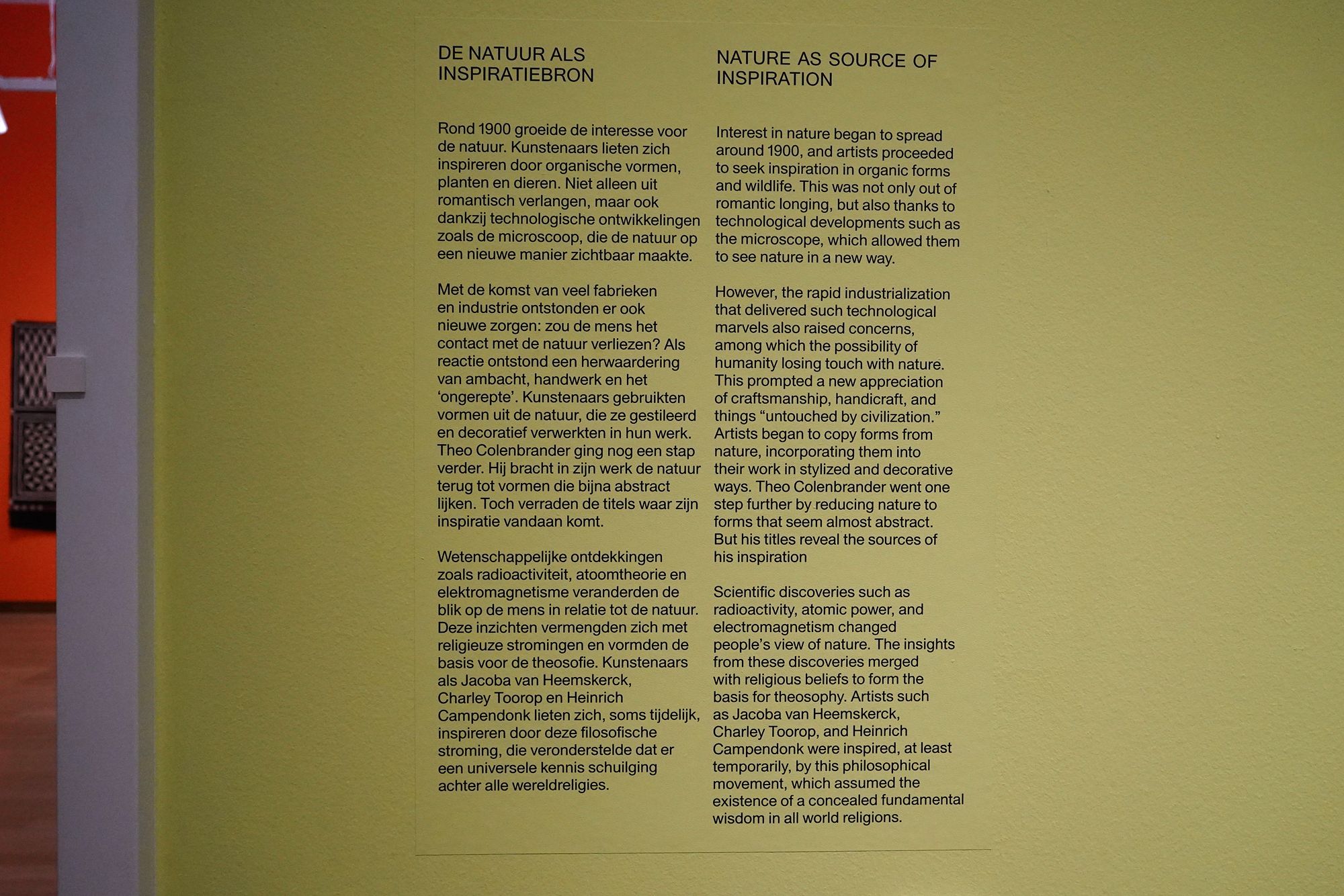
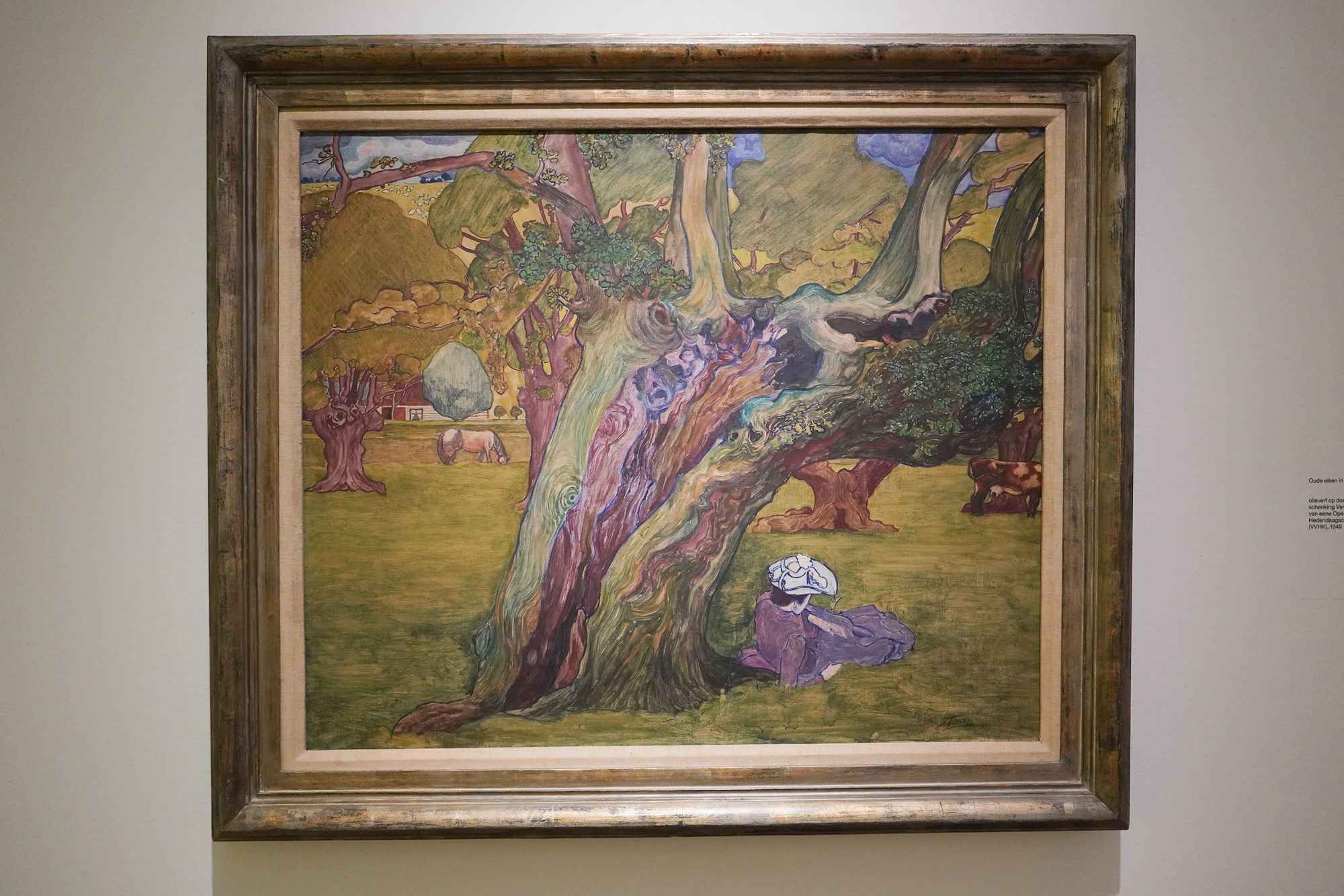
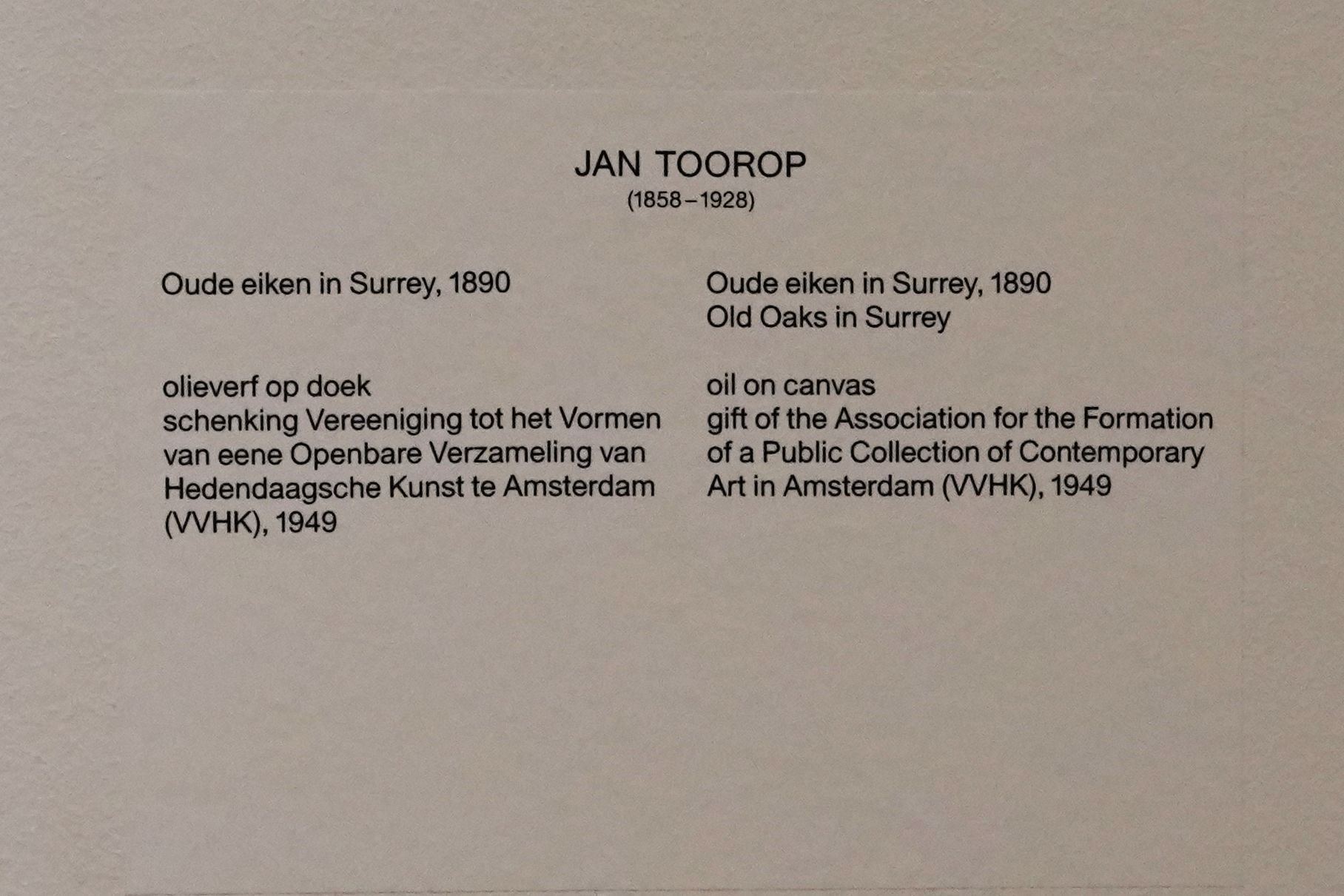
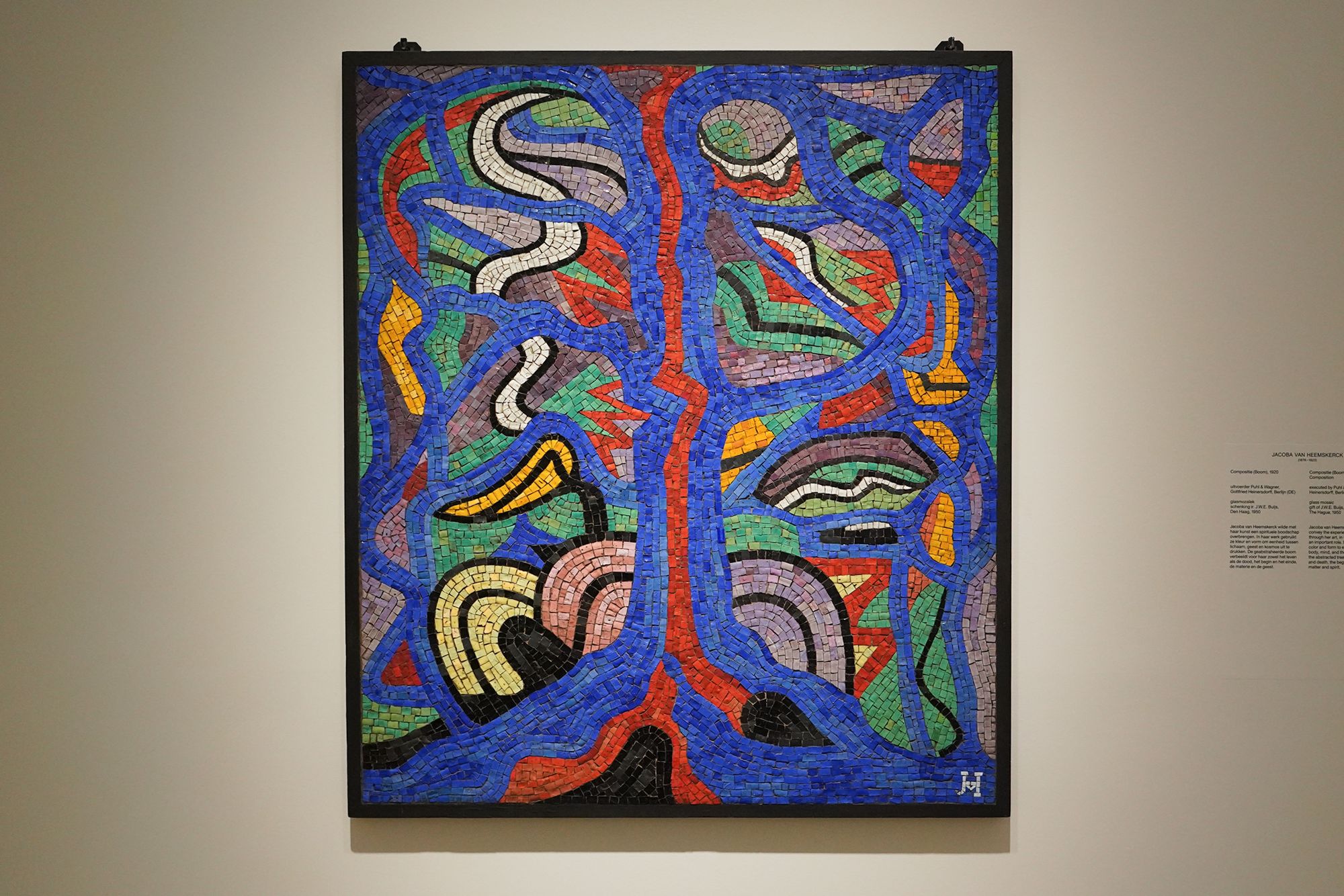
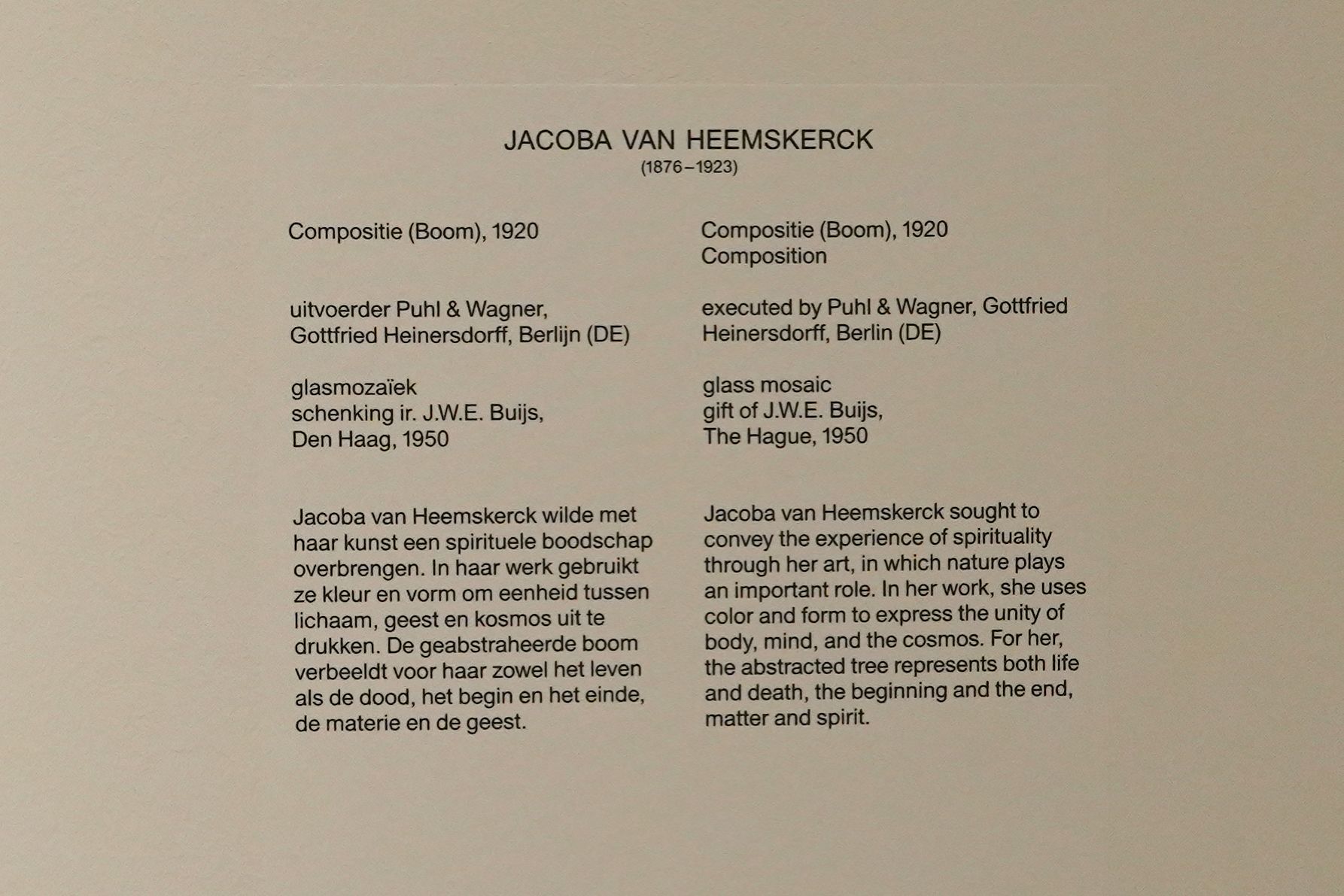
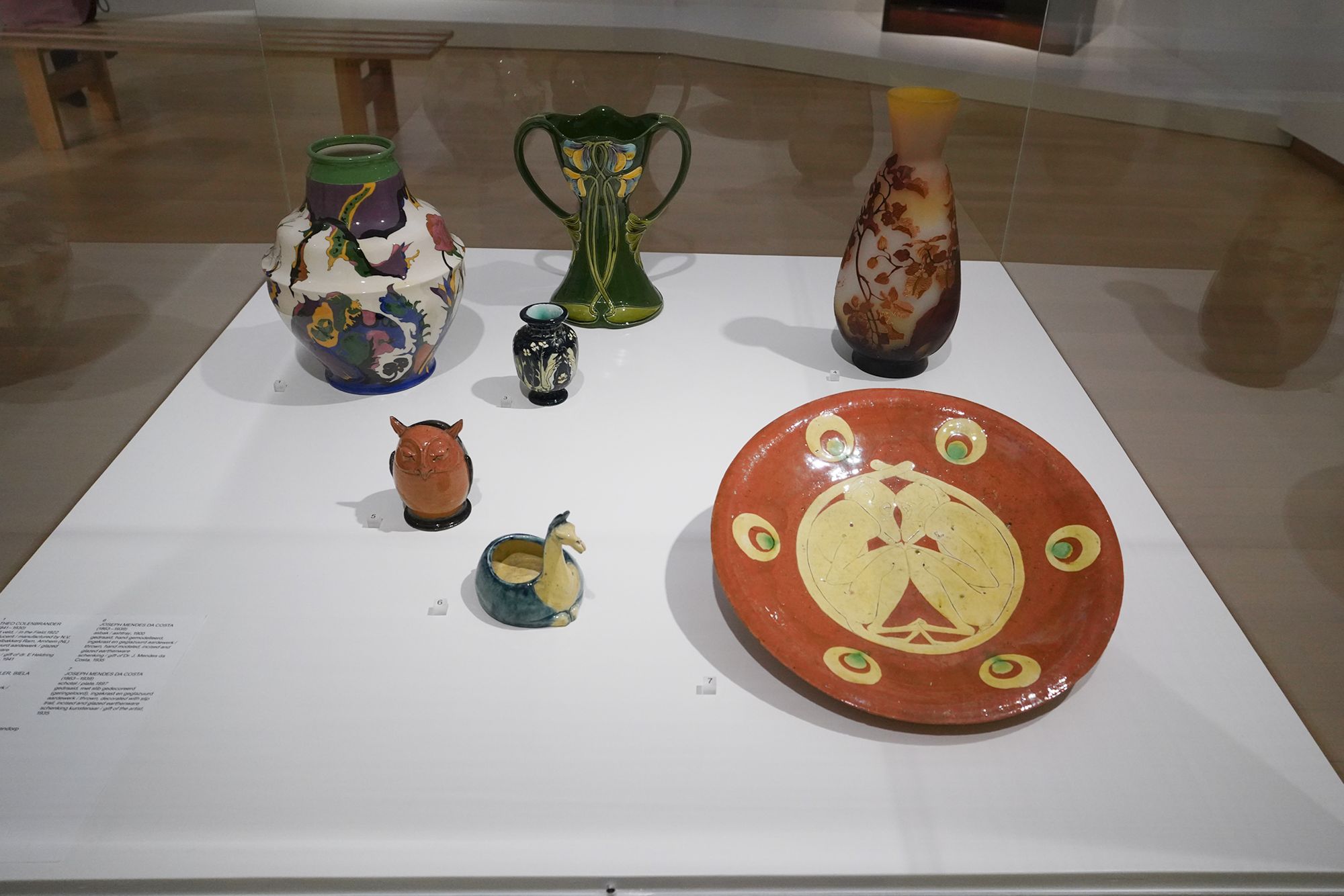
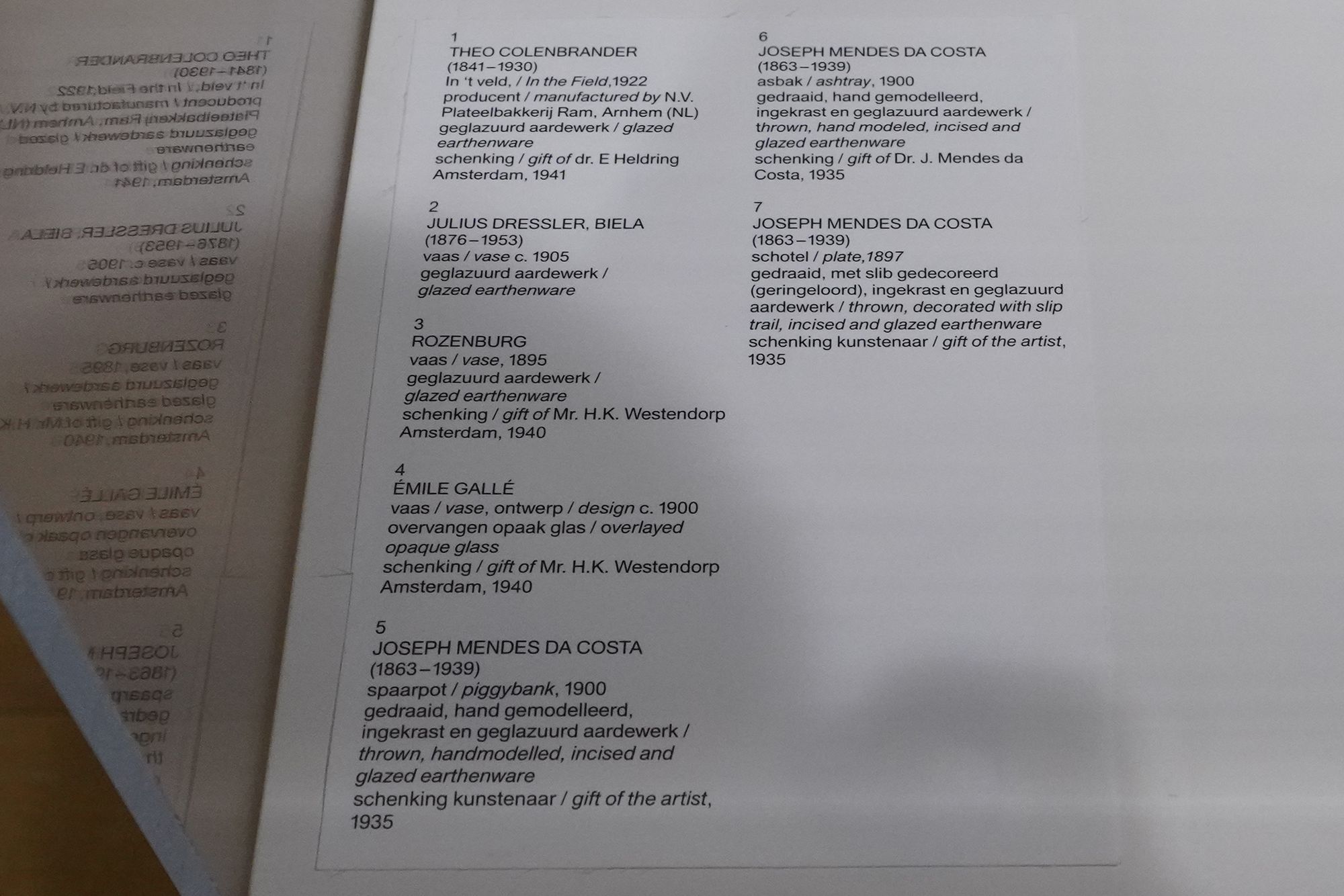
Around 1900, nature became an important source of inspiration as artists reacted to rapid industrialization and technological change. Artists such as Theo Colenbrander transformed natural forms into decorative, almost abstract designs, while new scientific discoveries and spiritual ideas also encouraged artists to see nature in new ways.
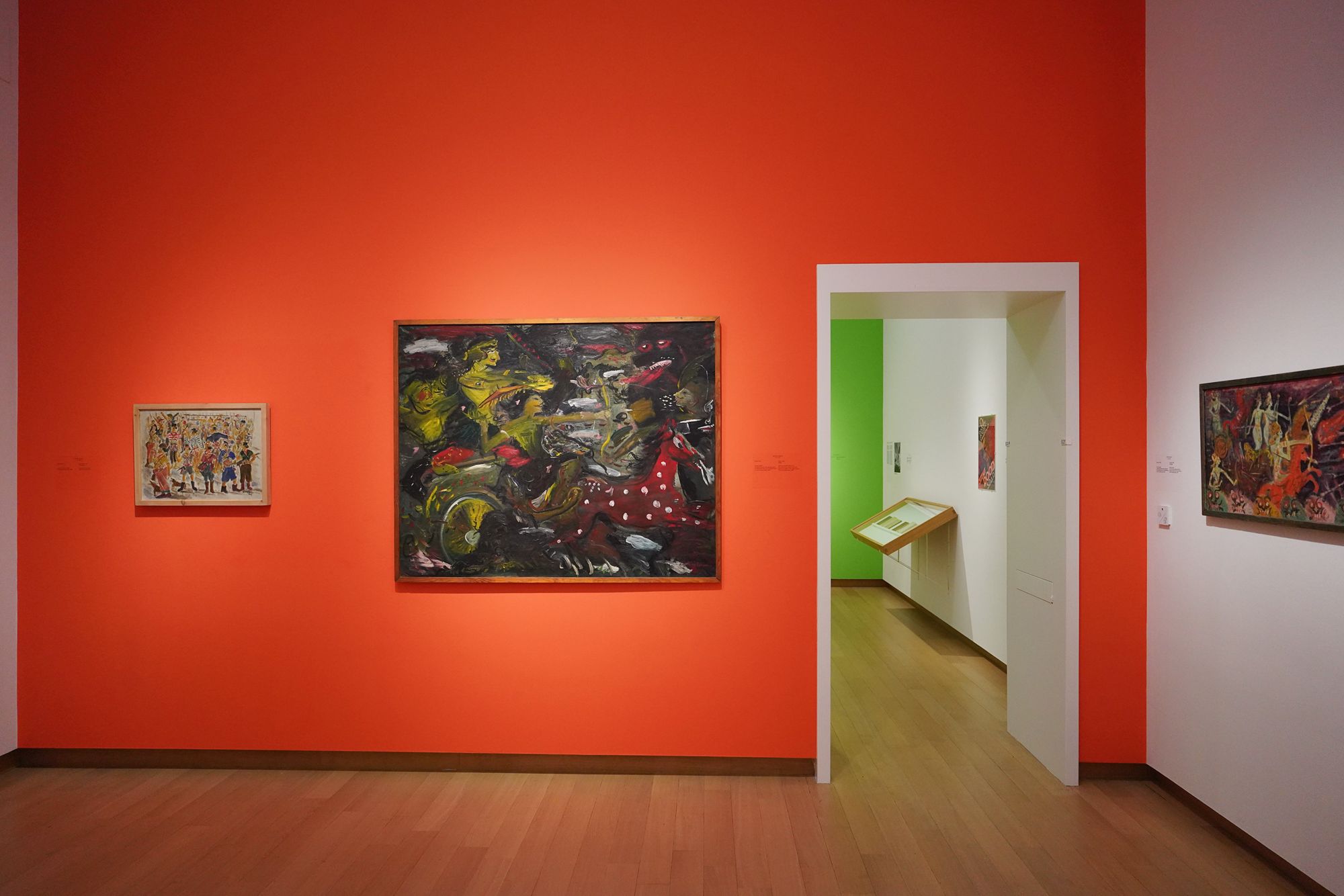
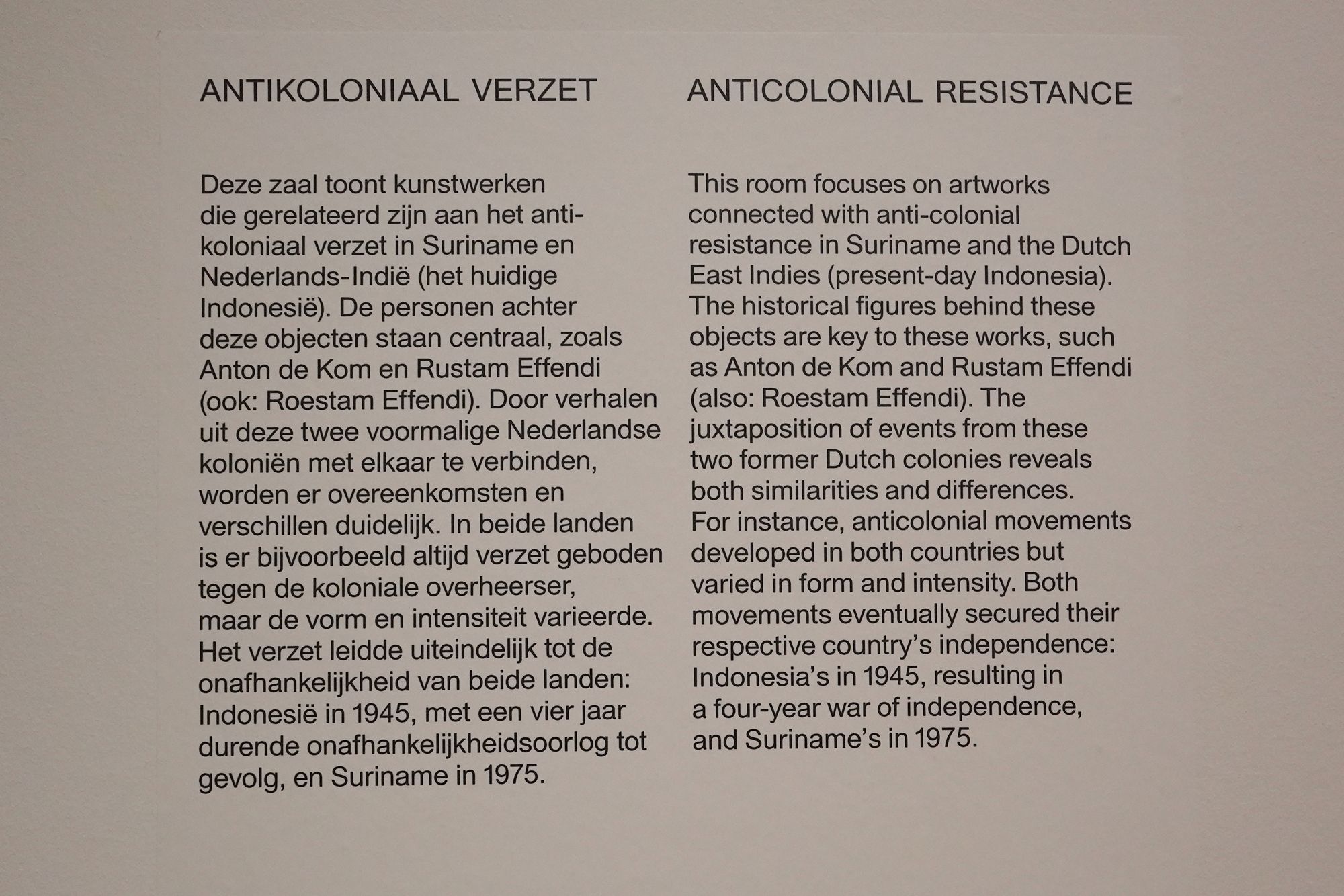
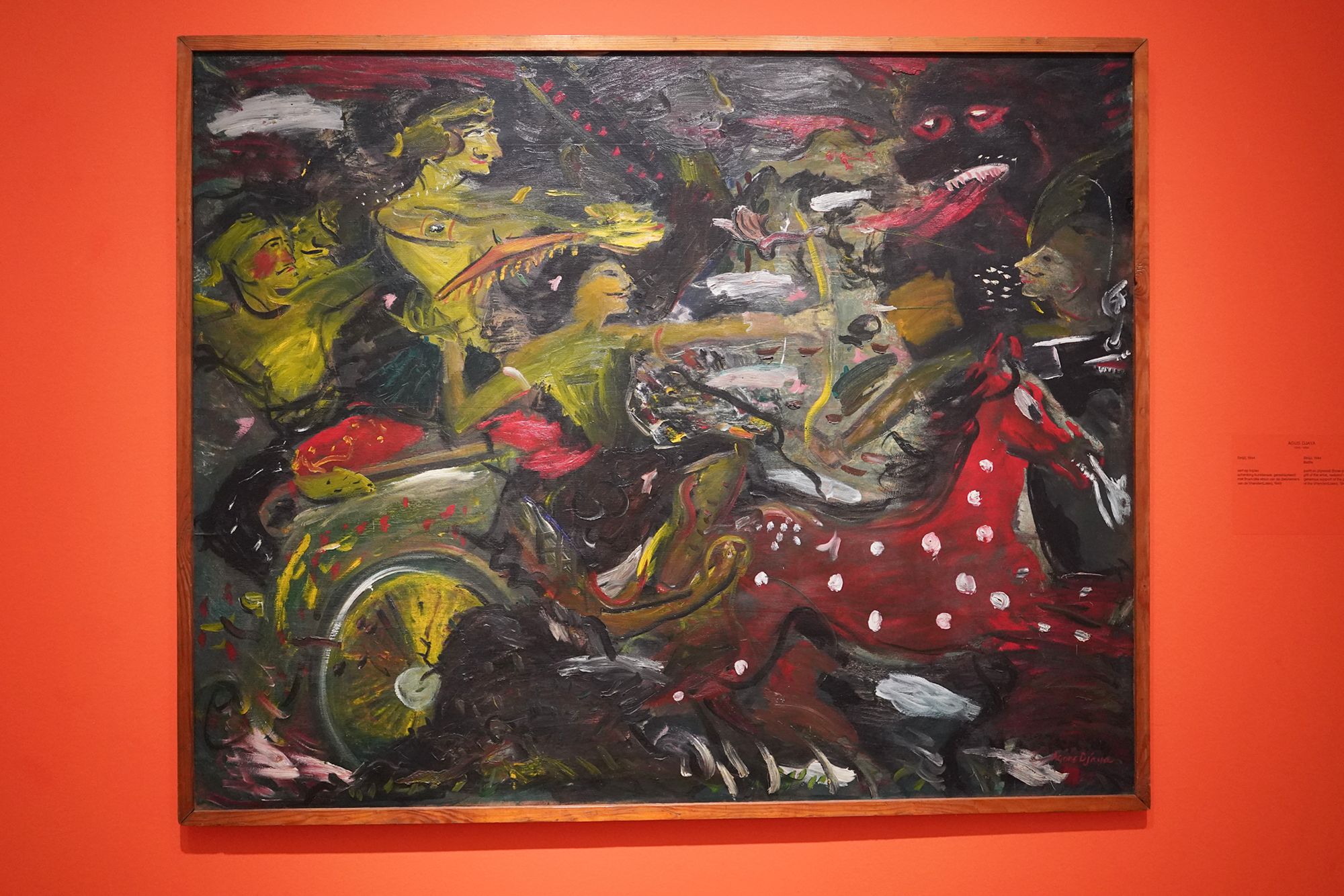
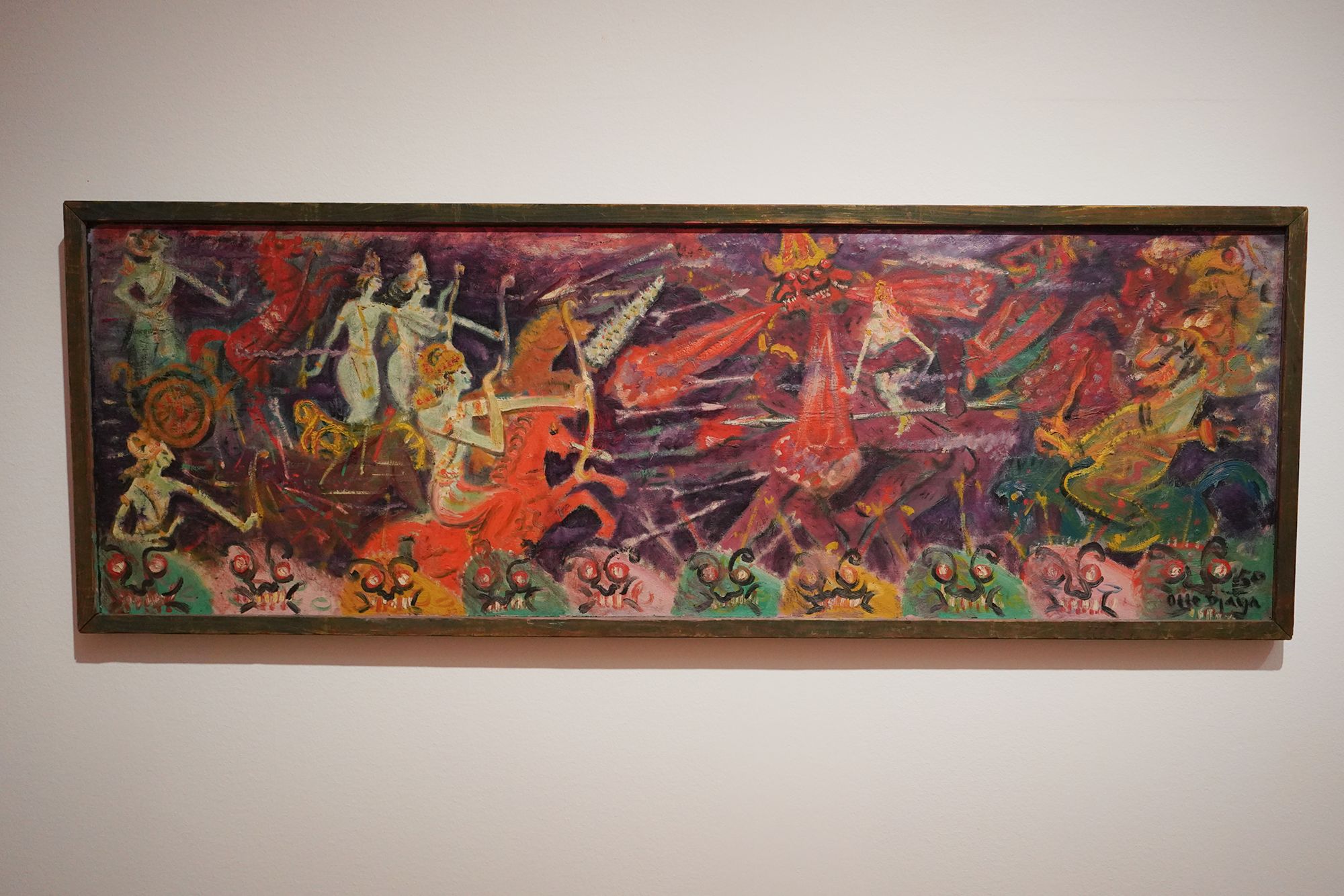
This gallery focuses on anti-colonial resistance in Suriname and Indonesia, both former Dutch colonies. It highlights figures such as Anton de Kom and Rustam Effendi and shows how resistance movements eventually contributed to Indonesia’s independence in 1945 and Suriname’s in 1975.
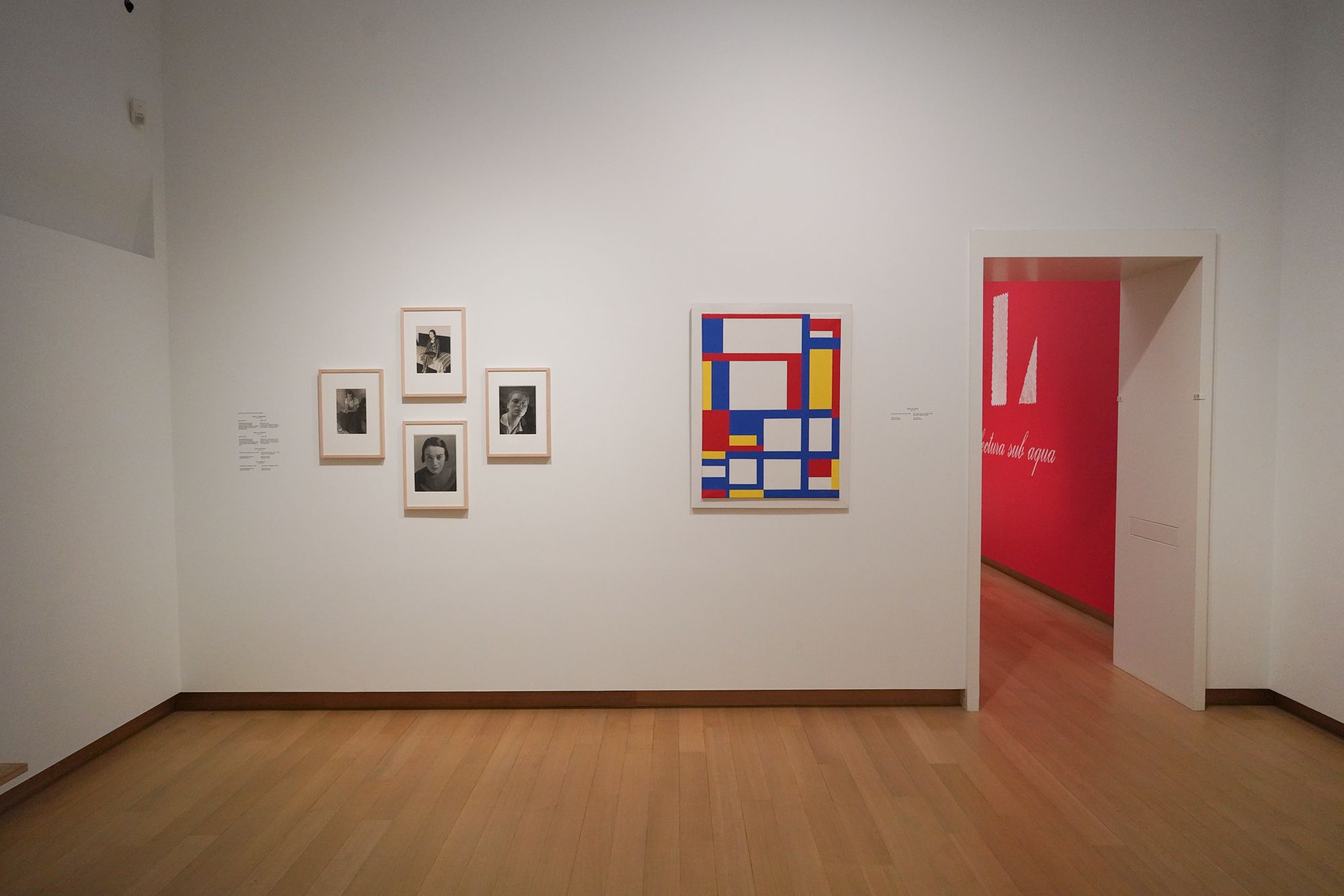
This gallery explores androgyny and changing ideas about gender, as artists challenged traditional distinctions between masculine and feminine roles. After World War I, changes in fashion, social freedoms, and artistic expression increasingly questioned conventional ideas about how men and women should look and behave.
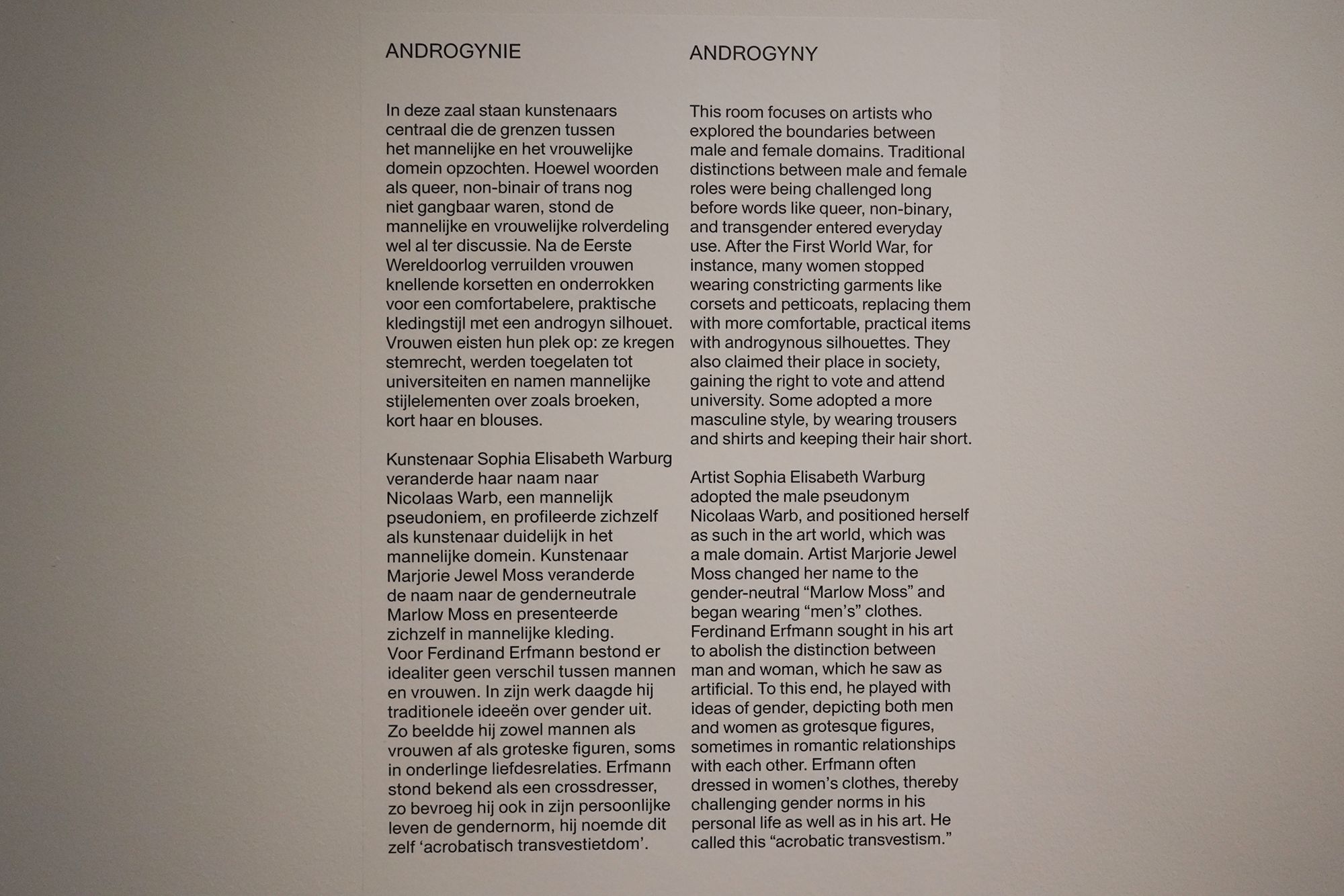
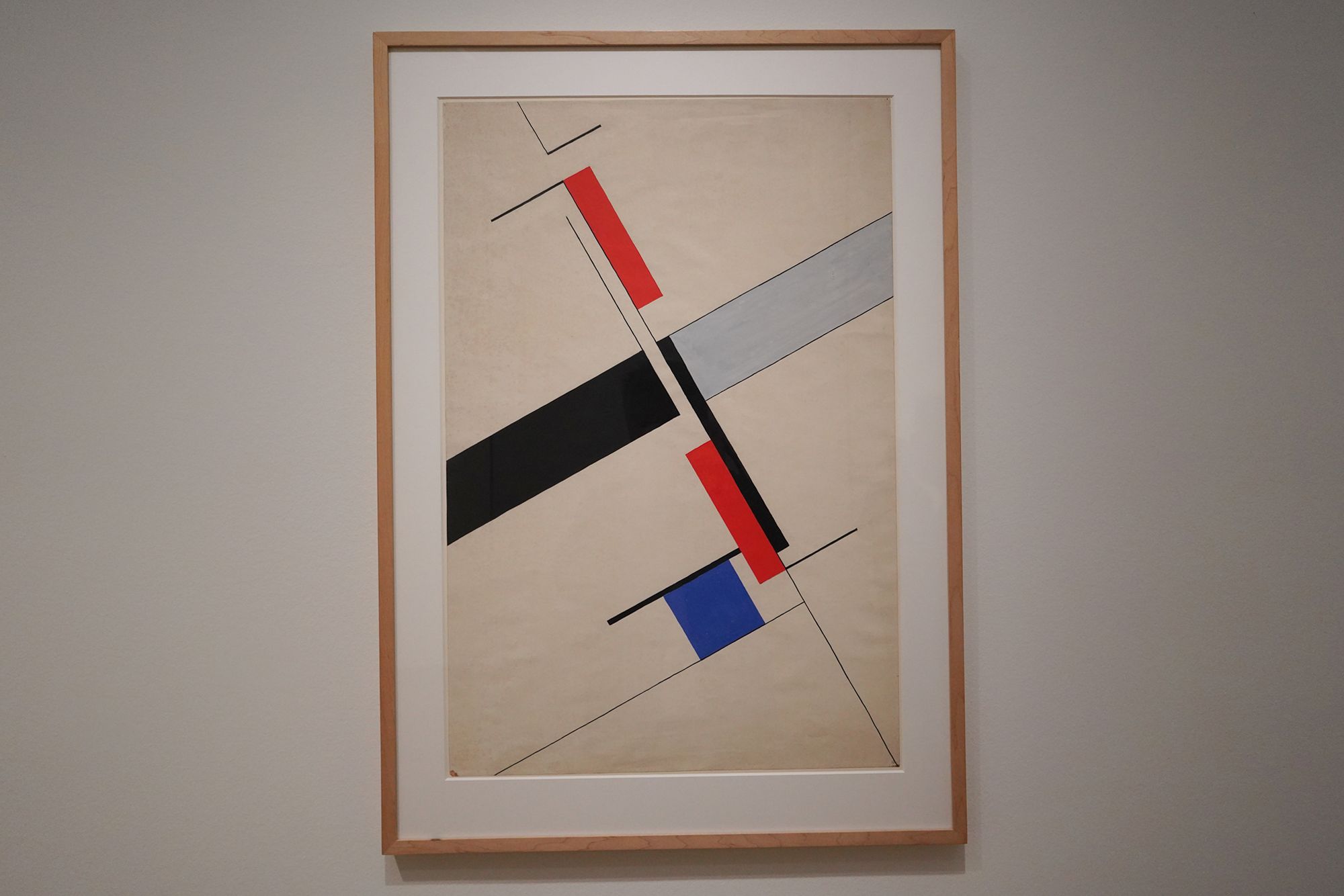
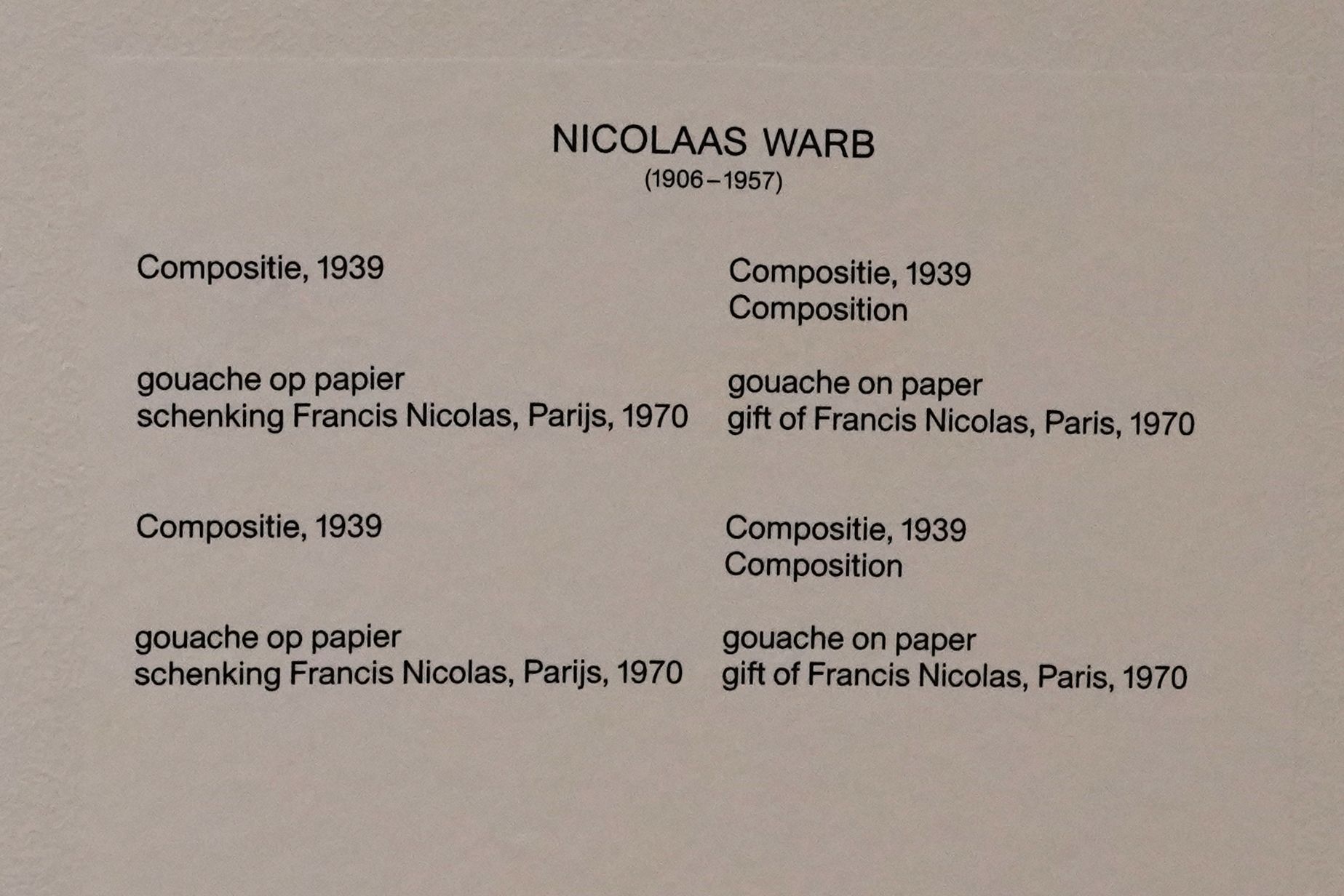
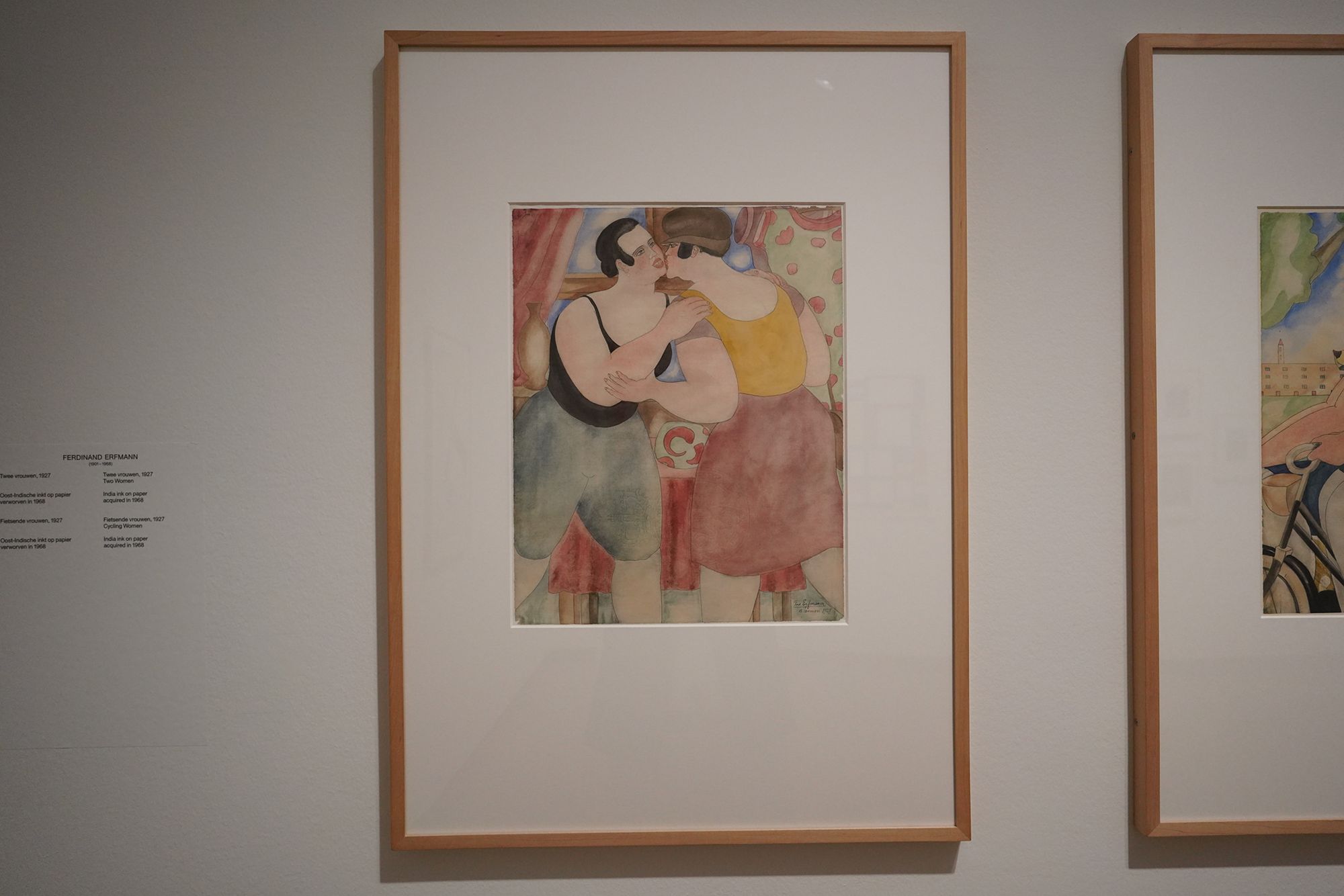
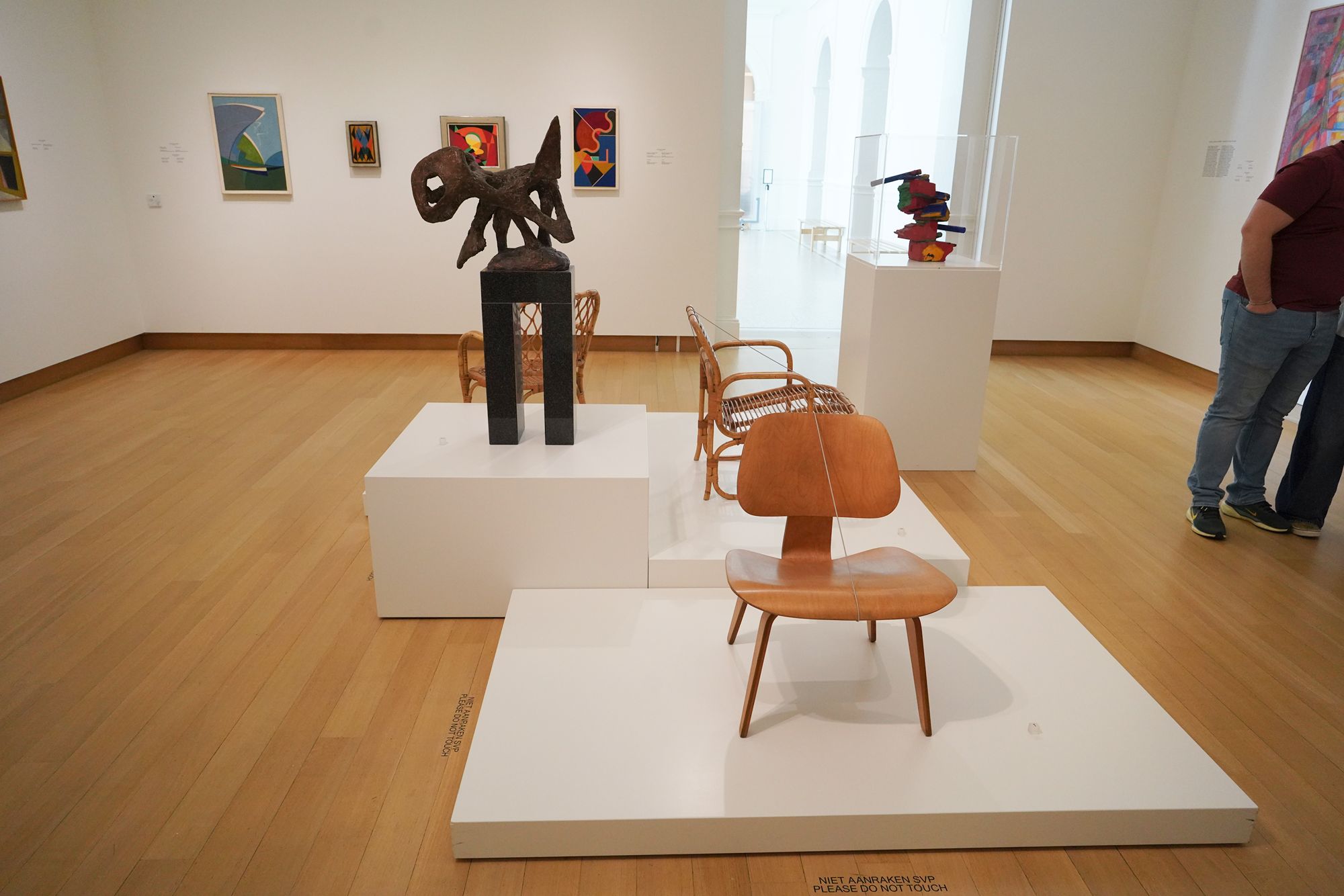
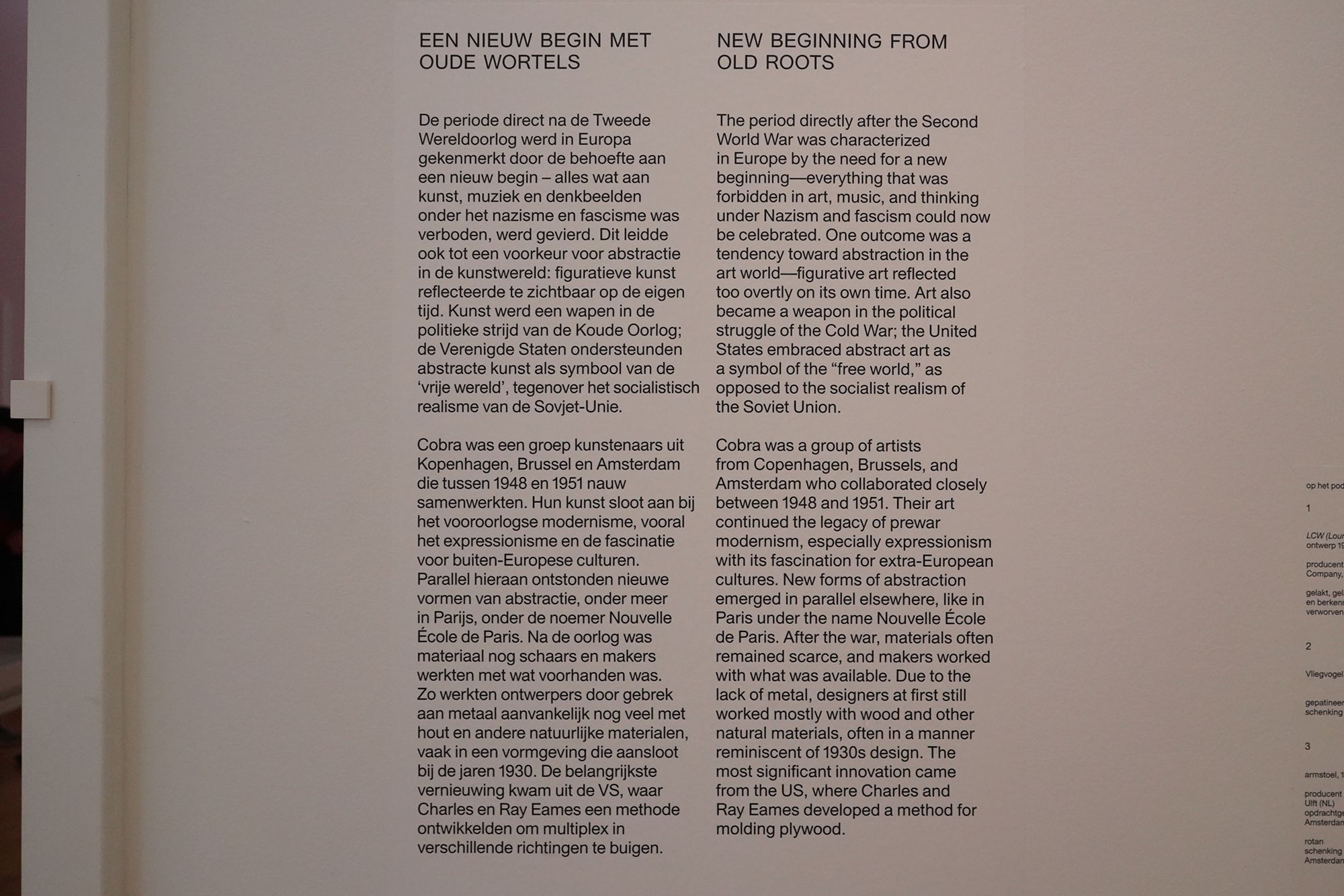
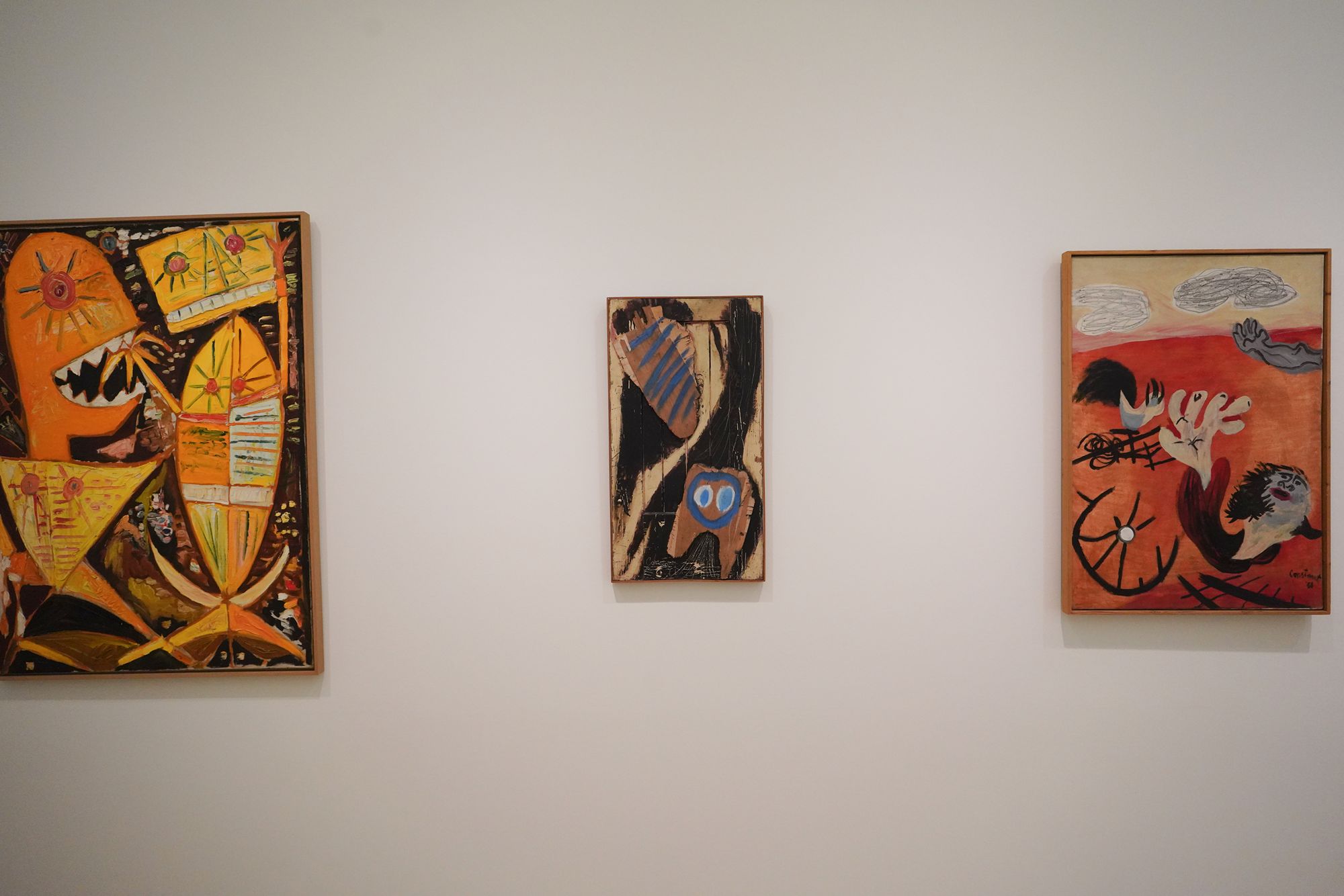
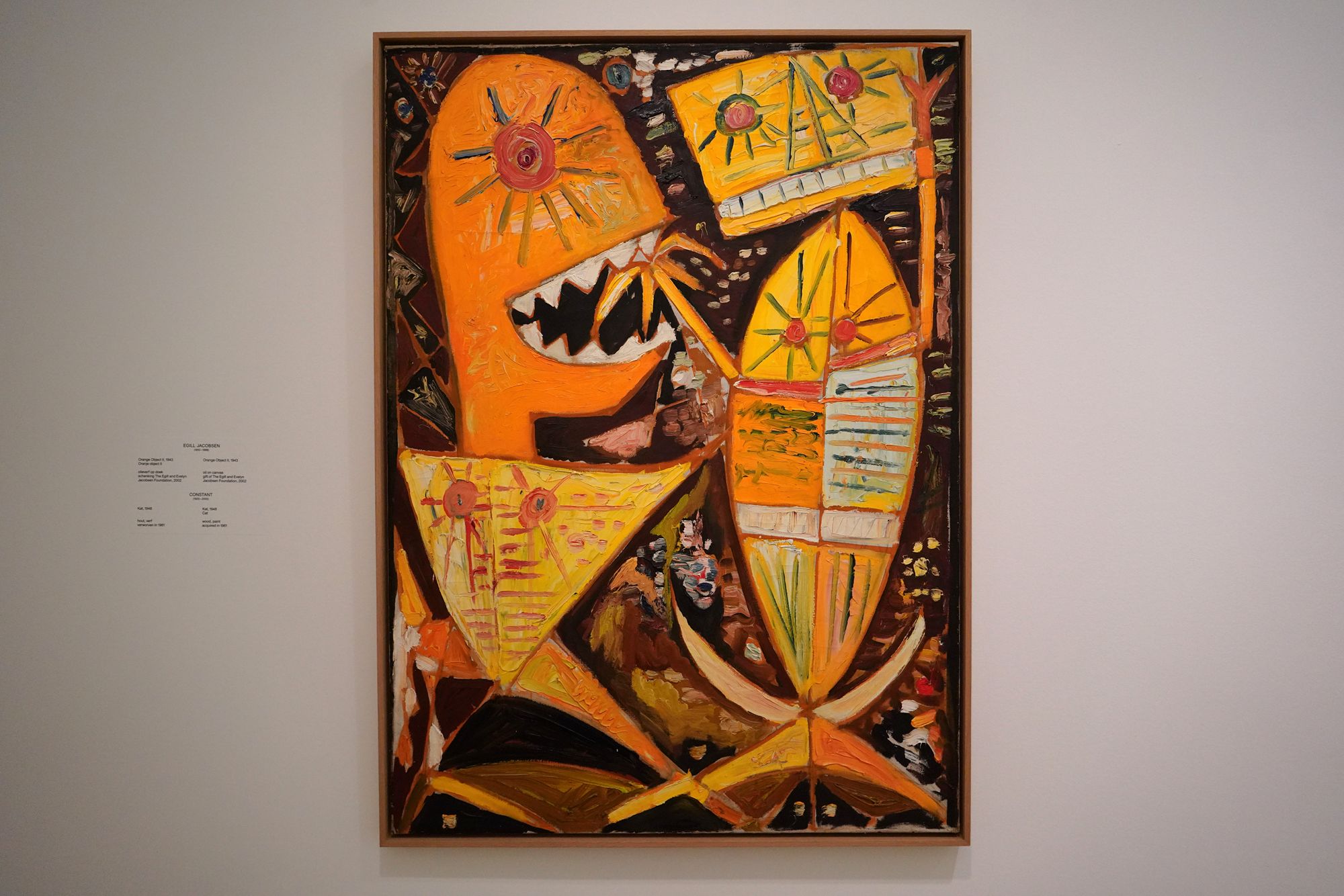
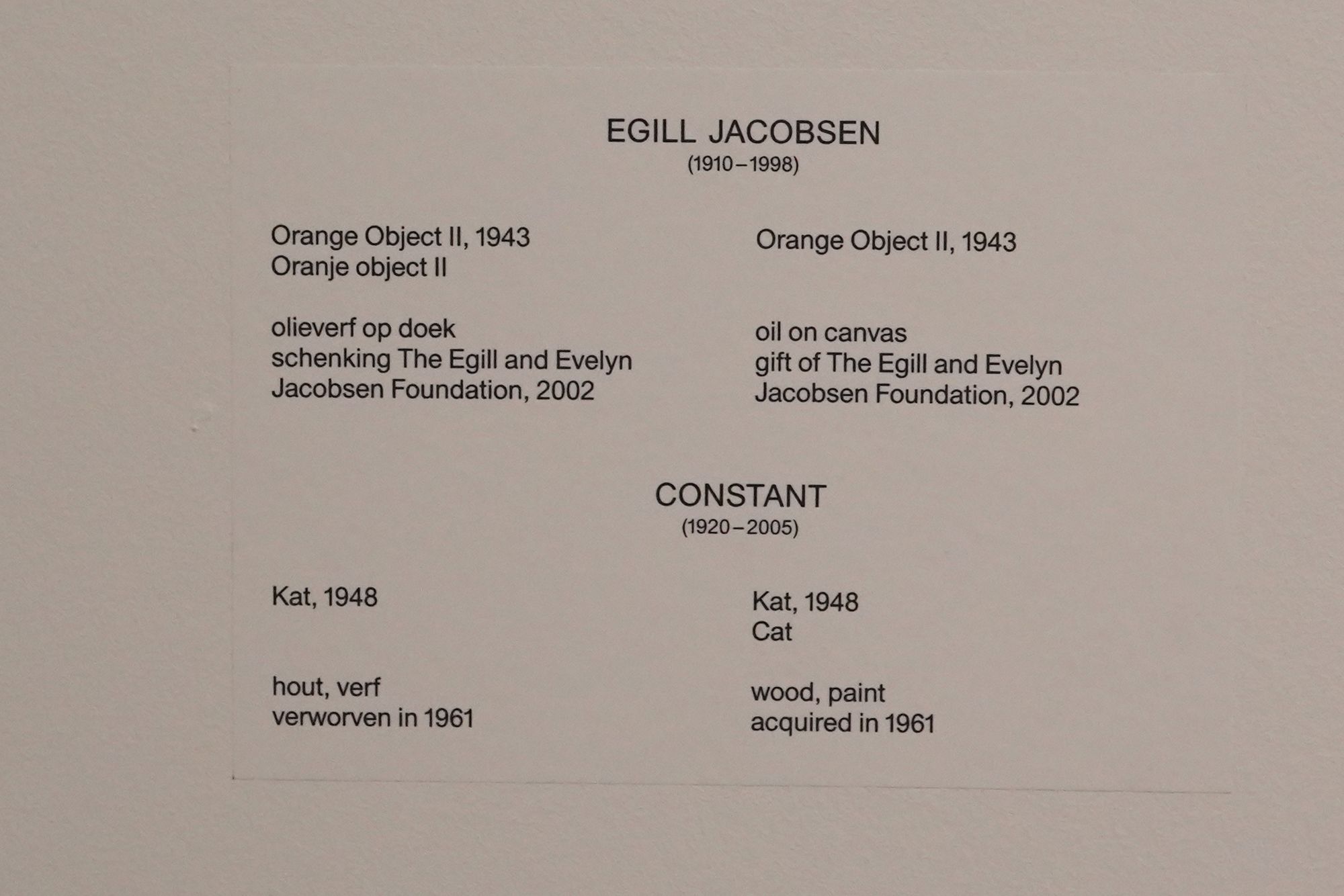
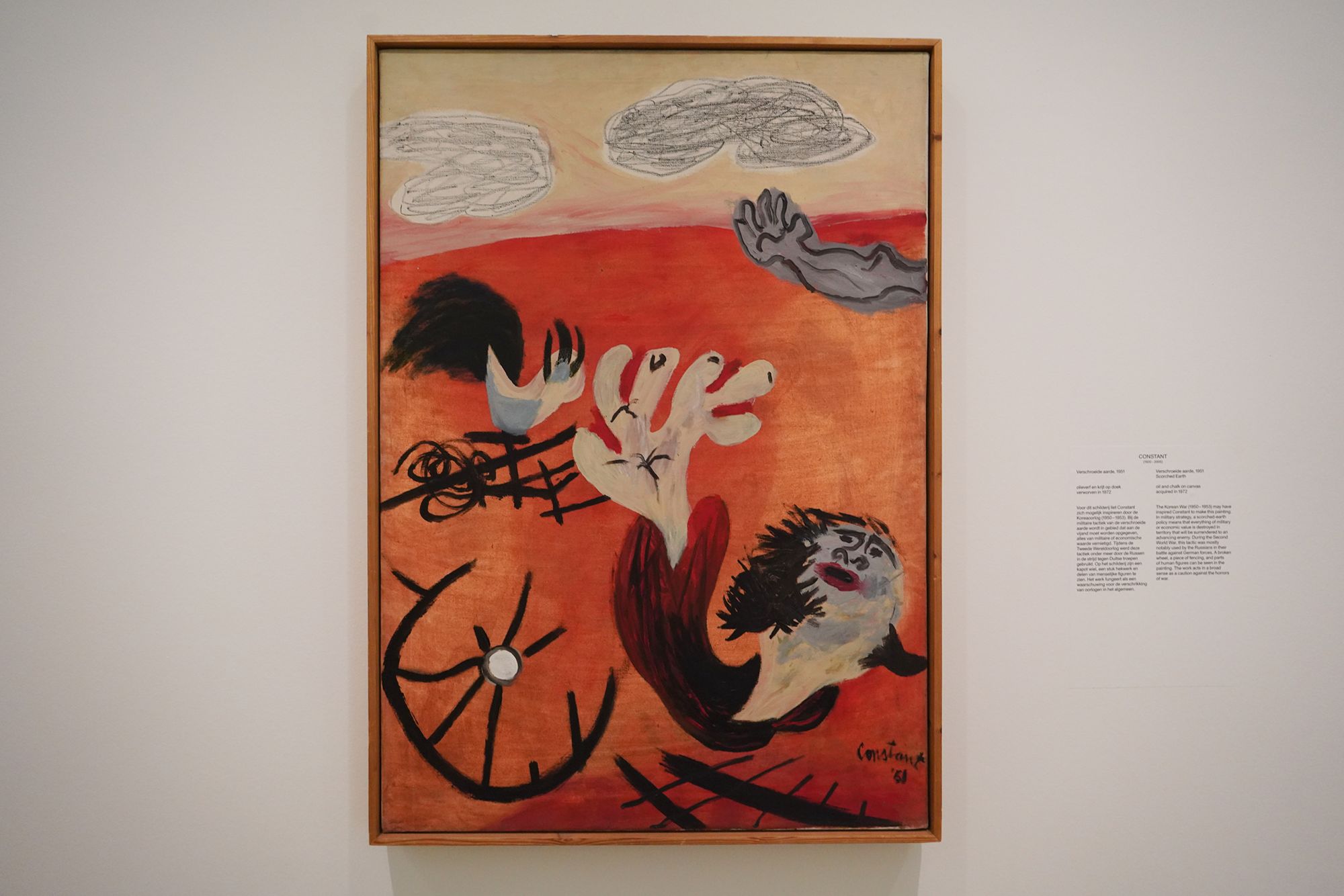
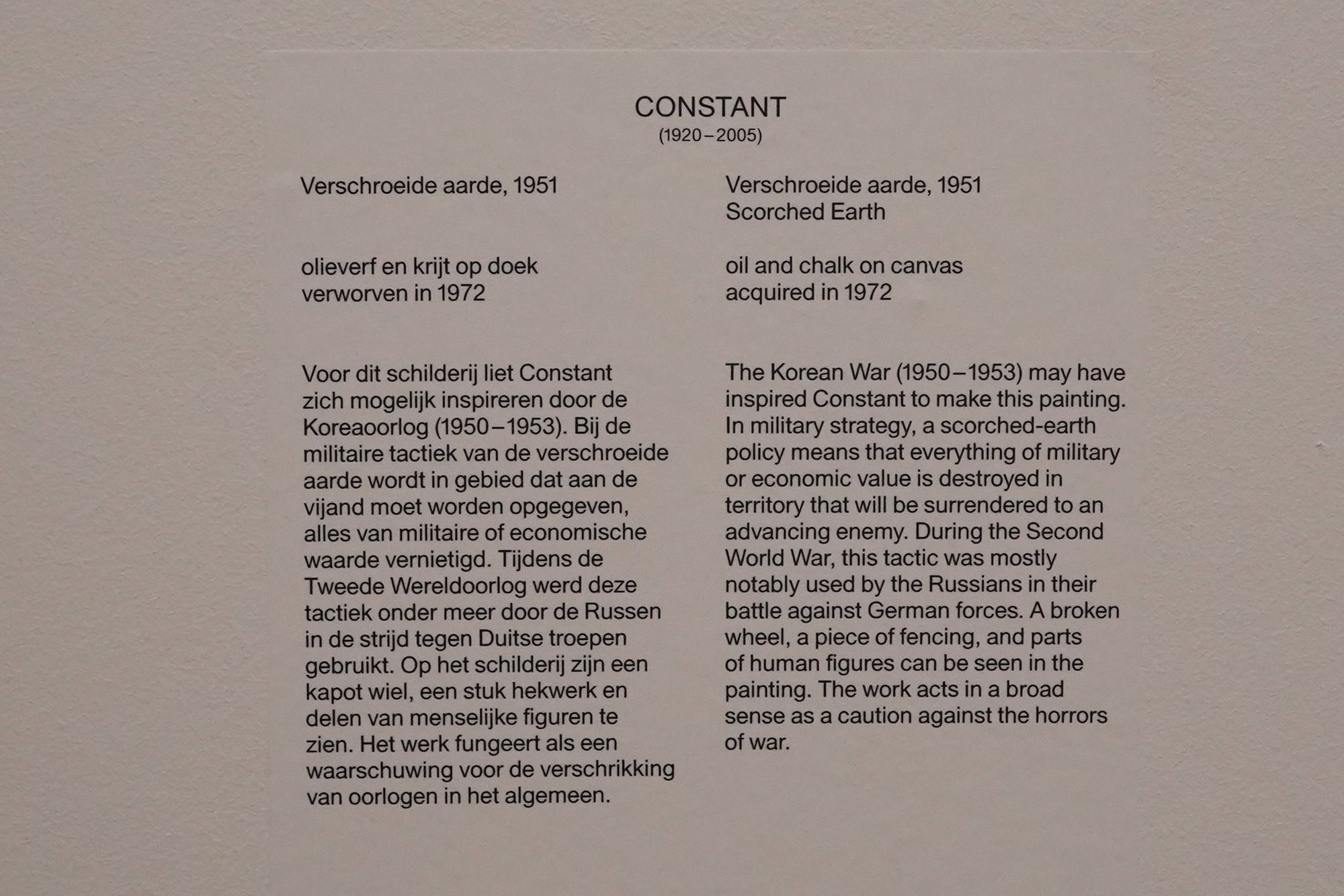
This gallery explores the new beginning in art and design after World War II, when abstraction came to symbolize a break with the past. Groups such as Cobra embraced spontaneous, expressive art, while designers experimented with new techniques and materials to create a more modern world.
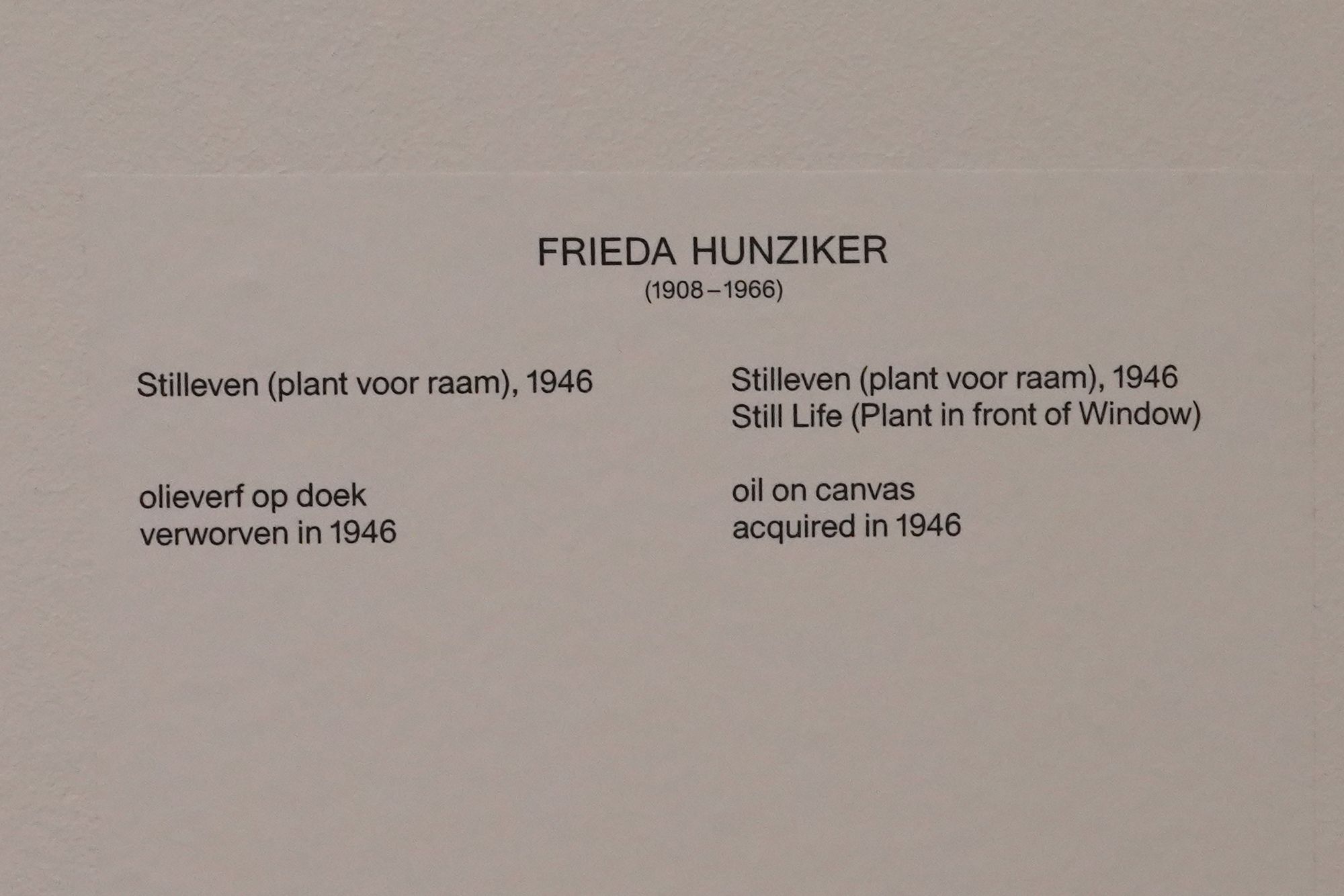
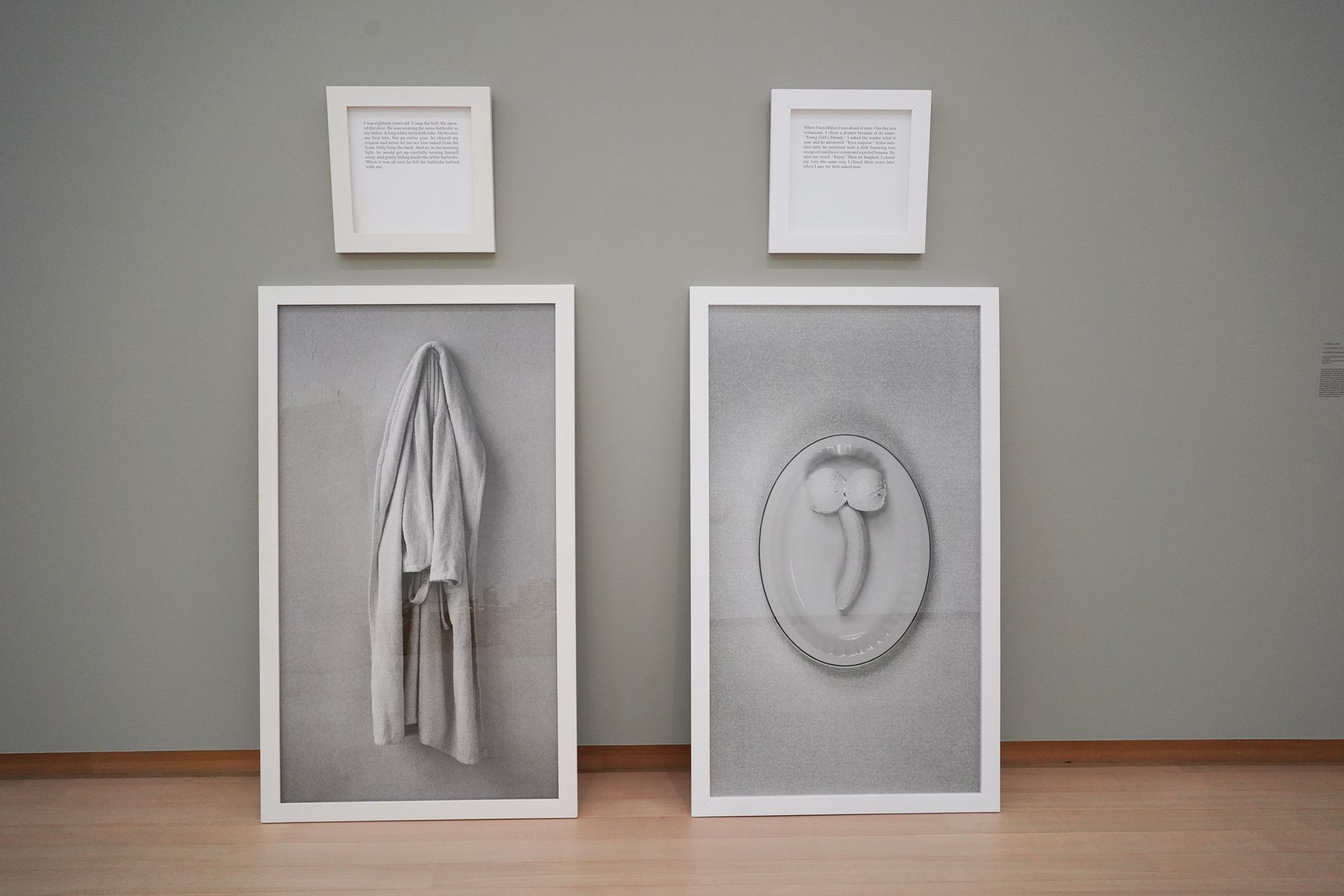
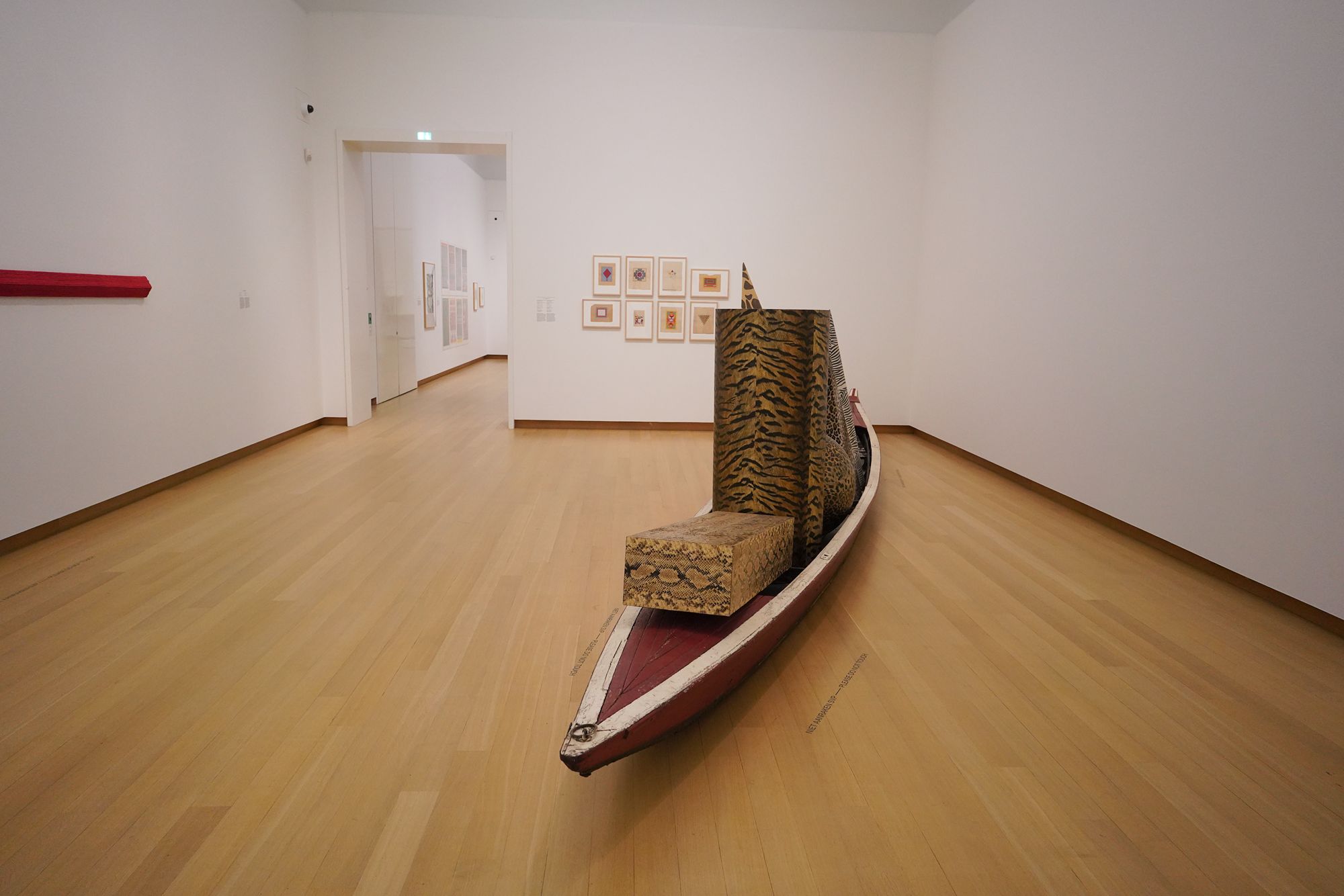
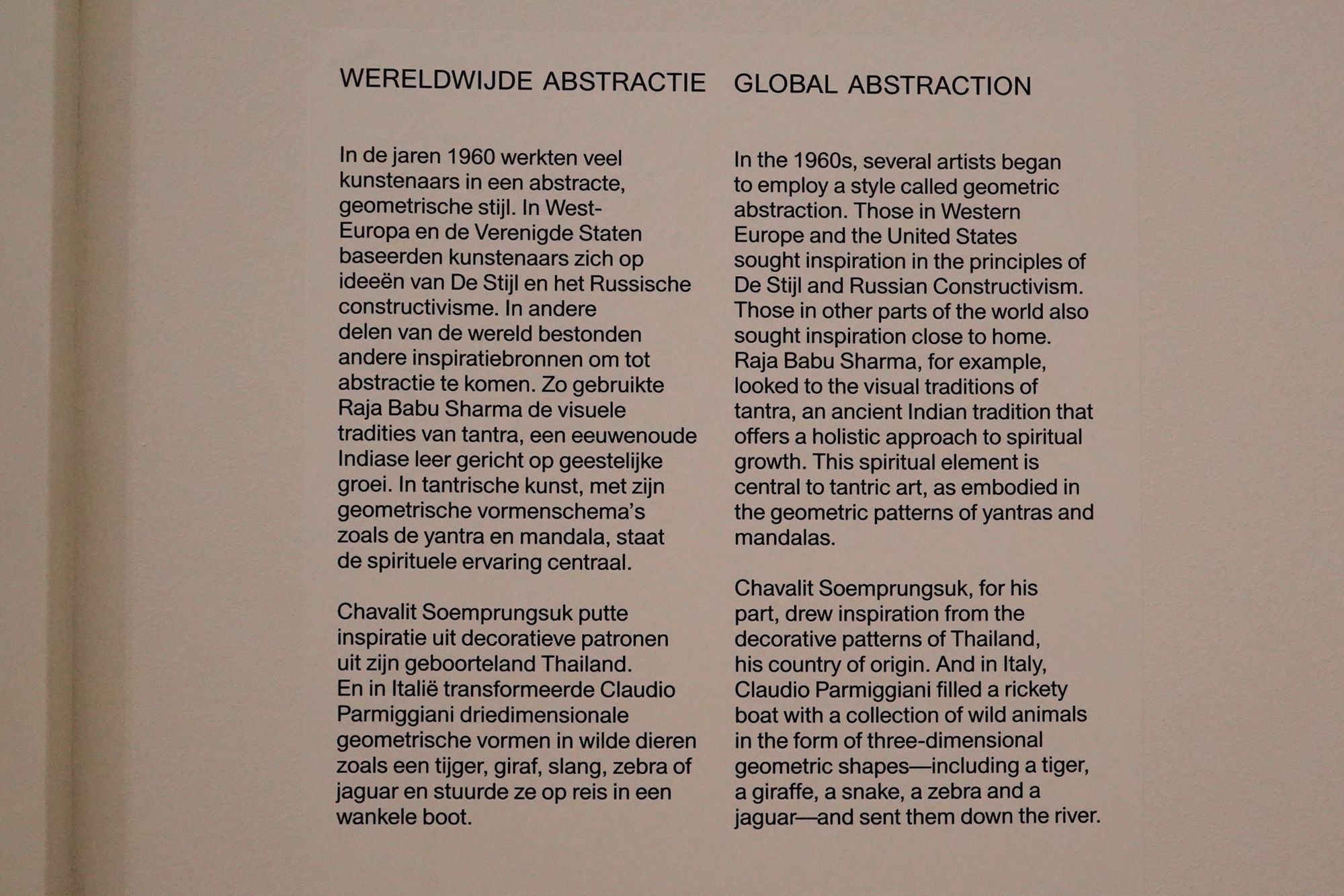
This gallery explores geometric abstraction around the world during the 1960s. While European and American artists drew on movements such as De Stijl and Russian Constructivism, artists elsewhere incorporated their own traditions, including Indian tantric geometry and Thai decorative patterns, showing how abstraction developed differently across cultures.
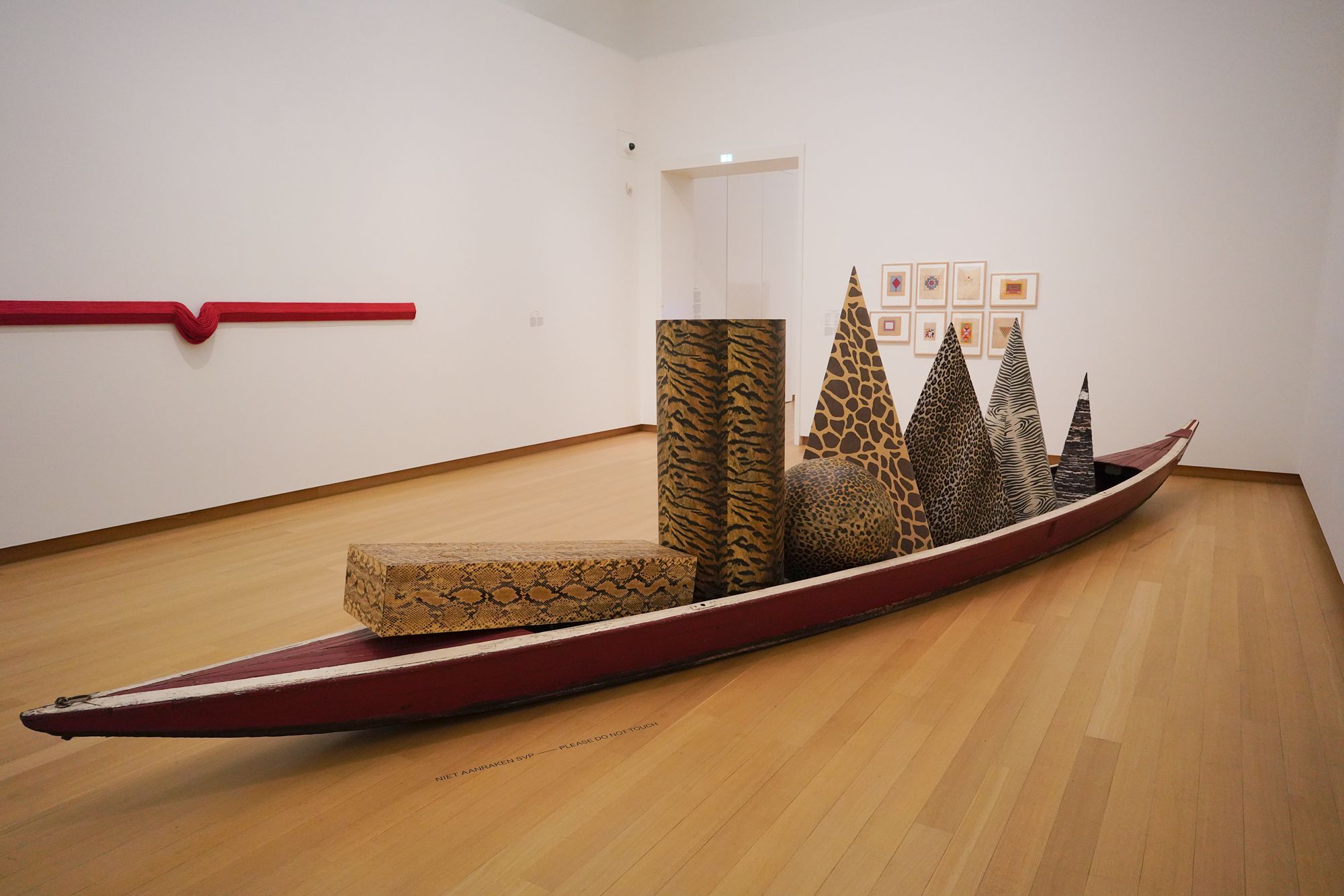
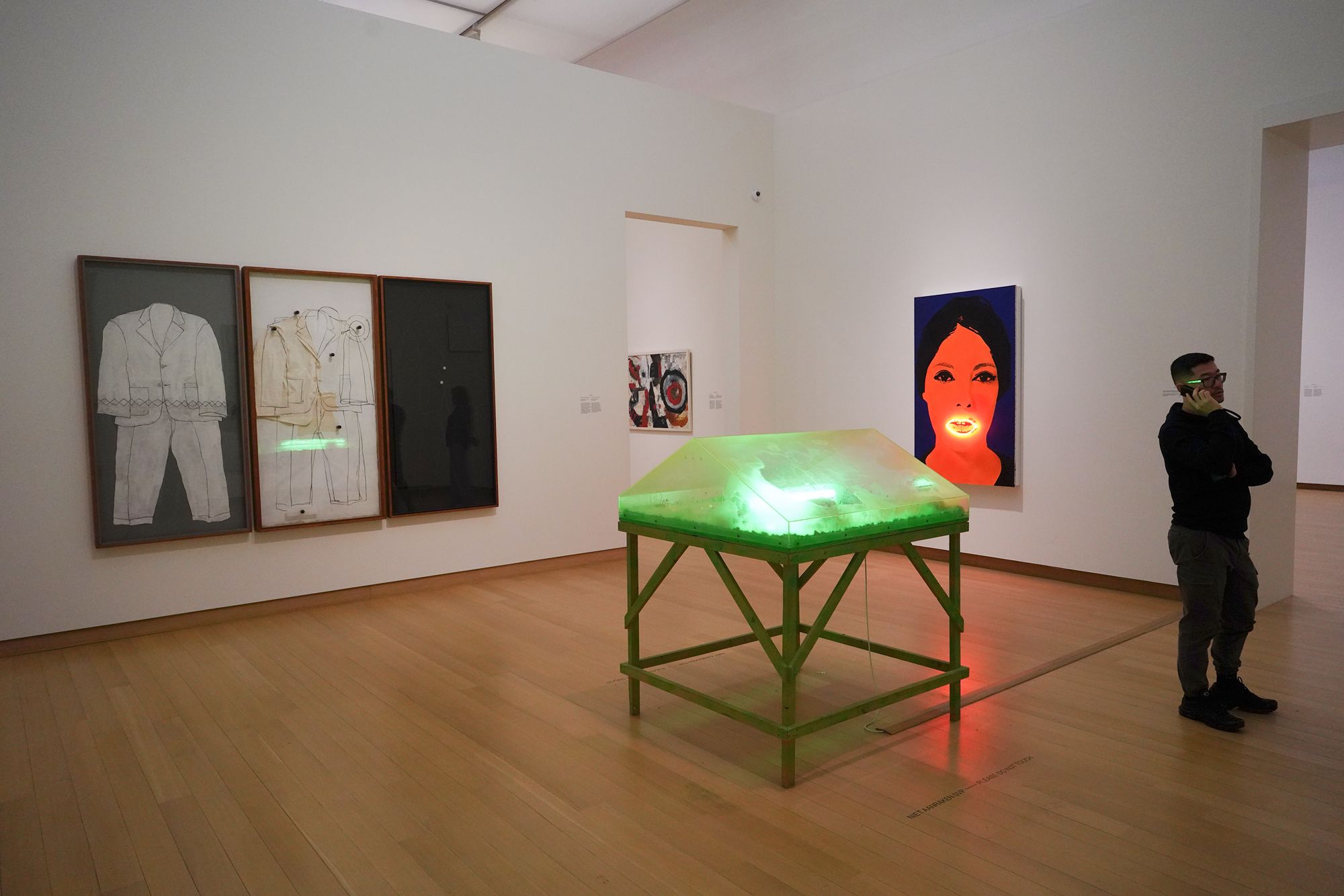
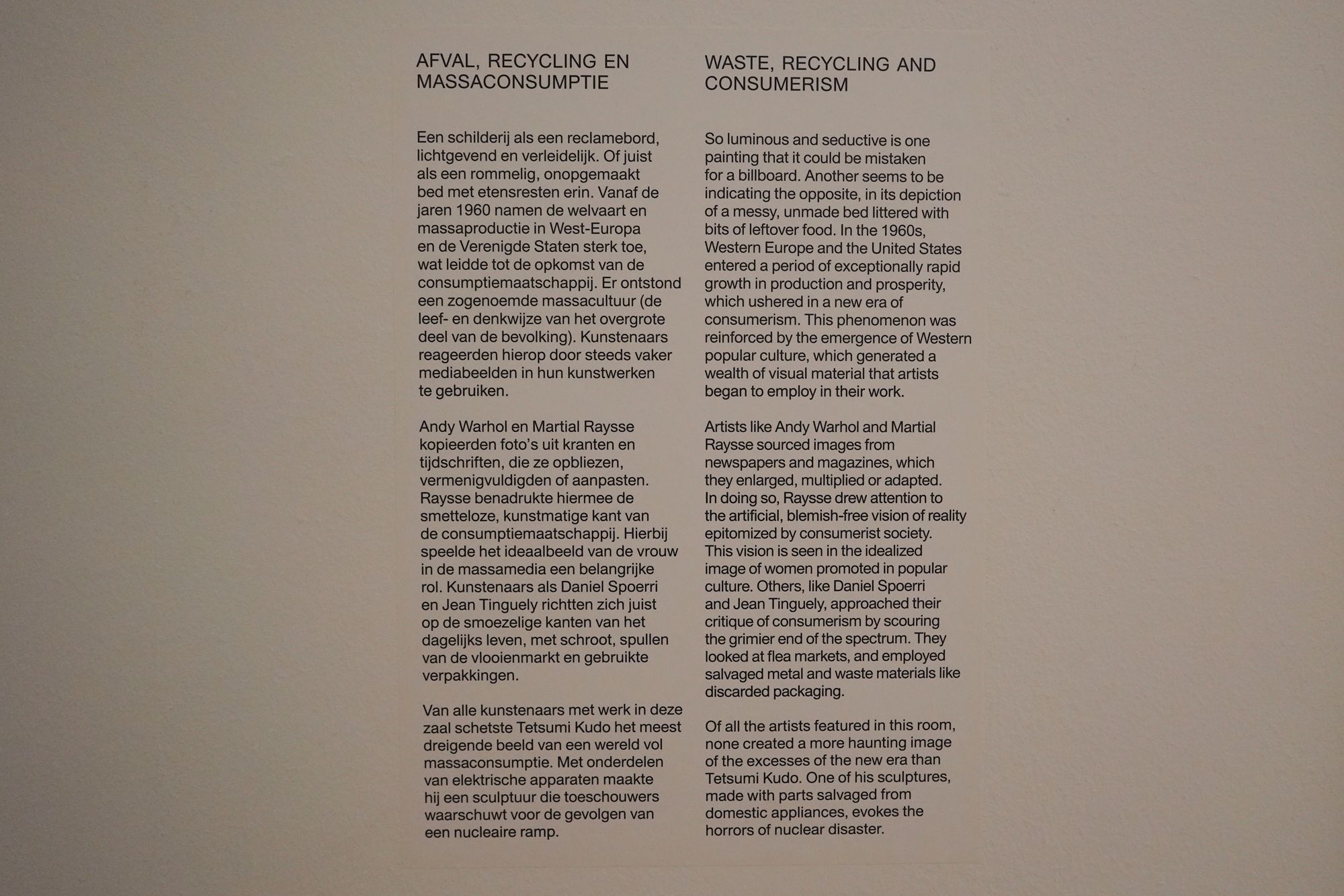
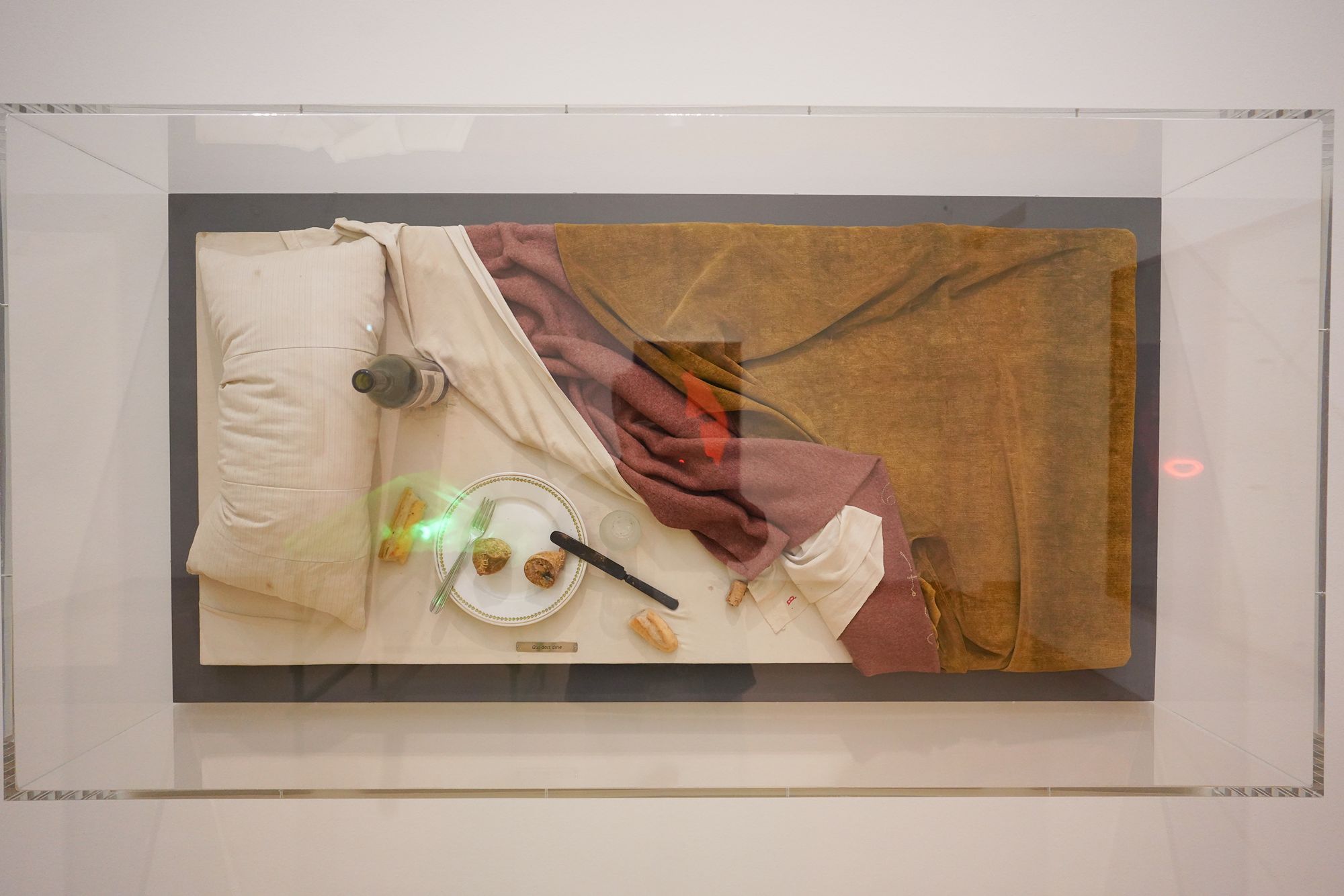
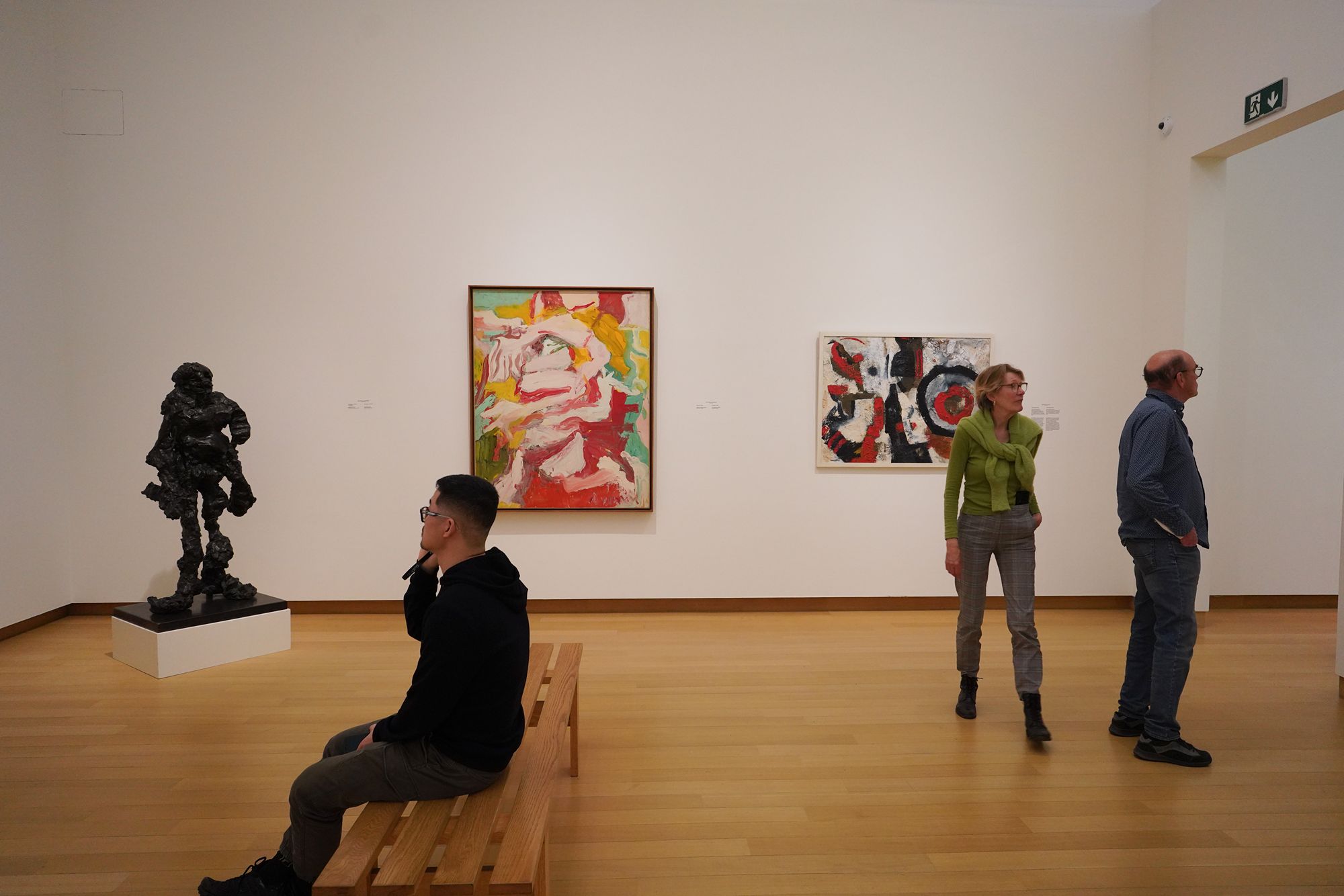
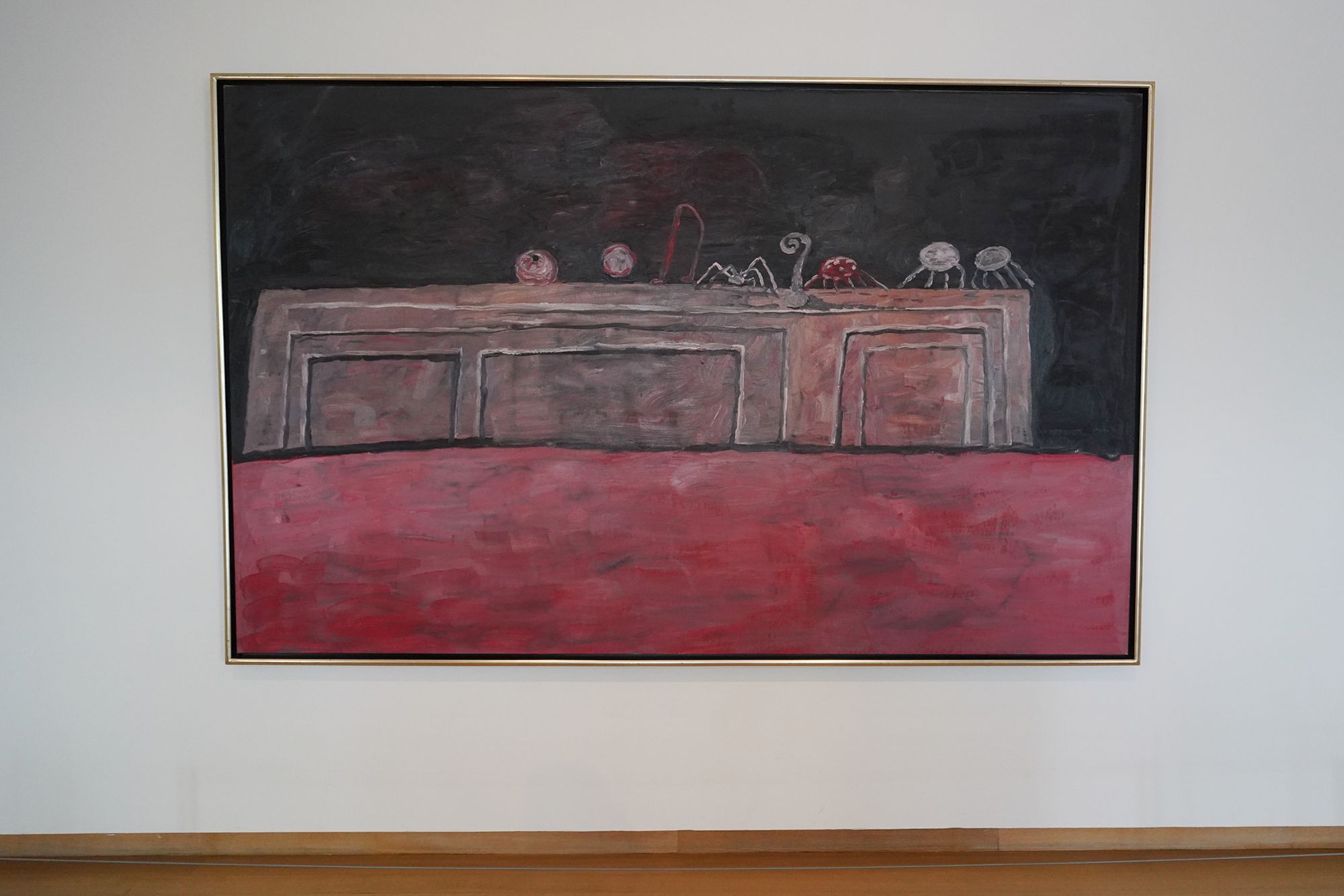
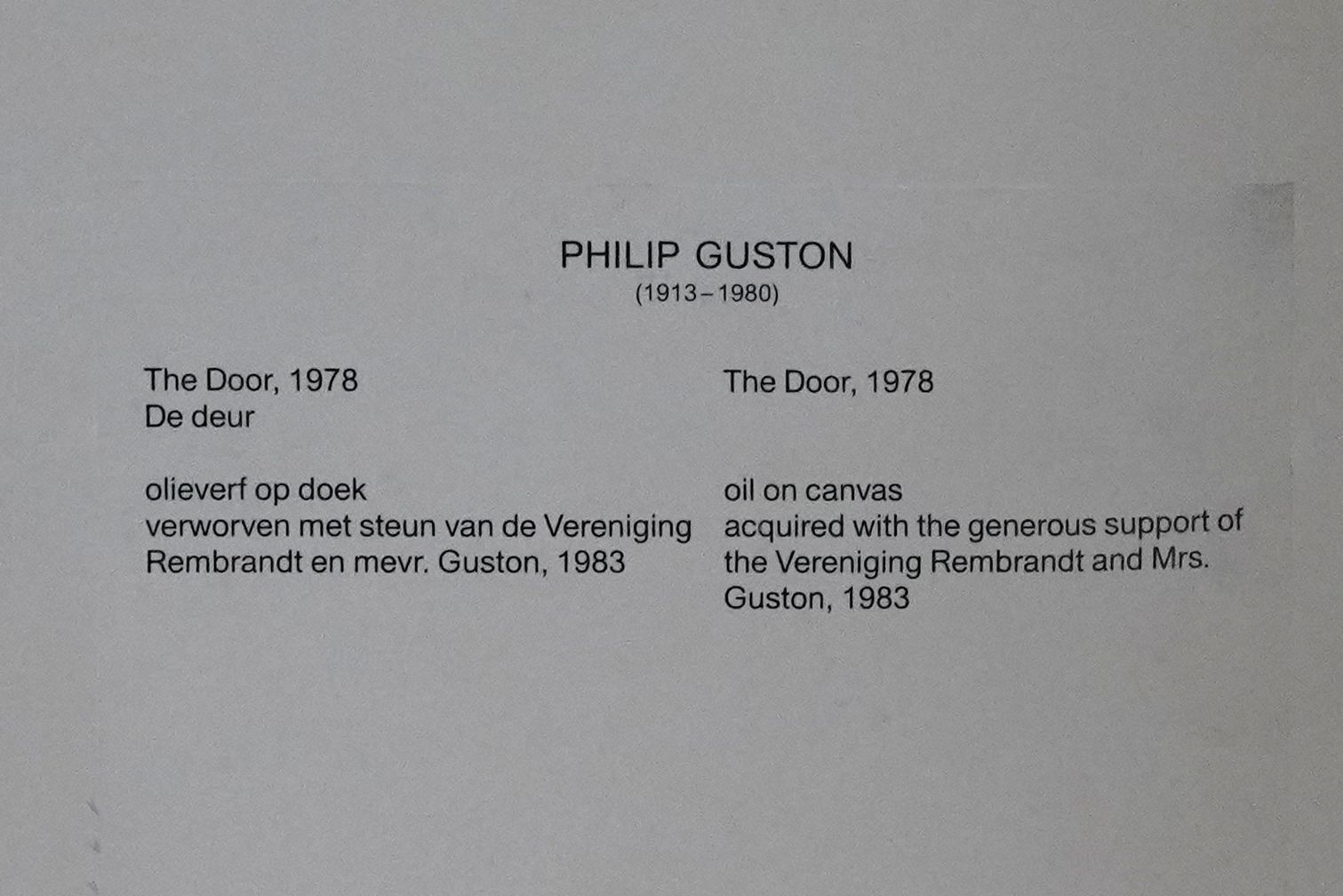
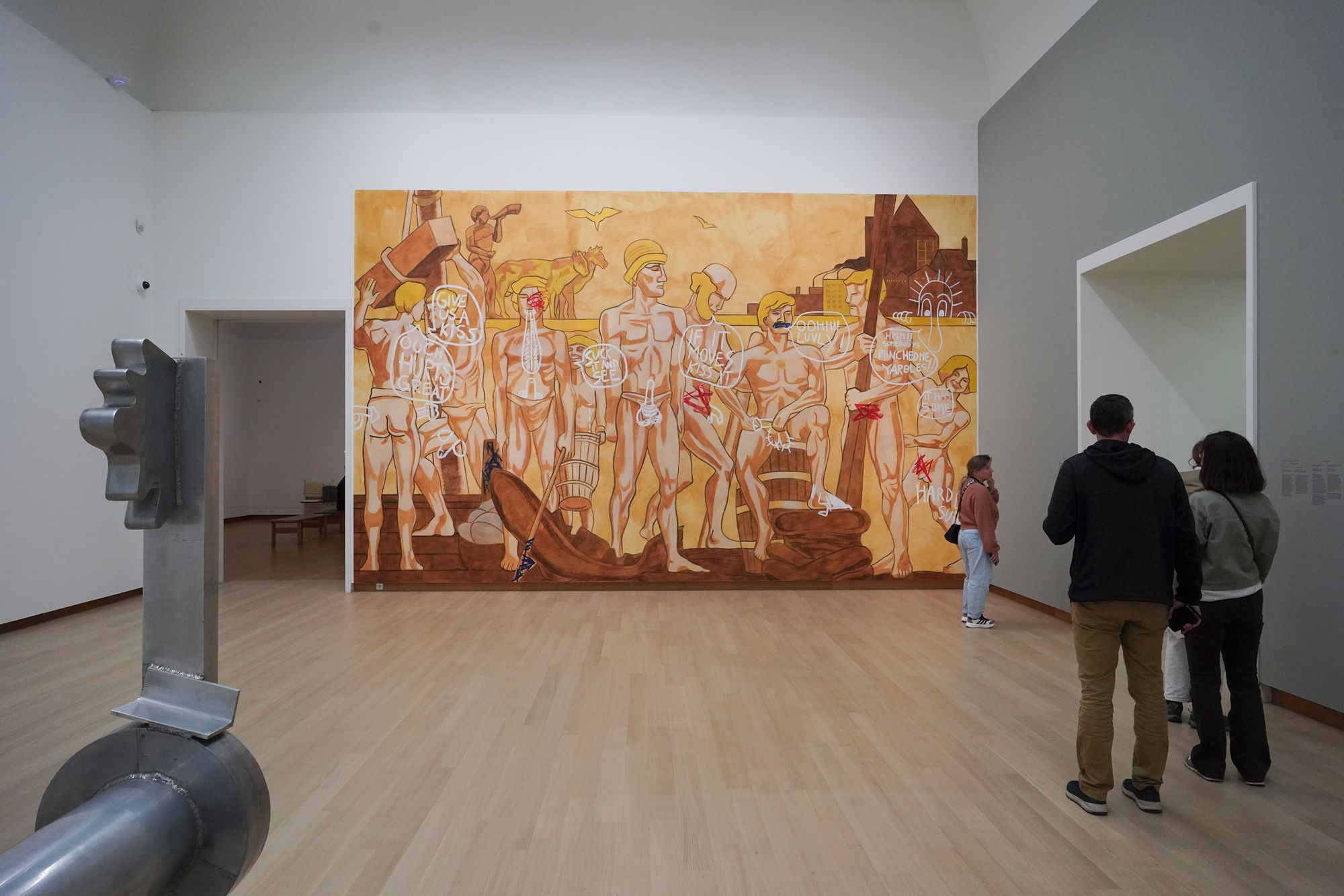
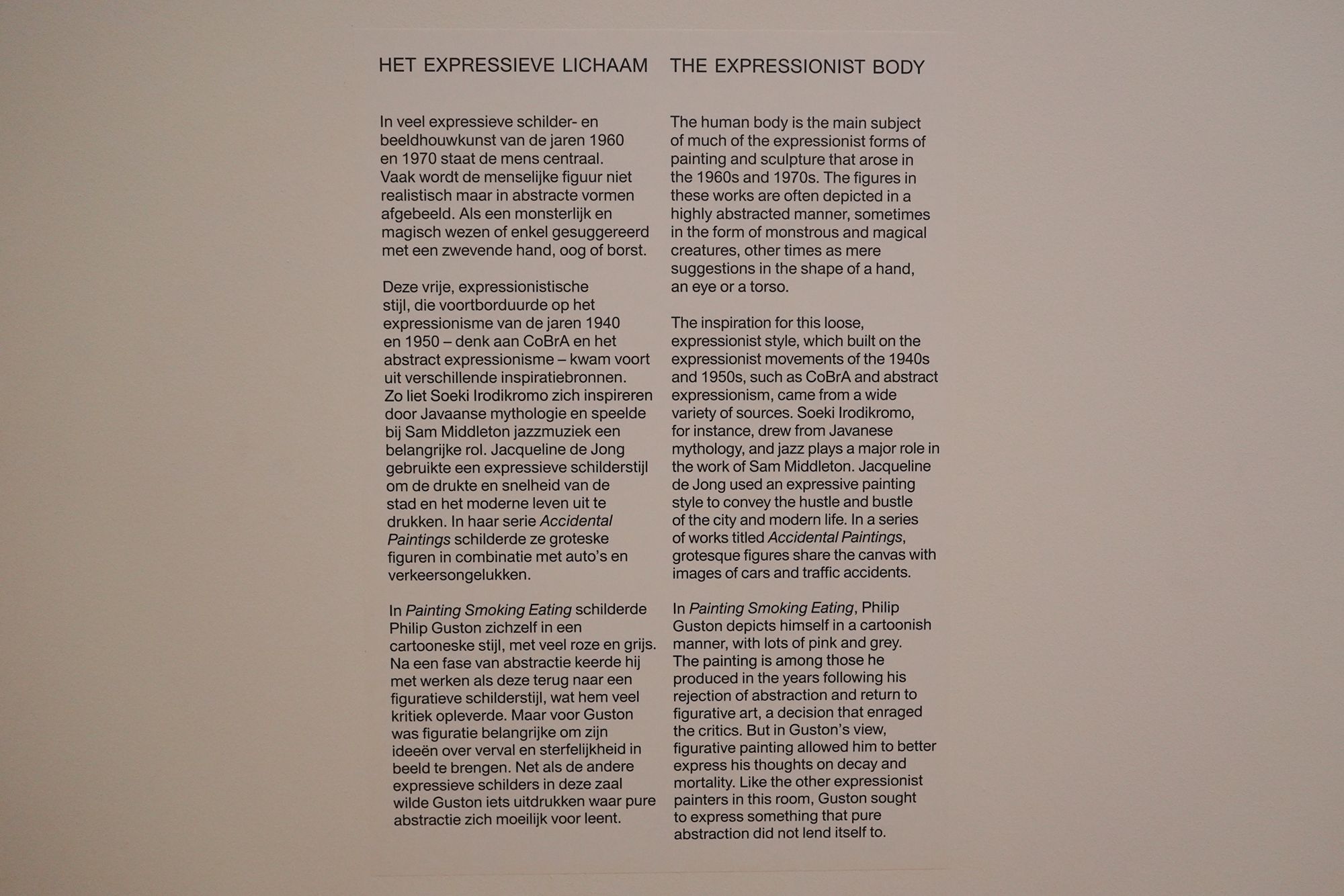
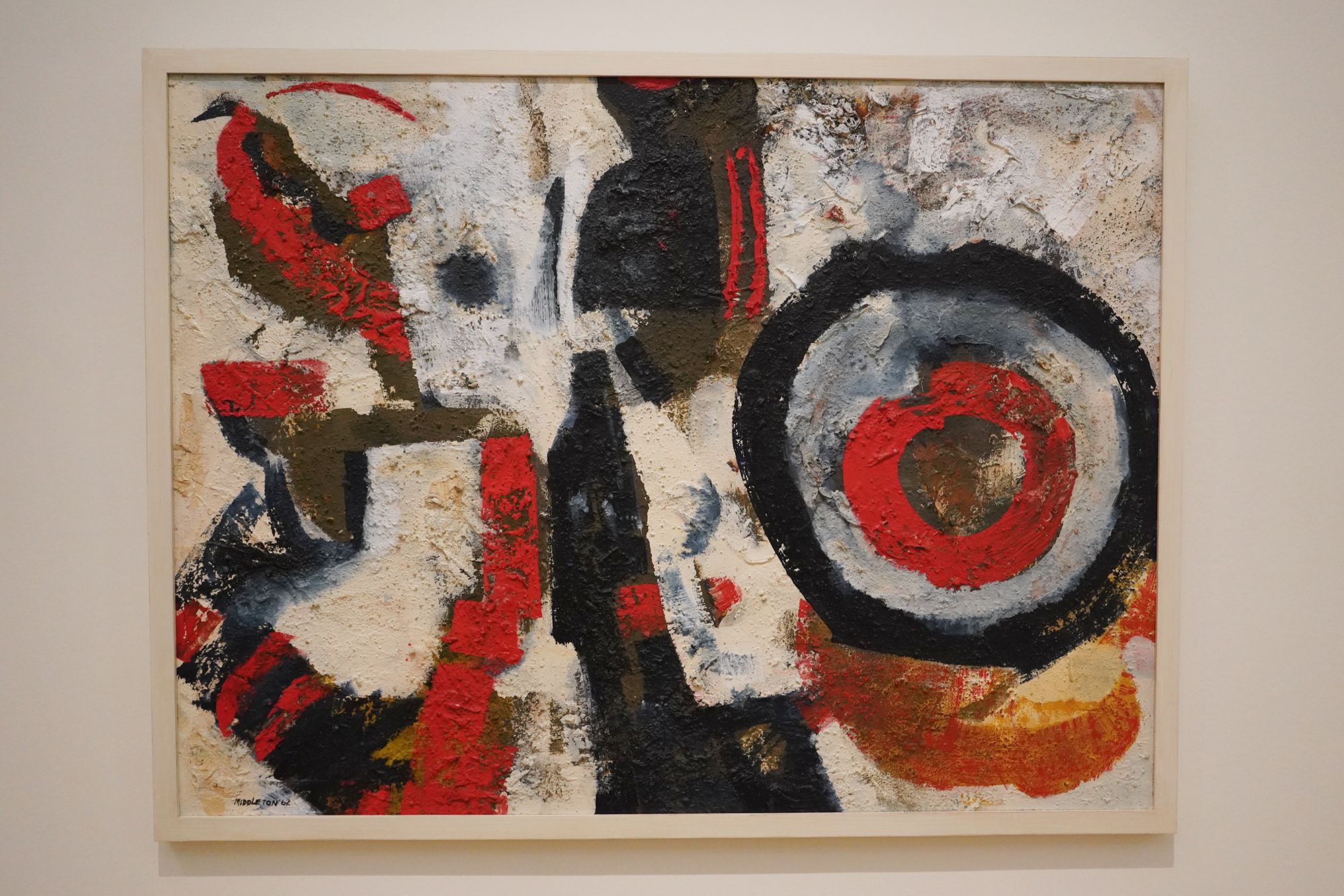
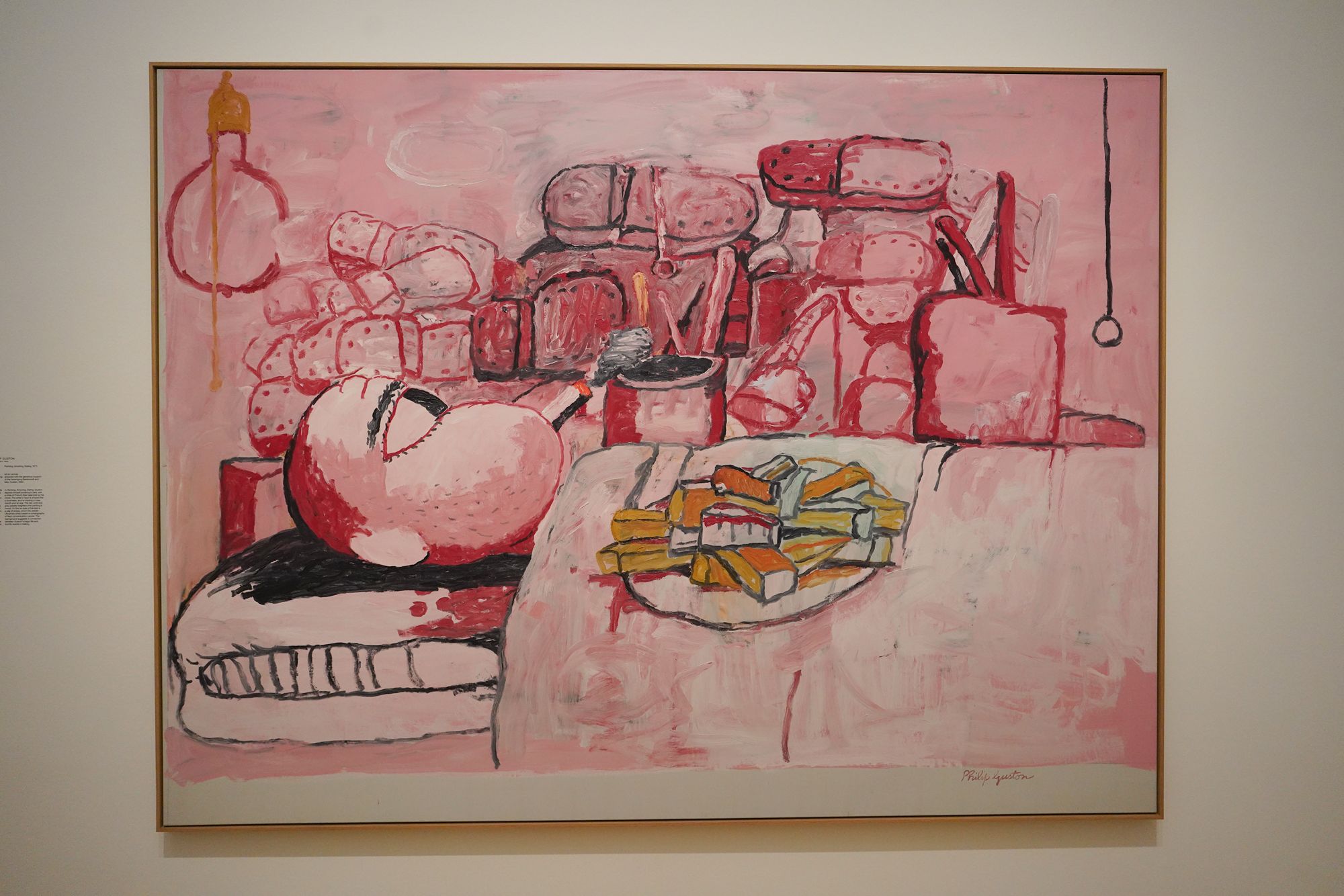
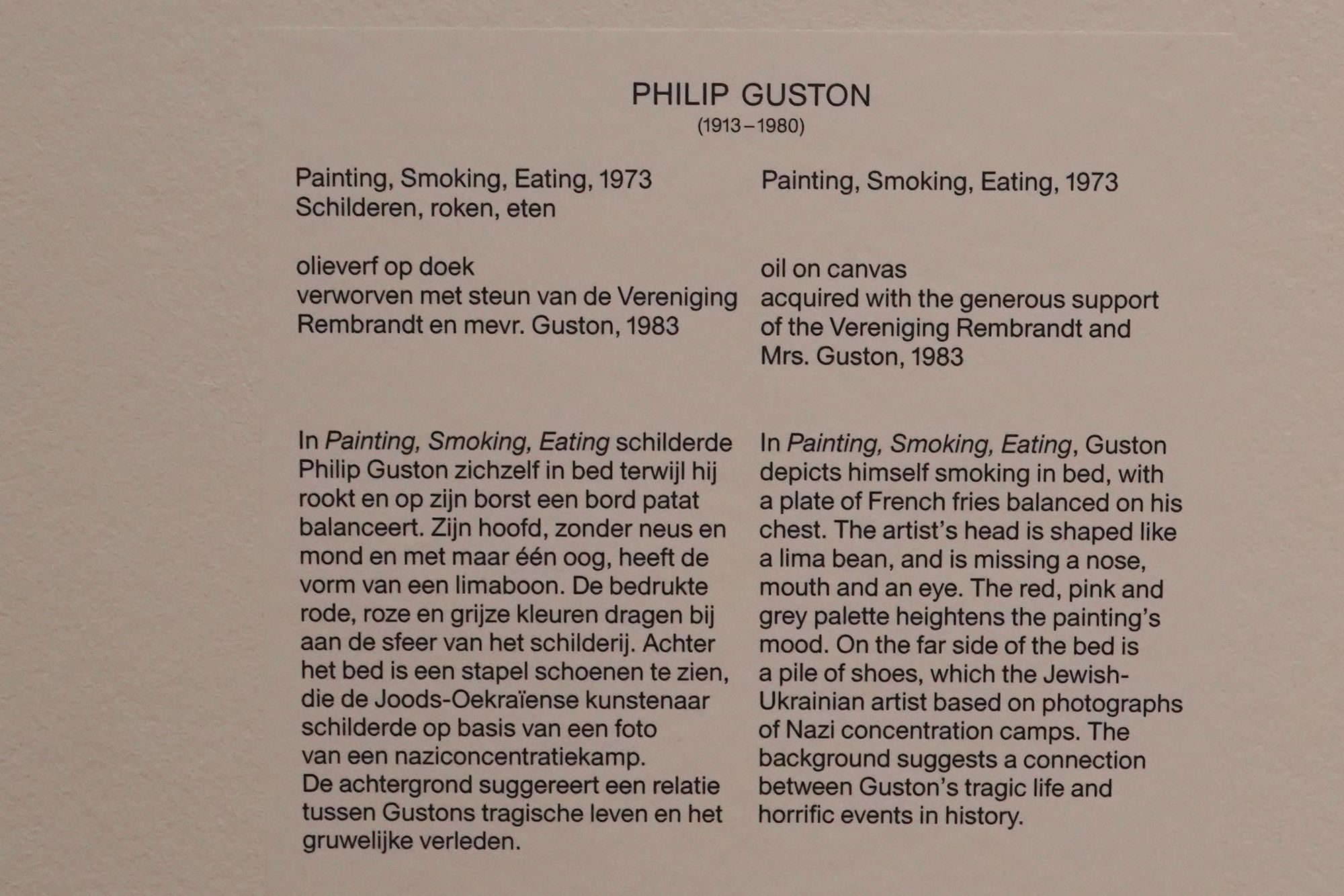
This gallery explores the human body in Expressionist art of the 1960s and 1970s, where artists often distorted or simplified the figure to express emotion. Artists such as Philip Guston returned to figurative painting, using exaggerated, sometimes cartoon-like bodies to explore modern life, mortality, and the human condition.
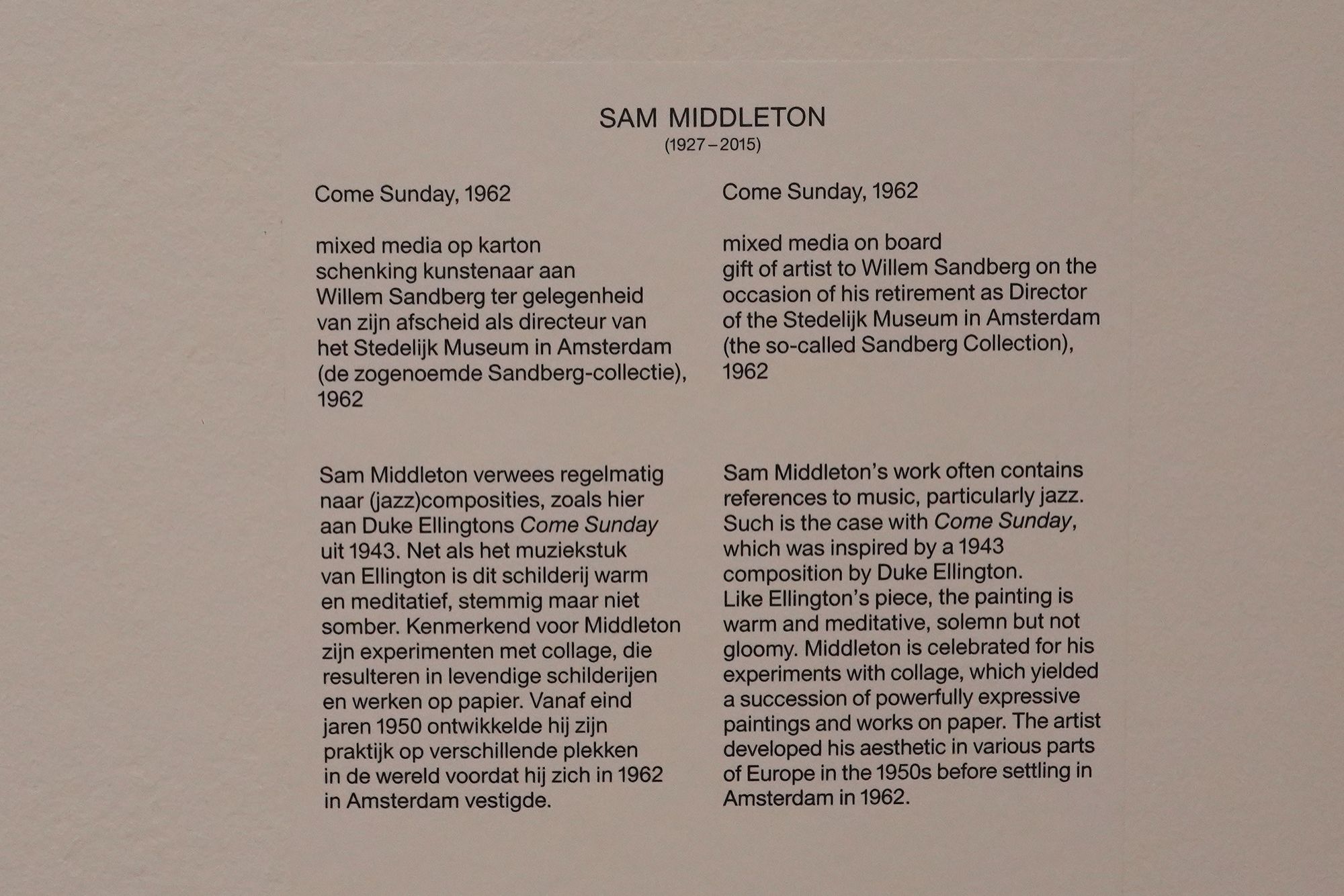
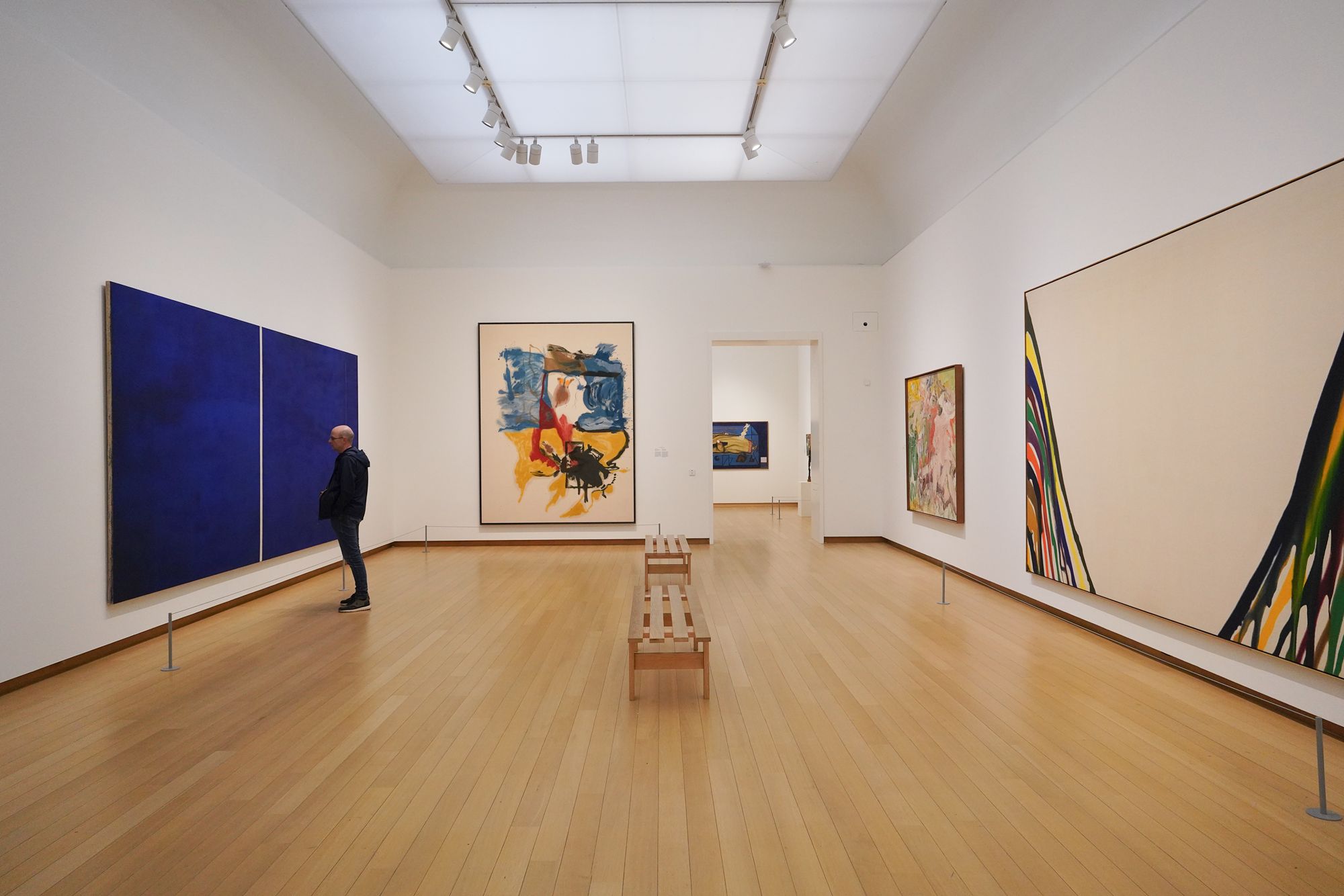
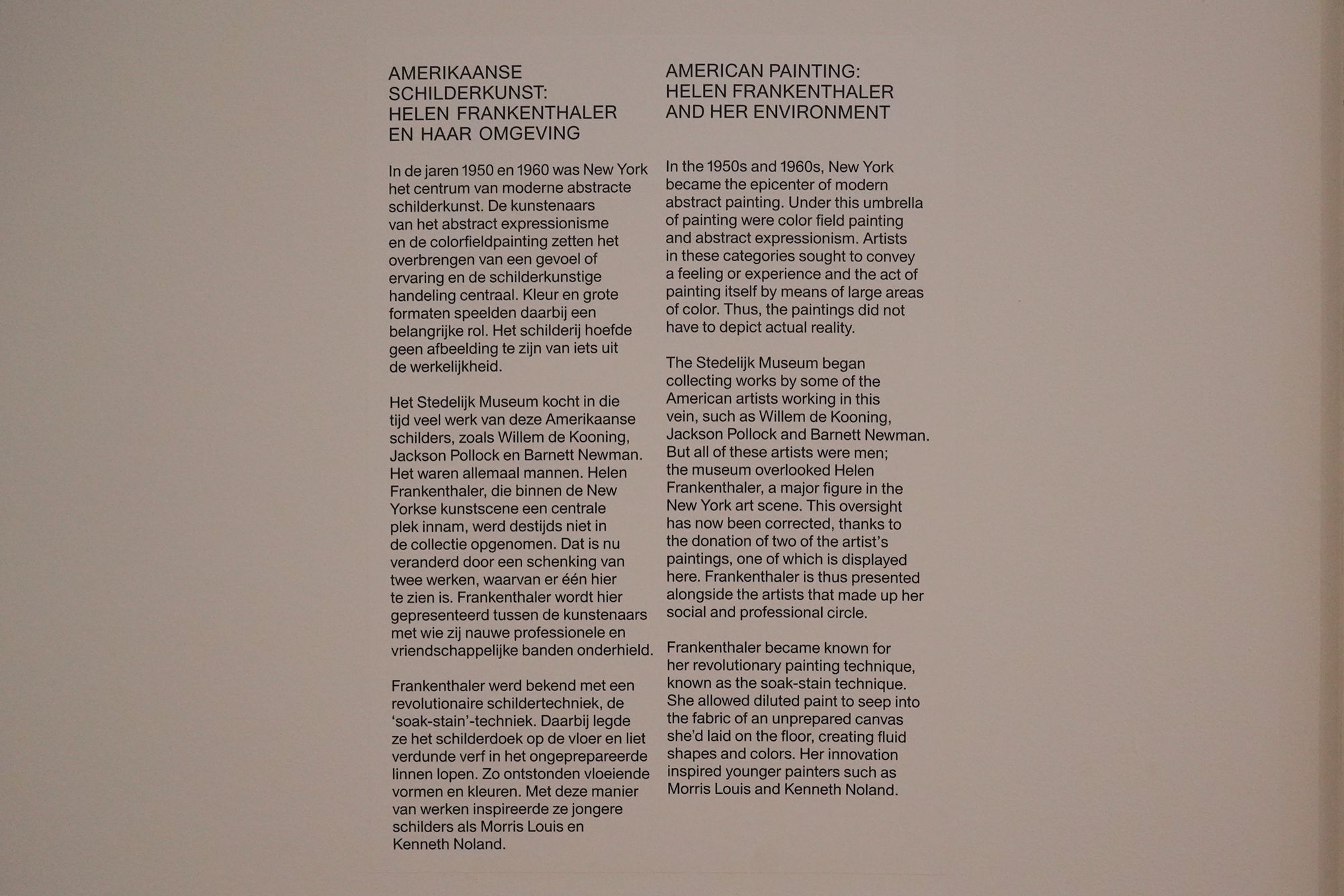
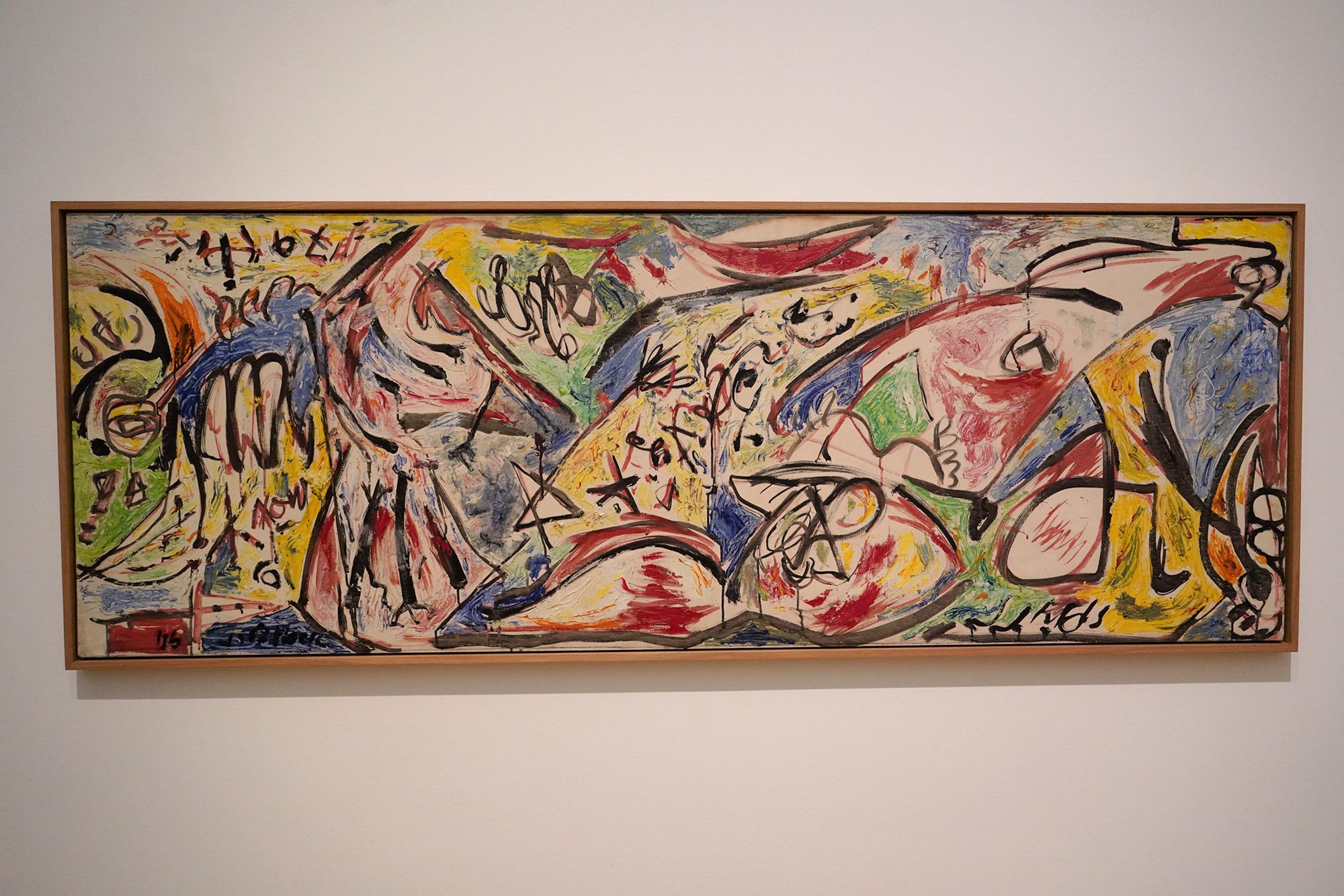
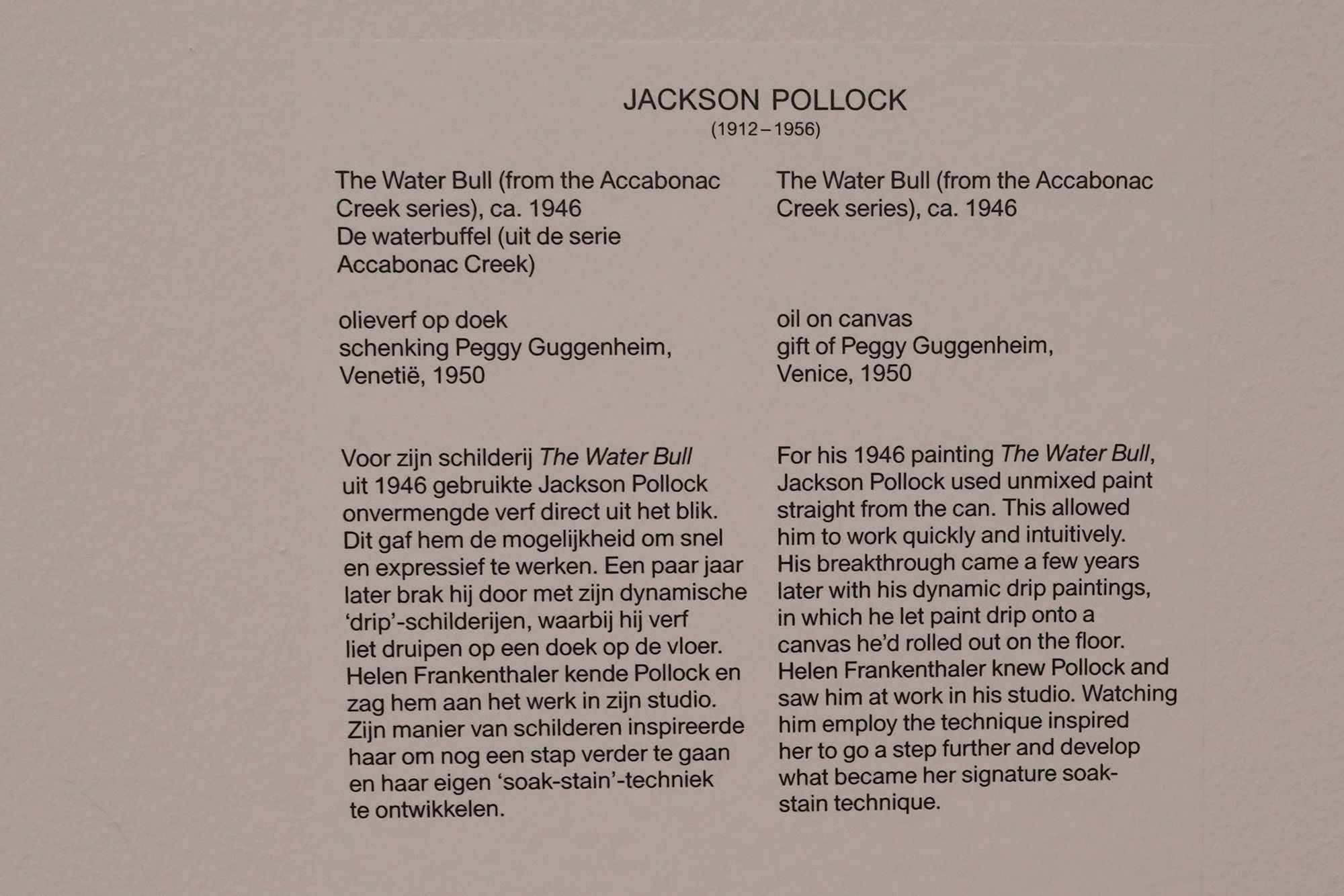
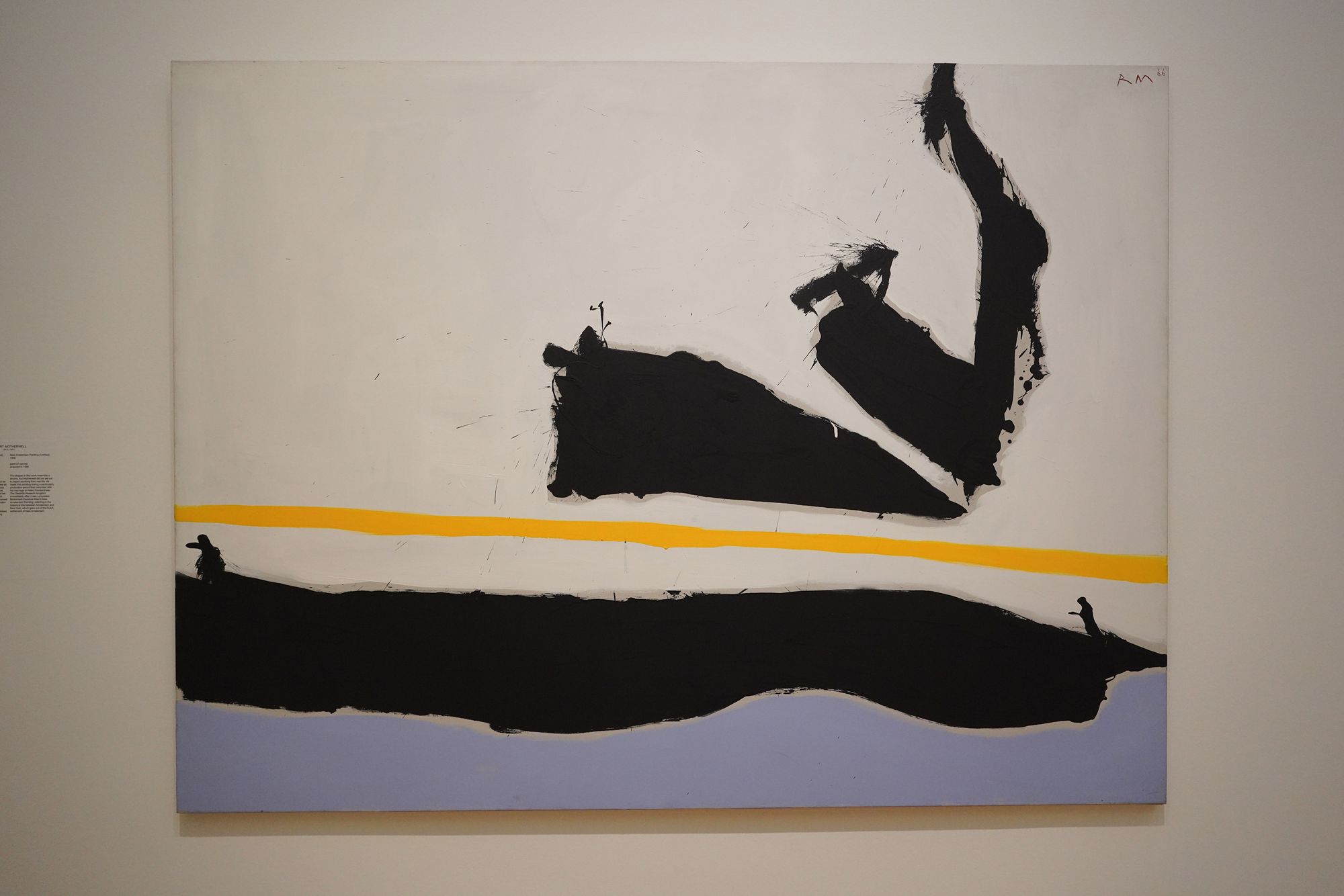
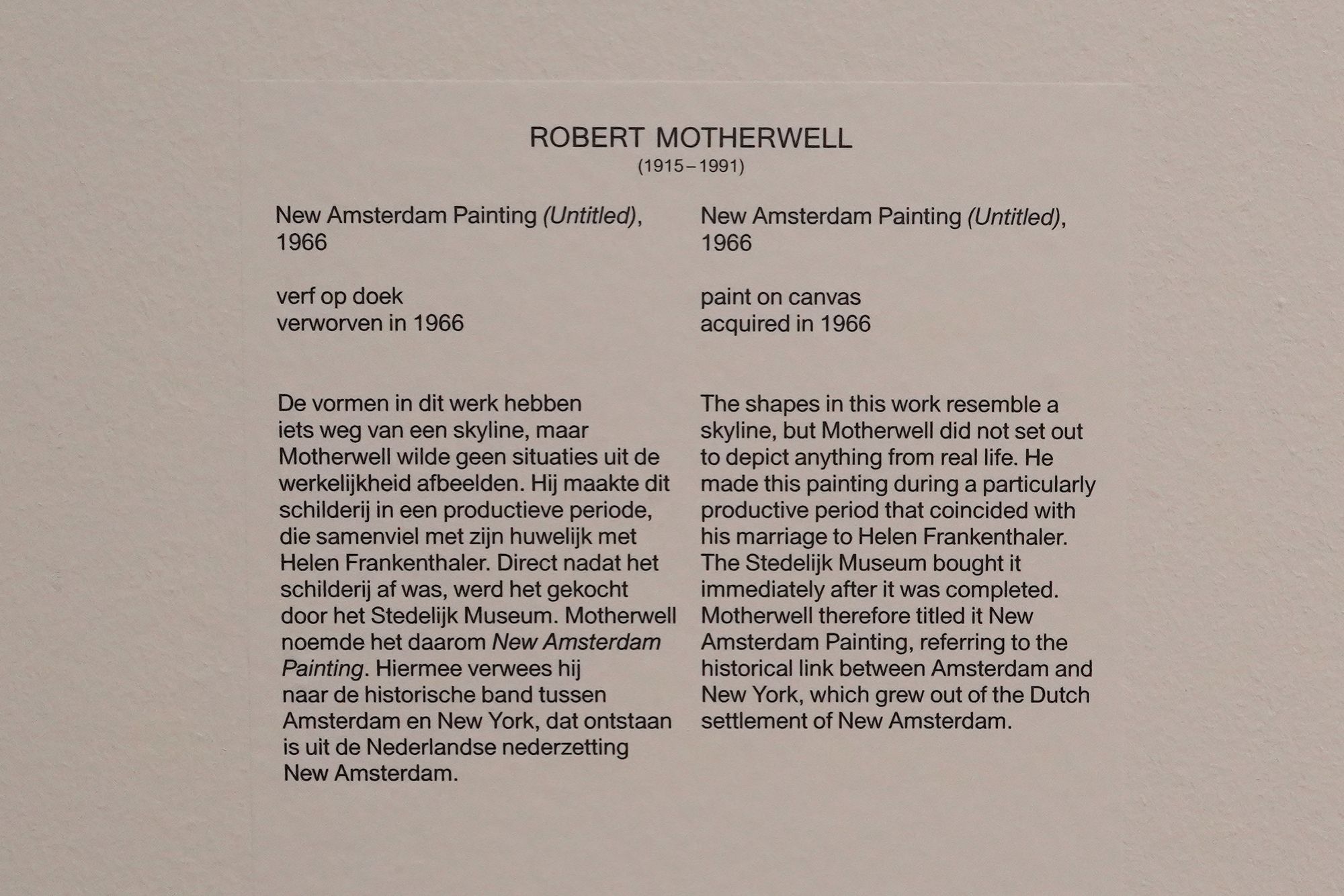
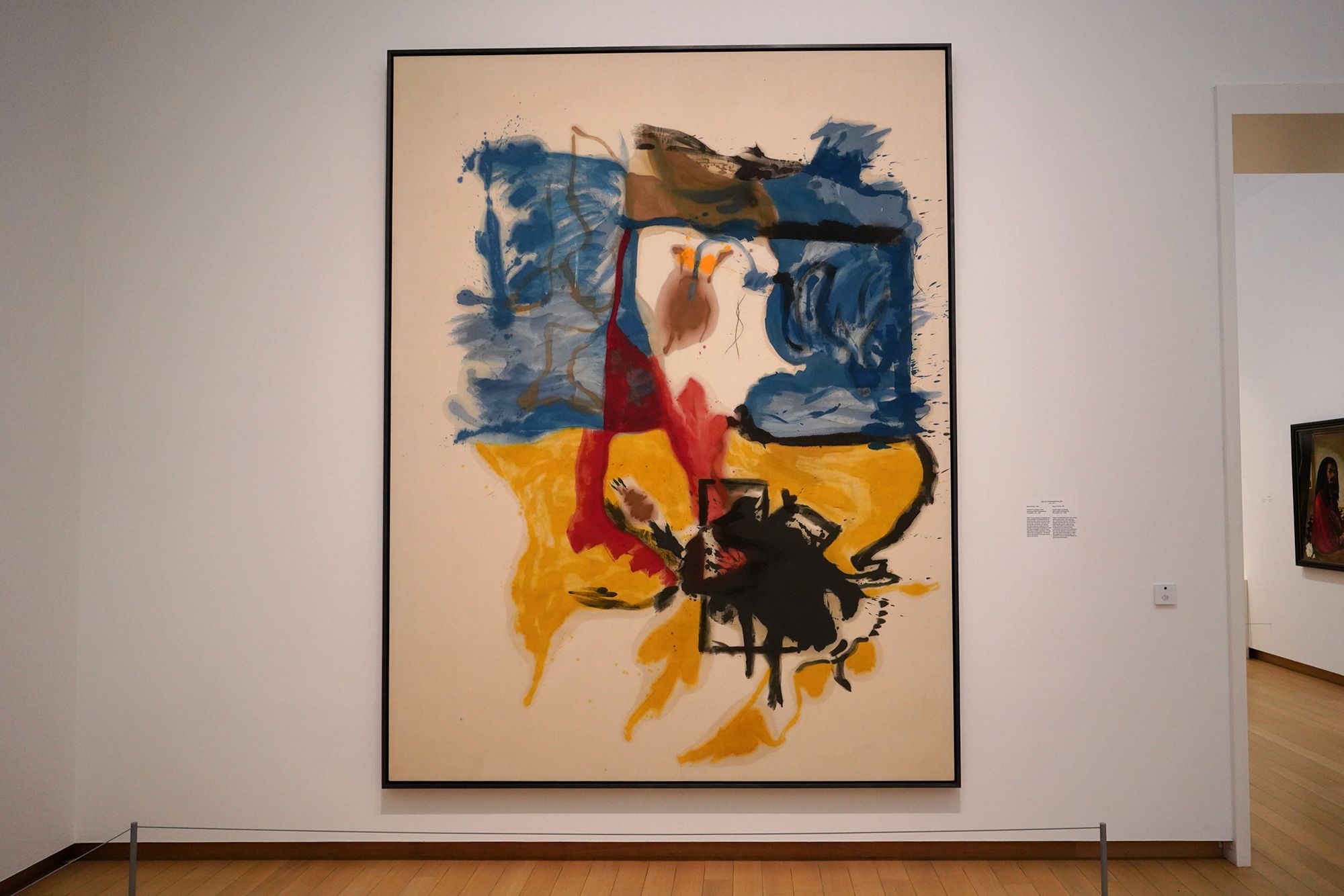
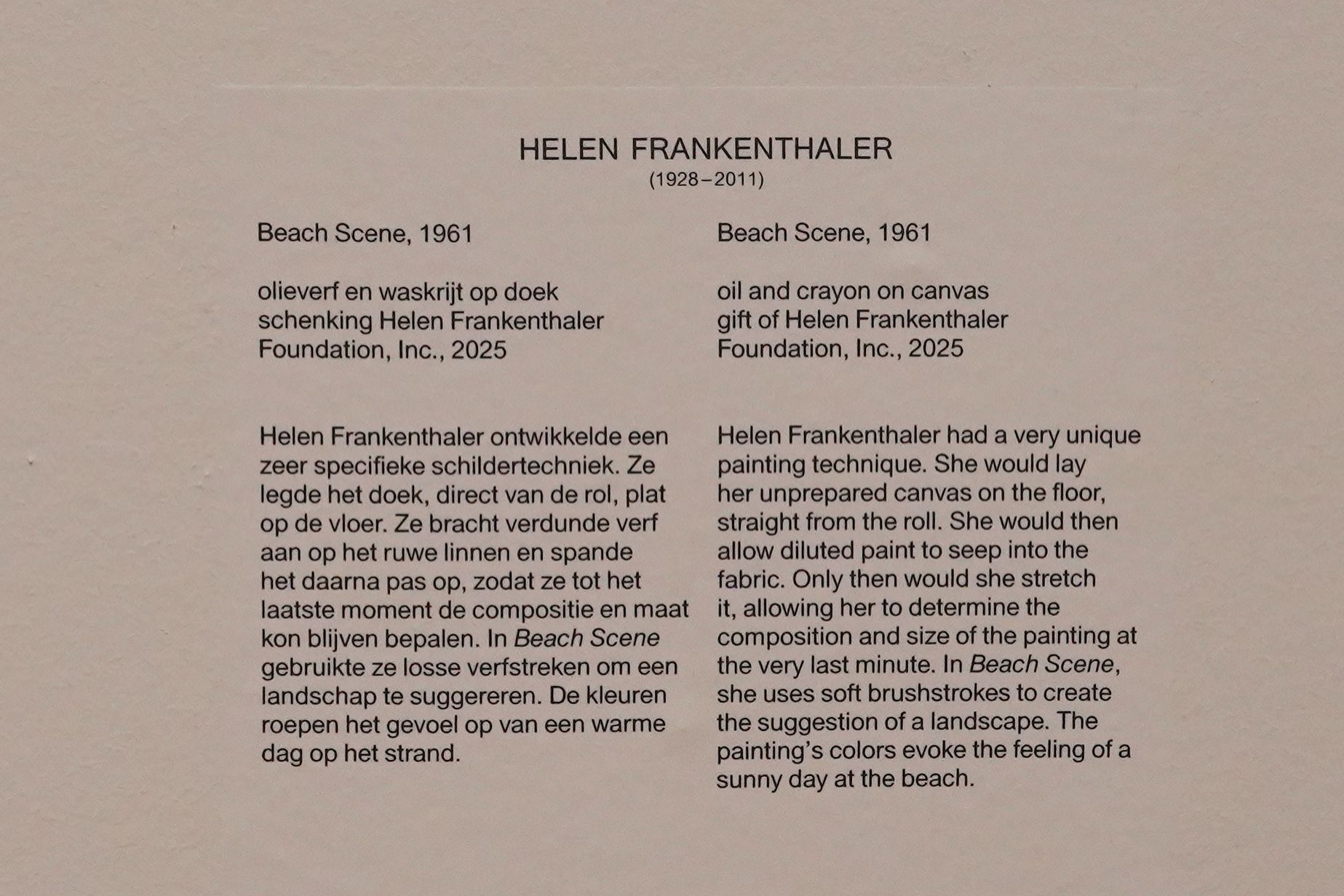
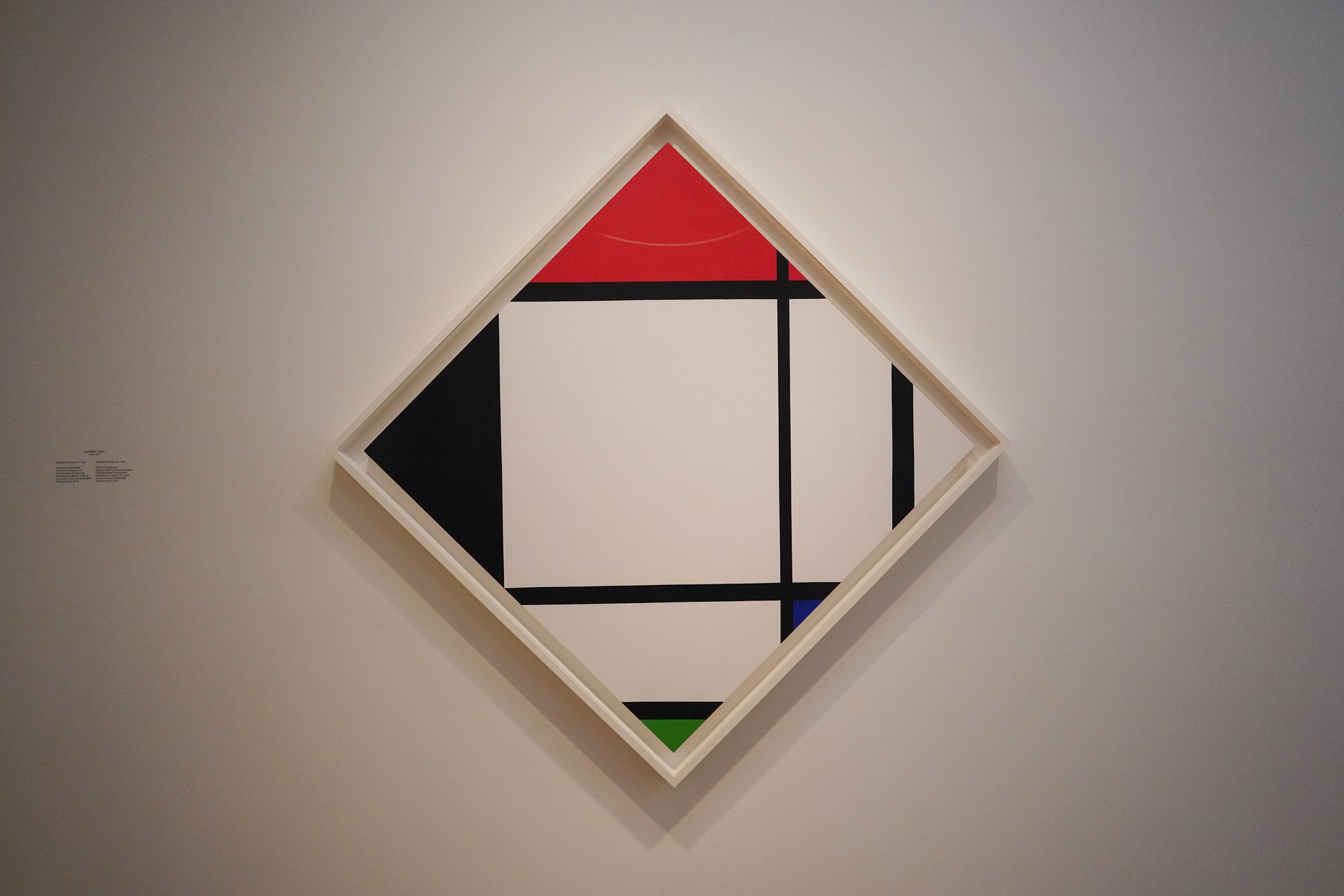
This gallery focuses on Helen Frankenthaler and American abstract painting of the 1950s and 1960s. Frankenthaler developed her innovative “soak-stain” technique, pouring diluted paint onto unprimed canvas to create flowing areas of color, and became an important influence on younger Color Field painters.
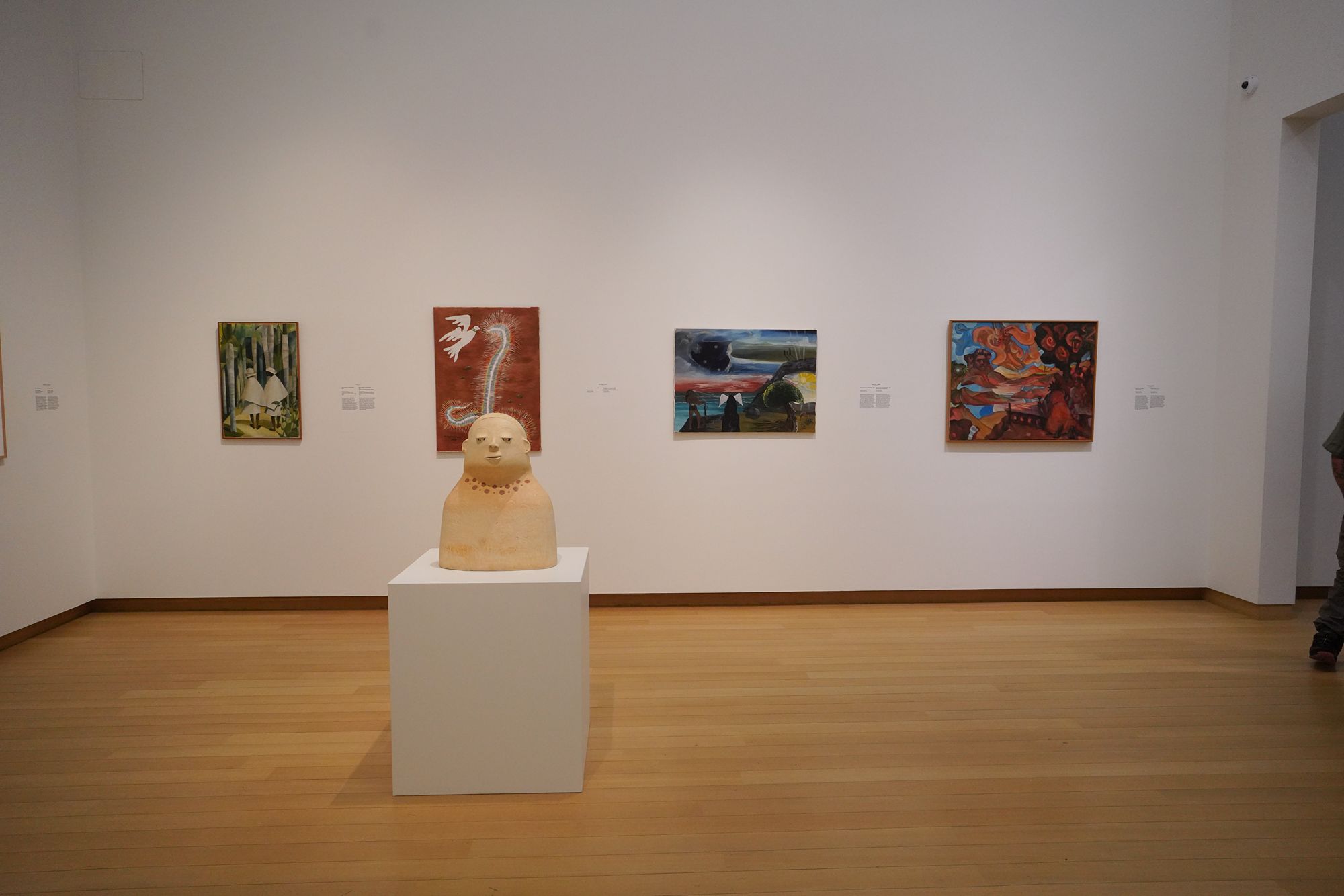
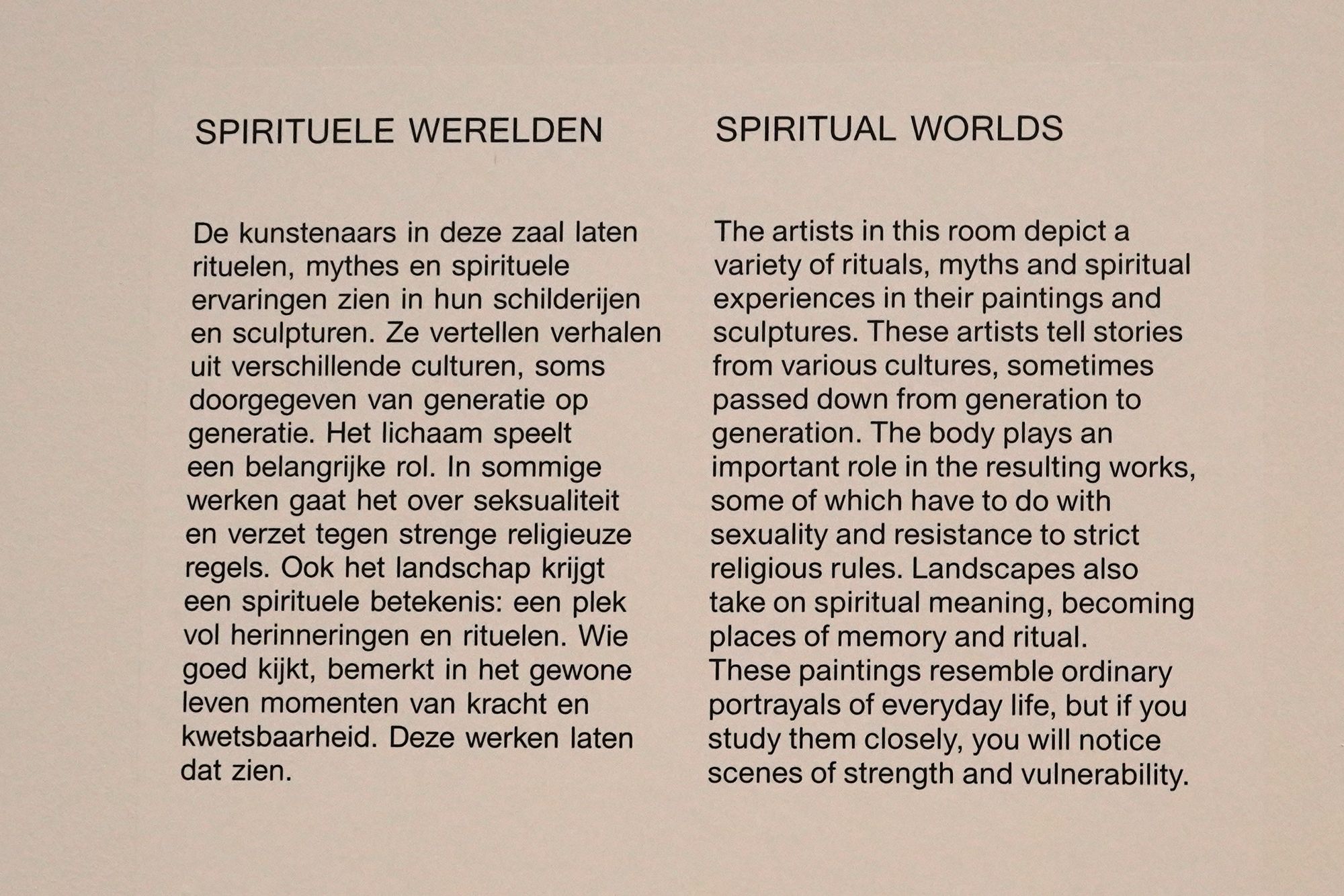
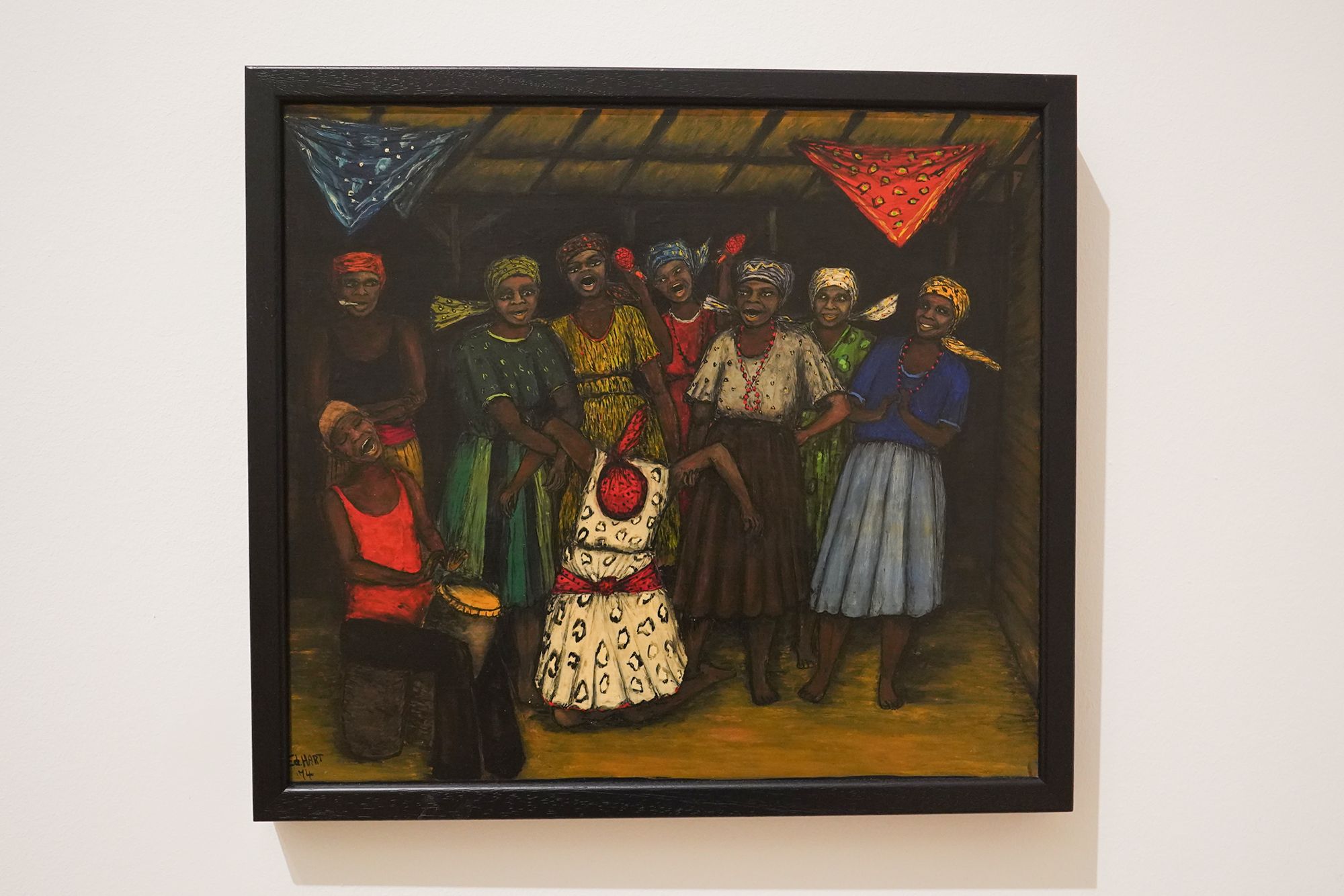
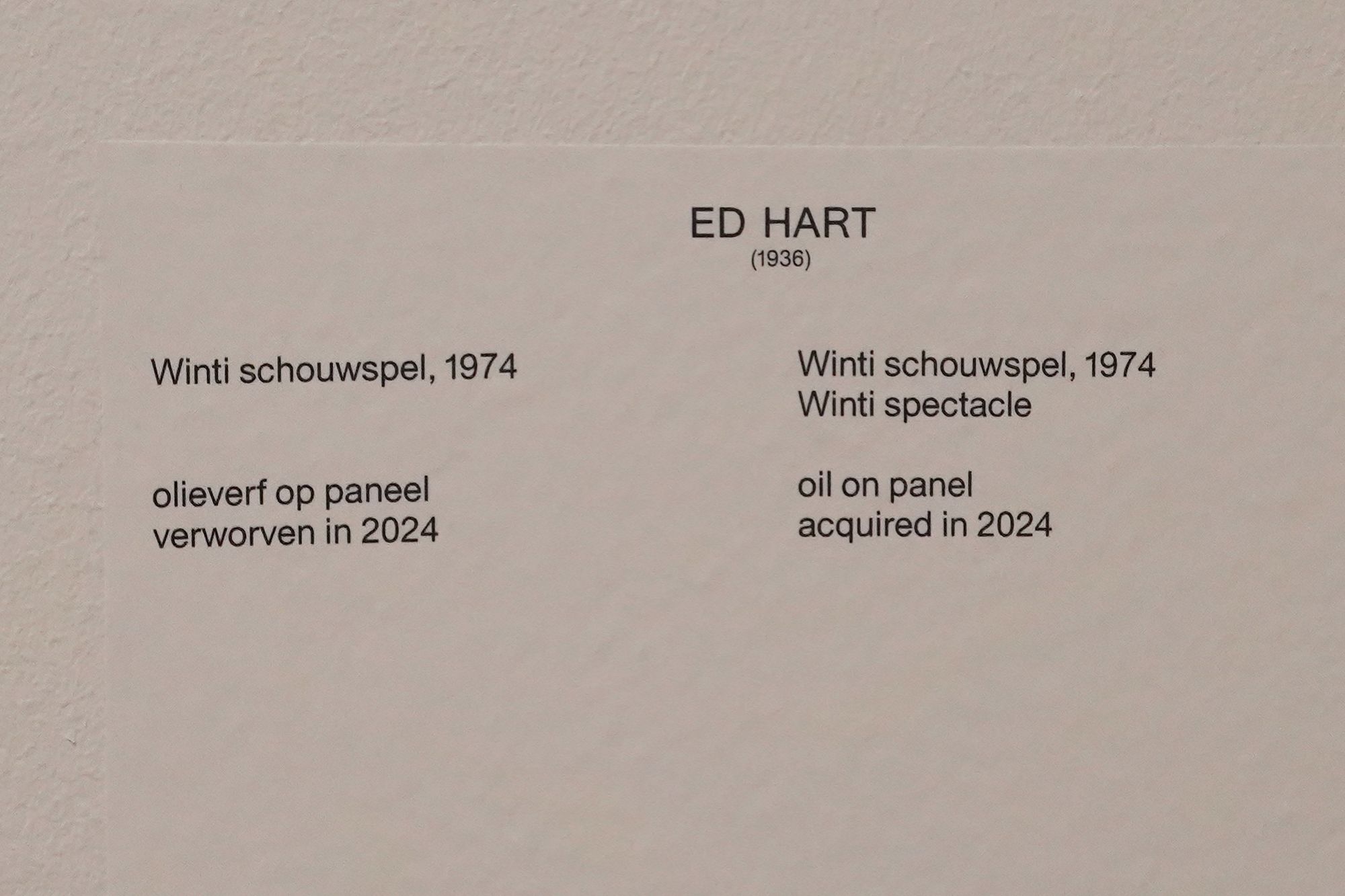
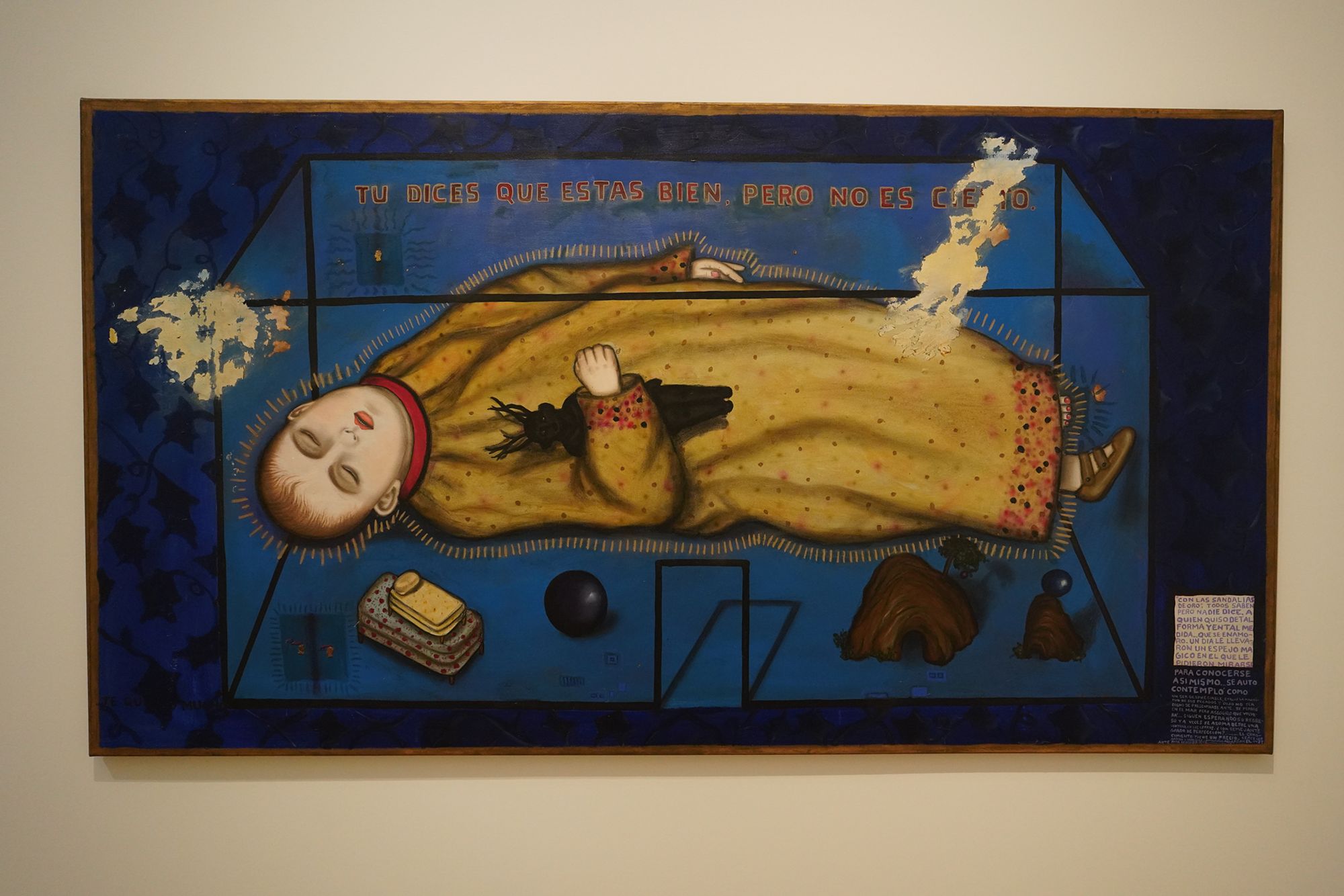
This gallery, “Spiritual Worlds,” explores how artists depict rituals, myths, spirituality, and traditions from different cultures. Through paintings and sculptures, they examine themes of memory, sexuality, religion, strength, and vulnerability, often finding spiritual meaning in everyday life and landscapes.
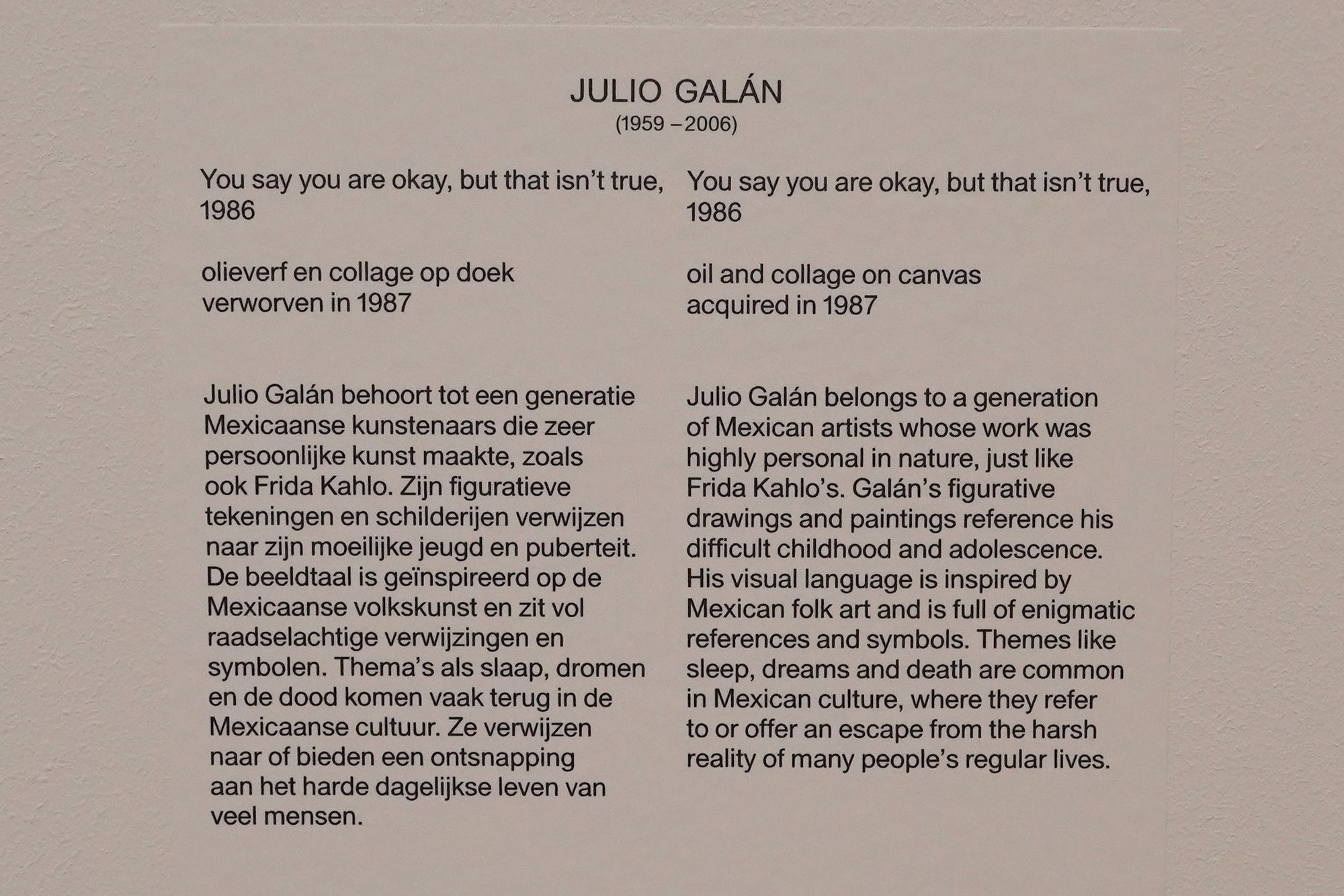
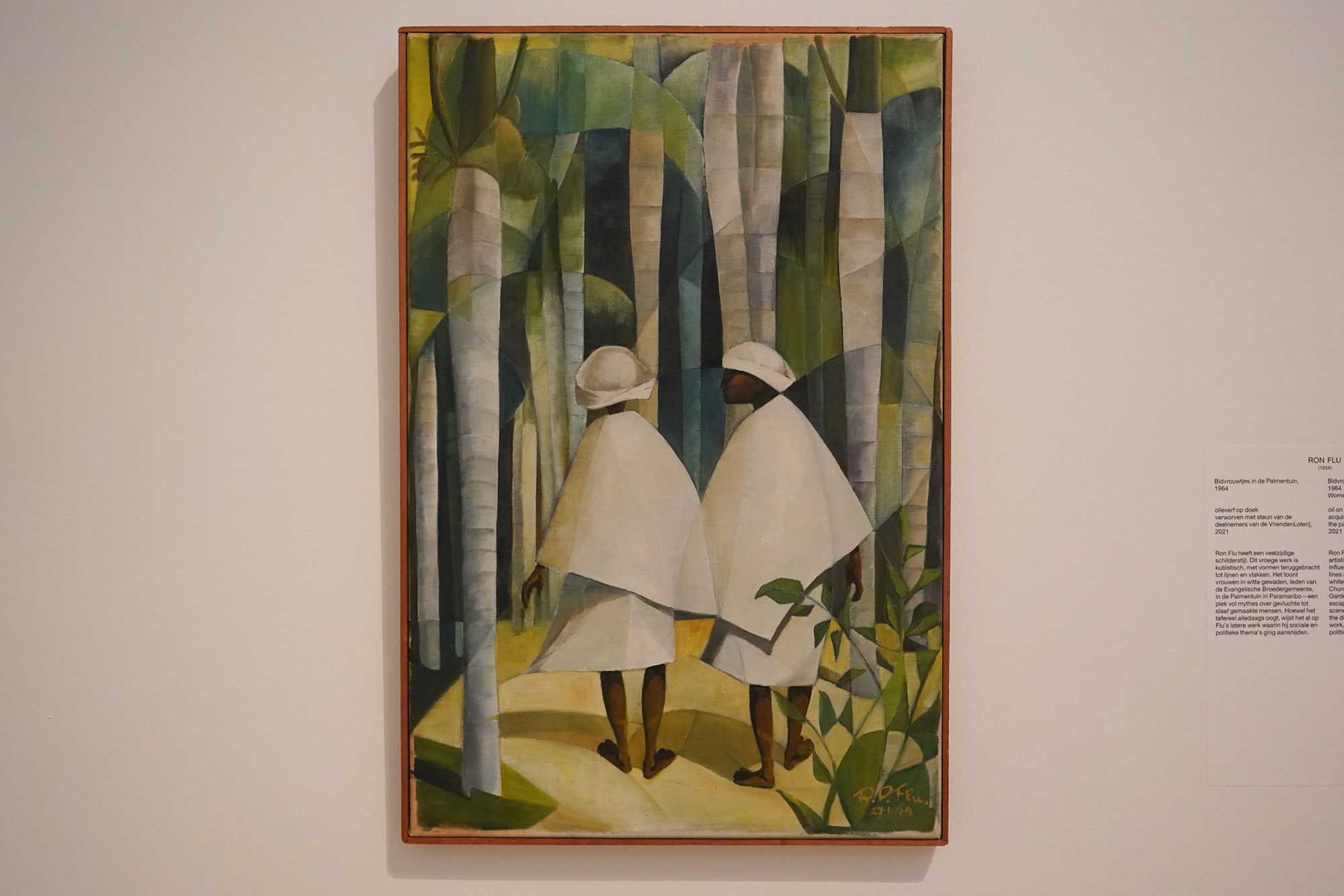
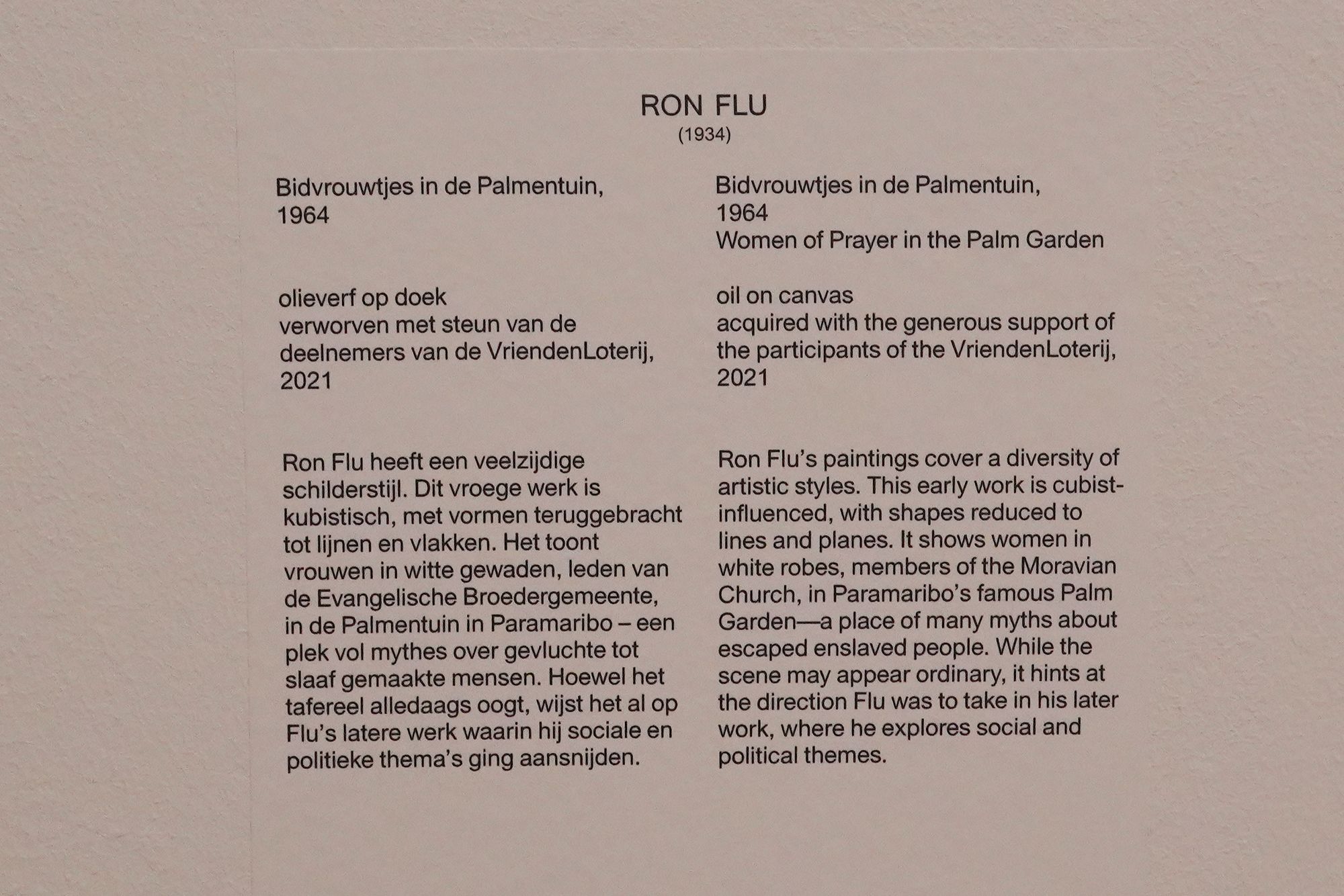
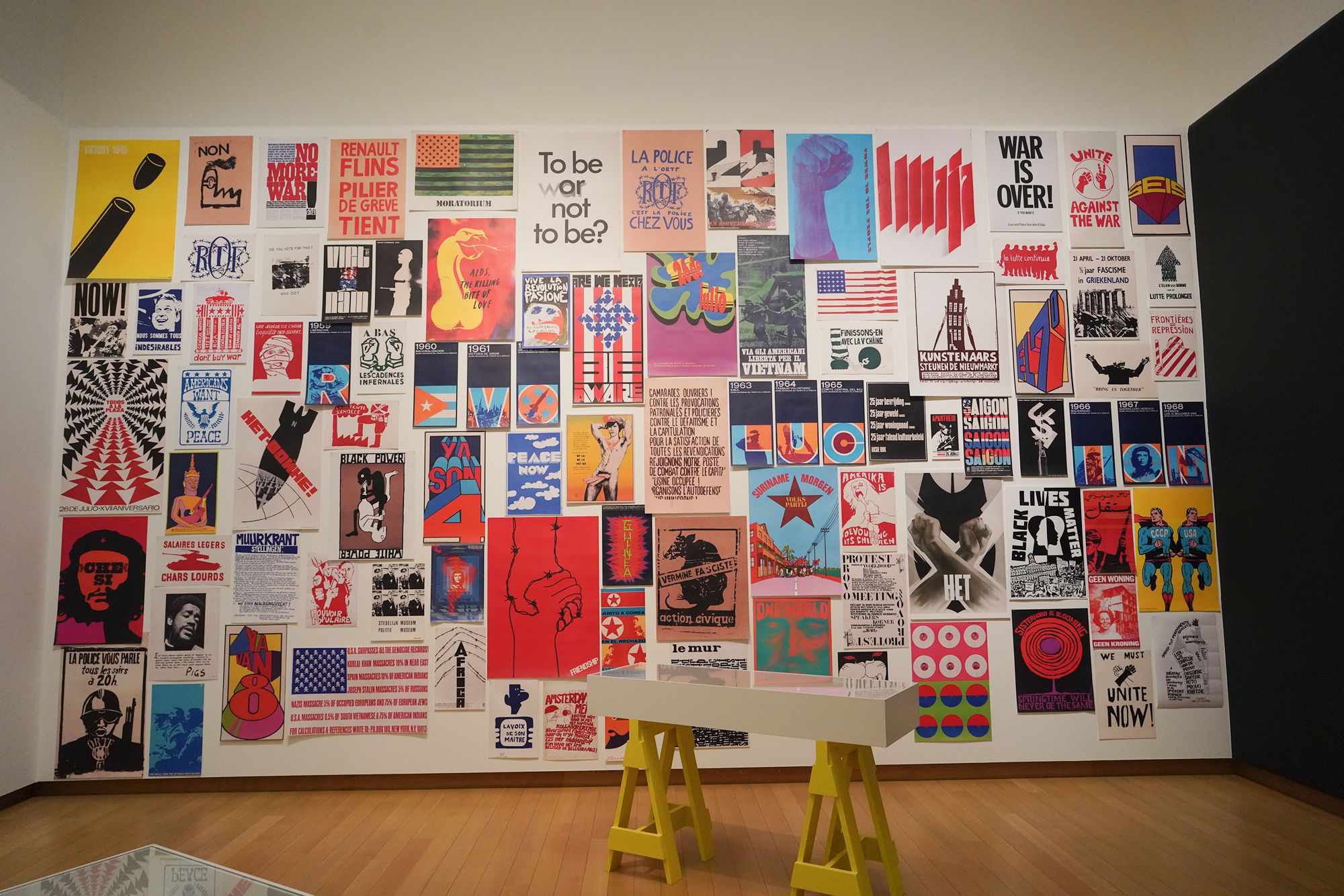
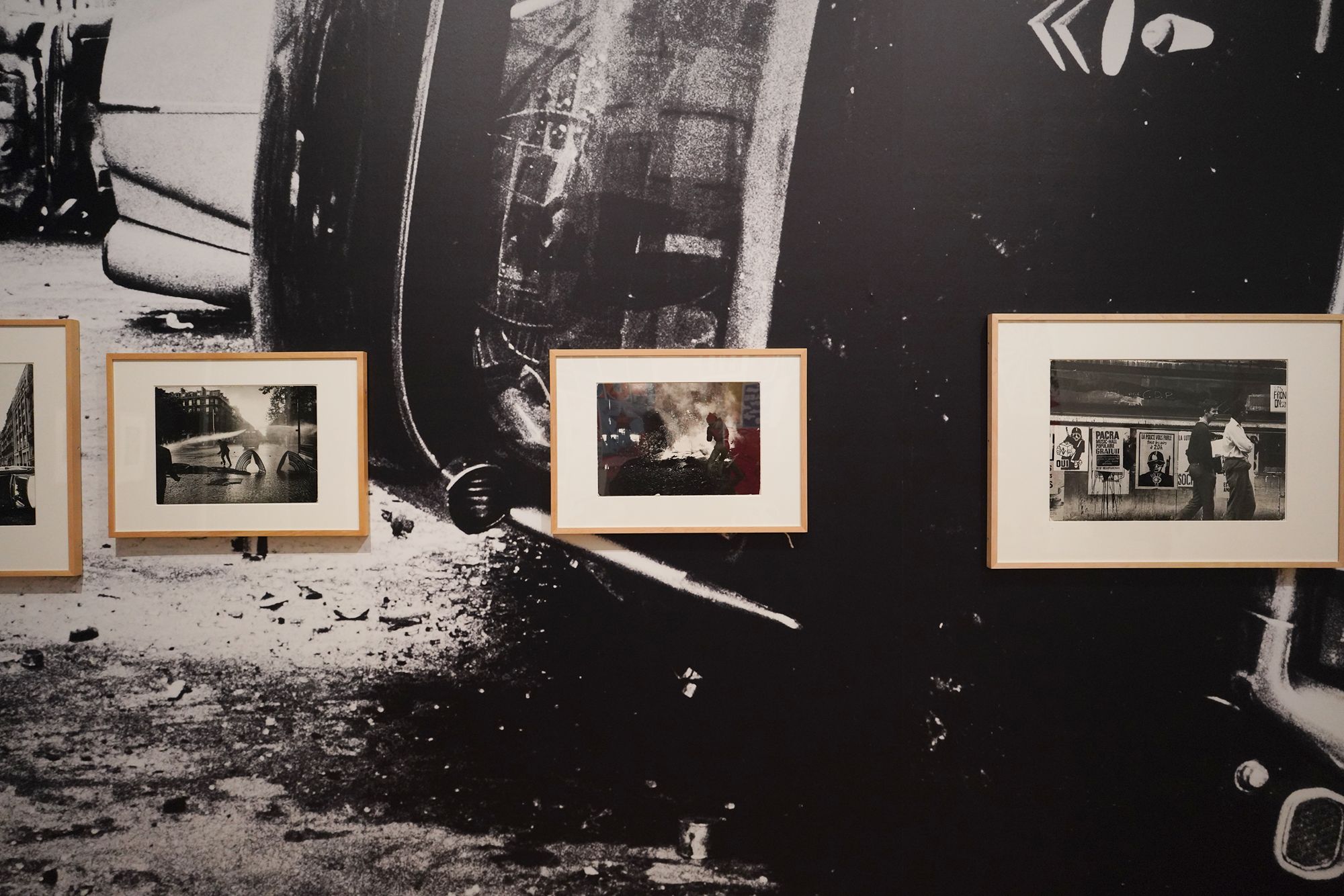
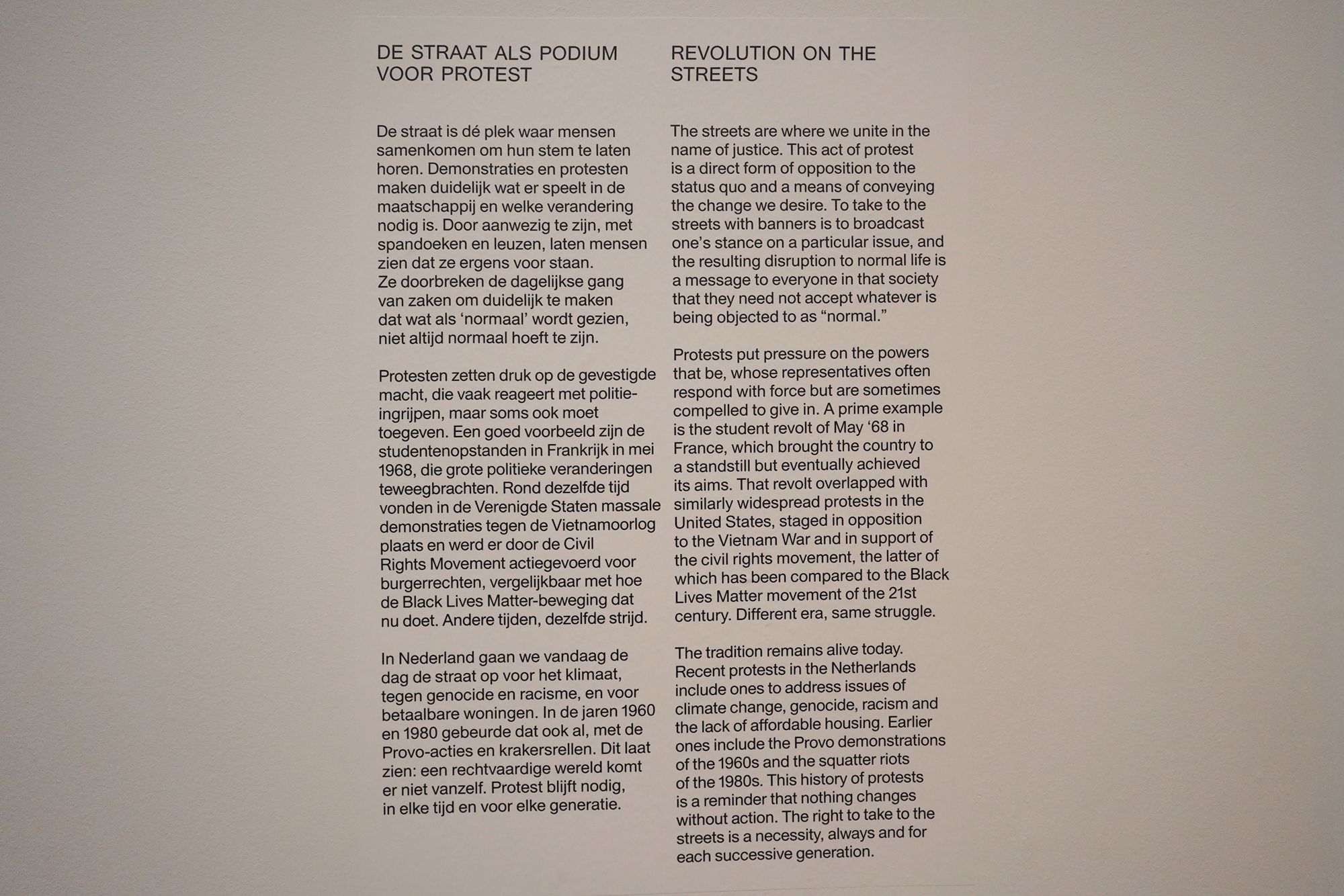
This gallery, “Revolution on the Streets,” explores how public protest has been used to demand social and political change. From the 1968 student protests and the Civil Rights and anti-Vietnam War movements to more recent demonstrations, it shows how people have repeatedly taken to the streets to challenge injustice.
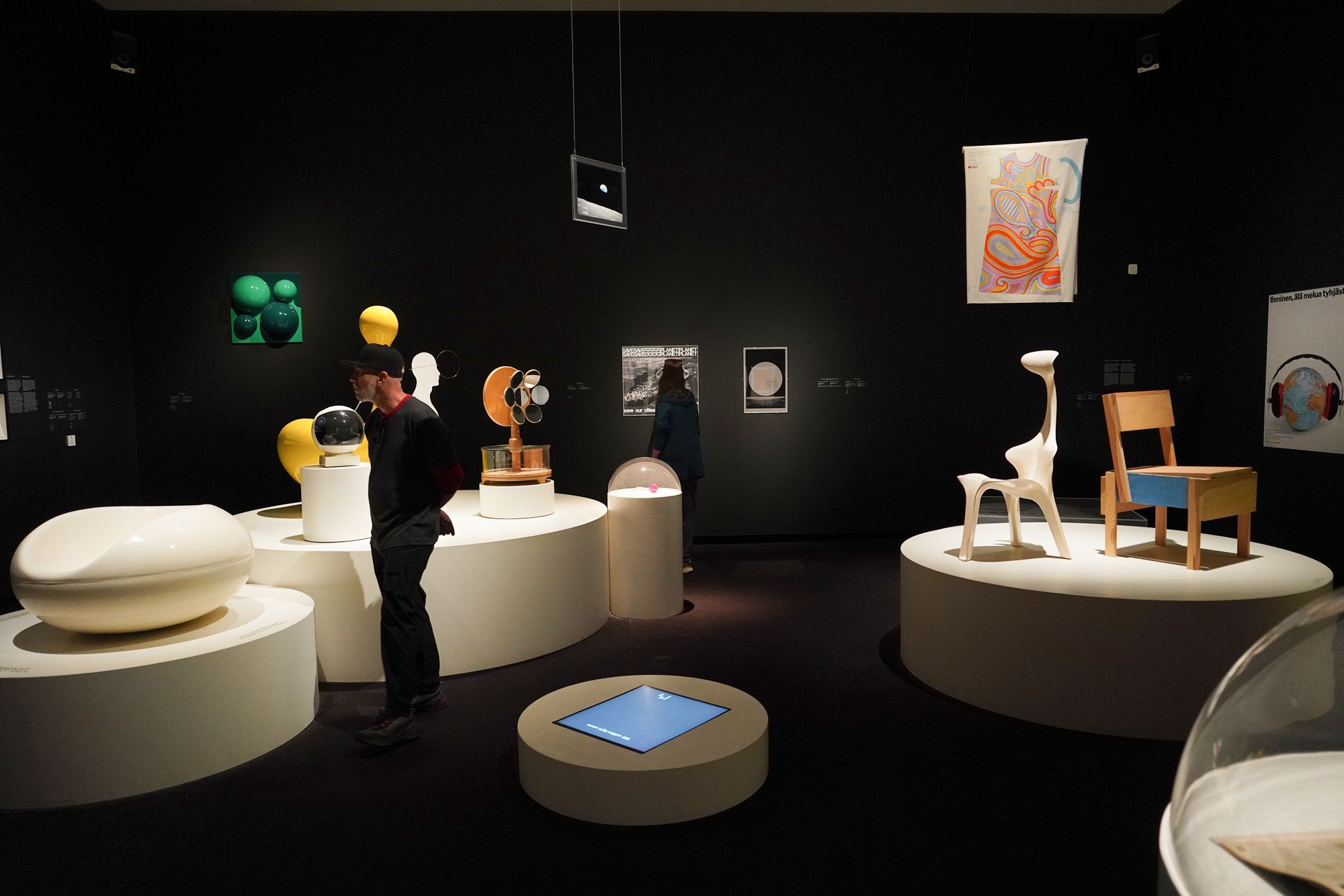
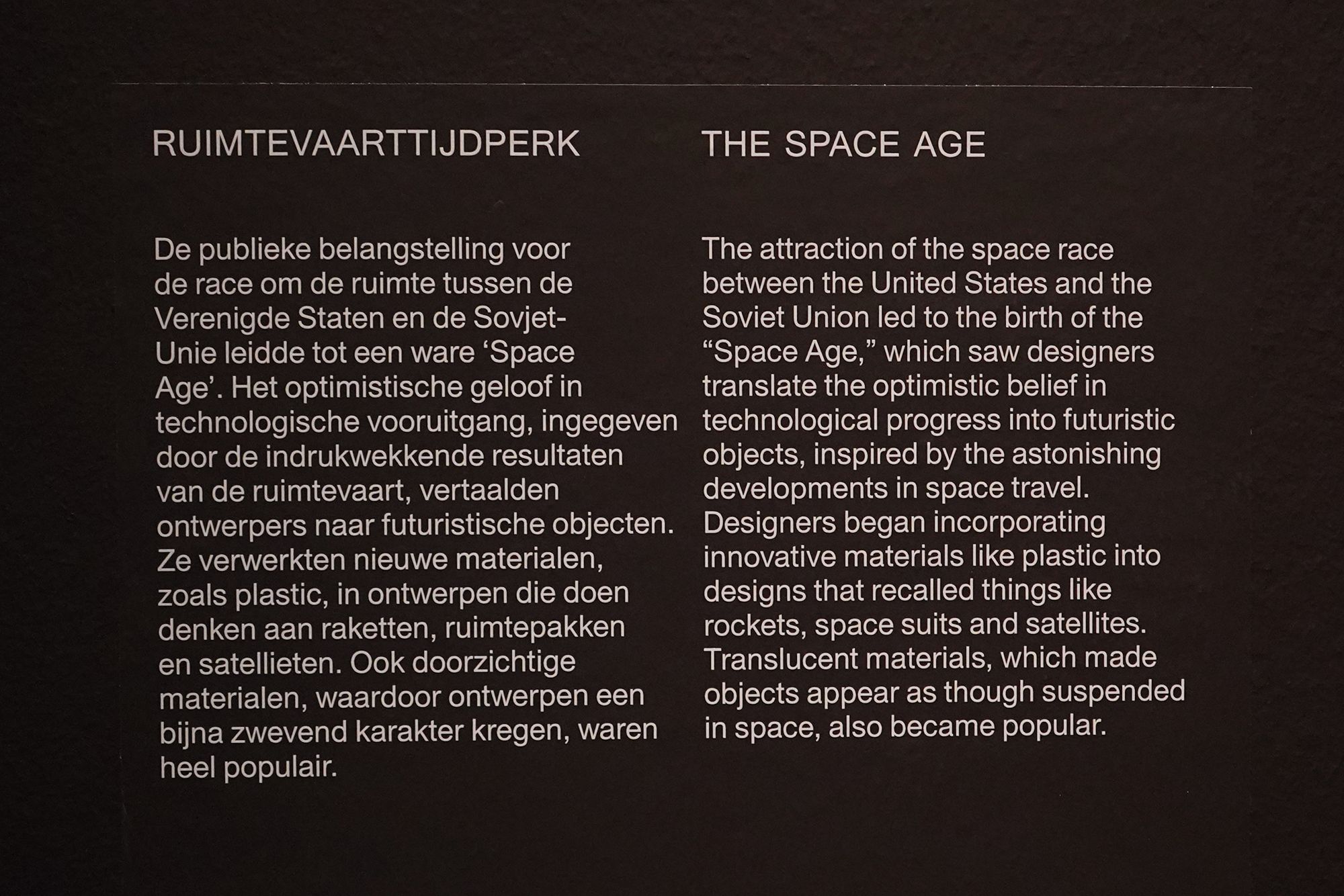
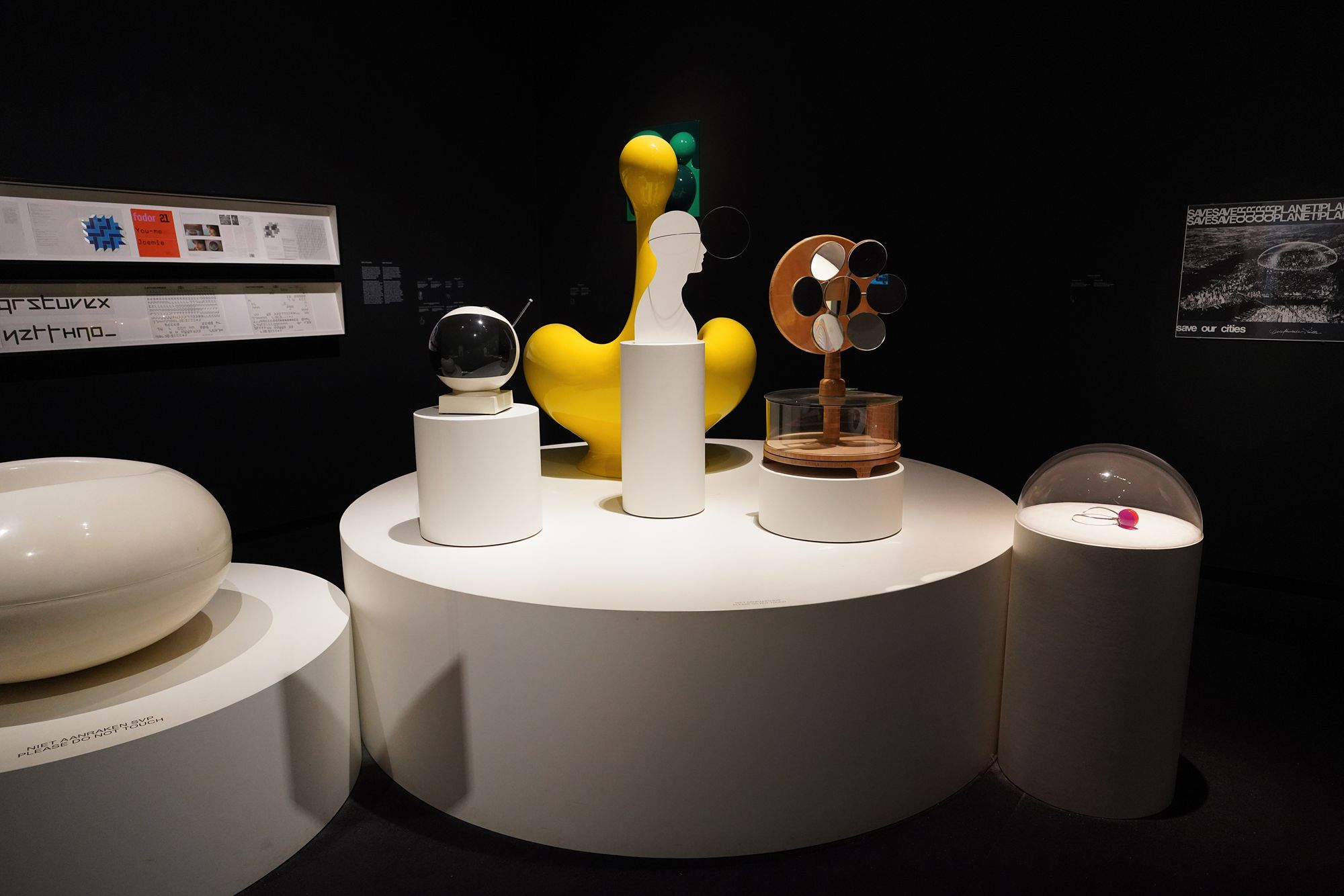
This gallery explores the Space Age, when the space race between the United States and Soviet Union inspired optimism about technology and the future. Designers created futuristic objects using new materials such as plastics, with forms inspired by rockets, satellites, and space travel.
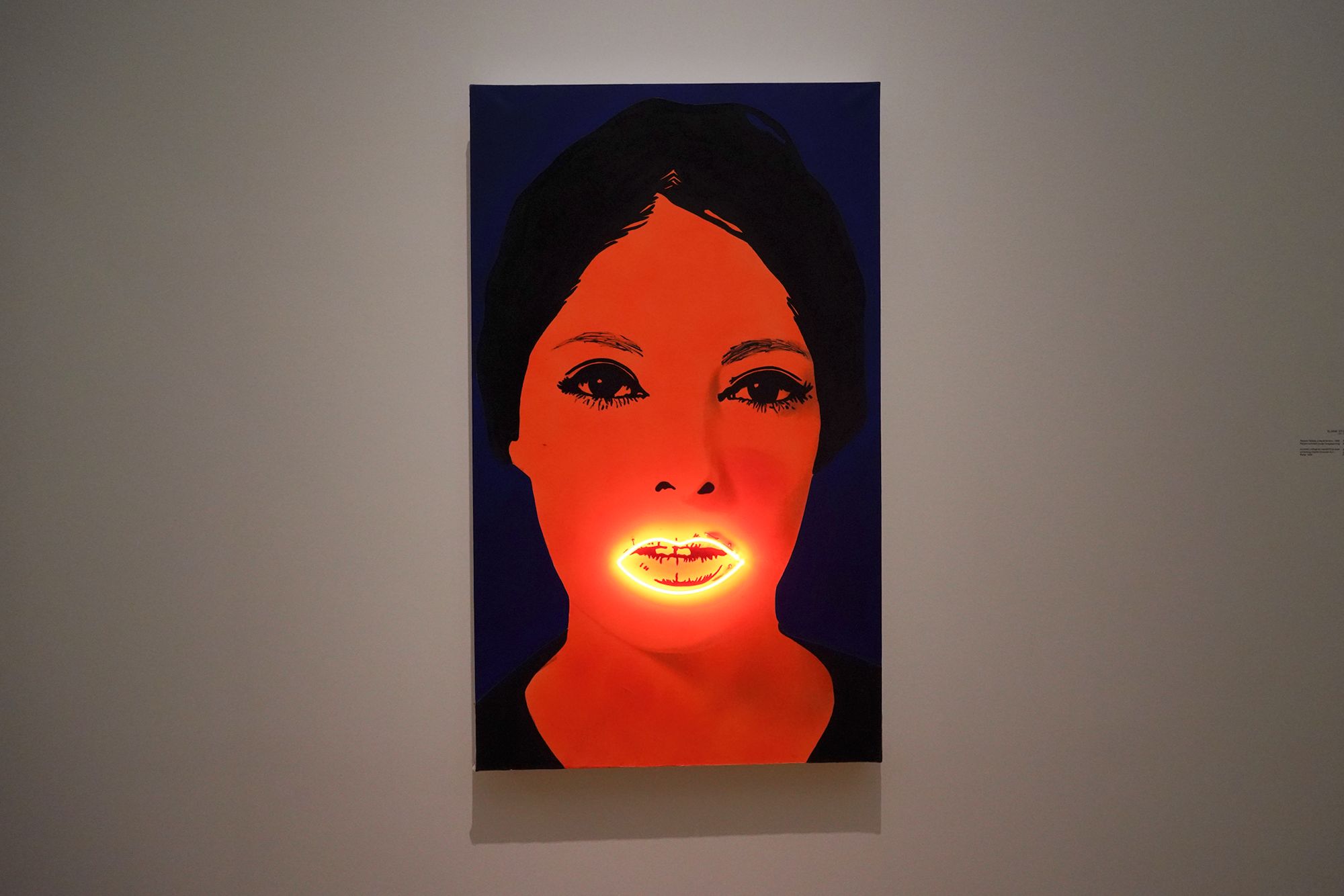
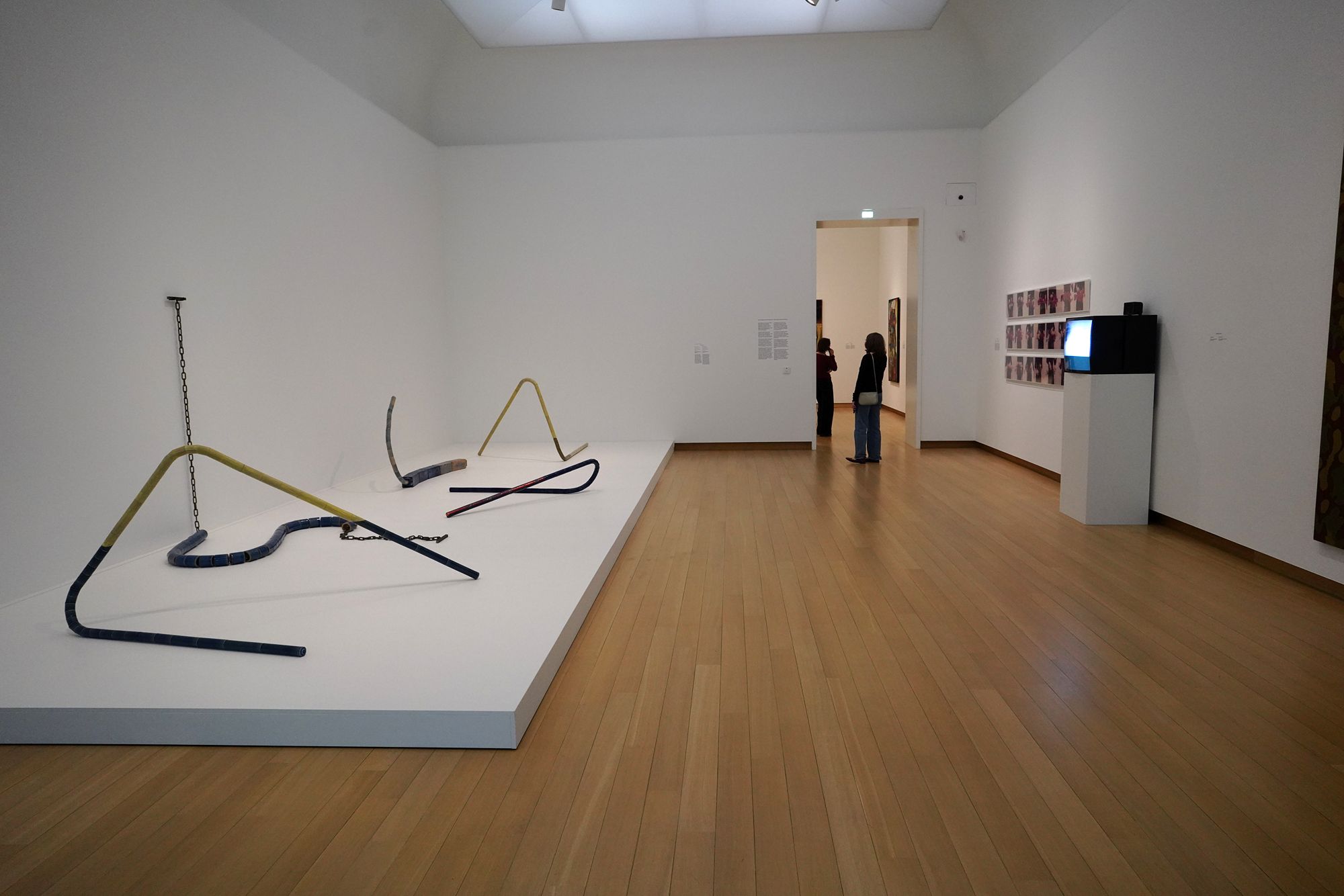
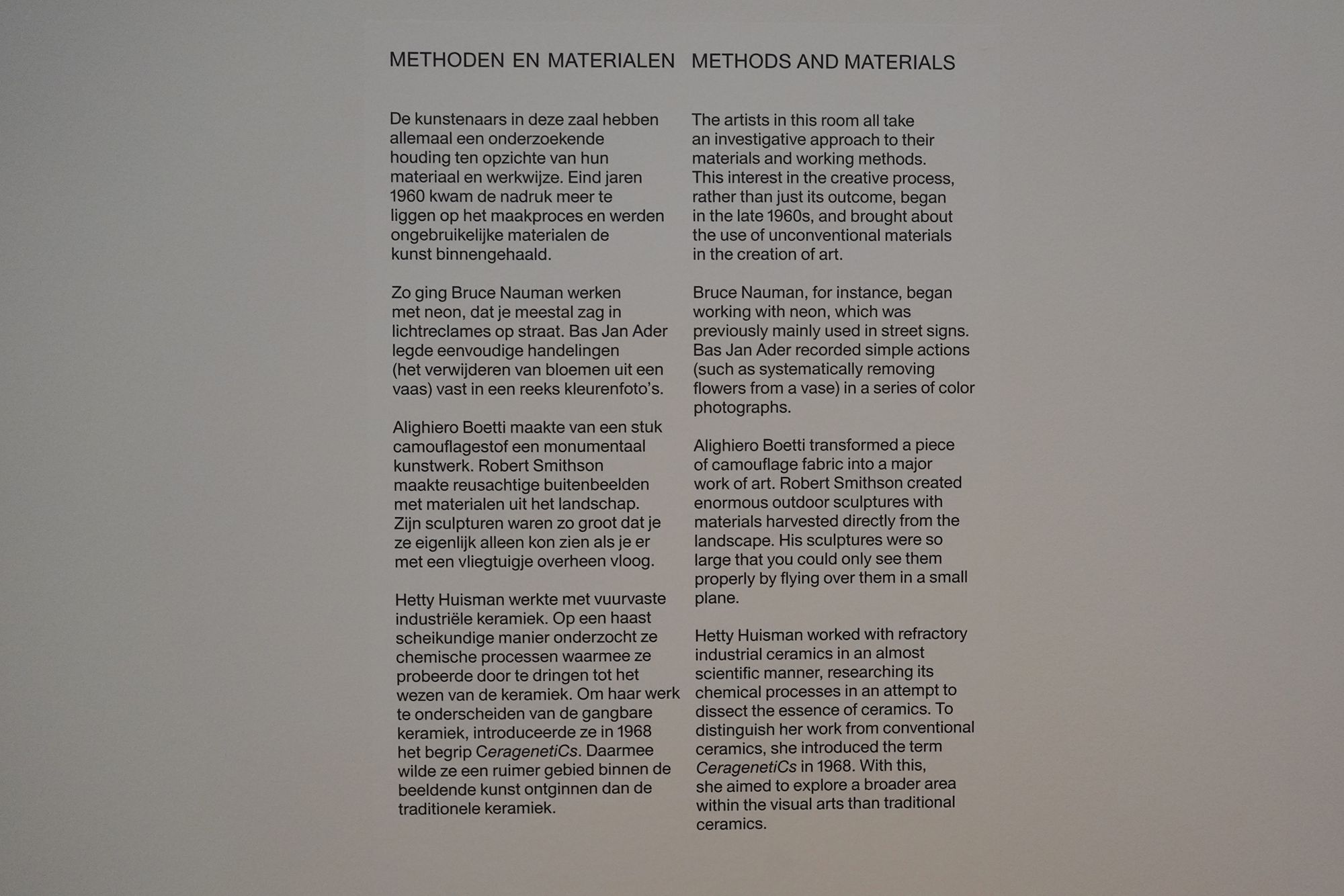
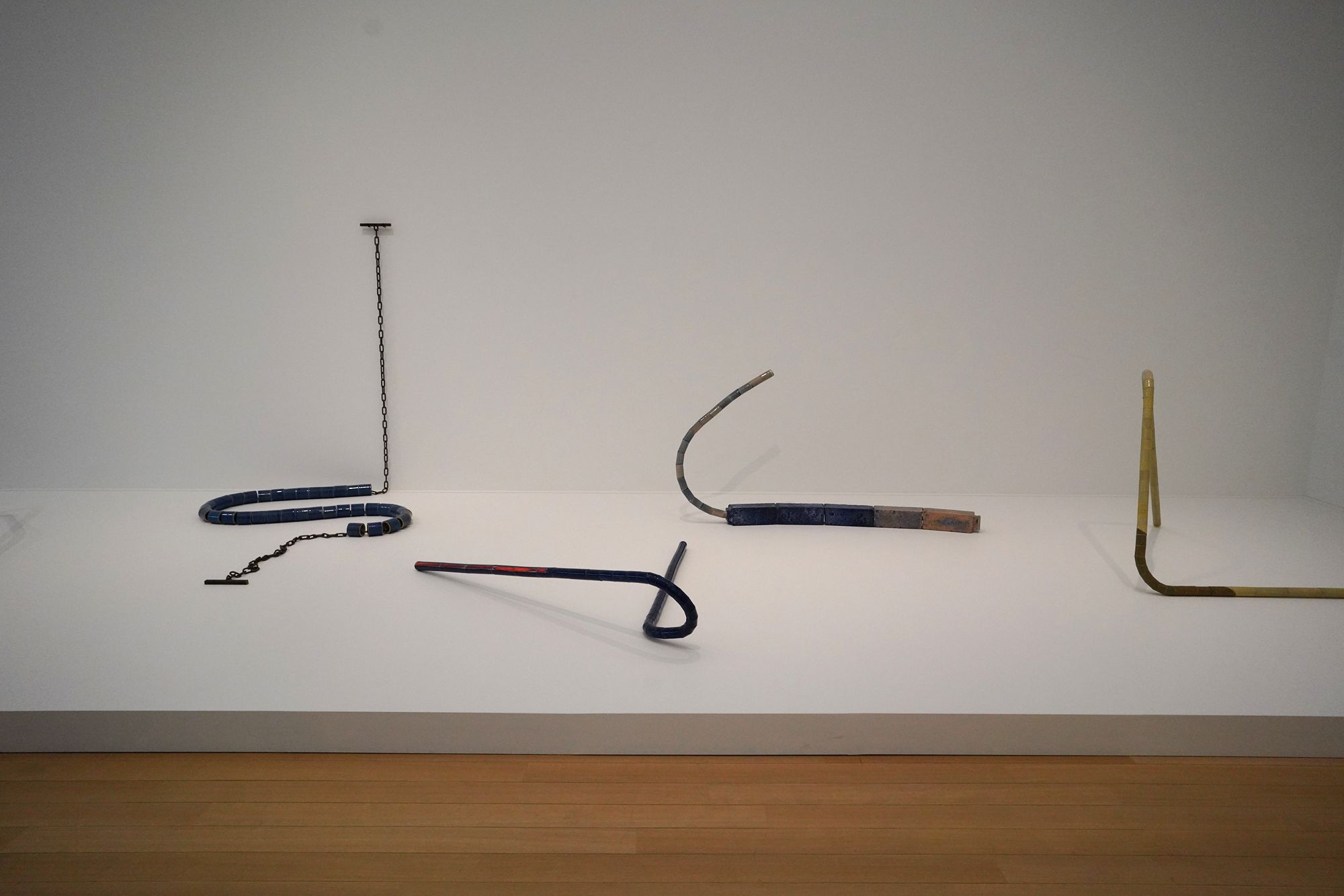
This gallery, “Methods and Materials,” explores how artists from the late 1960s began experimenting with unconventional materials and creative processes. Artists used everything from neon and camouflage fabric to landscape materials and industrial ceramics, making the process of creating art as important as the finished work.
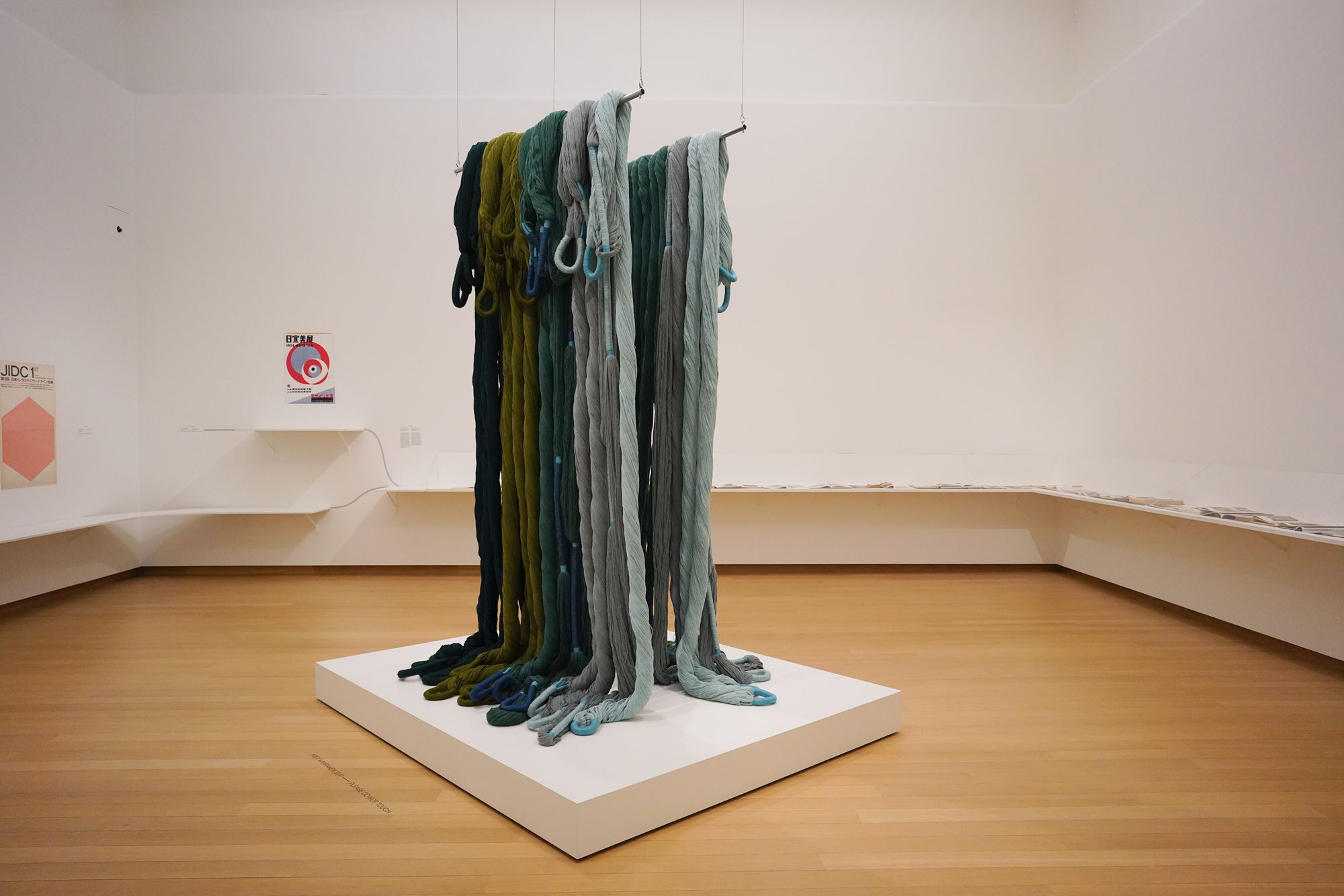
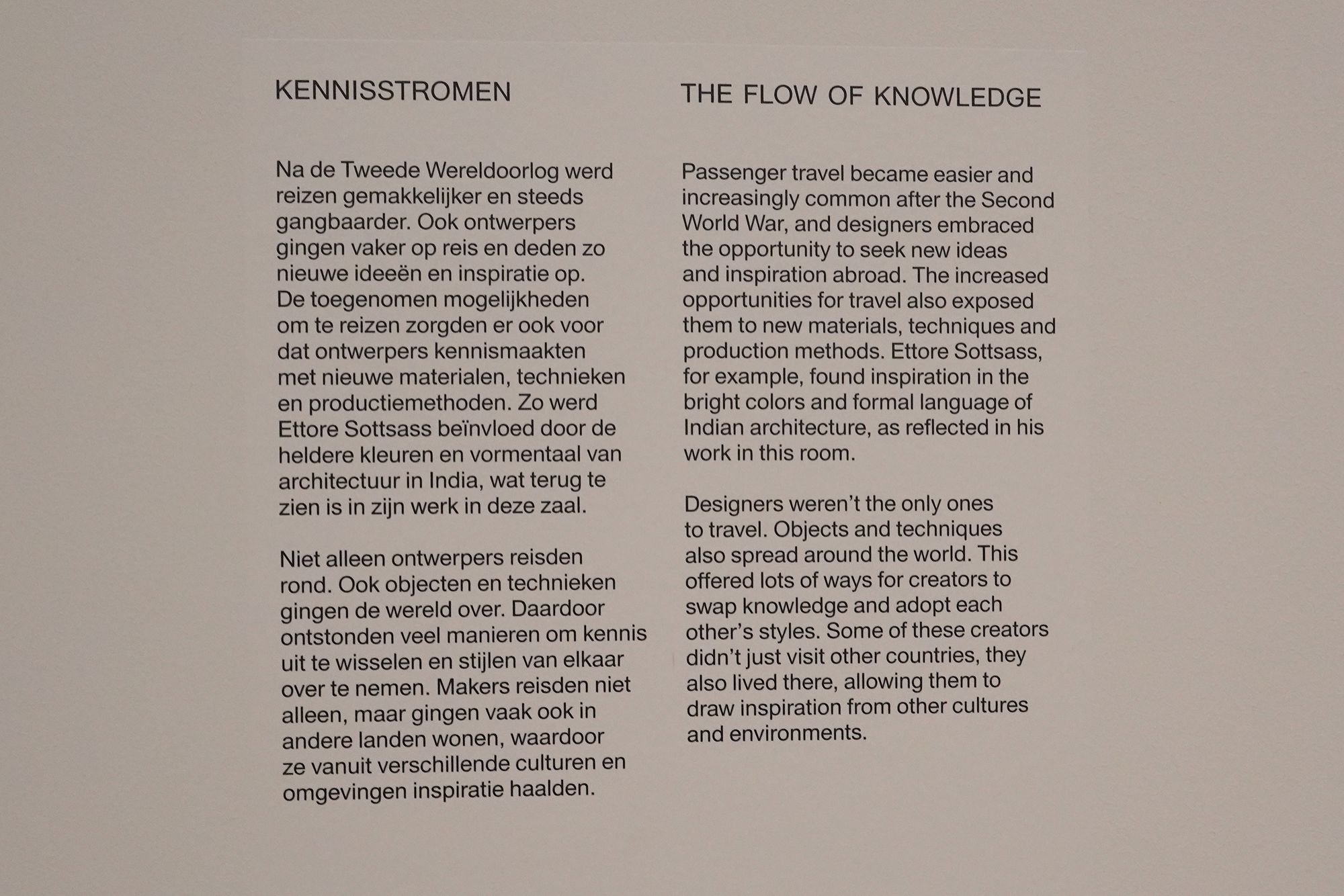
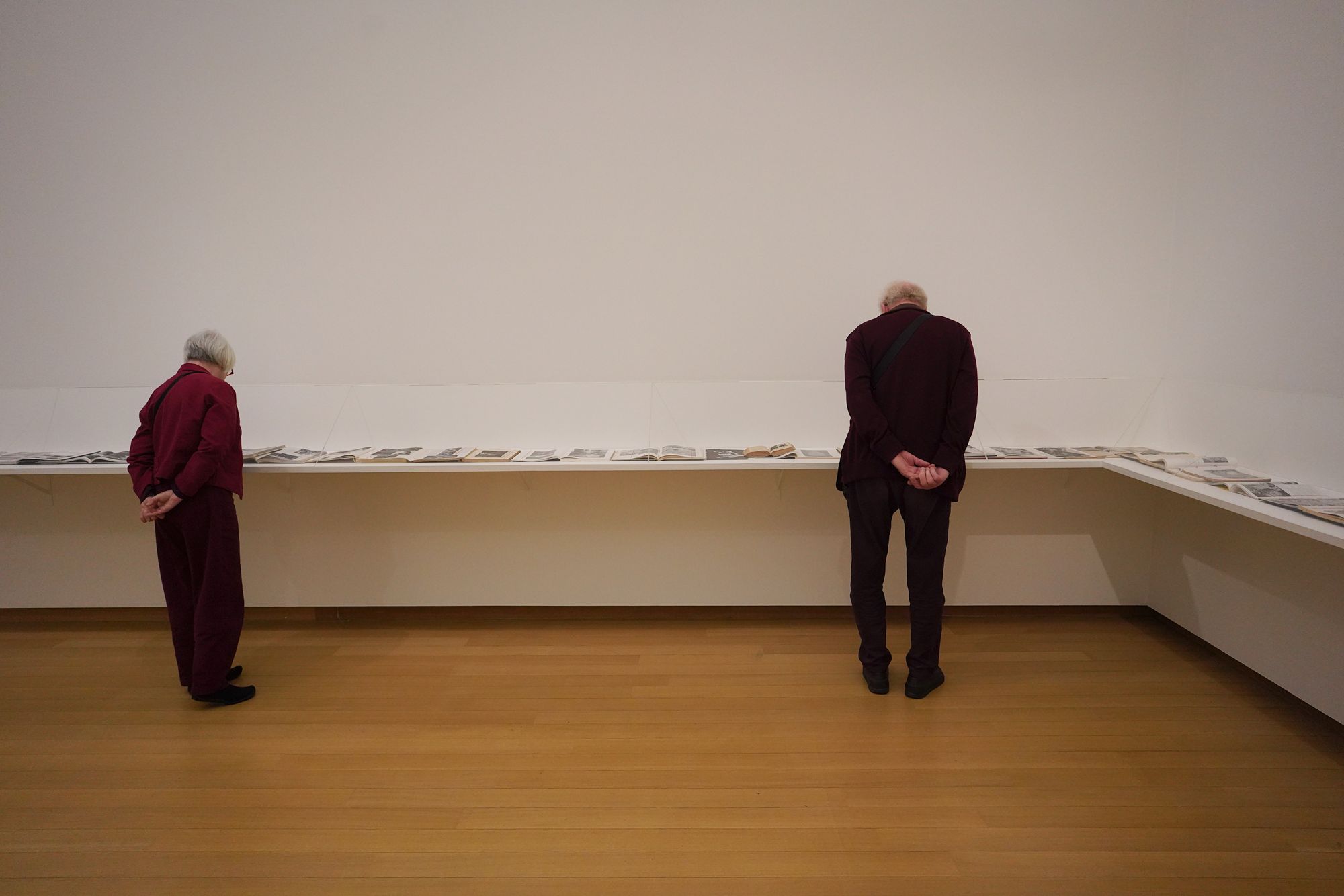
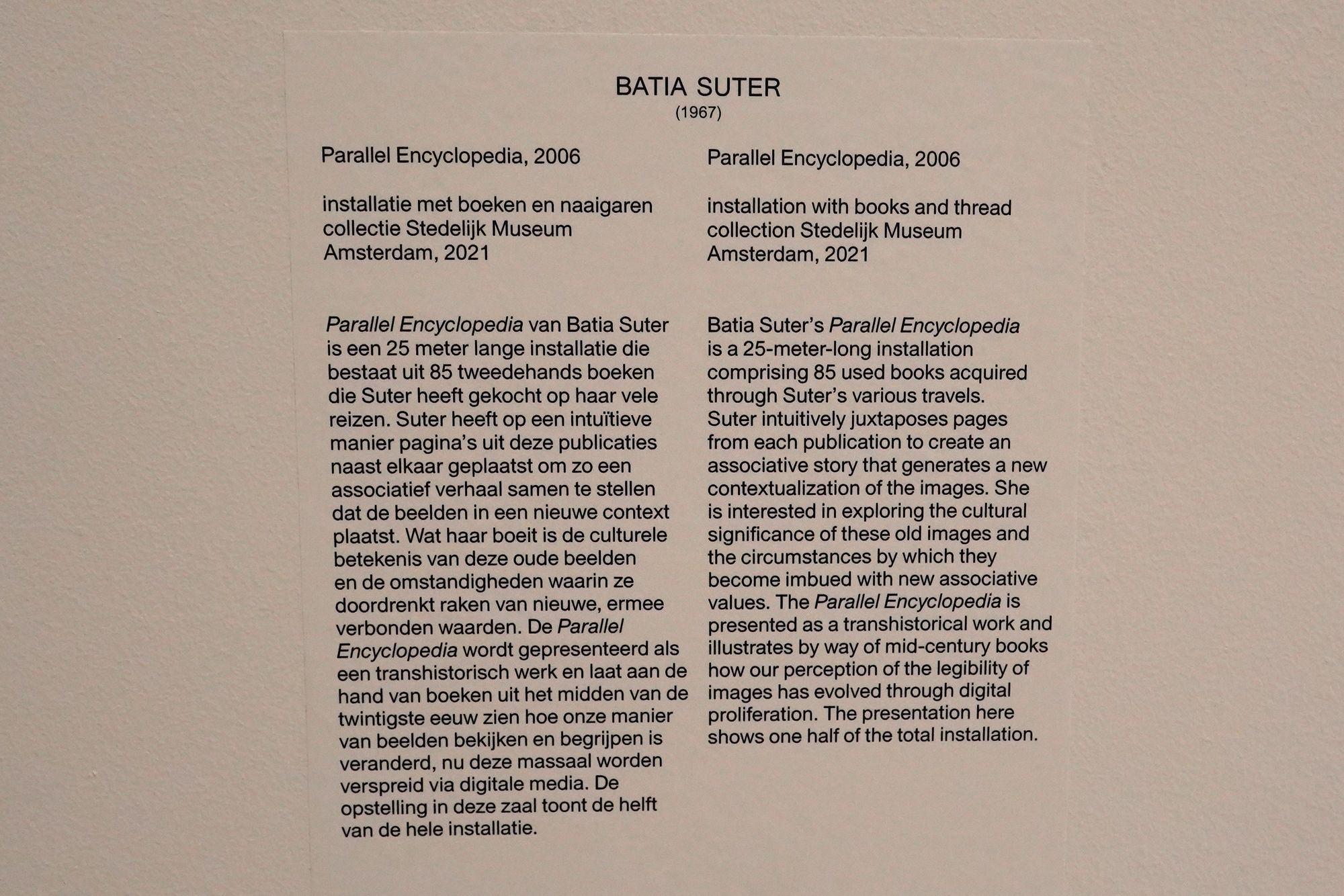
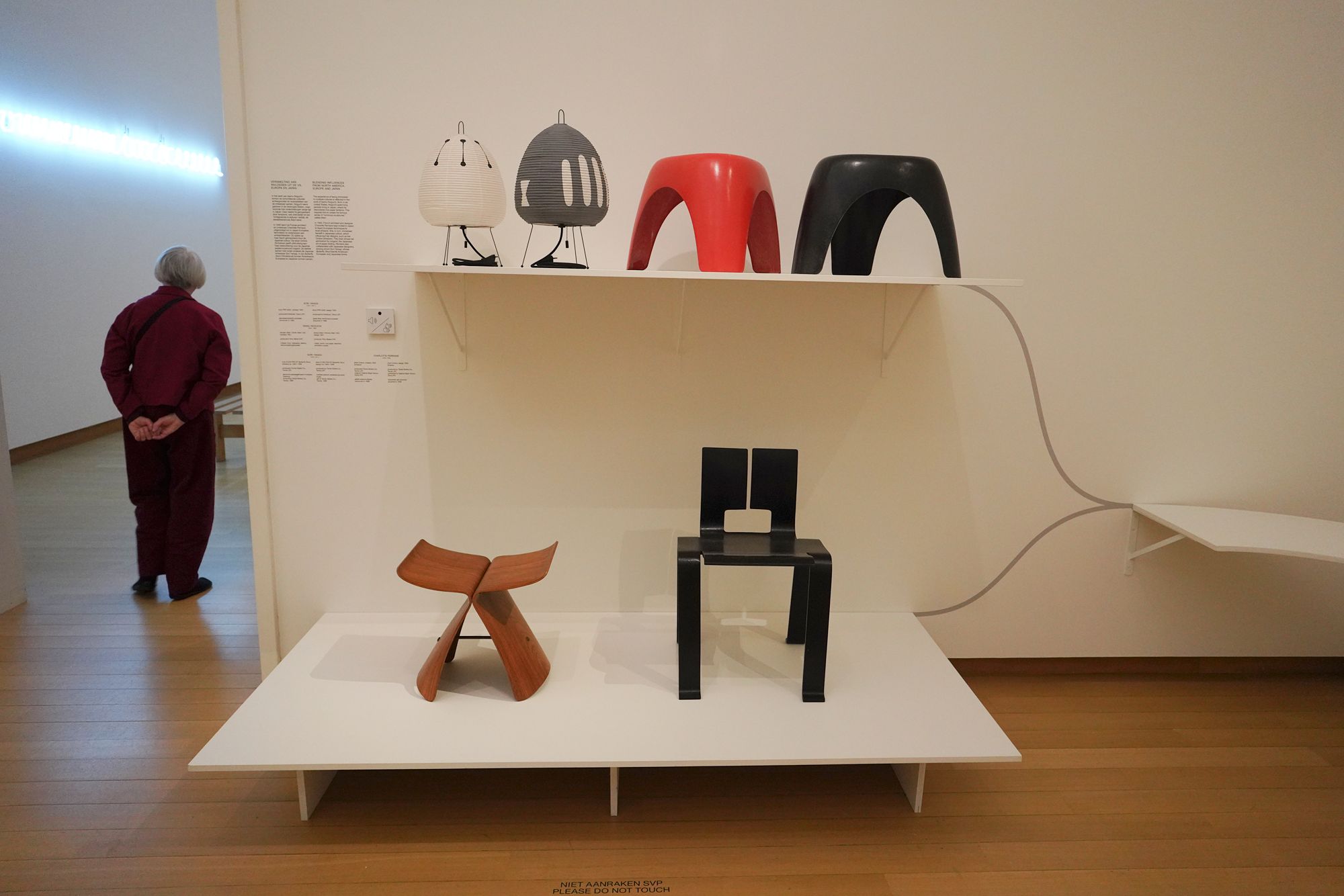
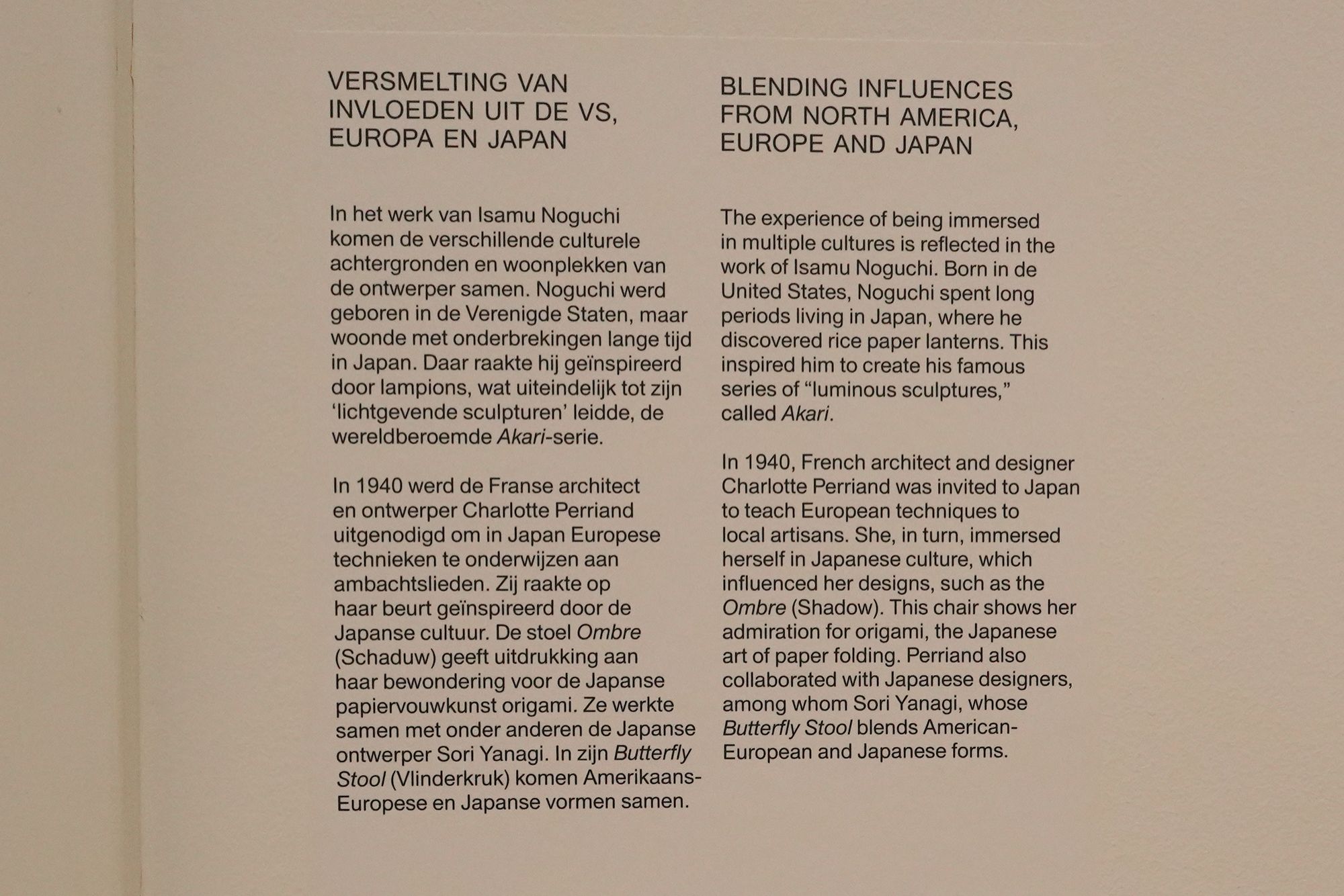
This gallery, “The Flow of Knowledge,” explores how easier international travel after World War II allowed designers to encounter new cultures, materials, techniques, and ideas. As people and objects moved around the world, artists and designers increasingly borrowed, adapted, and combined influences from different cultures.
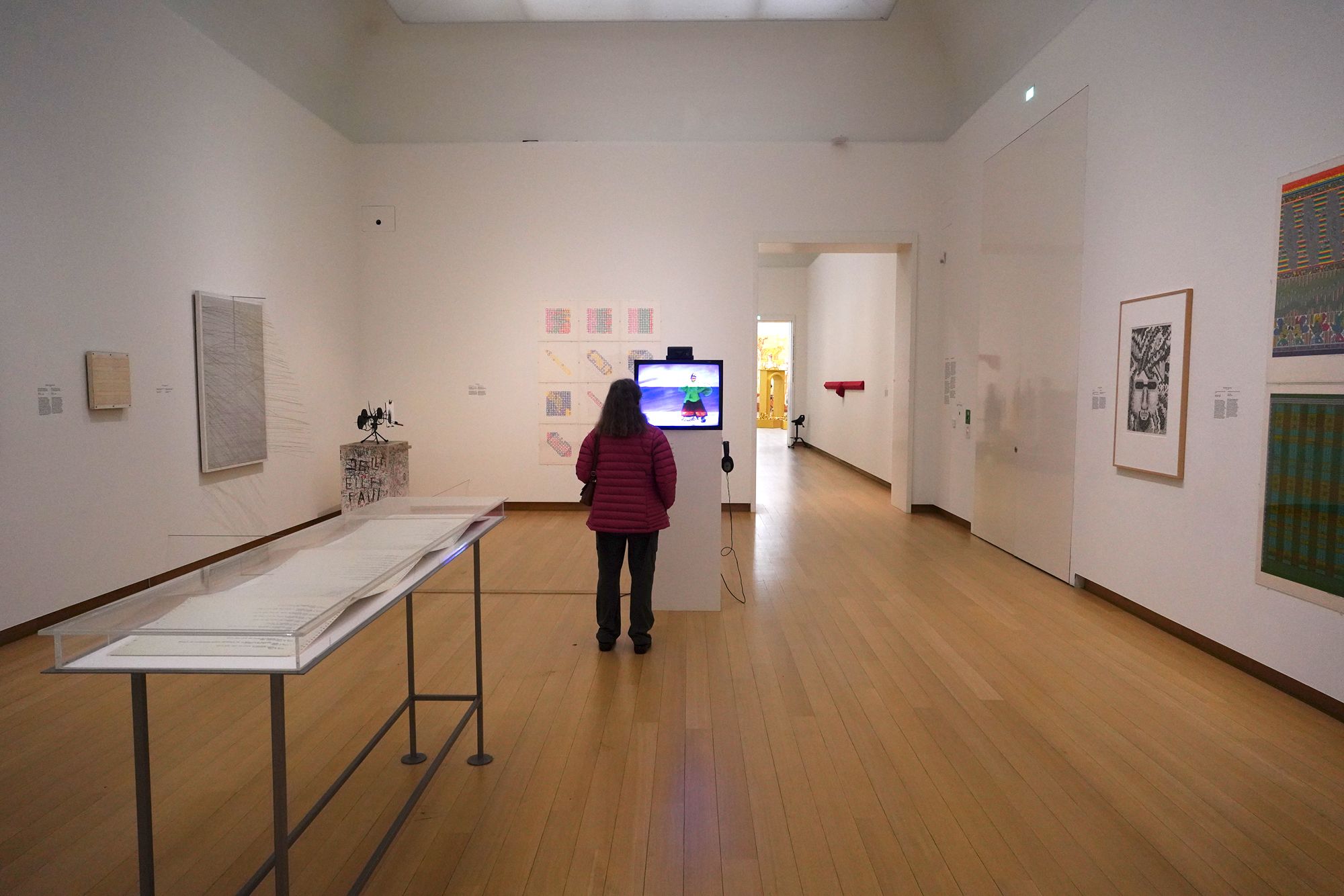
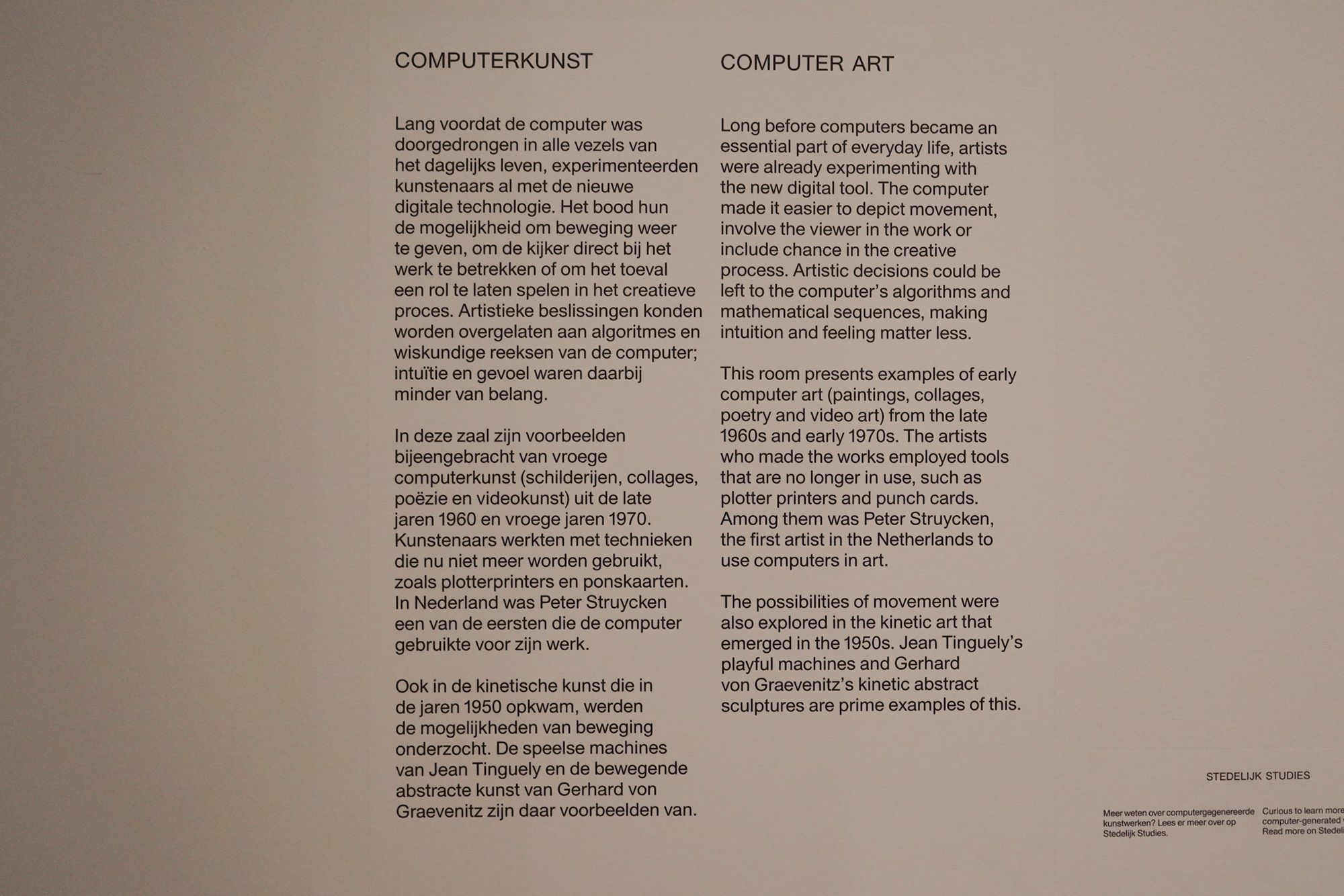
This gallery explores the beginnings of computer art in the 1960s and 1970s, when artists experimented with algorithms, plotter printers, punch cards, and early computers. They also explored movement and chance, allowing technology to become part of the creative process.
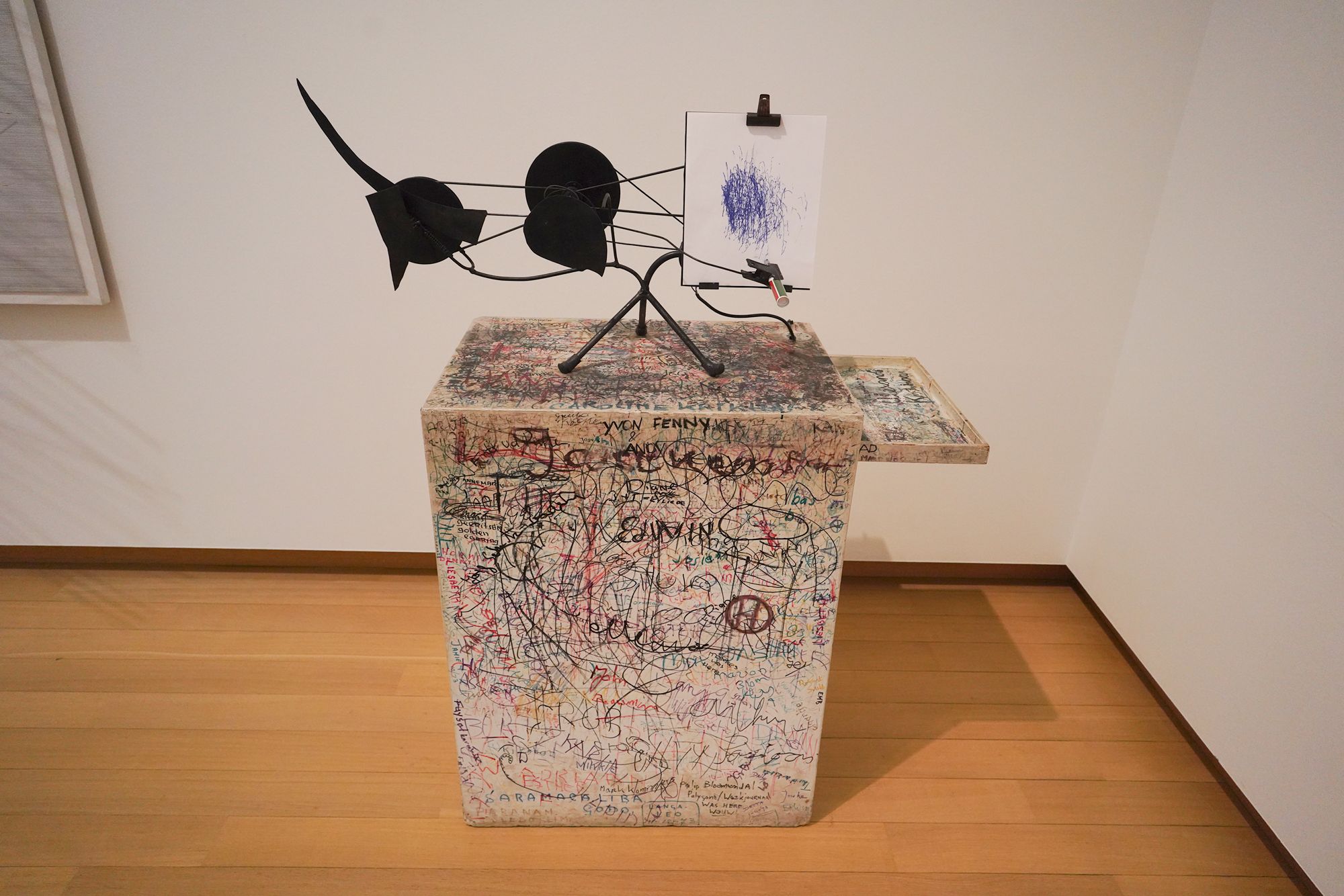
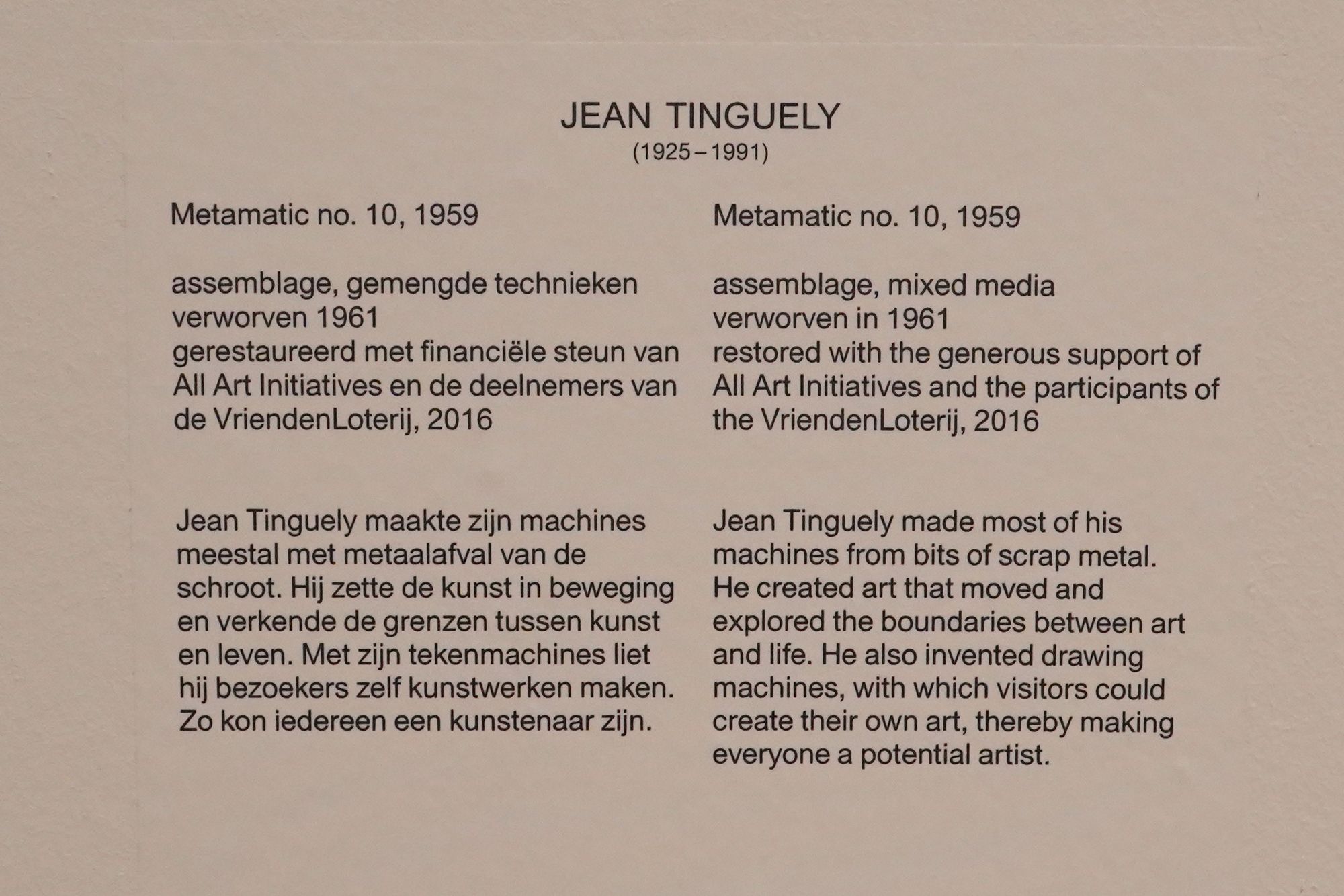
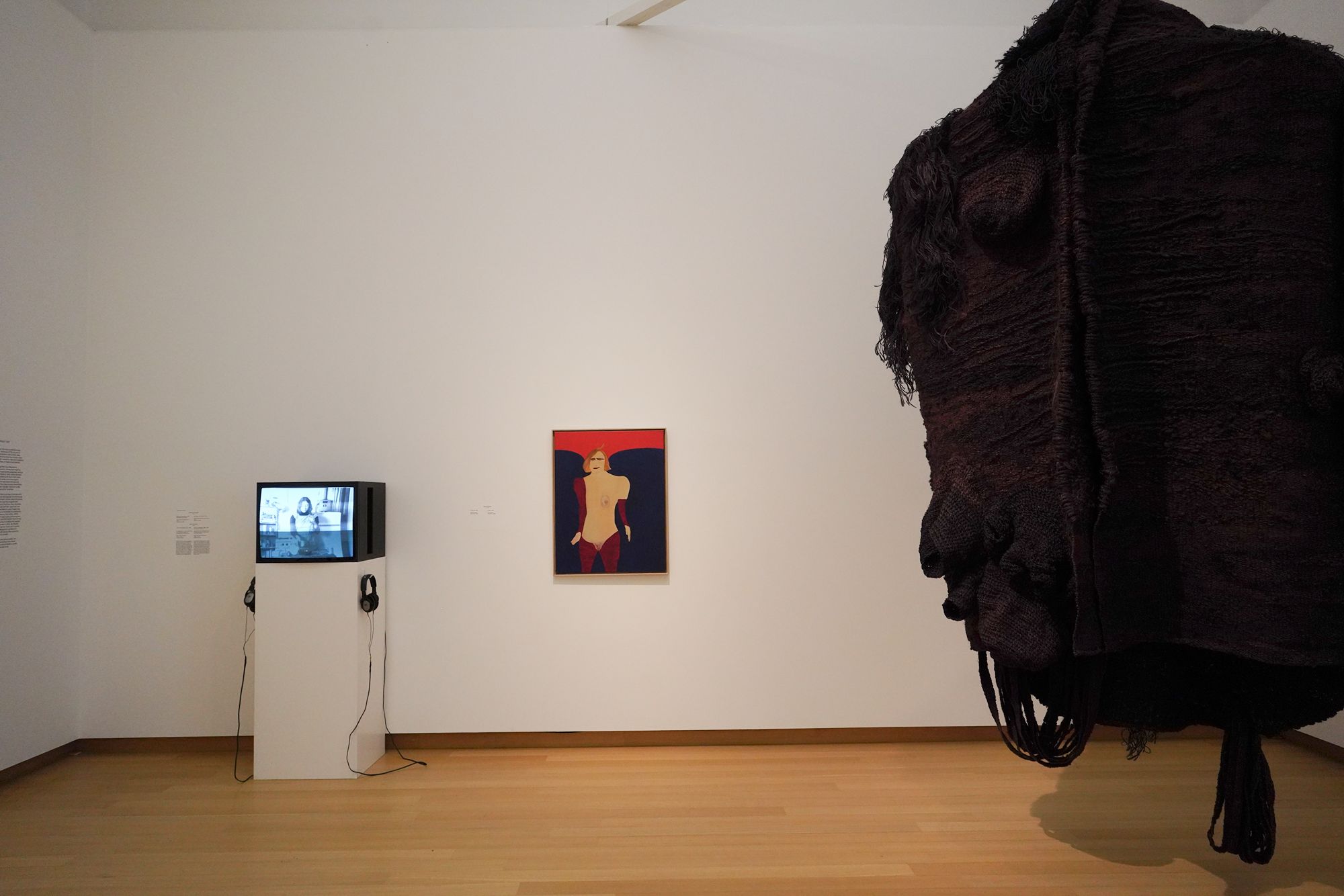
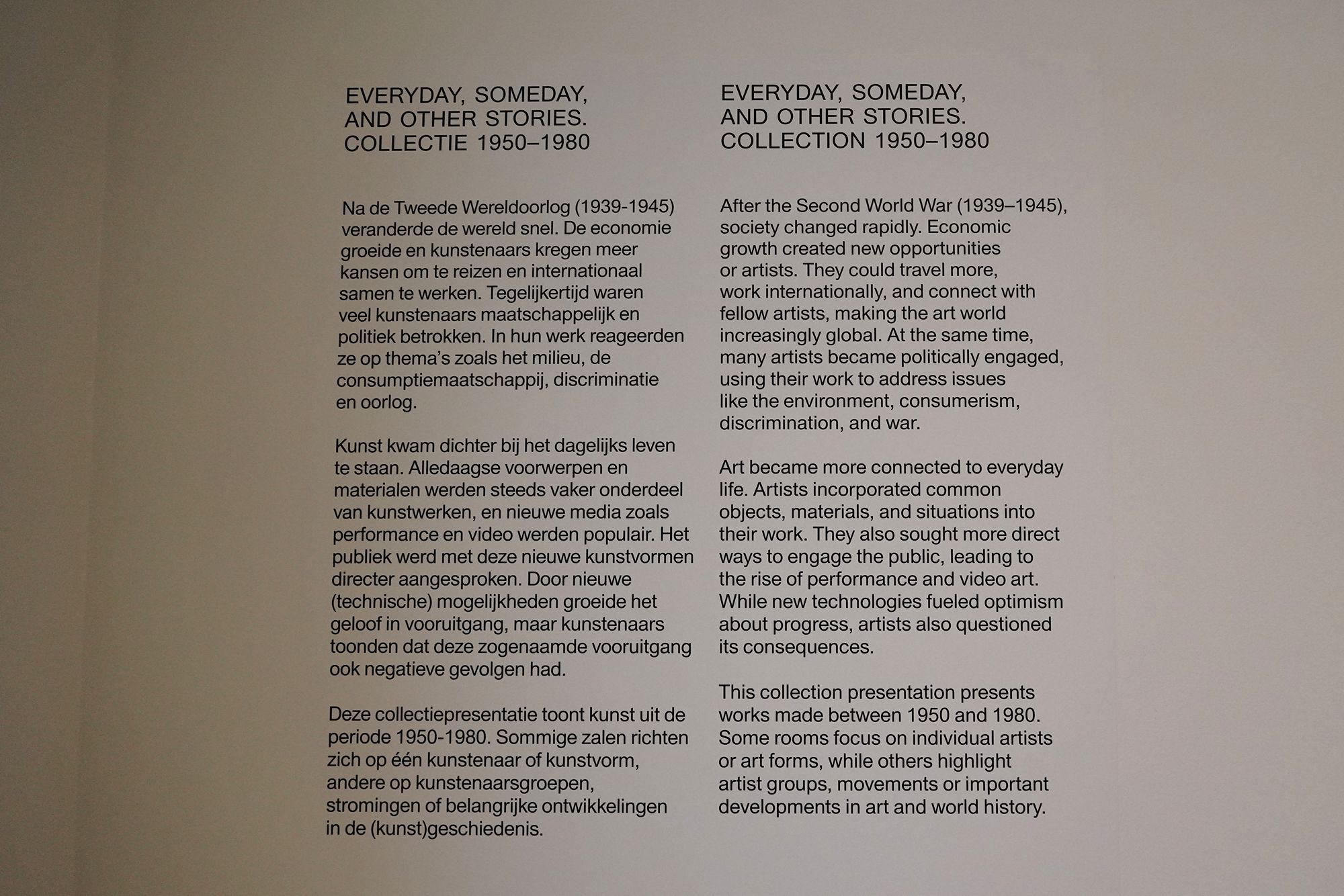
This section presents art from 1950 to 1980, a period when artists became increasingly international and politically engaged. Their work responded to consumerism, war, discrimination, and environmental concerns, while new forms such as performance and video art brought art closer to everyday life.
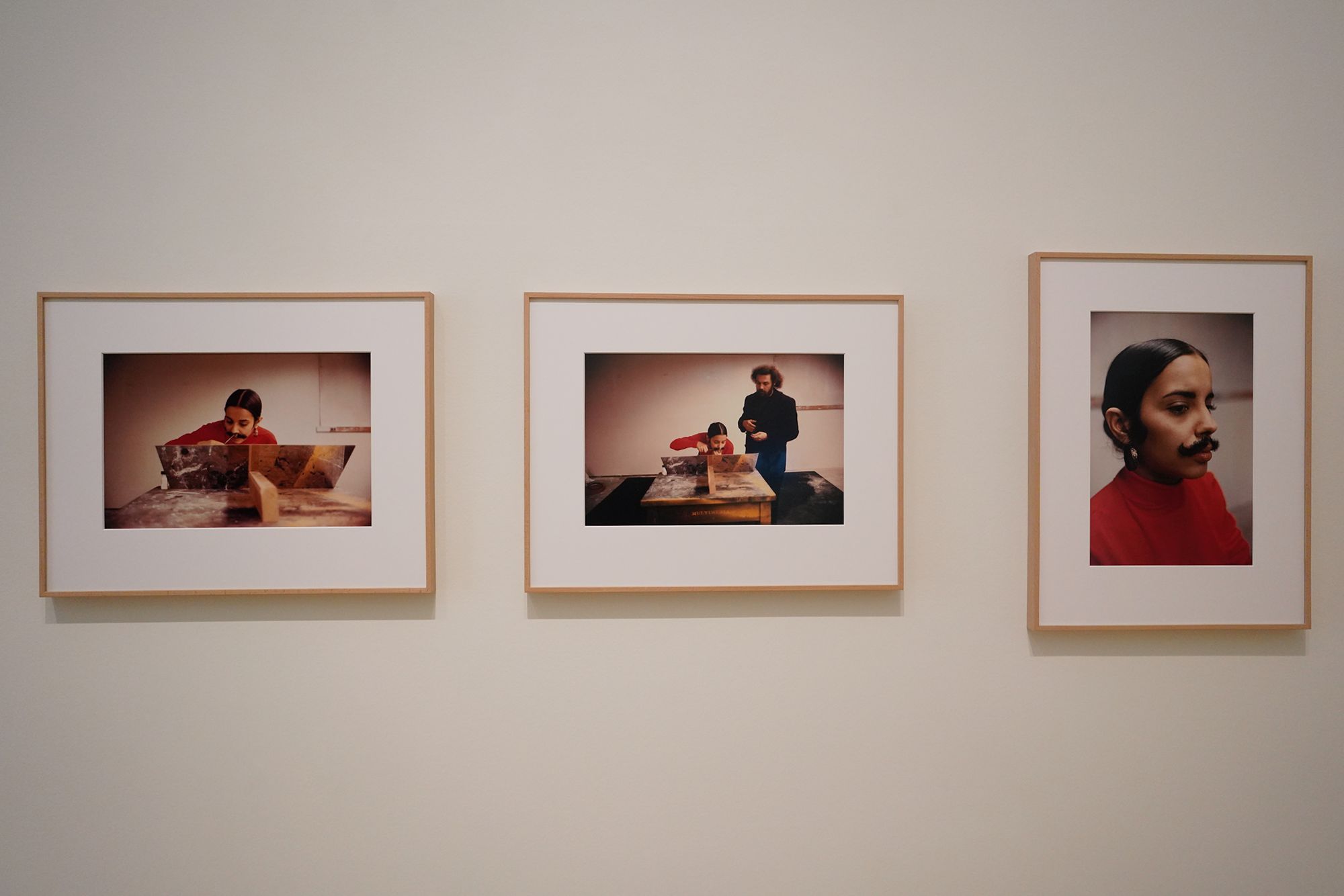
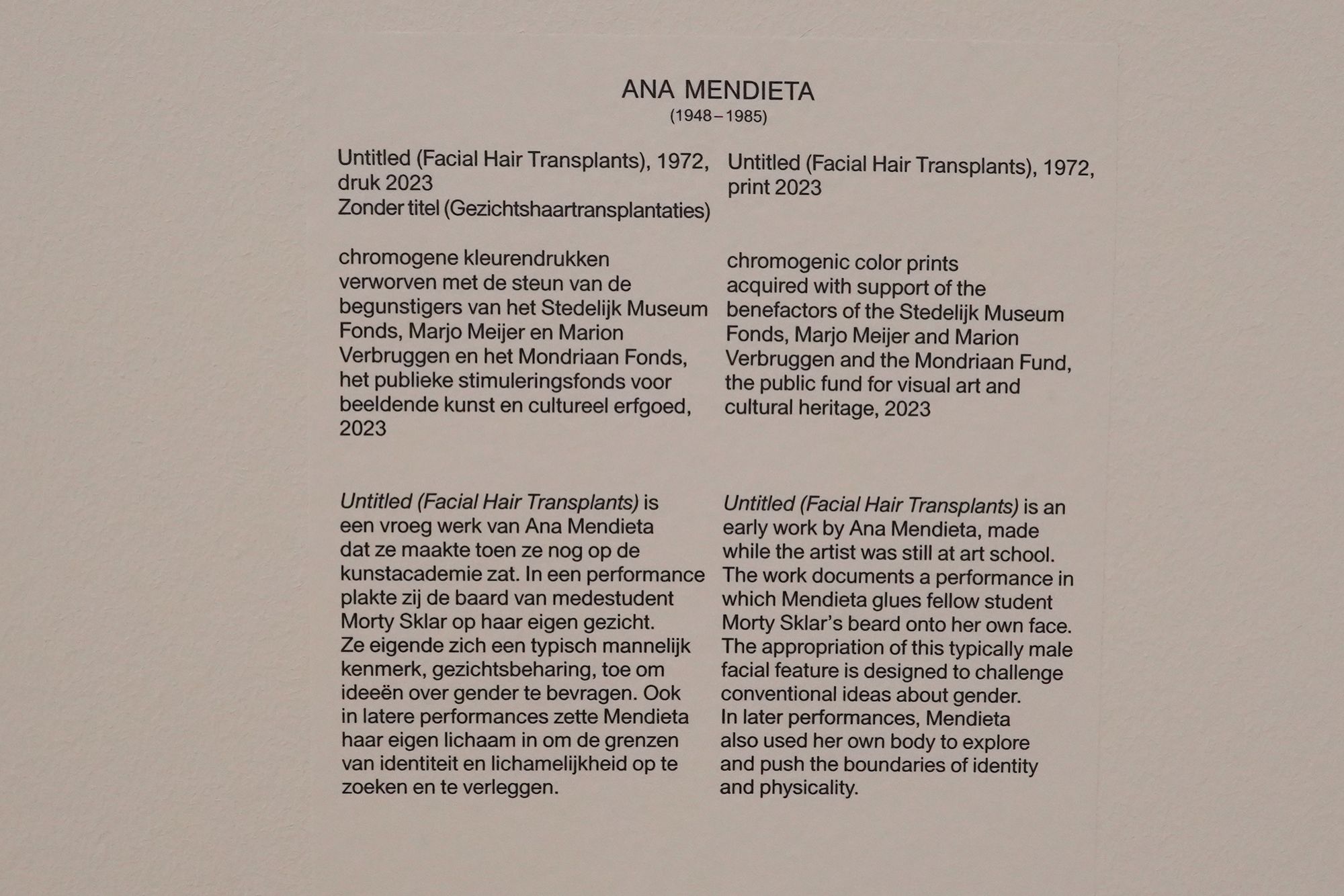
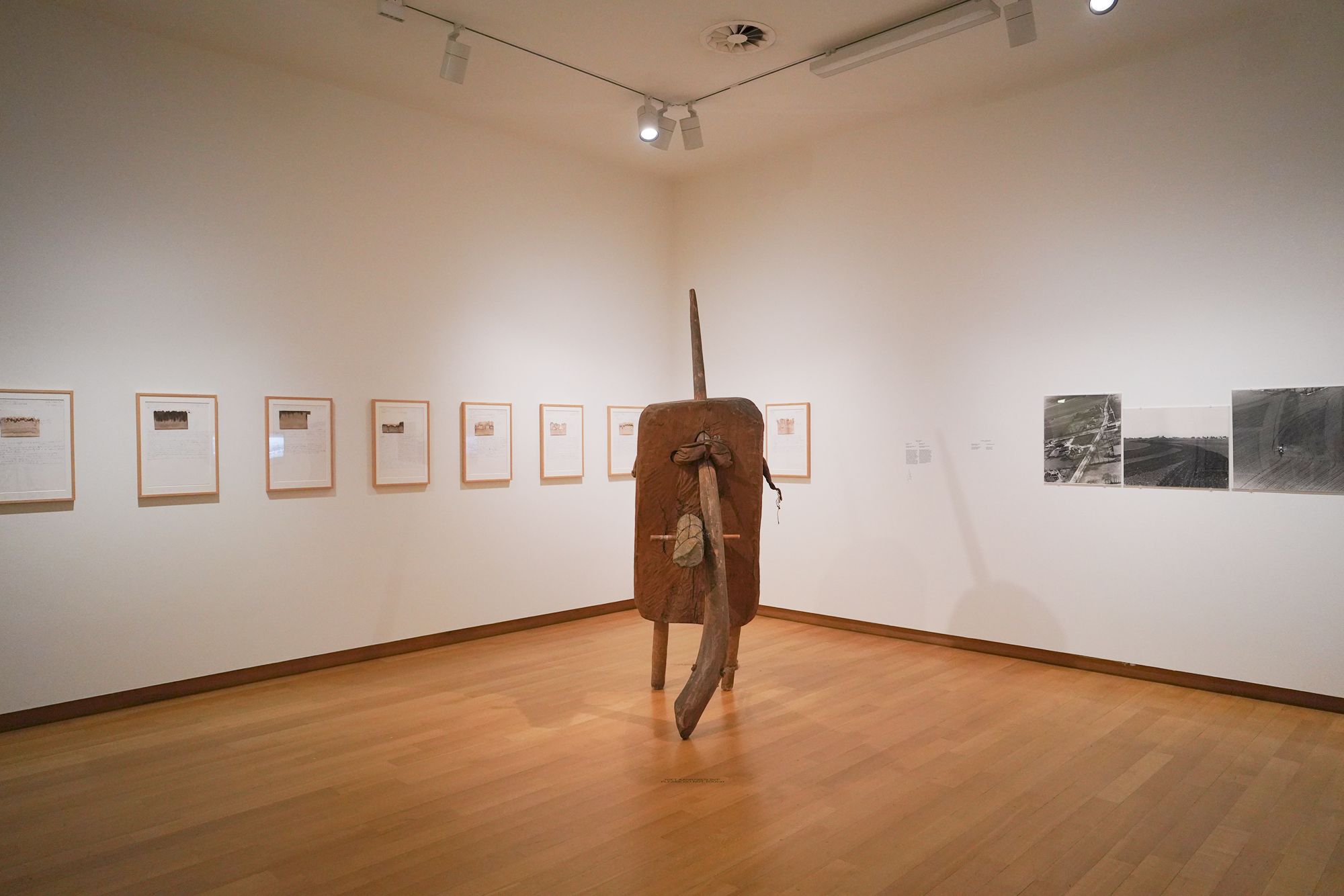
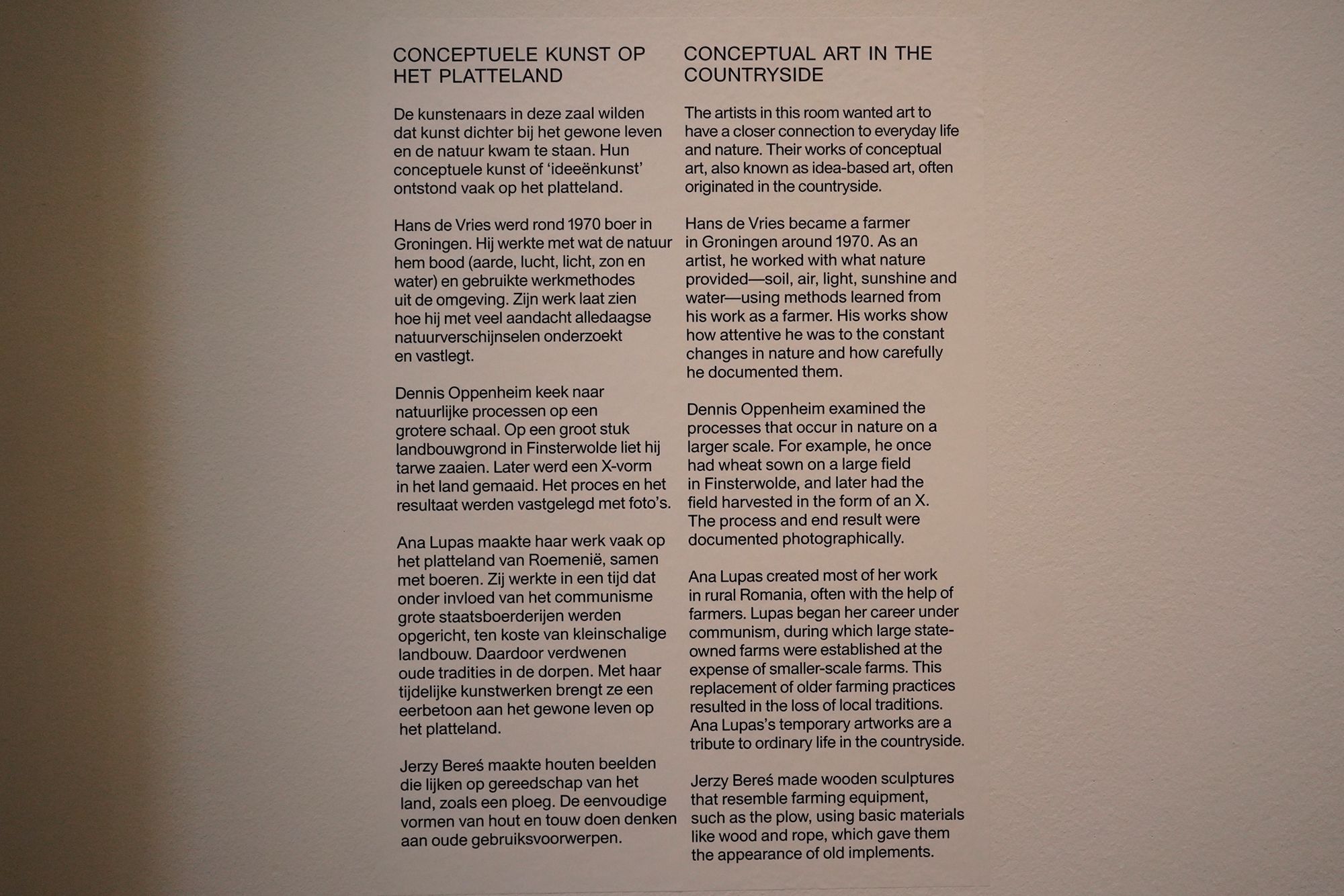
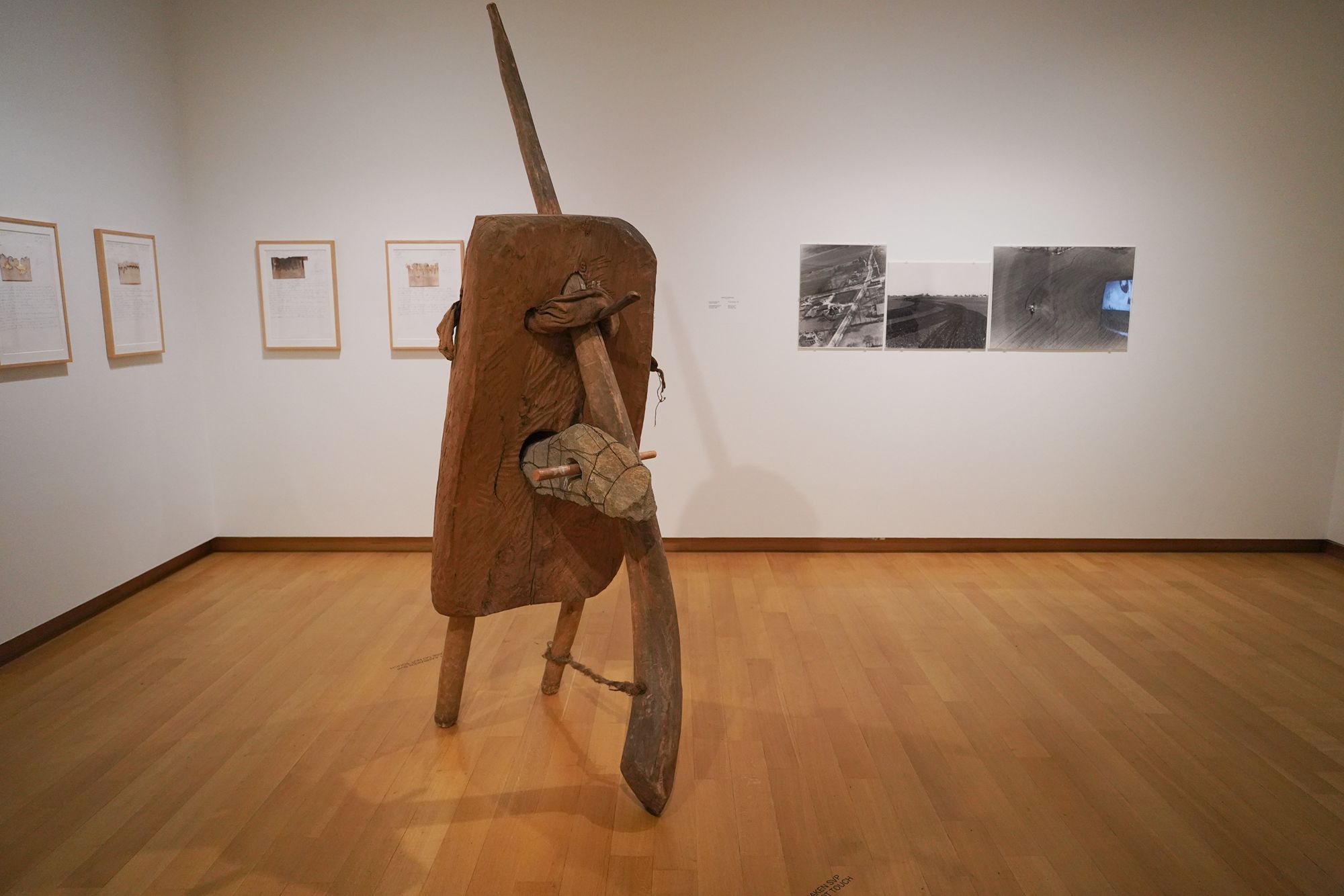
This section explores conceptual art created in the countryside, where artists used nature, farming, and rural traditions as part of their work. Rather than focusing only on finished objects, they emphasized ideas, natural processes, everyday life, and the documentation of changes in the landscape.
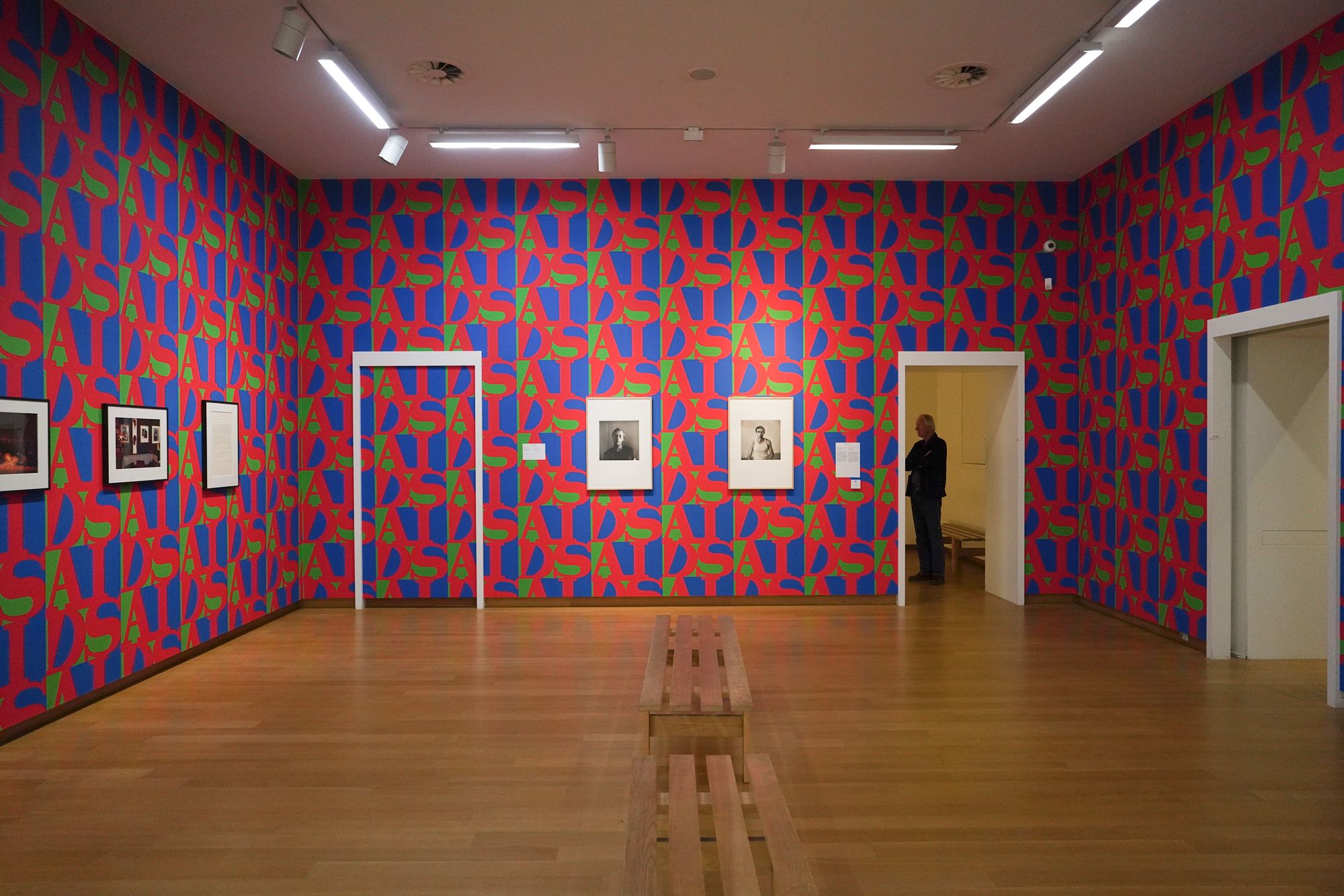
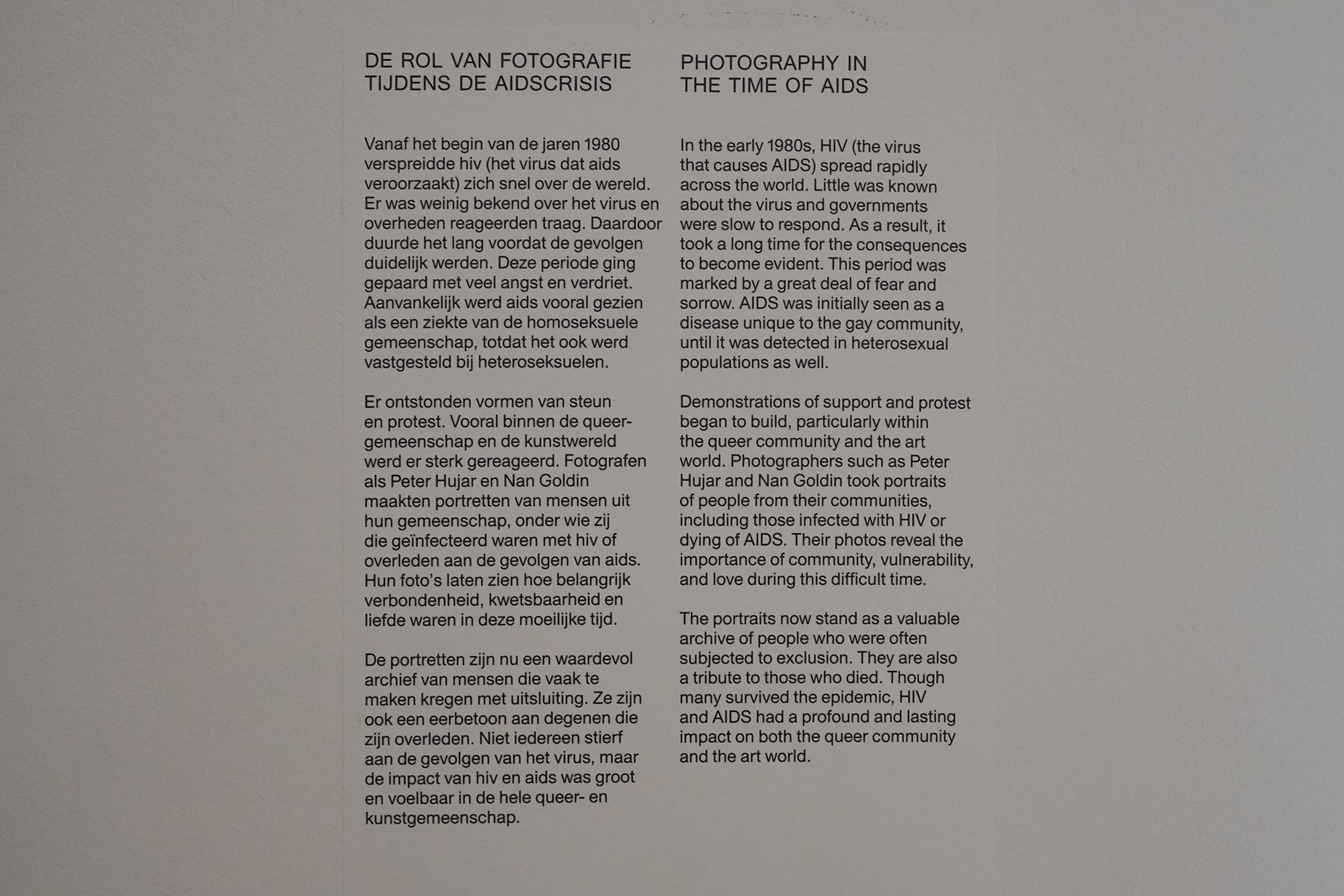
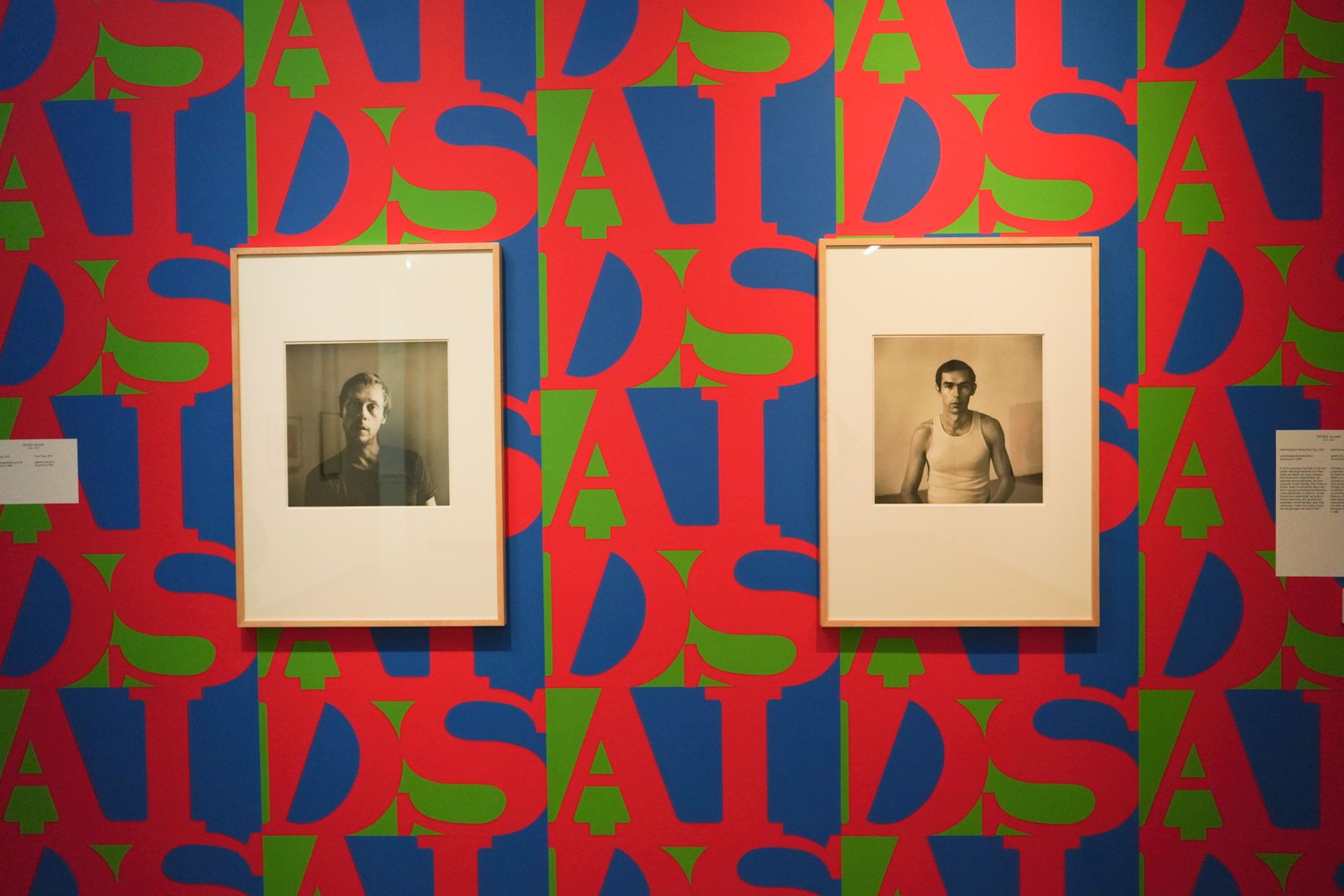
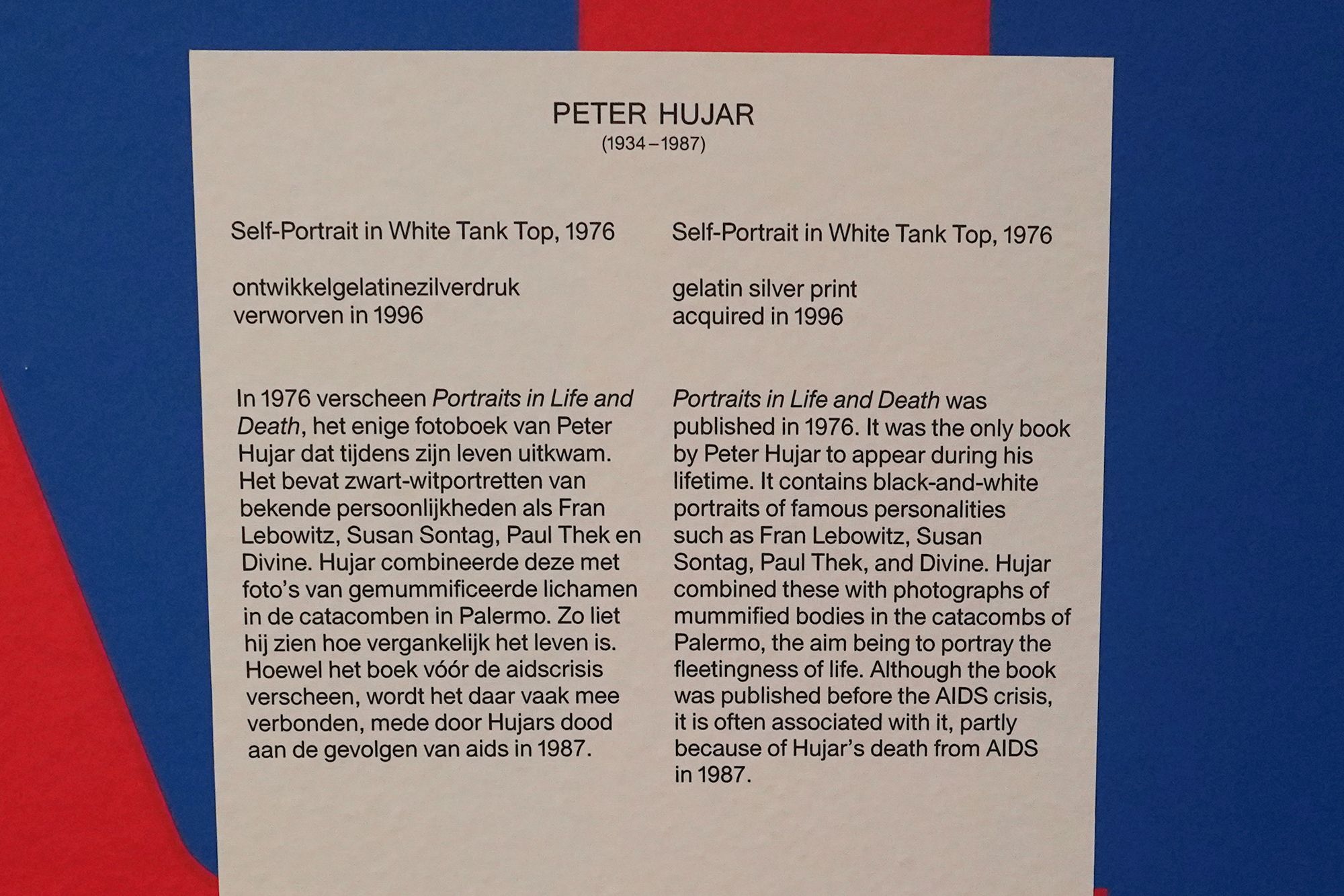
This section explores photography during the AIDS crisis, when photographers documented people affected by HIV/AIDS, capturing community, vulnerability, love, and loss while creating an important record of a devastating period.
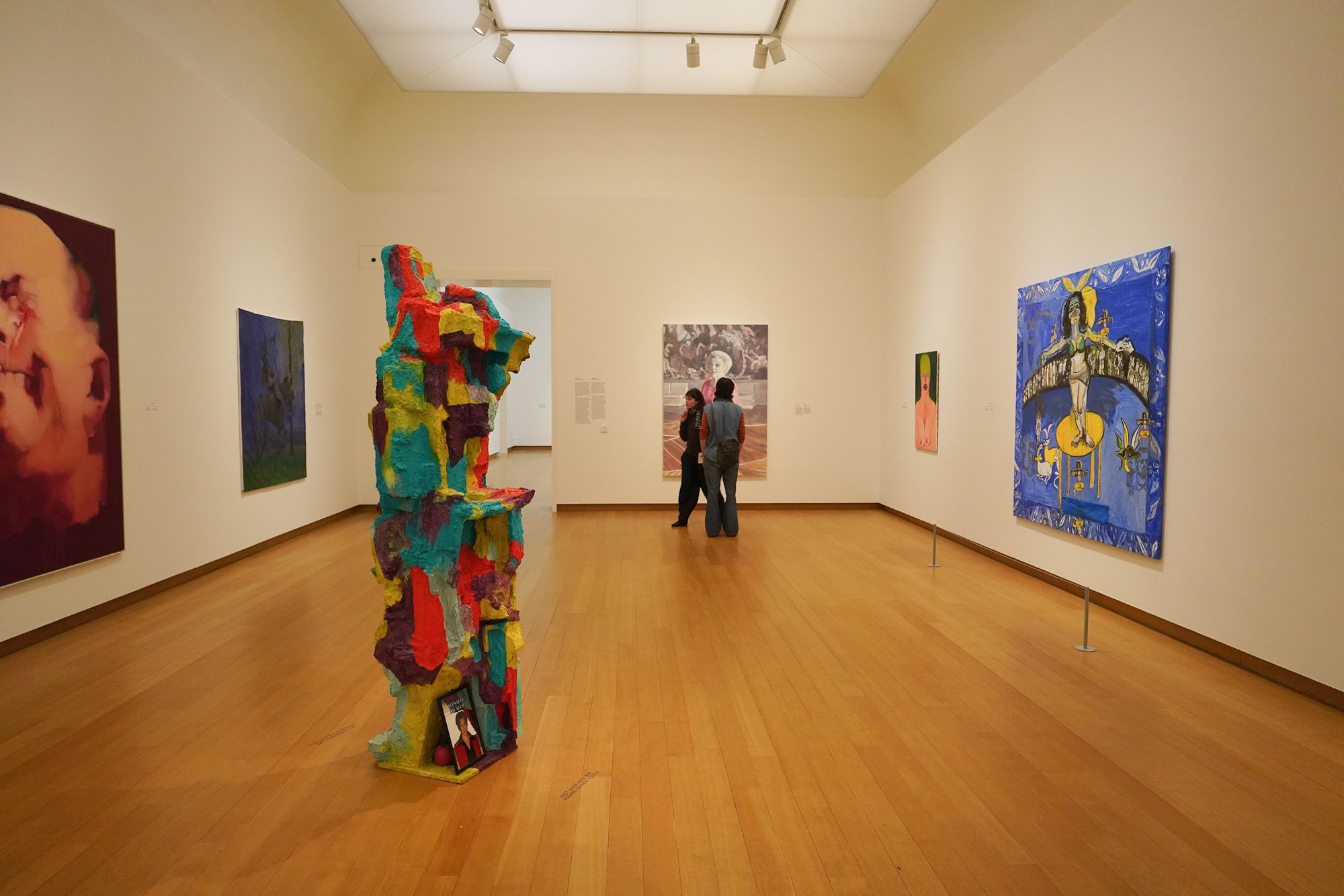
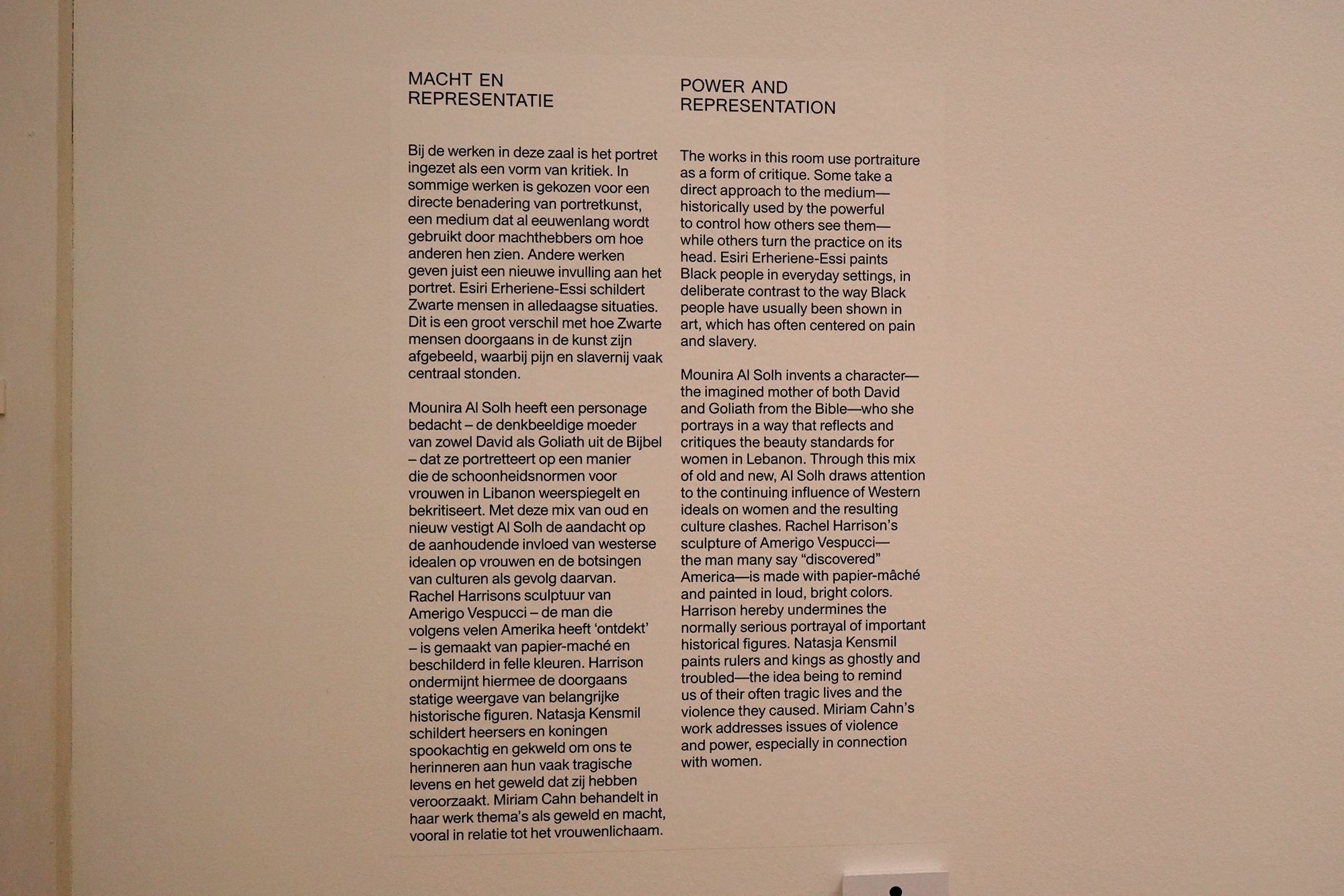
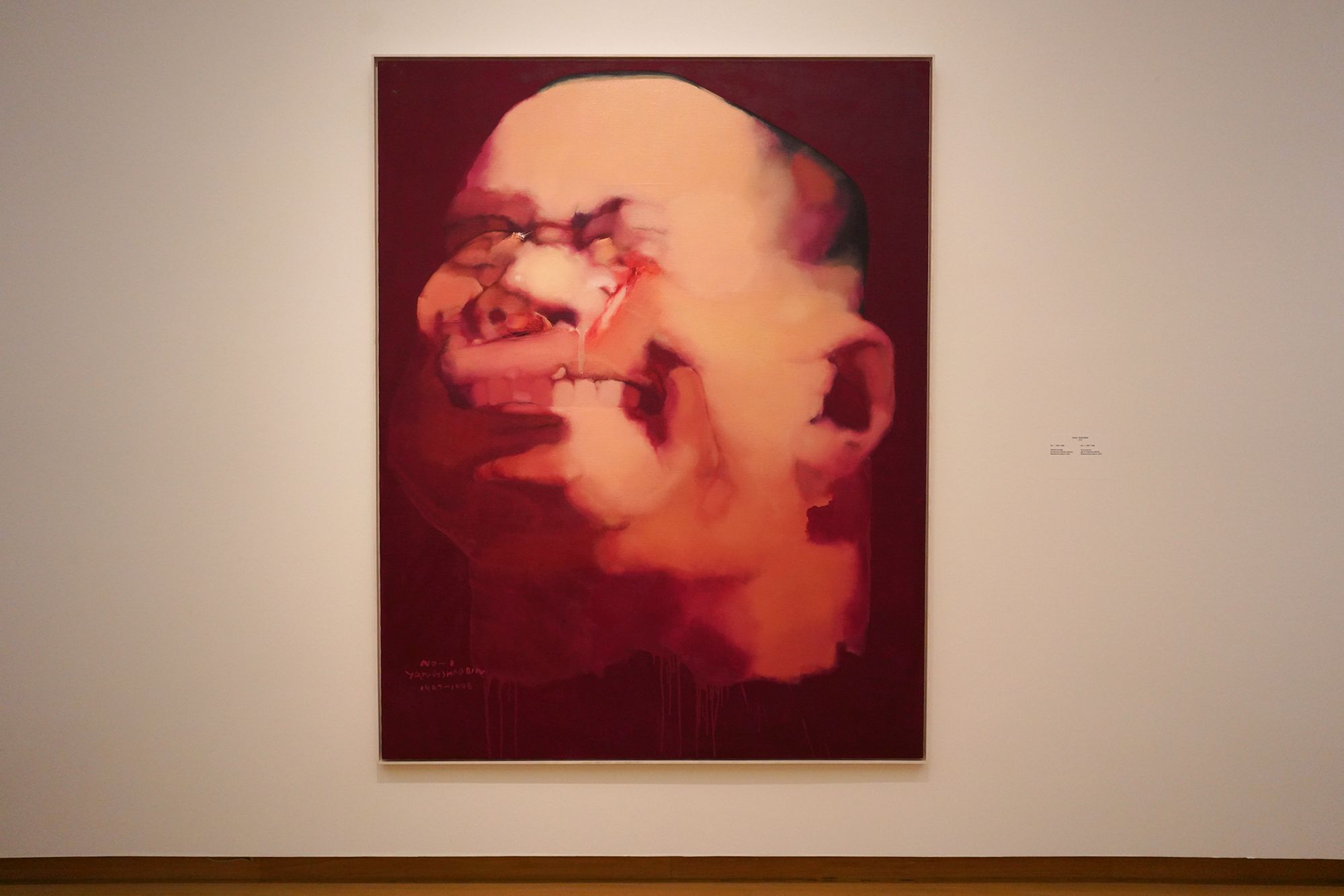
This section explores power and representation in portraiture, showing how artists challenge traditional images of race, gender, authority, and historical figures to question who has the power to shape how people are represented.
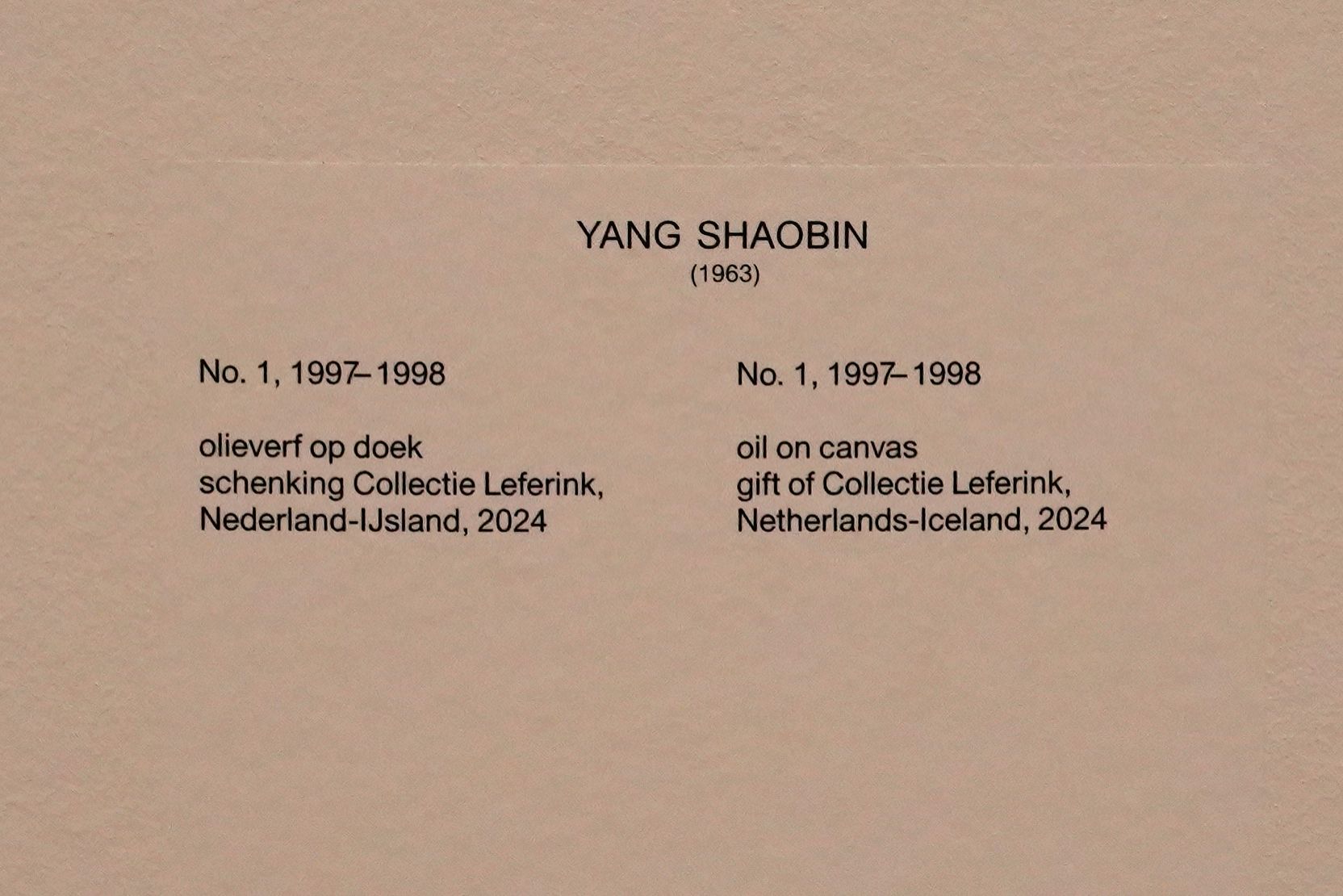
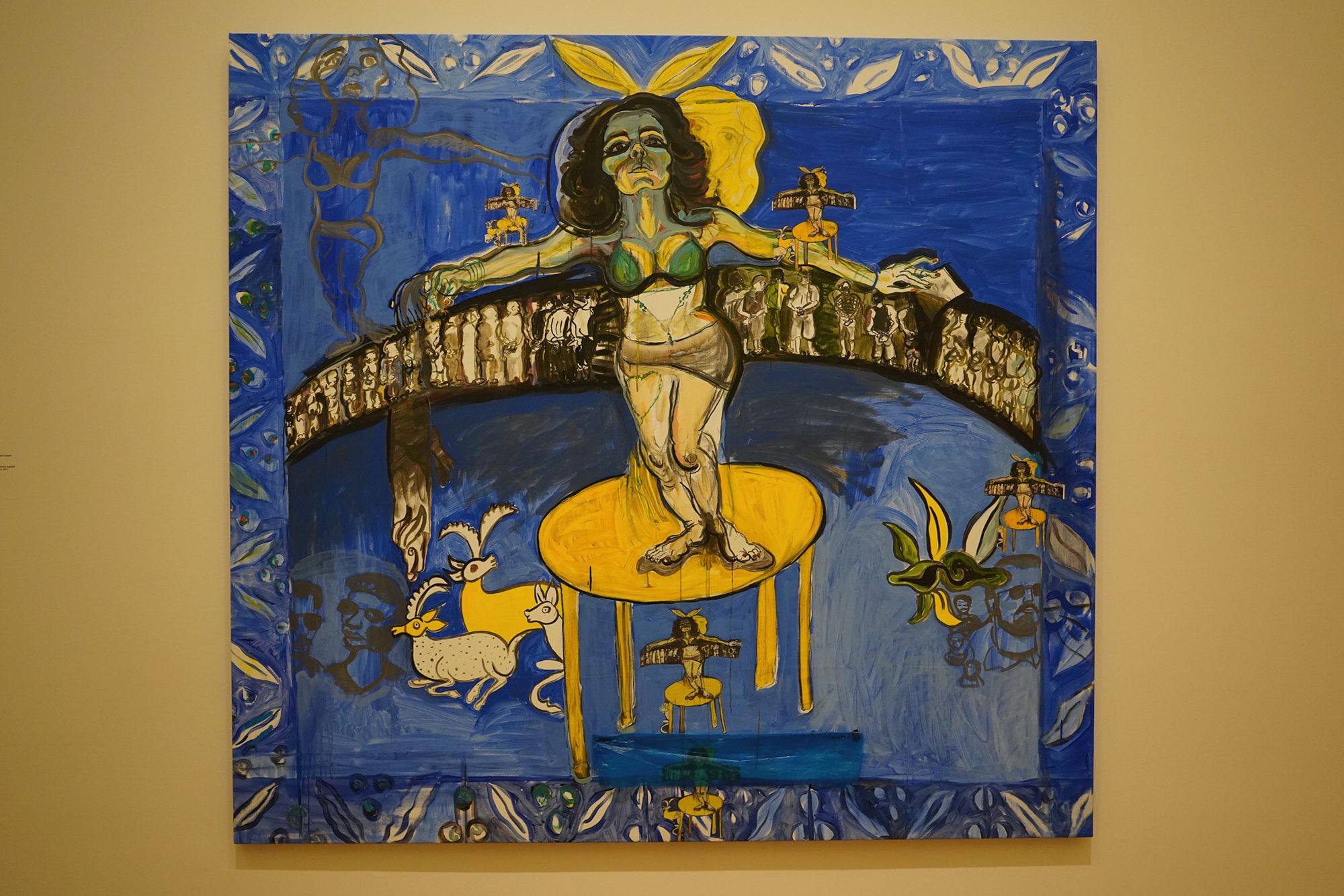
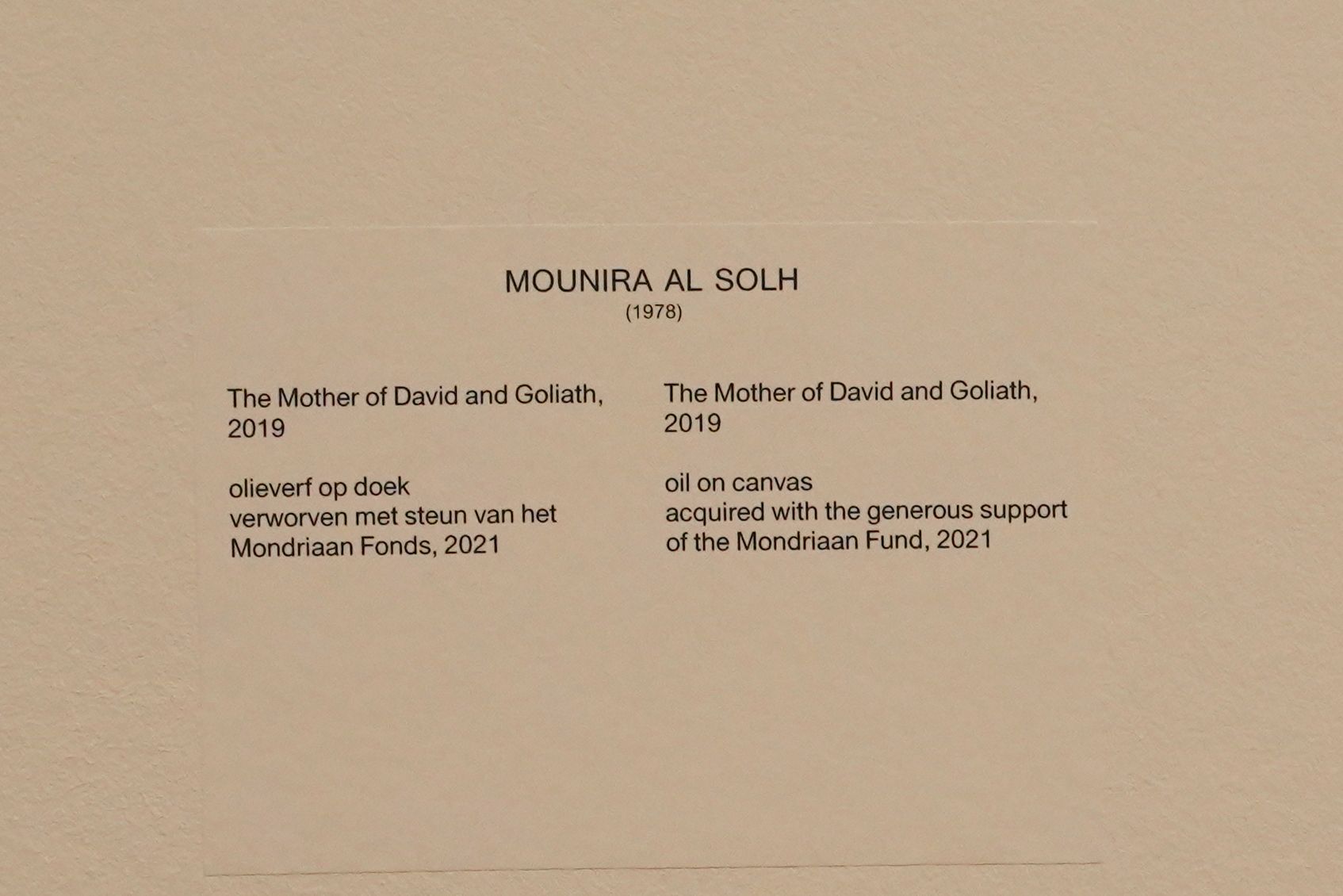
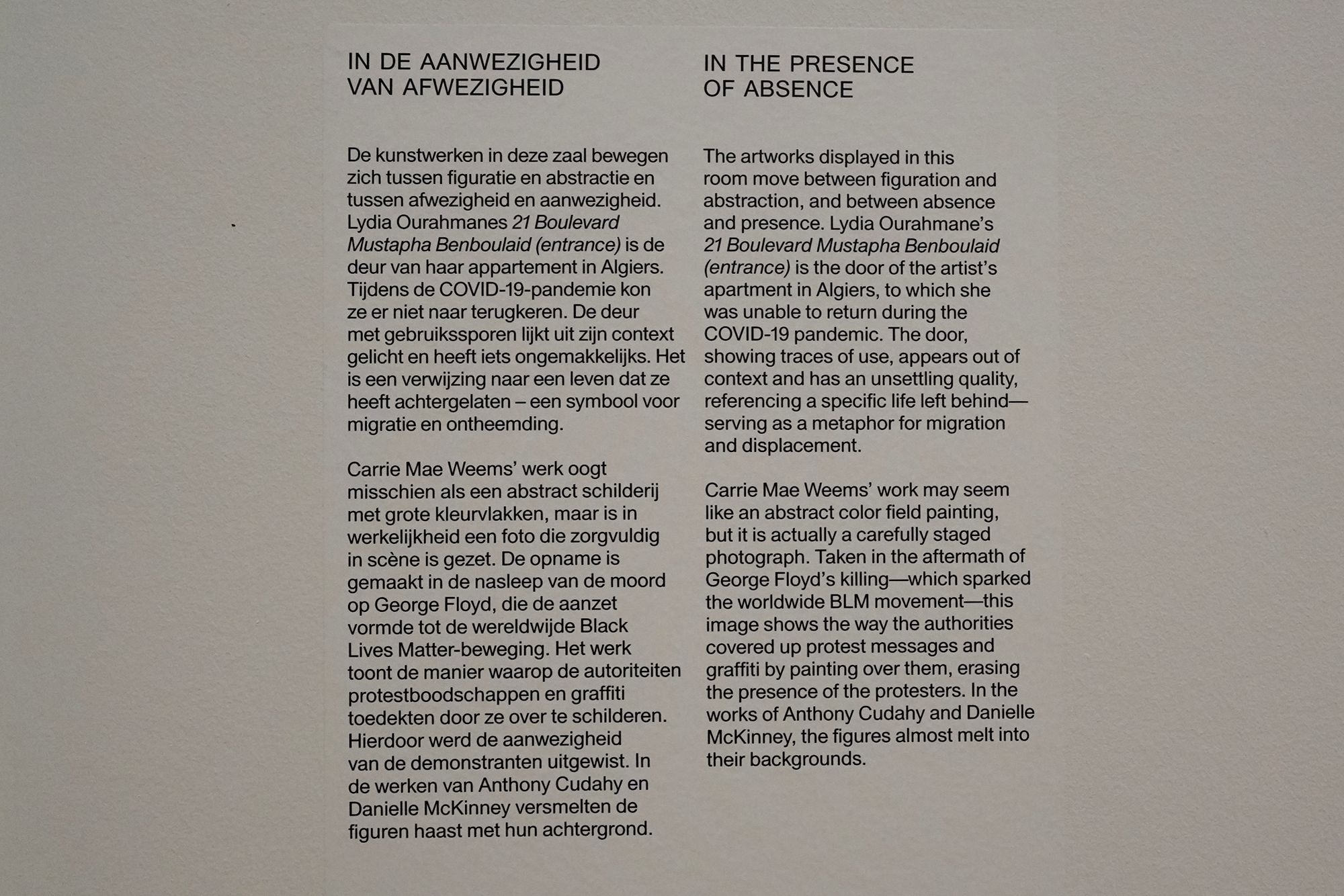
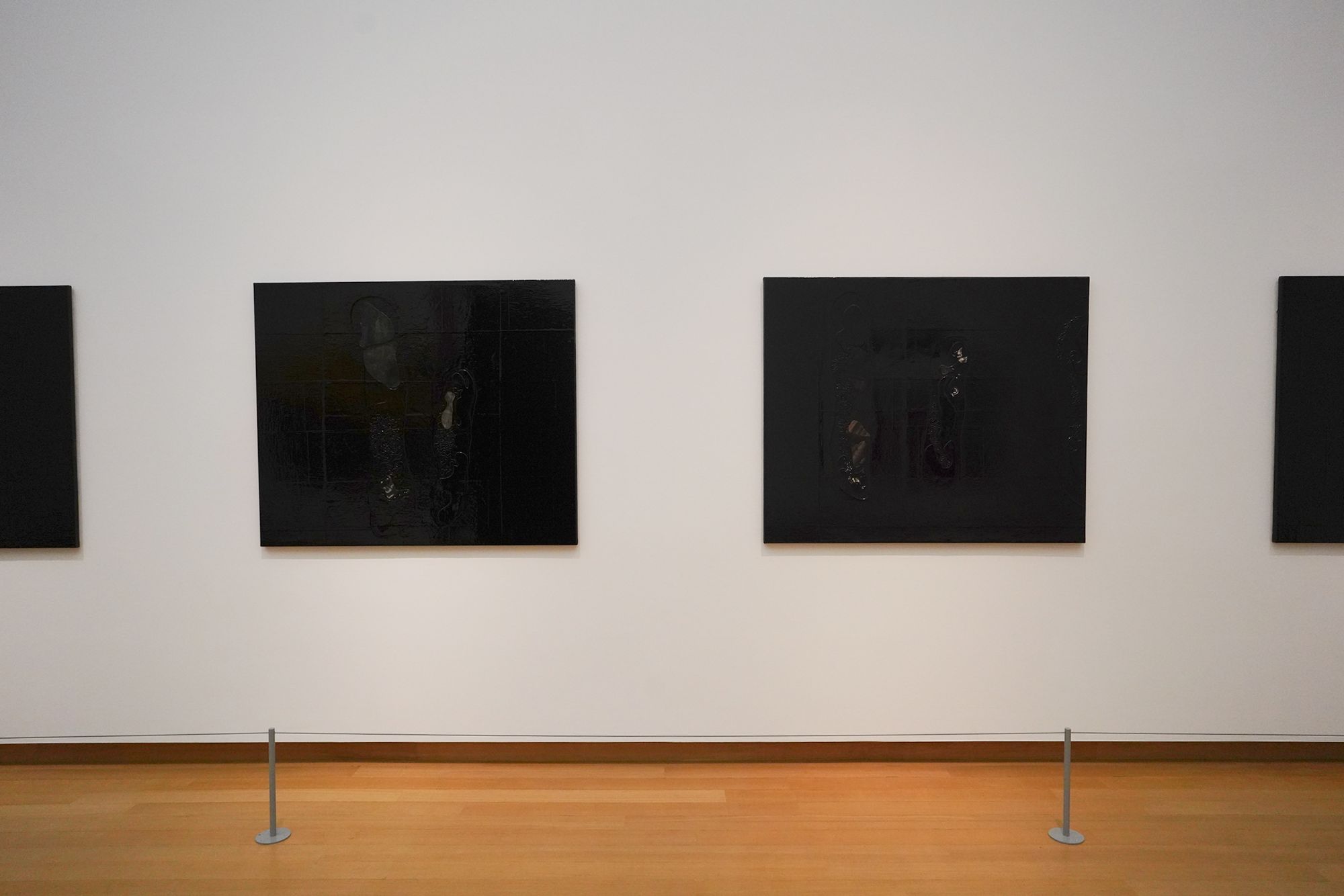
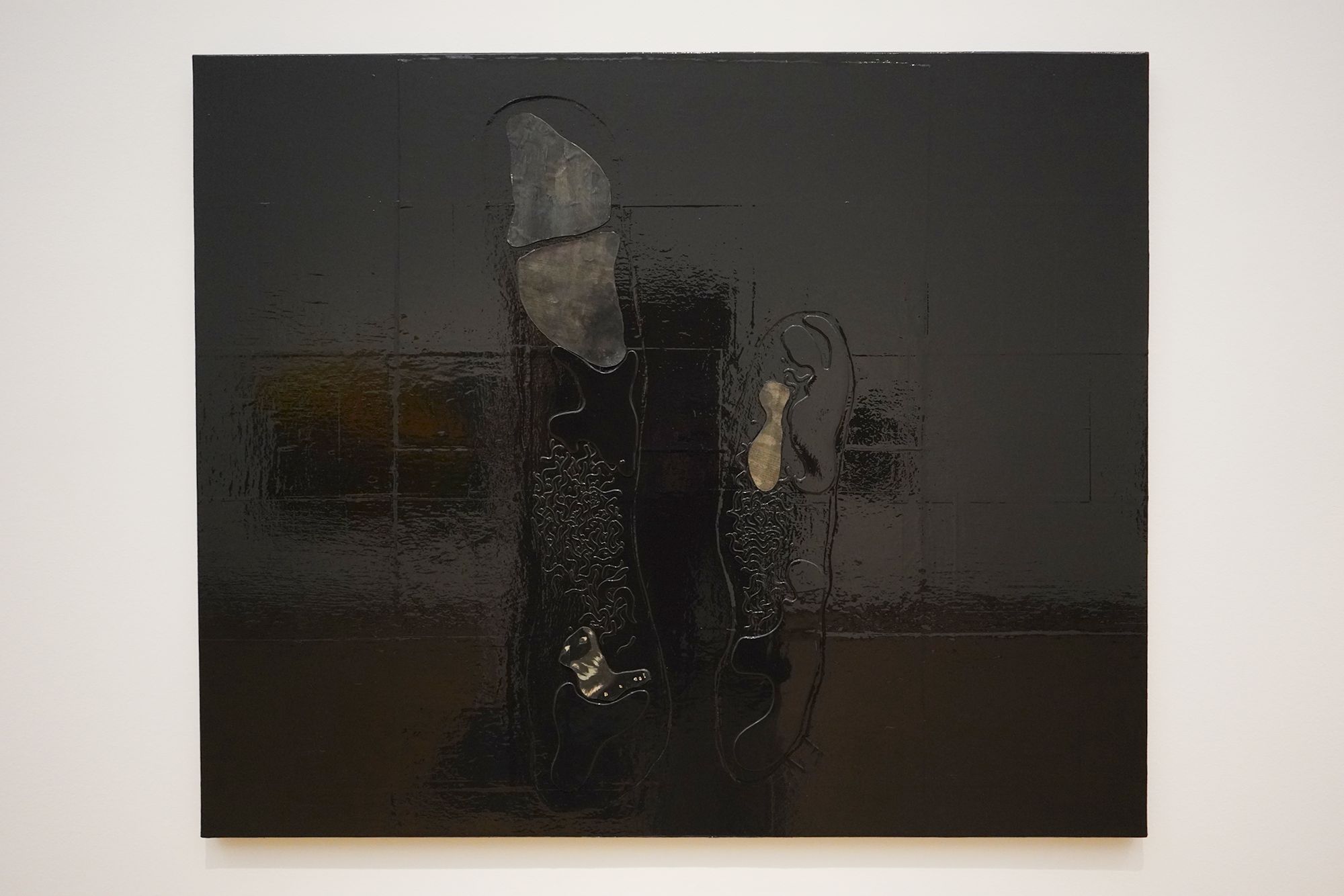
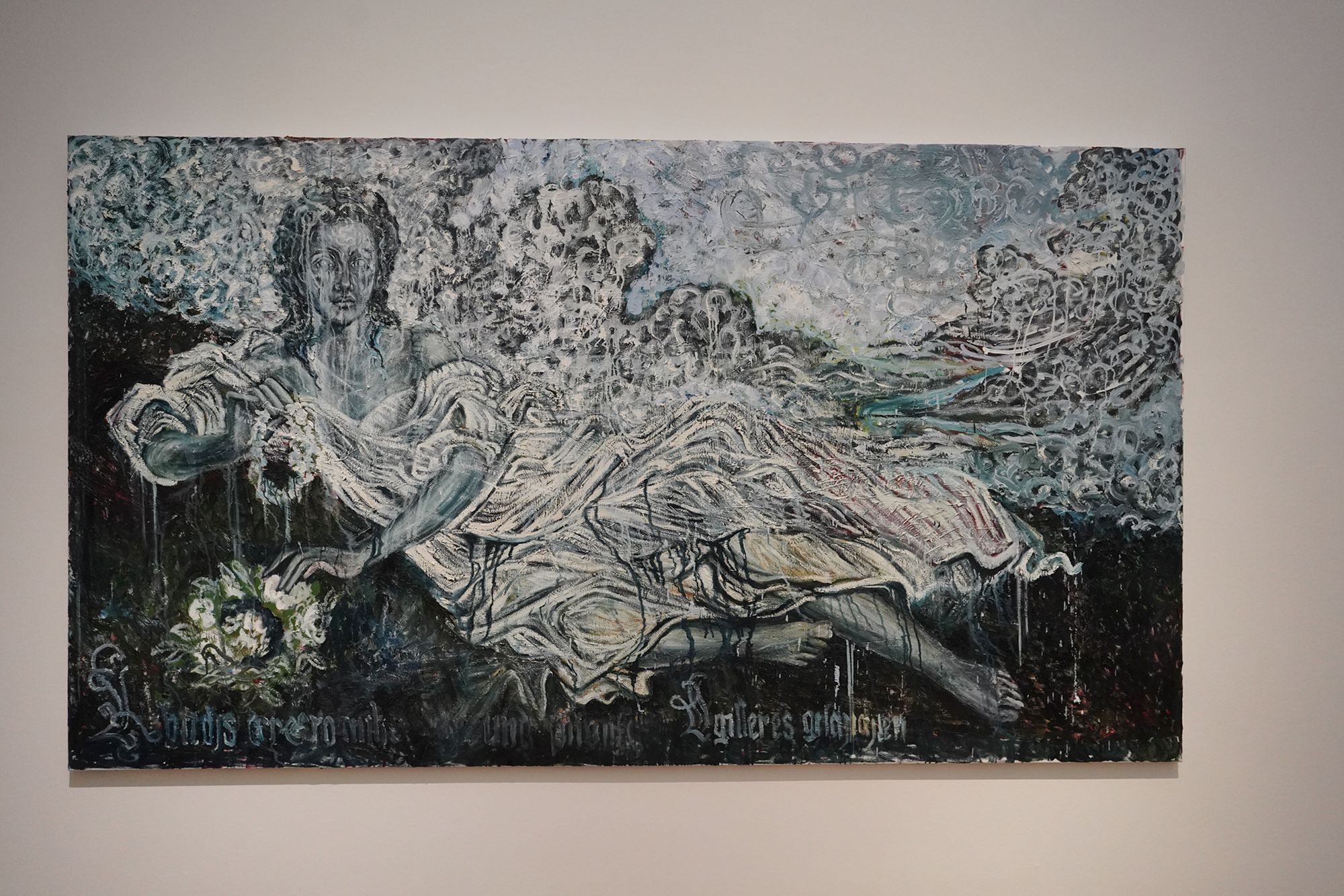
This section explores absence and presence, showing how artists use images of migration, protest, and partially hidden figures to evoke displacement, erasure, memory, and identity.
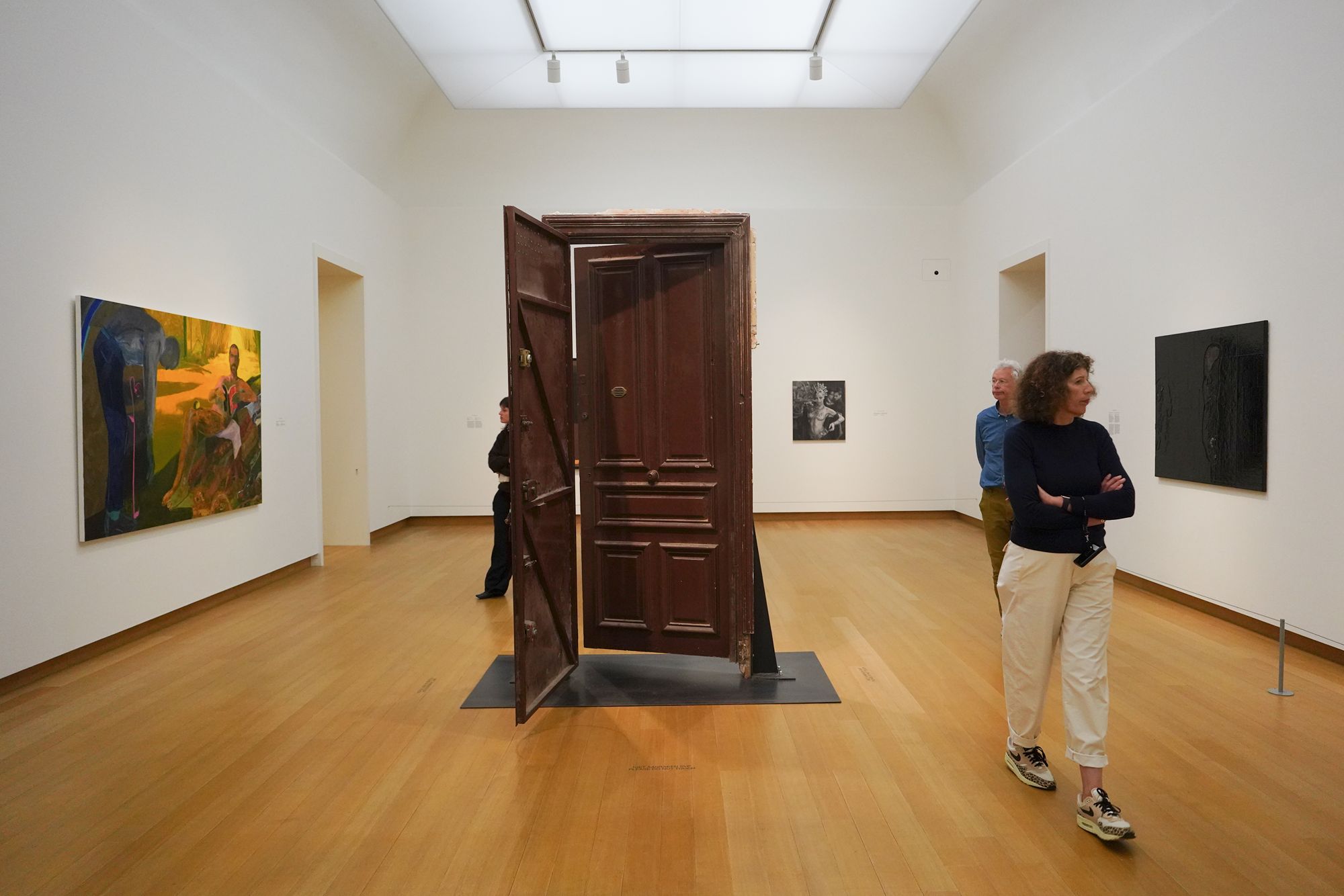
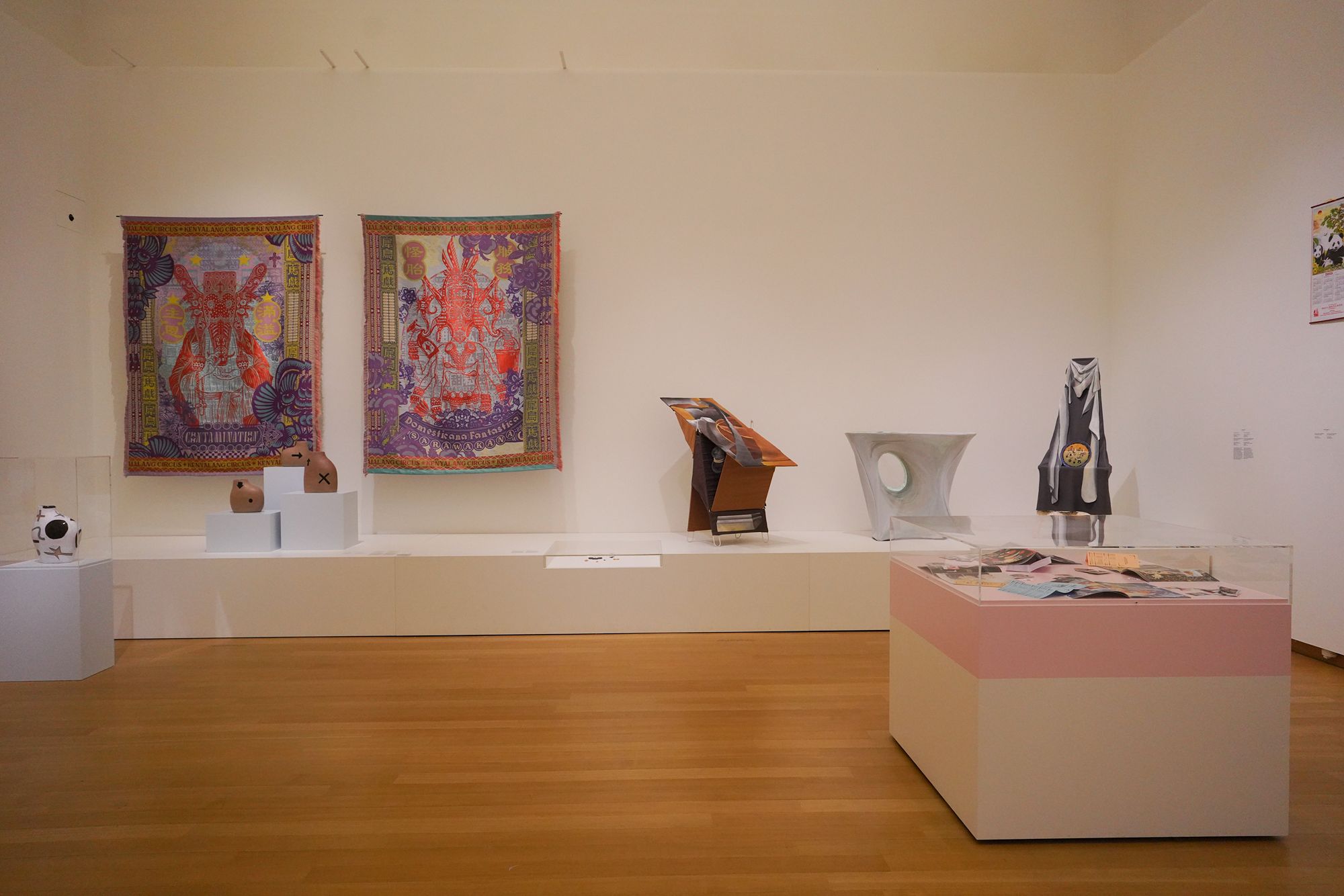
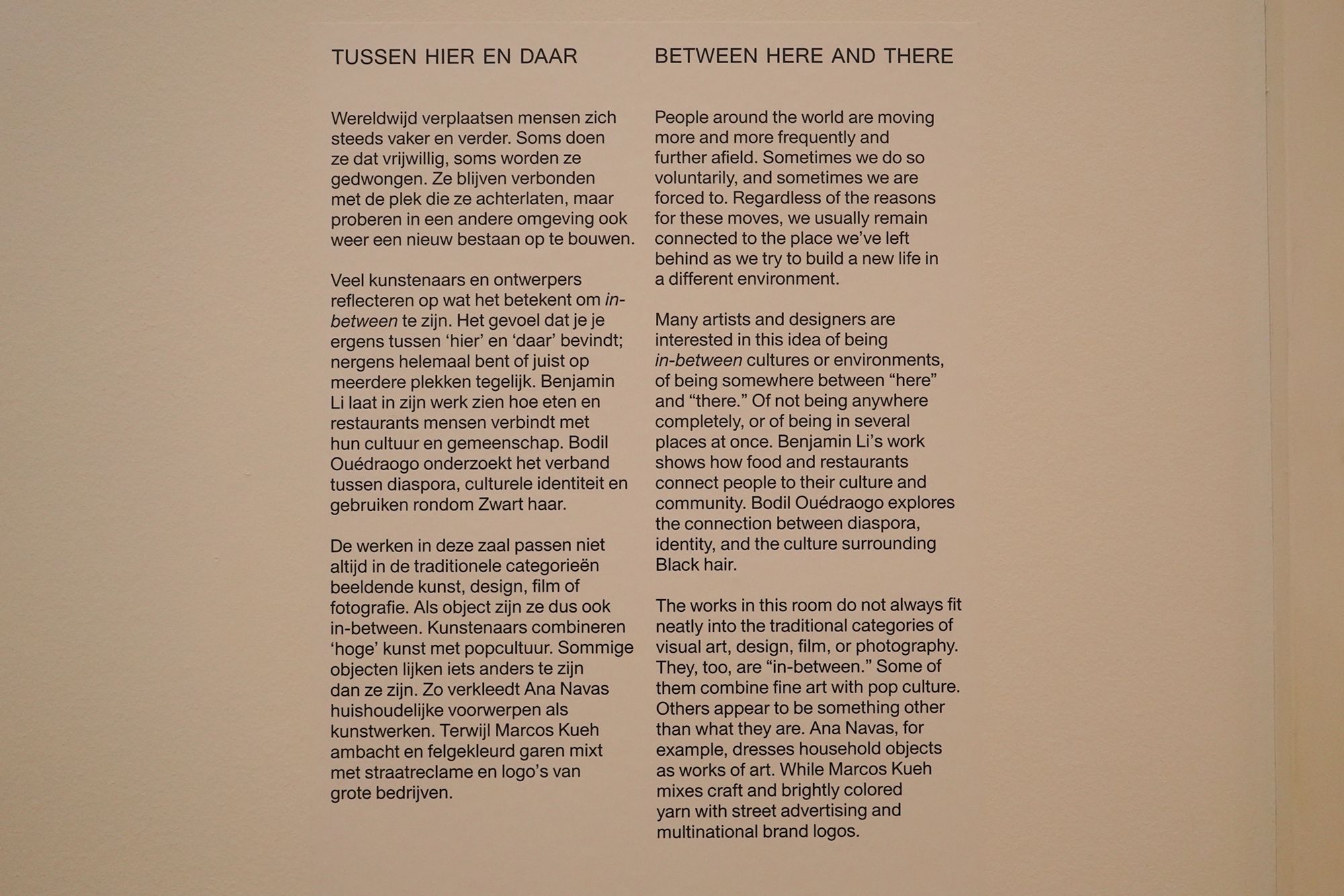
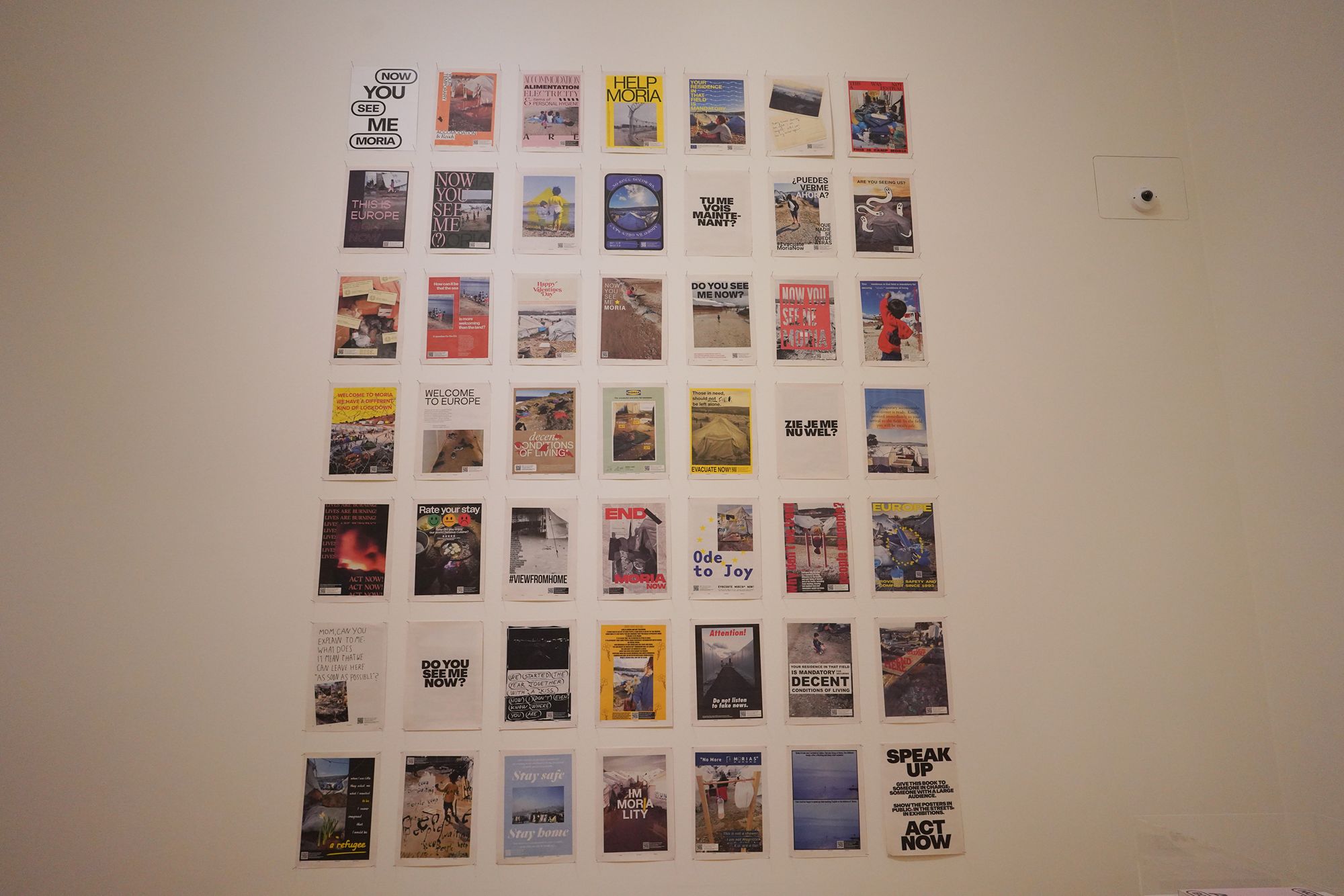
This section explores the experience of living “between here and there,” as artists examine migration, cultural identity, belonging, and the blending of different cultures and traditions.
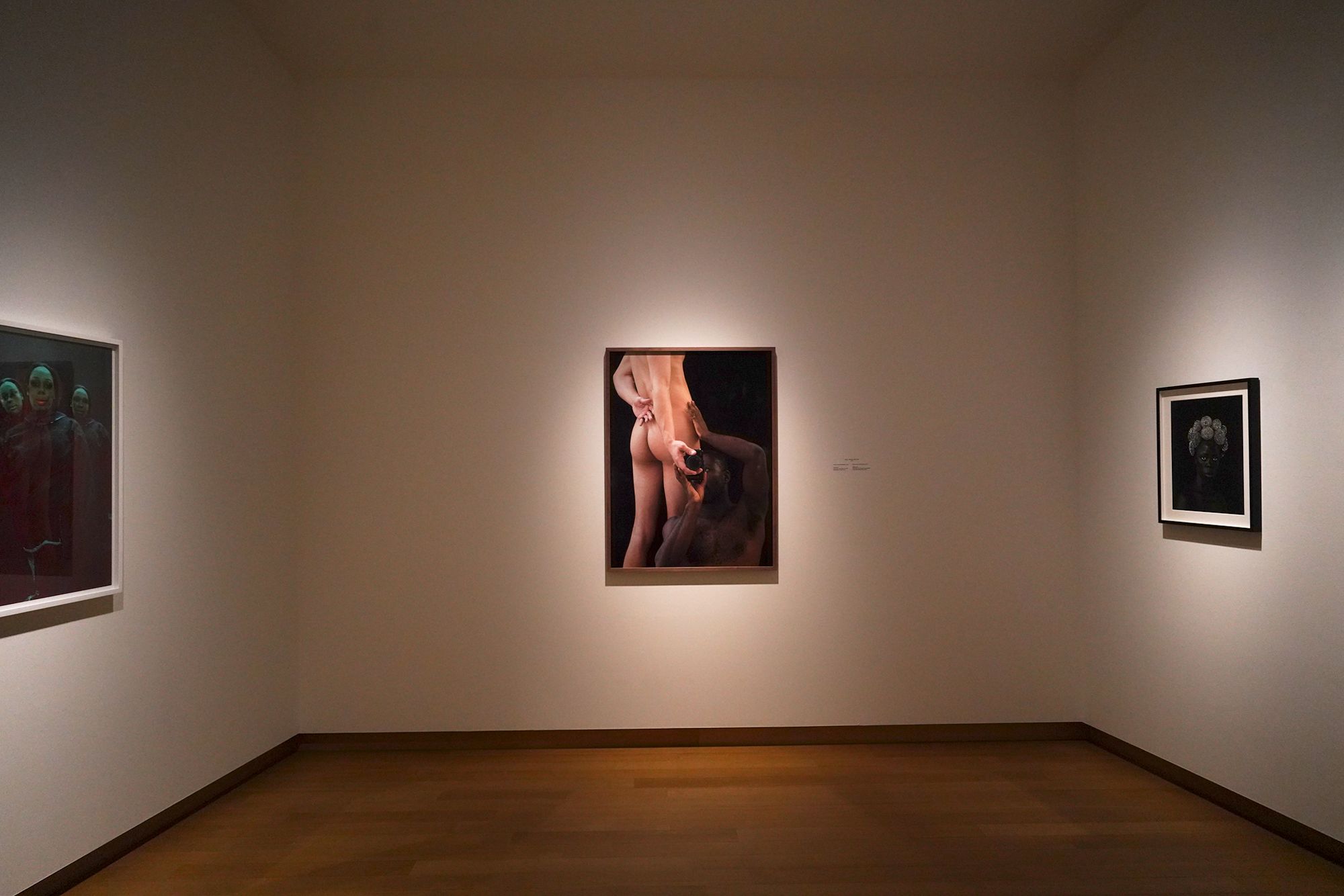
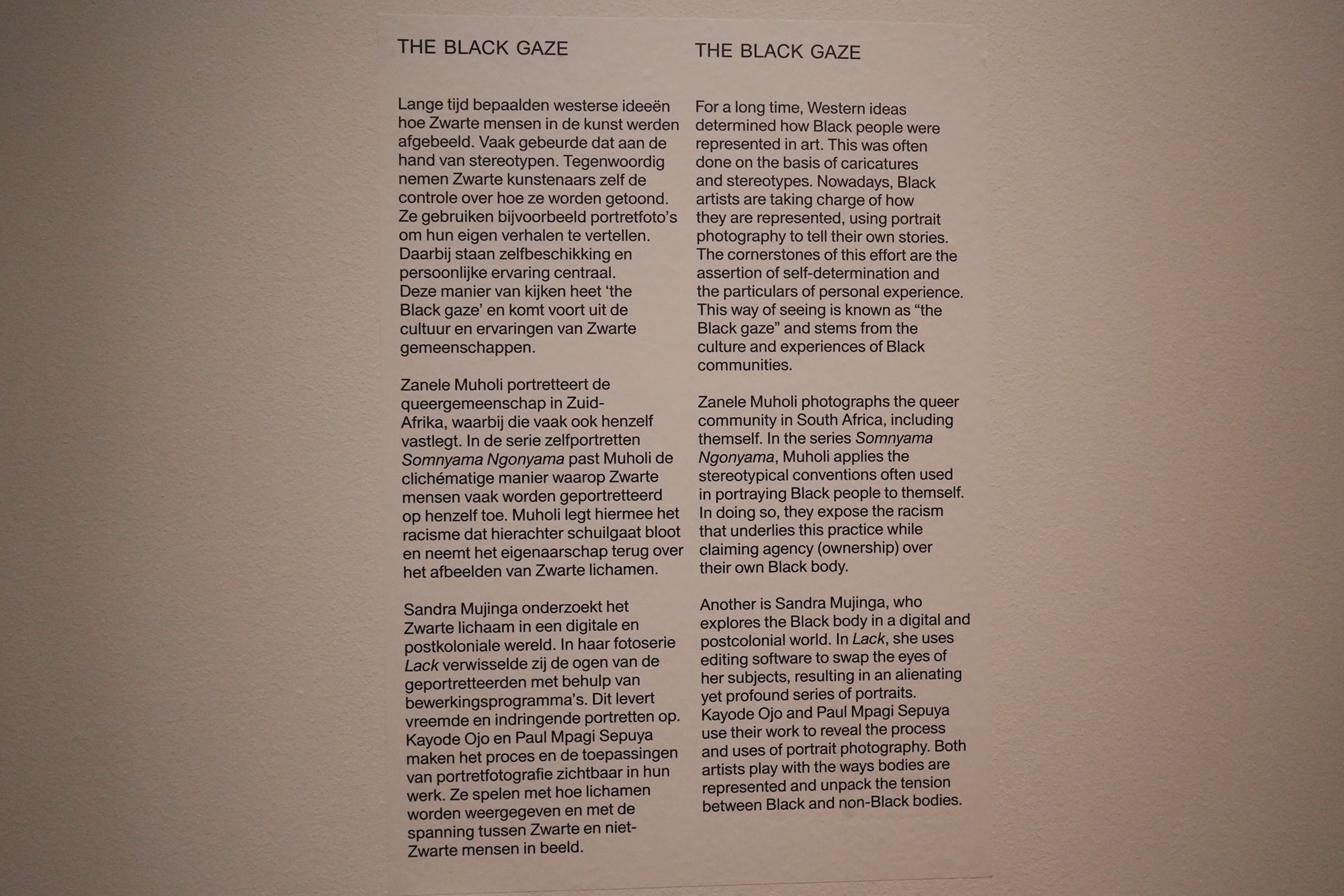
This section explores “The Black Gaze,” in which Black artists take control of their own representation, challenging stereotypes and telling stories based on their own identities and experiences.
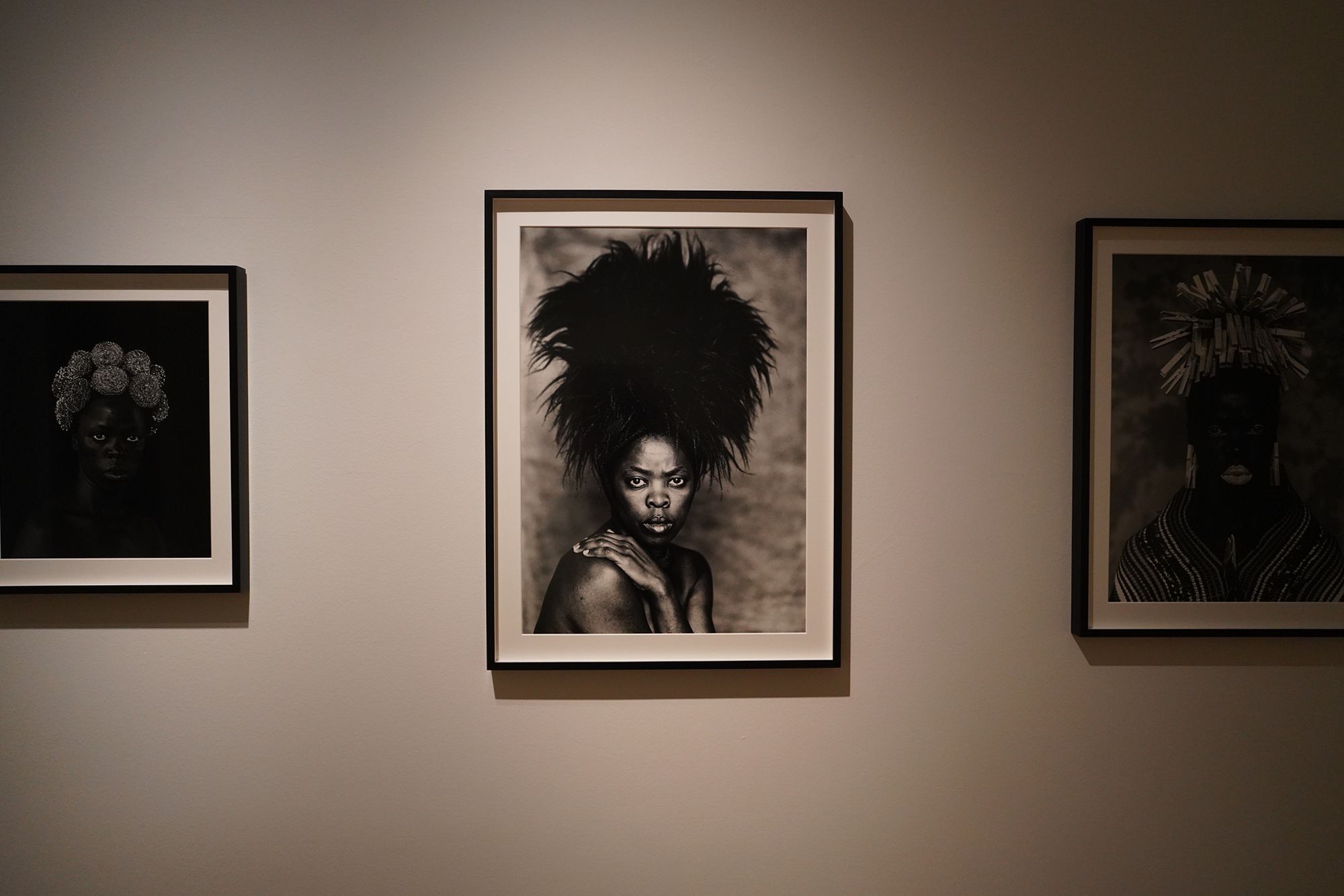
This section explores how artists use language as part of art, from written words and everyday expressions to cultural symbols. The works show how language can reflect history, identity, culture, and personal experience, while sometimes becoming a visual form of expression itself.
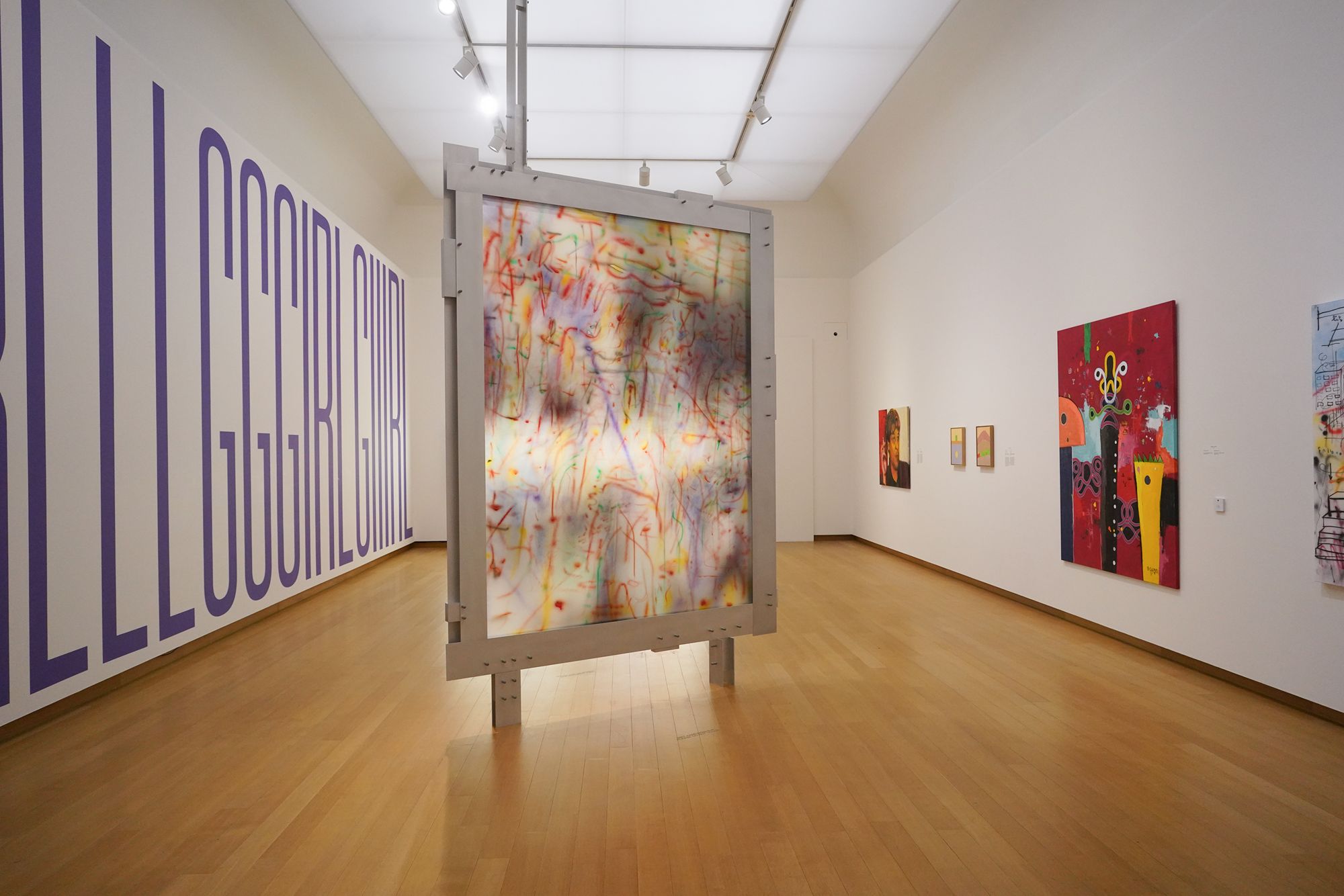
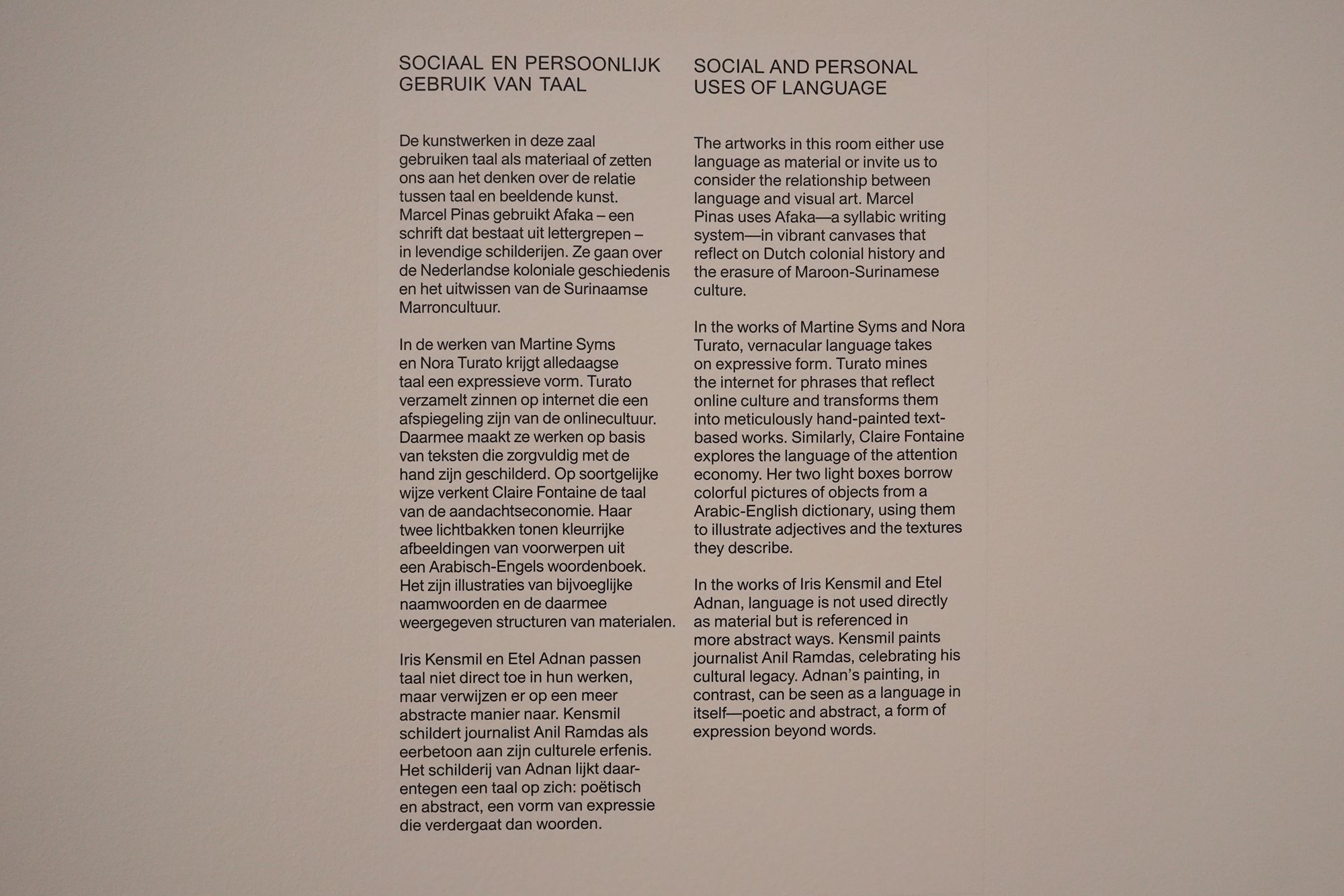
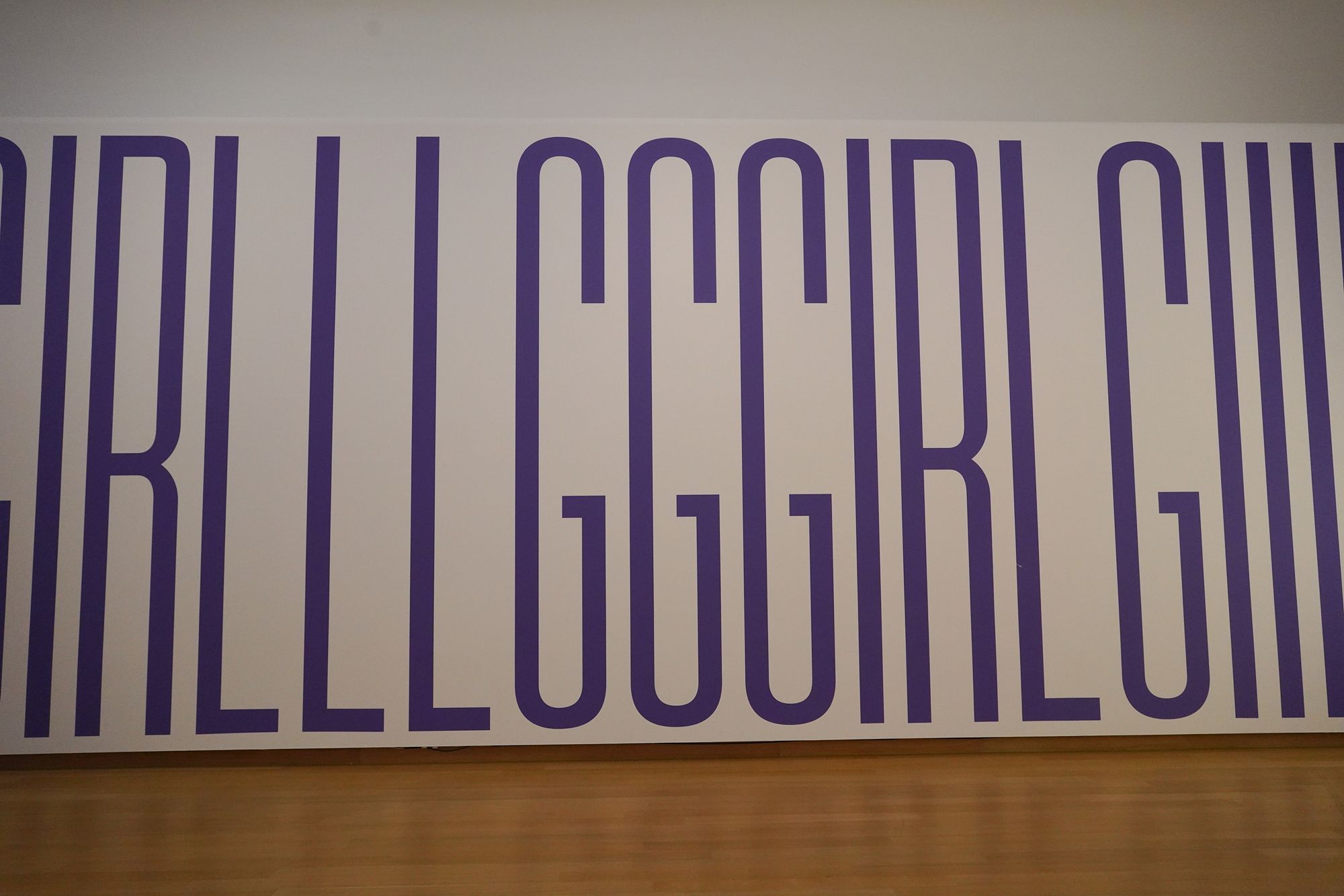
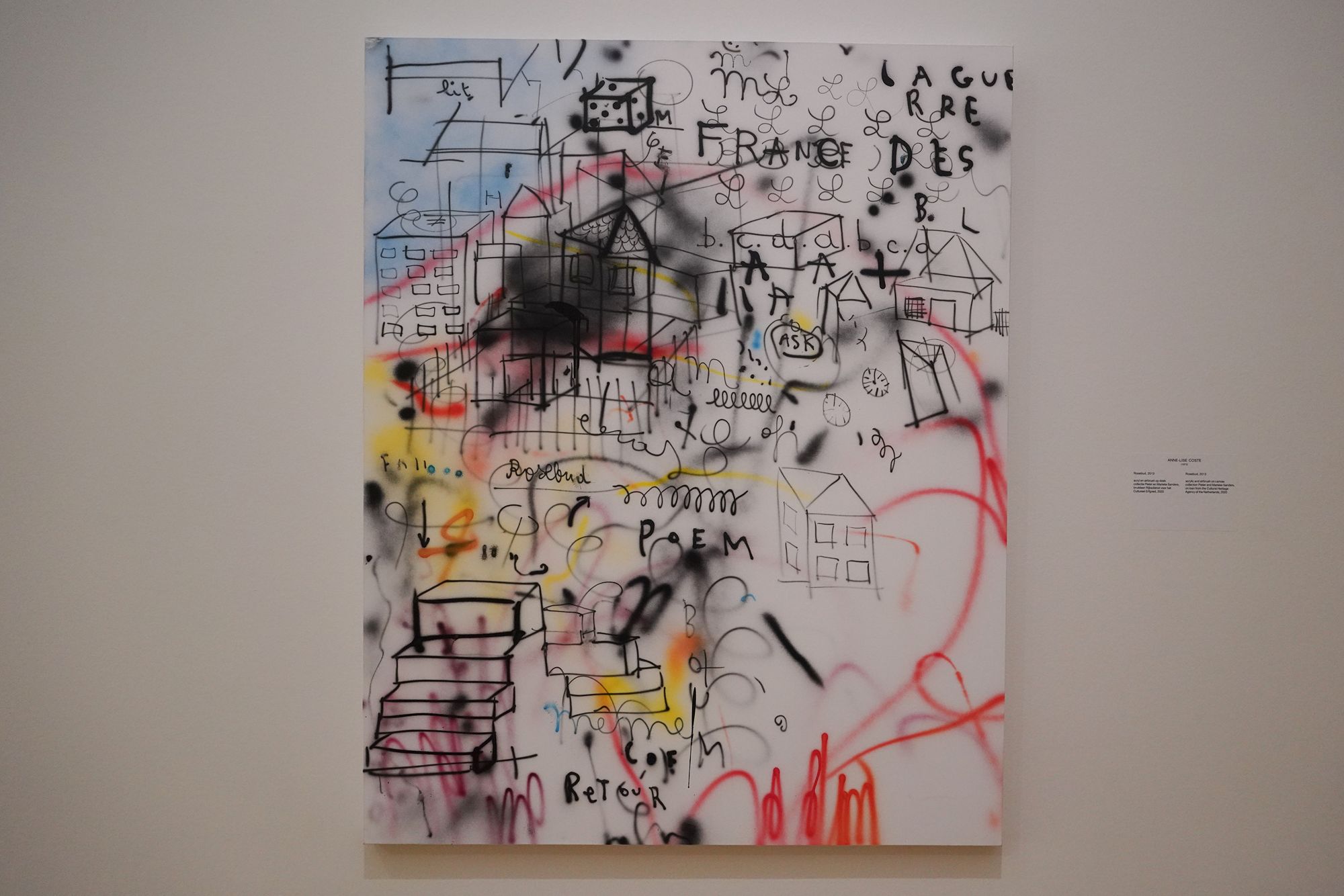
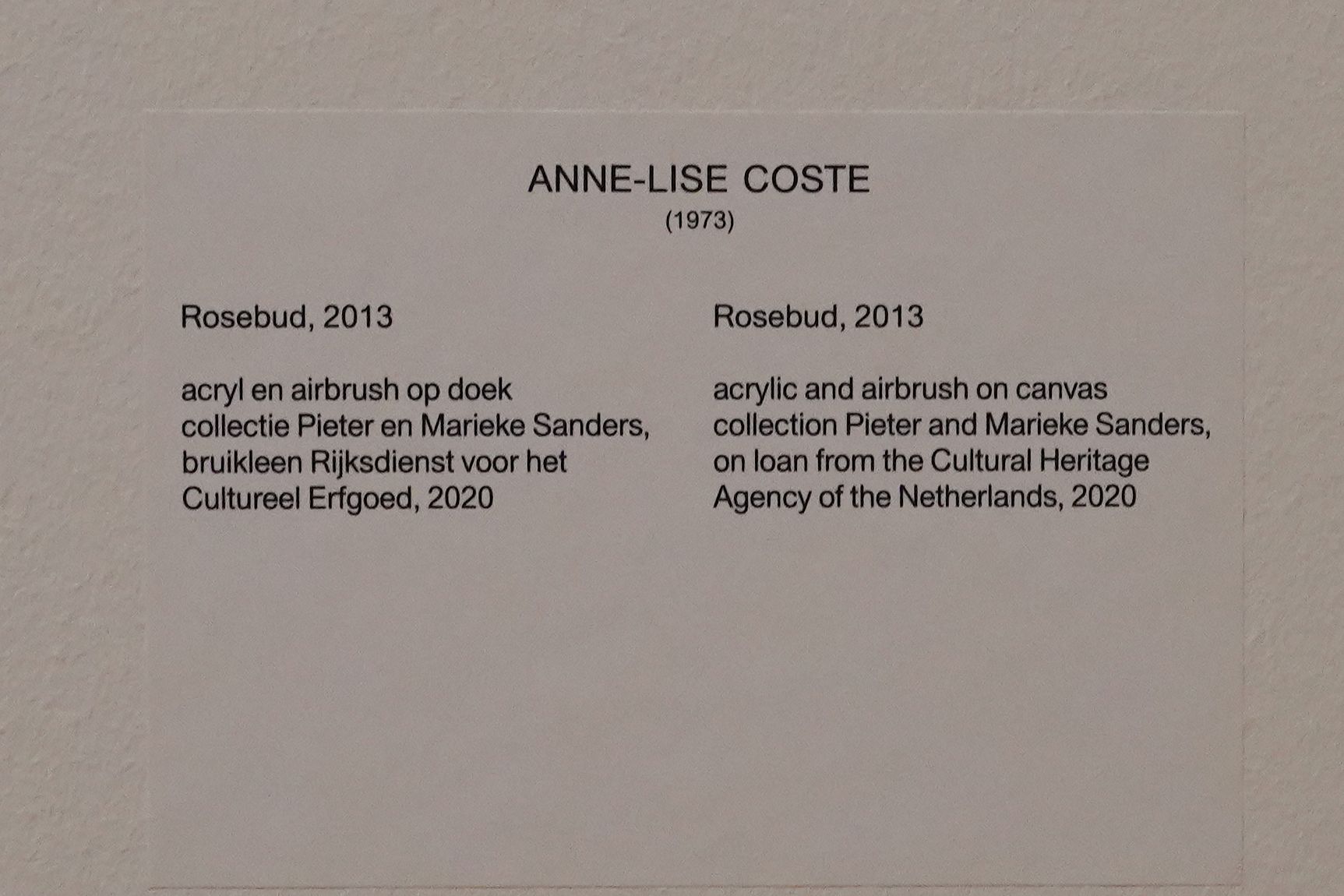
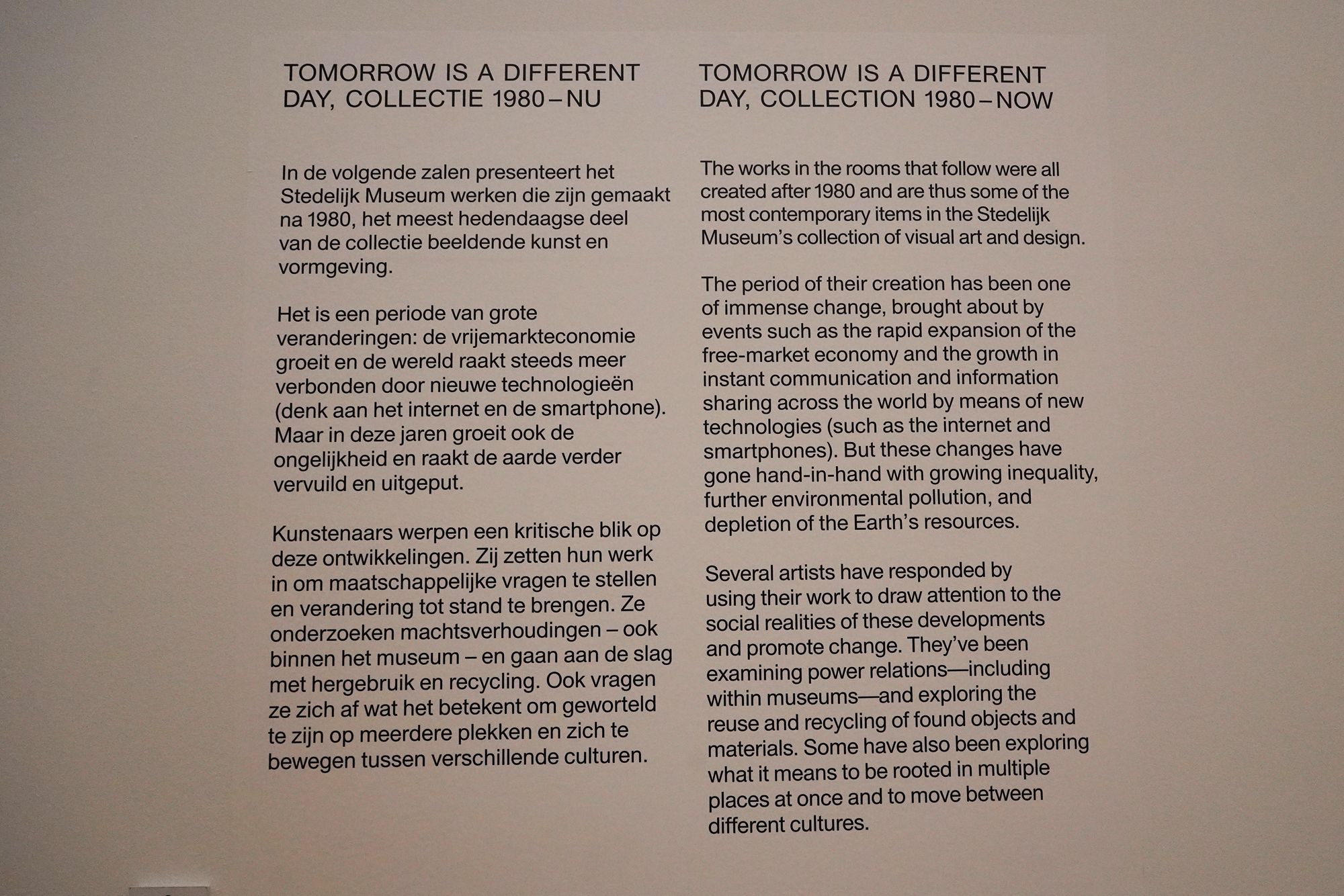
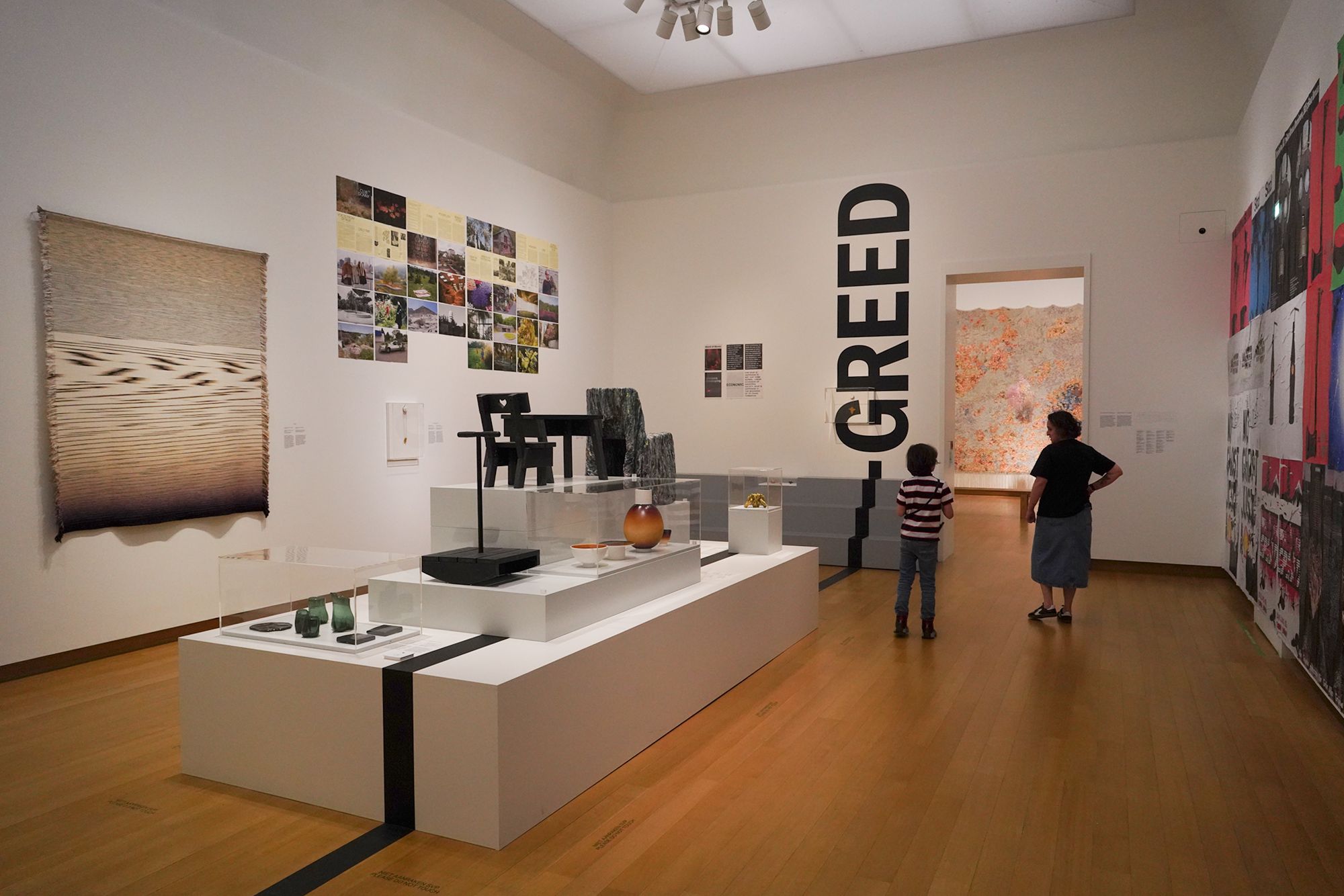
This section introduces the museum’s contemporary collection from 1980 to the present, a period shaped by globalization, new technologies, growing inequality, and environmental concerns. Artists increasingly use their work to question society and power, while exploring issues such as recycling, cultural identity, migration, and what it means to belong to more than one place or culture.
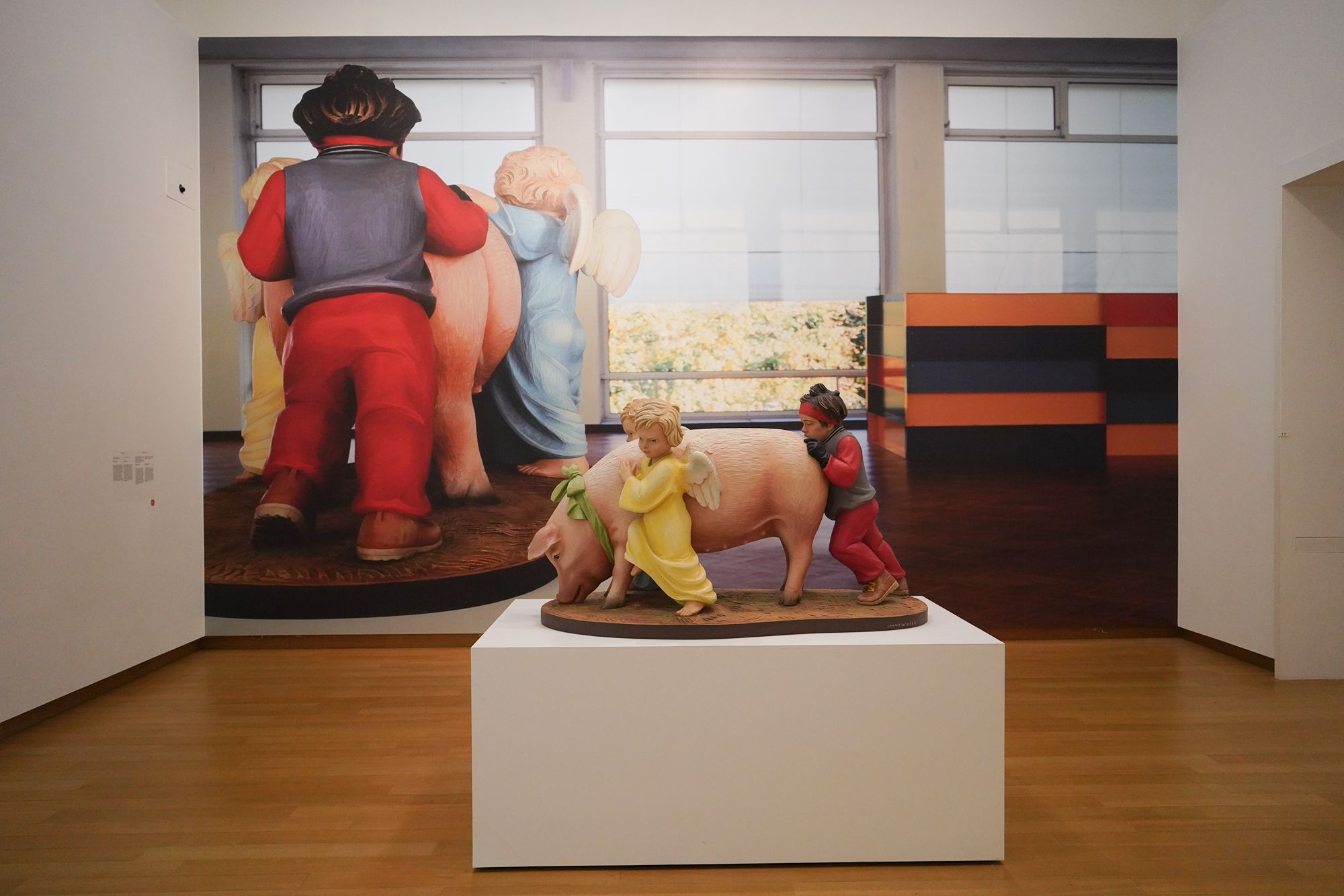
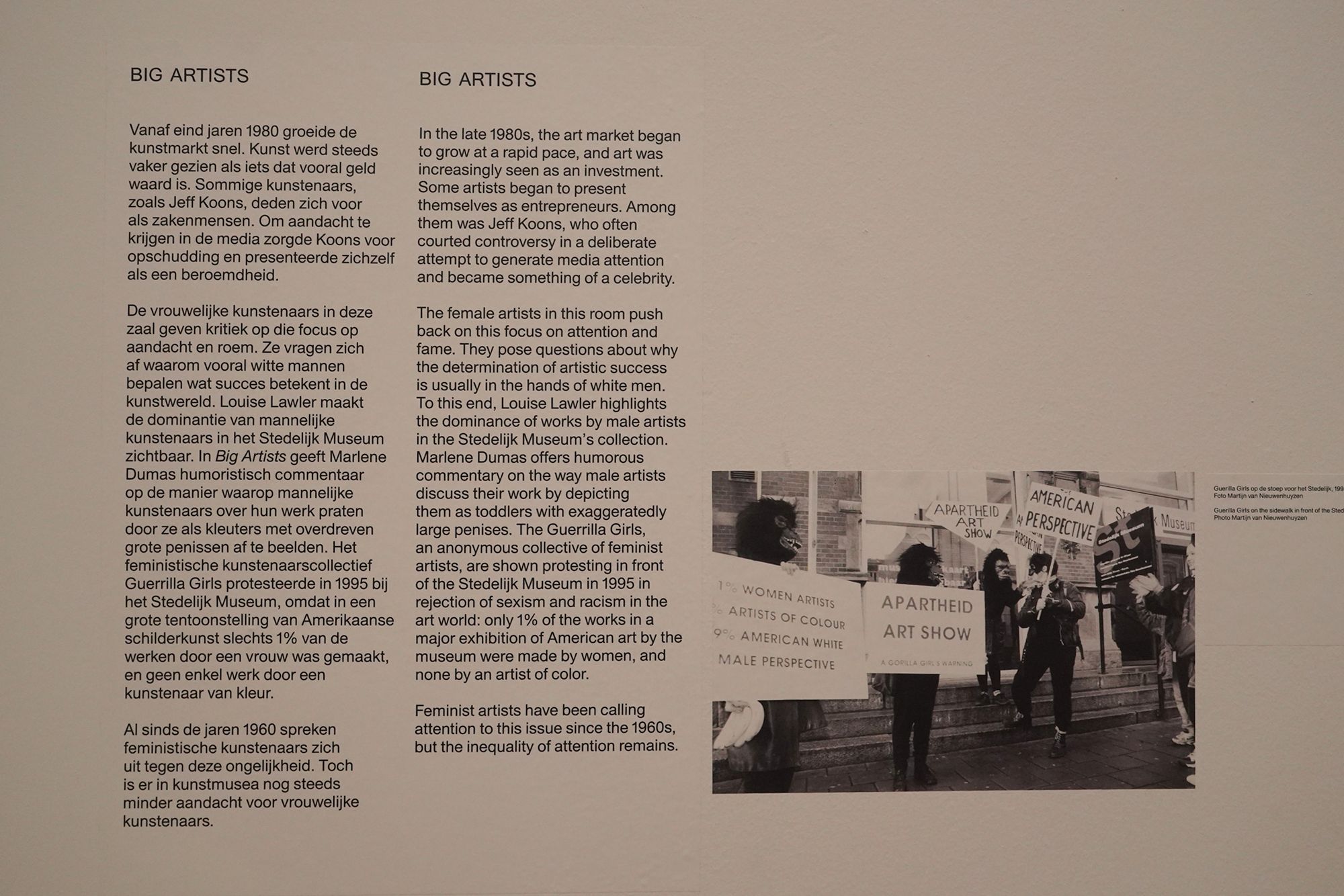
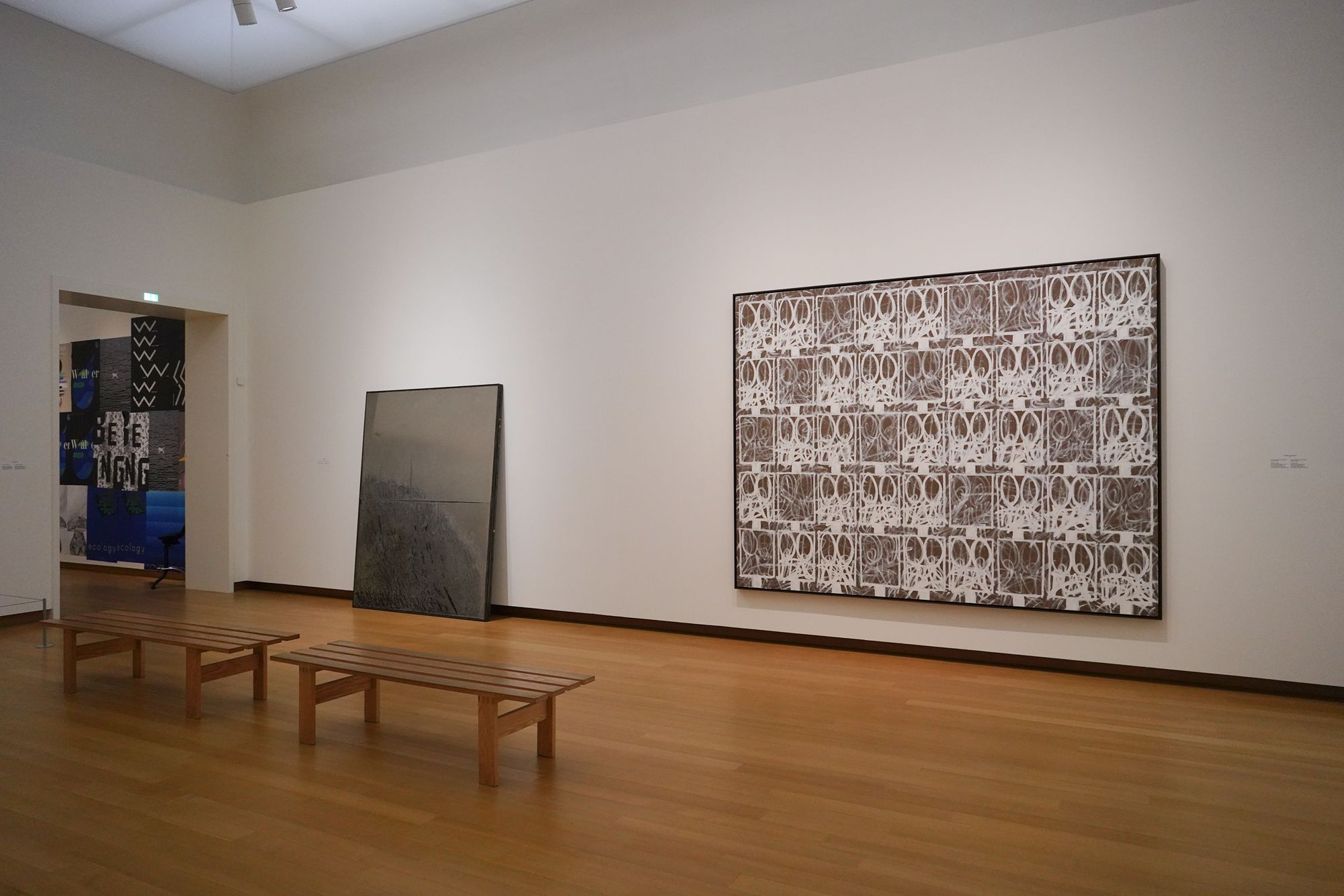
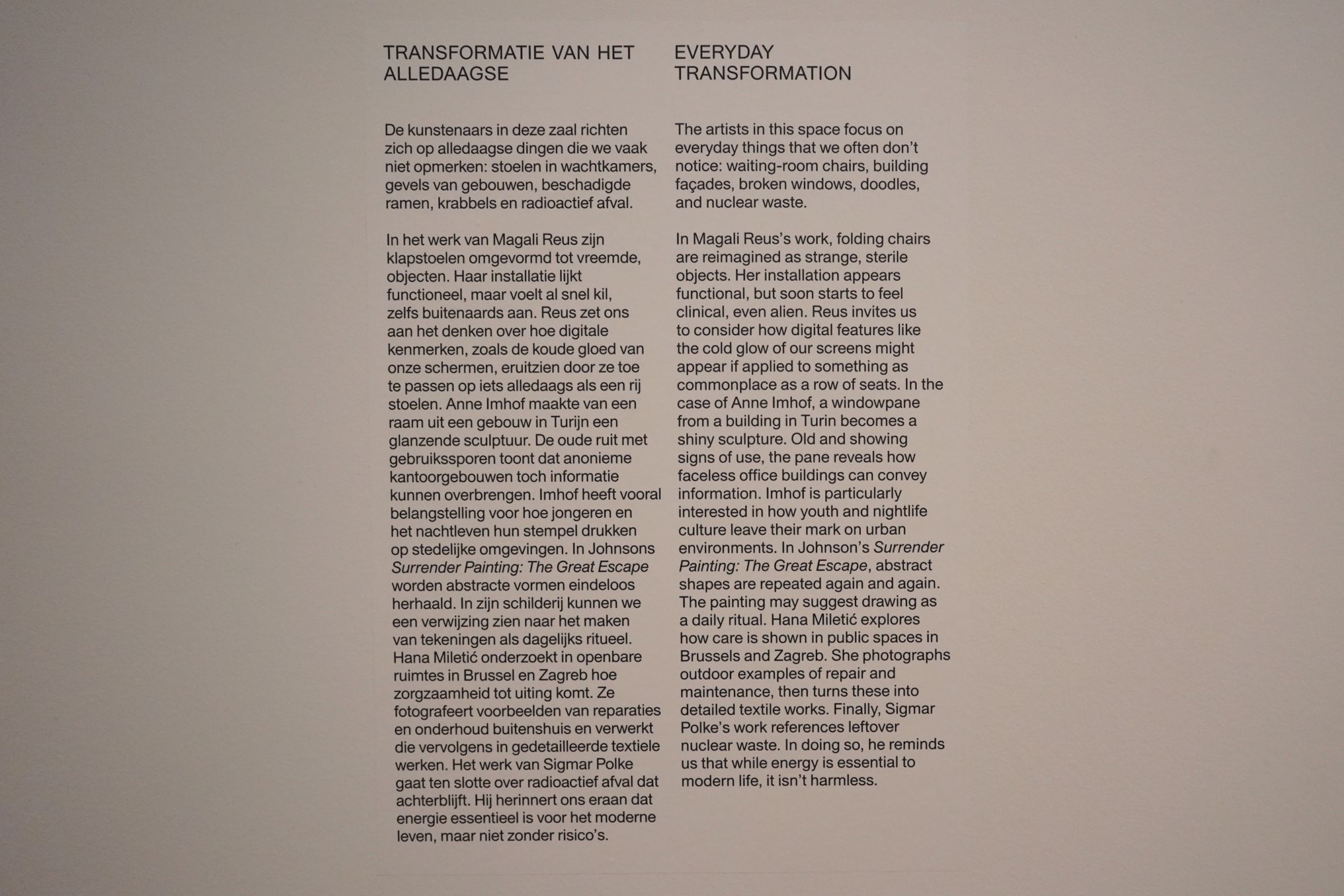
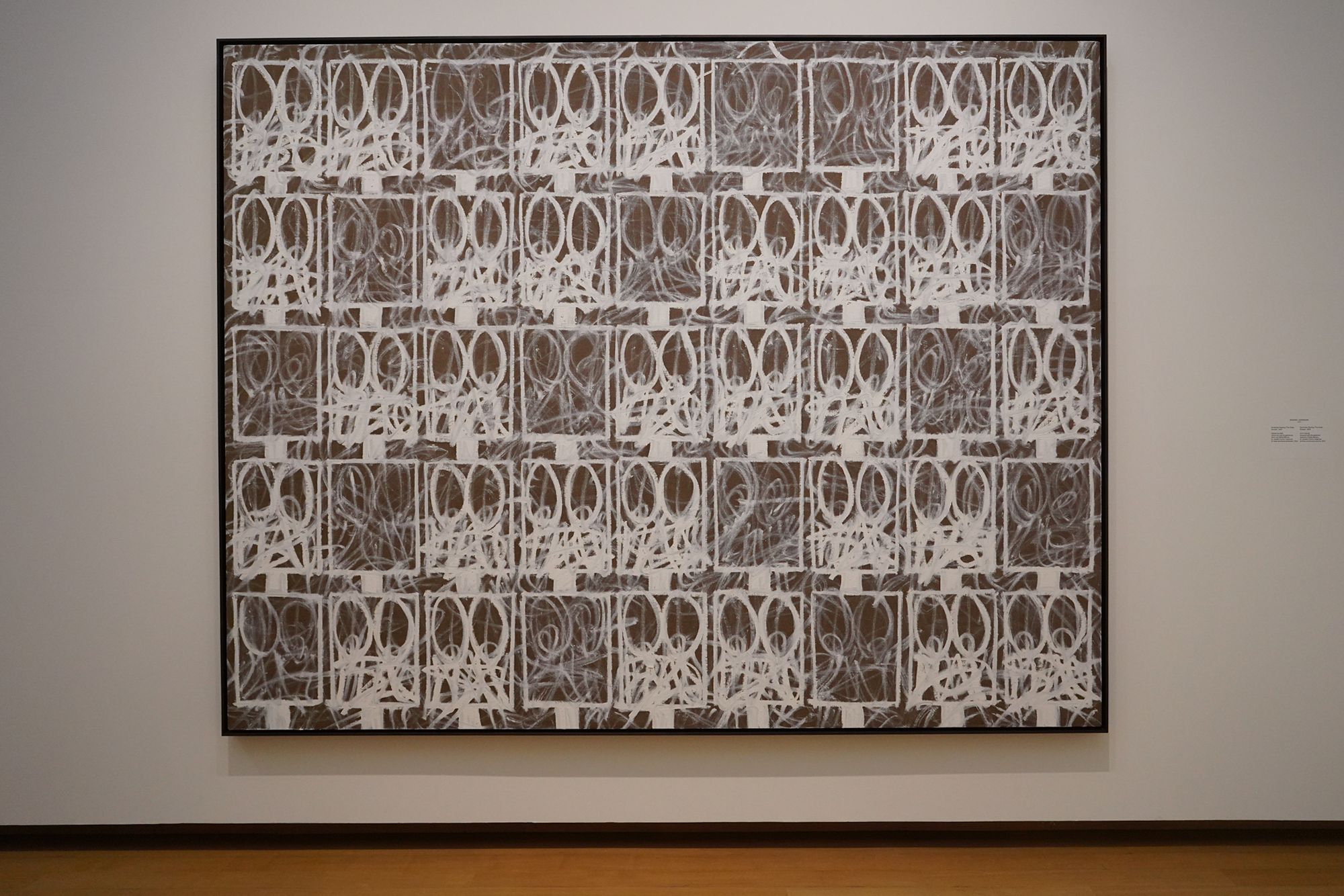
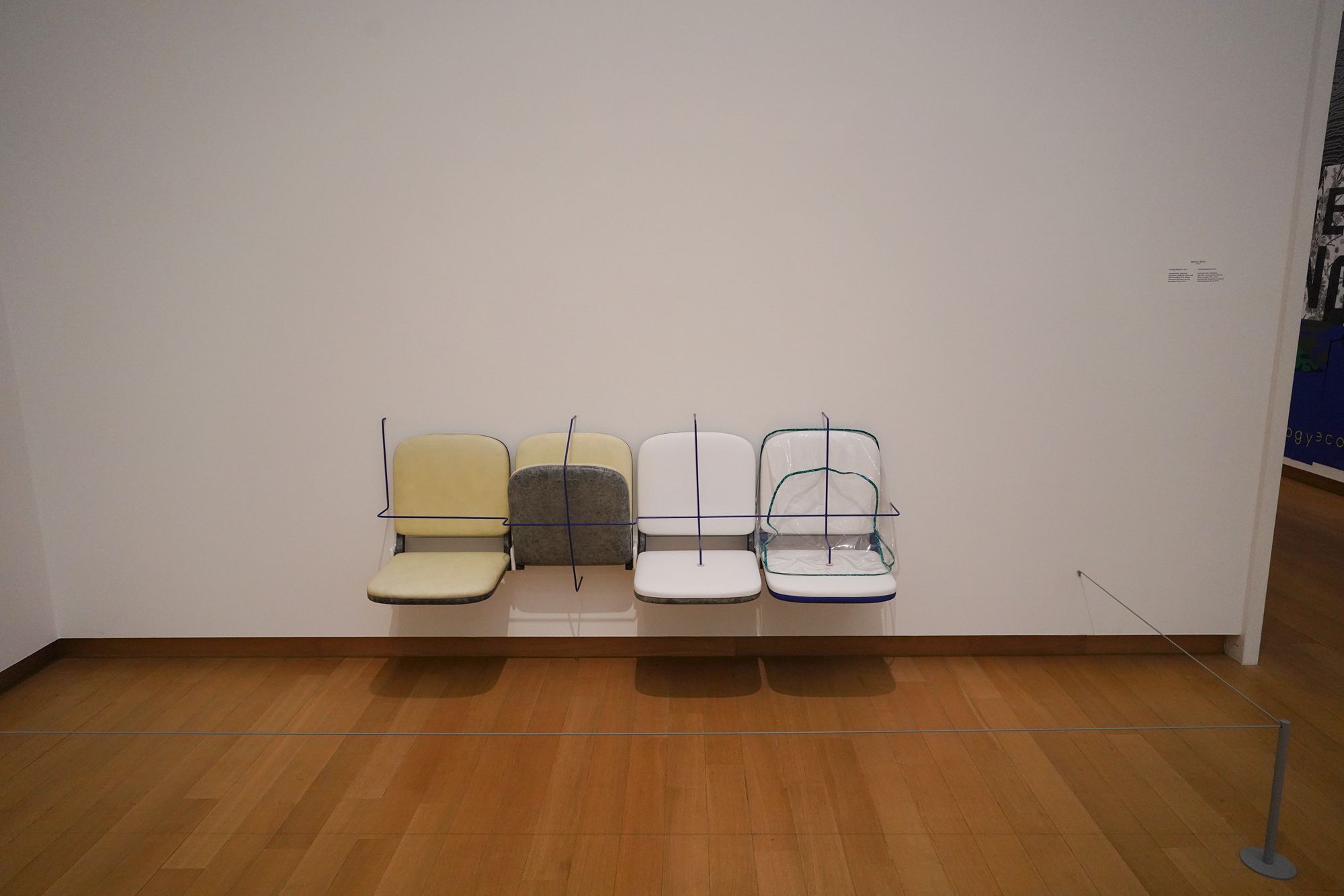
This section looks at how artists transform ordinary, easily overlooked things—such as chairs, windows, drawings, repairs, and even waste—into art. By changing their context or appearance, these familiar objects encourage us to notice aspects of modern everyday life, urban environments, technology, and consumption that we normally ignore.
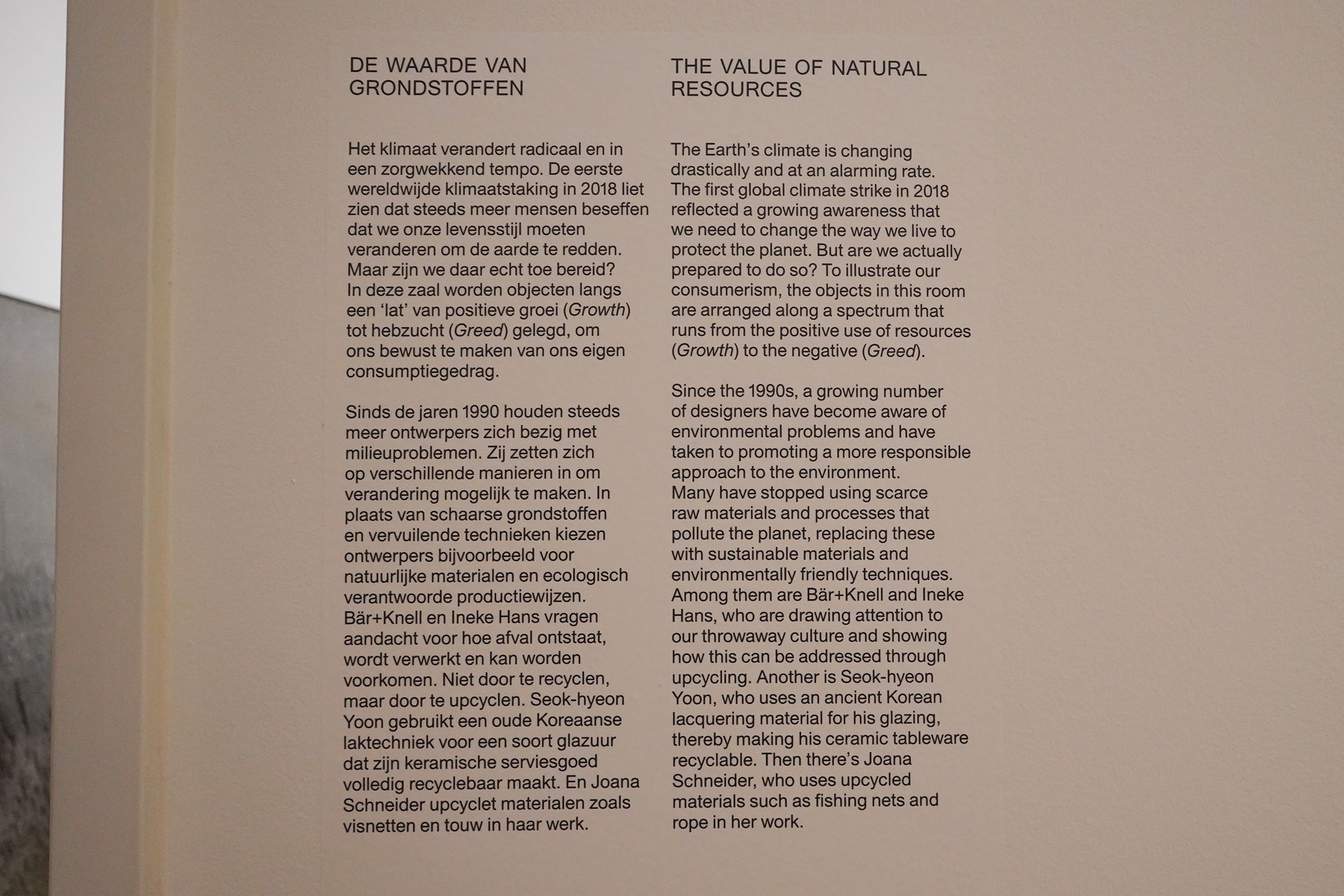
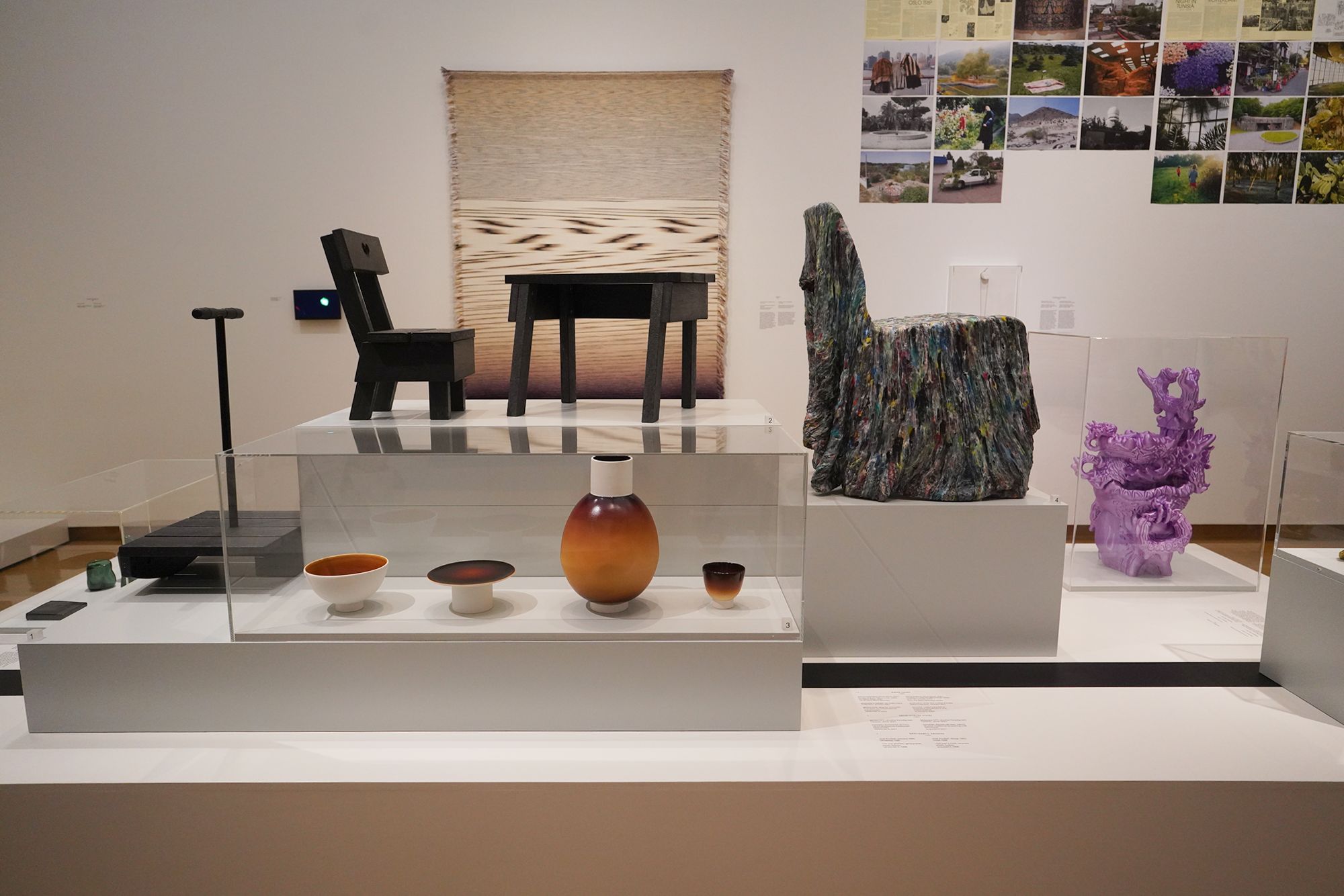
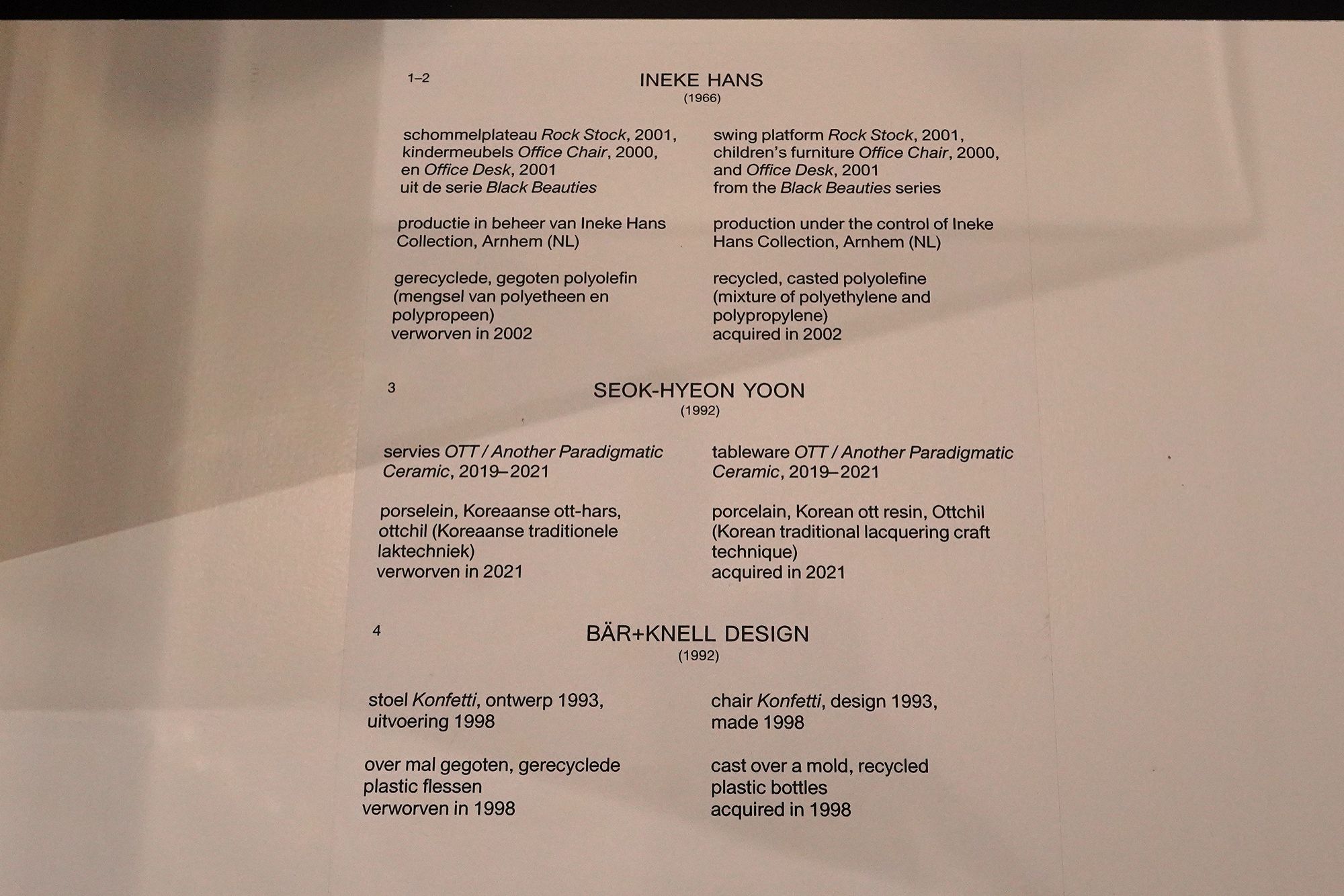
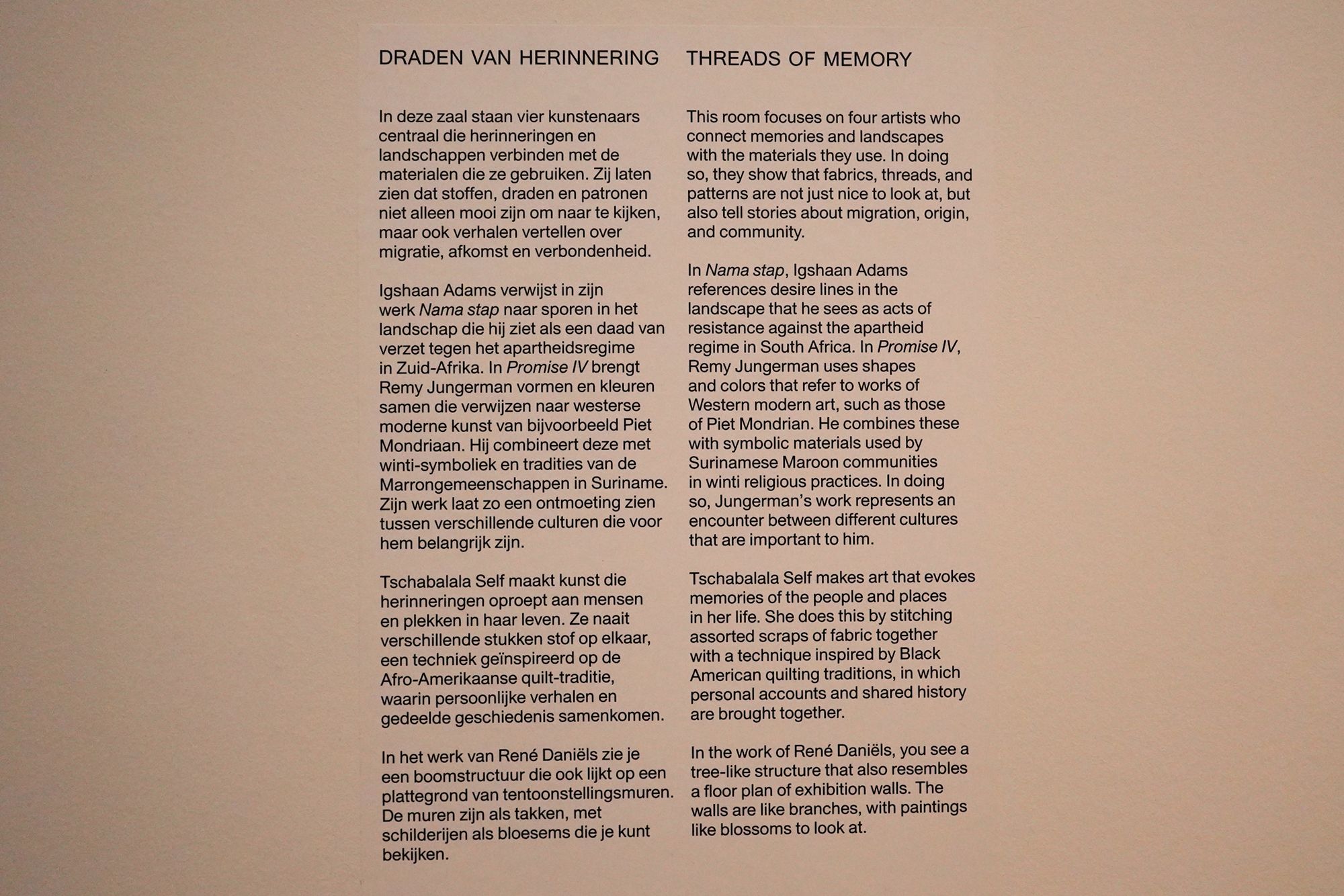
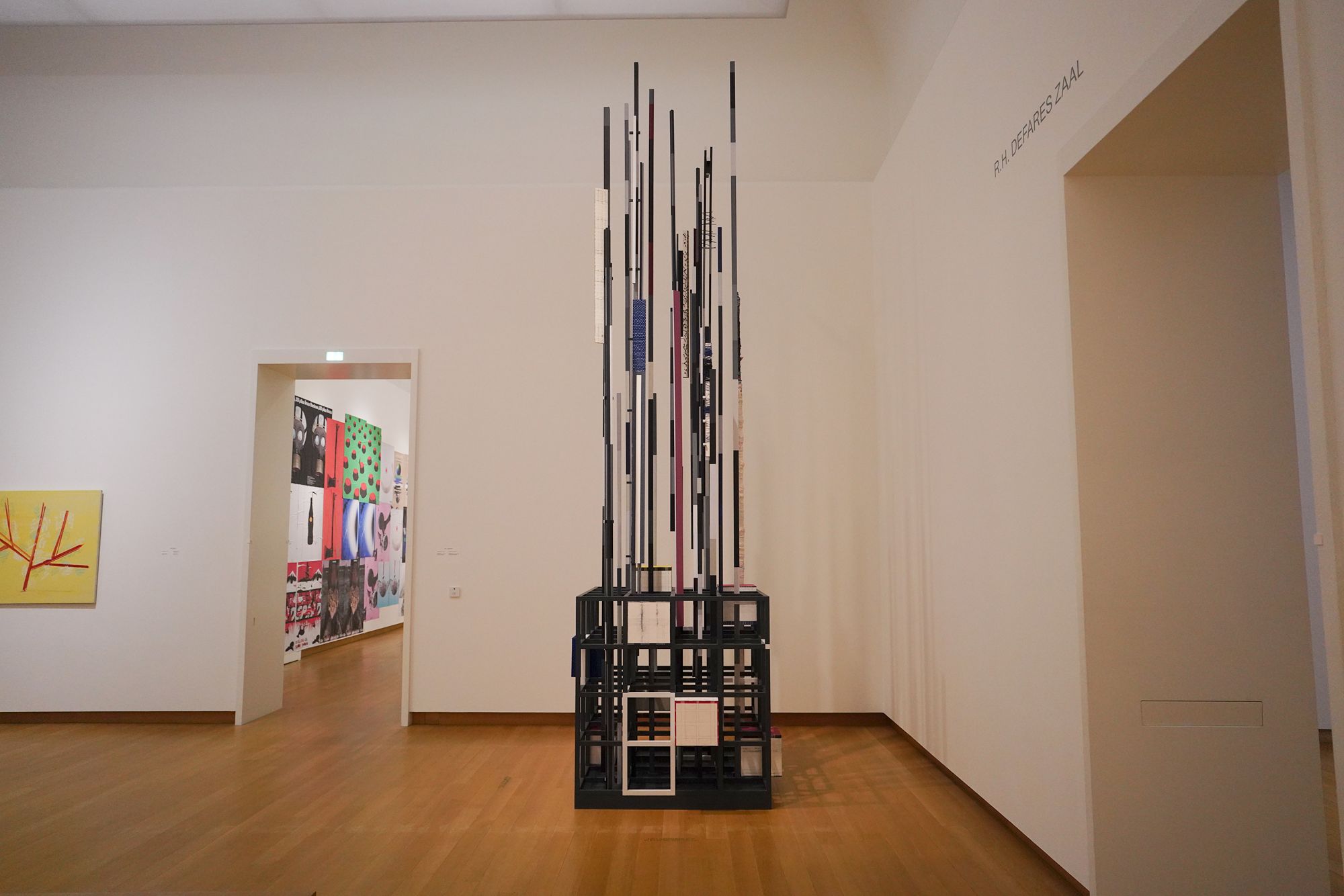
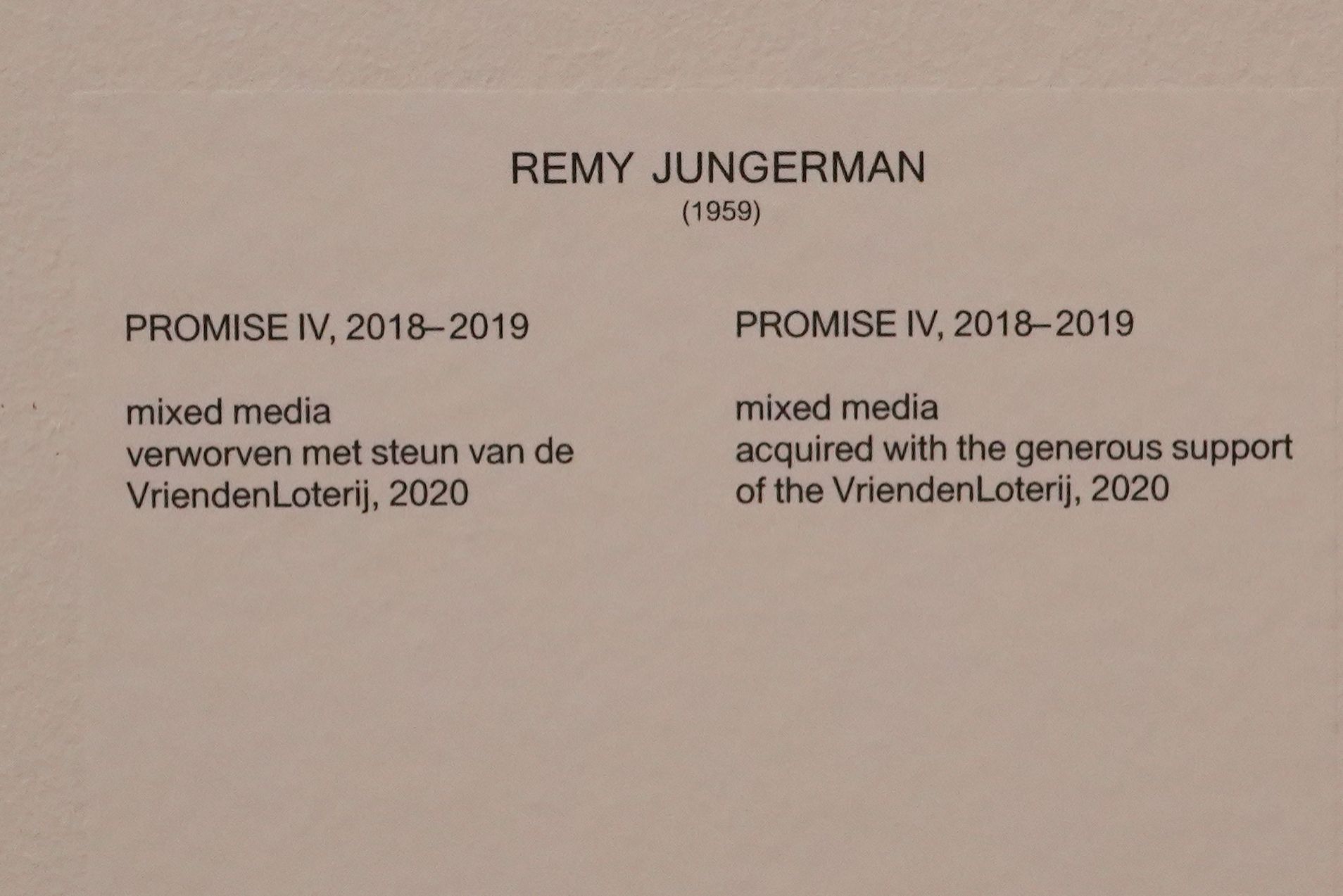
This section, “Threads of Memory,” explores how artists use fabric, threads, patterns, and other materials to preserve memories and tell stories. Their works connect personal and cultural histories with themes of migration, identity, community, and belonging, showing how materials themselves can carry memories across generations.
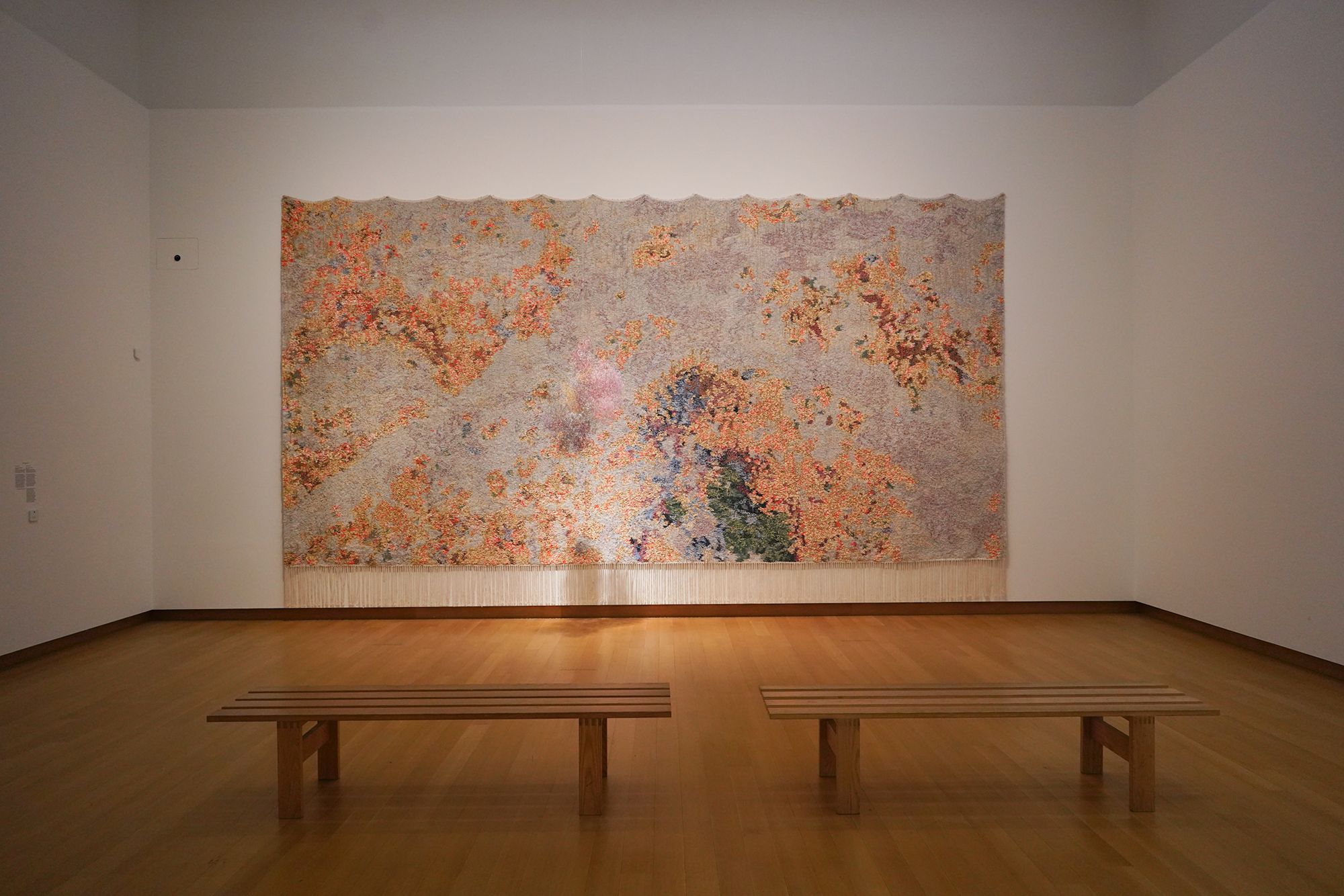
The Stedelijk Museum Amsterdam is a leading museum of modern and contemporary art, featuring works by many influential international artists. 1300
Stedelijk Museum: Museumplein 10, 1071 DJ Amsterdam, Netherlands
Date Picture Taken: May, 2026