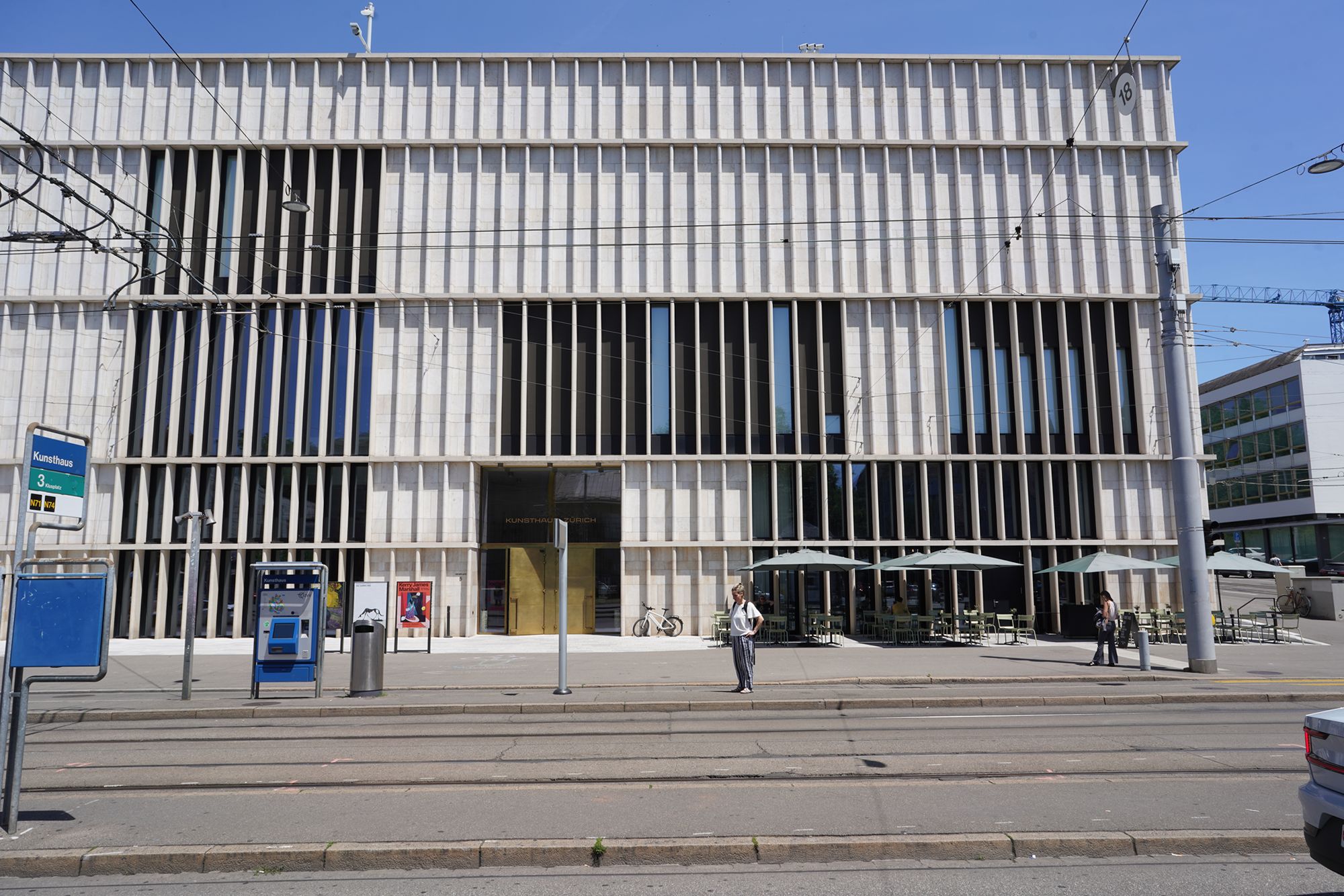
Kunsthaus Zürich I, Giacometti and Bührle Collection, Switzerland
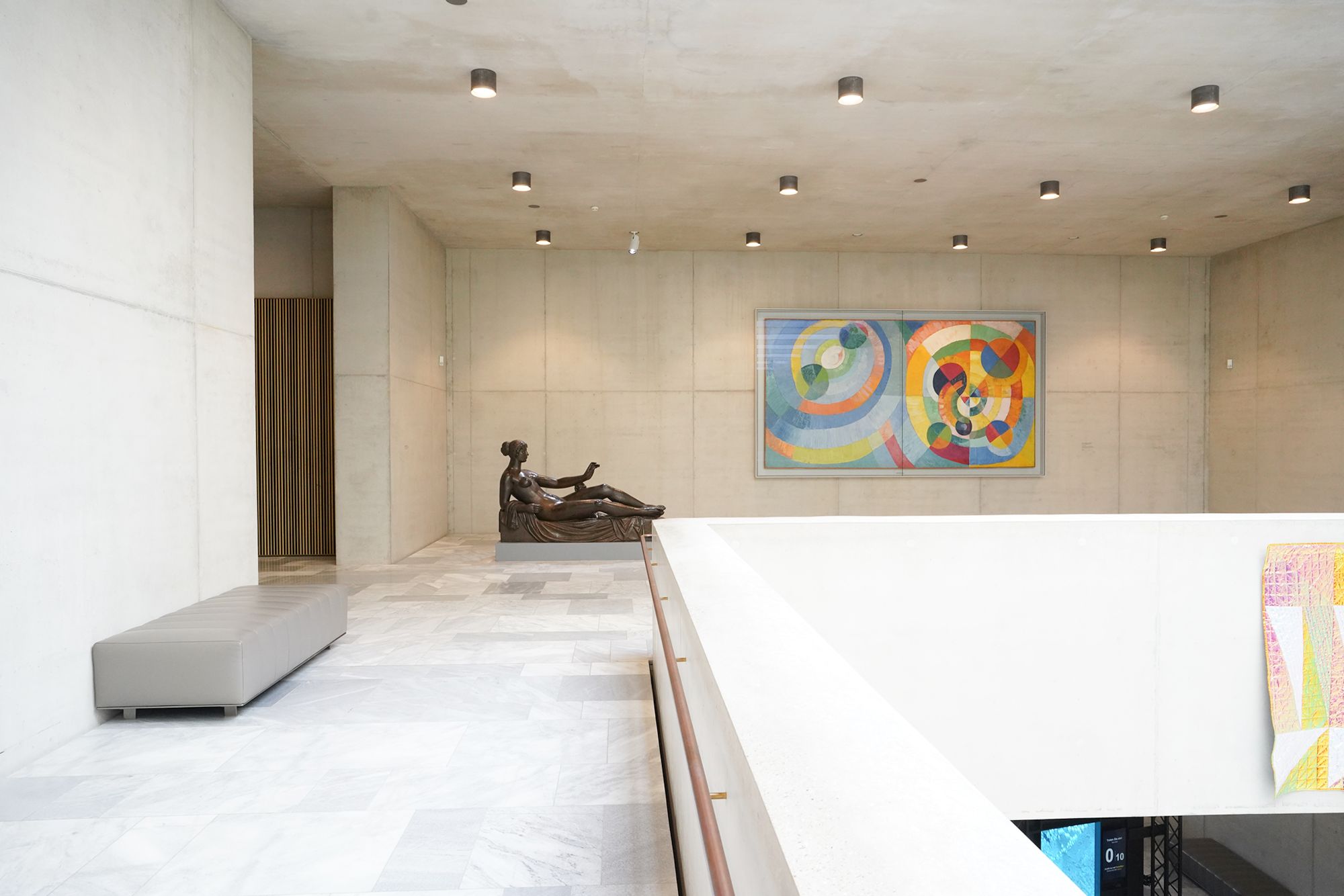
Kunsthaus Zürich is one of Switzerland’s most important art museums, featuring an extensive collection of European art from the Middle Ages to contemporary times. 1340
Kunsthaus Zurich: Heimpl. 1/5, 8001 Zürich, Switzerland
Date Picture Taken: Jun, 2026
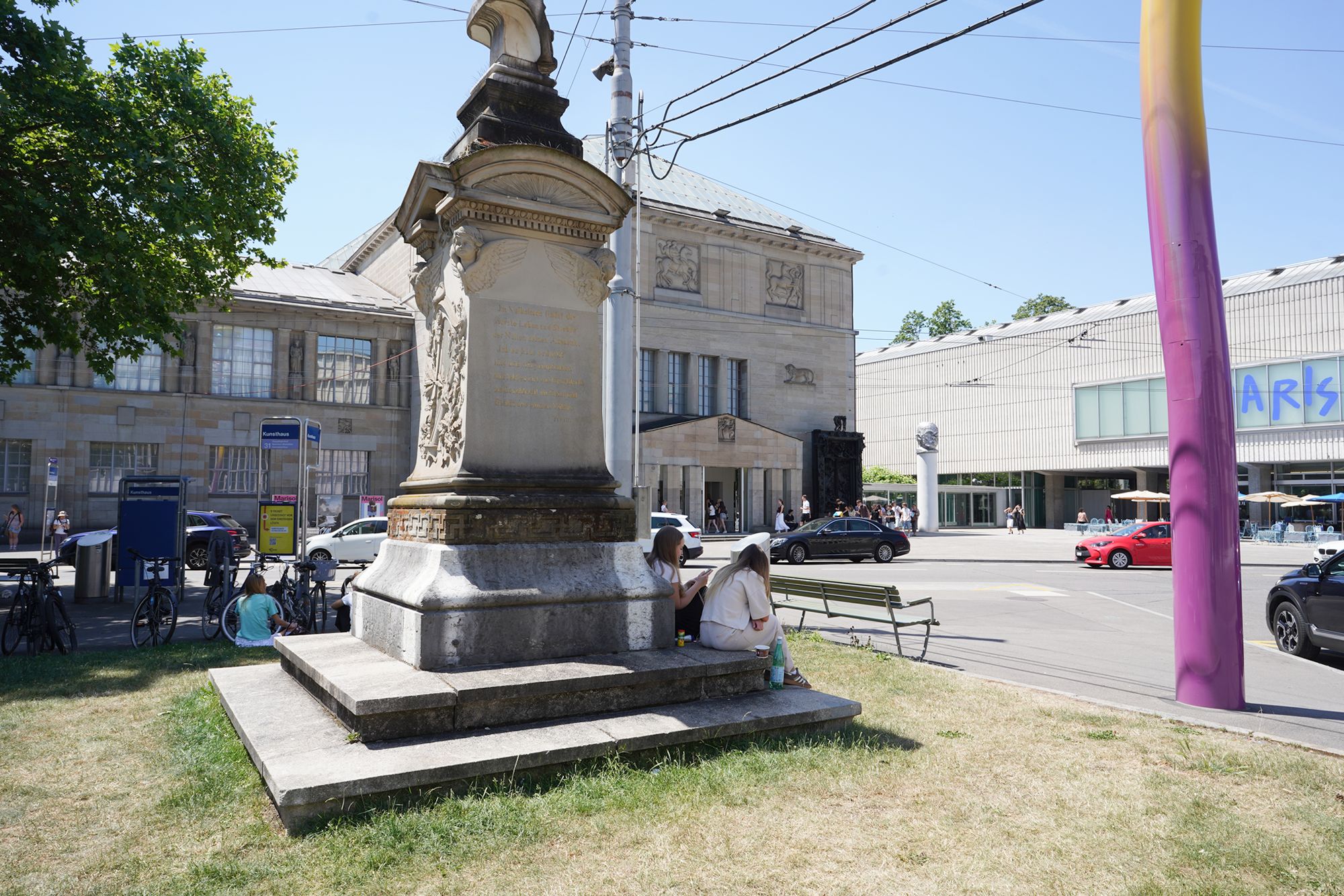
this is another one across the street.
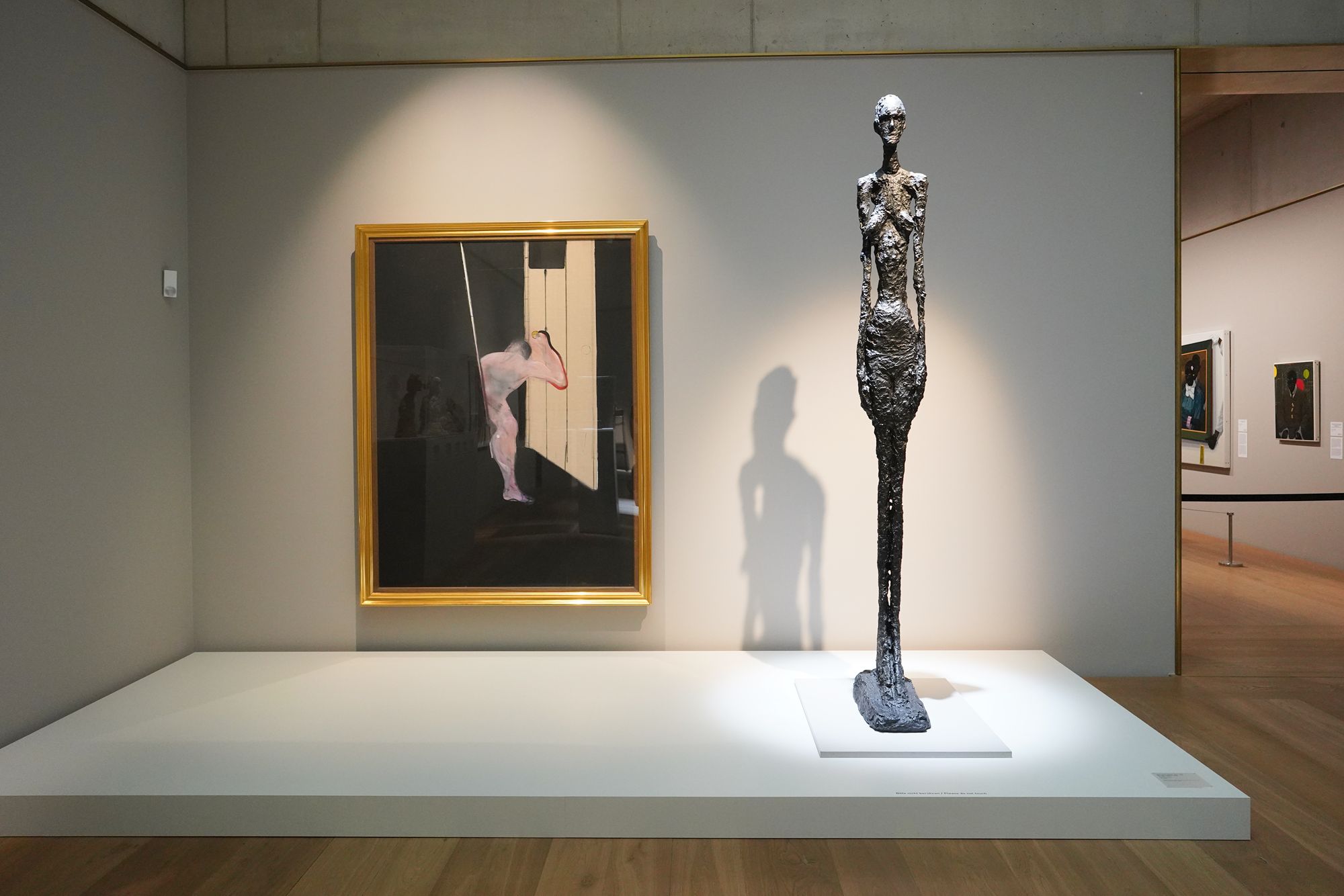
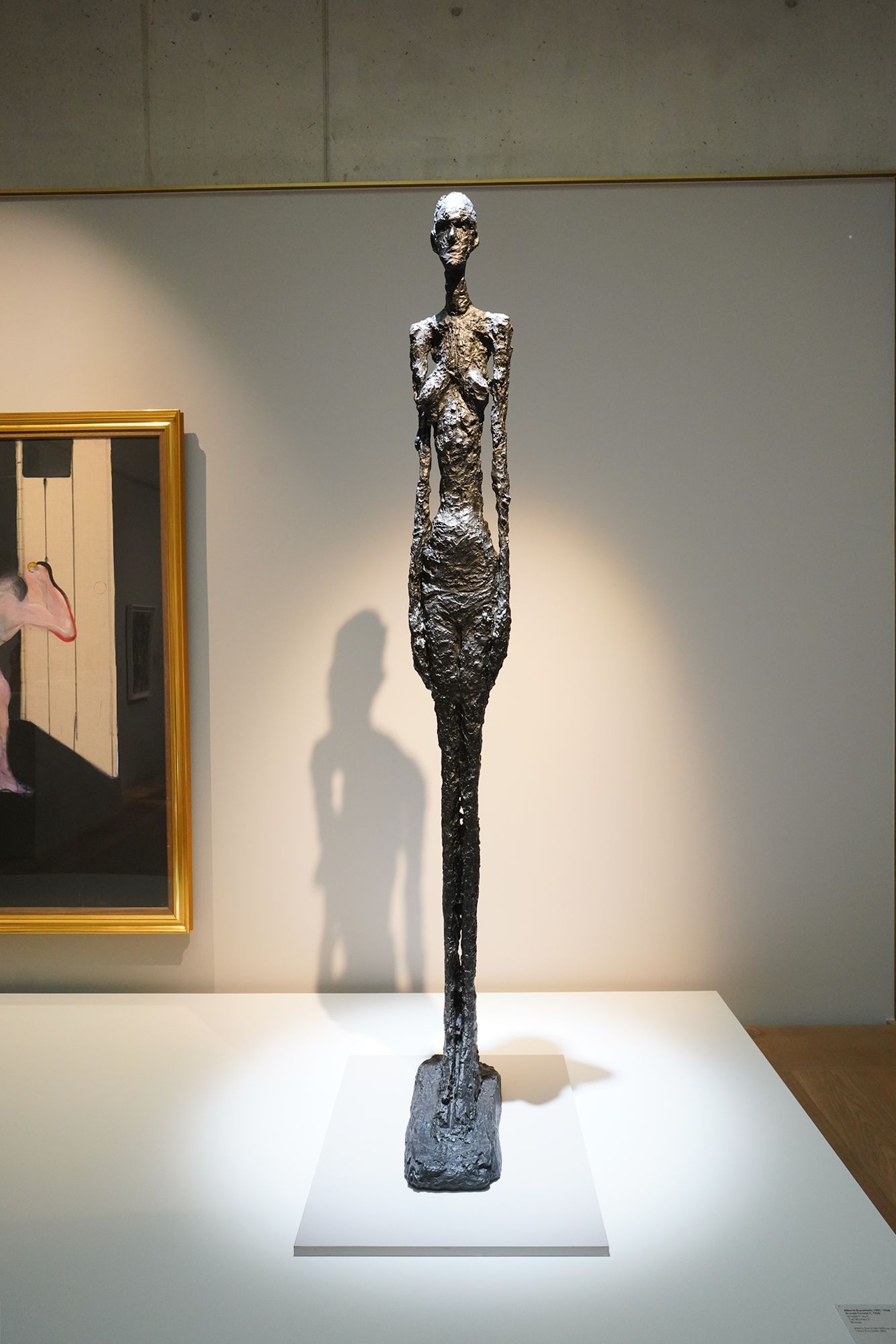
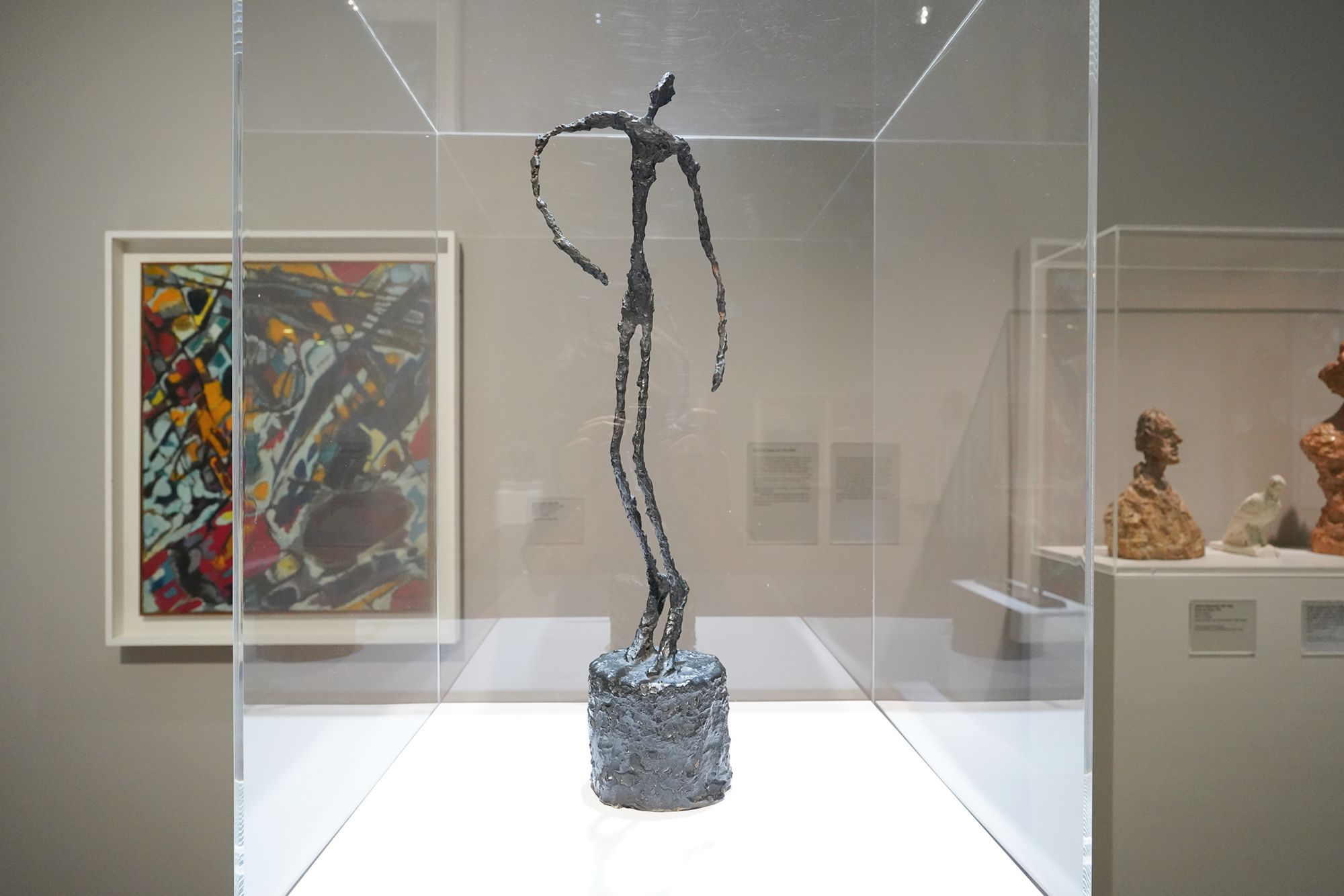
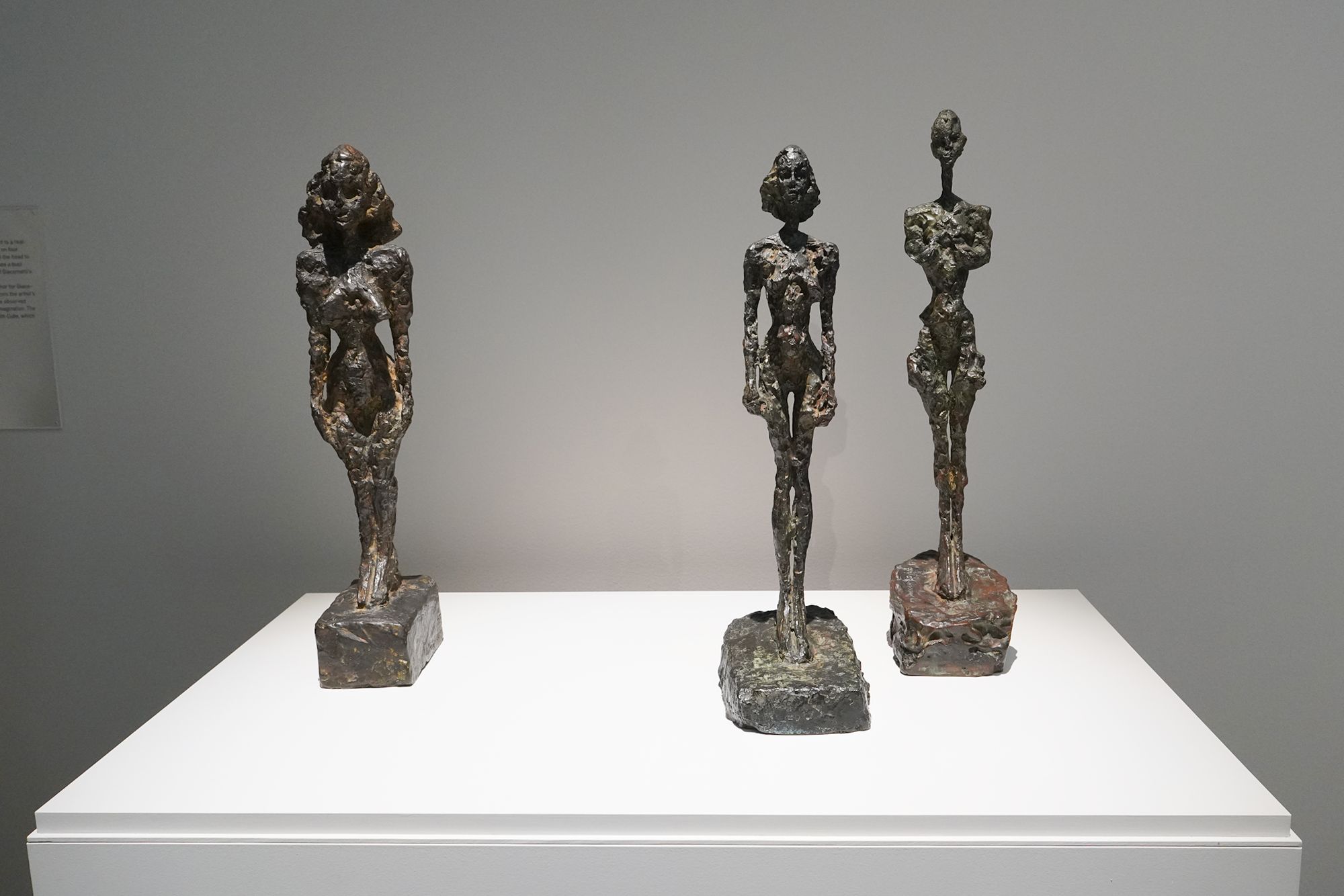
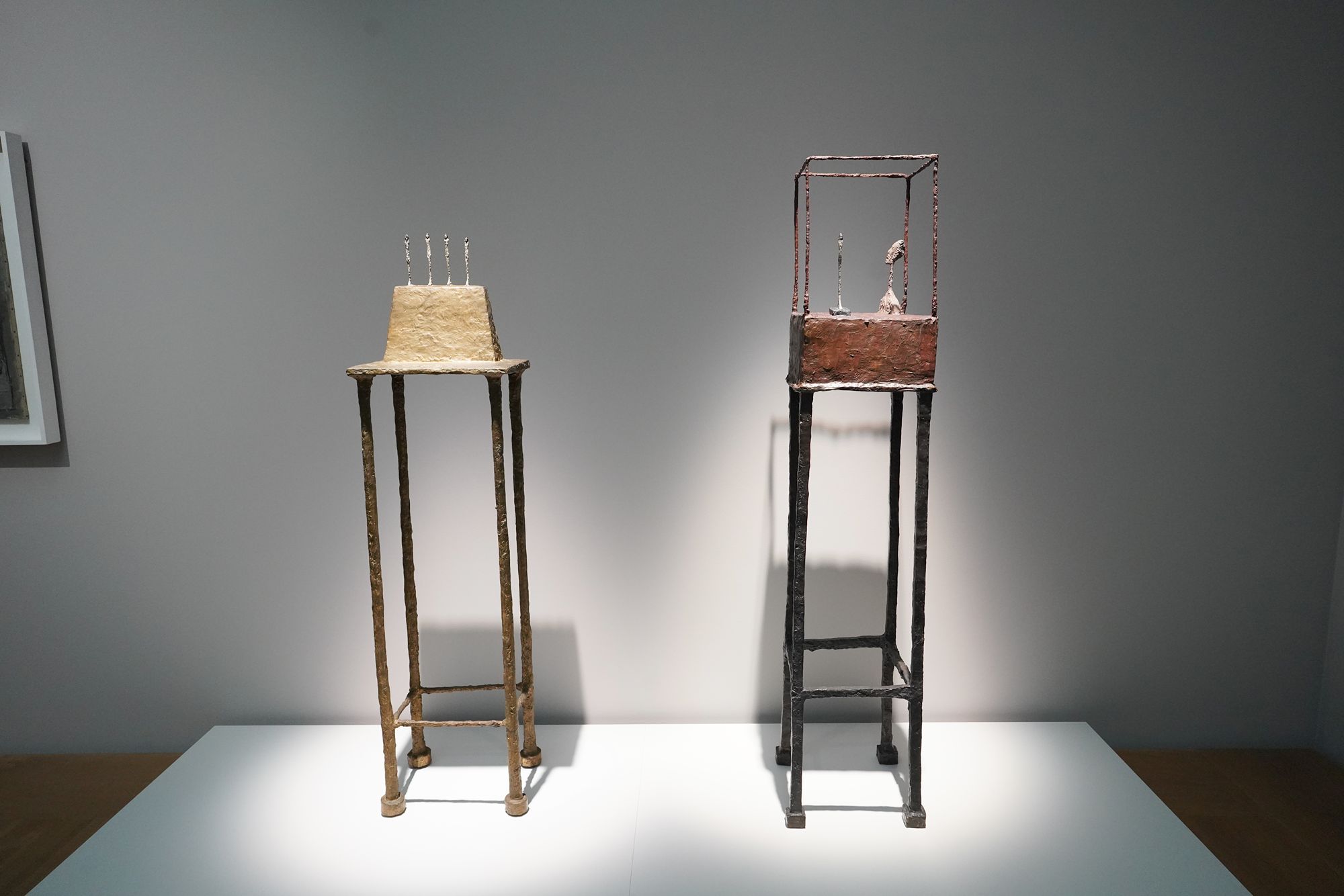
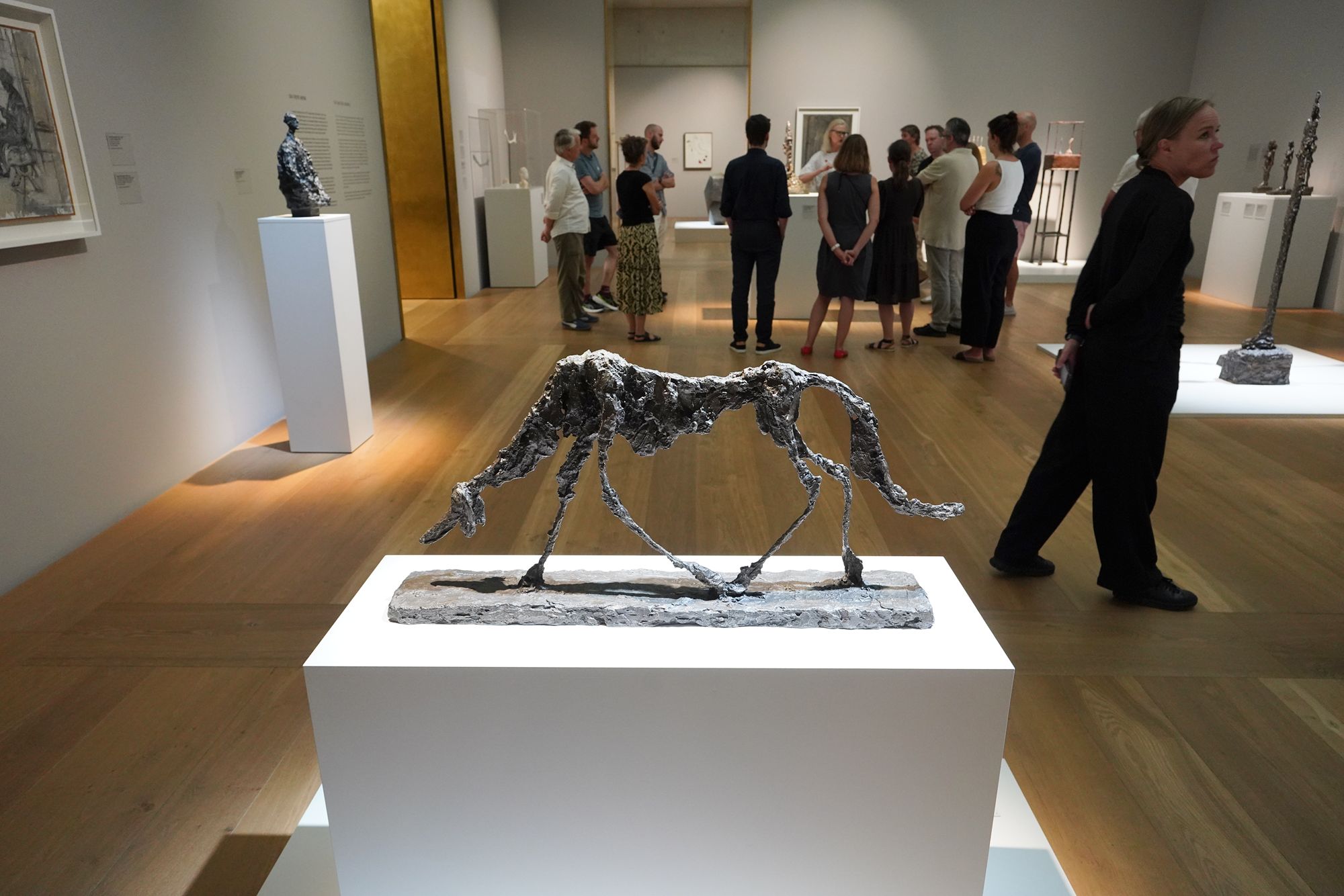
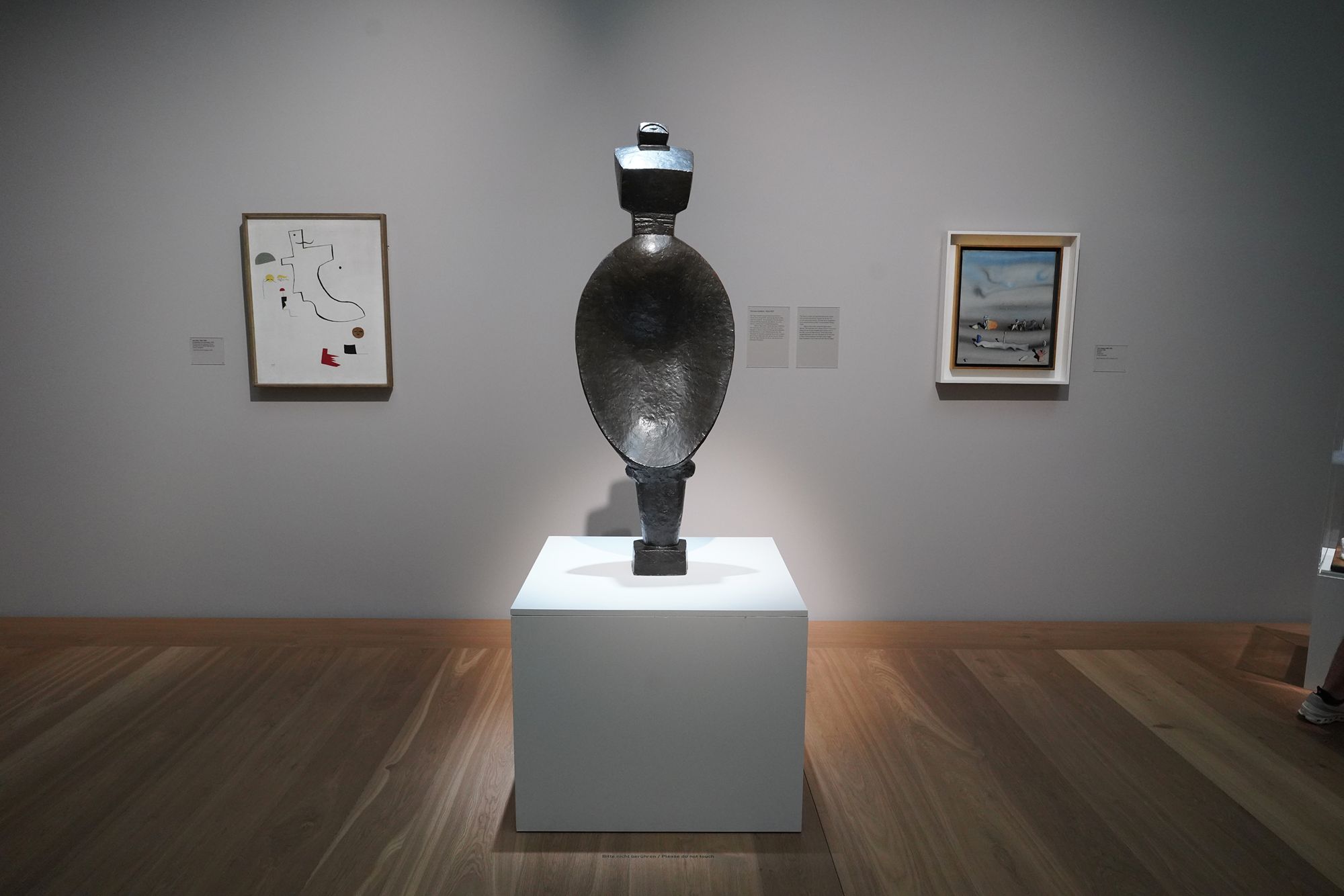
Alberto Giacometti was a Swiss sculptor and painter, born in the Italian-speaking region of Switzerland. He is best known for his unusually tall, thin bronze sculptures of human figures, which express themes of isolation, vulnerability, and the human condition.
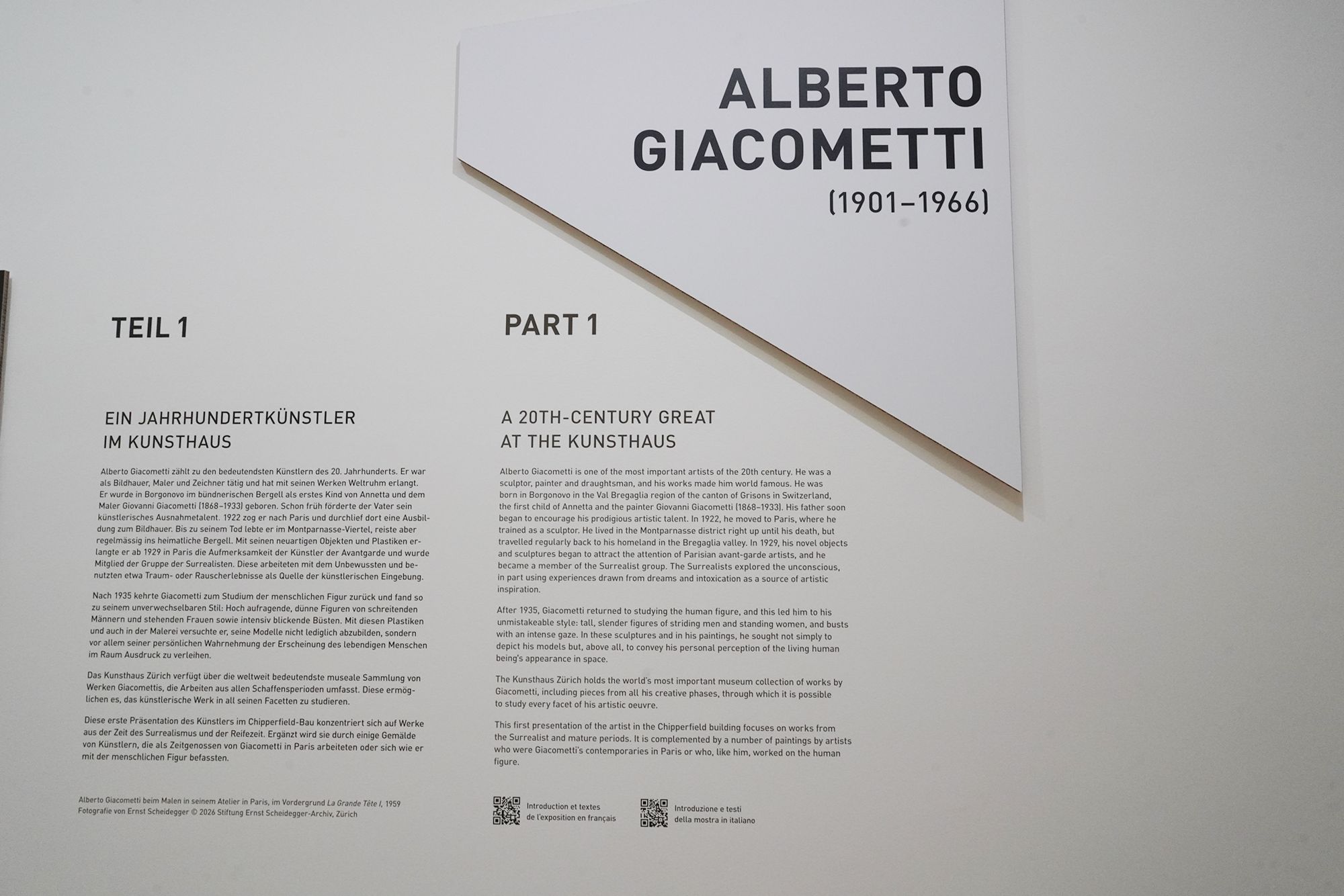
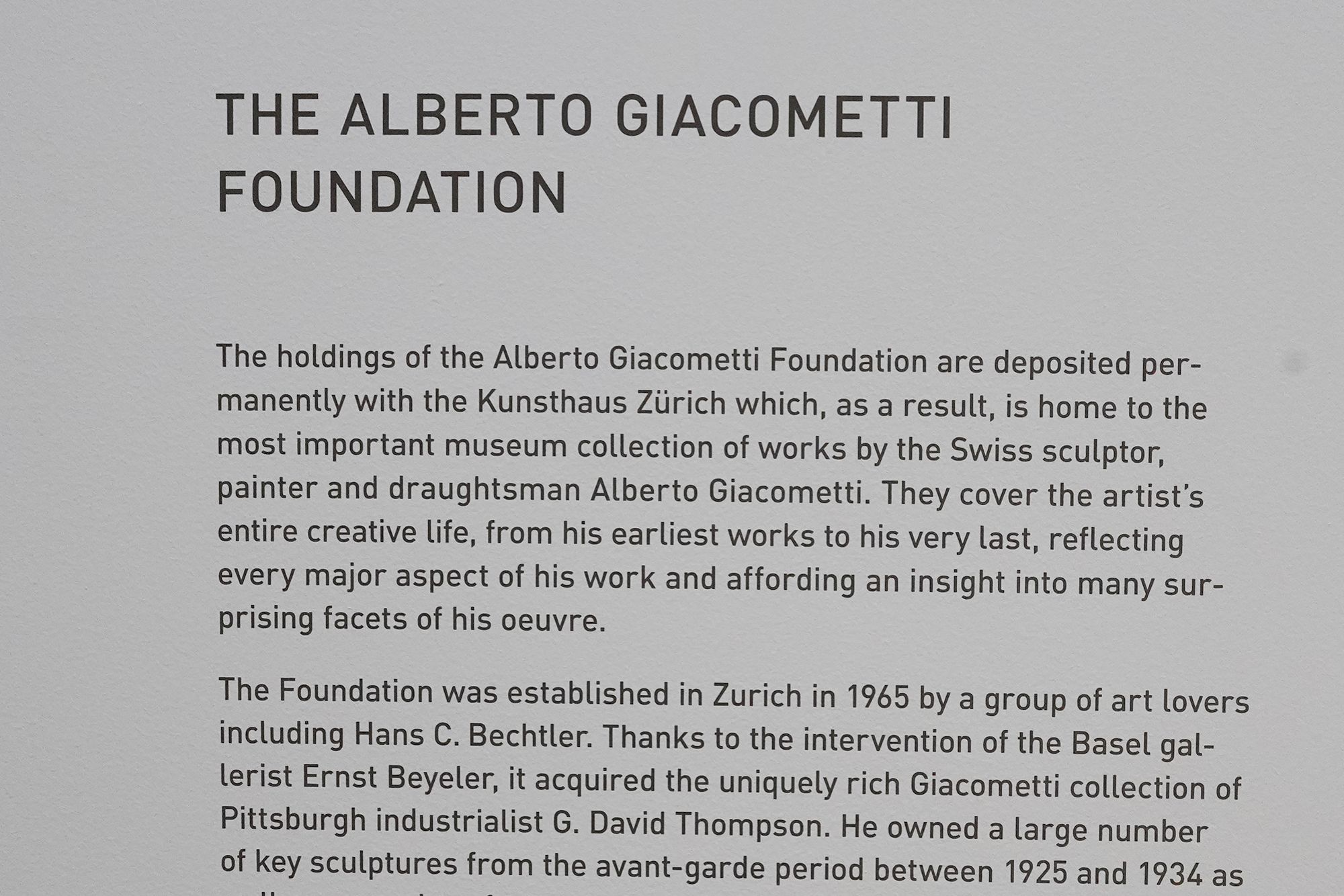
He spent much of his career in Paris and became one of the most influential sculptors of the 20th century. Kunsthaus Zürich houses one of the world's most important collections of his work, including sculptures, paintings, and drawings.
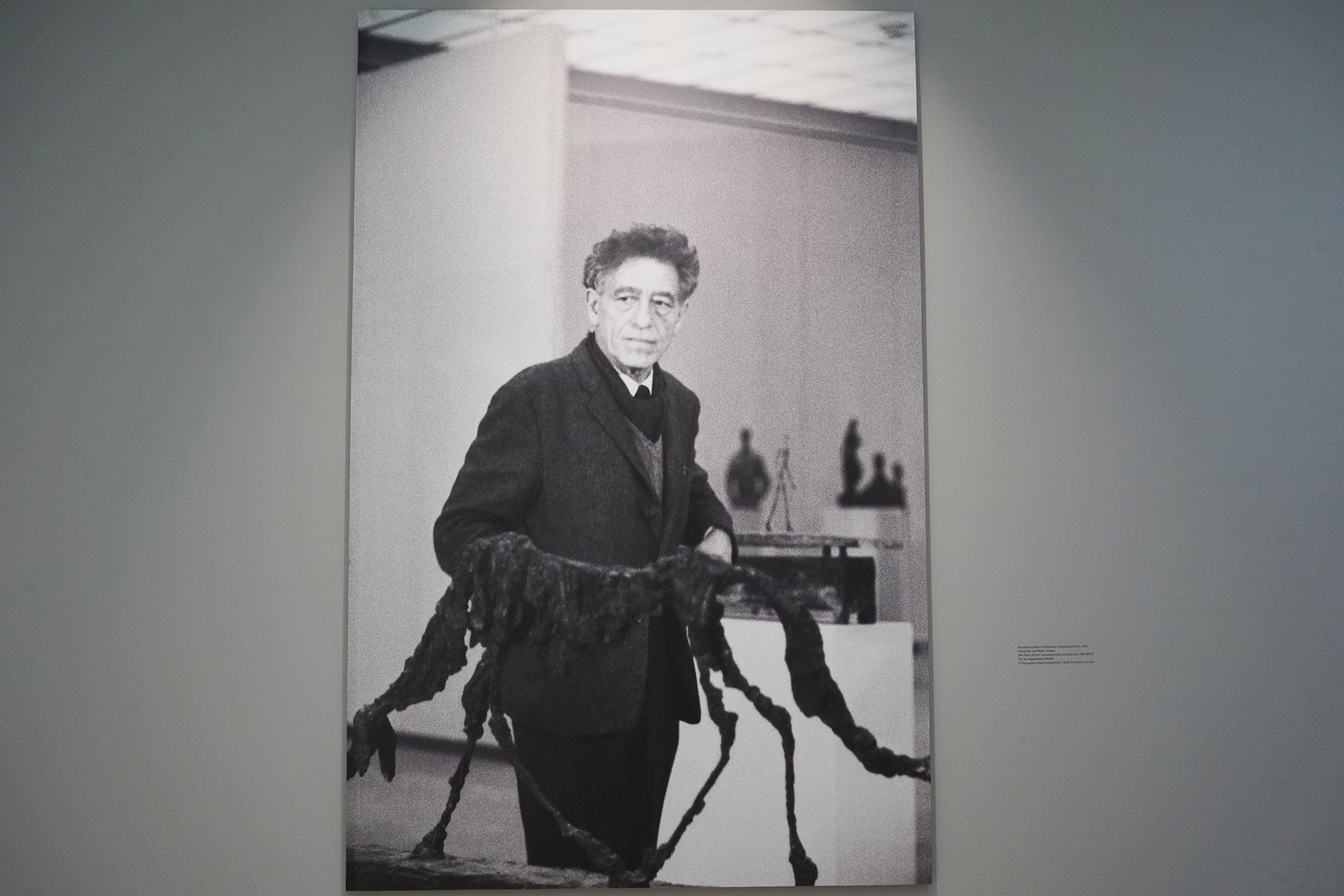
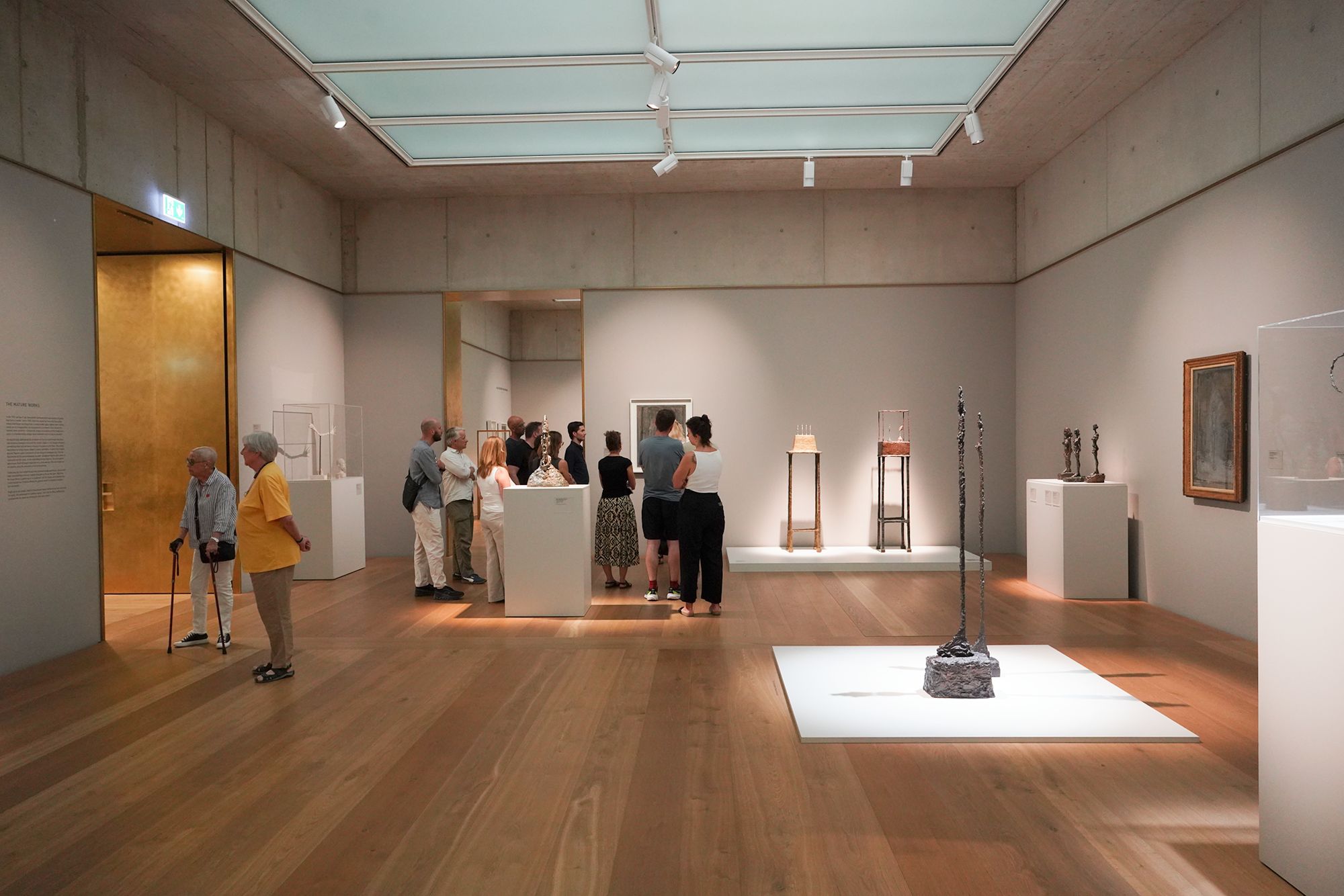
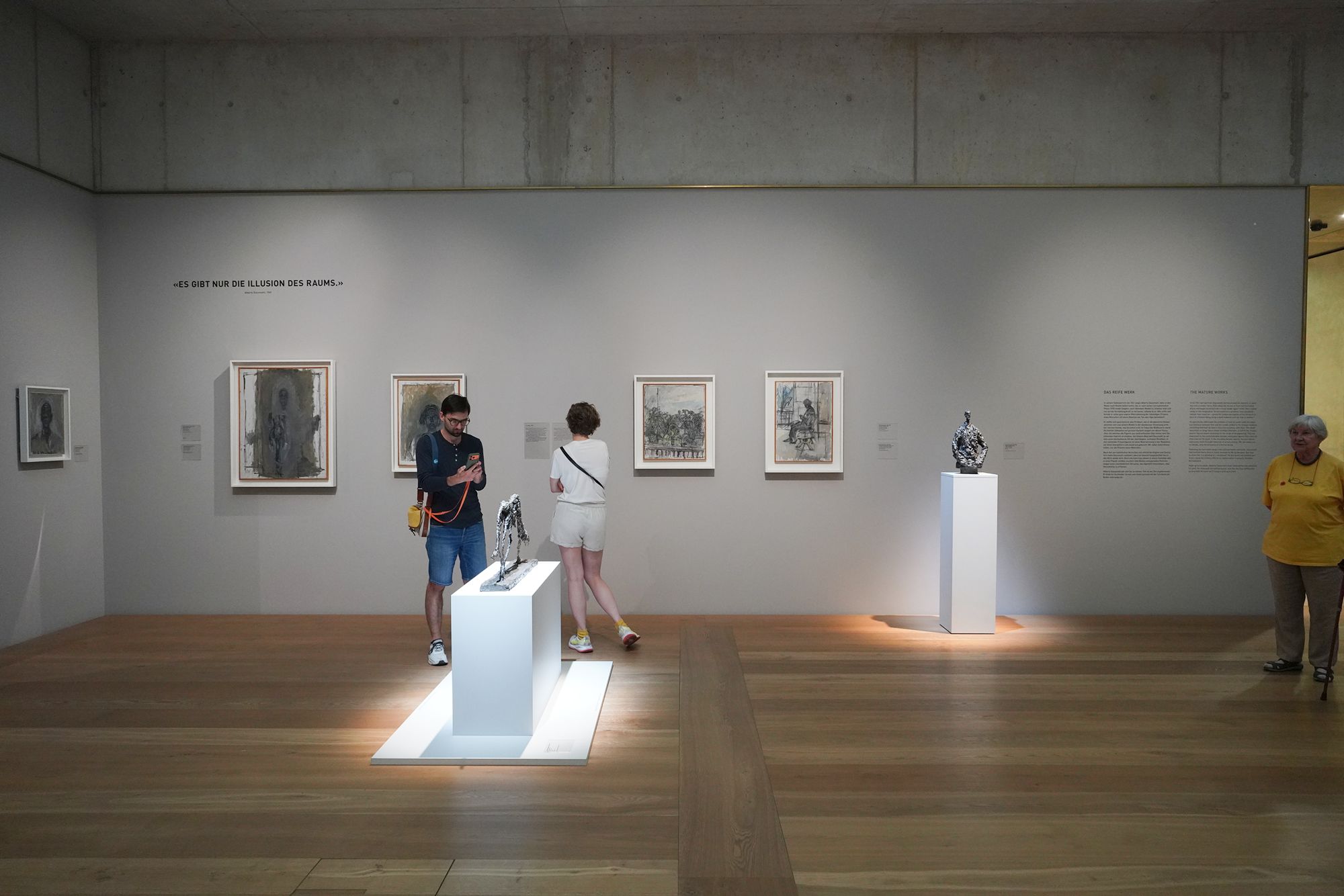
In 1935, Giacometti abandoned Surrealism and returned to working with live models. He struggled to capture how he actually perceived people, particularly the distance between himself and his subjects.
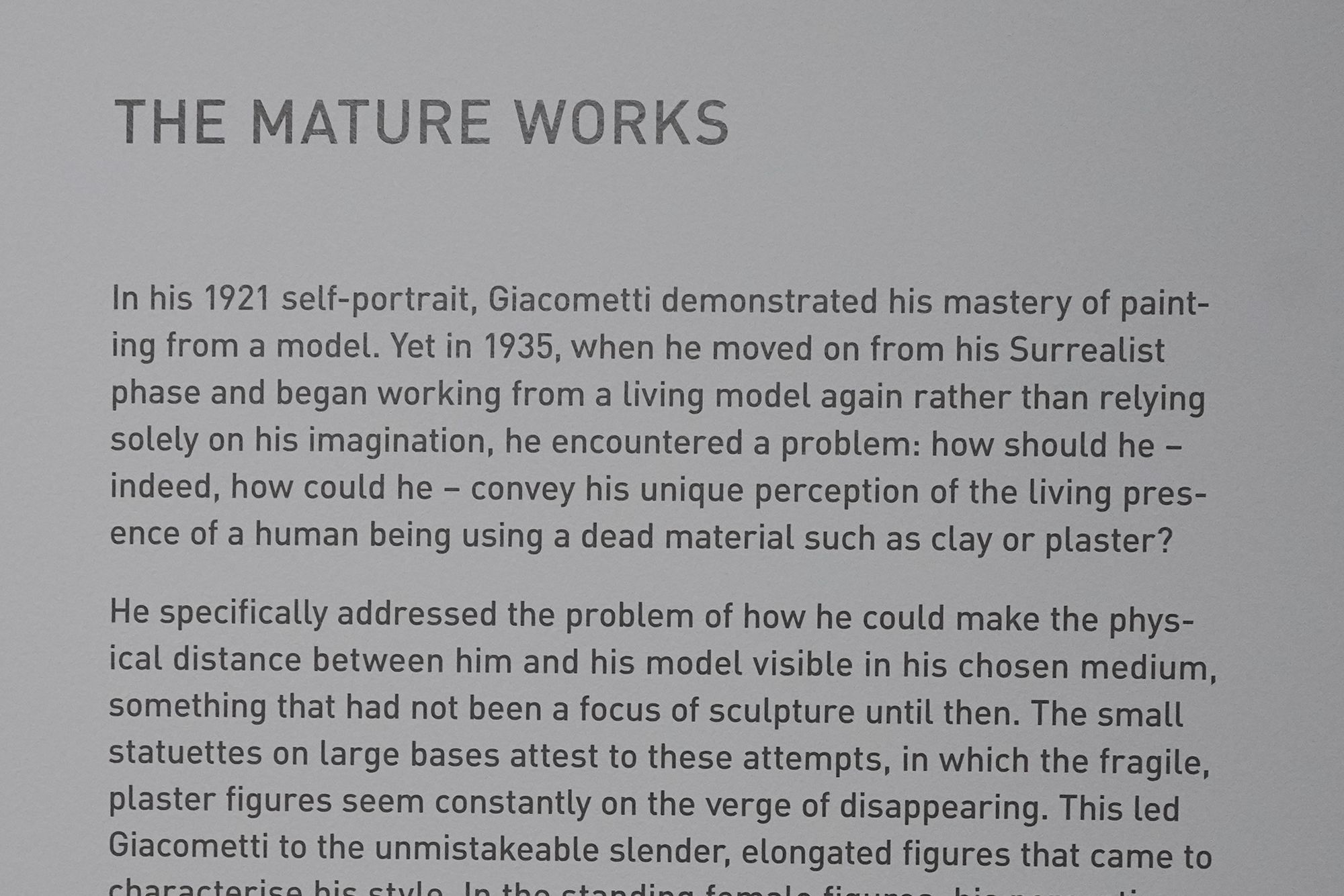
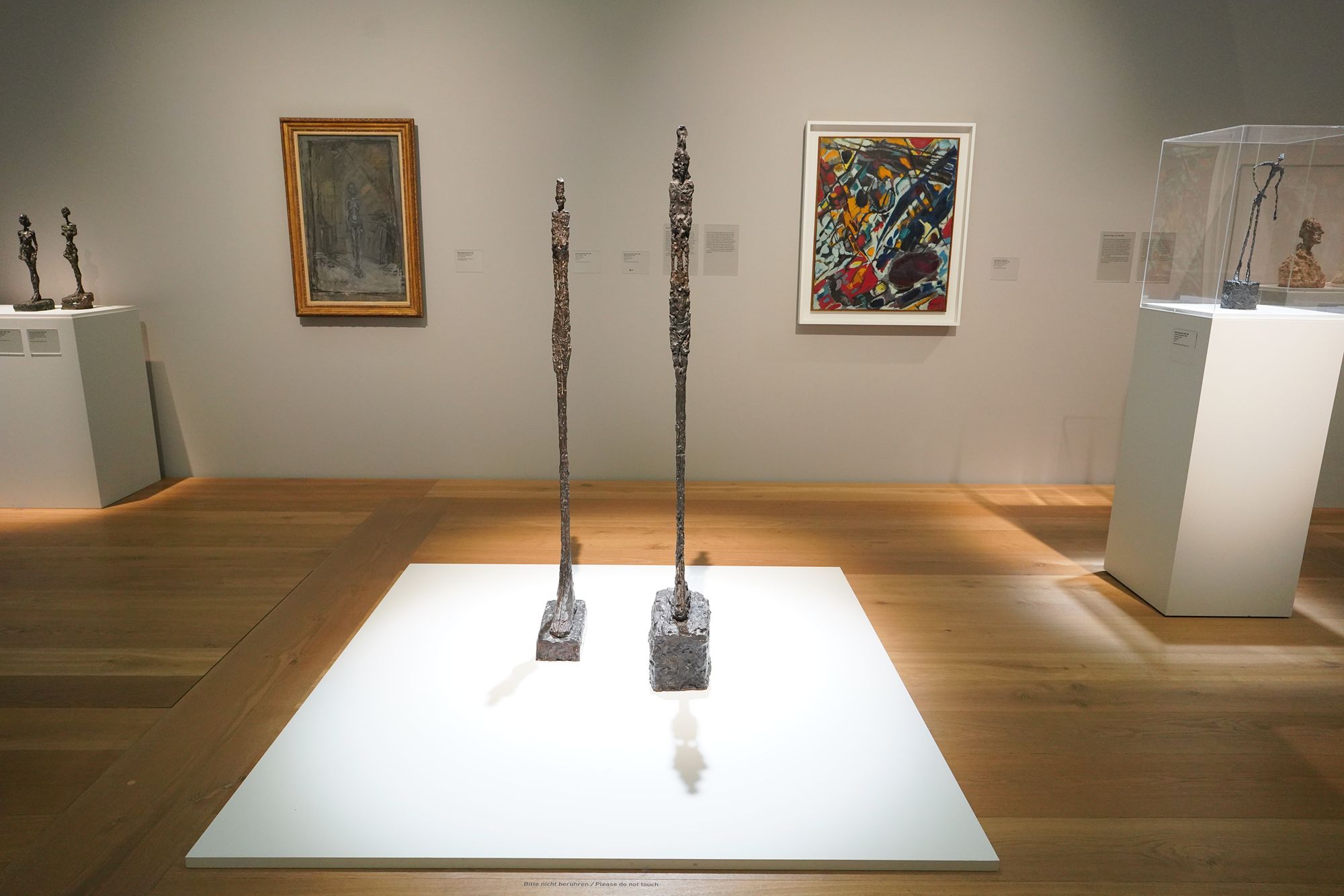
This exploration led to his famous thin, elongated human figures, often placed on large bases. Their small, fragile appearance reflects how people can seem distant and almost disappear from view.
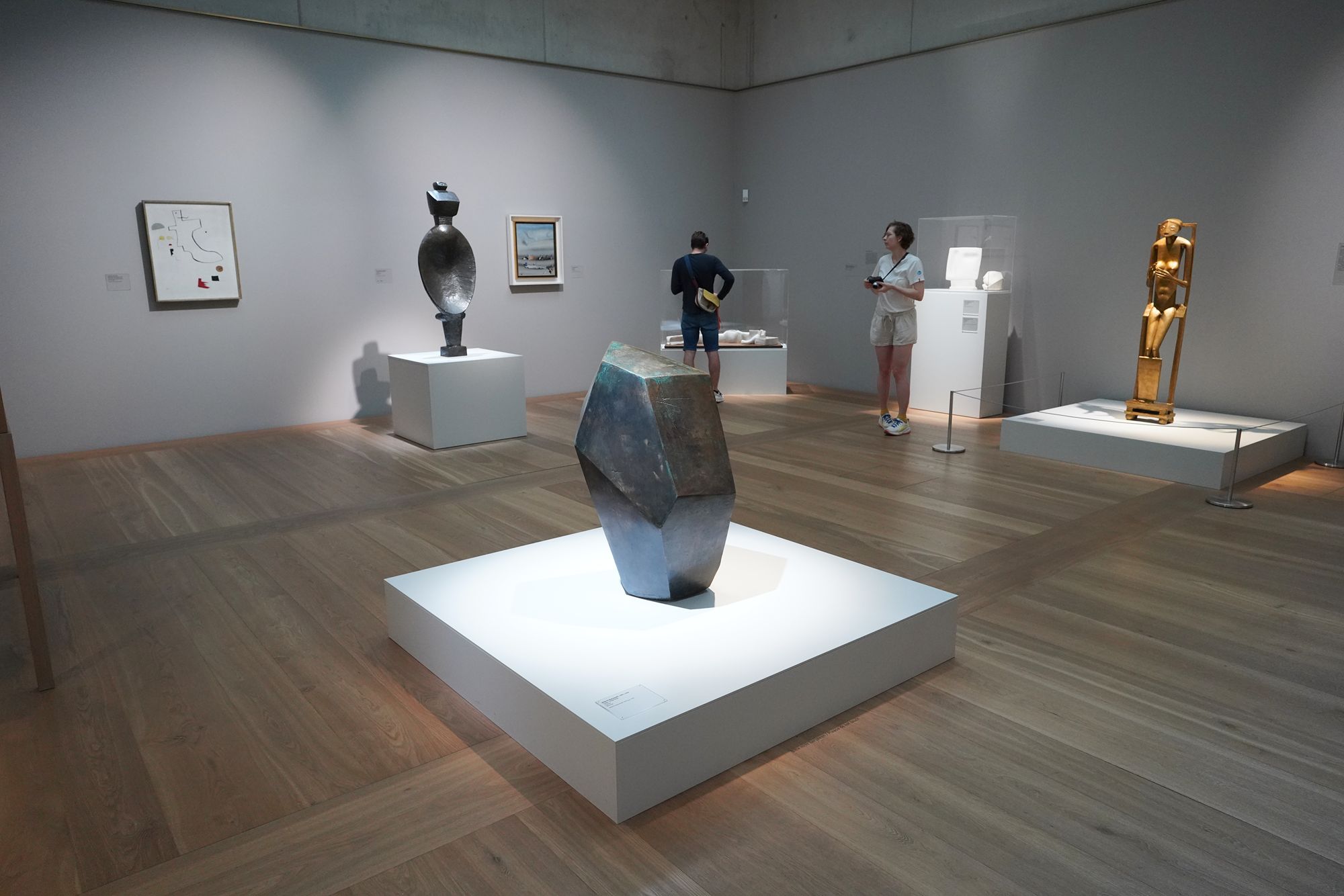
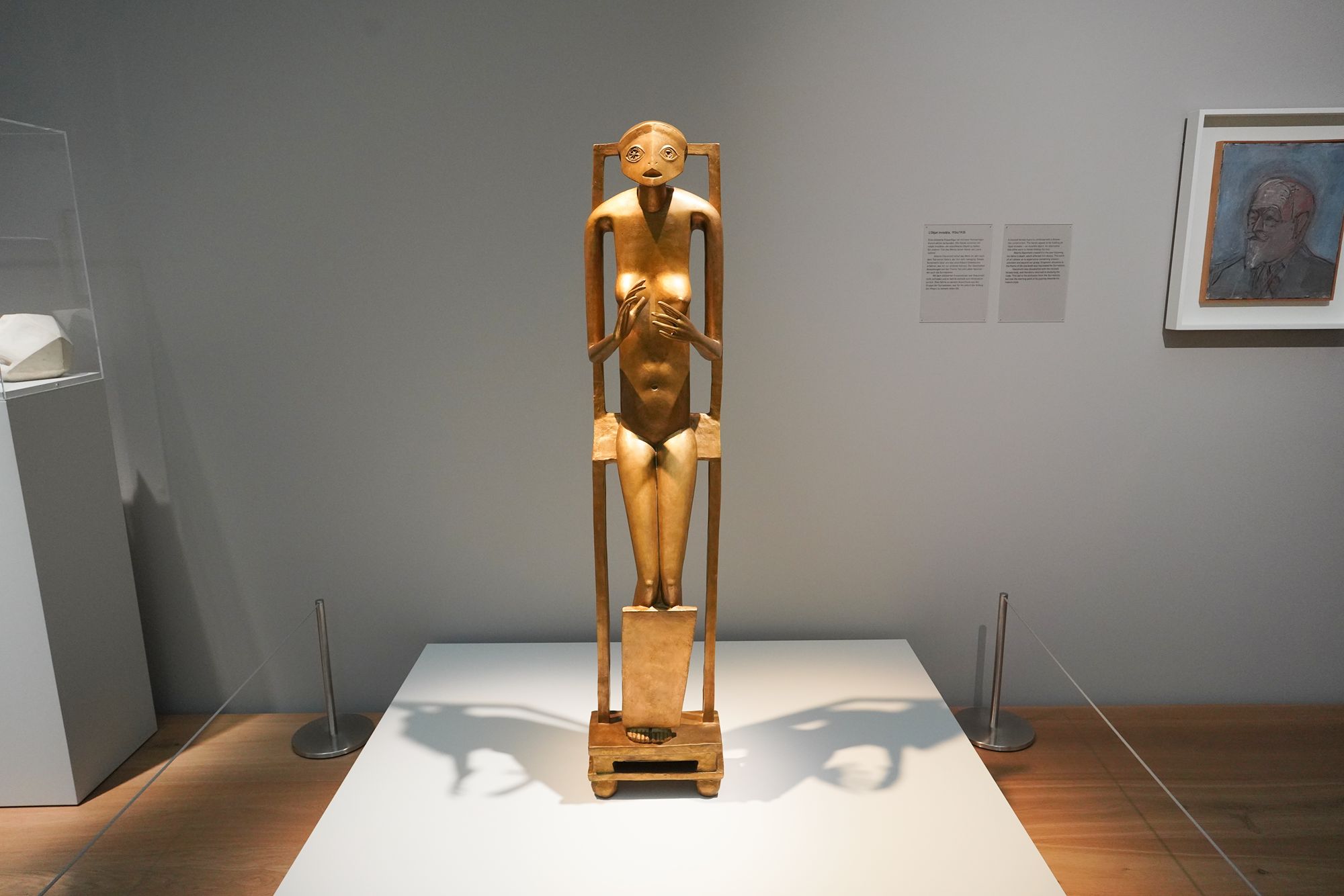
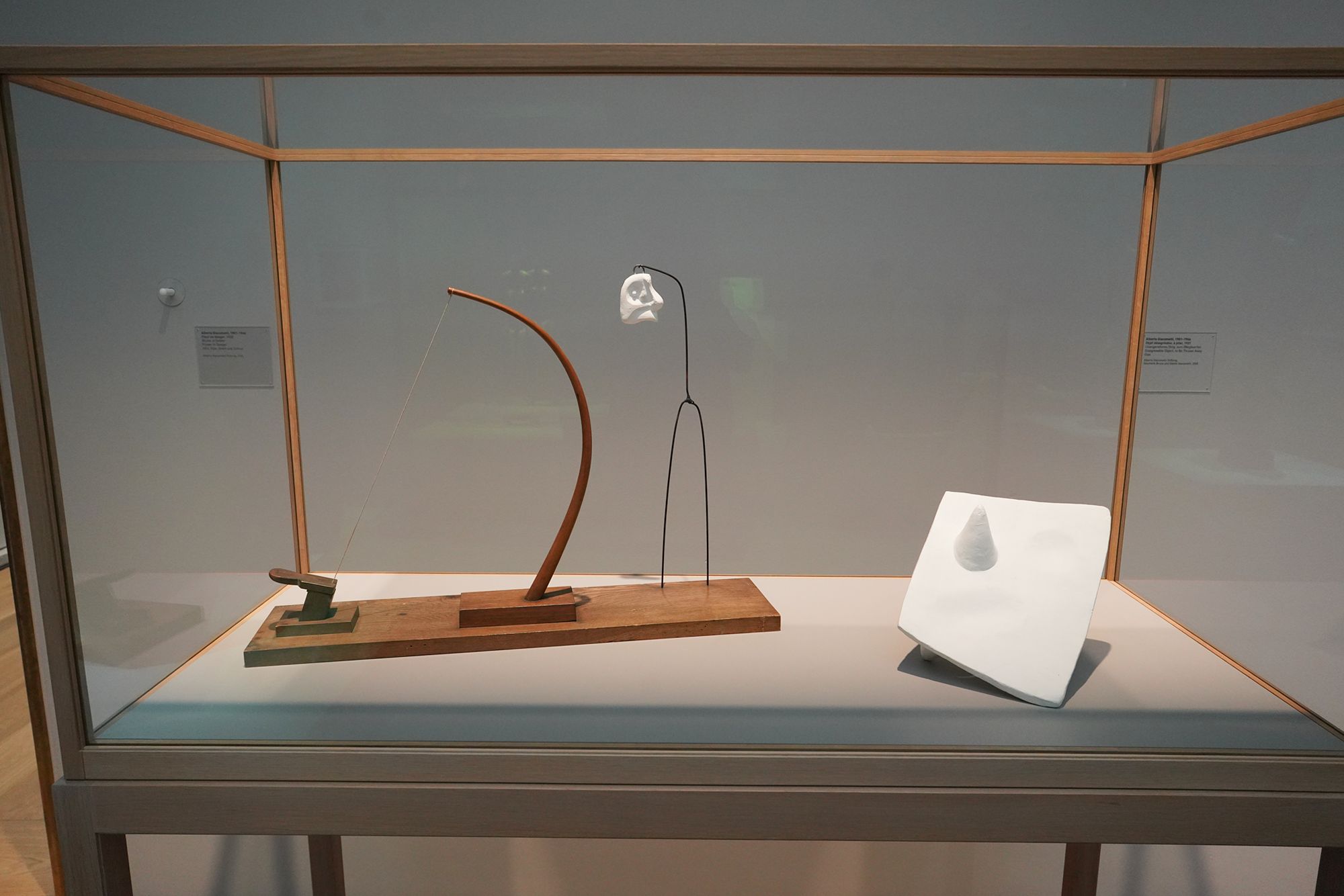
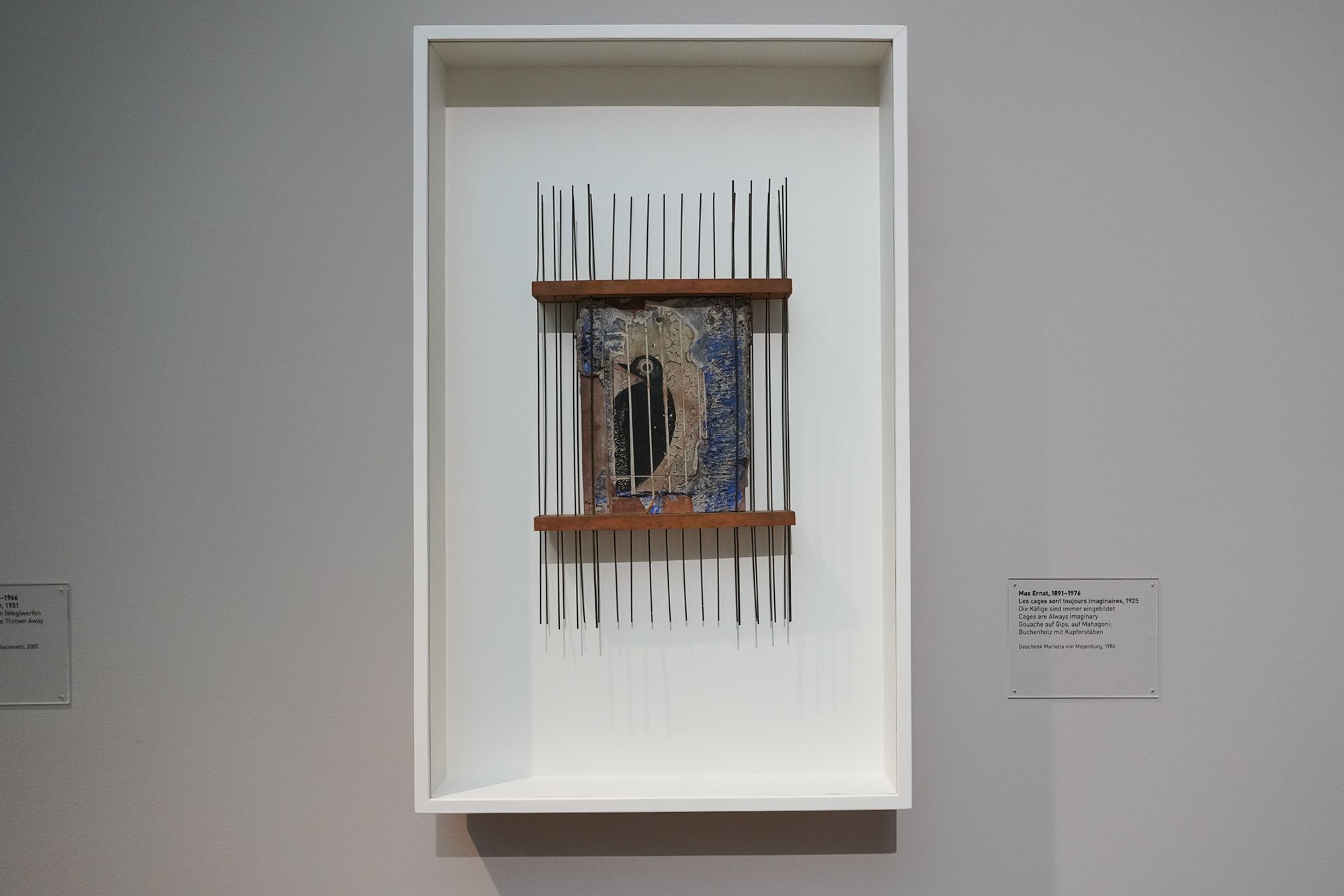
Alberto Giacometti – The Surrealist Period (1921–1935)
This gallery explores Giacometti’s early artistic development, from his 1921 self-portrait to his experiments with Cubism and Surrealism.
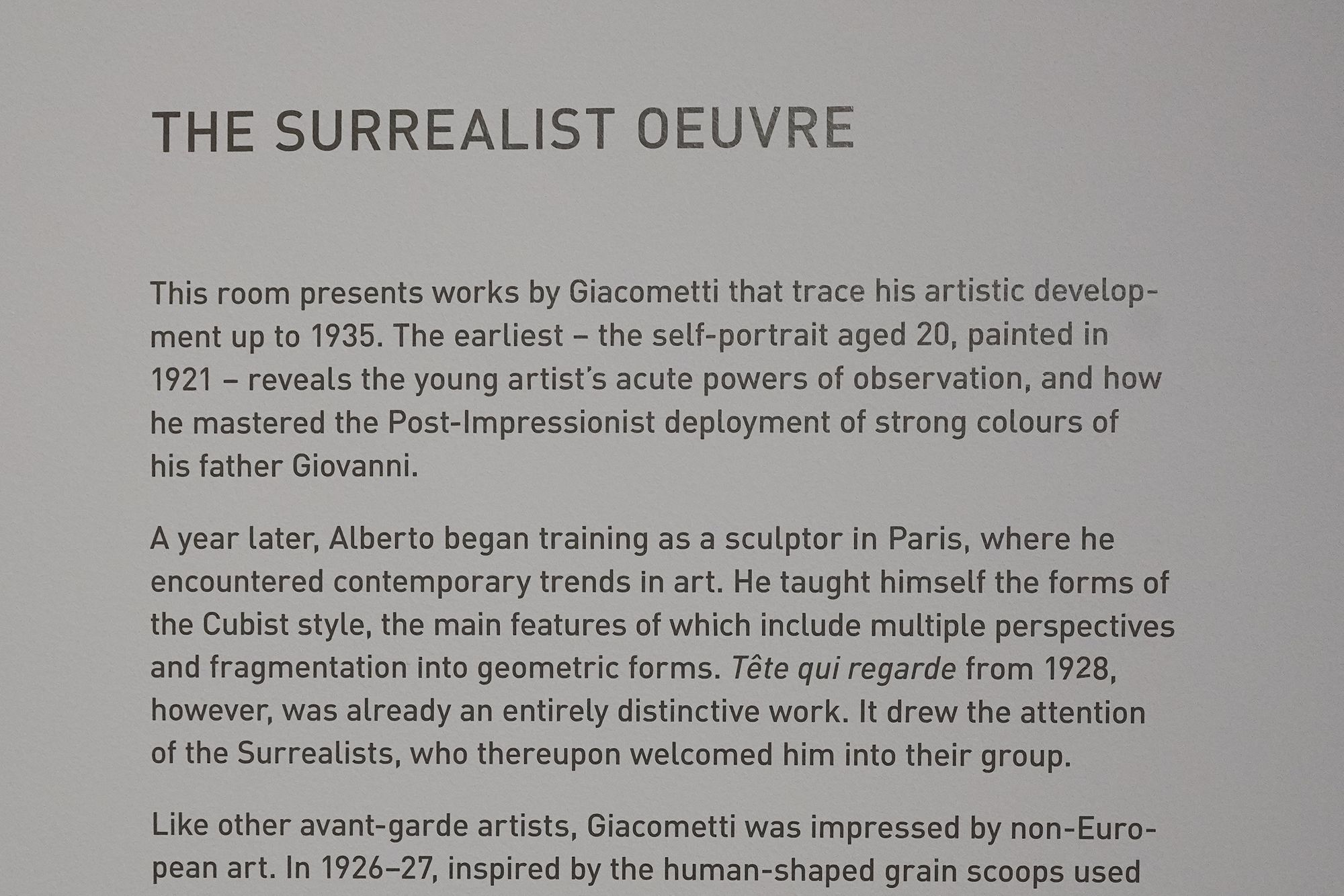
His father, Giovanni Giacometti, was a Post-Impressionist painter who influenced Alberto’s early work. After moving to Paris in 1922, Alberto studied sculpture and experimented with geometric forms inspired by Cubism.
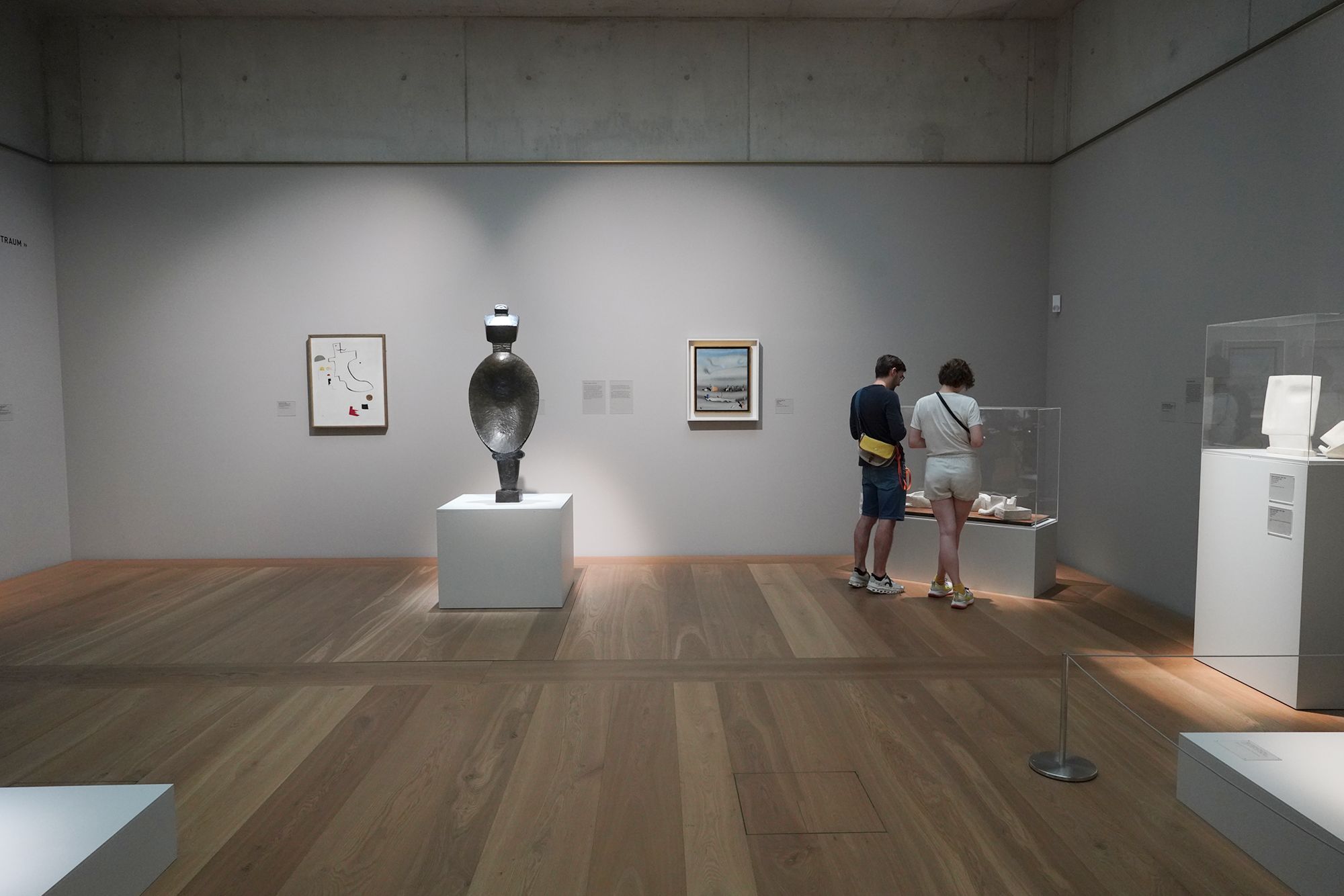
His 1928 sculpture Tête qui regarde (The Gazing Head) attracted the attention of the Surrealists, who welcomed him into their group. During this period, he also drew inspiration from non-European art.
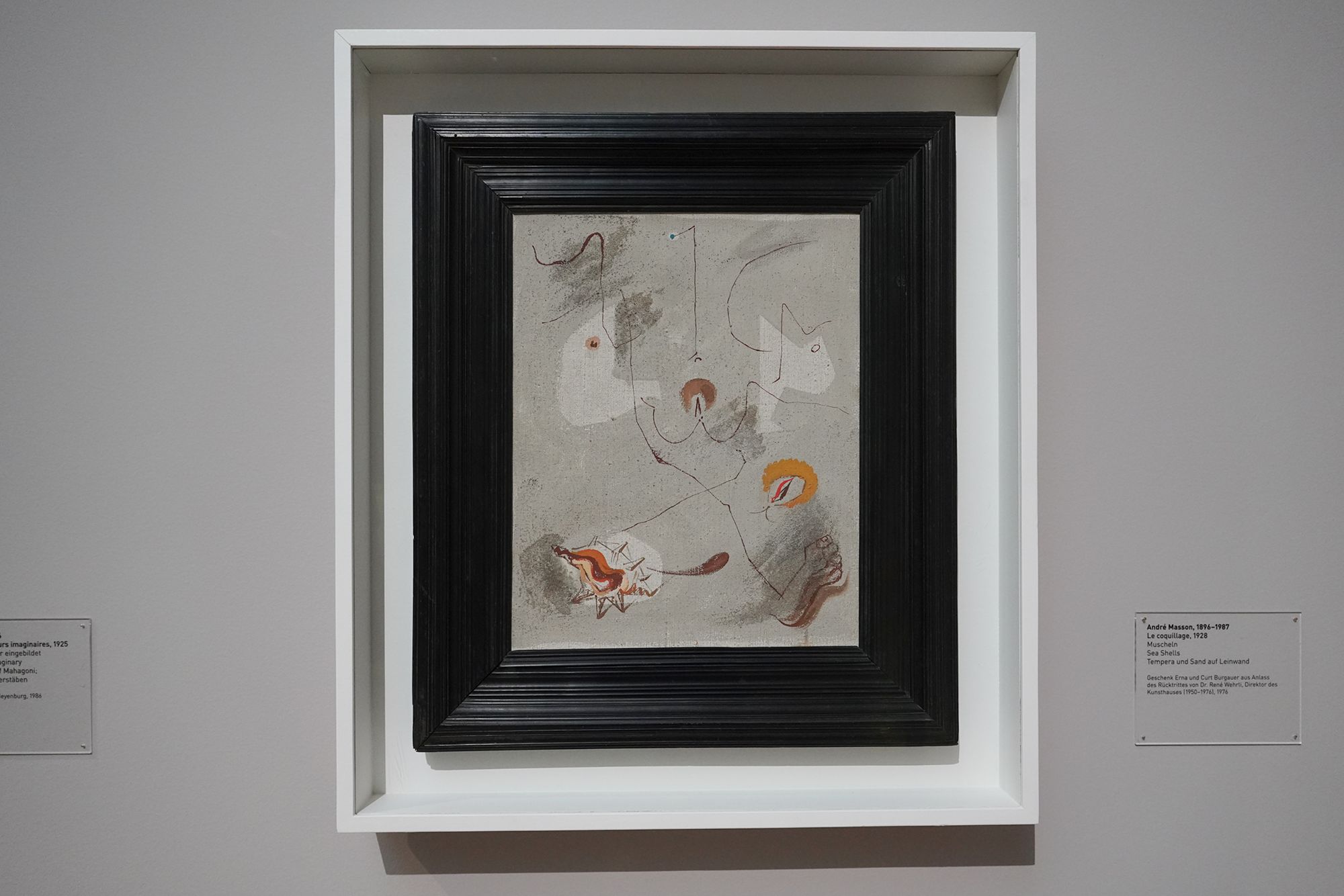
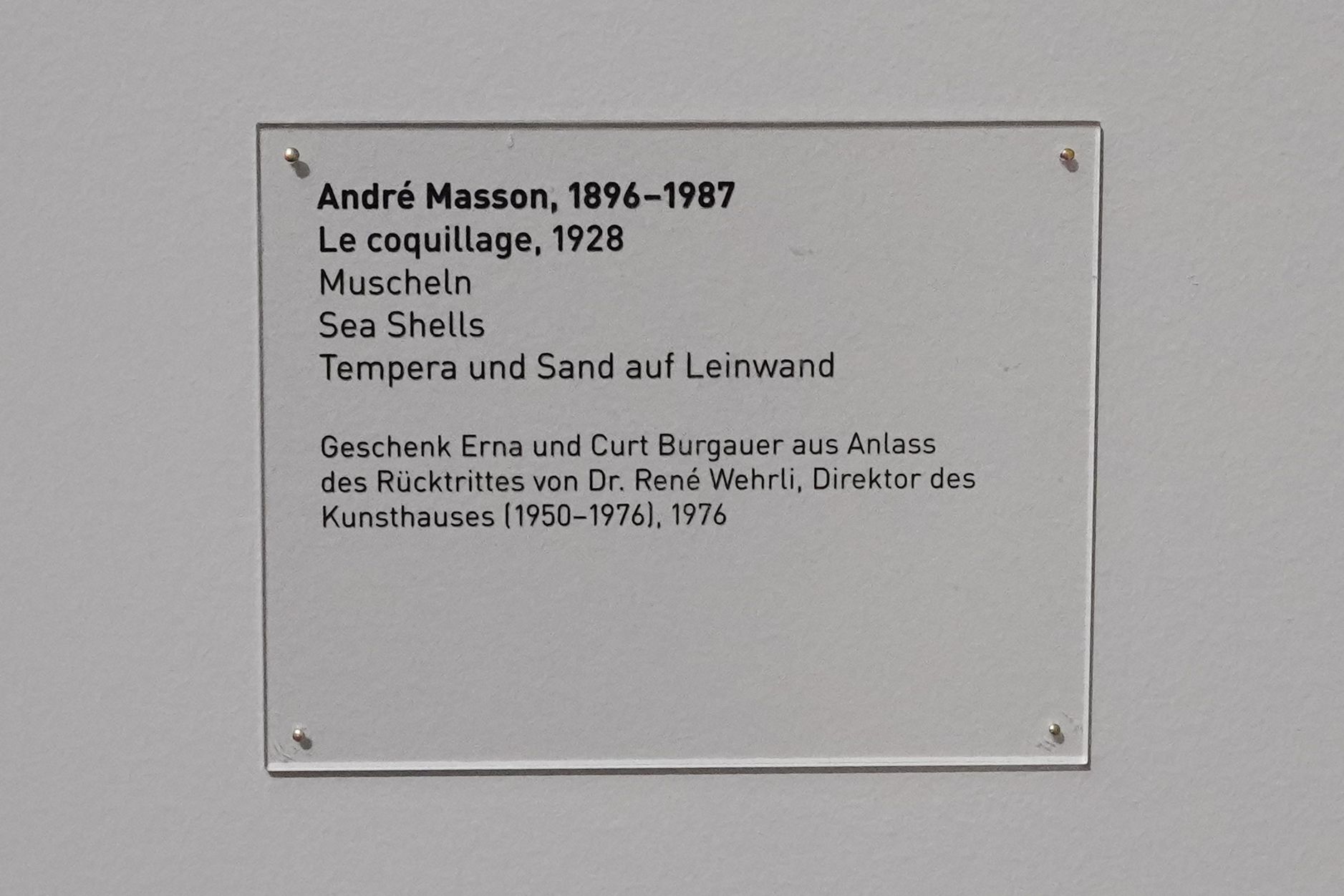
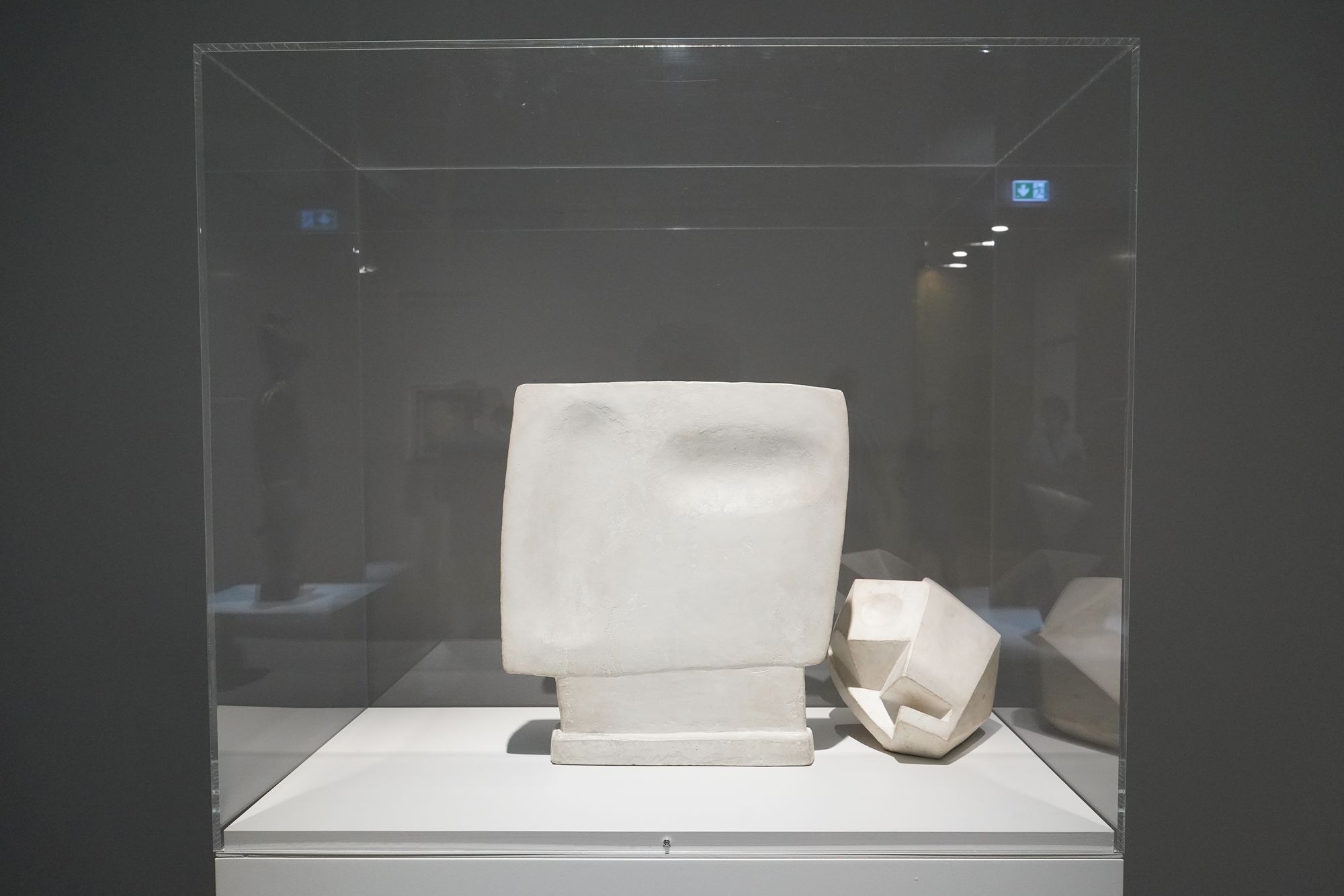
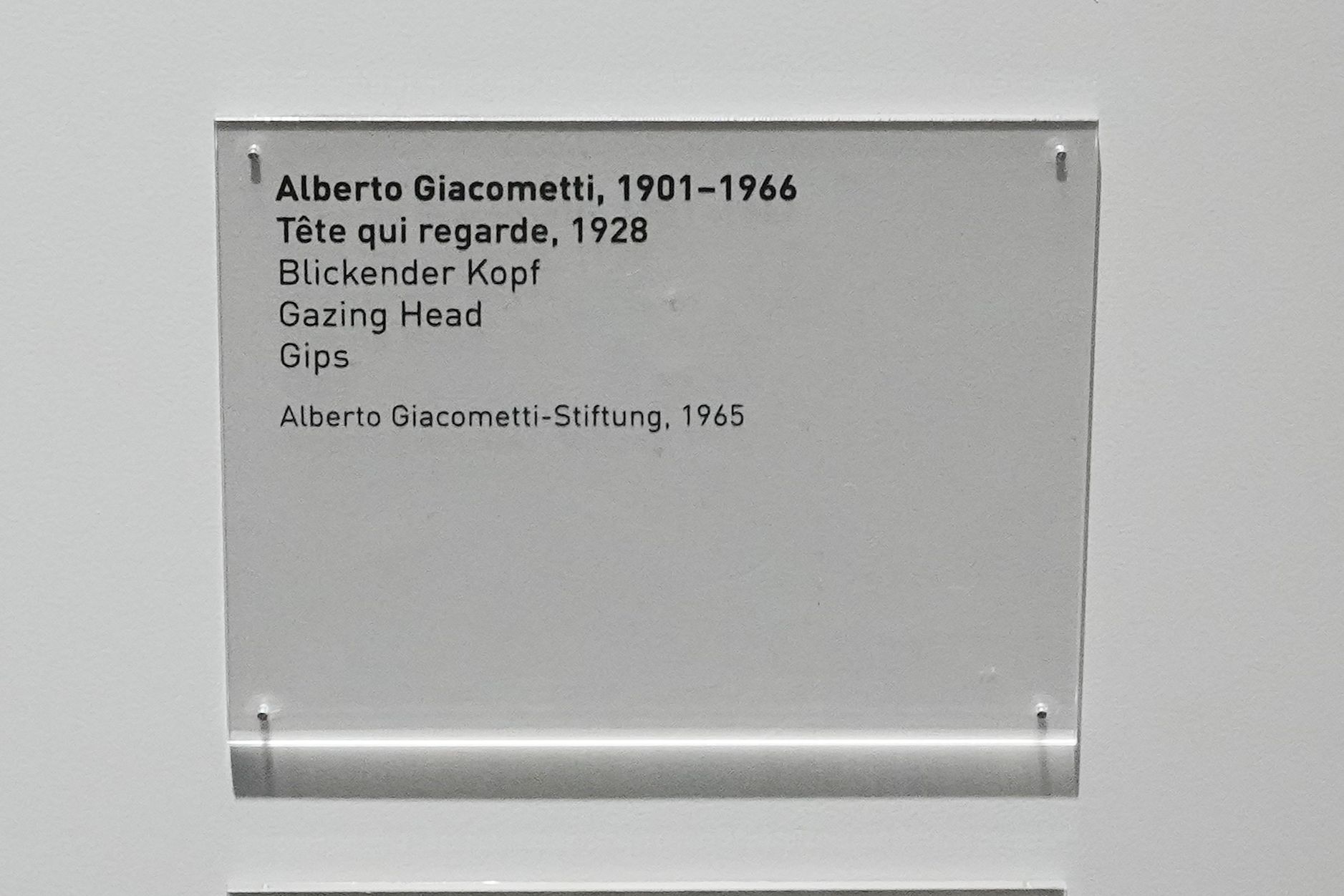
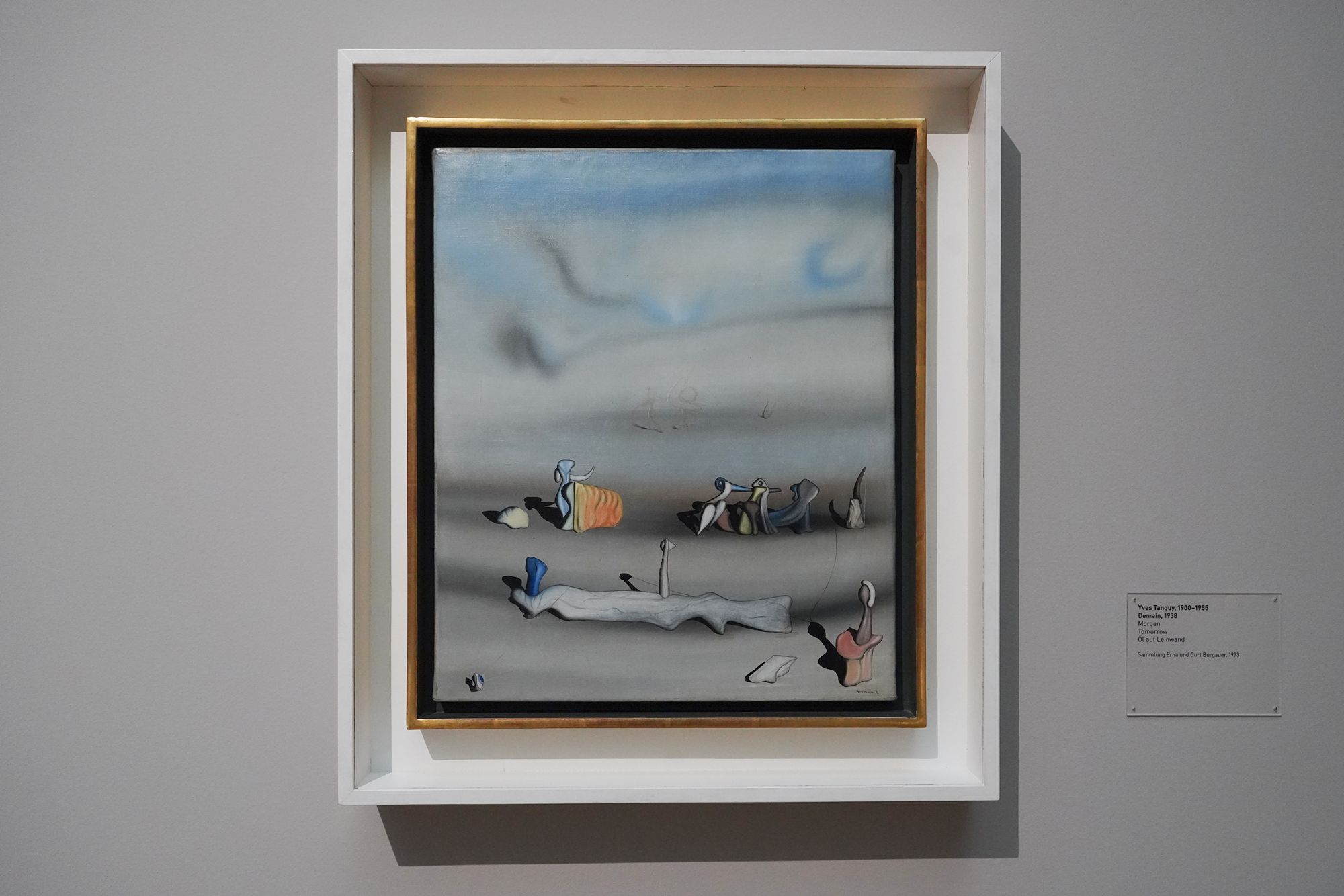
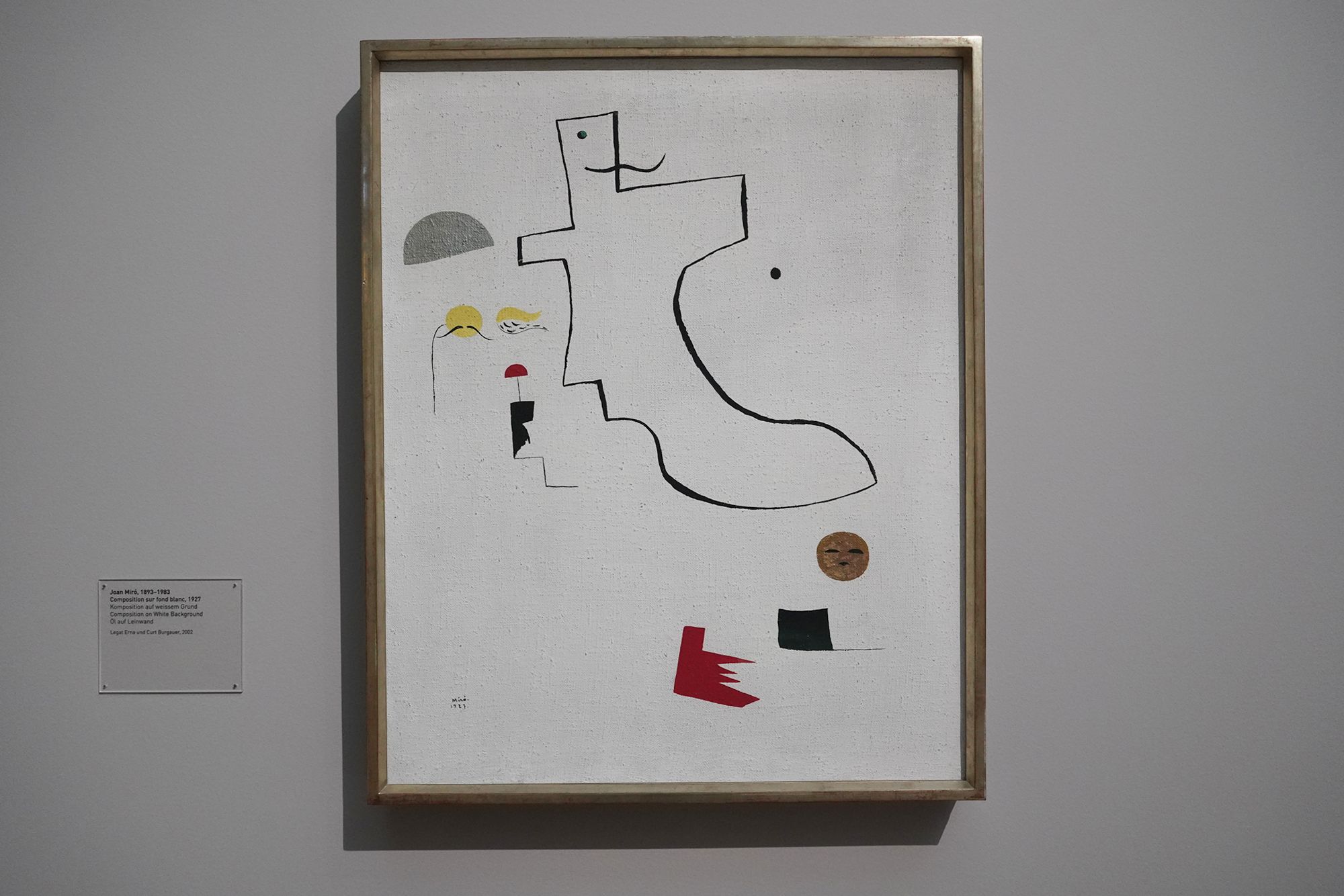
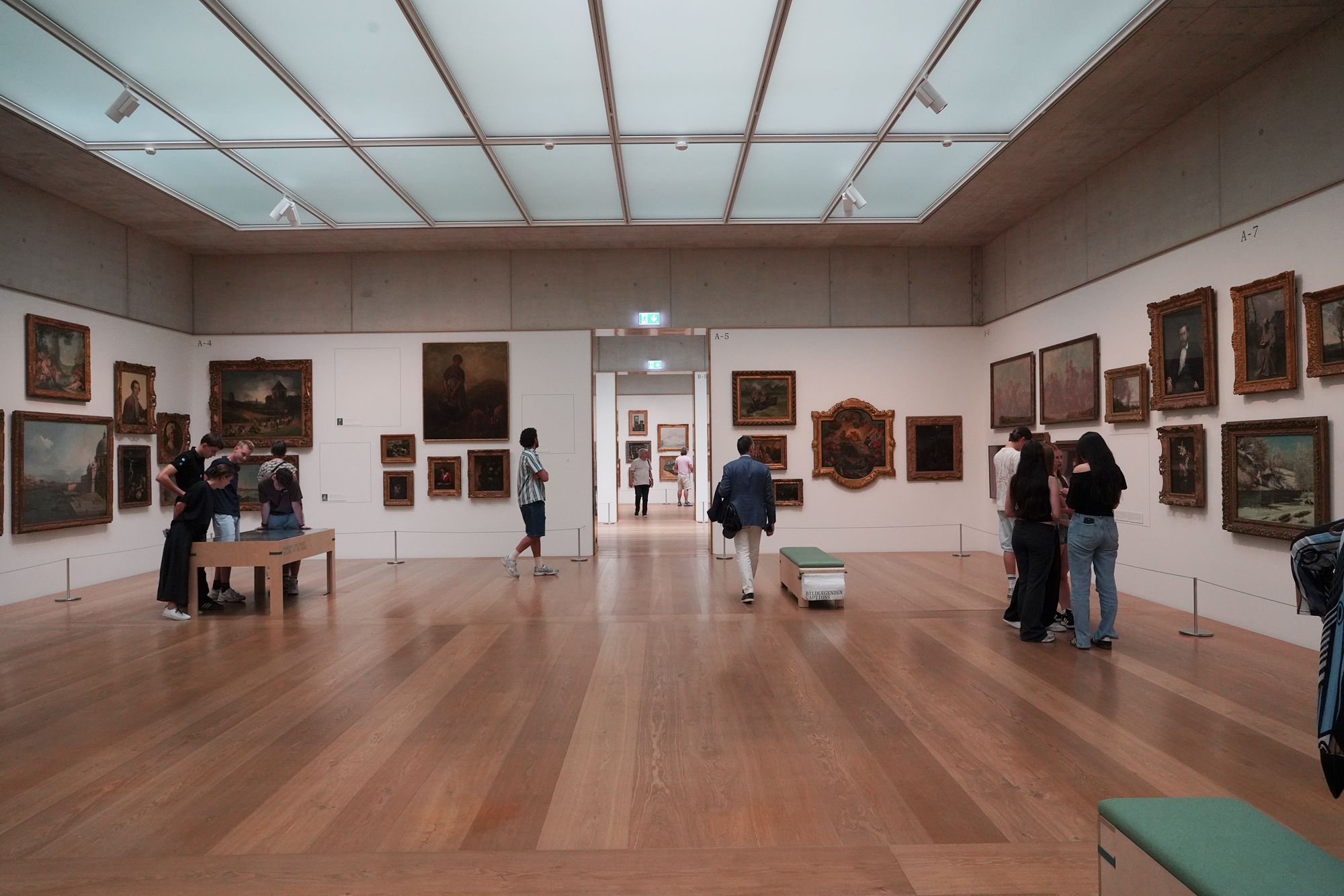
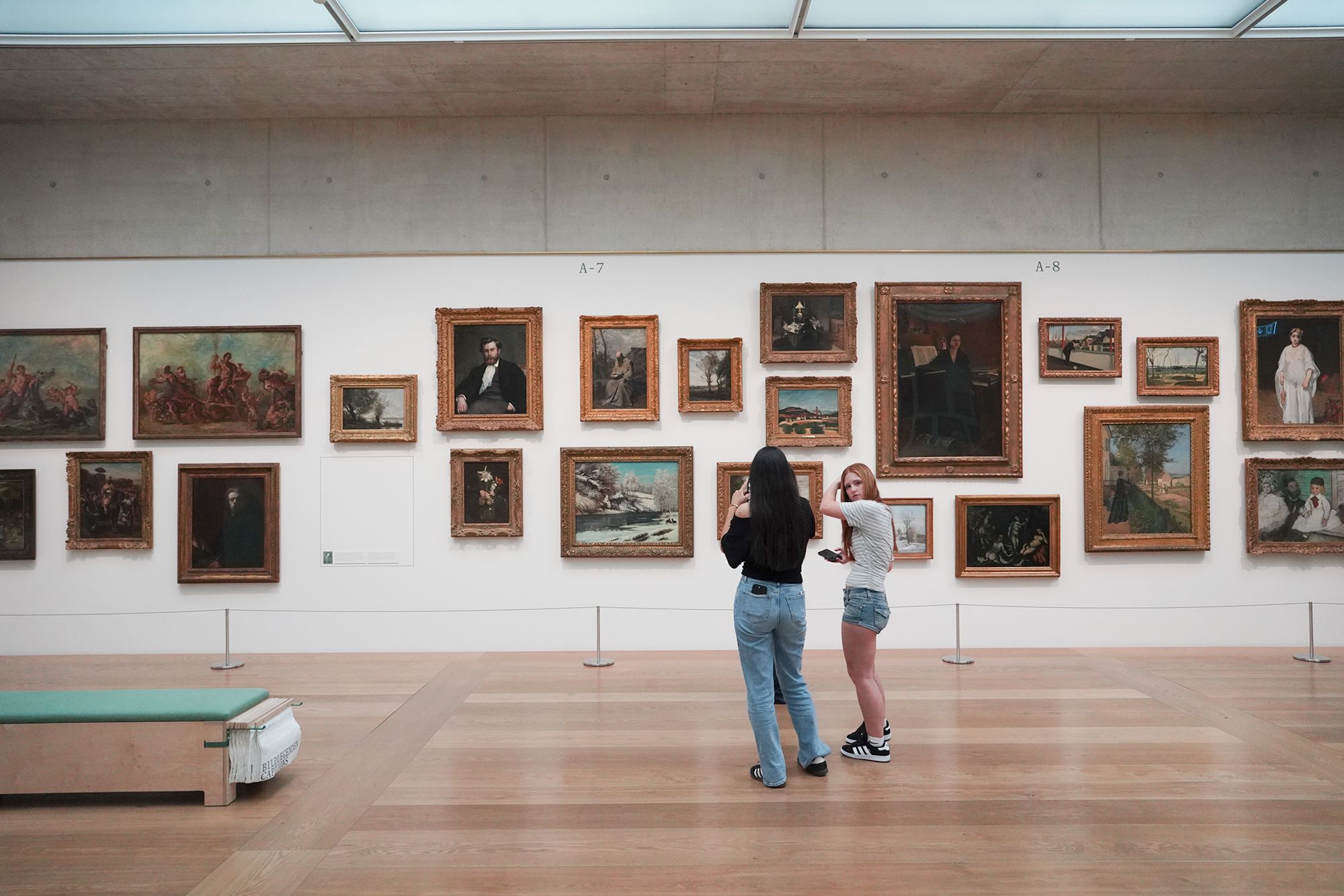
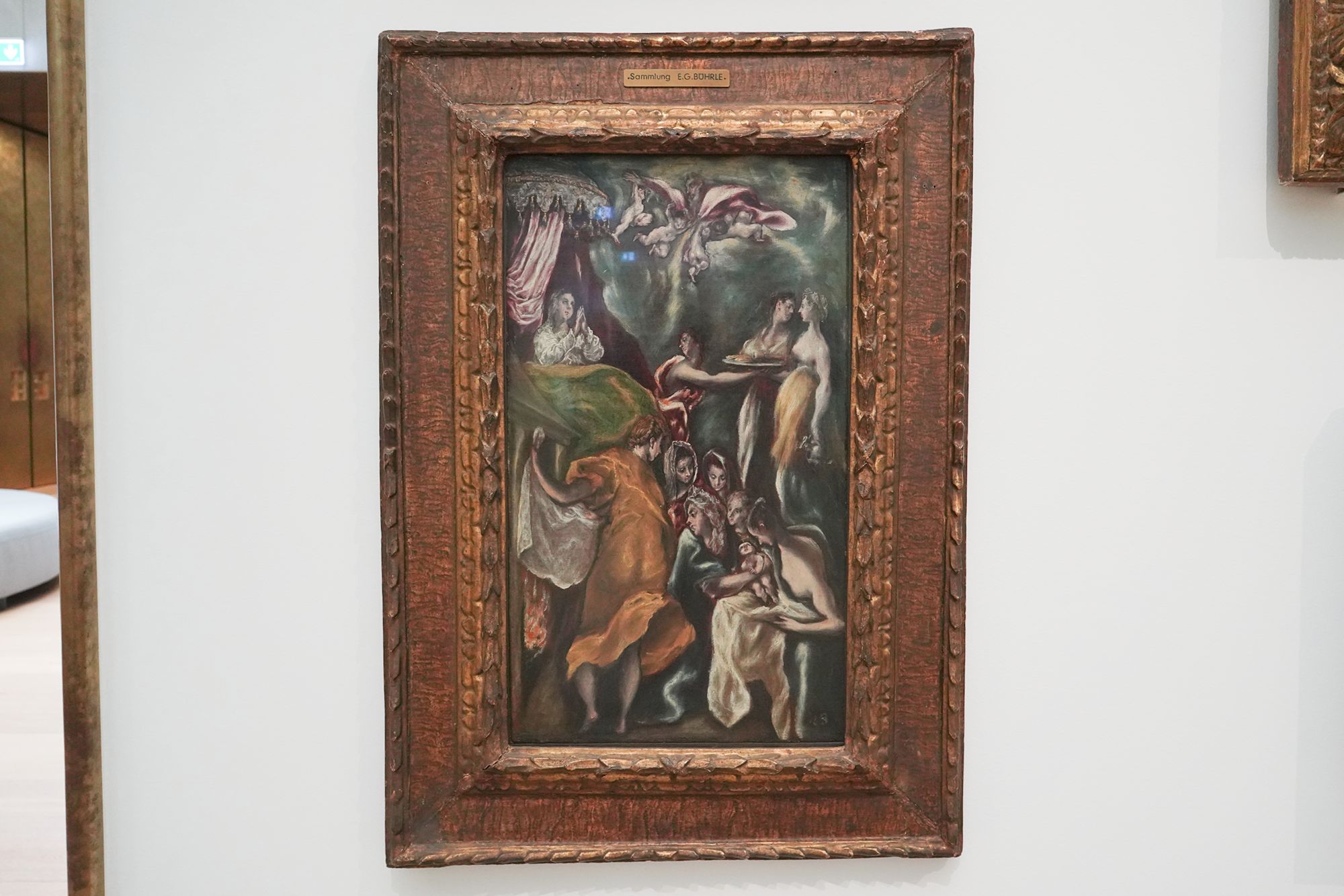
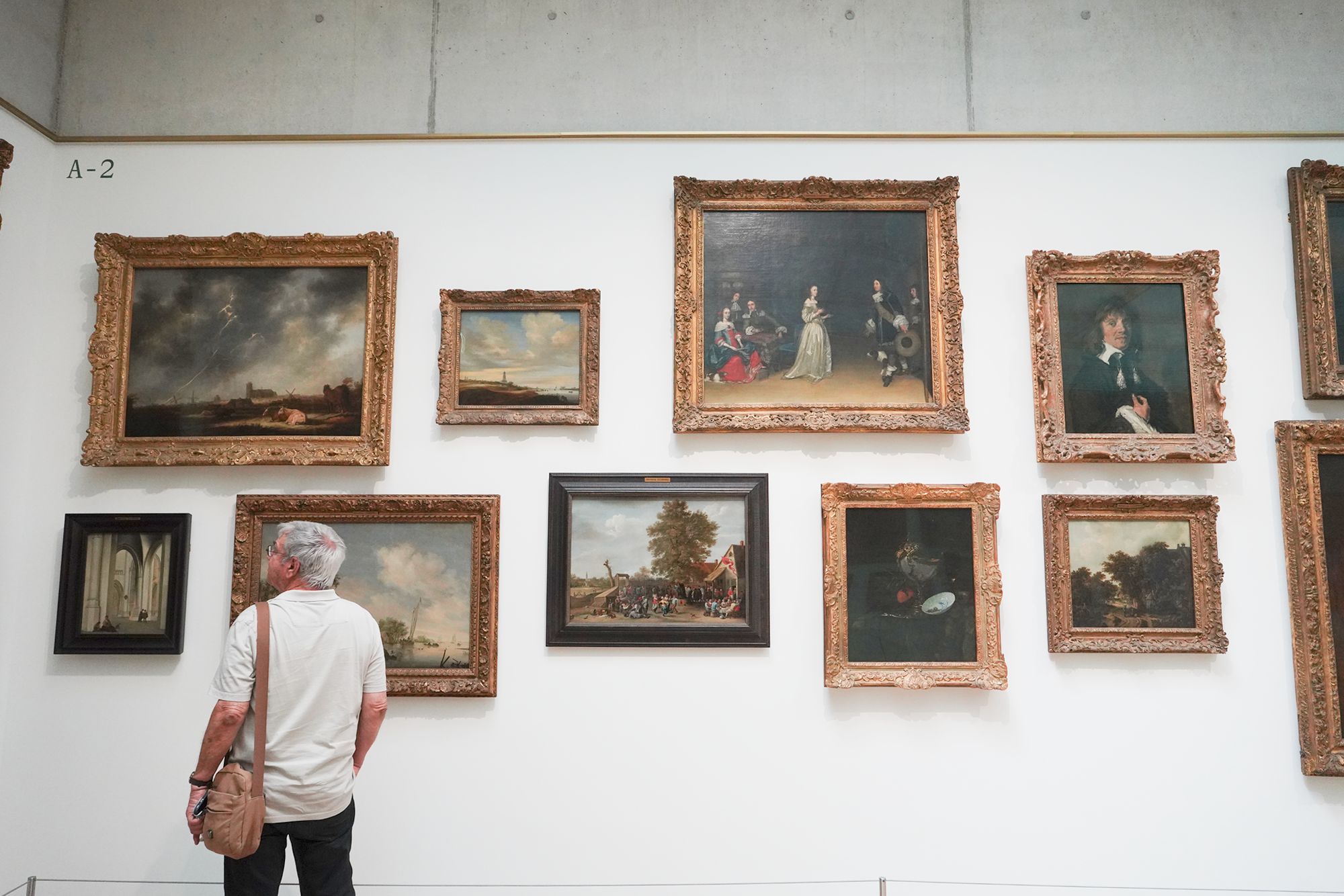
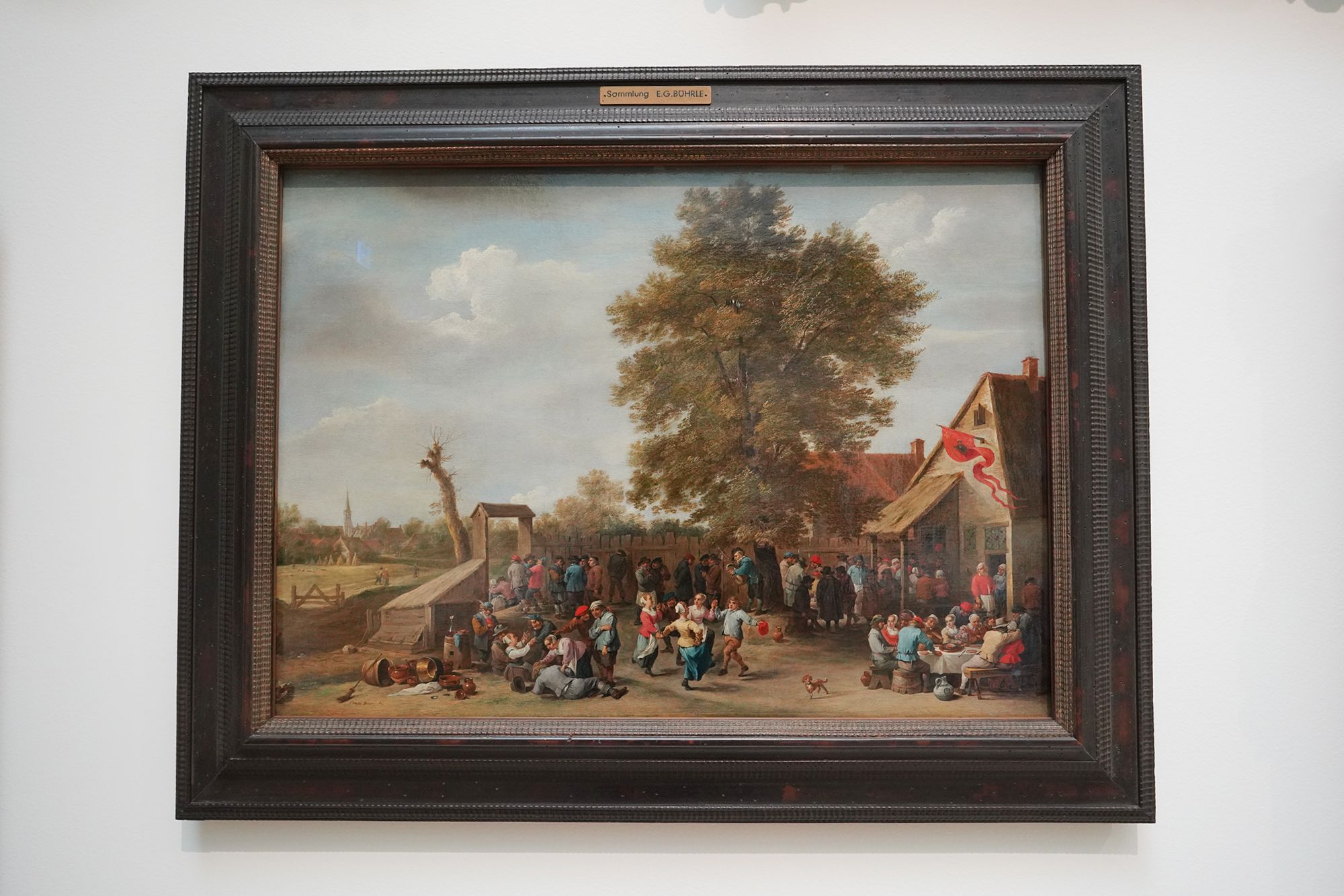
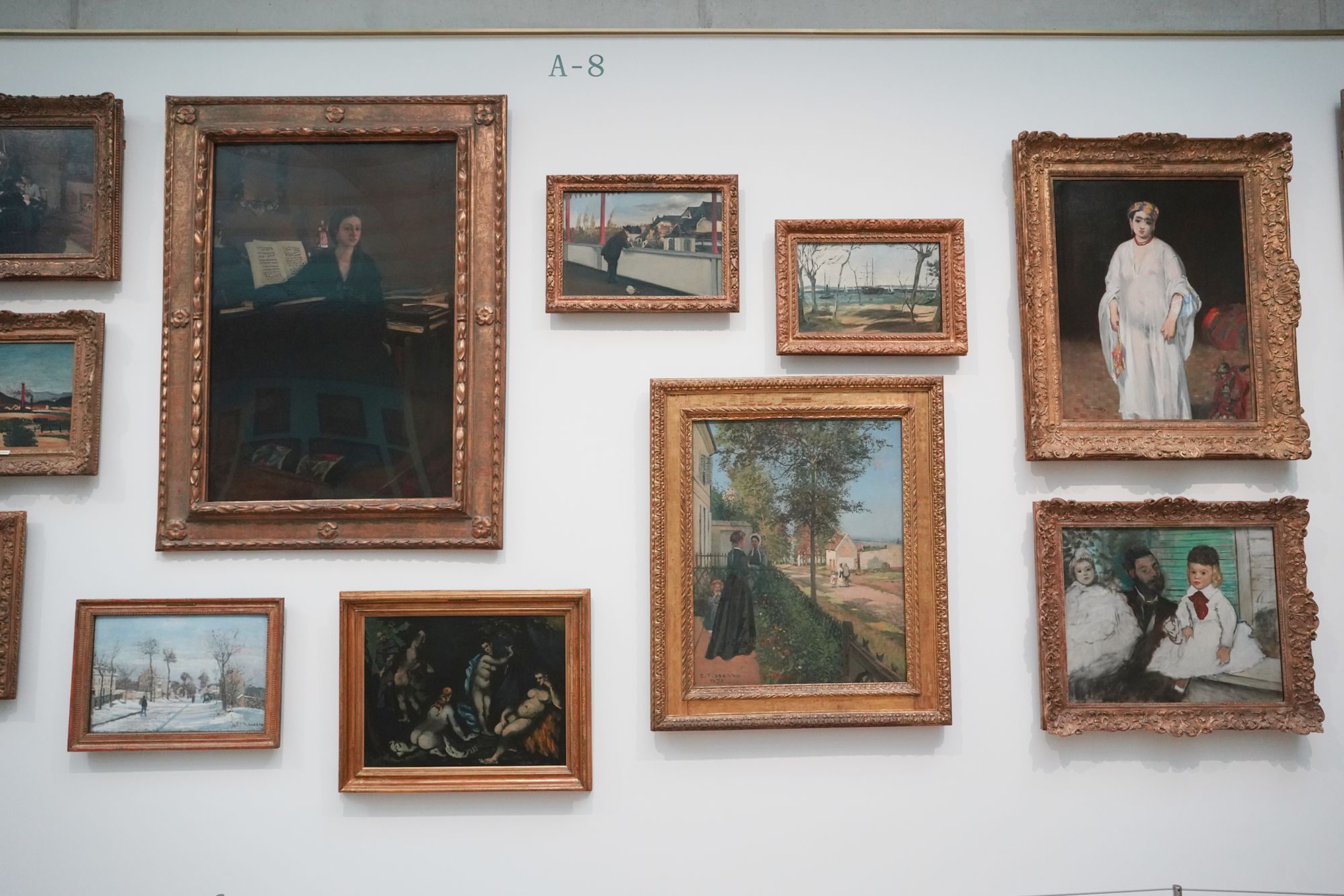
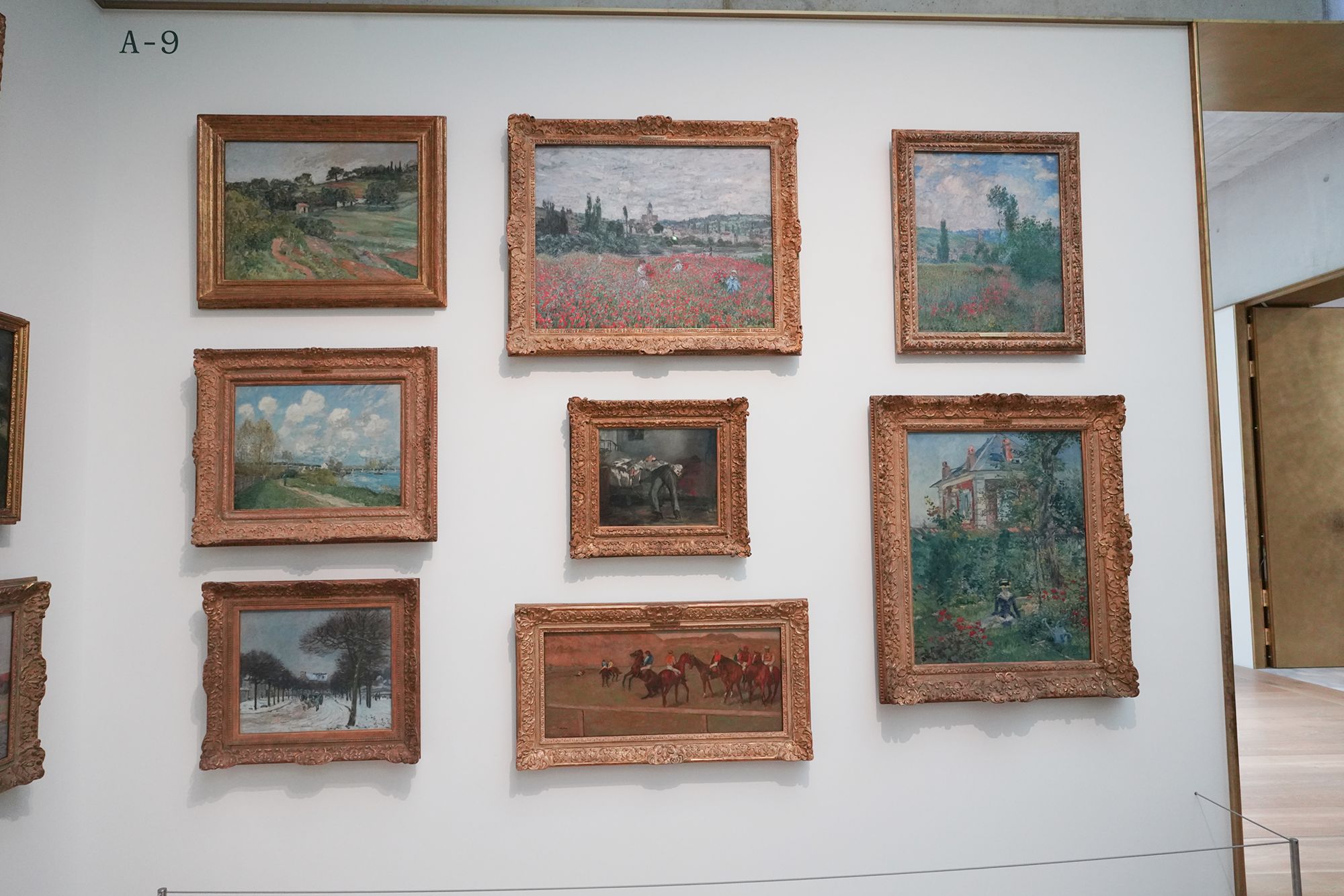
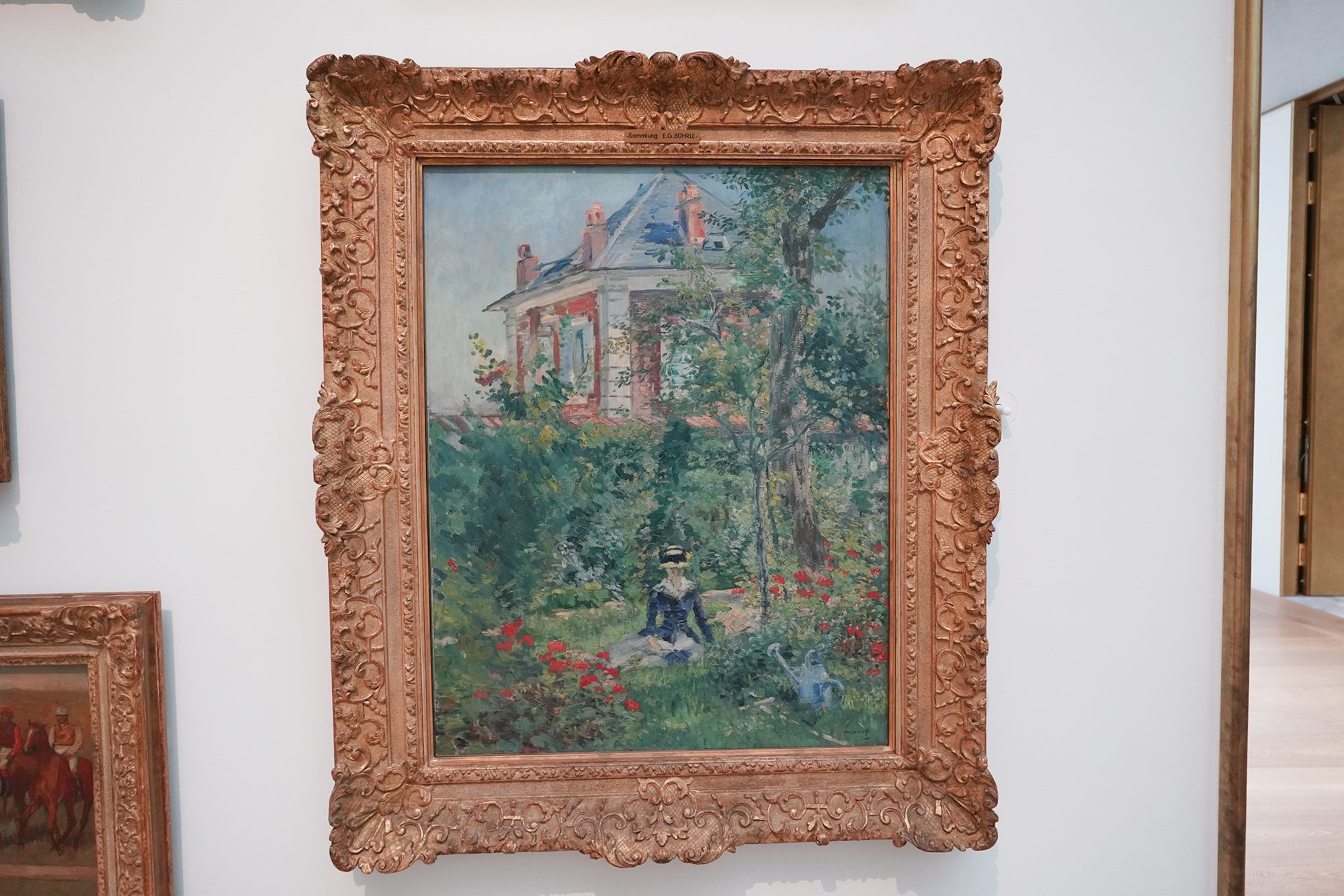
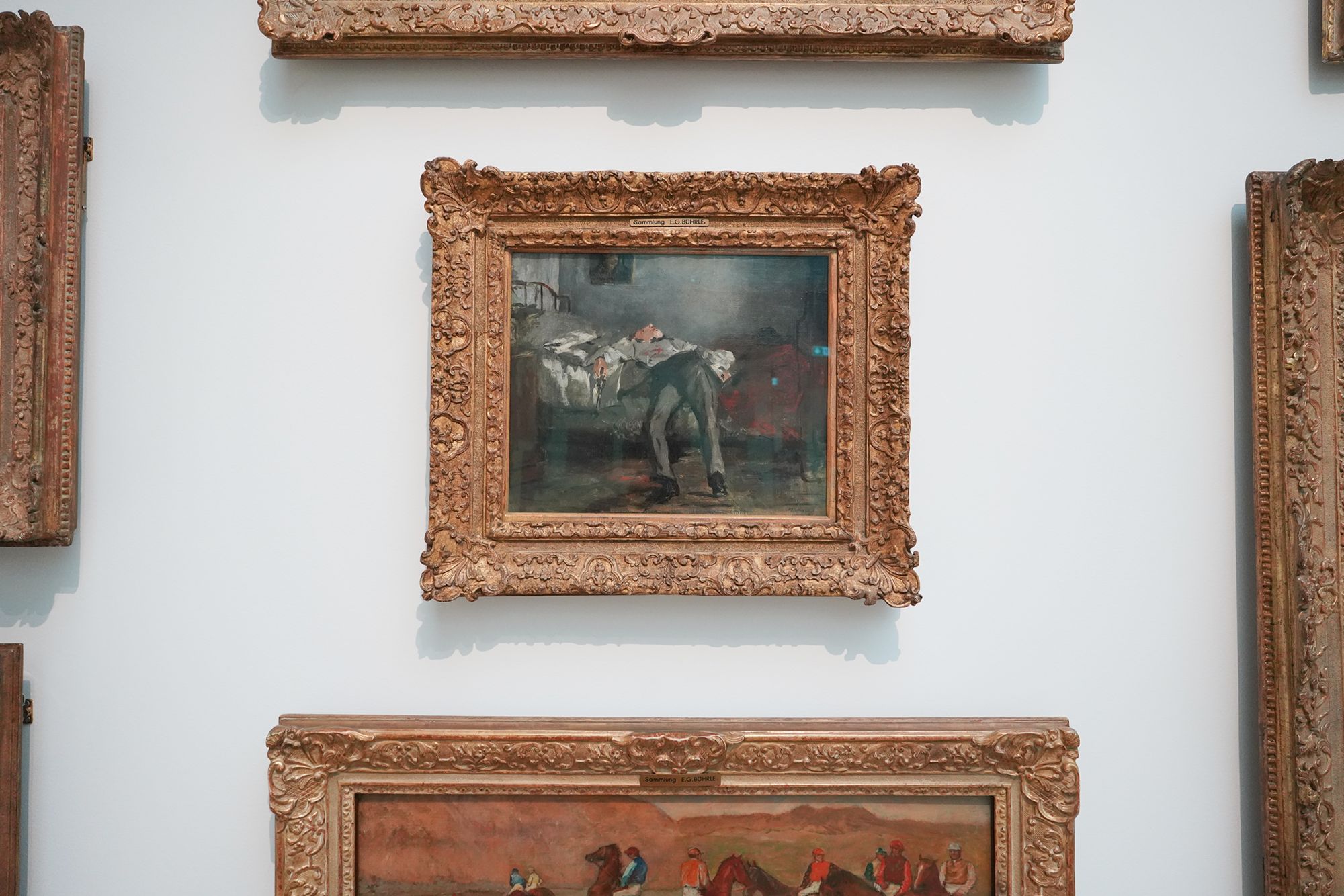
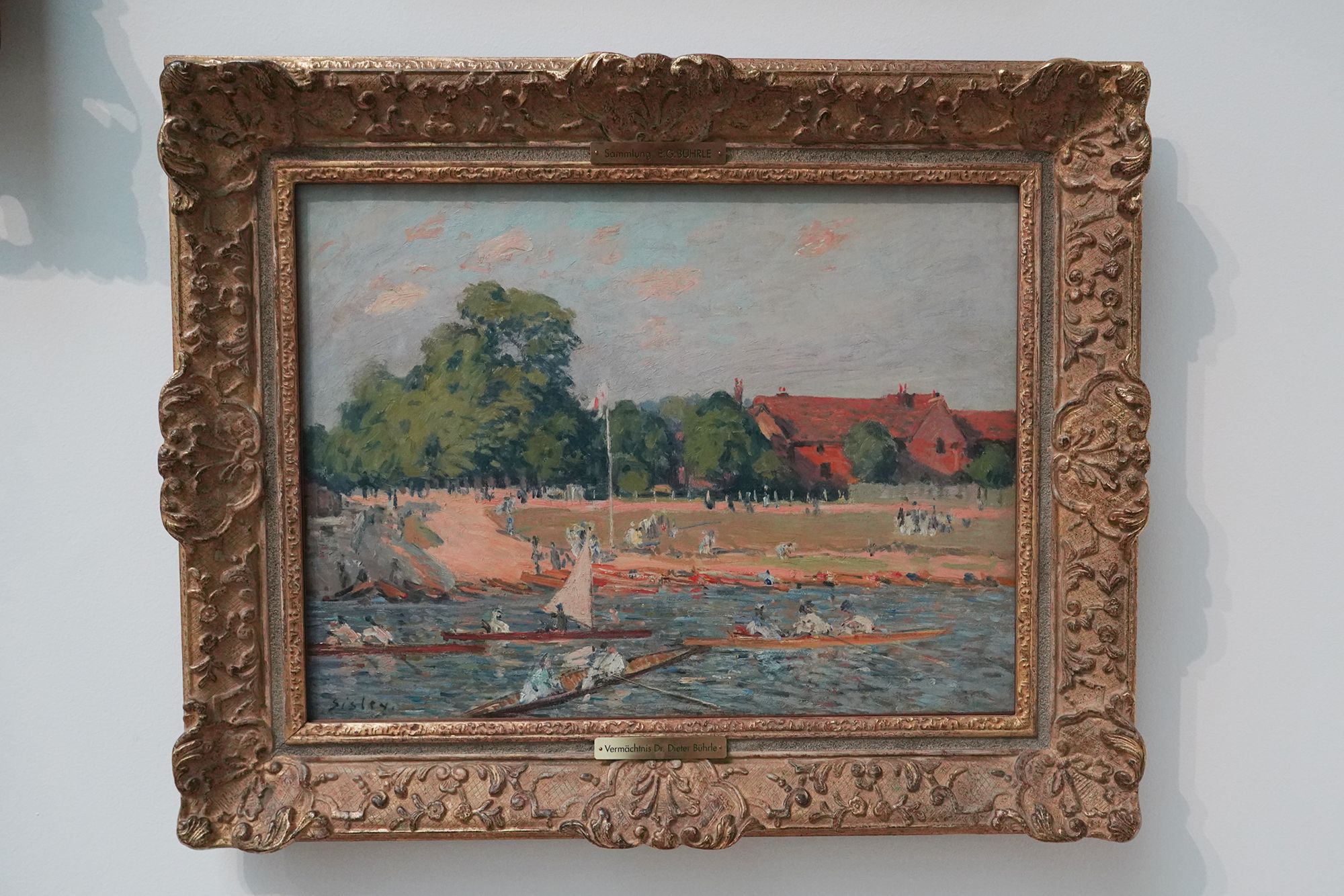
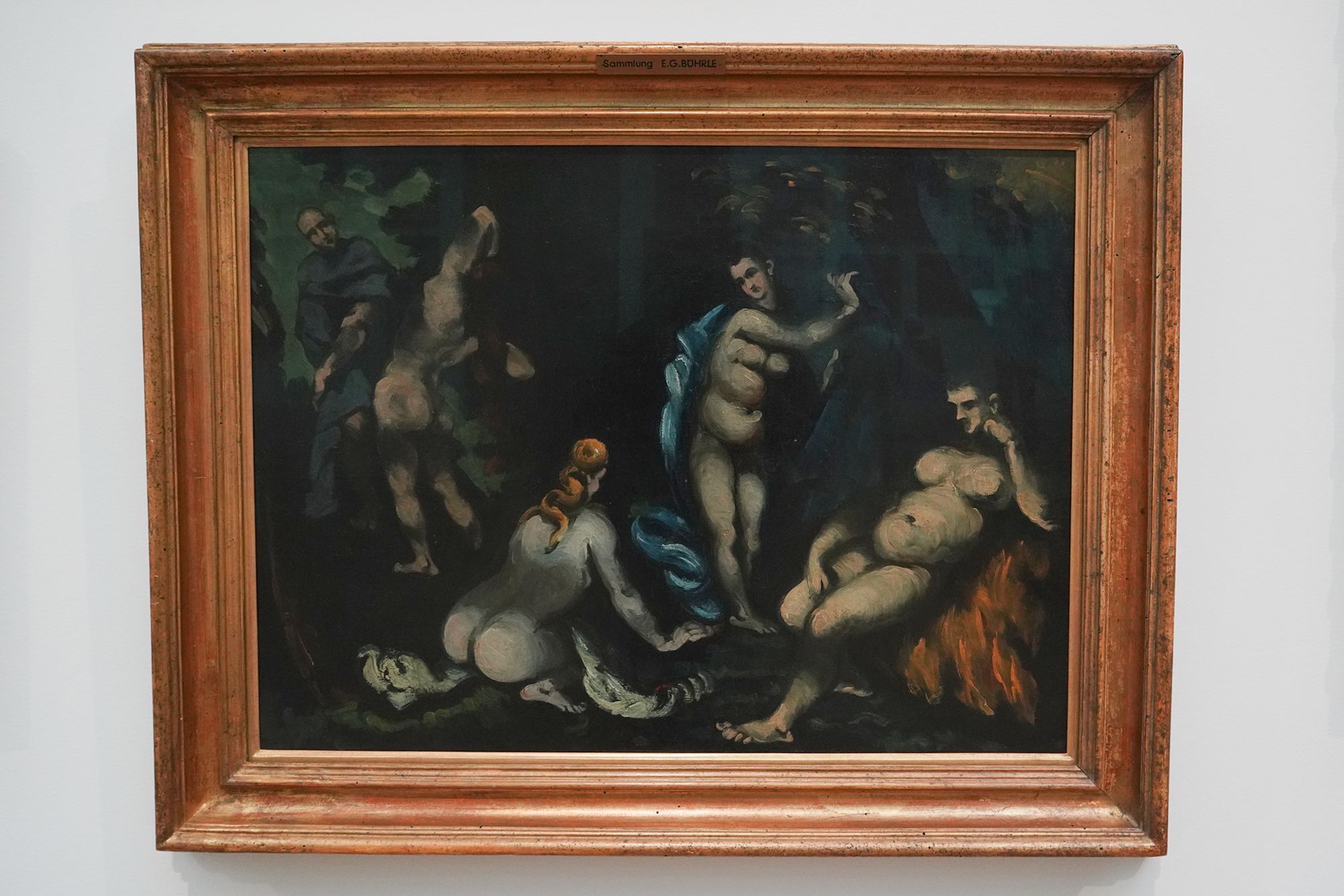
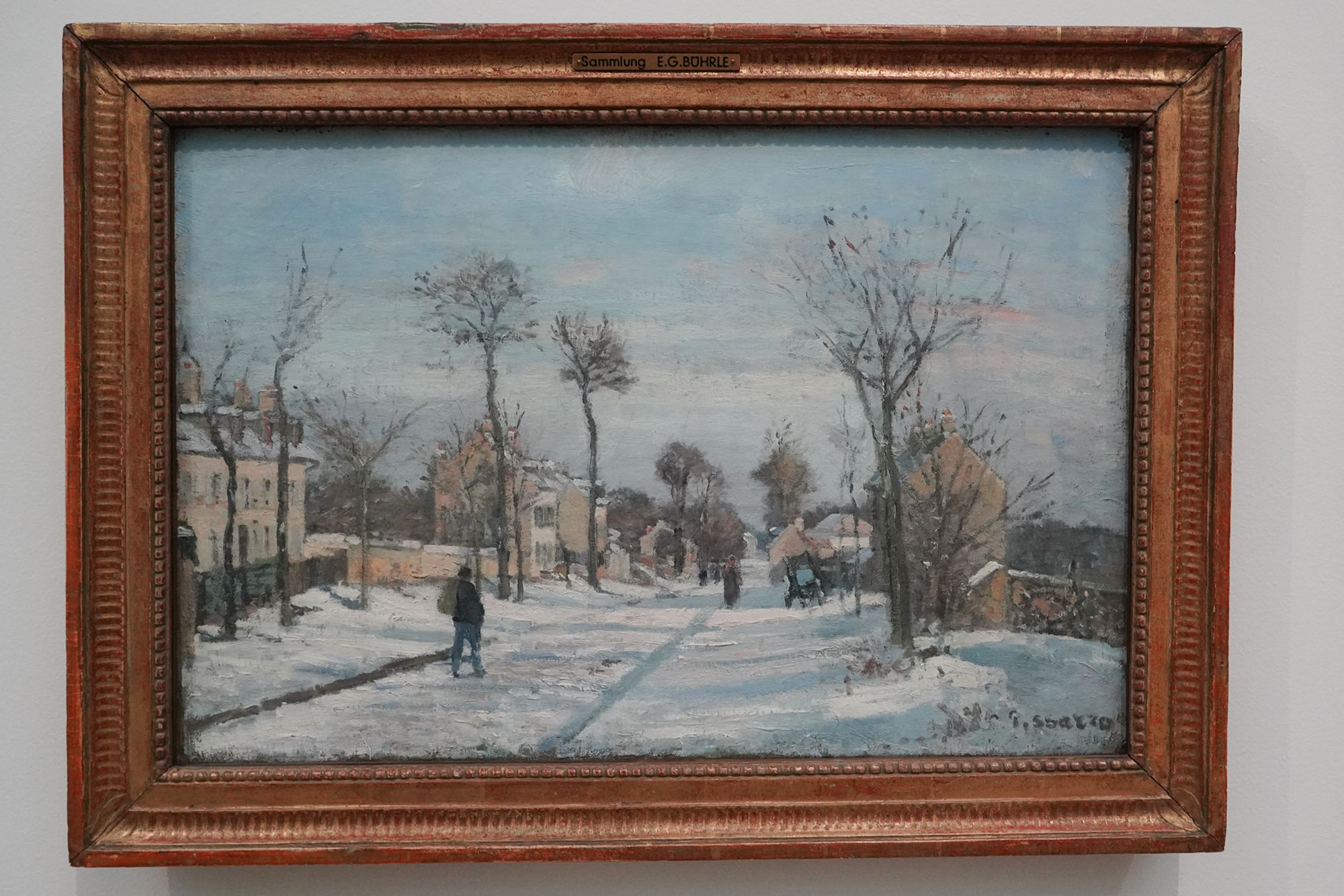
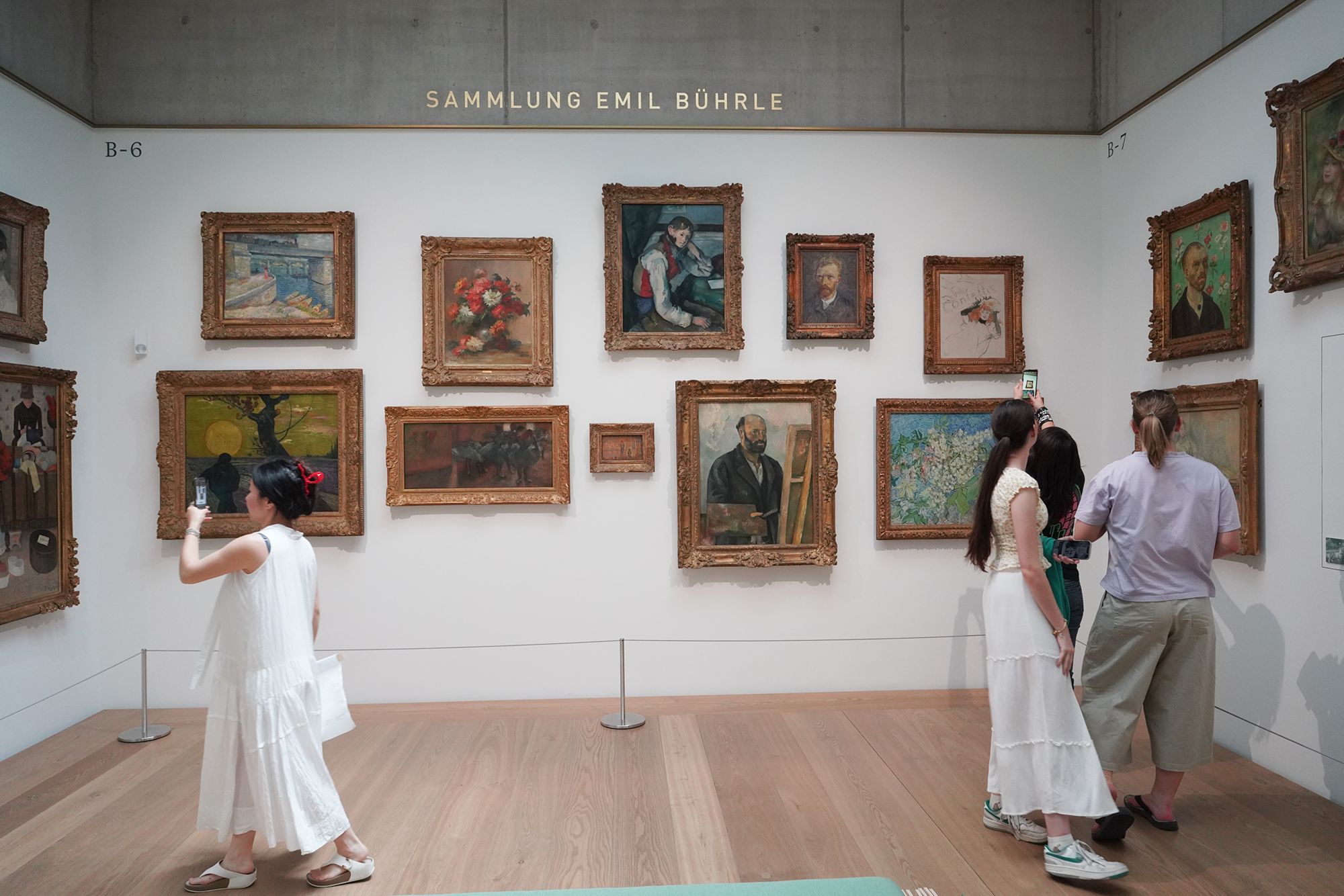
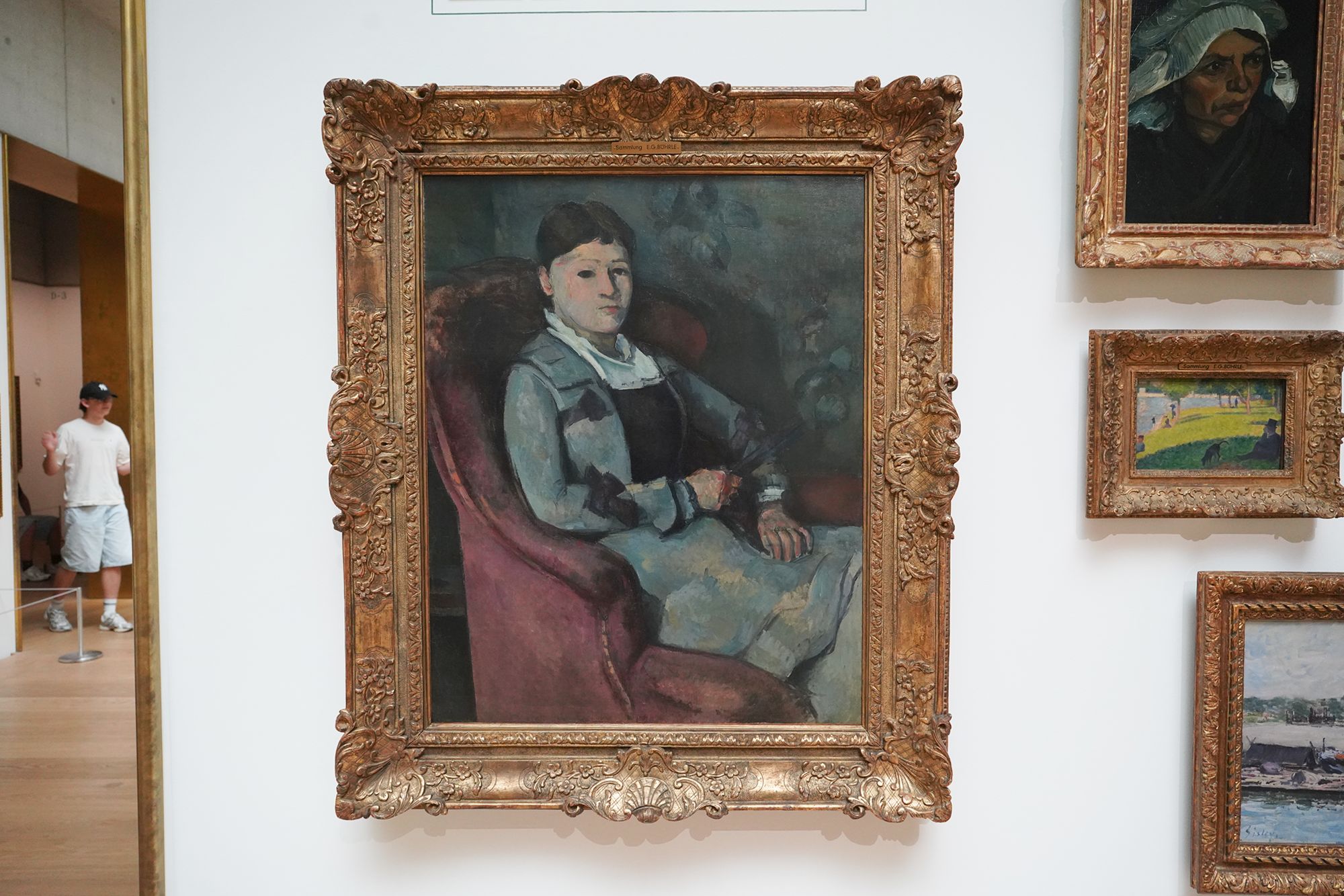
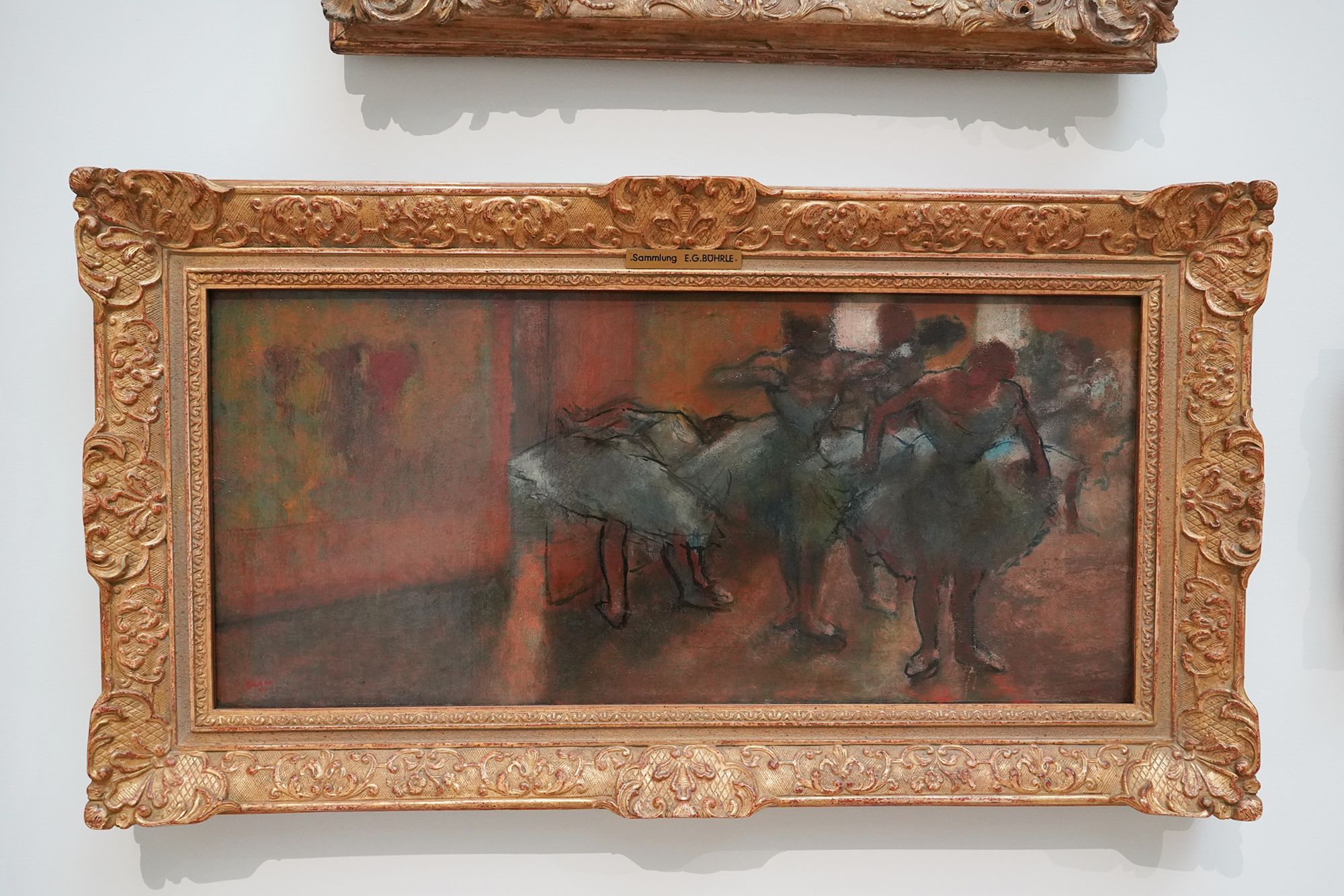
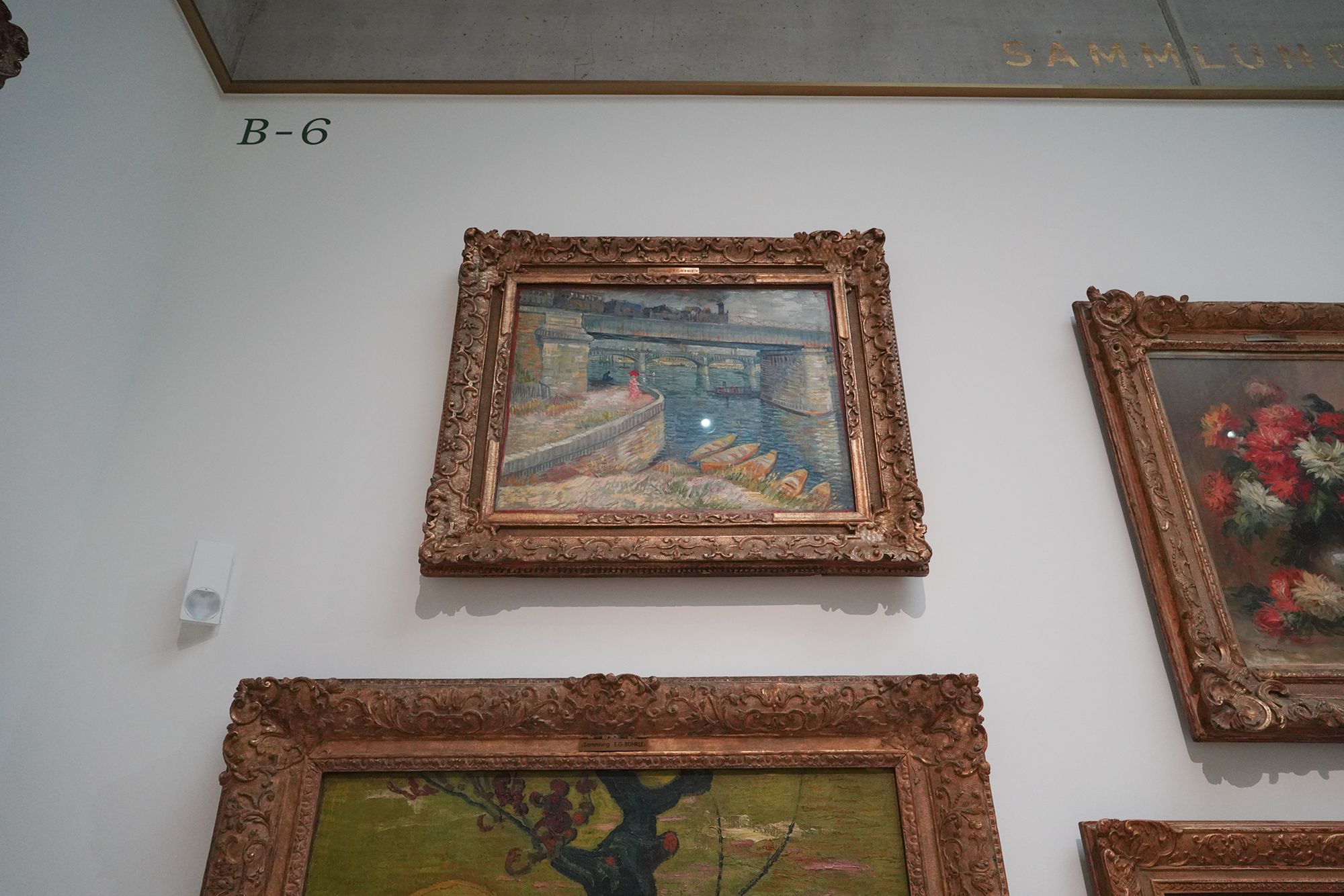
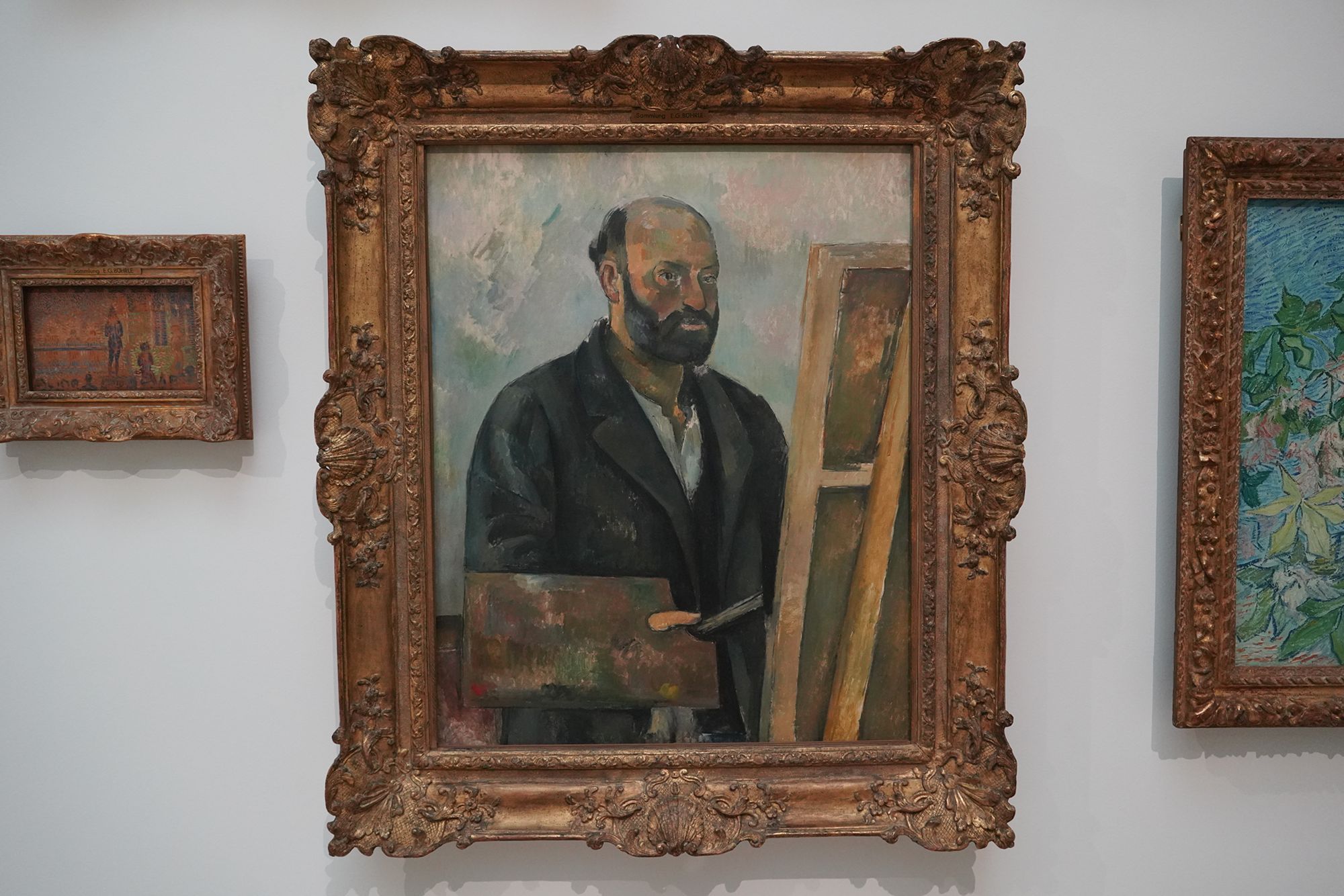
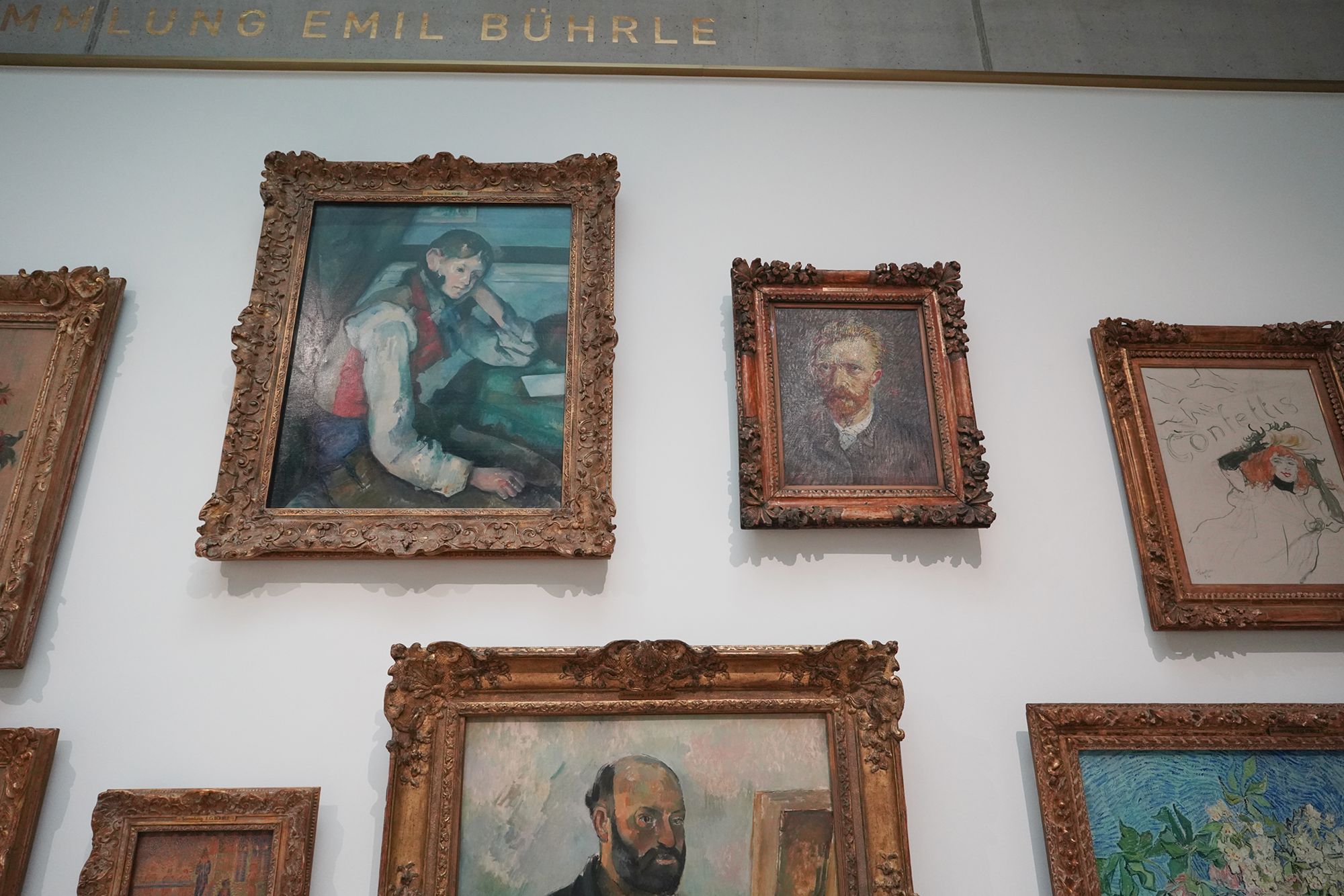
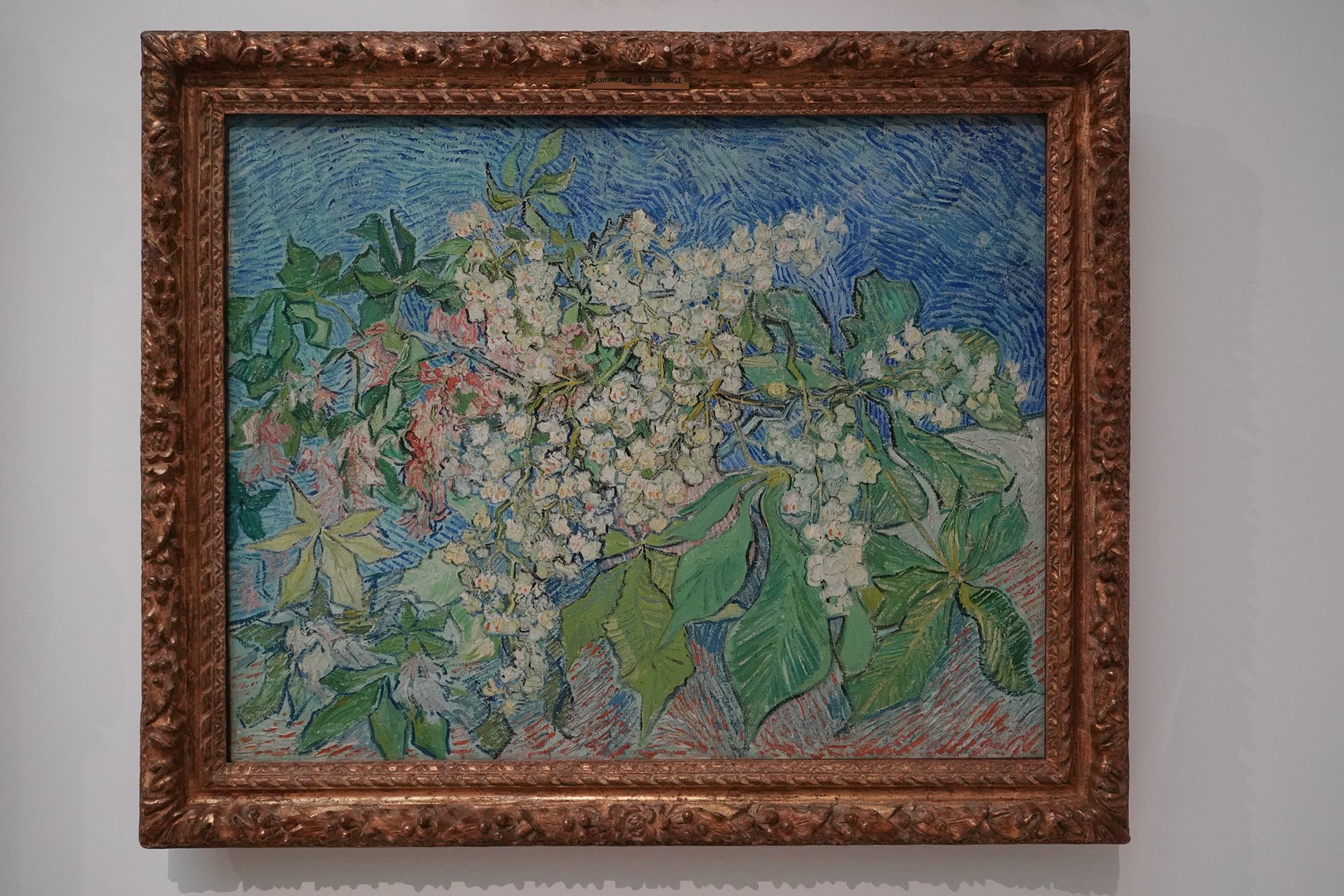
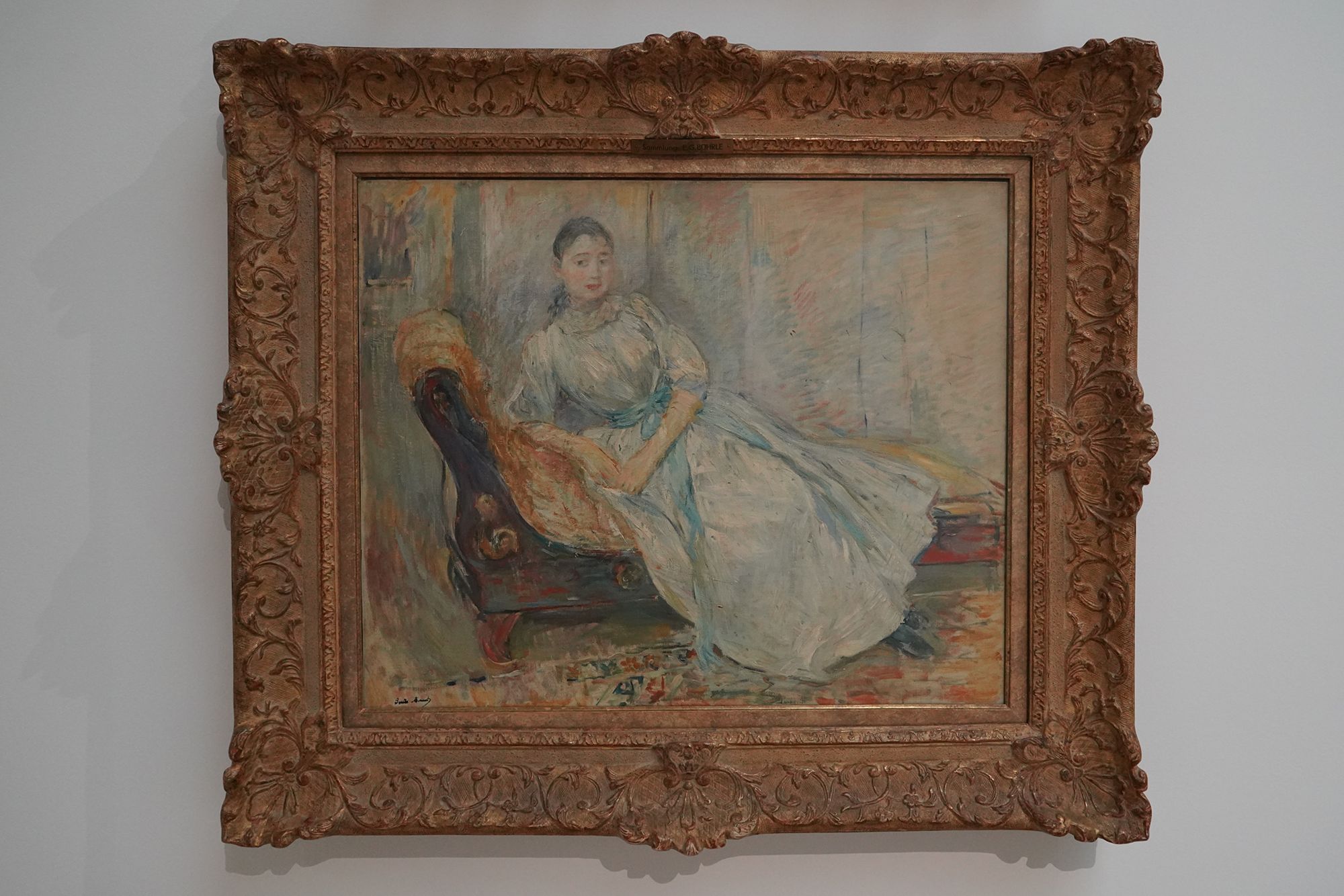
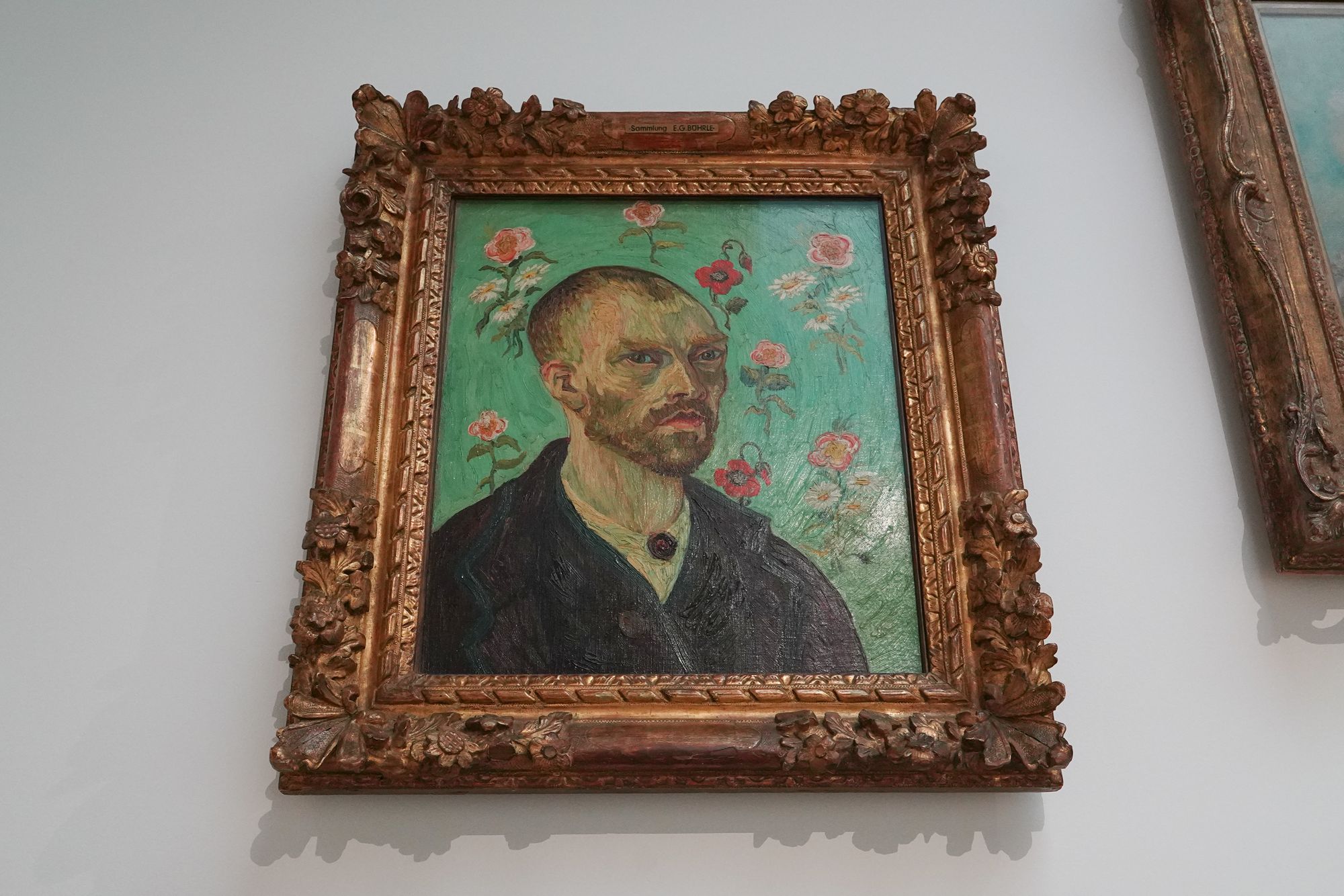
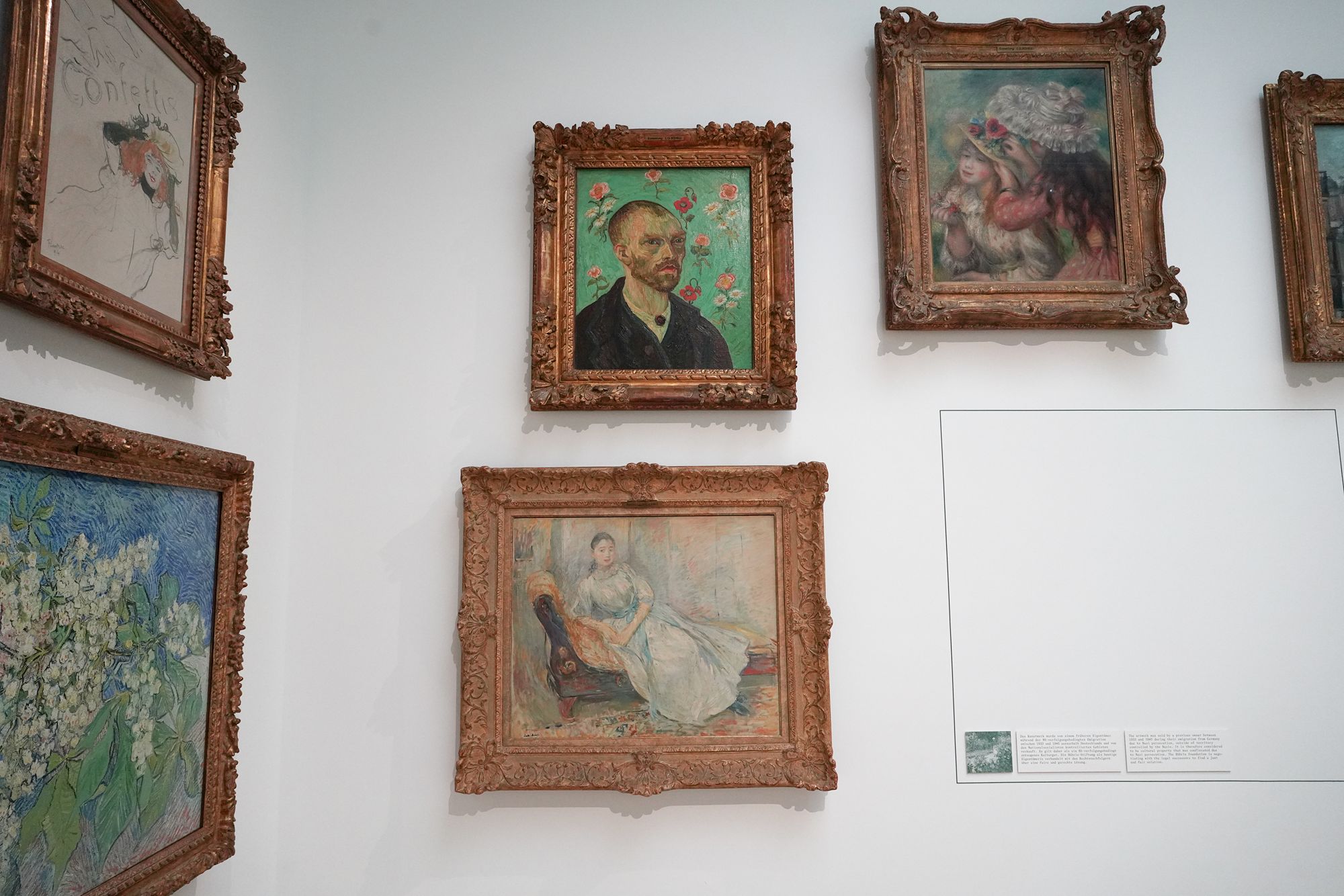
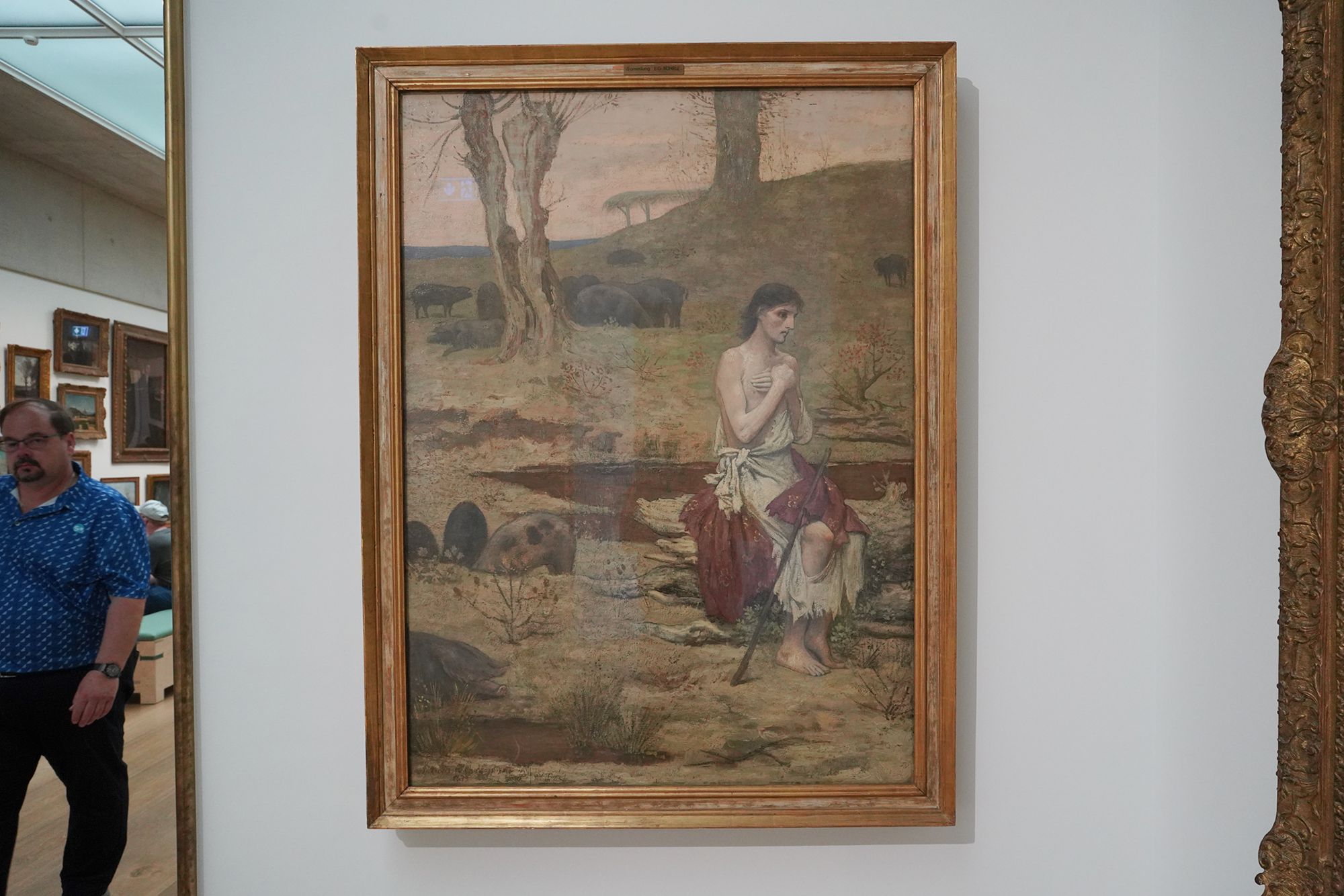
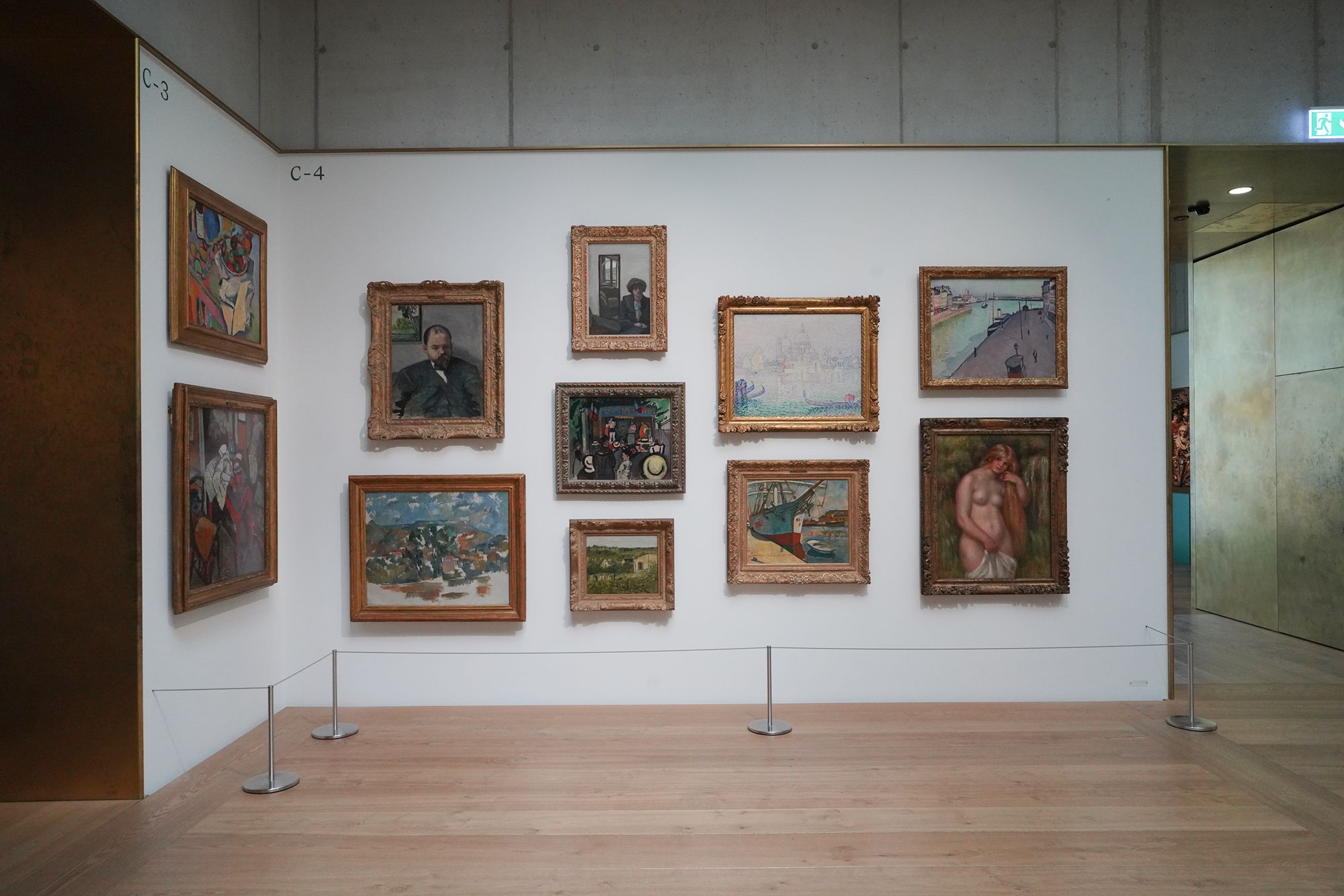
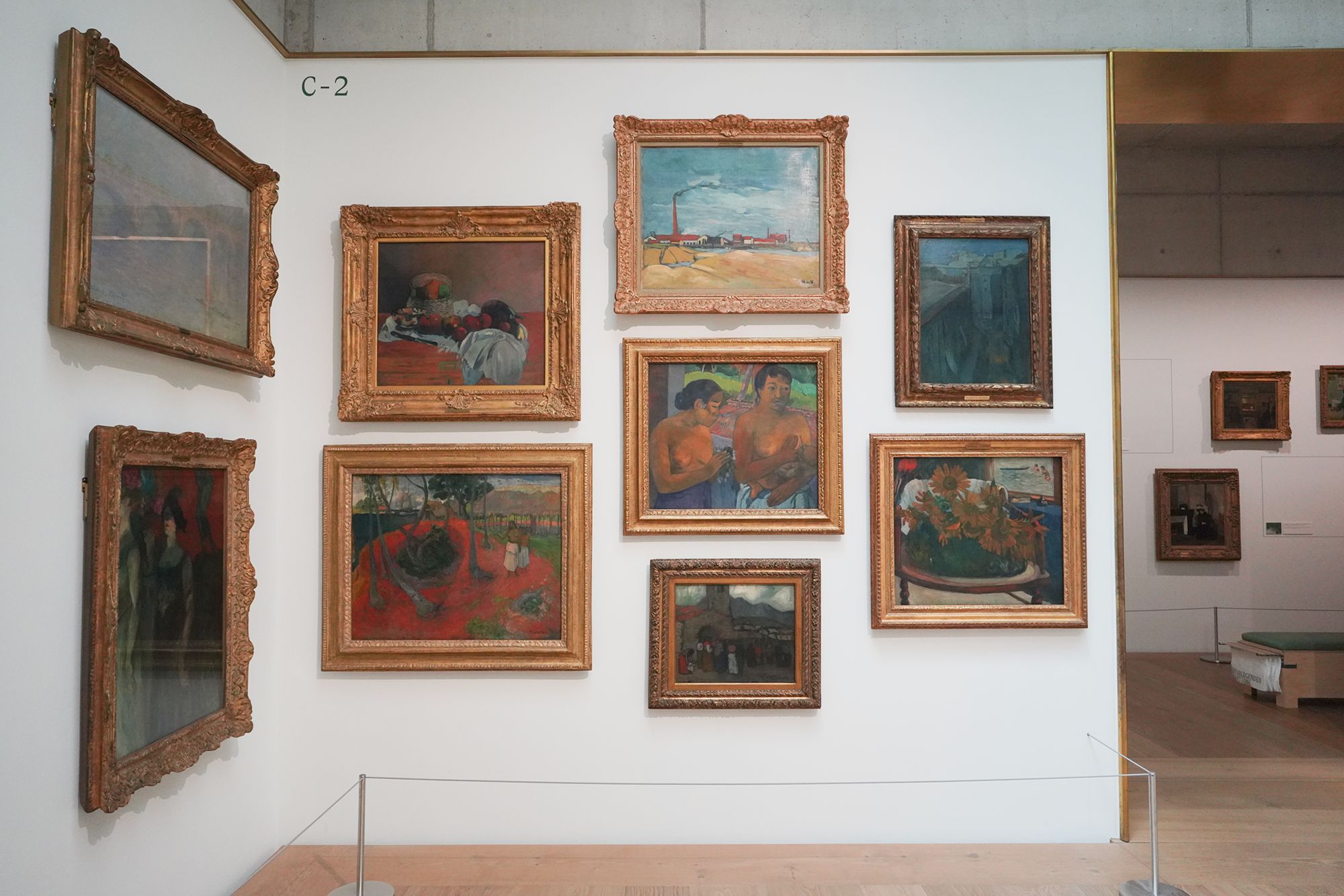
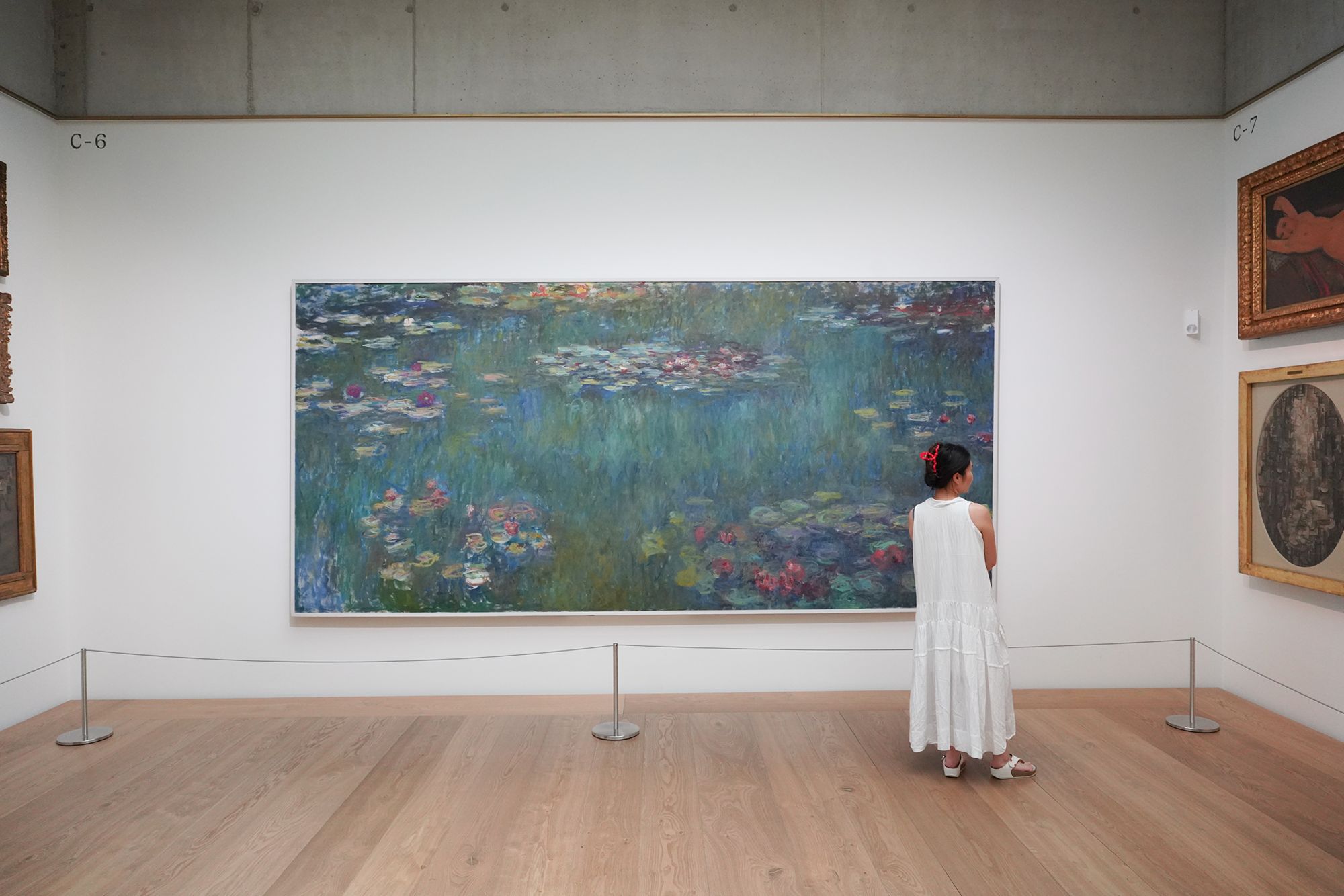
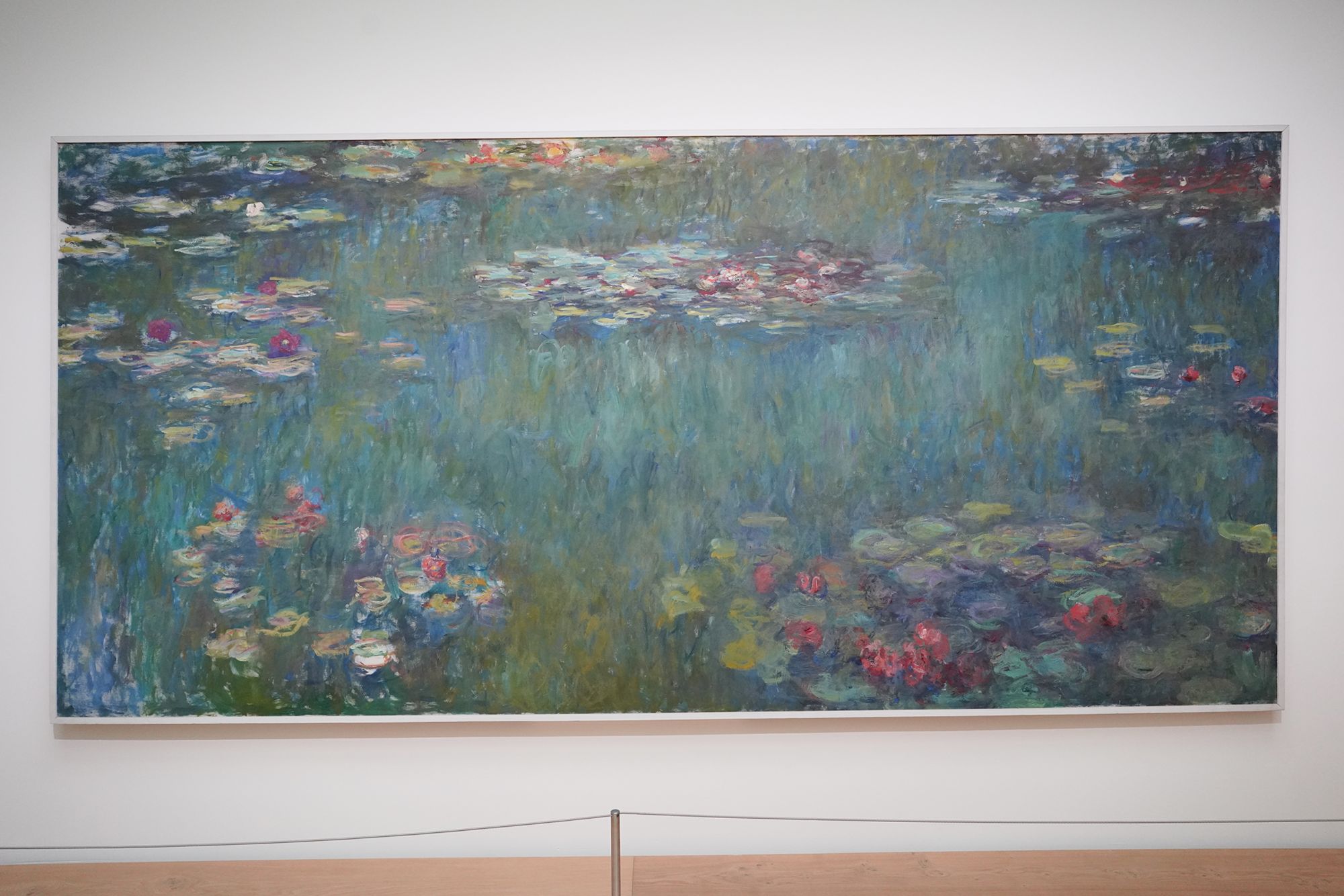
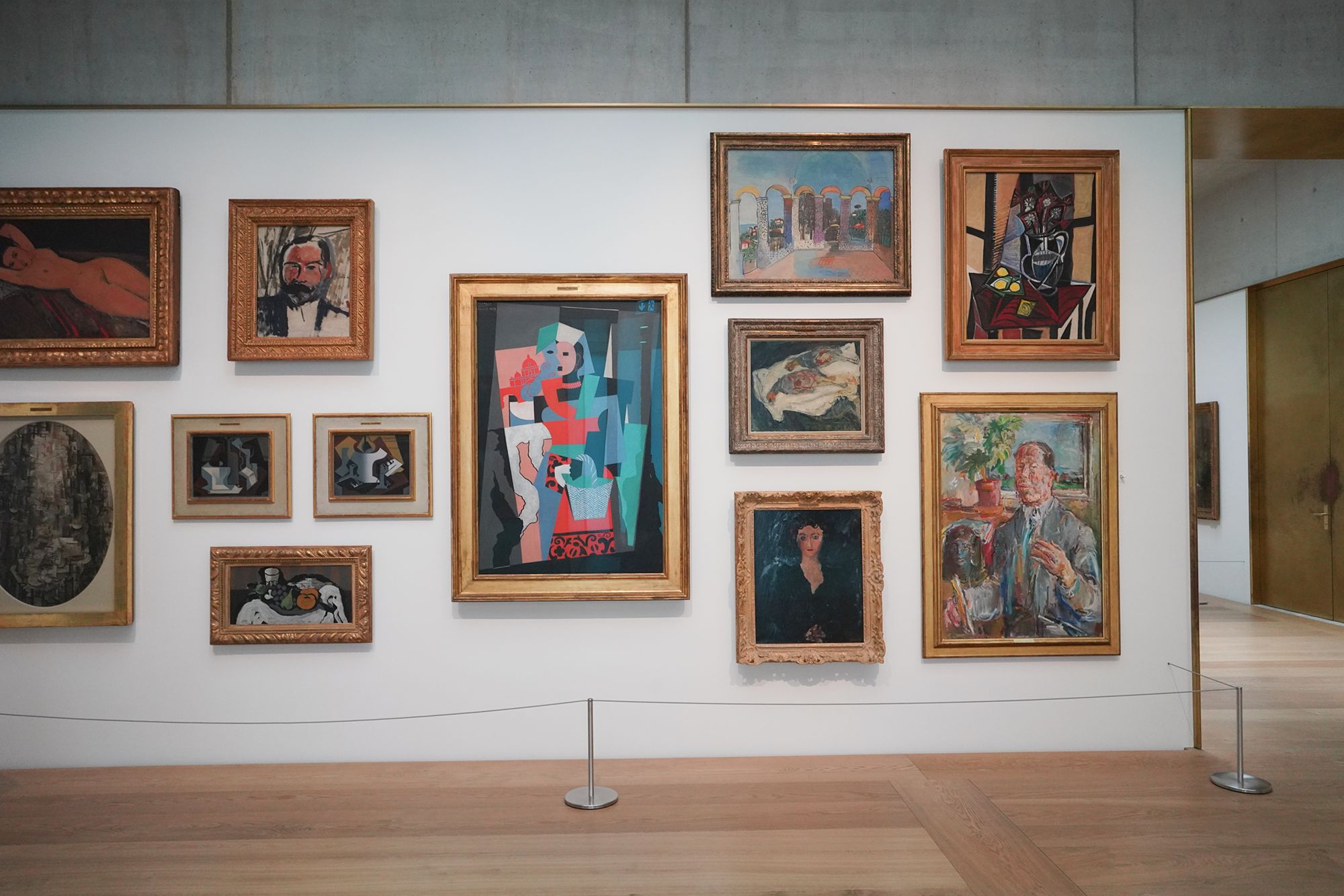
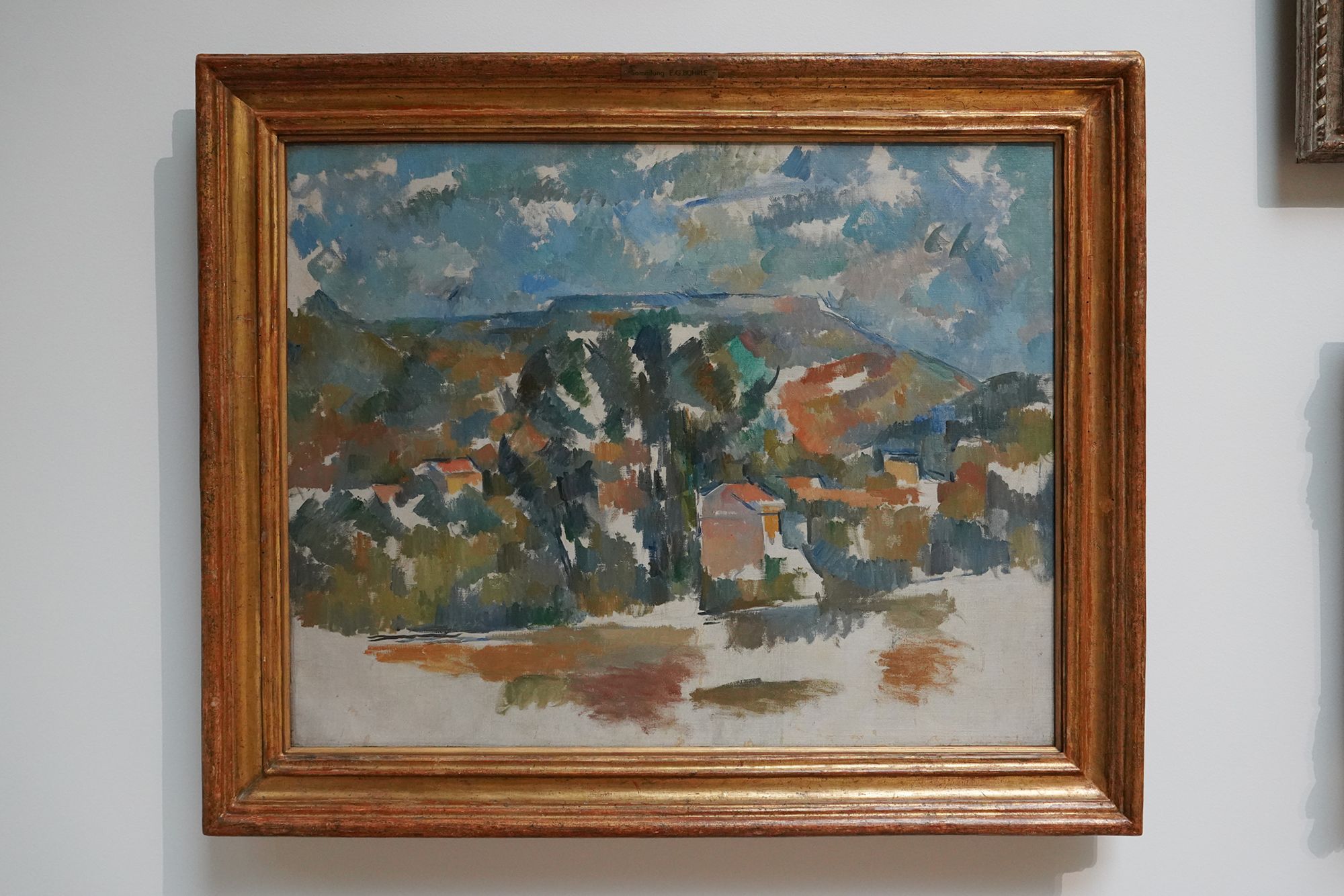
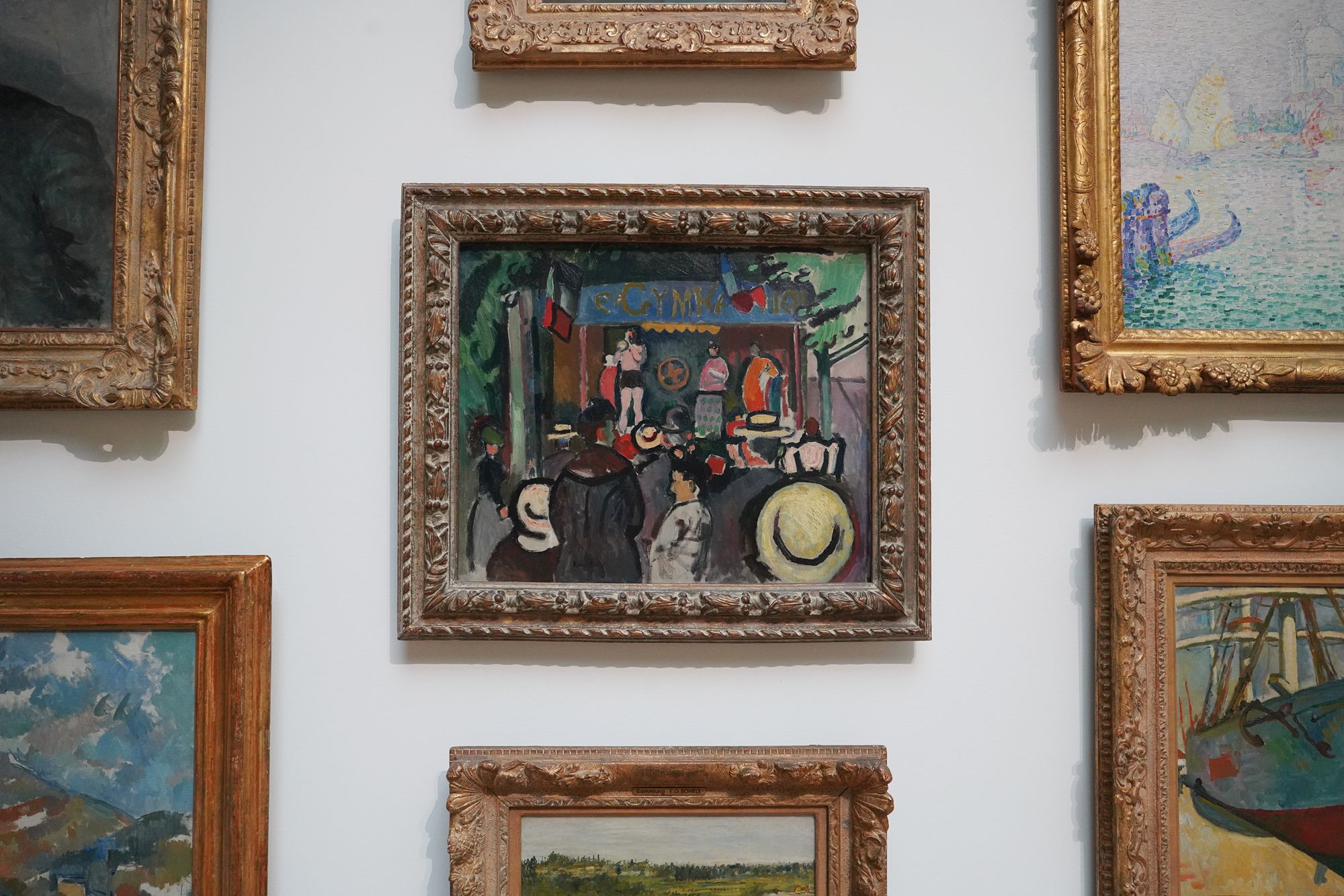
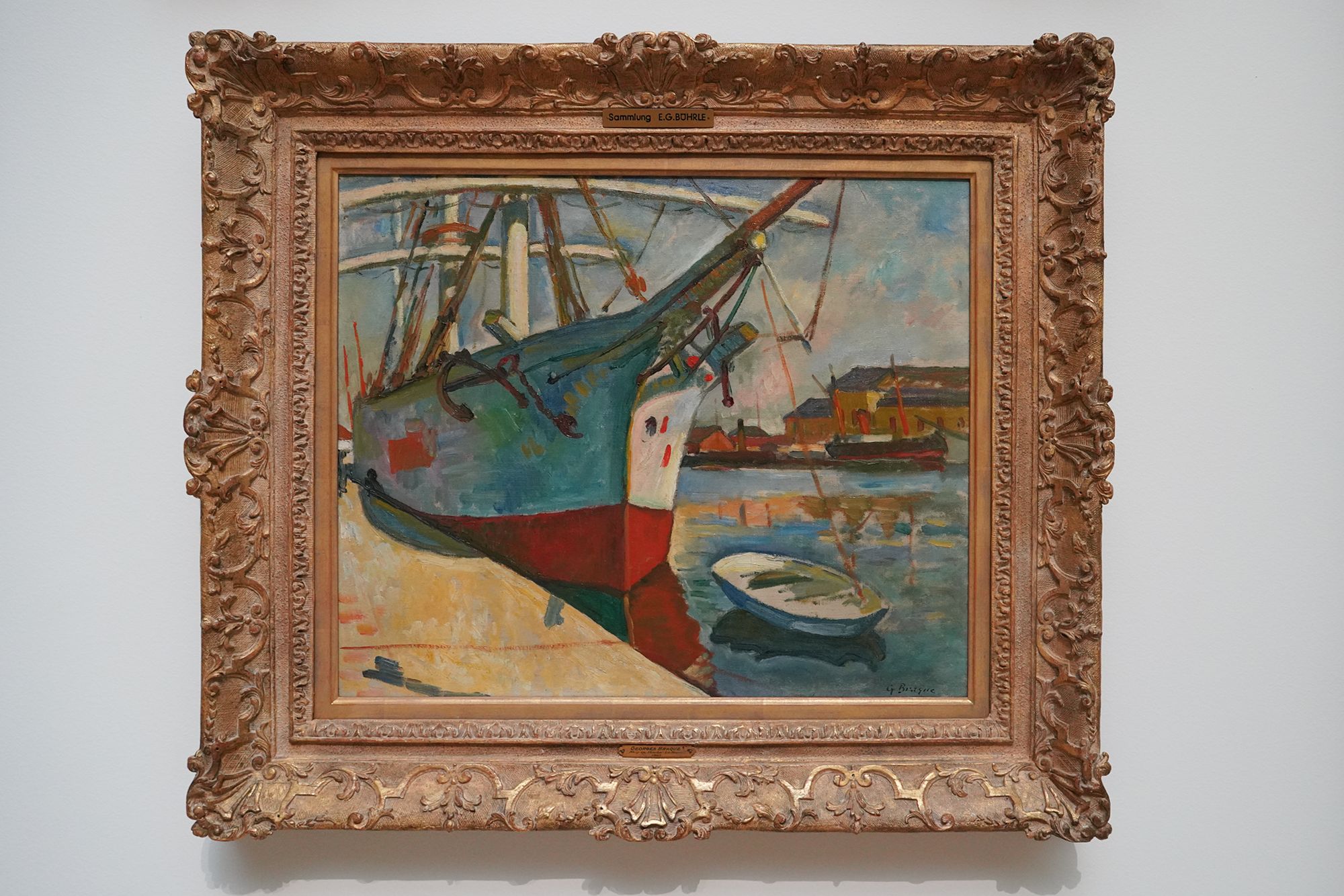
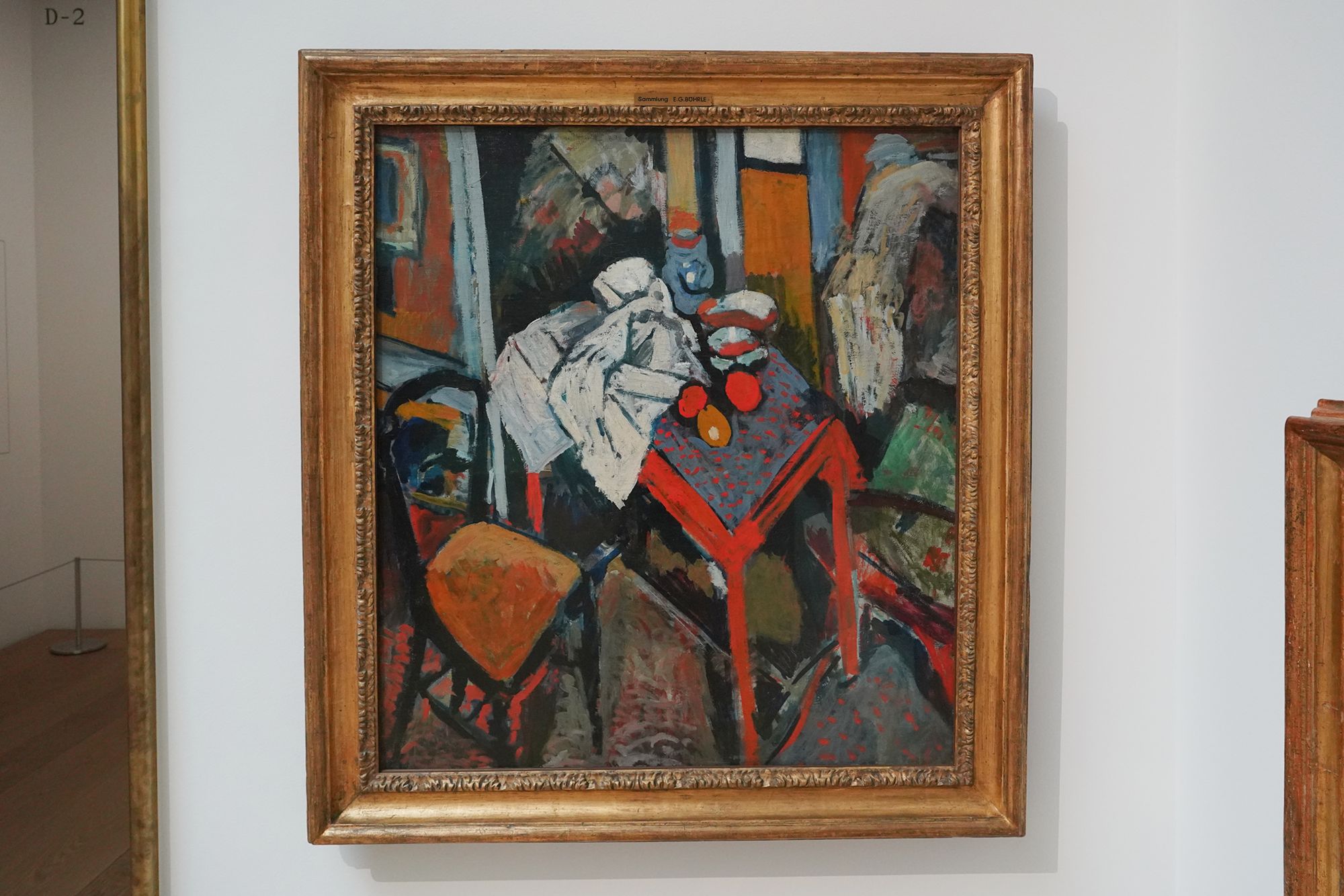
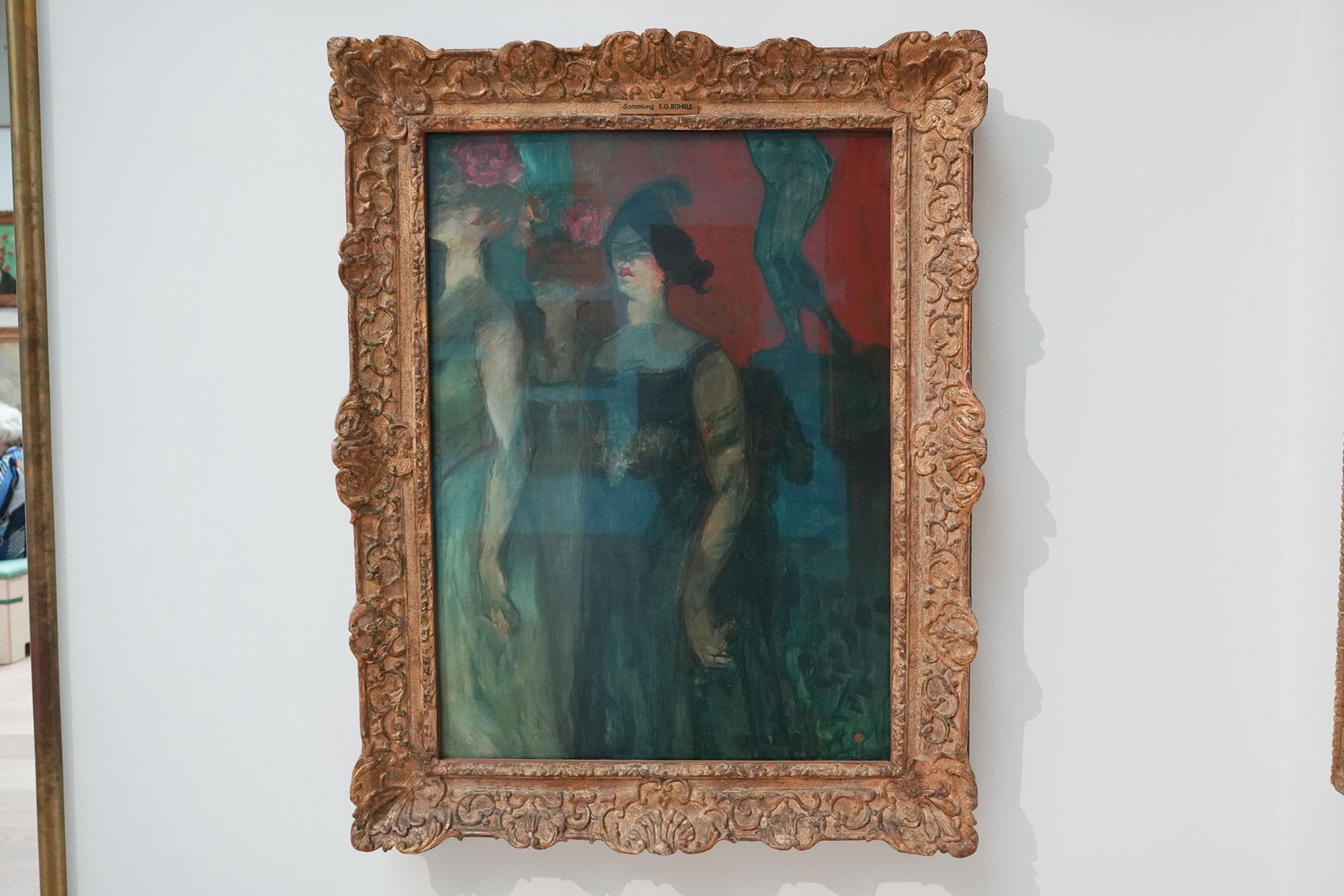
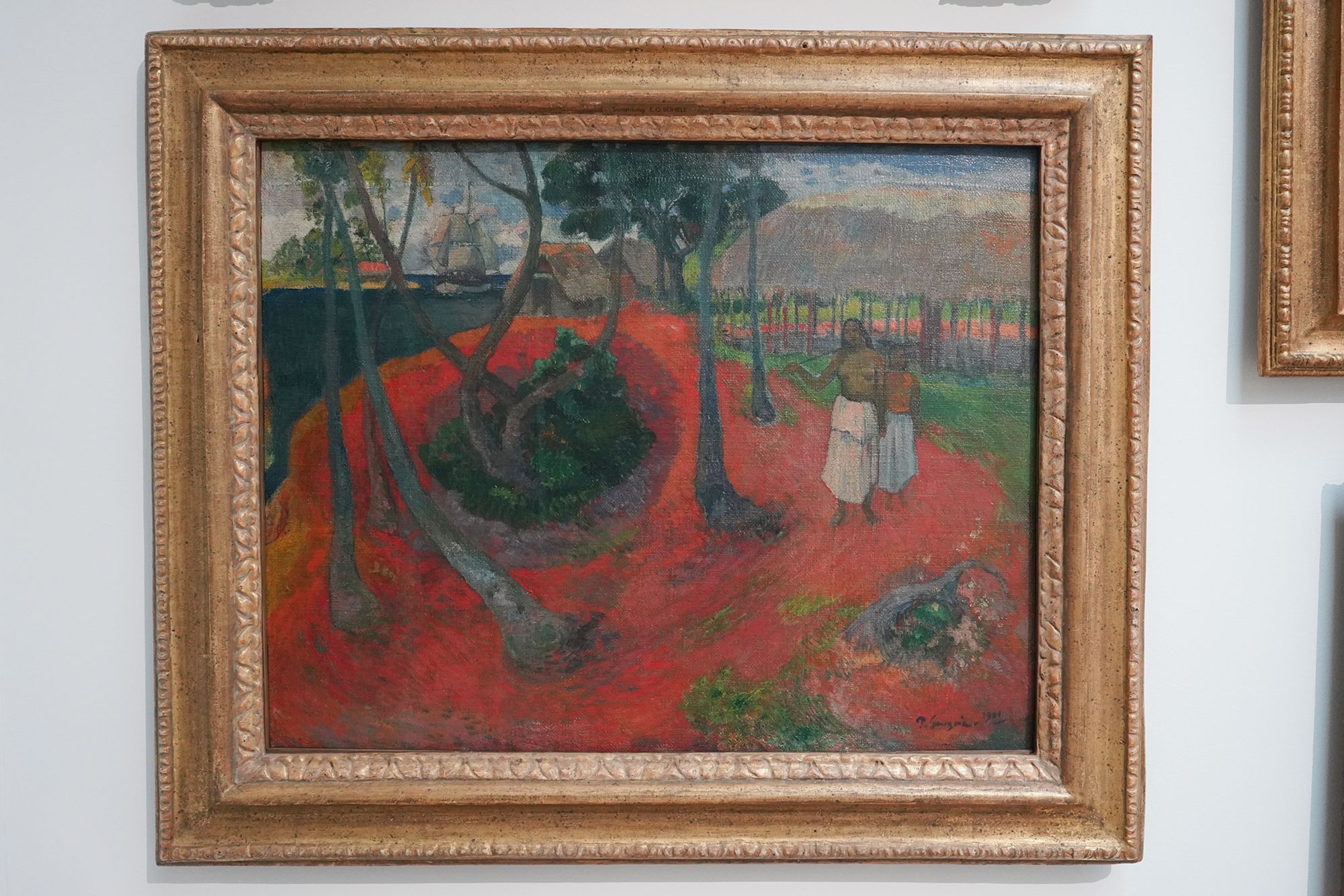
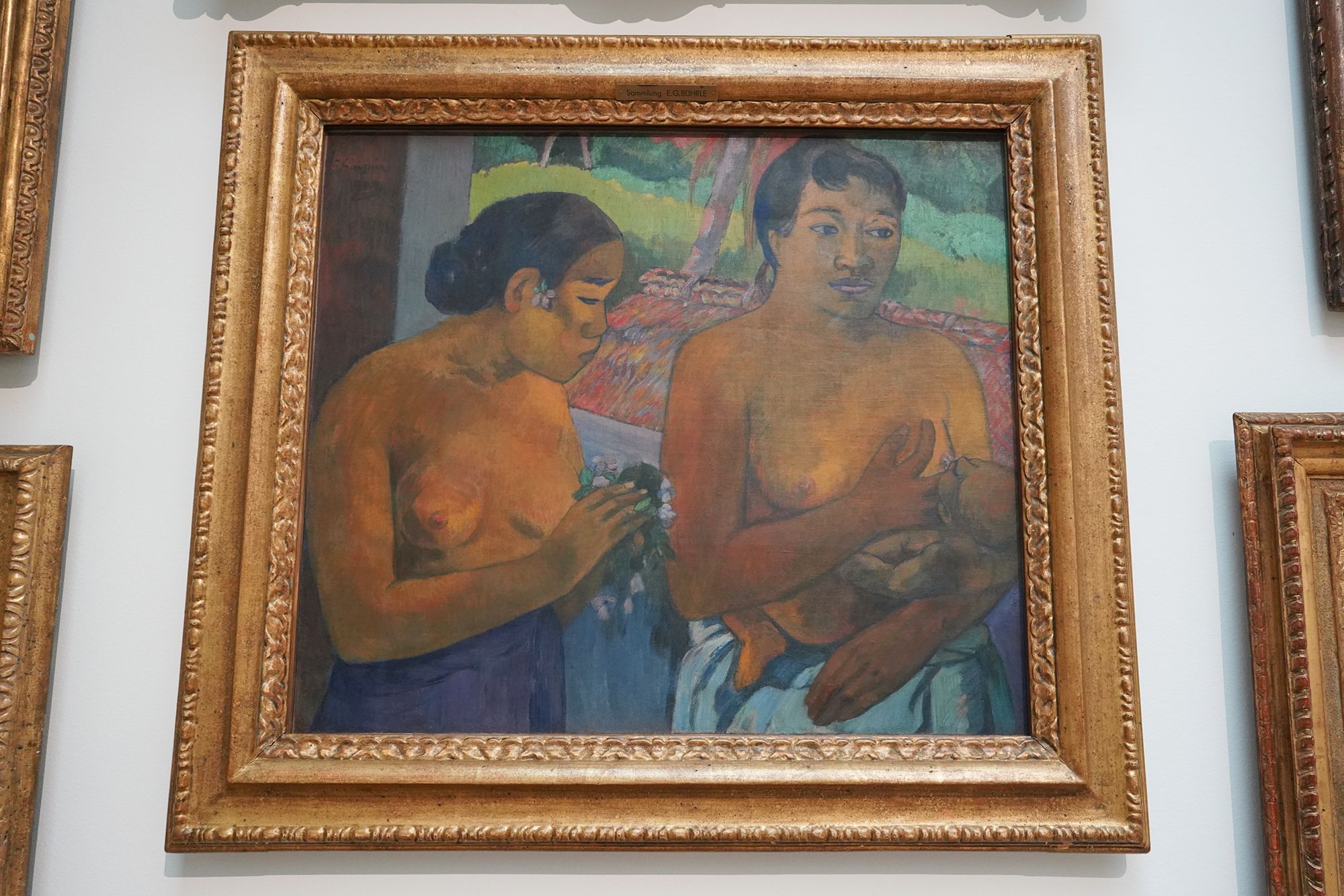
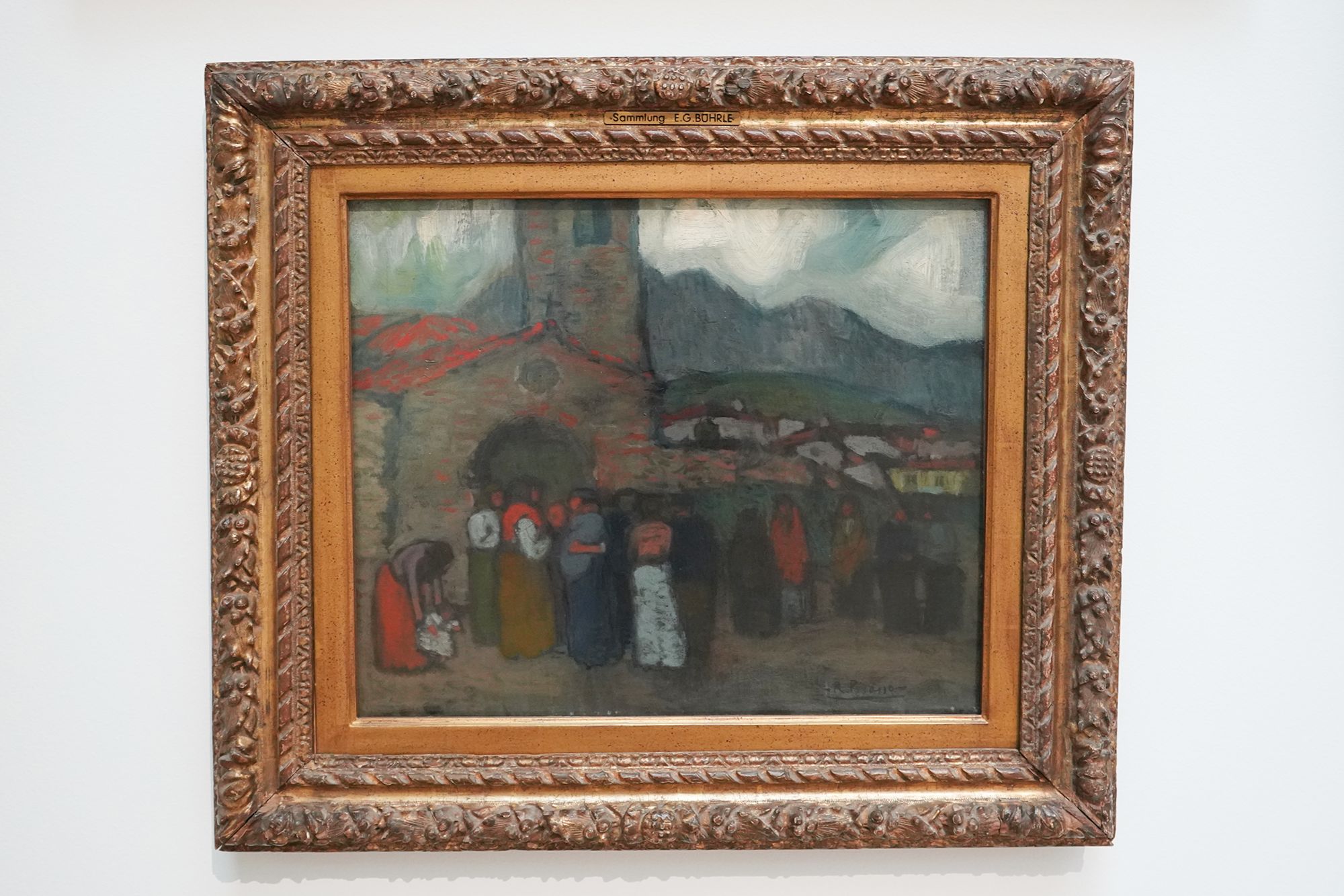
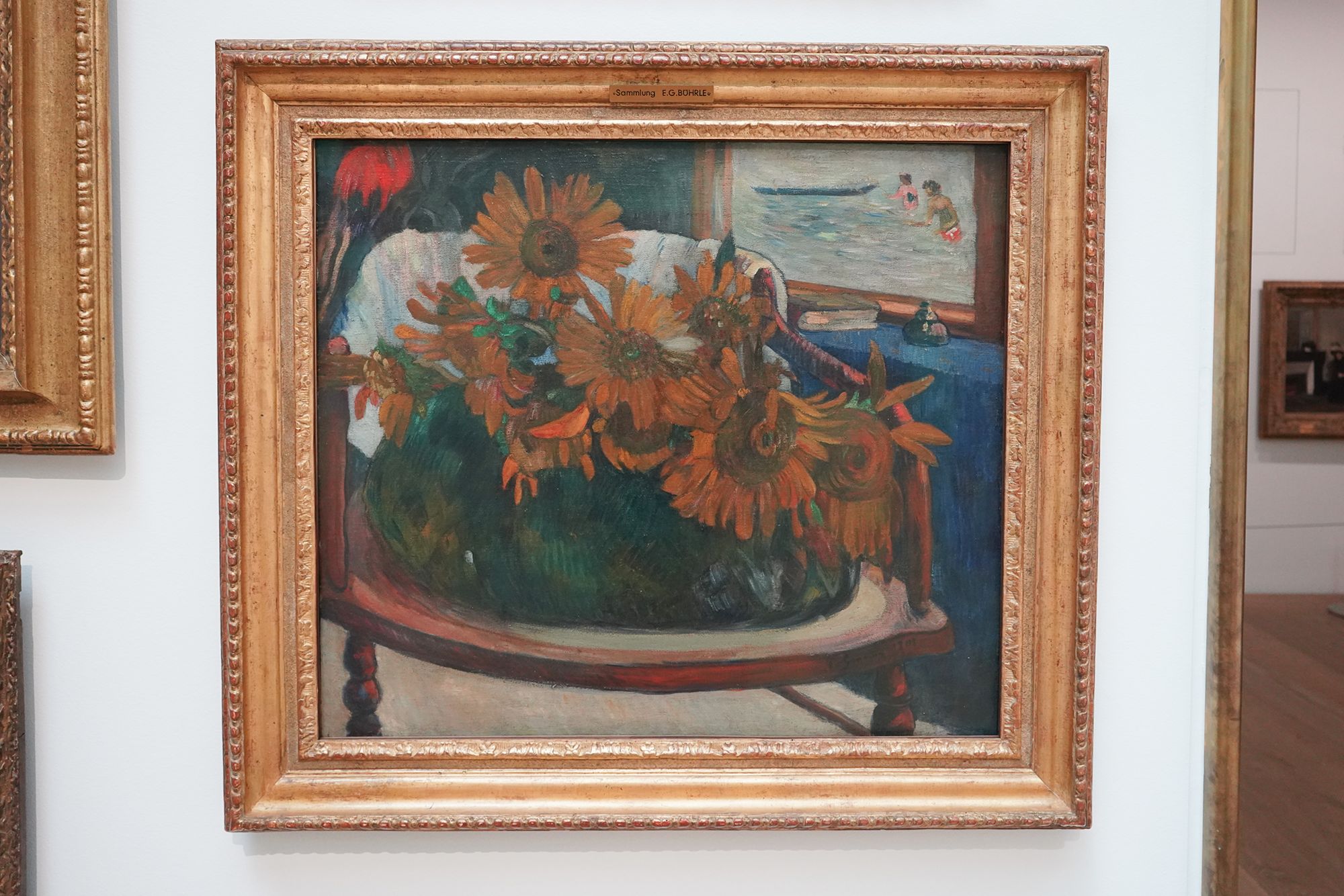
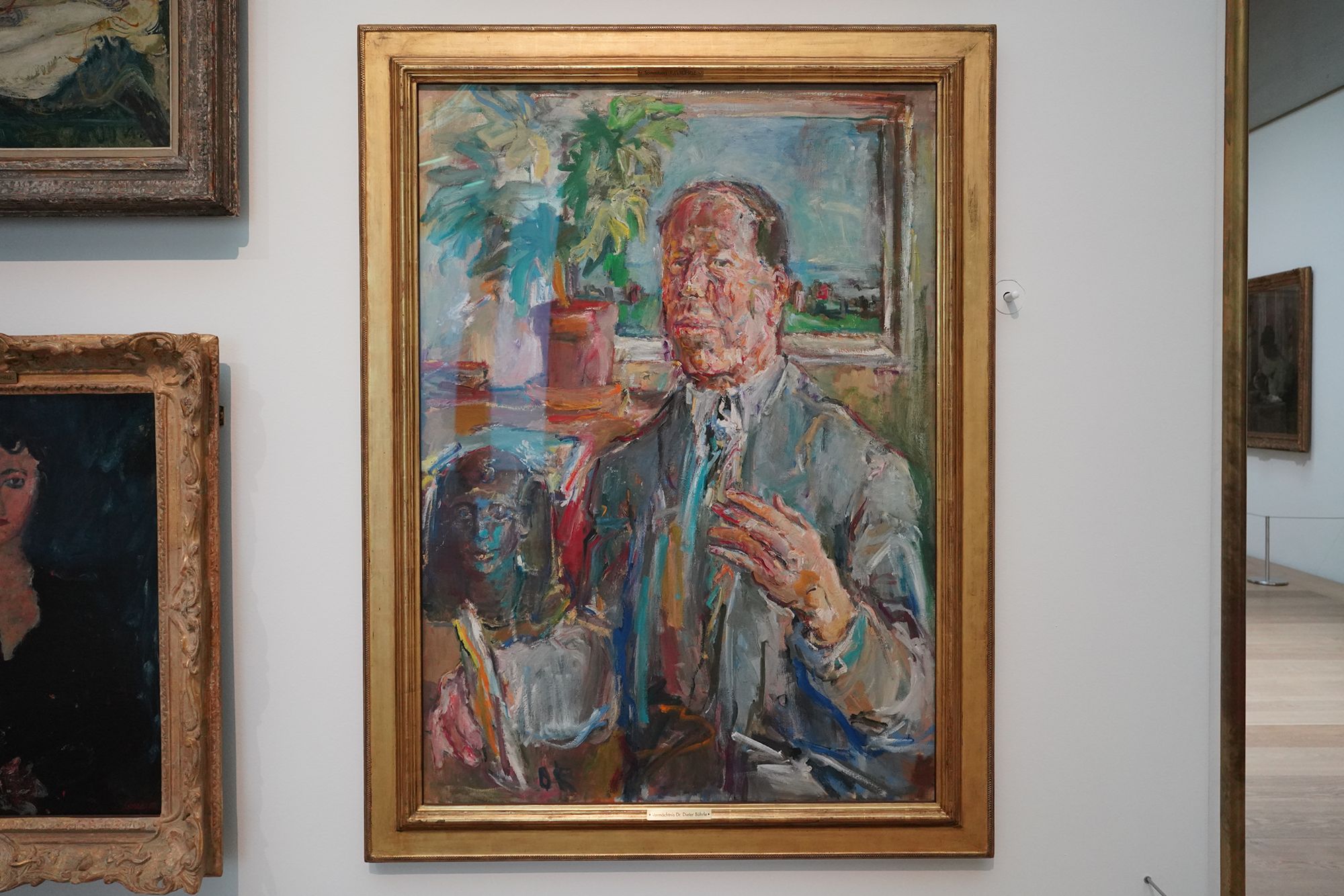
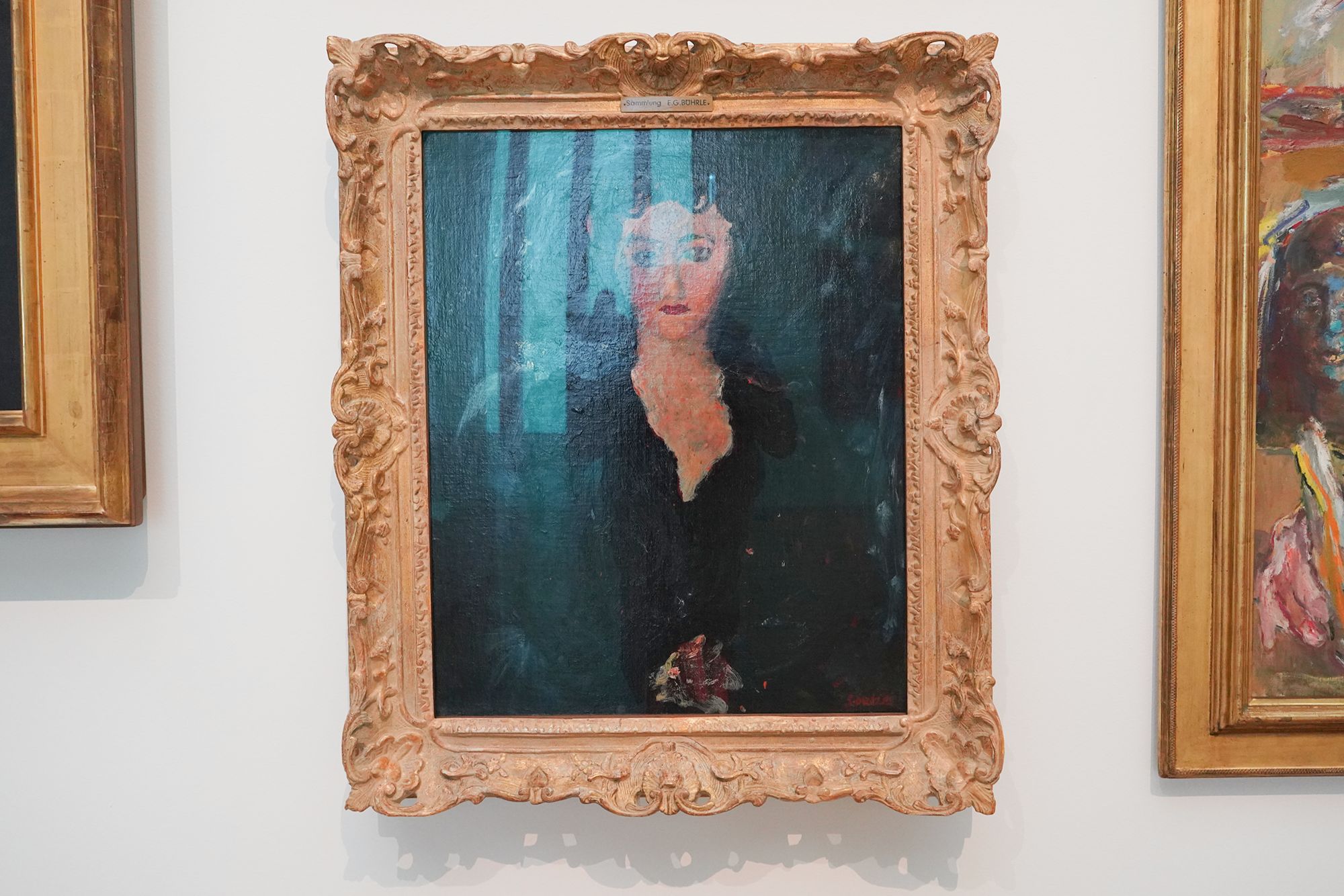
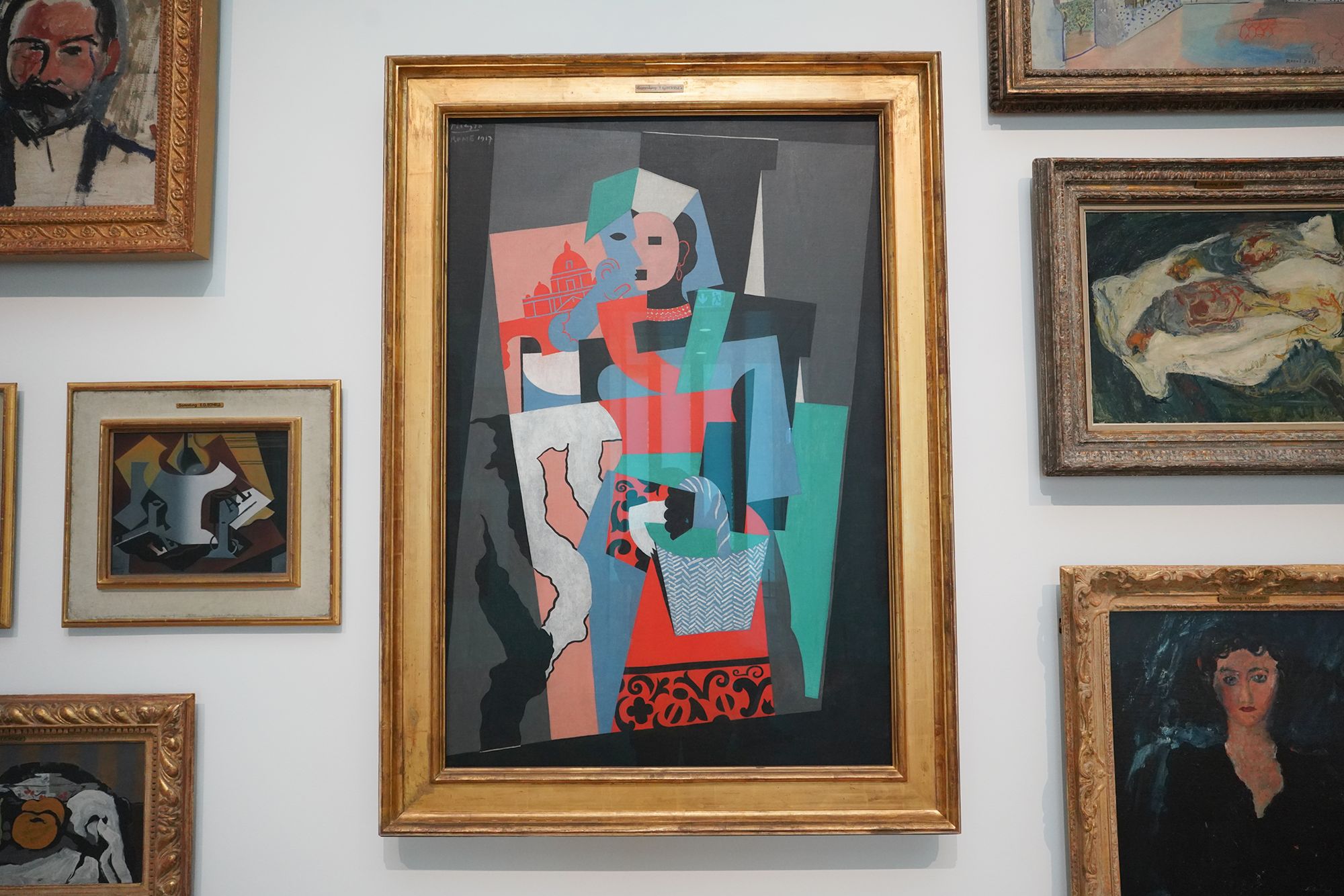
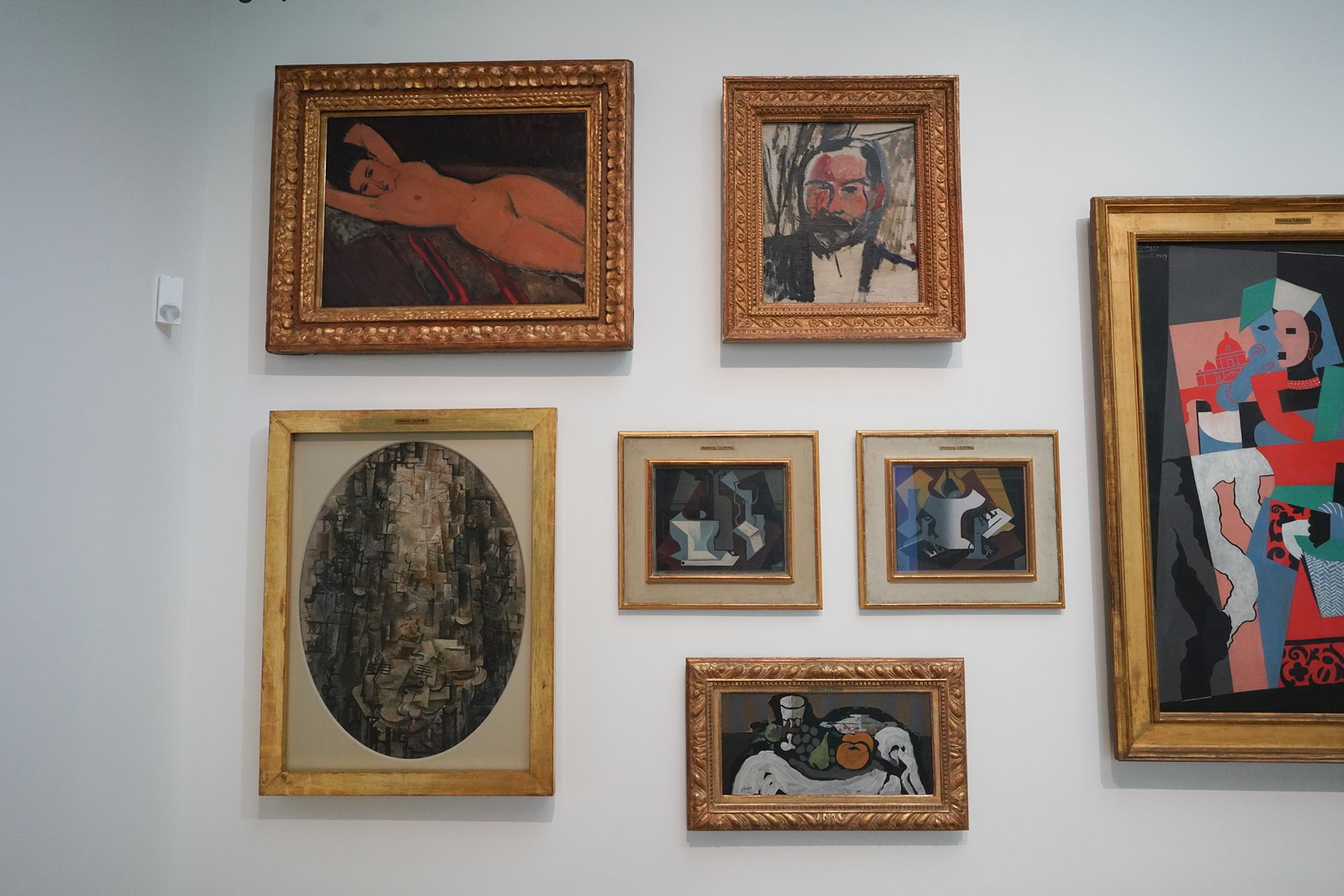
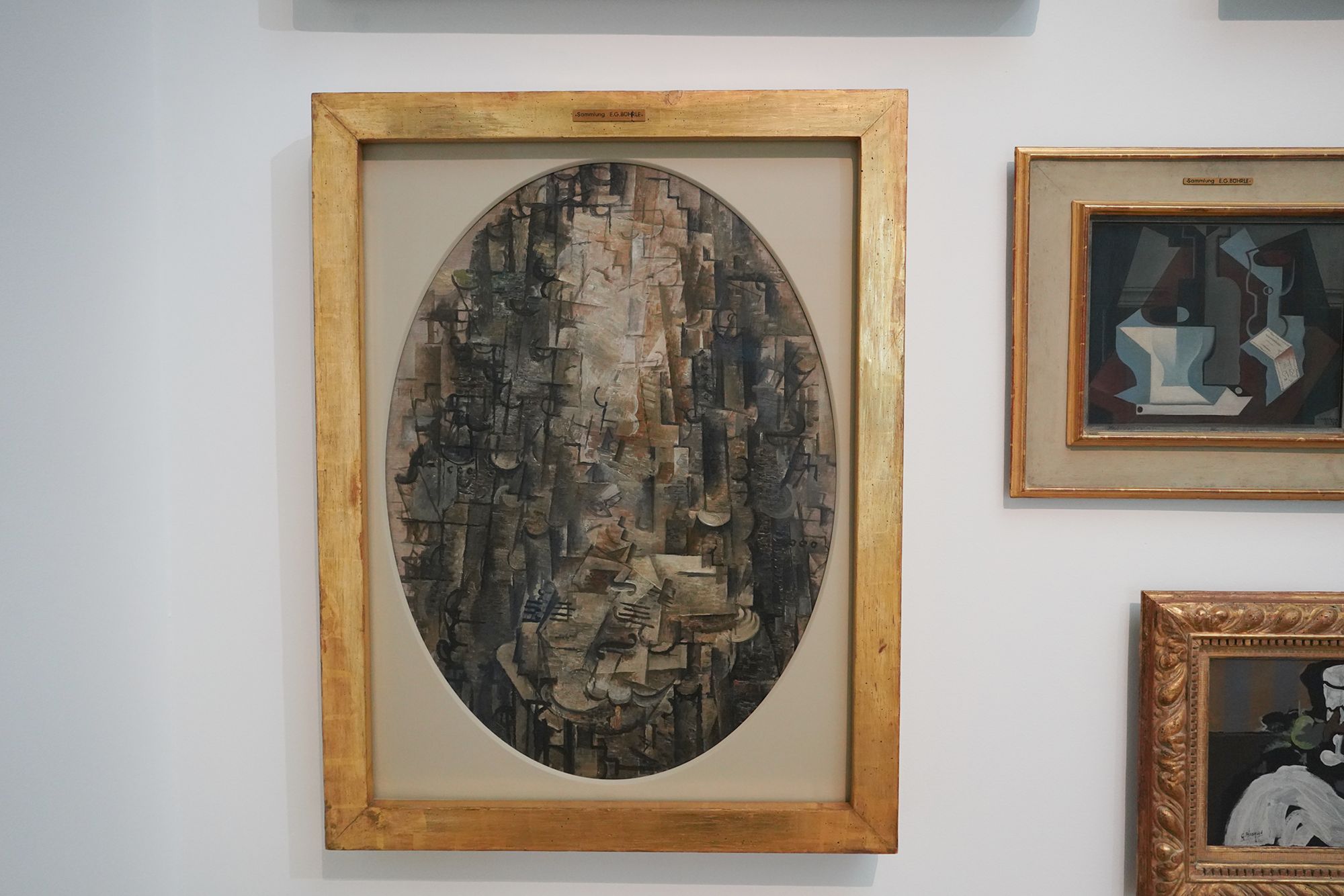
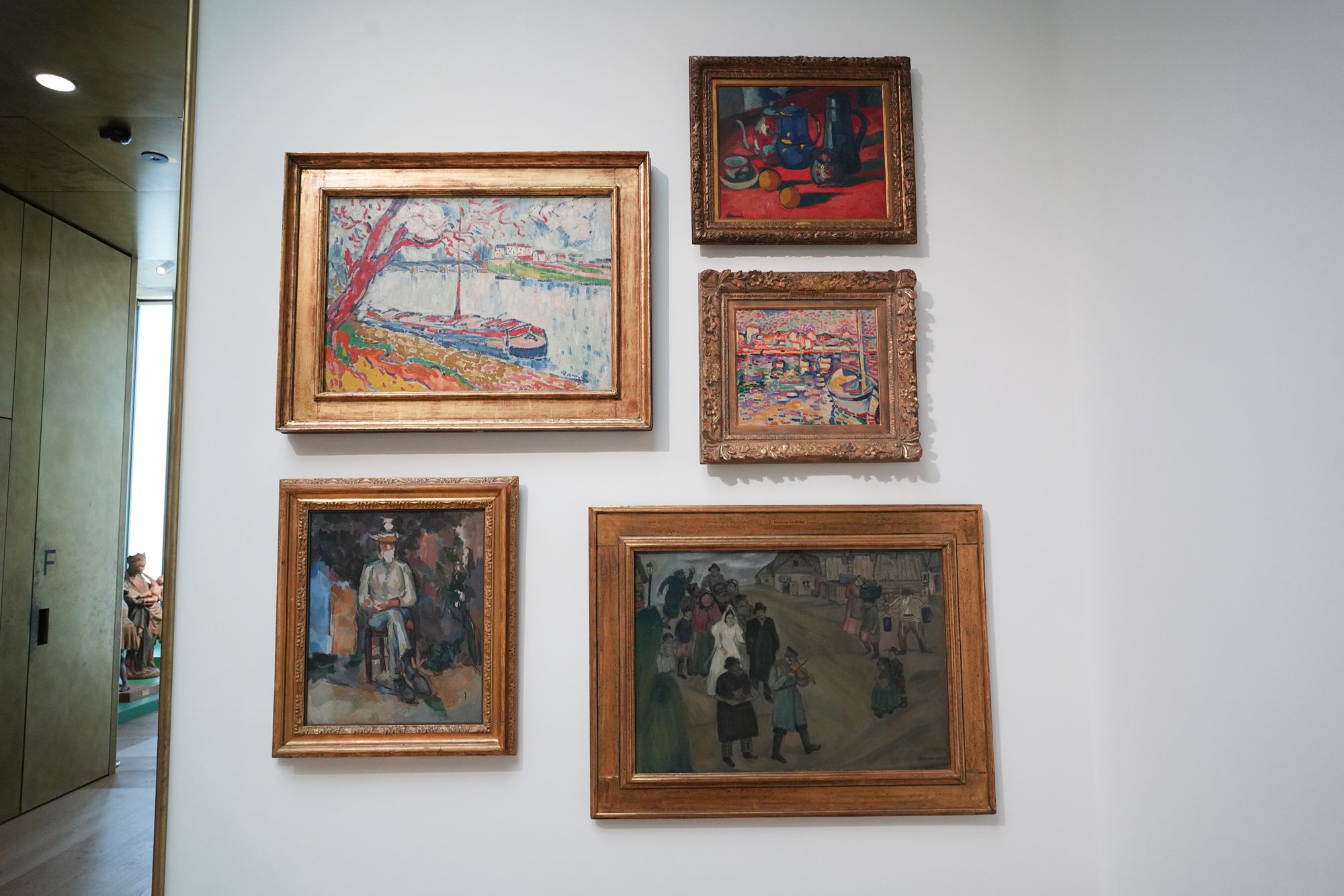
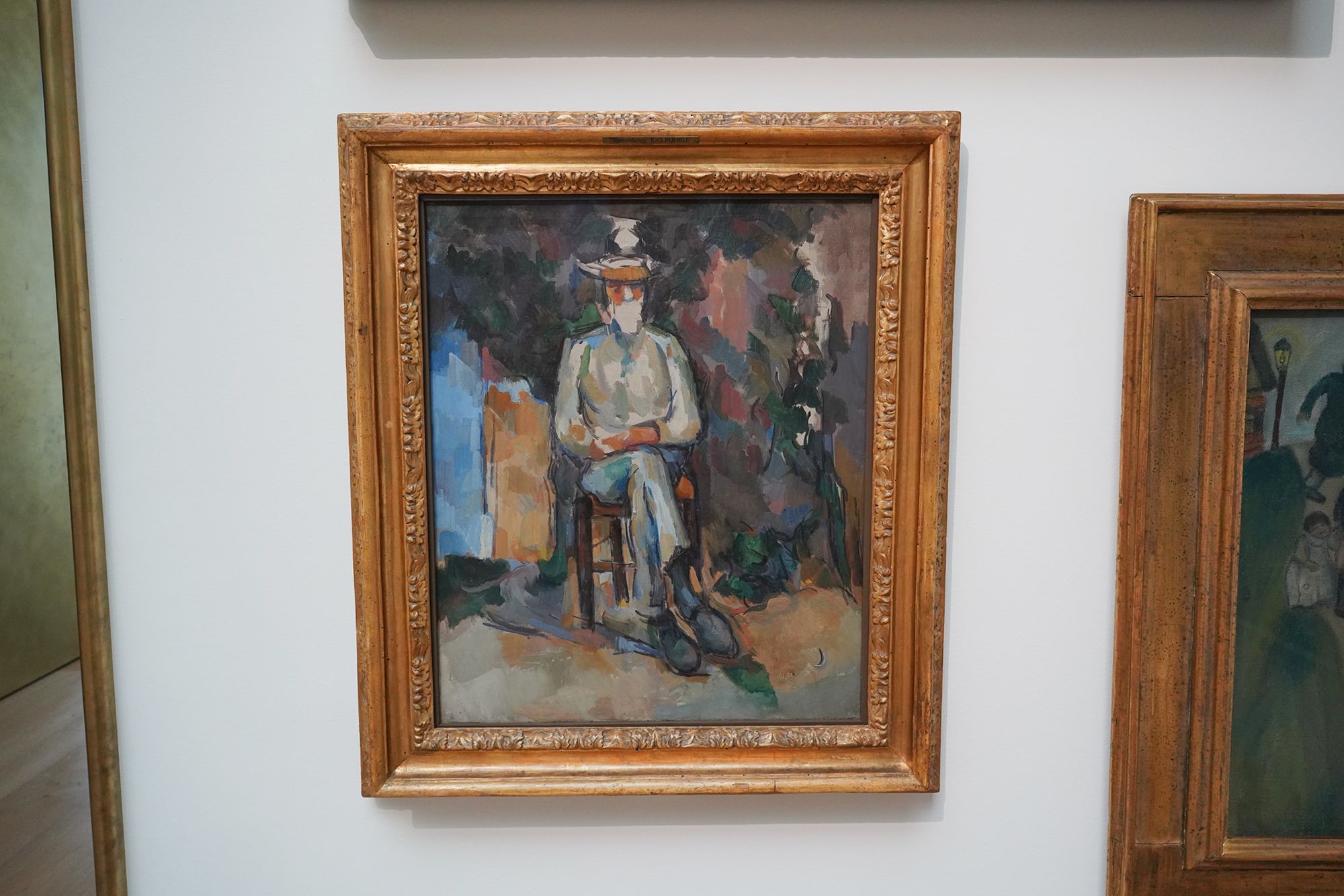
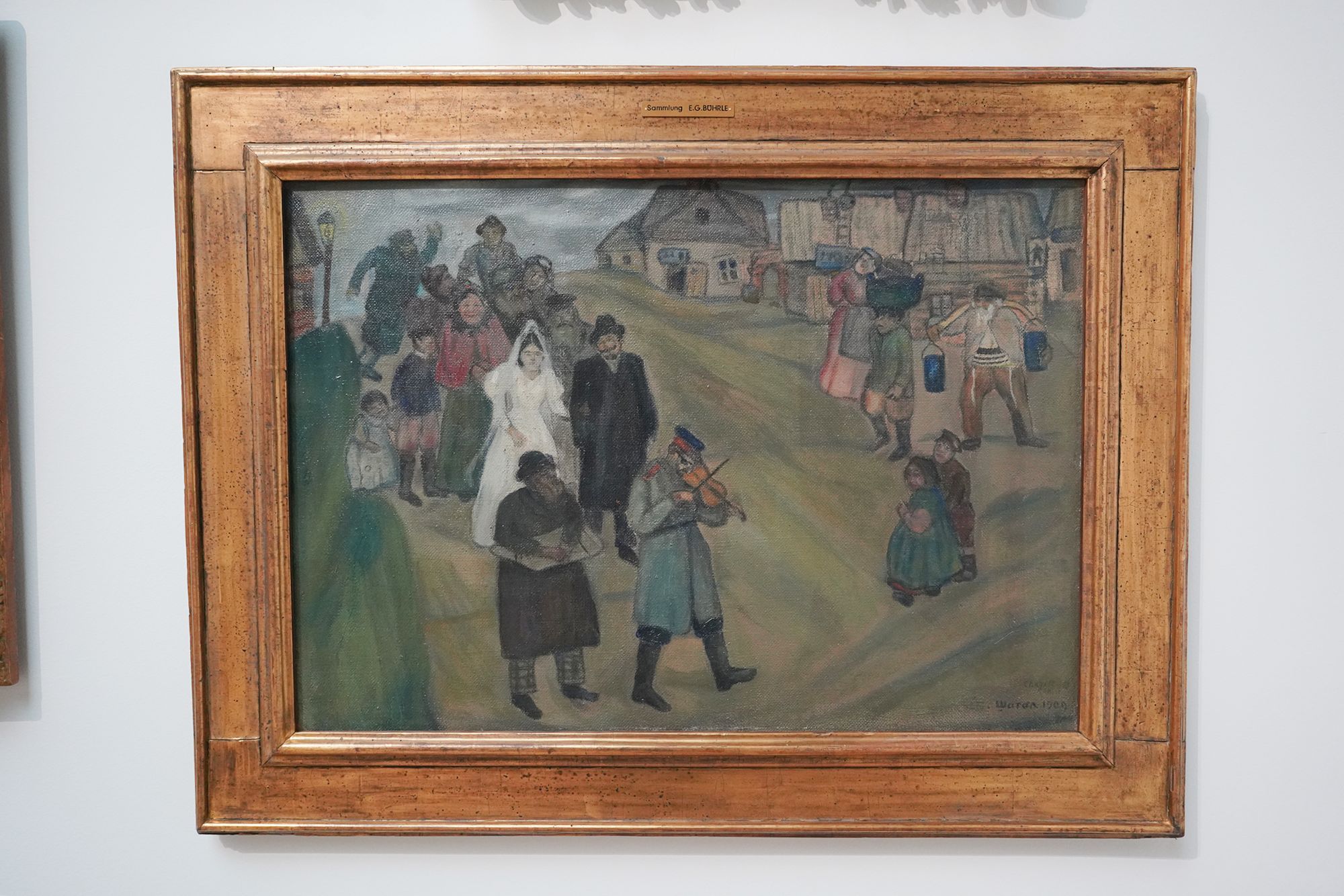
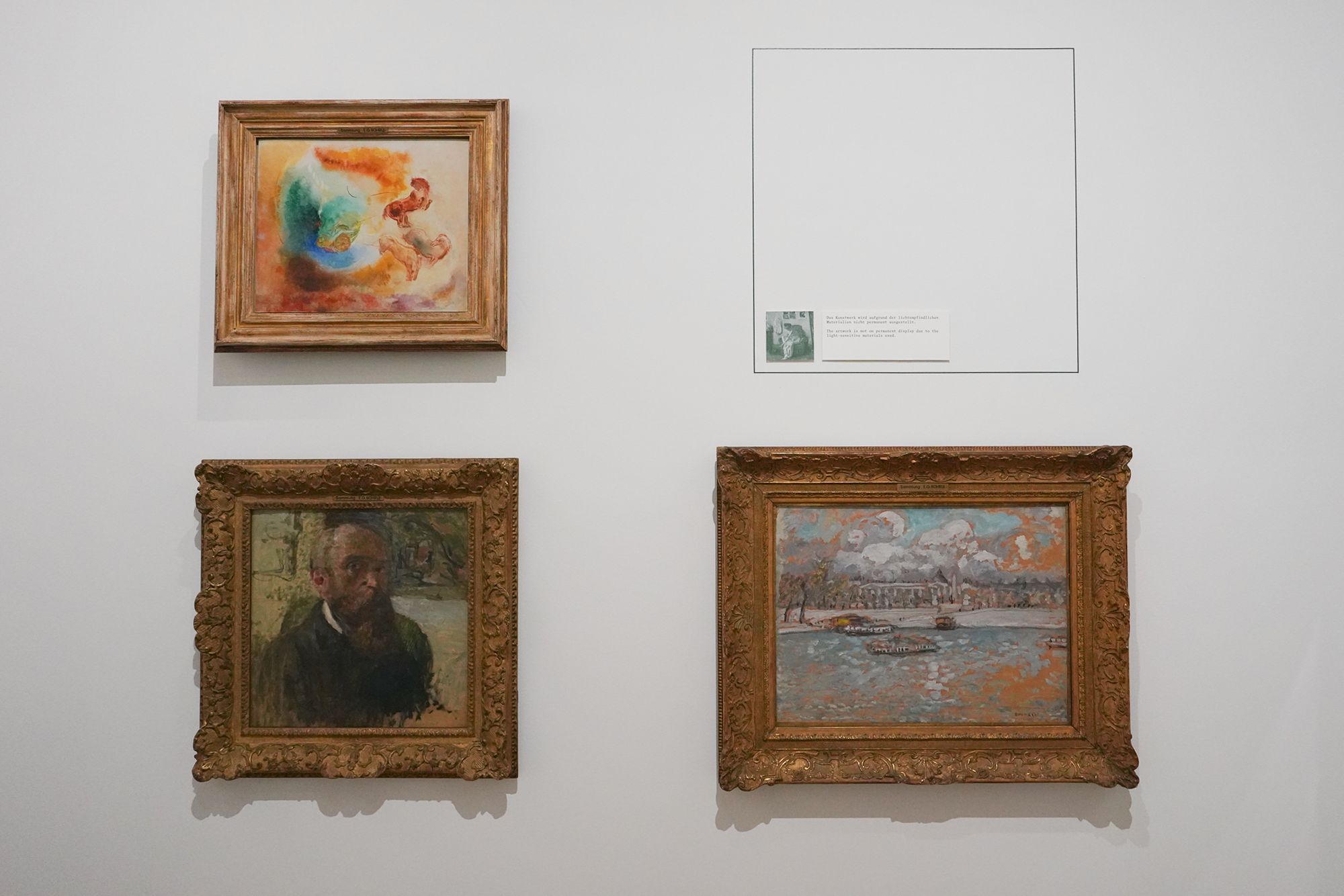
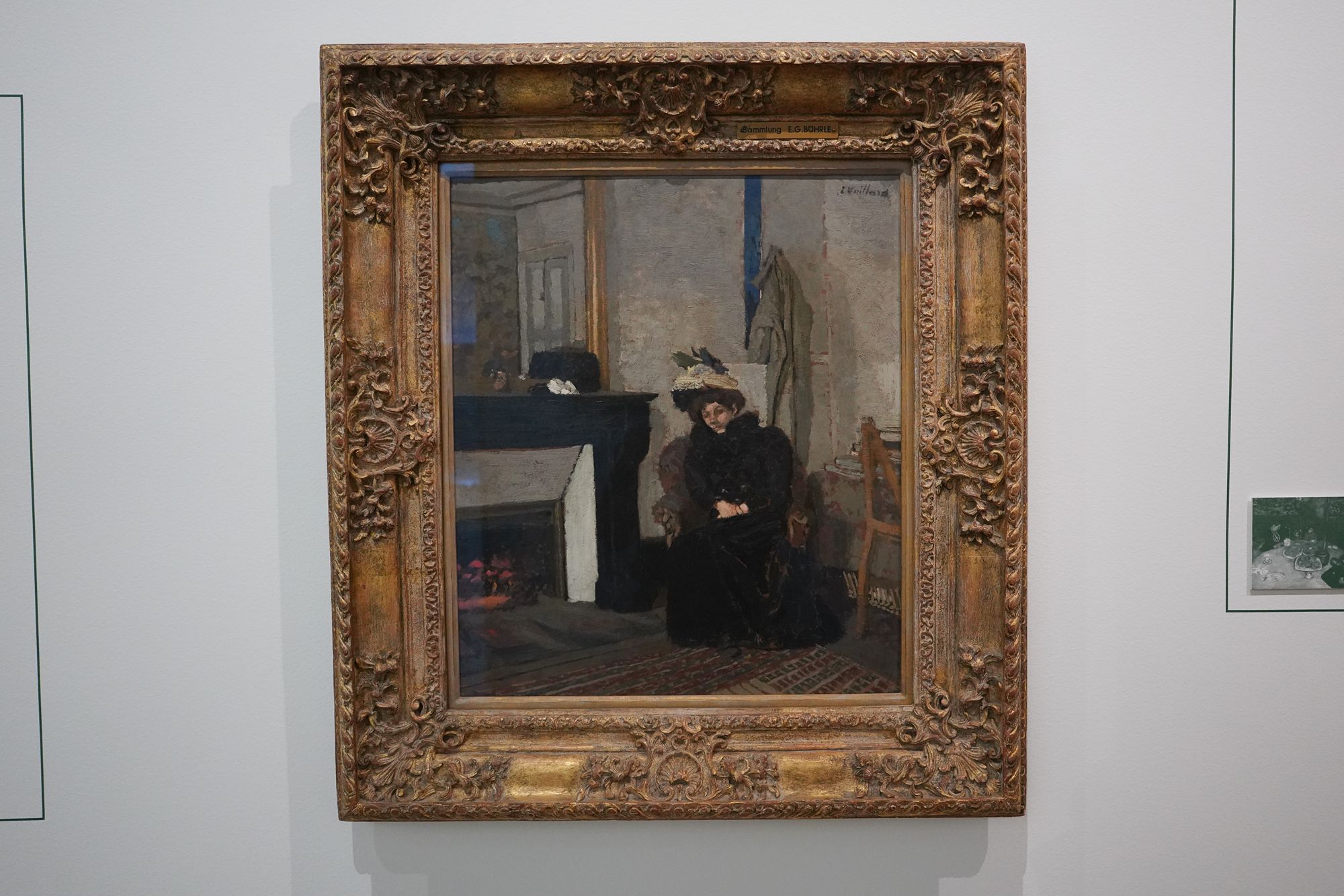
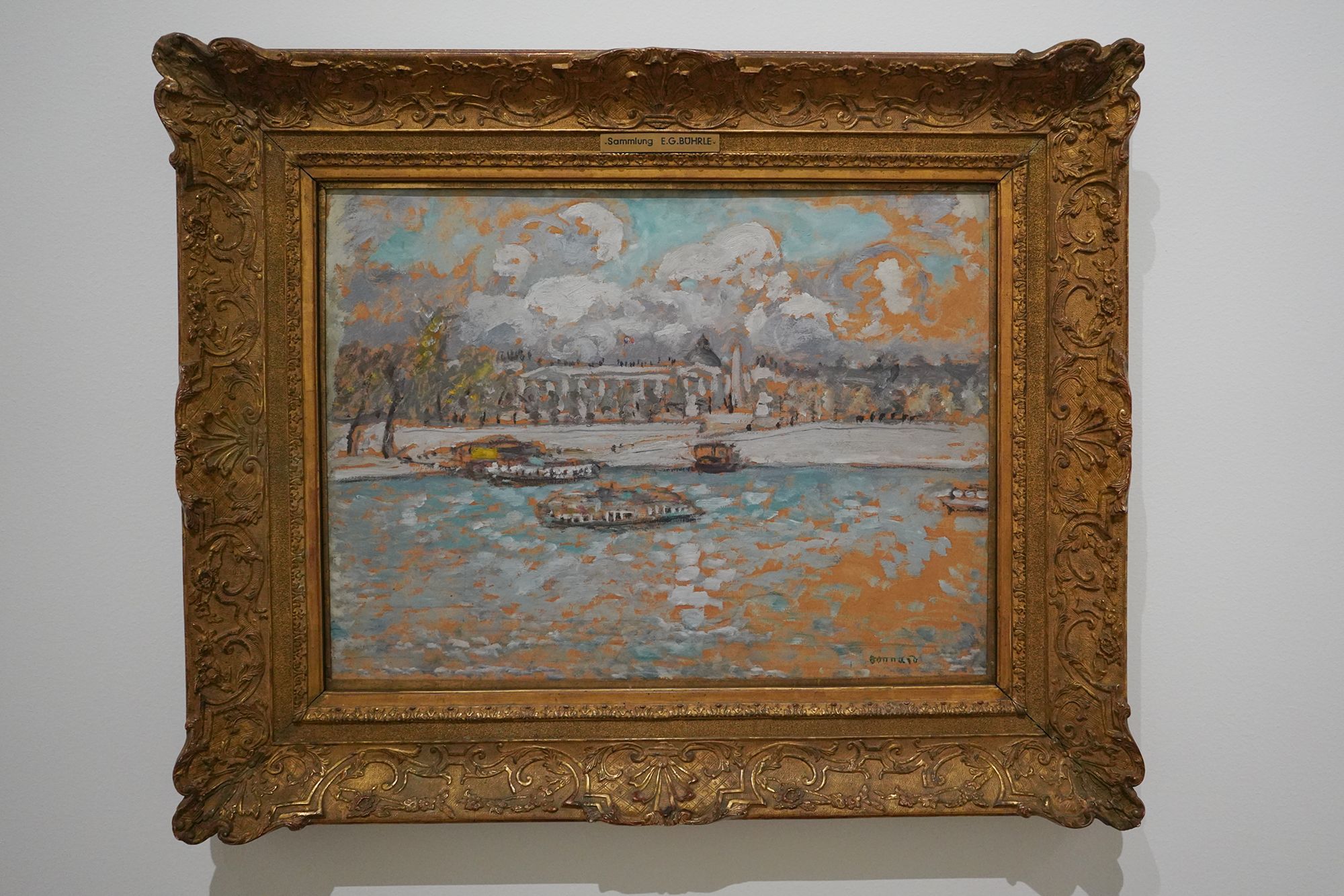
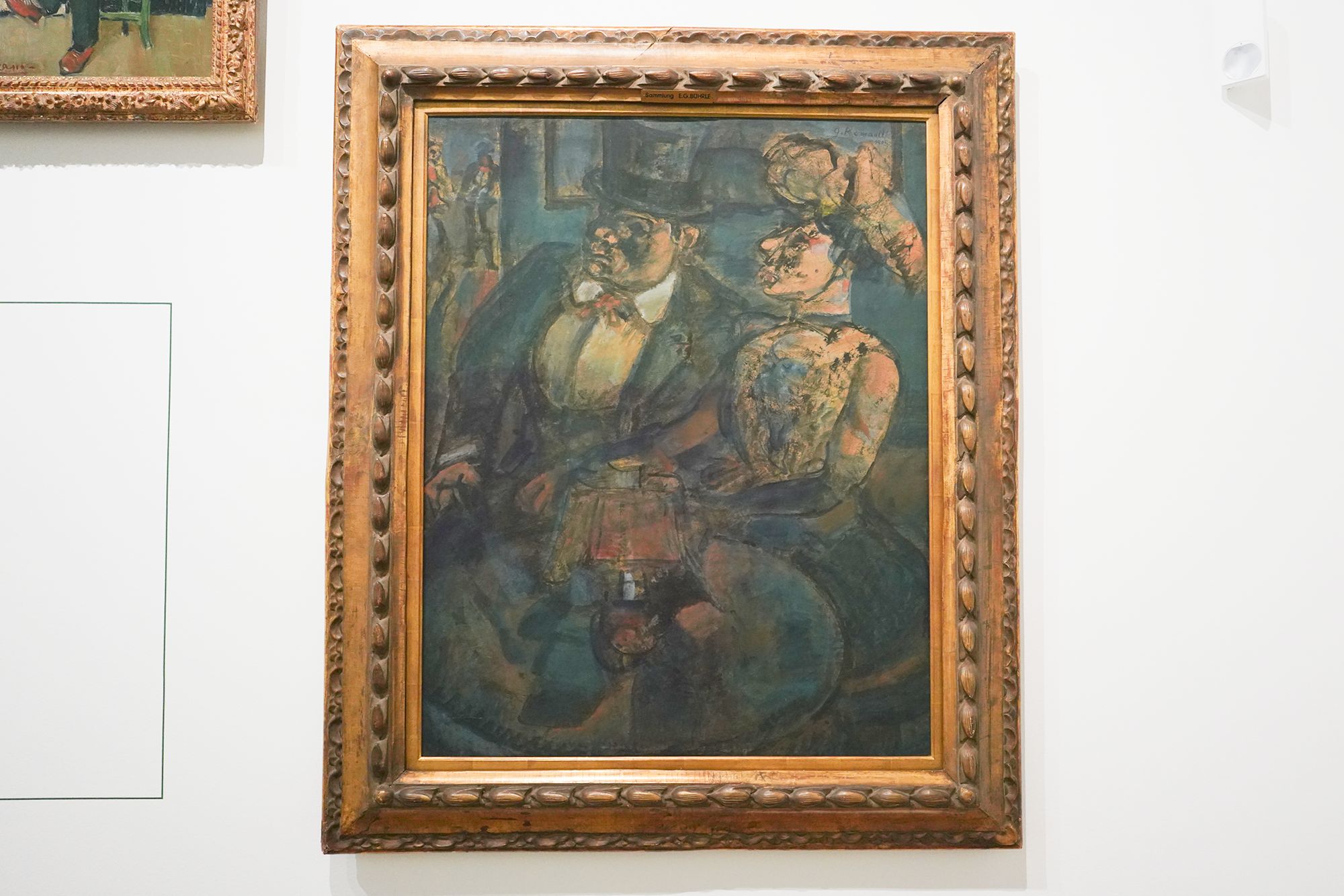
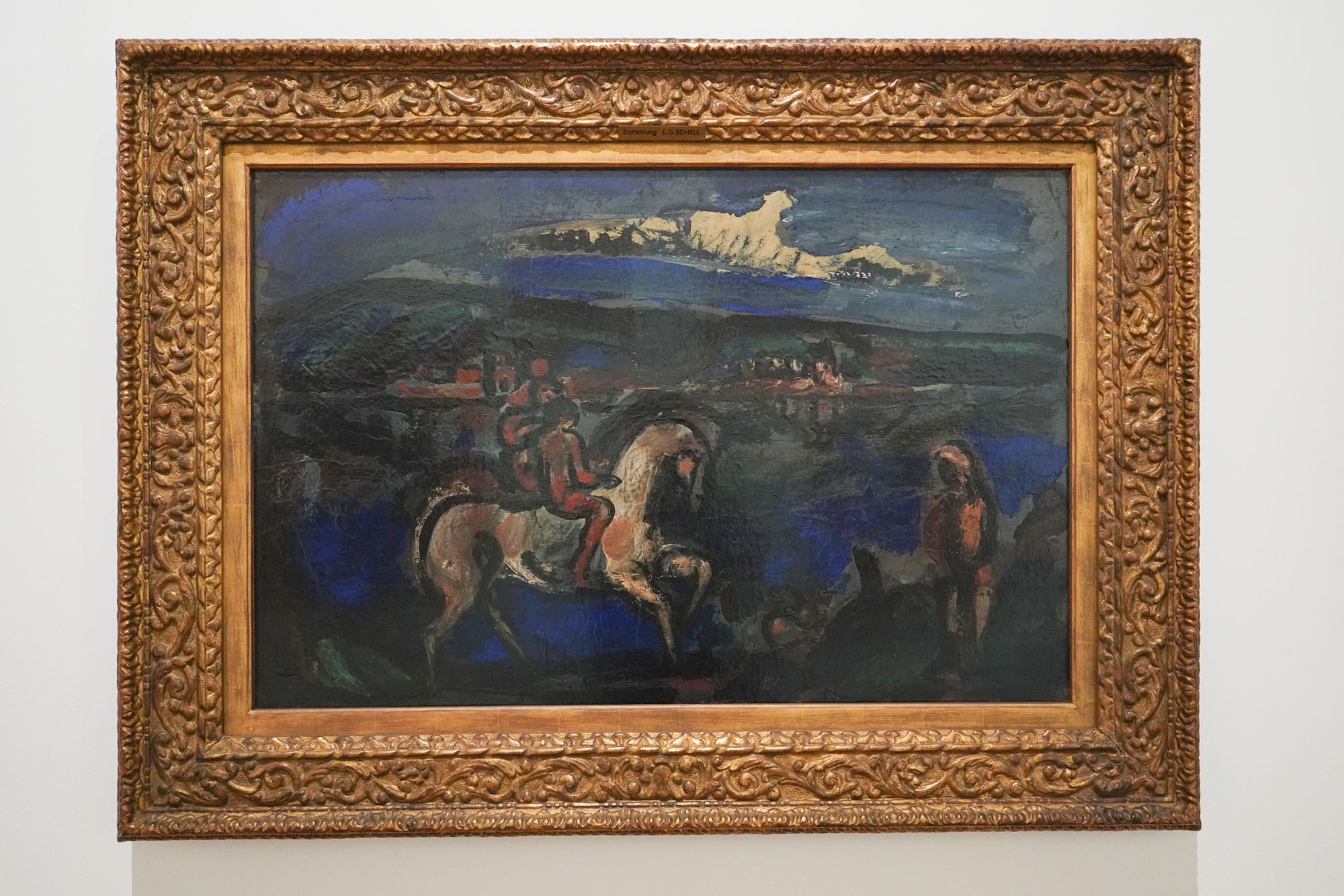
The Emil Bührle Collection is one of the important collections of Impressionist and Post-Impressionist art in Switzerland. It was assembled between 1936 and 1956 by Emil Bührle (1890–1956), a wealthy Swiss industrialist and arms manufacturer.
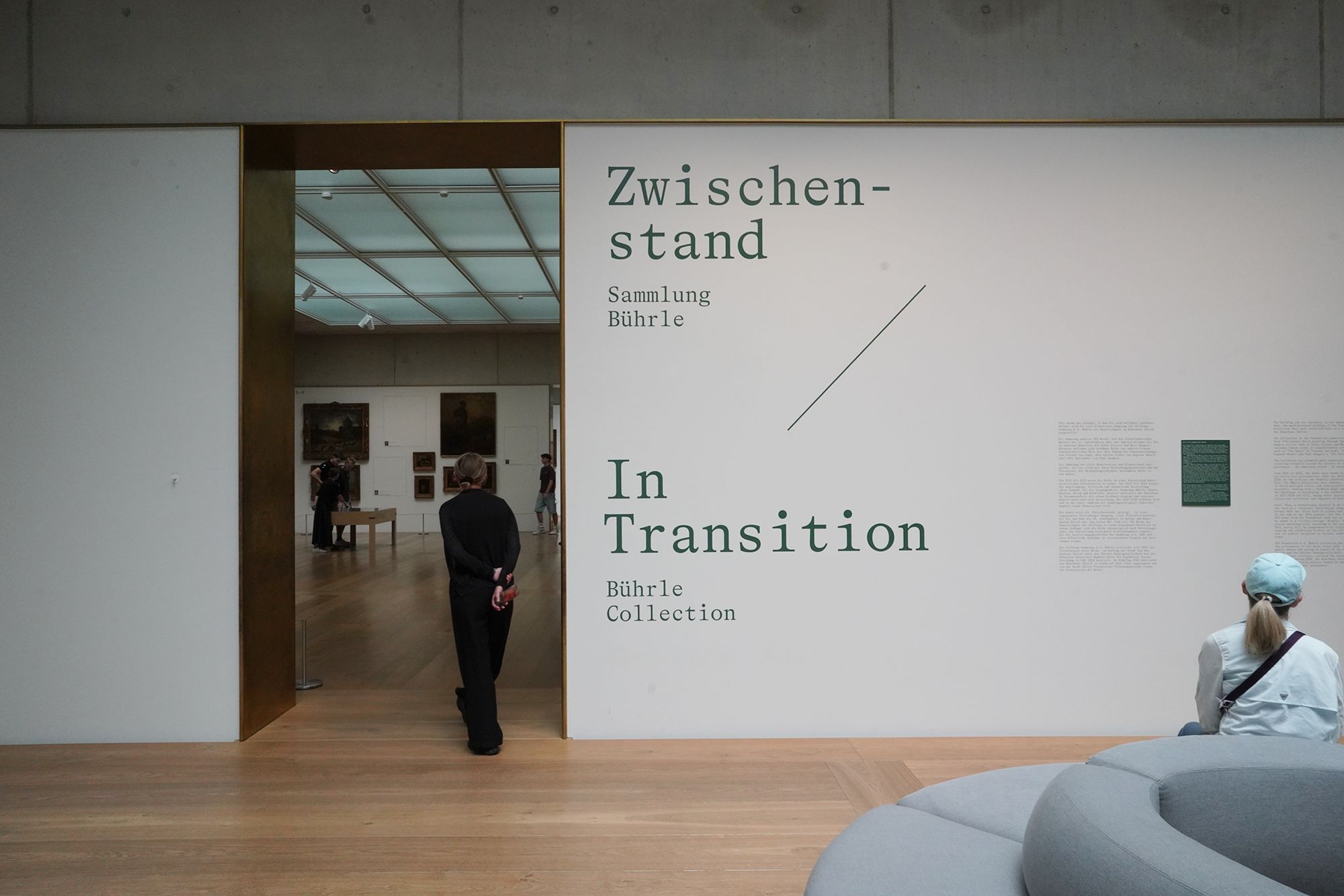
At his death, the collection contained 633 artworks, including paintings by European masters and medieval sculptures. Since 2021, 205 works have been on long-term loan to Kunsthaus Zürich.
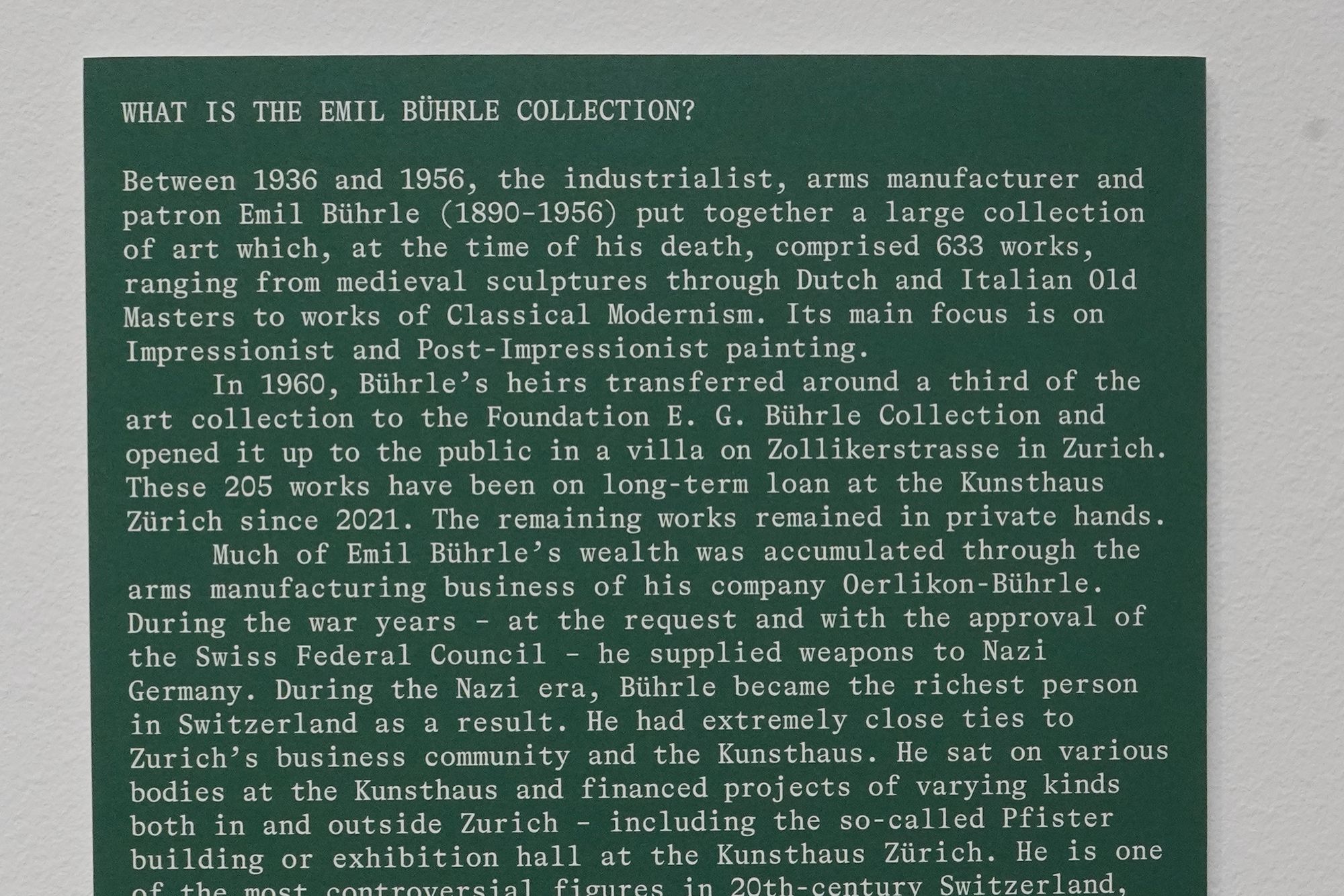
The controversial history
Much of Bührle’s fortune came from manufacturing weapons, including supplying arms to Nazi Germany during World War II with the approval of the Swiss government. Some artworks in his collection also have disputed ownership histories, raising questions about Nazi-era art transactions and restitution.
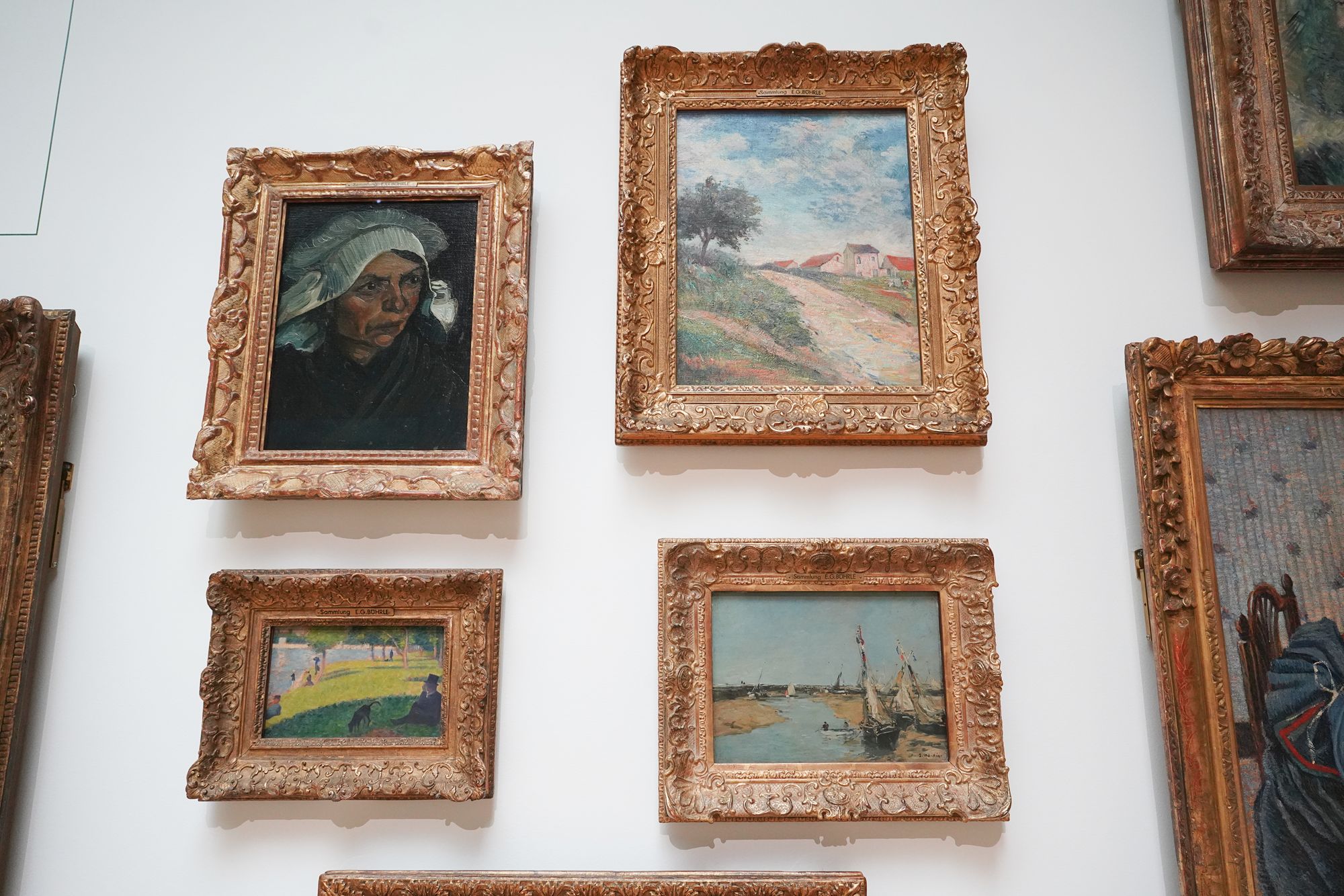
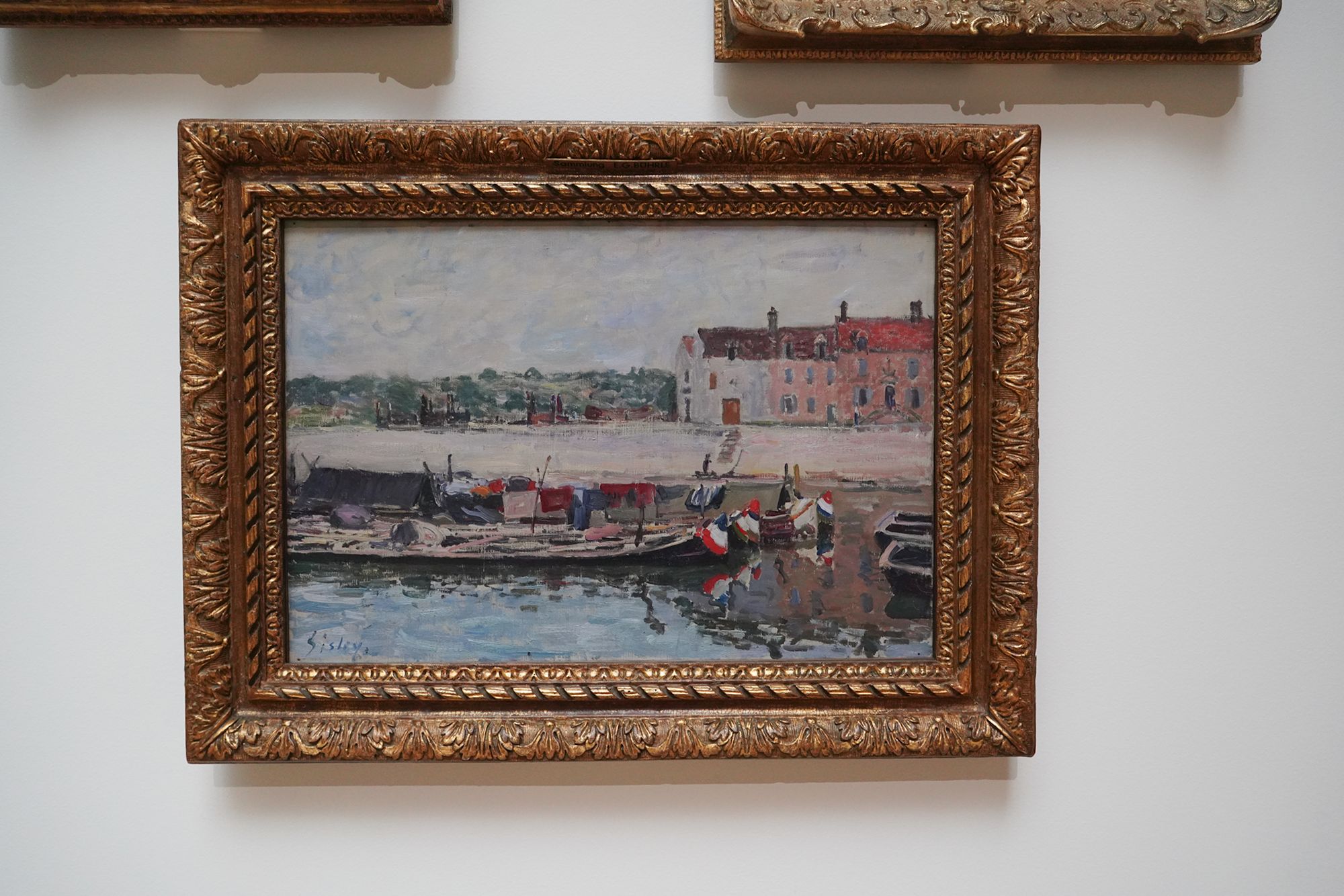
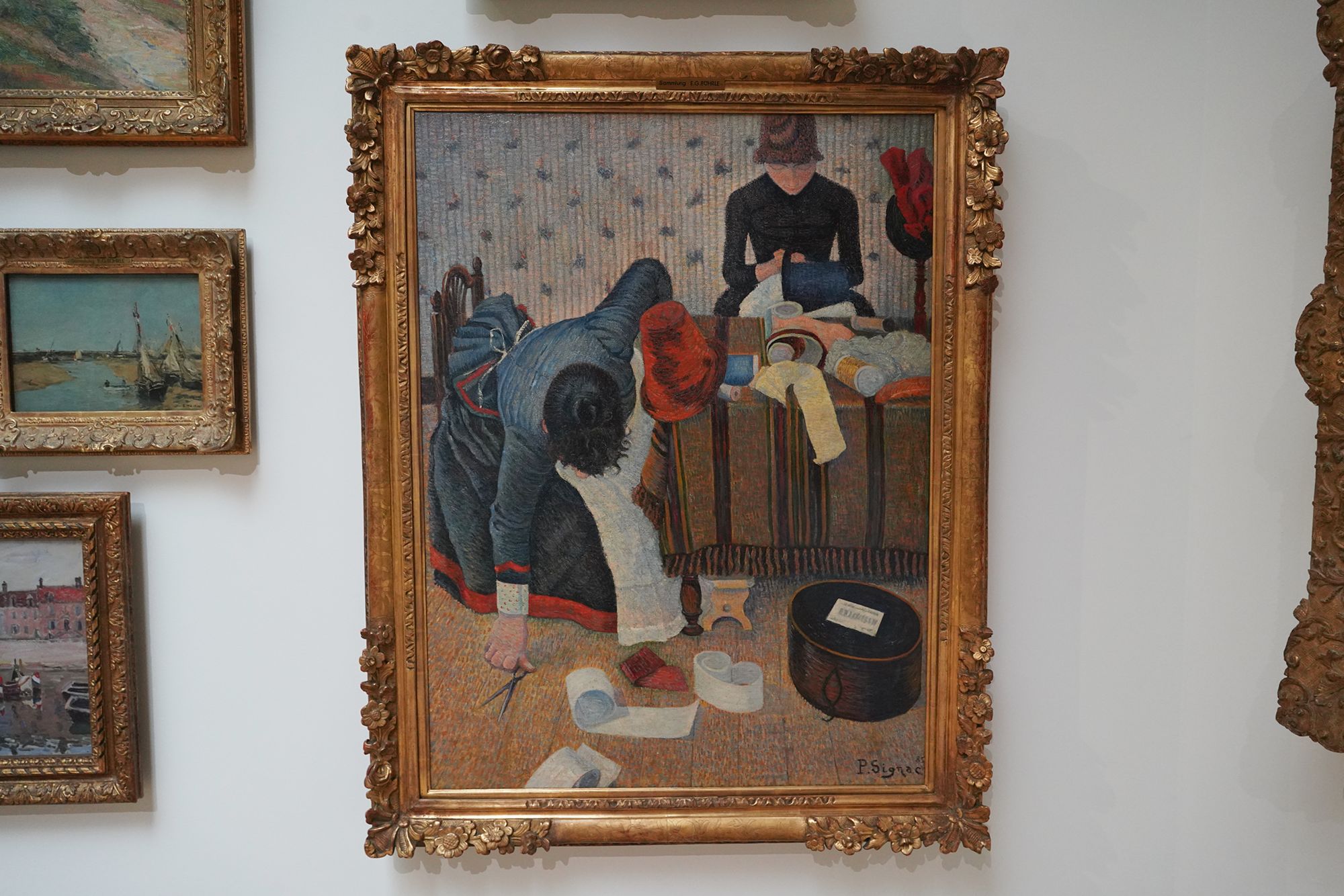
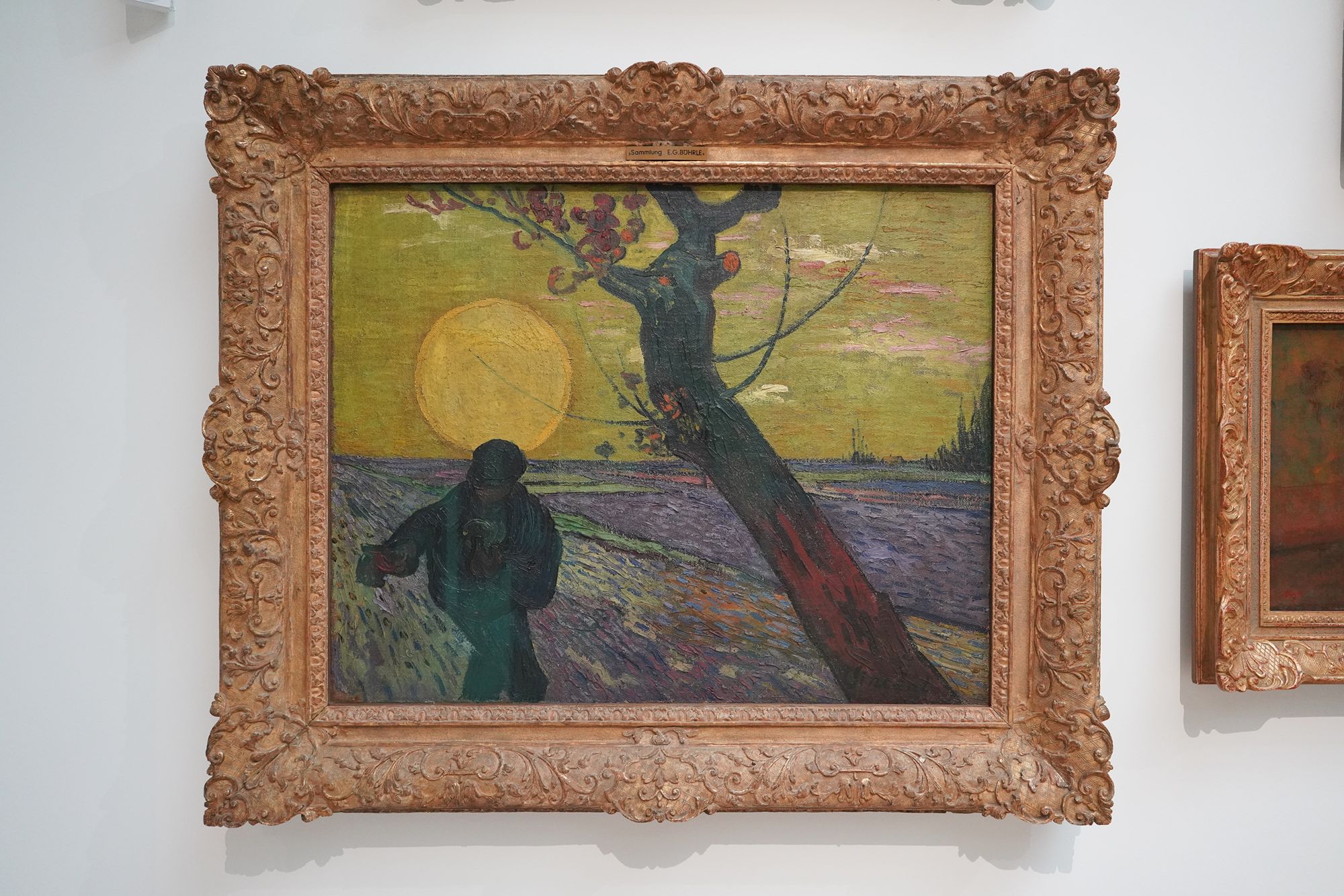
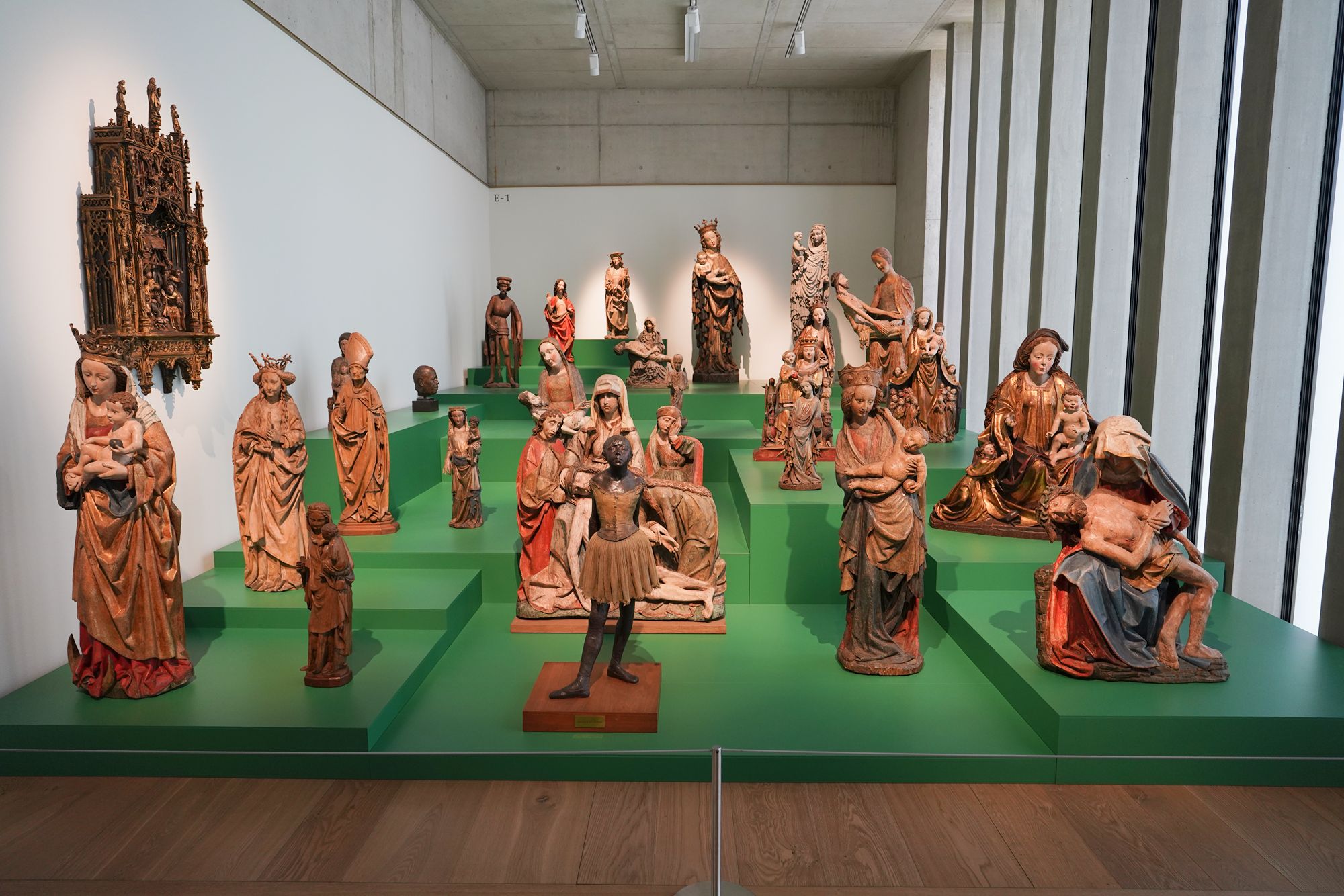
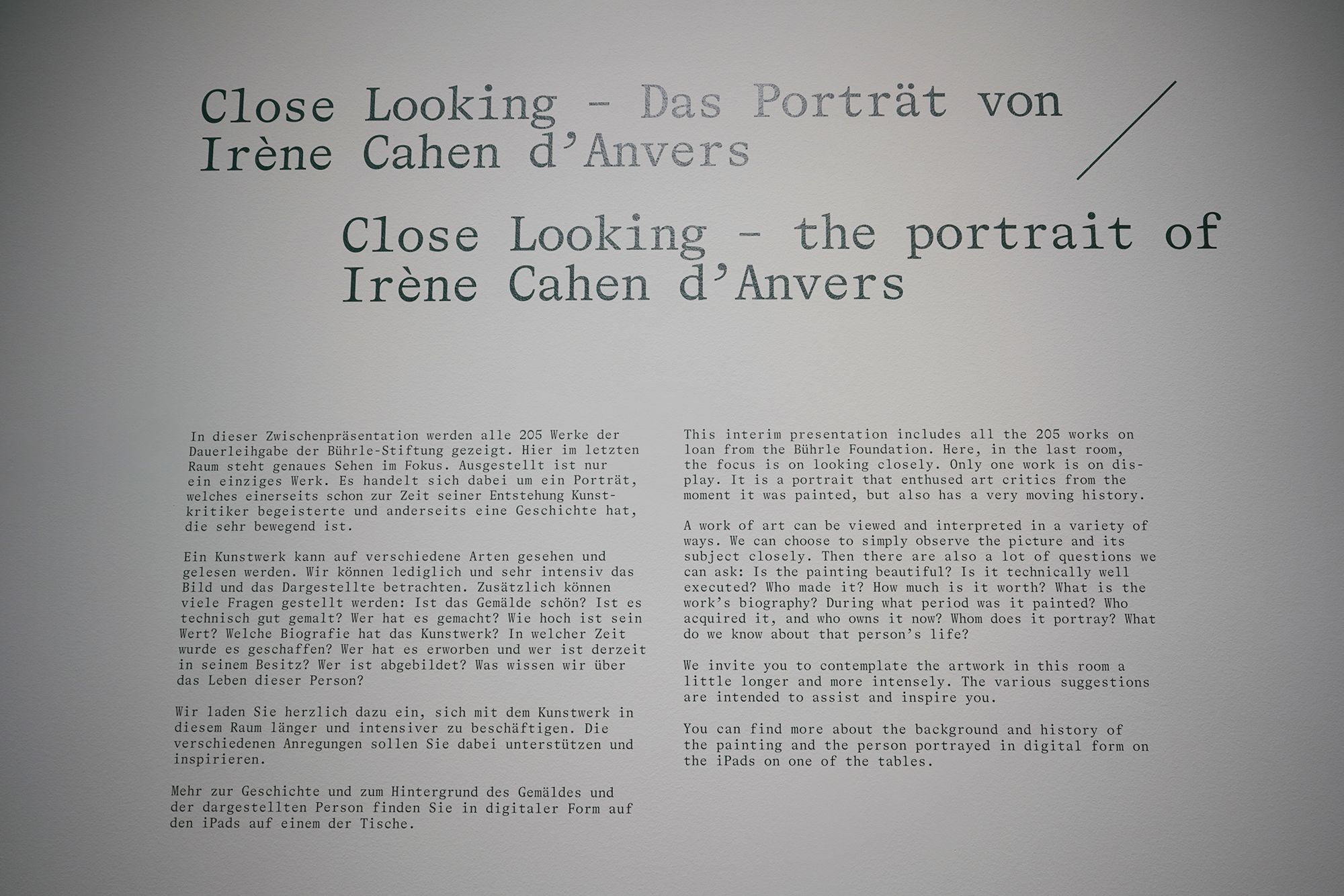
Close Looking – The Portrait of Irène Cahen d’Anvers
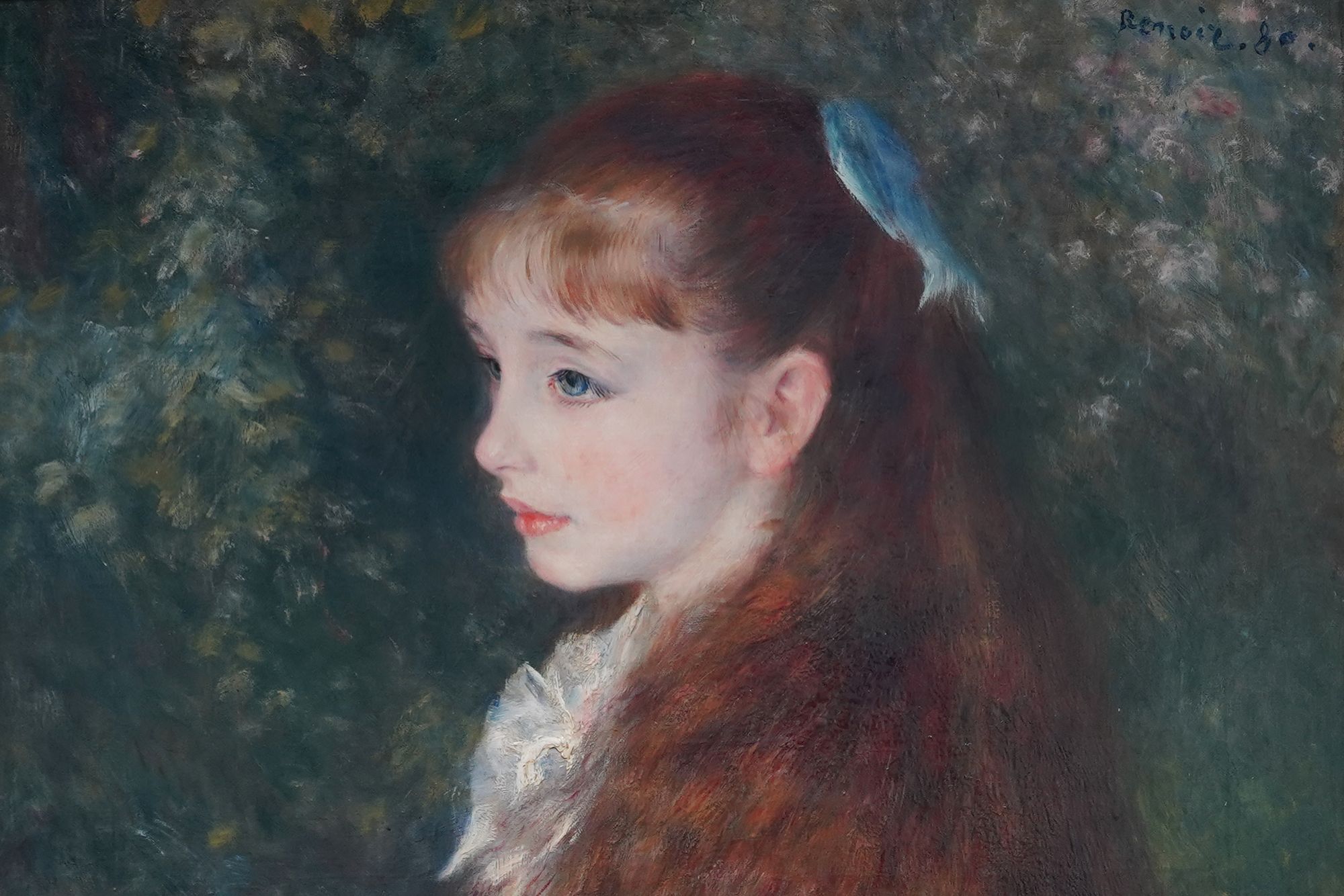
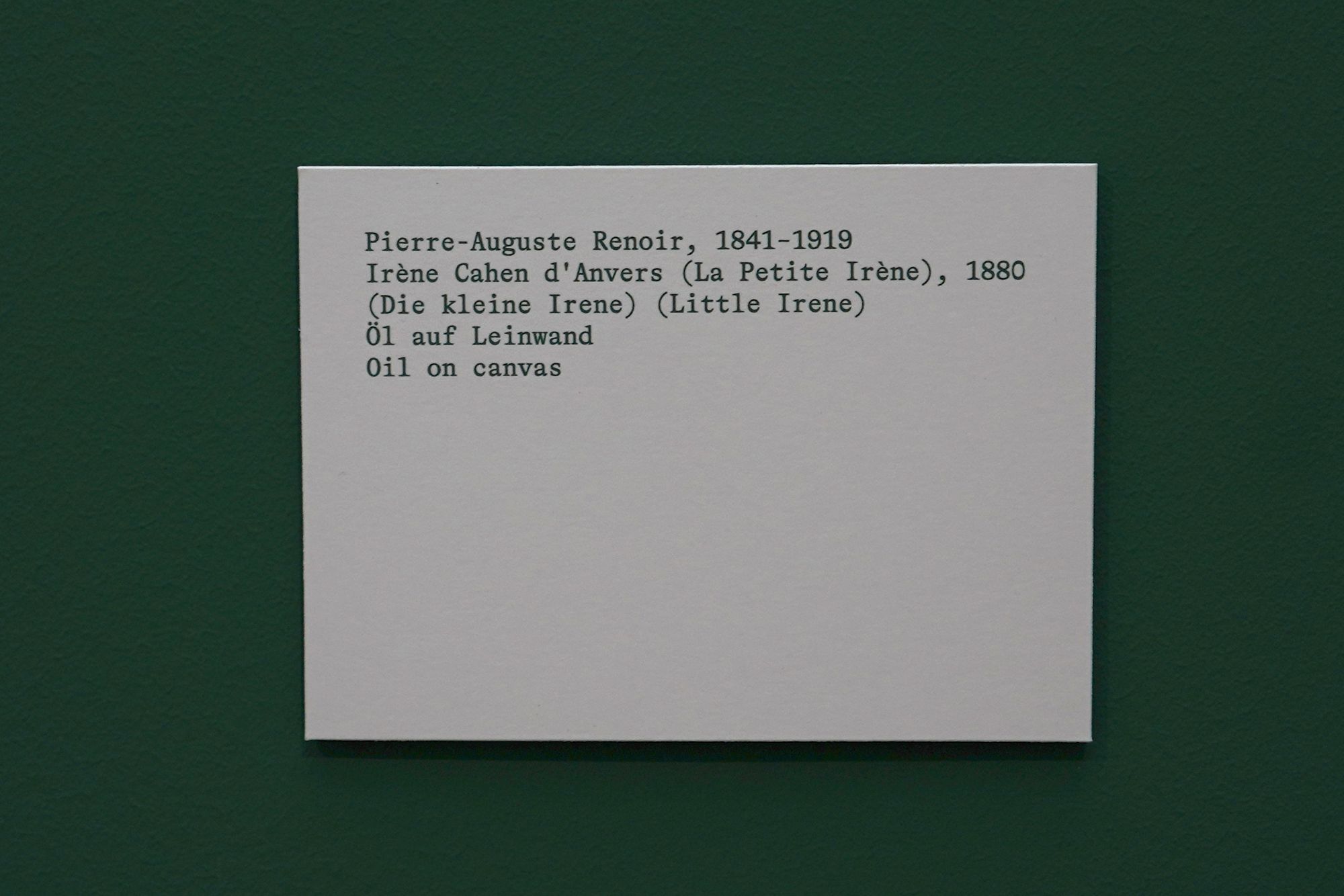
This exhibition at Kunsthaus Zürich focuses on a single painting, Irène Cahen d’Anvers (1880), by the French Impressionist painter Pierre-Auguste Renoir.
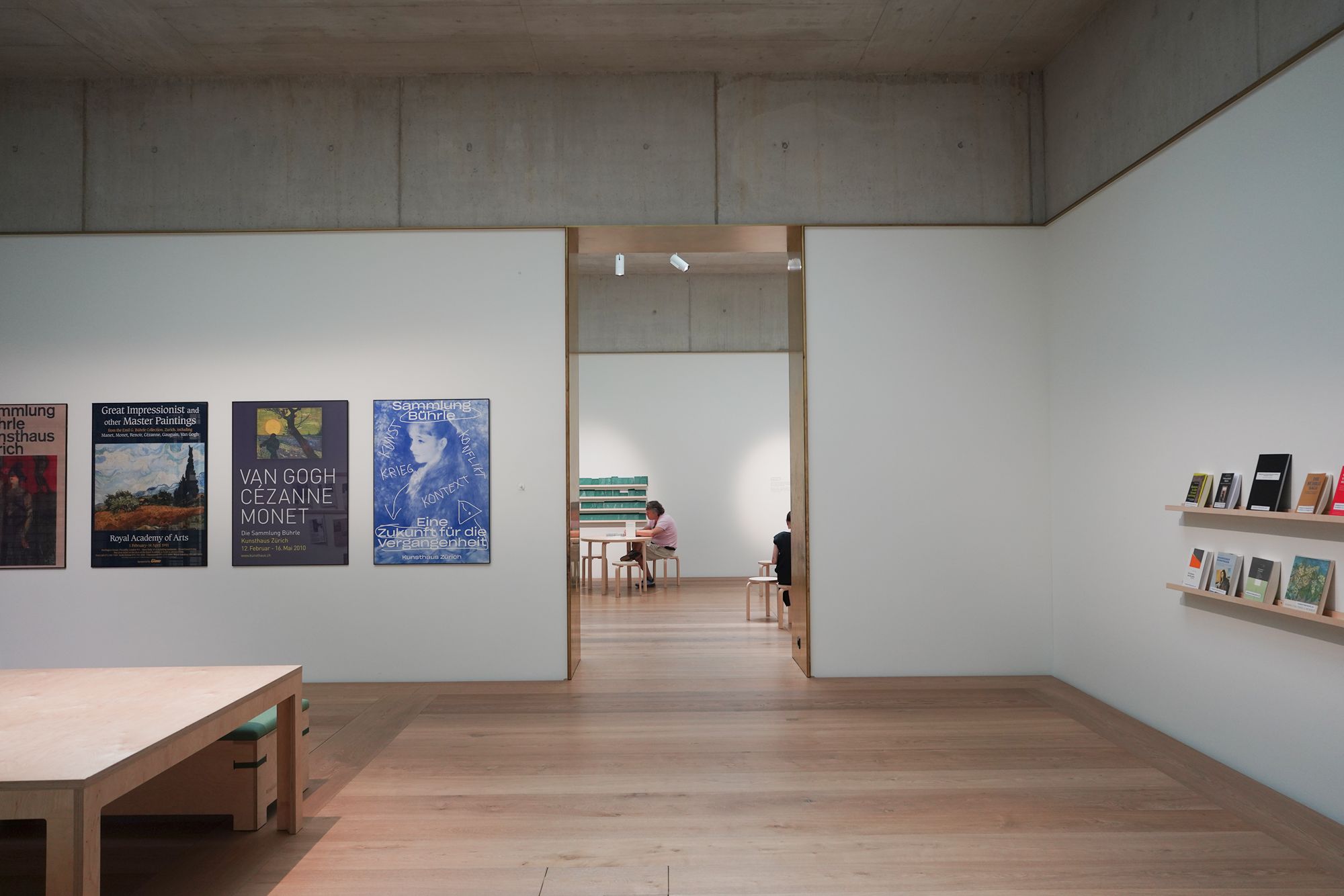
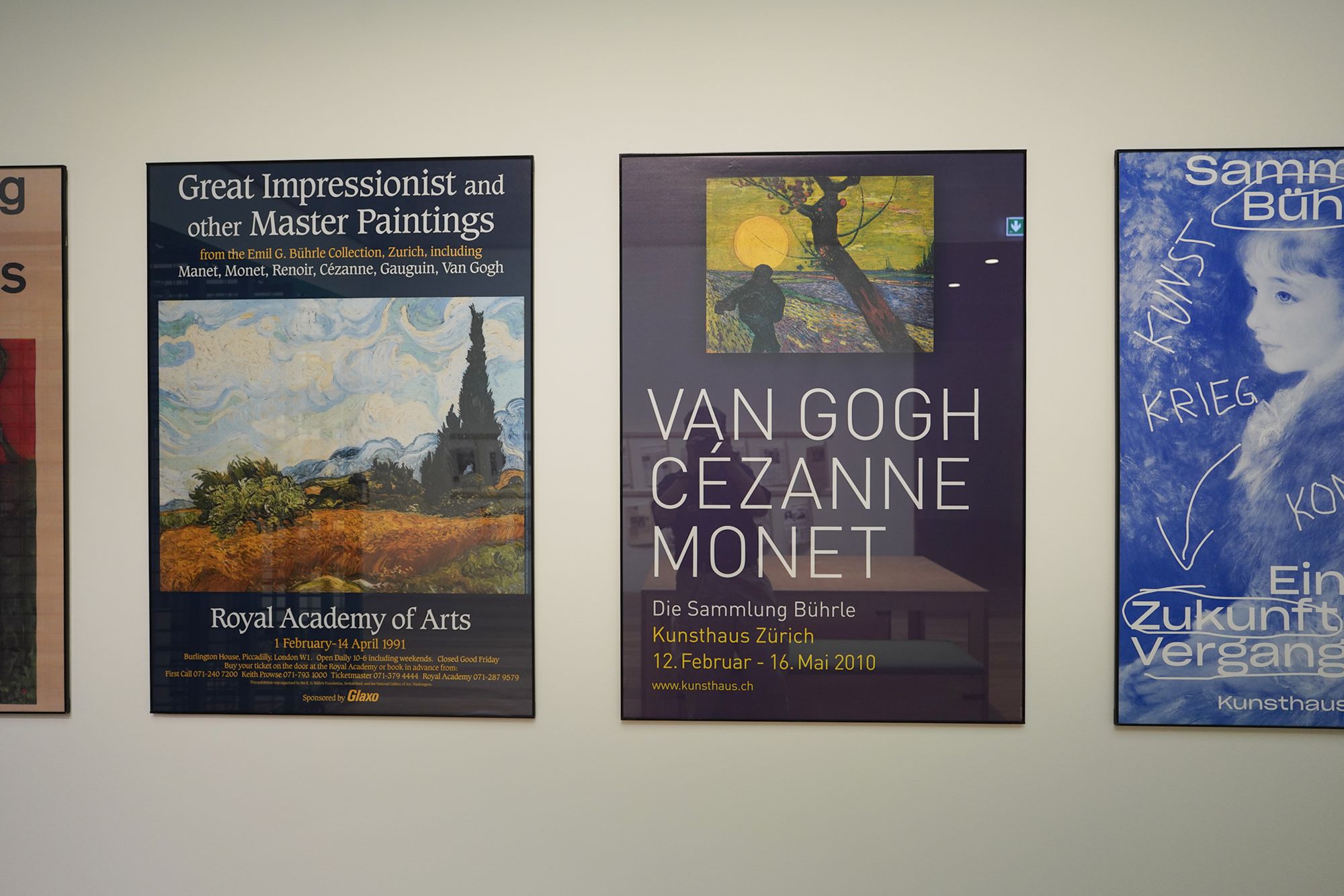
The painting depicts eight-year-old Irène, the daughter of a wealthy Jewish banking family in Paris. It is particularly admired for its delicate brushwork, soft colors, and portrayal of the young girl.
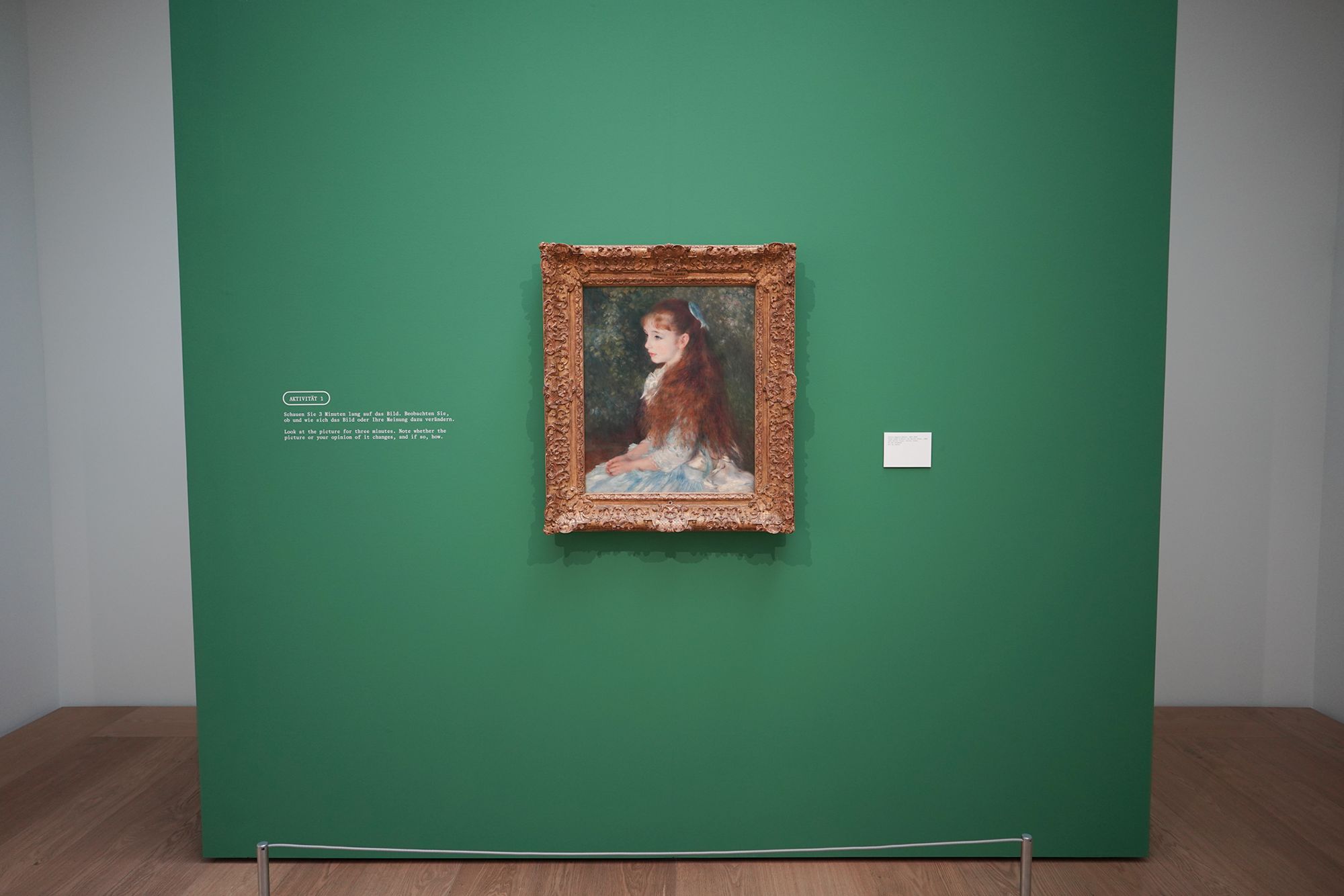
The painting also has a complicated history. During World War II, it was seized by the Nazis and later returned to the Cahen d’Anvers family. Emil Bührle subsequently acquired it in 1949.
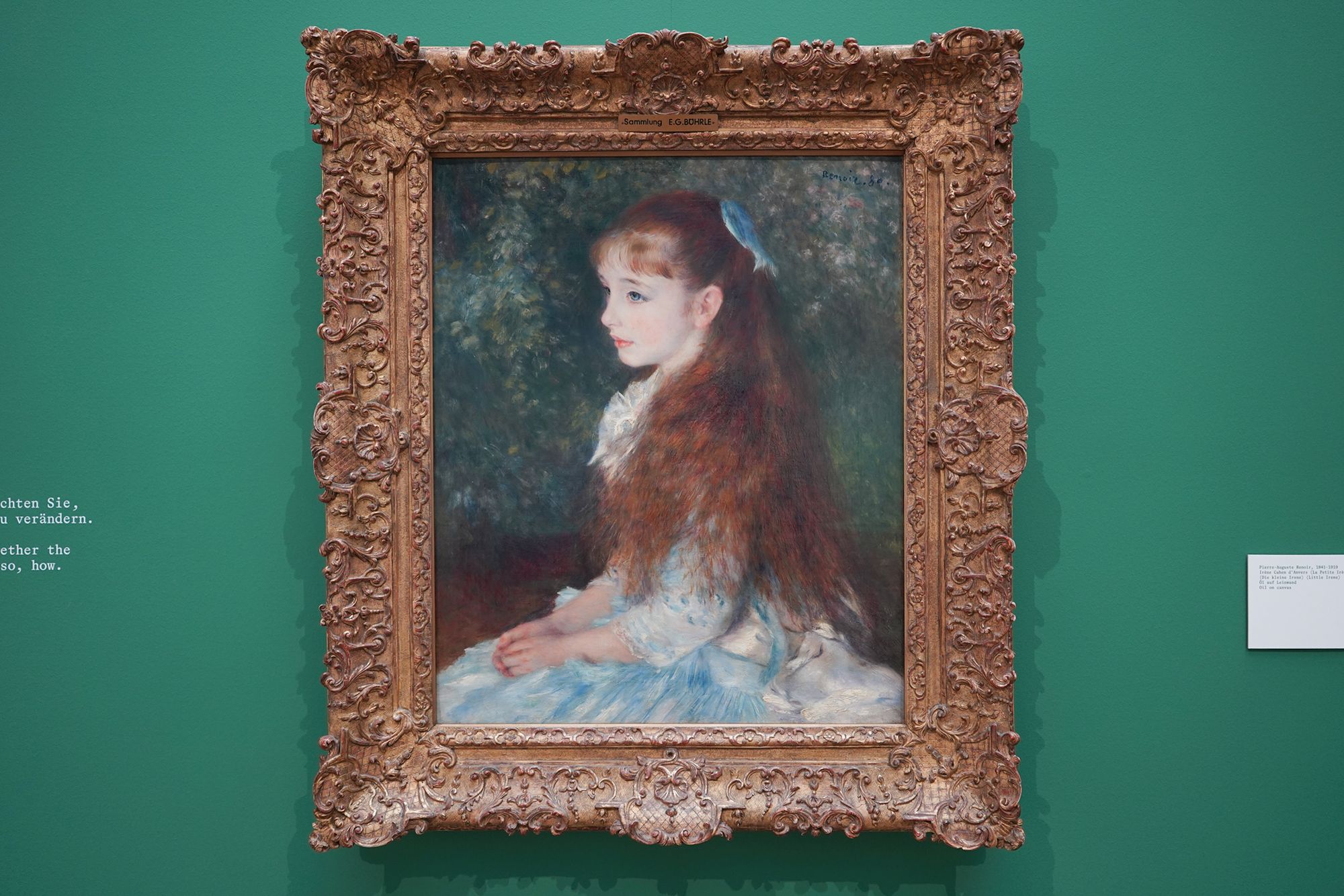
The exhibition invites visitors to examine not only the painting itself but also its history, ownership, artistic qualities, and the life of the girl portrayed.