Kunsthaus Zürich III – Blue Rider, Die Brücke, Fauvism, Switzerland
Explore Kunsthaus Zürich’s Blue Rider, Die Brücke, and Fauvism collections, featuring vivid colors, expressive forms, and influential early modern artists. 1342
Kunsthaus Zurich: Heimpl. 1/5, 8001 Zürich, Switzerland
Date Picture Taken: Jun, 2026
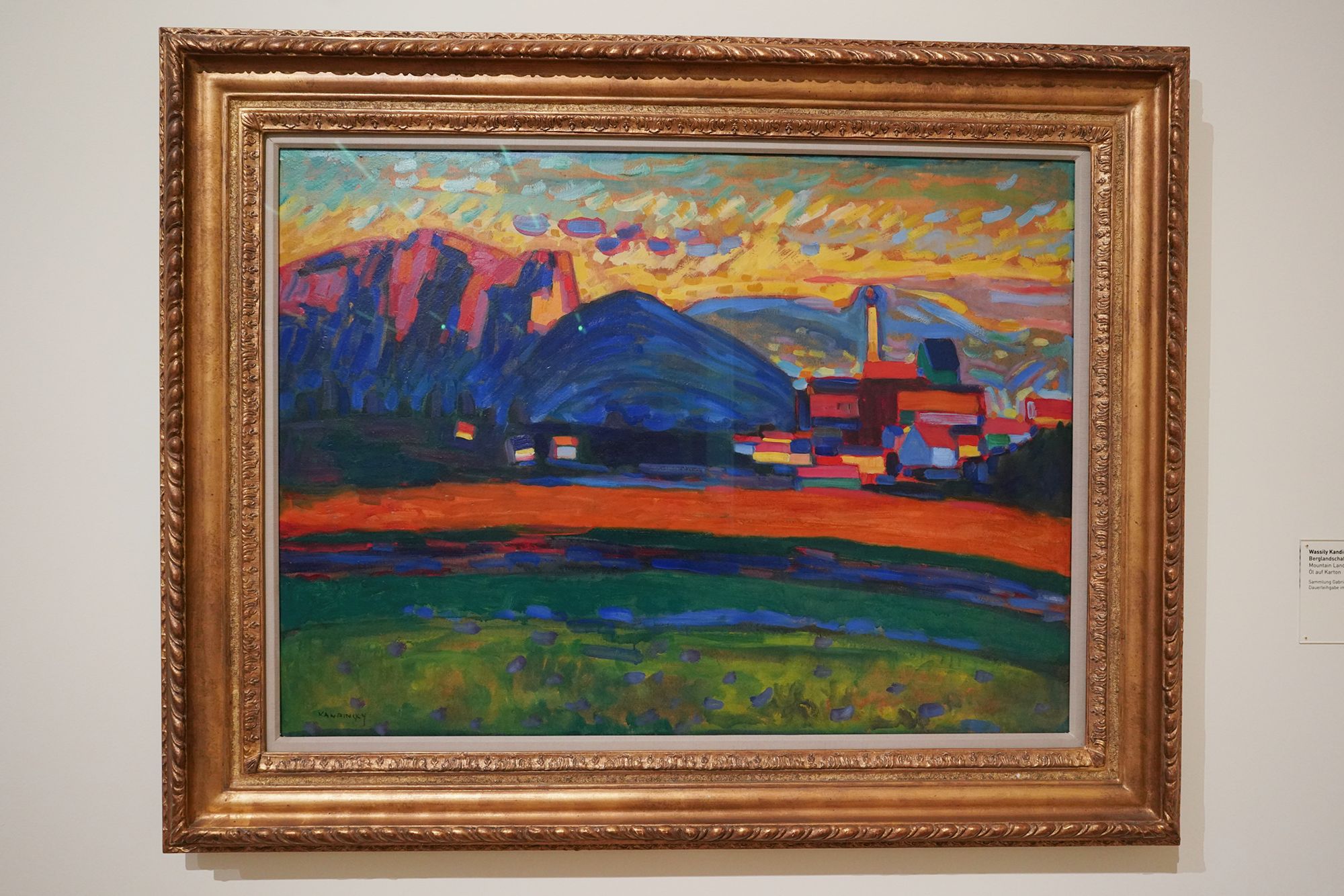
This section of Kunsthaus Zürich explores three influential early 20th-century art movements: the Blue Rider, Die Brücke, and Fauvism. Featuring works by Kandinsky, Franz Marc, Kirchner, Matisse, and Derain, the galleries illustrate how artists experimented with bold colors, simplified forms, and emotional expression, helping shape the development of modern art.
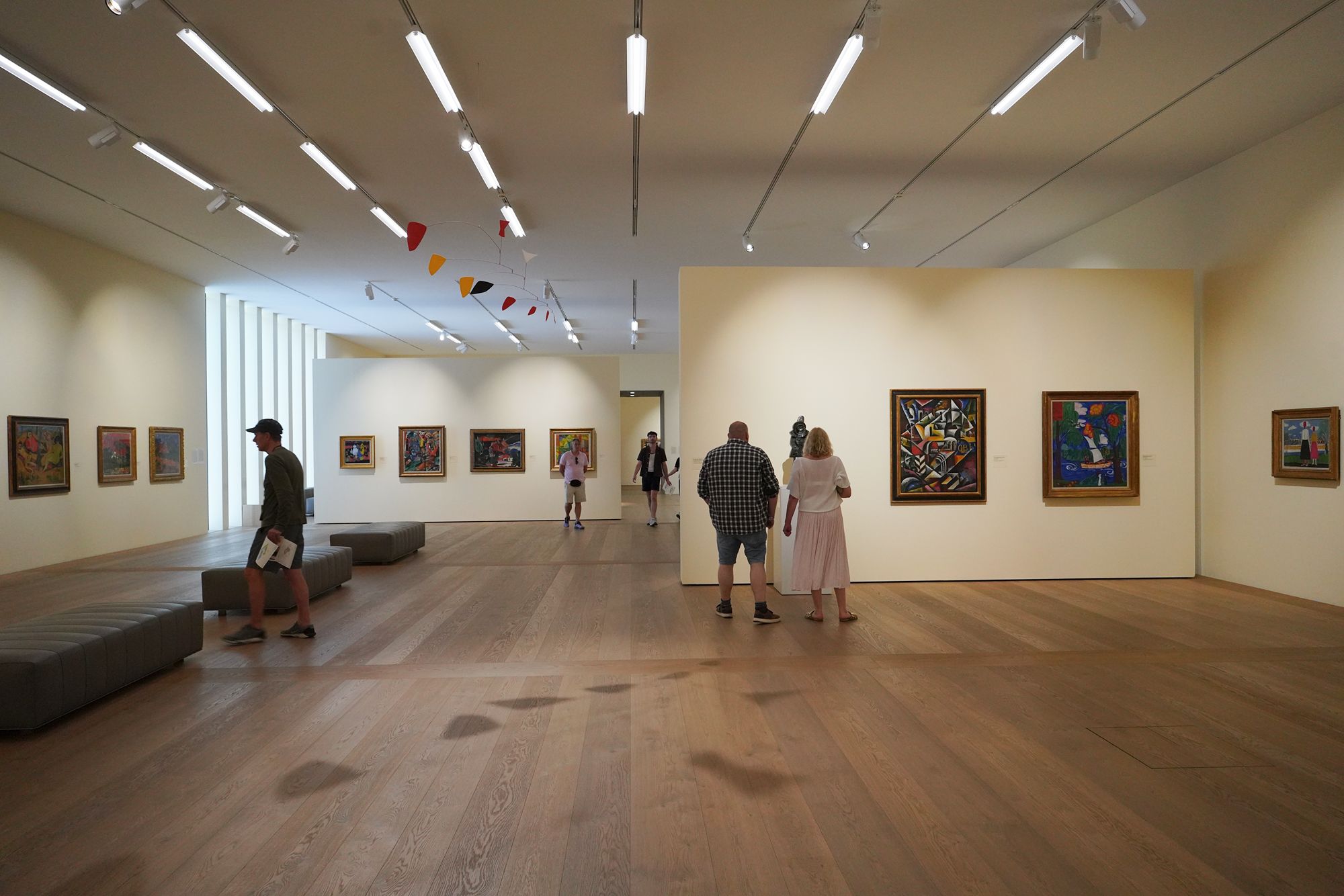
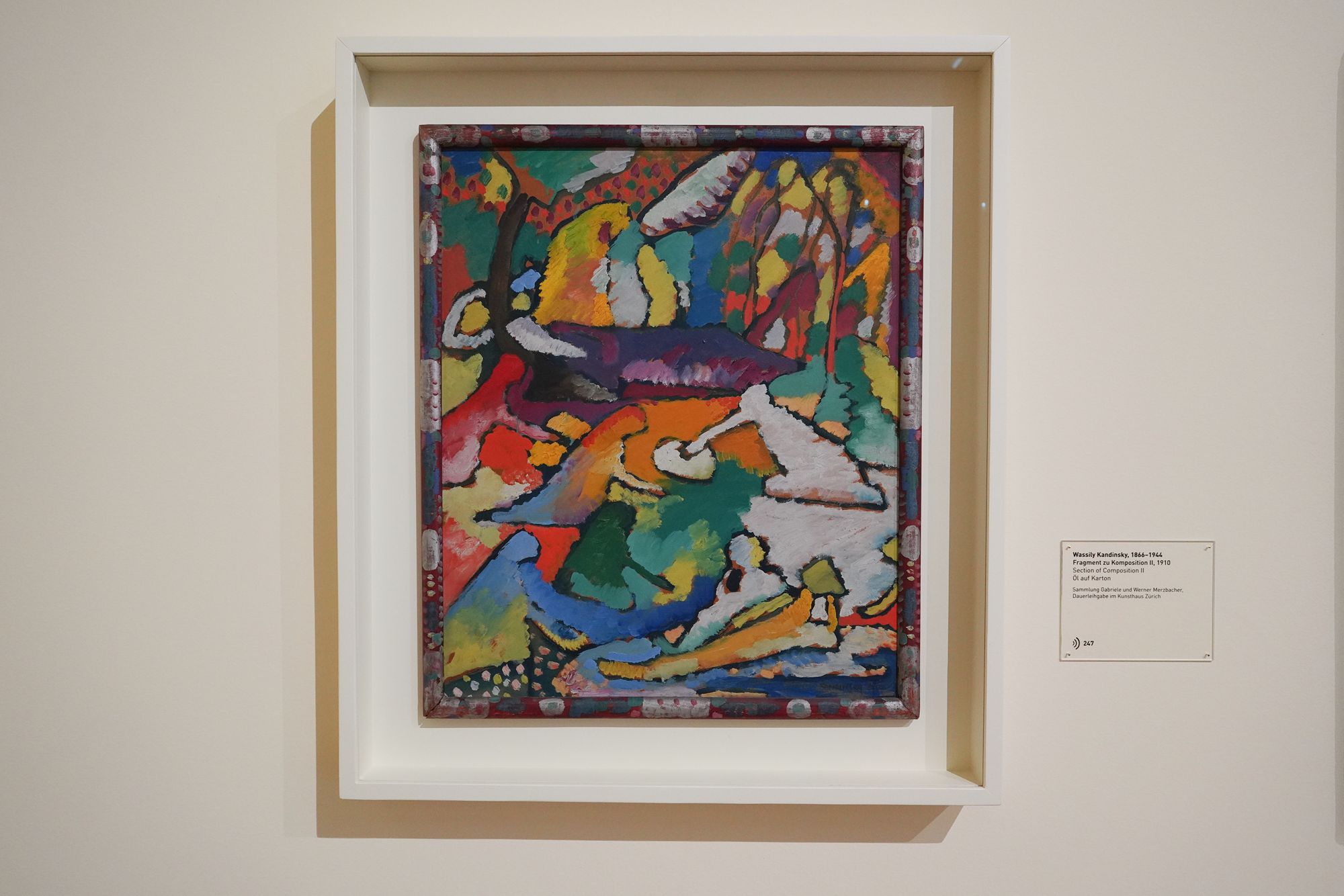
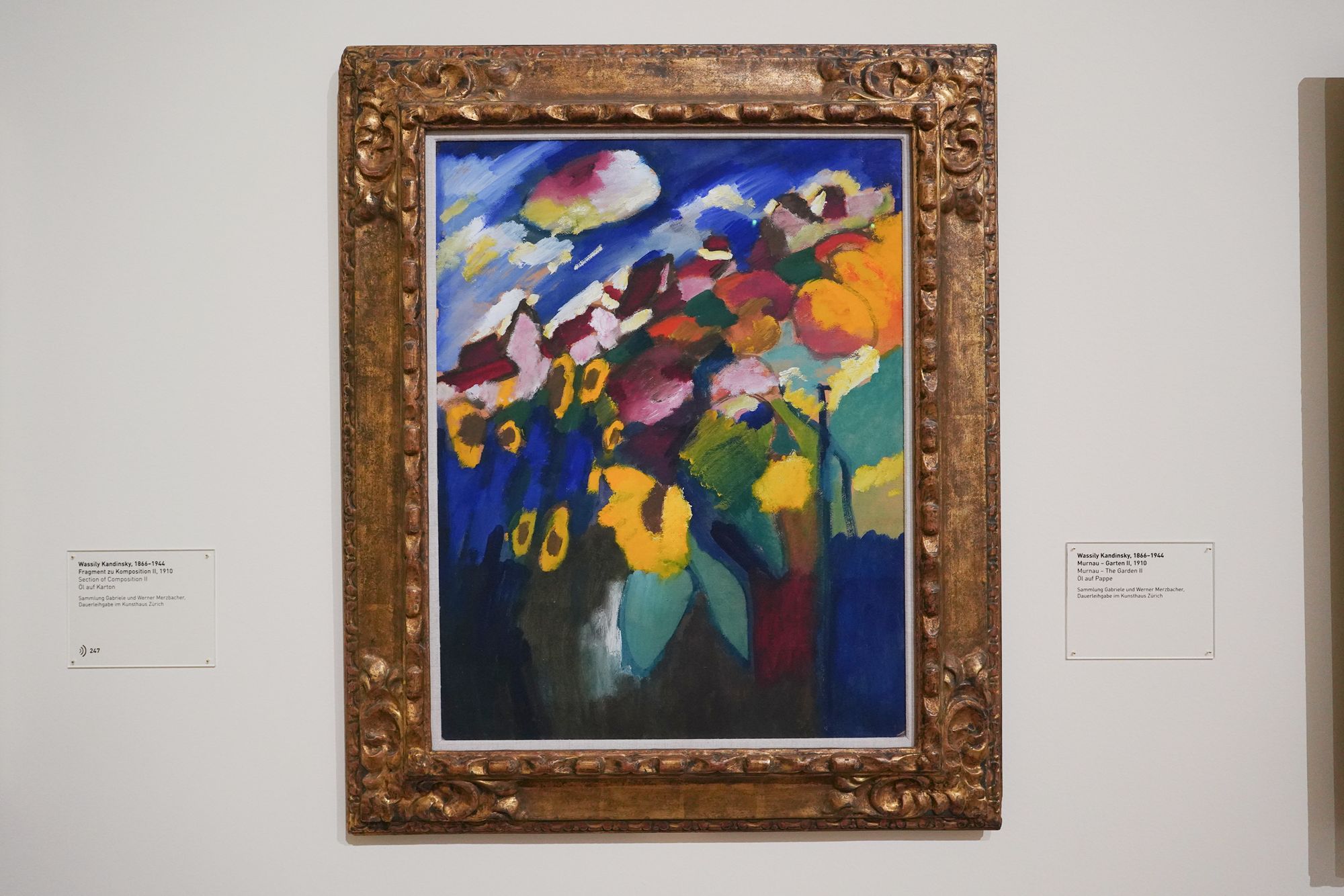
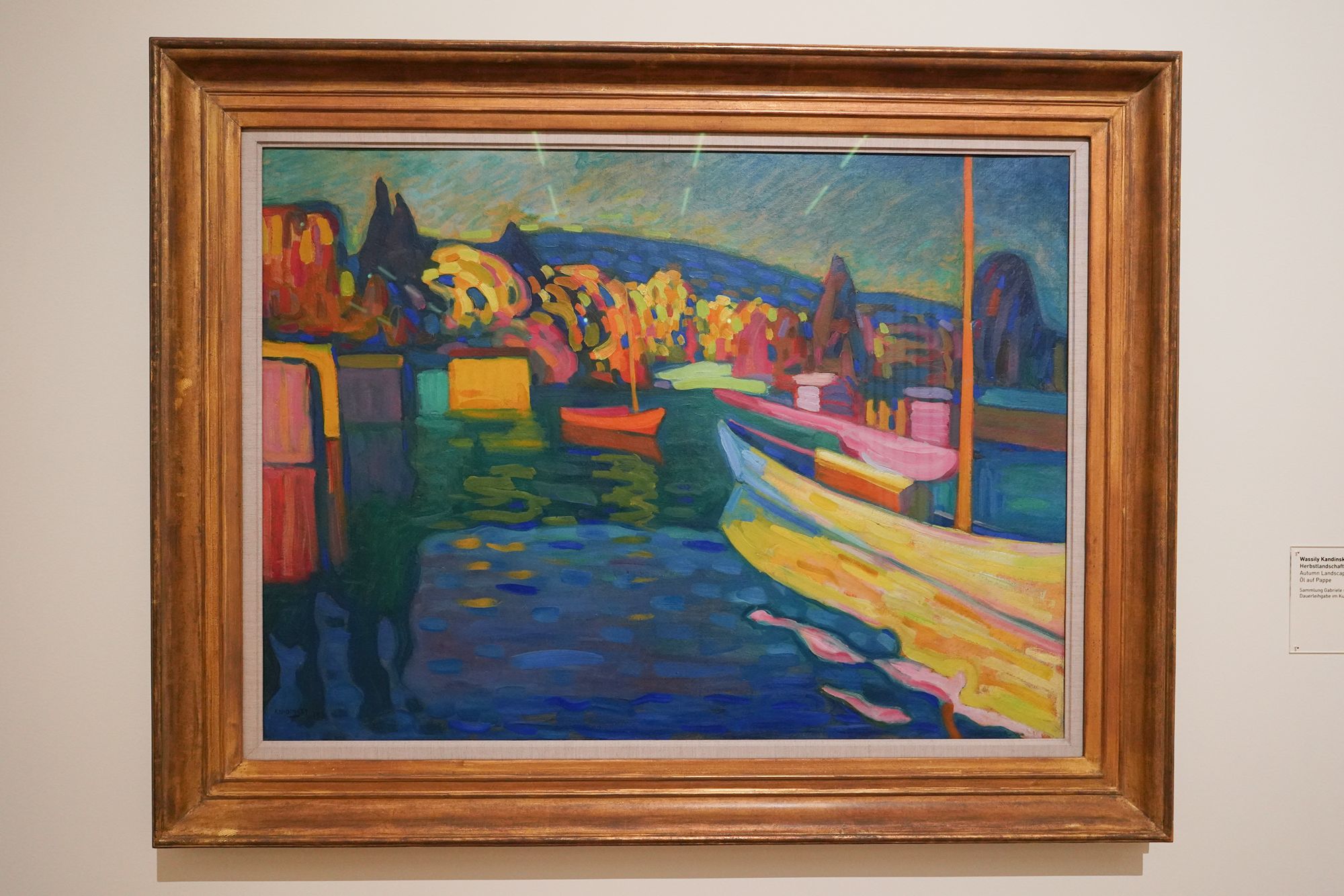
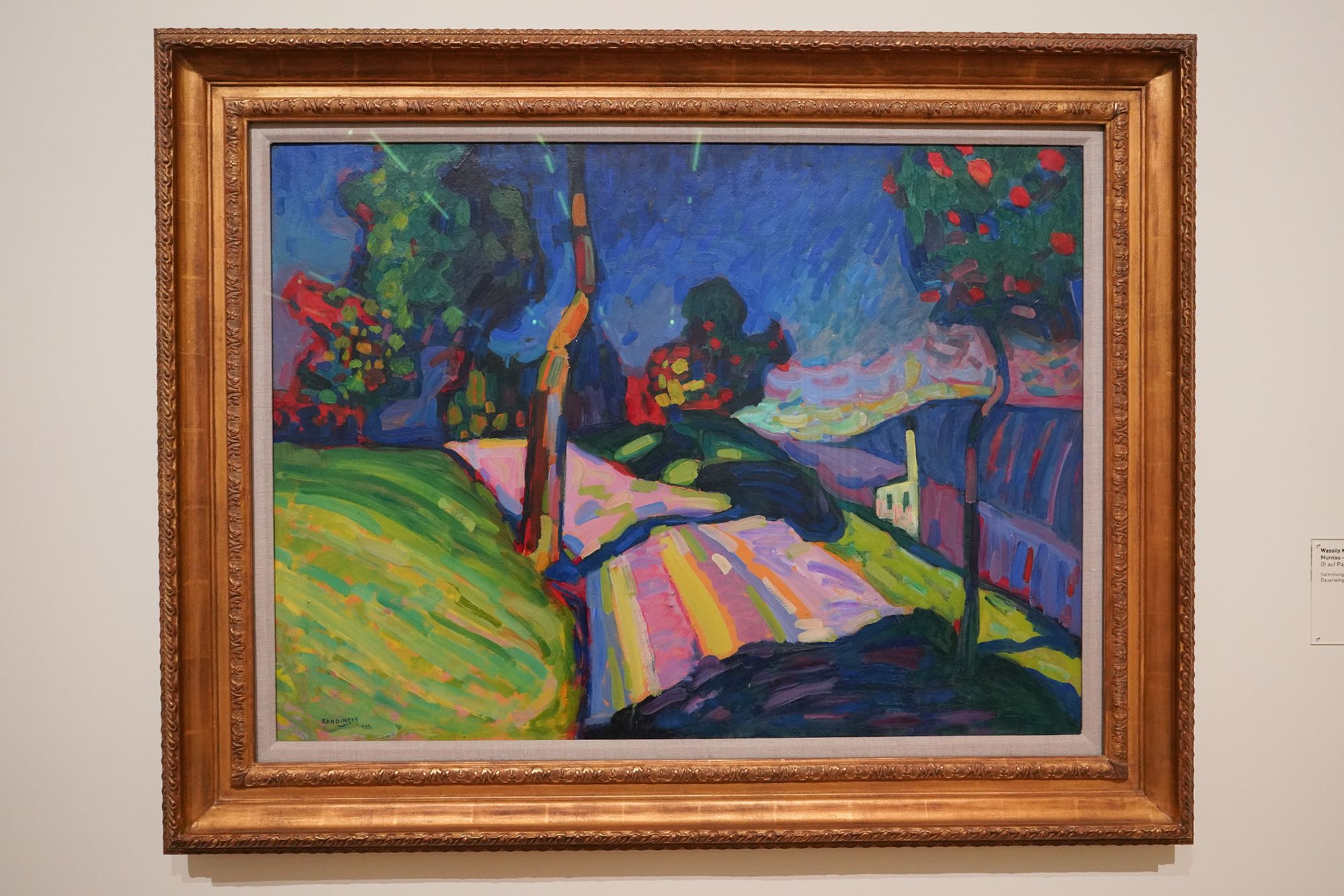
The Blue Rider was a German Expressionist movement founded in Munich in 1911. Artists including Kandinsky, Franz Marc, Gabriele Münter and Paul Klee experimented with bold colors, simplified forms and abstraction. Their work helped transform modern painting by emphasizing emotional and spiritual expression rather than realistic representation.
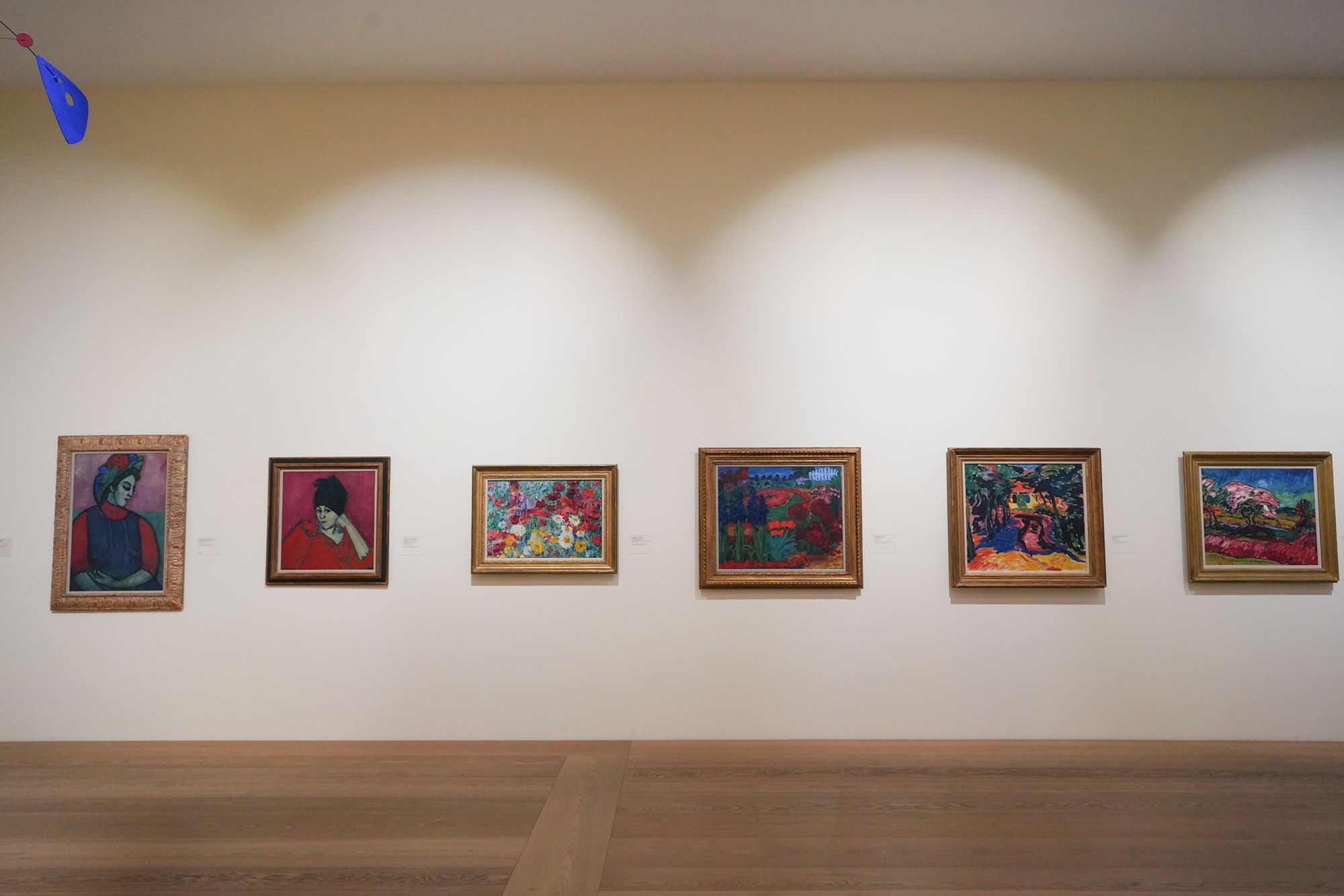
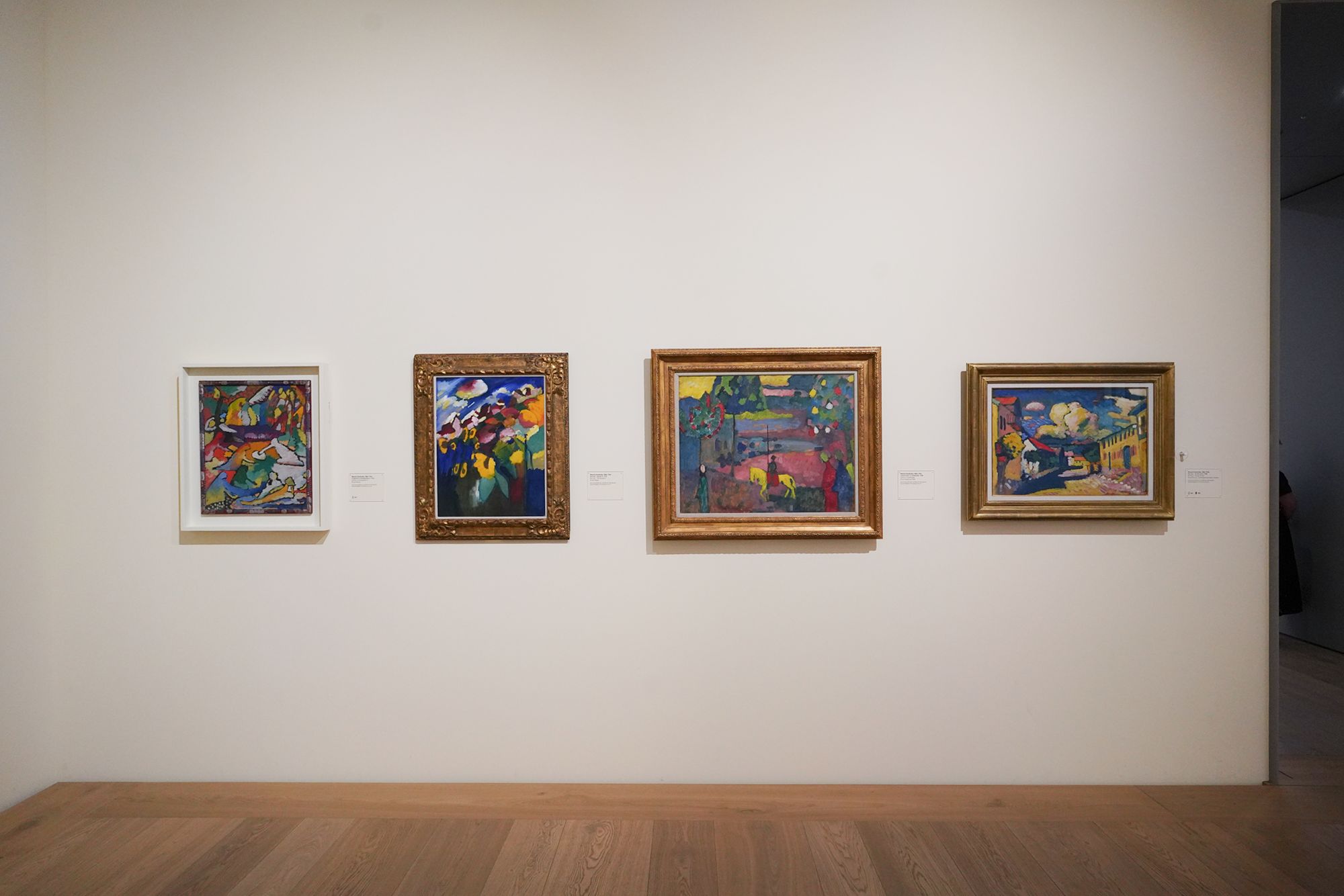
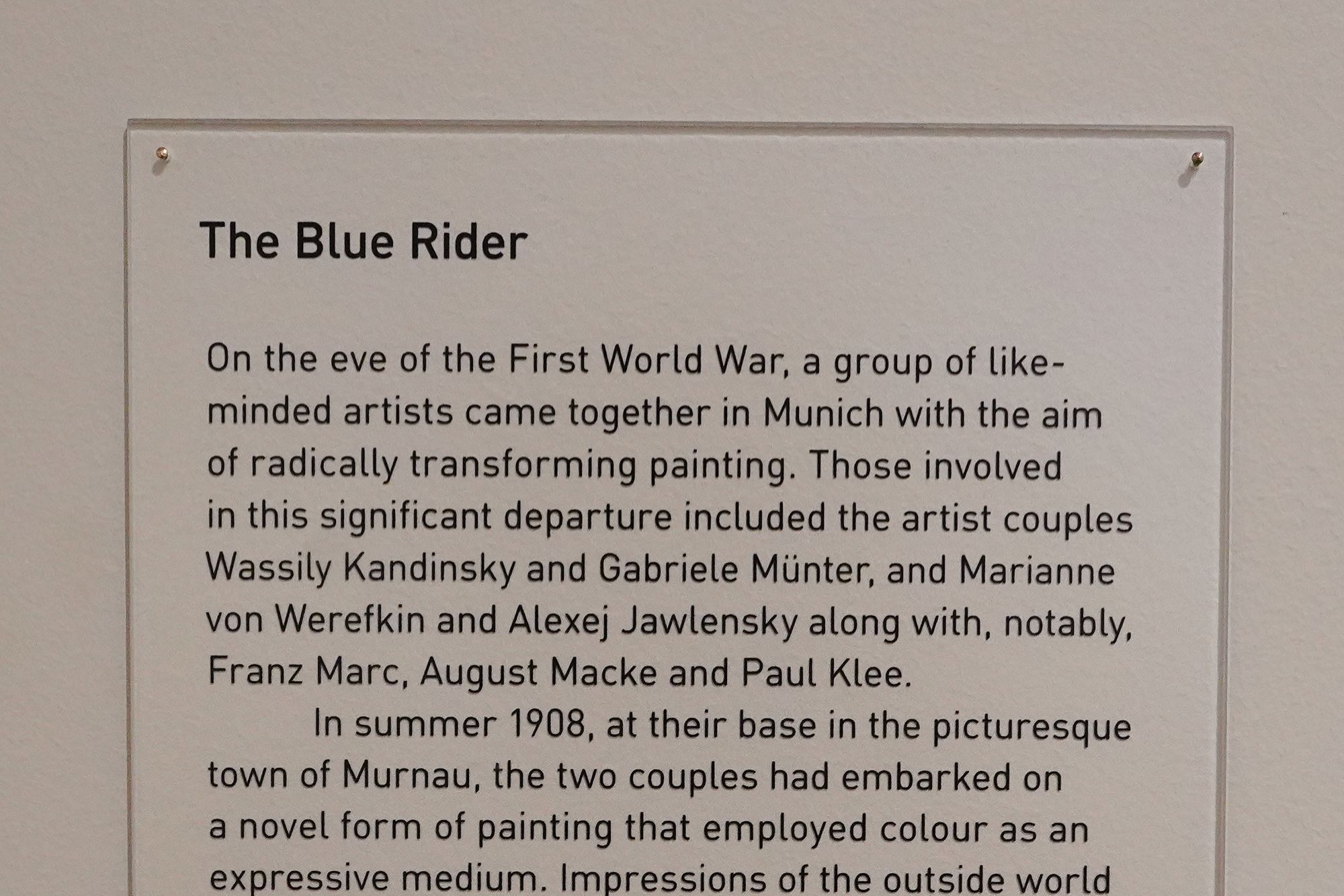
he movement included several important artists:
-
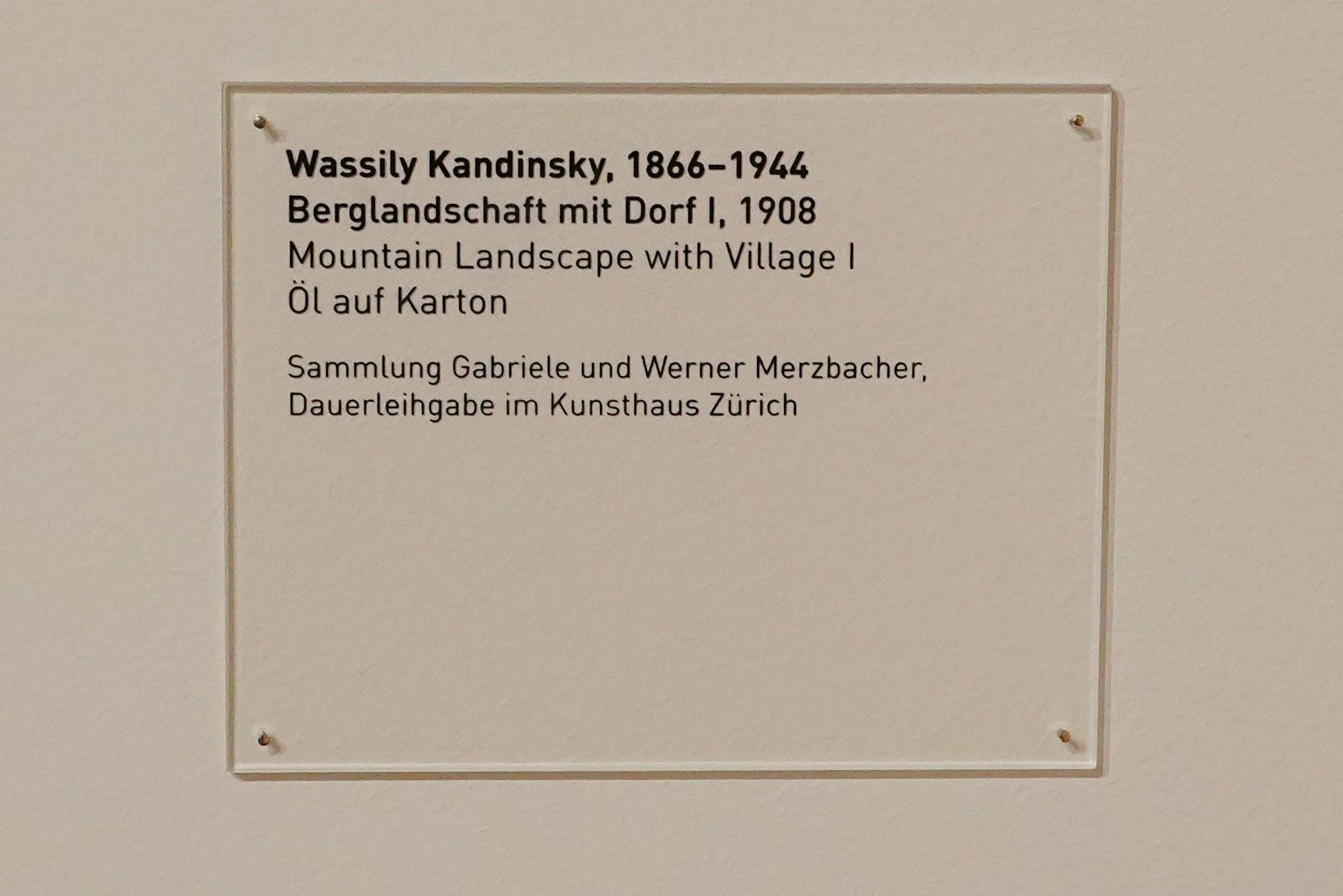
Wassily Kandinsky: A pioneer of abstract painting who believed colors and shapes could express emotions.
-
Franz Marc: Known for his colorful paintings of animals, particularly blue horses.
-
Gabriele Münter: Famous for colorful landscapes and simplified forms.
-
Alexej von Jawlensky: Known for expressive portraits and vivid colors.
-
Marianne von Werefkin: Created emotionally expressive landscapes and figures.
-
August Macke: Known for colorful scenes of everyday life.
-
Paul Klee: Developed a distinctive style combining abstraction, symbolism and imaginative forms.
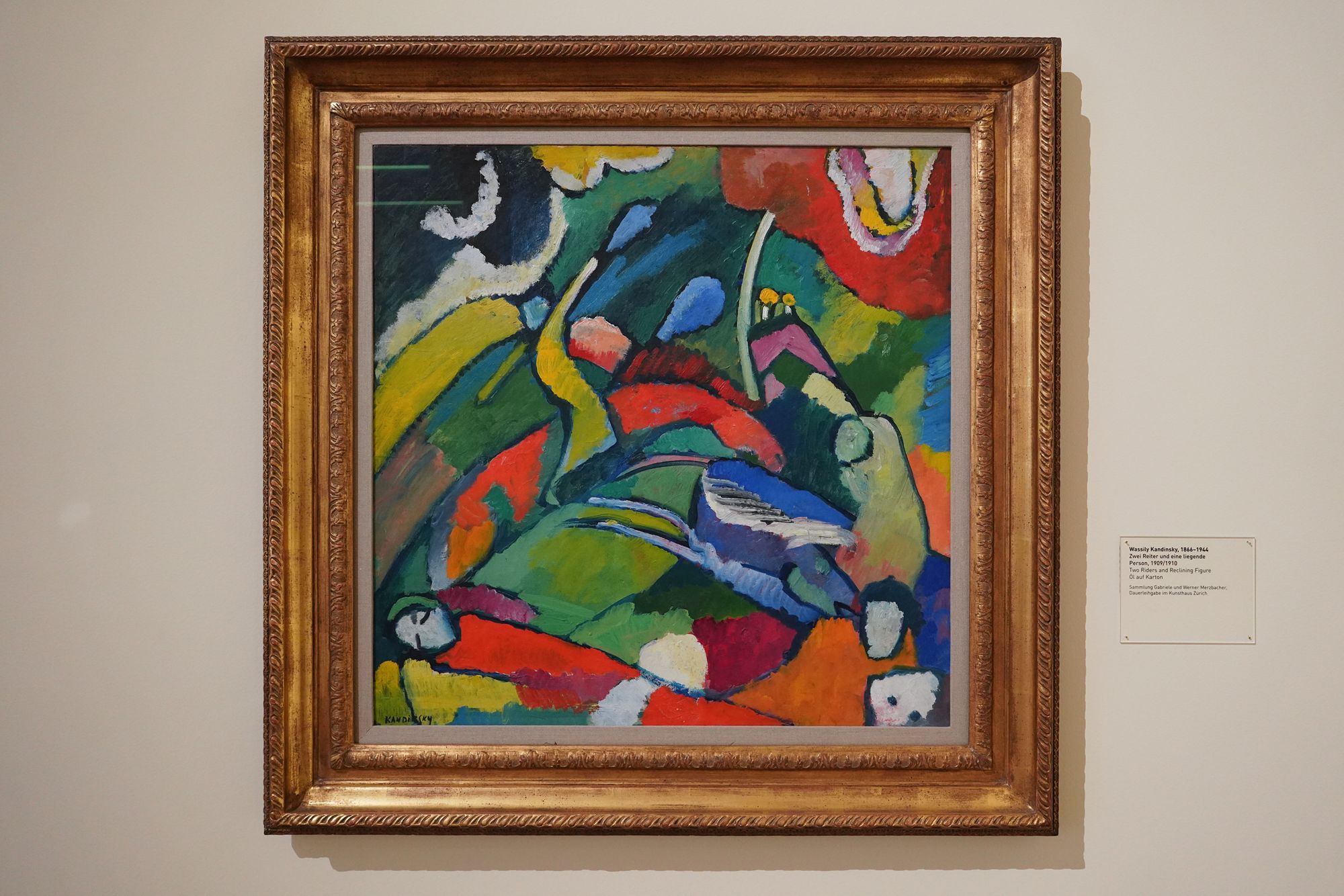
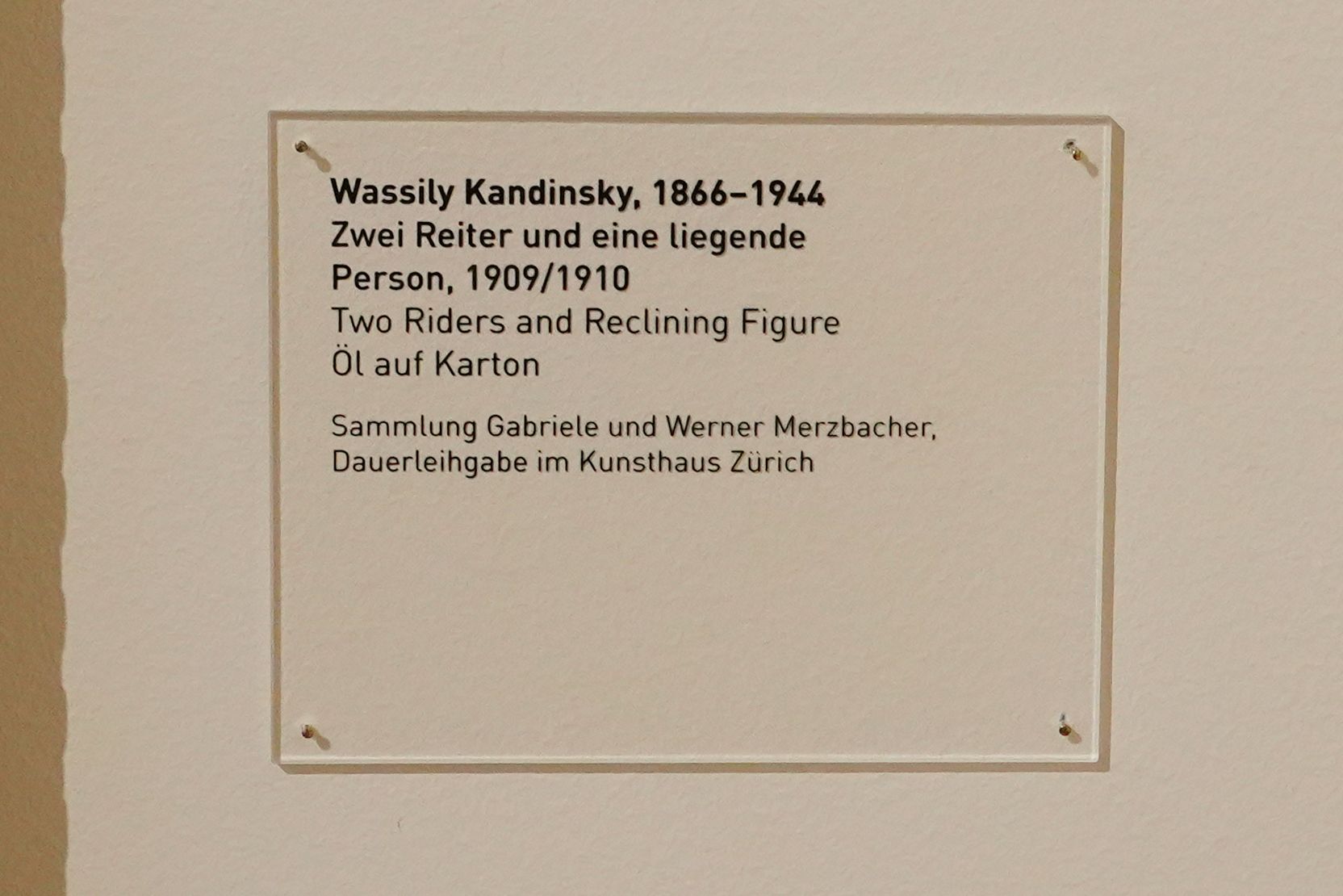
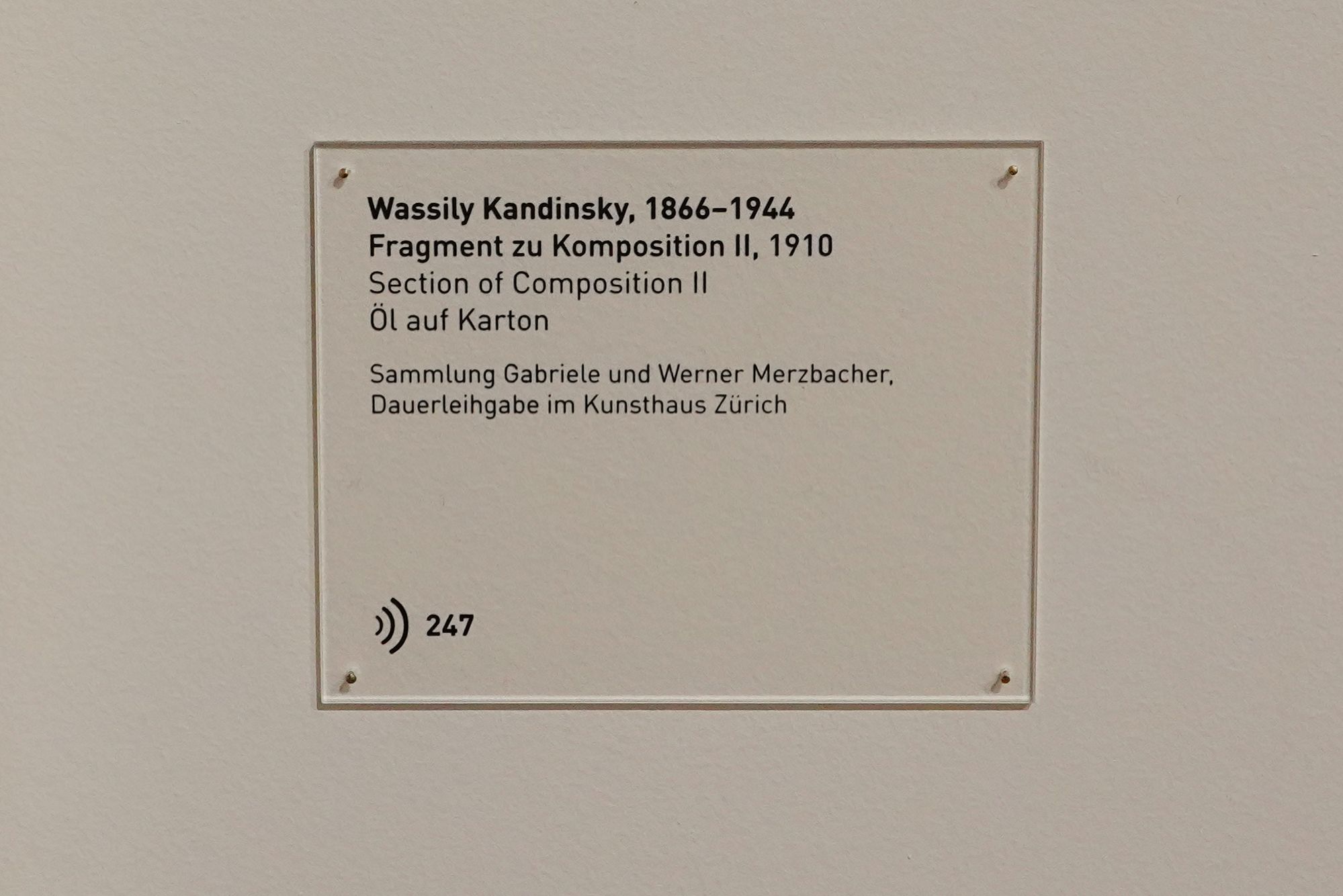
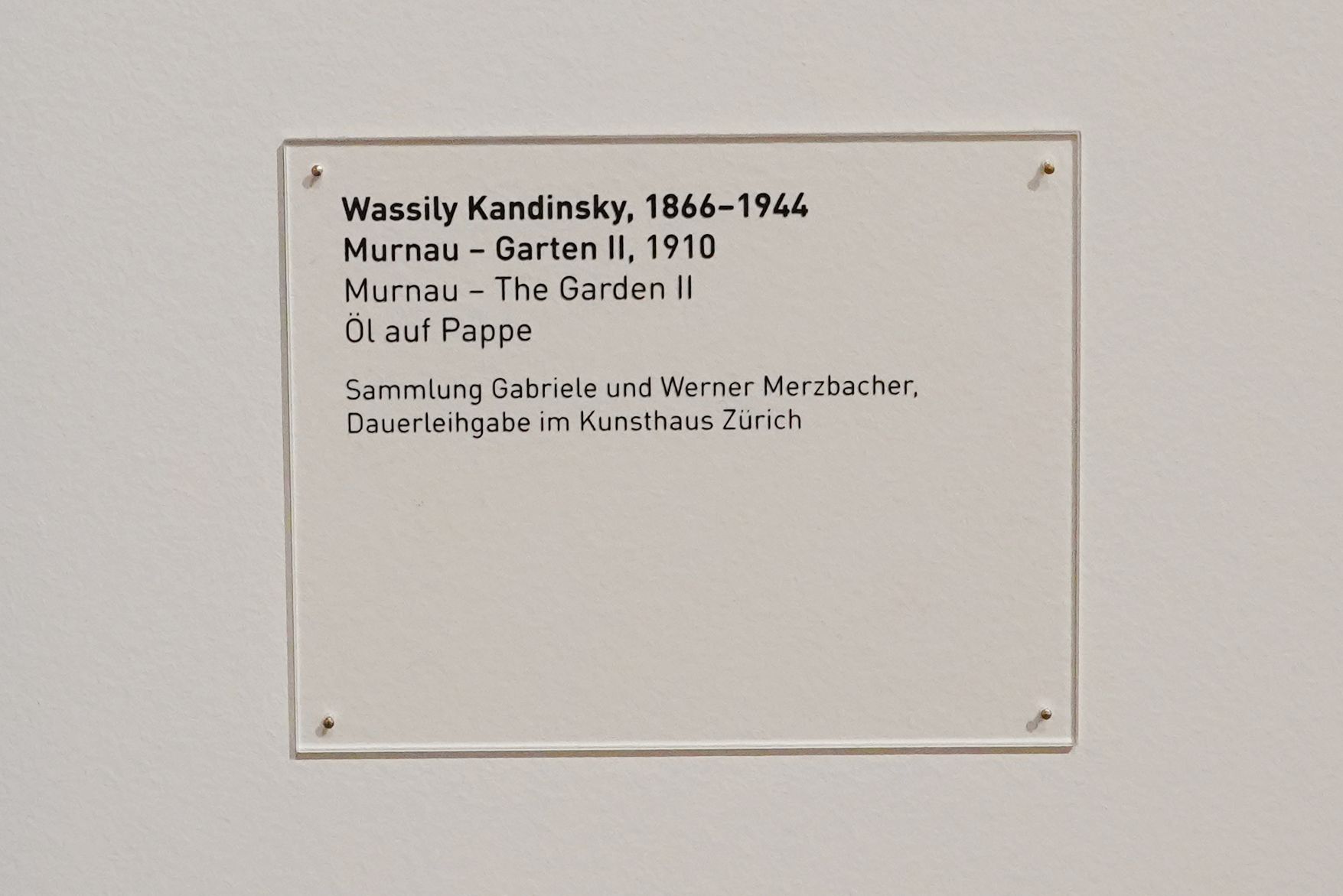
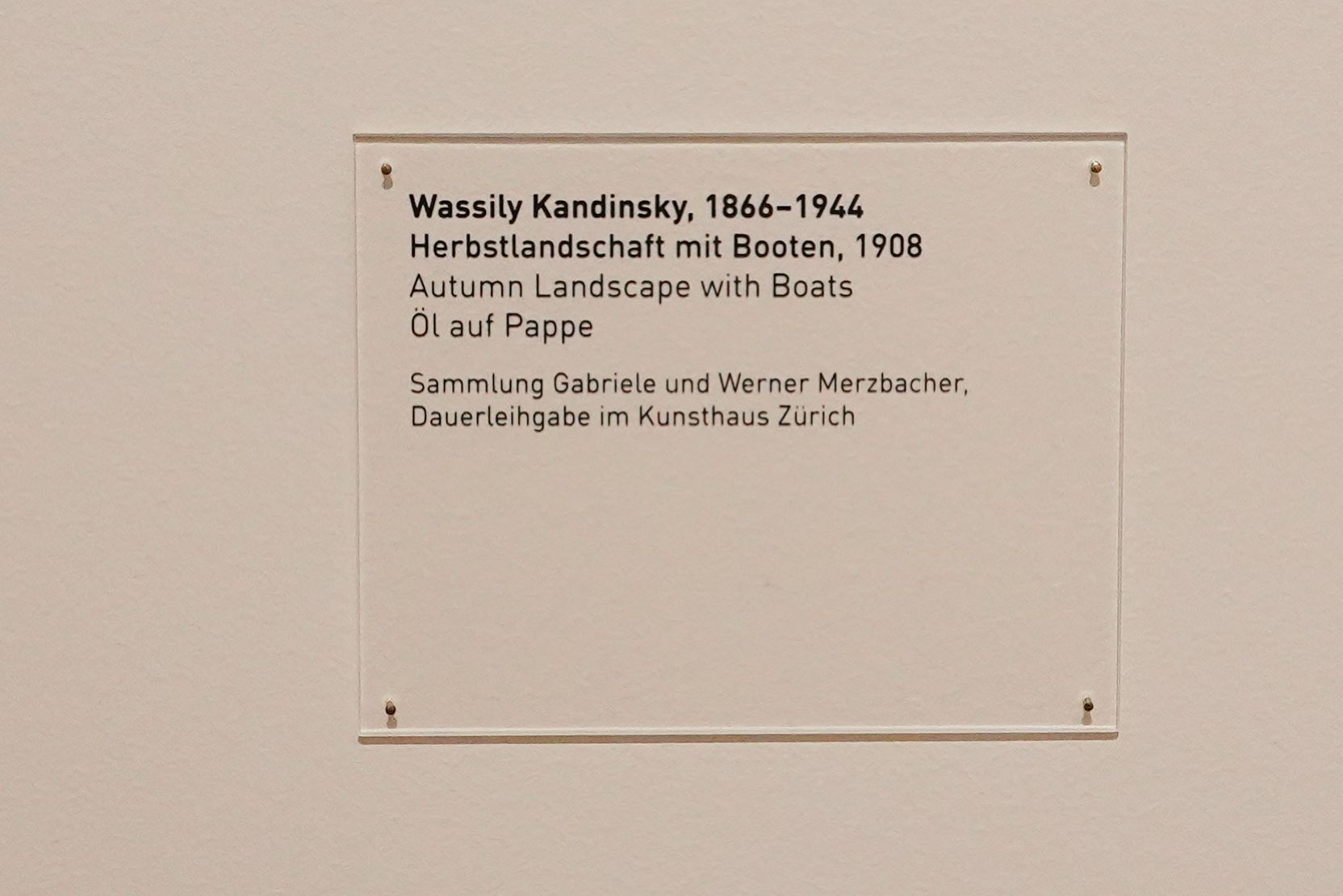
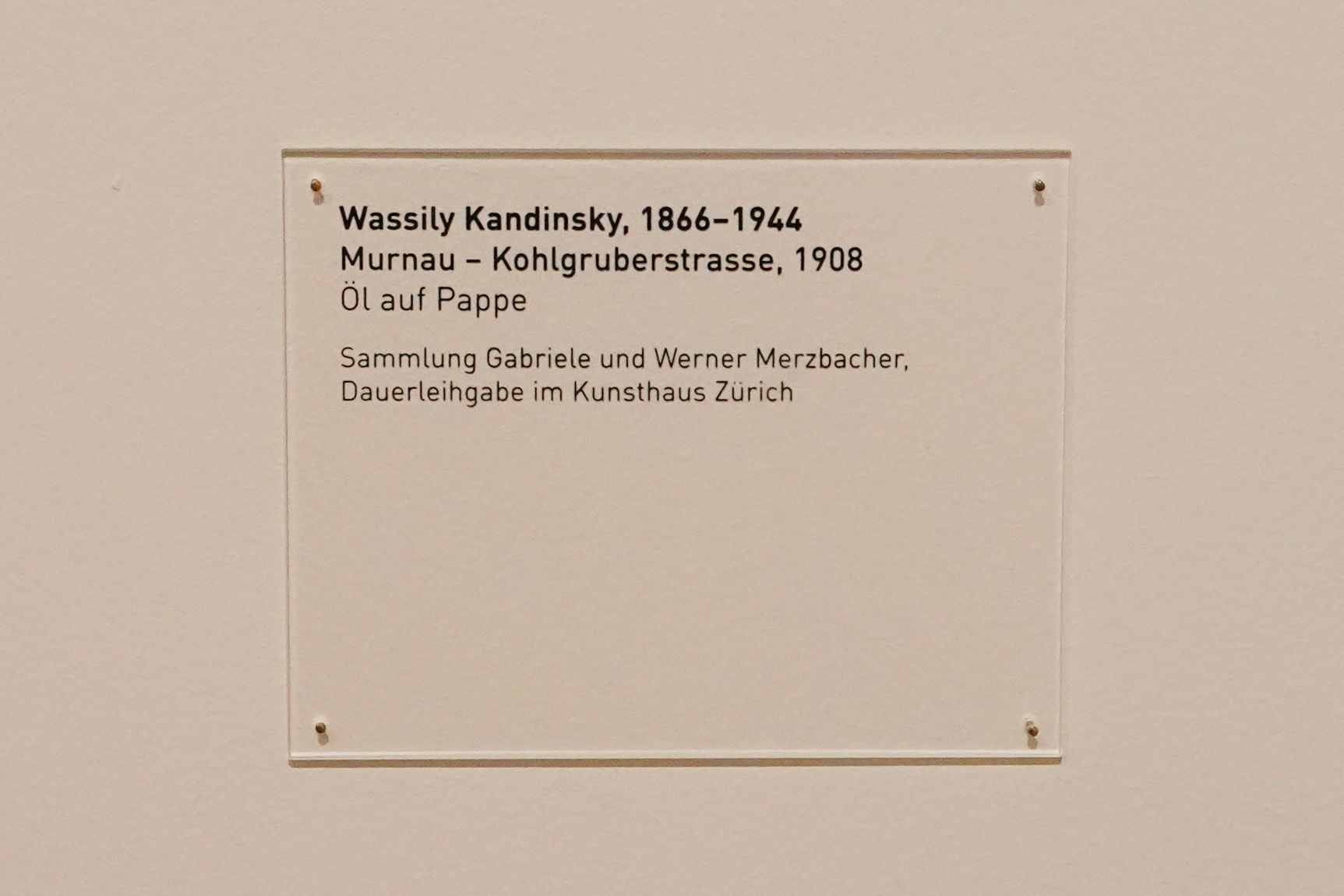
Wassily Kandinsky was a Russian-born painter and pioneer of abstract art. He co-founded the Blue Rider movement in Munich in 1911 and believed that colors and shapes could express emotions like music. His work evolved from colorful Expressionist landscapes to fully abstract compositions and later geometric paintings.
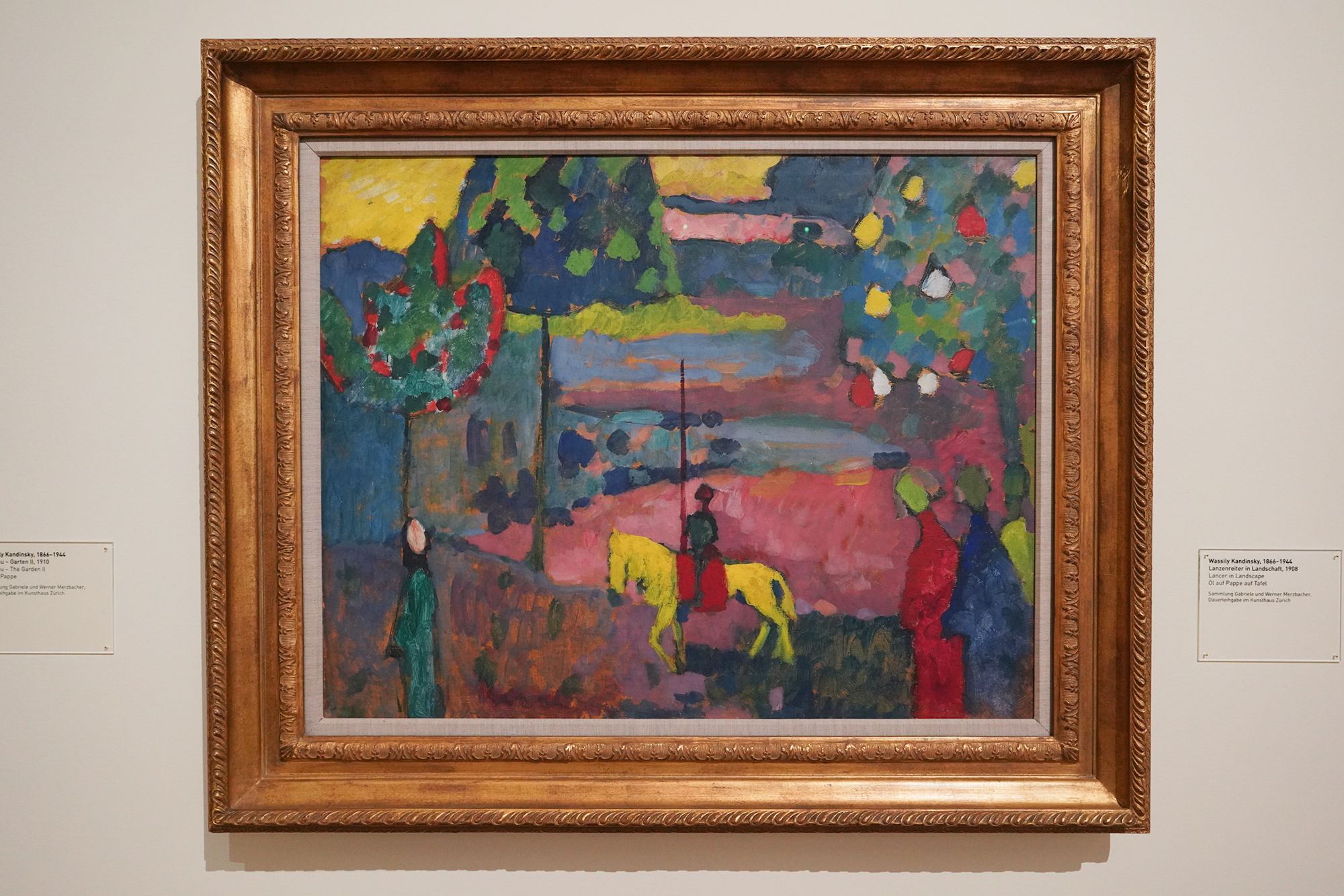
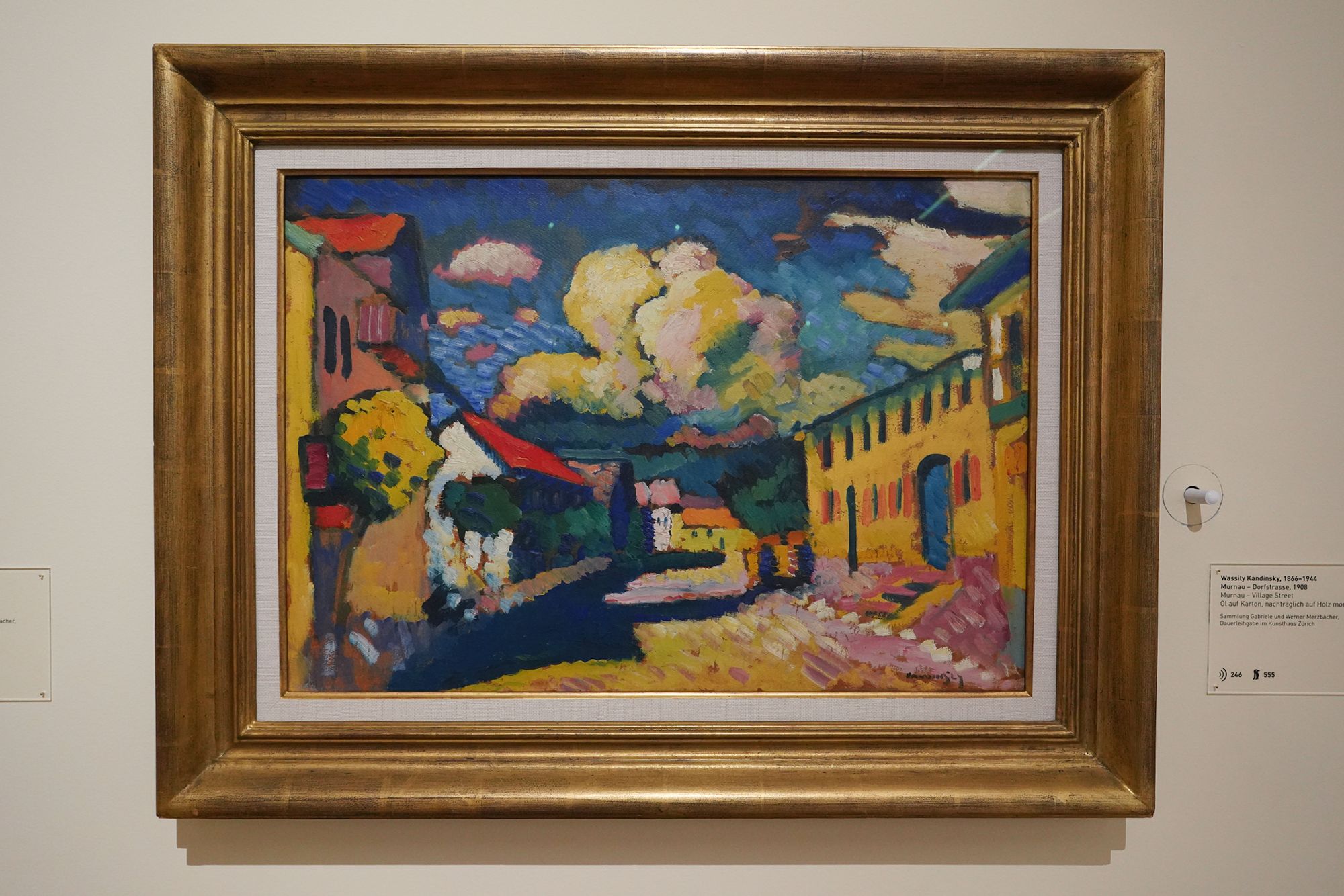
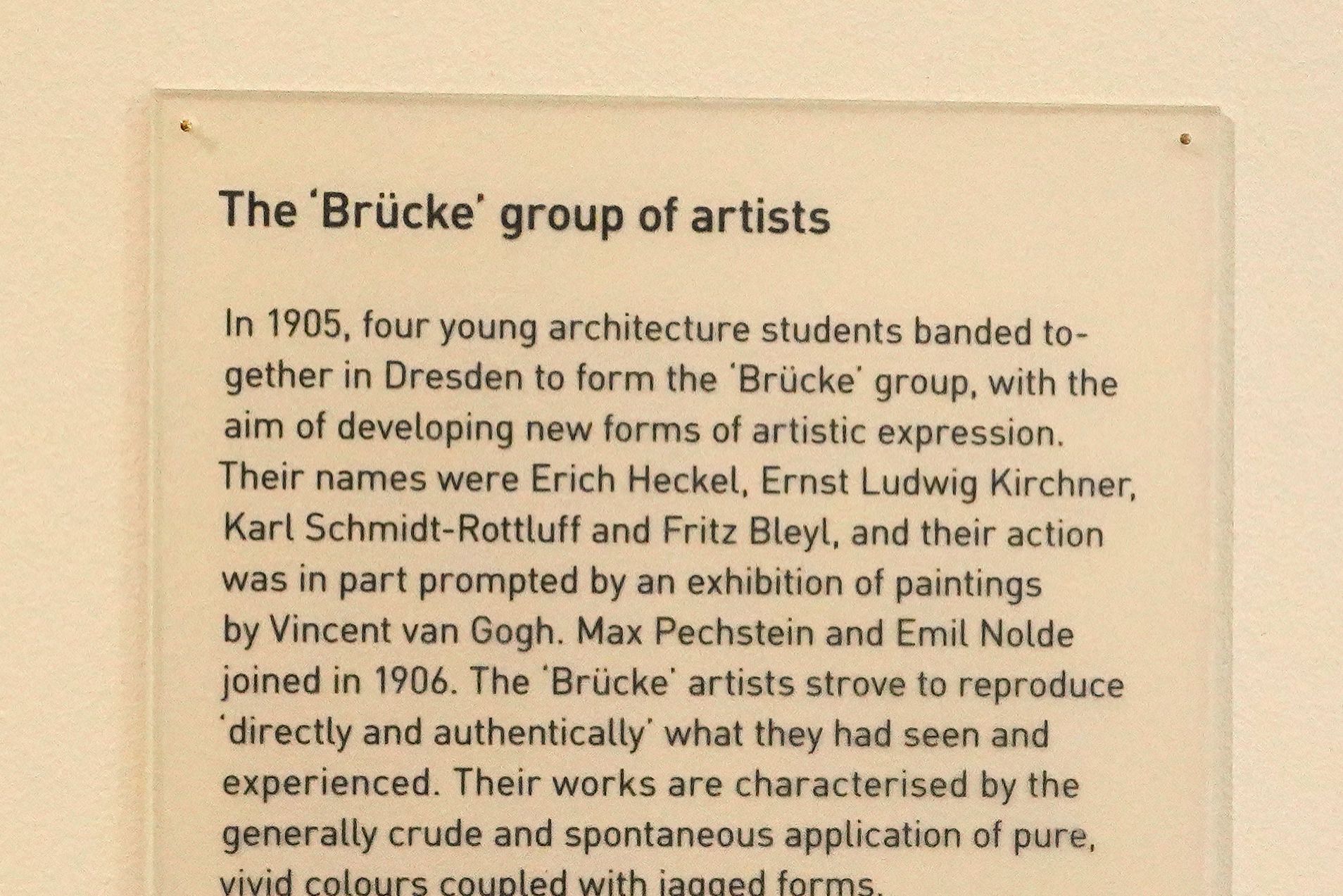
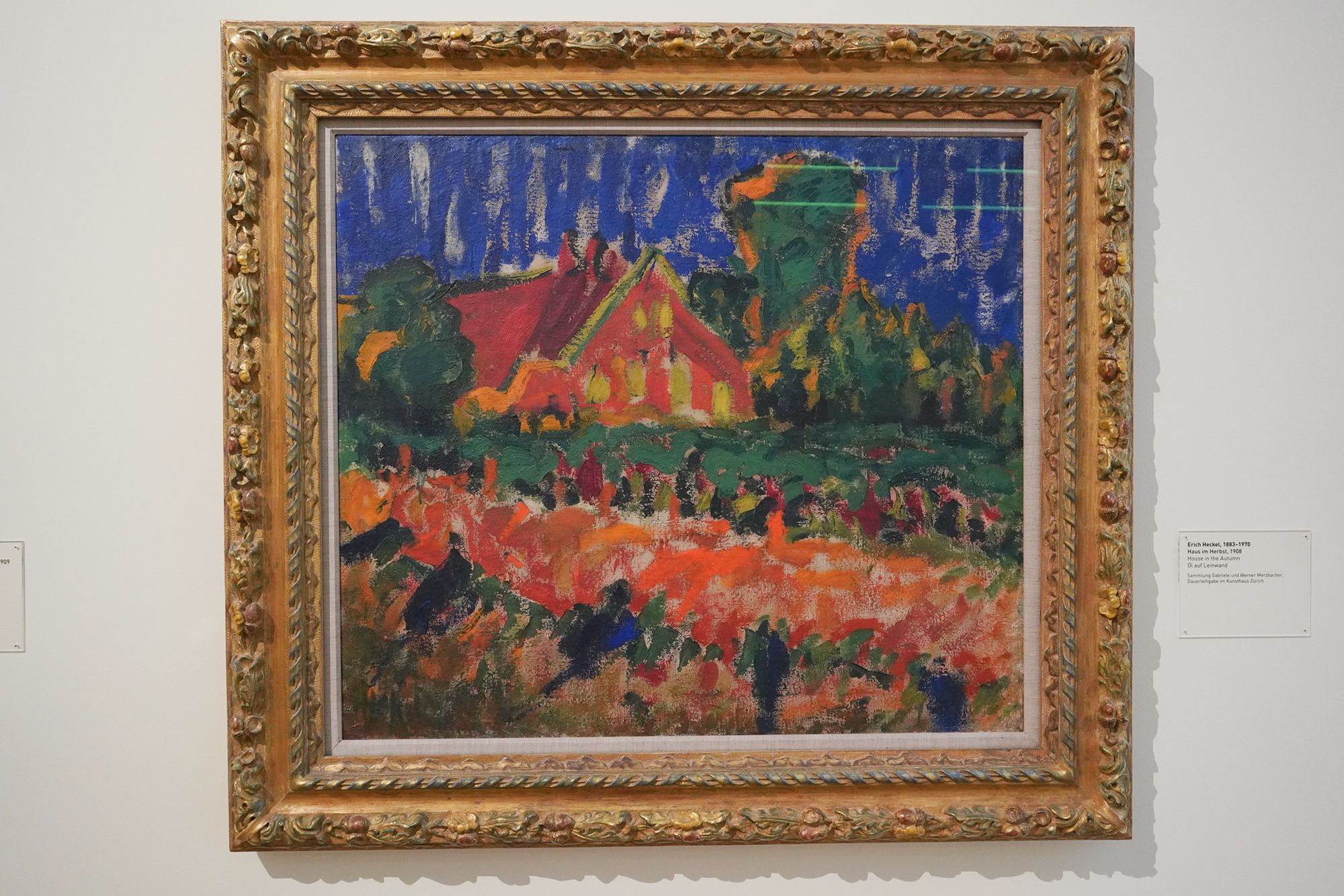
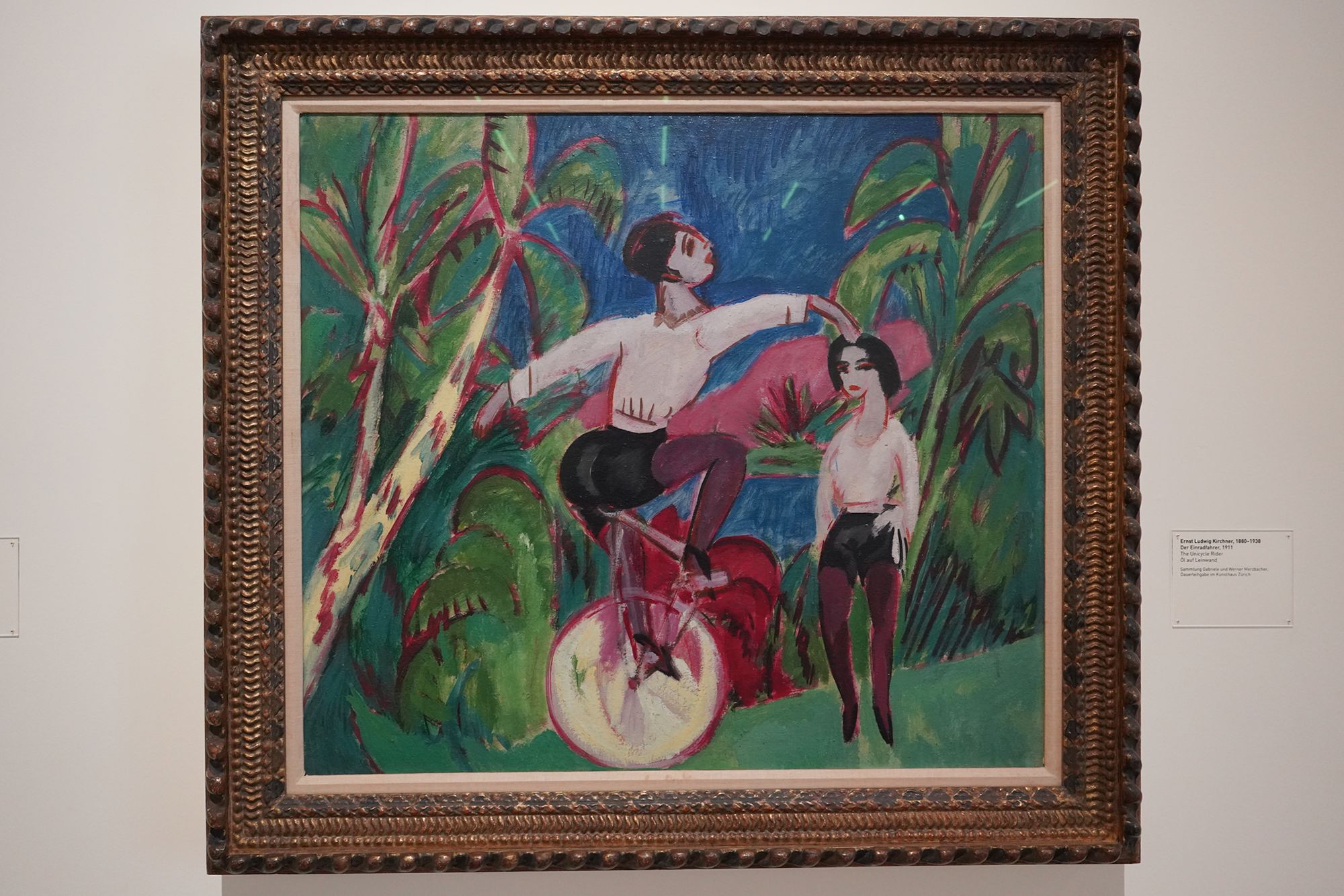
Die Brücke was a German Expressionist group founded in Dresden in 1905. Inspired partly by Van Gogh, its artists rejected traditional academic painting and developed a distinctive style using vivid colors, angular forms and spontaneous brushstrokes. Ernst Ludwig Kirchner, Erich Heckel and Karl Schmidt-Rottluff were among its founding members.
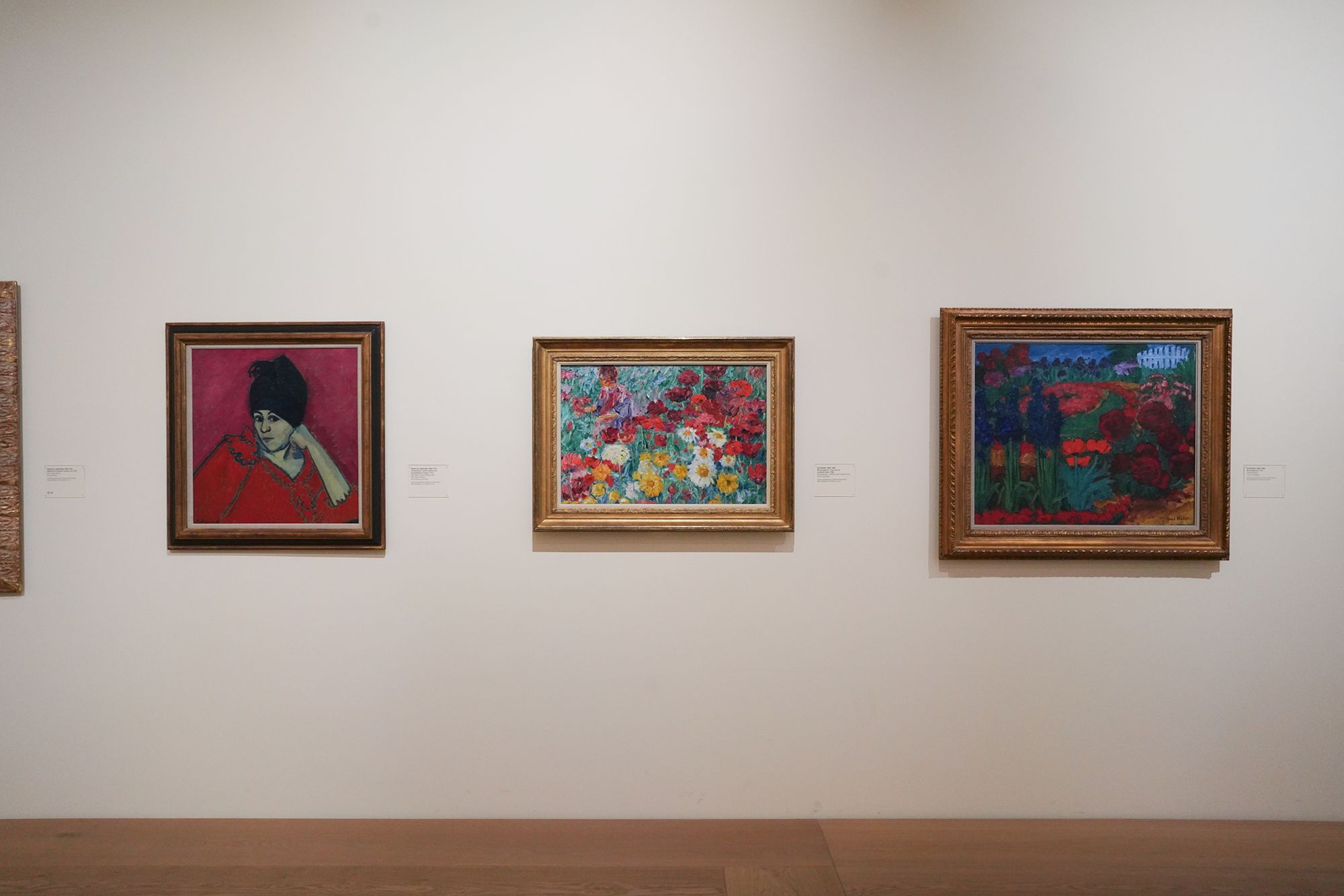
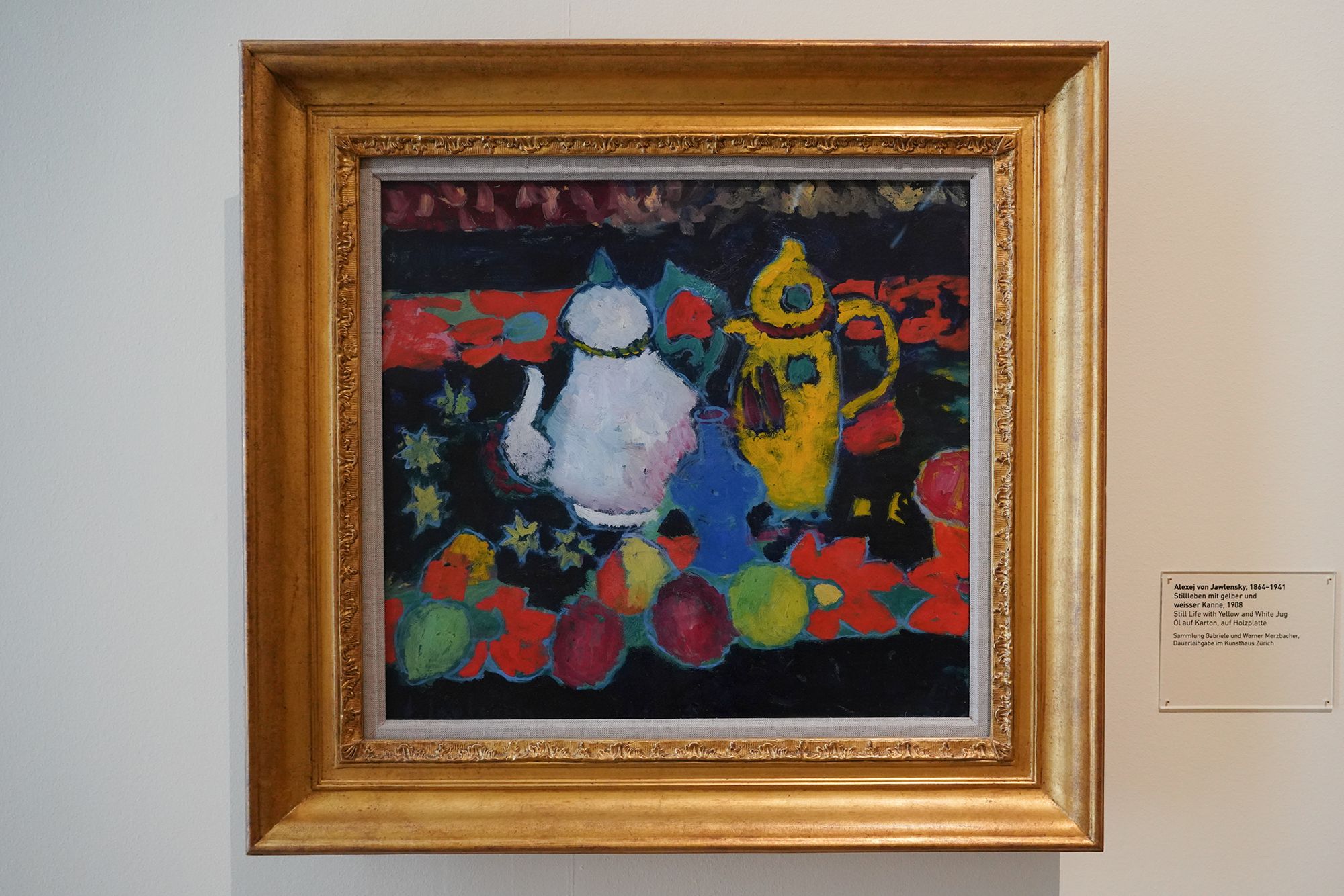
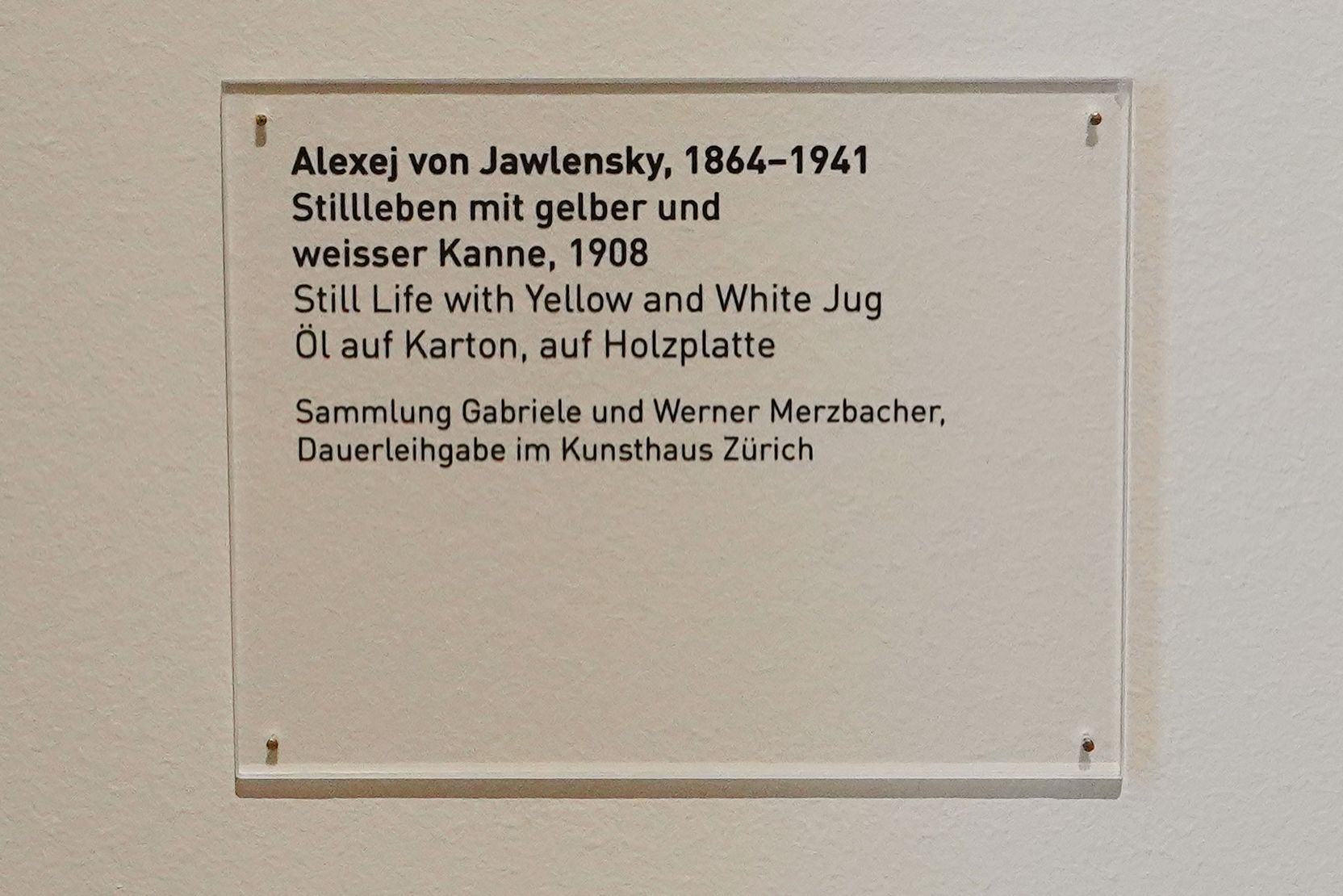
Alexej von Jawlensky was a Russian-born German Expressionist painter associated with the Blue Rider movement. He is best known for his colorful portraits and increasingly abstract human faces. Influenced by Van Gogh and Matisse, he used bold colors, simplified shapes and strong outlines to express emotion and spirituality.
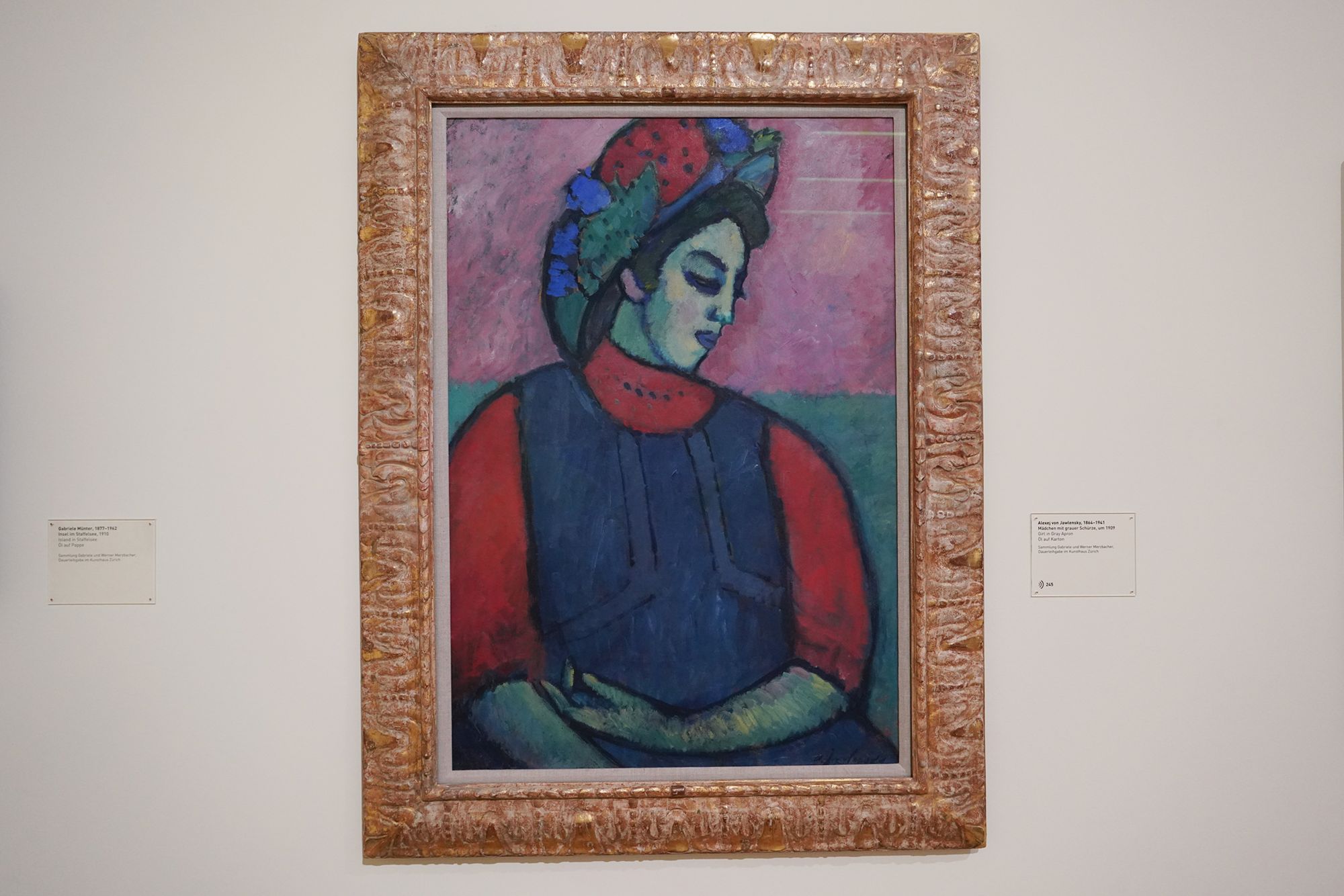
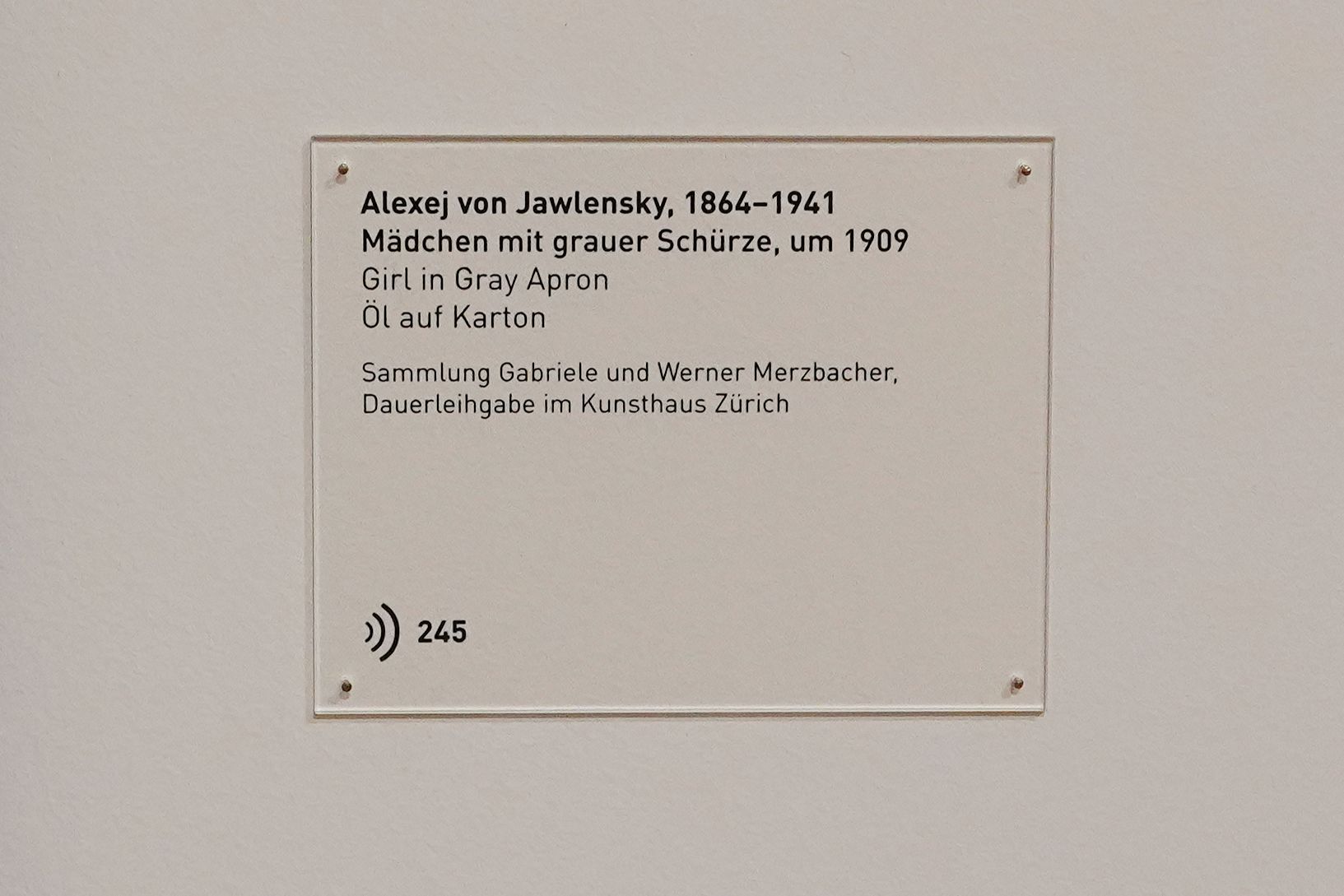
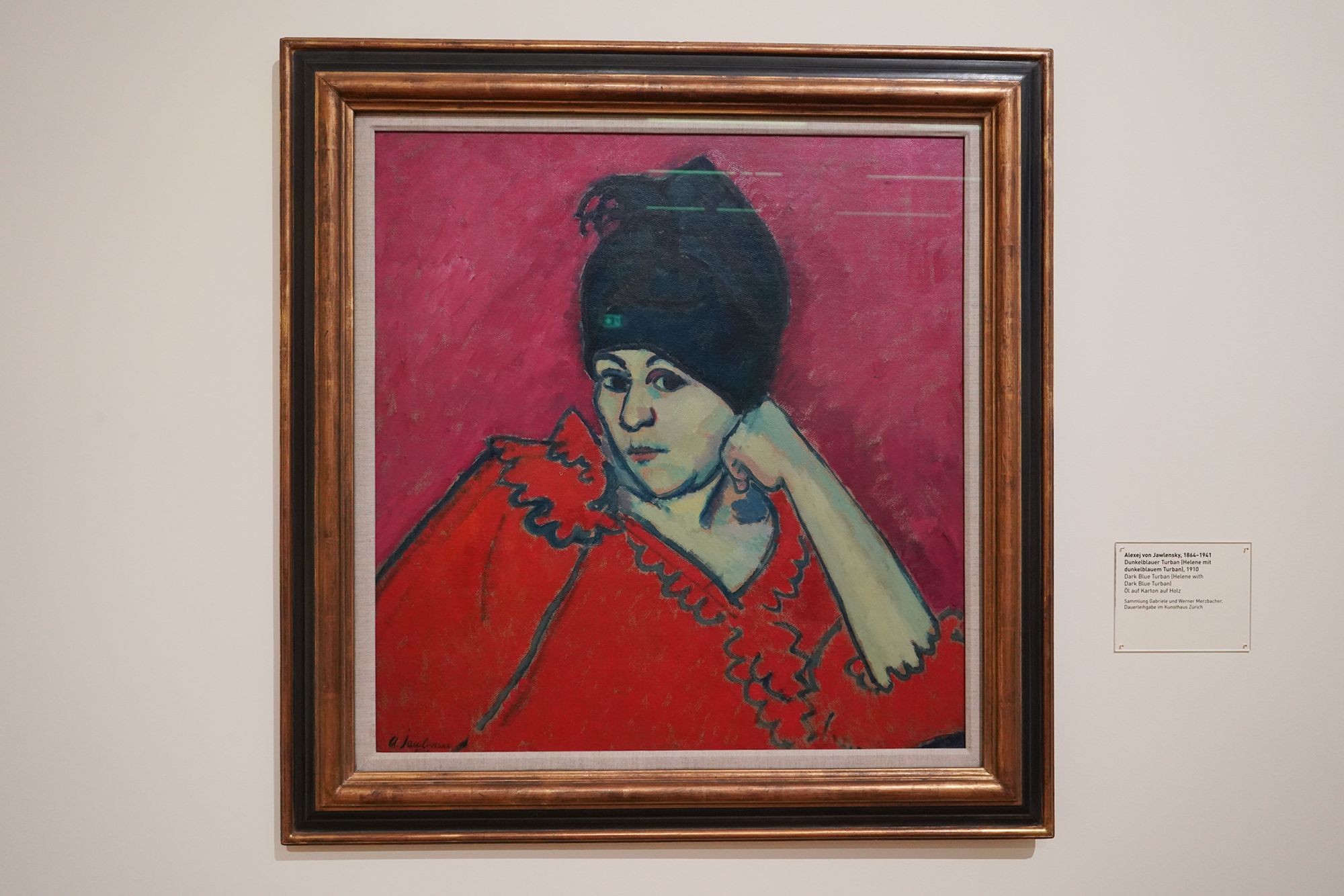
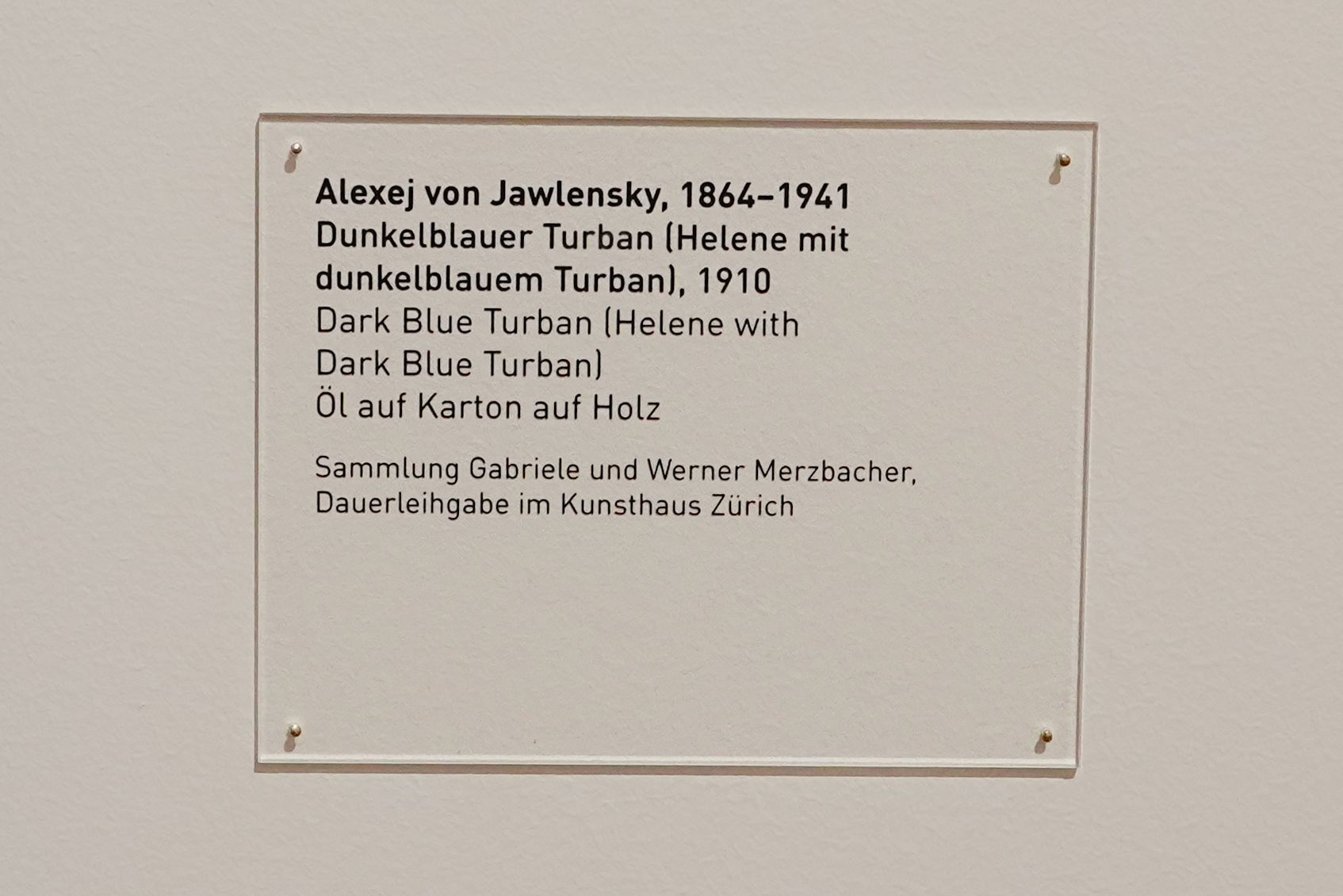
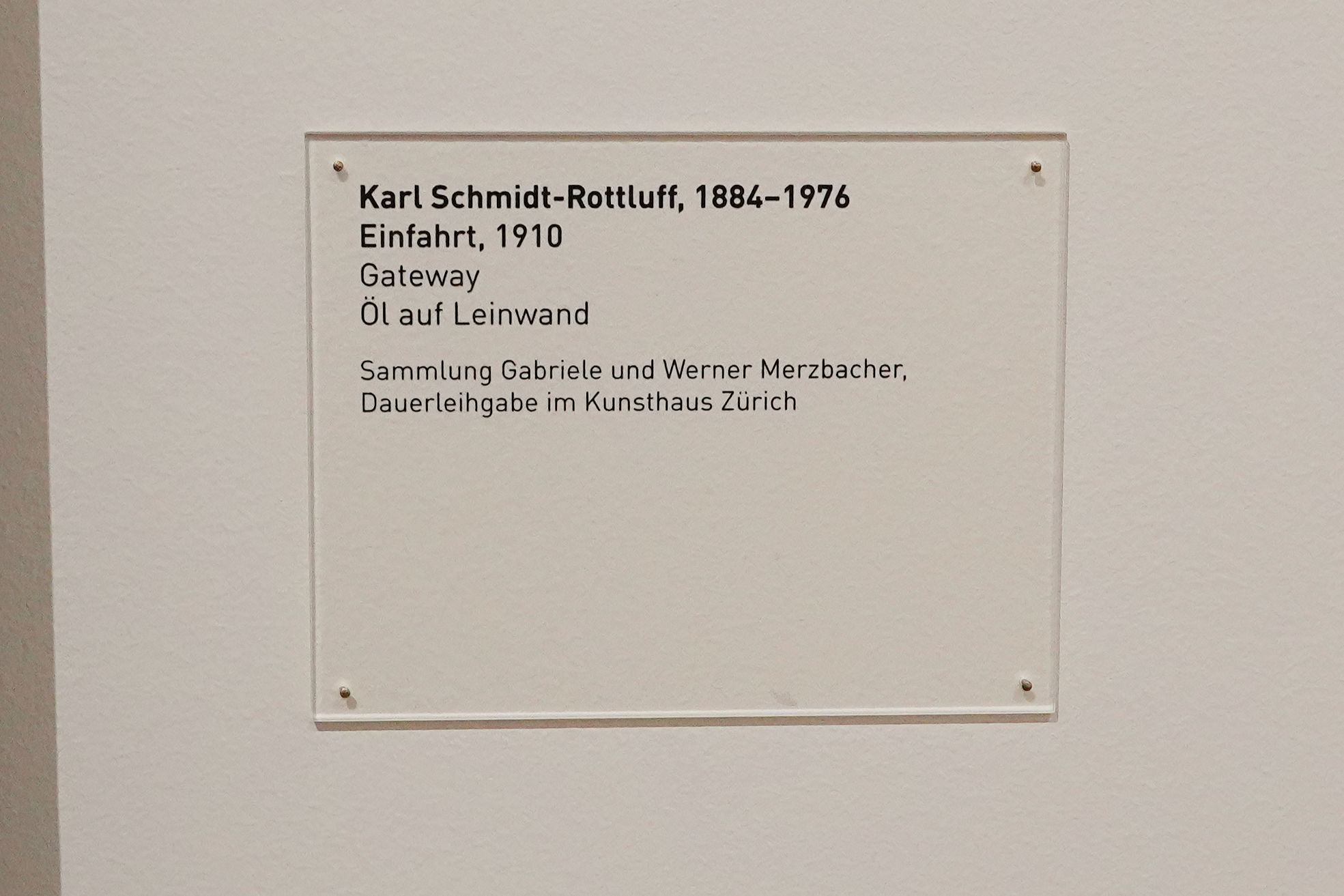
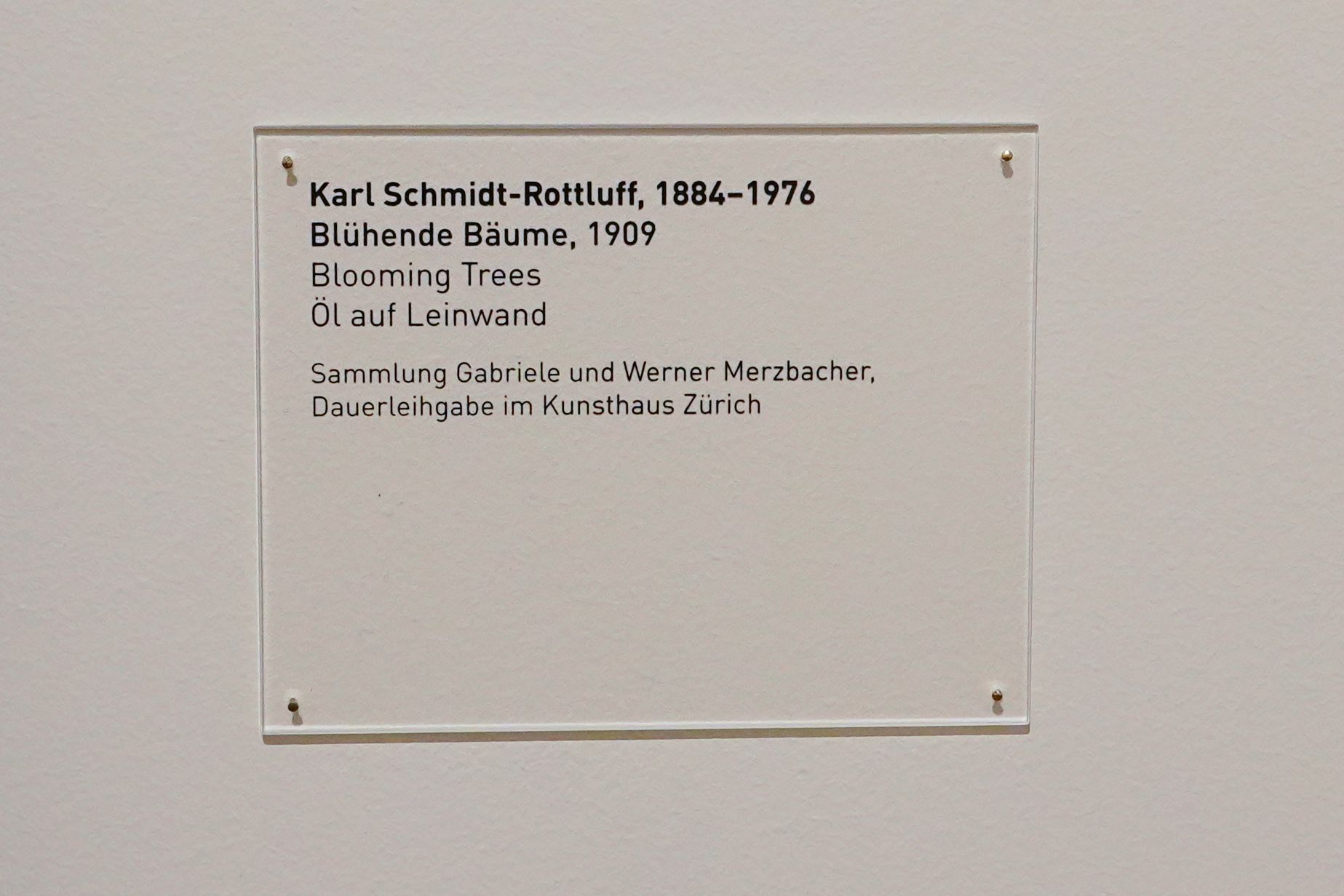
Karl Schmidt-Rottluff was a German Expressionist painter and founding member of Die Brücke in 1905. Known for his vivid colors, angular forms and expressive woodcuts, he helped develop a new style of modern painting that emphasized emotion and personal expression rather than realistic representation.
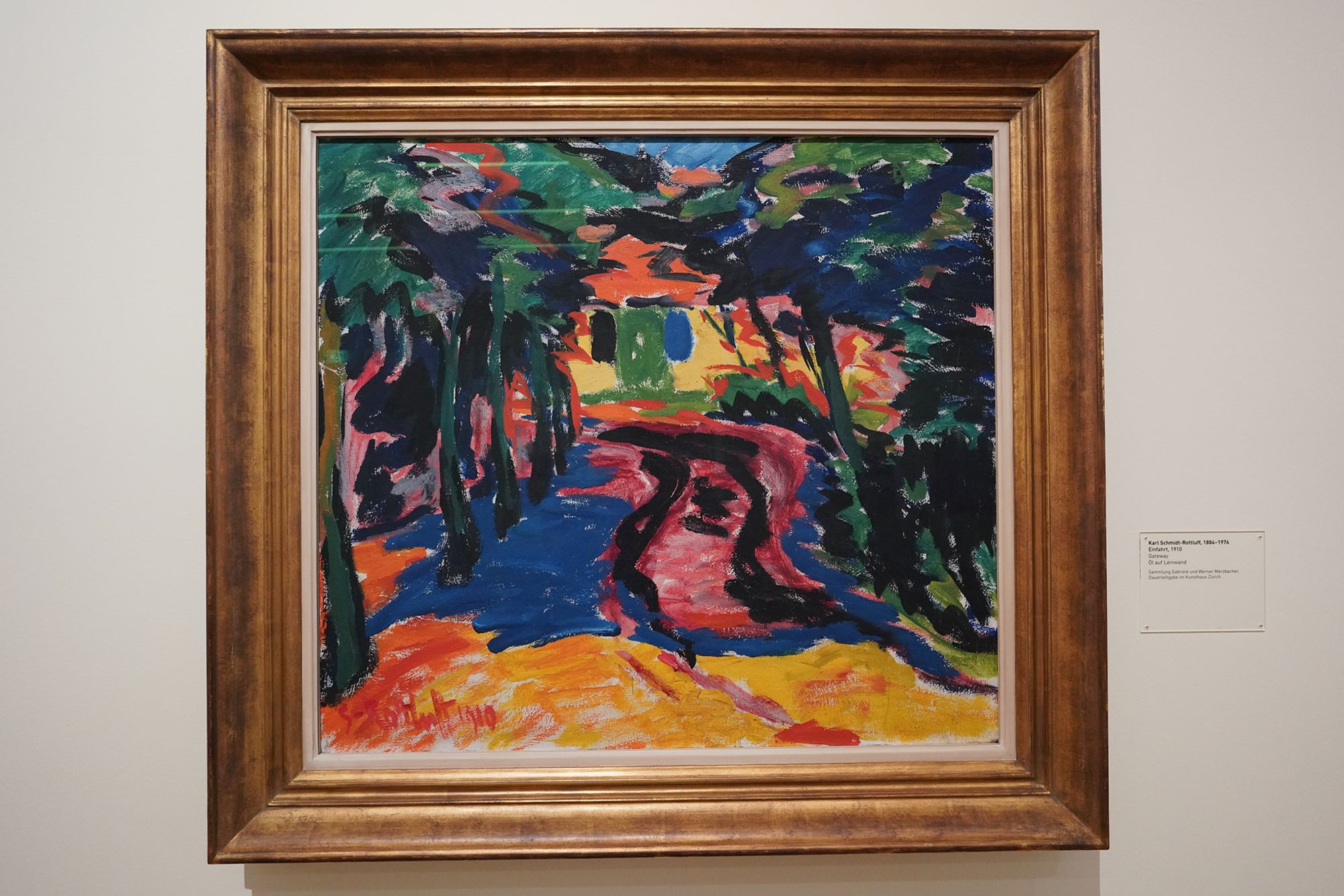
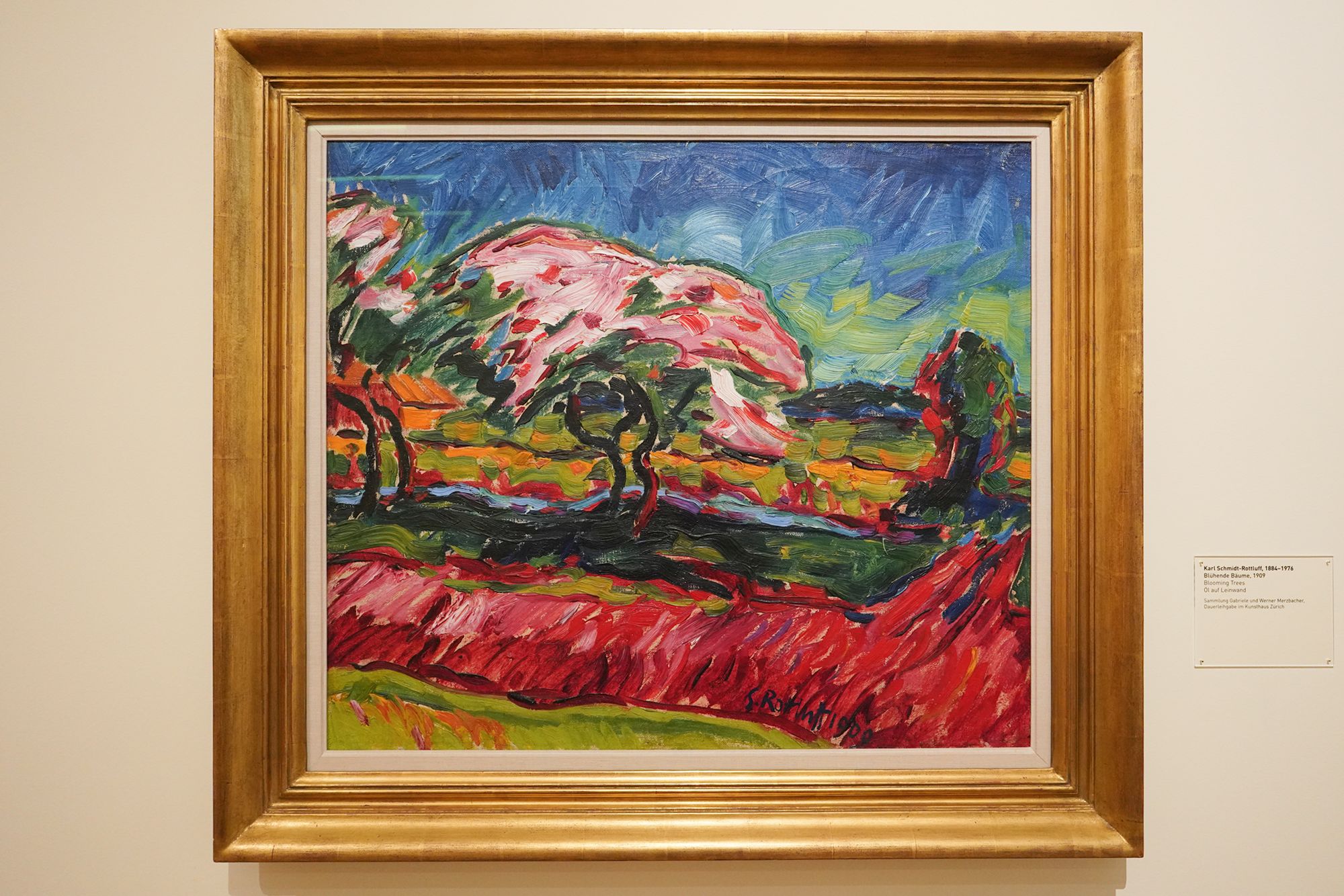
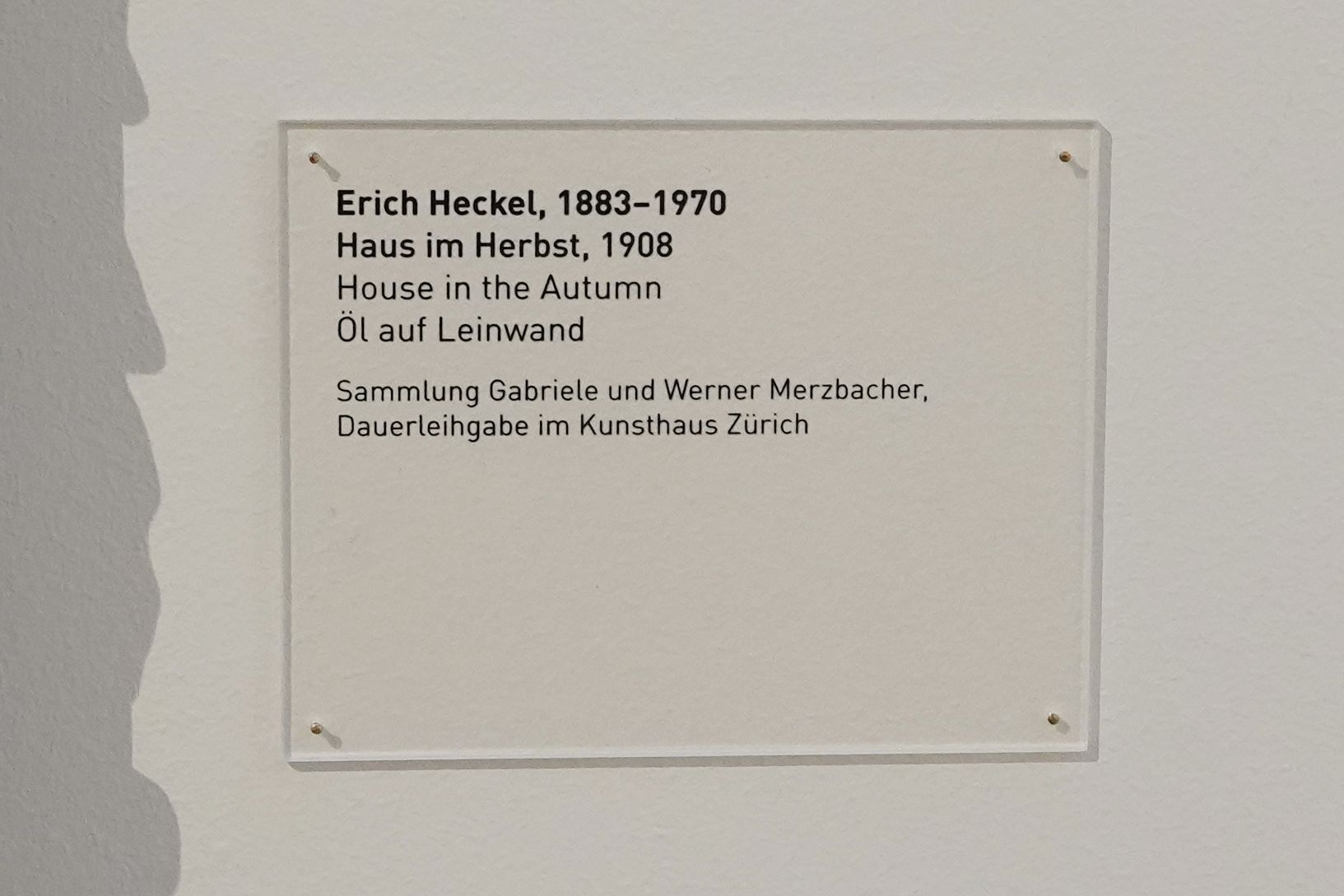
Erich Heckel was a German Expressionist painter and founding member of Die Brücke in 1905. Known for his vivid colors, angular figures and expressive landscapes, he helped develop a new approach to modern painting. His works include portraits, coastal scenes and distinctive woodcuts emphasizing bold lines and simplified forms.
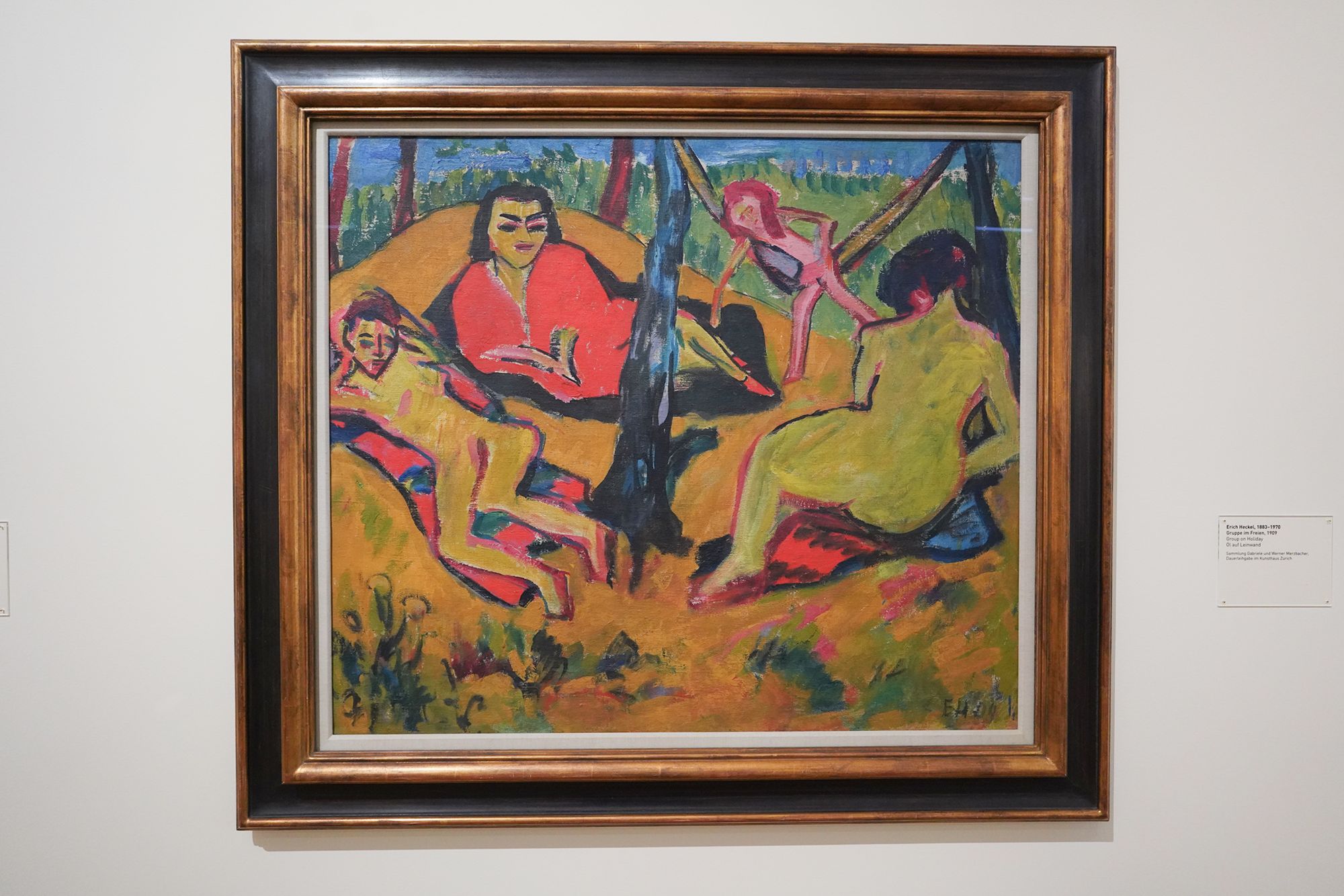
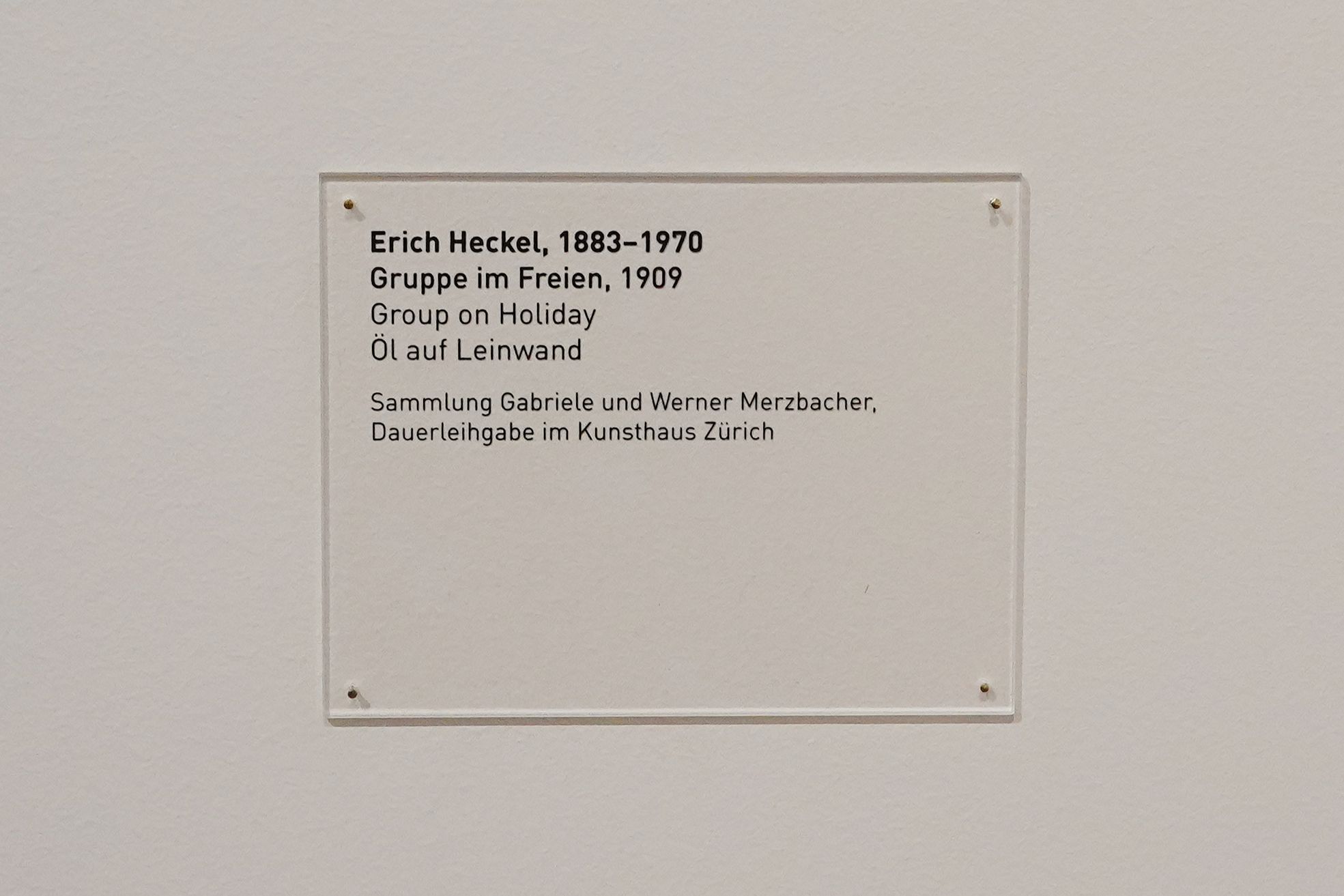
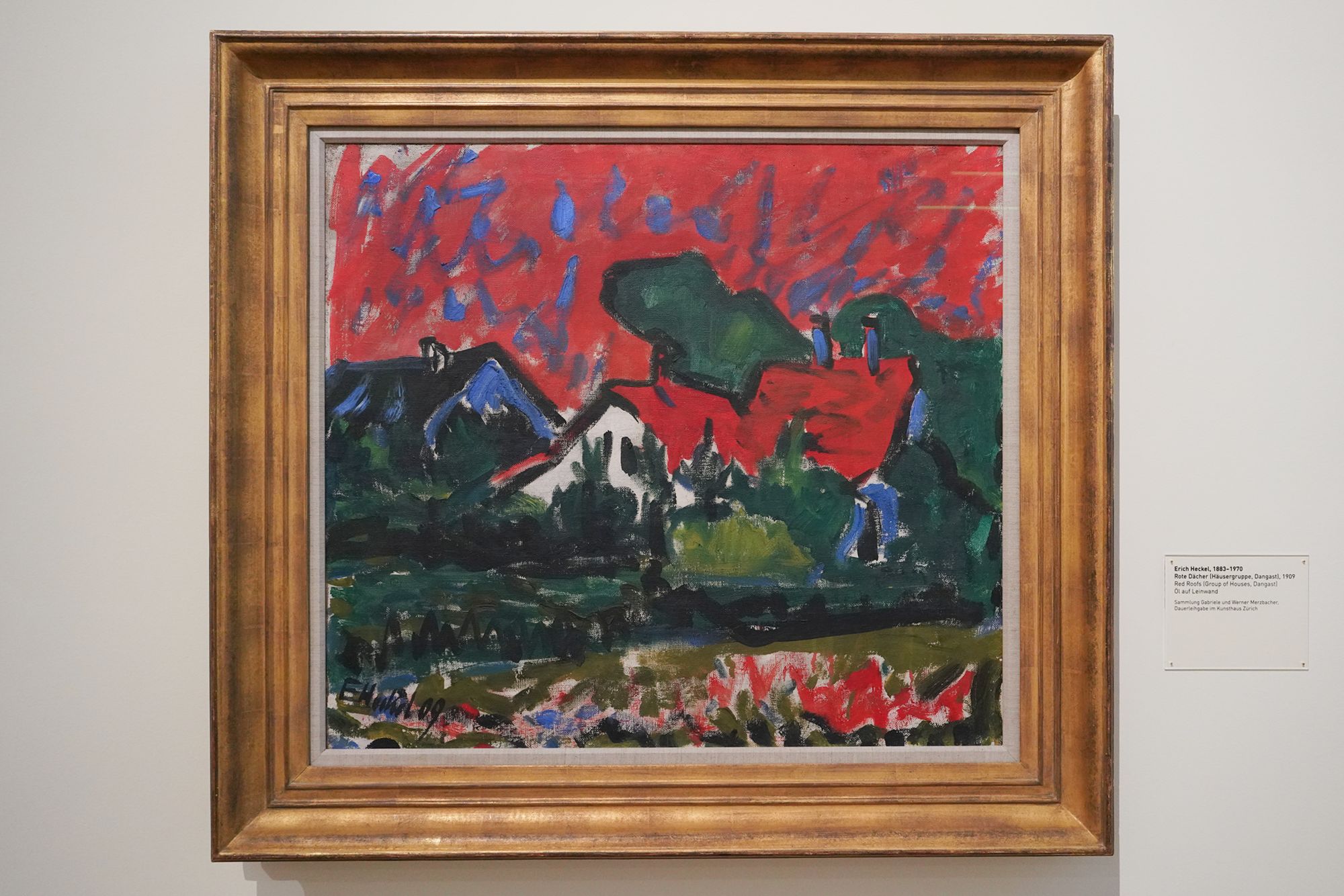
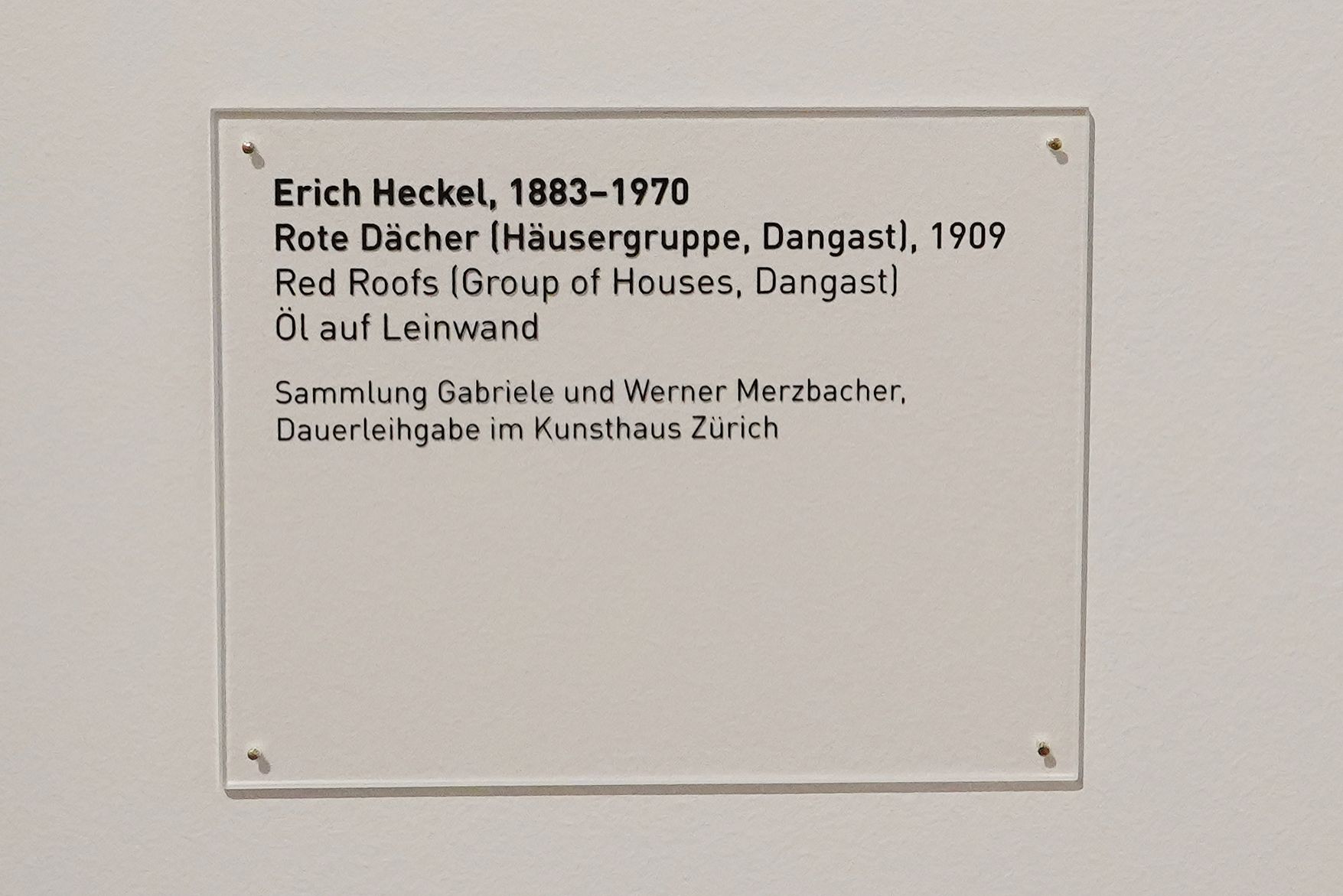
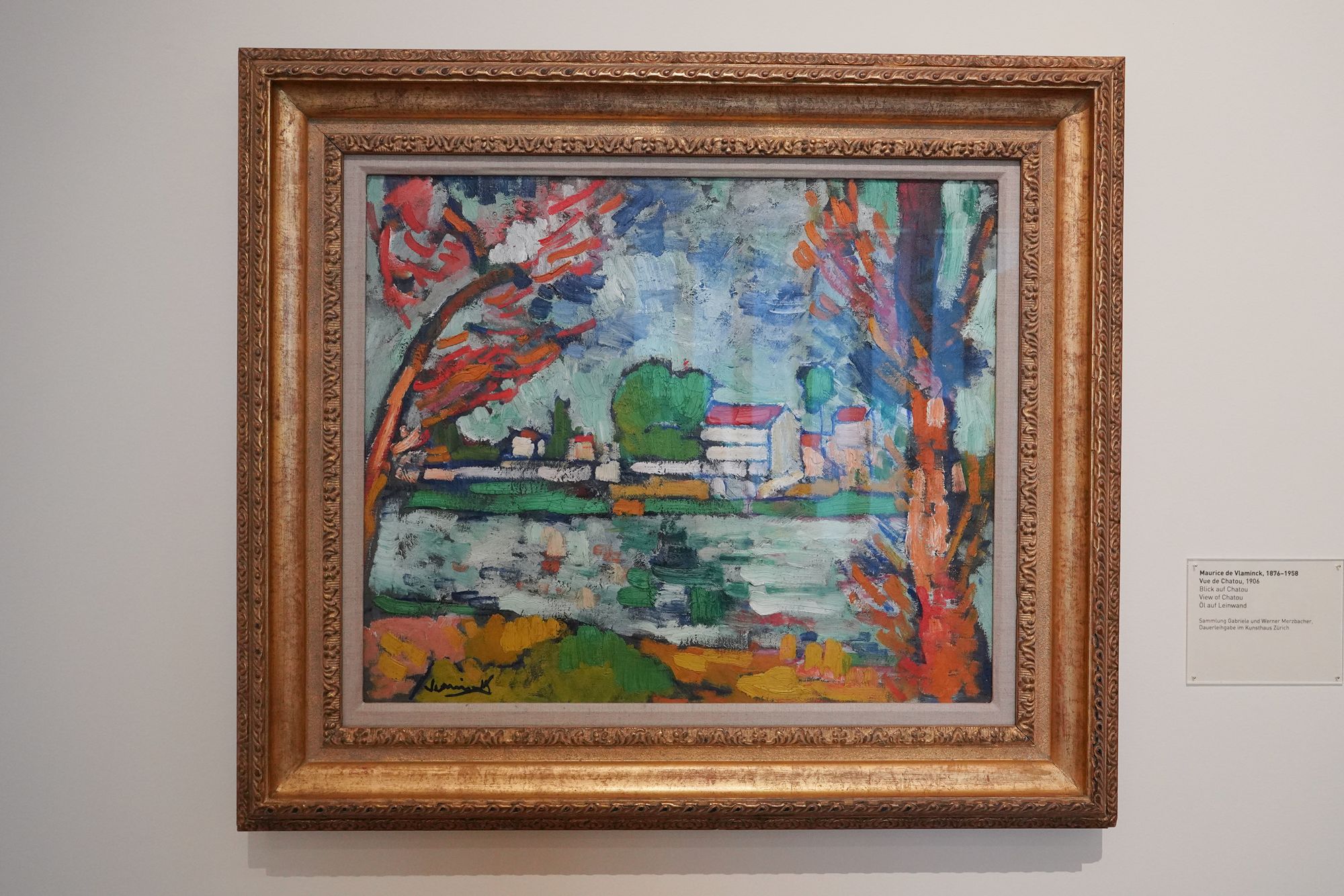
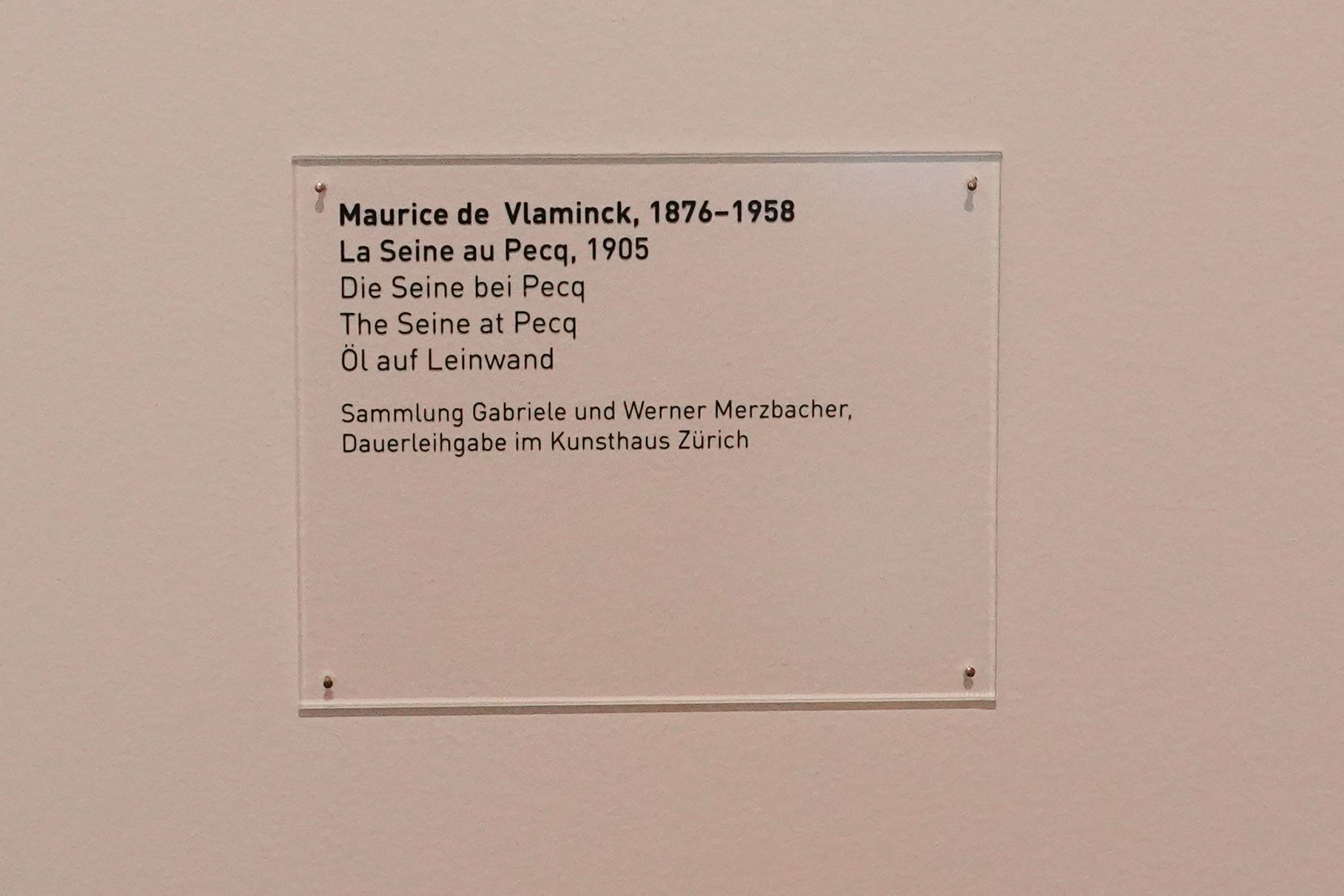
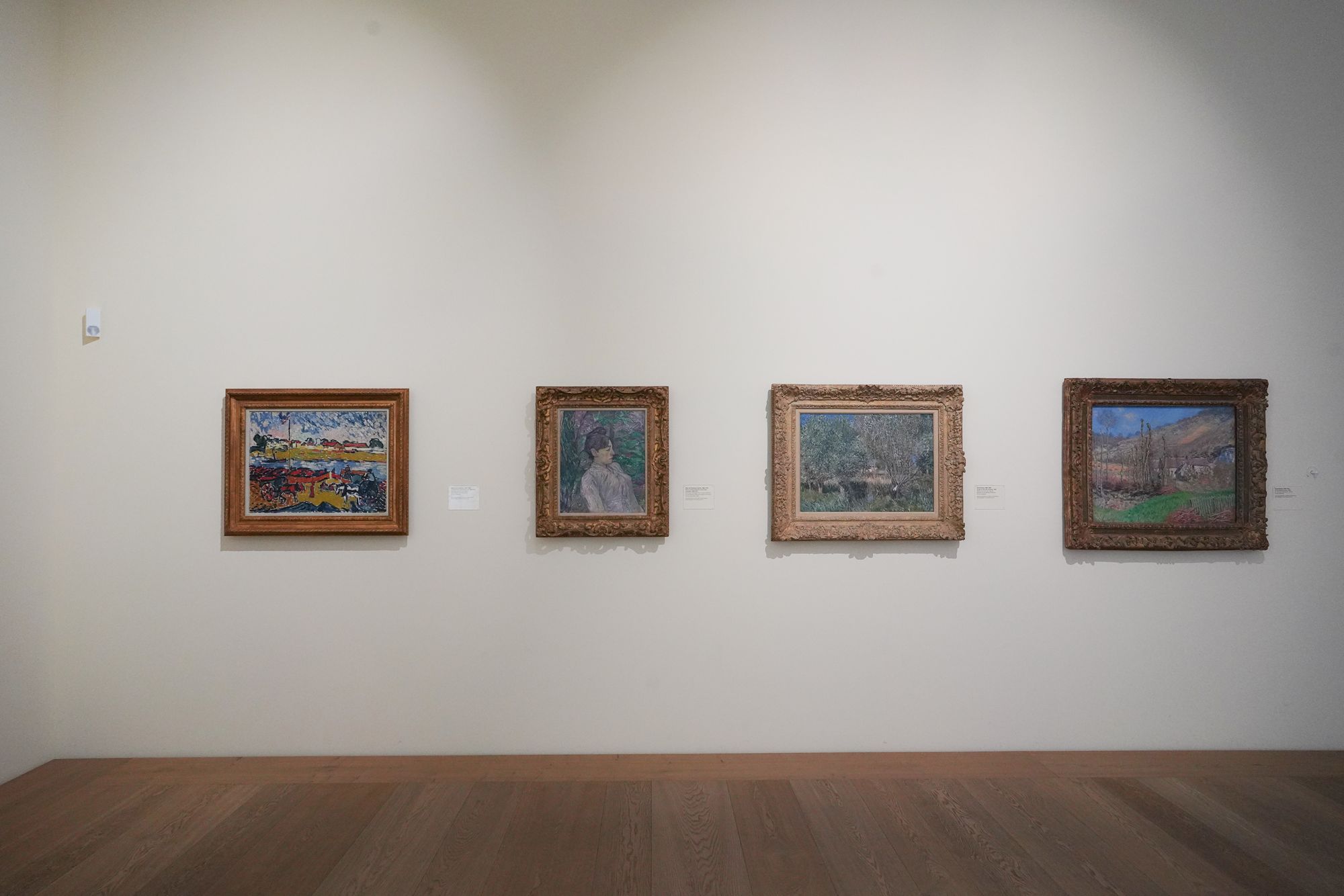
Maurice de Vlaminck was a French painter and a leading figure of Fauvism, alongside Henri Matisse and André Derain. Known for his vivid colors and energetic brushstrokes, he painted expressive landscapes and village scenes. His later works became darker and more subdued, often depicting dramatic skies and rural French landscapes.
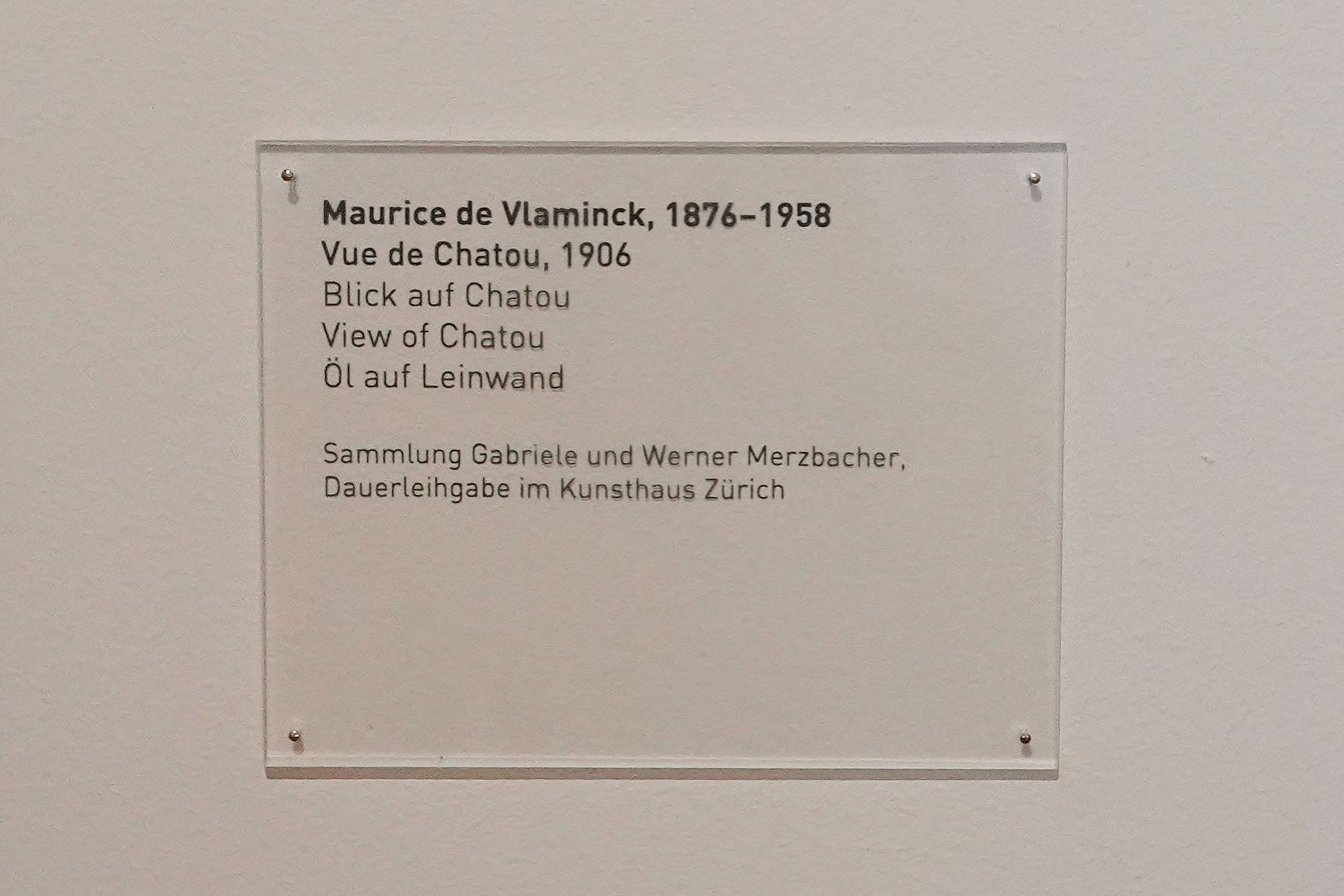
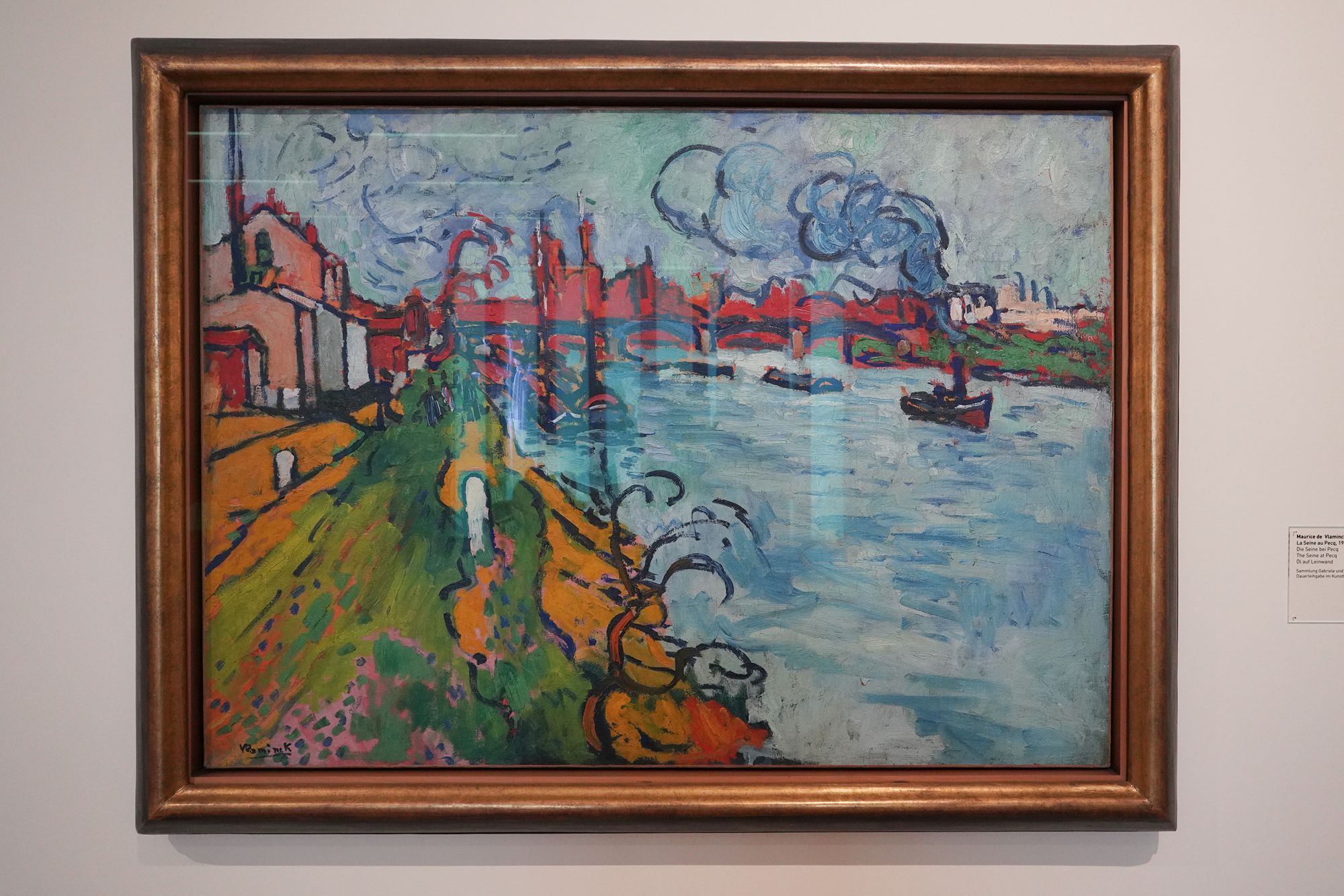
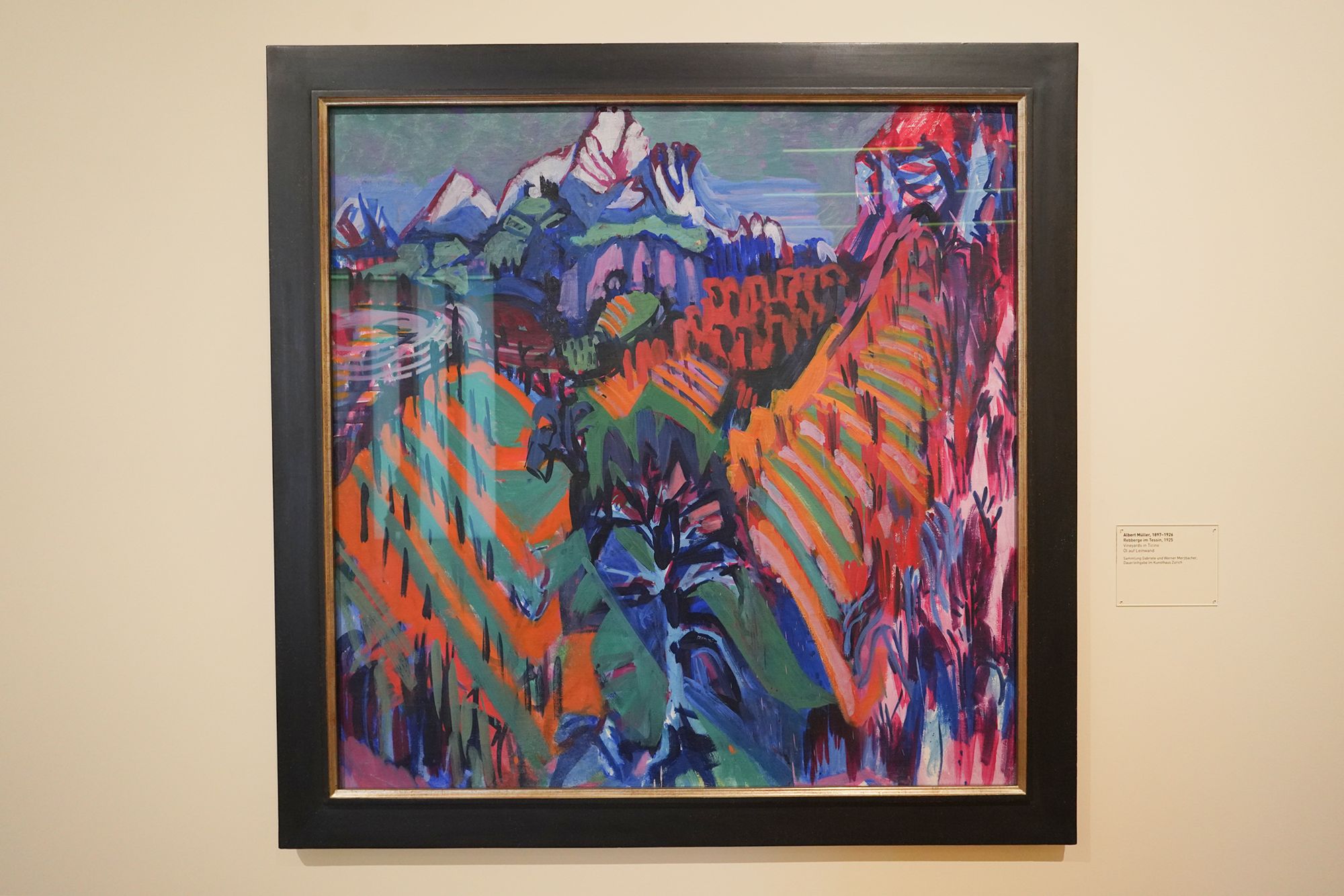
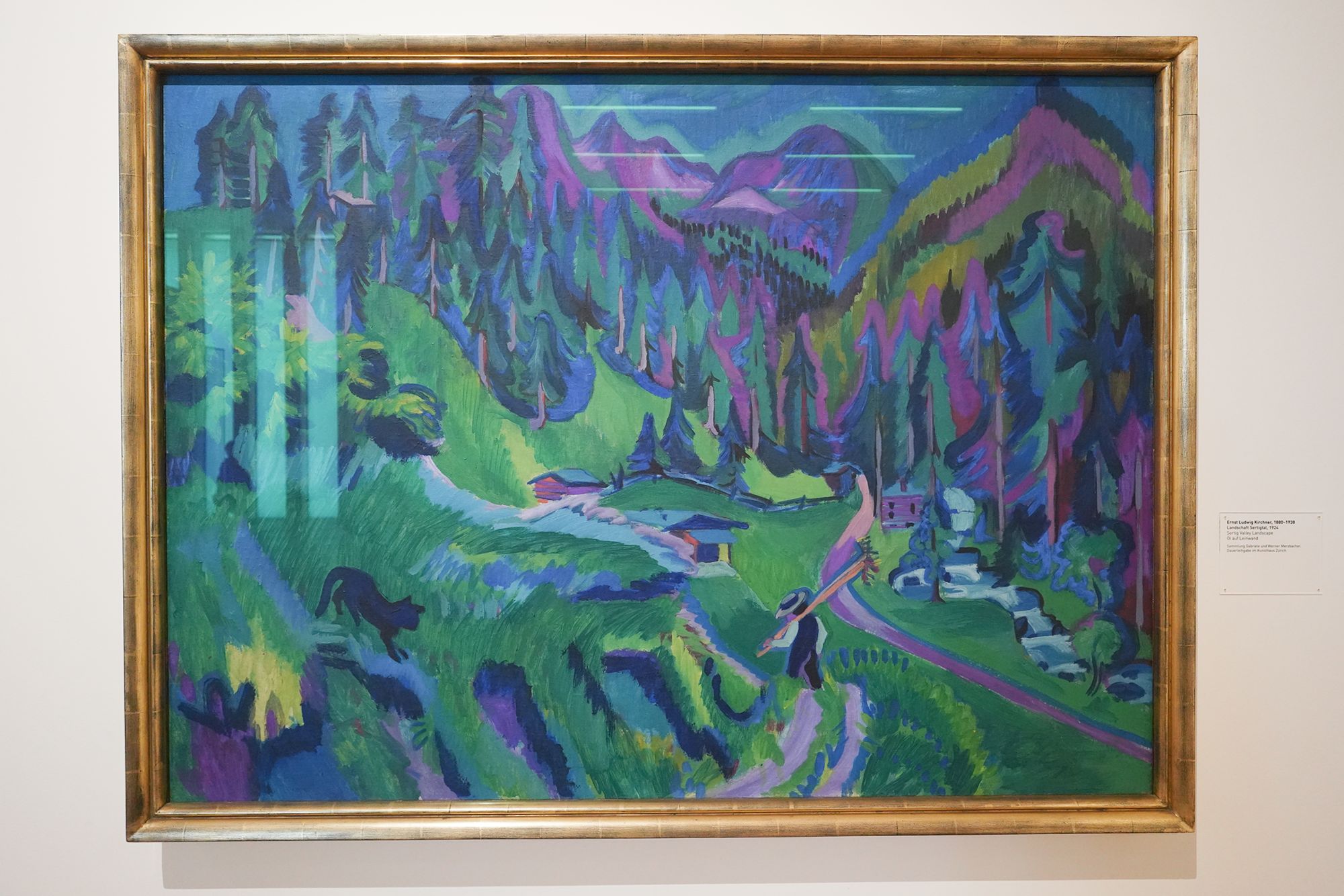
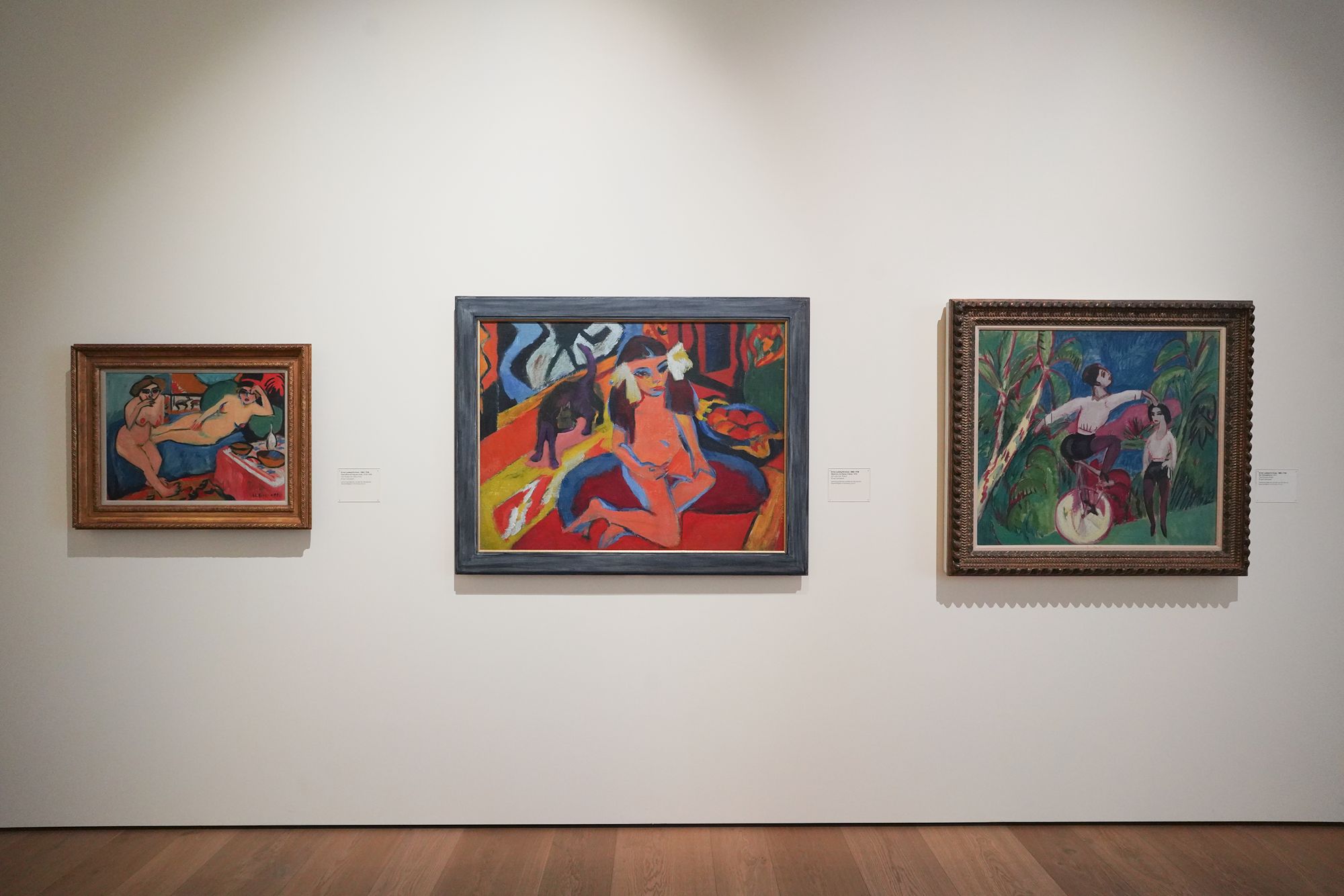
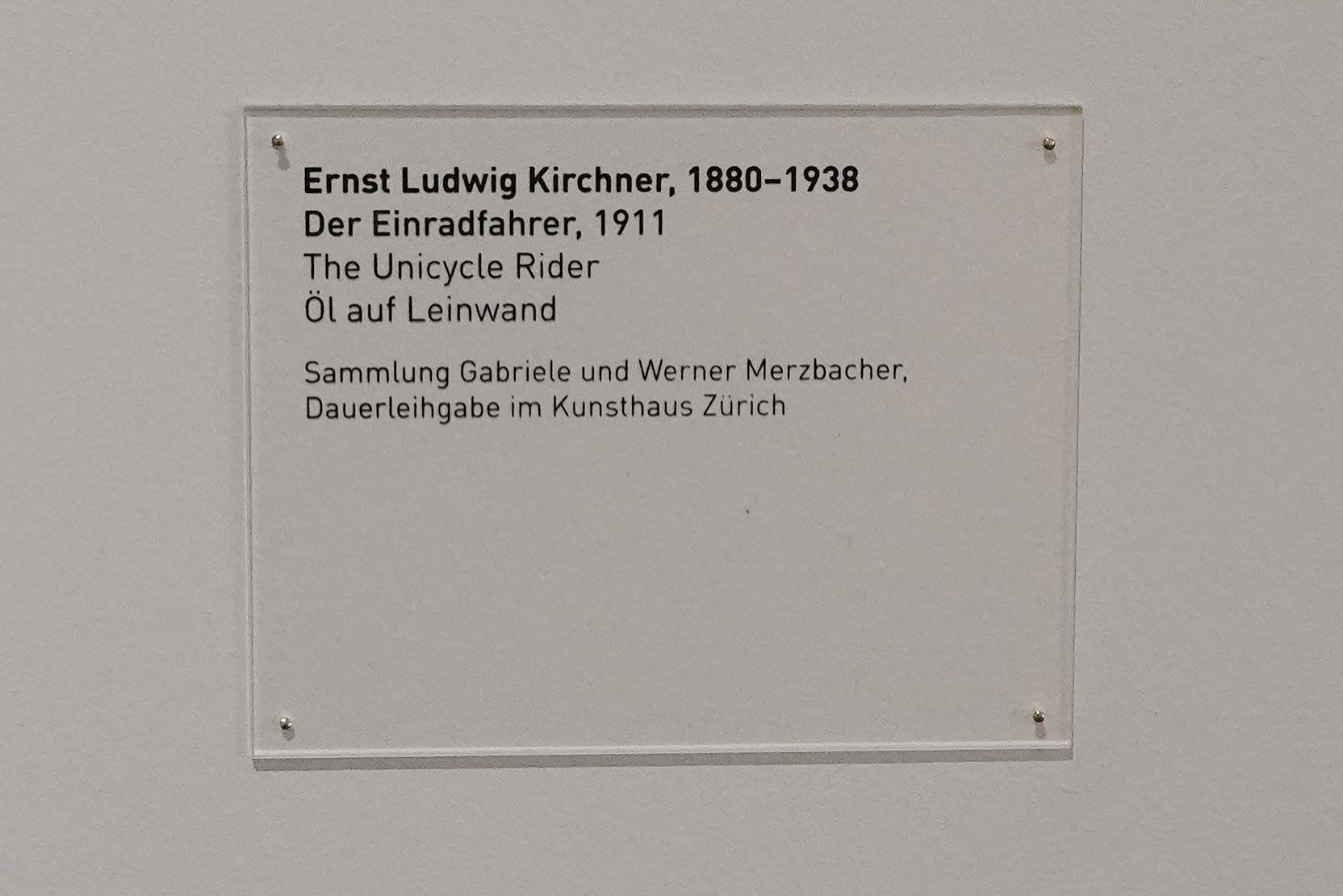
Ernst Ludwig Kirchner was a German Expressionist painter and founding member of Die Brücke in 1905. Known for his vivid colors and angular figures, he painted modern Berlin street scenes before moving to Switzerland in 1917, where he created colorful landscapes inspired by the mountains and villages around Davos.
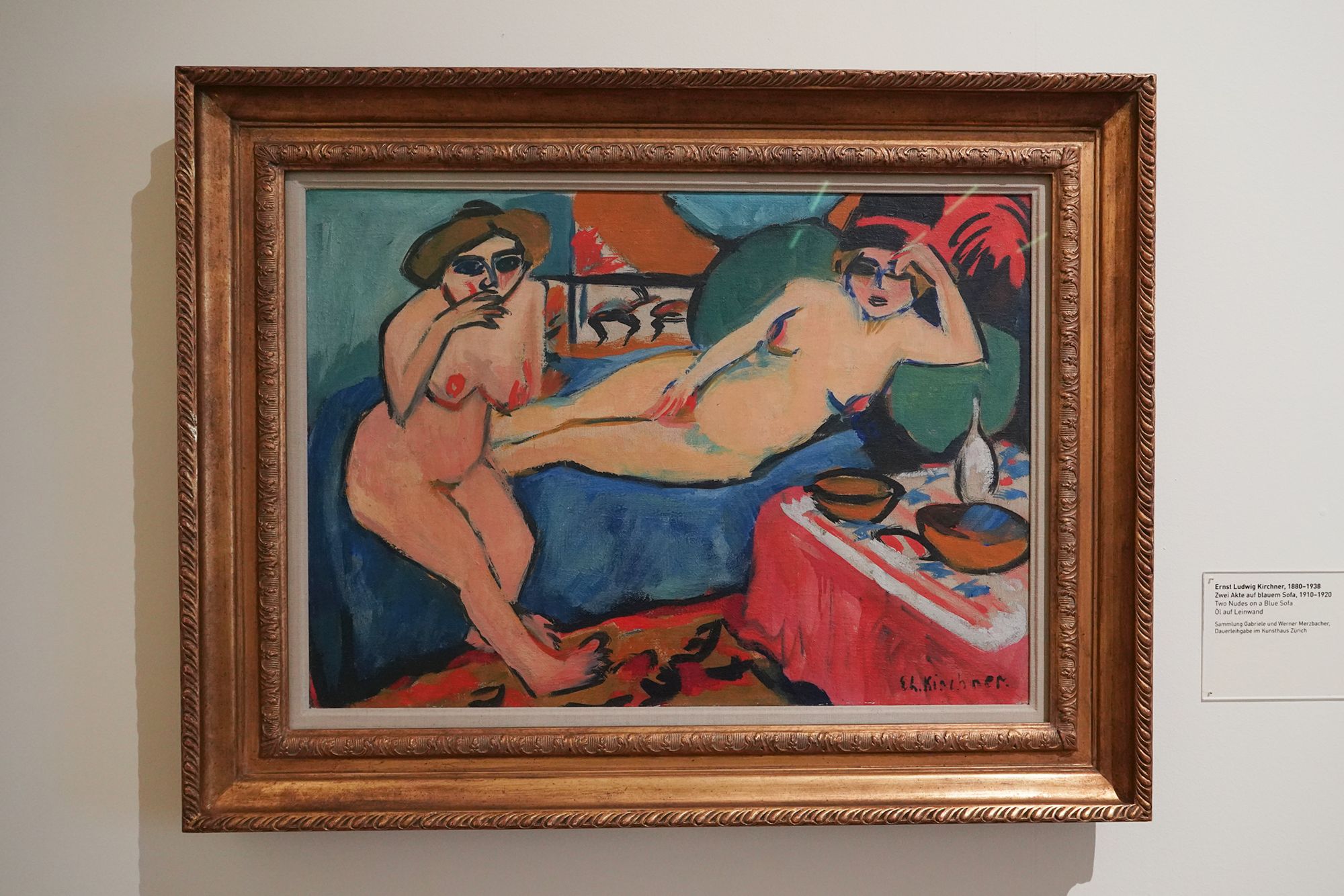
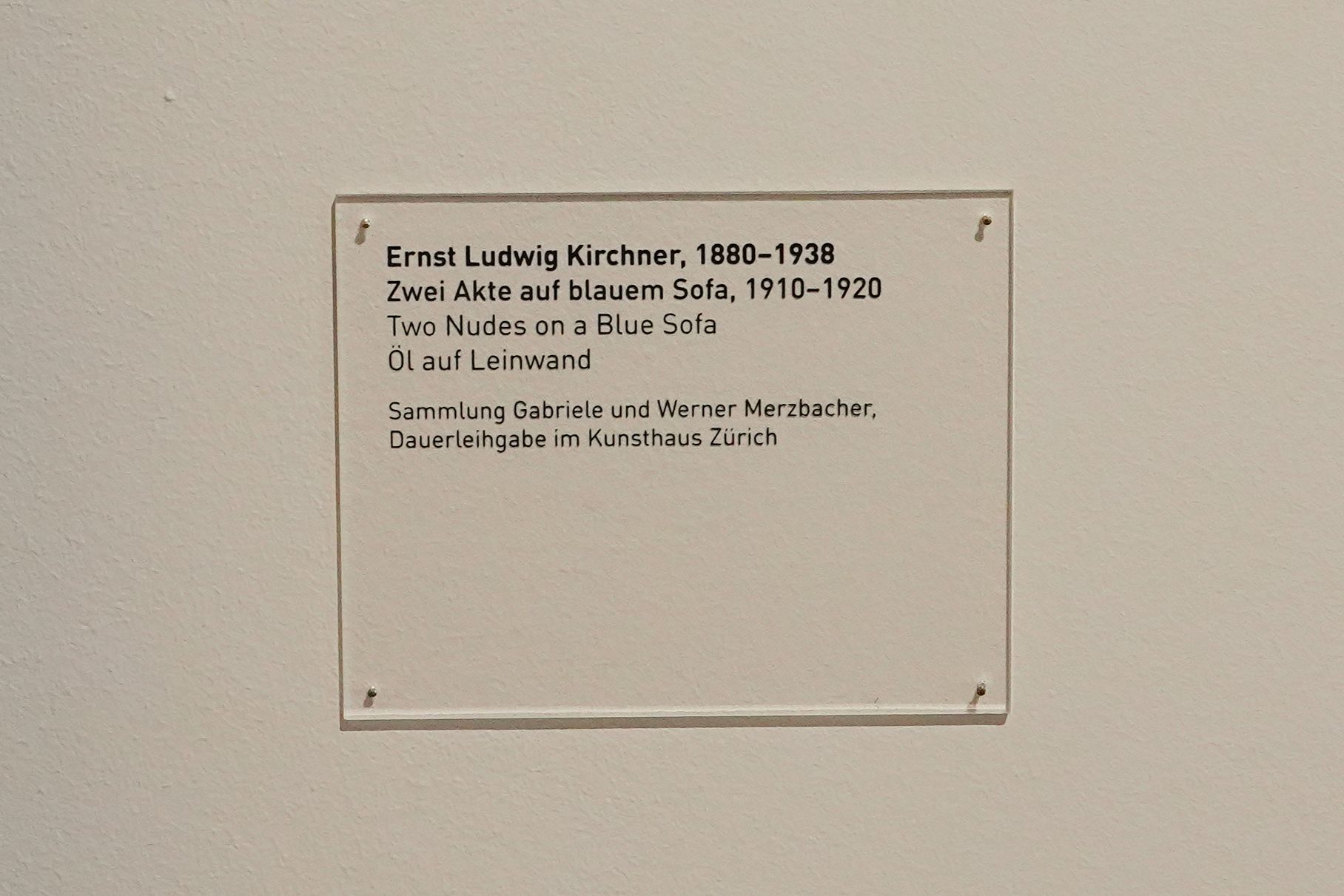
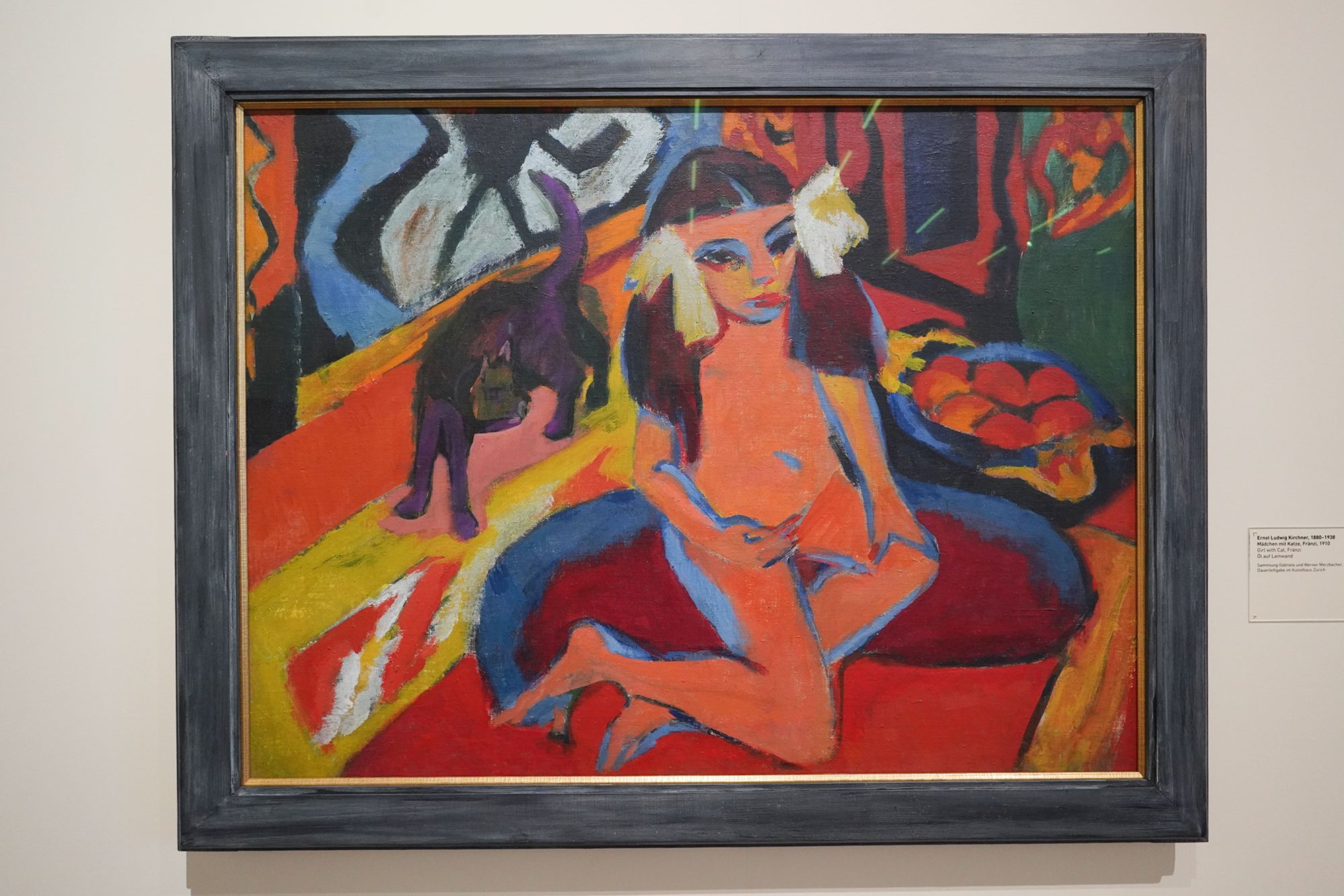
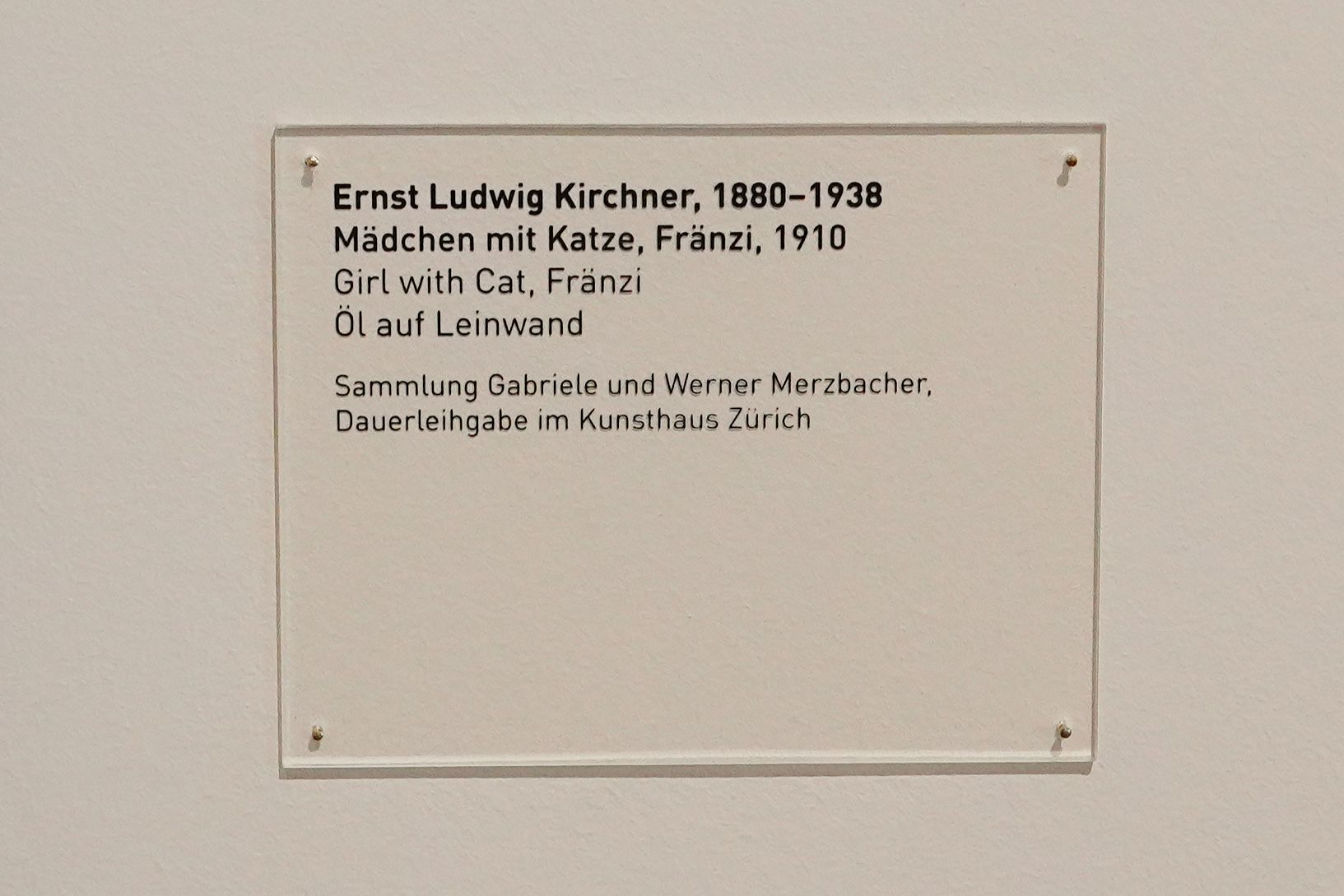
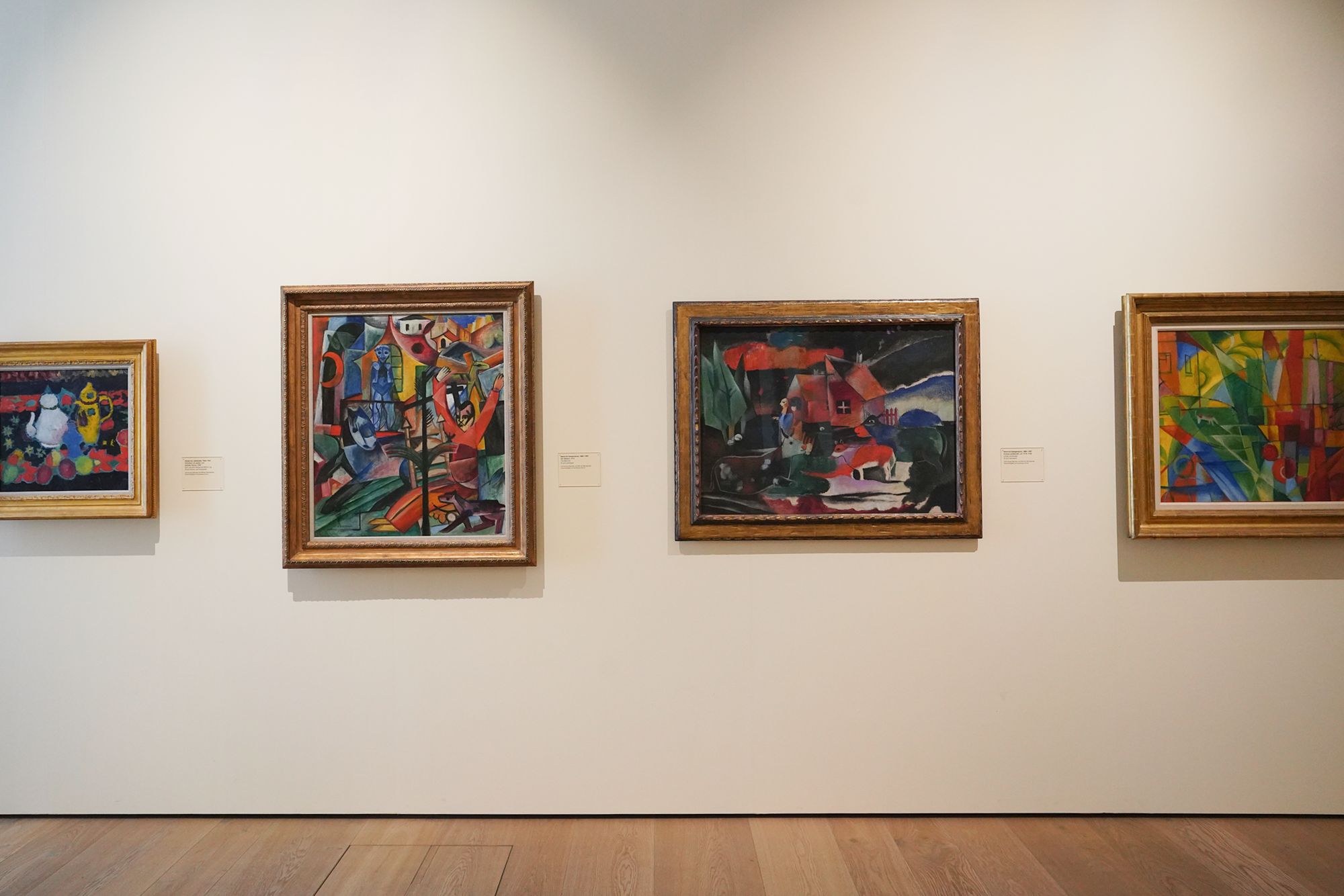
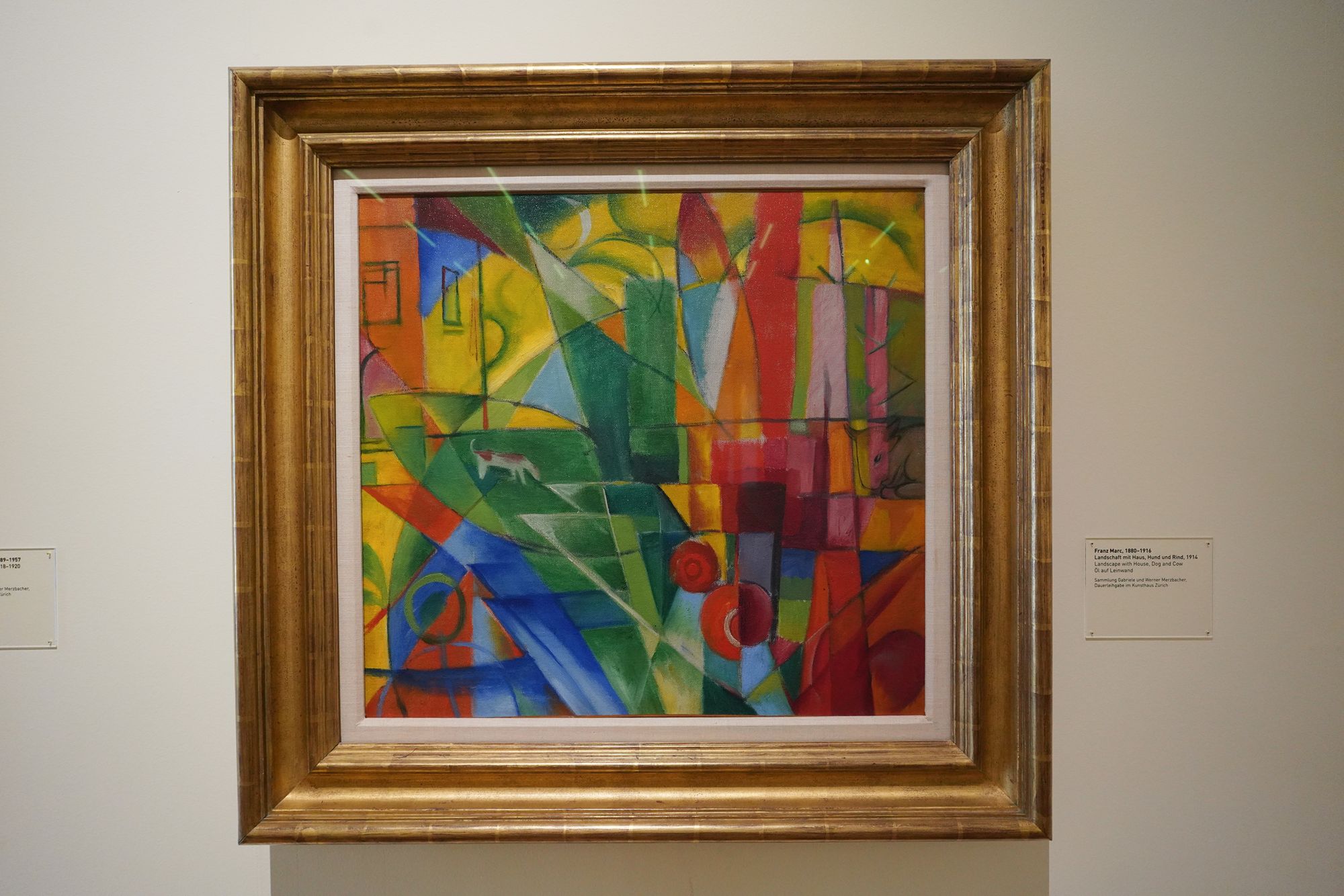
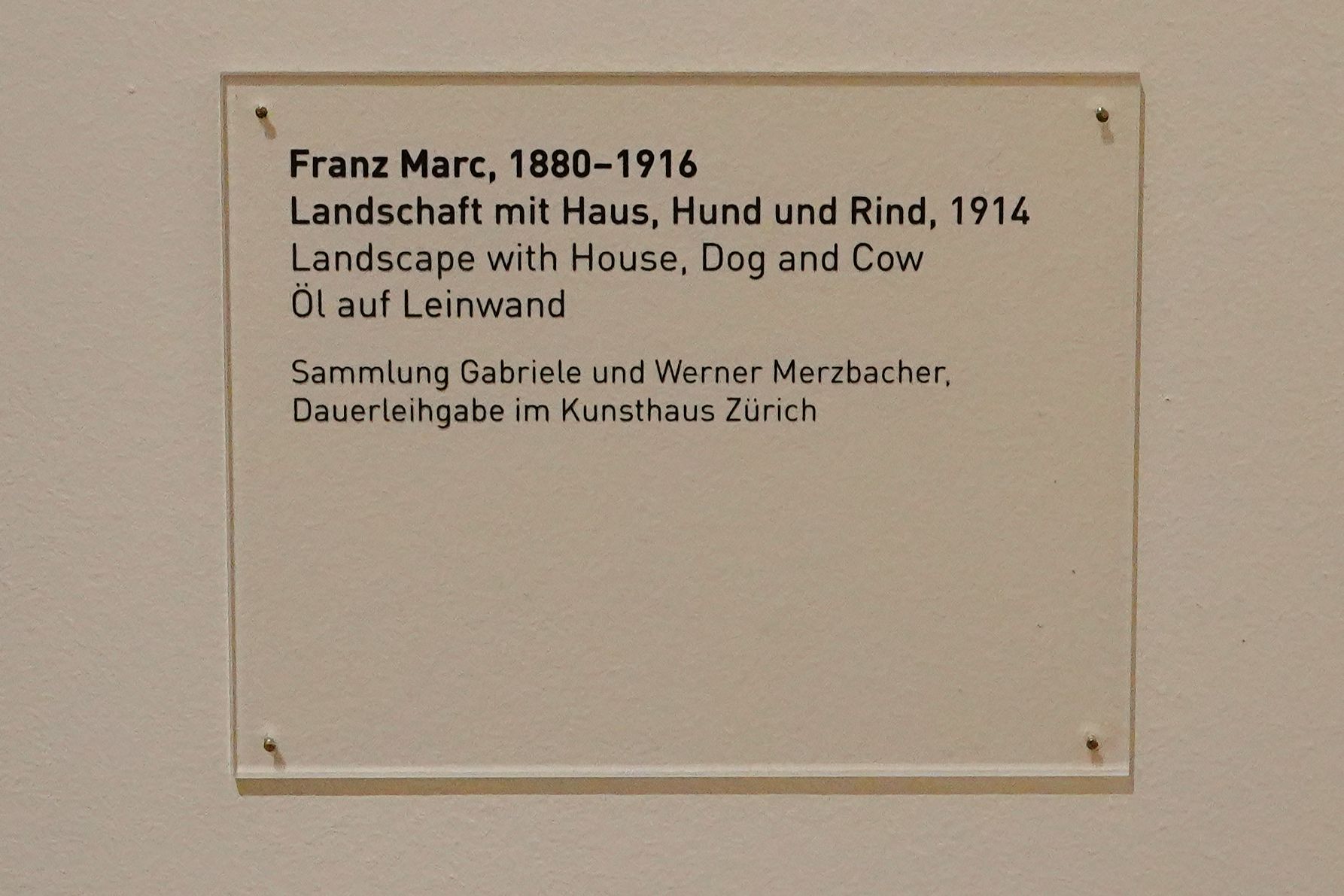
Franz Marc was a German Expressionist painter who co-founded the Blue Rider movement with Wassily Kandinsky in 1911. Famous for his colorful paintings of animals, particularly blue horses, he used symbolic colors to express spiritual ideas and his connection to nature. He died during World War I in 1916.
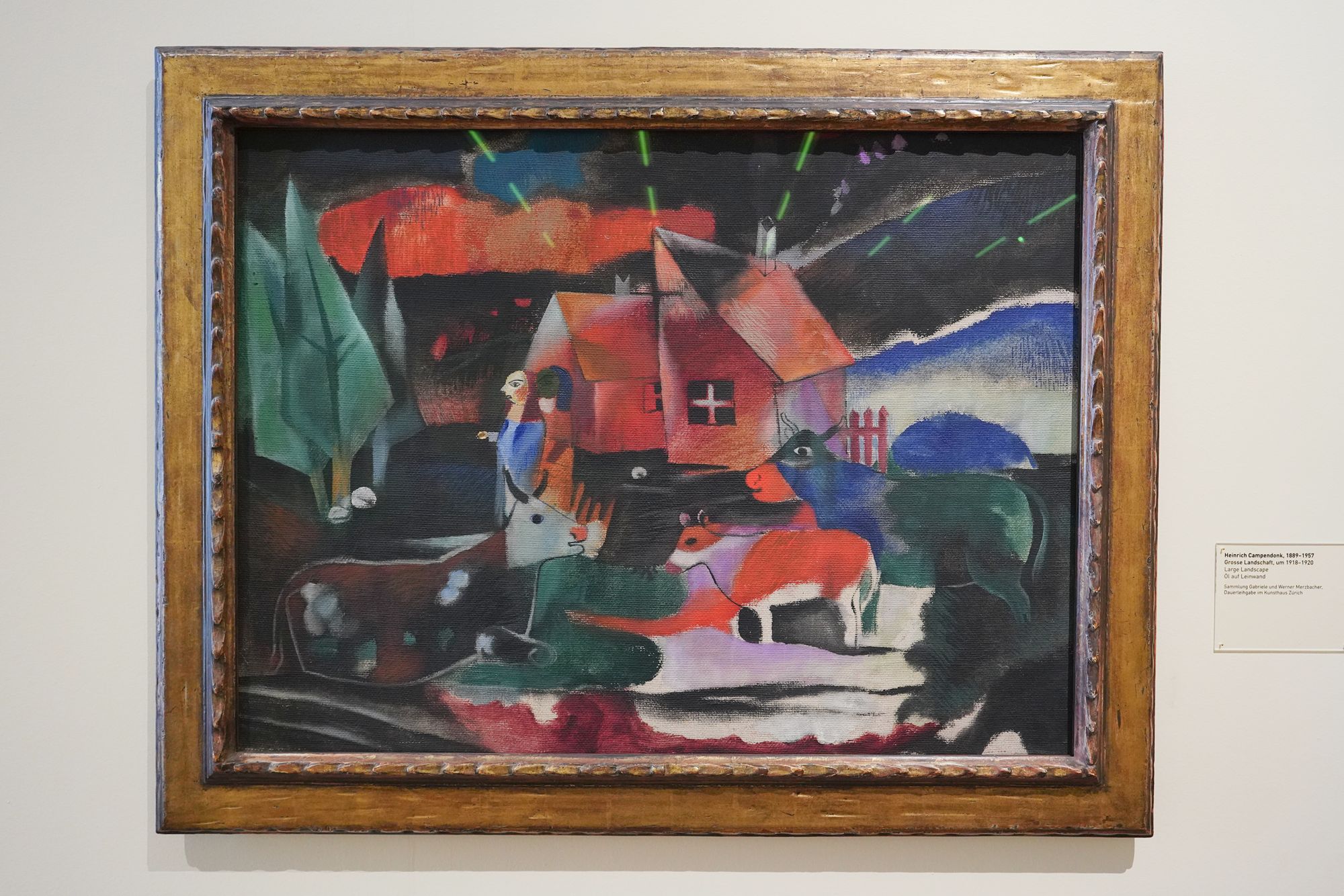
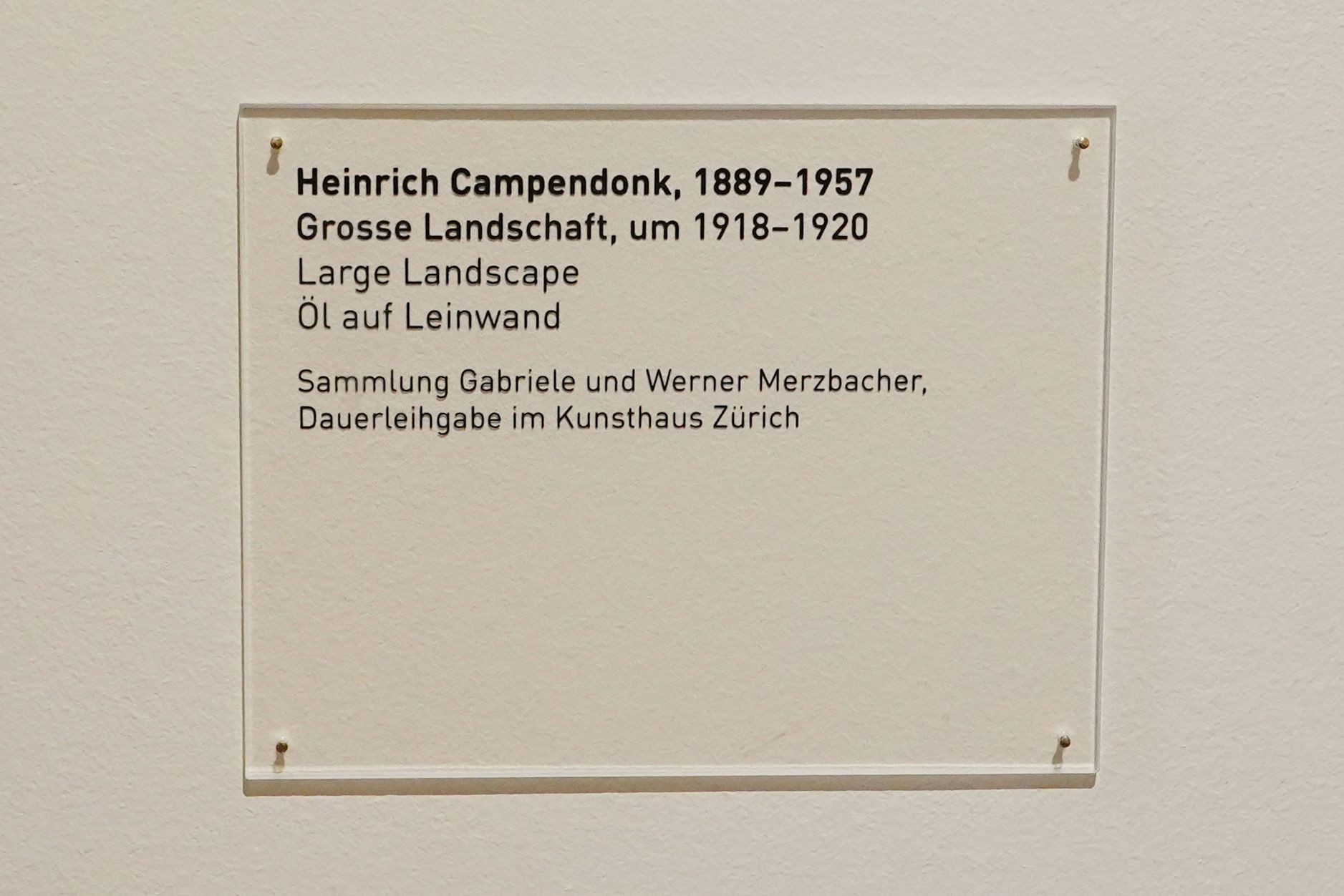
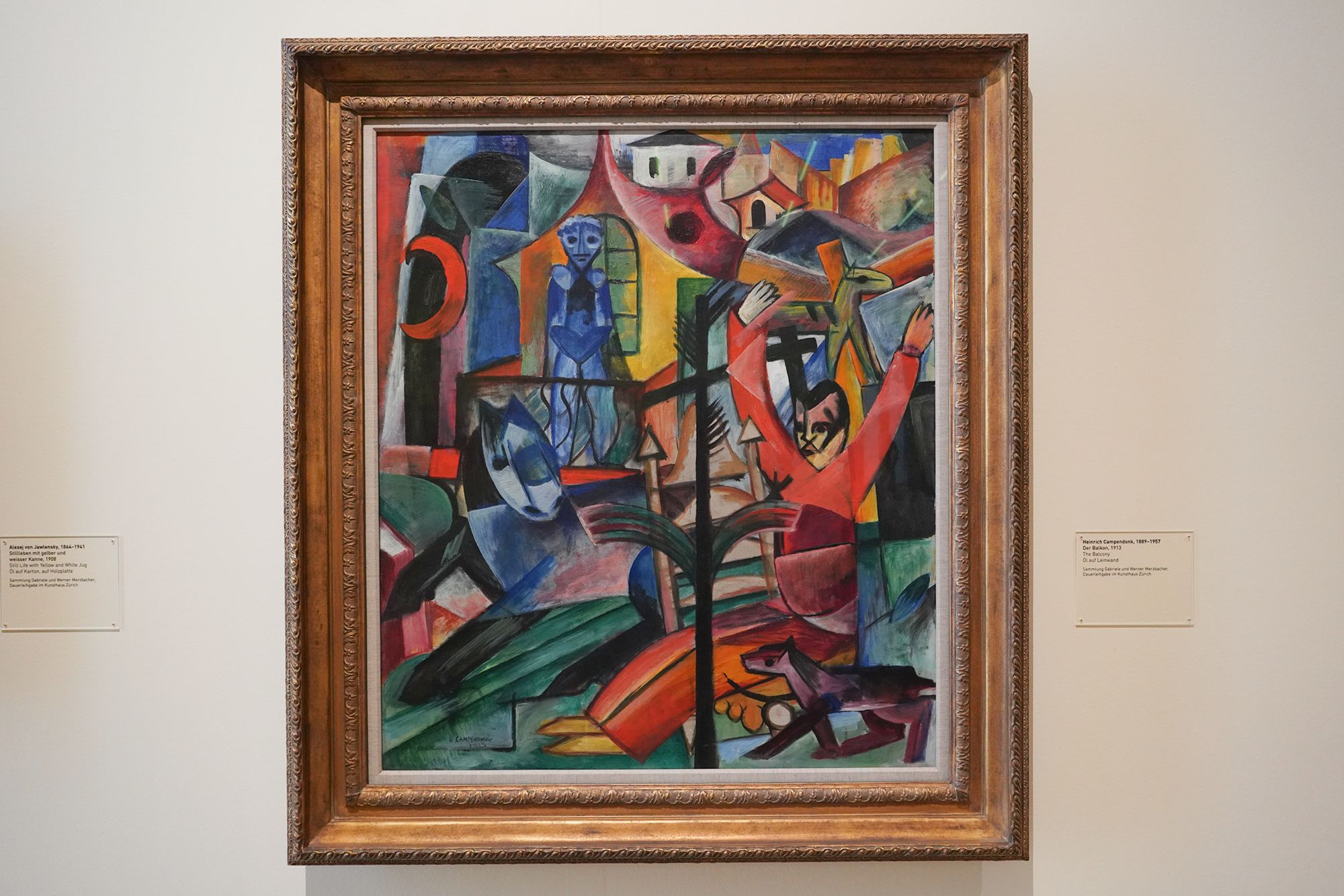
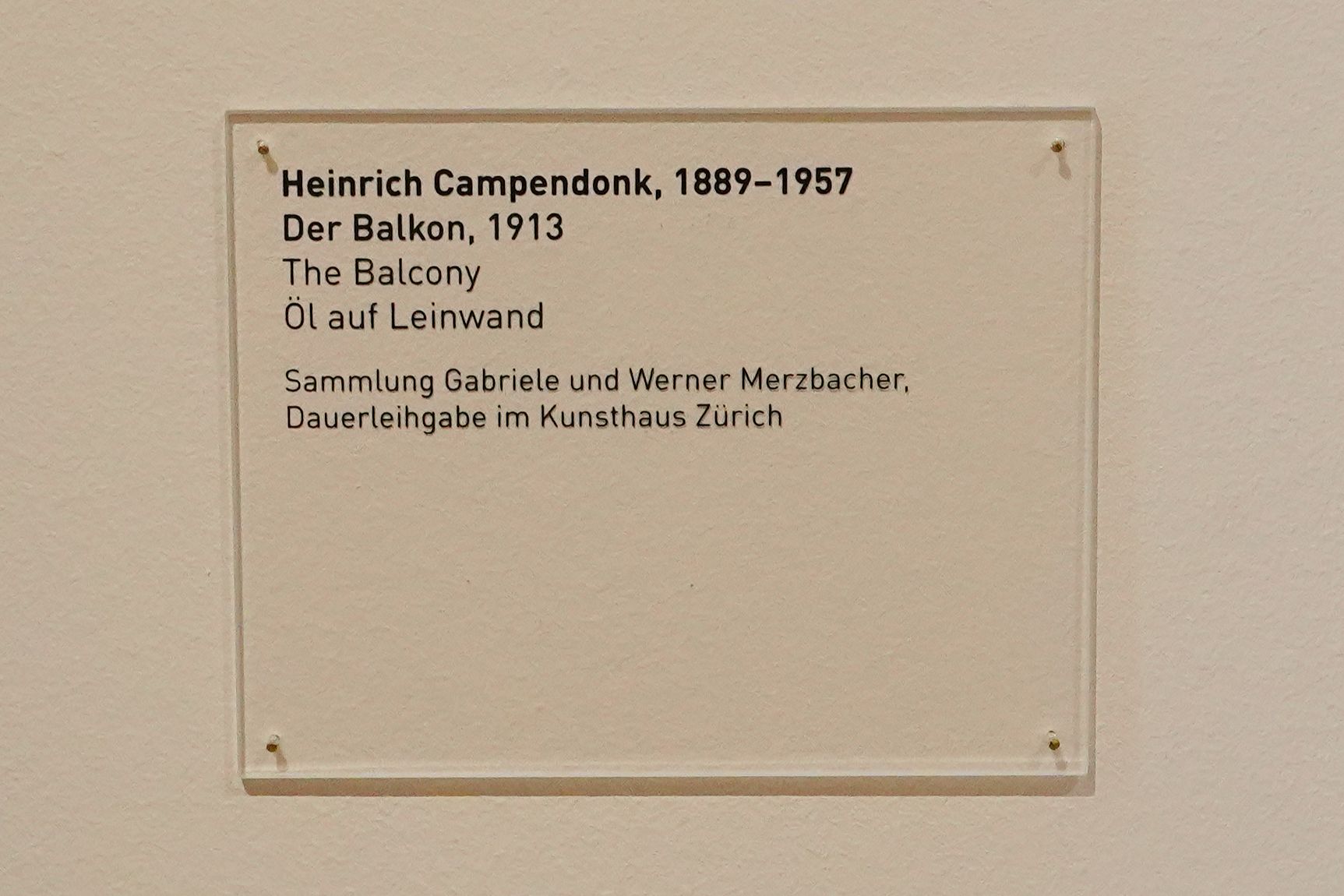
Heinrich Campendonk was a German Expressionist painter associated with the Blue Rider movement. Influenced by Franz Marc, he created colorful, dreamlike paintings featuring animals, people and imaginary landscapes. He later became known for his stained-glass designs and continued his artistic career in the Netherlands after leaving Nazi Germany.
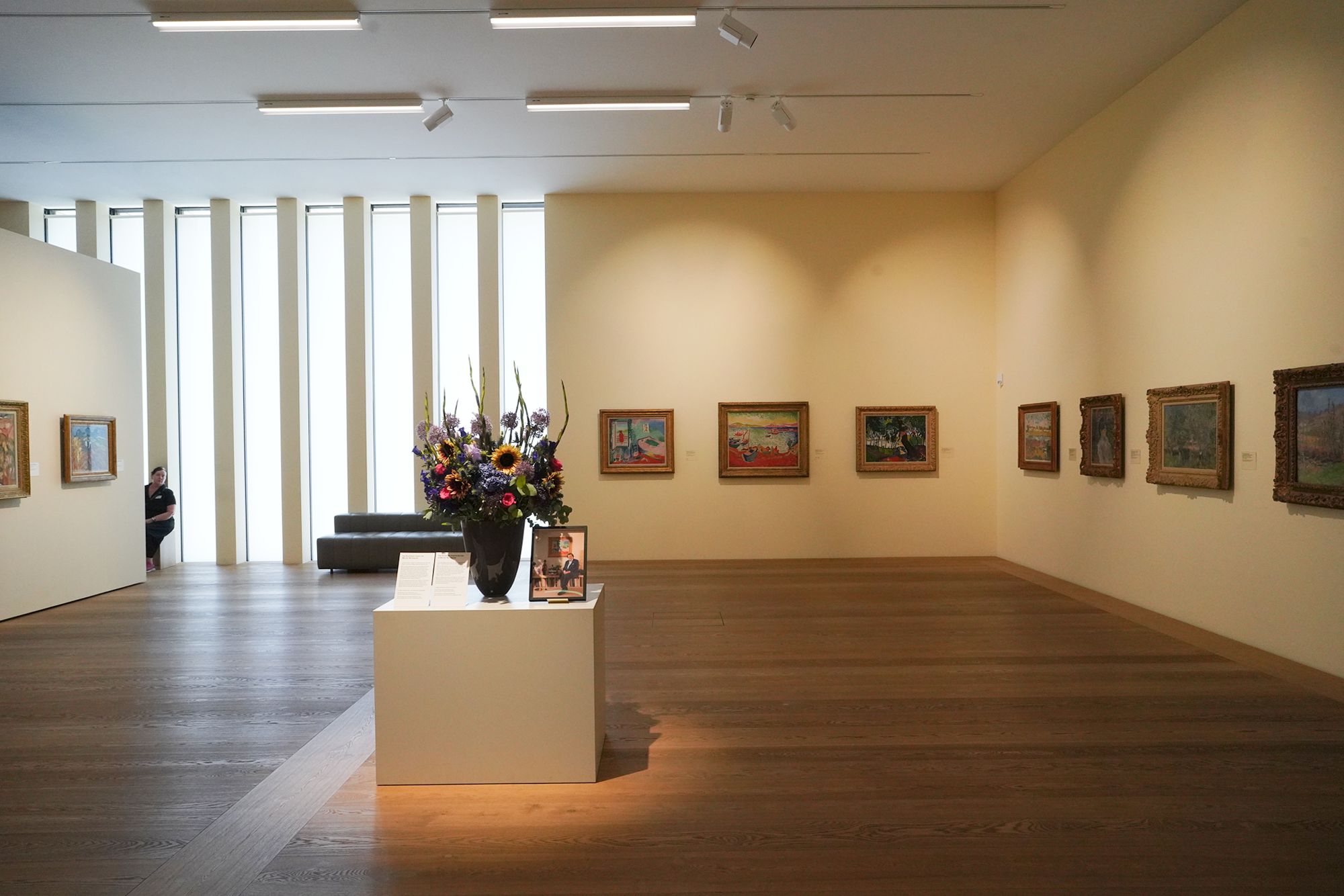
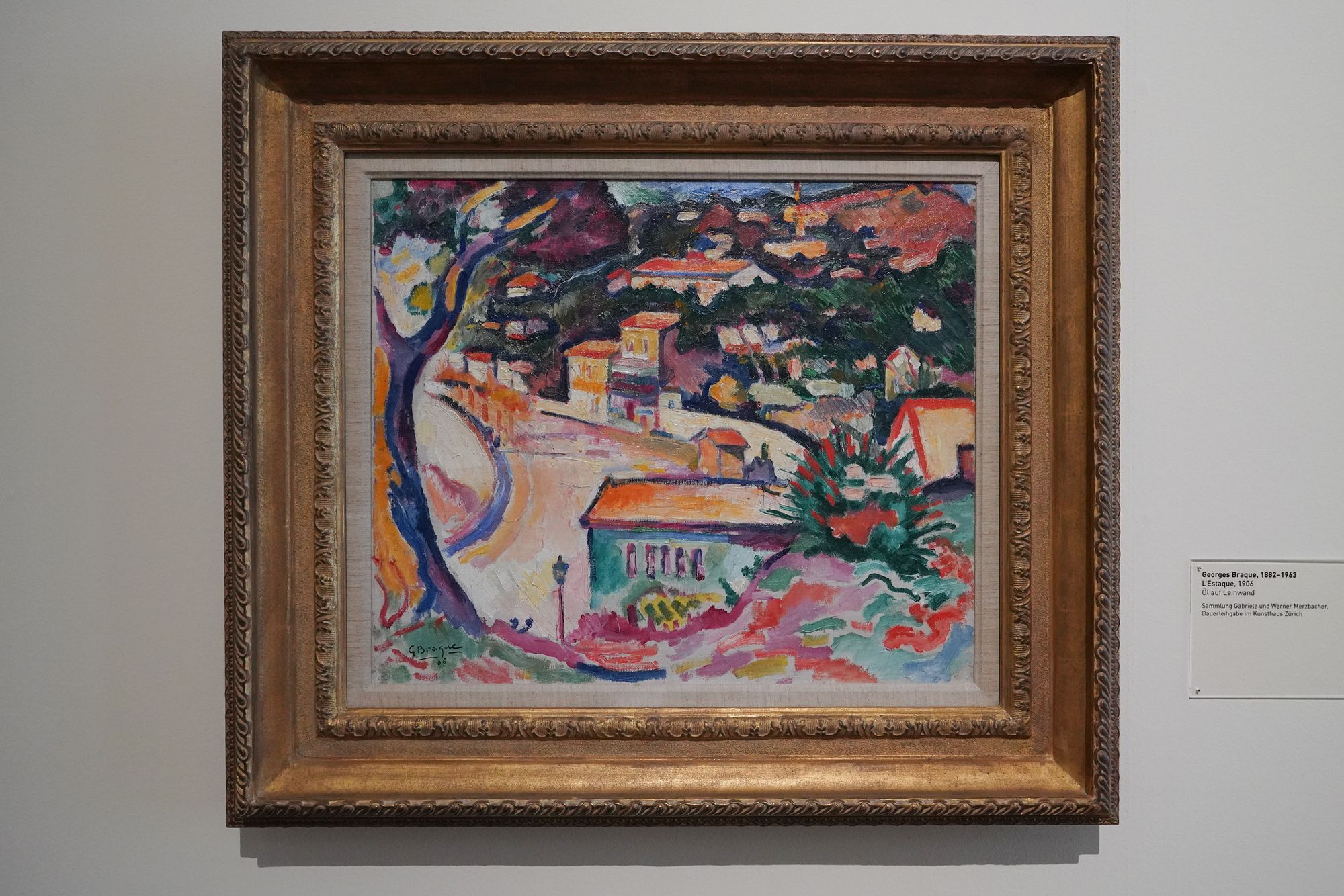
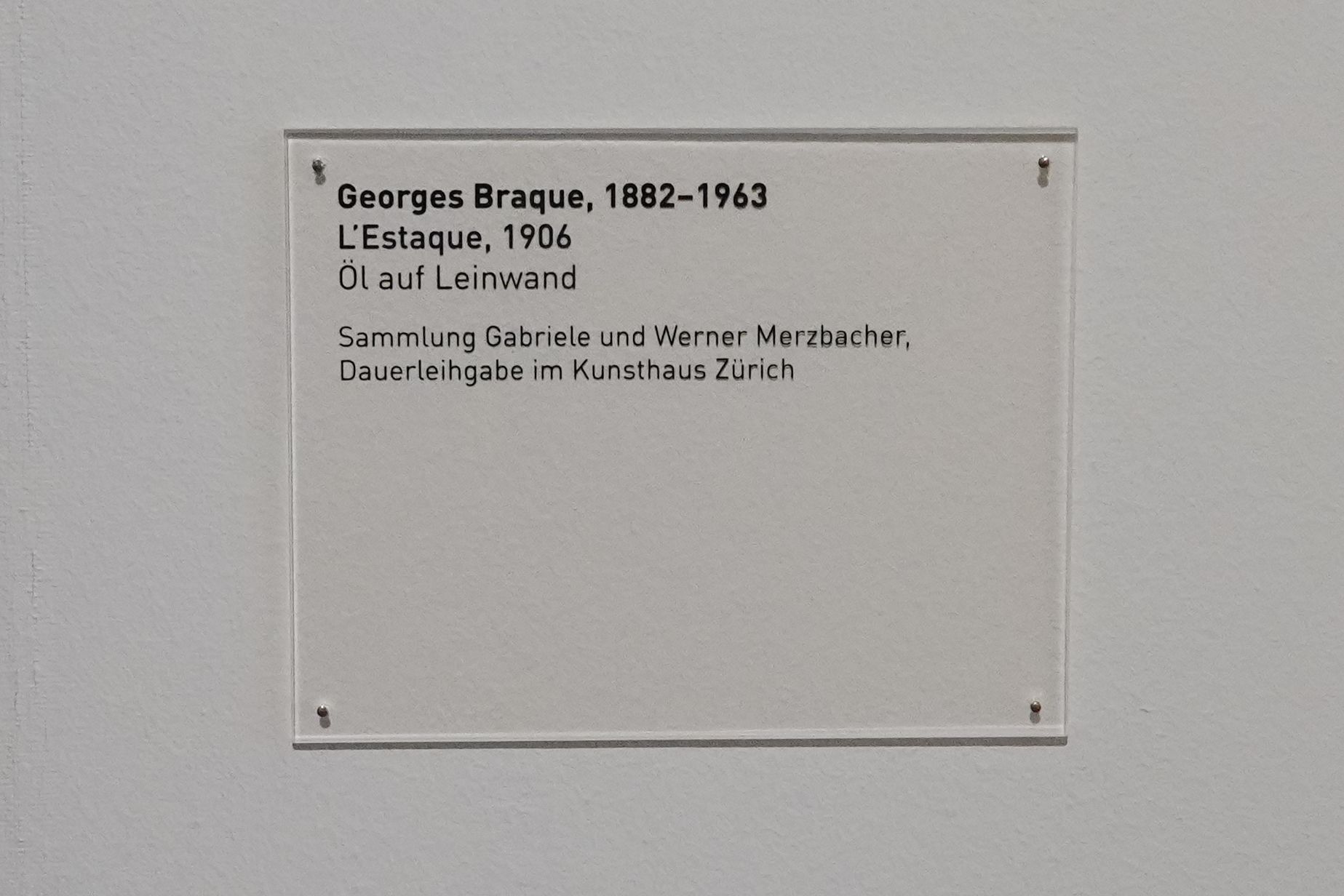
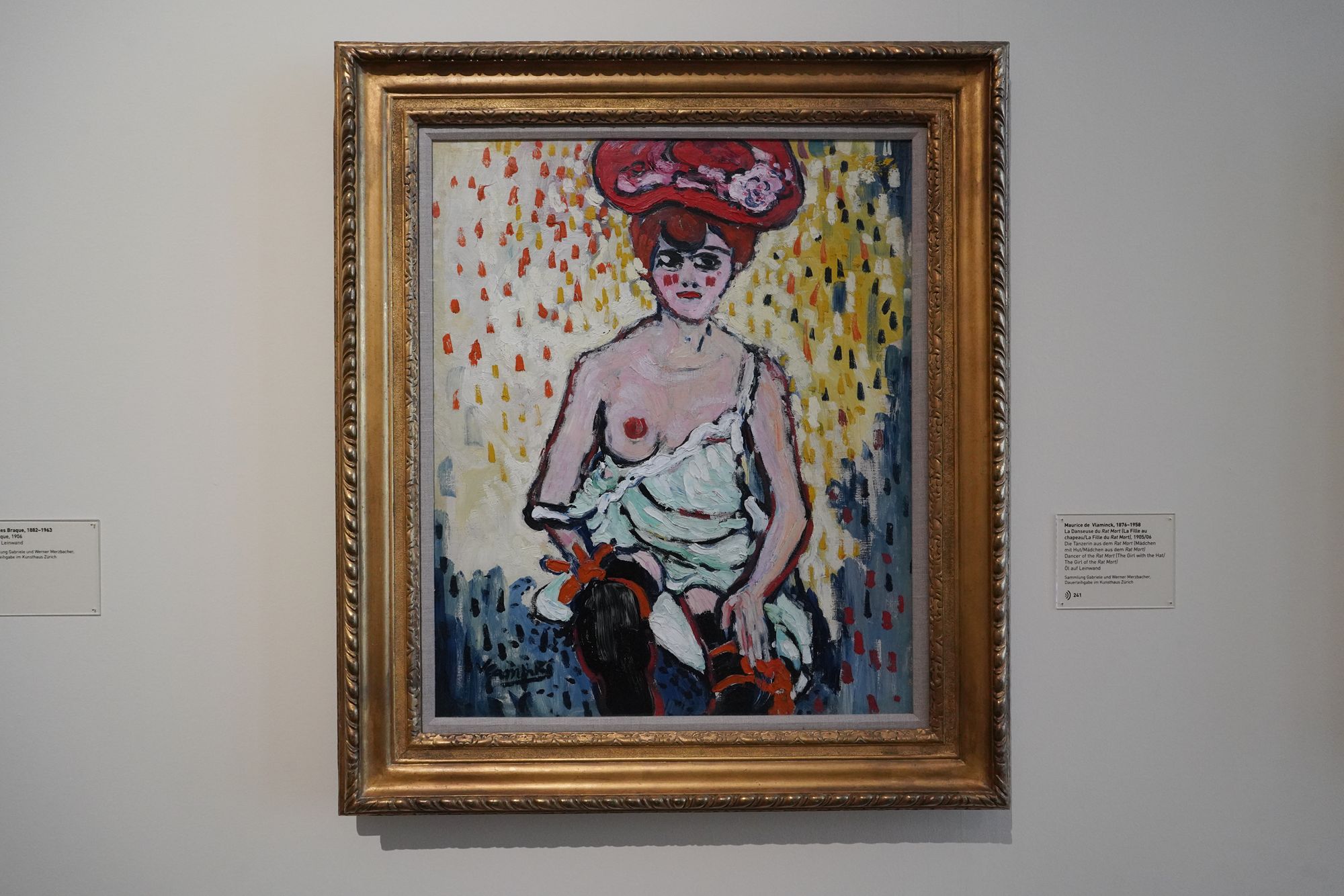
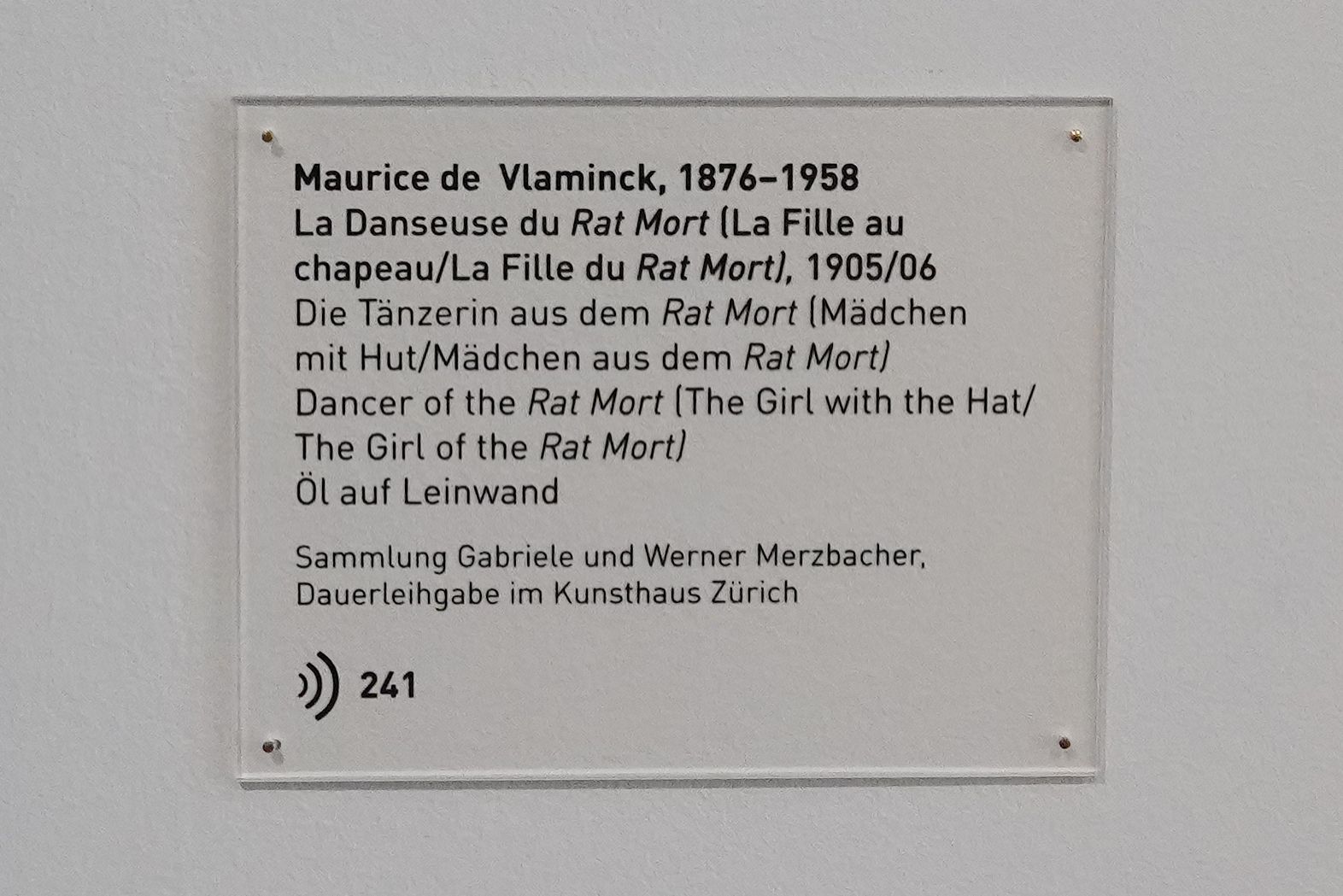
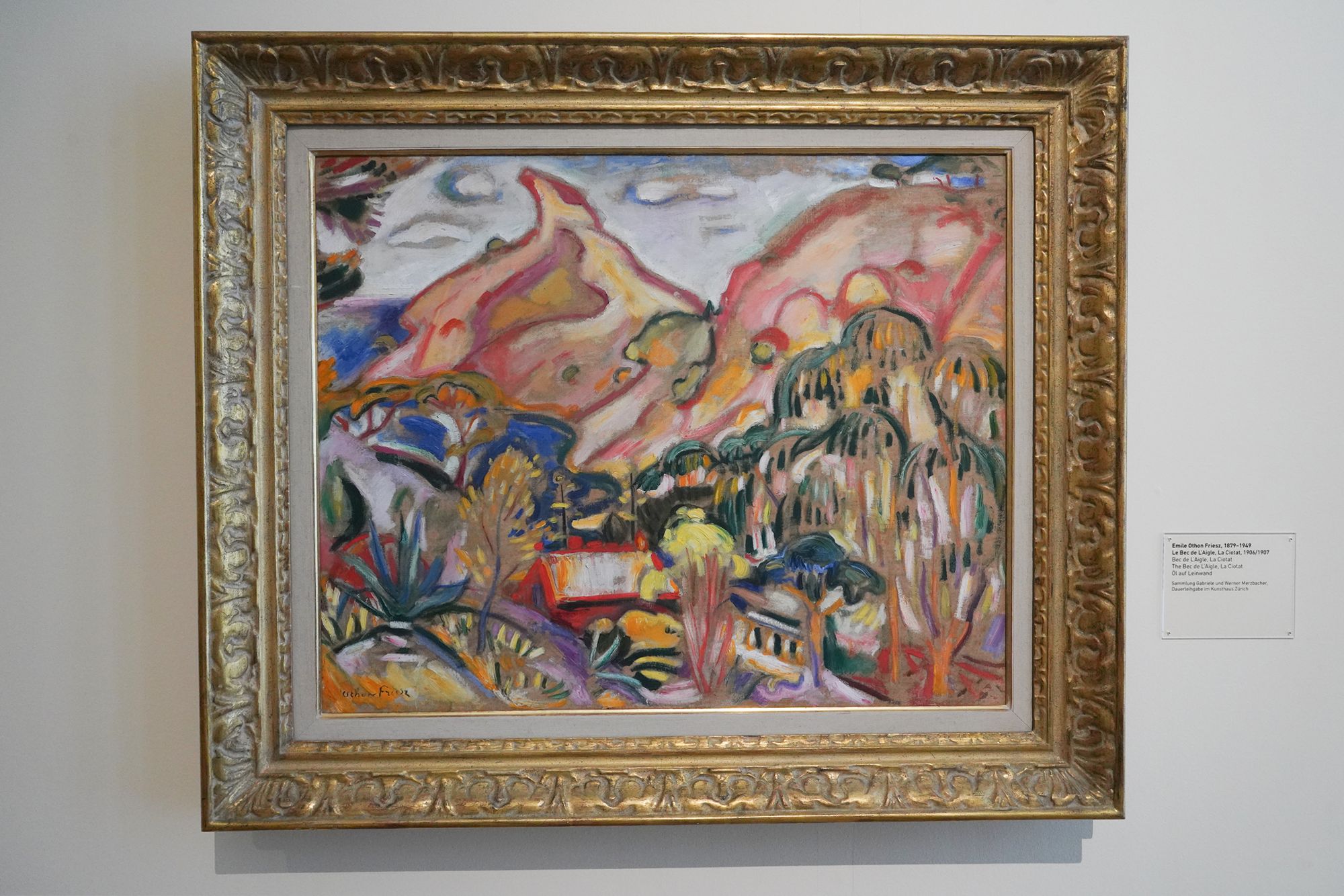
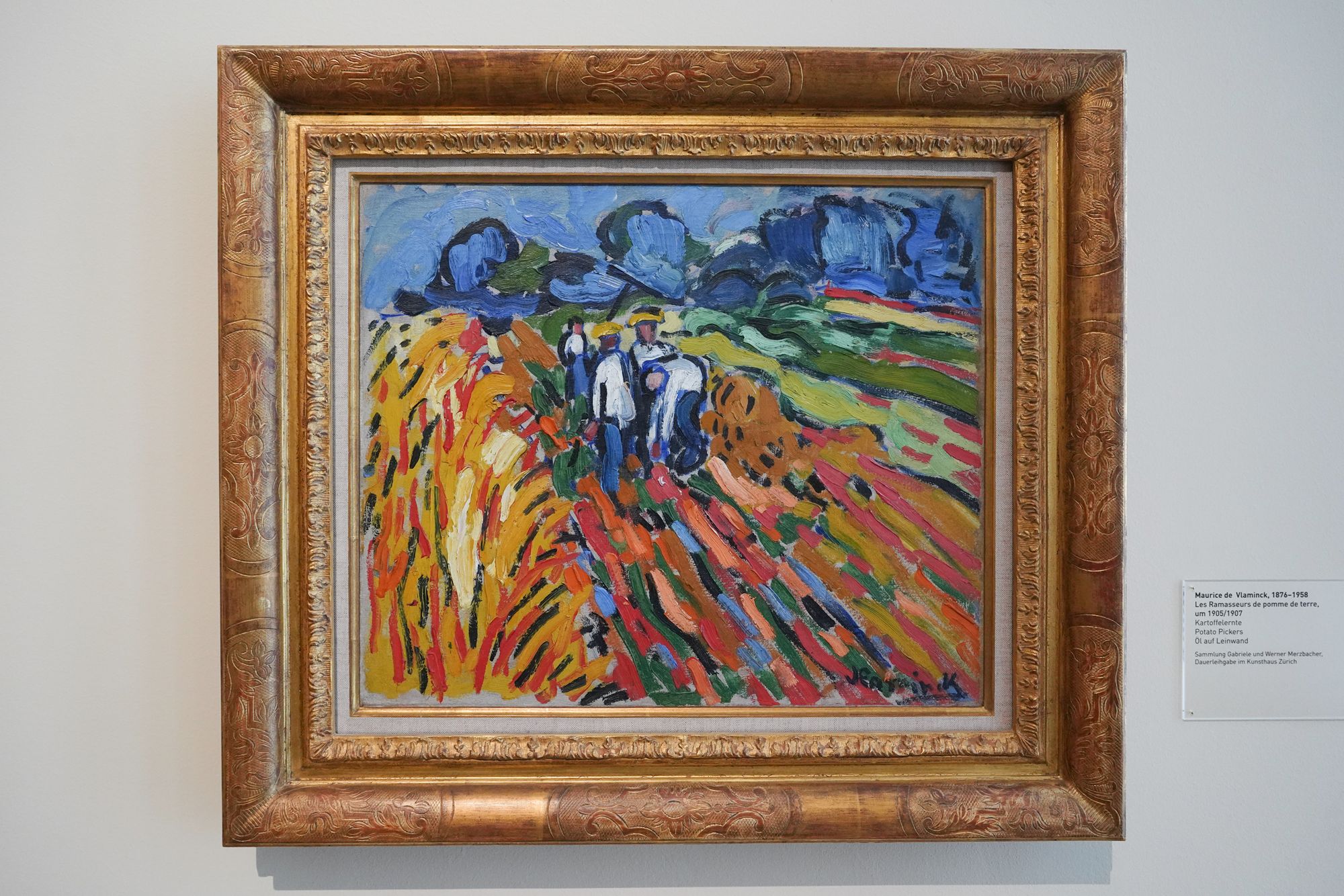
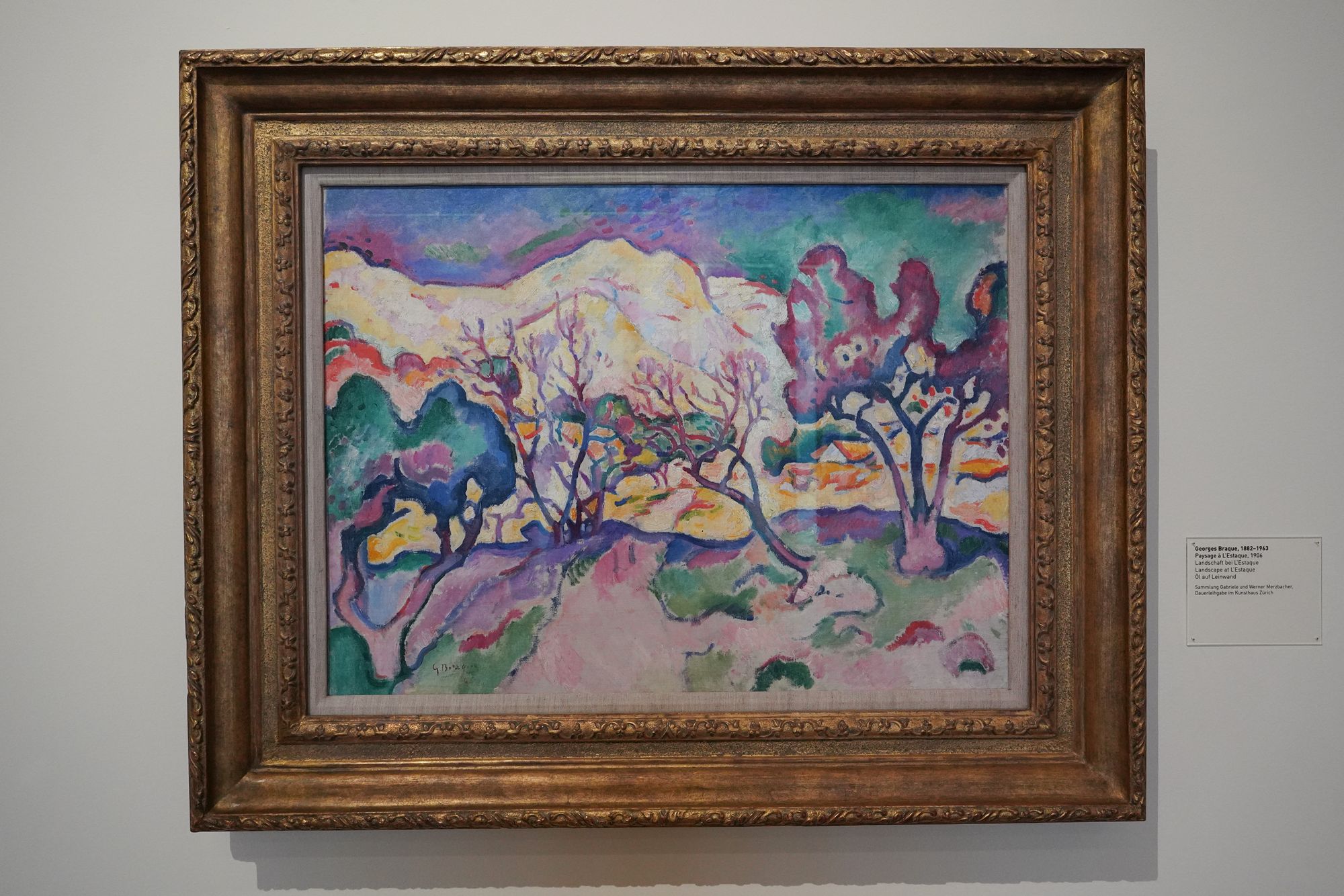
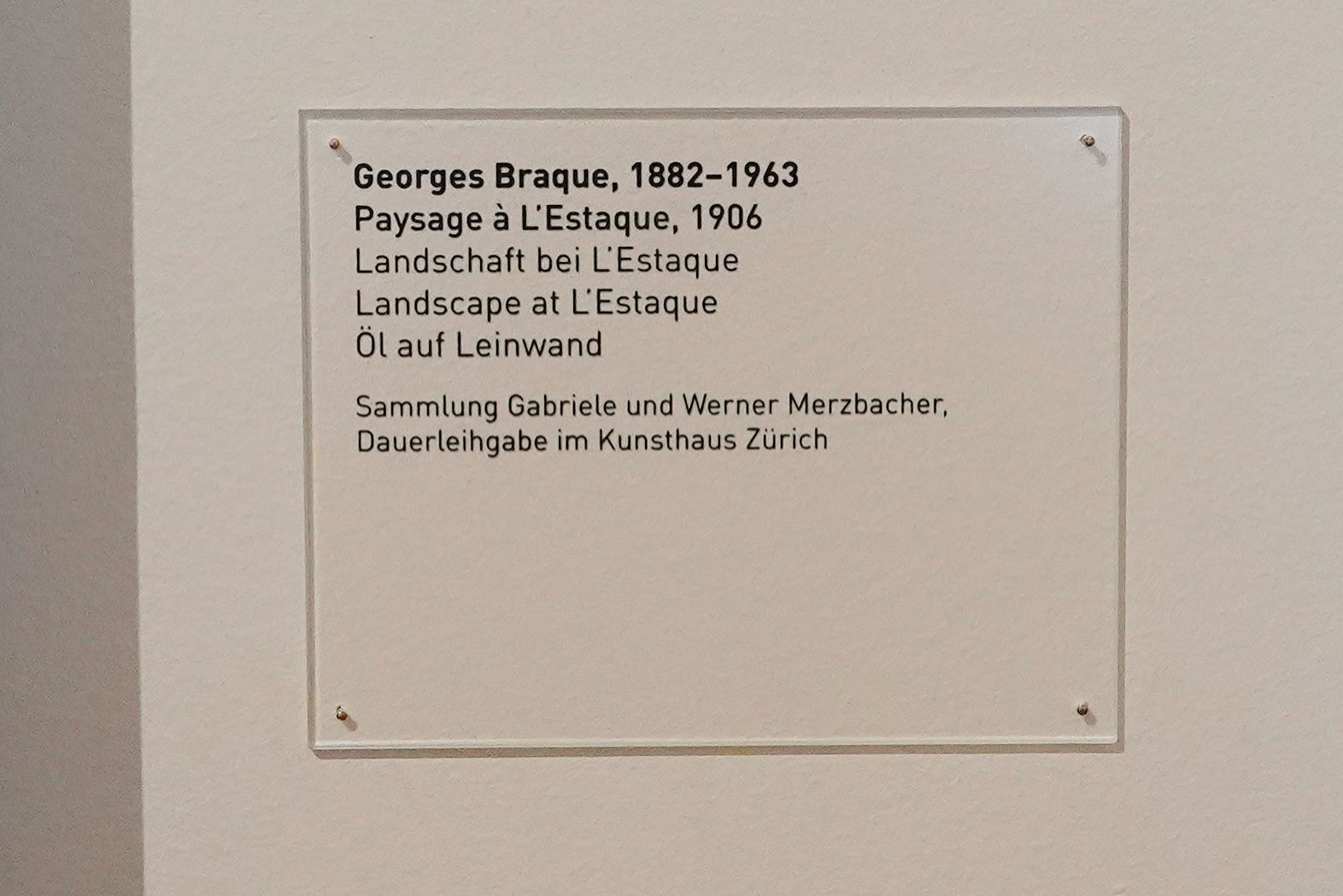
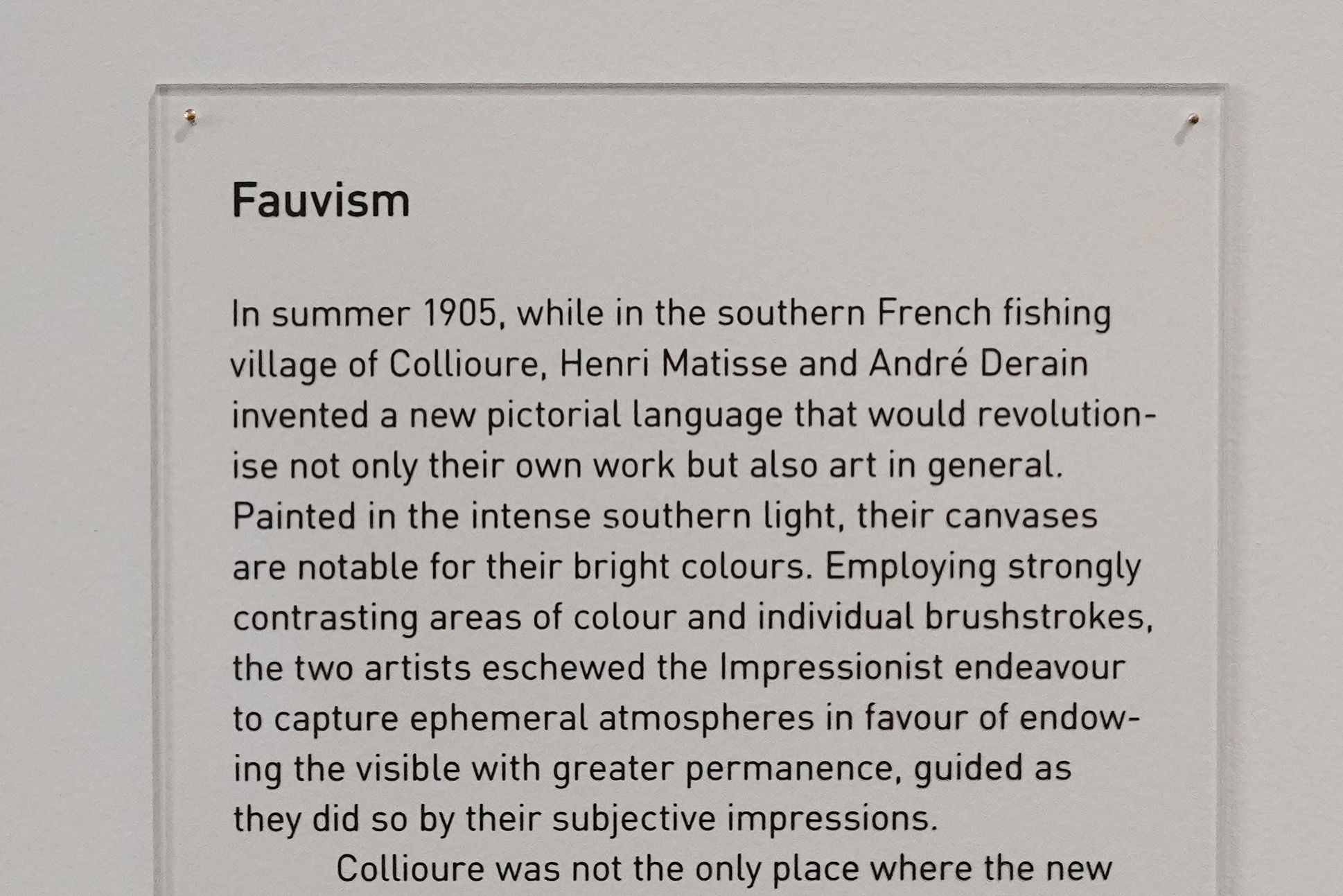
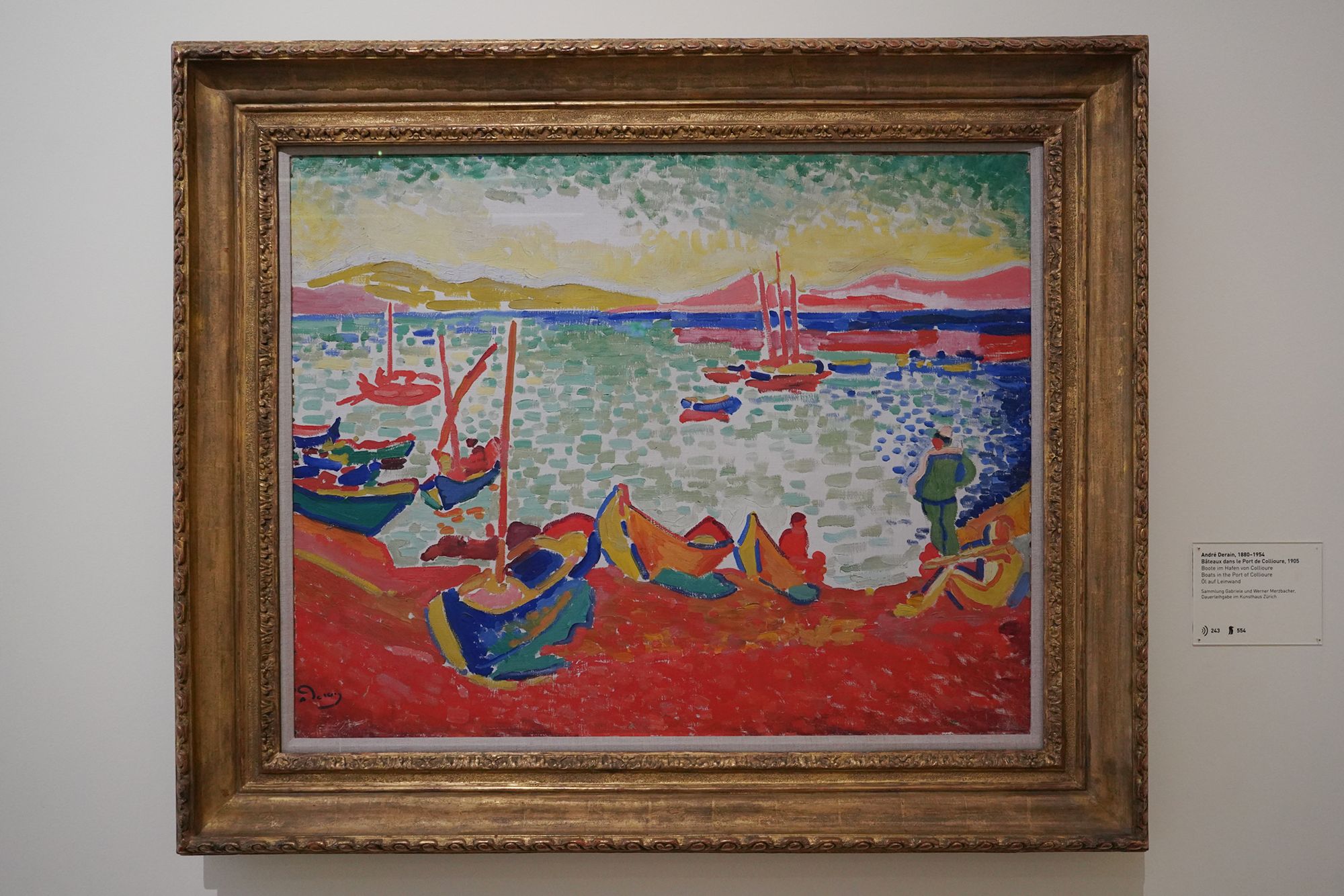
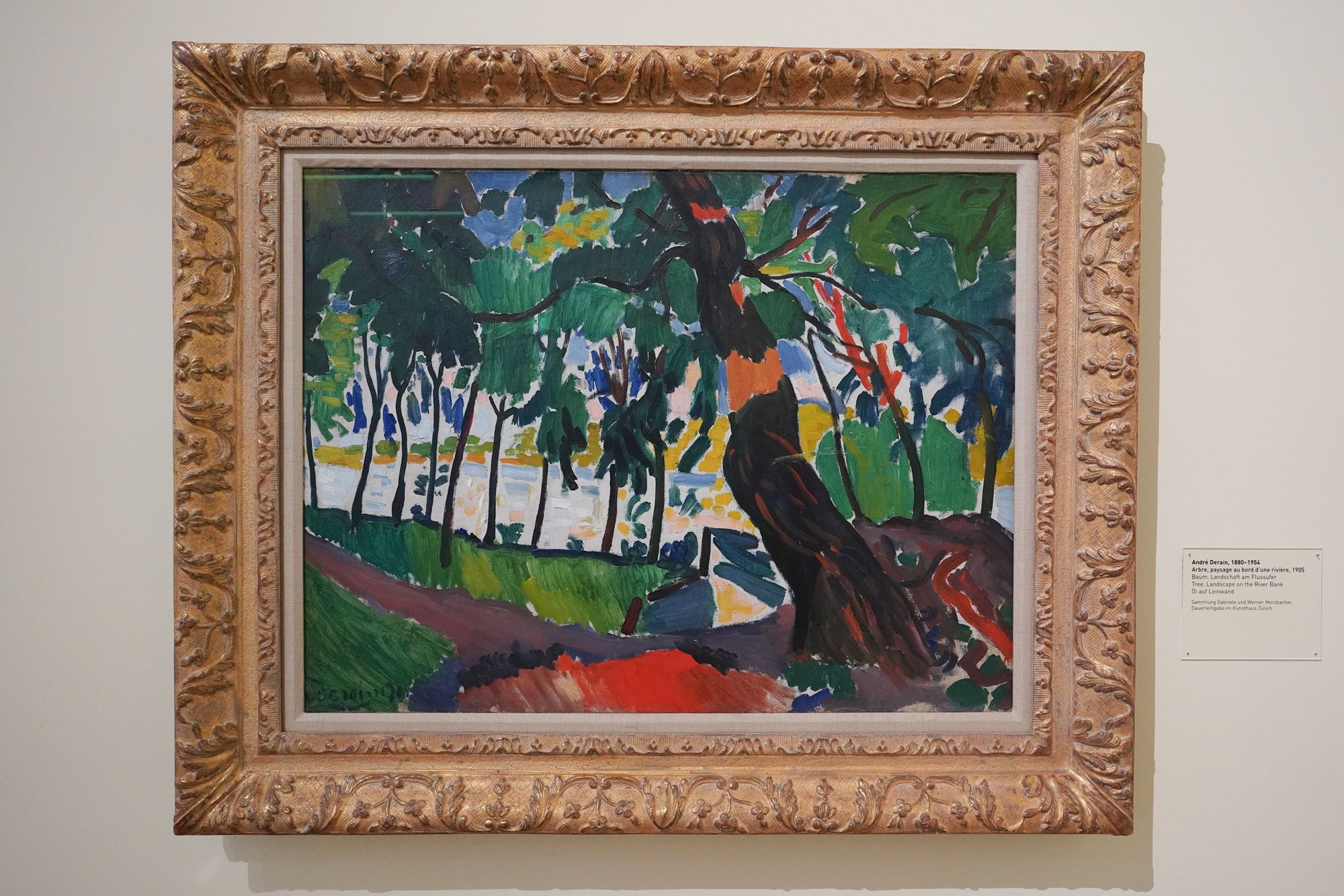
The Fauvism gallery features colorful paintings inspired by the artistic experiments of Henri Matisse and André Derain in southern France in 1905. Rejecting the naturalistic colors of Impressionism, they developed a new style using vivid contrasts and expressive brushstrokes, helping establish one of the earliest movements of modern art.
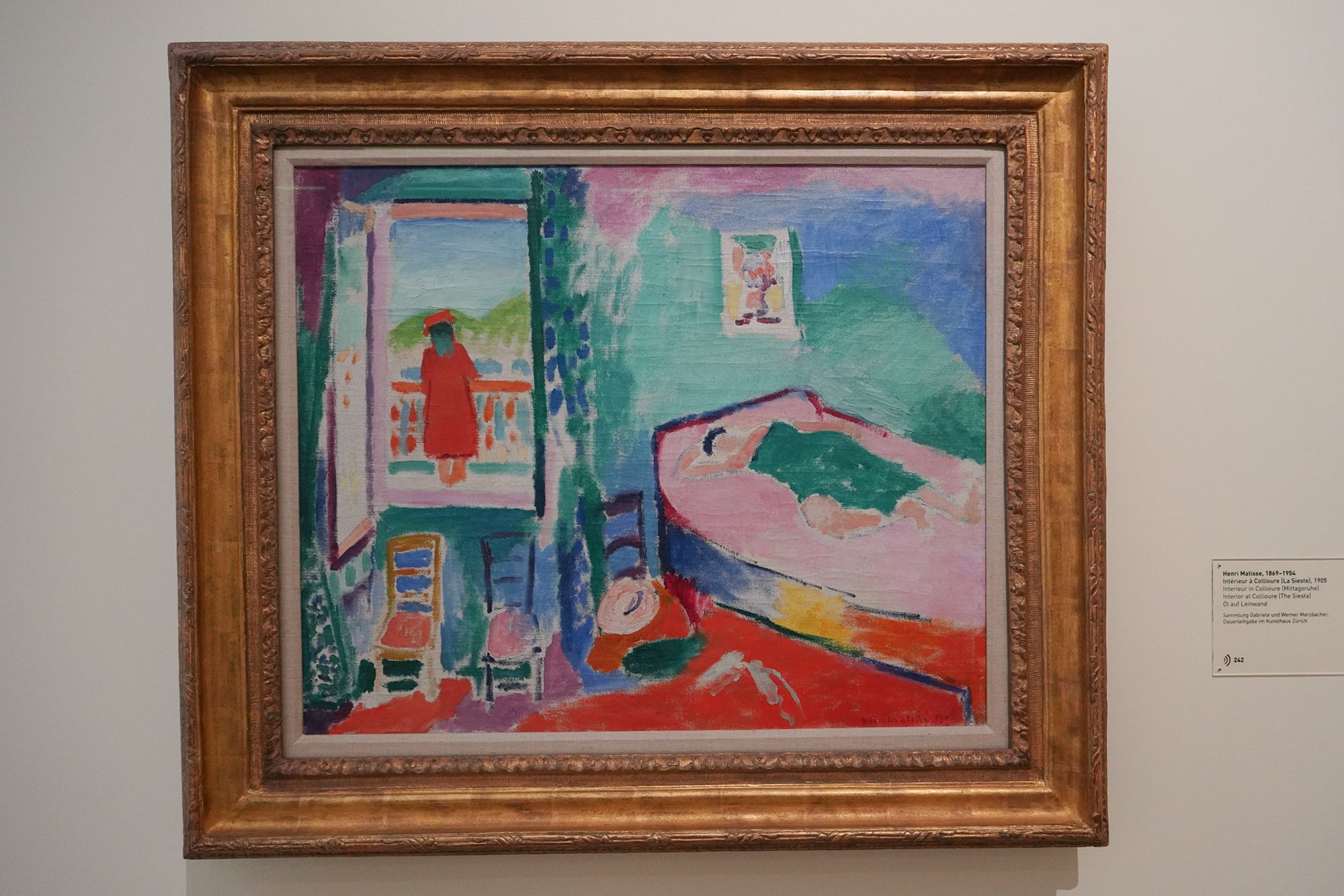
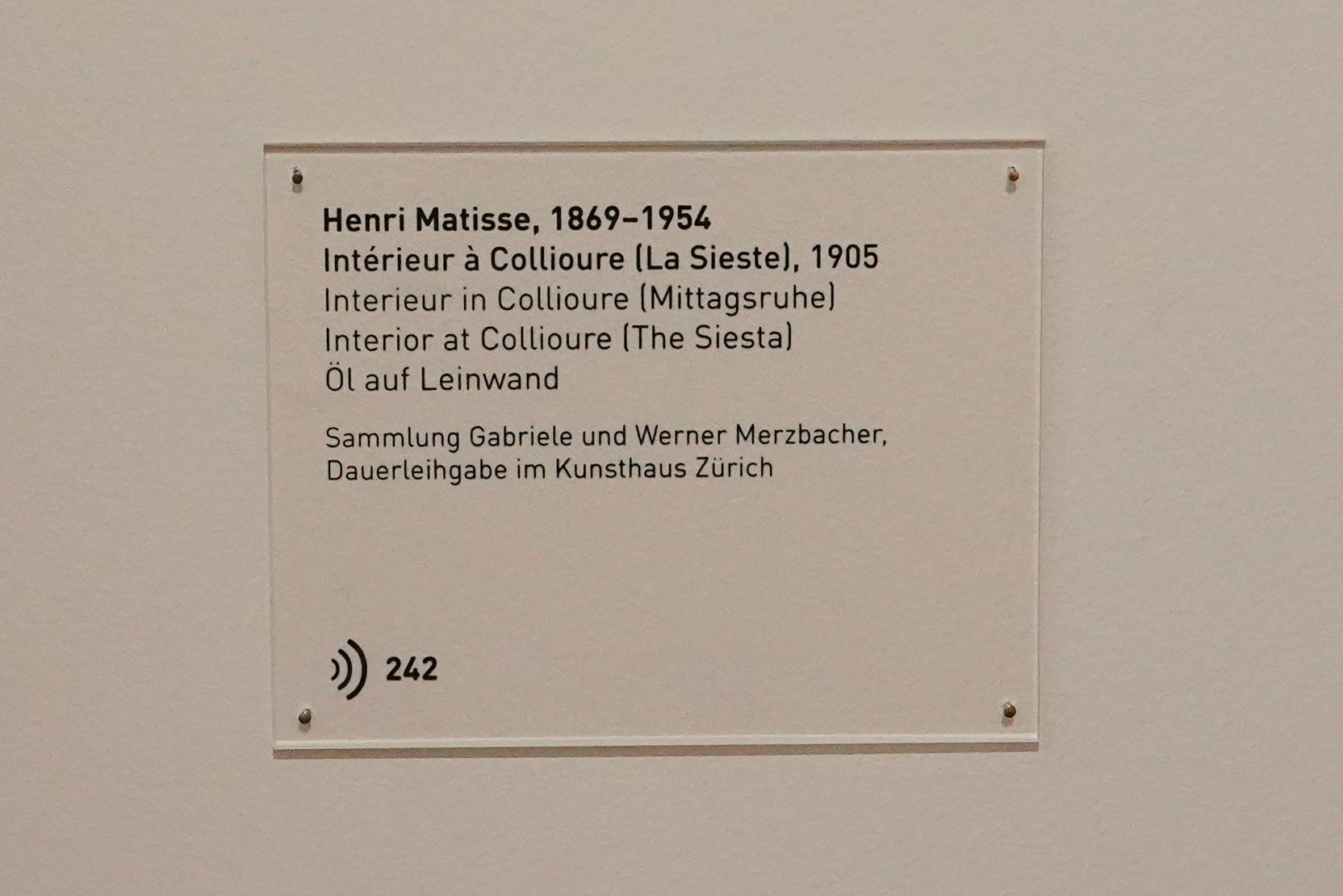
Henri Matisse was a French painter and a leading figure of Fauvism, known for his vivid colors, simplified forms and decorative compositions. Alongside André Derain, he helped establish the movement in 1905. His artistic career later expanded into sculpture, printmaking and colorful paper cutouts.
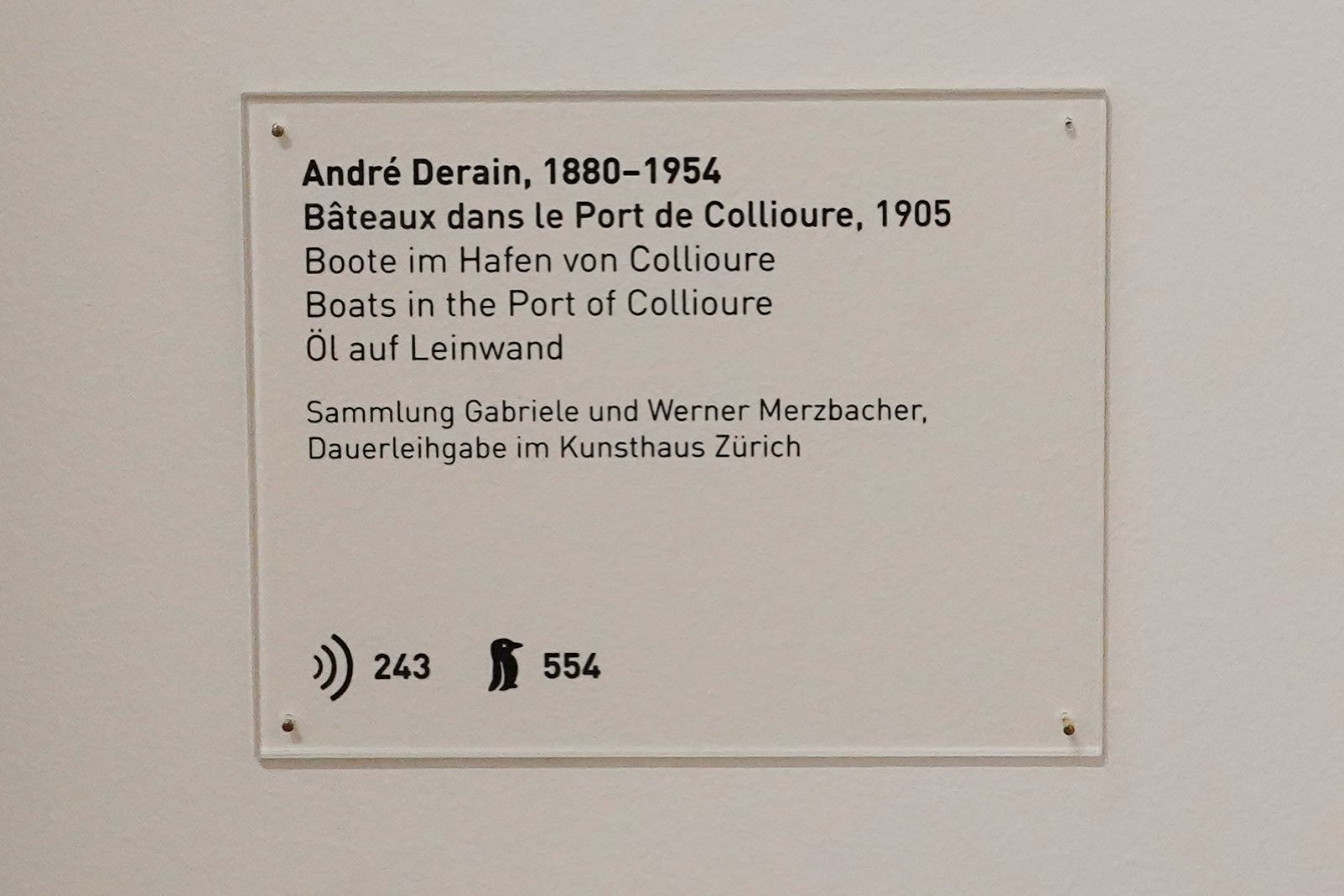
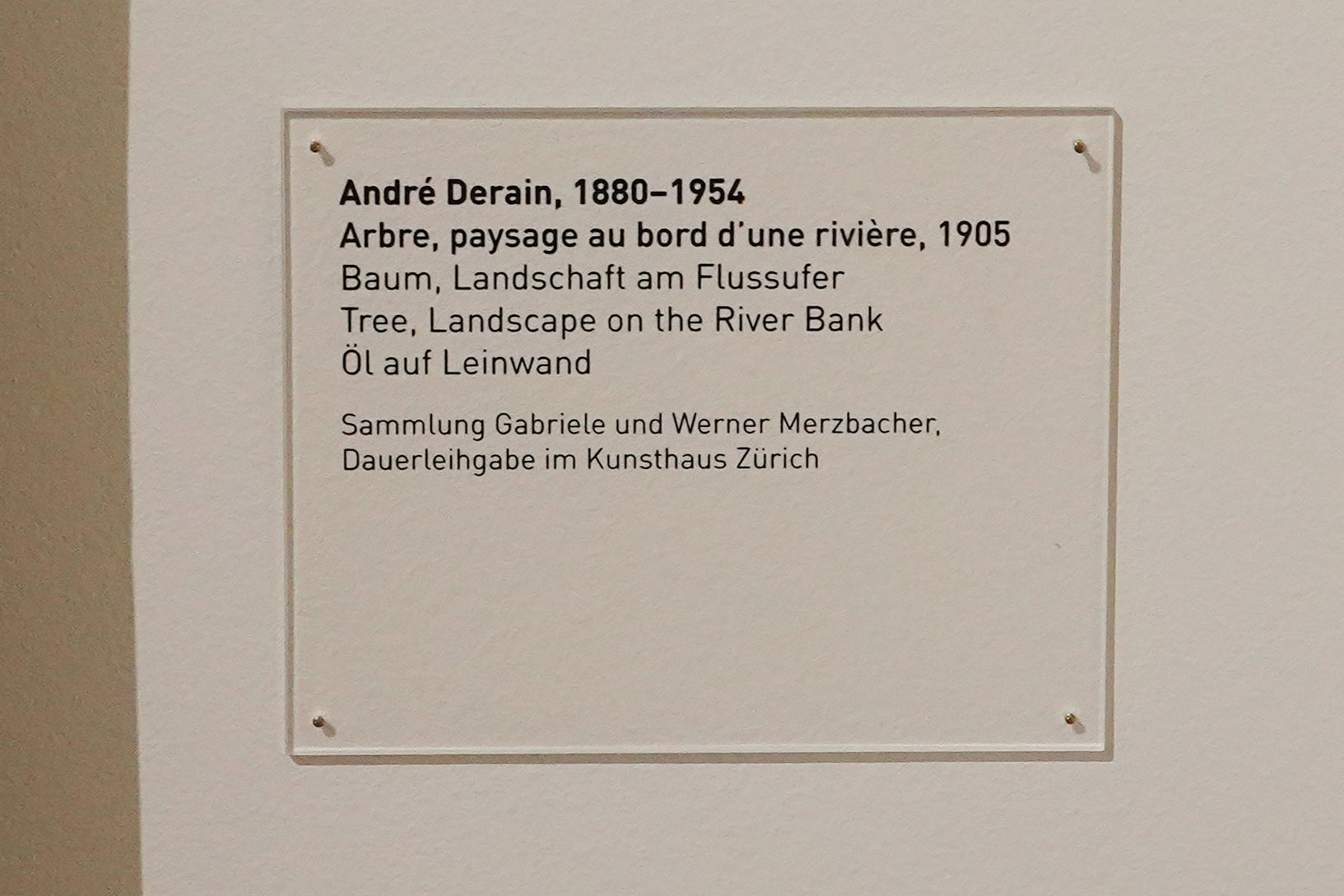
André Derain was a French painter and co-founder of Fauvism, alongside Henri Matisse and Maurice de Vlaminck. Known for his vivid colors and expressive landscapes, he helped establish the movement in 1905. His later paintings became more subdued as he explored Cubism and eventually returned to traditional European painting.
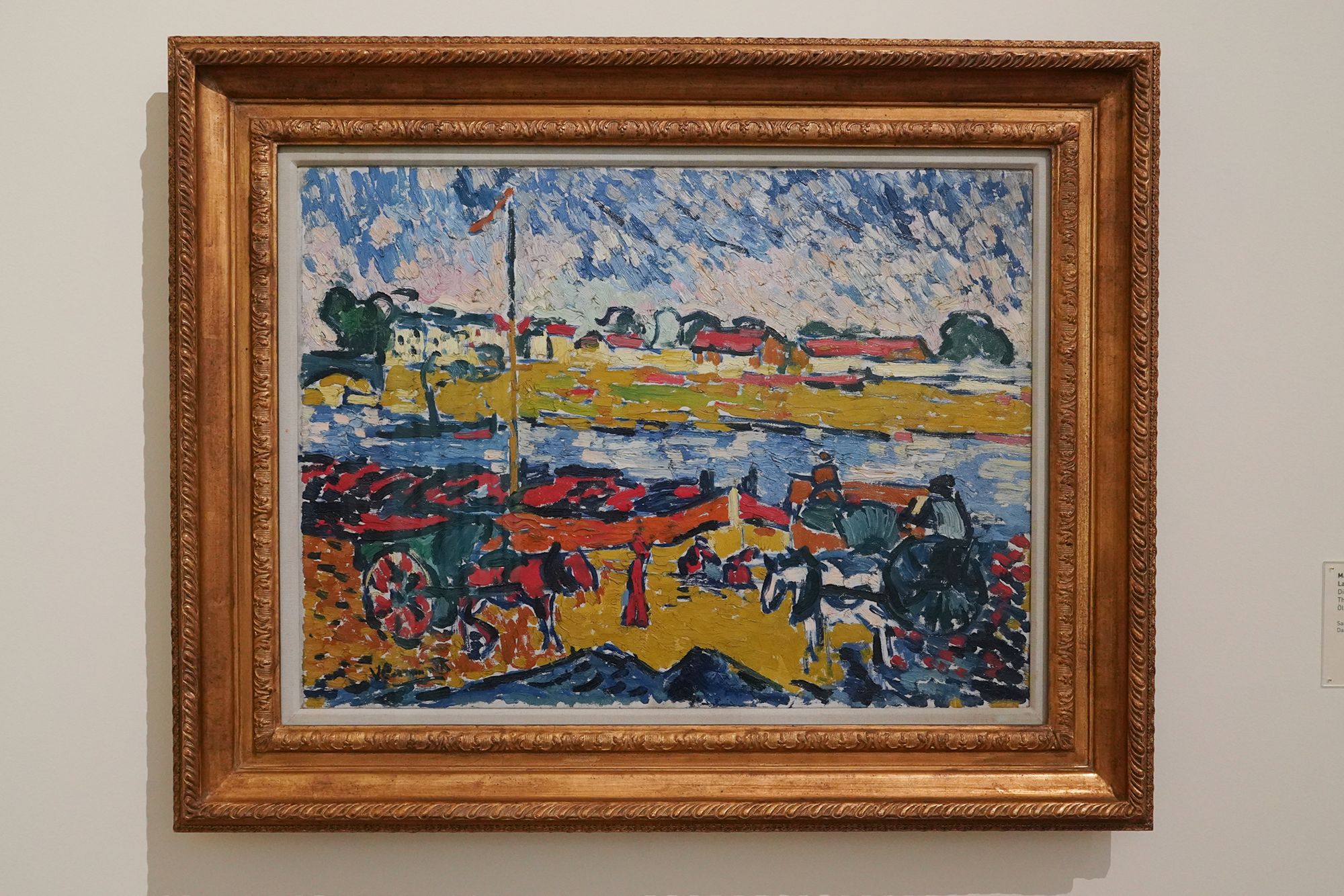
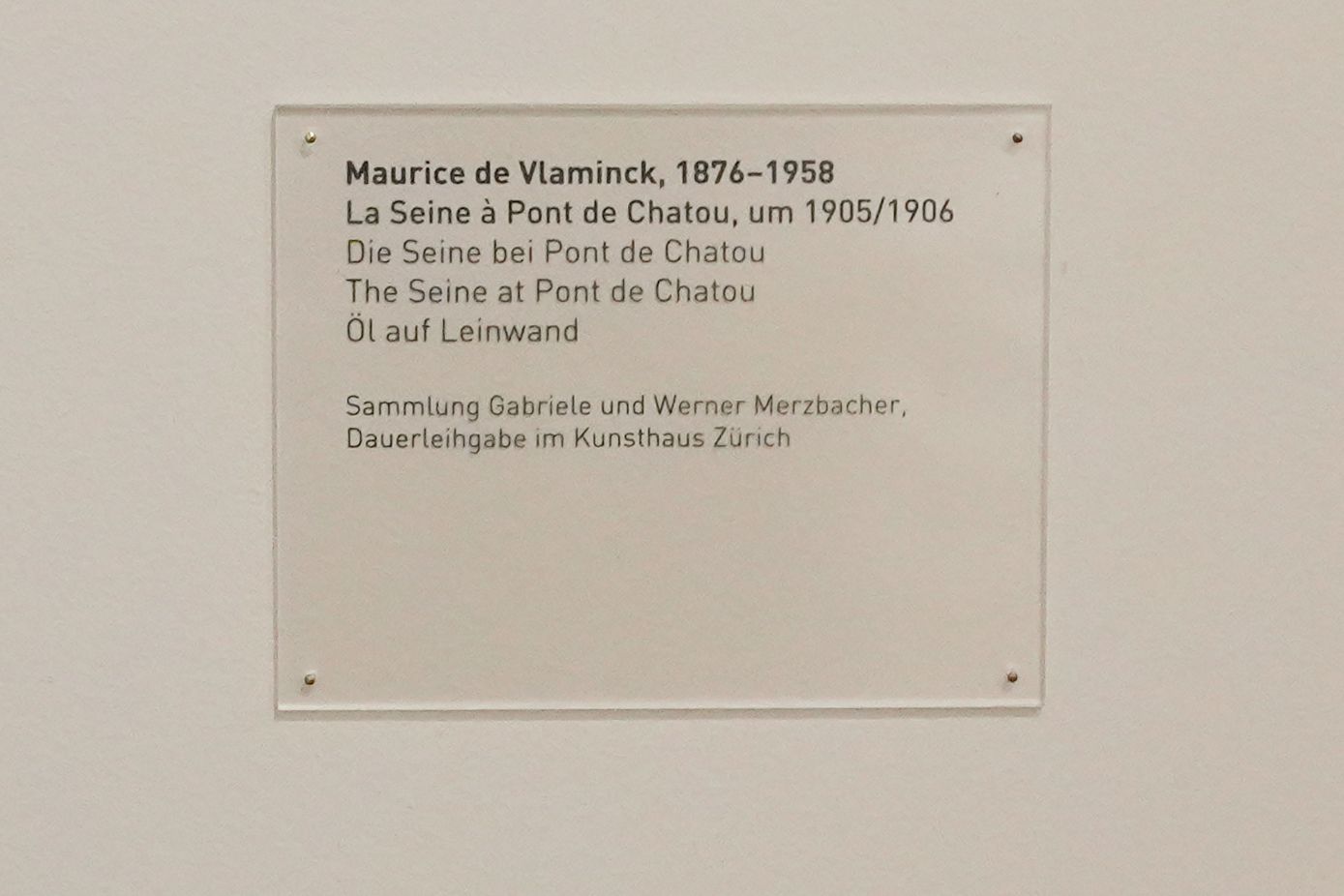
Impressionist and post impressionist
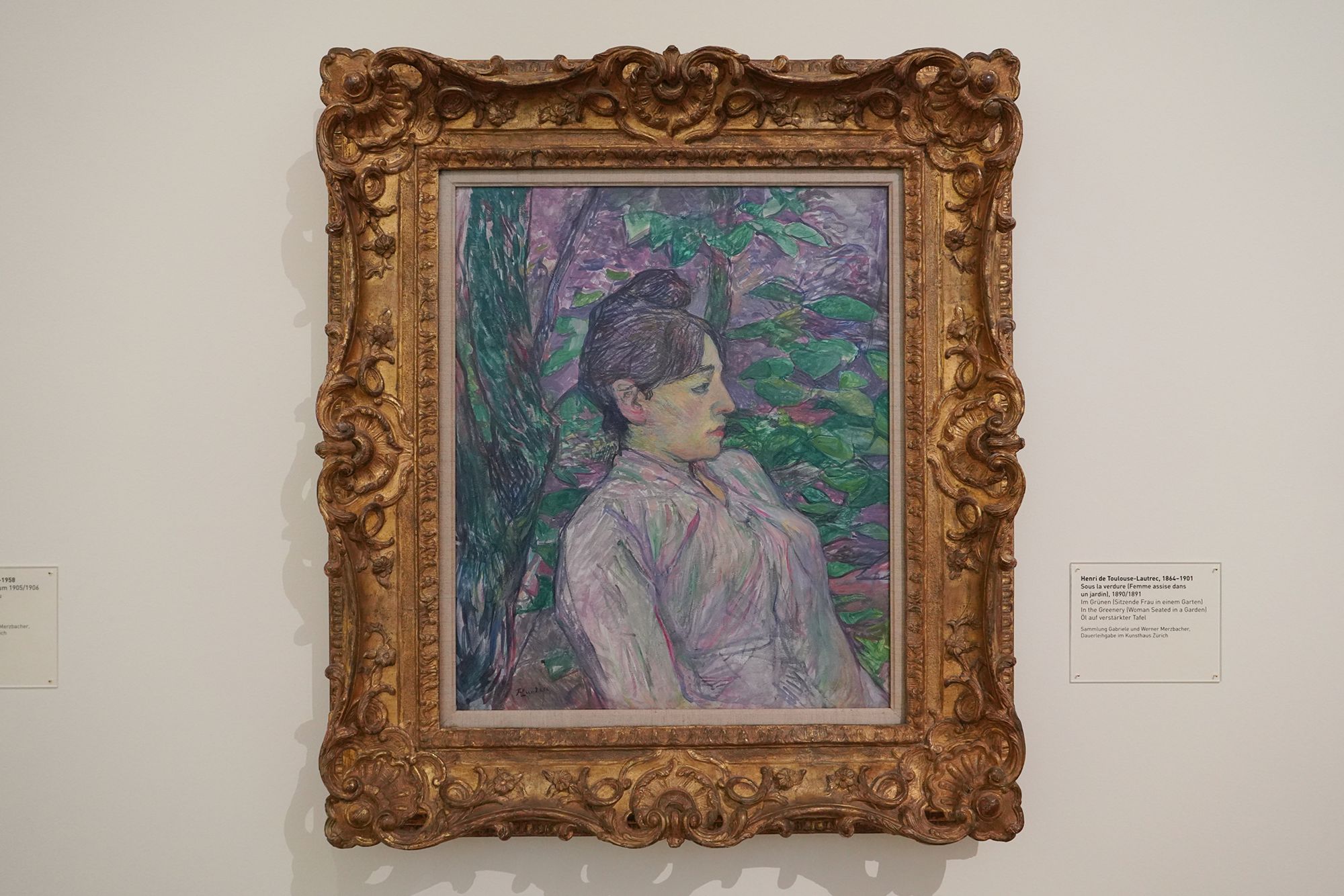
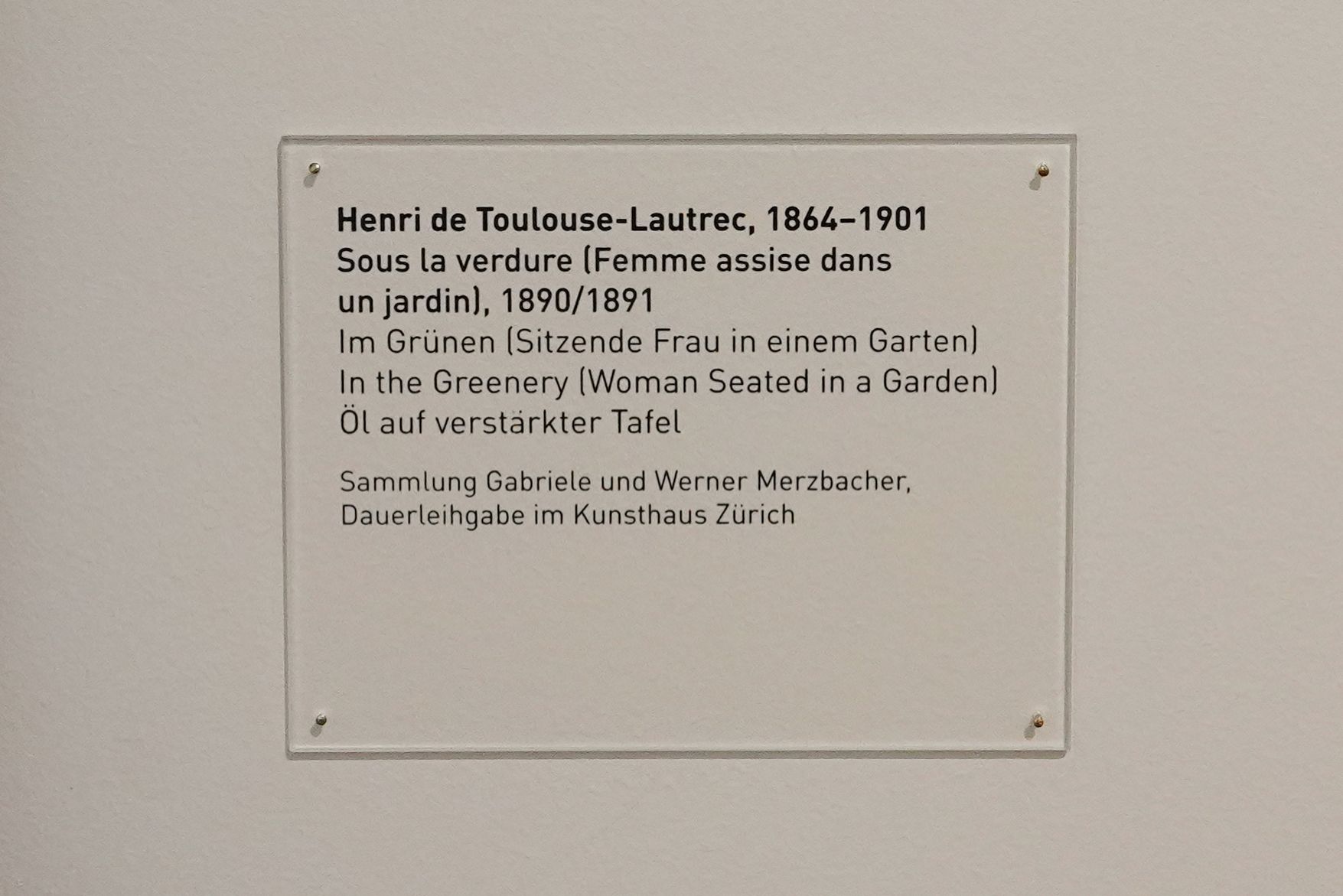
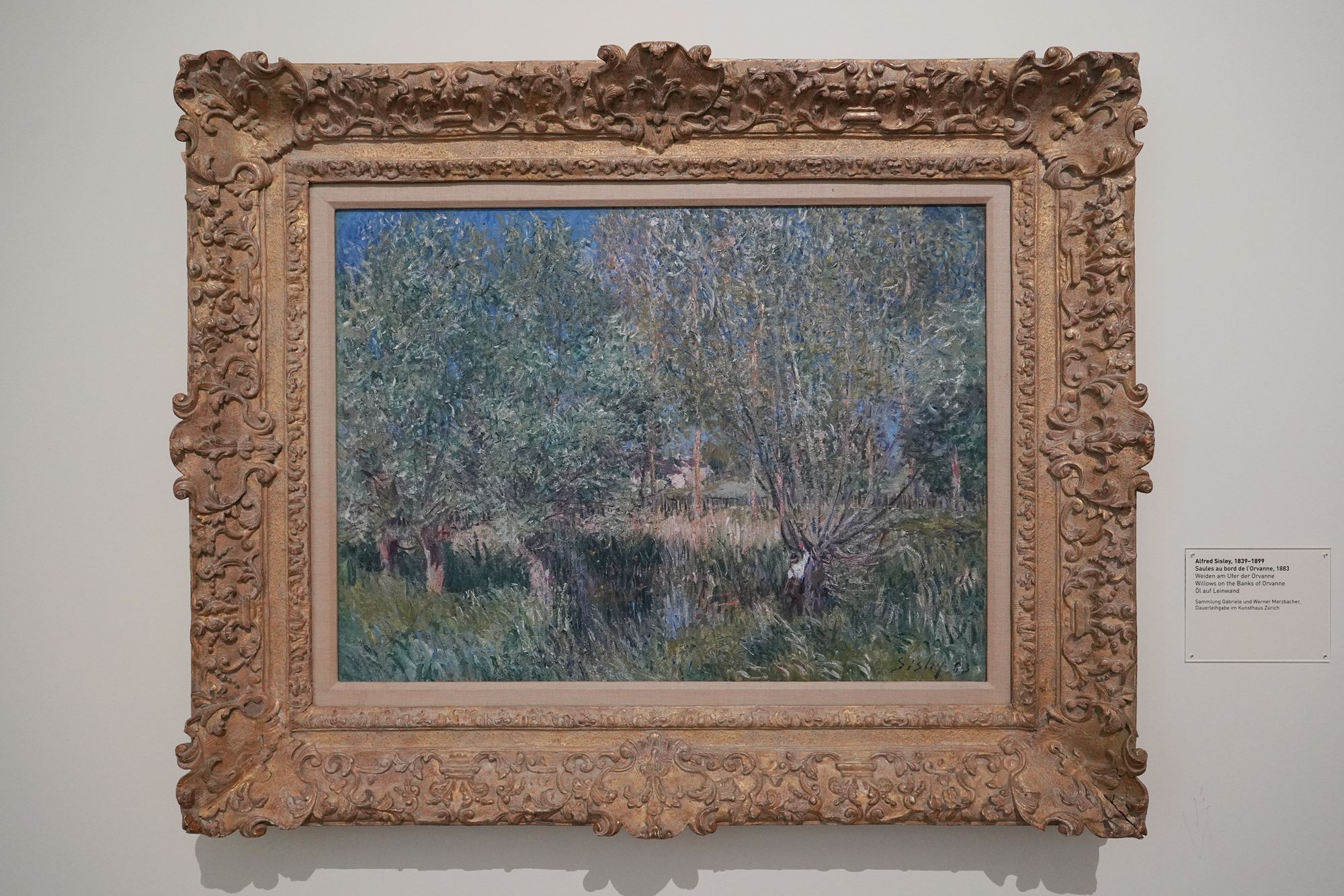
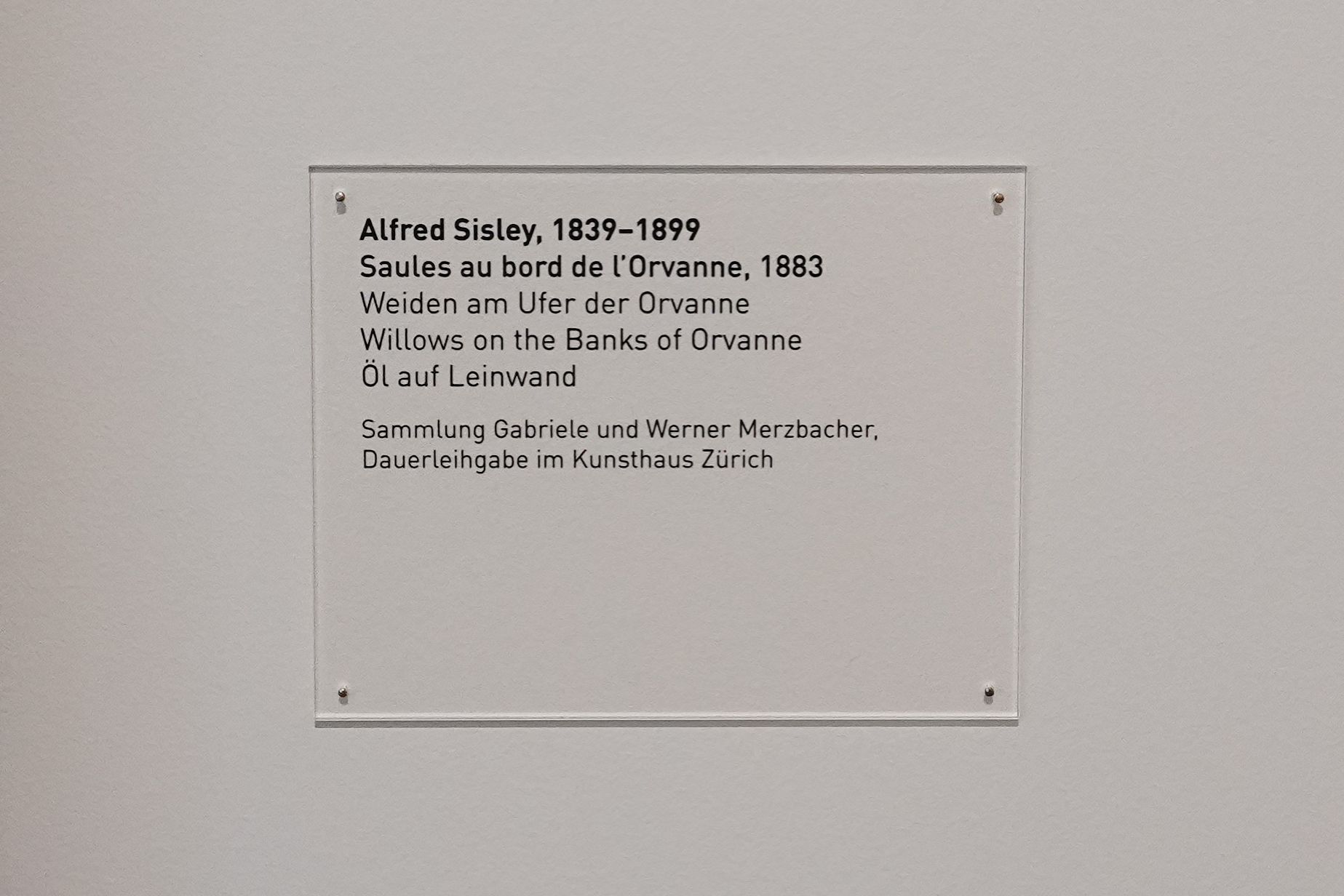
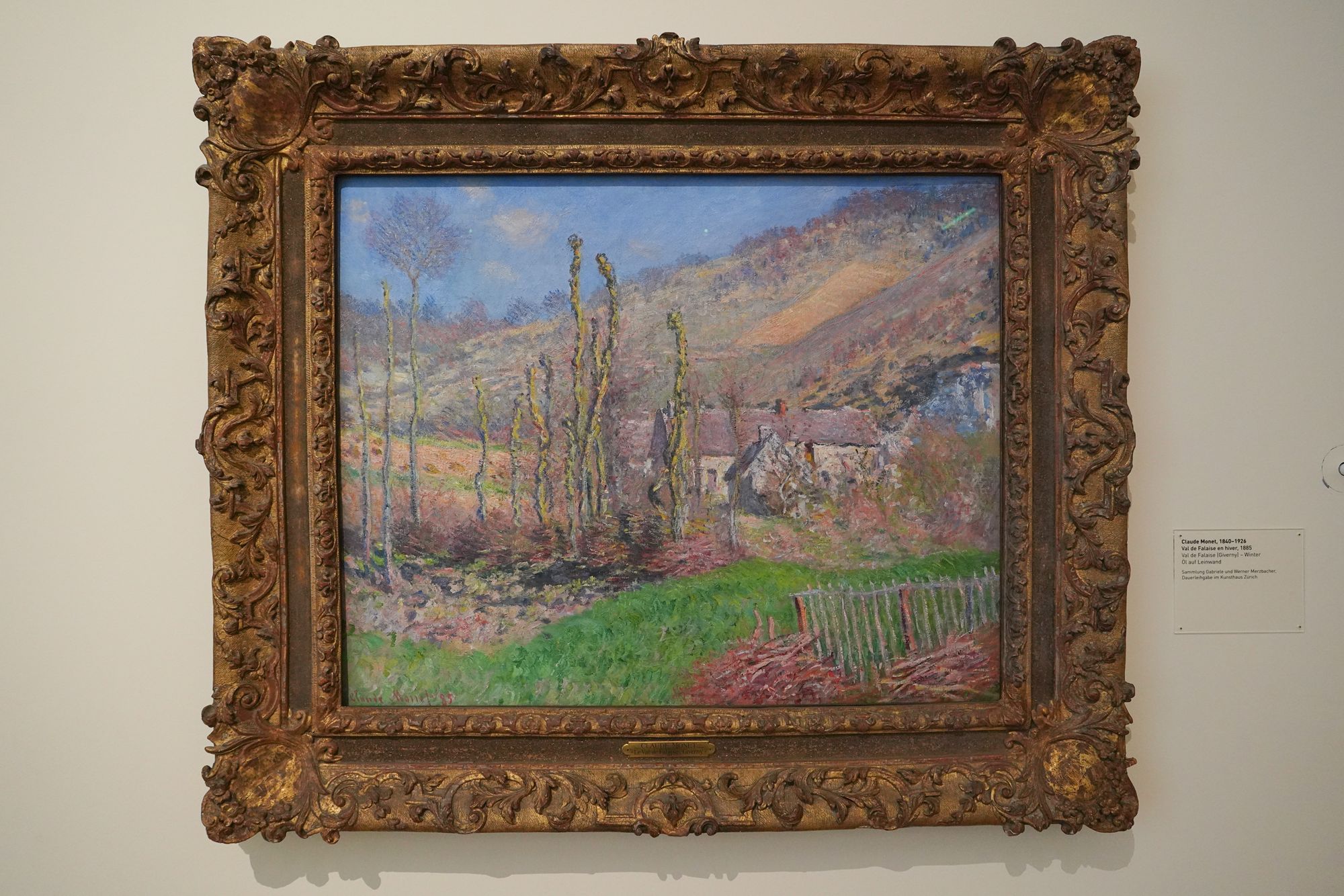
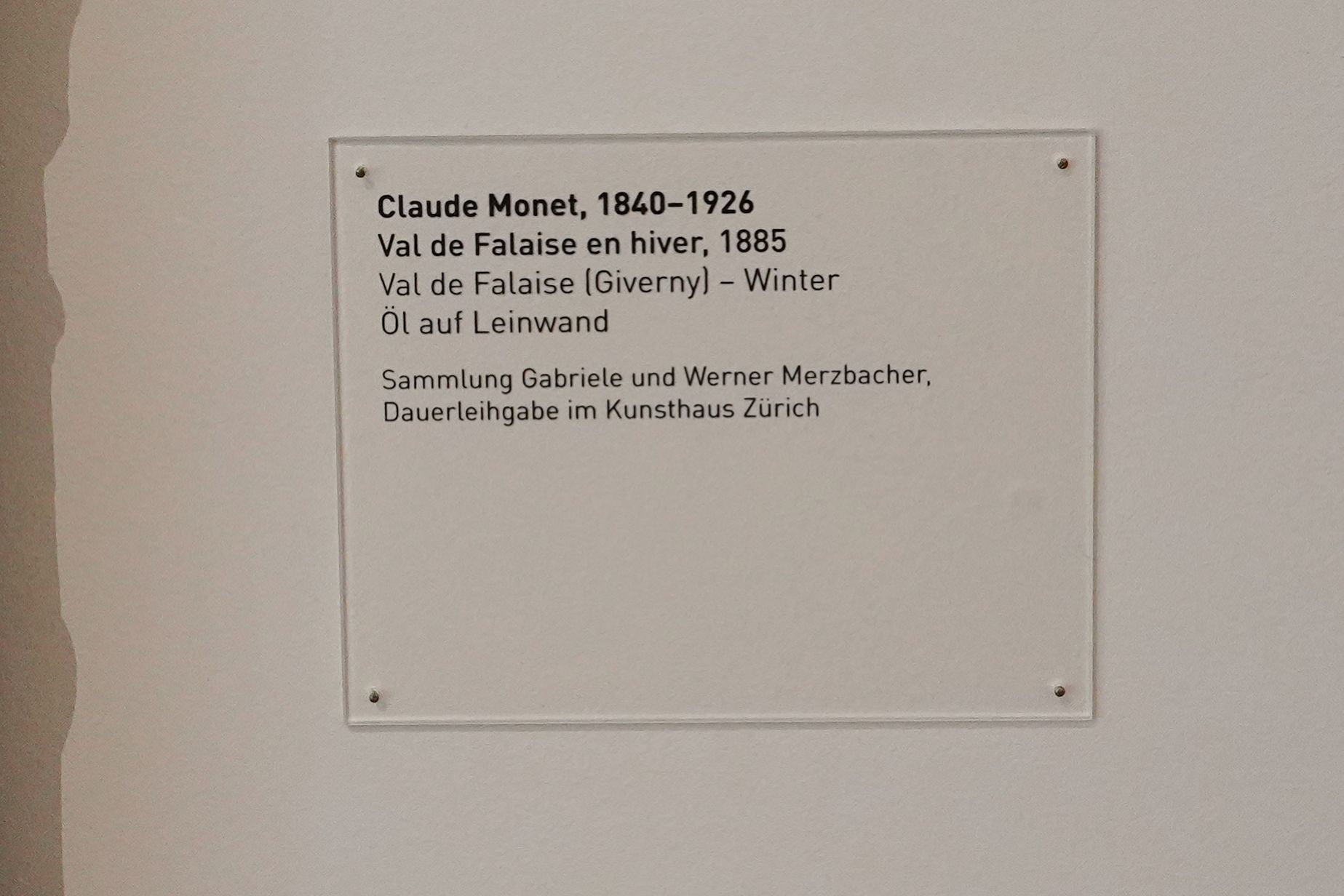
Modernist
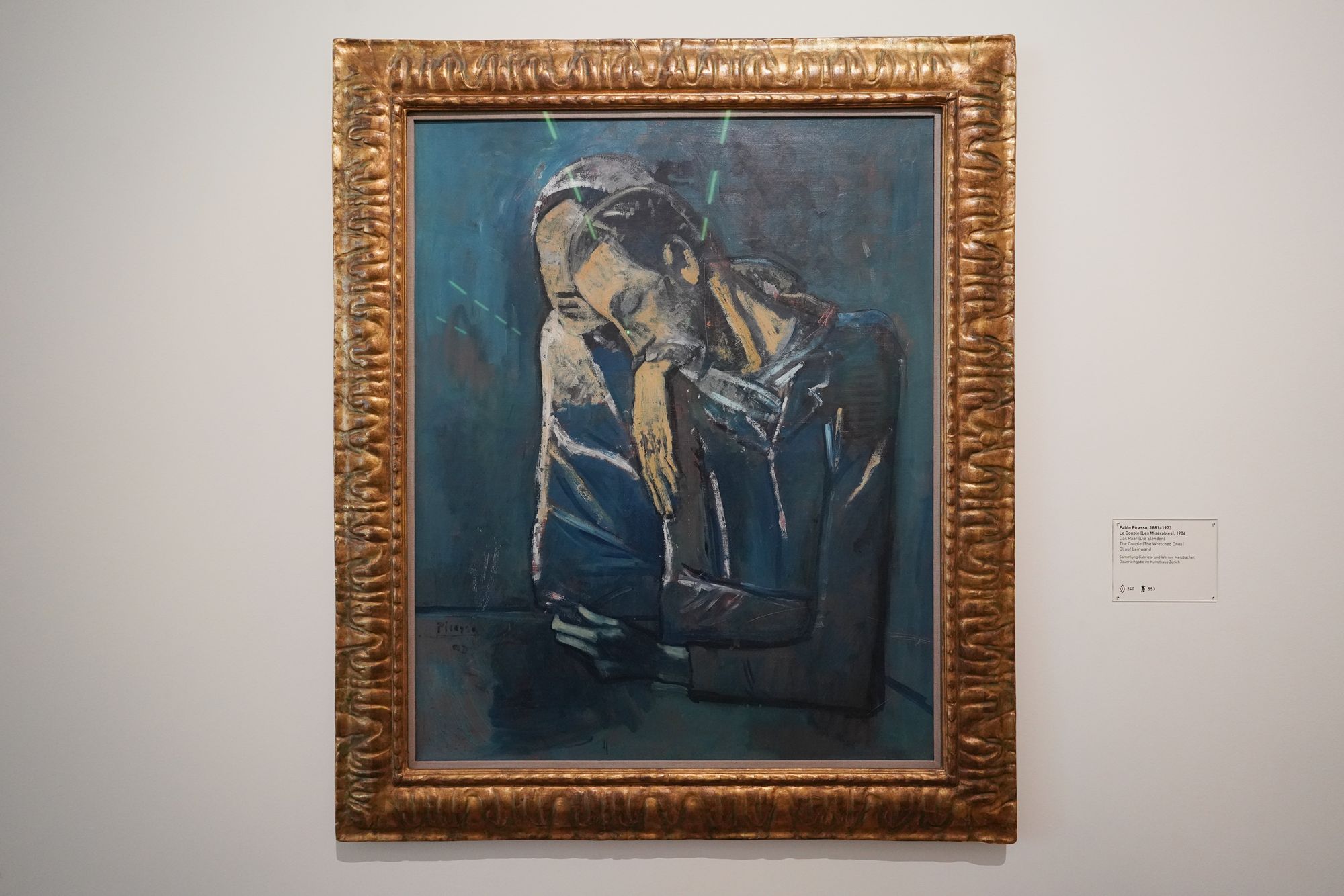
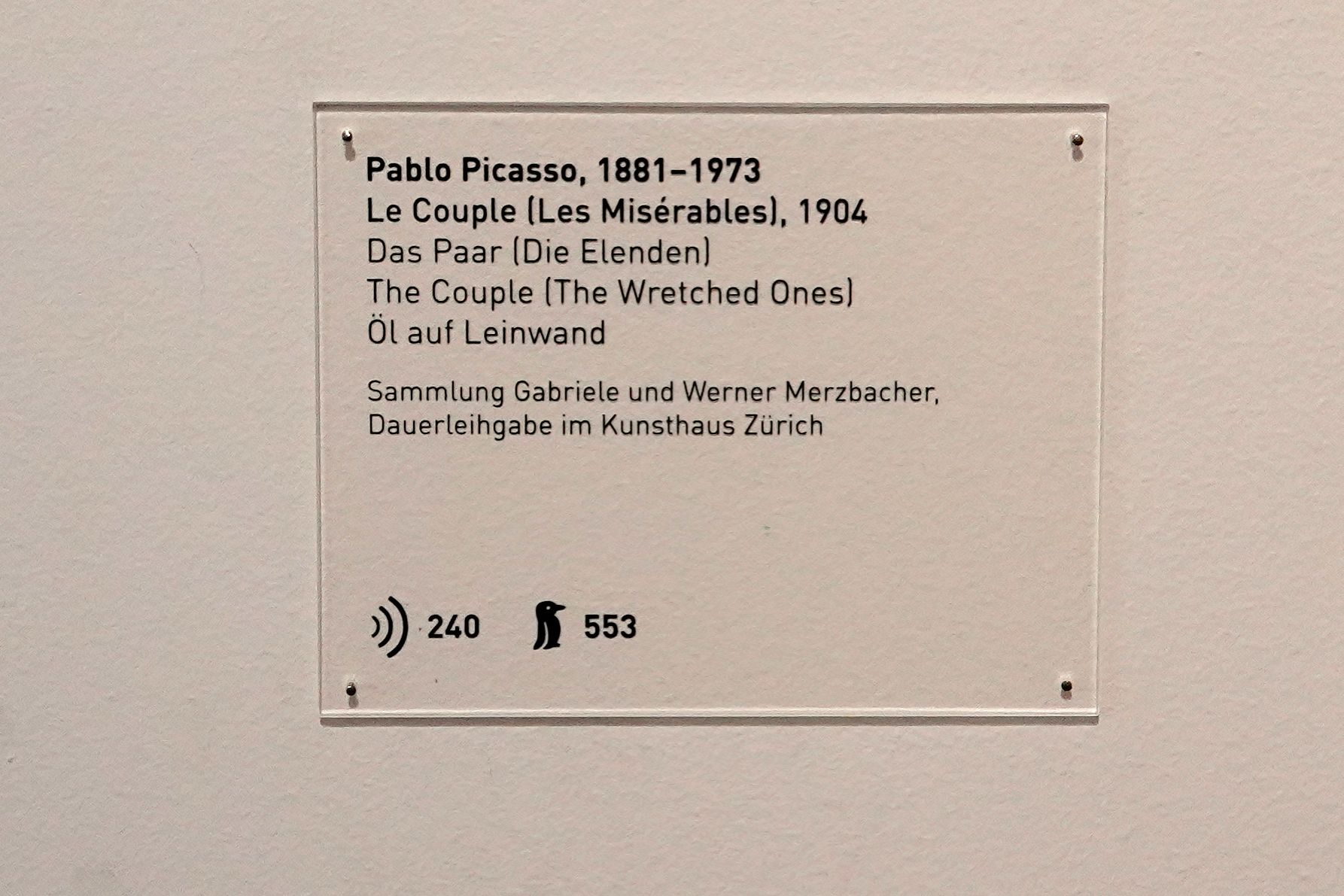
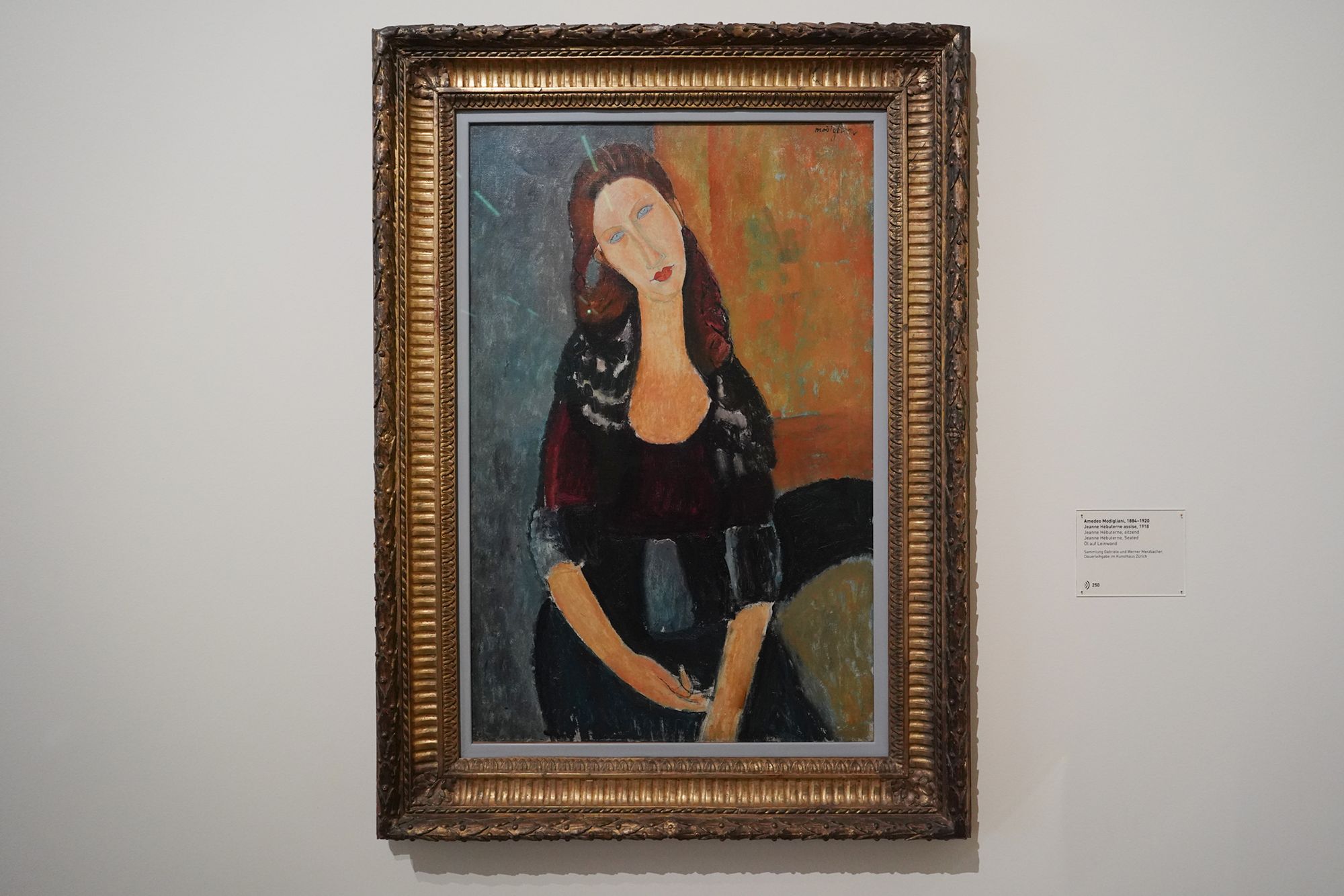
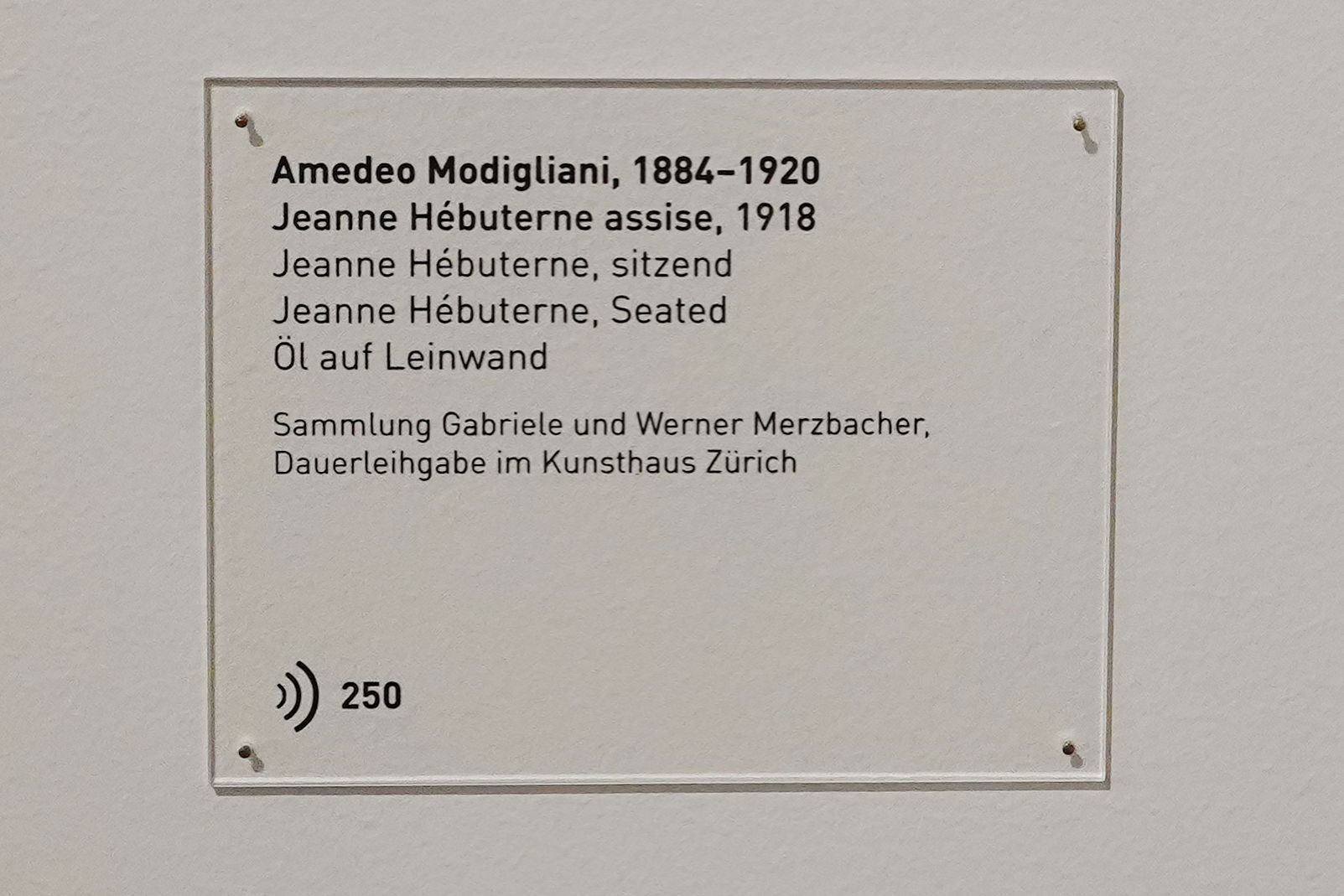
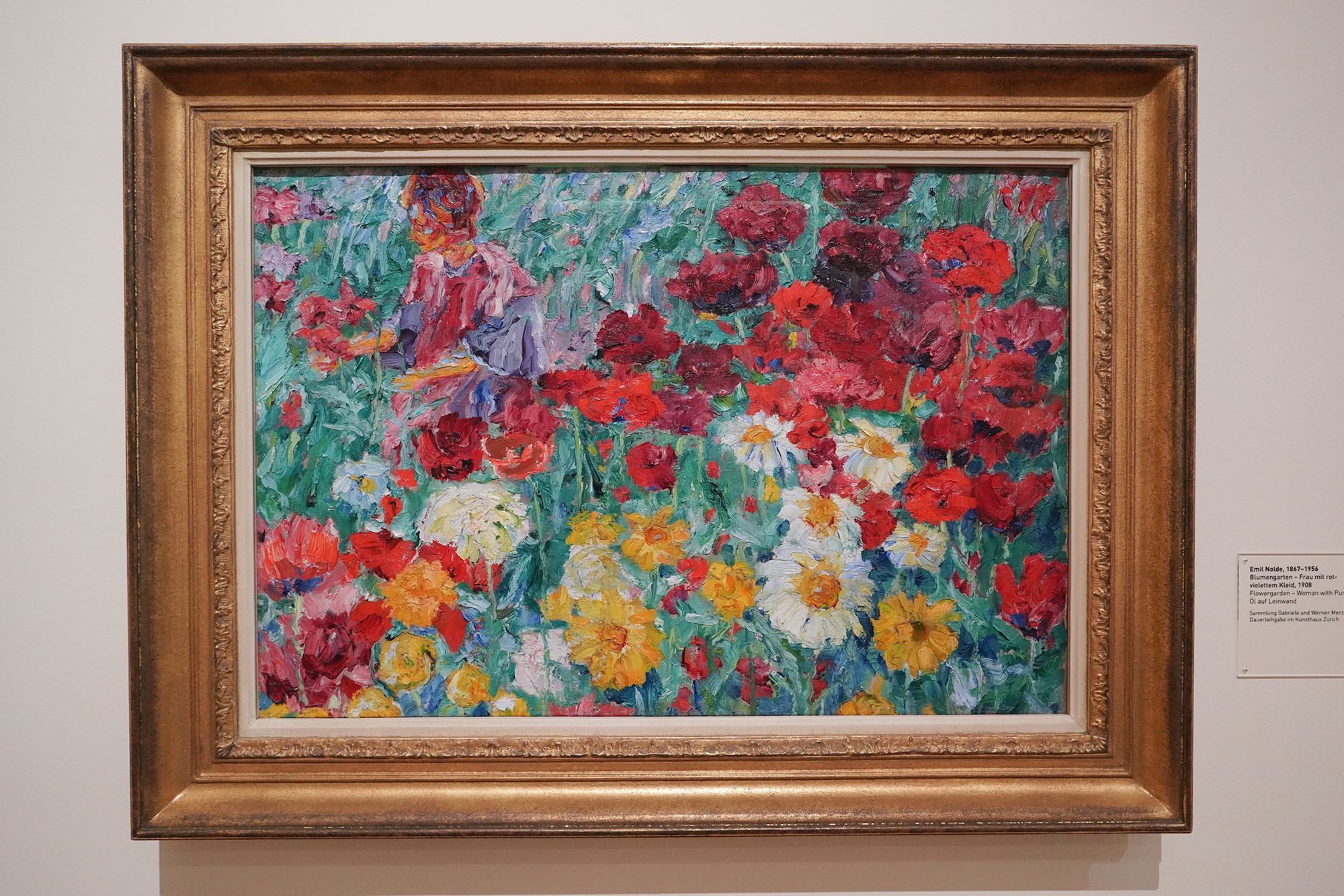
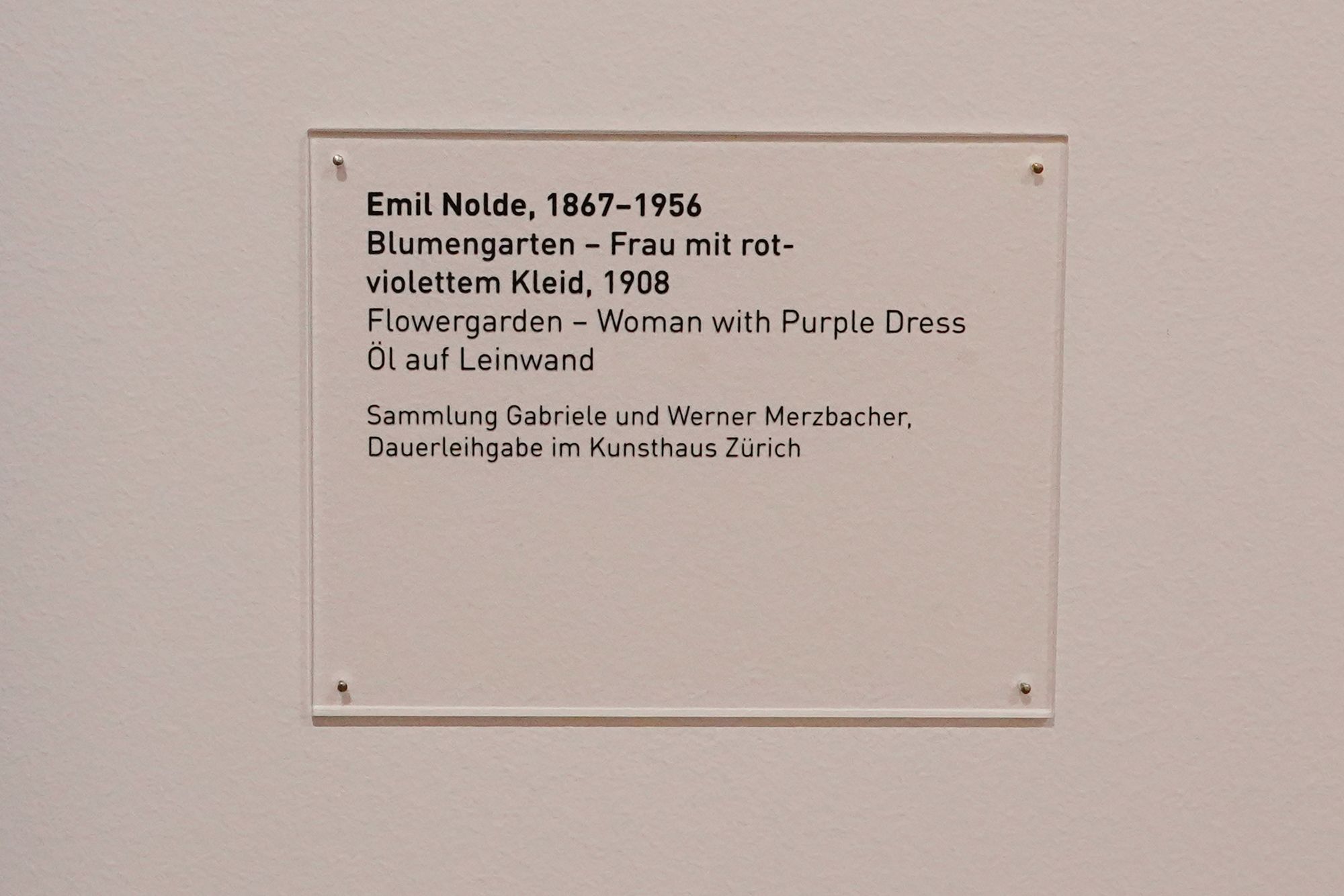
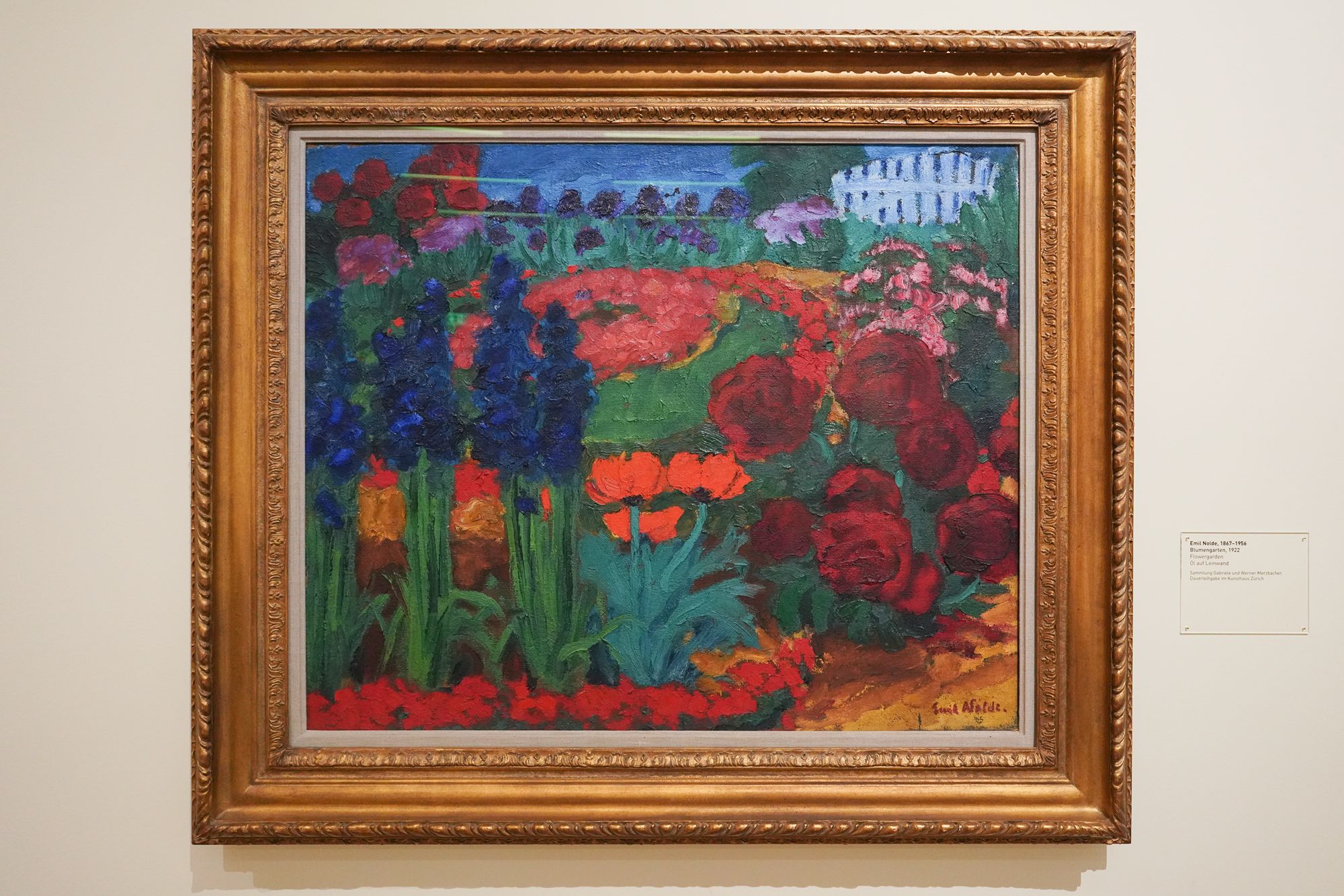
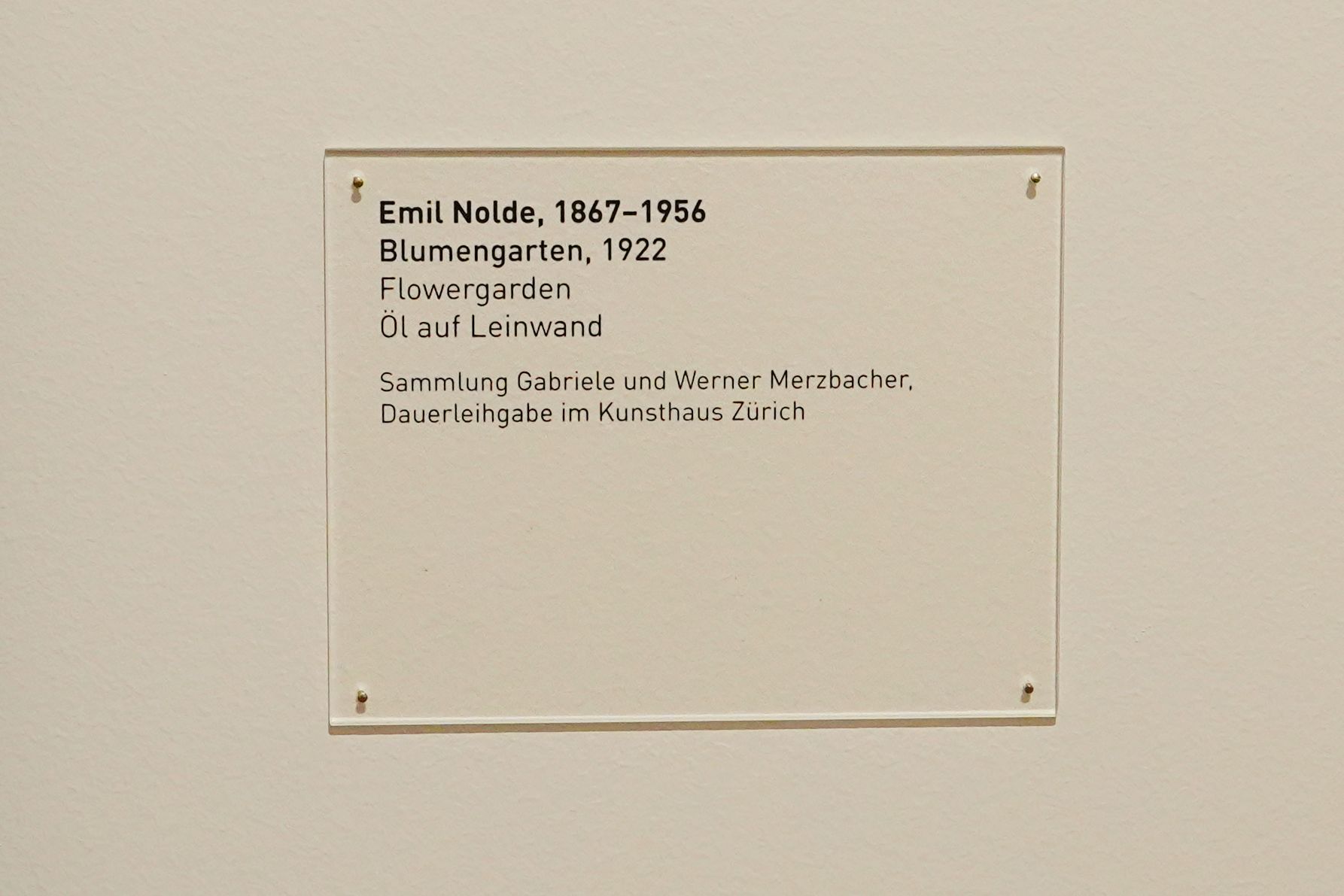
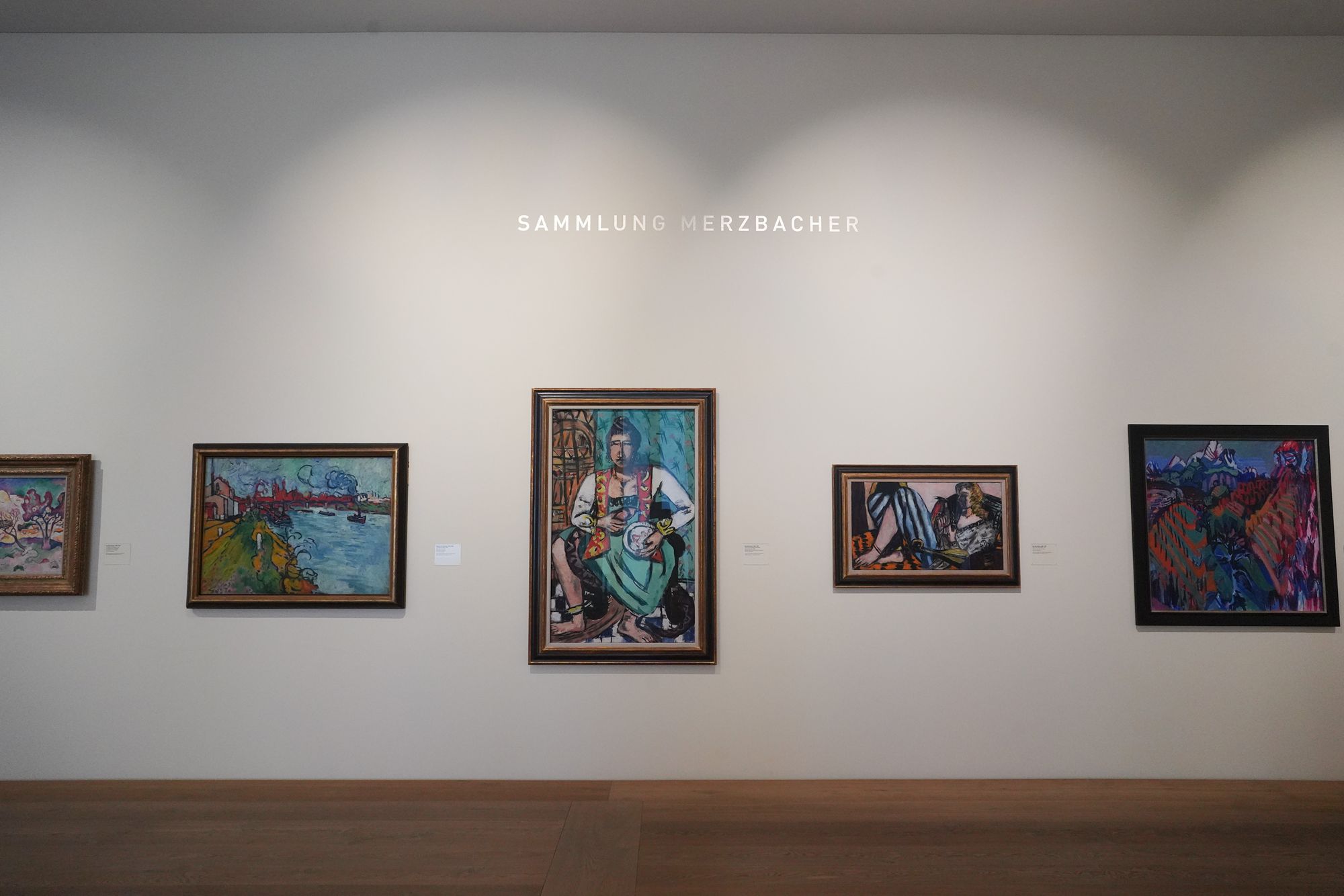
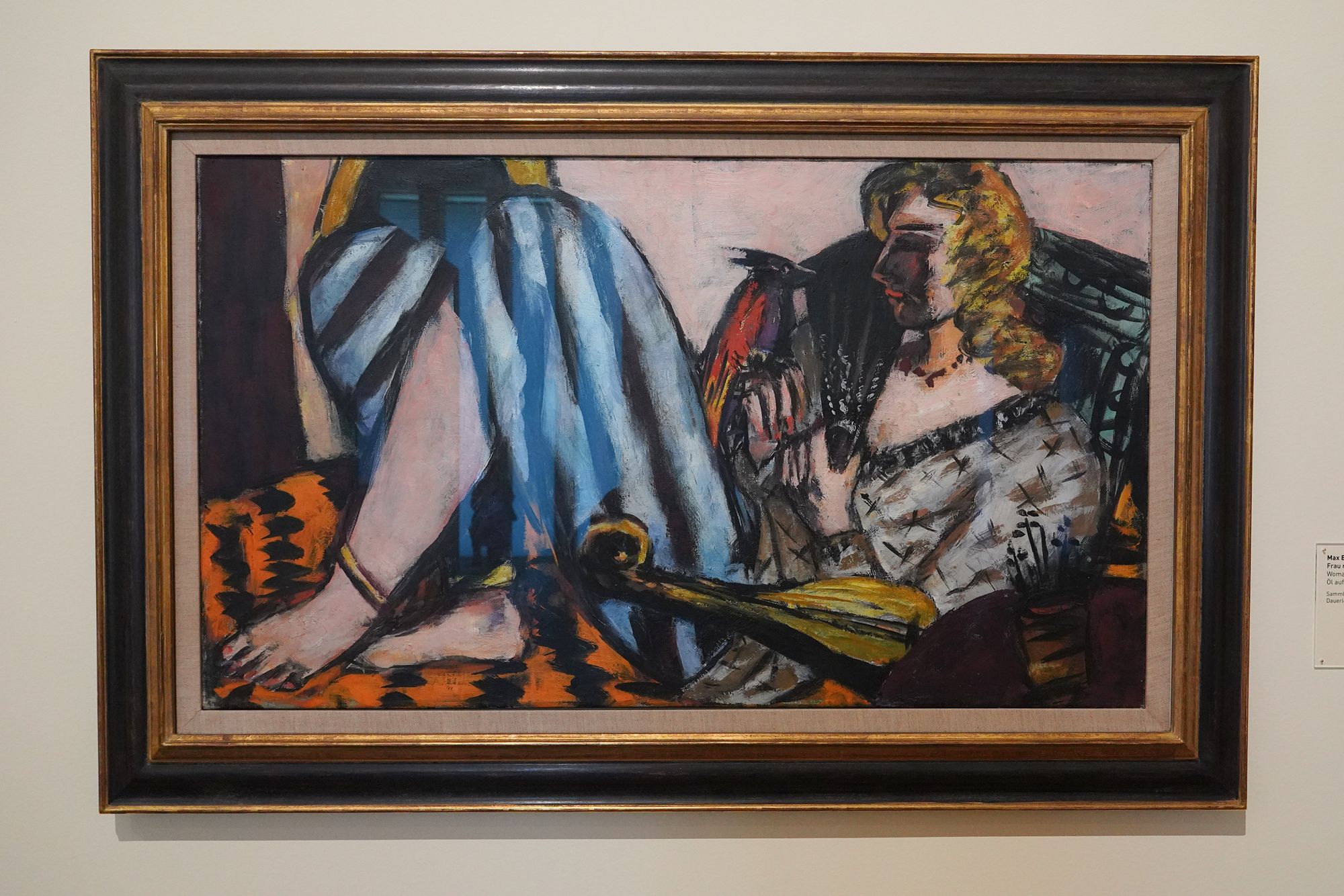
The Merzbacher Collection features approximately 80 colorful Impressionist and modern artworks assembled by Werner and Gabrielle Merzbacher. Werner escaped Nazi Germany as a Jewish child in 1938 and found refuge in Switzerland, but his parents were later murdered in the Holocaust. The collection reflects the couple's lifelong passion for art and color.
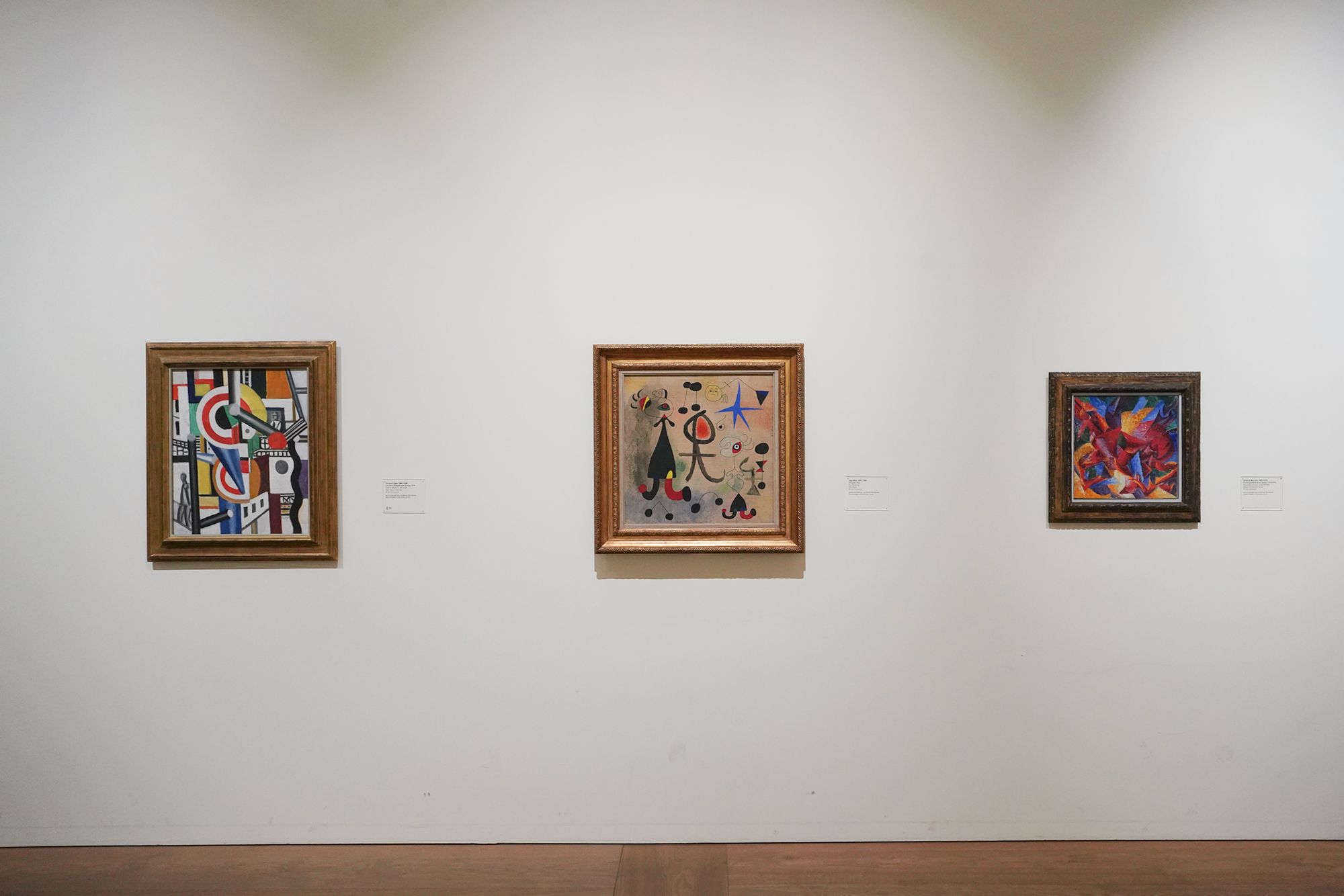
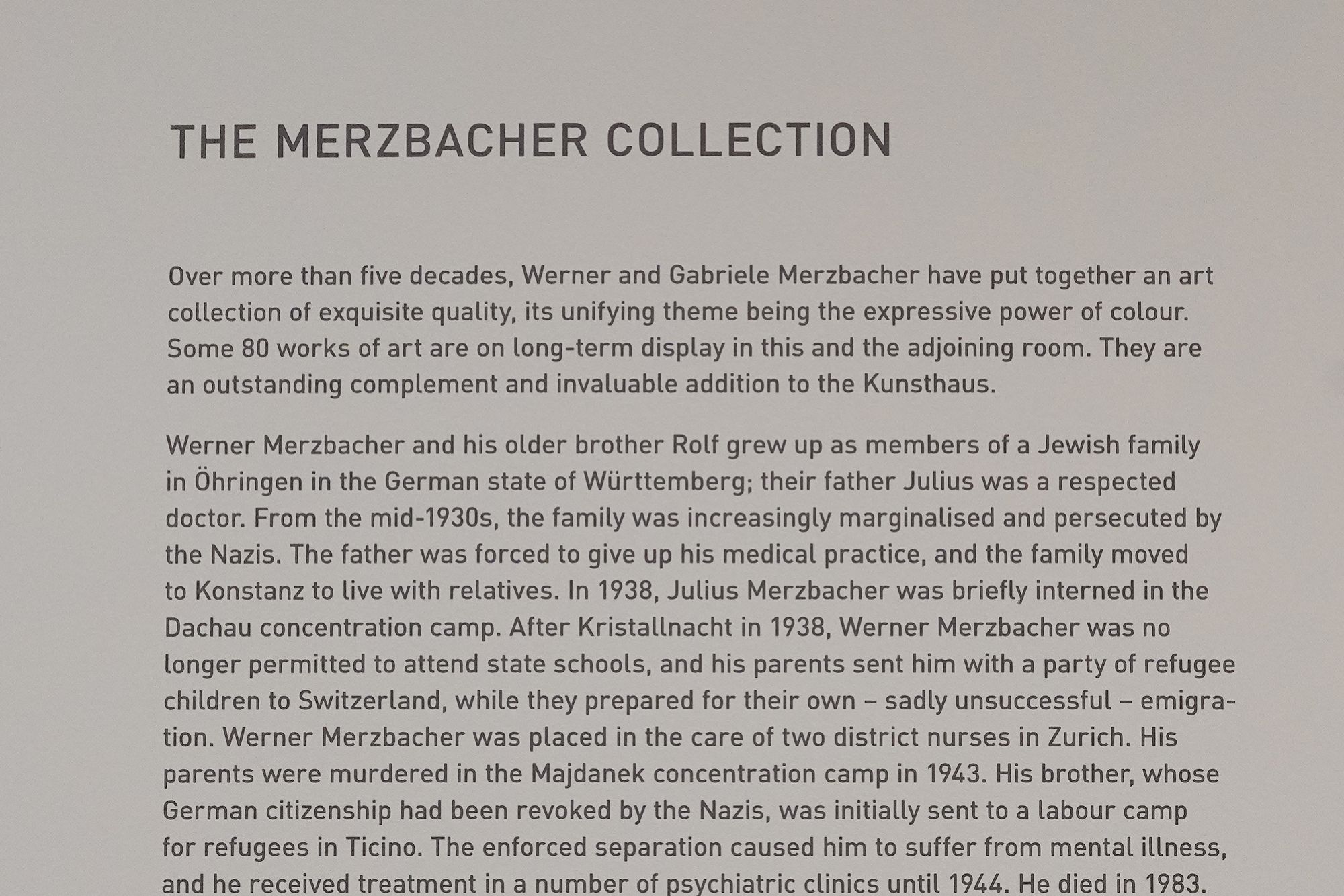
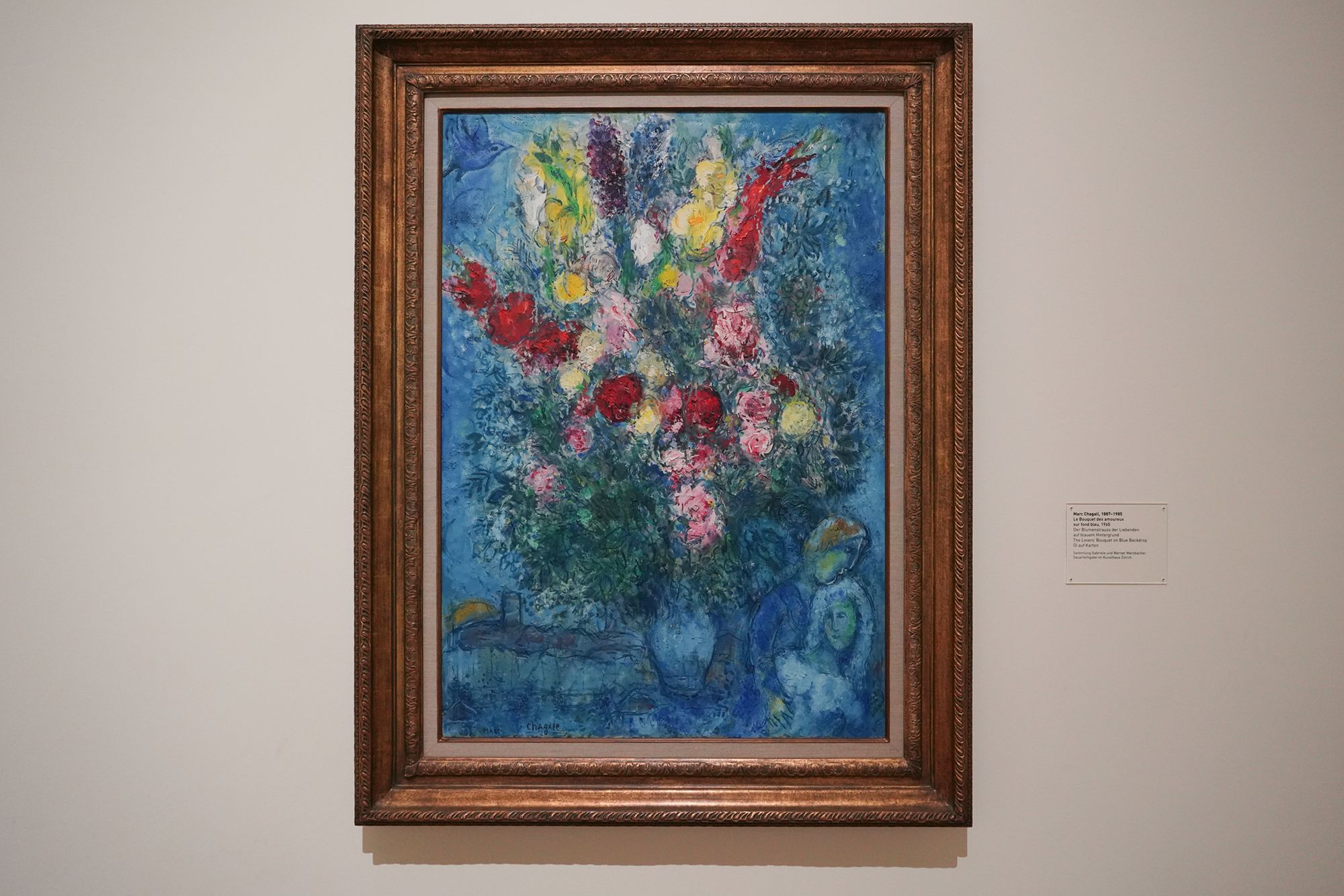
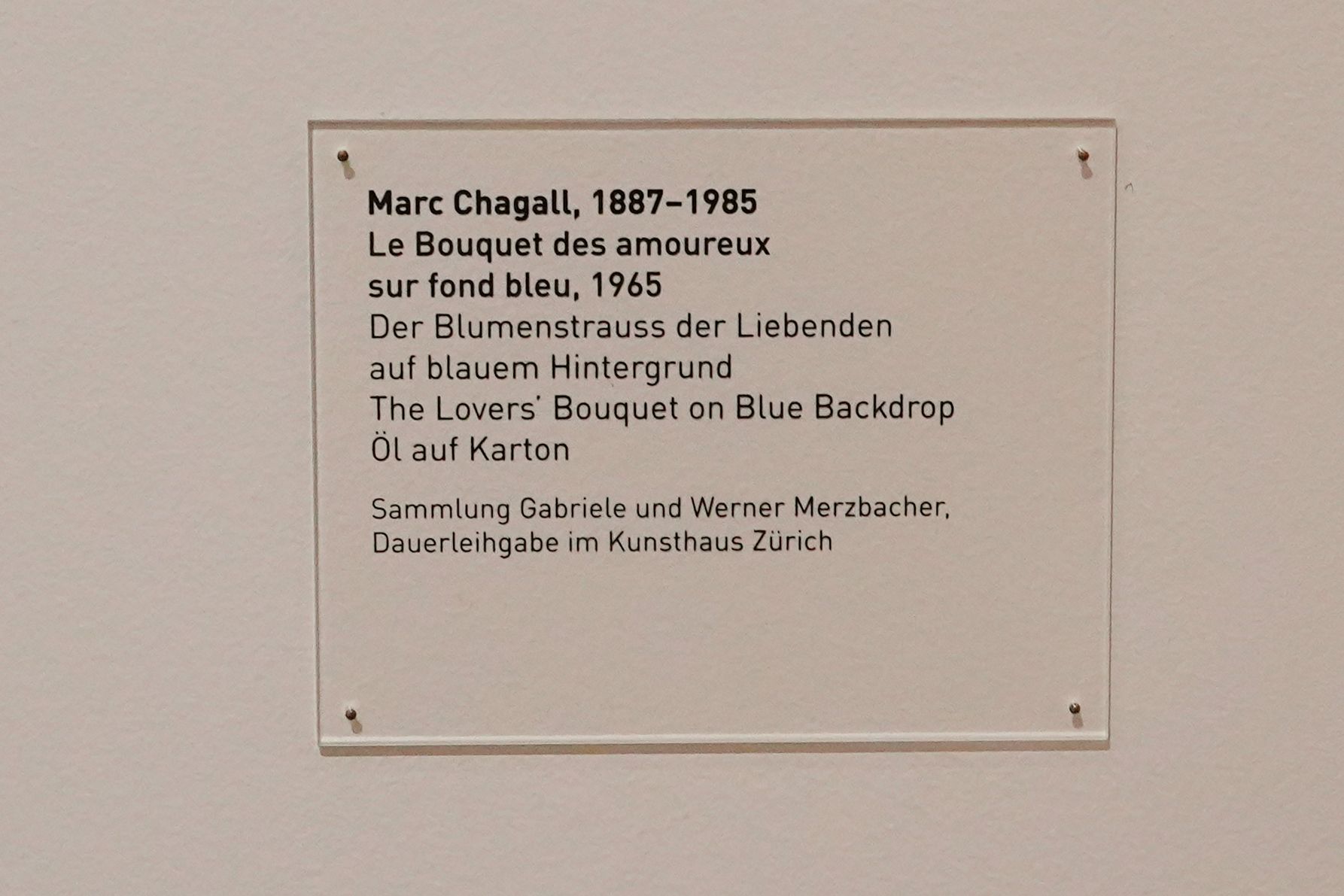
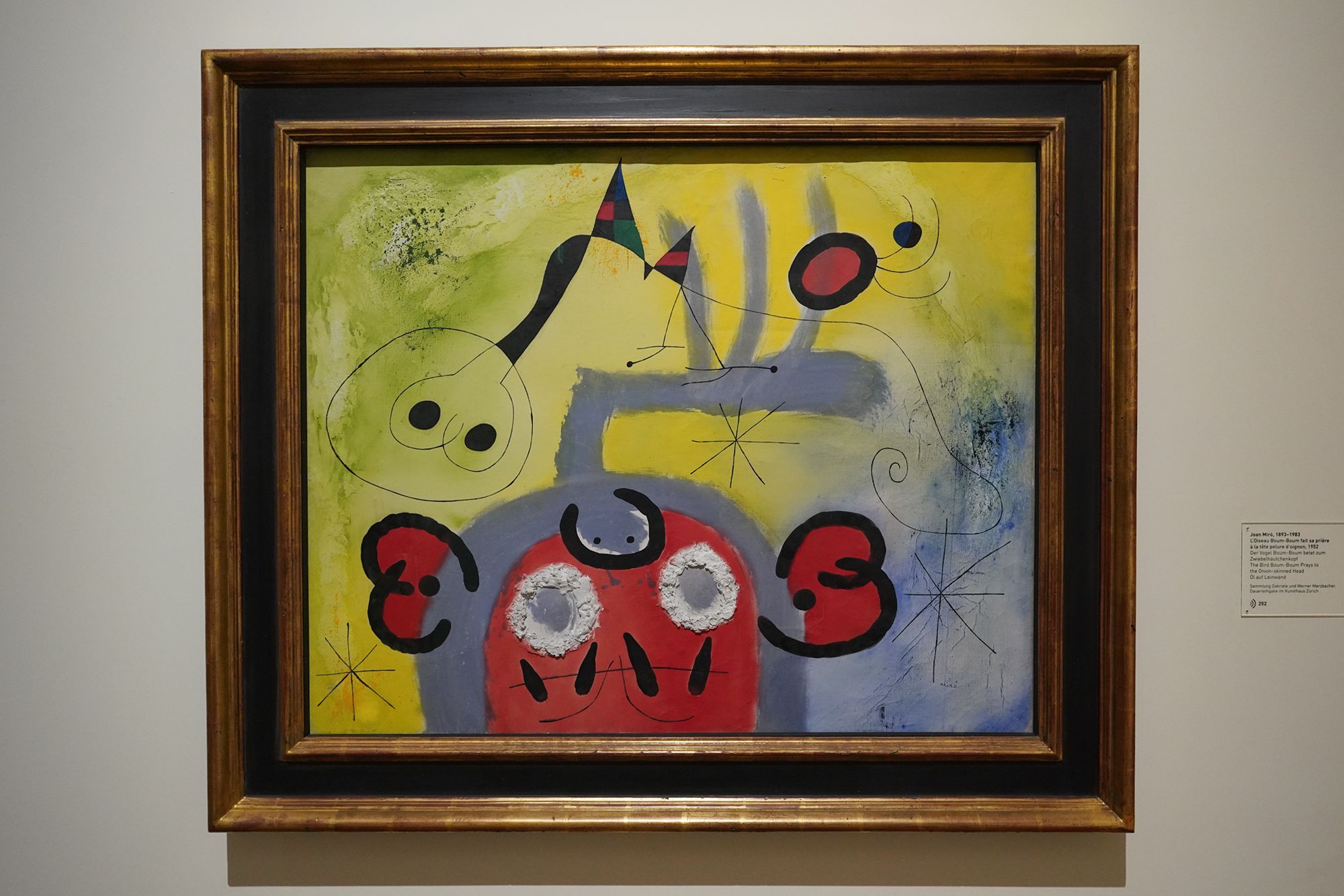
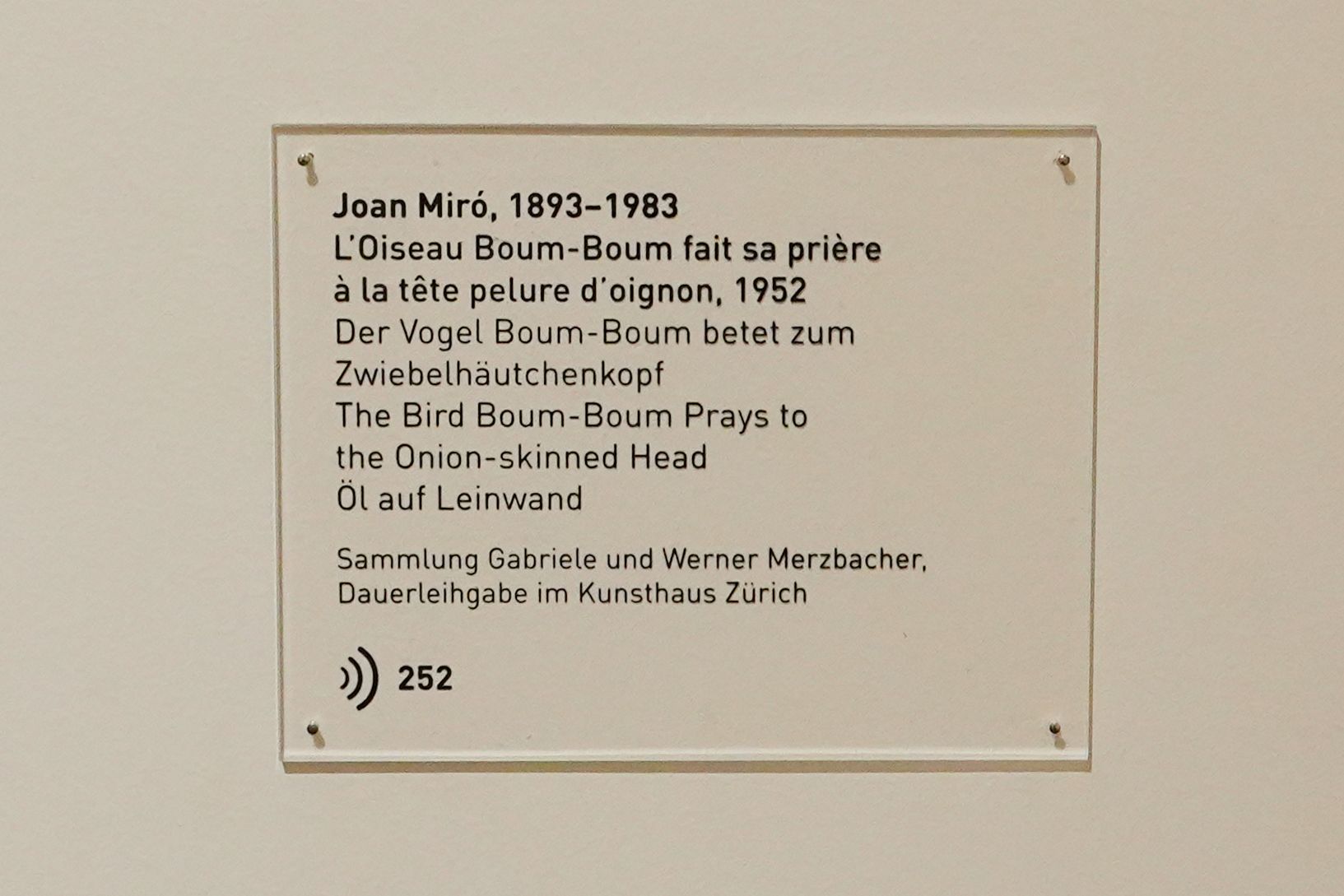
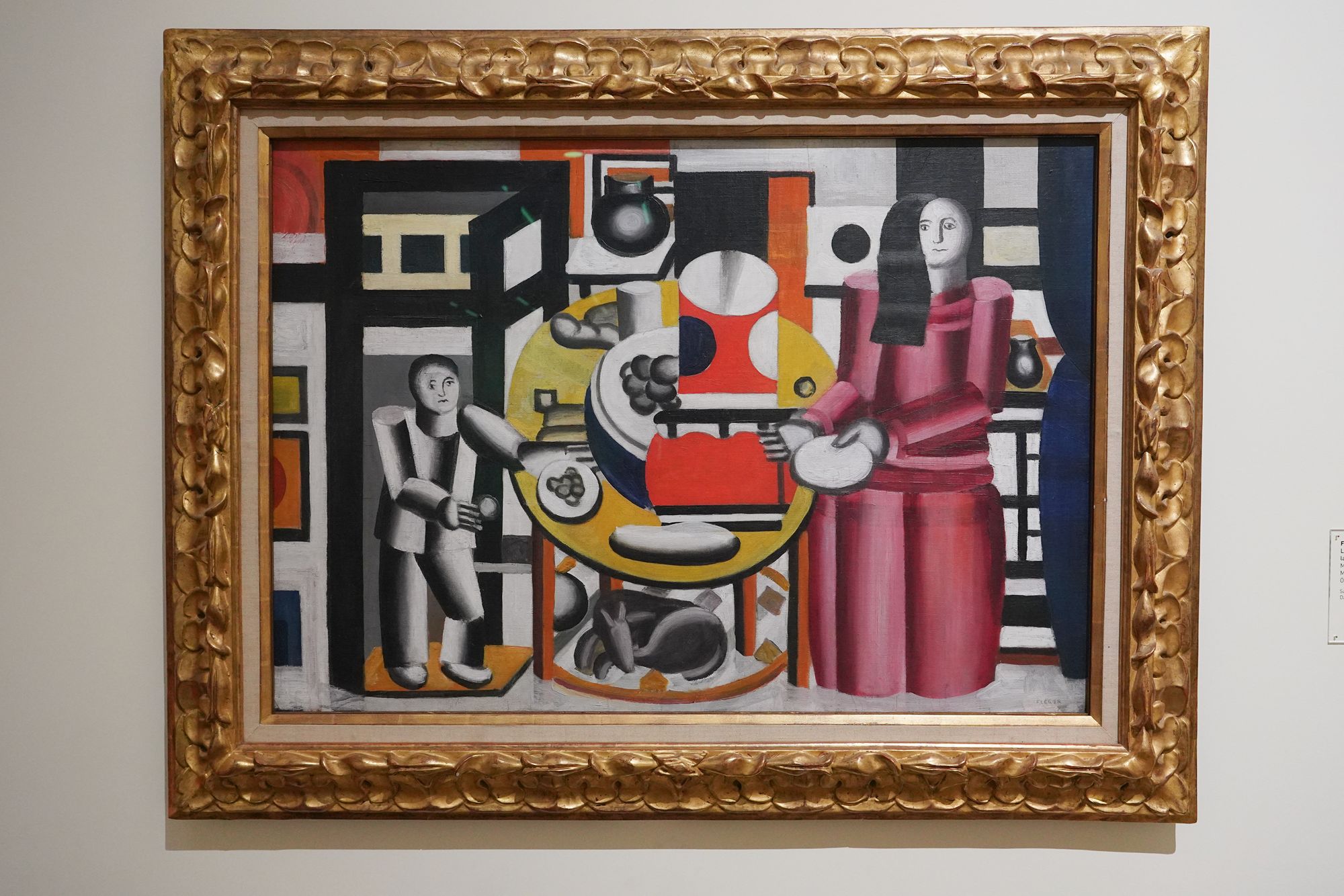
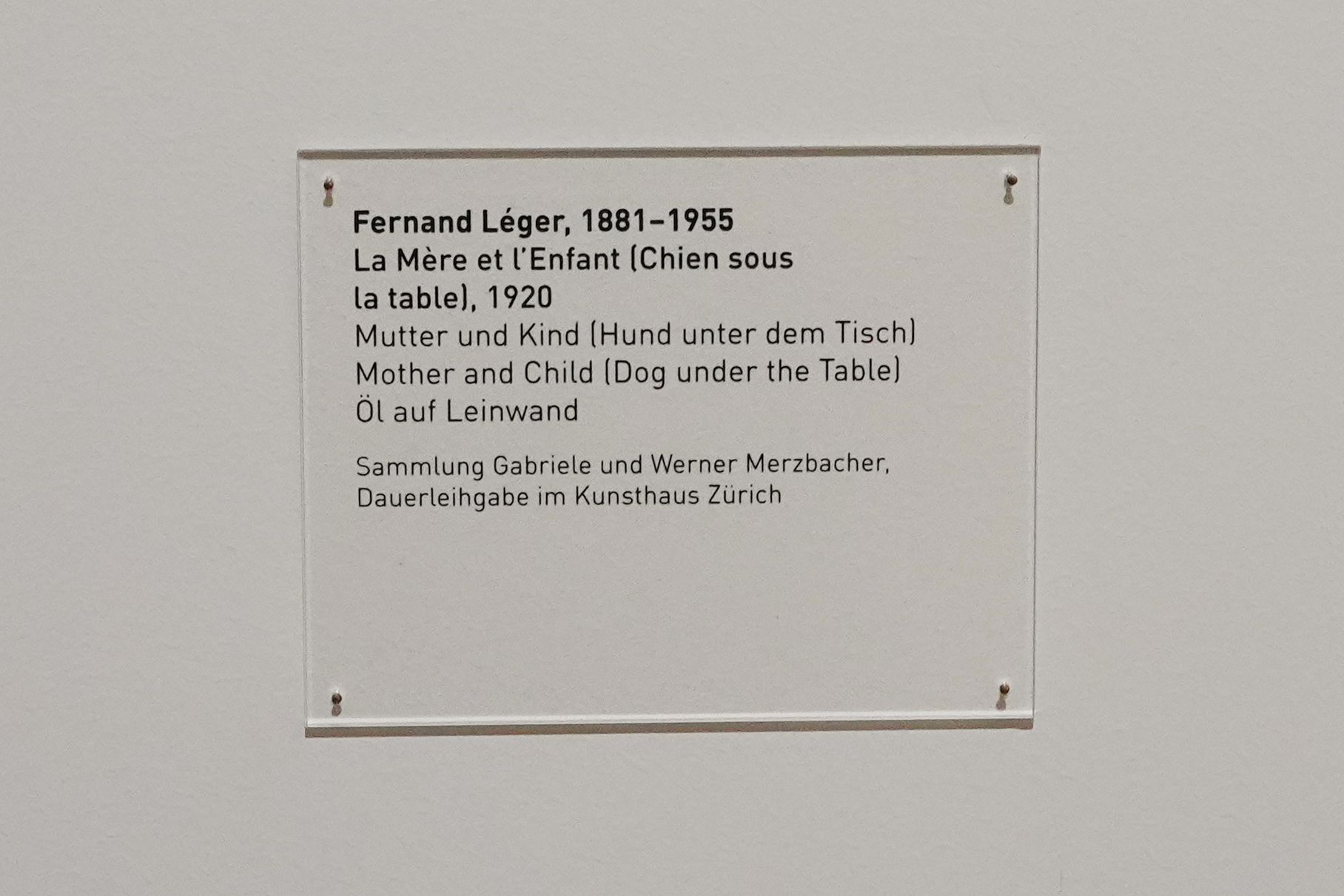
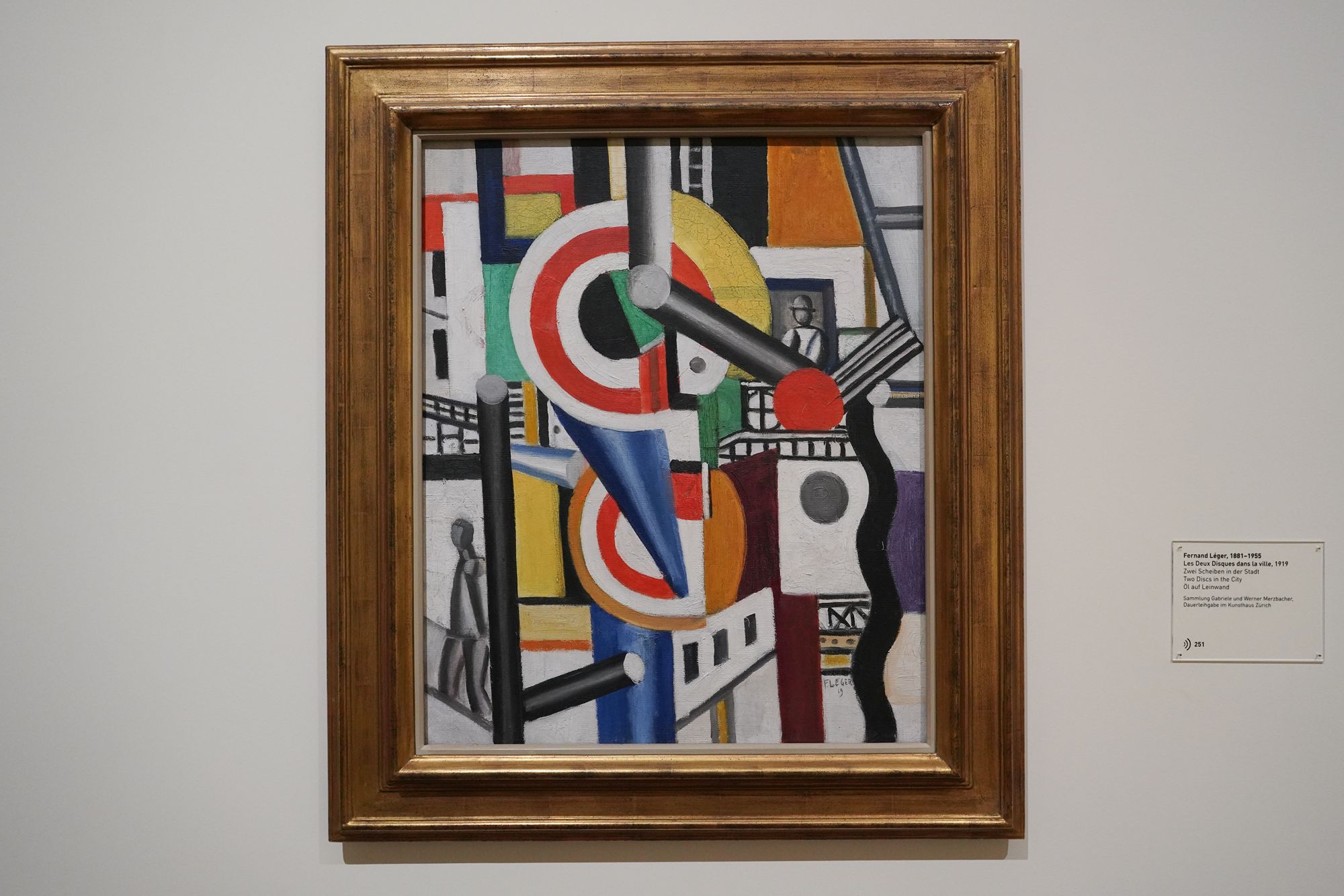
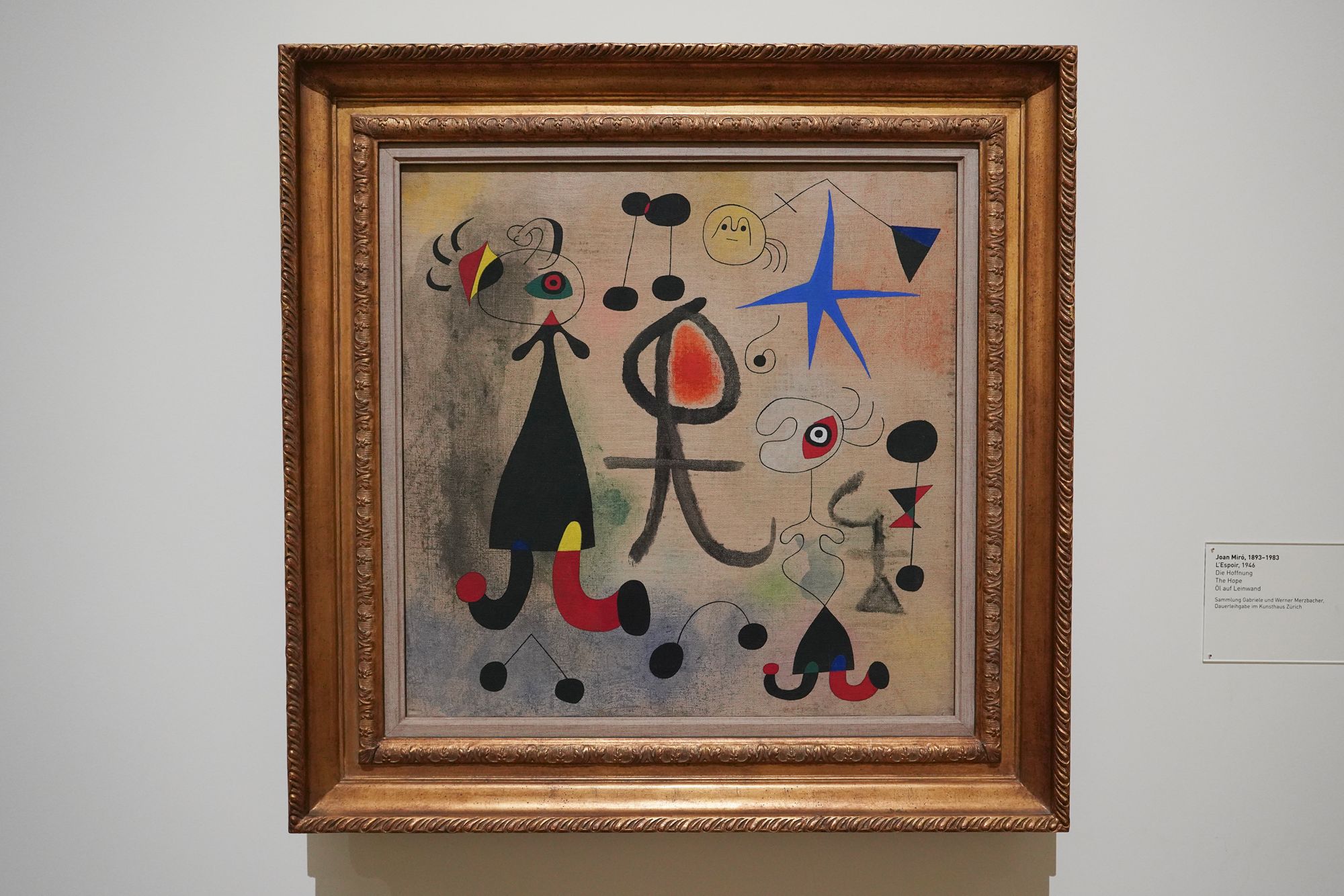
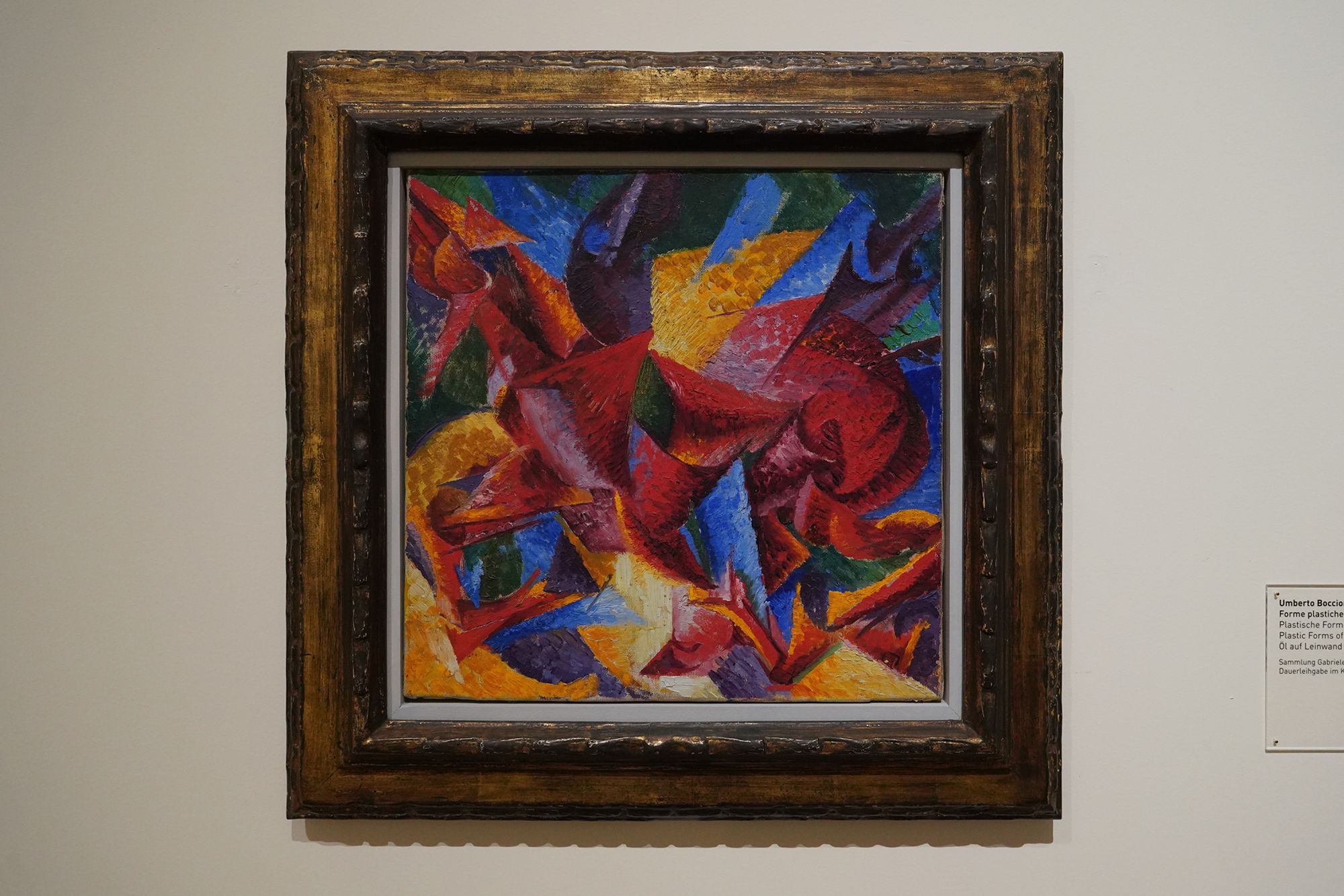
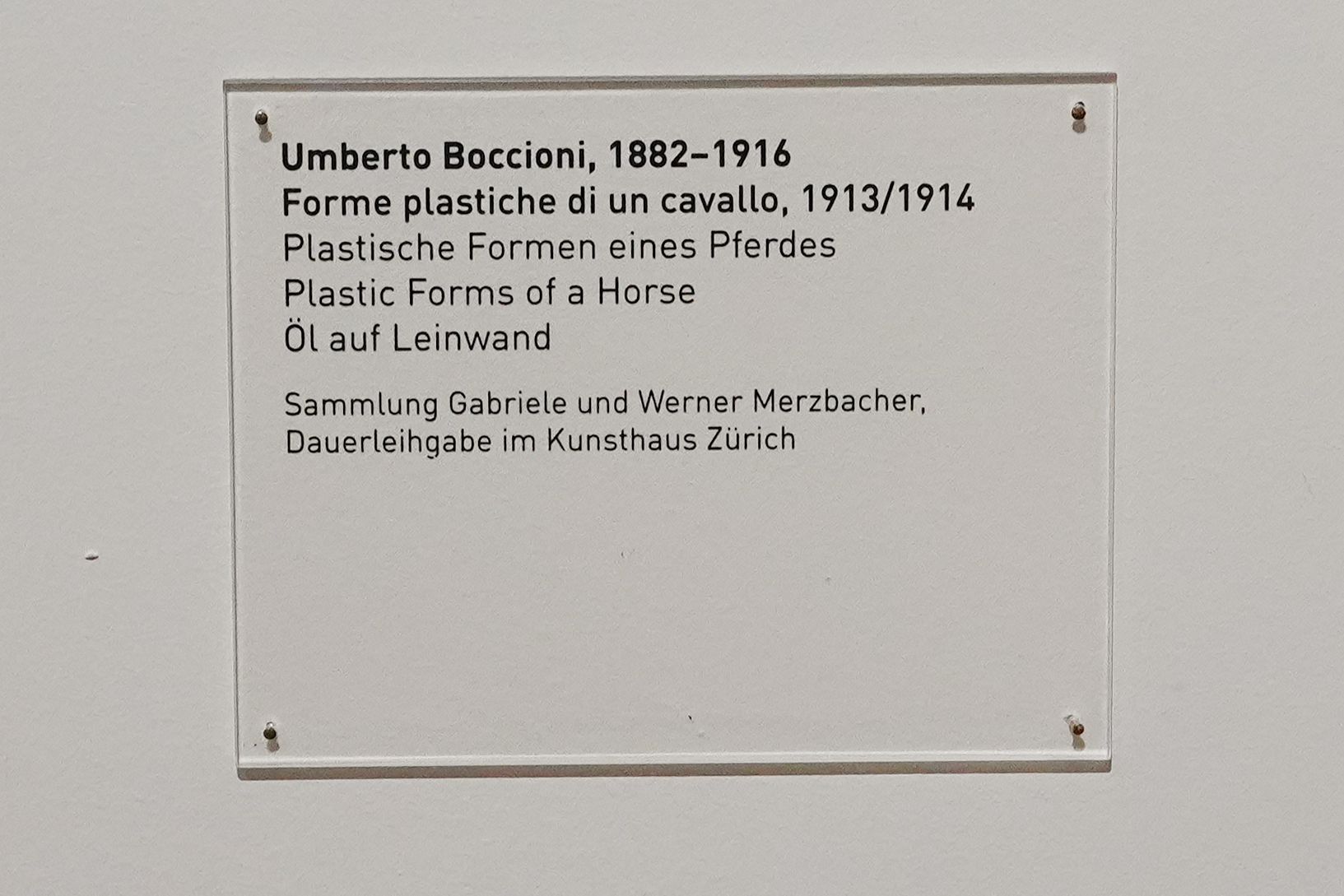
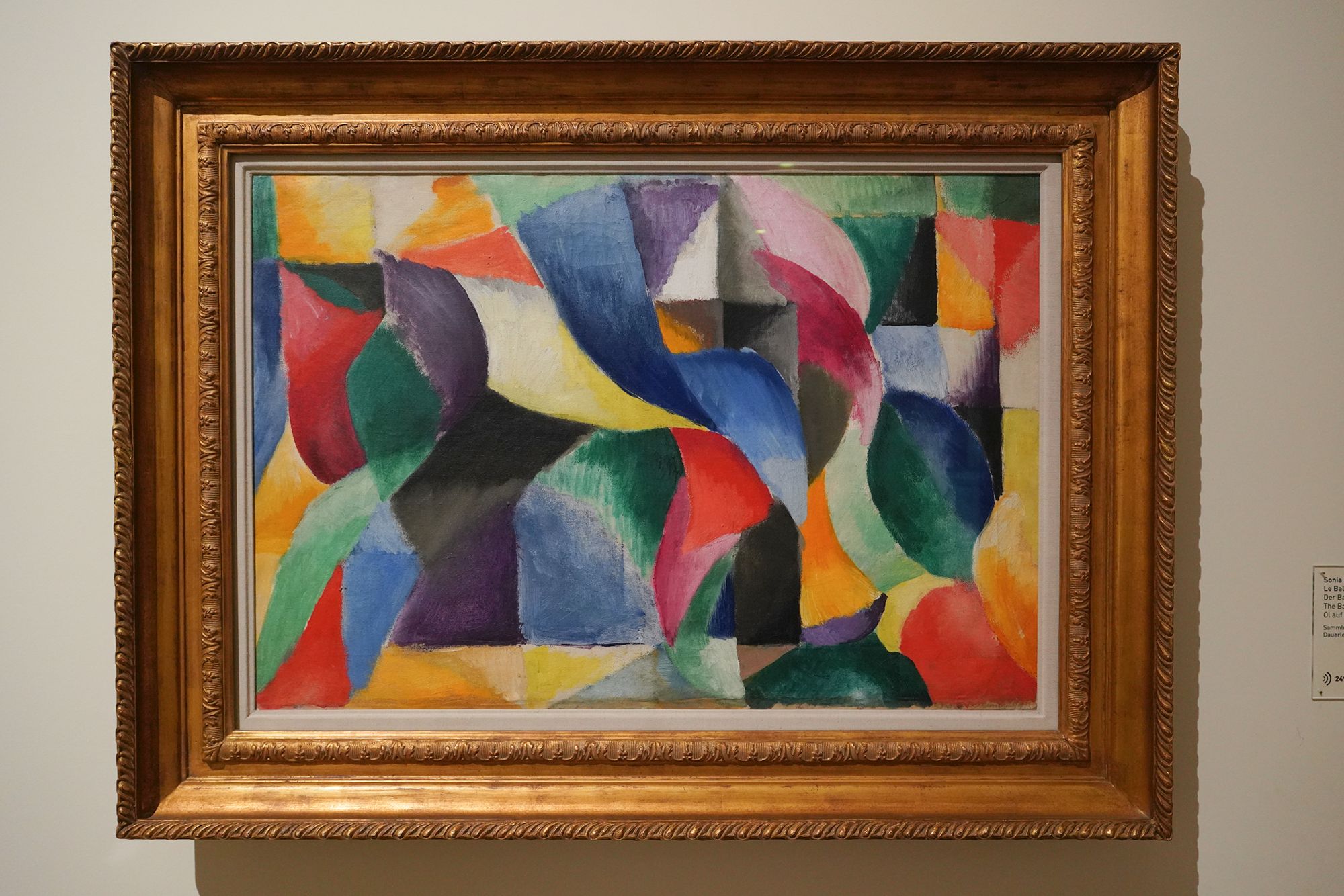
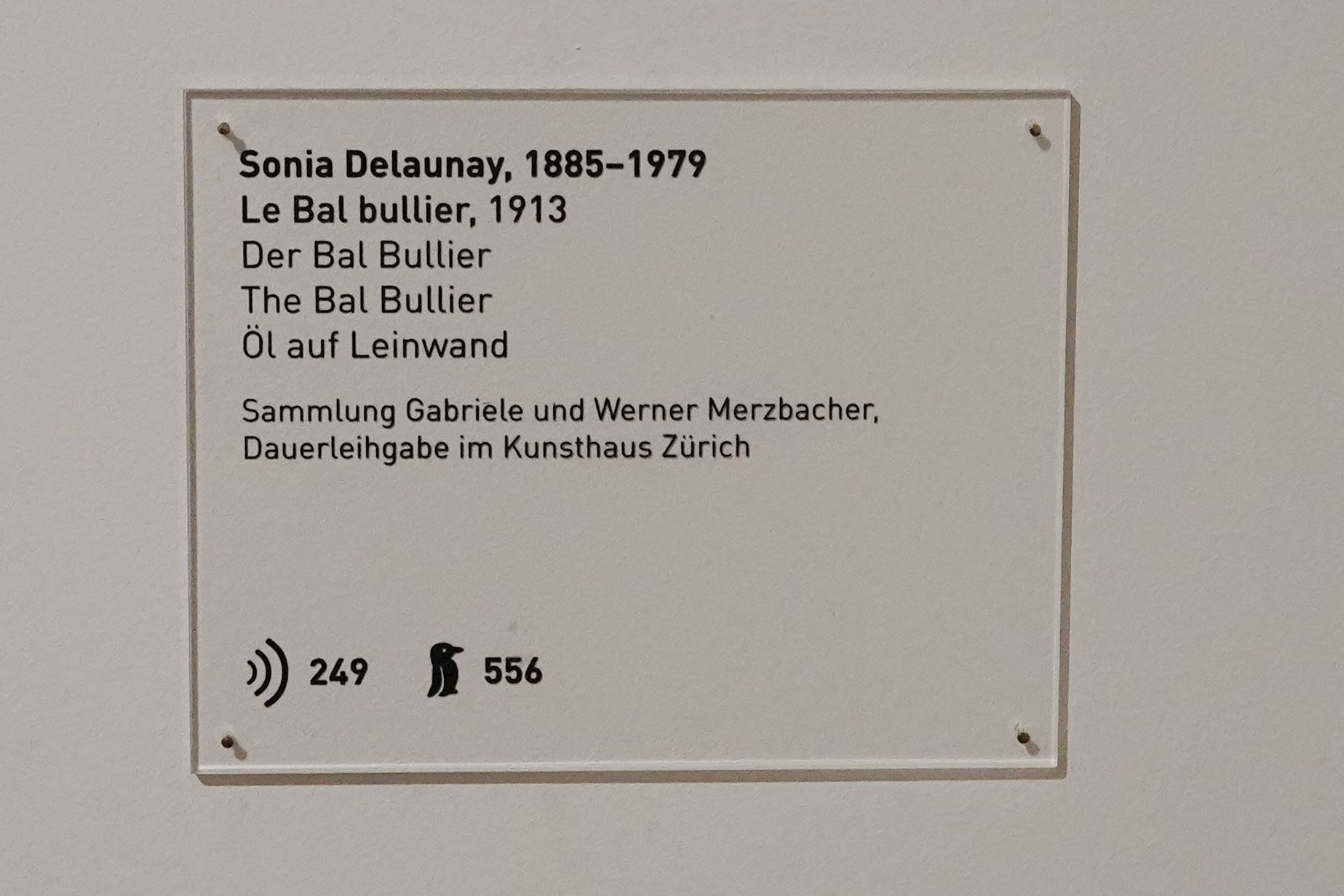
After finishing my visit to the art collections in the new building, I walked over to the original Kunsthaus Zürich museum to explore its collections.
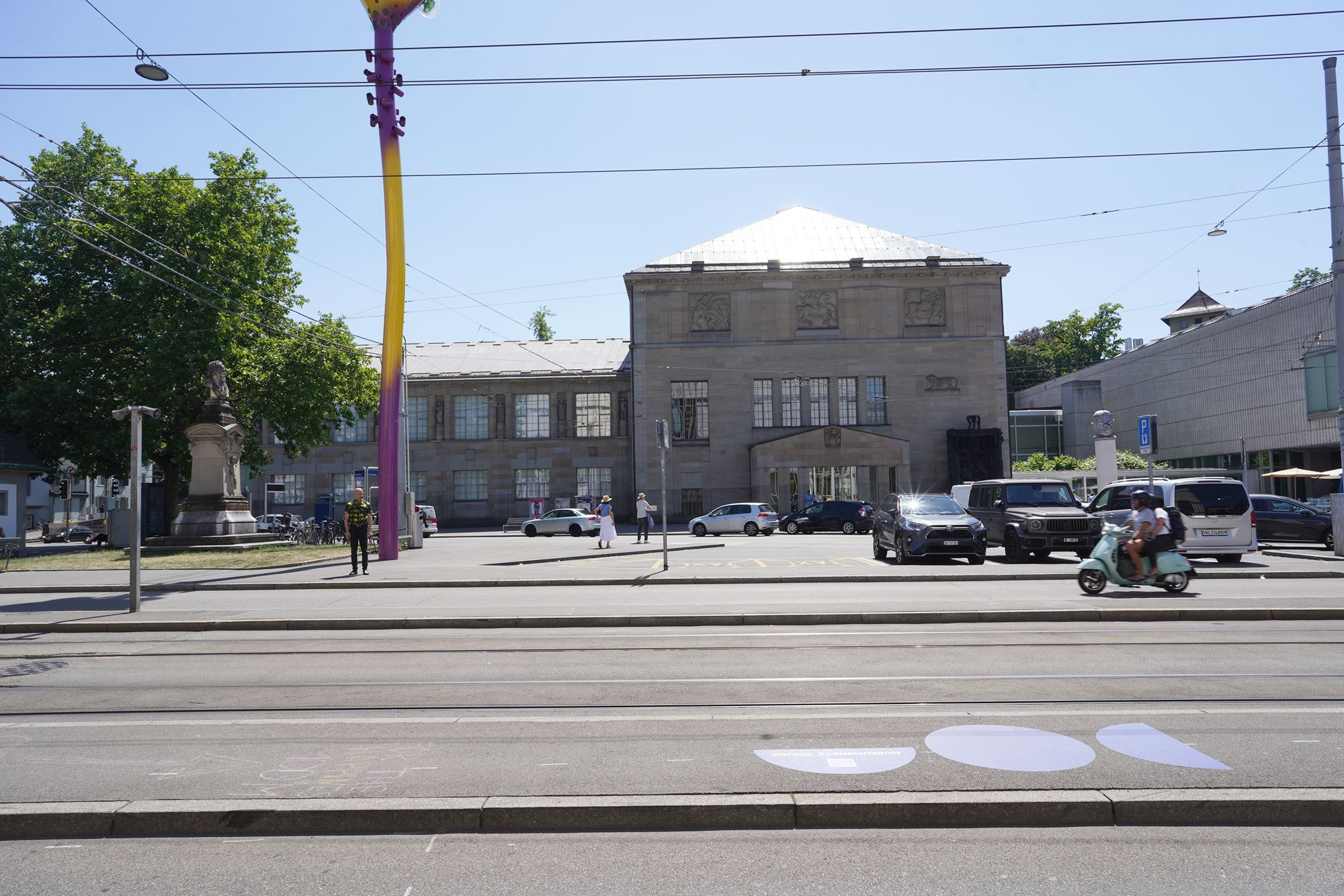
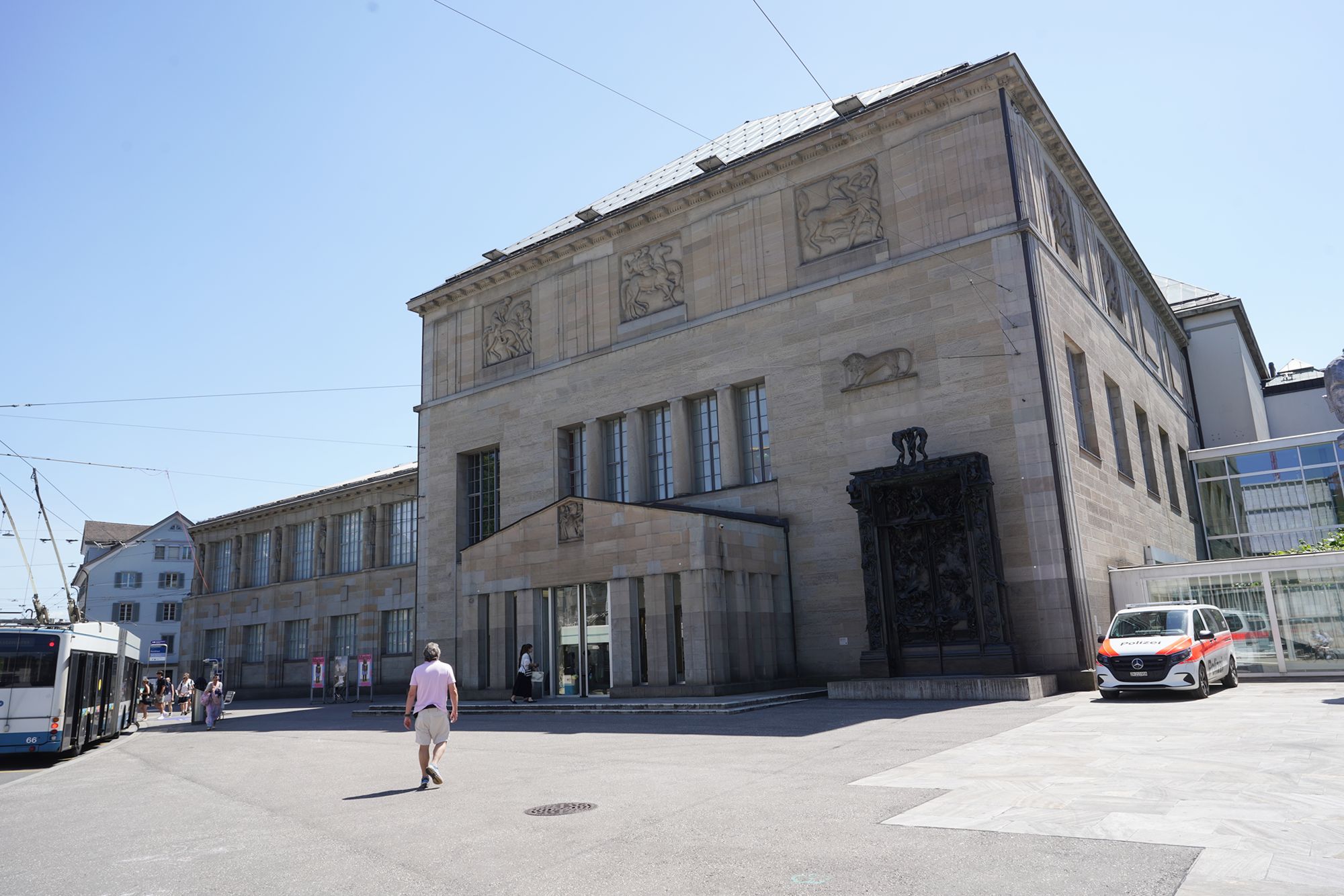
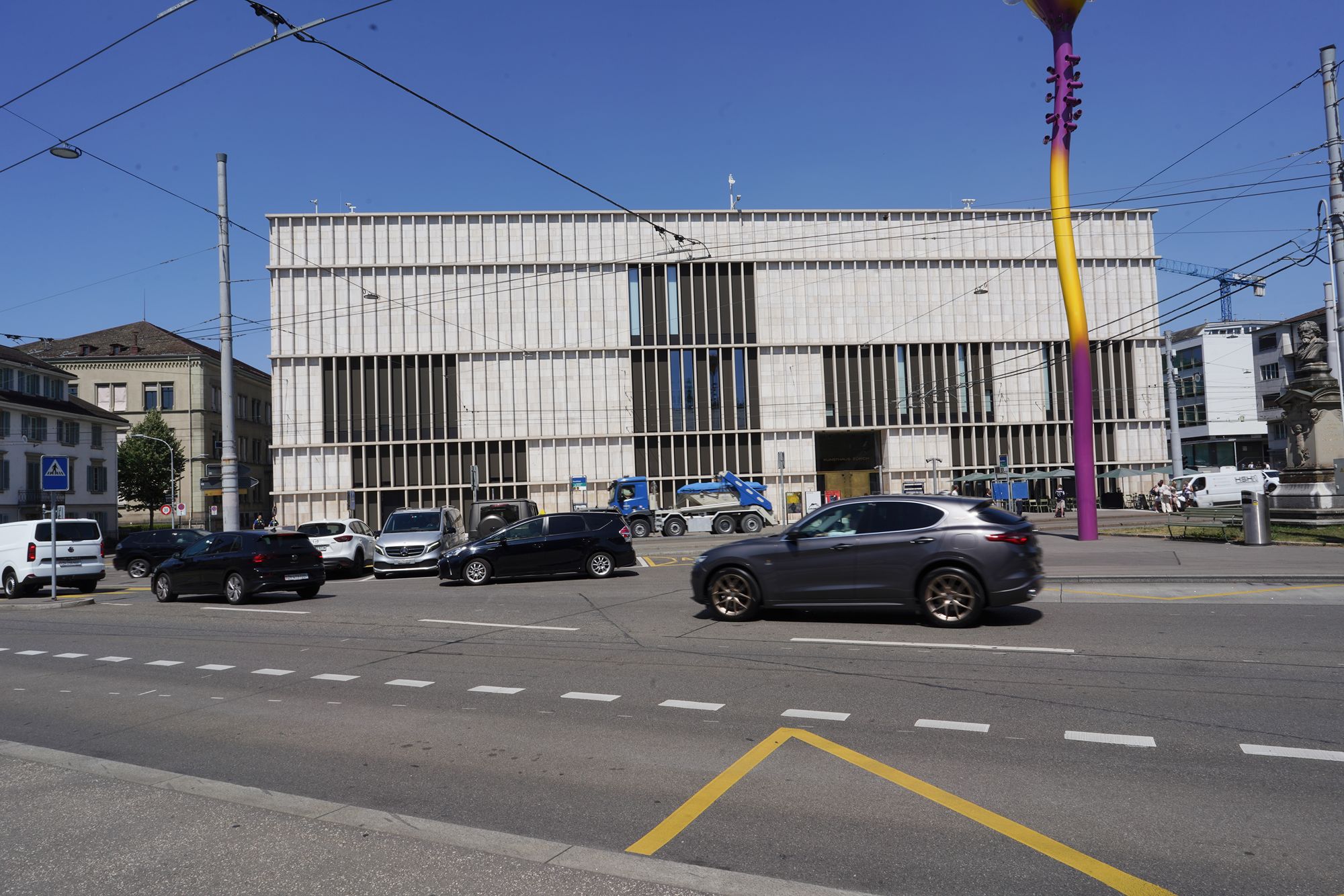
Looking back at the new Kunsthaus Zürich building as I make my way to the original museum.
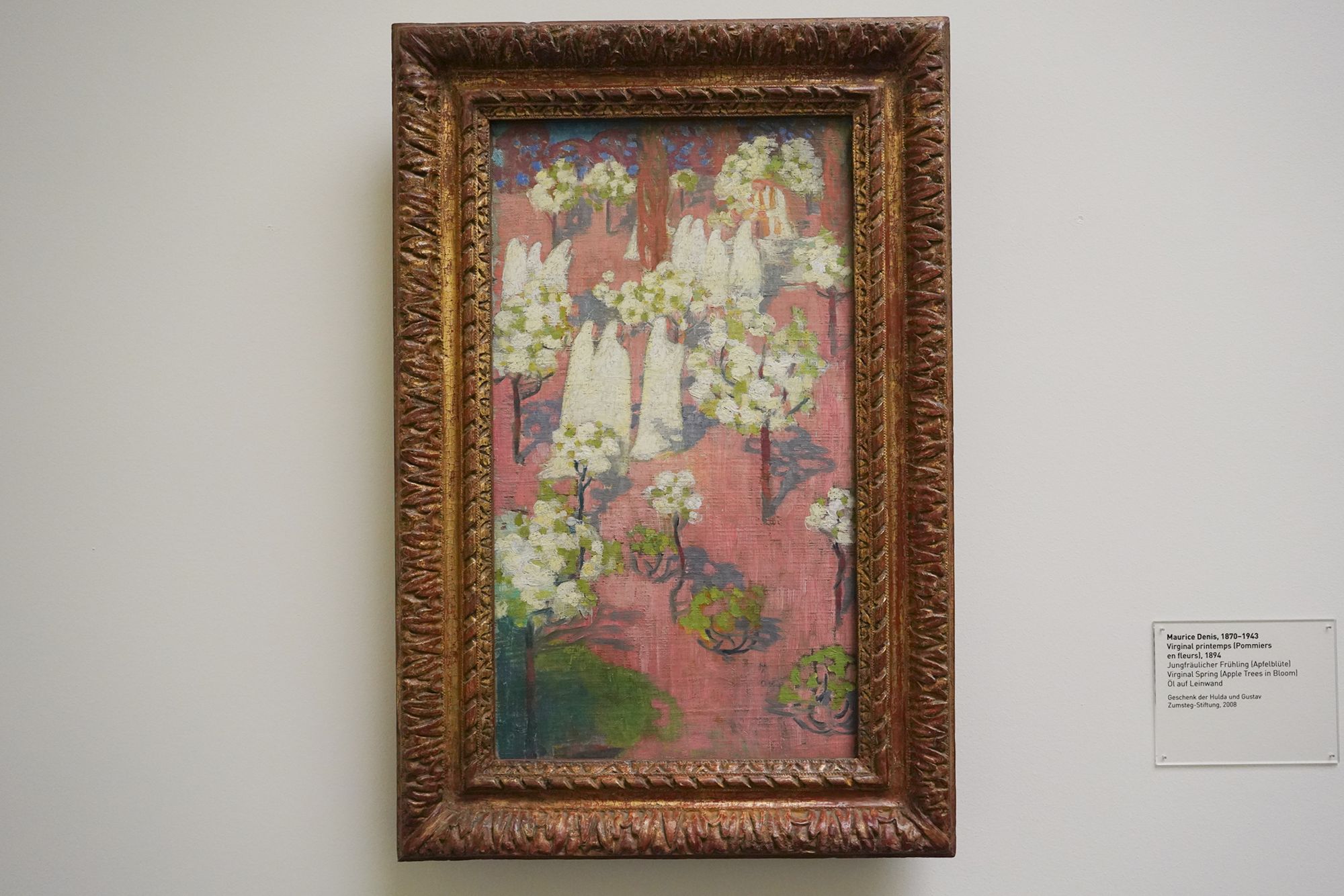
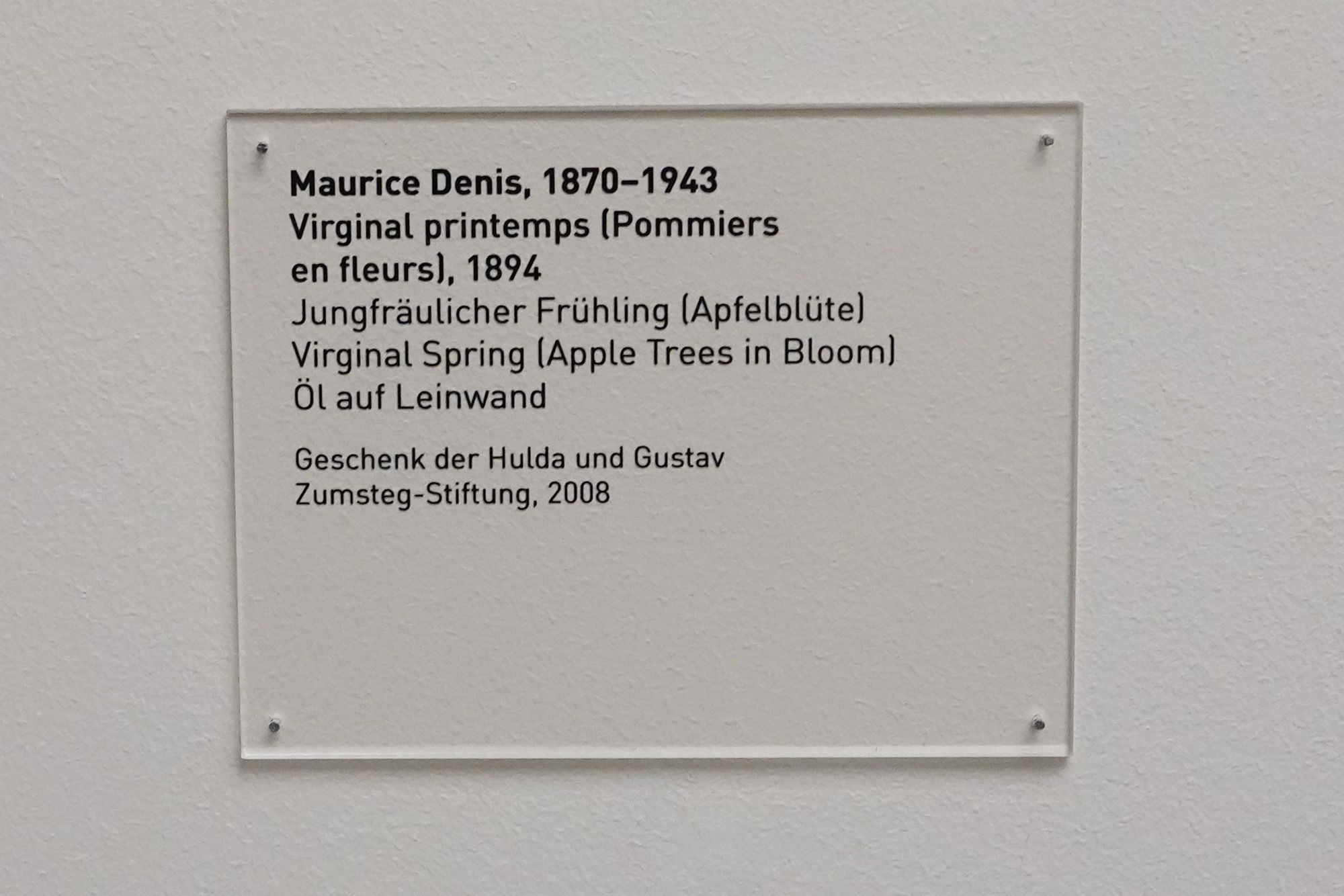
Post-Impressionism emerged in France in the late 19th century as artists moved beyond Impressionism's emphasis on light and atmosphere. Painters such as Van Gogh, Gauguin, Cézanne and Seurat experimented with expressive colors, simplified forms and new techniques, helping establish the foundations of modern art.
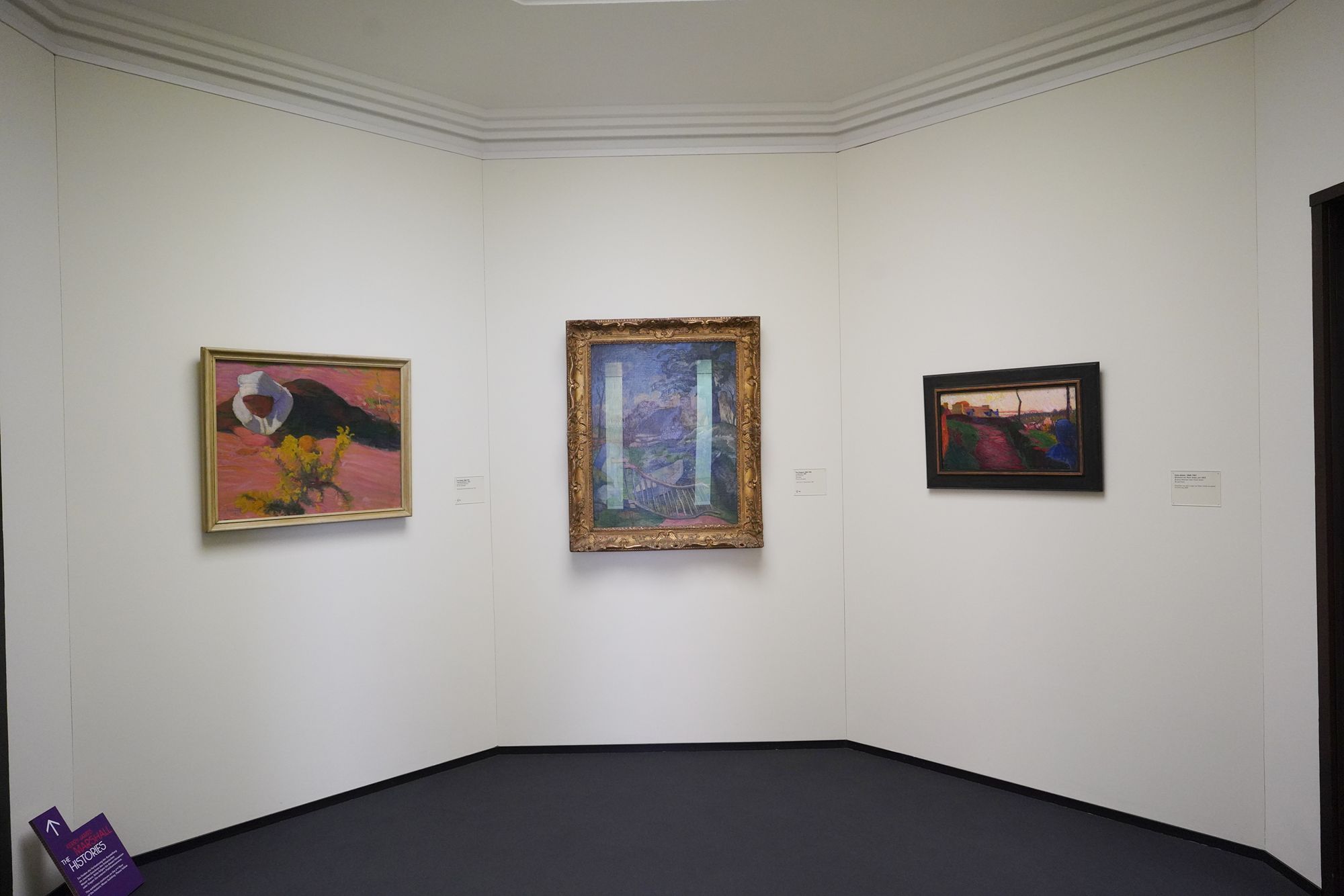
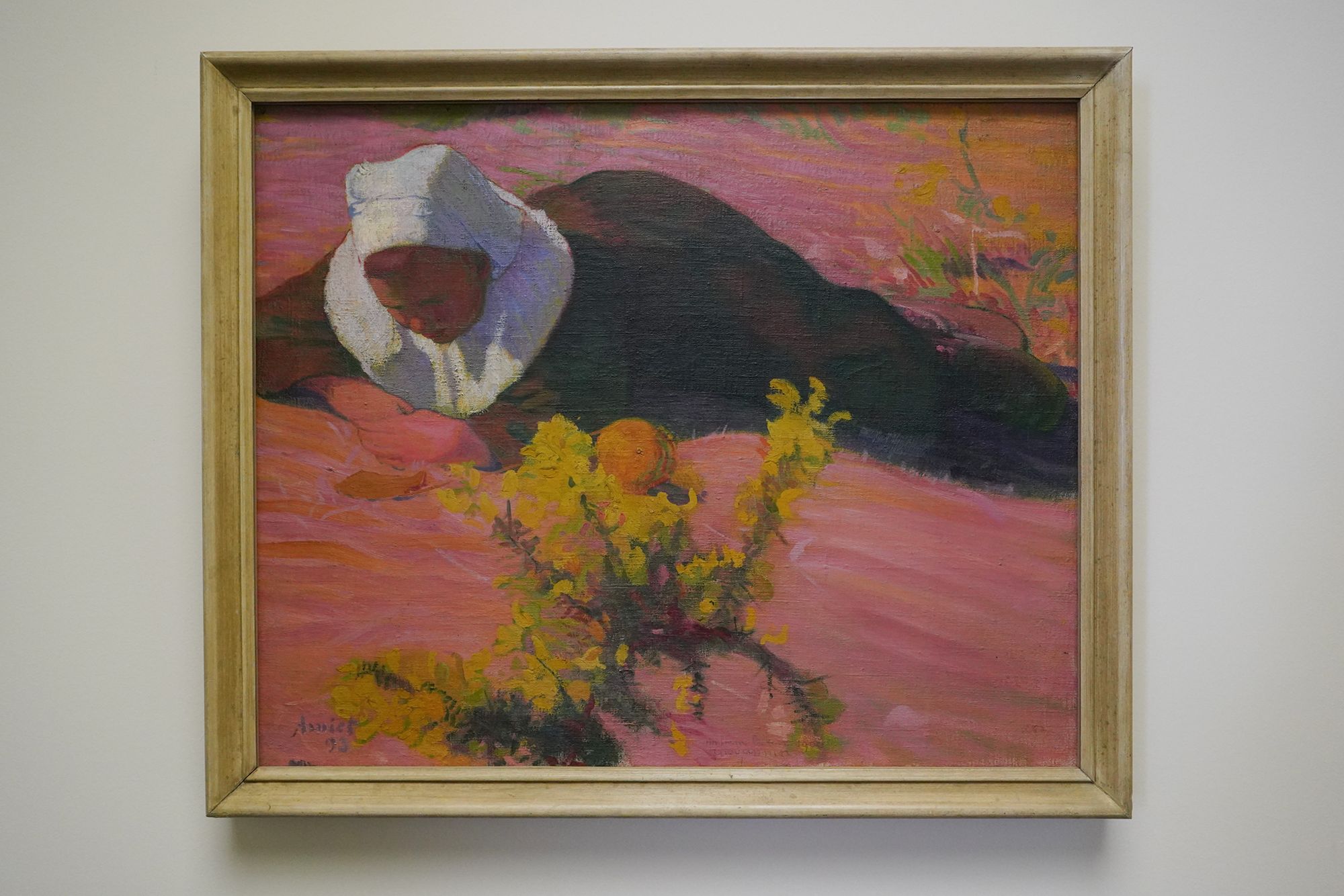
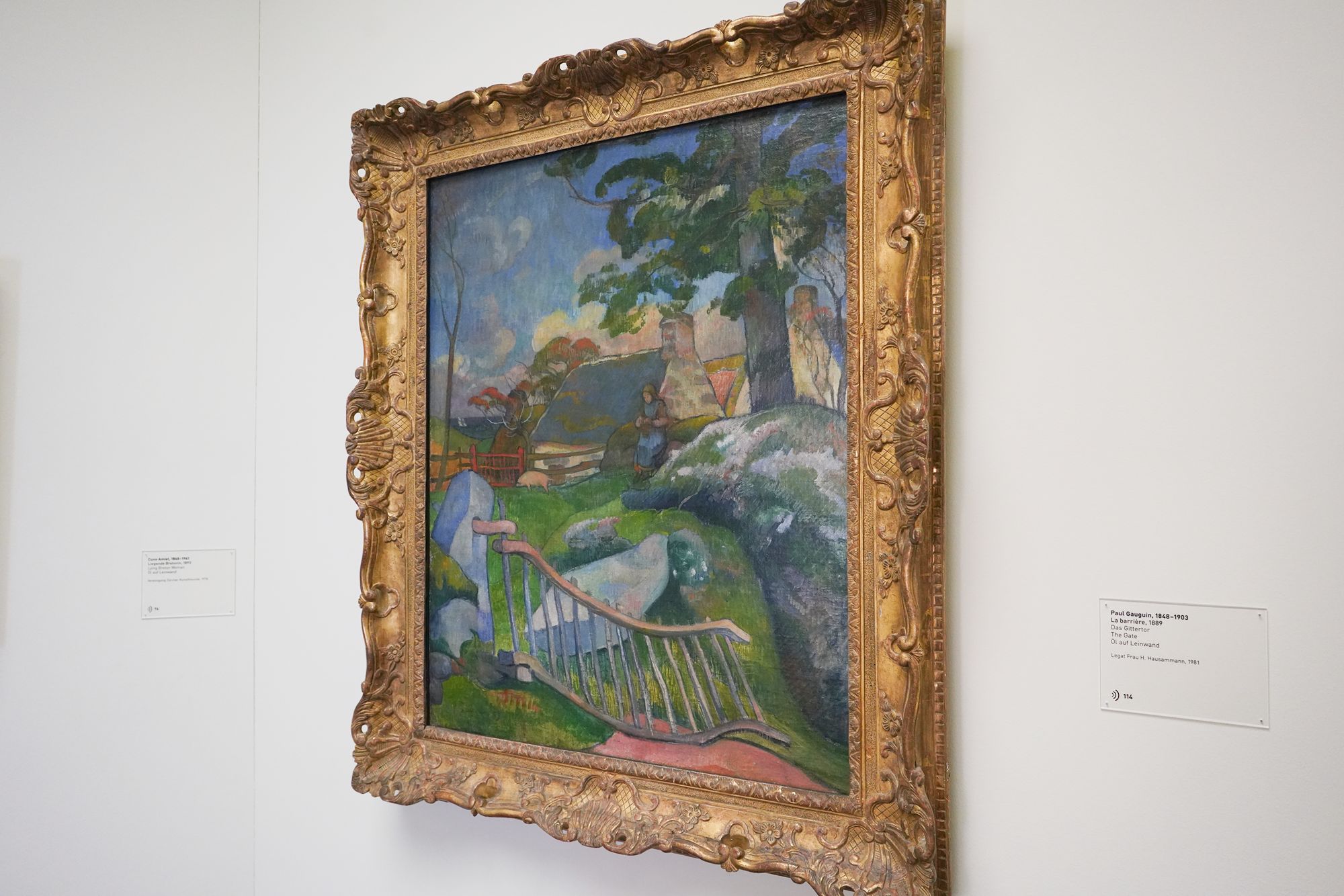
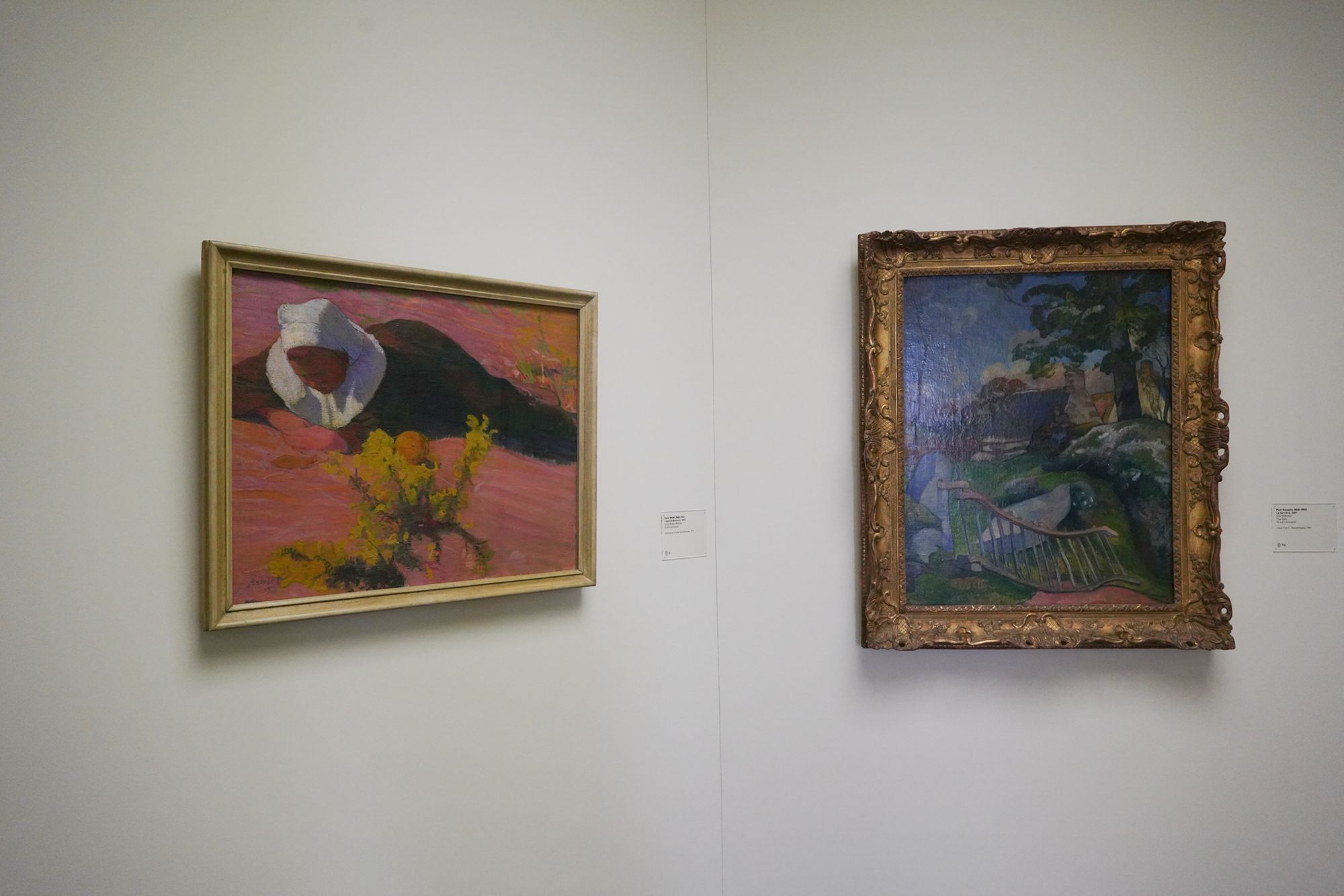
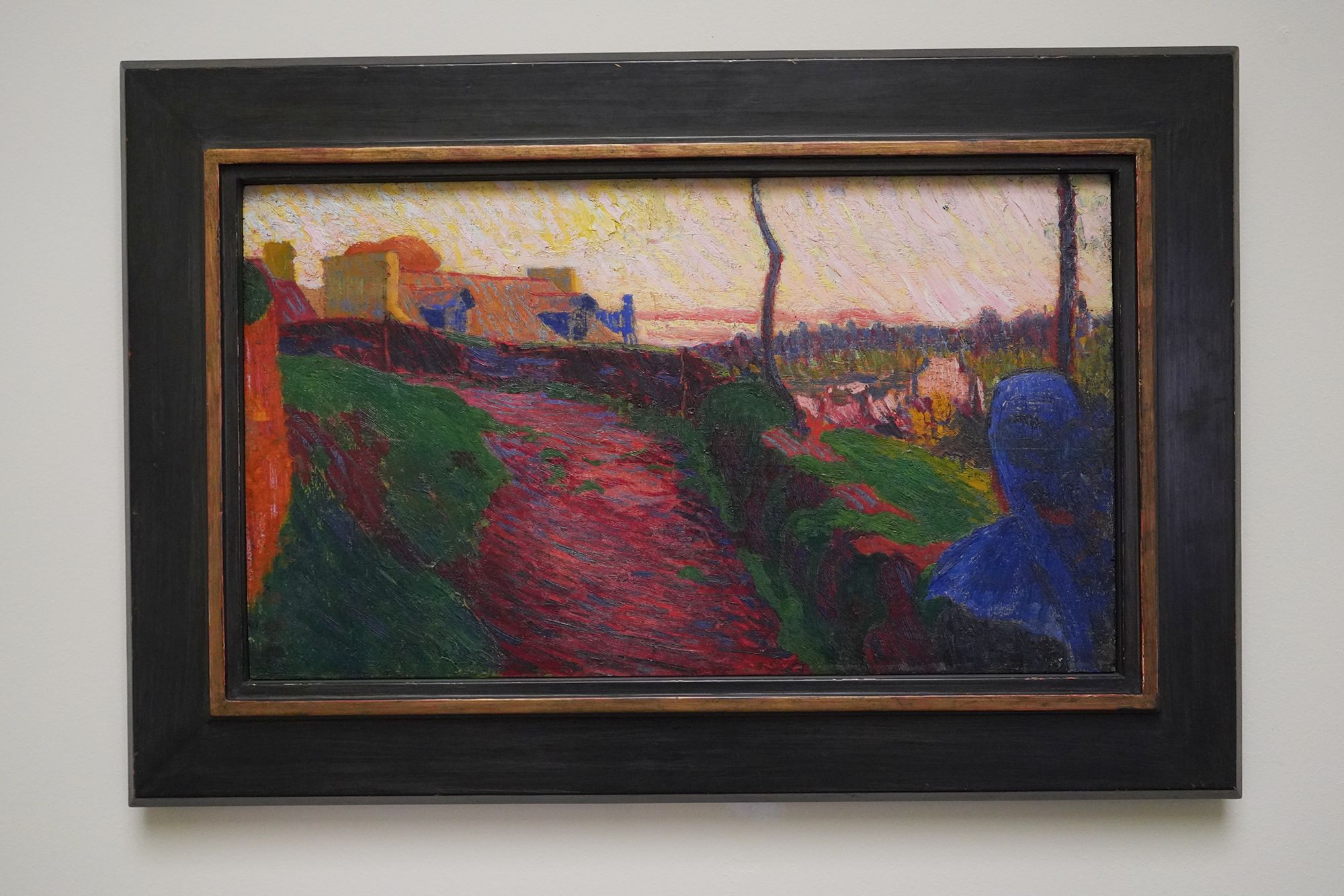
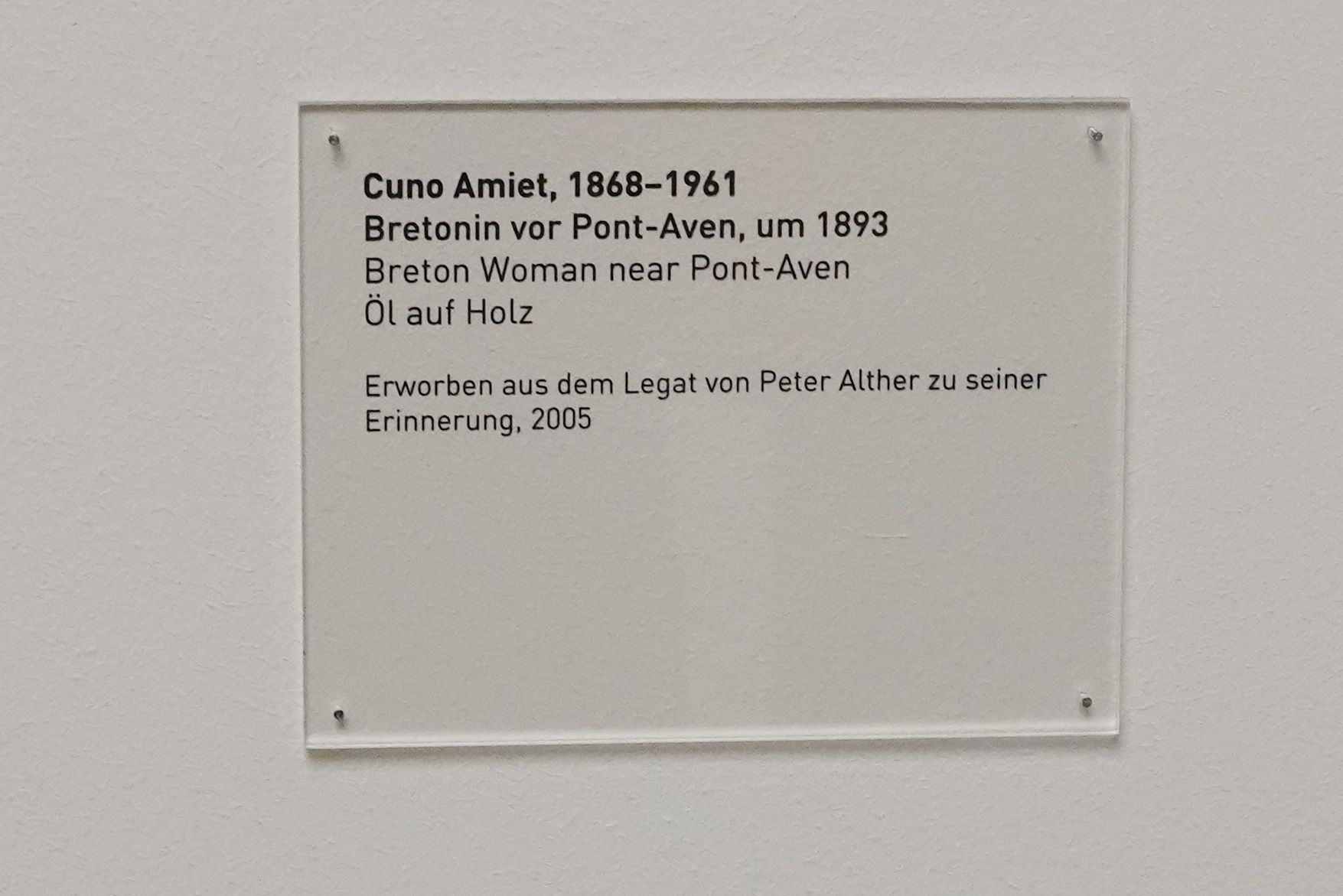
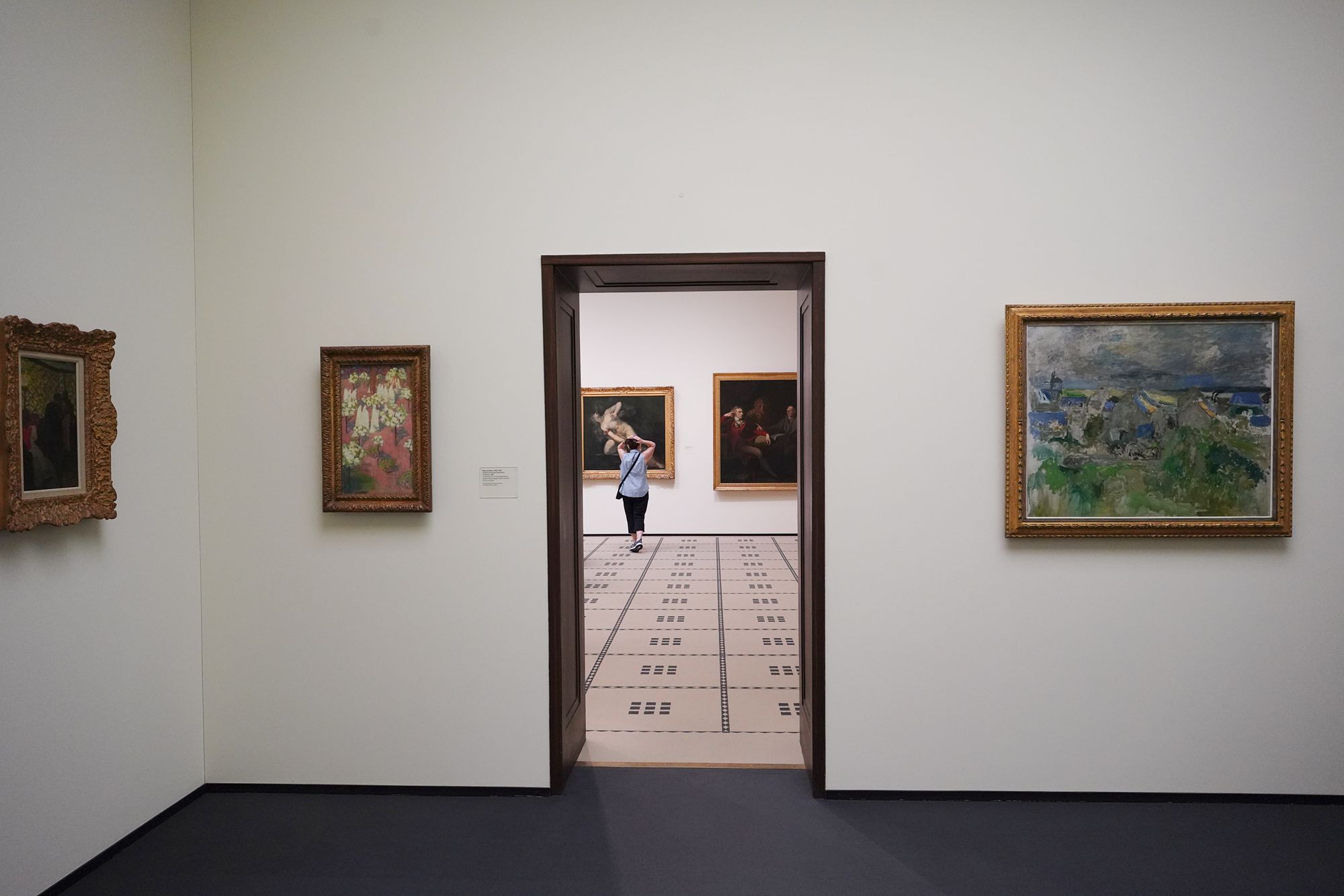
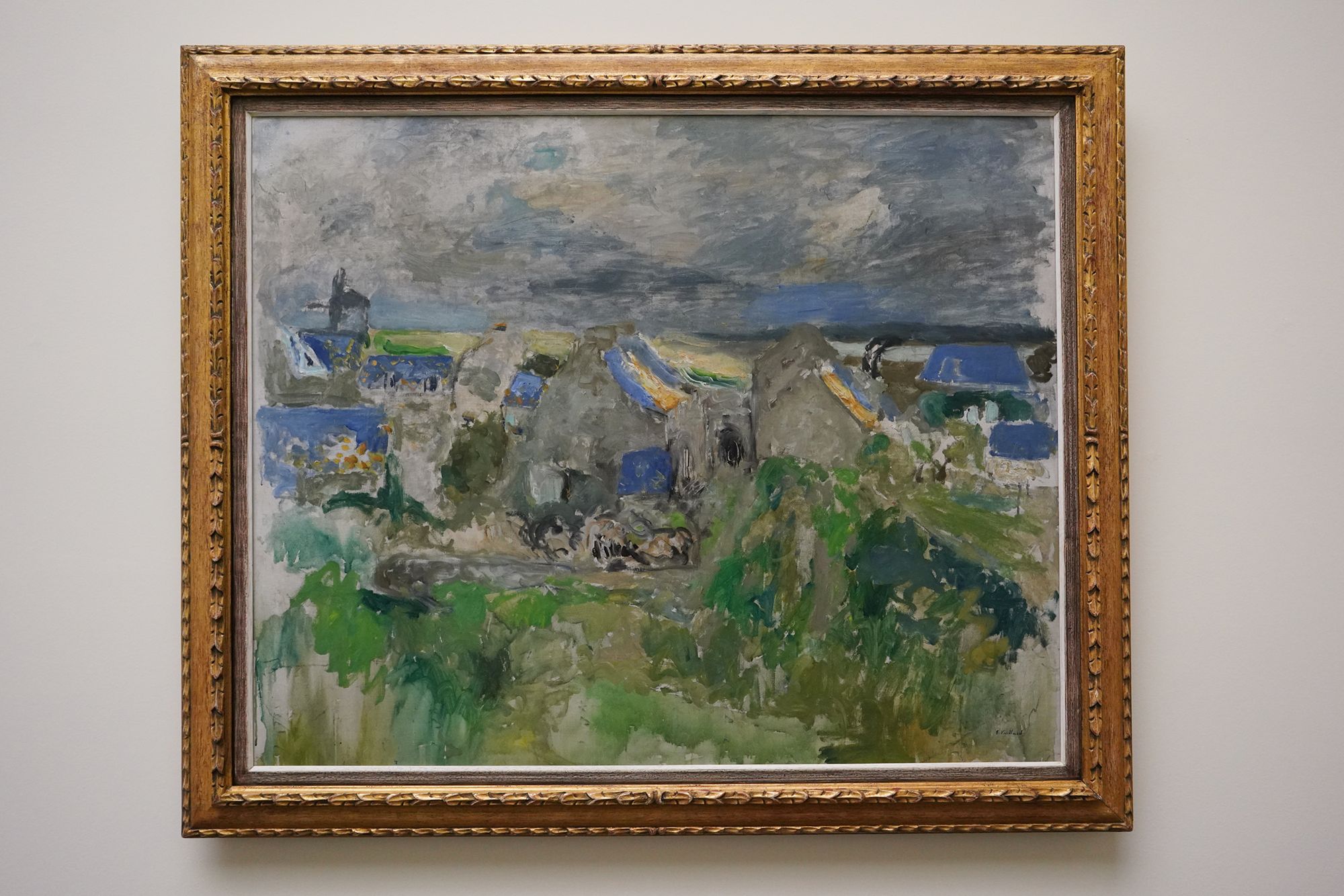
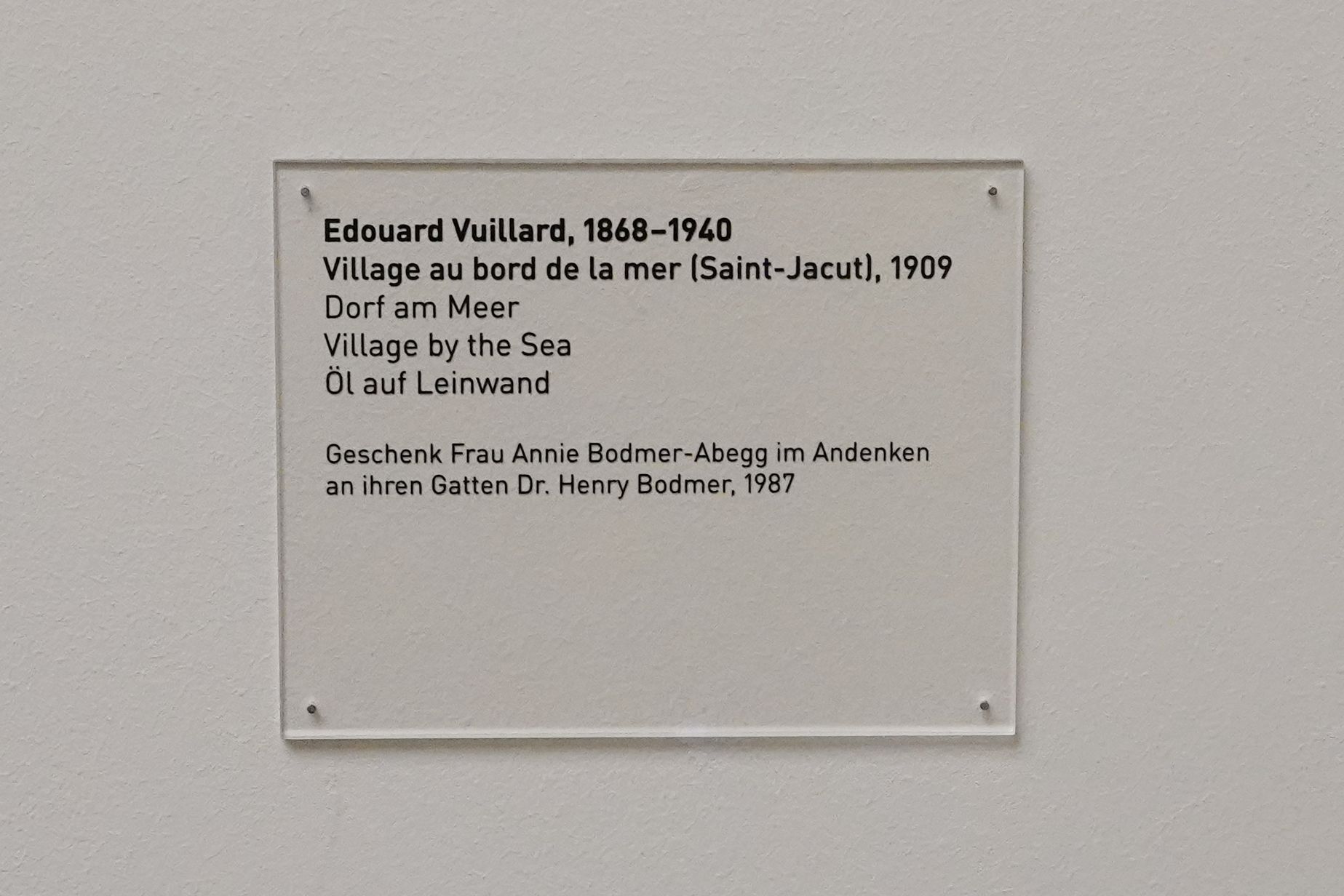
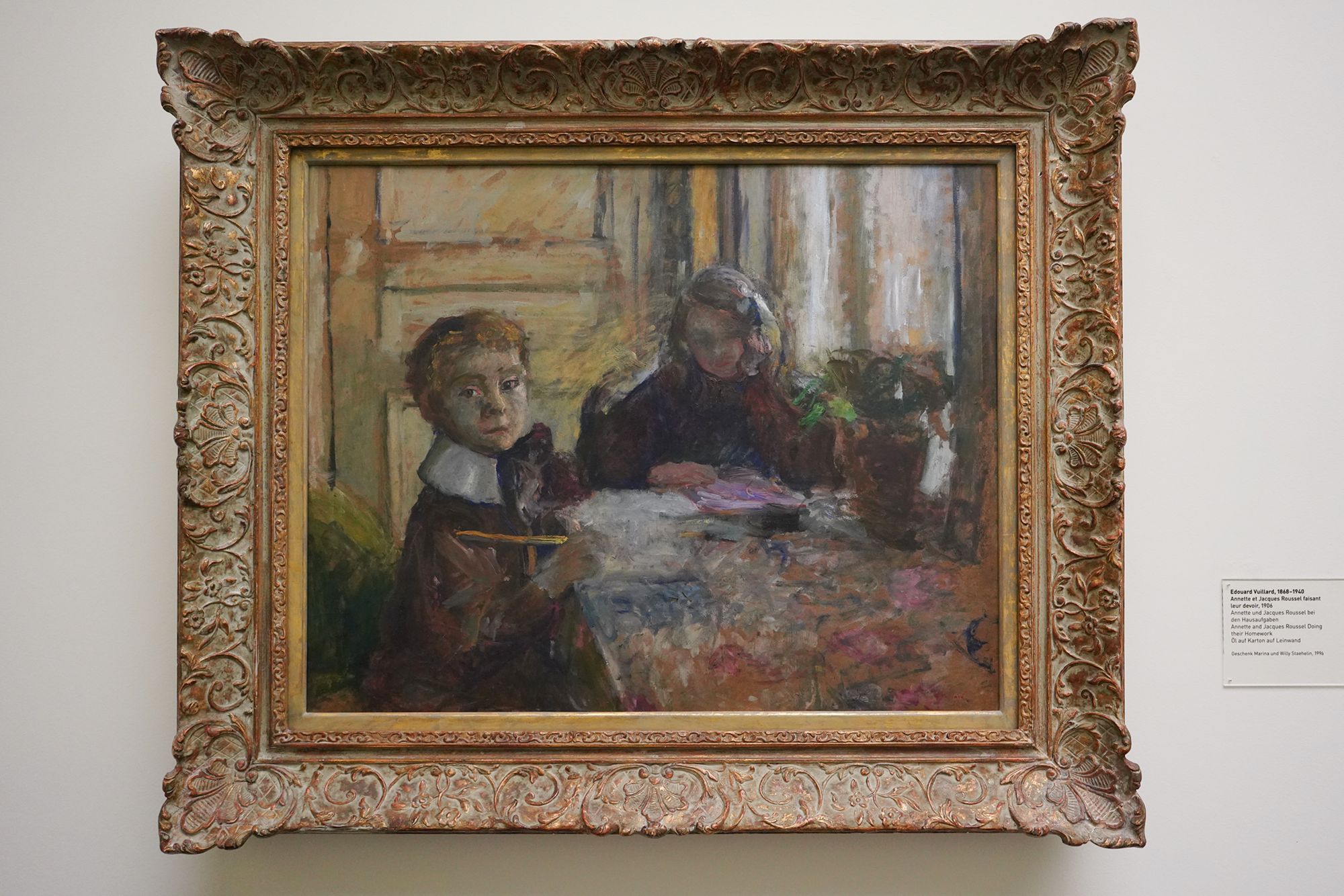
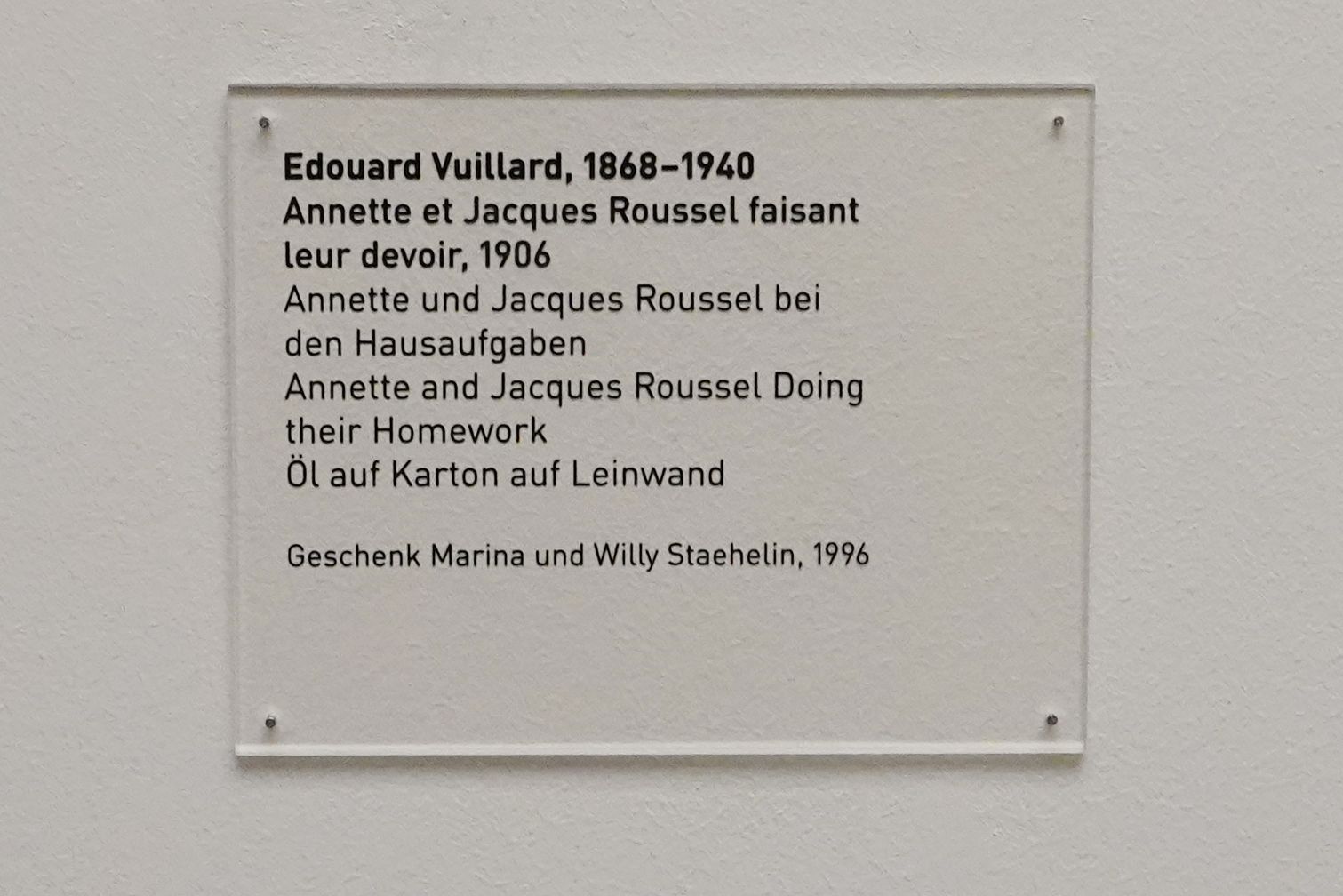
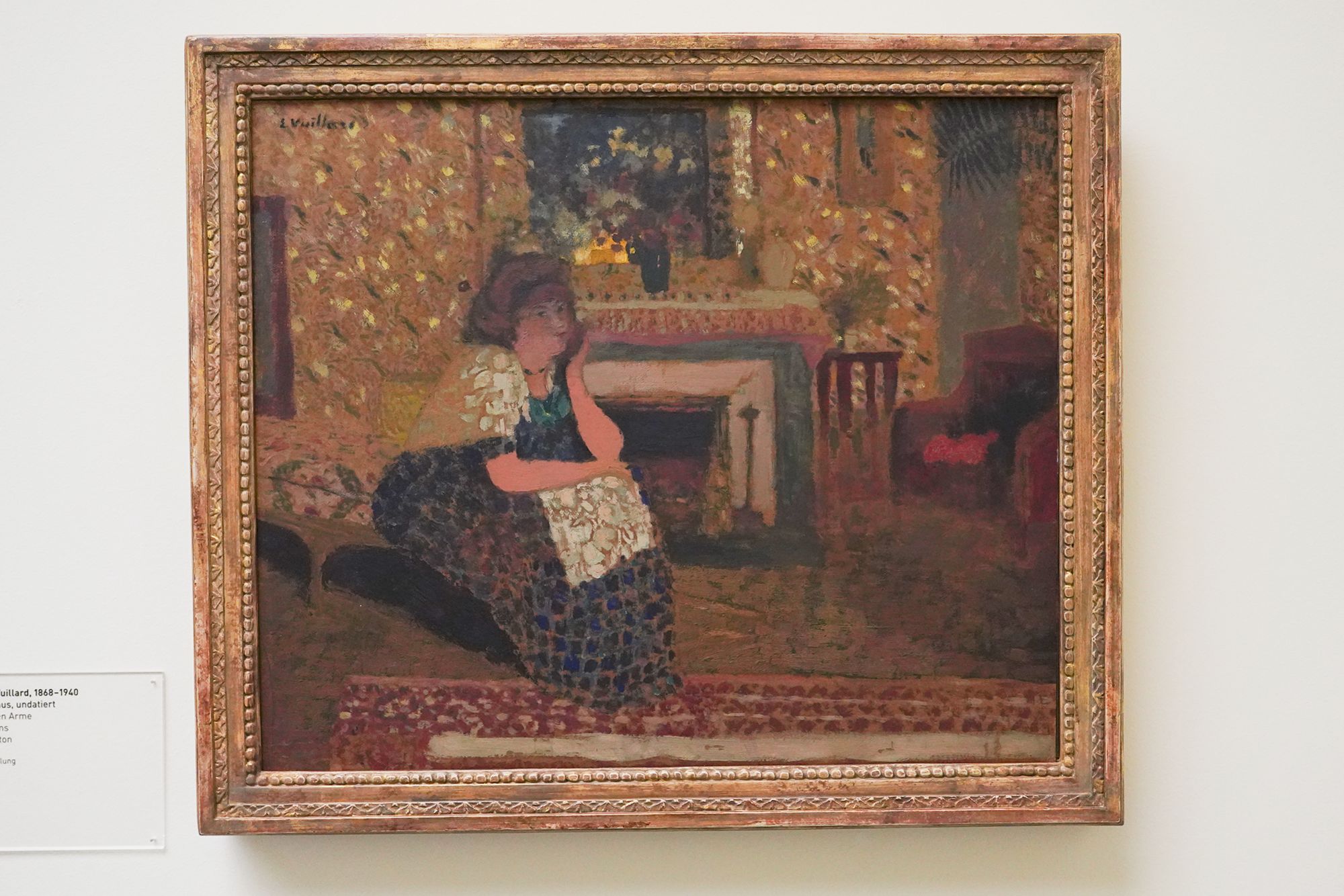
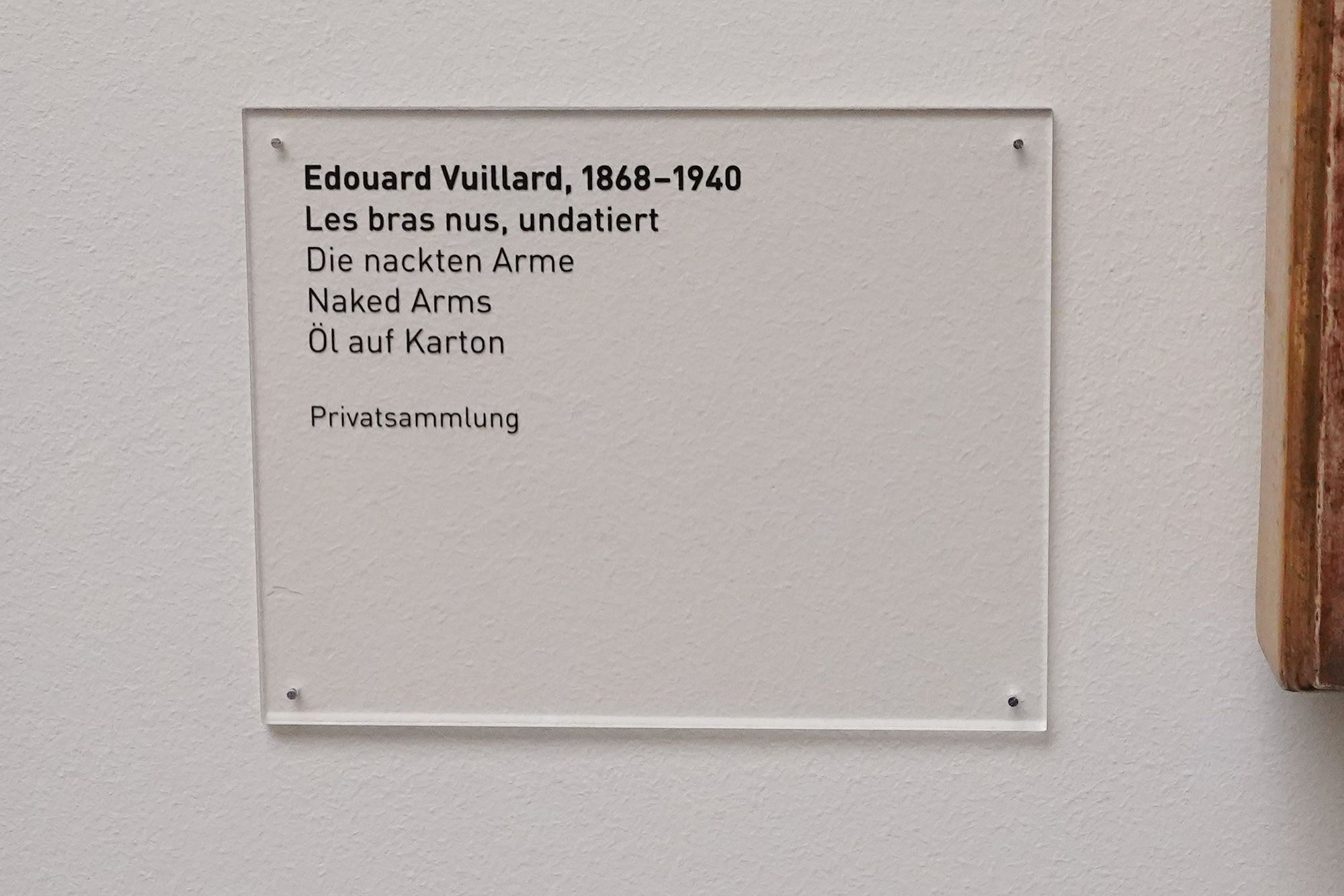
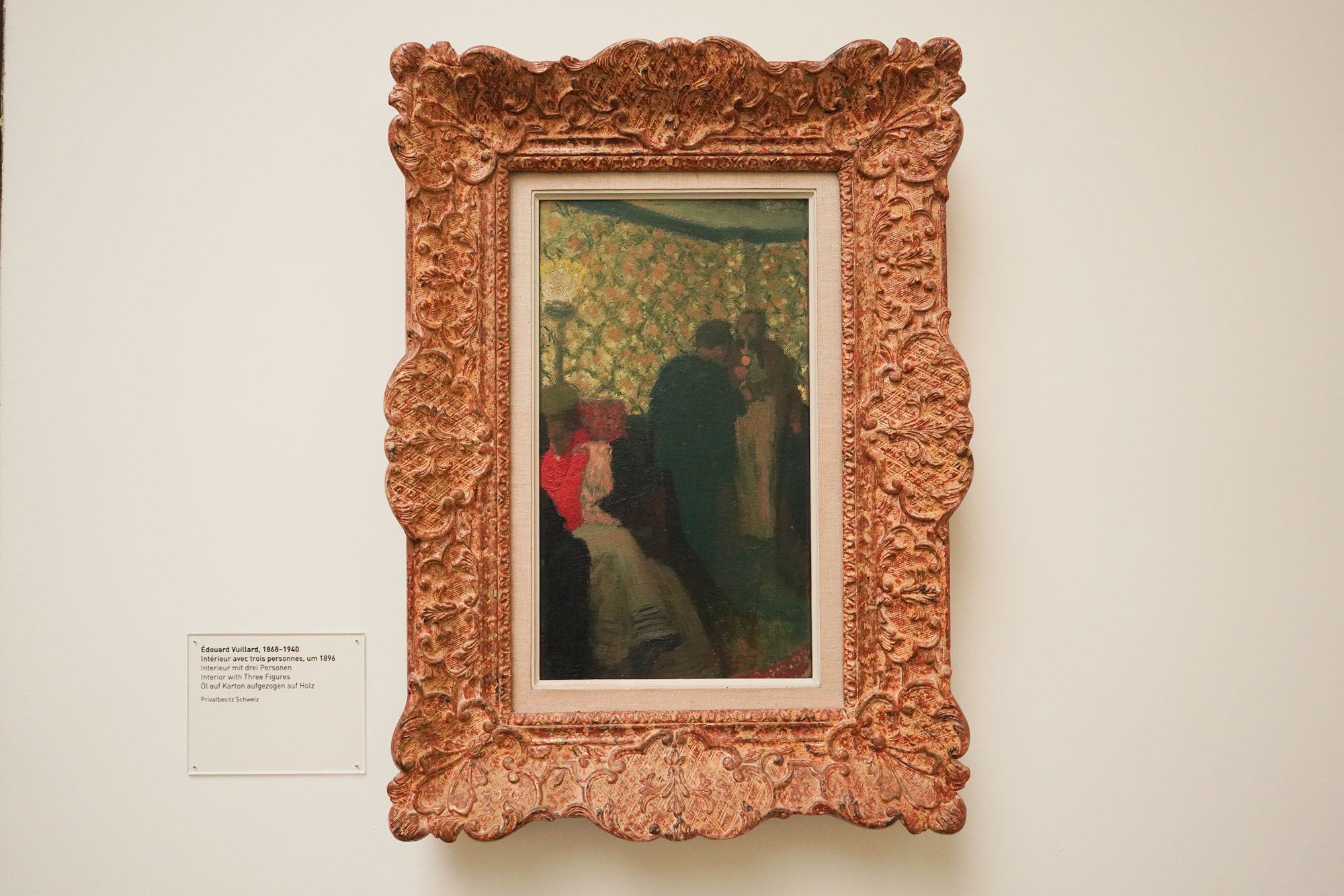
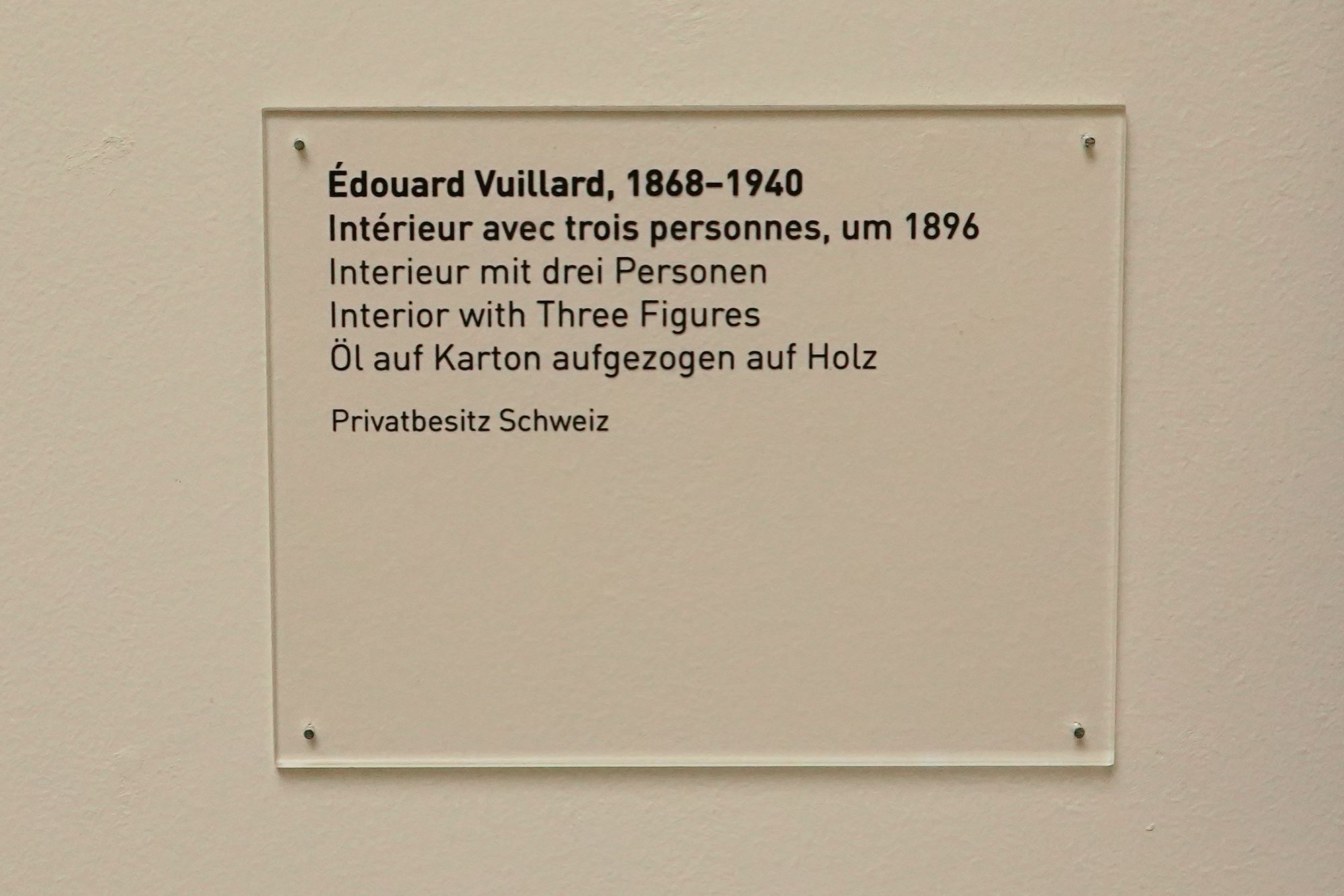
Édouard Vuillard (1868–1940) was a French Post-Impressionist painter and a member of Les Nabis, an artistic group influenced by Paul Gauguin. He is known for his intimate interior scenes, decorative patterns, portraits and landscapes. His paintings often feature soft colors, flattened perspectives and richly patterned surfaces, blending everyday life with decorative art.