Kunsthaus Zürich IV – Swiss Art, Switzerland
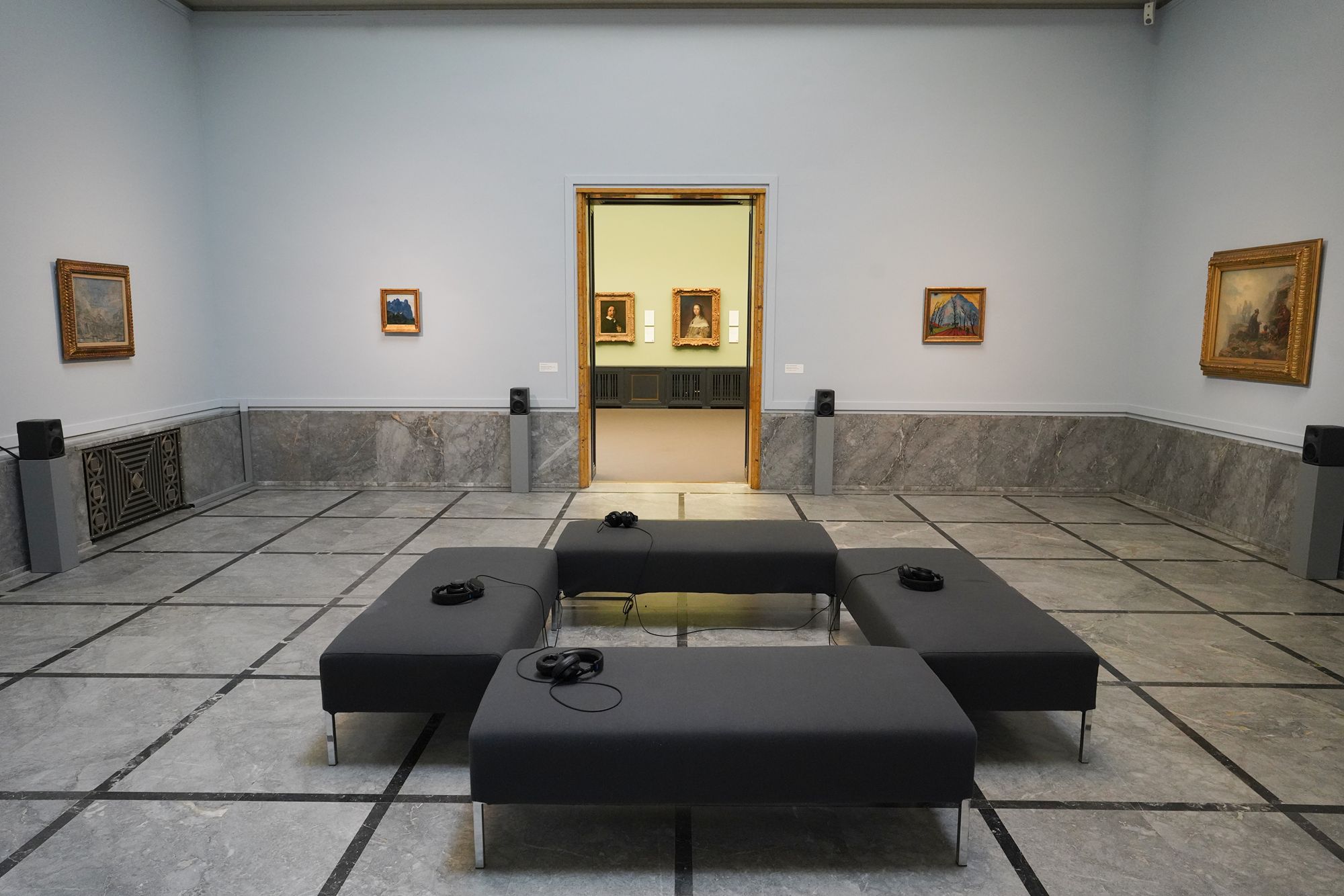
Kunsthaus Zürich’s Swiss art galleries feature Alpine landscapes, village scenes, and portraits that reflect the country’s changing artistic traditions. 1343
Kunsthaus Zurich: Heimpl. 1/5, 8001 Zürich, Switzerland
Date Picture Taken: Jun, 2026
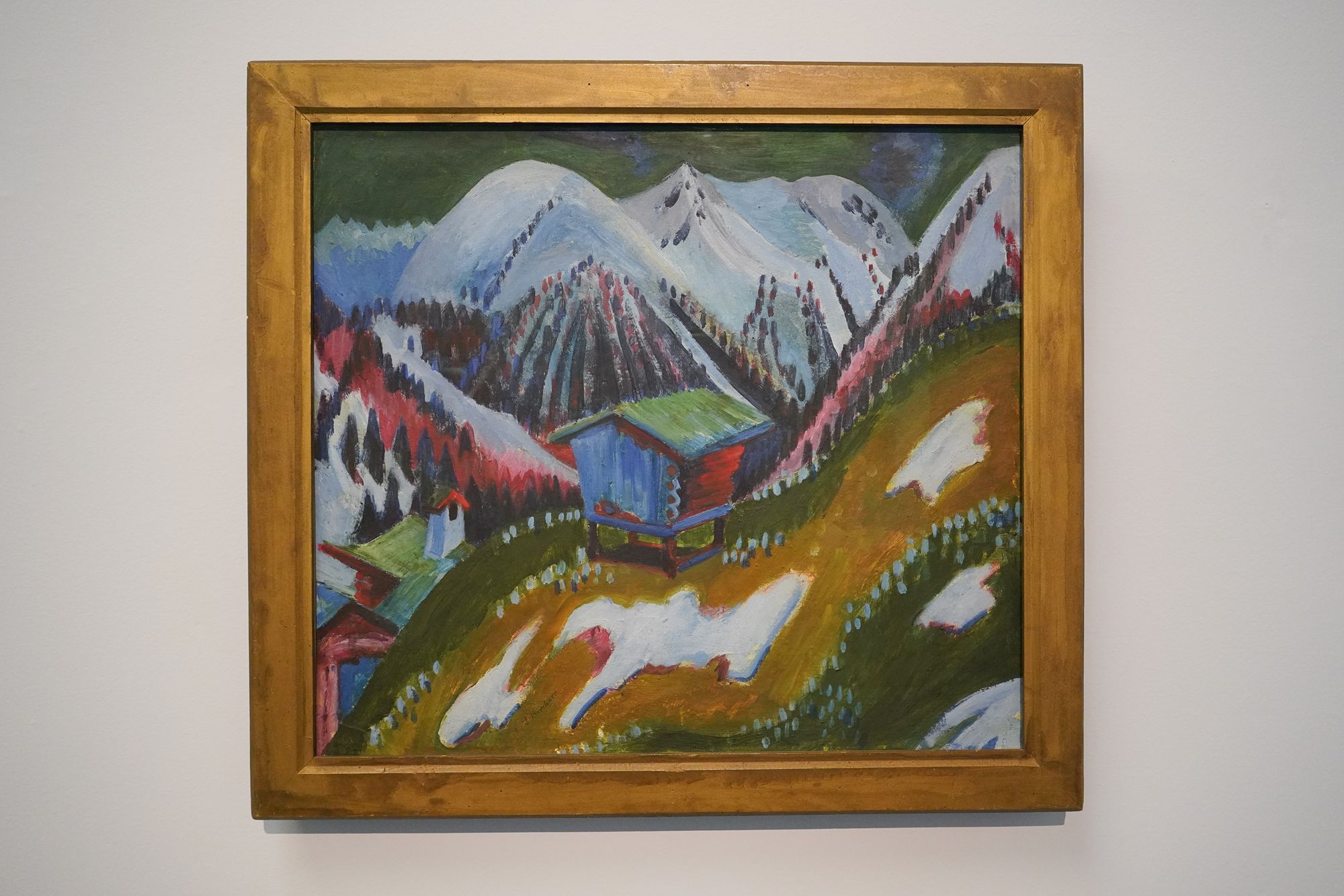
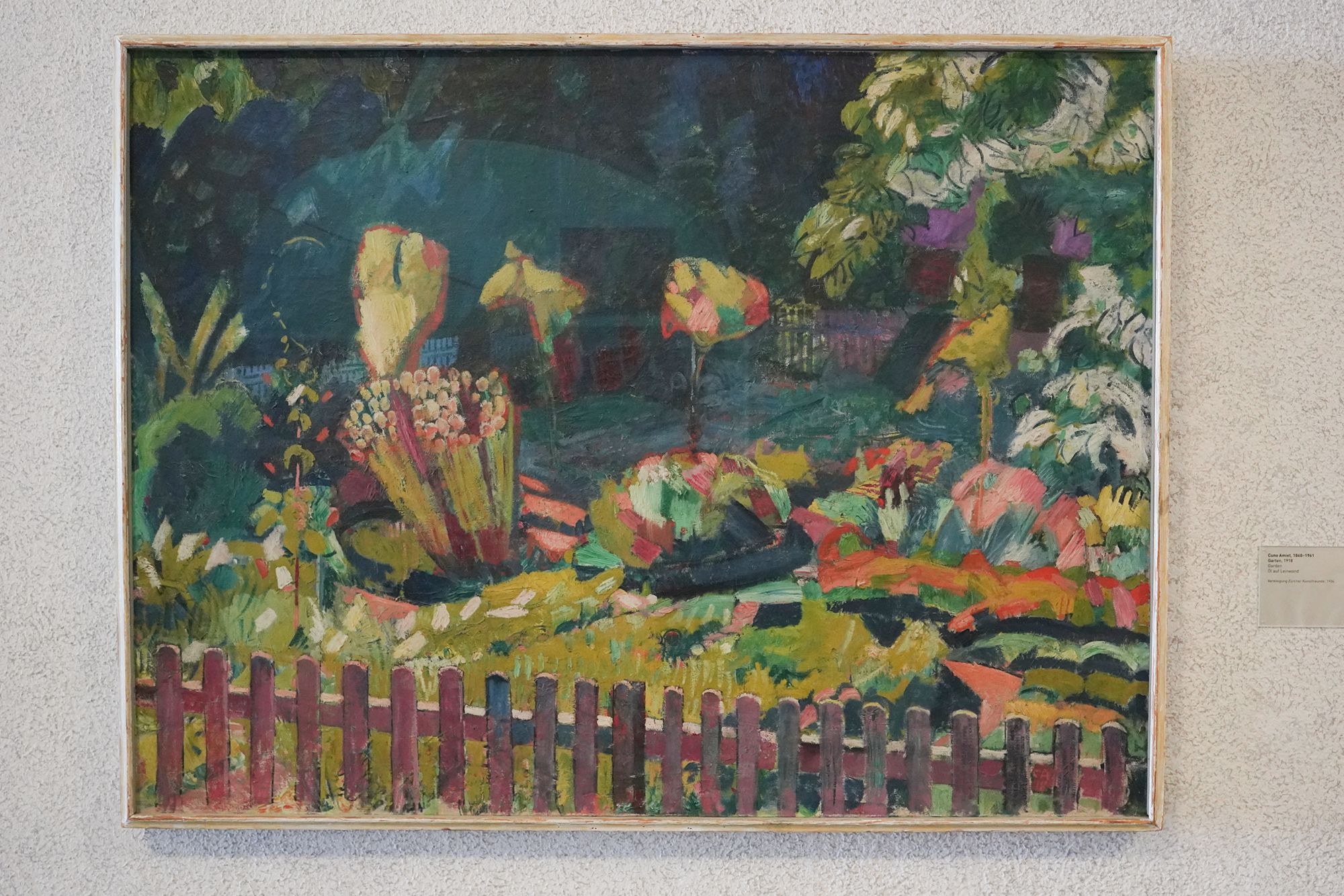
The Swiss art galleries at Kunsthaus Zürich brought me from early Alpine landscapes to scenes of village life and more modern paintings. I saw works by Rudolf Koller, Albert Anker, Giovanni Giacometti, and Arnold Böcklin. Together, they offered different views of Swiss nature, daily life, and imagination.
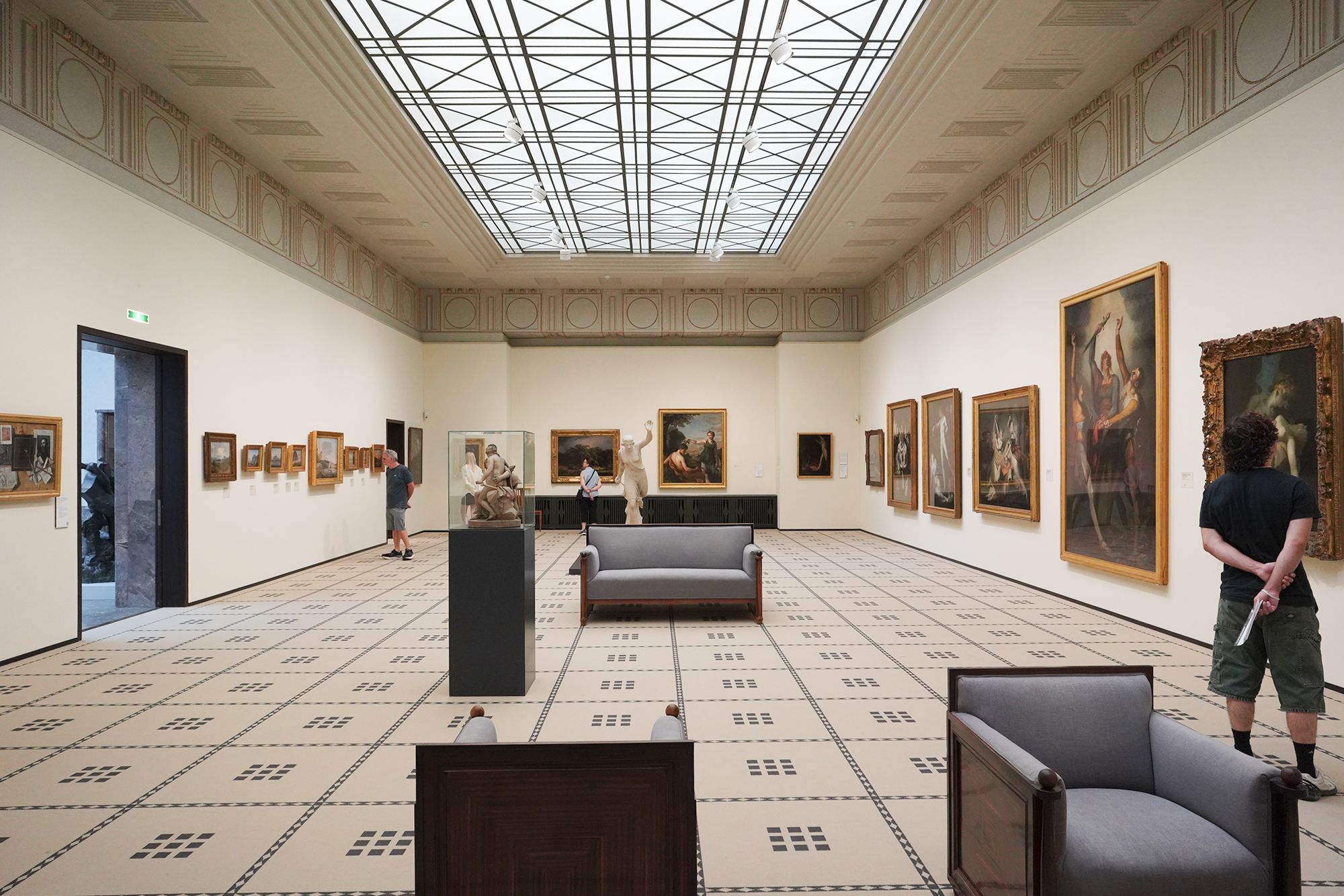
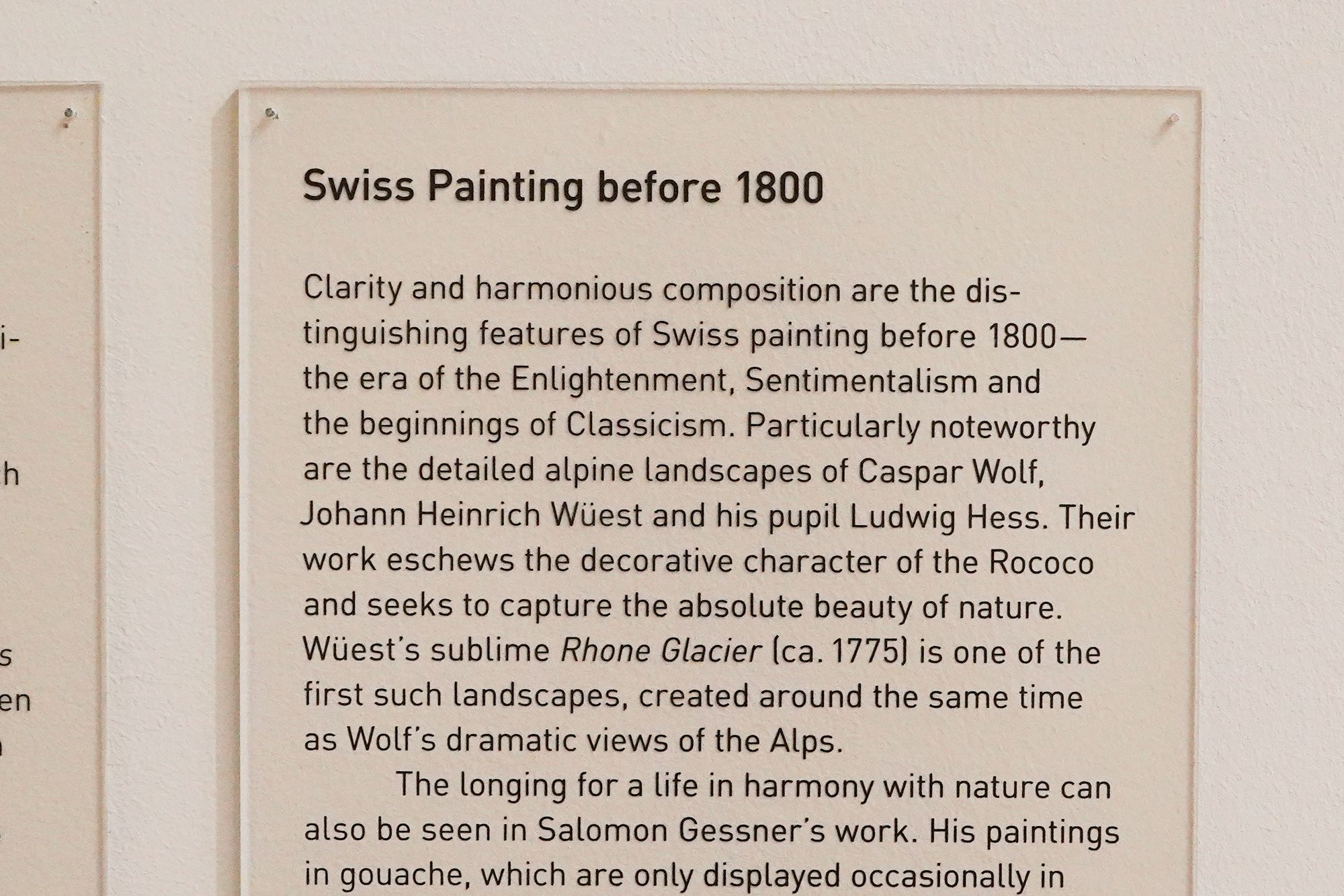
This gallery explores Swiss painting before 1800, when artists began depicting the Alps with close attention to nature. I saw landscapes by Caspar Wolf, Johann Heinrich Wüest, and Ludwig Hess.
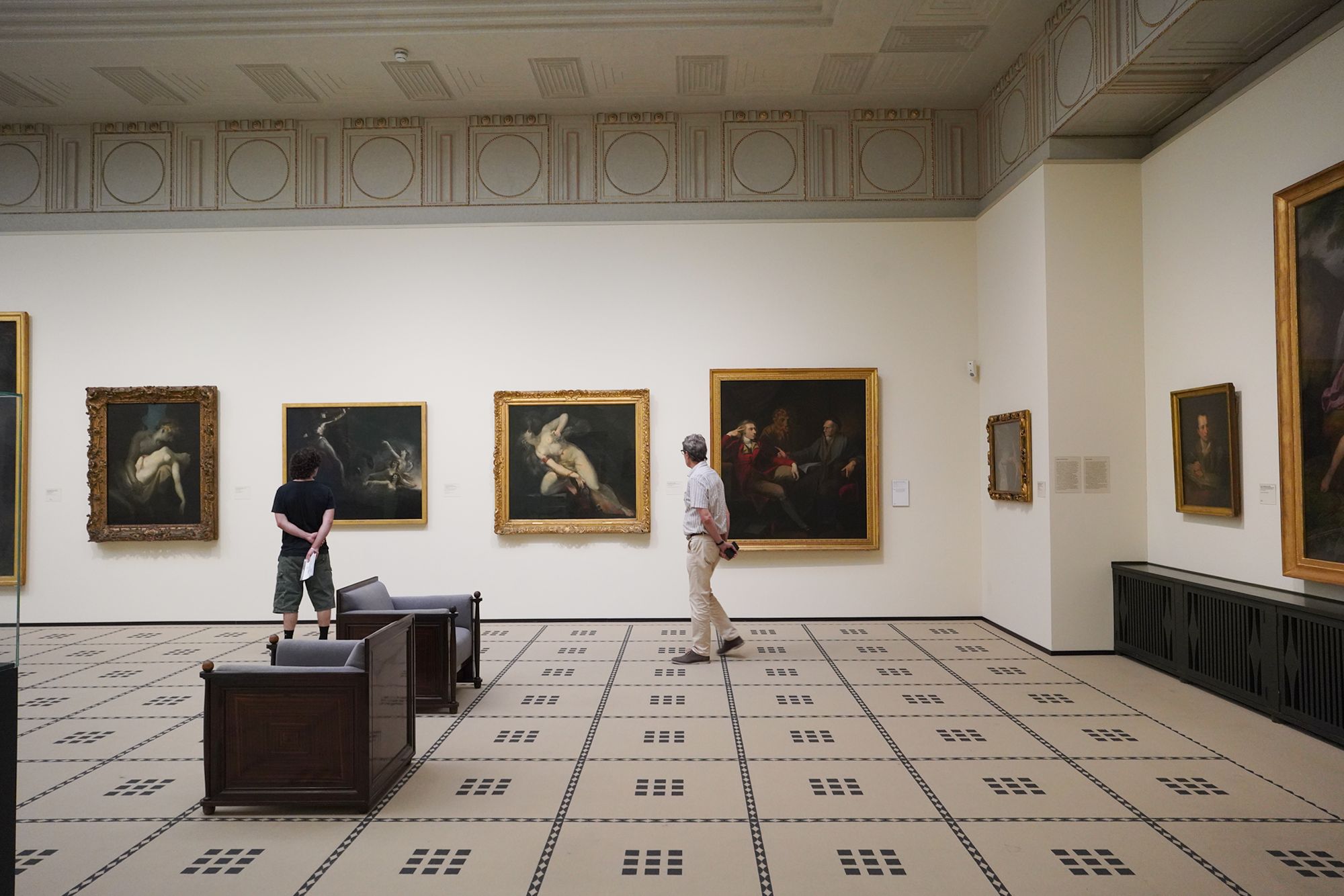
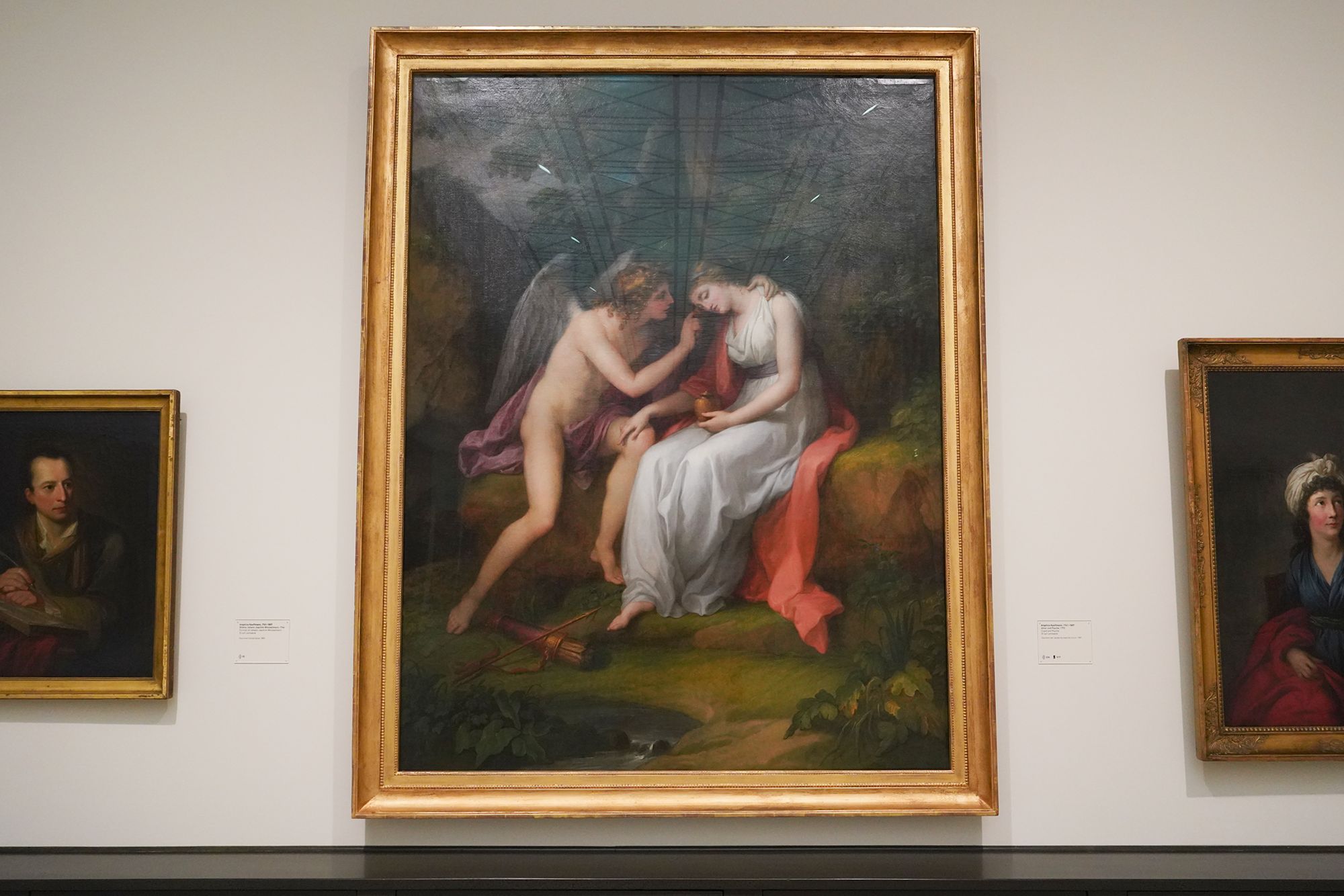
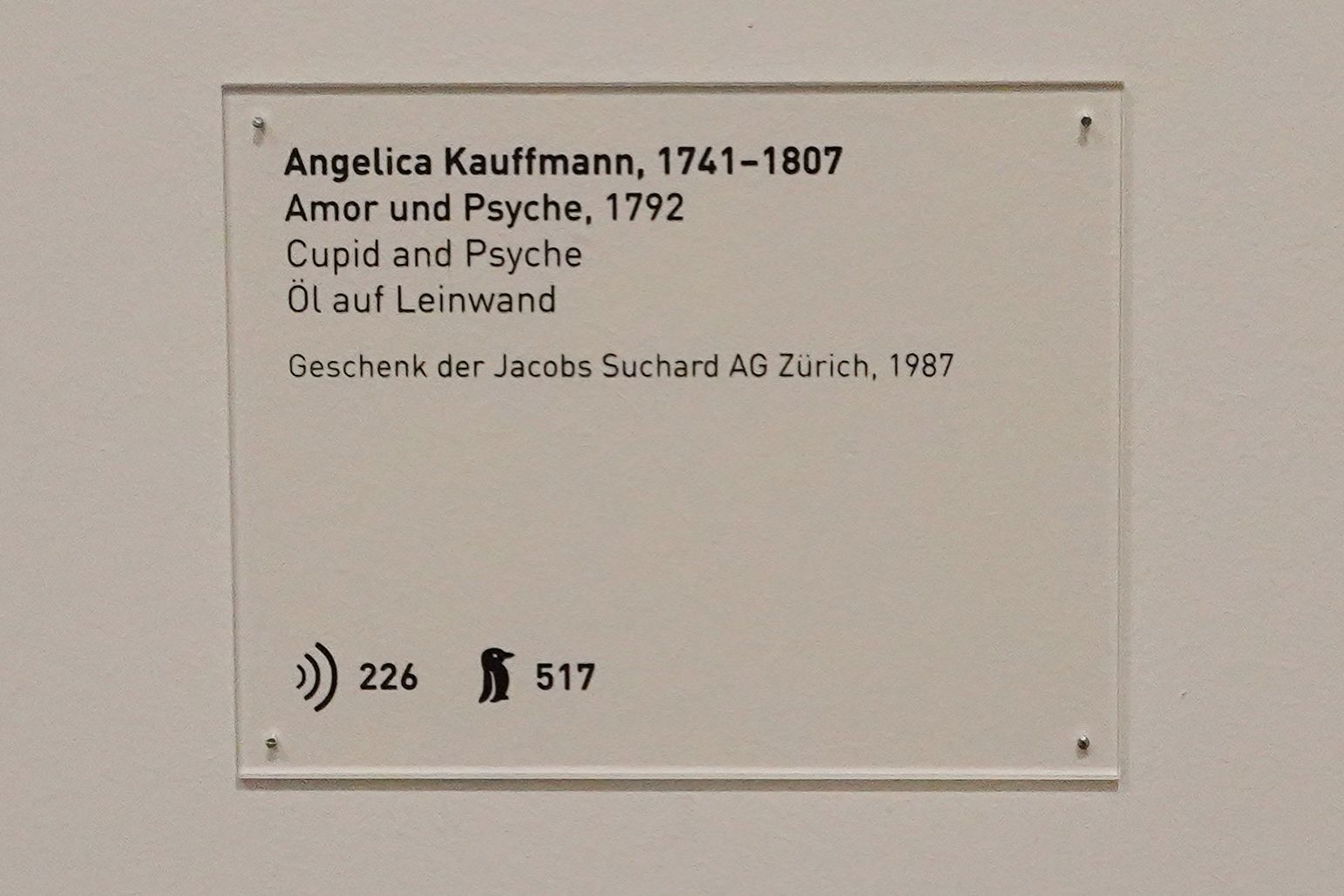
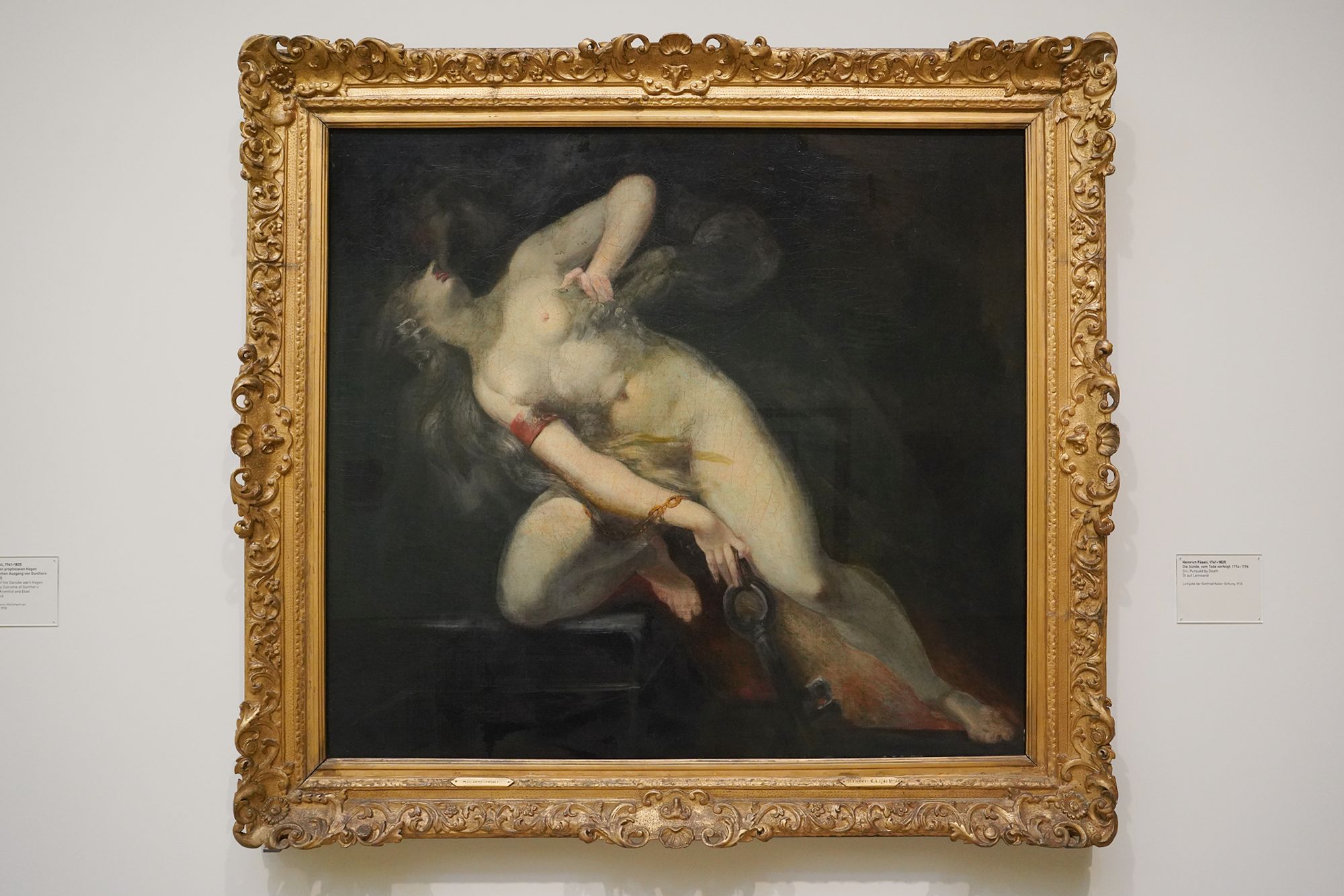
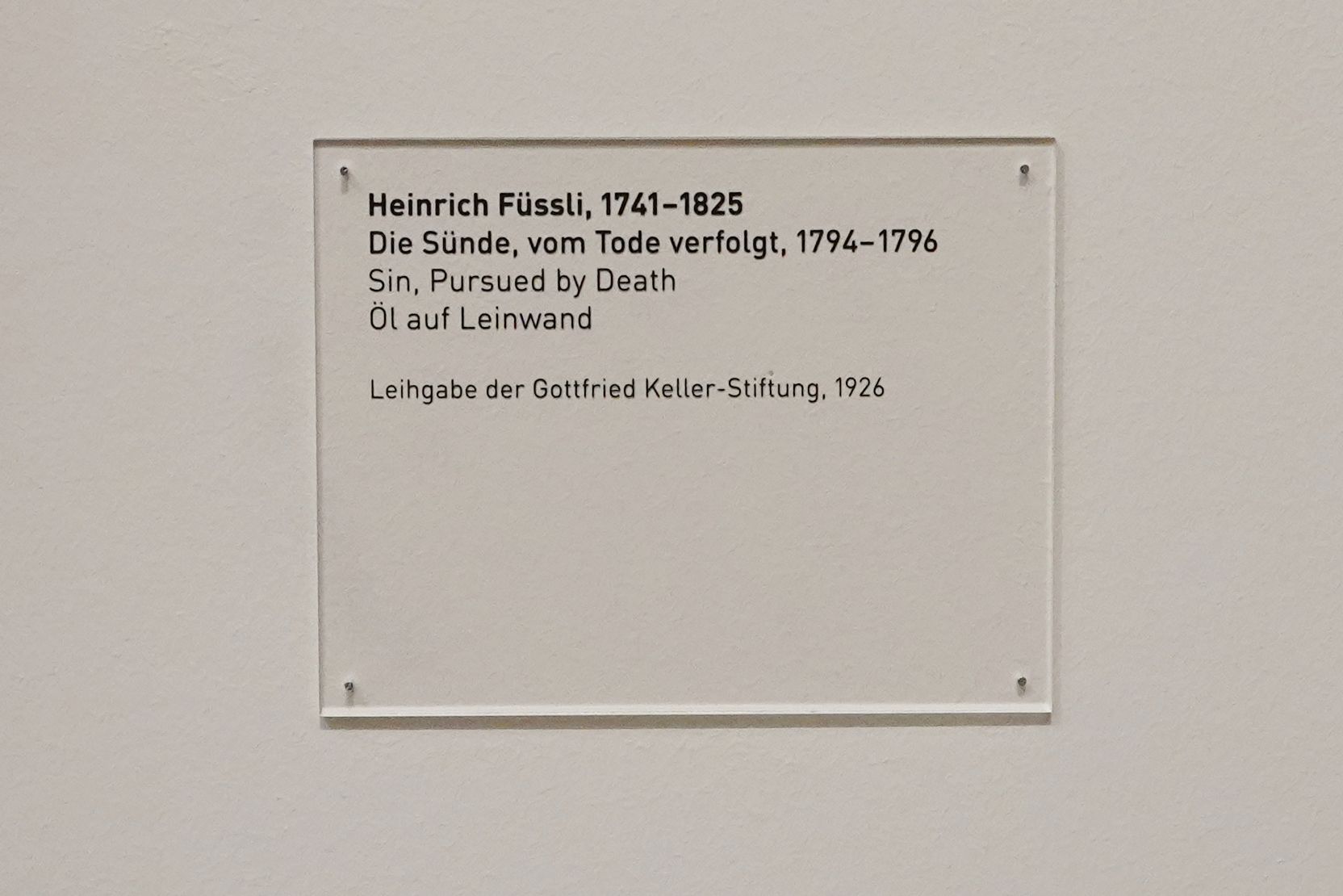
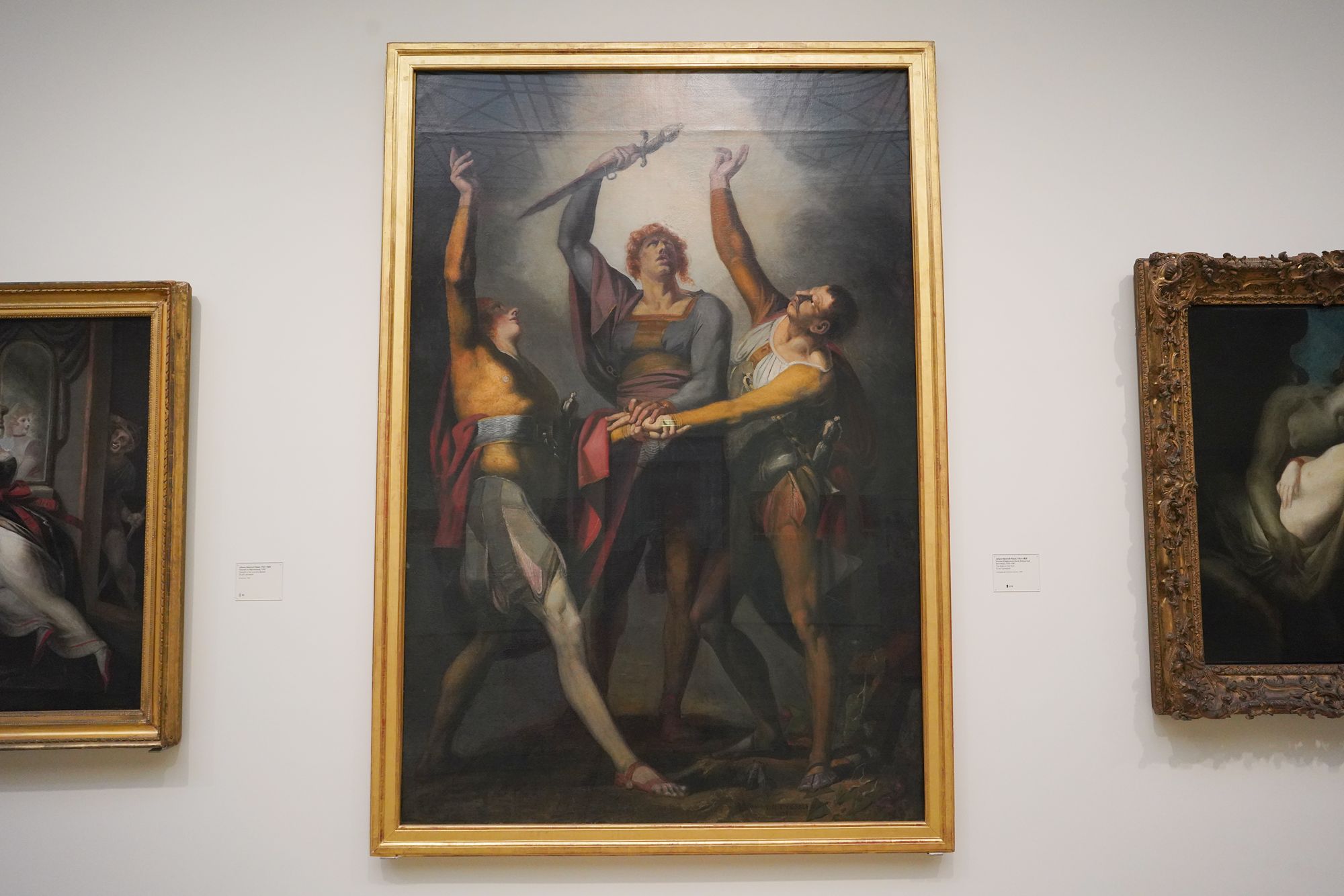
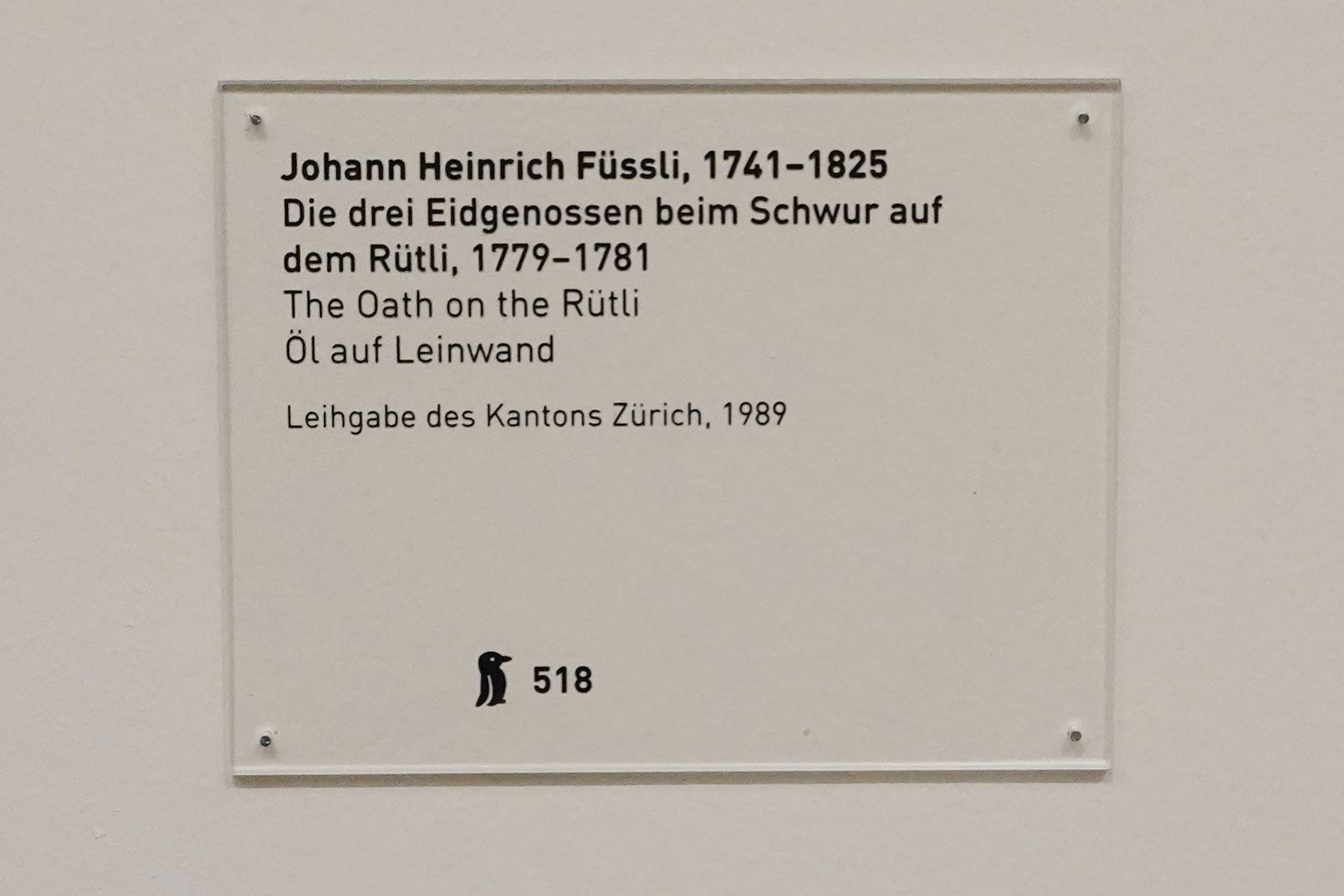
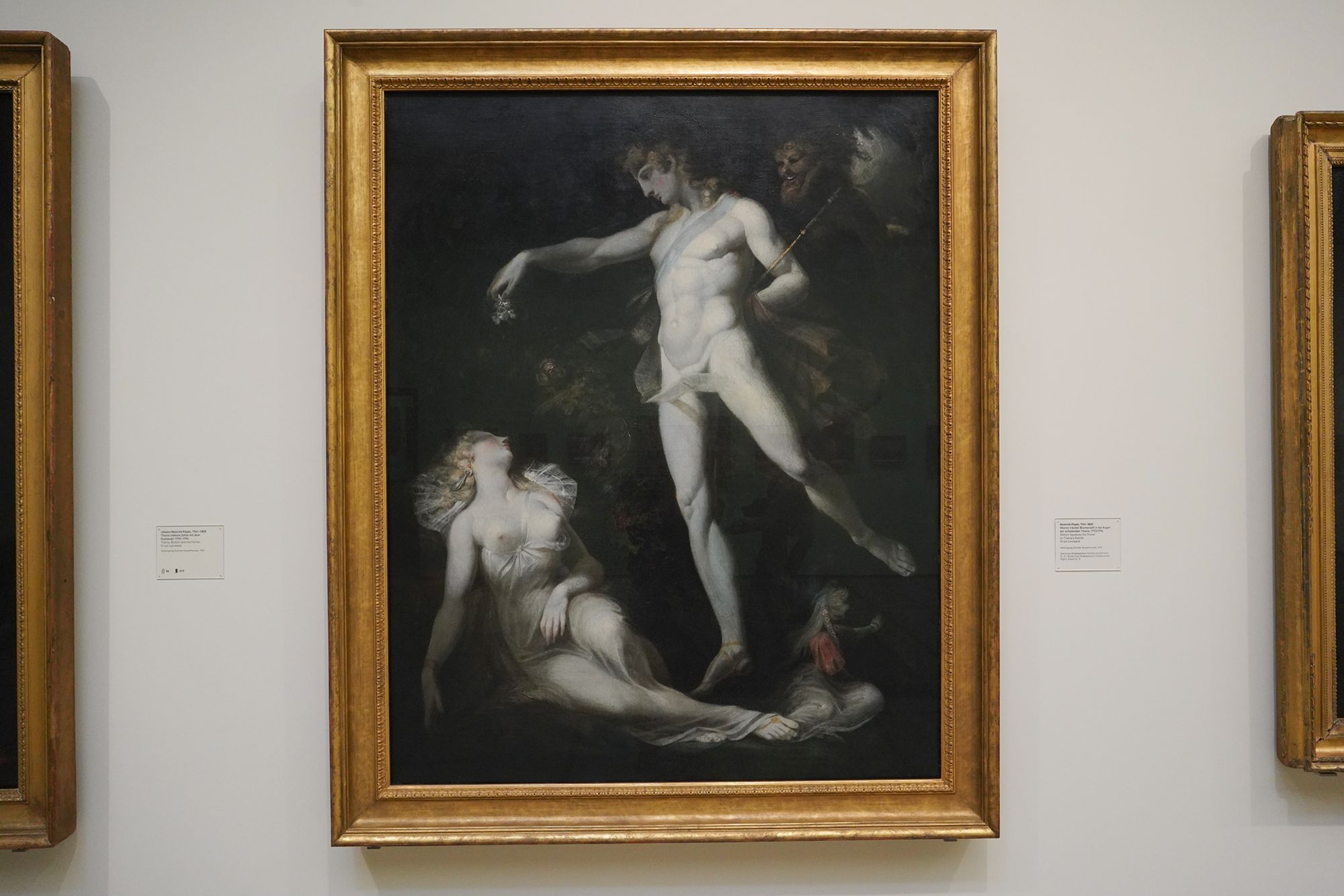
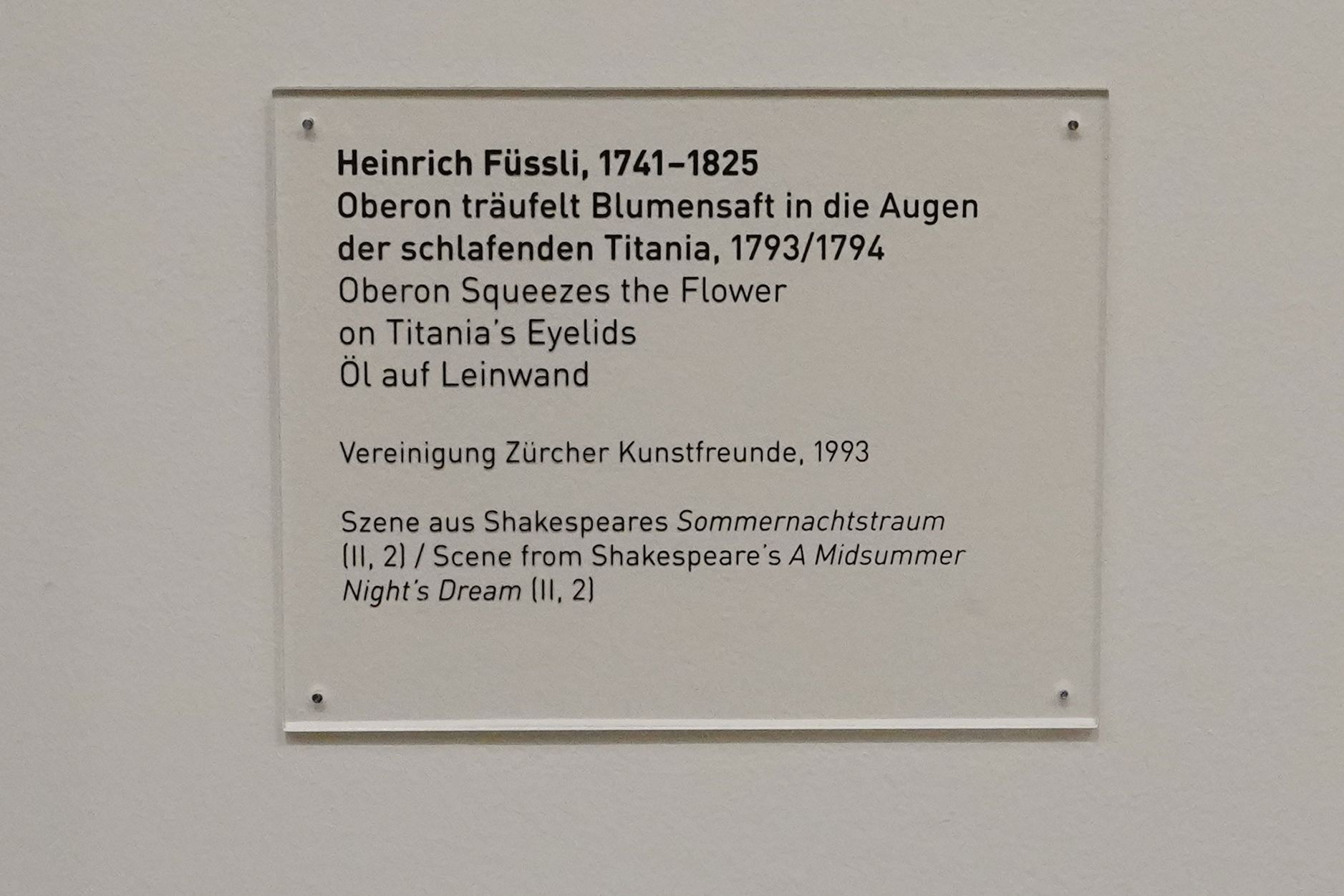
Heinrich Füssli (1741–1825), also known in English as Henry Fuseli, was a Swiss-born painter who spent much of his career in Britain. He is known for dramatic, often unsettling scenes drawn from literature, mythology, and dreams. His best-known painting is The Nightmare.
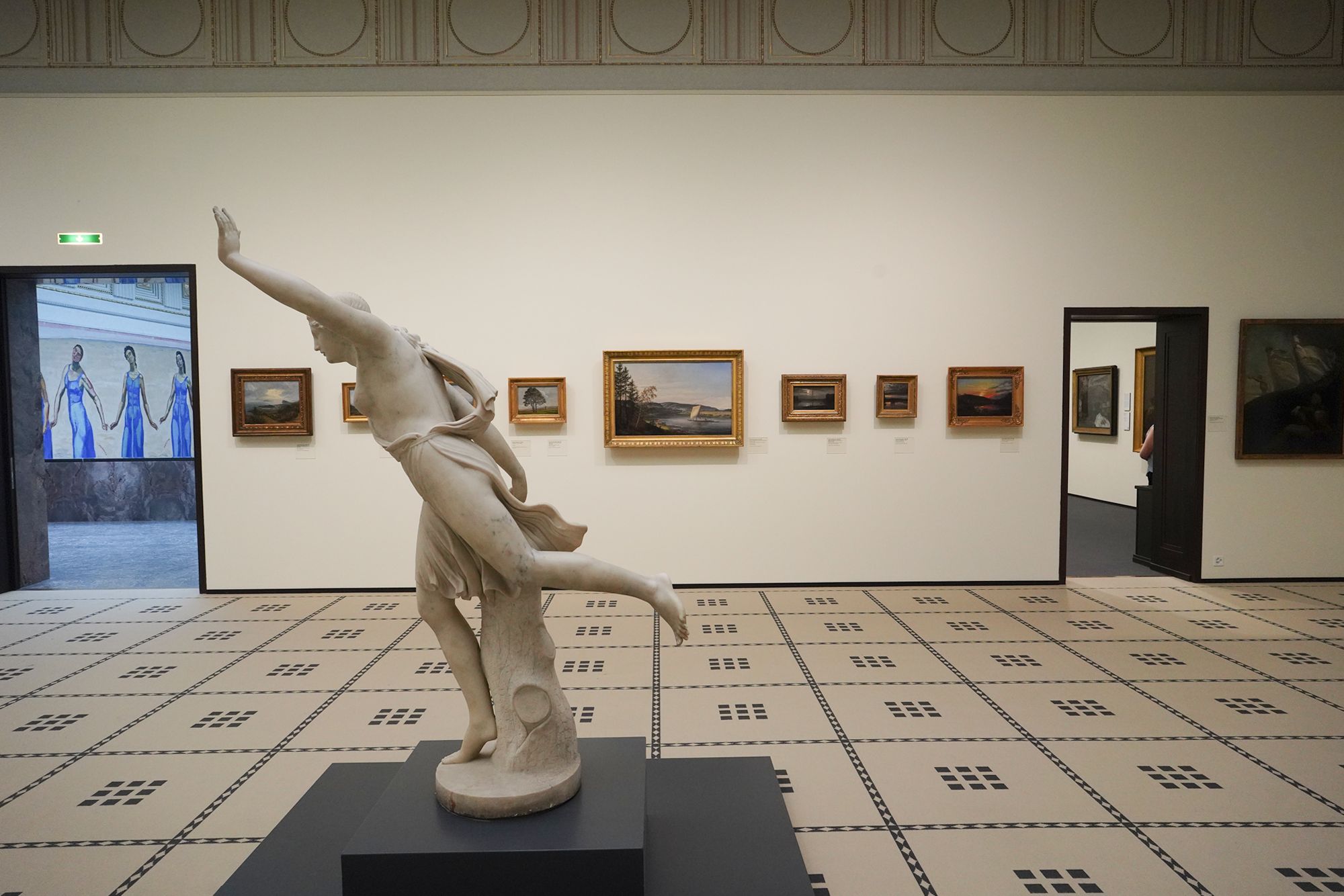
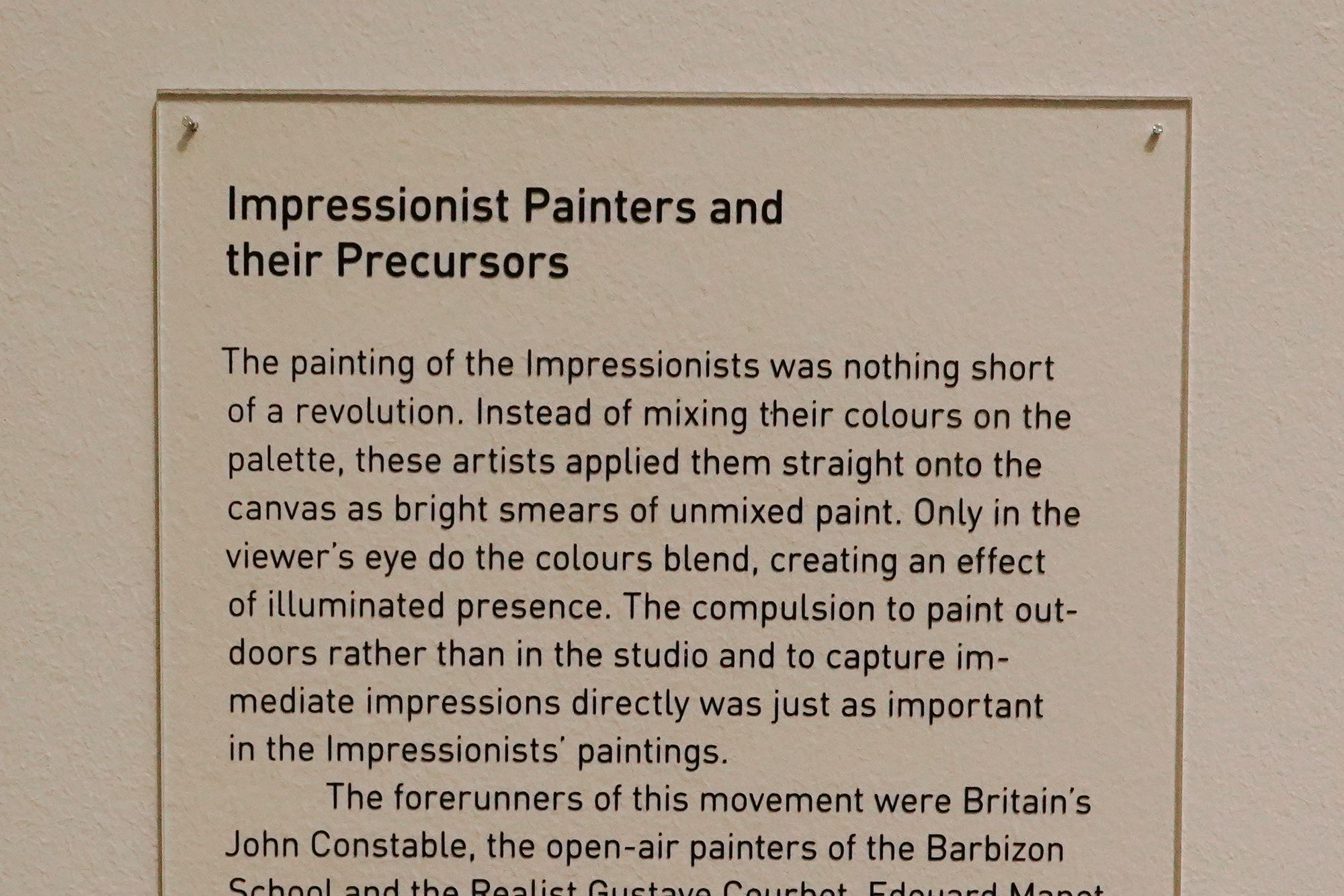
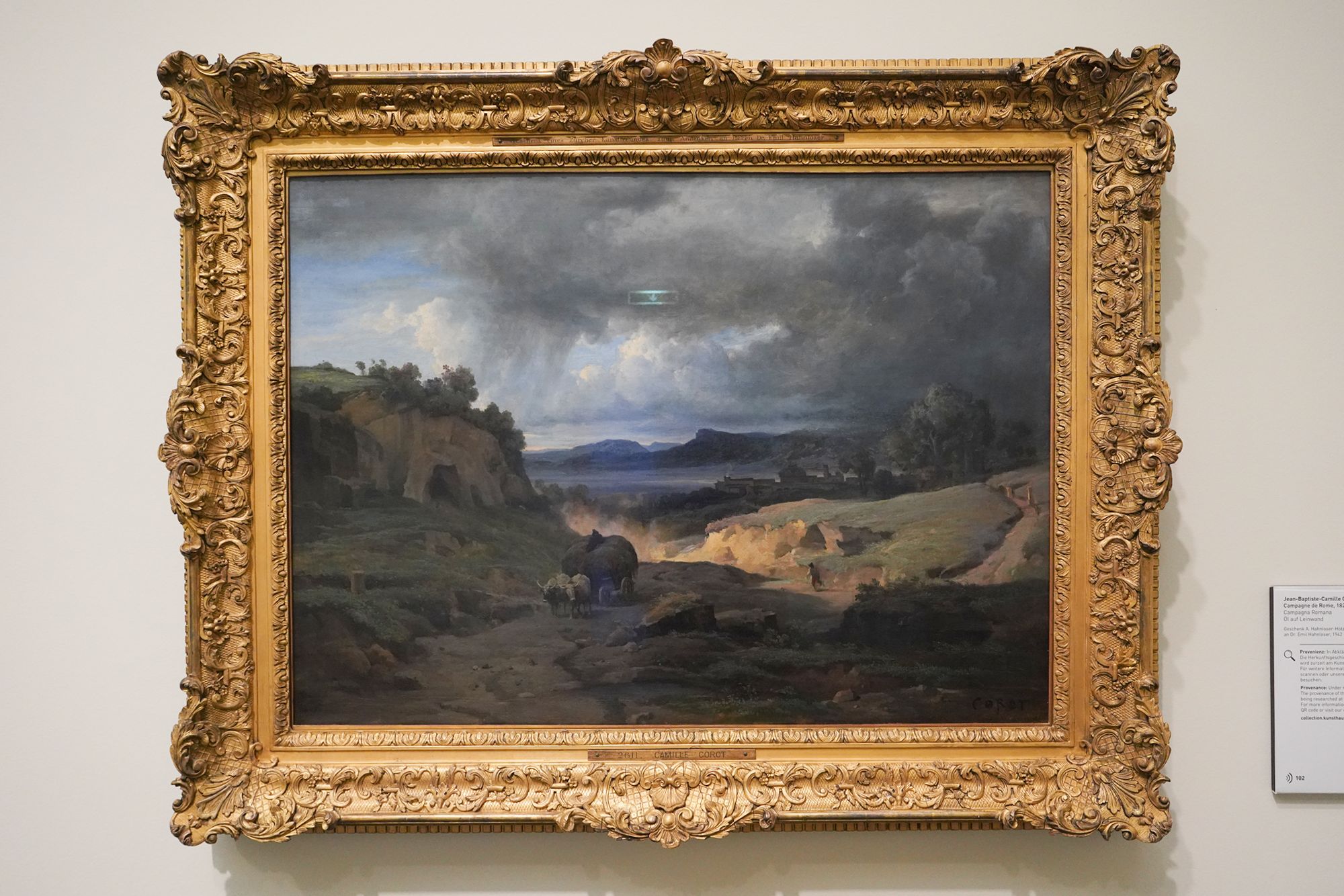
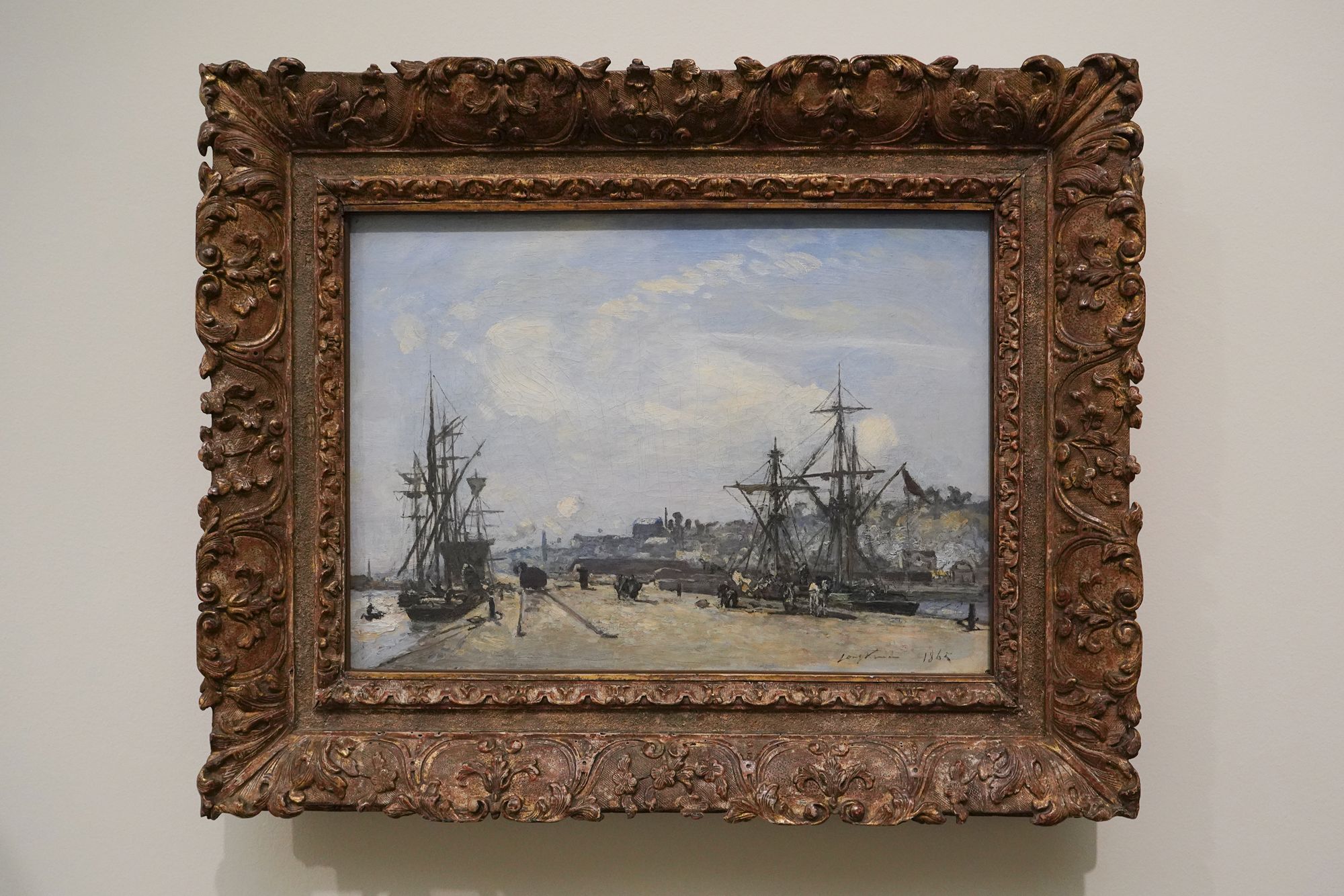
I moved into a gallery of Impressionist paintings and the artists who helped lead to the movement. The wall text explained how Impressionists used bright strokes of color and painted outdoors to capture the light and feeling of a moment.
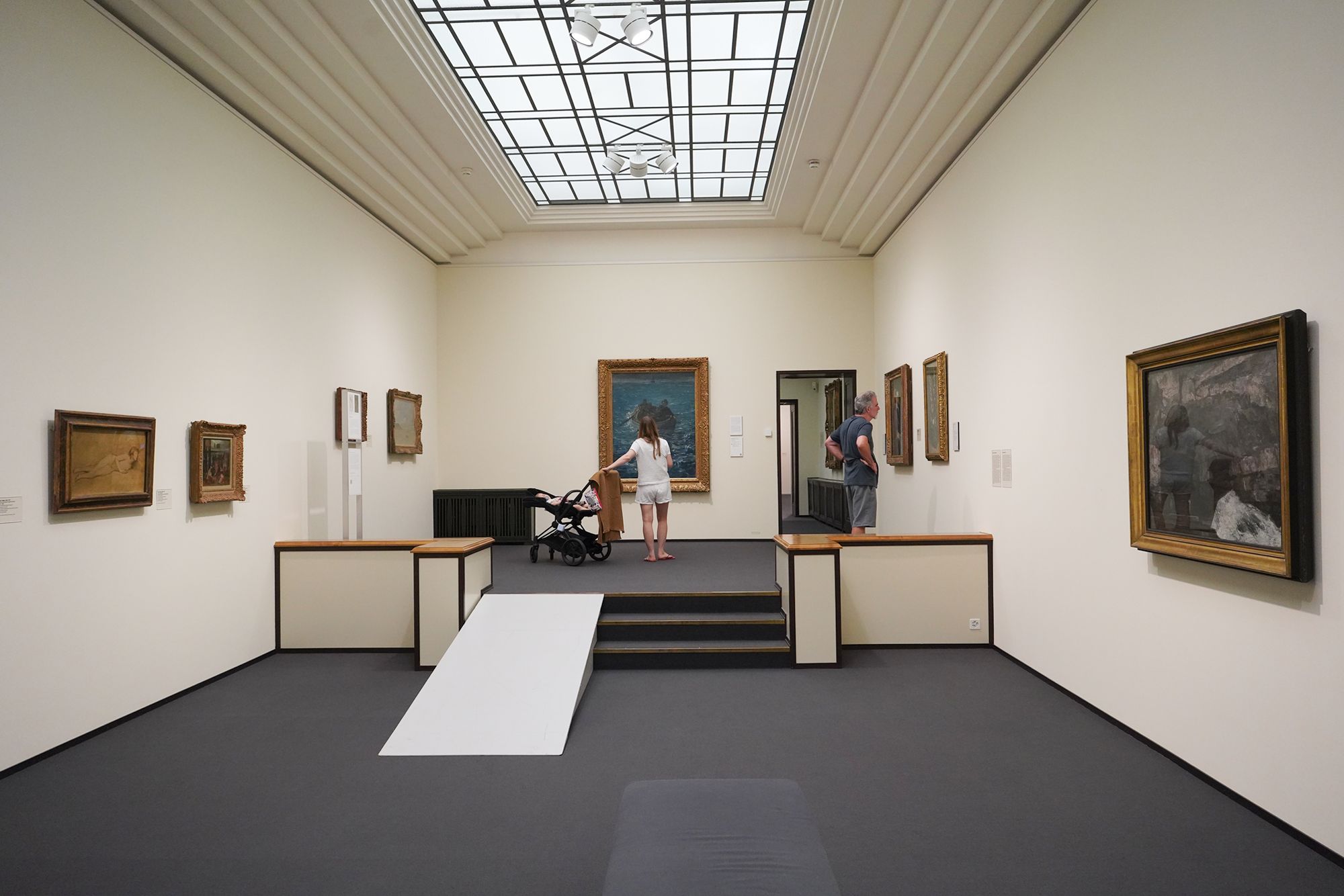
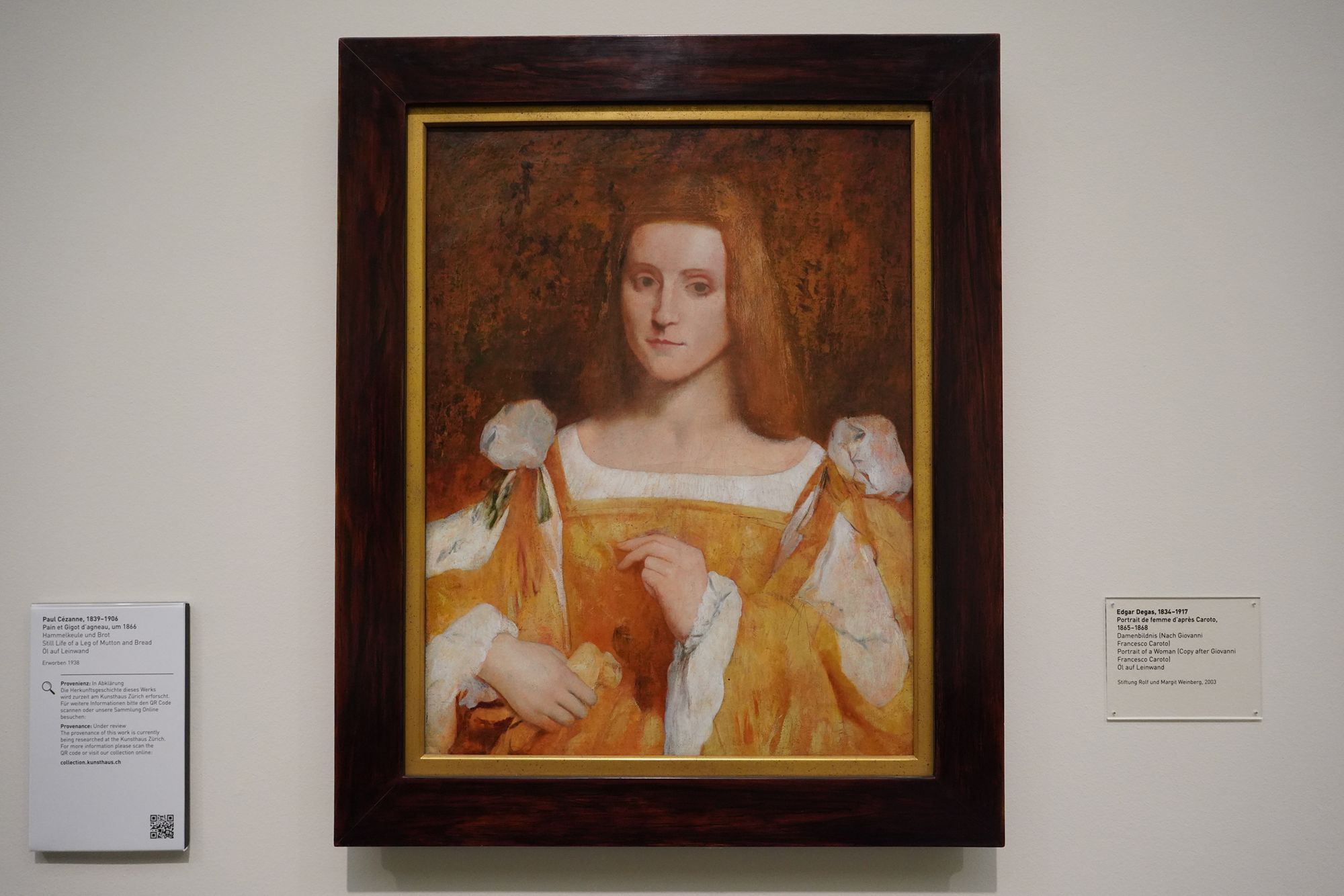
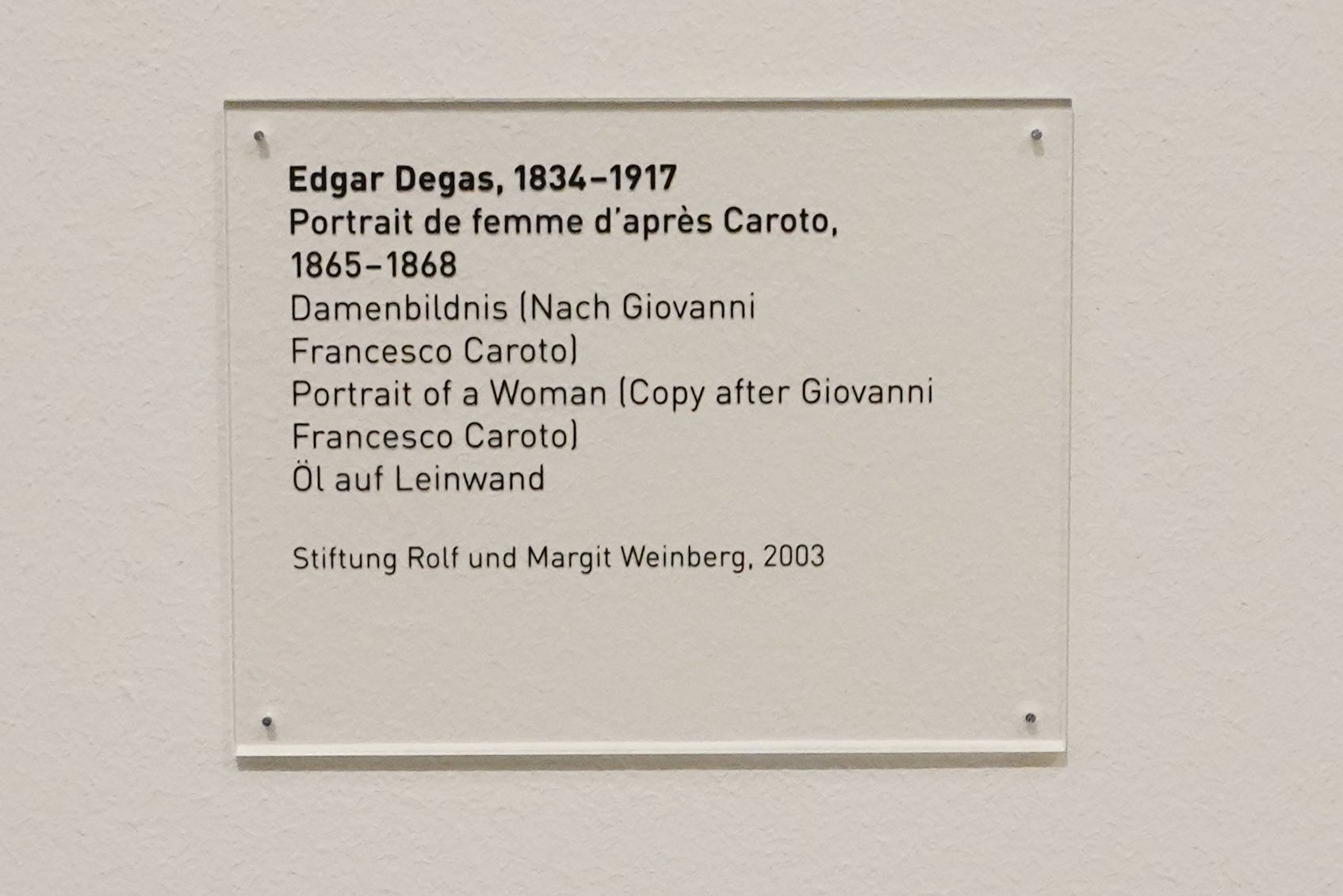
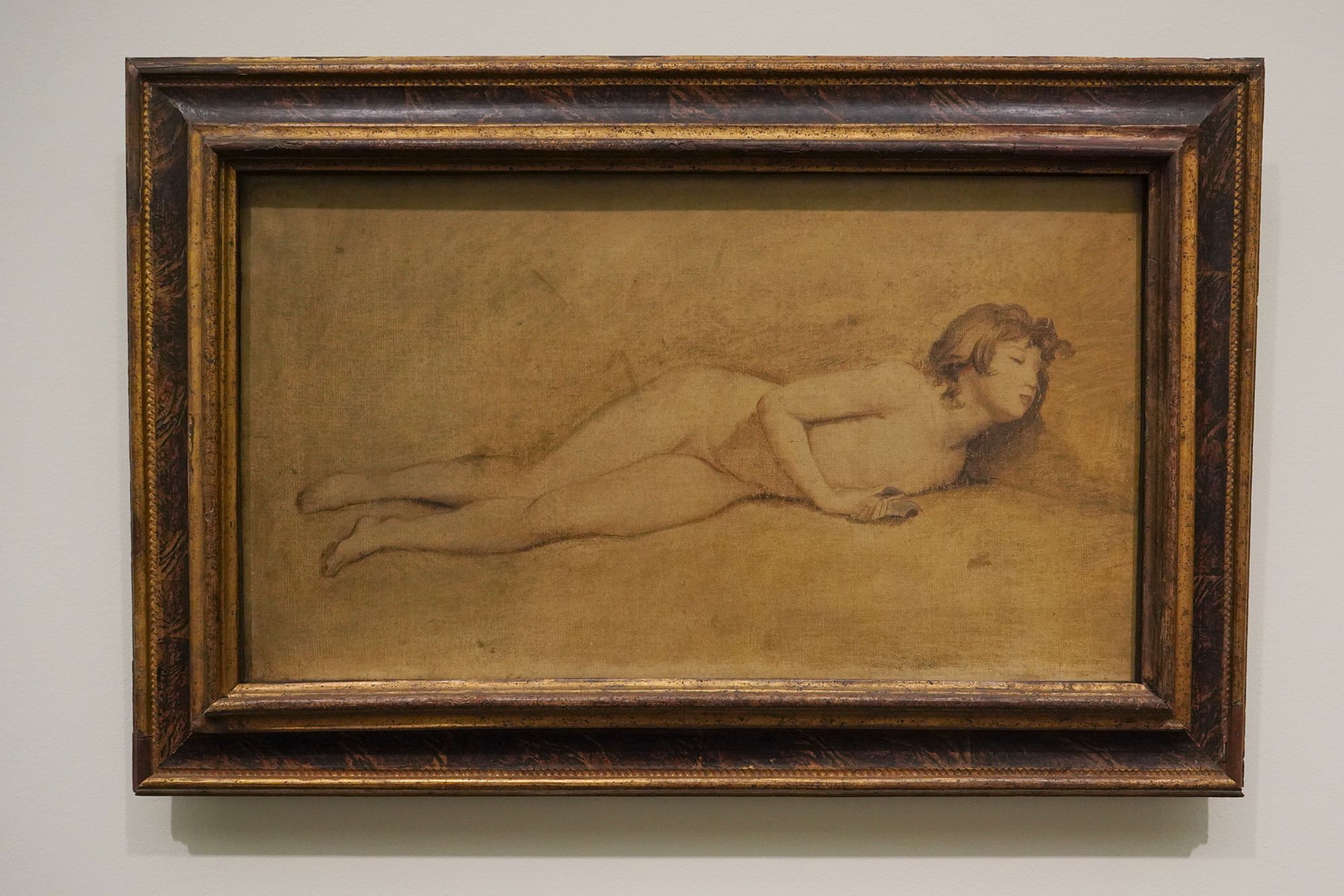
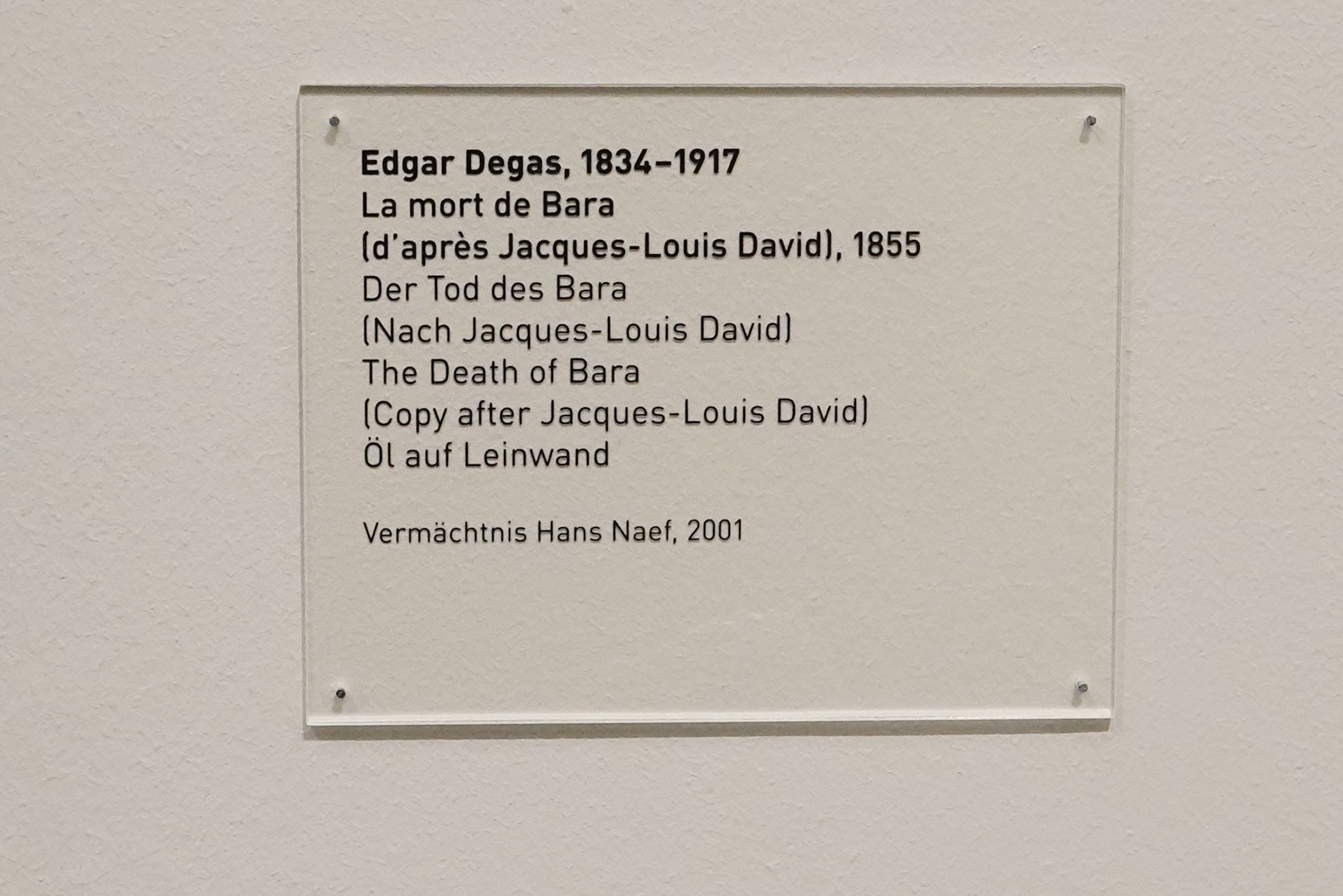
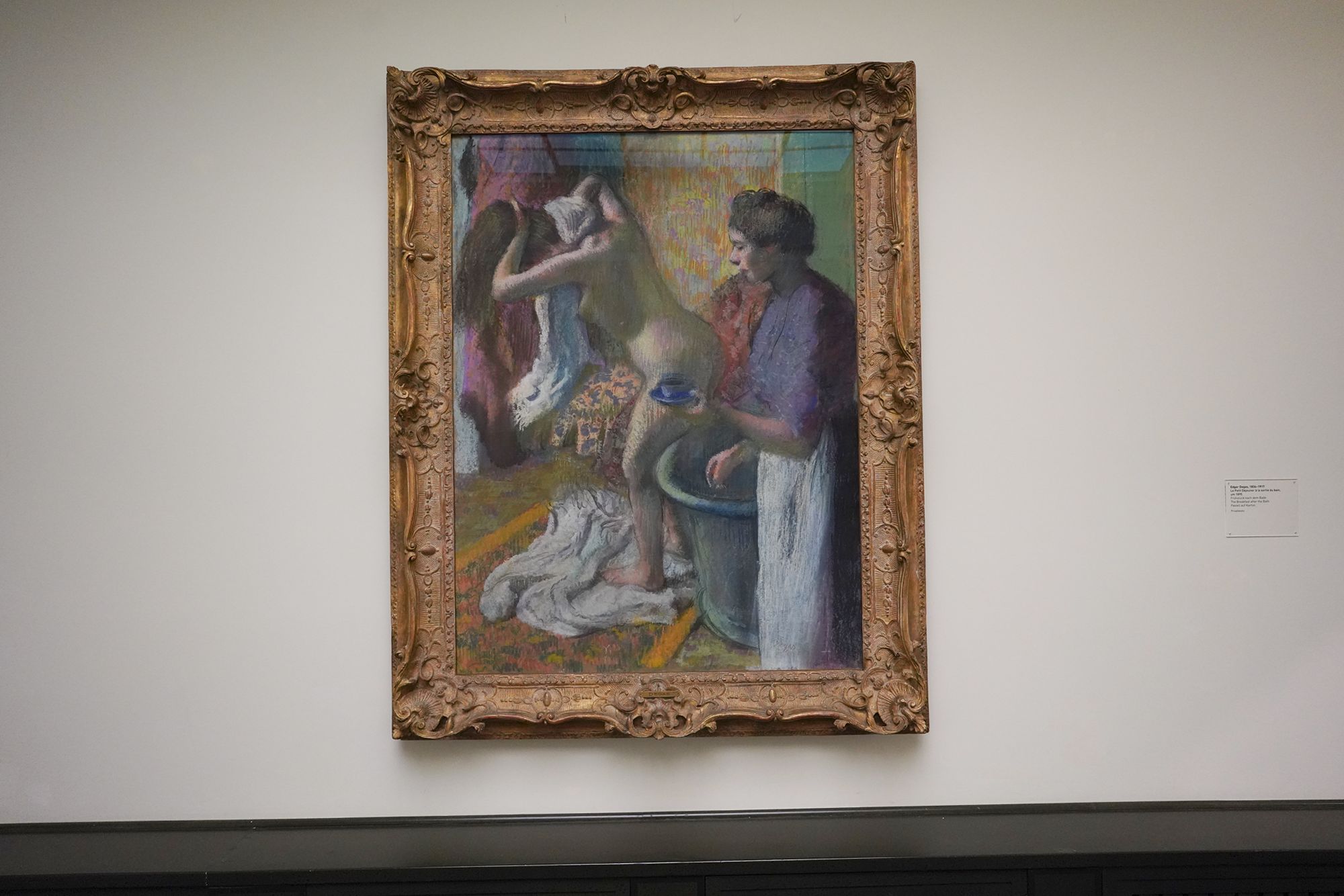
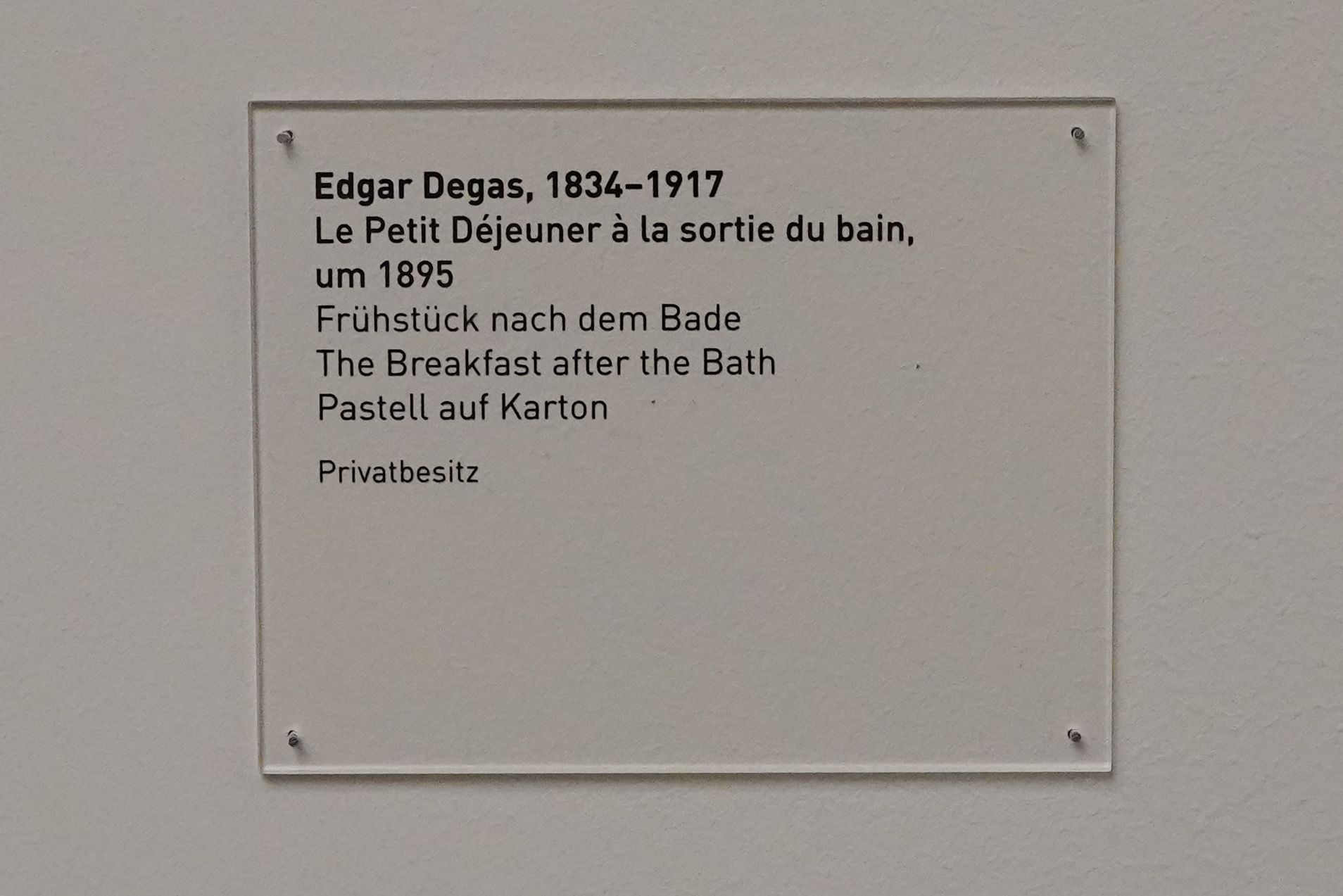
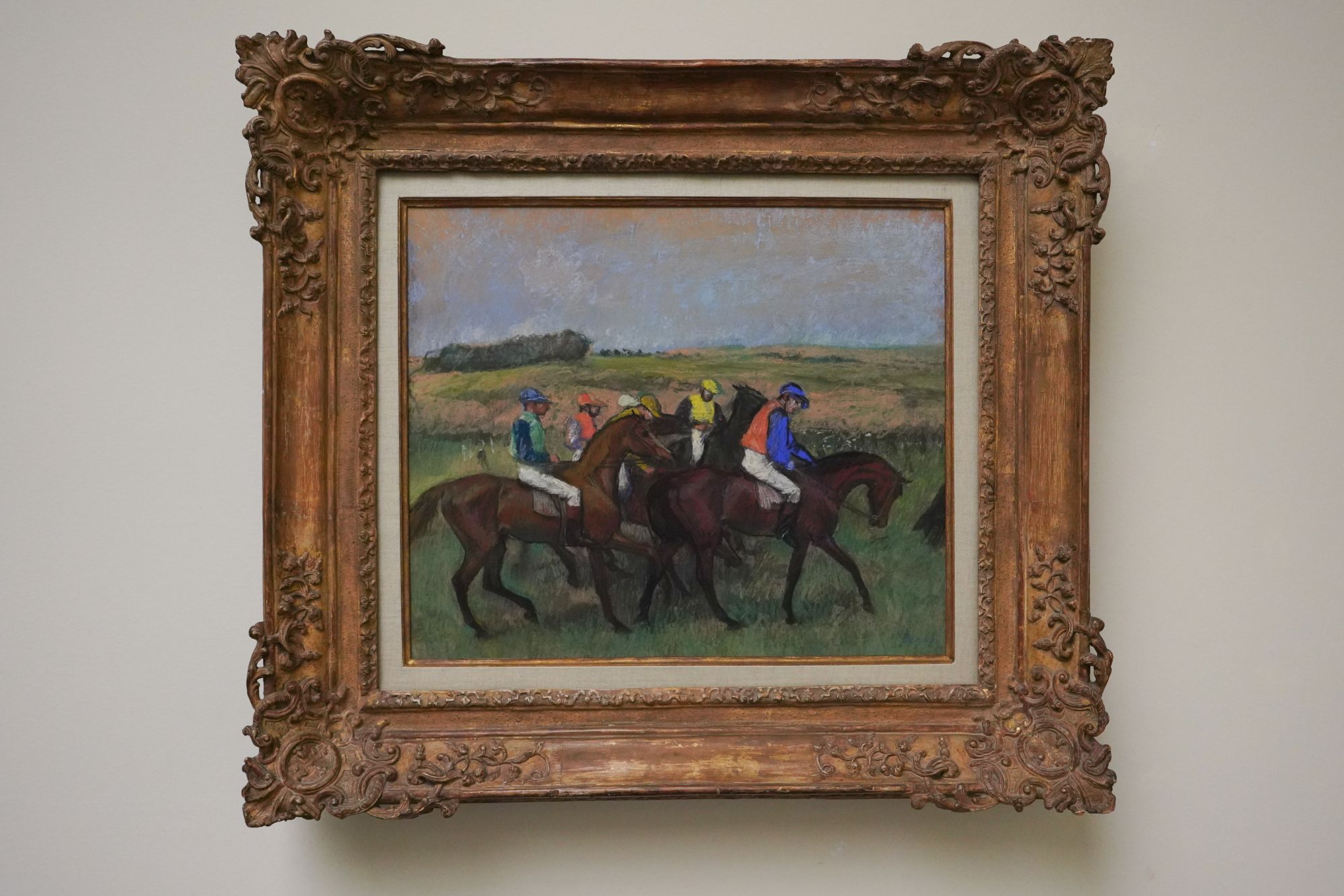
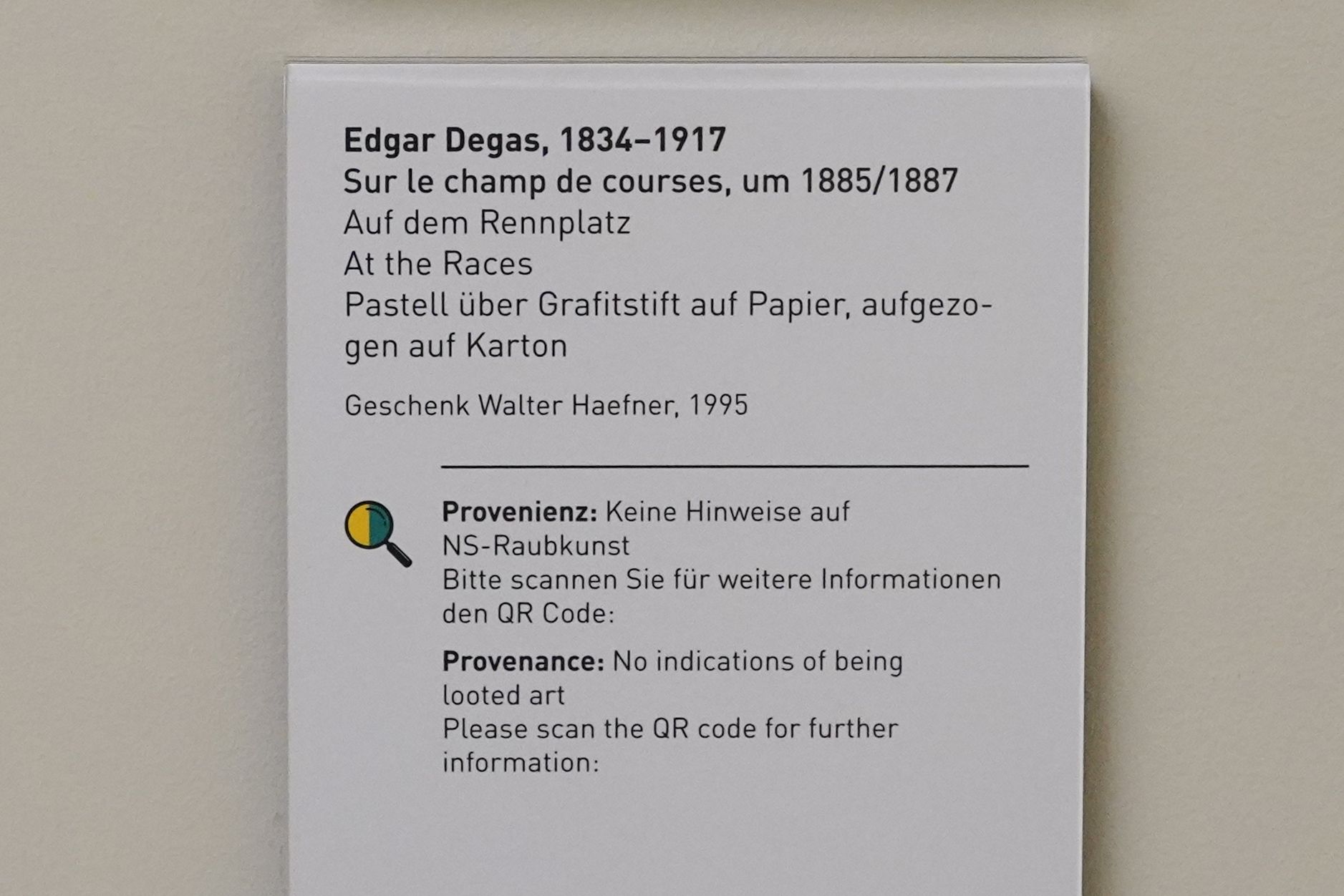
Edgar Degas (1834–1917) was a French artist associated with Impressionism. He is especially known for paintings and pastels of ballet dancers, horse races, and everyday life. Unlike many Impressionists, he often worked indoors, studying people’s movements and capturing them from unusual angles.
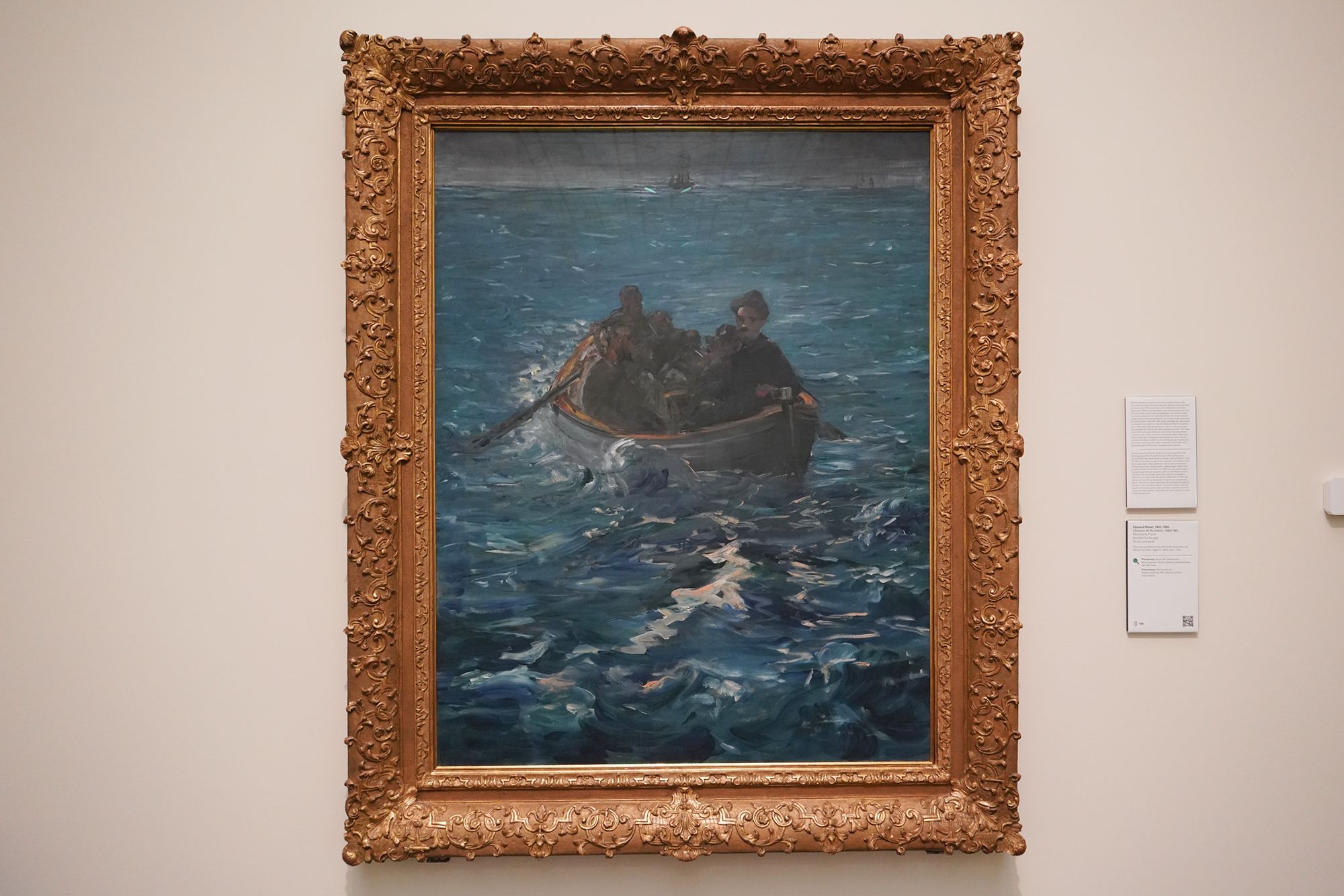
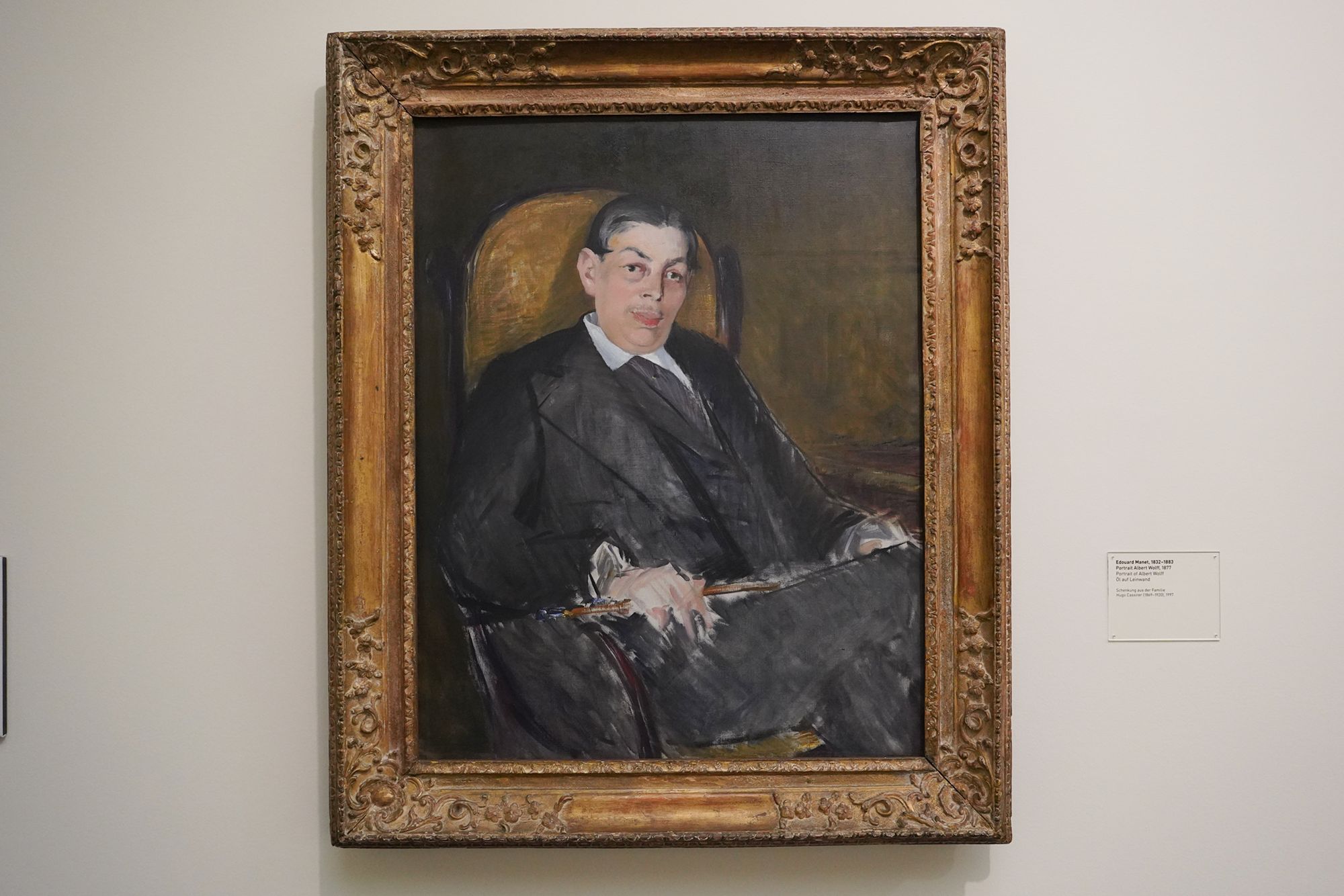
Édouard Manet (1832–1883) was a French painter whose scenes of modern Paris helped pave the way for Impressionism. He often used bold brushwork and strong contrasts of light and dark. Although he was close to the Impressionists, he did not exhibit with their group.
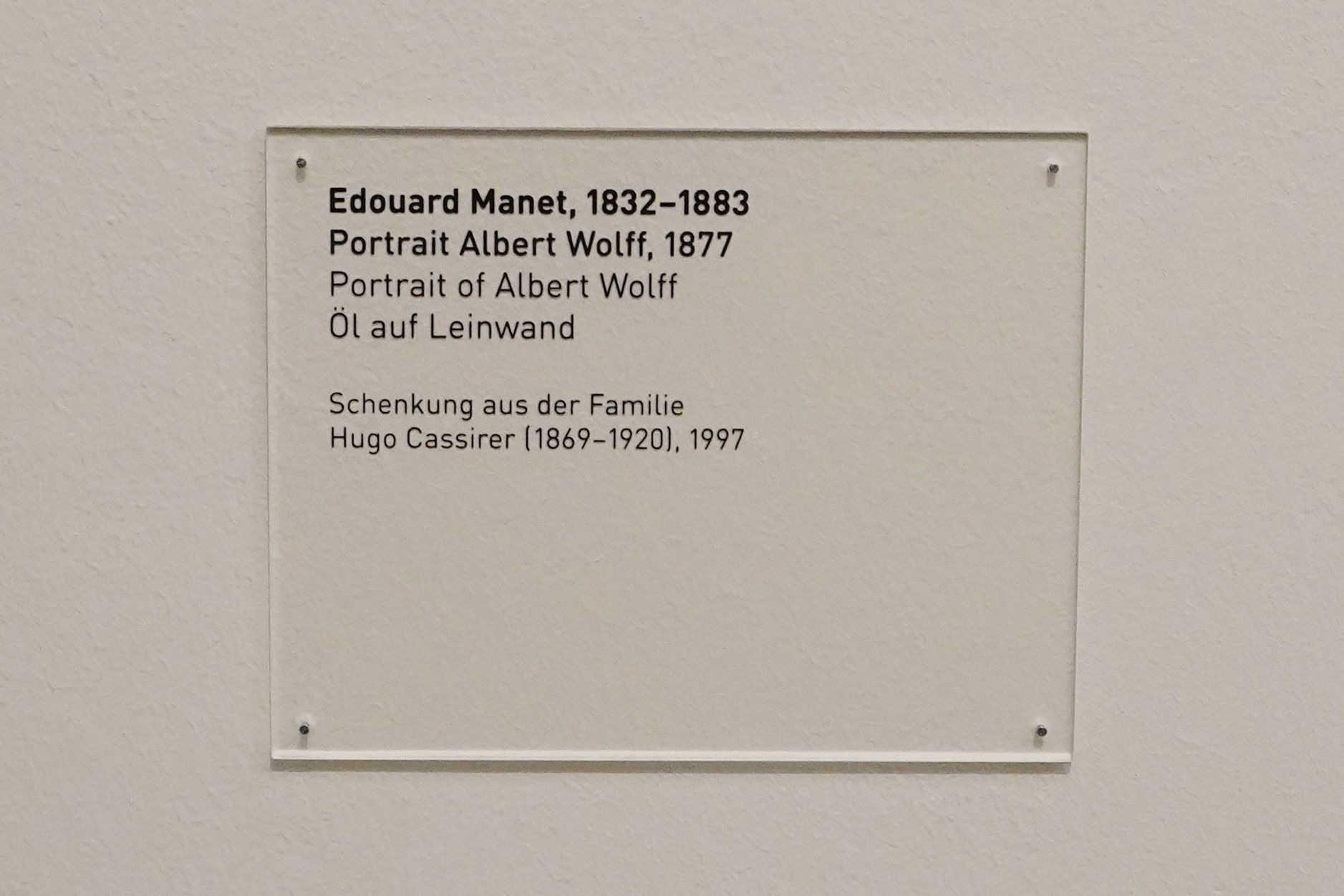
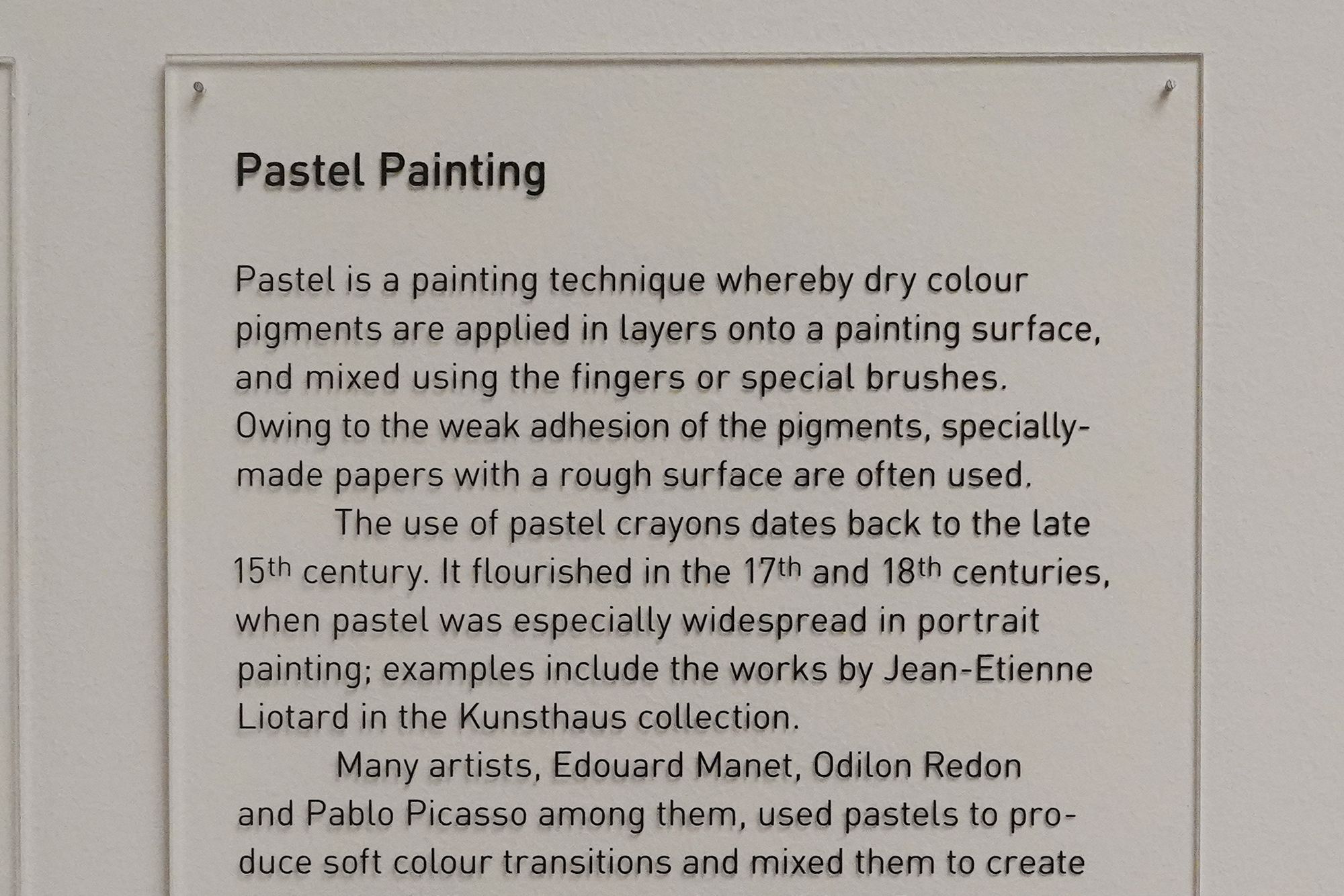
The next section explained pastel painting, which uses dry pigments on textured paper. Artists can layer and blend the colors to create soft transitions.
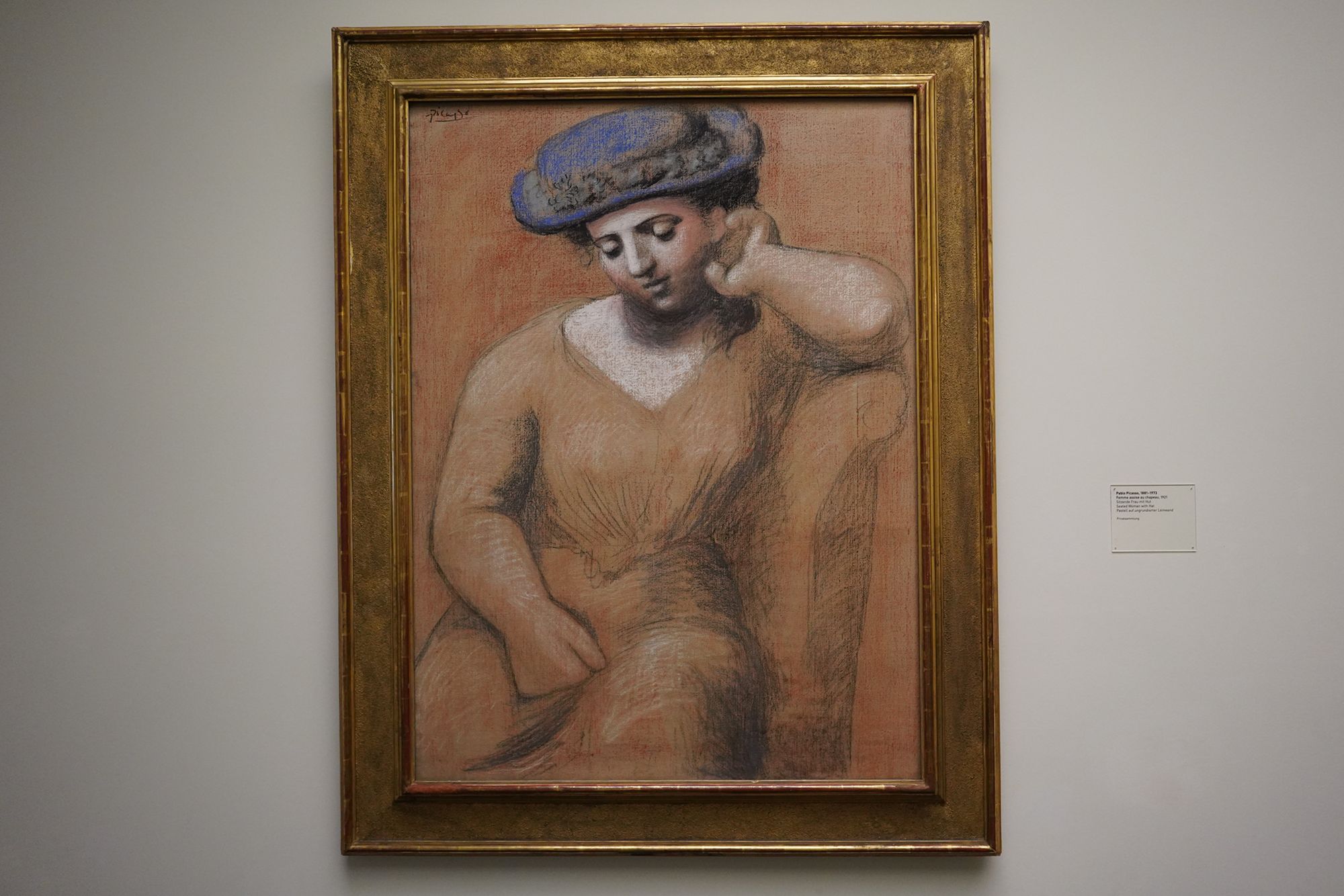
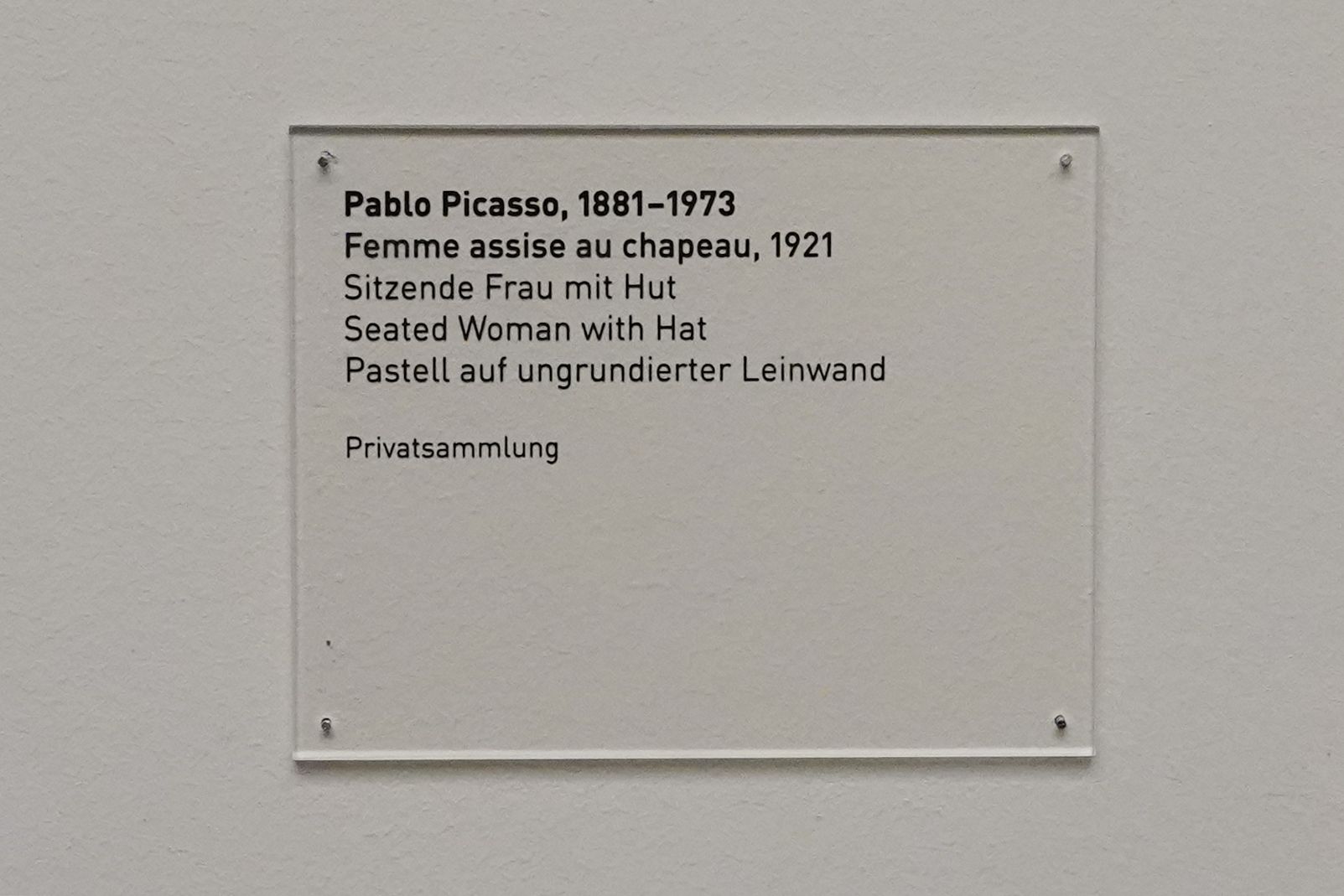
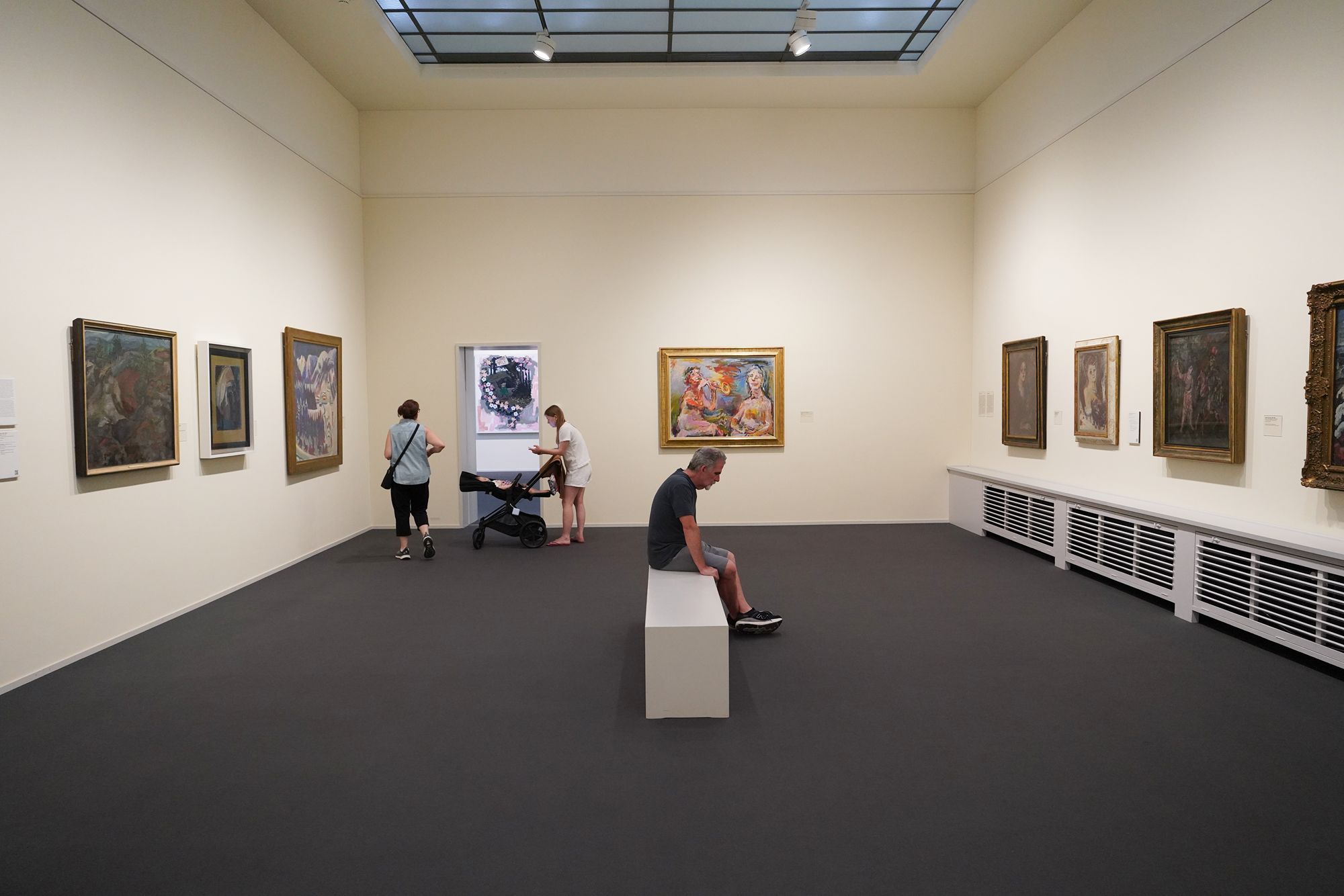
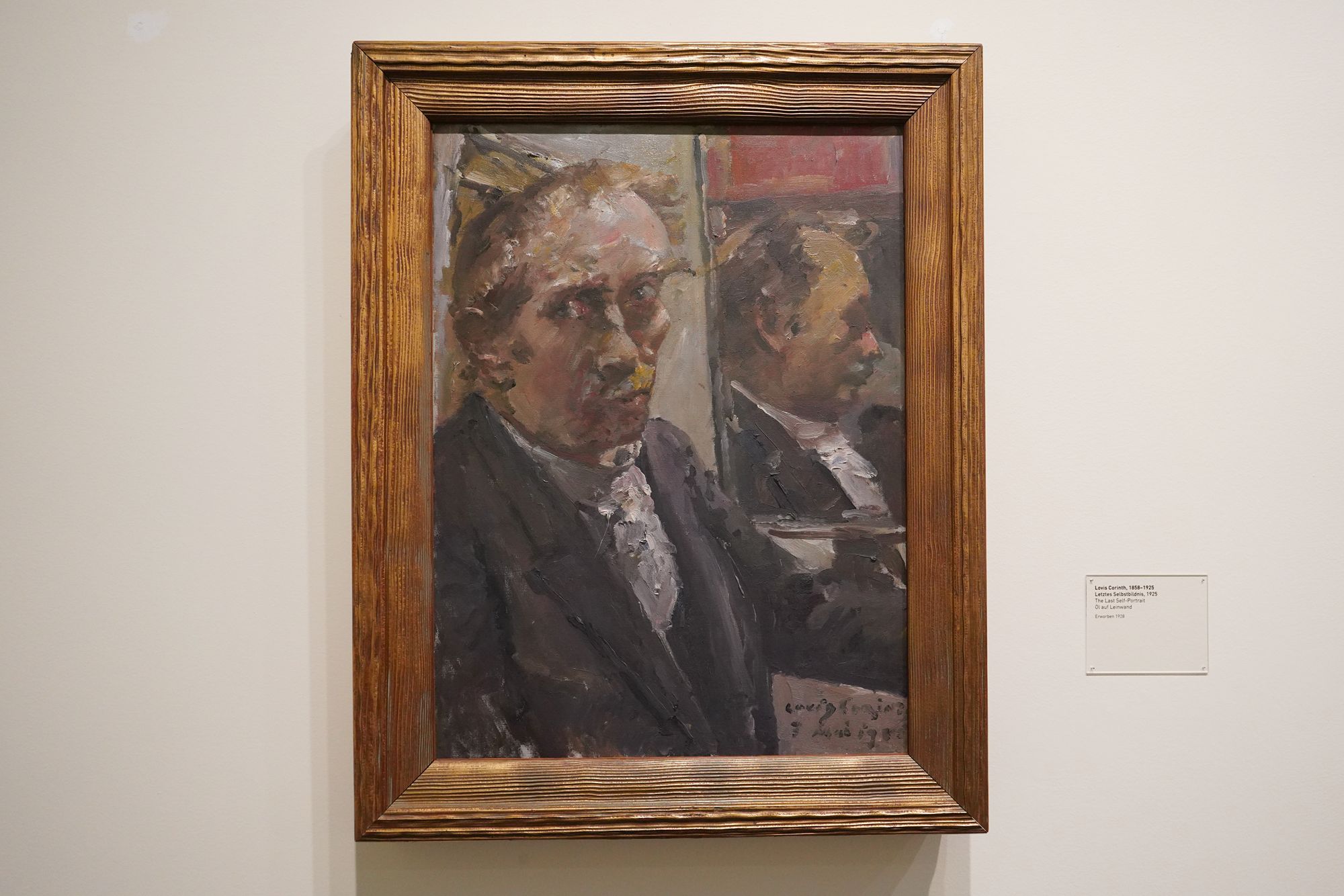
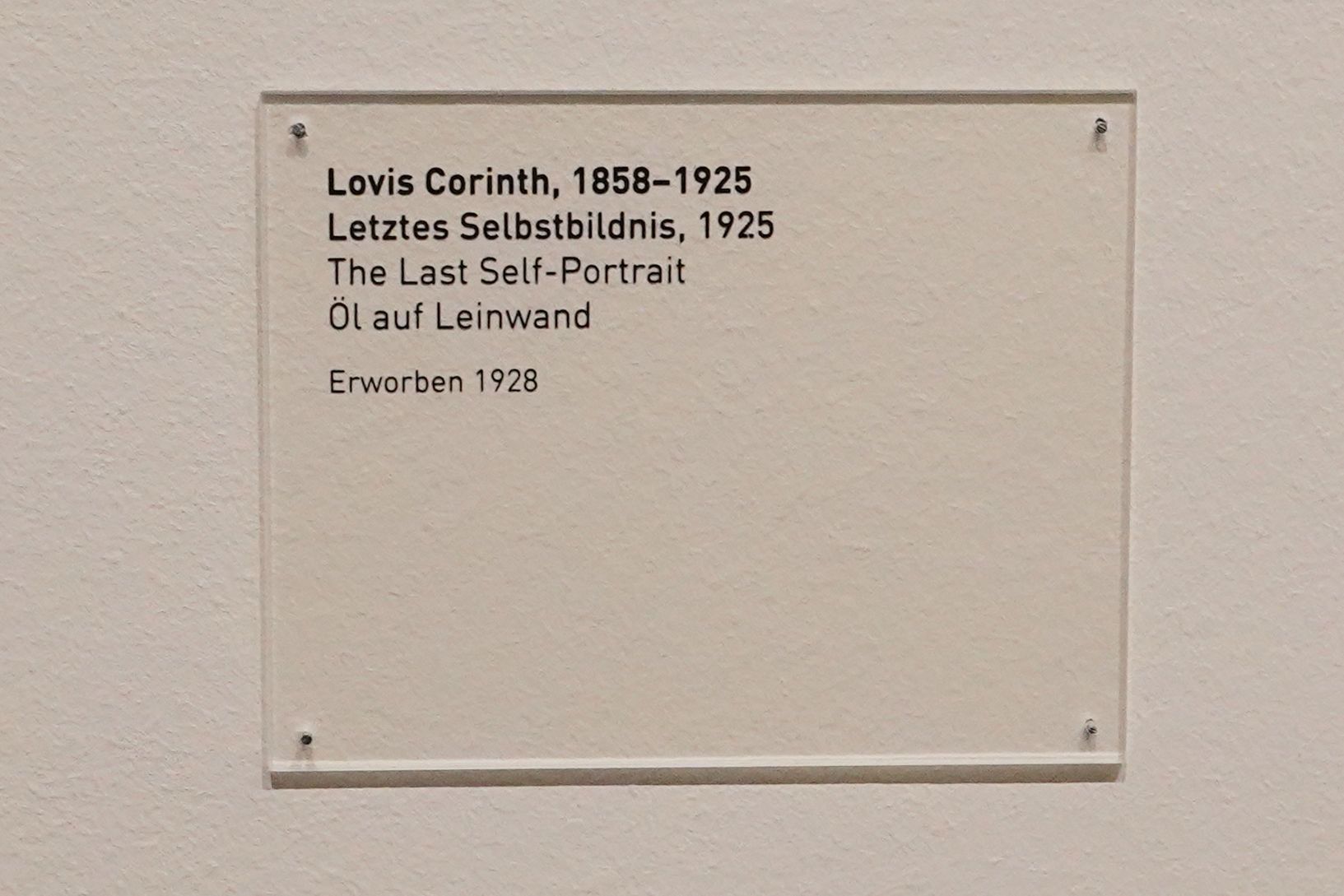
Lovis Corinth (1858–1925) was a German painter associated with both Impressionism and Expressionism. He painted portraits, landscapes, and scenes from mythology and religion. His later work became especially loose and expressive, with energetic brushstrokes and vivid color.
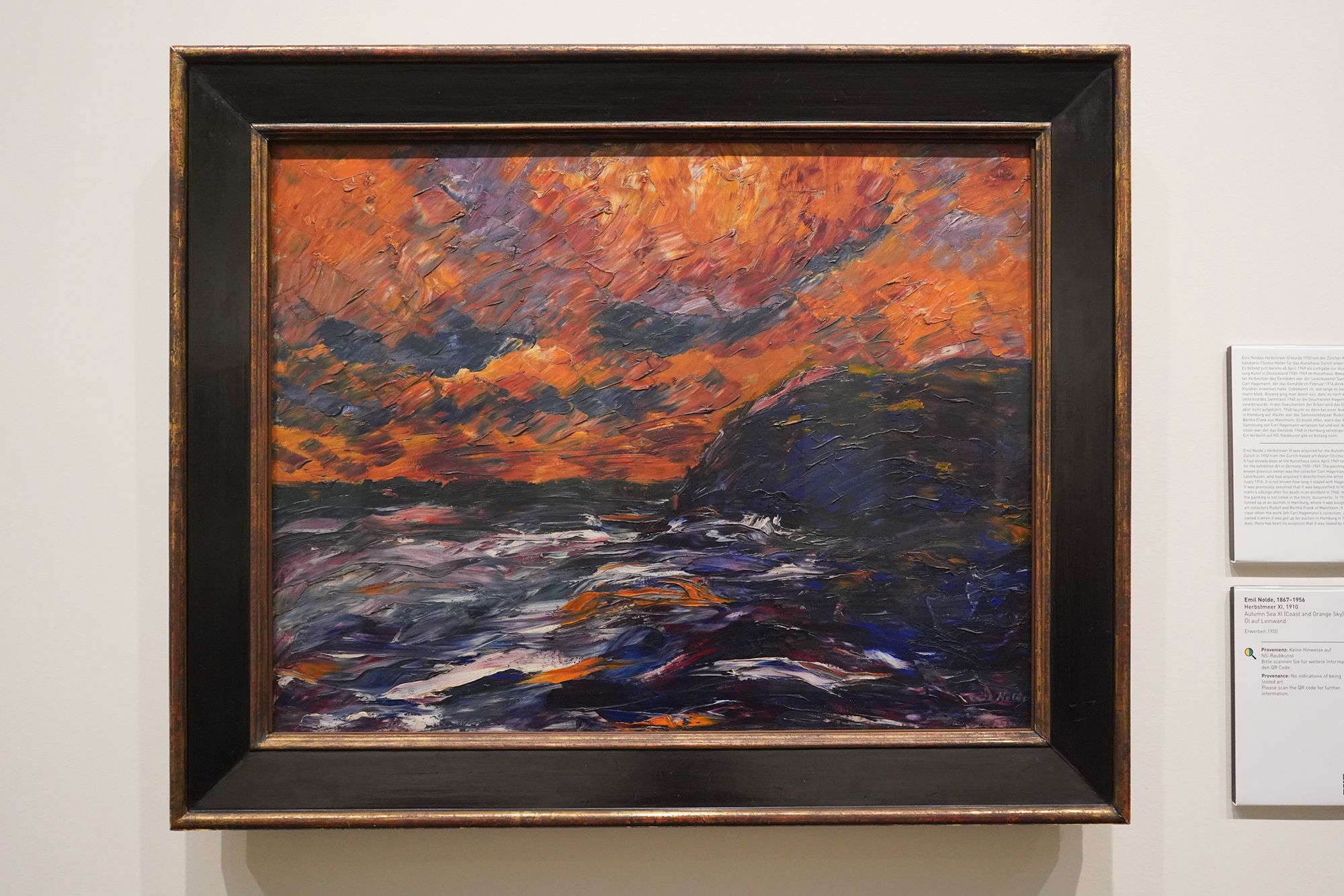
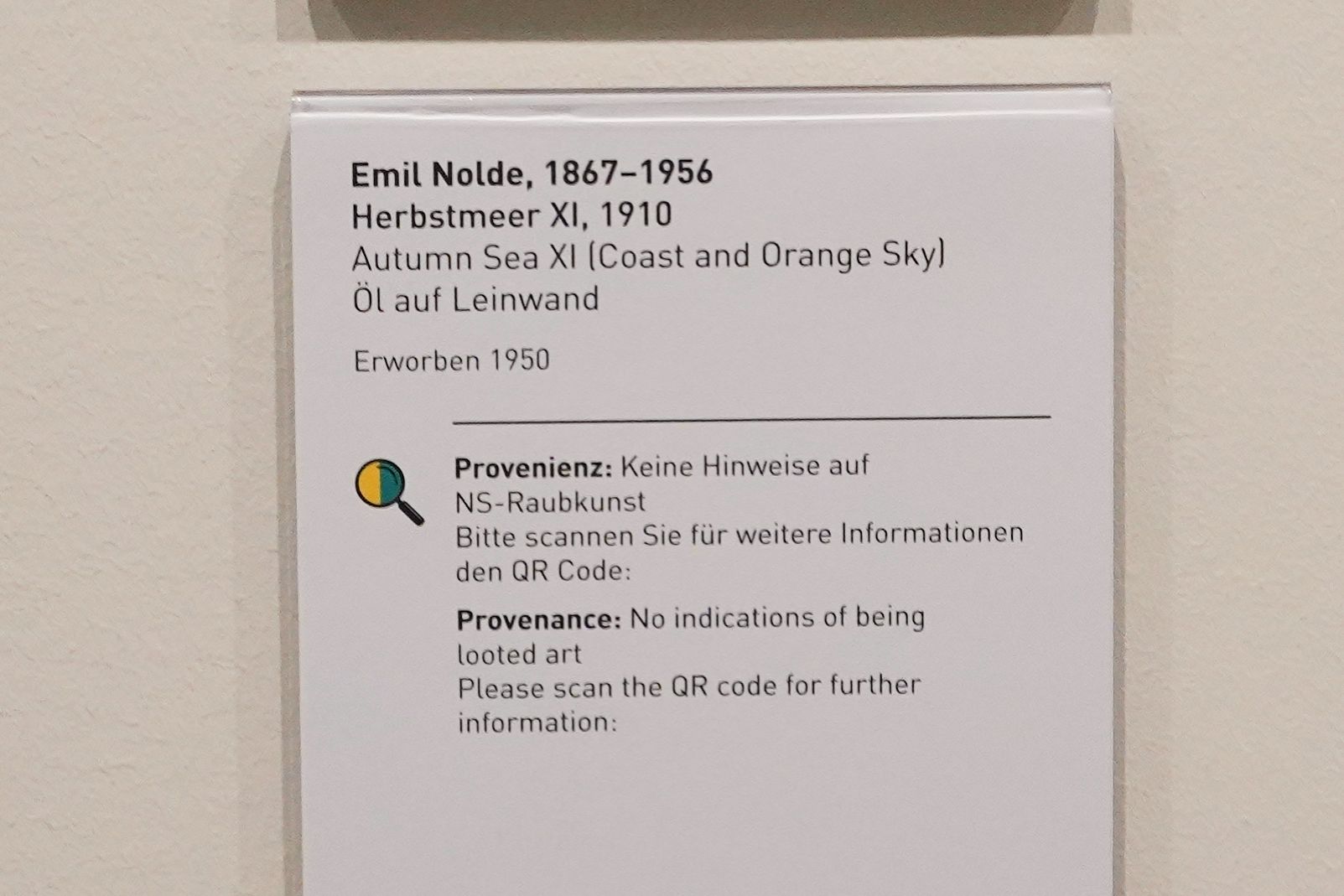
Emil Nolde (1867–1956) was a German Expressionist painter known for intense colors and bold brushwork. He painted flowers, landscapes, and religious scenes. For your blog, you could say:
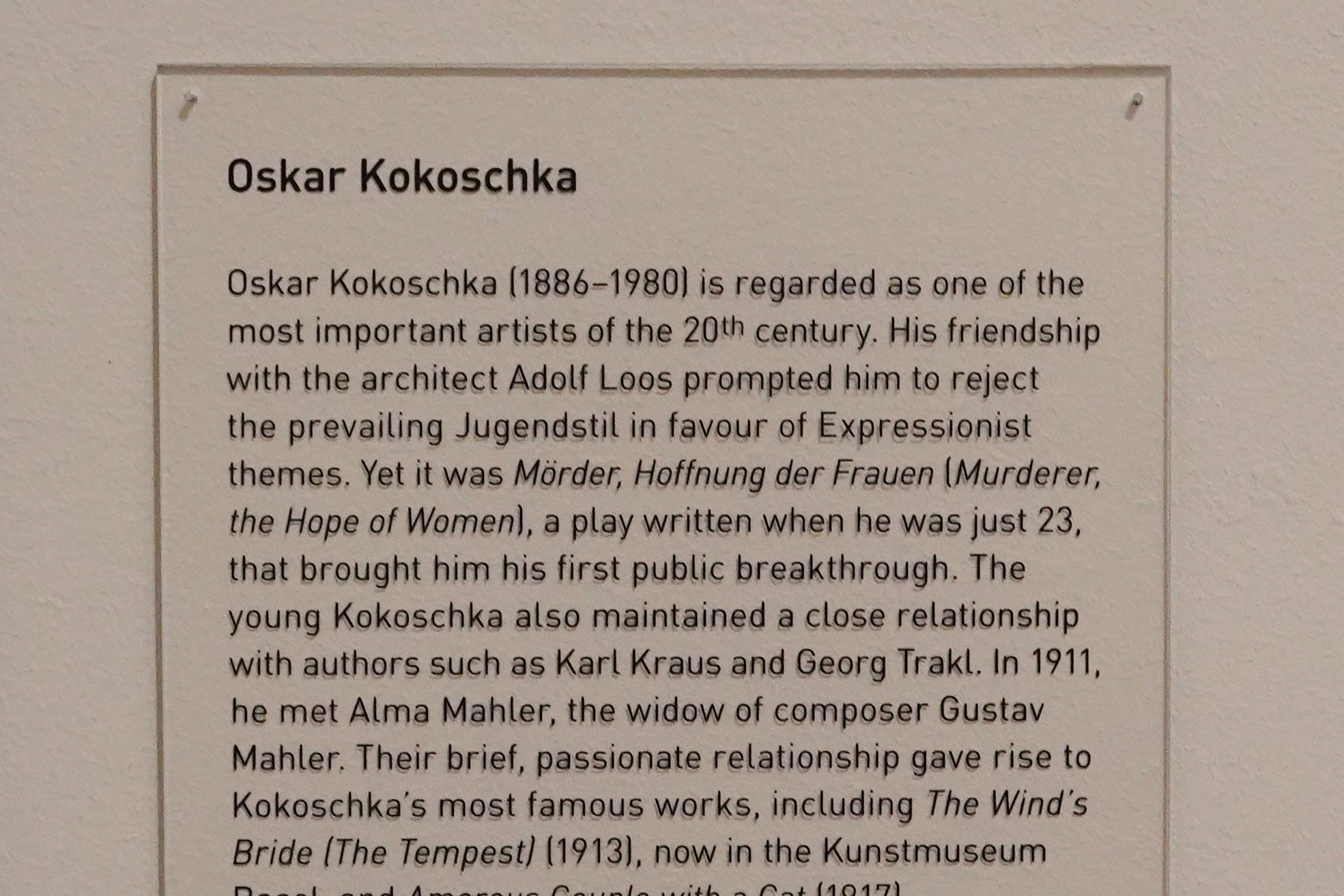
Oskar Kokoschka was an Austrian Expressionist whose portraits often conveyed intense emotion.
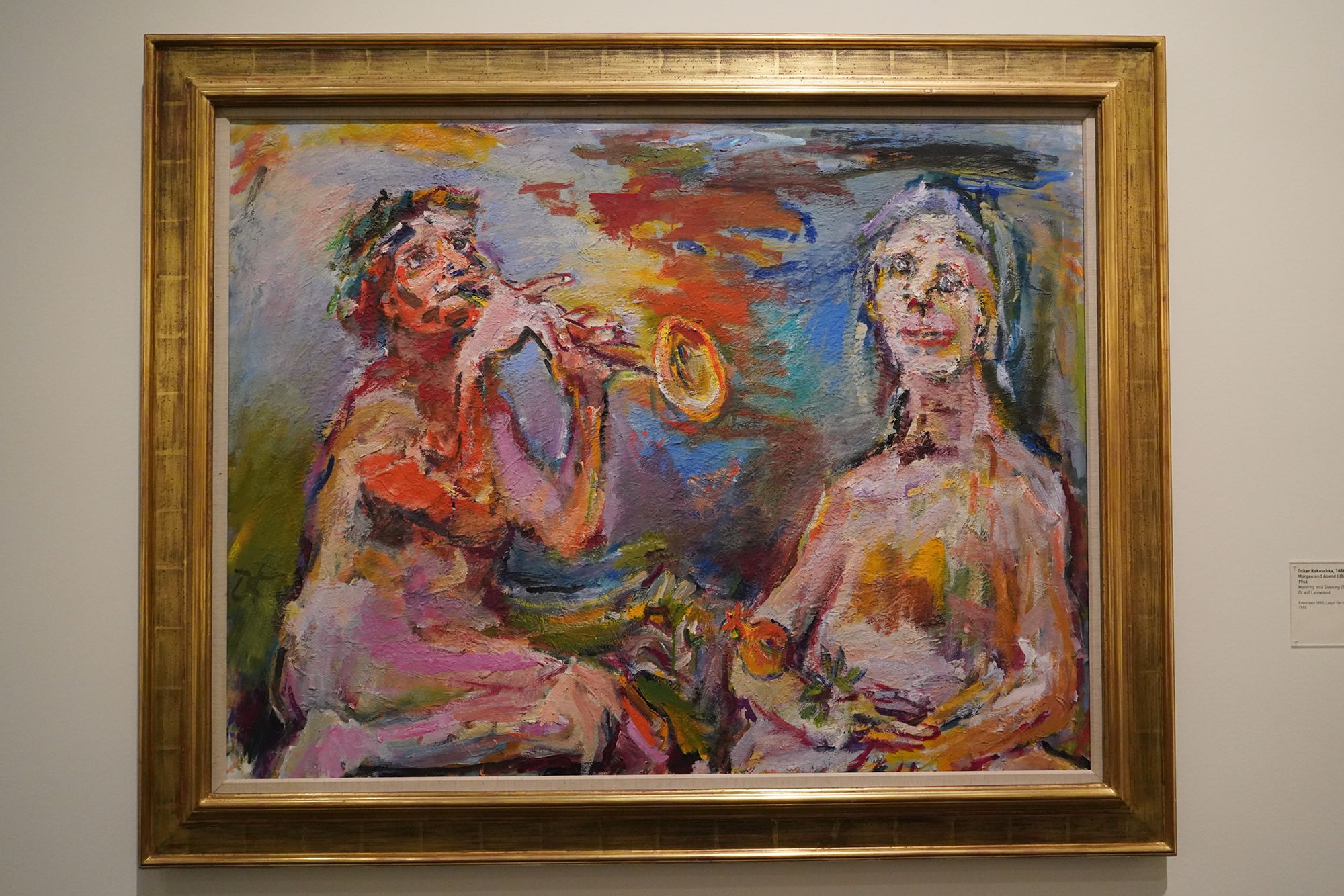
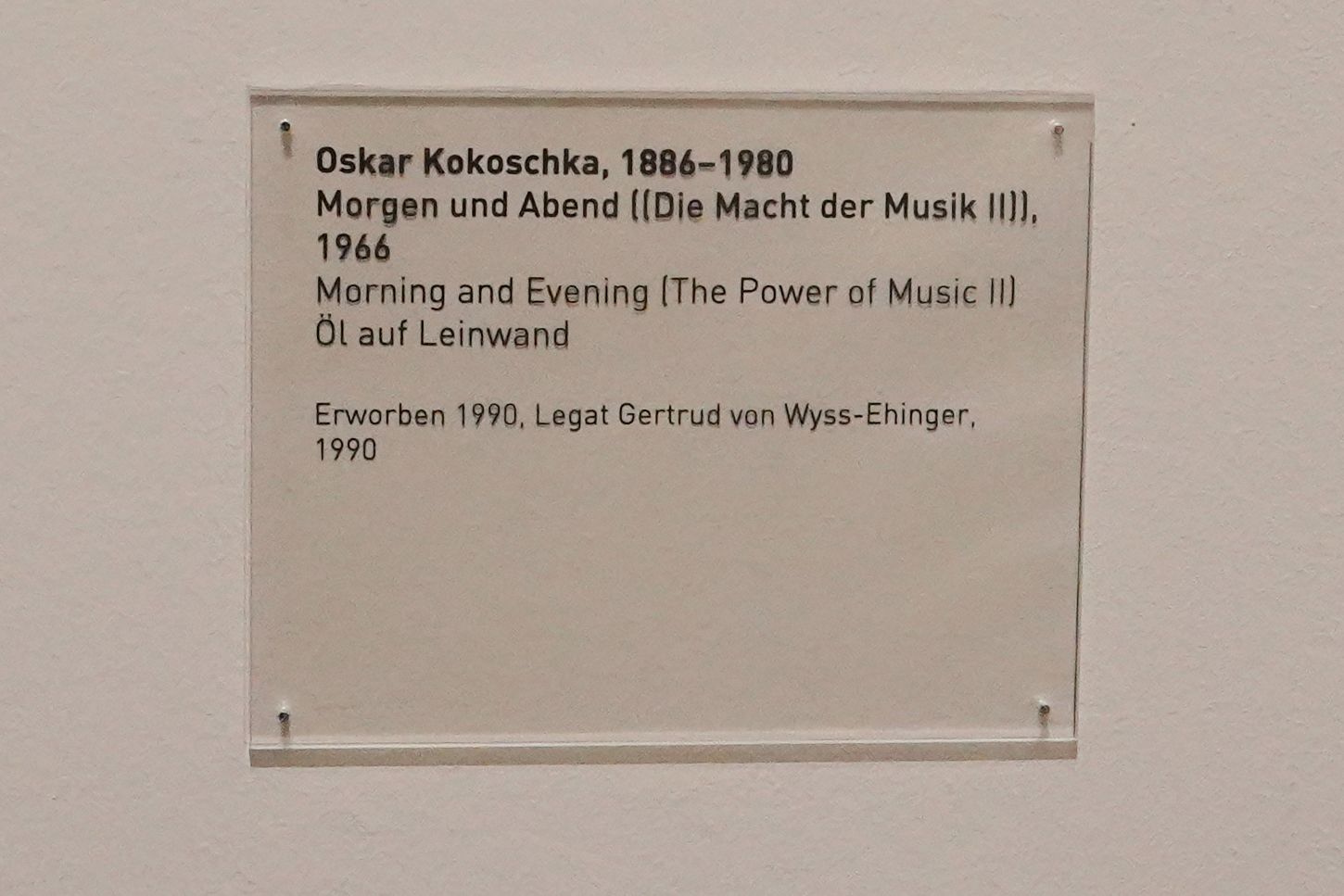
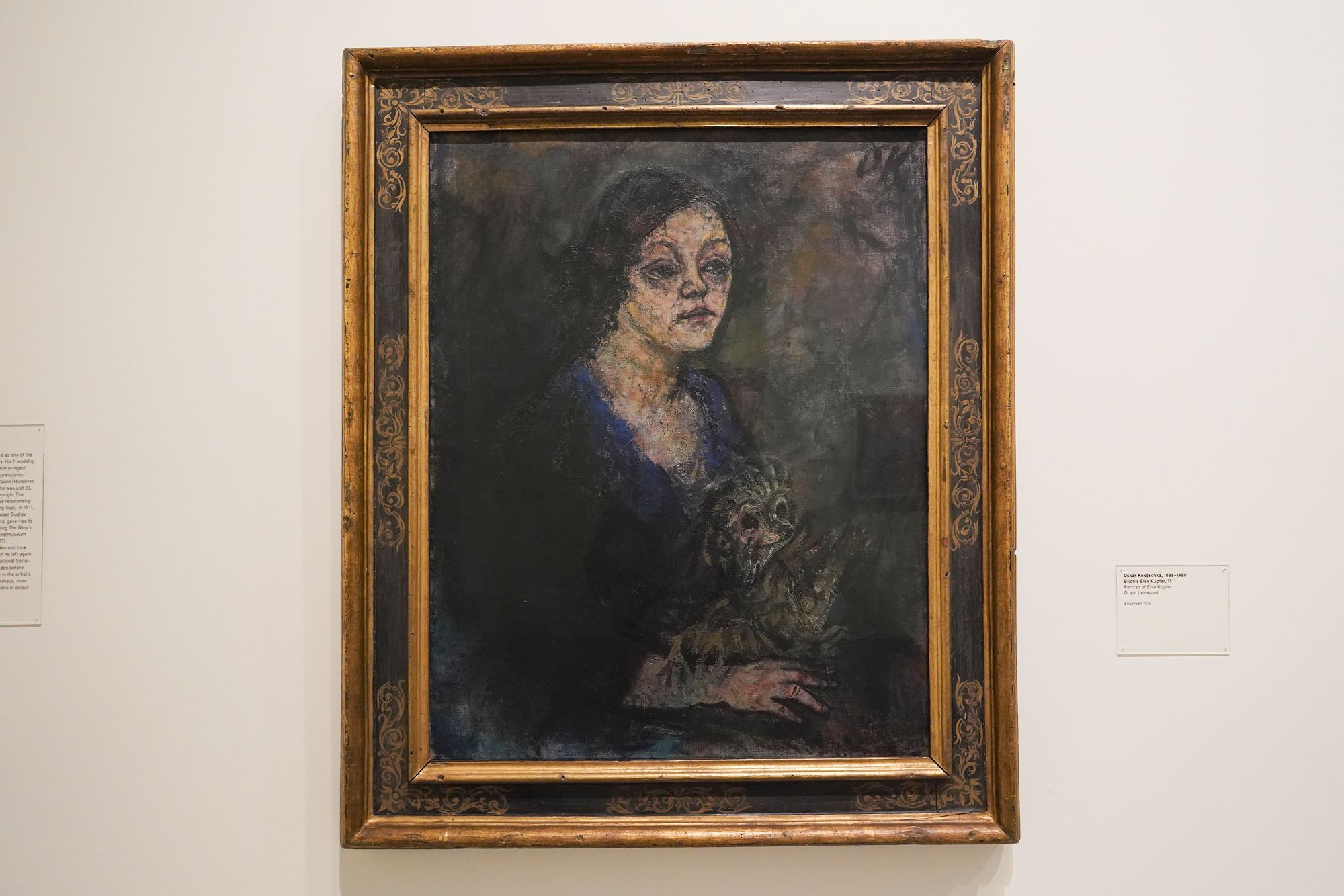
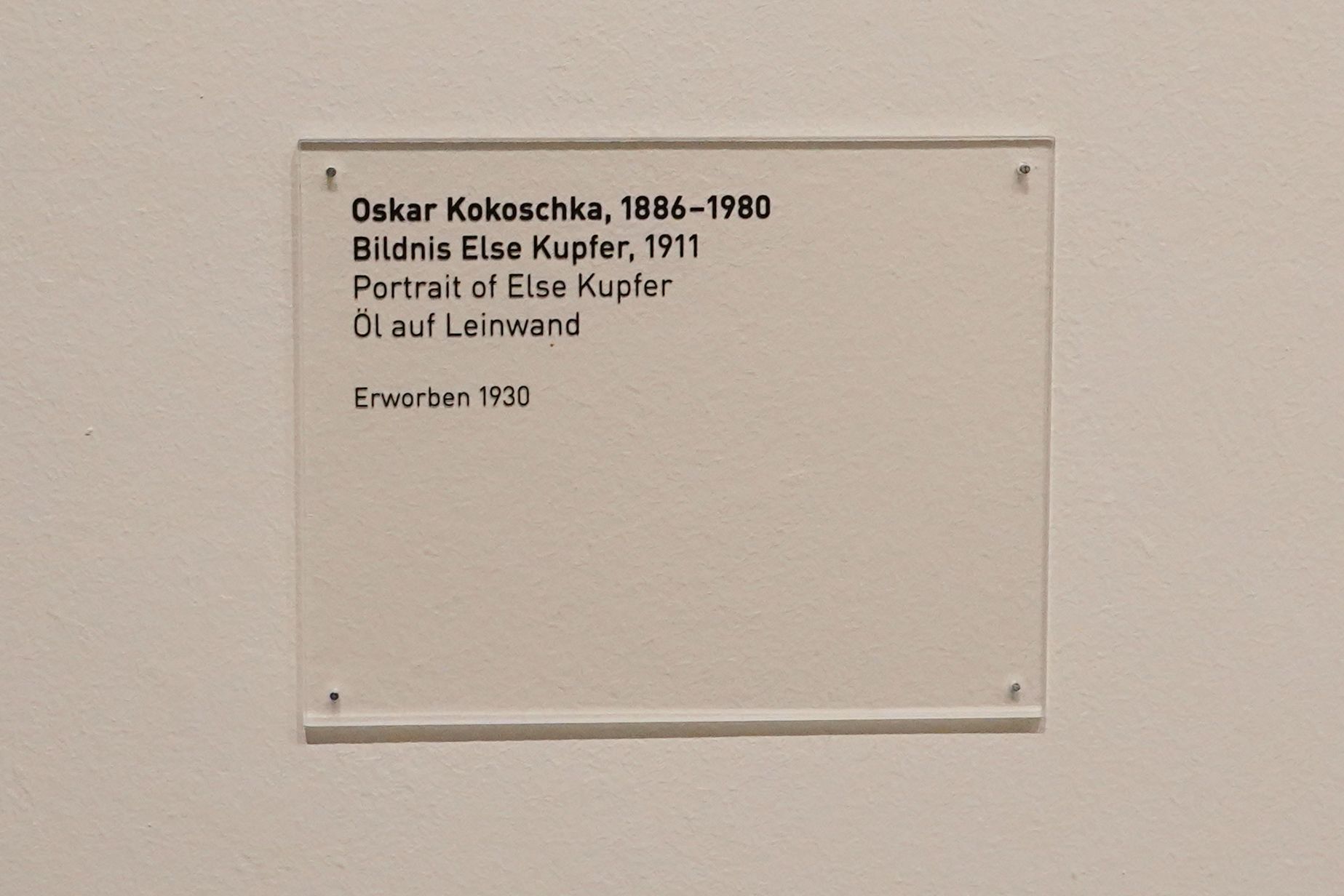
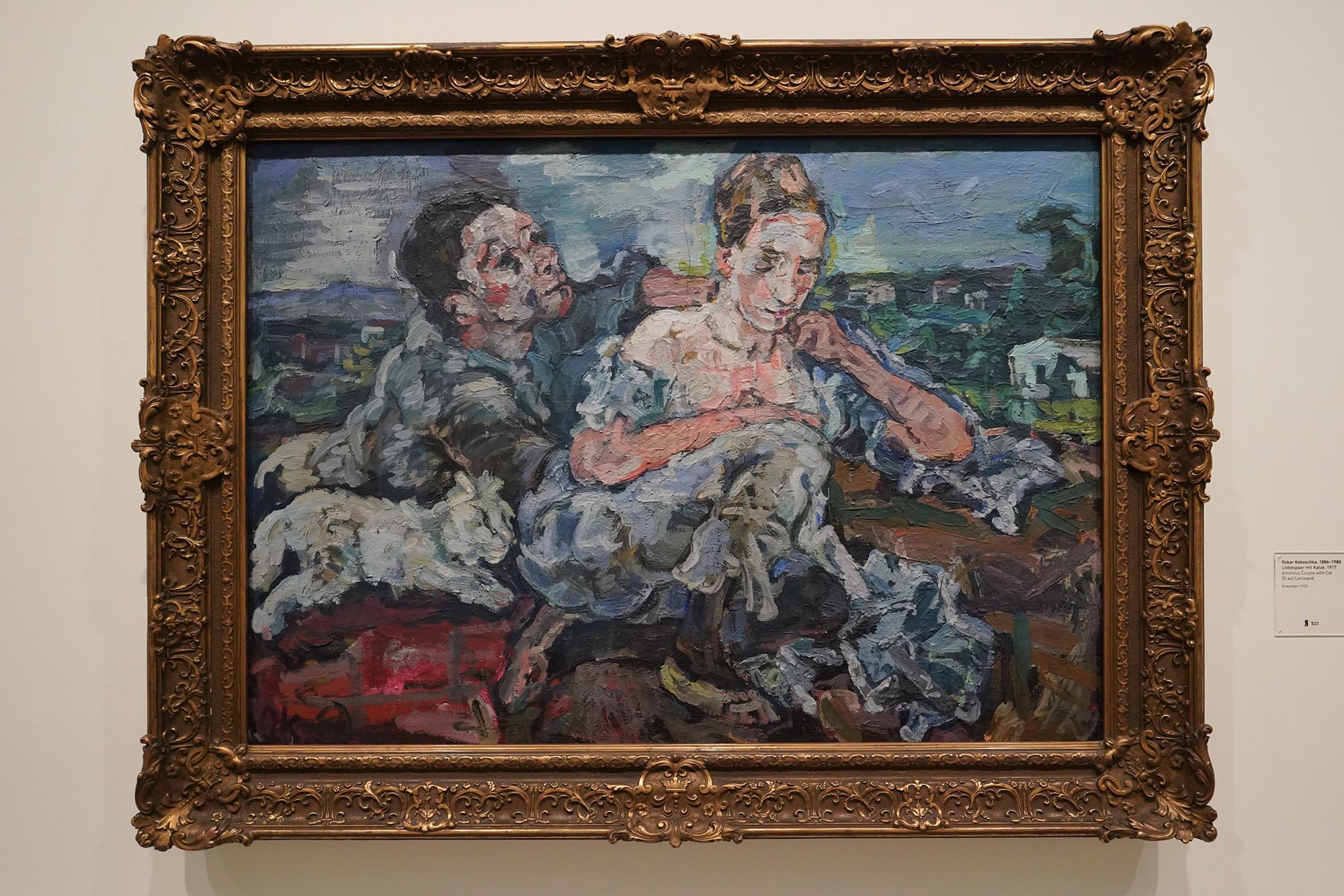
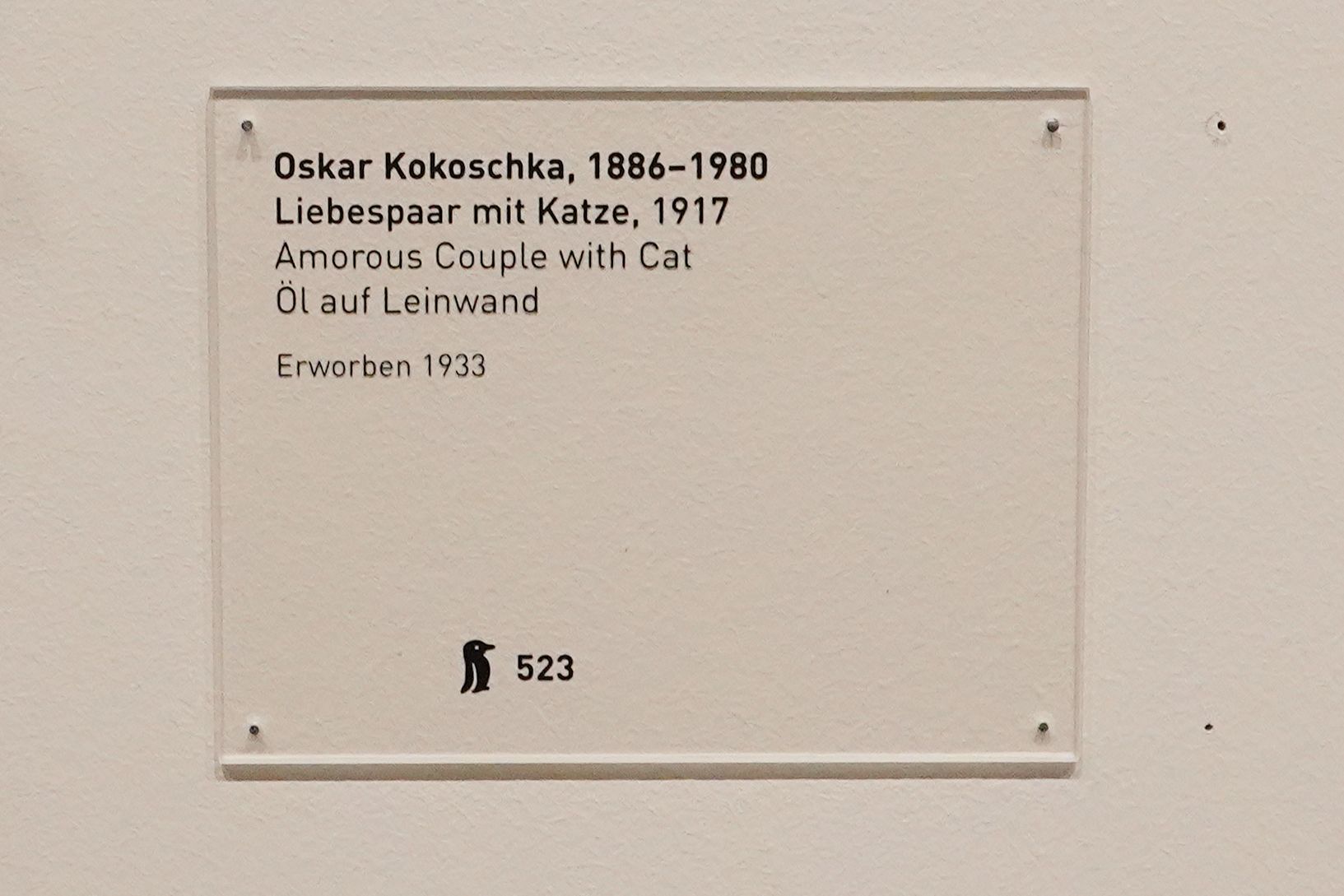
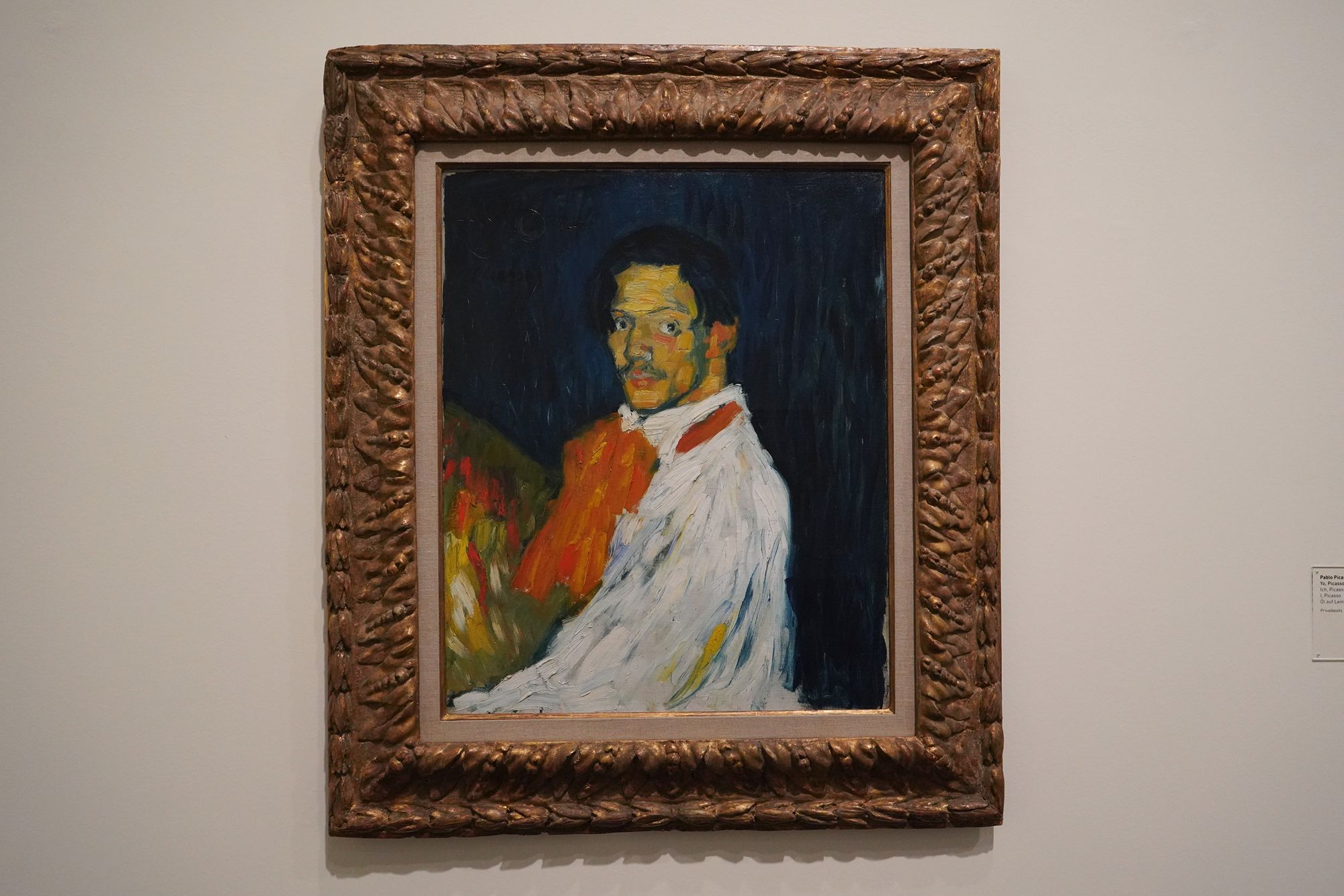
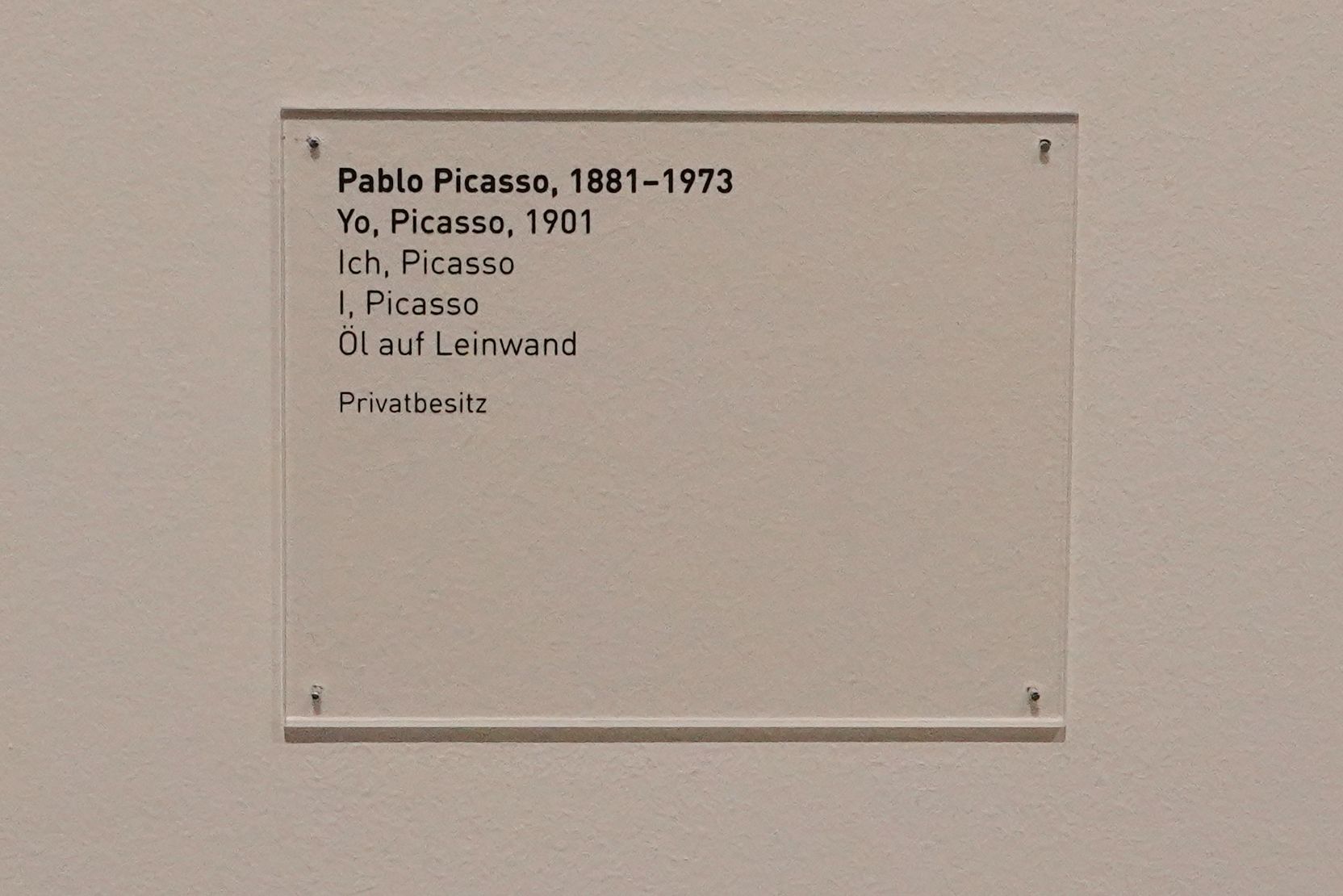
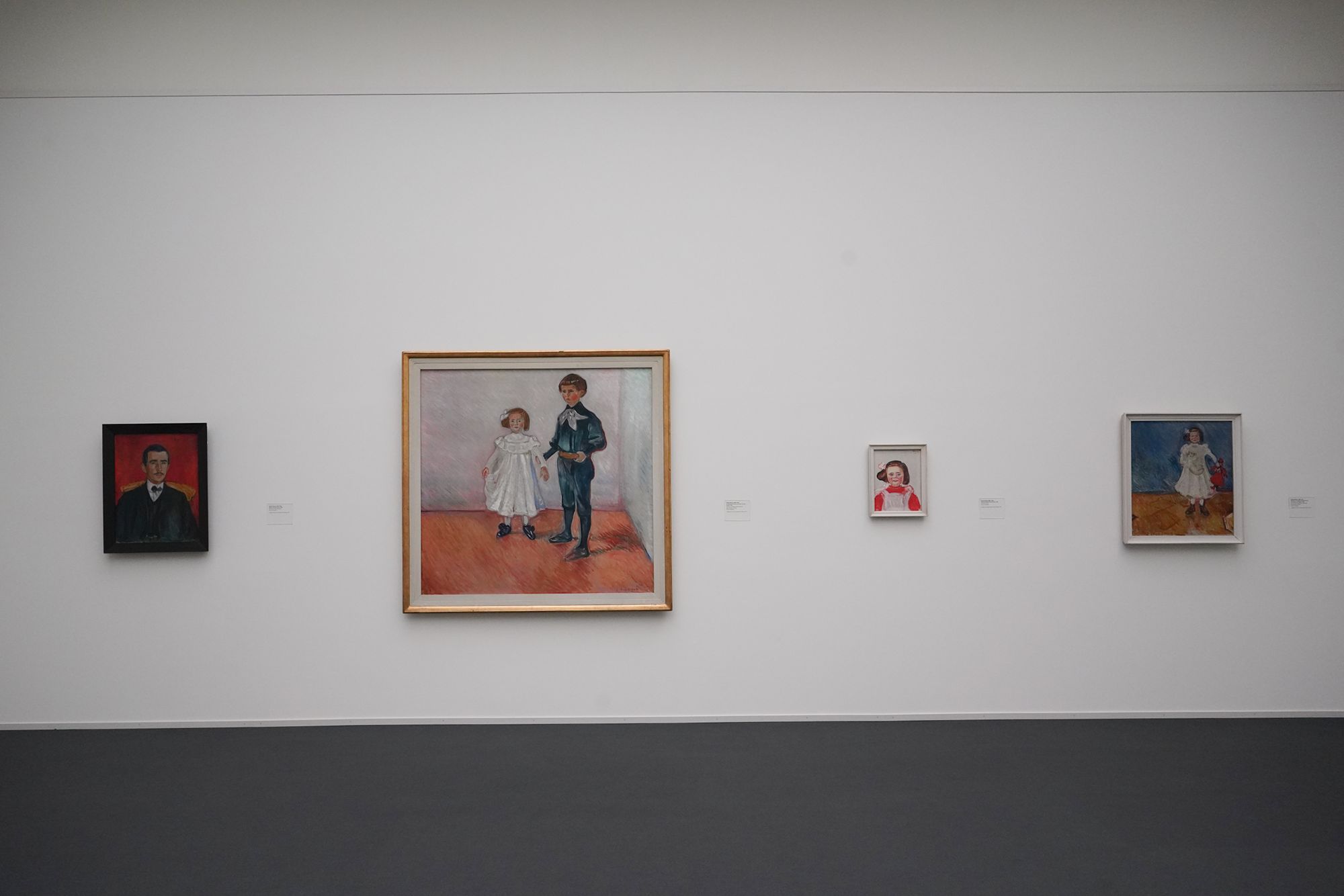
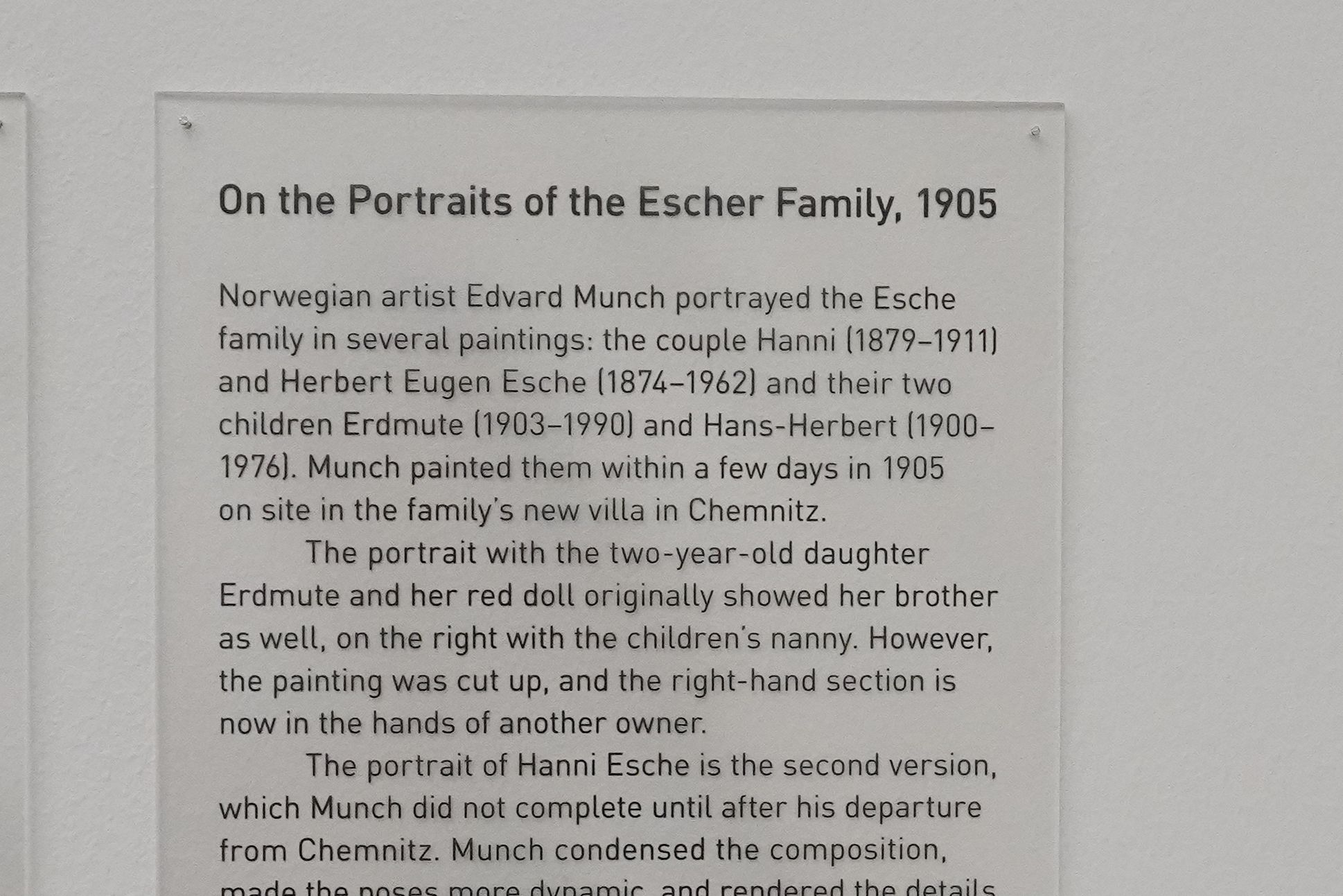
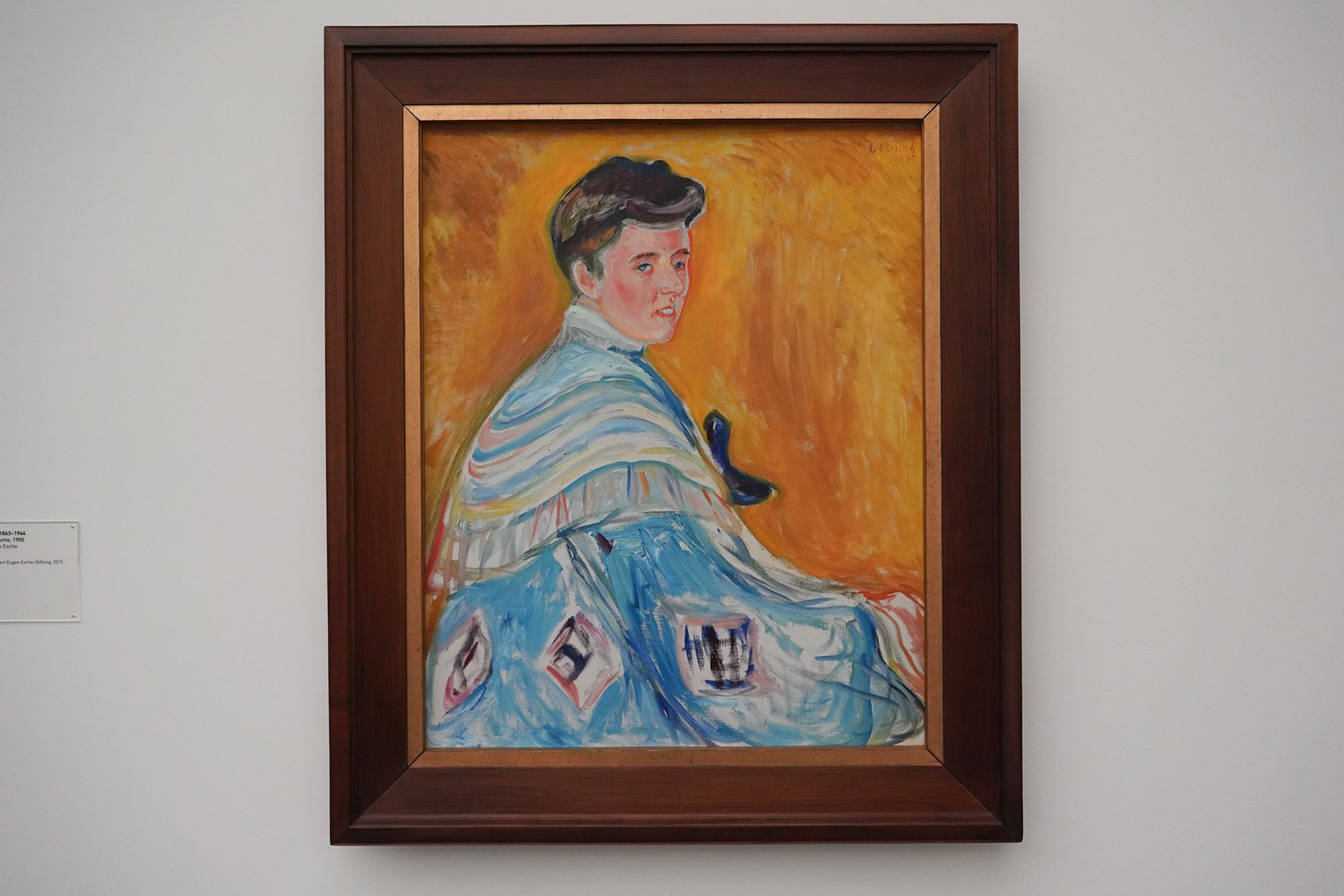
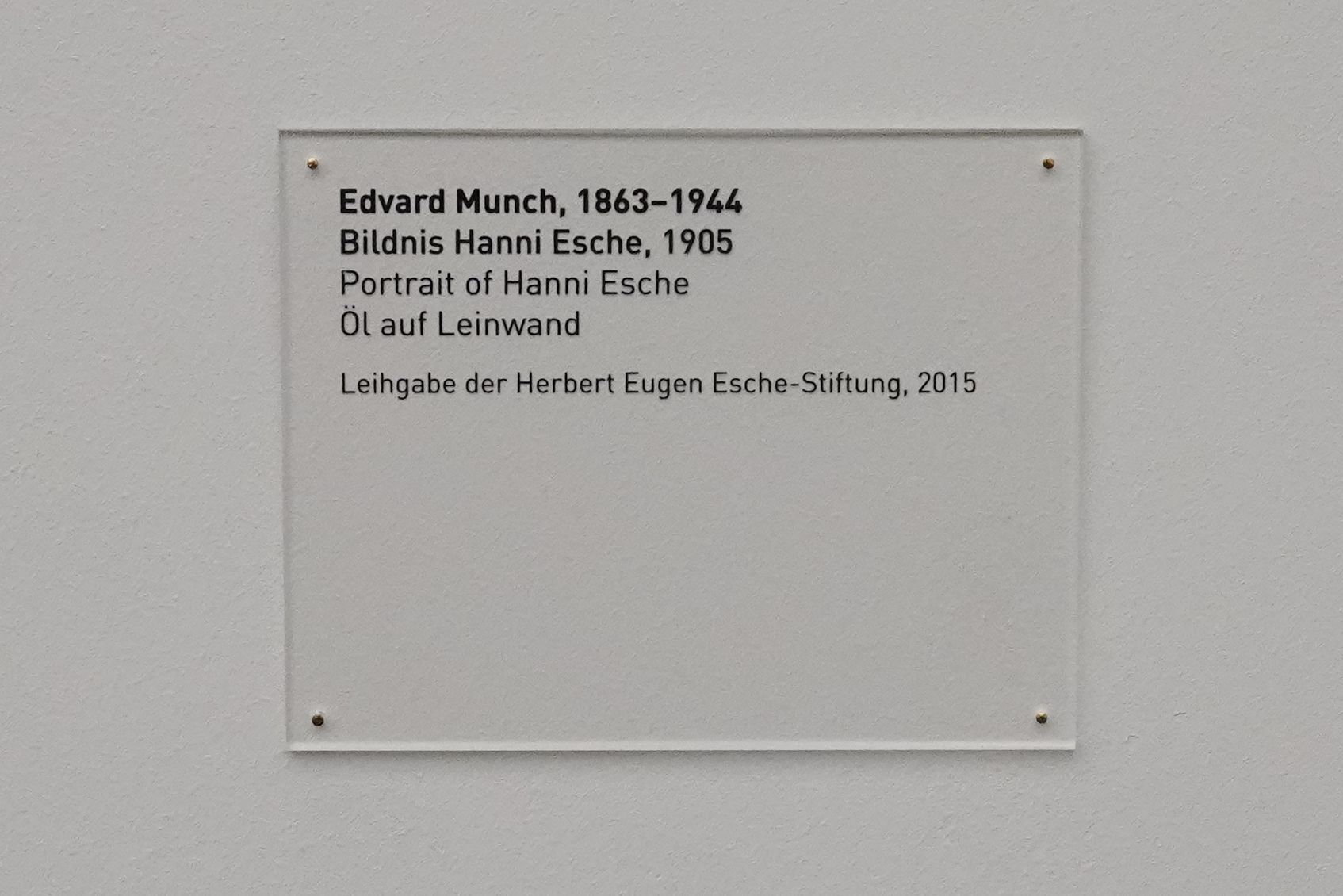
Edvard Munch painted several members of the Esche family during a visit to their home in Chemnitz in 1905.
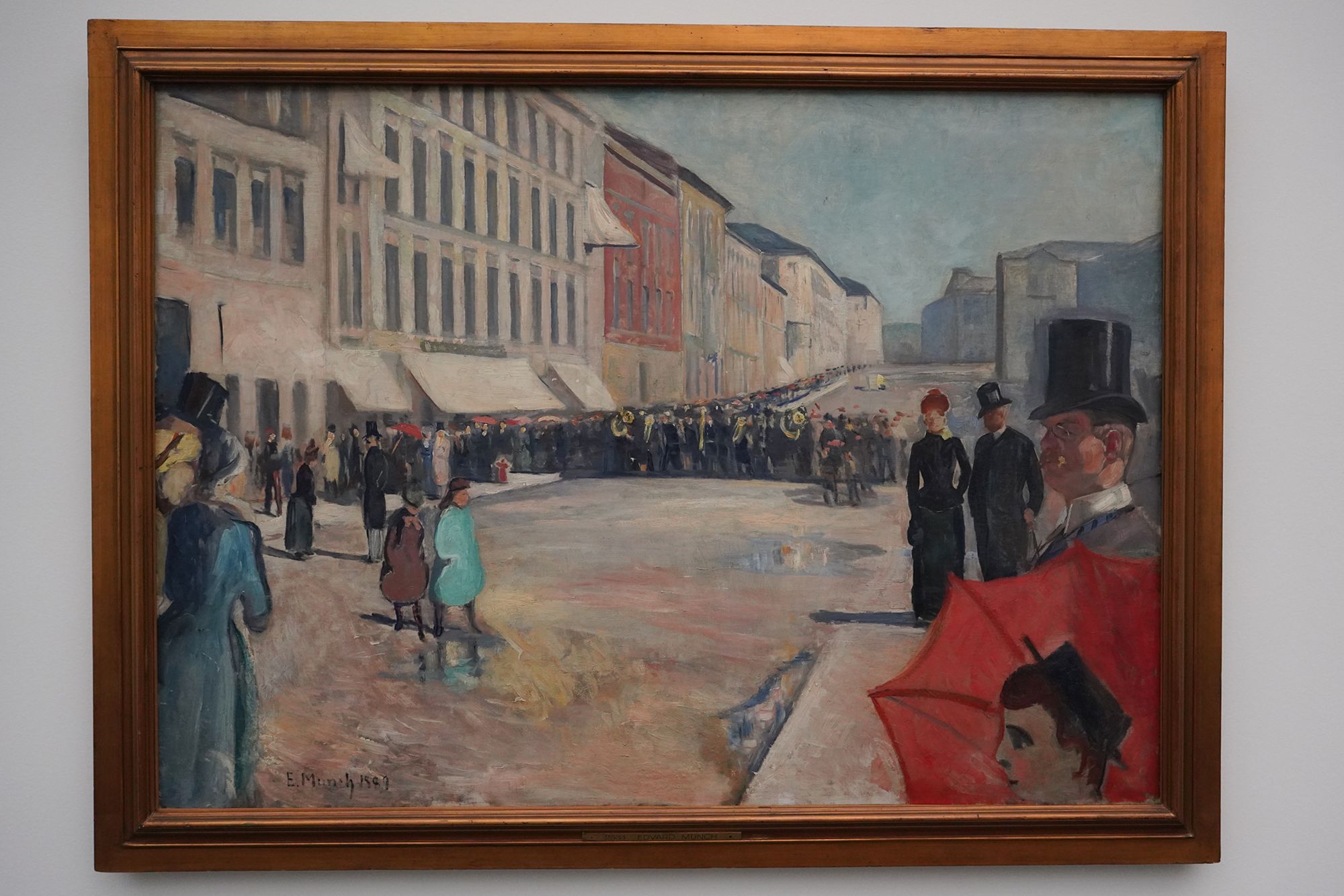
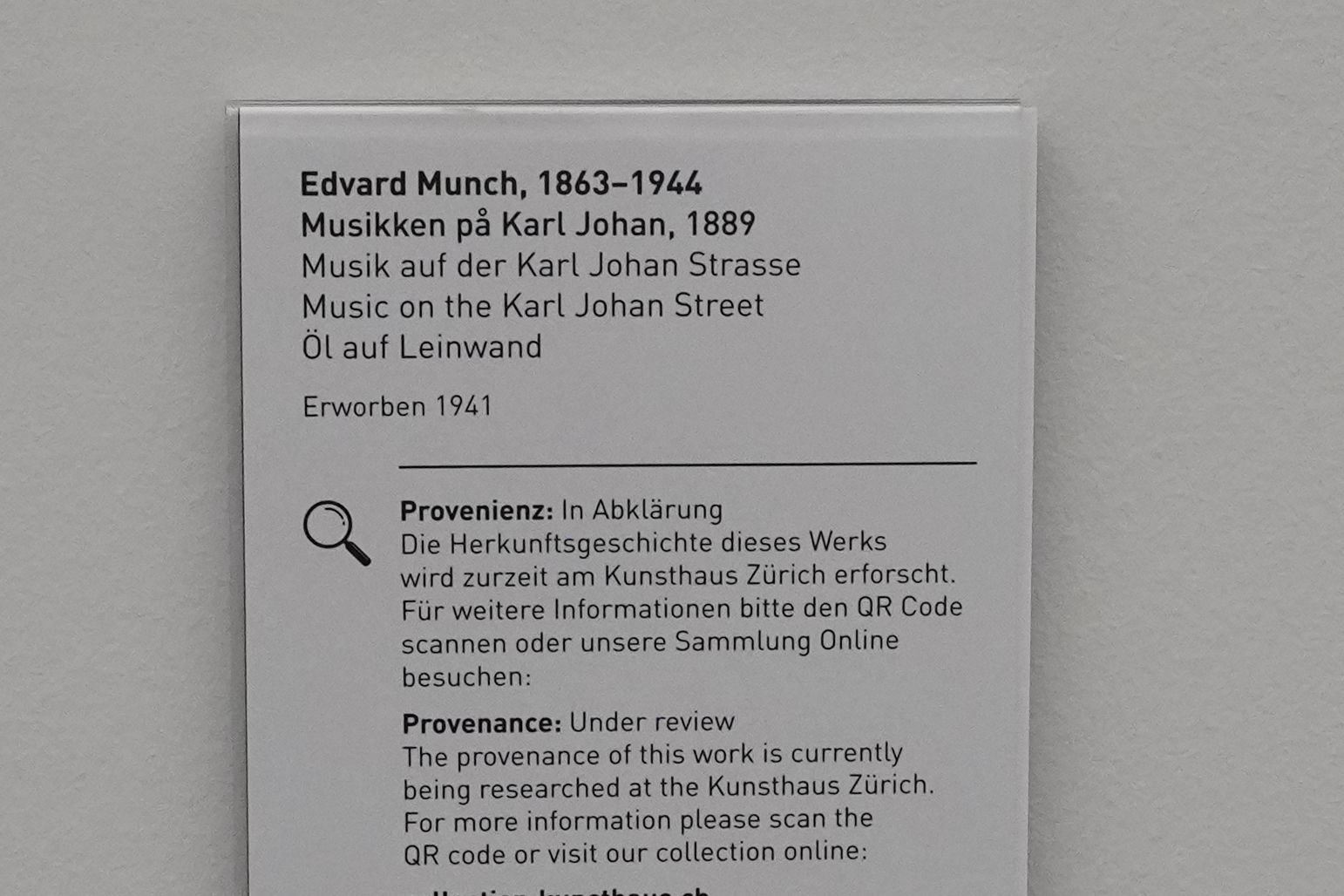
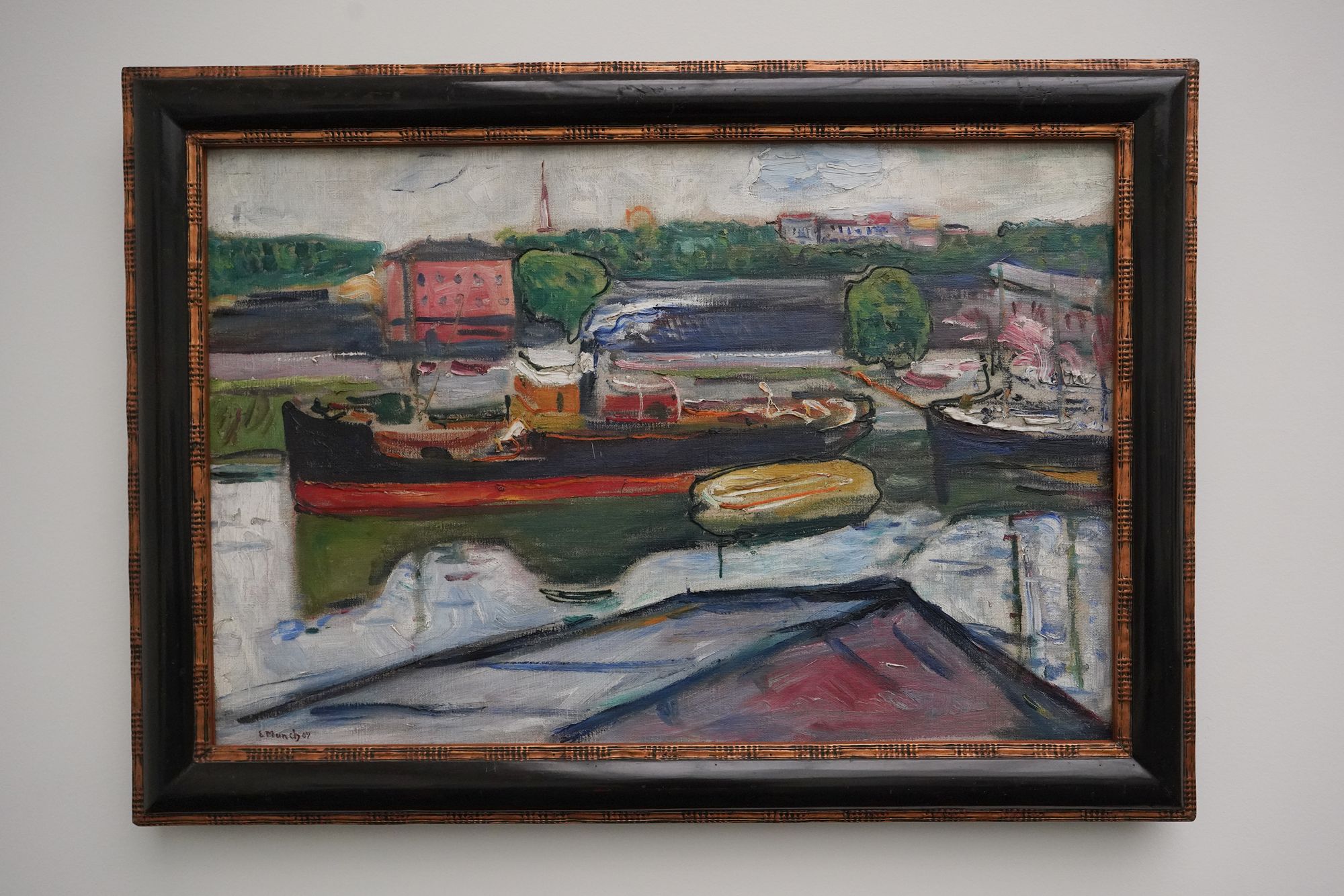
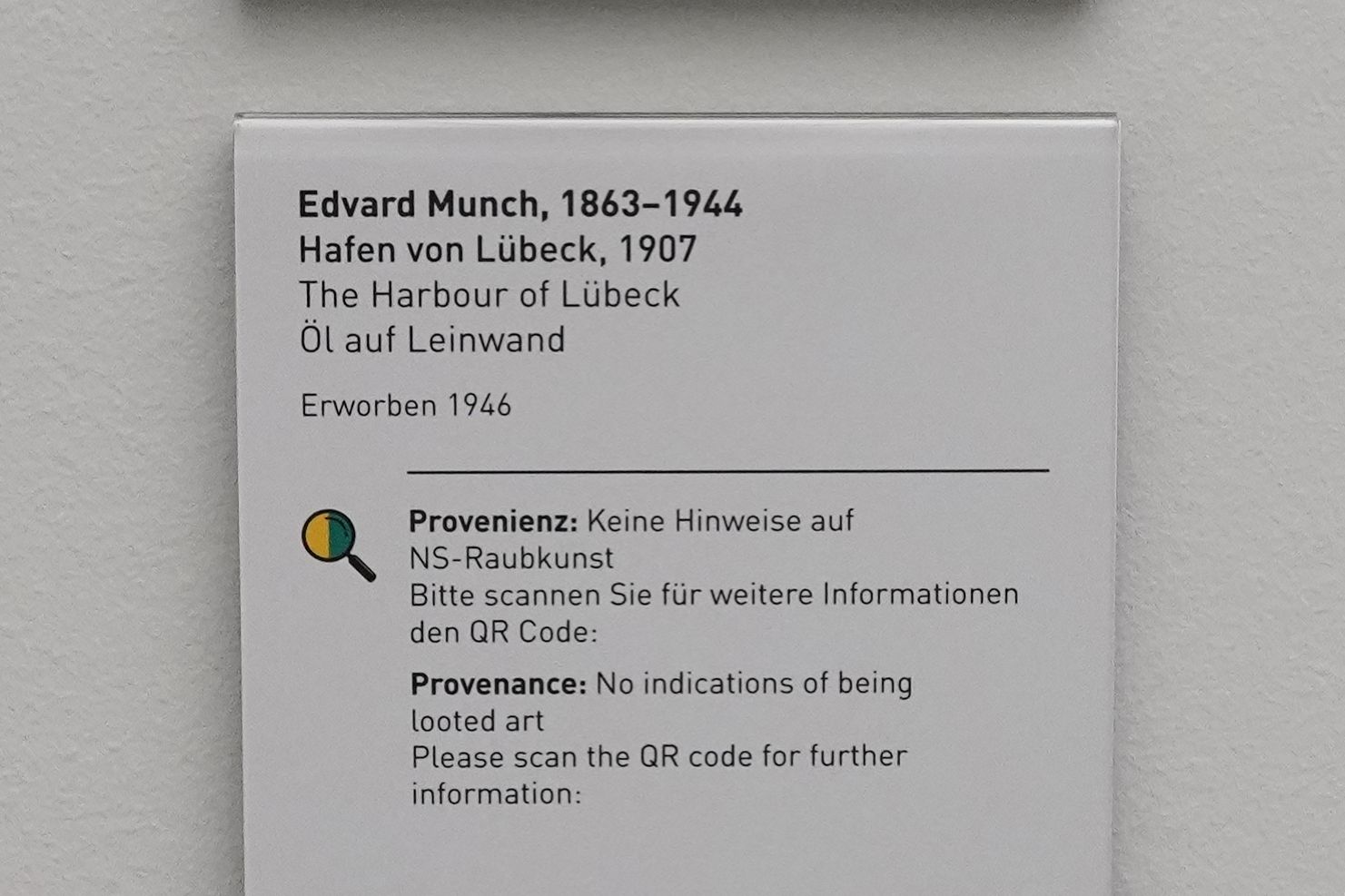
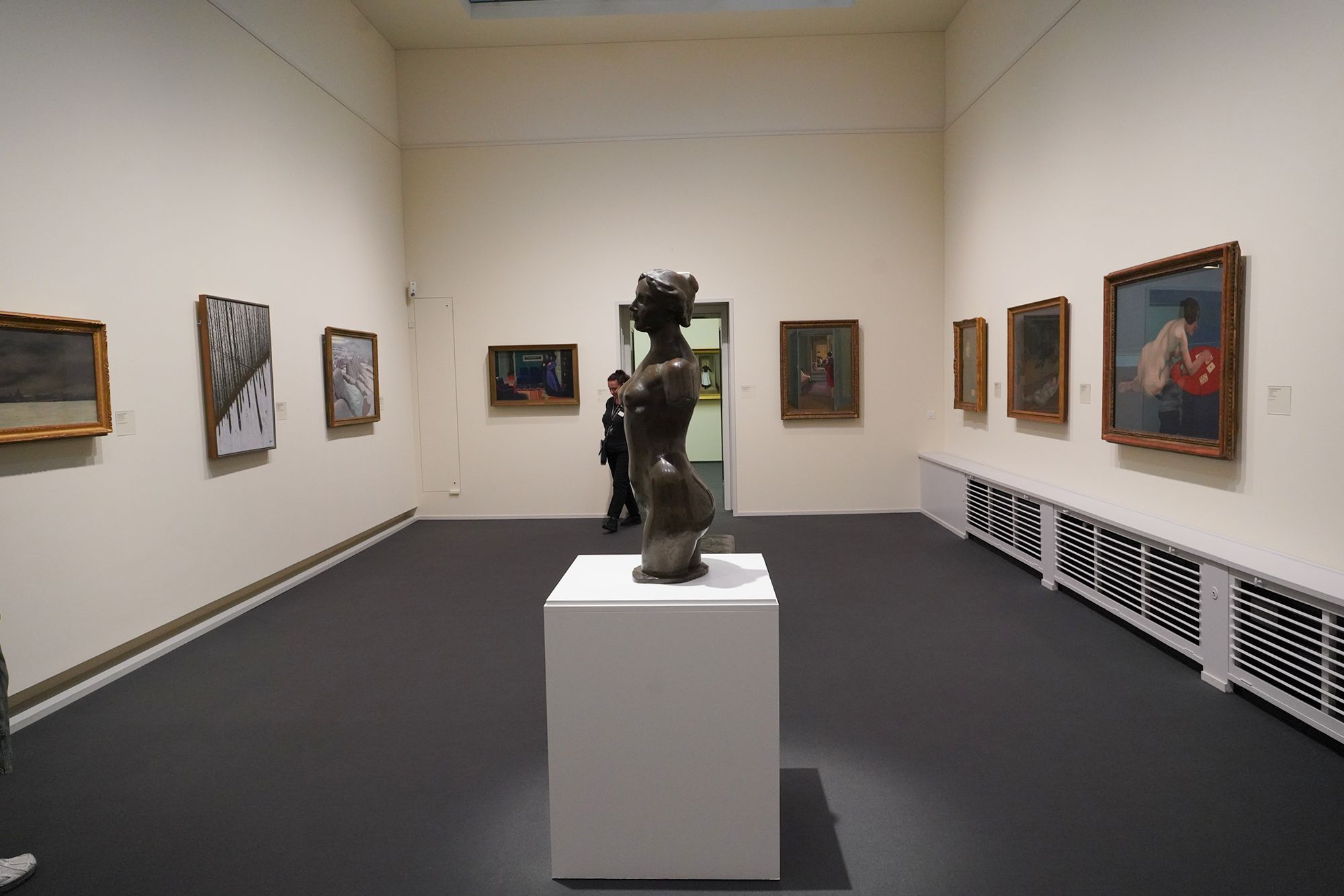
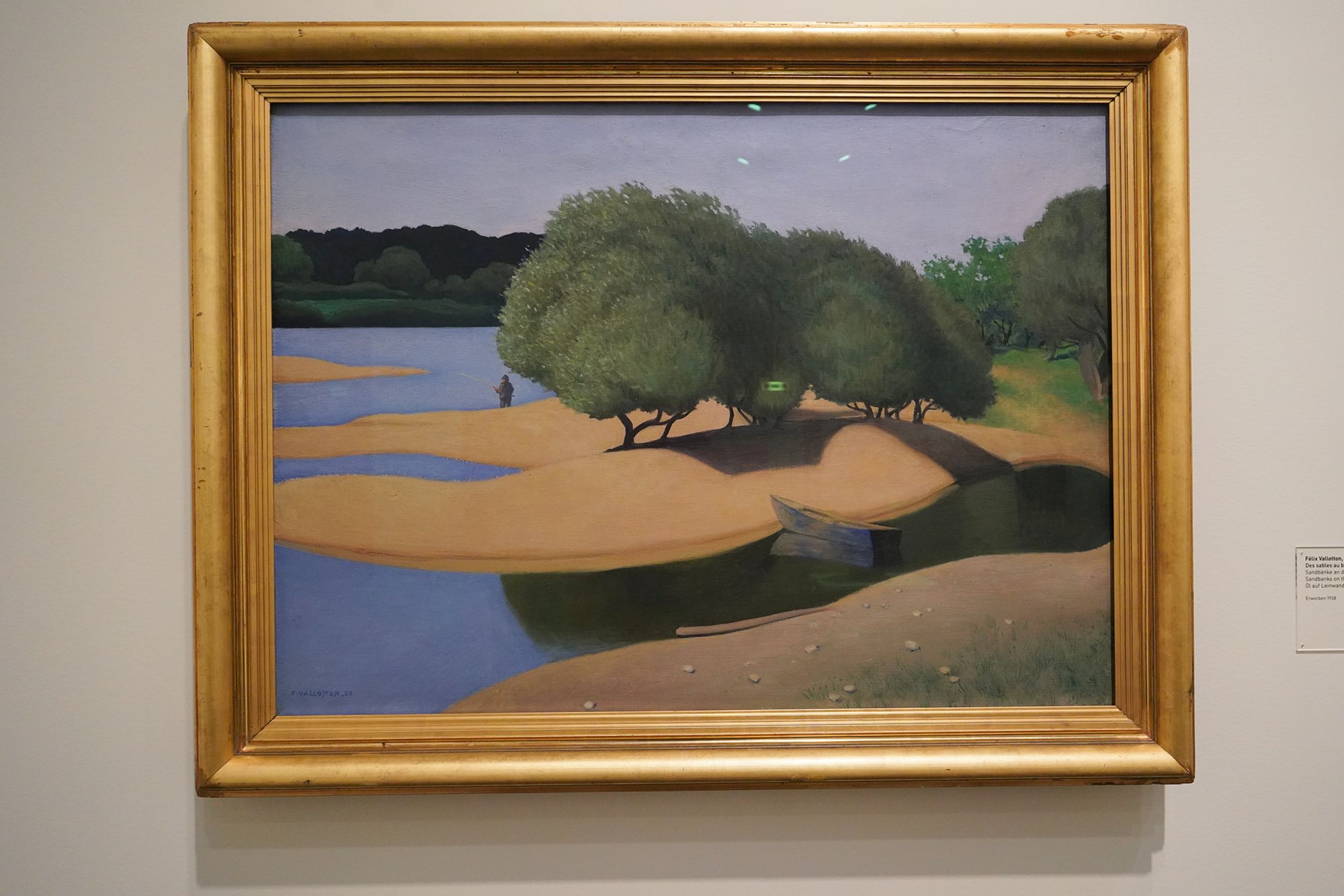
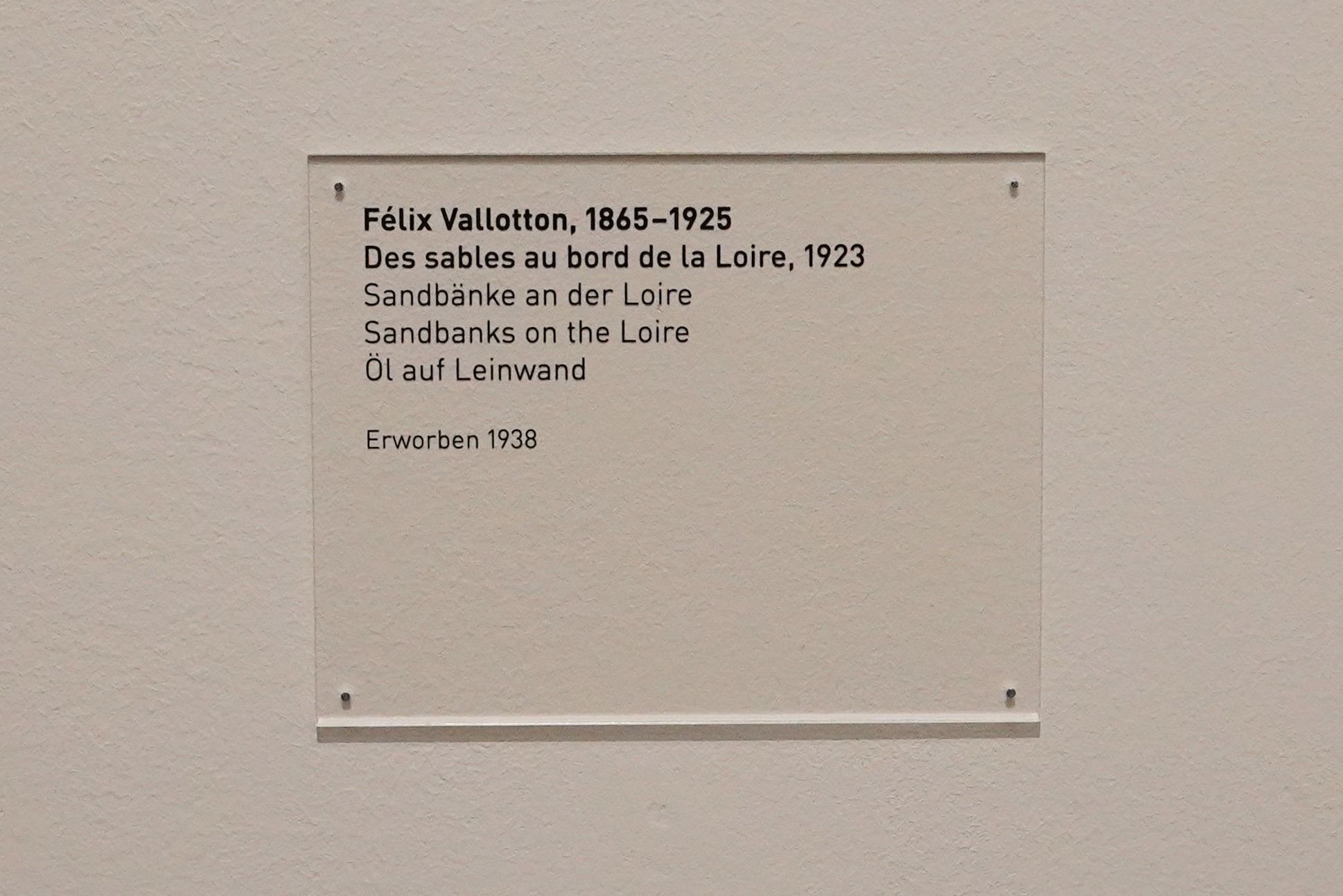
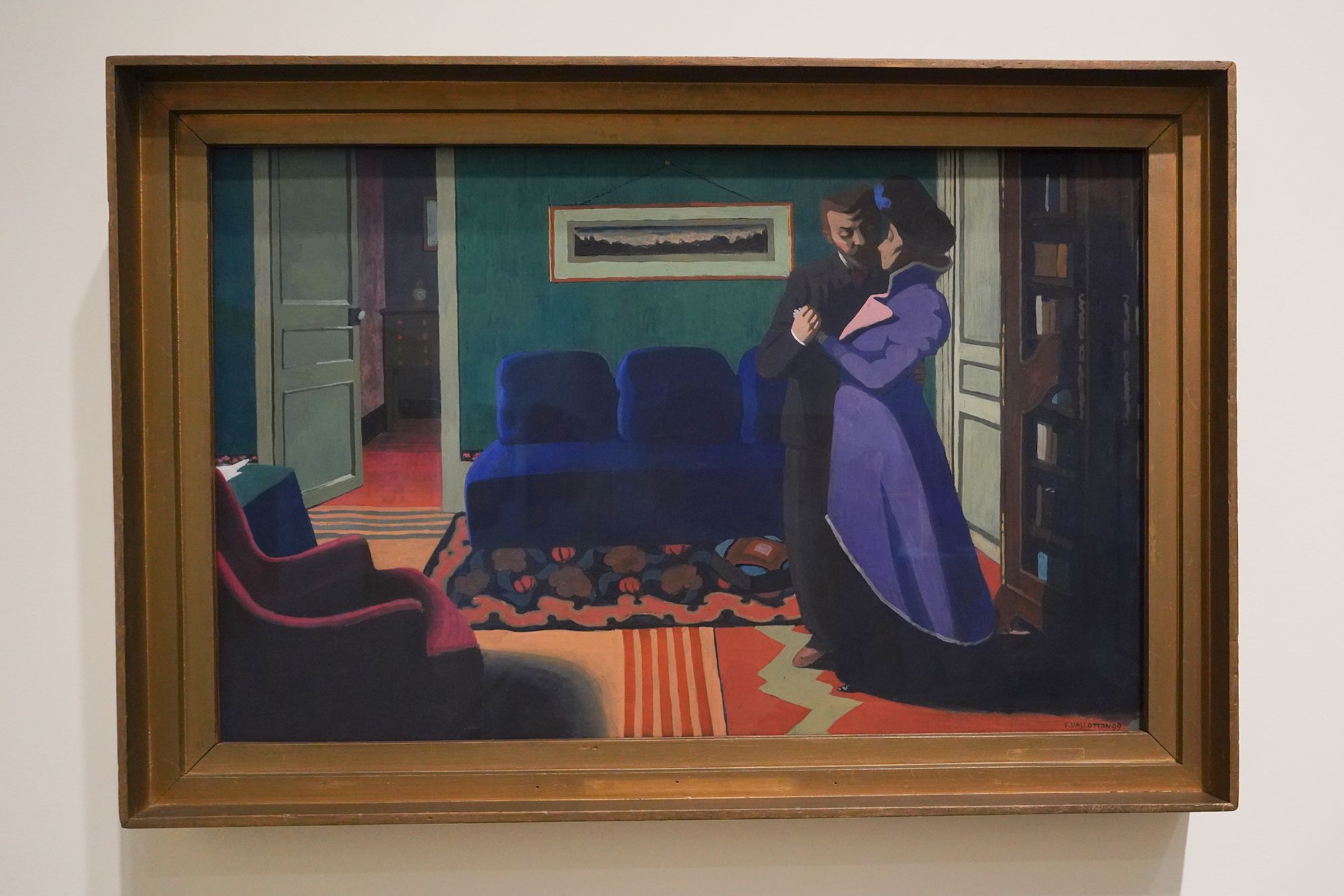
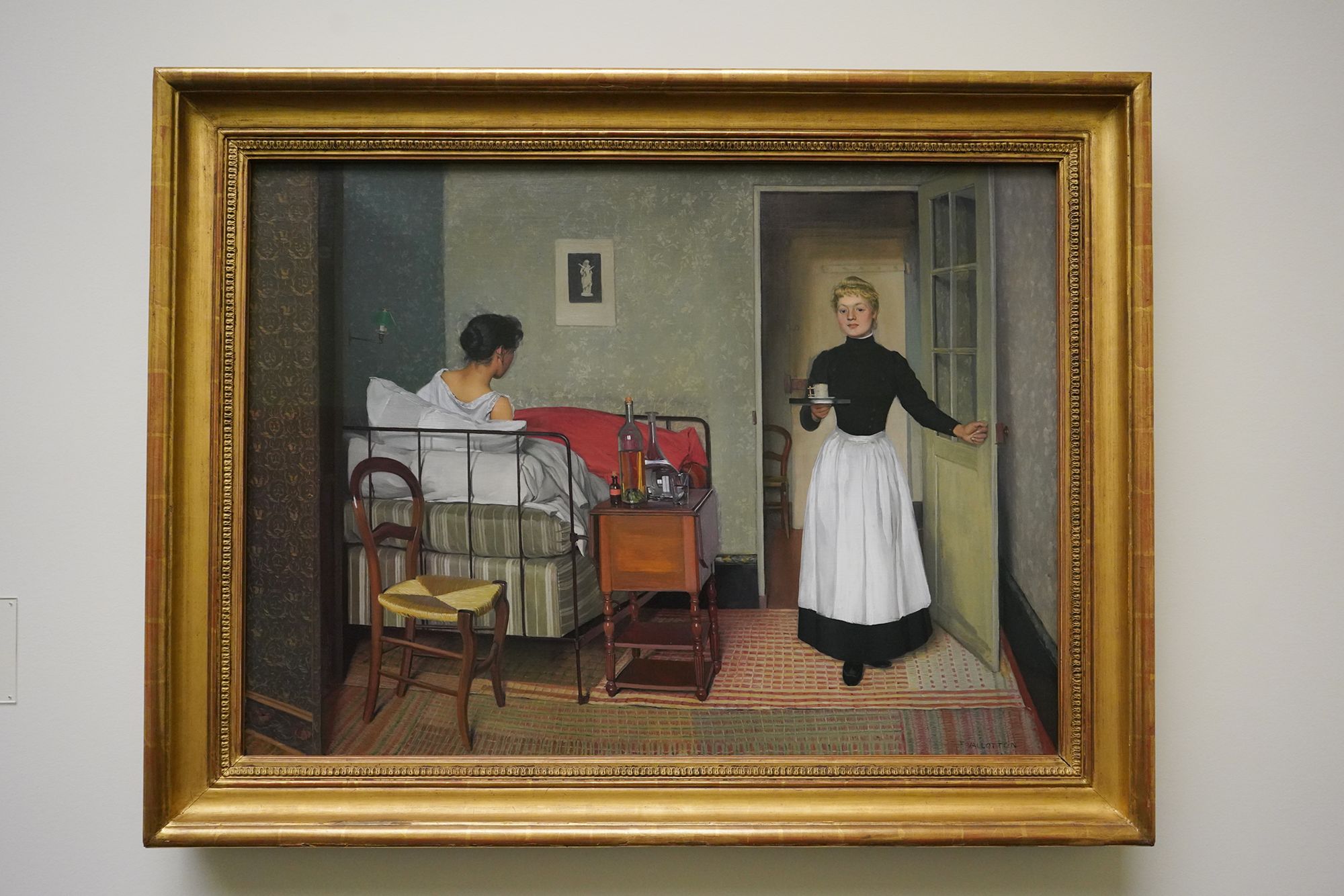
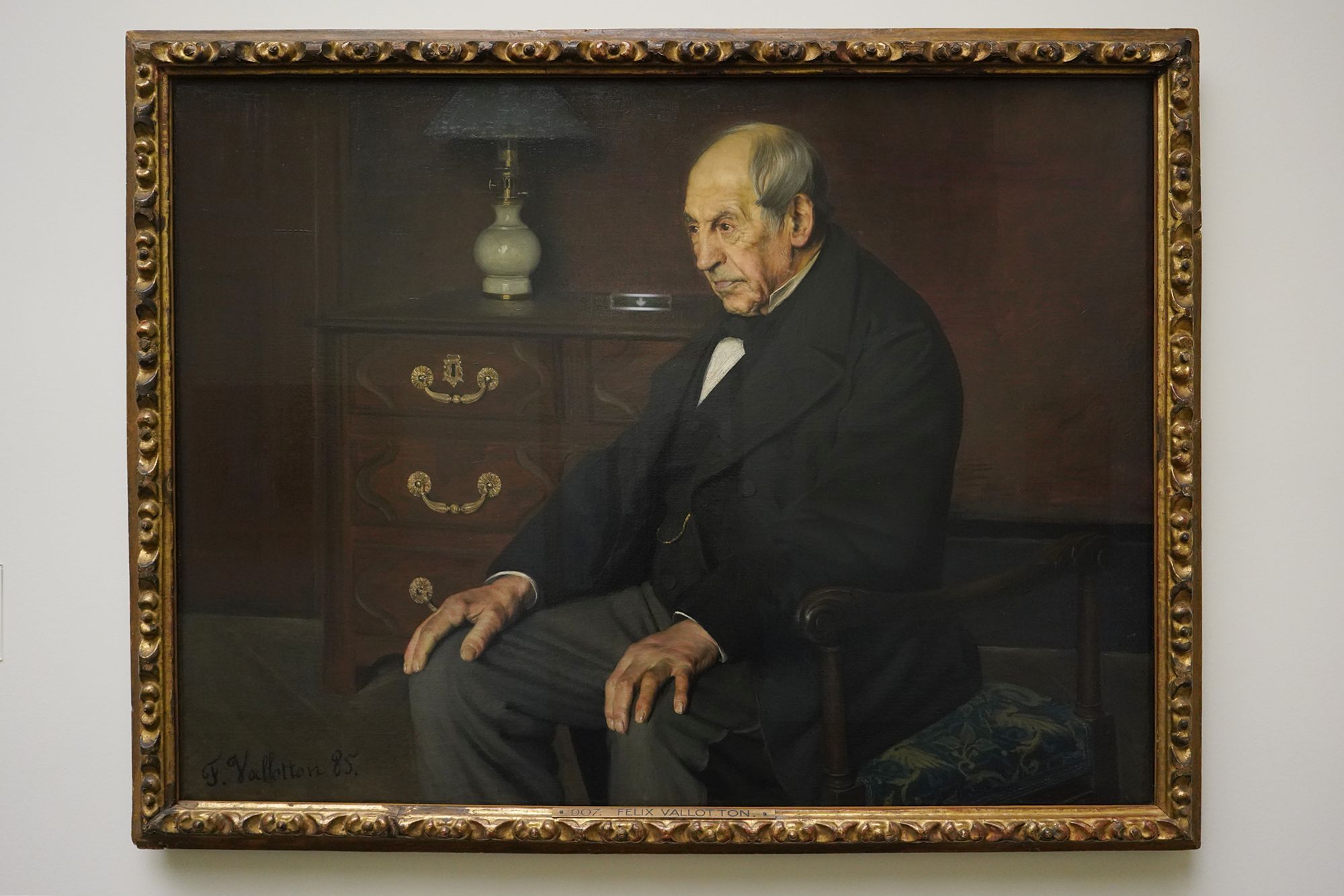
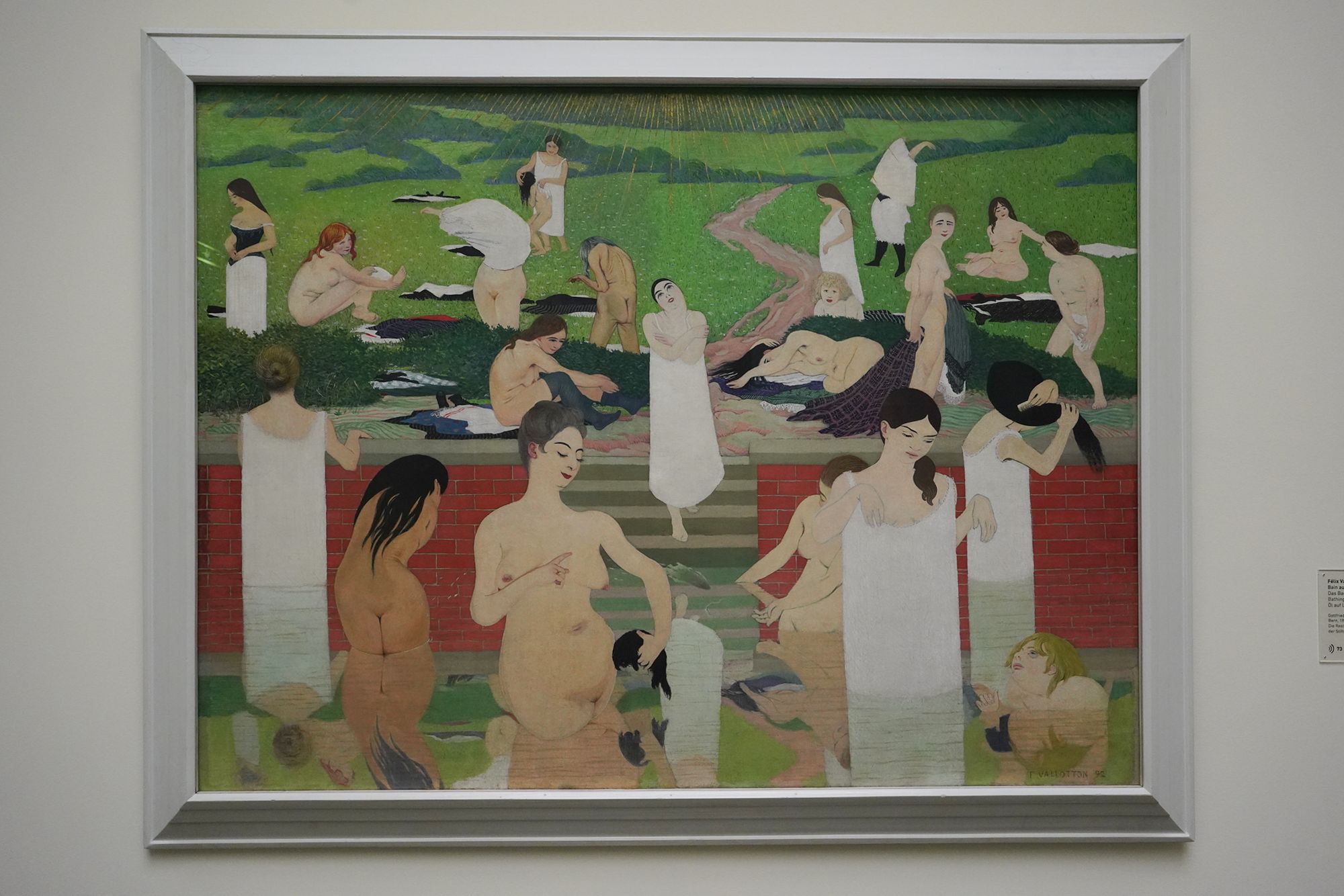
Félix Vallotton (1865–1925) was a Swiss-born painter and printmaker who worked mainly in France. He was associated with Les Nabis, a group that favored flat areas of color and simplified forms. He is especially known for his striking black-and-white woodcuts.
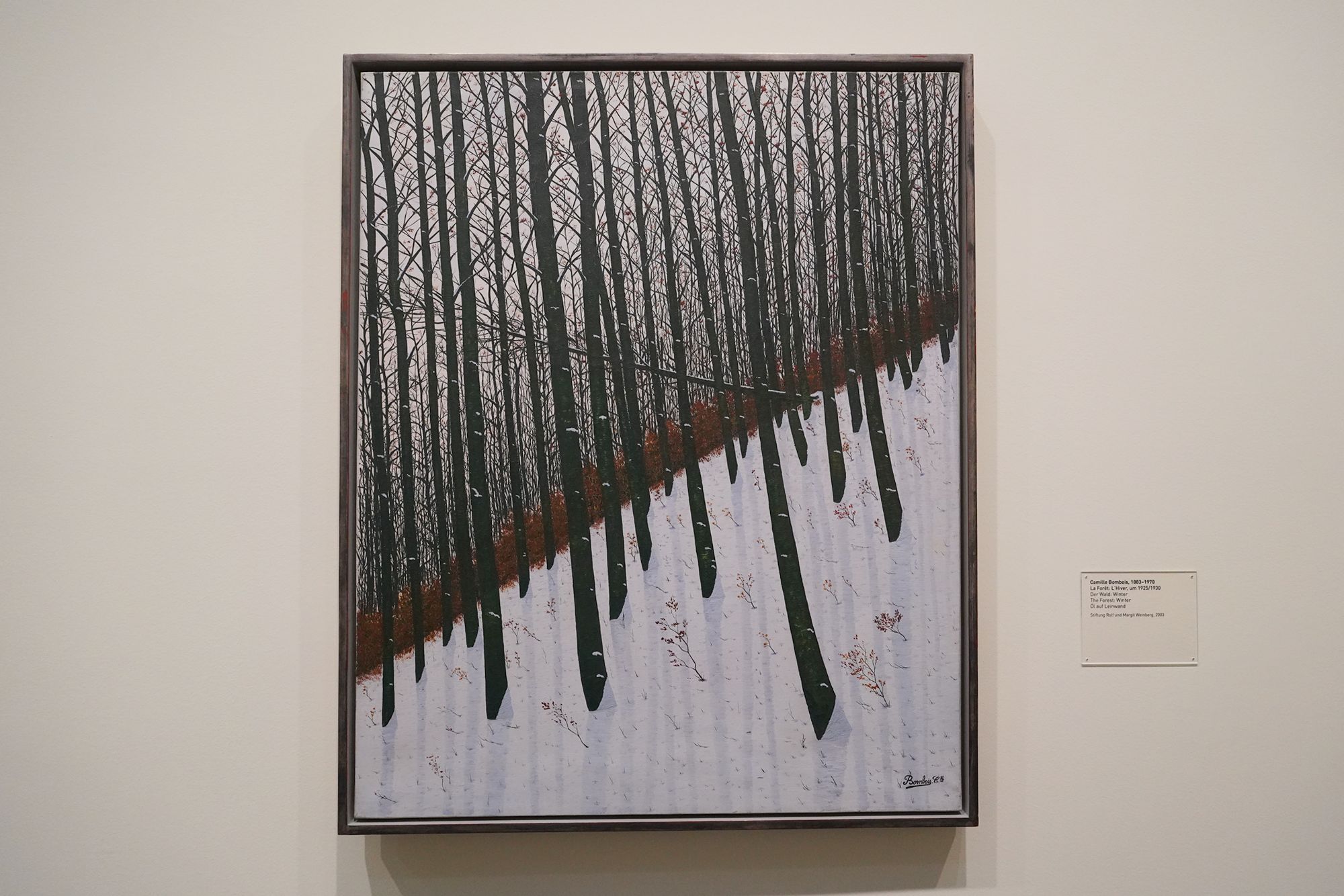
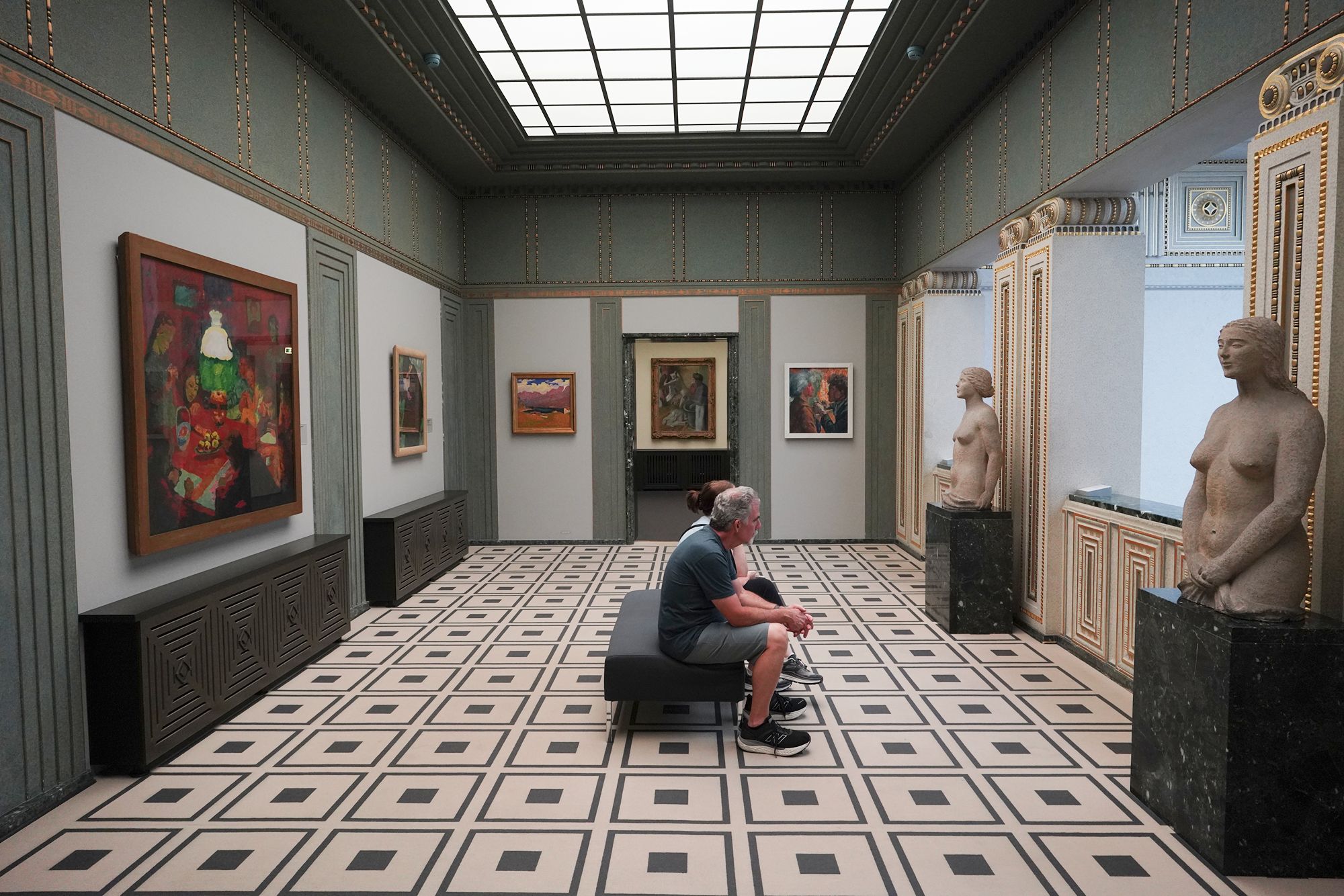
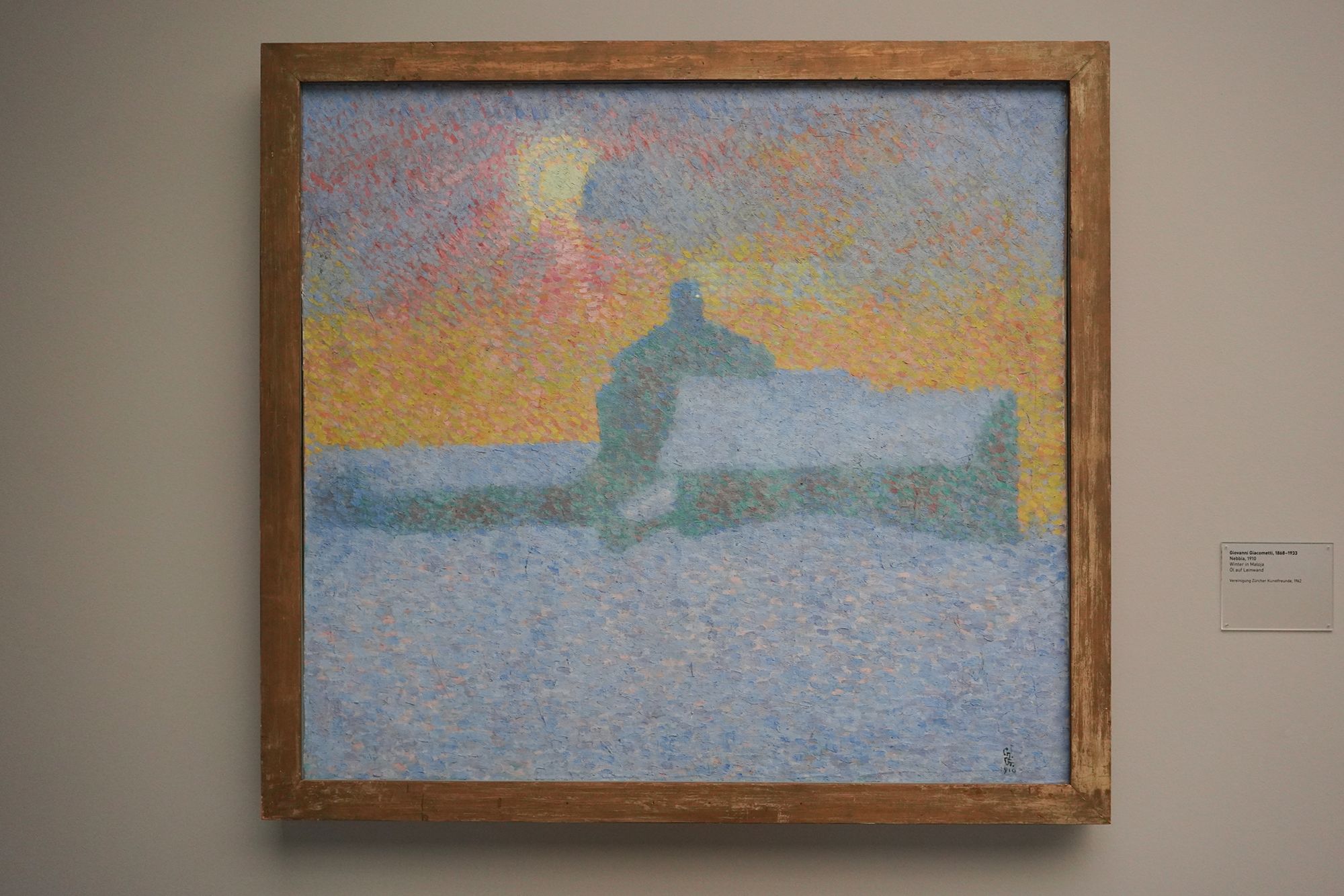
Giovanni Giacometti (1868–1933) was a Swiss painter known for Alpine landscapes and his use of vivid color and light. He was the father of sculptor Alberto Giacometti.
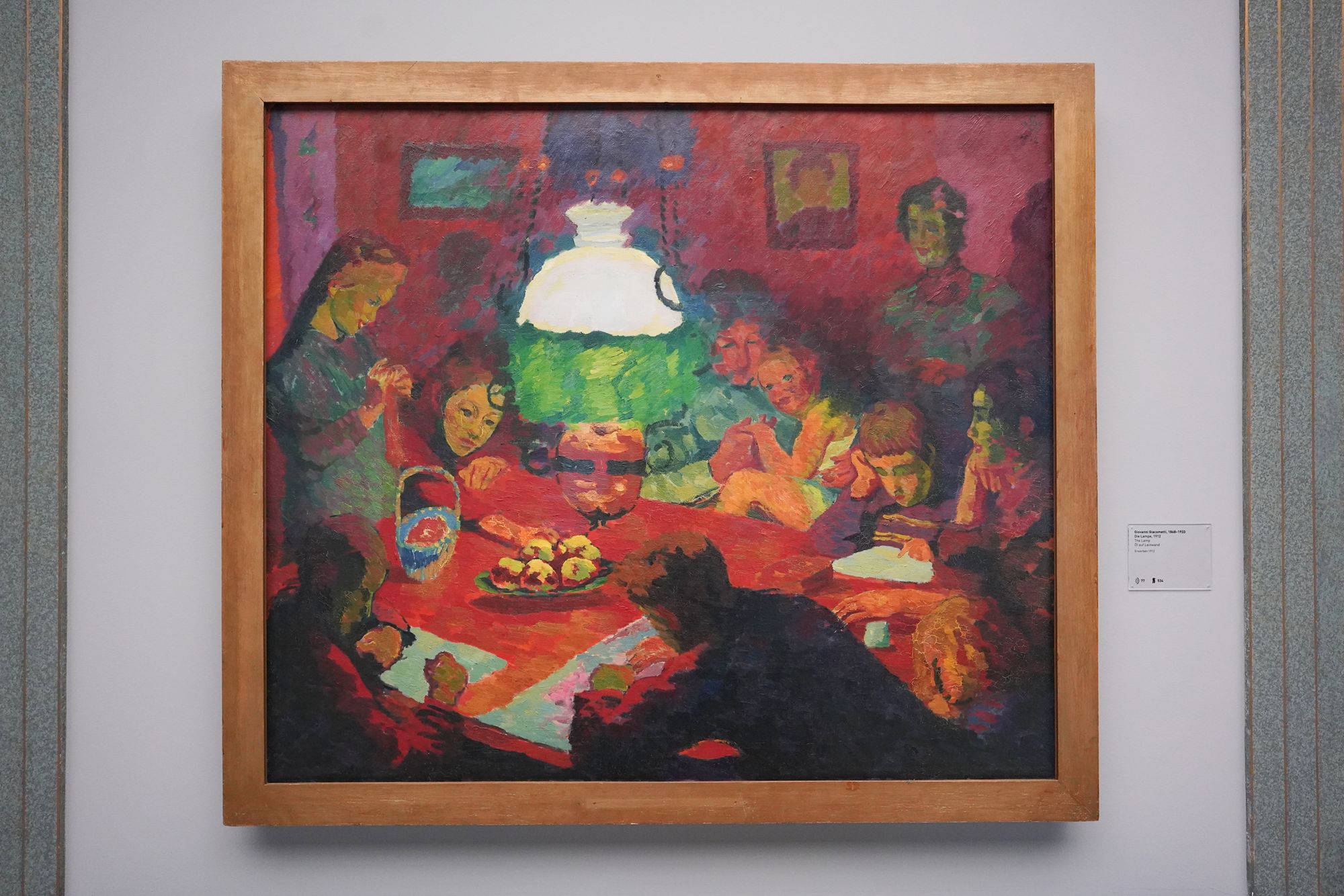
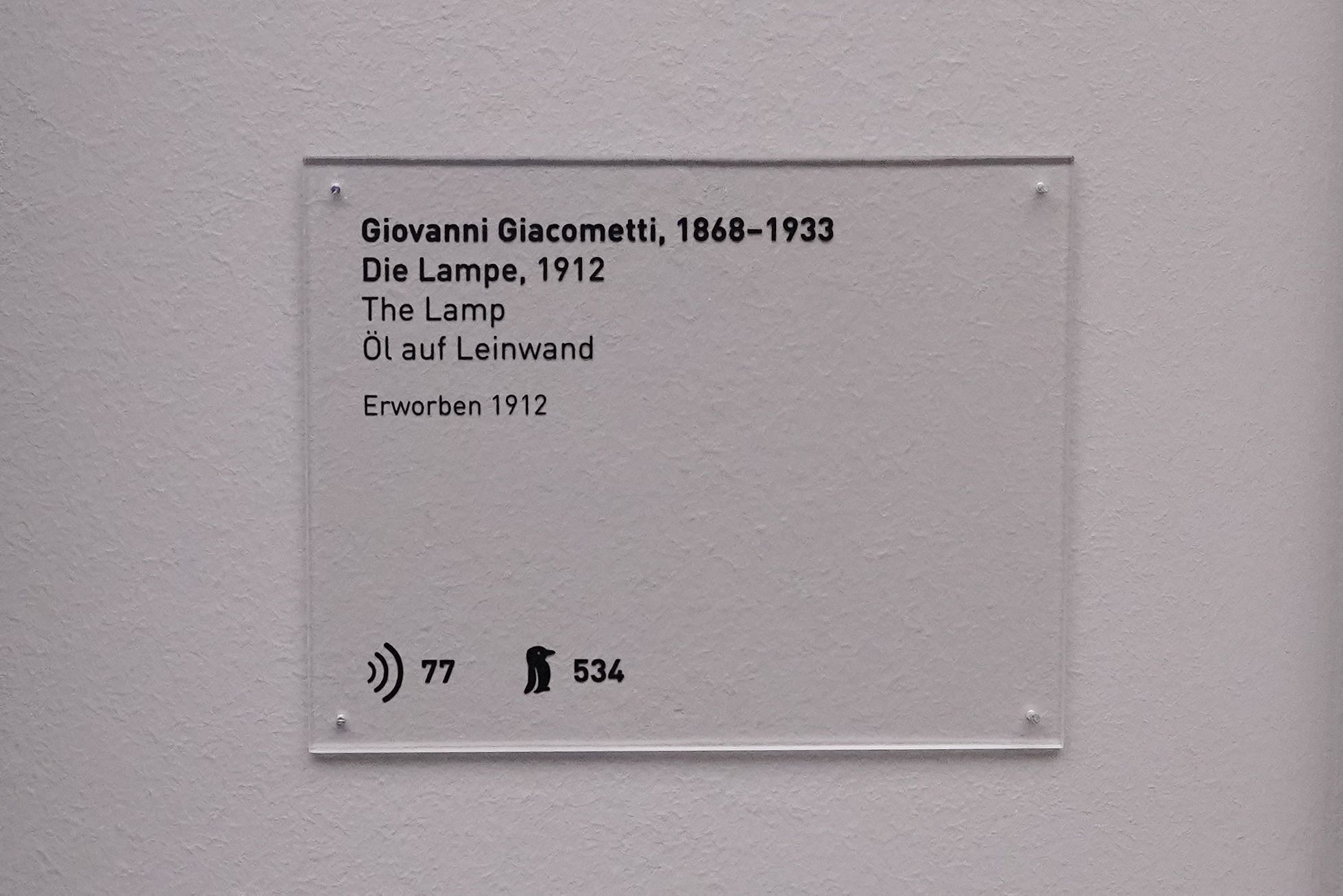
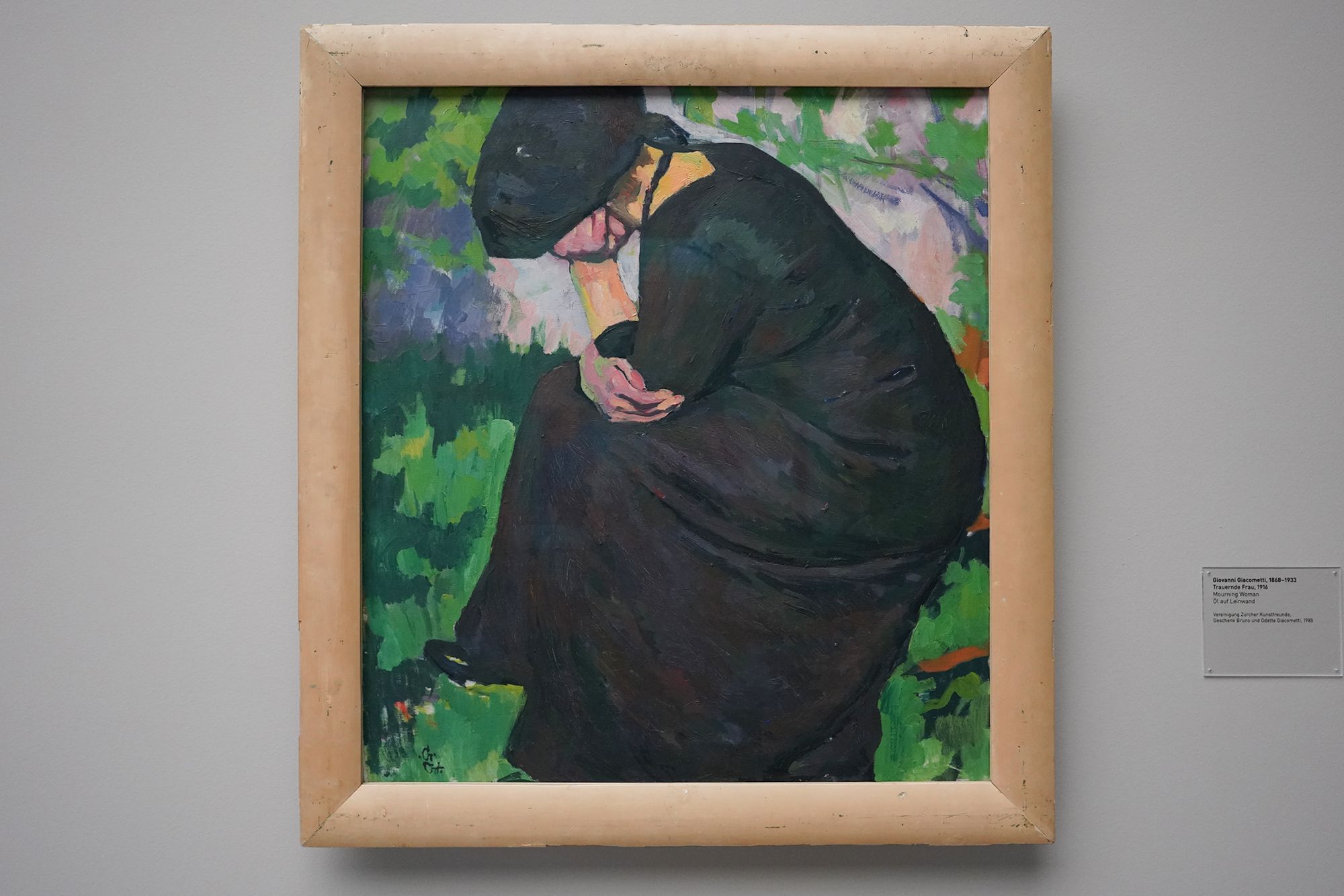
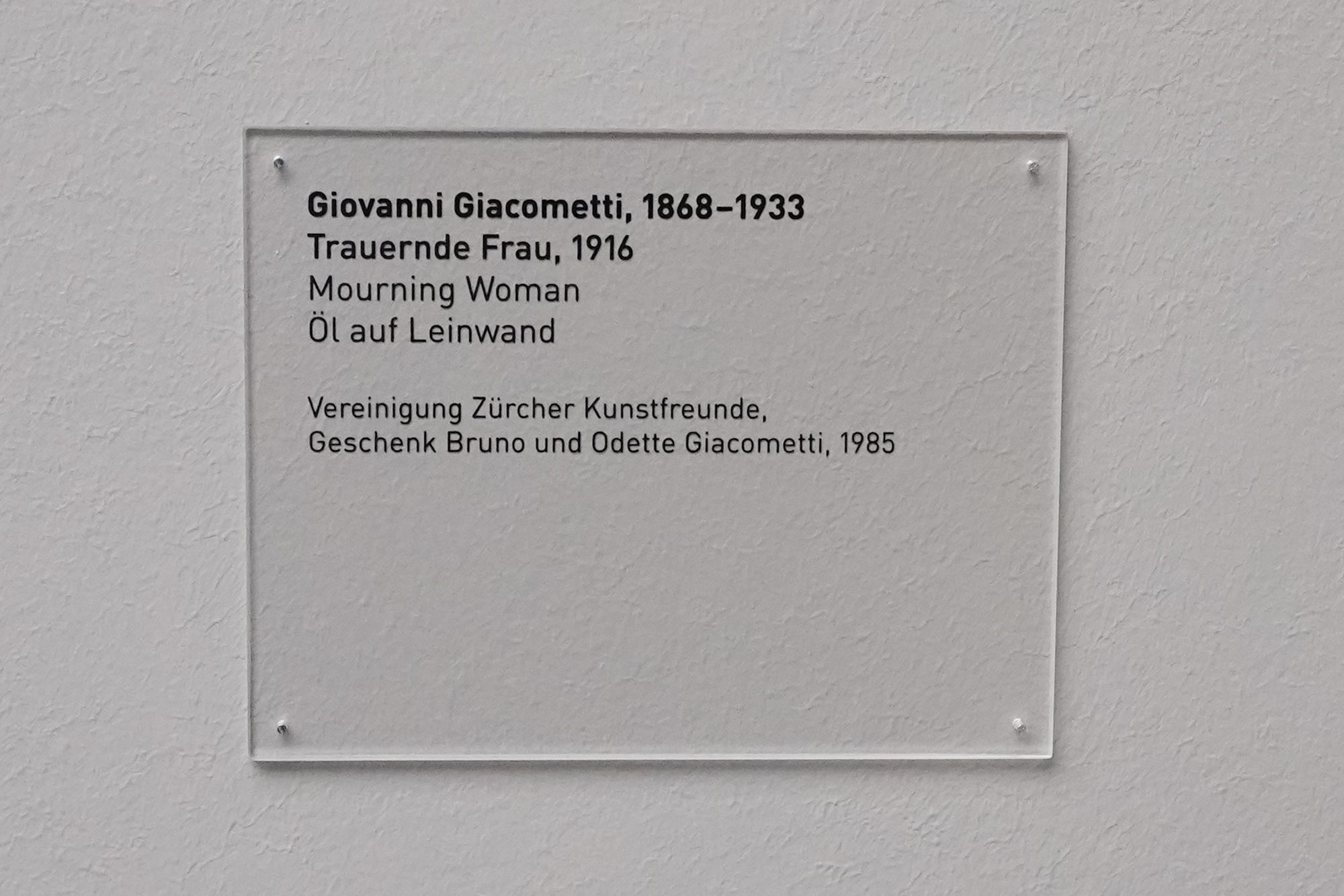
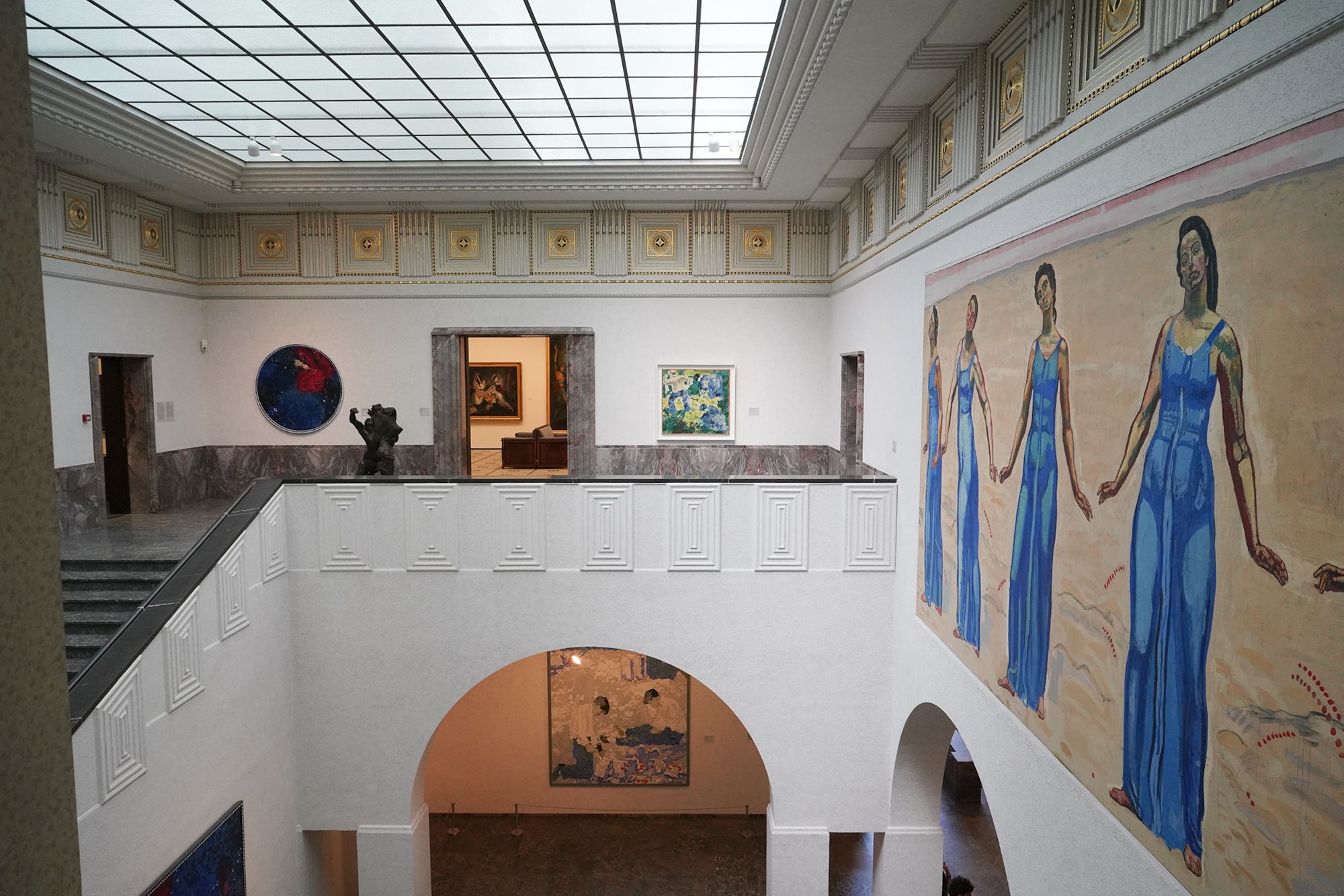
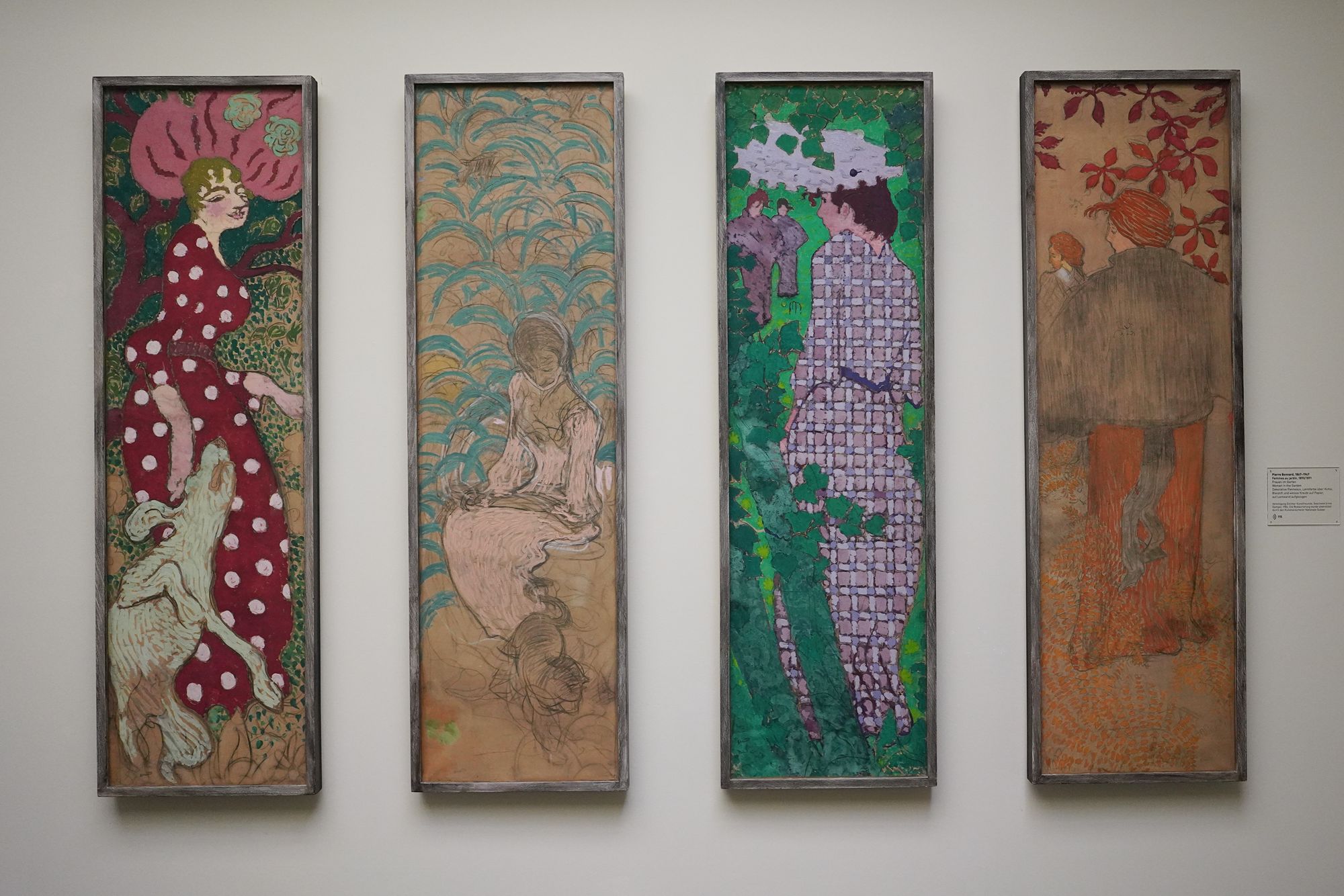
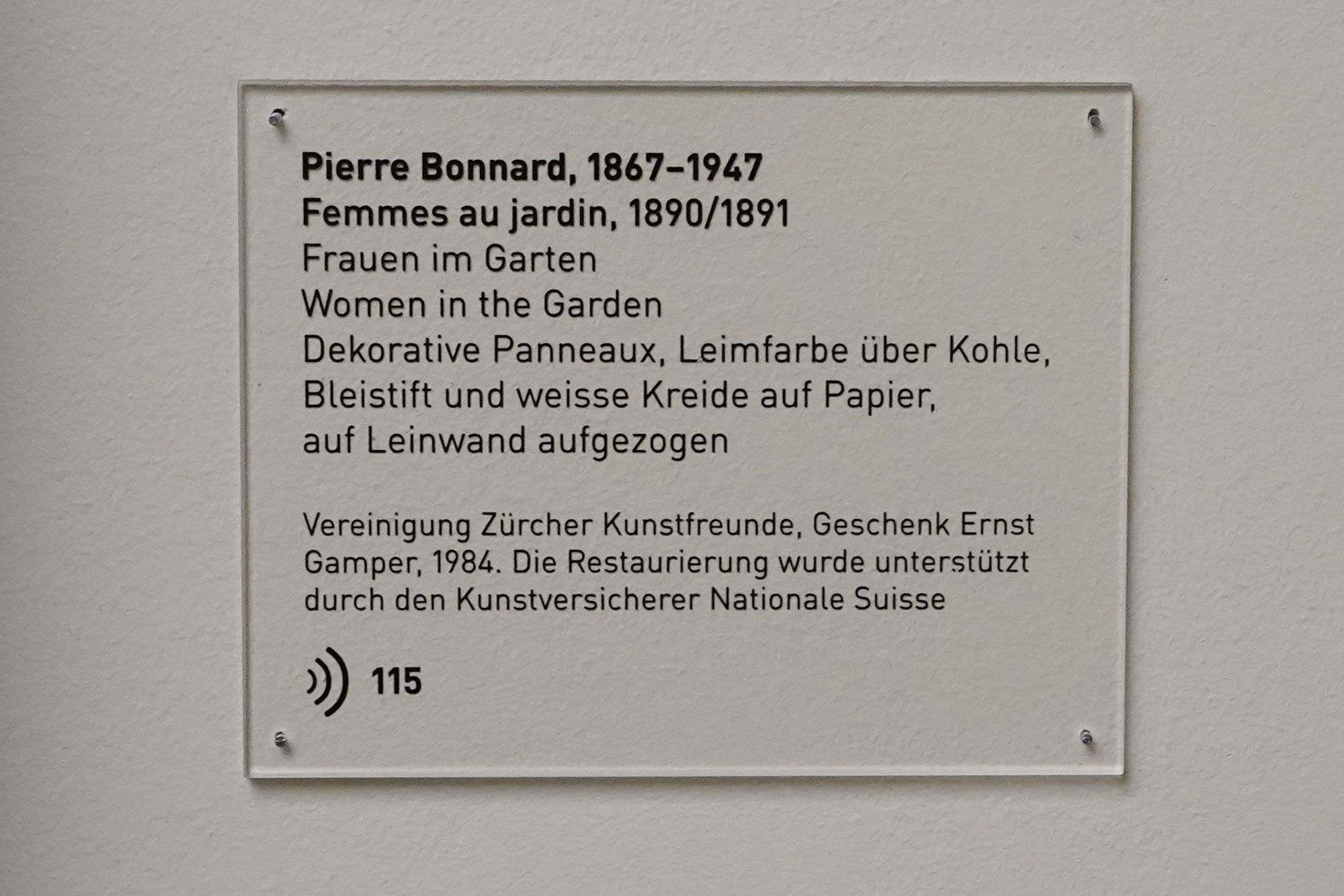
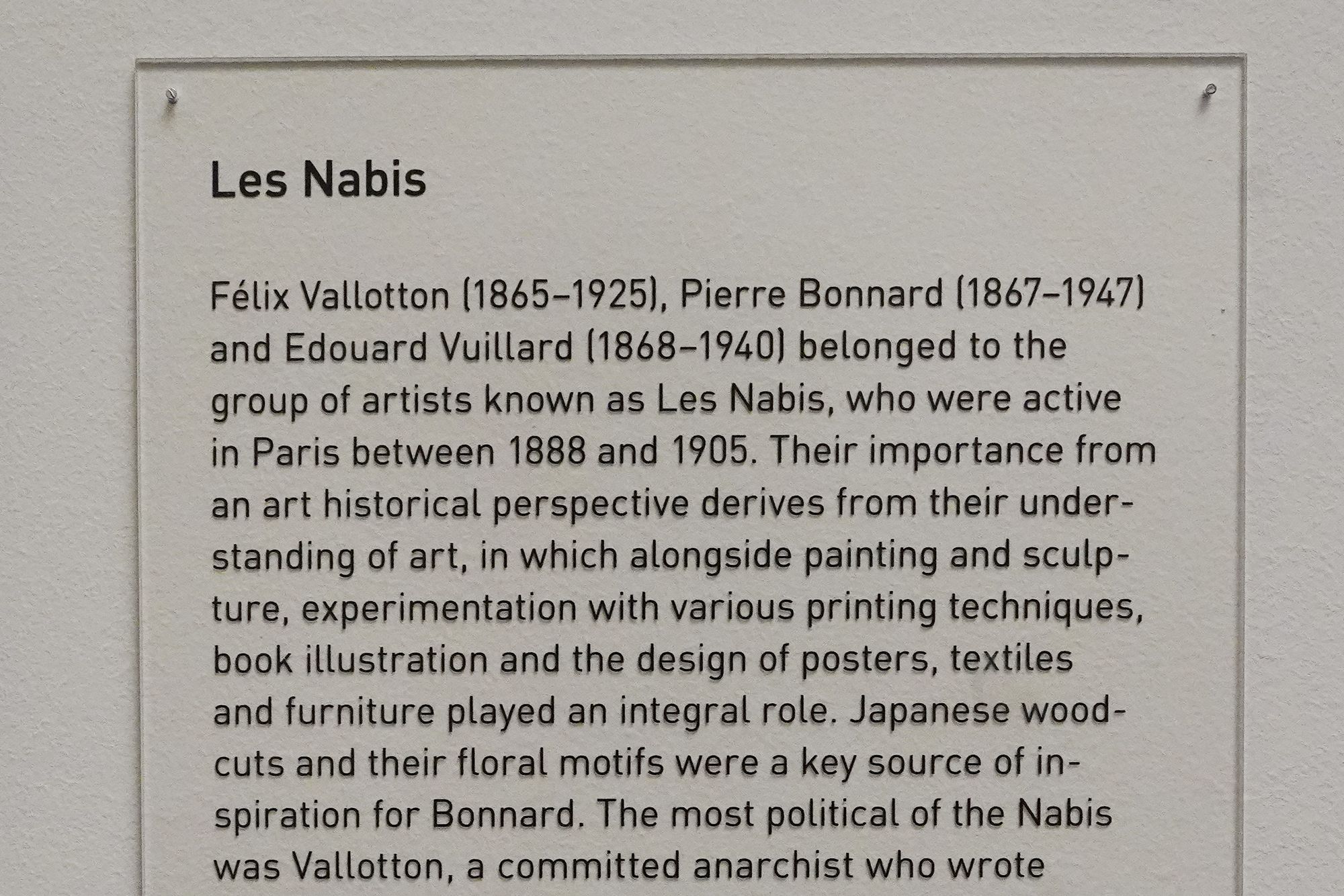
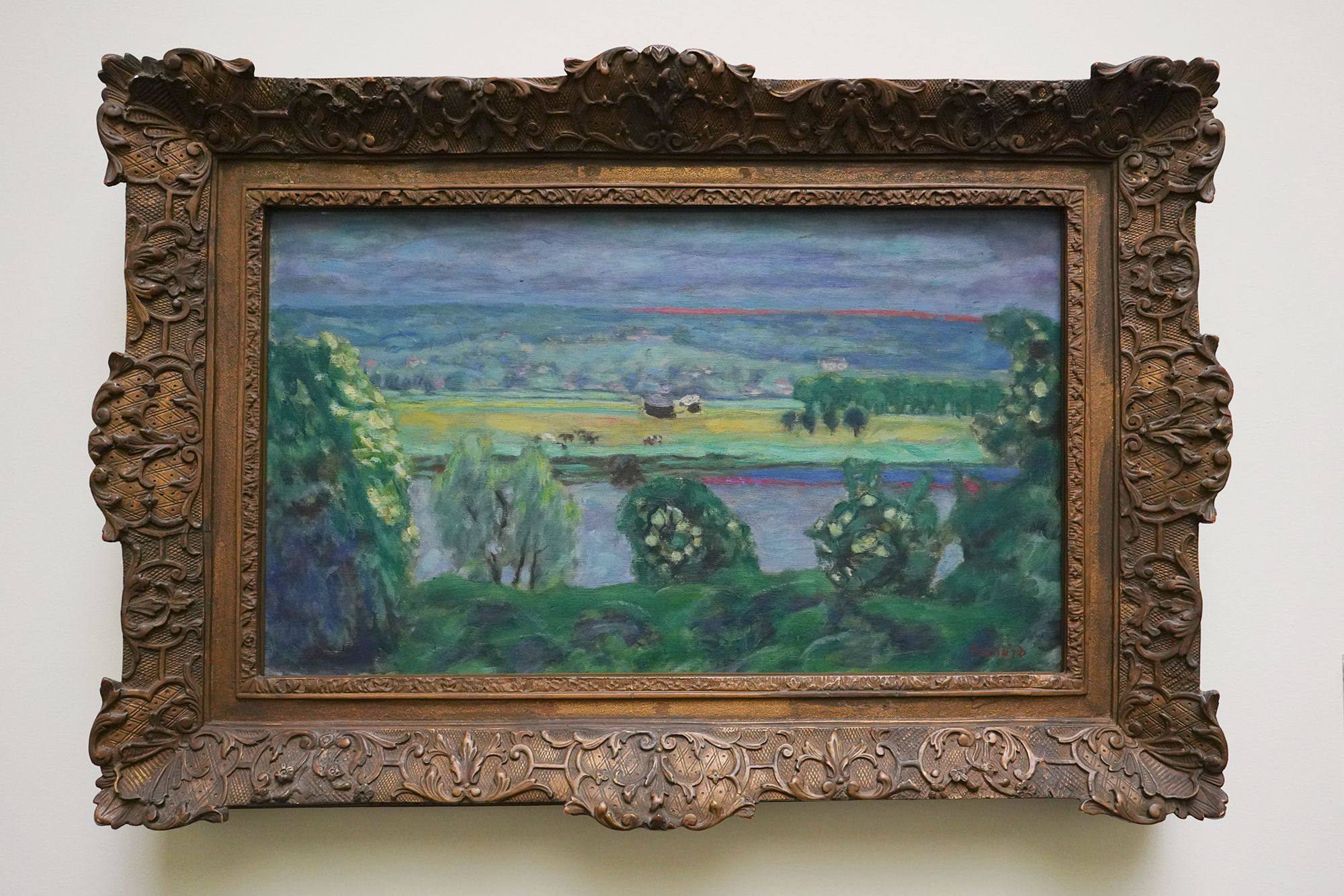
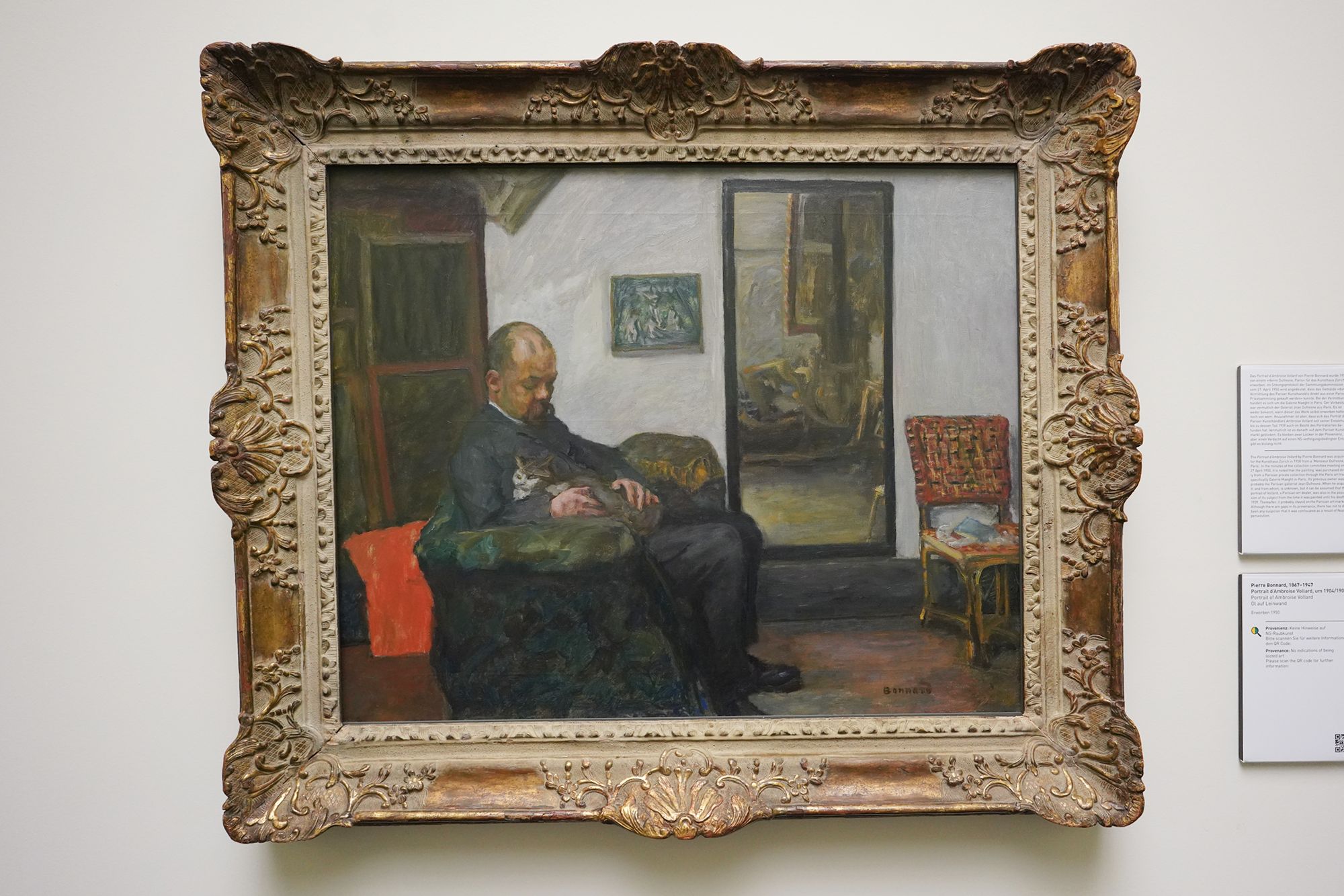
The next gallery featured Les Nabis, including Félix Vallotton, Pierre Bonnard, and Édouard Vuillard. Active in Paris around the turn of the century, these artists brought their ideas into prints, posters, books, and decorative design as well as paintings.
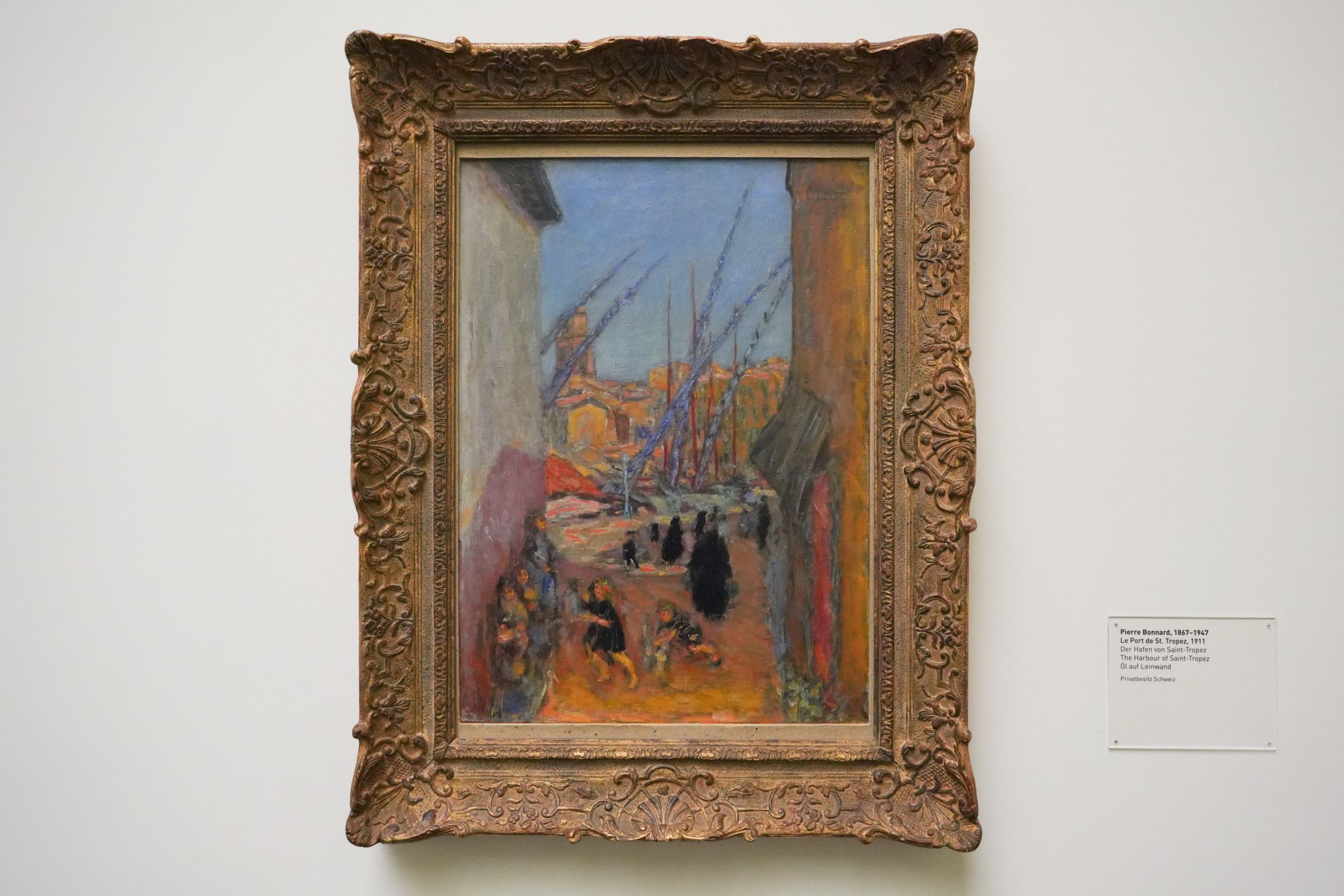
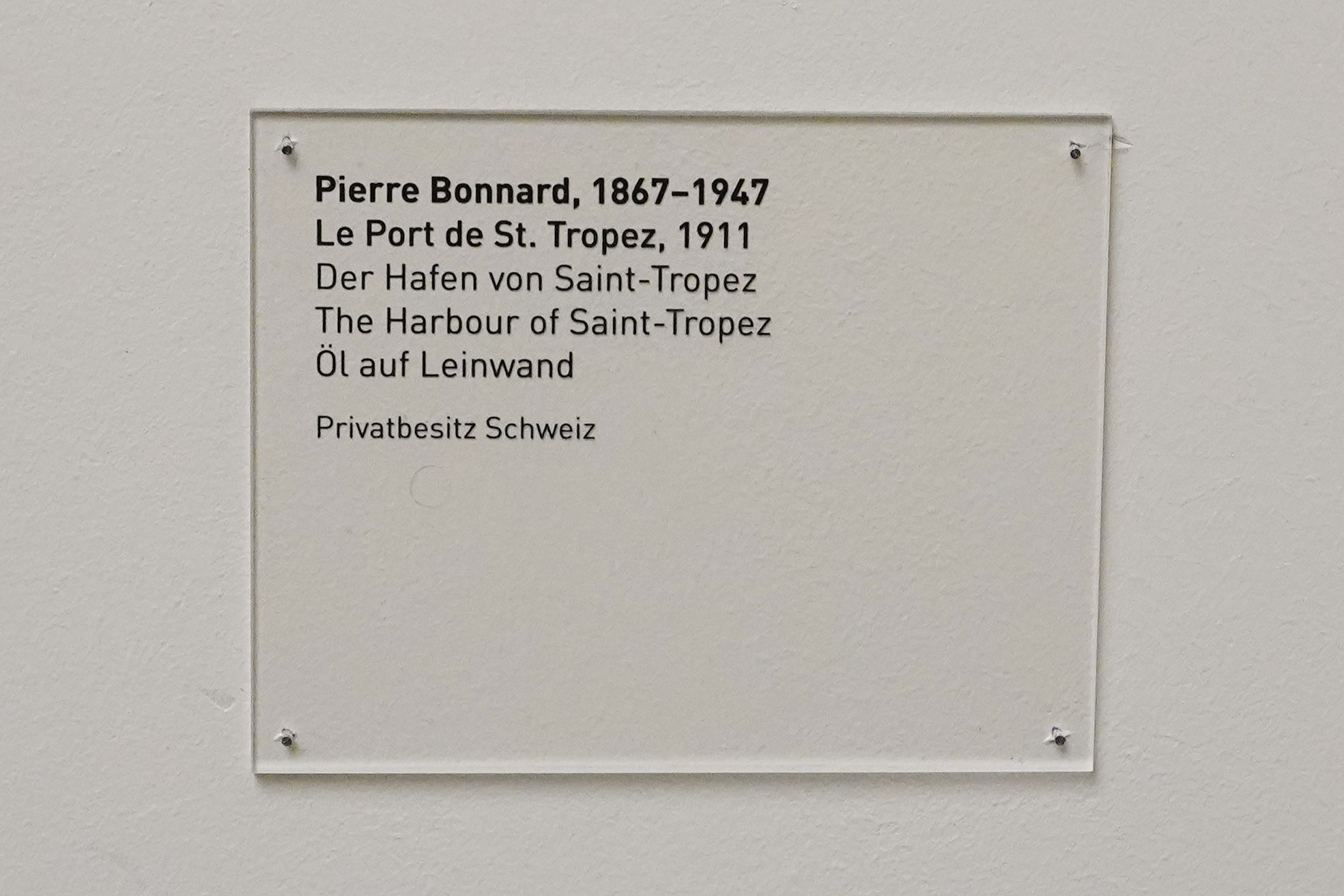
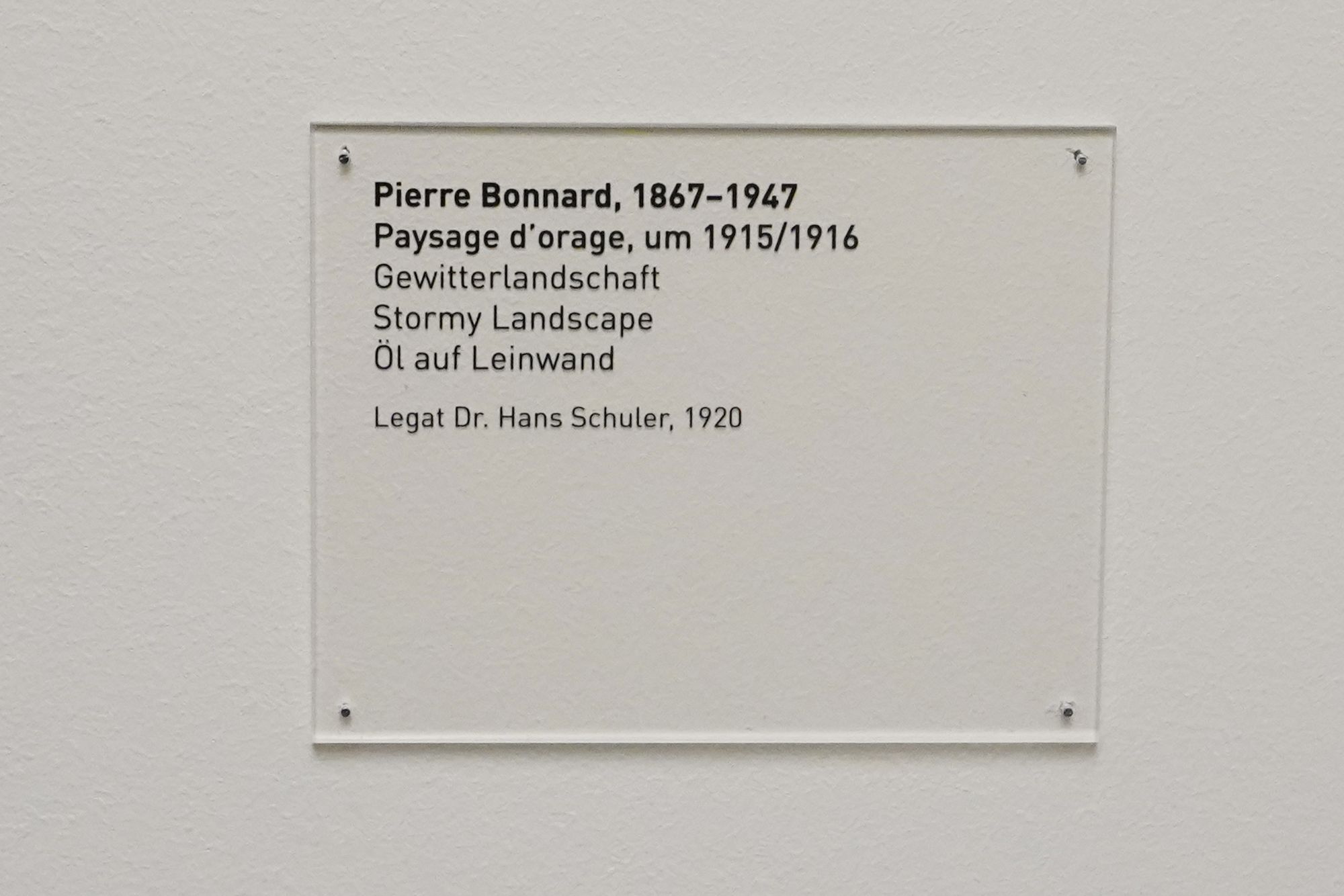
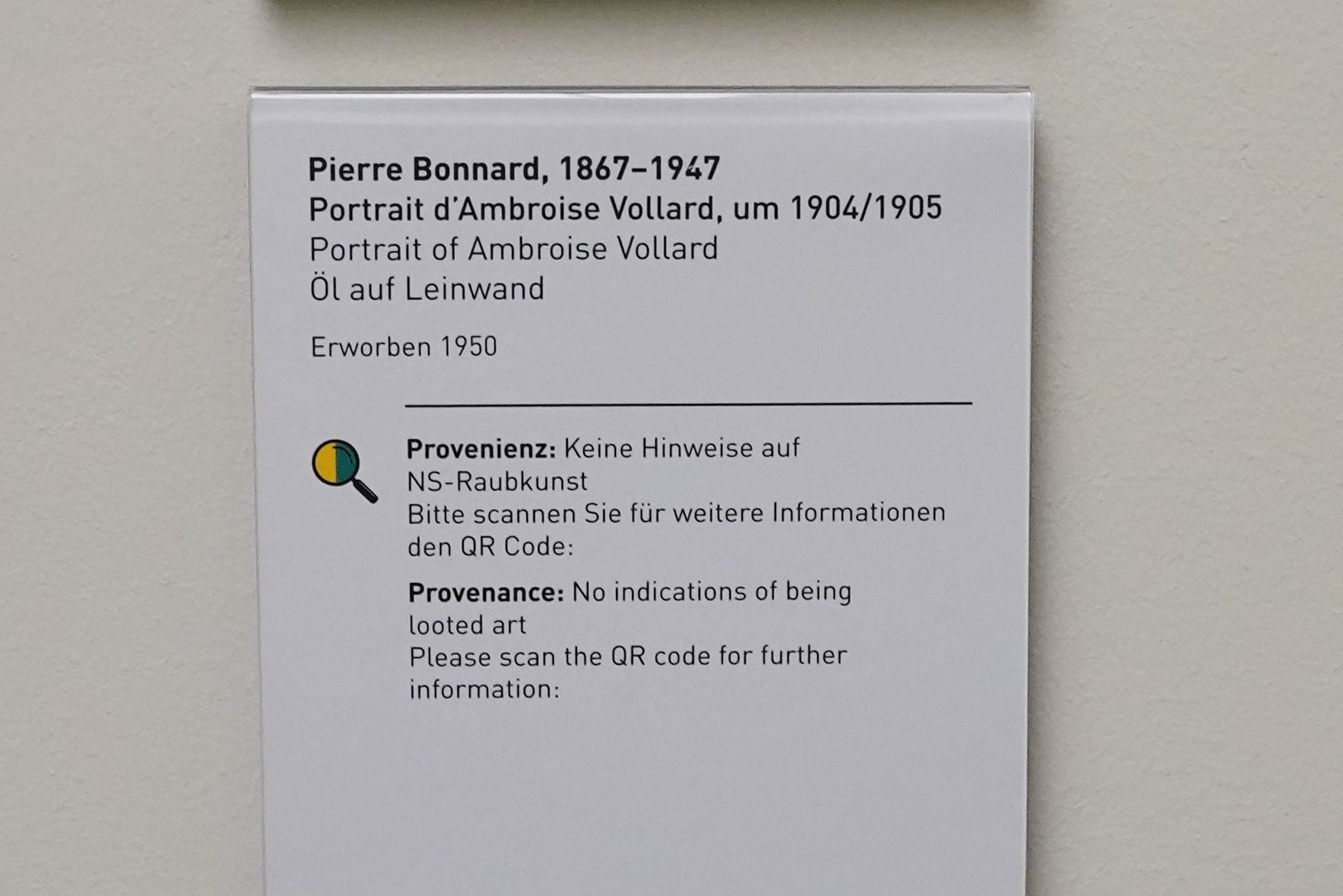
Pierre Bonnard (1867–1947) was a French painter and member of Les Nabis, alongside Félix Vallotton and Édouard Vuillard. He is known for warm colors and intimate scenes of rooms, gardens, and everyday life.
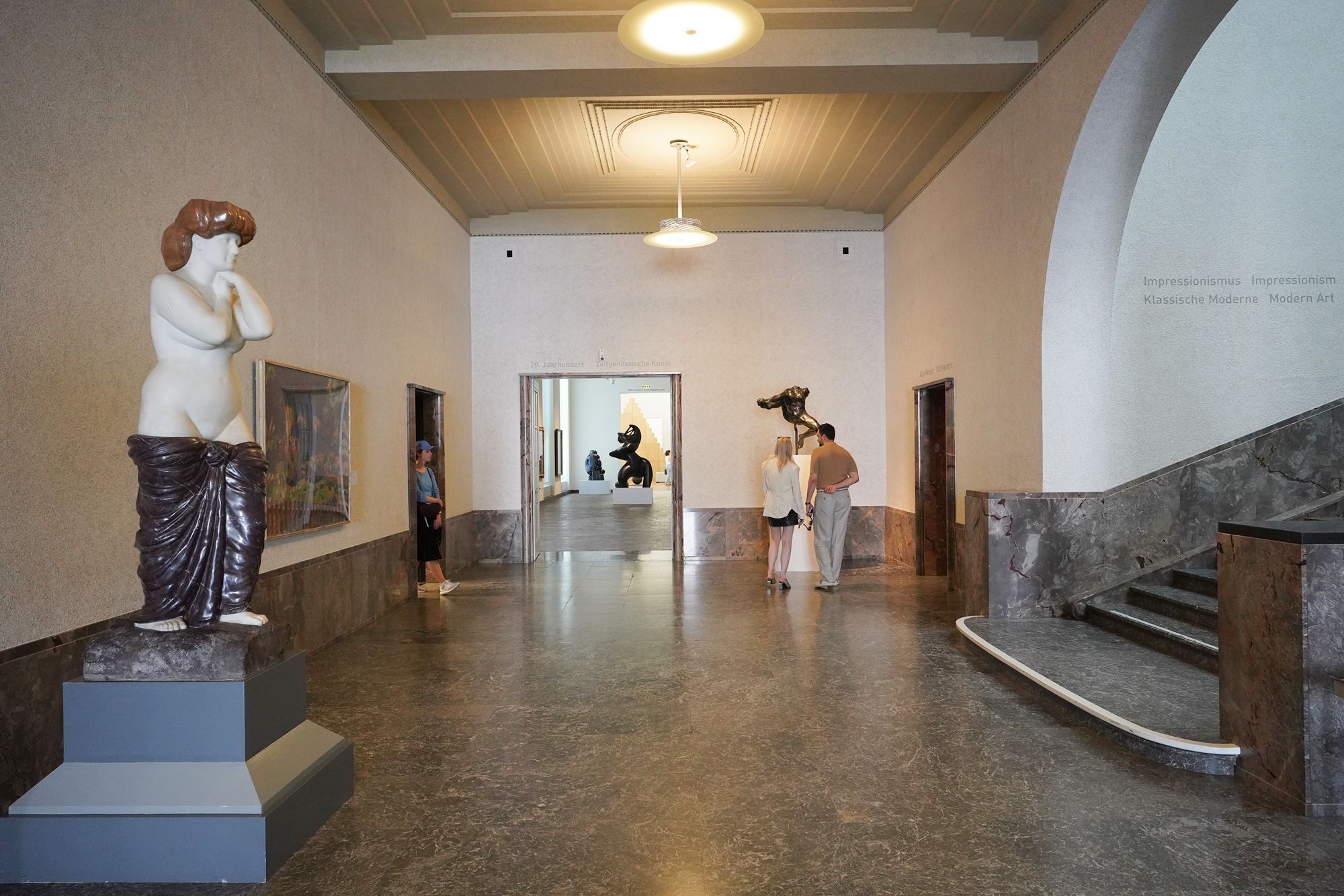
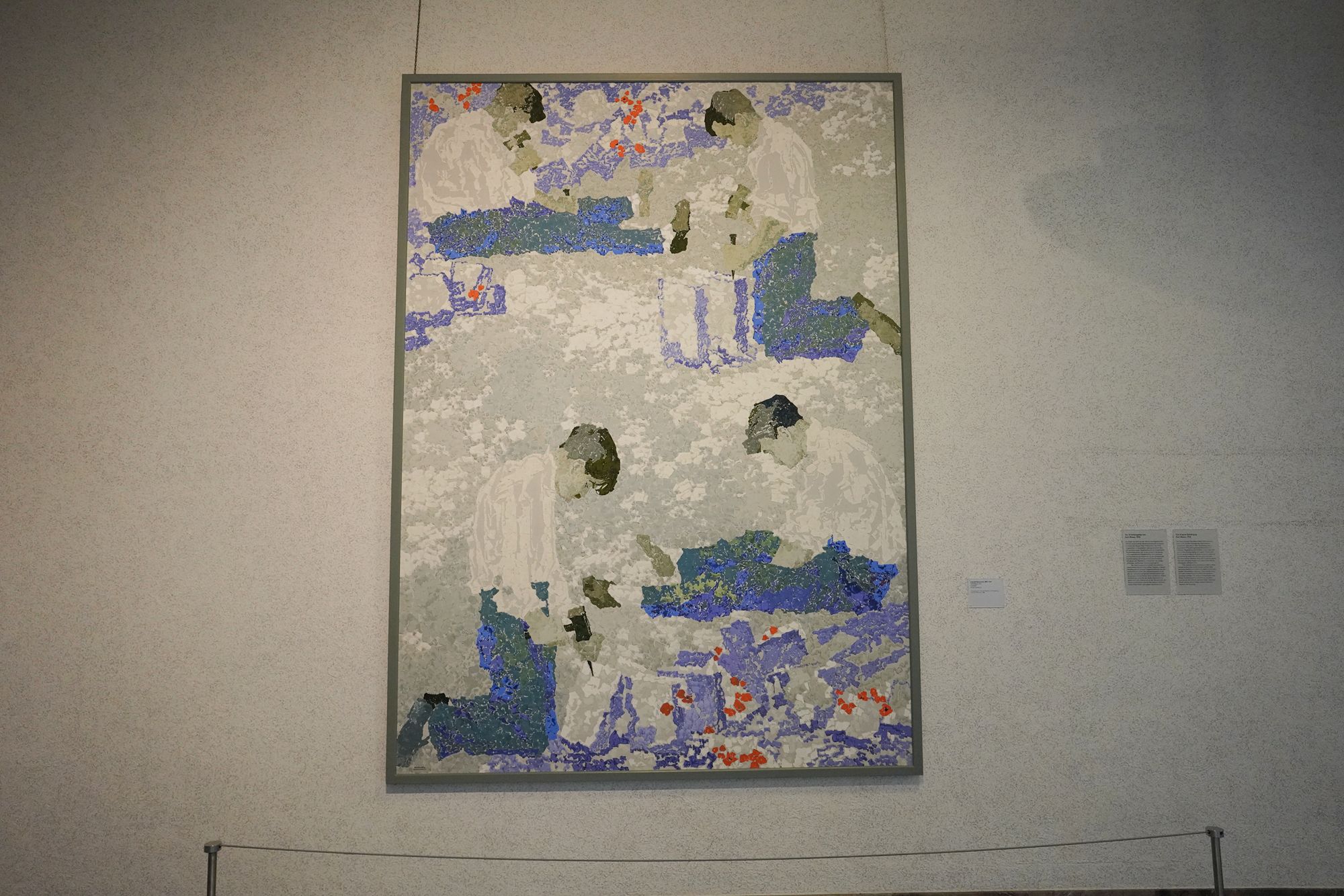
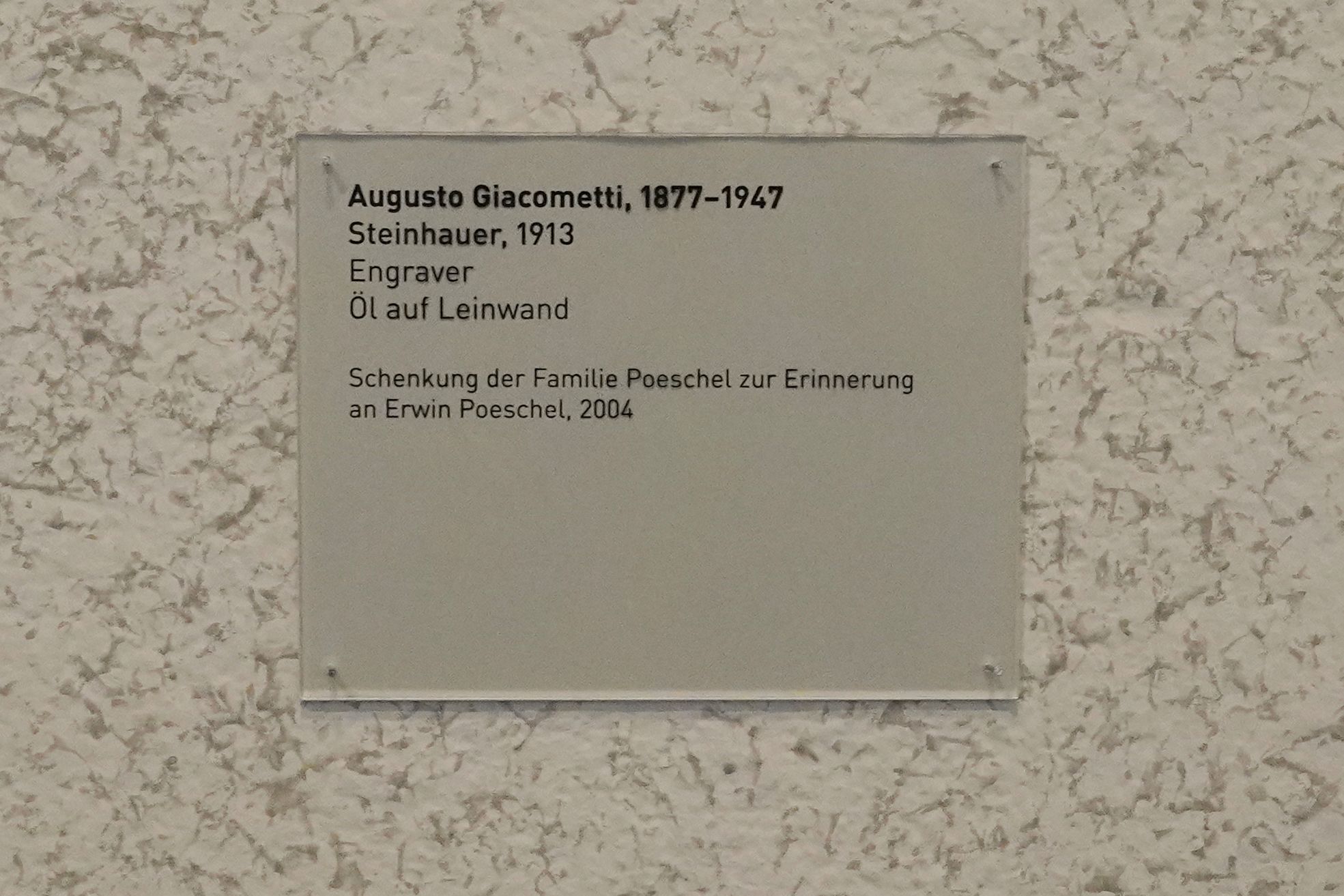
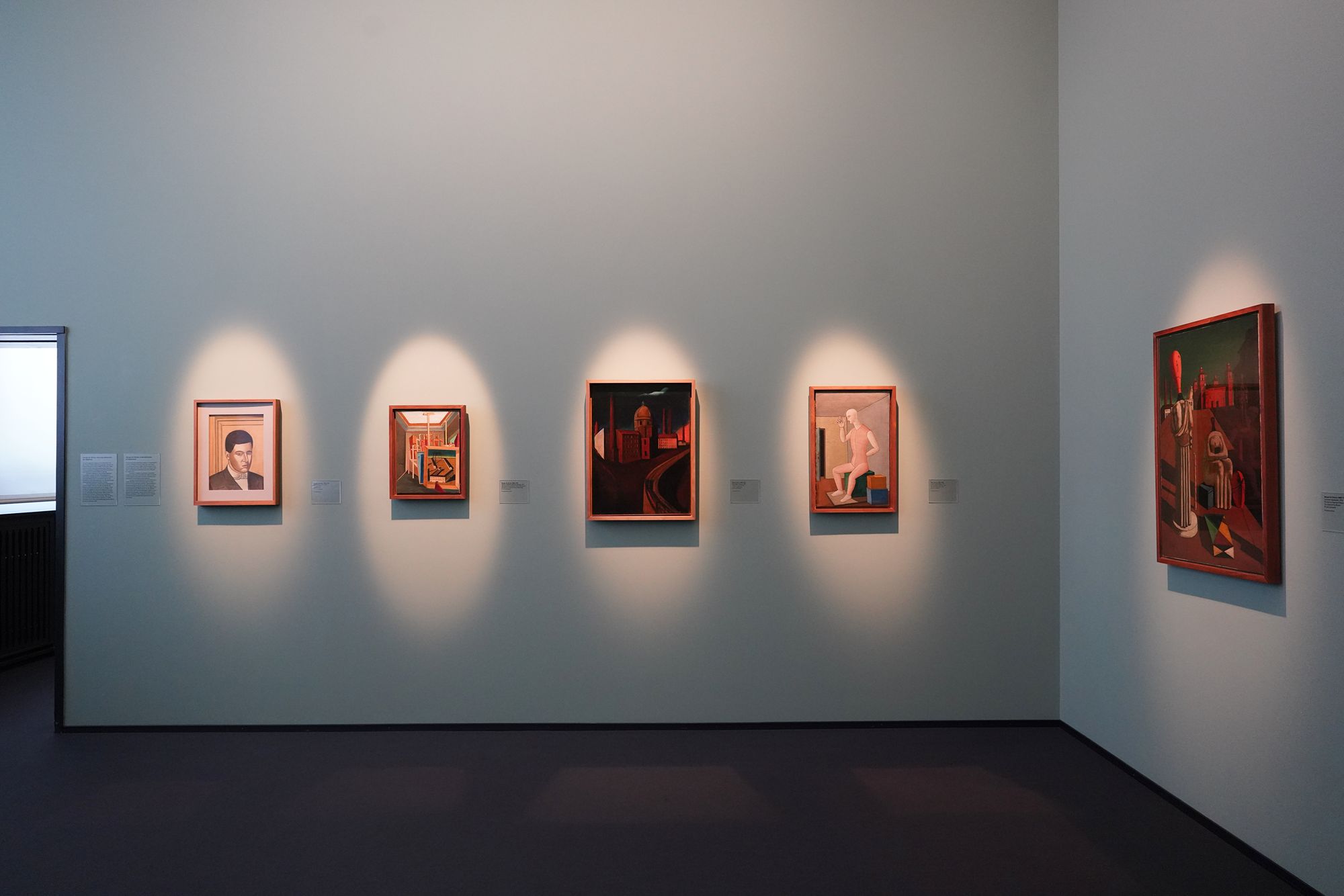
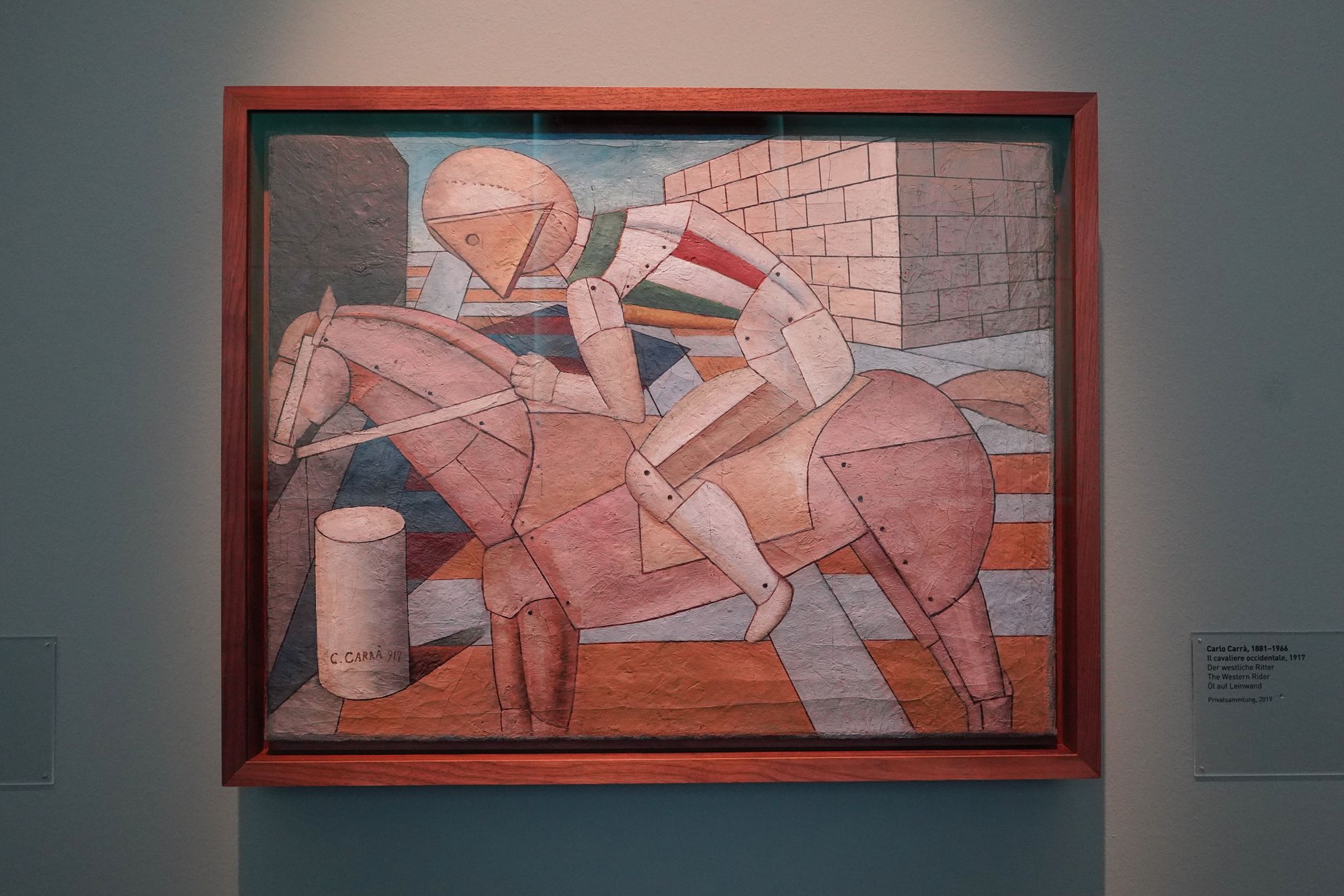
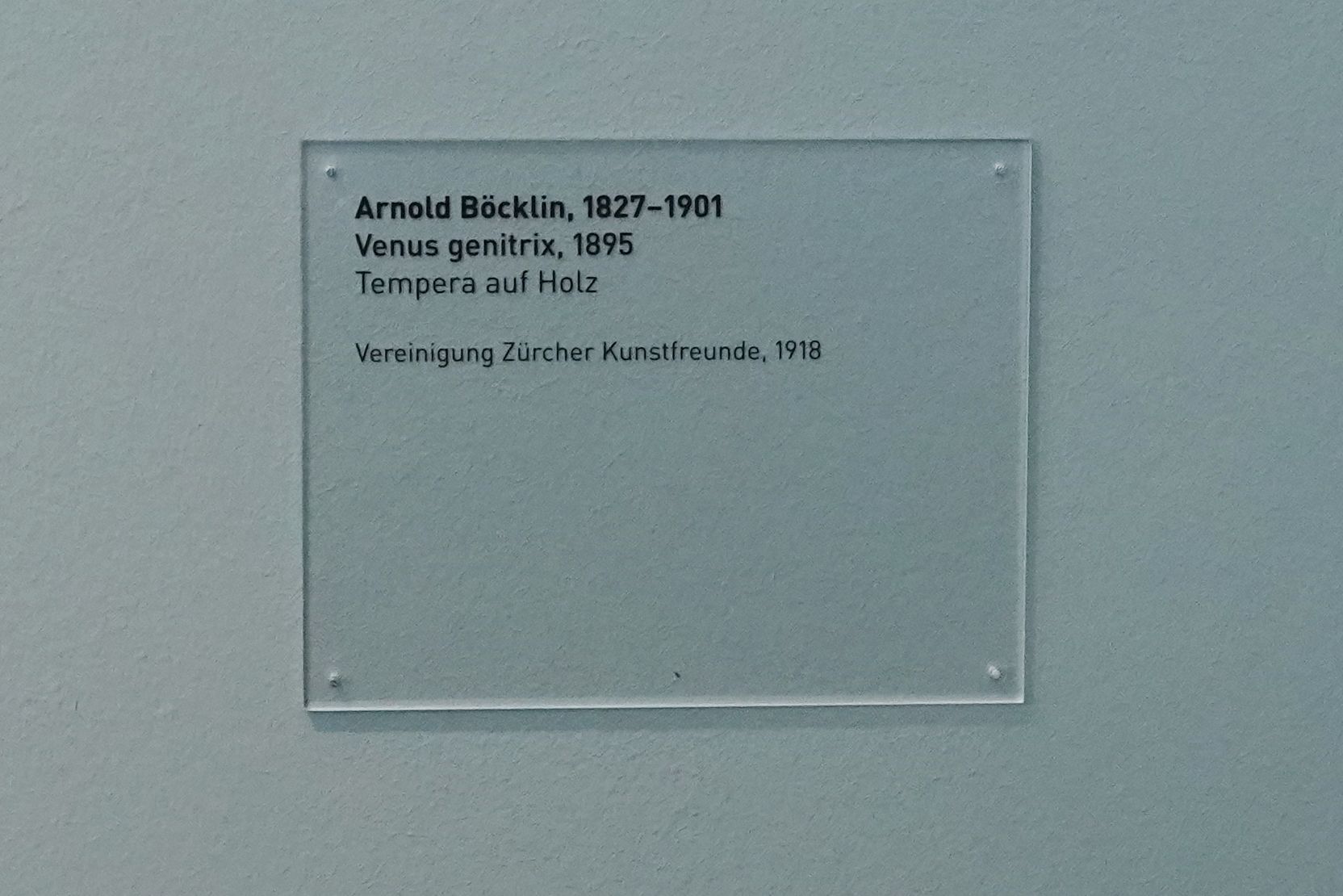
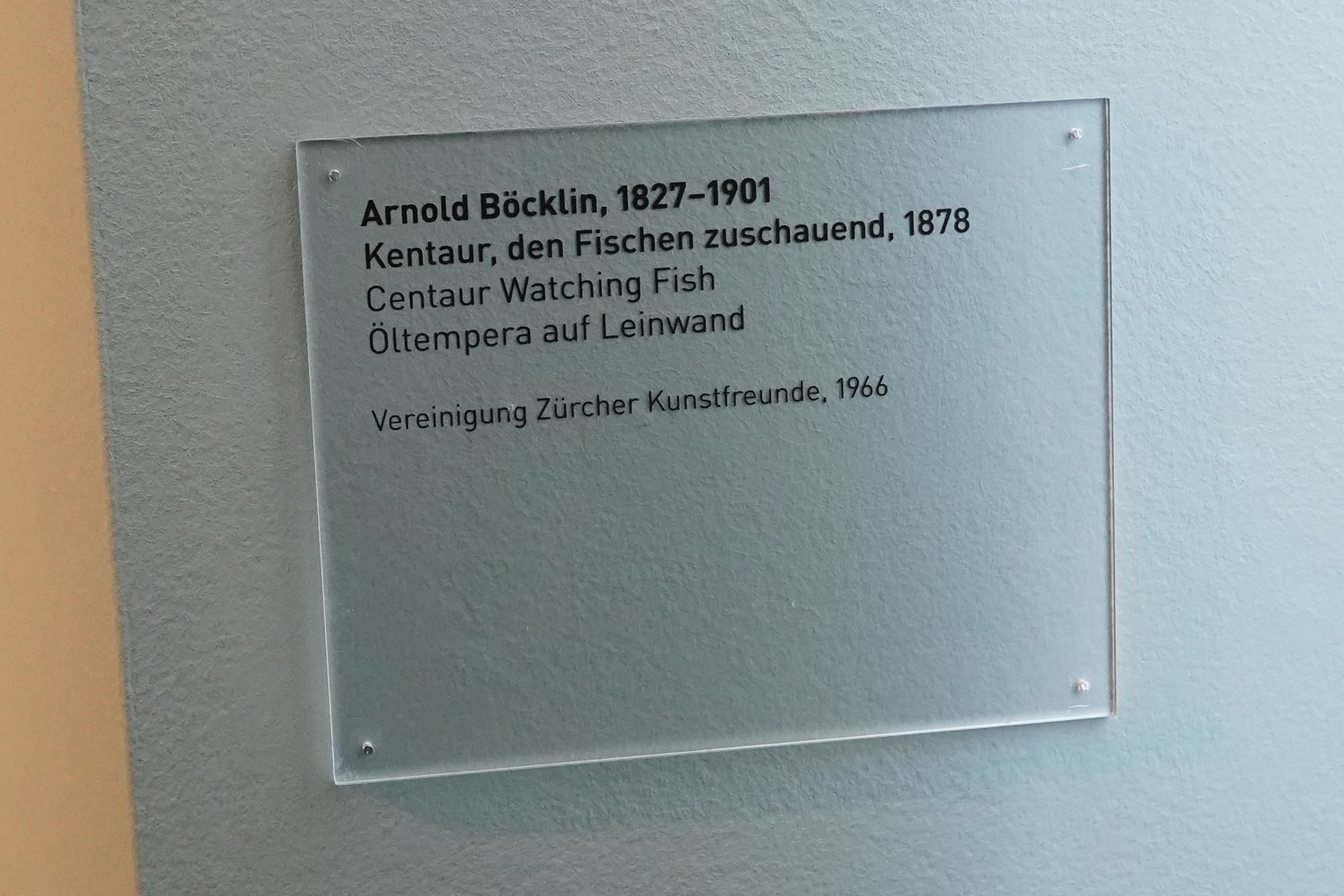
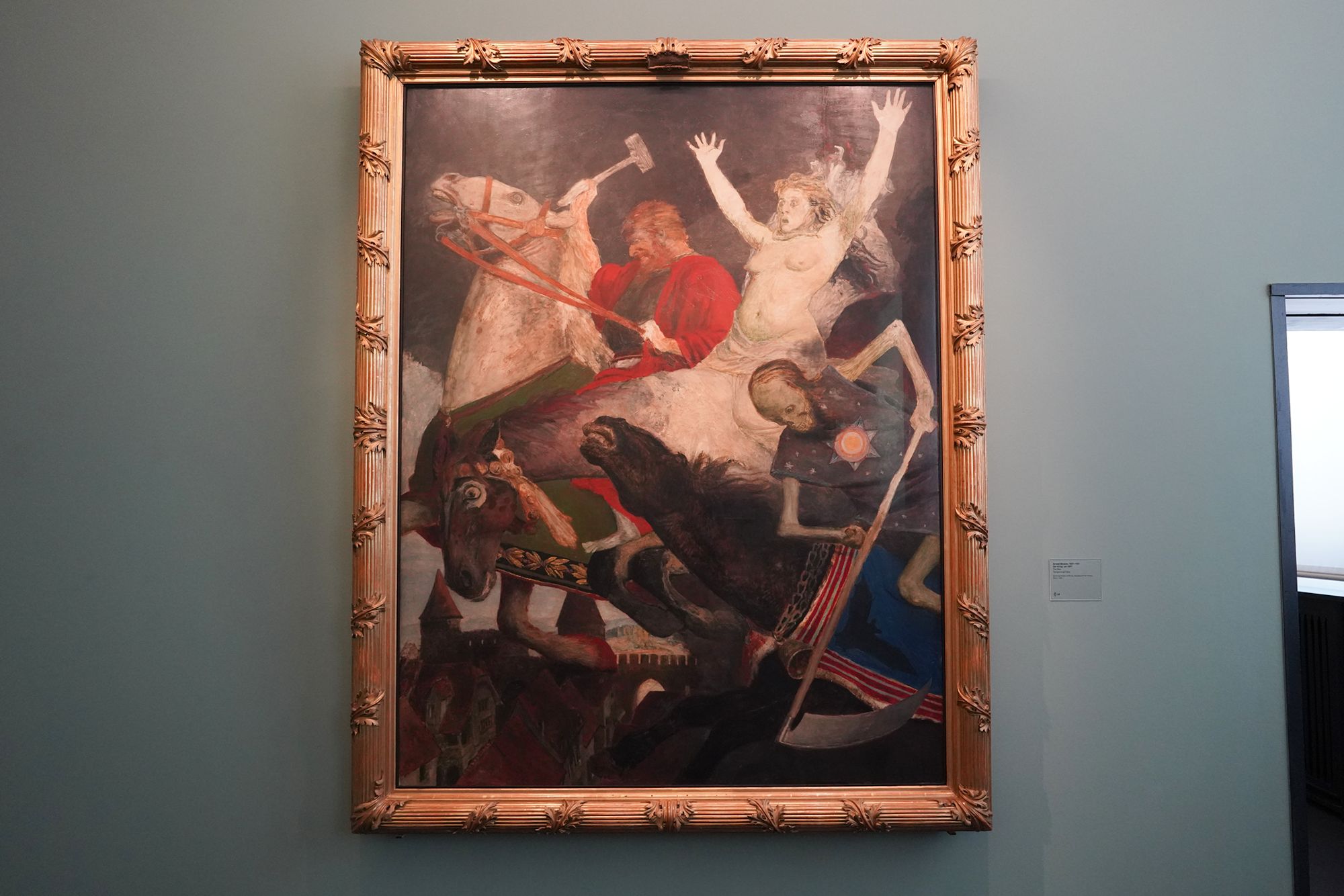
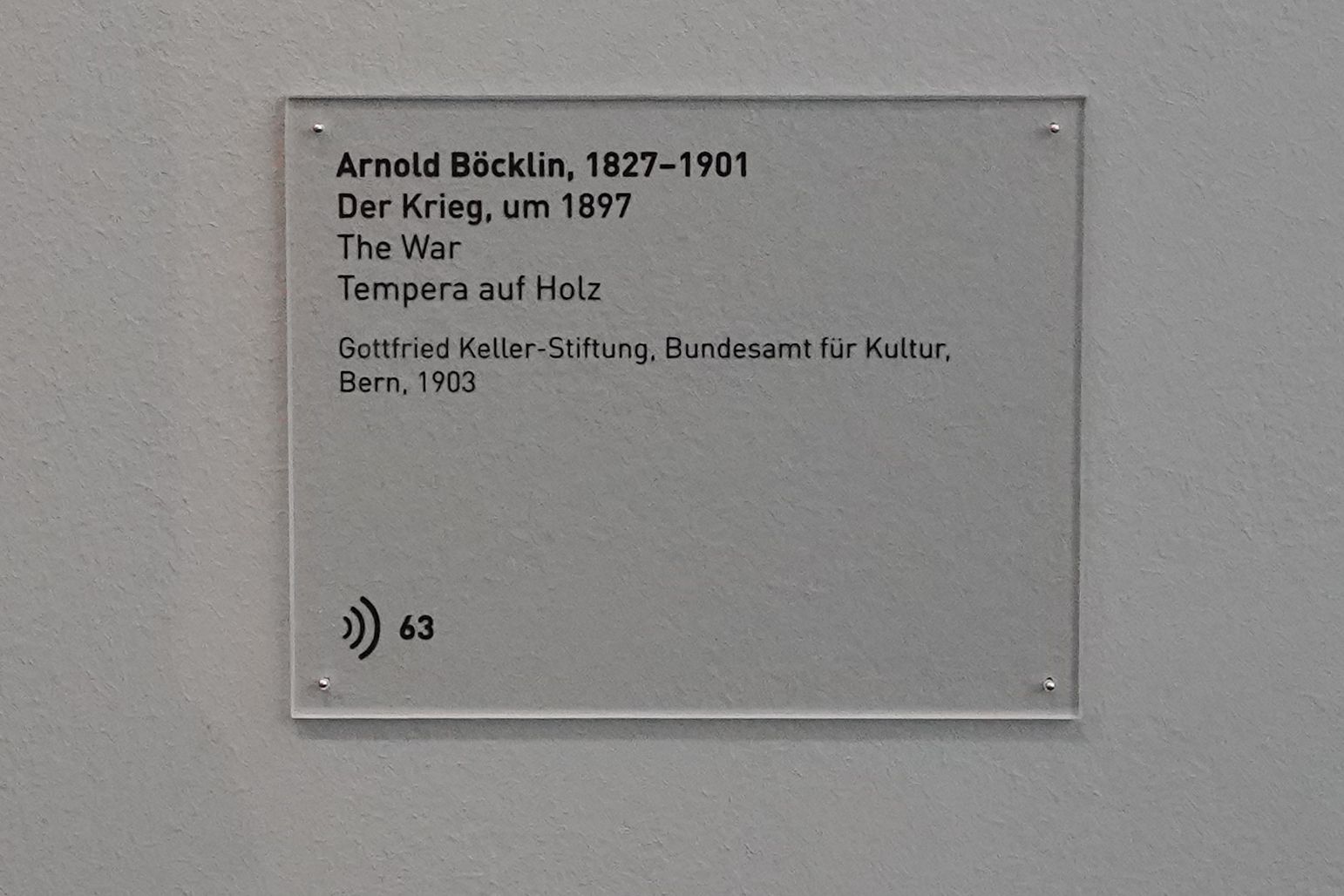
Arnold Böcklin (1827–1901) was a Swiss painter associated with Symbolism. He often painted mythological figures in mysterious landscapes. His best-known work is Isle of the Dead, a haunting scene of a small boat approaching an island.
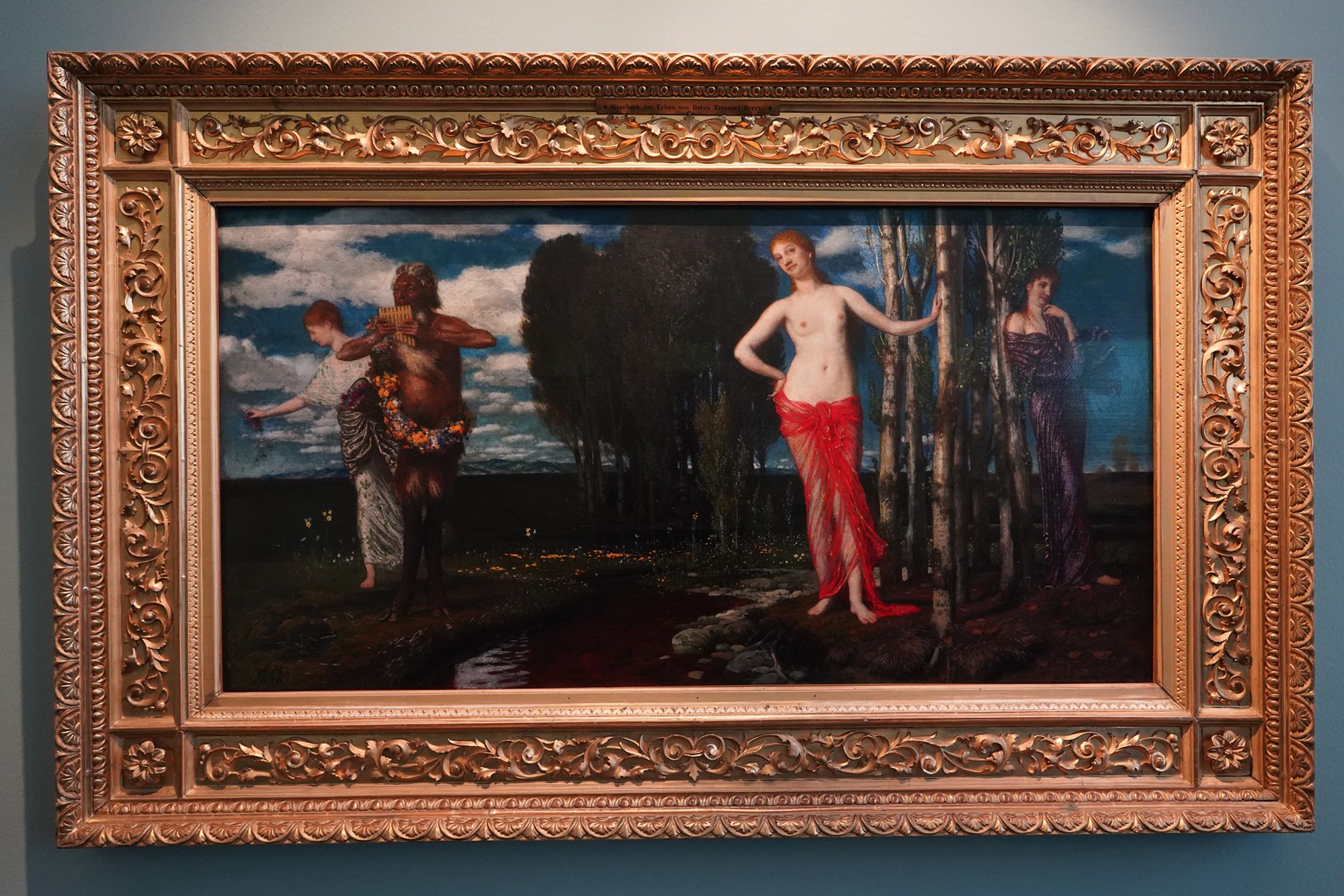
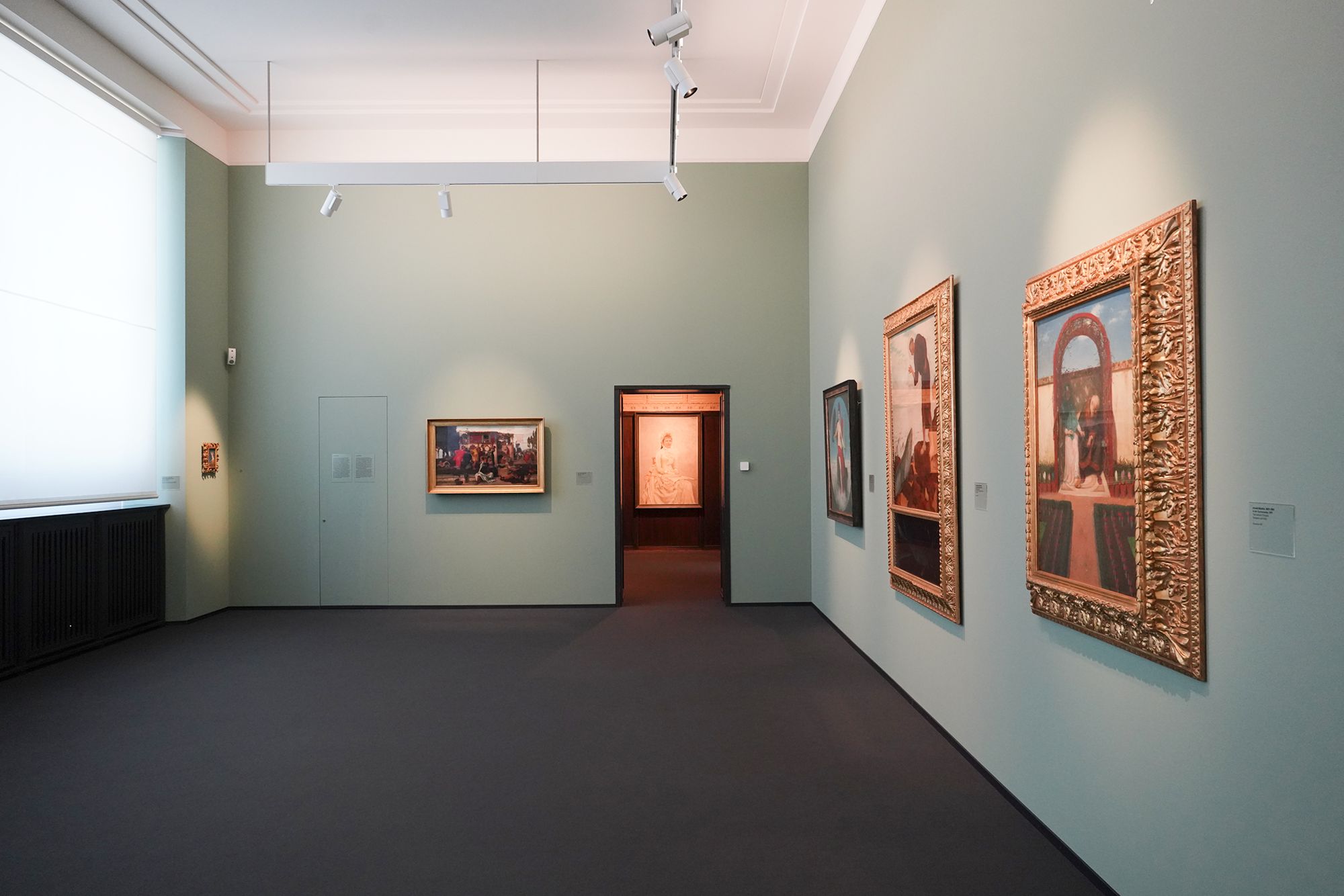
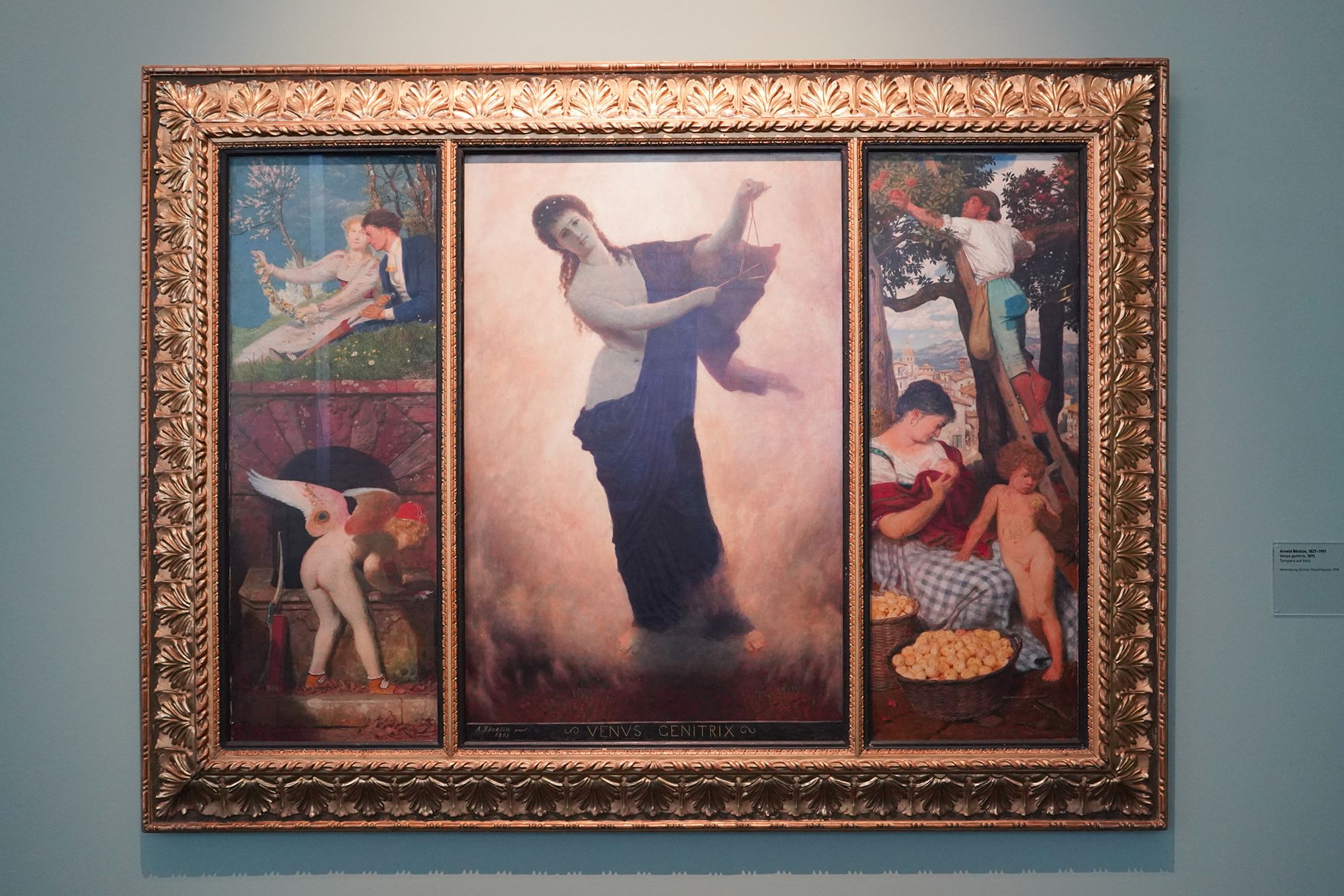
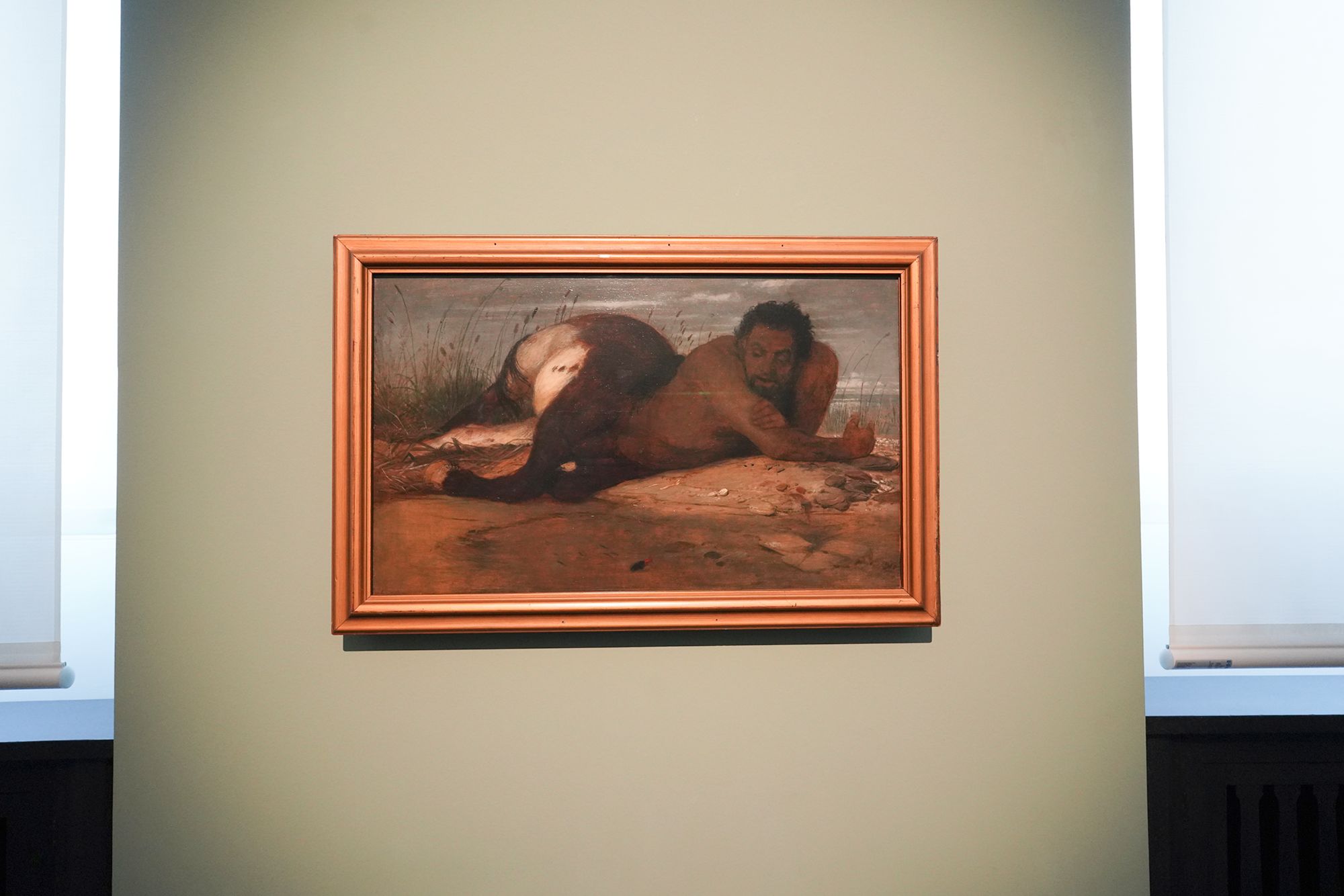
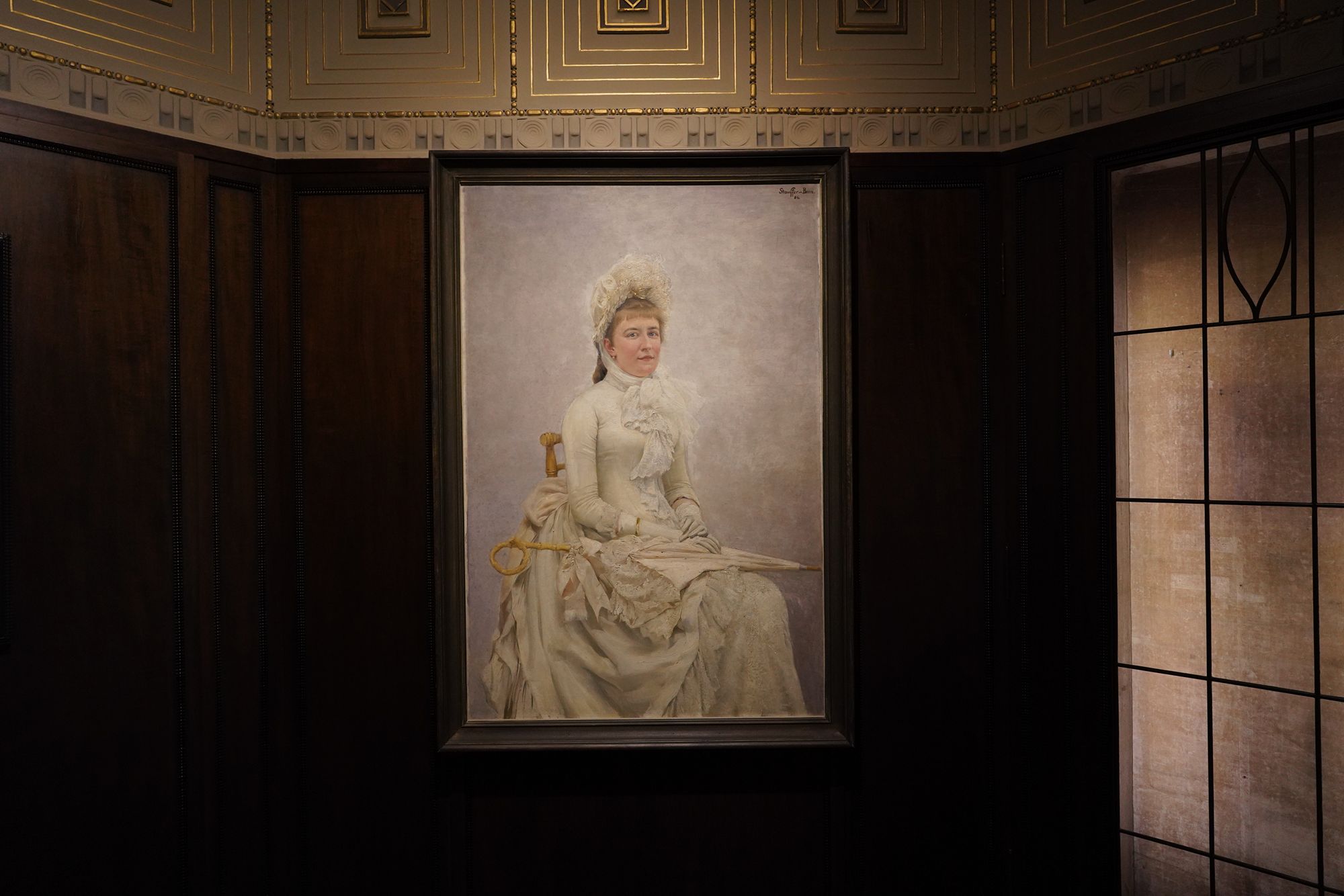
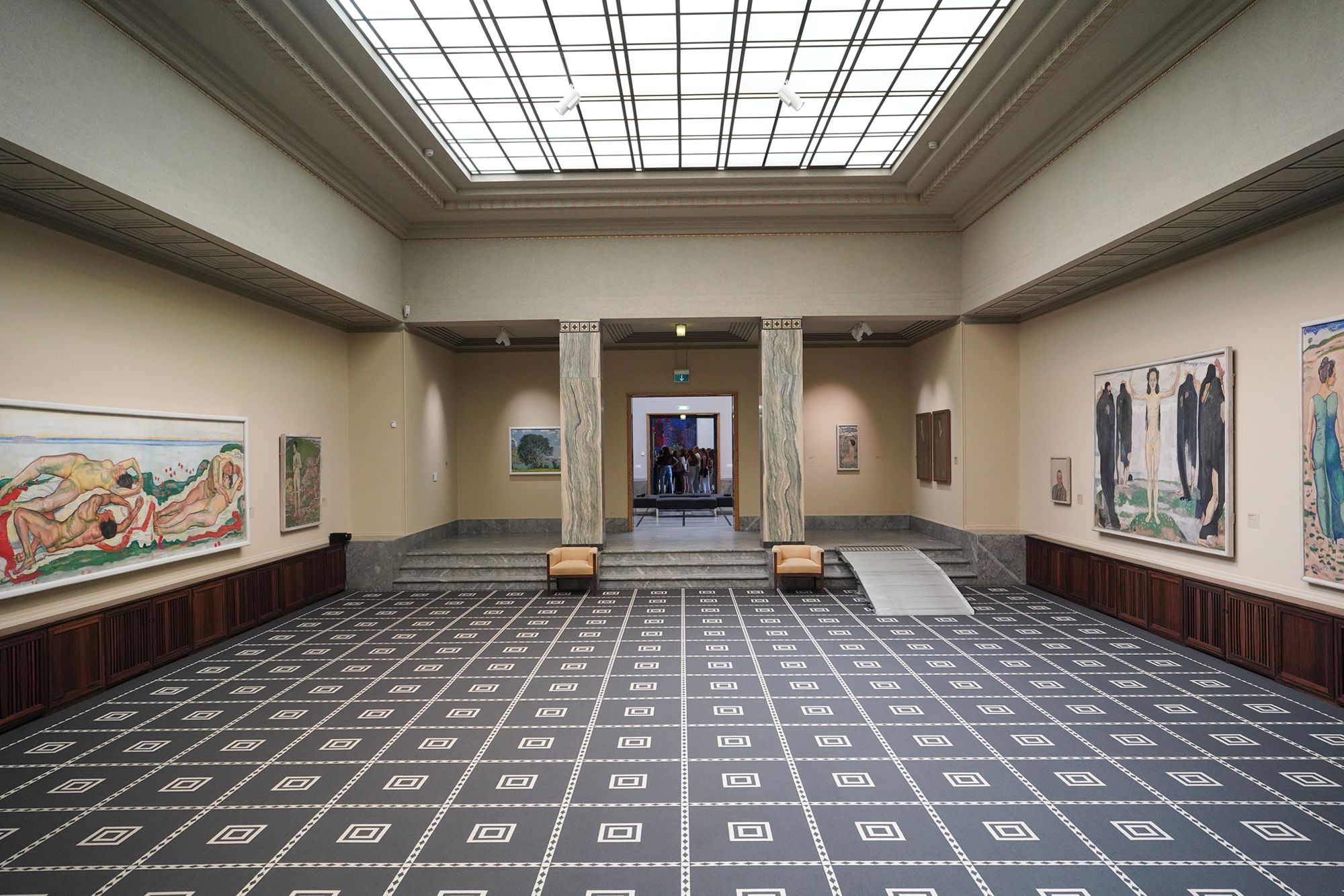
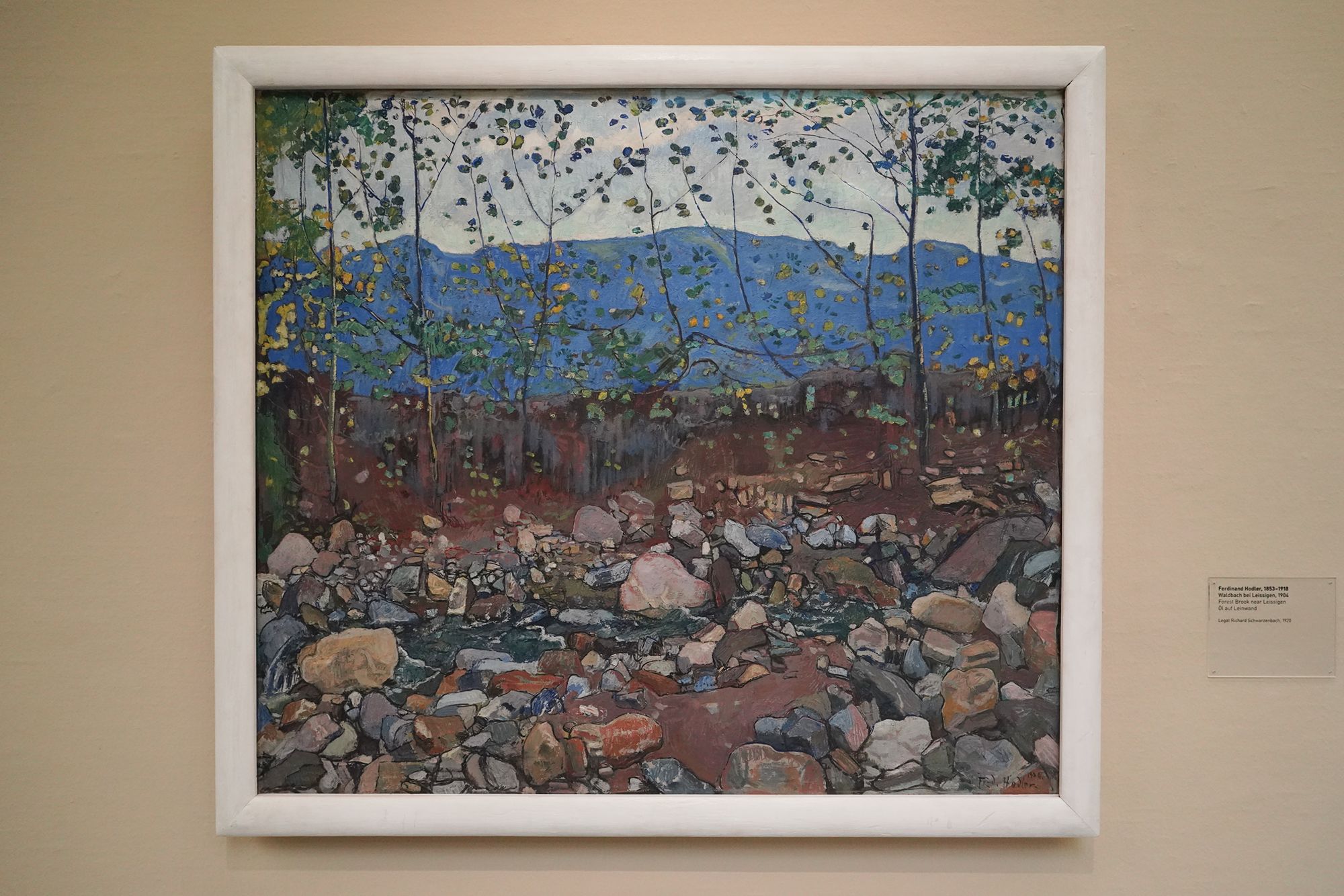
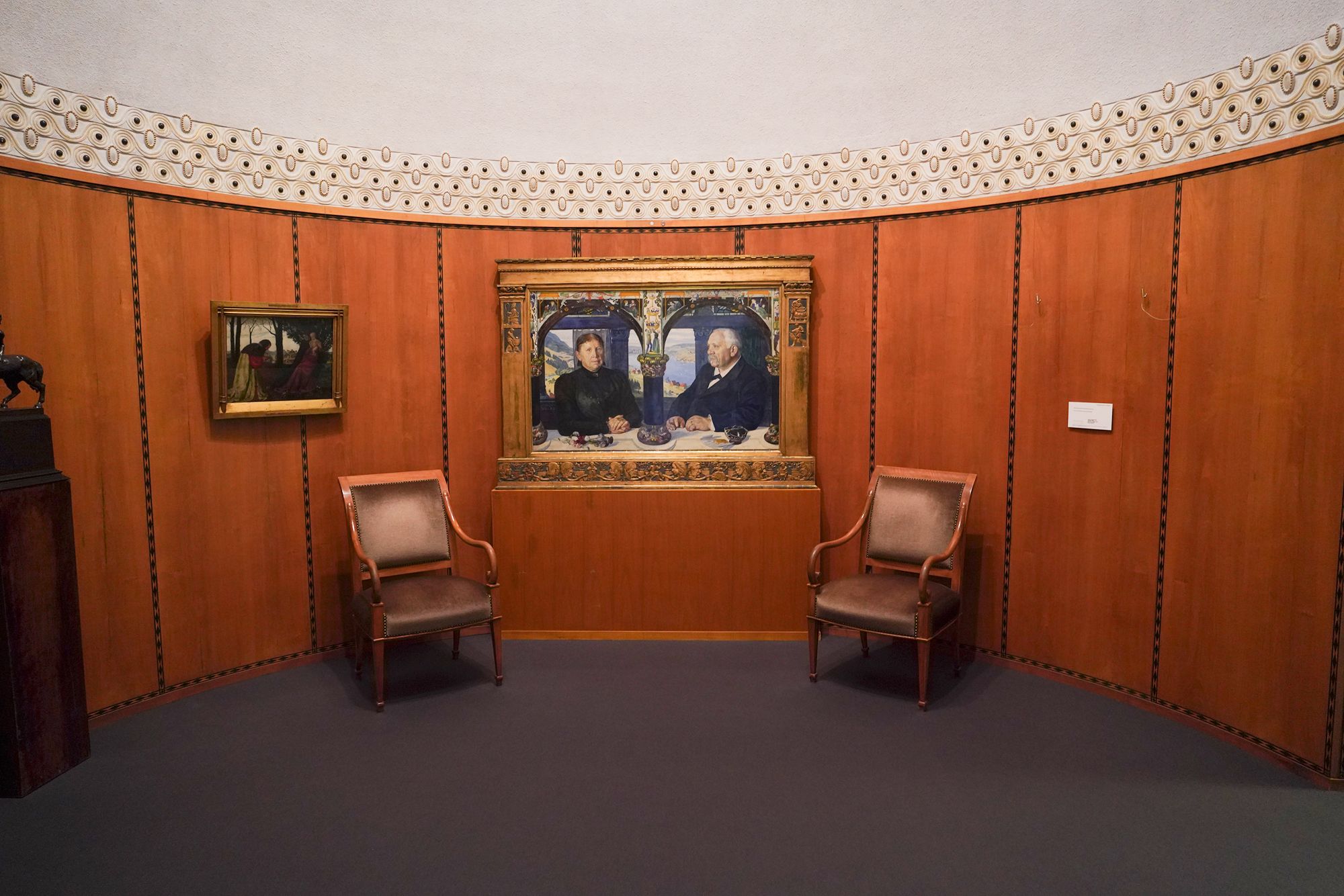
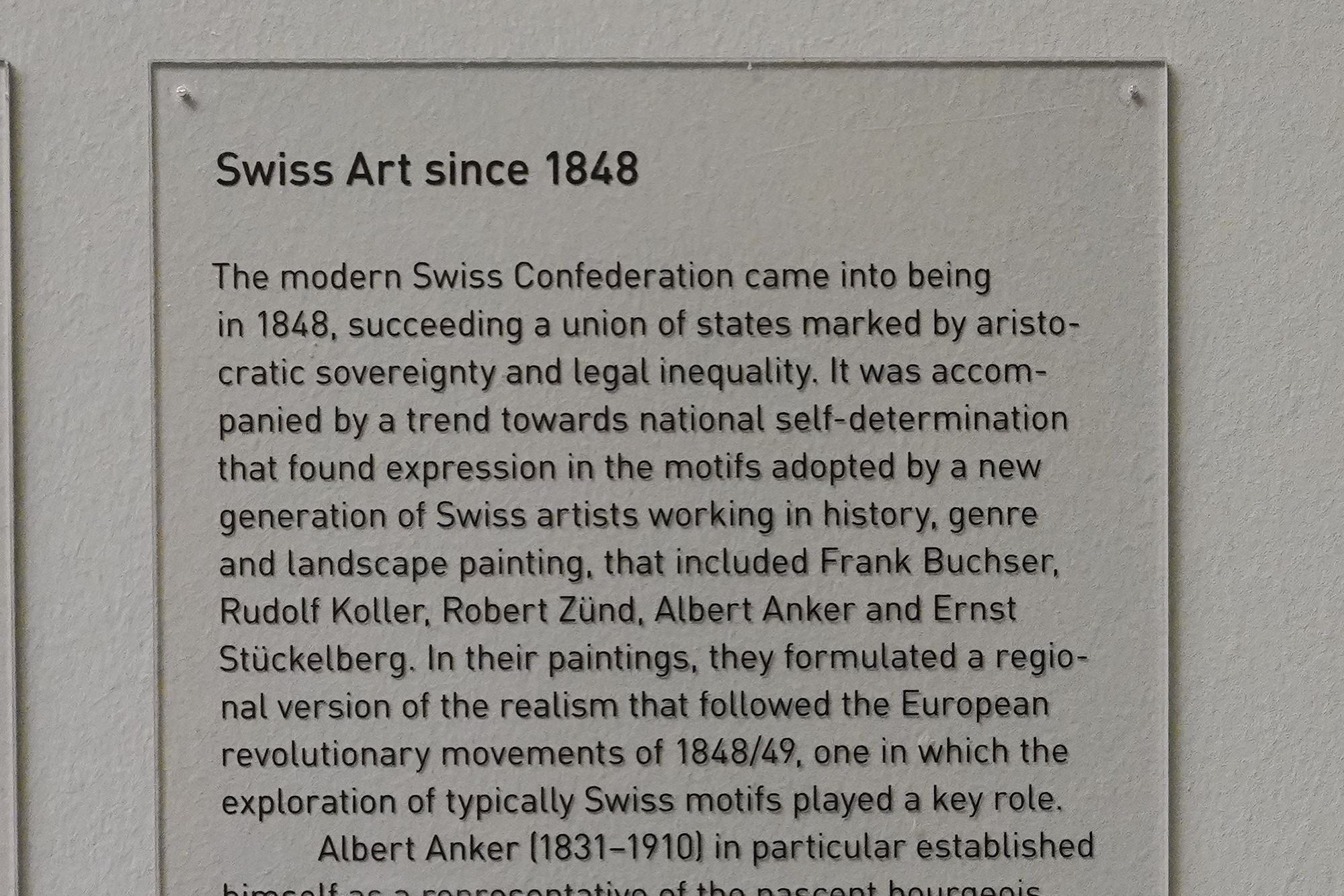
I came to a gallery of Swiss art from the years after 1848, when the modern Swiss Confederation was founded. Many paintings showed familiar Swiss landscapes and scenes of everyday life.
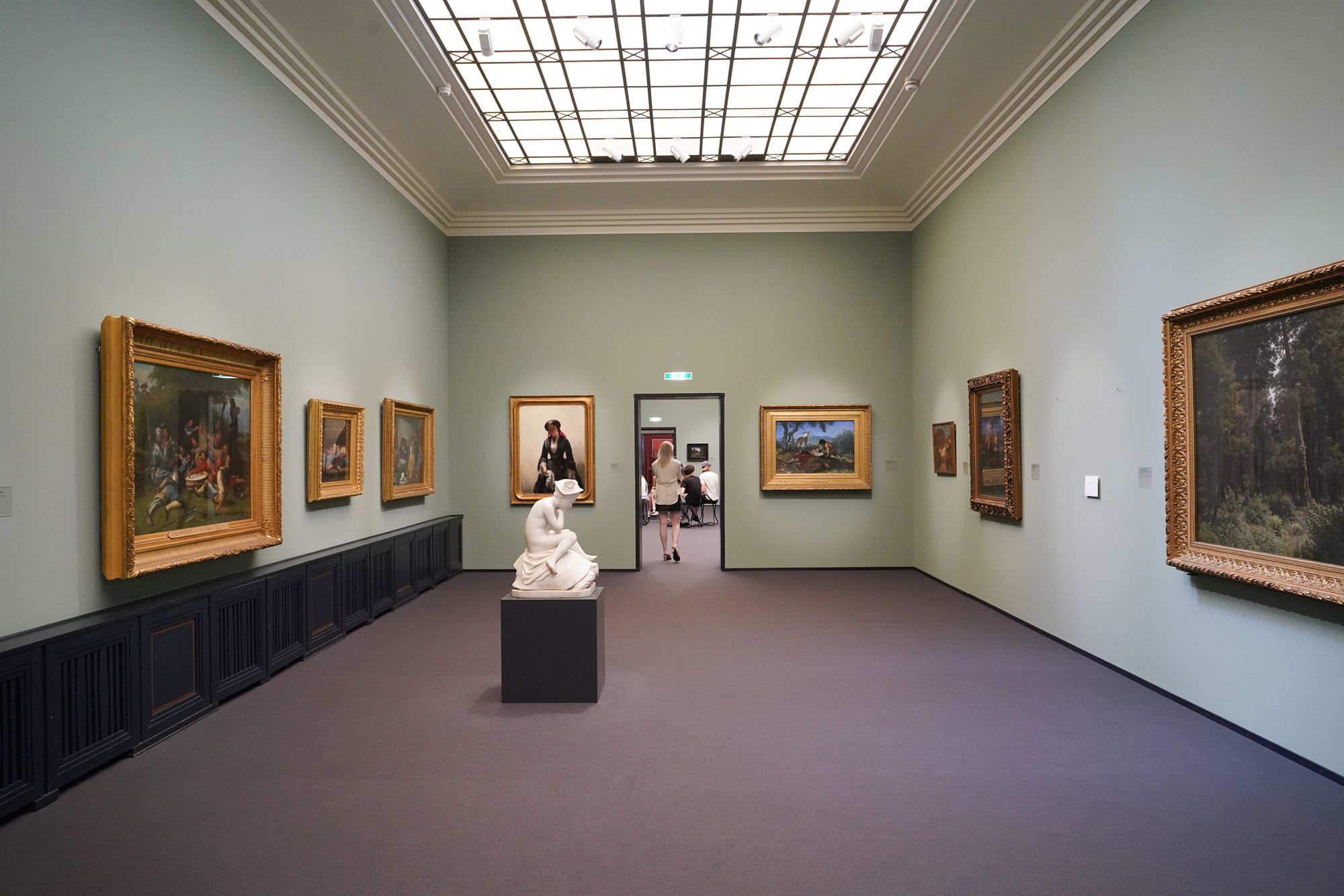
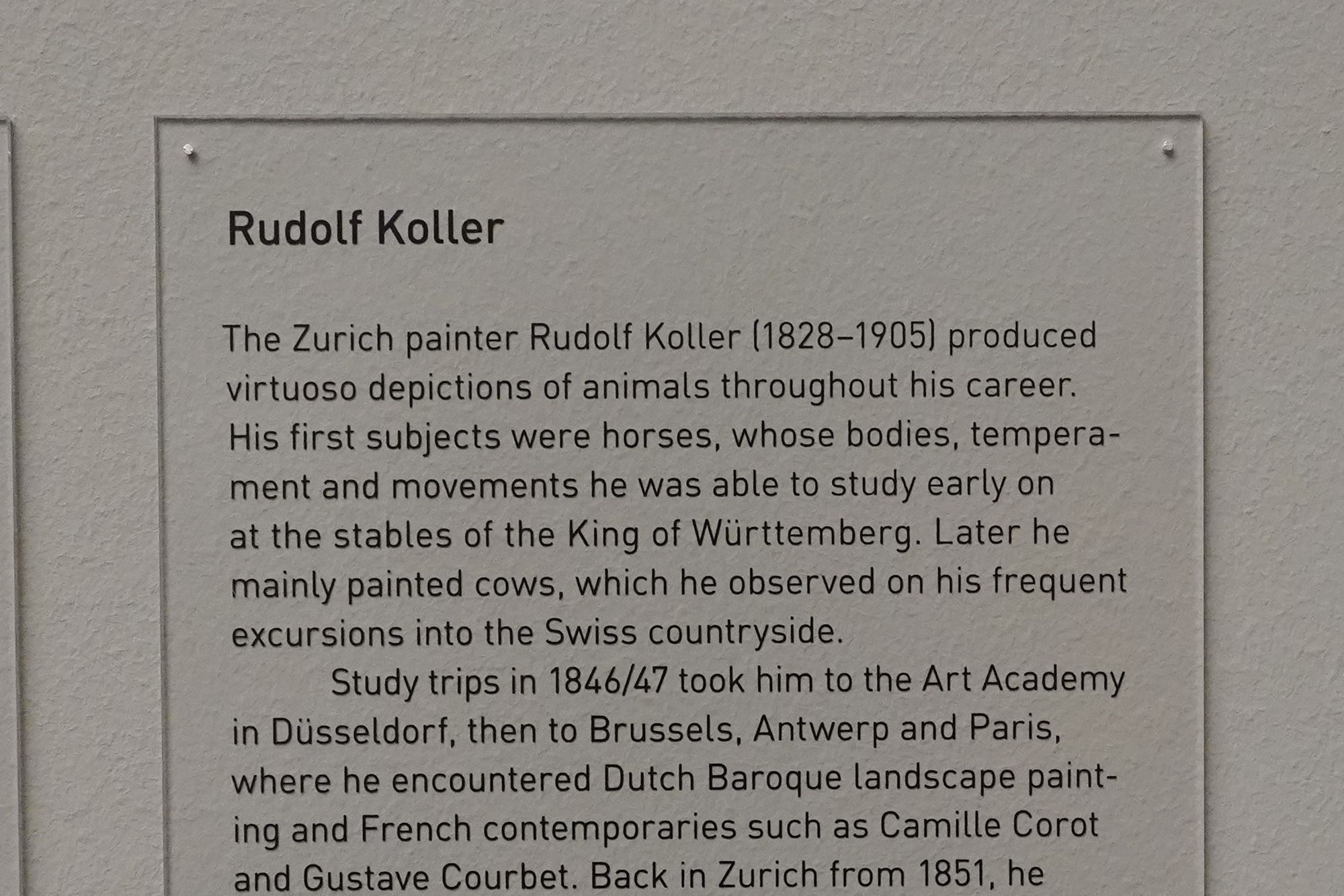
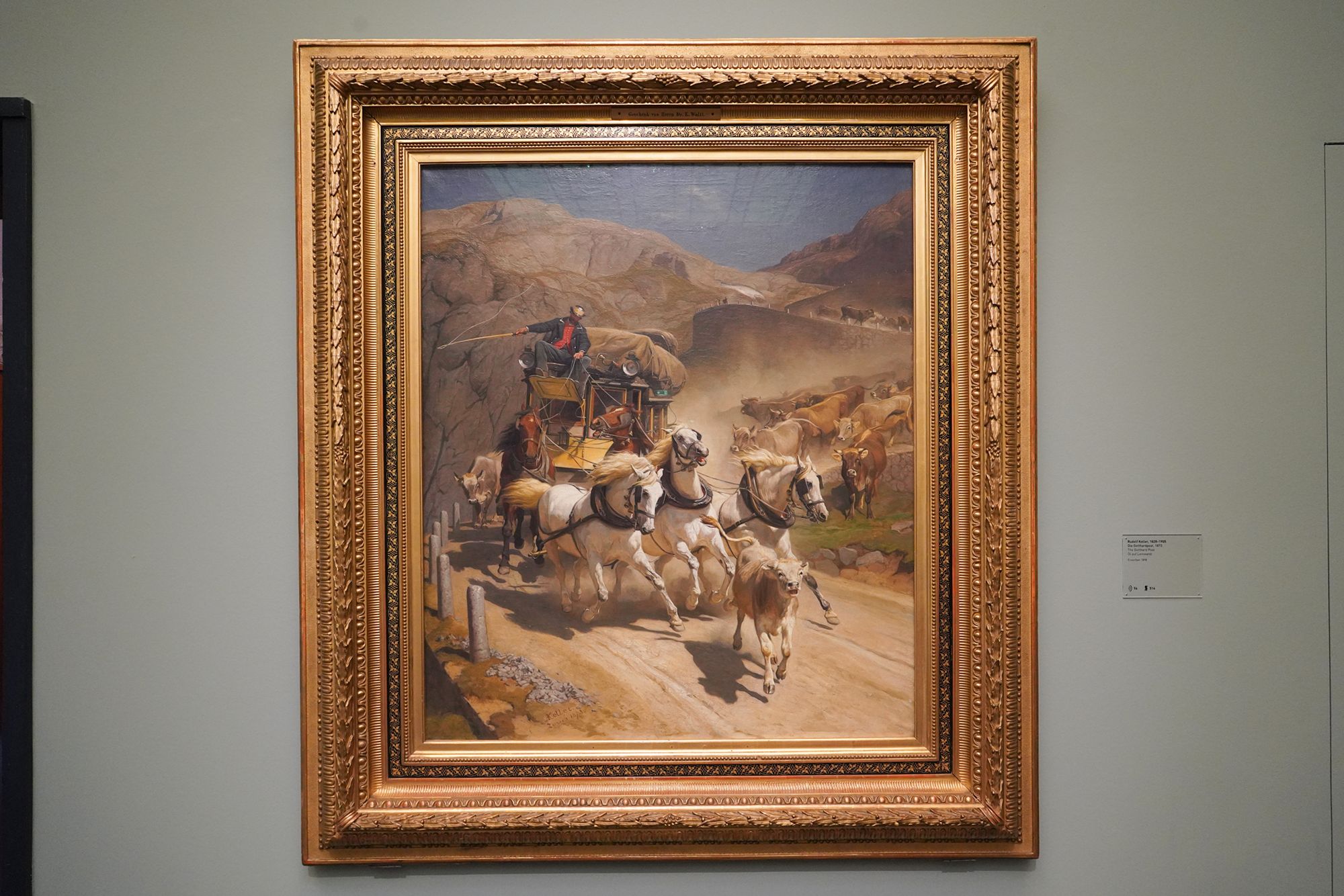
Rudolf Koller (1828–1905) was a Swiss painter from Zürich known for his lifelike animal paintings. He first studied and painted horses, then became especially known for scenes of cows in the Swiss countryside.
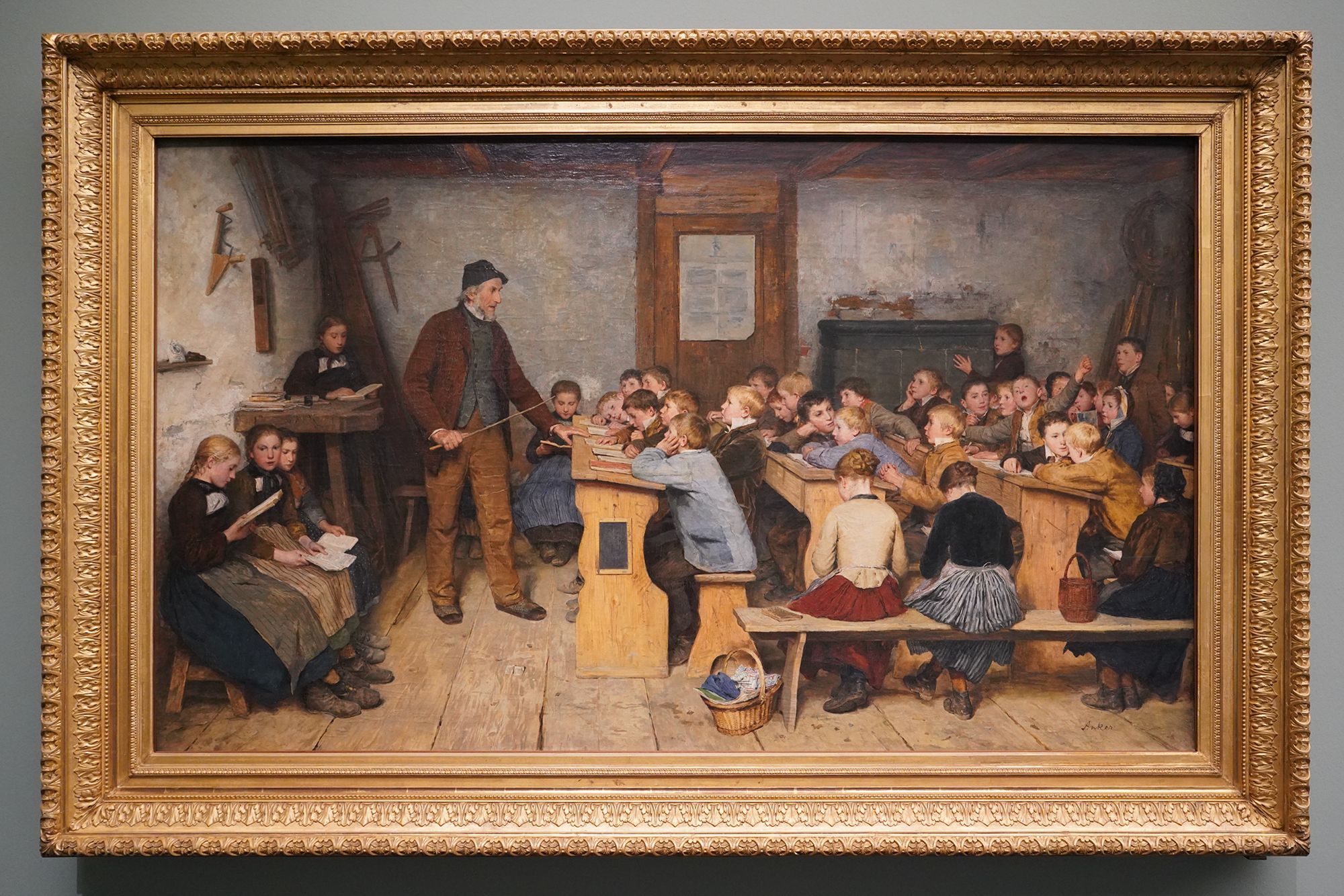
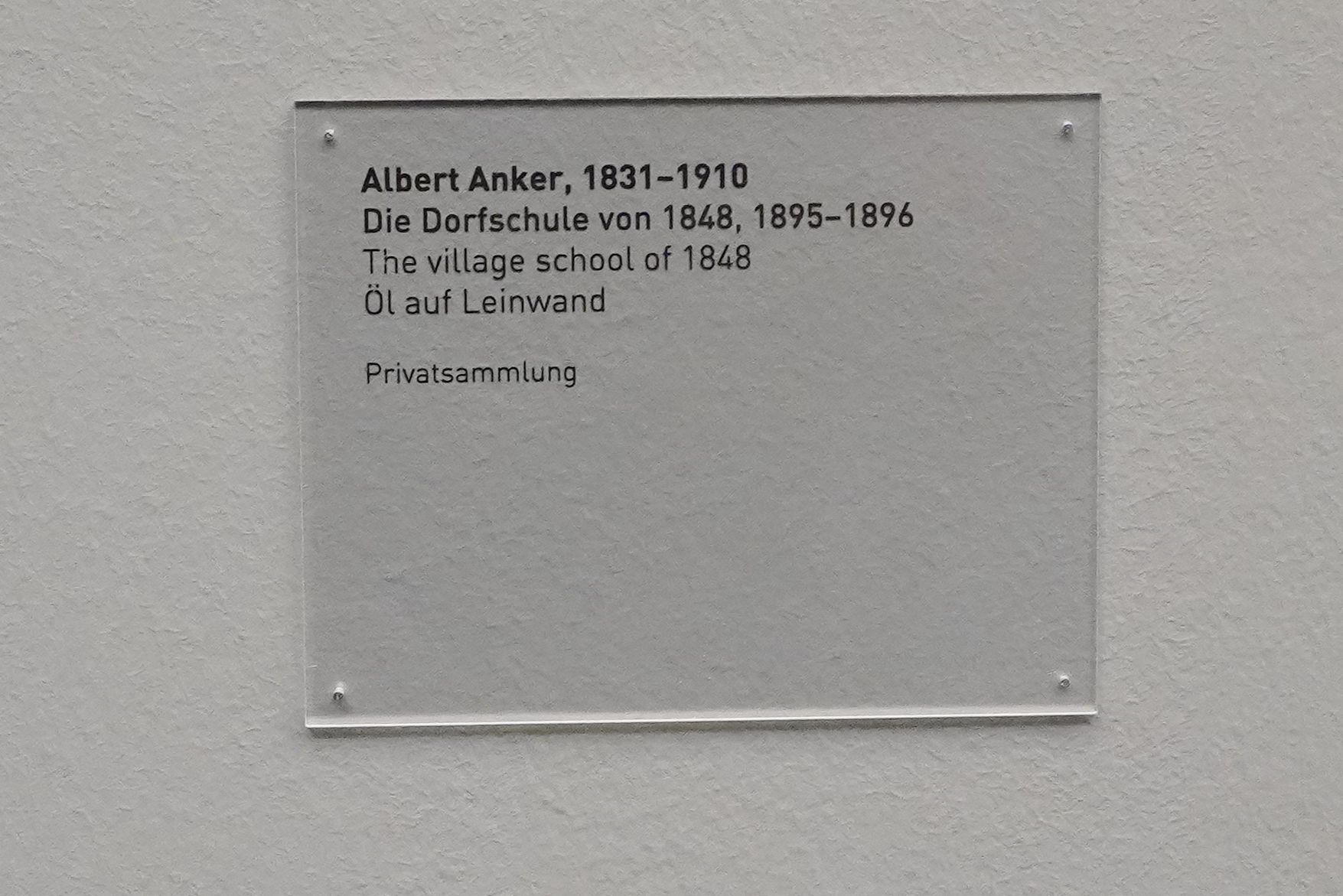
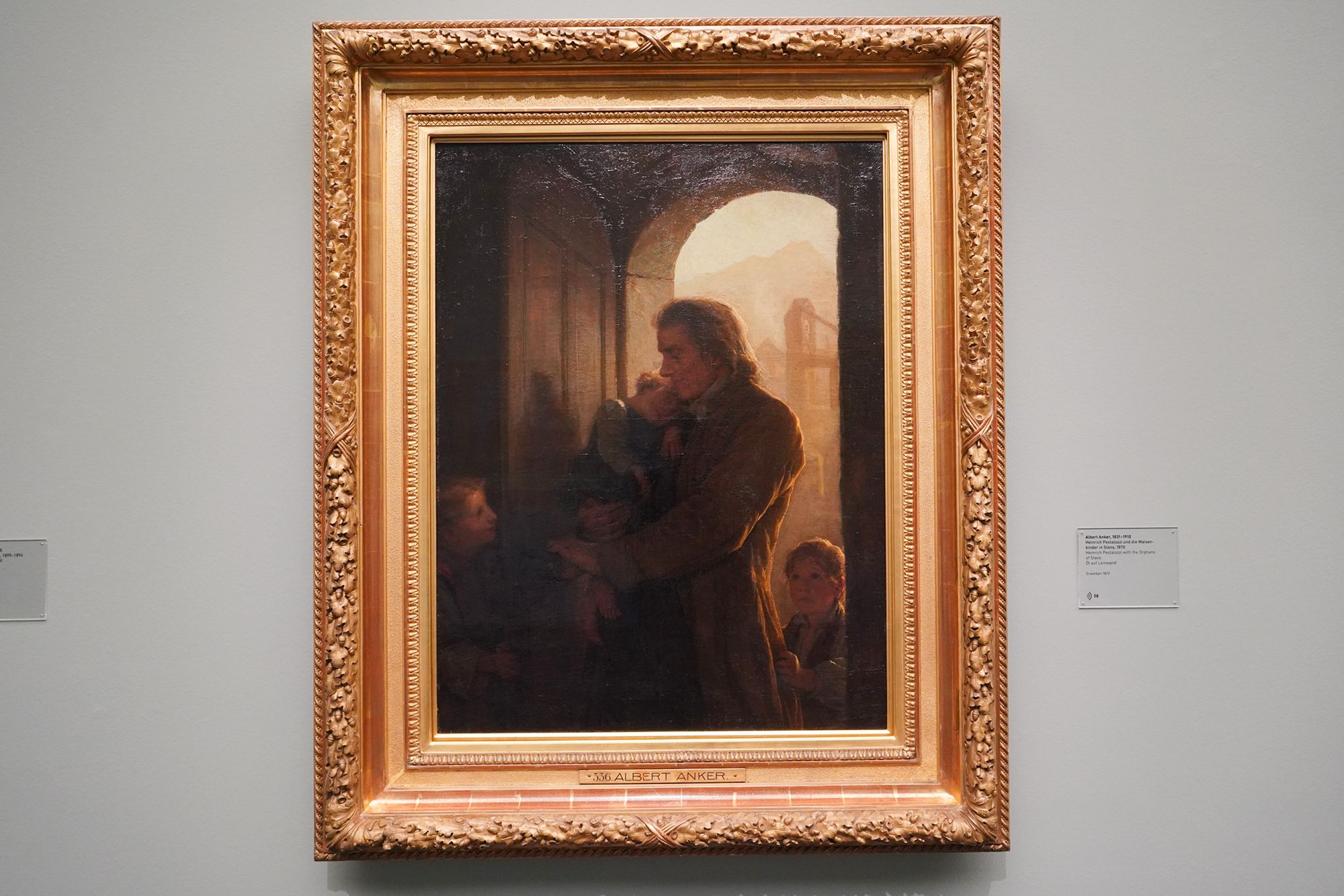
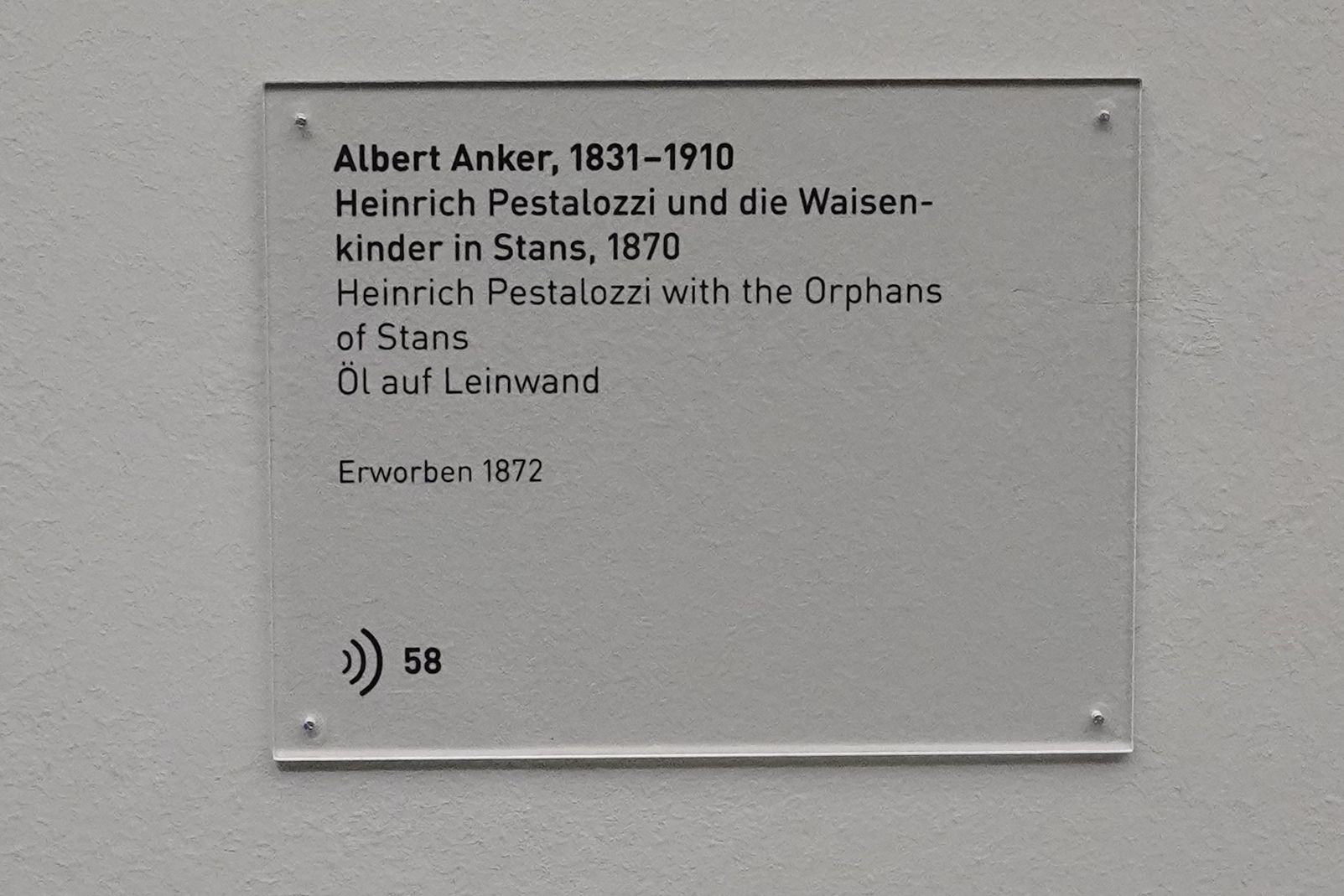
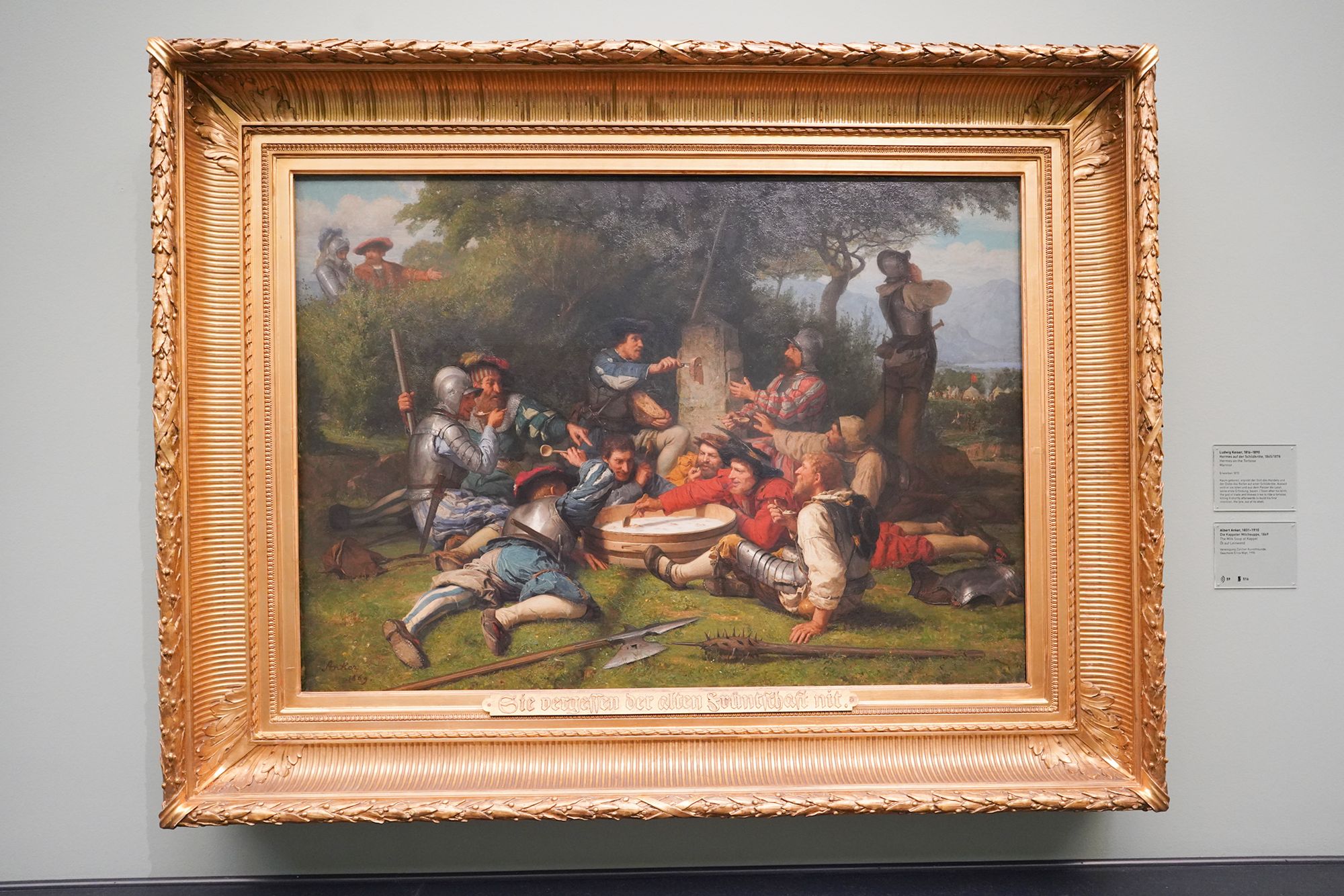
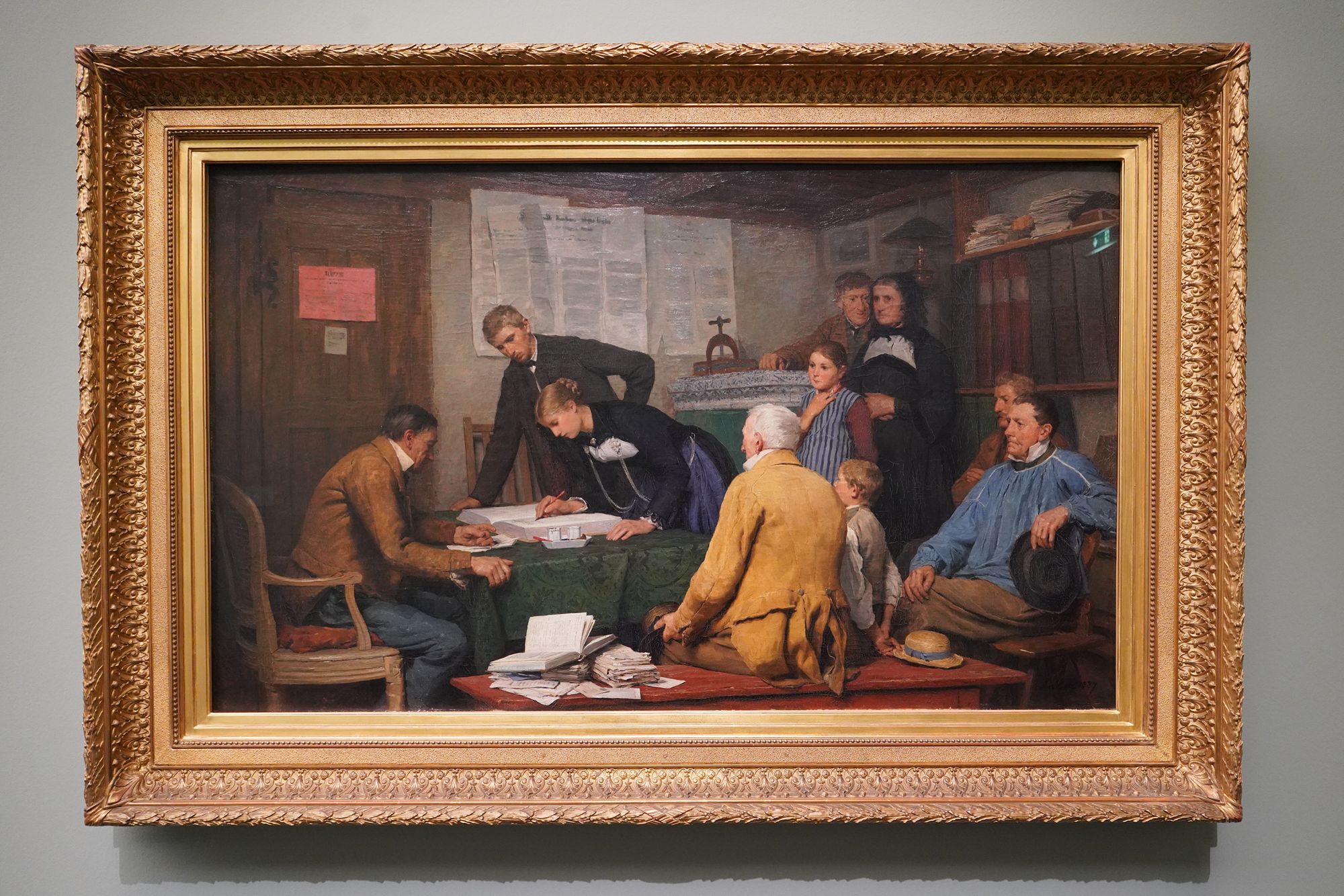
Albert Anker (1831–1910) was a Swiss painter known for detailed scenes of village life, especially children at school and families at home.