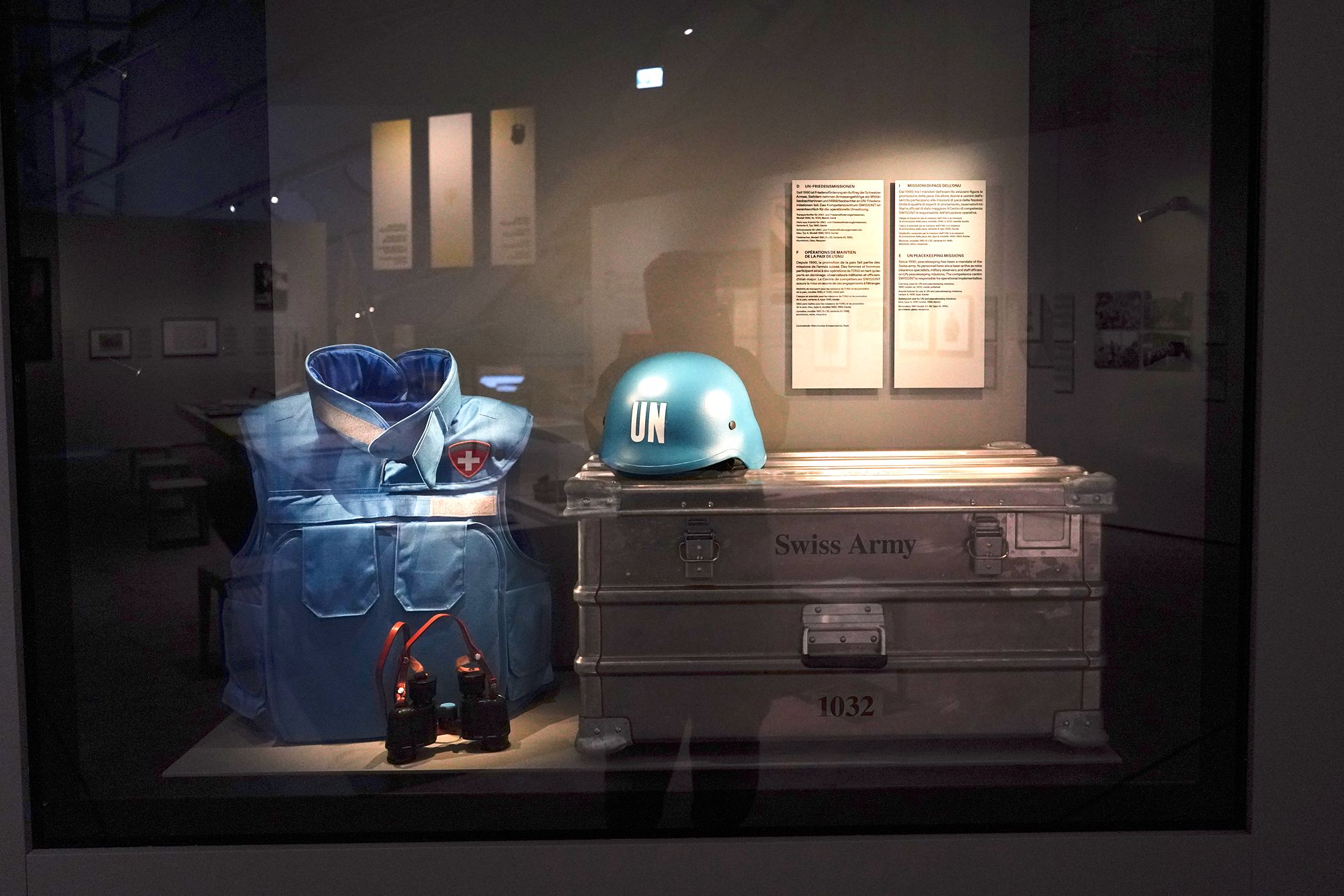
Swiss National Museum – Exhibitions, Zürich, Switzerland
At the Swiss National Museum, I explored historic interiors, Switzerland’s experience of war, and displays of traditional clothing and porcelain. 1345
Swiss National Museum: Museumstrasse 2, 8001 Zürich, Switzerland
Date Picture Taken: Jun, 2026
My visit to the Swiss National Museum began with its historic interiors, where rooms and architectural details are part of the exhibits. I then explored how wars shaped Switzerland’s history, neutrality, and national identity, even when fighting happened elsewhere. Displays of traditional clothing and porcelain offered a view of Swiss life.
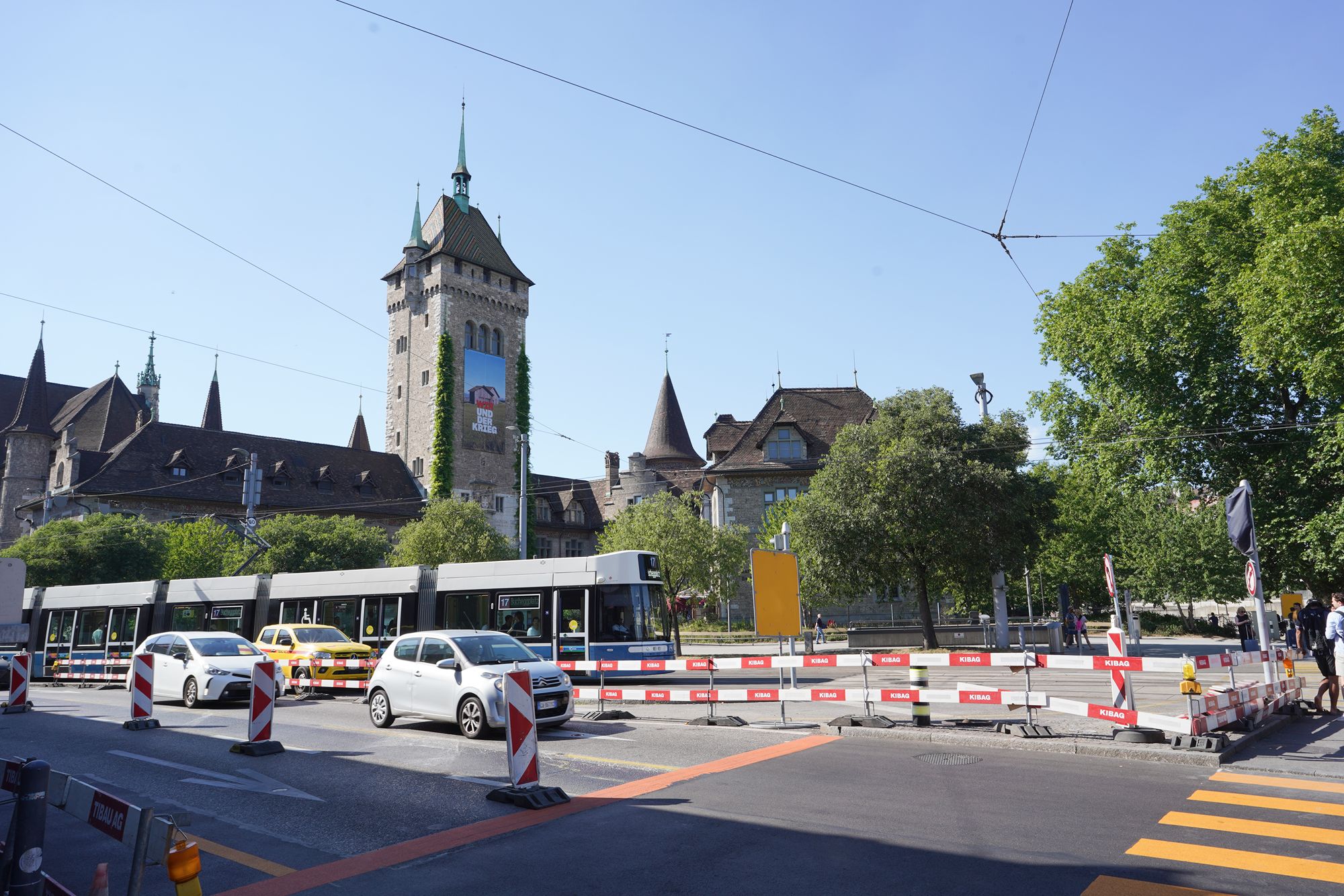
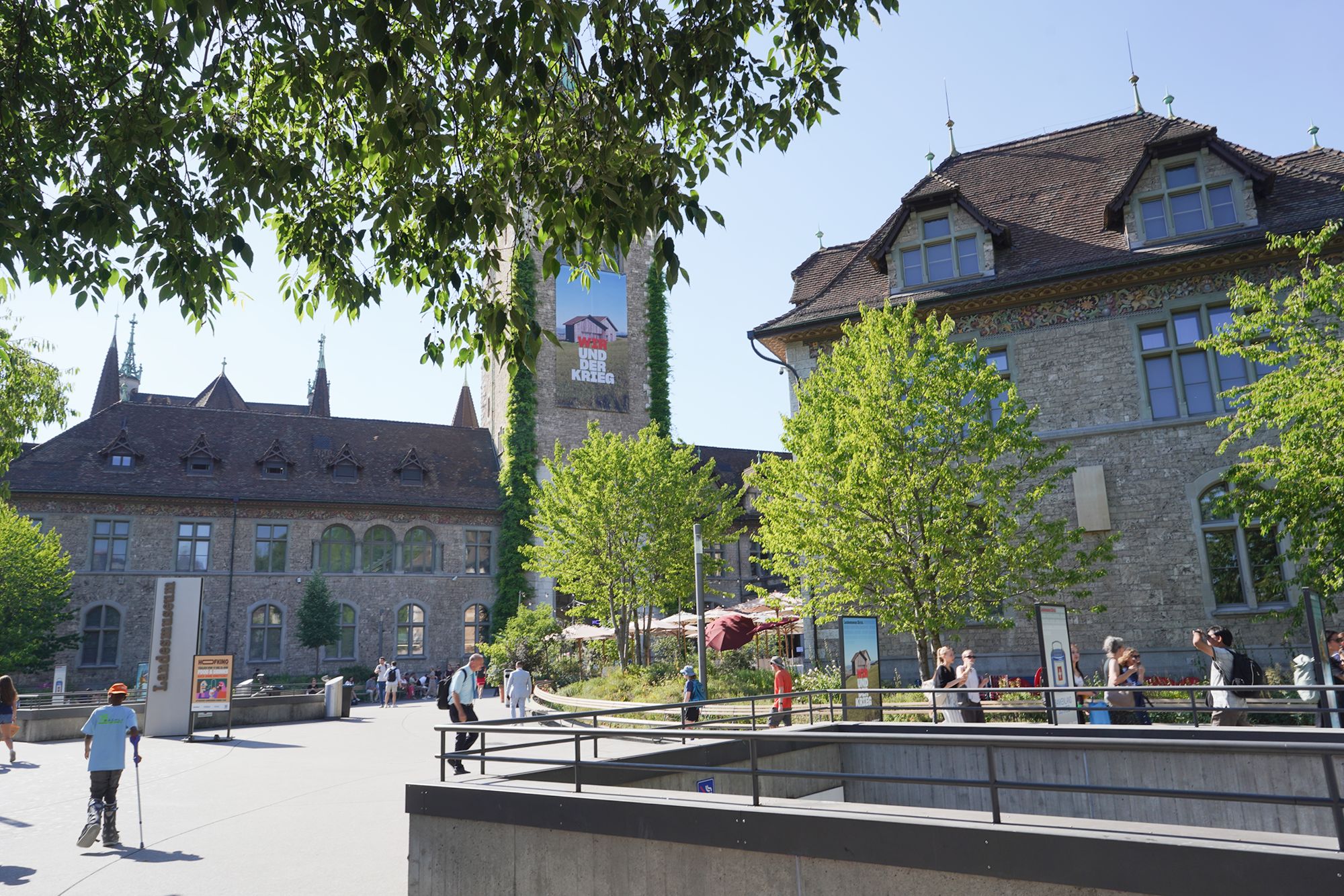
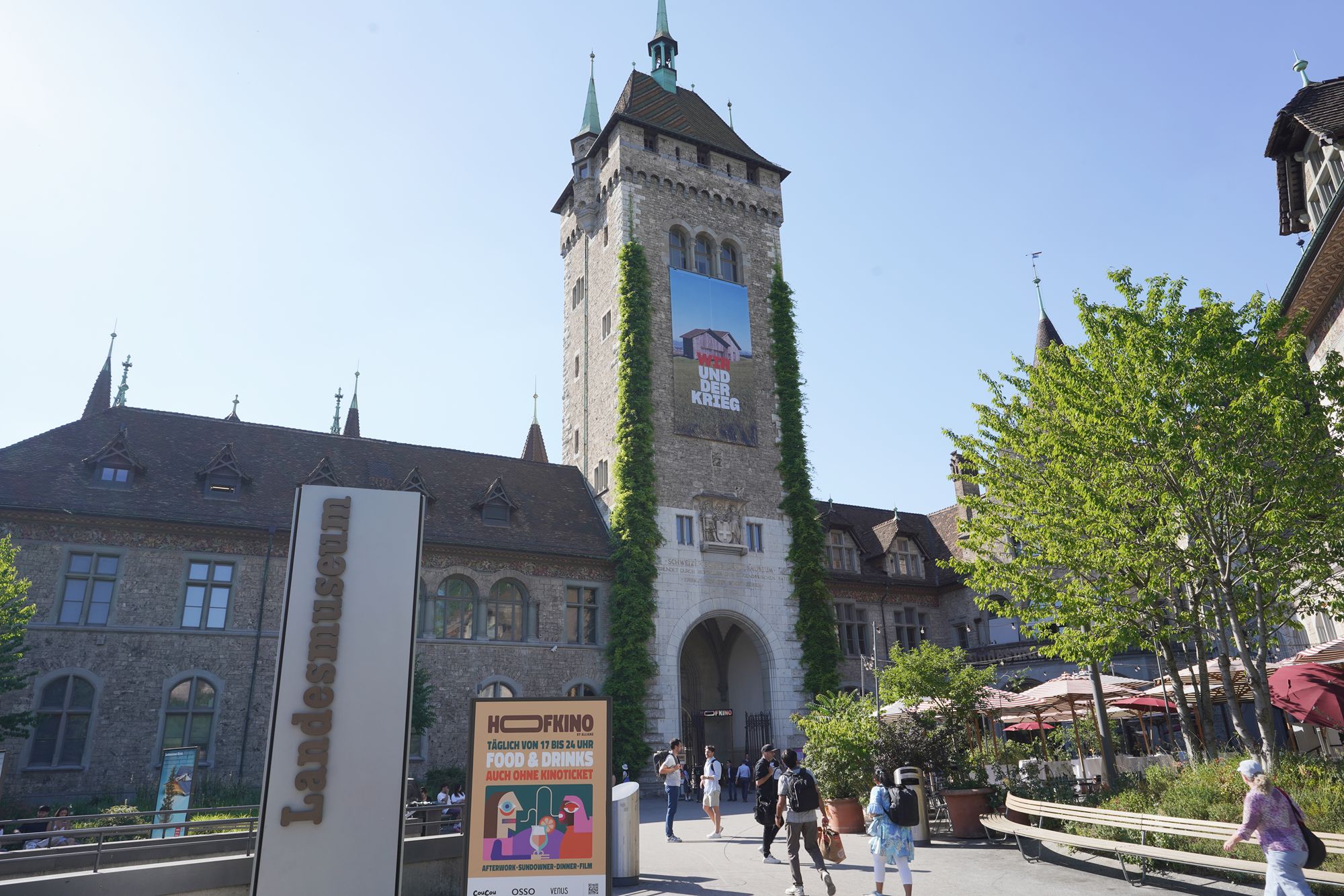
The Swiss National Museum building is interesting to explore in its own right. Its historic section, designed by Gustav Gull and opened in 1898, has a castle-like appearance. Inside, older rooms meet a modern extension that opened in 2016, giving the museum two distinct architectural styles.
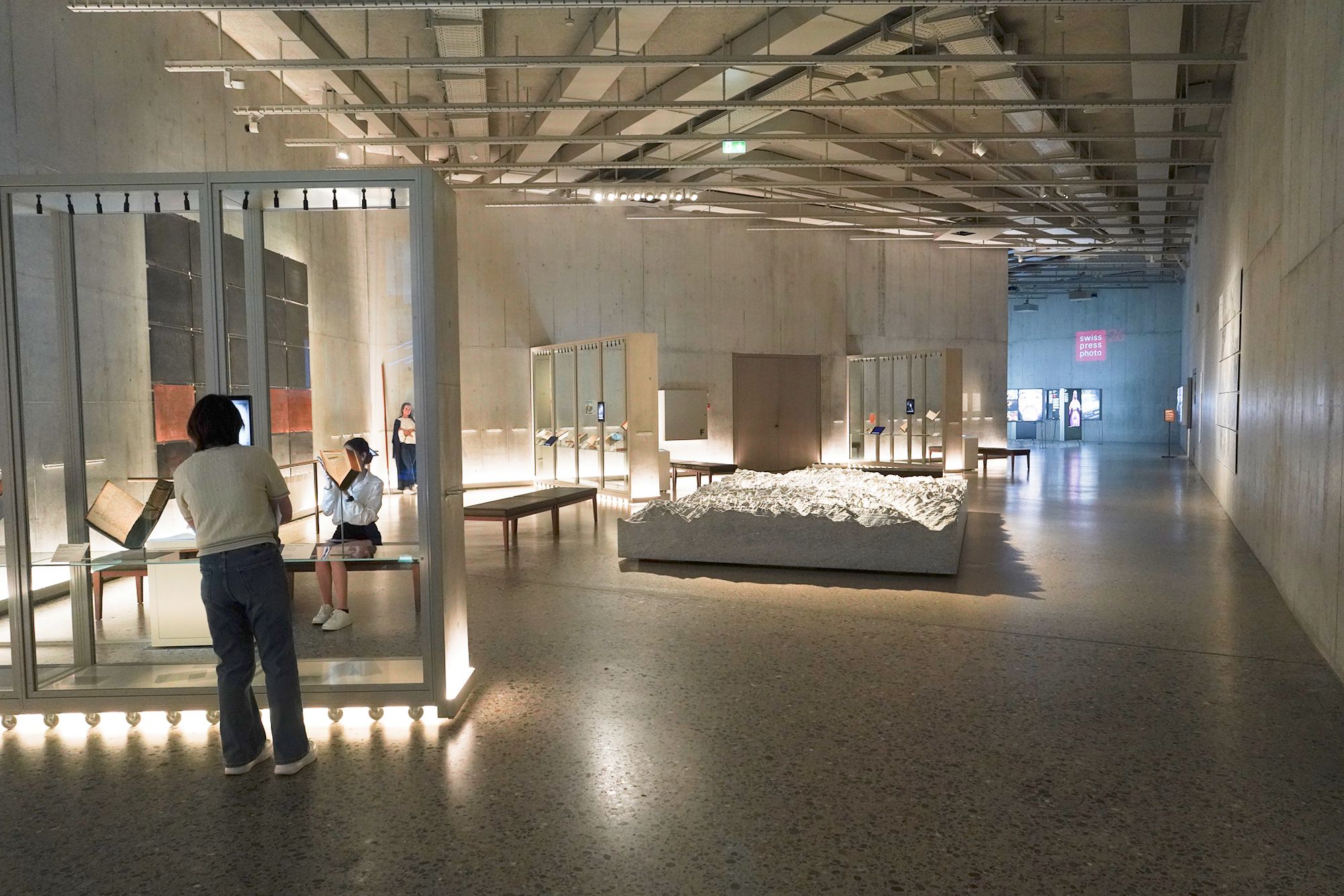
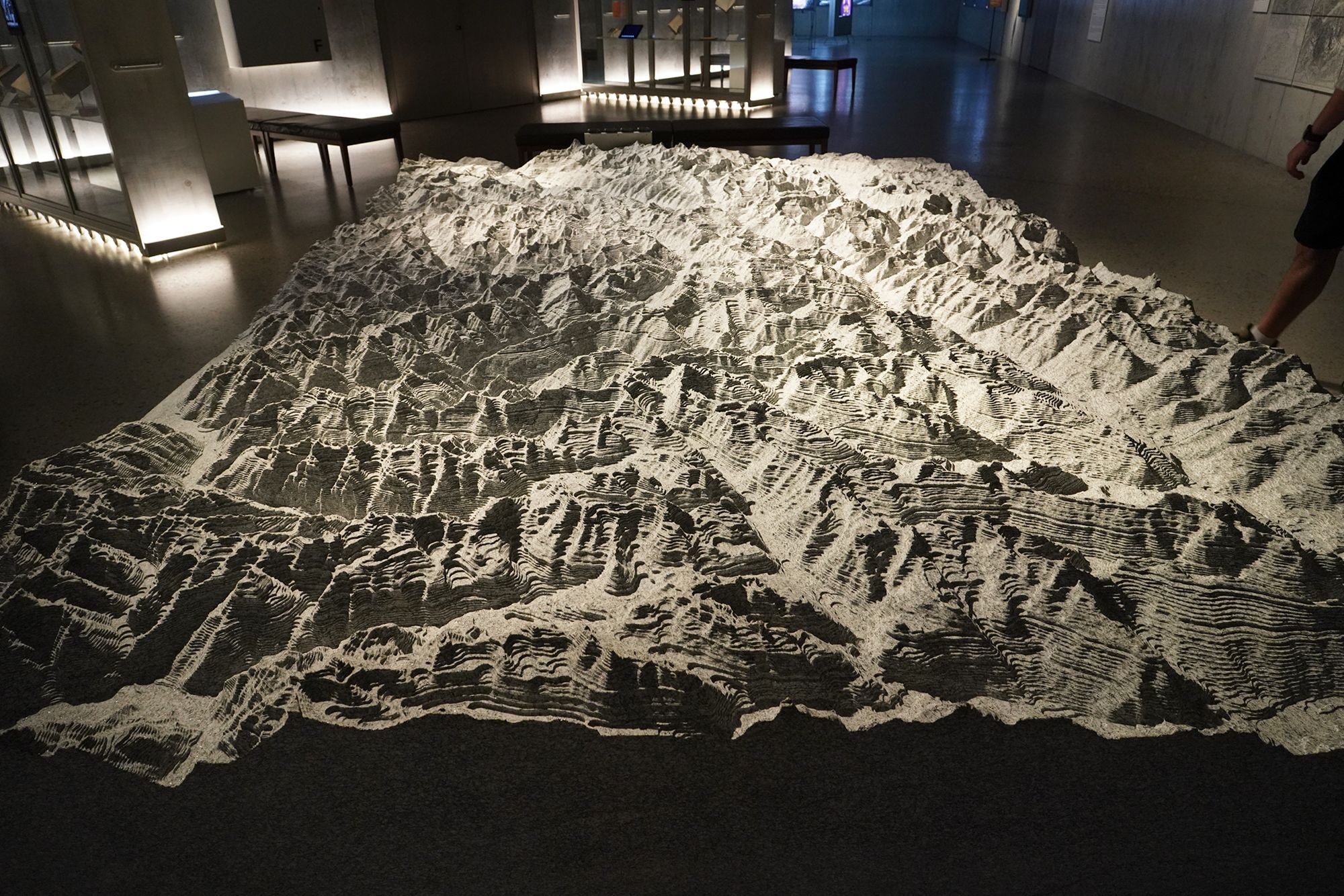
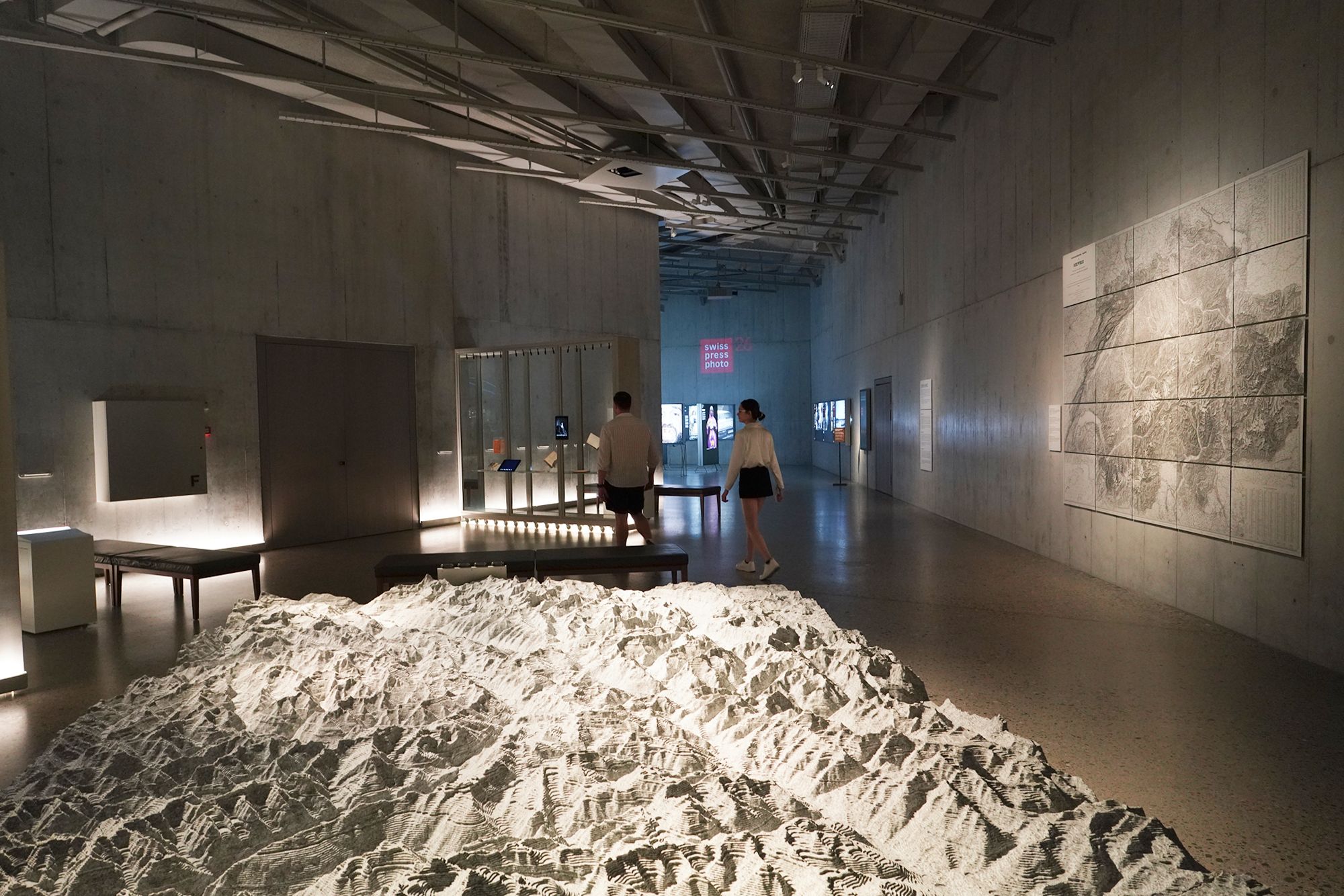
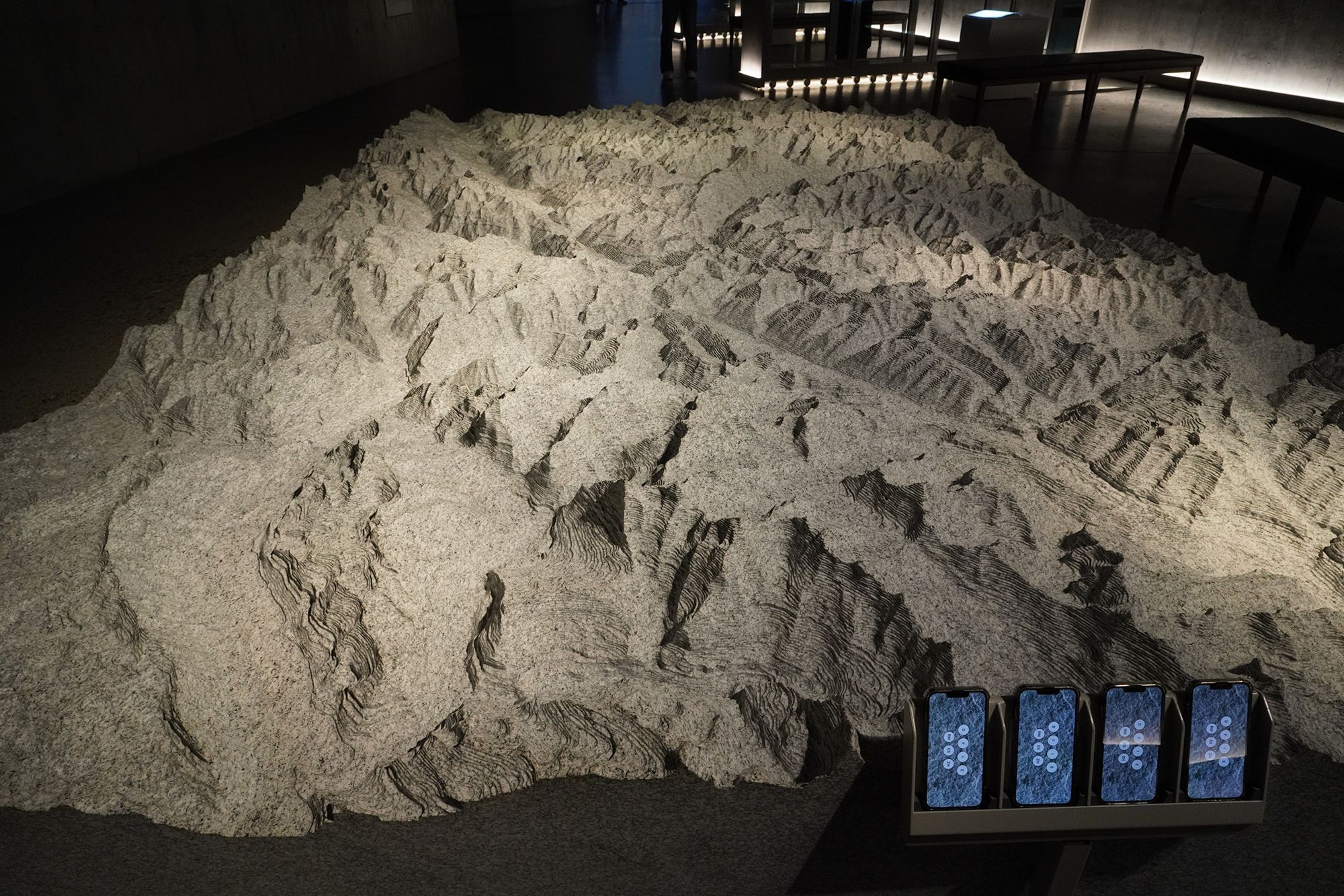
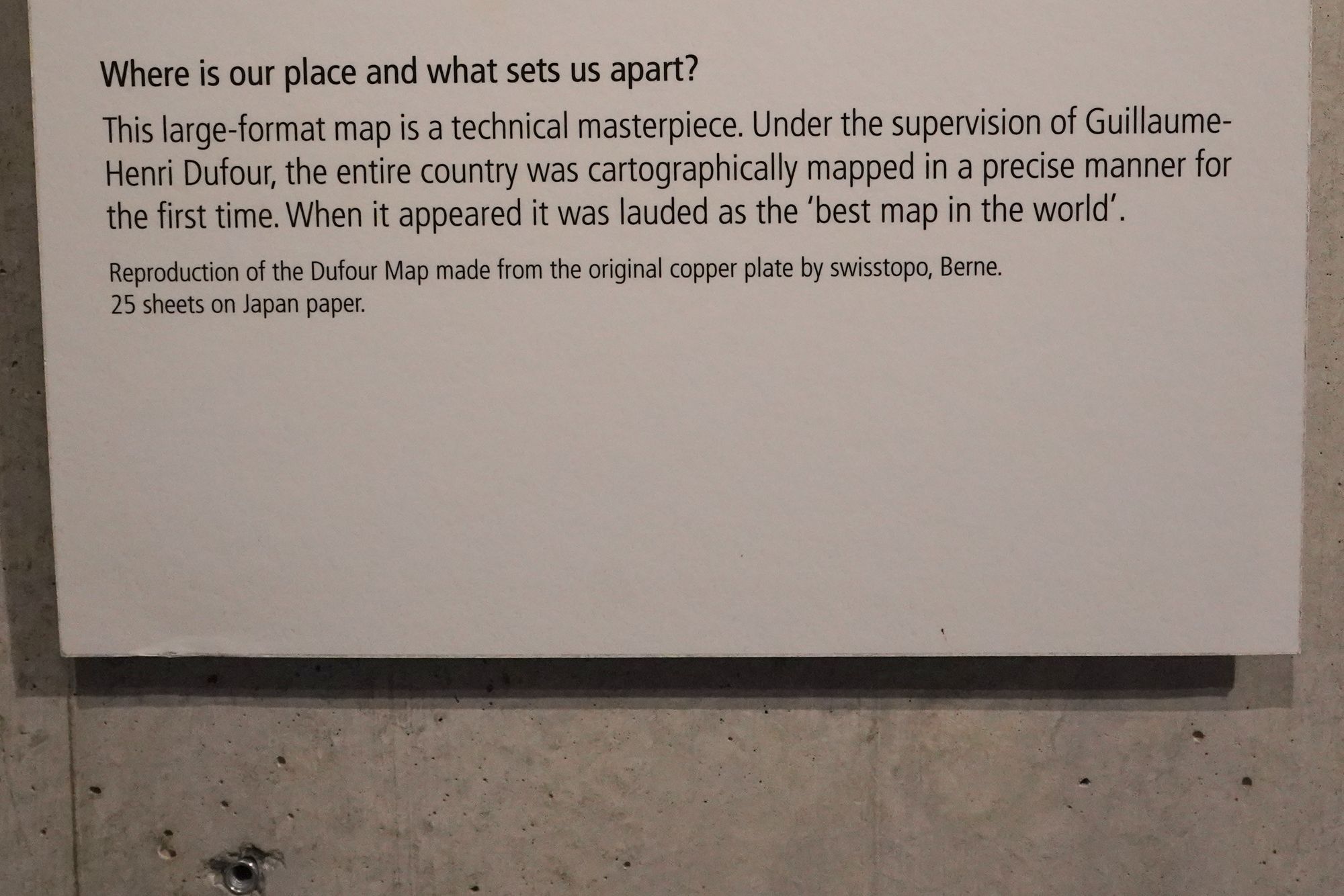
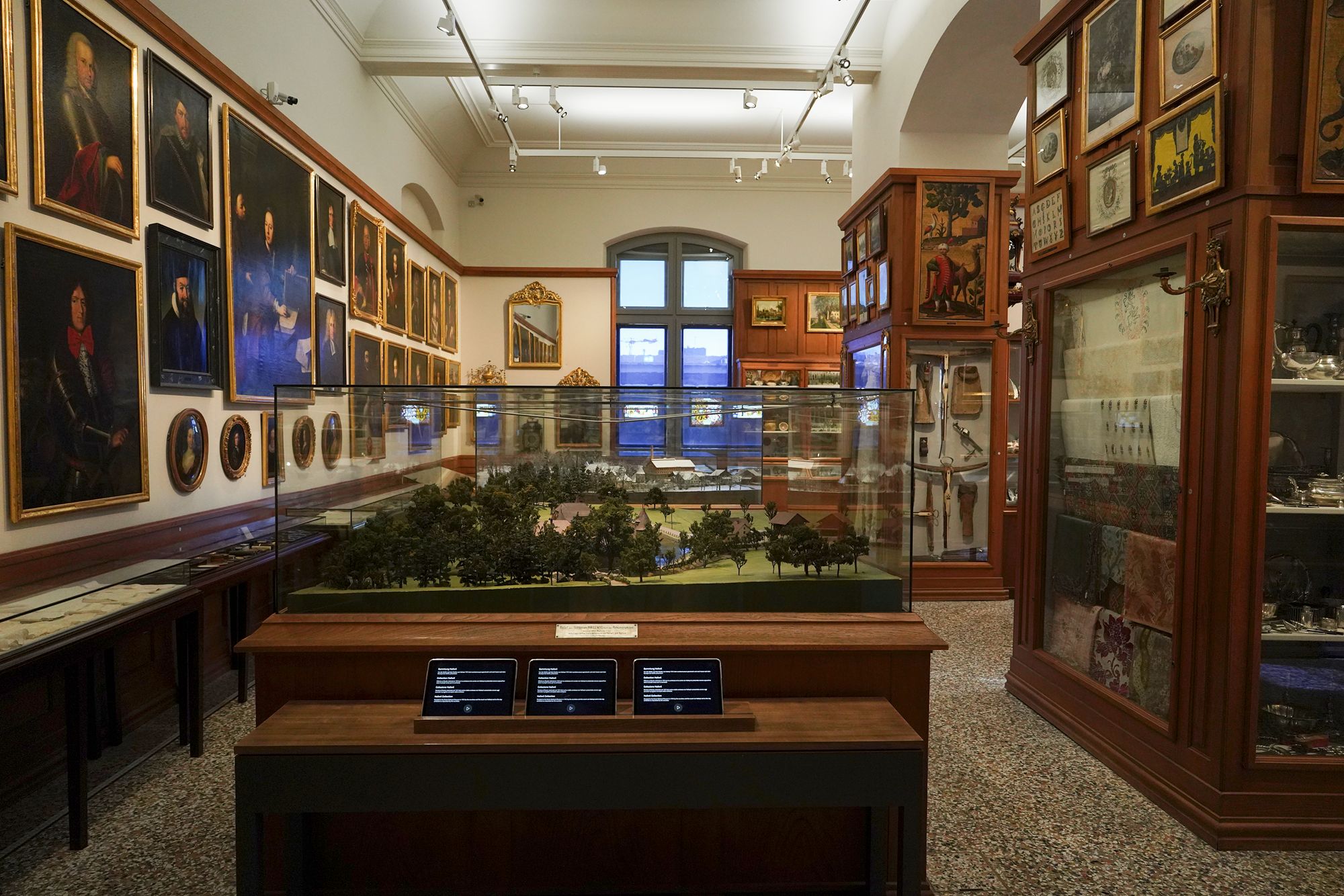
This large relief model shows Switzerland’s topography—its mountain ranges, ridges, and valleys. The raised surface makes the rugged landscape easier to see than on a flat map.
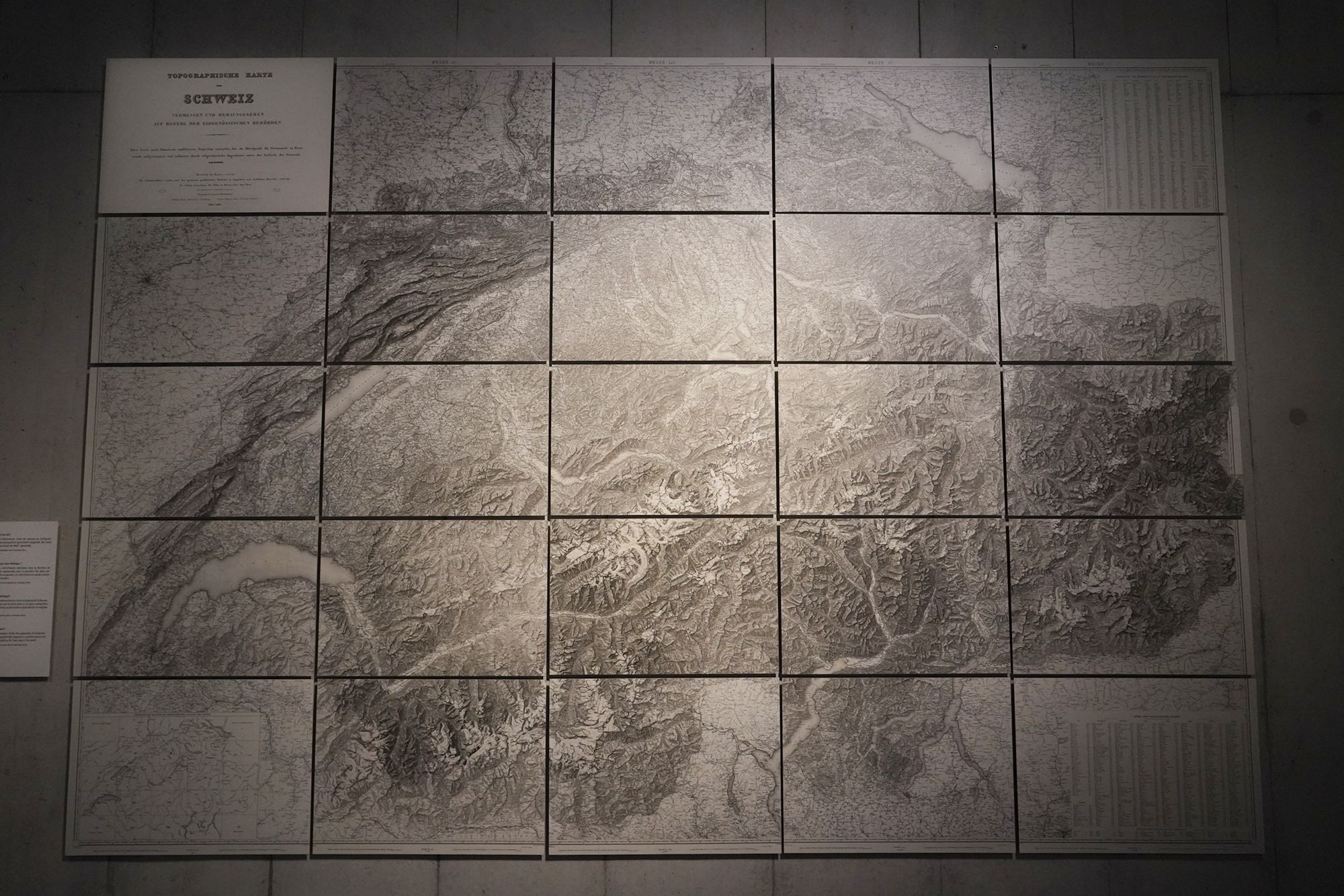
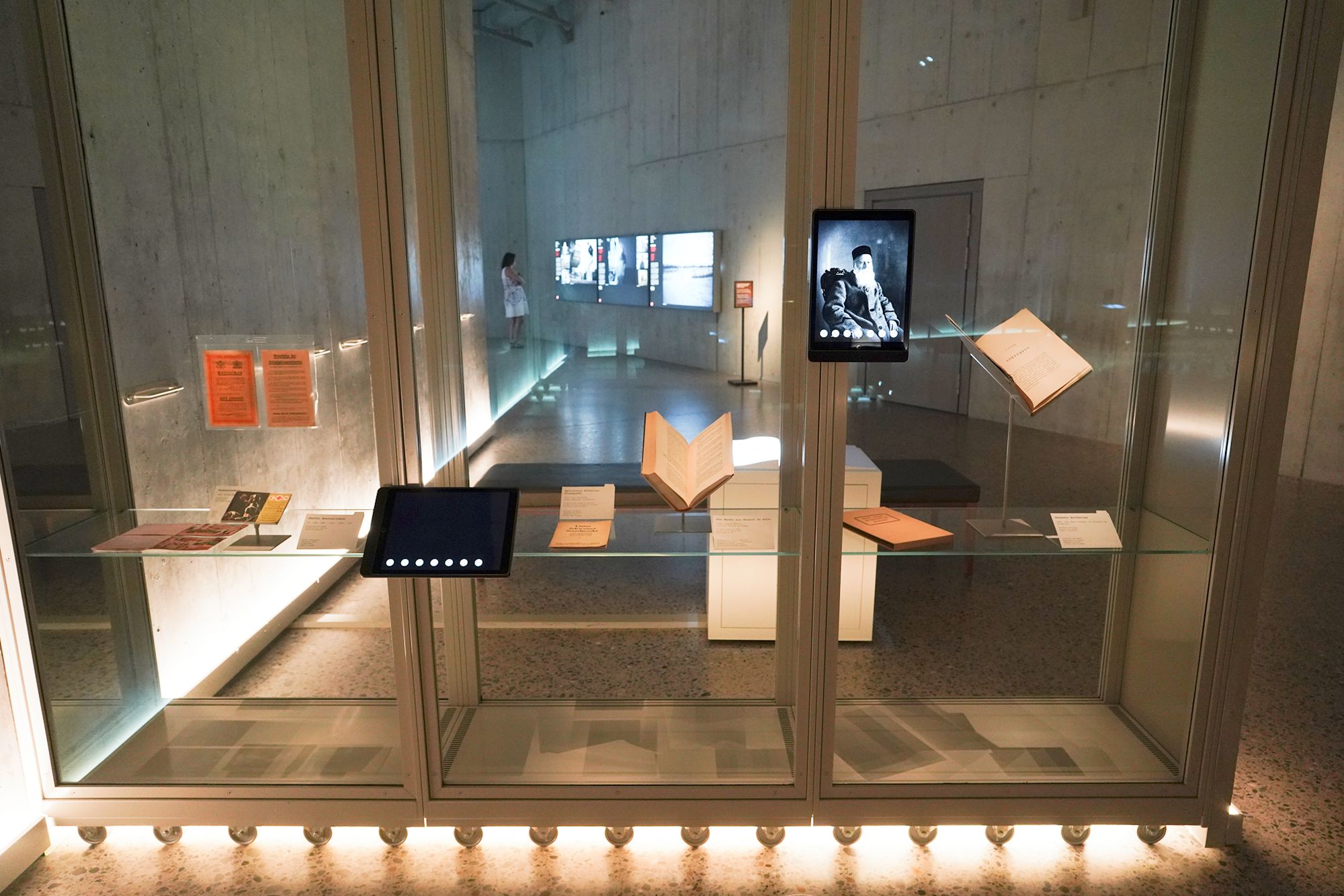
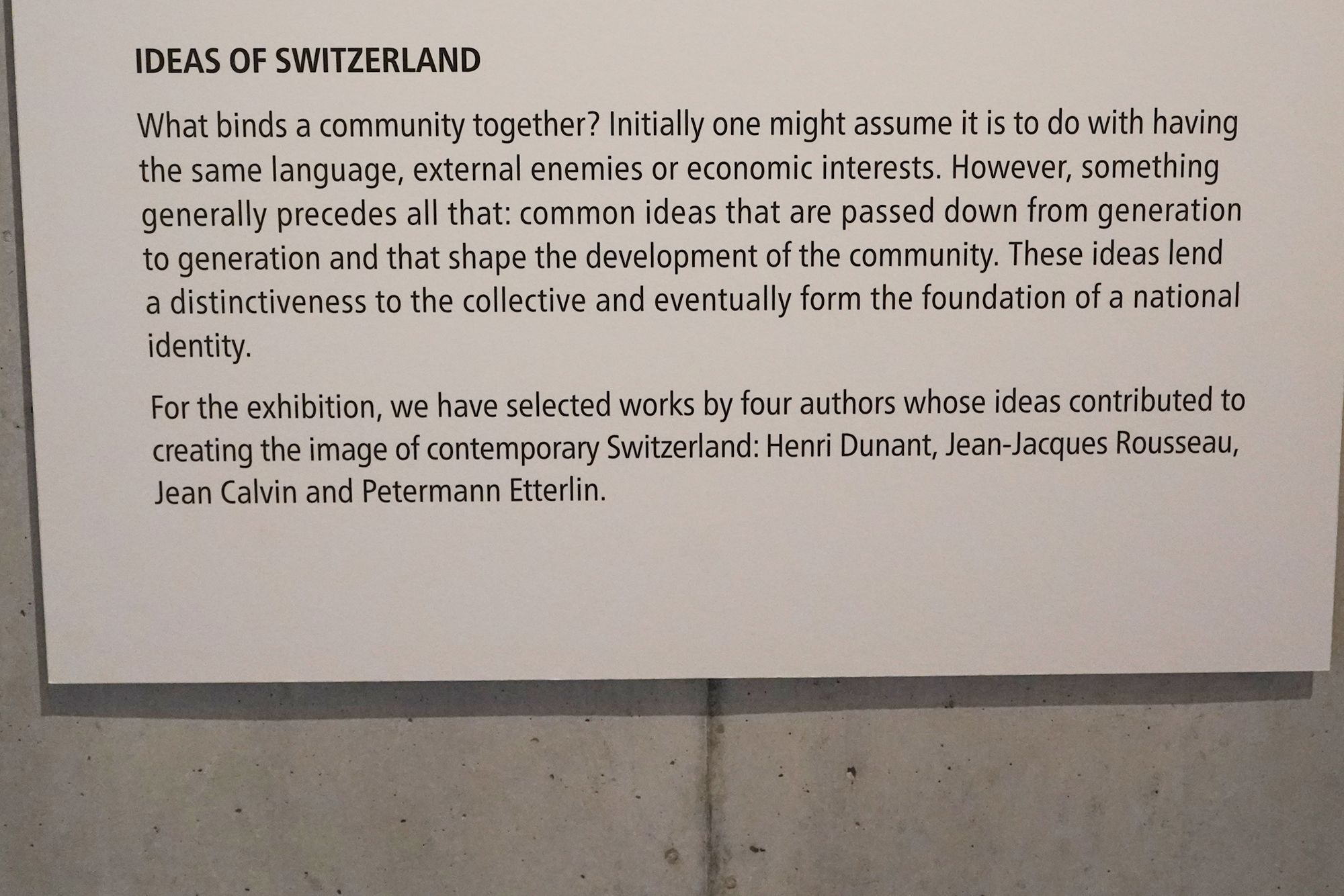
The “Ideas of Switzerland” display looks at how shared ideas helped shape Swiss identity. It features works by Henri Dunant, Jean-Jacques Rousseau, Jean Calvin, and Petermann Etterlin.
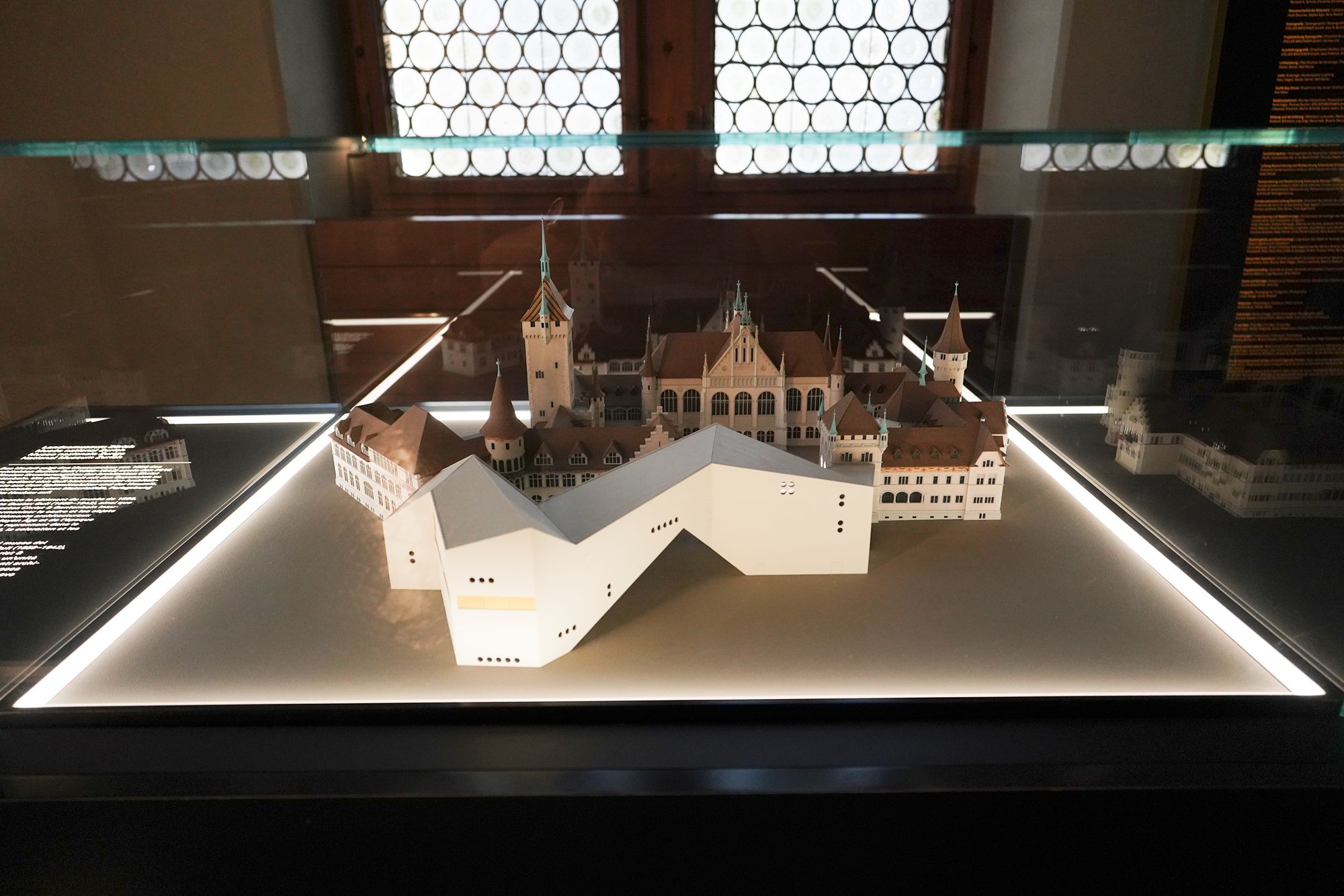
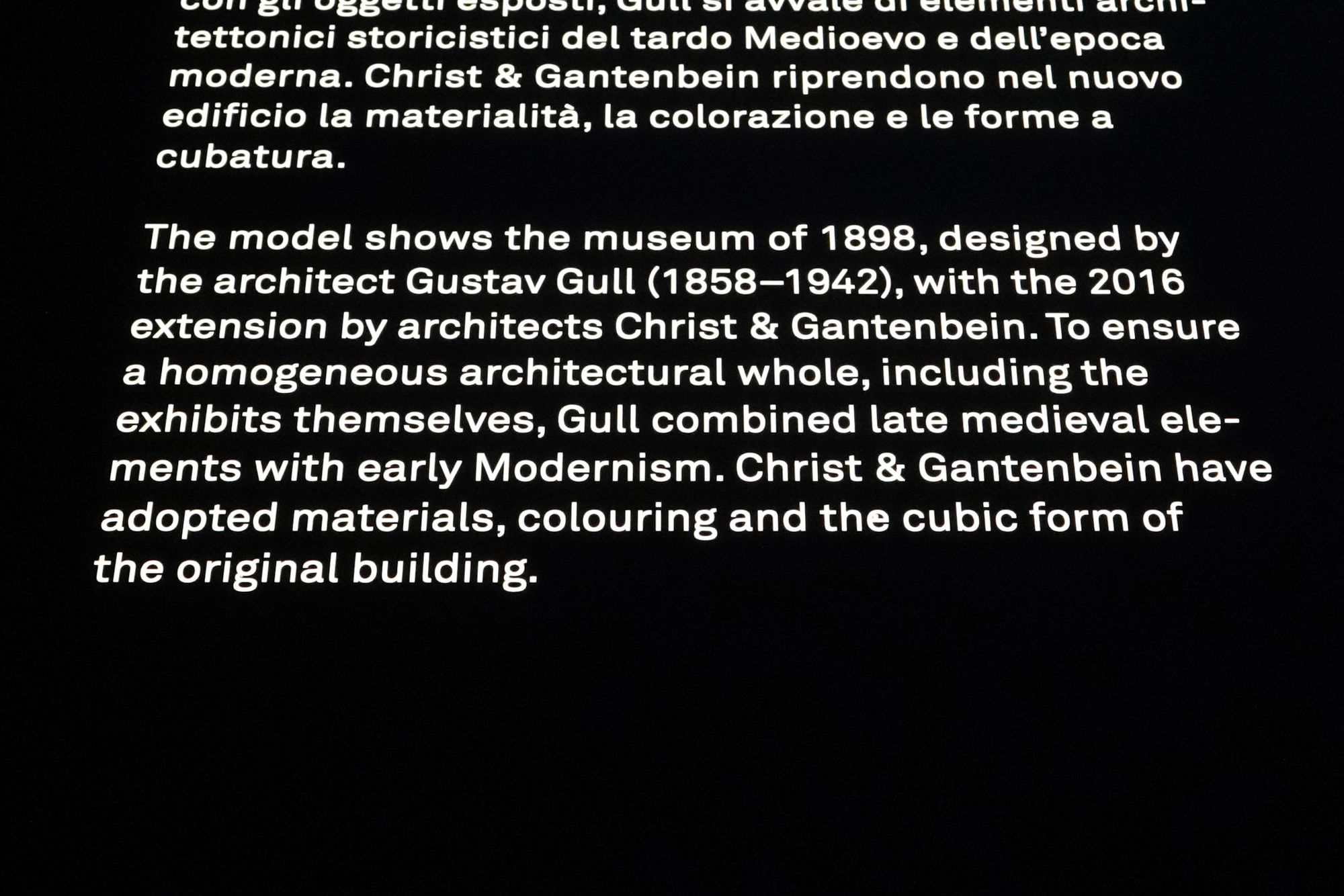
This model shows the museum’s original 1898 building and its 2016 extension. Architect Gustav Gull gave the older building its historic appearance, while Christ & Gantenbein designed the modern addition using materials and forms that connect it to the original.
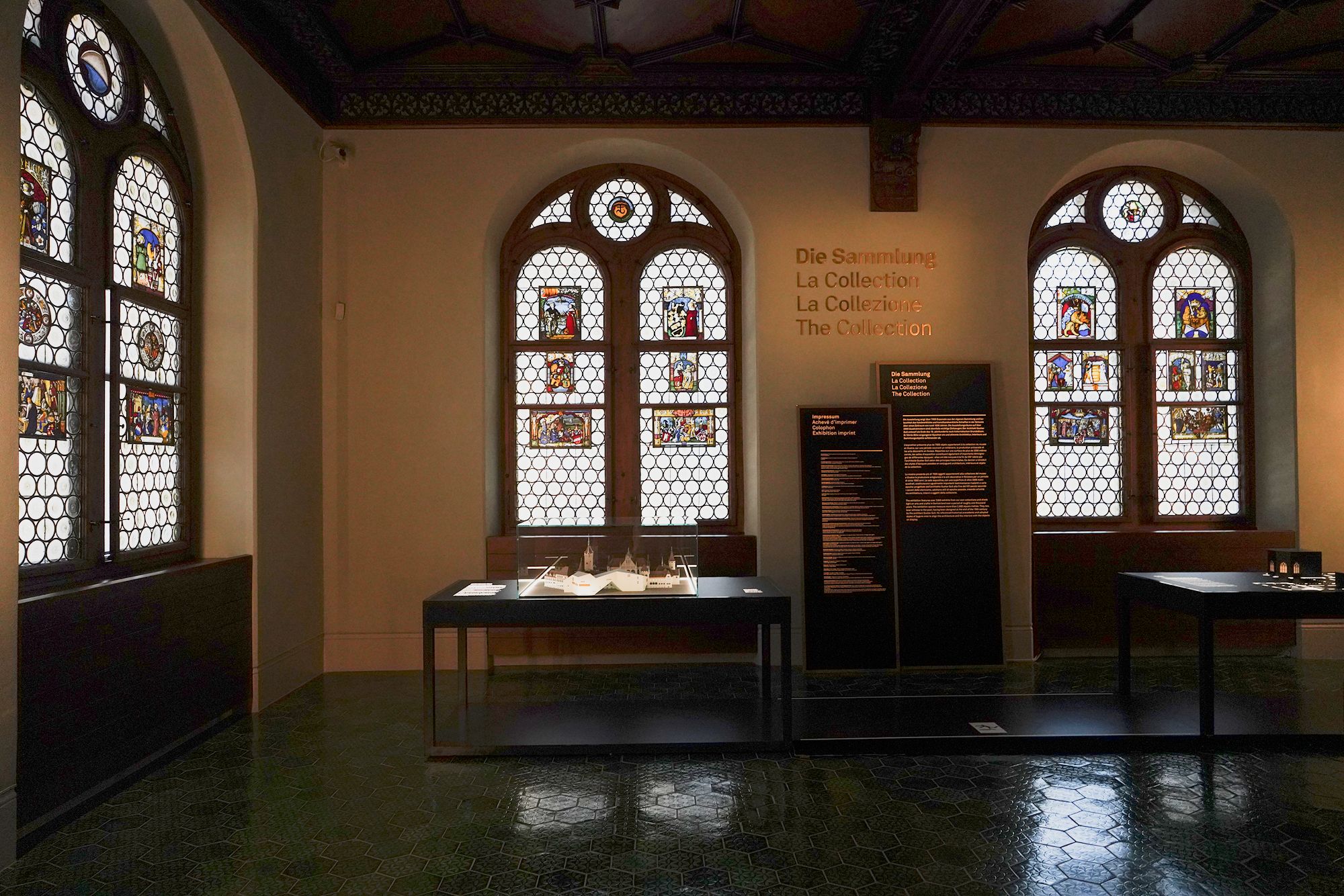
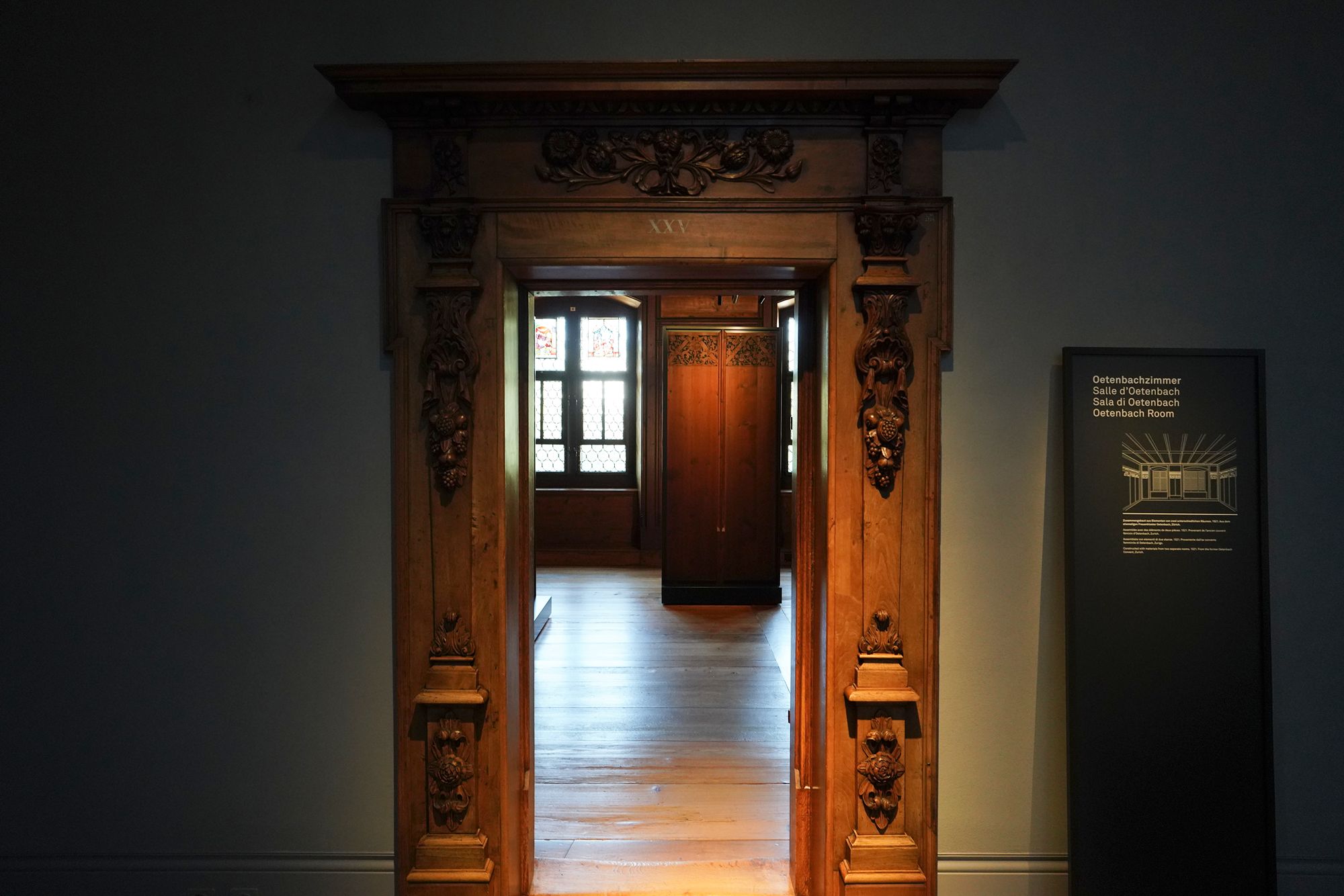
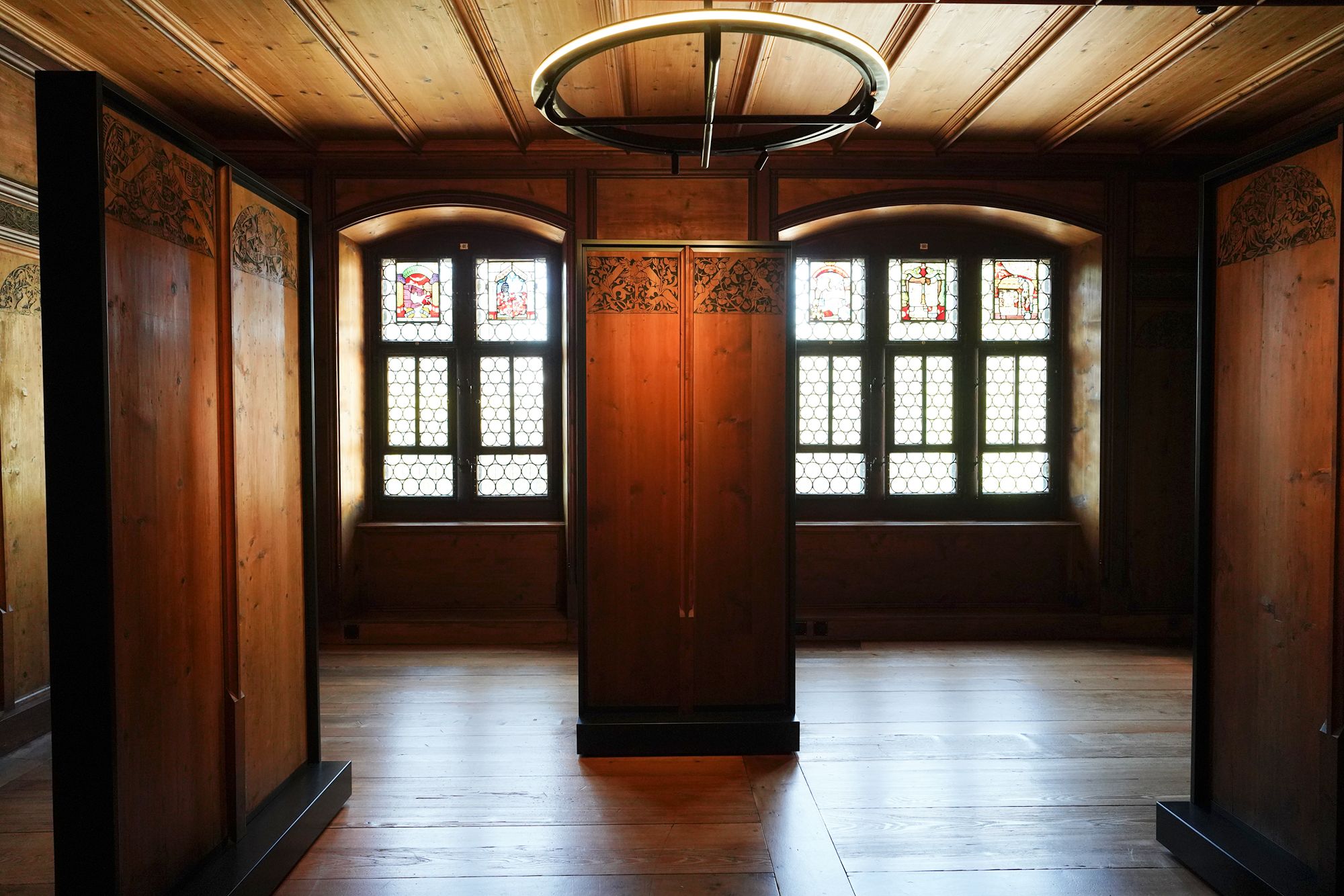
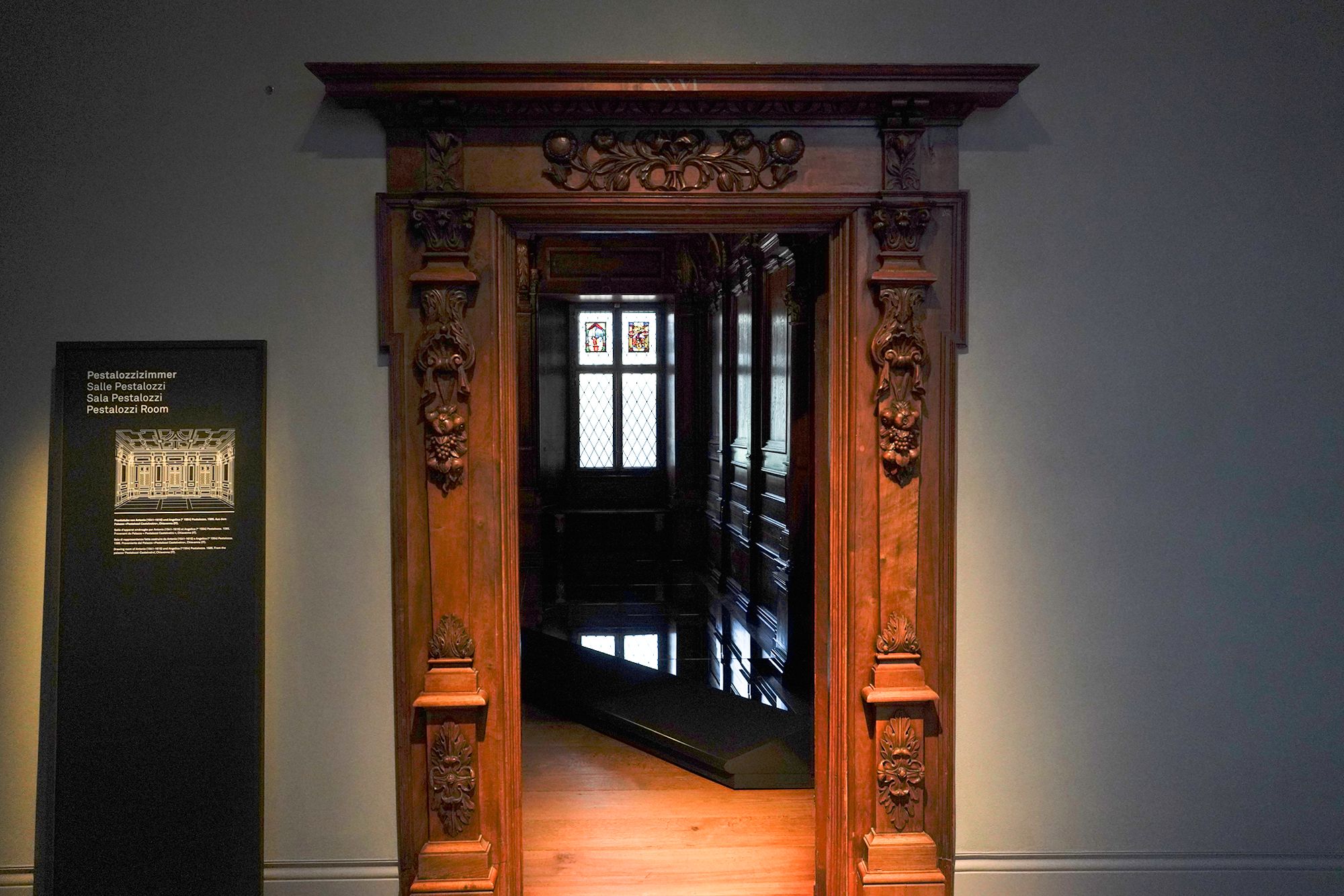
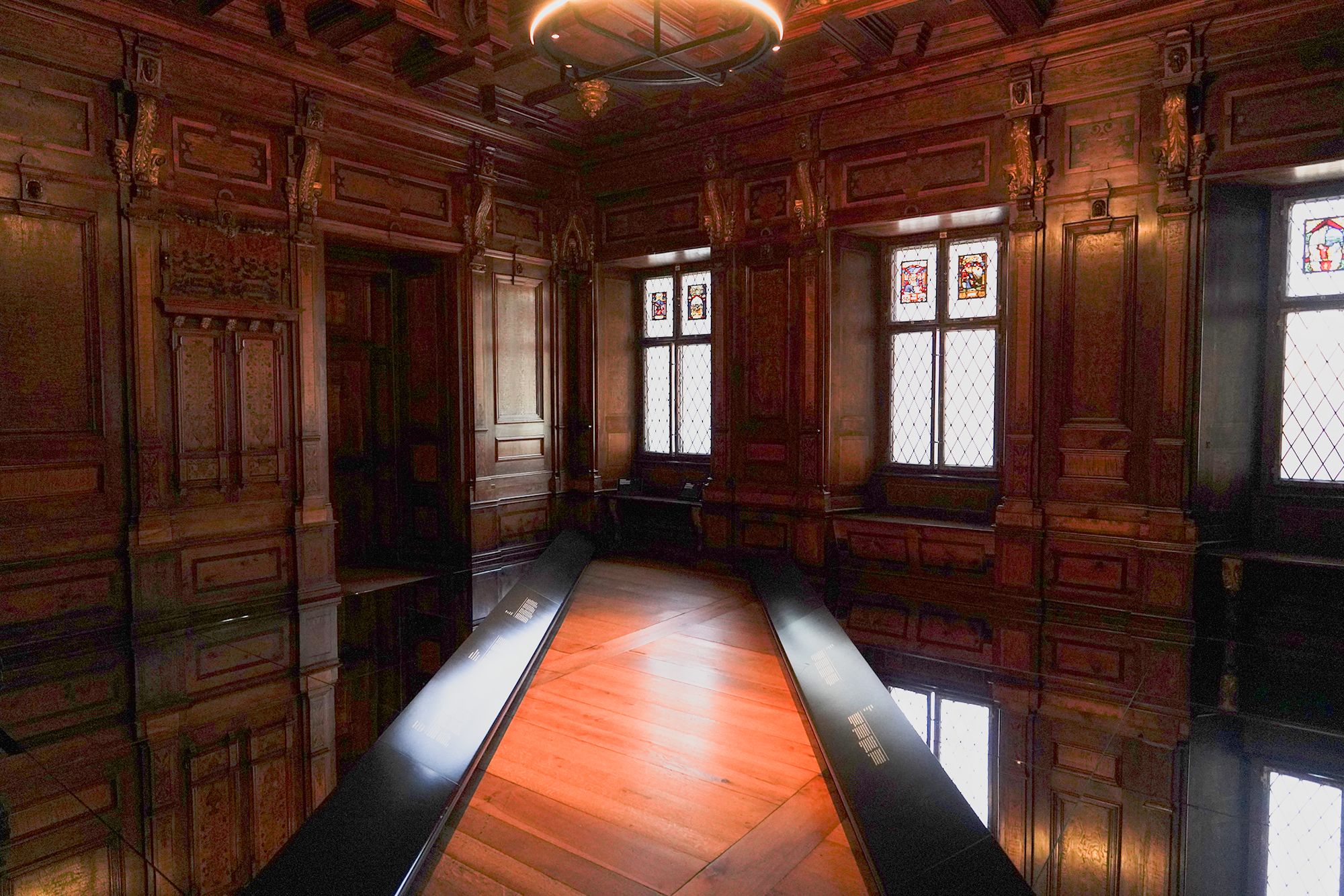
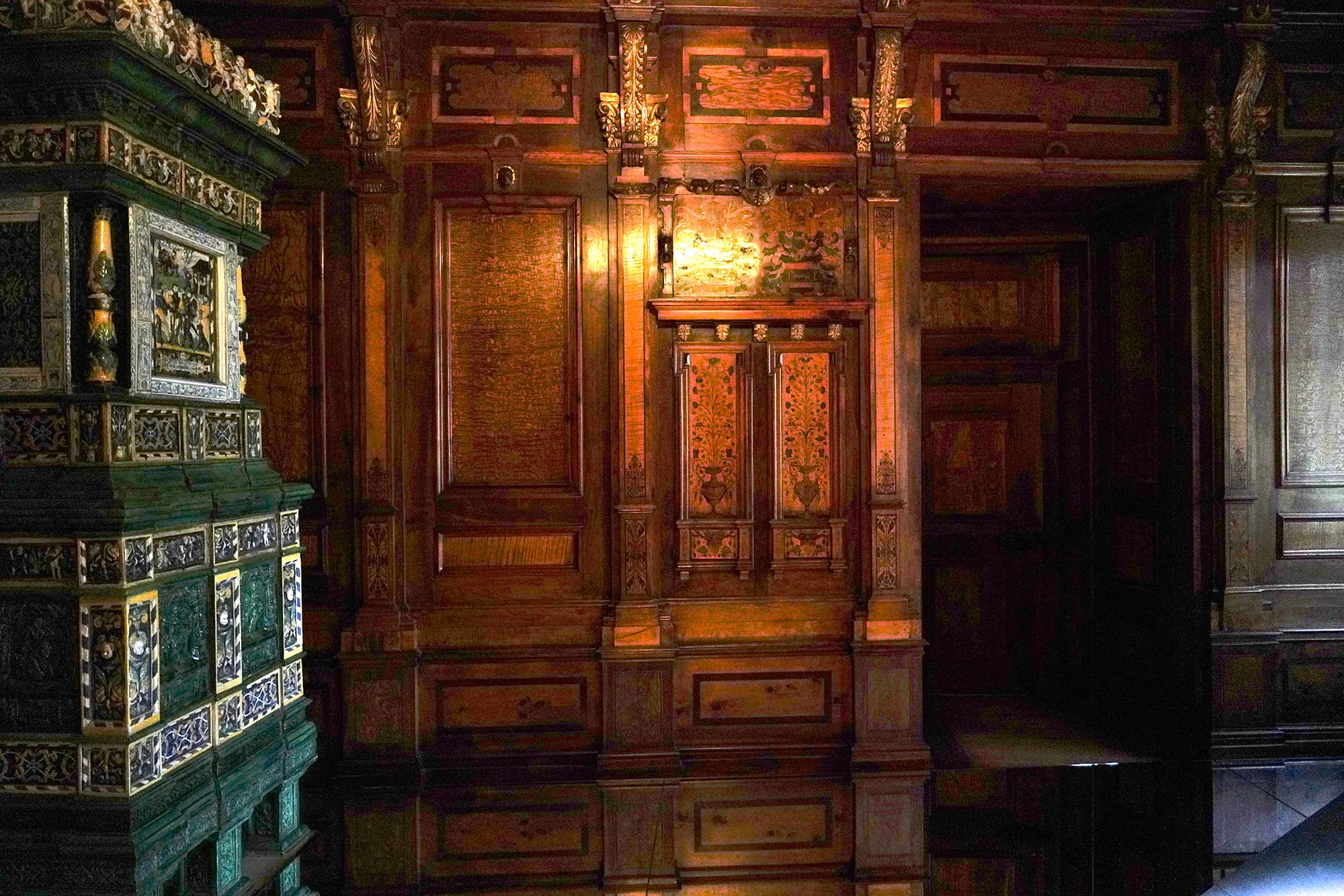
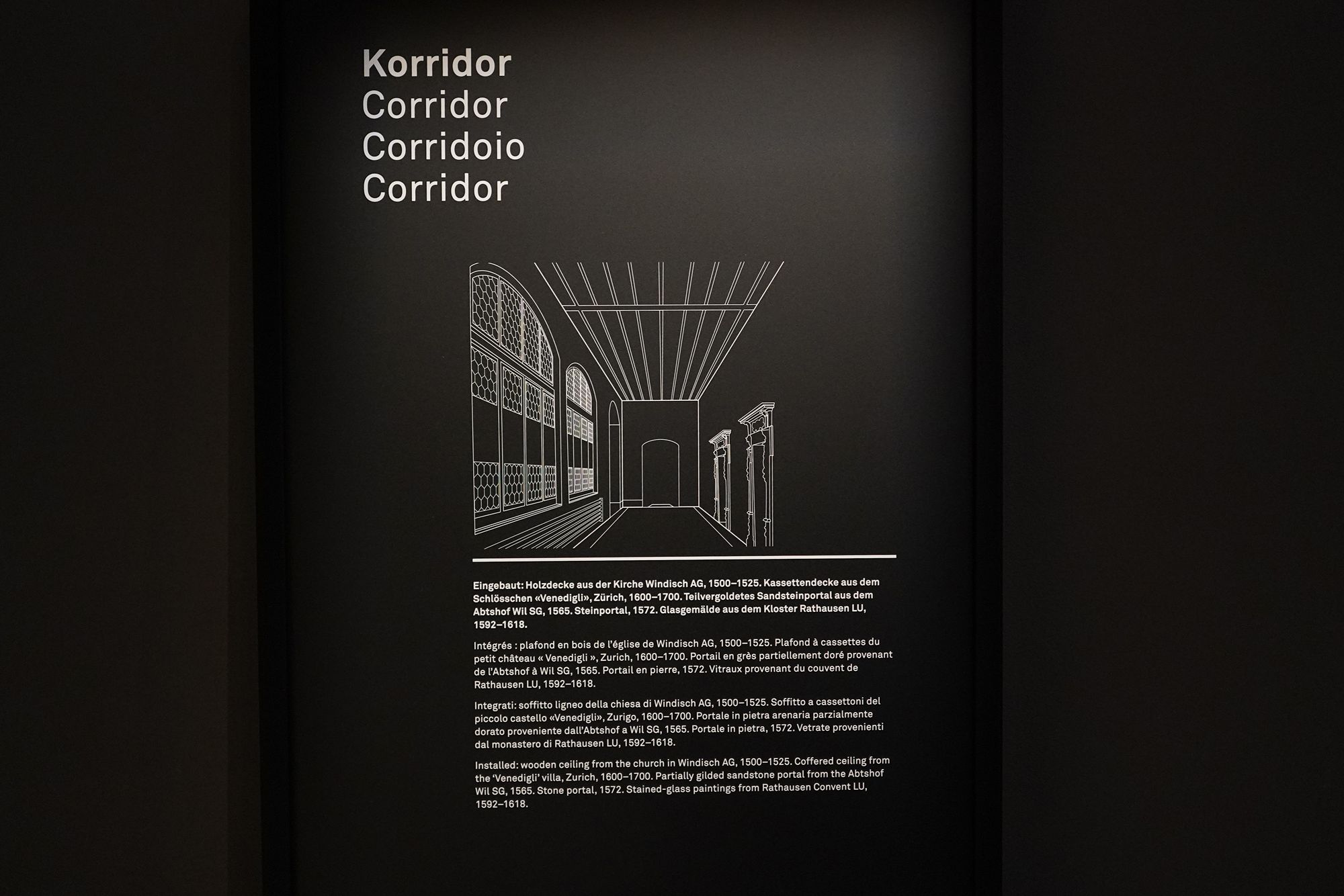
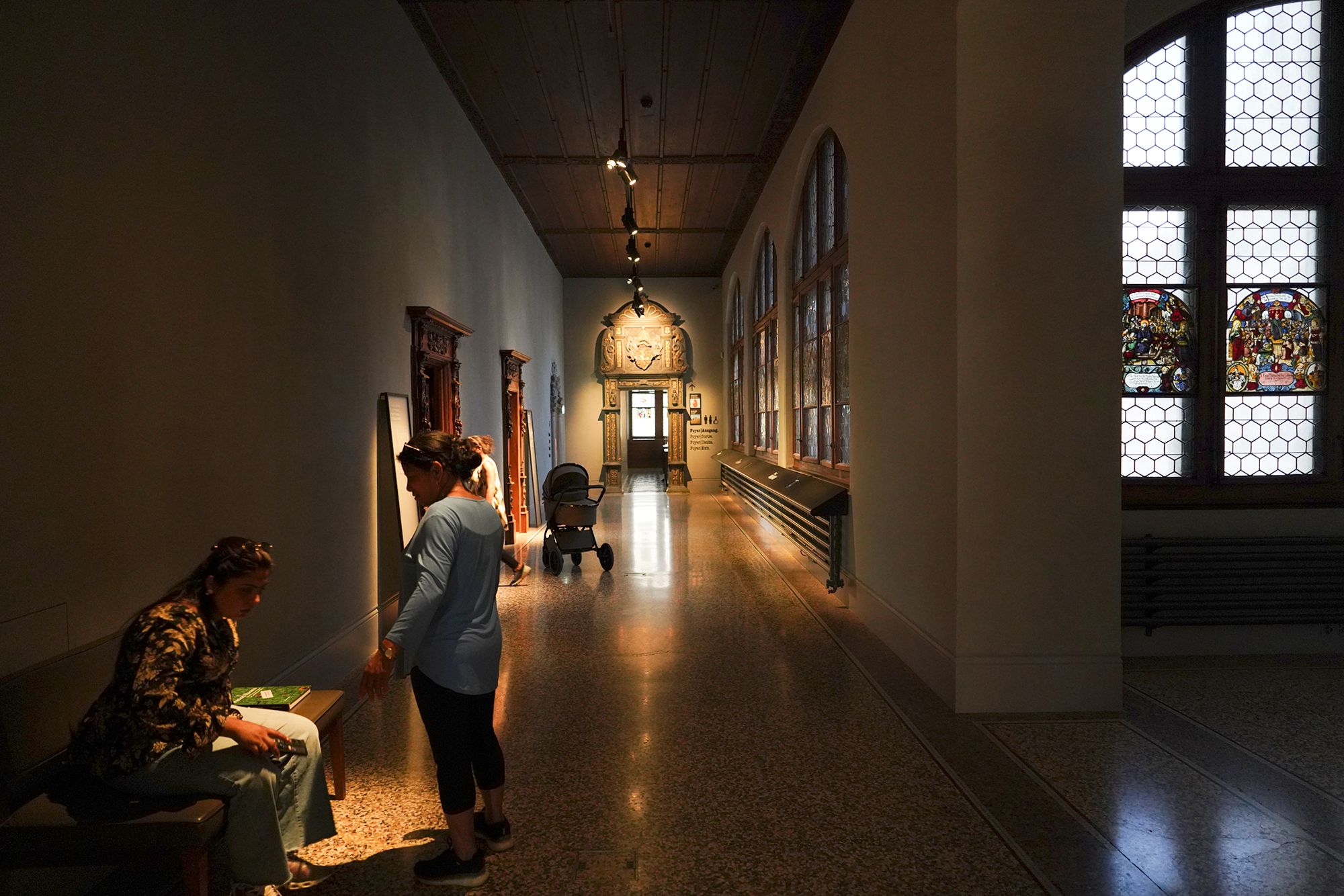
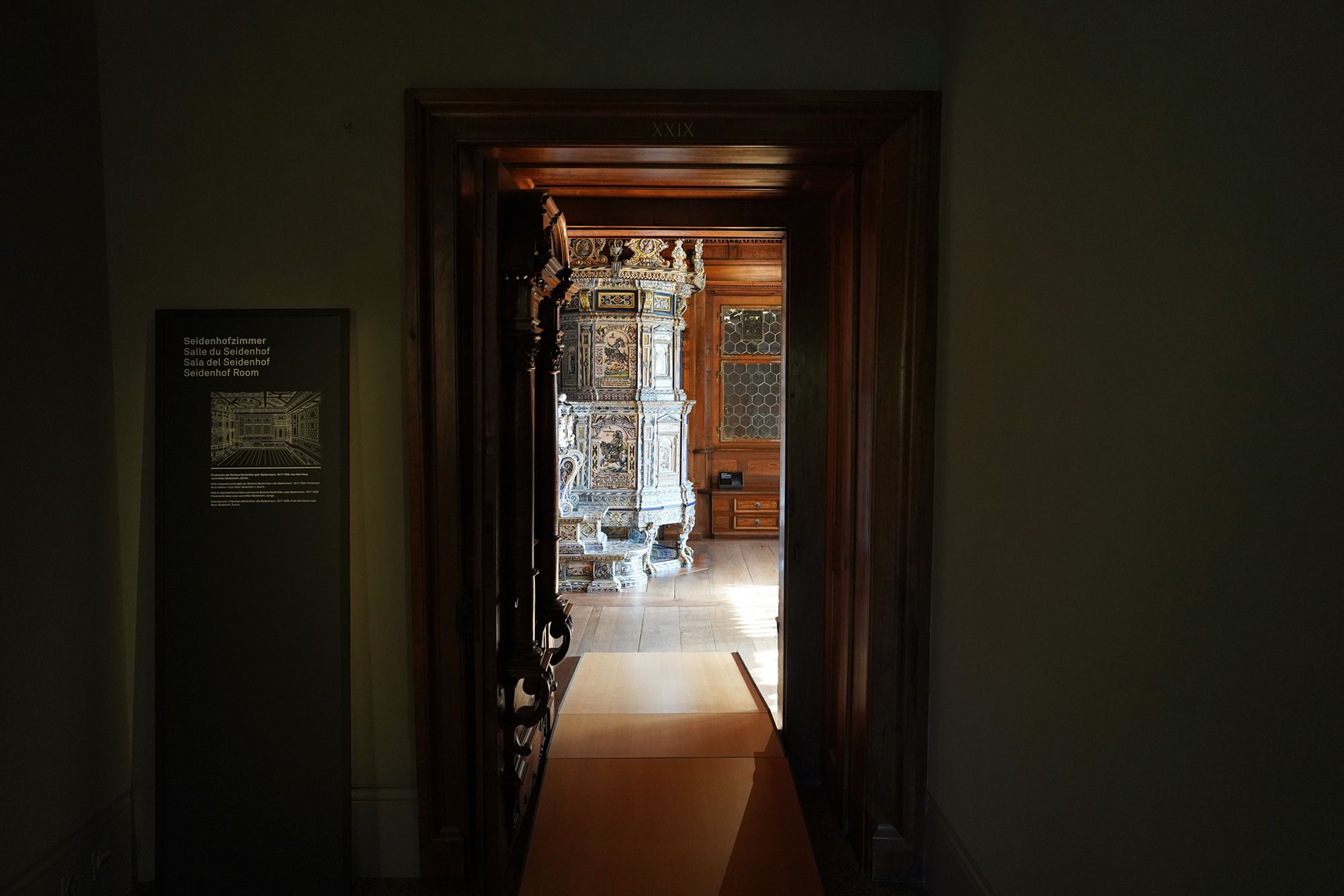
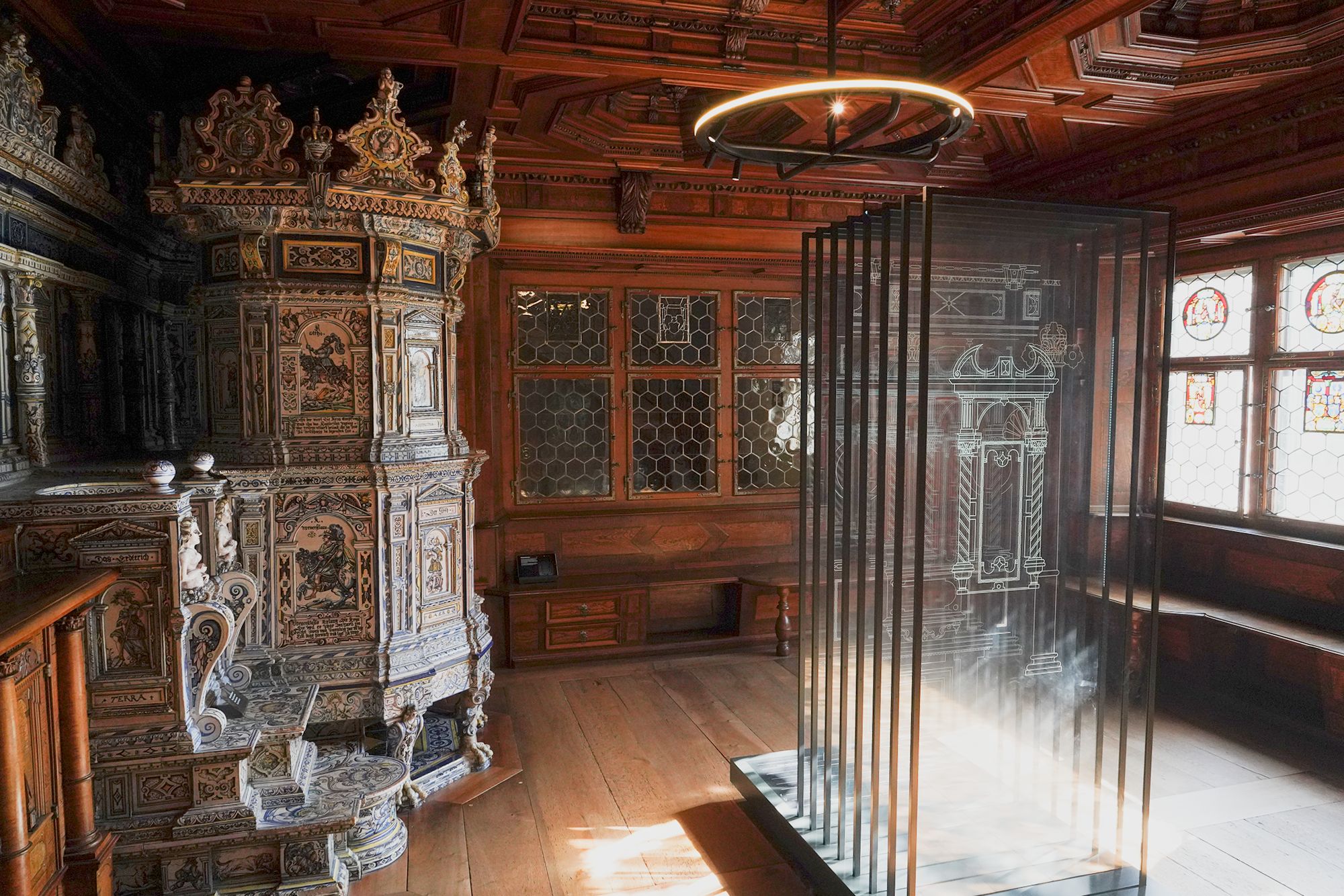
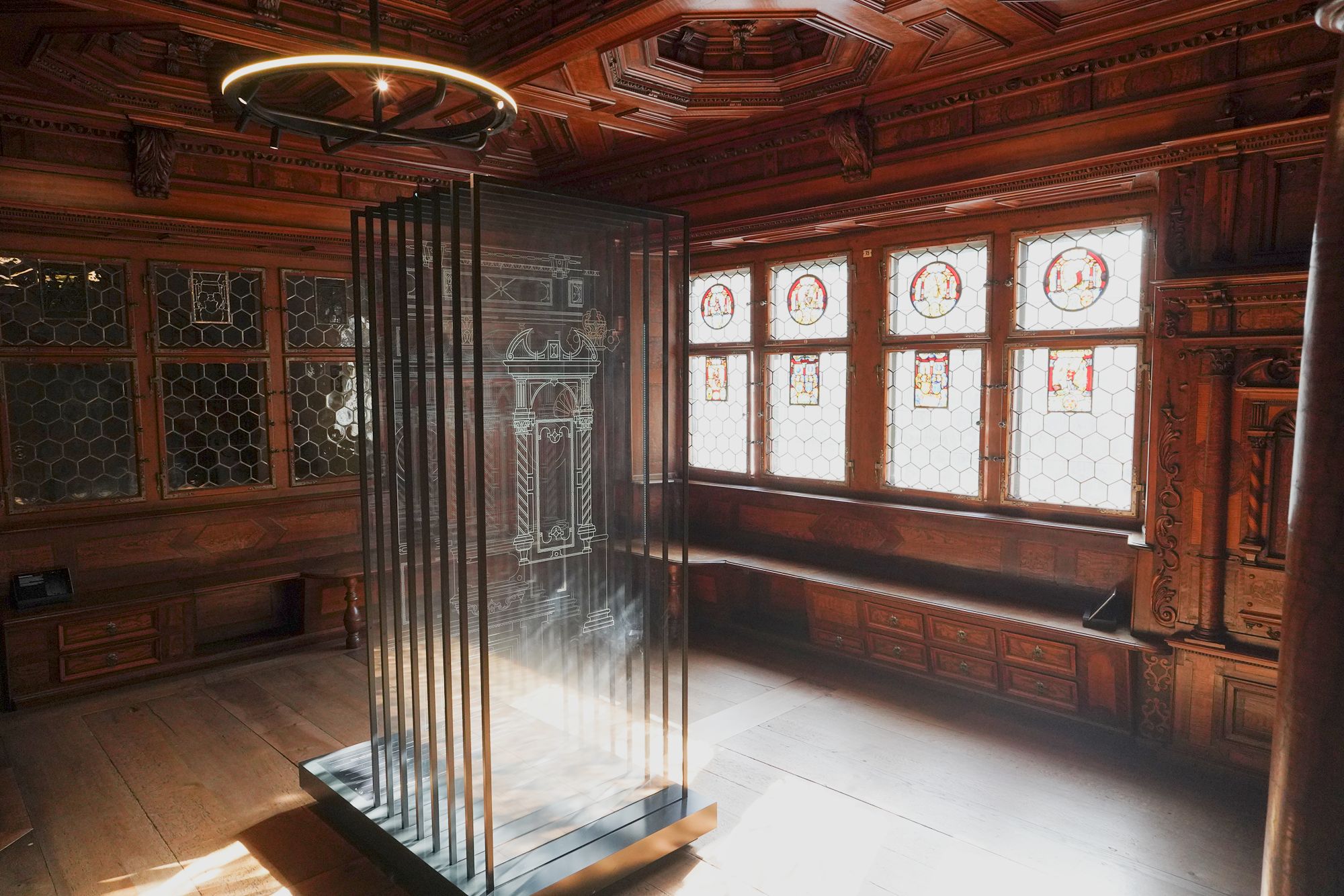
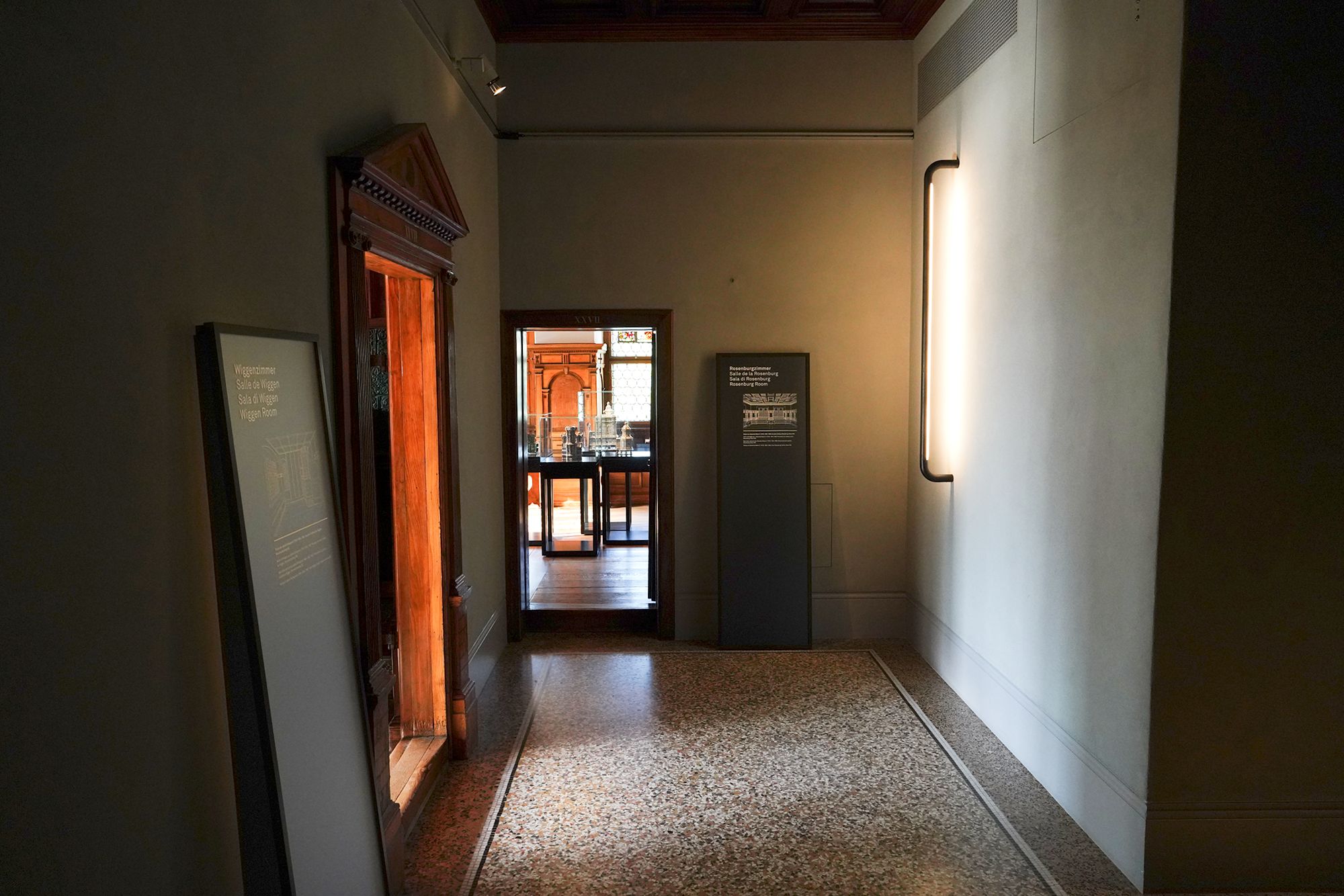
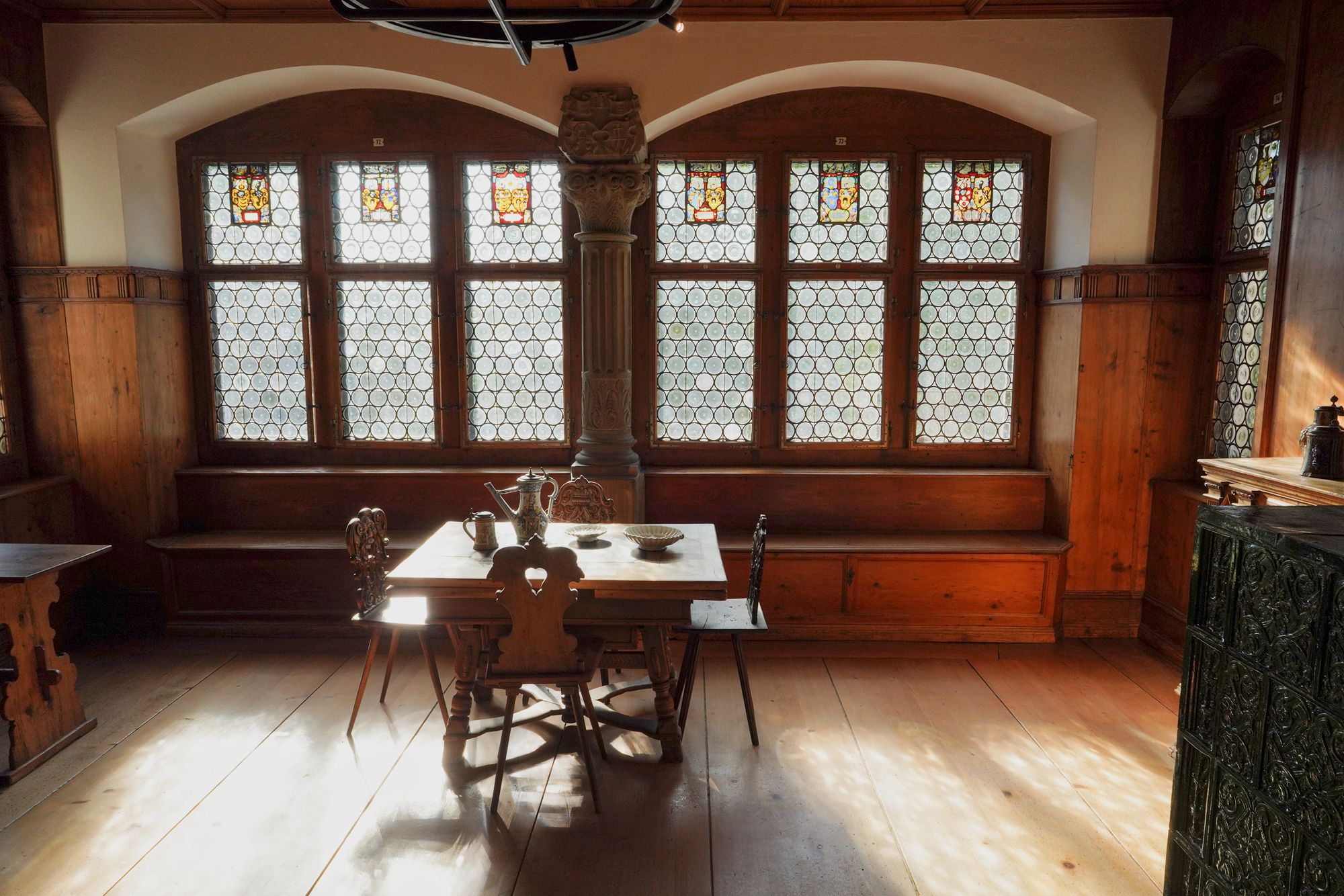
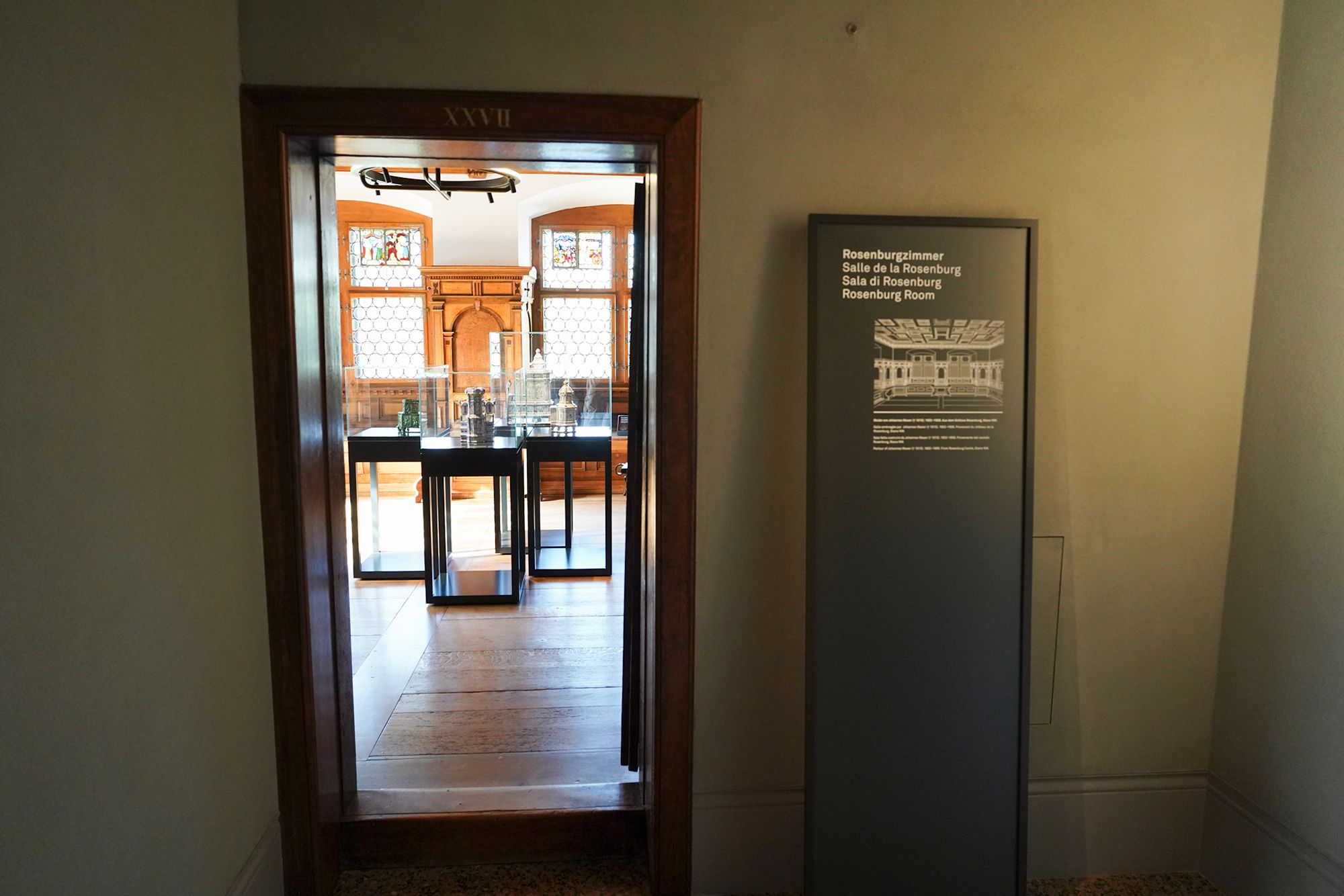
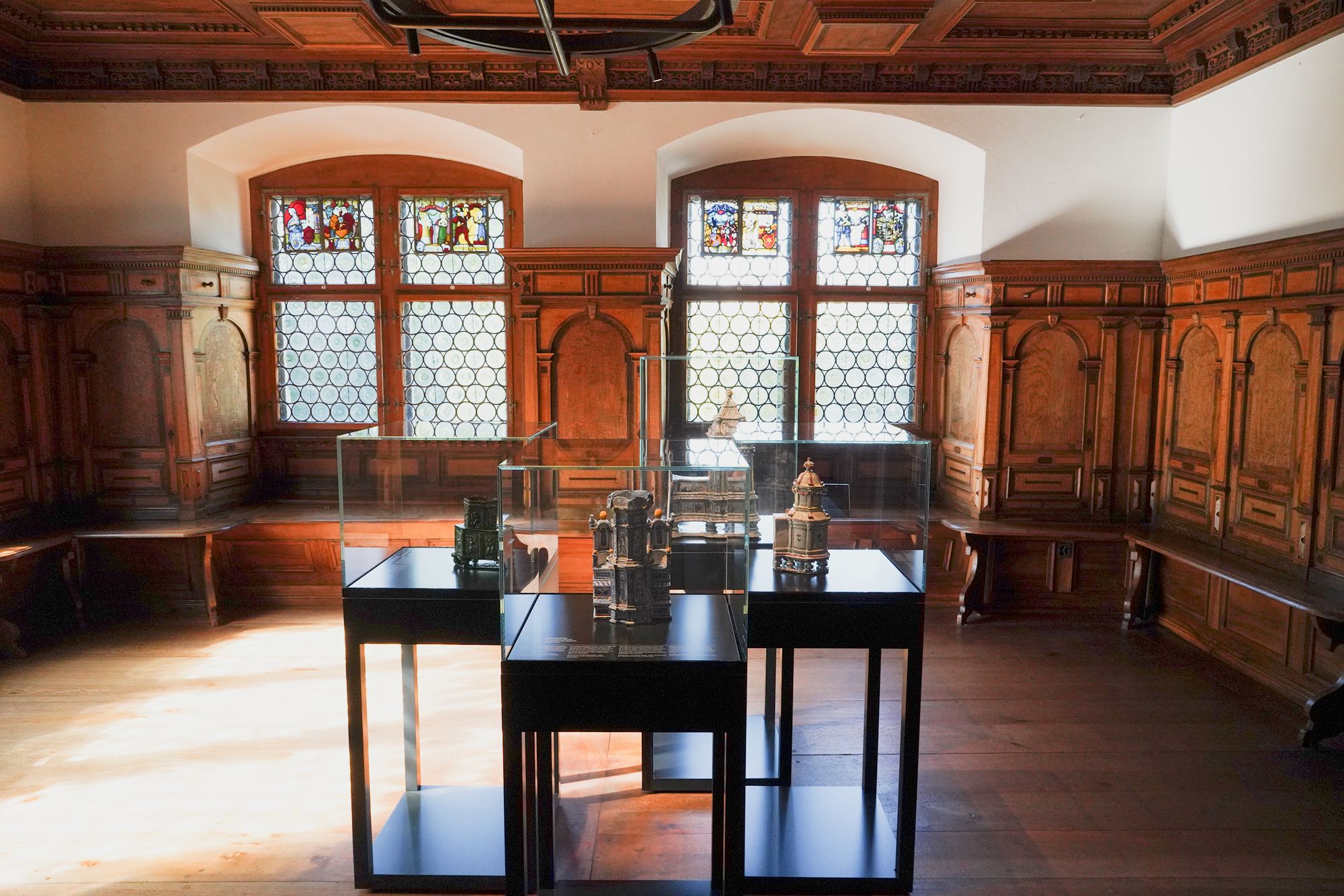
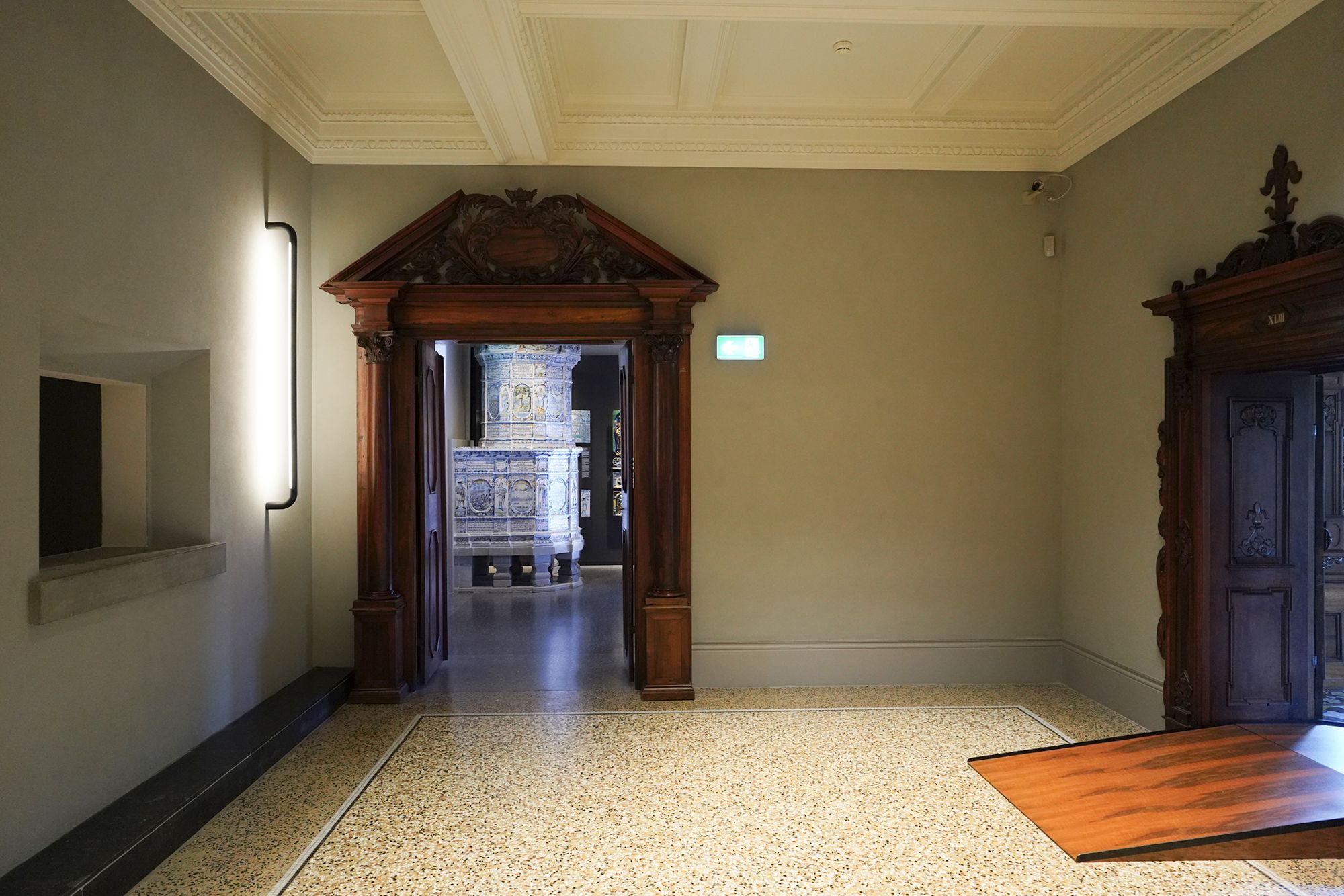
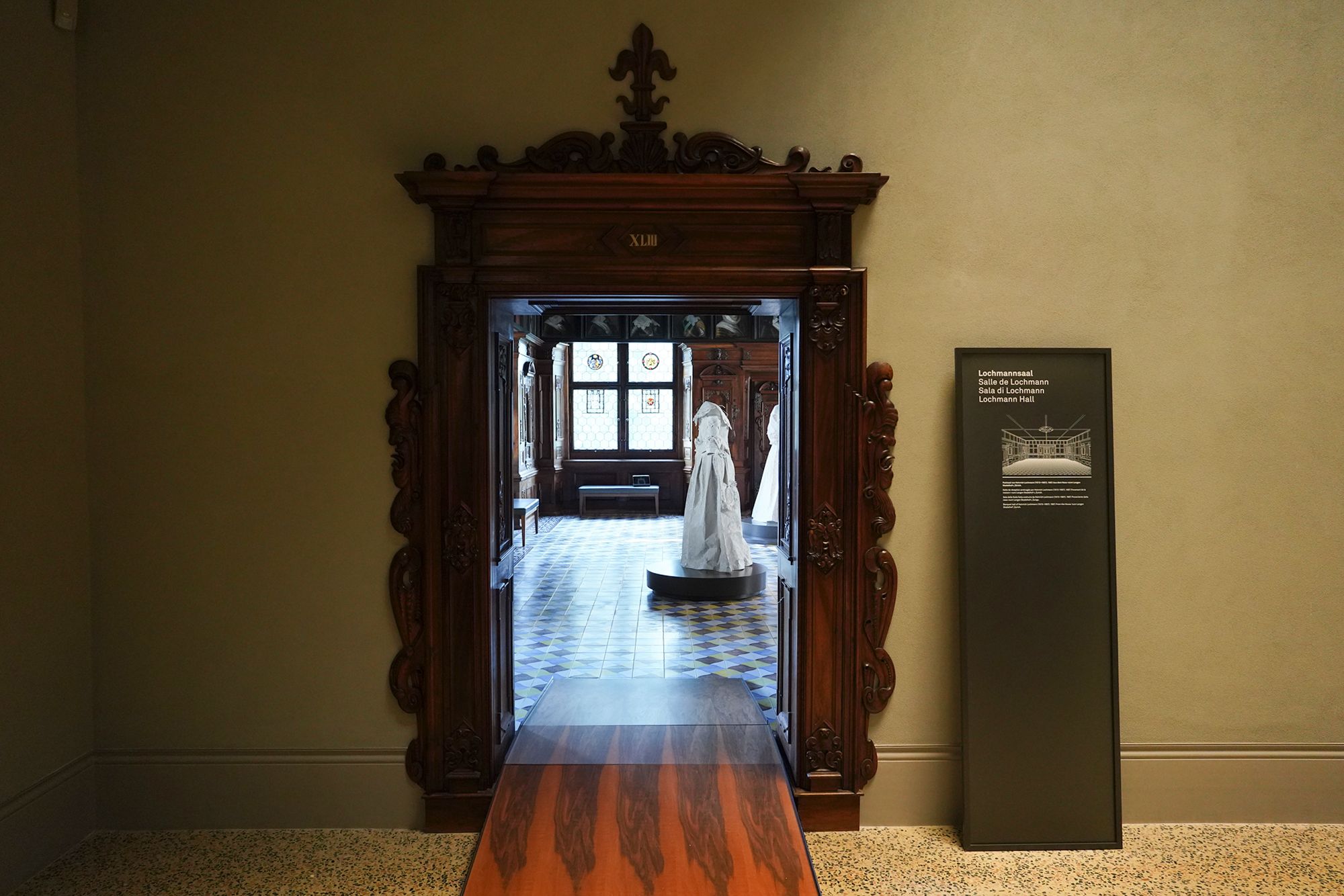
Some of the museum’s interiors are exhibits themselves. This corridor brings together historic architectural pieces from different Swiss buildings, including a wooden ceiling, a stone doorway, and stained glass. Walking through it is part of seeing the collection.
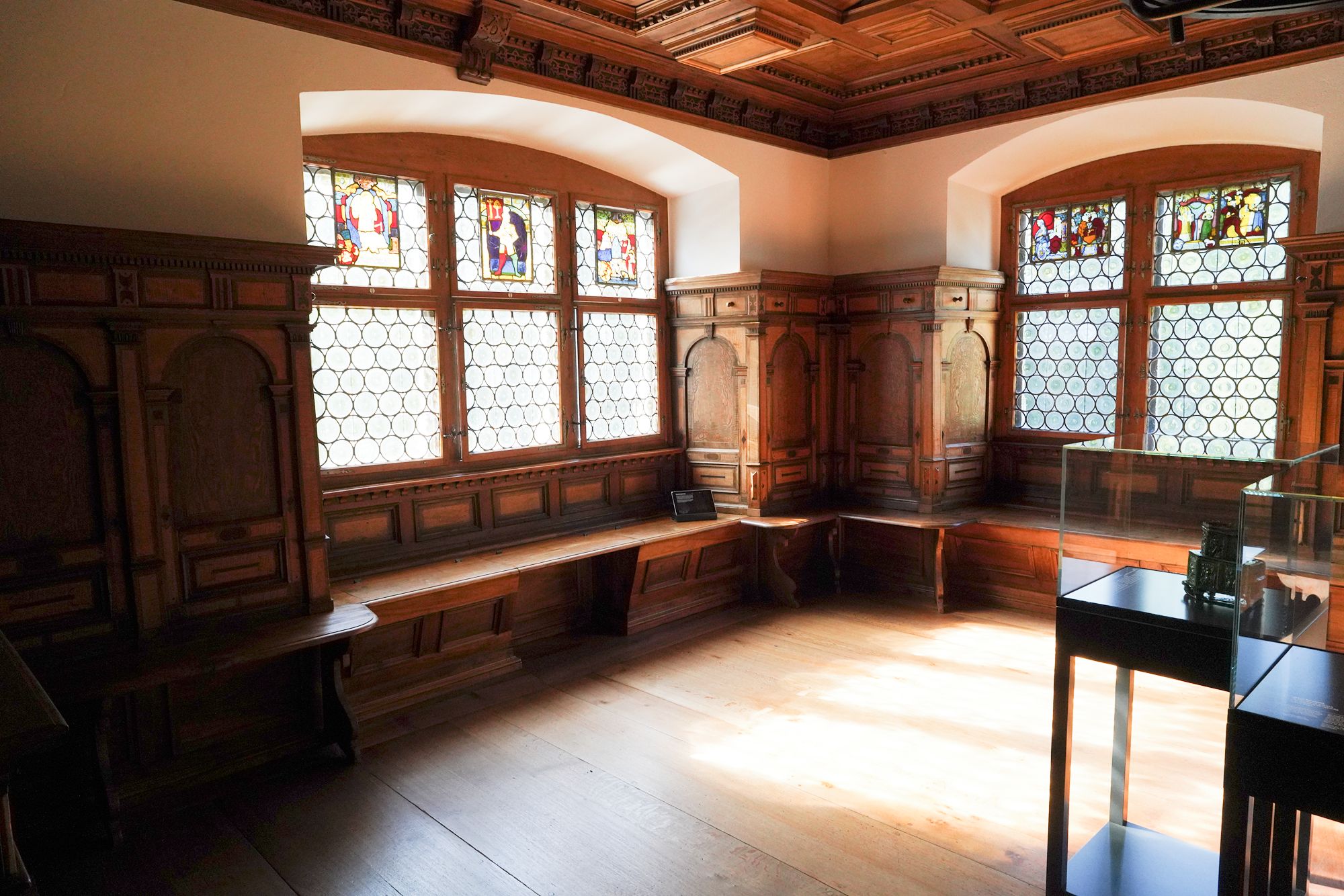
Ceremonial Weapons
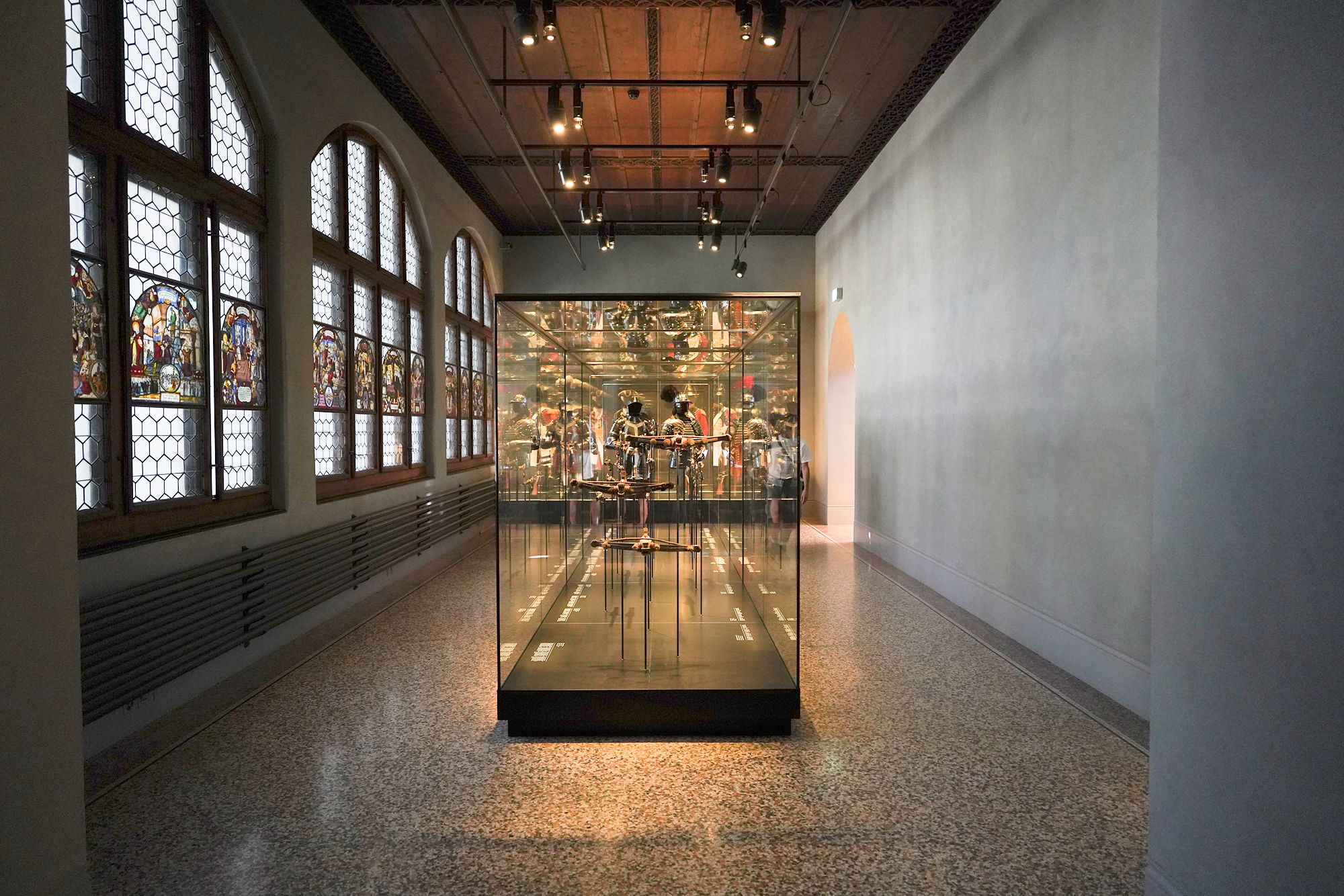
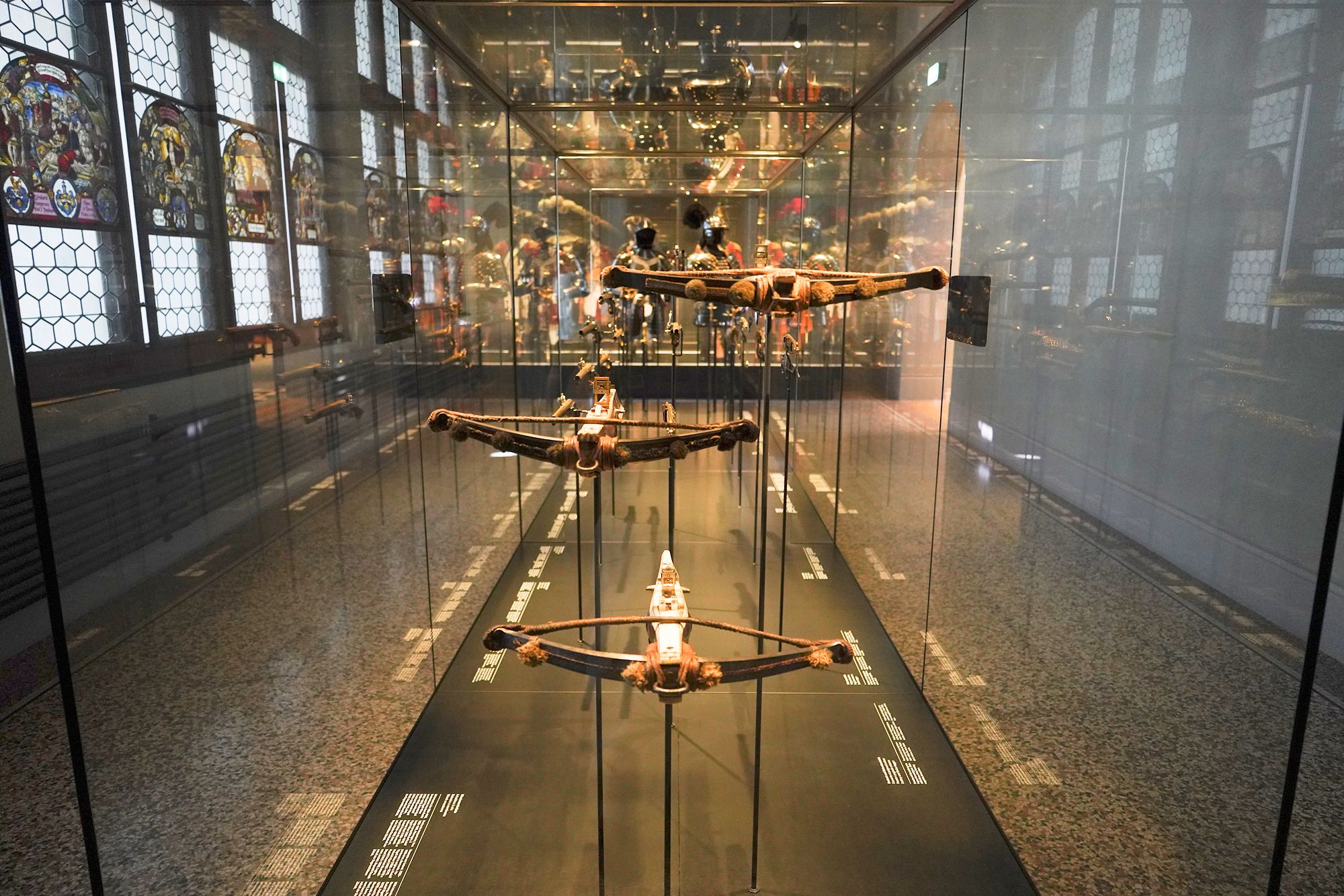
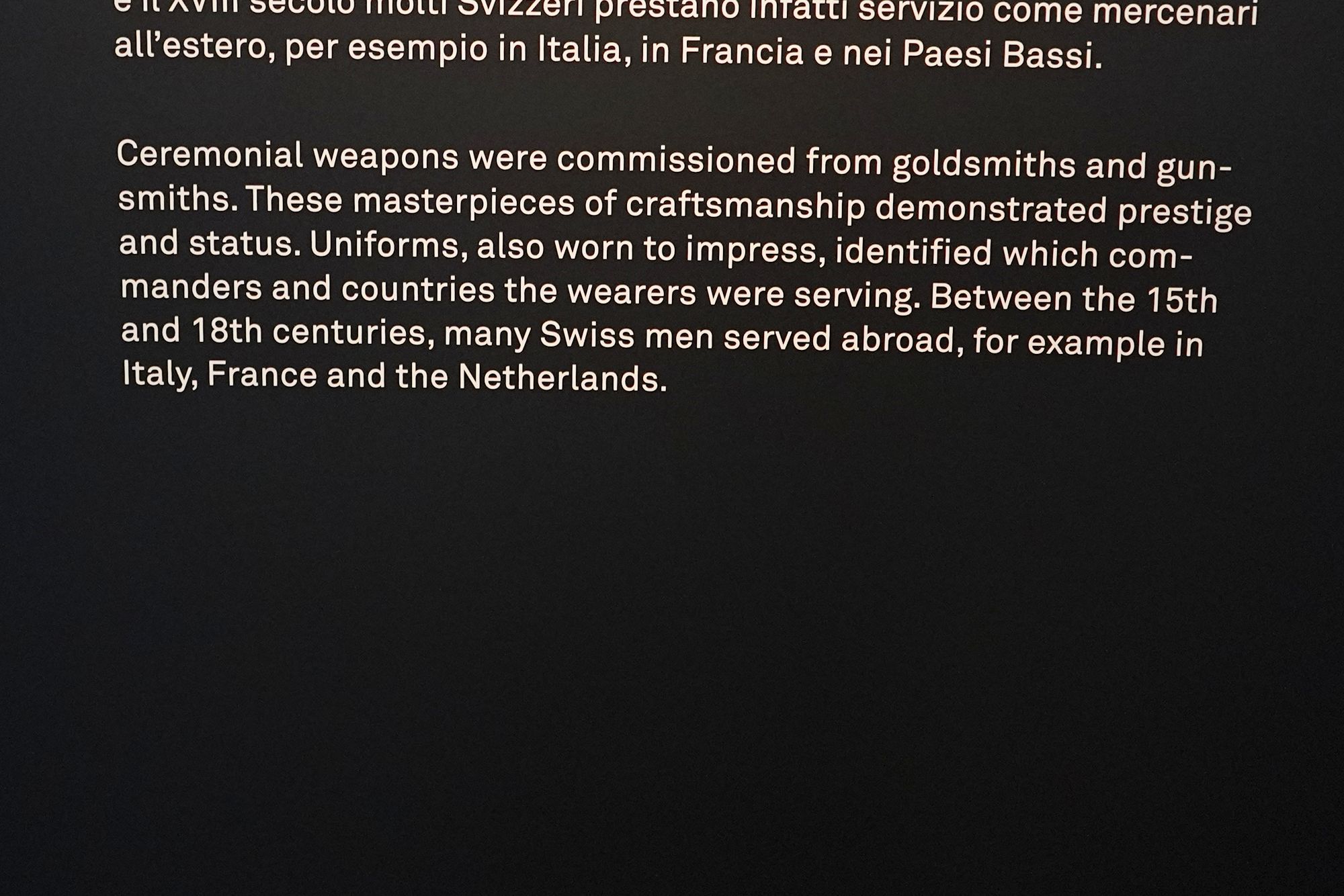
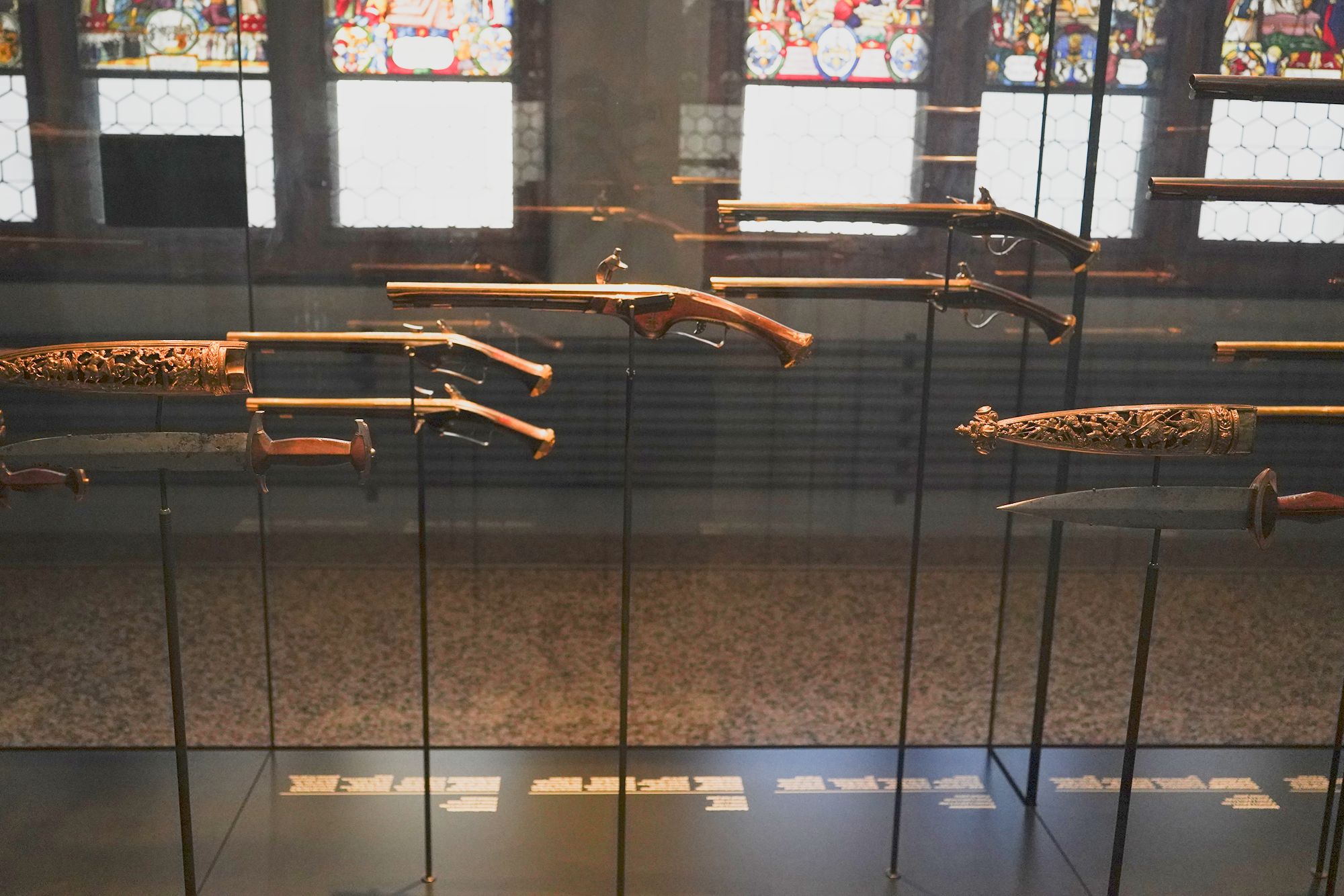
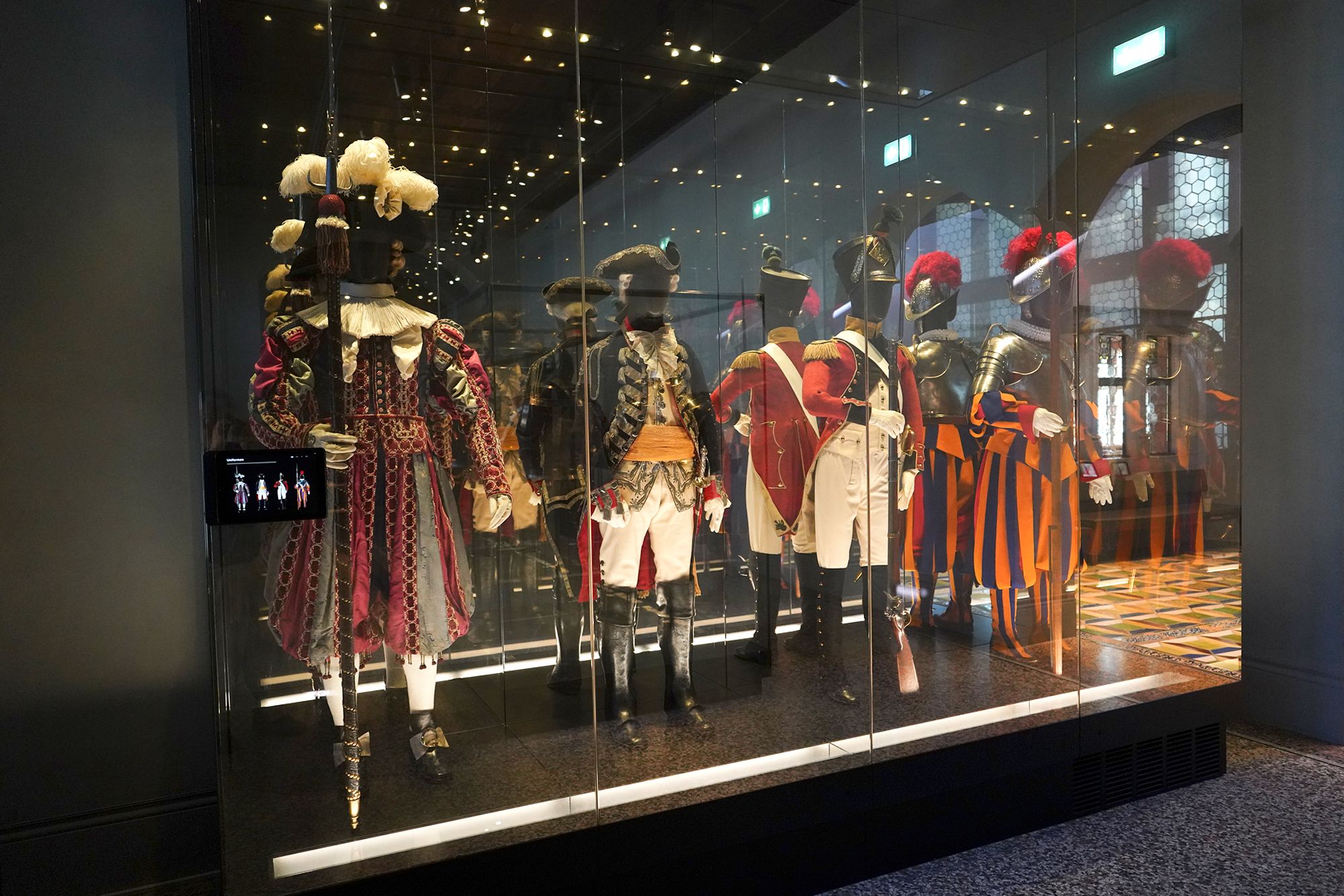
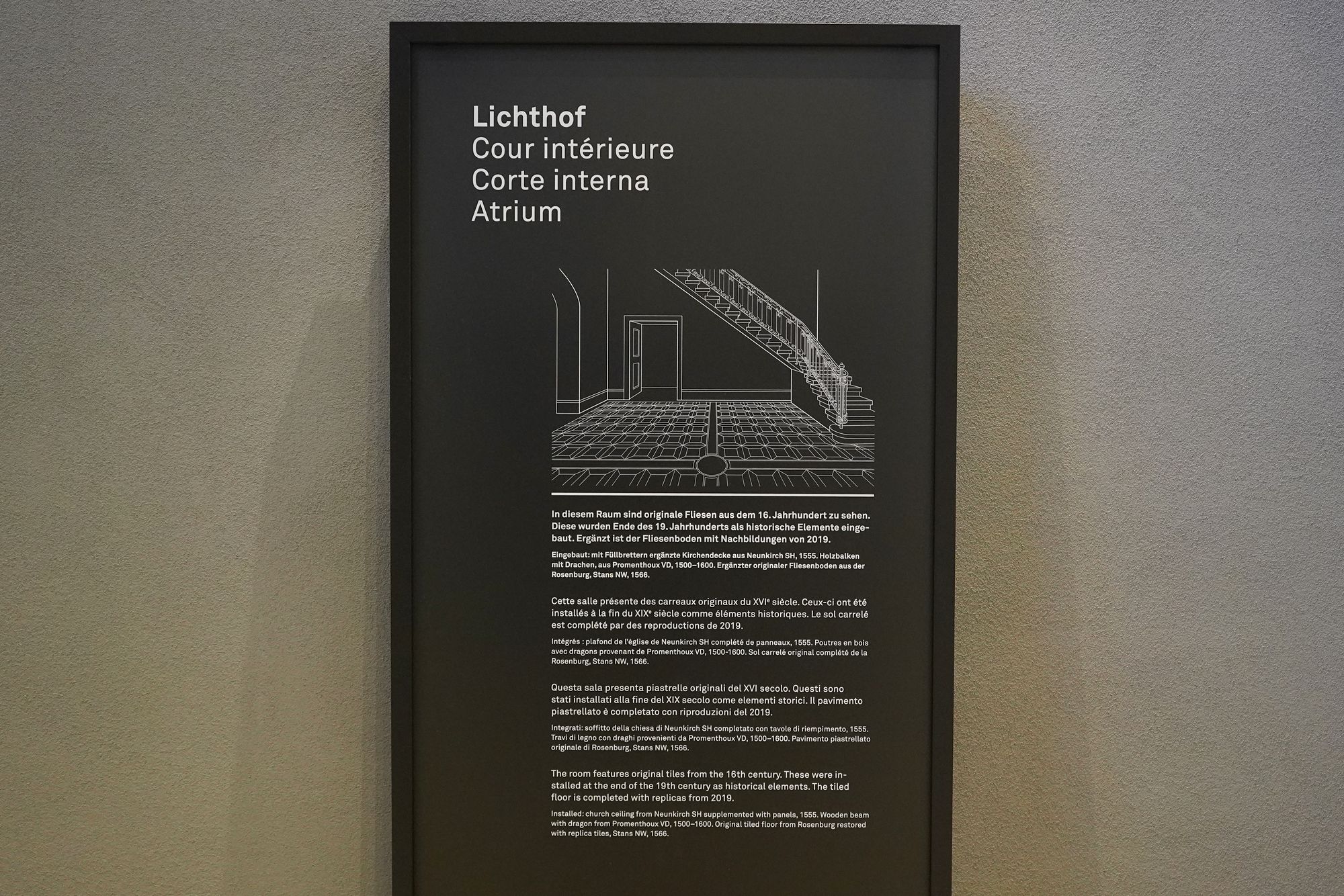
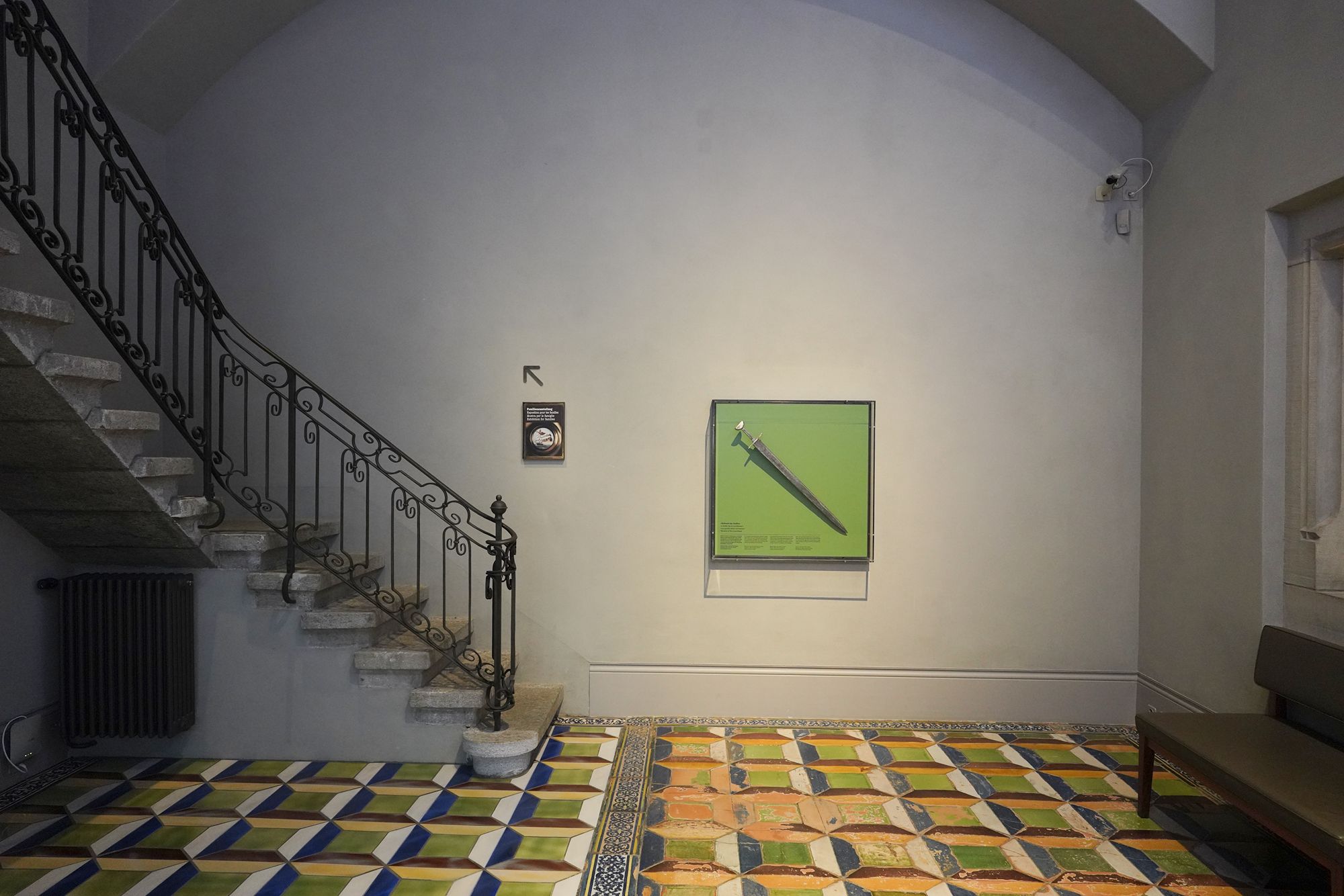
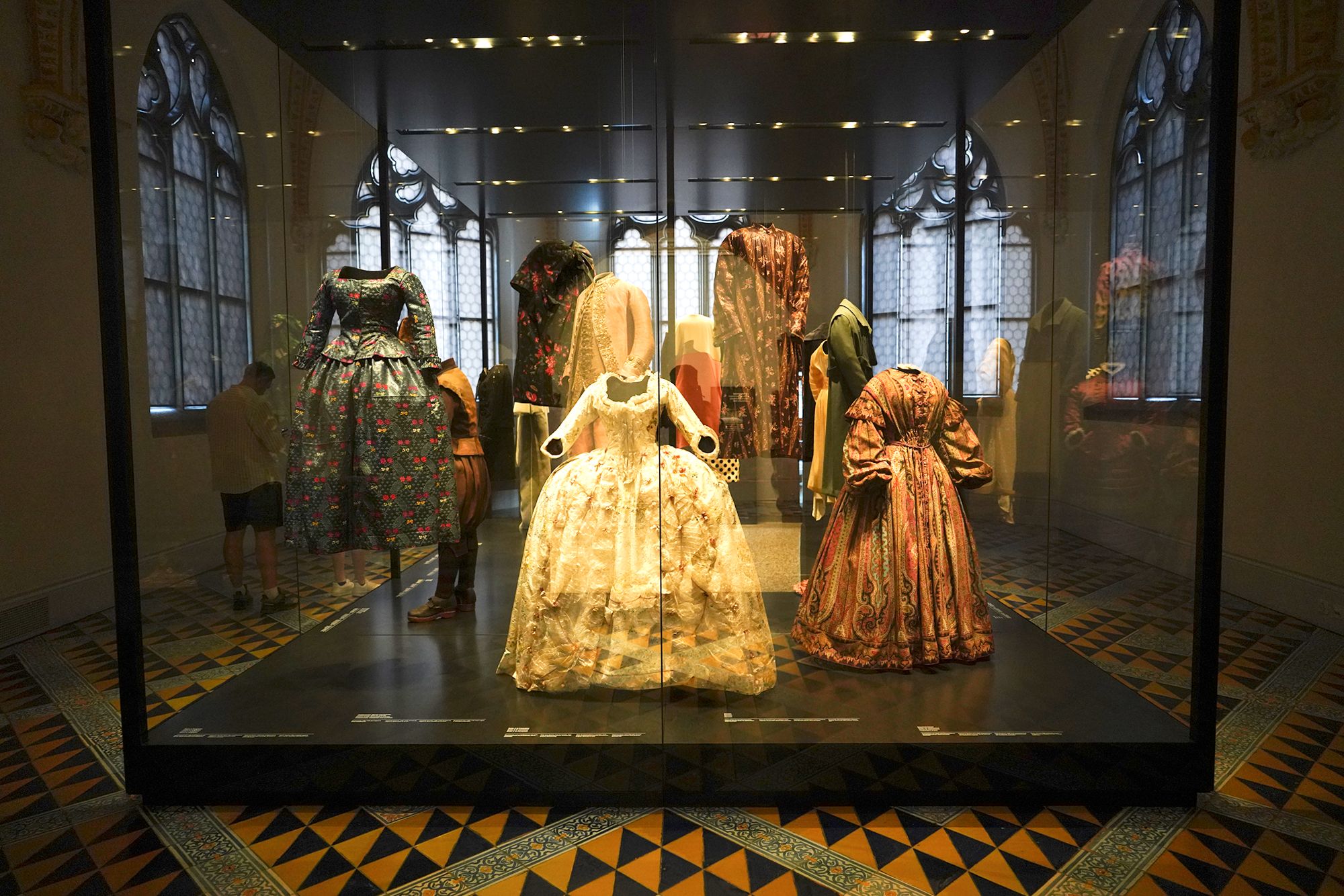
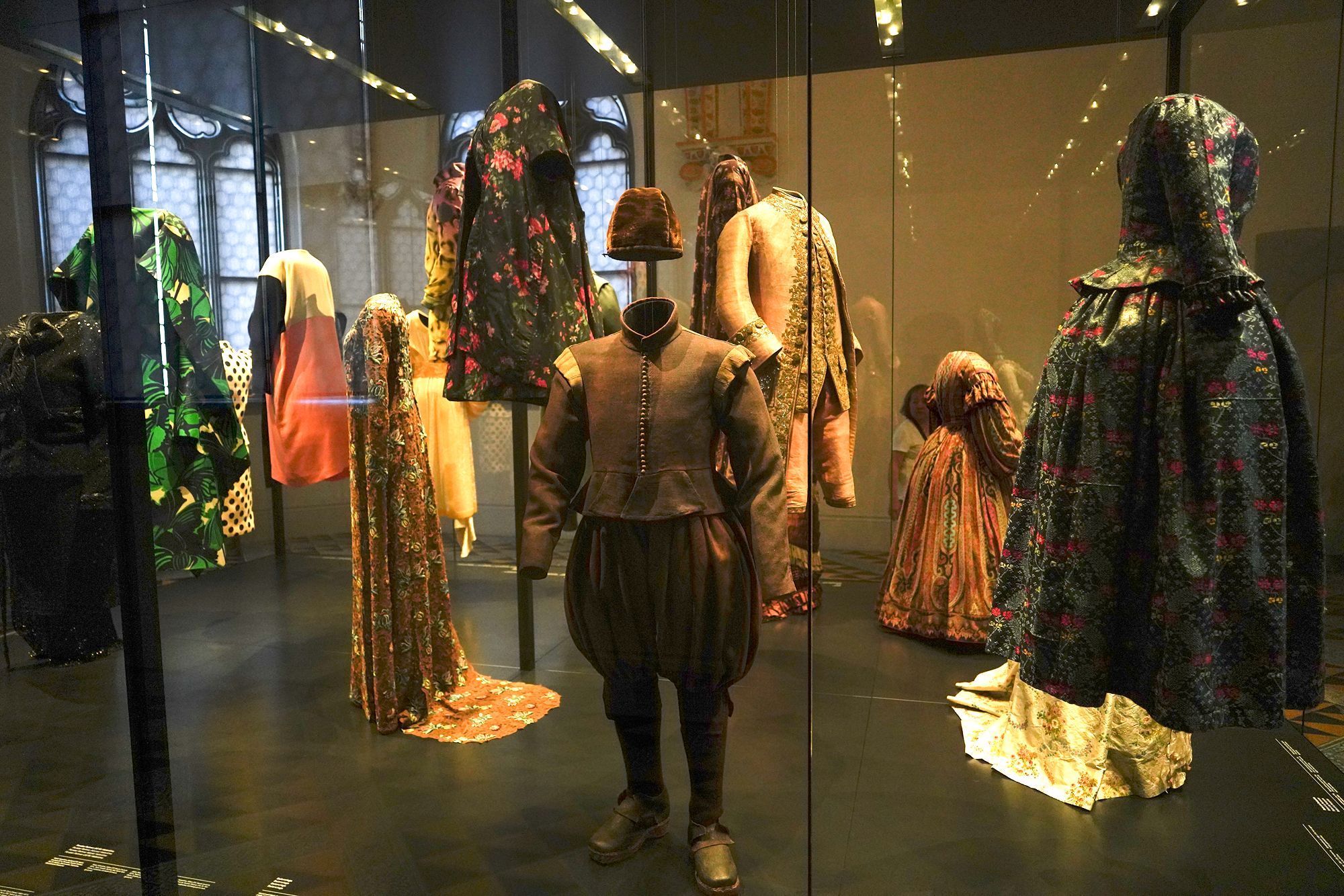
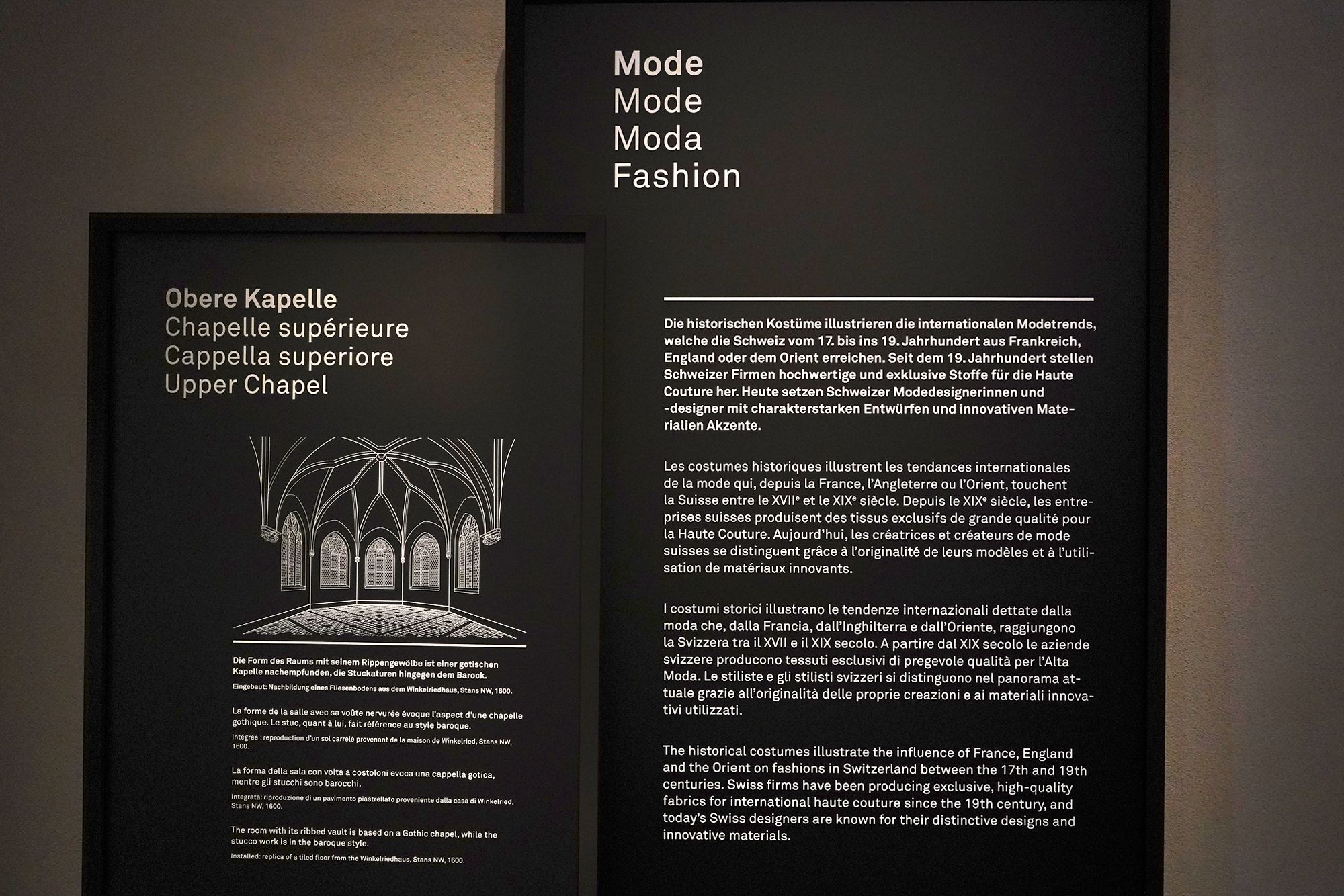
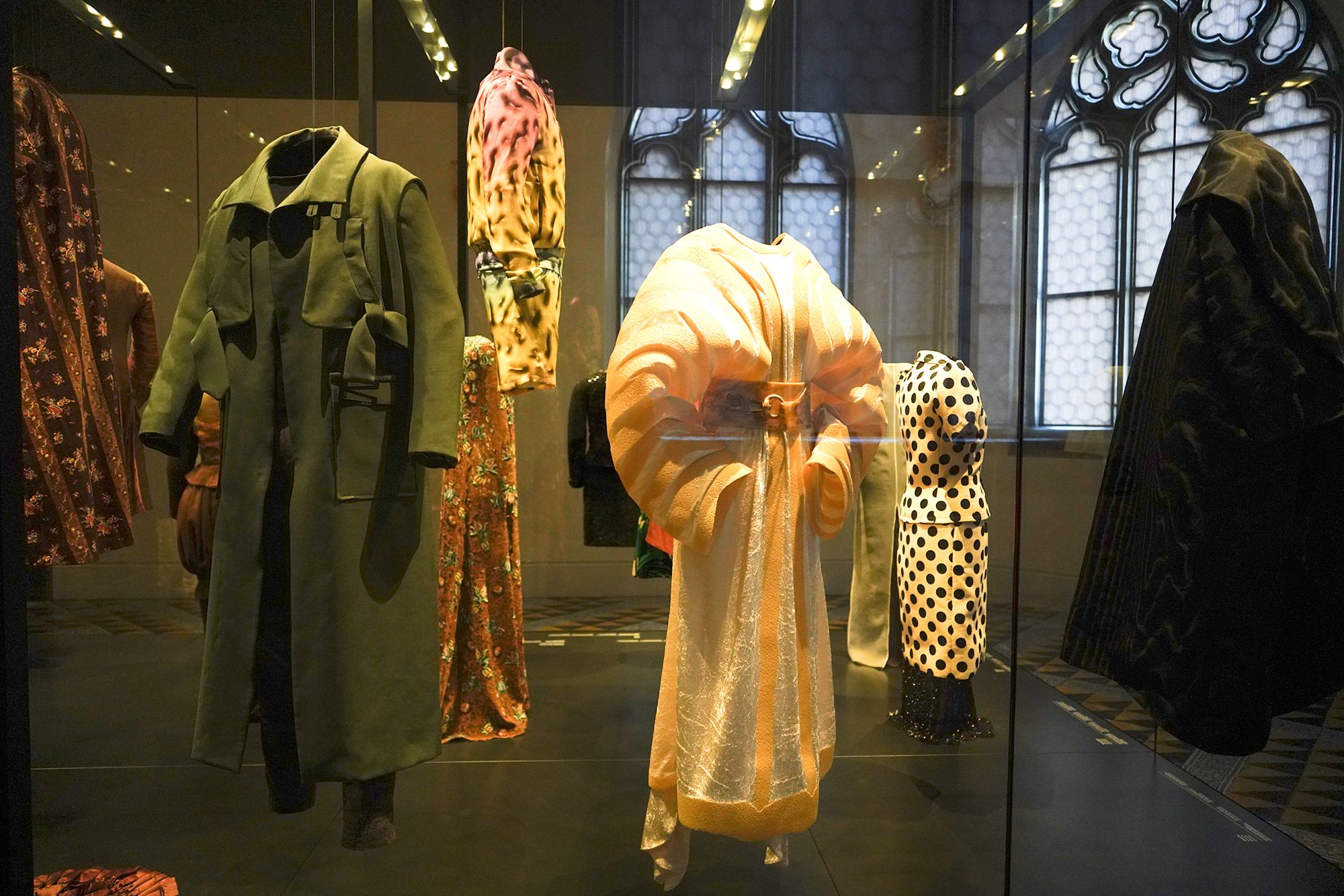
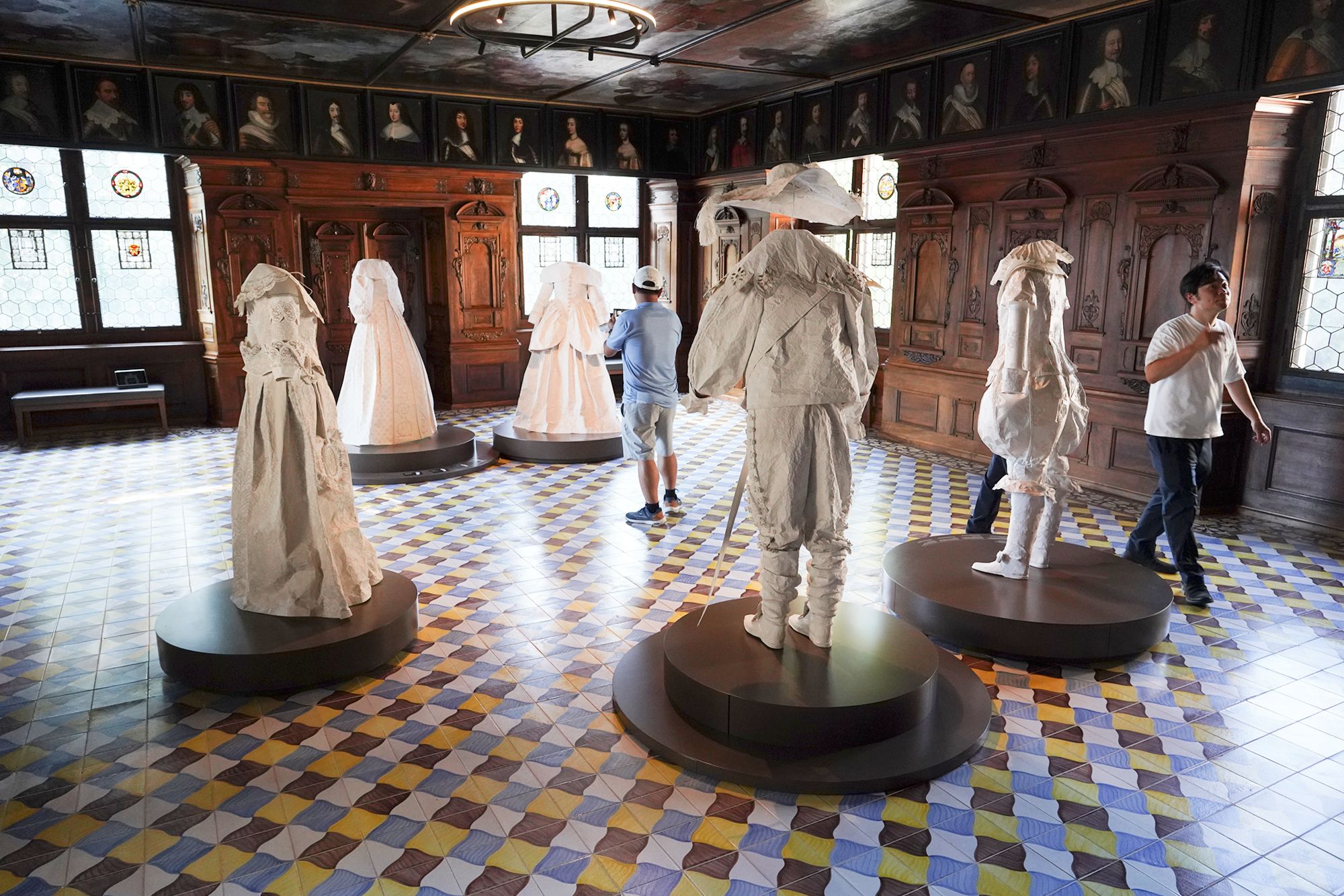
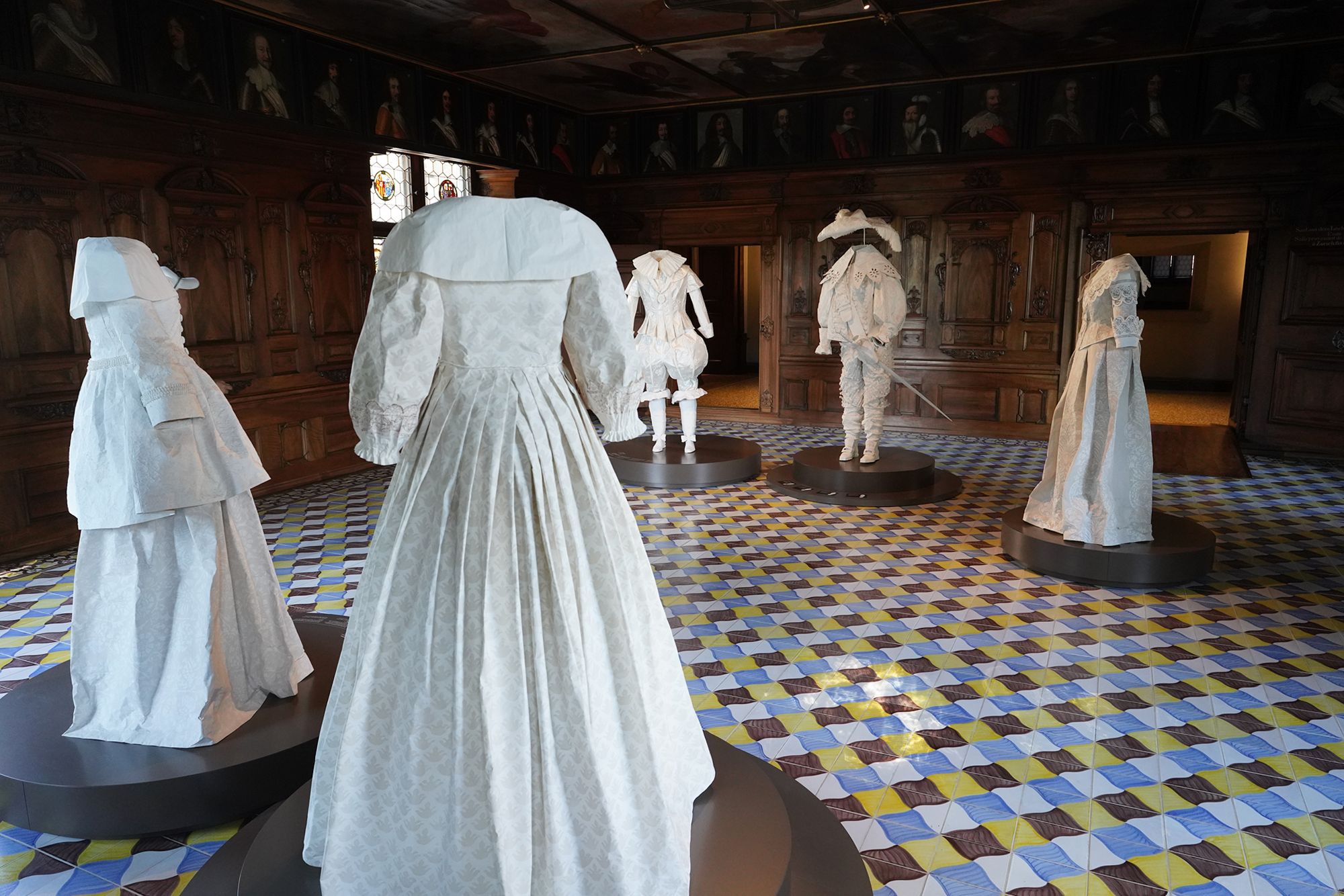
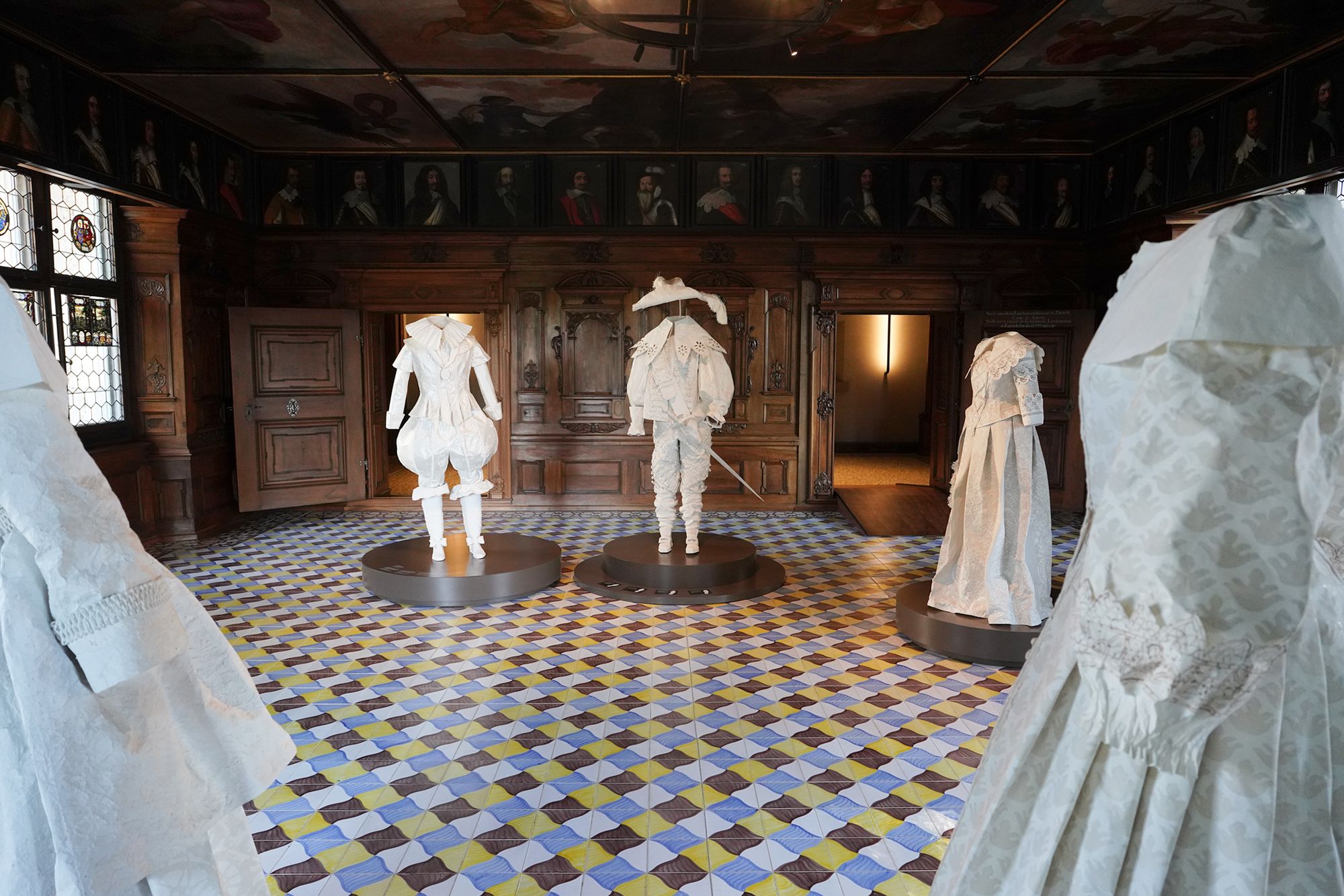
Fashion
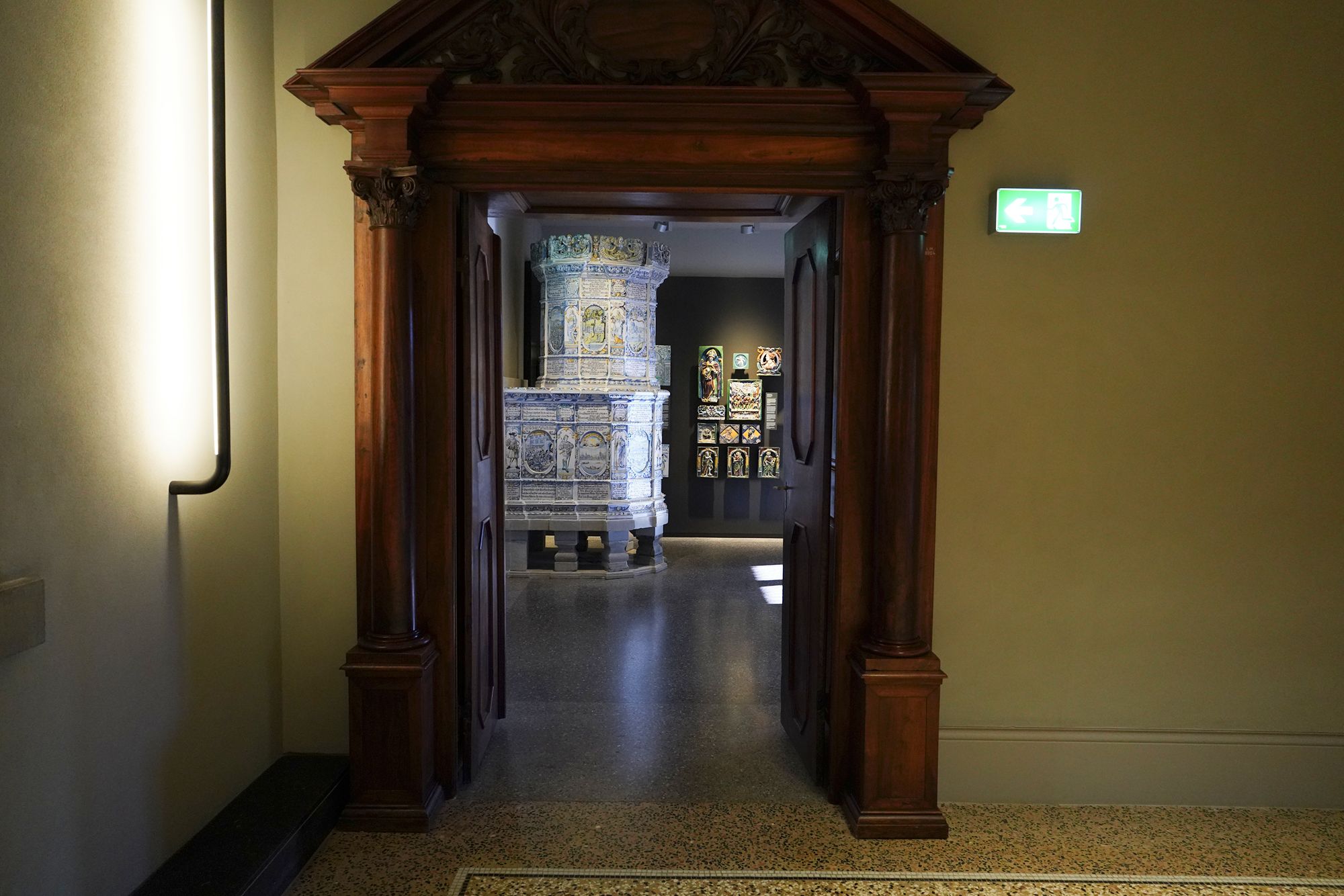
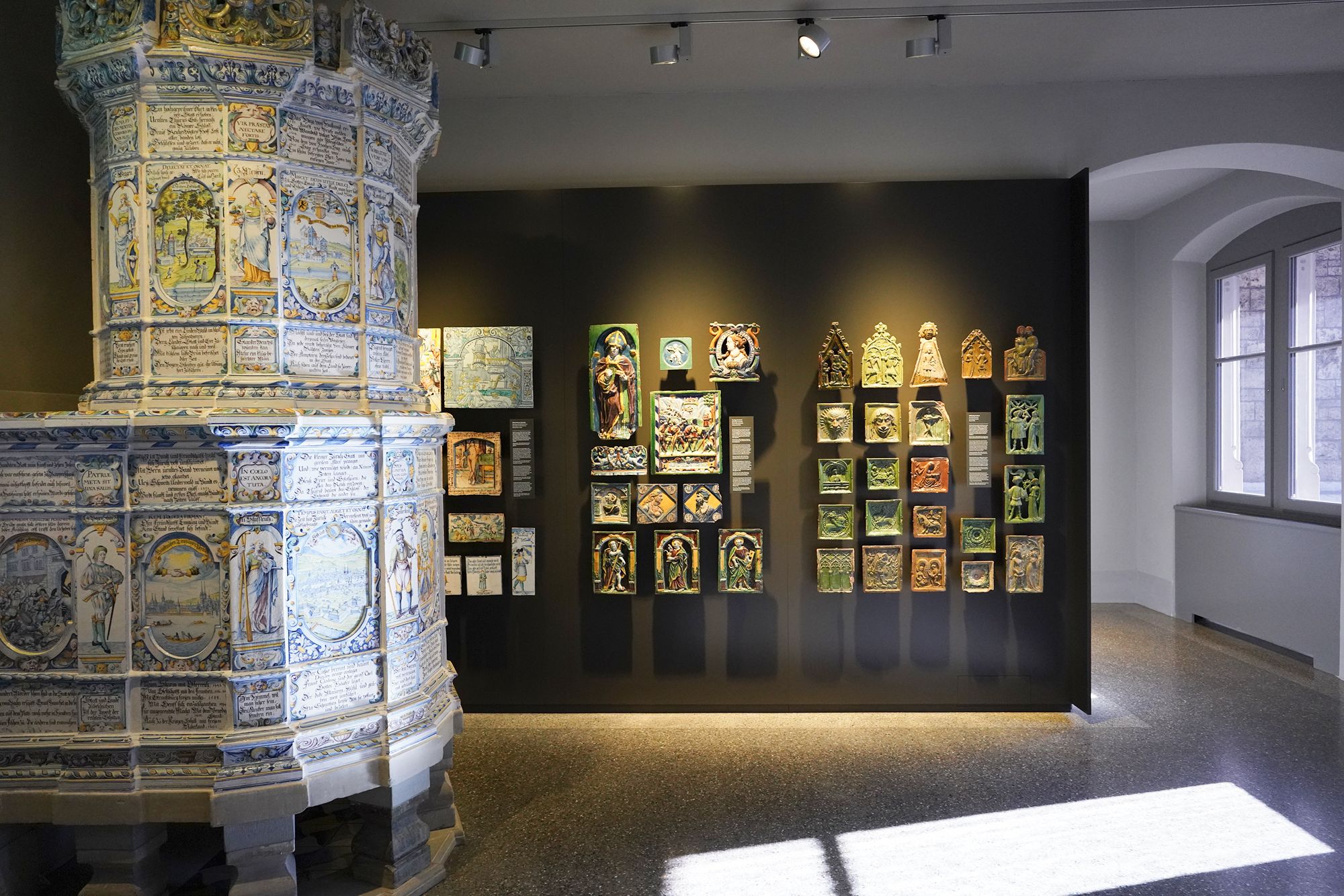
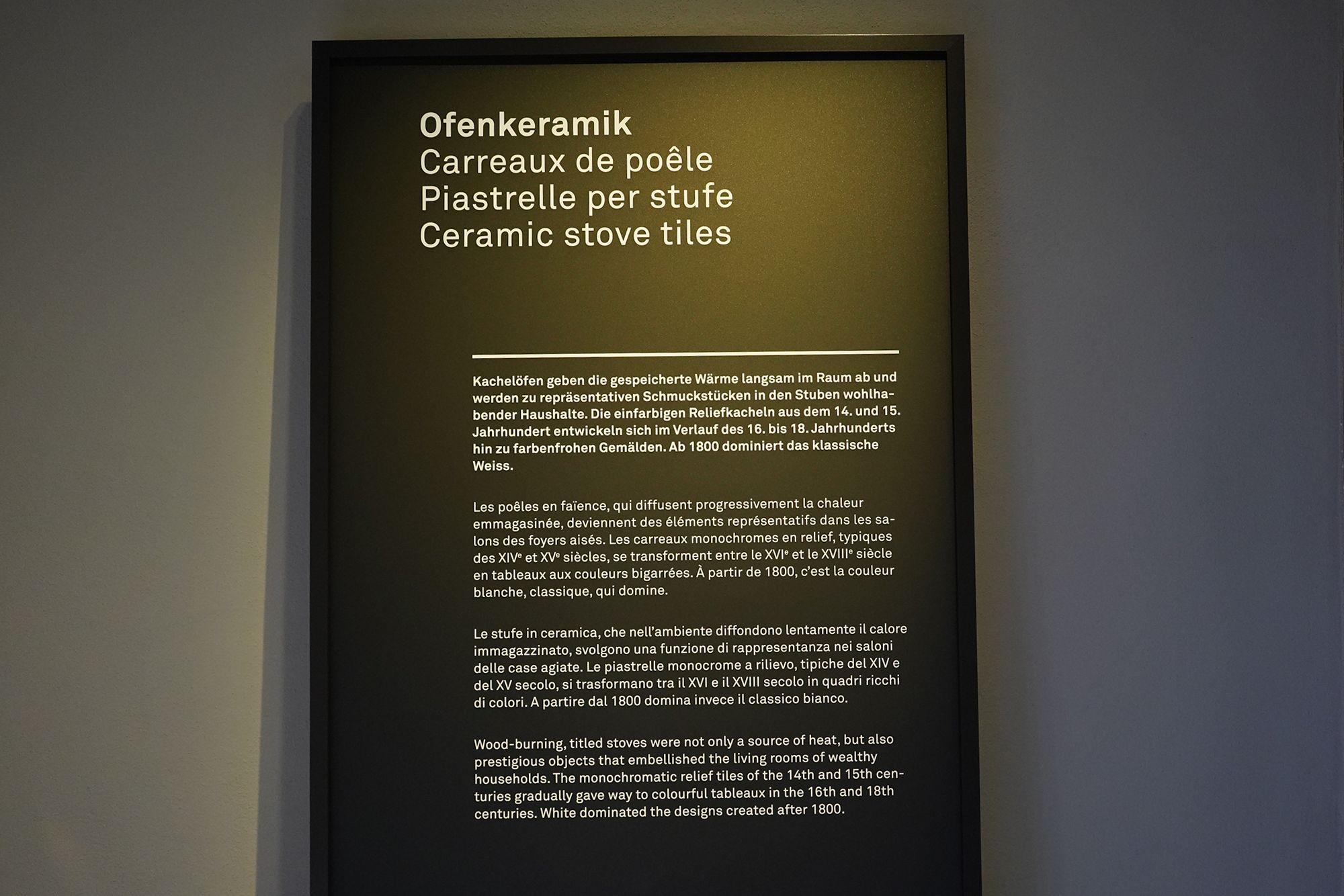
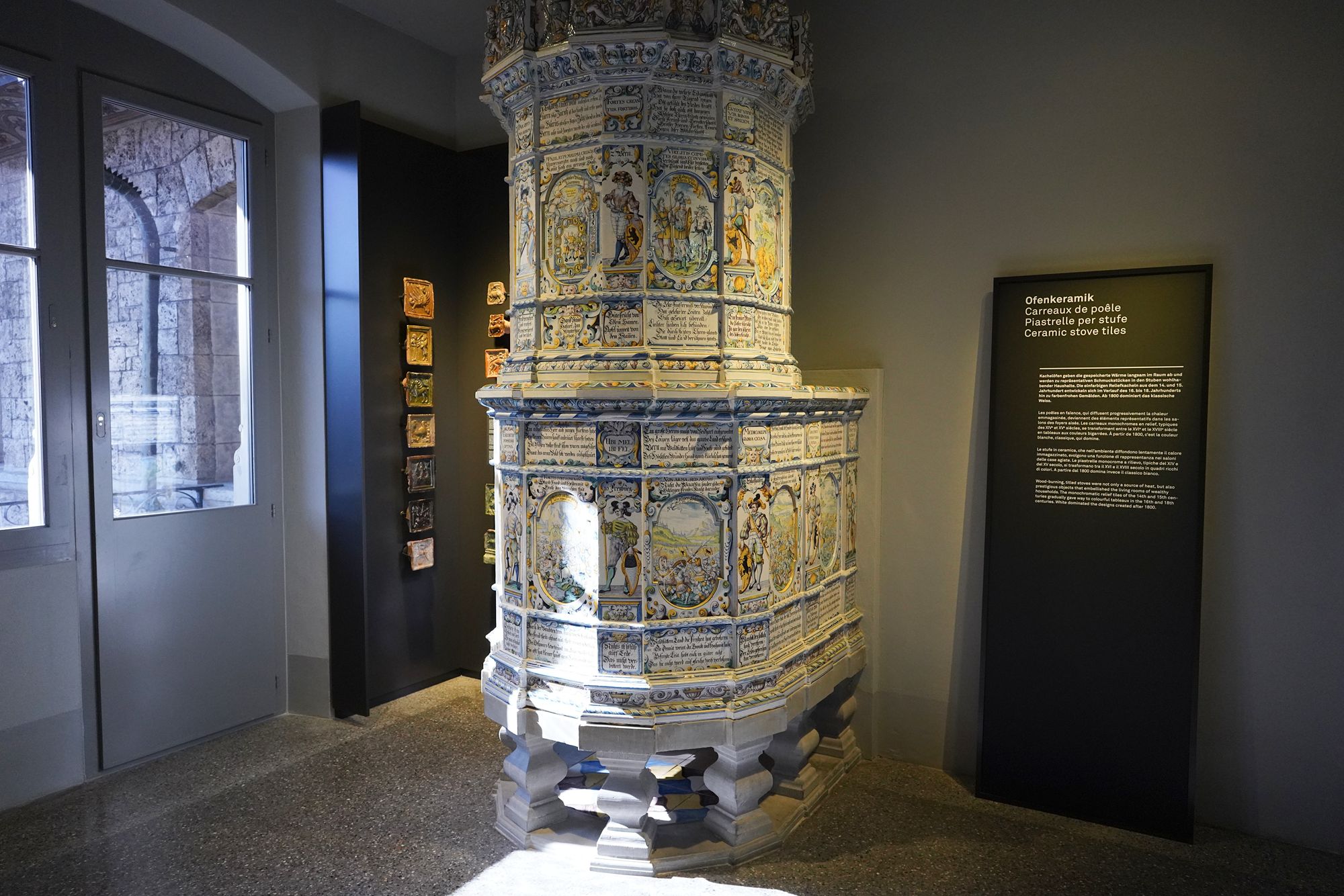
Ceramic stove tiles
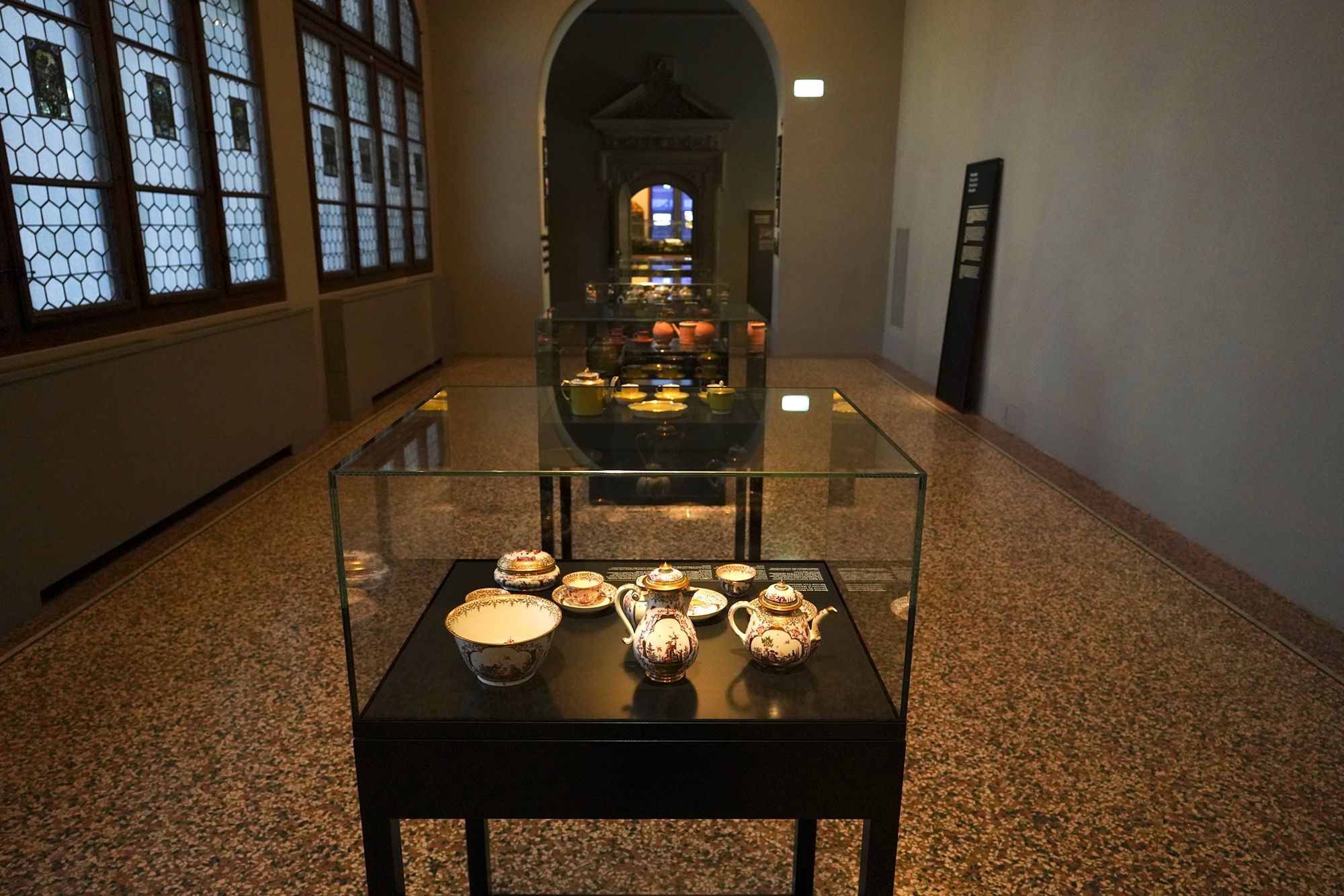
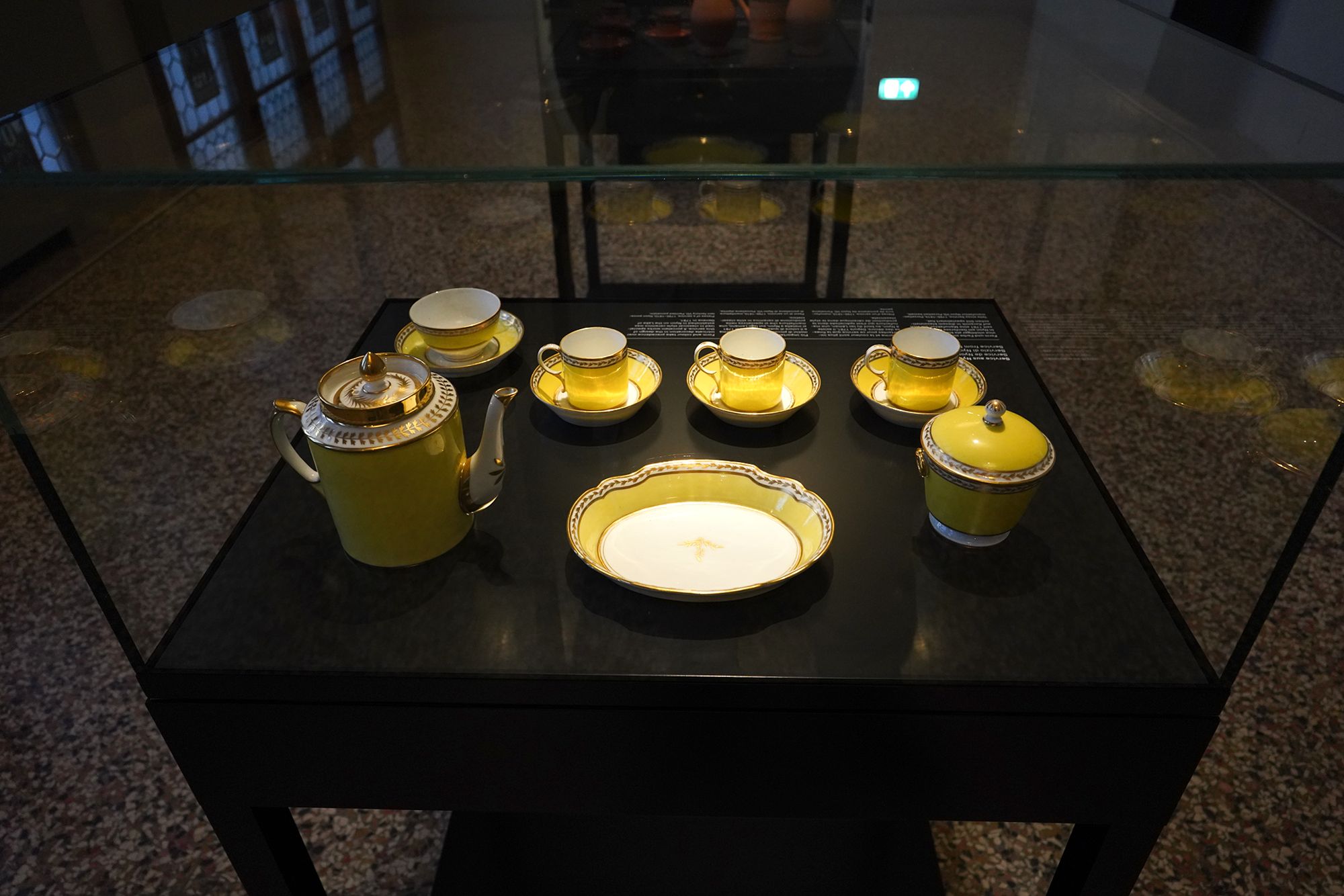
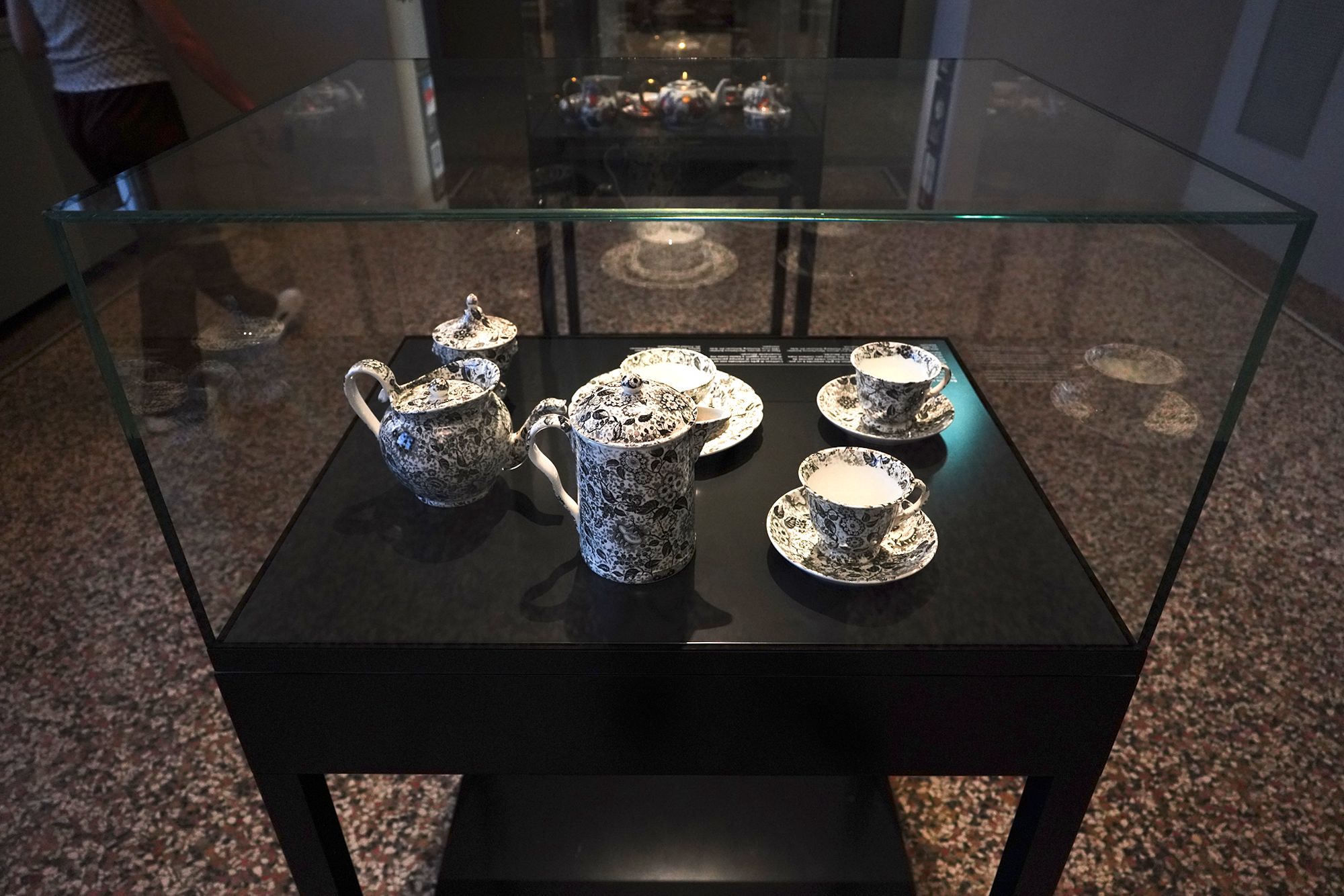
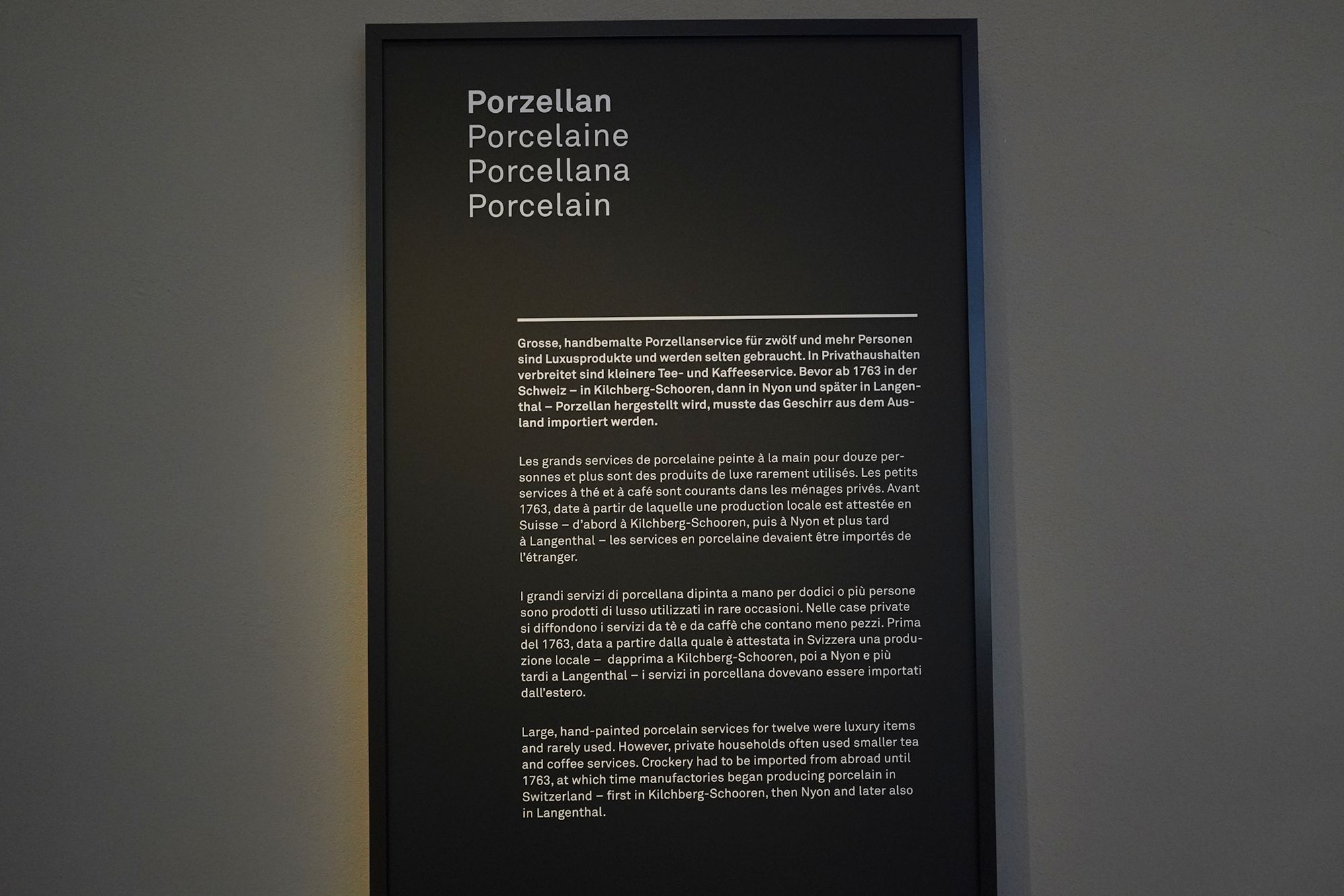
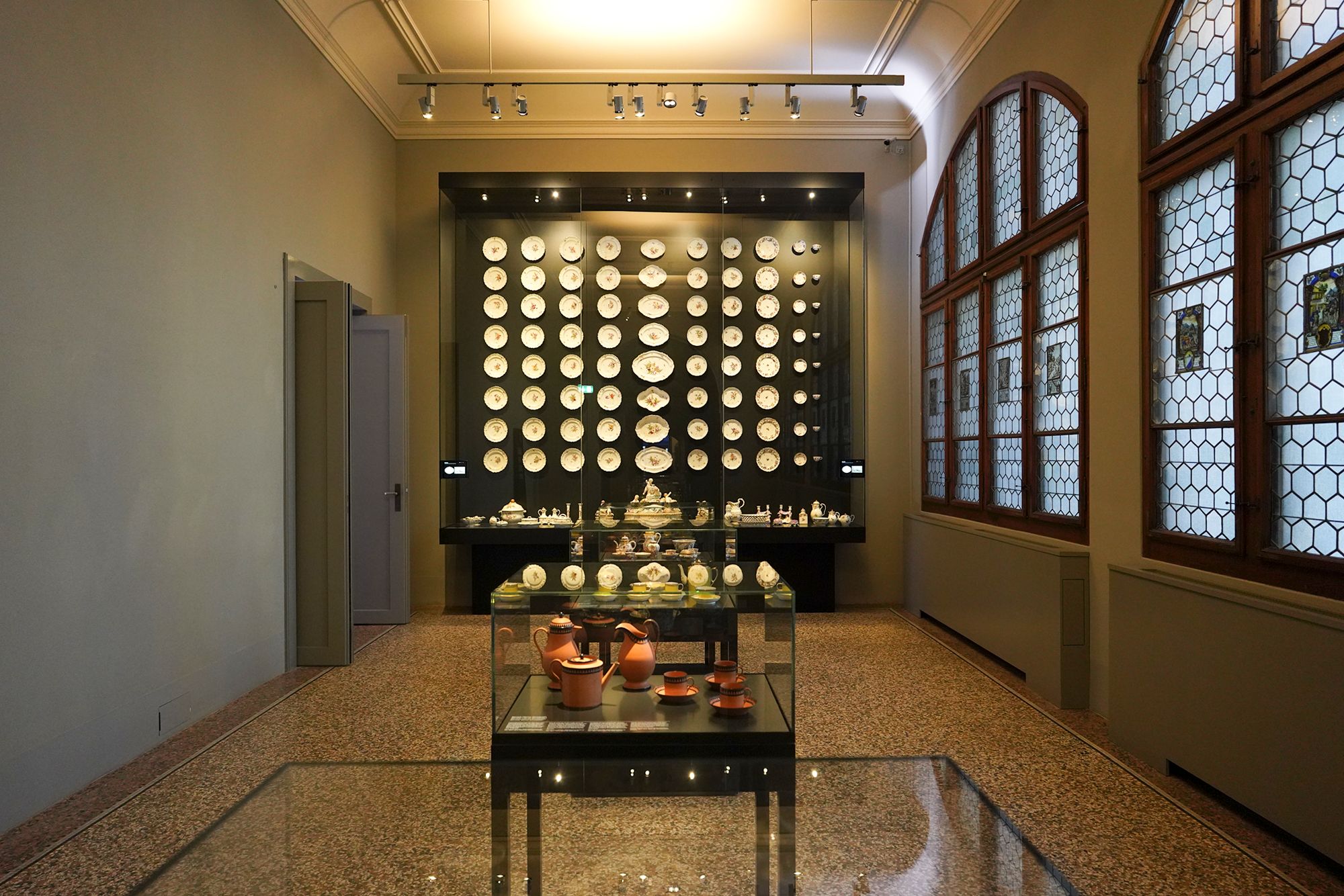
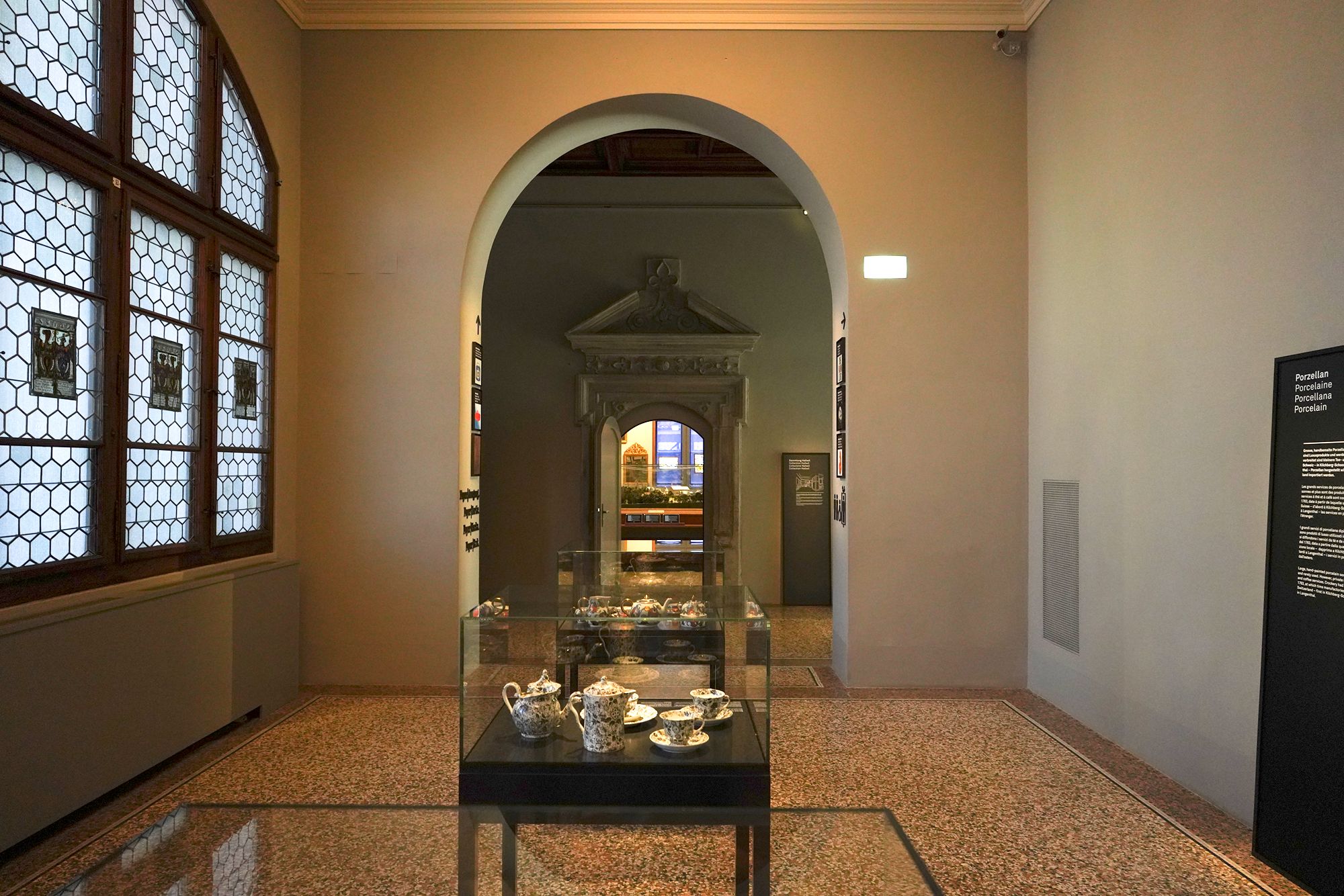
Porcelain
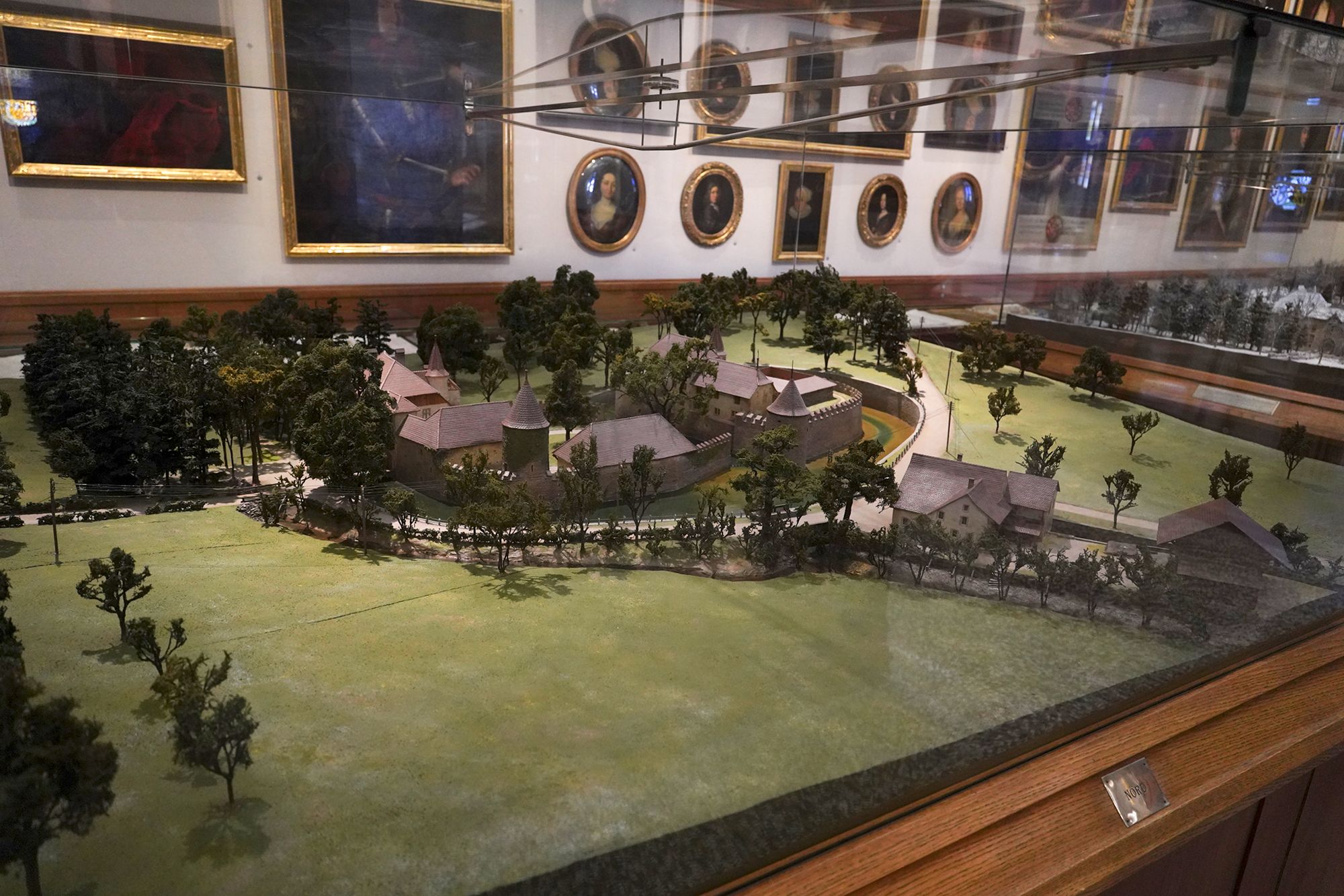
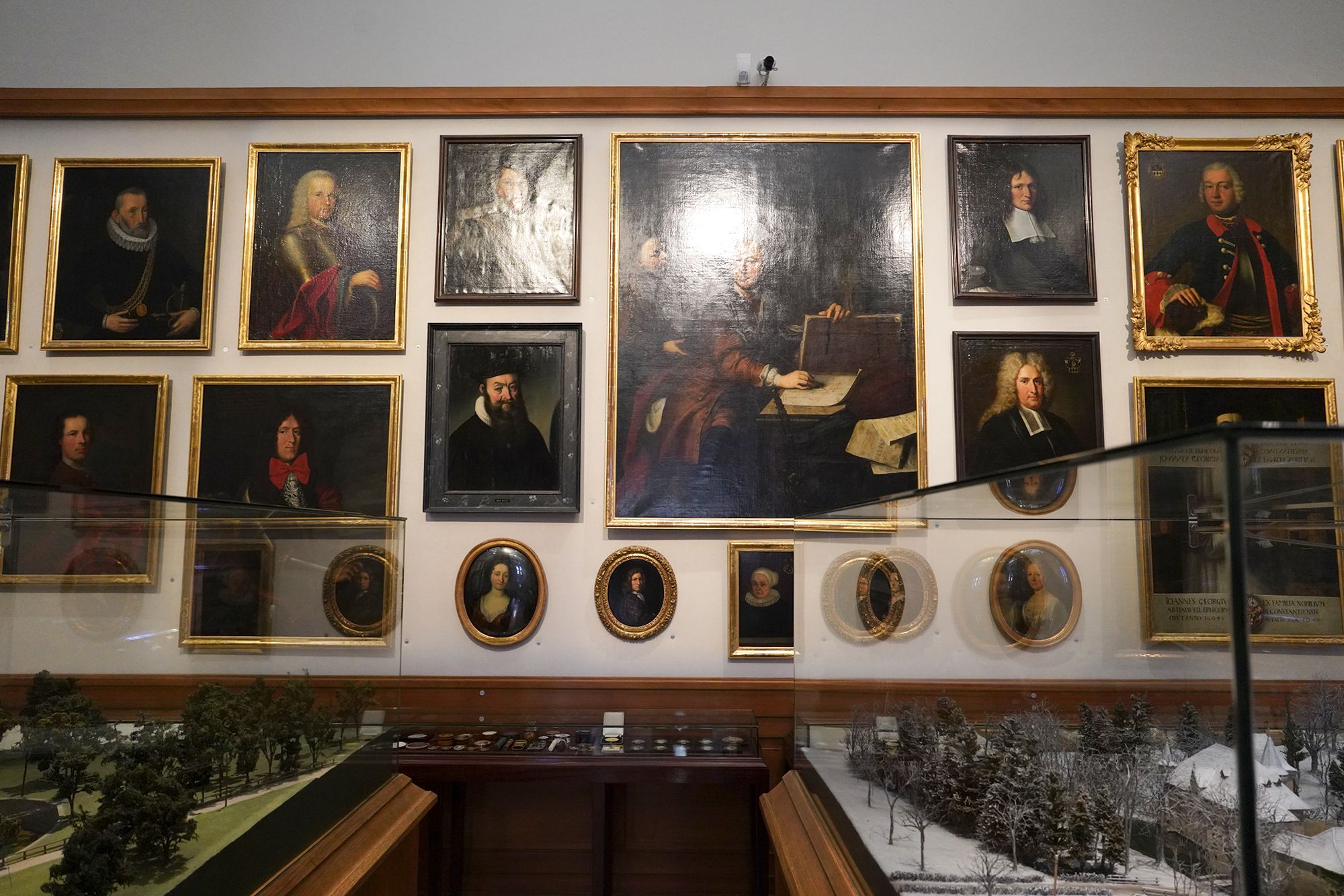
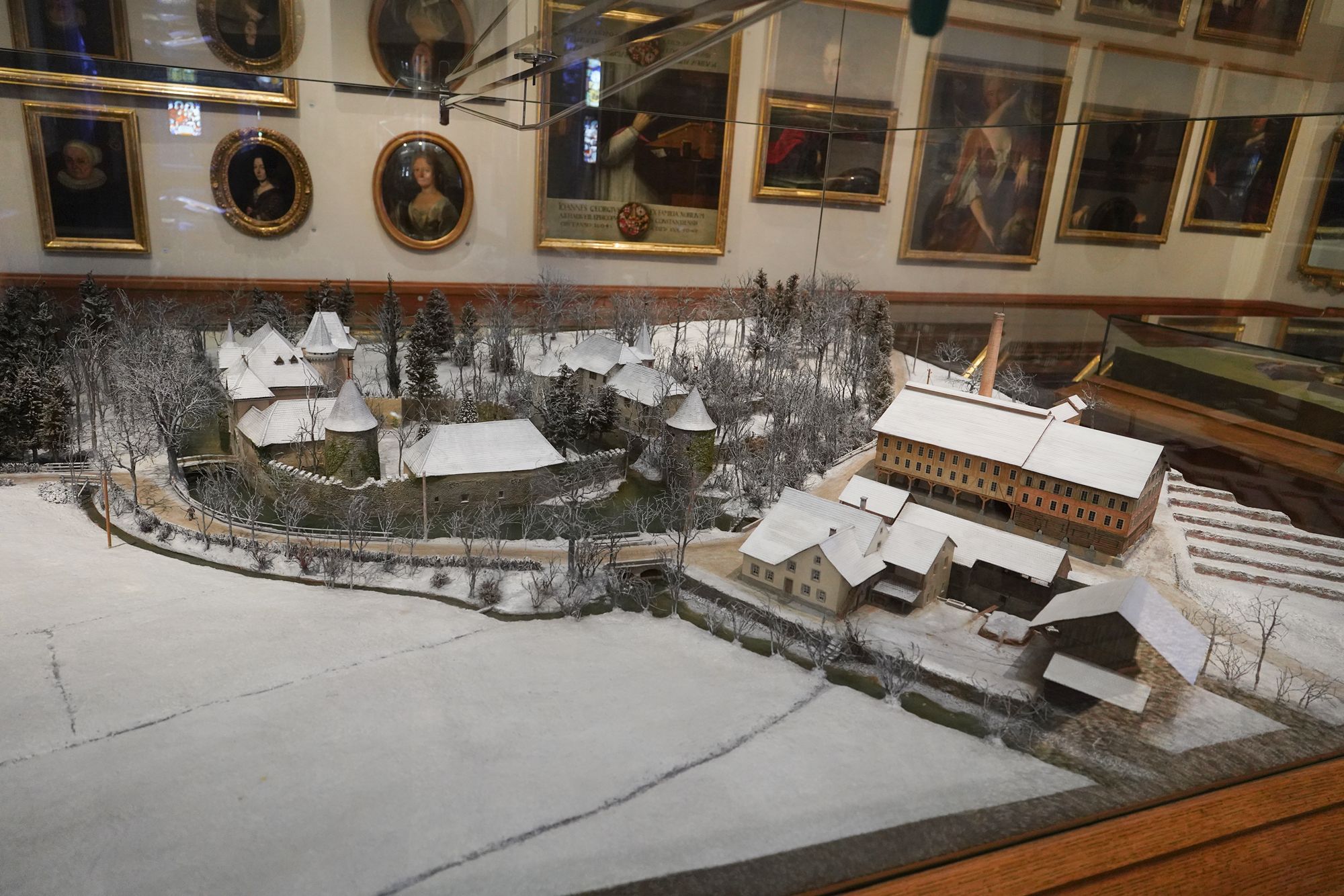
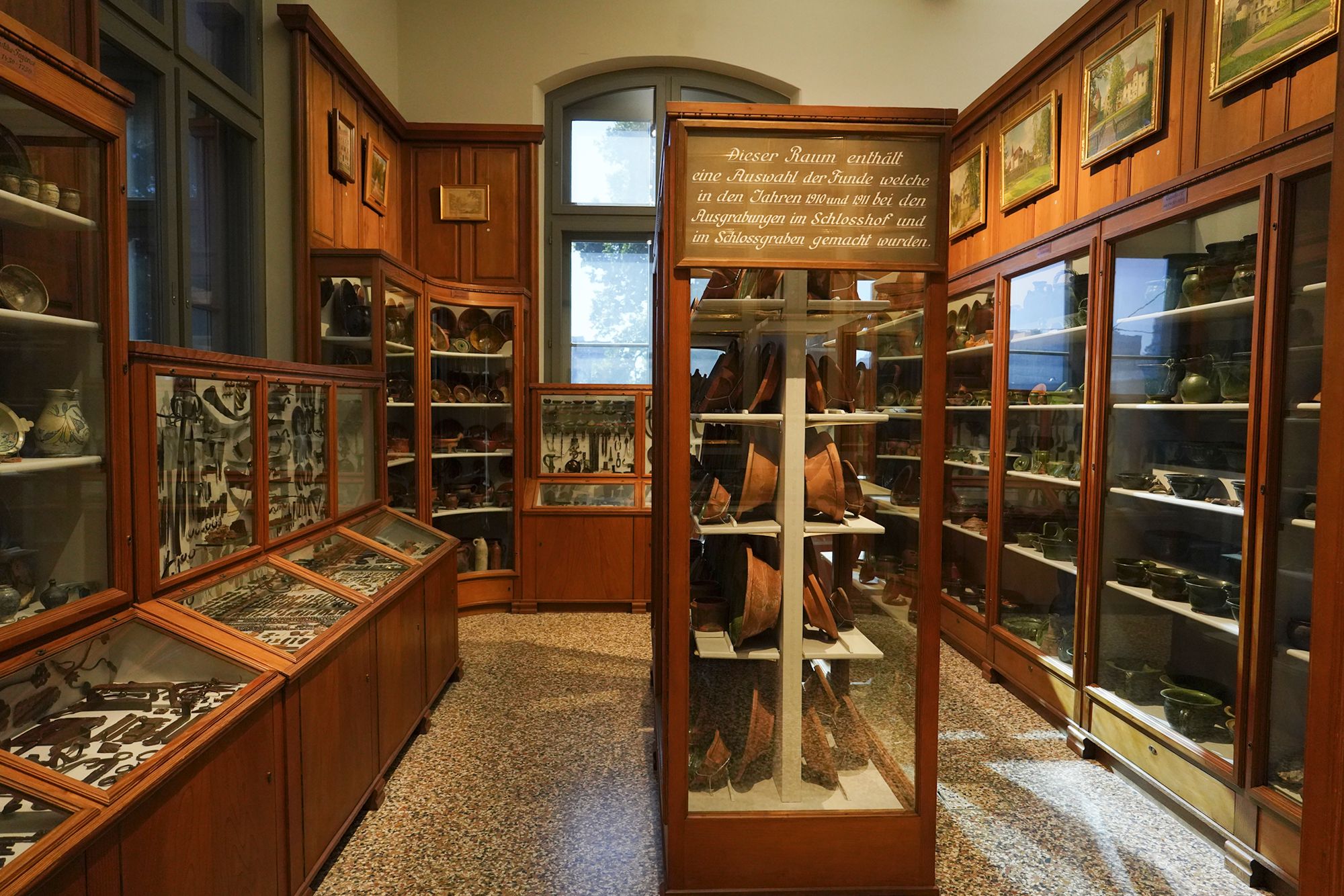
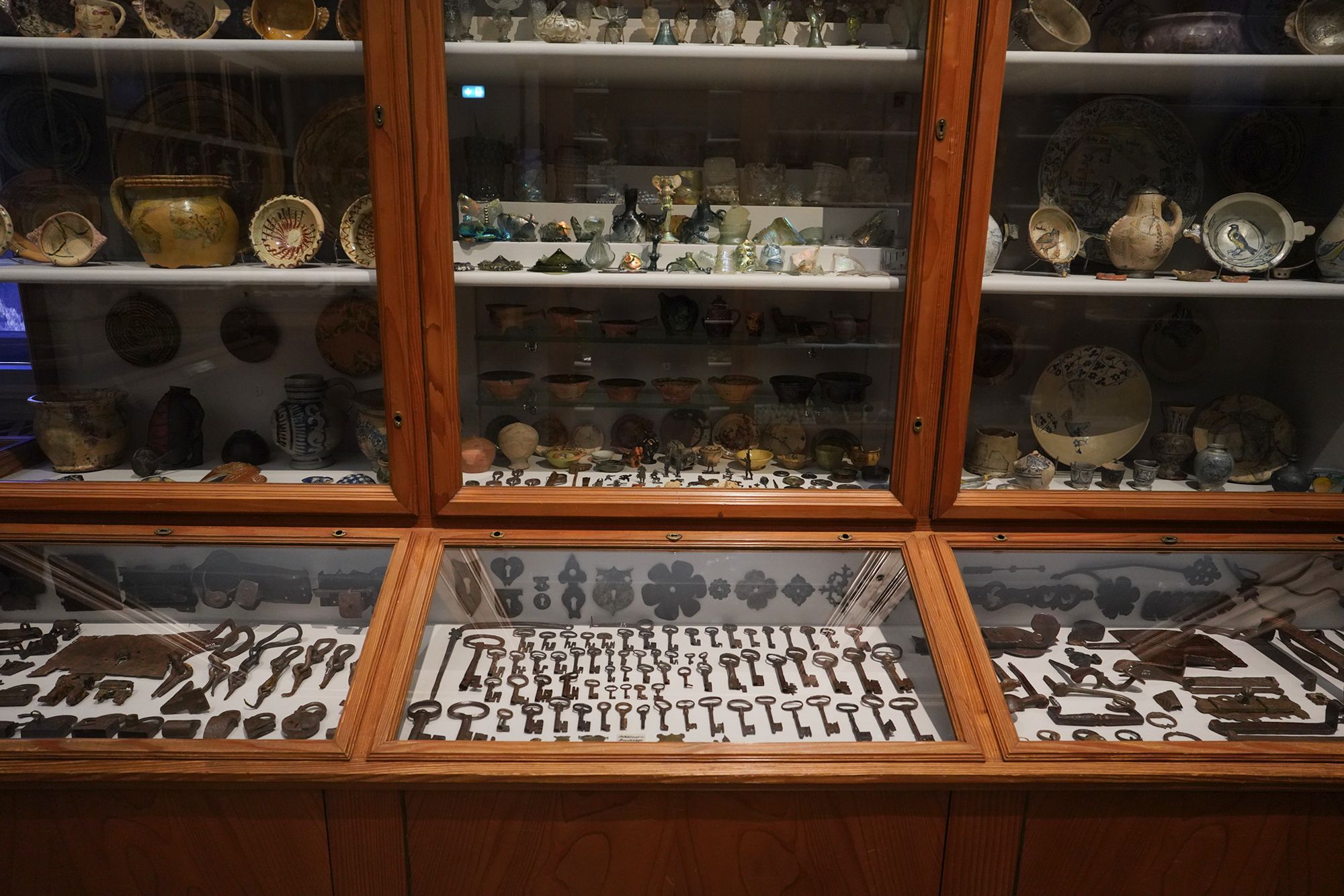
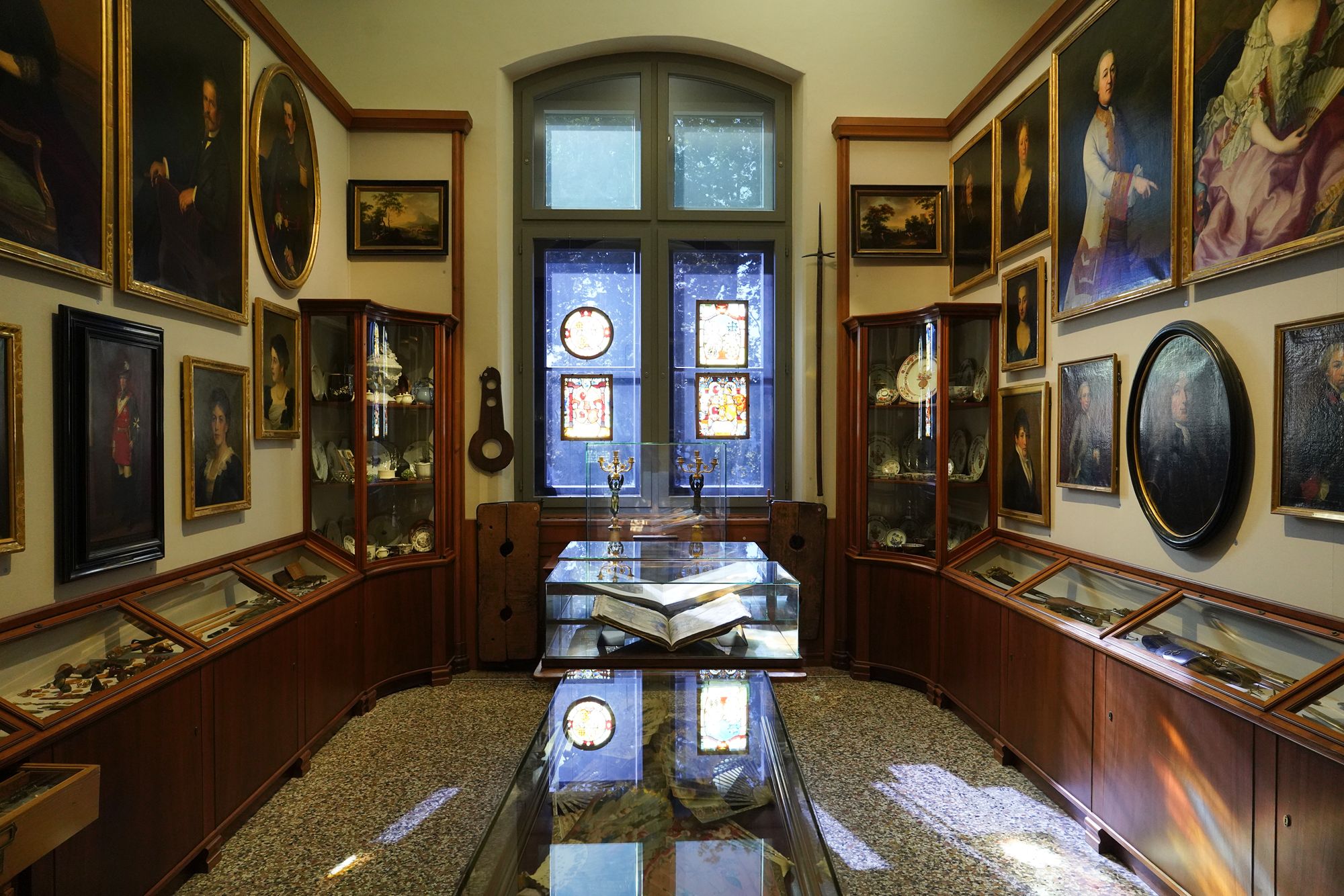
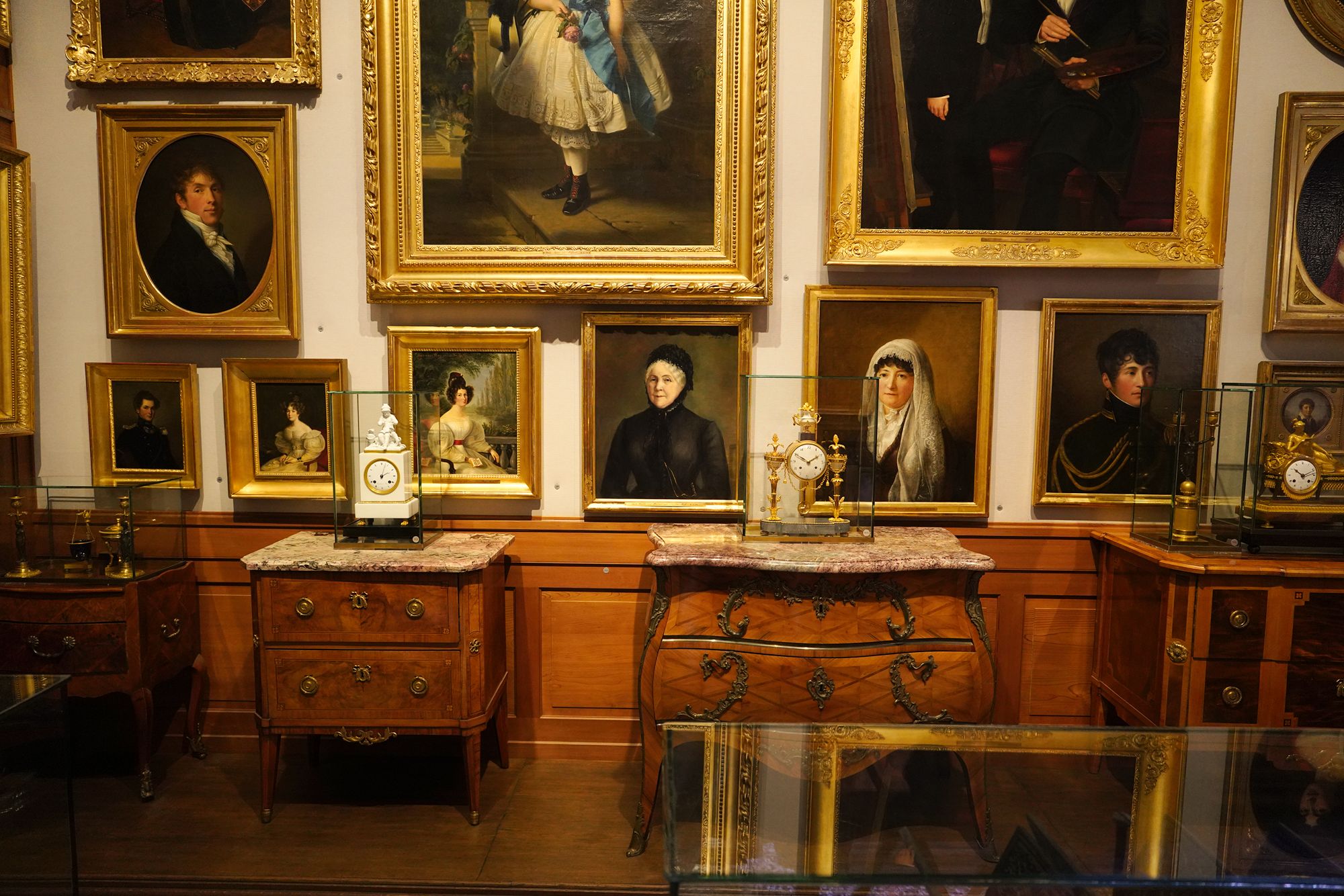
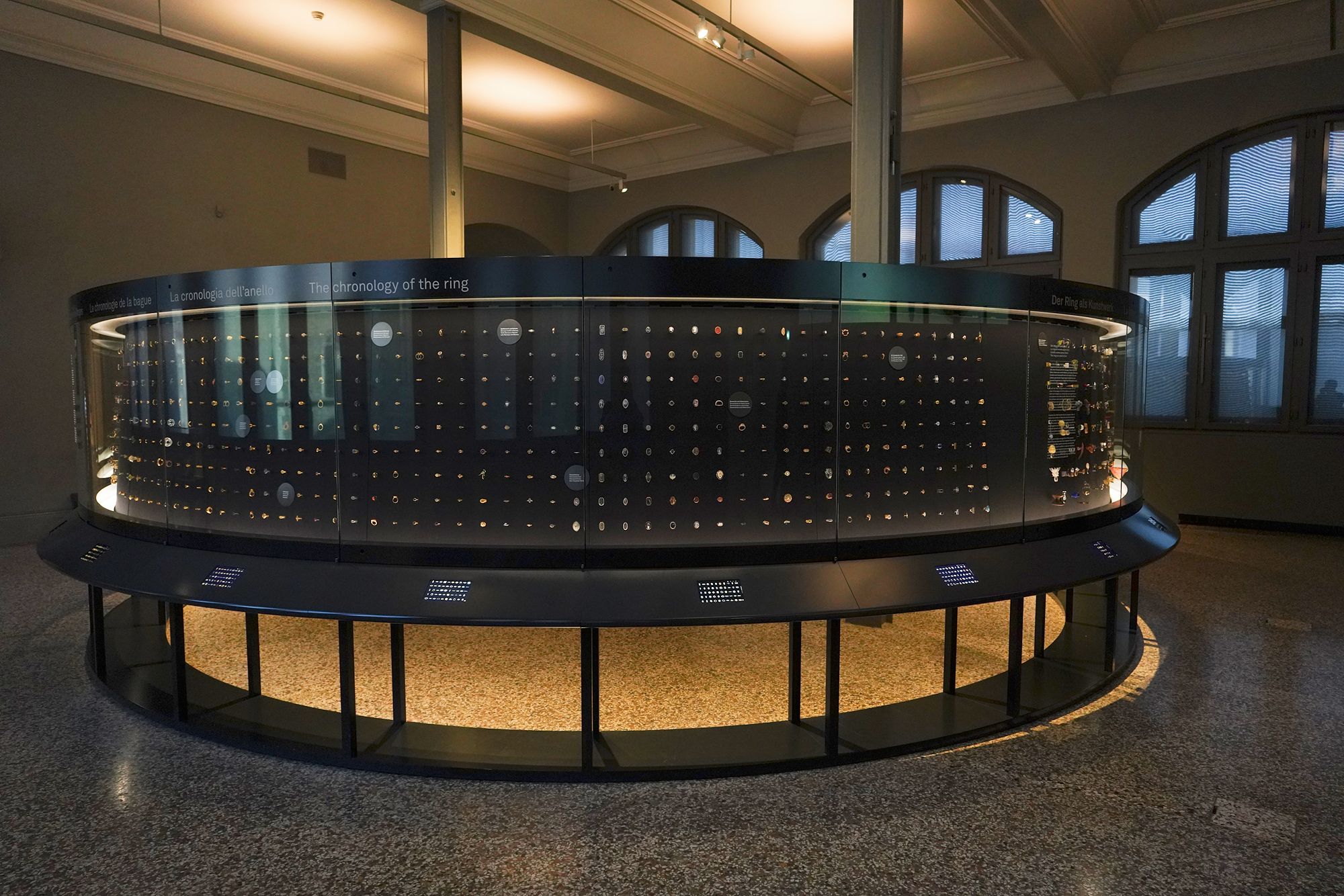
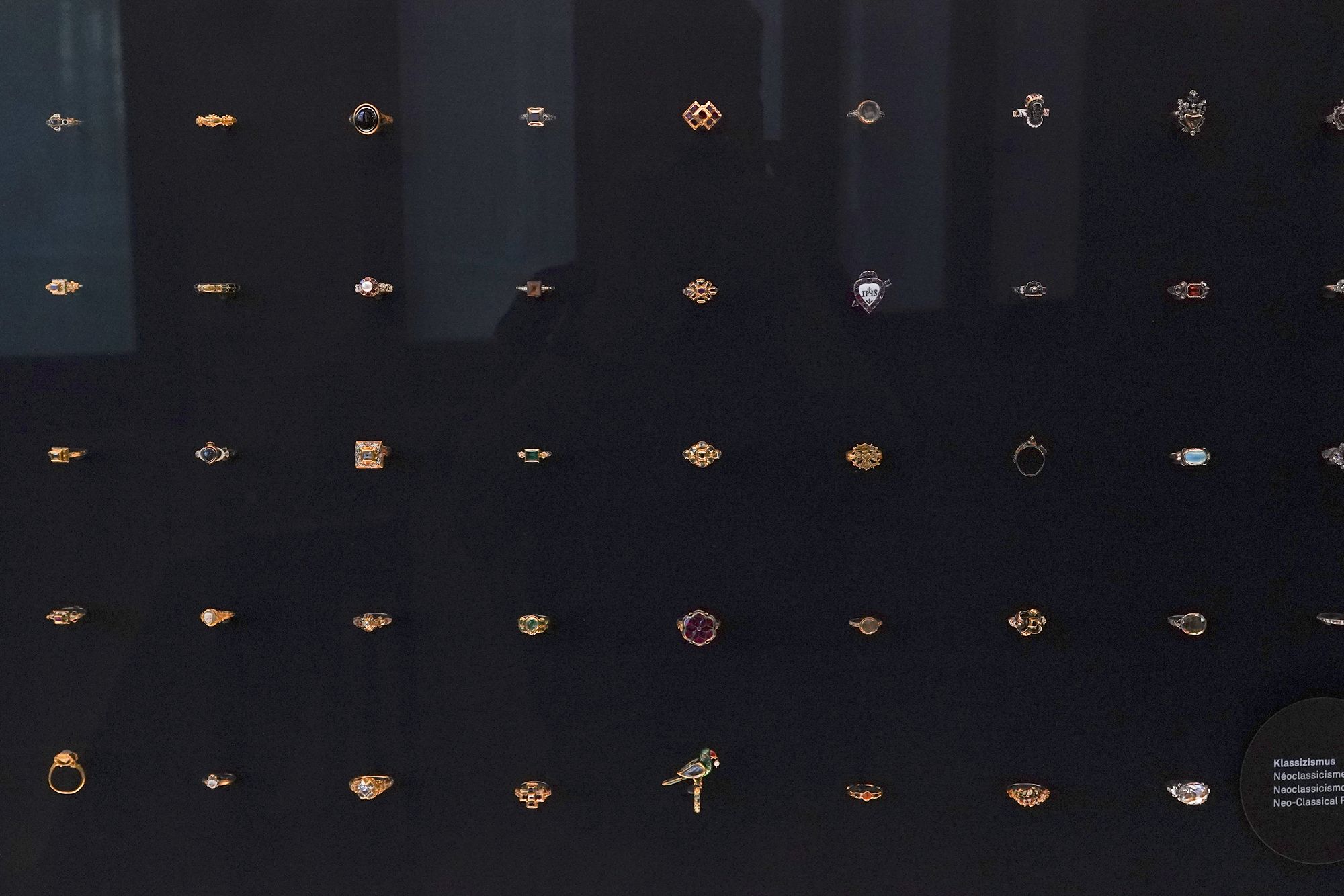
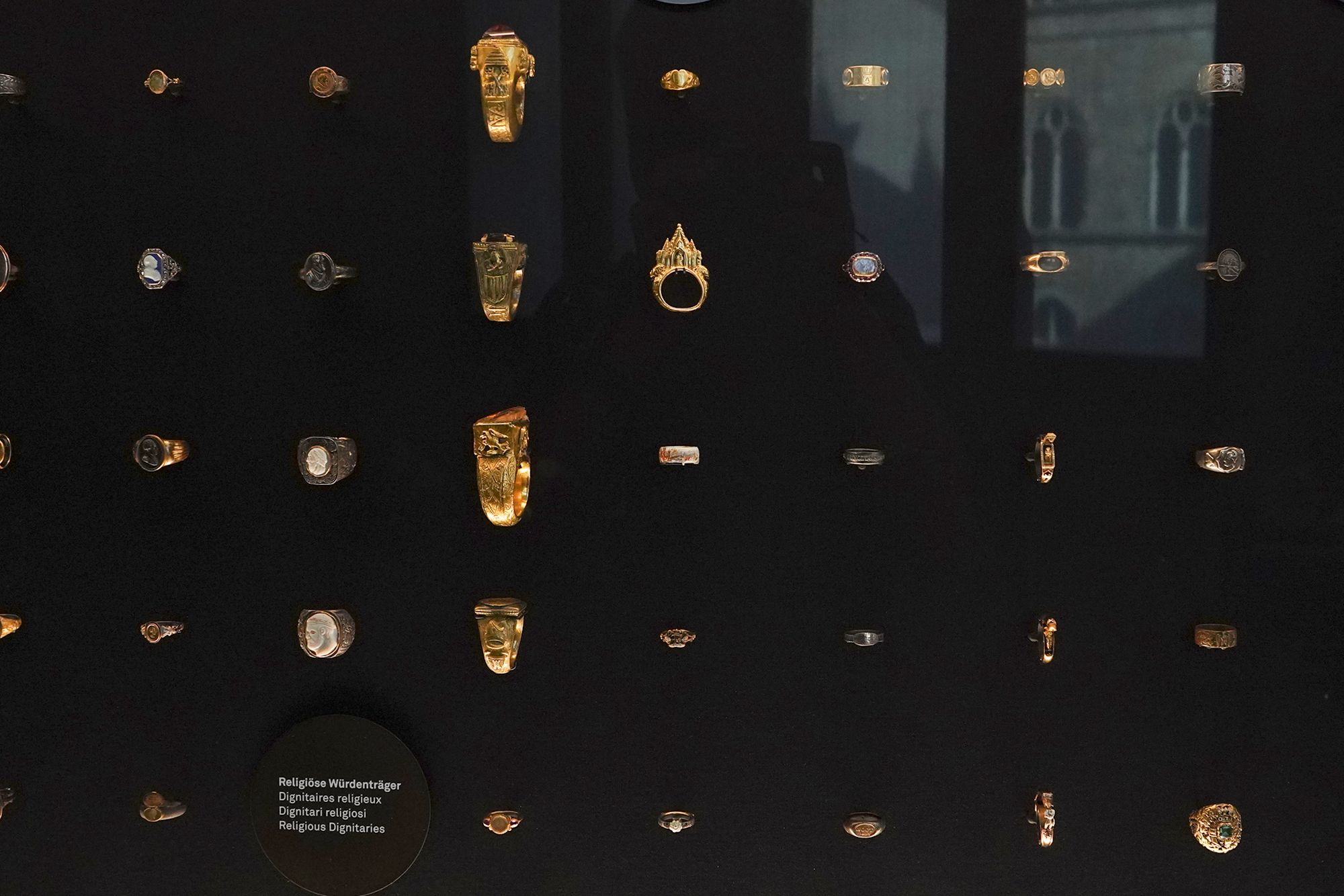
The chronology of the ring
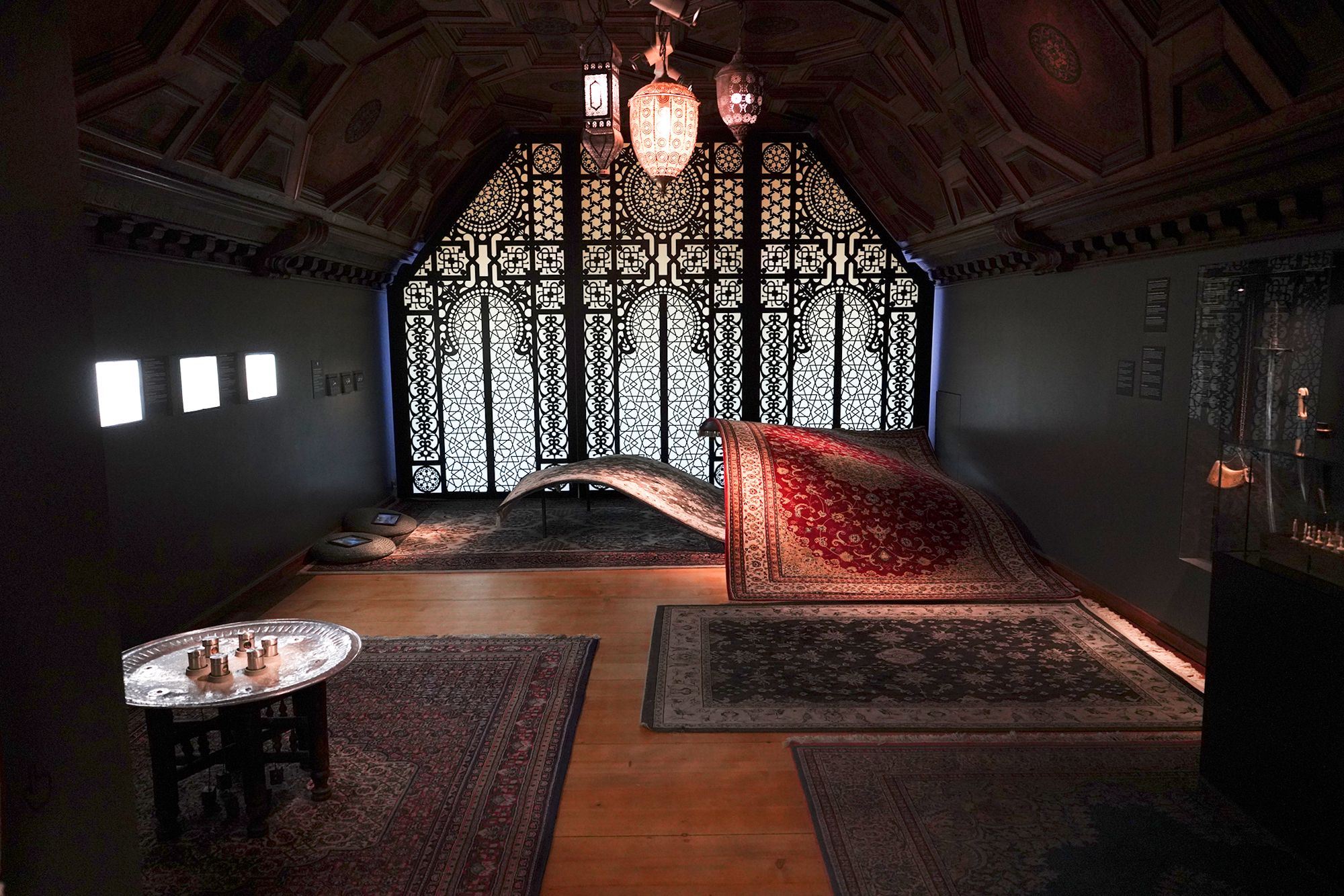
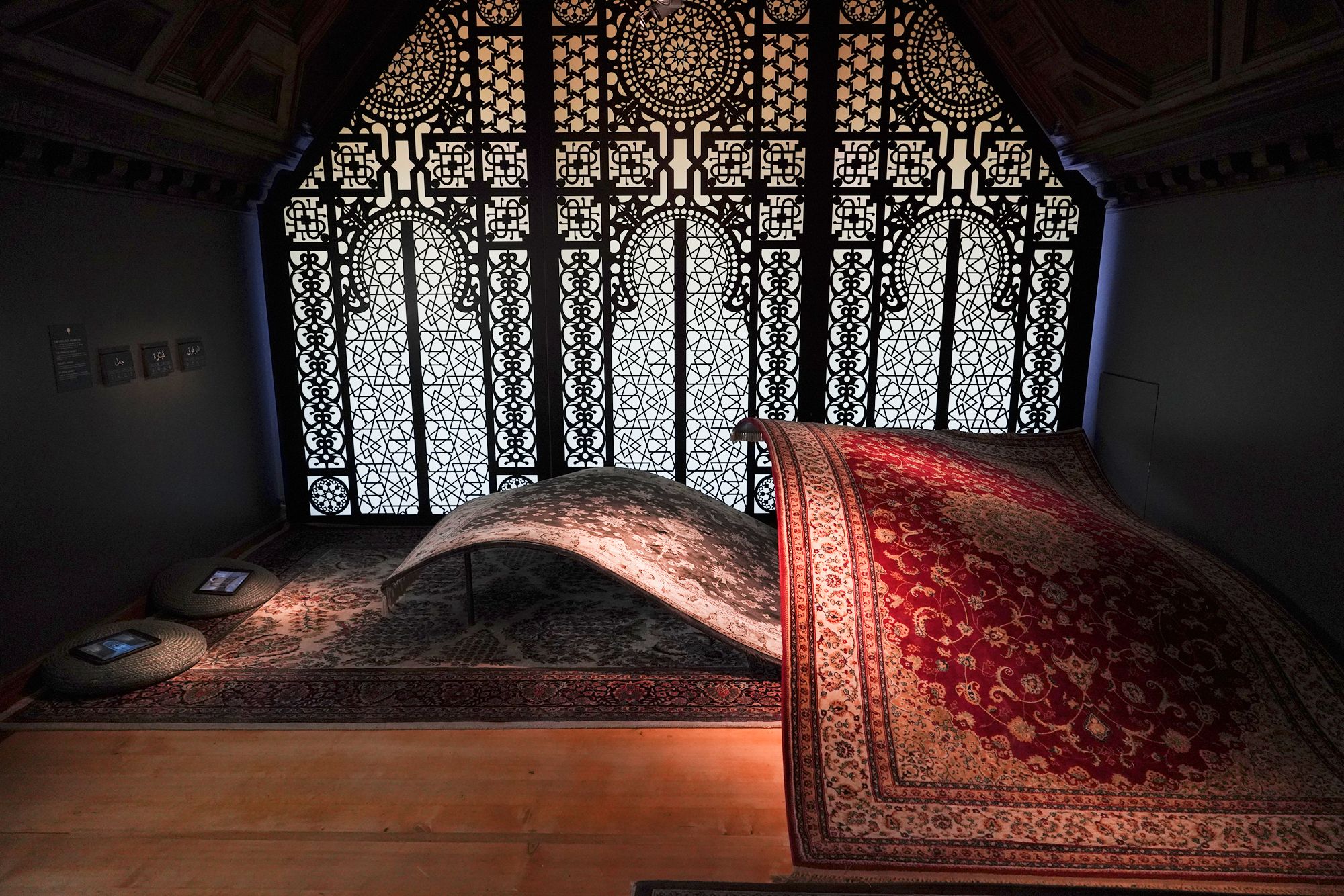
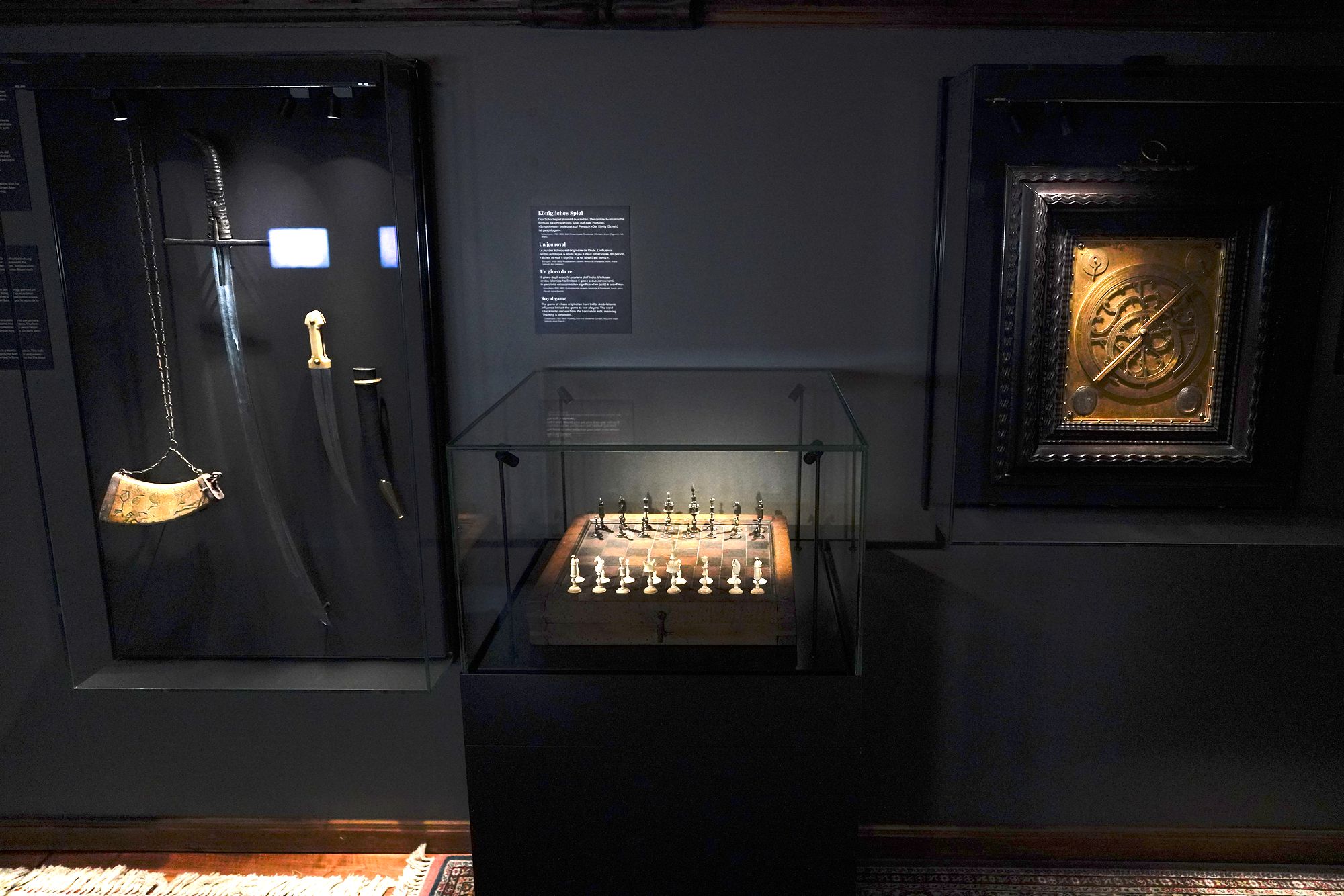
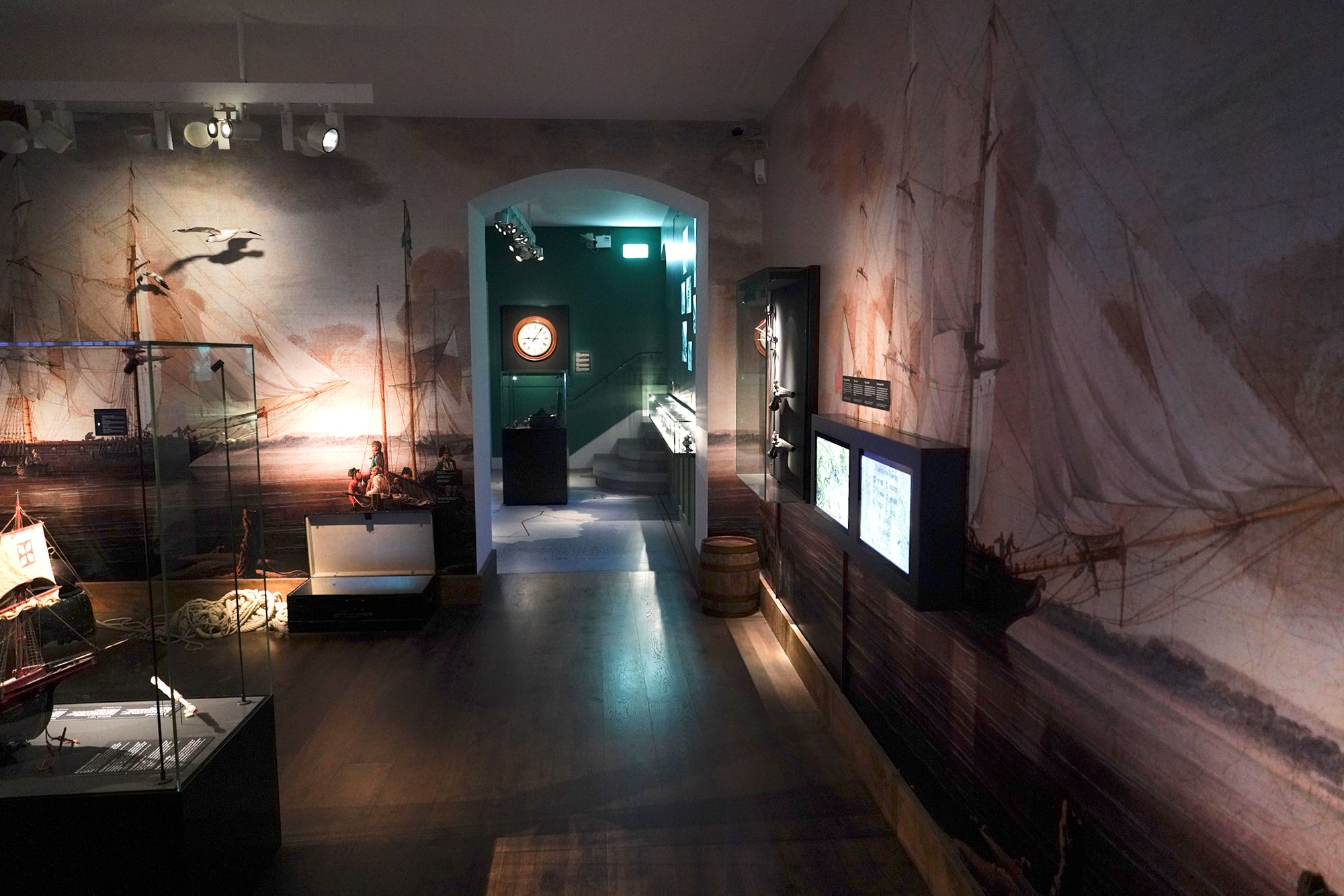
This display explains how improved sailing ships opened ocean routes from the 15th century onward. Those voyages expanded trade in goods such as spices, tea, coffee, and sugar, while also carrying enslaved people across the oceans.
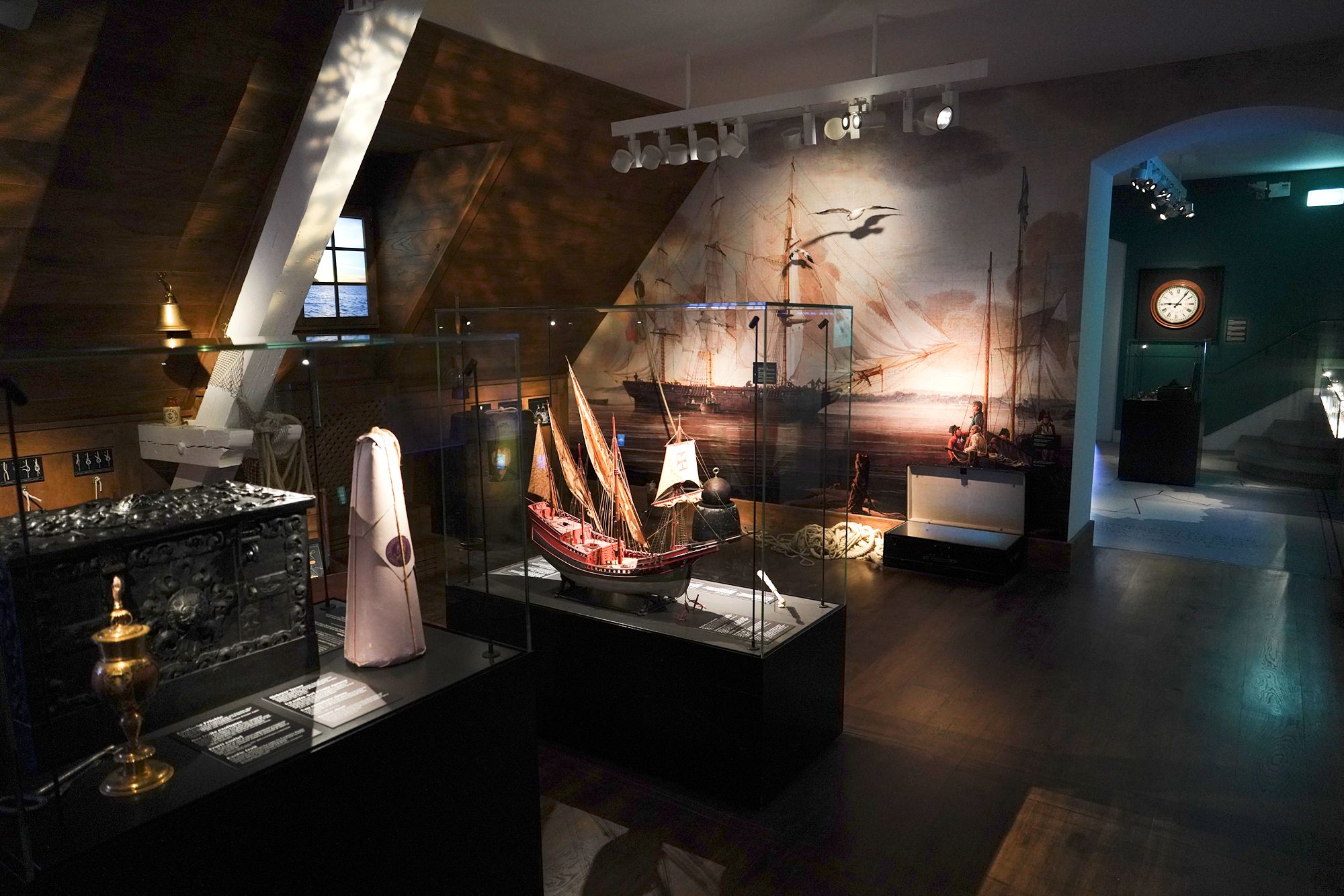
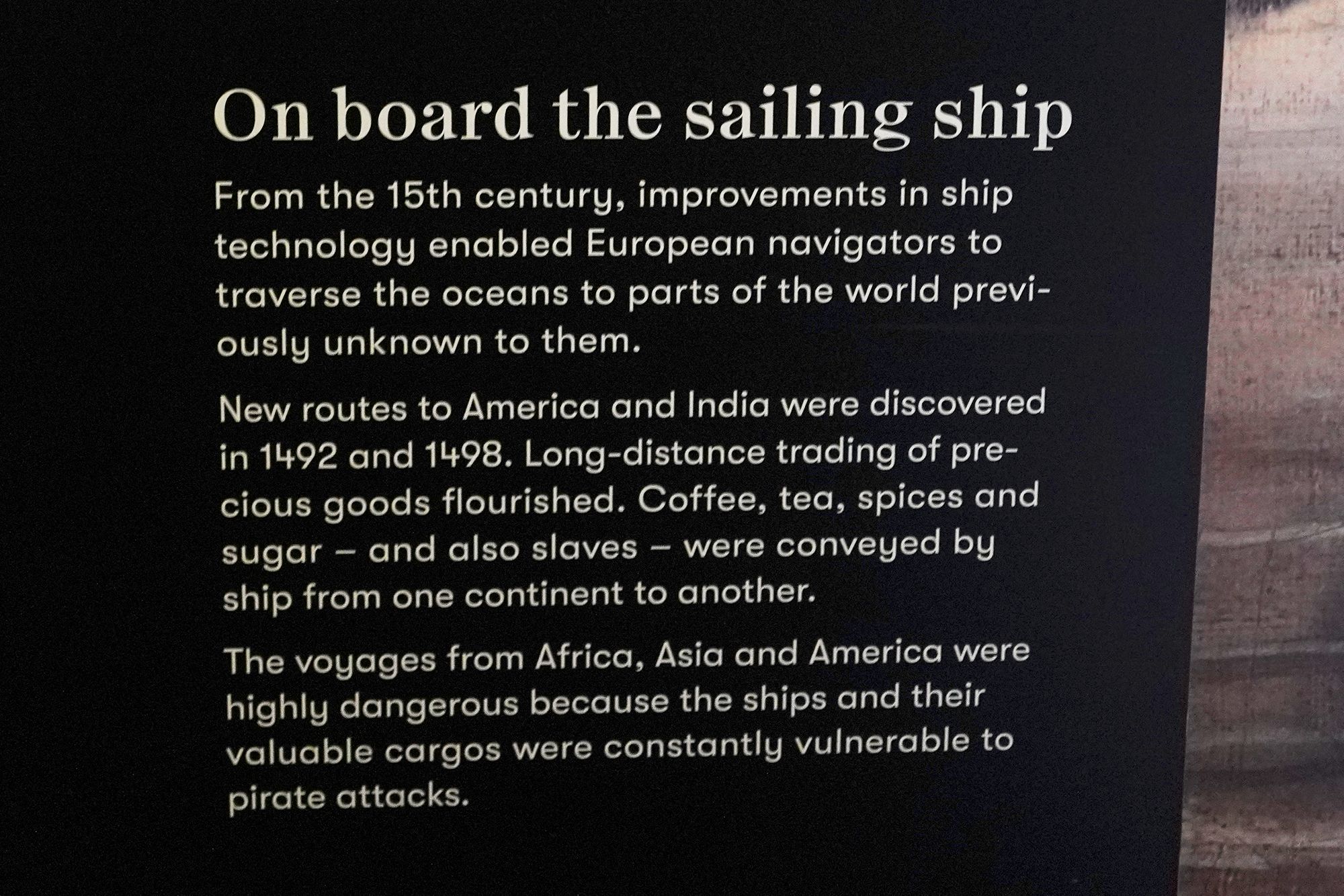
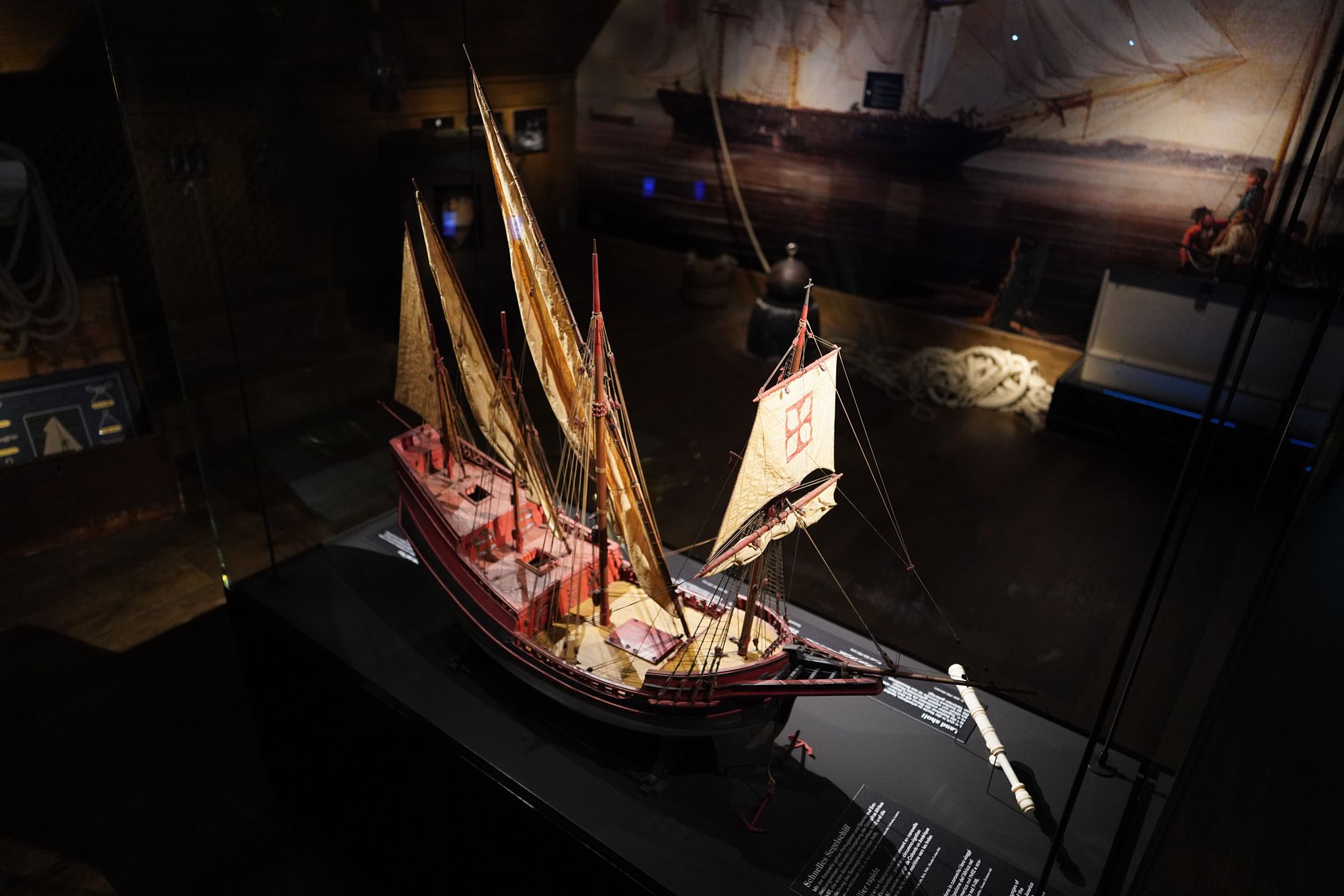
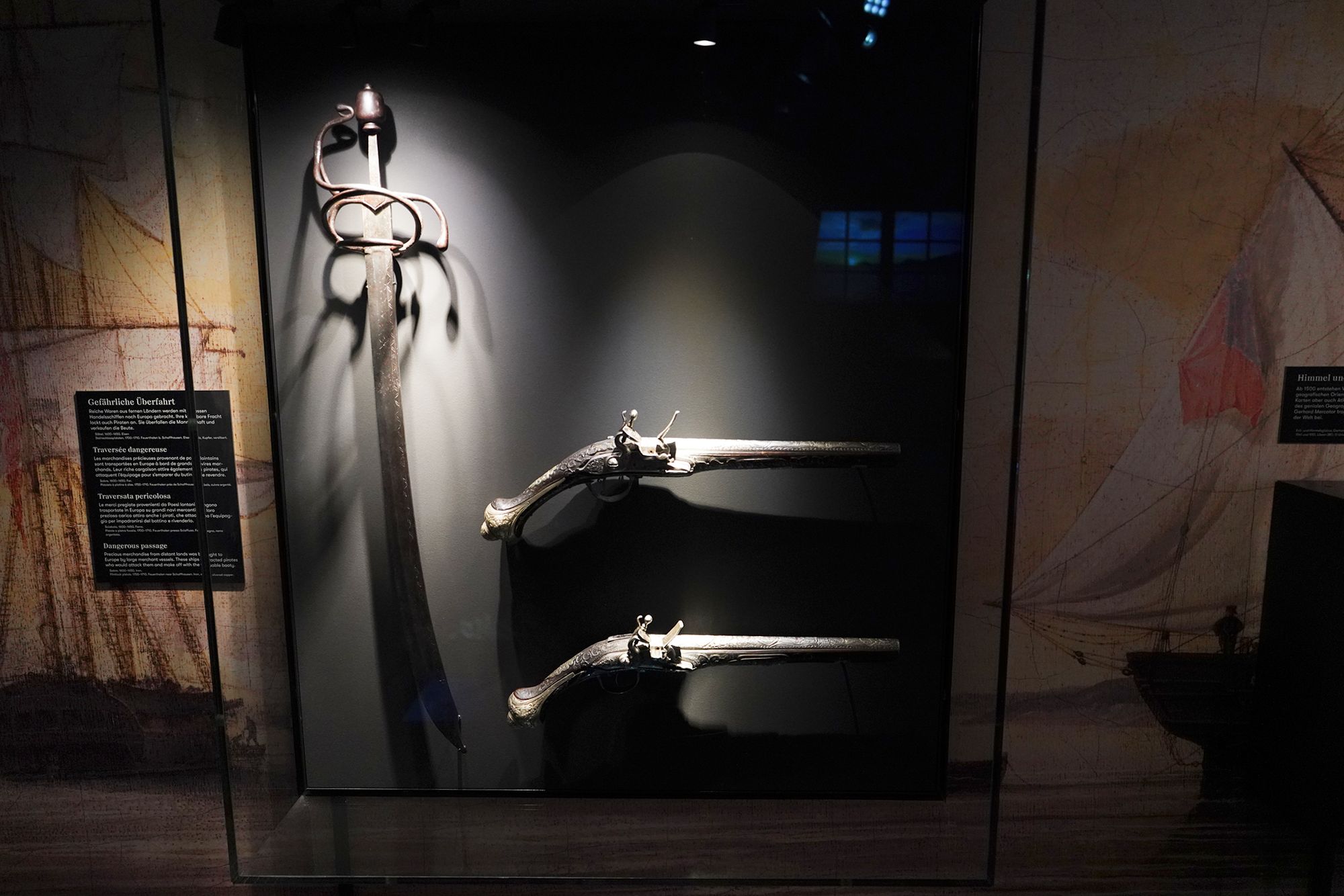
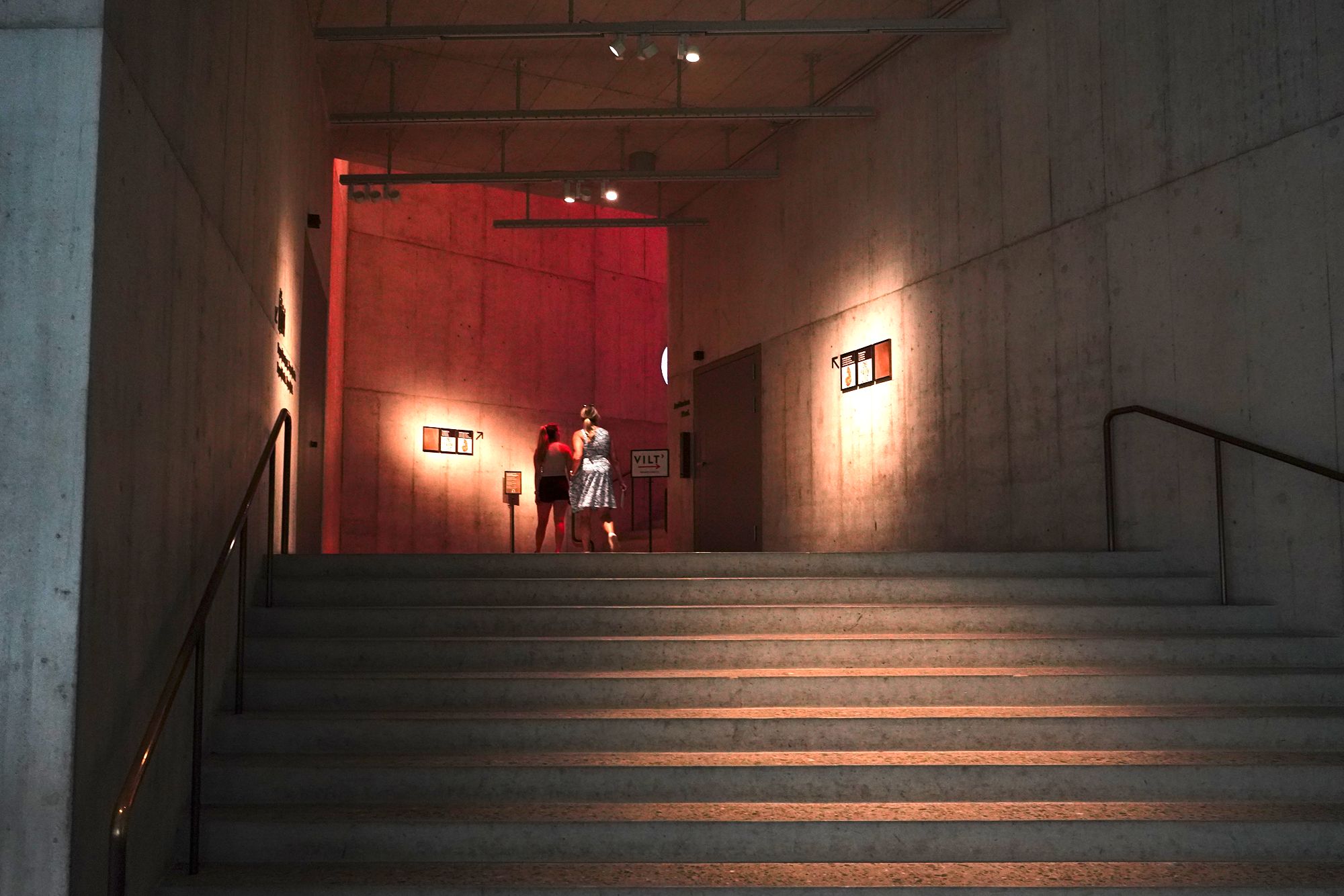
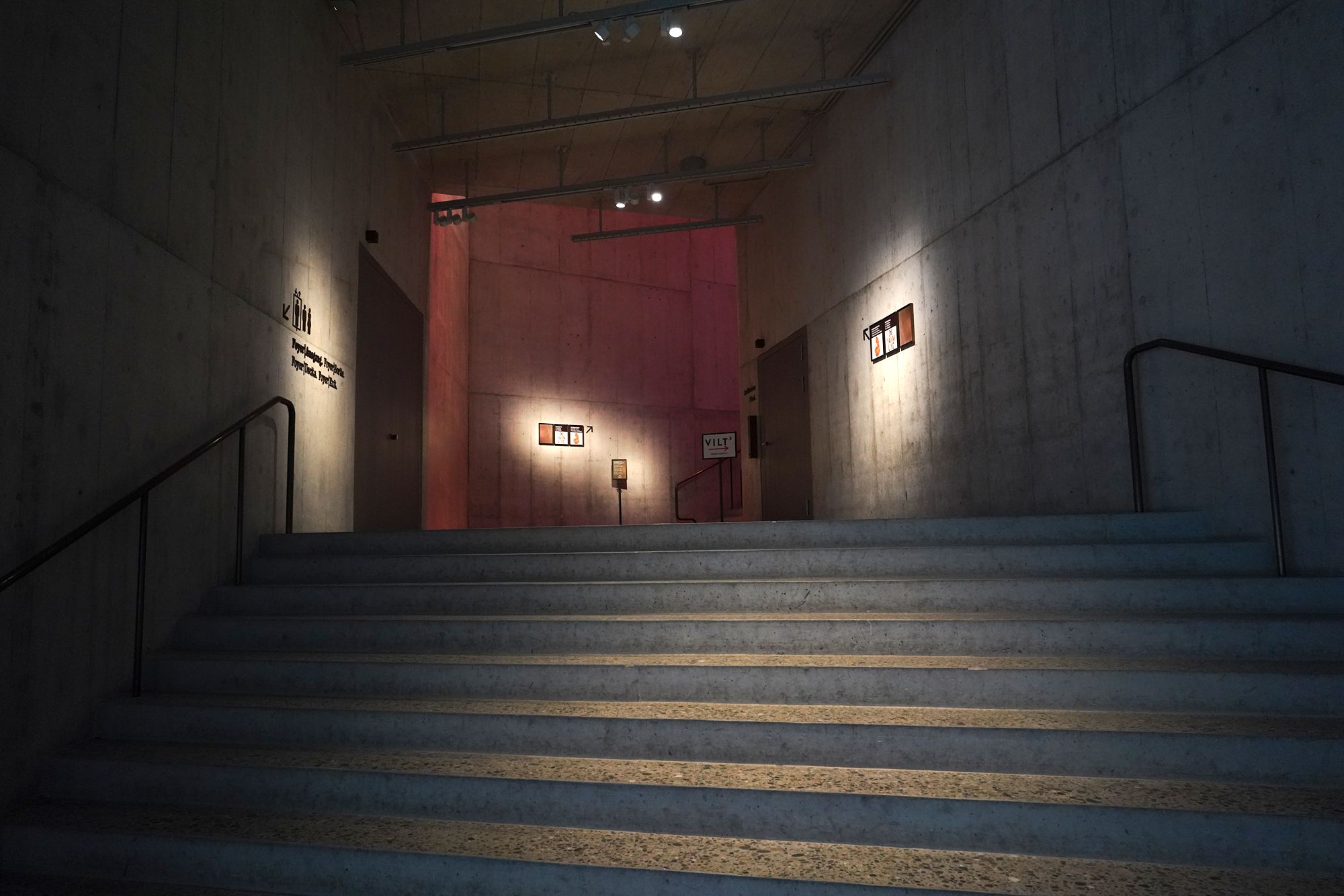
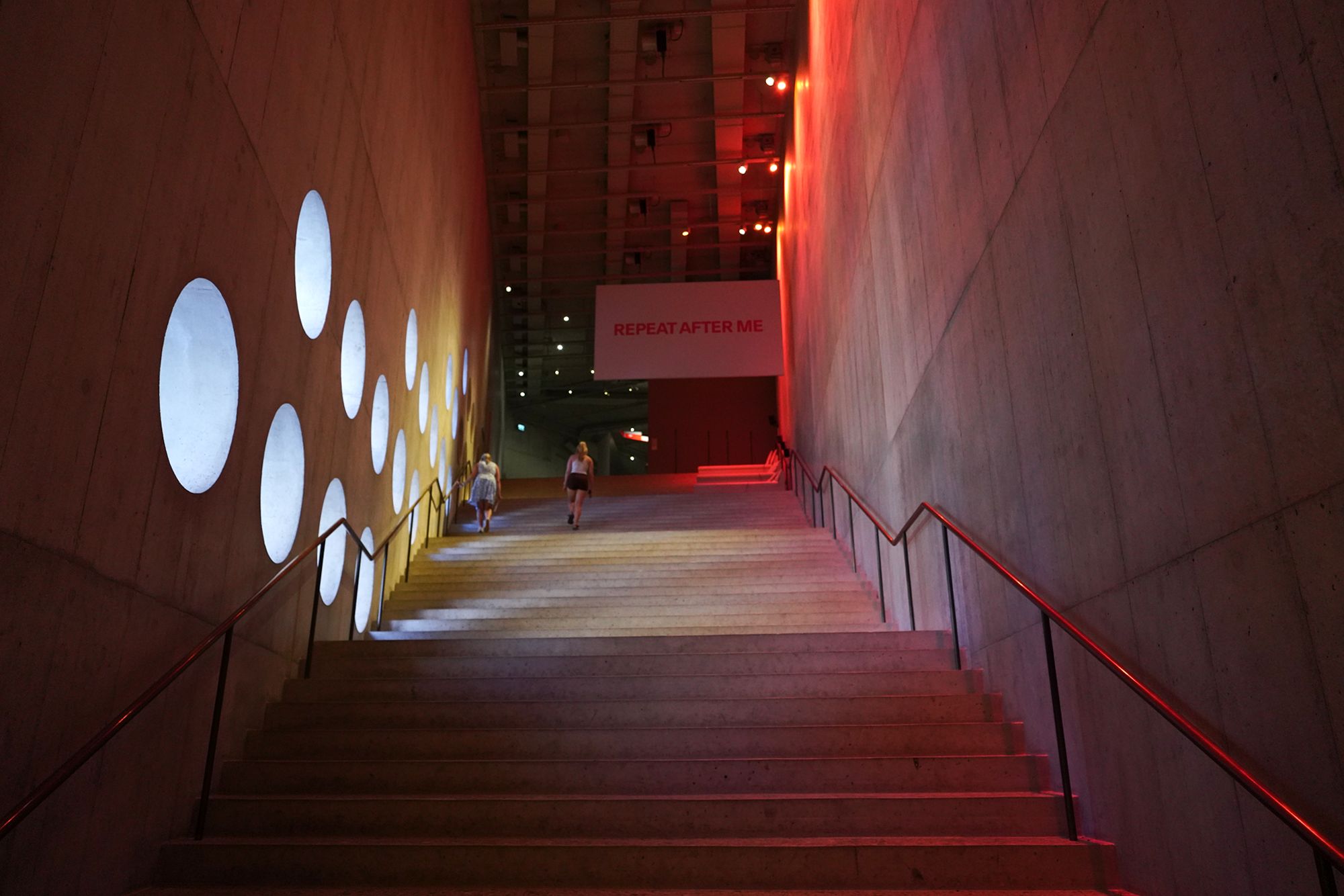
A view behind me
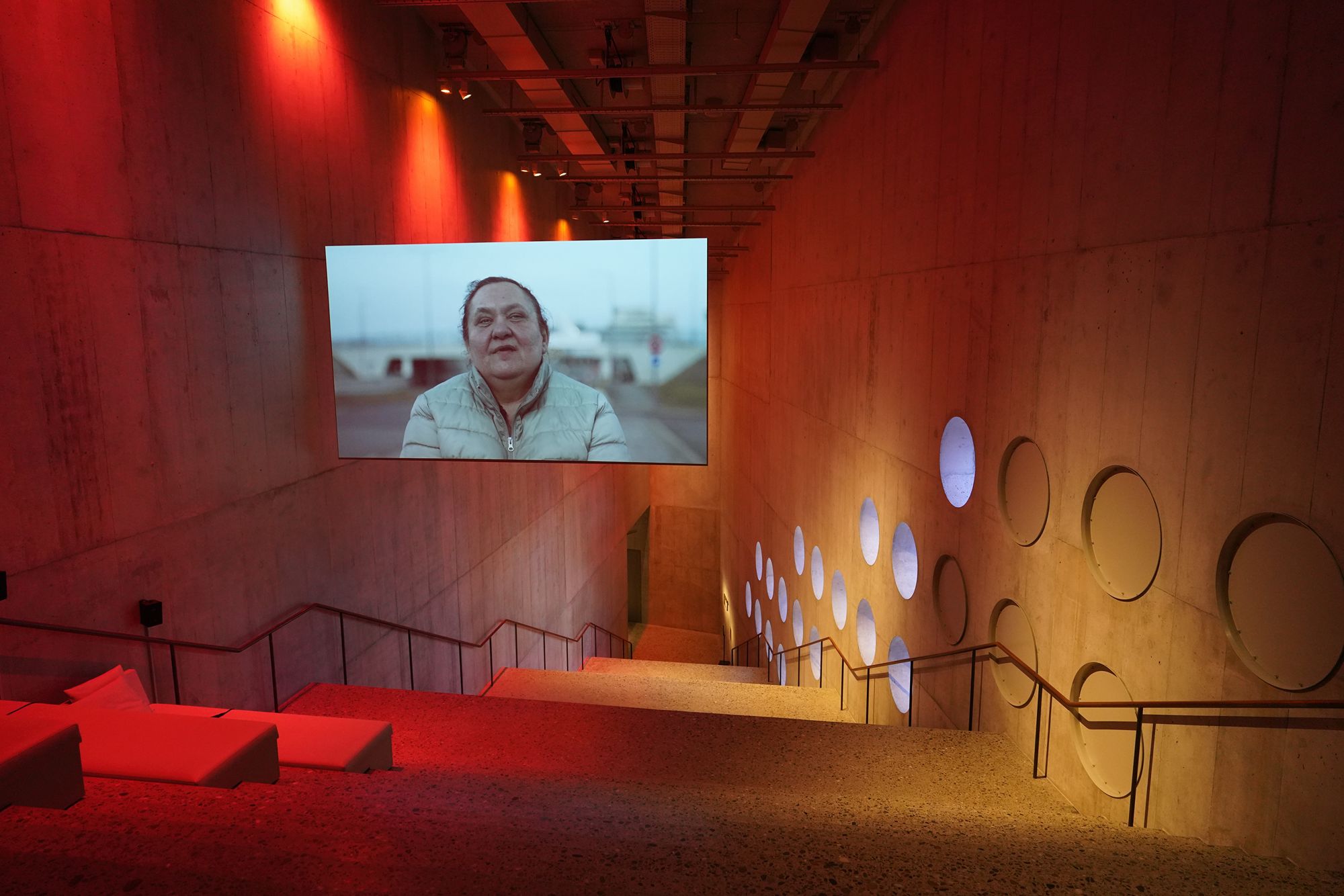
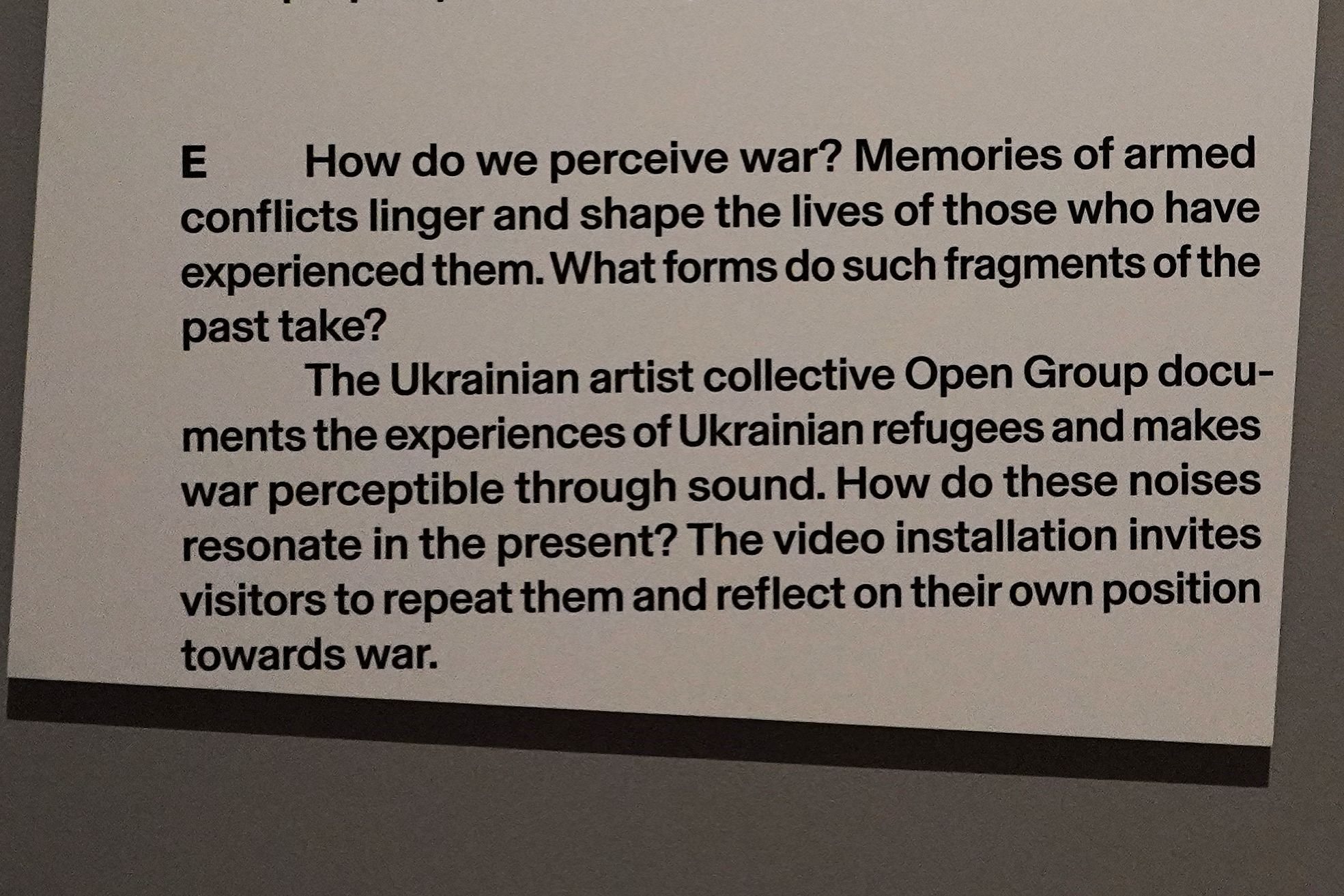
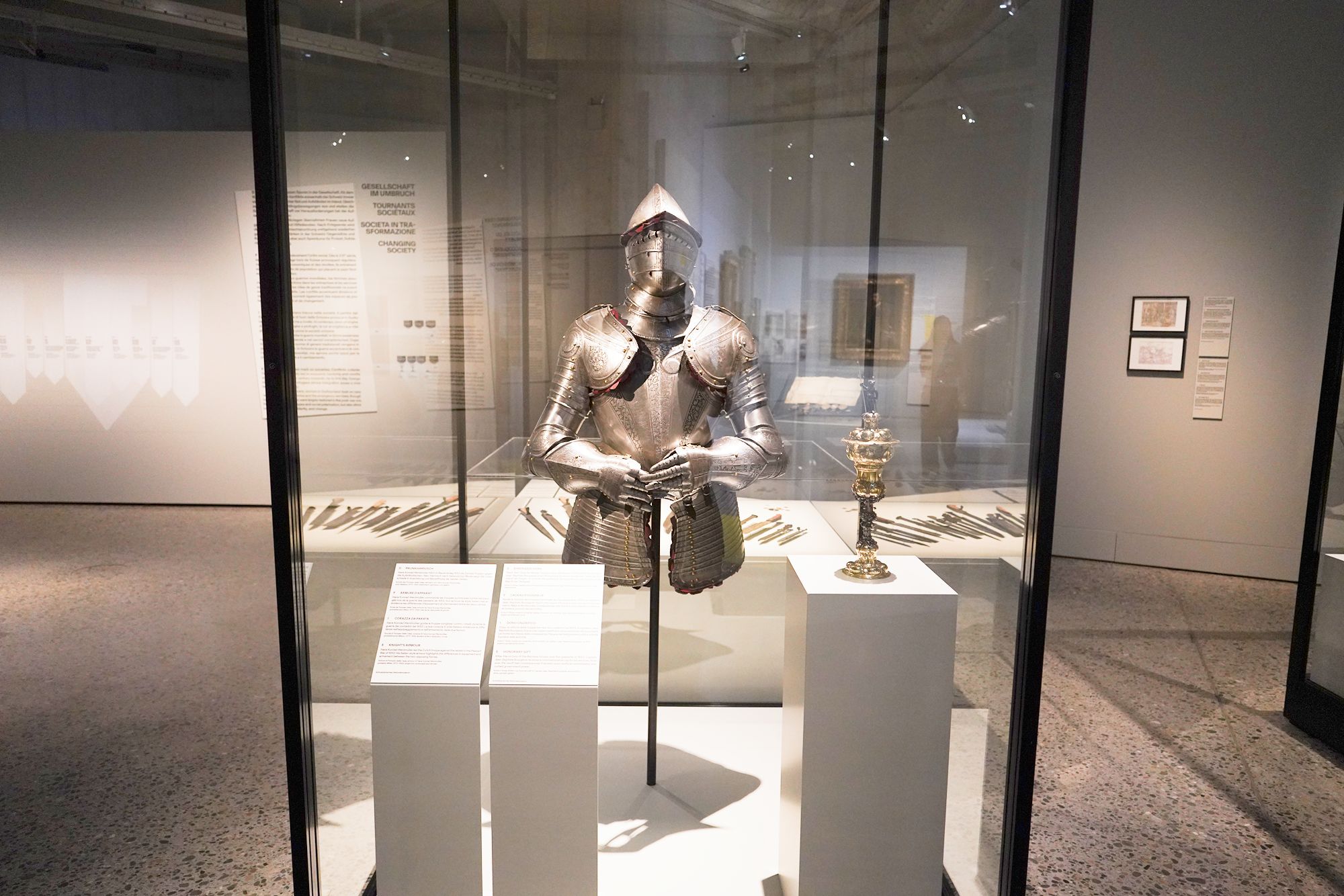
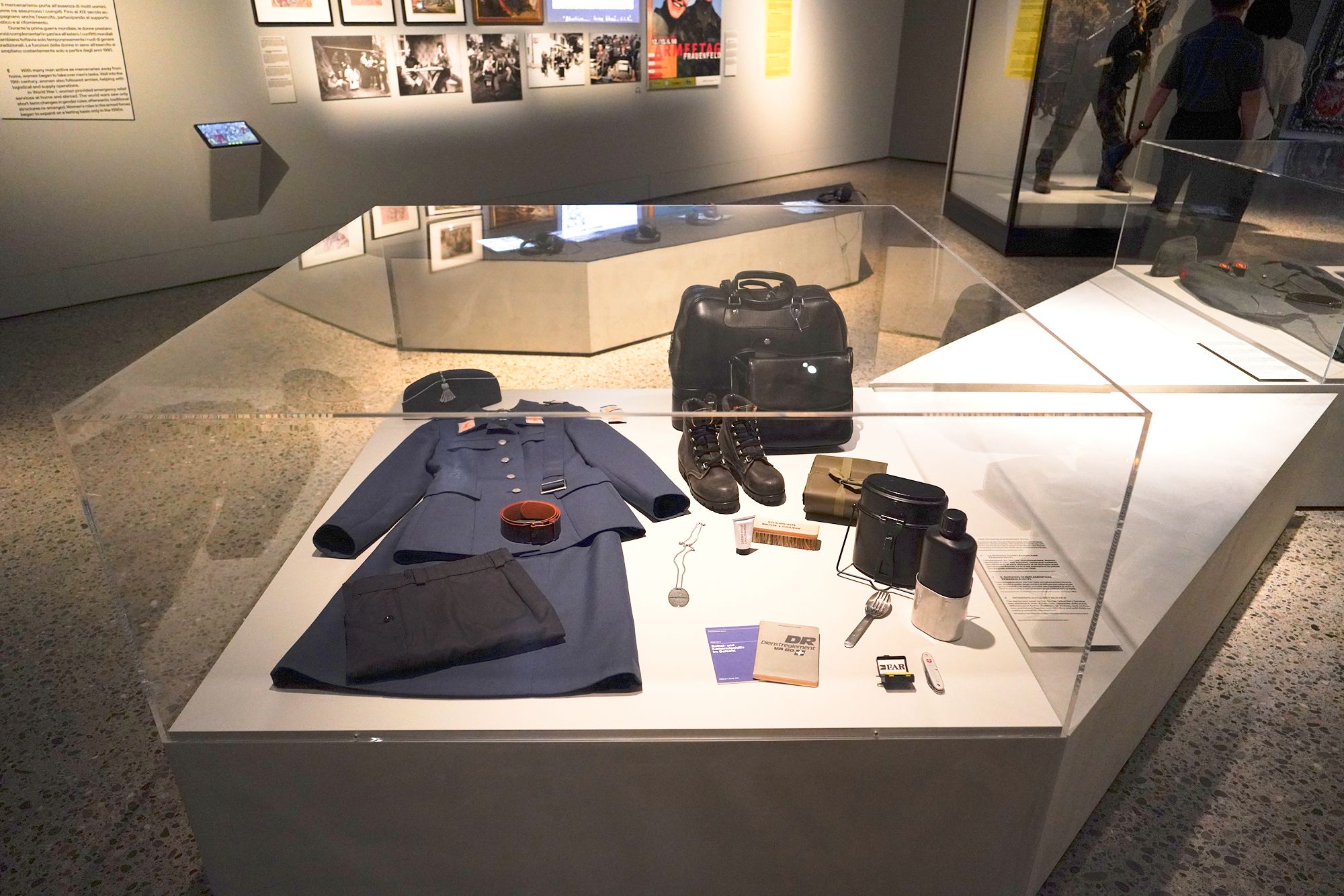
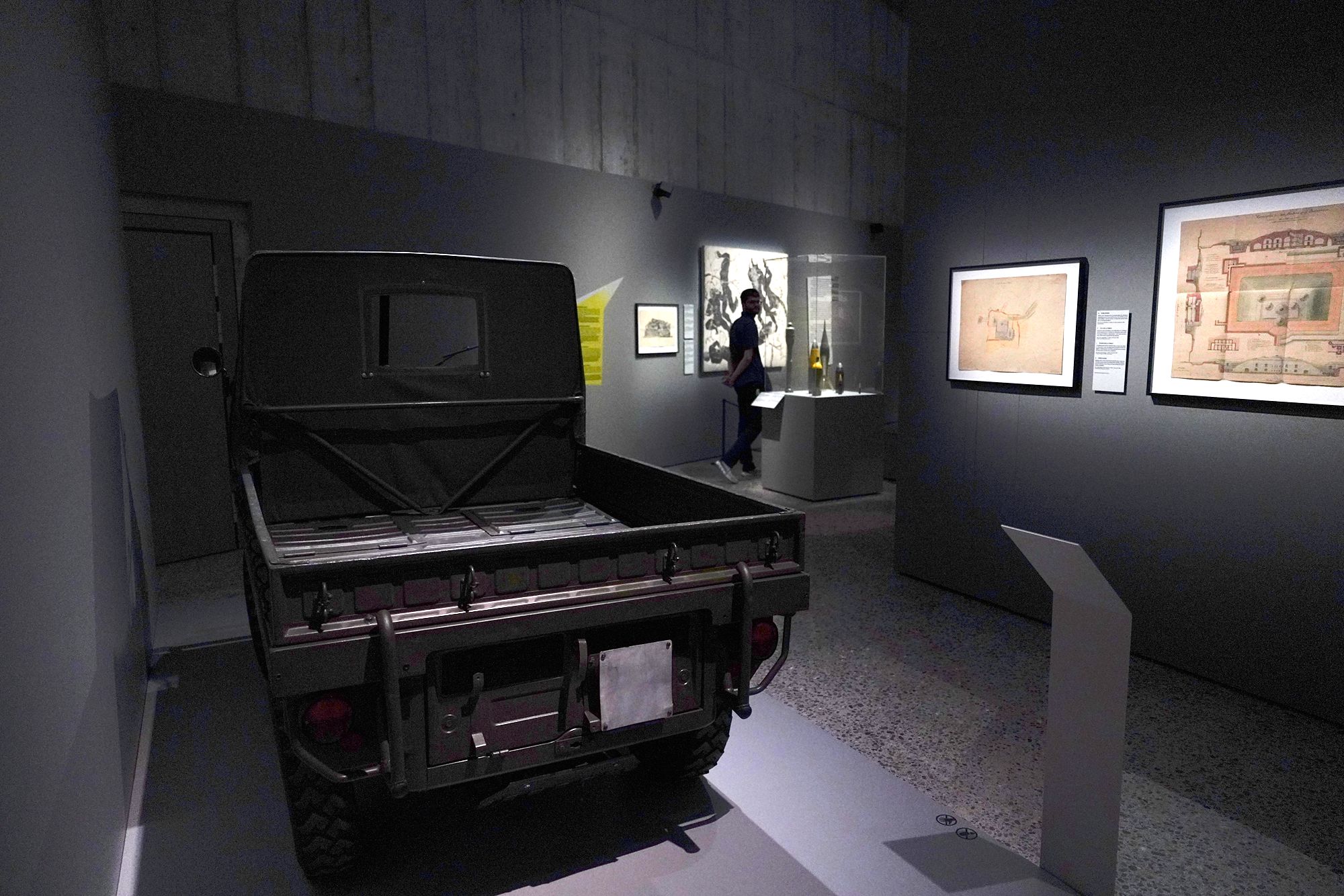
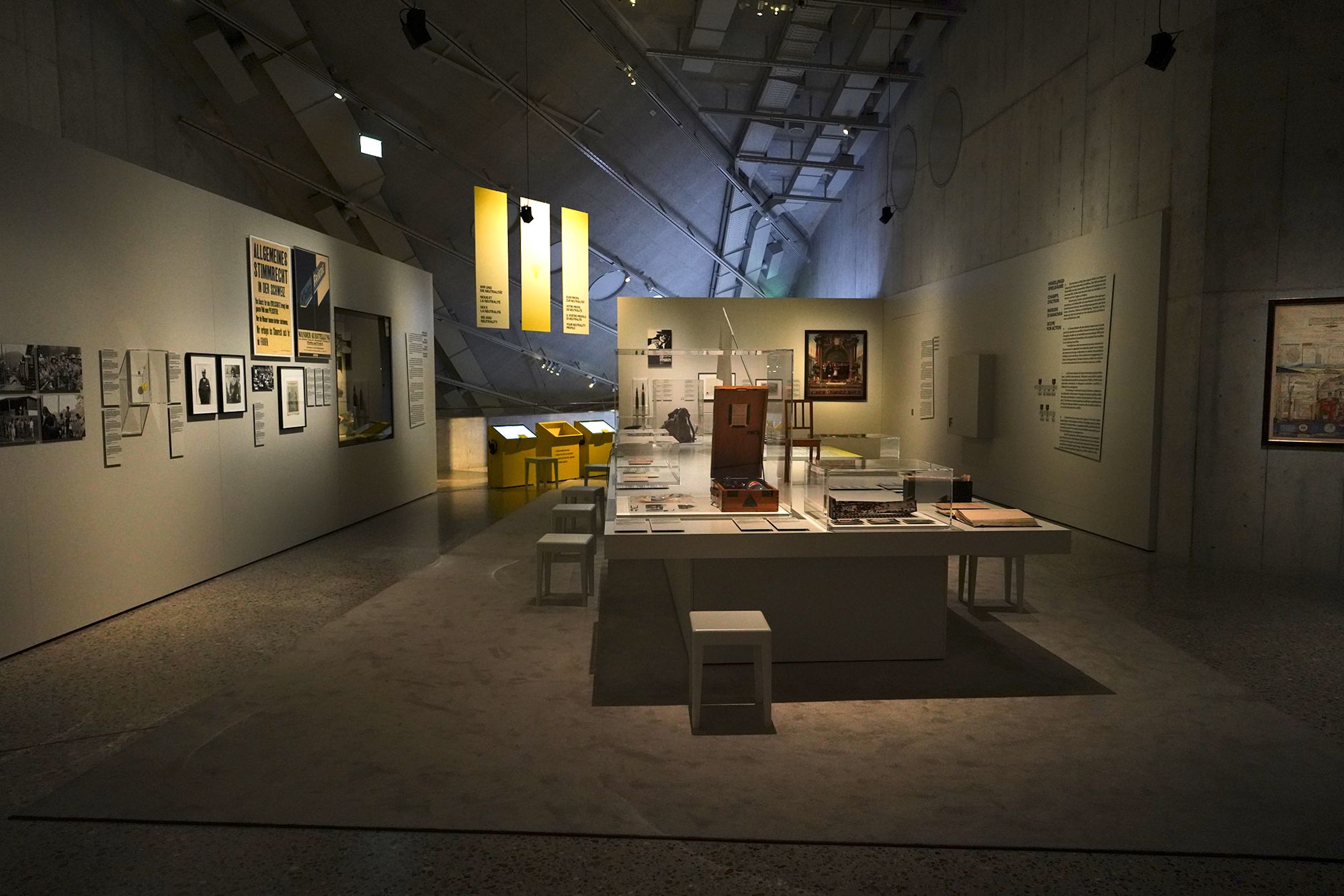
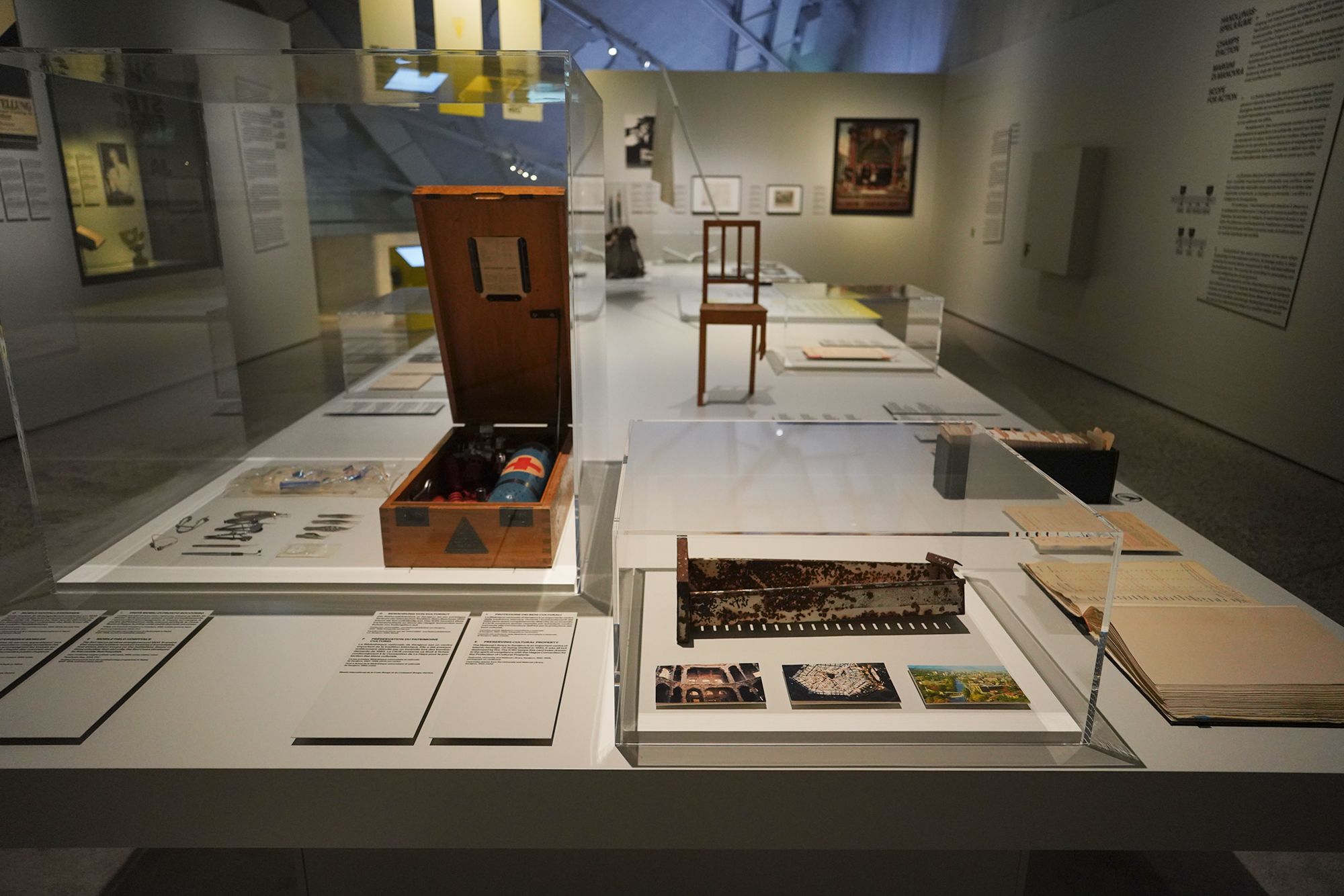
Wars and Us
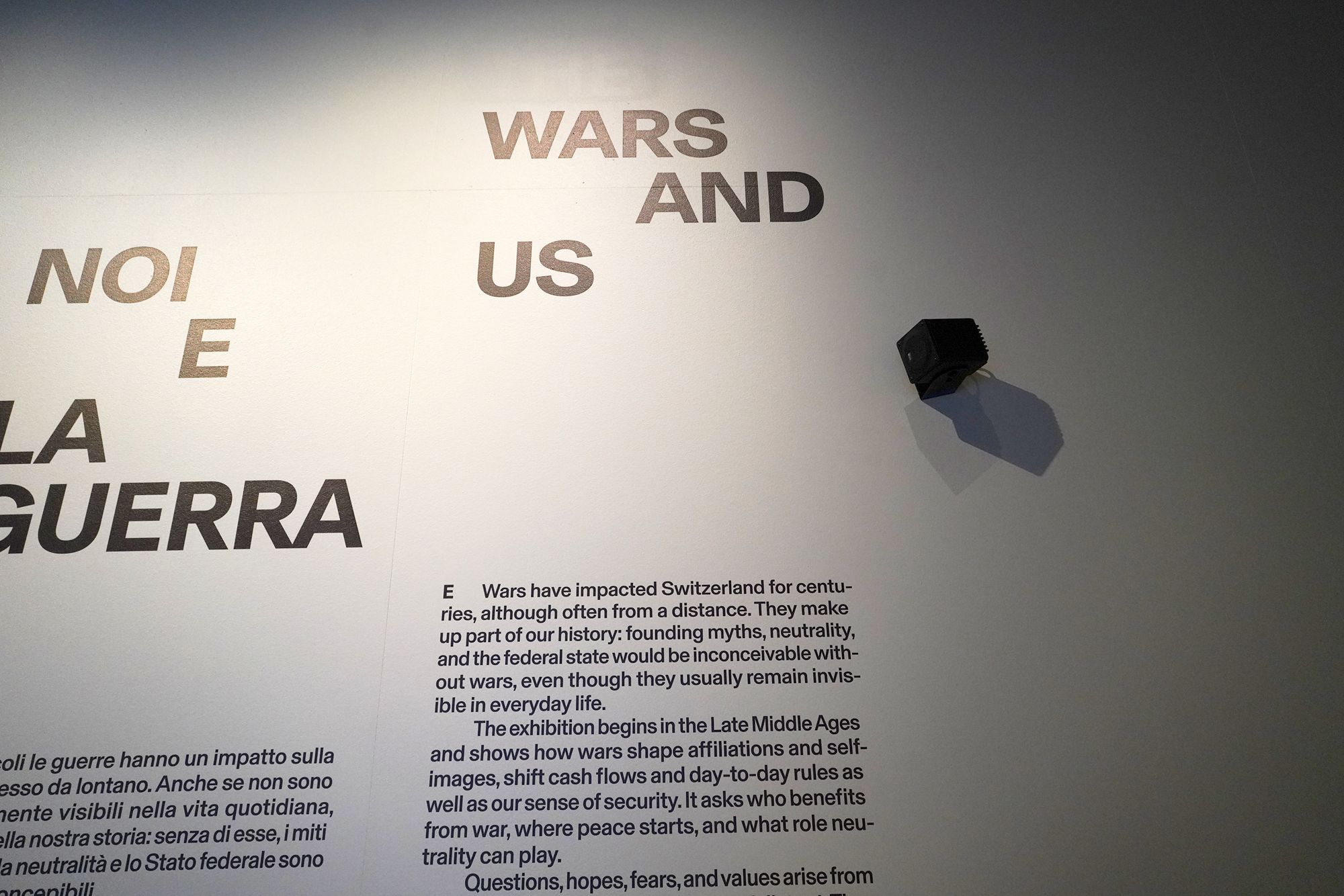
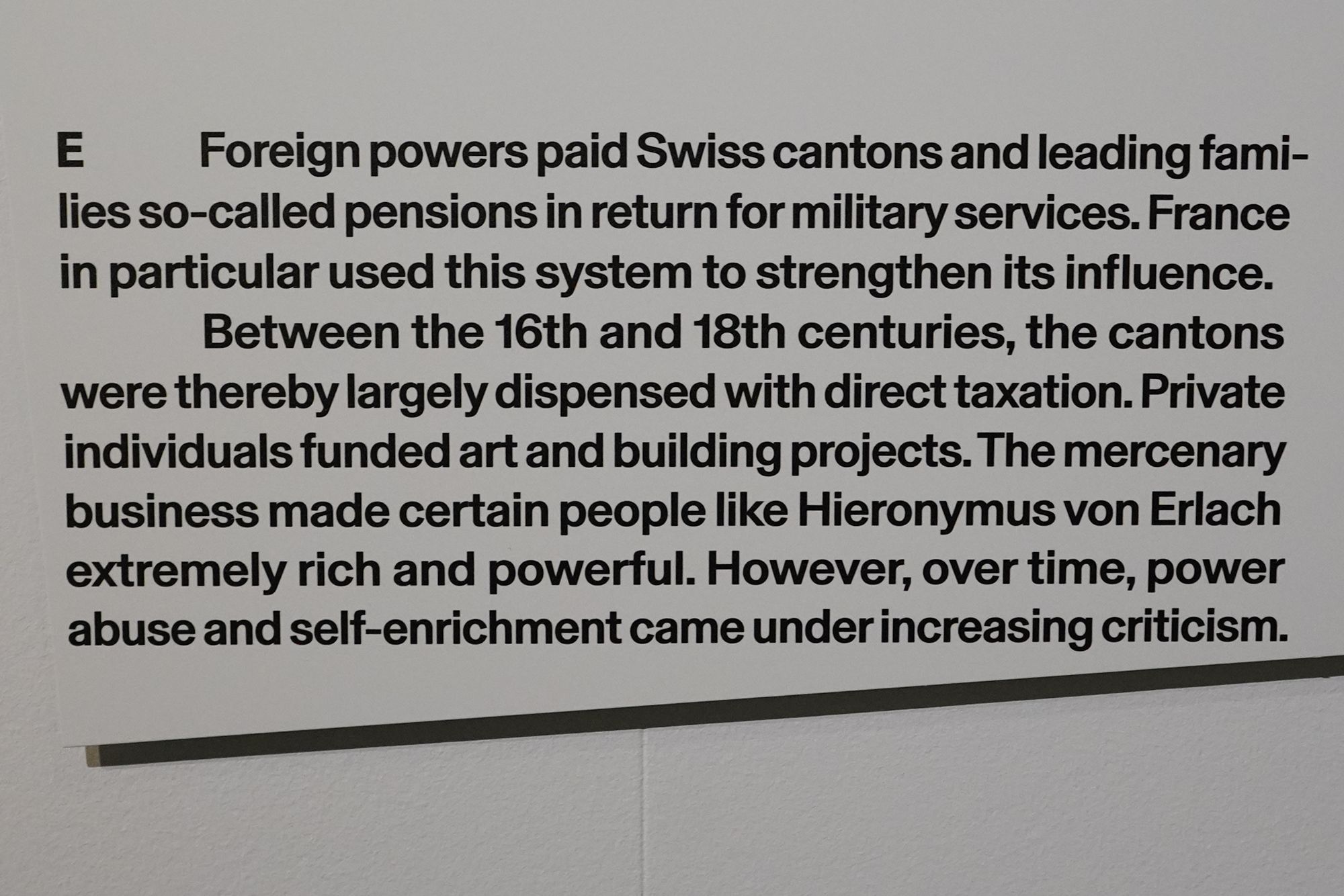
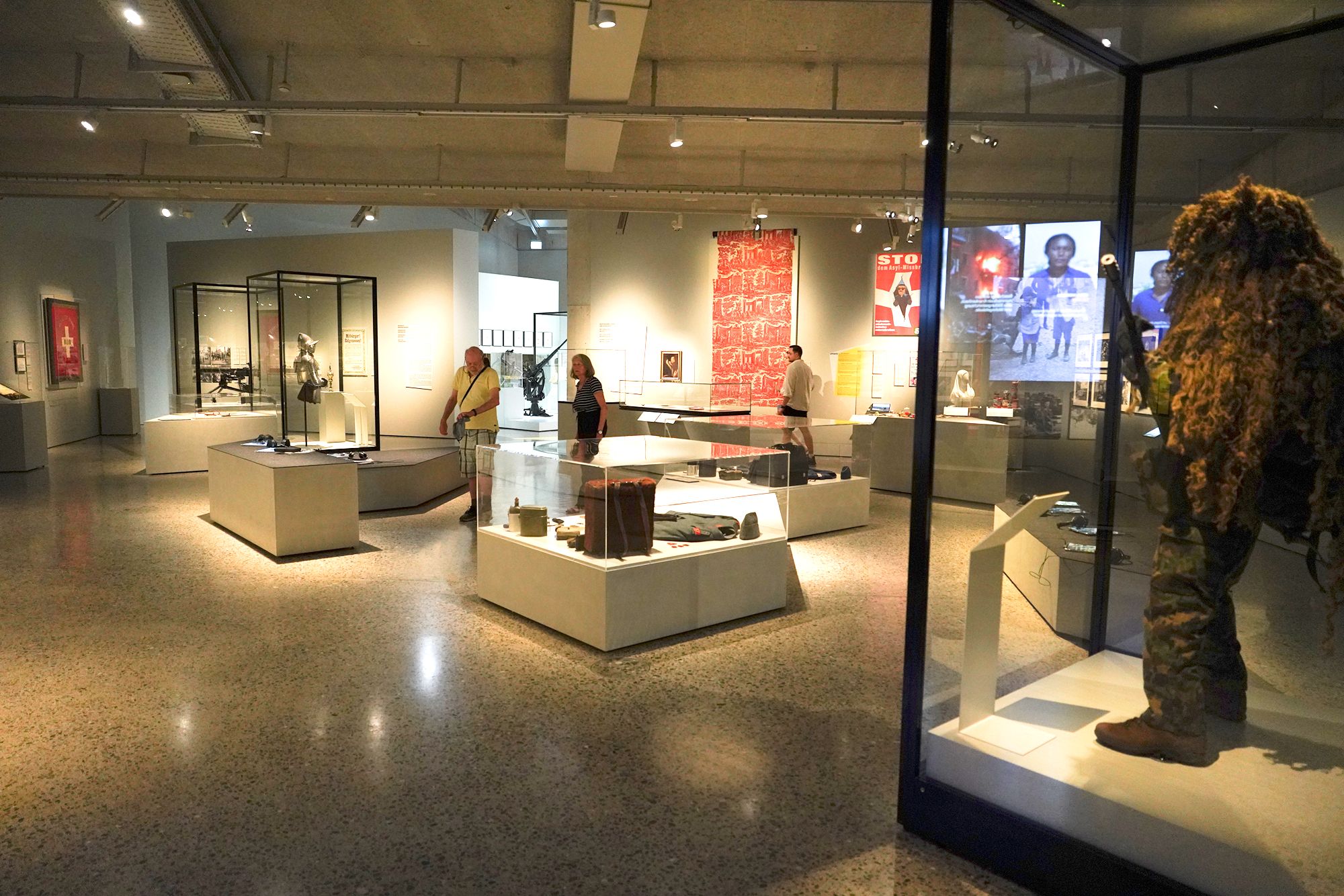
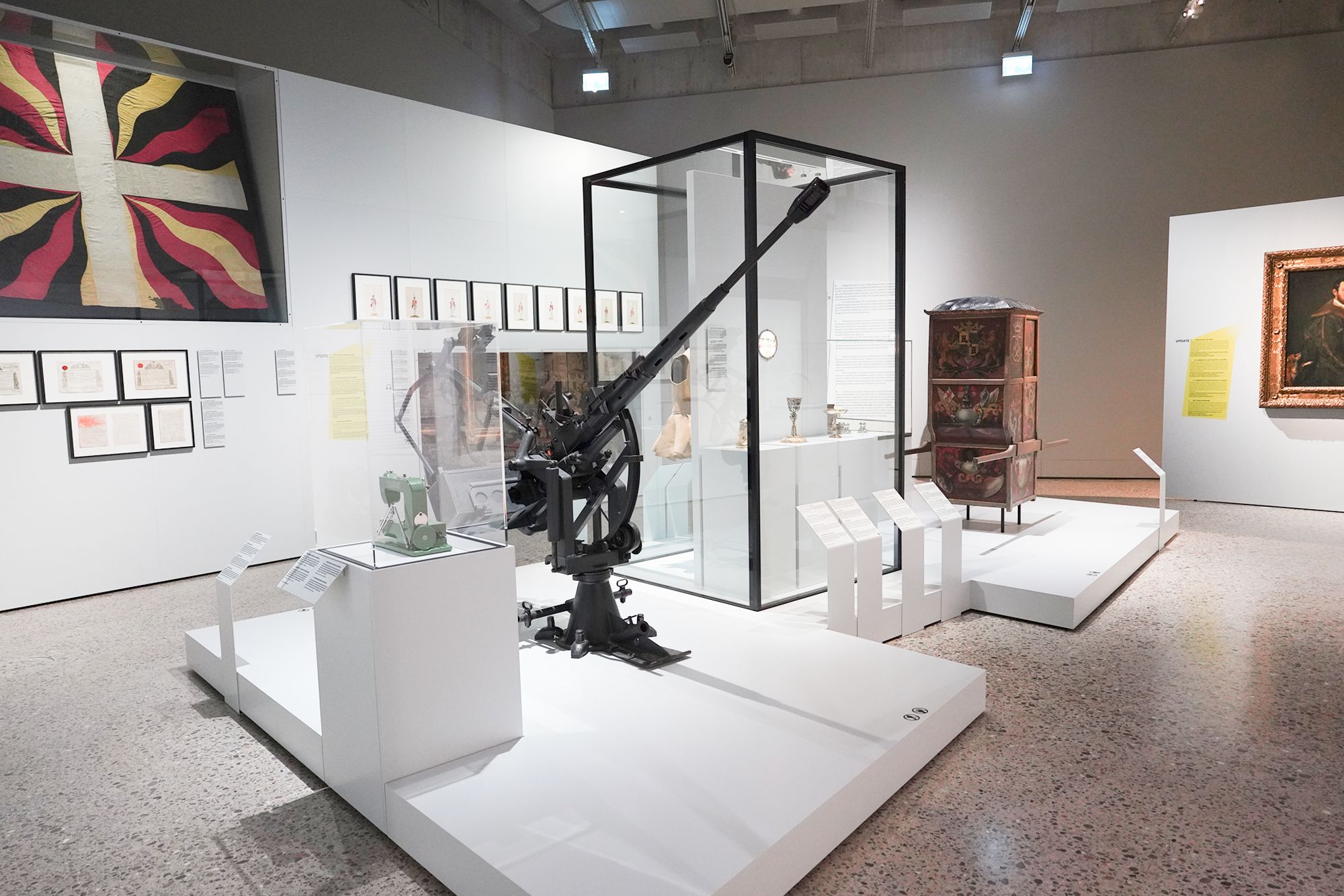
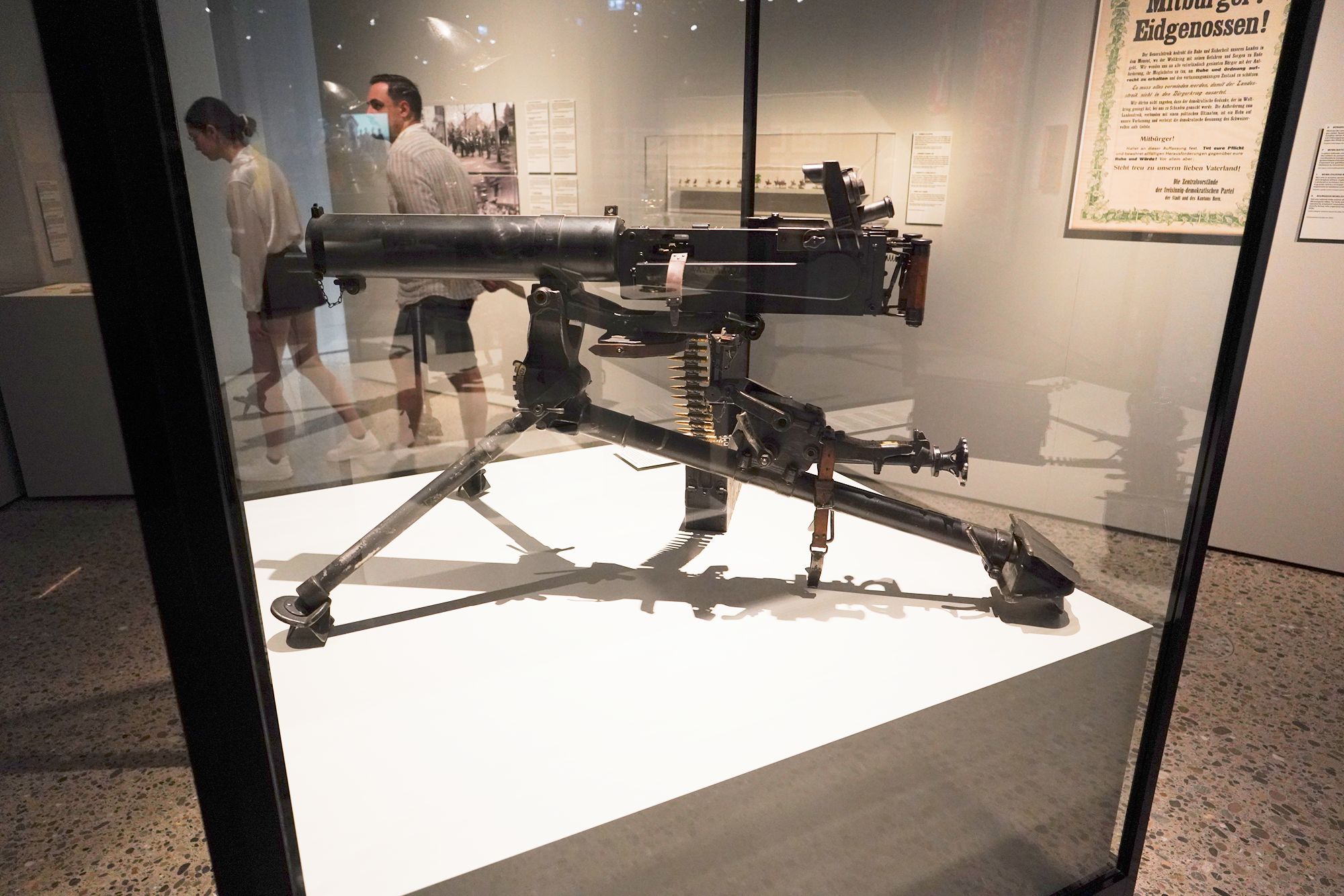
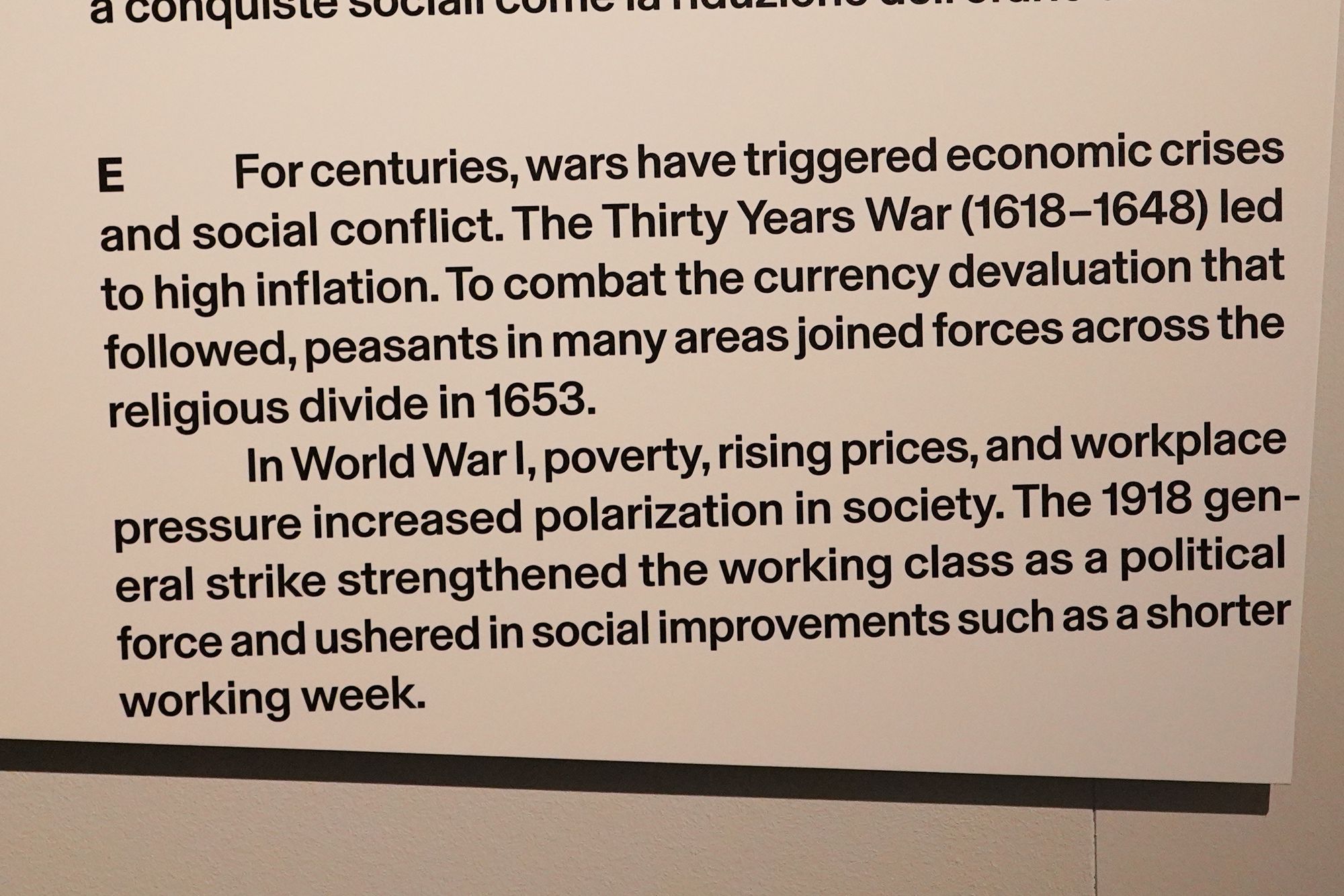
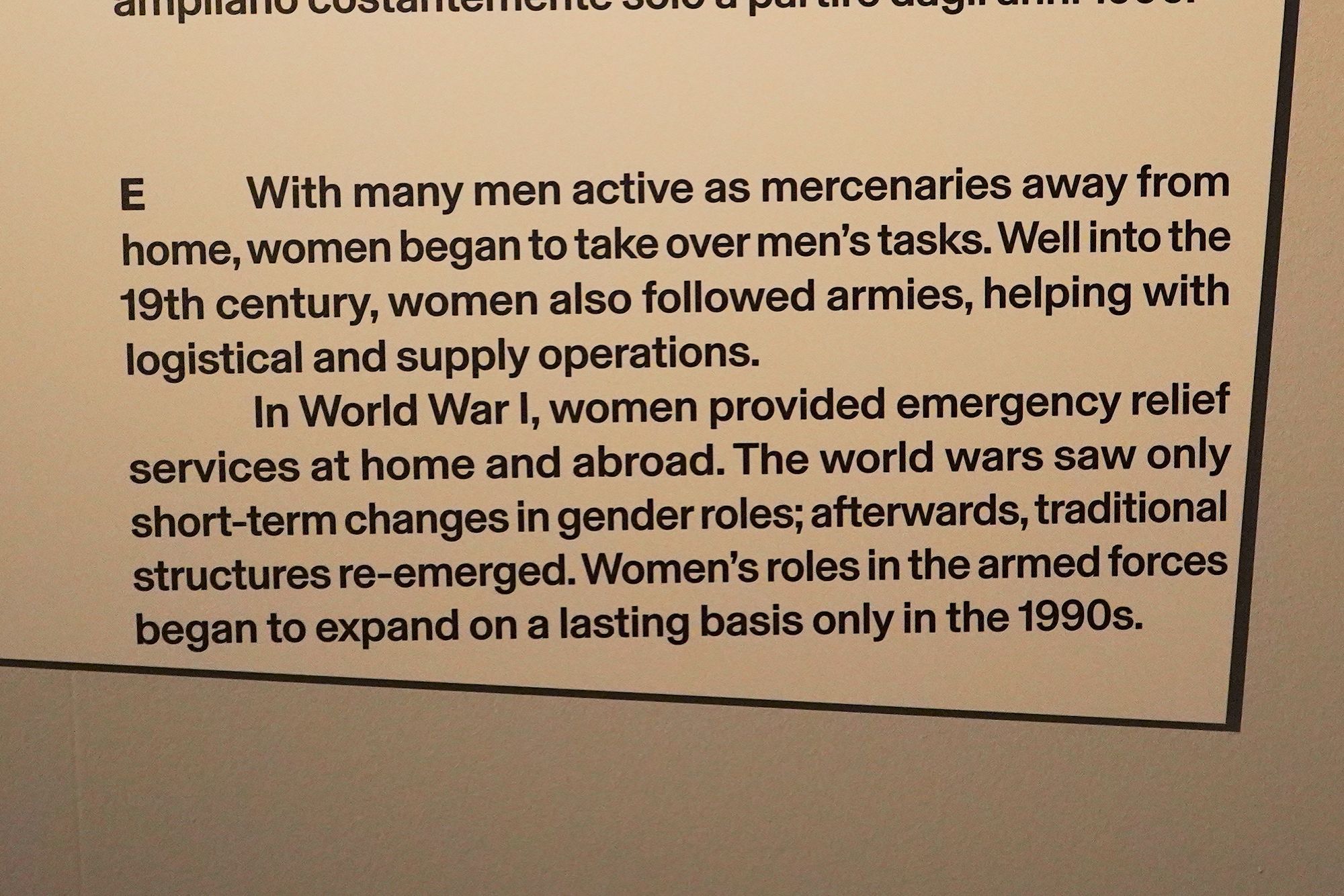
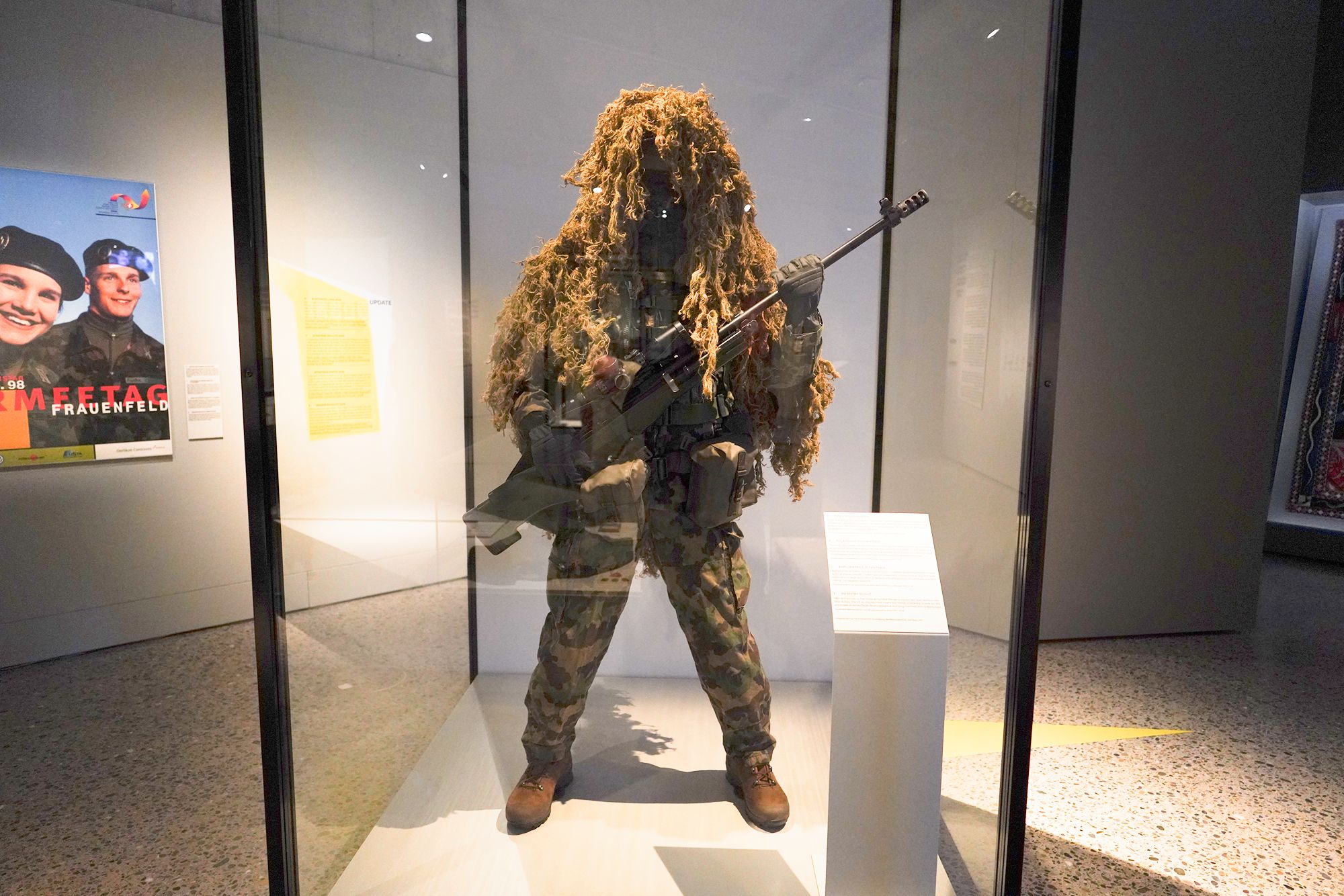
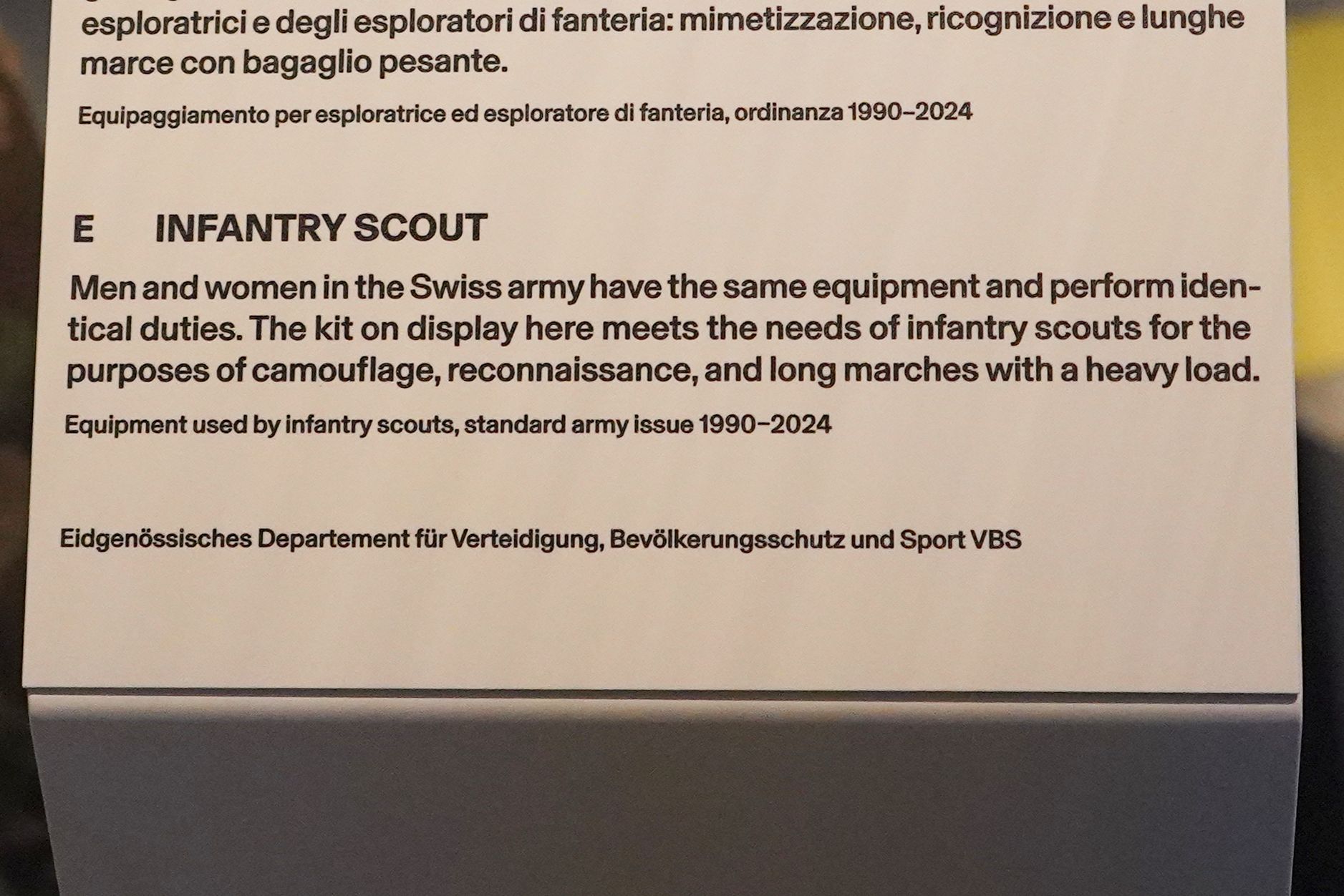
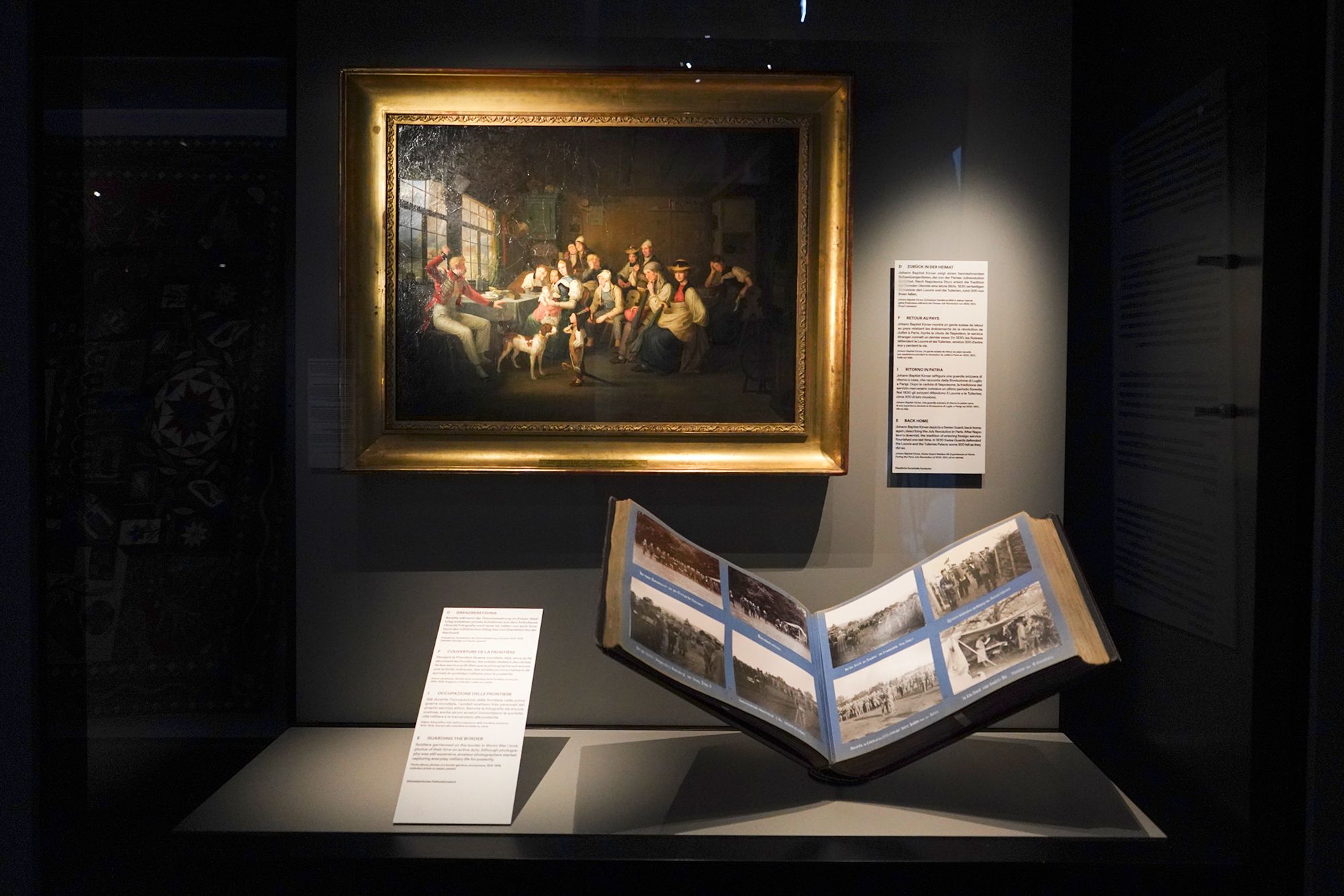
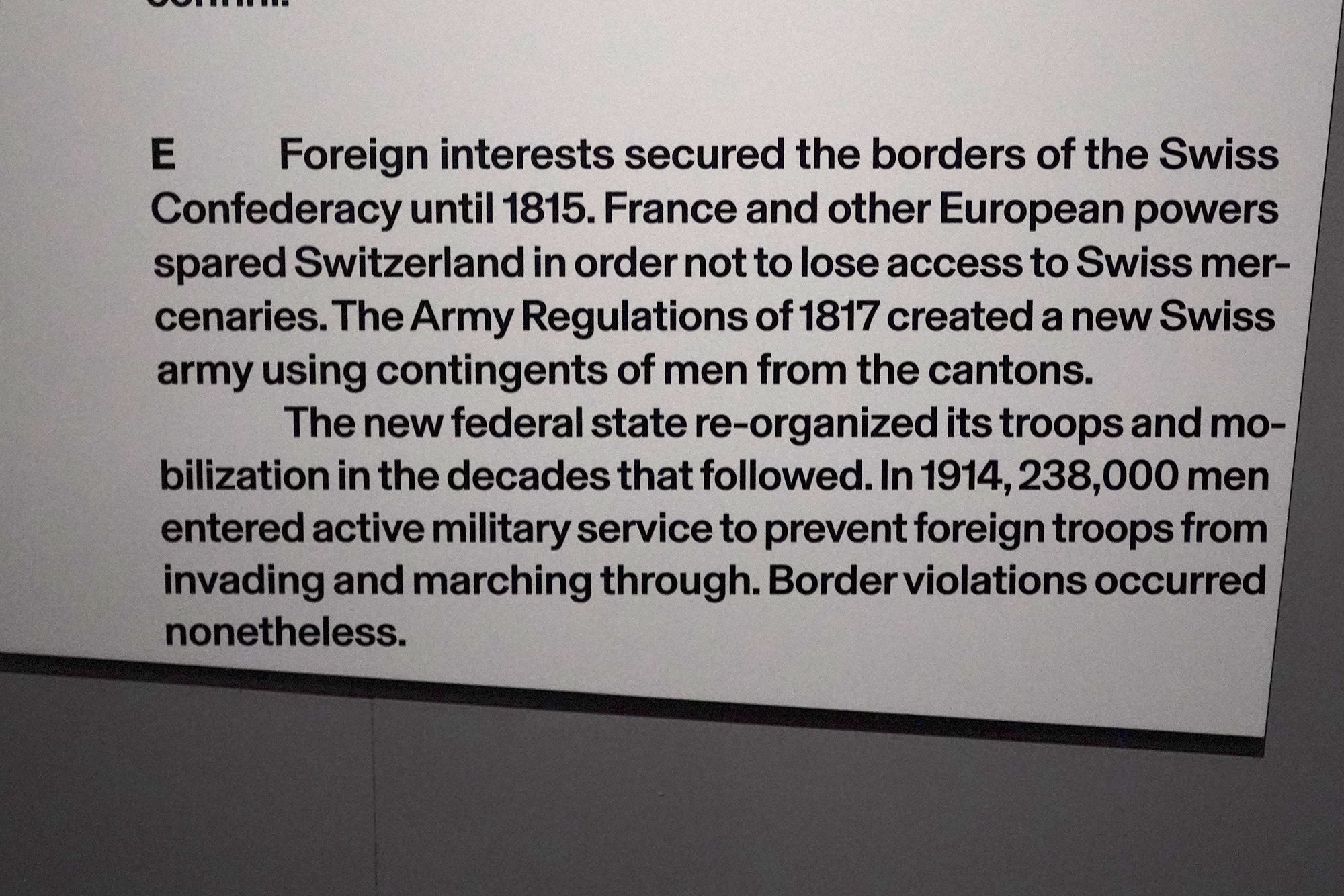
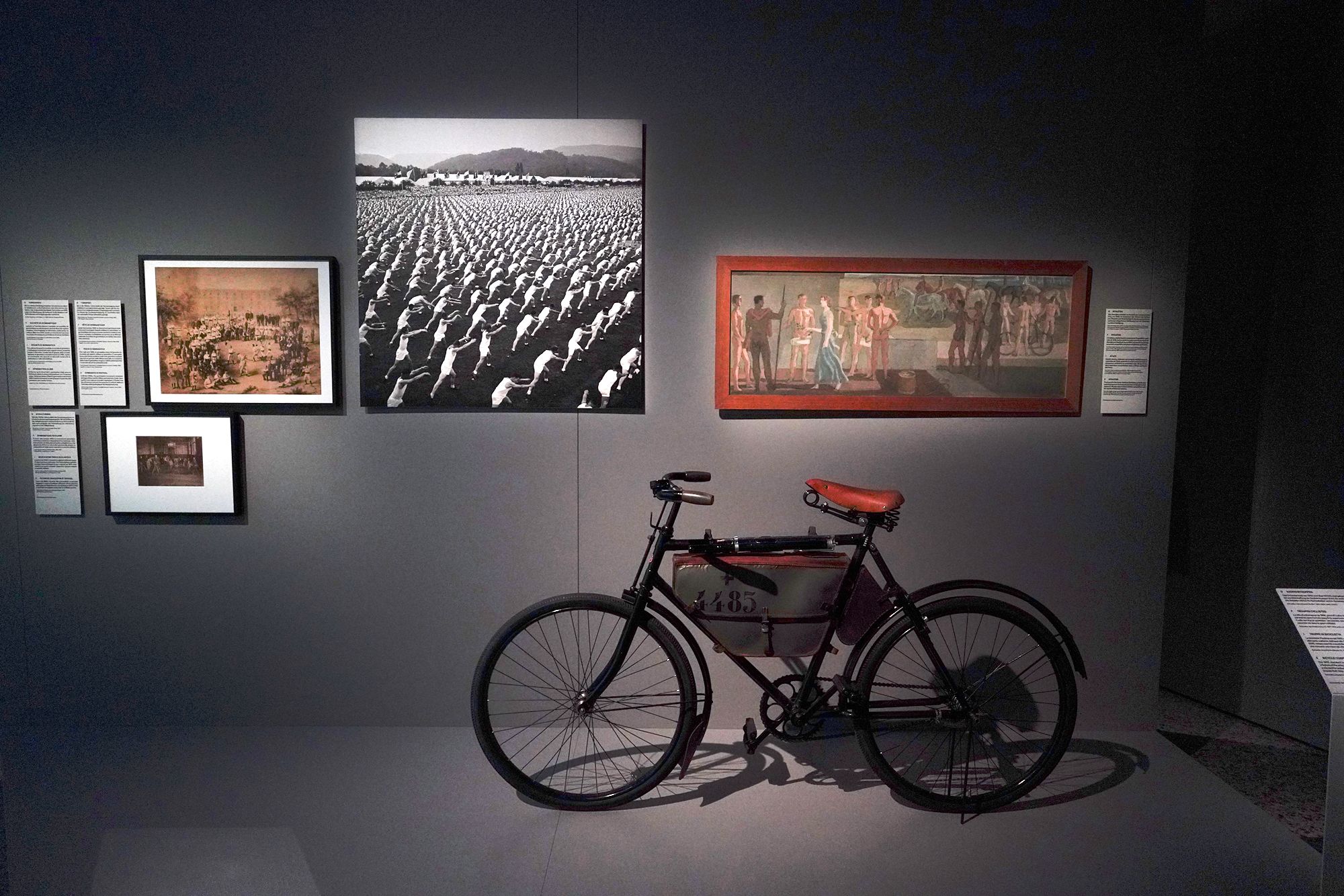
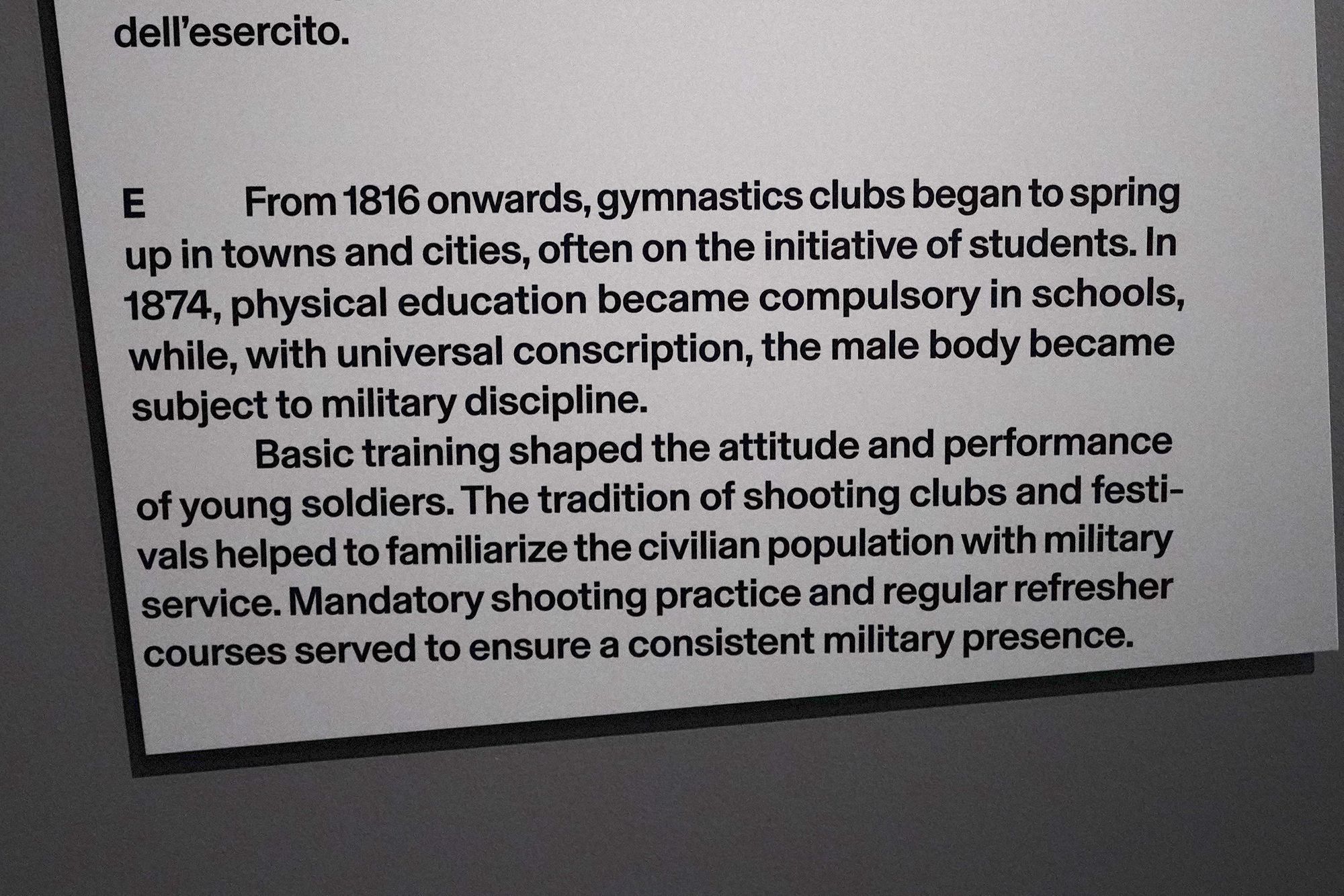
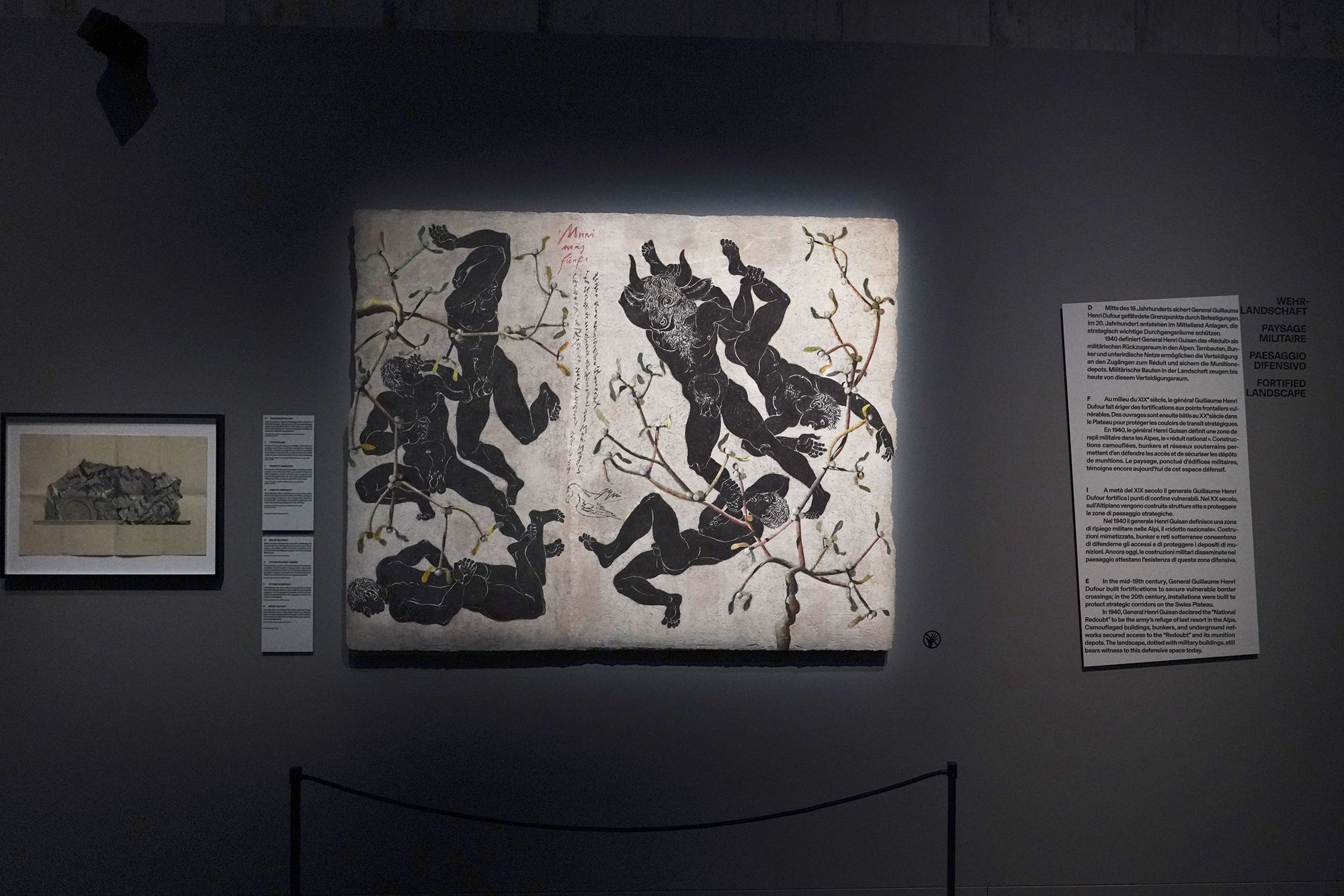
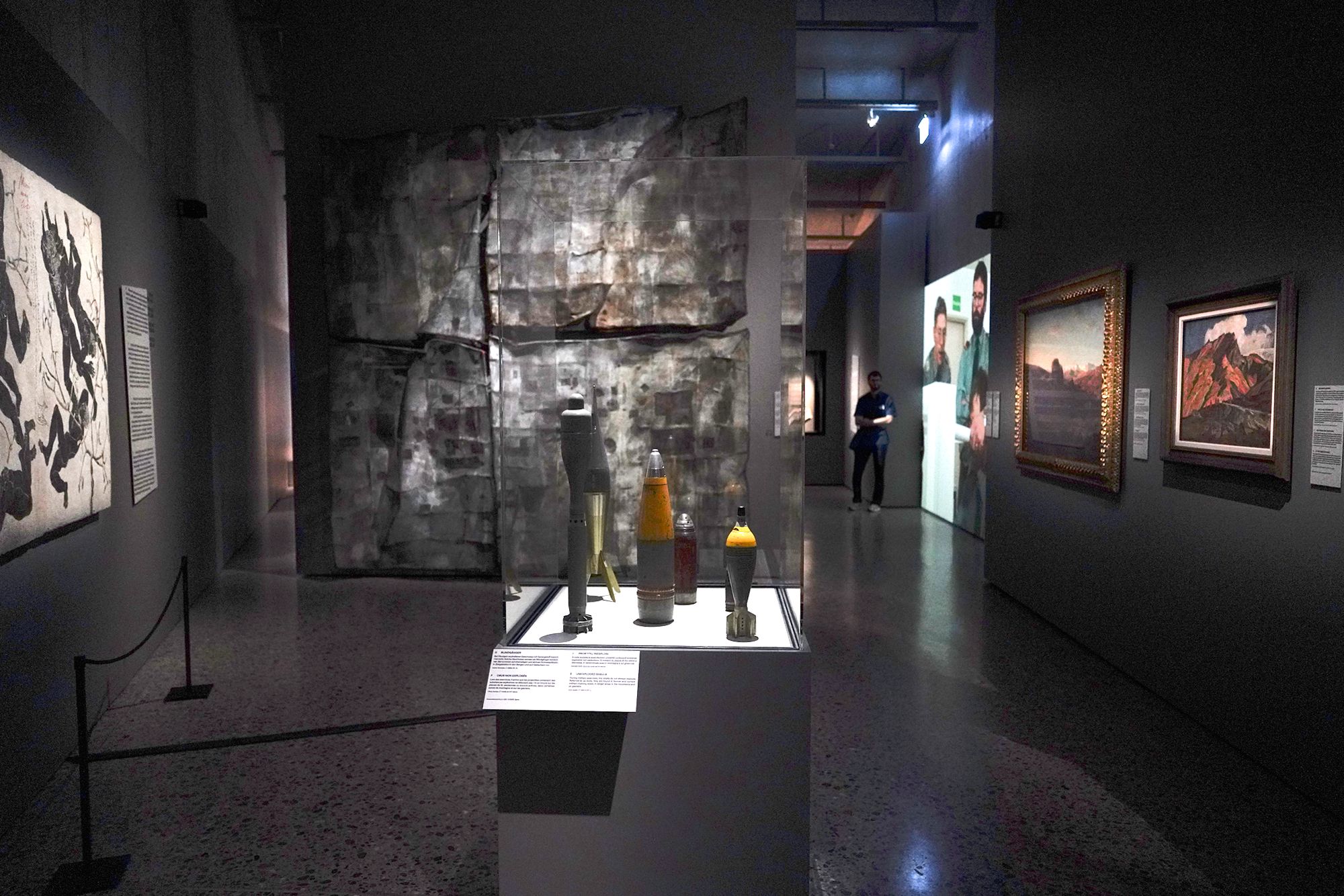
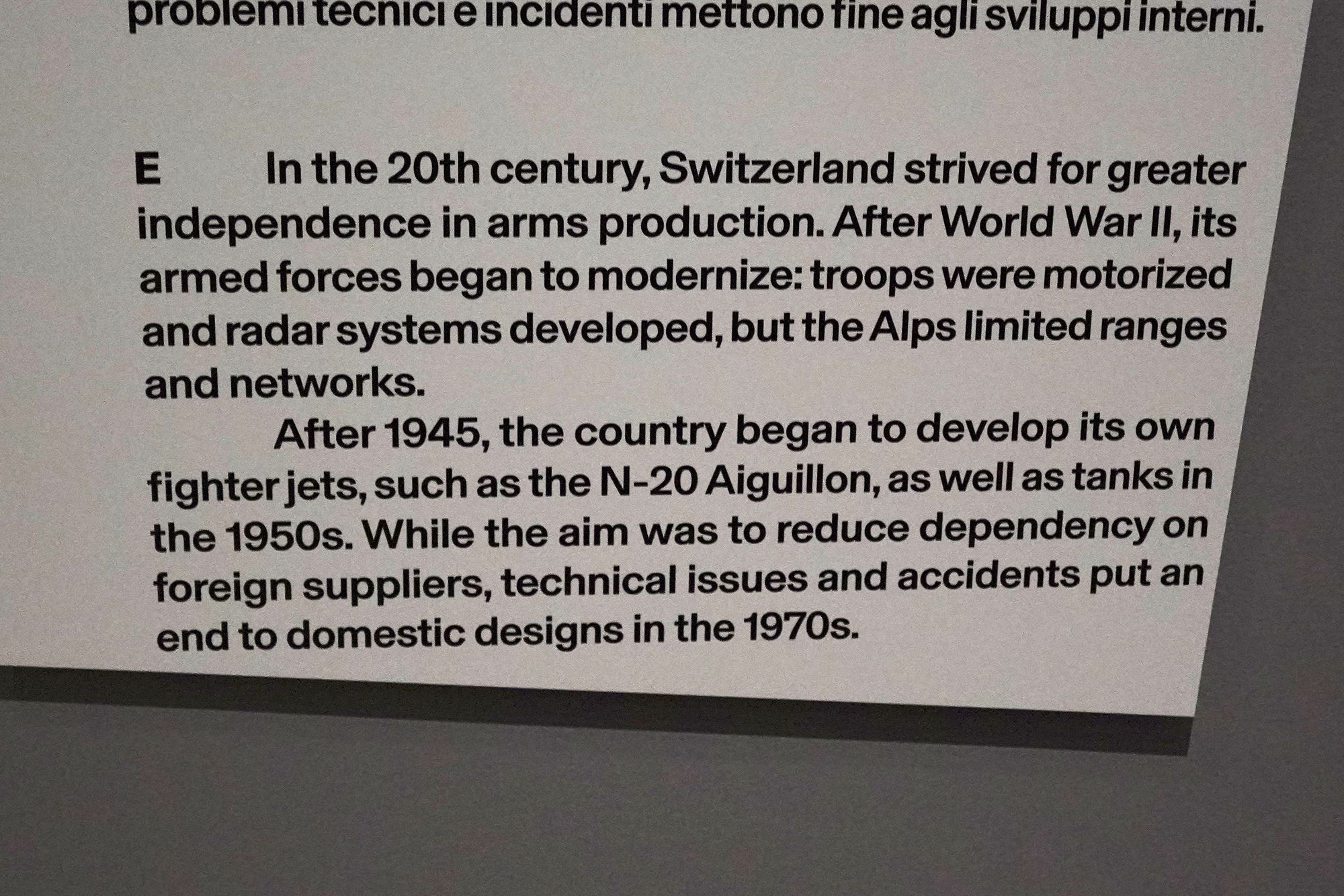
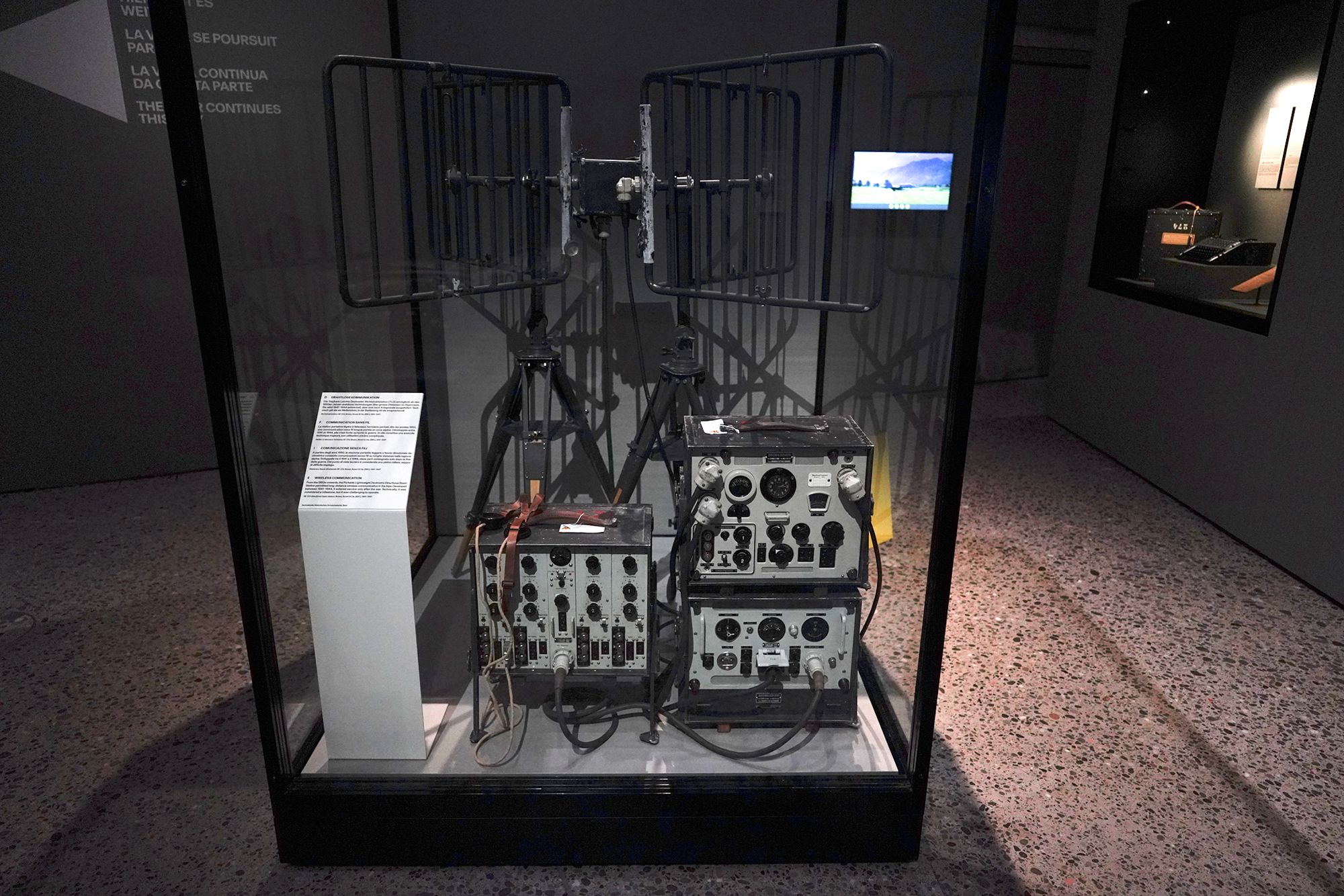
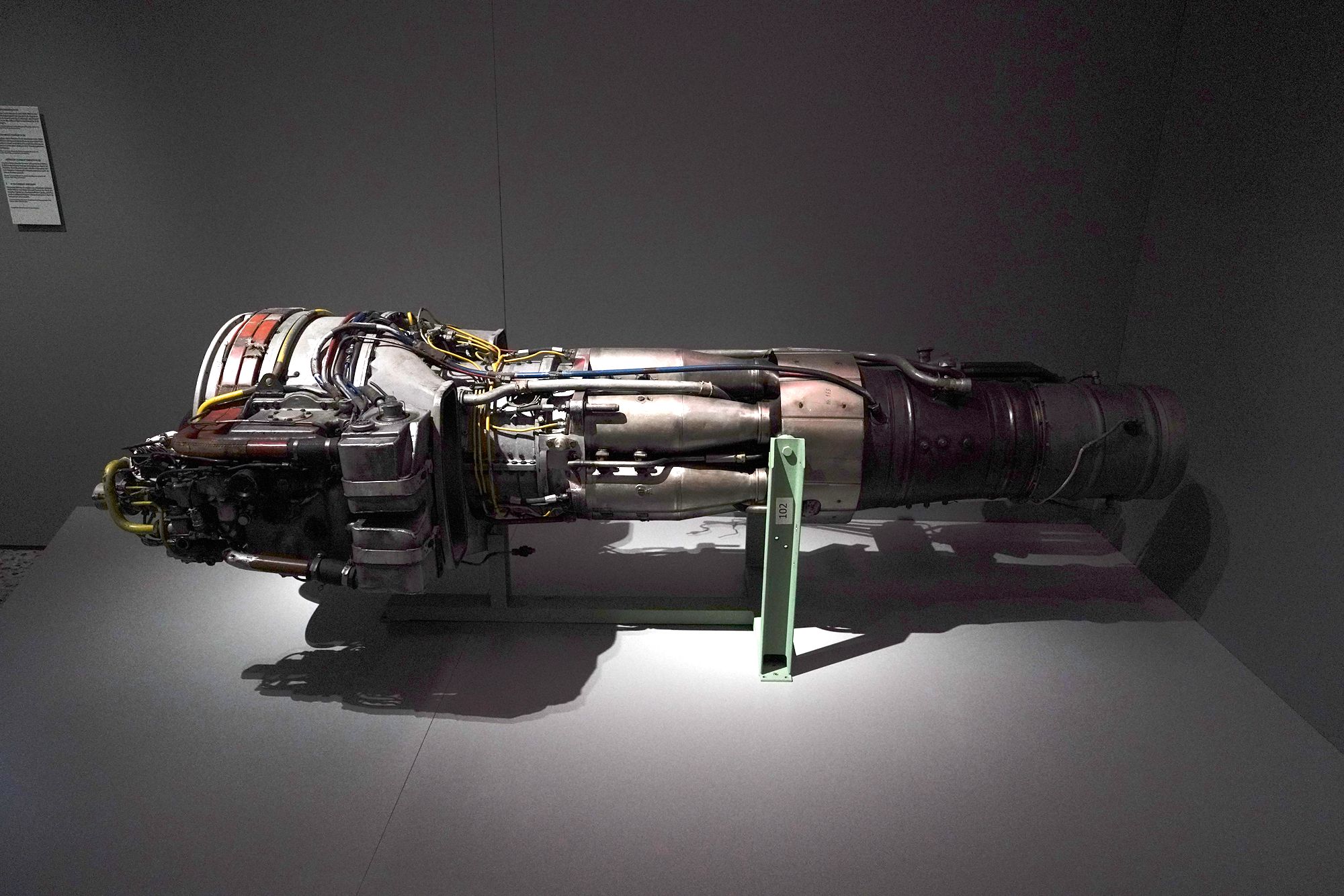
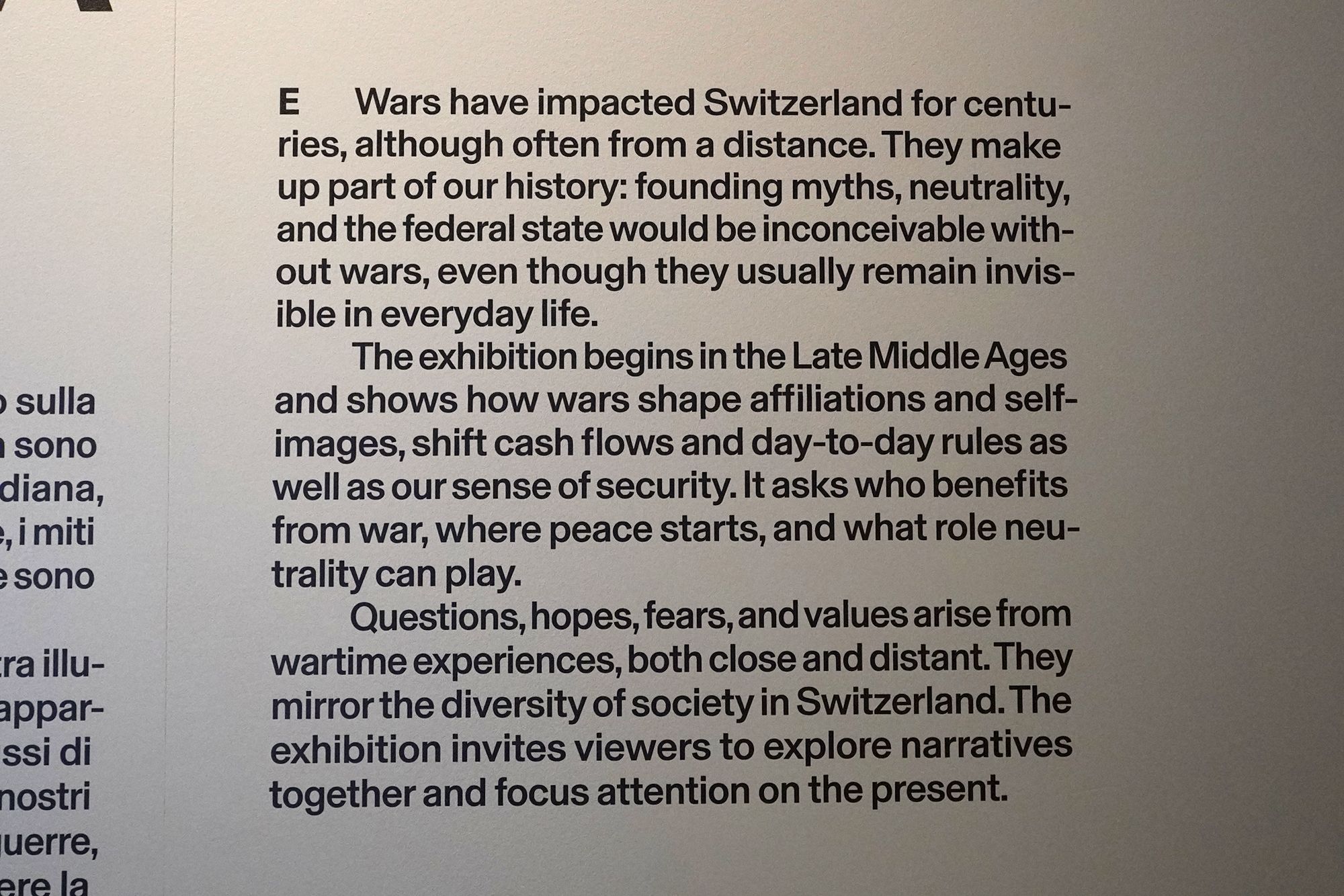
The exhibition examines how wars have shaped Switzerland from the late Middle Ages to the present, even when the fighting took place elsewhere. It looks at neutrality, daily life, the economy, and the different ways people experienced wartime.
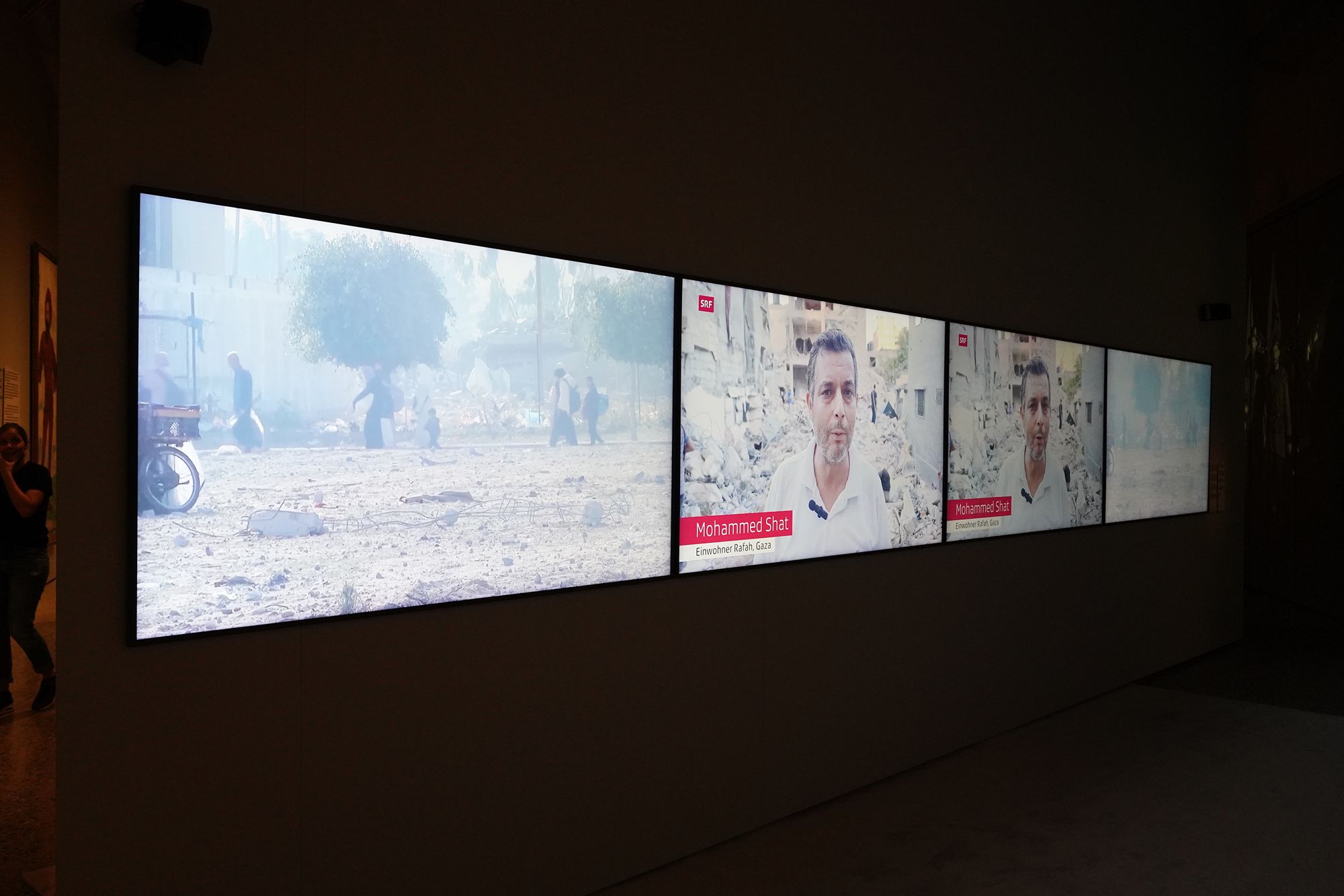
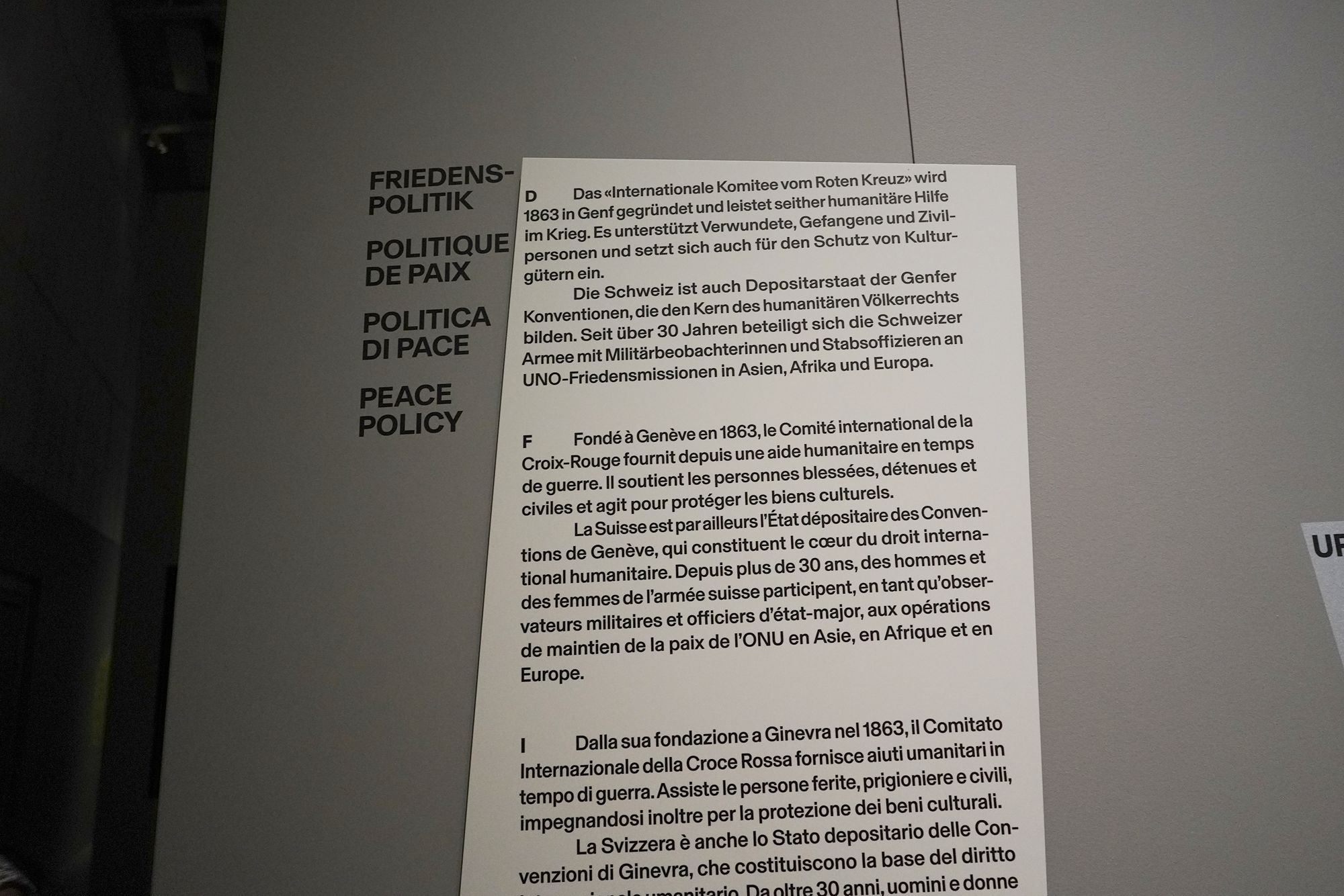
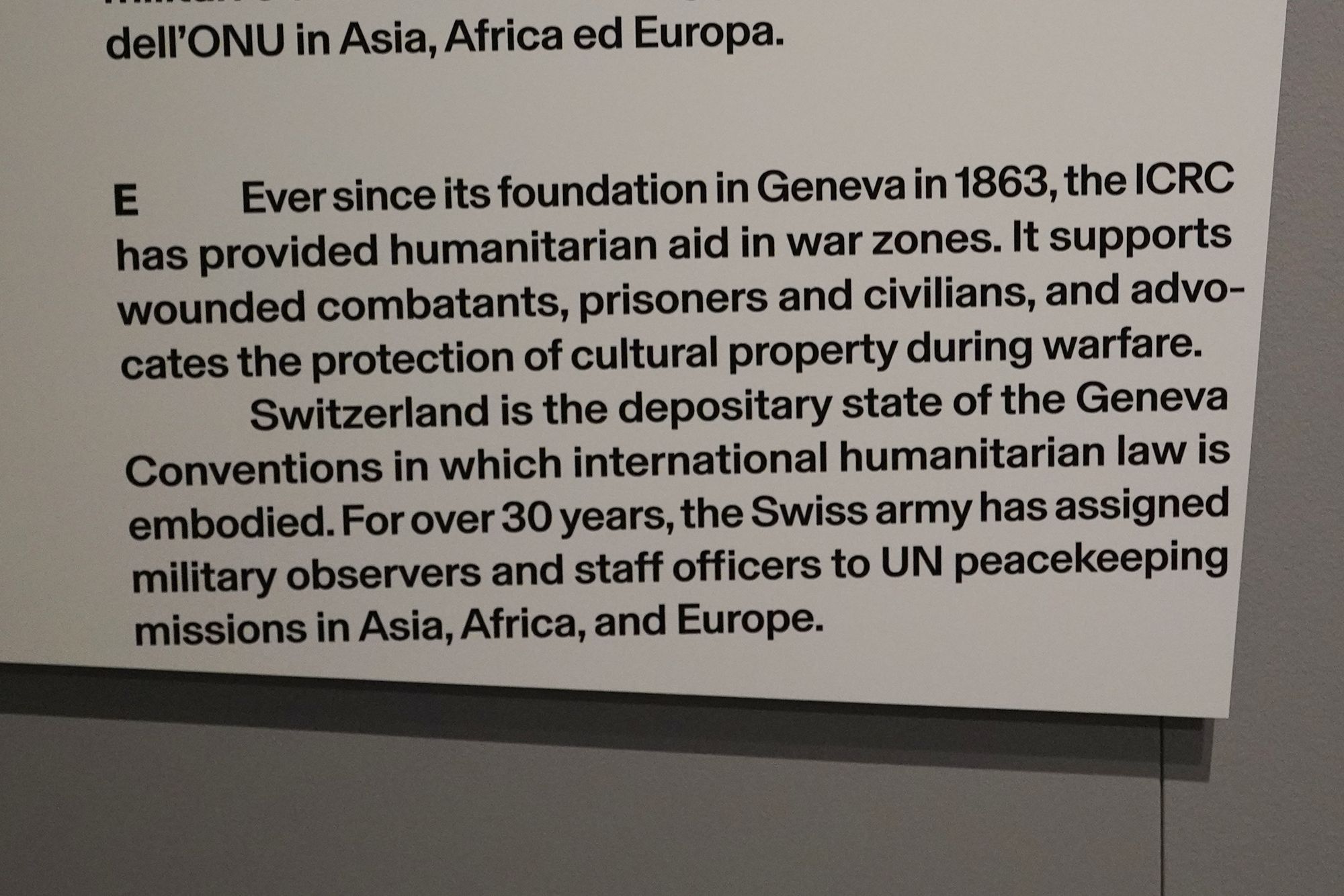
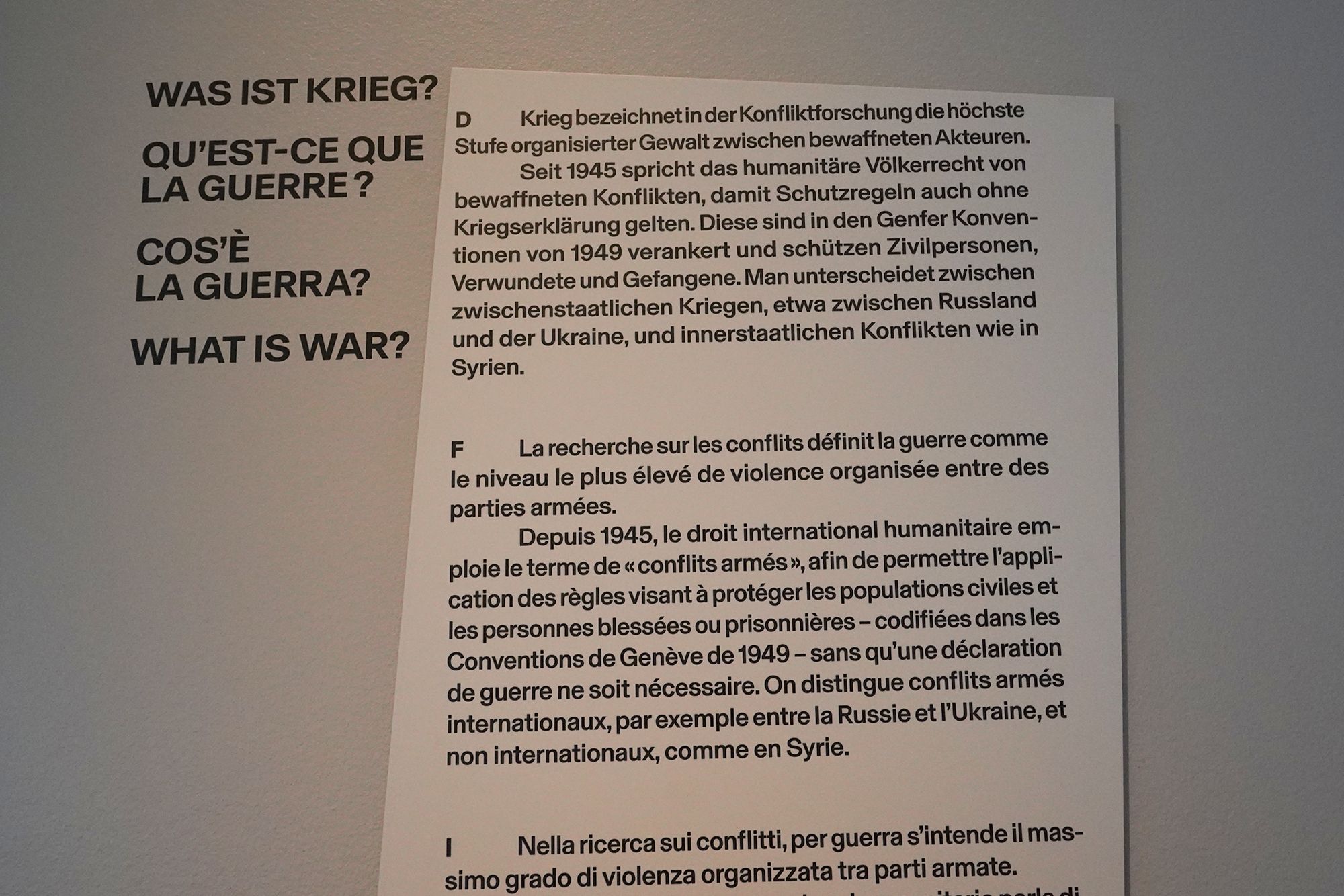
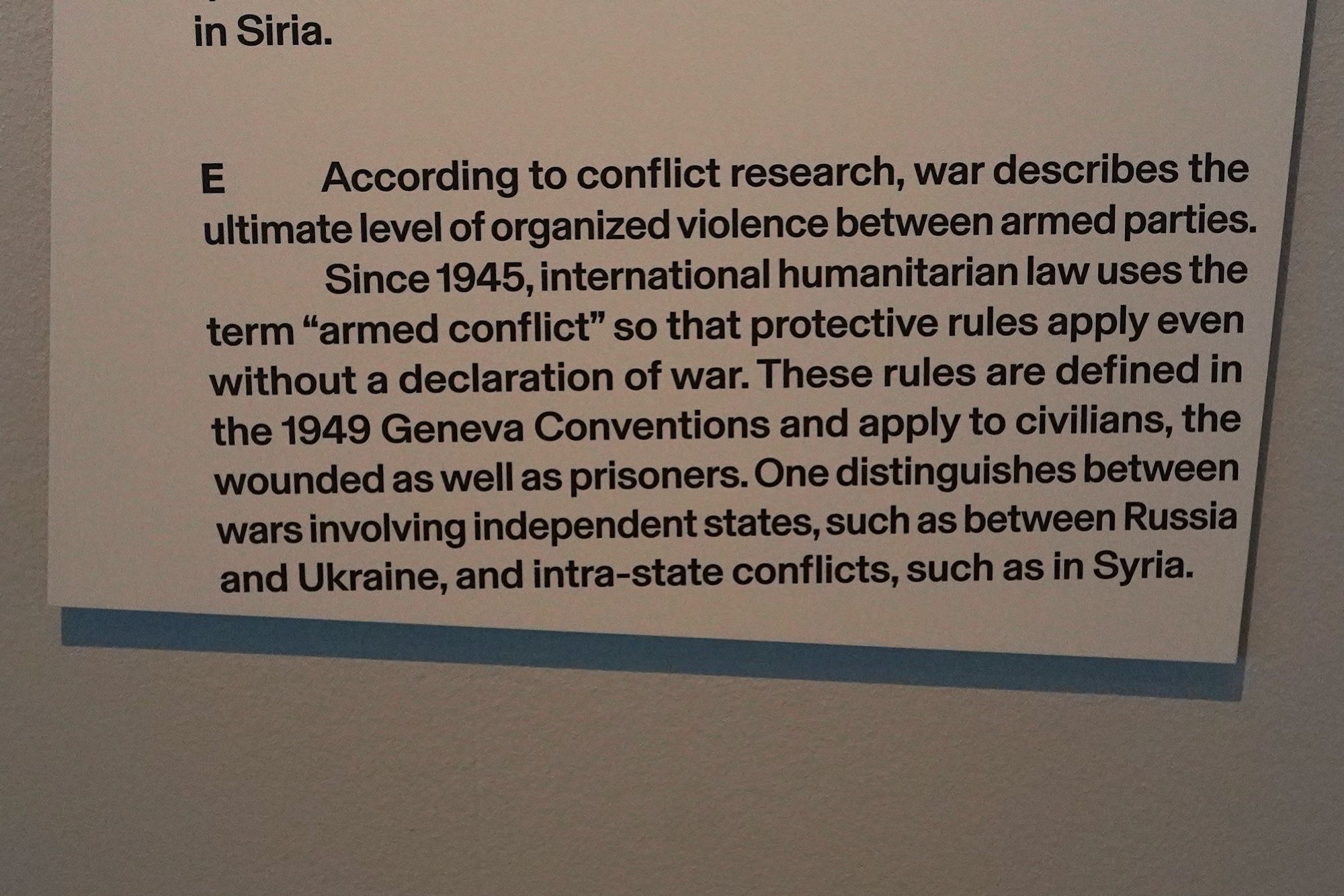
This panel explains the term “armed conflict.” Under the Geneva Conventions, rules protecting civilians, wounded people, and prisoners can apply even when no war has been formally declared.
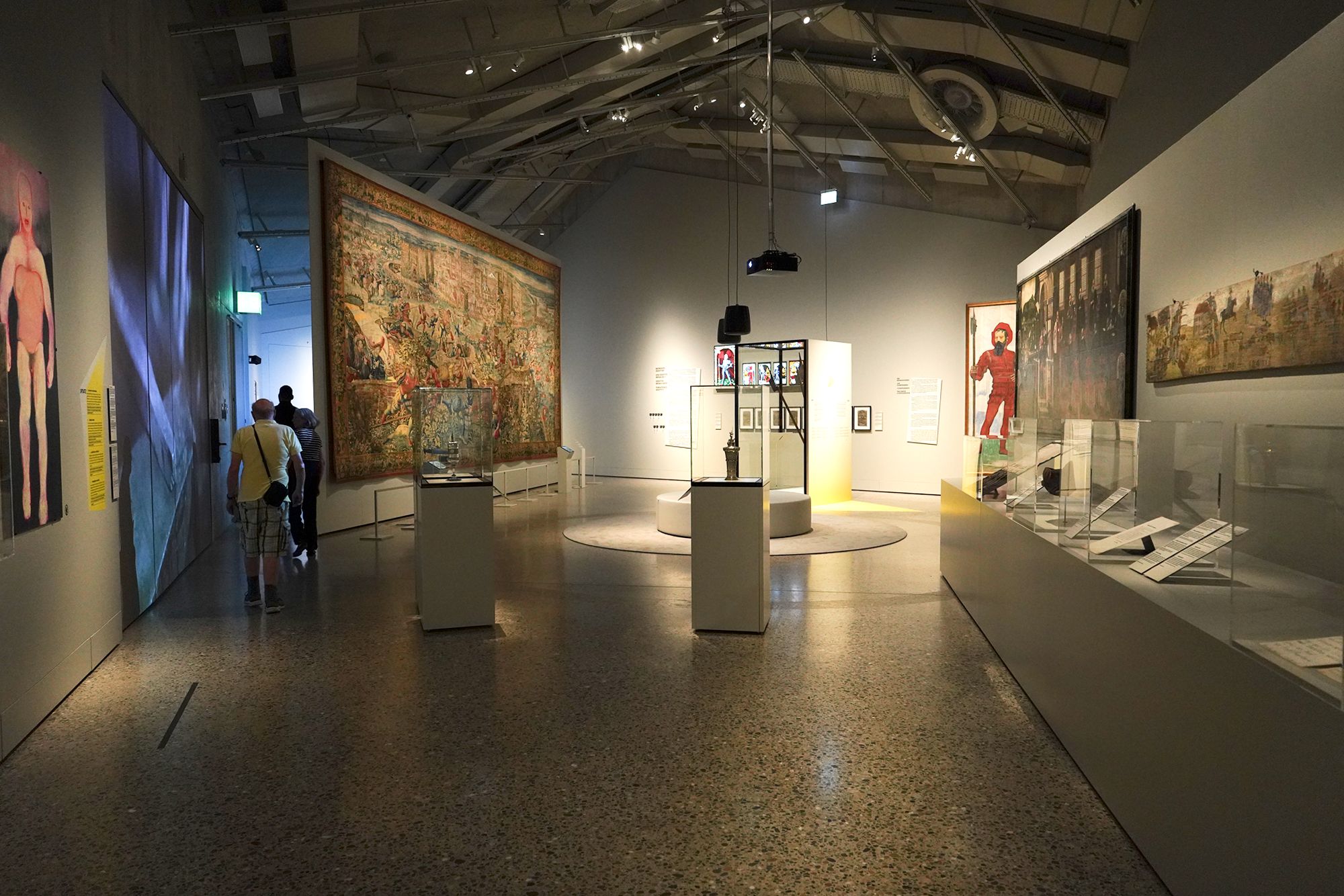
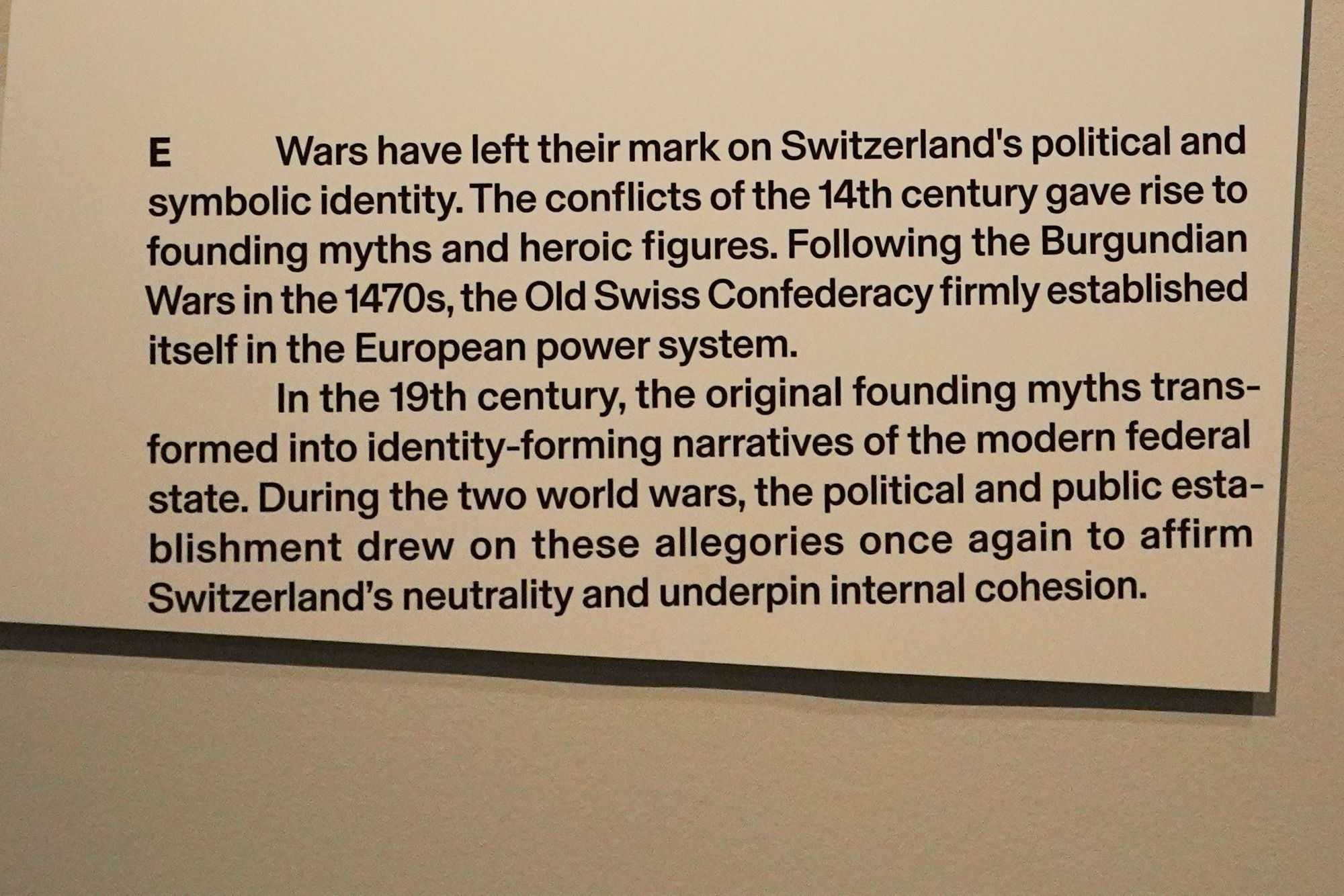
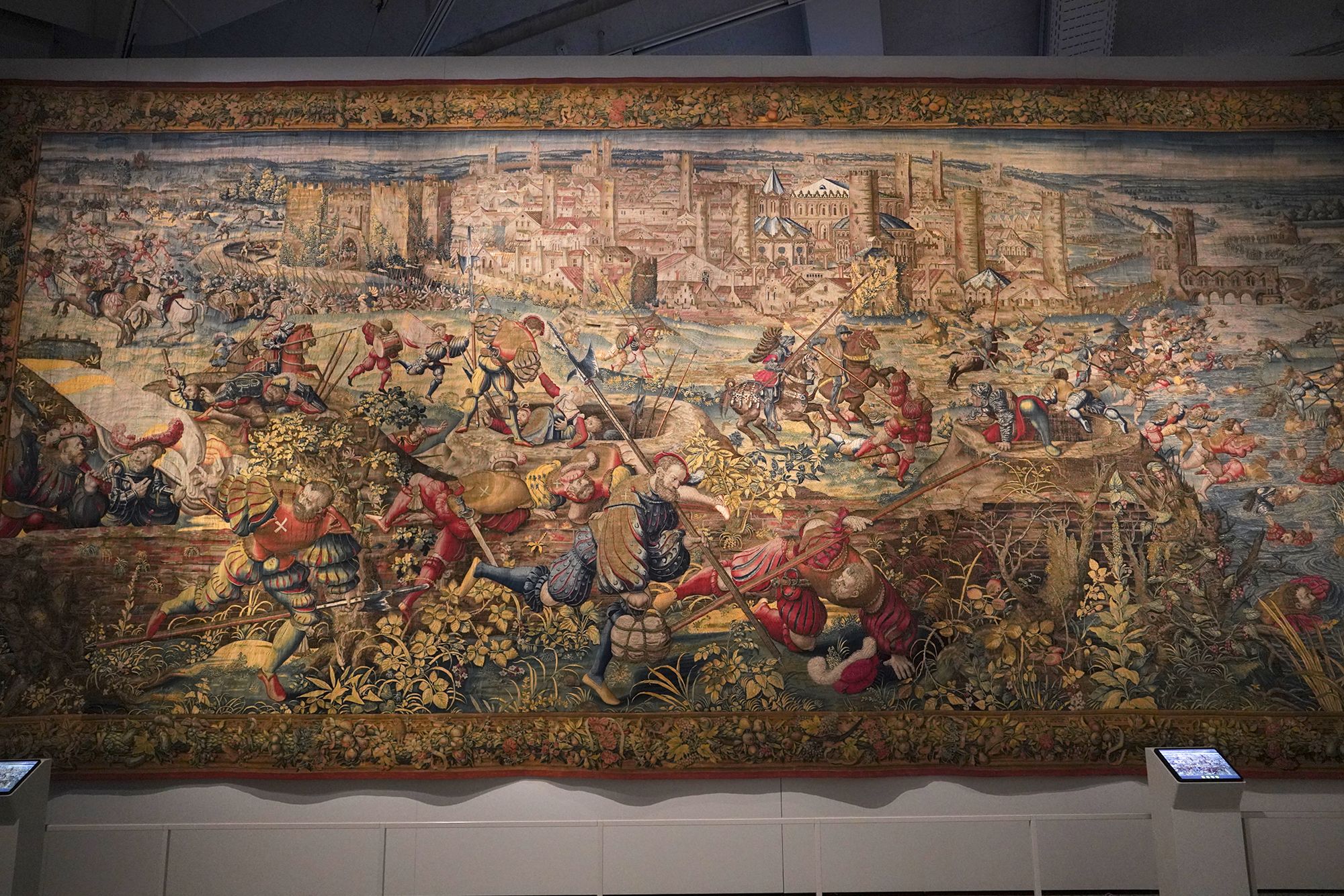
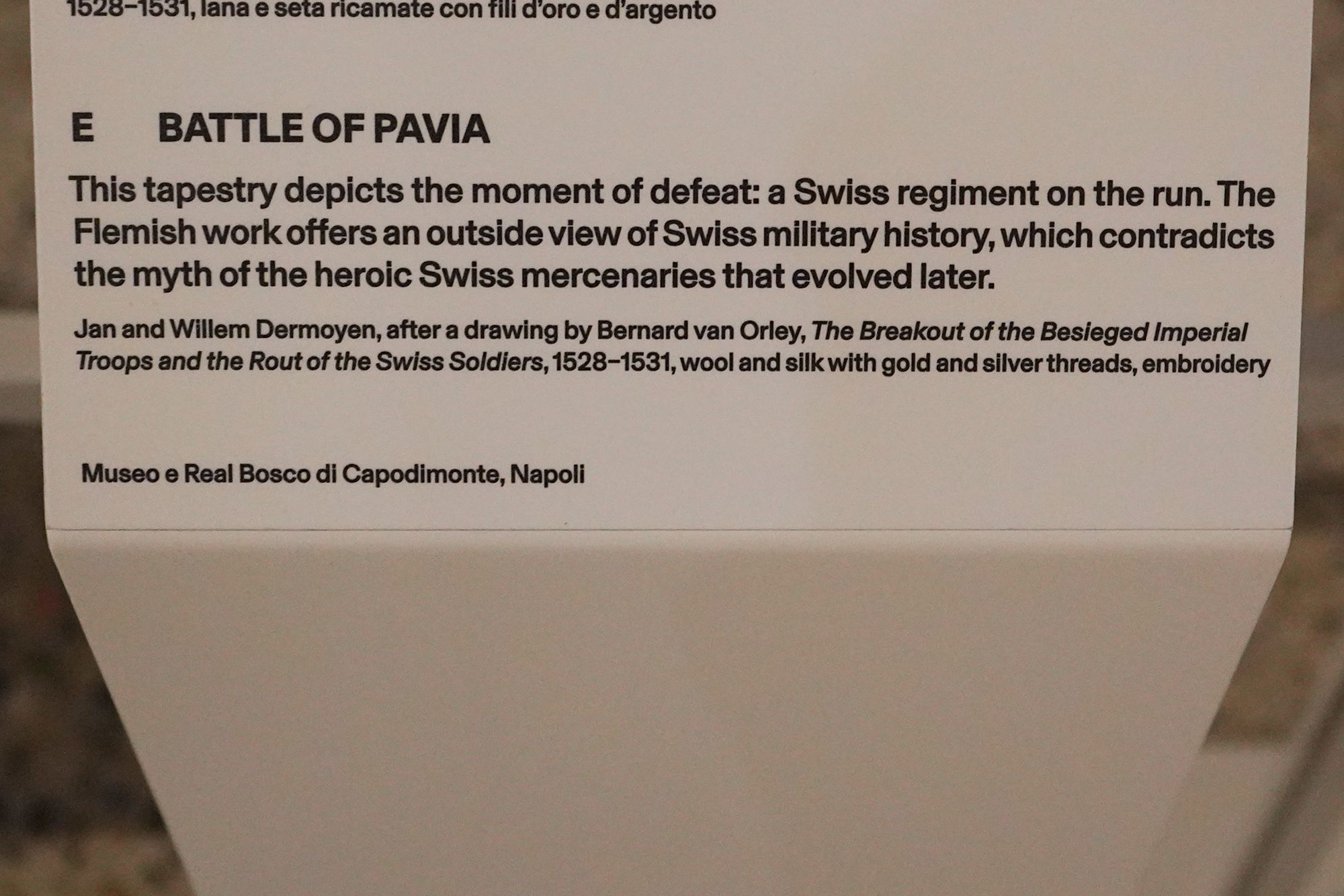
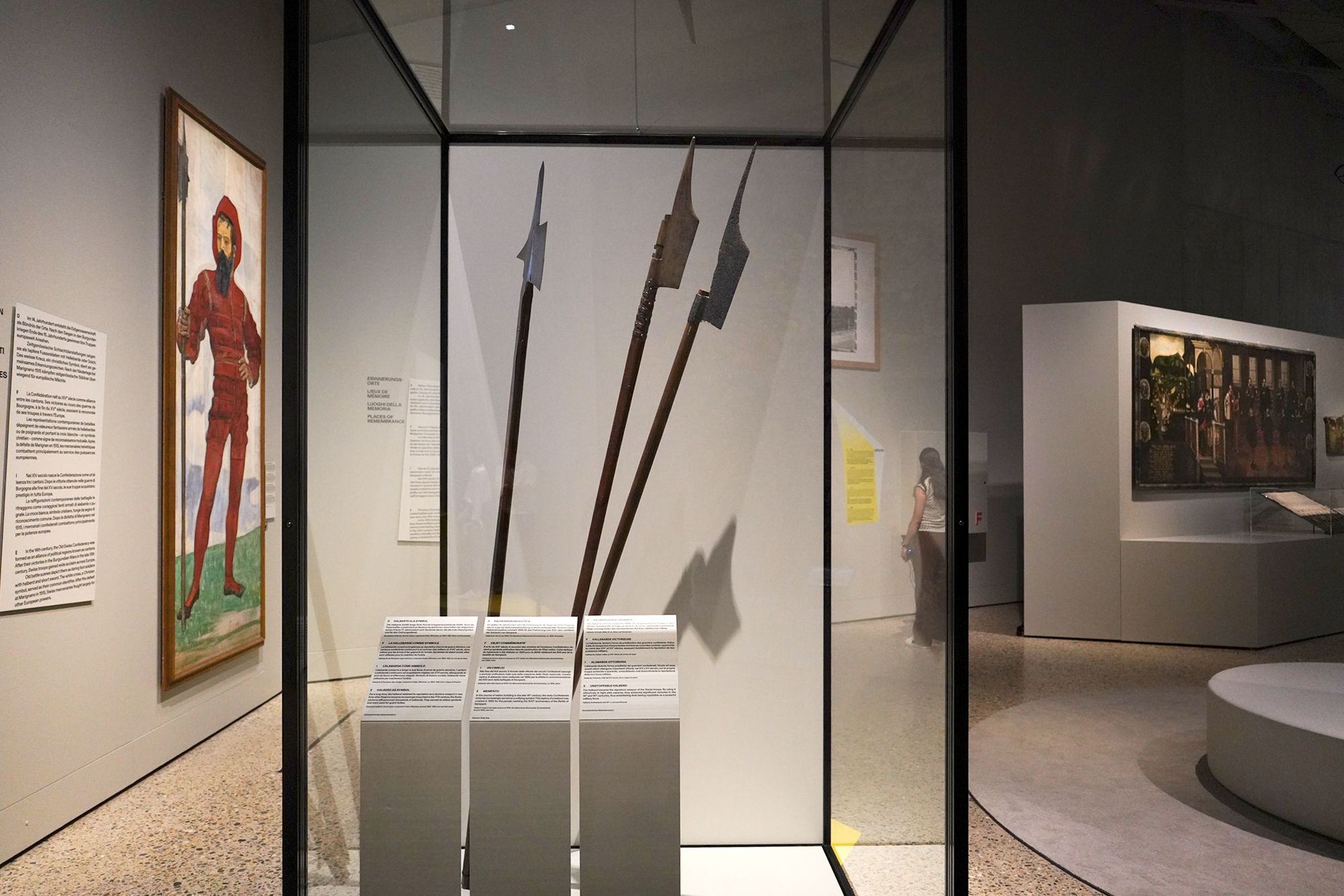
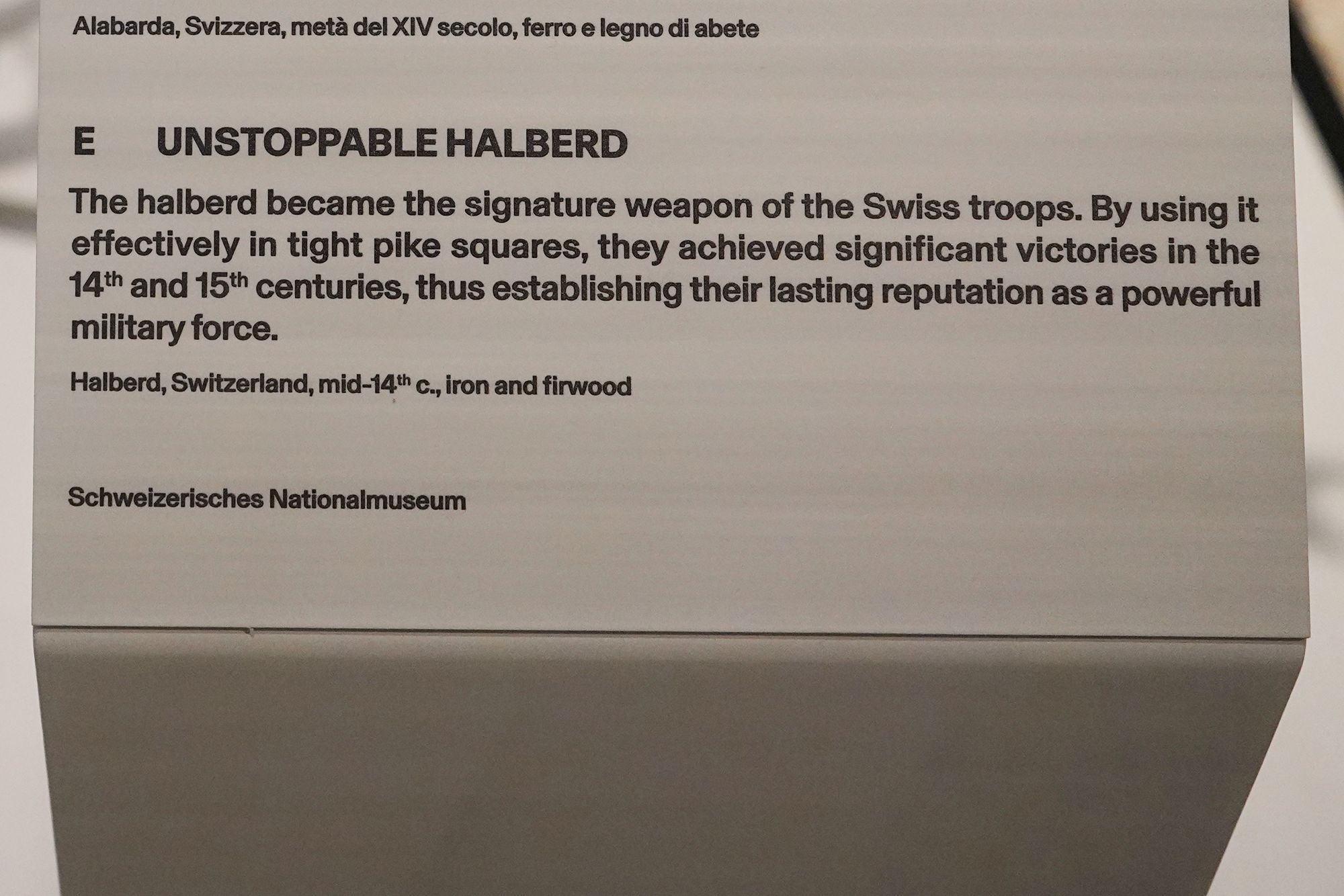
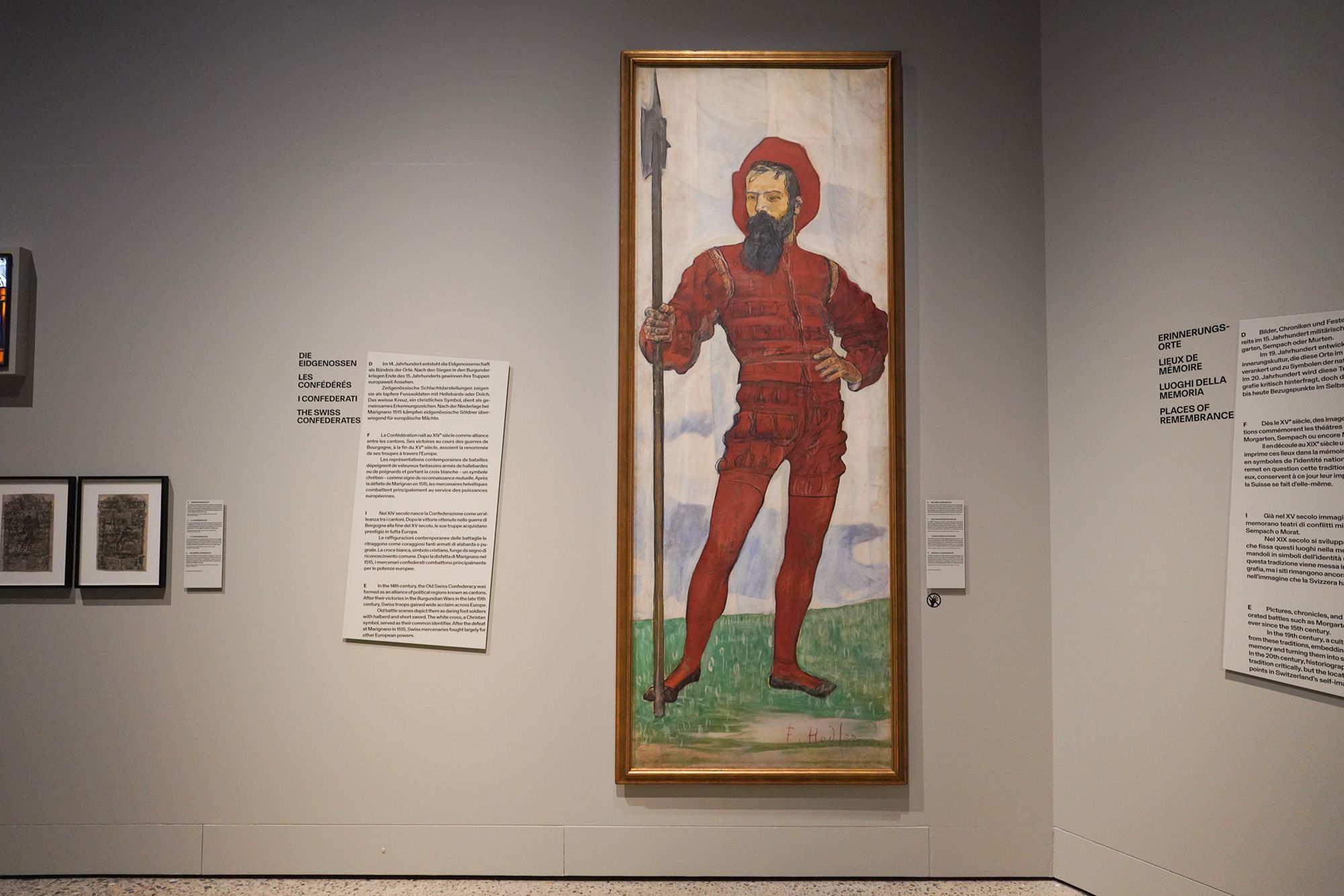
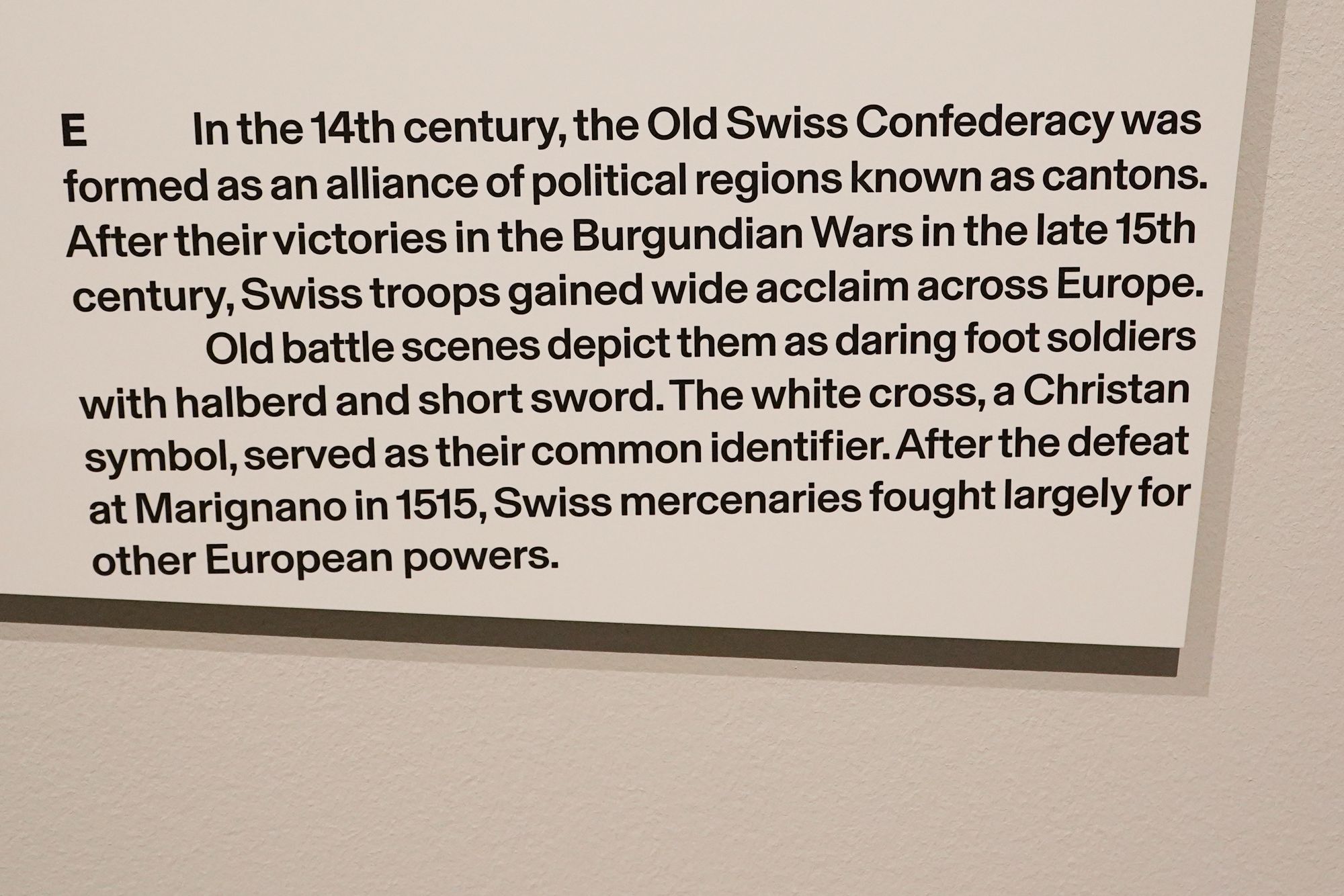
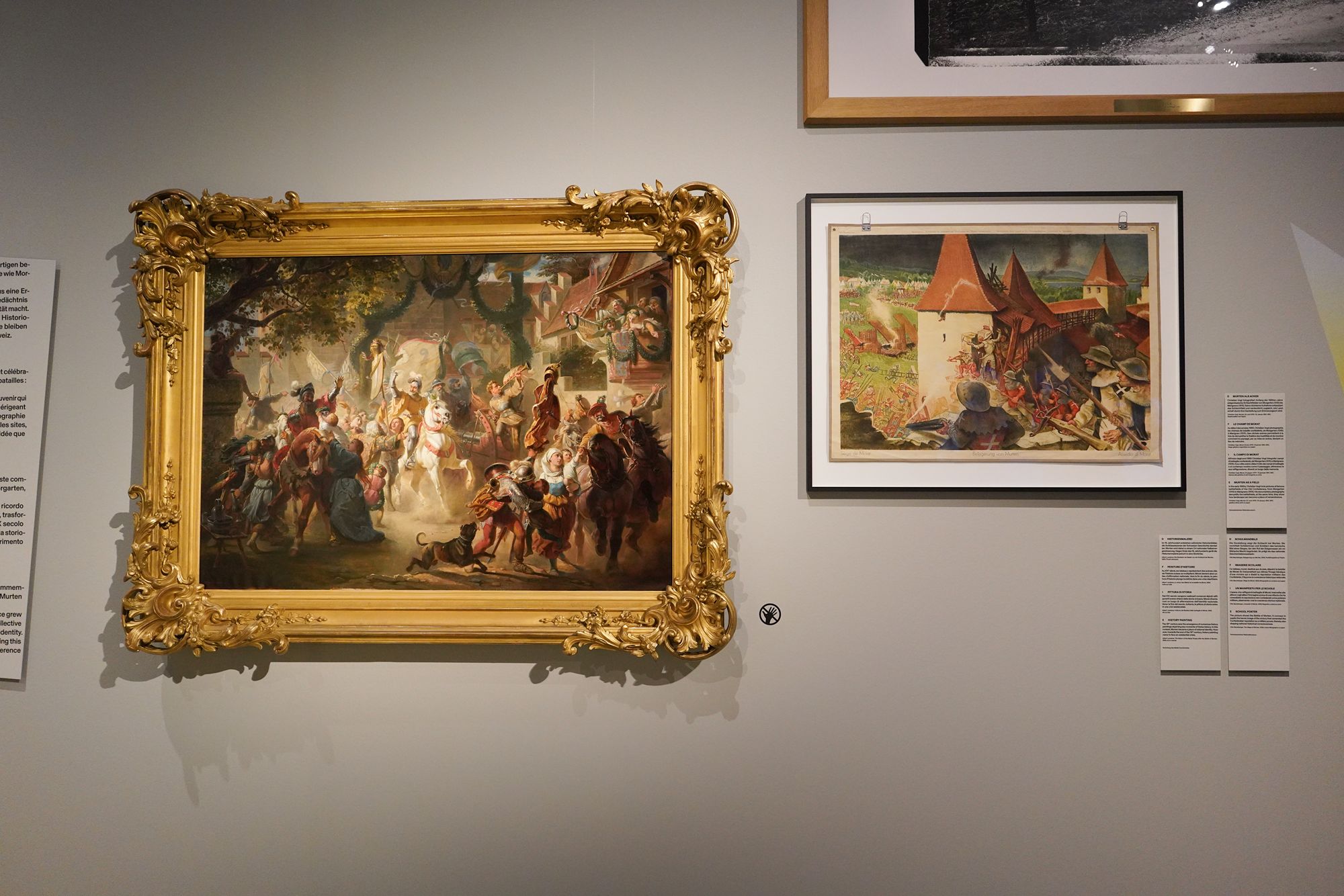
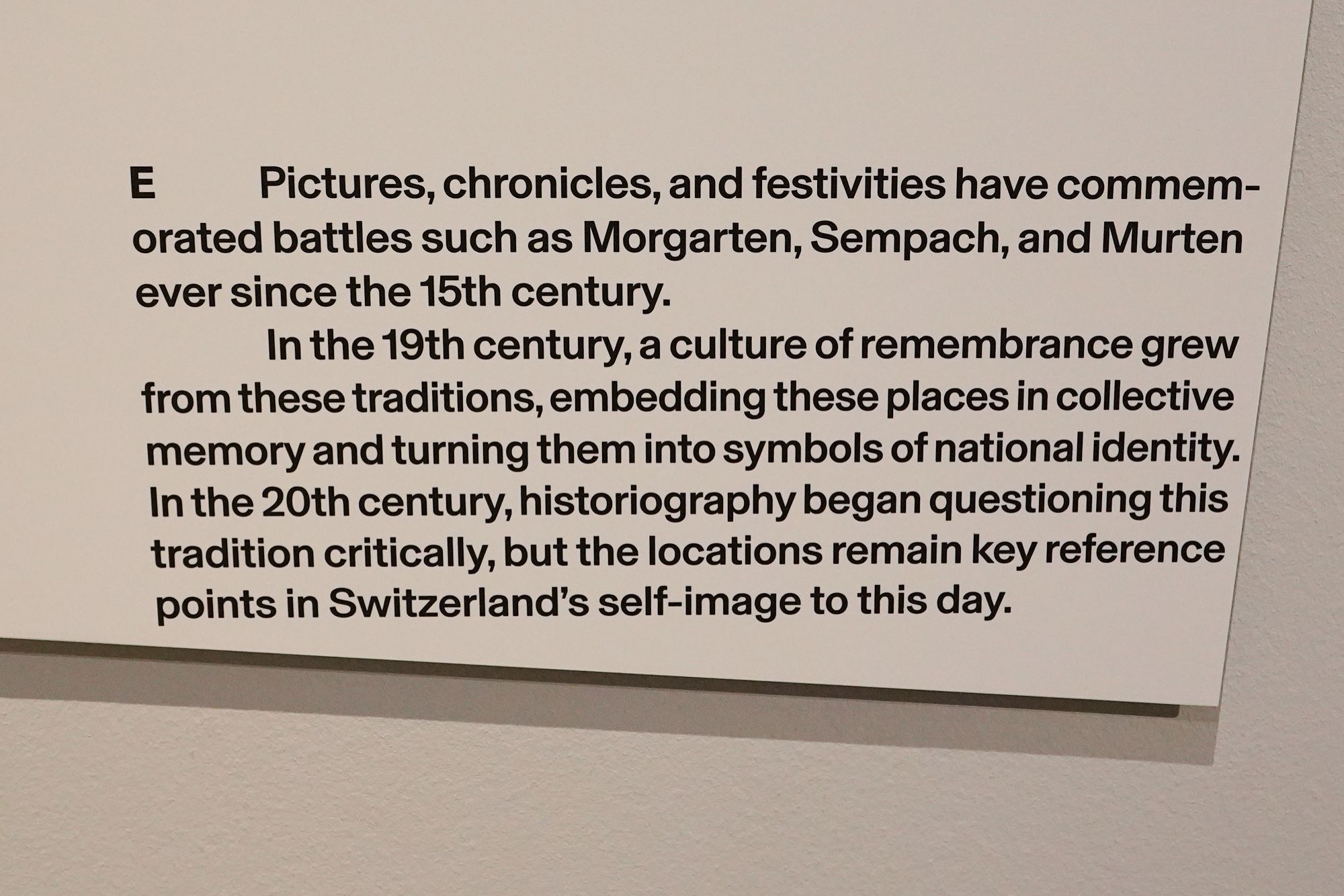
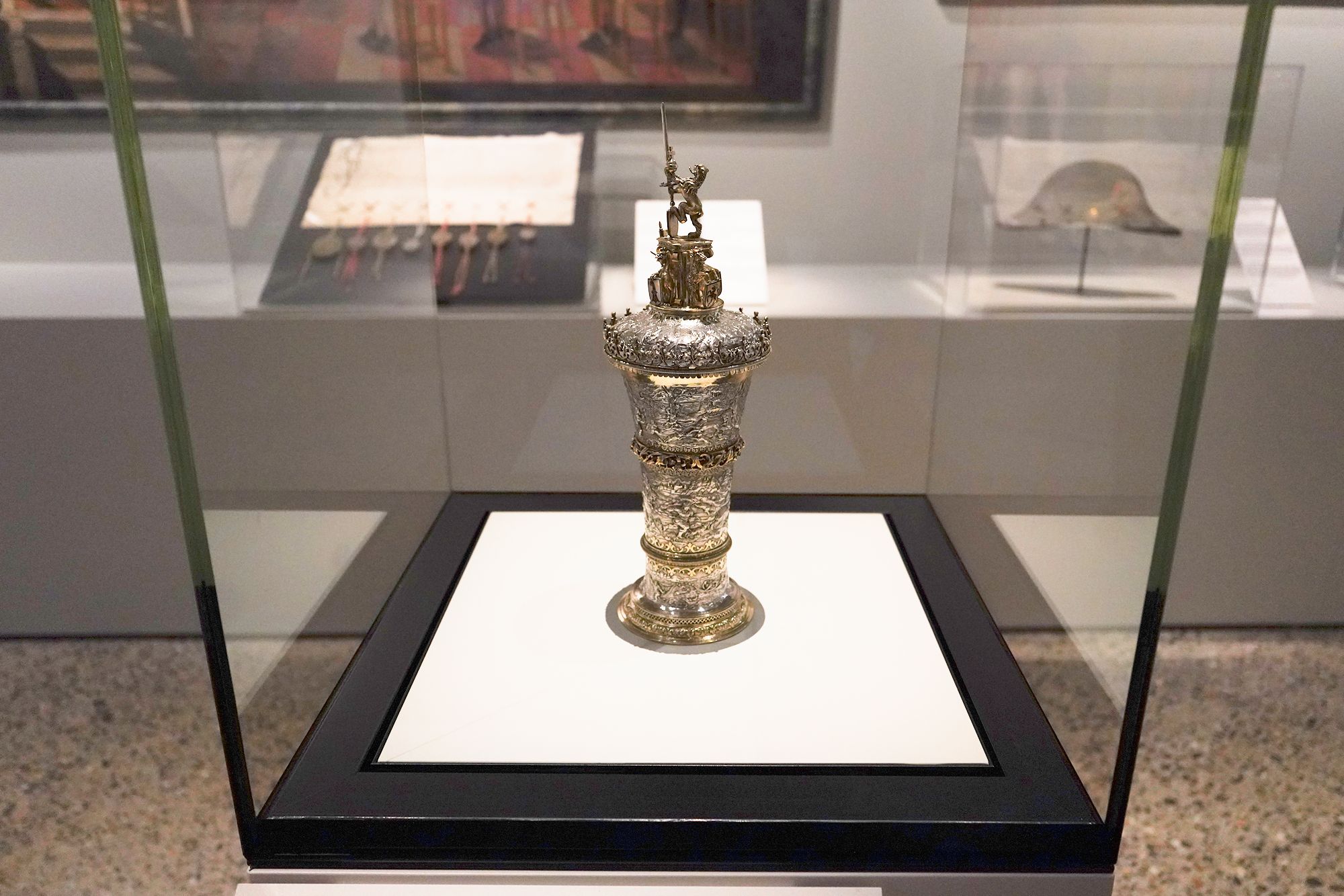
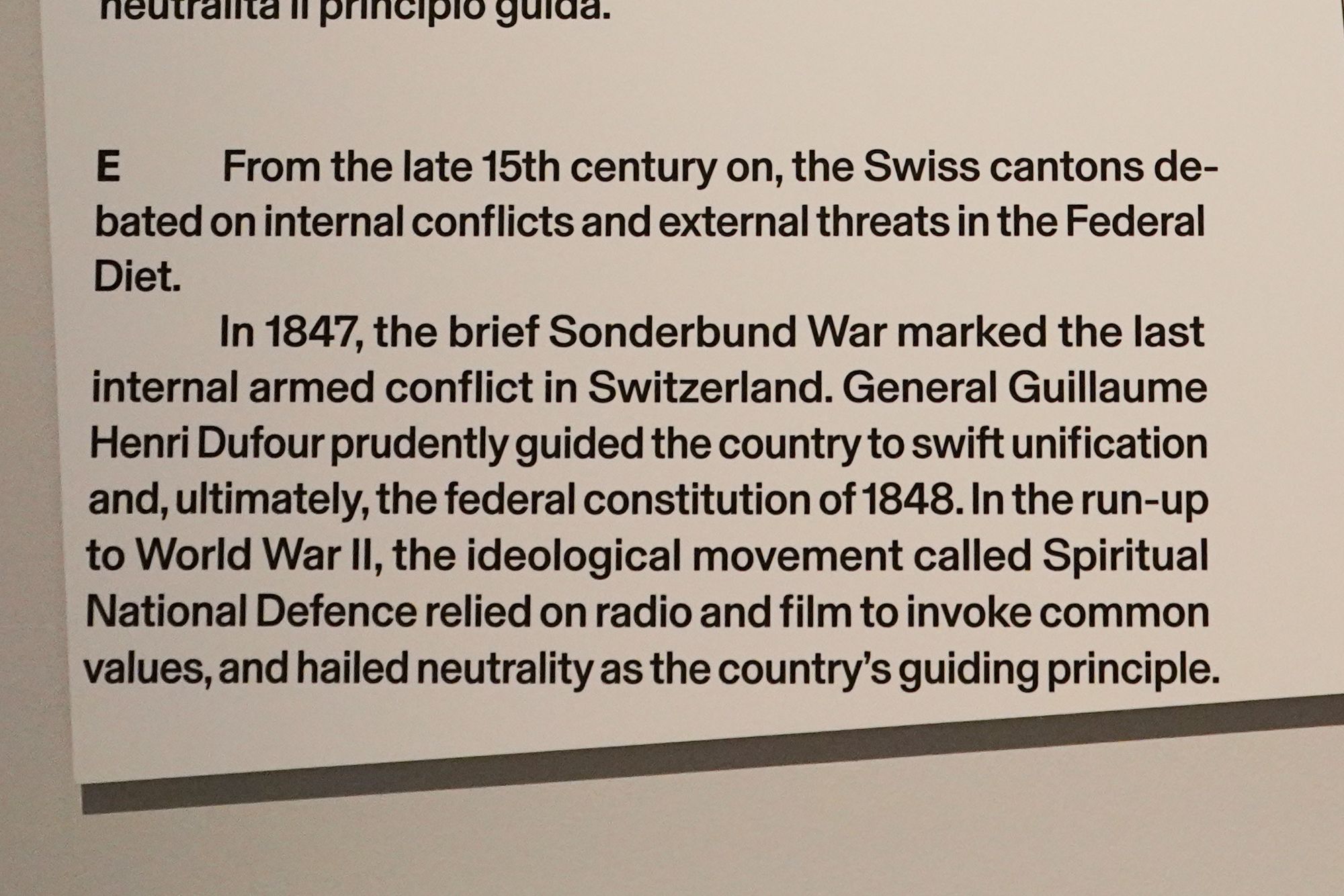
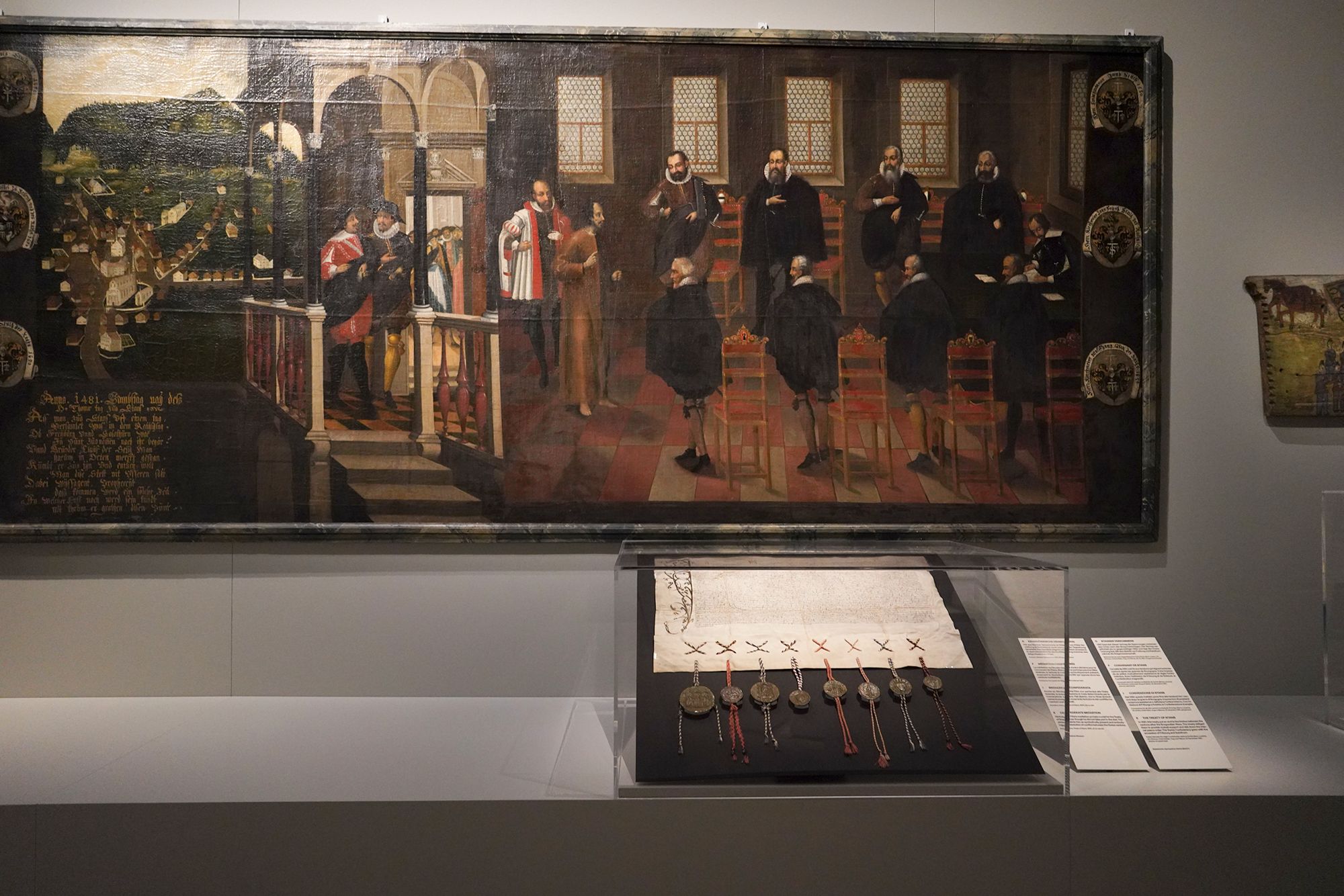
This display explains how past wars became part of Switzerland’s national identity. Stories about early conflicts and the Burgundian Wars were retold in later centuries. During the two world wars, Swiss leaders drew on them to reinforce the country’s neutrality and sense of unity.