Kunsthaus Zürich V – Old Masters and Contemporary, Switzerland
This section of the museum features Old Masters and contemporary art. 1344
Kunsthaus Zurich: Heimpl. 1/5, 8001 Zürich, Switzerland
Date Picture Taken: Jun, 2026
In this final part of my Kunsthaus Zürich visit, I moved from Old Master paintings to contemporary works. The galleries offered a look at how artists across different centuries approached people, places, and ideas. It was an interesting way to end my visit, with older traditions and newer expressions together.
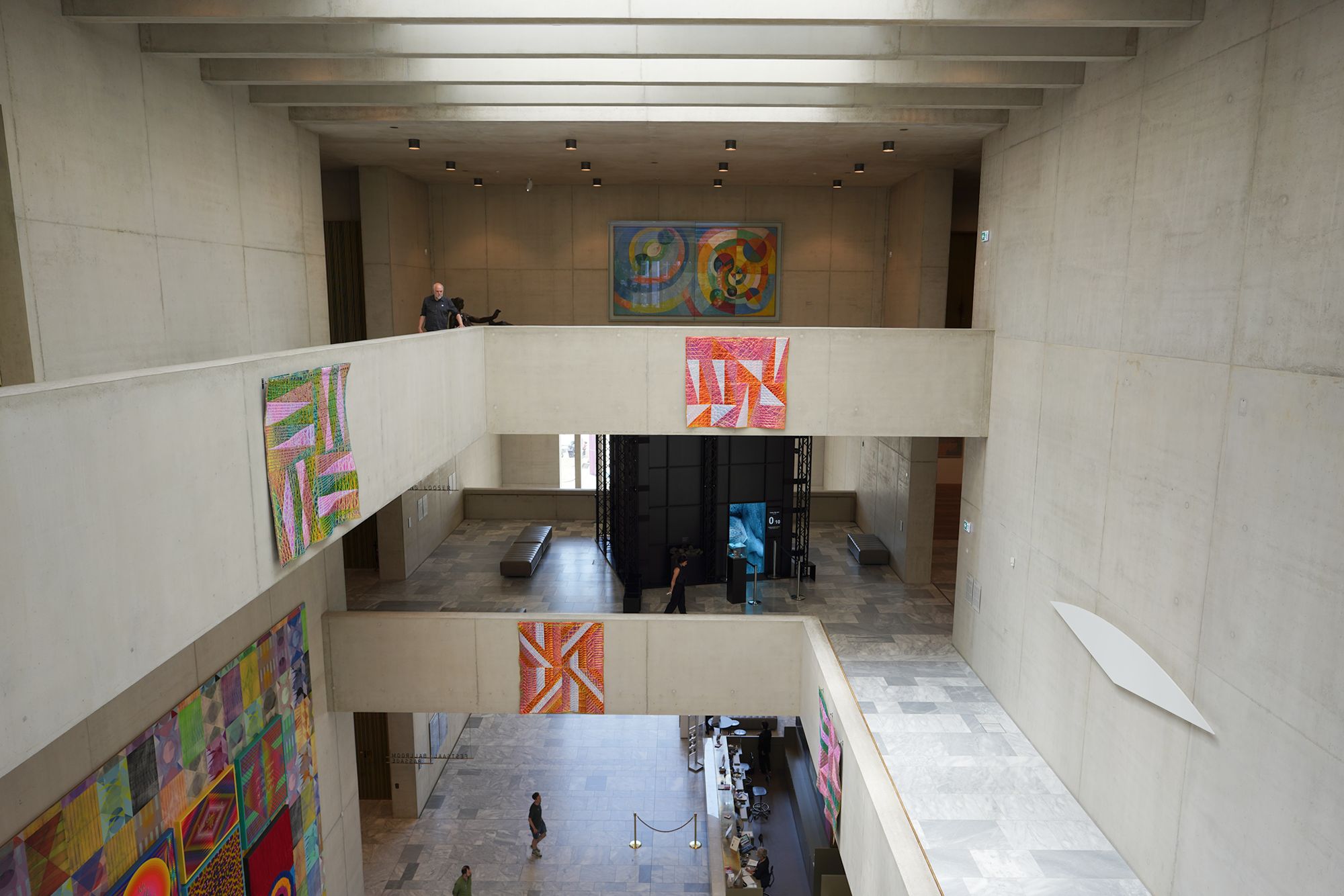
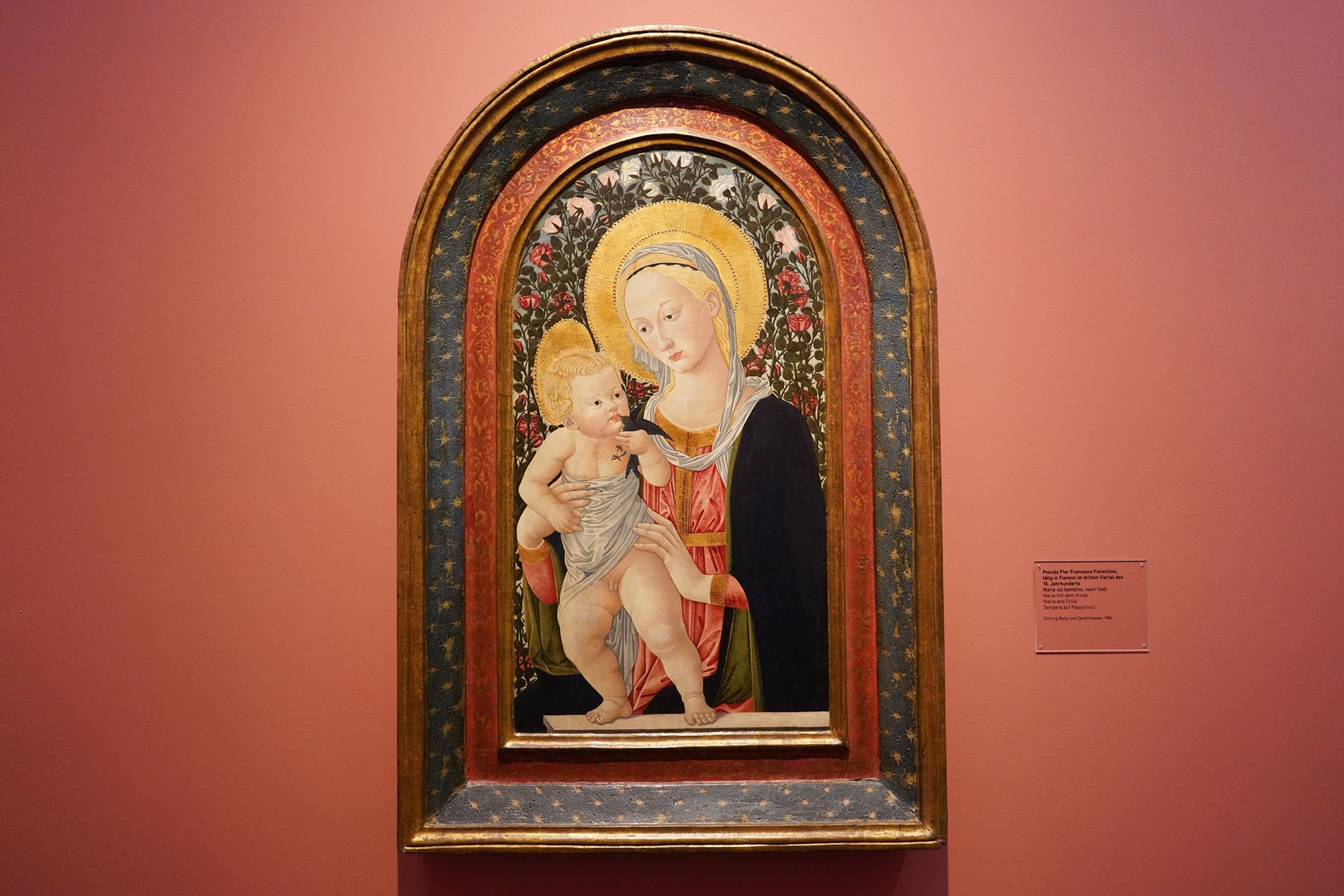
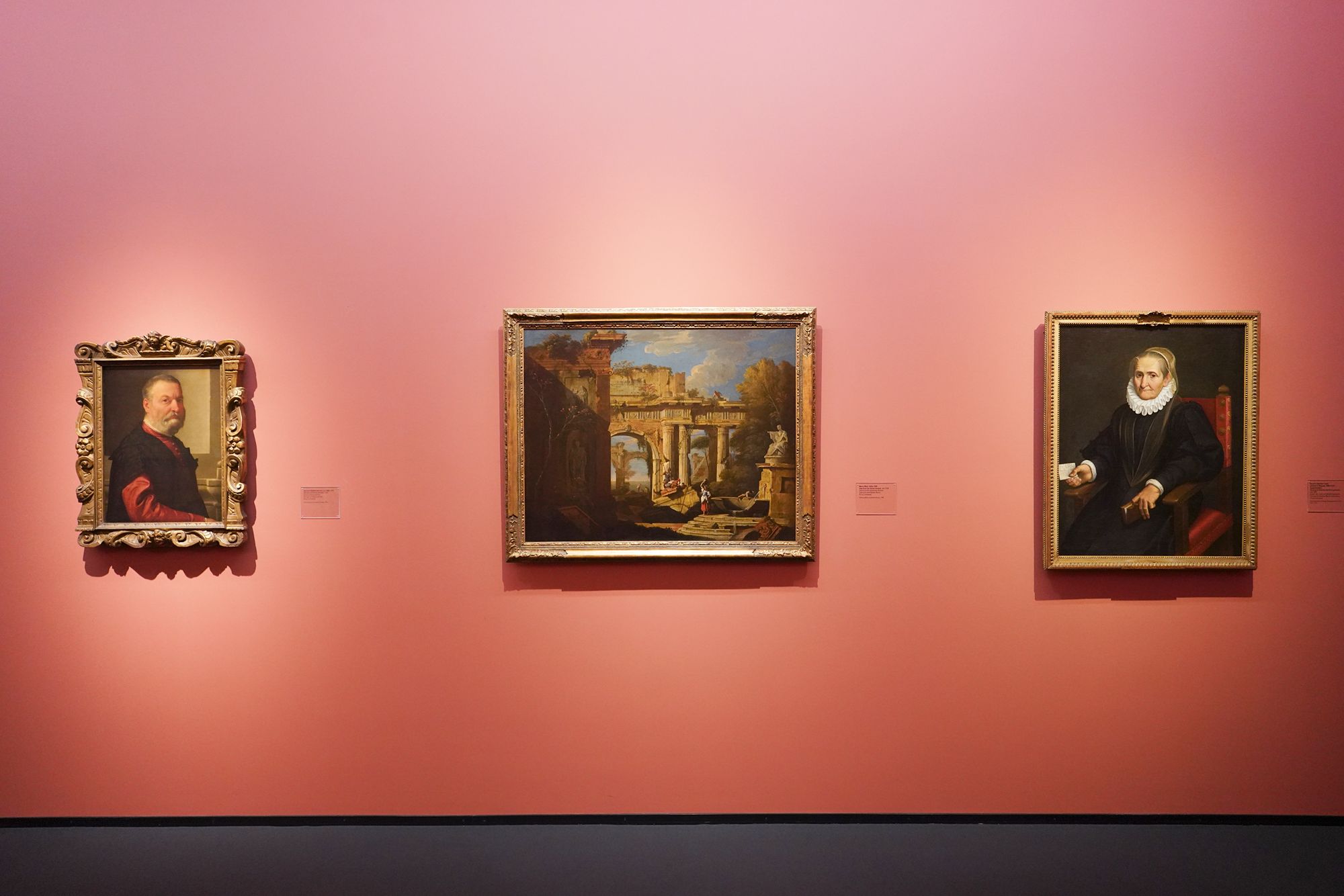
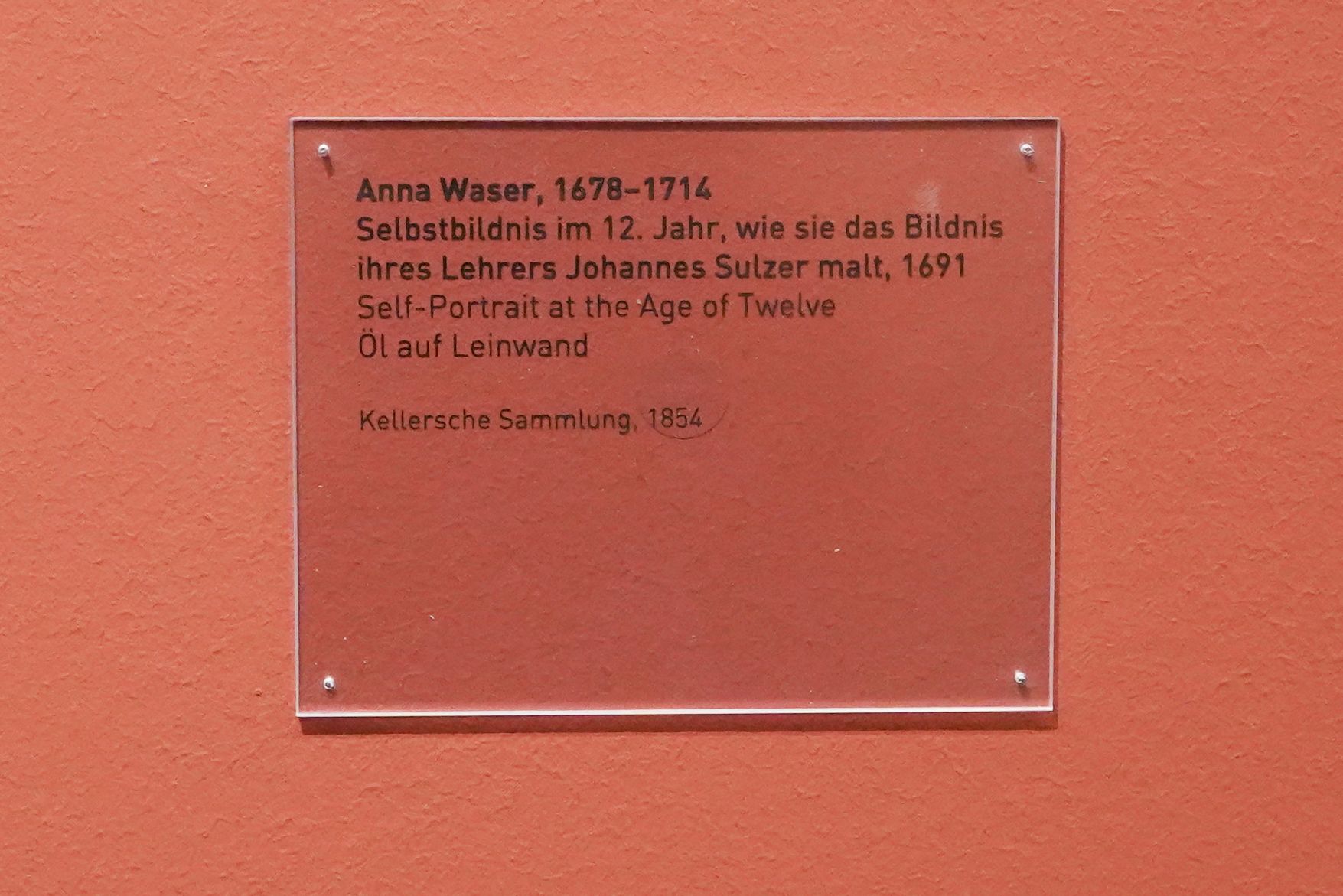
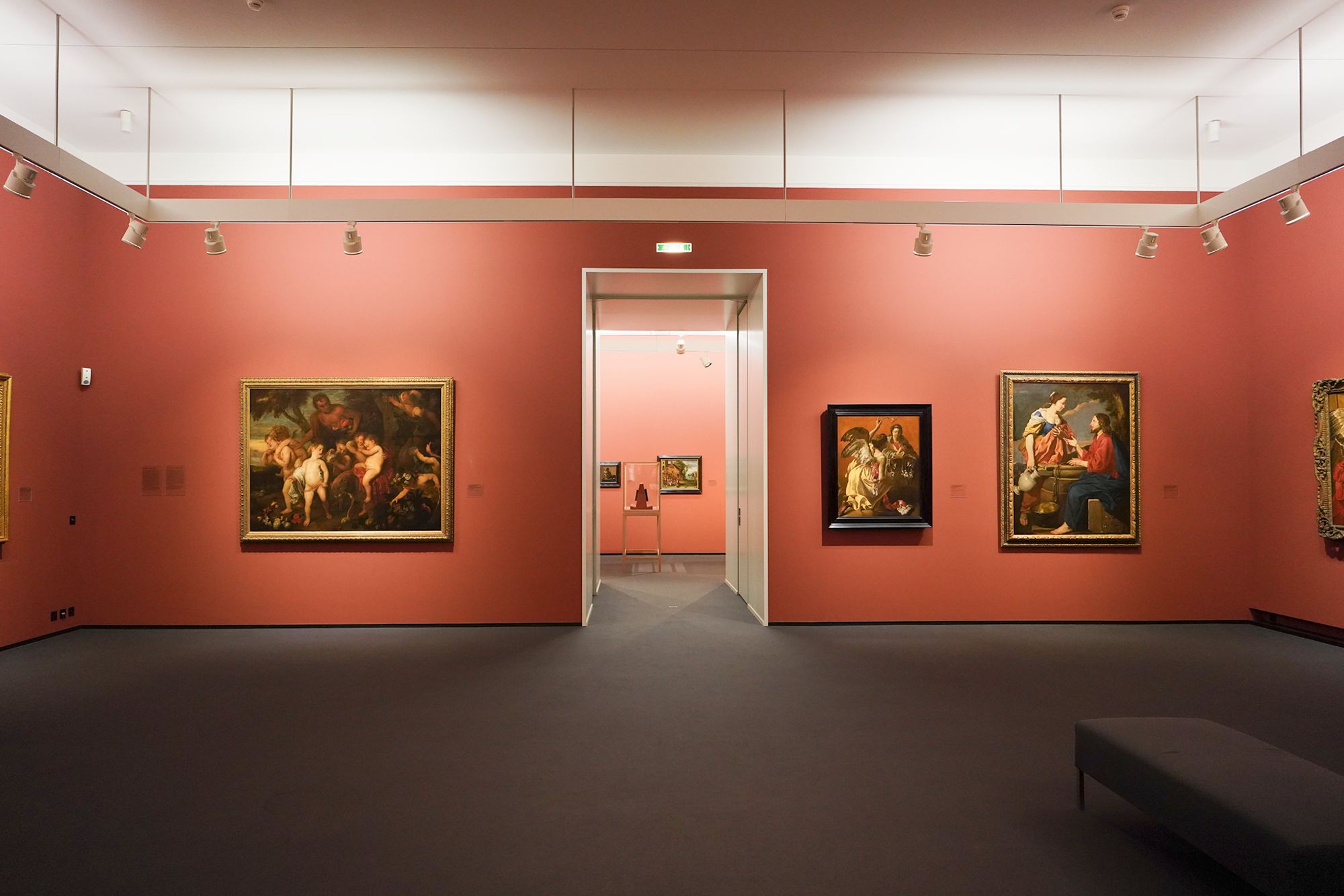
The Old Masters section at Kunsthaus Zürich features European paintings from earlier centuries, including portraits, religious scenes, and landscapes.
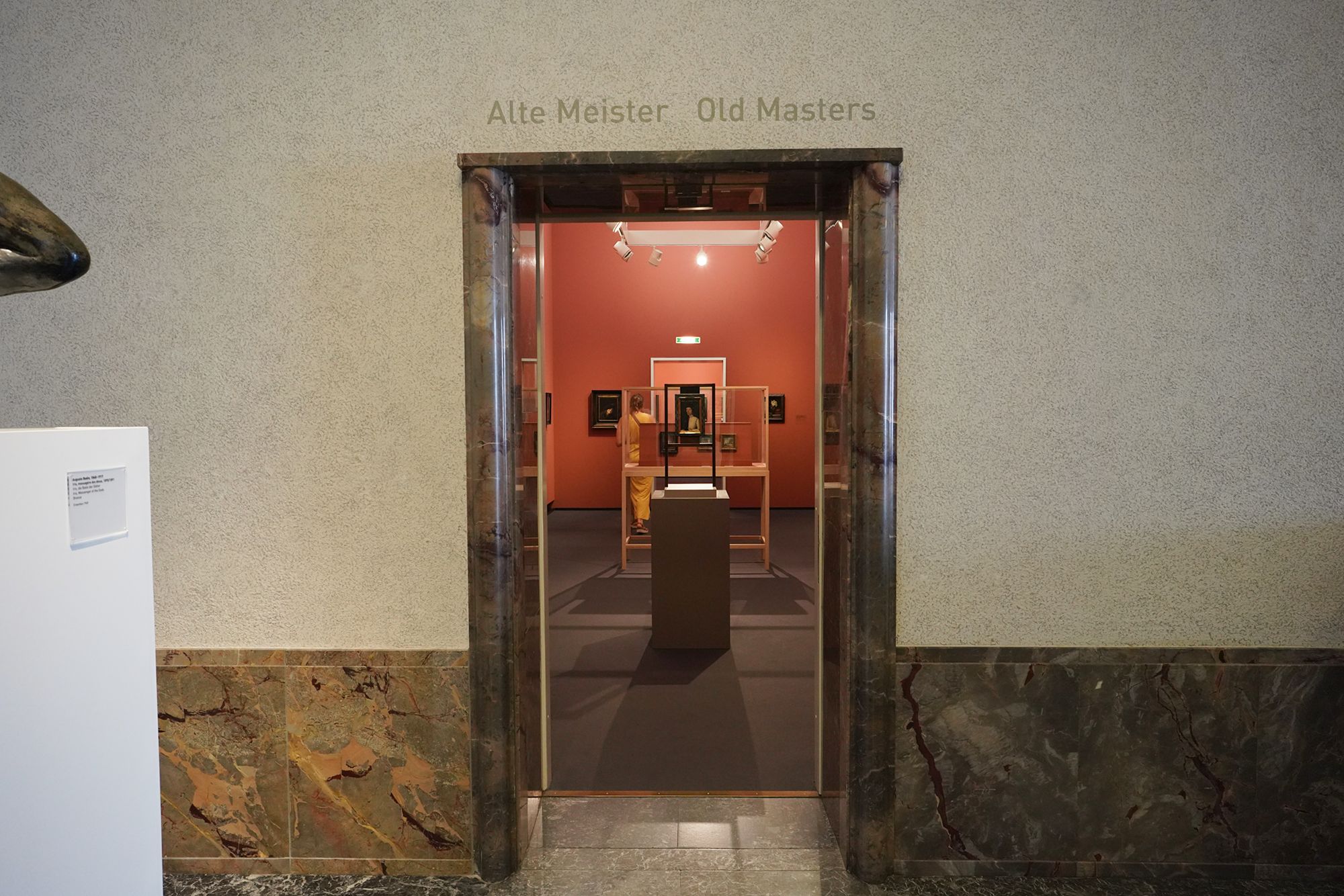
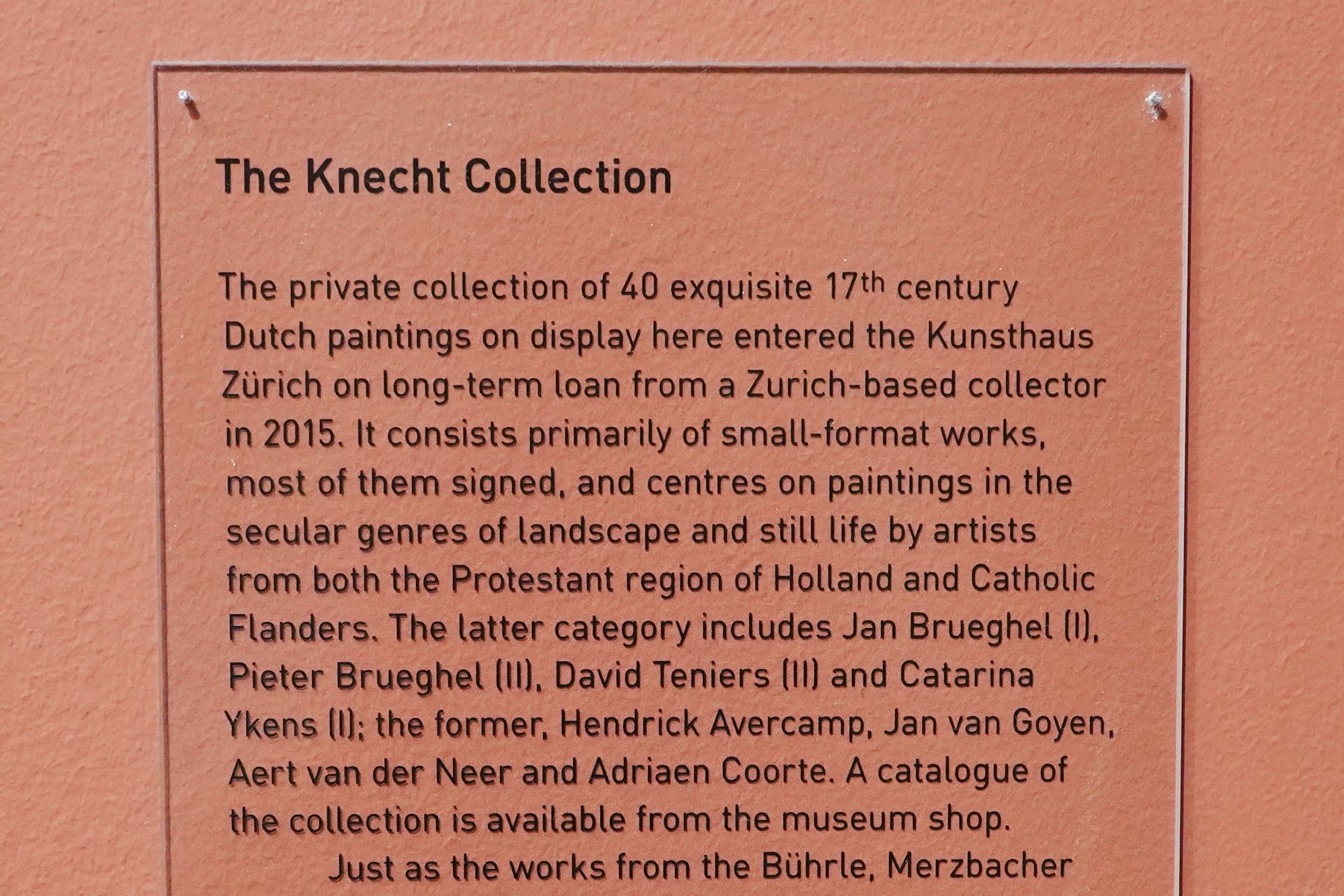
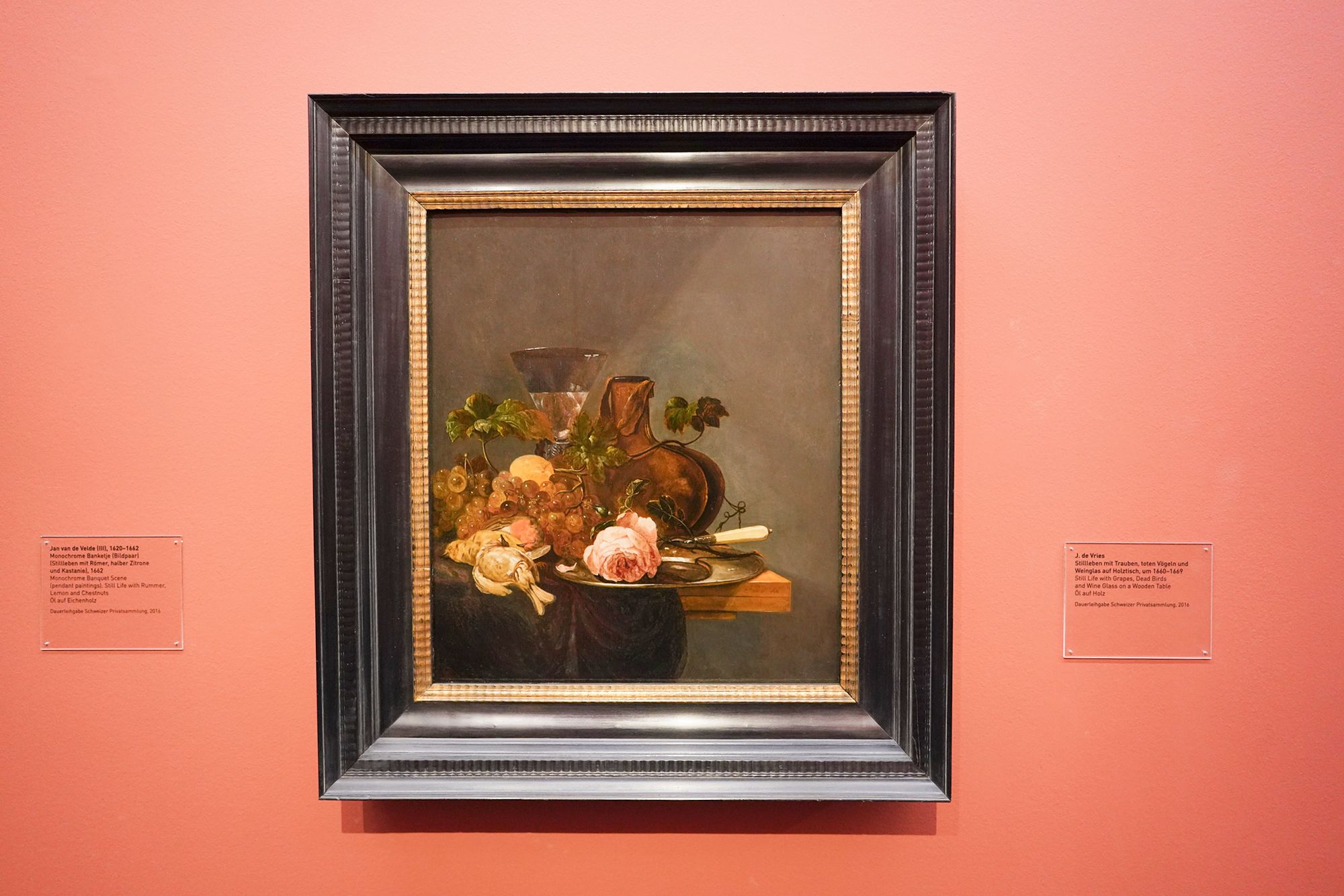
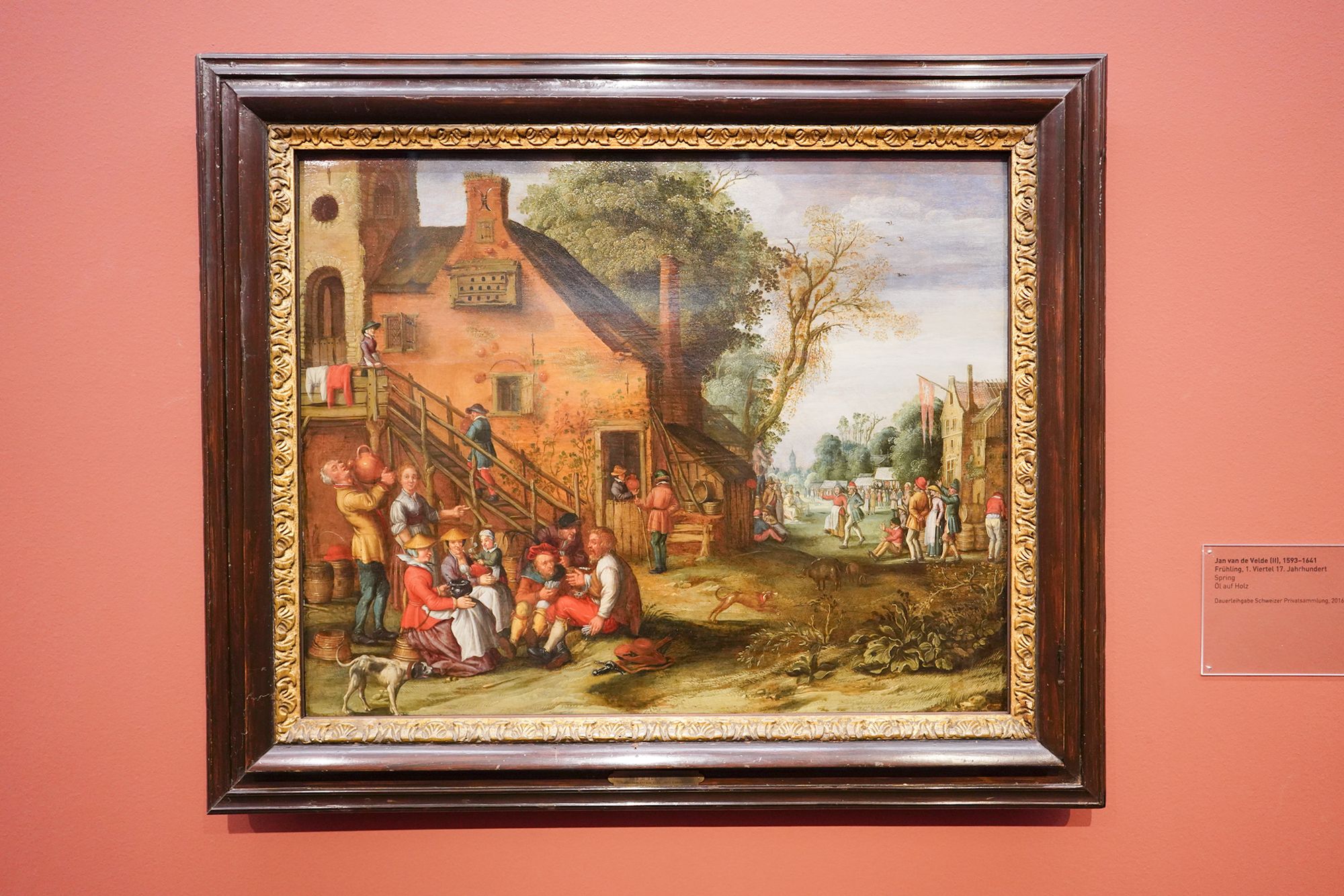
In the Old Masters section, I saw the Knecht Collection, a group of small Dutch and Flemish paintings from the seventeenth century. The works focused mainly on landscapes and still lifes and have been on long-term loan to Kunsthaus Zürich since 2015.
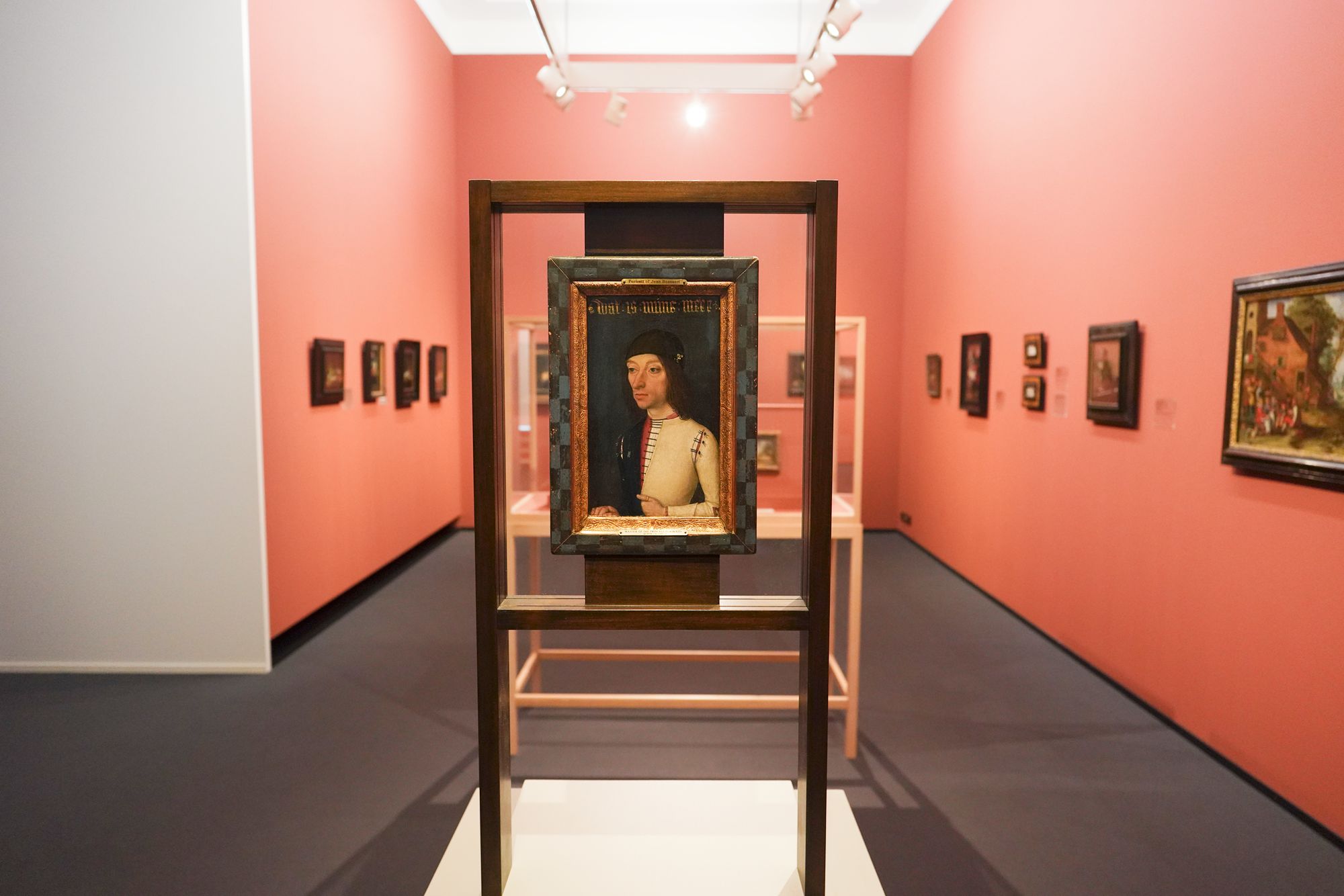
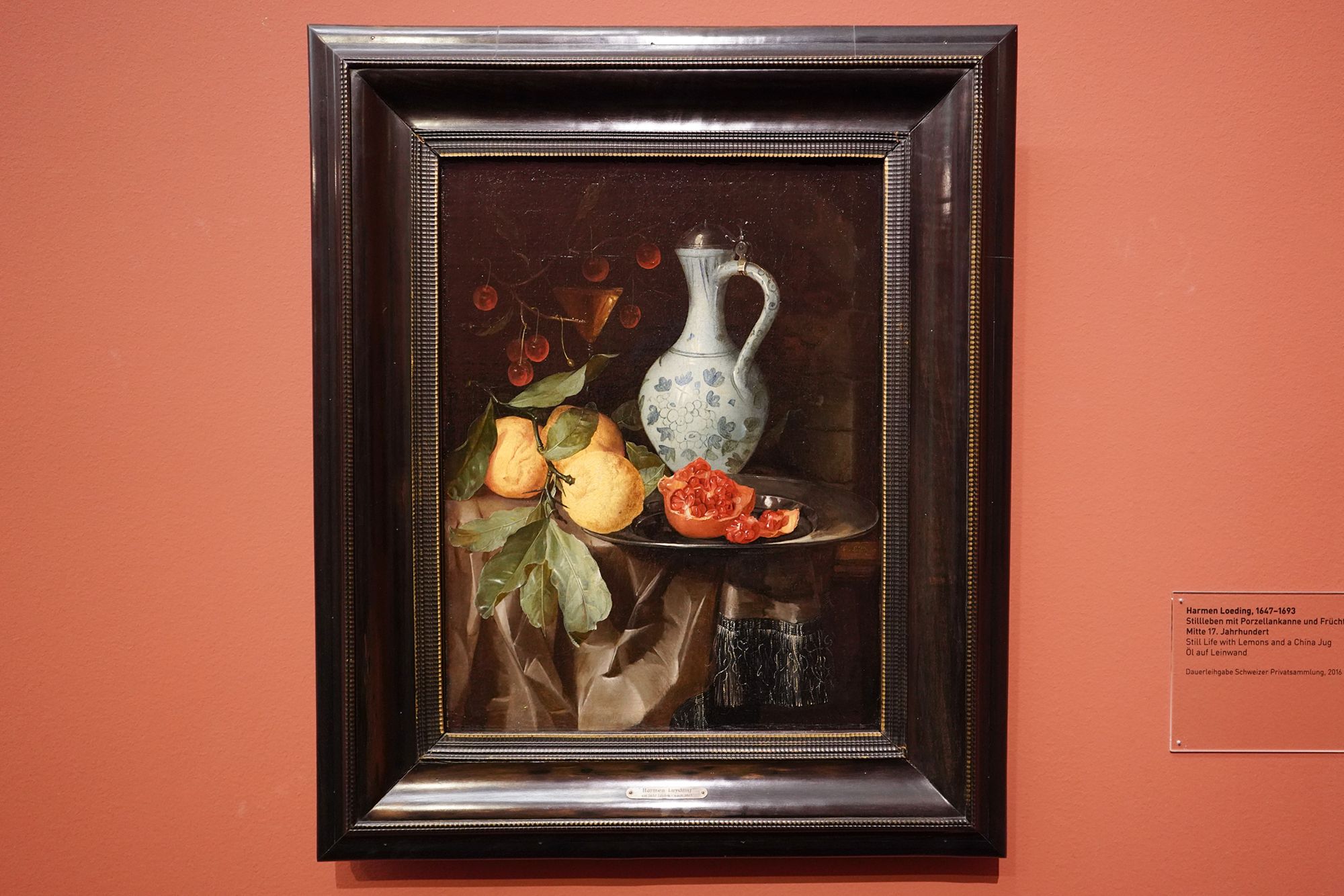
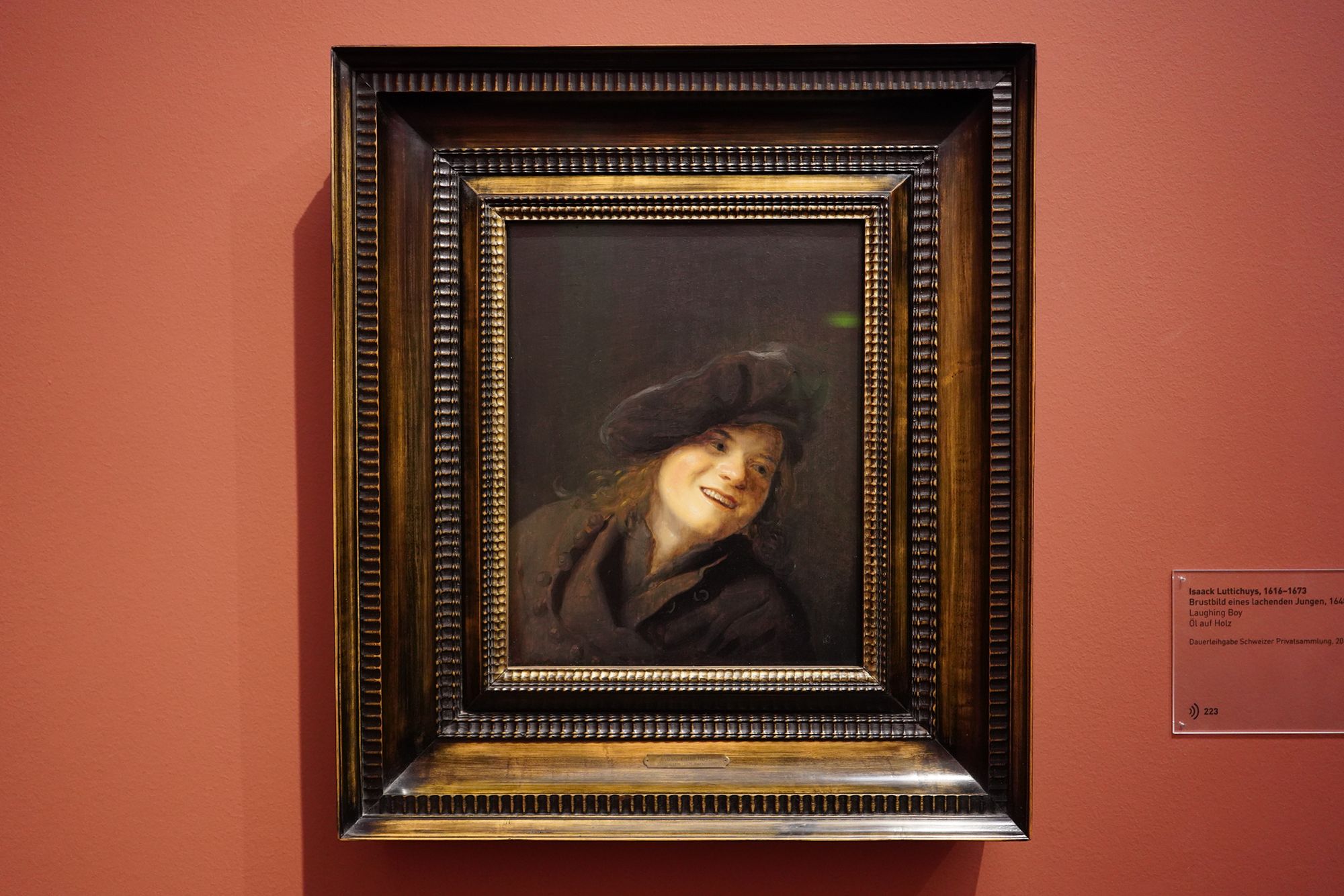
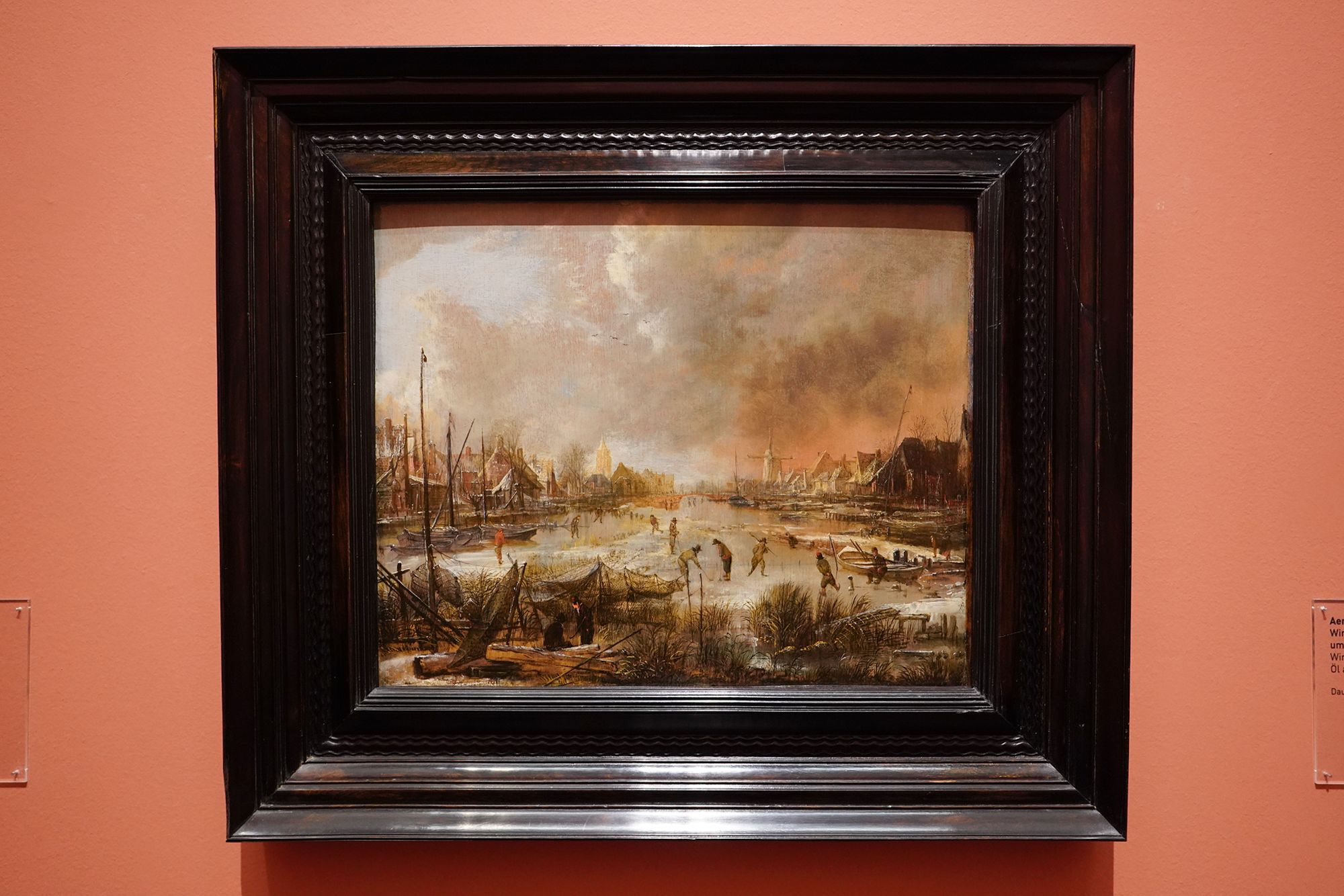
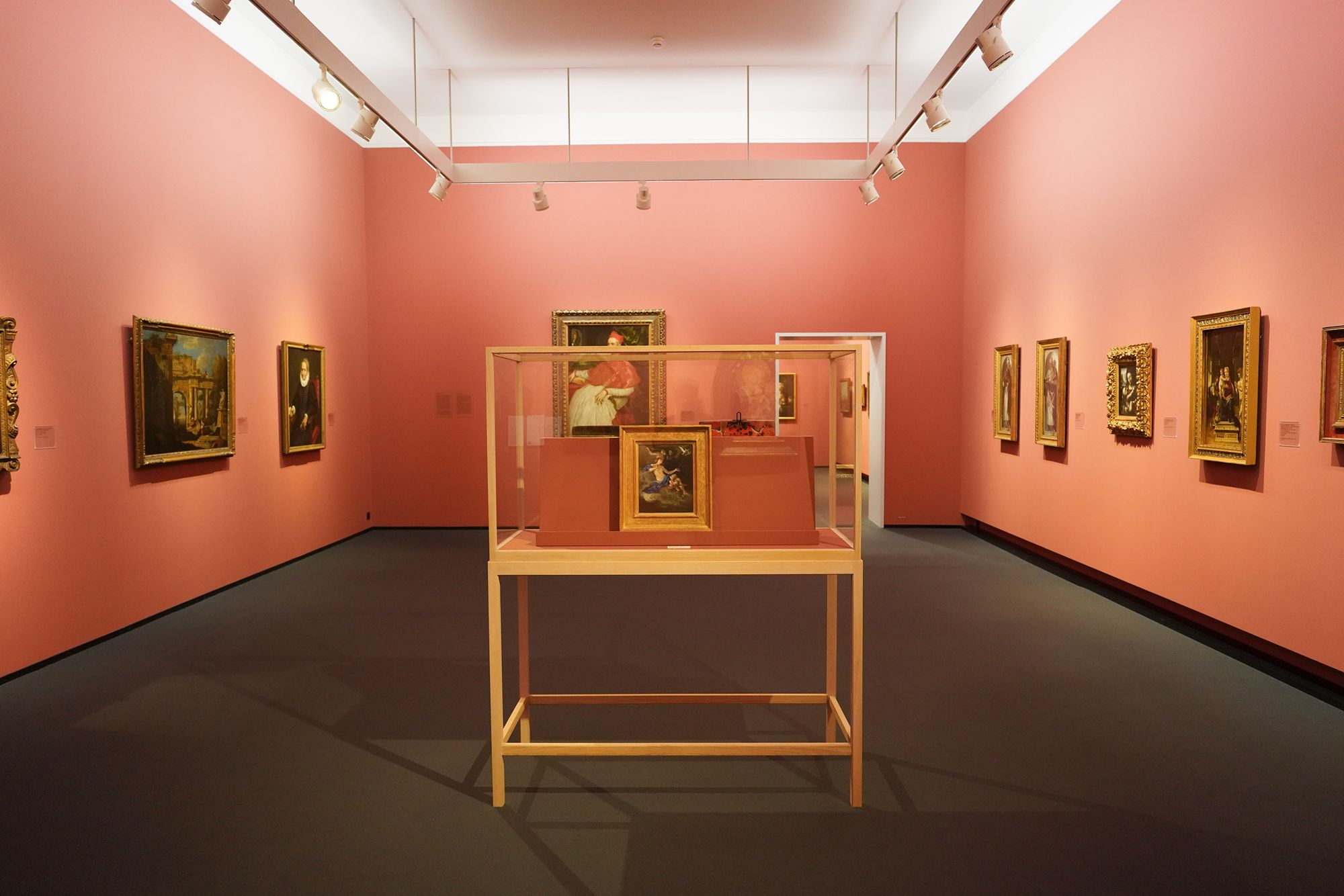
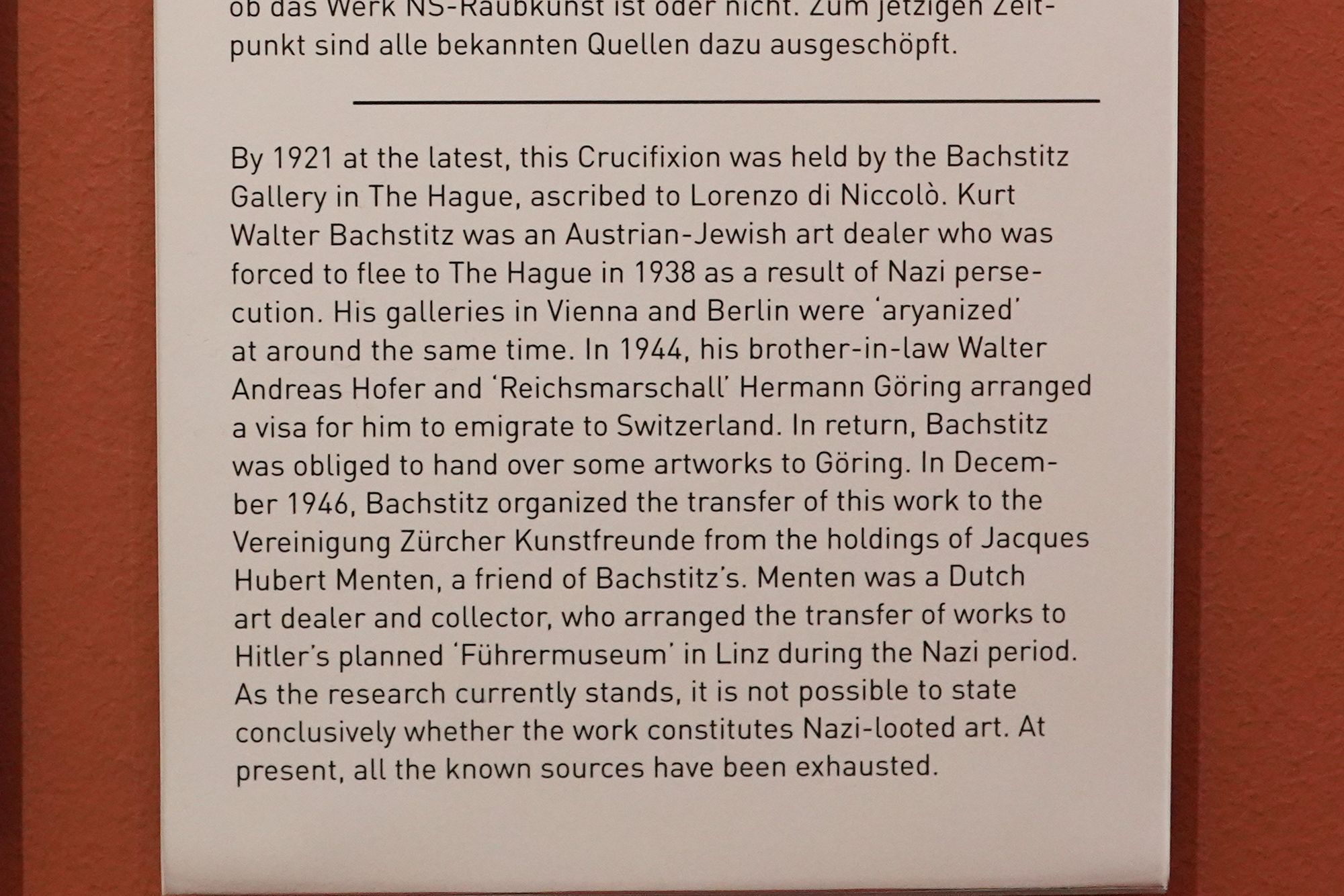
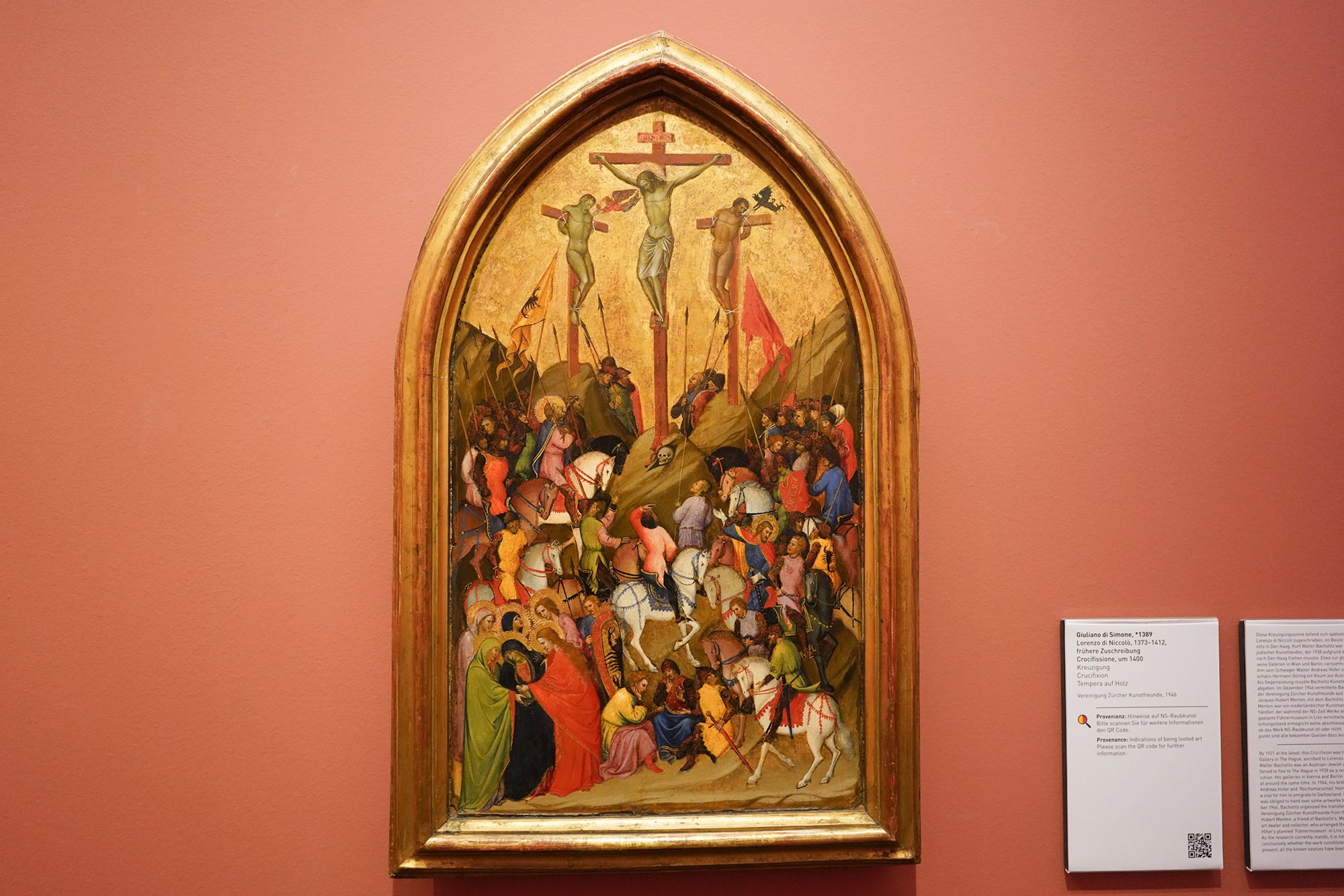
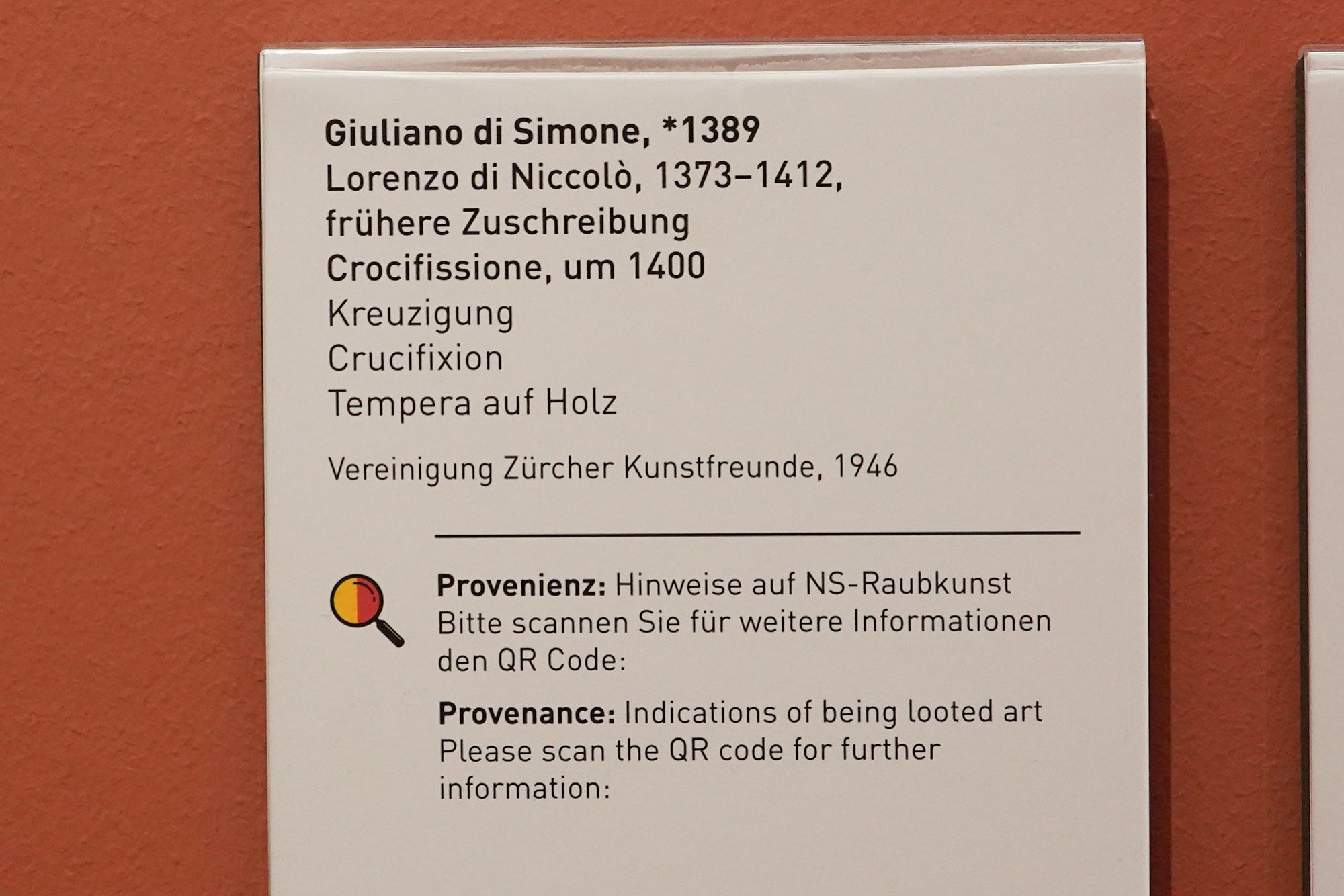
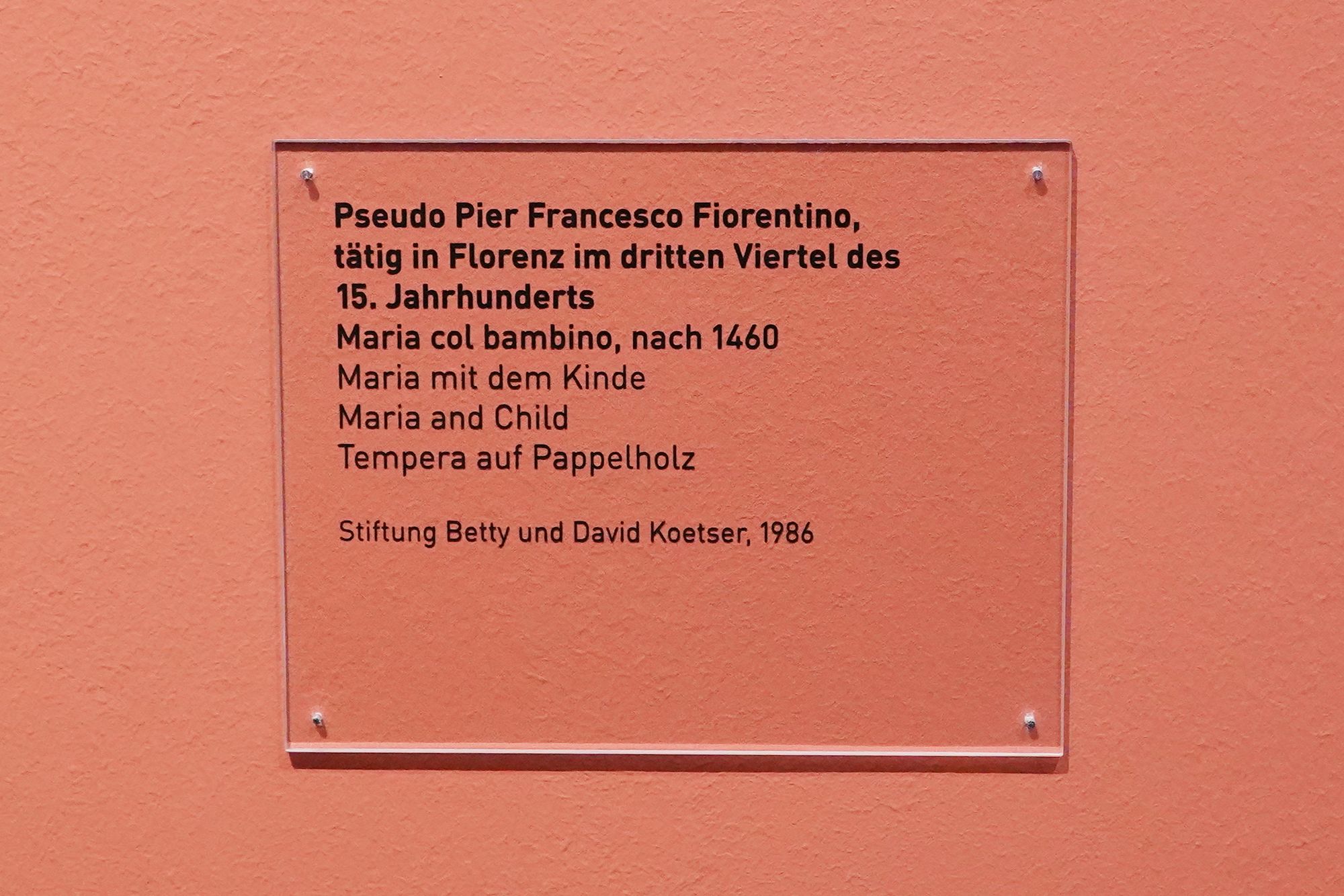
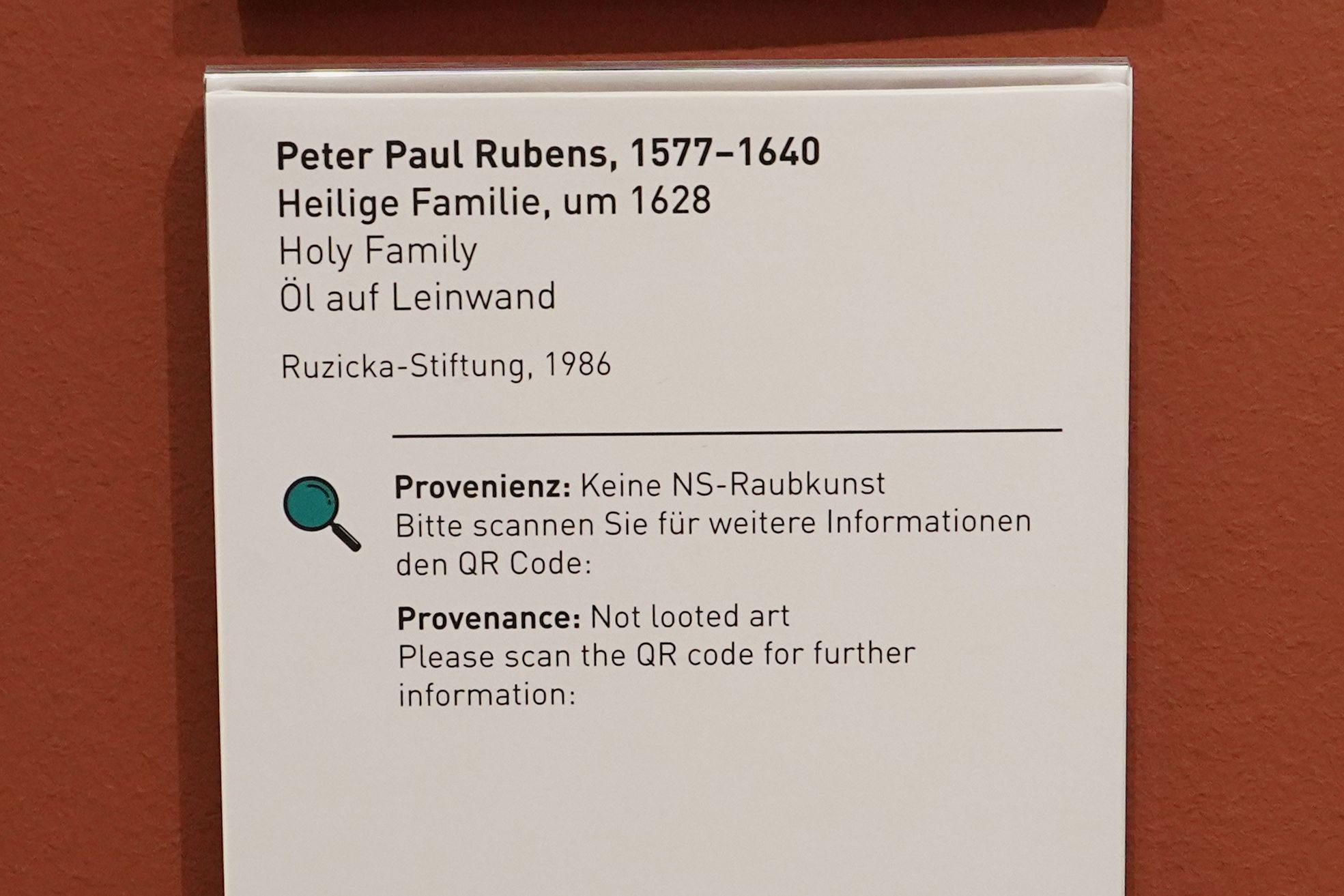
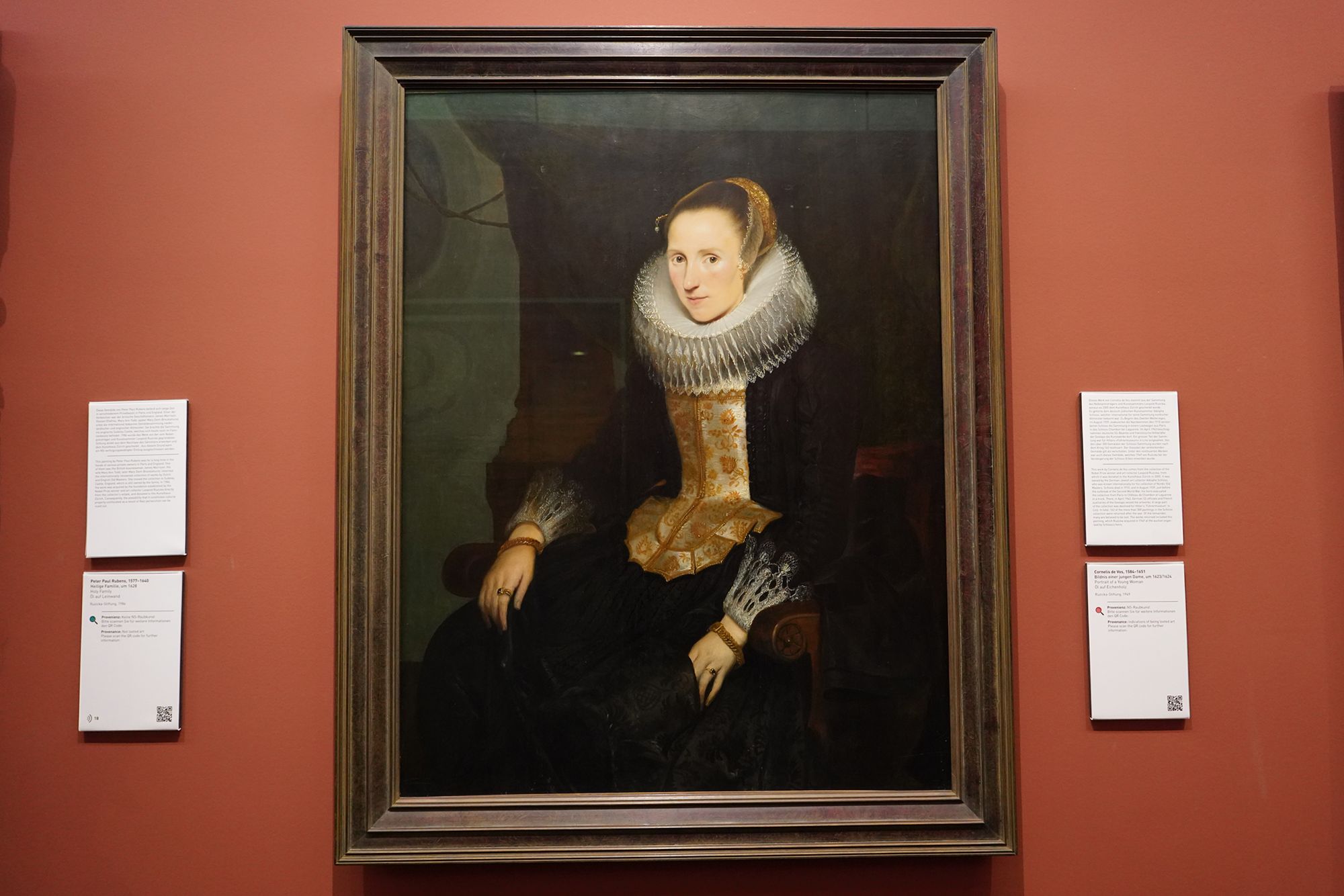
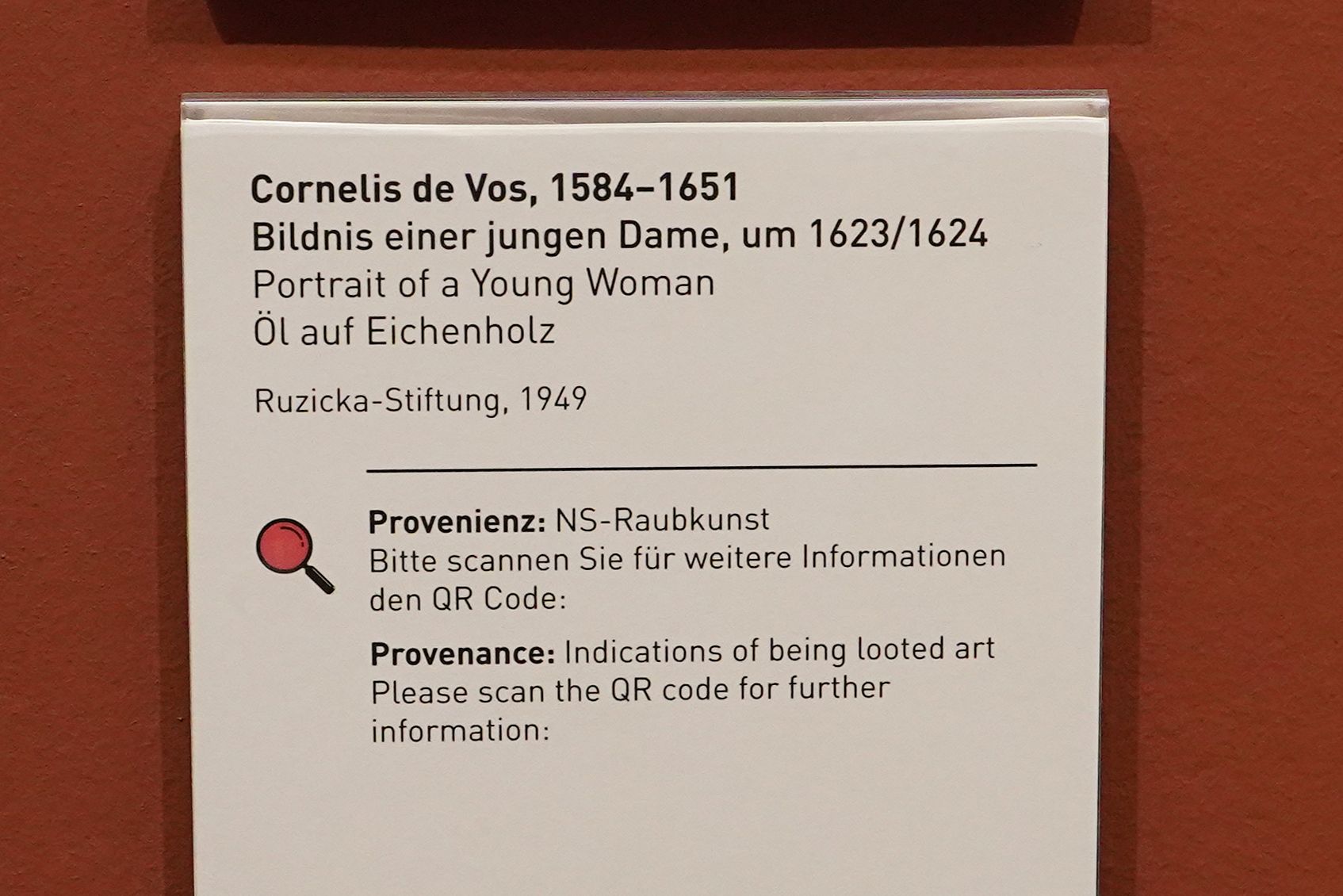
This label explains the uncertain ownership history of a Crucifixion in the Old Masters collection. The painting passed through art dealers connected to transactions during and after the Nazi era. The museum says its research cannot determine conclusively whether this particular work was Nazi-looted art.
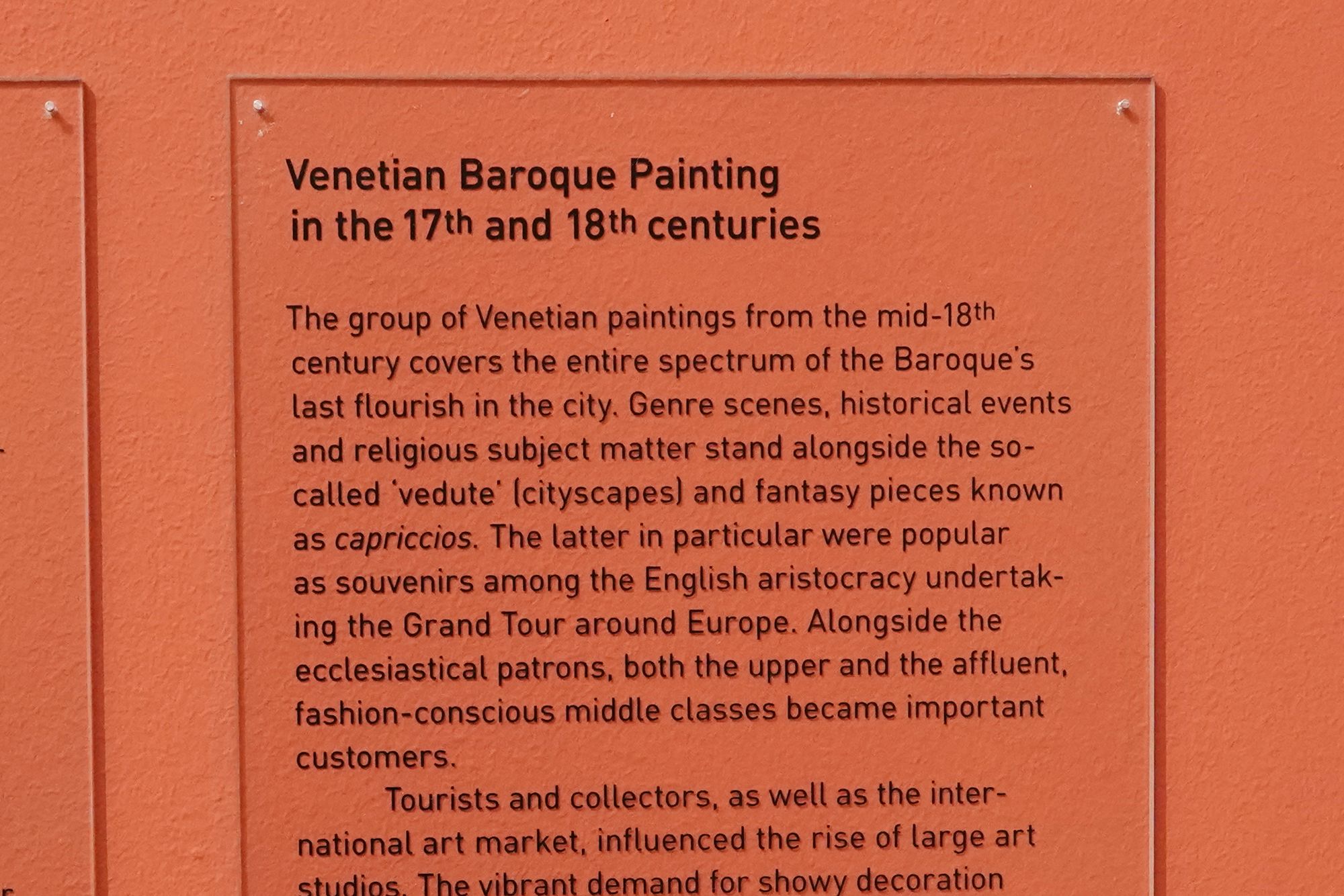
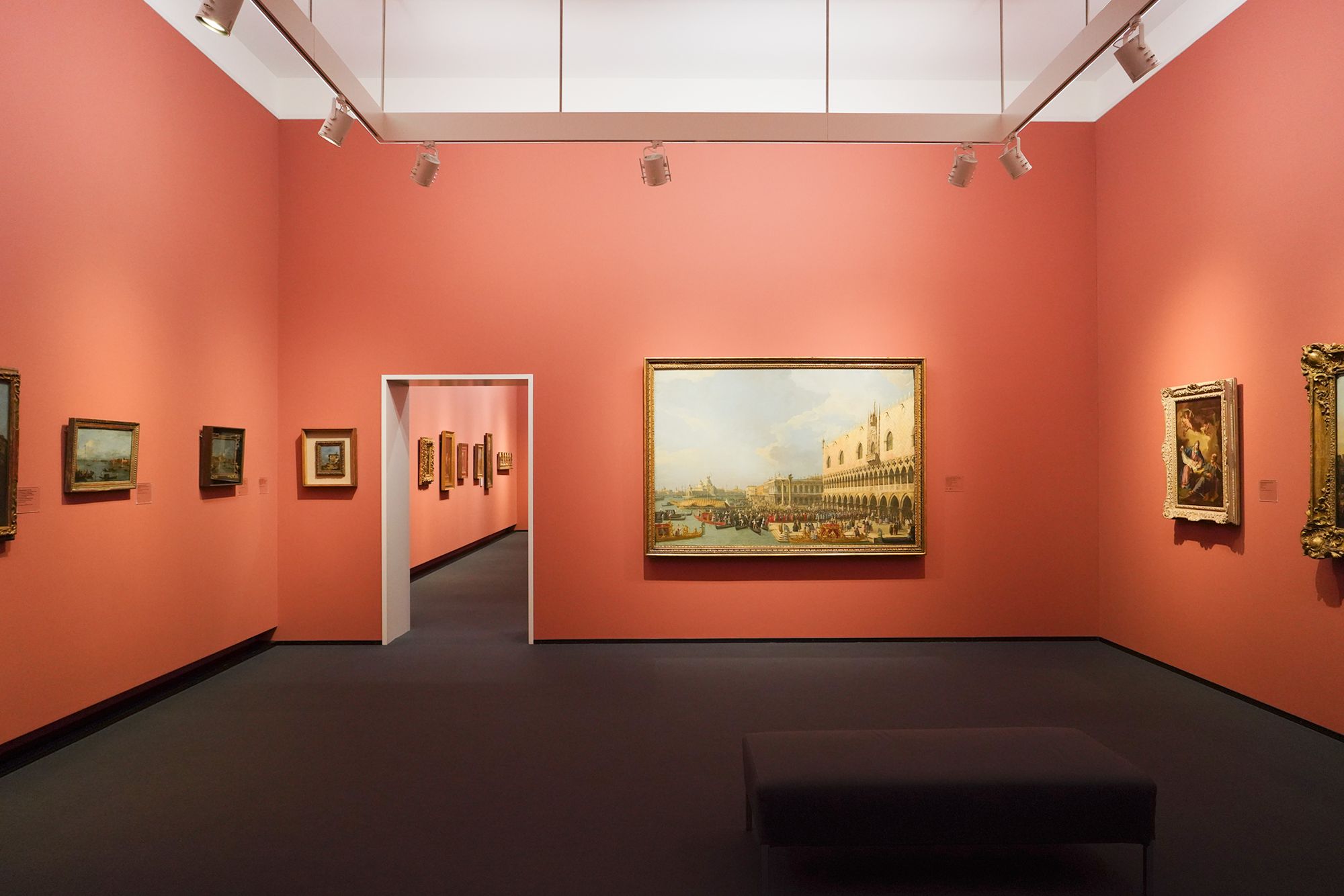
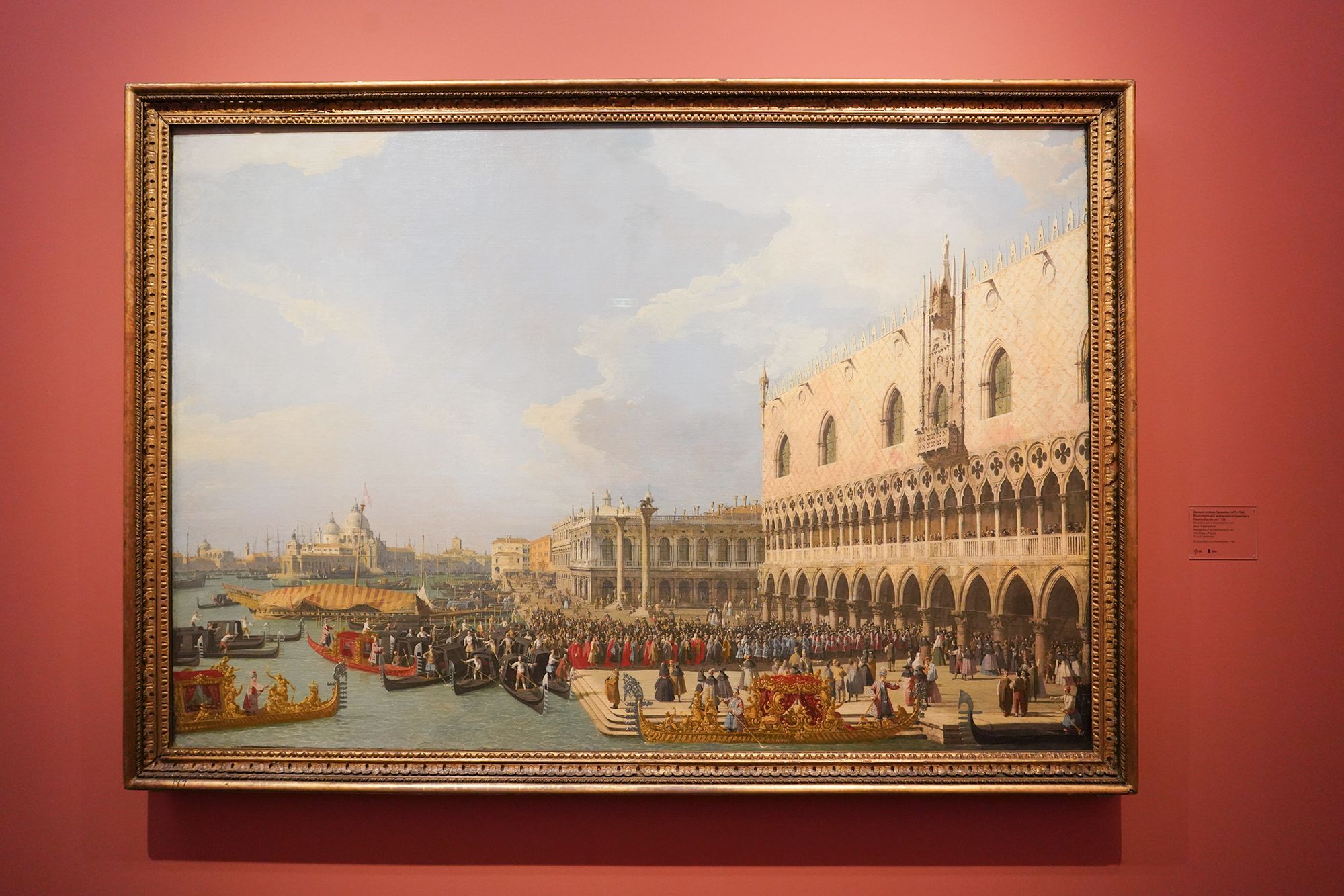
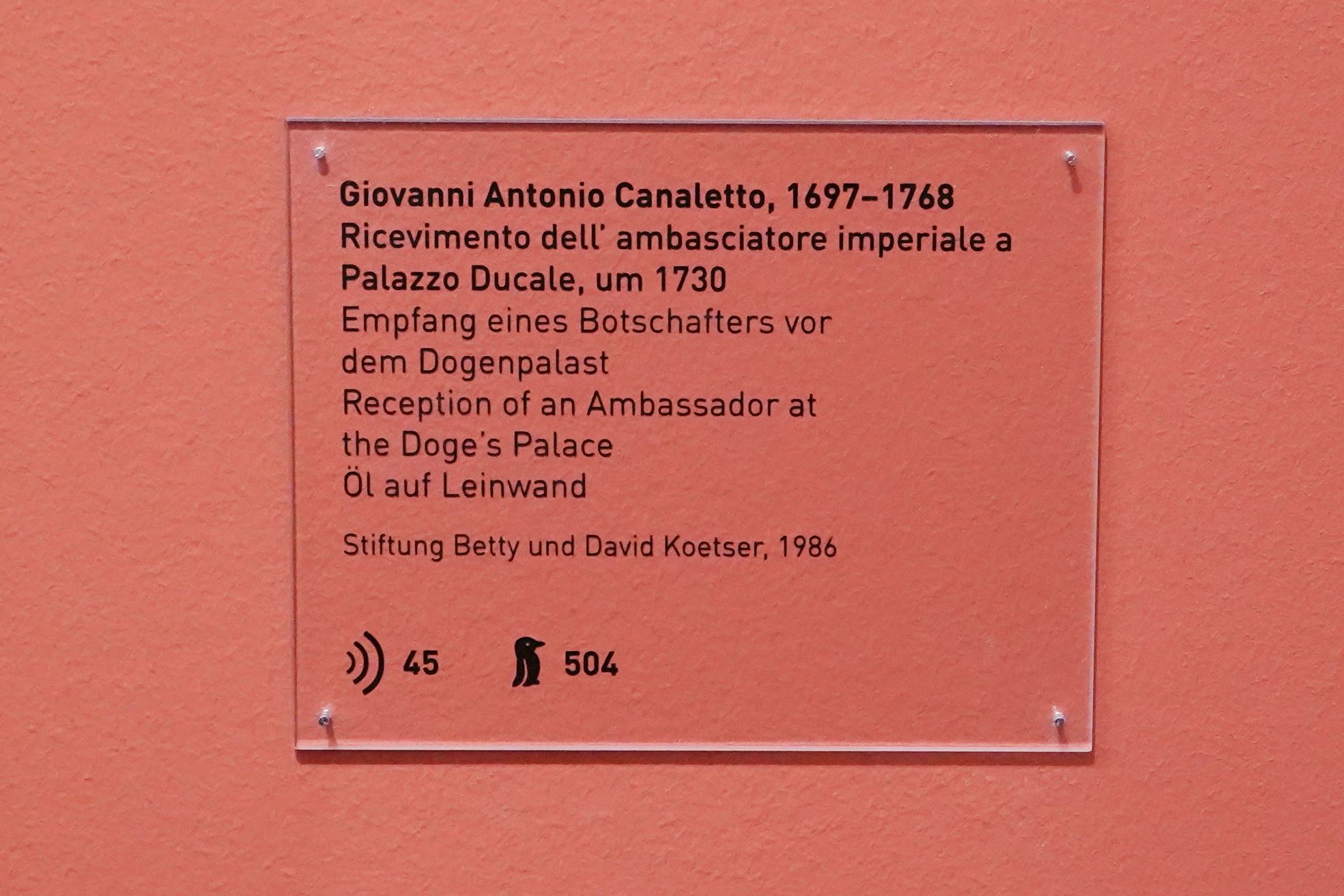
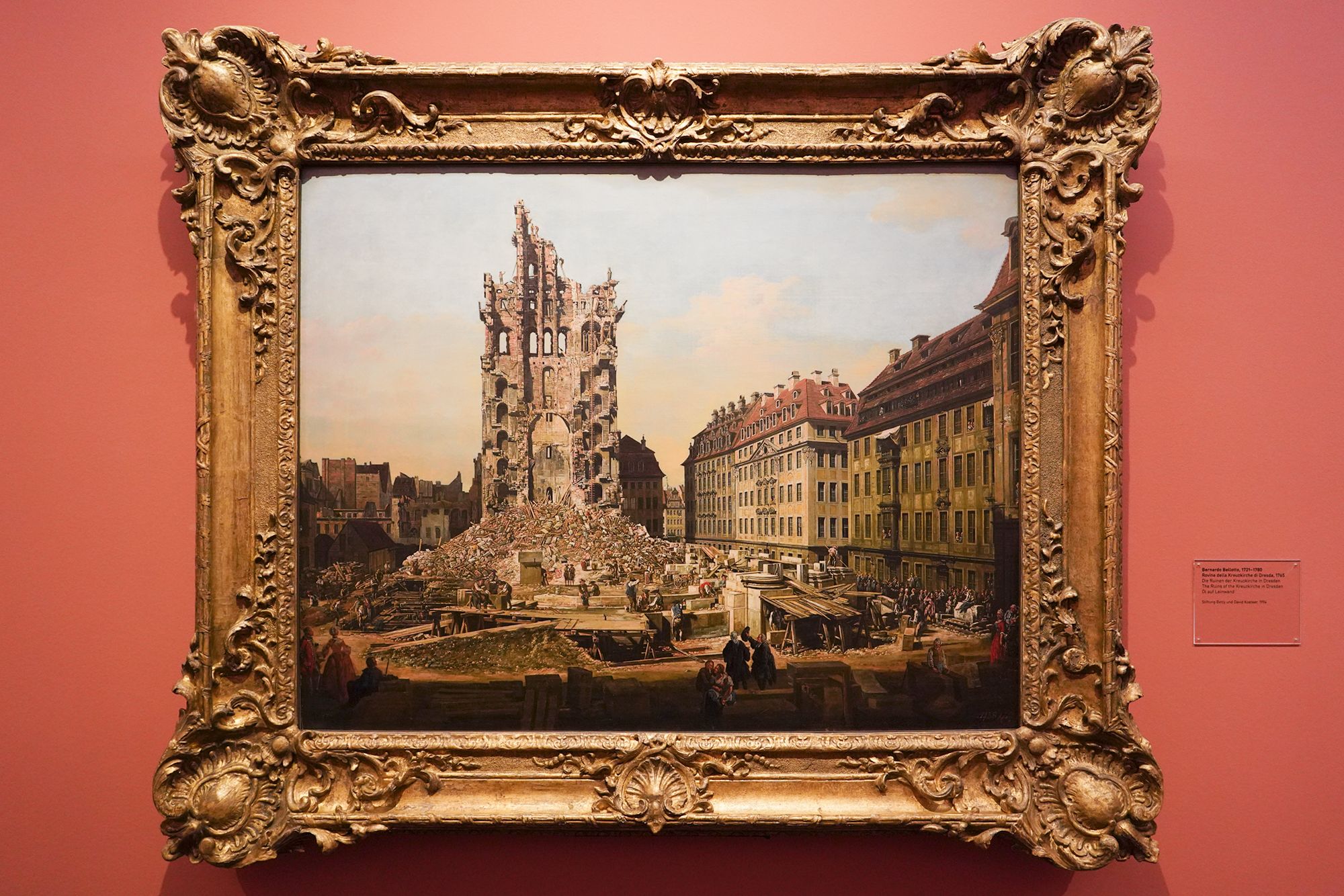
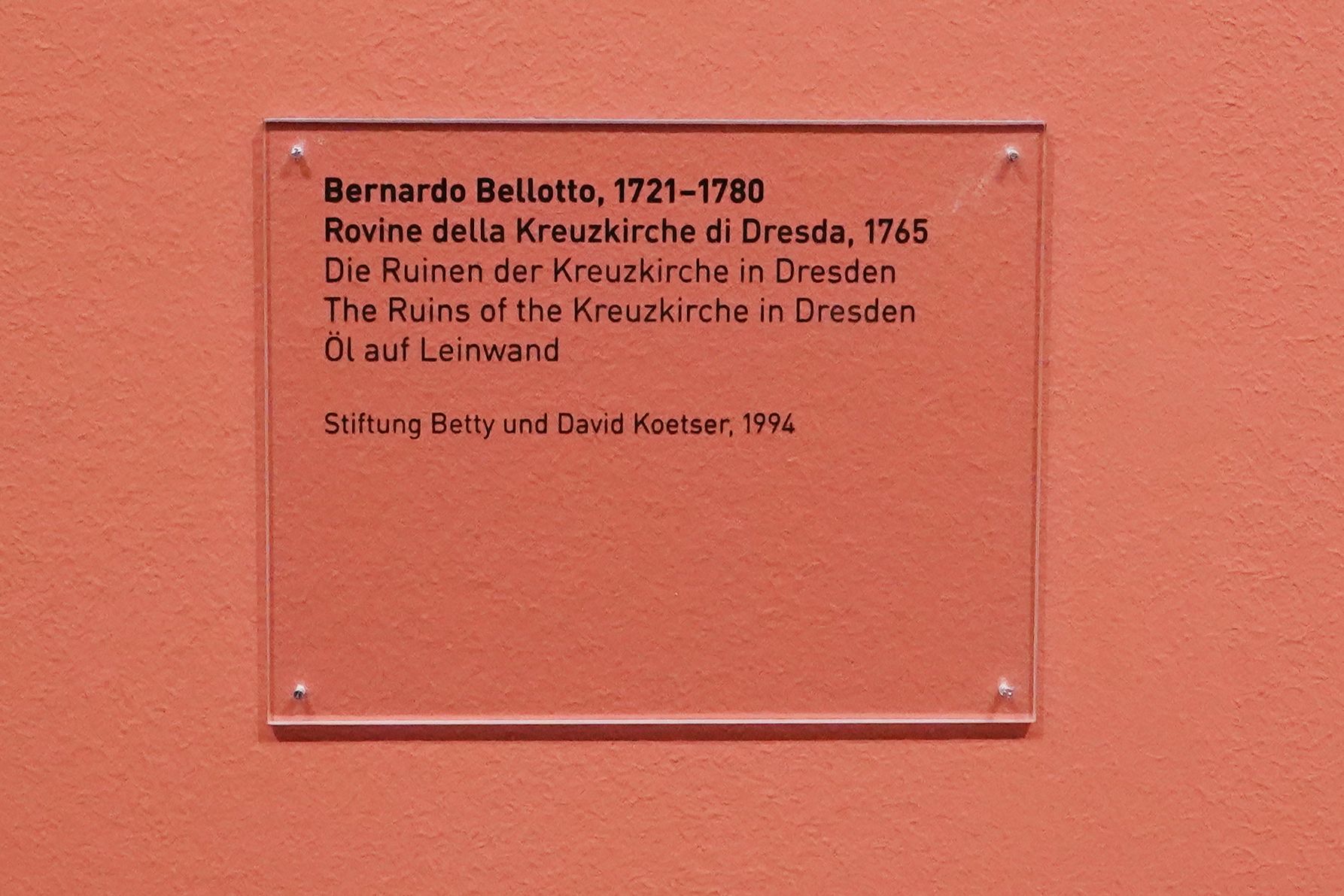
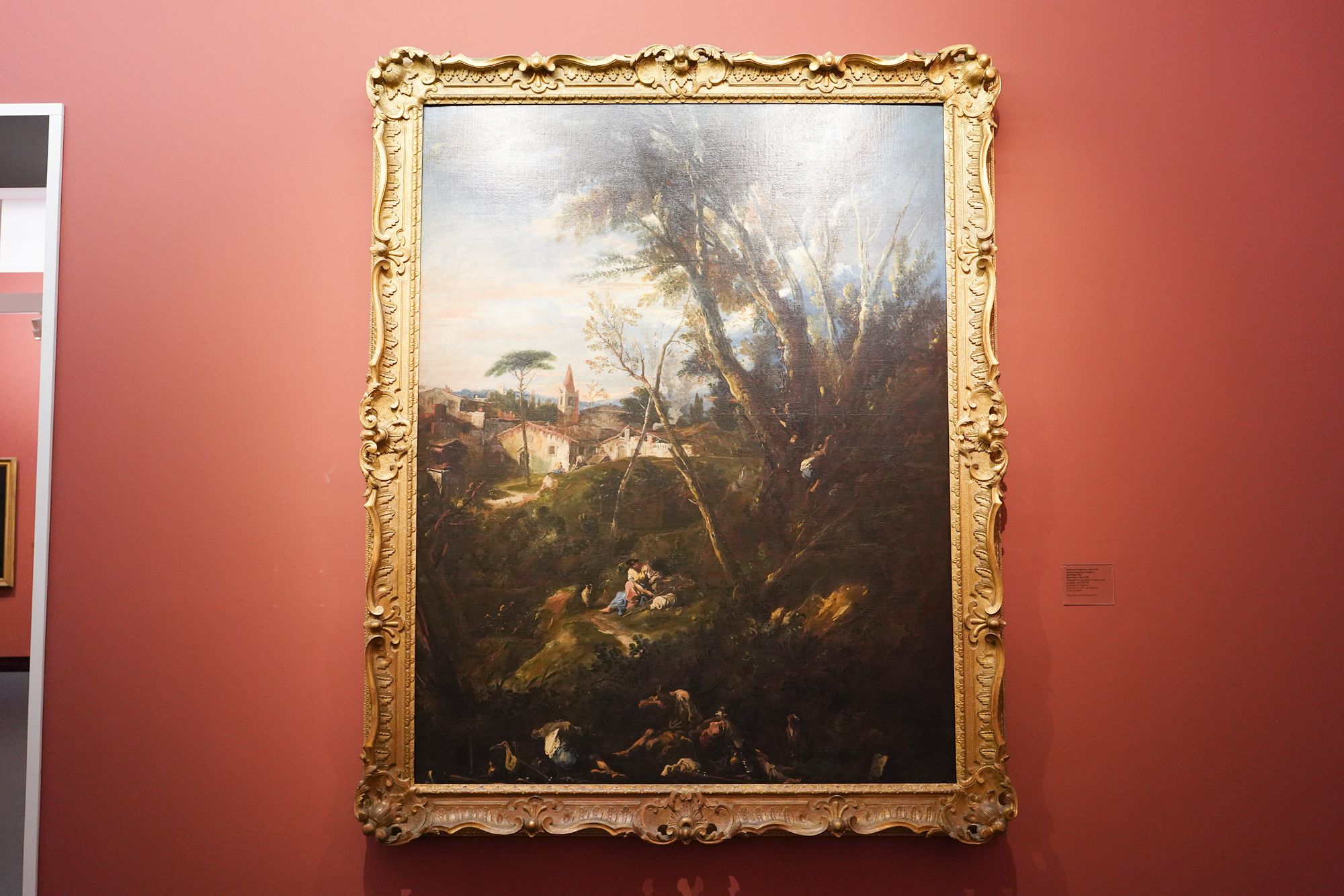
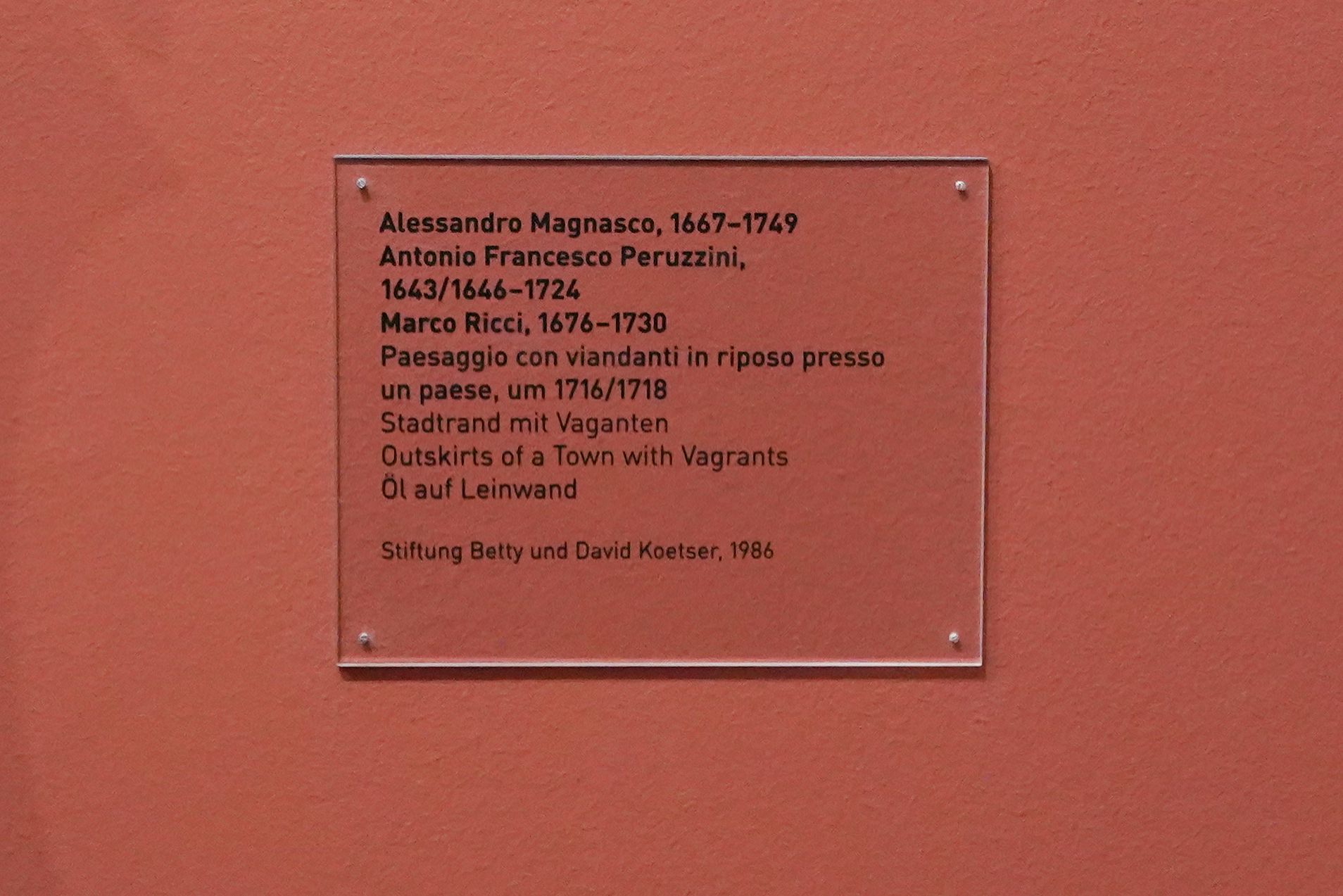
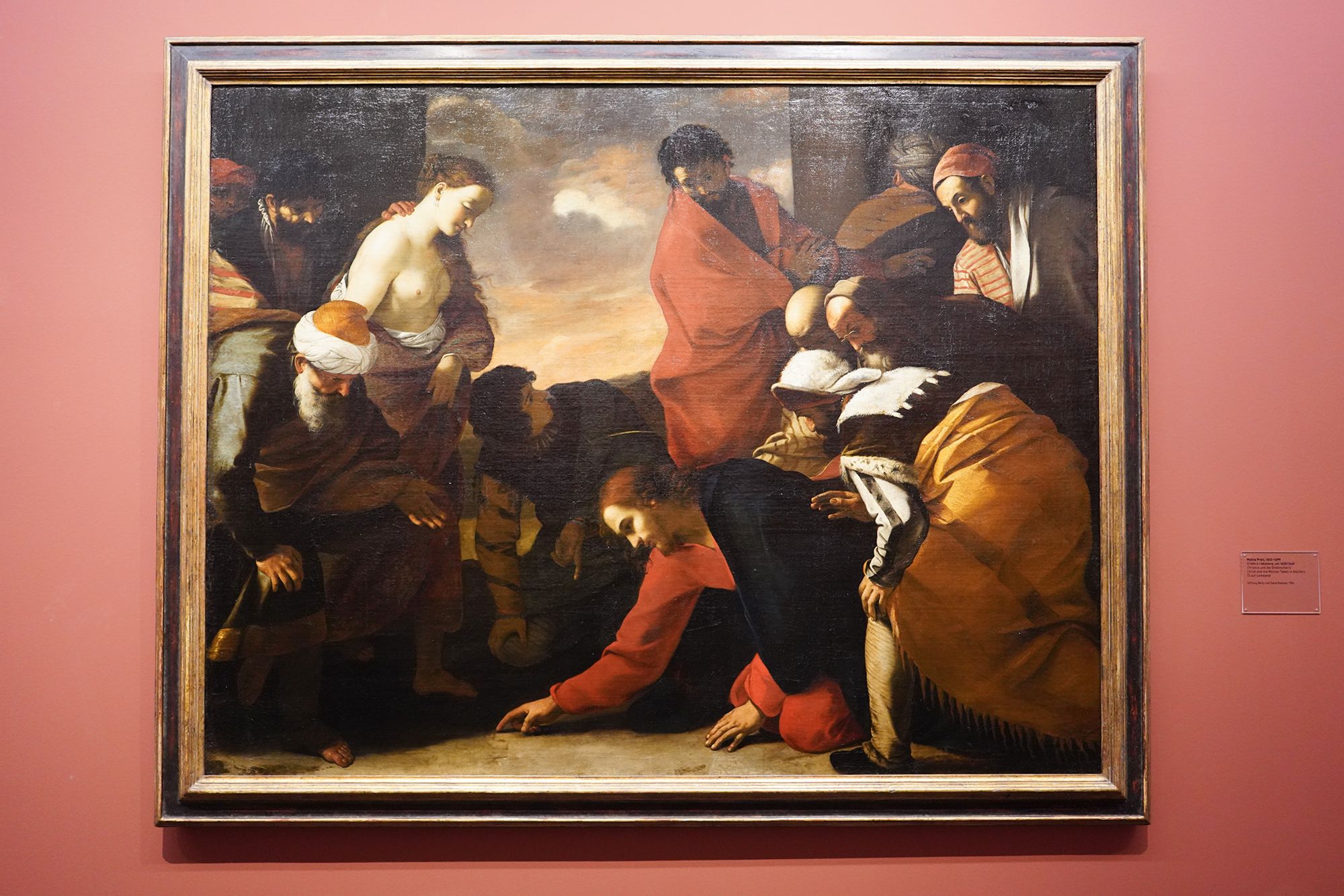
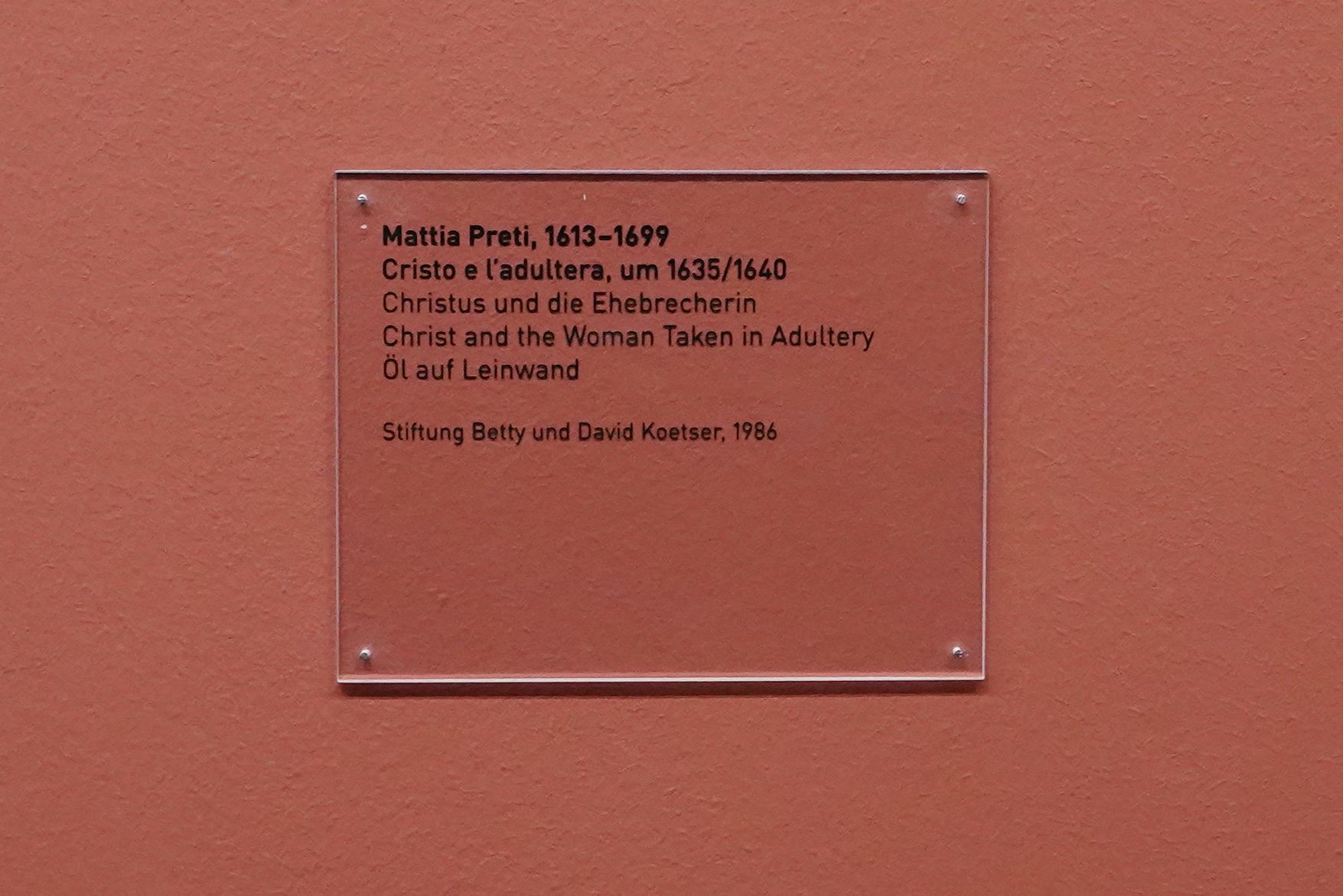
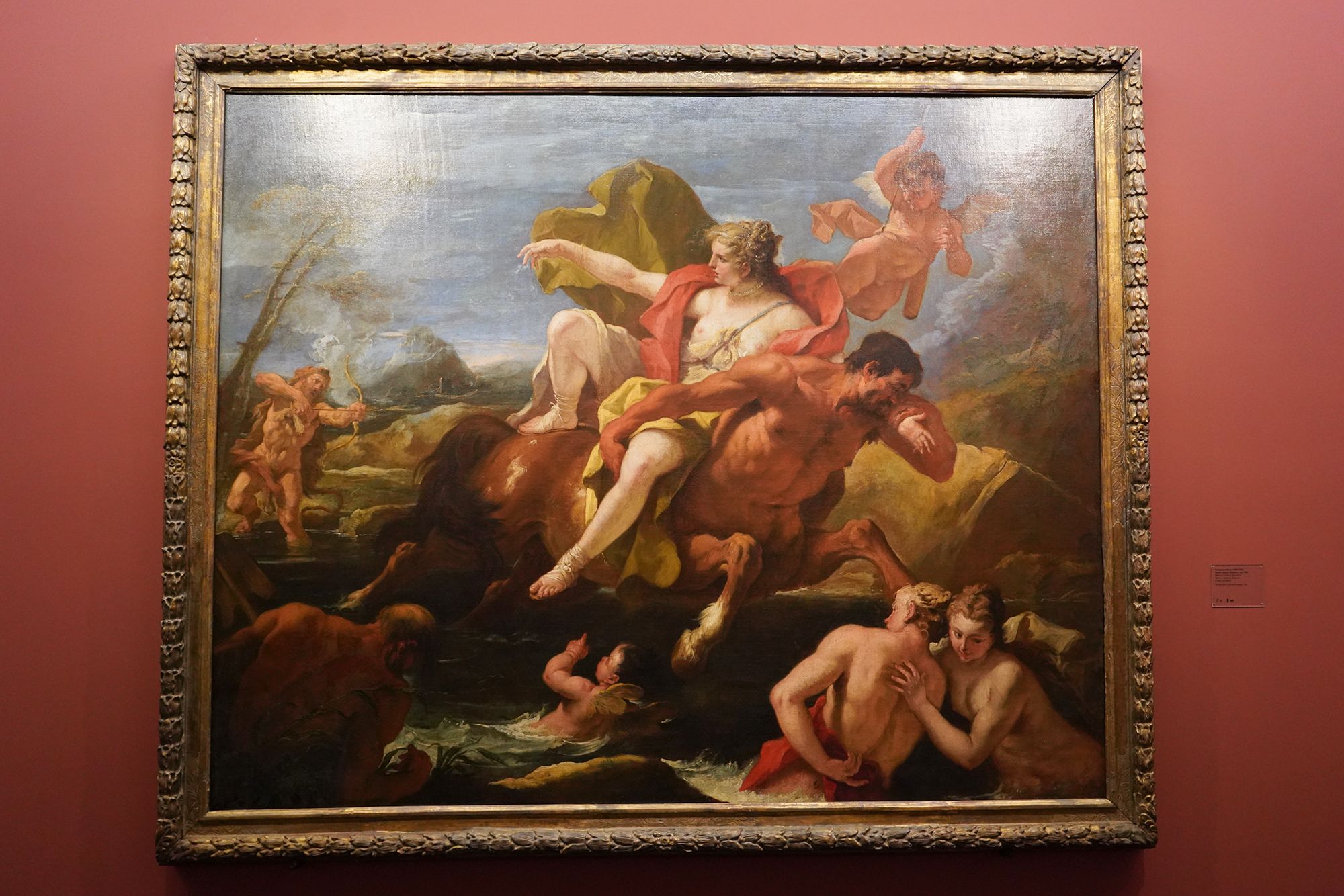
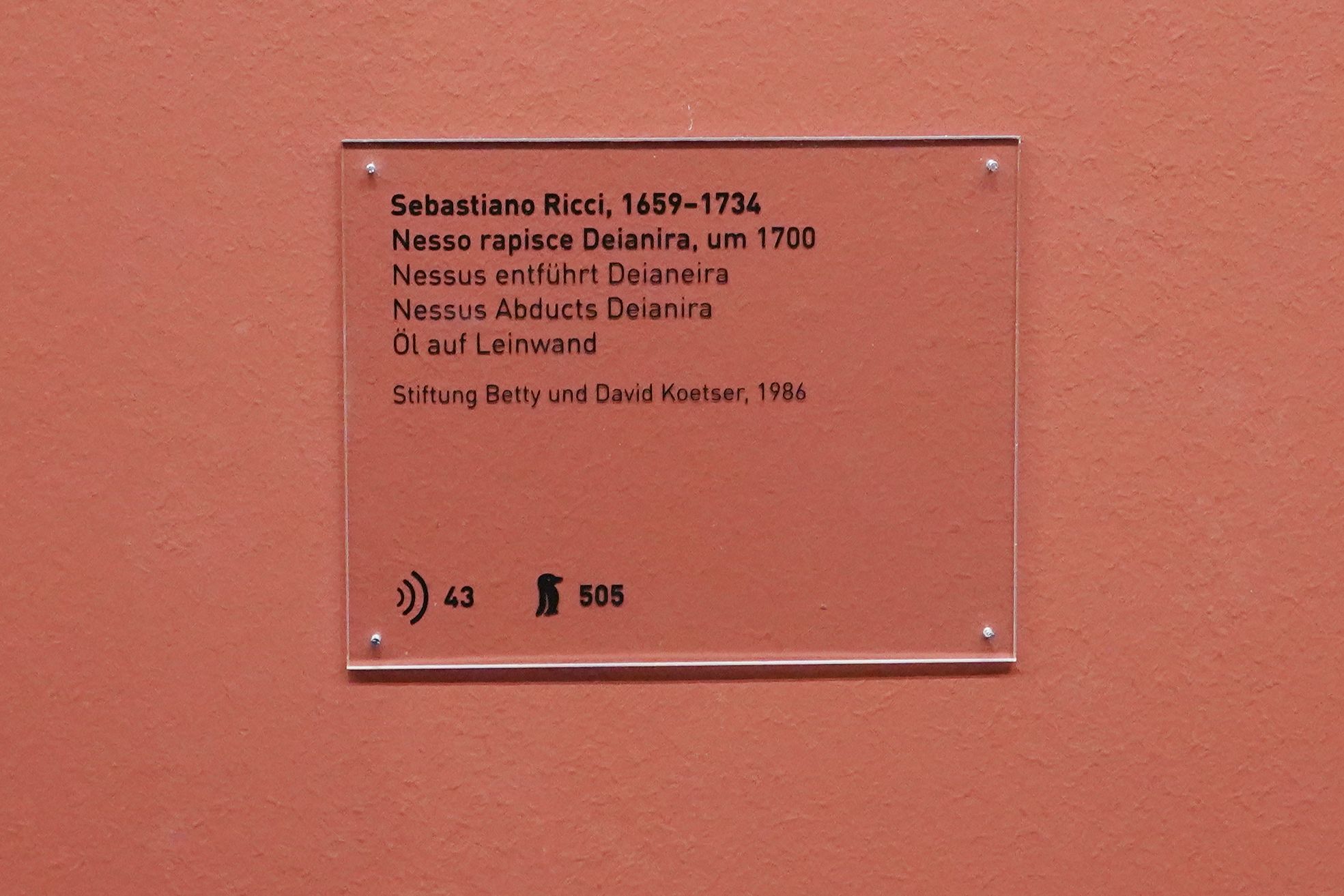
This Kunsthaus Zürich label describes the last flourish of Venetian Baroque painting in the mid-18th century. The works range from religious and historical scenes to city views (vedute) and imagined views (capriccios). Grand Tour visitors bought the latter as souvenirs, helping create a market beyond traditional church patrons.
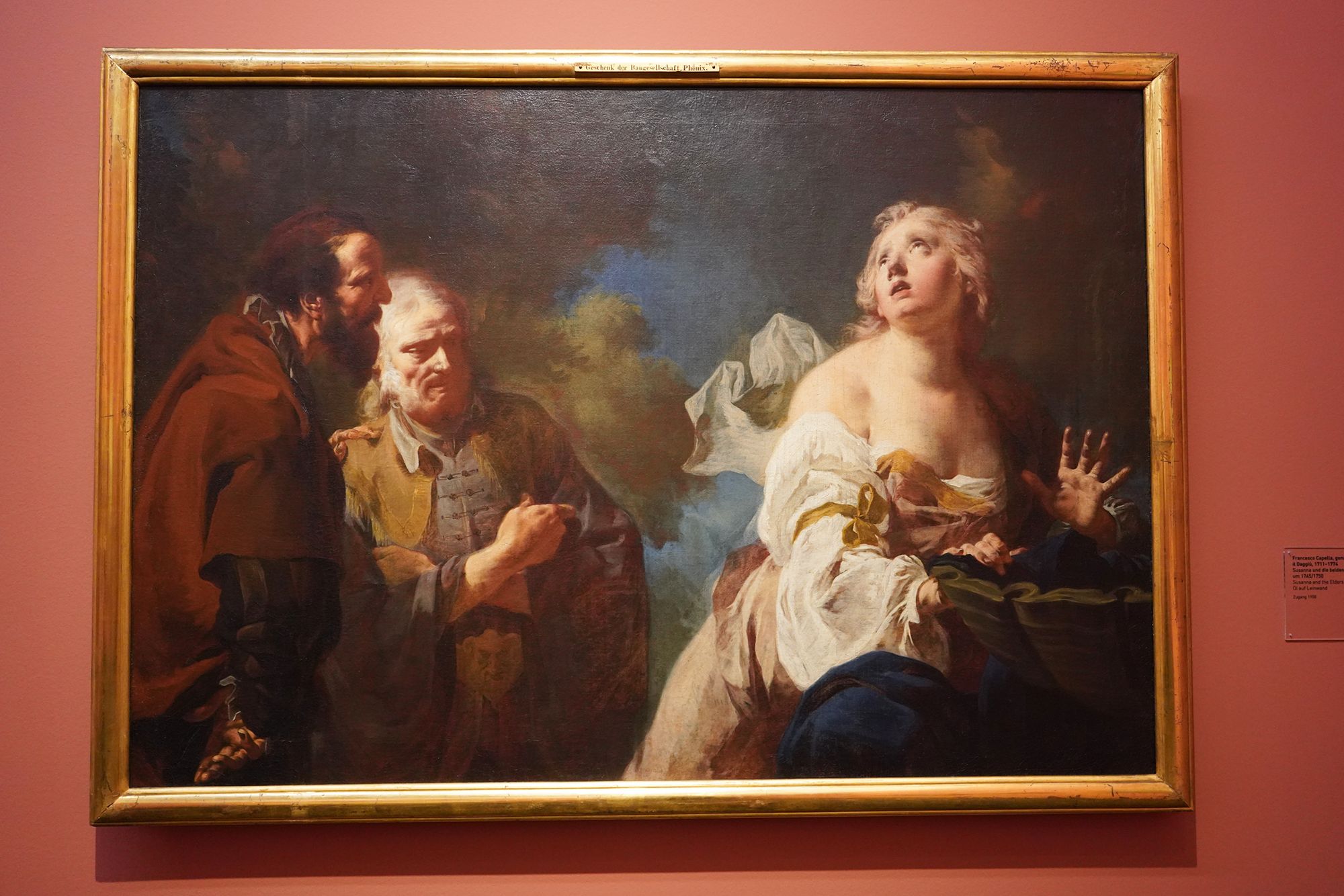
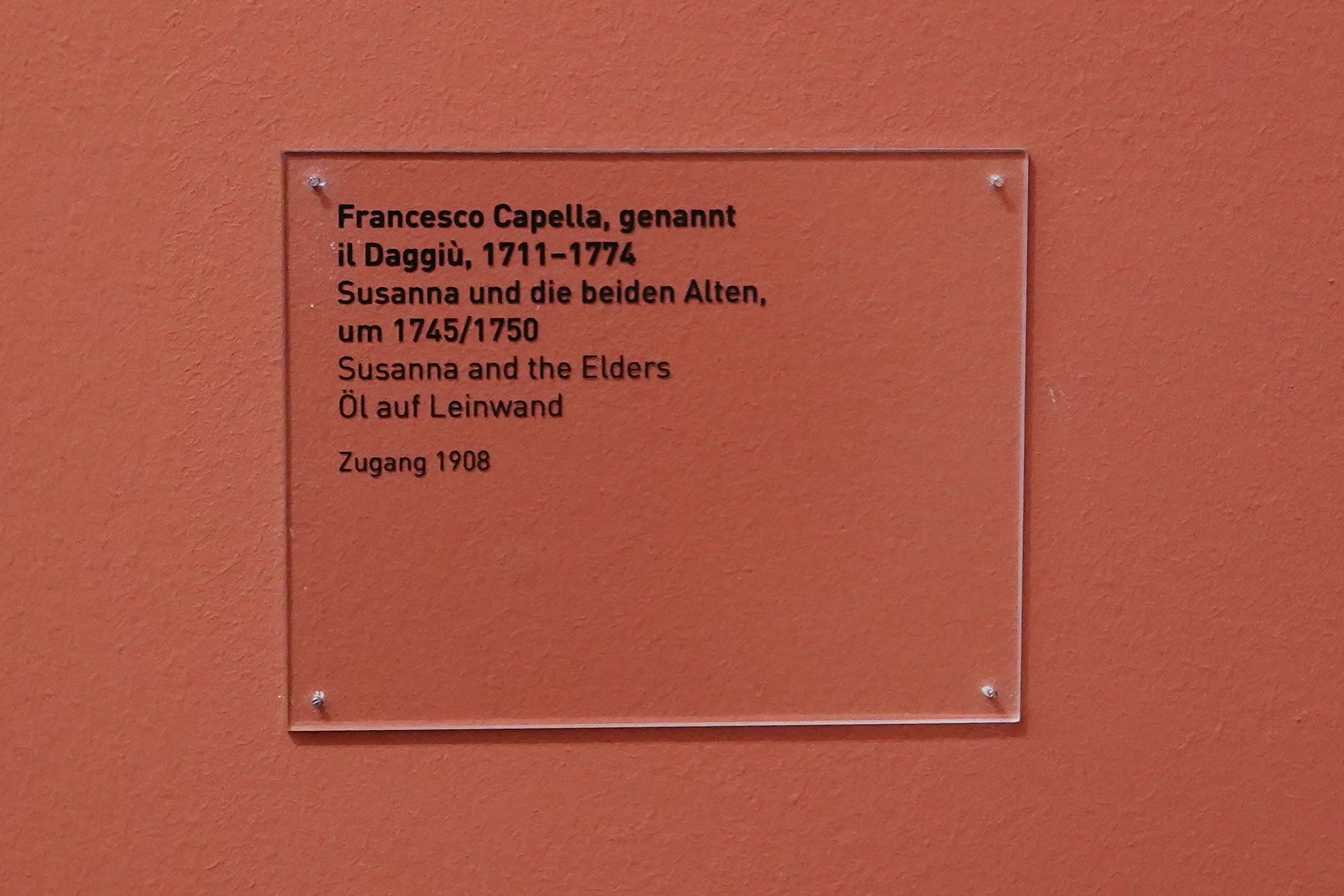
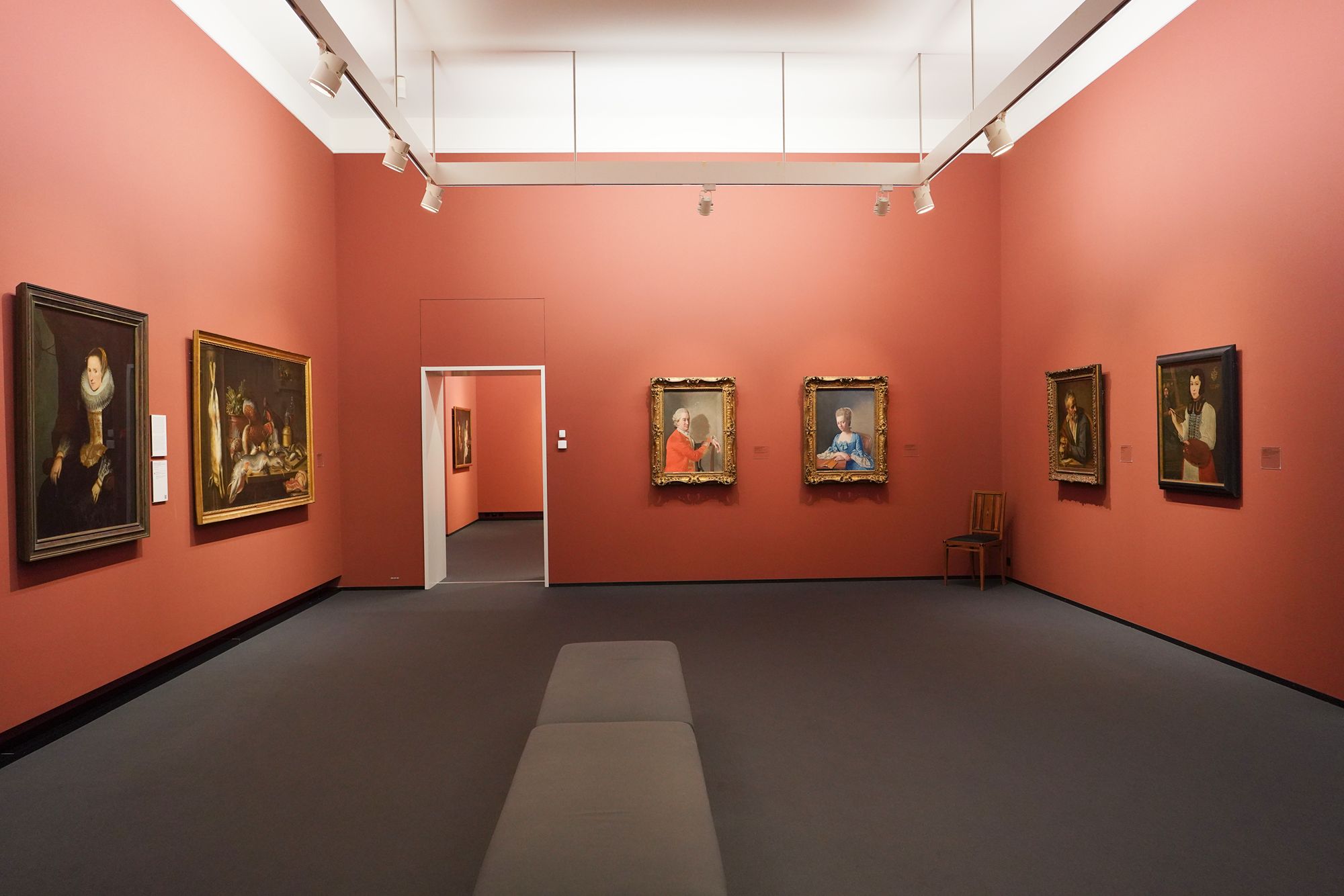
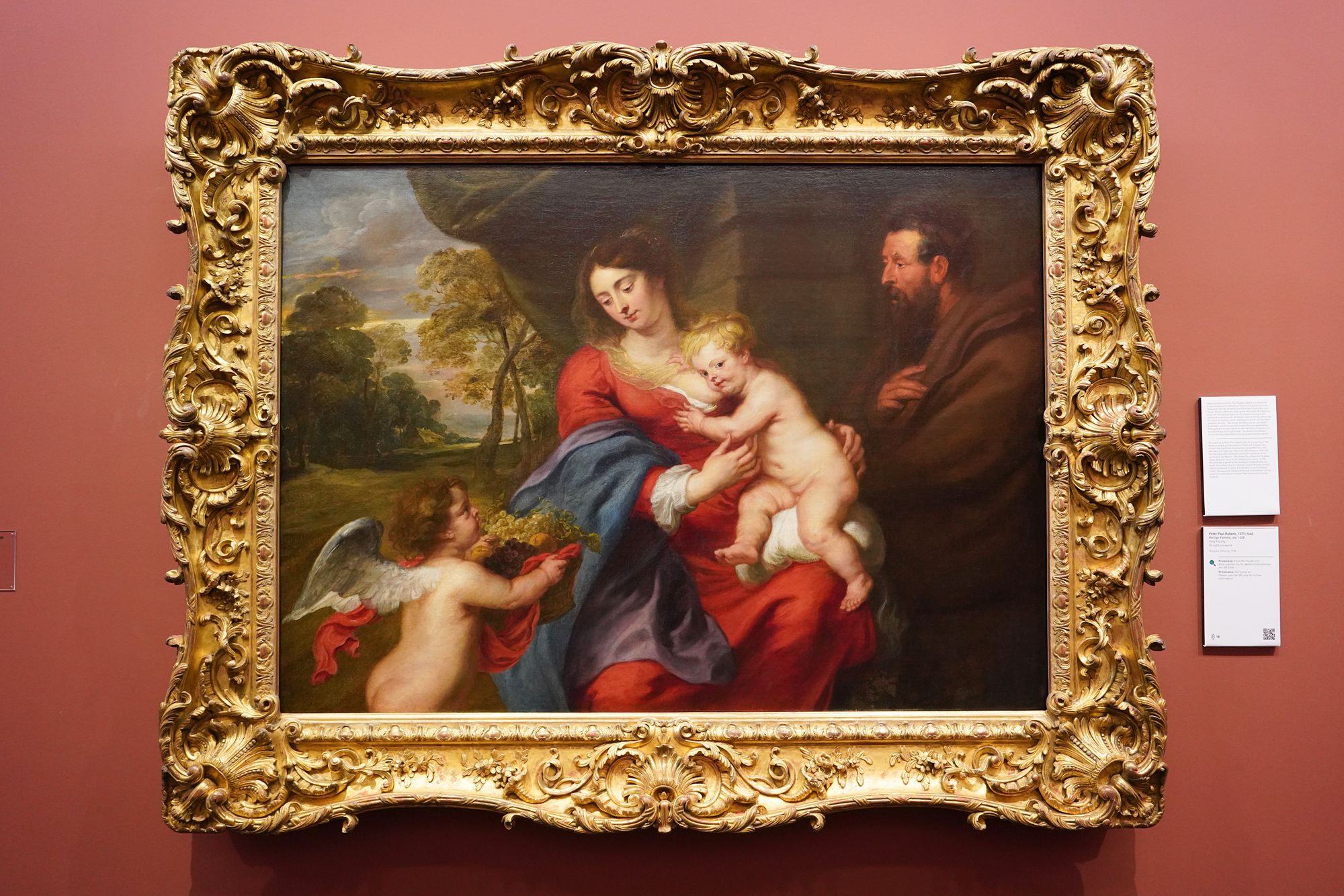
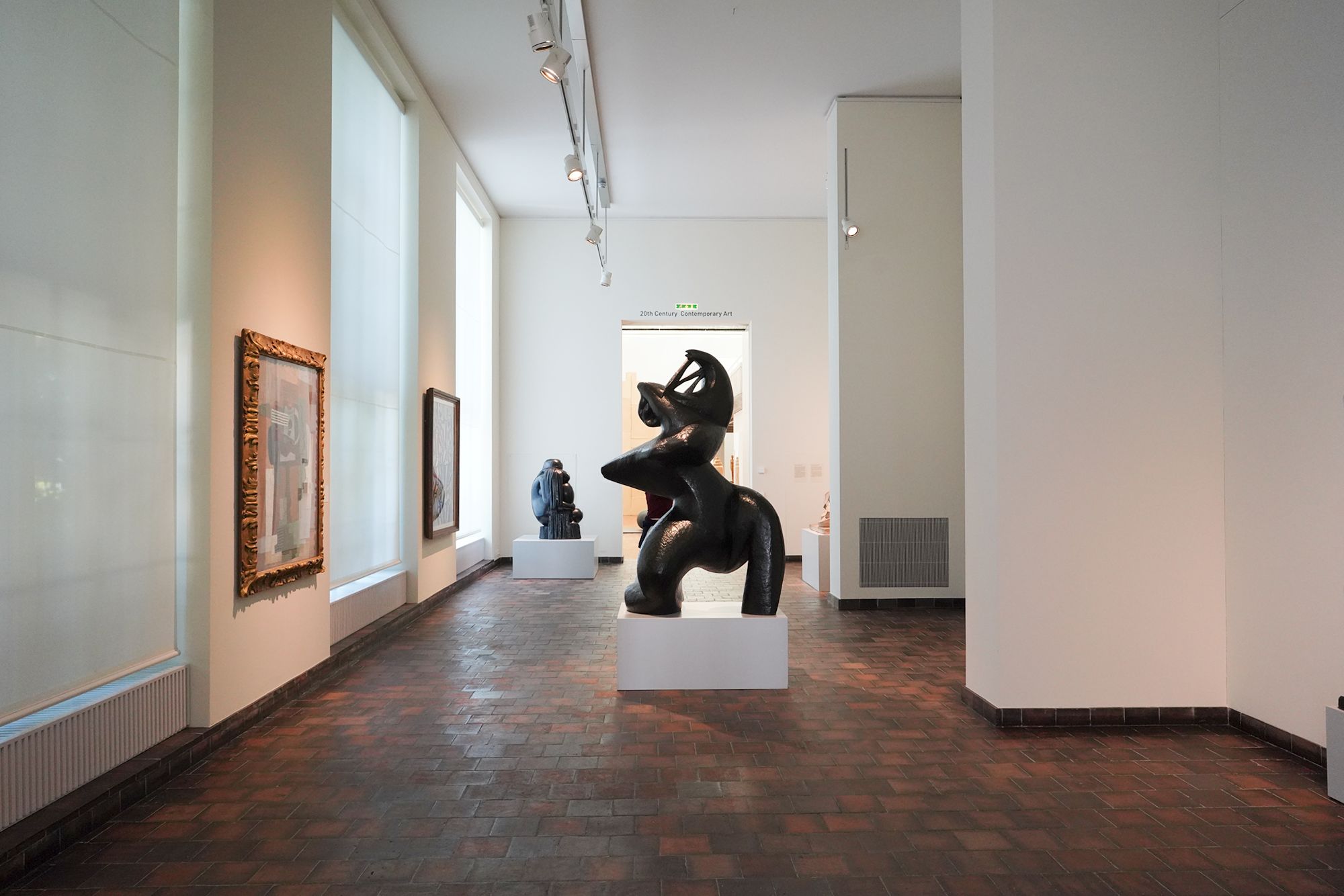
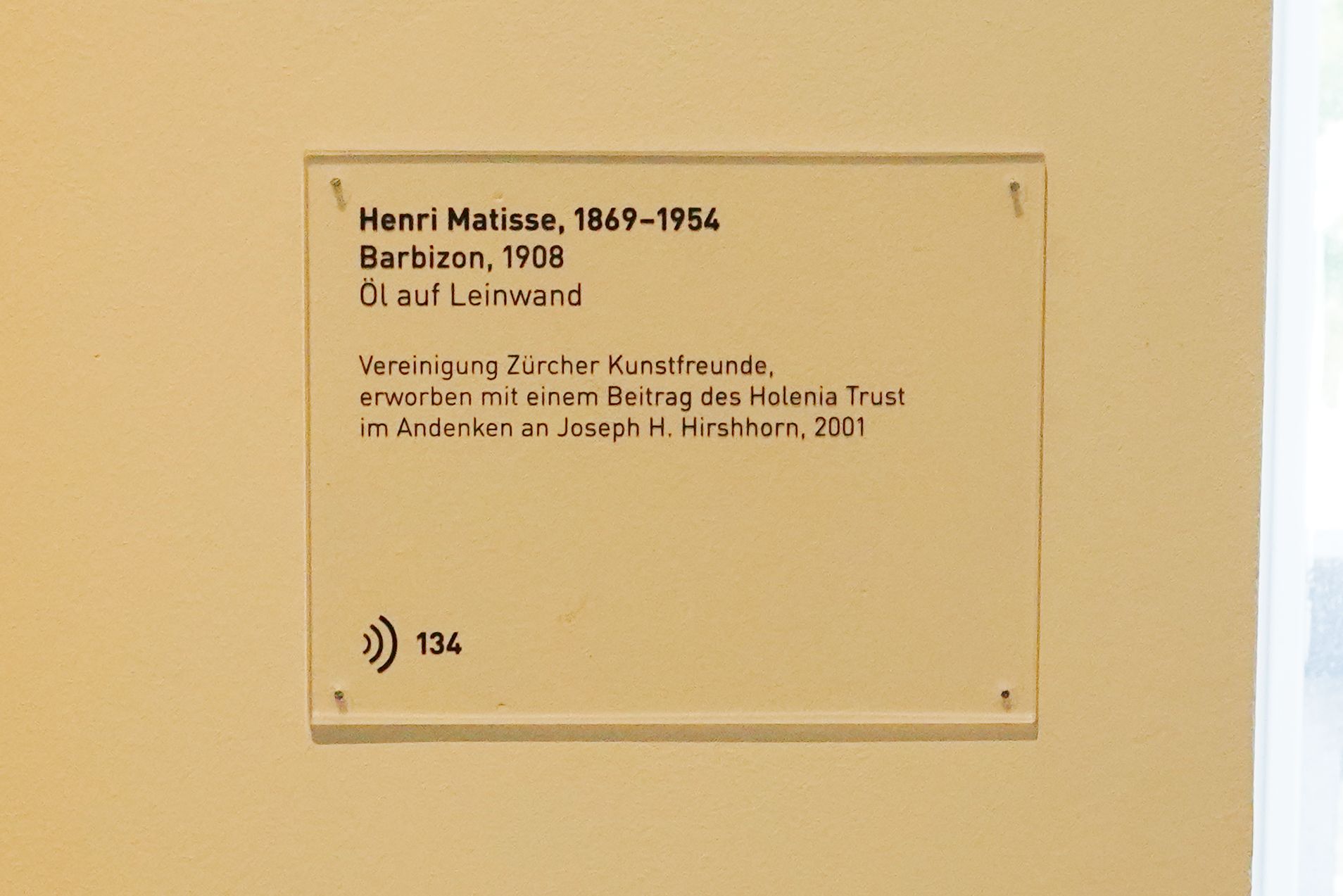
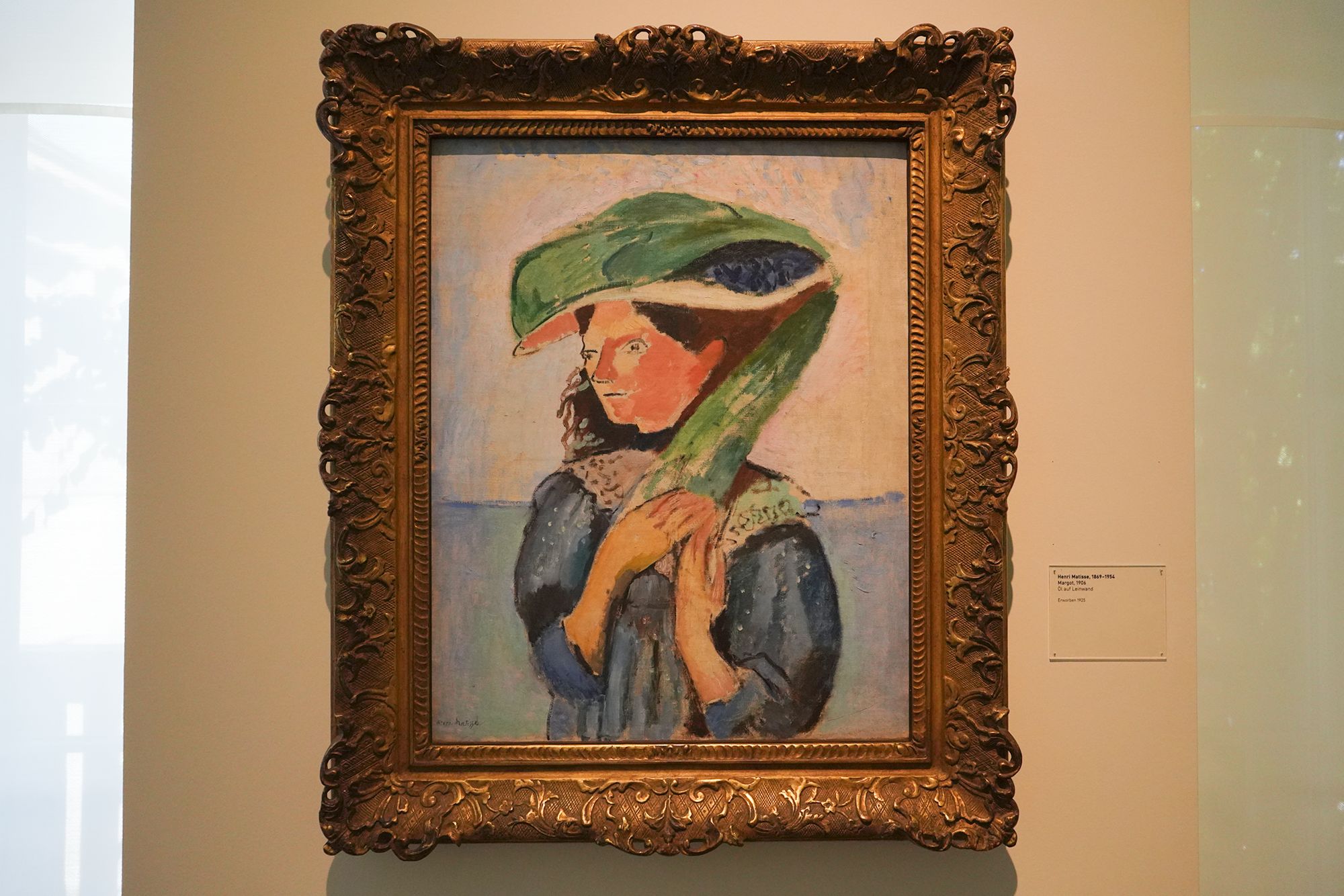
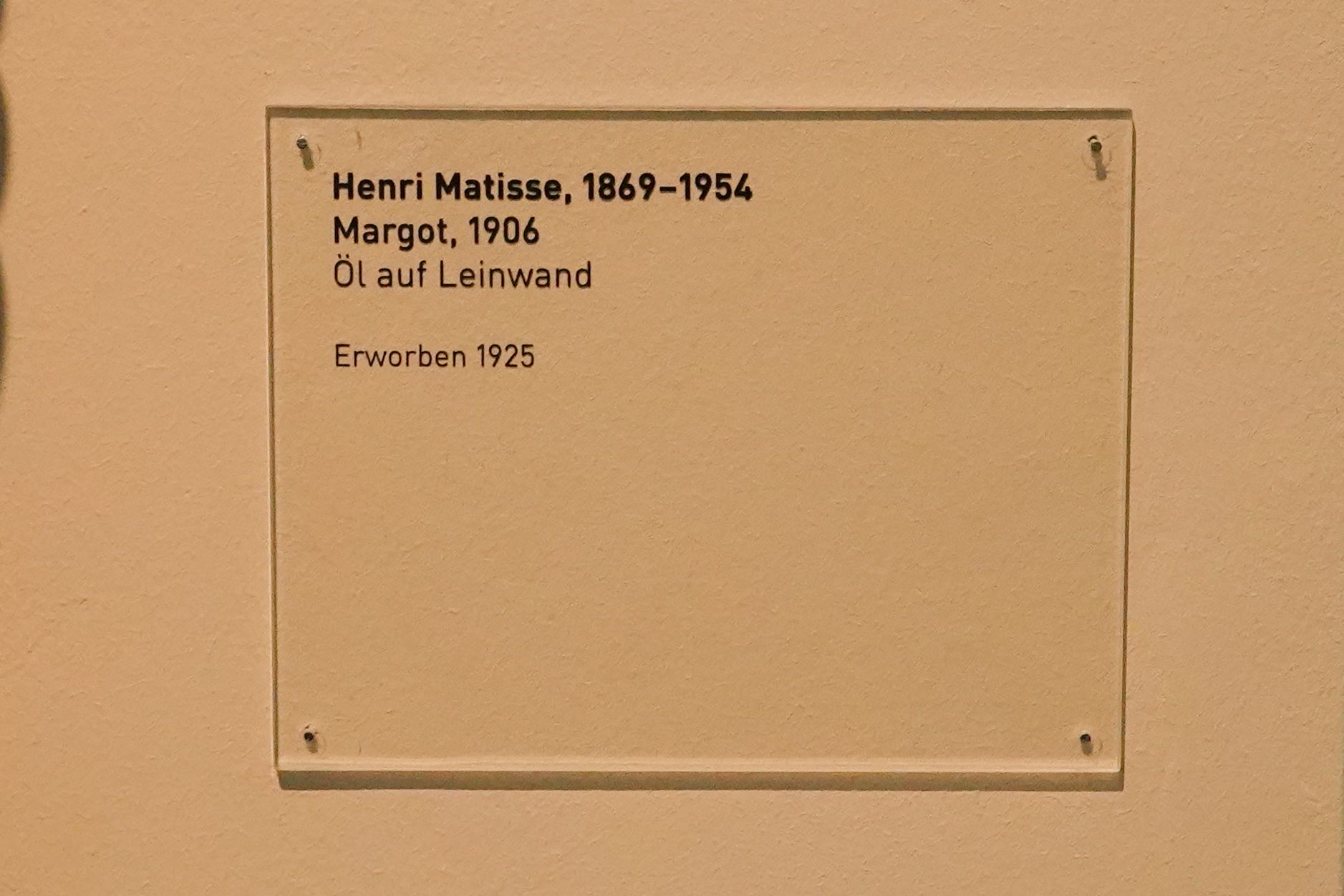
After the Old Masters galleries, I moved into the next section, where paintings by Henri Matisse were on display.
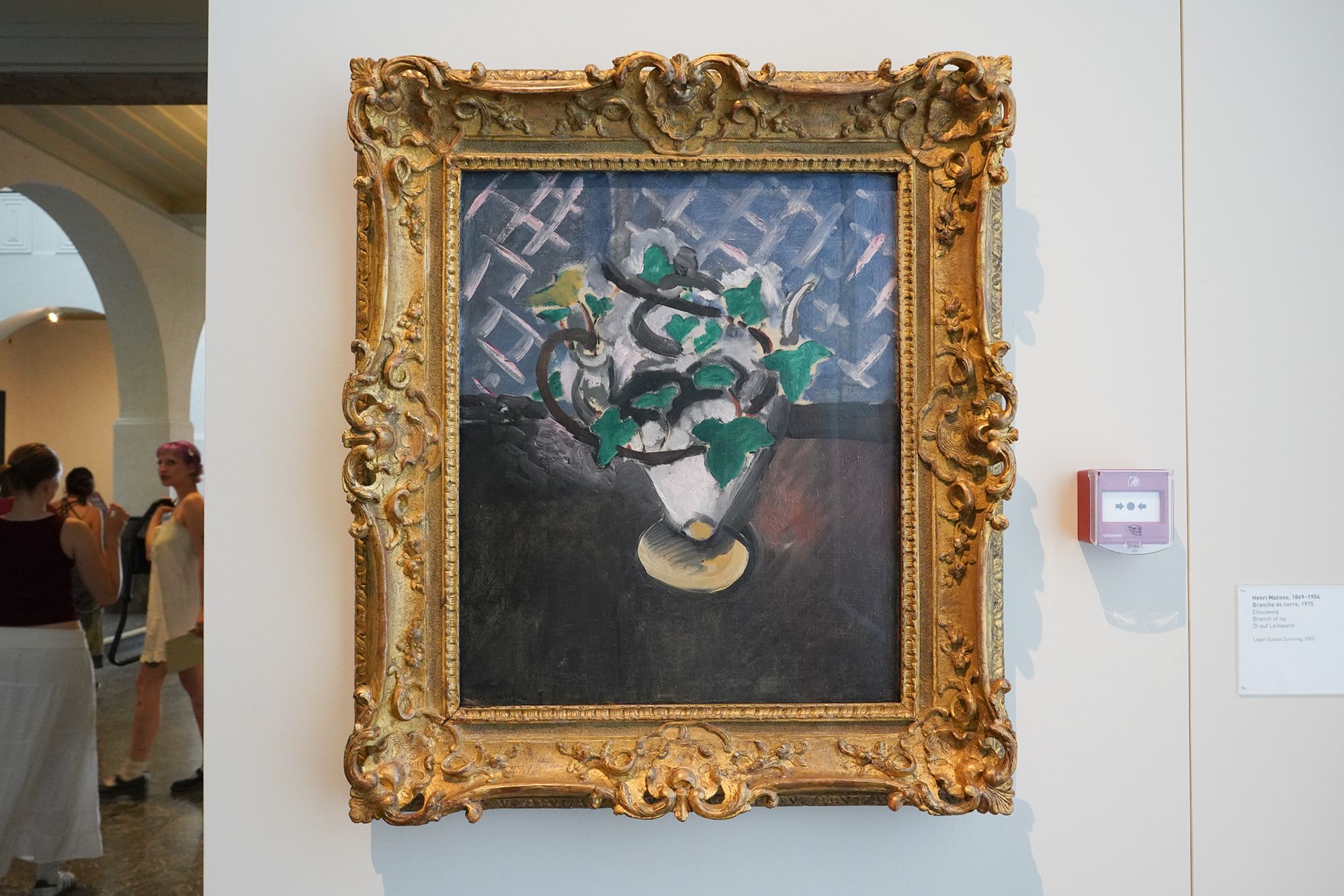
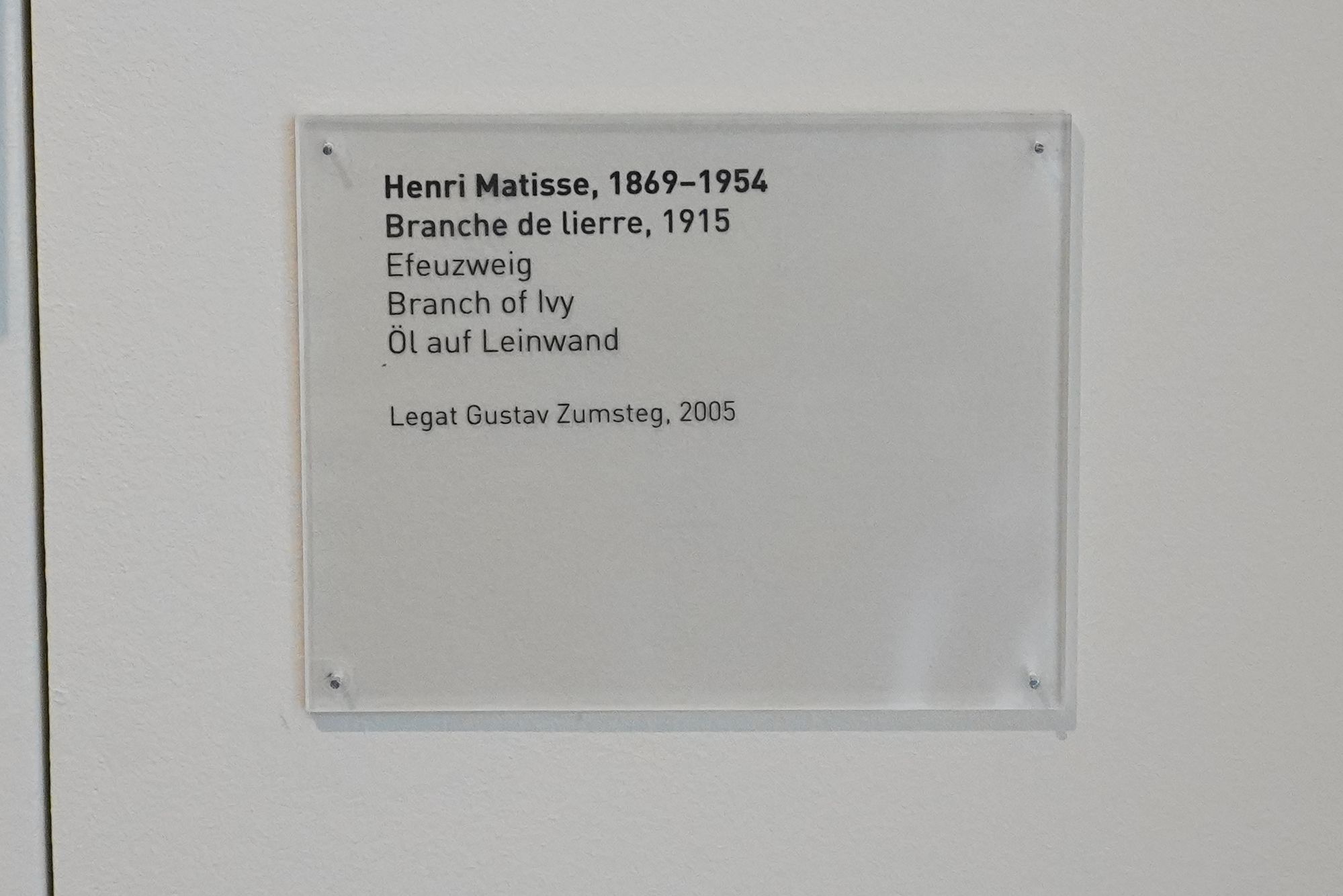
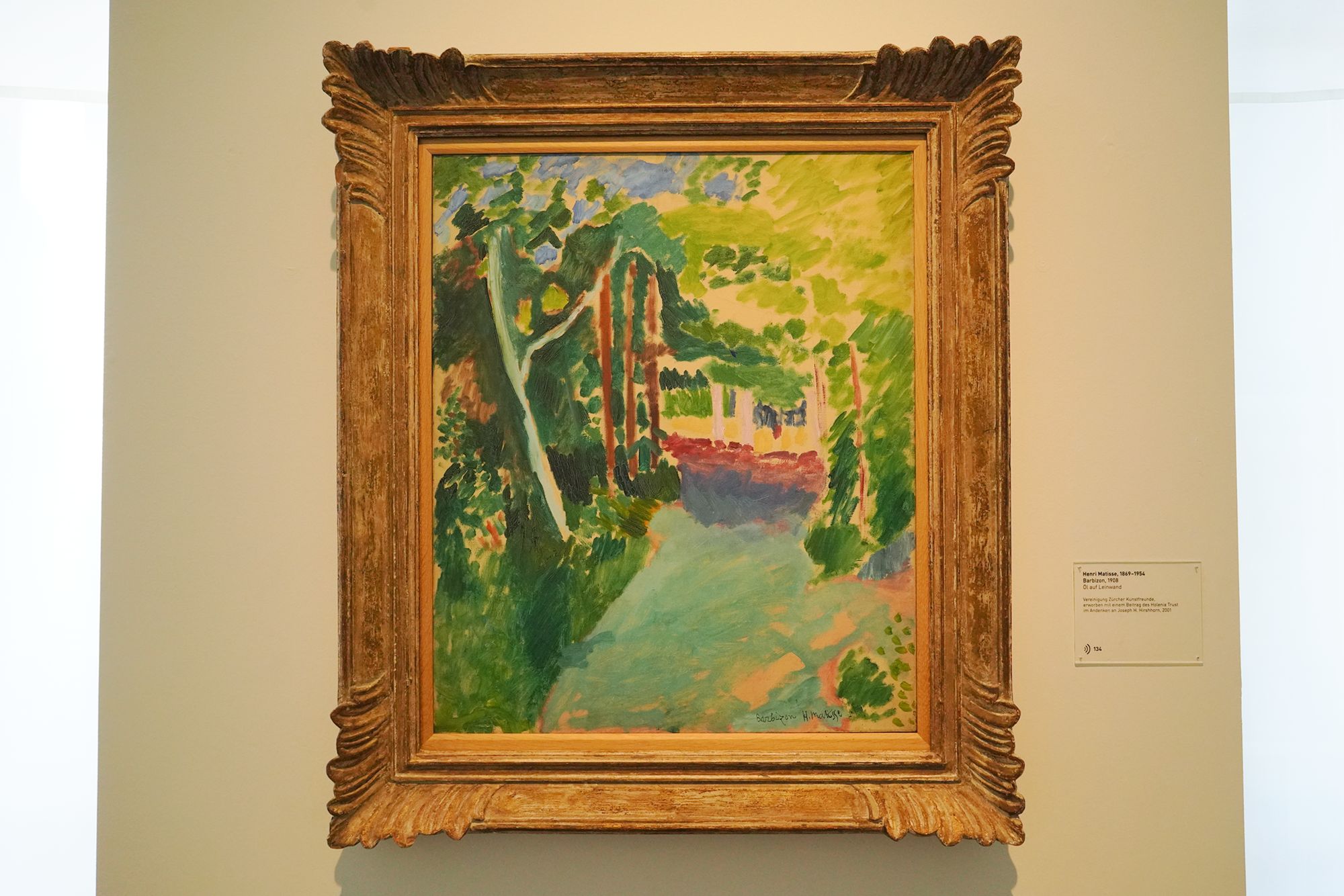
Henri Matisse (1869–1954) was a French artist and a leading figure of Fauvism, known for bold colours and simplified forms. He painted portraits, interiors, and still lifes, often using decorative patterns to create a sense of harmony. Later in life, he developed colourful paper cut-outs, which became some of his best-known works.
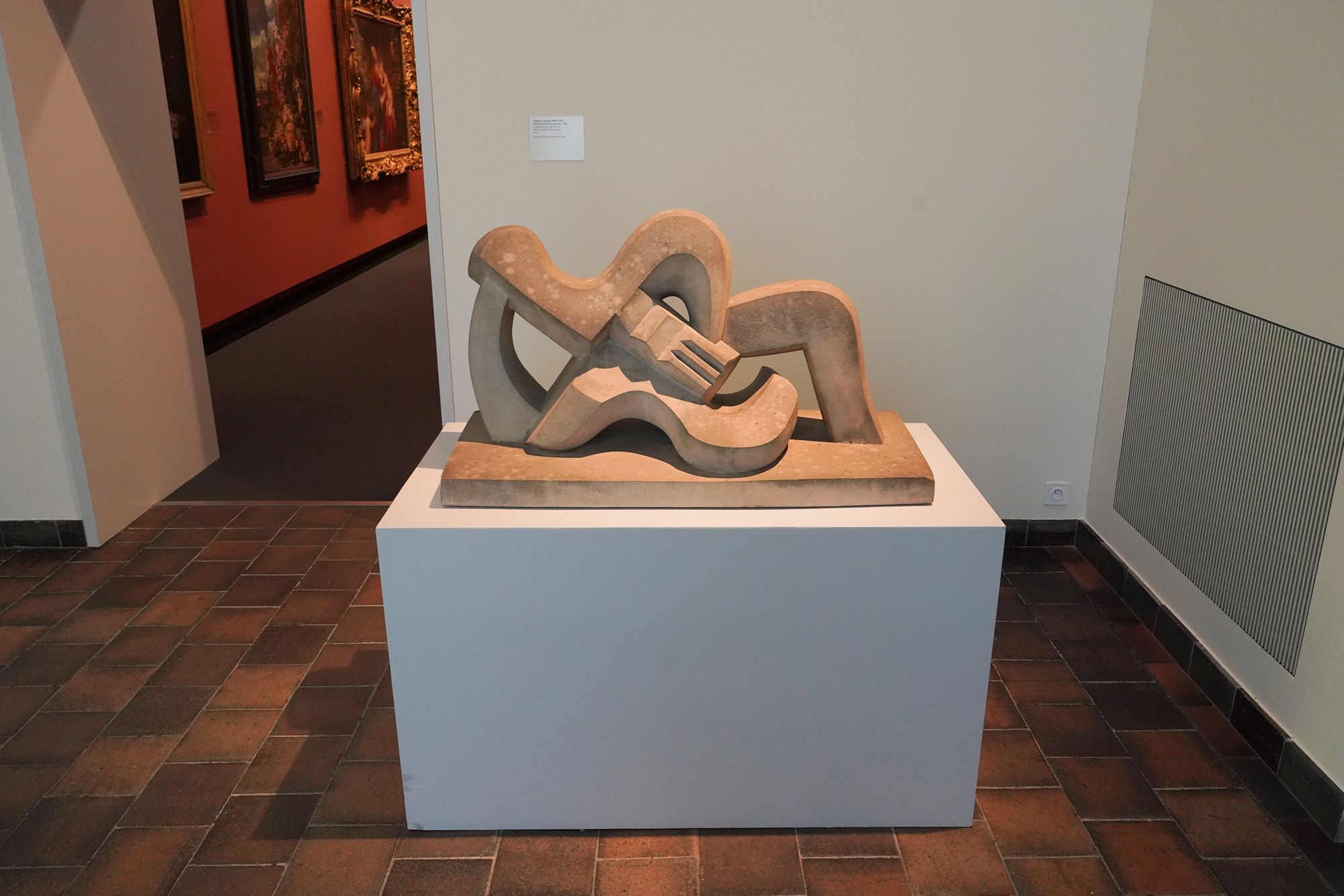
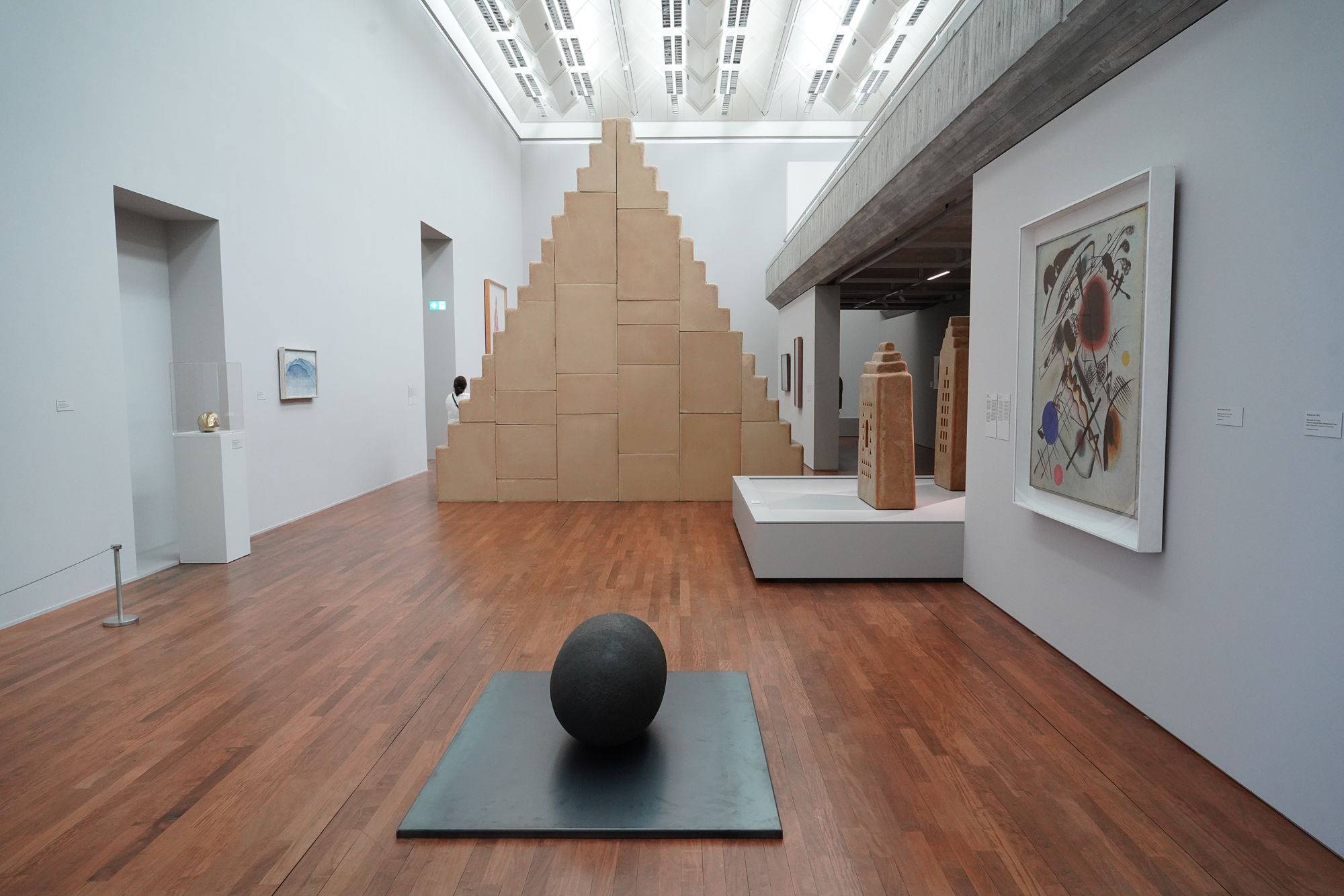
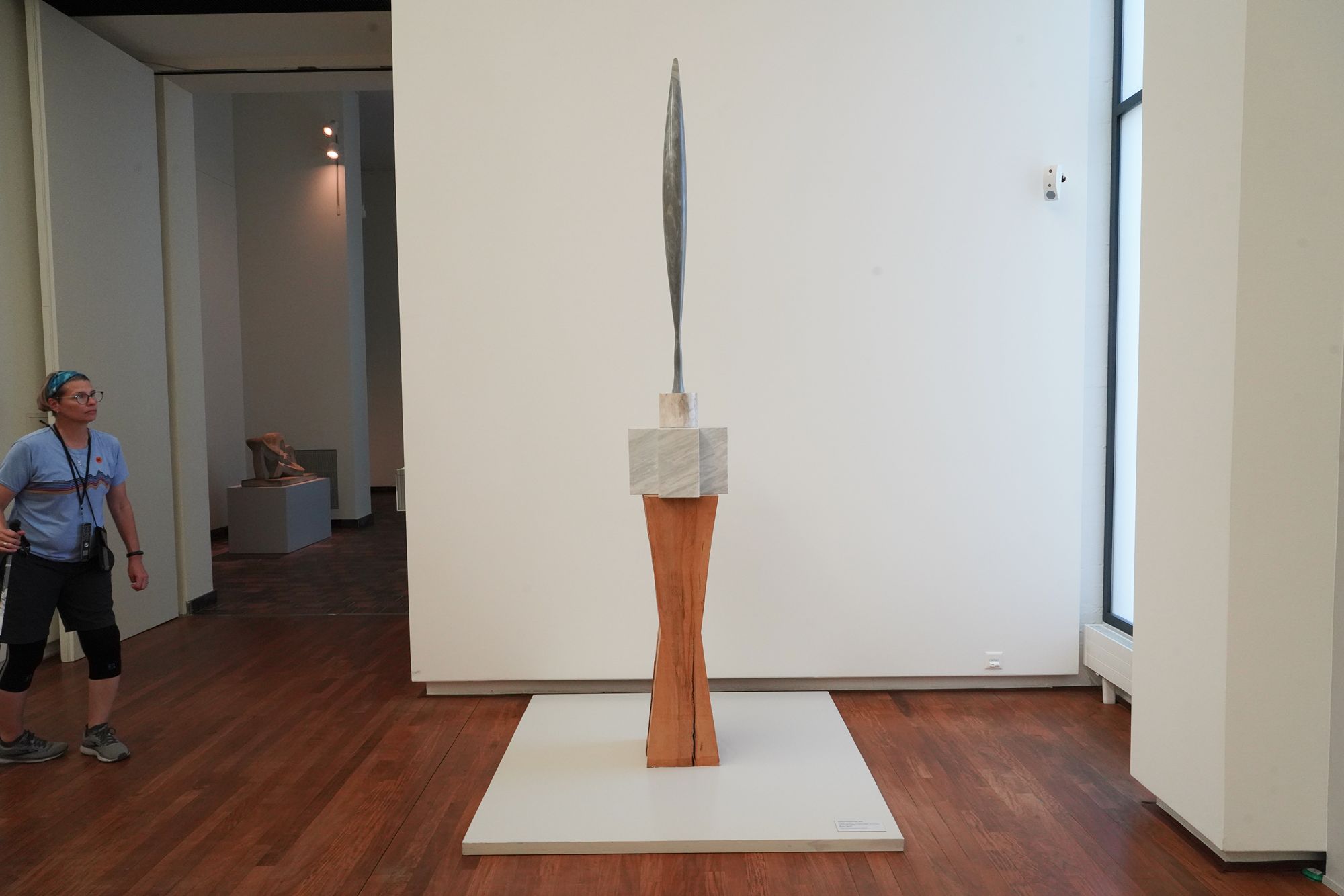
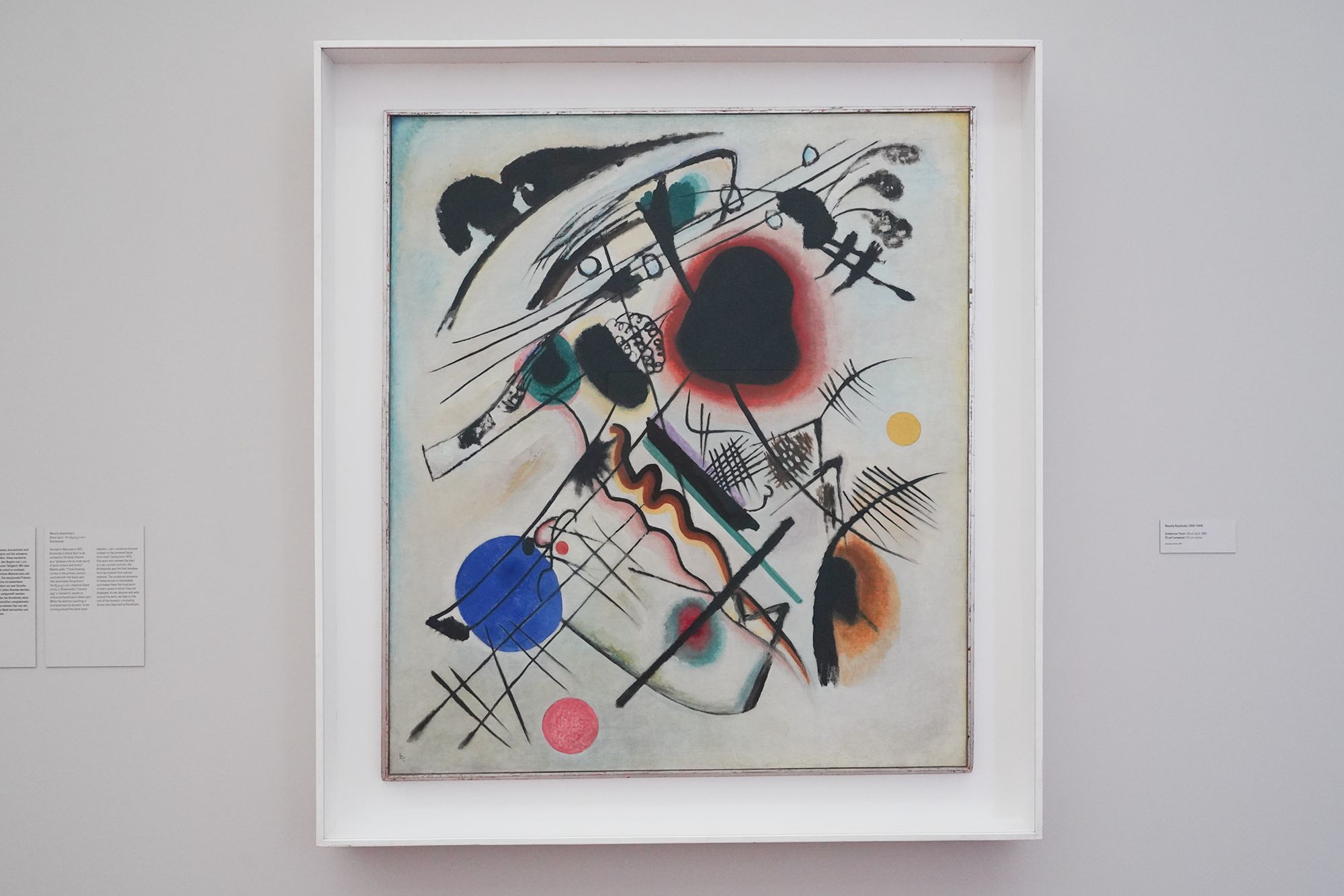
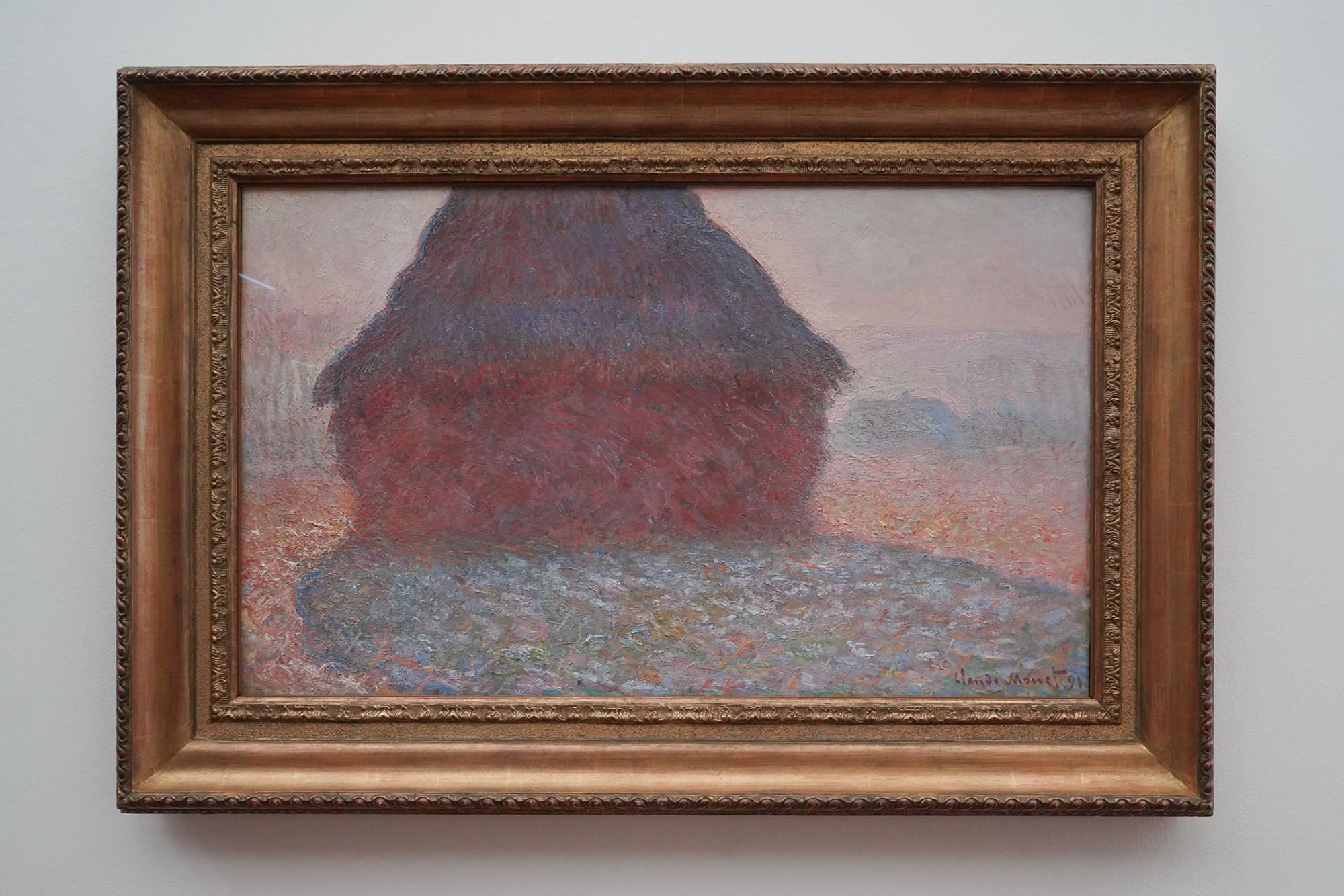
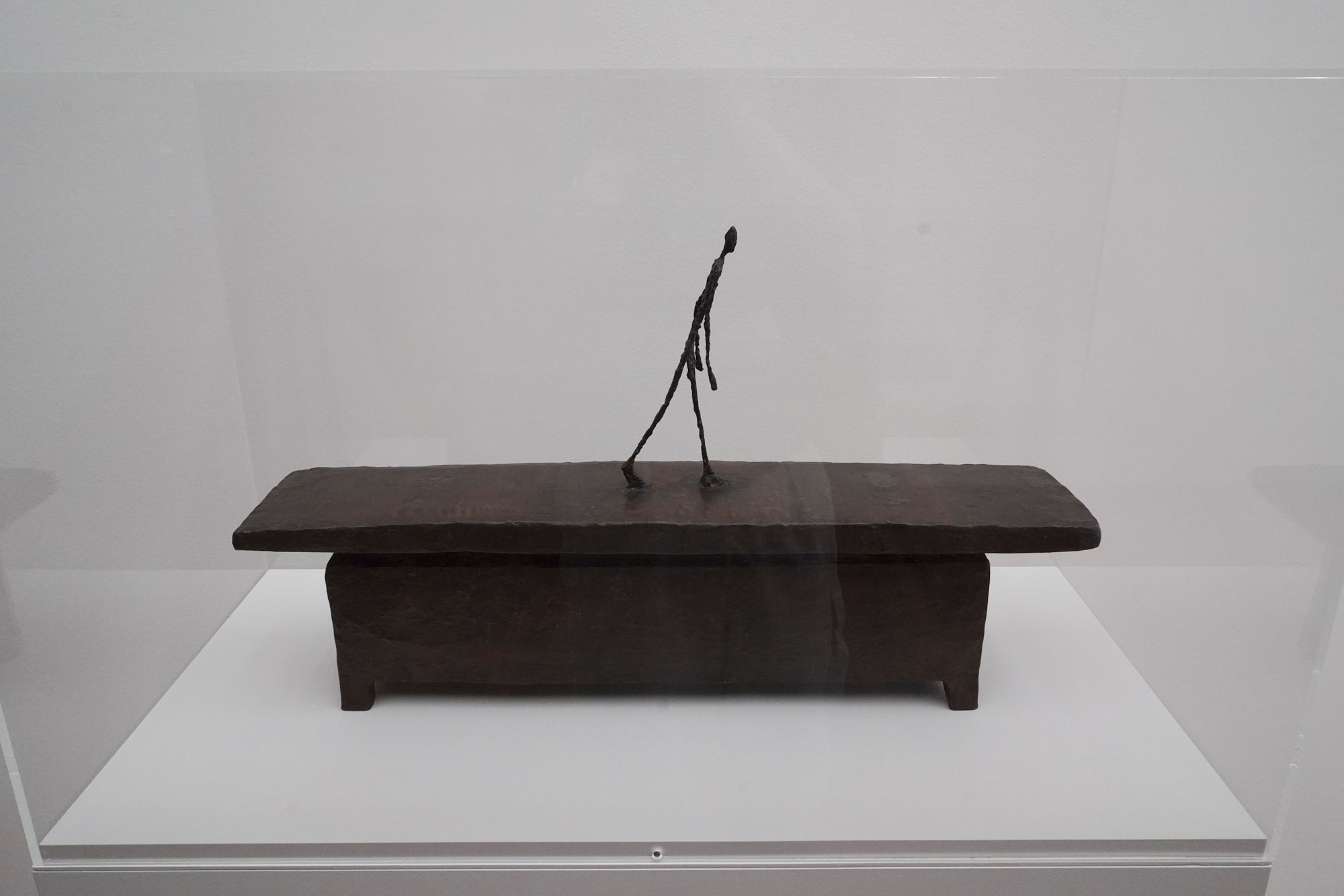
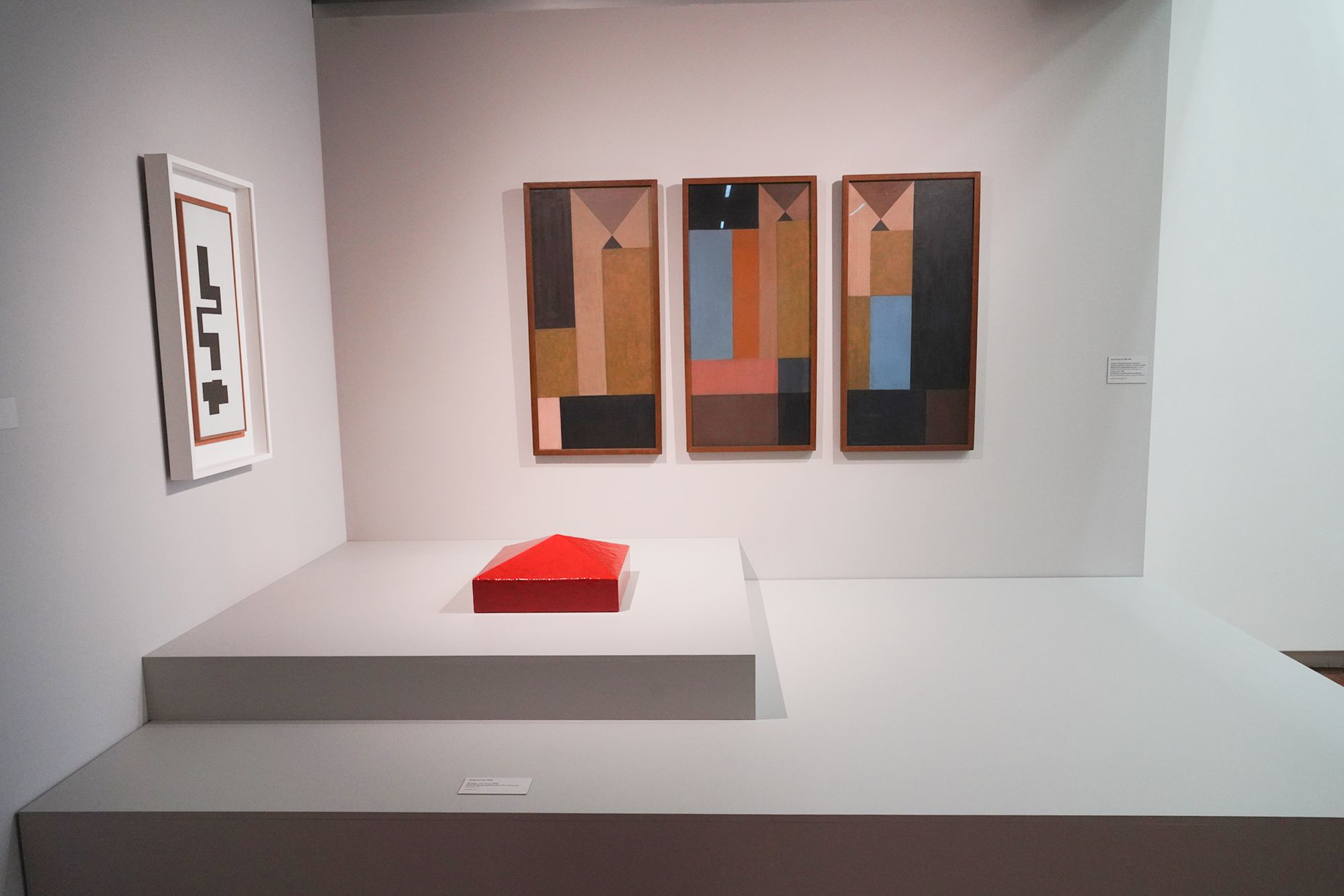
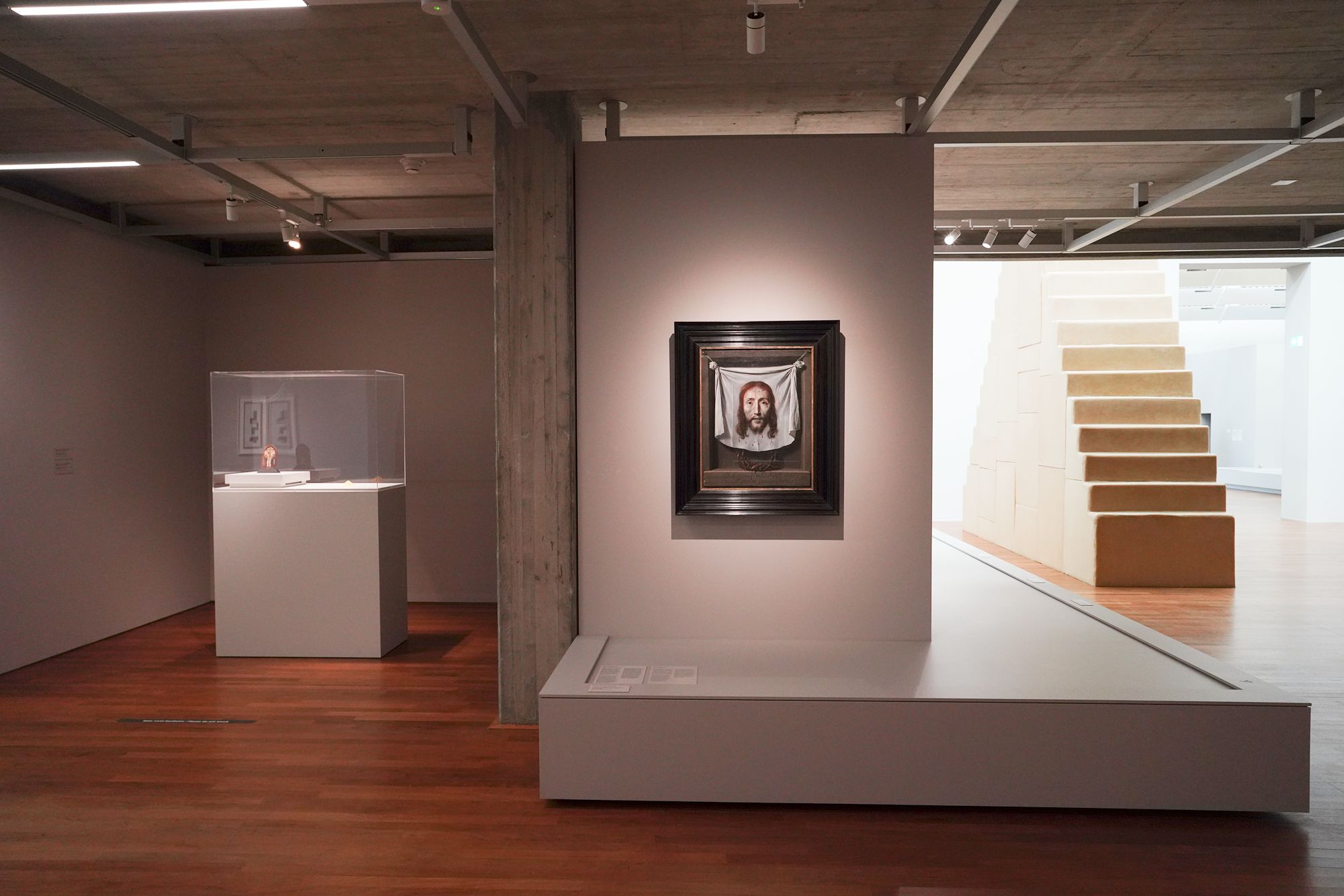
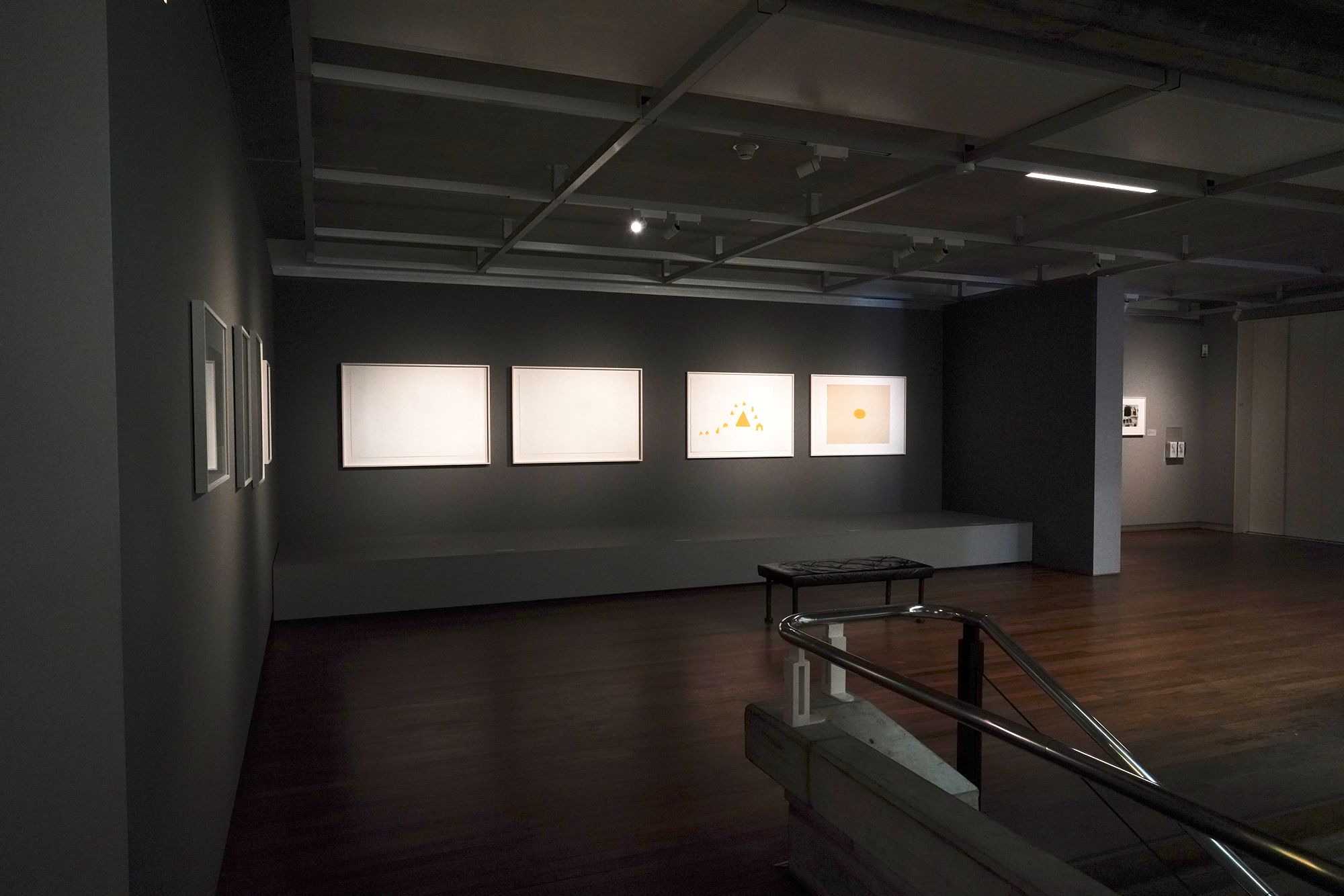
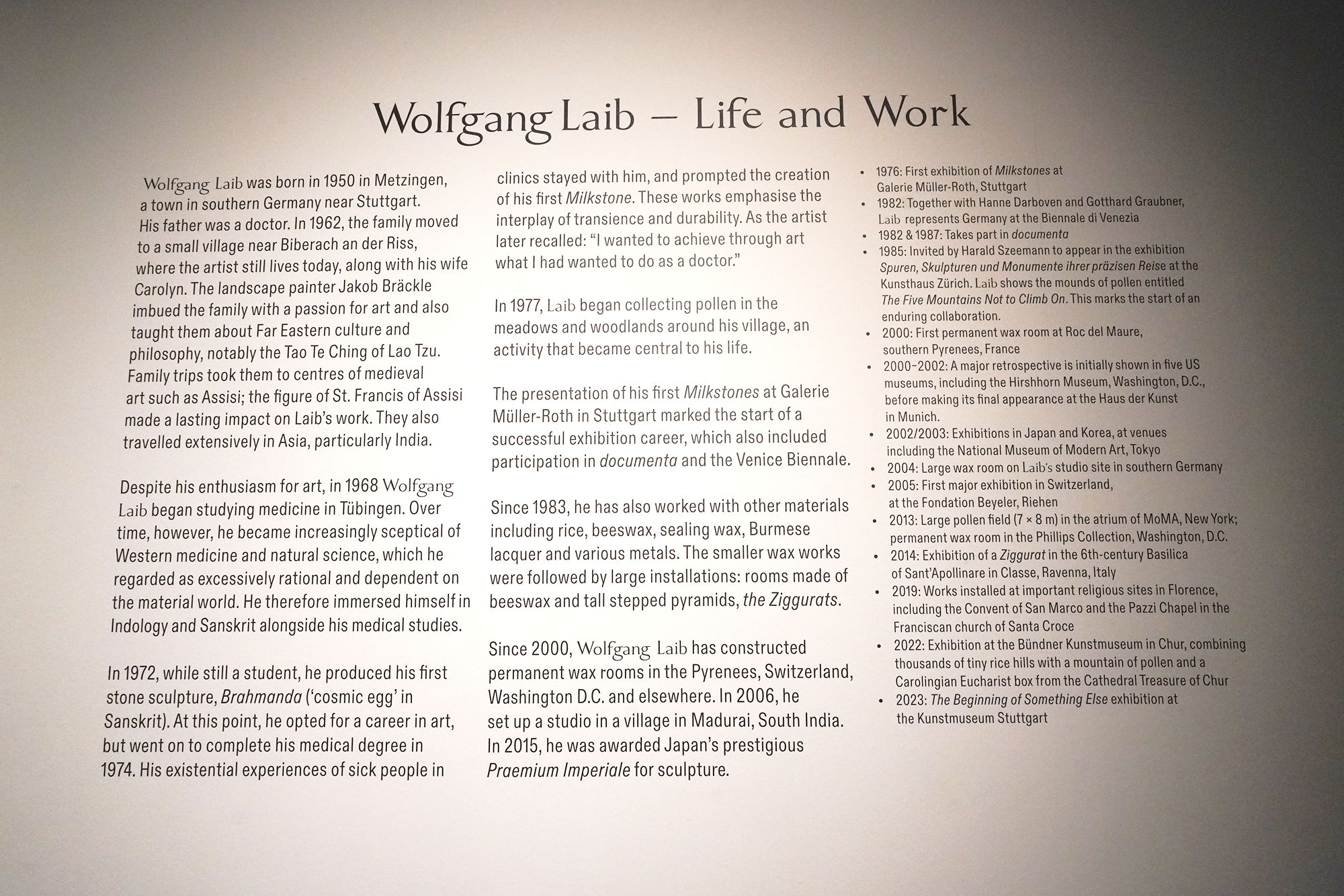
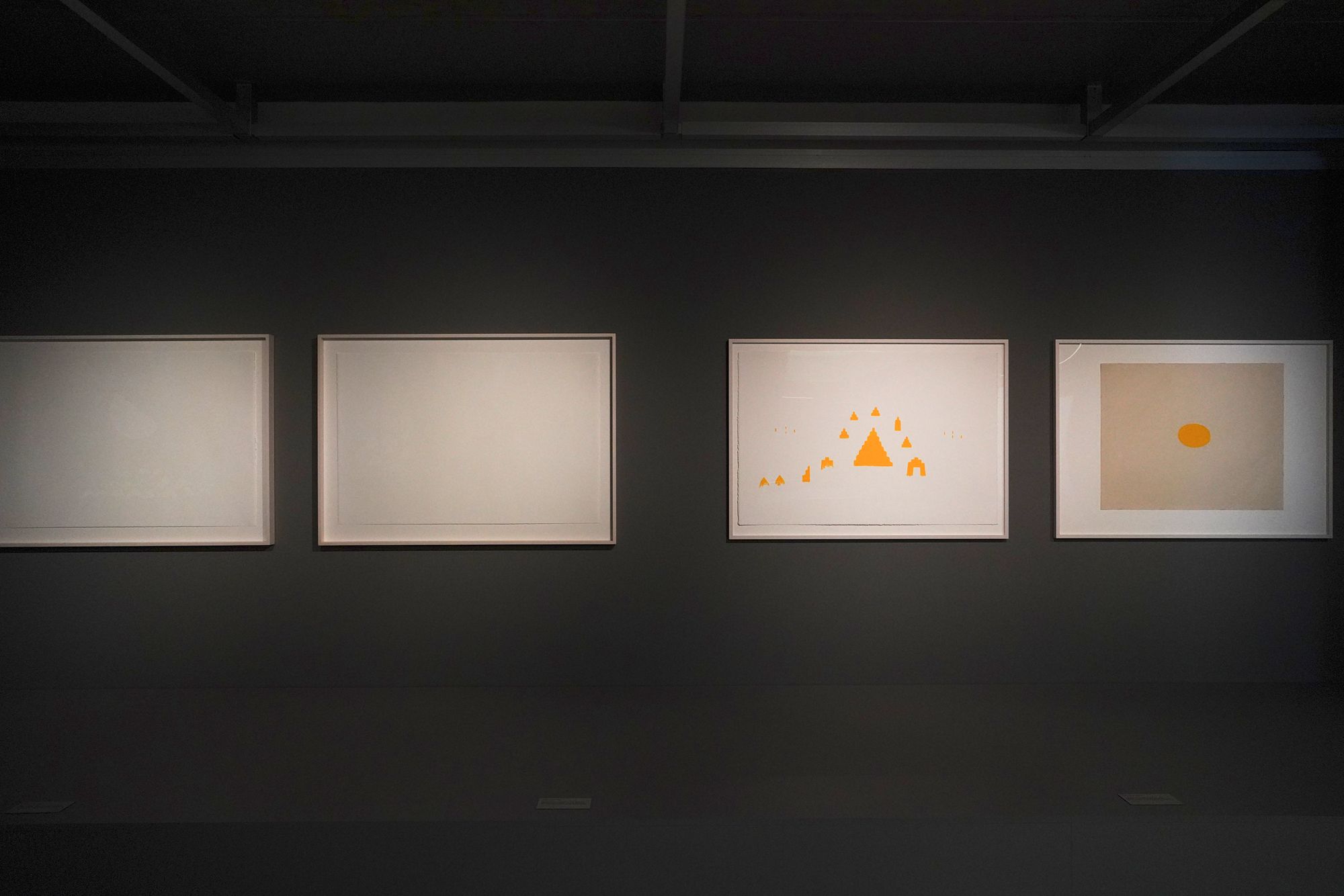
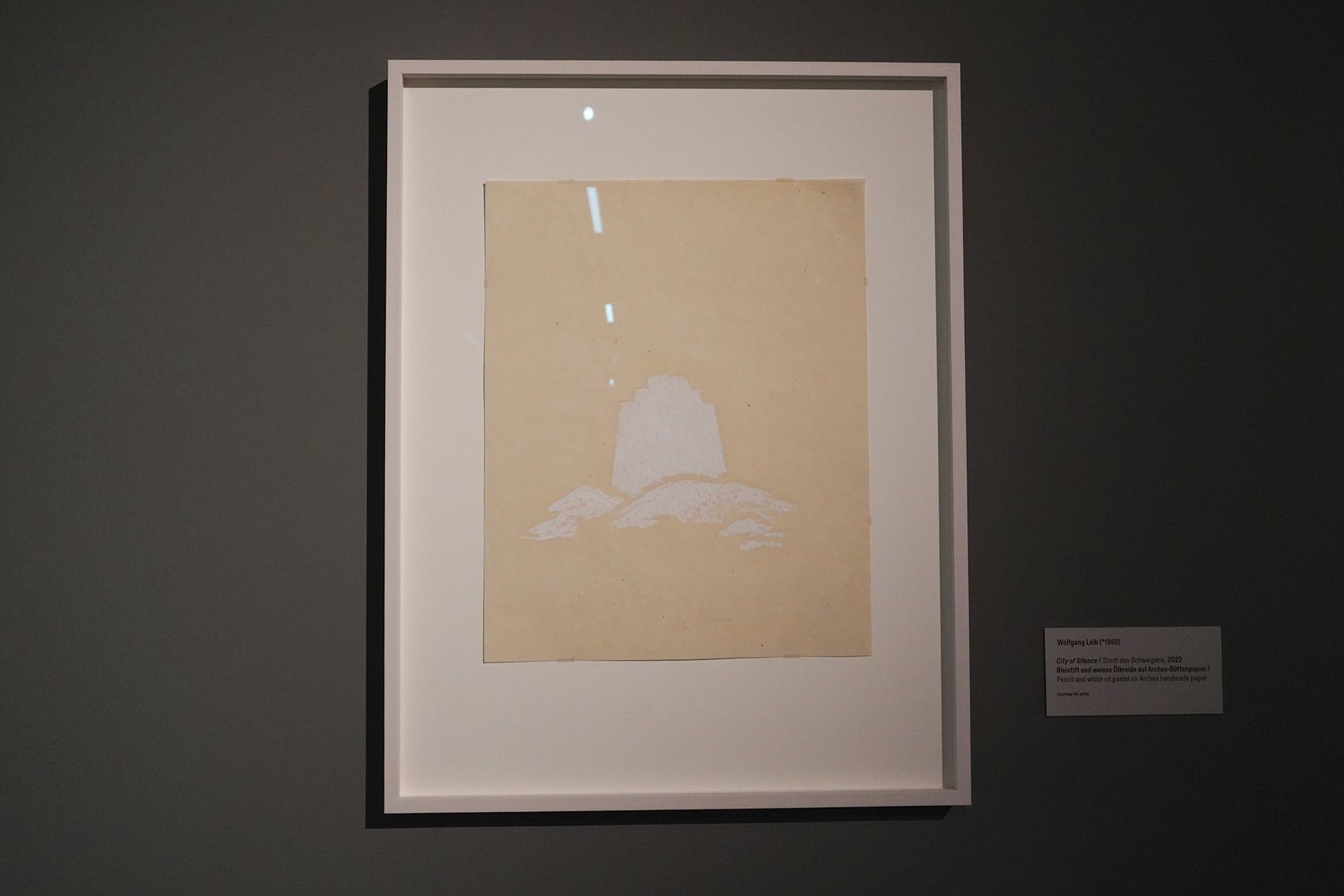
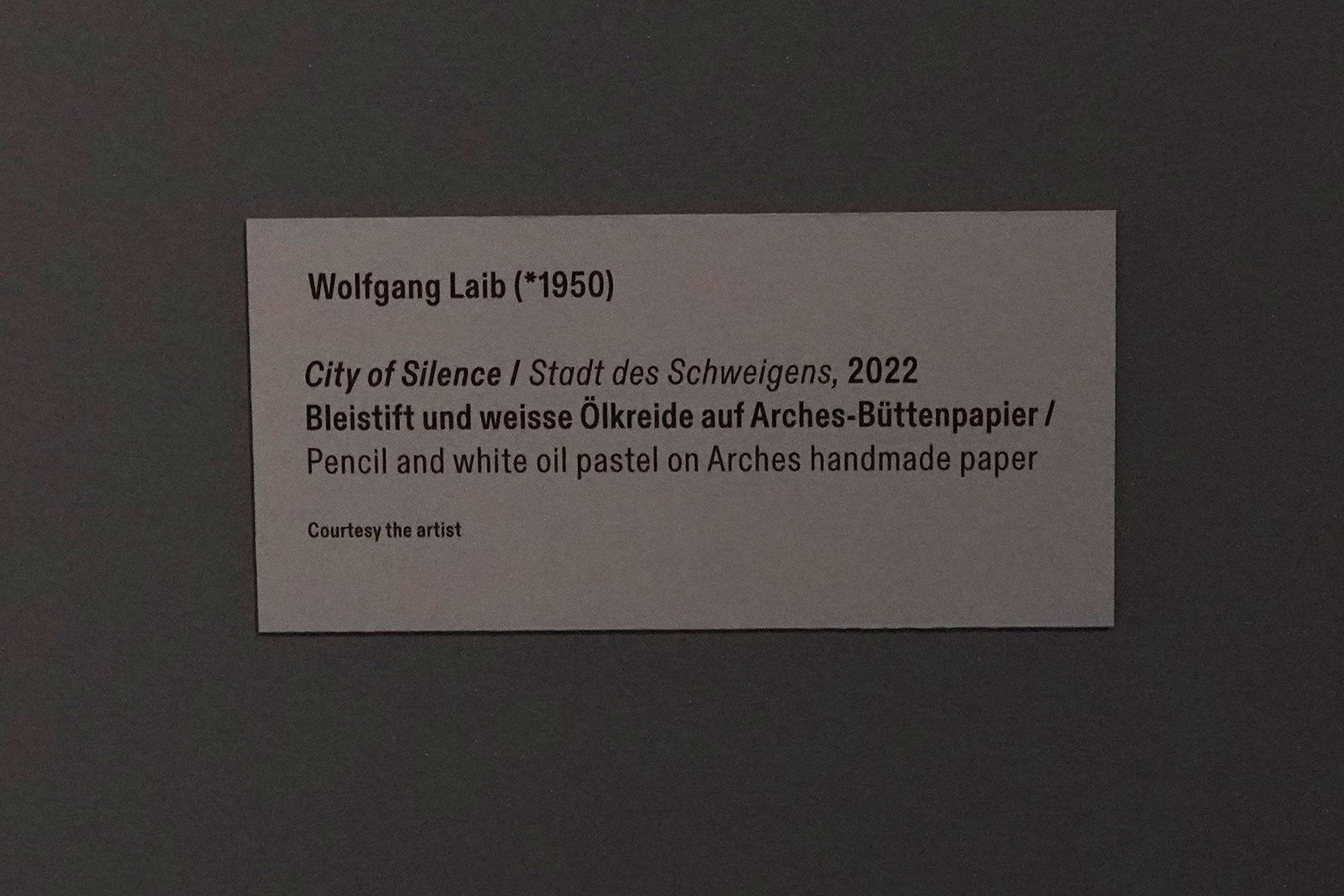
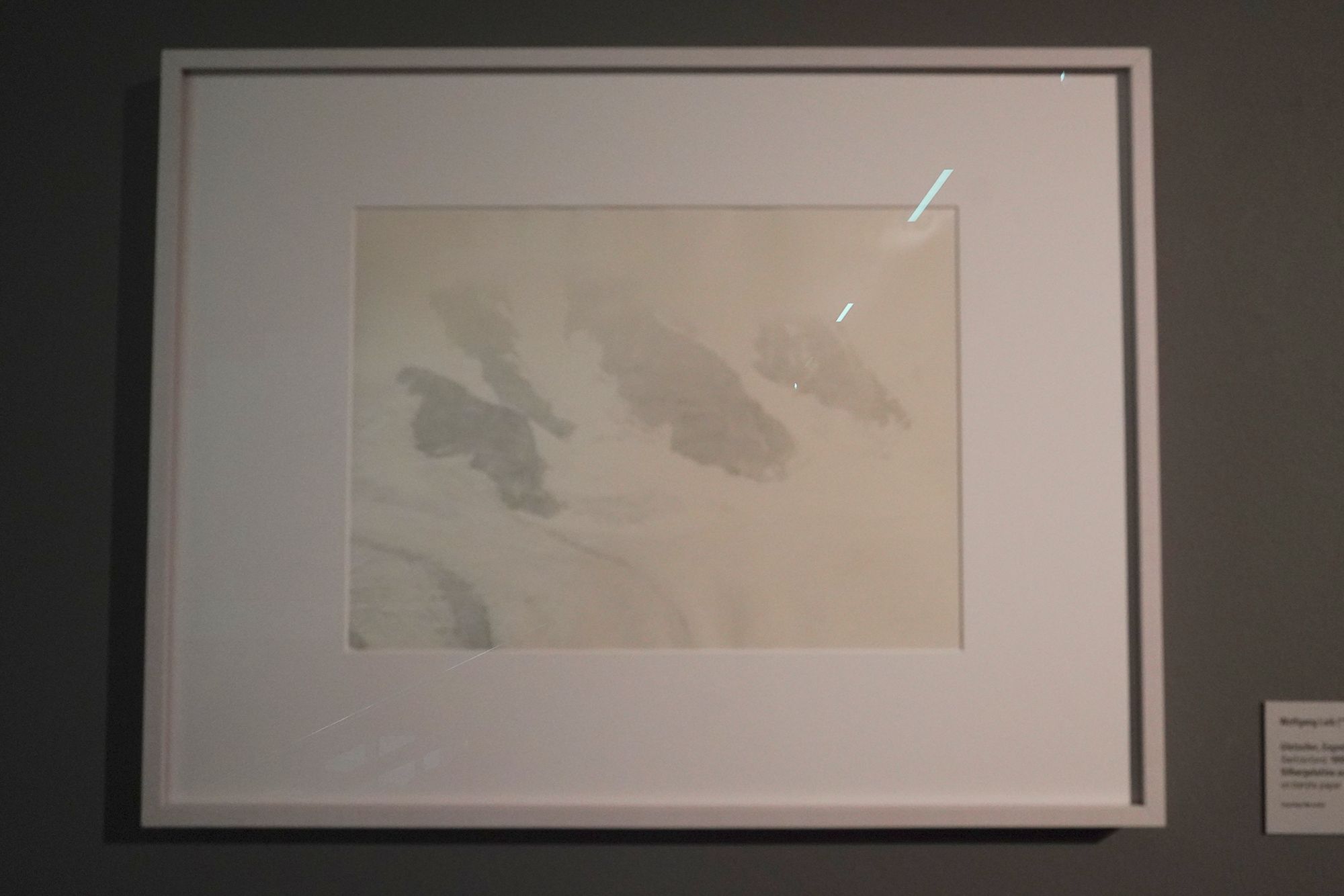
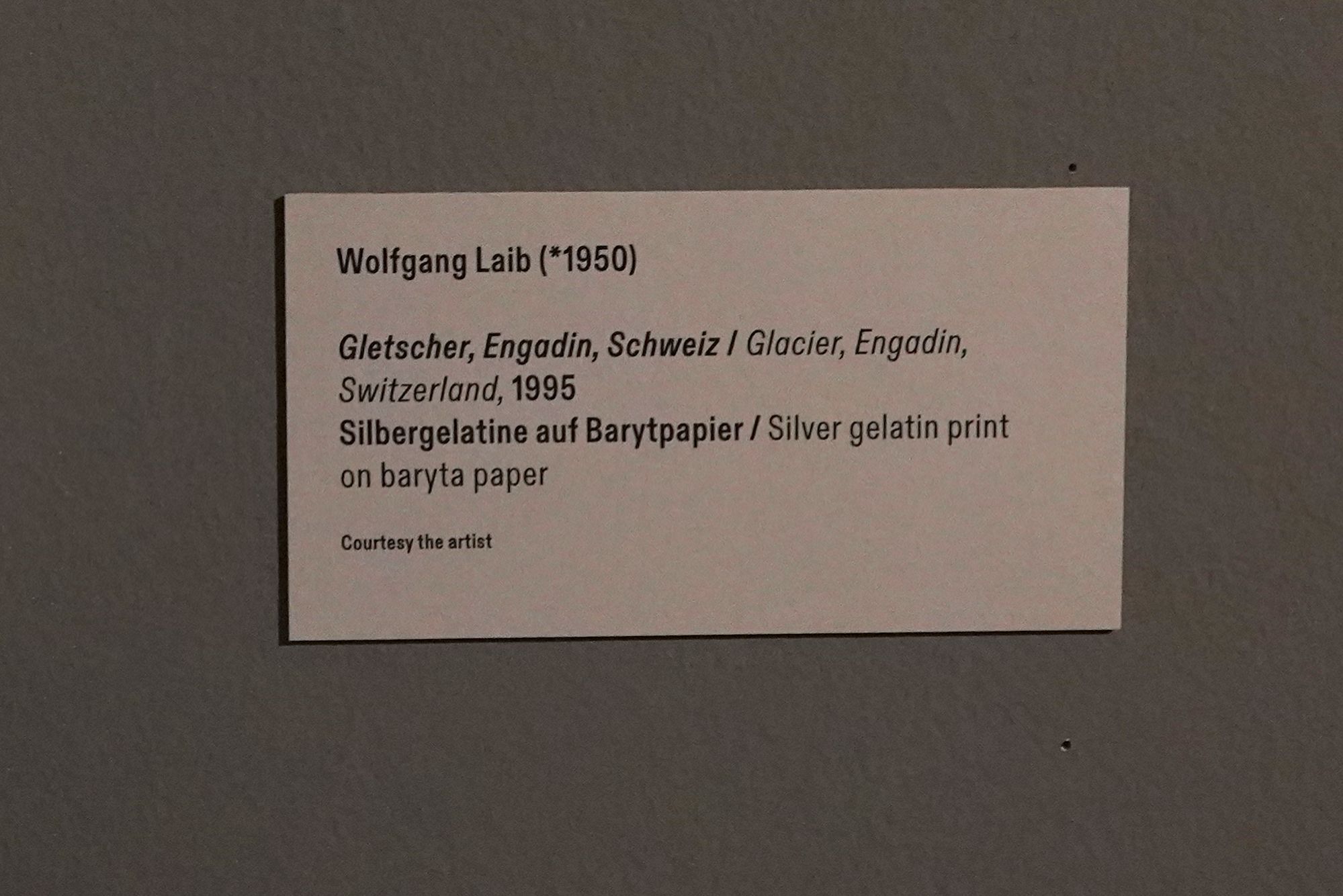
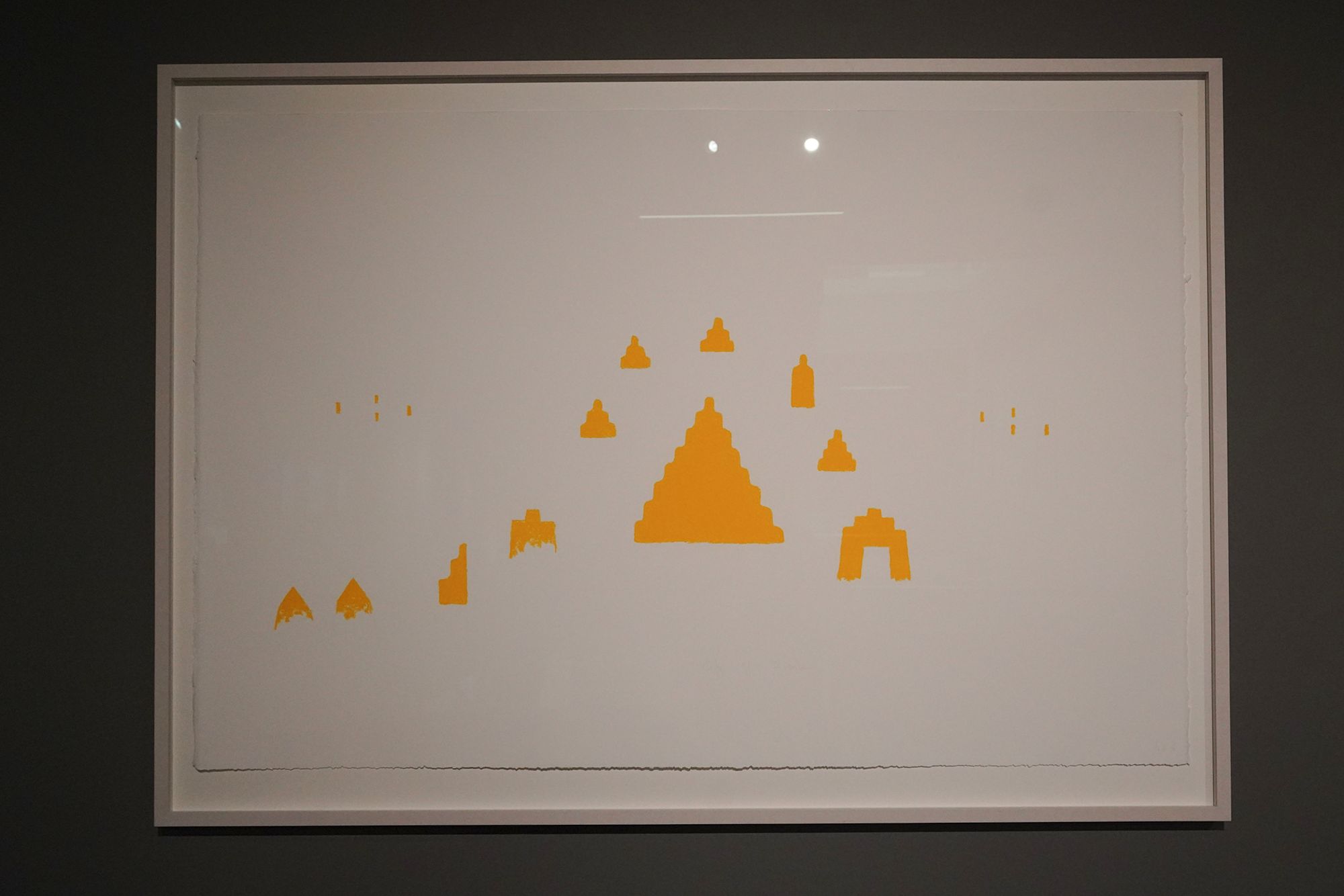
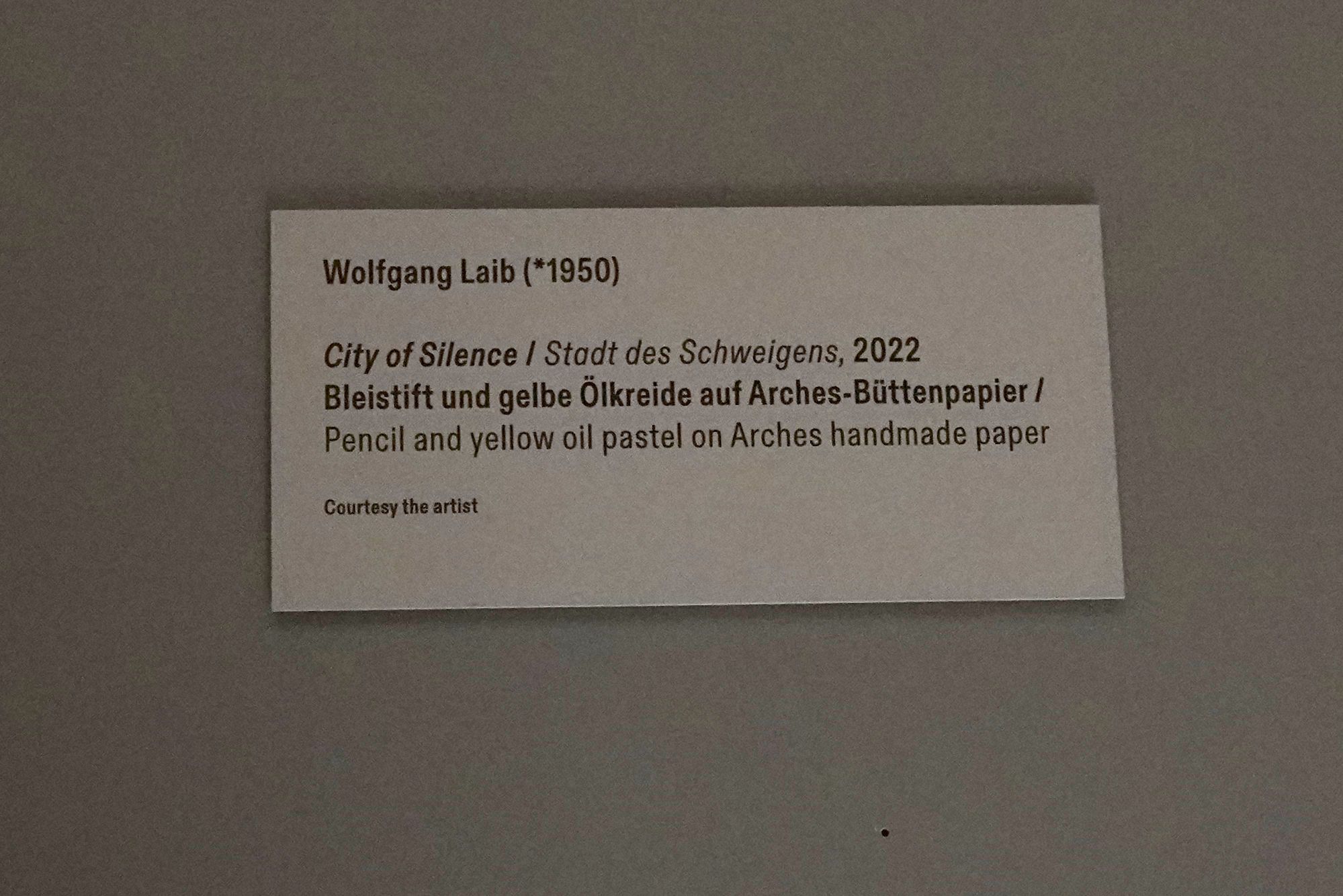
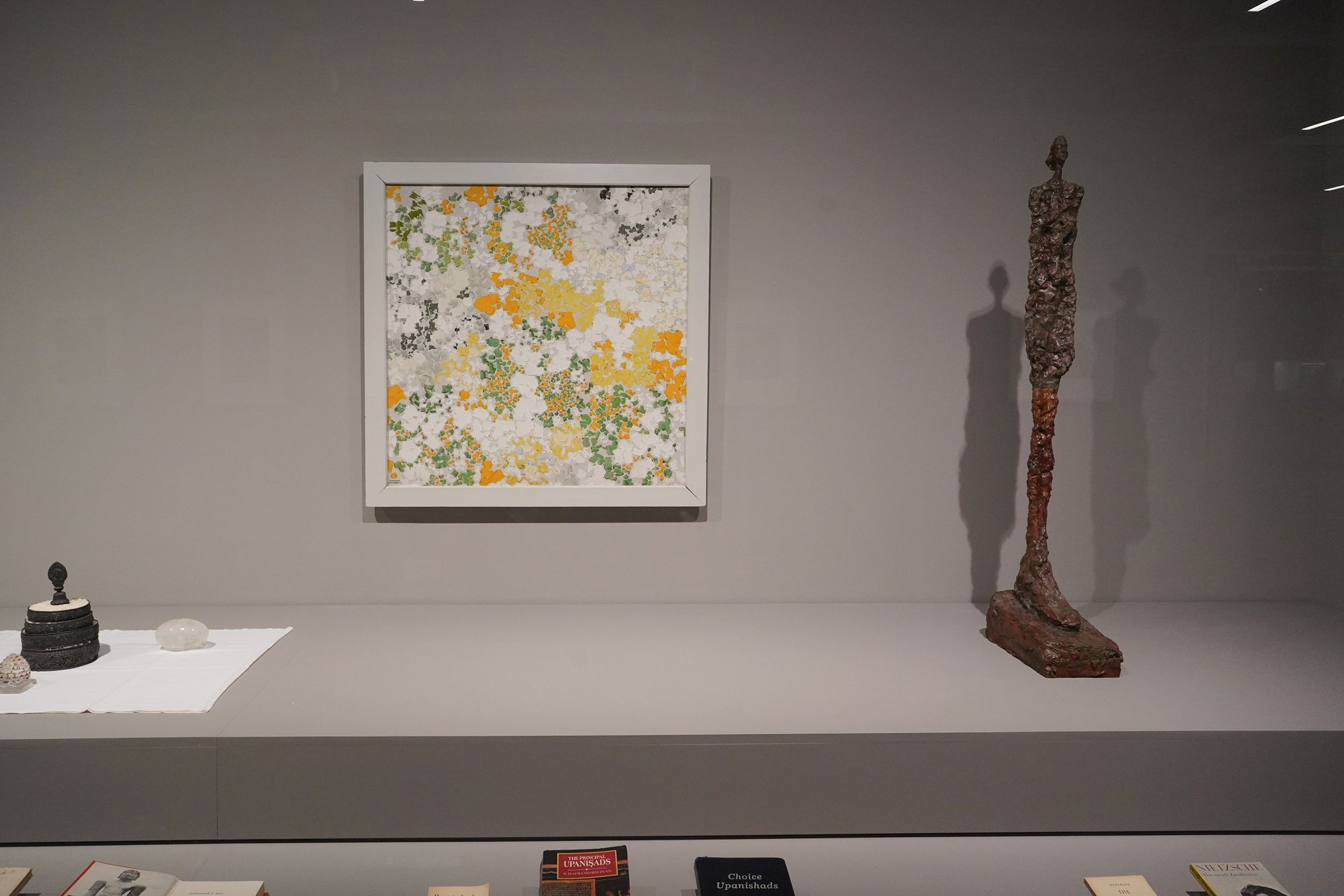
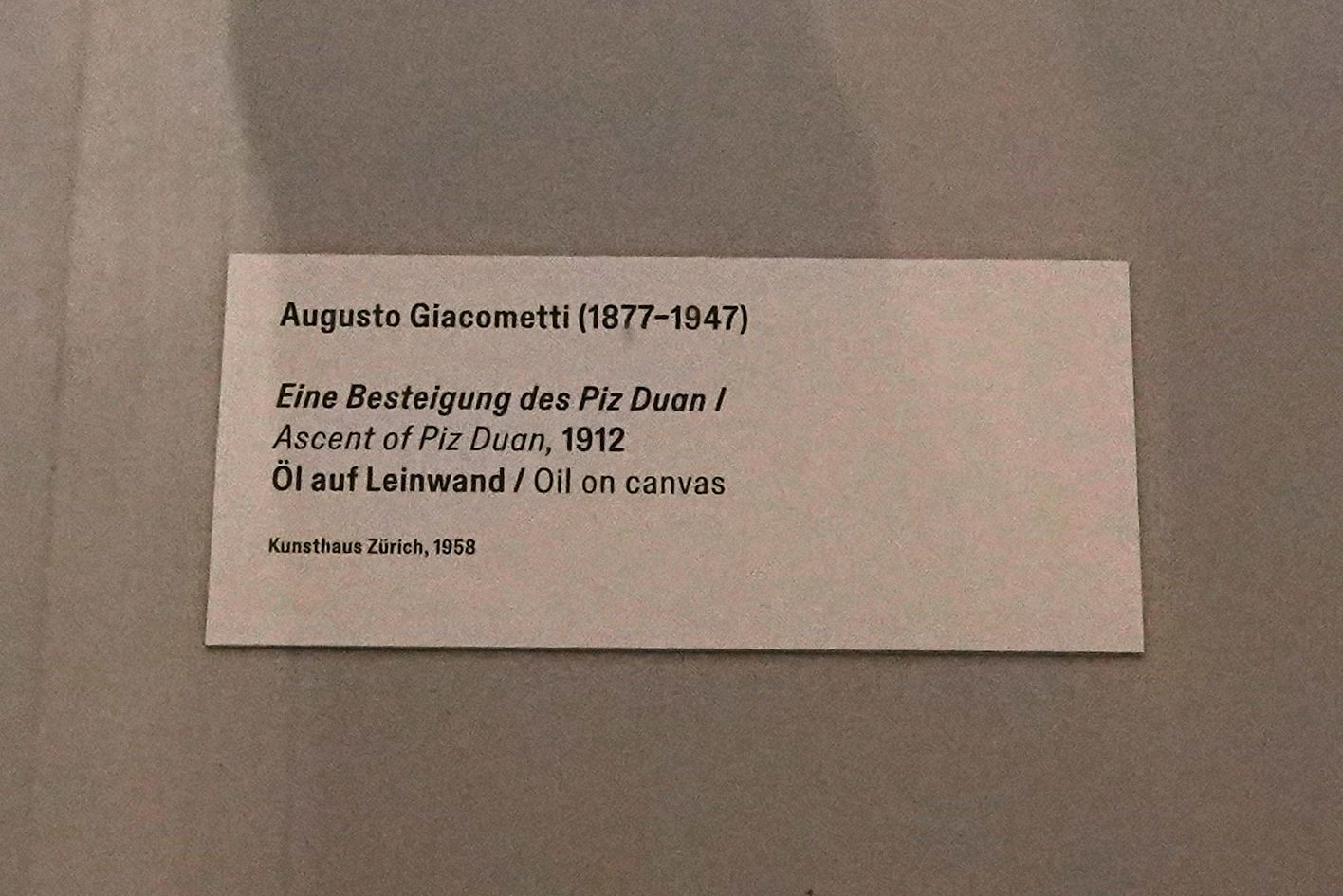
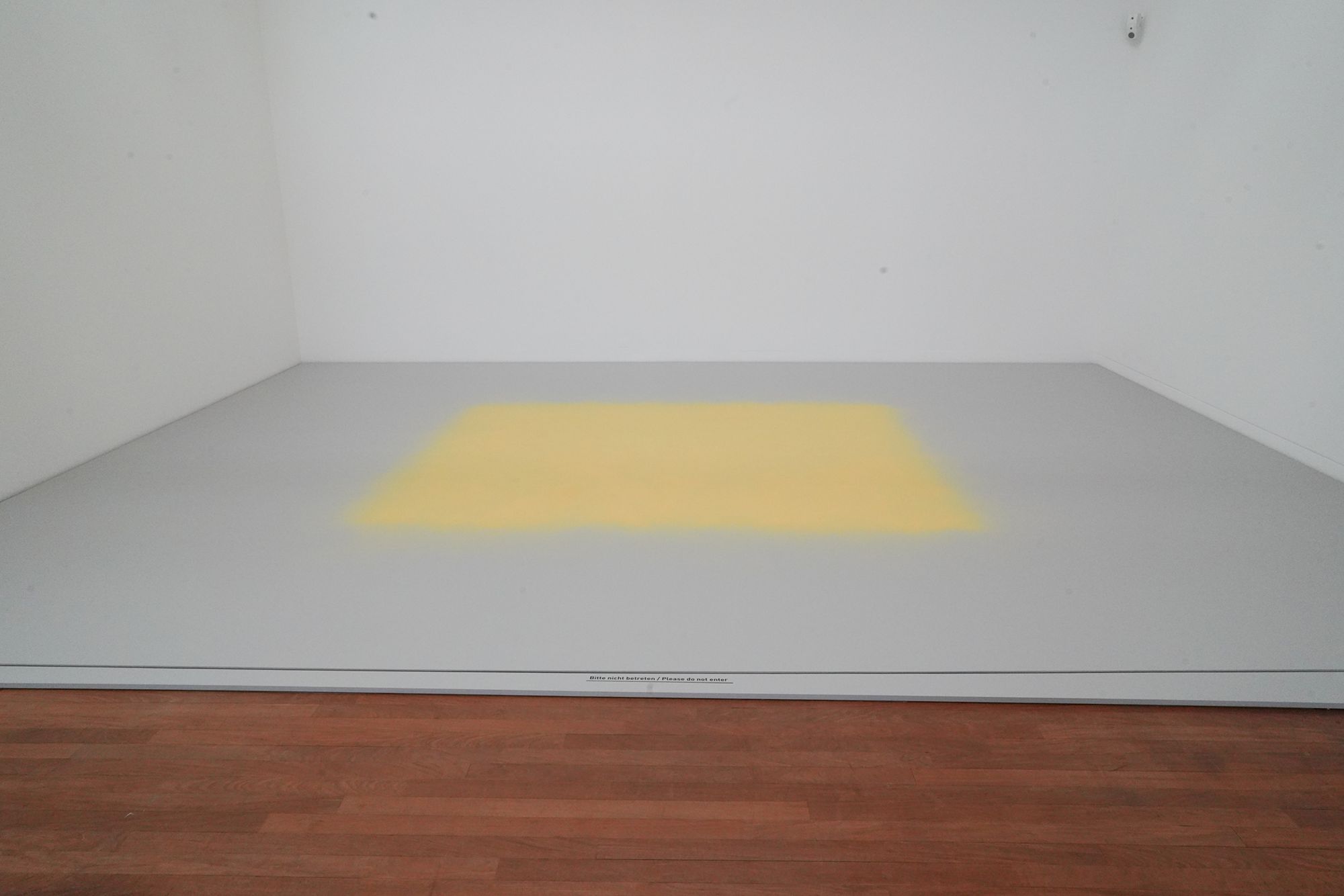
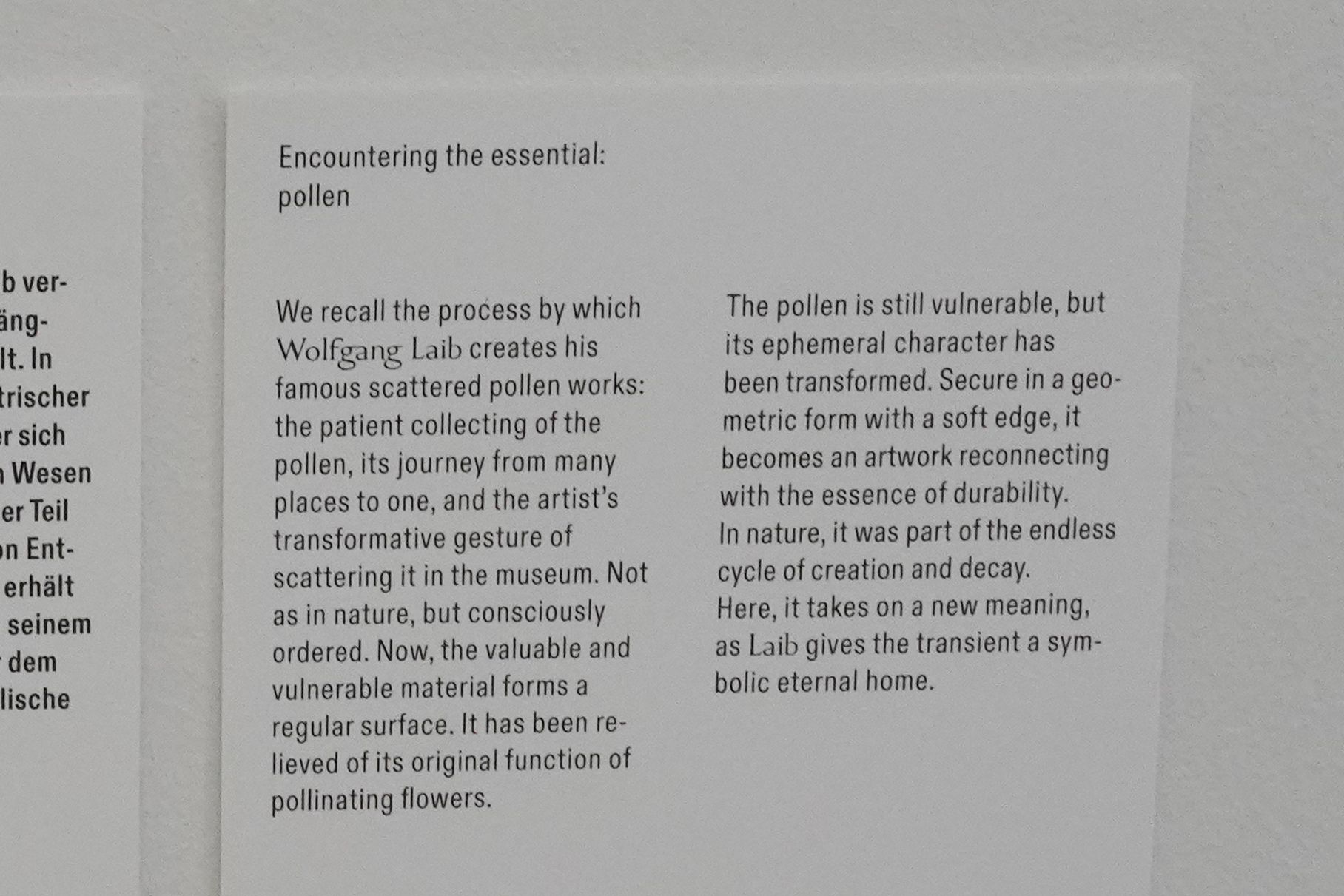
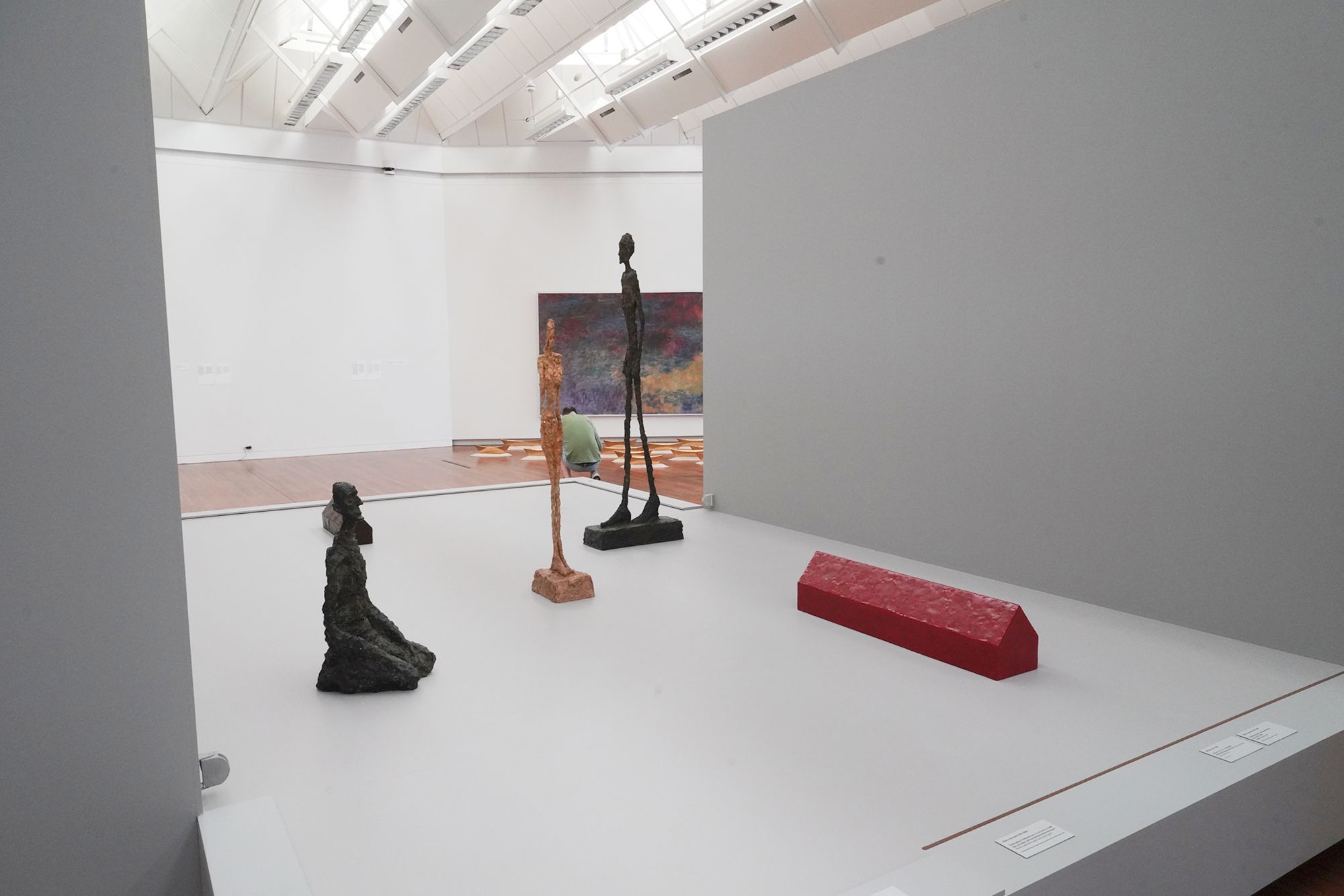
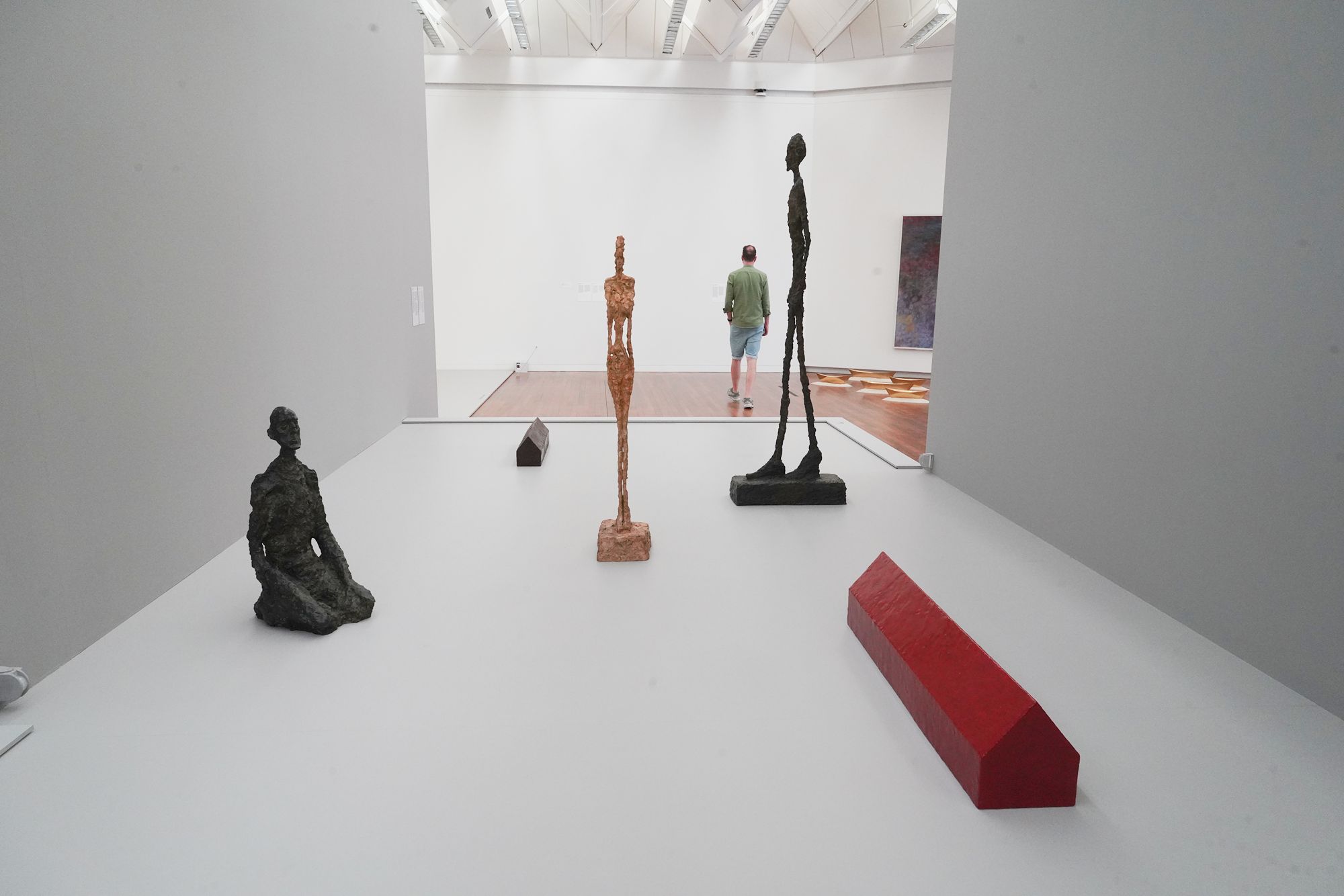
“Touching the Essential” brings together works by Wolfgang Laib (born 1950) and selected pieces from the Kunsthaus Zürich collection.
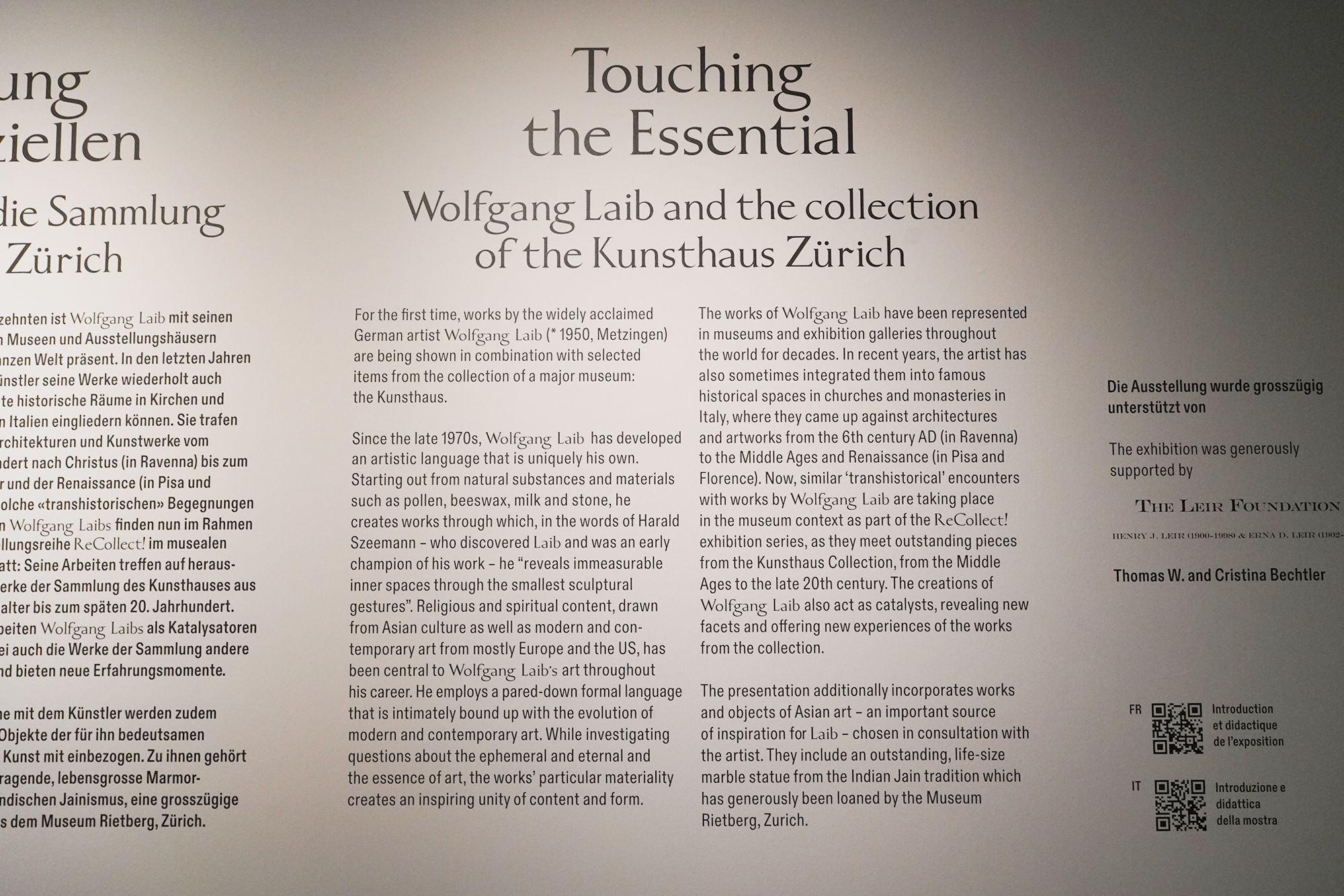
The German artist uses natural materials such as pollen, beeswax, milk, and stone to explore spirituality, time, and permanence. His simple forms appear alongside works ranging from the Middle Ages to the late 20th century, encouraging visitors to see connections across different periods and cultures.
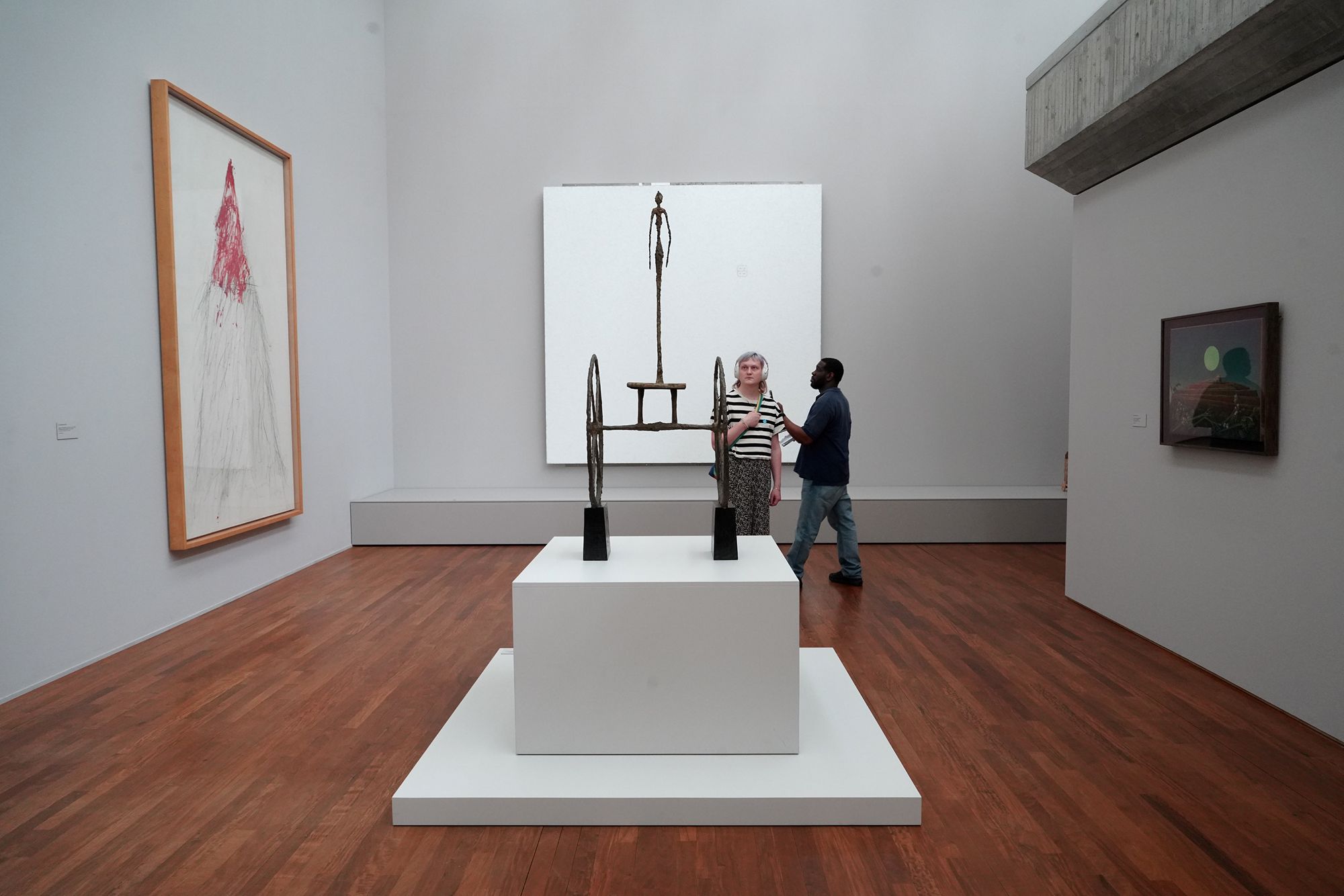
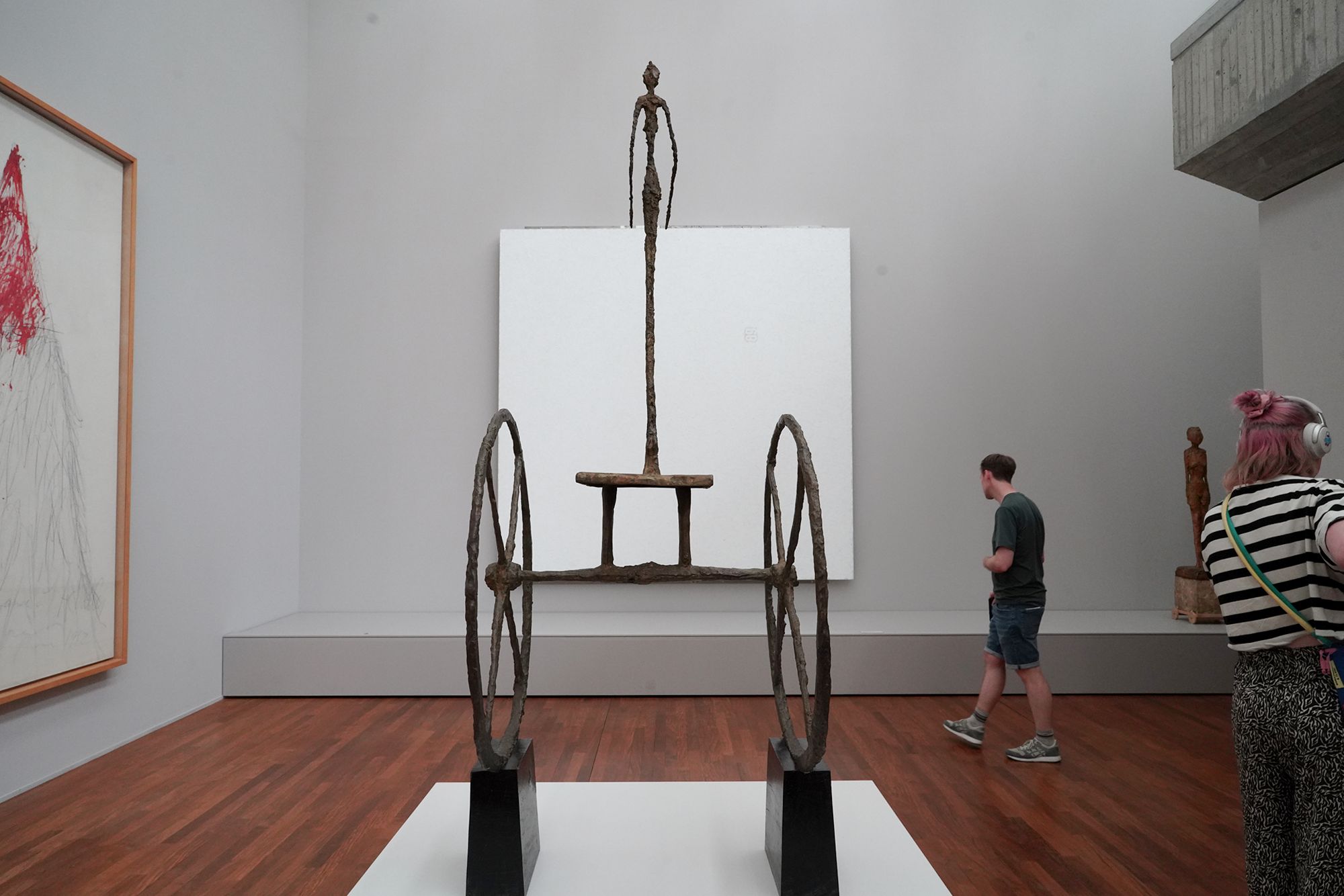
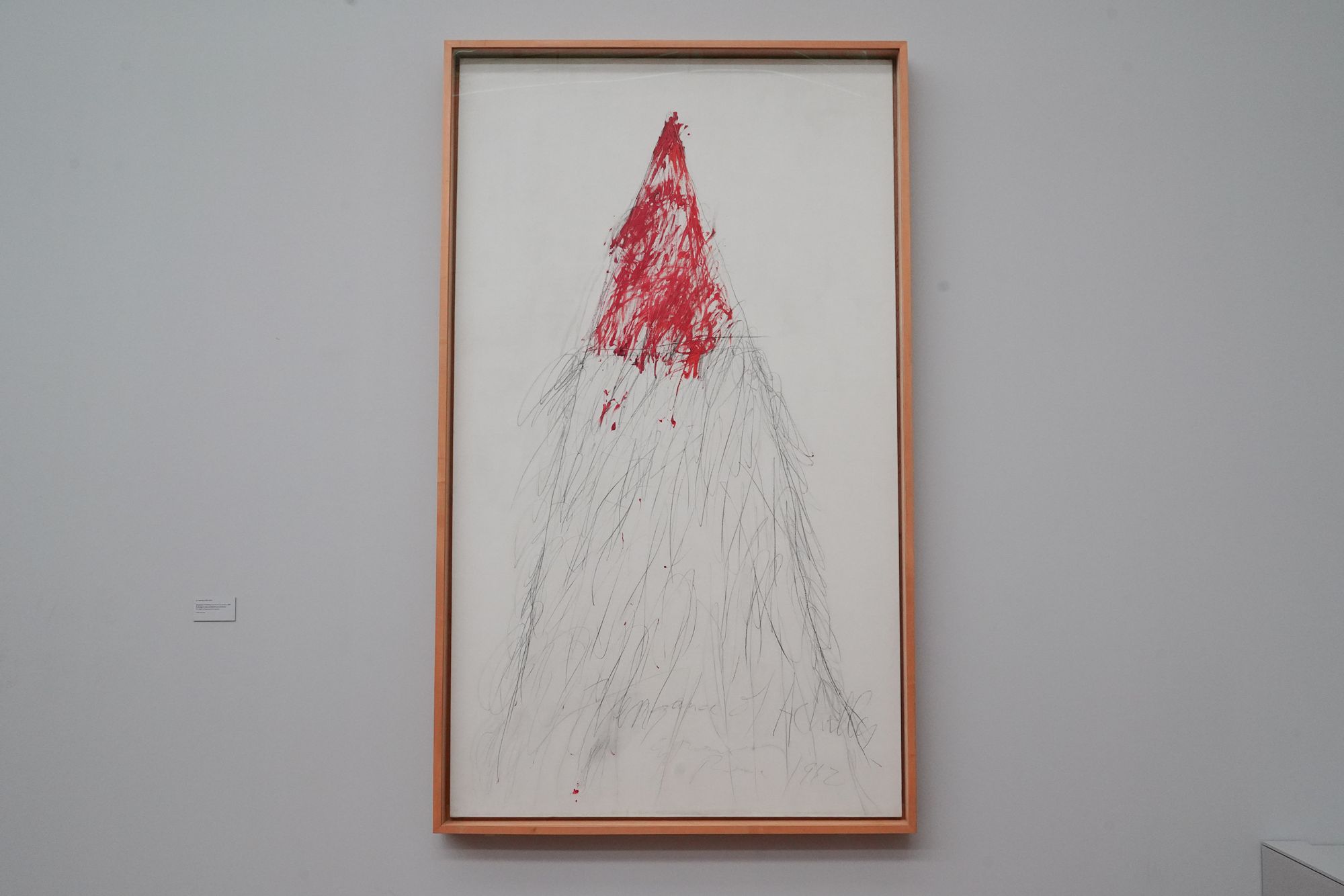
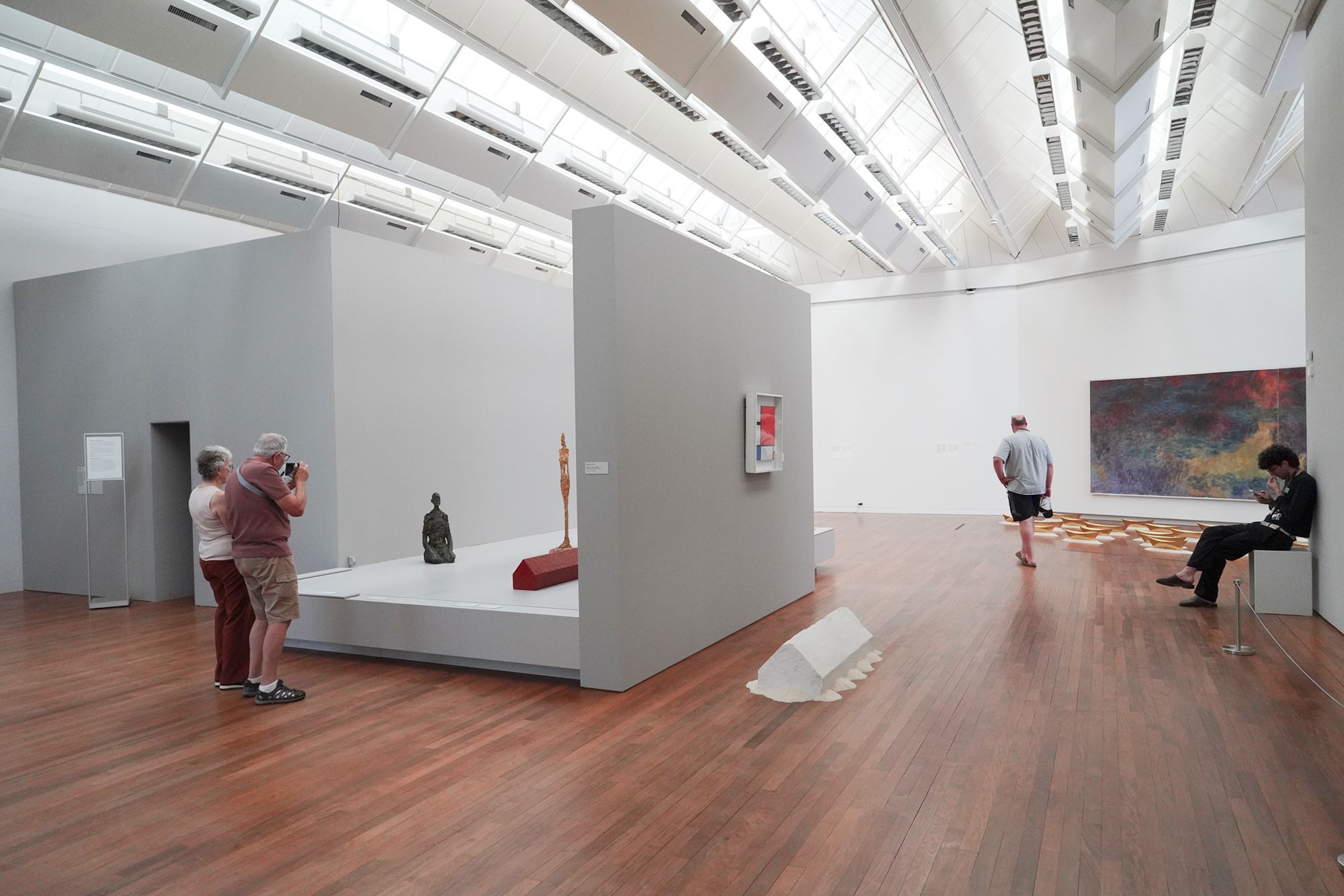
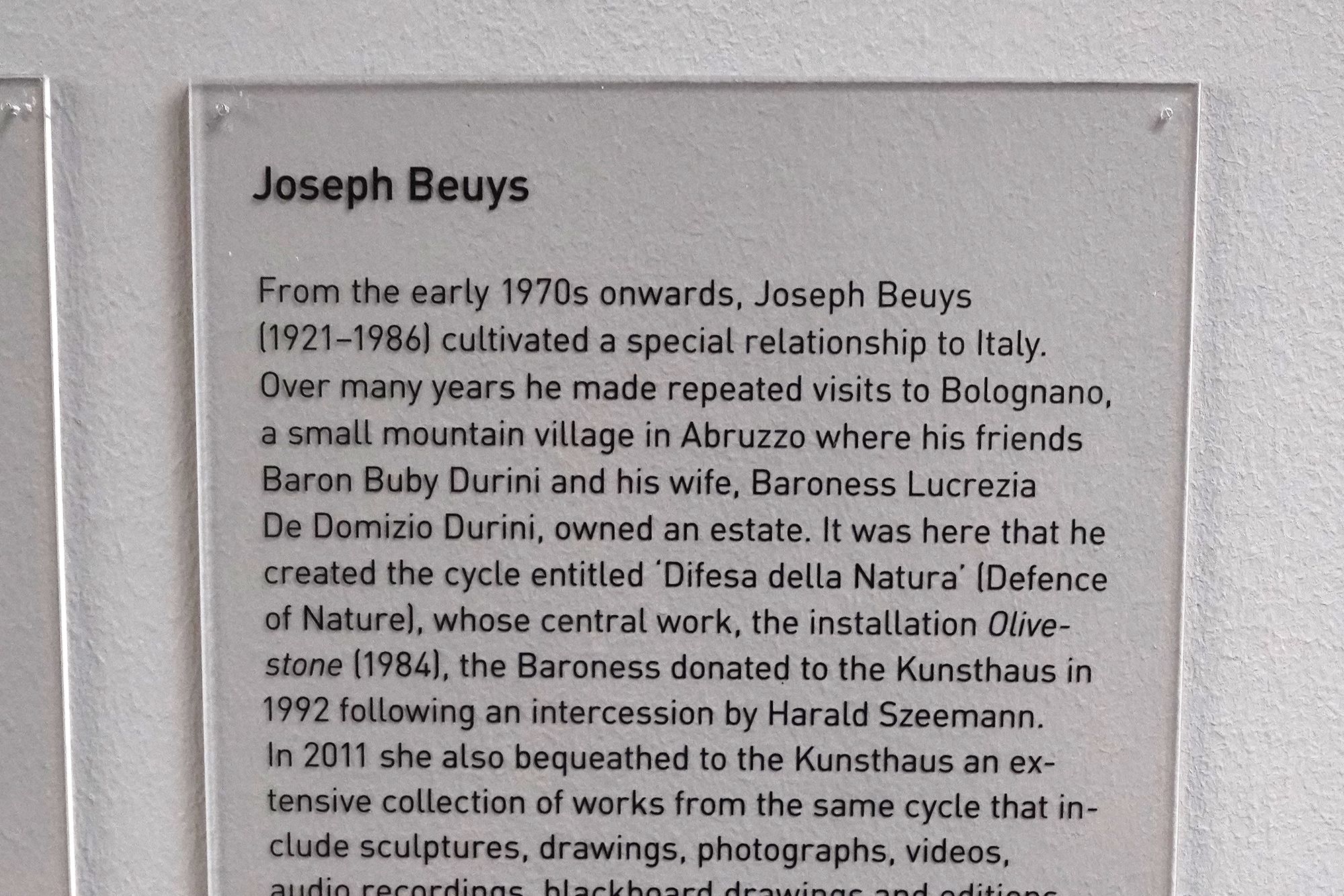
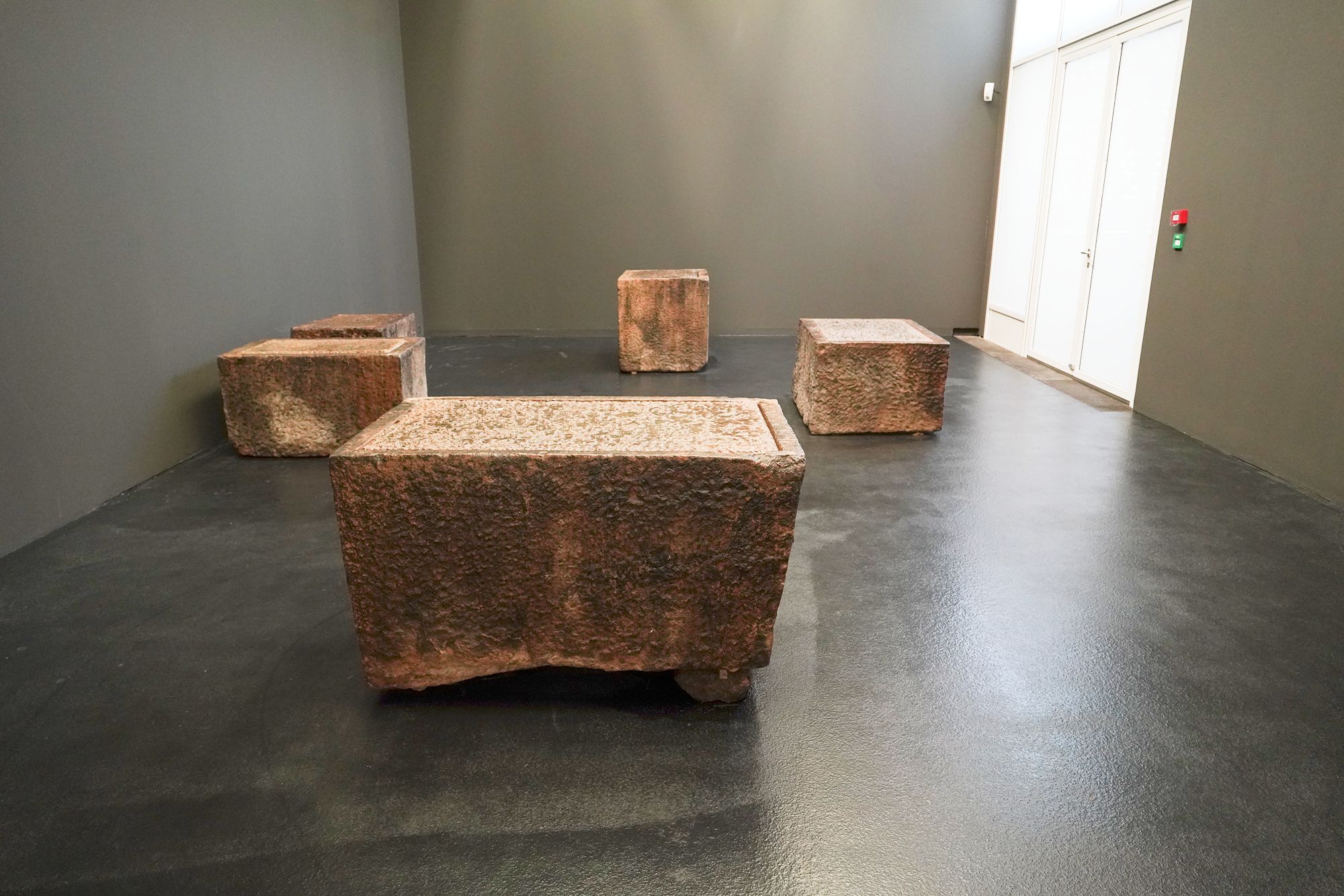
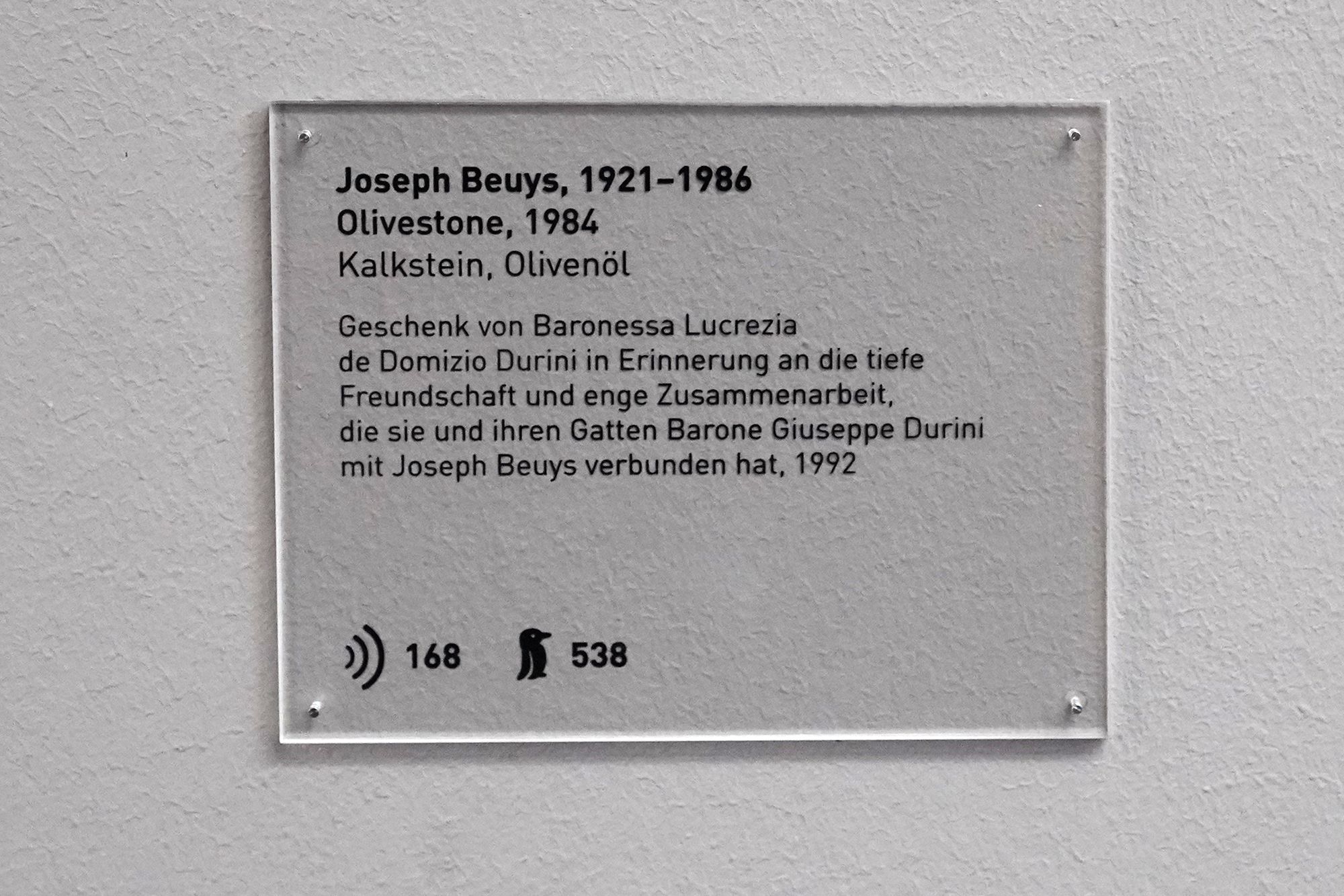
Joseph Beuys (1921–1986) was a German artist known for sculpture, installations, and performance art. He believed creativity could help transform society, linking art with environmental and social concerns.
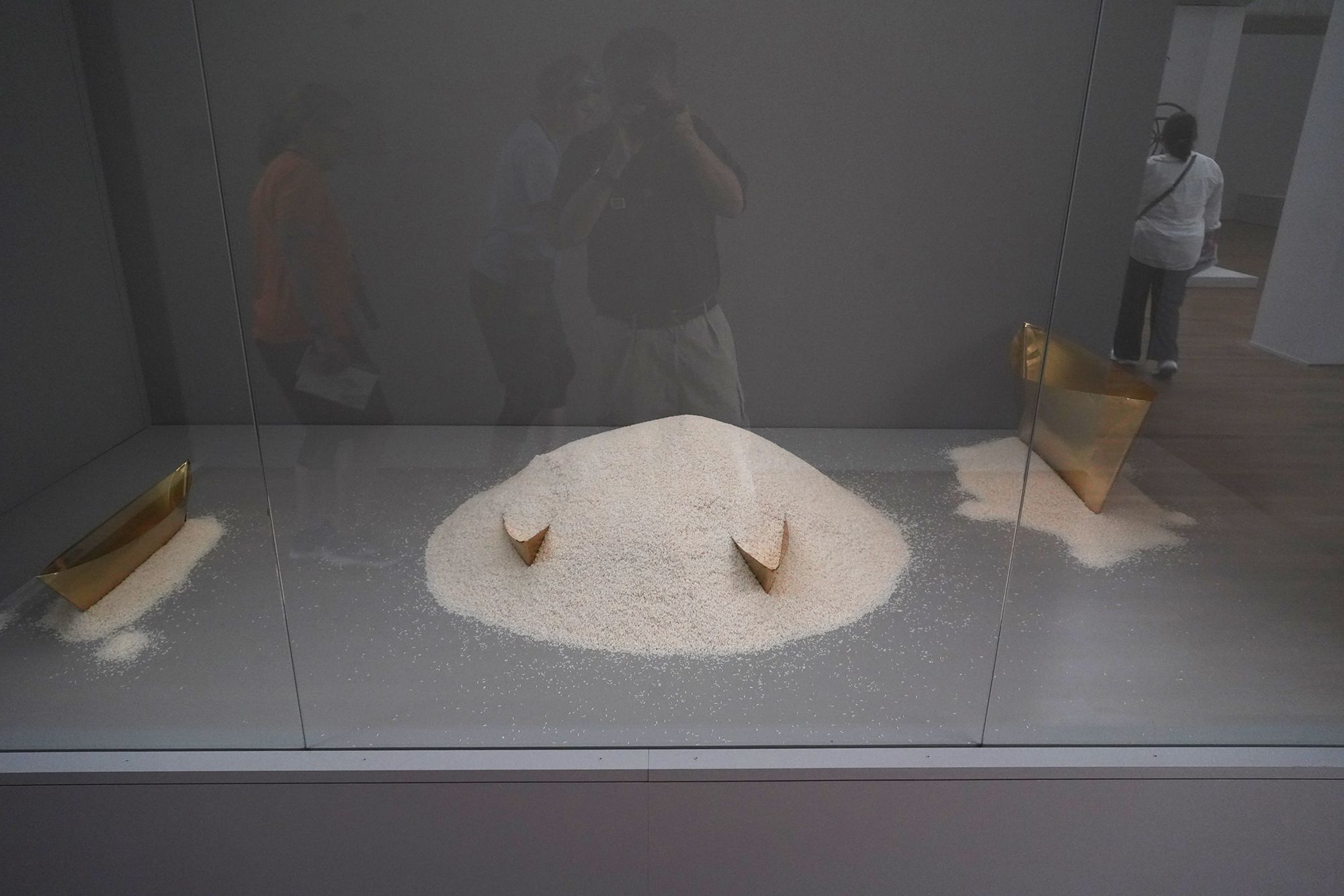
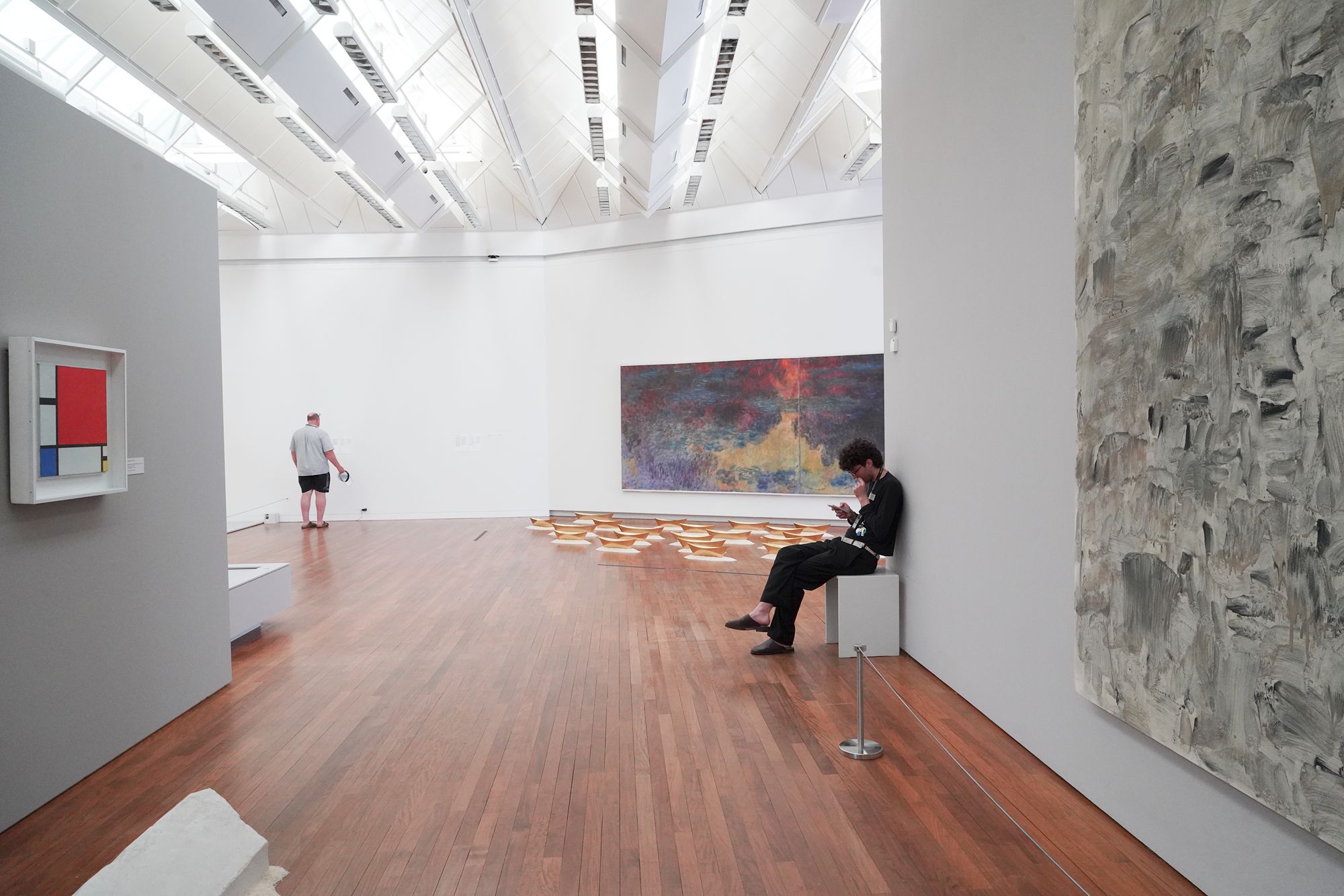
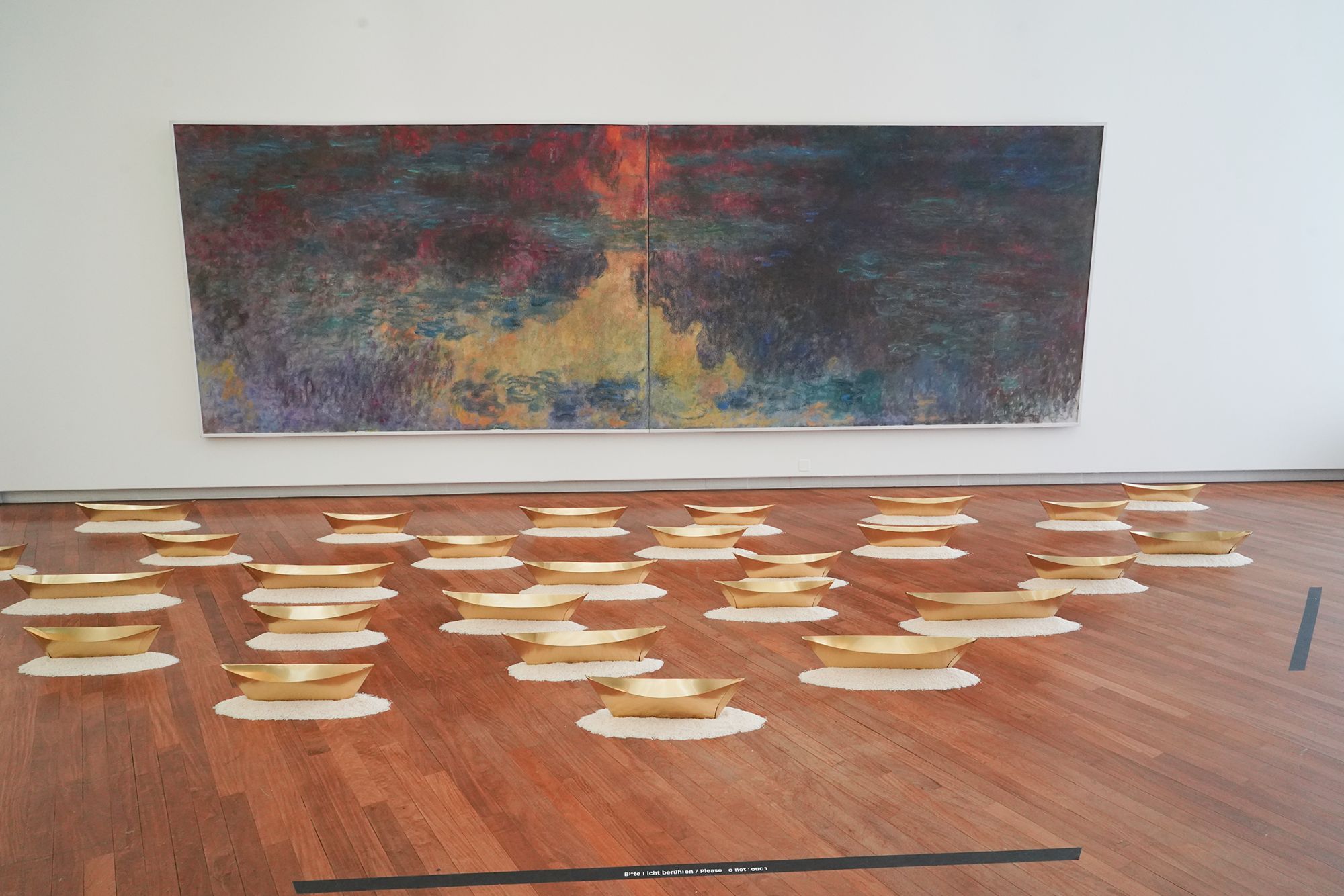
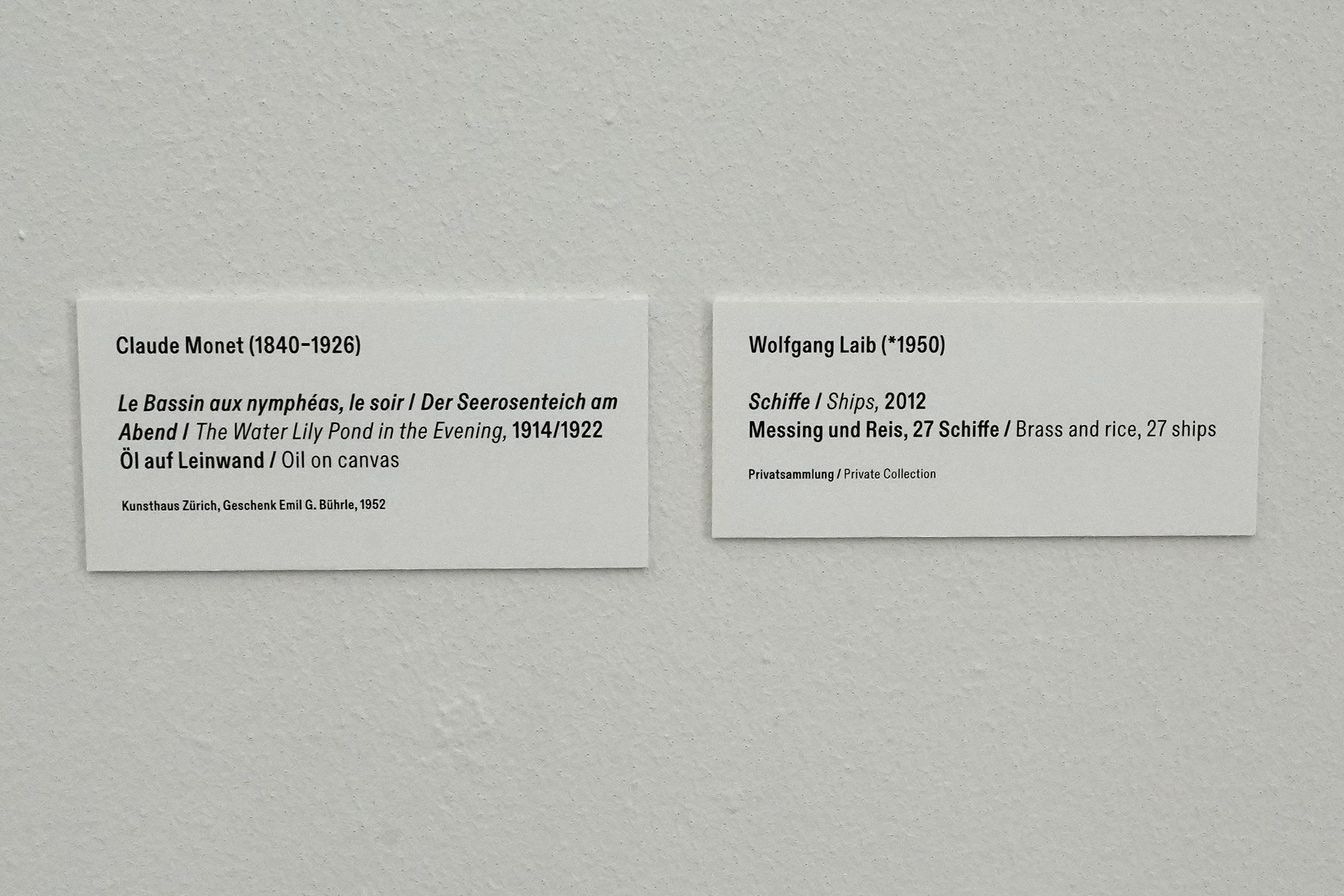
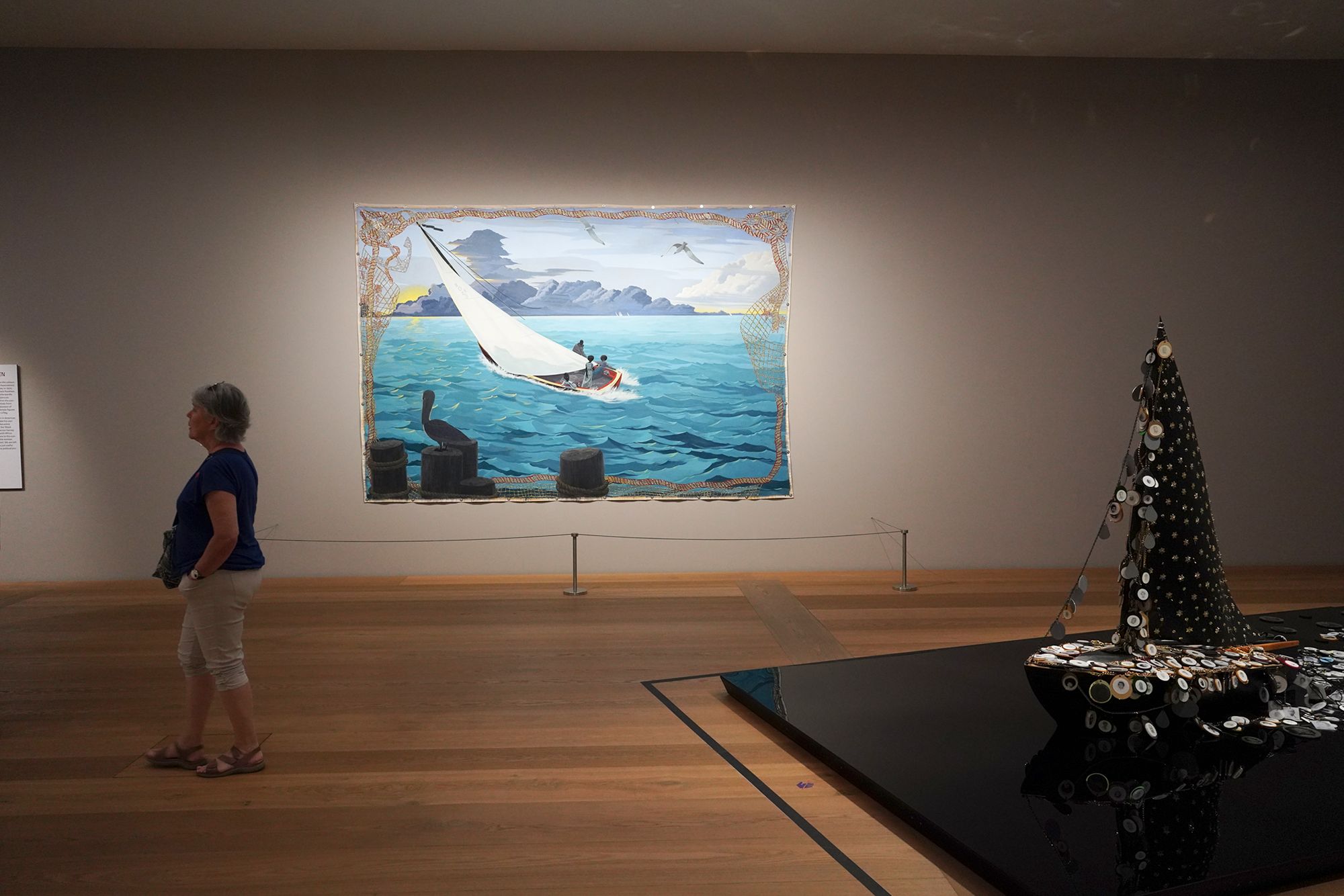
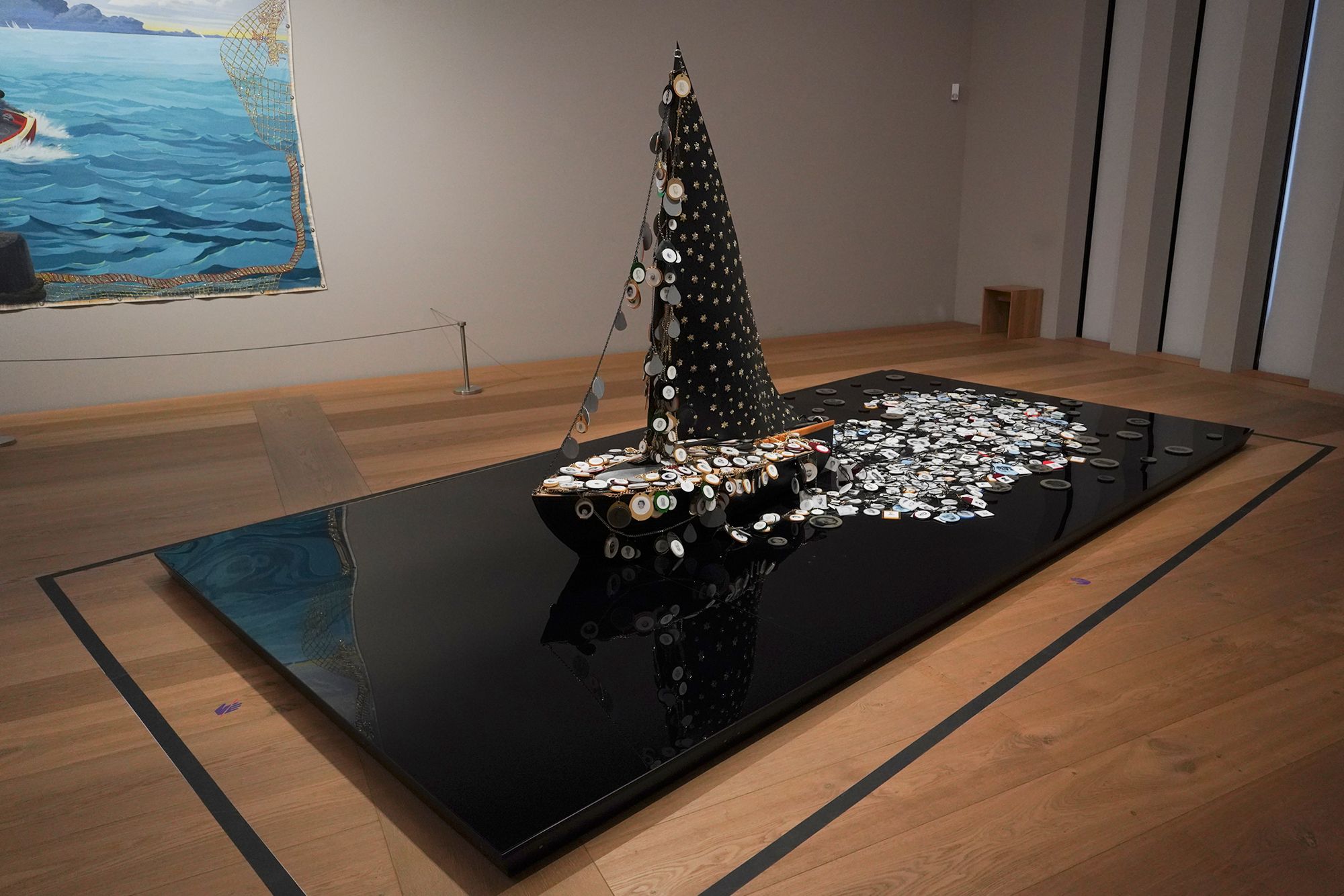
This display pairs Wolfgang Laib’s Rice Ships with Claude Monet’s Water Lilies. Rice surrounds Laib’s boat forms like water, echoing the flowing surface of Monet’s pond.
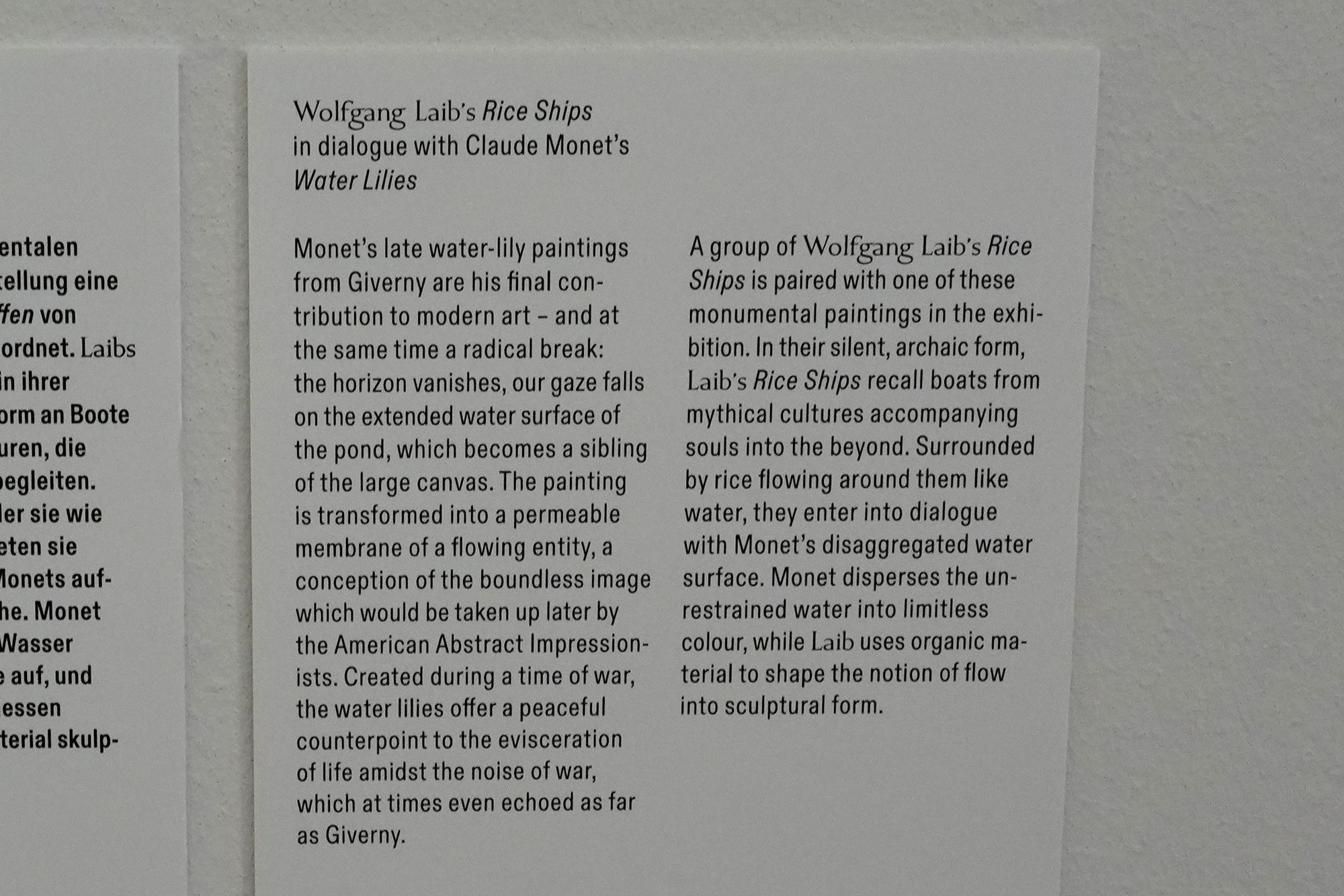
The pairing invites quiet contemplation: Monet creates a sense of endless water through colour, while Laib’s ships suggest a spiritual journey beyond earthly life.
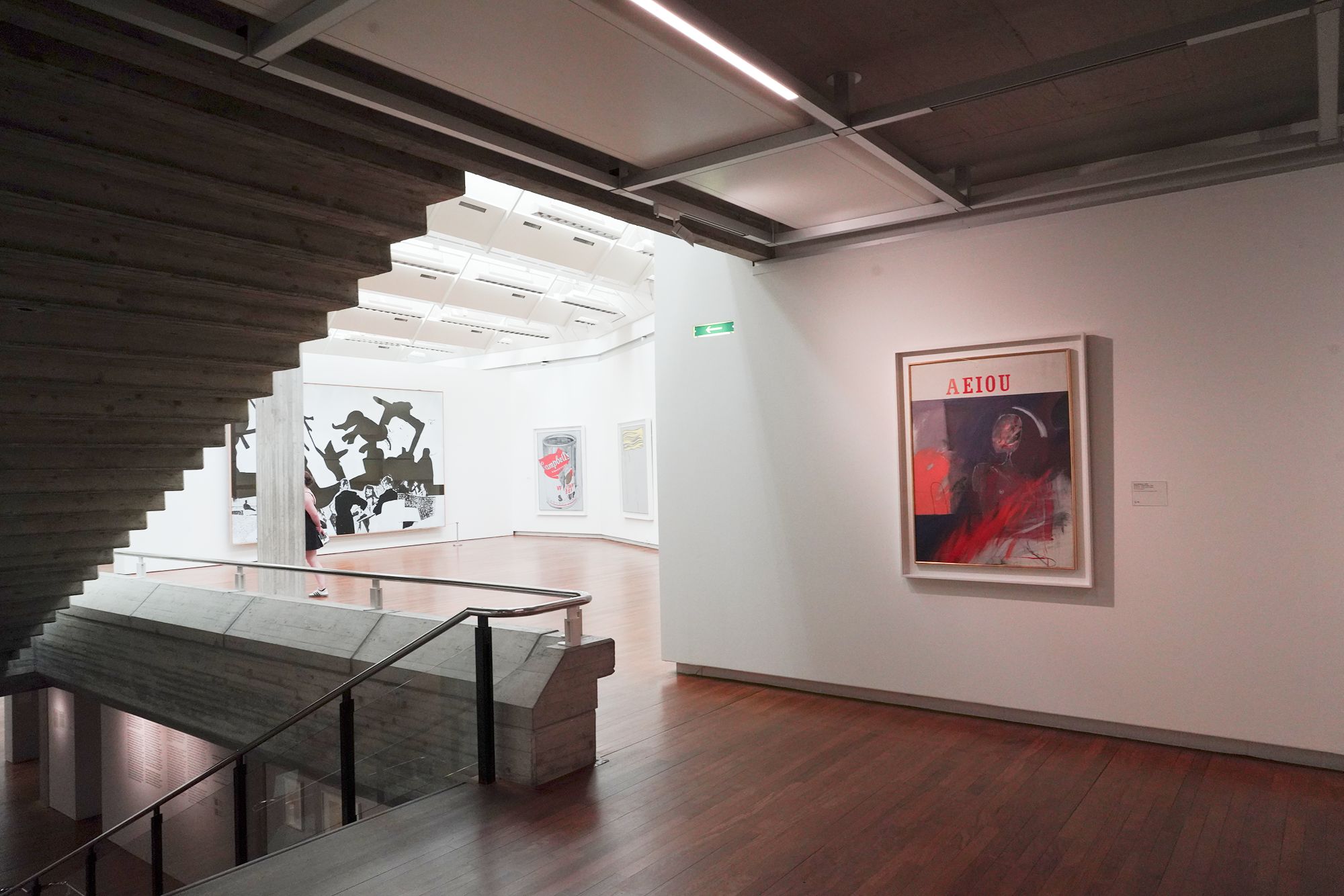
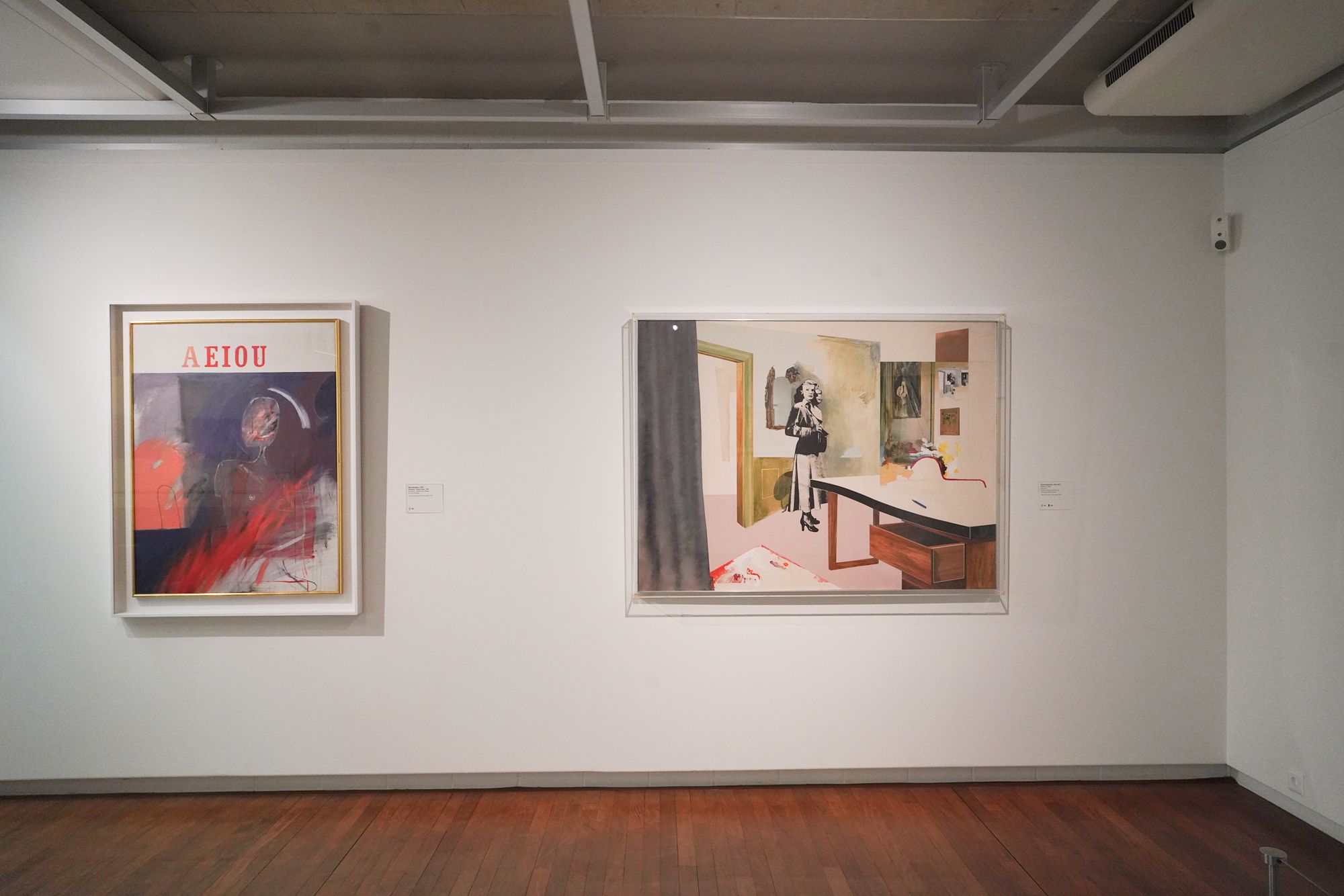
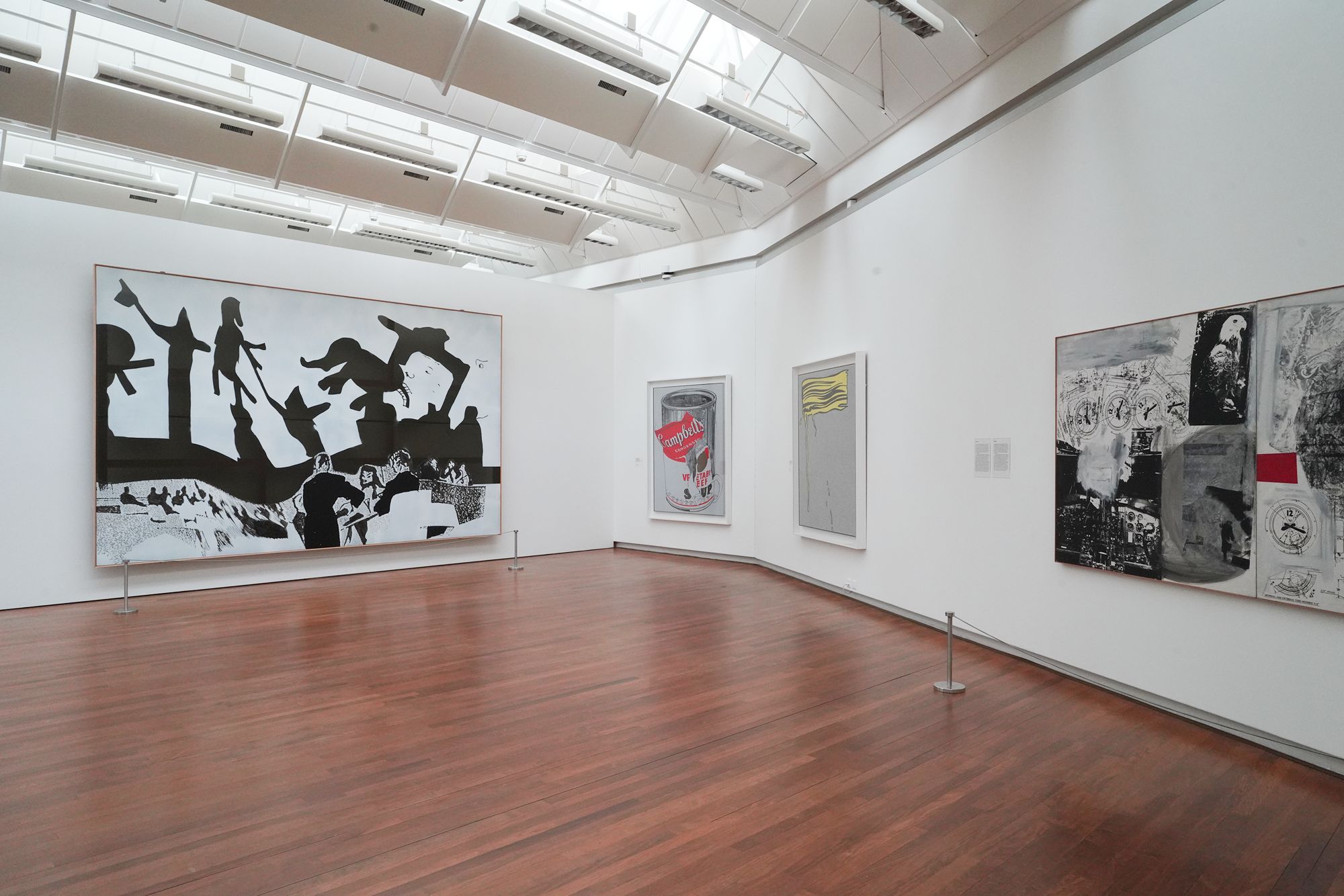
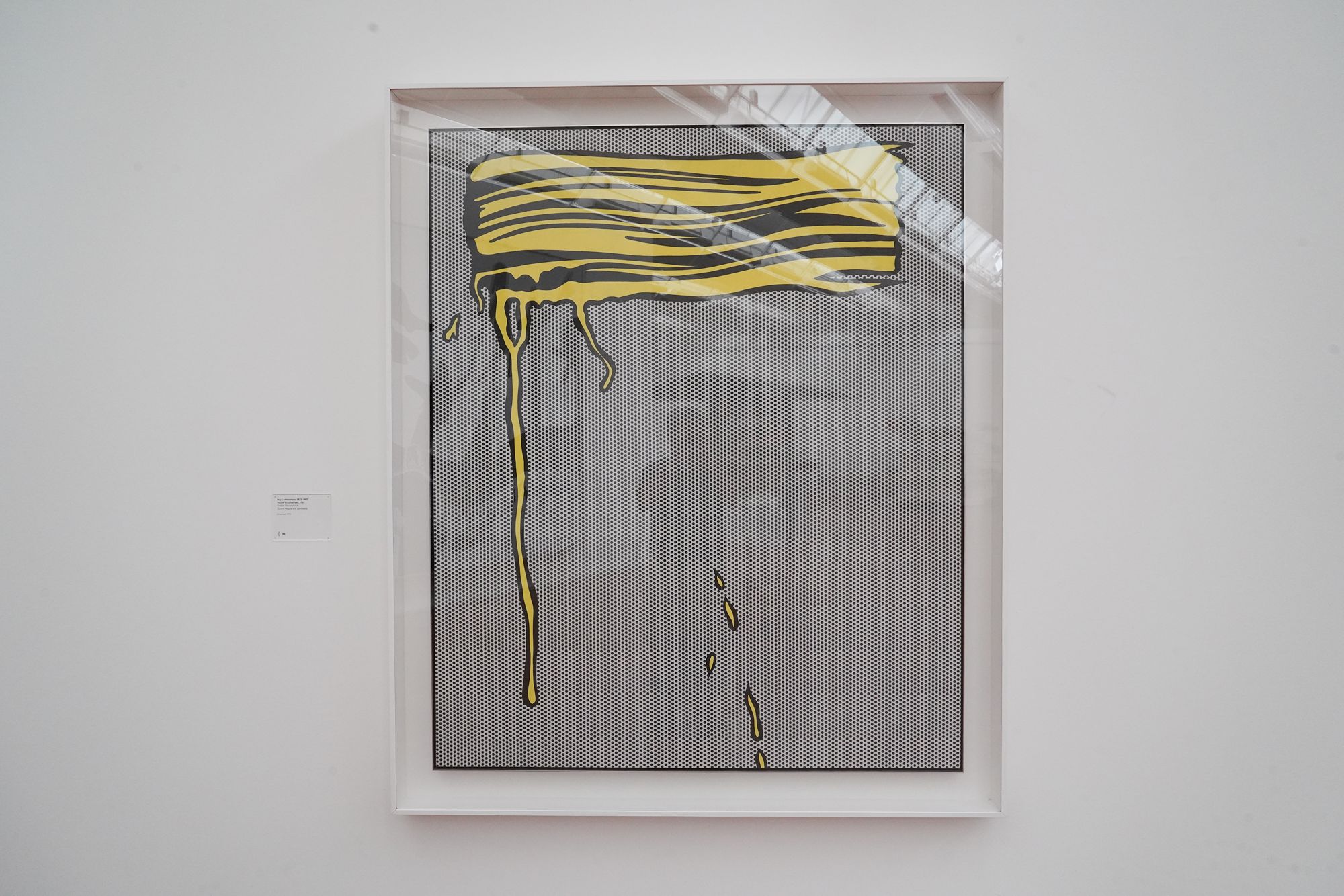
Pop Art emerged in Britain and the United States during the 1950s and became prominent in the 1960s. Artists drew inspiration from advertising, comic books, celebrities, and everyday products, bringing popular culture into fine art.
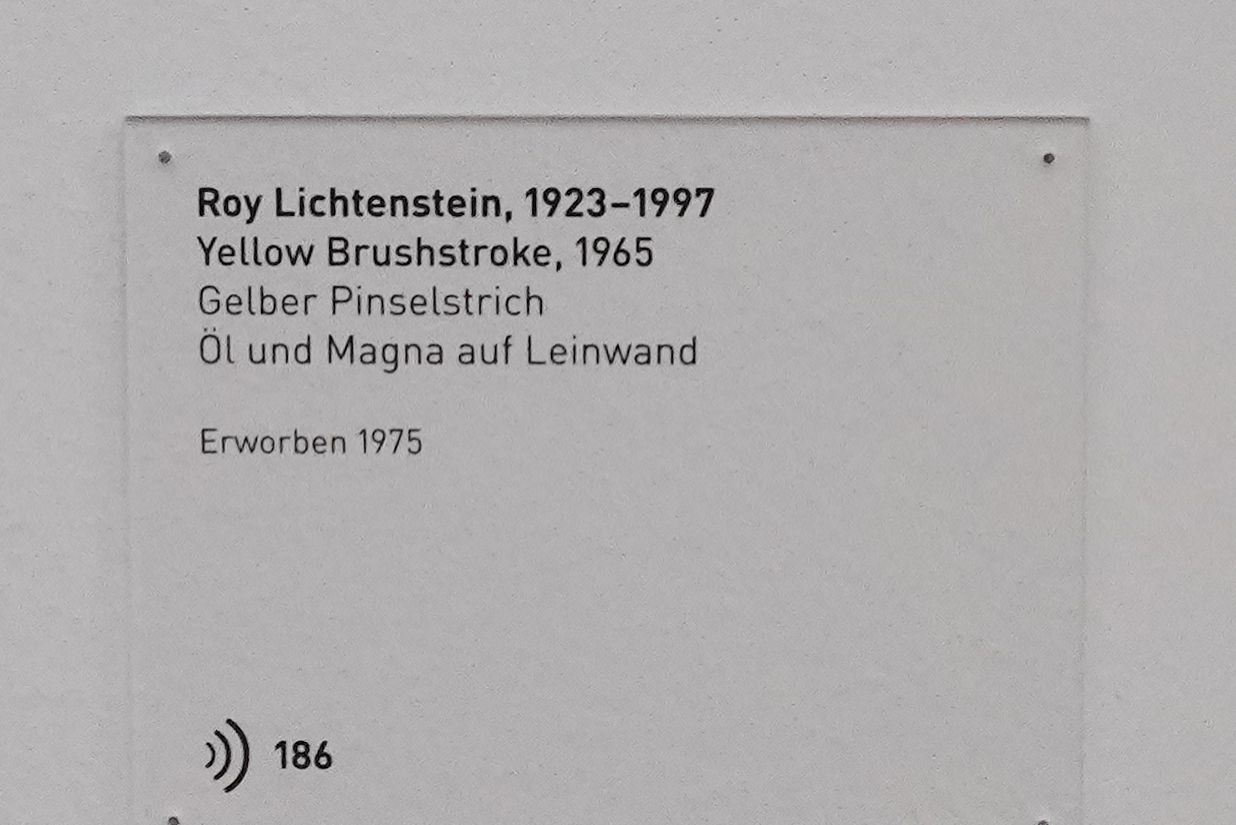
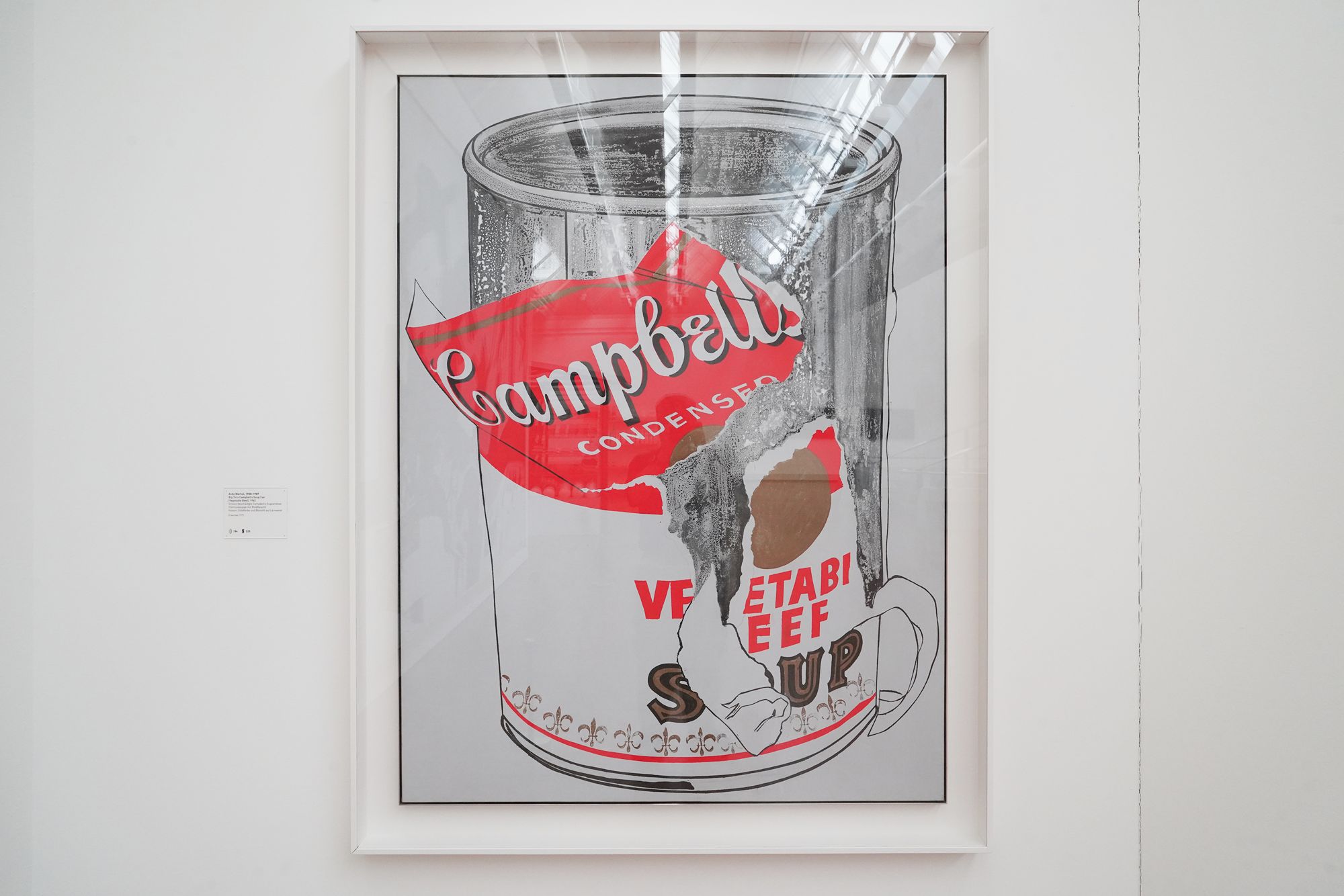
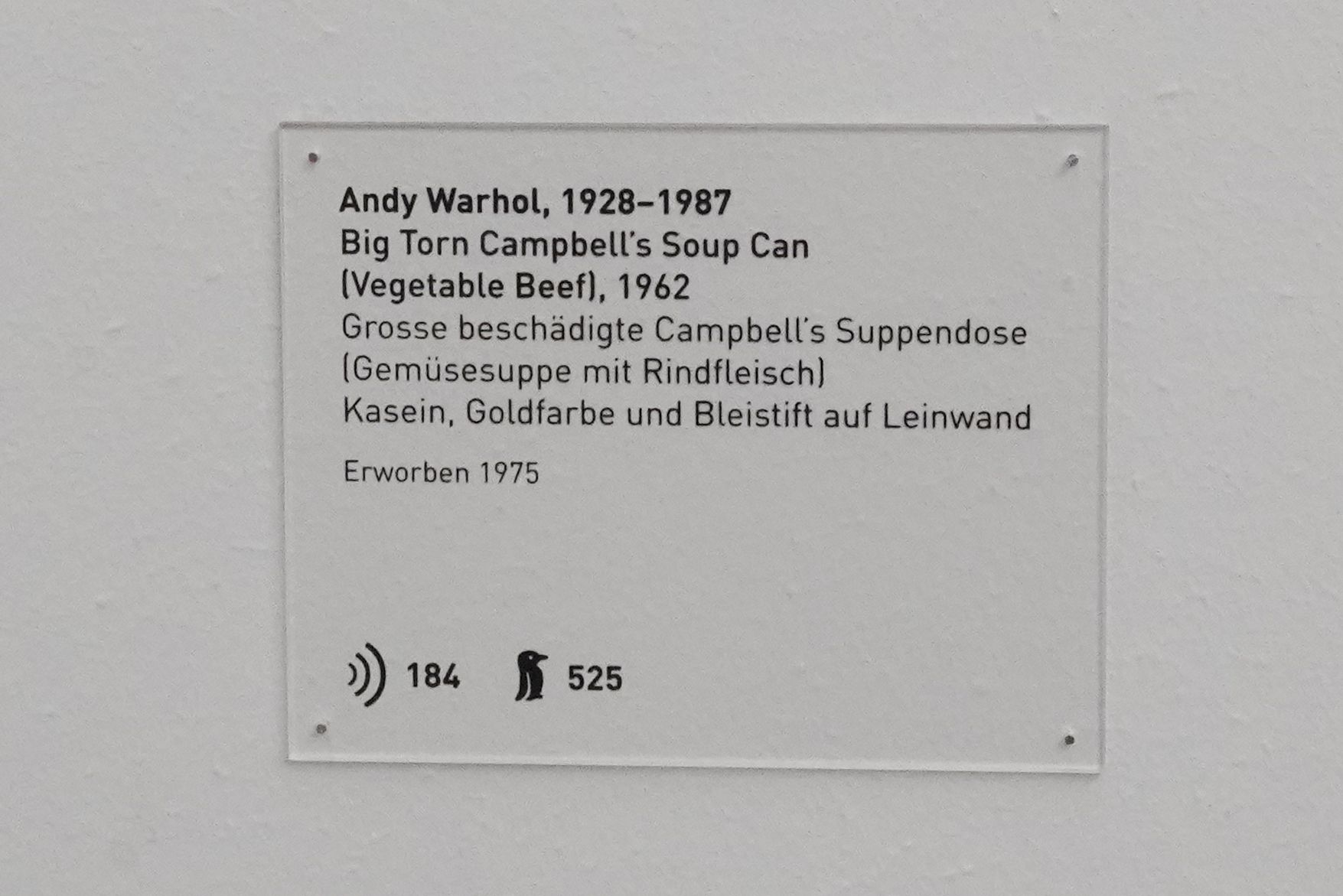
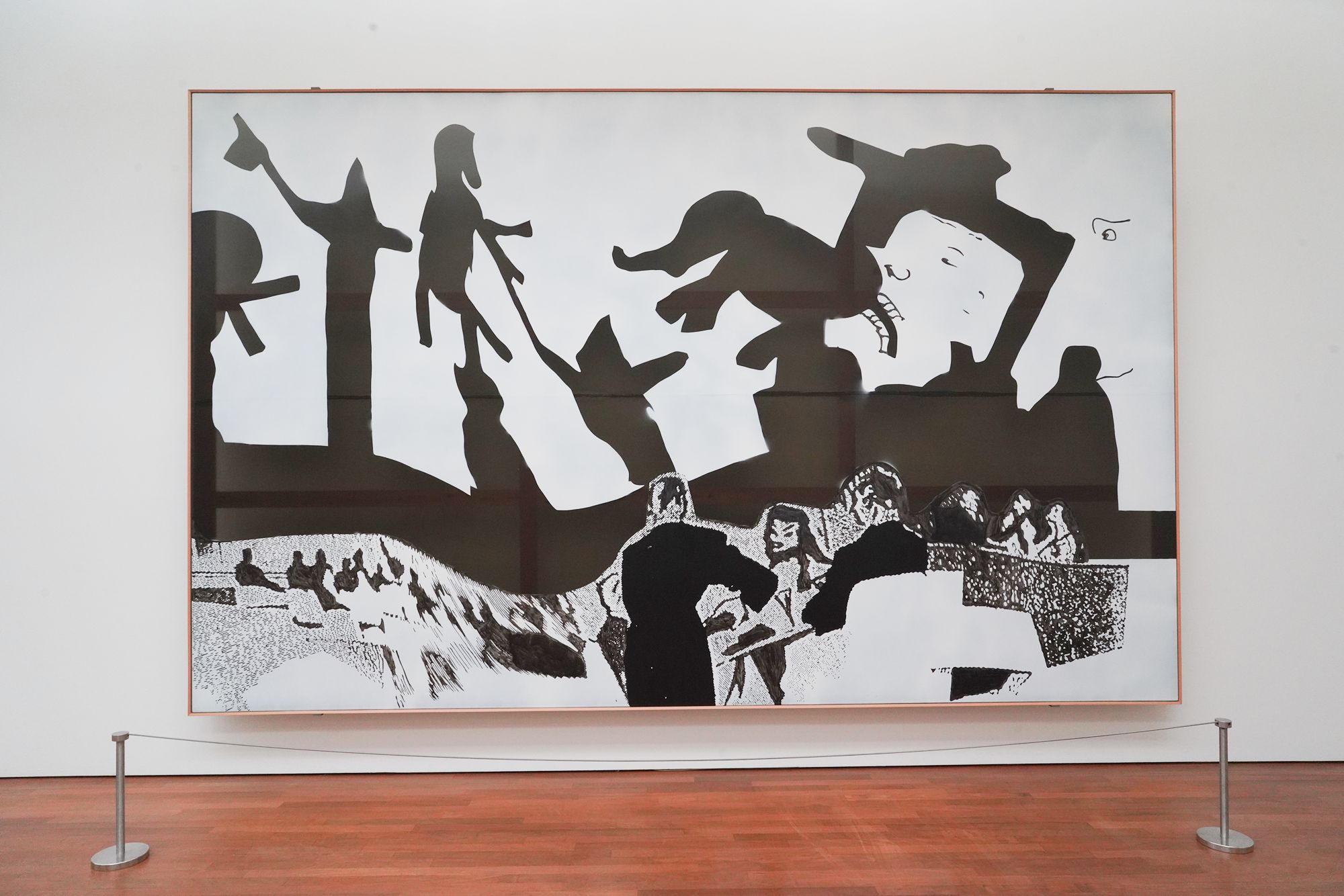
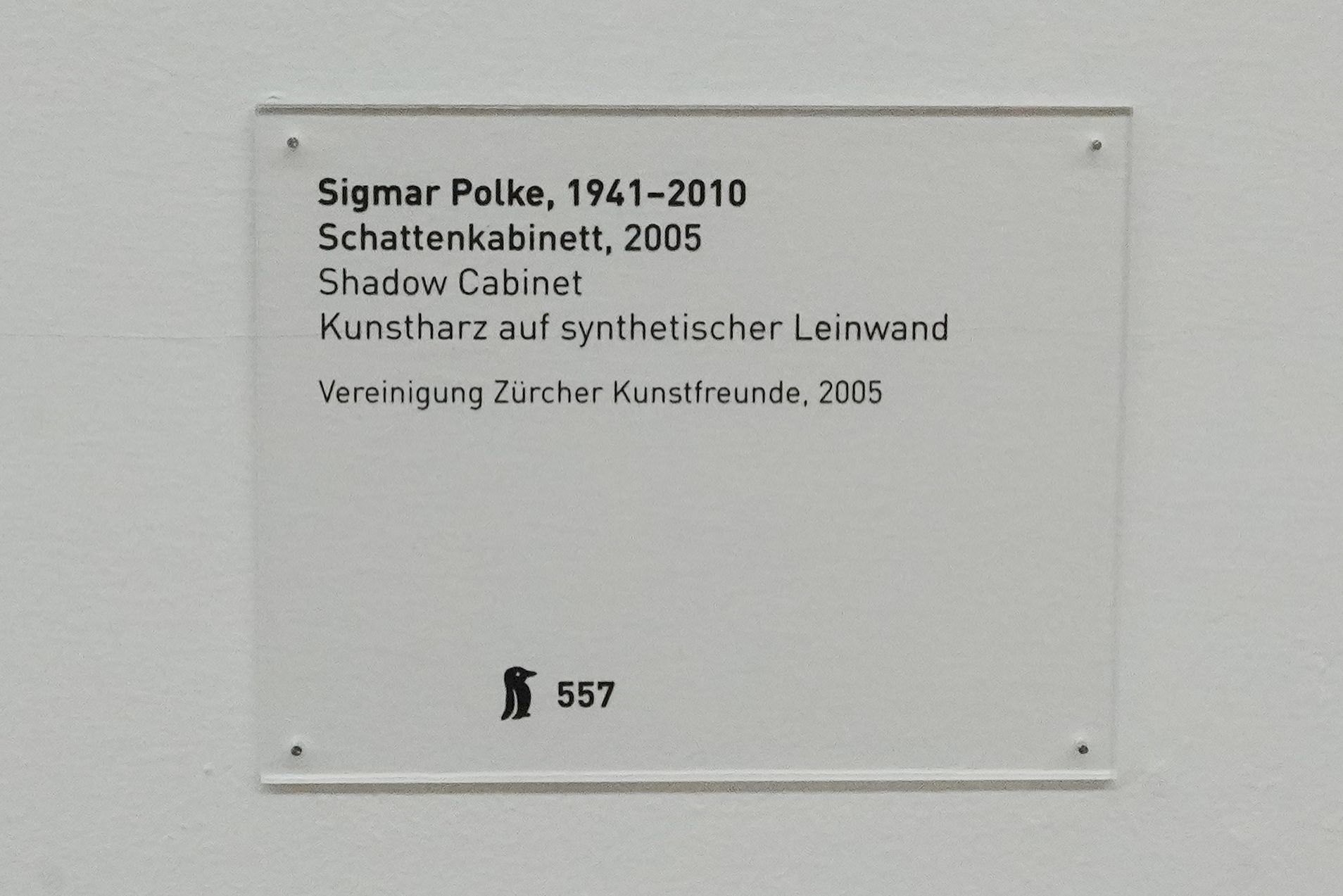
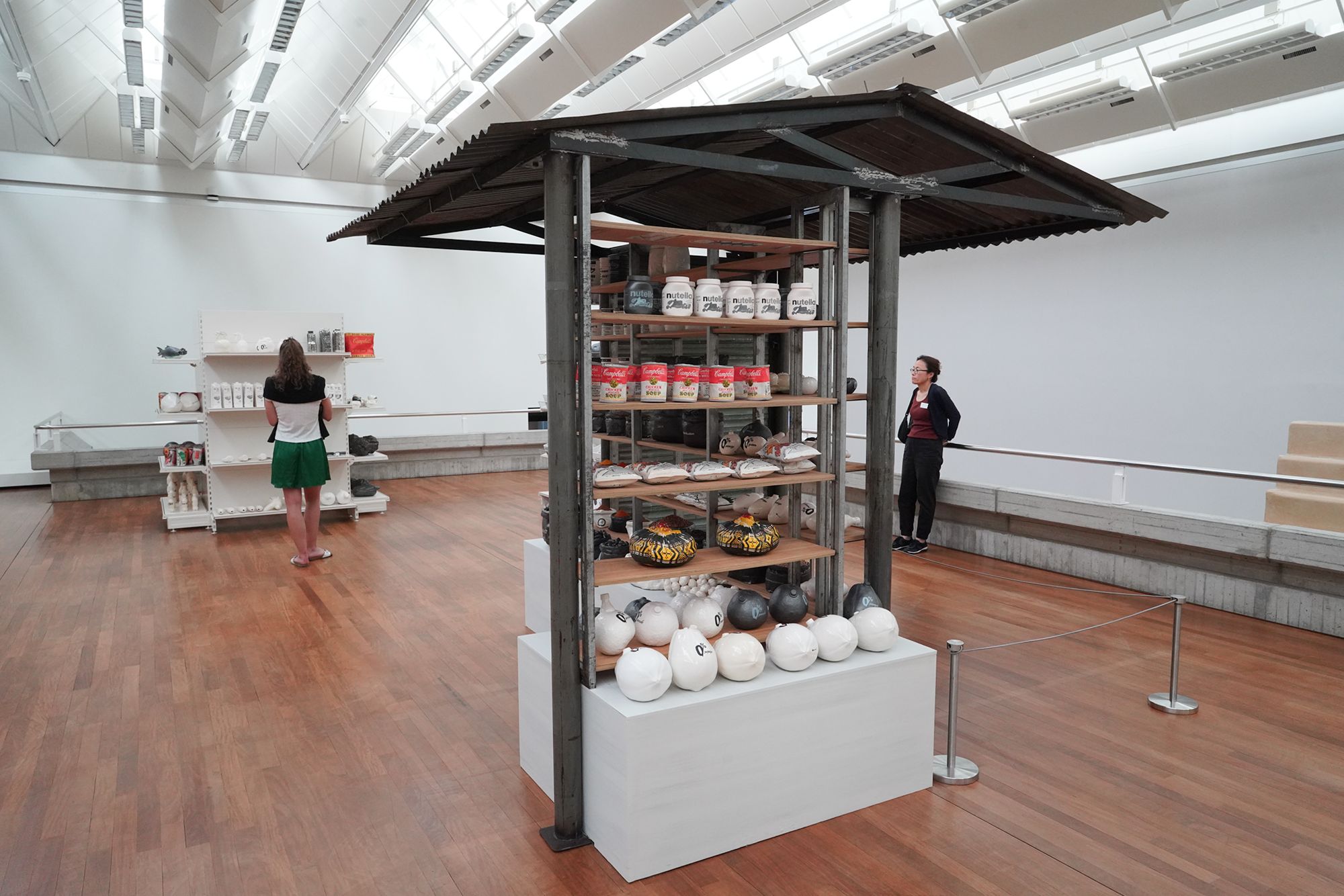
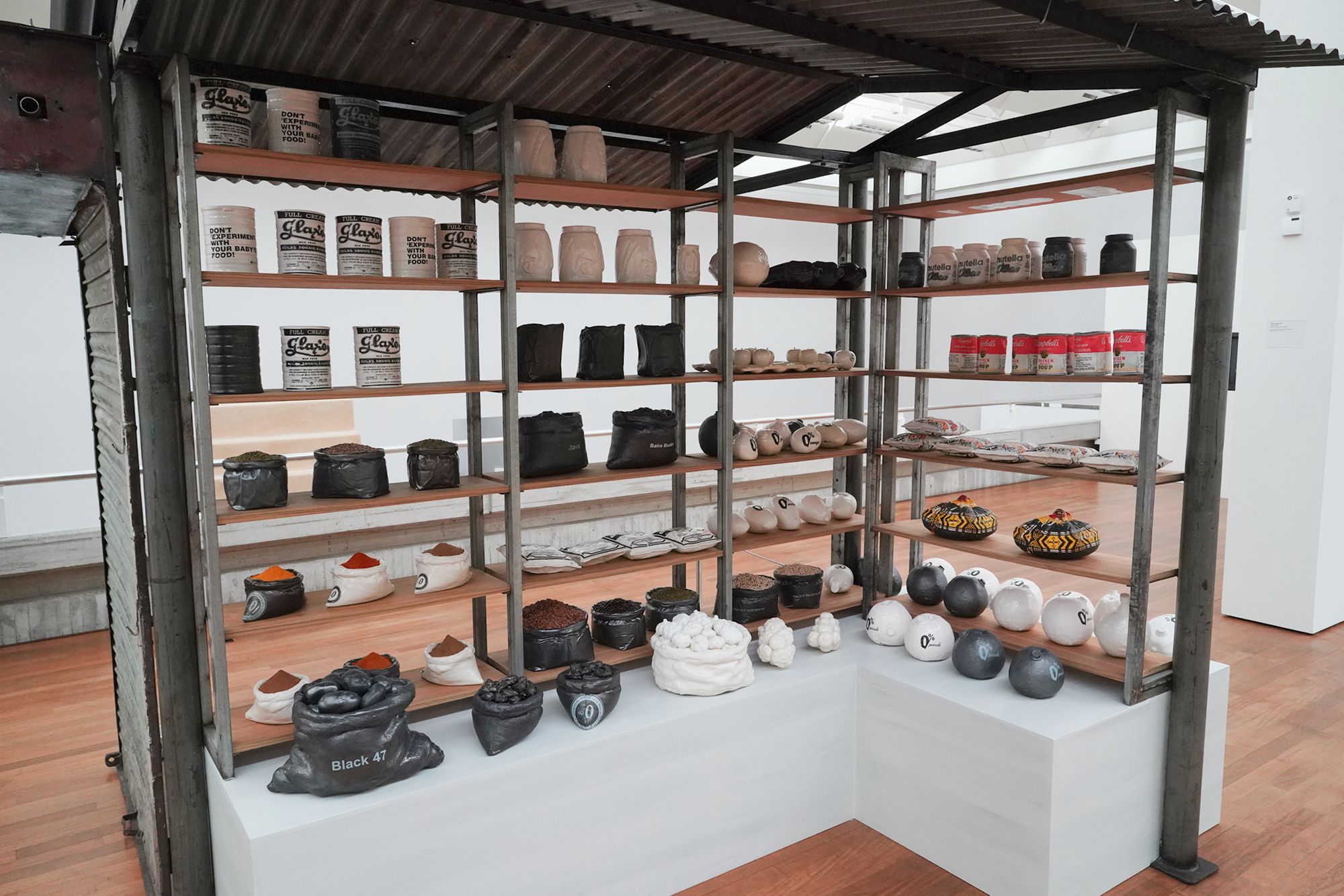
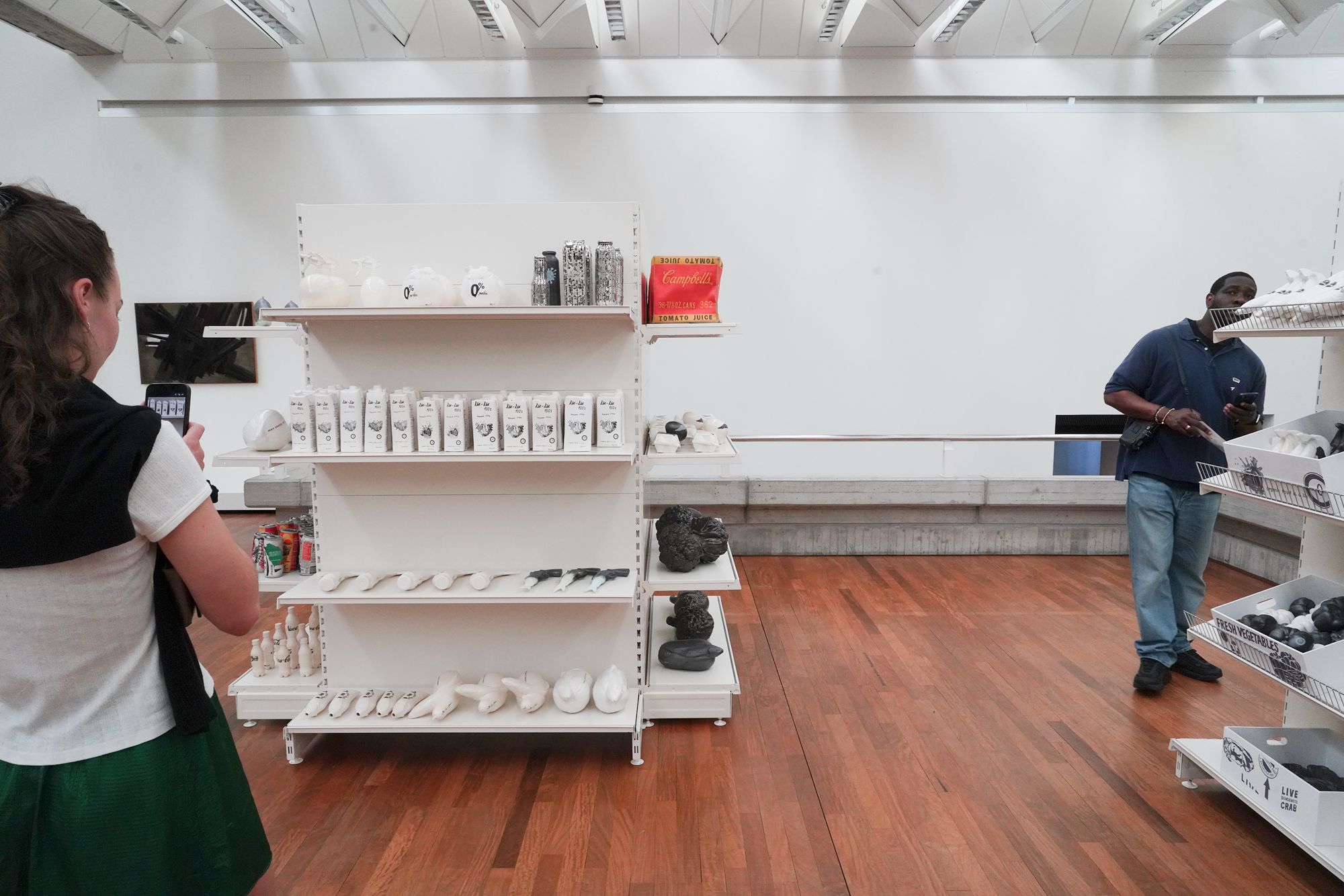
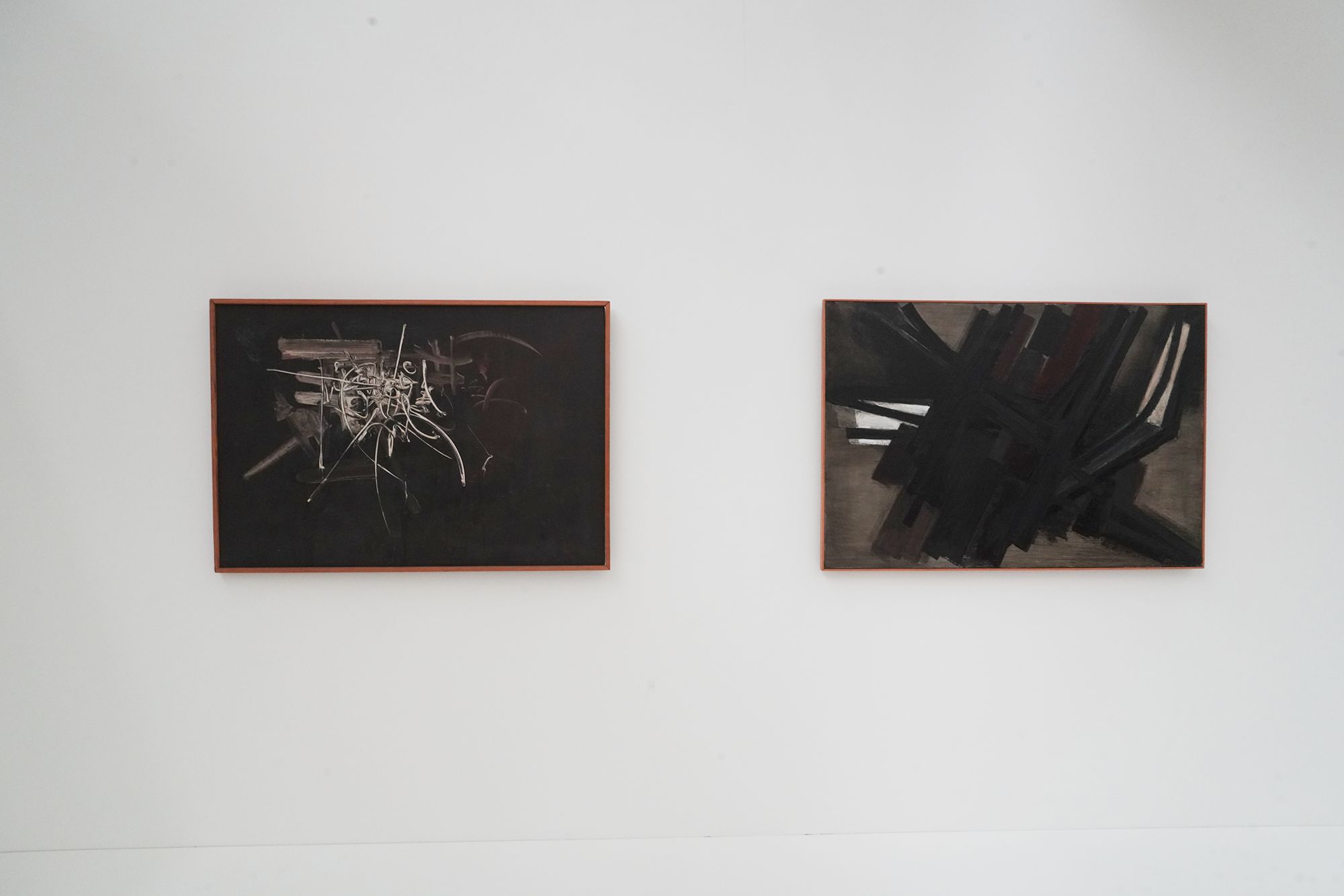
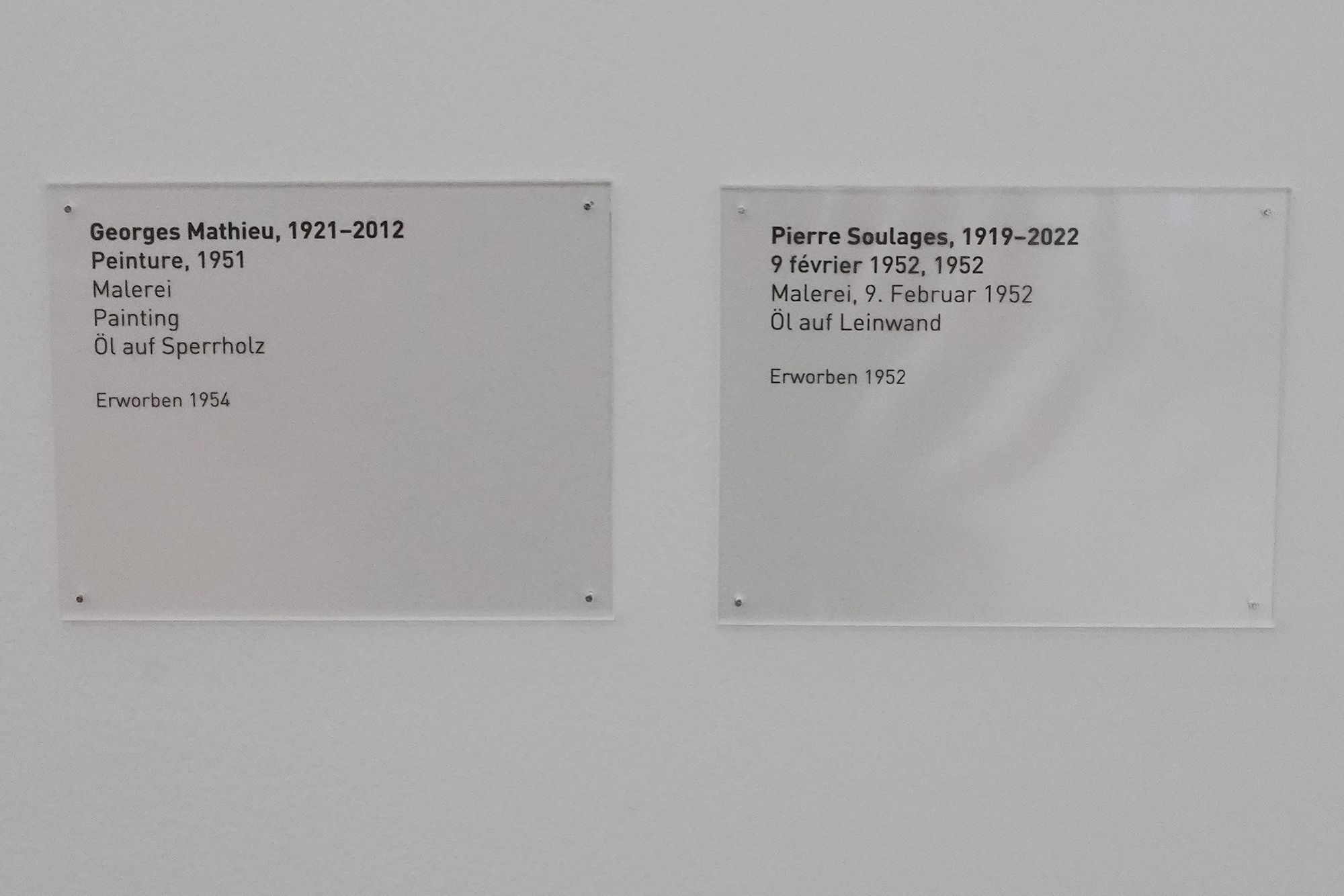
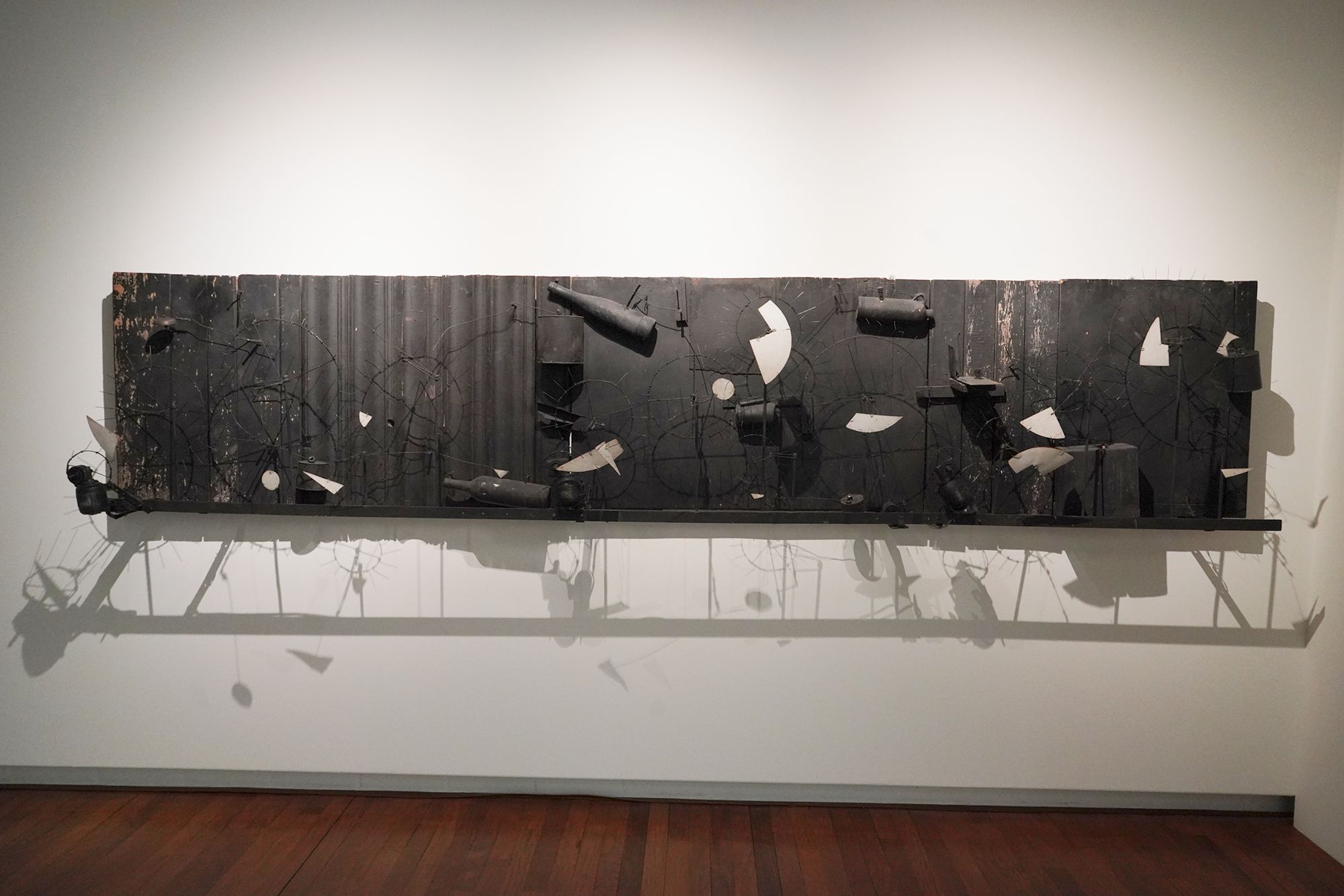
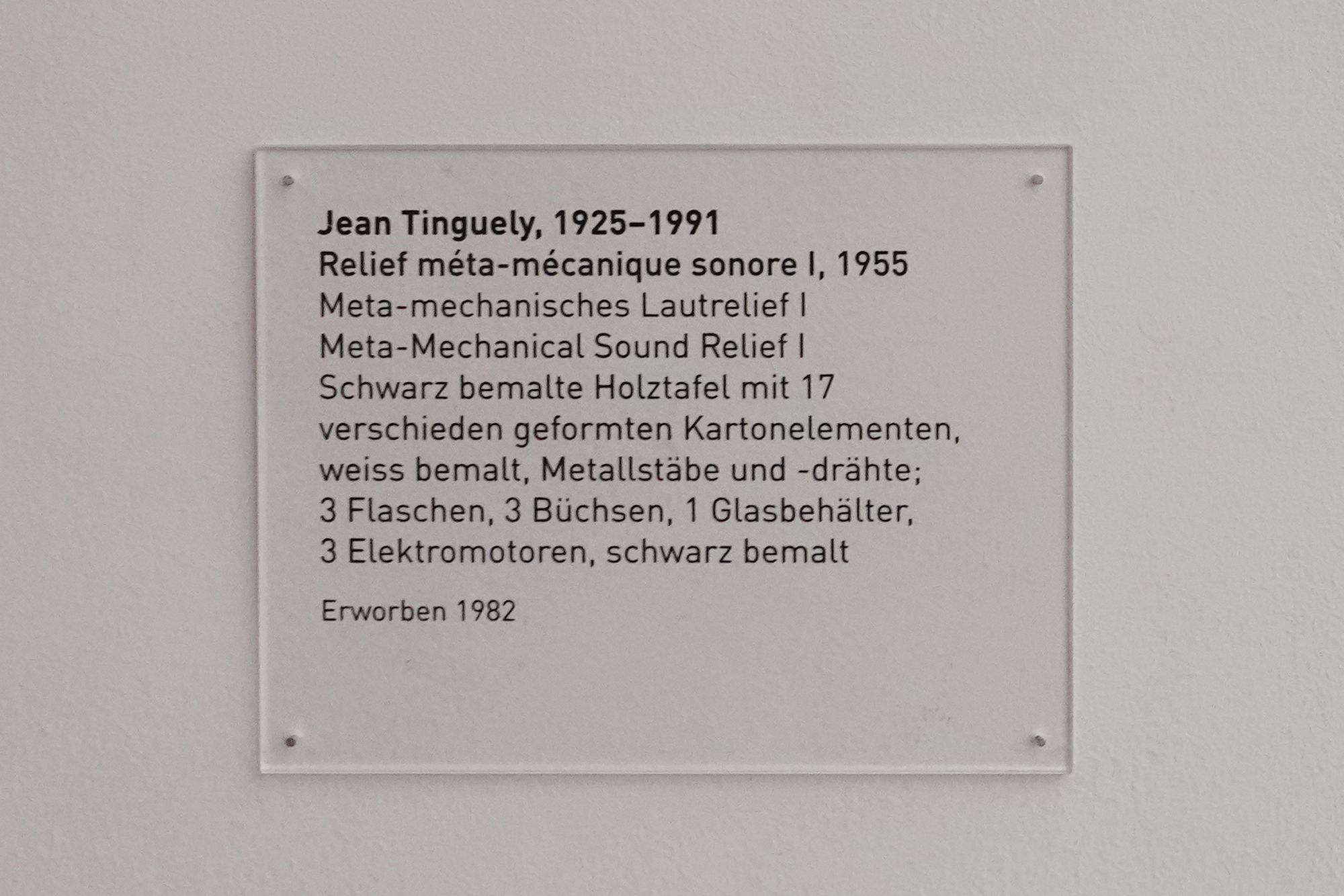
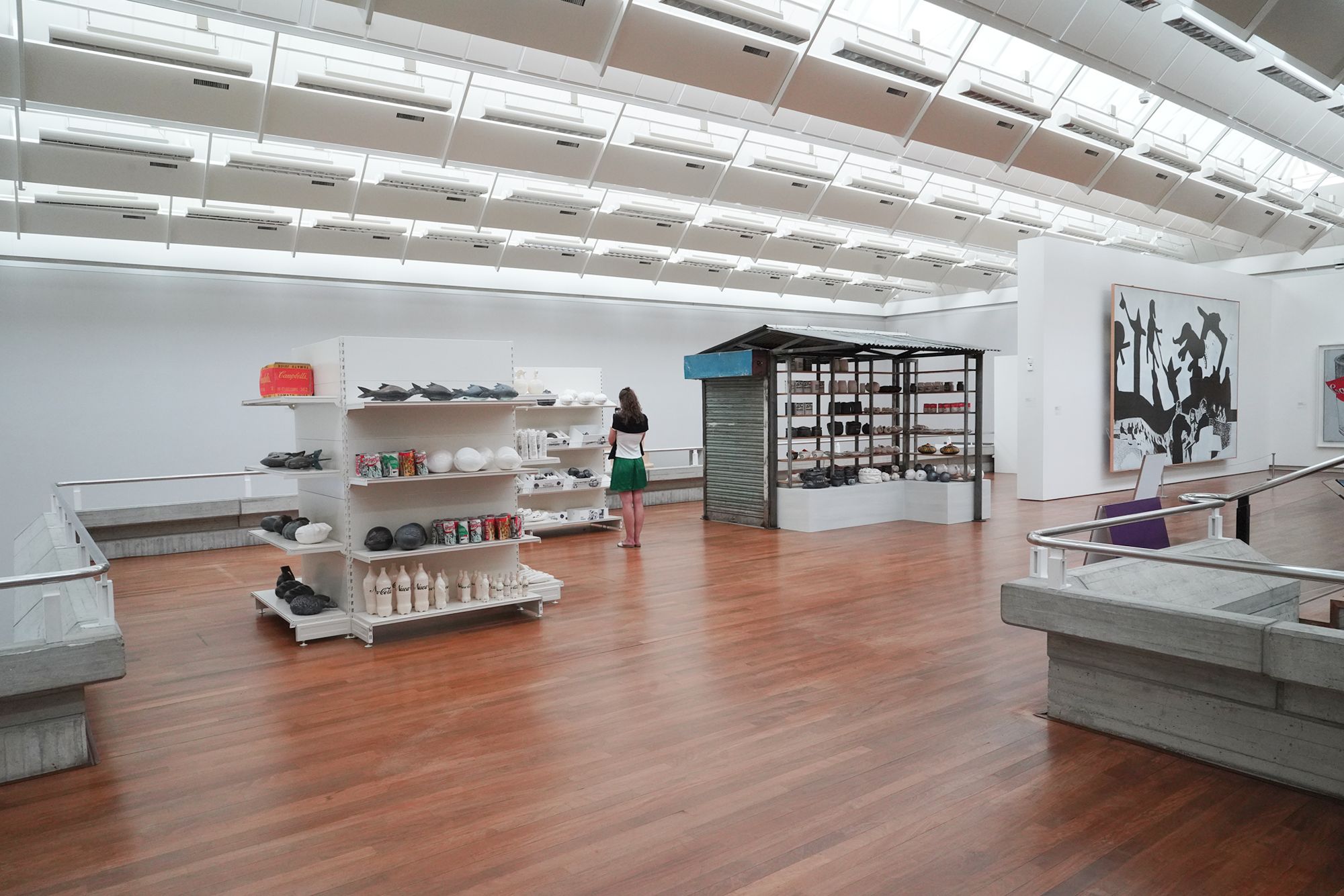
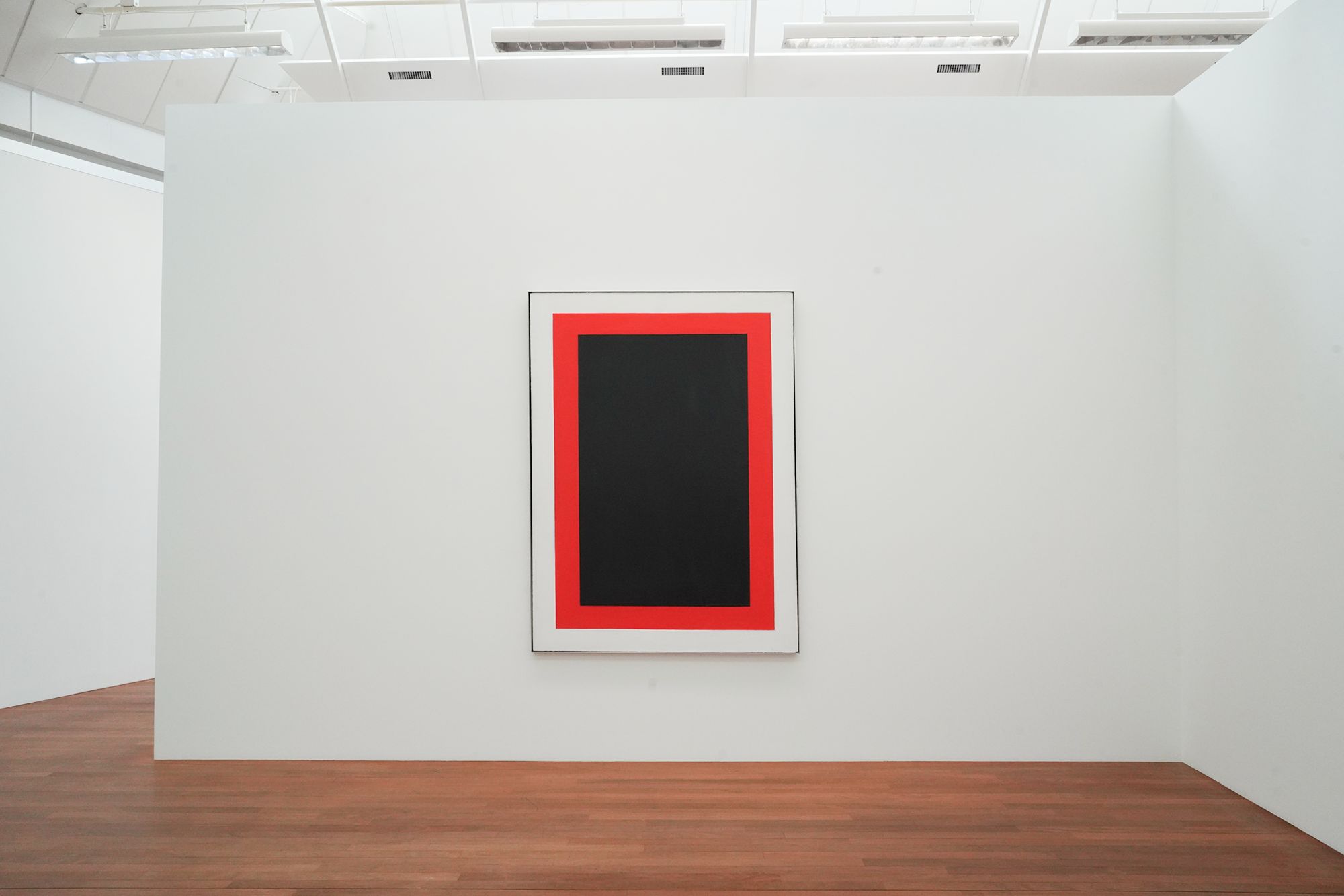
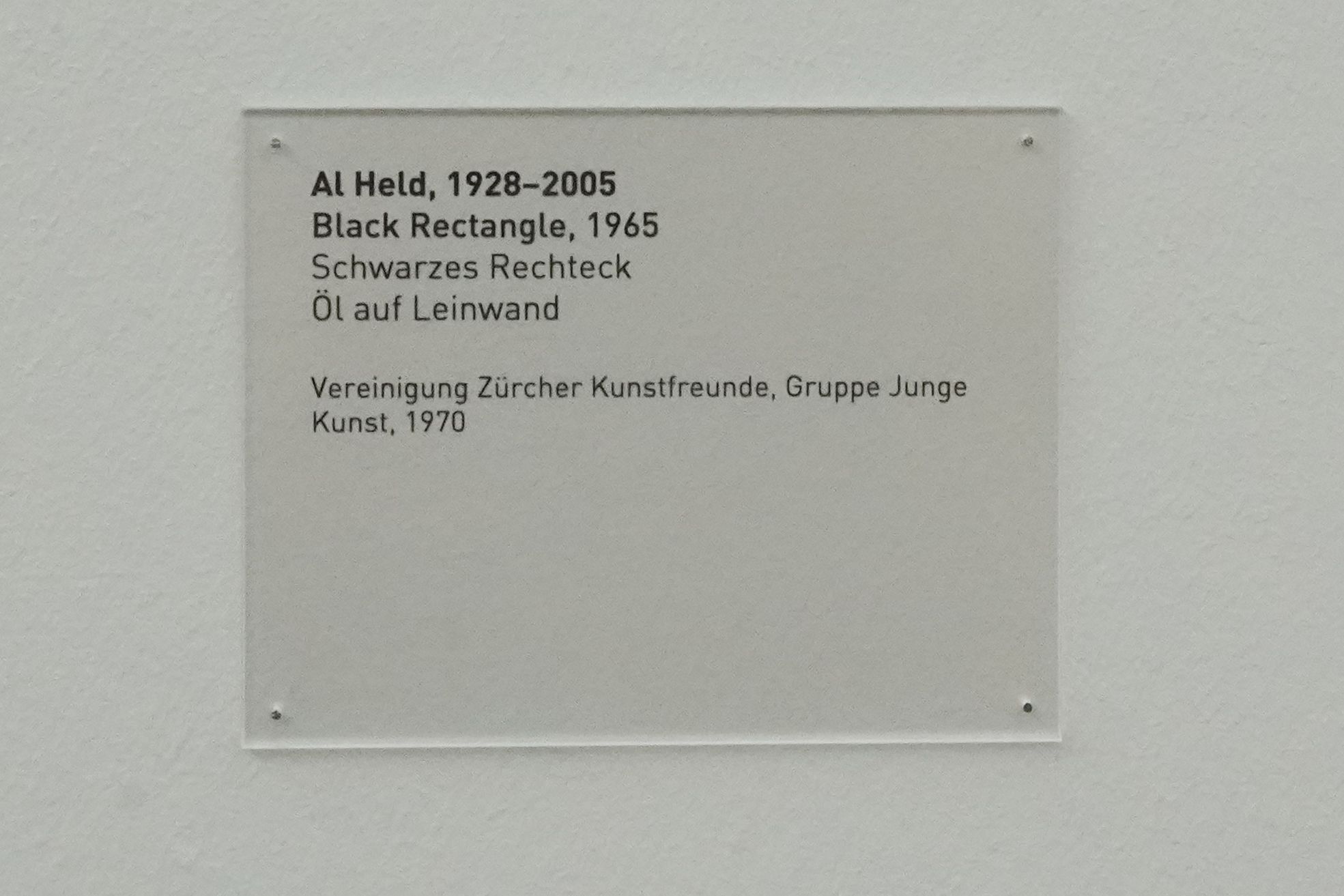
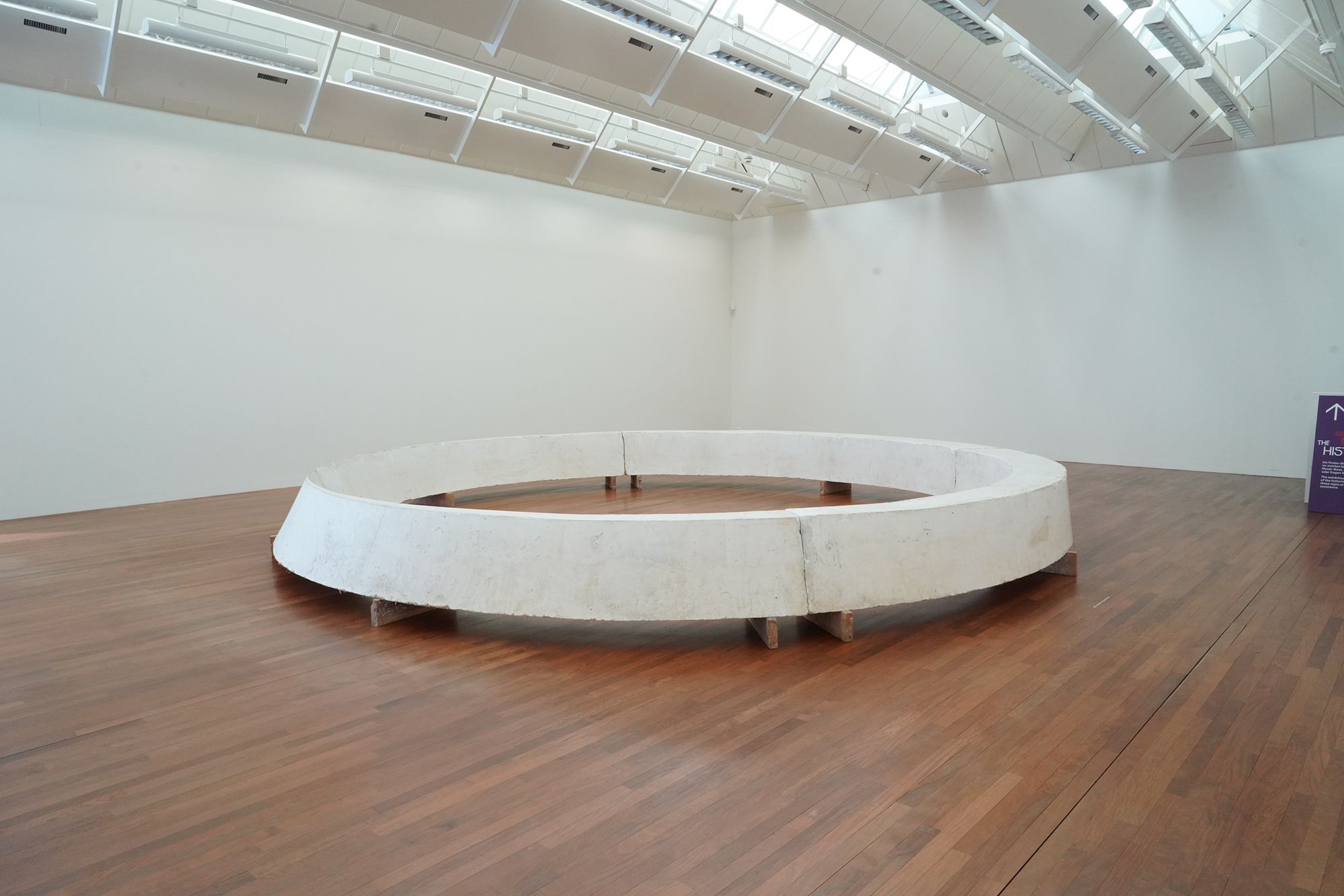
Installation art uses the surrounding space as part of the artwork. It can combine objects, wall and floor designs, video, sound, or lighting to create an environment that visitors experience by walking around—or sometimes entering.
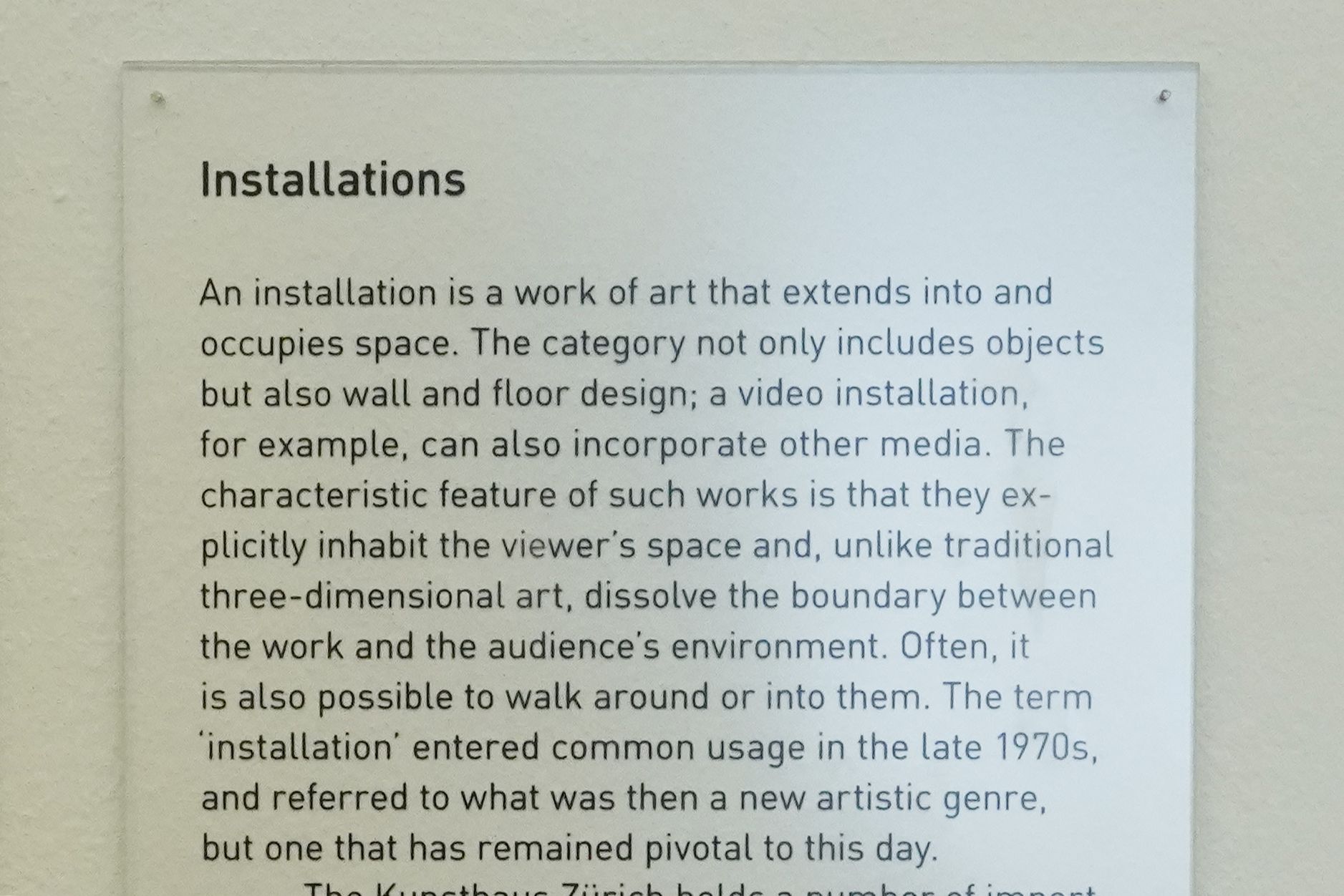
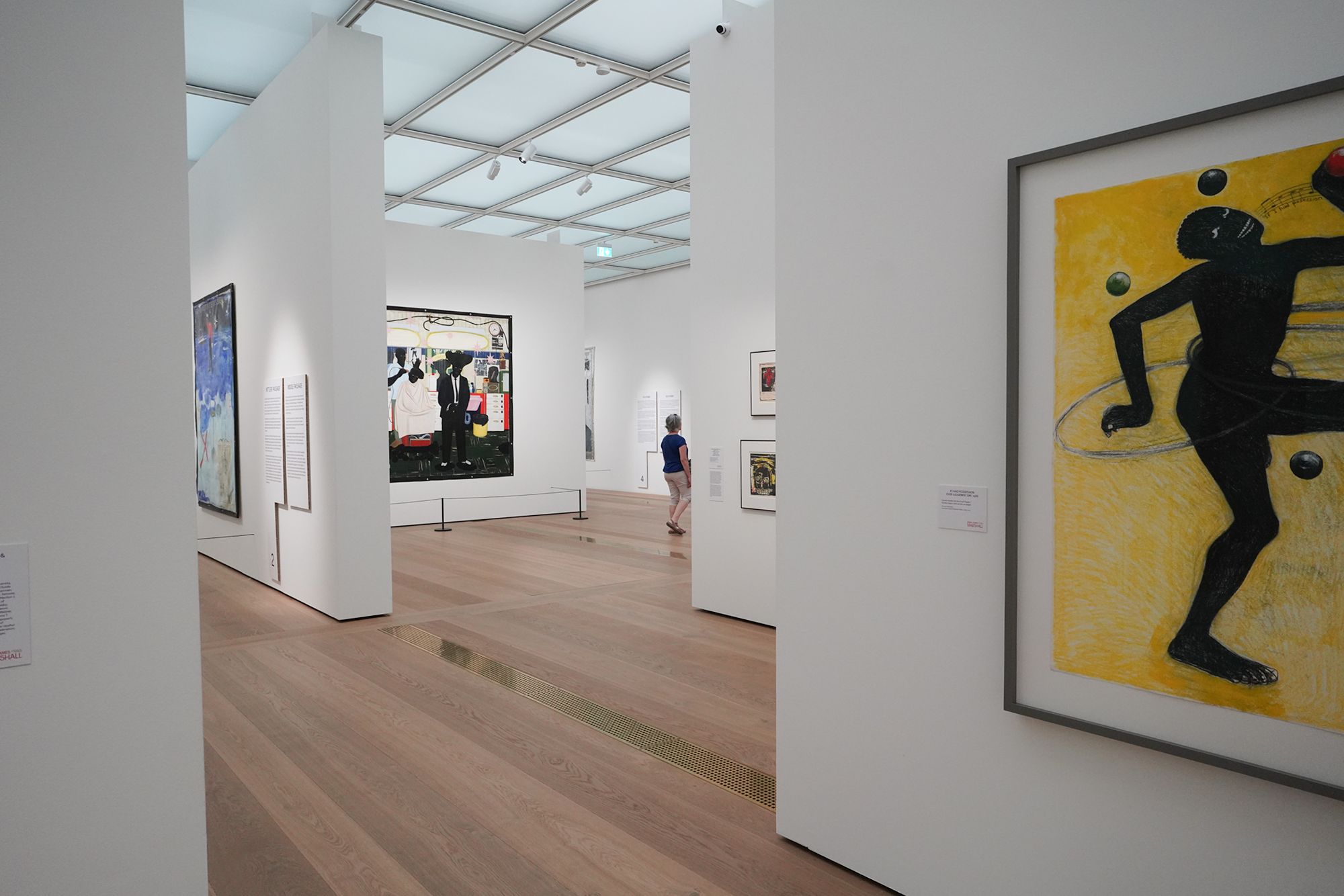
Kerry James Marshall (born 1955) is an American artist known for contemporary figurative painting. His large, richly detailed works place Black people at the centre of everyday scenes and historical narratives, addressing their underrepresentation in Western art.
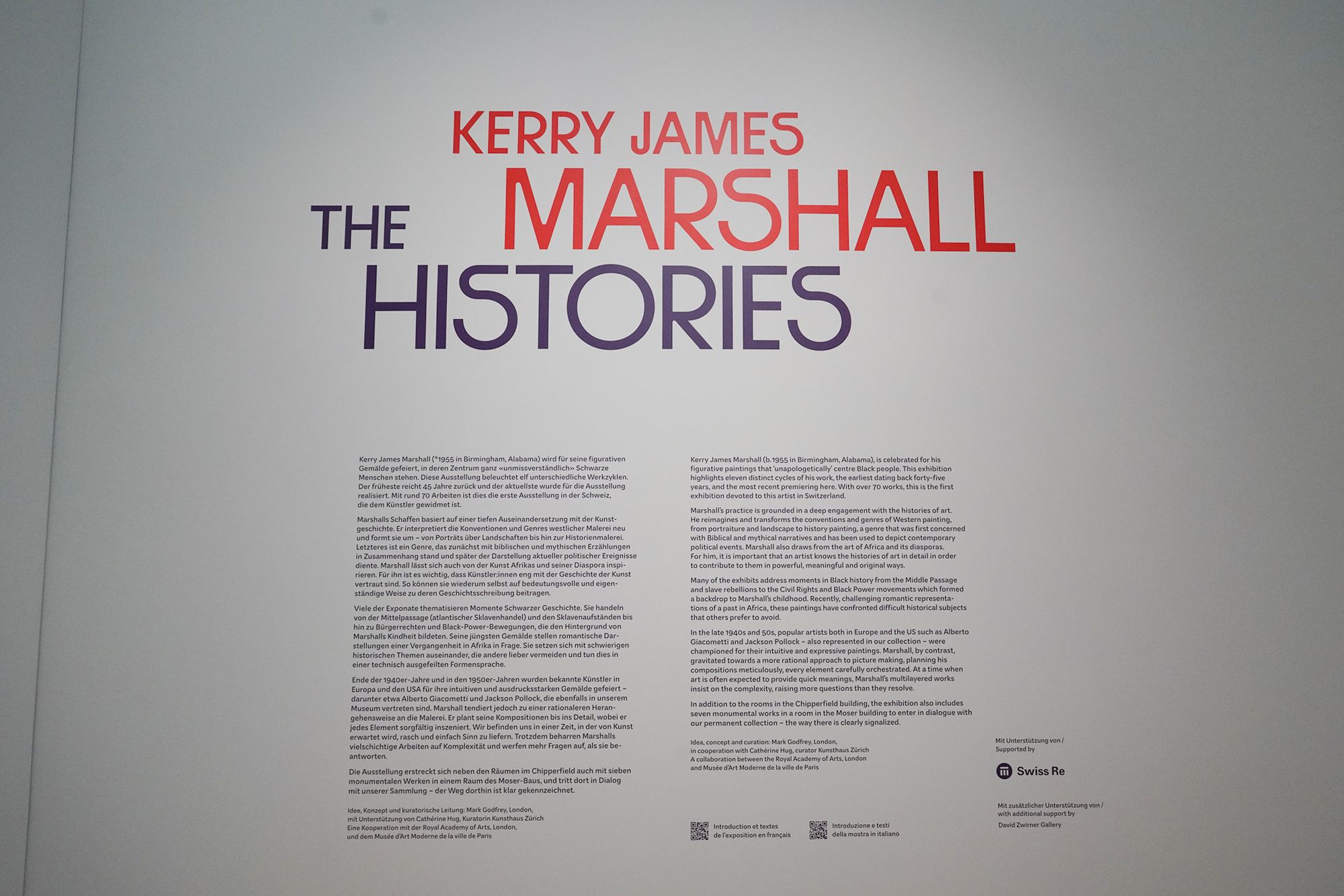
“The Histories” presents more than 70 works by Kerry James Marshall, spanning around 45 years. According to the label, it is his first dedicated exhibition in Switzerland.
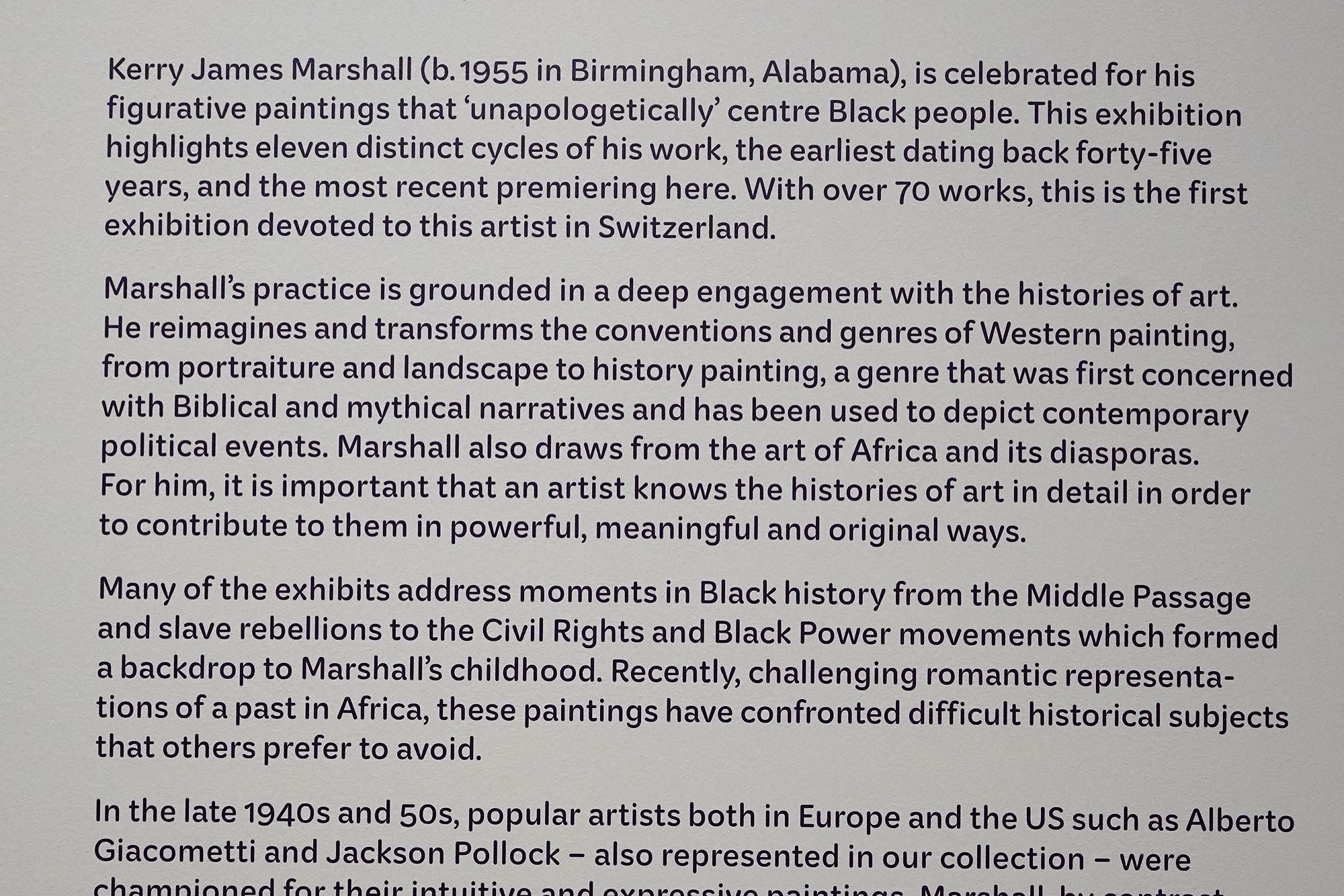
Marshall places Black people and their histories at the centre of painting, drawing on both Western and African artistic traditions. Subjects range from the transatlantic slave trade and slave rebellions to the Civil Rights and Black Power movements that shaped his childhood.
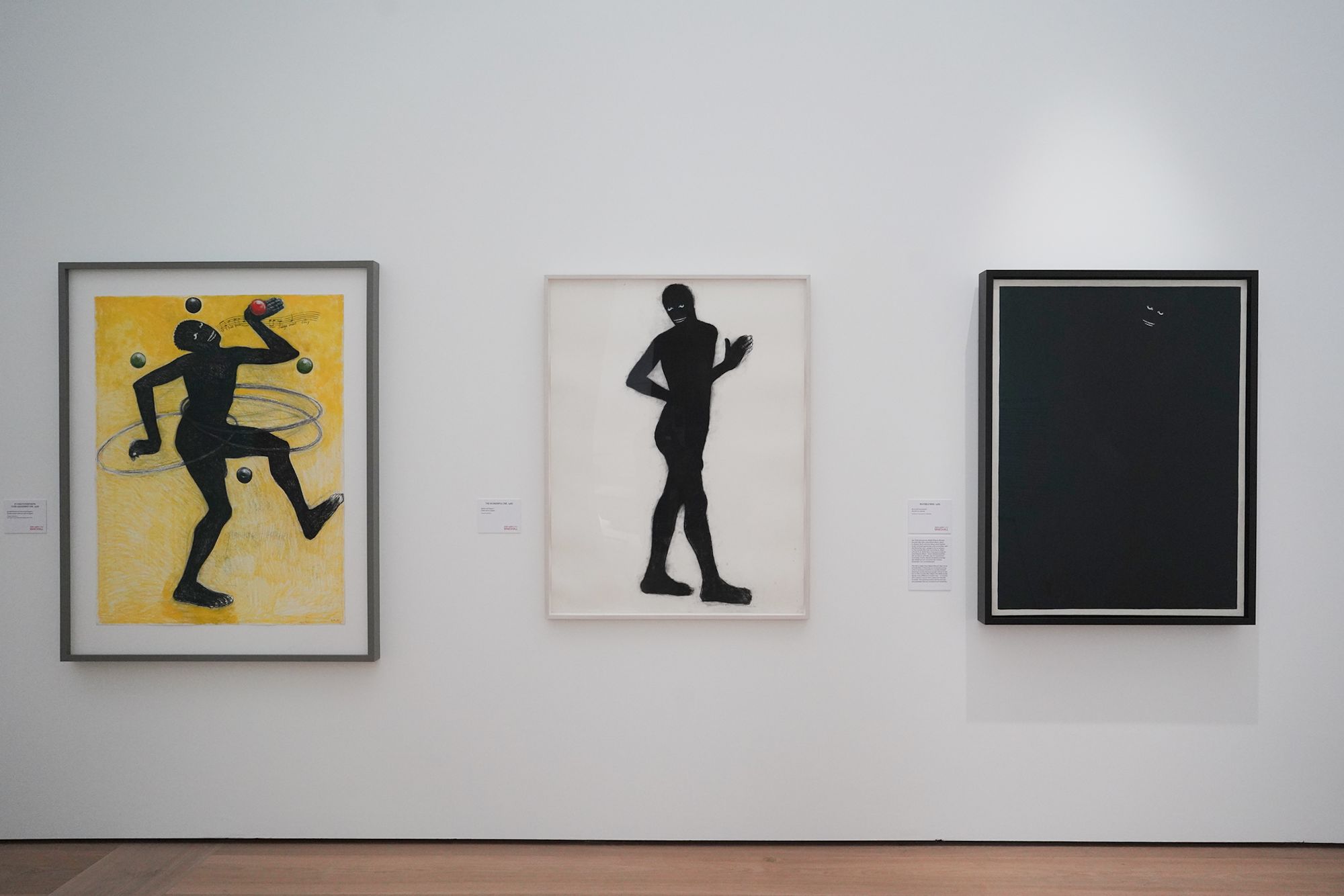
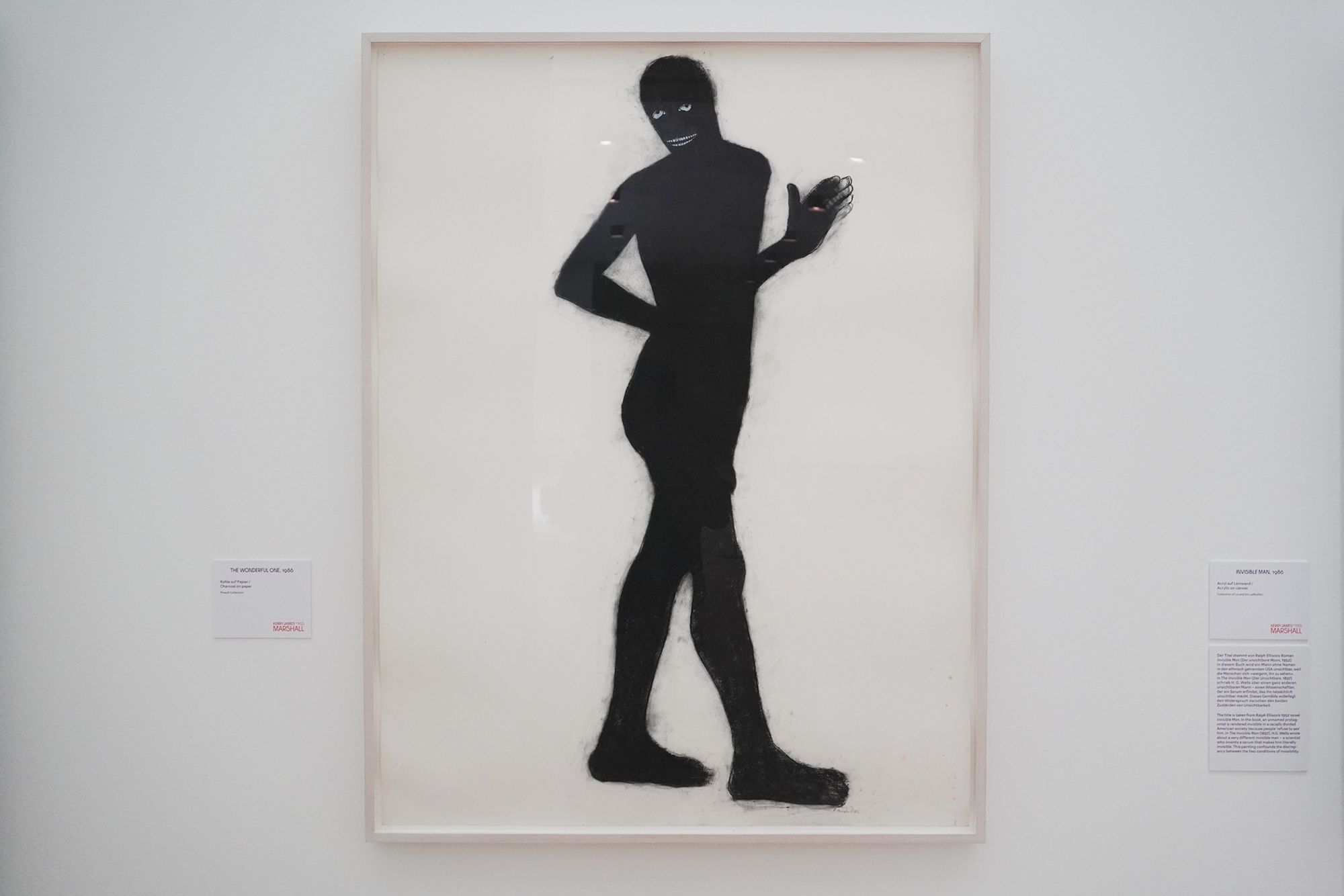
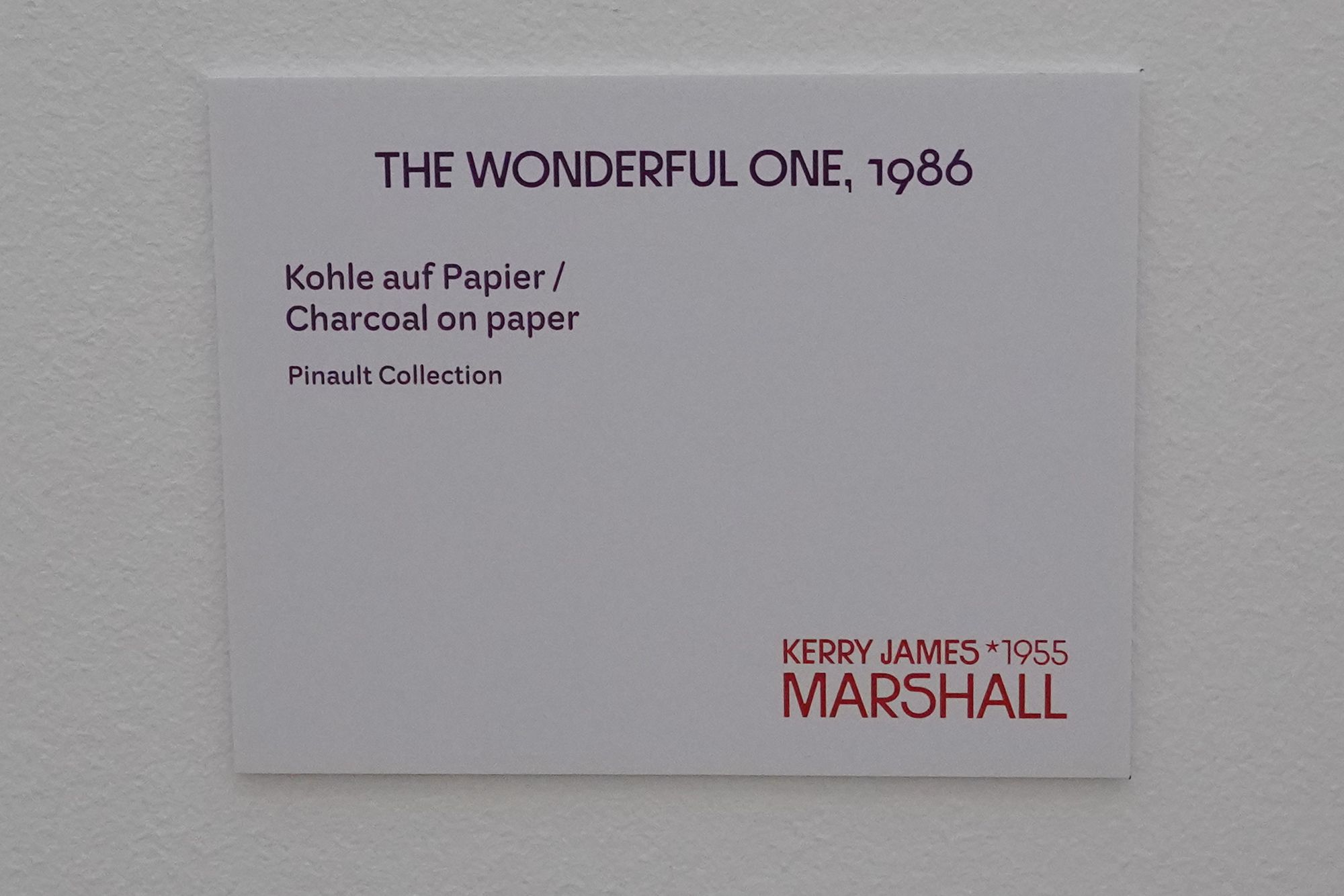
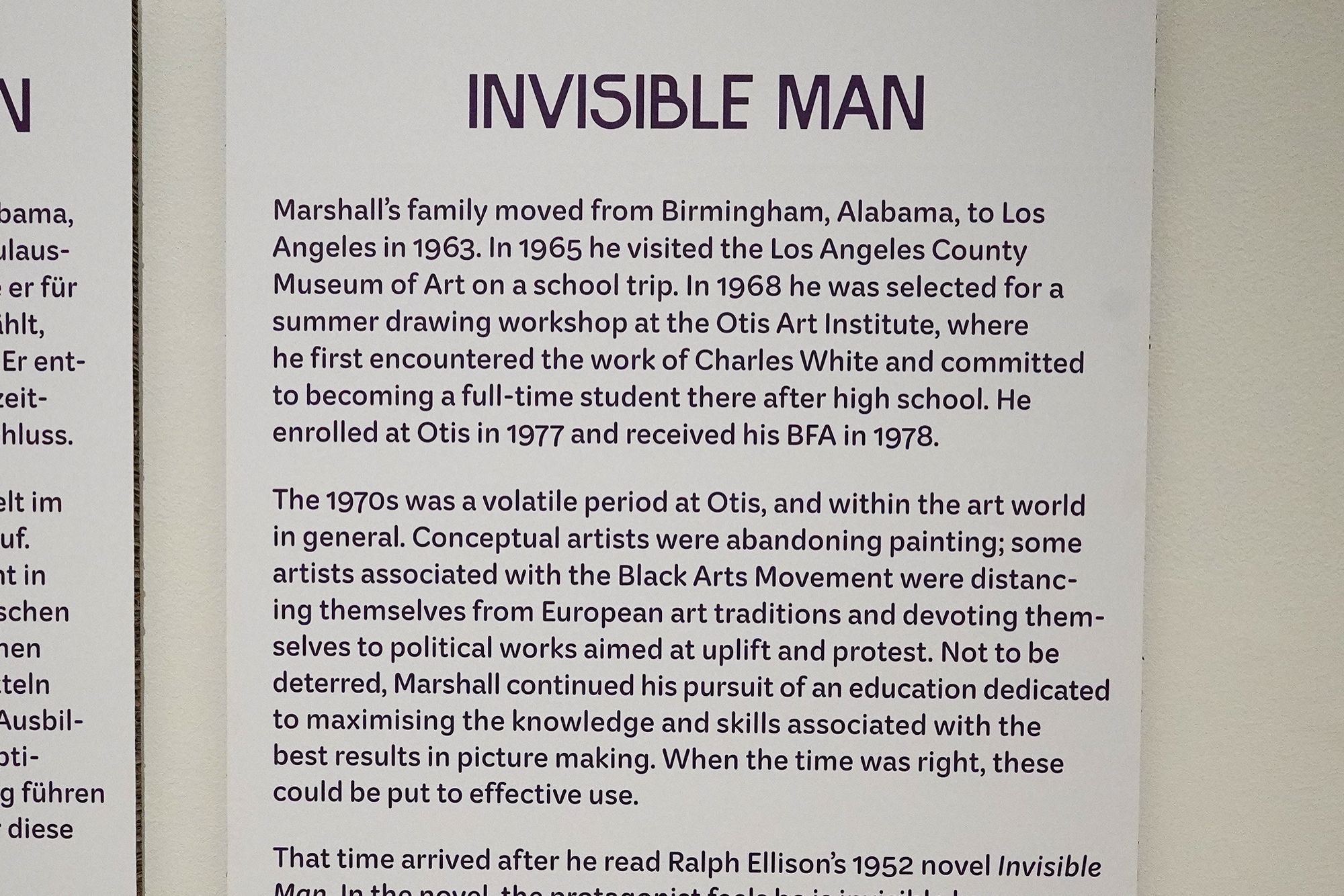
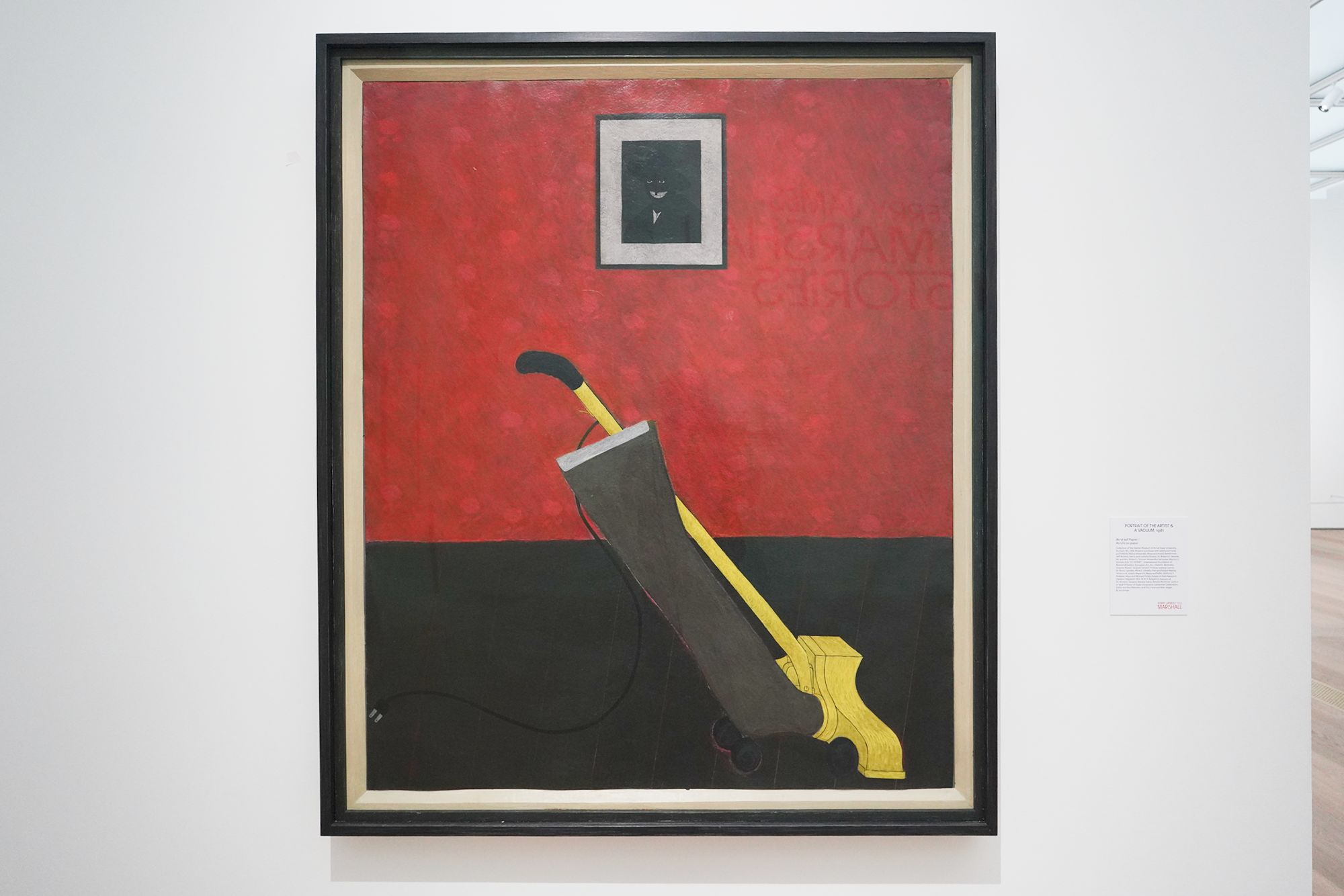
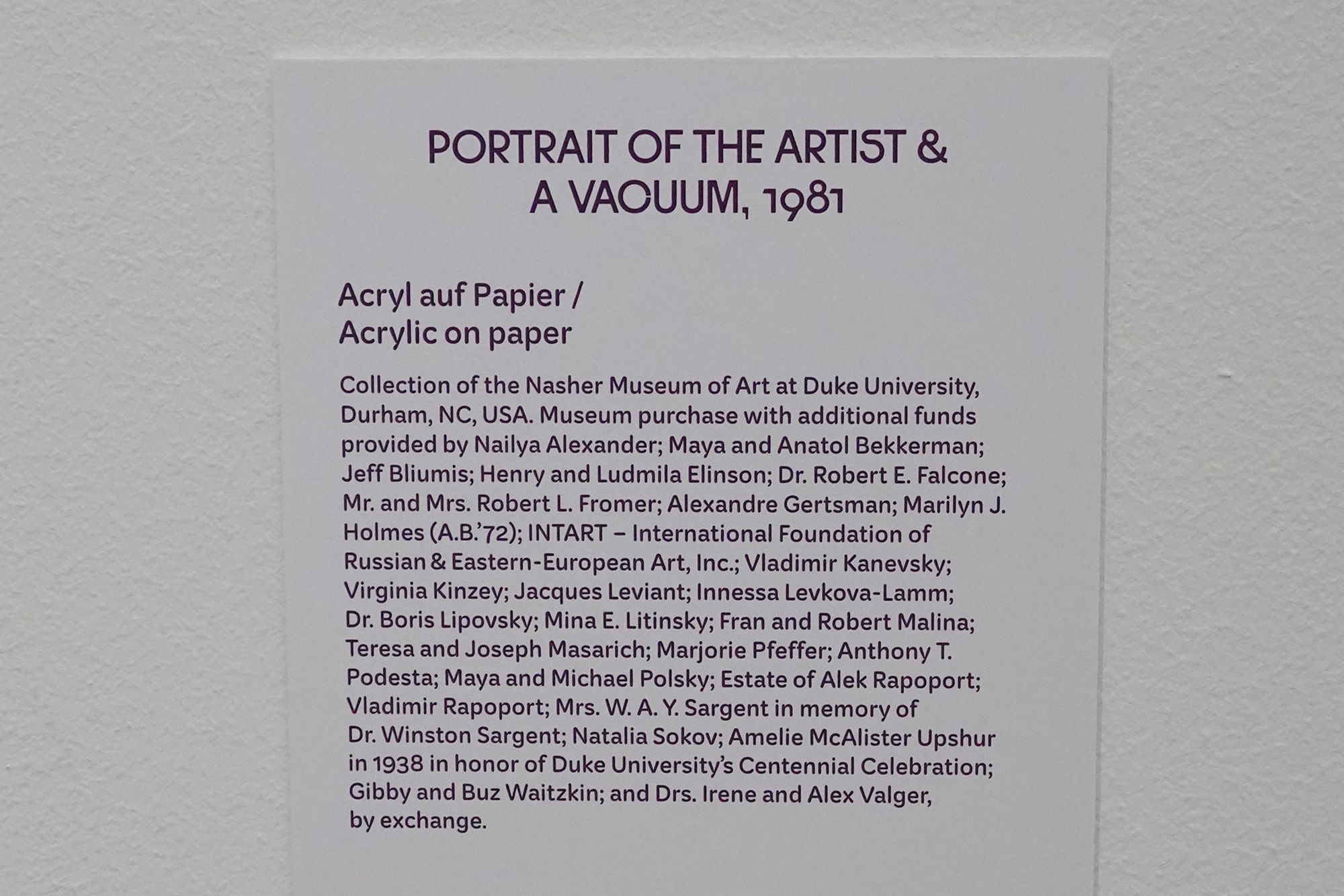
“Invisible Man” explores Kerry James Marshall’s early development as an artist. Growing up in Los Angeles, he discovered art through museum visits and studied at the Otis Art Institute, where Charles White’s work inspired him.
The section connects his development with Ralph Ellison’s novel Invisible Man, whose theme of Black people being overlooked by society relates closely to Marshall’s focus on visibility and representation.
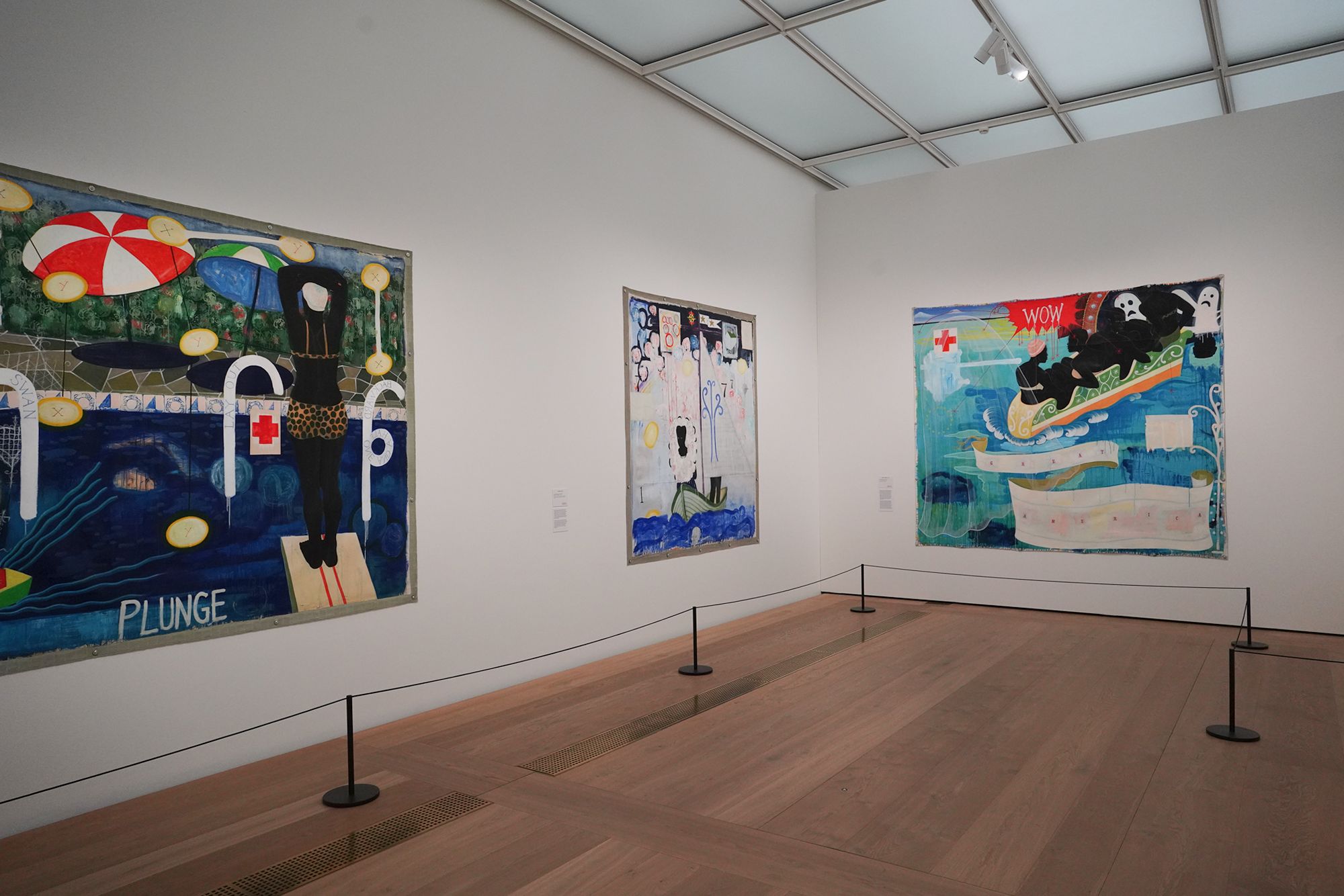
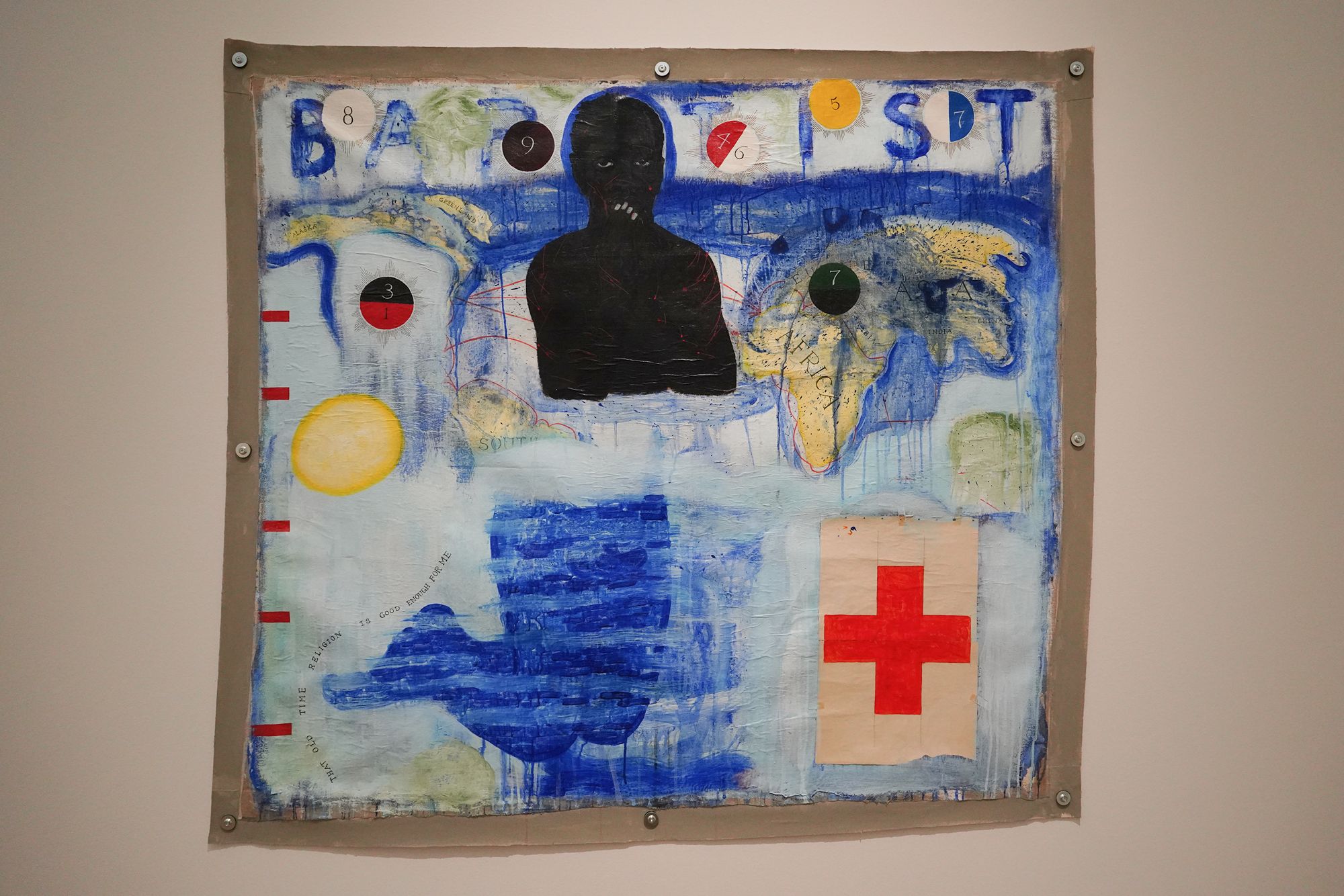
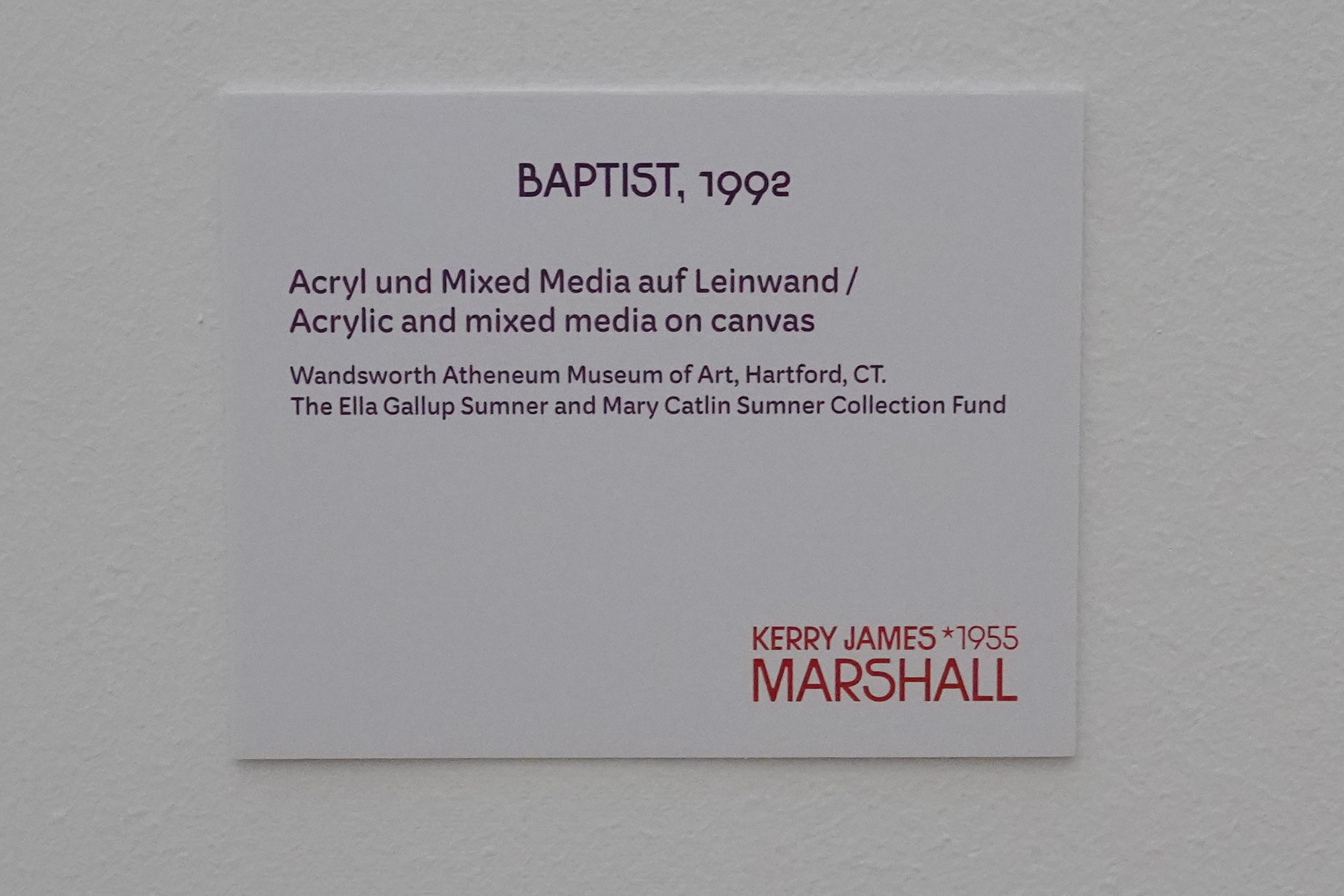
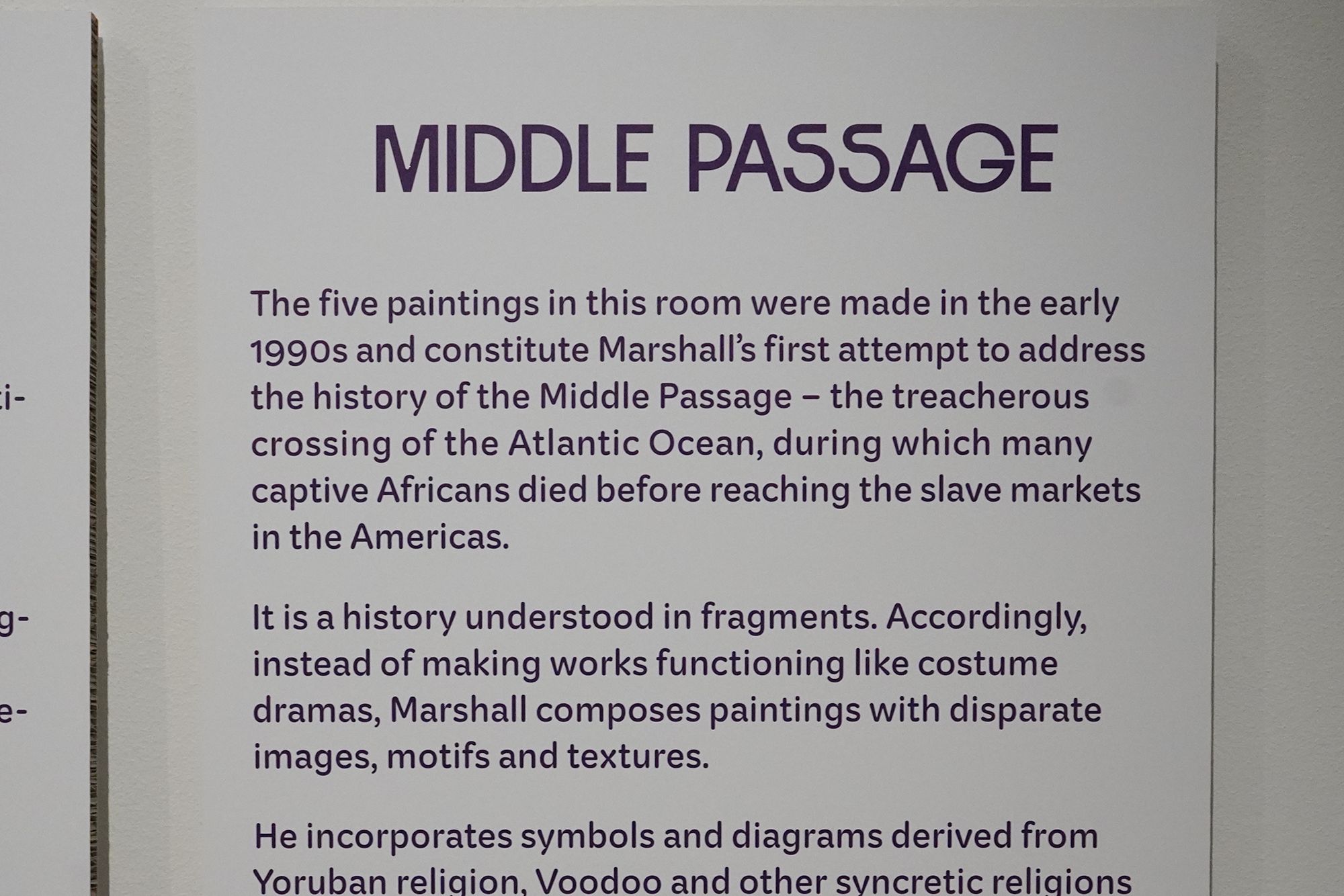
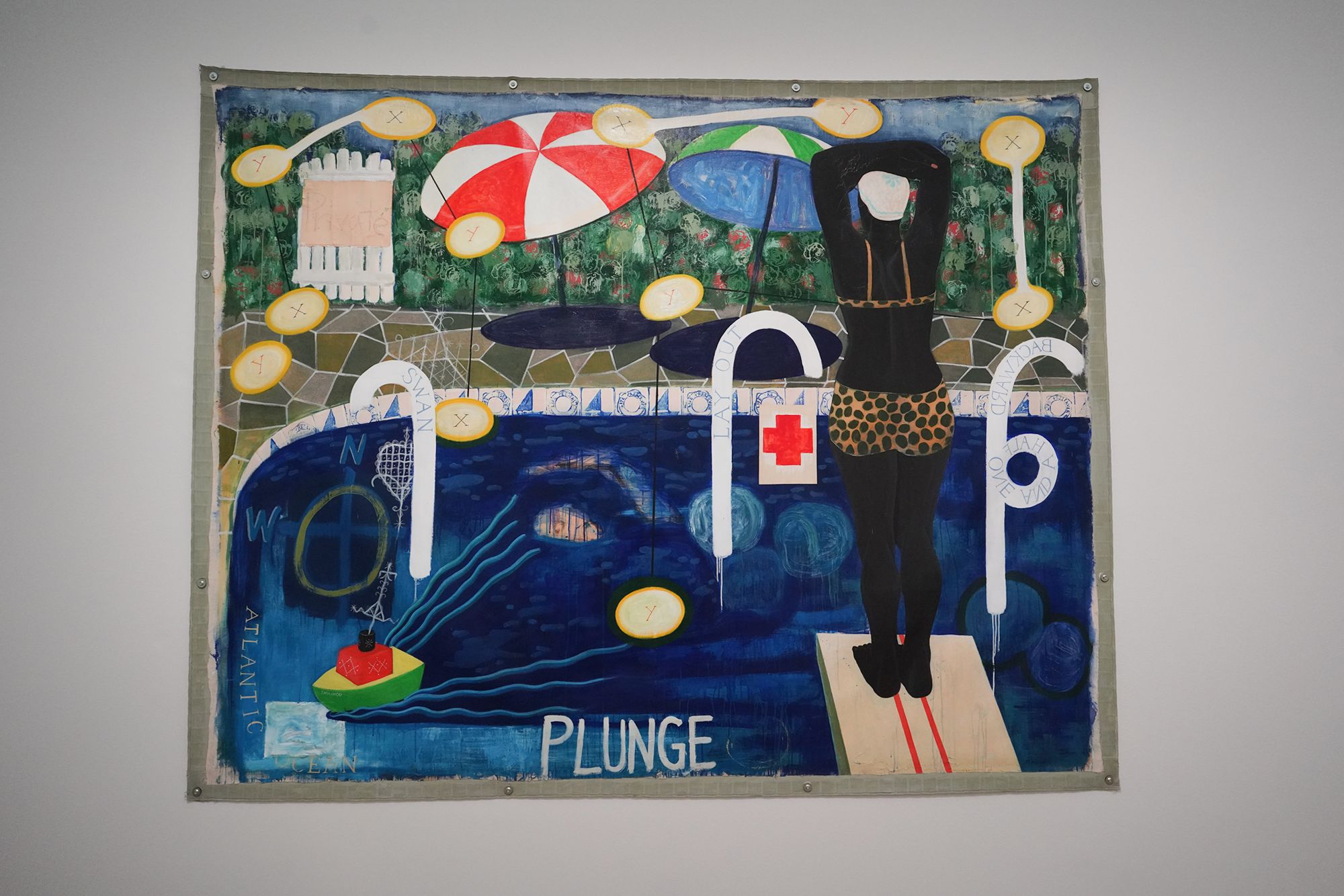
“Middle Passage” presents five paintings Kerry James Marshall made in the early 1990s about the forced Atlantic crossing of captive Africans to the Americas, during which many died.
Marshall combines fragmented images, textures, and religious symbols to explore this history, reflecting how it survives through incomplete records and cultural memory.
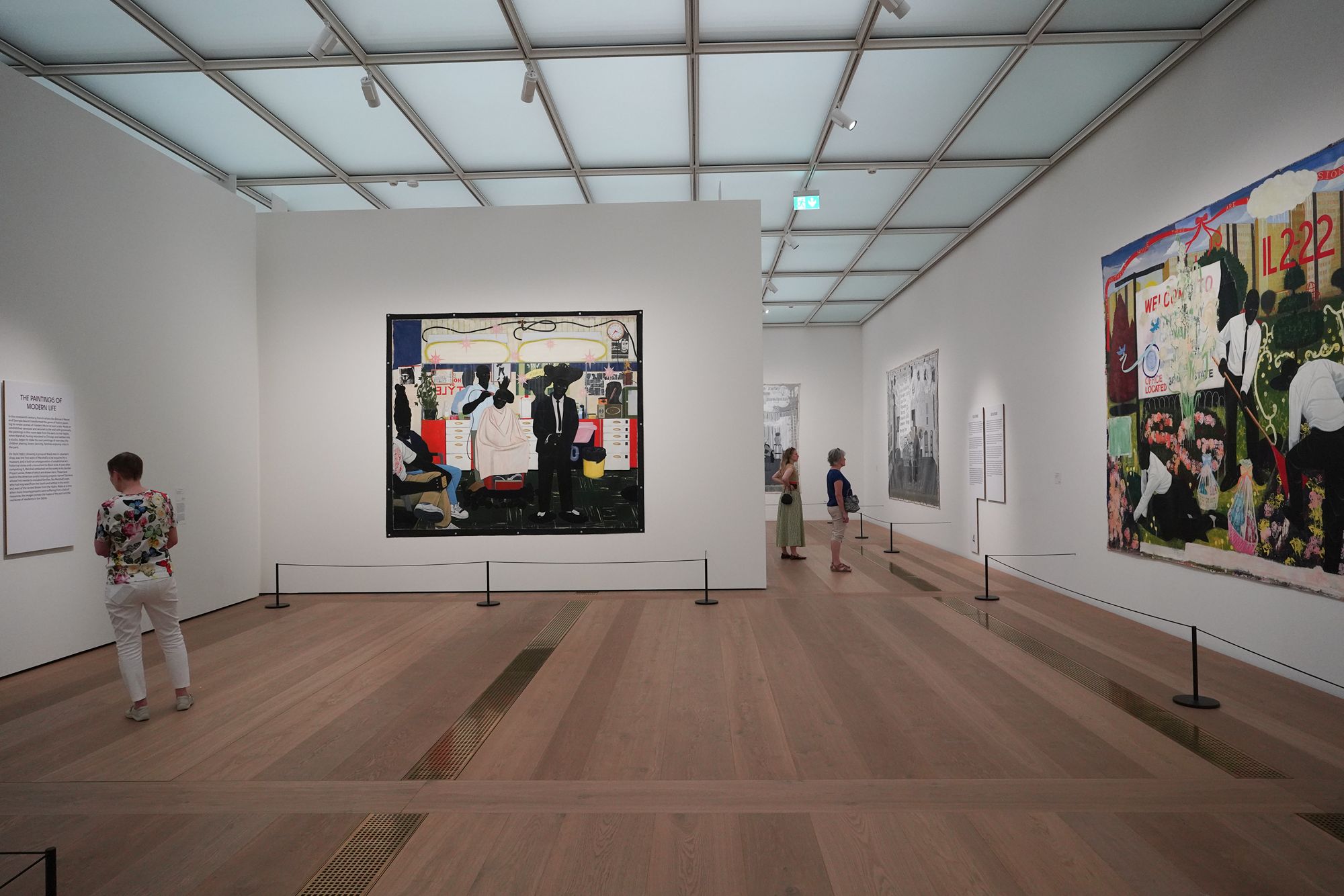
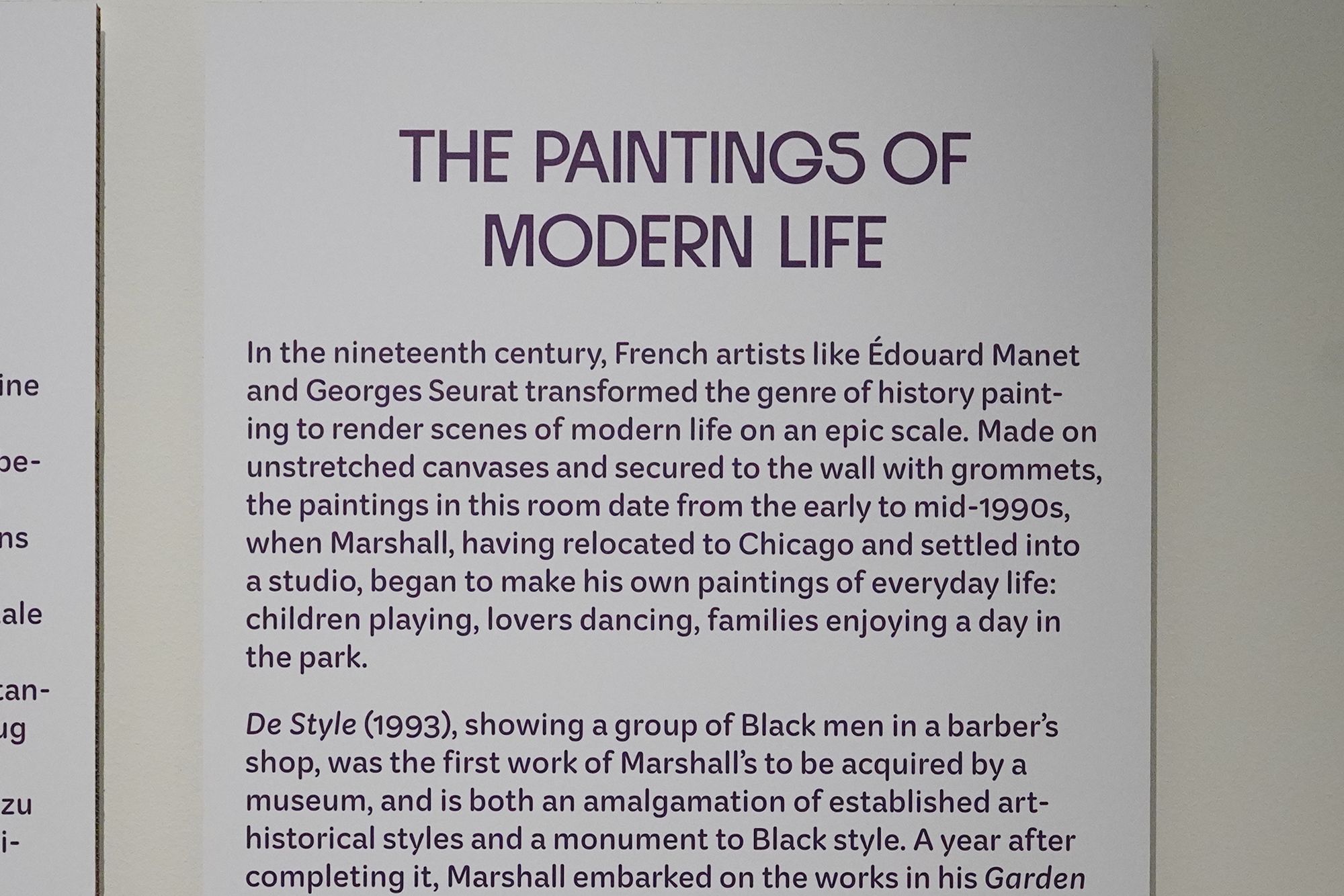
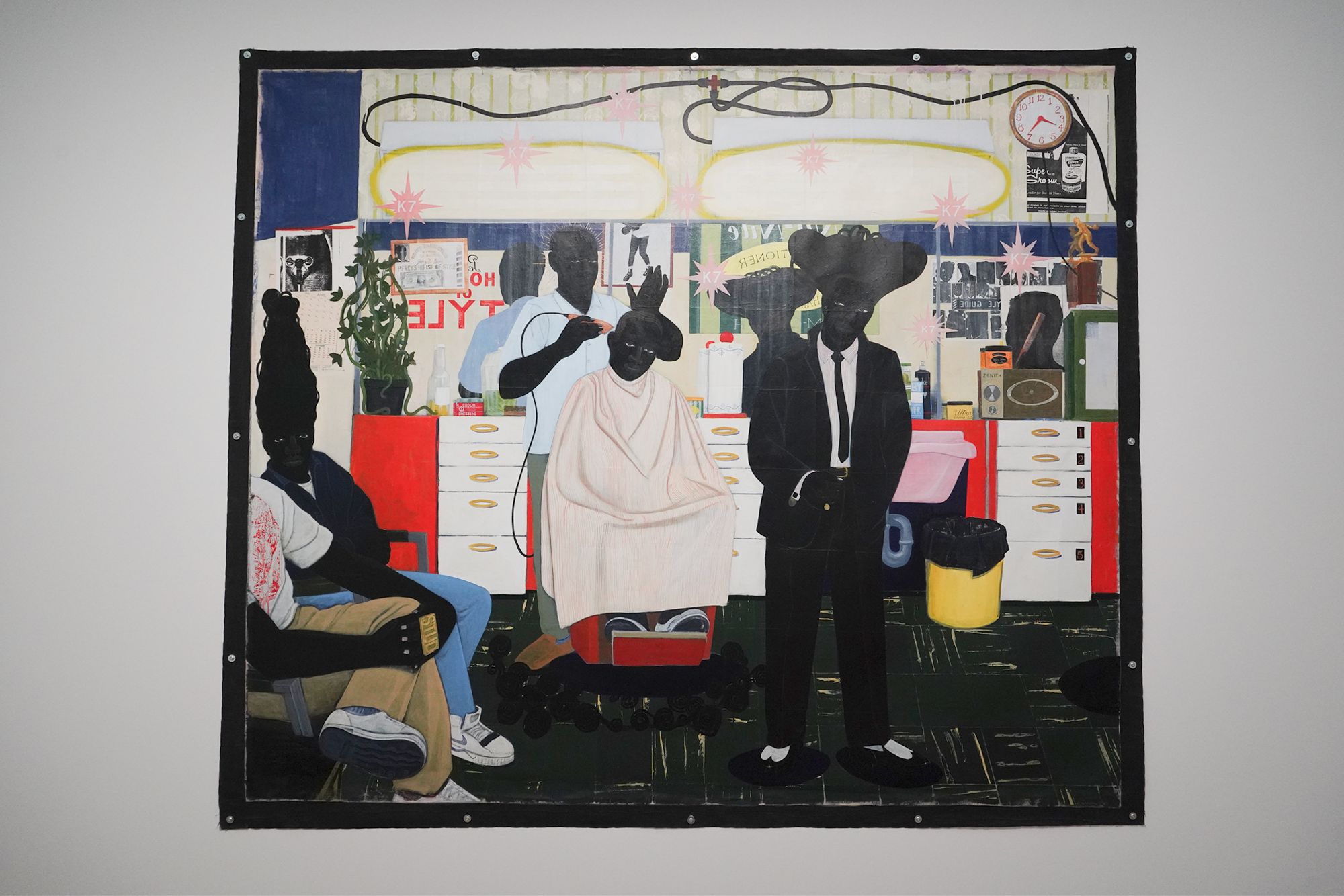
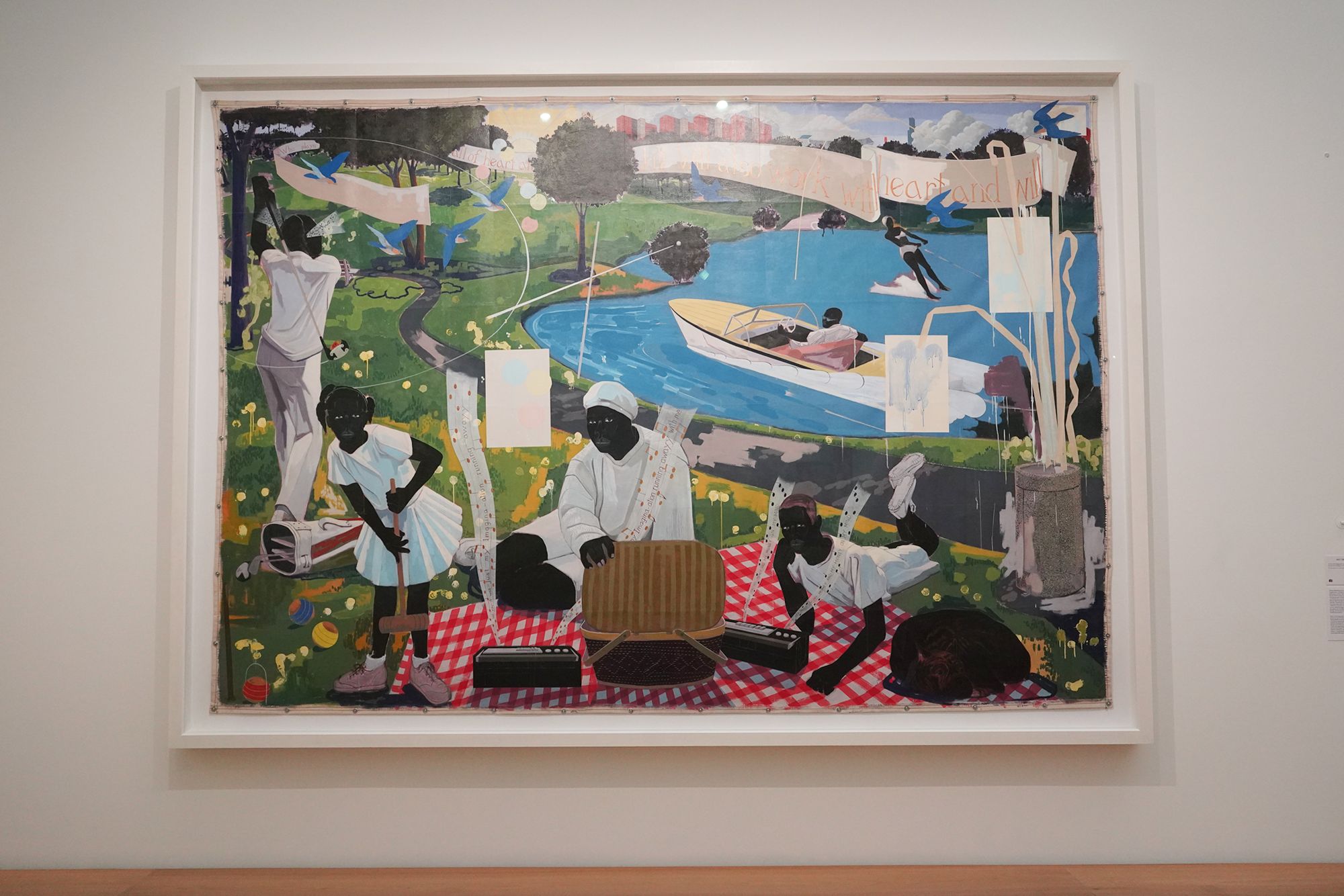
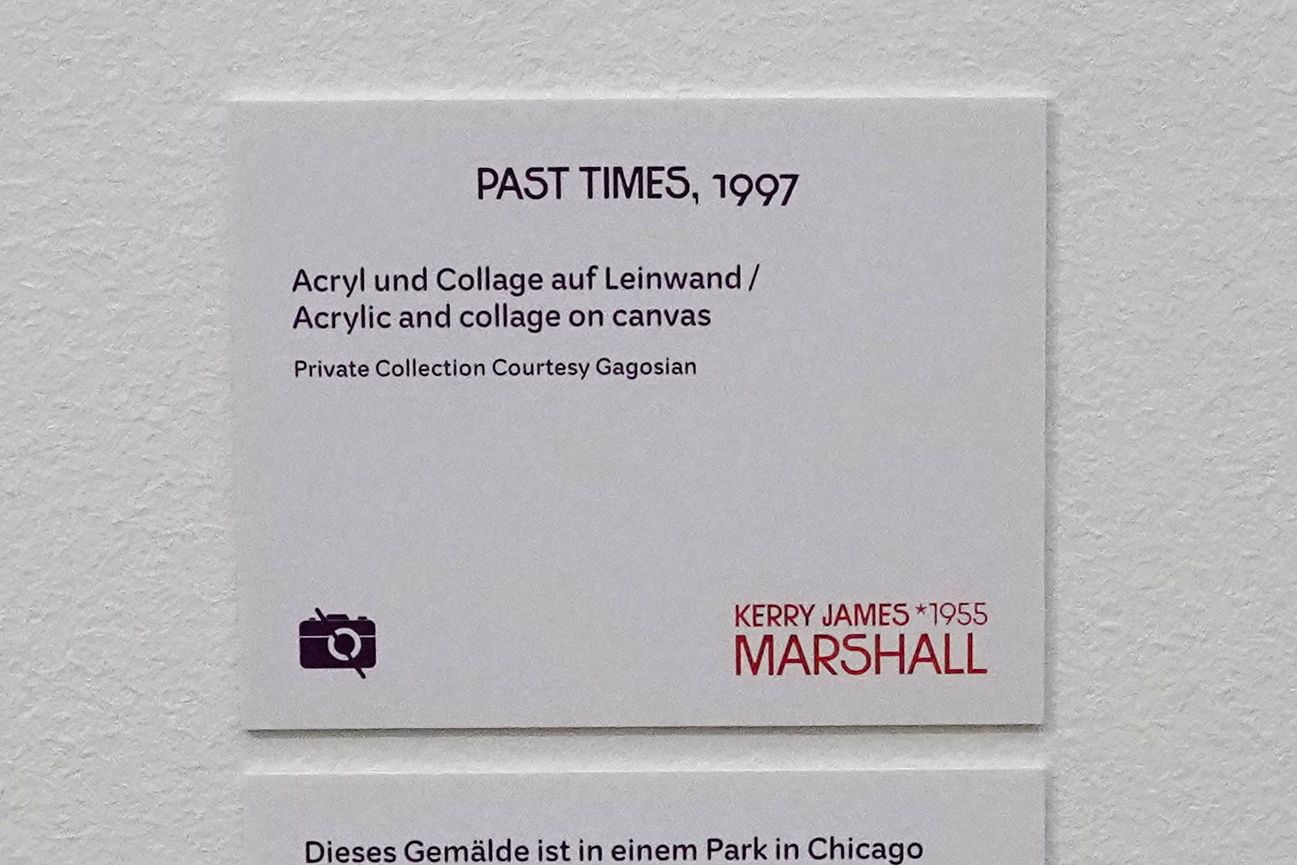
“The Paintings of Modern Life” presents Marshall’s scenes of everyday Black life from the early to mid-1990s: children playing, couples dancing, and families enjoying parks. Drawing on artists such as Manet and Seurat, he gives ordinary moments the scale and importance of history painting.
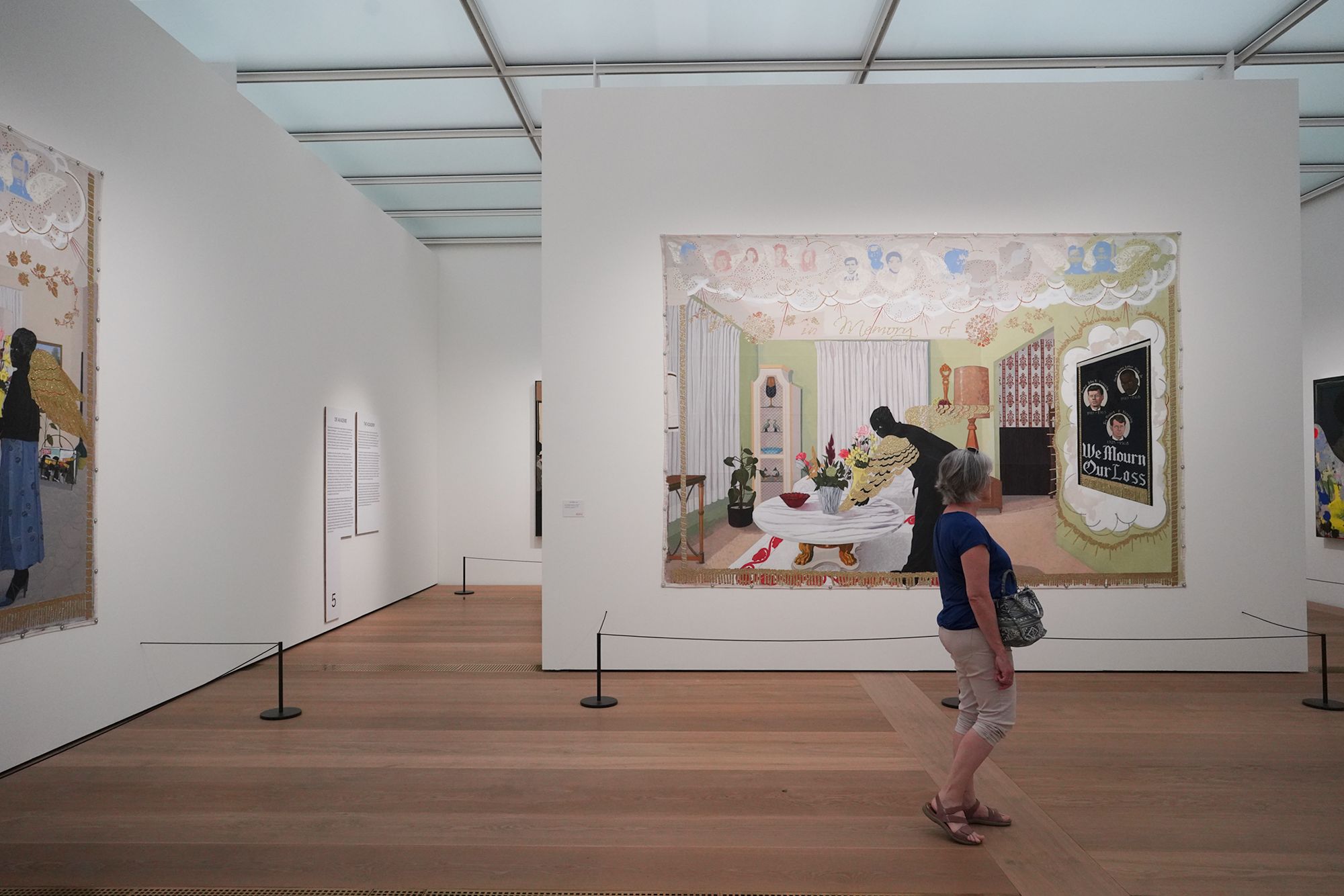
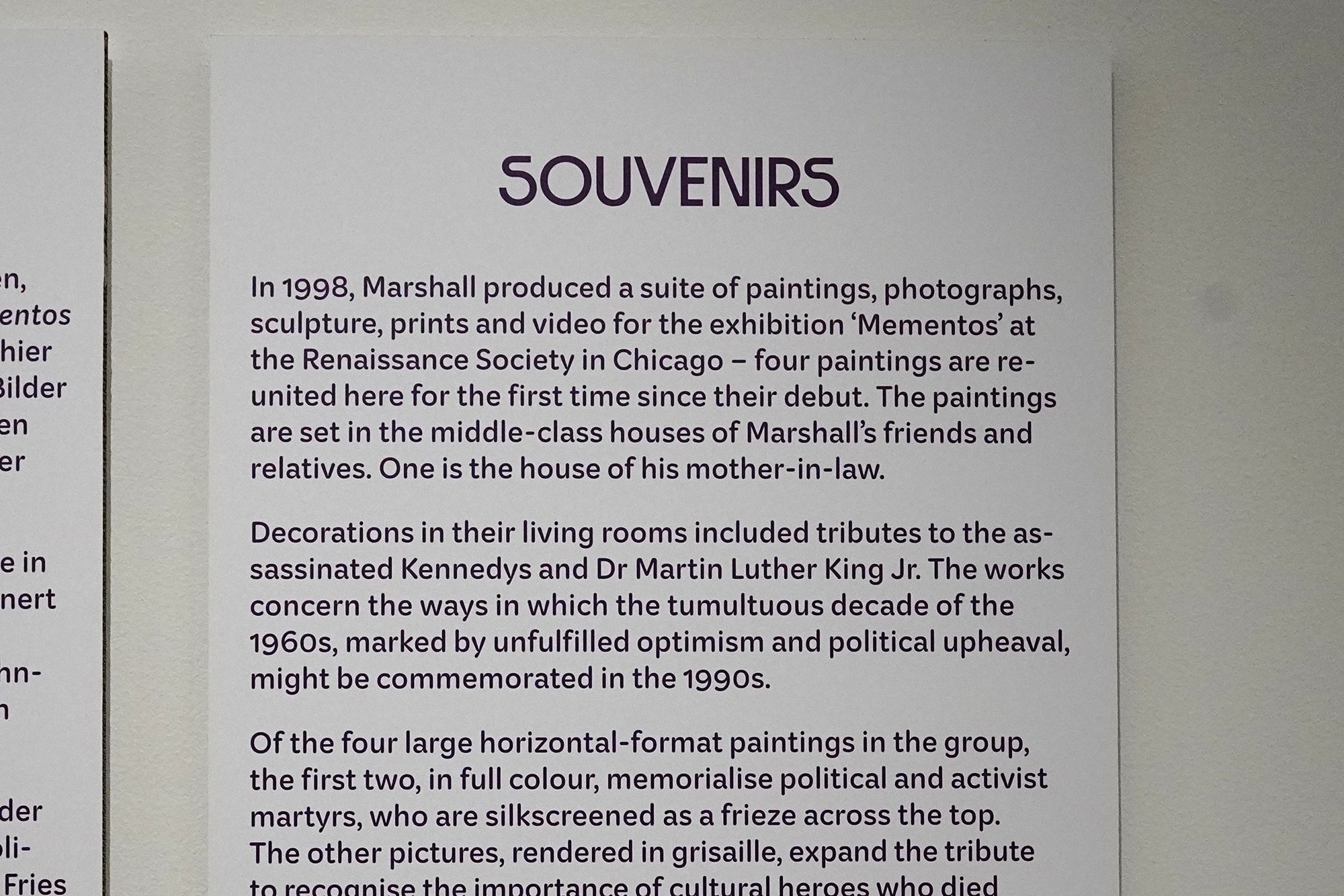
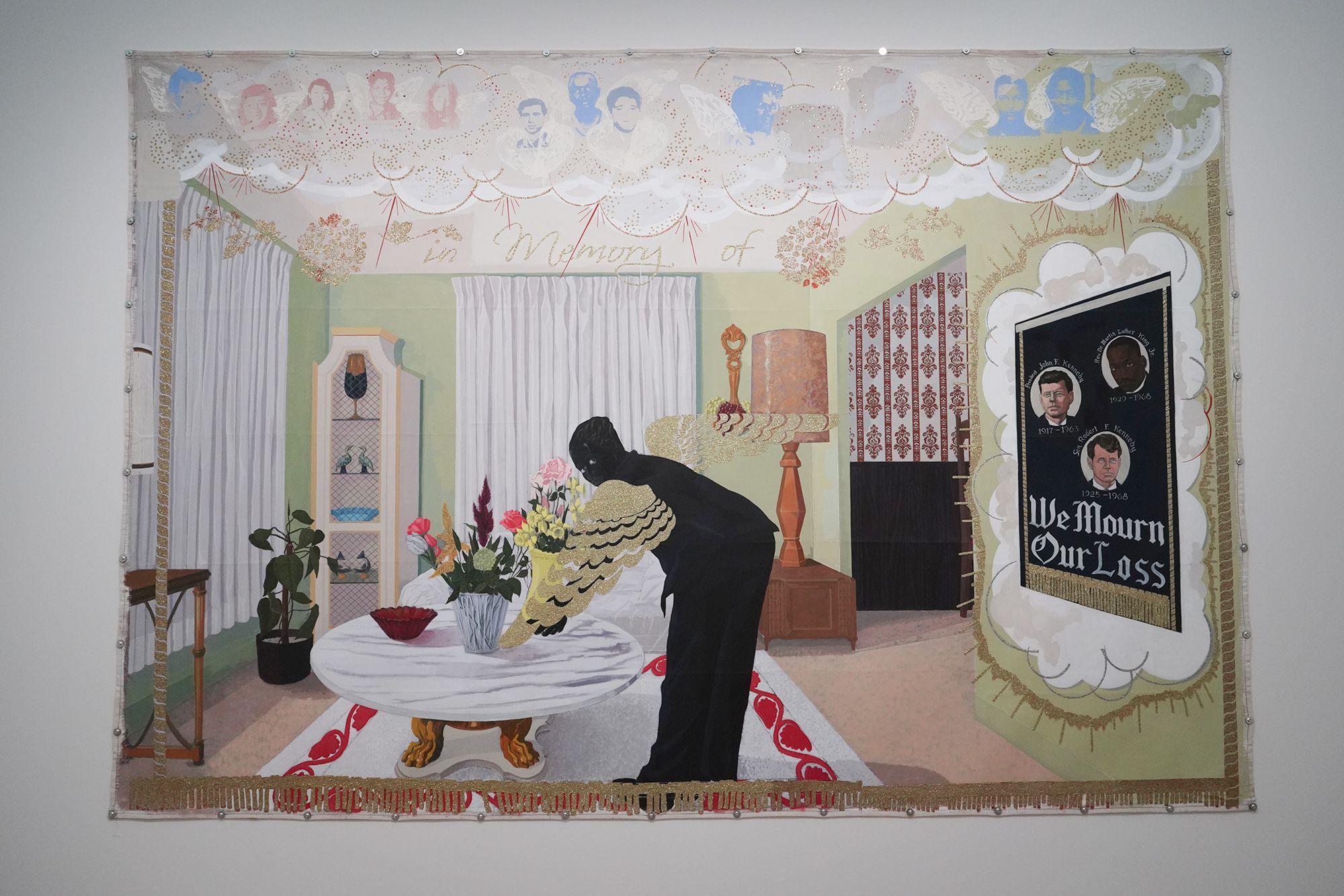
“Souvenirs” brings together four paintings shown in Marshall’s 1998 exhibition Mementos. Set in the homes of friends and relatives, they include tributes to the Kennedys and Martin Luther King Jr.
The paintings explore how people preserved memories of the 1960s—its hopes, political struggles, and losses—within their everyday domestic surroundings.
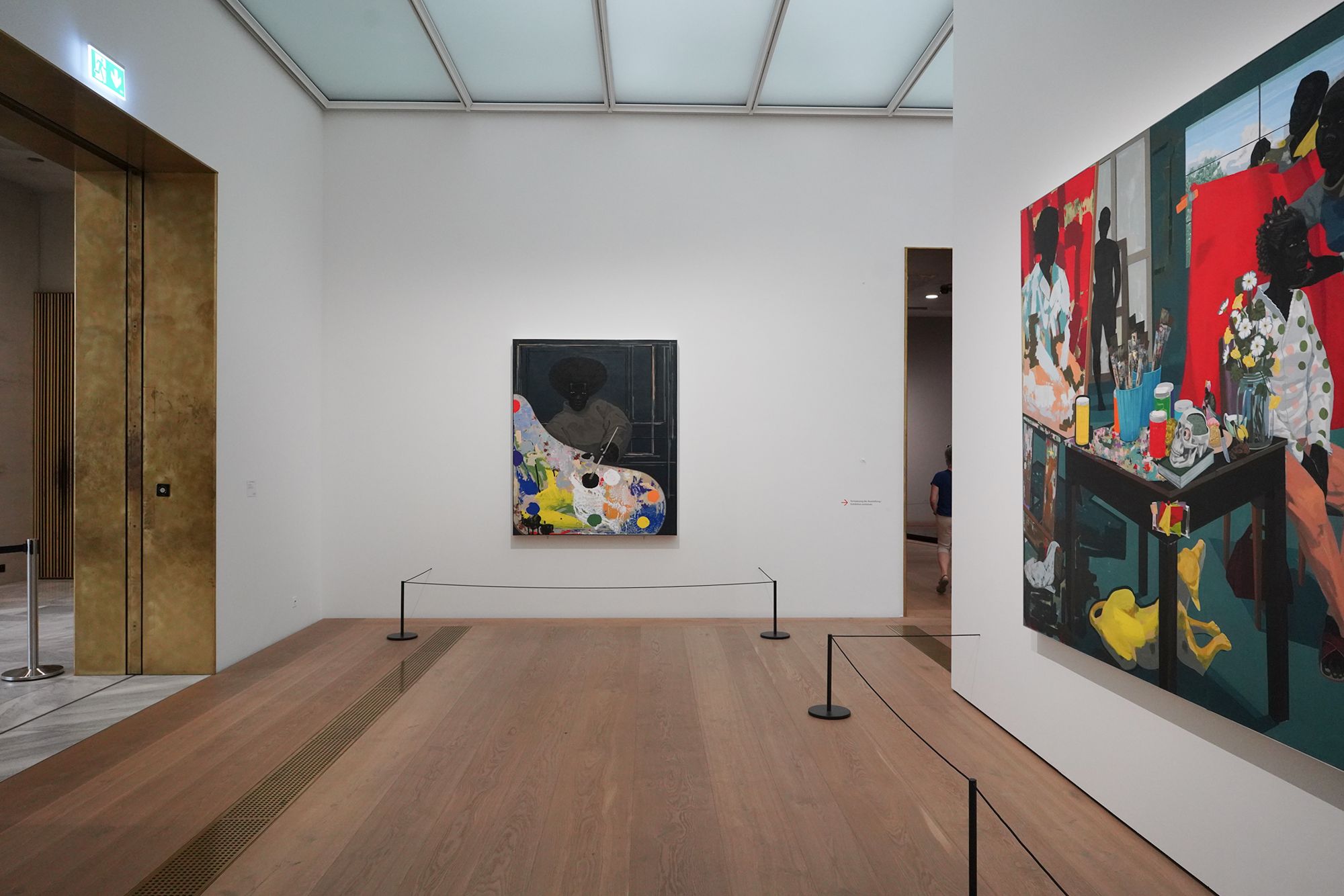
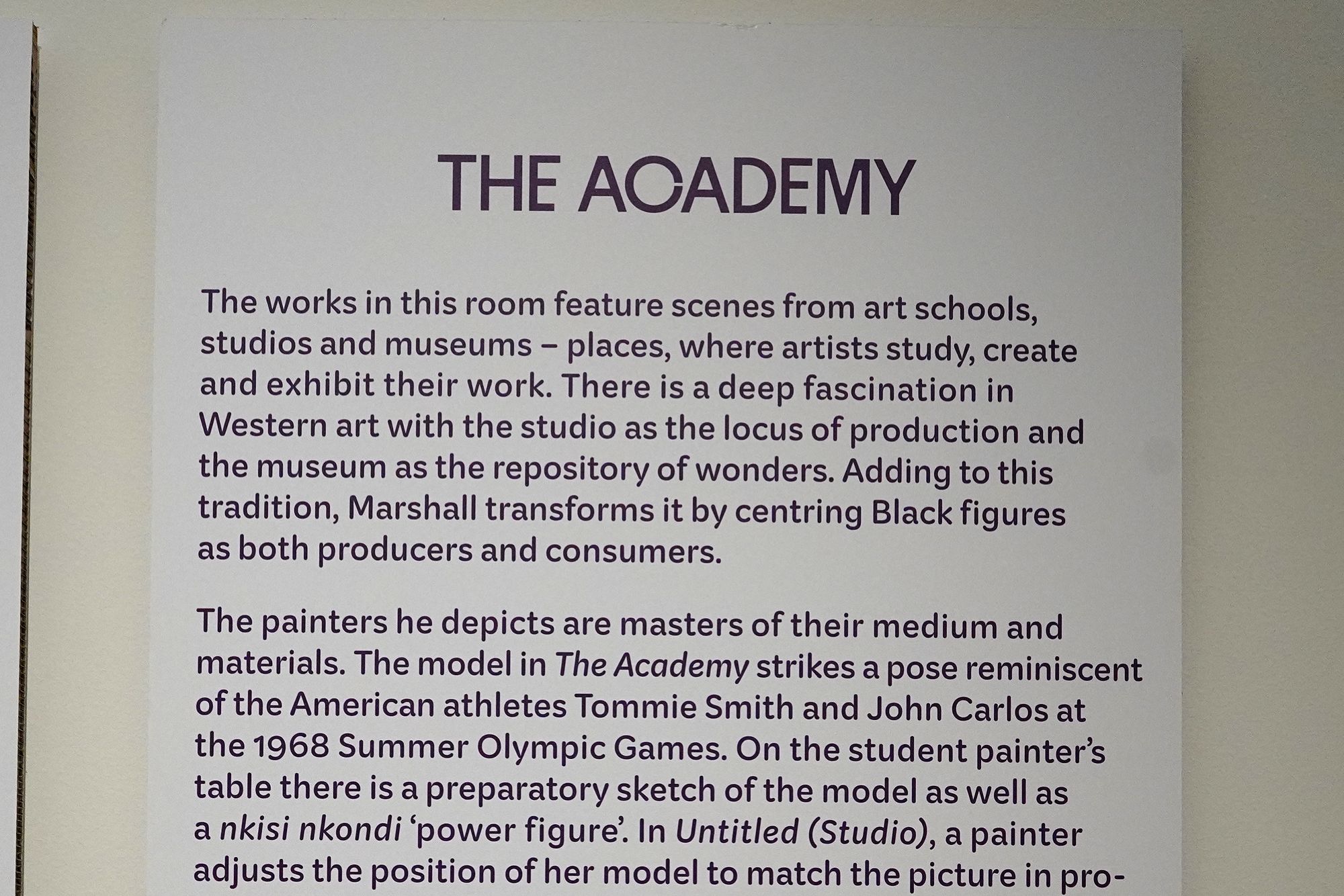
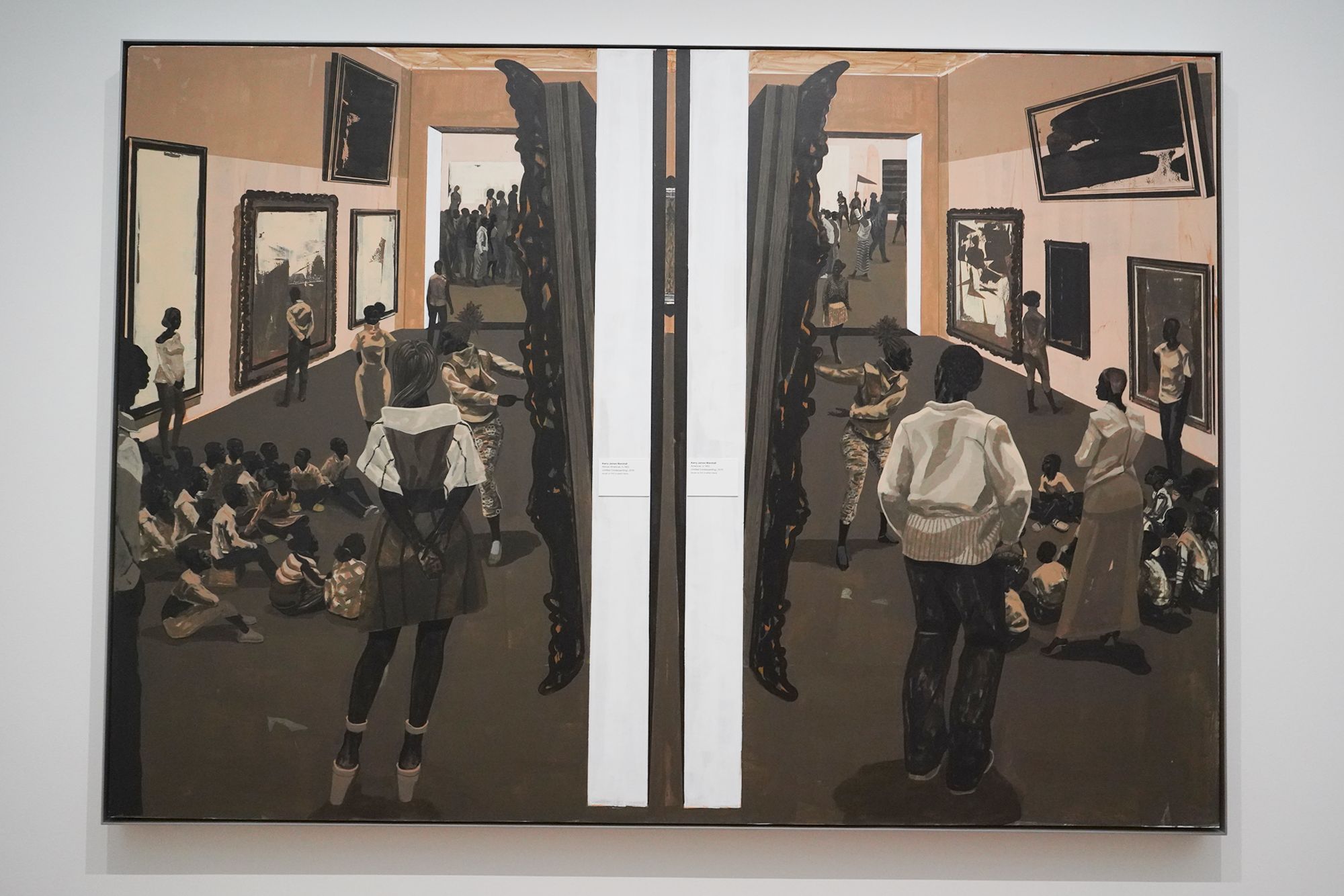
“The Academy” shows art schools, studios, and museums, placing Black people at the centre as artists, models, and viewers. Marshall presents Black painters as skilled masters of their craft, asserting their place within Western art traditions.
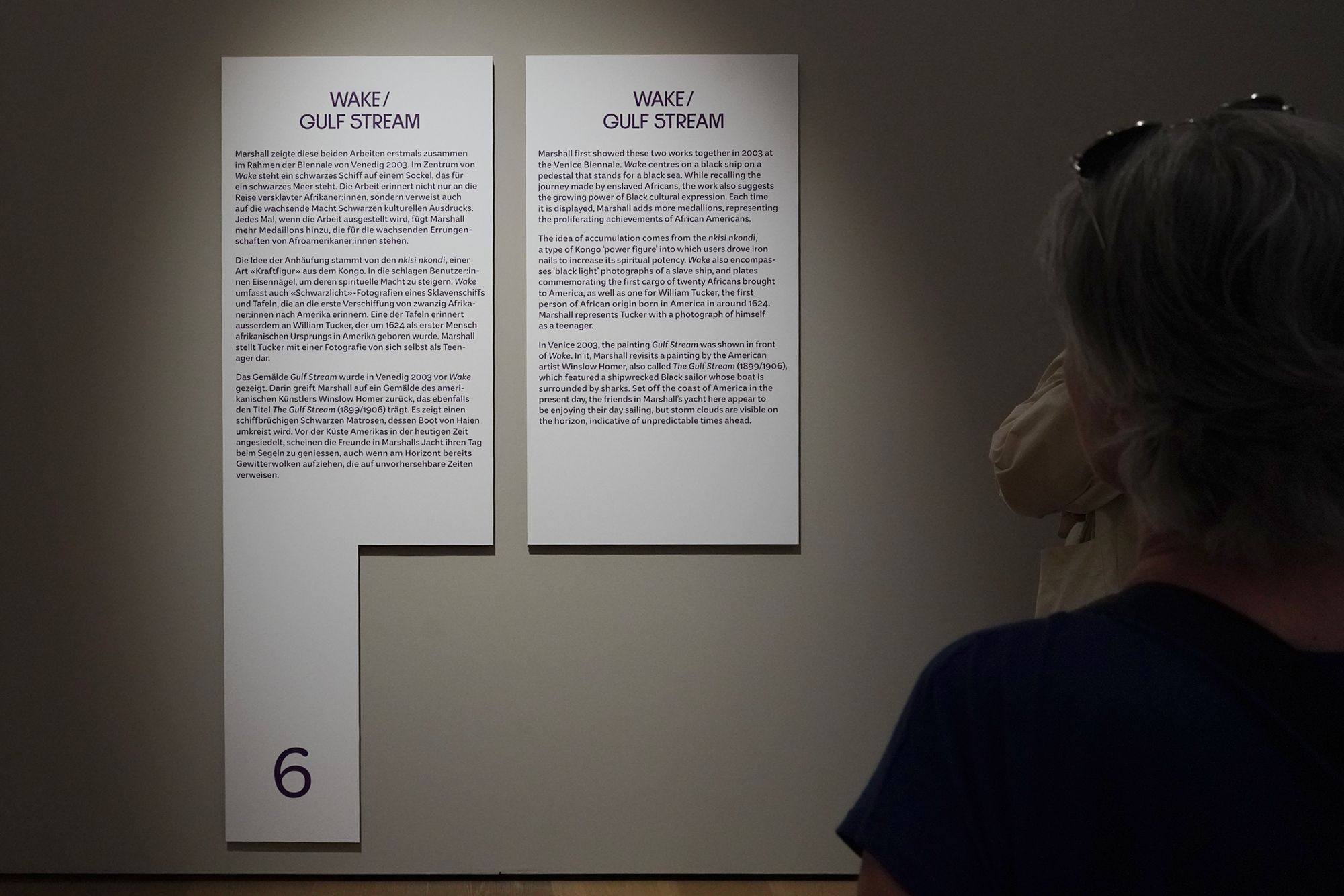
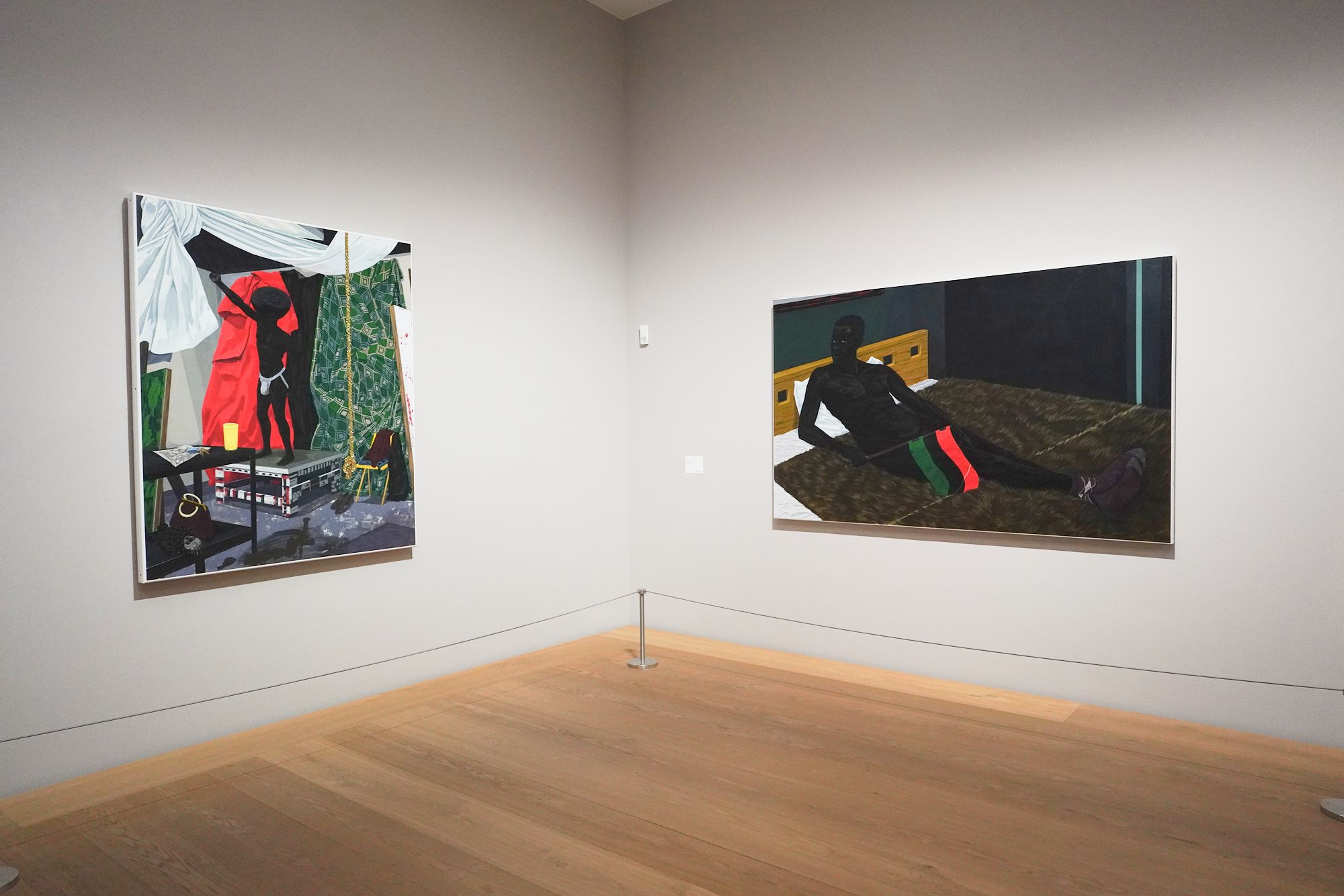
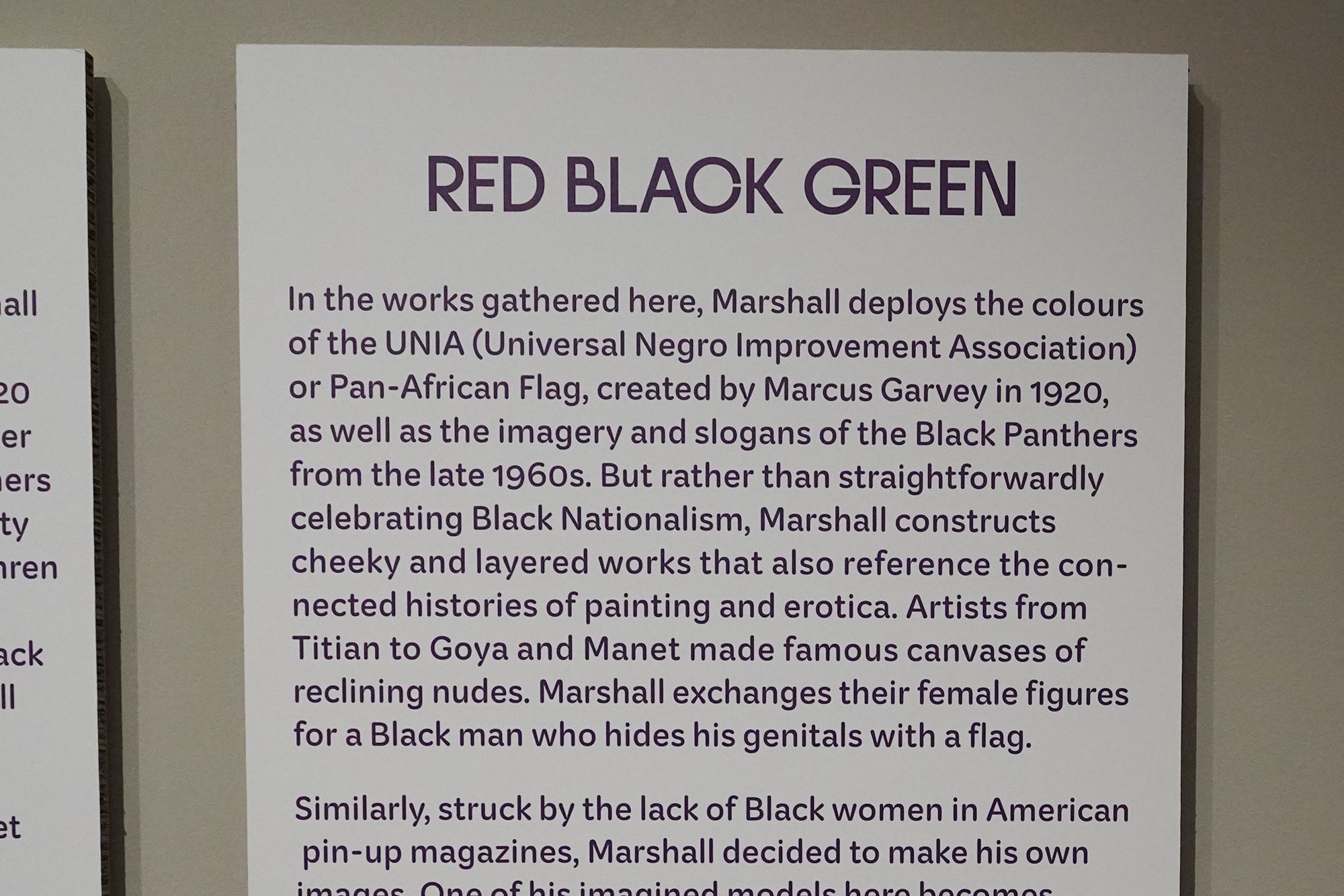
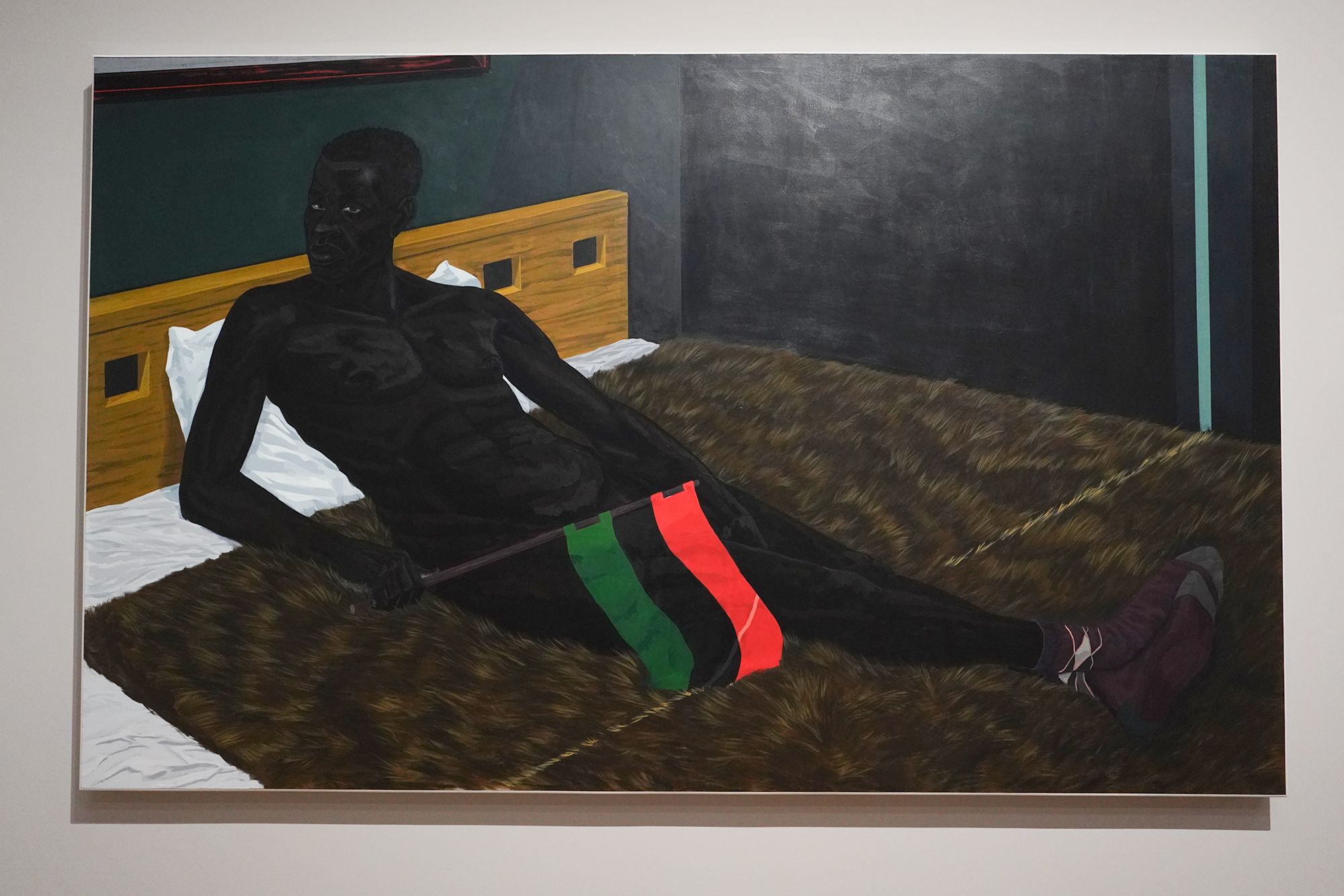
“Red Black Green” explores Marshall’s use of the Pan-African flag’s colours and Black Panther imagery. His paintings combine political symbols with humour and references to traditional European art.
By placing Black men and women in roles familiar from reclining nudes and pin-up imagery, he examines identity, desire, and who has been represented in art and popular culture.
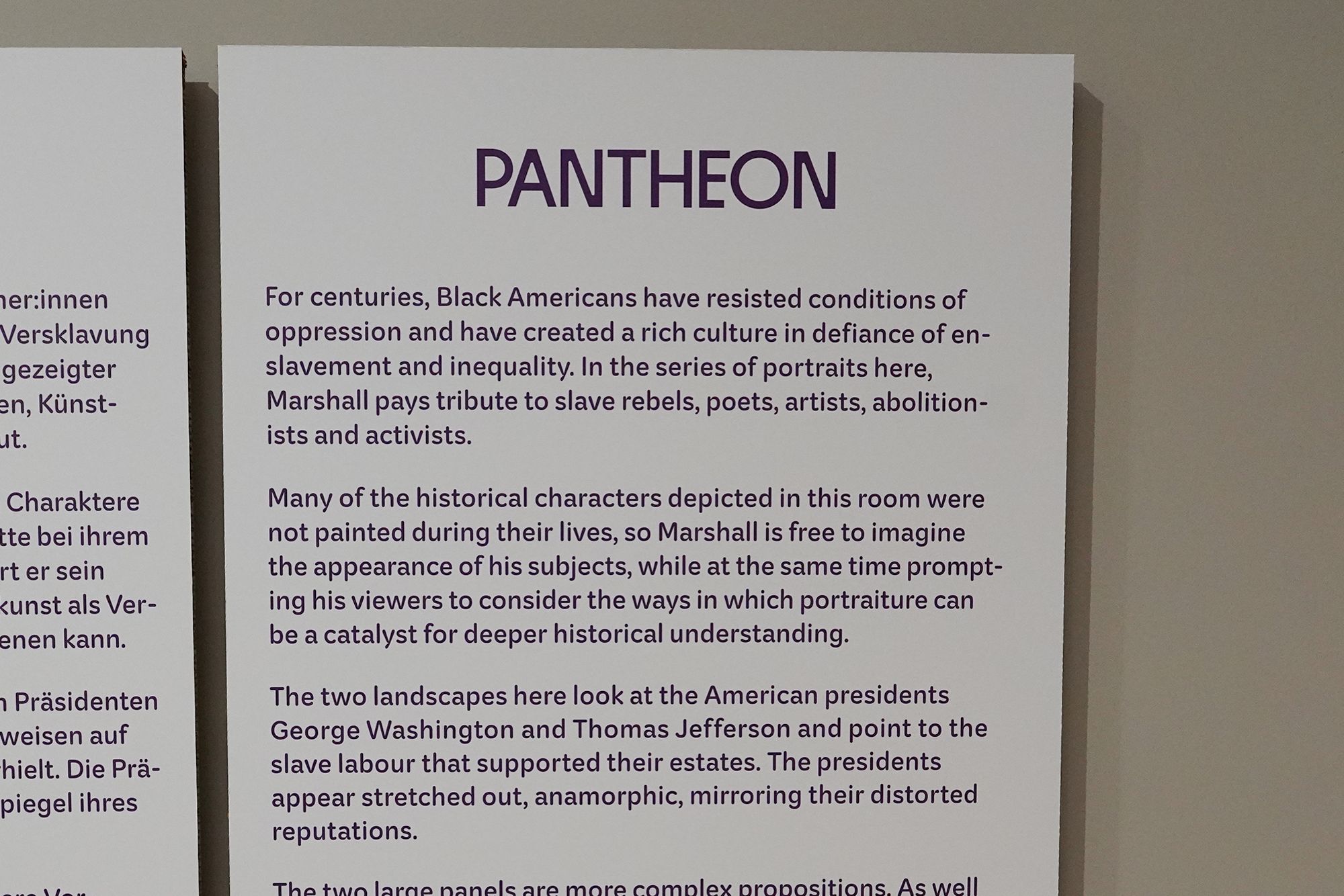
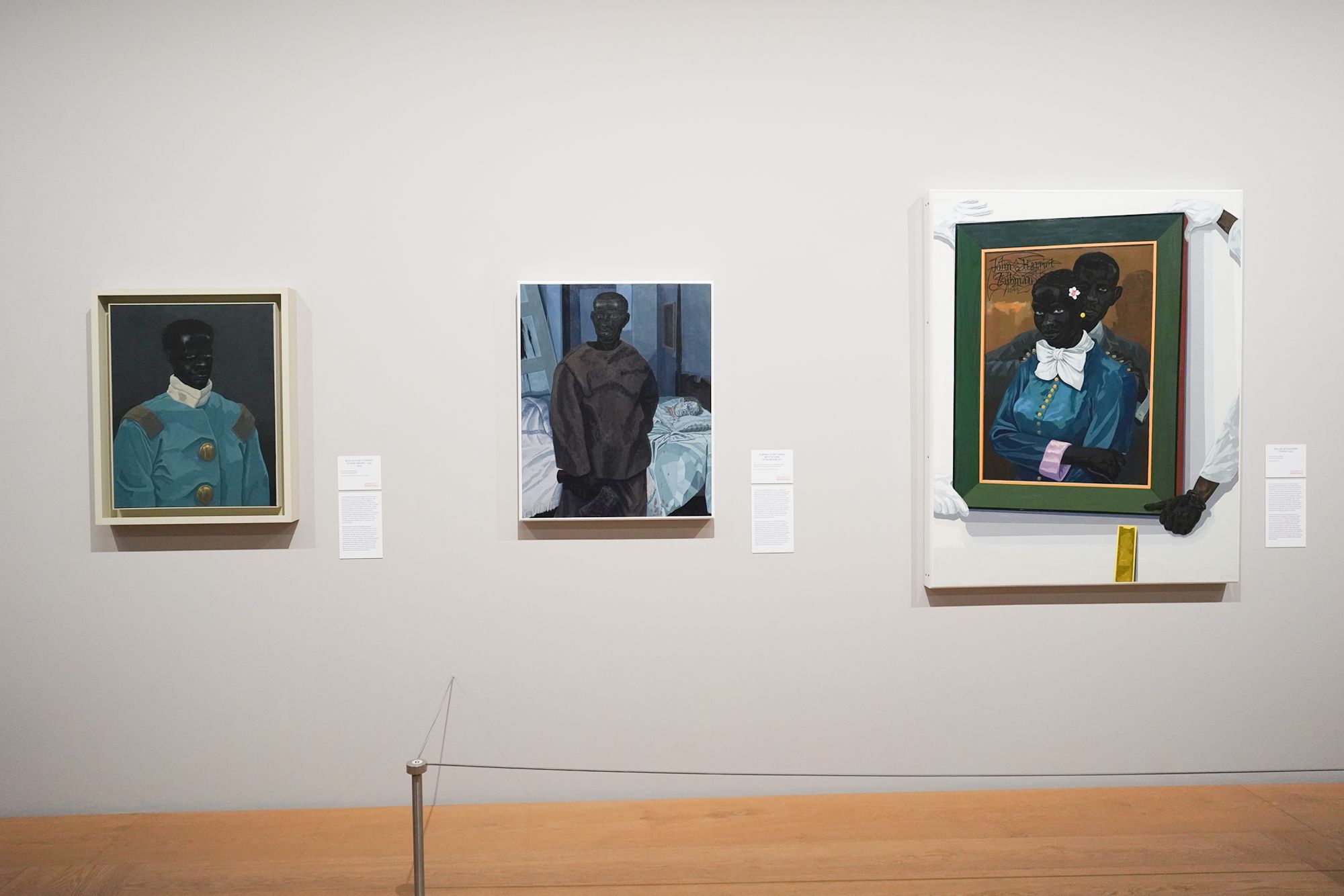
“Pantheon” honours Black rebels against slavery, poets, artists, abolitionists, and activists. Marshall imagines portraits of historical figures who often had no painted likenesses made during their lifetimes, encouraging viewers to reconsider whose stories are remembered.
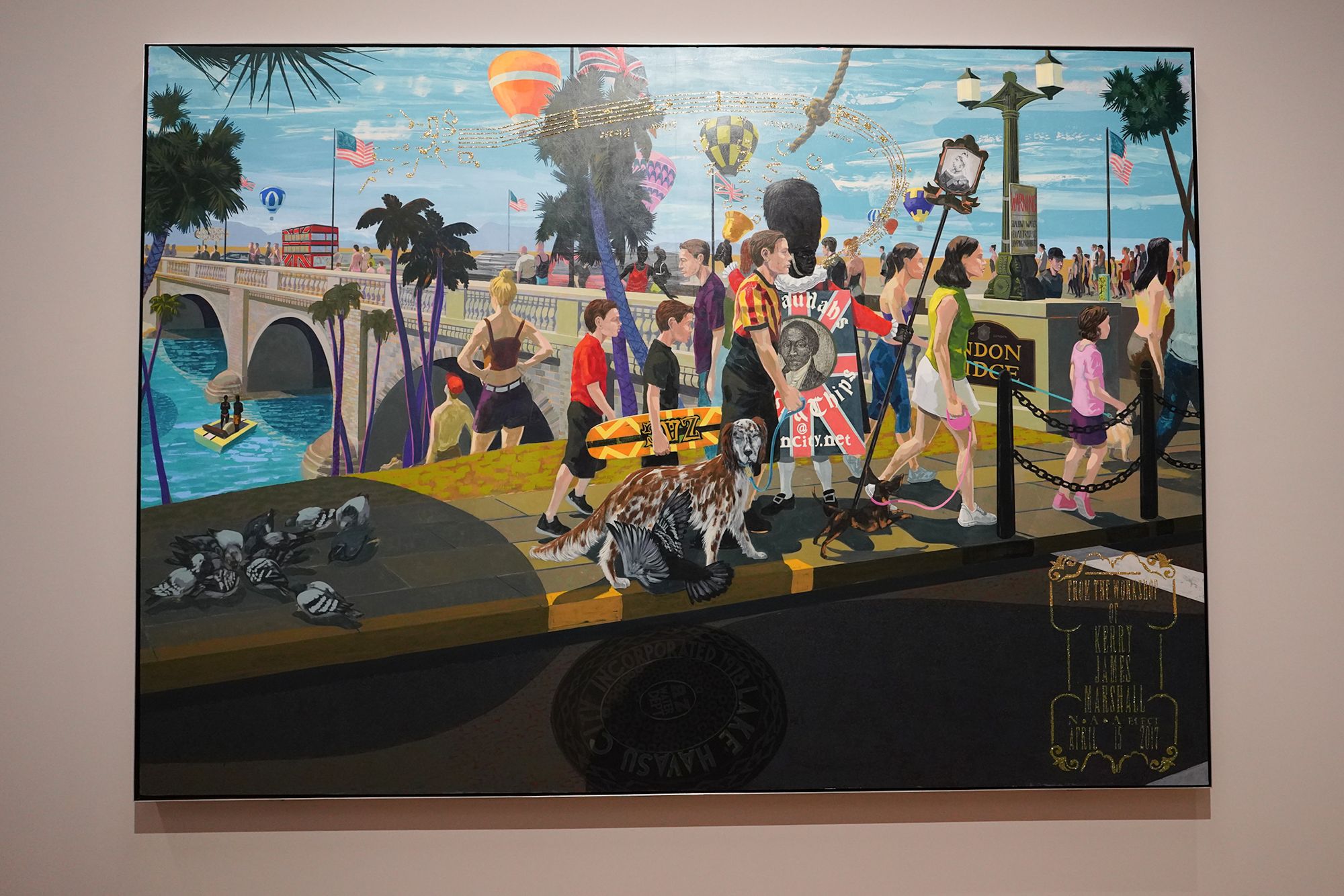
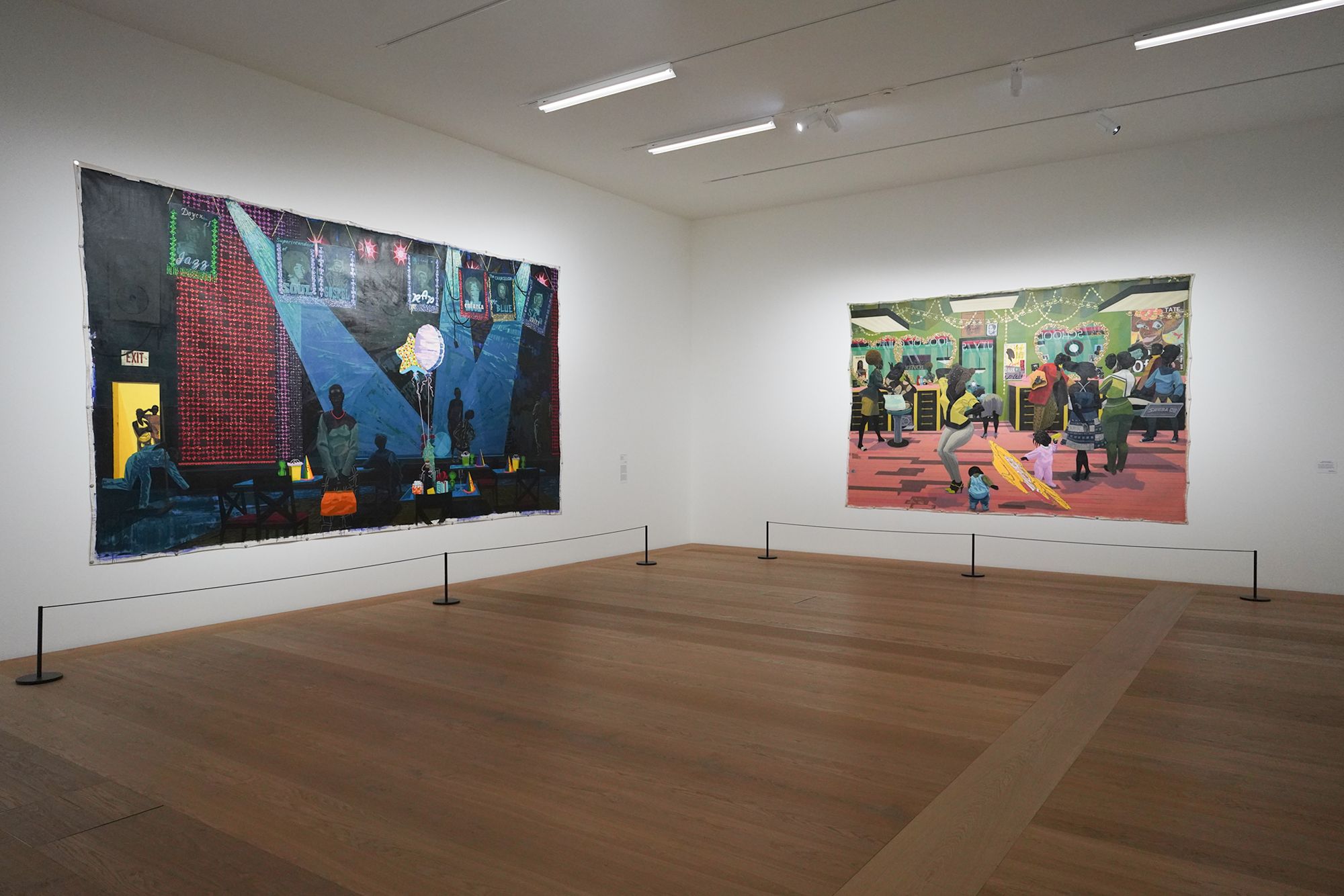
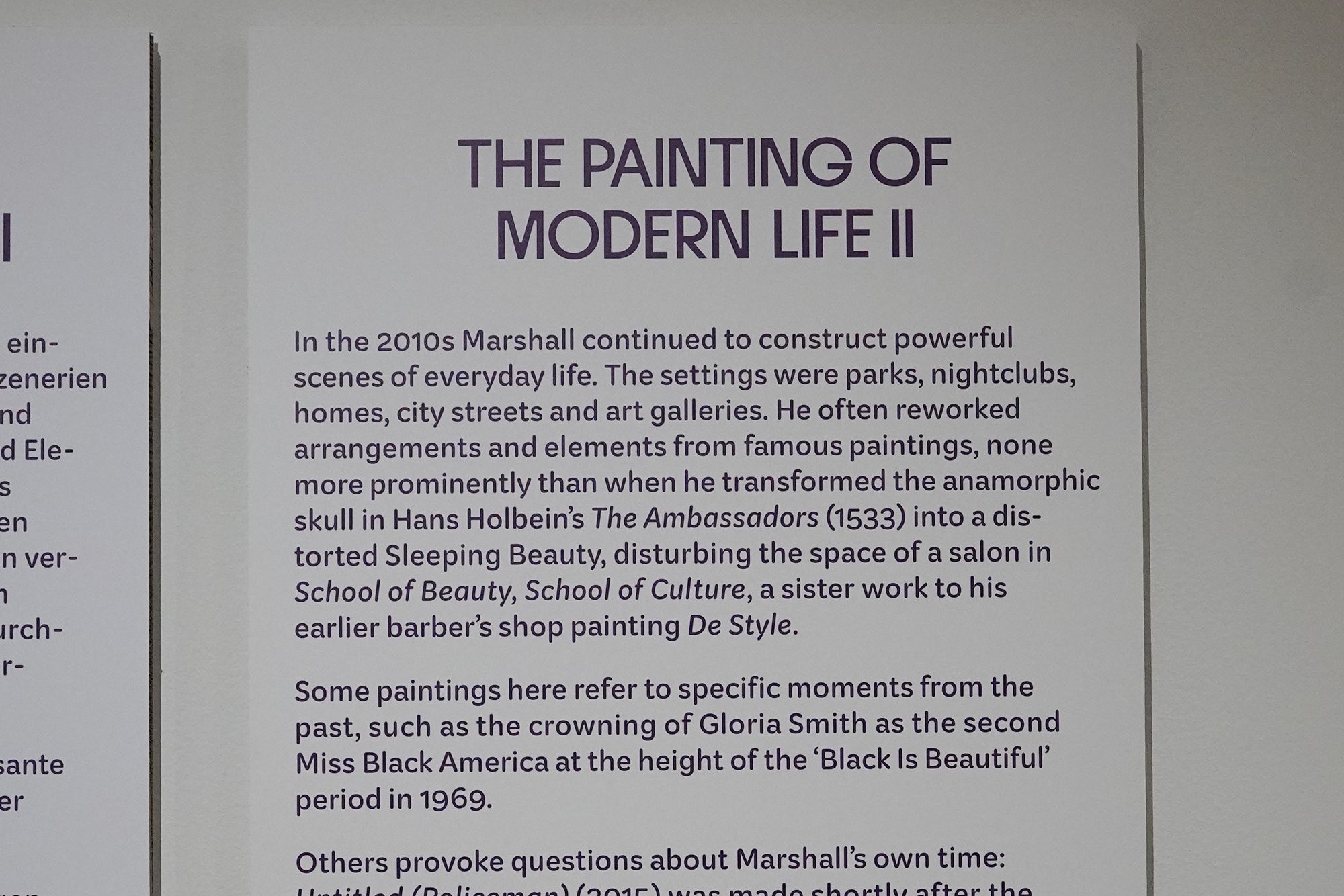
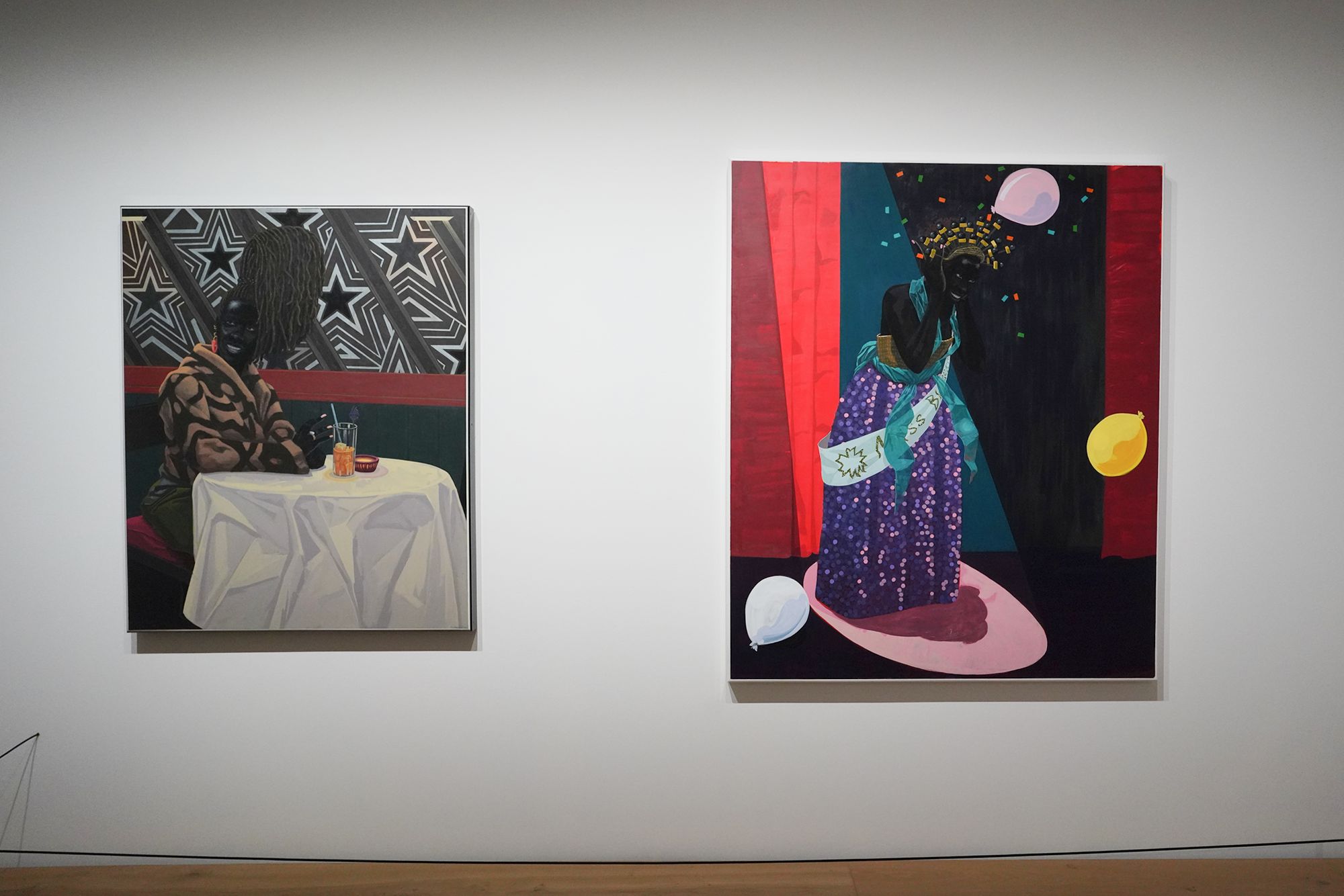
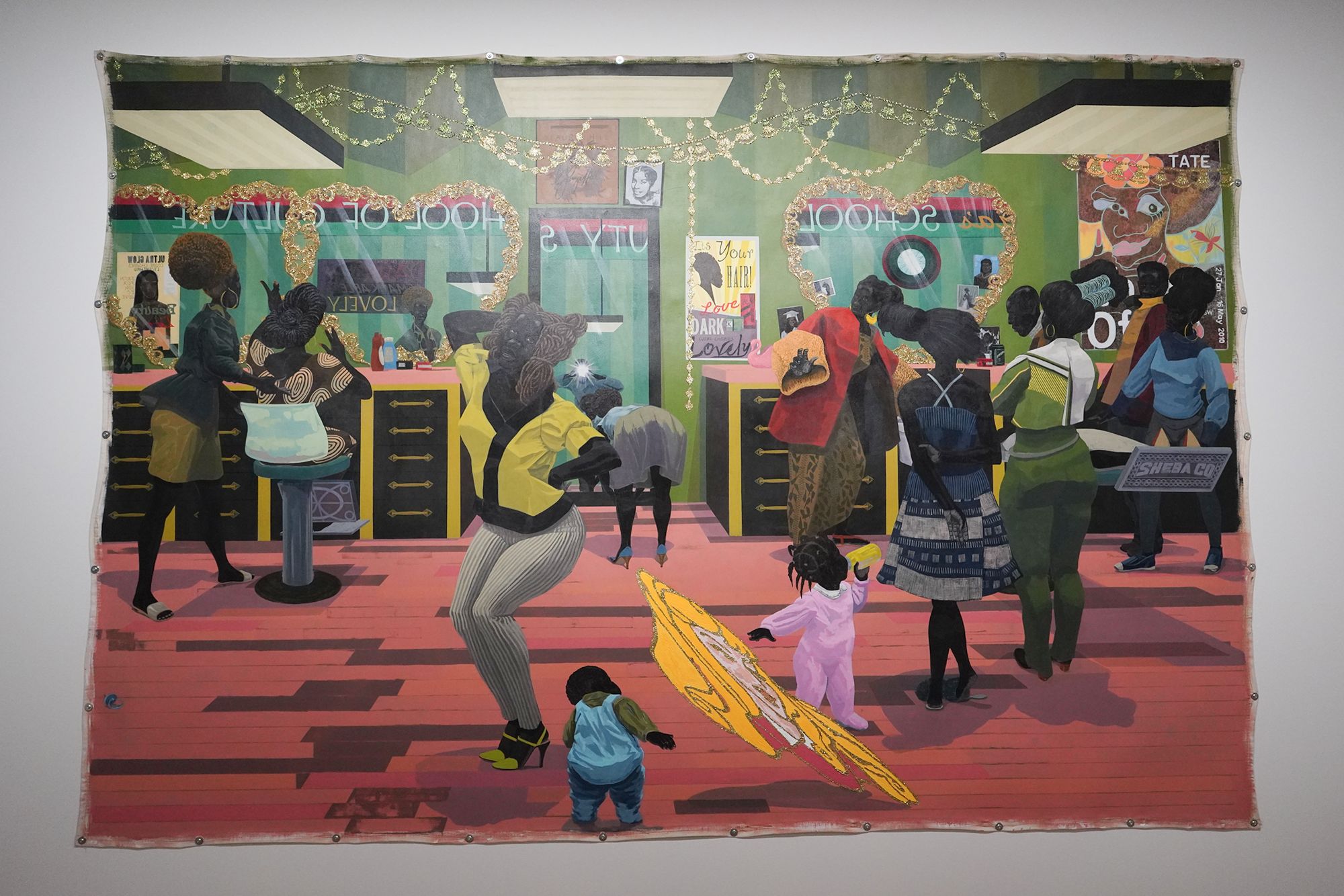
“The Painting of Modern Life II” presents Marshall’s scenes of everyday Black life from the 2010s, set in parks, nightclubs, homes, streets, and galleries.
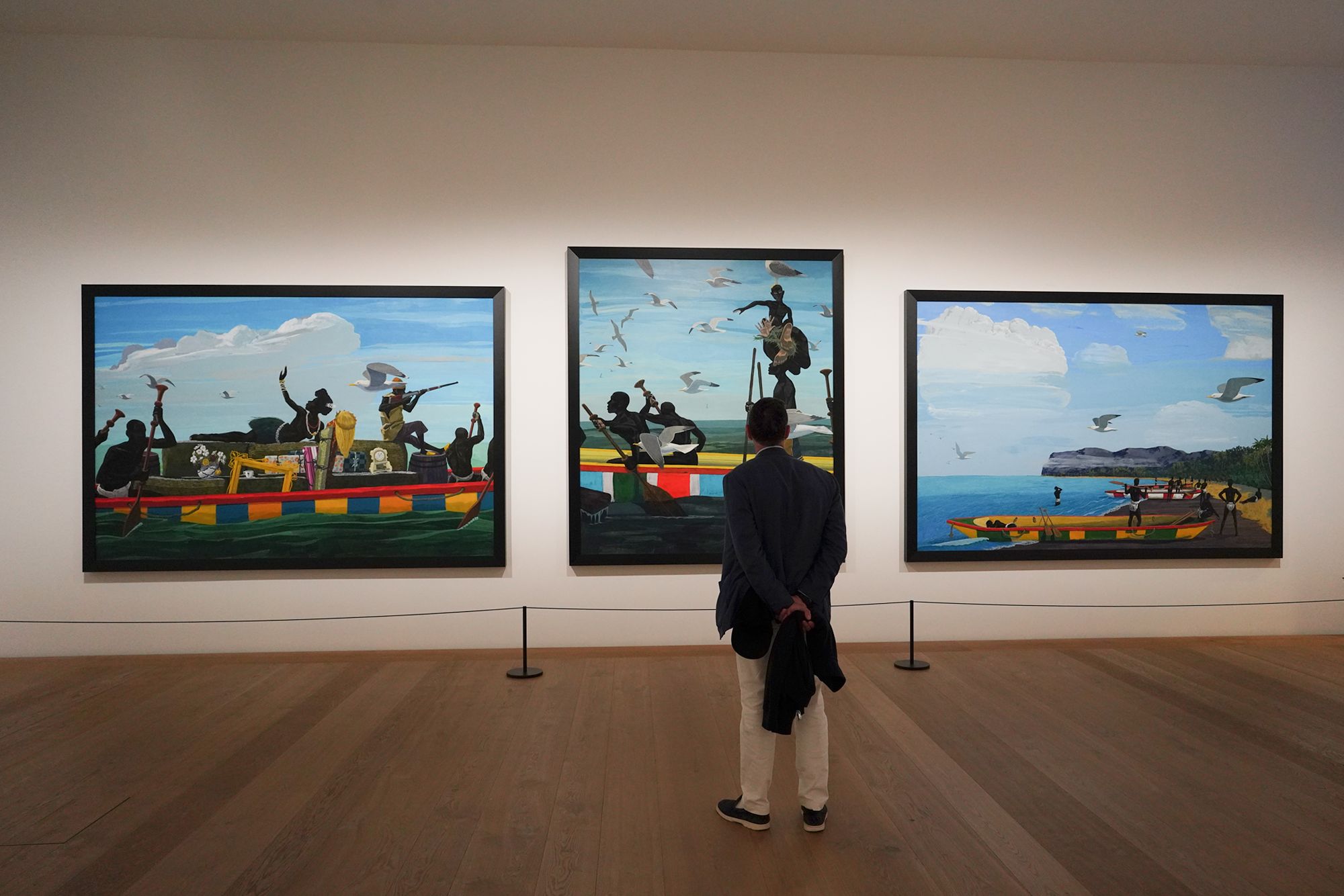
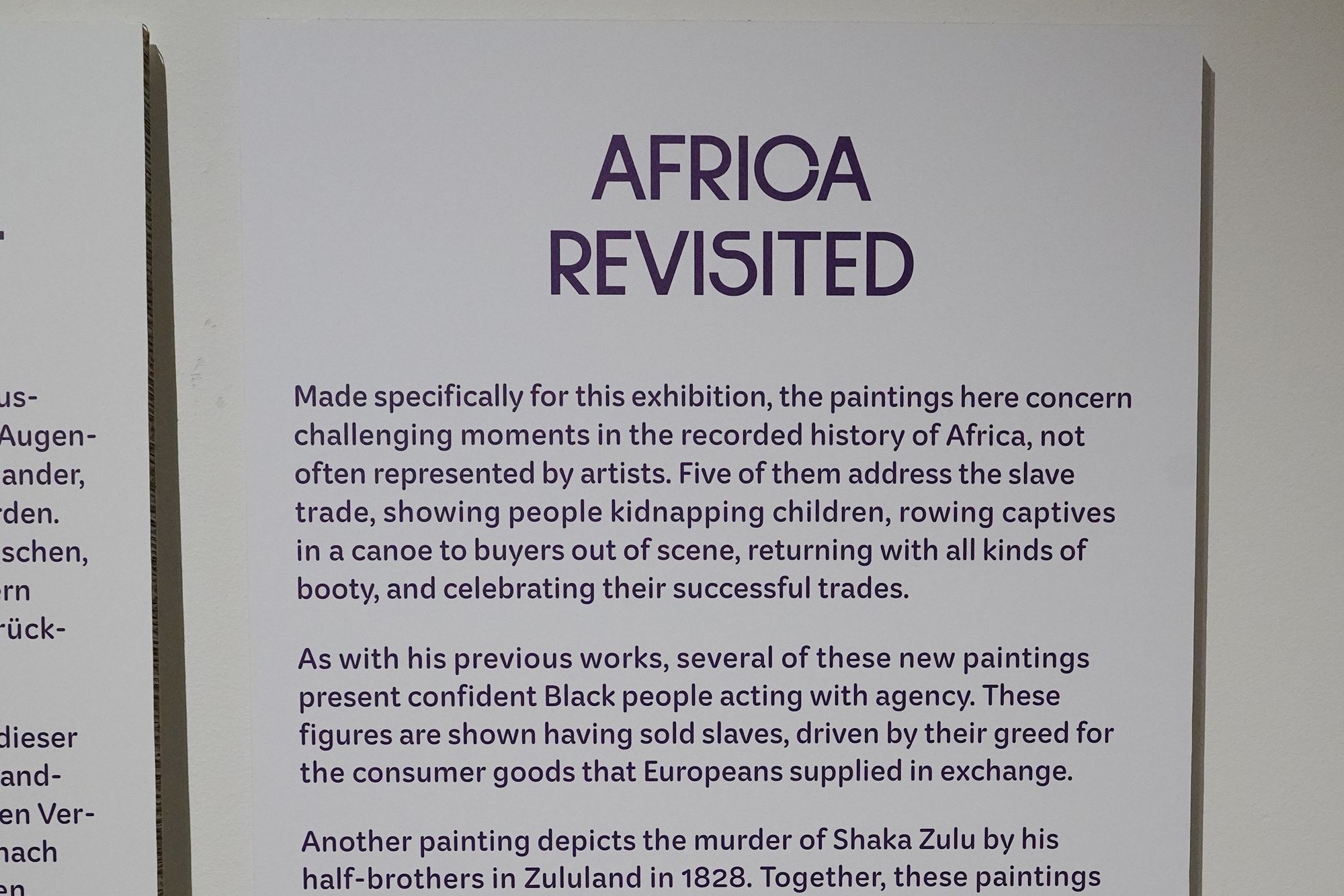
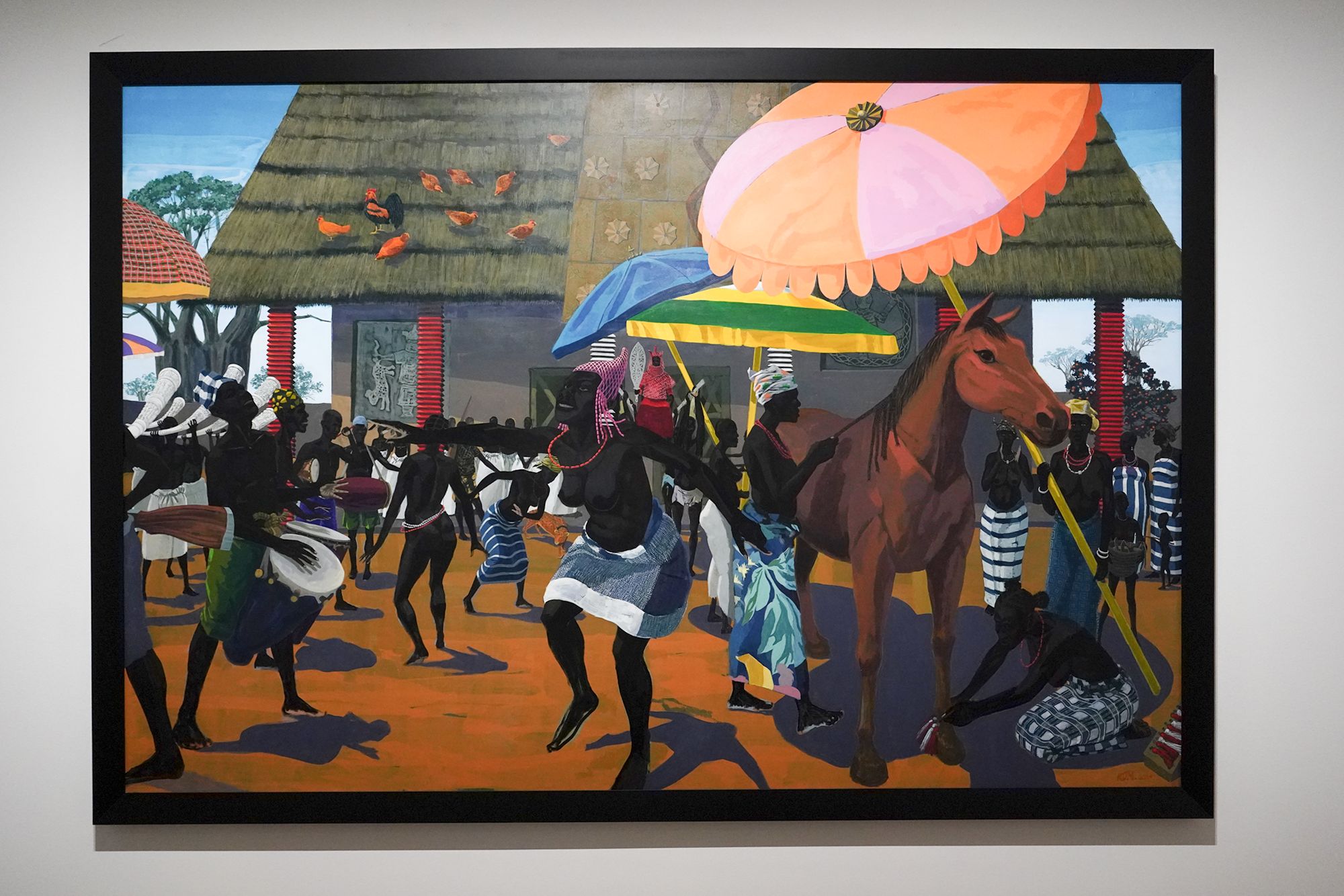
“Africa Revisited” presents paintings Marshall created specifically for this exhibition, exploring difficult episodes in African history. Five address African participation in the slave trade, depicting captives being taken and exchanged for European goods.
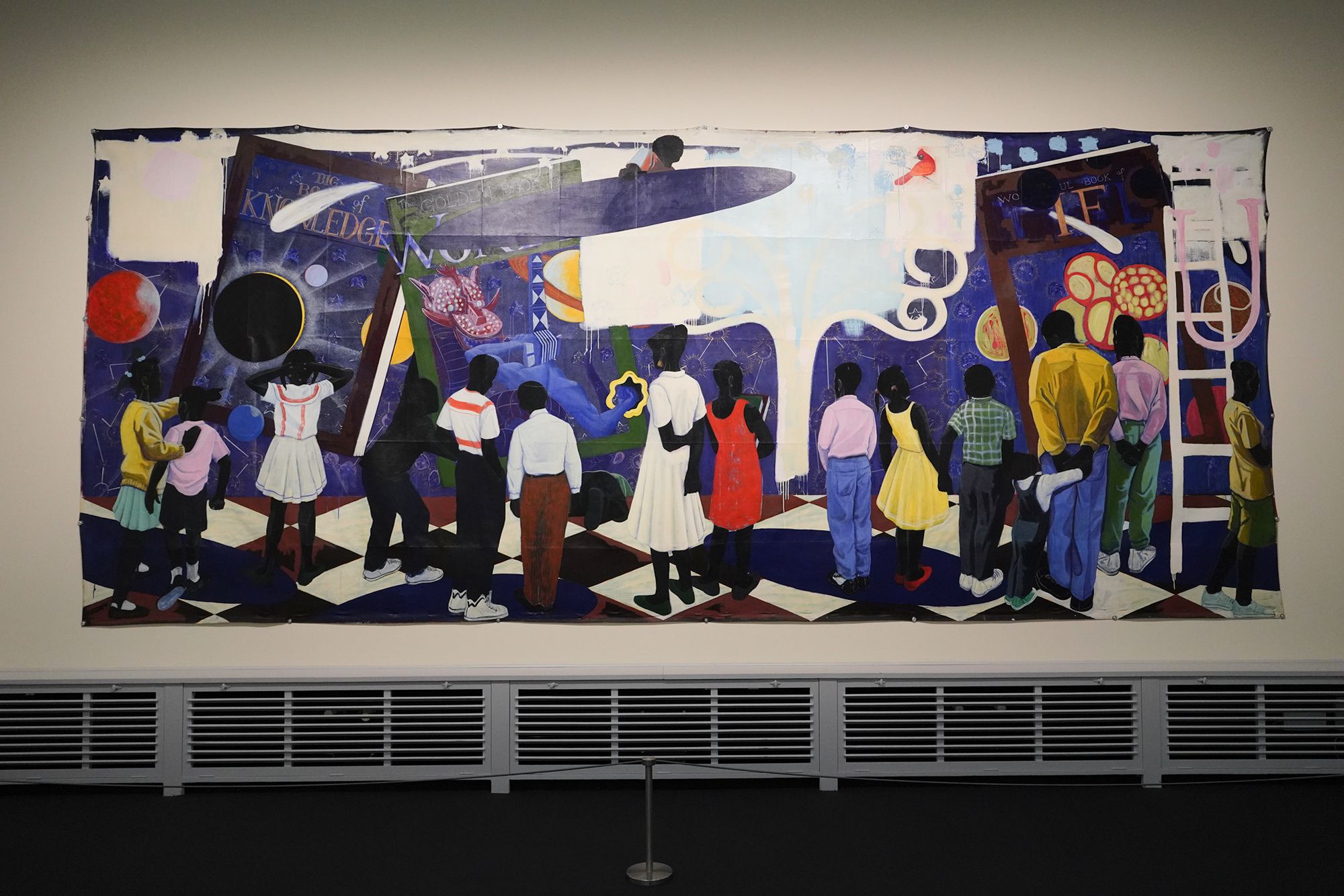
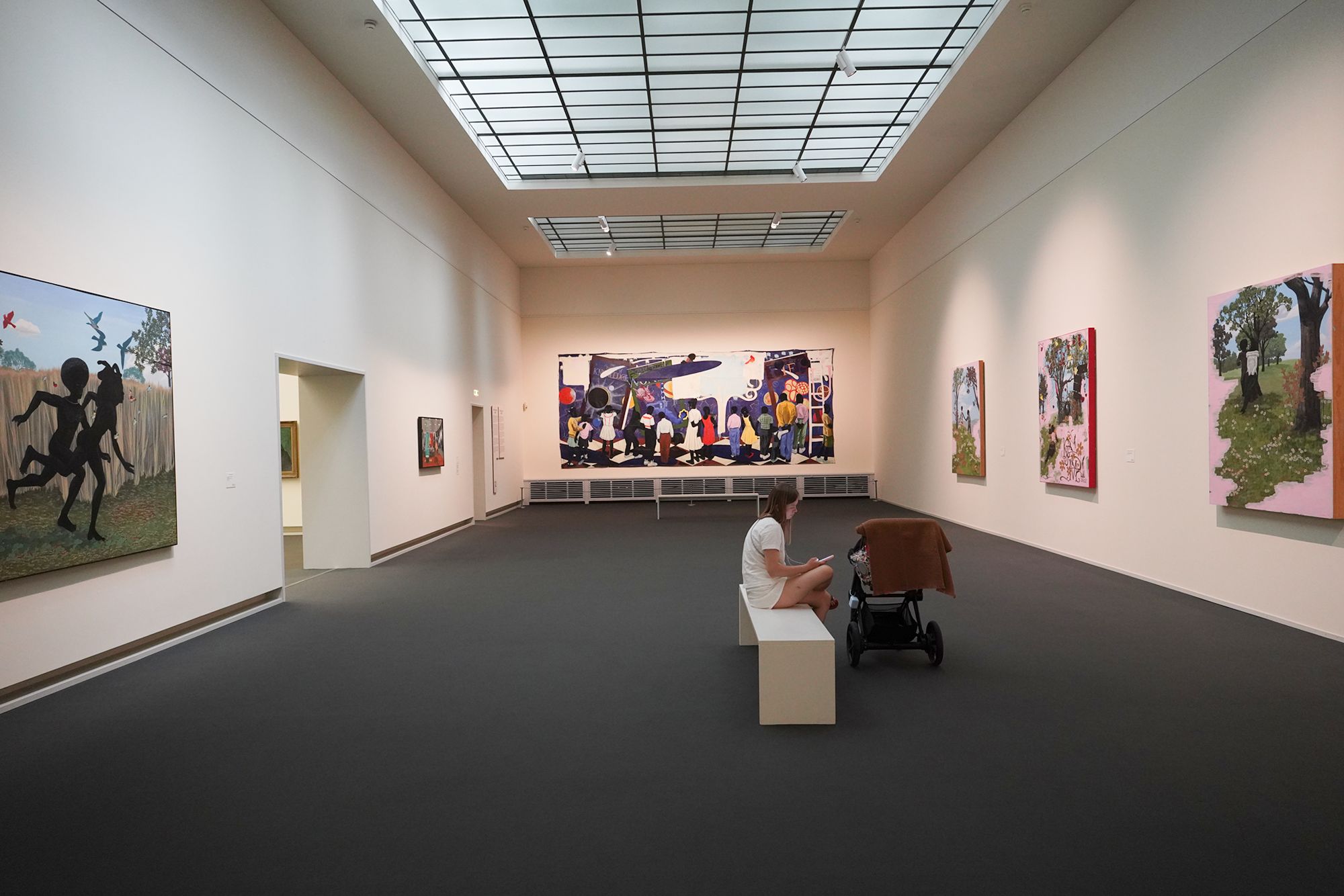
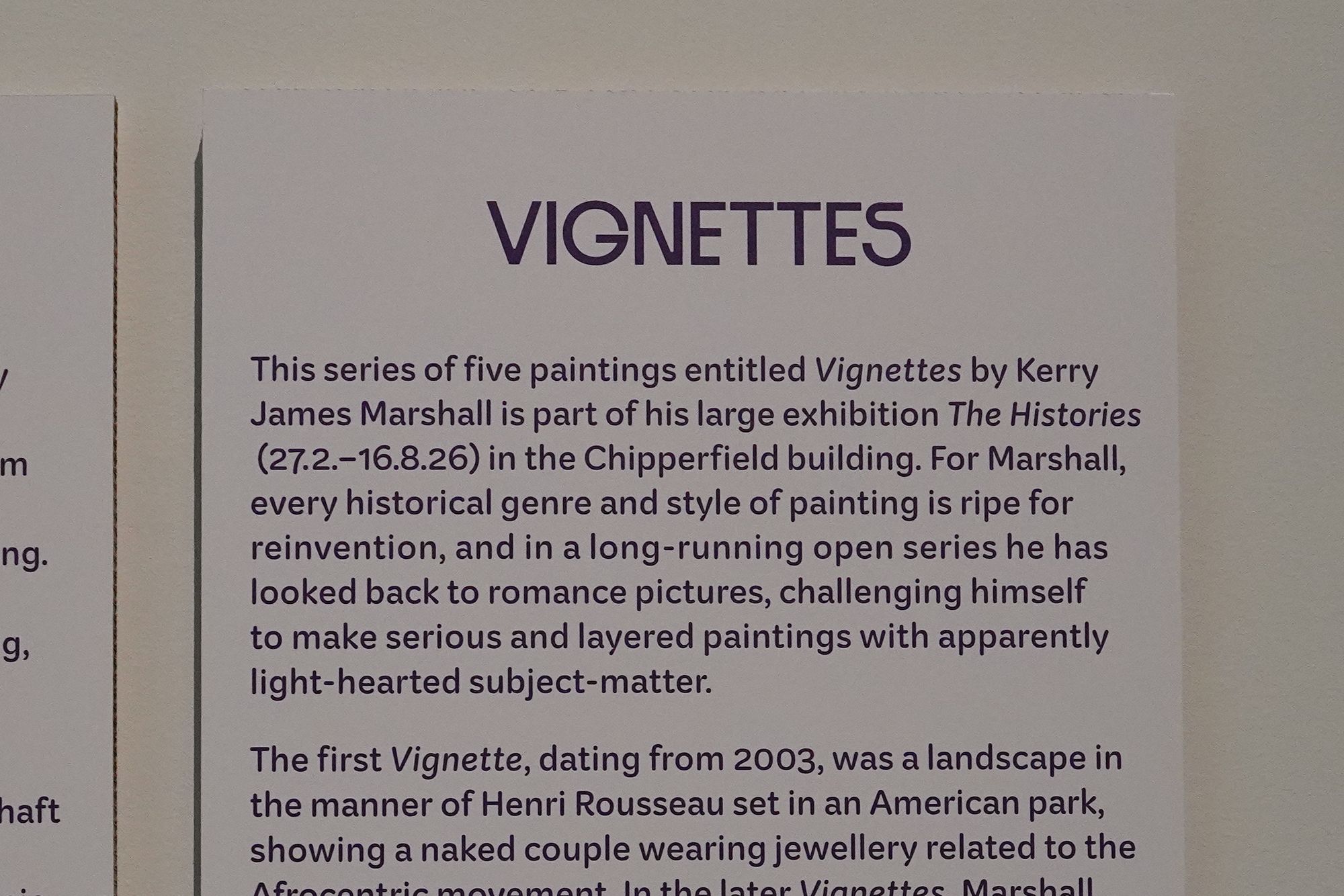
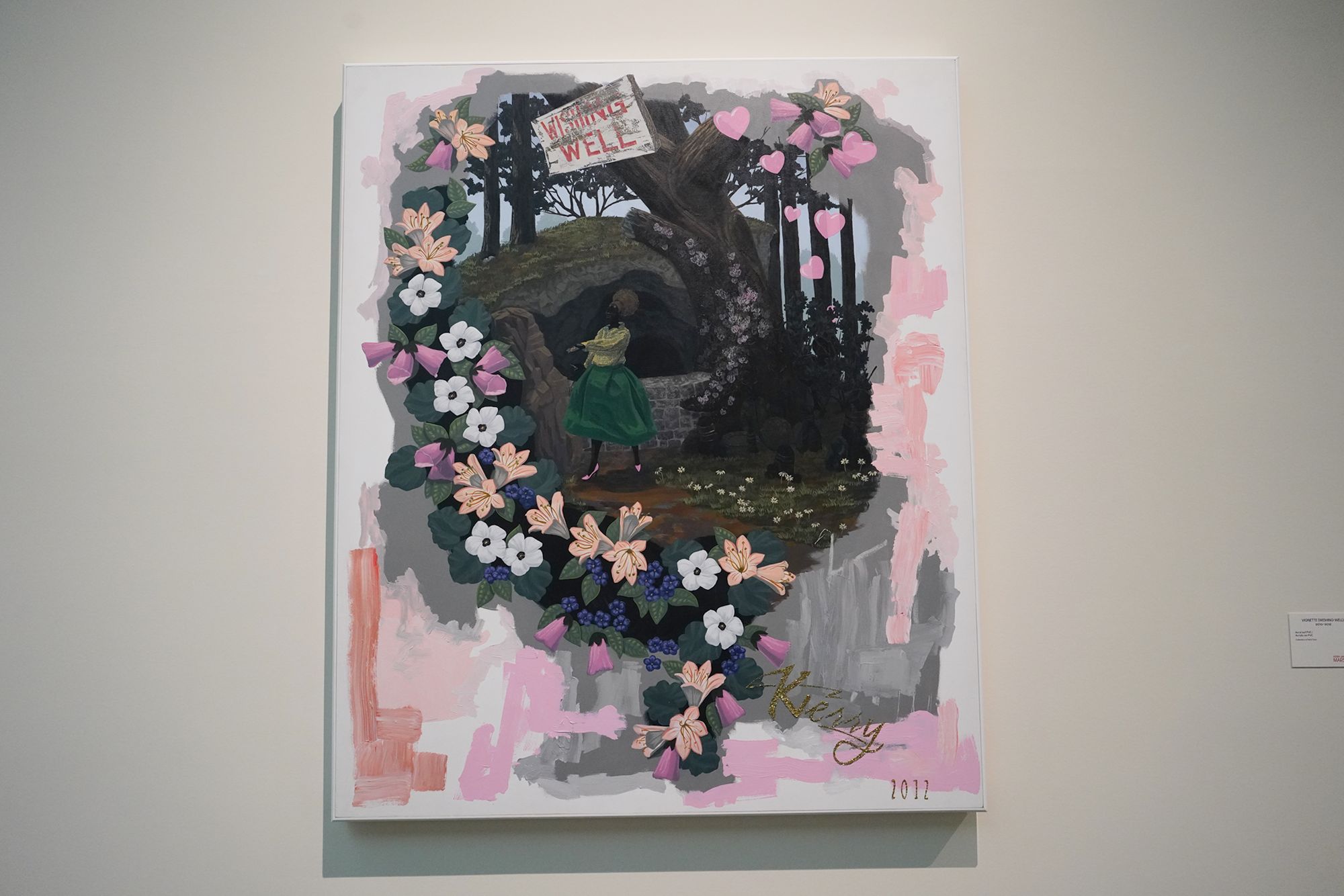
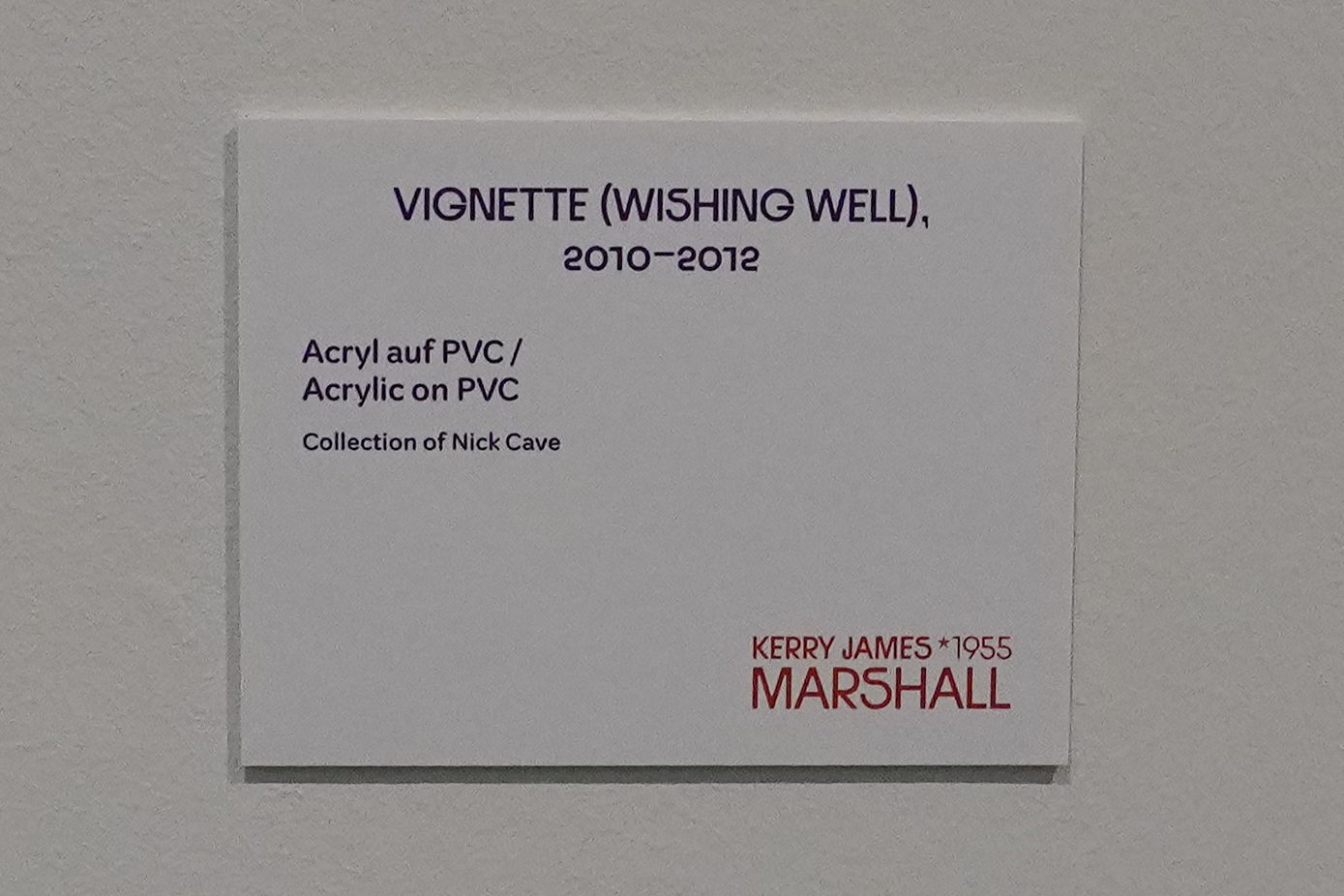
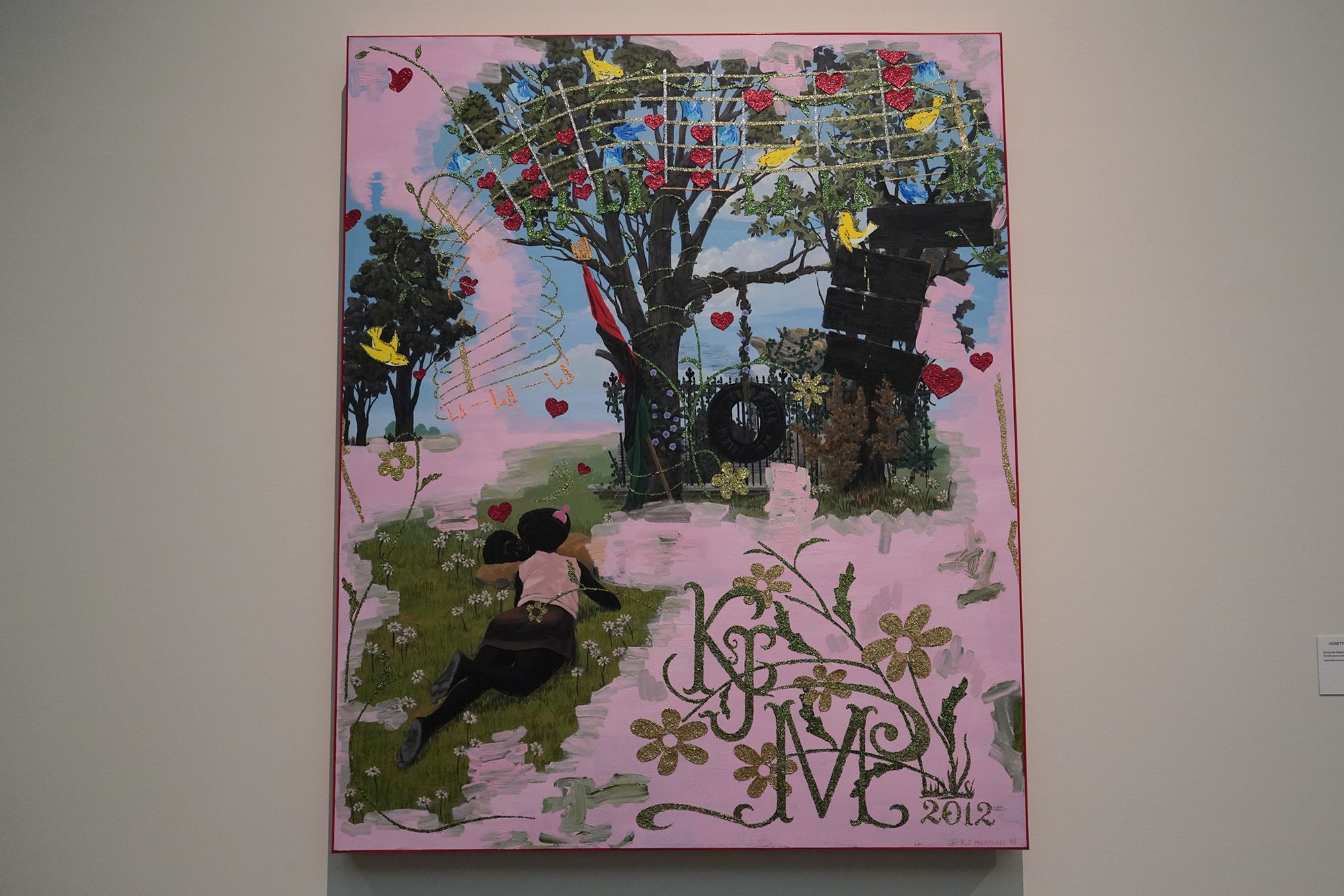
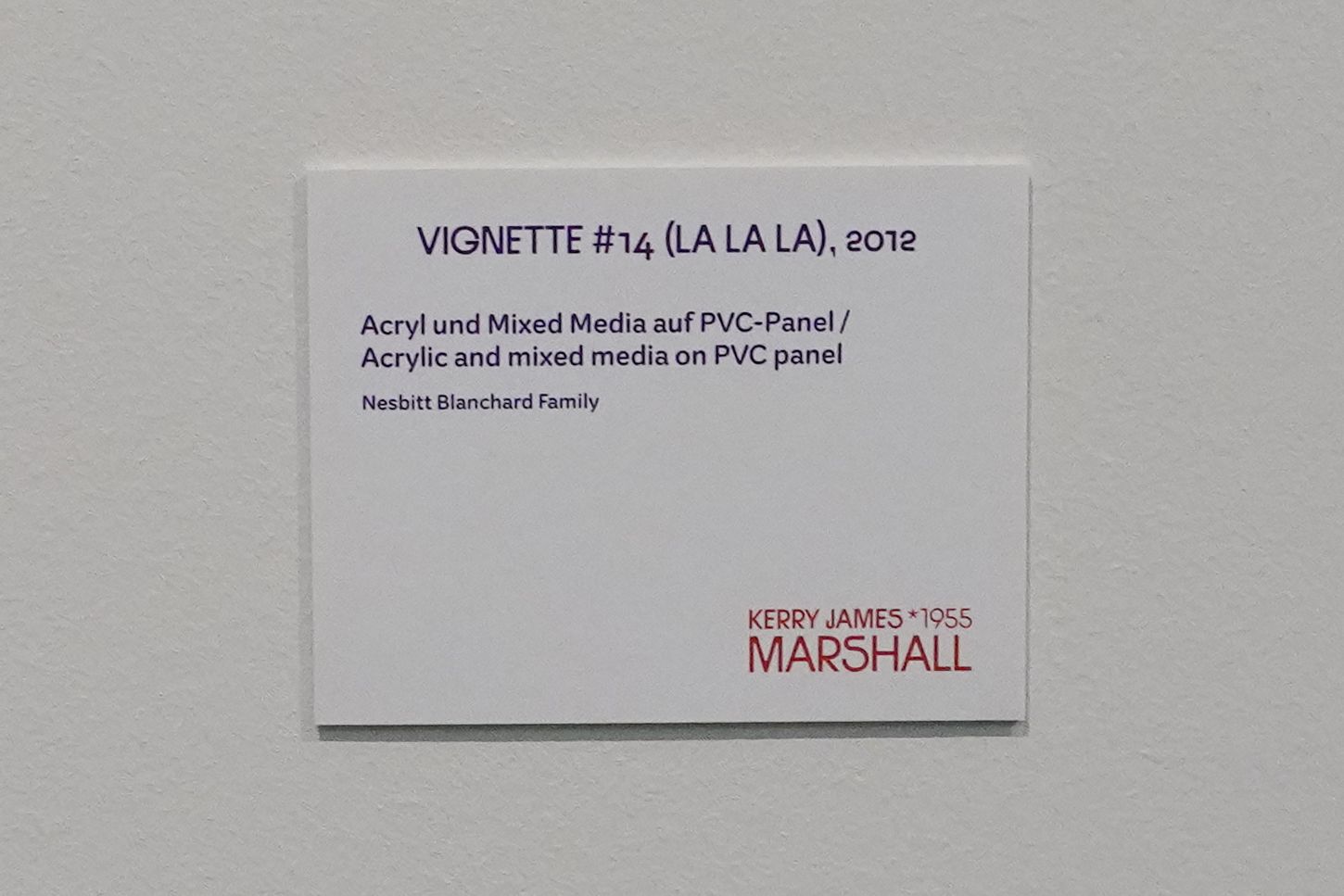
“Vignettes” presents five paintings in which Kerry James Marshall reimagines romantic scenes, giving apparently lighthearted subjects deeper layers of meaning.