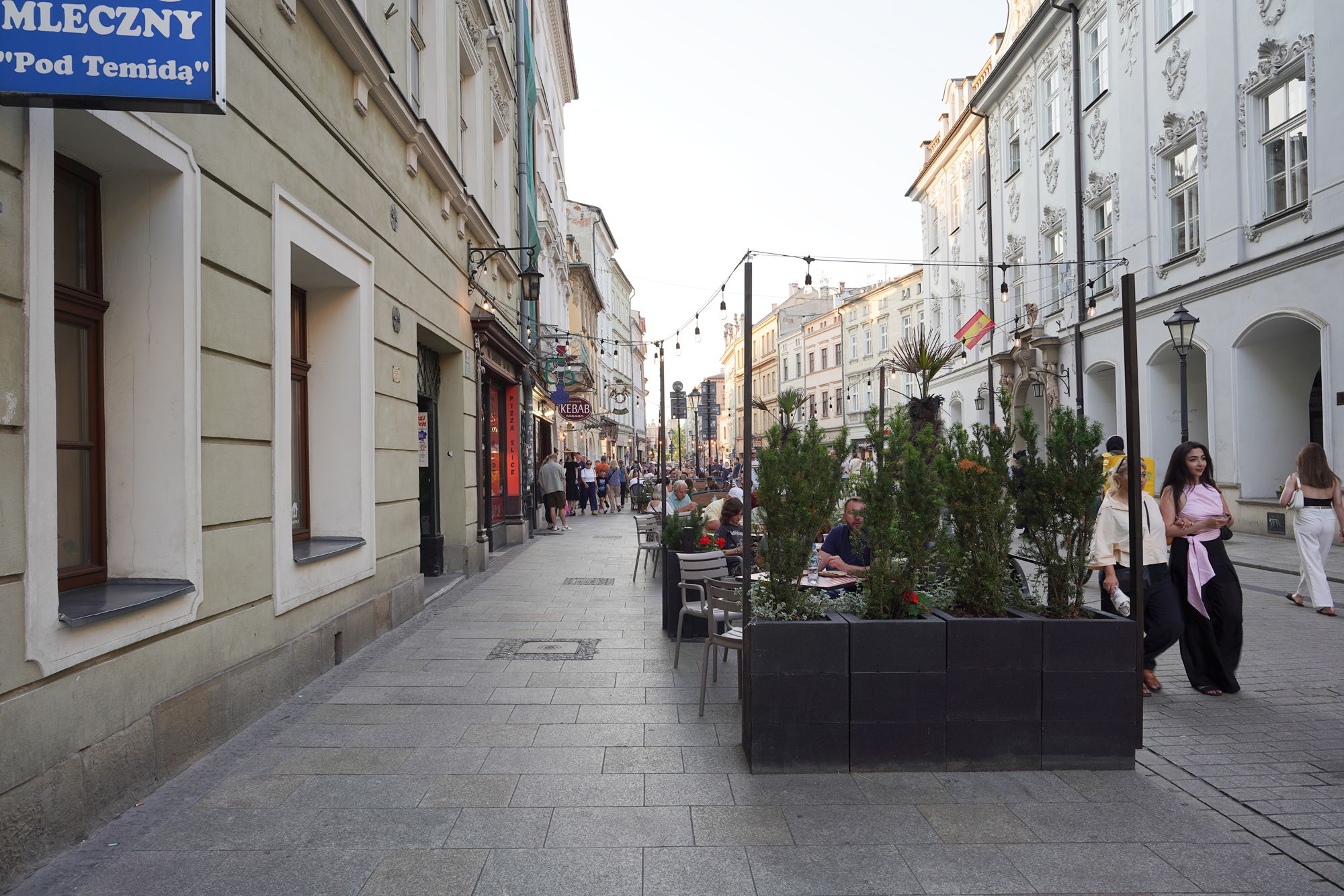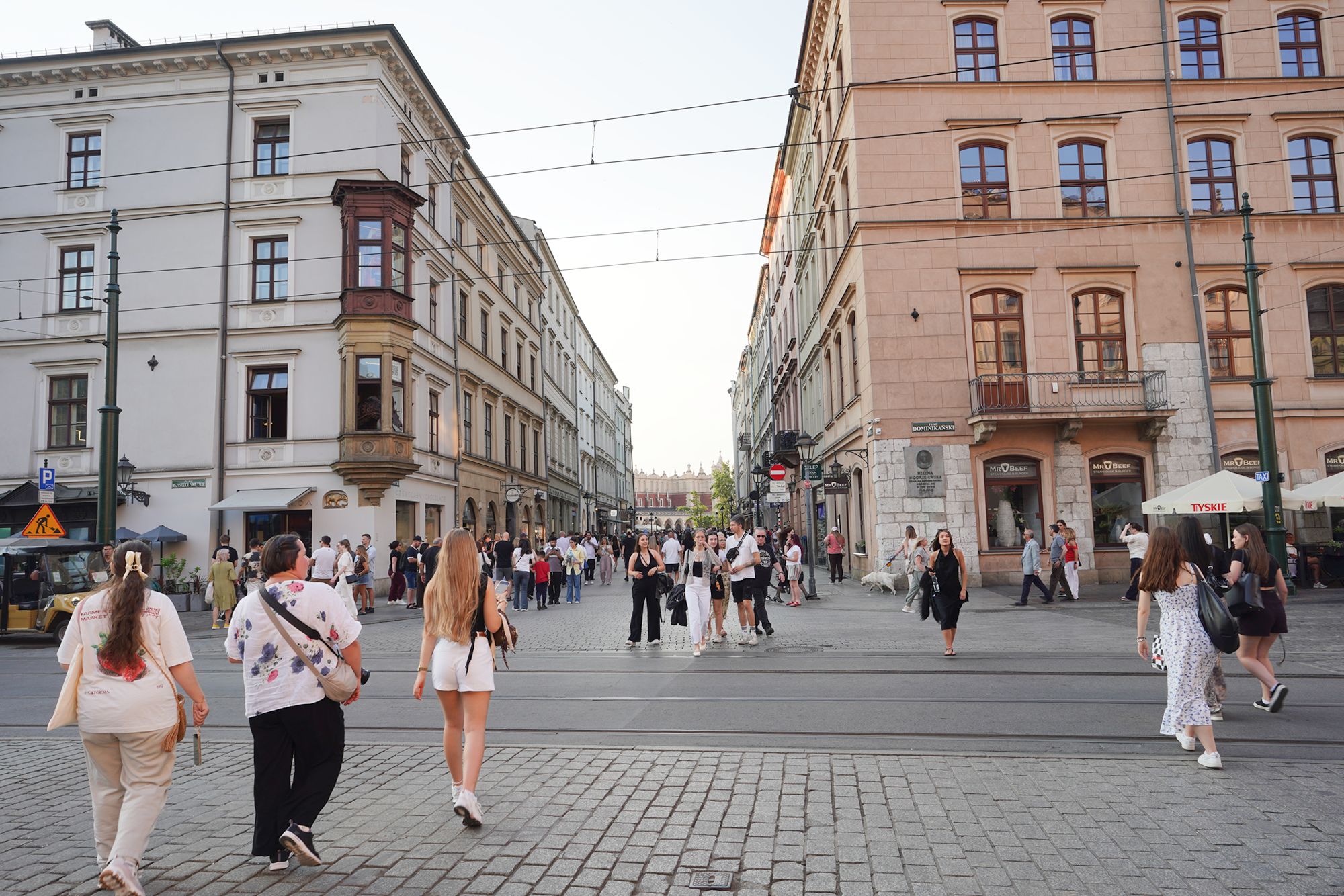
Krakow Walk I, Poland
I walked through Kraków’s historic center, passing old streets, churches, and squares while taking in the city’s architecture and atmosphere. 1347
Rynek Główny: Rynek Główny, 31-422 Kraków, Poland
MNK Sukiennice: Rynek Główny 3, 31-042 Kraków, Poland
St. Mary’s Basilica: plac Mariacki 5, 31-042 Kraków, Poland
Grodzka Street: Grodzka, 31-006 Kraków, Poland
Basilica of St. Francis of Assisi: plac Wszystkich Świętych 5, 31-004 Kraków, Poland
St. Andrew’s Church: Grodzka 54, 31-044 Kraków, Poland
Wawel Cathedral and Castle: Wawel 5, 31-001 Kraków, Poland
Date Picture Taken: Jun, 2026
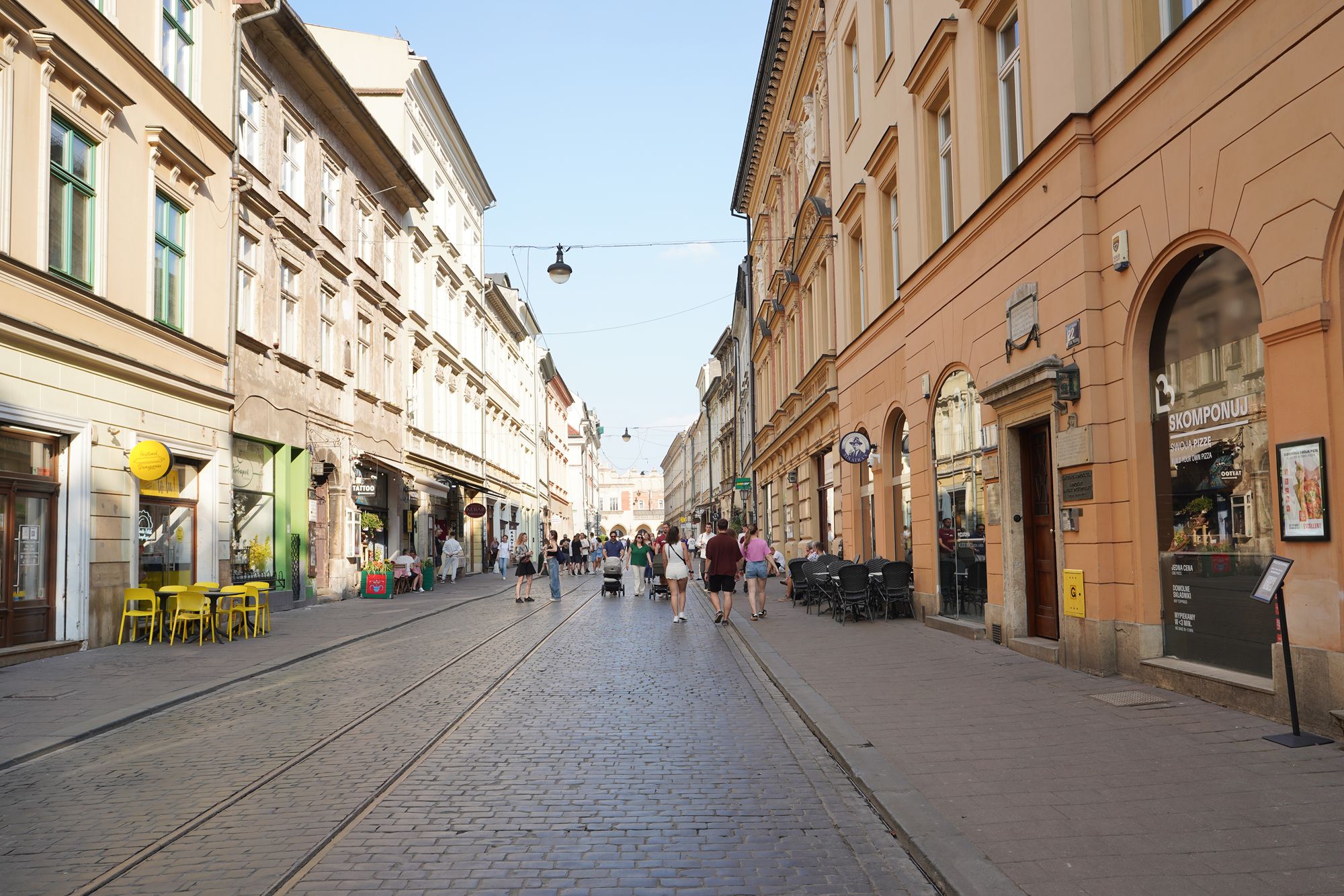
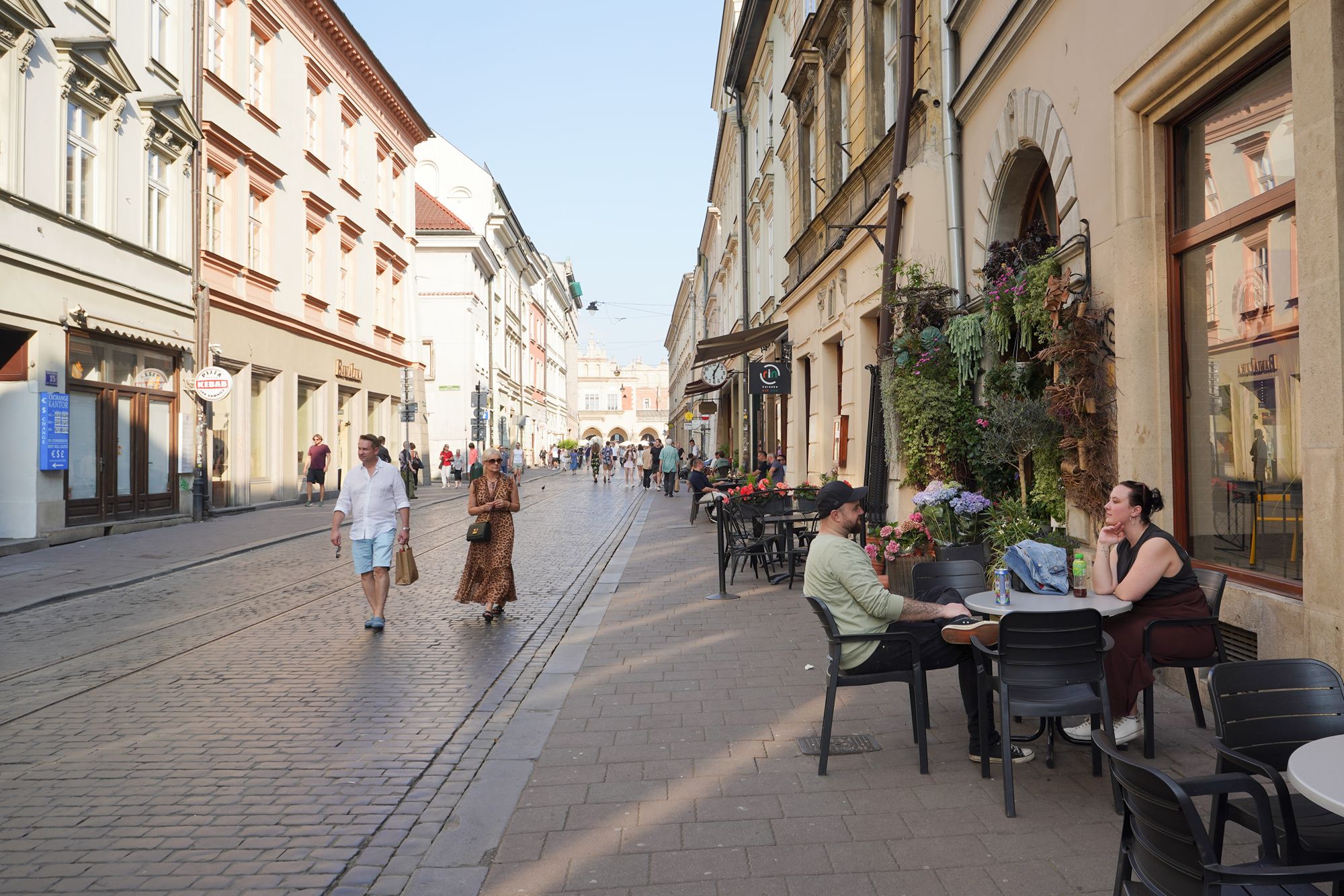
My first walk through Kraków took me around its historic center, where old streets lead to spacious squares and churches appear around many corners. I took my time looking at the buildings and watching daily life unfold. It was a pleasant way to get to know the city on foot.
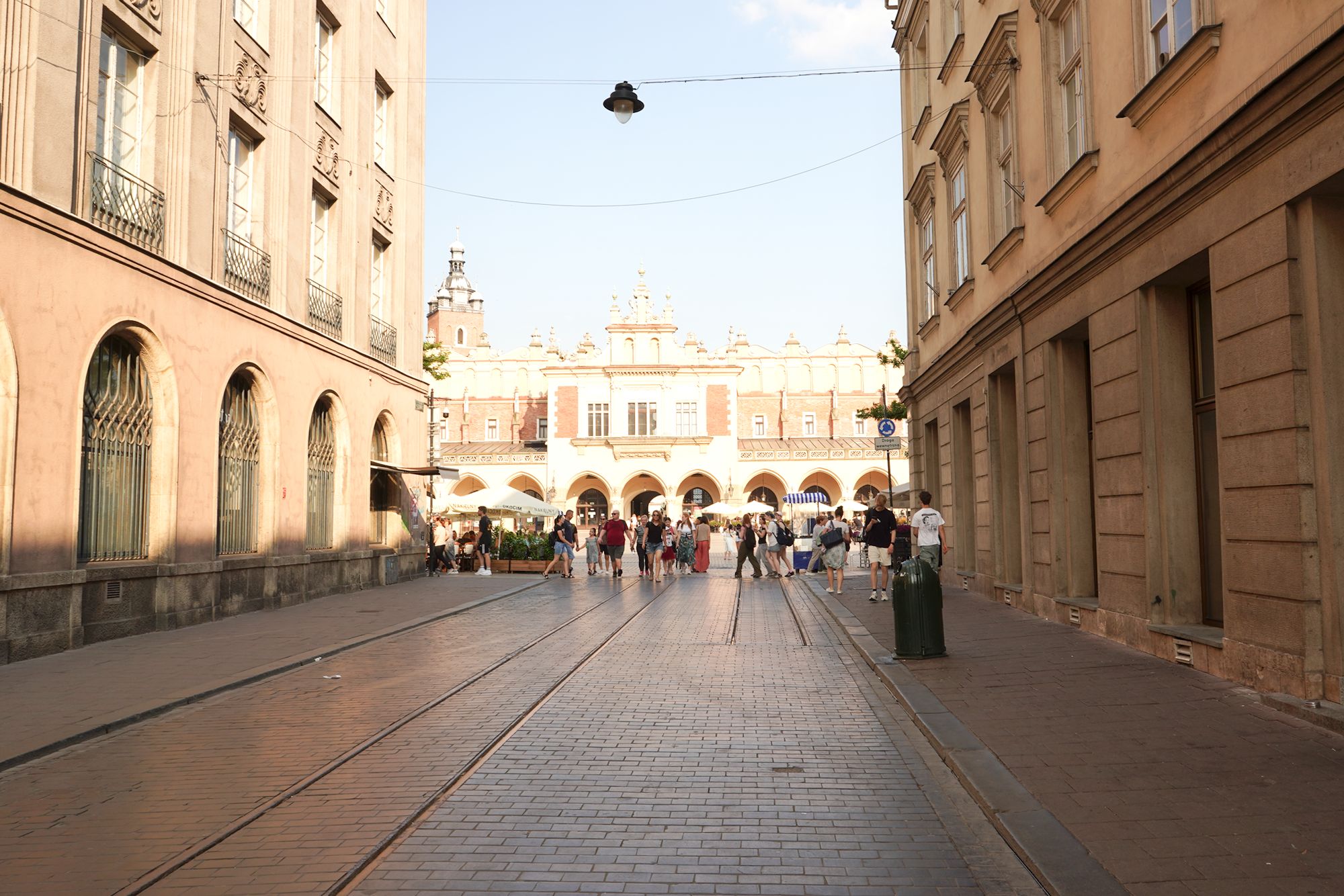
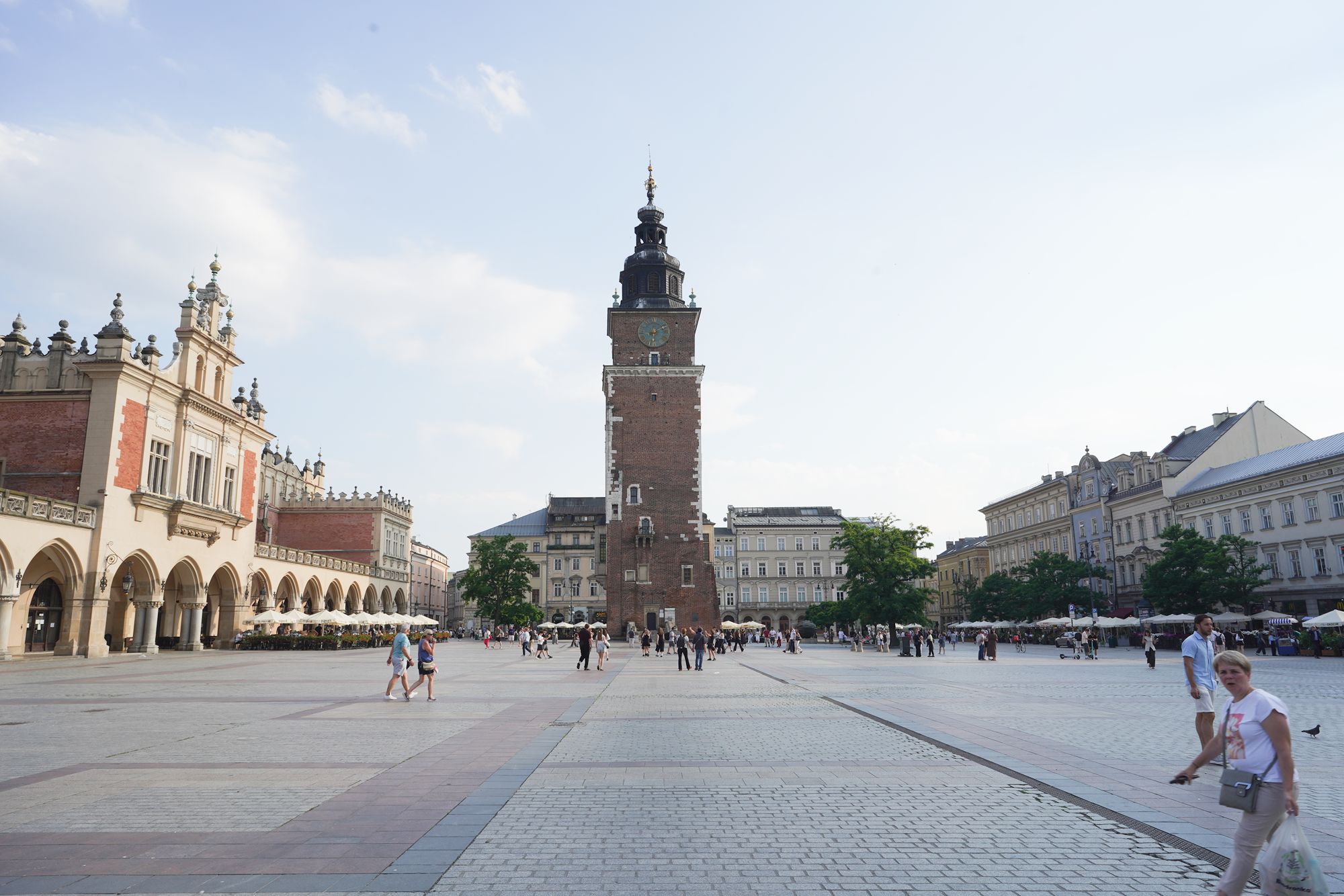
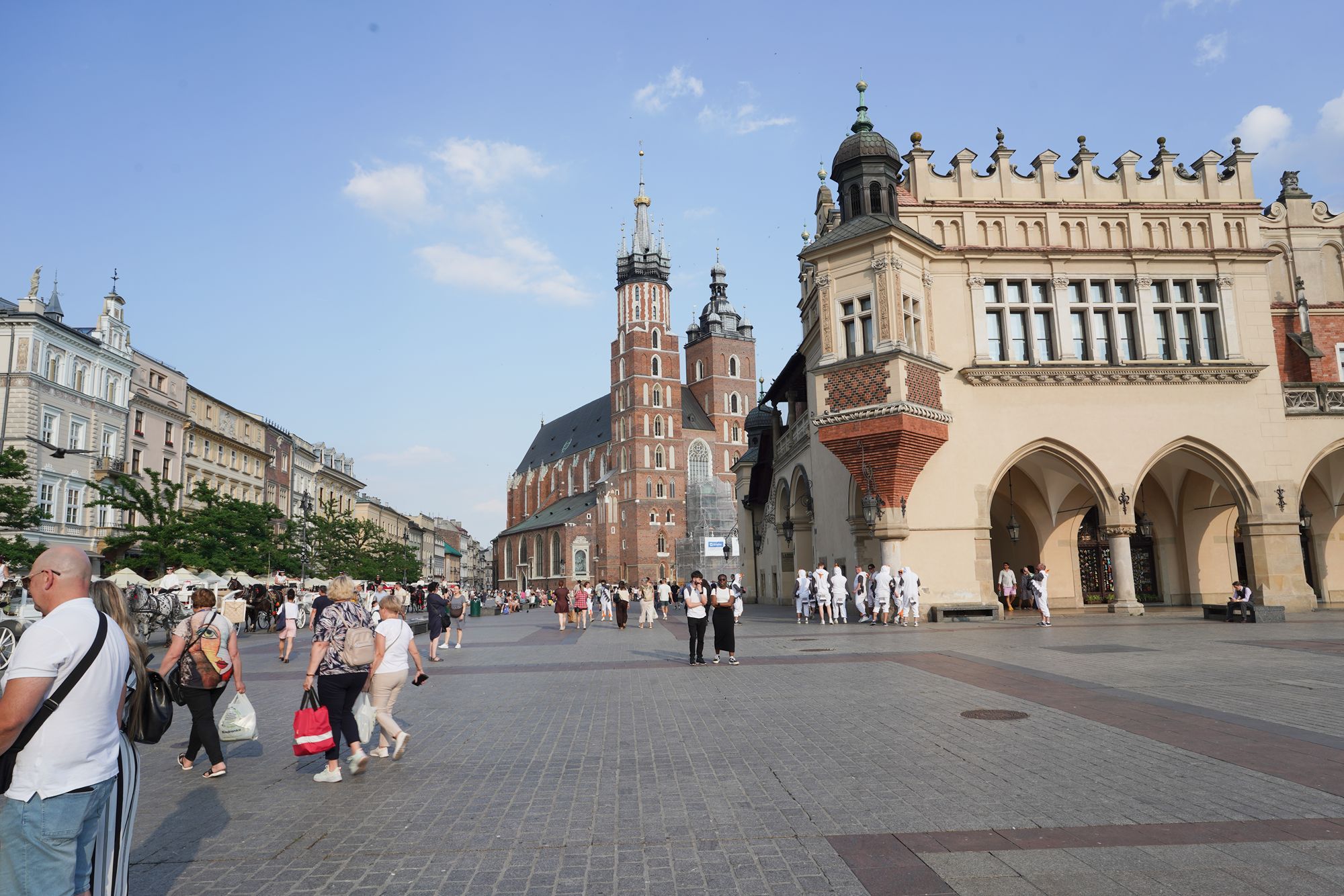
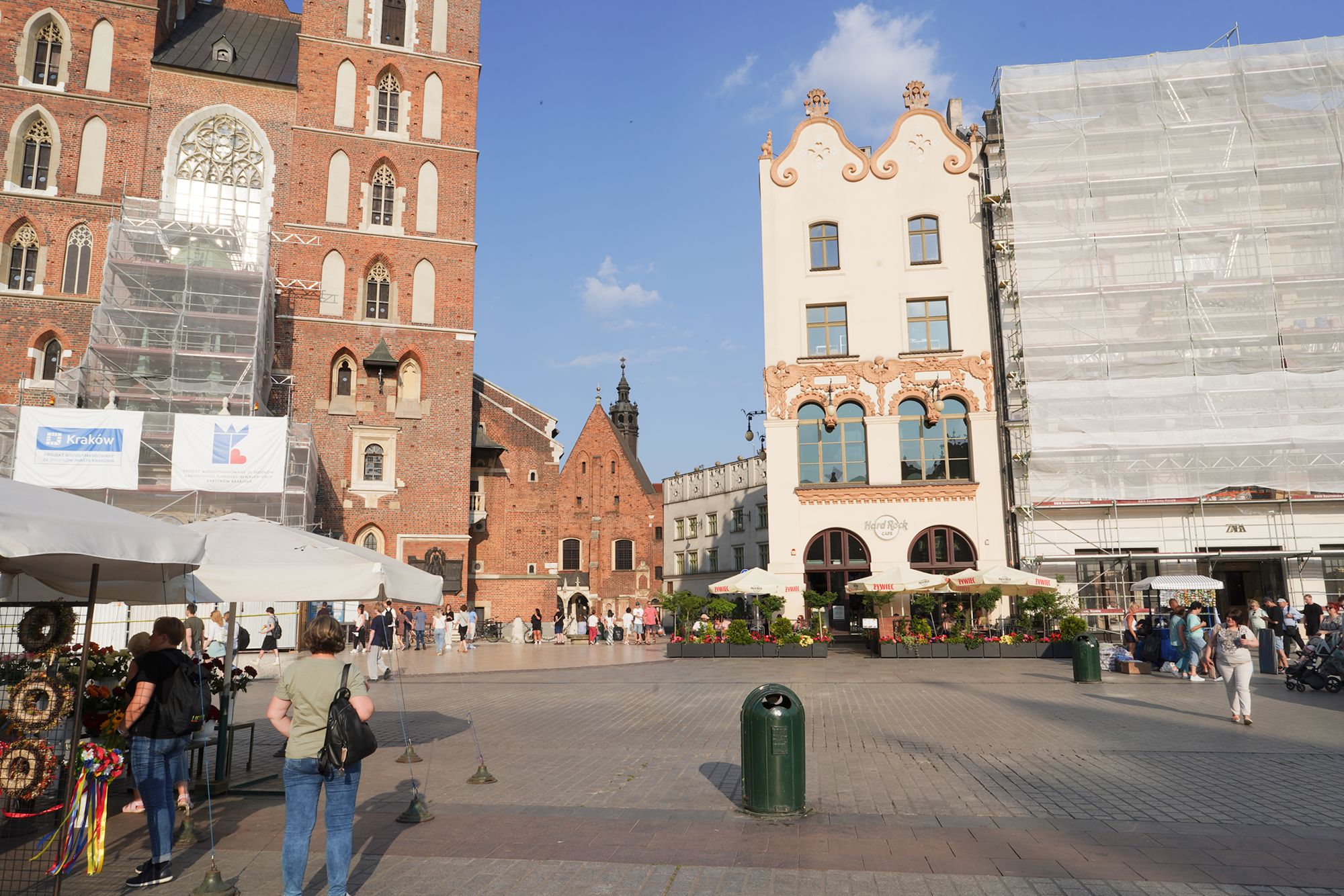
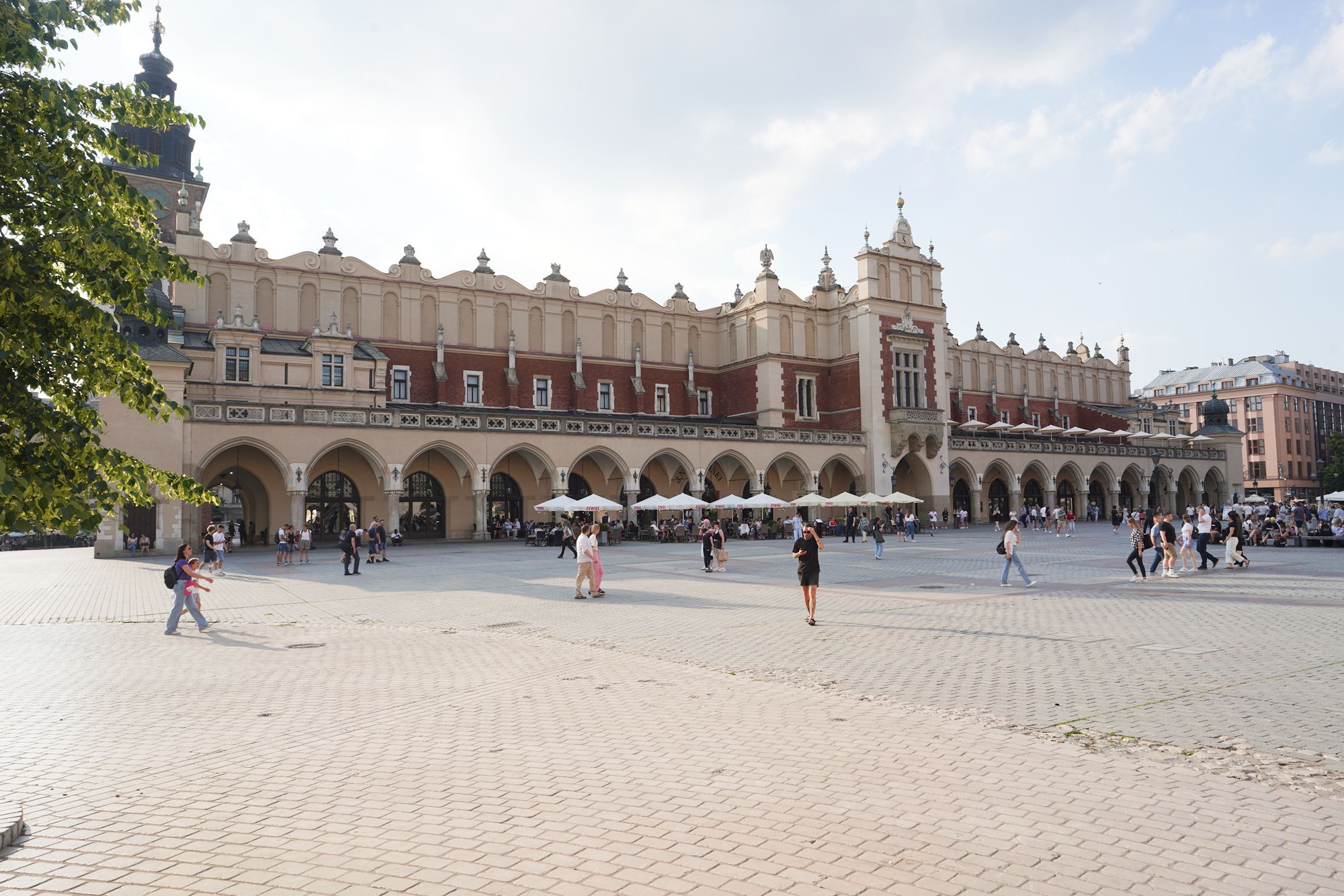
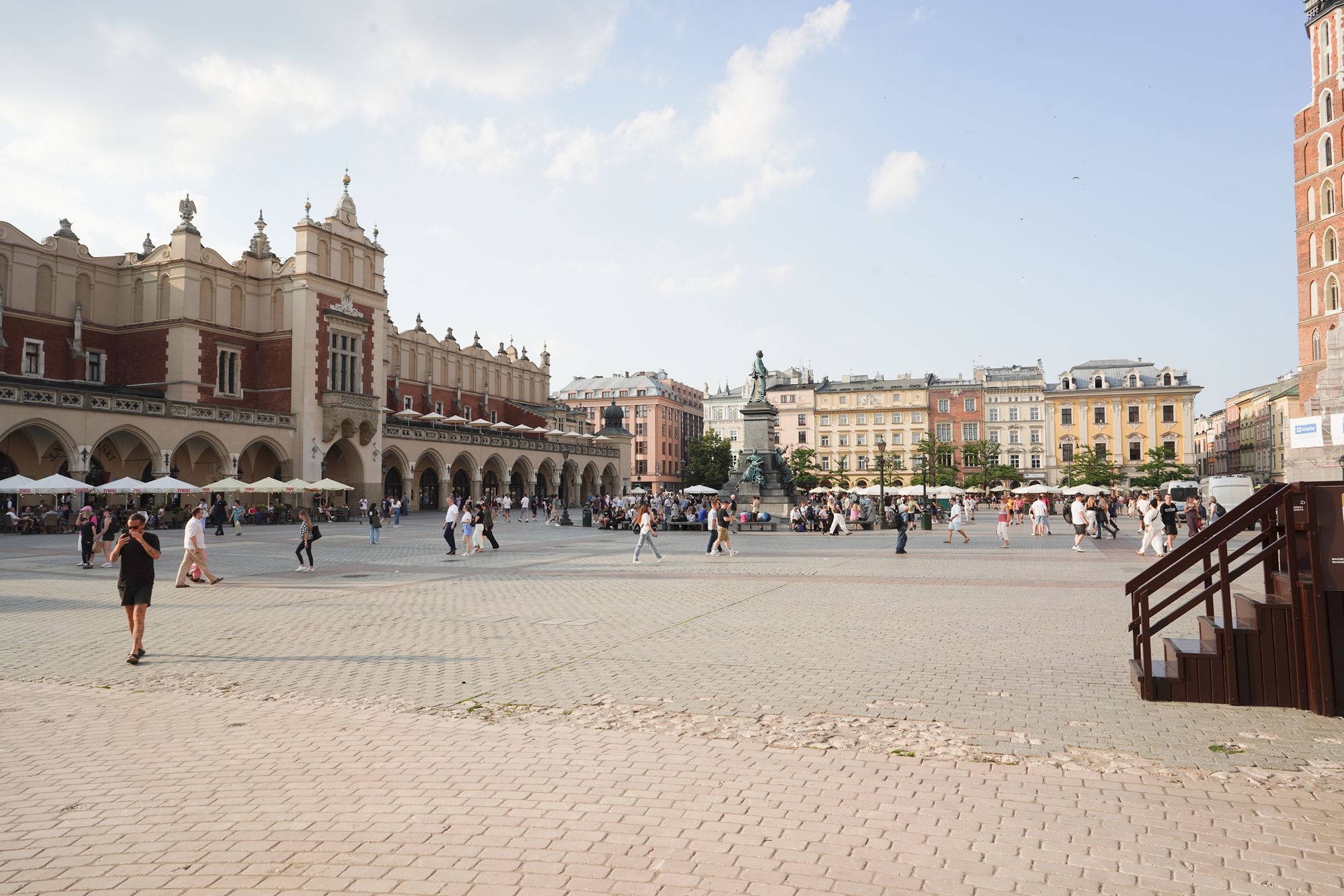
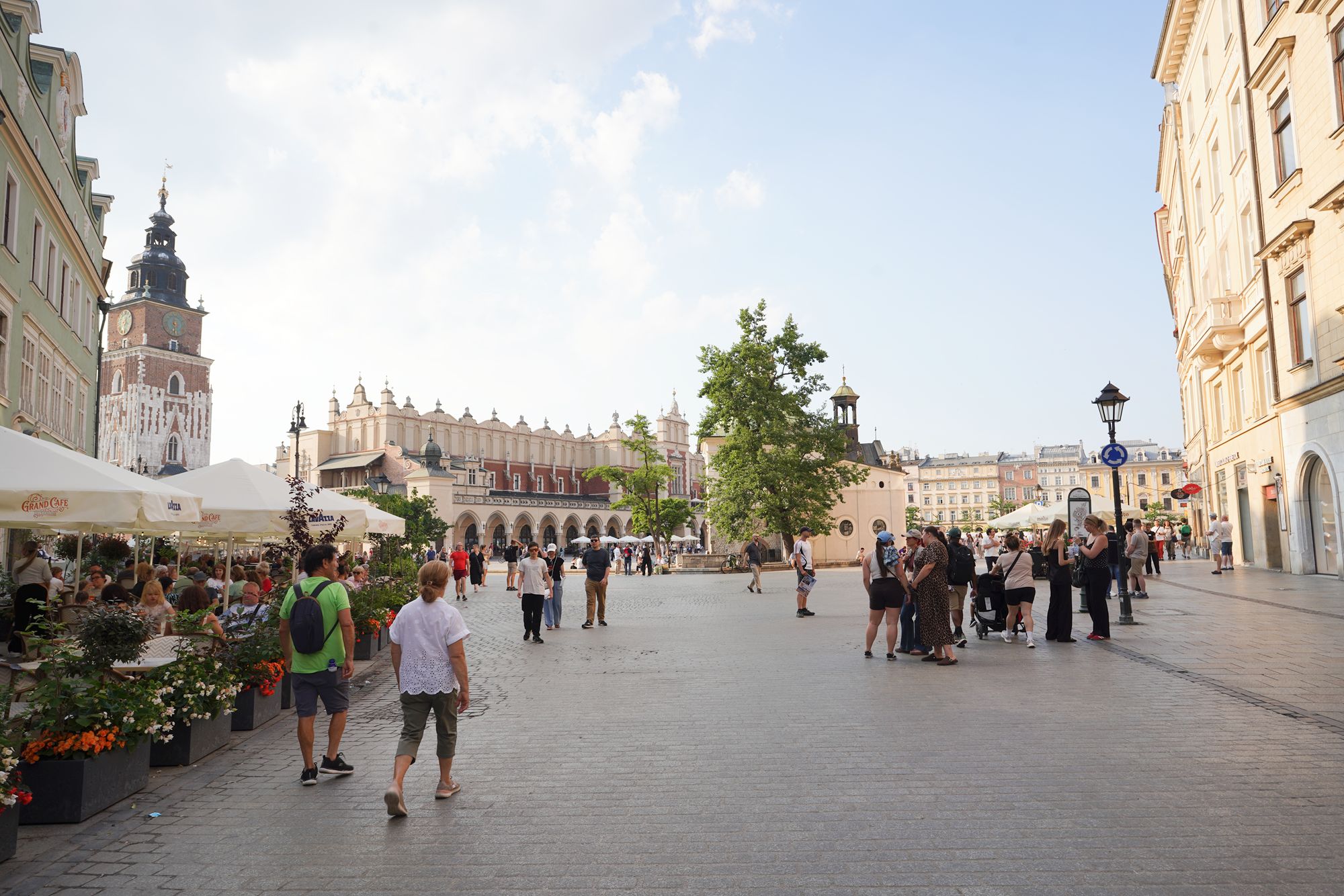
I arrived at Rynek Główny, Kraków’s Main Market Square. The large square is surrounded by colorful historic buildings, with the Cloth Hall in the center and St. Mary’s Basilica overlooking one corner.
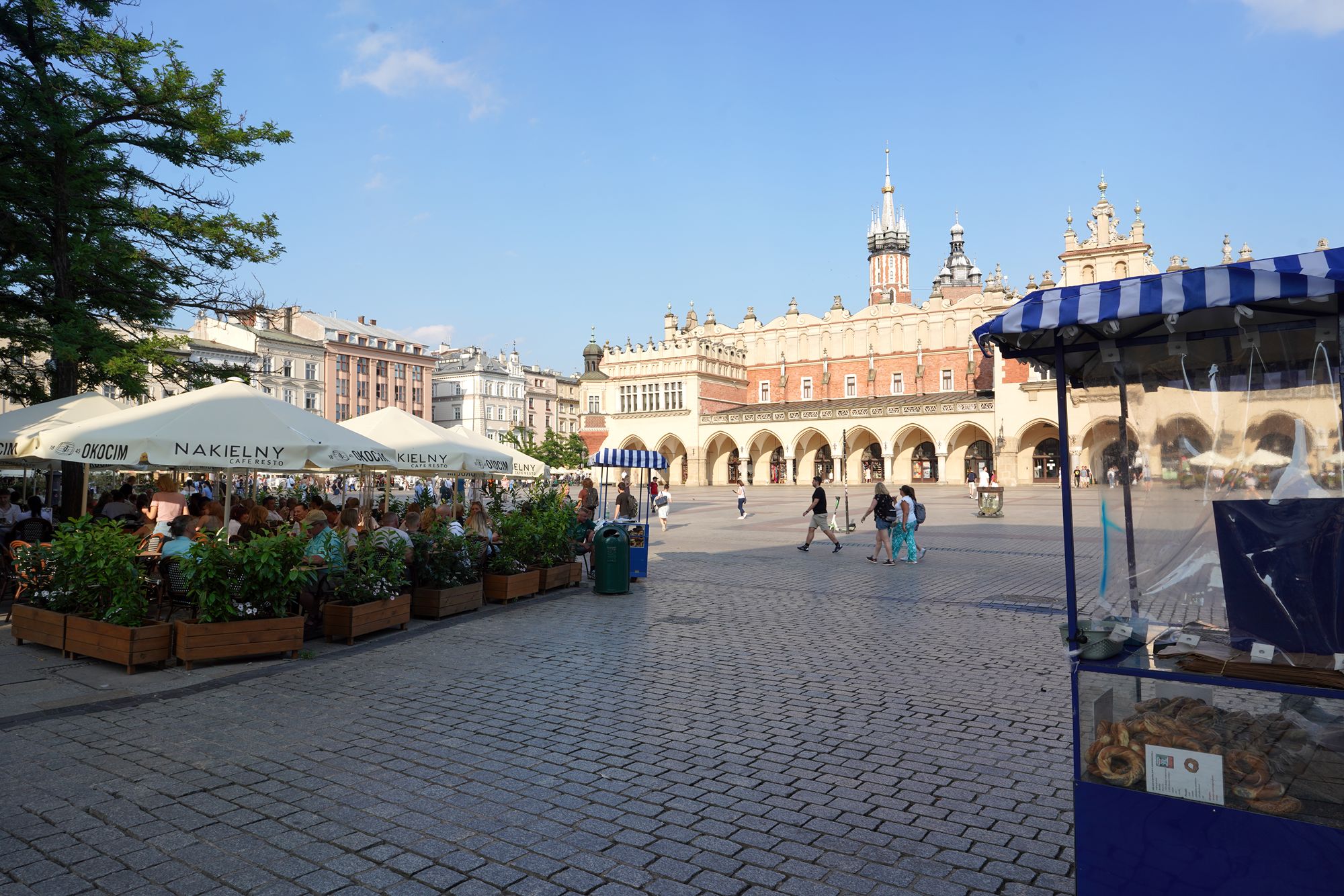
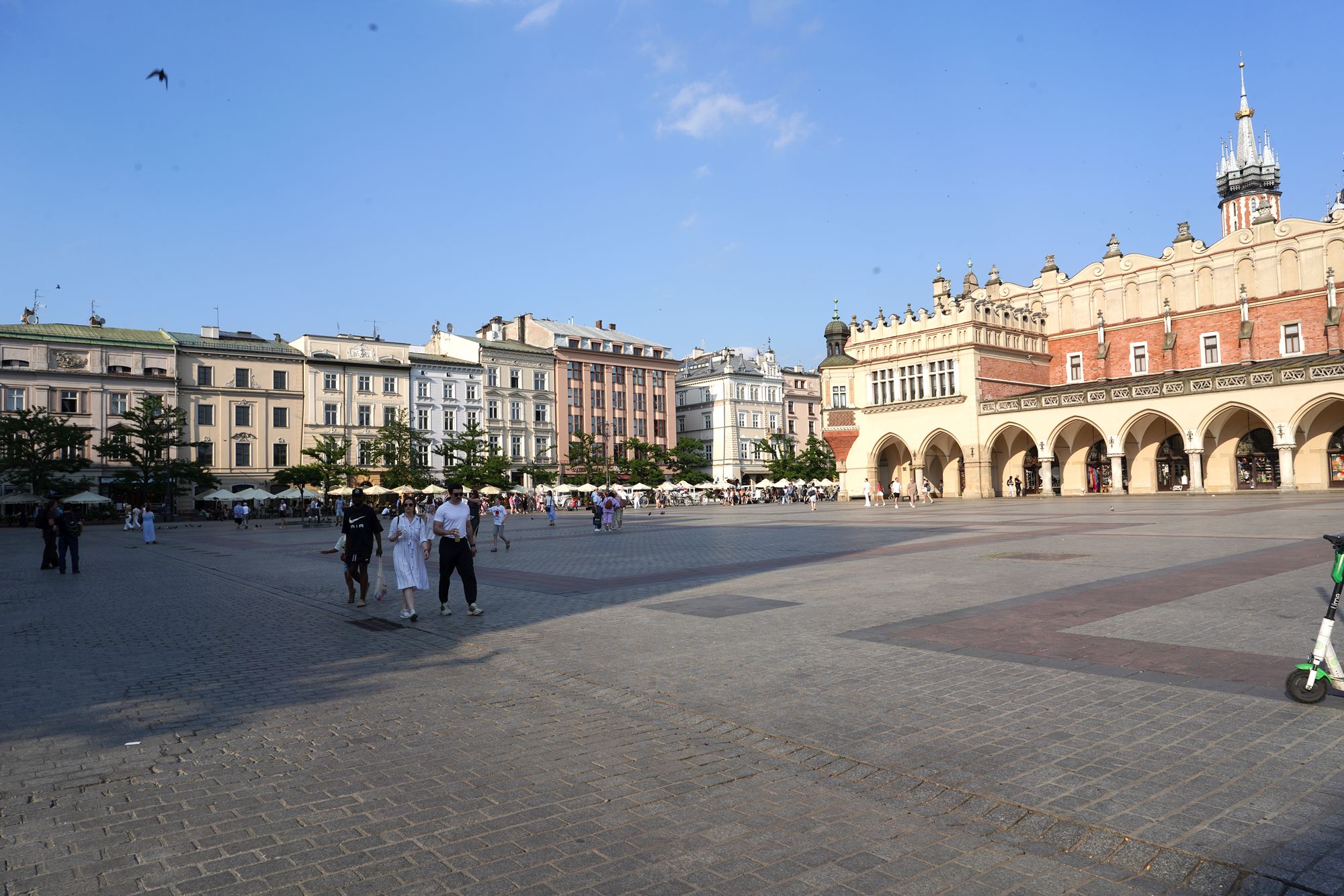
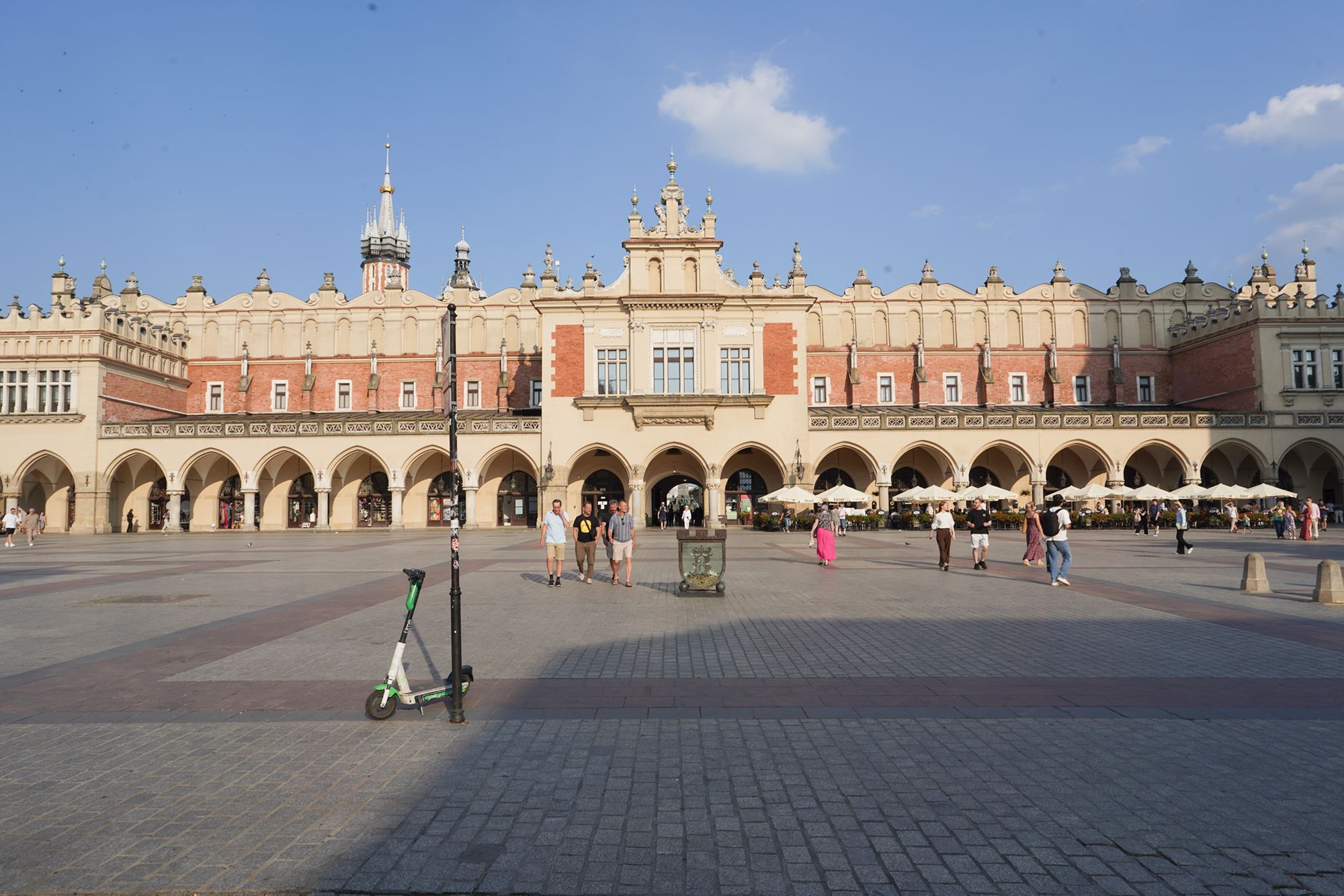
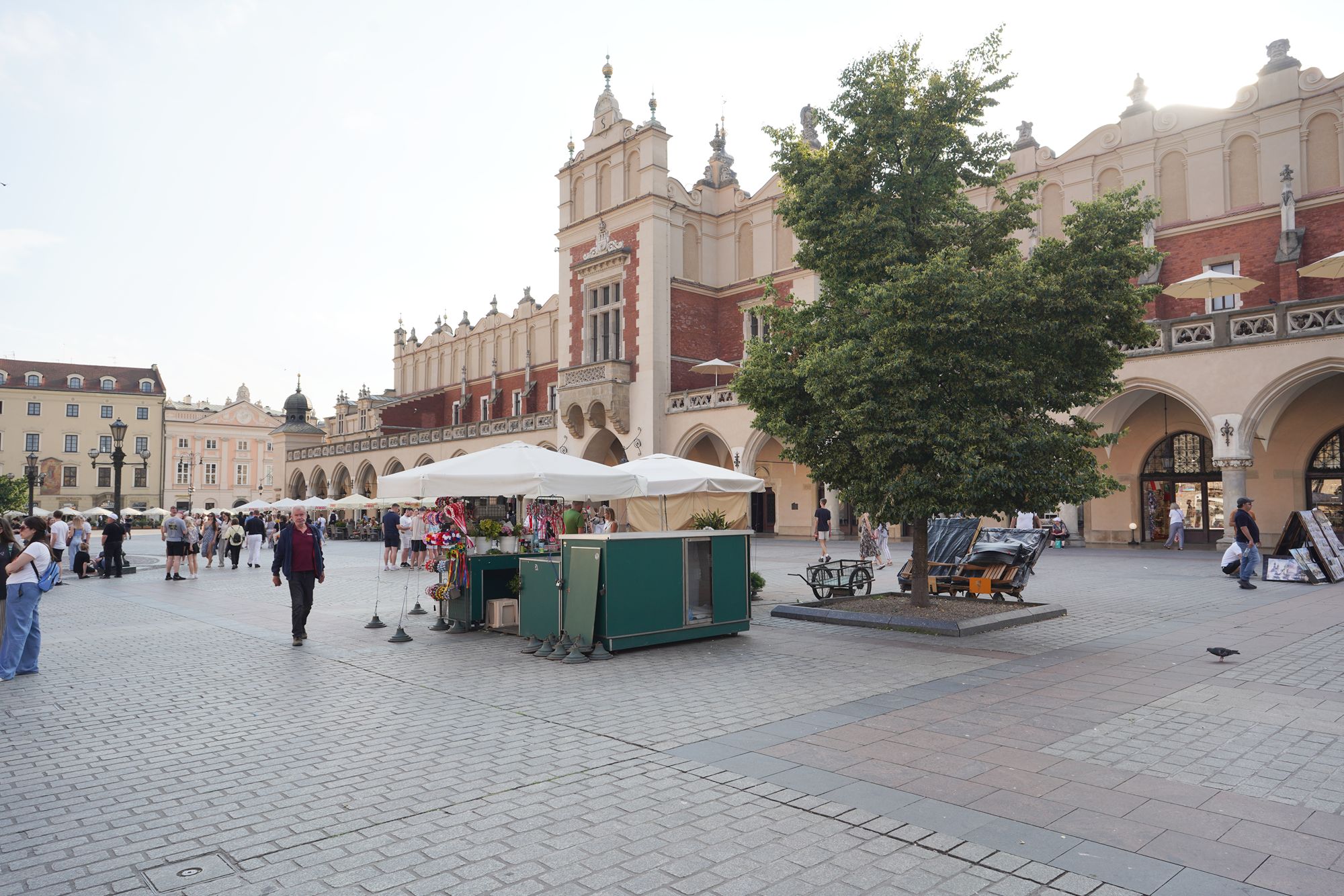
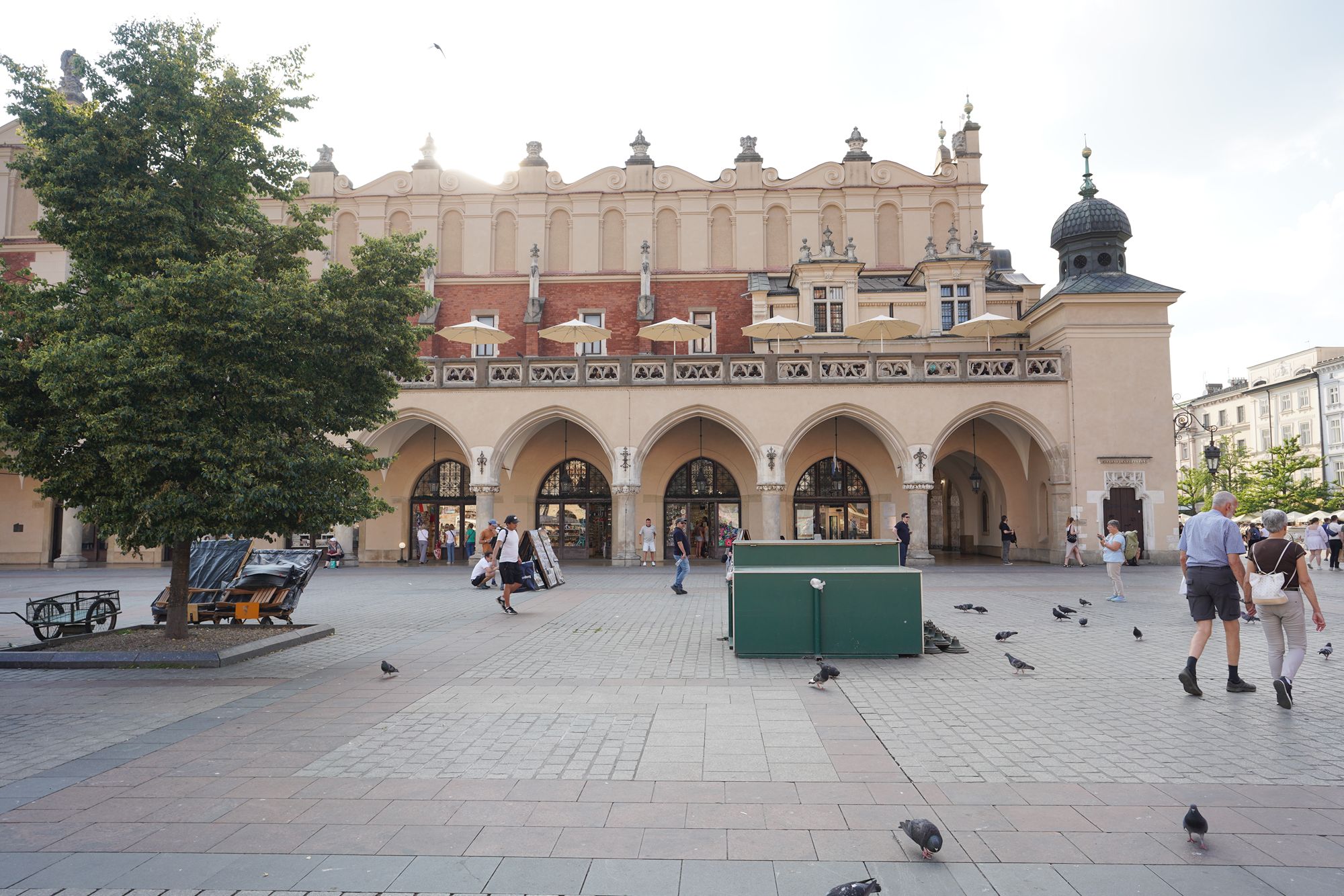
In the middle of Rynek Główny is the Sukiennice, or Cloth Hall. Upstairs, MNK Sukiennice houses the National Museum’s gallery of 19th-century Polish art, with paintings and sculptures displayed in the historic building. There’s also Rynek Underground, beneath the Main Market Square. It’s a separate museum run by the Museum of Kraków
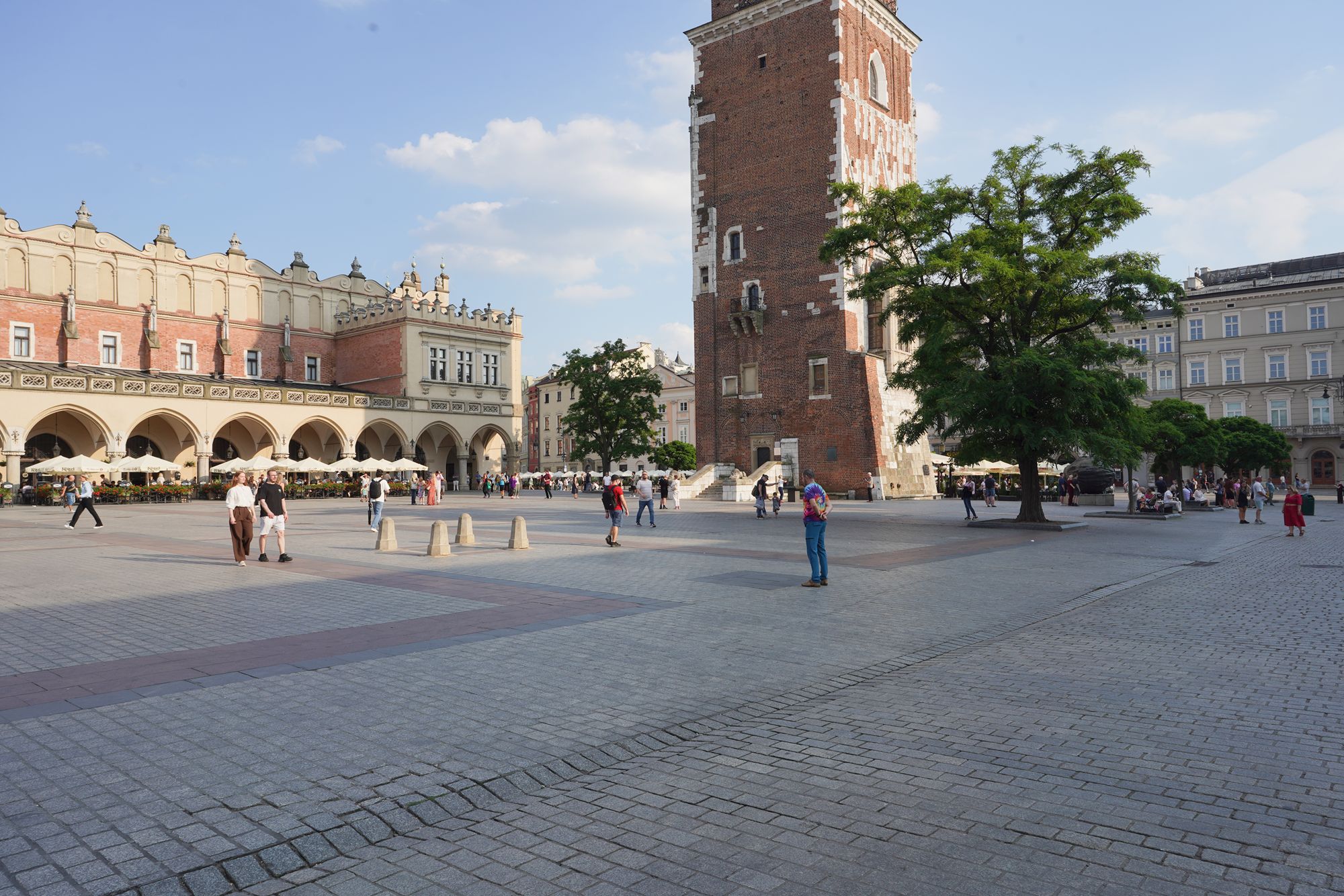
The Town Hall Tower stands on its own in Rynek Główny. It is the only surviving part of Kraków’s old town hall, which was dismantled in the 19th century.
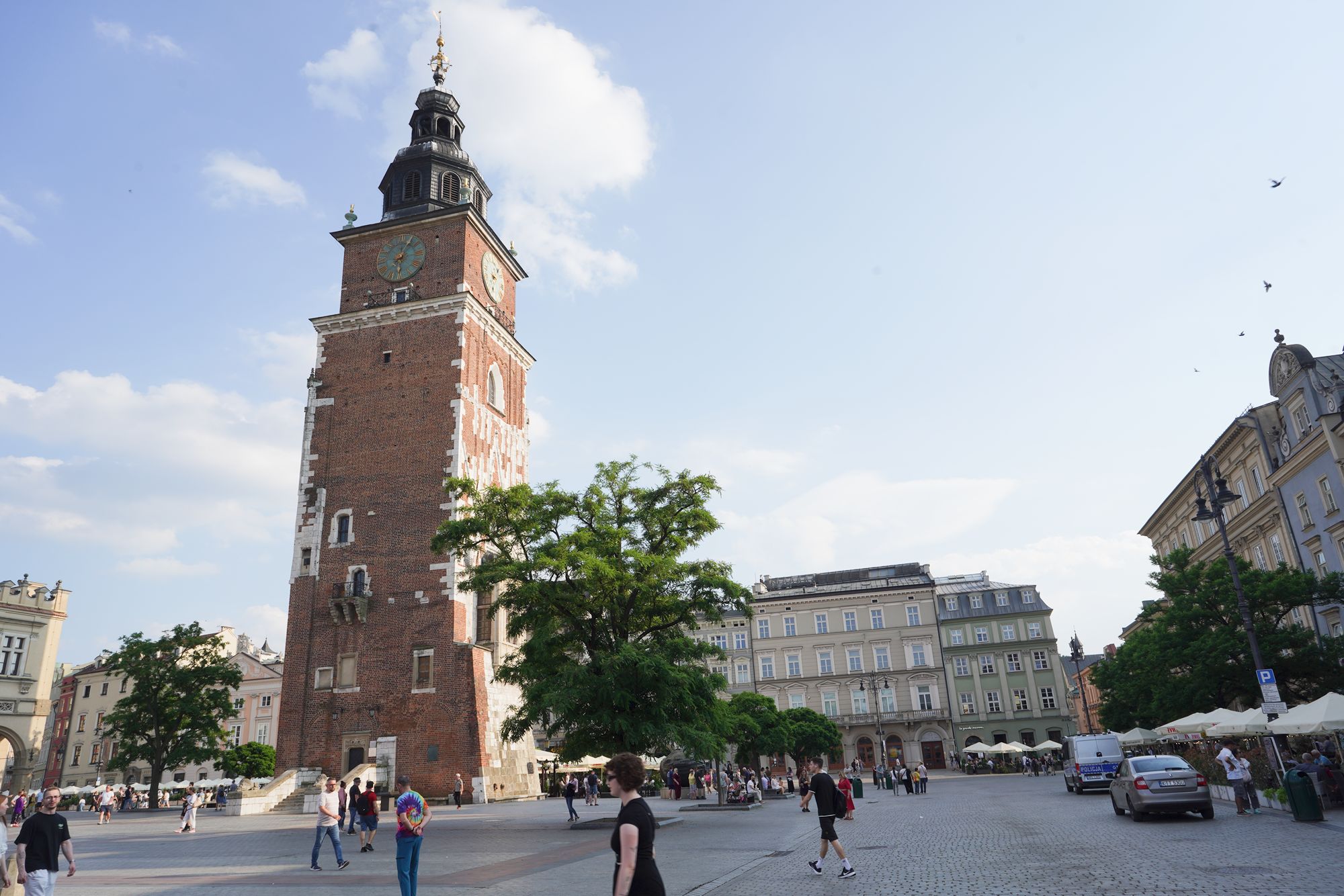
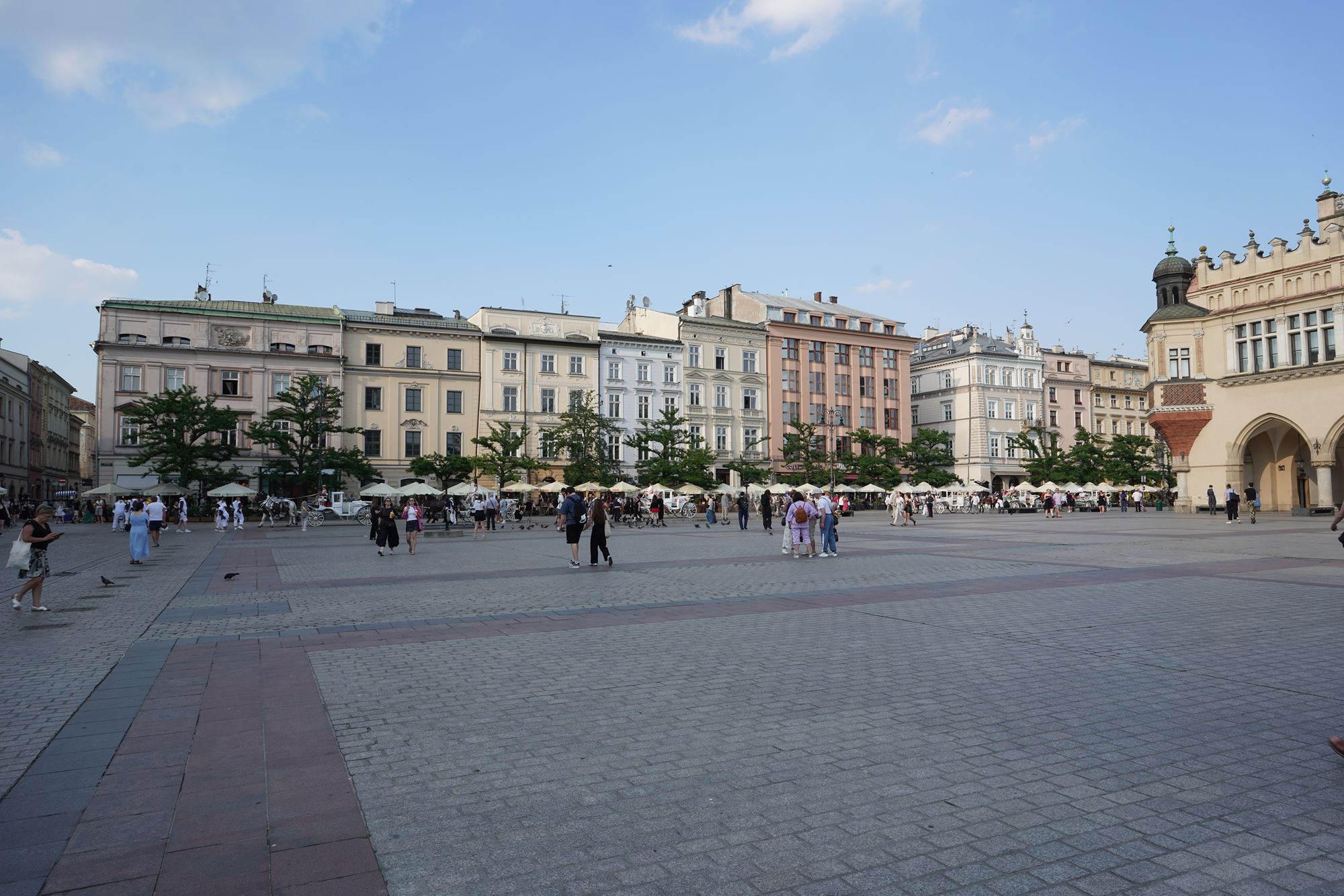
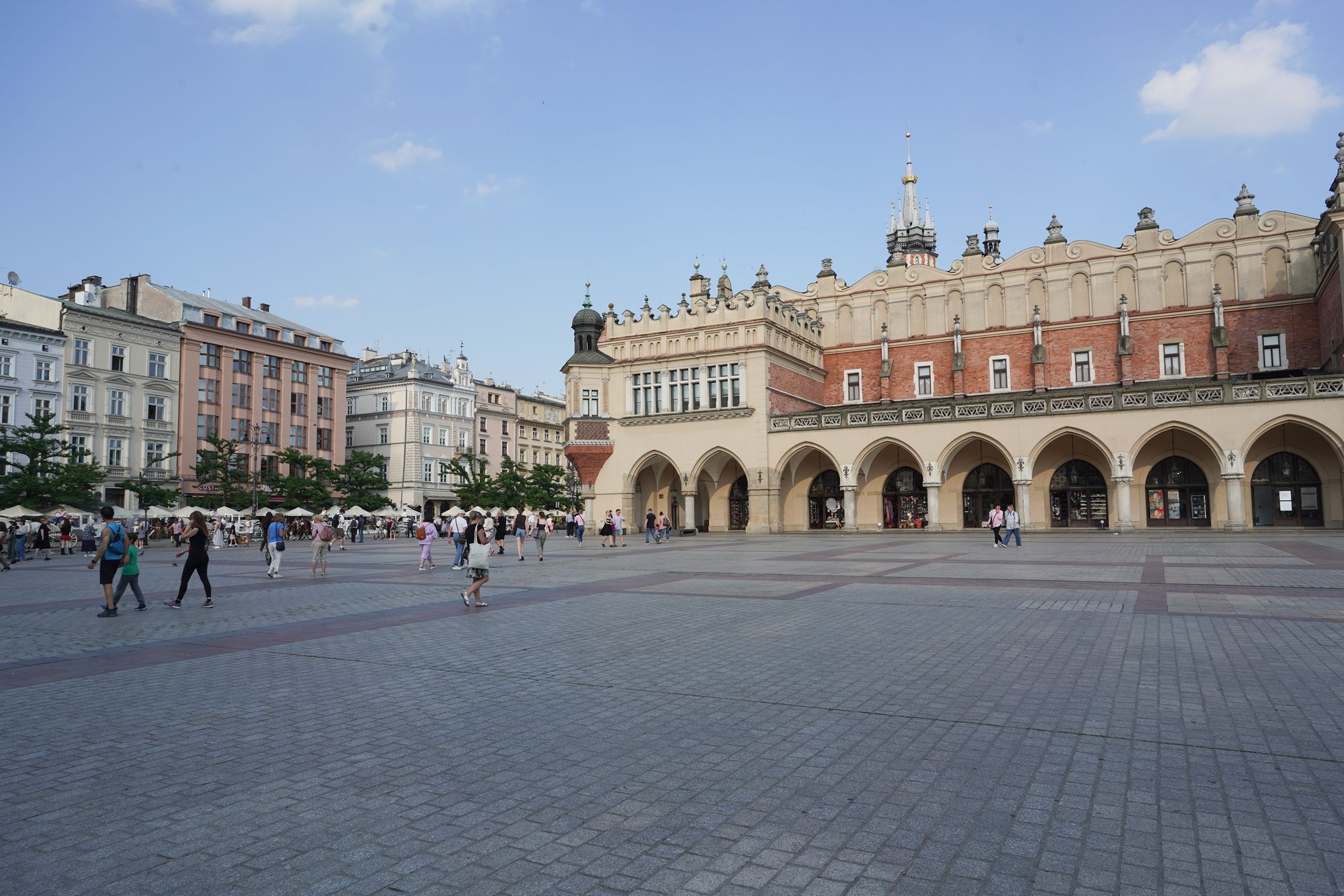
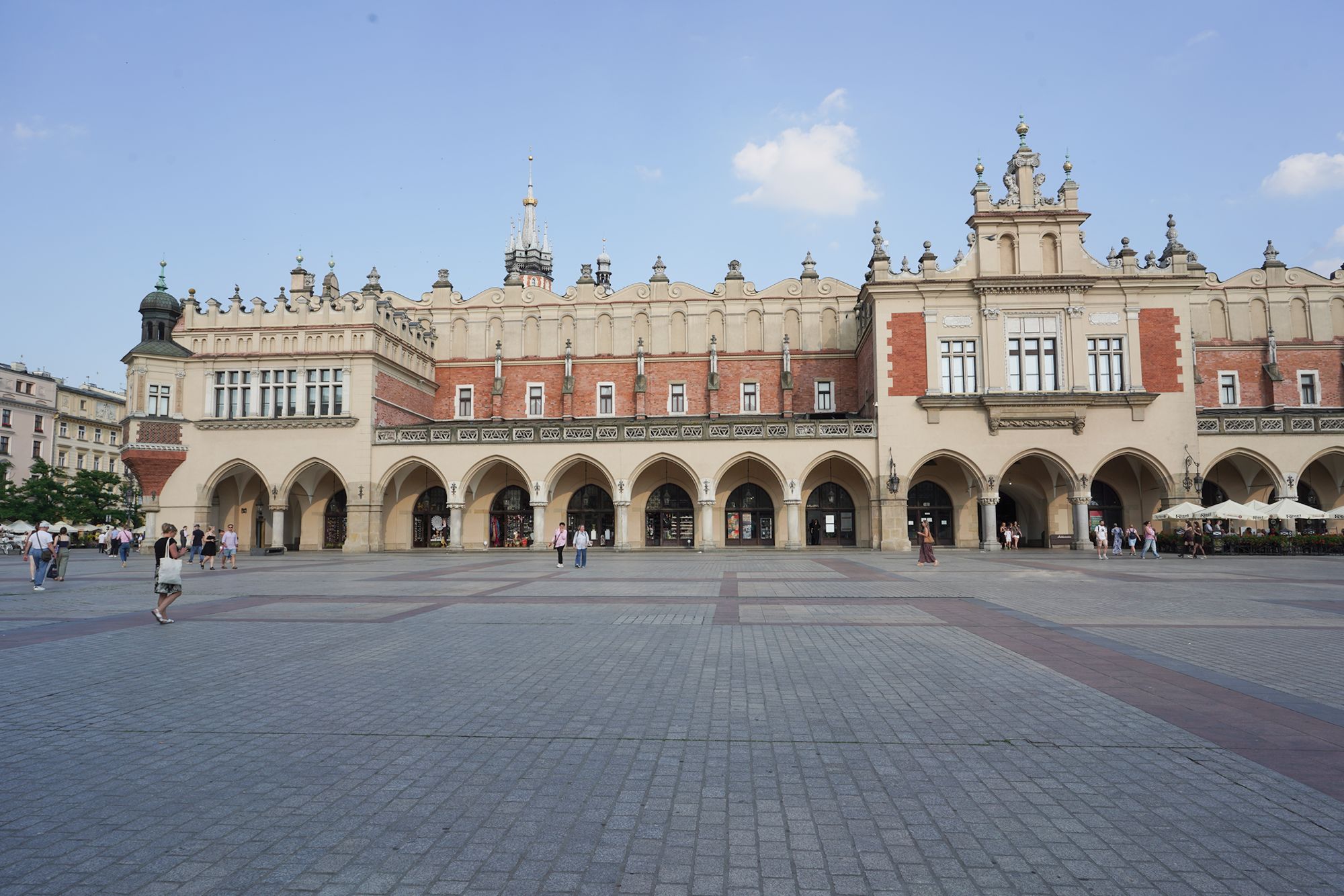
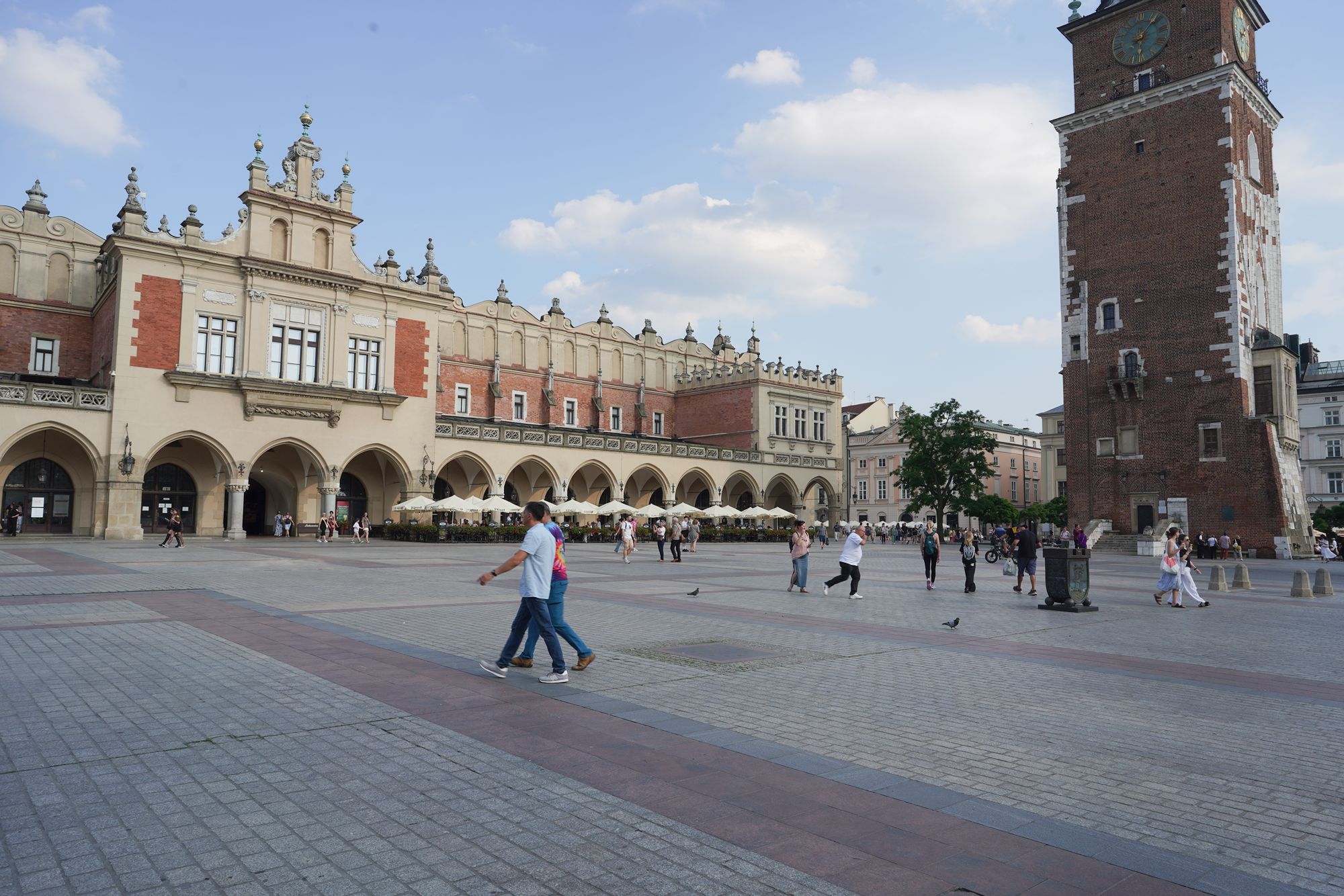
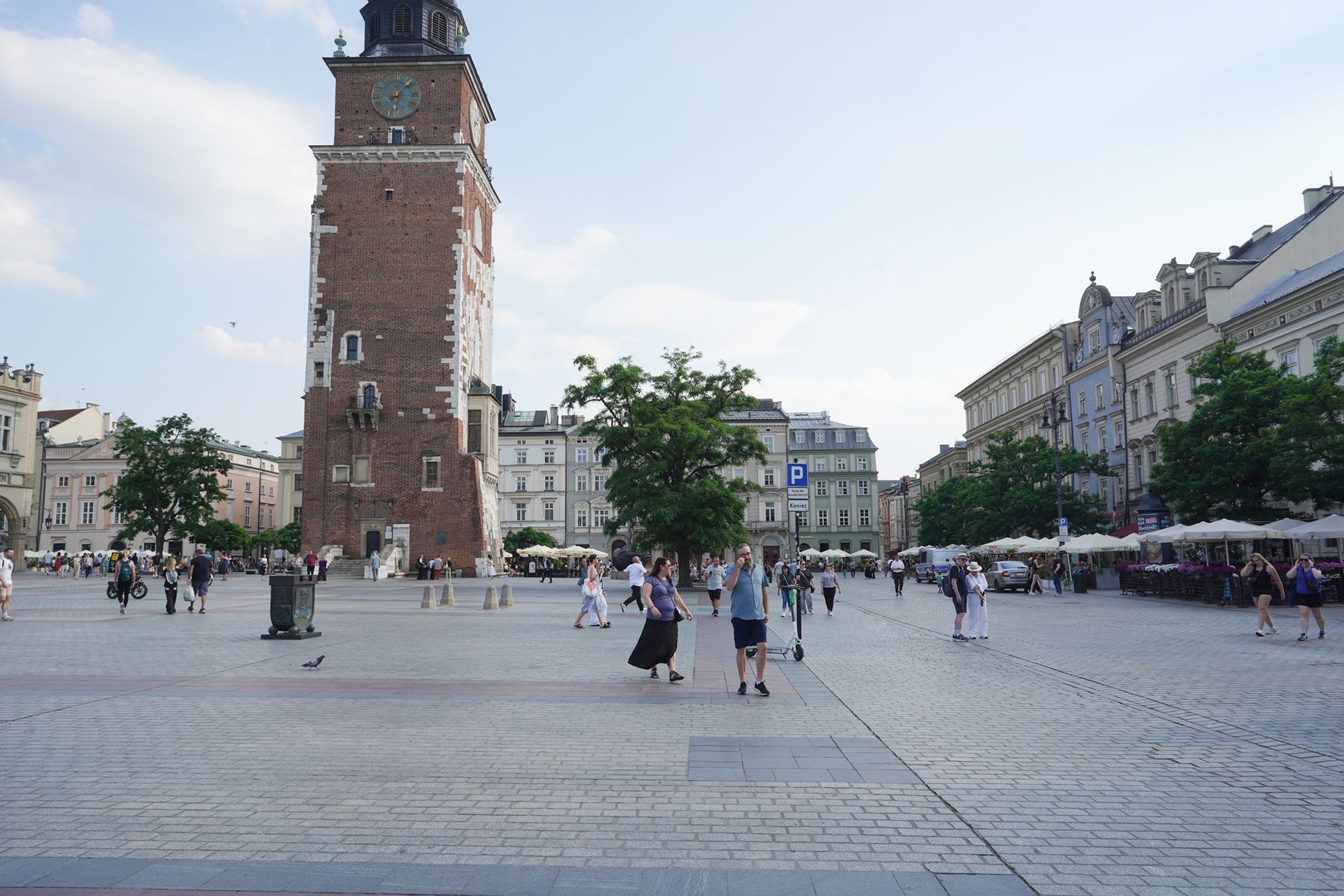
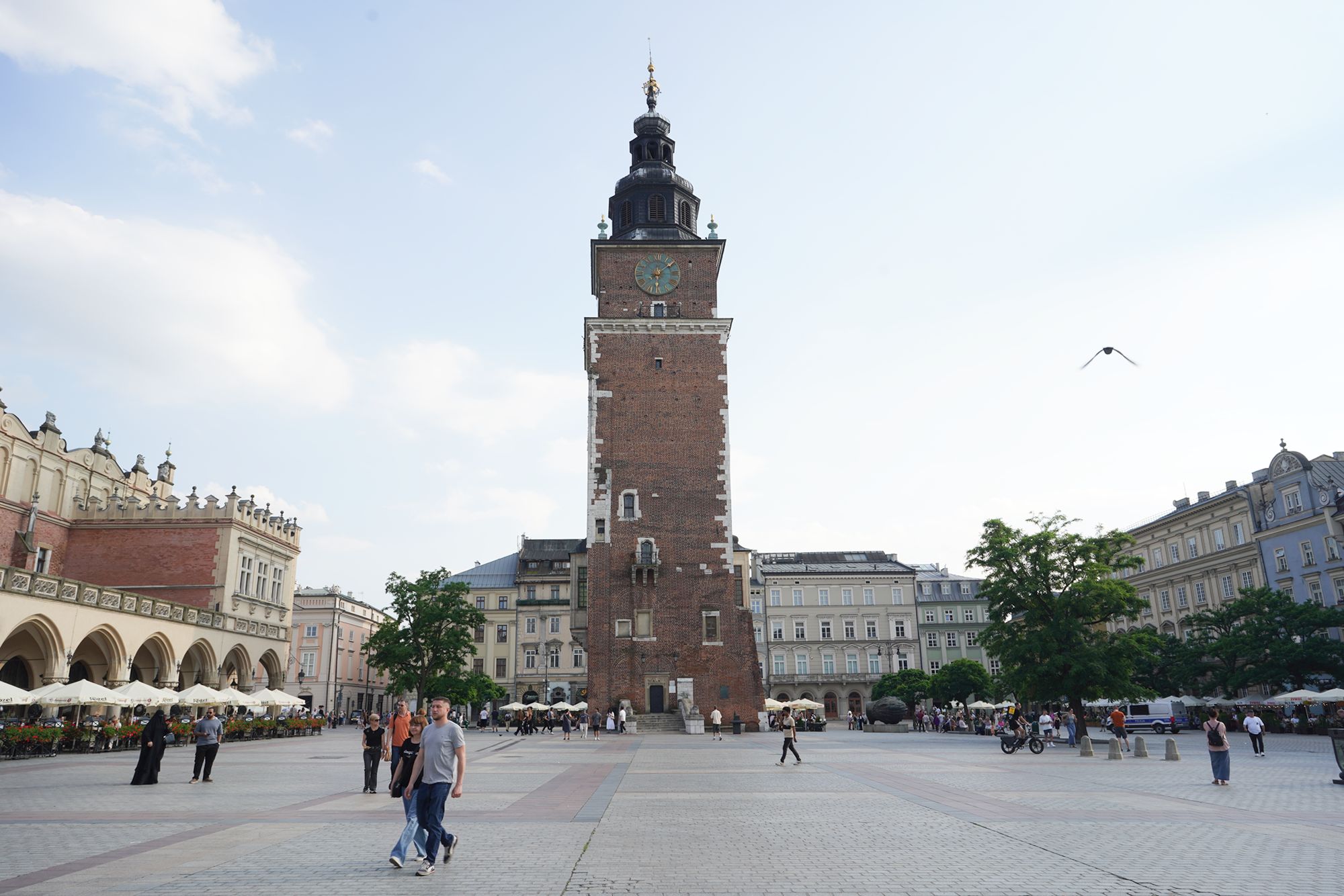
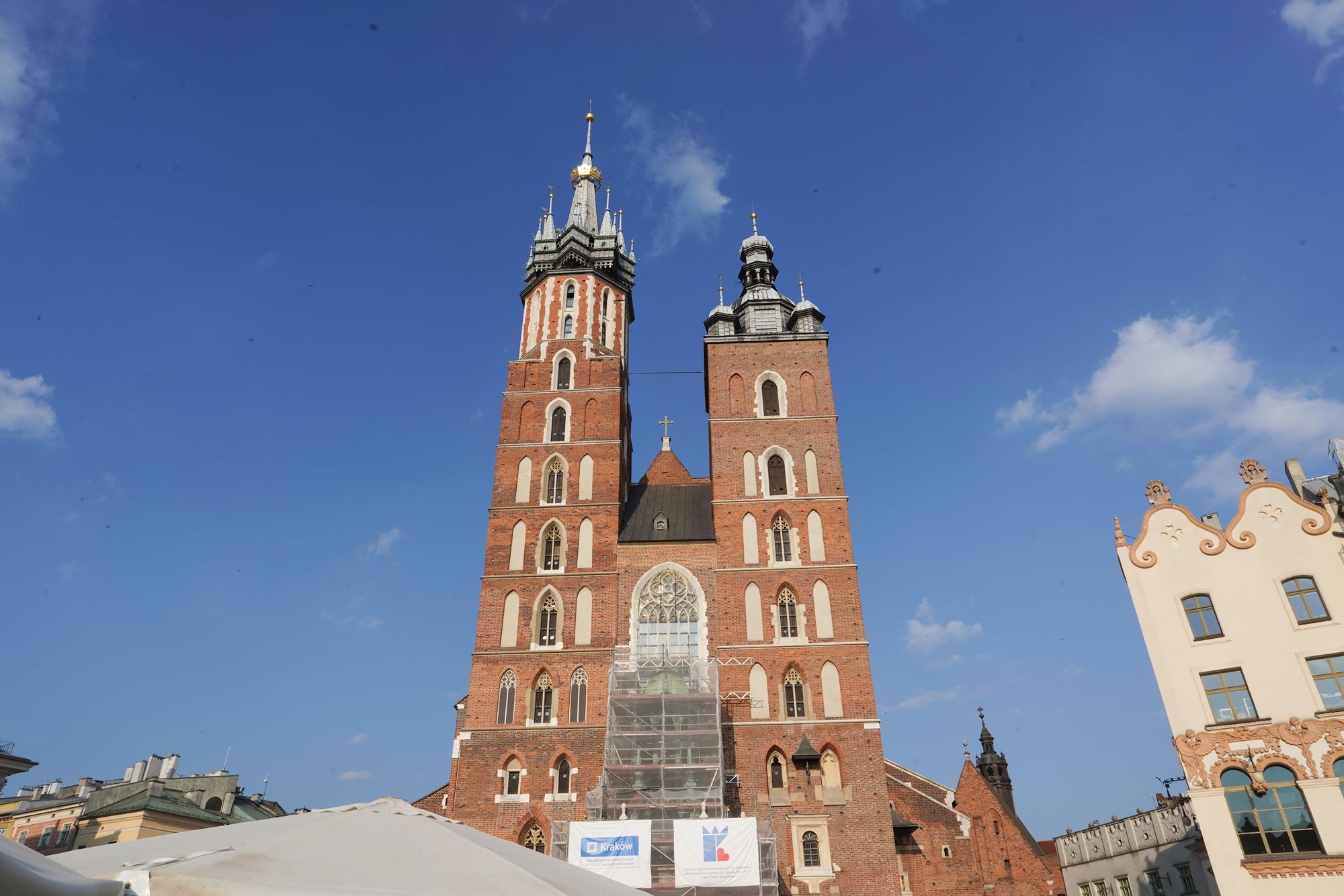
Behind the Sukiennice, I could see the two towers of St. Mary’s Basilica rising above the buildings along the square.
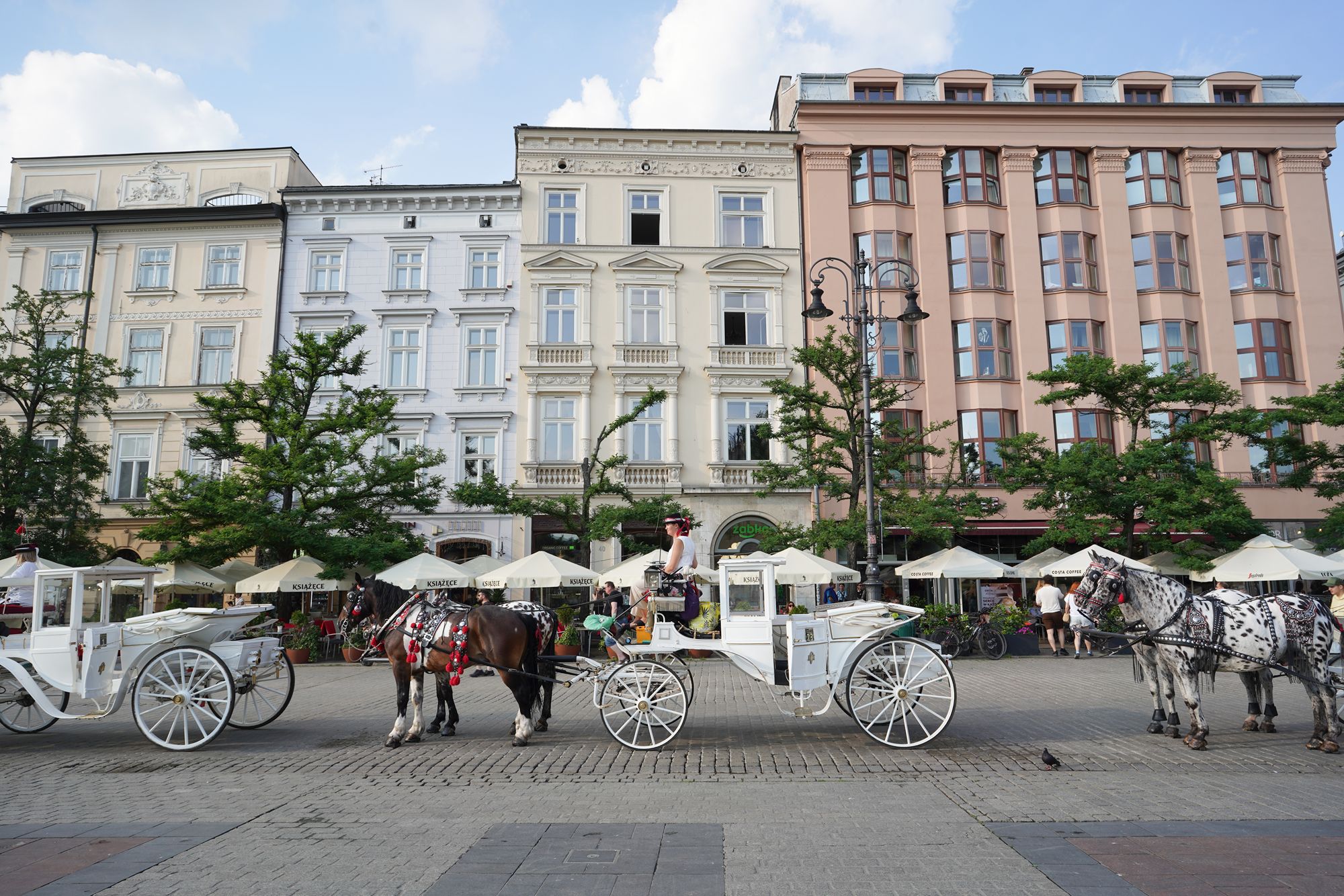
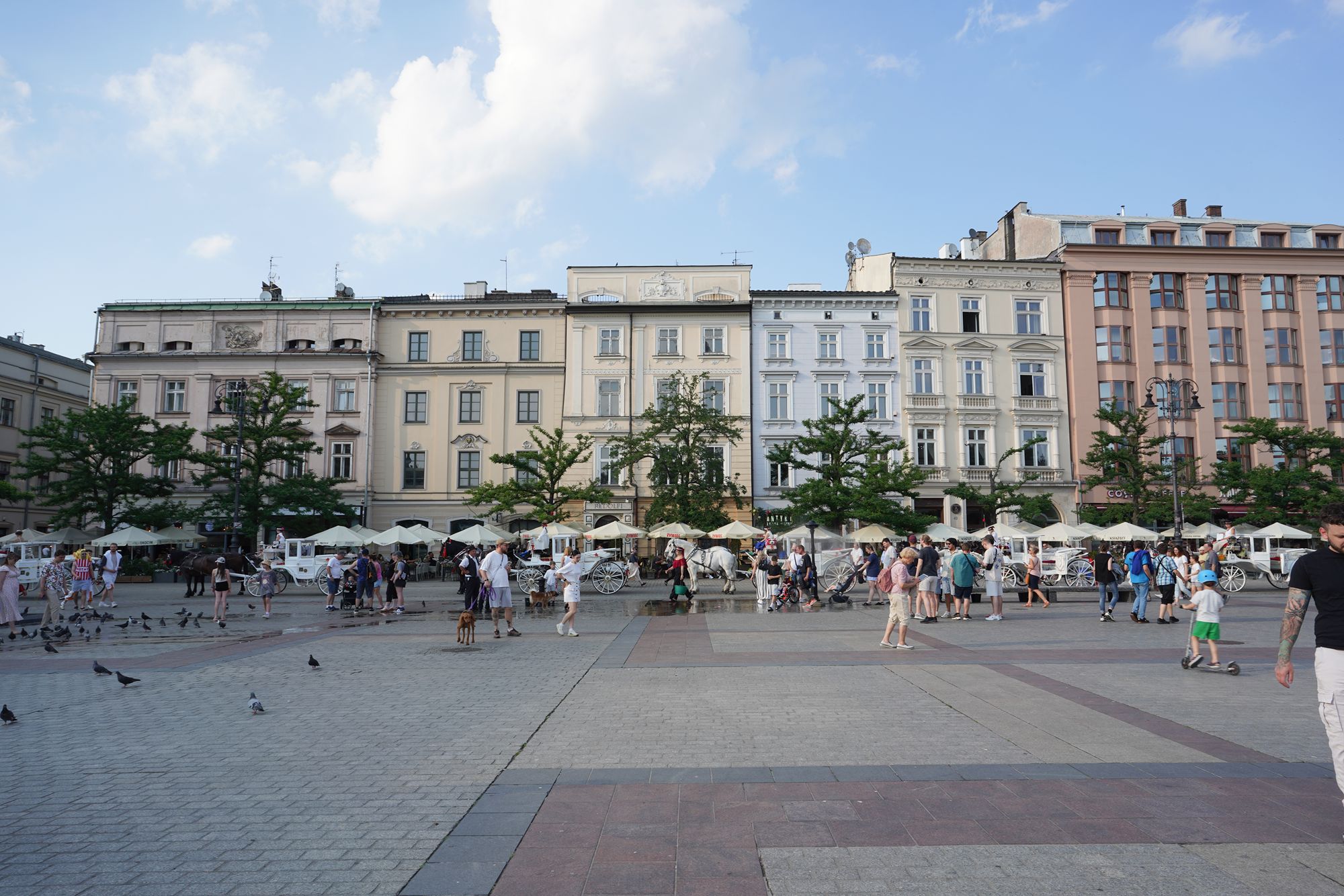
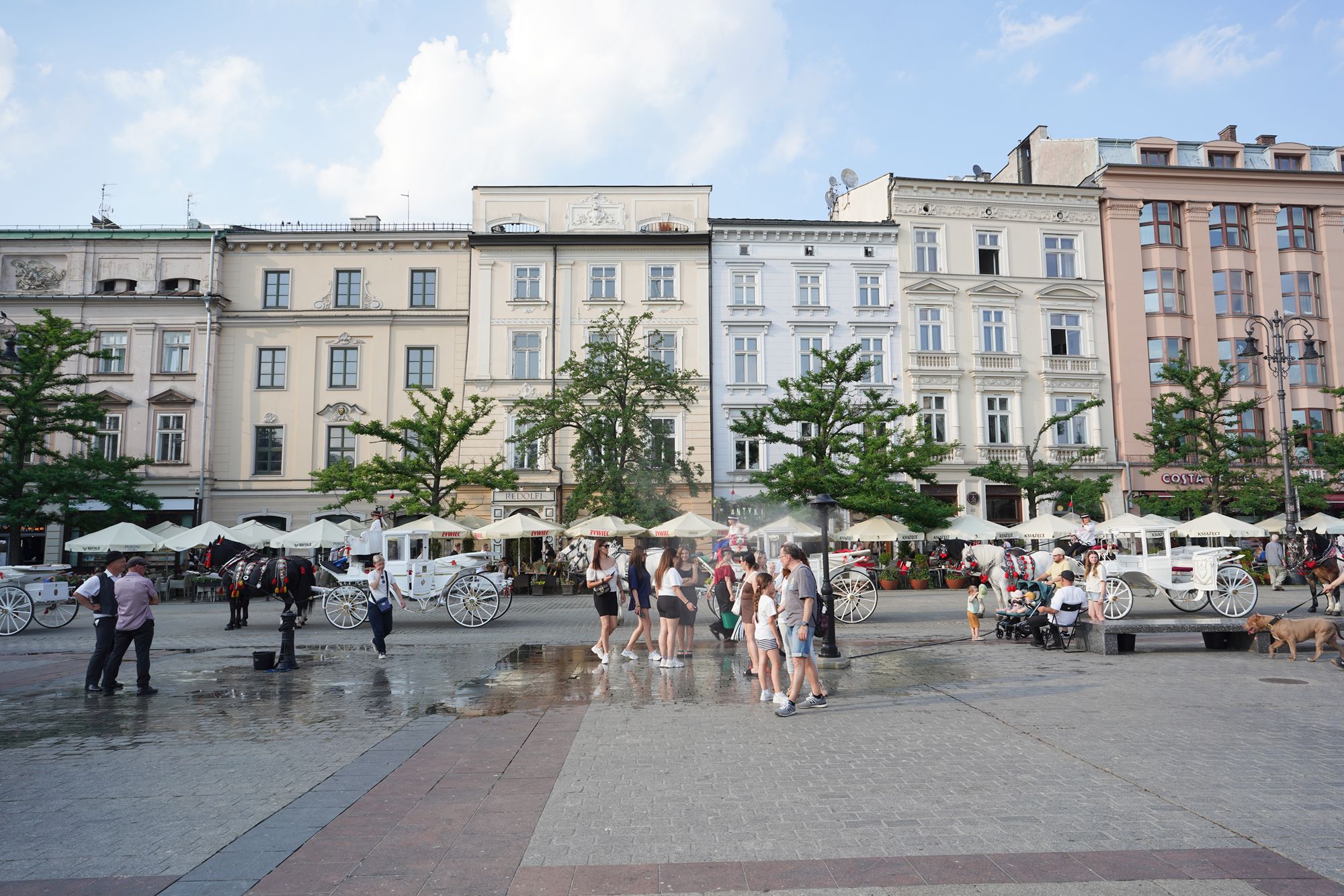
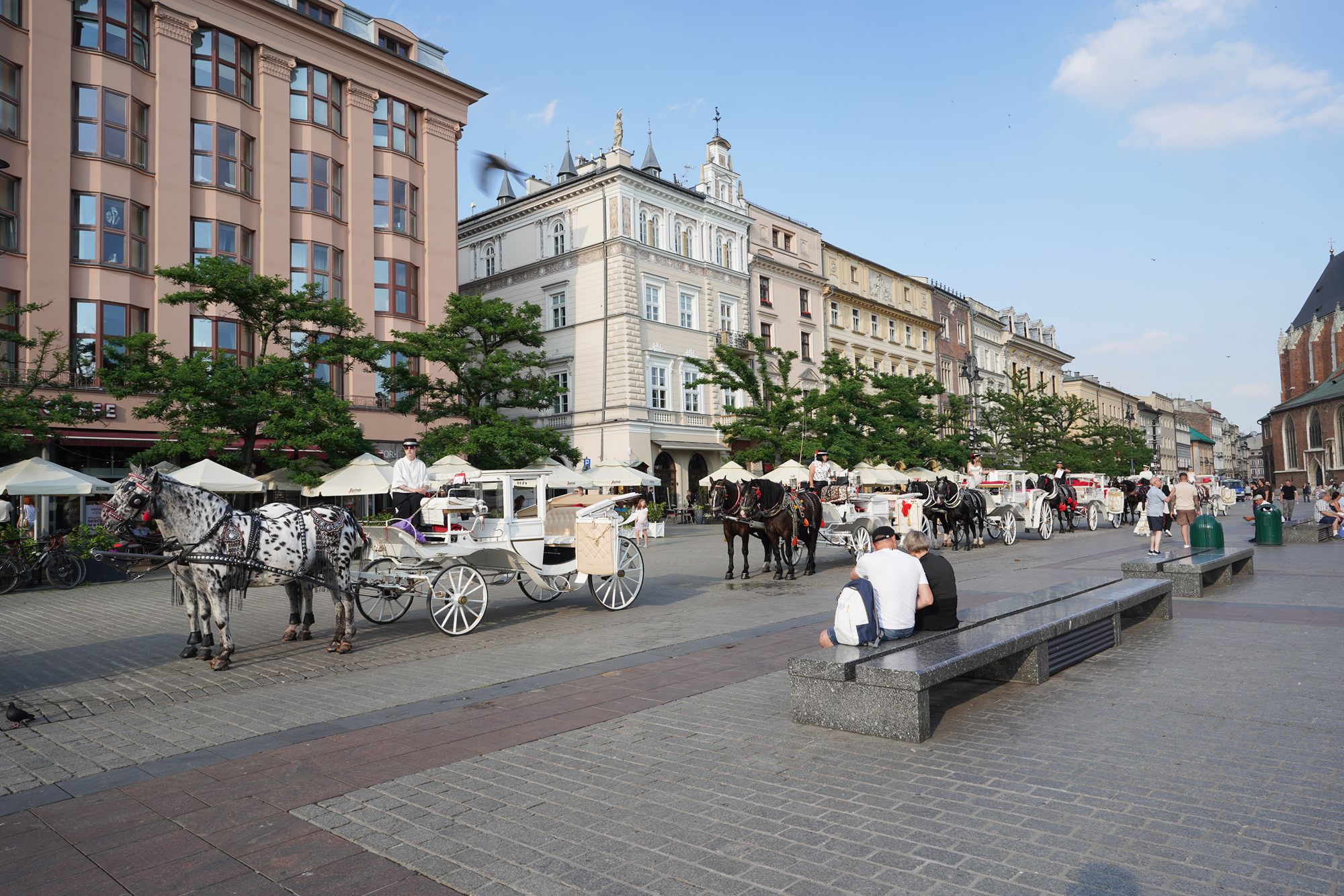
Horse-drawn carriages were lined up in the square, waiting to take tourists on rides through the old town.
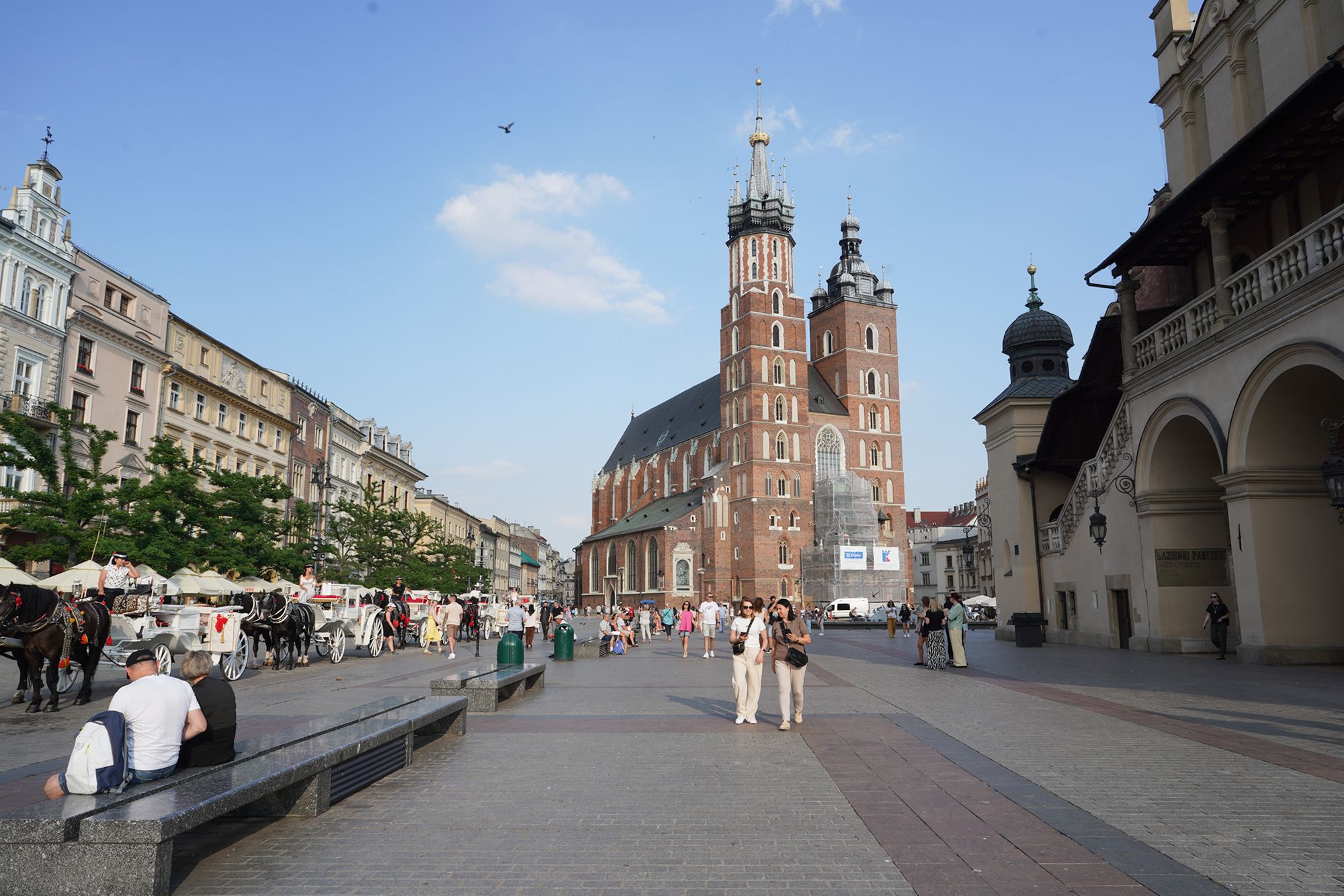
St. Mary’s Basilica stands beside Kraków’s Main Market Square. Its two towers are different heights, and a trumpet call sounds from the taller one each hour. Inside is a large carved altarpiece by Veit Stoss, completed in the 15th century.
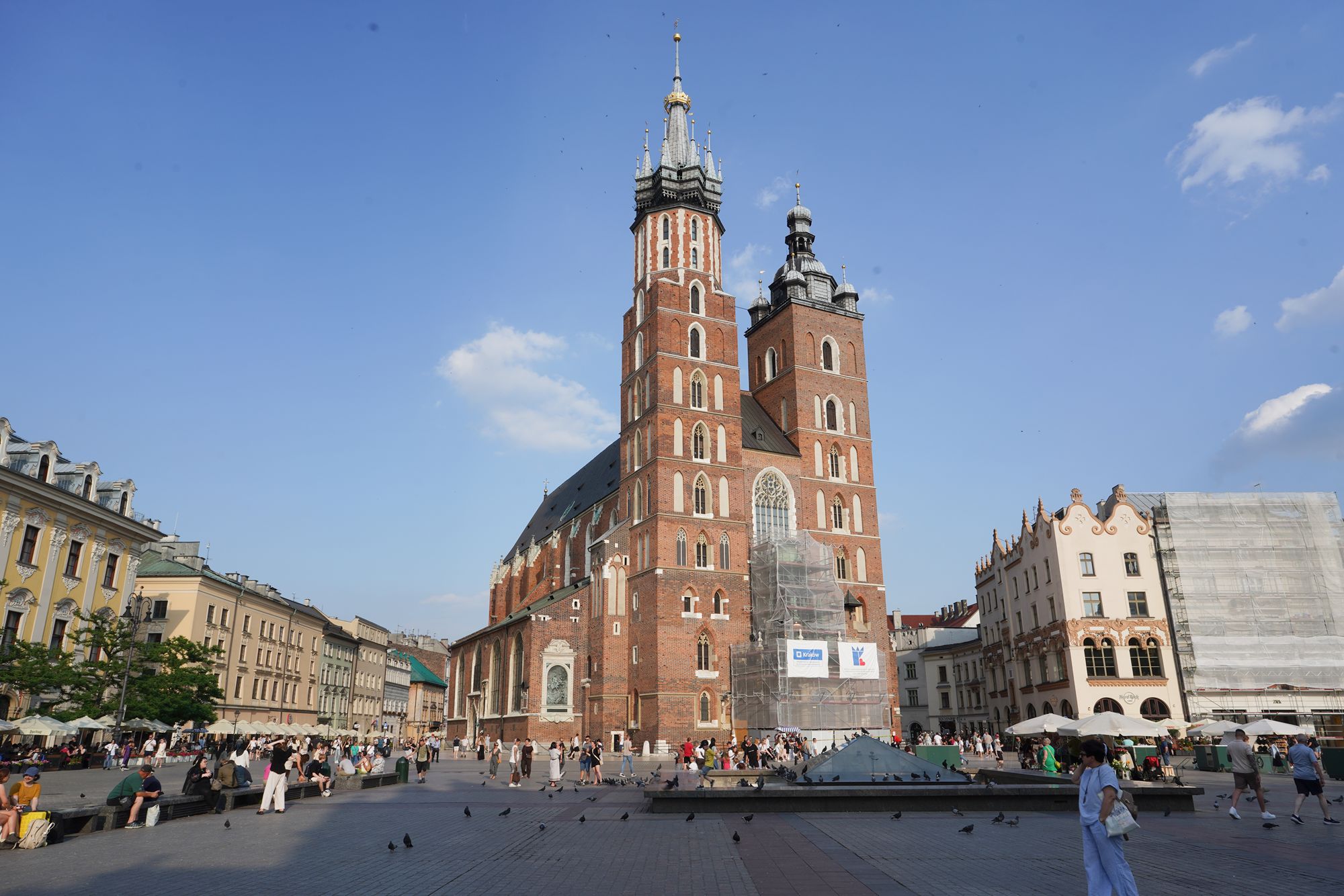
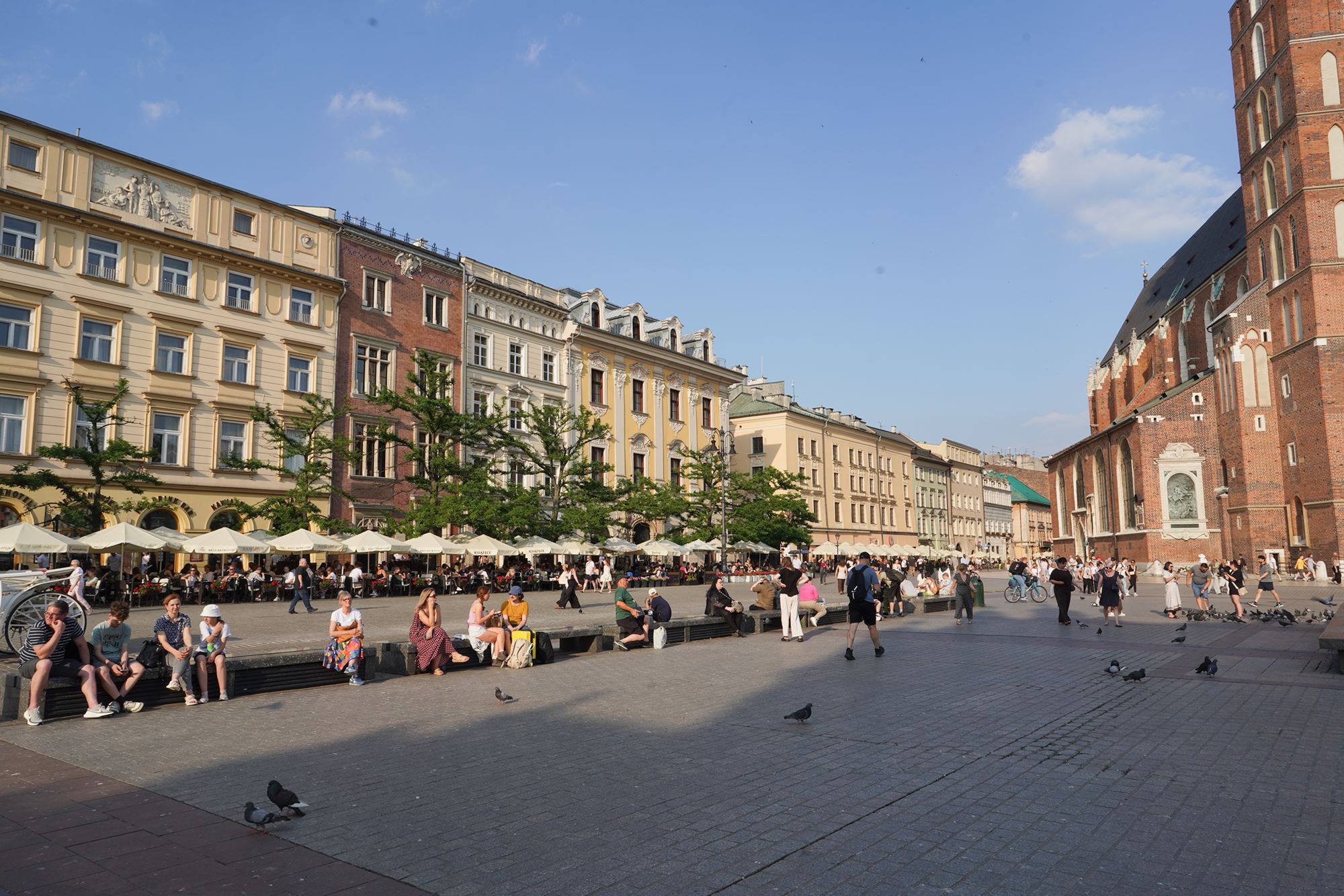
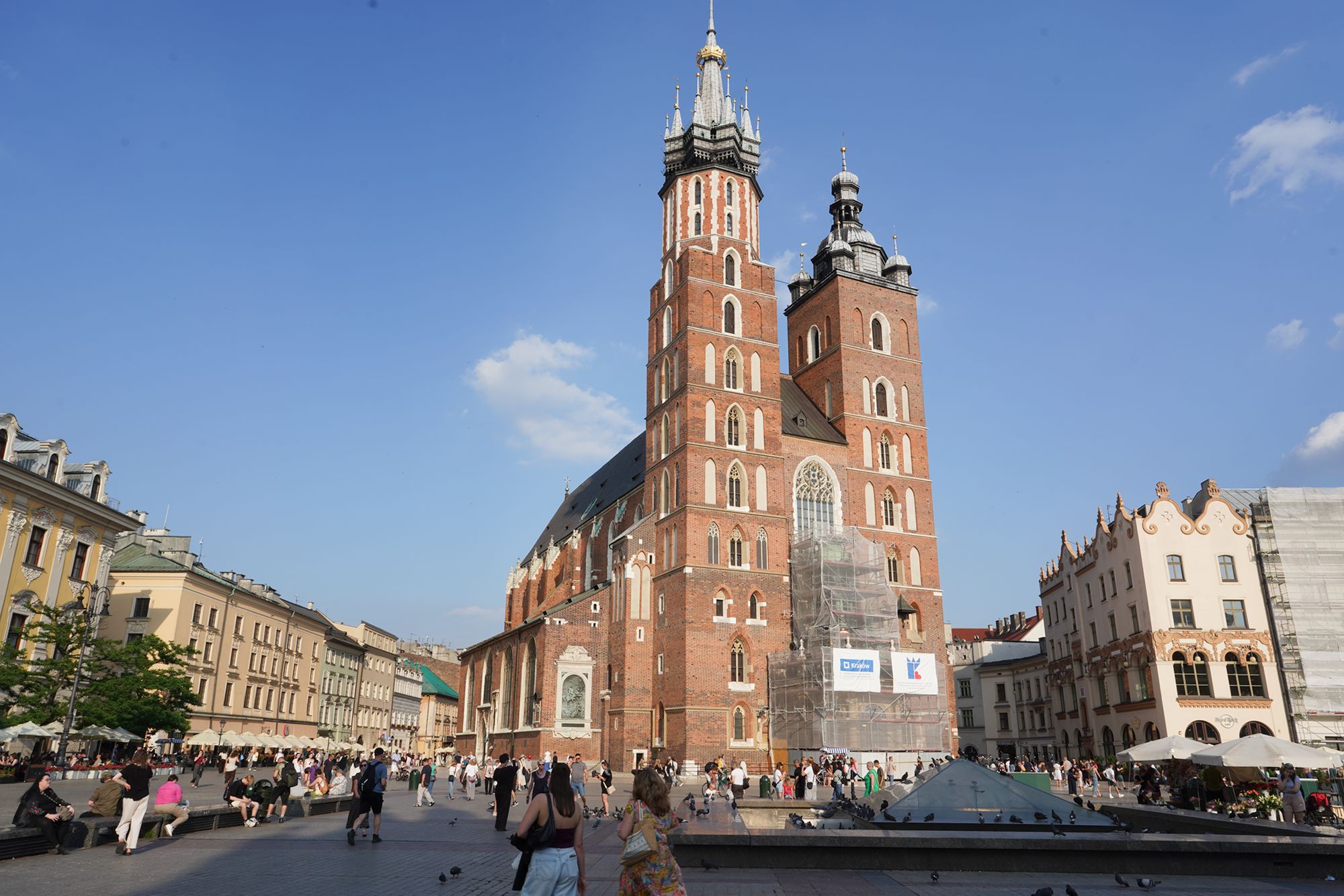
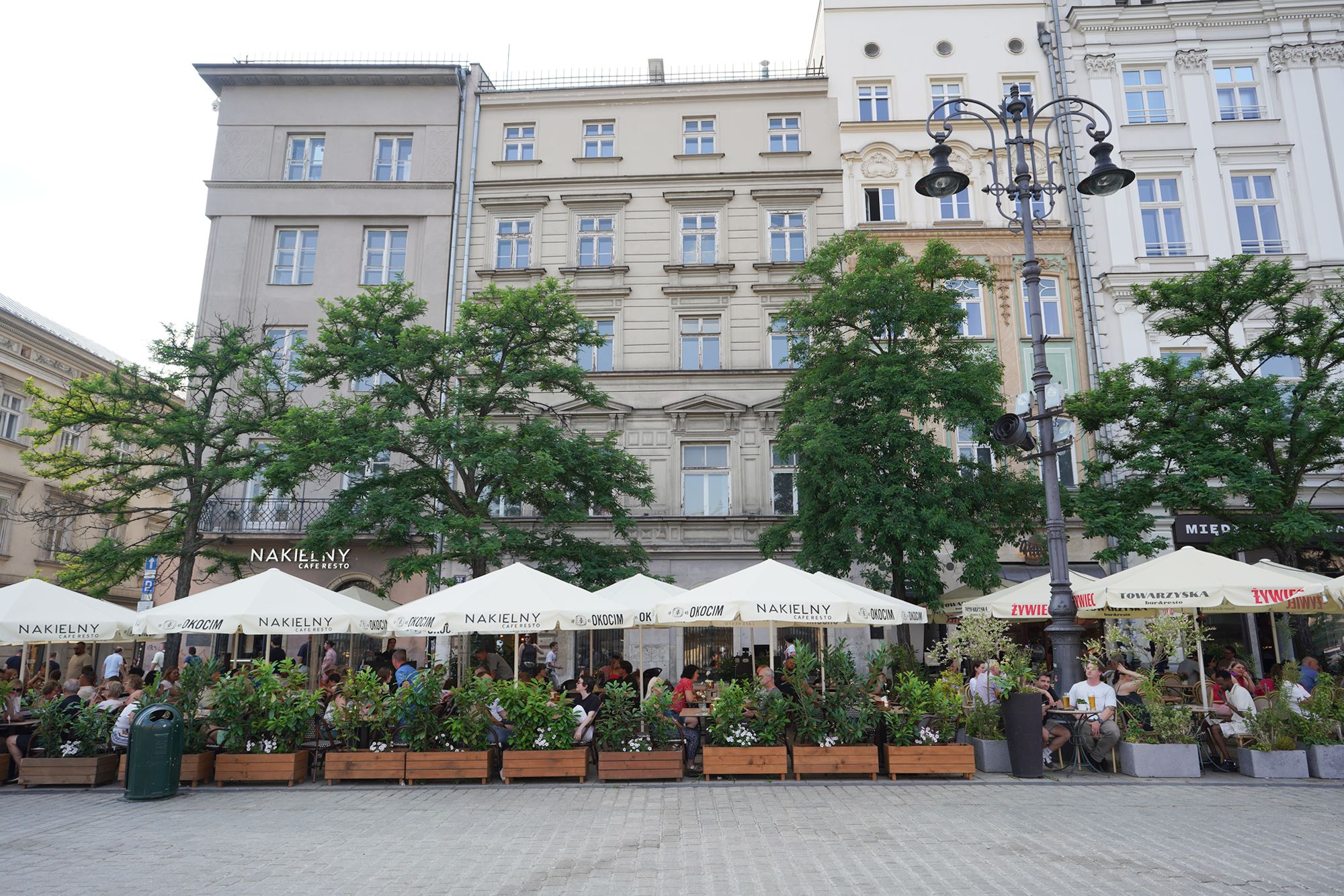
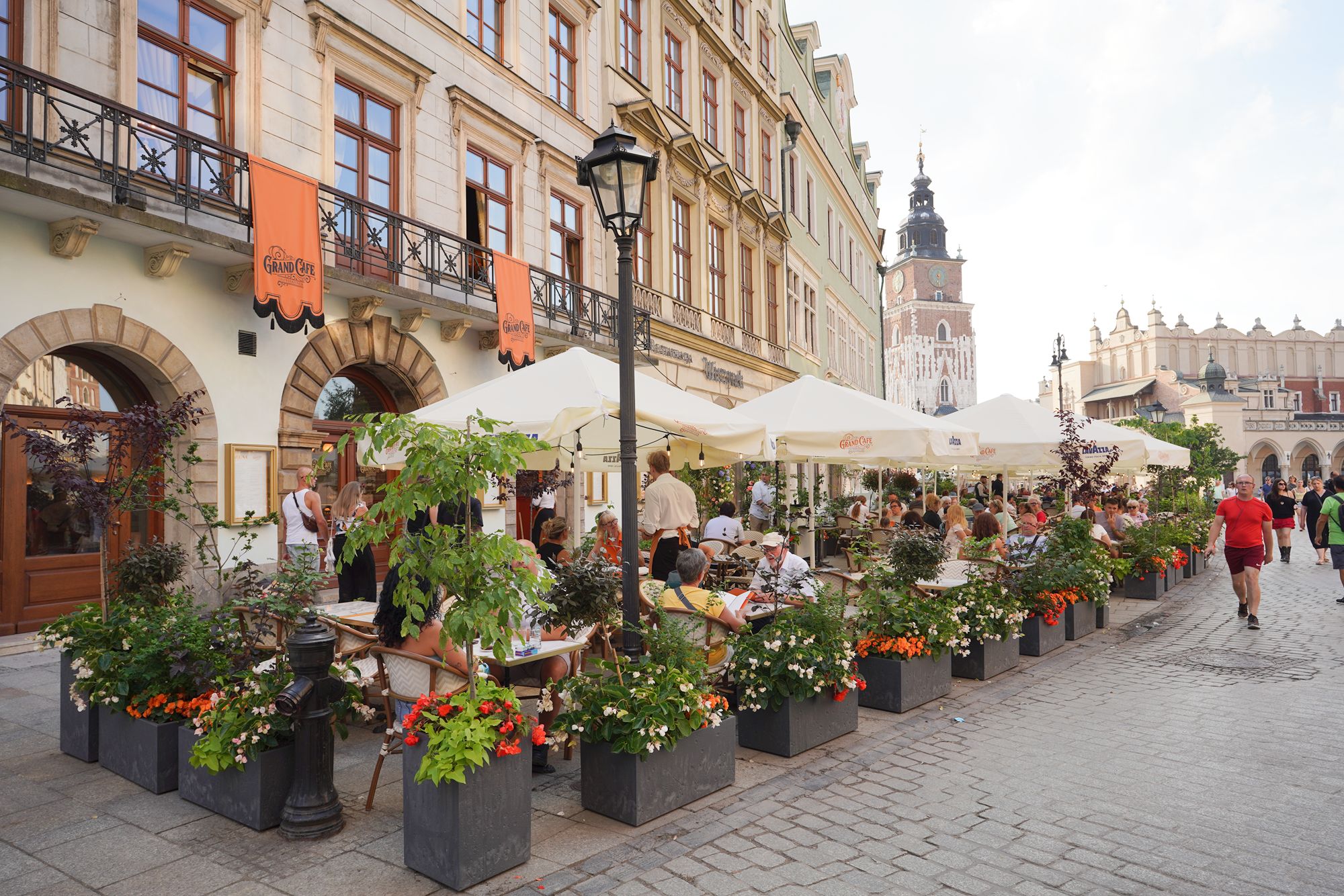
I walked around the Sukiennice to see the rest of Rynek Główny. This side of the square was busy with people strolling past the cafés and historic buildings.
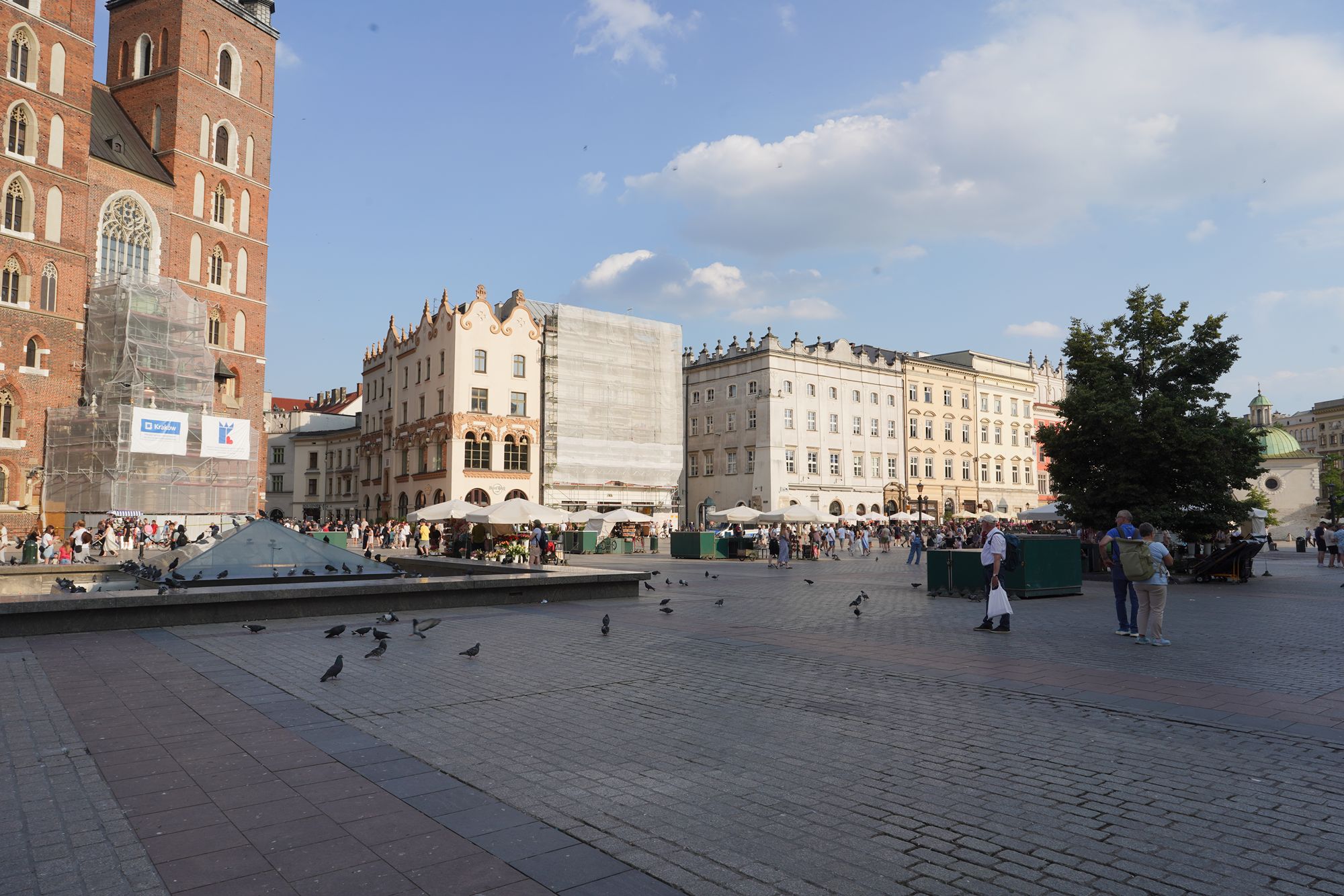
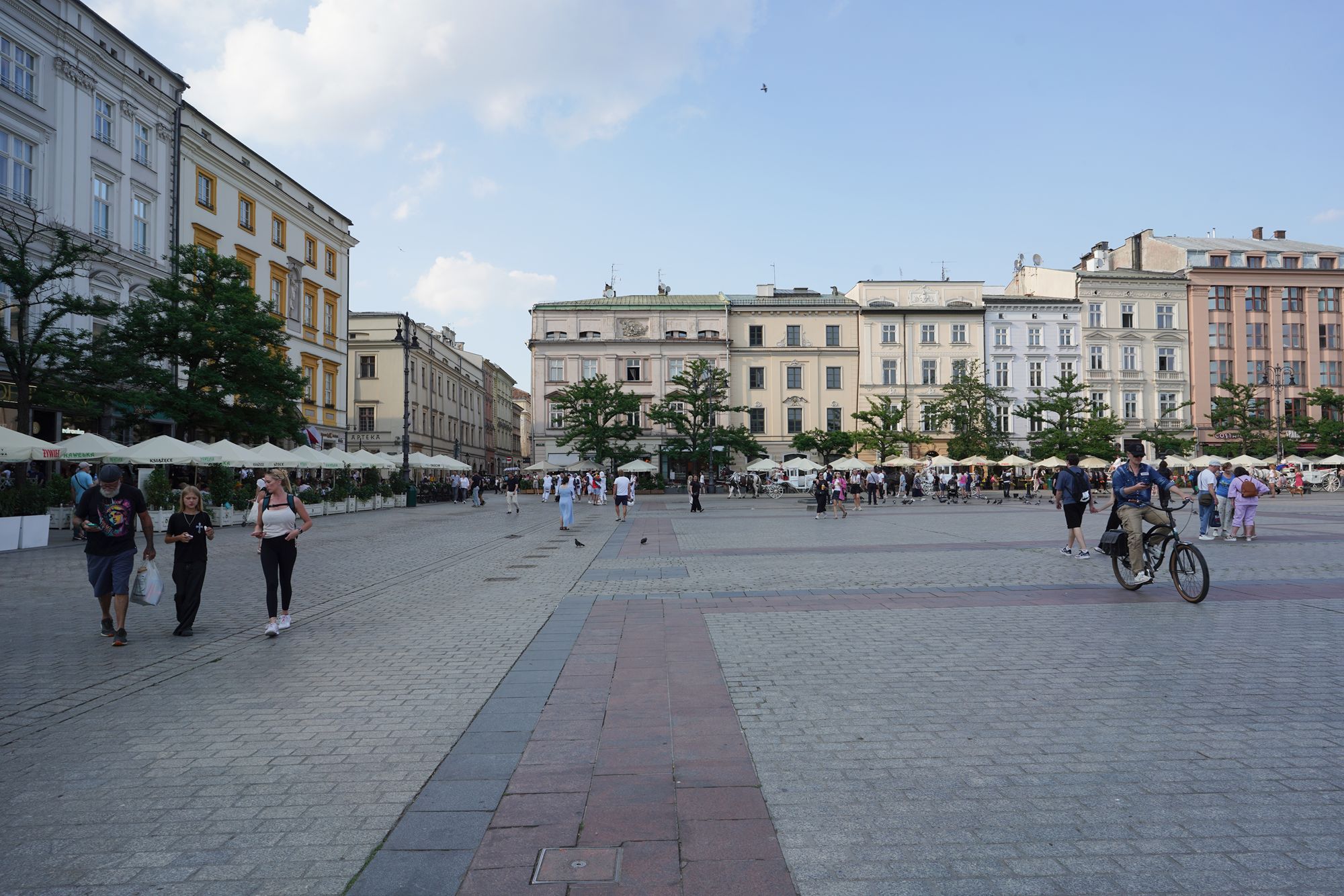
This is the square behind the Sukiennice
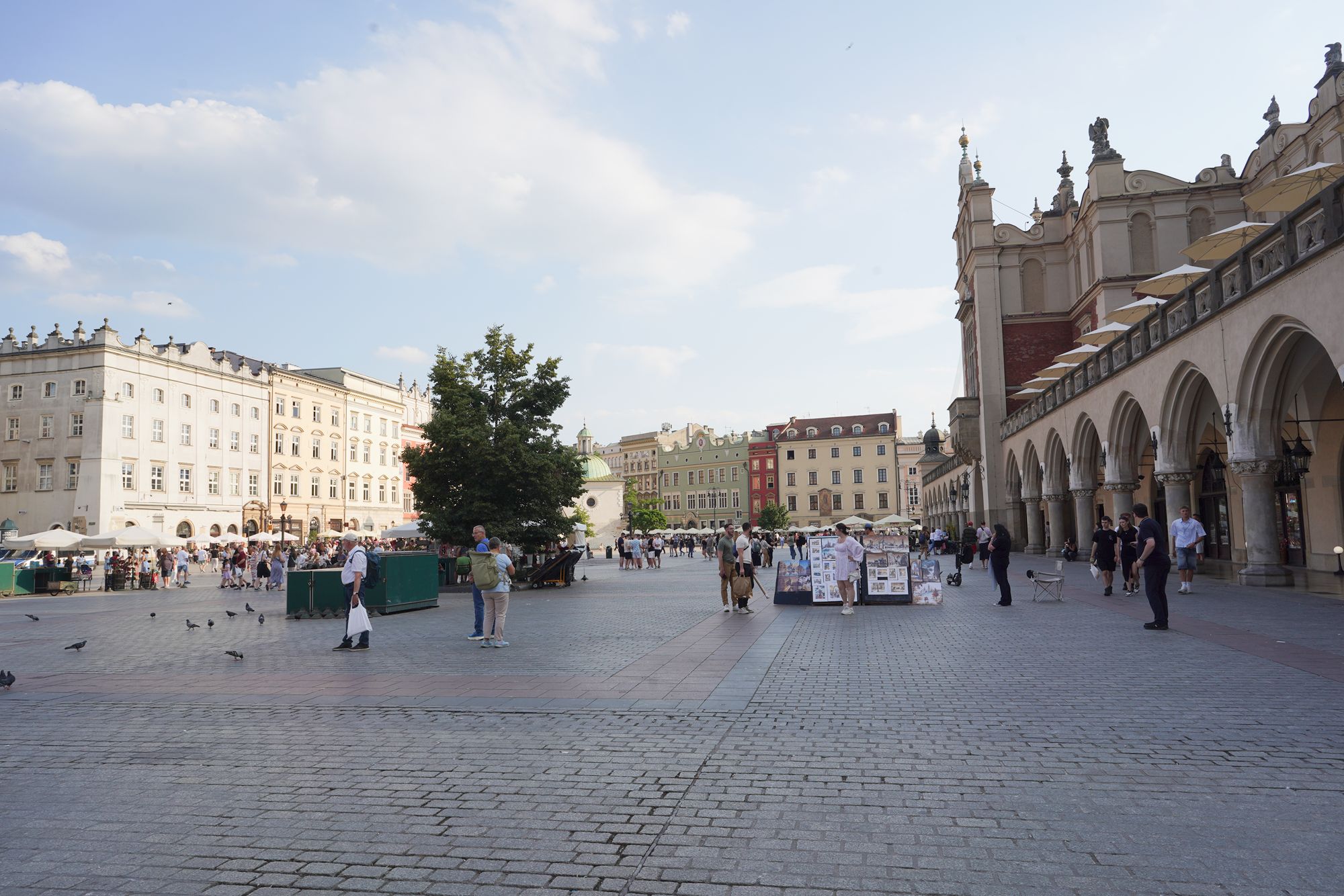
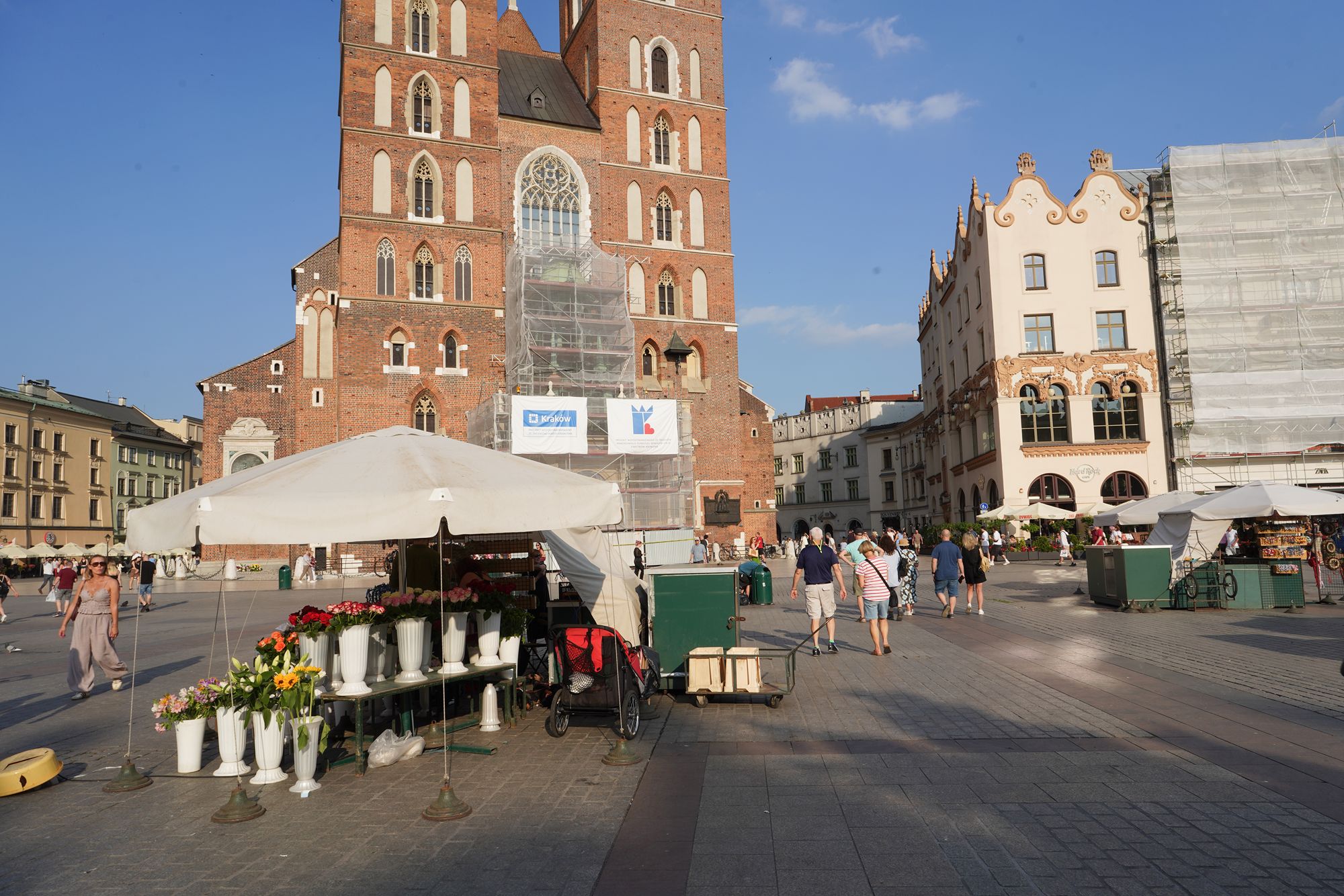
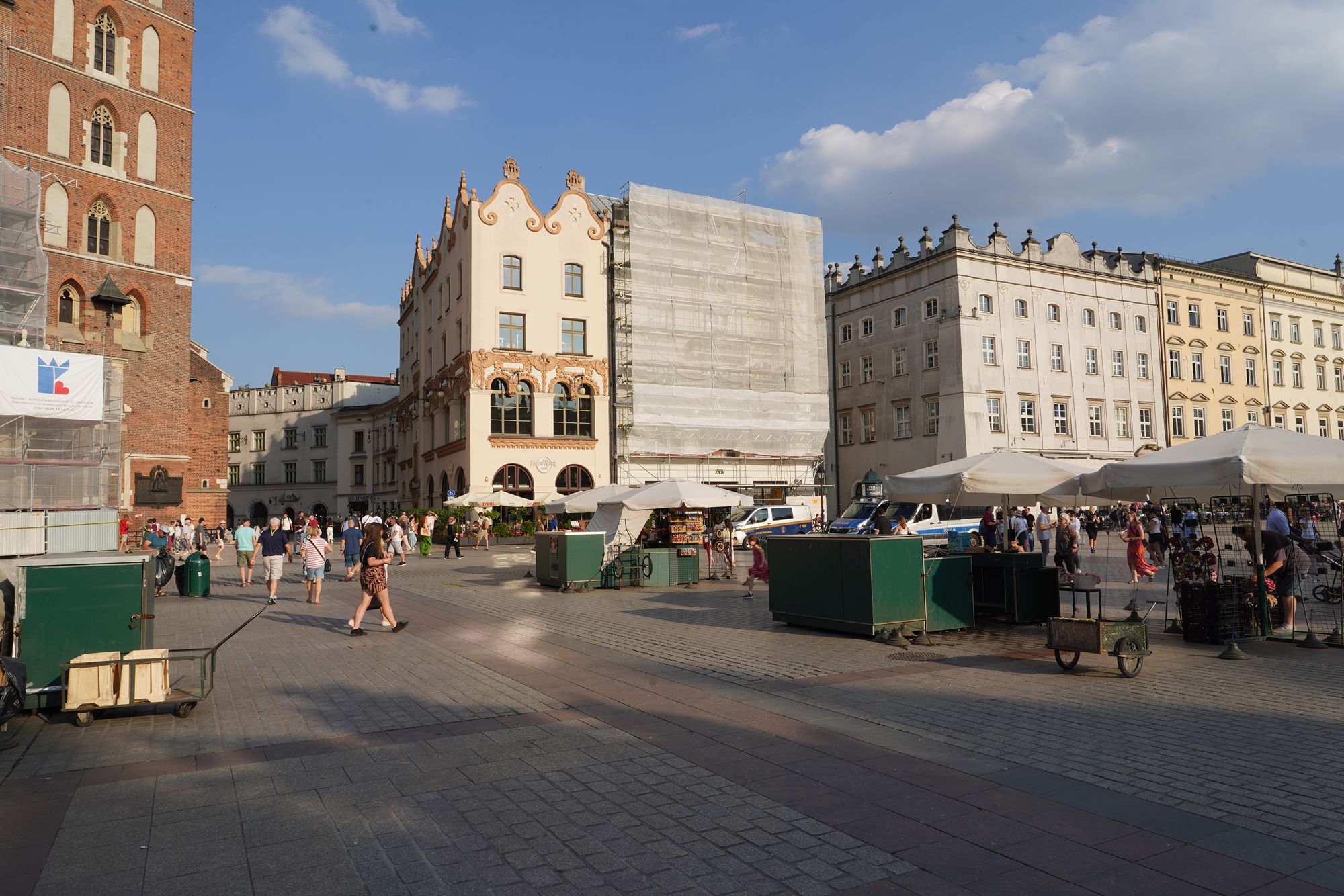
Near St. Mary’s Basilica stands the Adam Mickiewicz Monument, honoring one of Poland’s most celebrated poets. Unveiled in 1898, it has long been a familiar meeting place in Kraków’s Main Market Square.
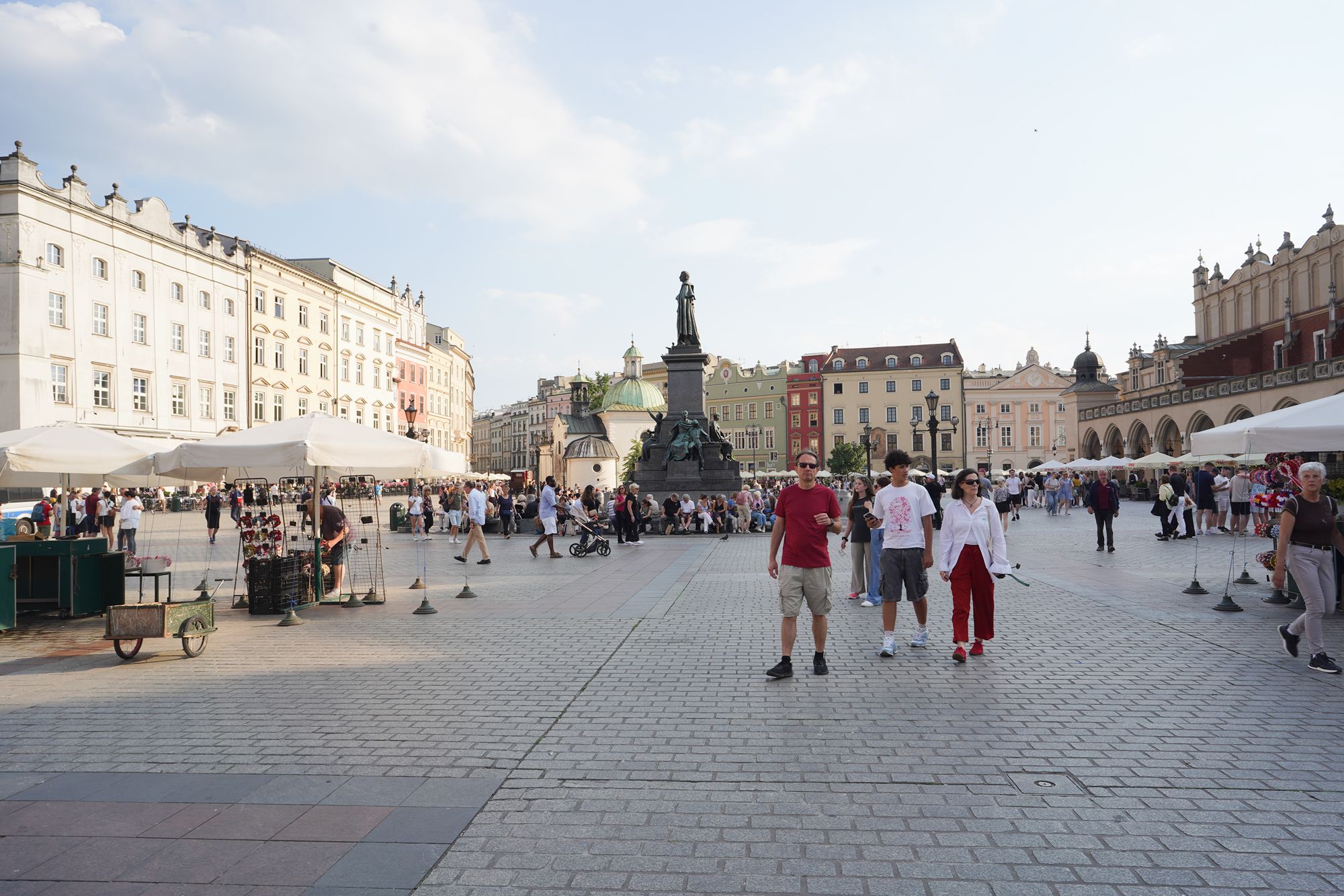
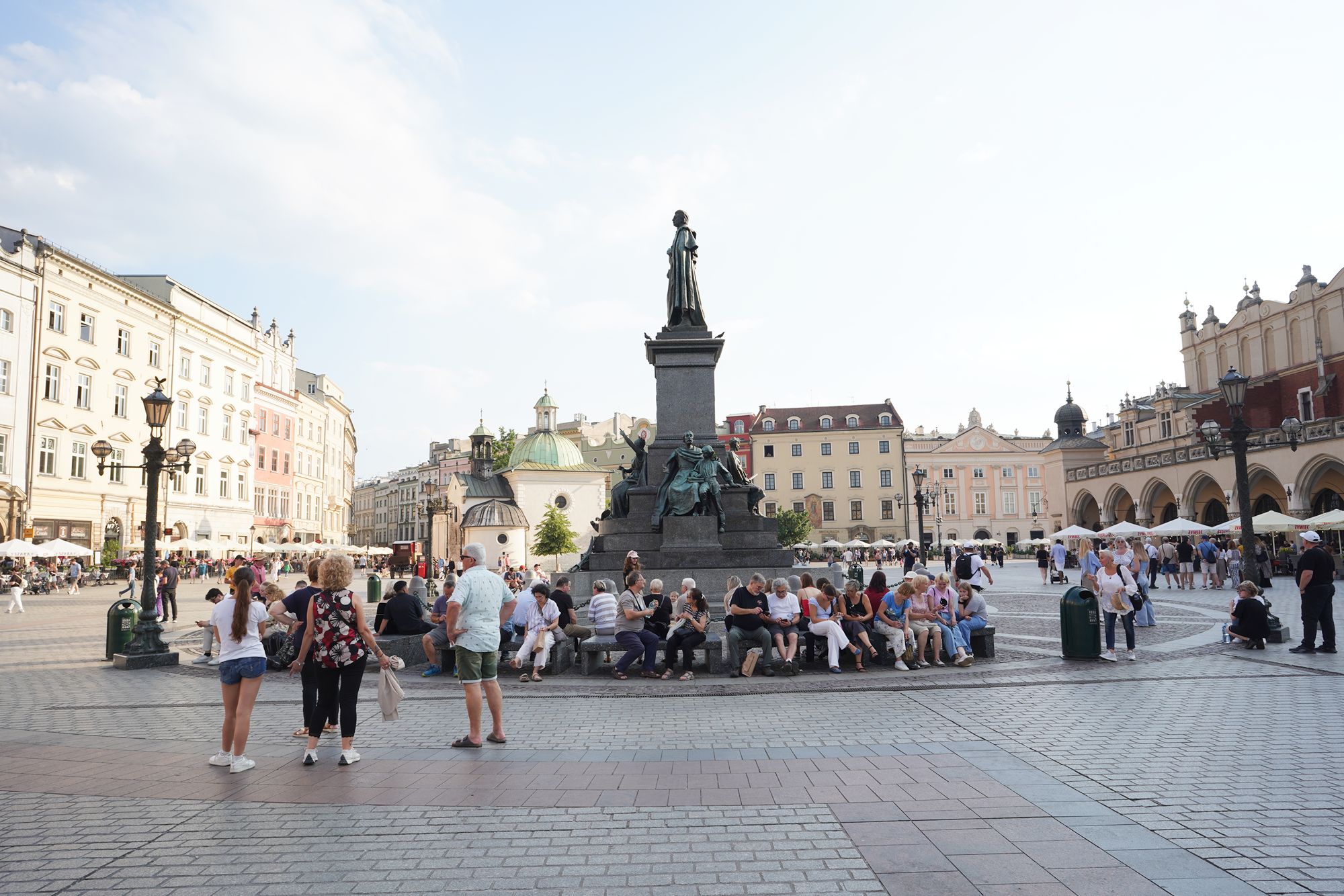
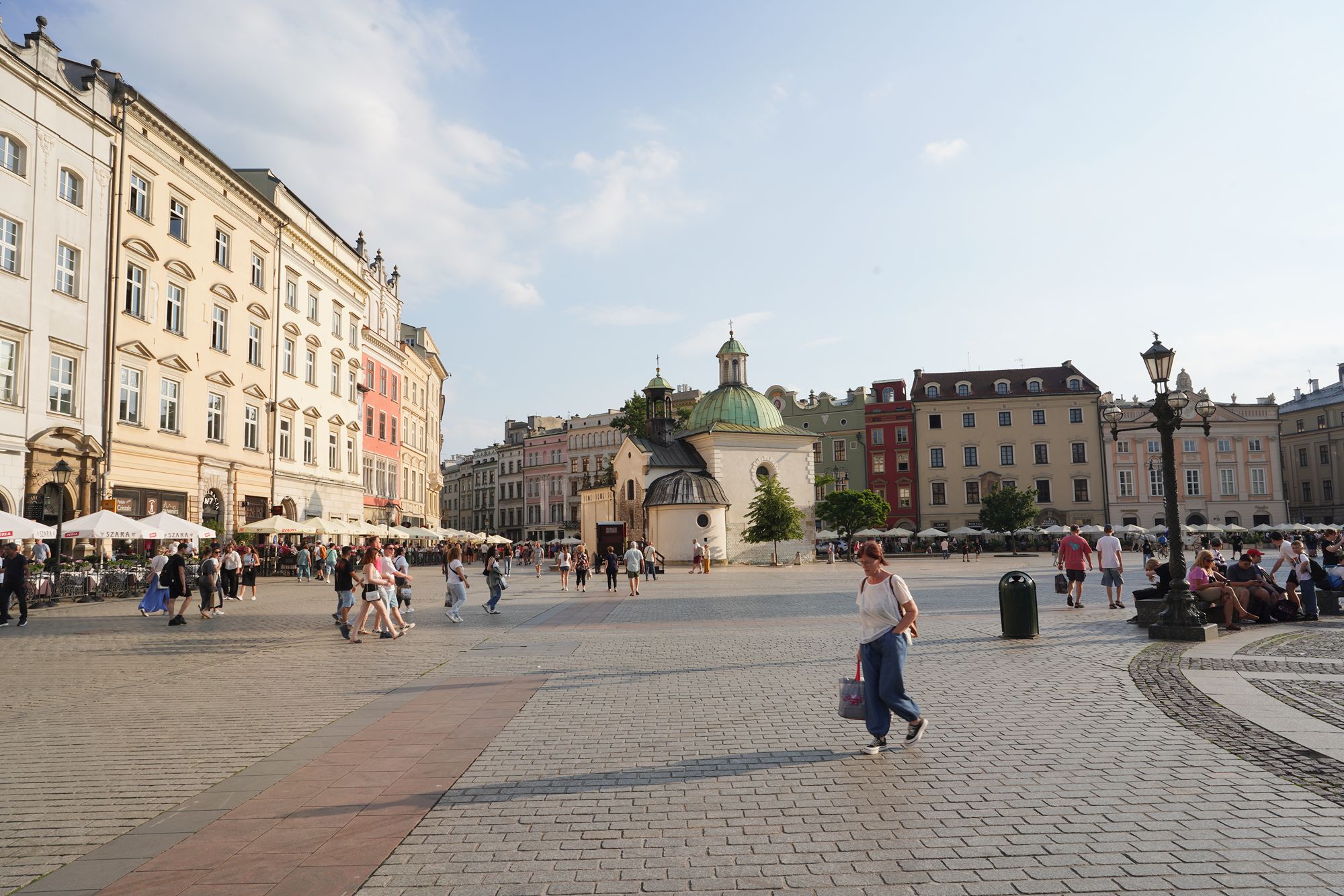
The small Church of St. Wojciech, also known as St. Adalbert’s Church, stands at the edge of Rynek Główny. It was already here before Kraków’s Main Market Square was laid out in the 13th century.
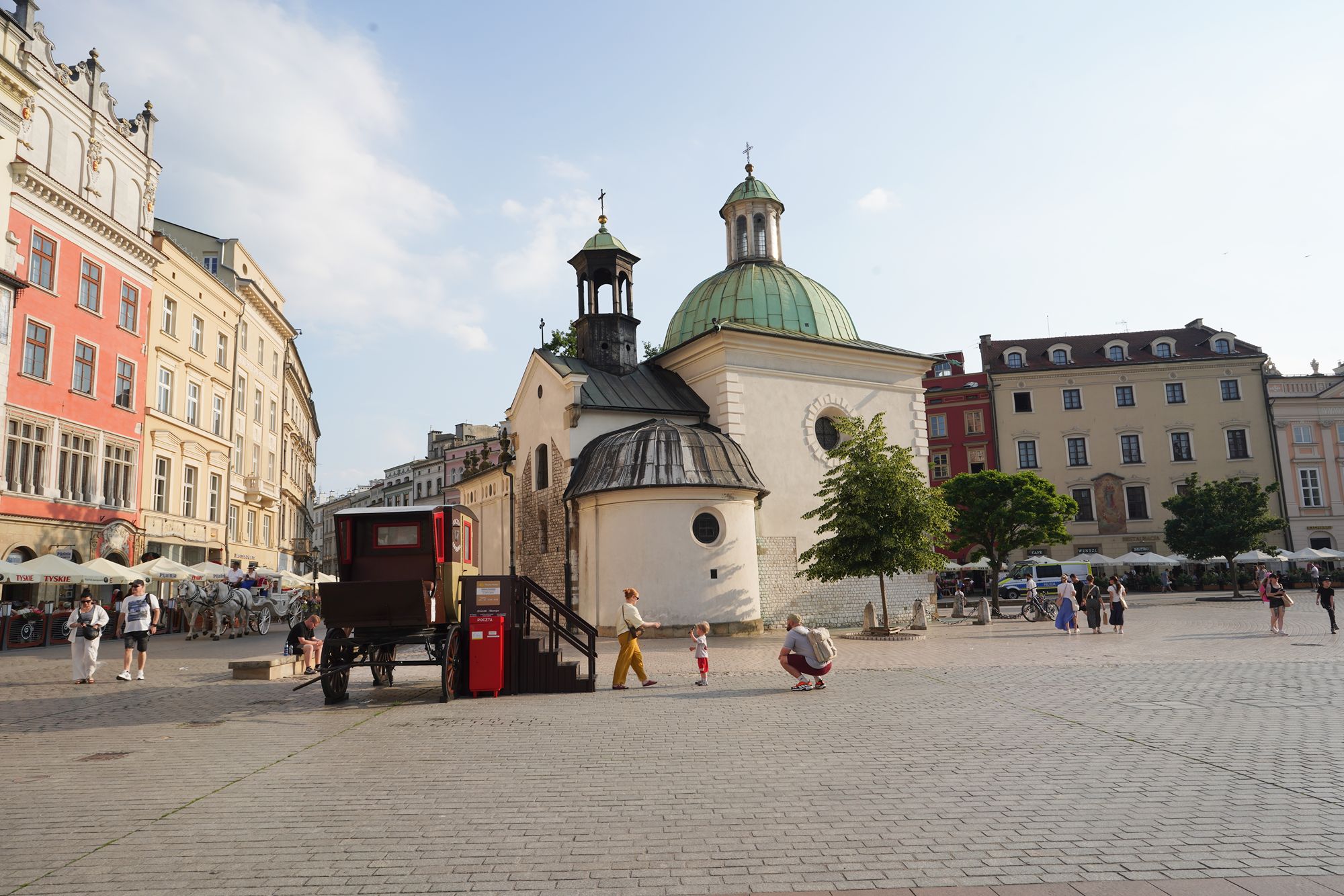
A view behind me
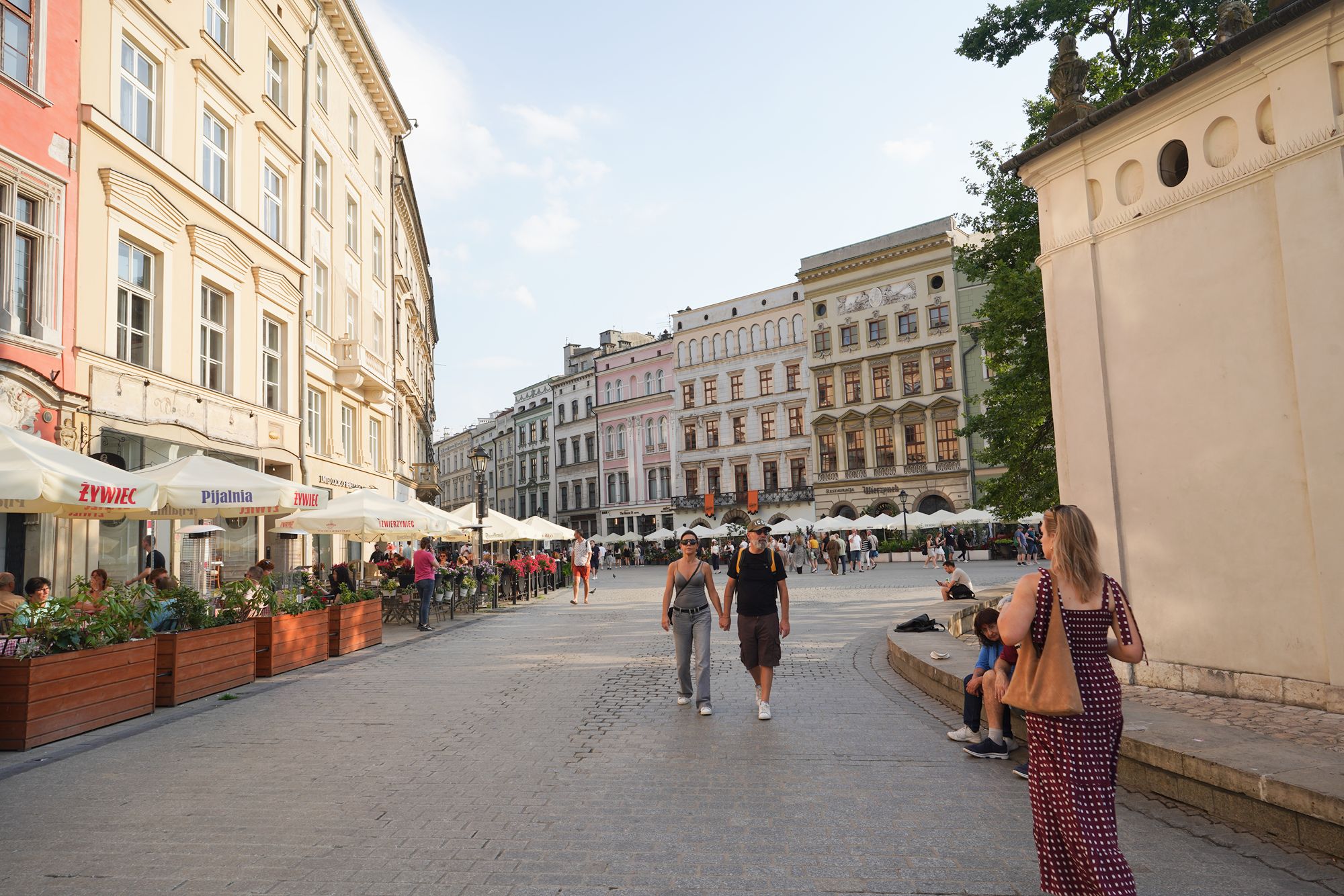
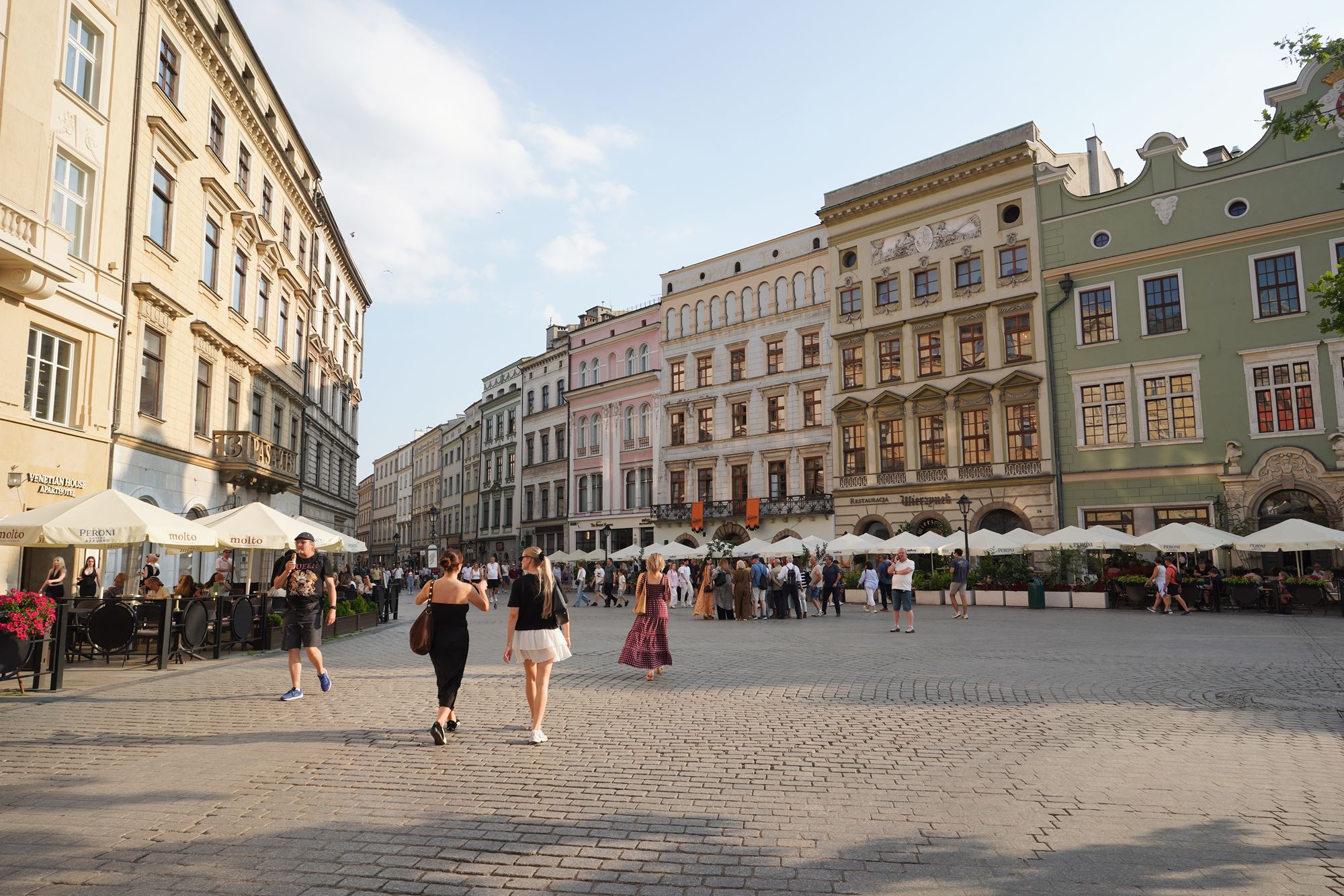
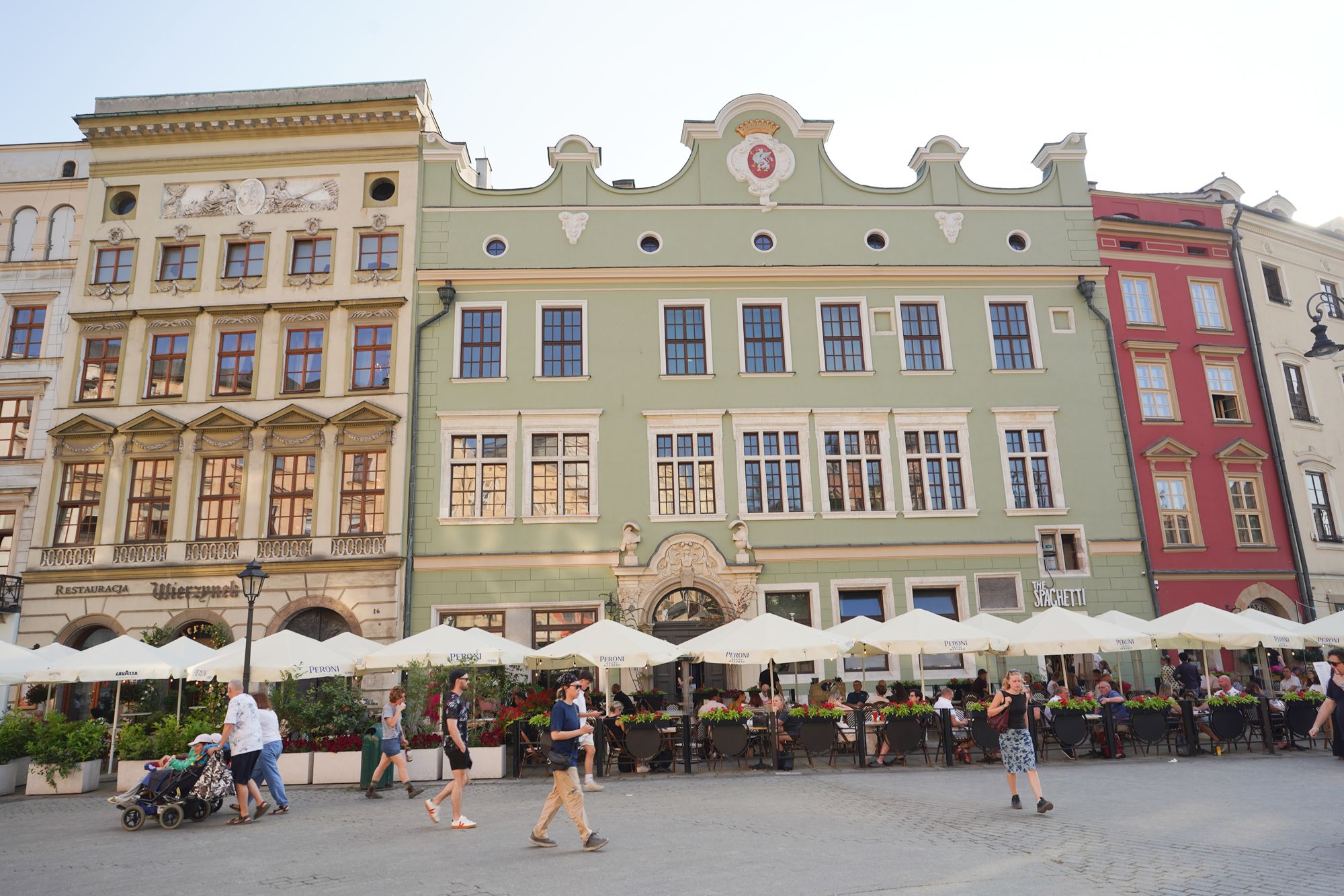
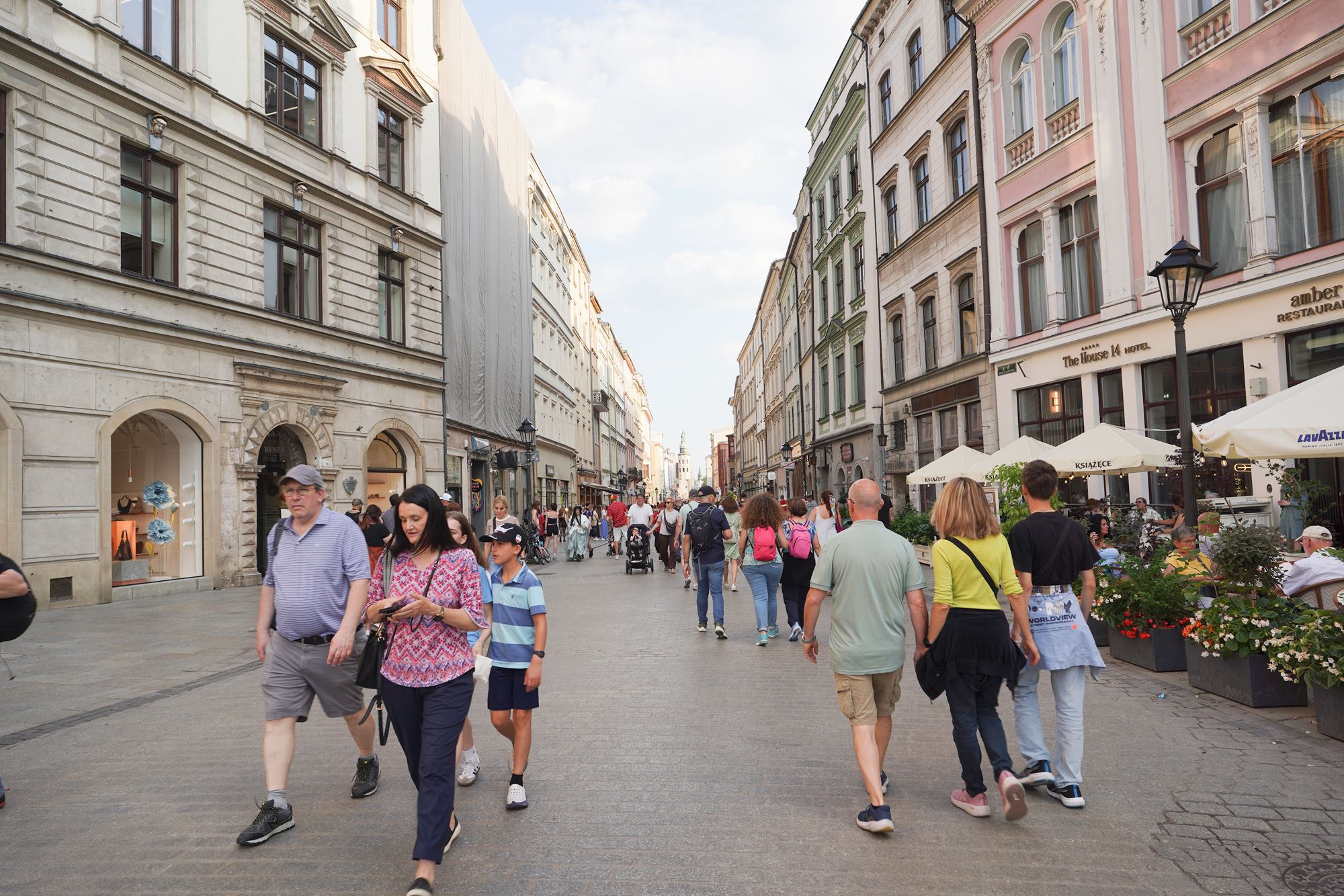
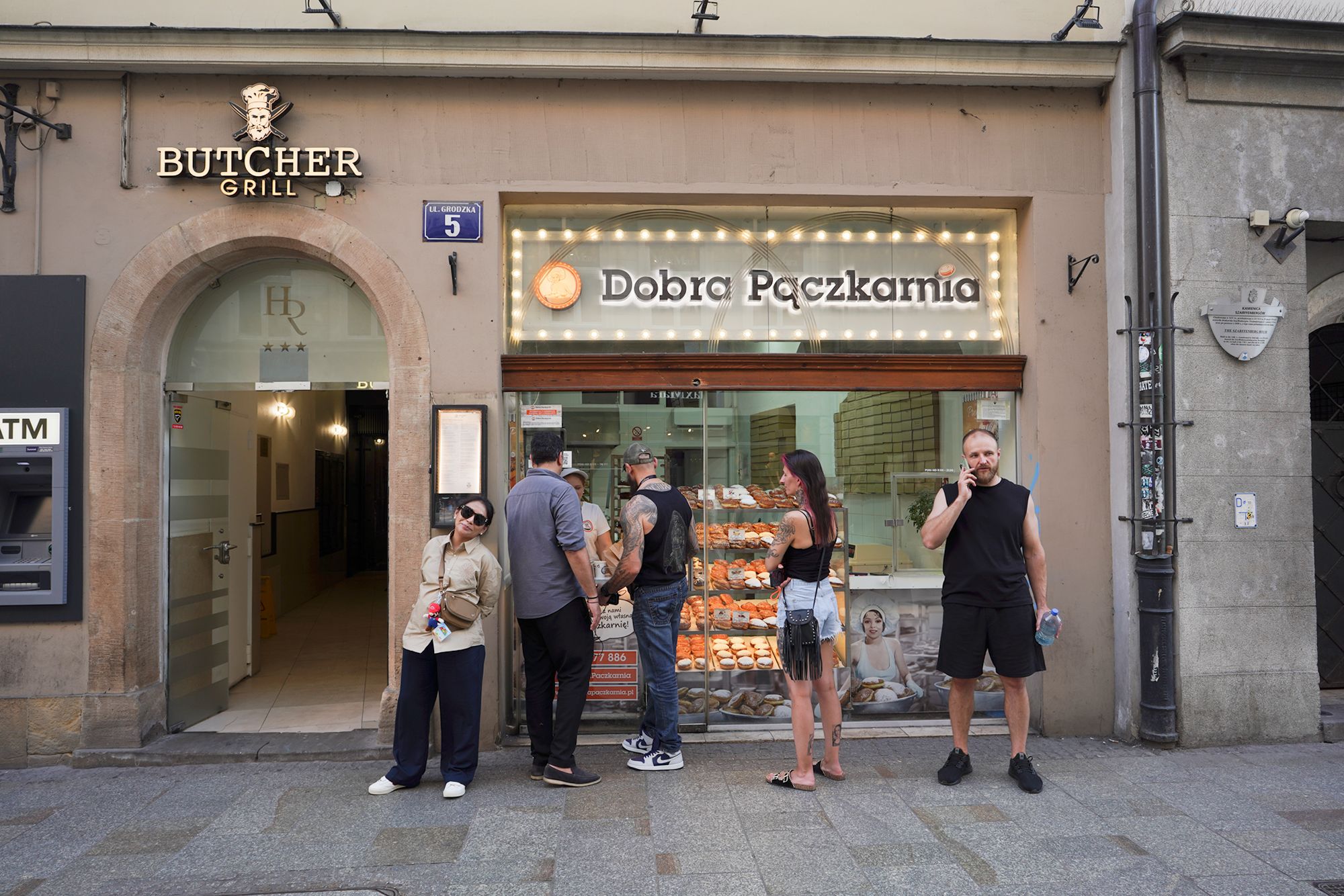
From one corner of the square, I turned onto Grodzka Street and continued my walk through Kraków’s Old Town.
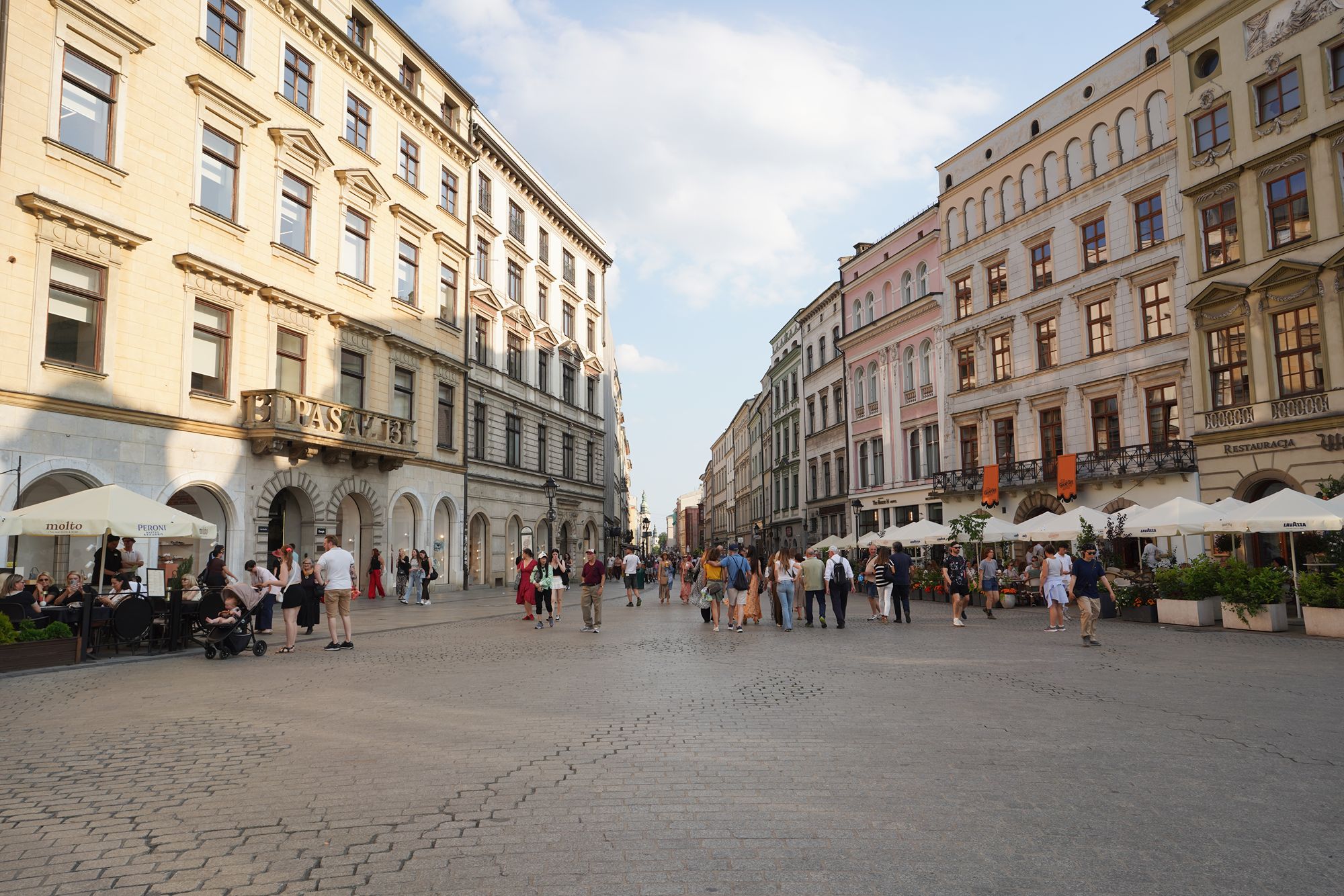
A view behind me
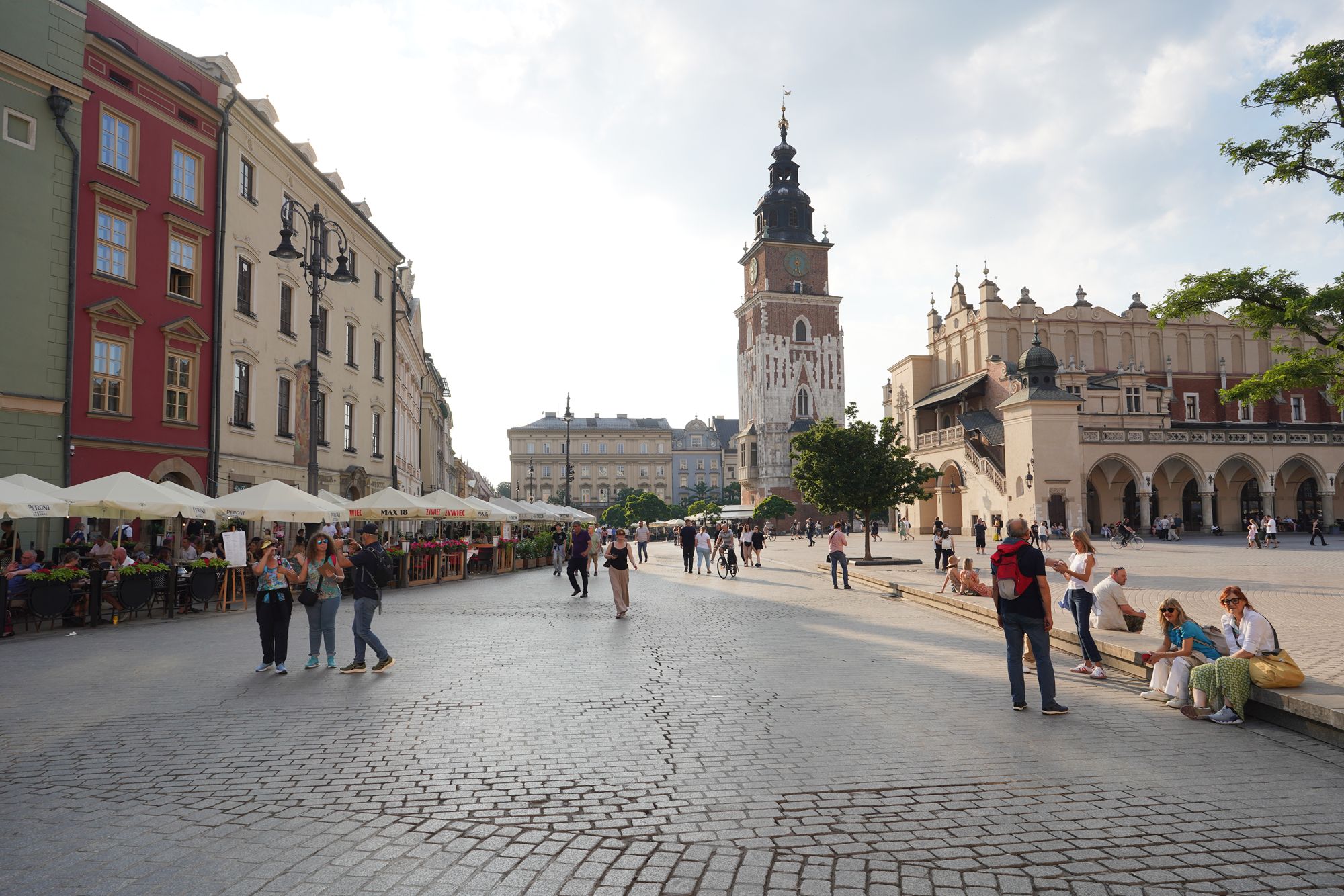
A view behind me
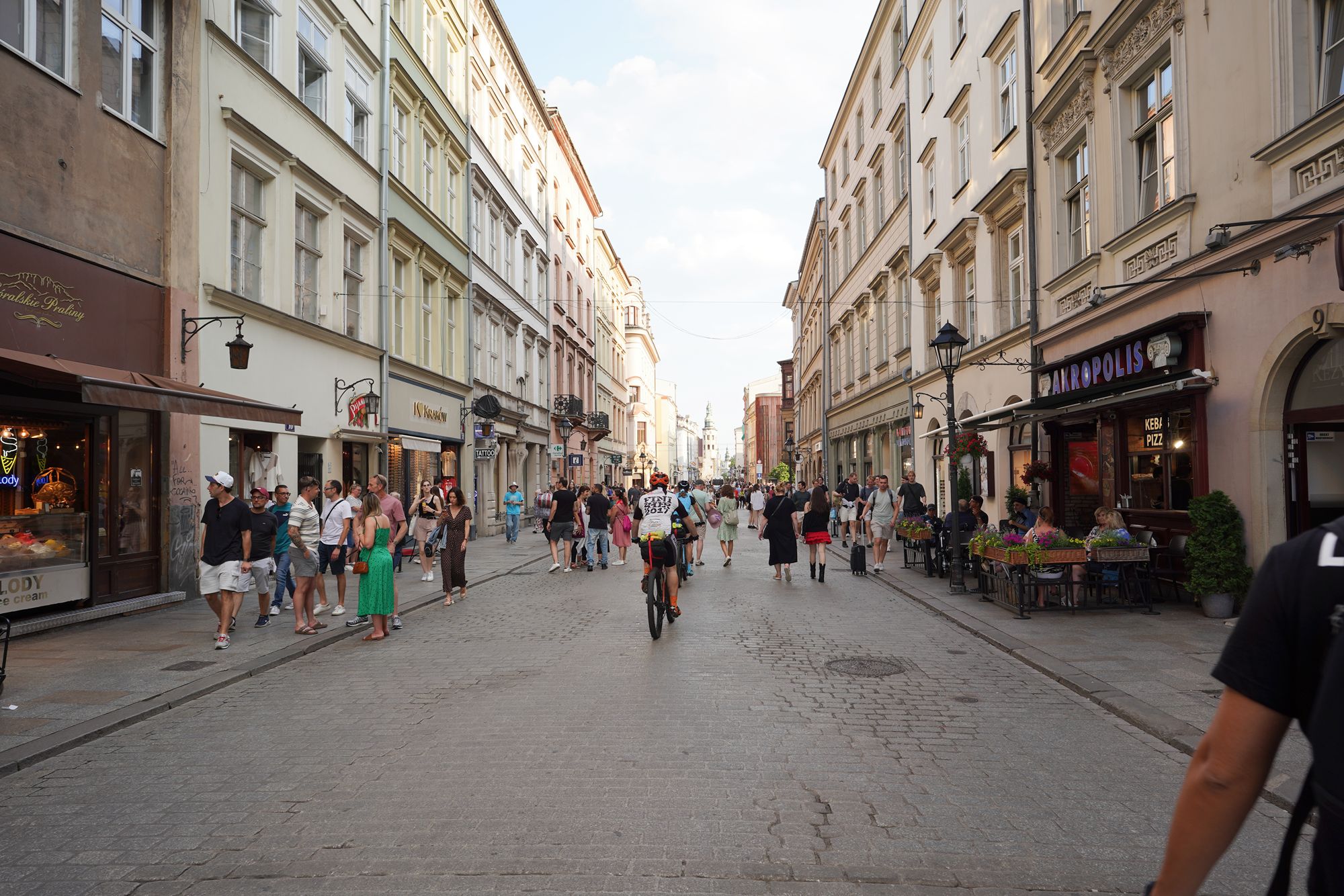
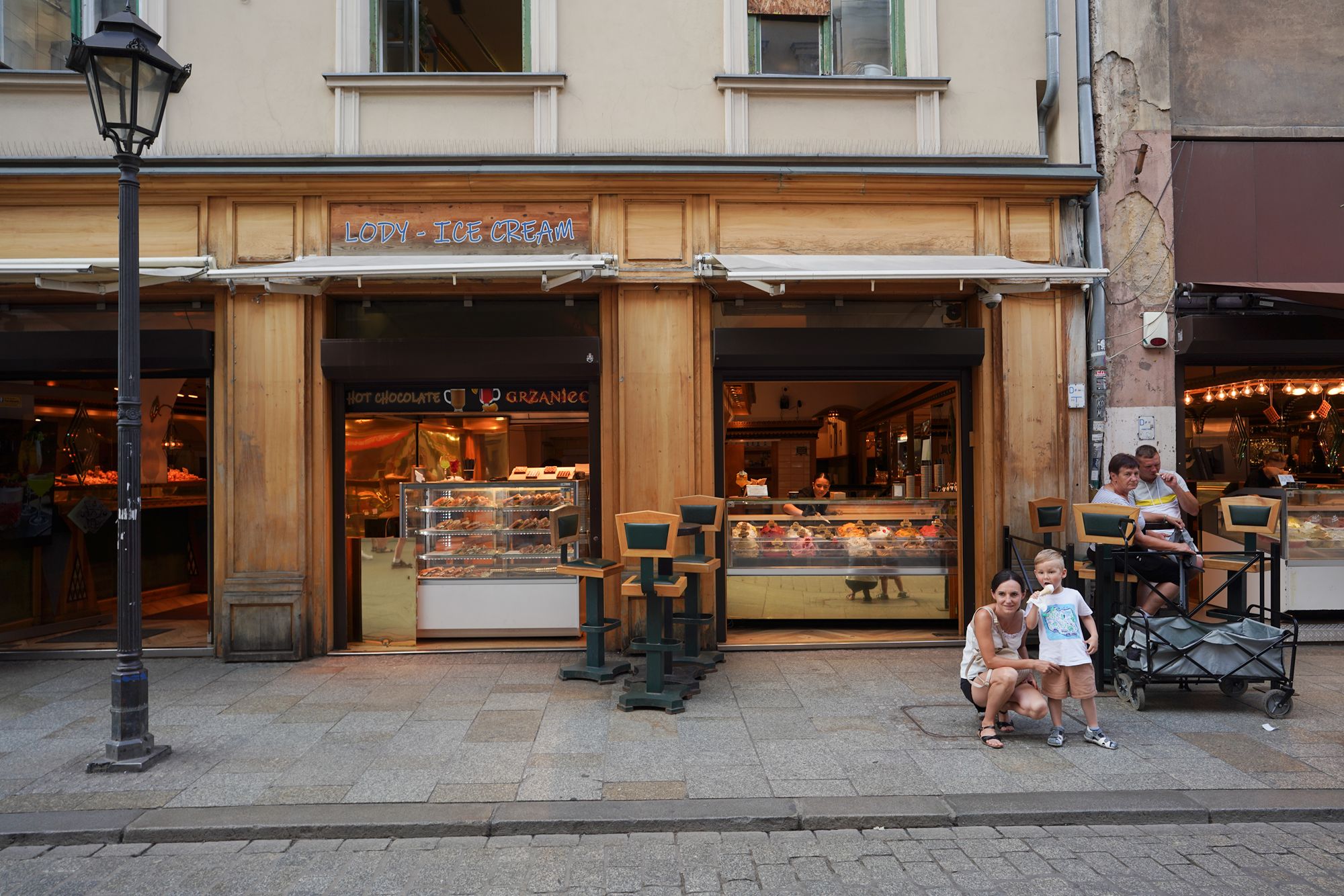
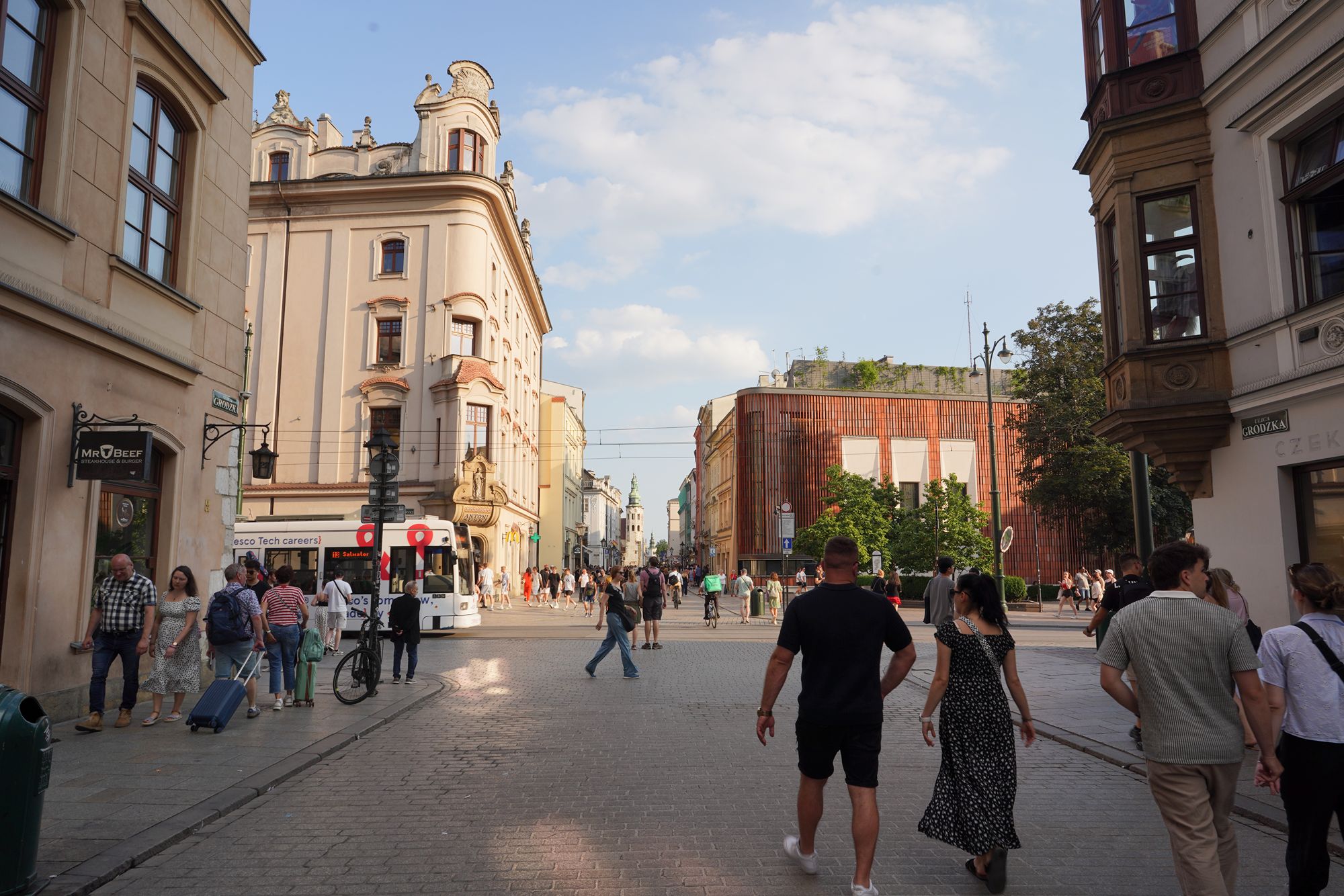
I followed Grodzka Street to the intersection at Plac Wszystkich Świętych, where I paused to look around before continuing my walk.
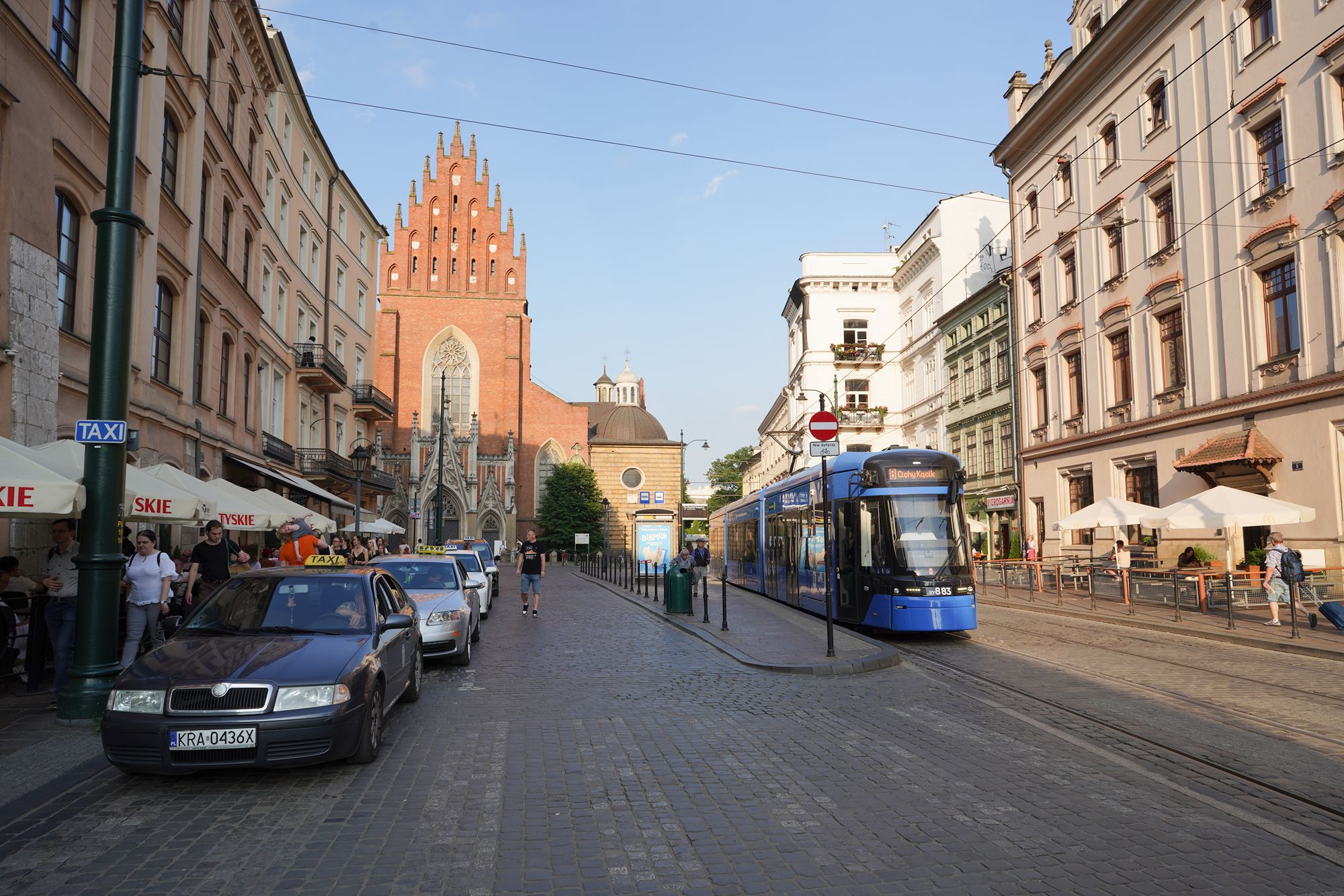
At Plac Wszystkich Świętych, Holy Trinity Church stood on my left. I stopped to look at its entrance before continuing along Grodzka Street.
Across Plac Wszystkich Świętych, on my right, was the Basilica of St. Francis of Assisi.
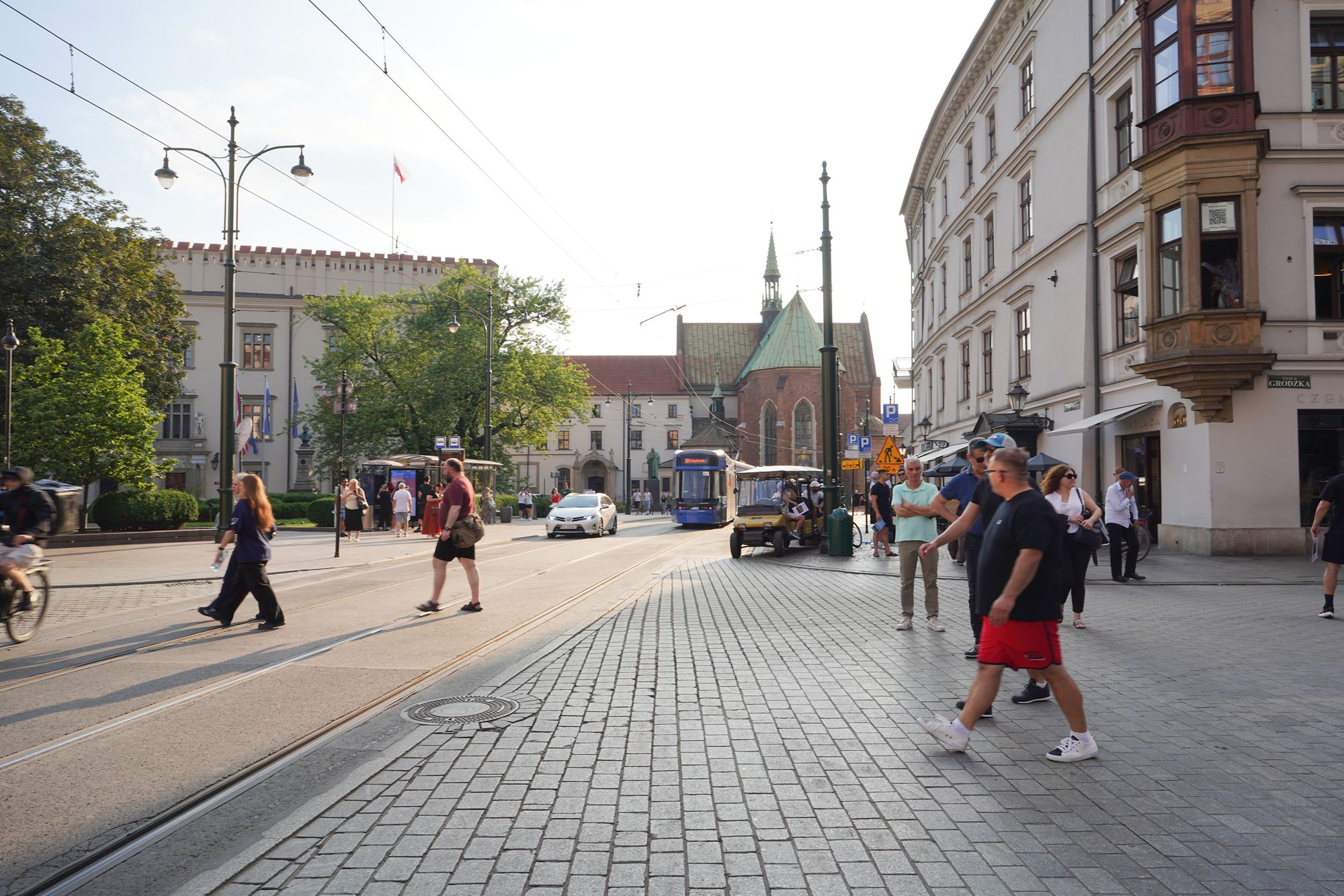
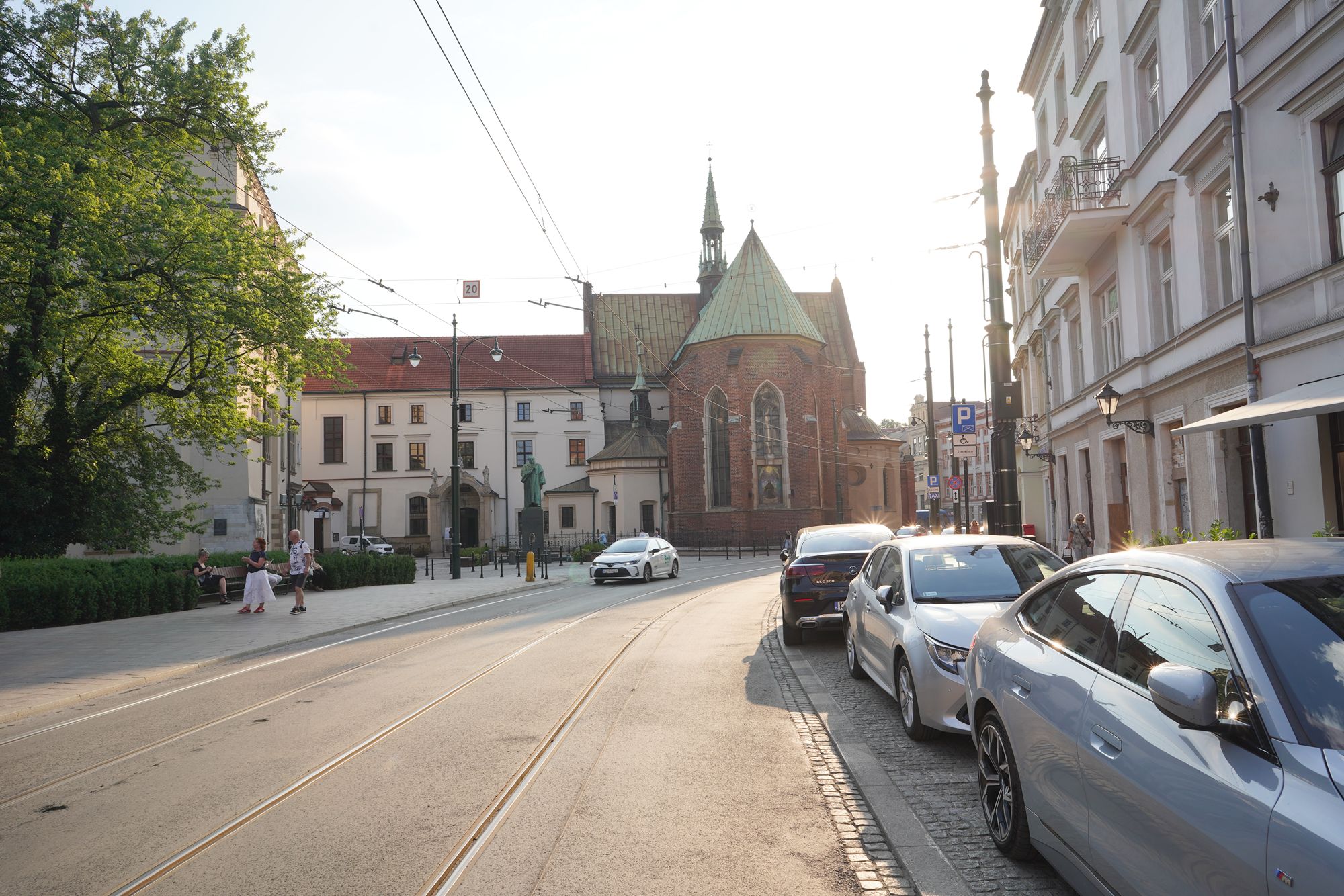
The Basilica of St. Francis of Assisi is a historic Franciscan church near Plac Wszystkich Świętych. Its interior is especially known for the colorful stained glass and wall paintings designed by Polish artist Stanisław Wyspiański.
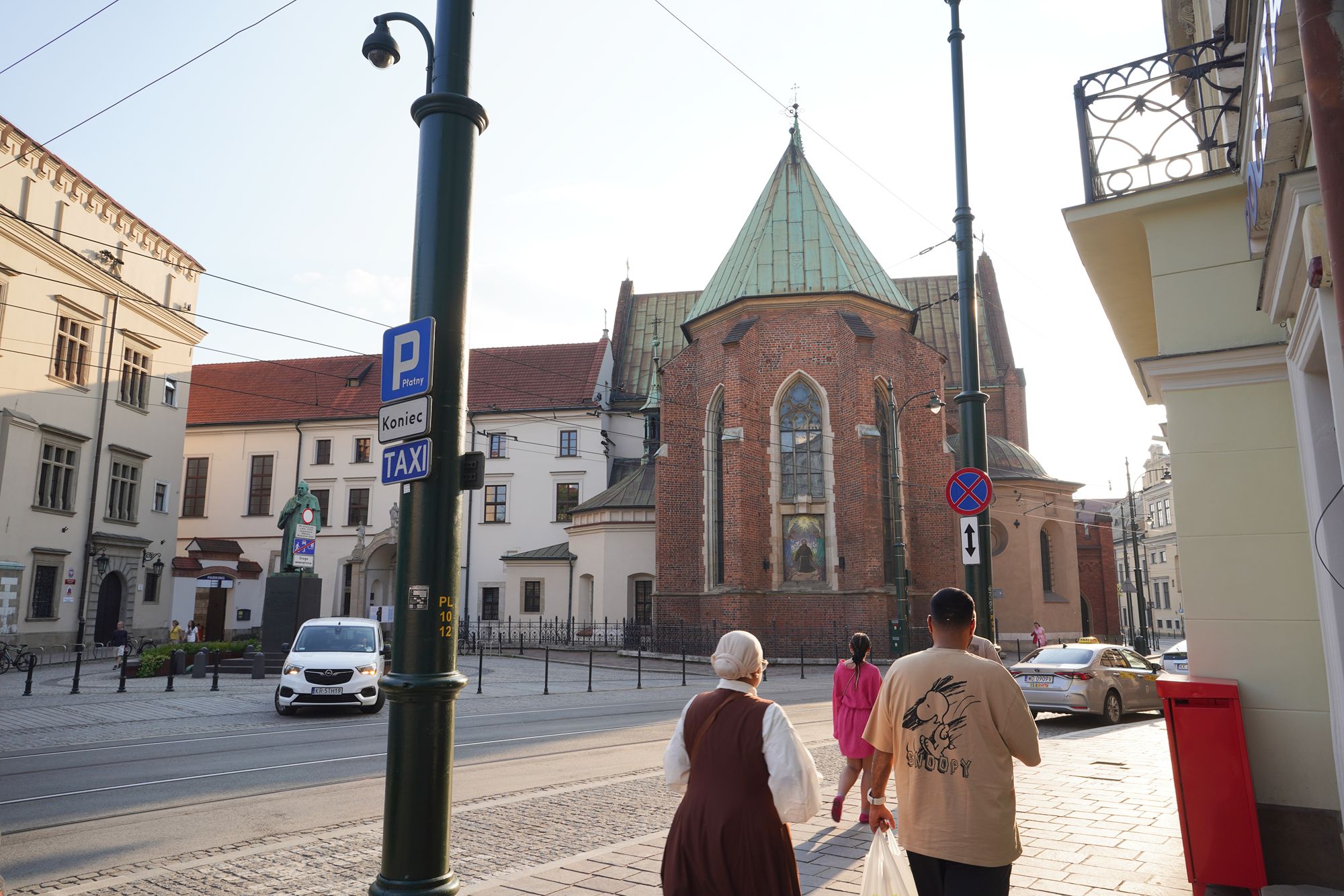
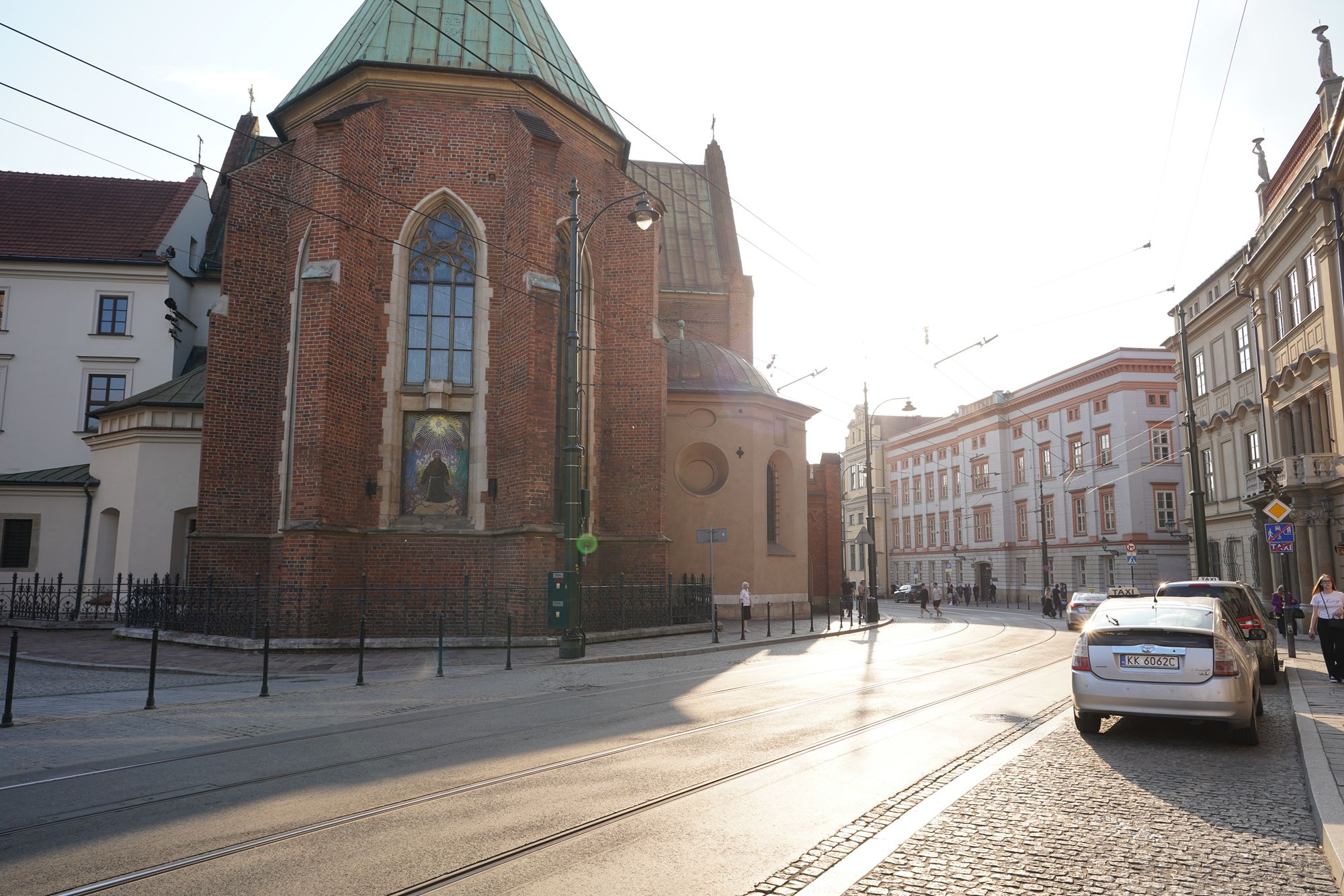
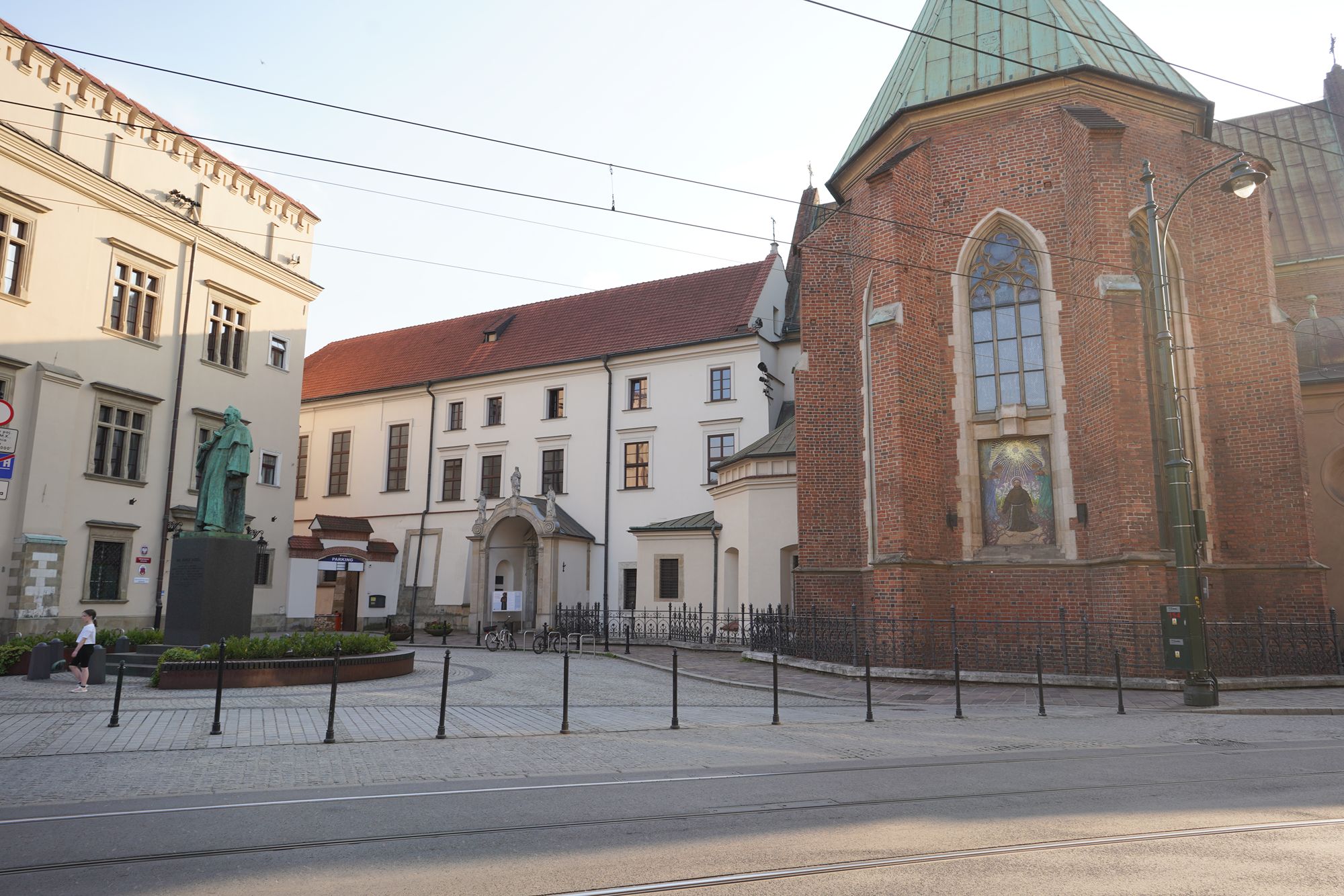
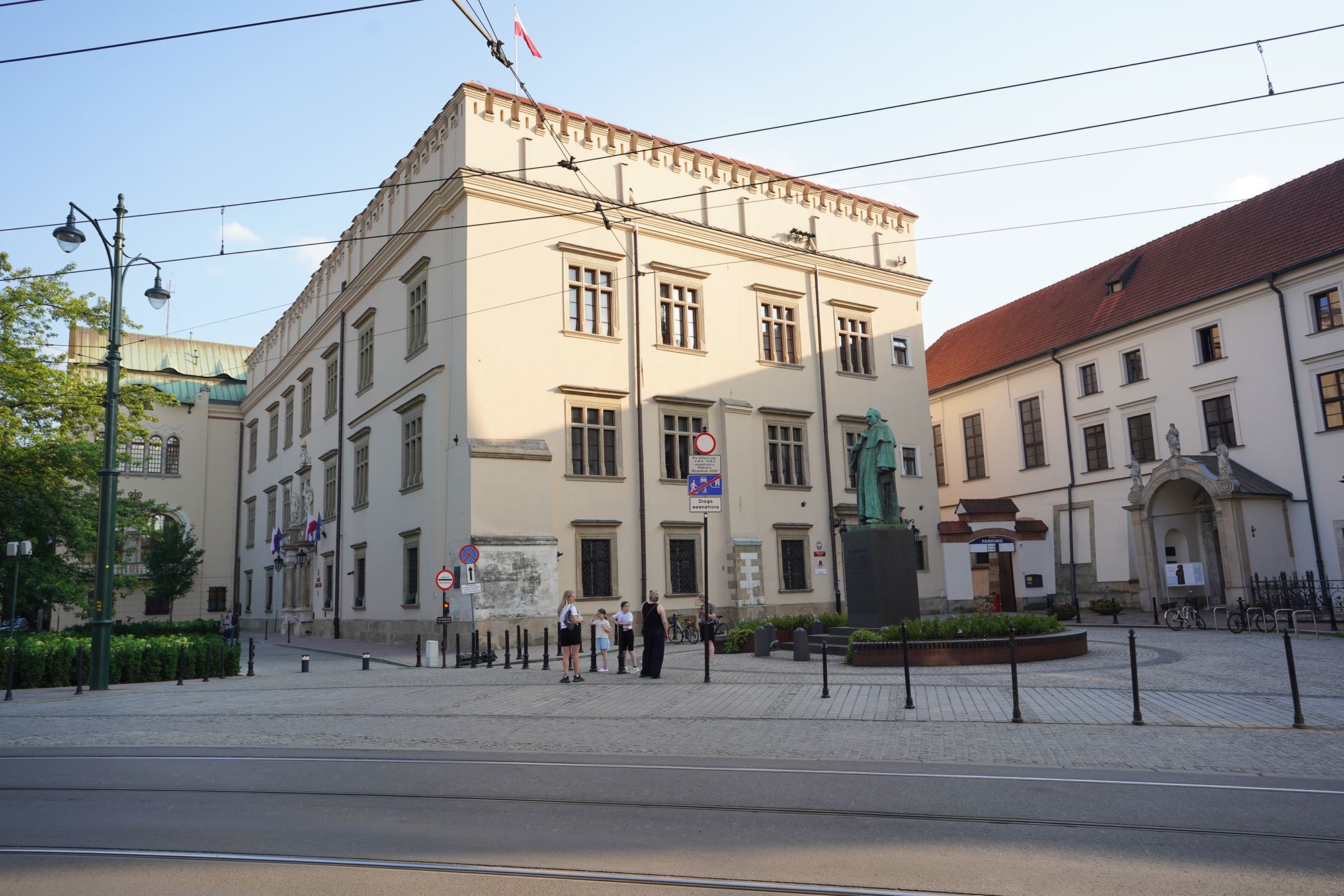
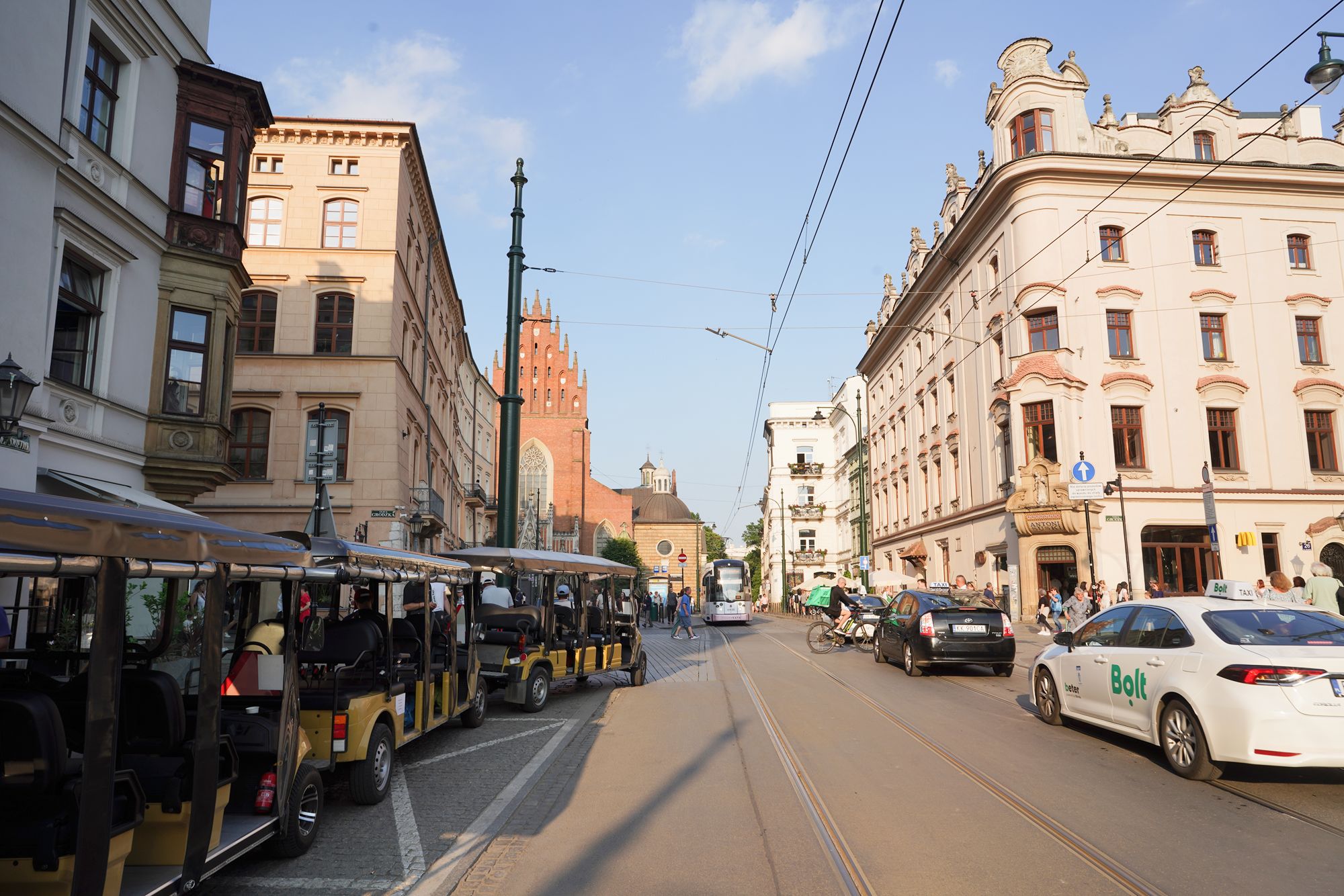
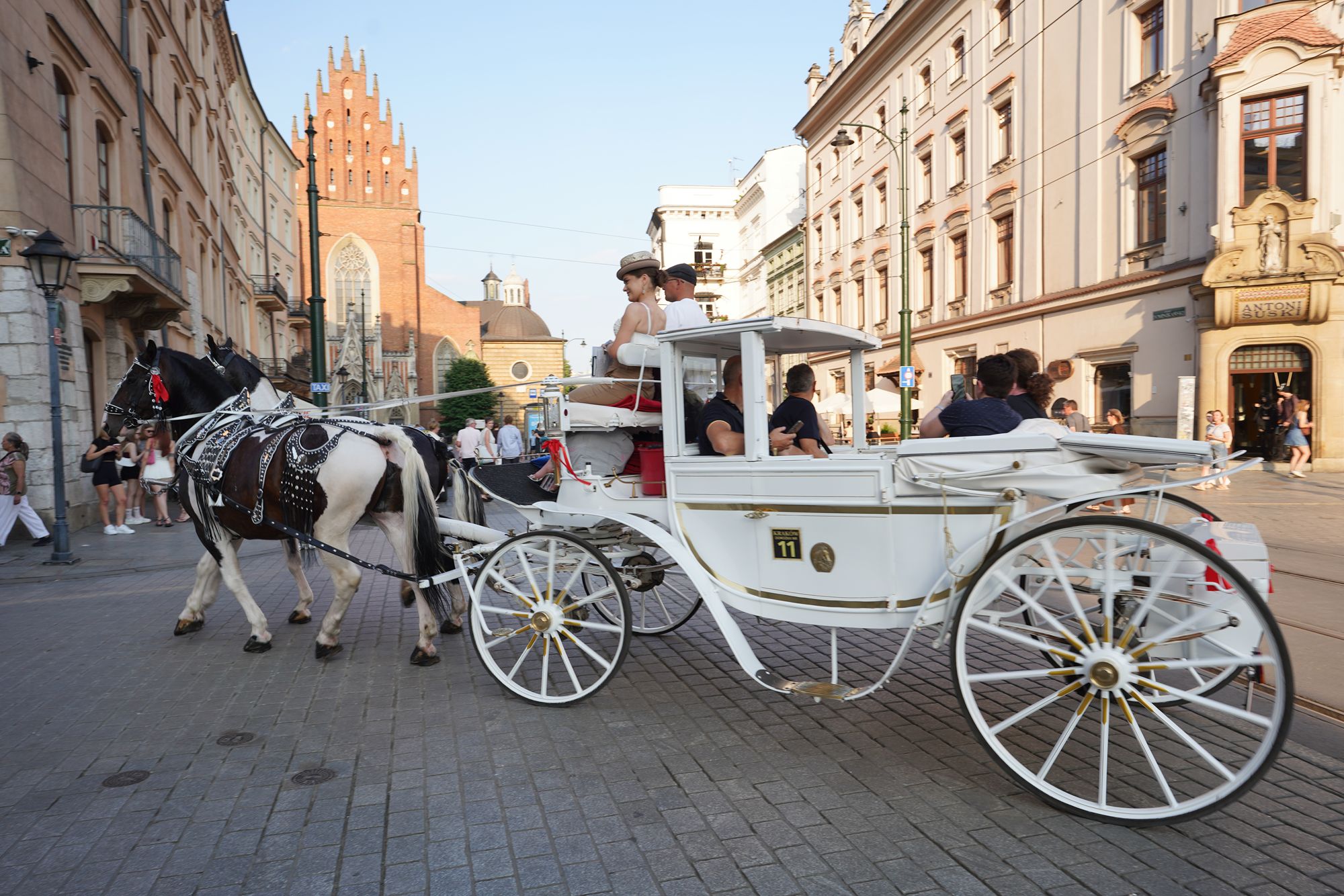
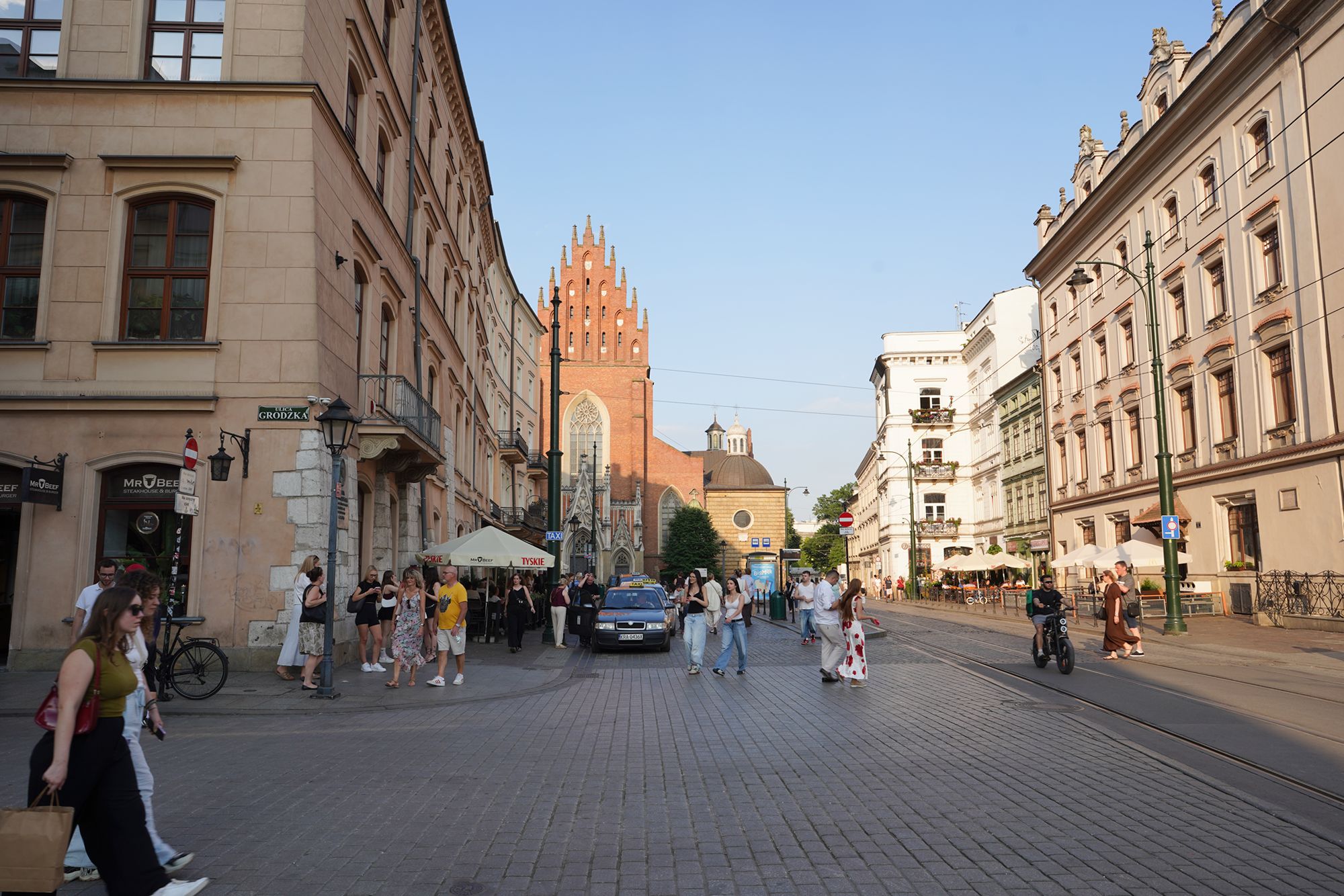
After looking around Plac Wszystkich Świętych, I returned to Grodzka Street and continued my walk.
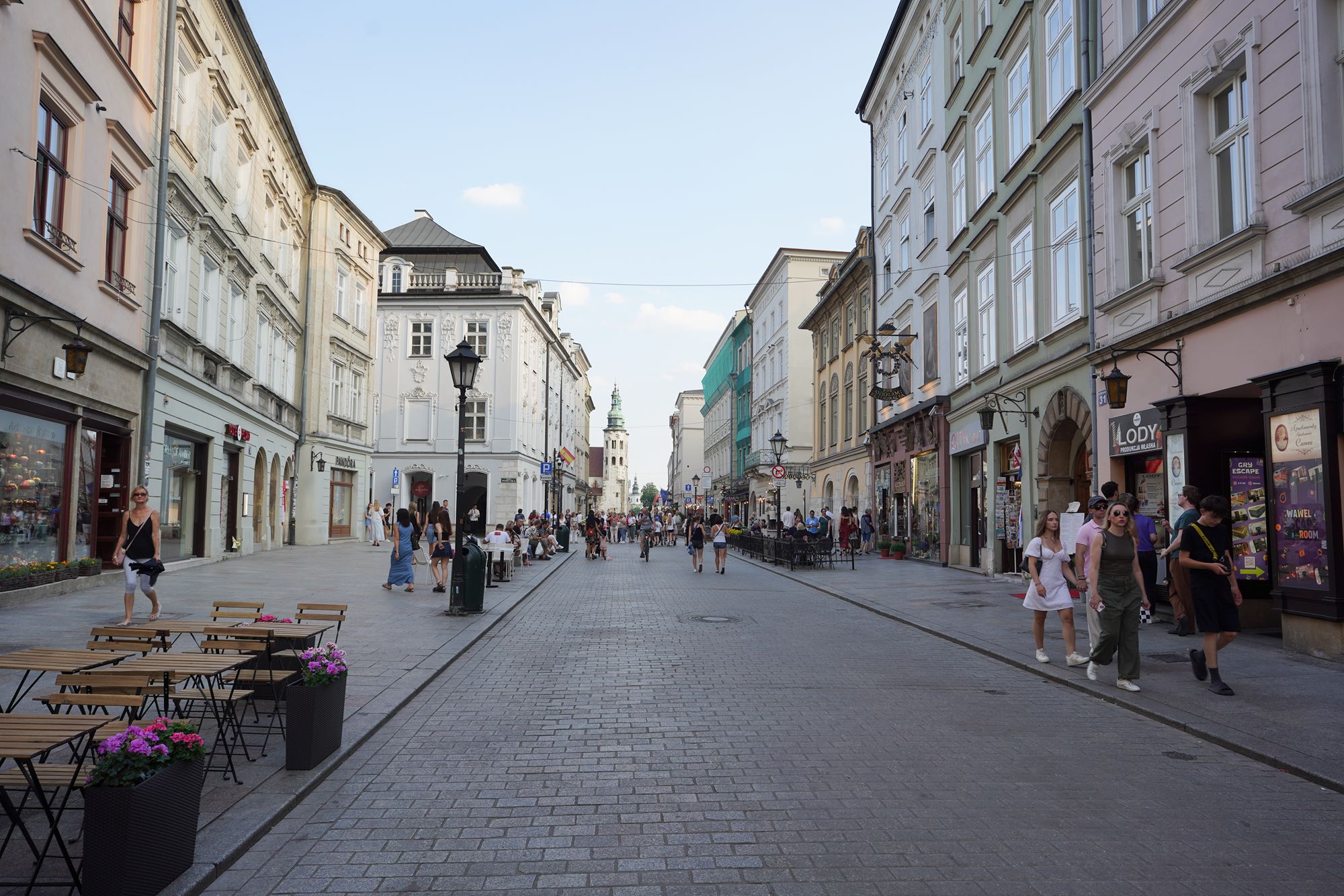
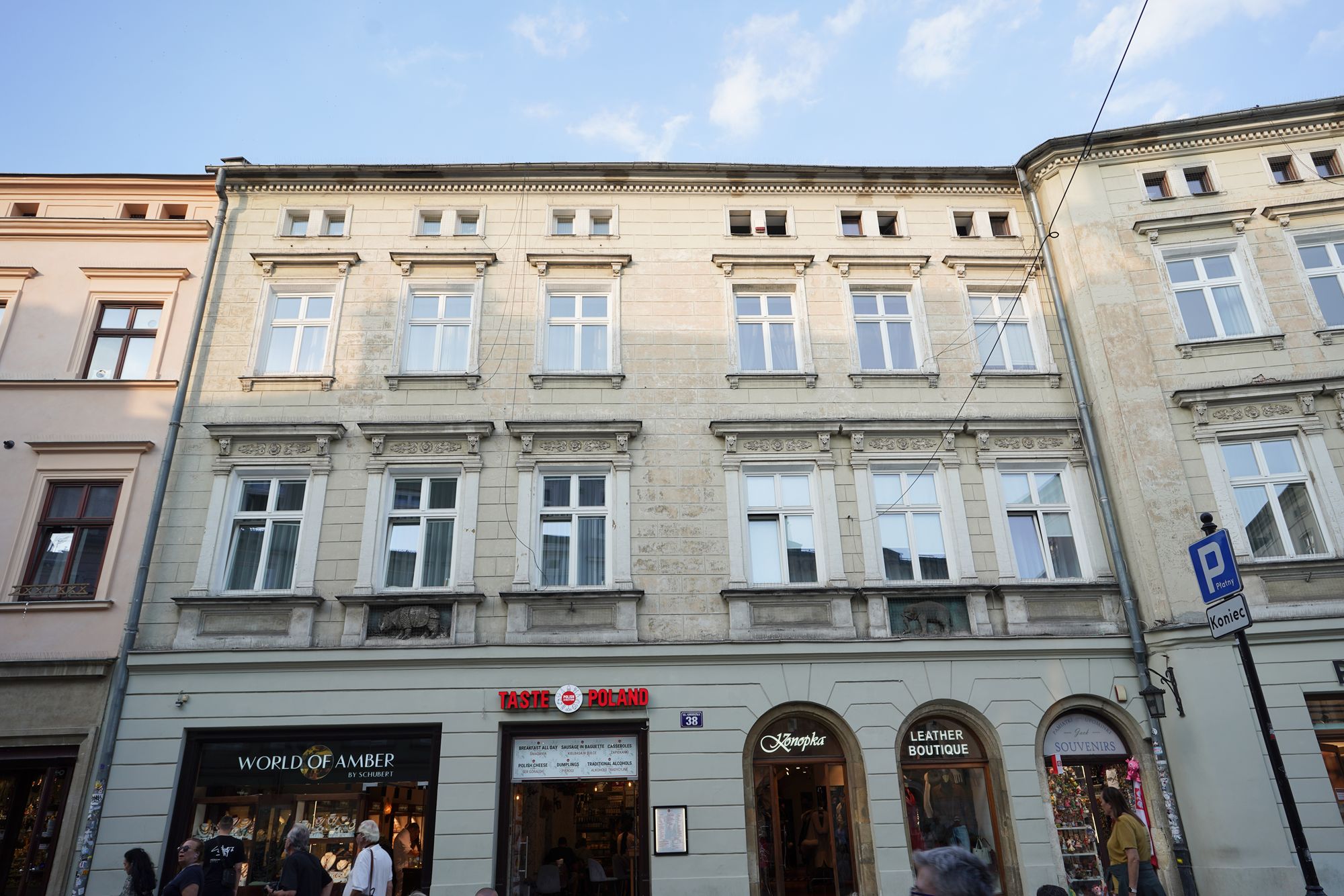
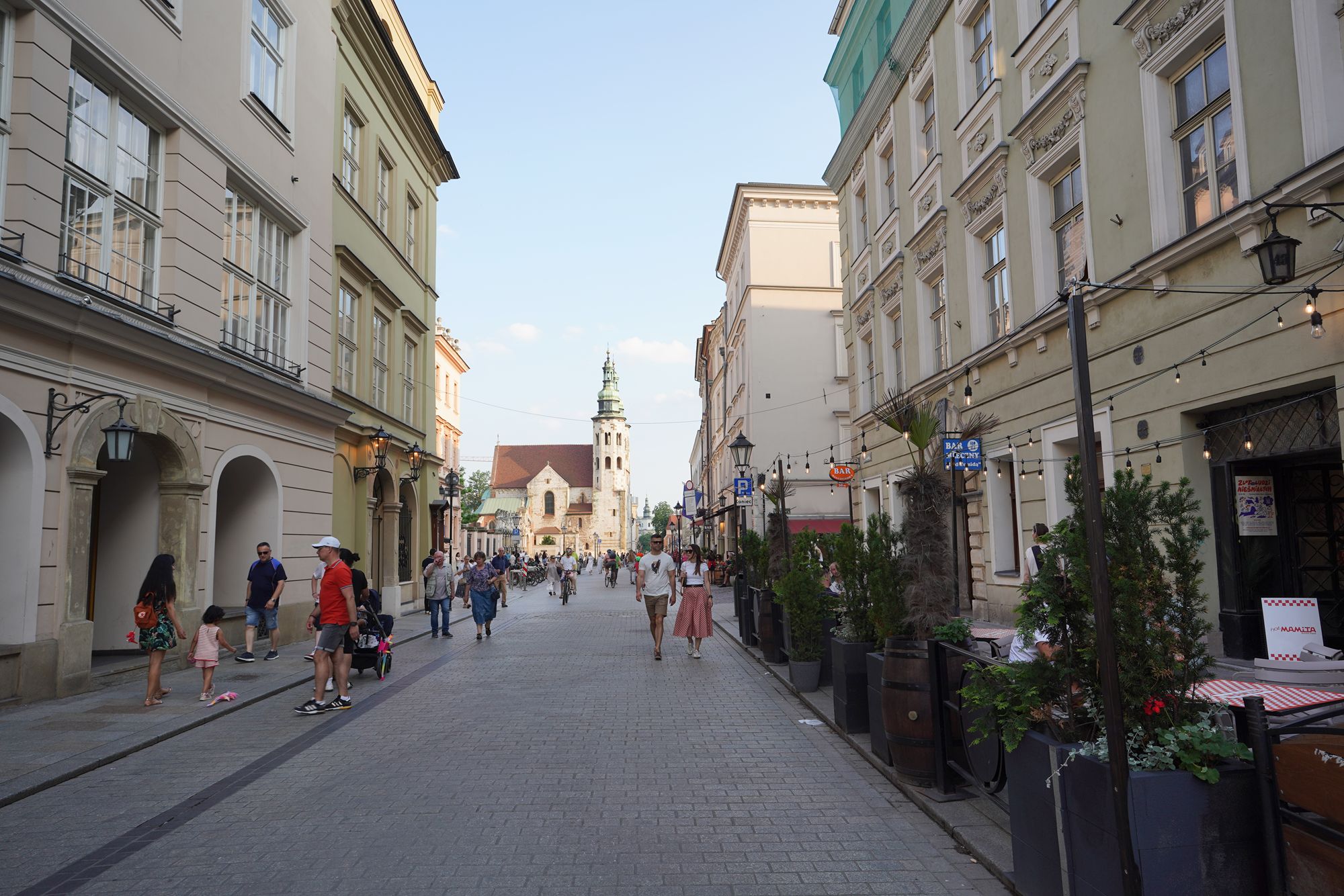
A view of a side street
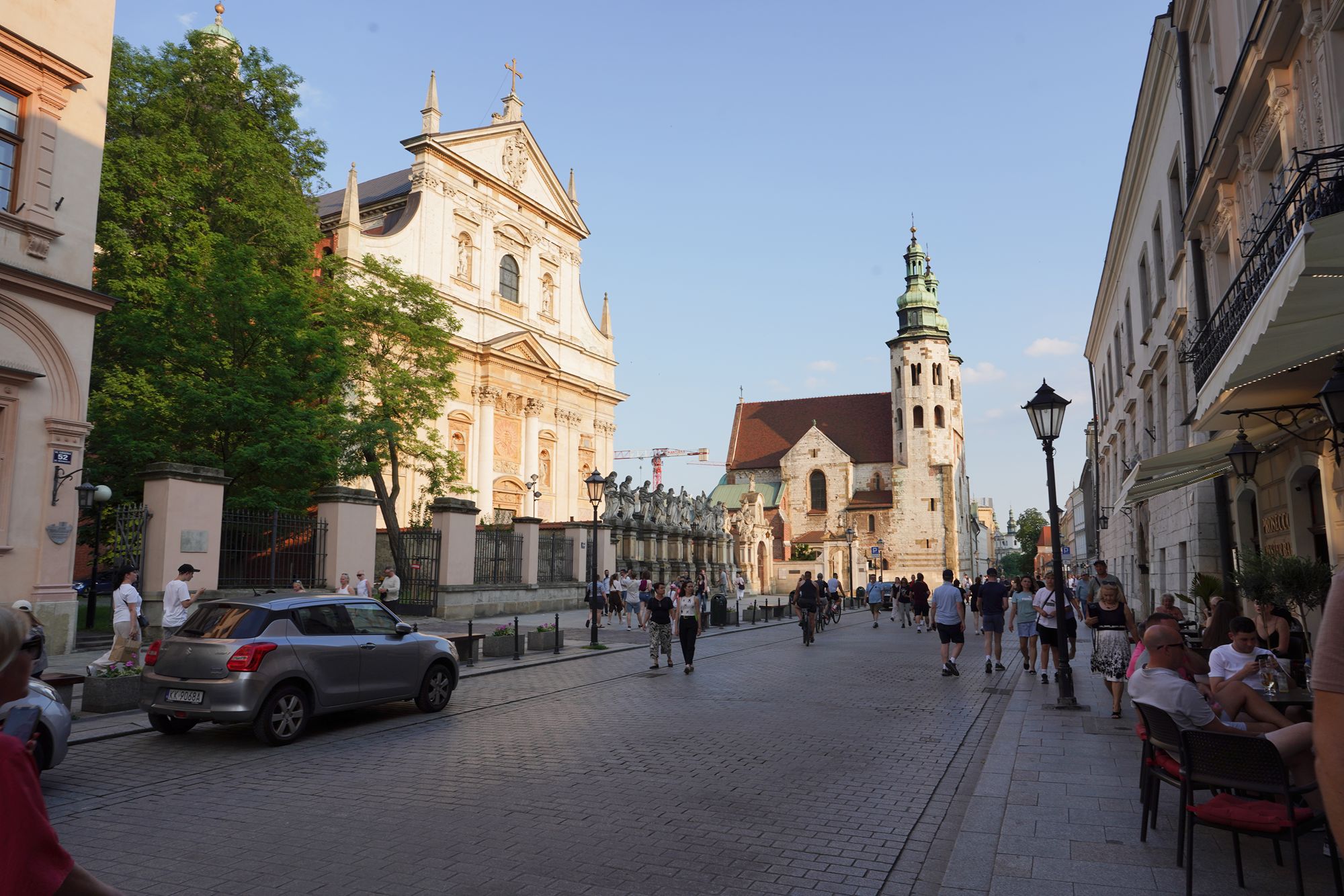
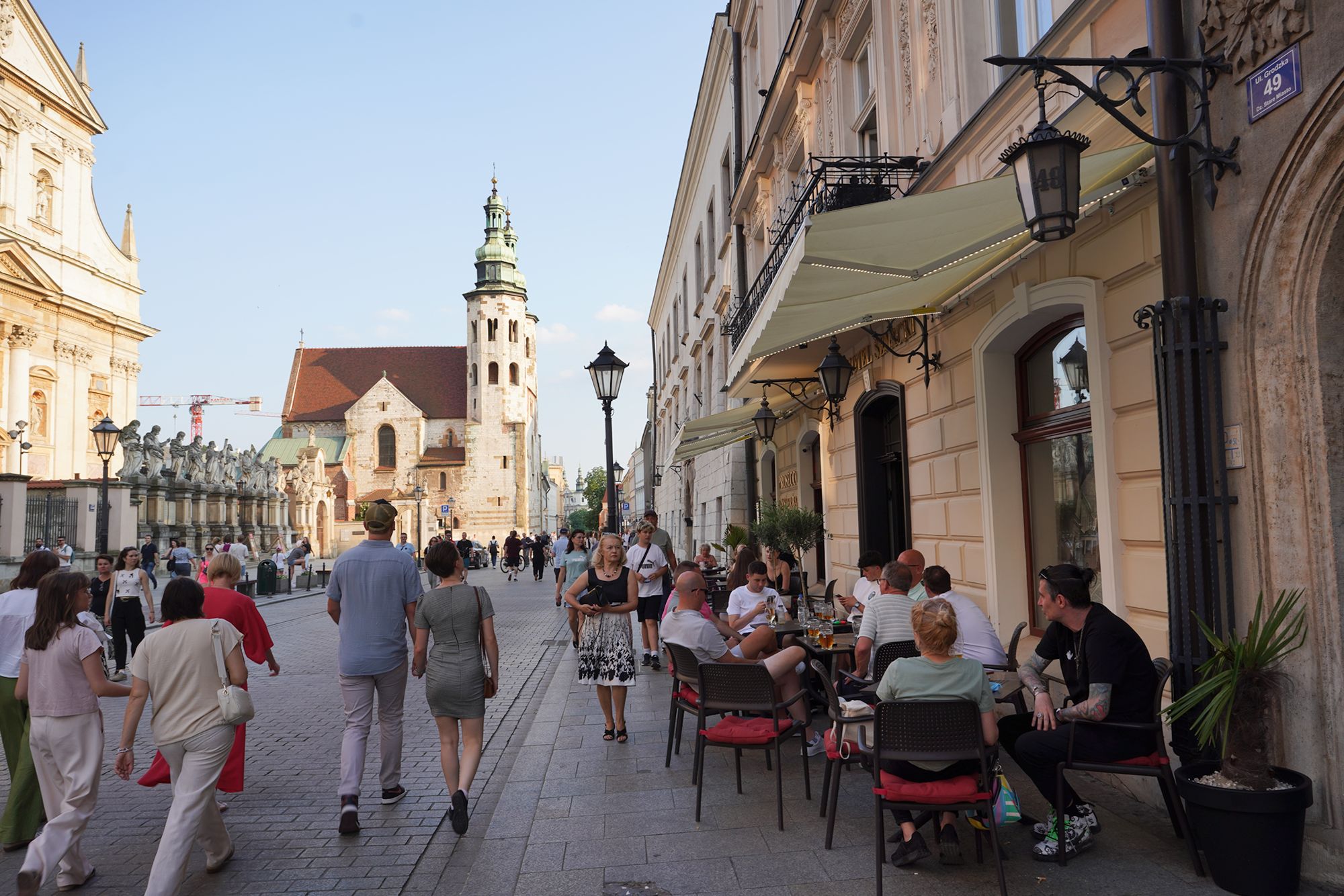
Along Grodzka Street, I came to St. Andrew’s Church, one of Kraków’s oldest churches. Its stone walls and two towers give it a much plainer, more fortress-like appearance than the nearby churches.
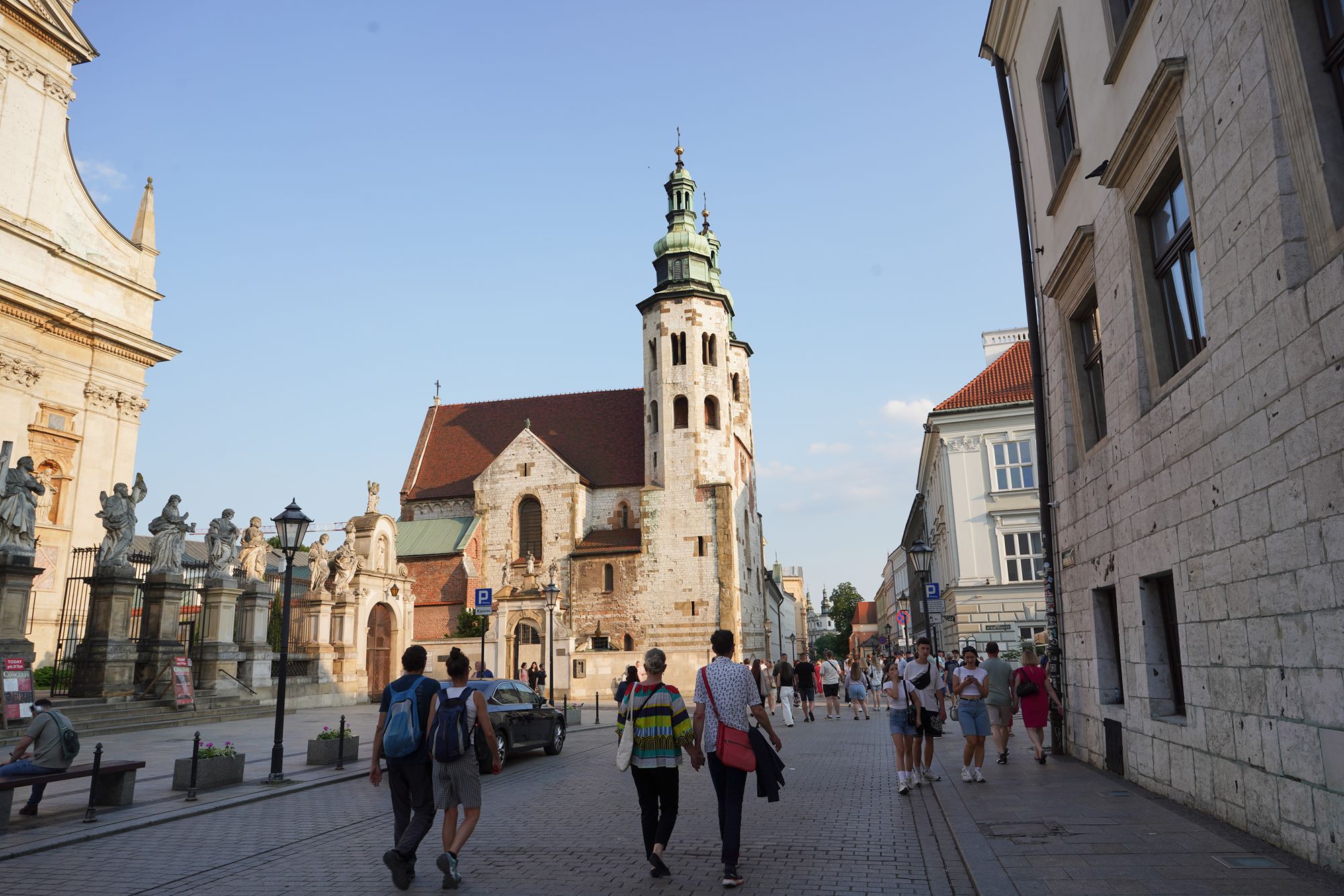
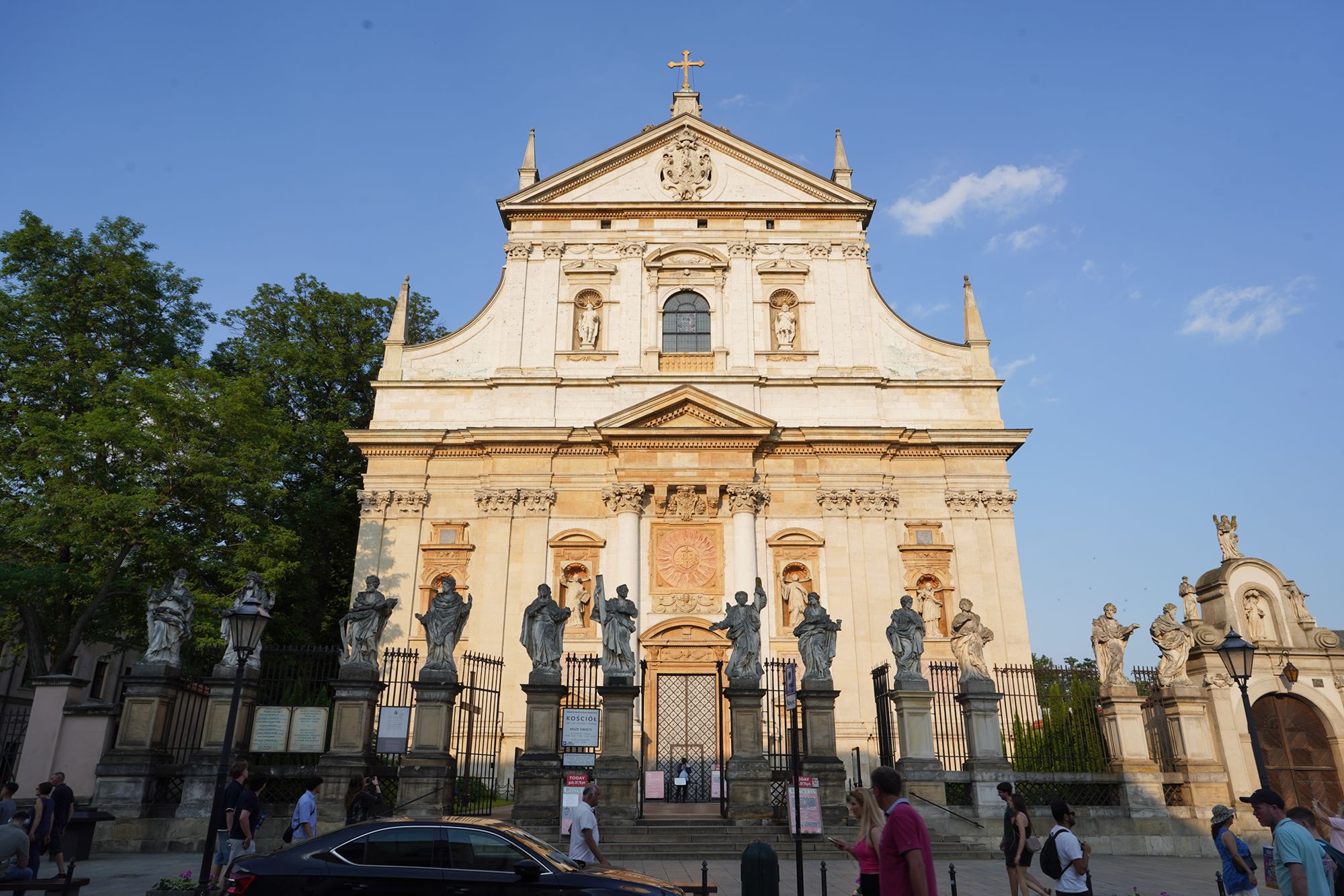
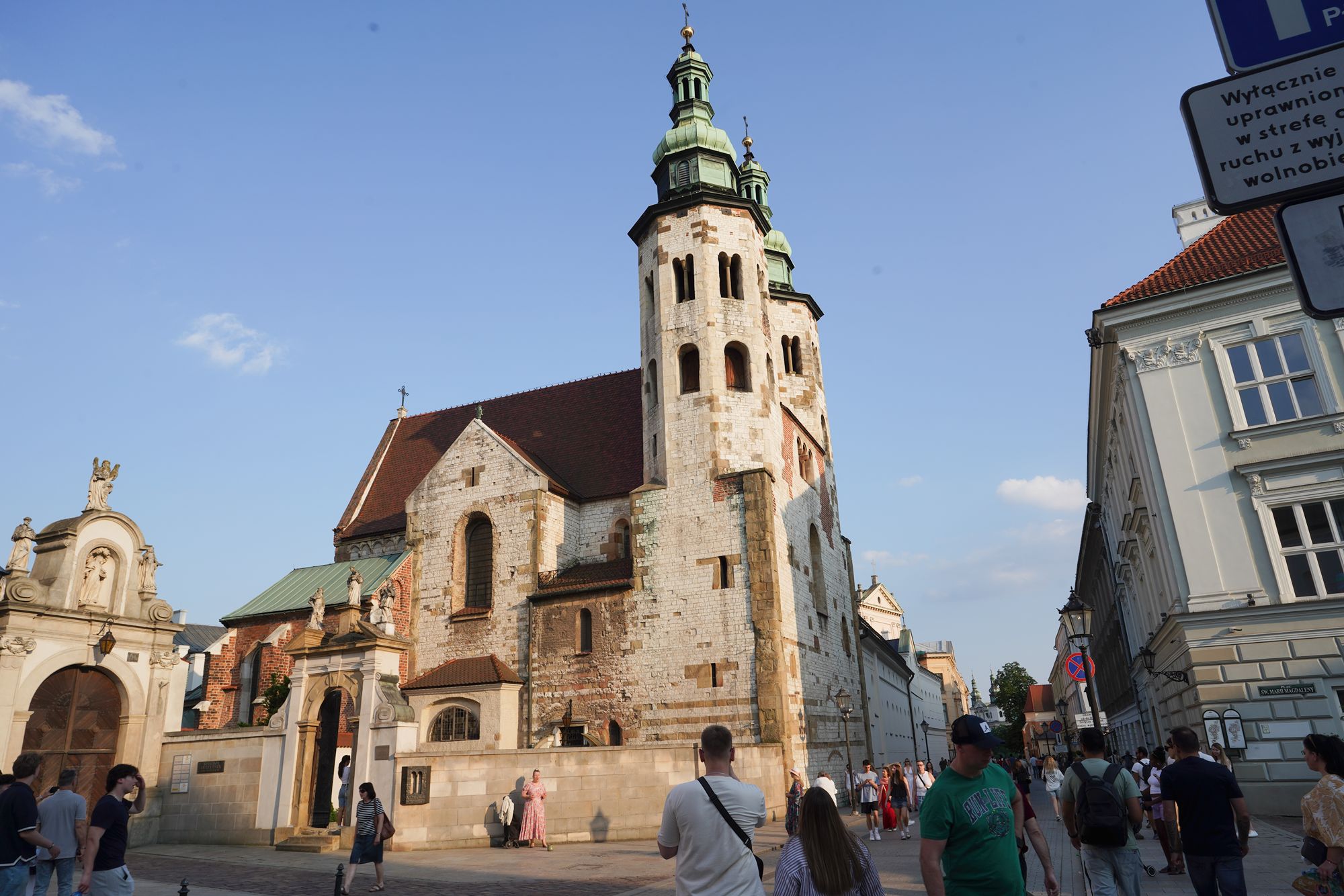
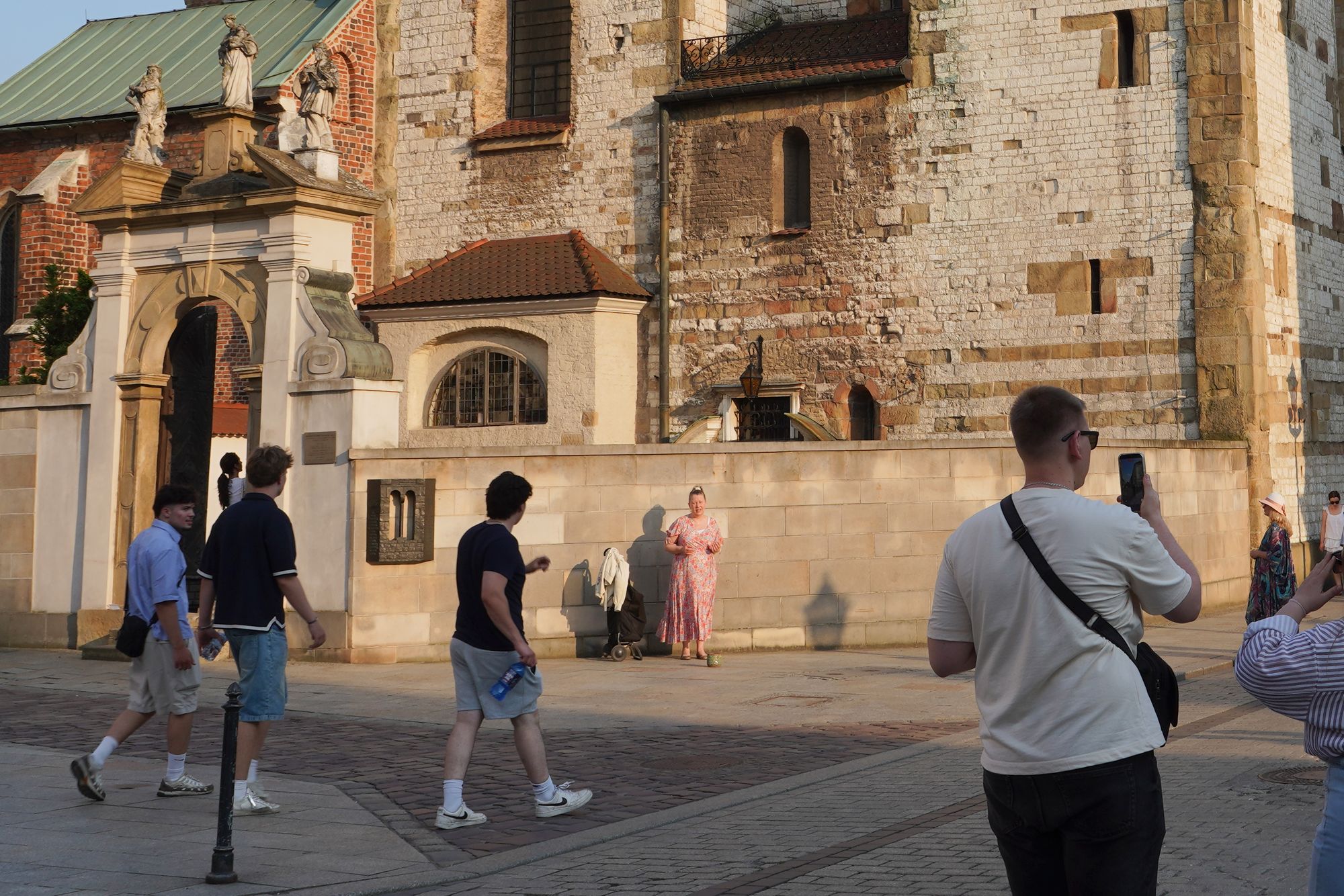
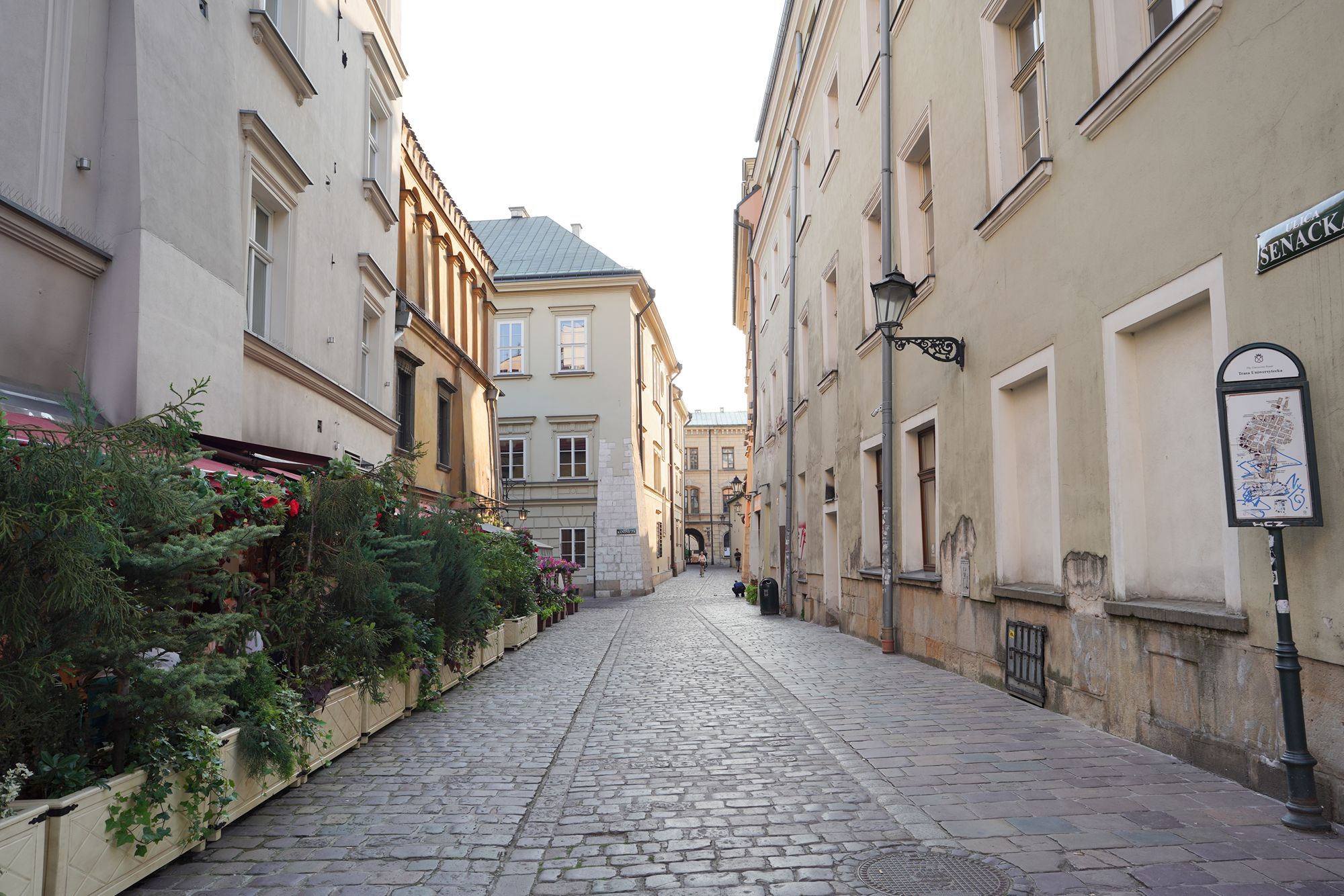
From here, I turned onto a side street to see what the streets away from busy Grodzka Street looked like.
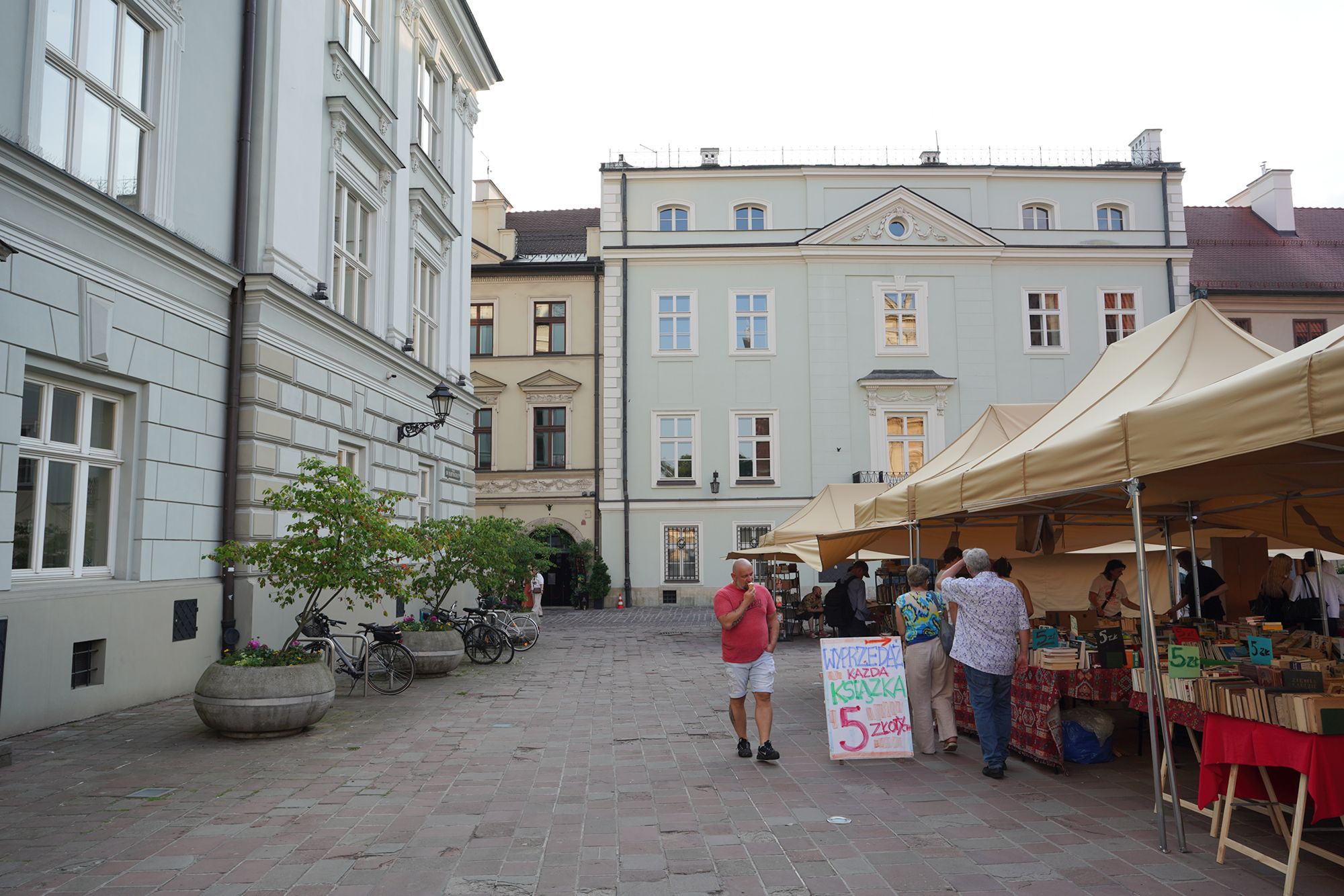
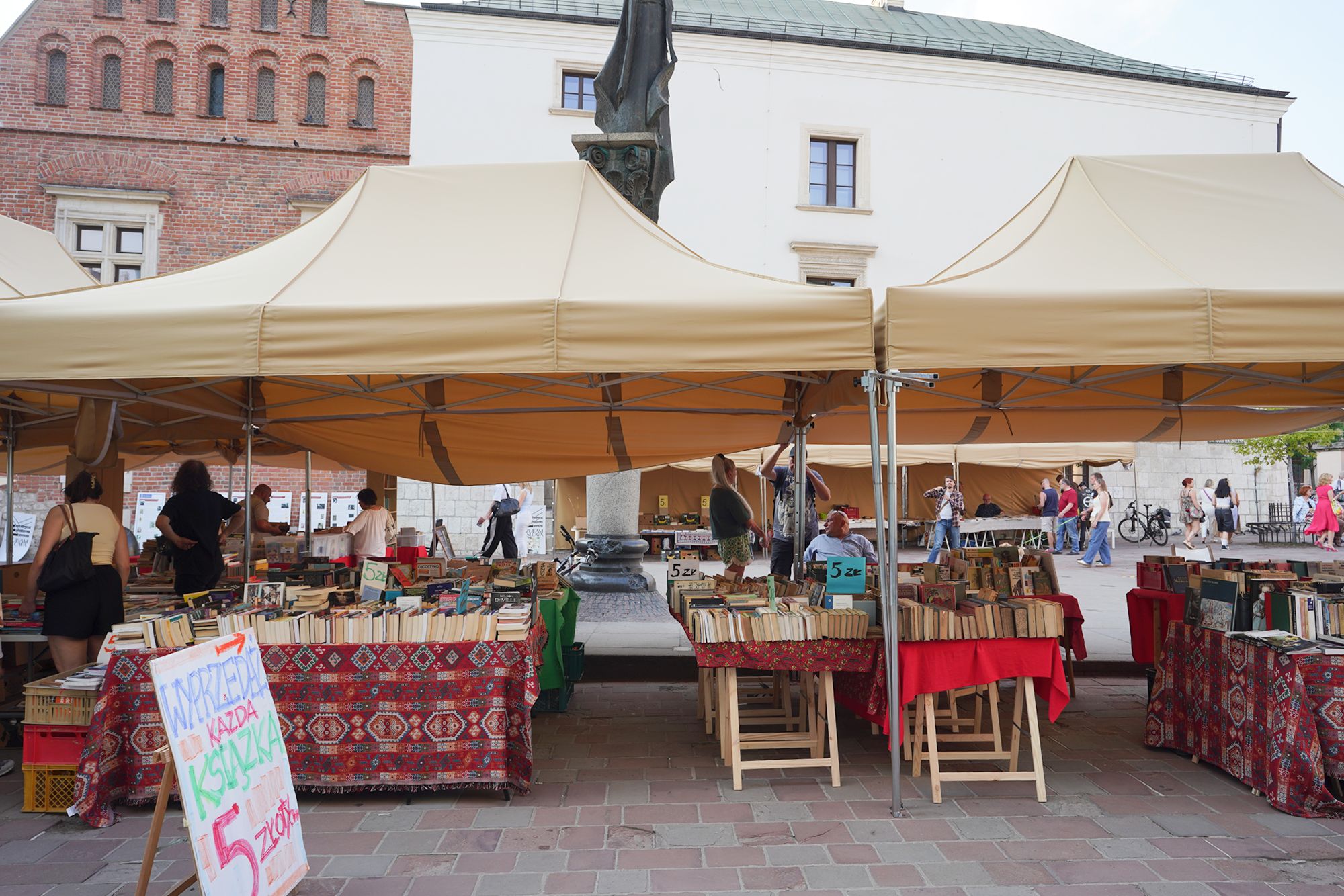
At this small square, I saw booksellers with their books laid out for people to browse.
I continued along a smaller street that ran parallel to Grodzka Street, curious to see this quieter part of the neighborhood.
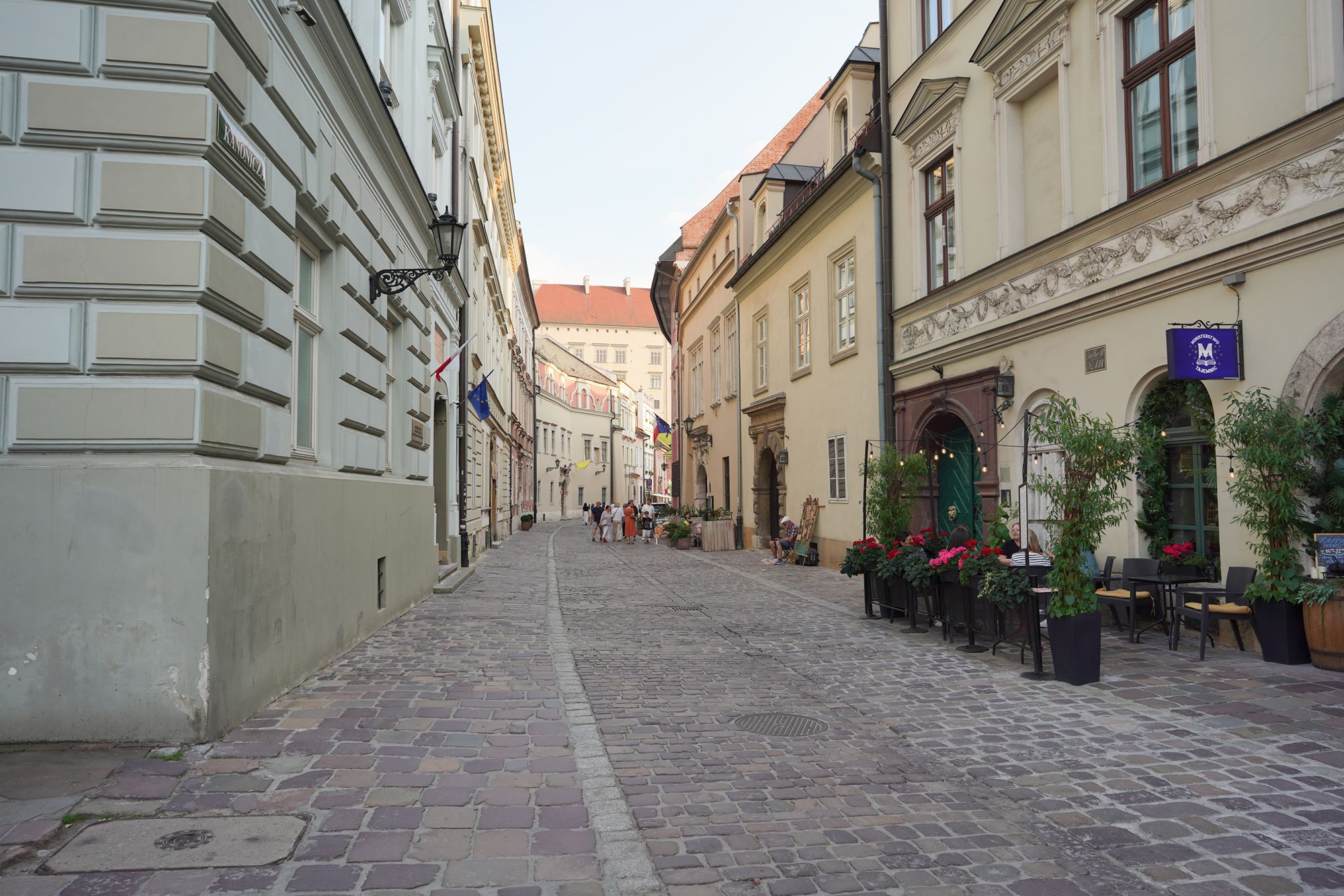
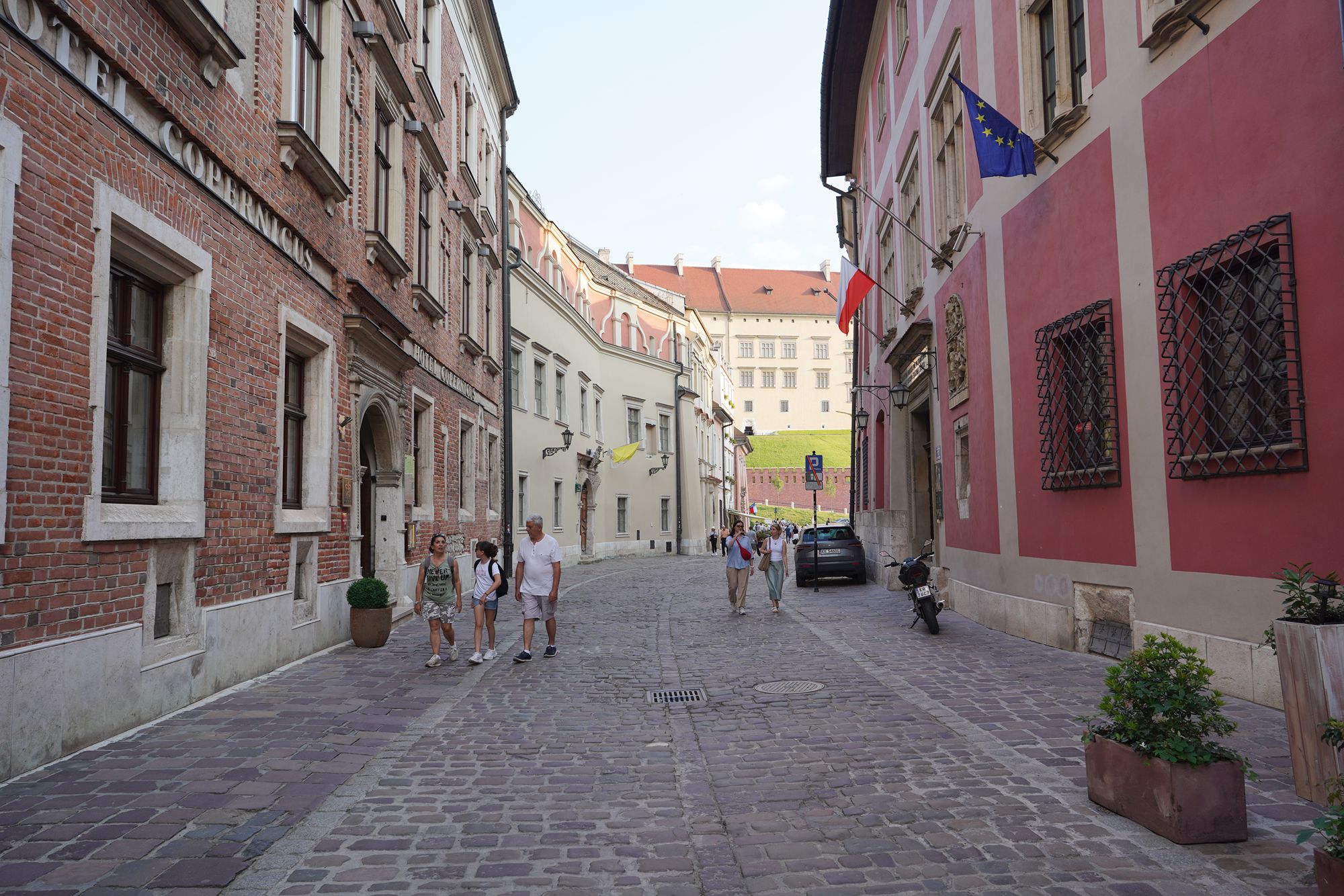
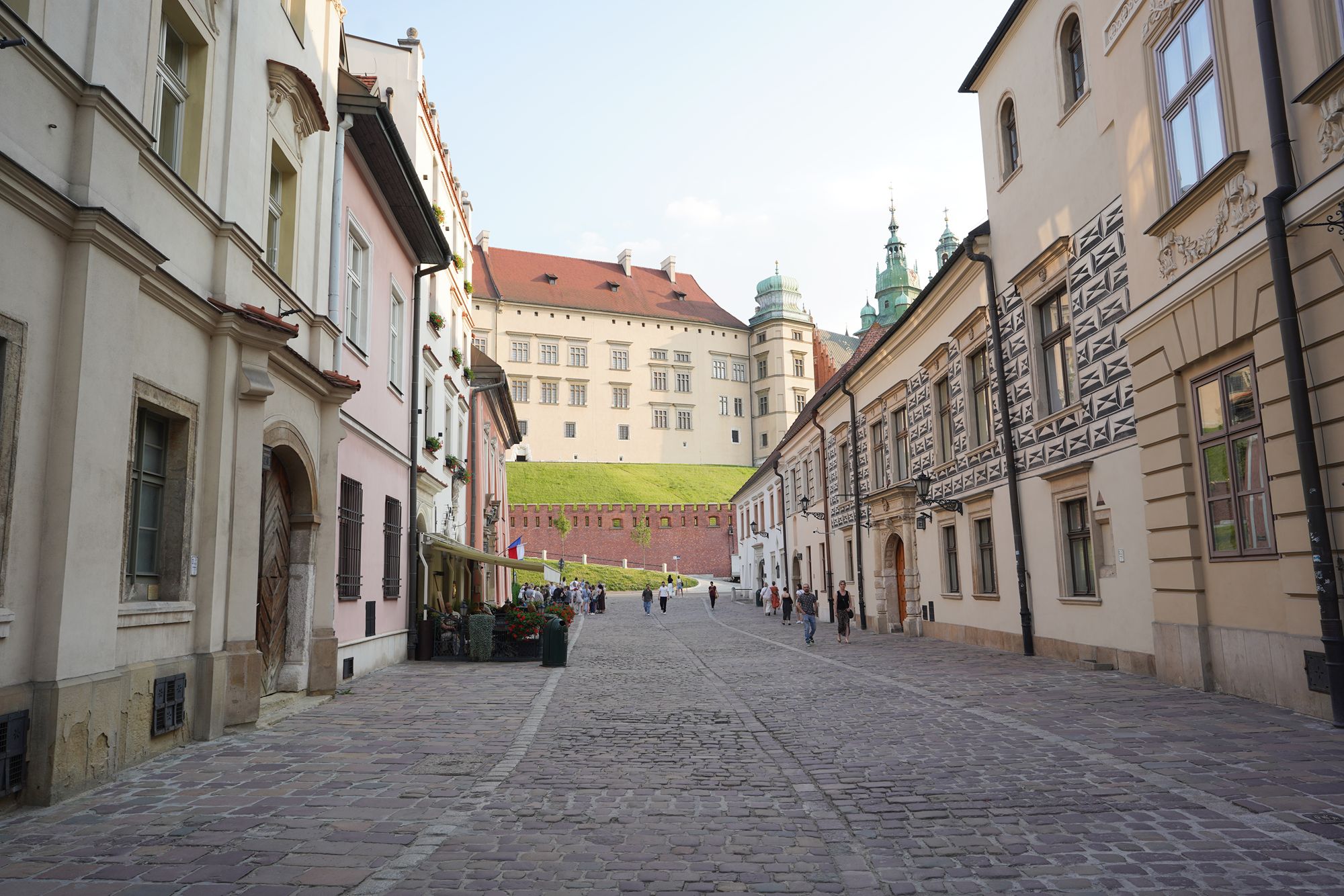
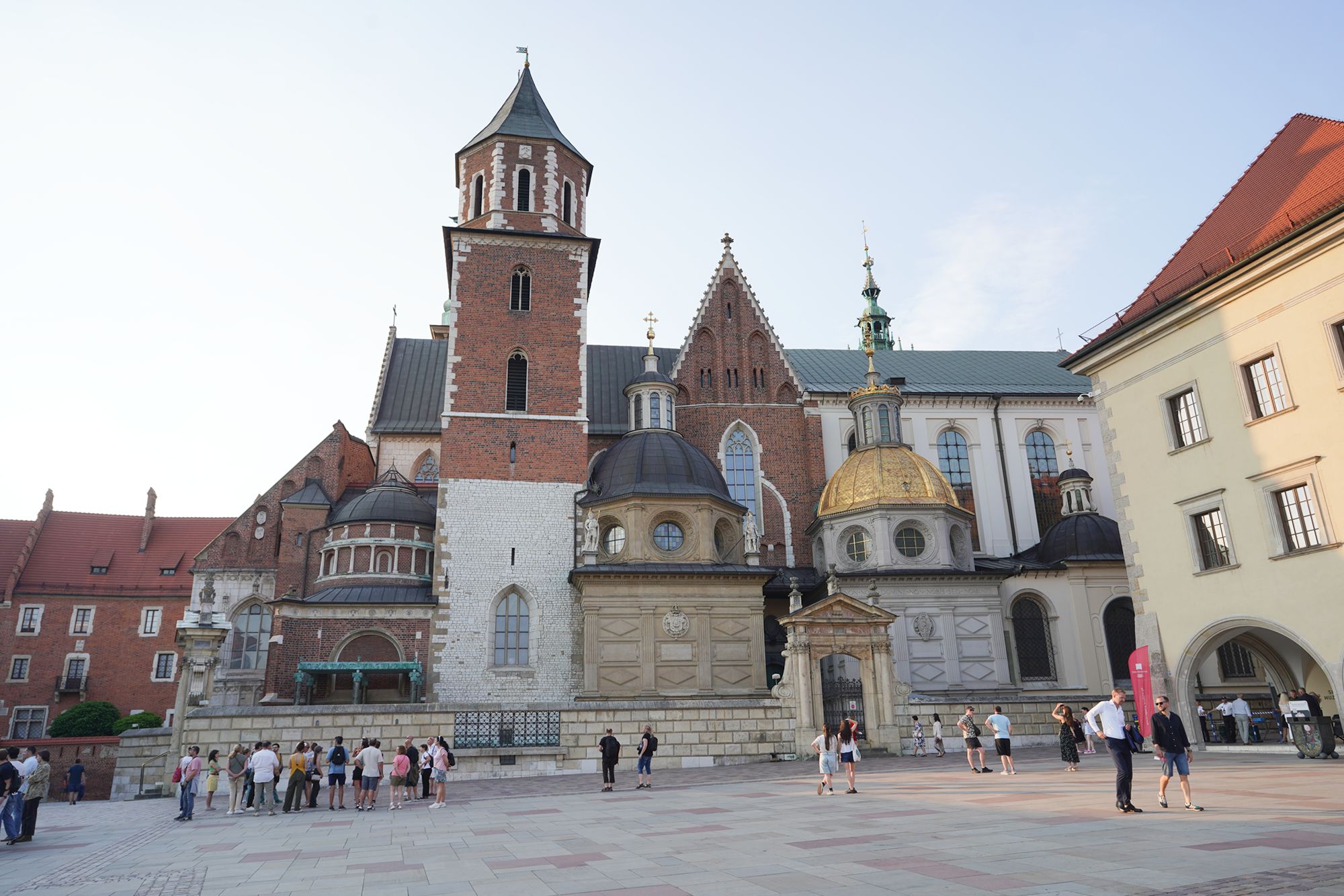
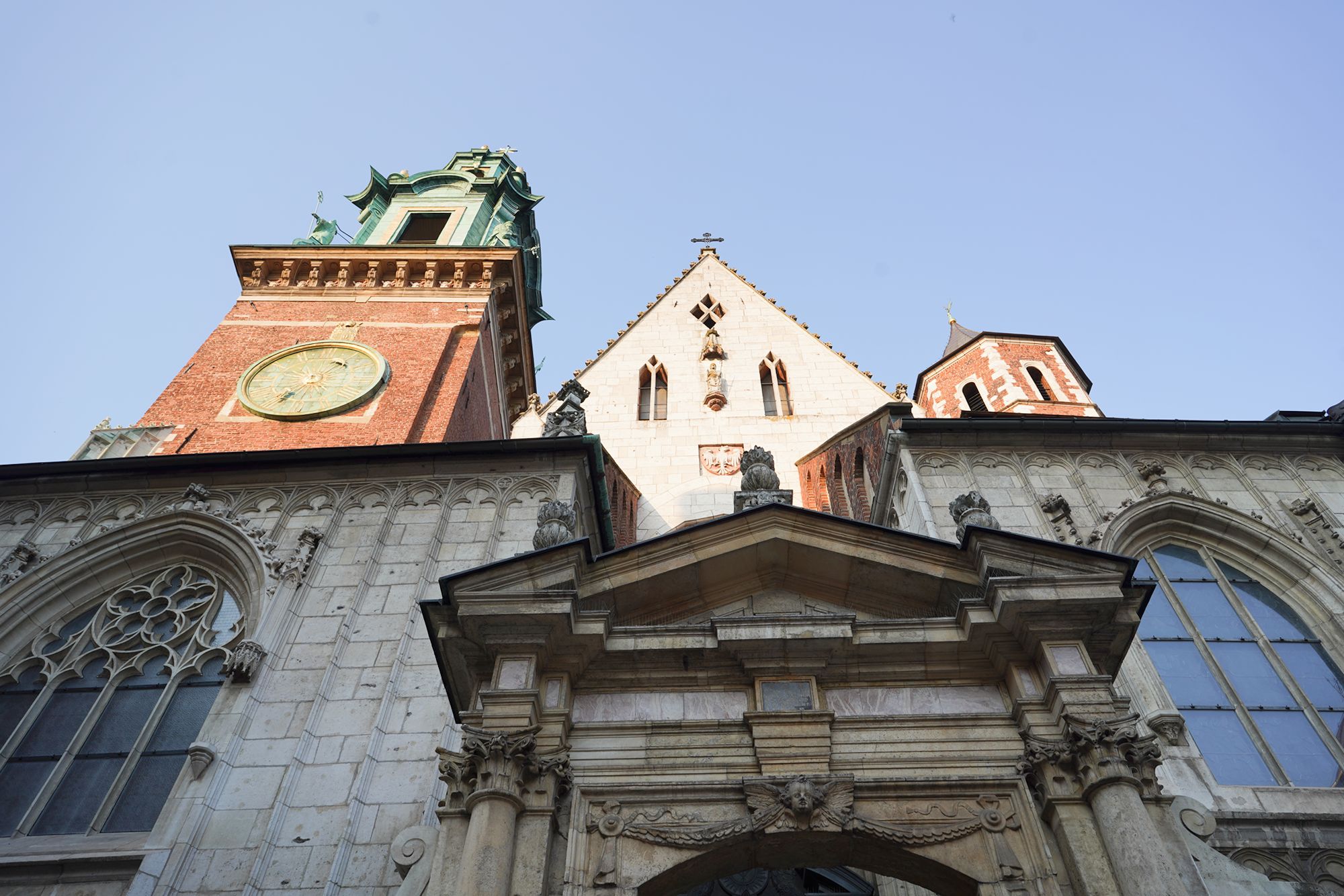
I reached Wawel Cathedral on Wawel Hill. For centuries, Polish kings were crowned here, and many were later buried in the cathedral. It is one of the most important historic places in Kraków.
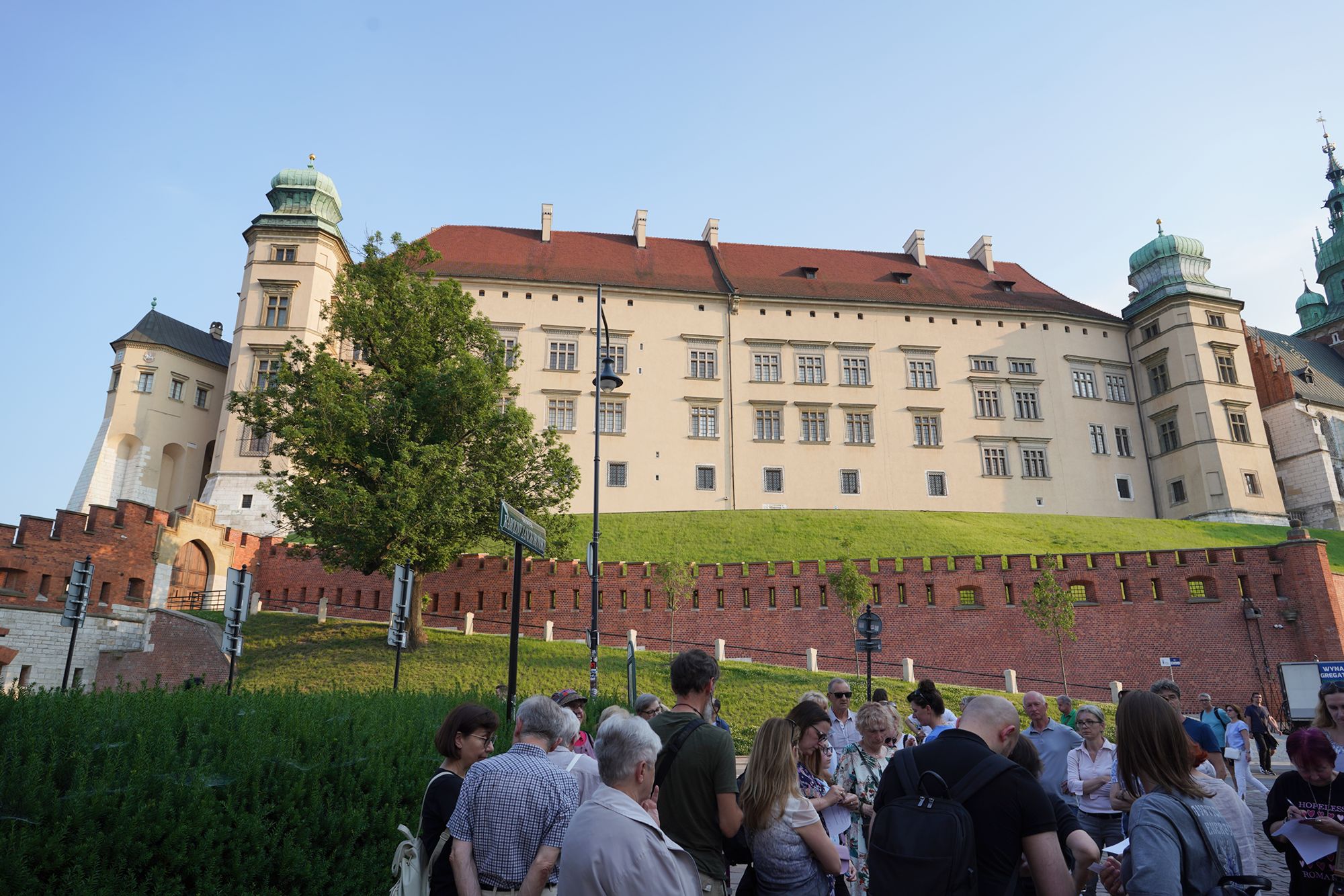
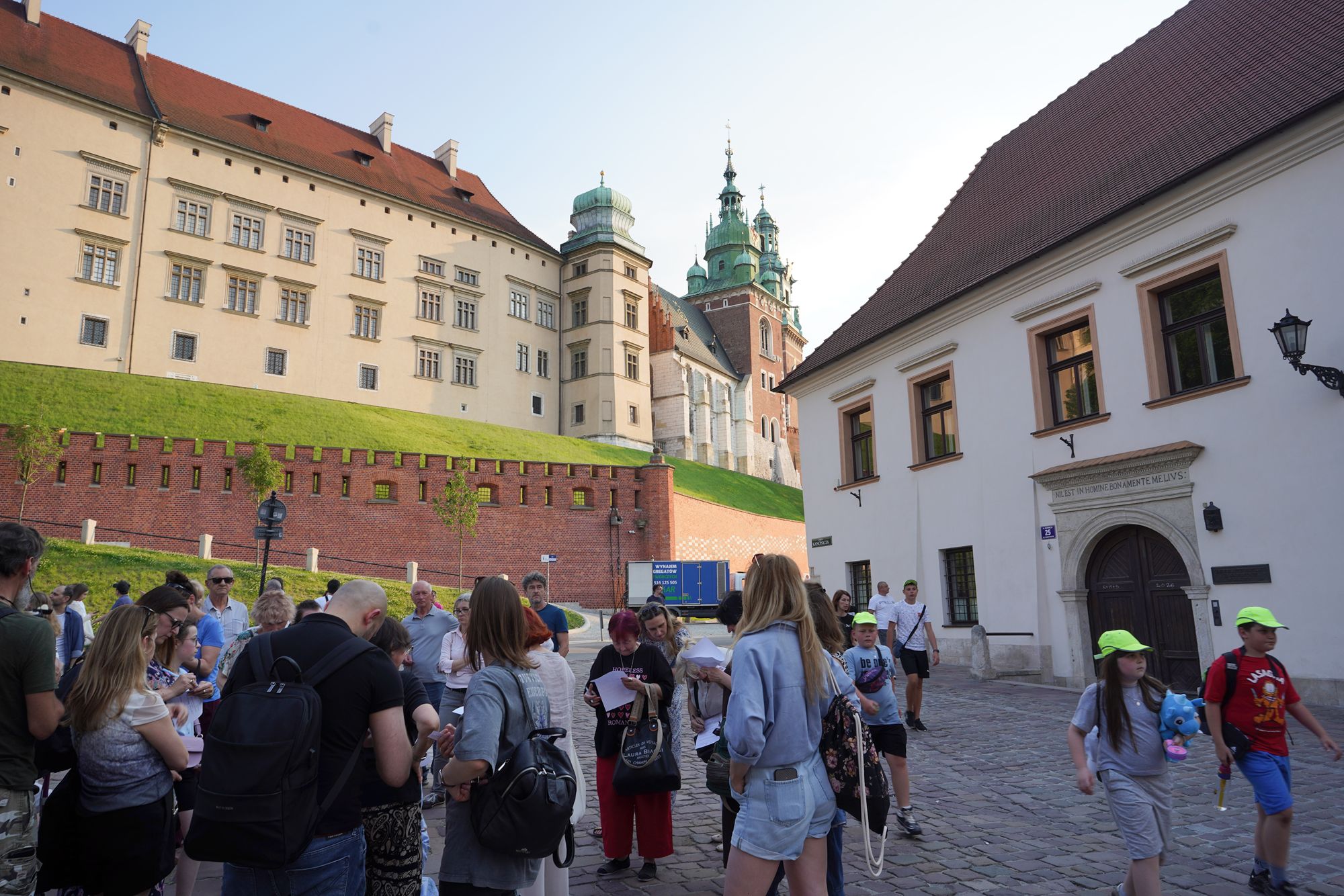
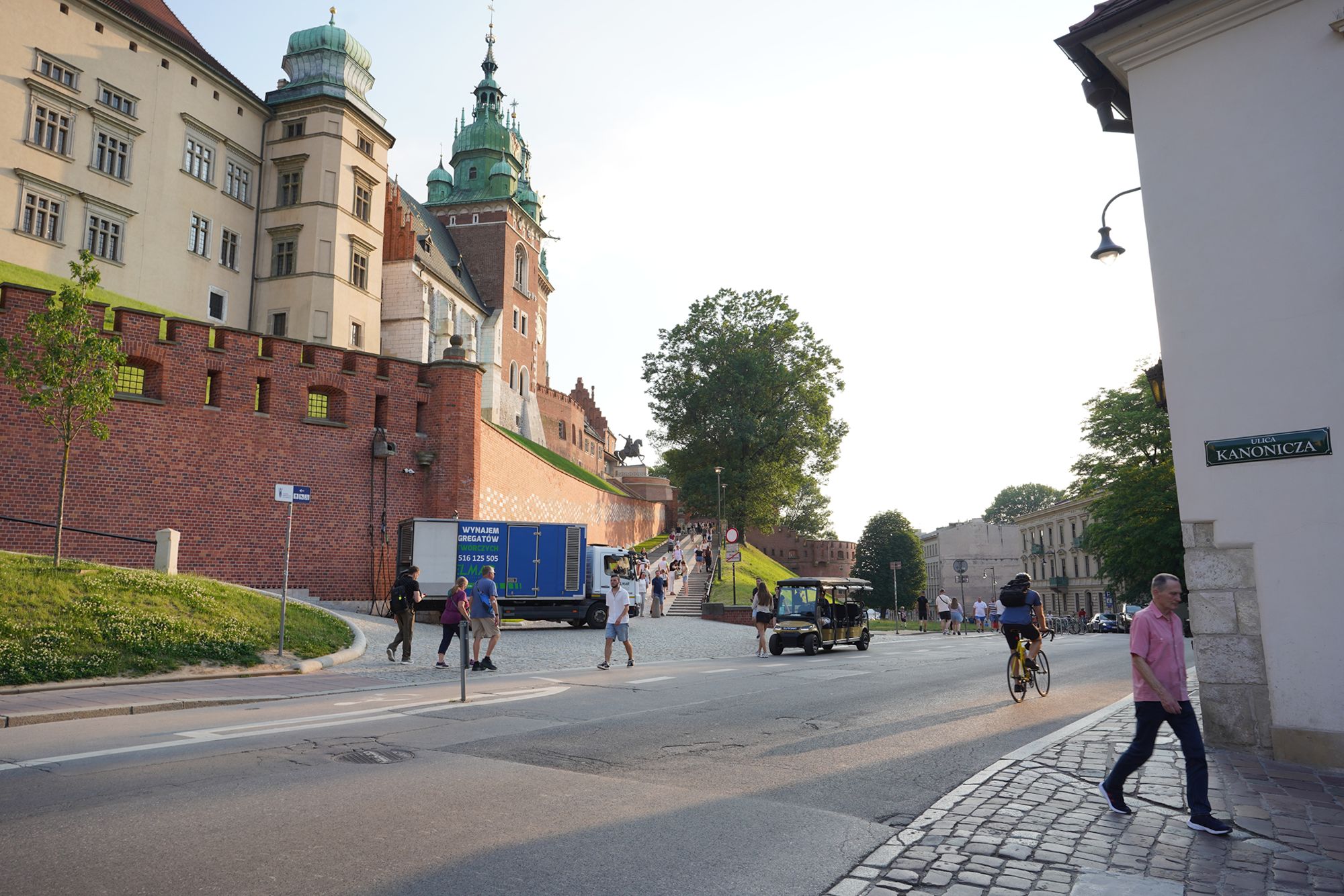
I looked at the left side of the street as I continued toward Wawel Hill.
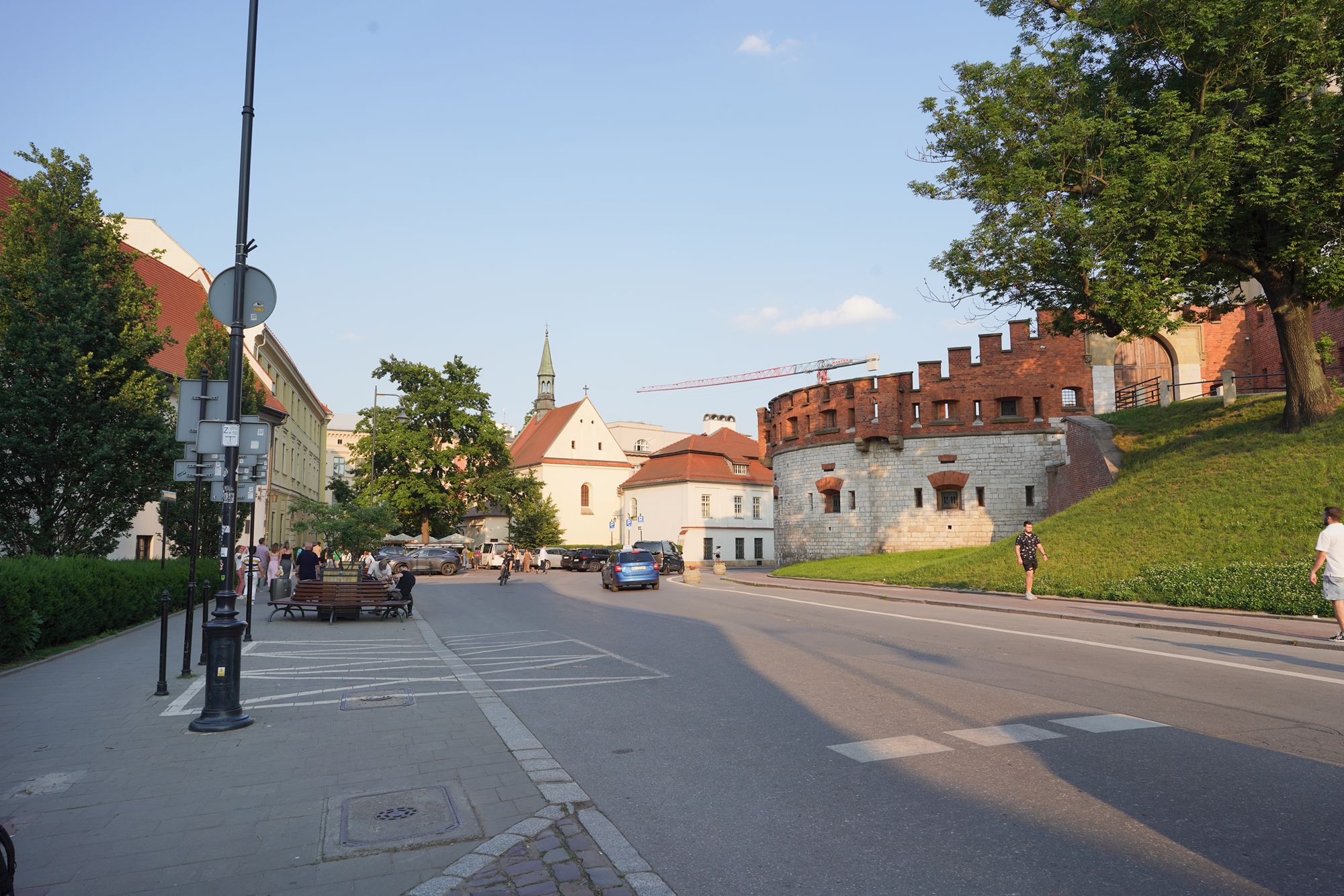
Next to Wawel Cathedral is Wawel Royal Castle, the former residence of Poland’s kings.
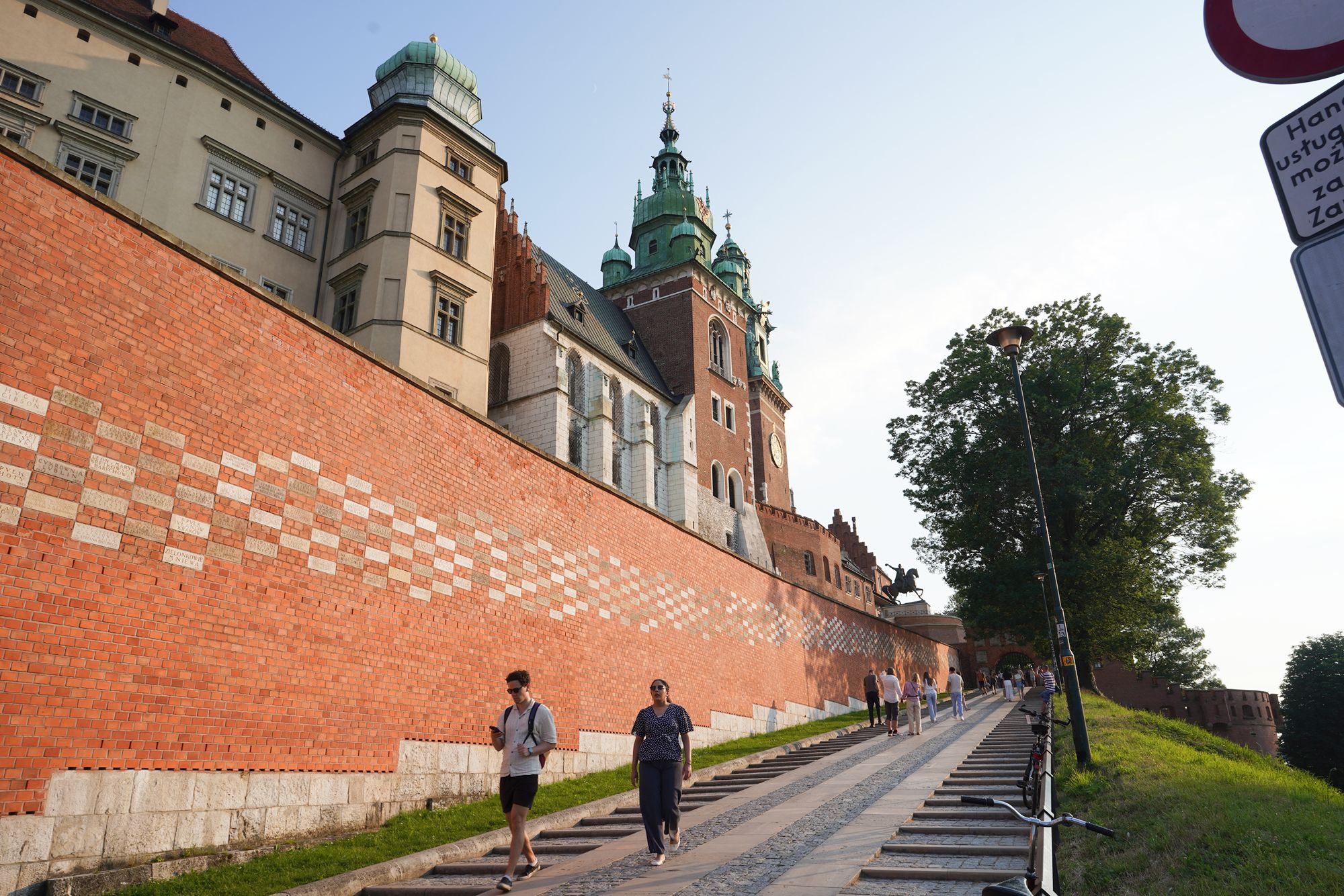
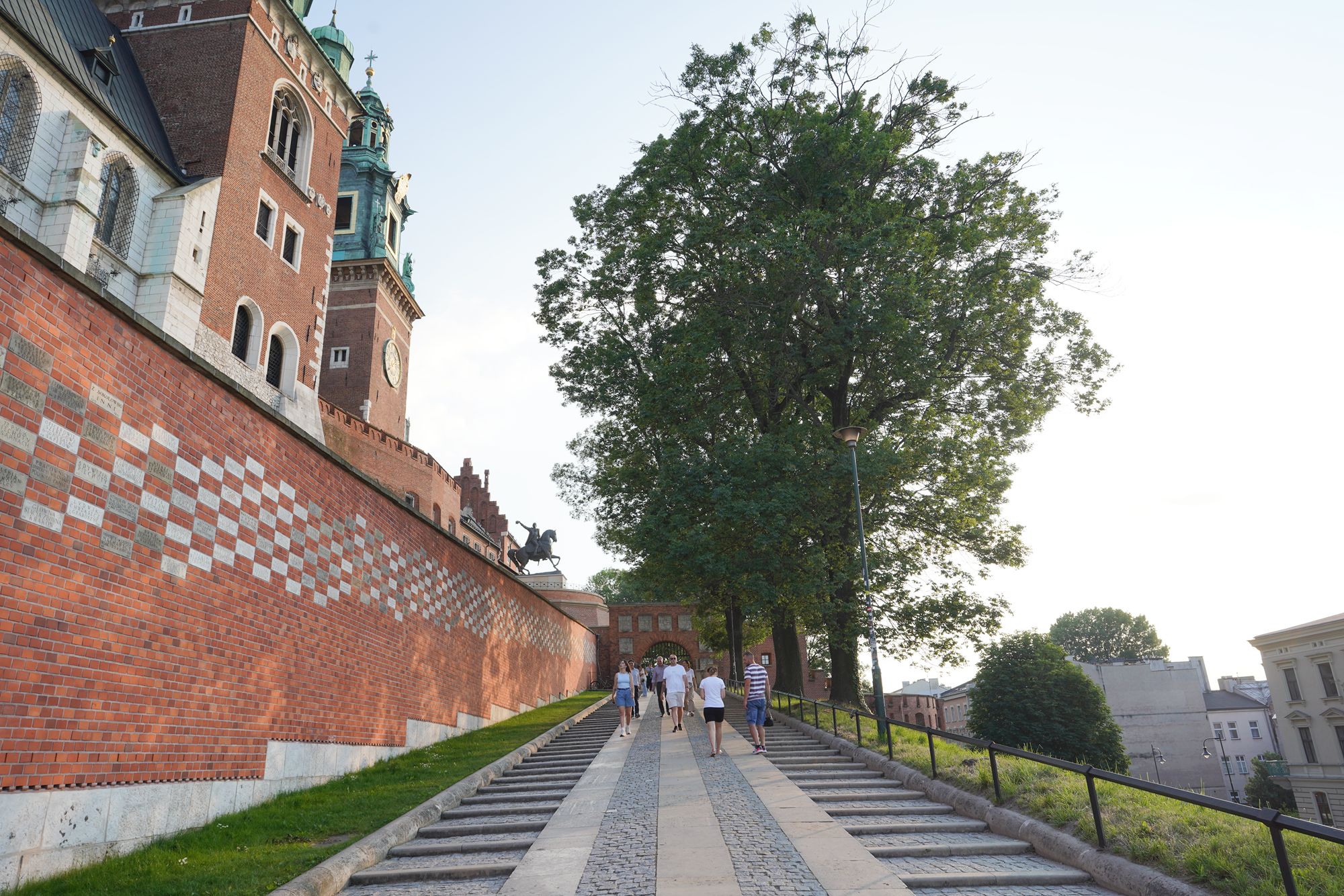
Wawel Royal Castle was built over several centuries. A Gothic royal residence stood here in the 14th century, but much of the castle’s present appearance comes from its Renaissance rebuilding in the early 1500s. Its arcaded courtyard was completed around 1540.
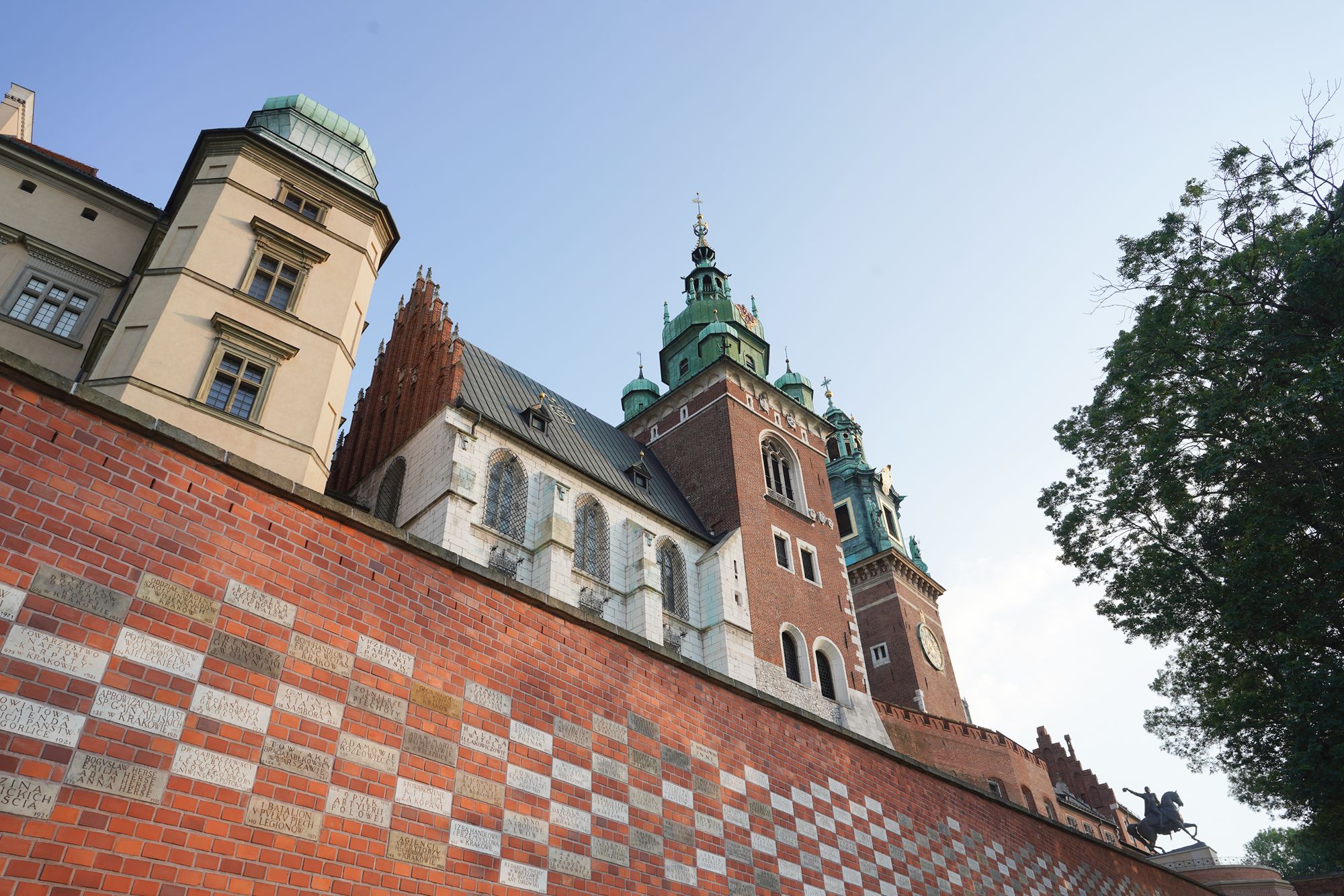
Wawel Royal Castle was once the residence of Poland’s kings and a center of royal government. Today it is a museum, where visitors can see the former royal rooms and collections of art and historic objects.
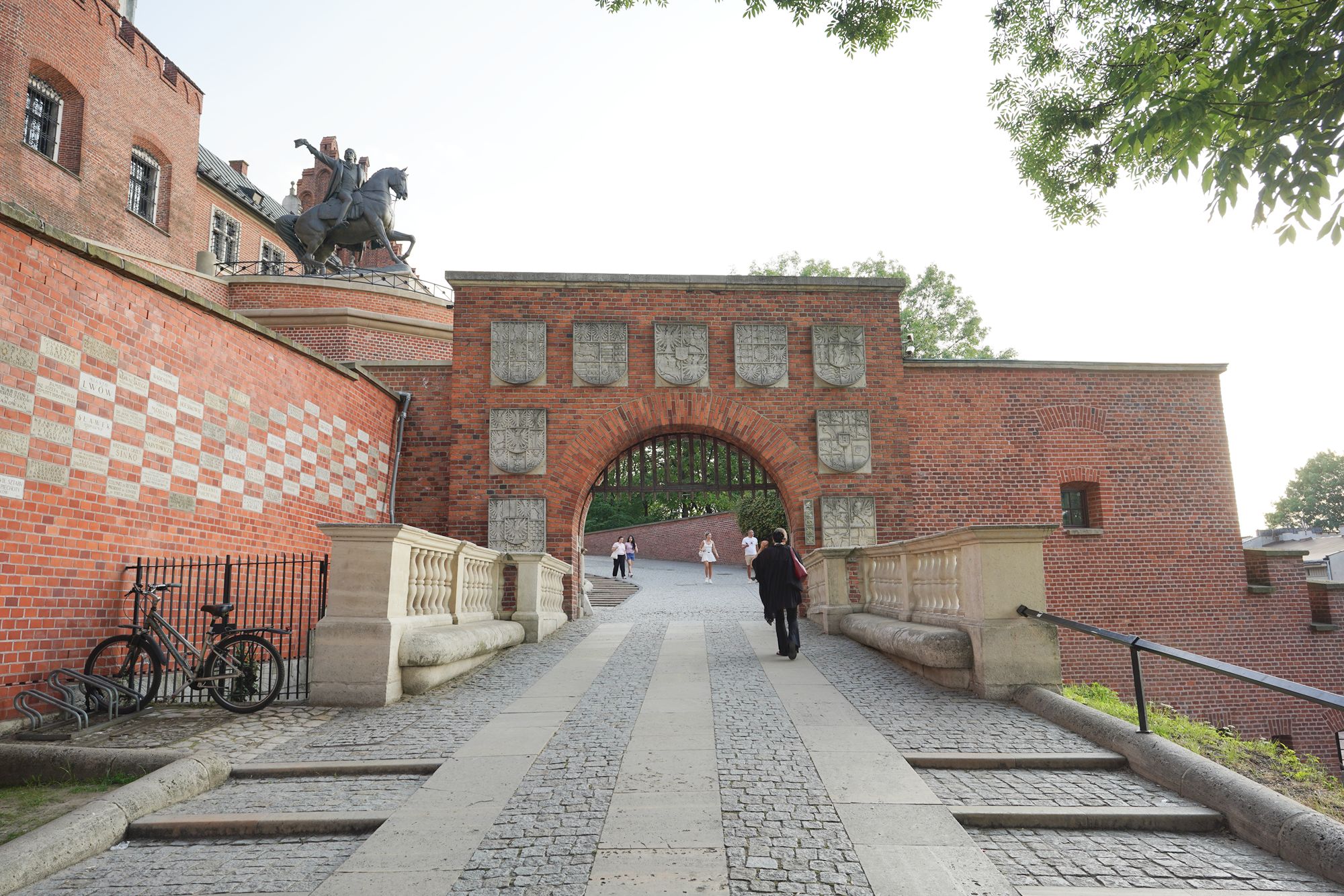
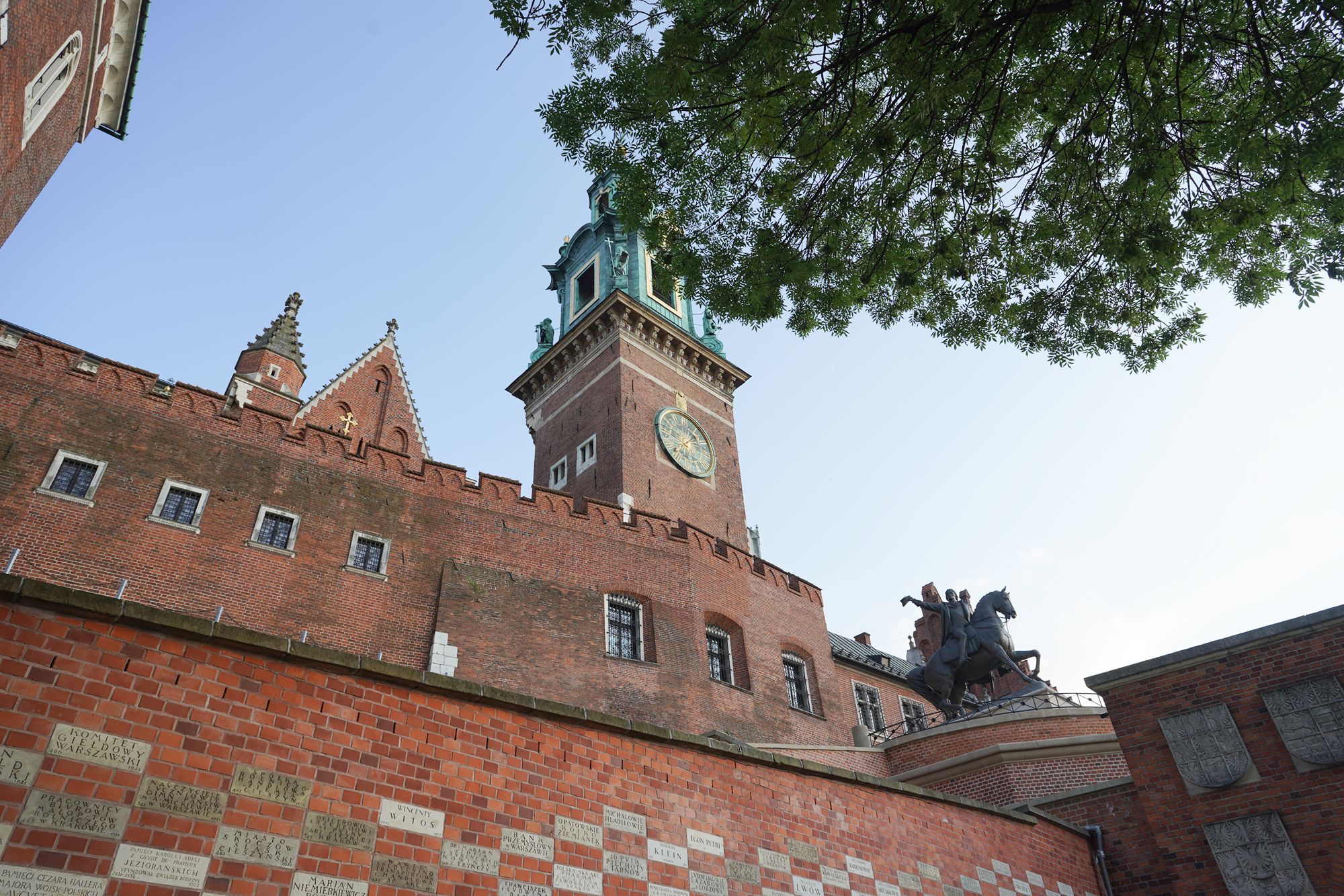
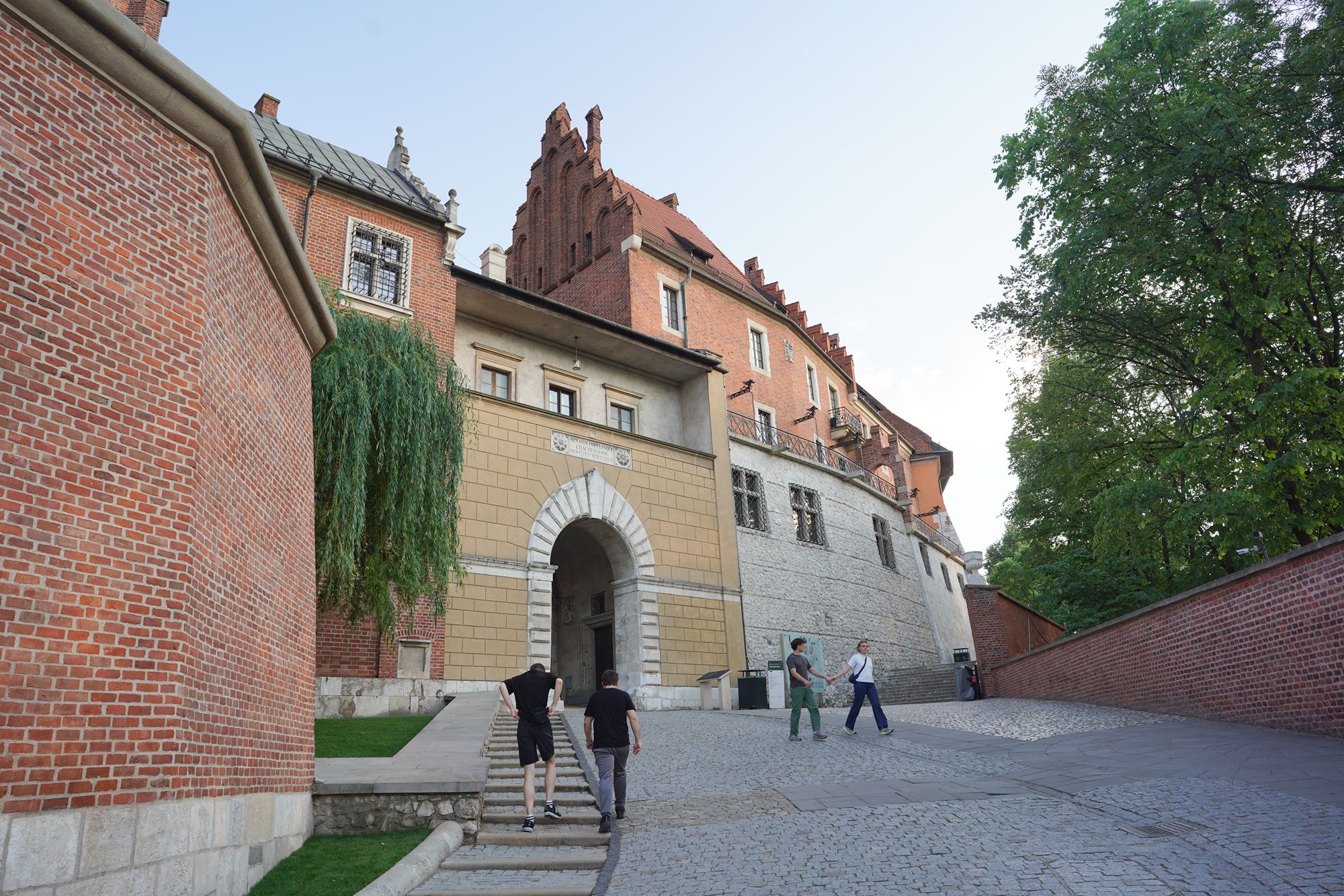
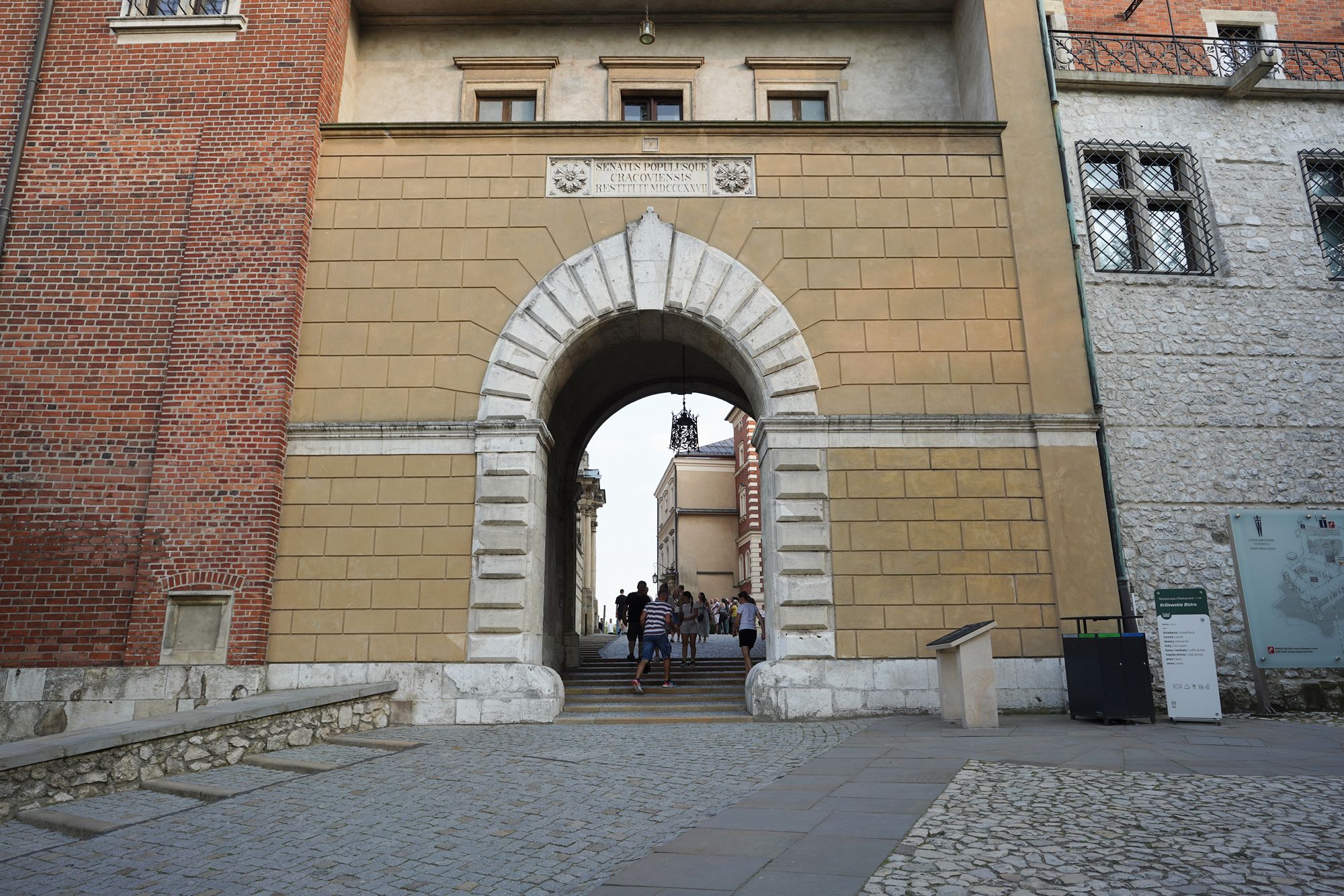
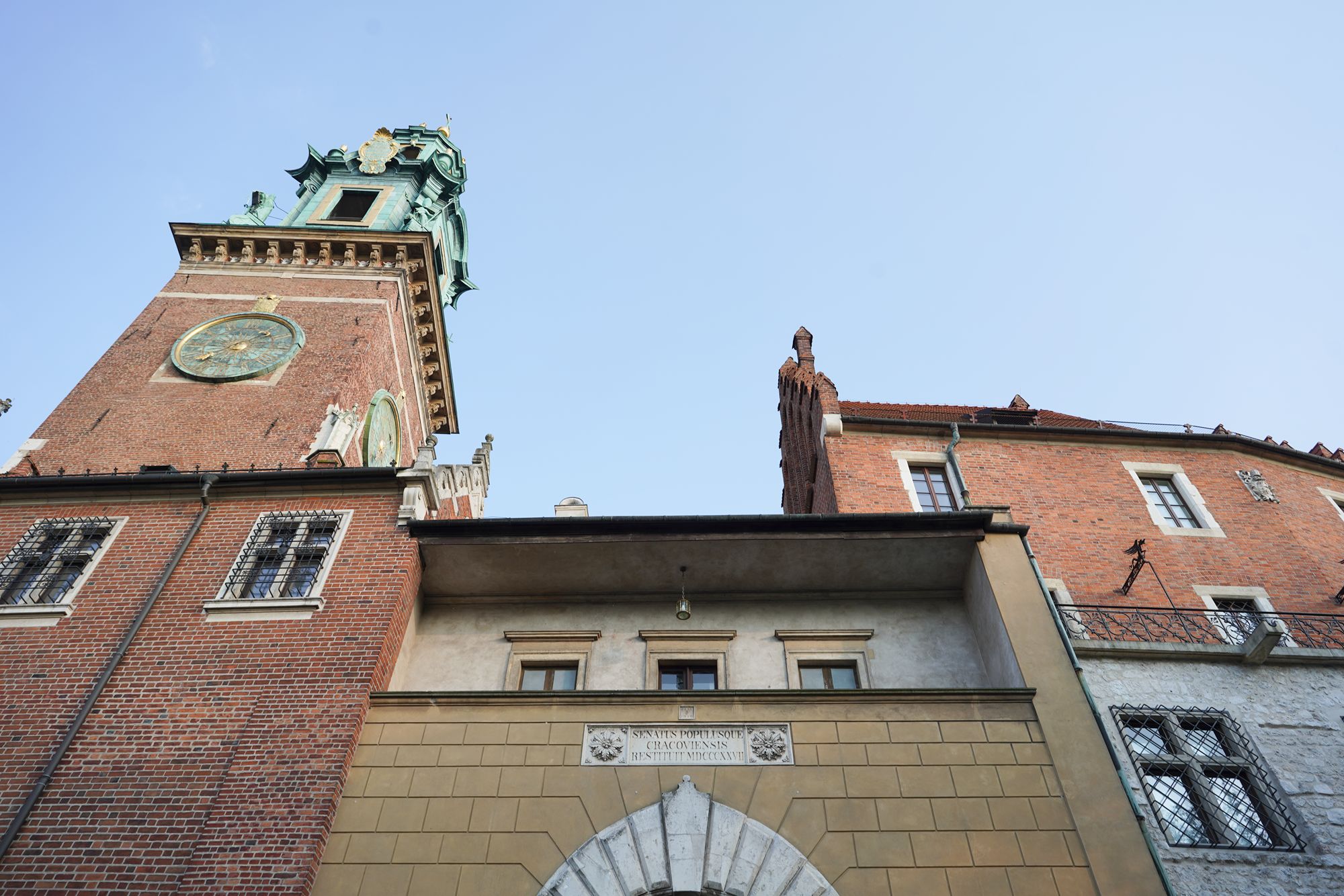
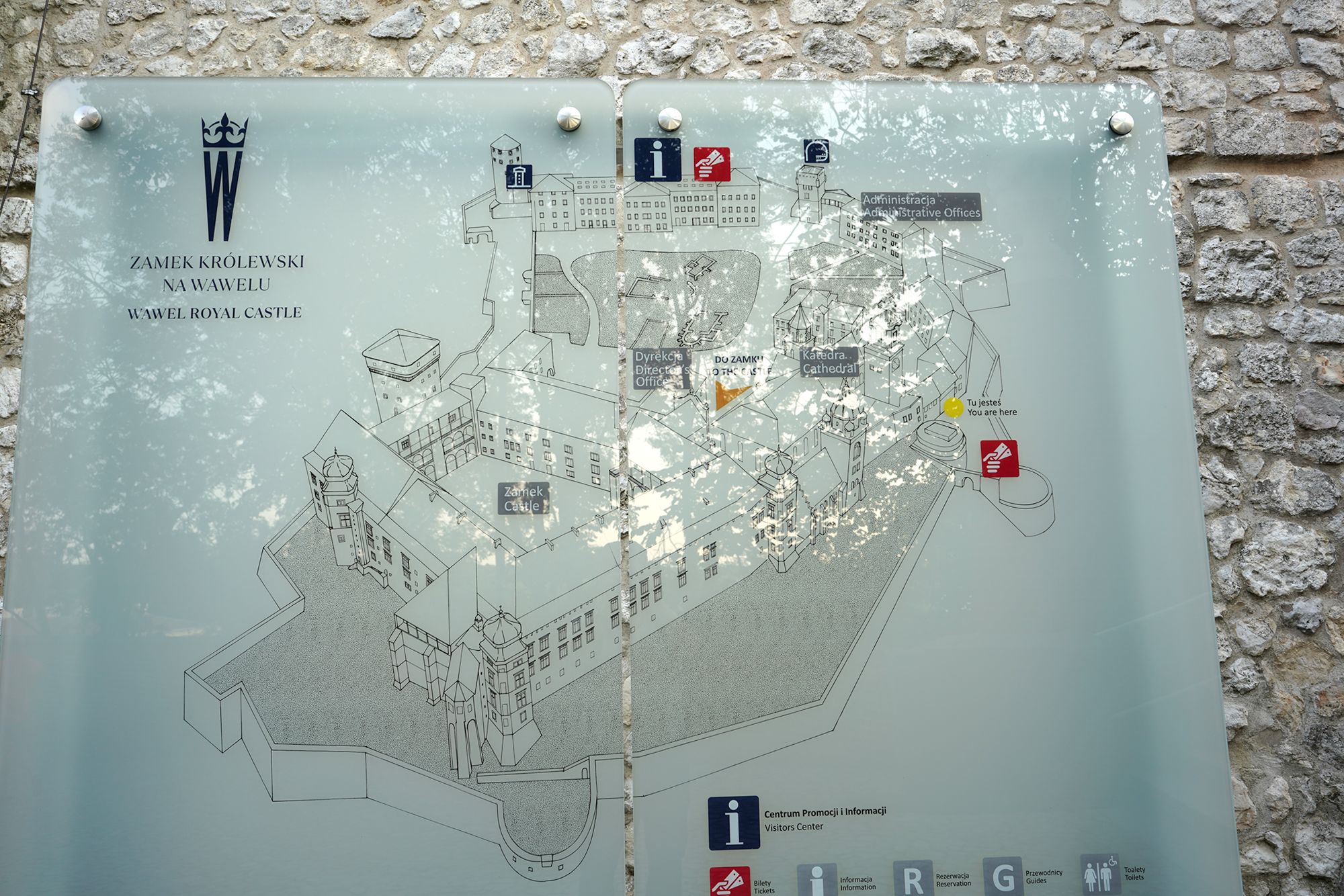
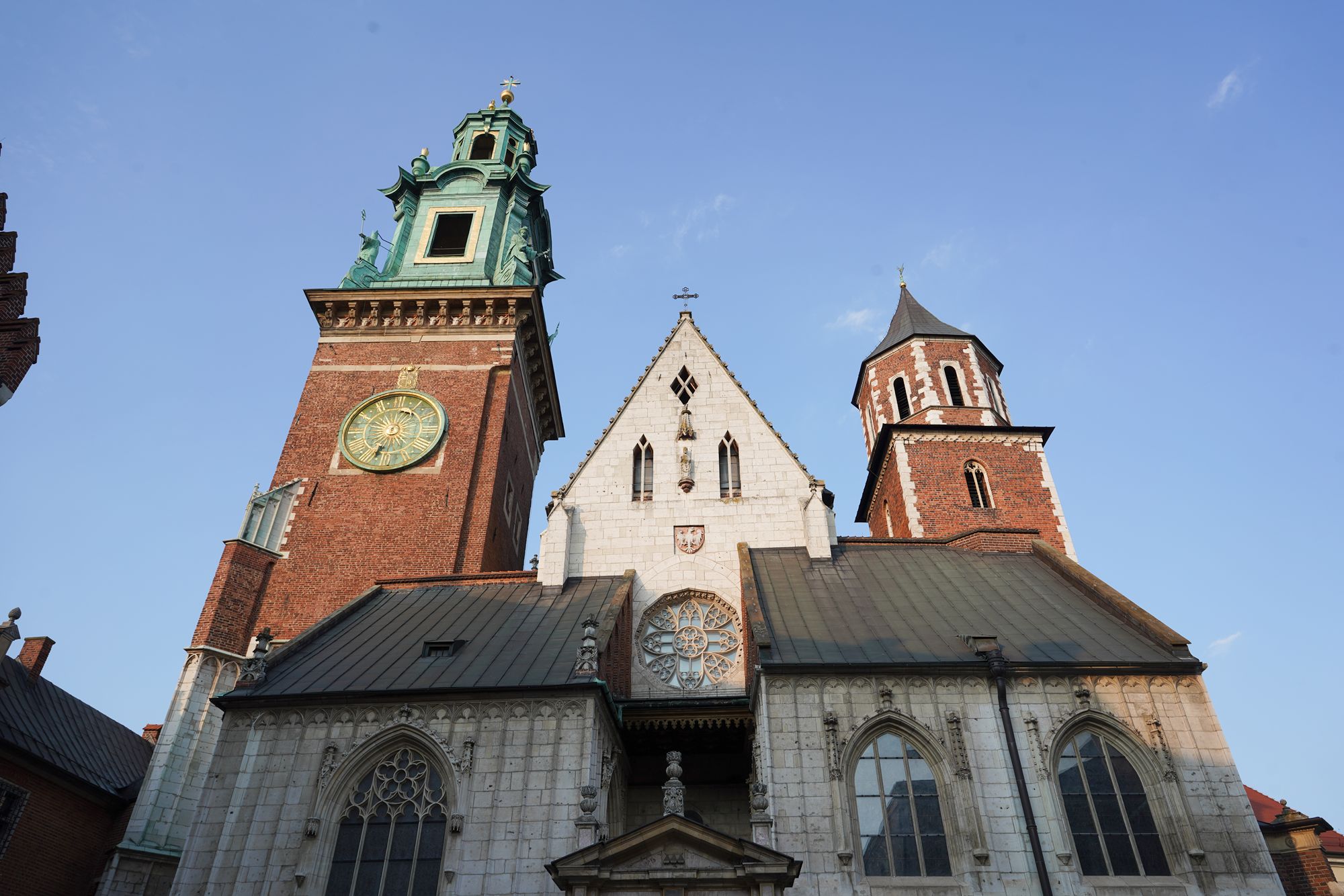
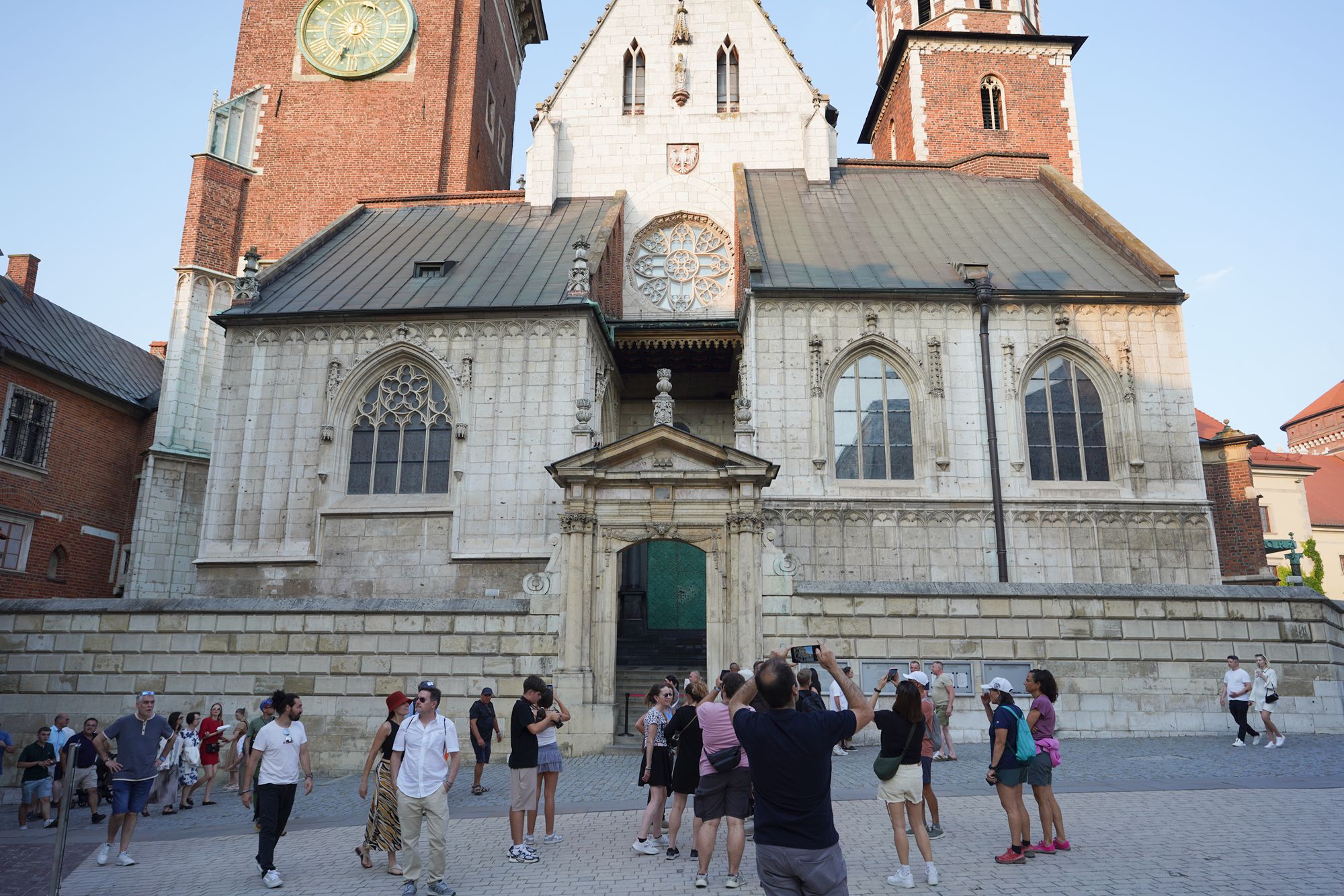
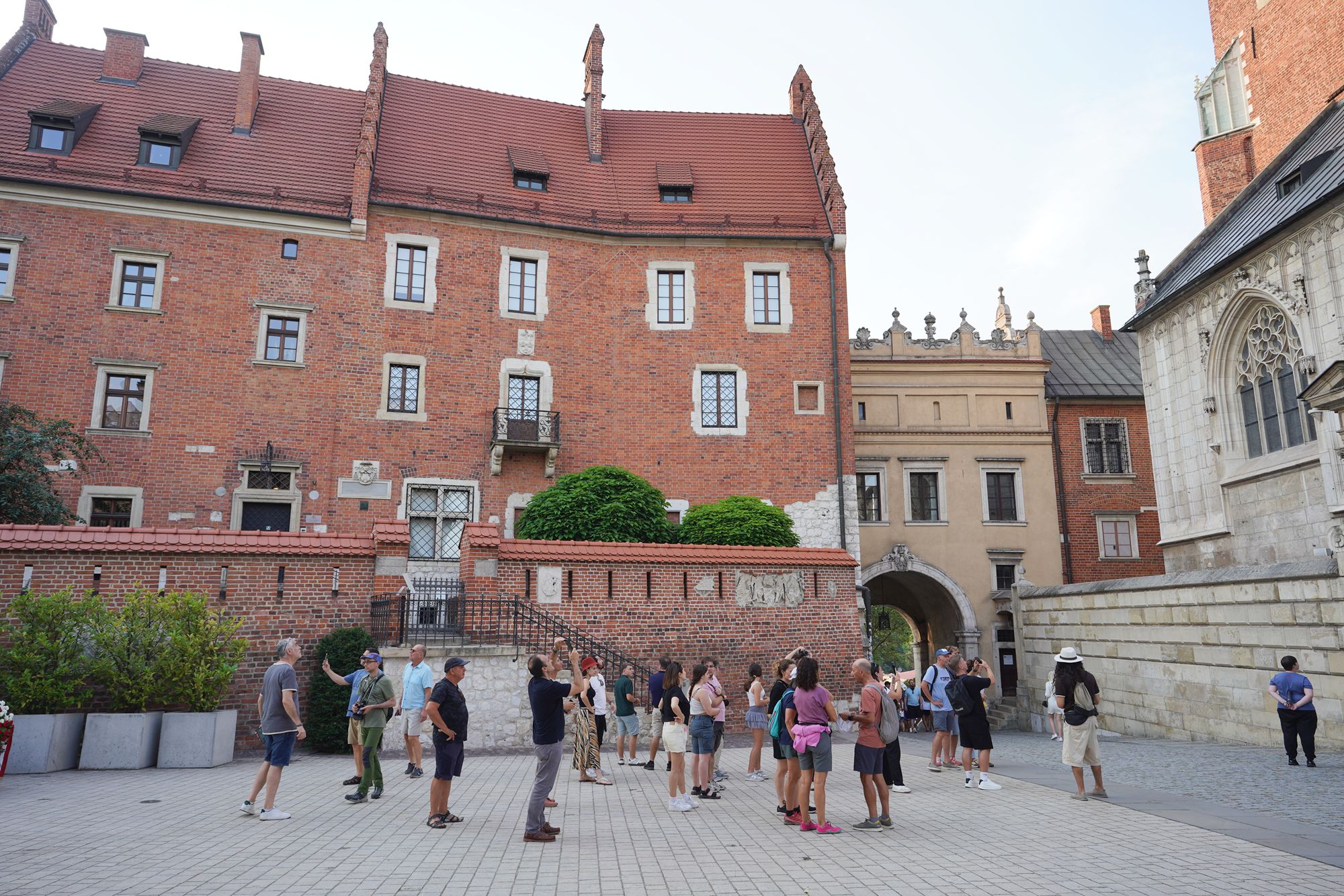
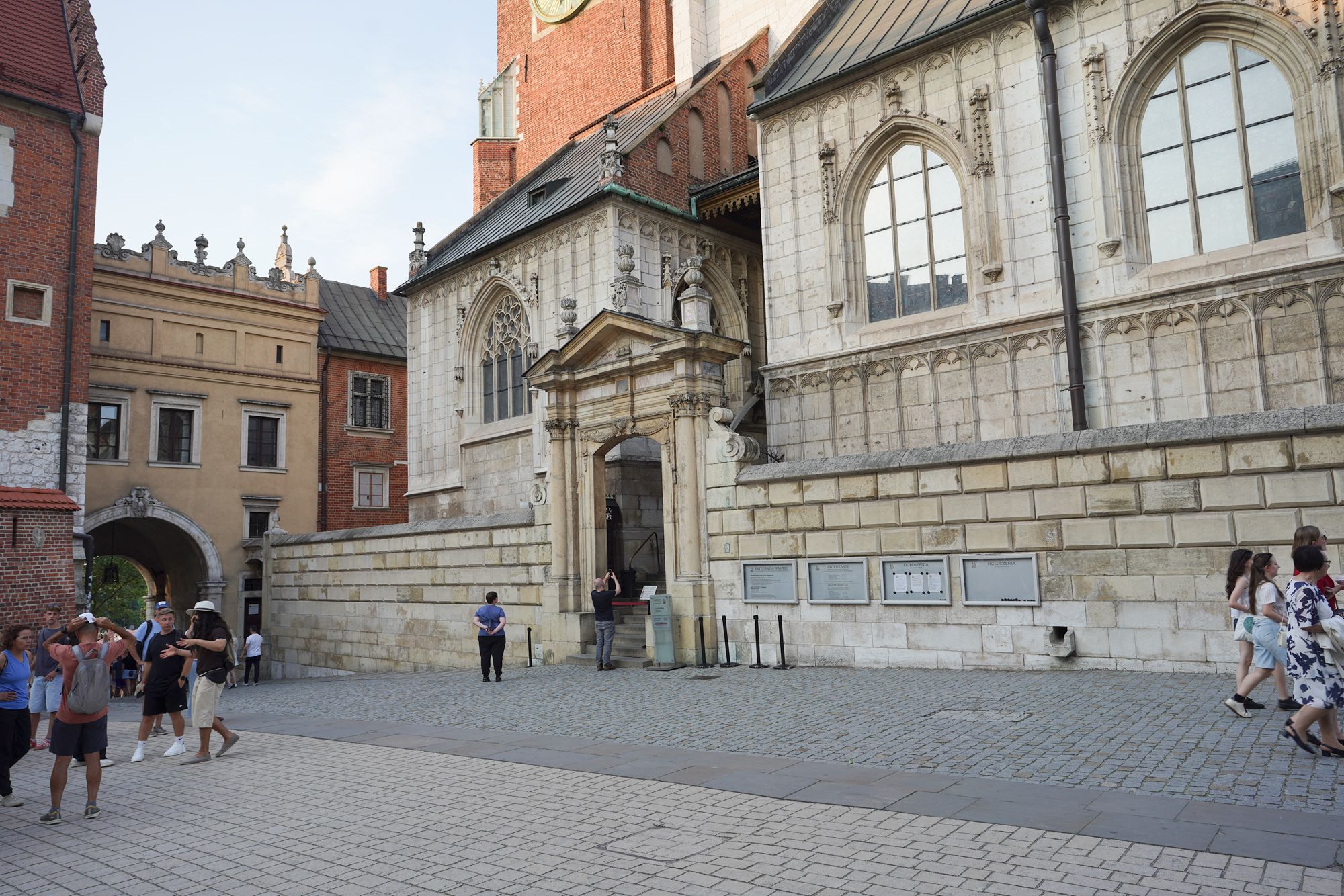
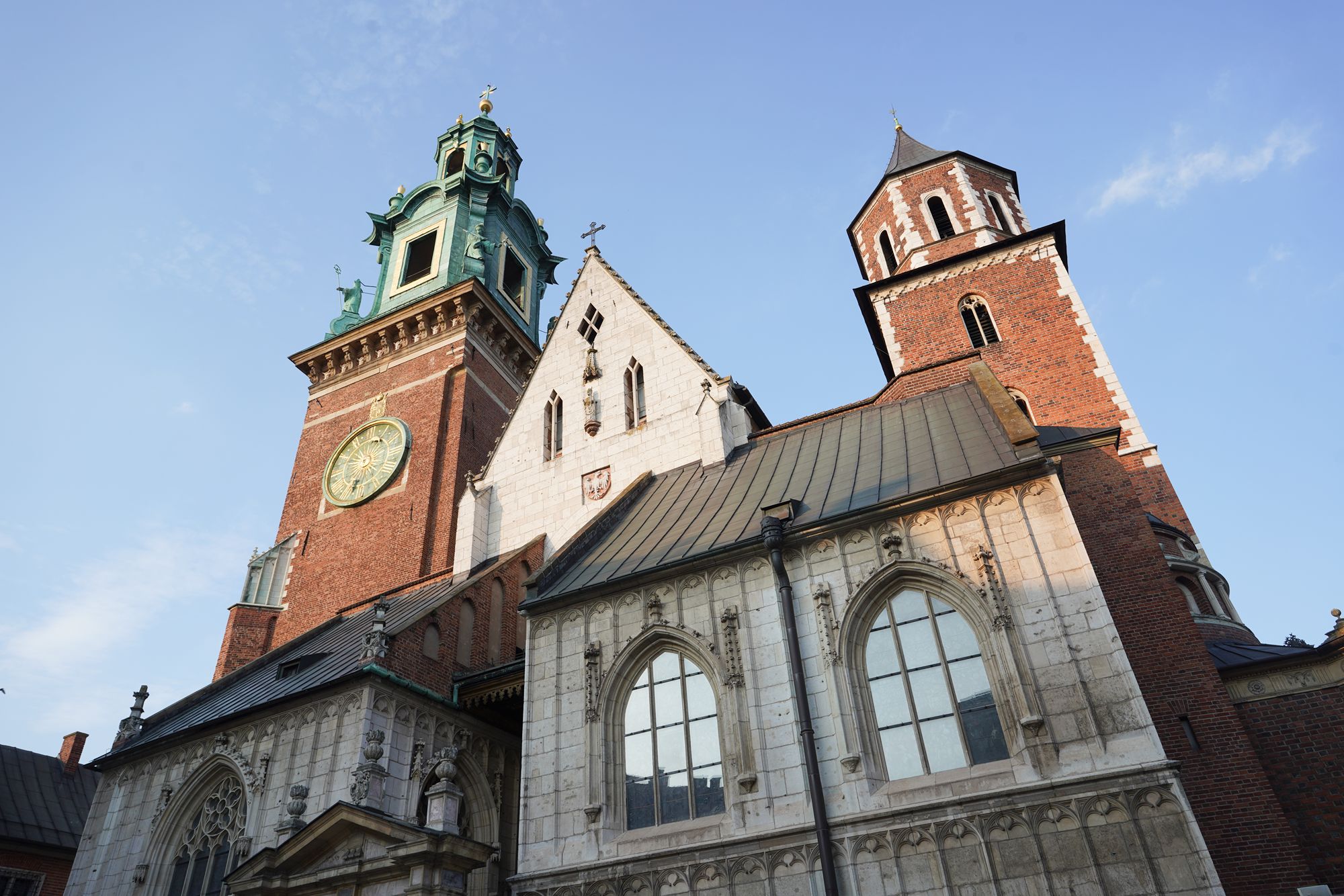
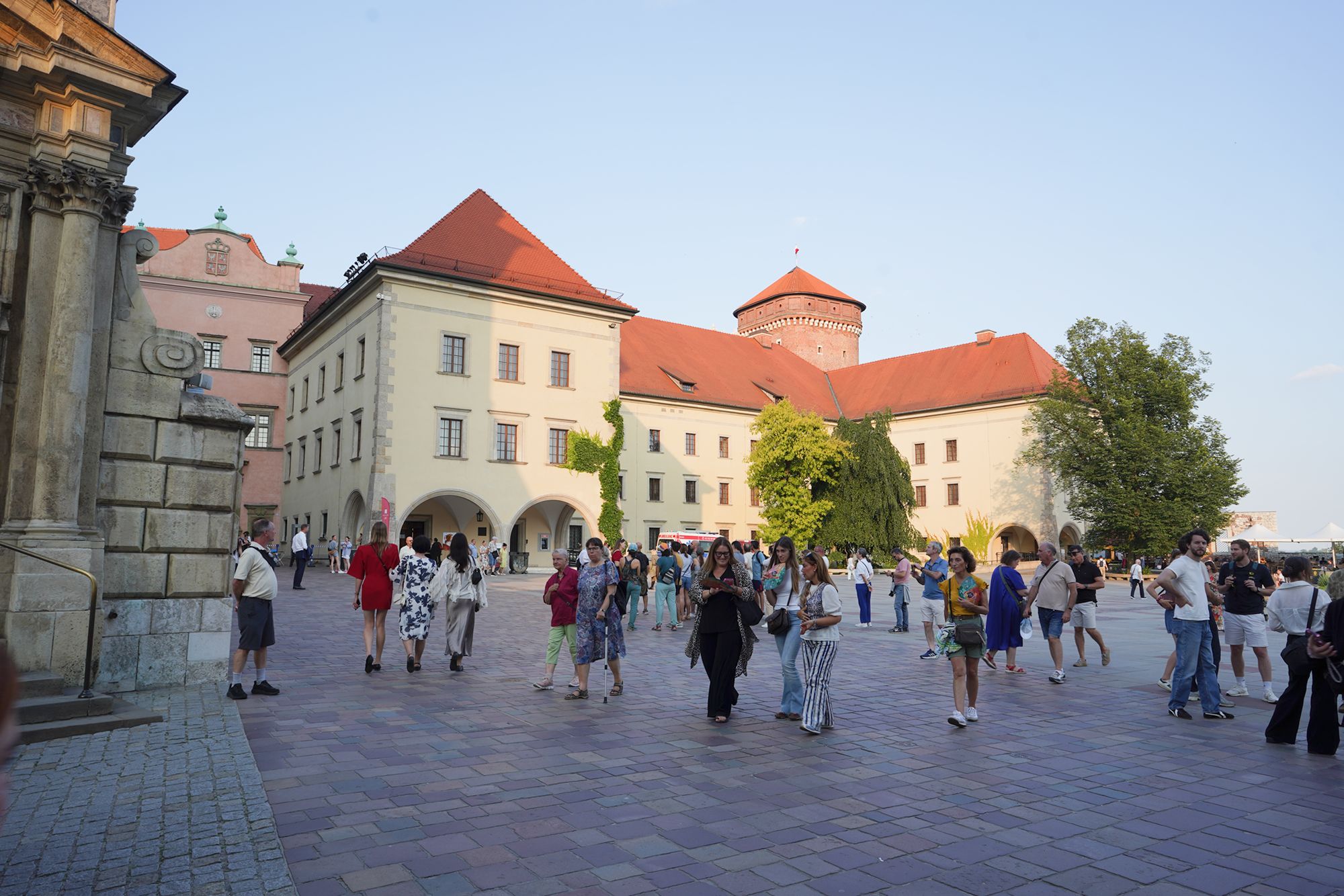
Wawel Royal Castle
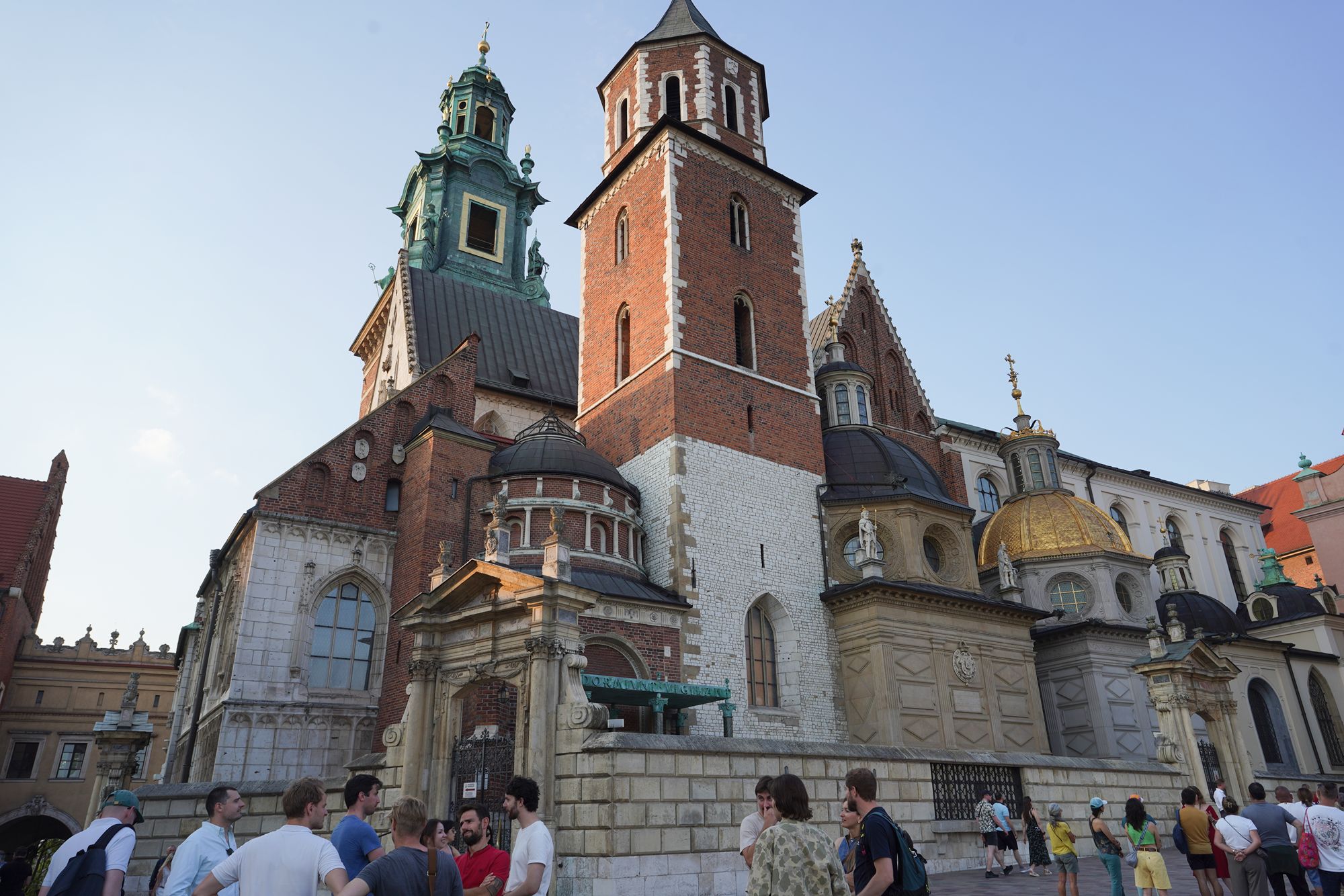
I walked into the open courtyard in front of Wawel Royal Castle and stopped to look around before continuing.
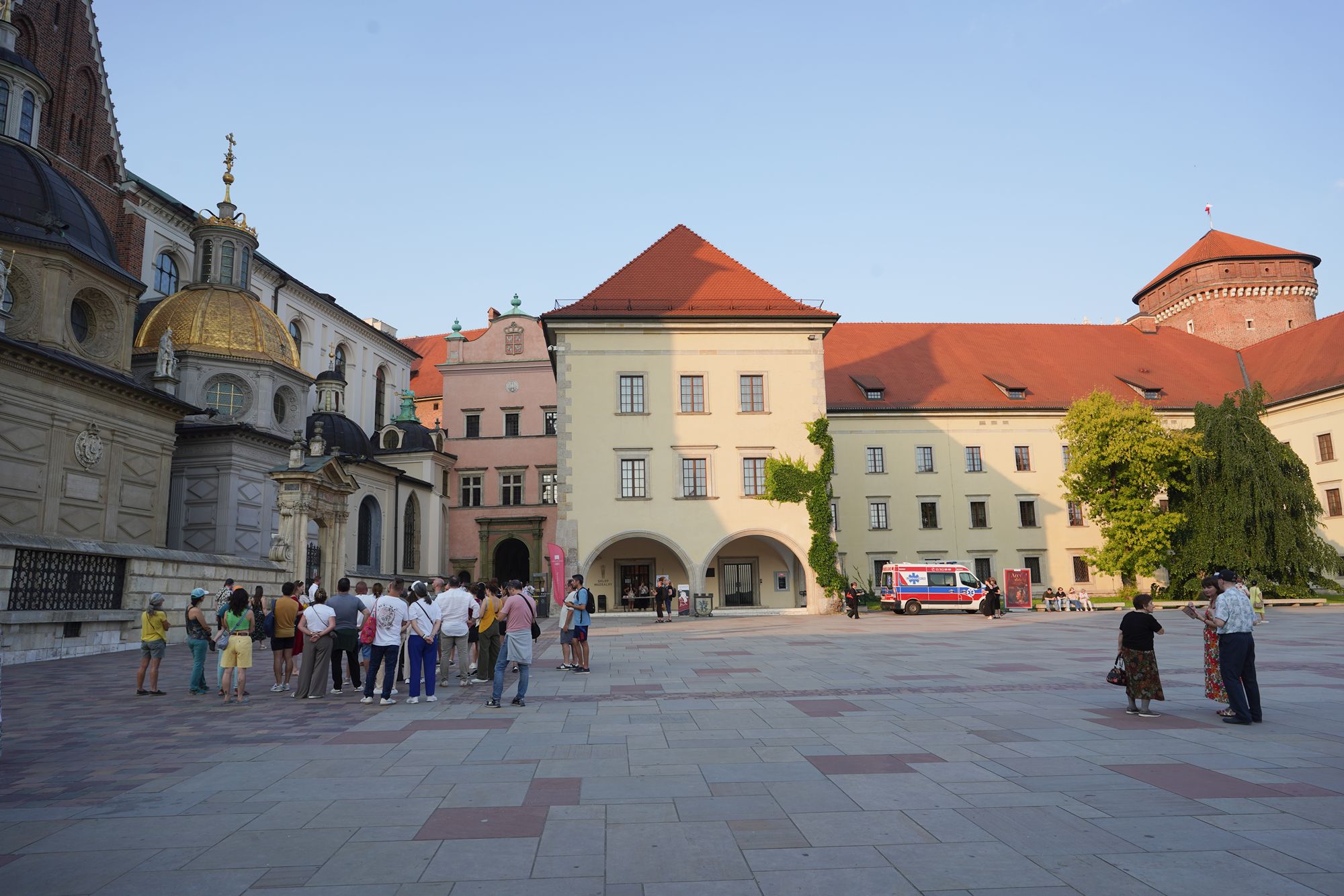
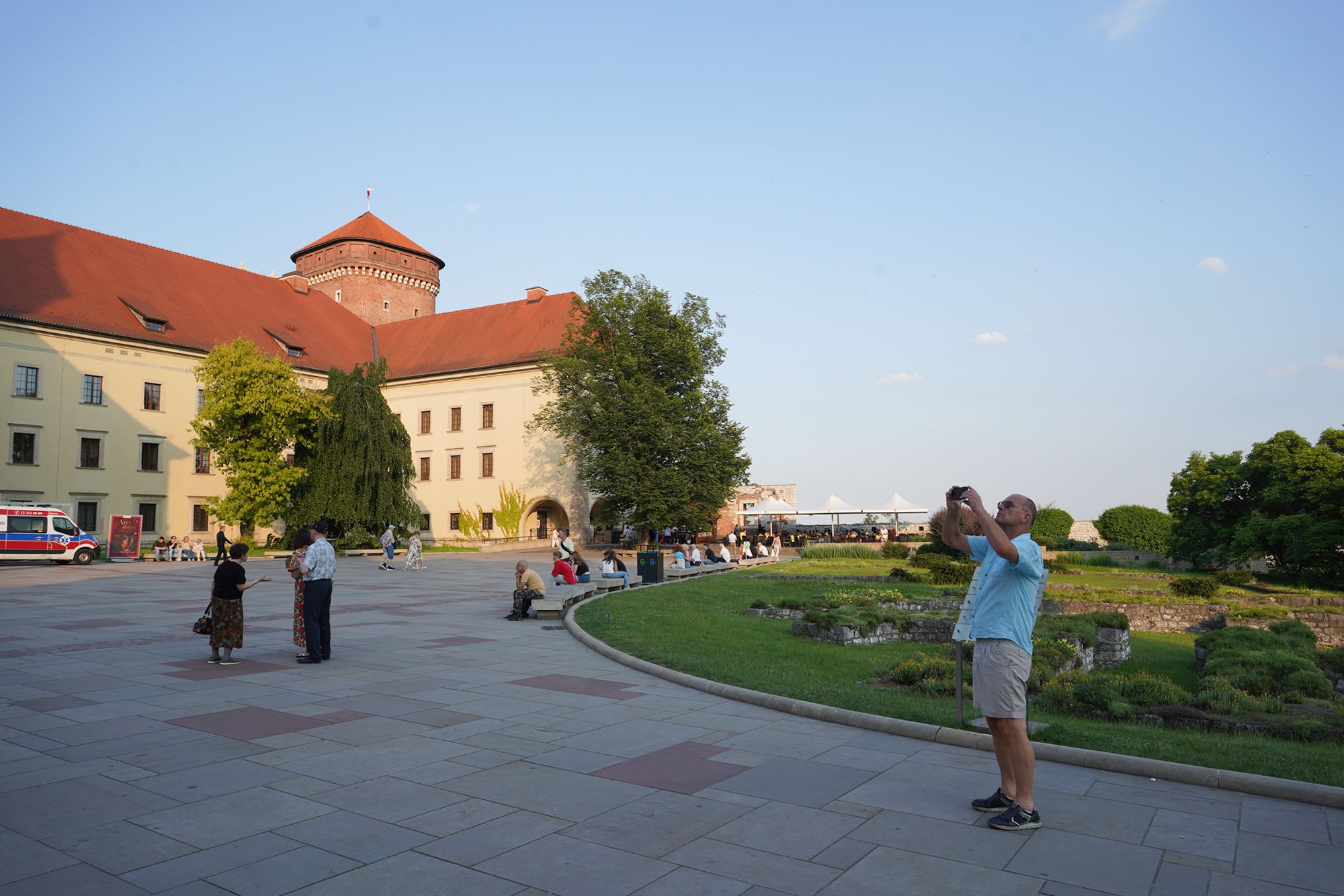
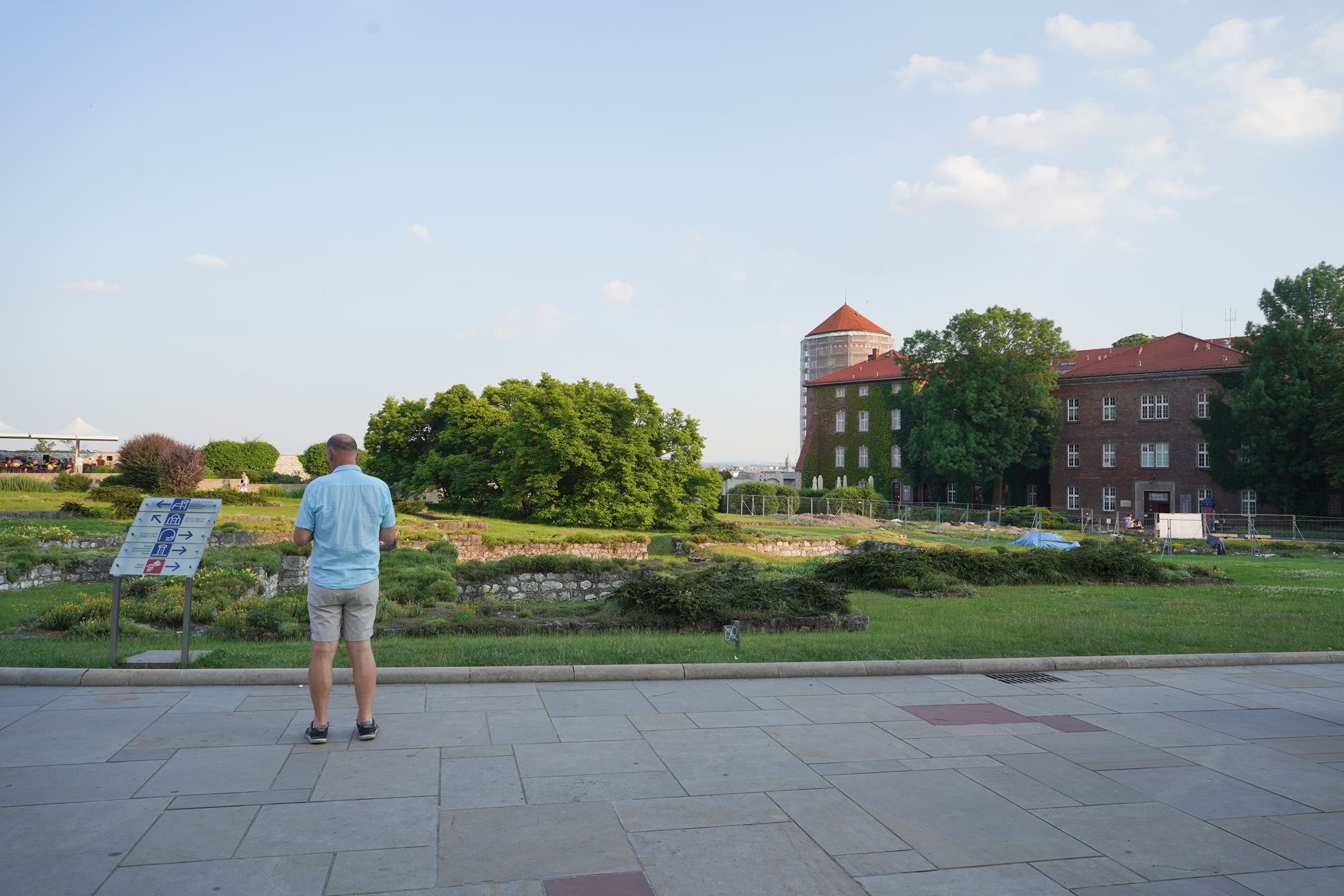
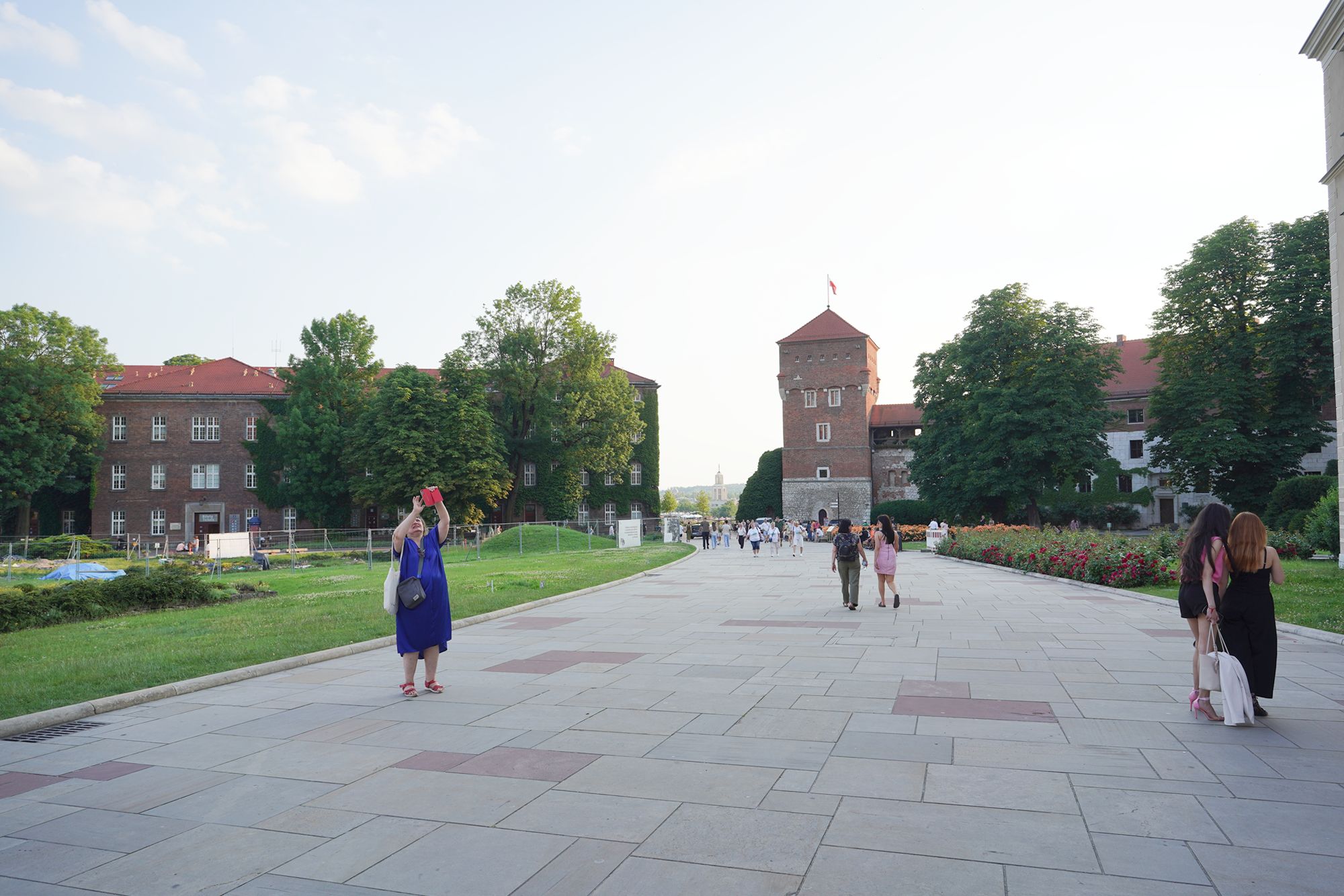
I noticed another entrance to the castle and walked over to take a closer look.
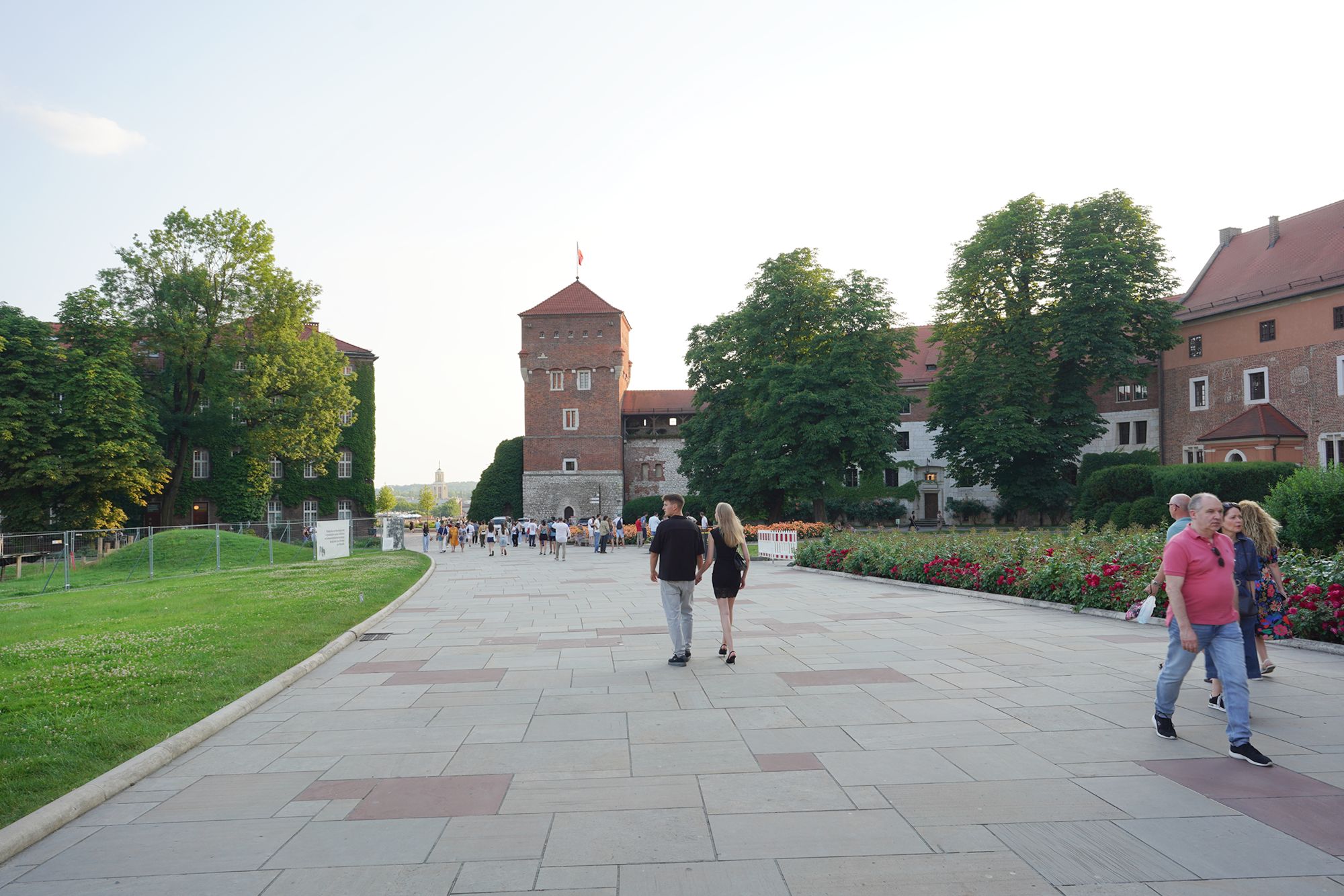
Outside the other gate, I came to a hillside overlooking the Vistula River. I stopped for a while to take in the view.
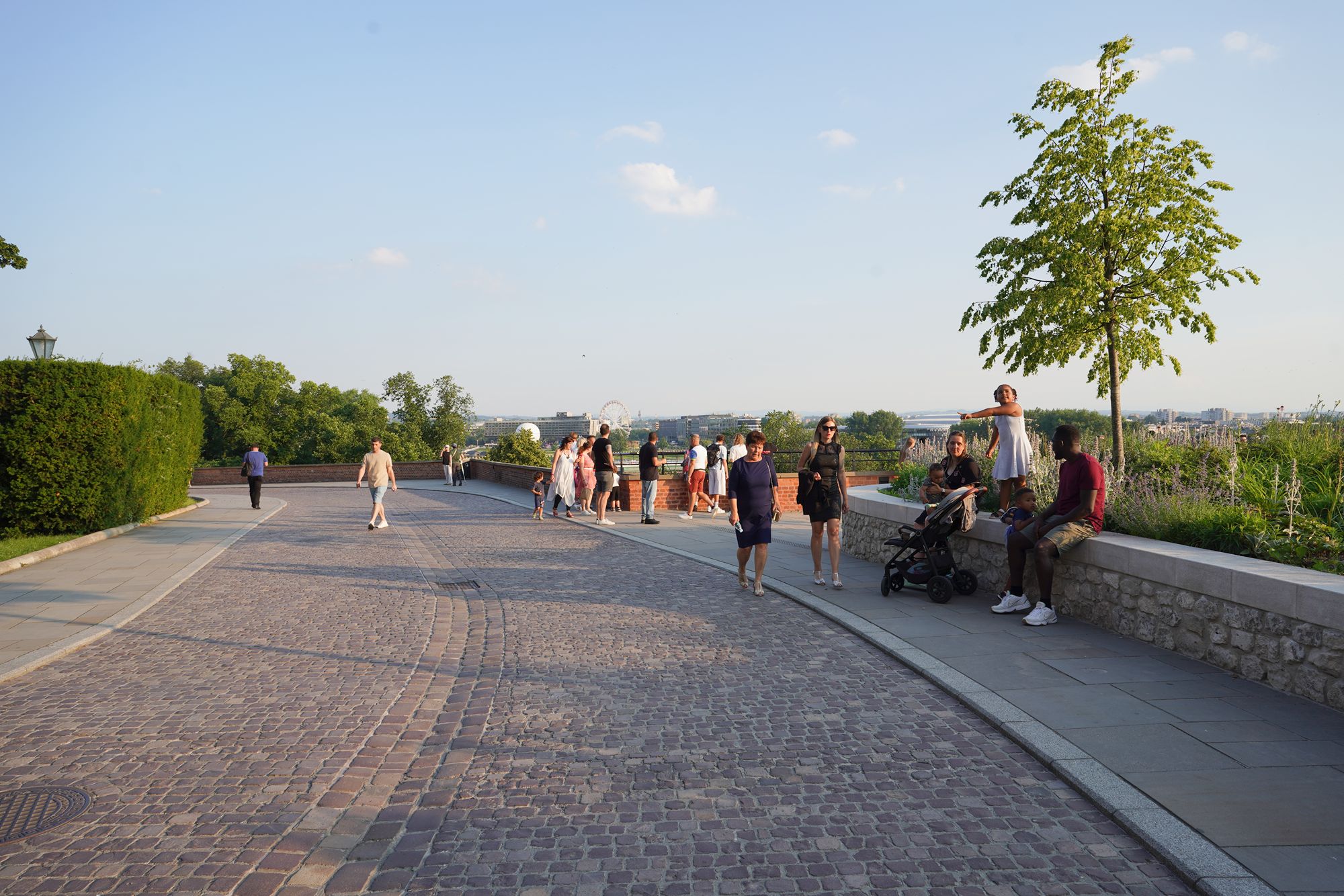
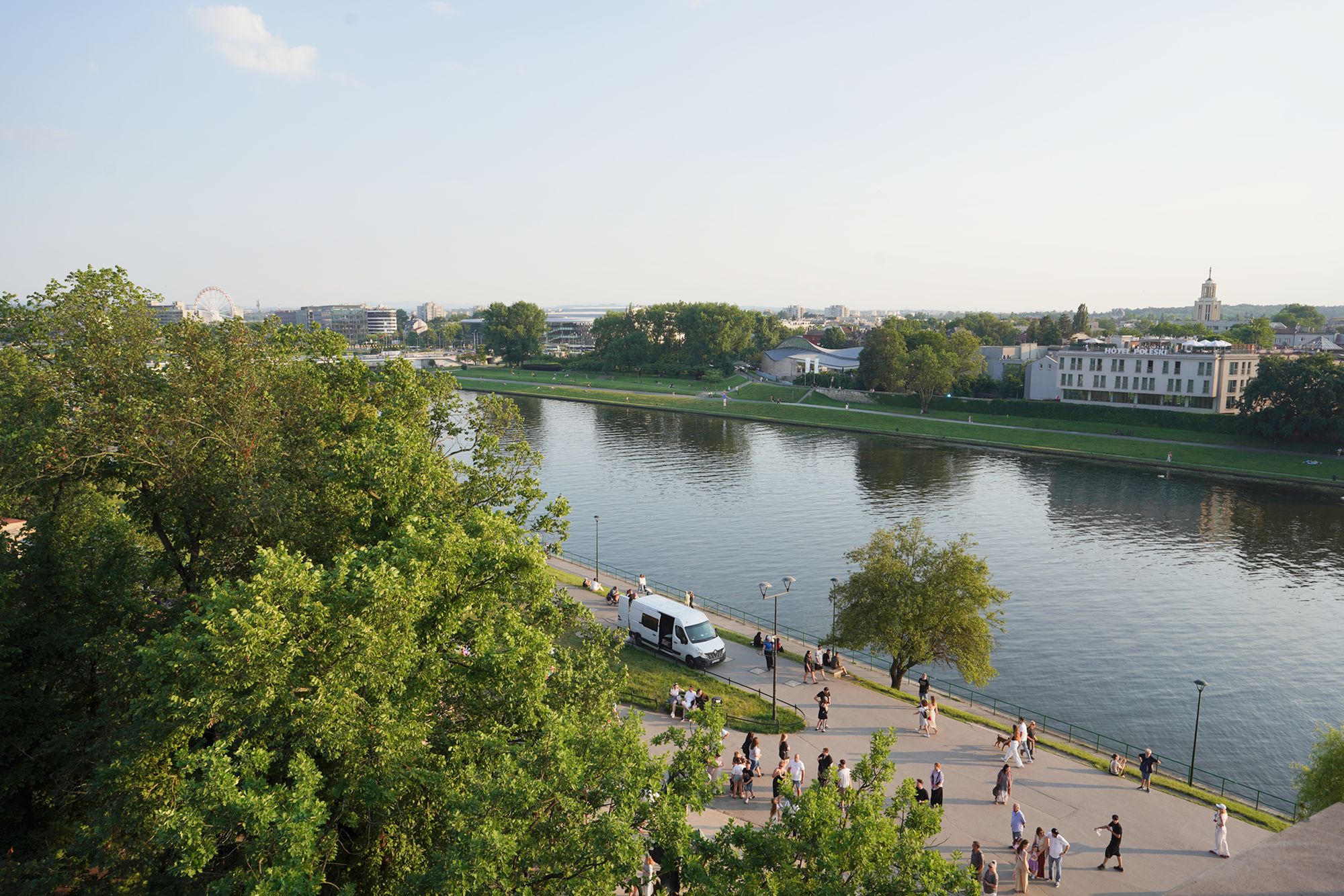
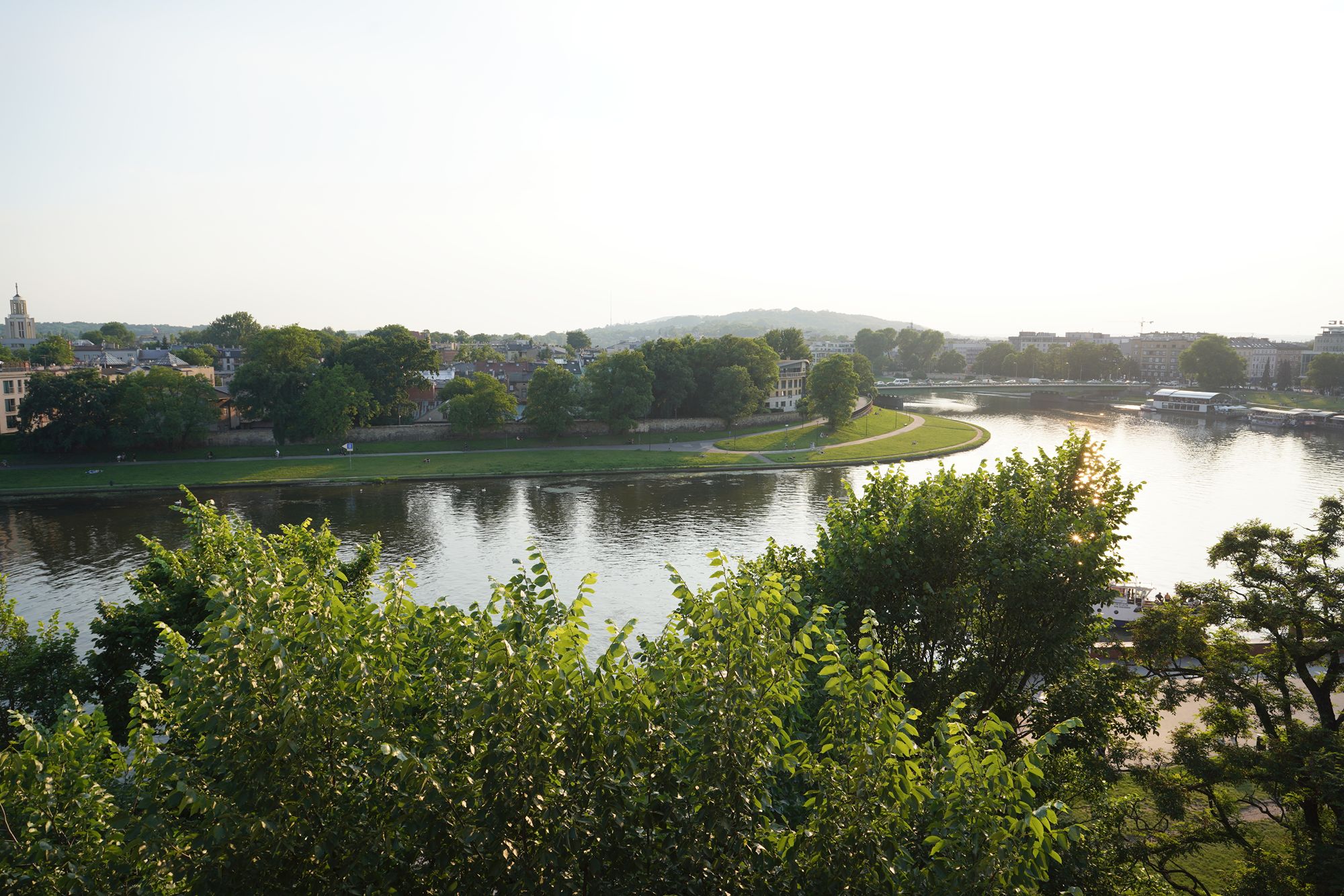
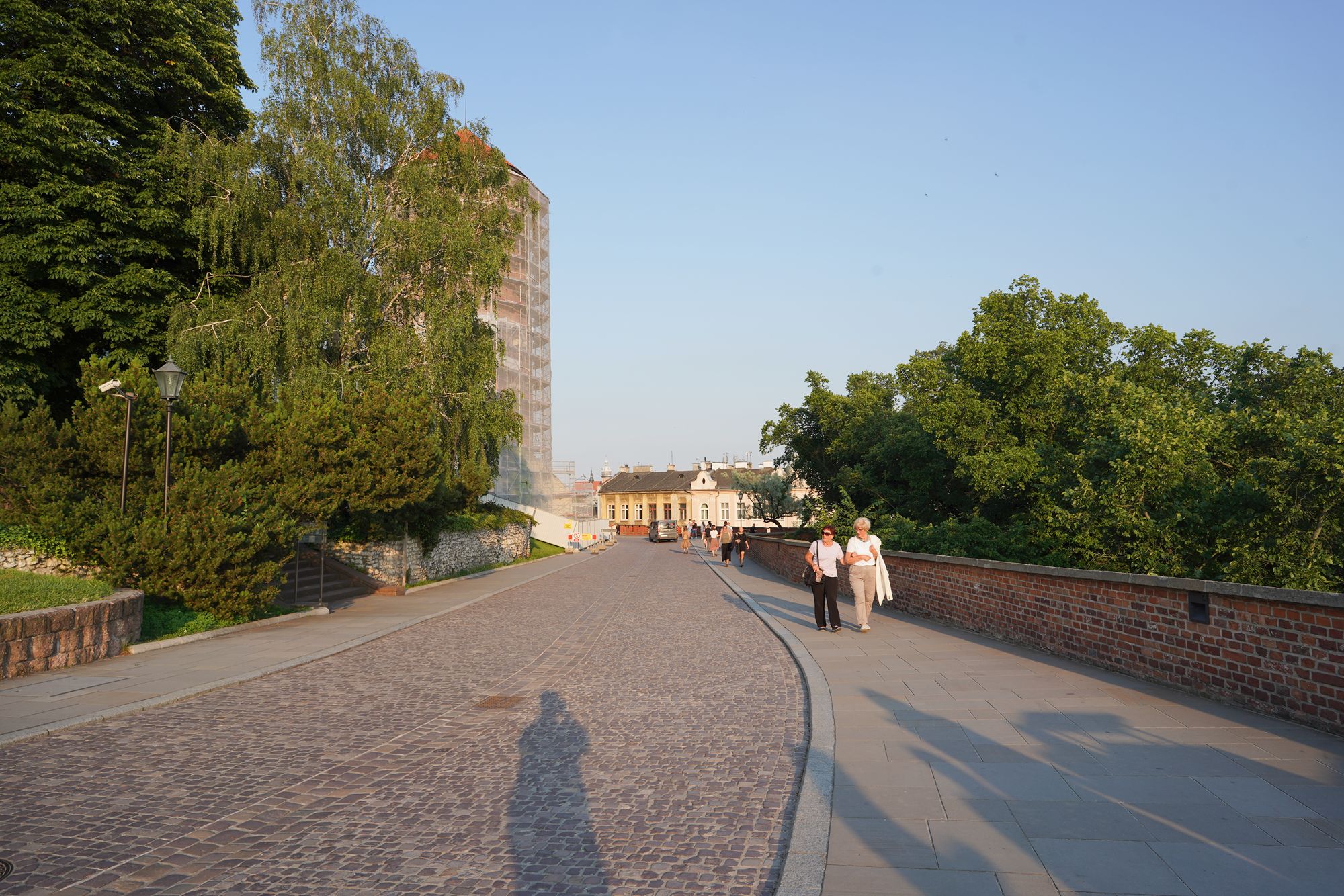
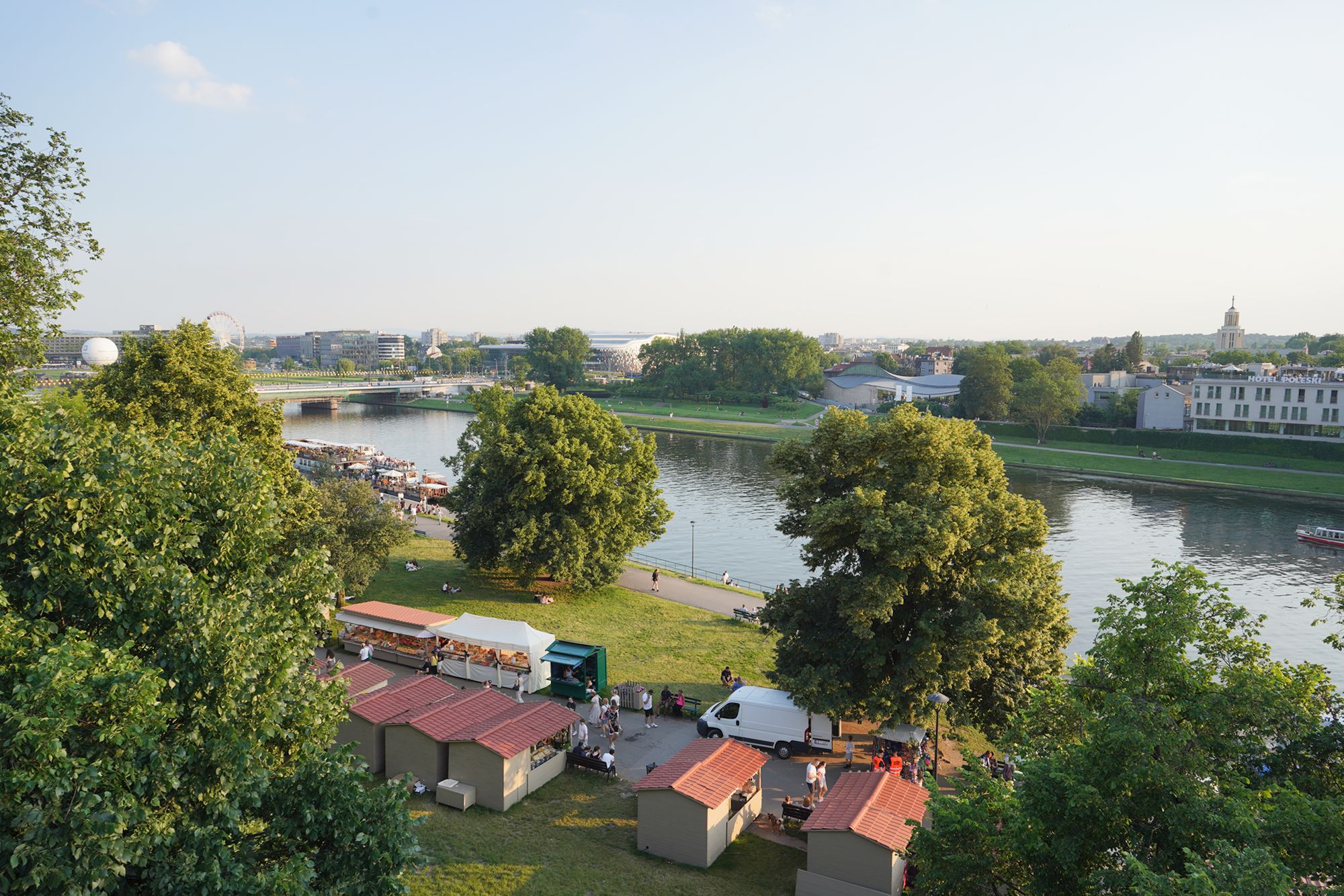
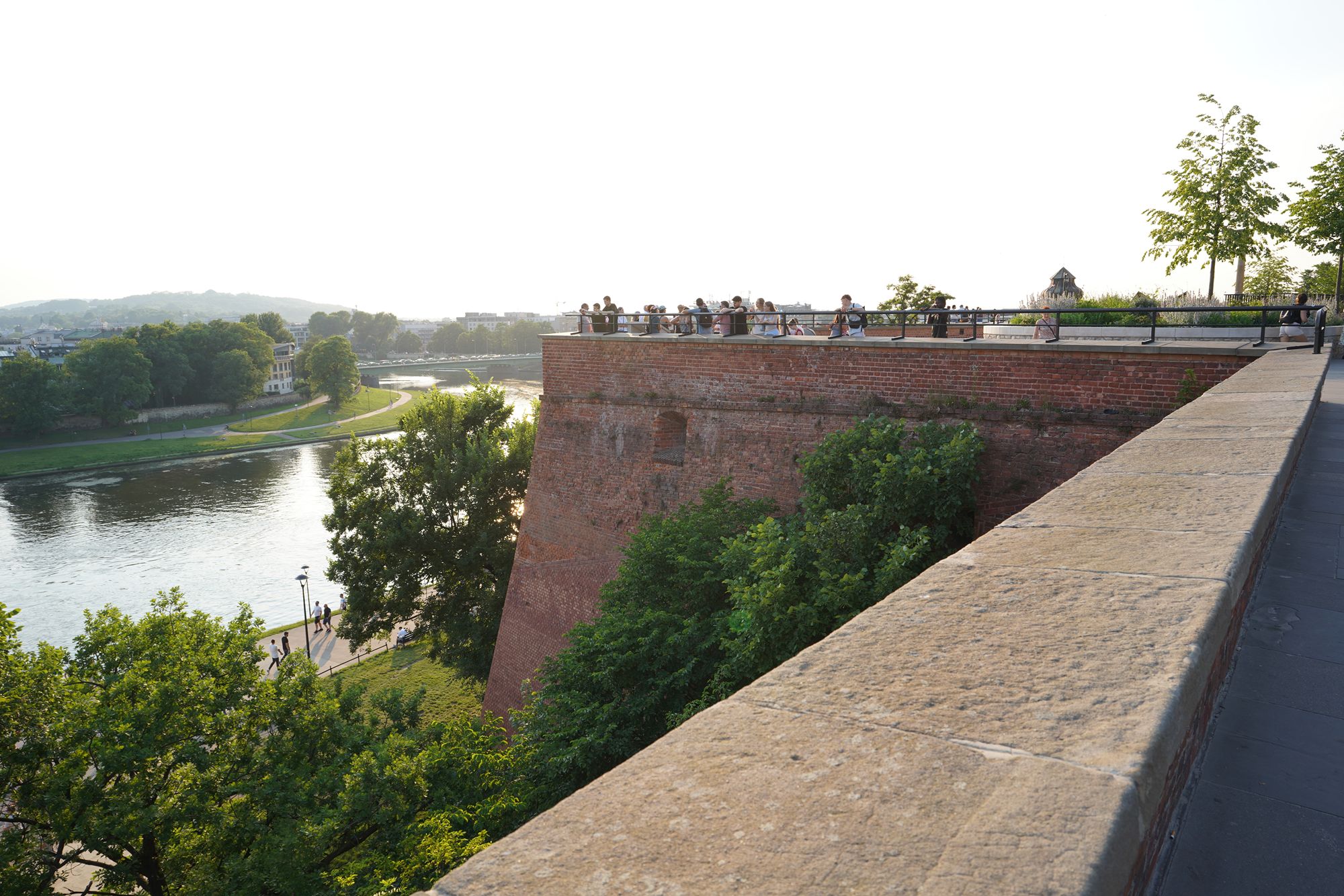
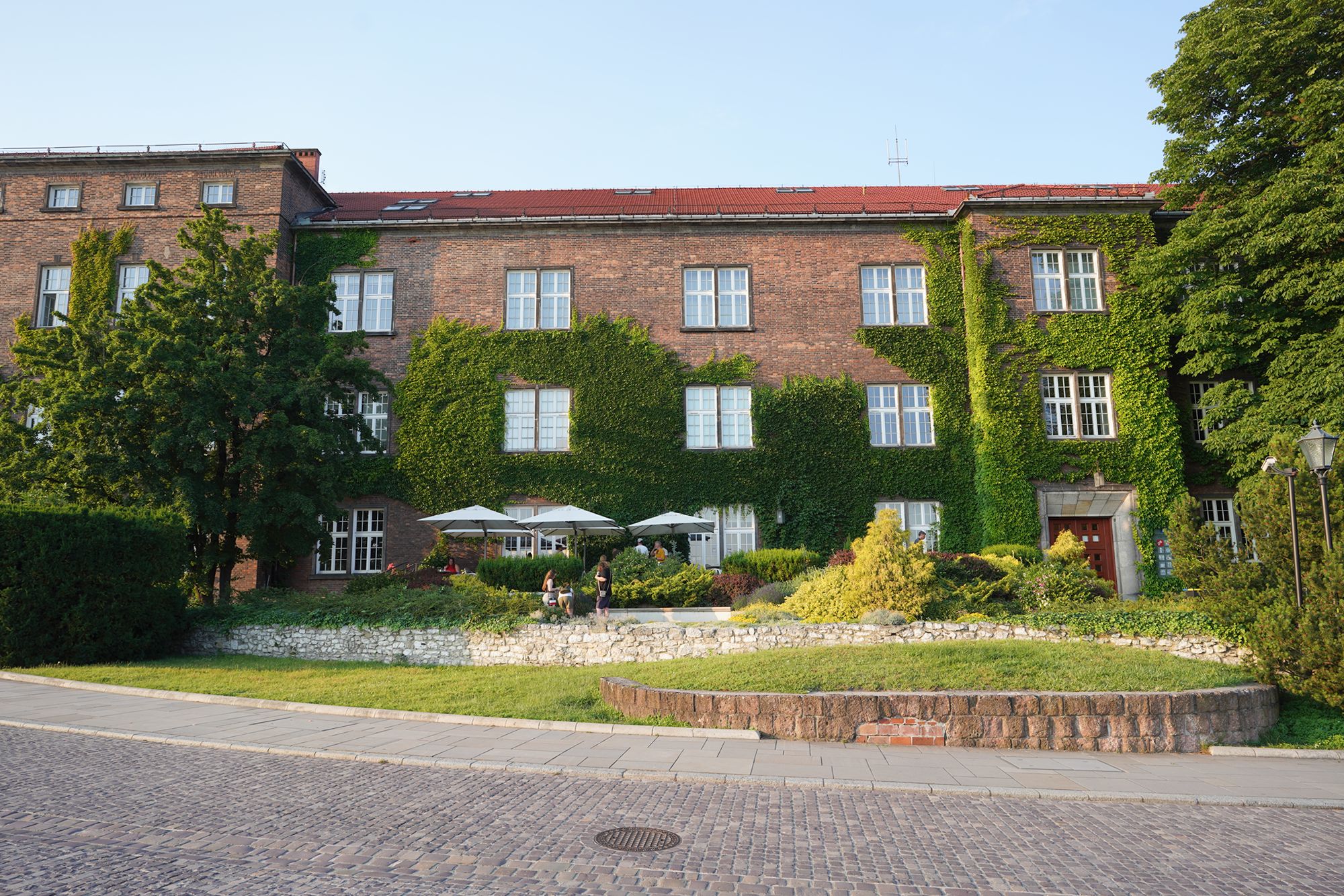
After looking out over the Vistula River, I walked back through the gate toward the castle.
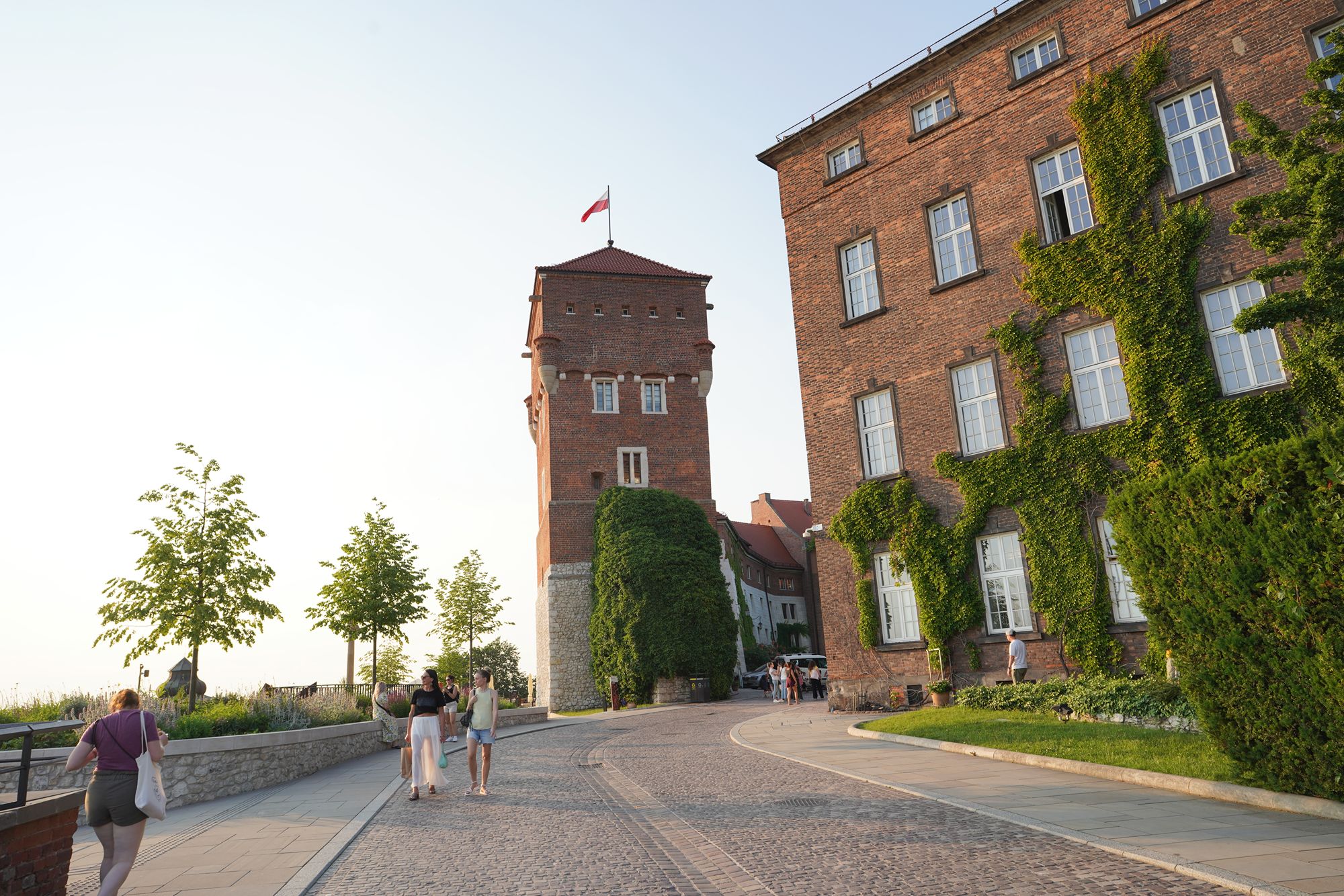
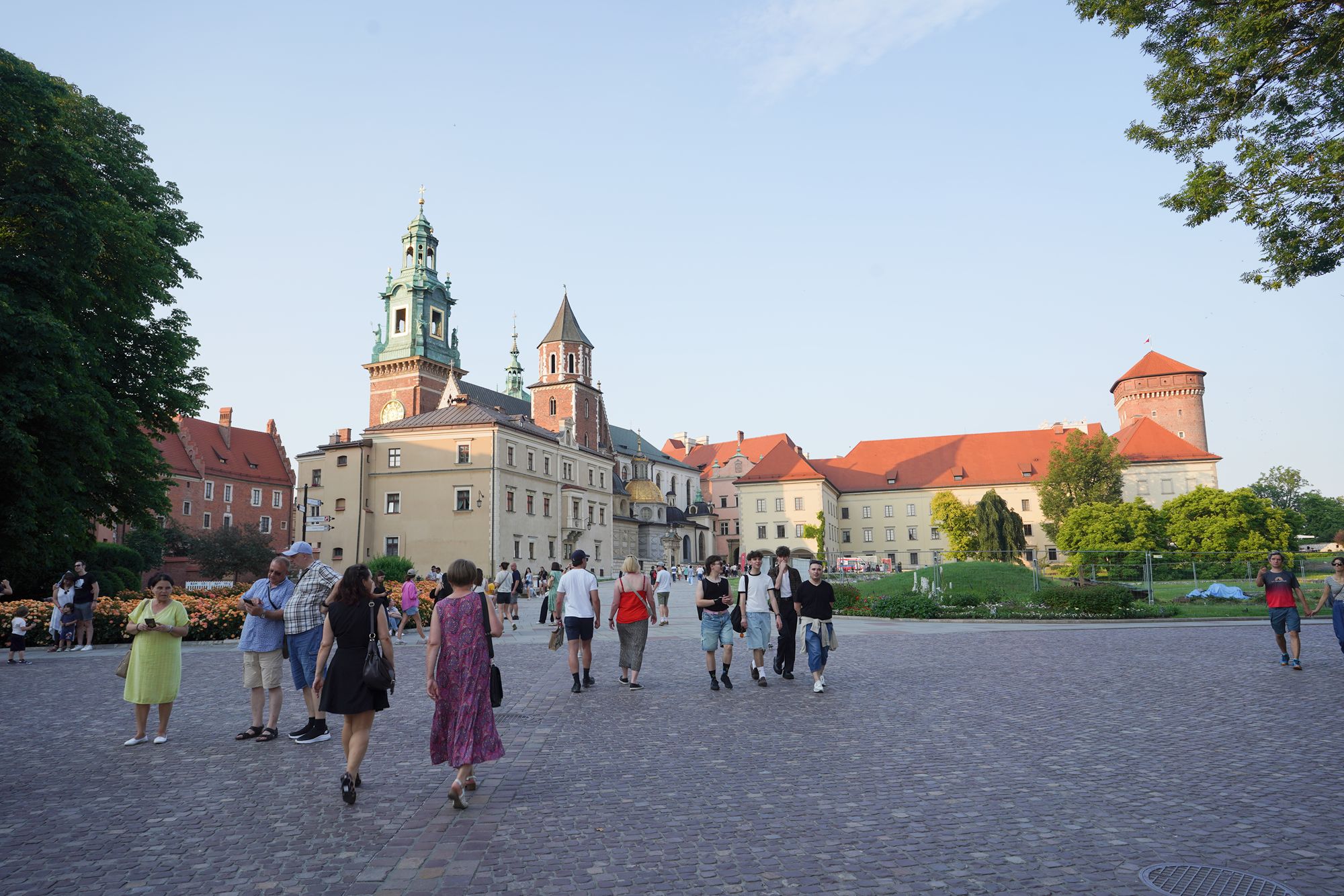
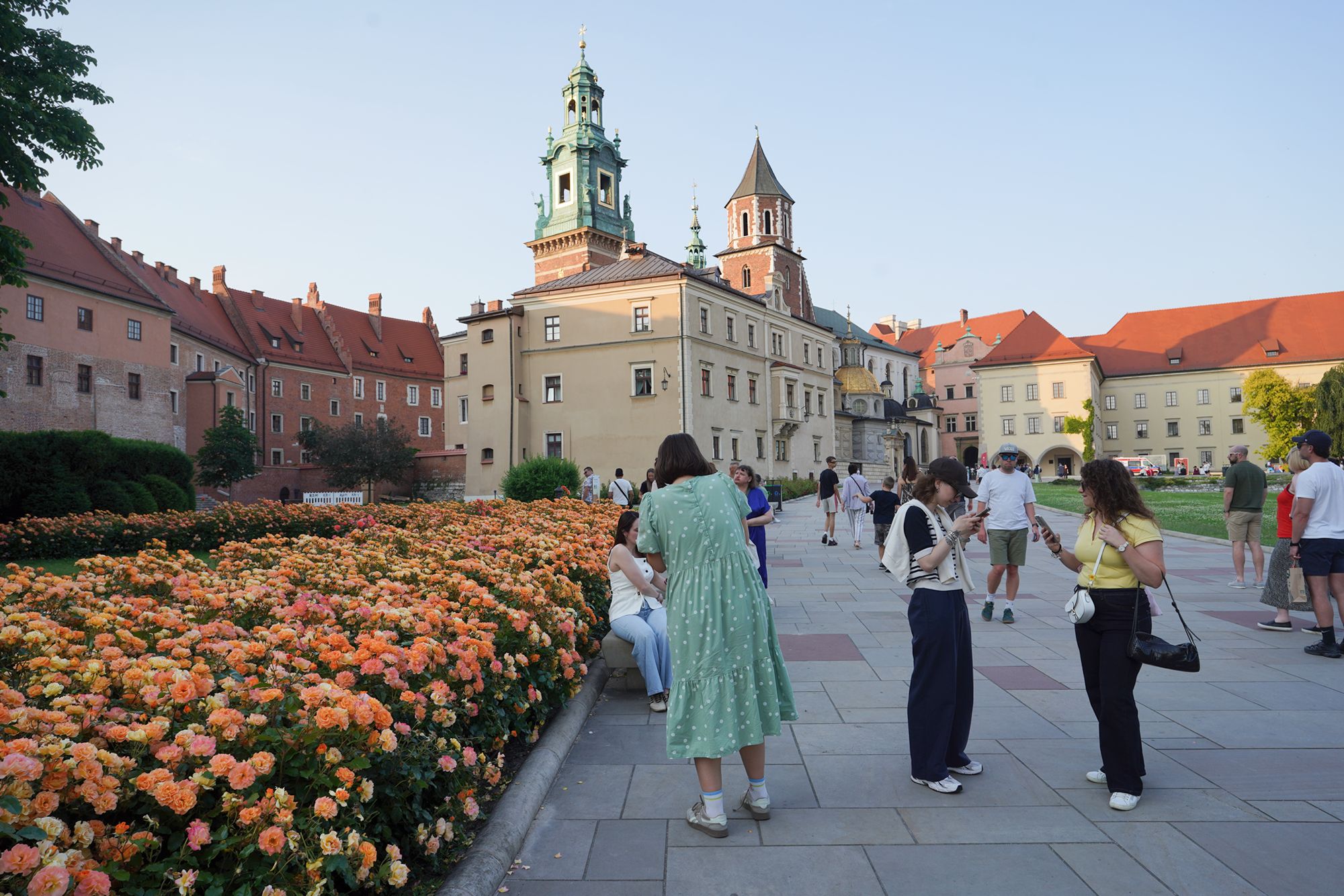
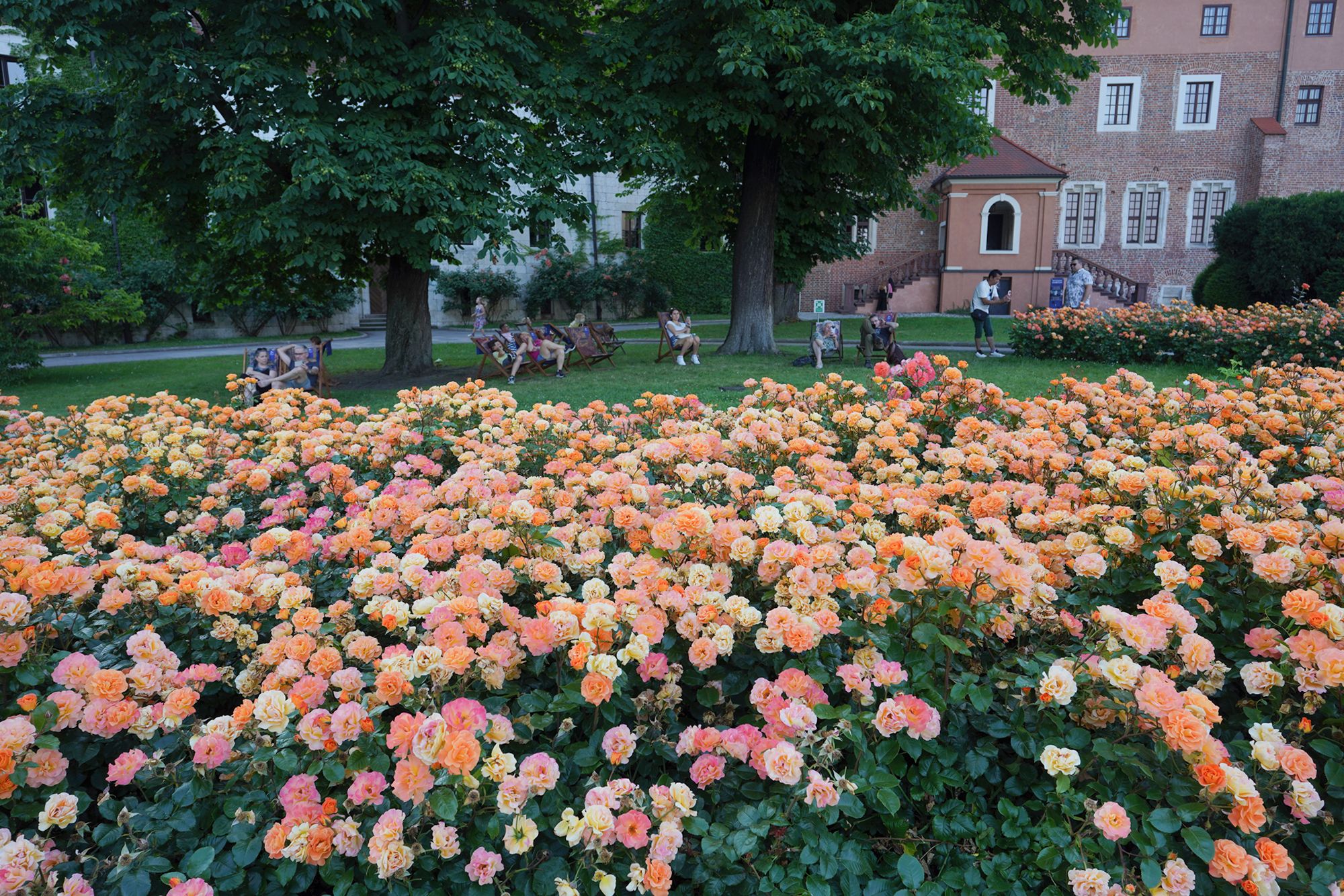
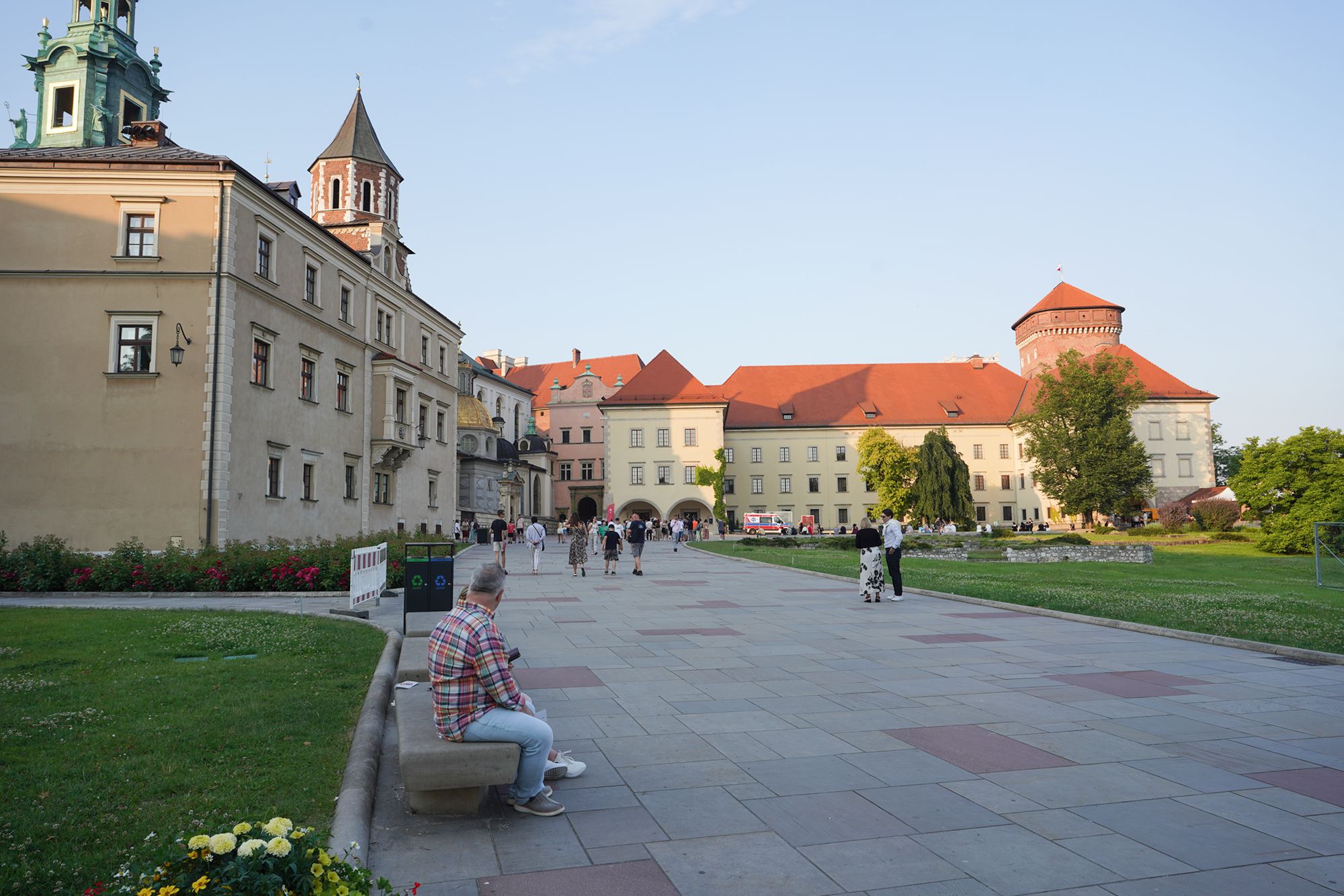
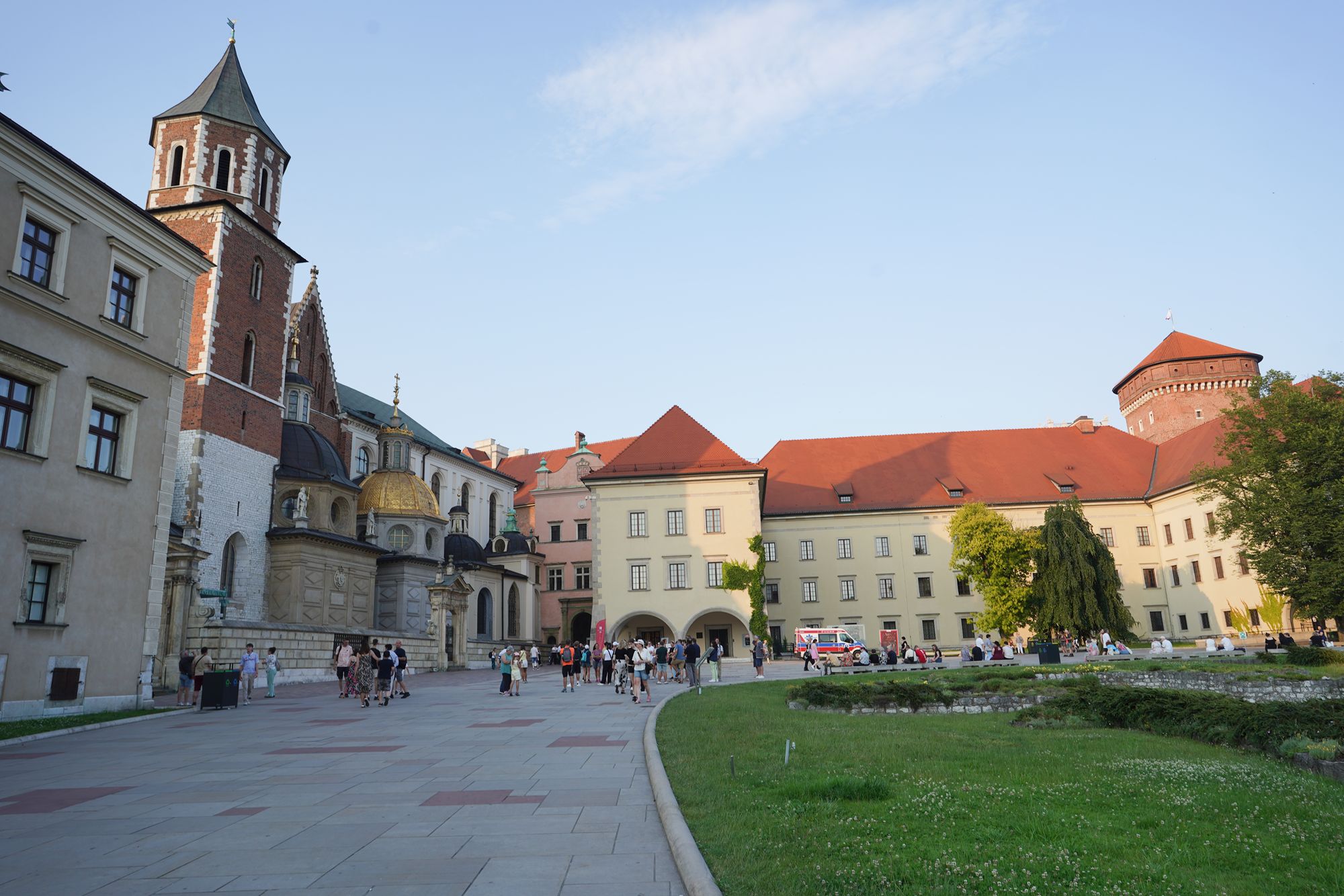
I left the castle grounds through the same gate I had entered and continued my walk.
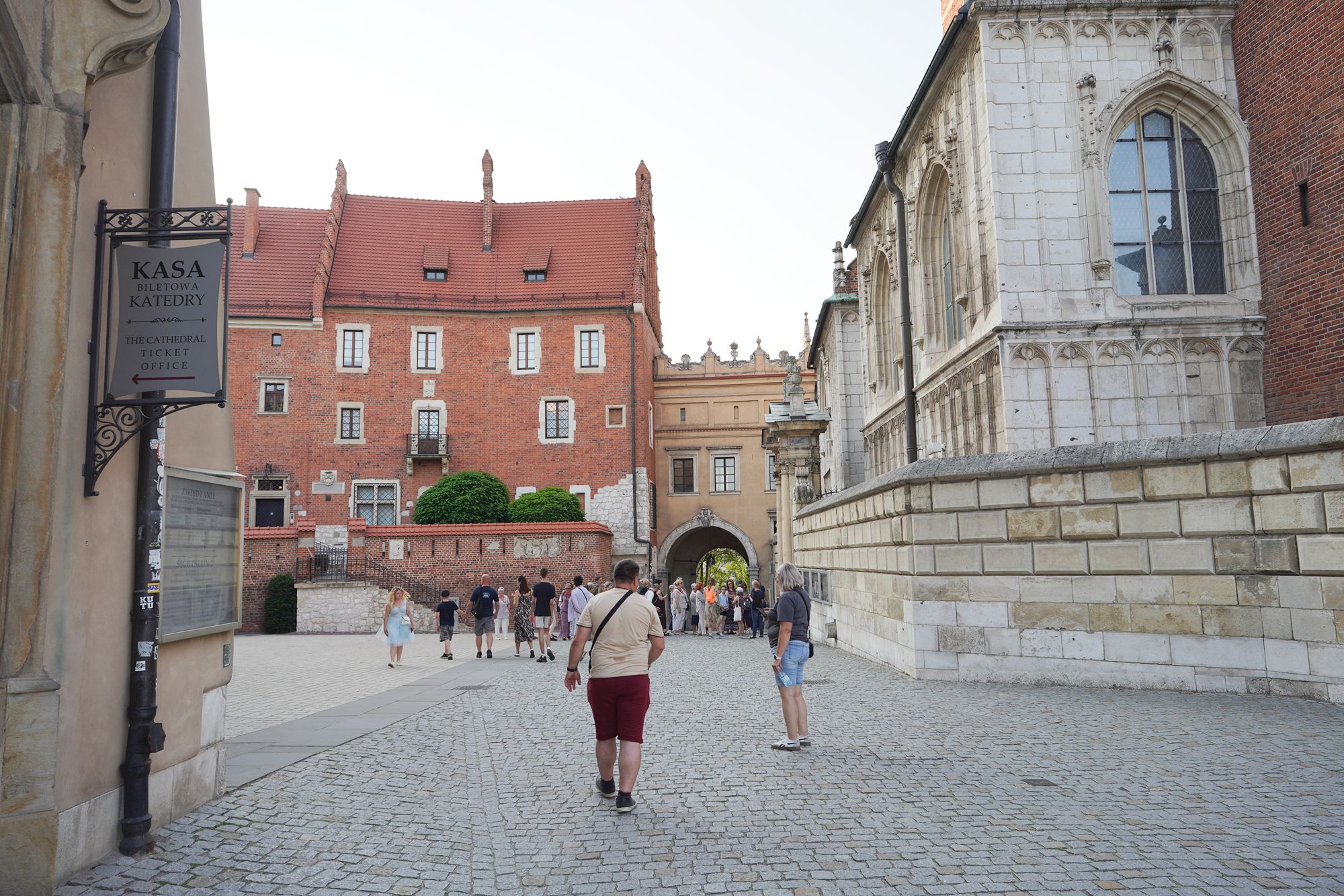
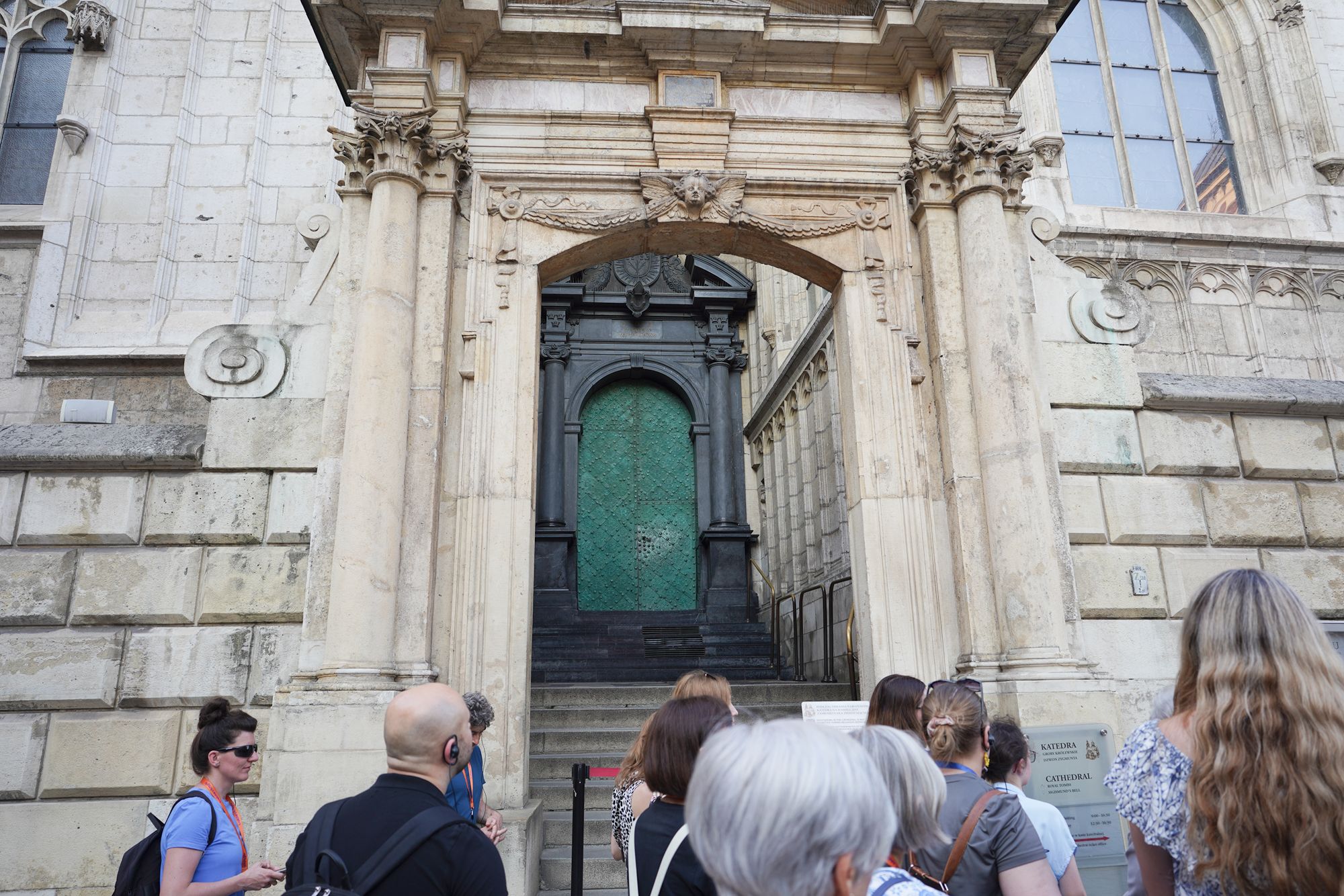
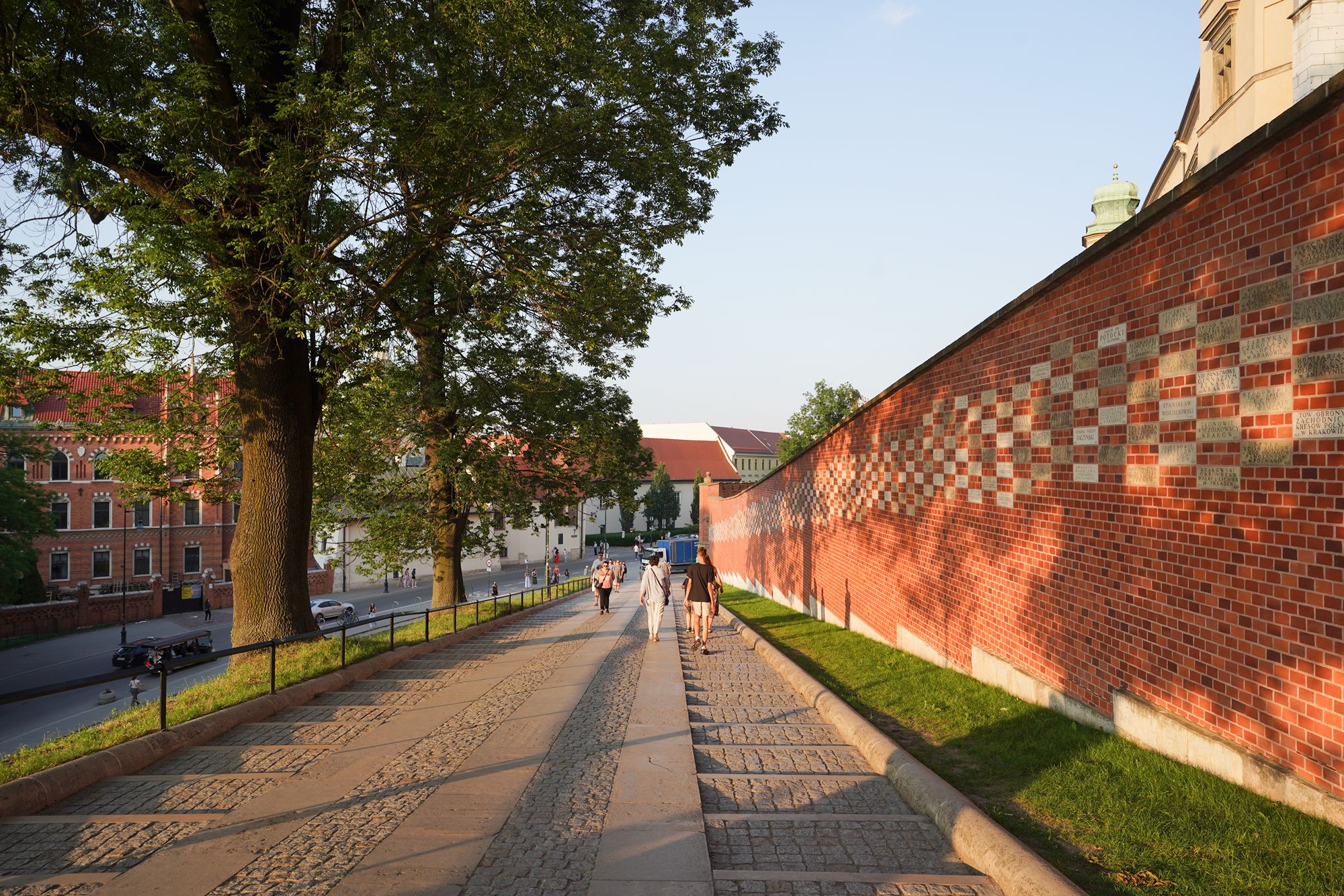
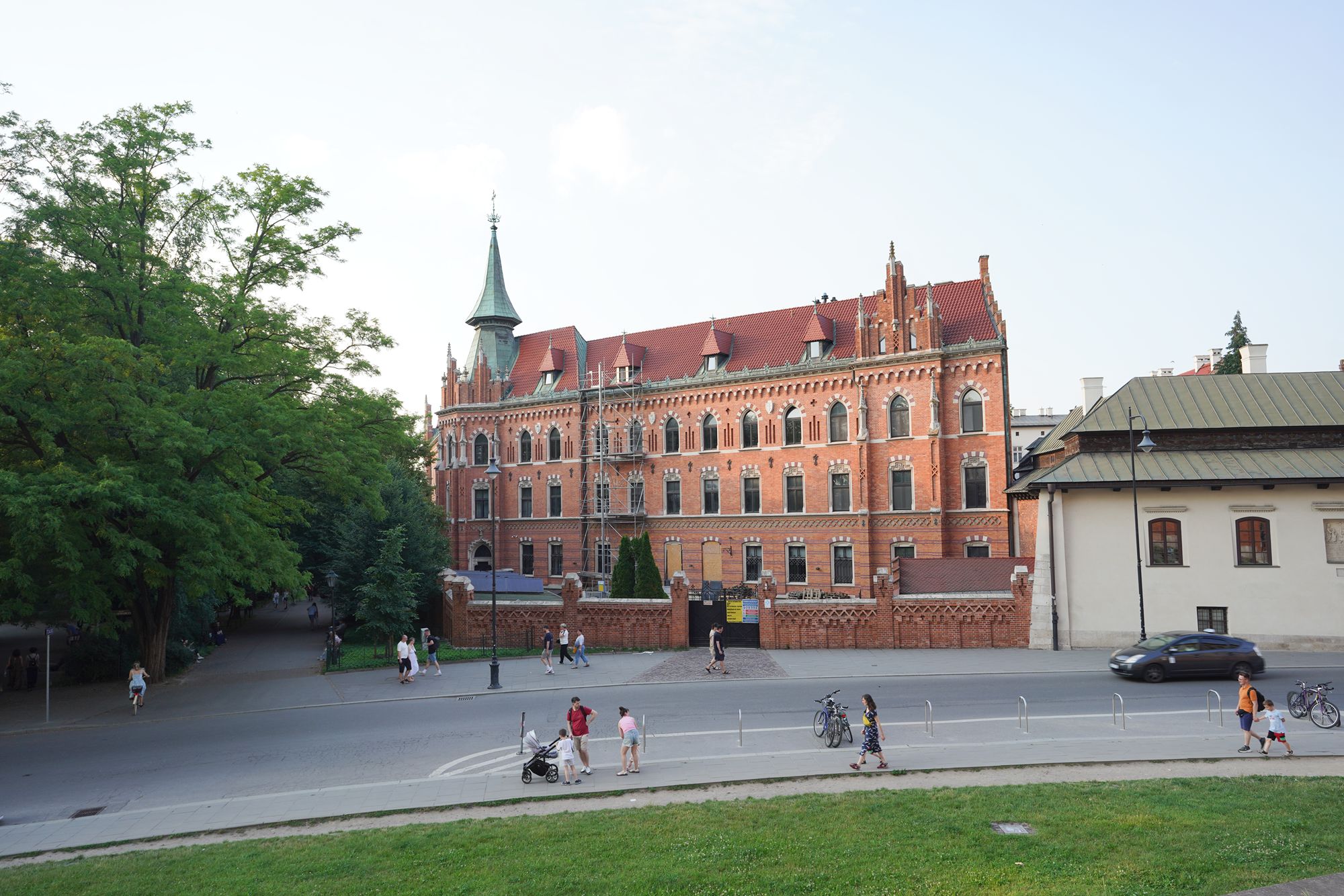
Higher Theological Seminary of the Archdiocese of Krakow
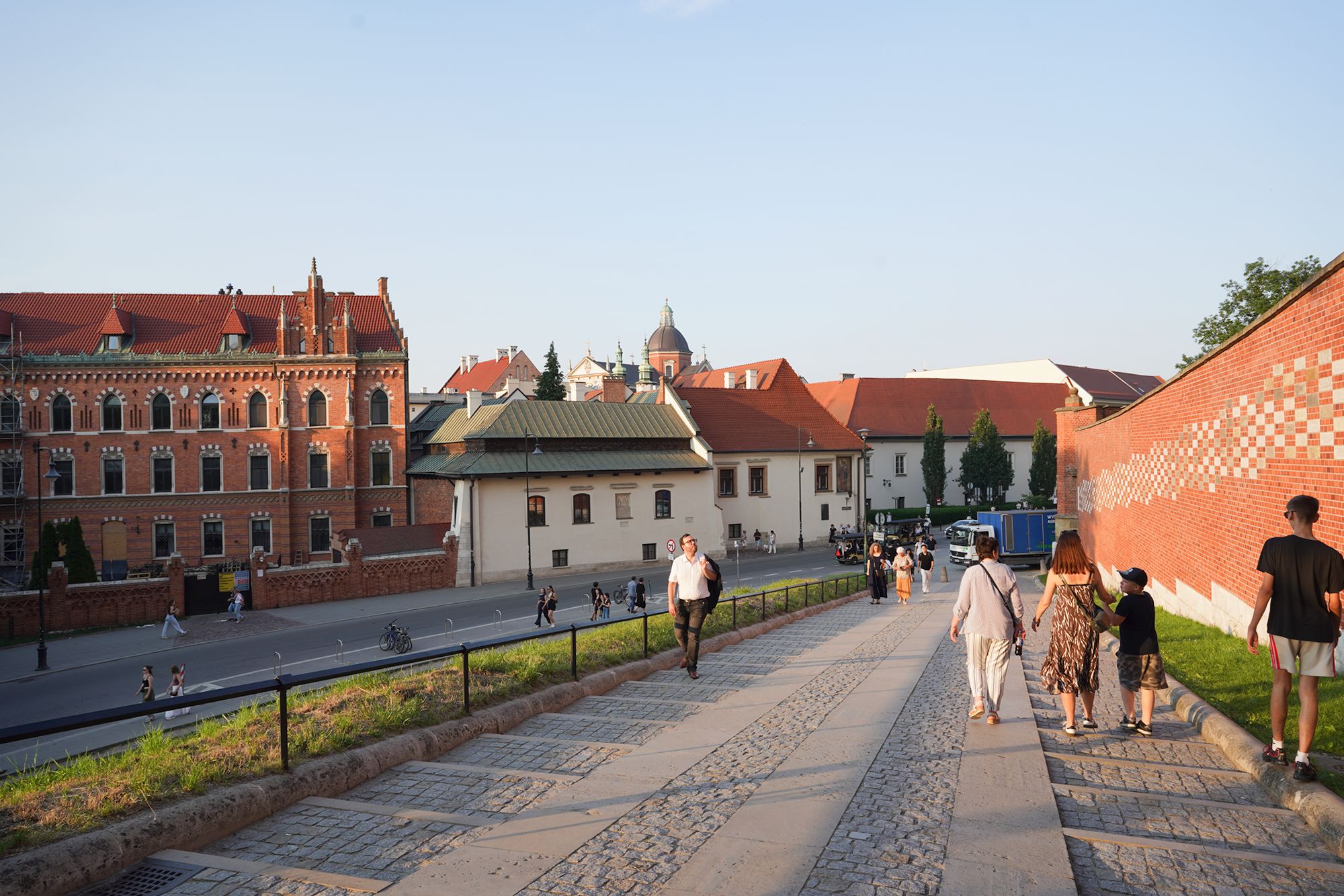
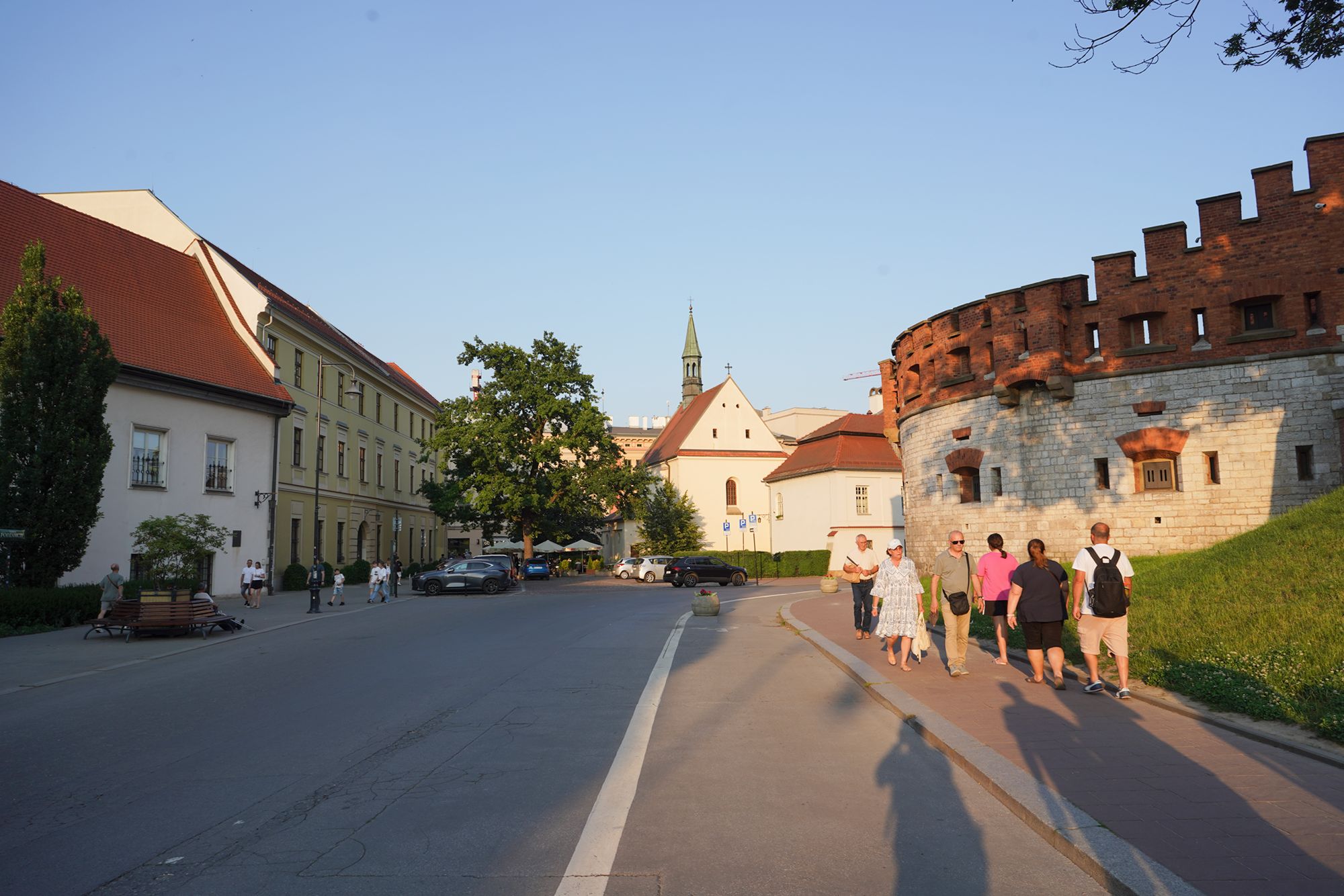
After leaving the castle grounds, I returned to the side street I had walked along earlier.
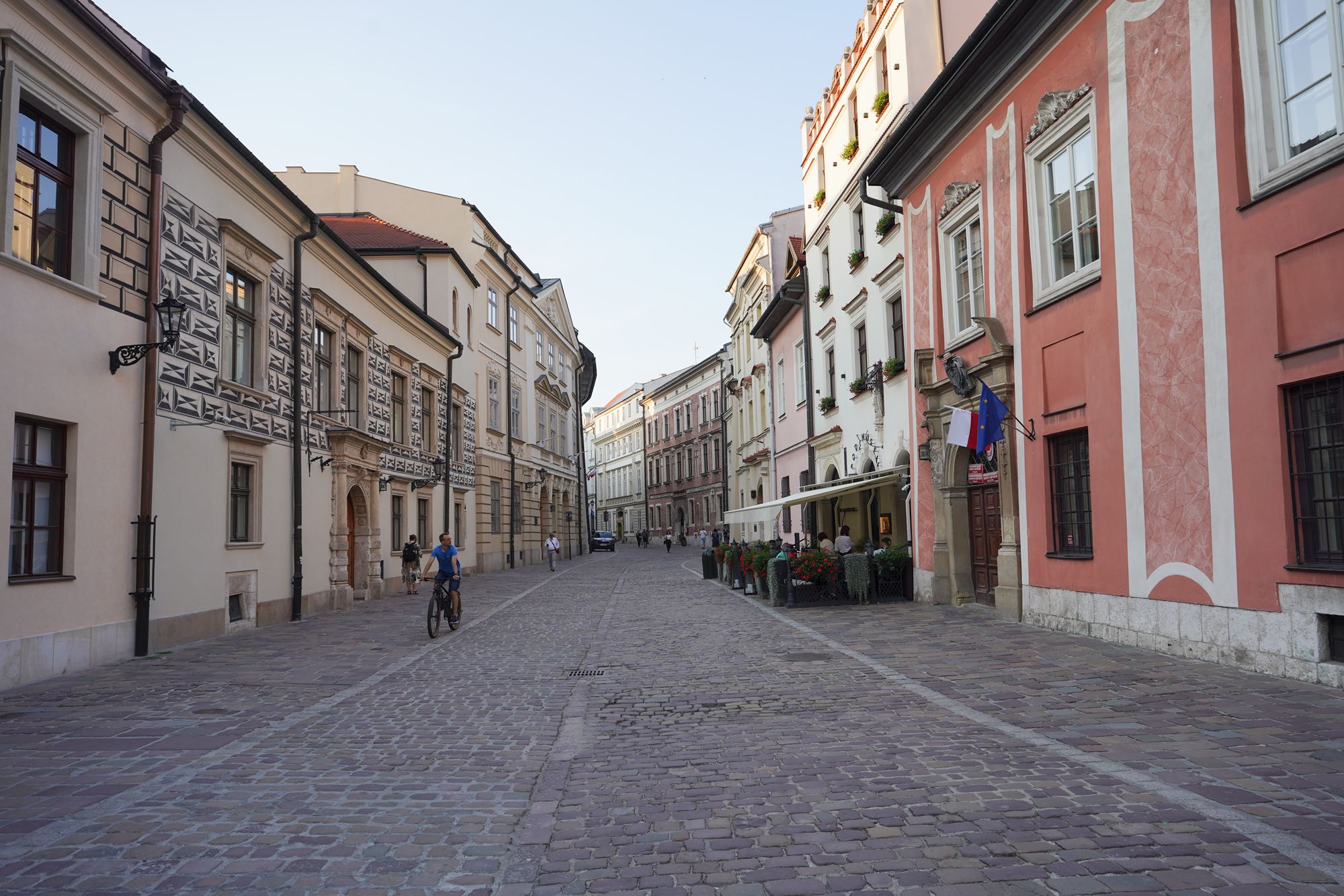
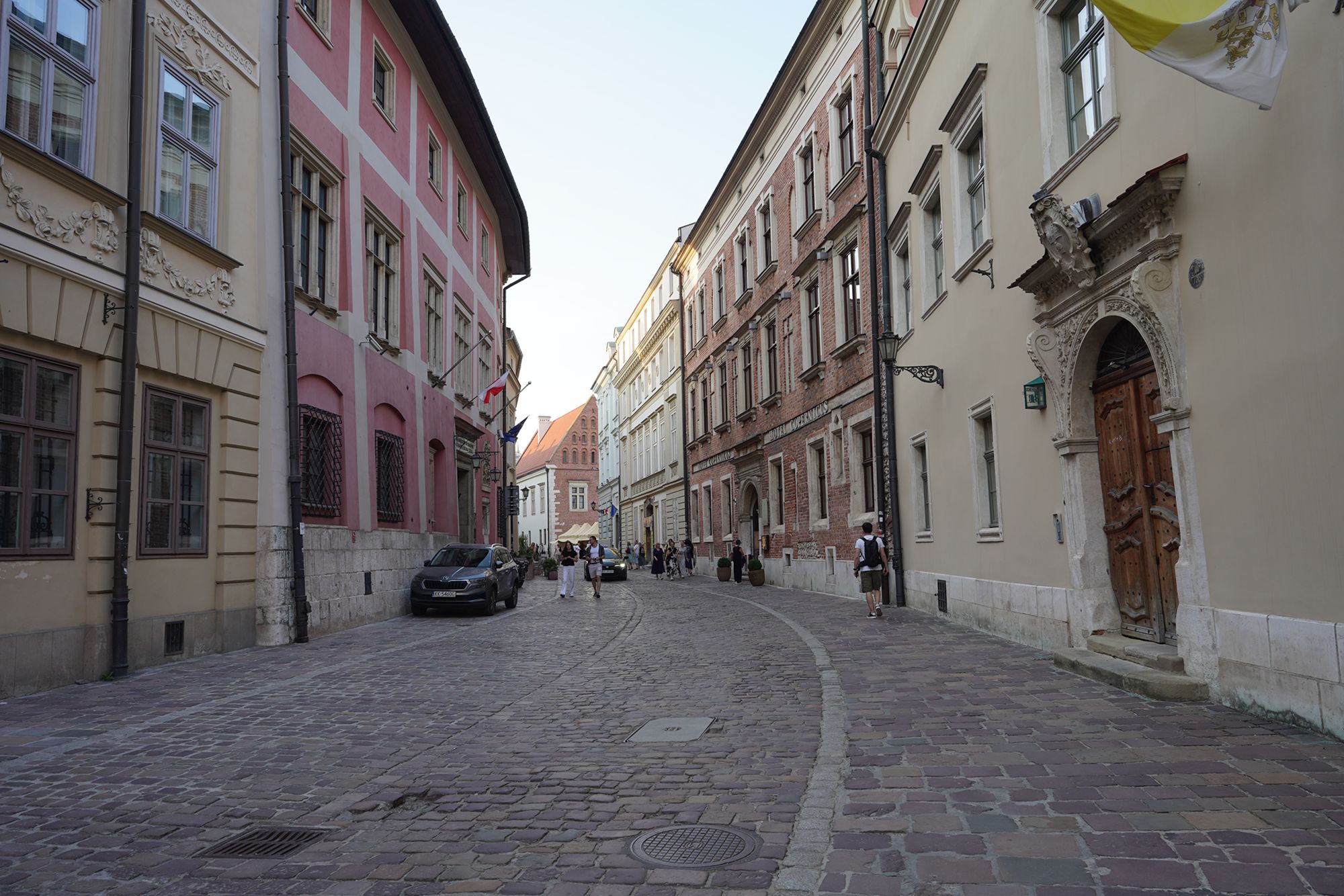
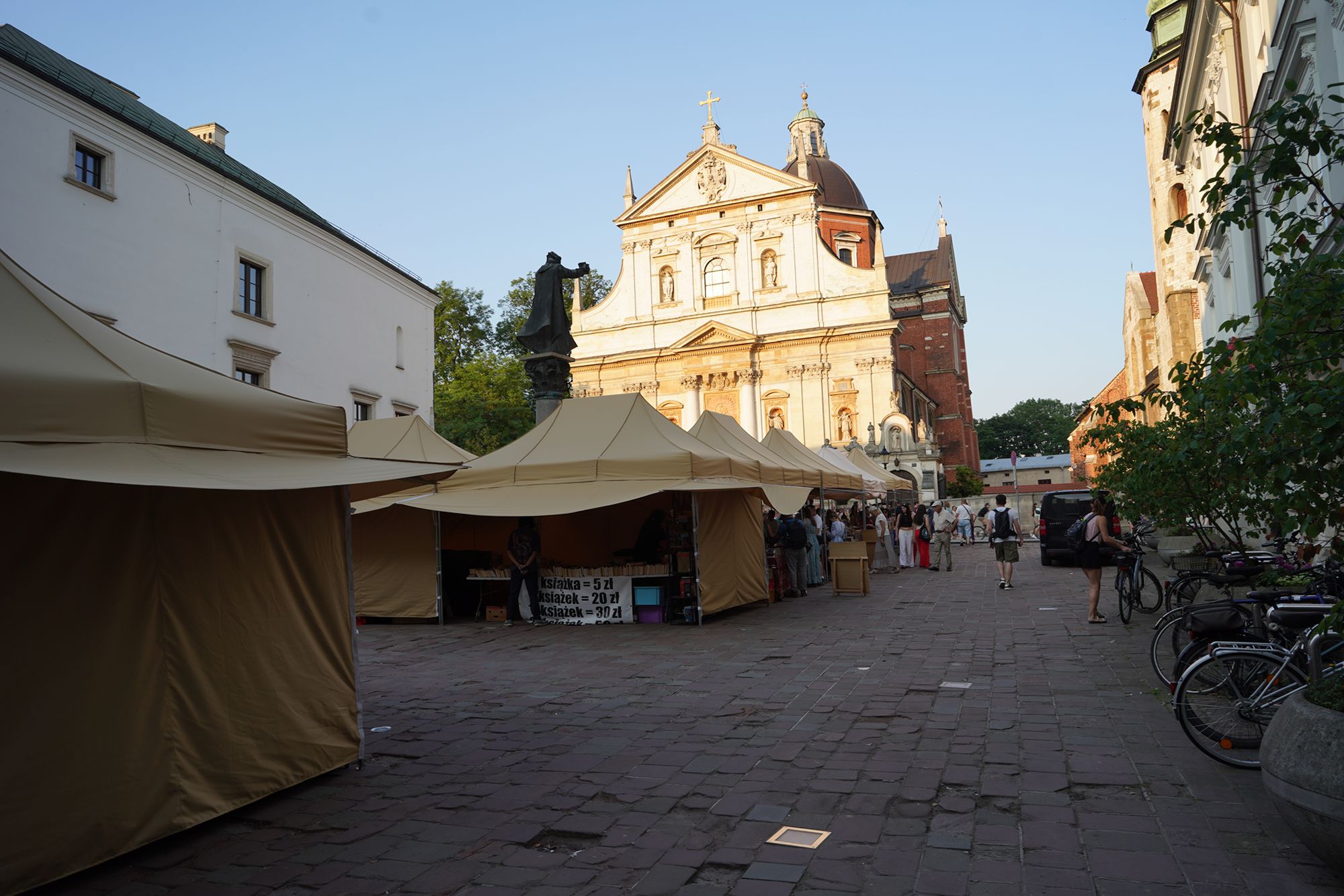
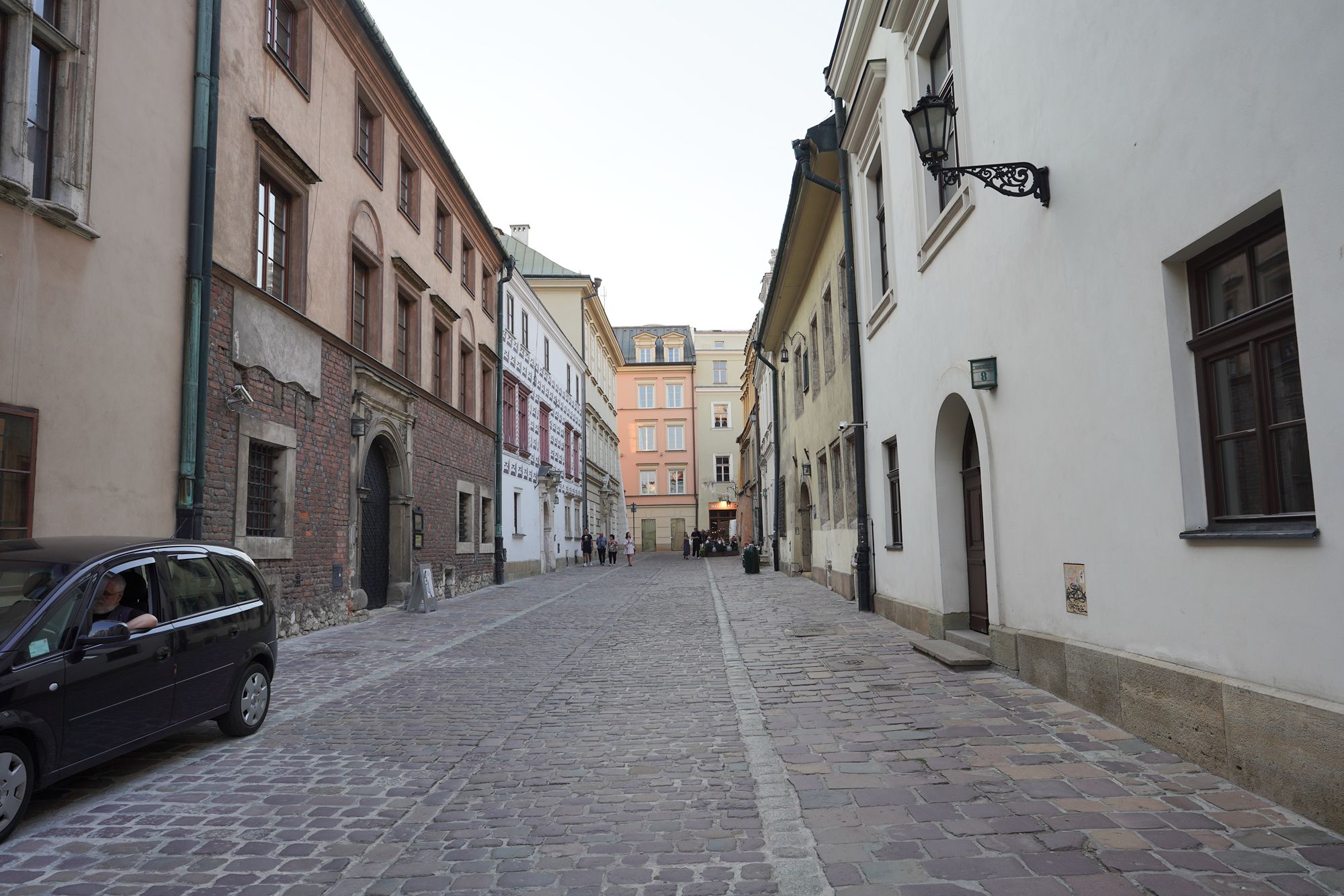
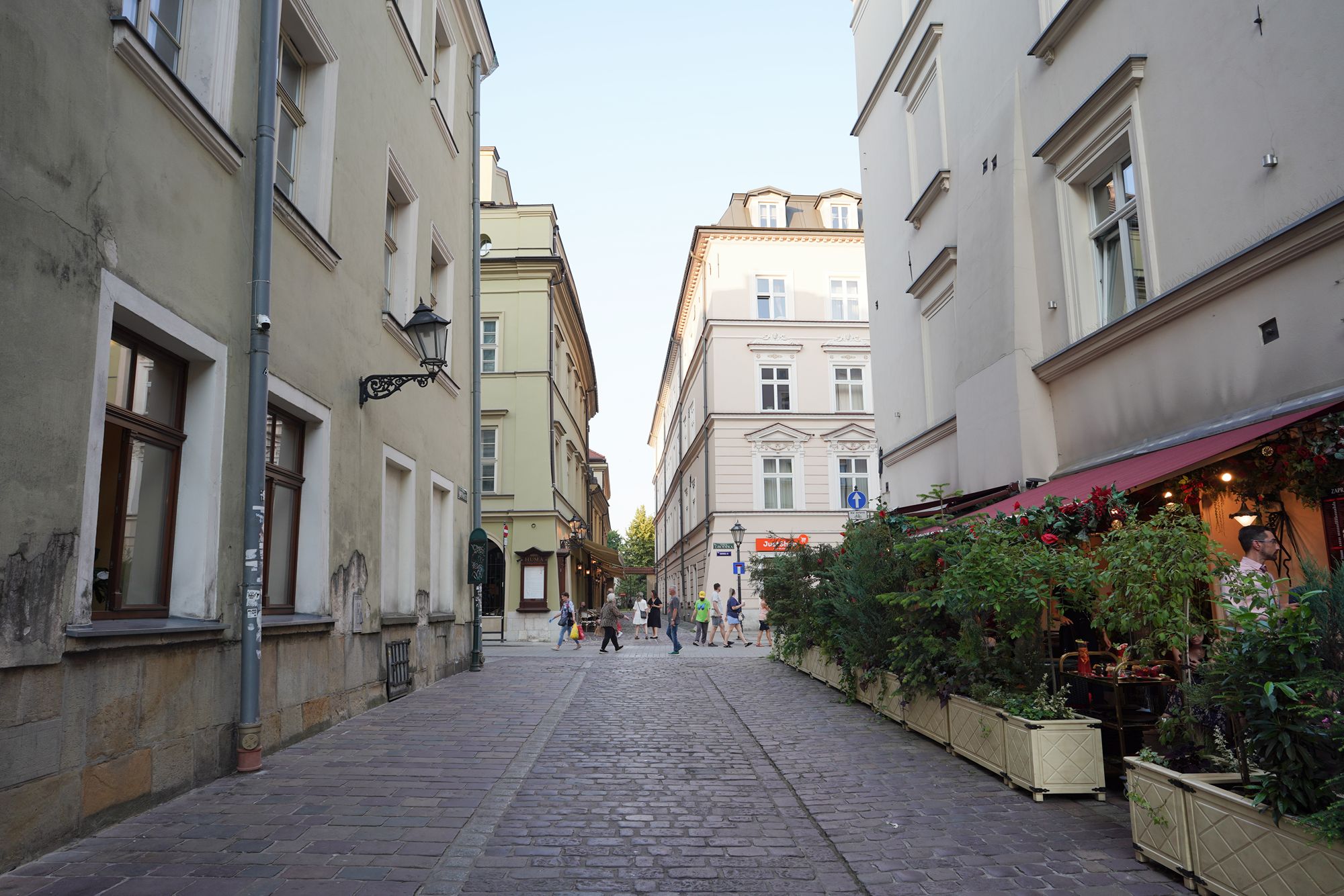
I walked from the side street back to Grodzka Street.