Krakow Walk II, Poland
For my second walk through Kraków, I started again at Rynek Główny, but this time I headed in the opposite direction from my first walk. 1349
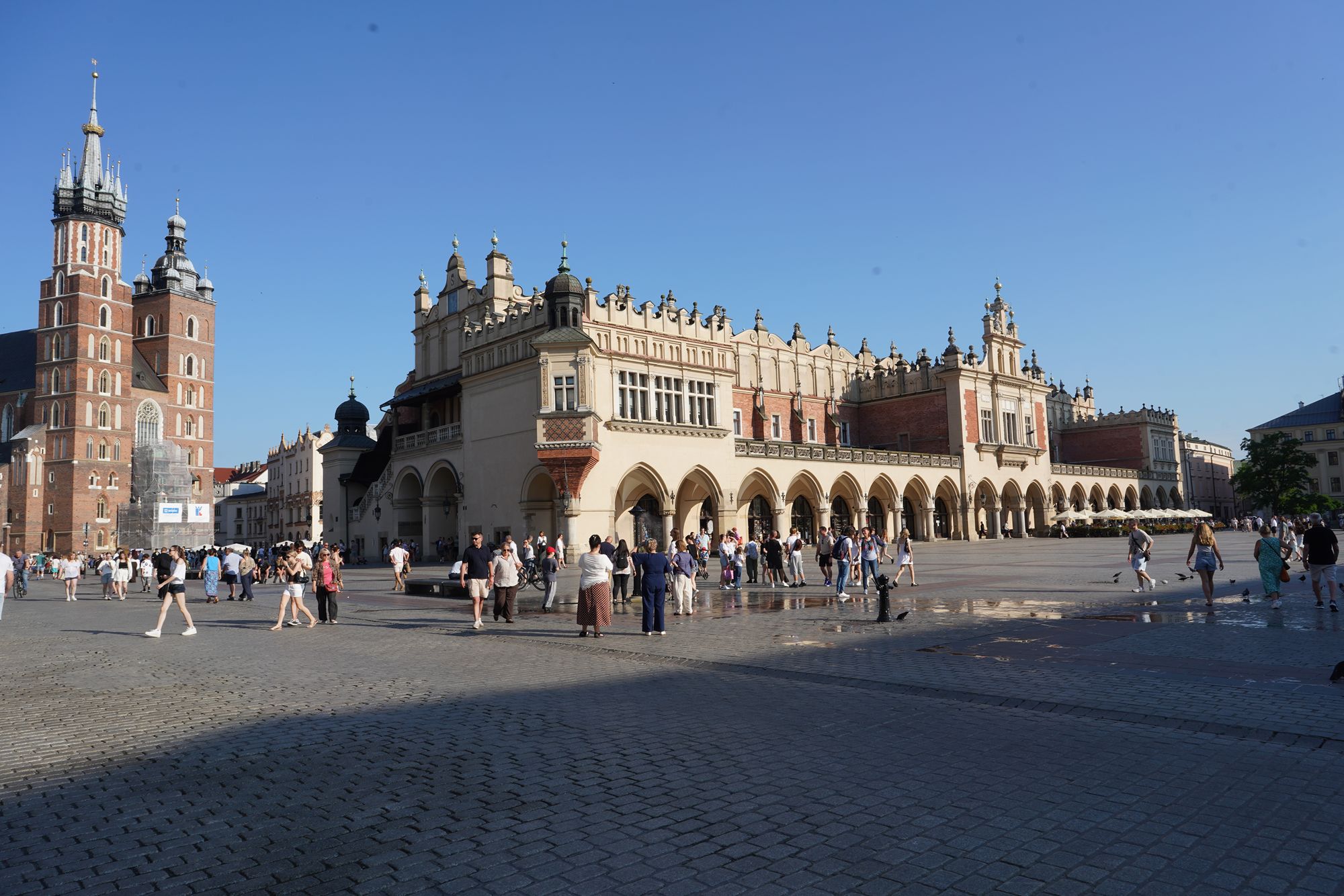
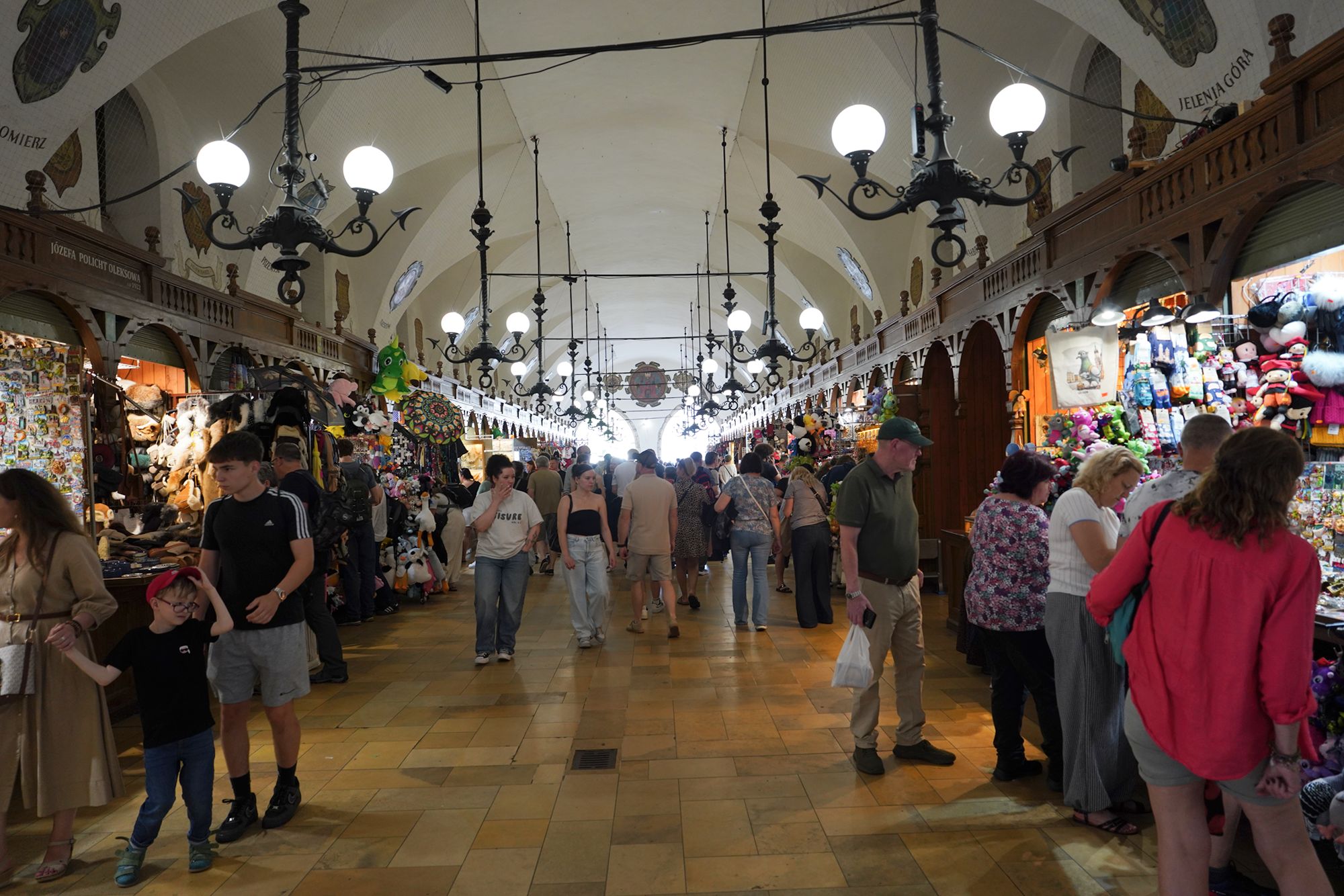
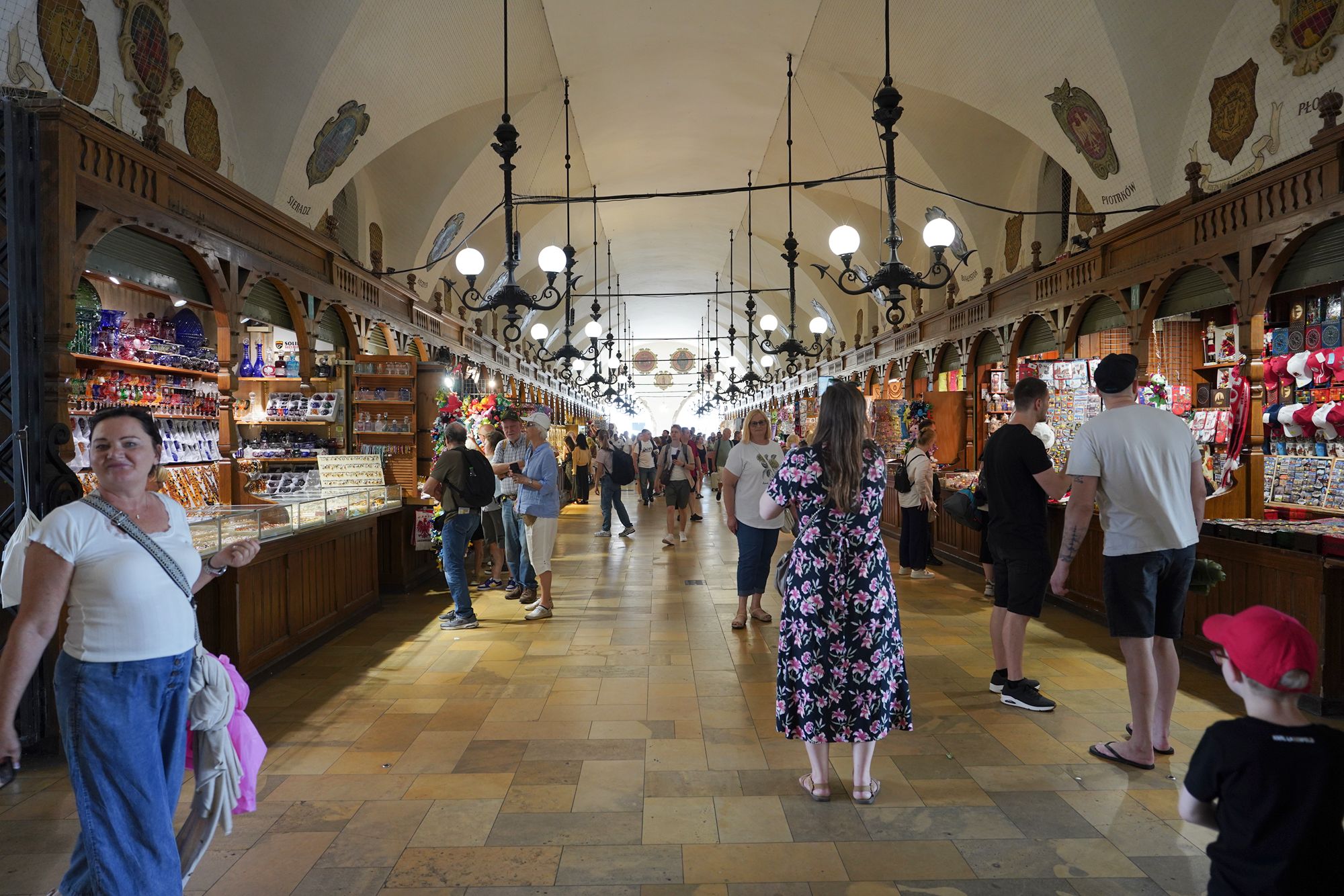
Krakow's Cloth Hall:Rynek Główny 3, 31-042 Kraków, Poland
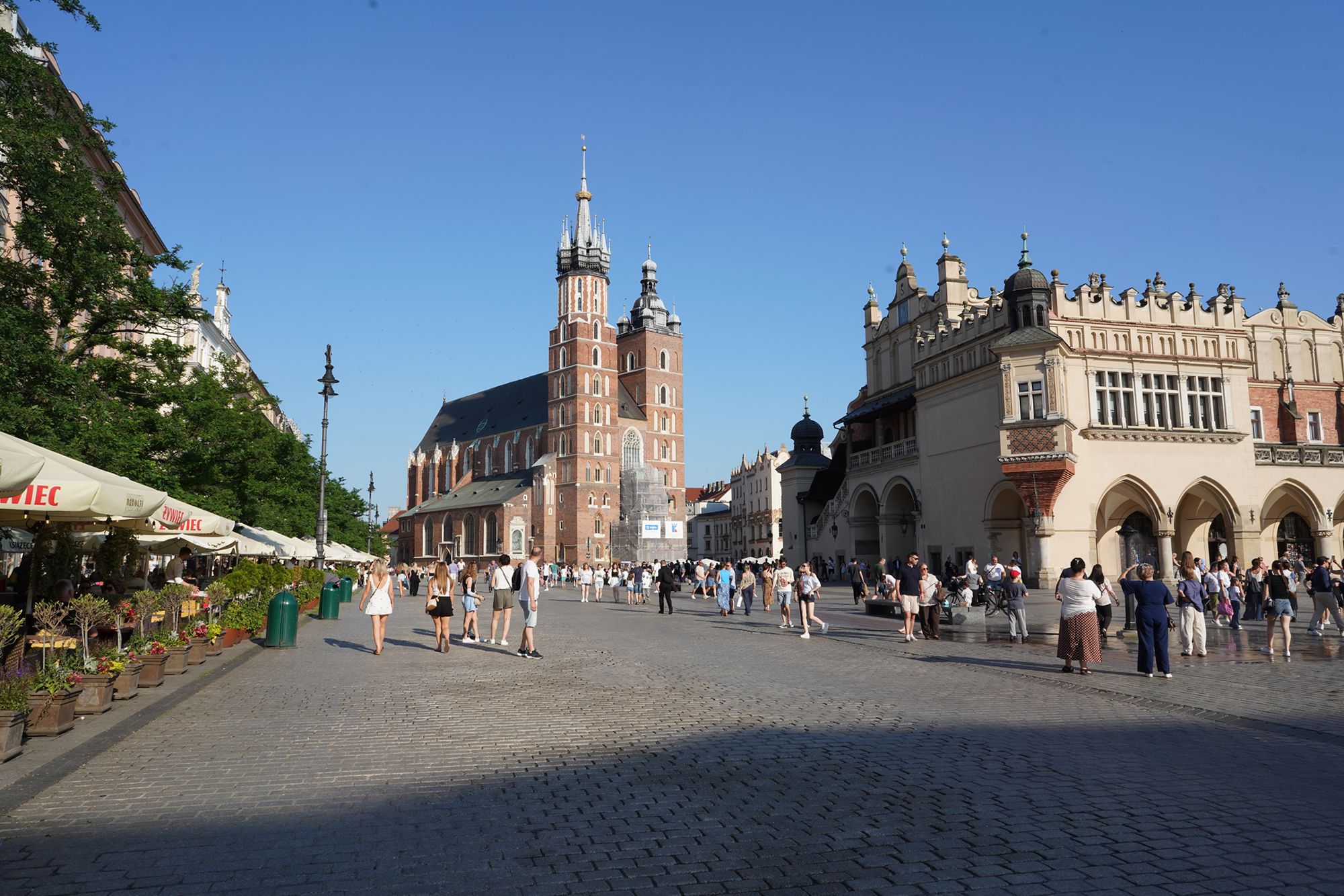
St. Mary's Basilica: plac Mariacki 5, 31-042 Kraków, Poland
Floriańska Street: Floriańska 31, 31-021 Kraków, Poland
St. Florian’s Gate: 30-001 Kraków, Poland
Kraków Barbican: Basztowa, 30-547 Kraków, Poland
Church of the Transfiguration: Pijarska 2, 31-015 Kraków, Poland
Czartoryski Museum: Pijarska 15, 31-015 Kraków, Poland
Date Picture Taken: Jun, 2026
My second walk through Kraków began at Rynek Główny, where I visited St. Mary’s Basilica. I followed Floriańska Street to St. Florian’s Gate, walked outside the old city walls to see the Barbican, then returned through the gate. I also explored several nearby streets and visited the historic Czartoryski Museum.
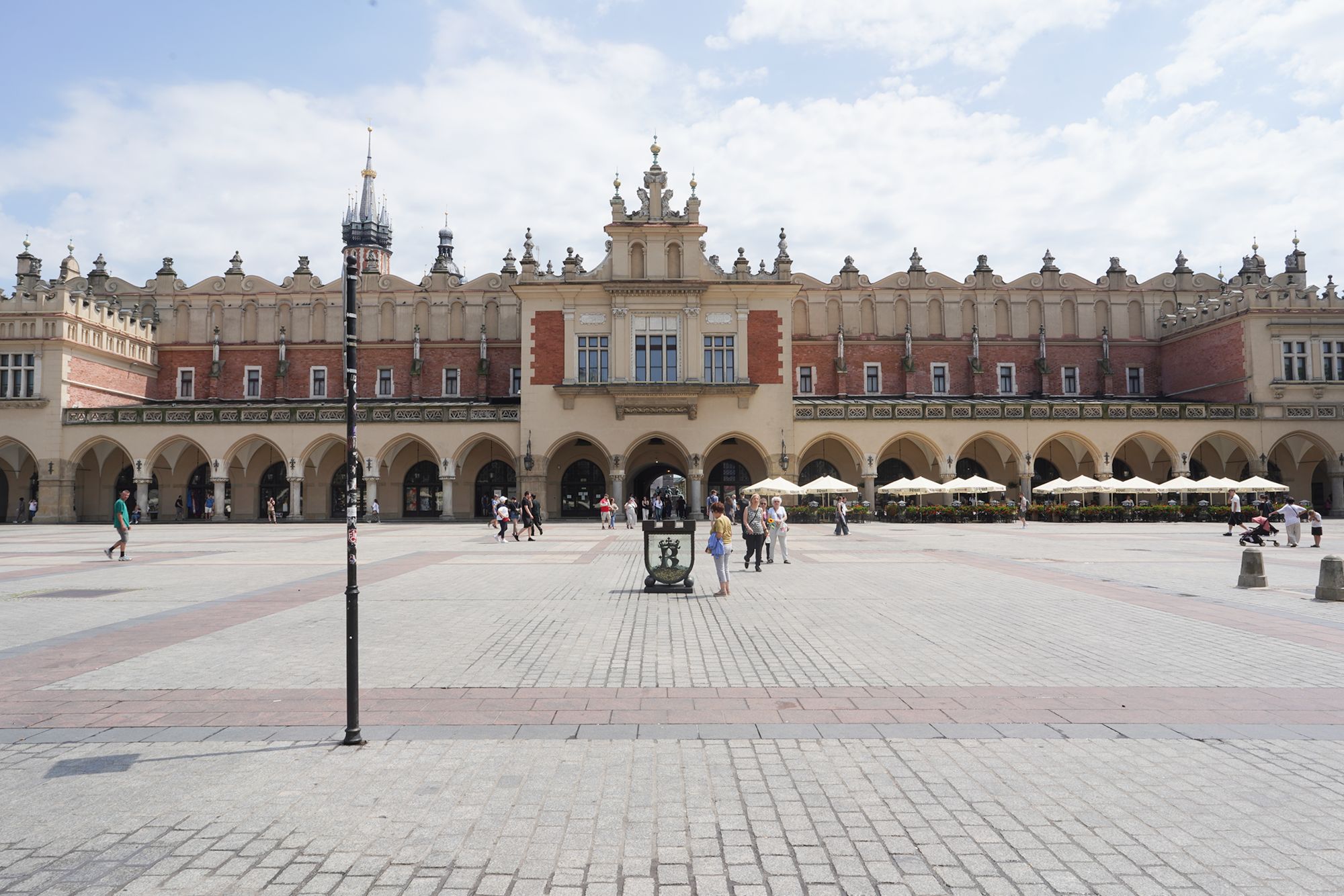
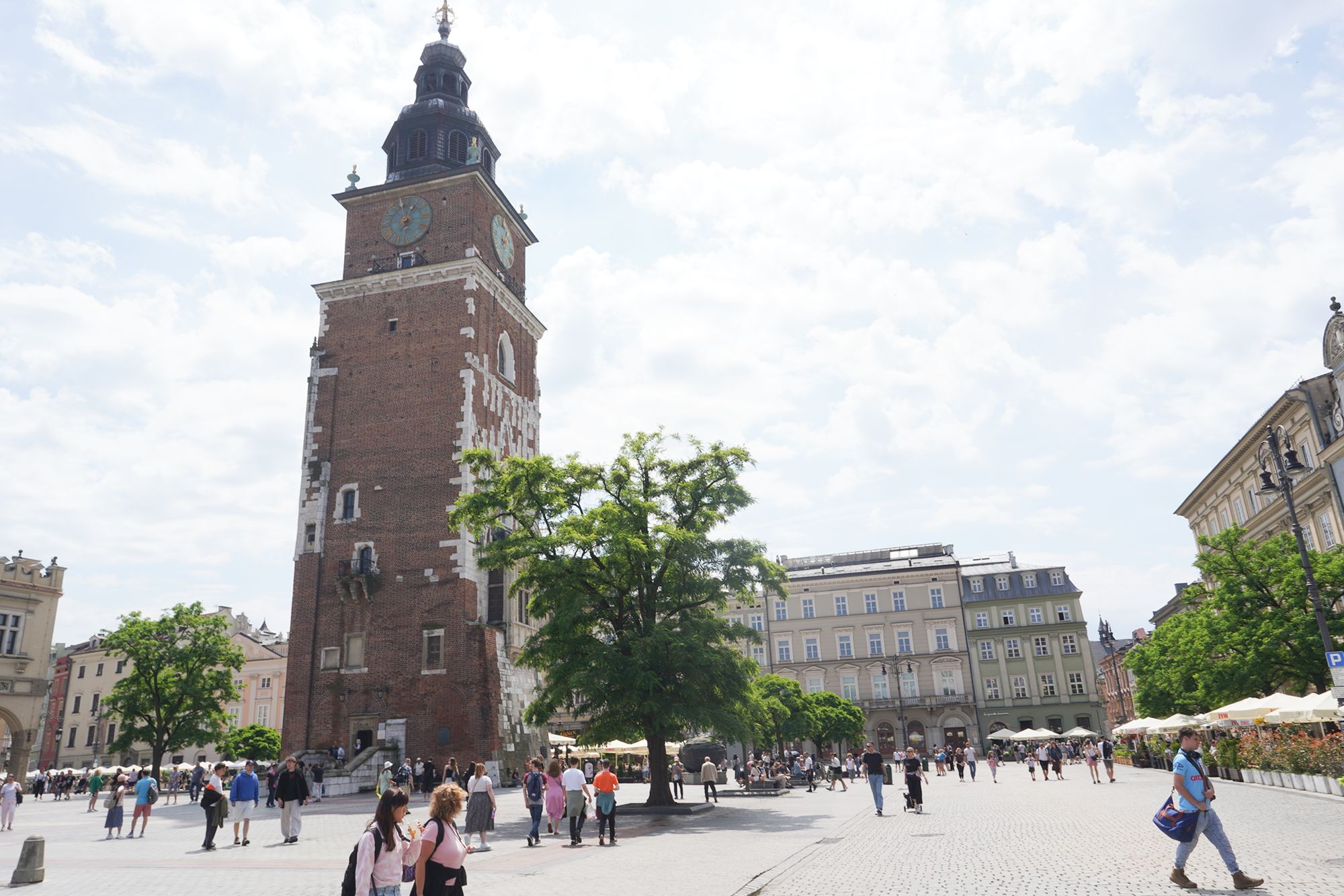
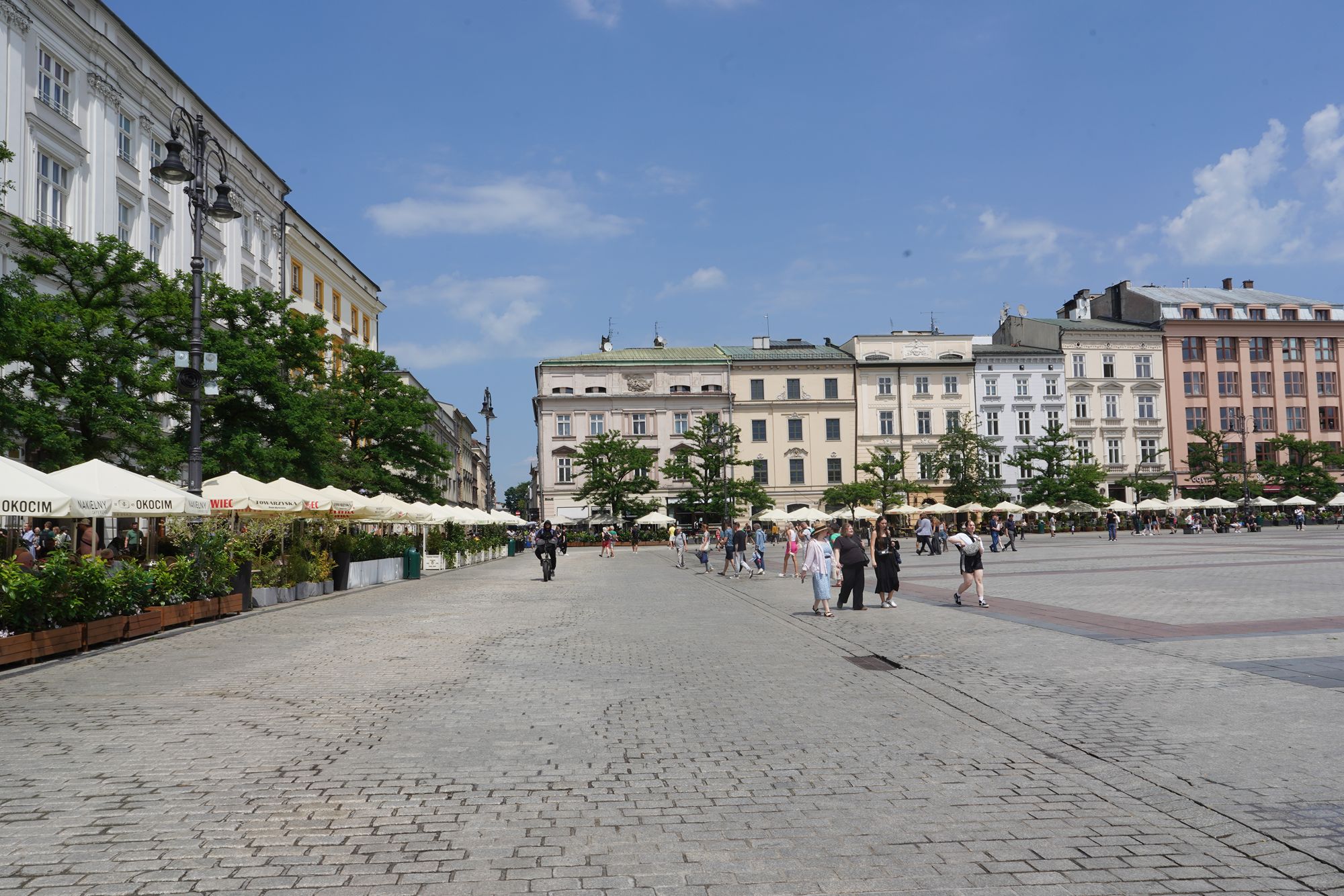
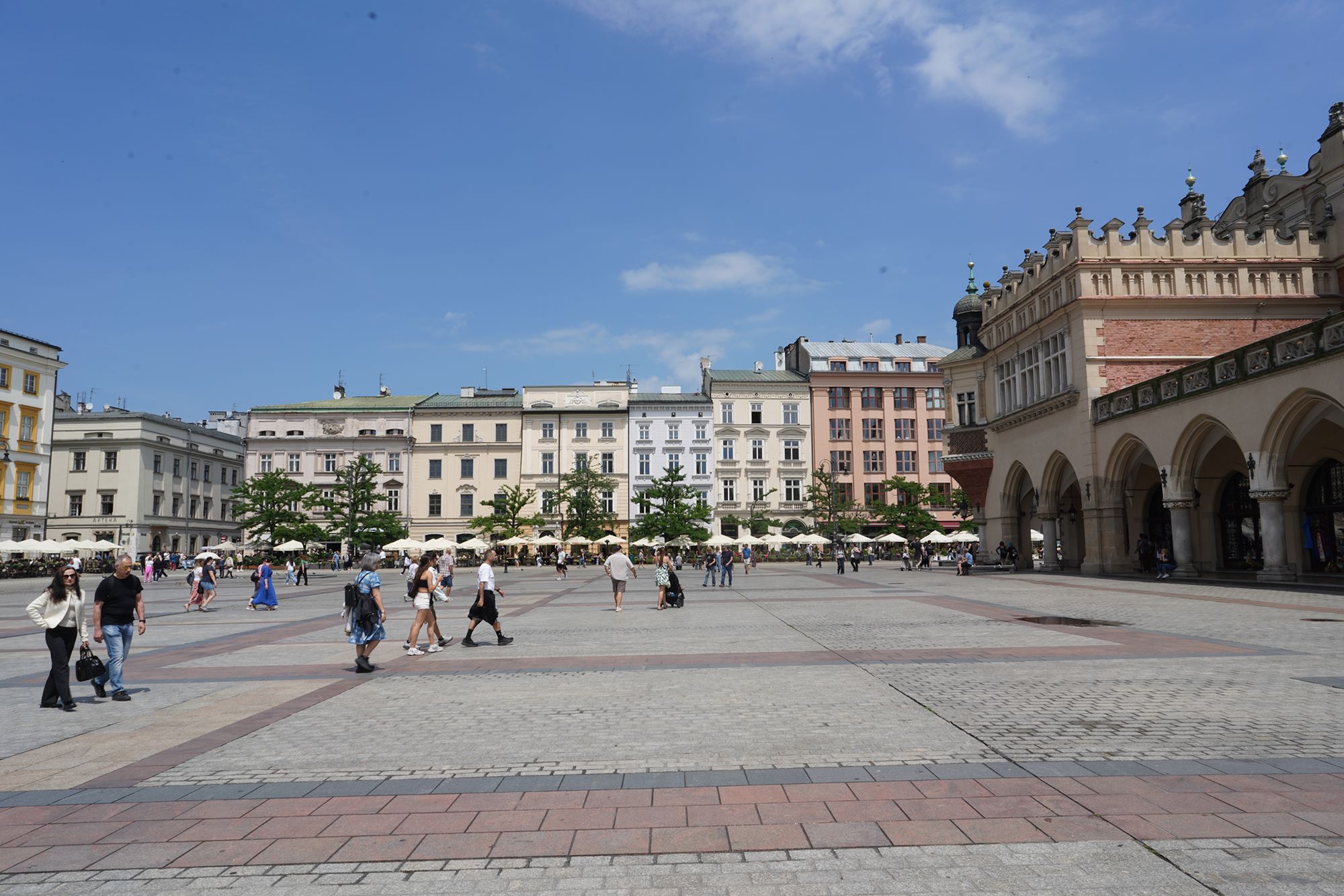
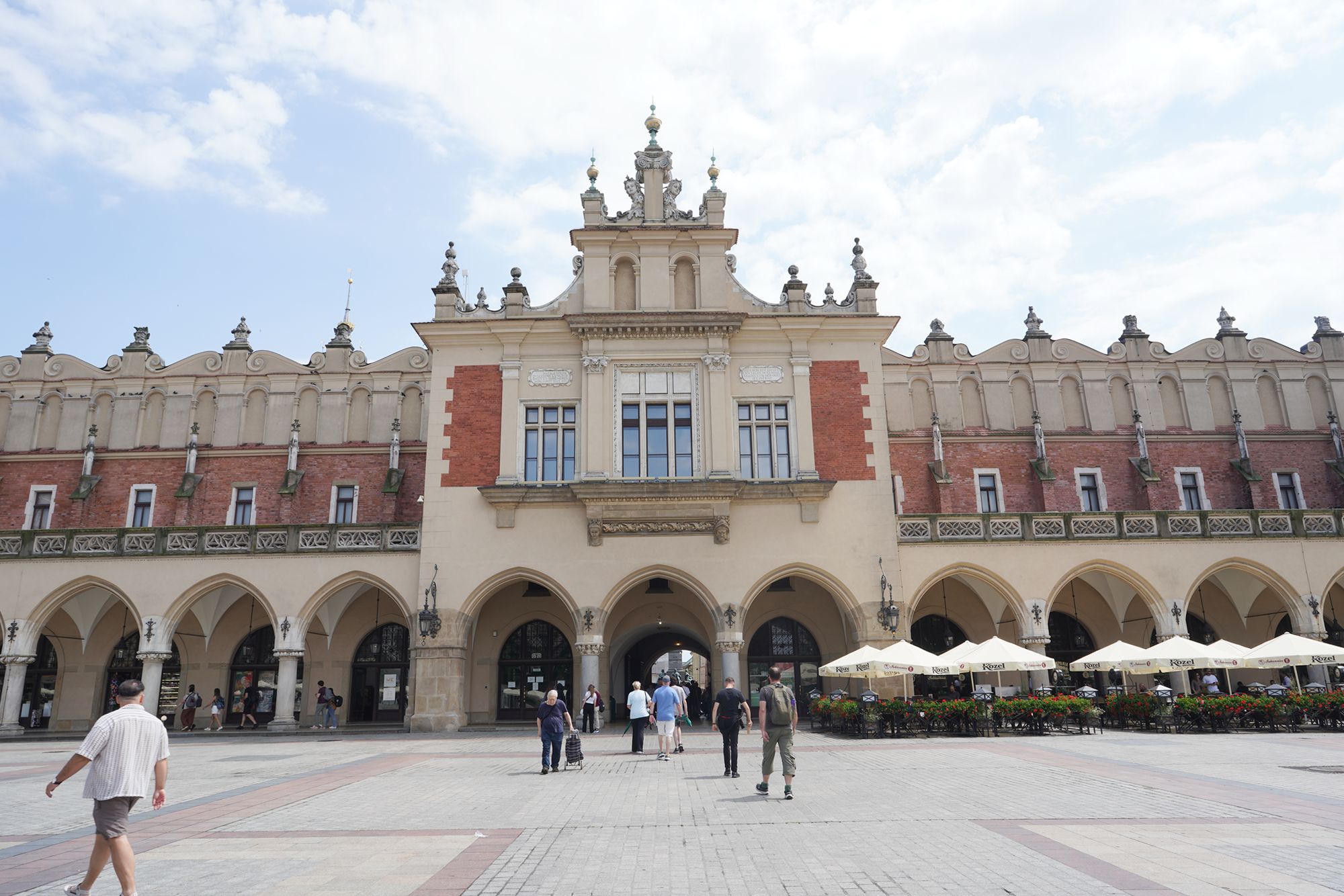
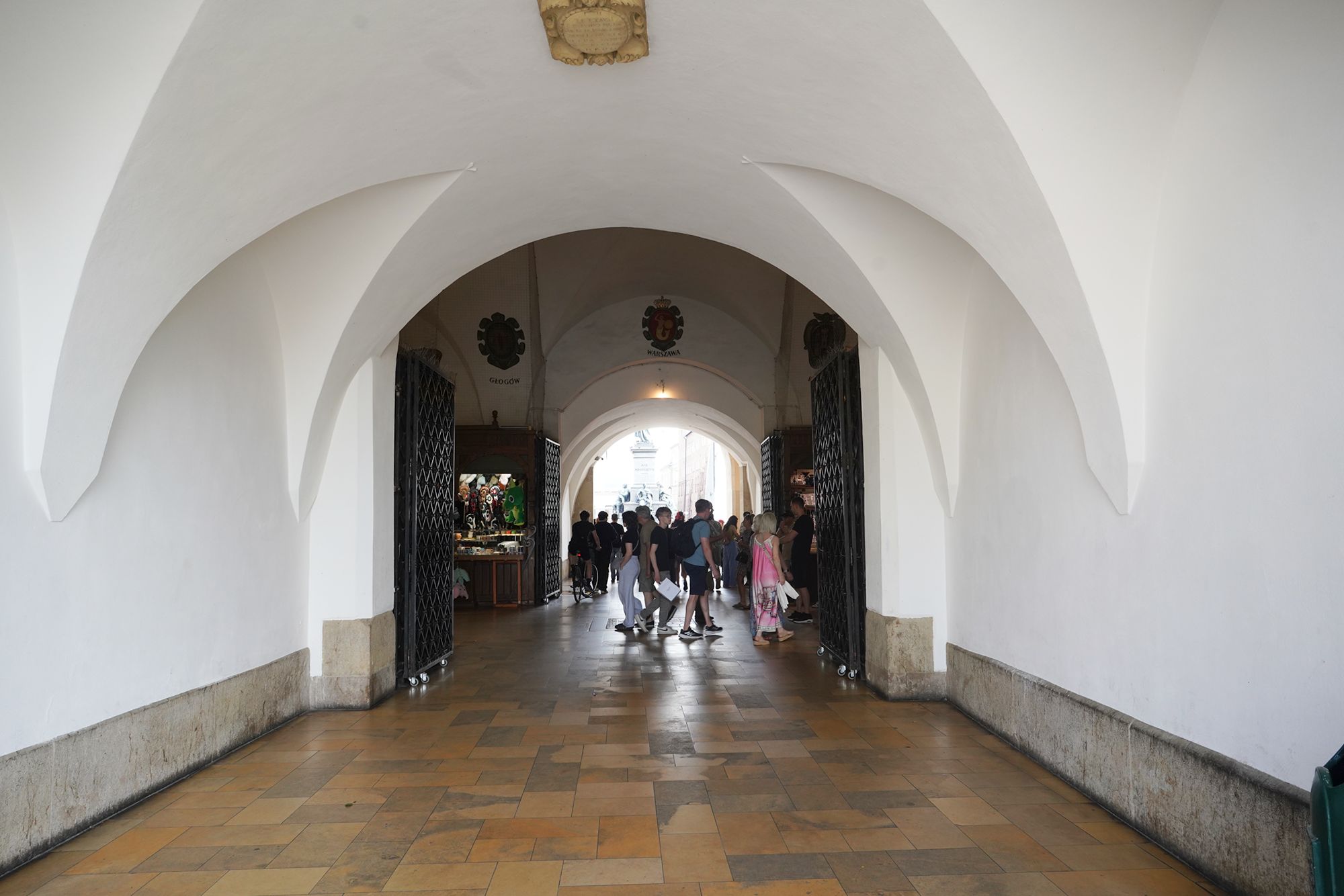
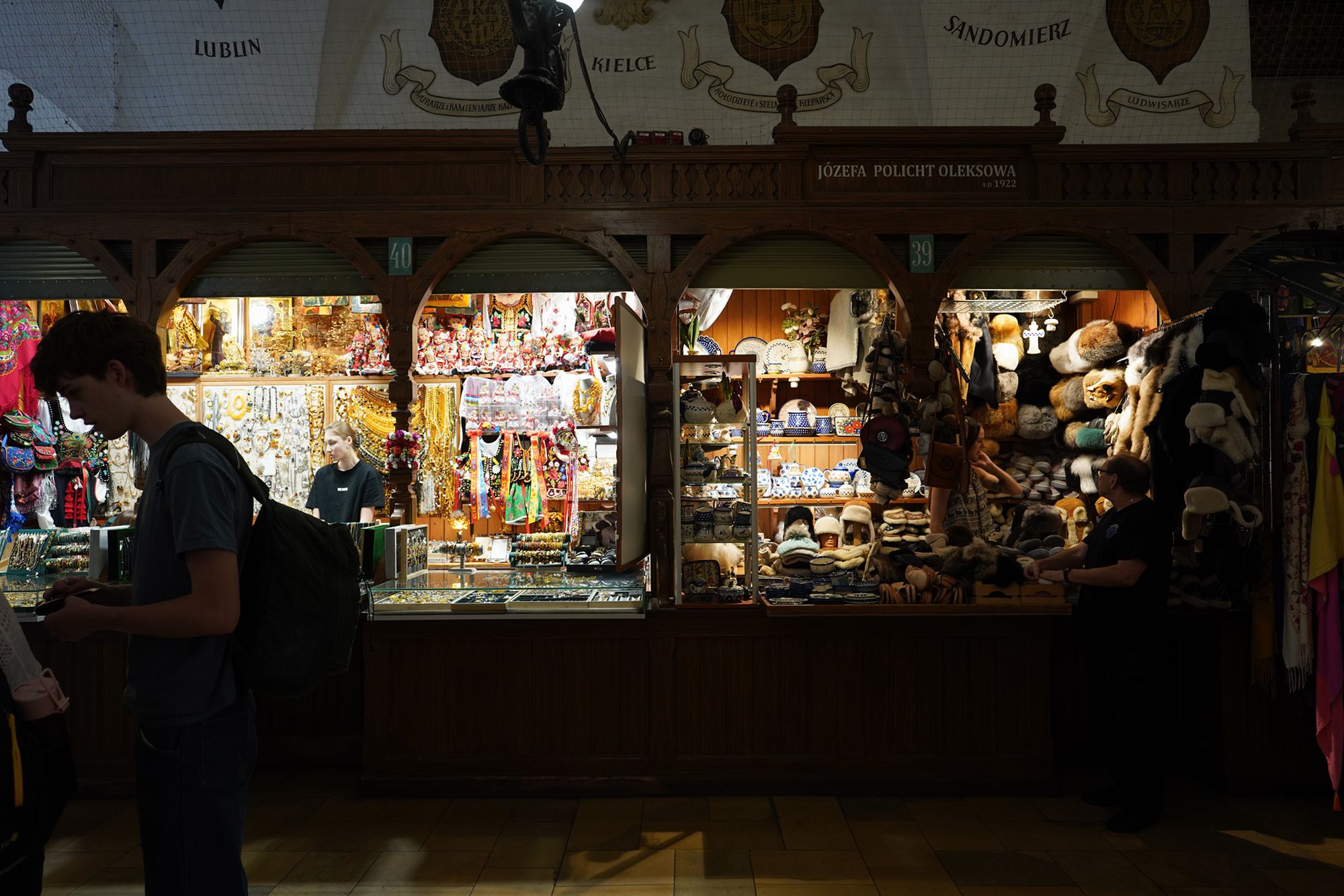
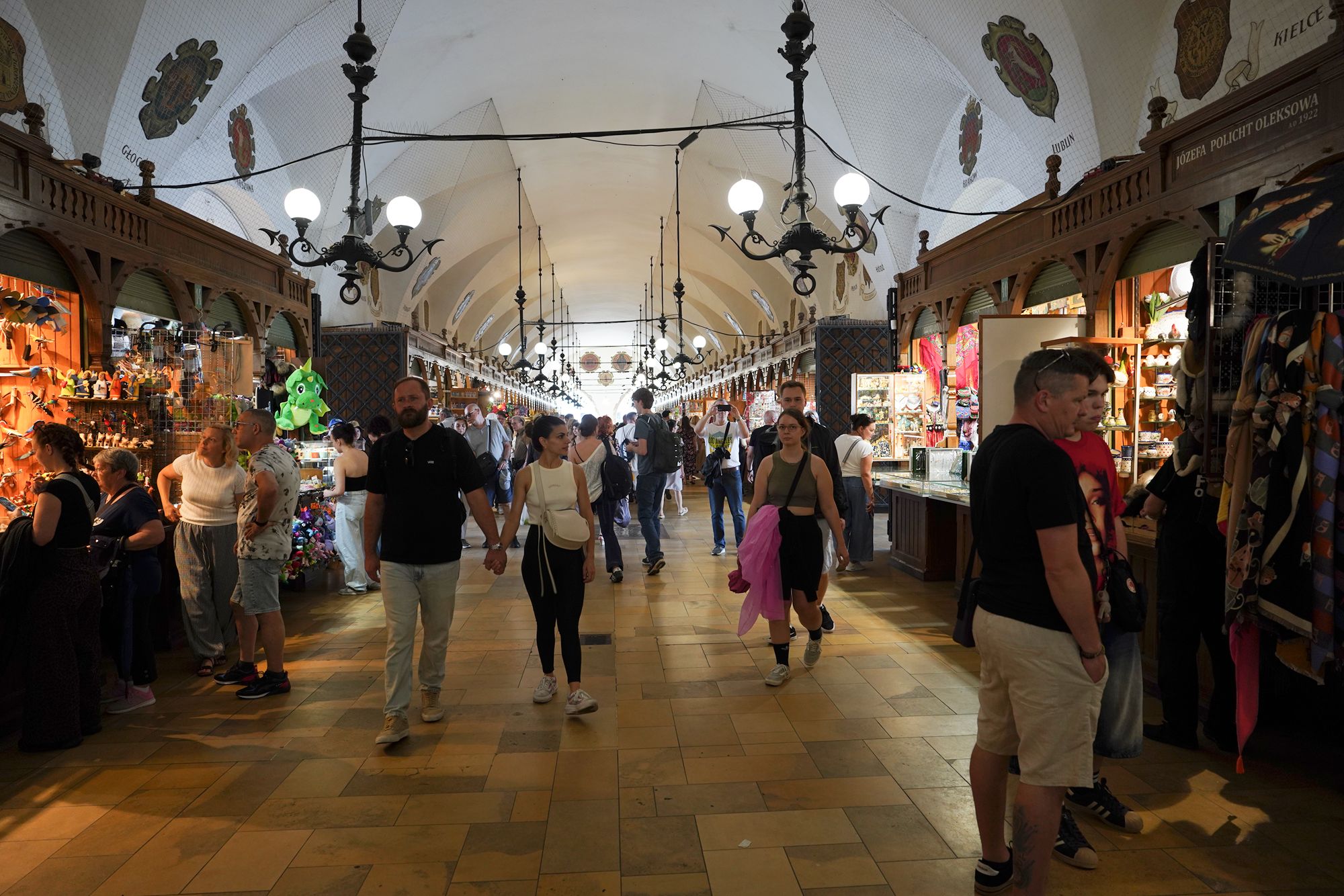
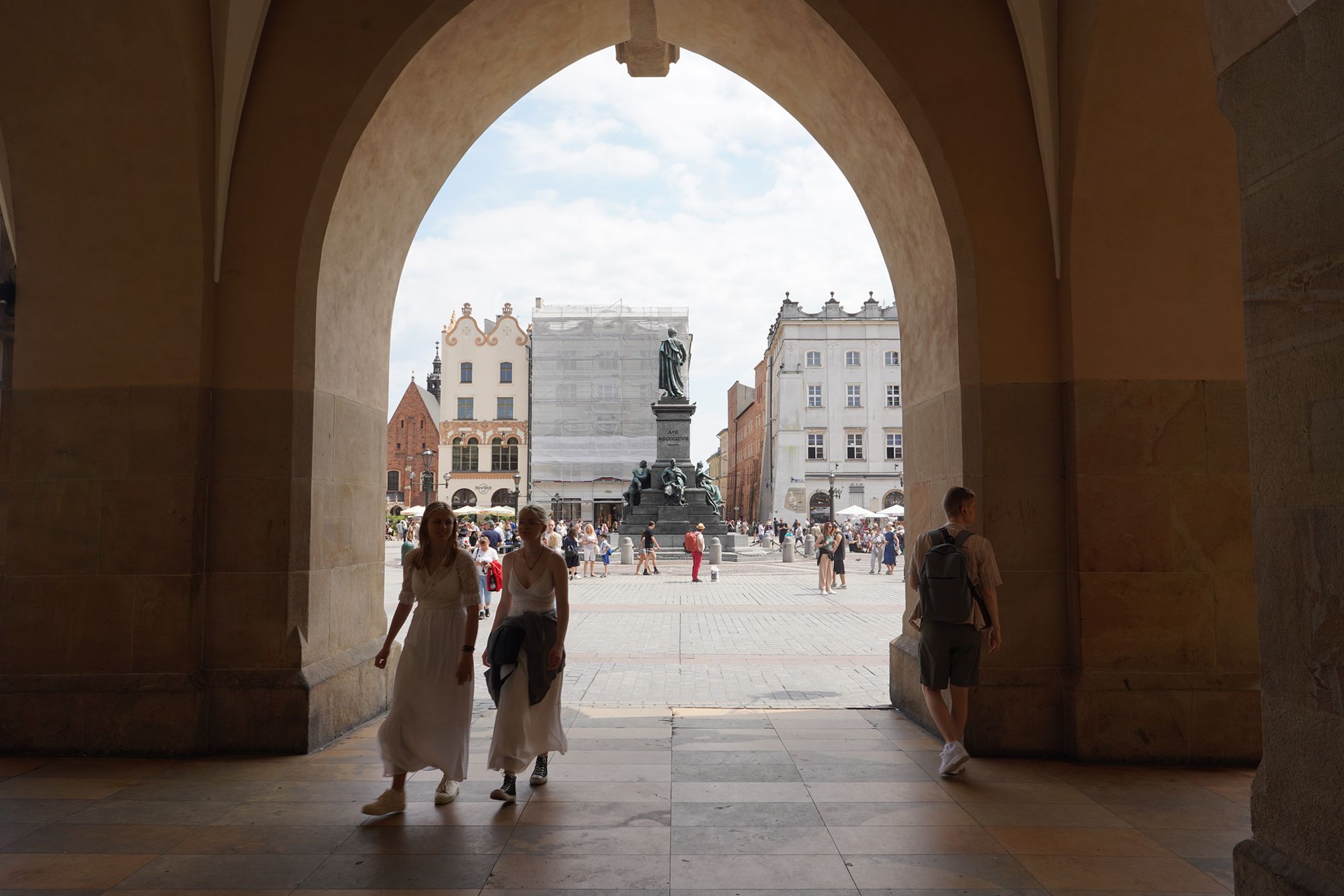
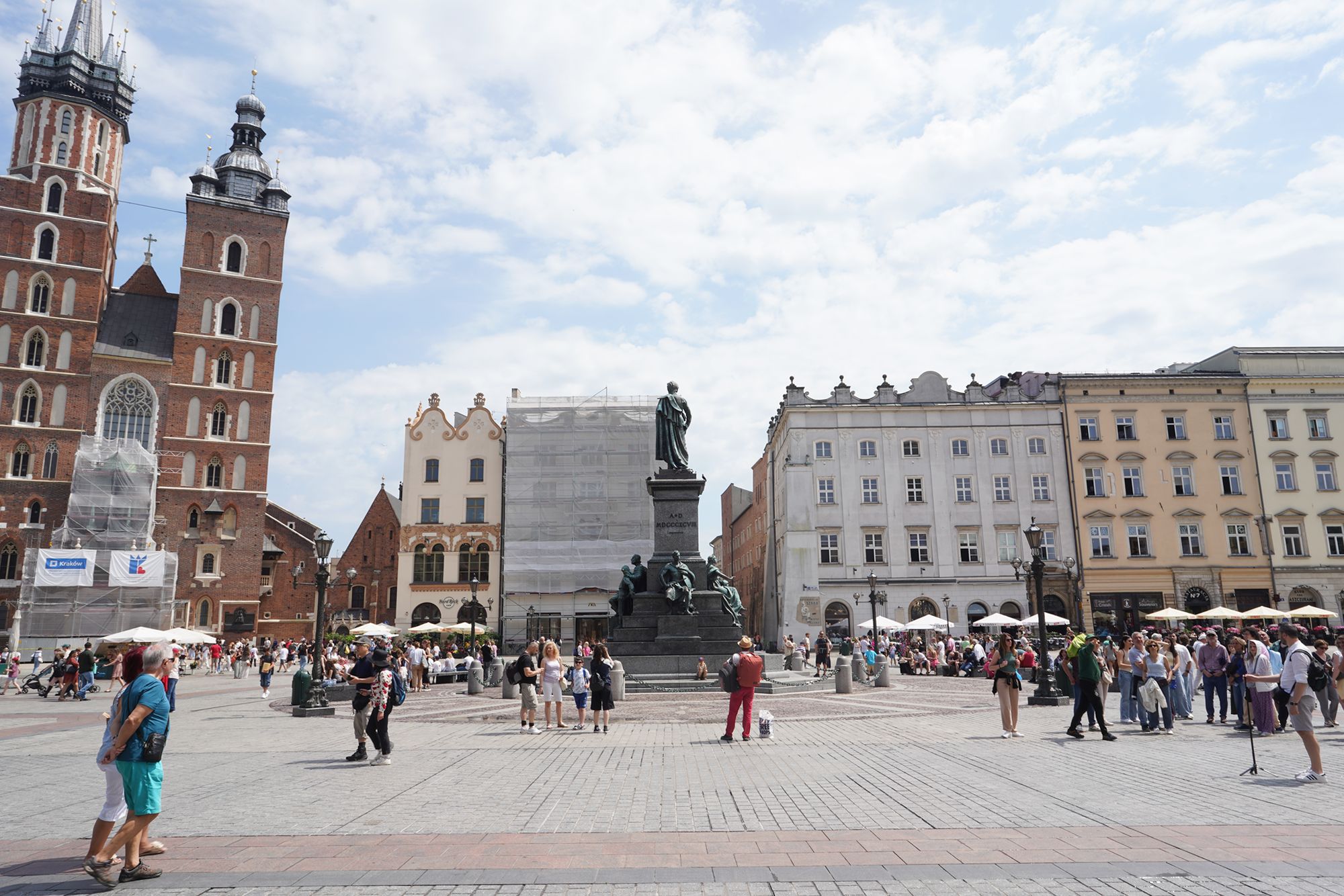
Kraków’s Cloth Hall in MNK Sukiennice
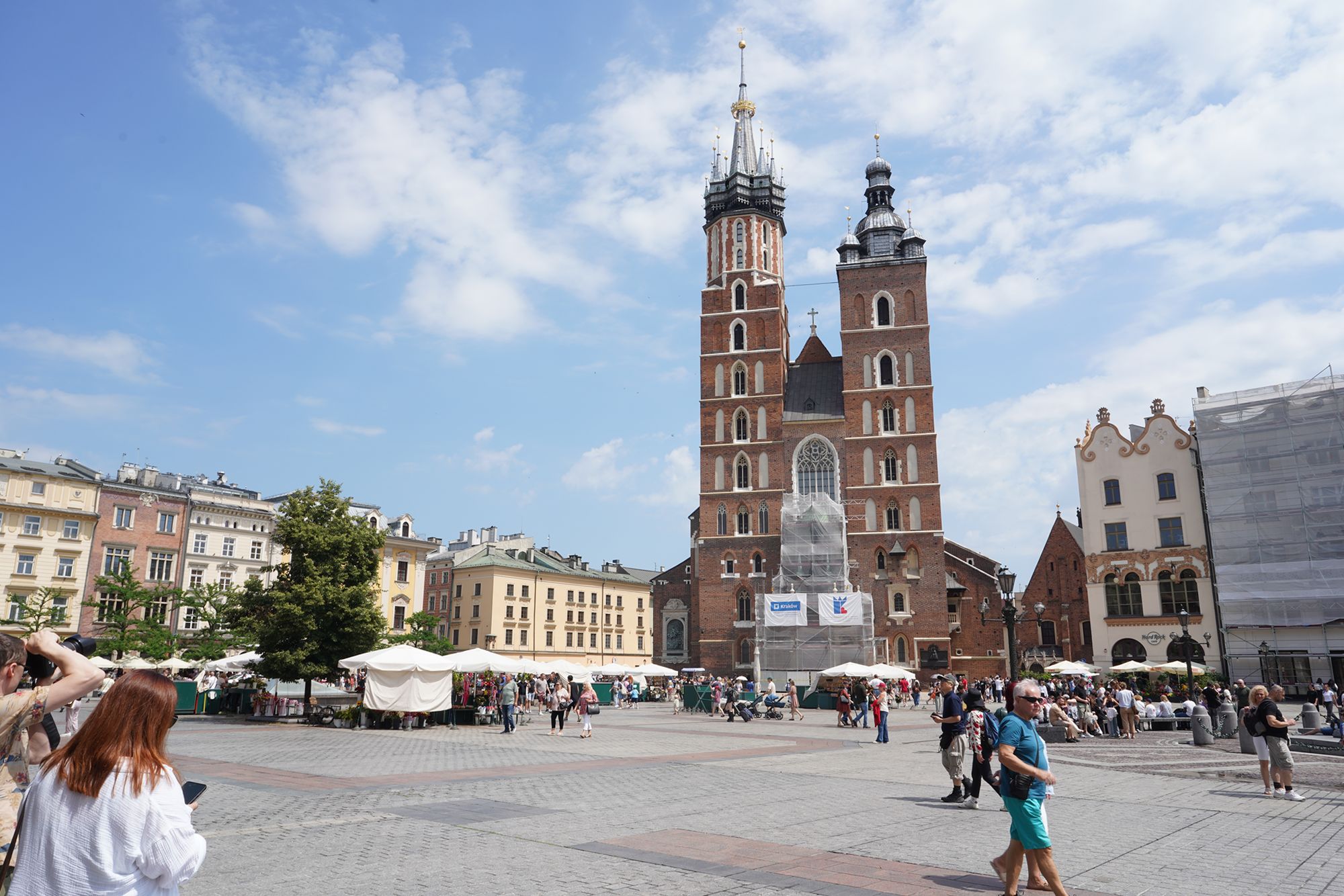
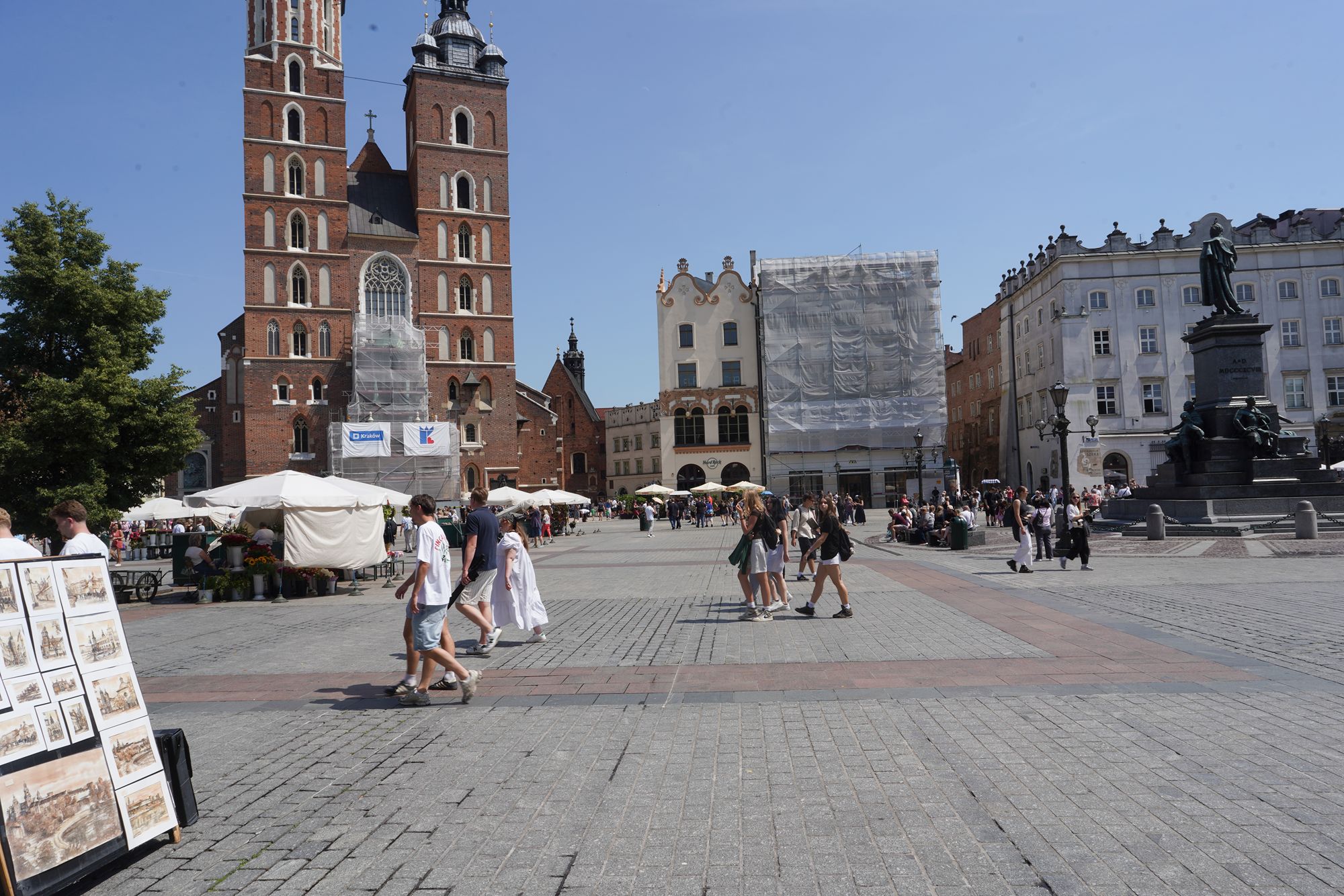
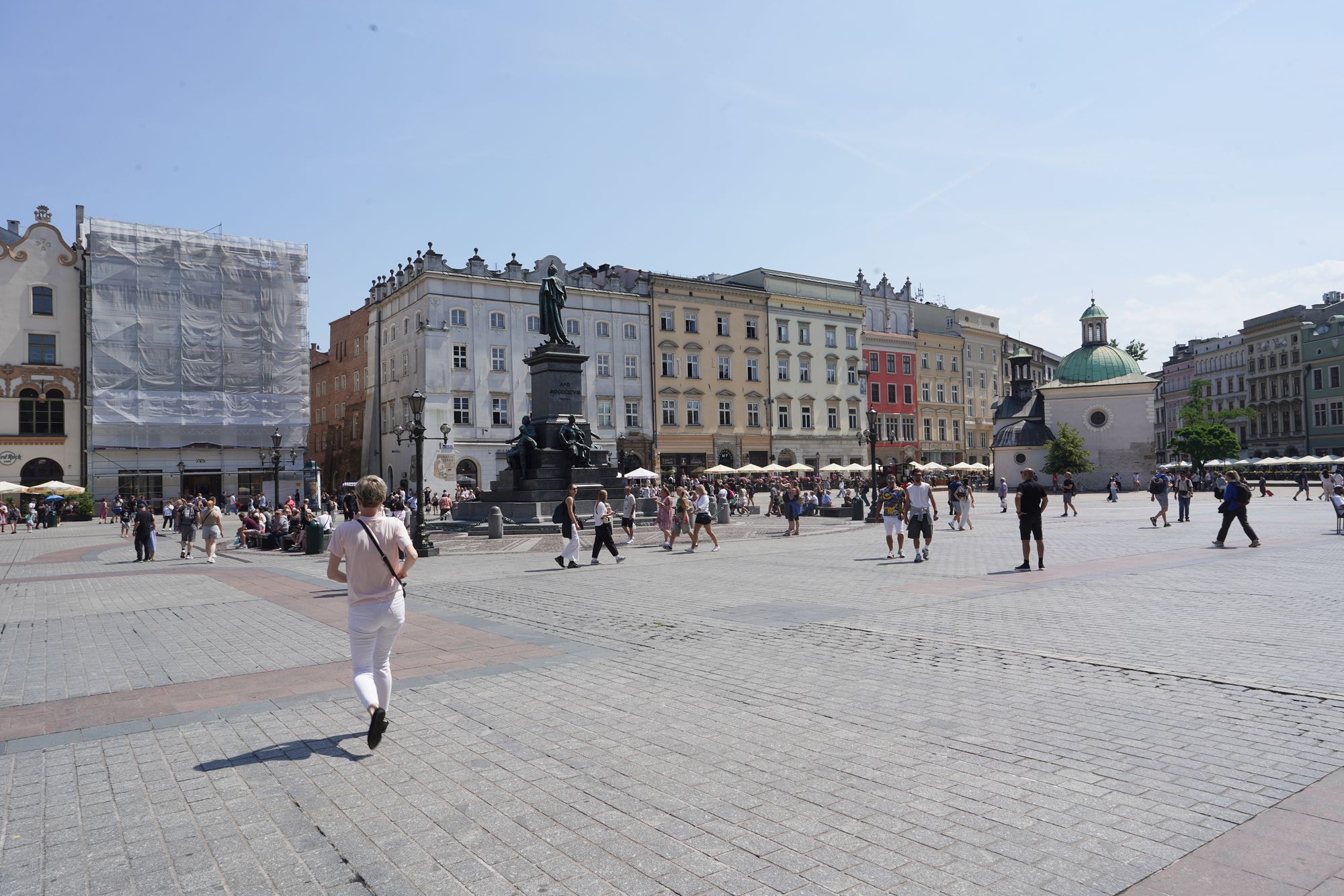
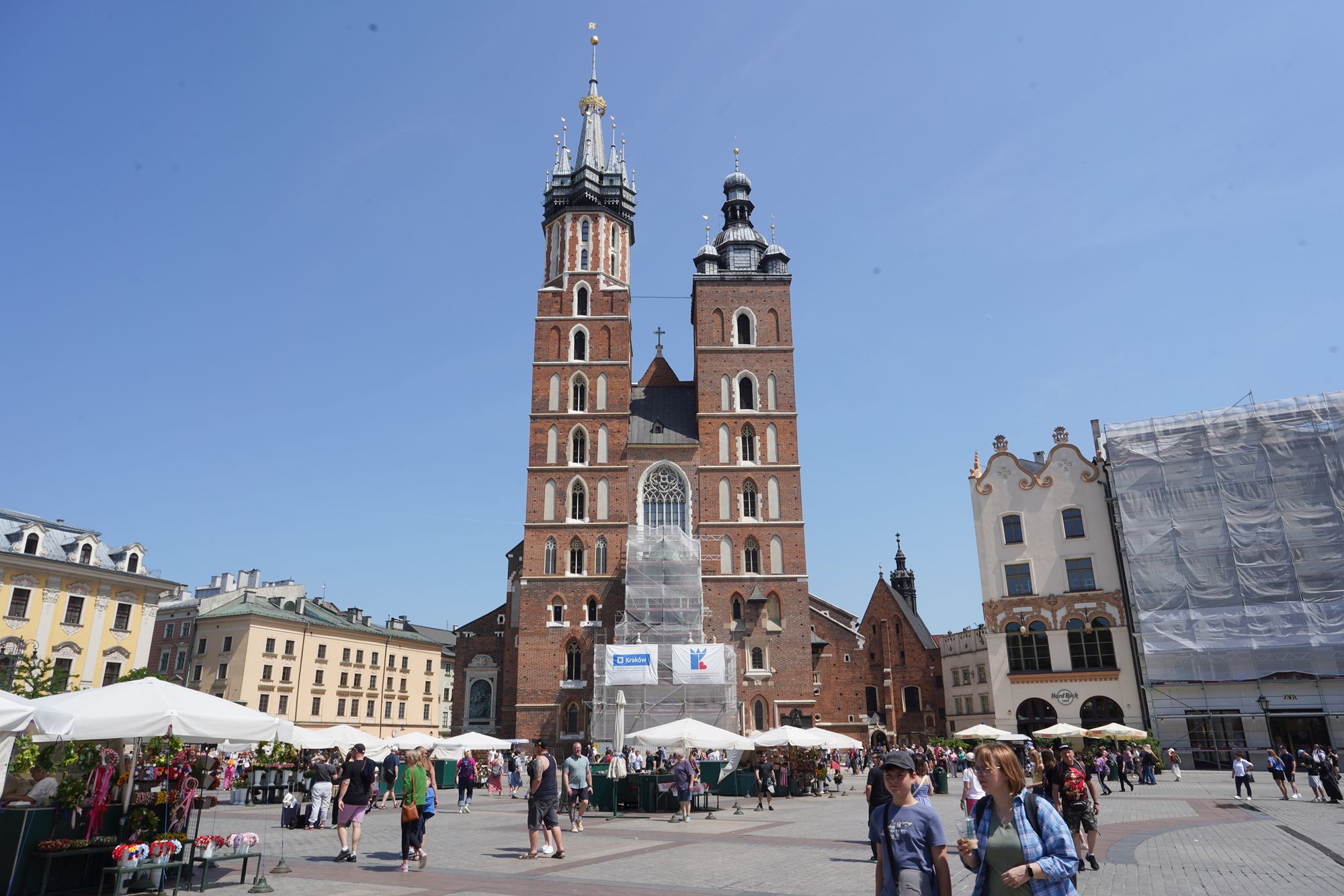
St. Mary's Basilica
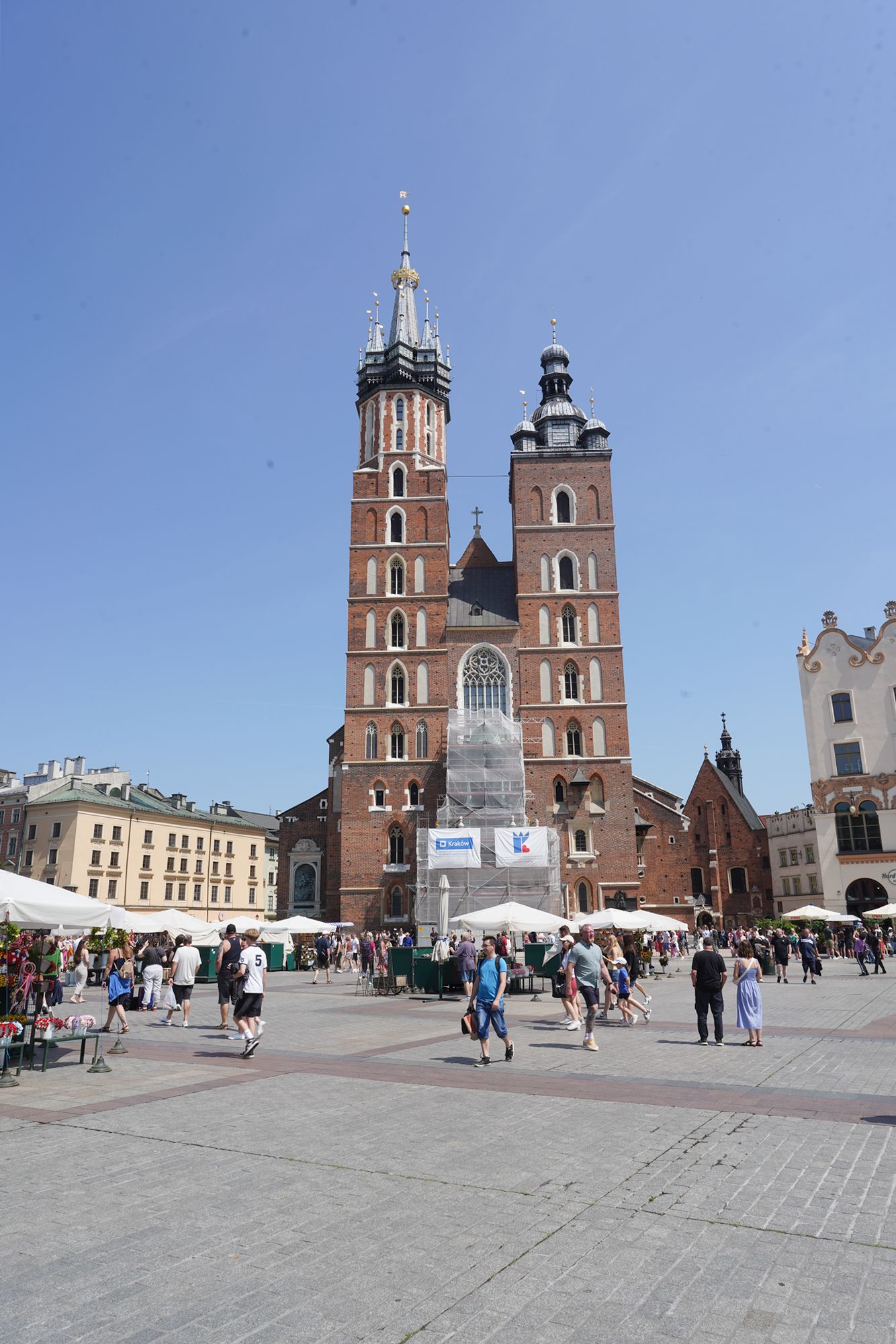
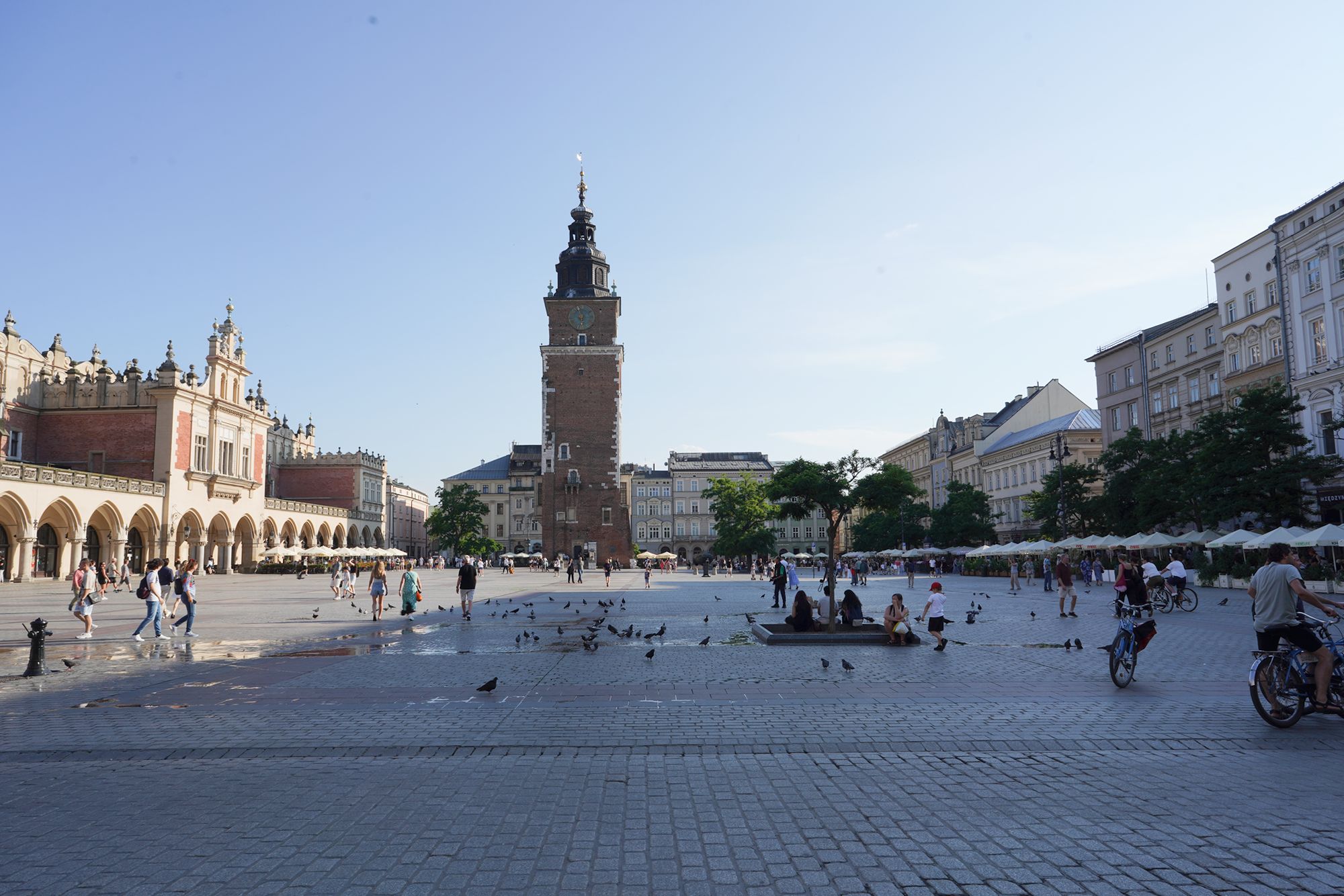
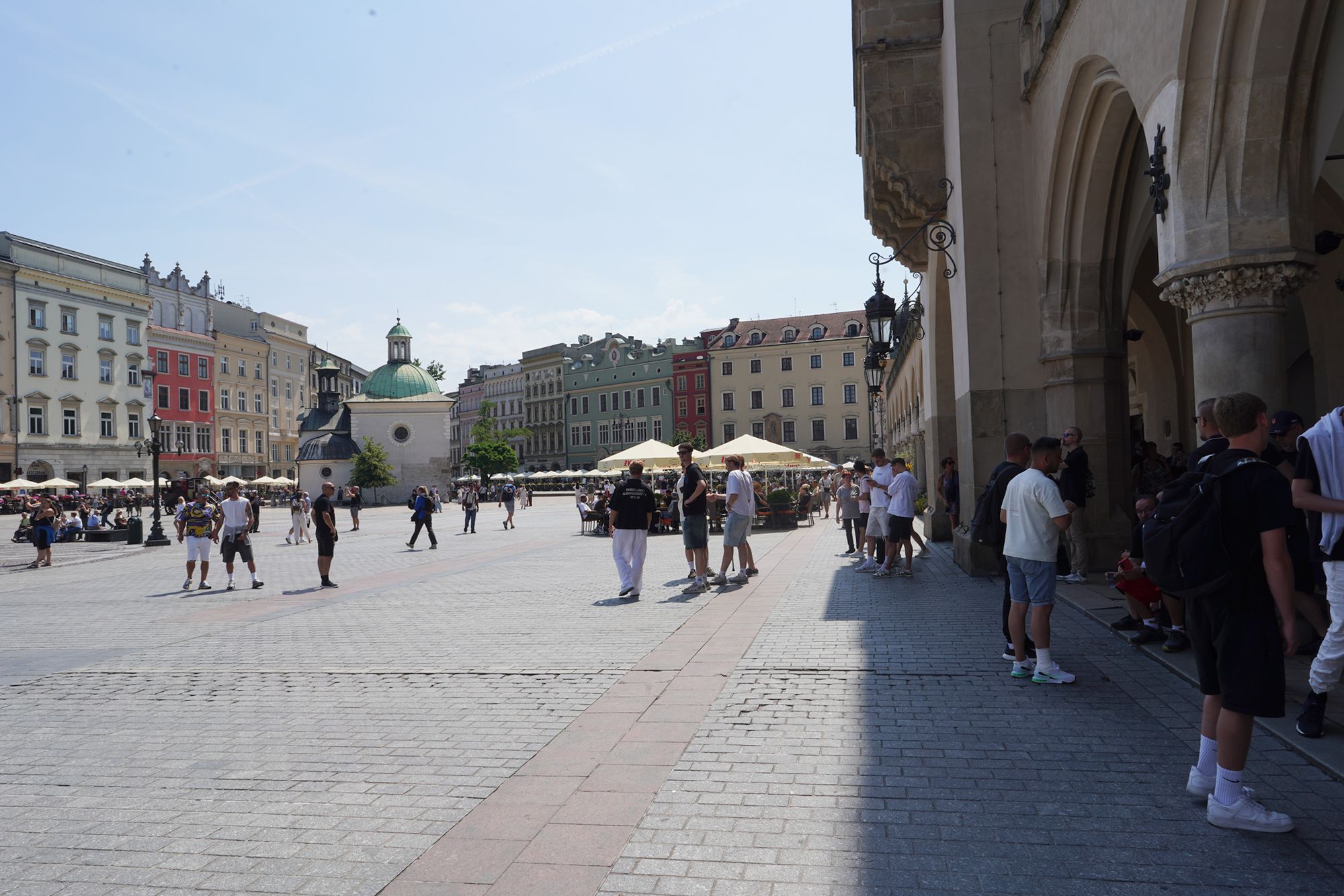
A view behind me
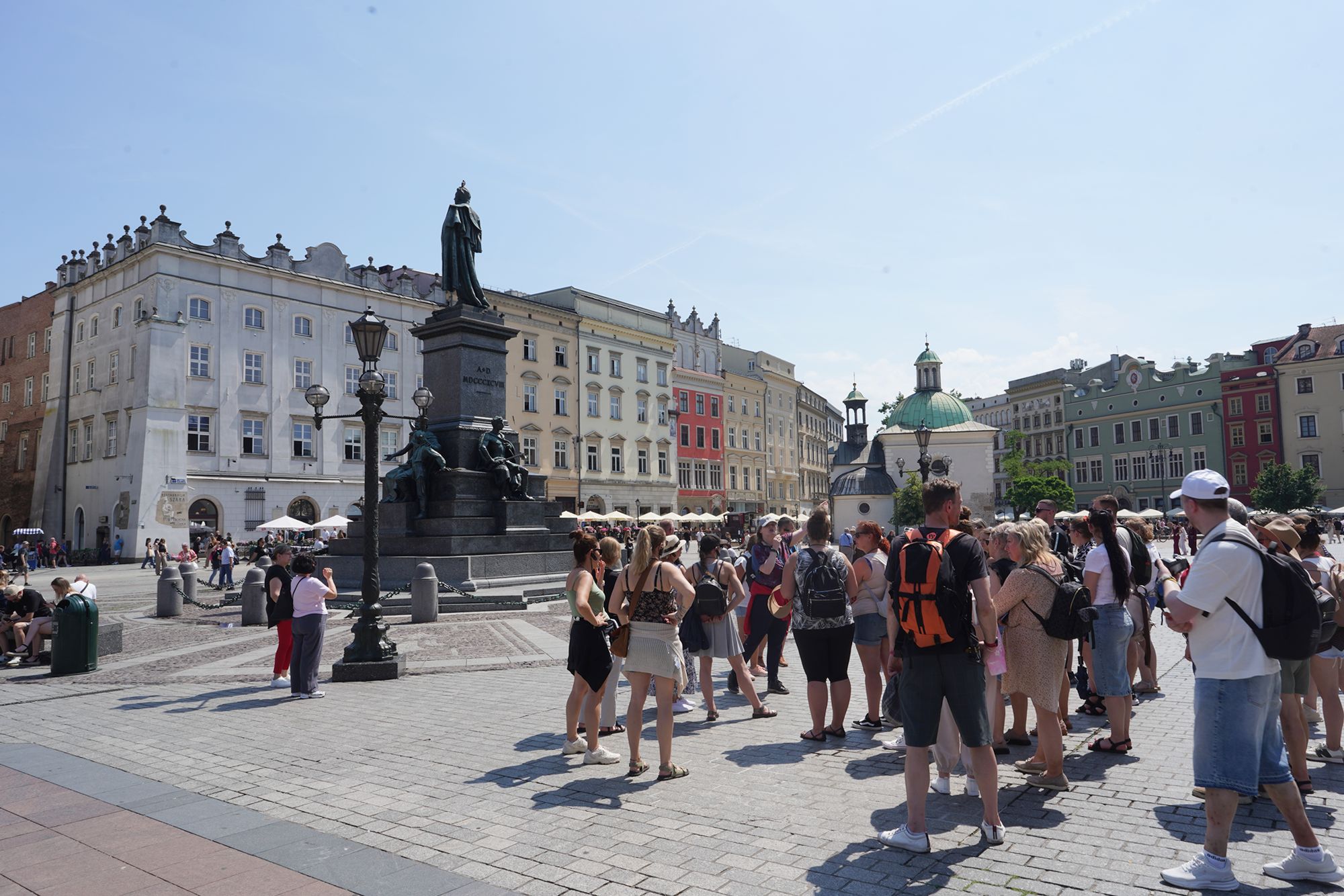
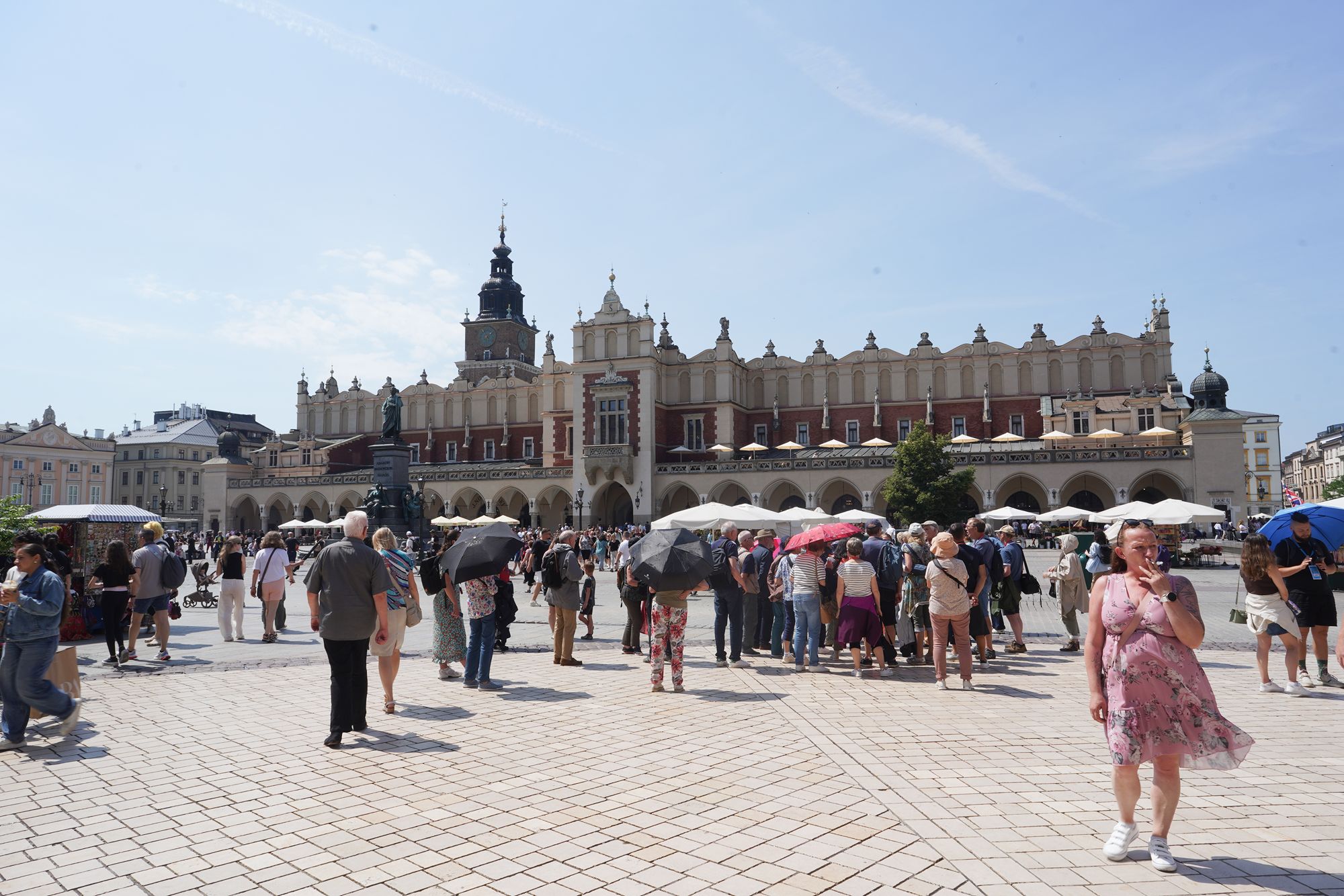
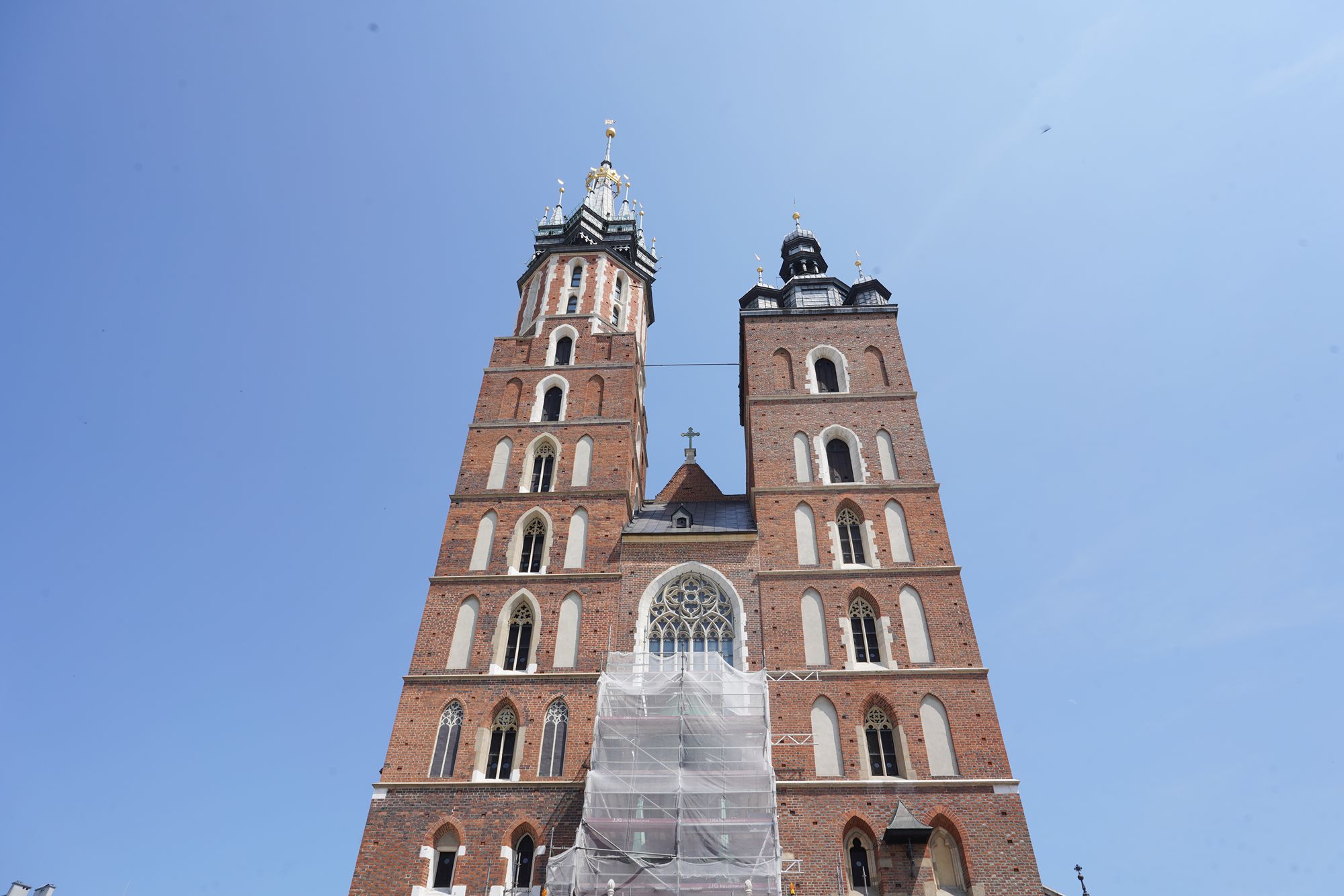
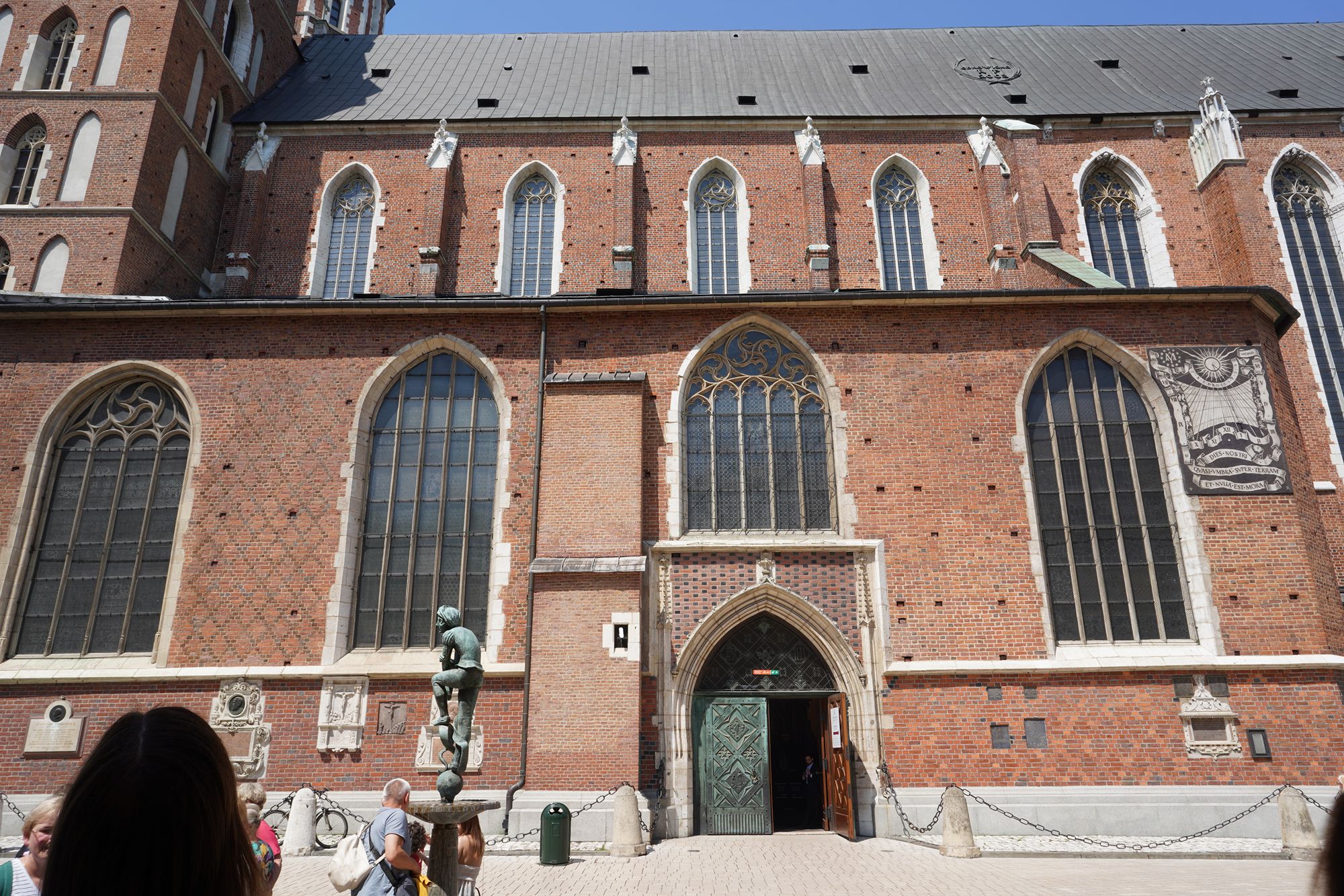
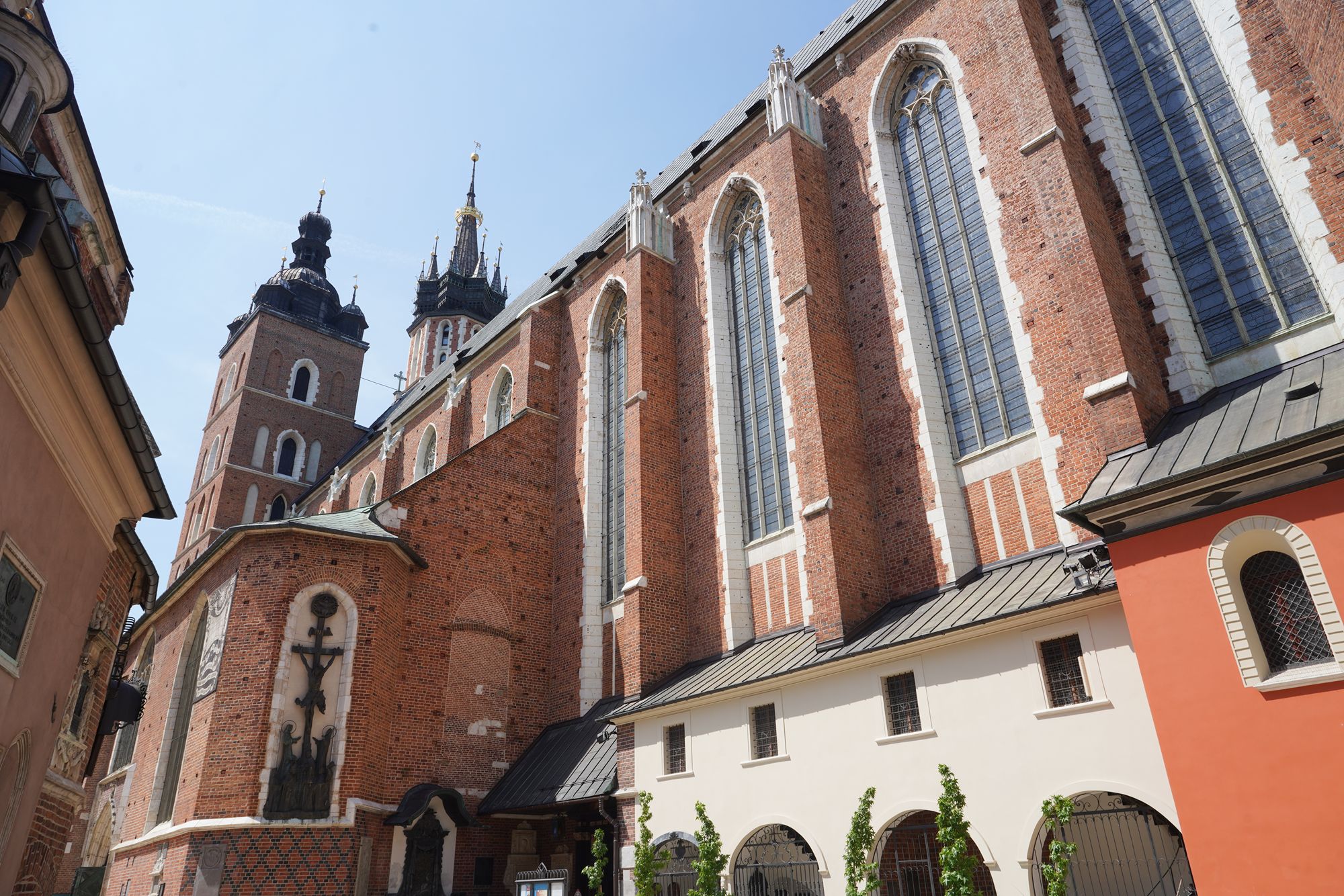
I walked around the side of St. Mary’s Basilica to find the entrance to the church.
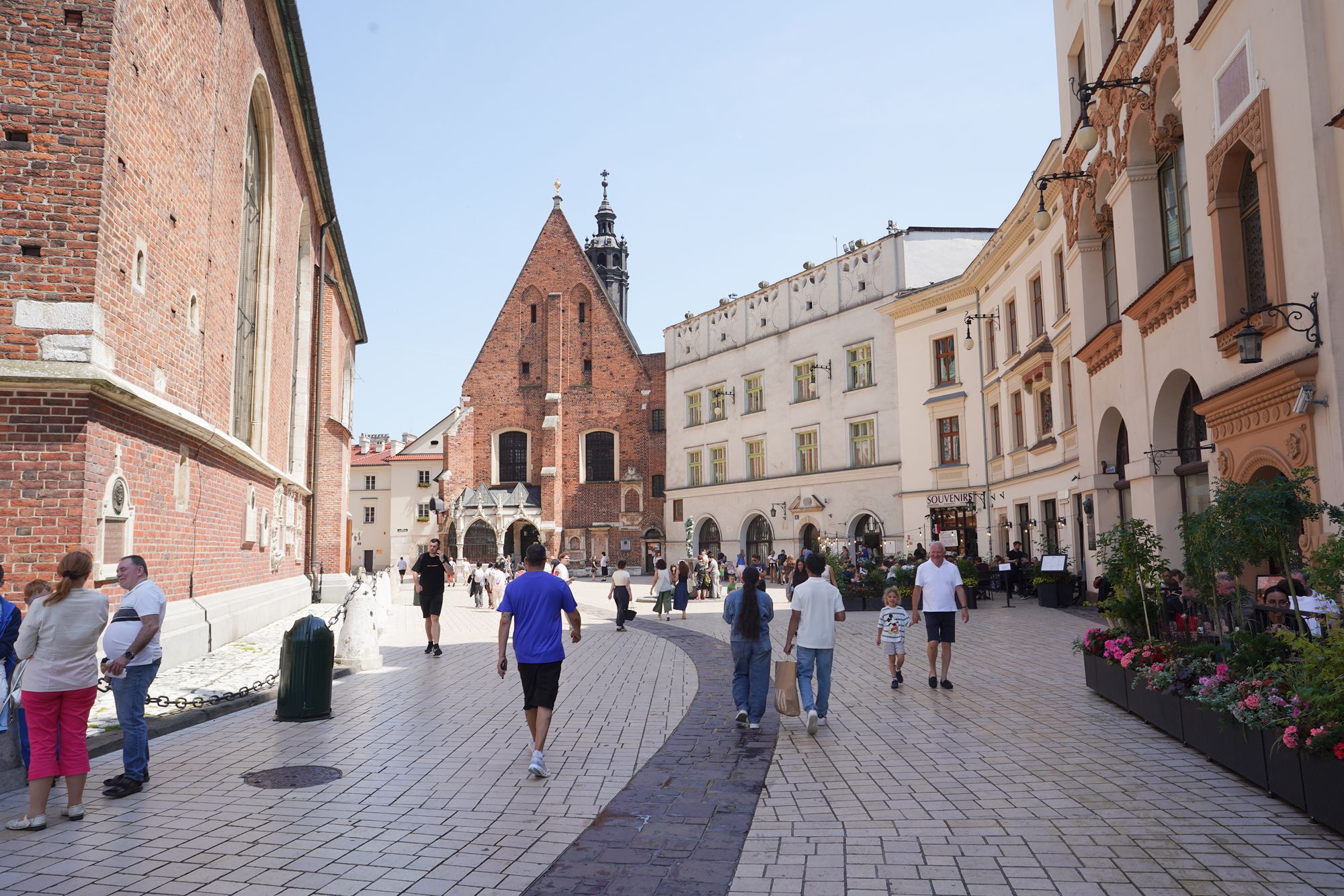
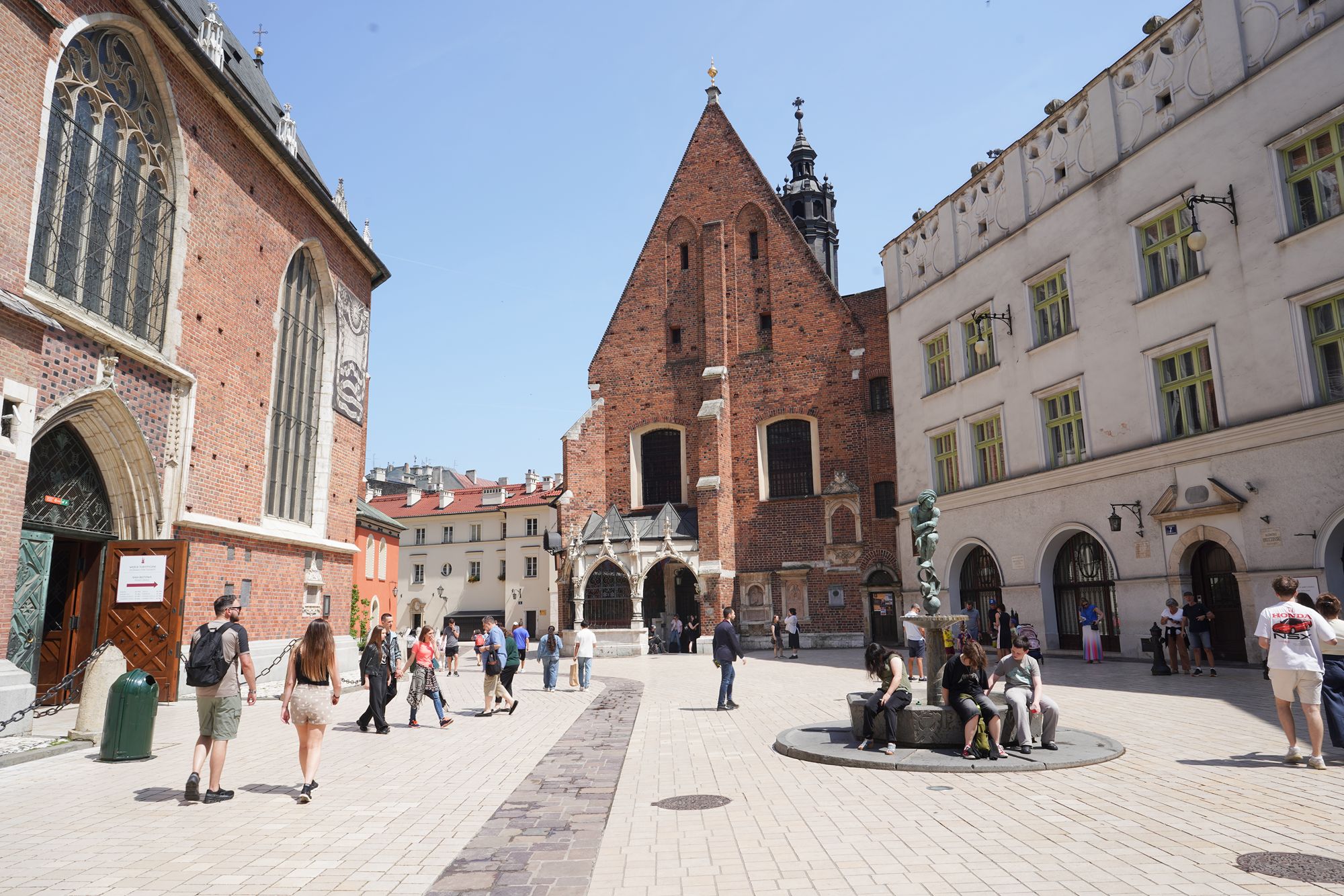
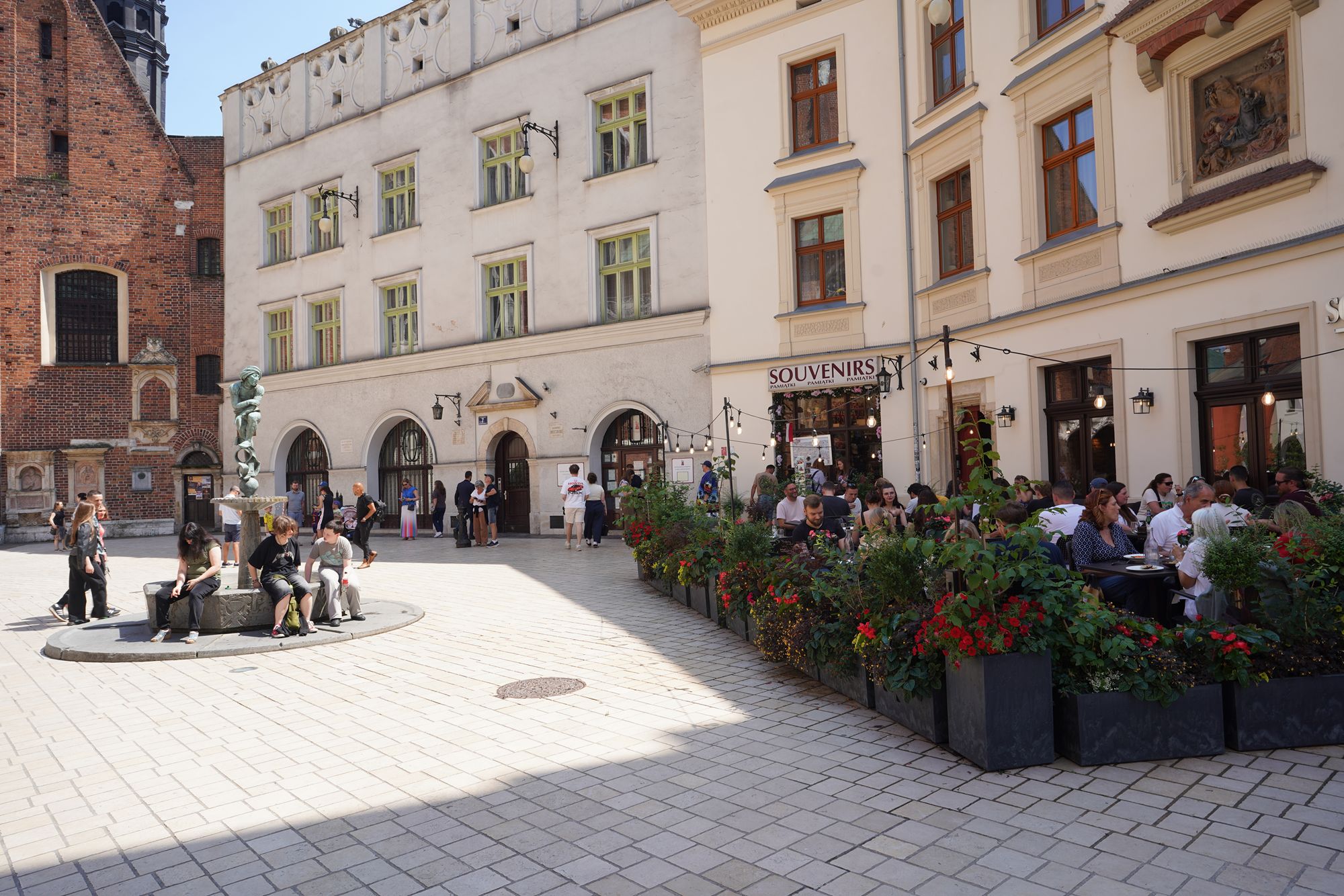
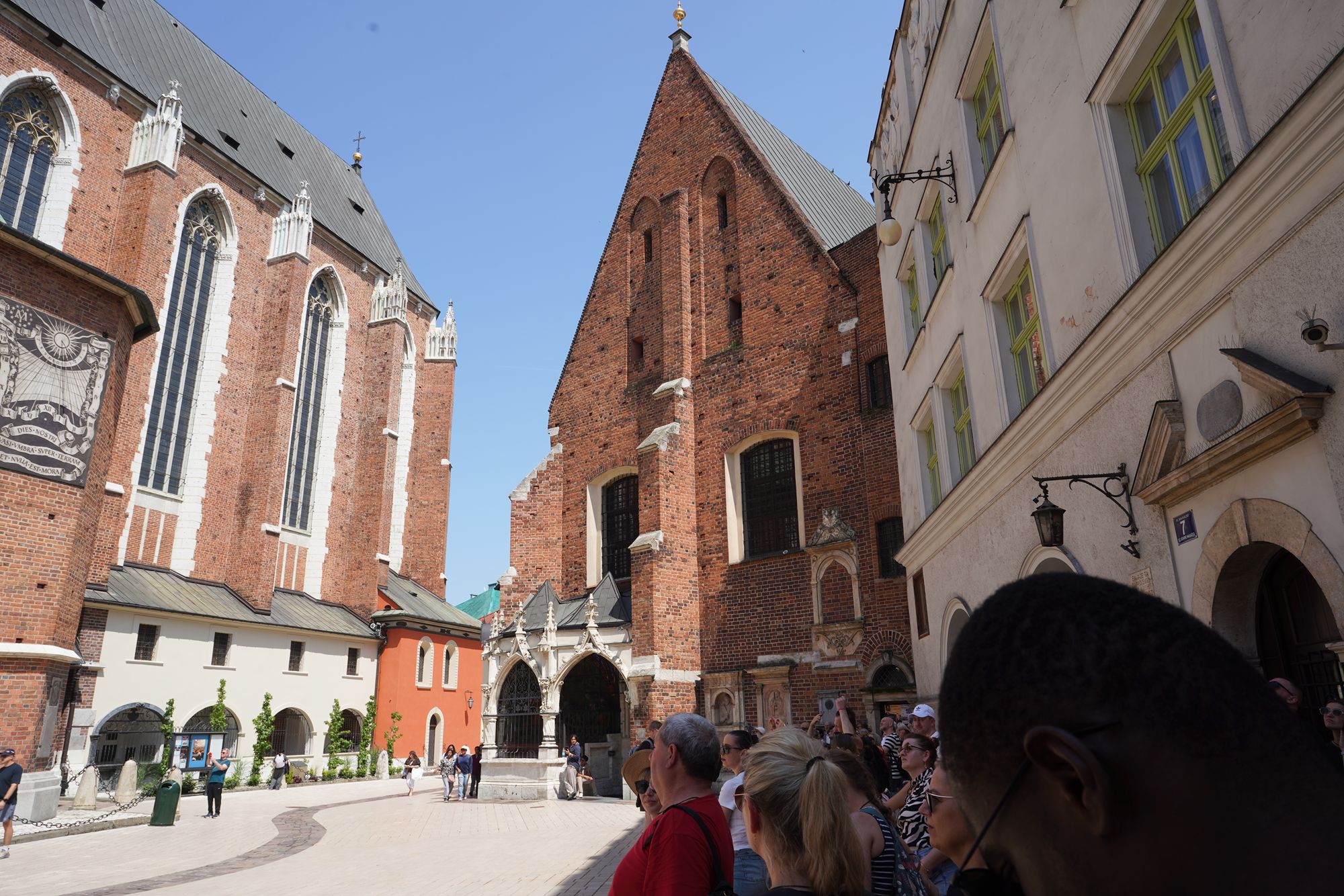
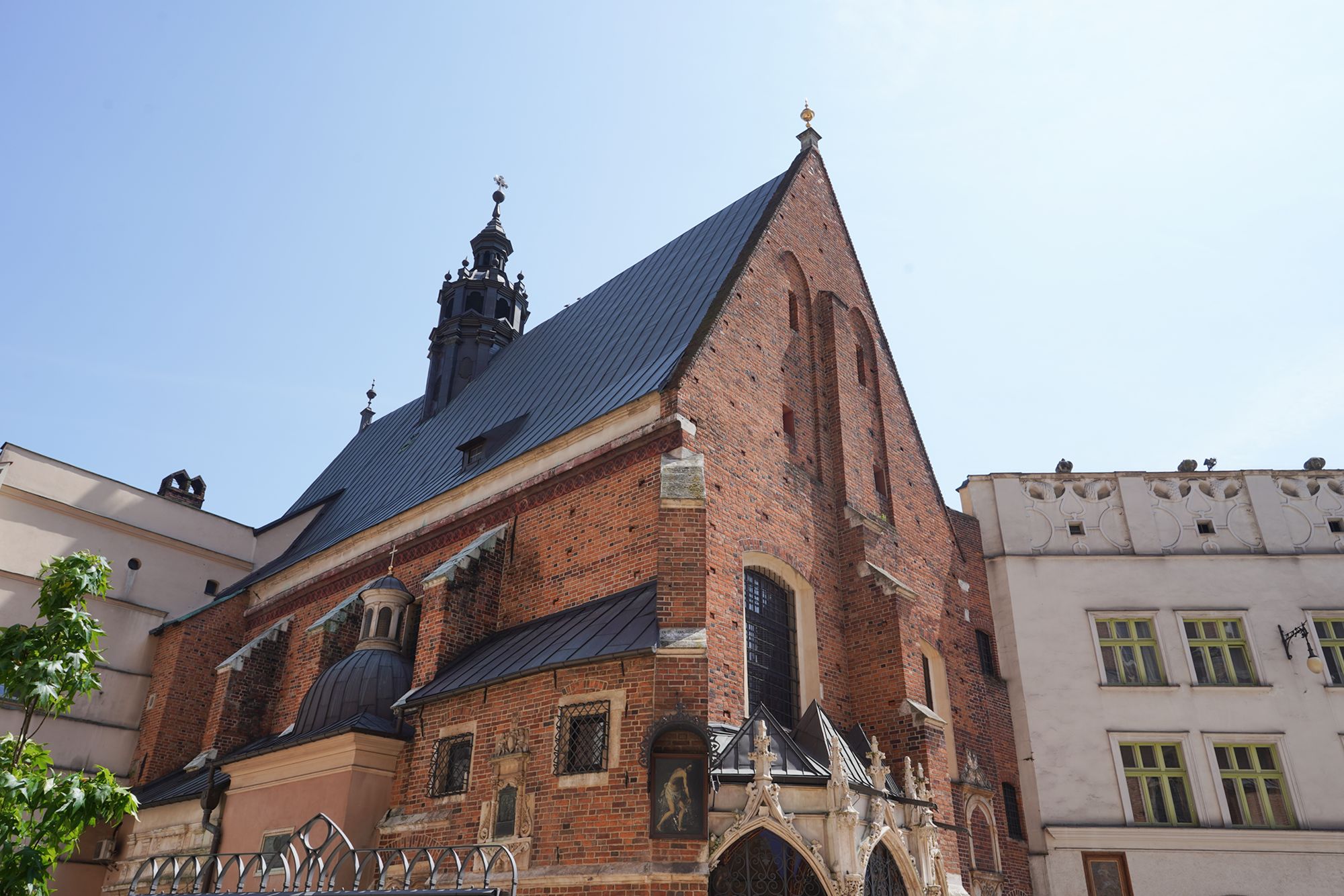
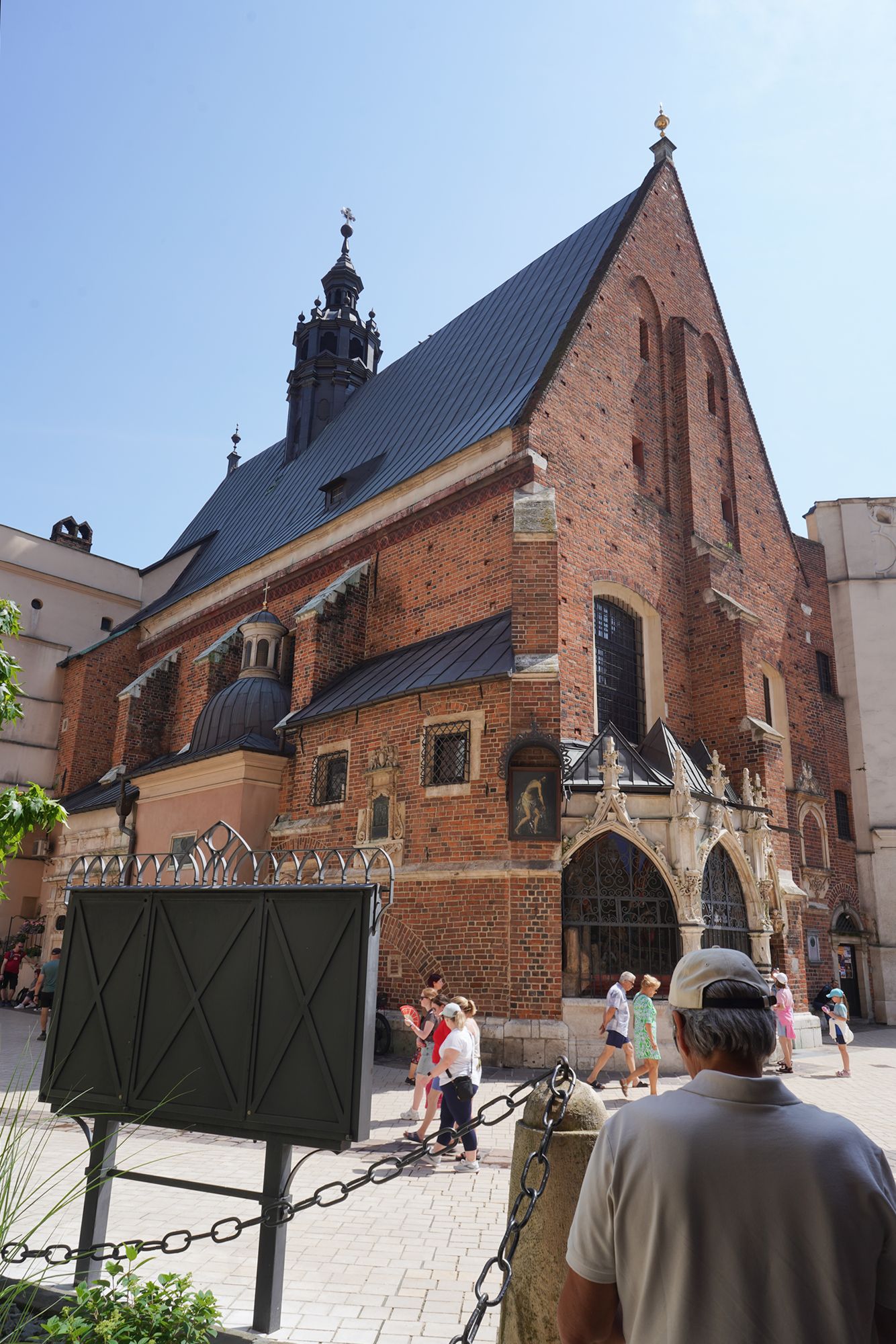
Beside St. Mary’s Basilica, I came across the smaller Church of St. Barbara. This Gothic church dates from the 14th century and stands just off the Main Market Square.
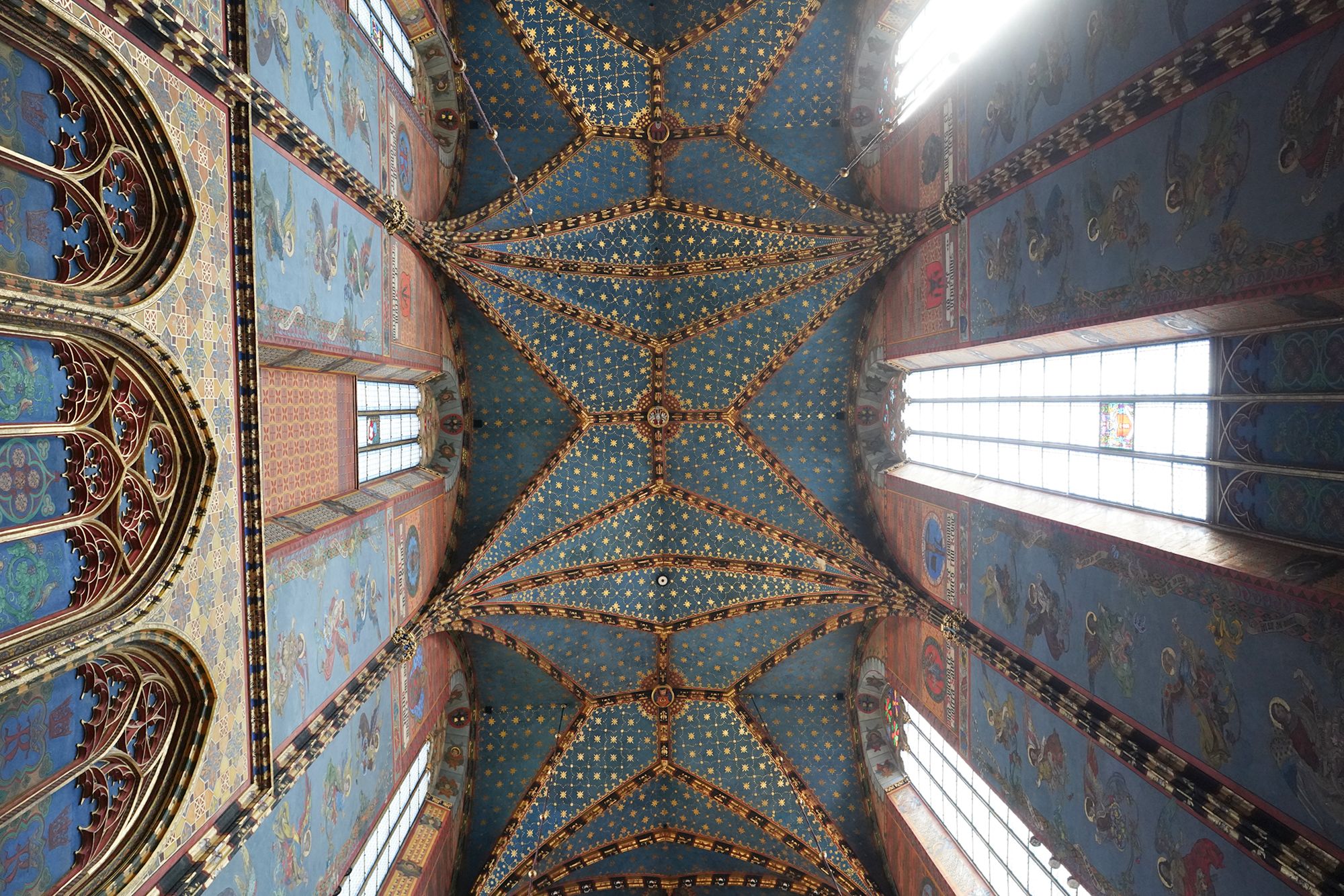
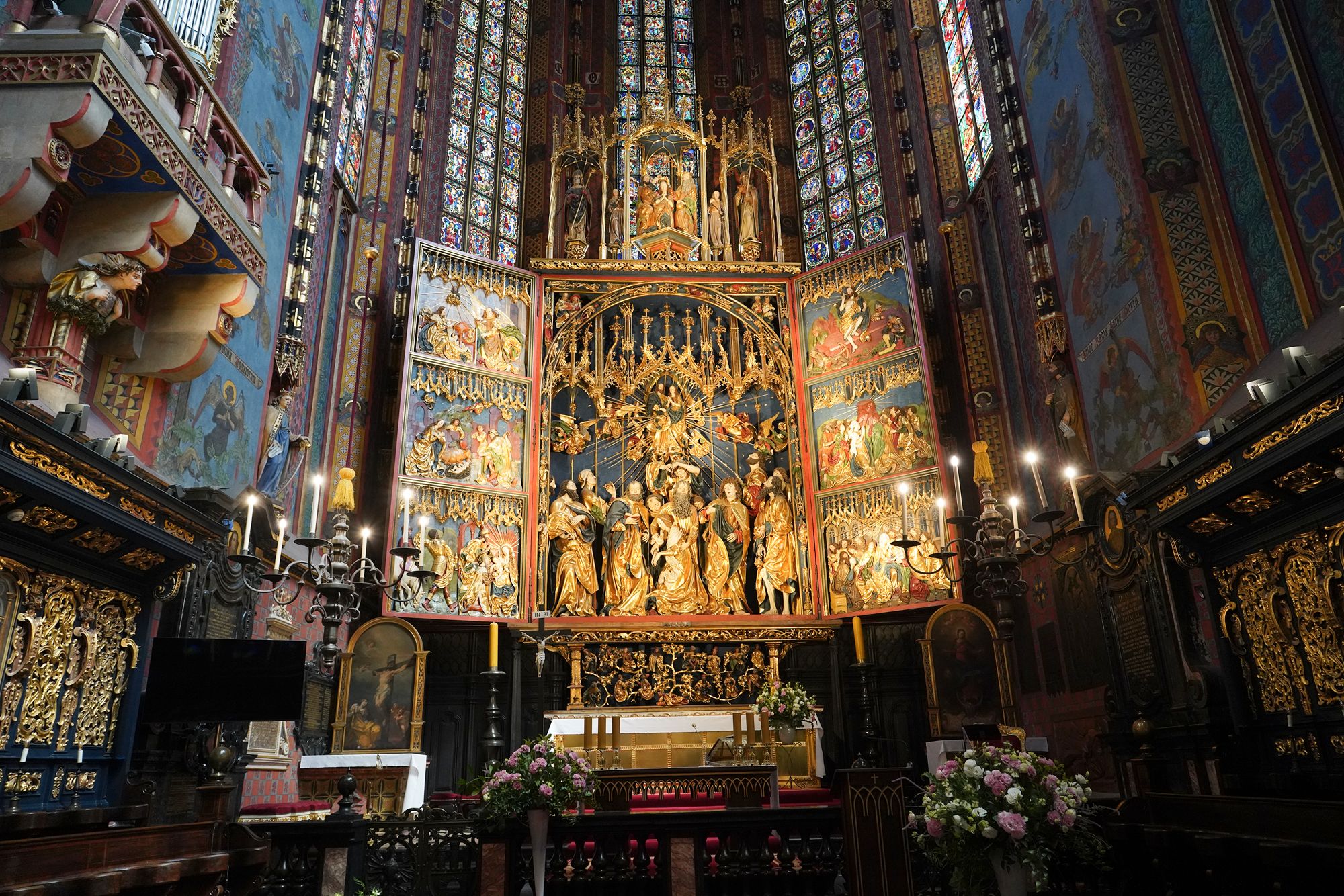
Inside St. Mary’s Basilica, I looked up at the vaulted ceiling and took in the colorful decoration. At the far end stood the large carved altarpiece by Veit Stoss.
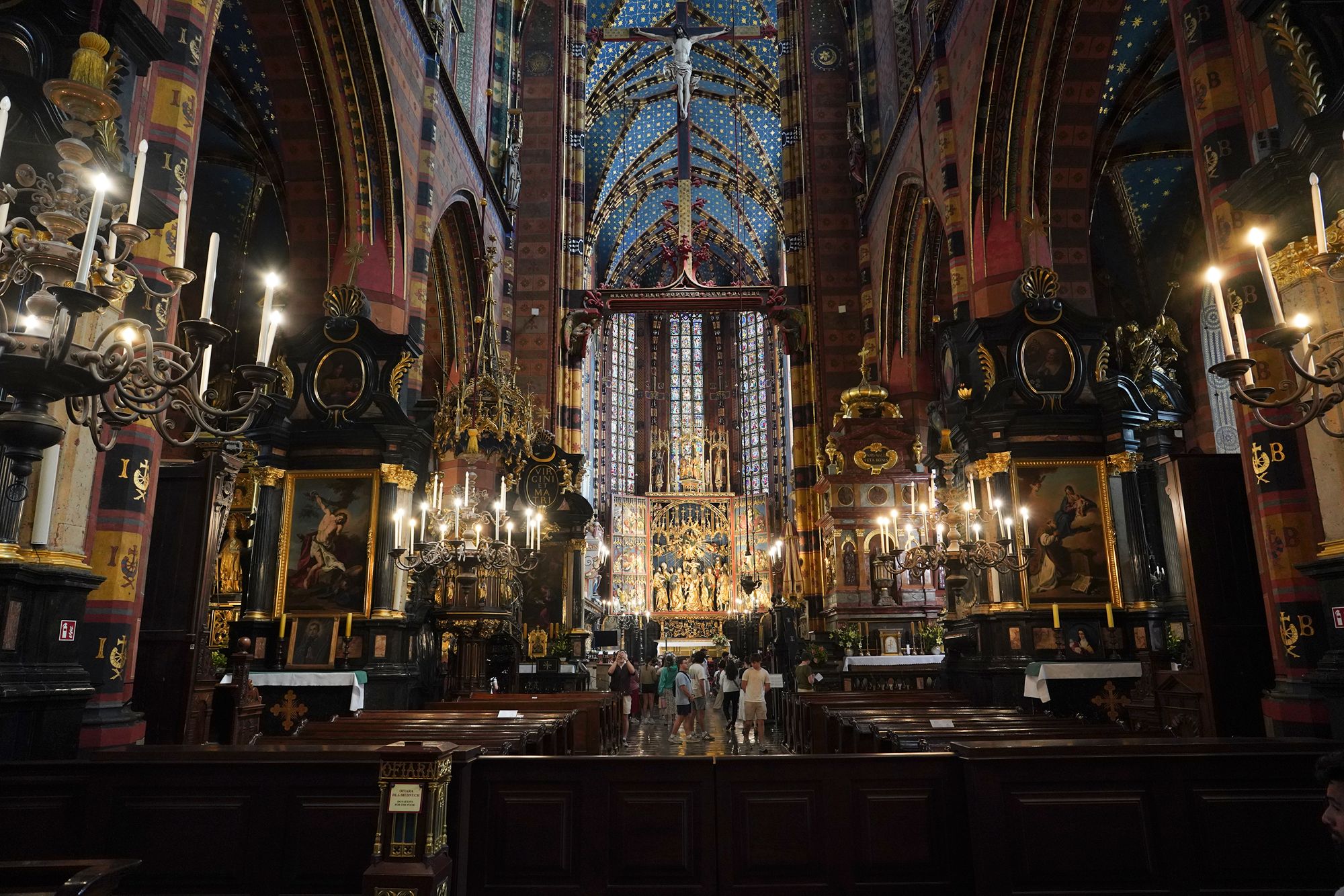
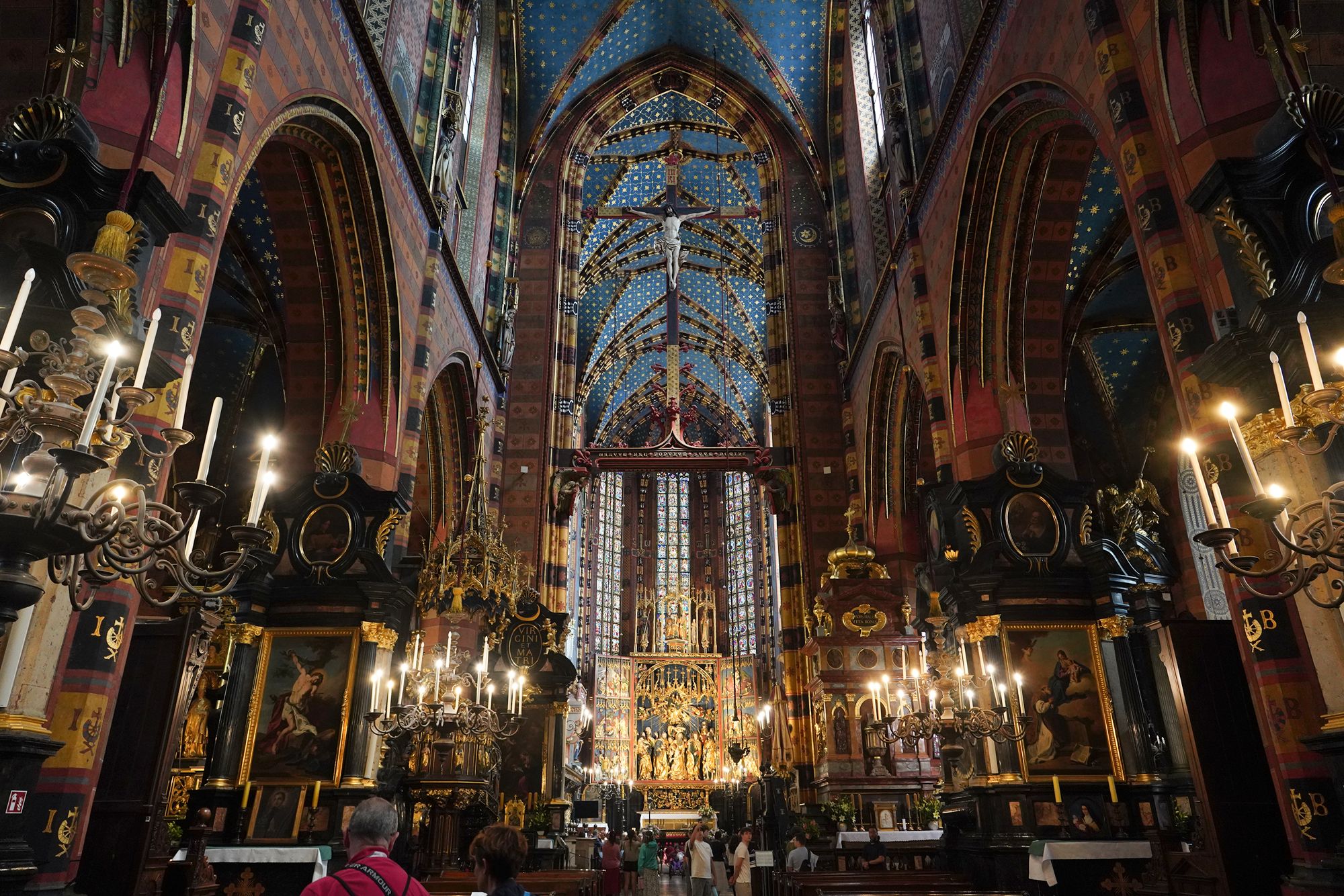
St. Mary’s Basilica has stood beside Kraków’s Main Market Square for centuries. The present Gothic church took shape in the 14th century, though its interior was decorated again in later periods. Its high, ribbed vault is painted like a starry sky, and the walls carry colorful patterns designed during a 19th-century restoration led by Polish painter Jan Matejko.
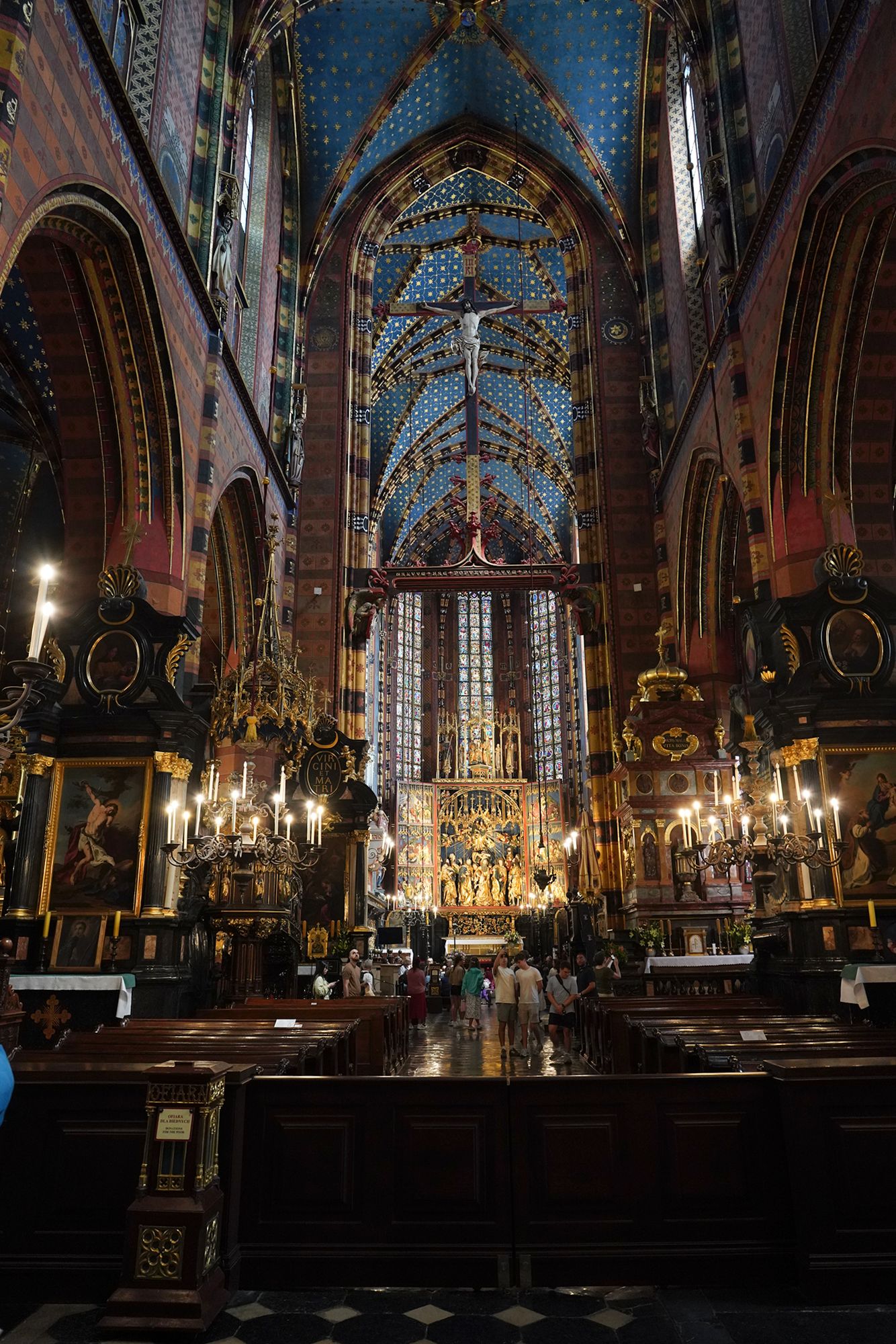
St. Mary’s Basilica remains an active church today, with regular services alongside visits by people who come to see its architecture and art. Wawel Cathedral is the seat of Kraków’s bishop, while St. Mary’s has long been closely connected with life in the city’s Main Market Square.
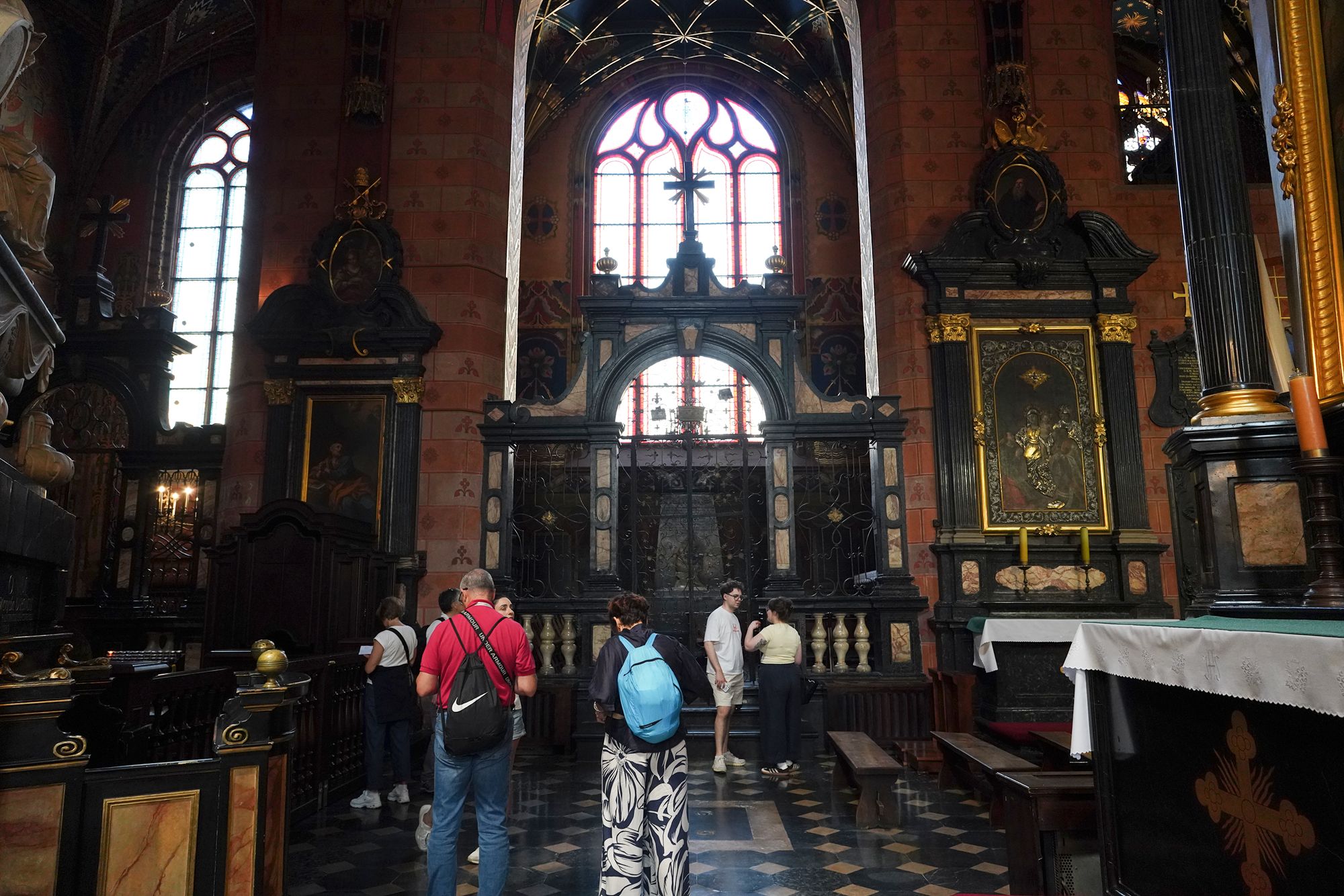
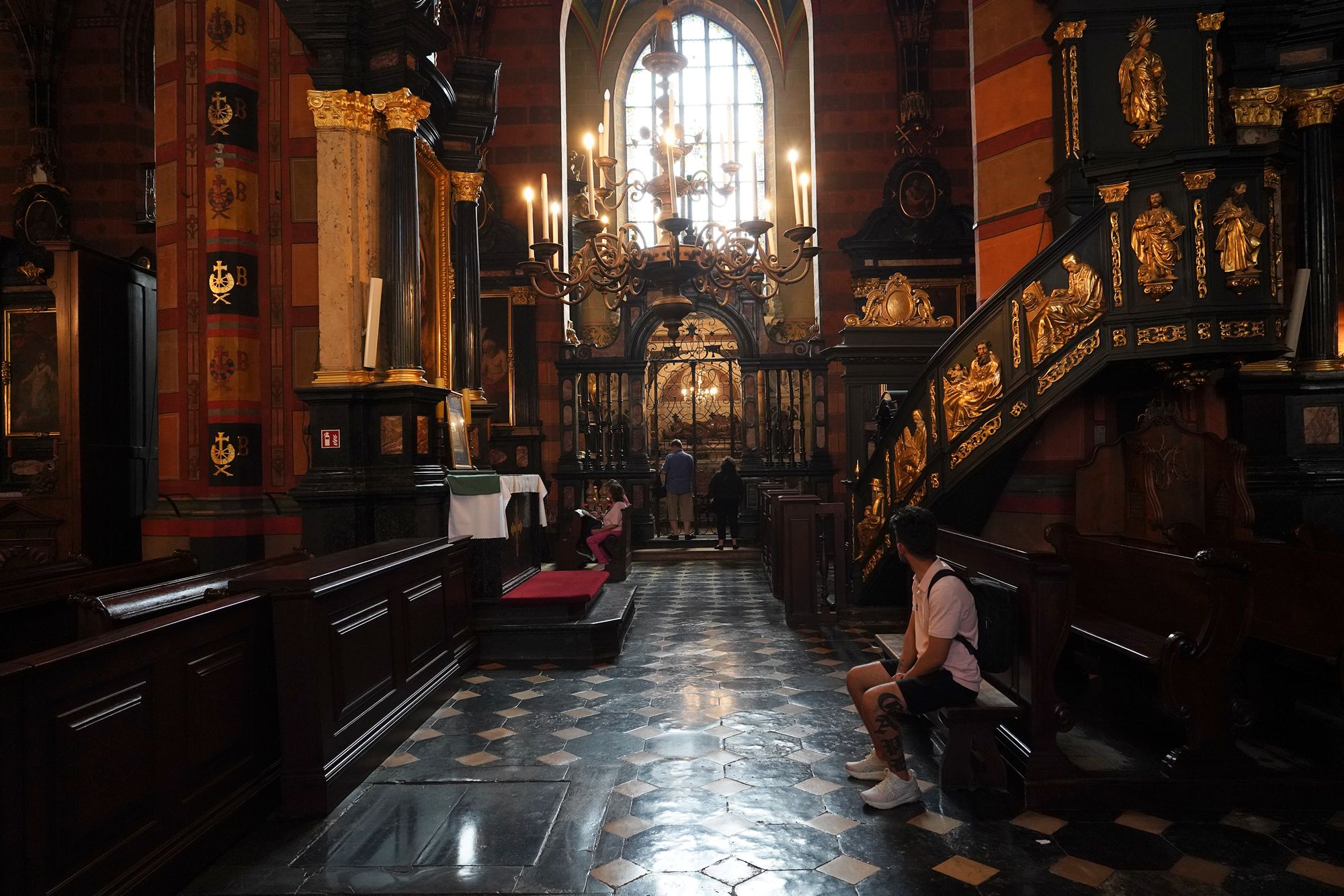
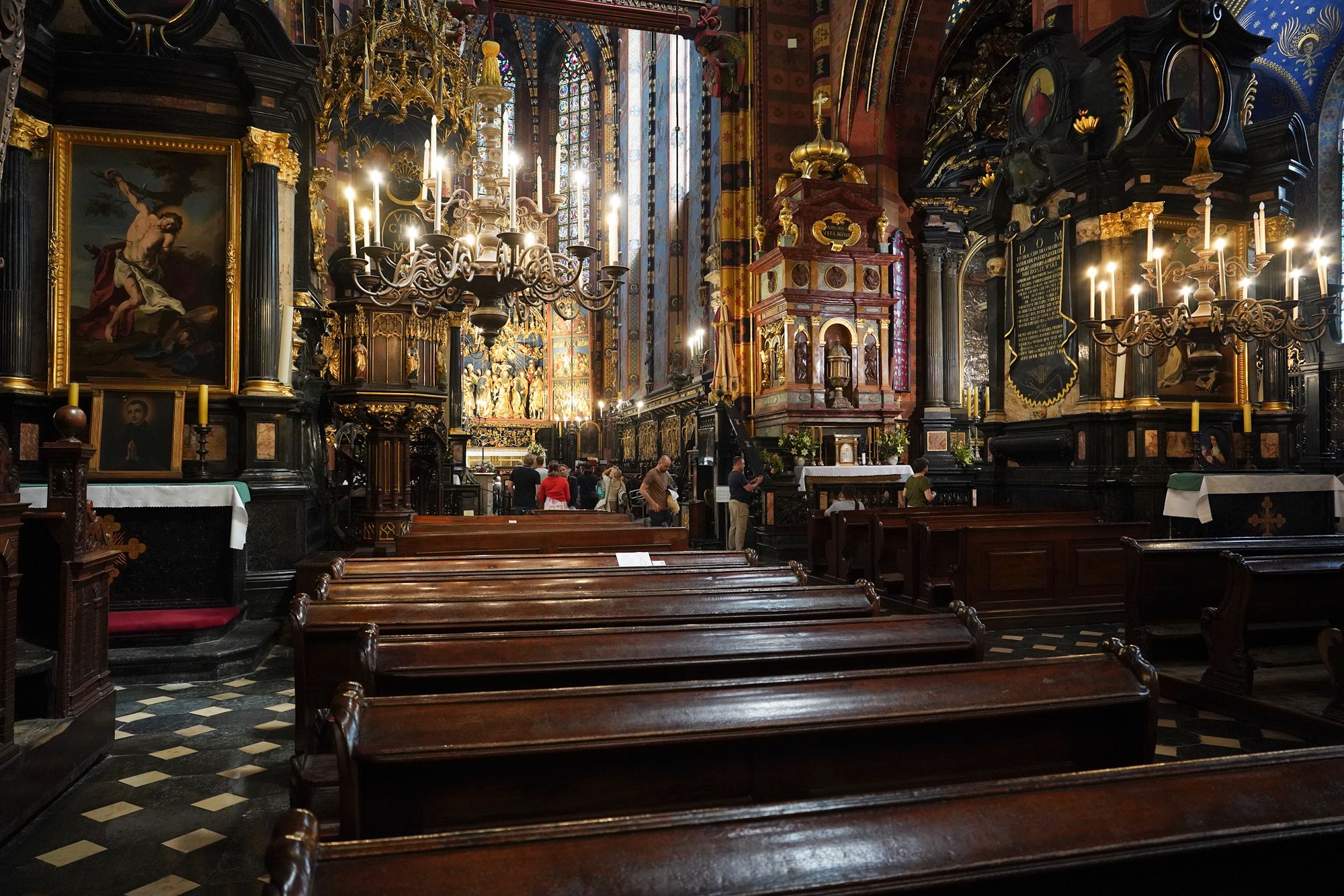
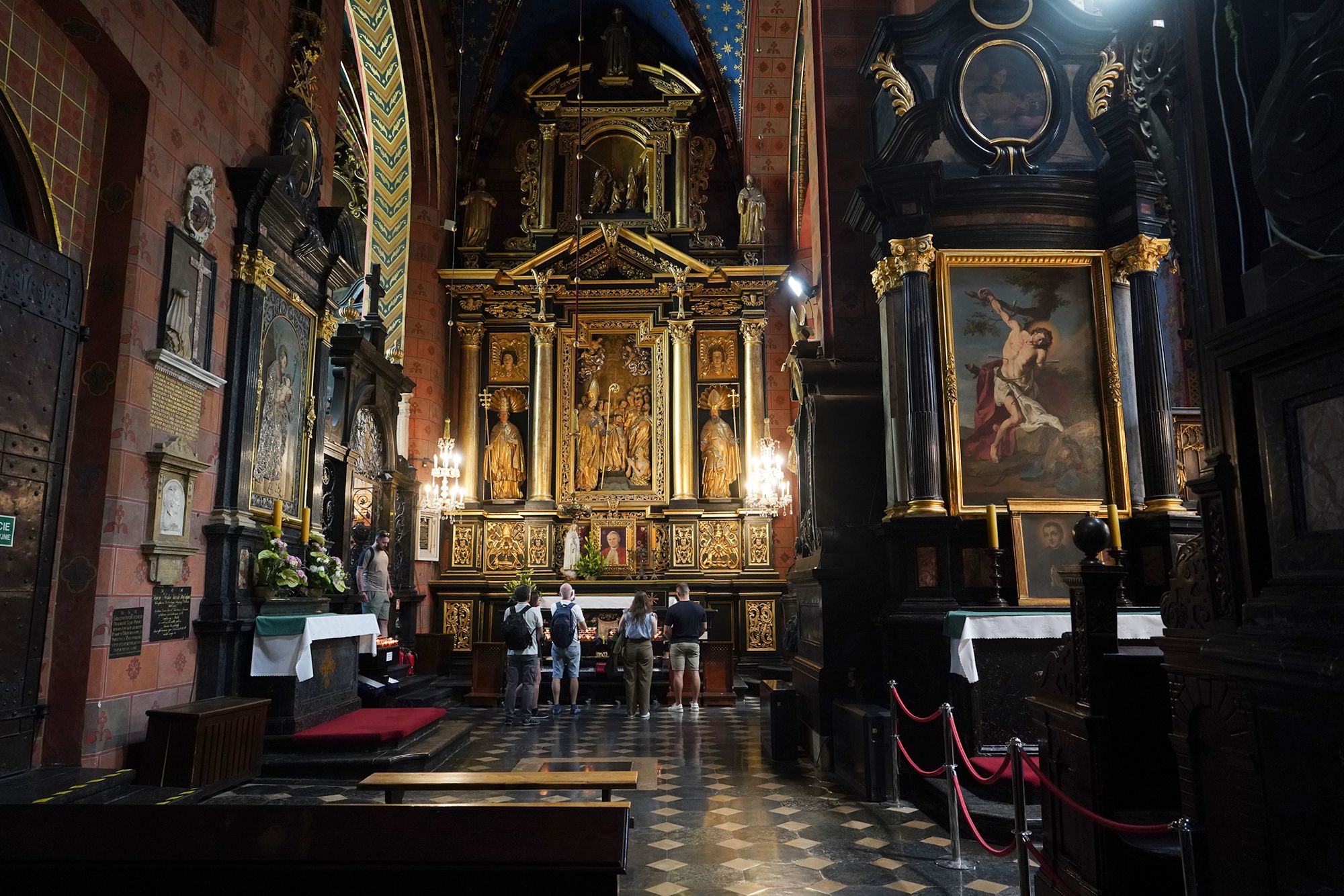
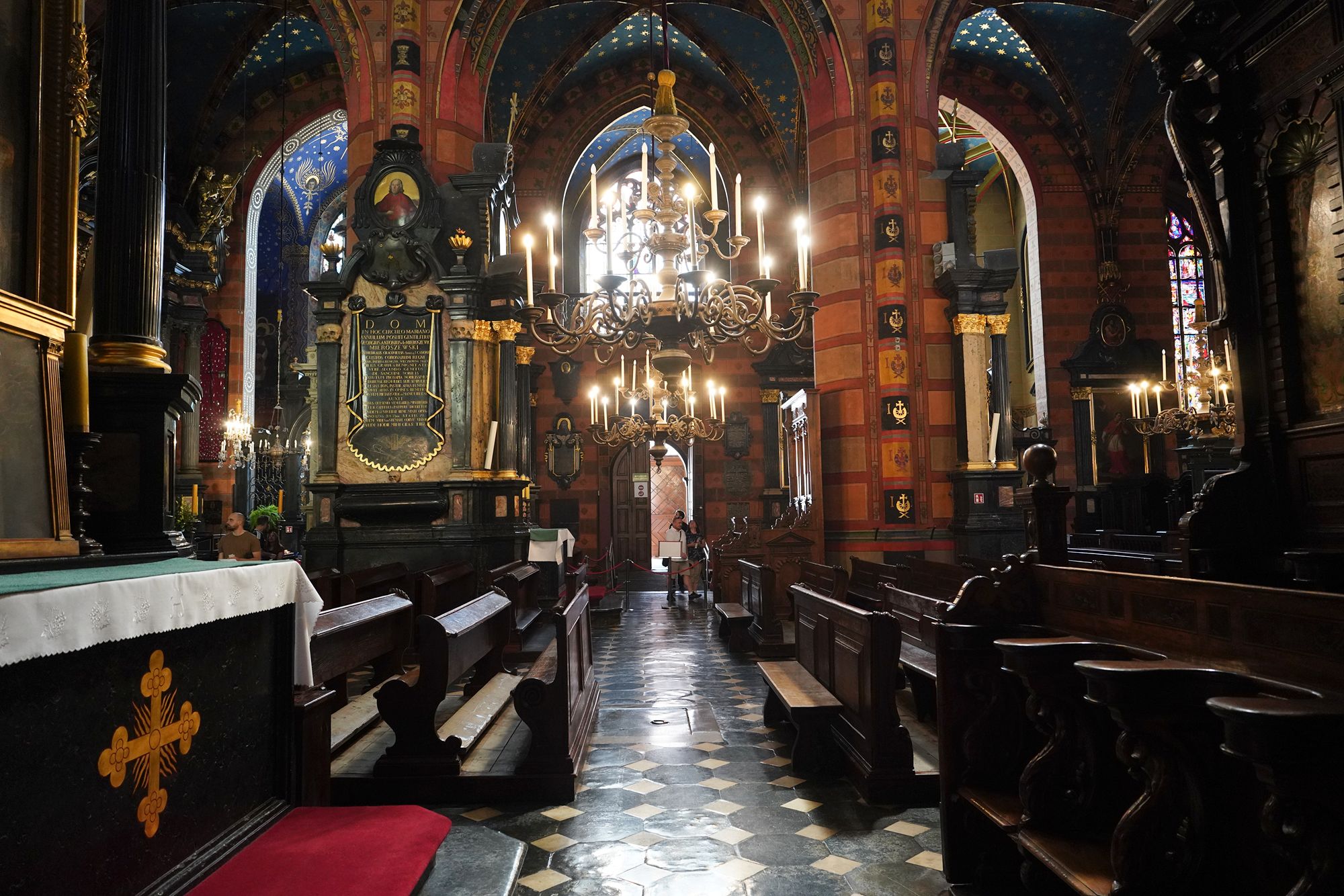
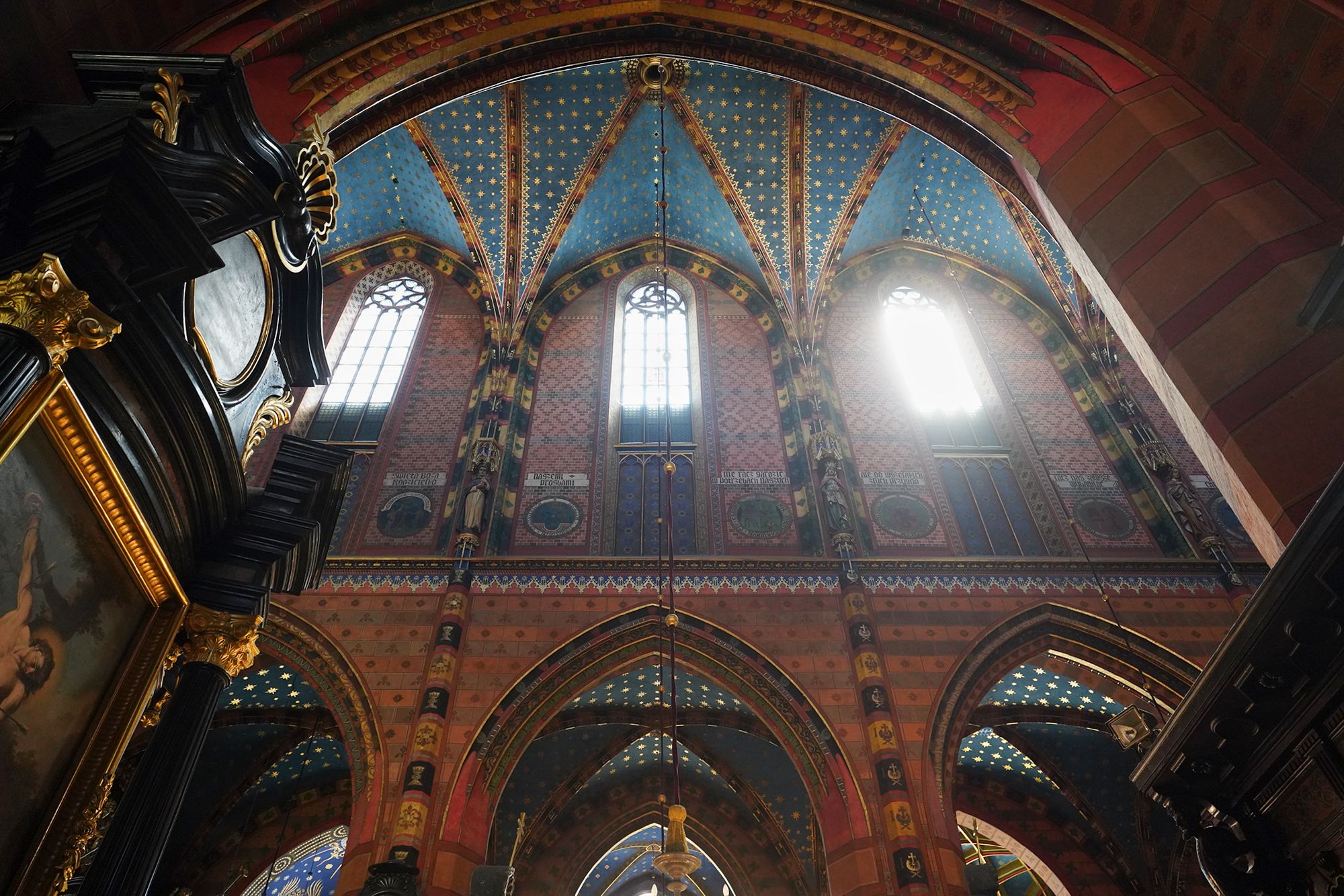
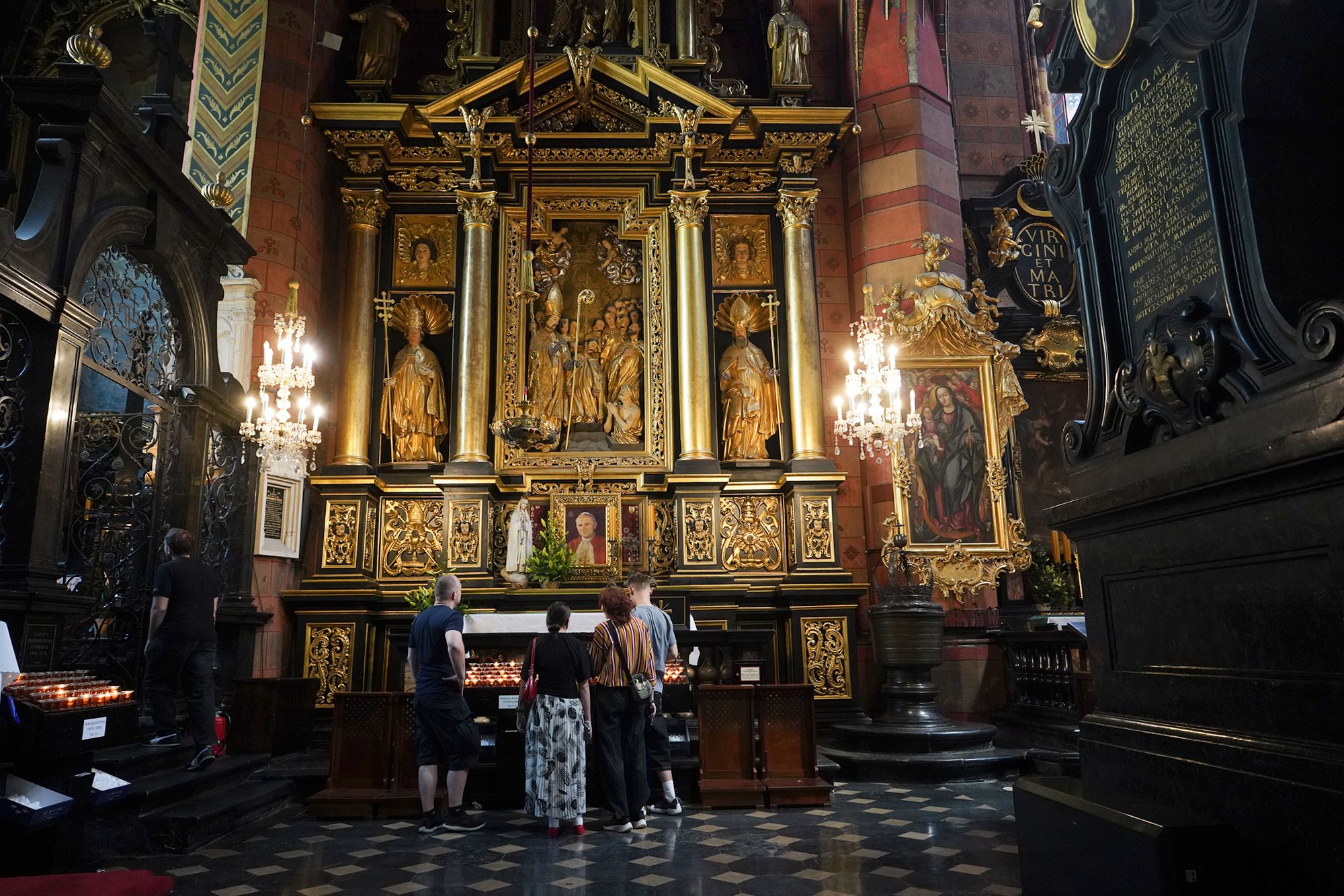
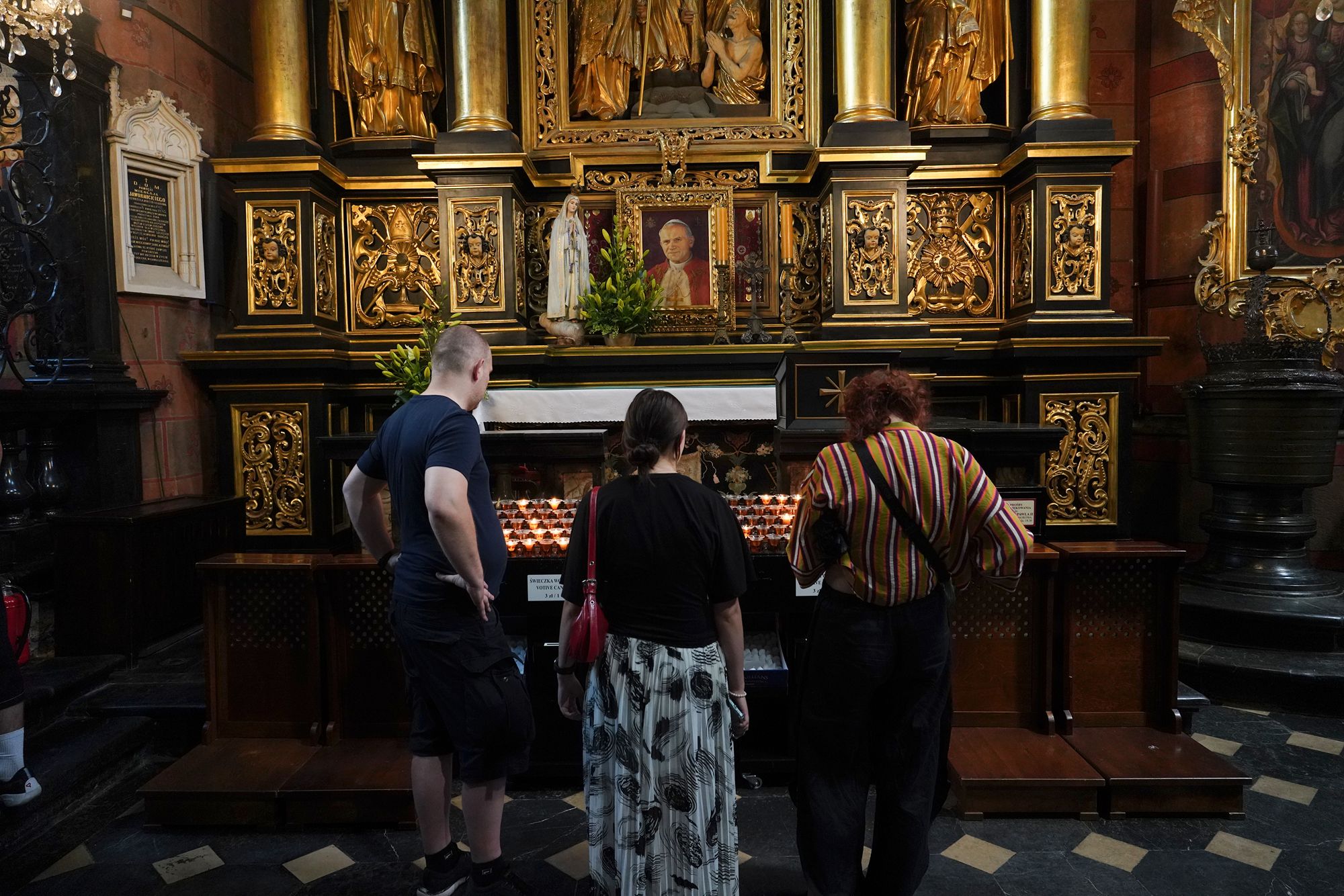
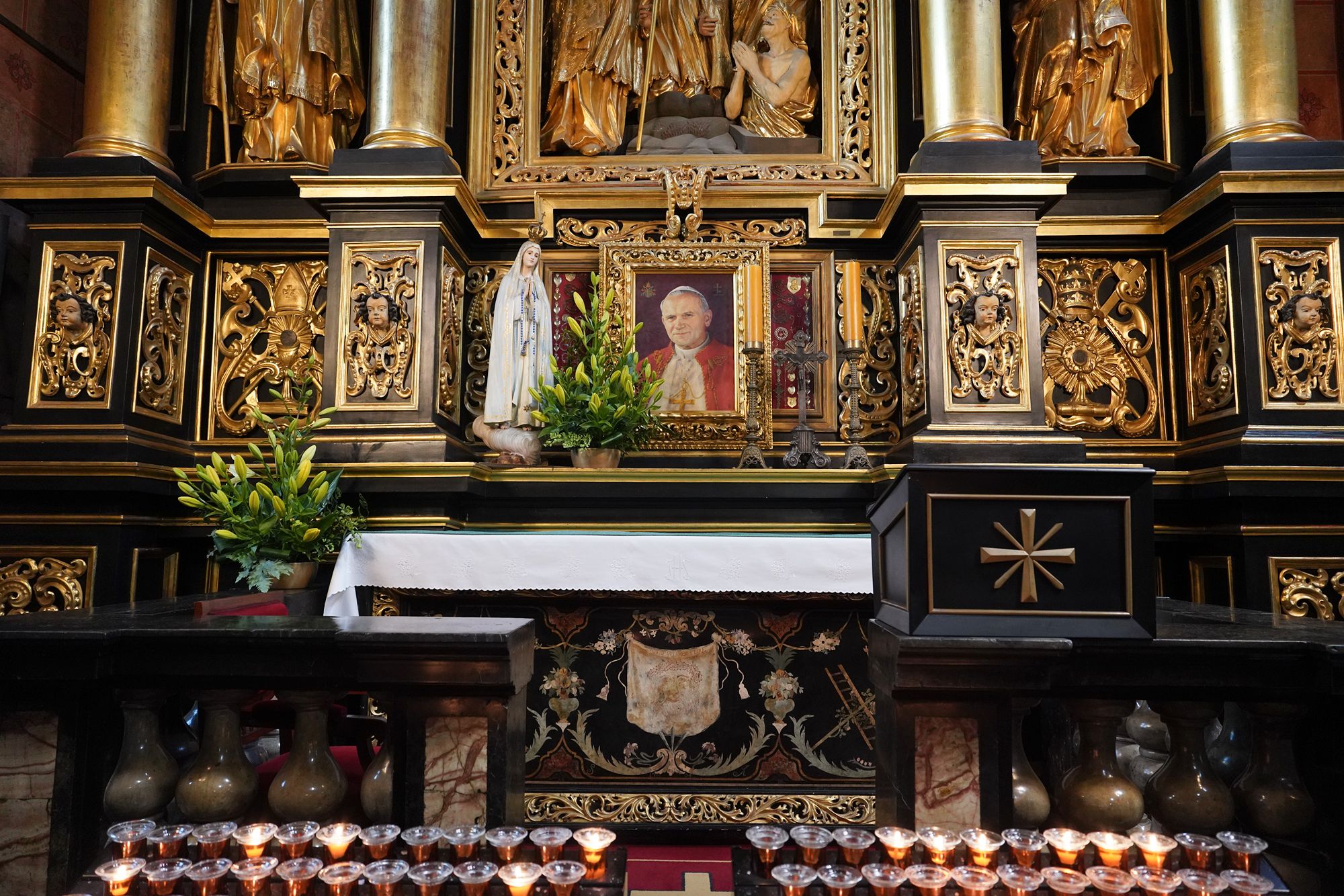
Inside St. Mary’s Basilica, I saw an image of Pope John Paul II, who served as archbishop of Kraków before becoming pope.
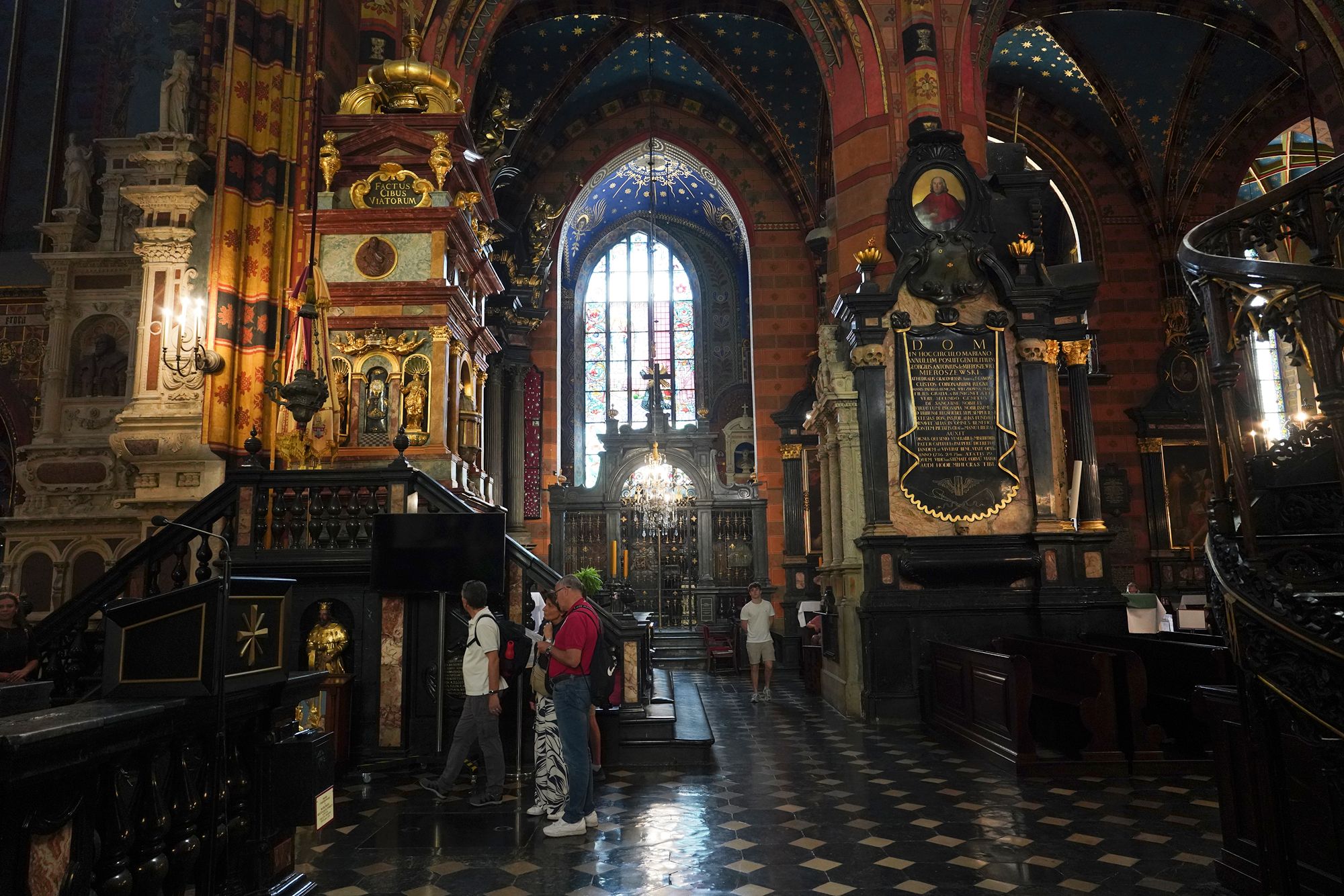
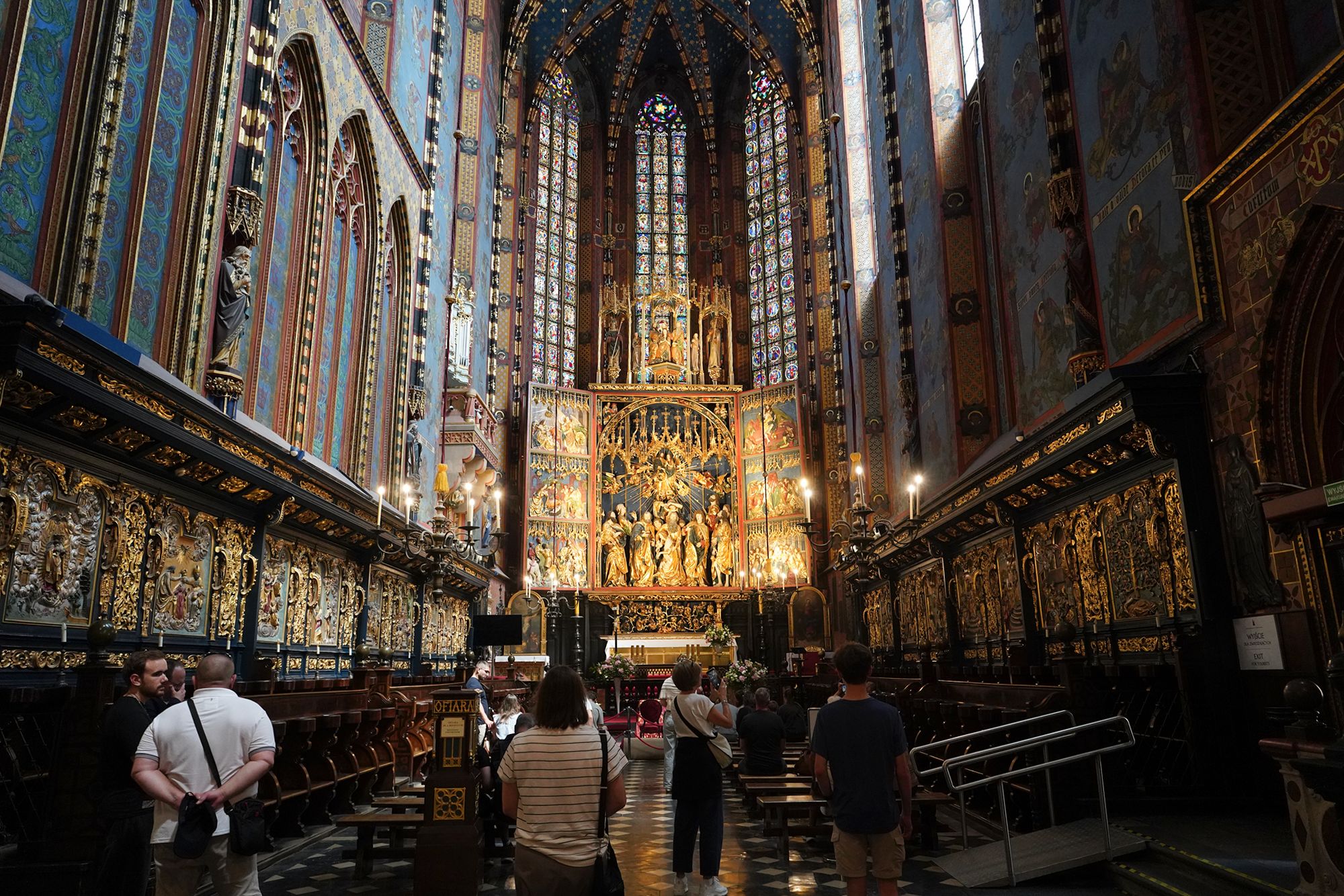
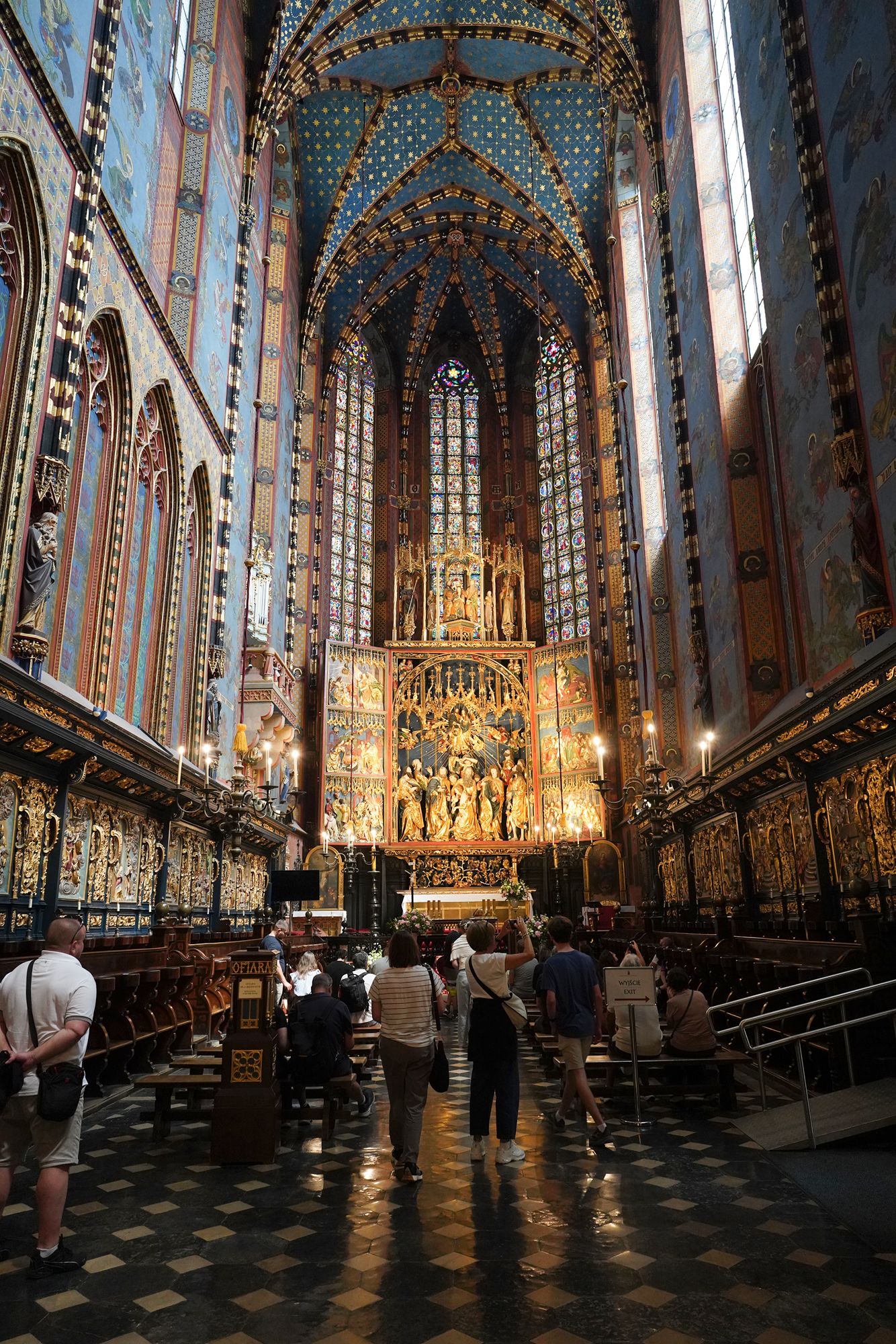
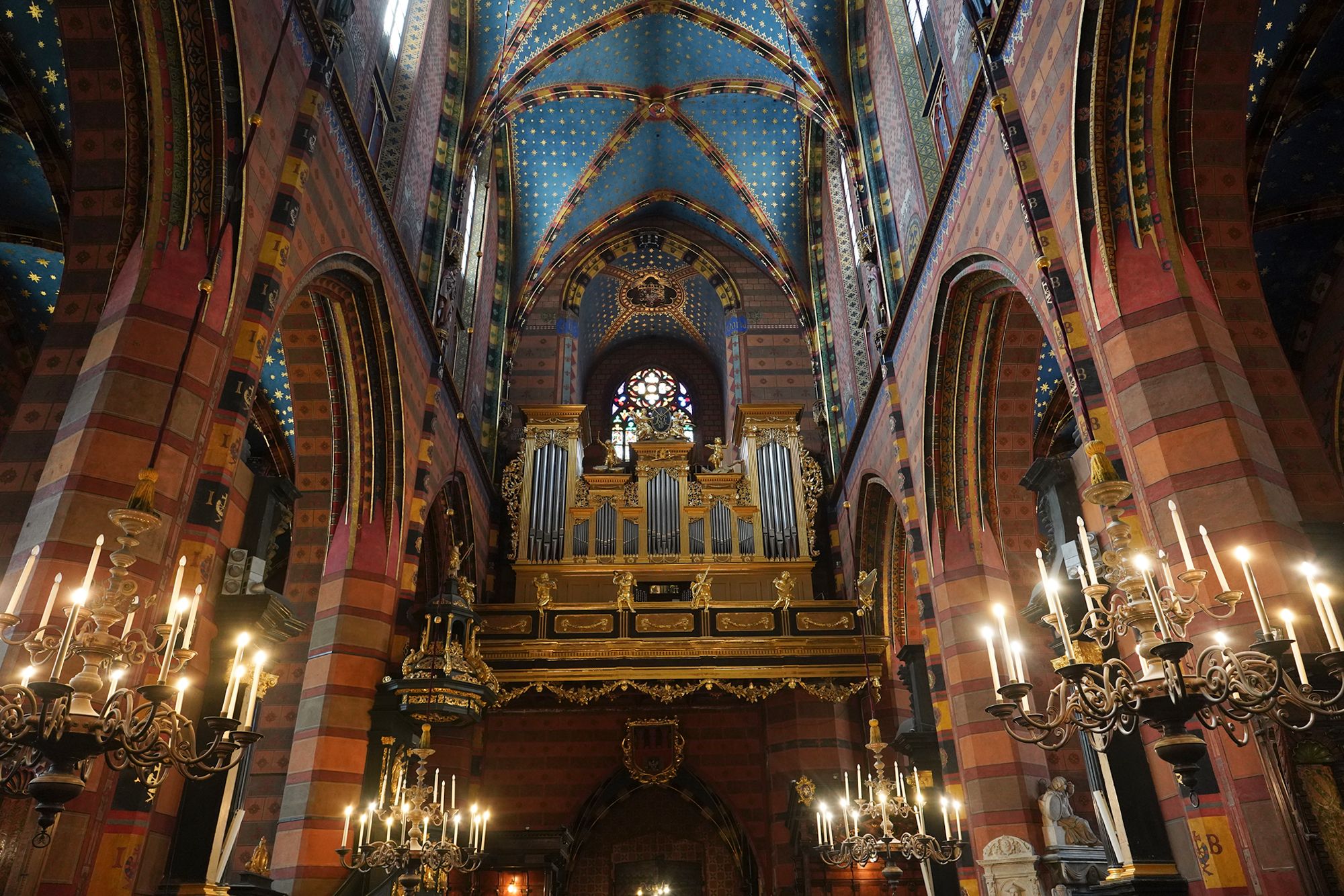
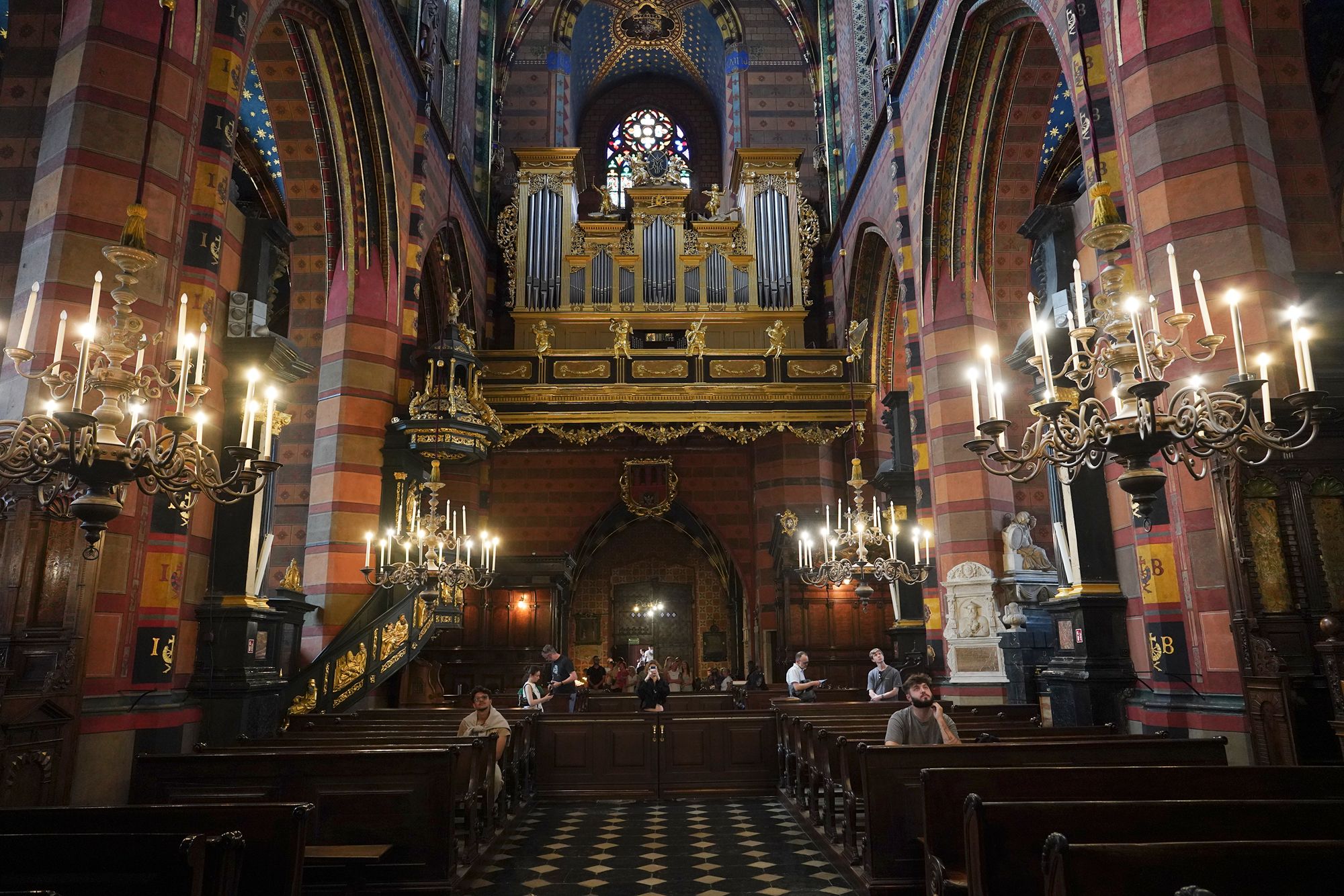
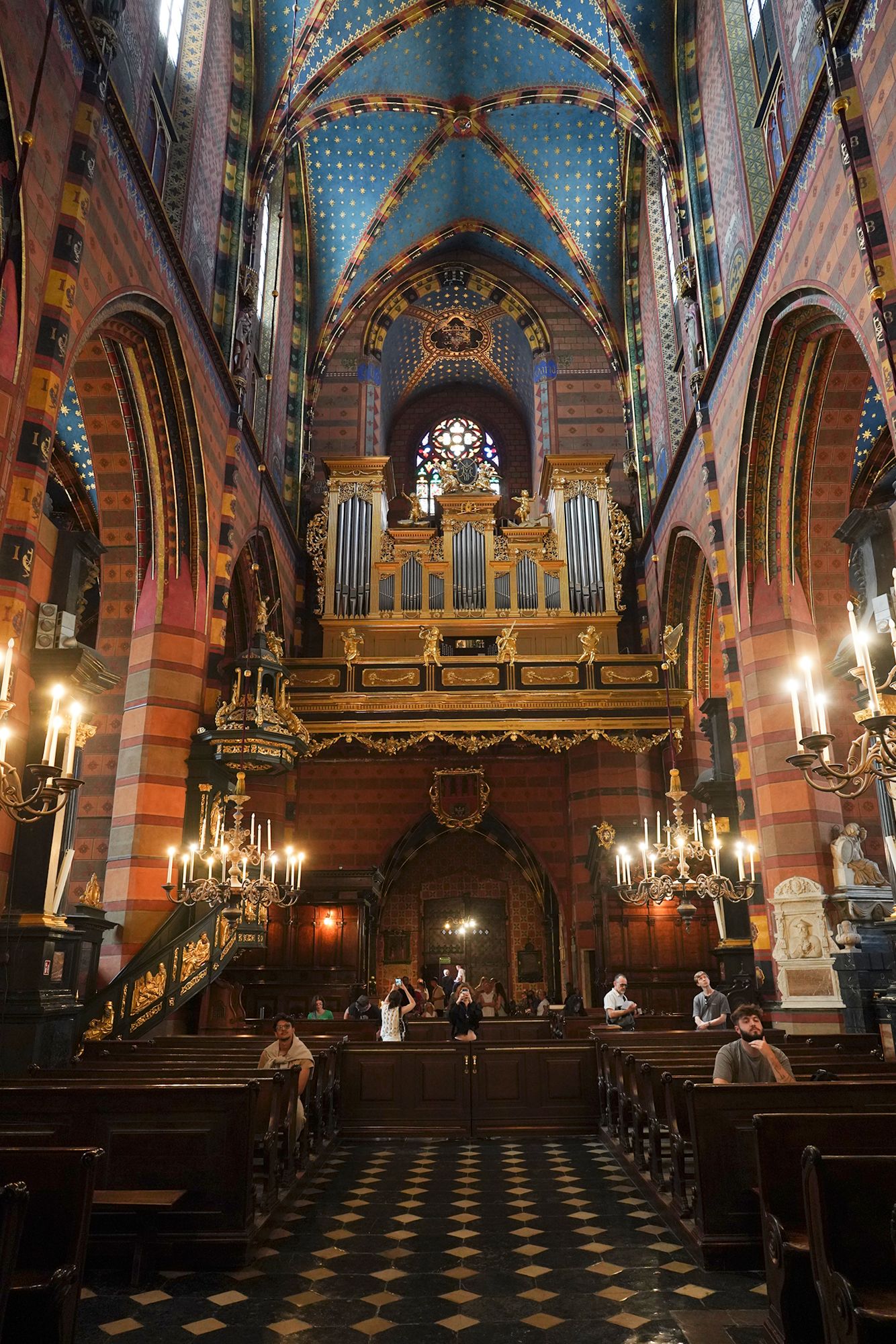
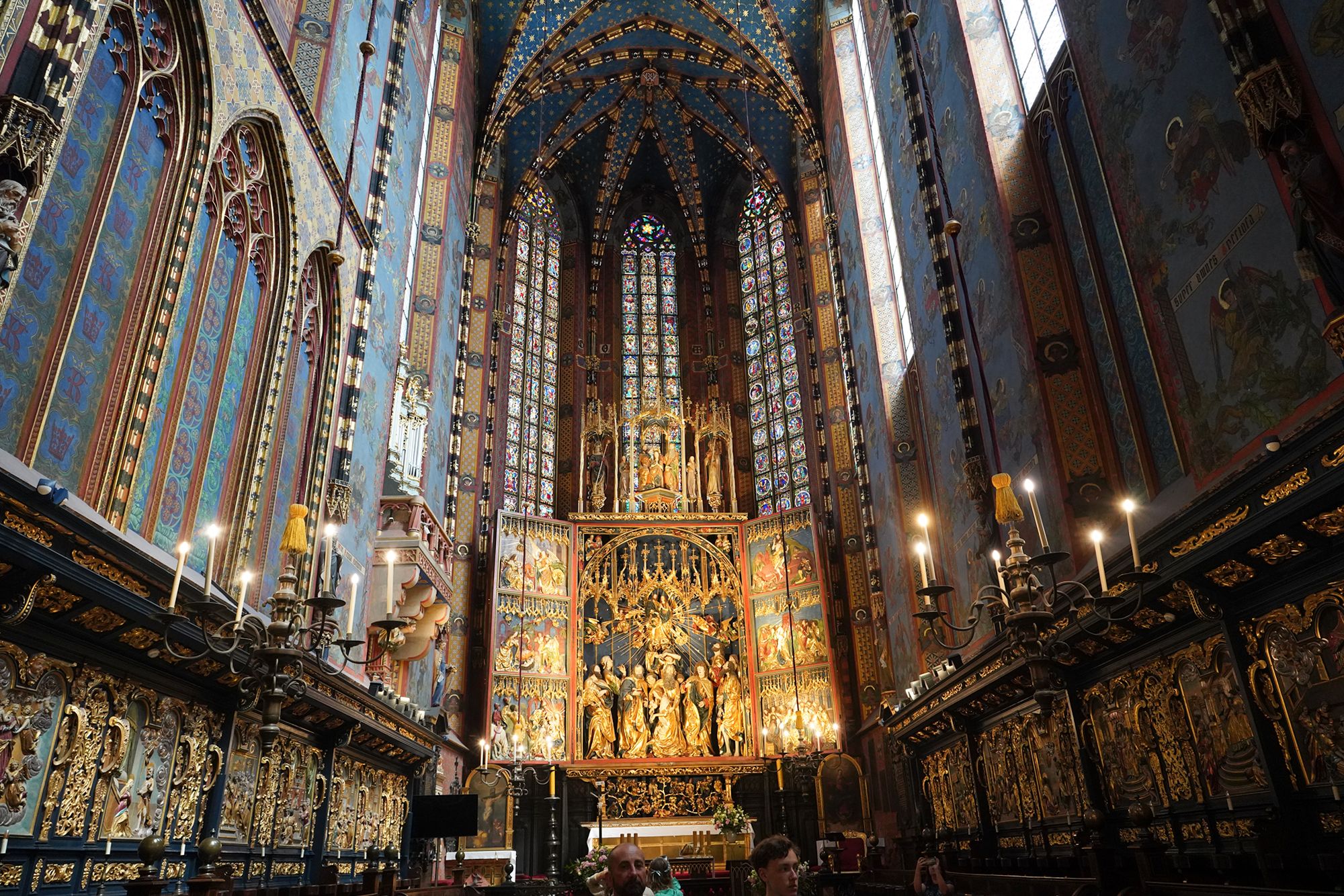
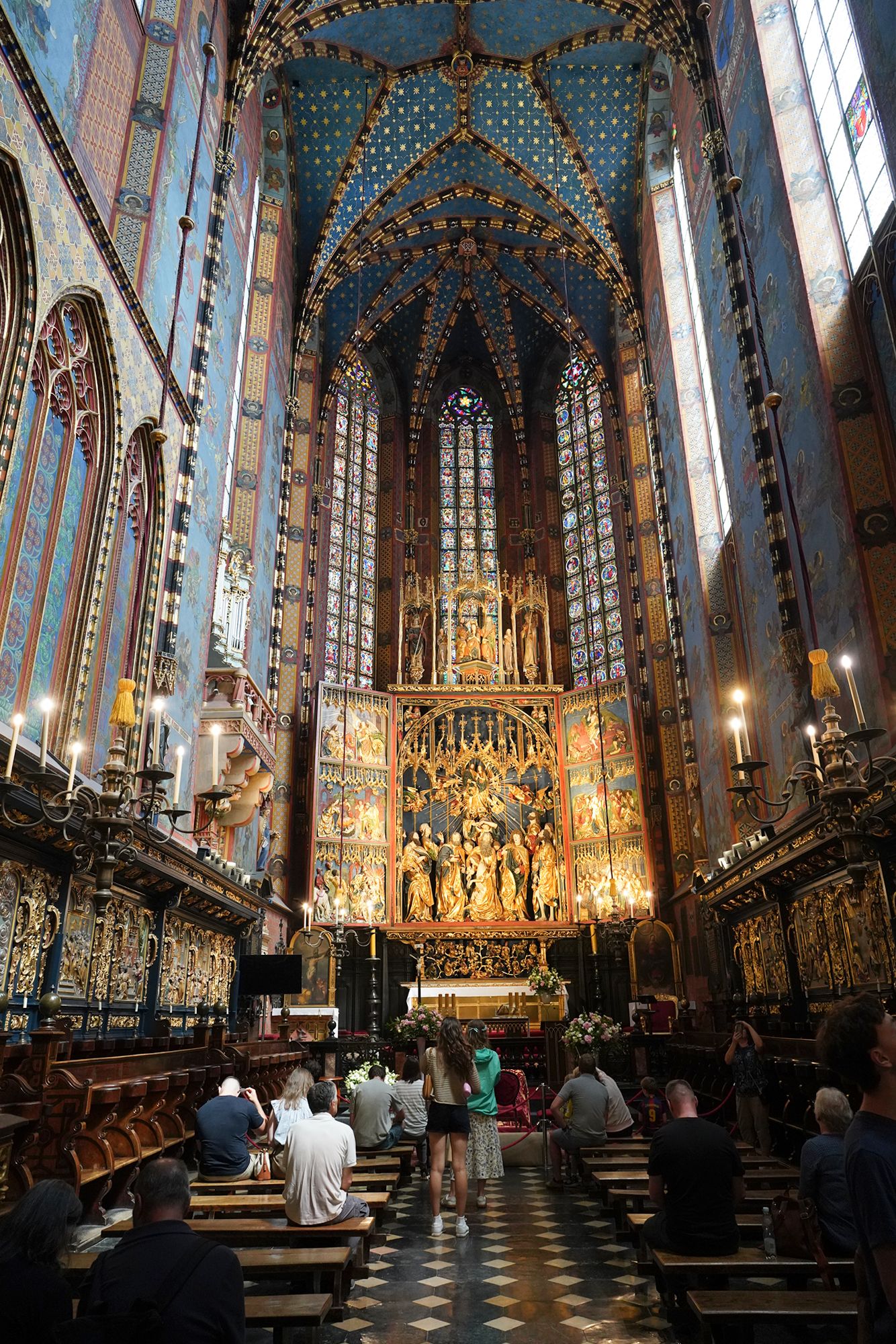
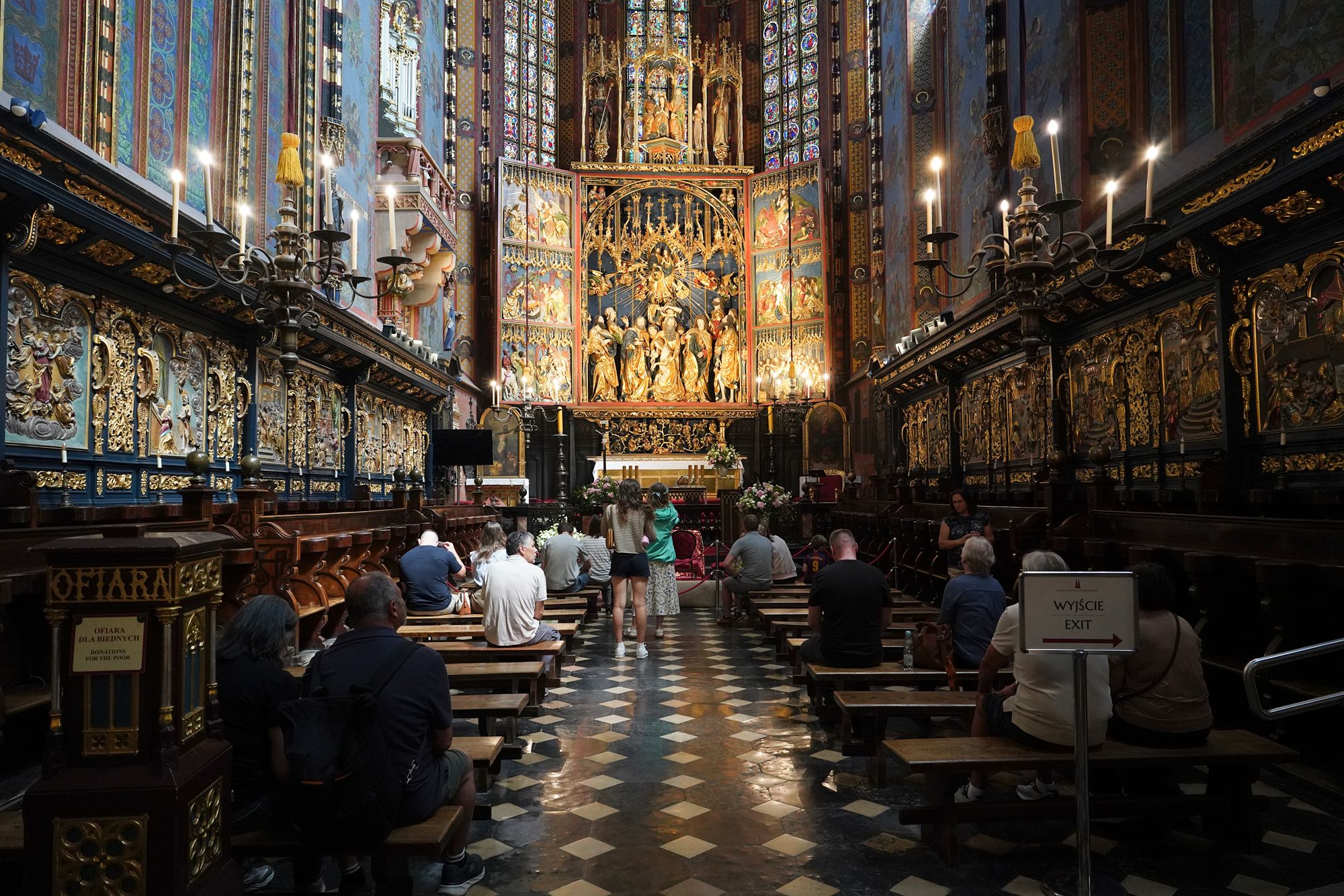
The main altarpiece of St. Mary’s Basilica was carved by Veit Stoss between 1477 and 1489. Its central scene depicts the death of the Virgin Mary, surrounded by figures of the apostles. The carved figures and folding panels make it one of the church’s most remarkable works of art.
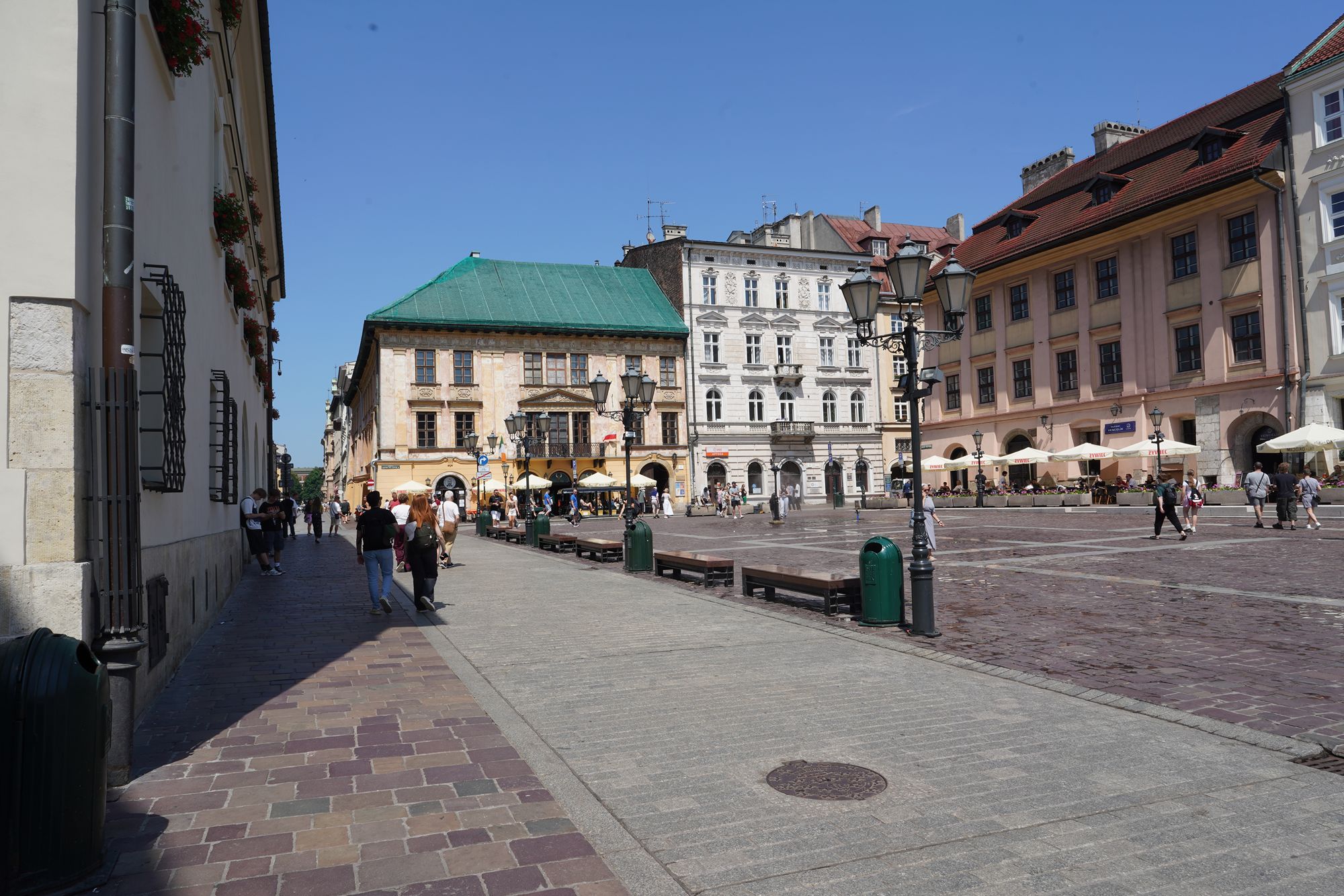
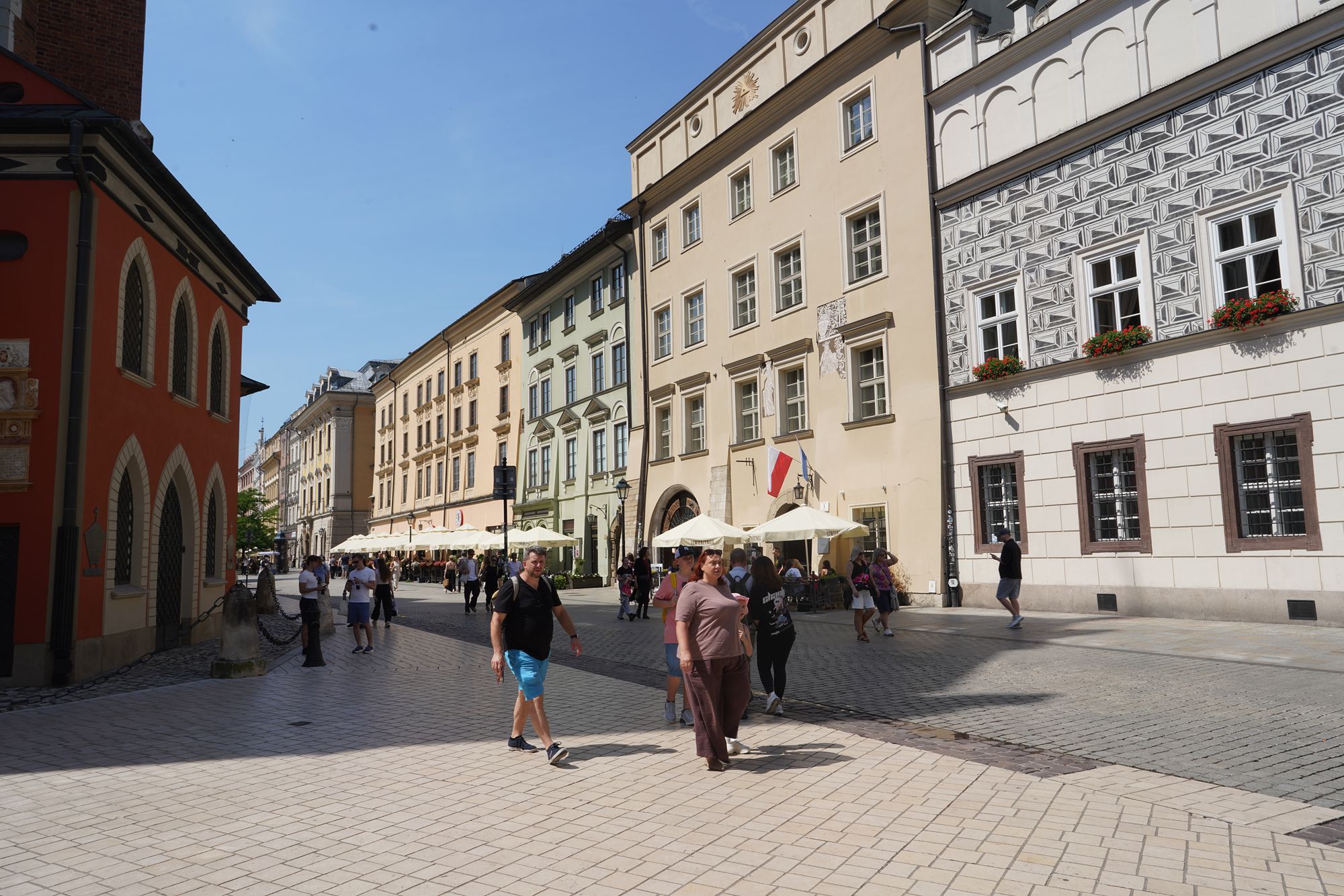
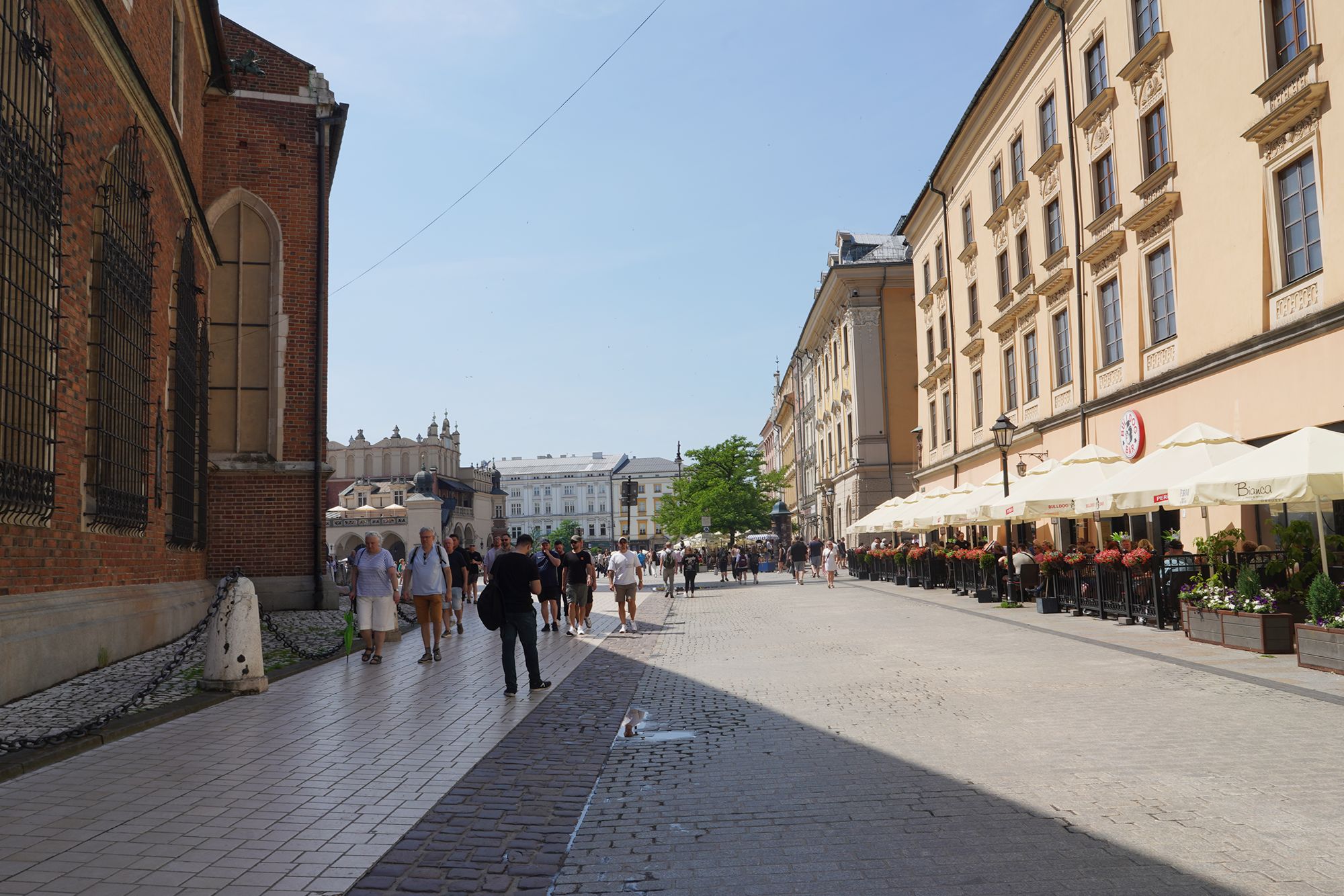
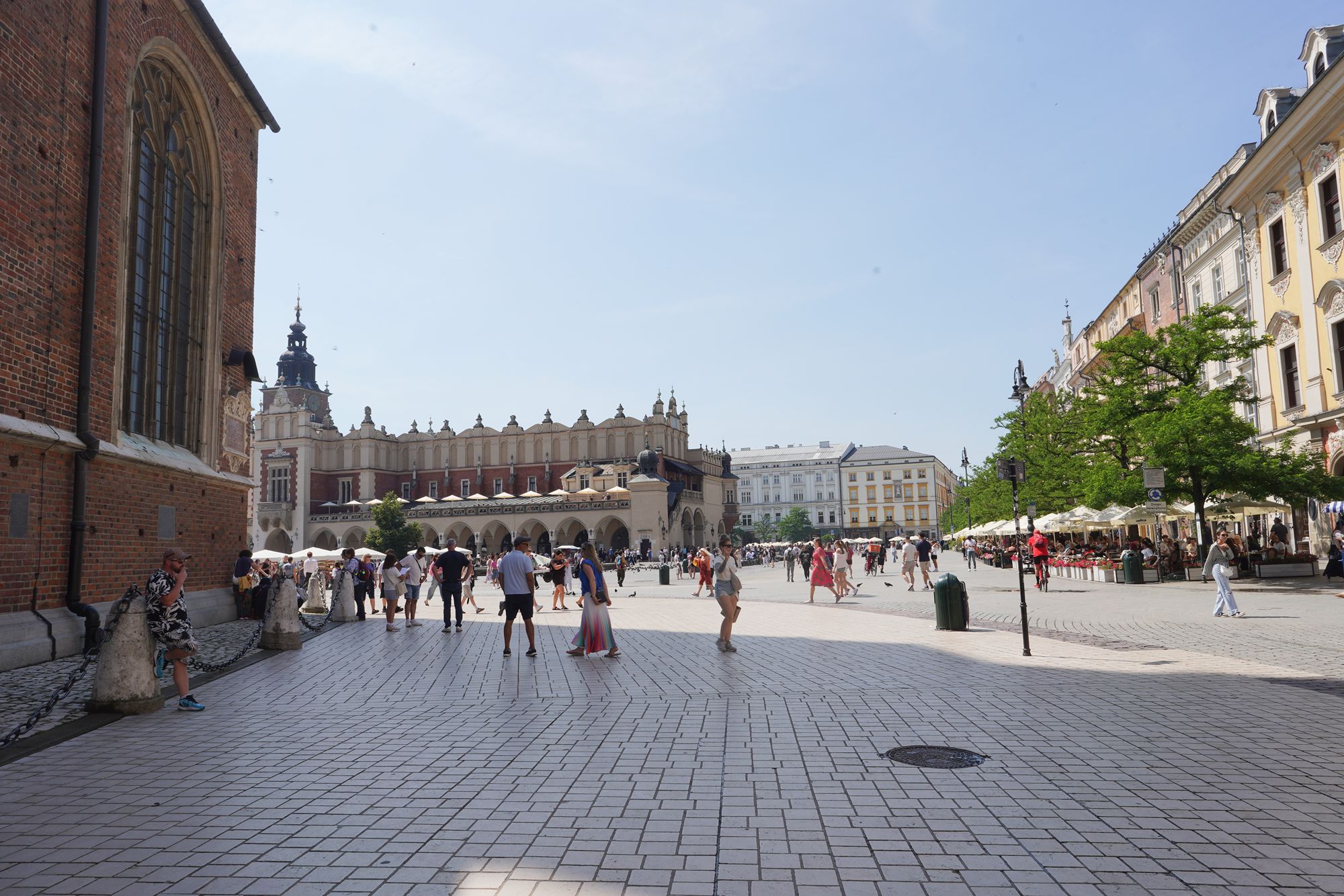
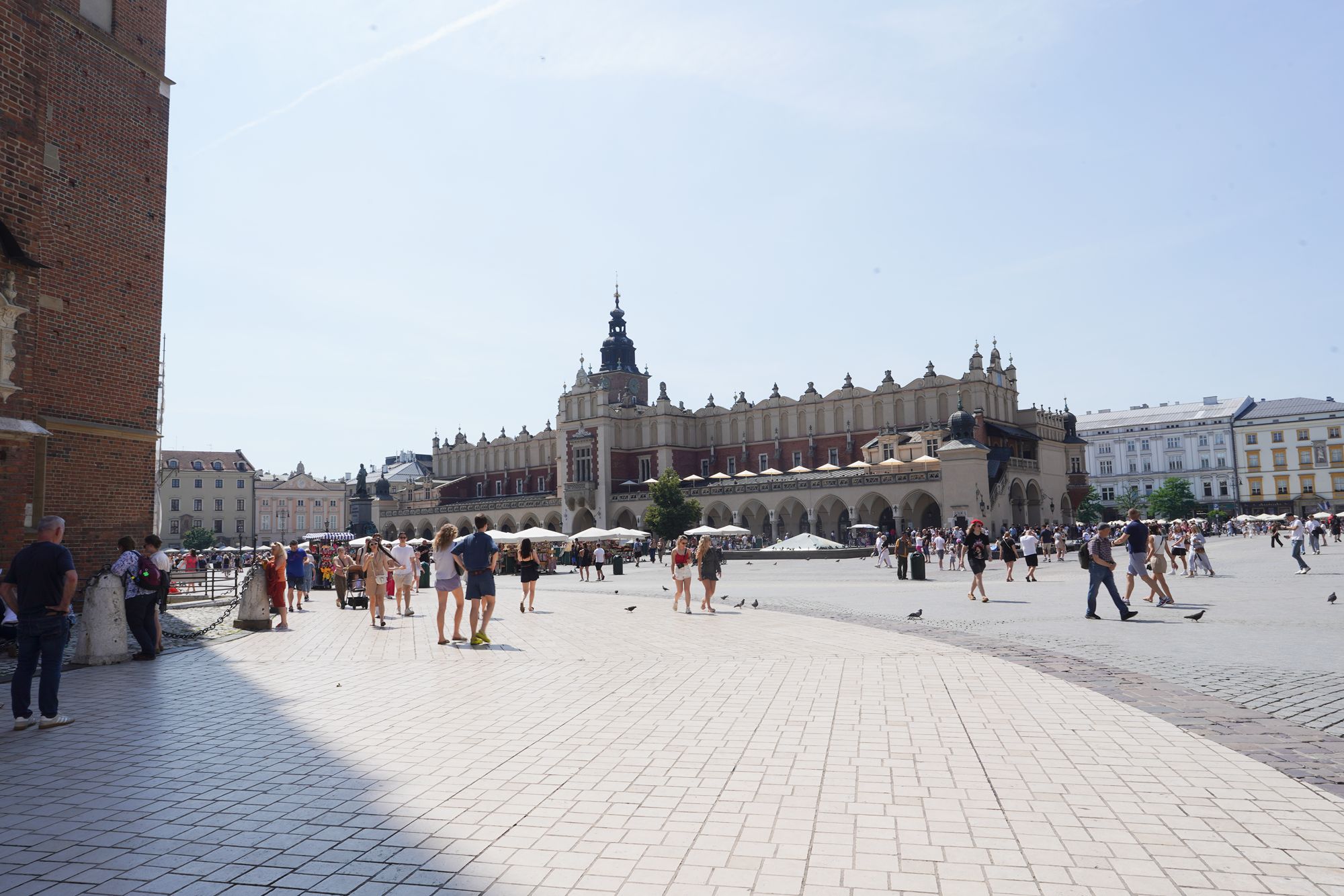
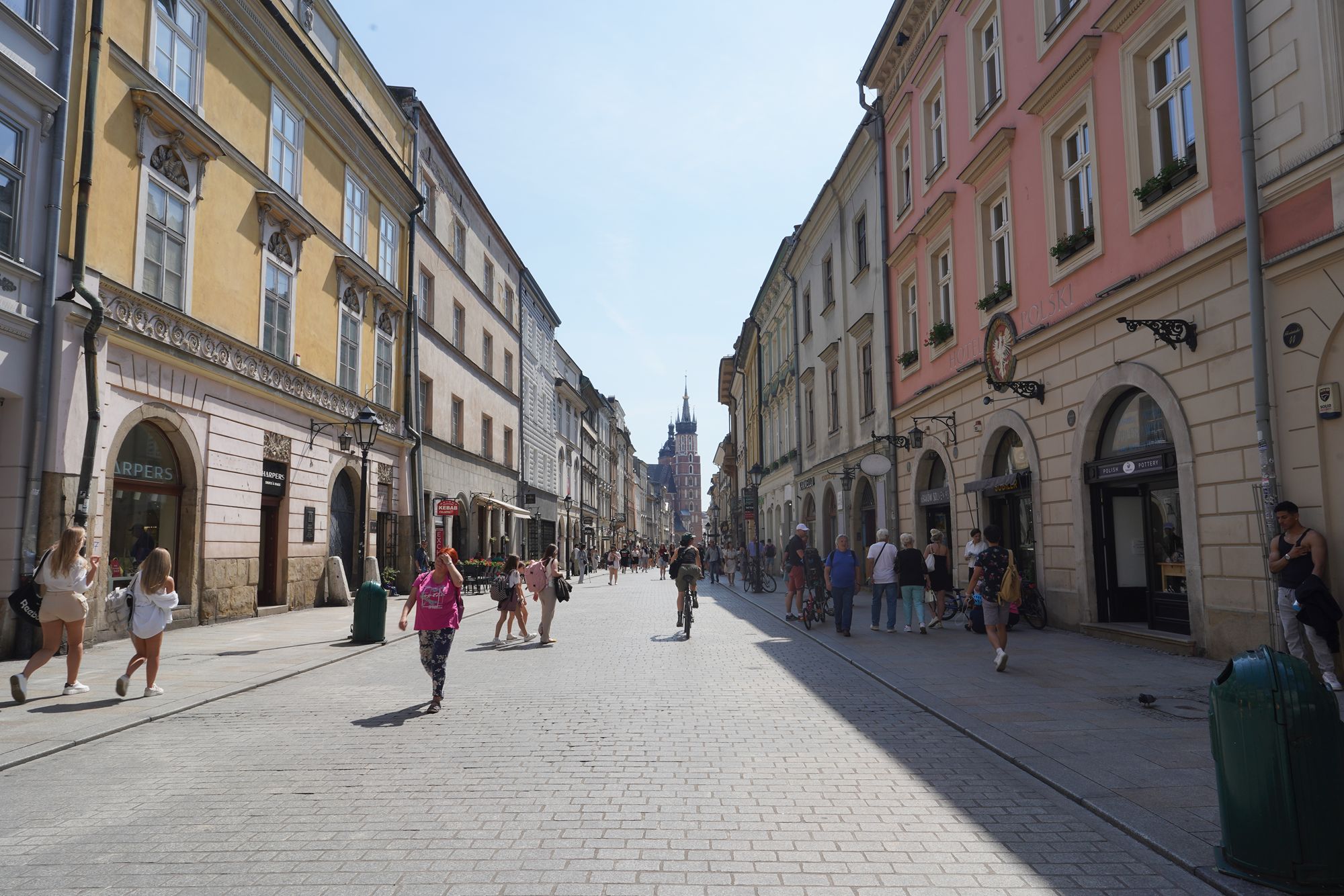
I returned to Rynek Główny, turned onto Floriańska Street, and walked toward St. Florian’s Gate.
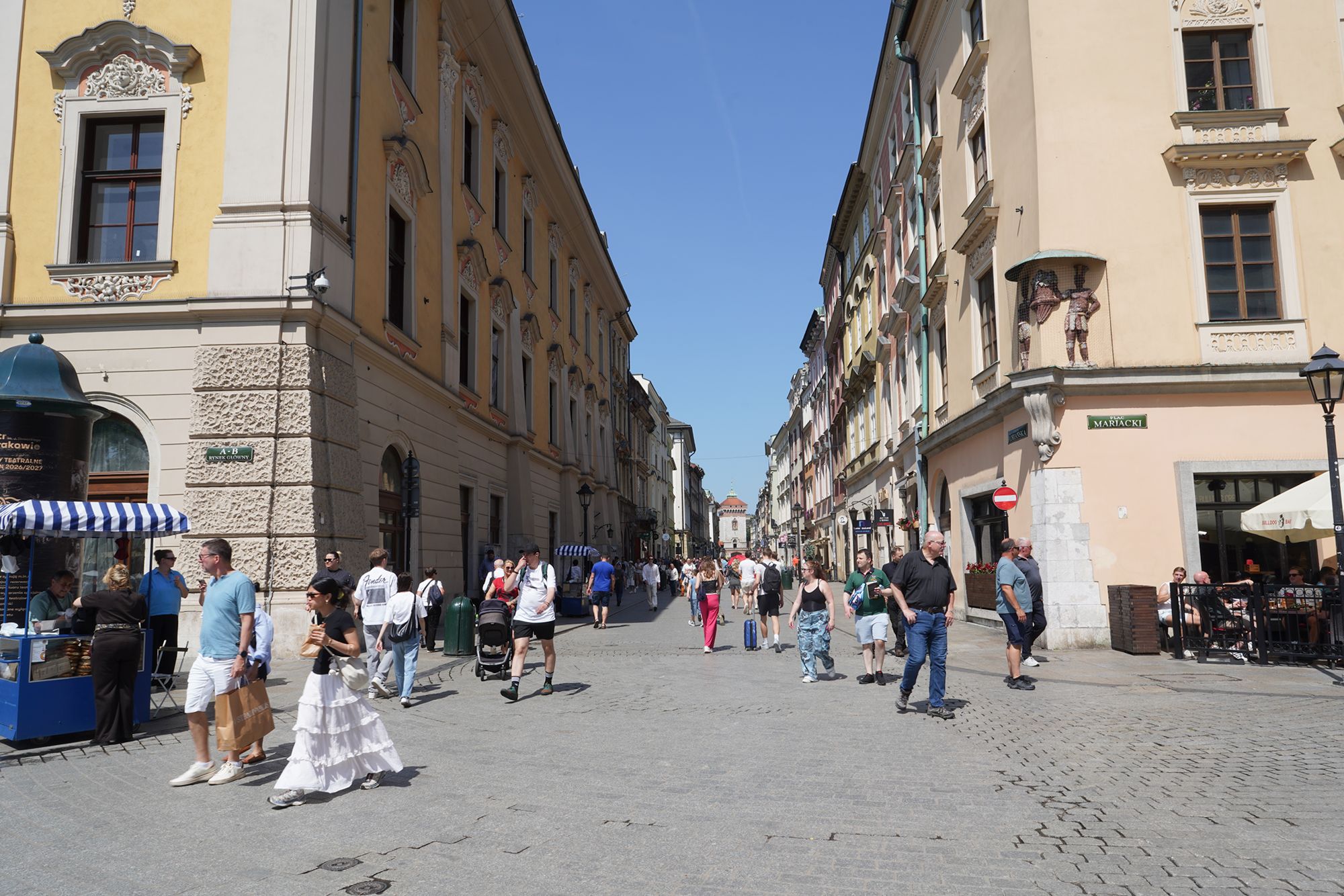
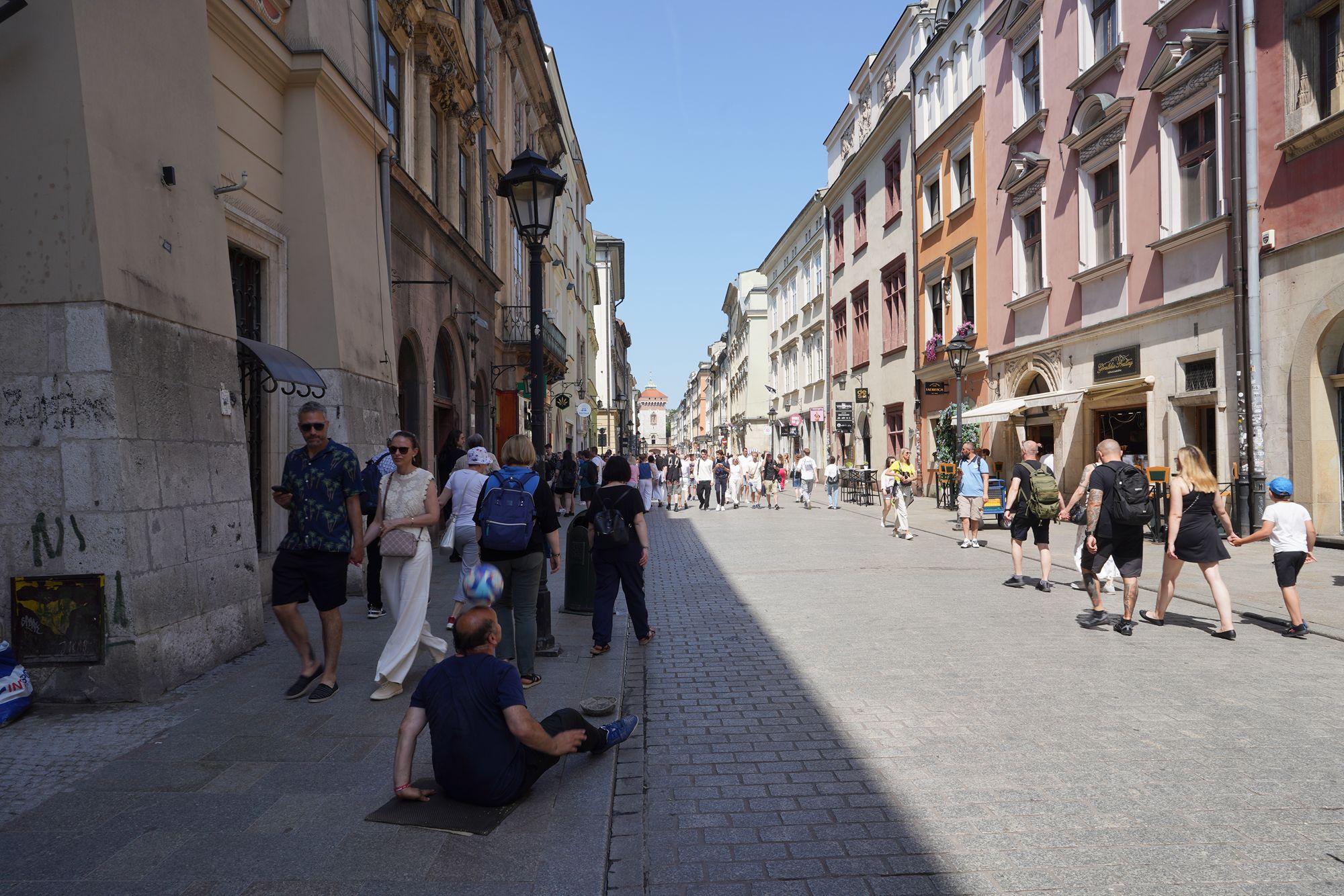
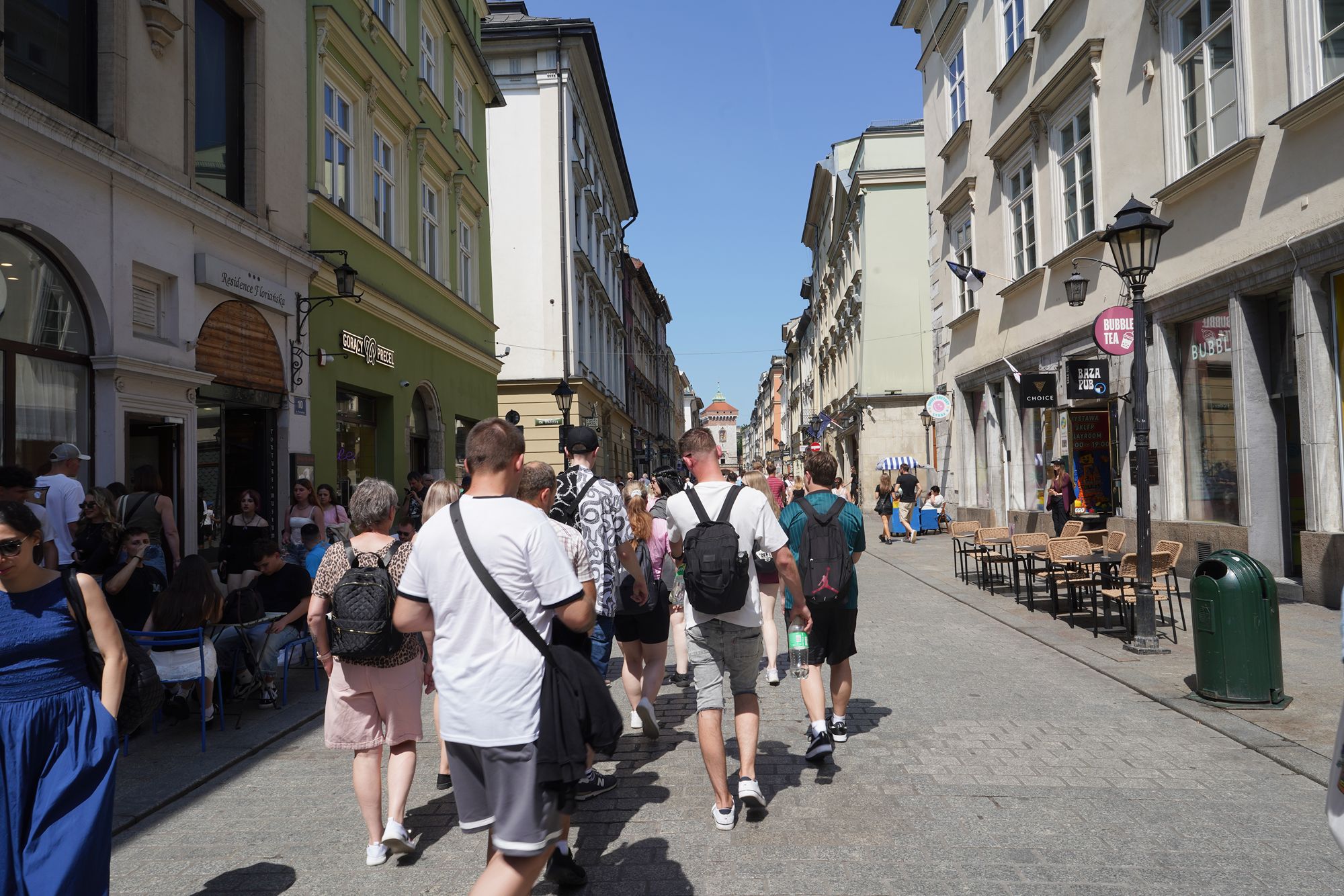
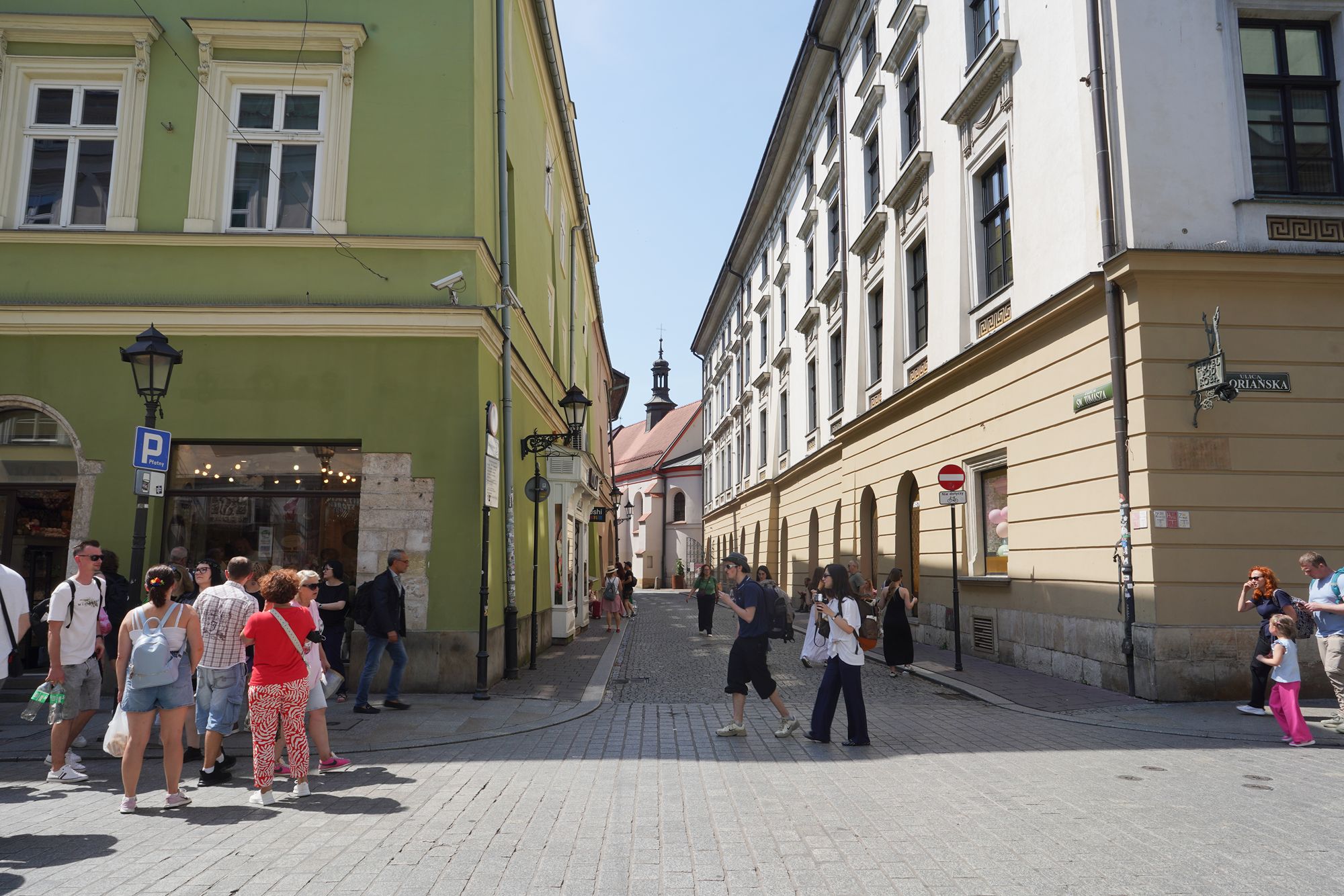
Farther down Floriańska Street, I could see St. Florian’s Gate in the distance.
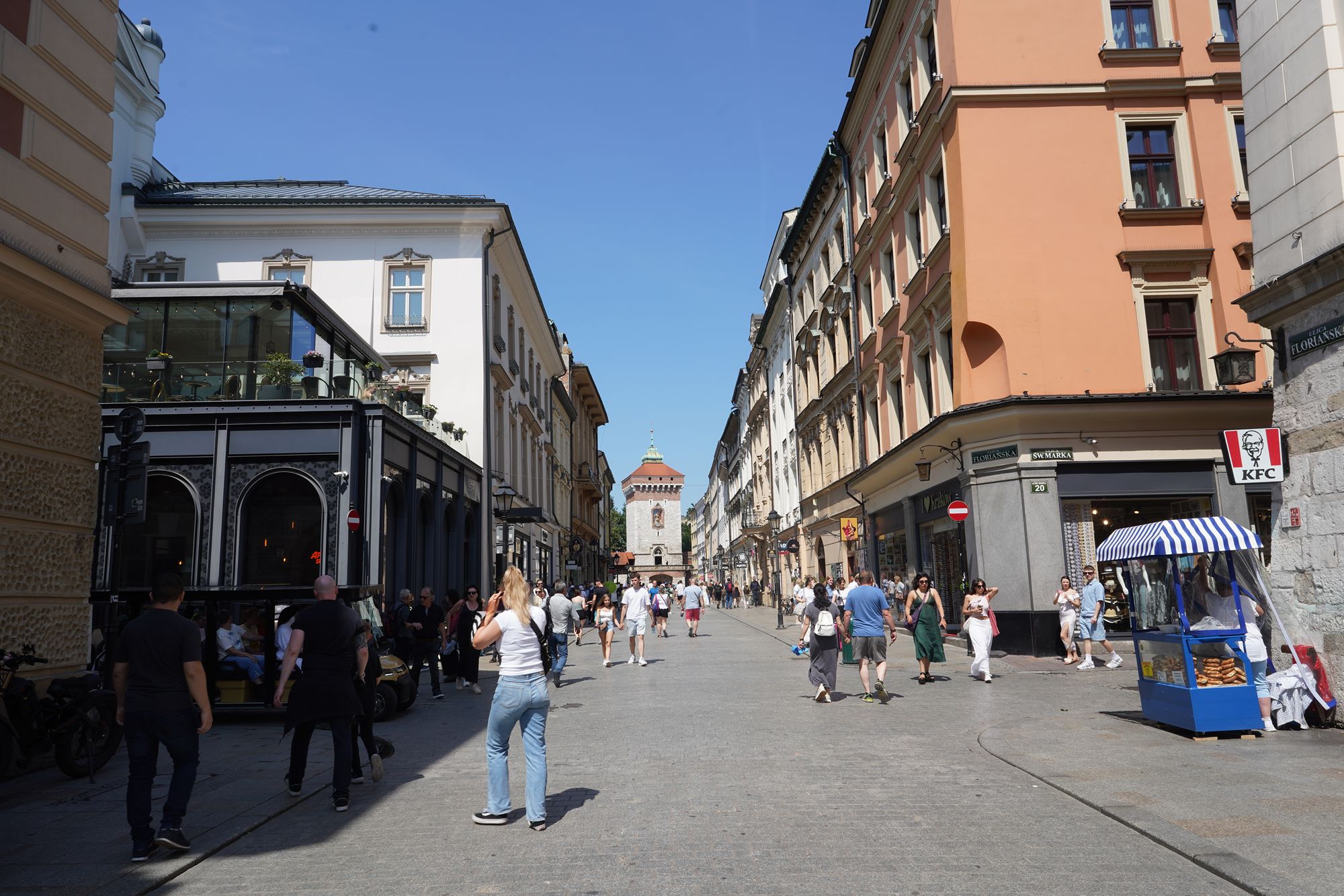
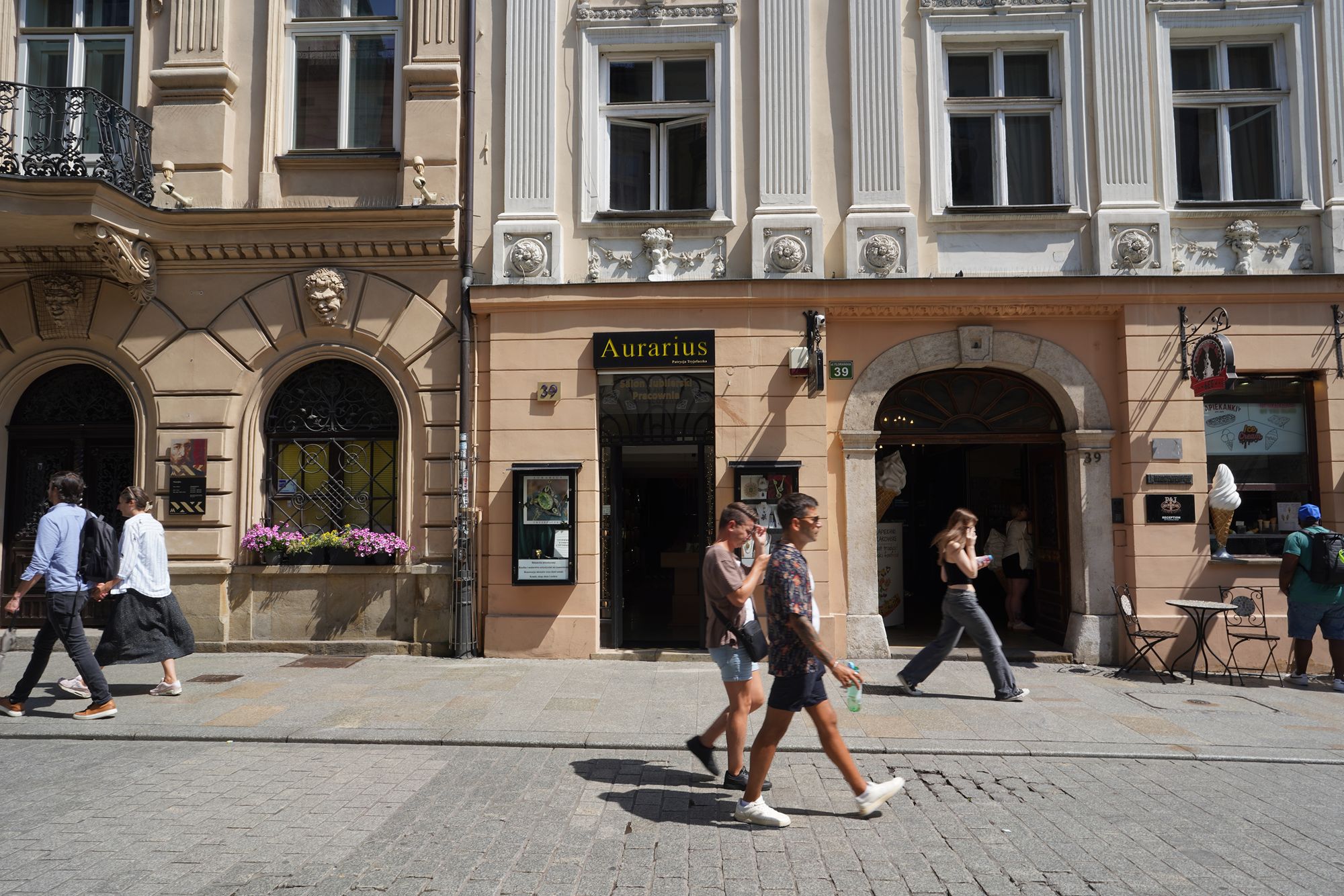
A view behind me
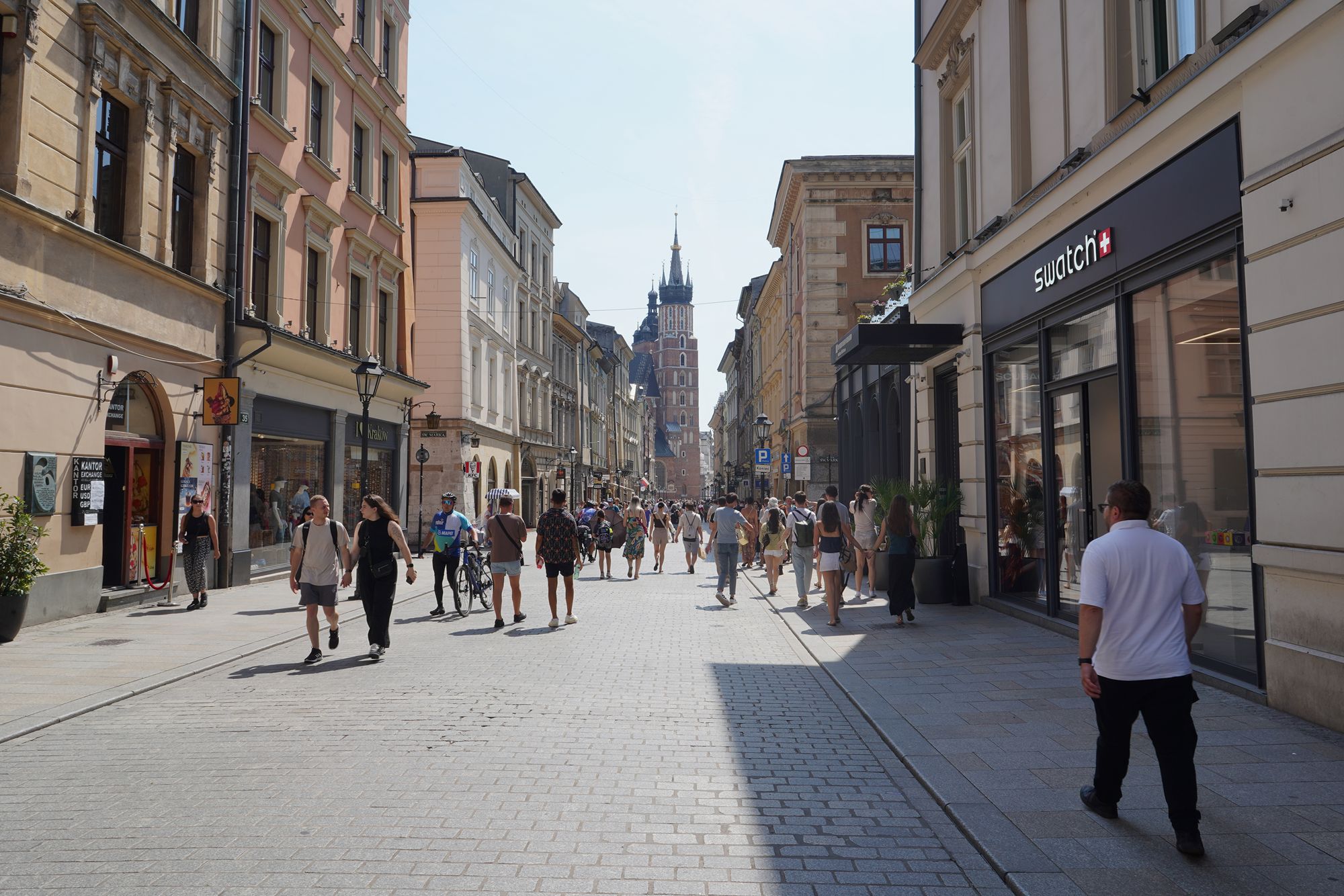
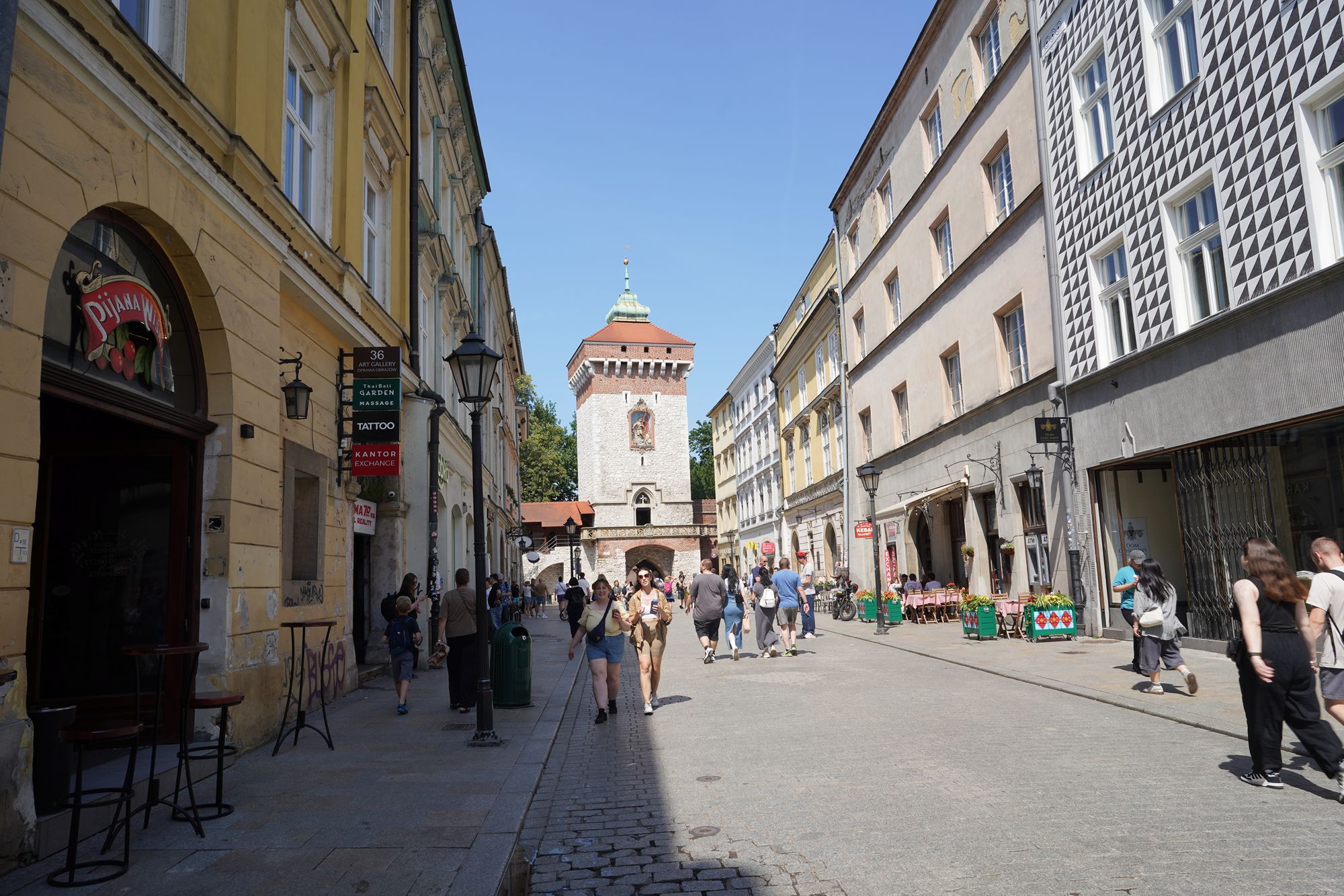
St. Florian’s Gate was once a main entrance through Kraków’s medieval city walls. Walking toward it along Floriańska Street, I could still see part of the old fortifications beside the gate.
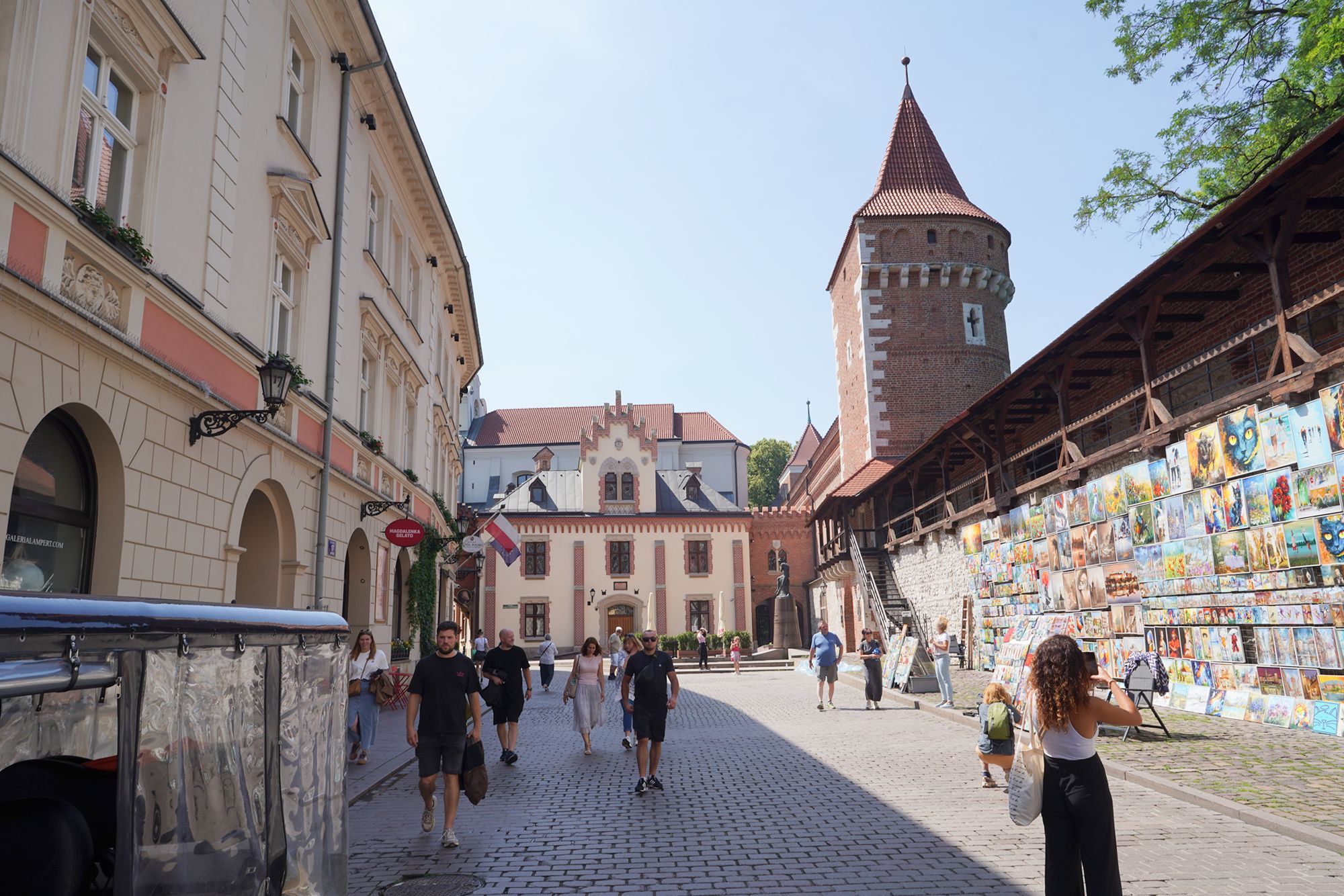
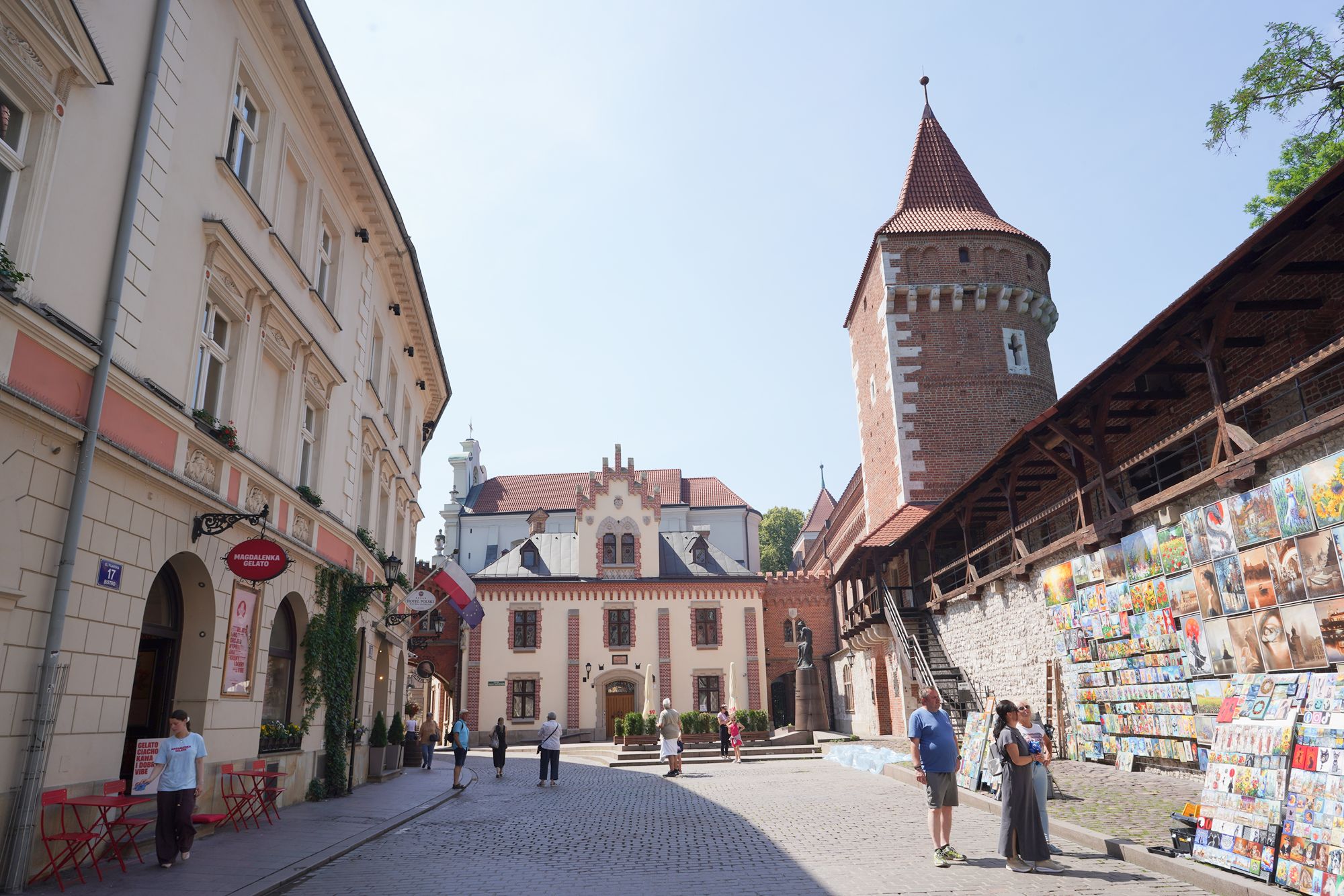
The white building across the street is the Klasztorek, or “Little Monastery.” Once part of the nearby Piarist monastery, it is now part of the Czartoryski Museum.
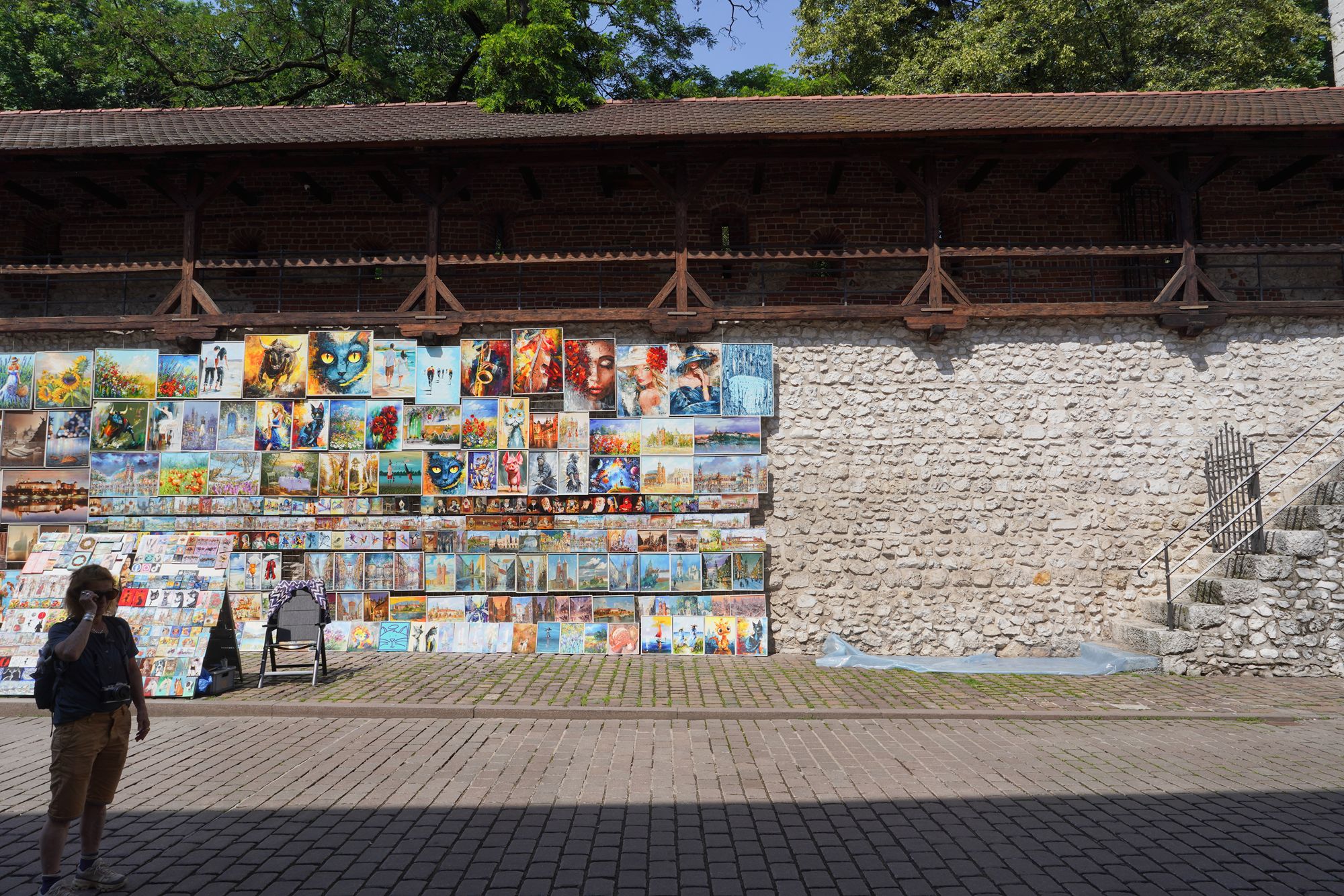
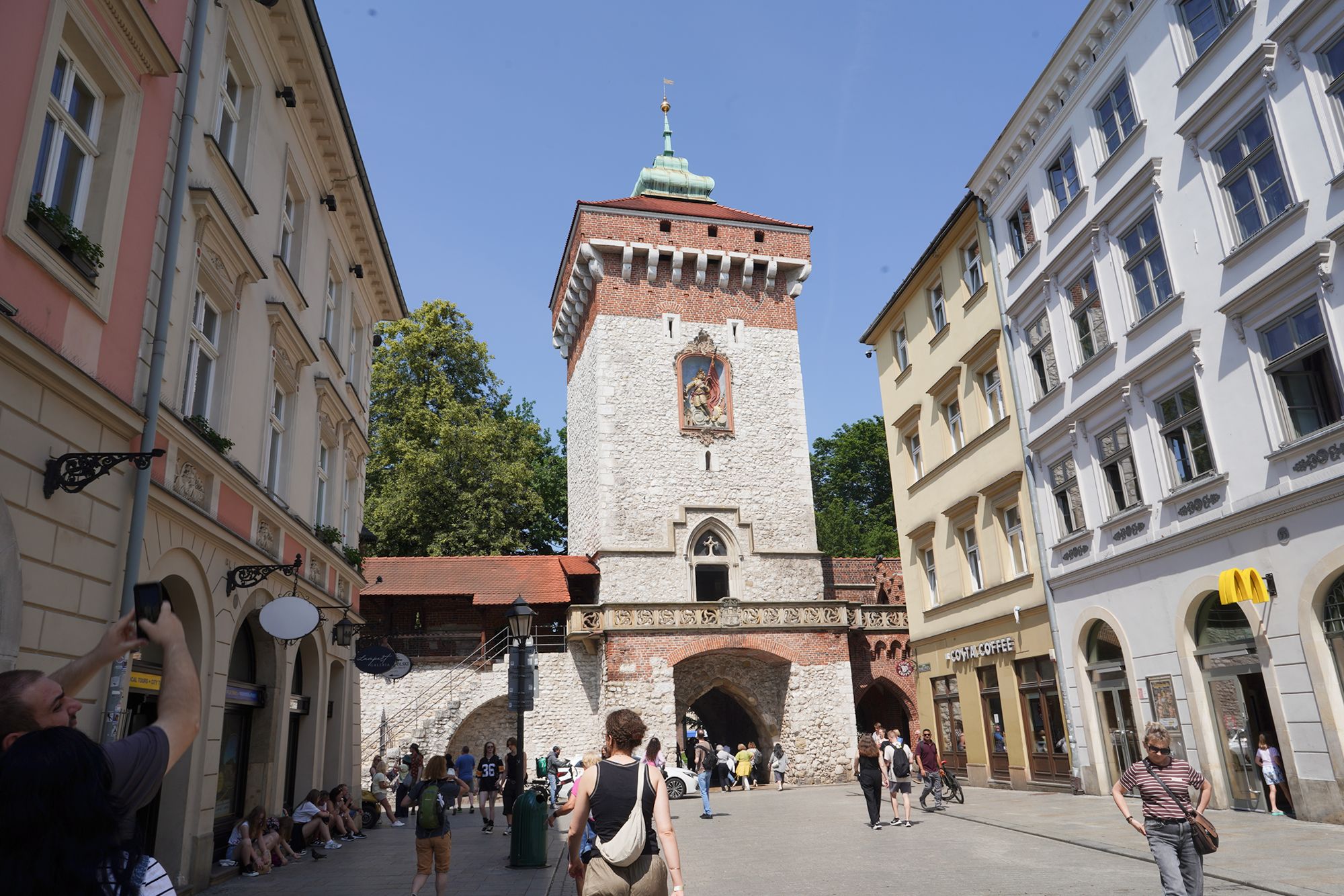
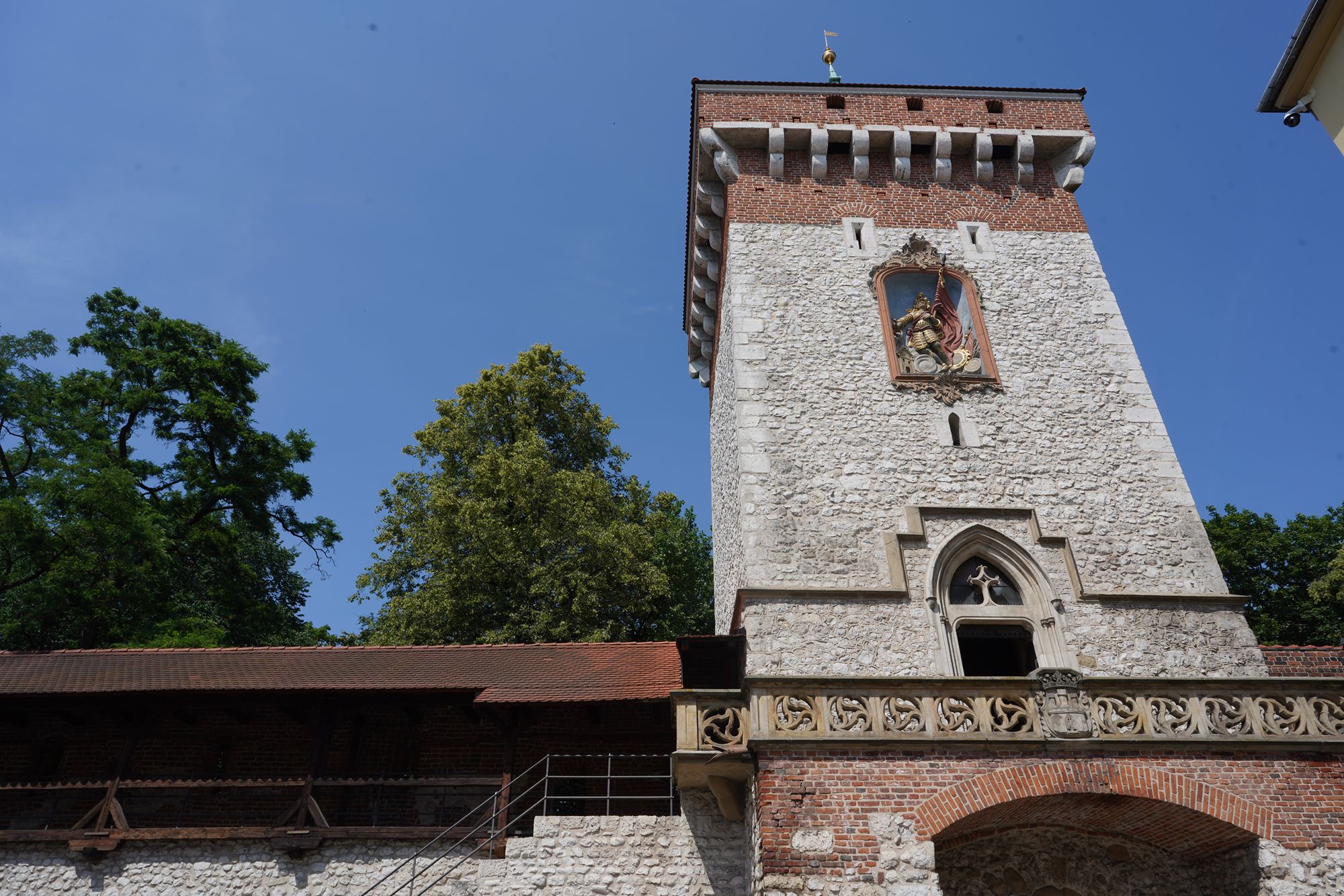
St. Florian's Gate
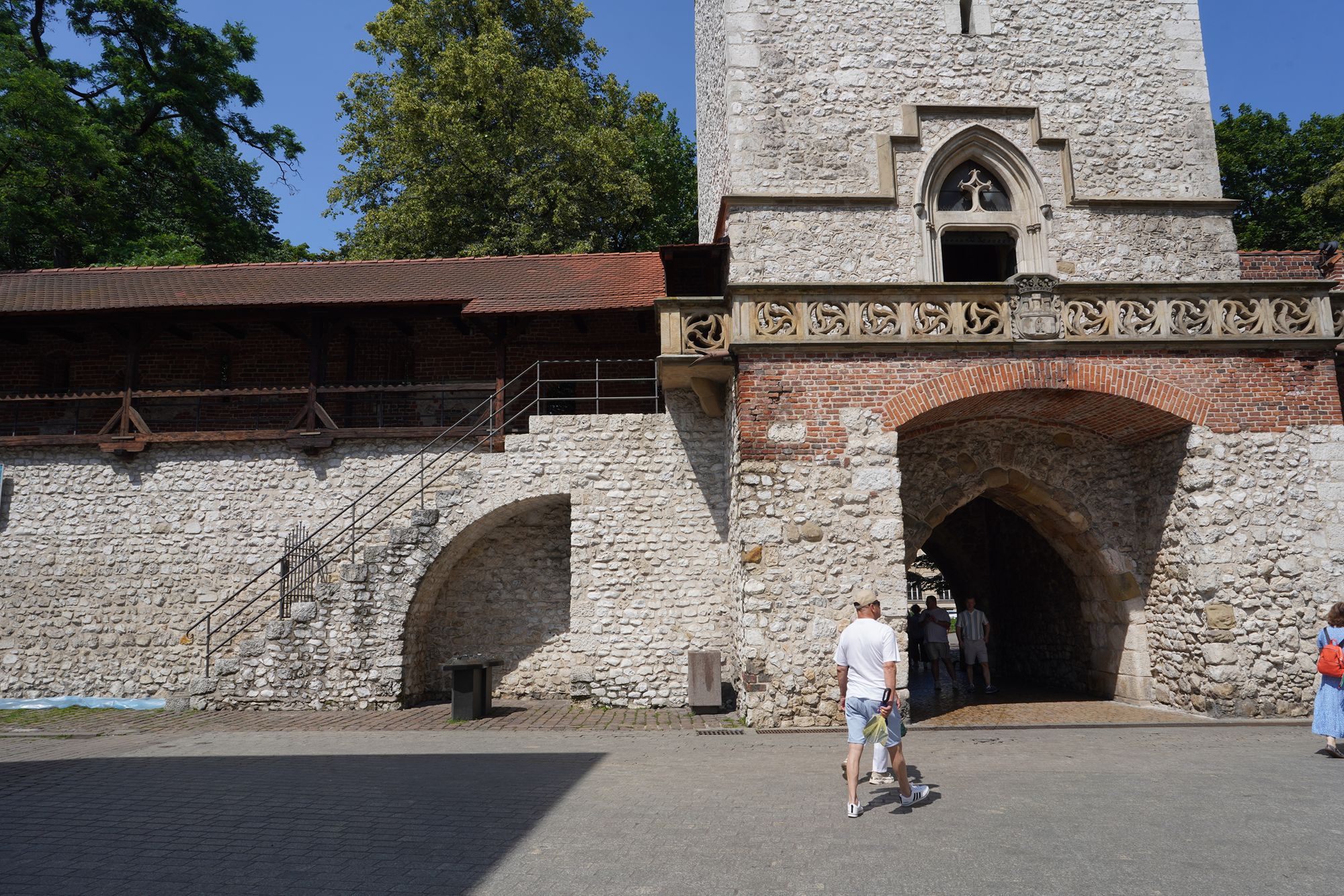
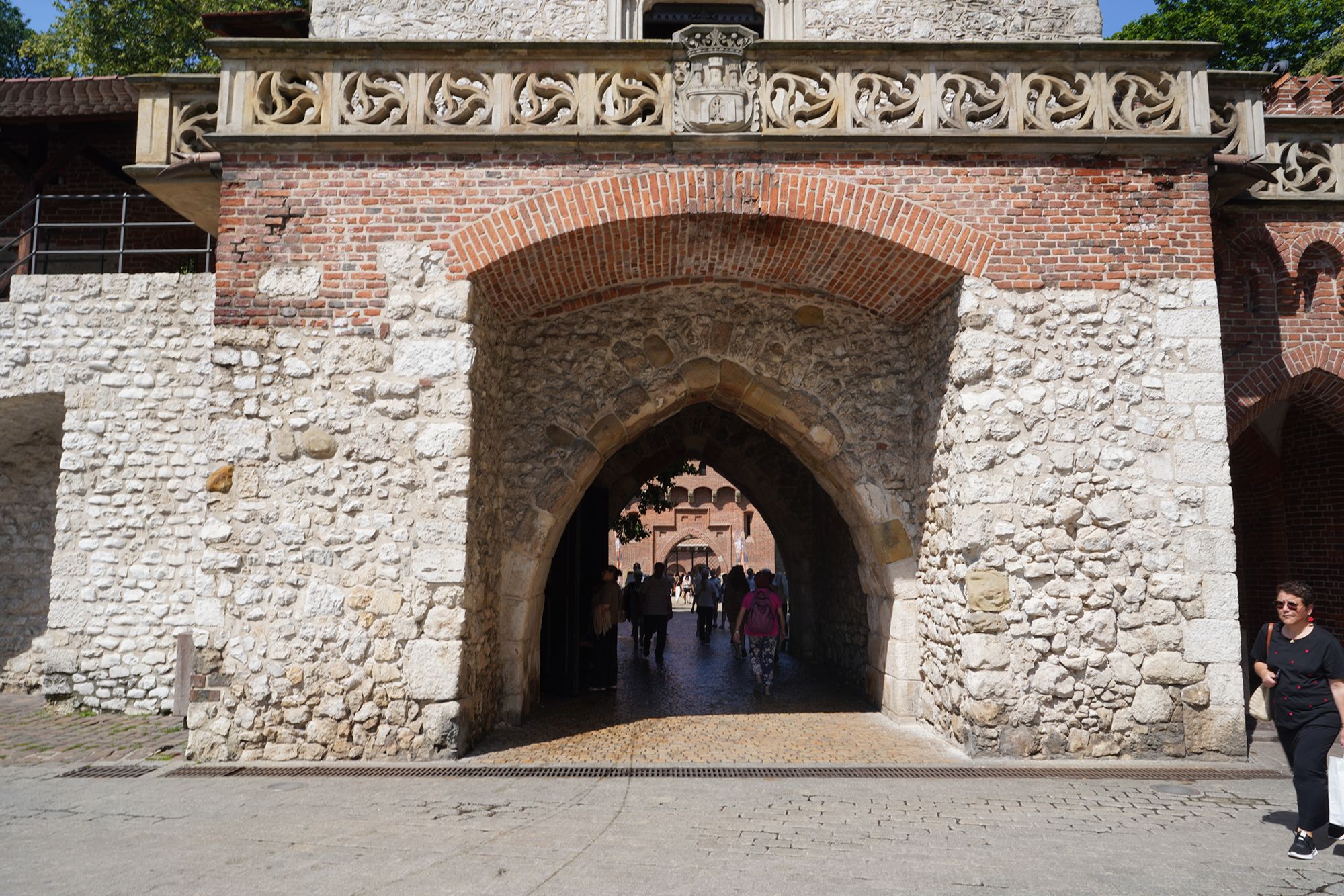
St. Florian’s Gate was once one of the main entrances to the walled city. Royal processions passed through it and continued along Floriańska Street toward the Main Market Square and Wawel Castle. Beyond the gate stands the Barbican, which formed part of the city’s defenses.
A view behind me
I walked through St. Florian’s Gate and continued to the other side of the old city walls.
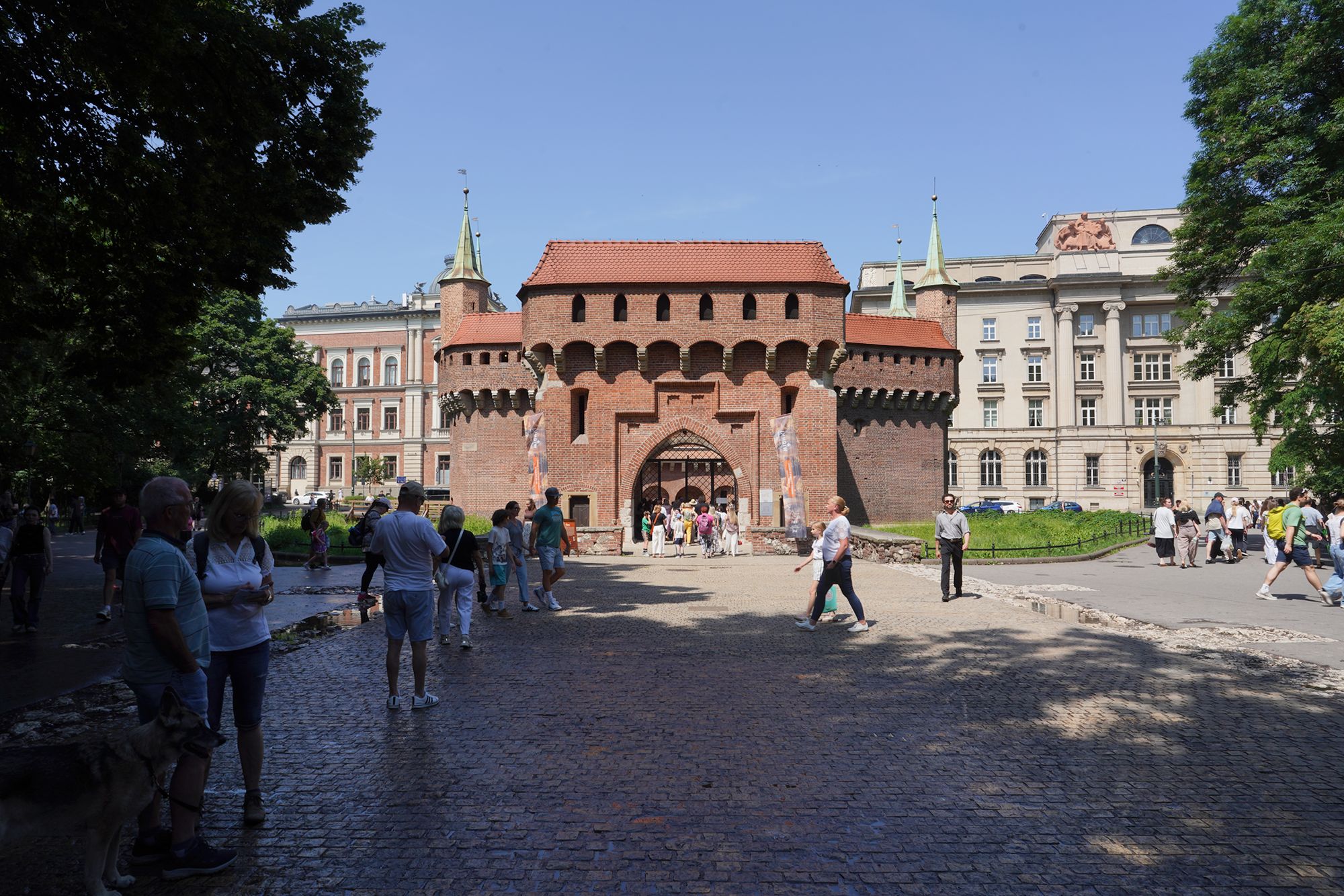
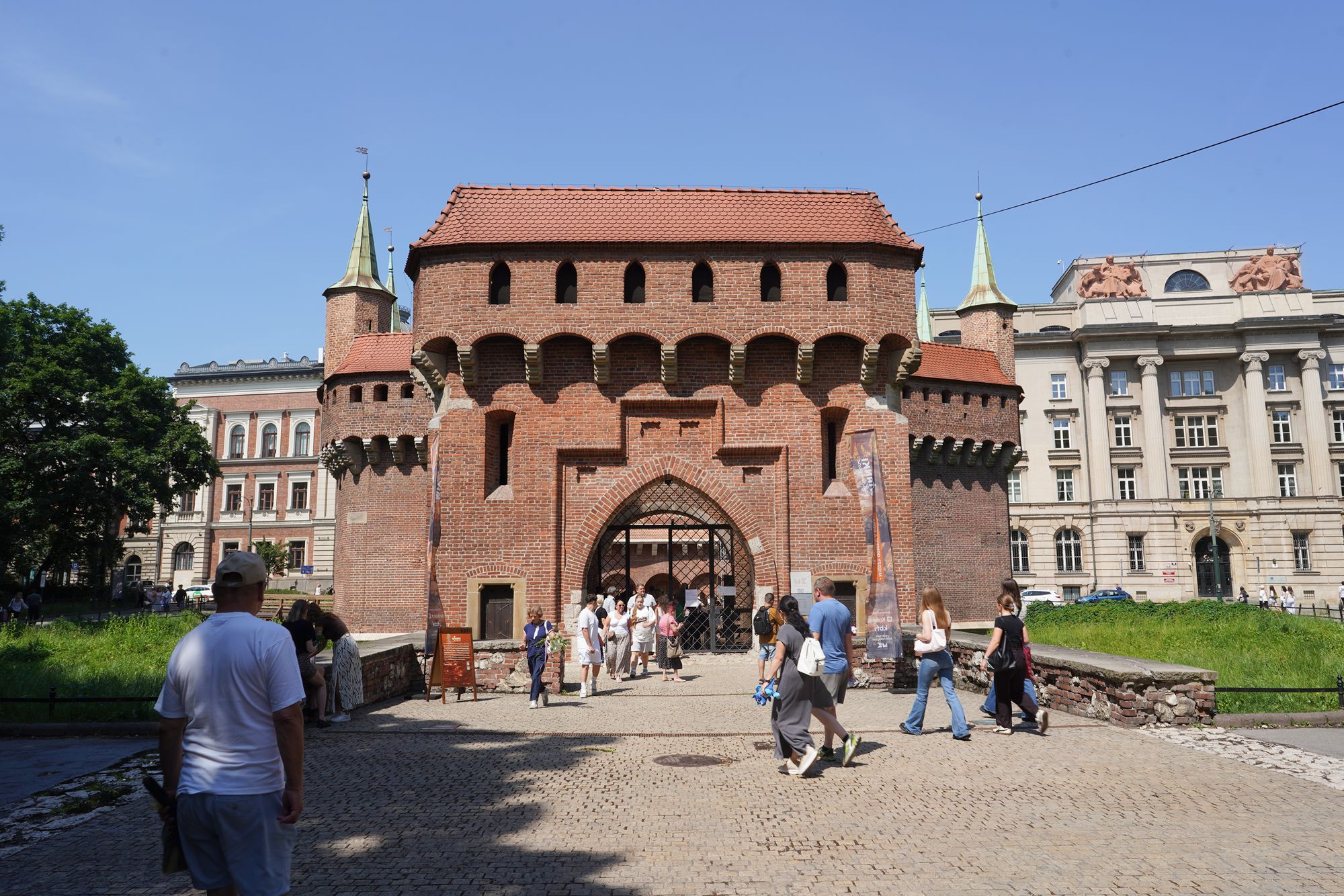
Beyond St. Florian’s Gate stands the Kraków Barbican, a round brick fortress built in 1499 to strengthen the city’s northern defenses. It once guarded the approach to the gate.
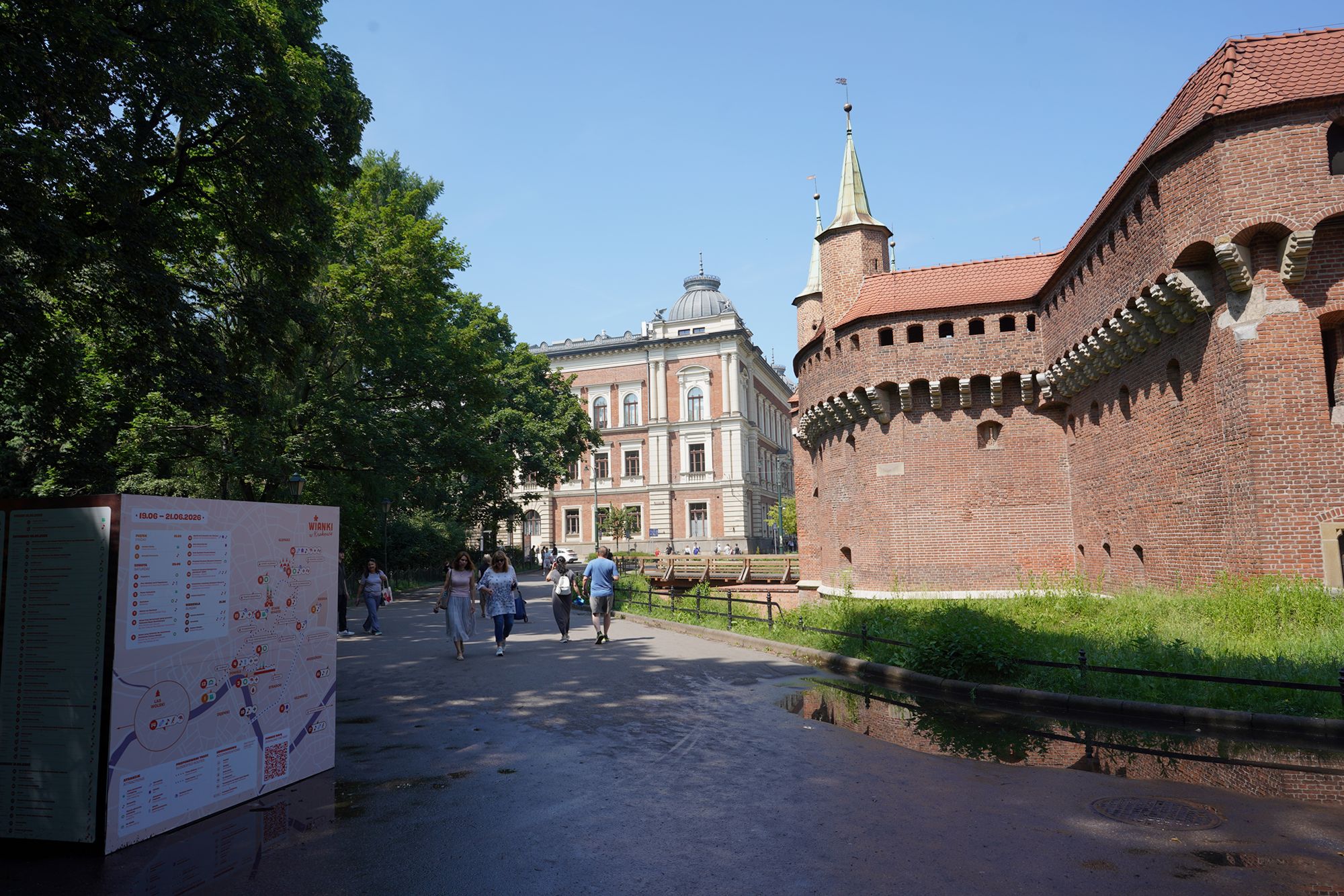
Just outside St. Florian’s Gate, I came to a small garden and stopped to look around.
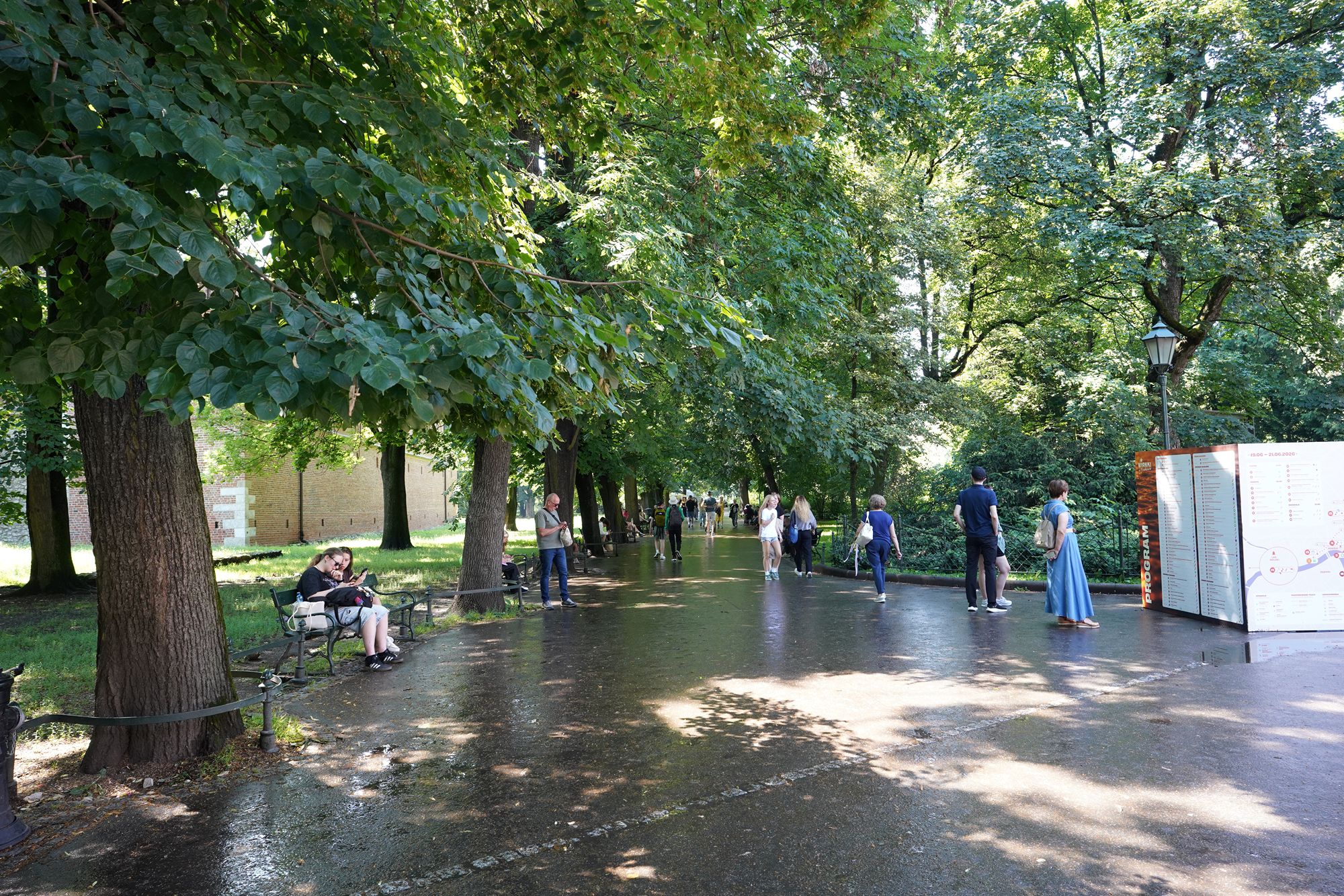
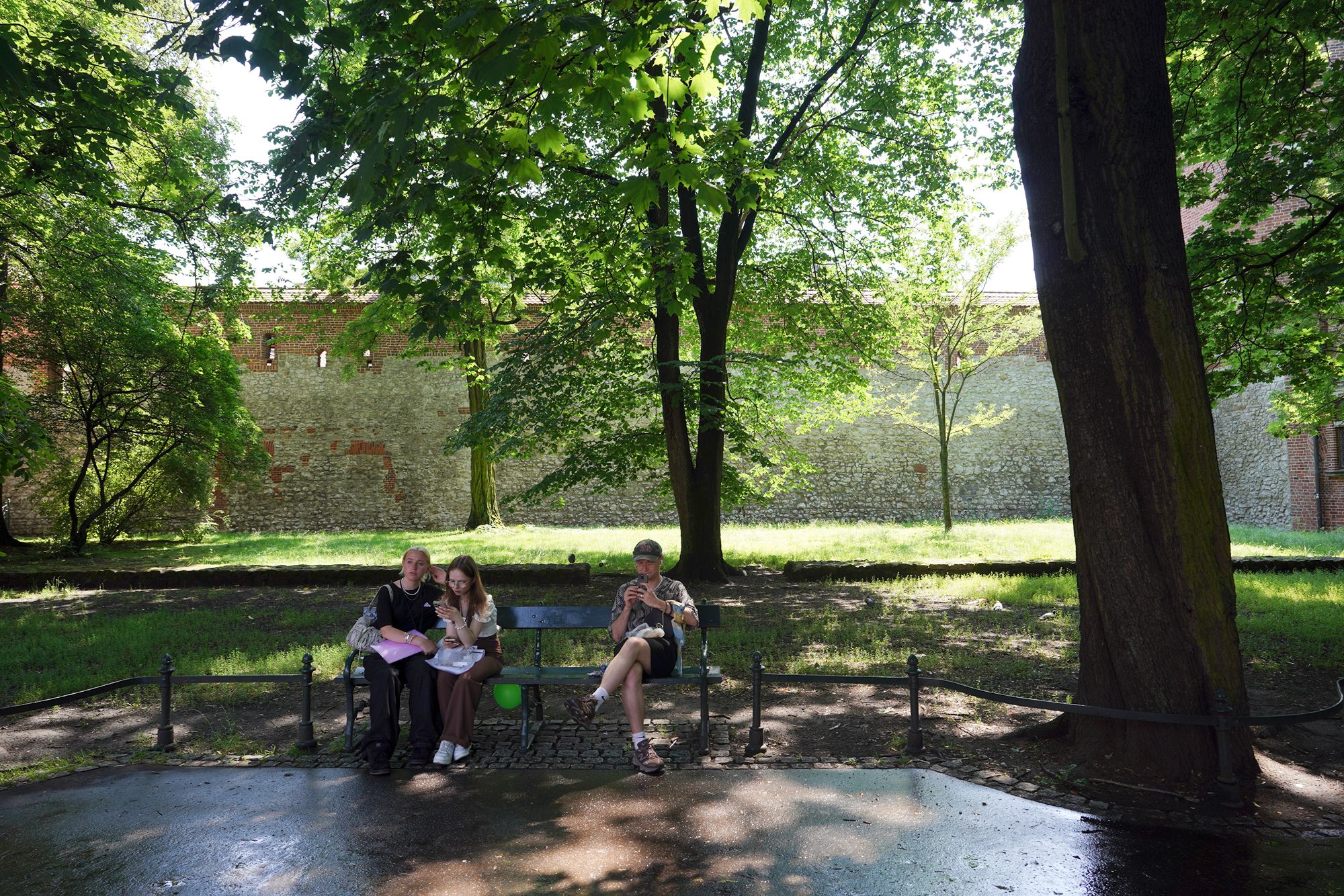
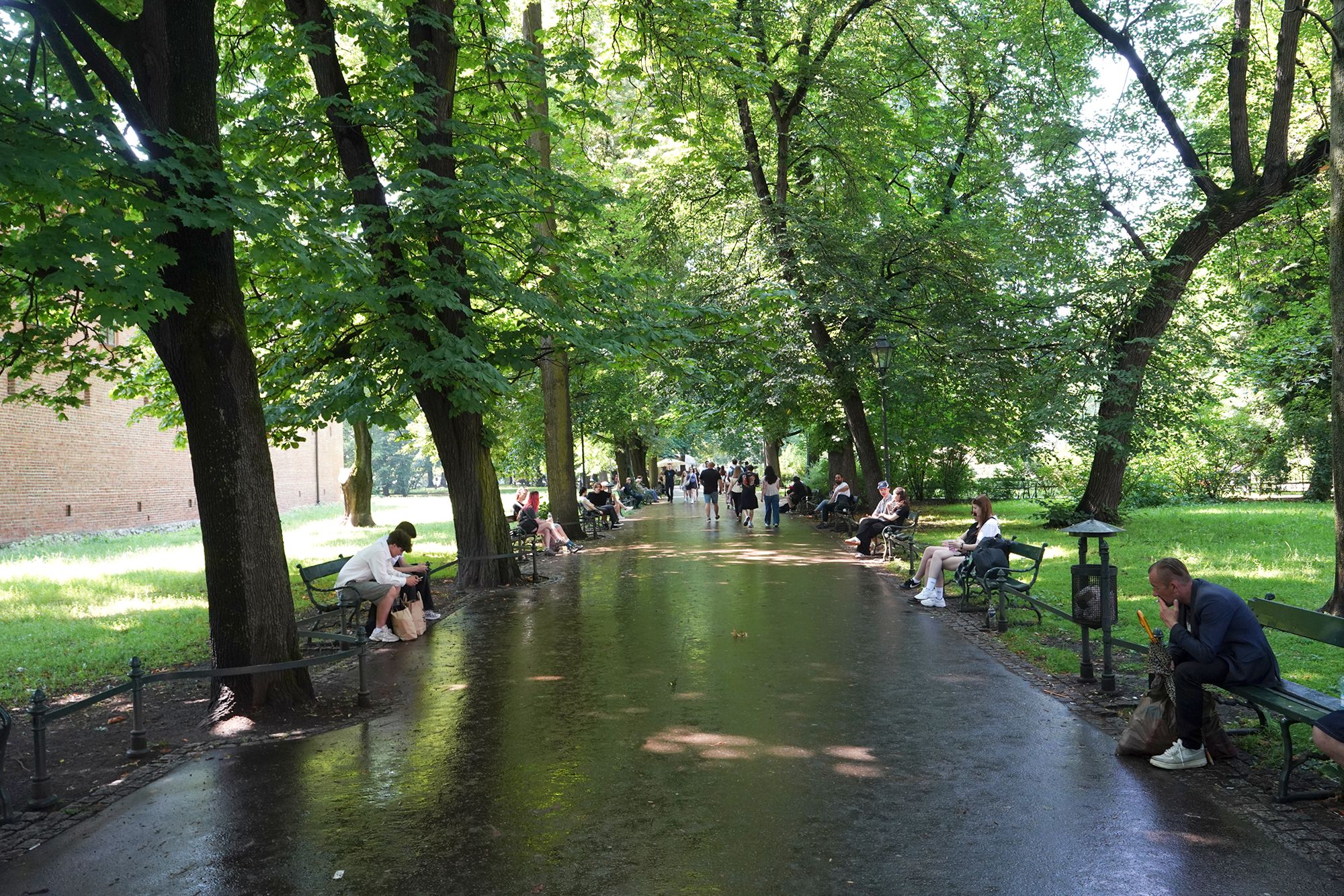
After looking around outside the walls, I walked back through St. Florian’s Gate and into the Old Town.
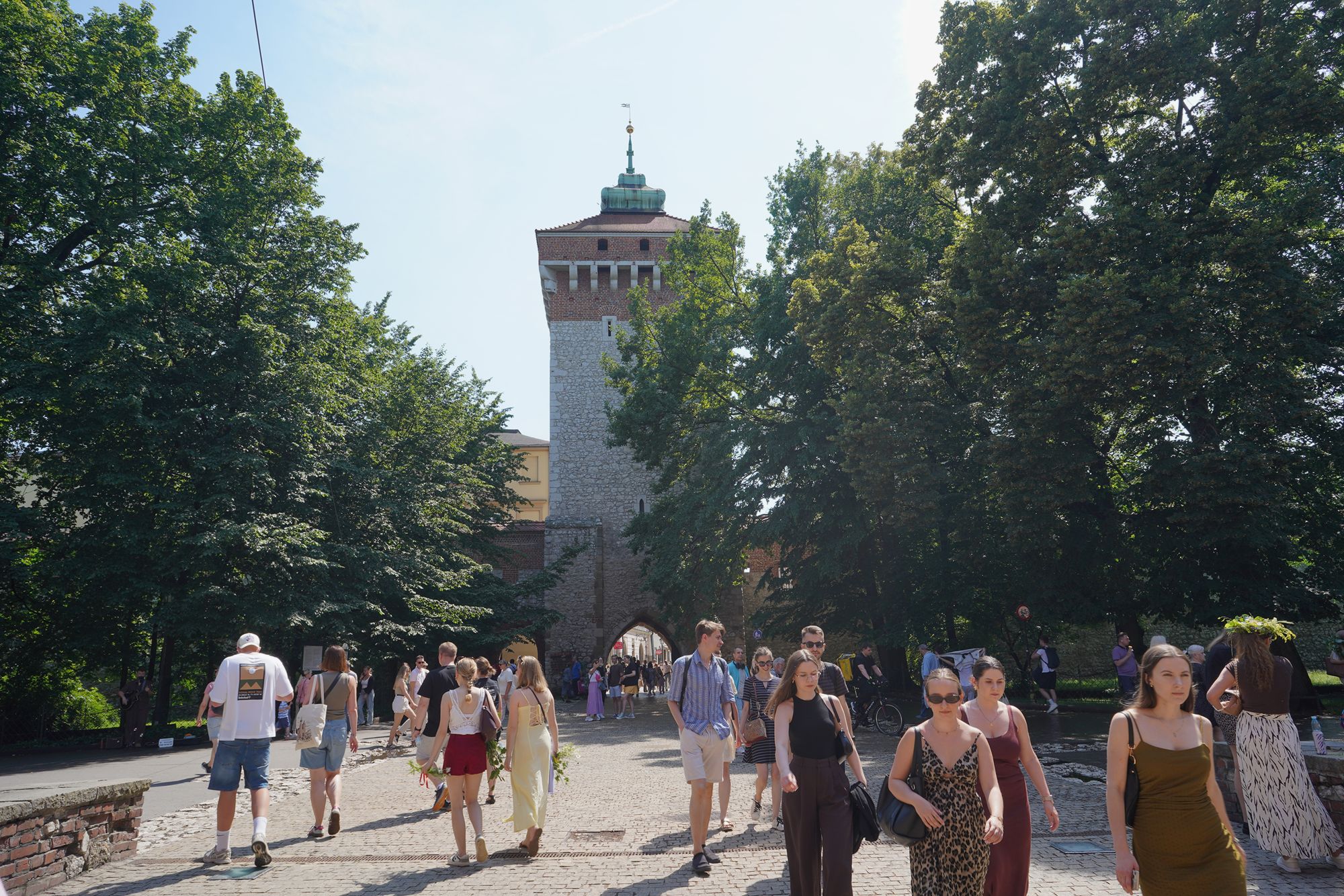
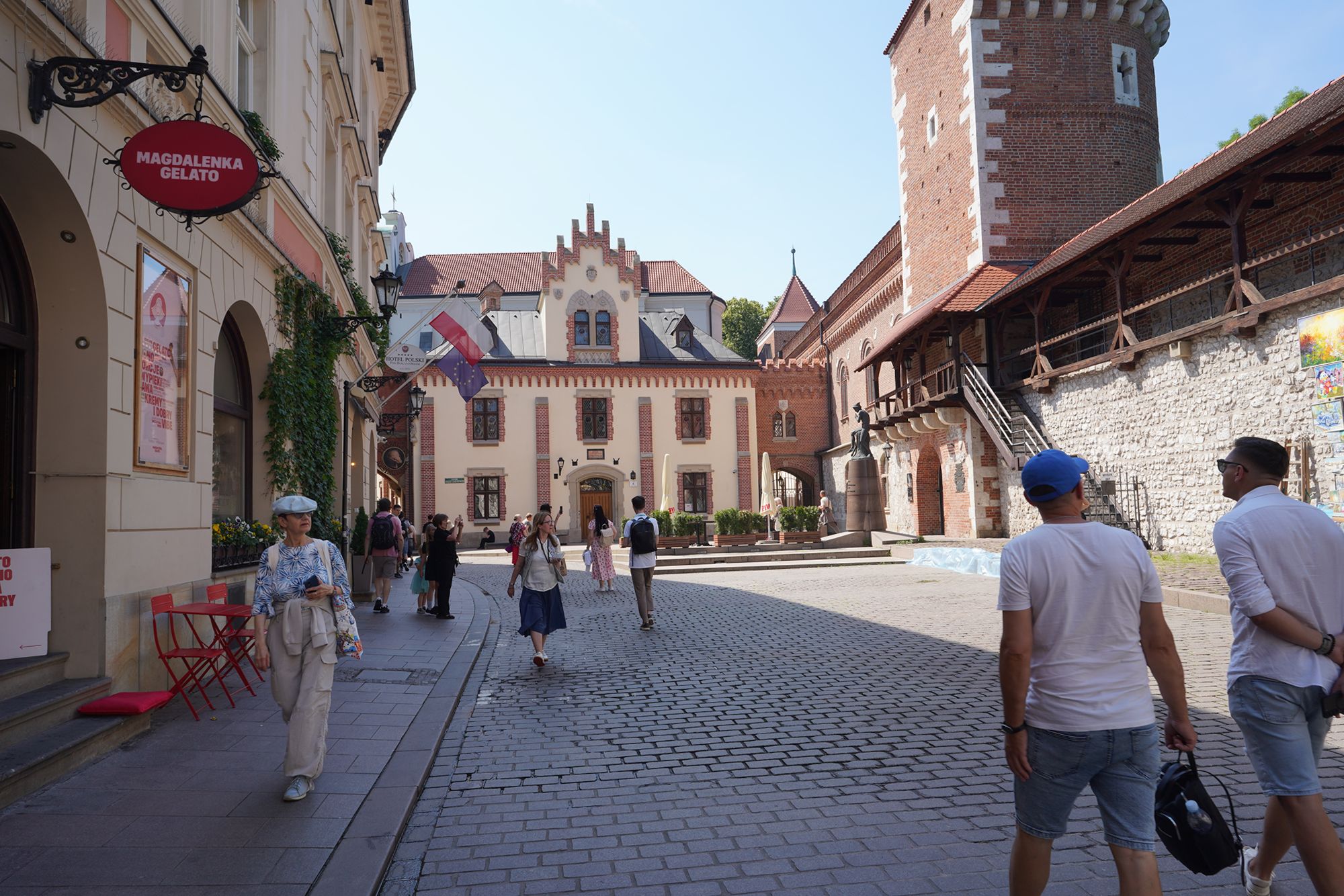
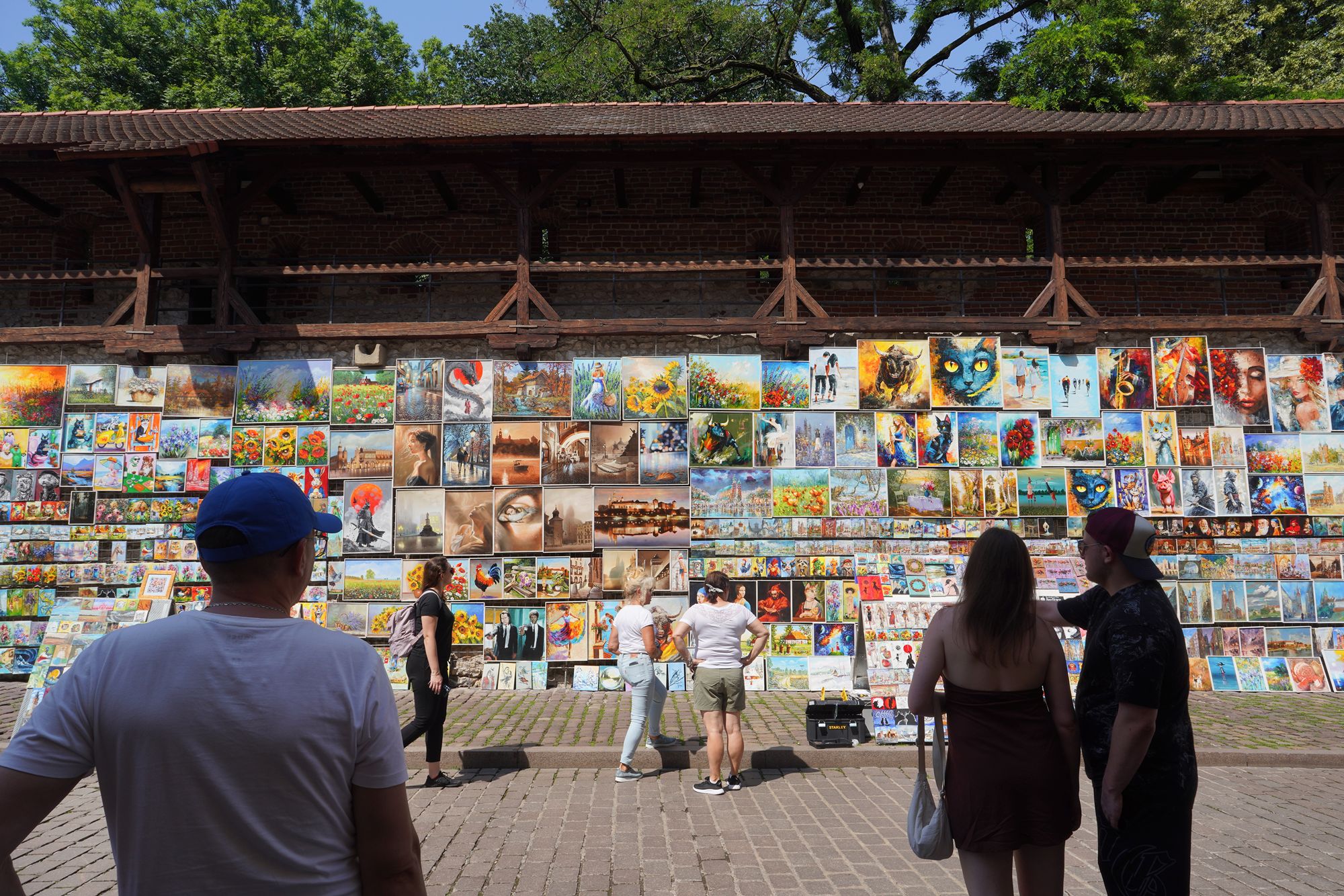
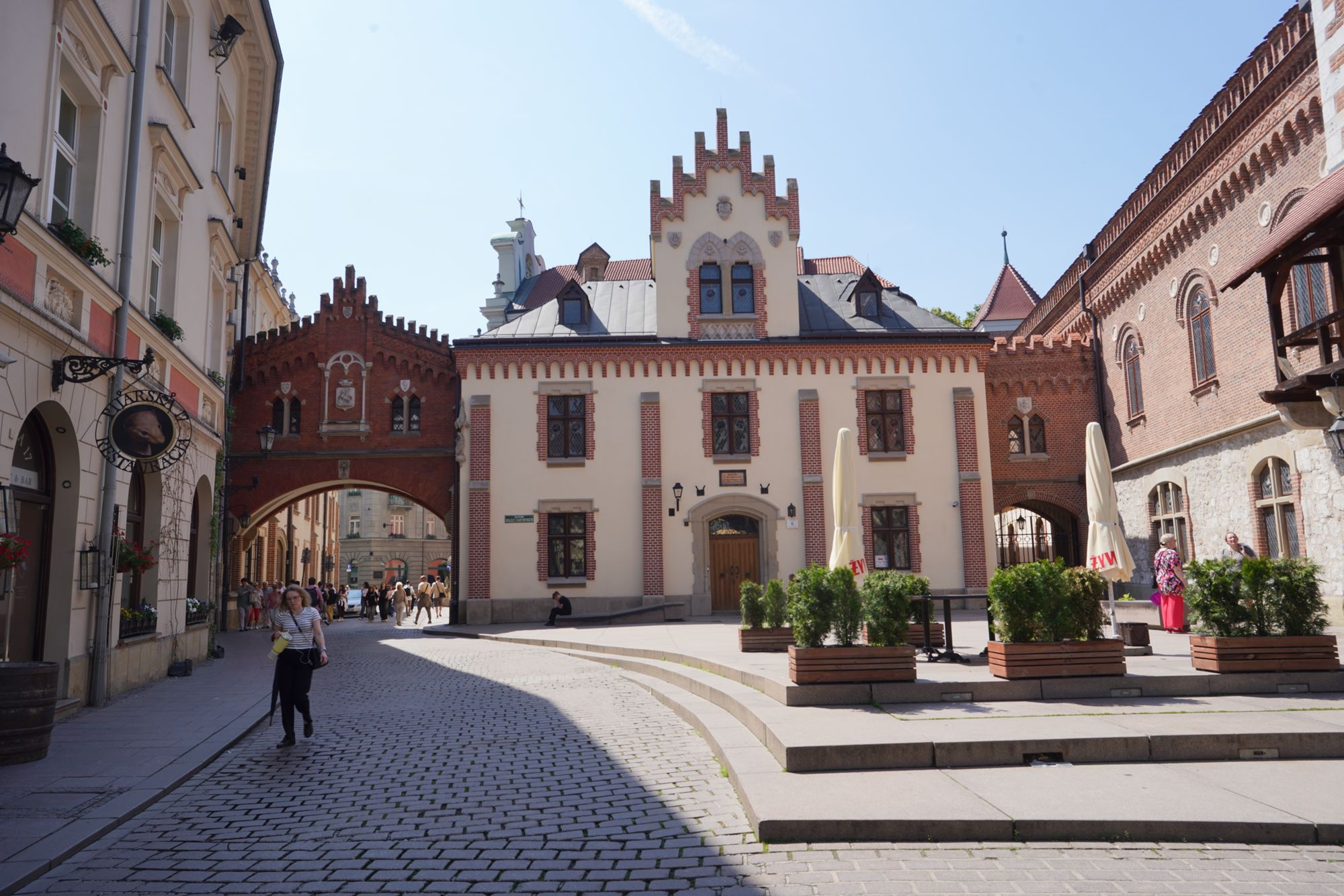
The building on my left was the Czartoryski Museum, which I planned to visit later. For now, I walked past it to see what lay farther along the street.
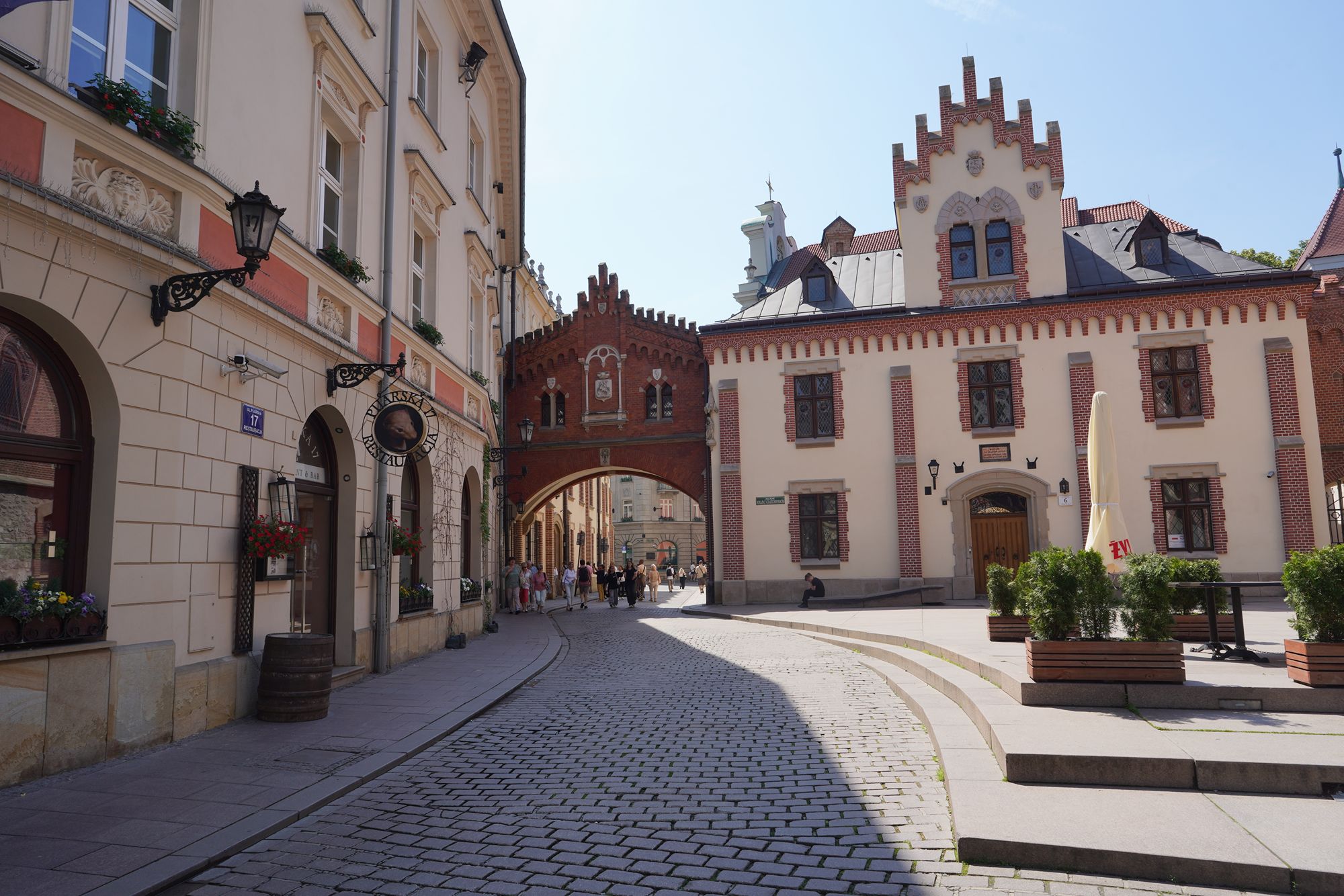
The street grew quieter as I walked along it. At the building ahead, I turned left, then looked back the way I had come.
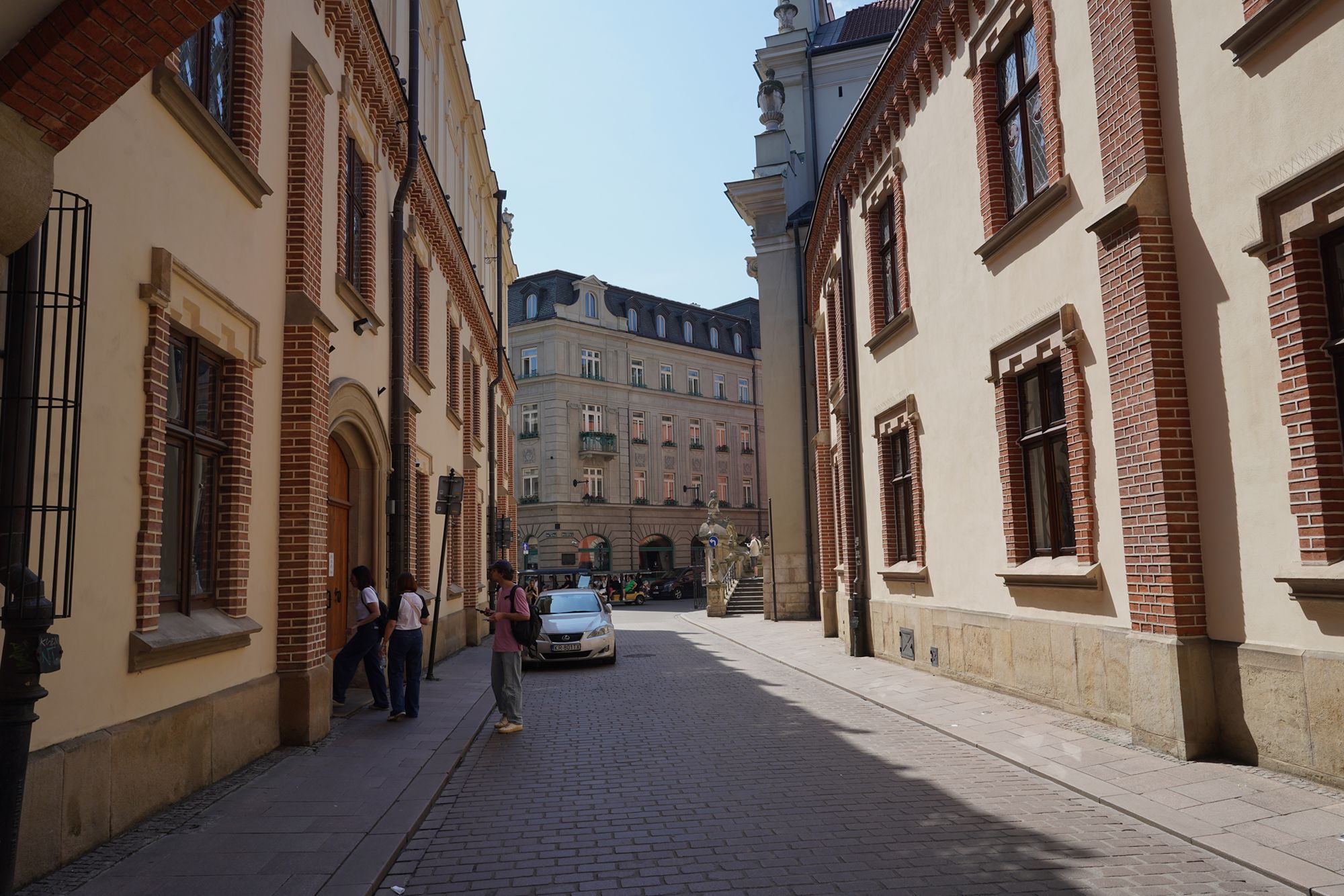
After turning back, I saw the Church of the Transfiguration.
The Church of the Transfiguration belongs to the Piarist order. Nearby, part of their former monastery is now the Klasztorek section of the Czartoryski Museum, which I had just passed on my walk.
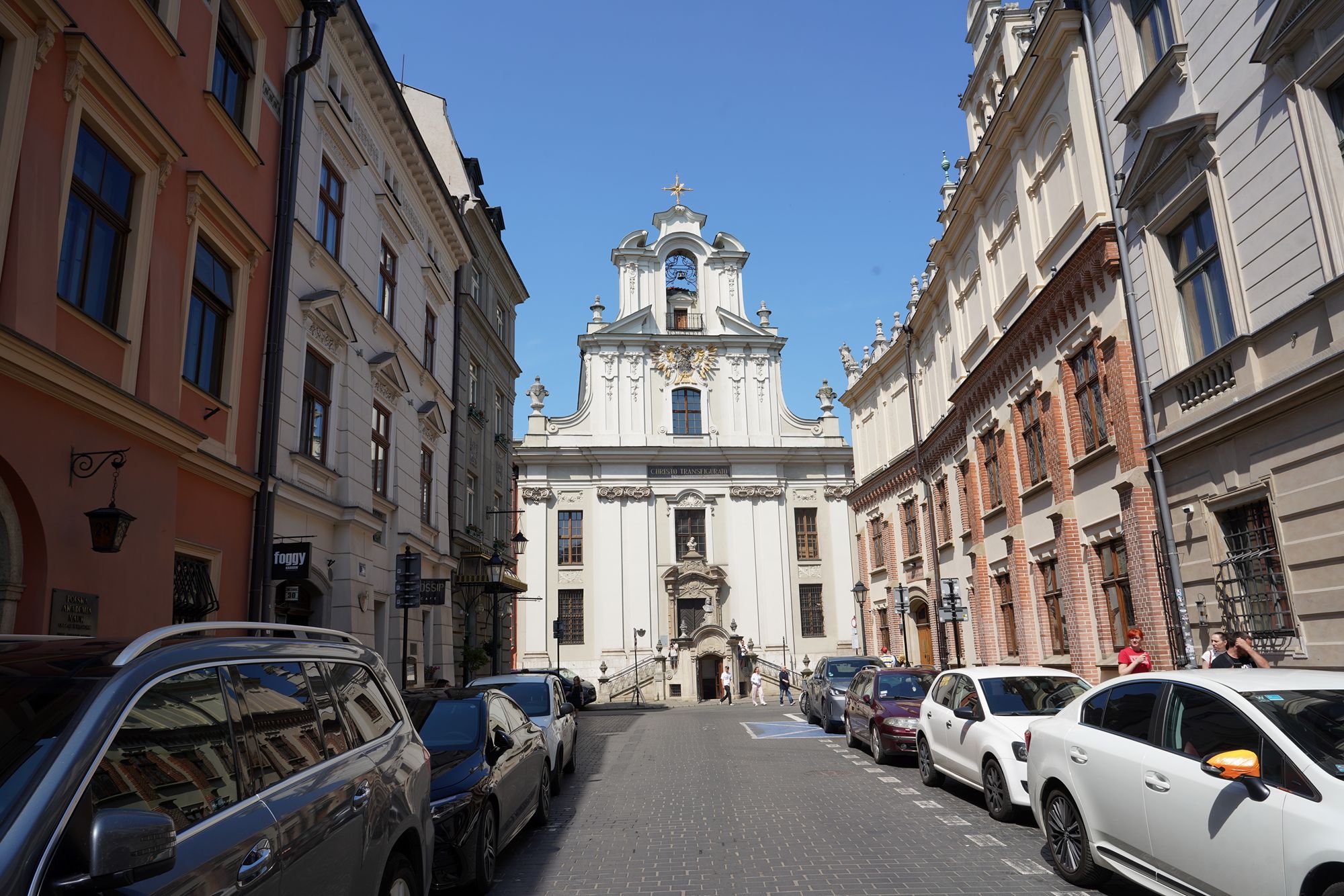
A view behind me
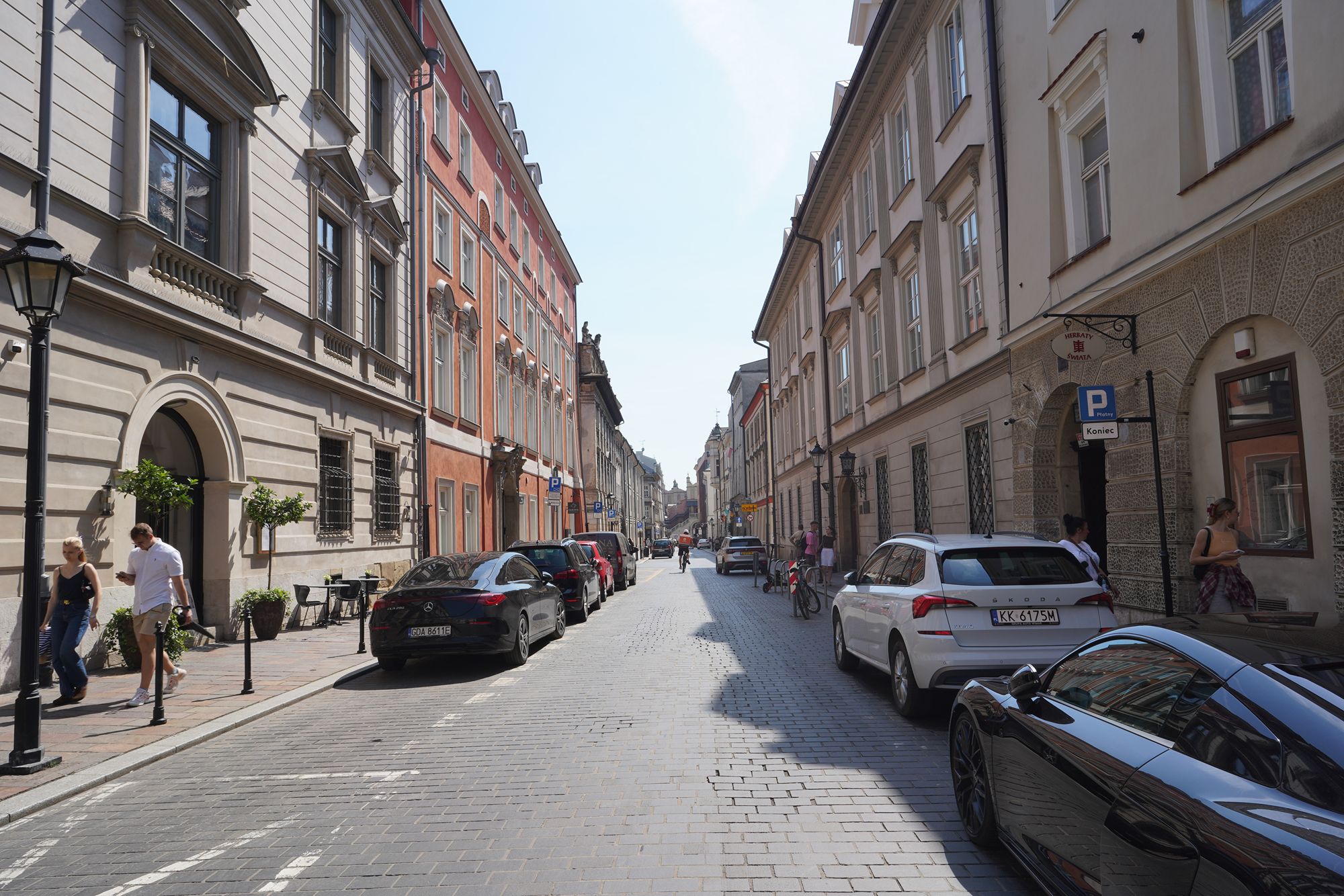
I walked back along Pijarska Street and entered the Czartoryski Museum.
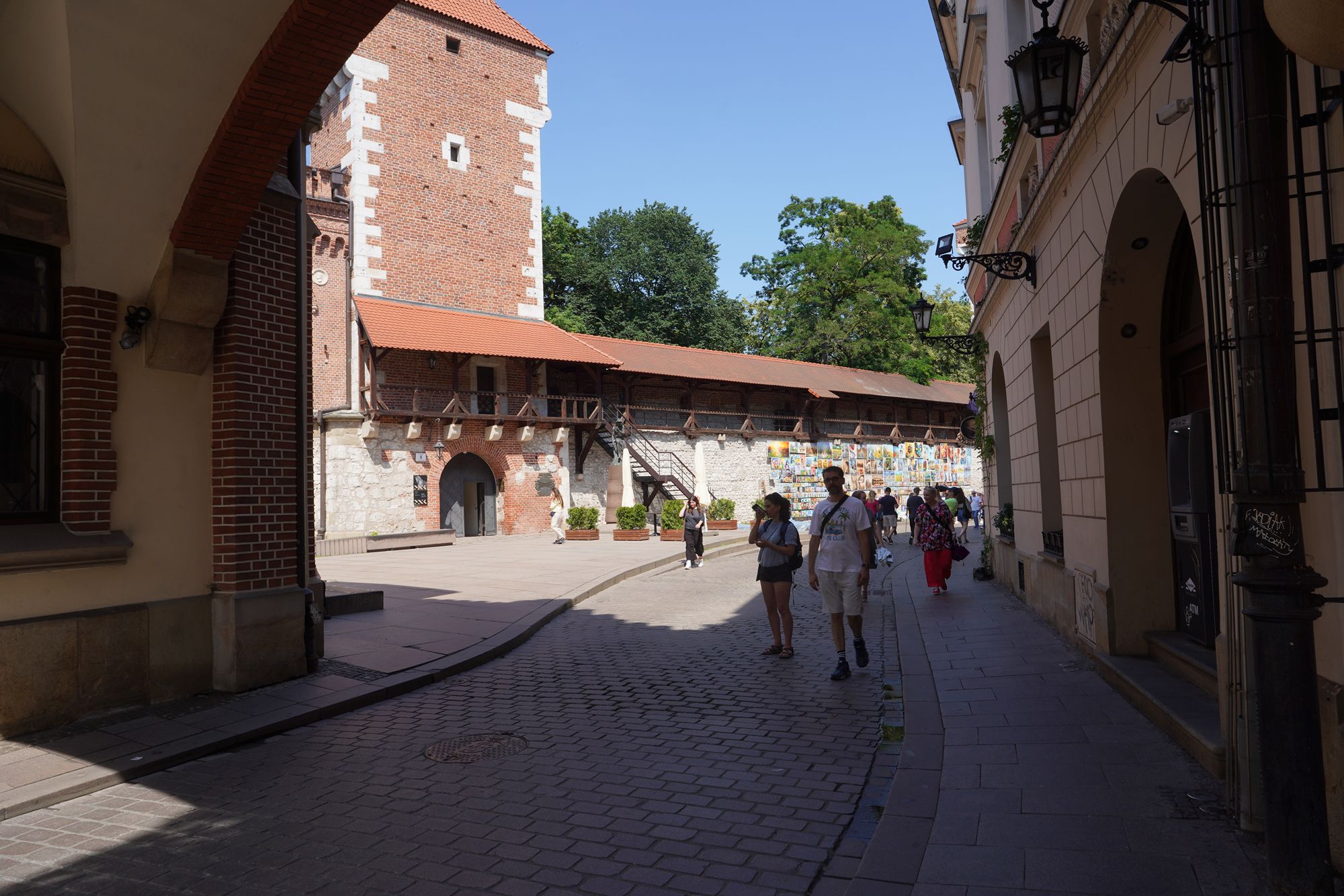
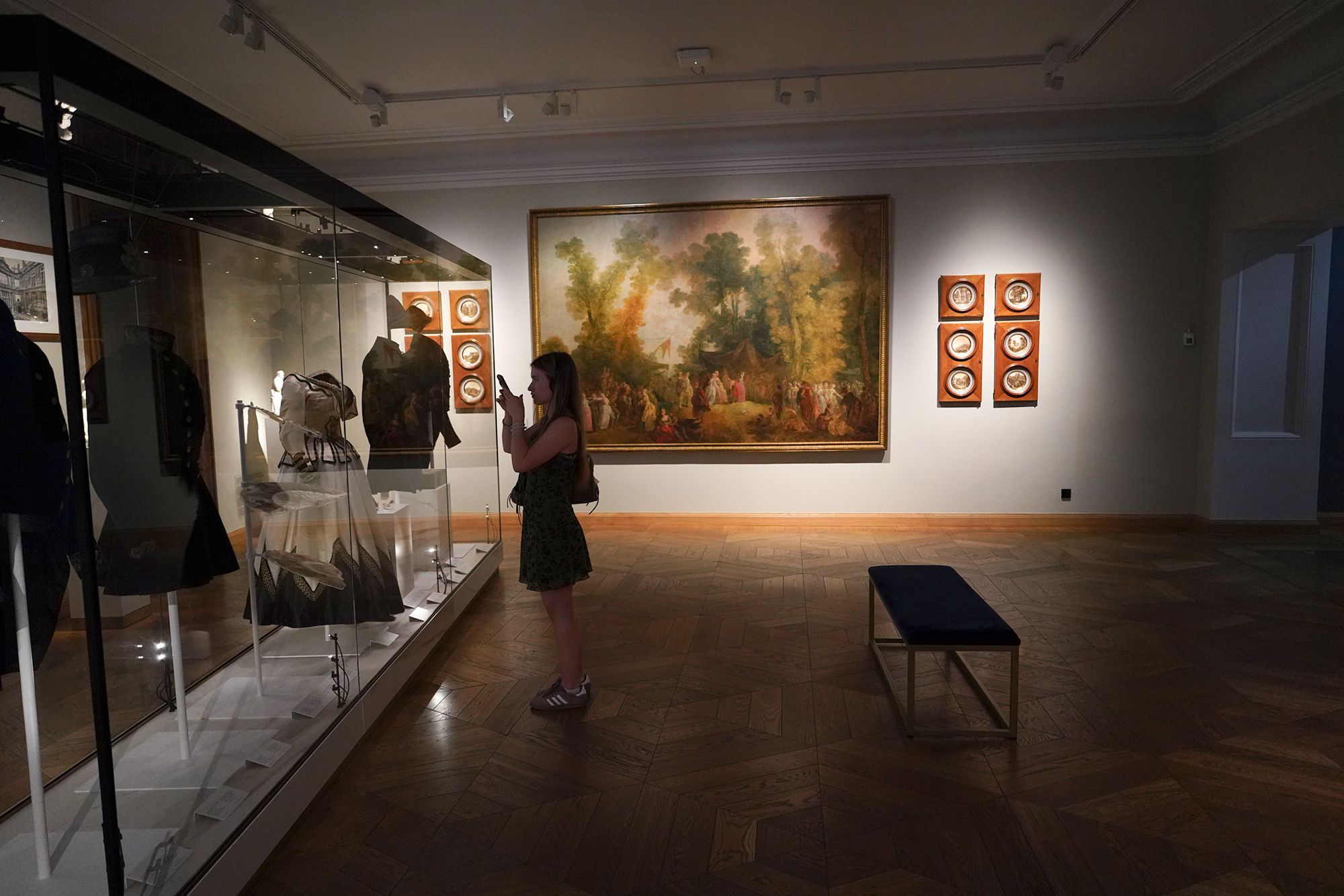
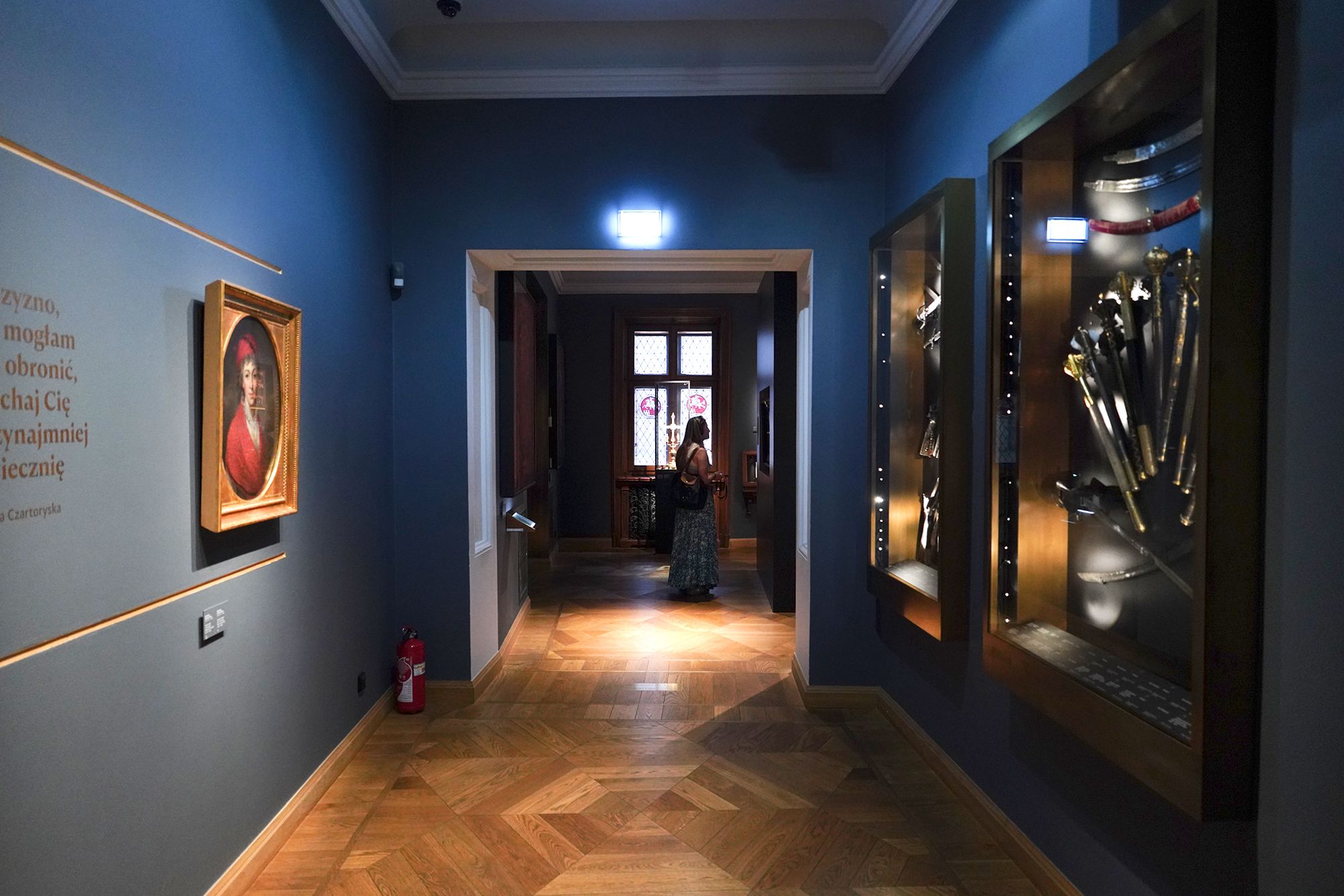
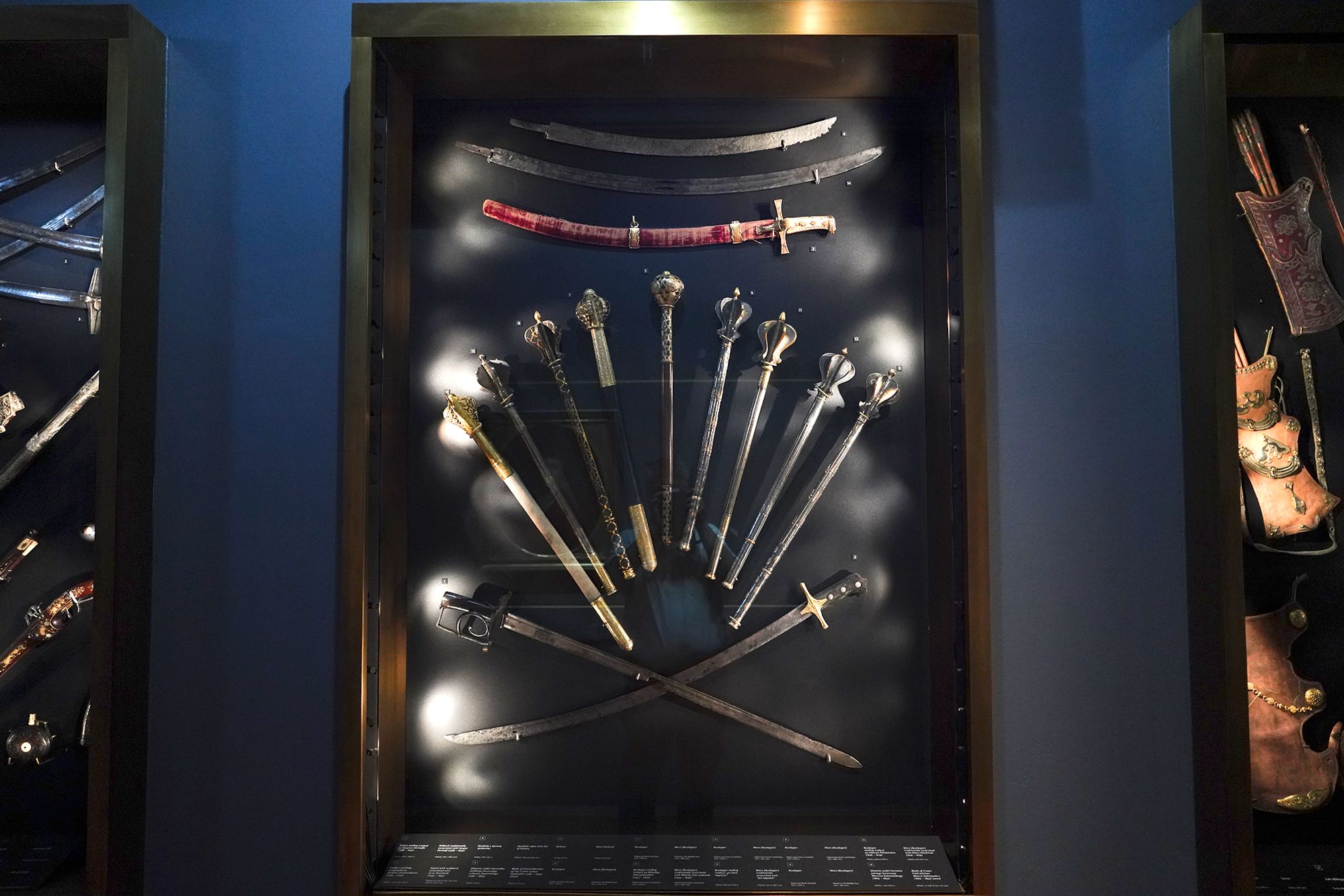
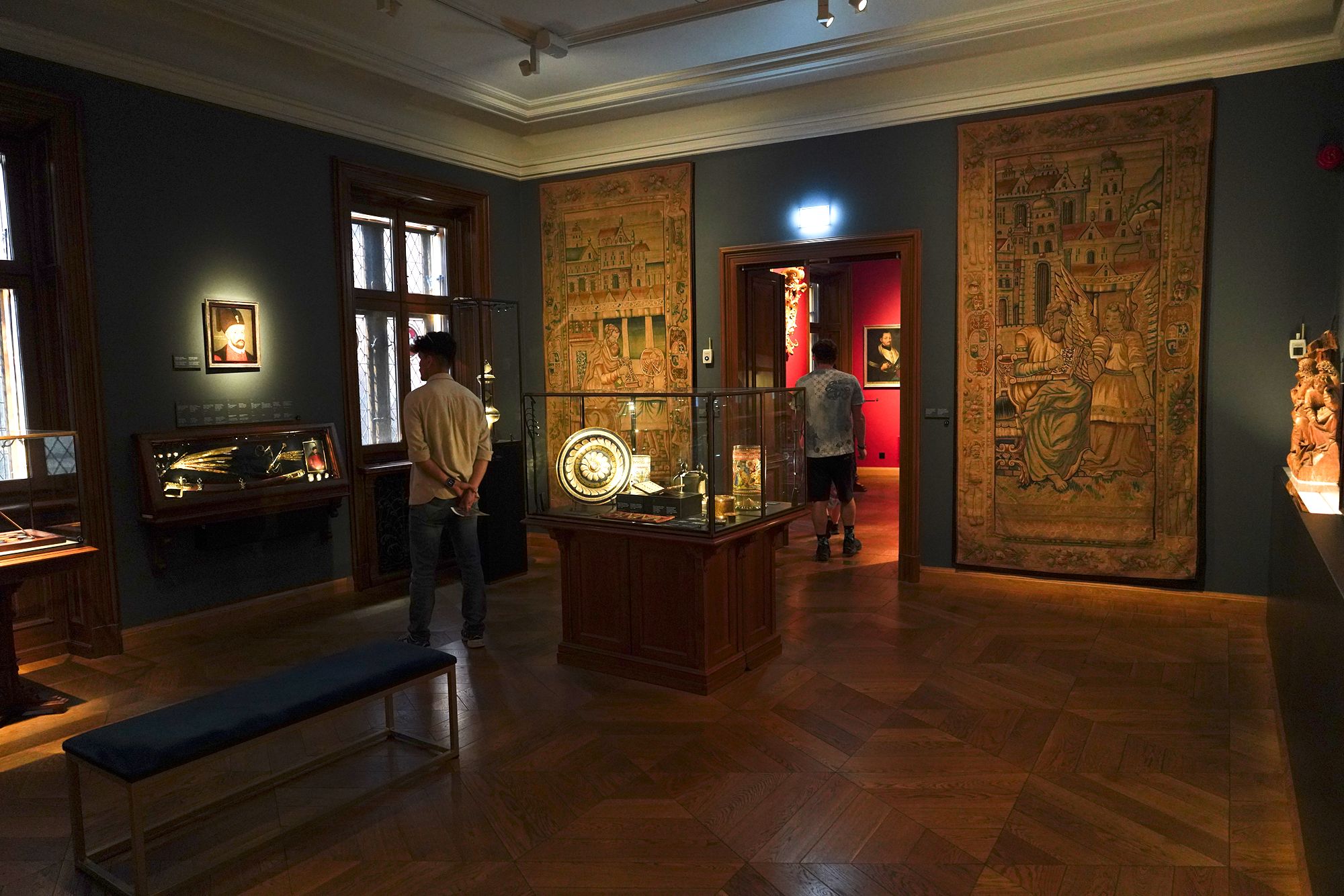
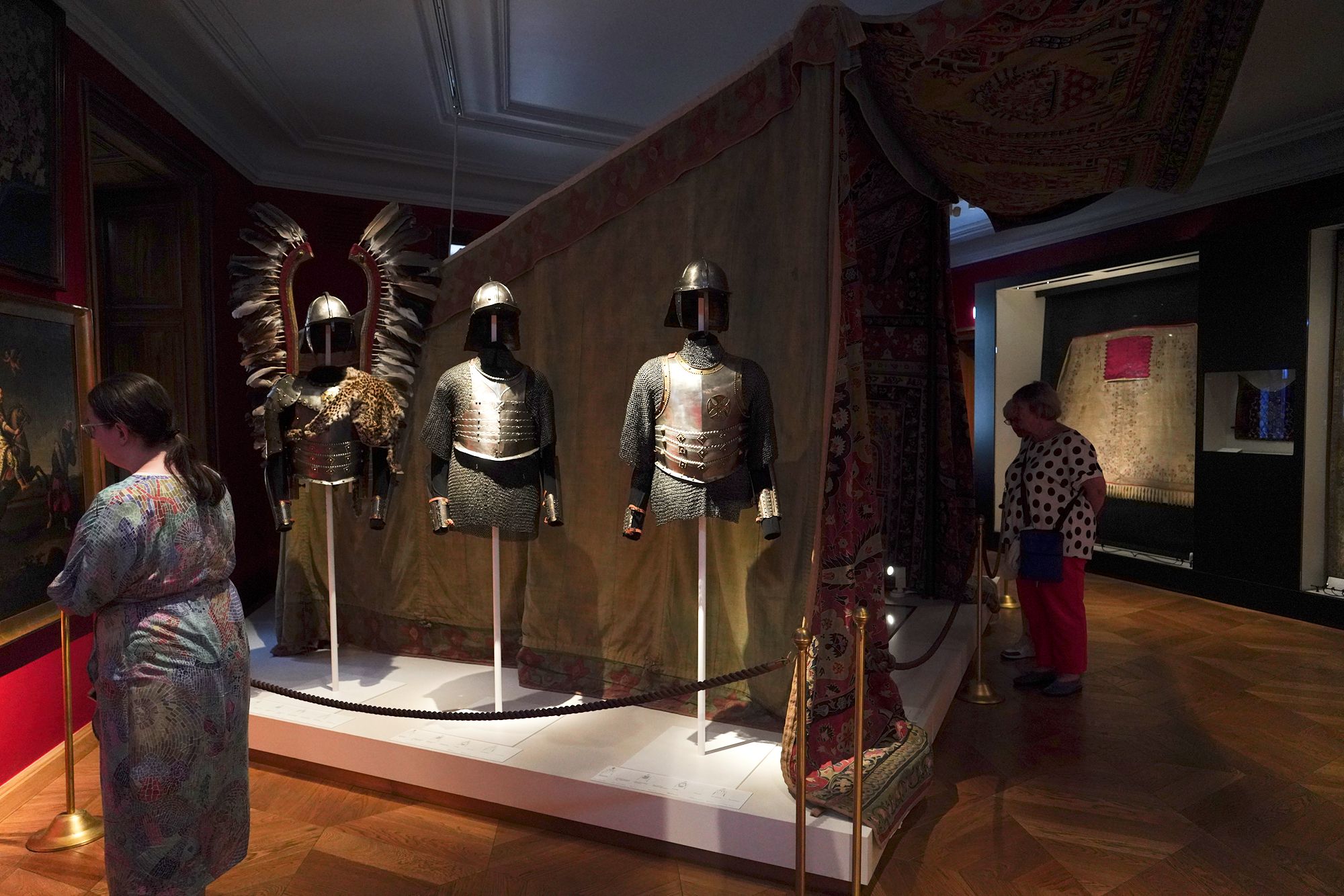
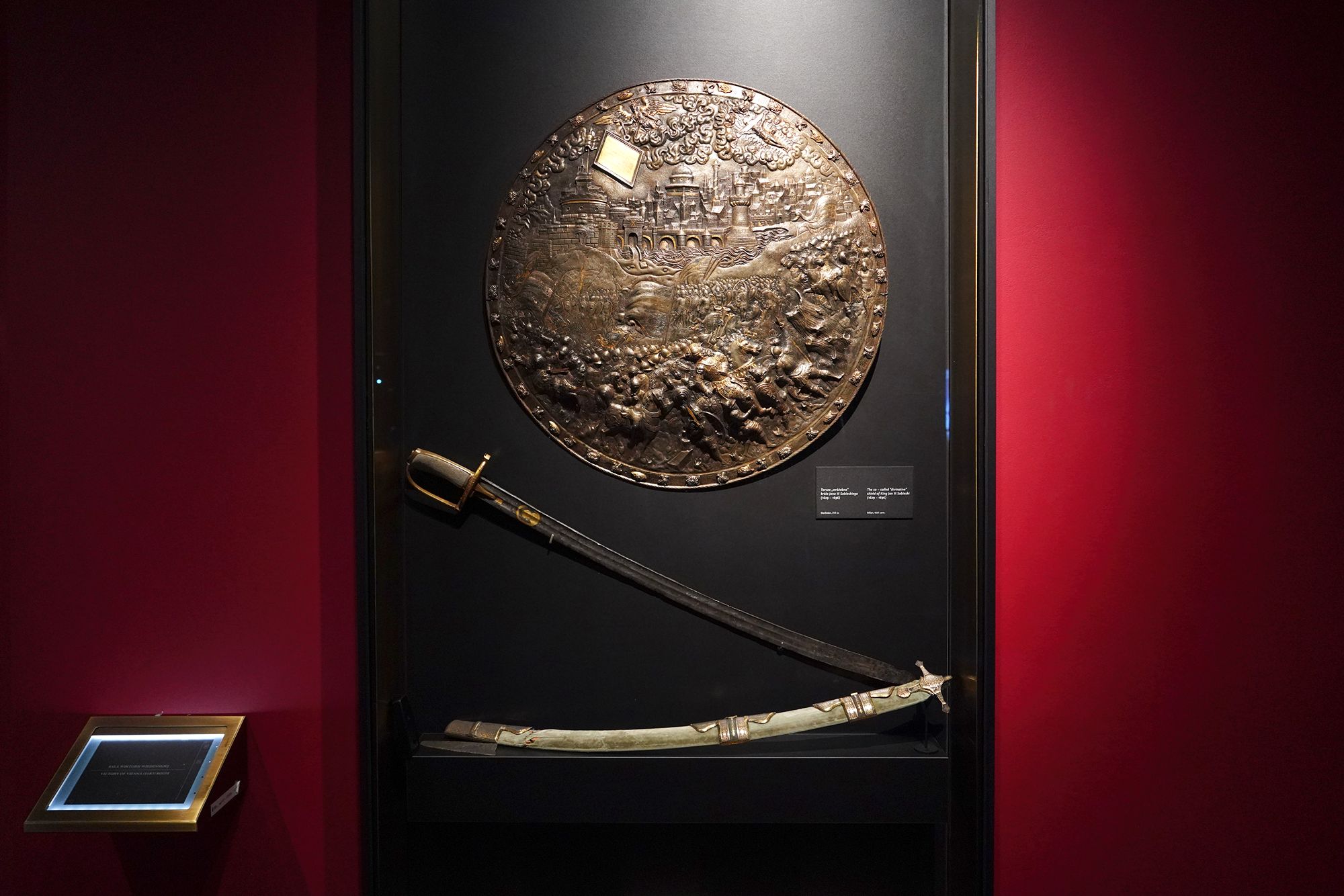
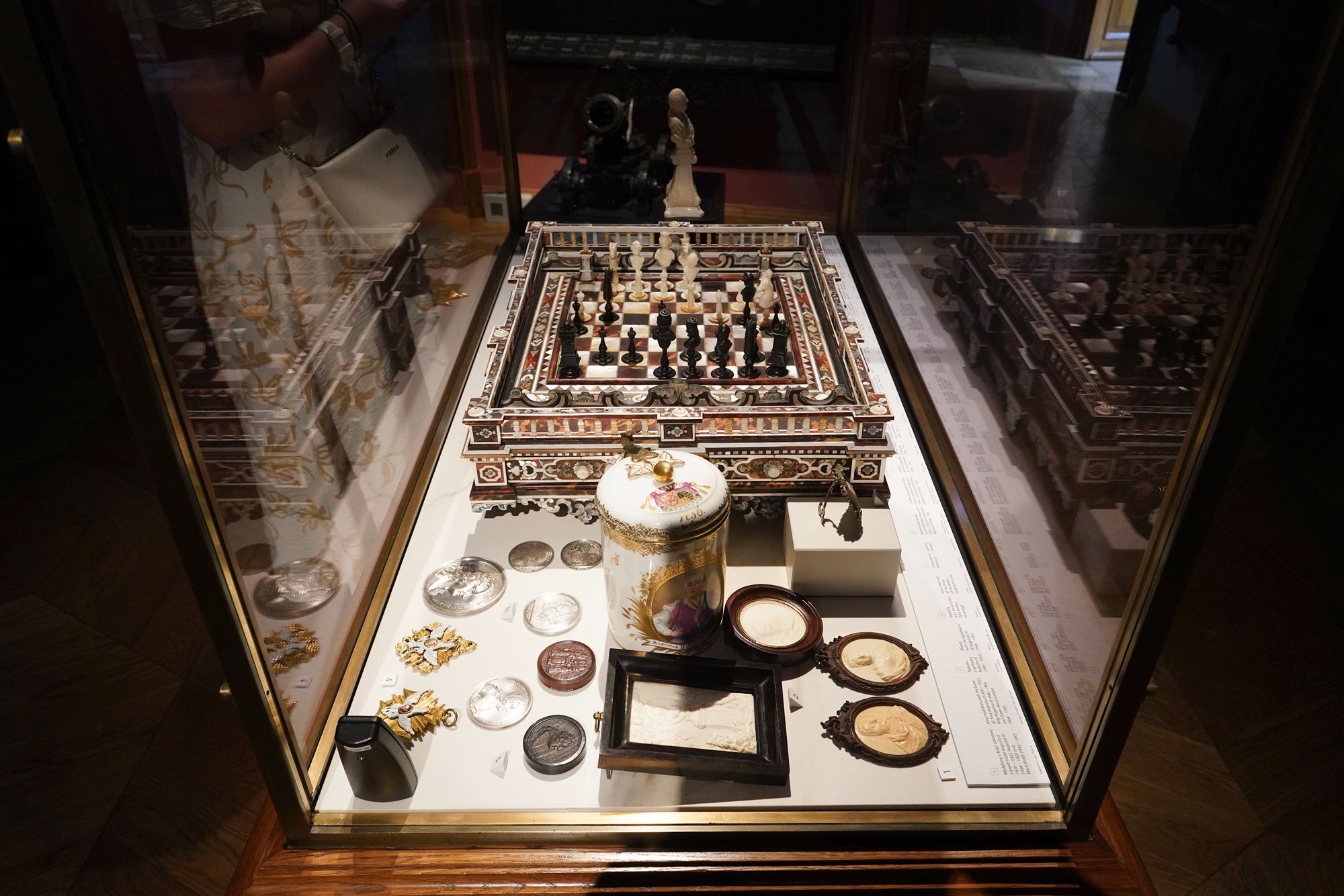
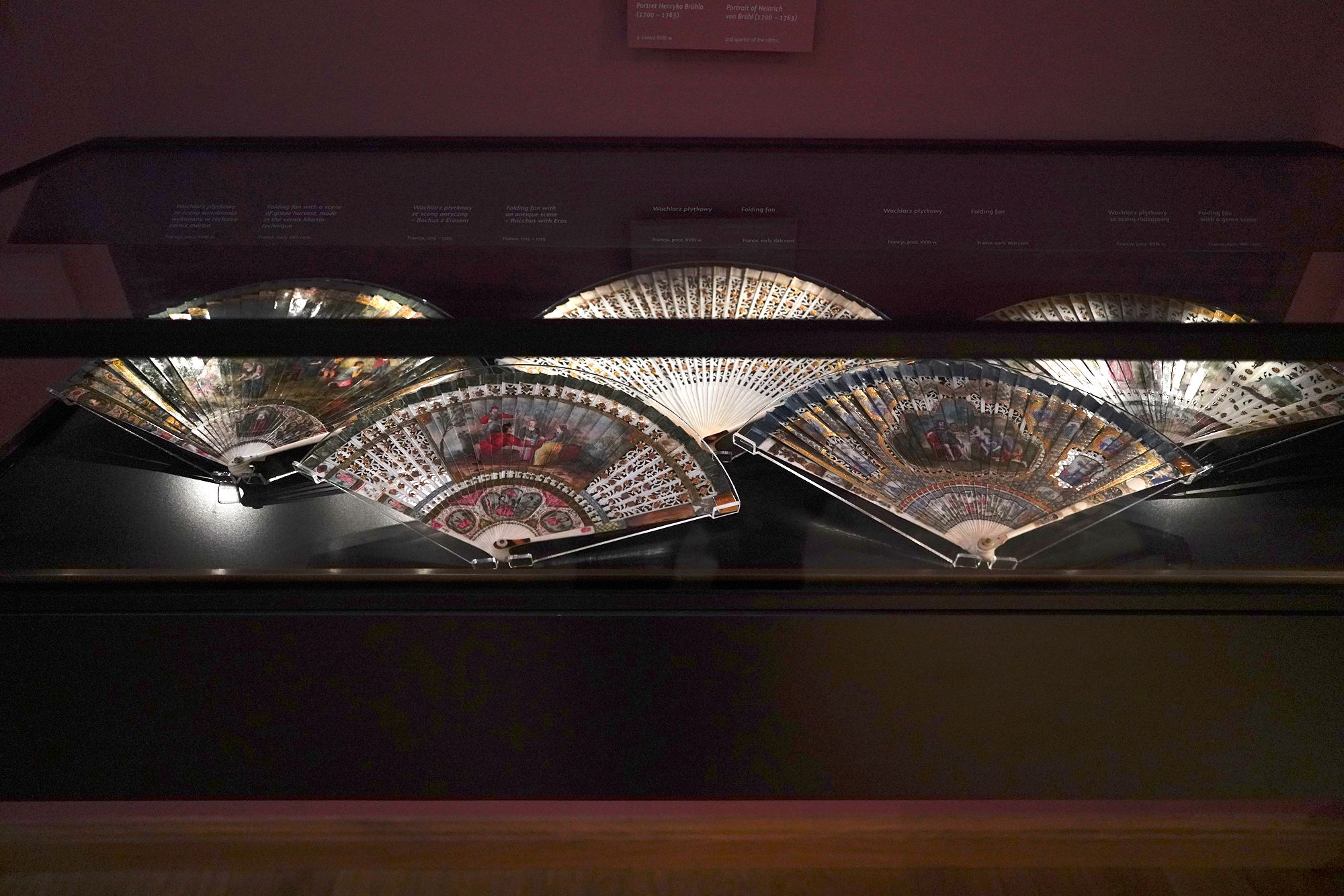
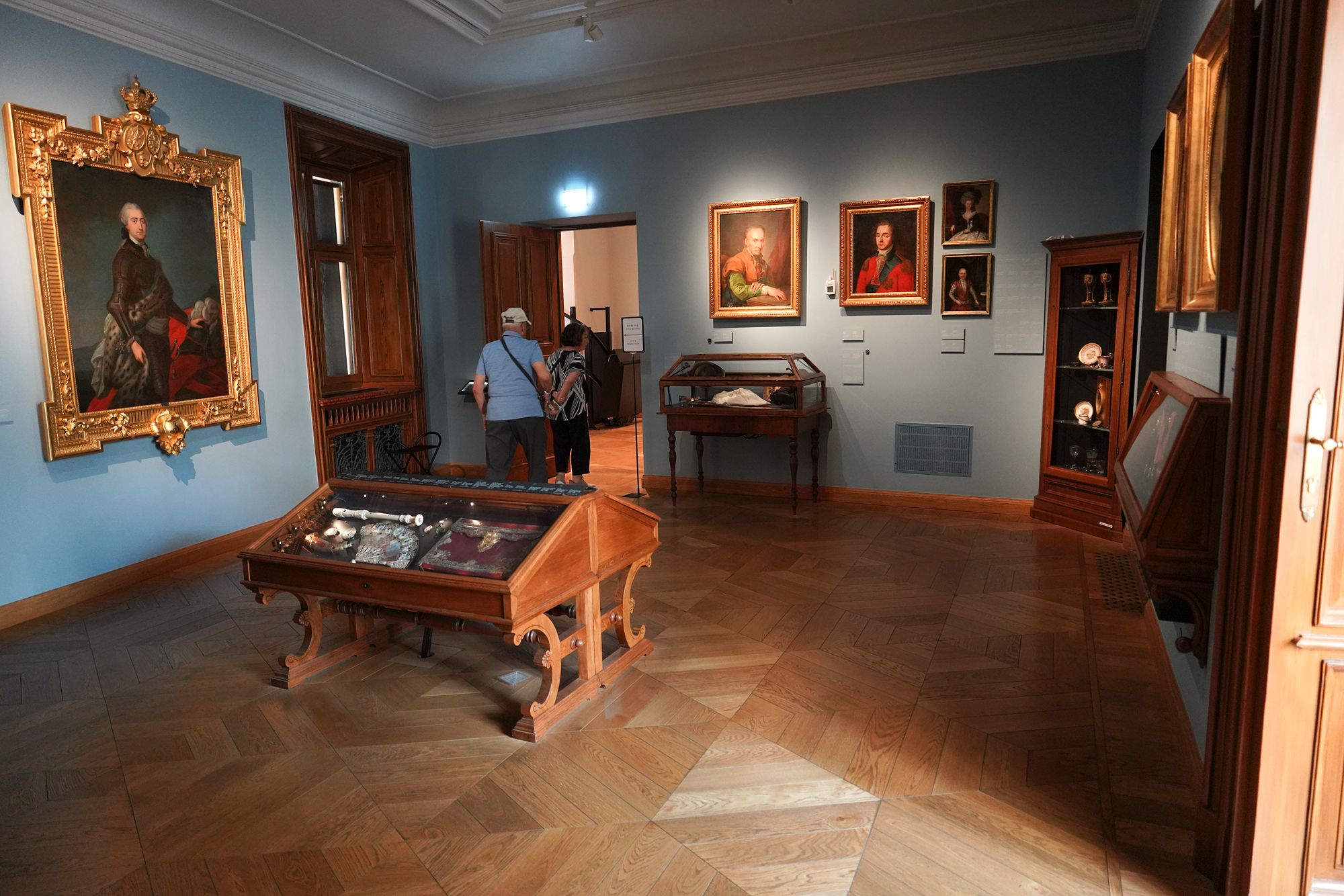
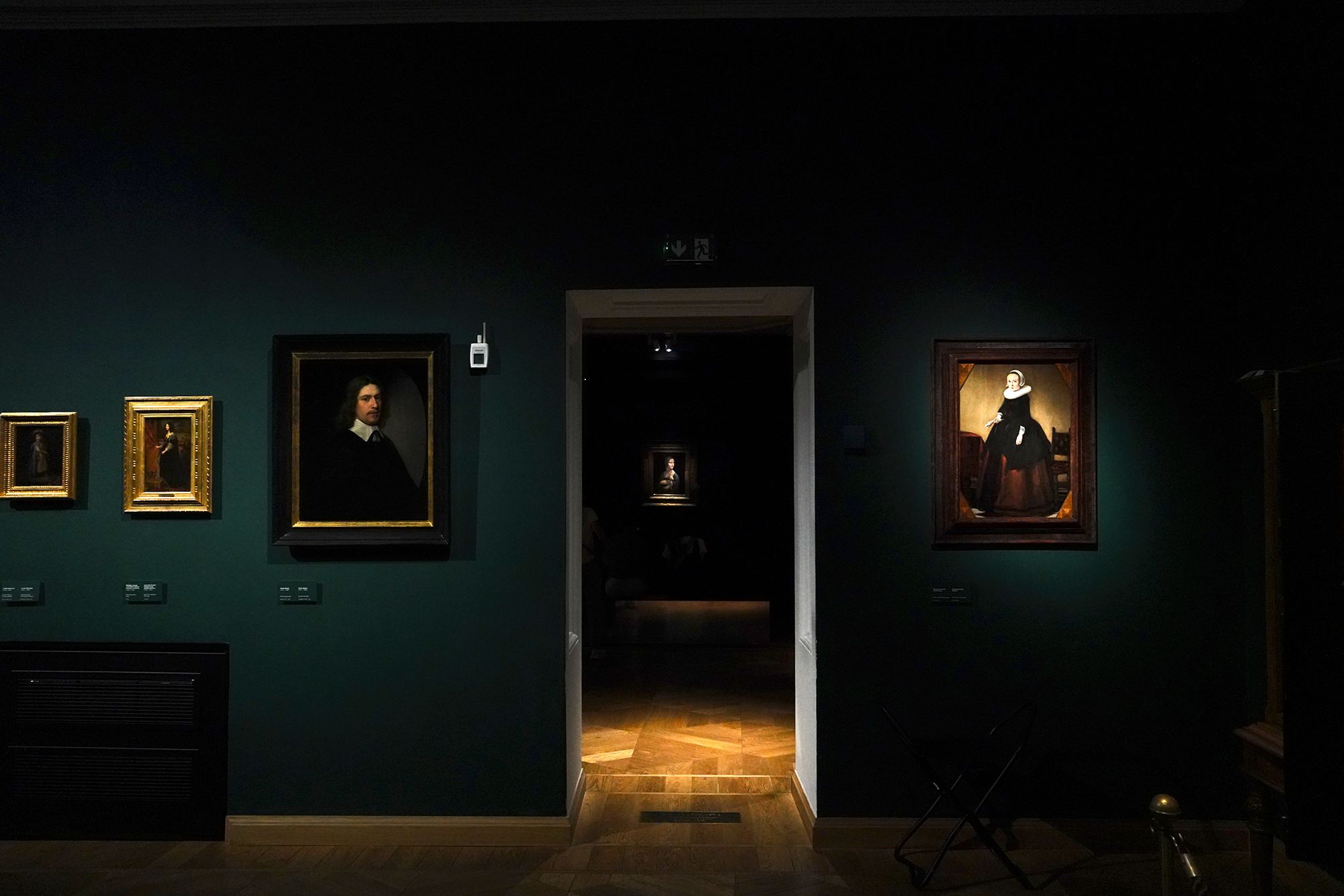
Inside the Czartoryski Museum, I began exploring the rooms and the collection assembled by the Czartoryski family.
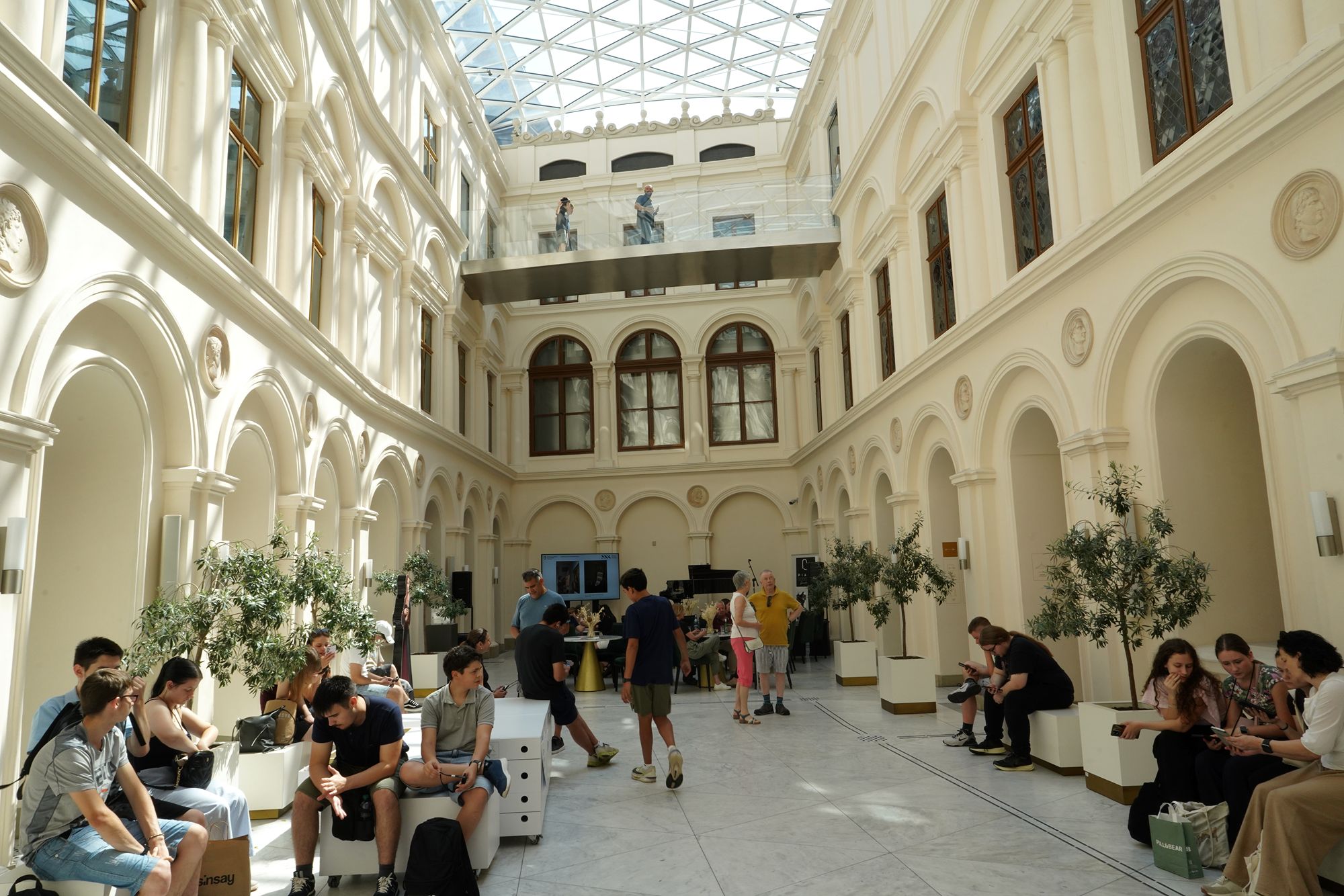
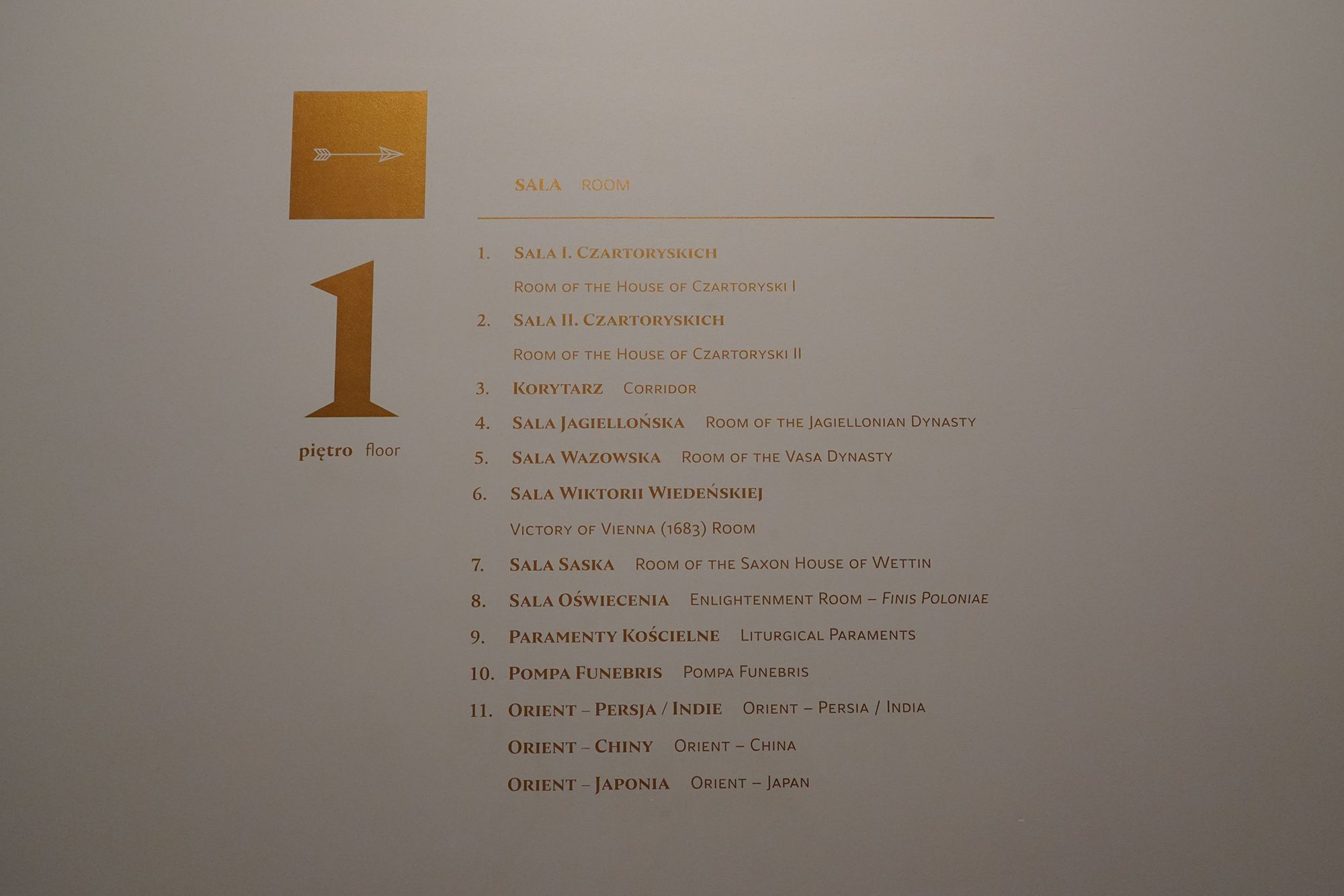
The Czartoryski Museum began with a collection of art and Polish historical objects assembled by Princess Izabela Czartoryska in the early 1800s.
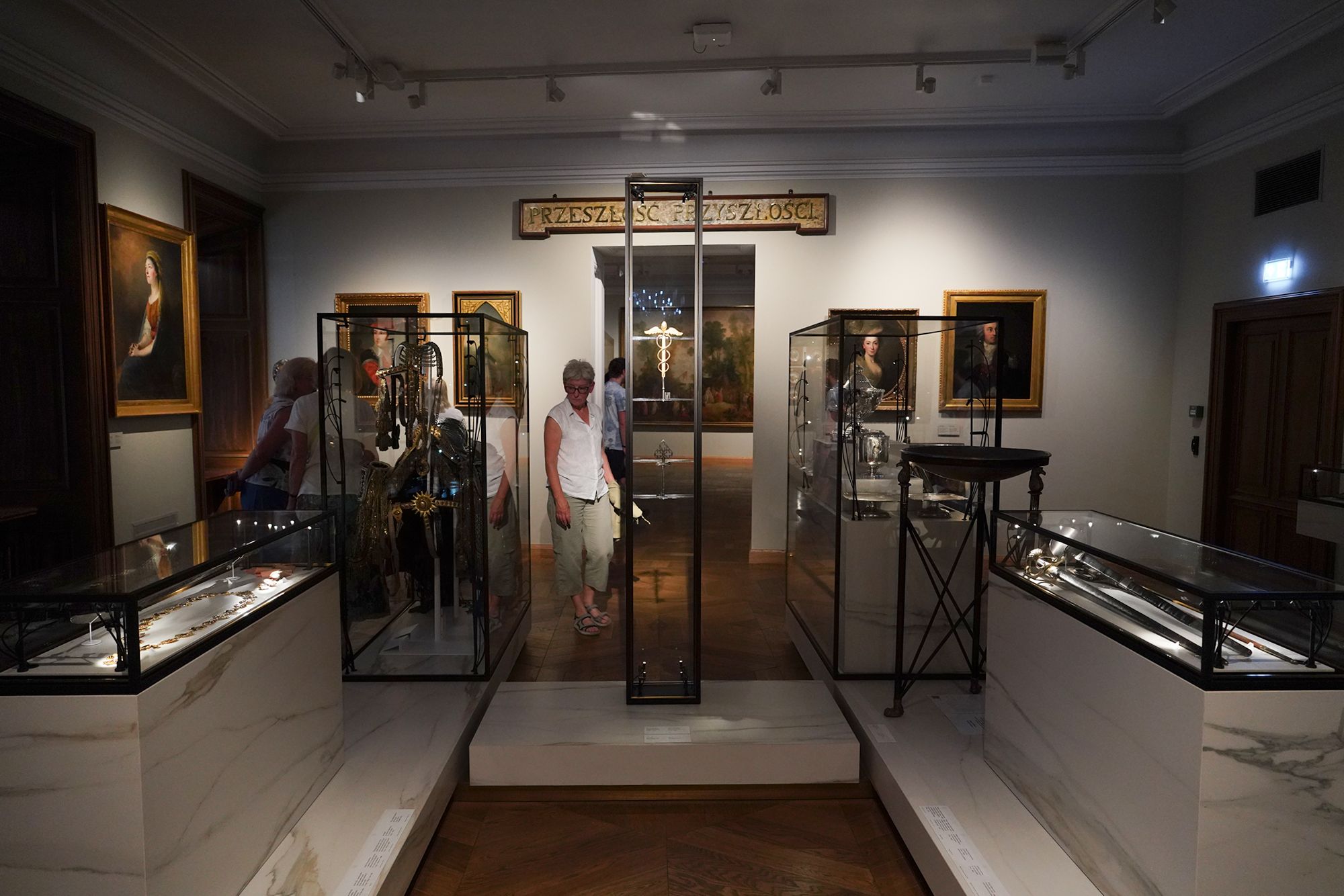
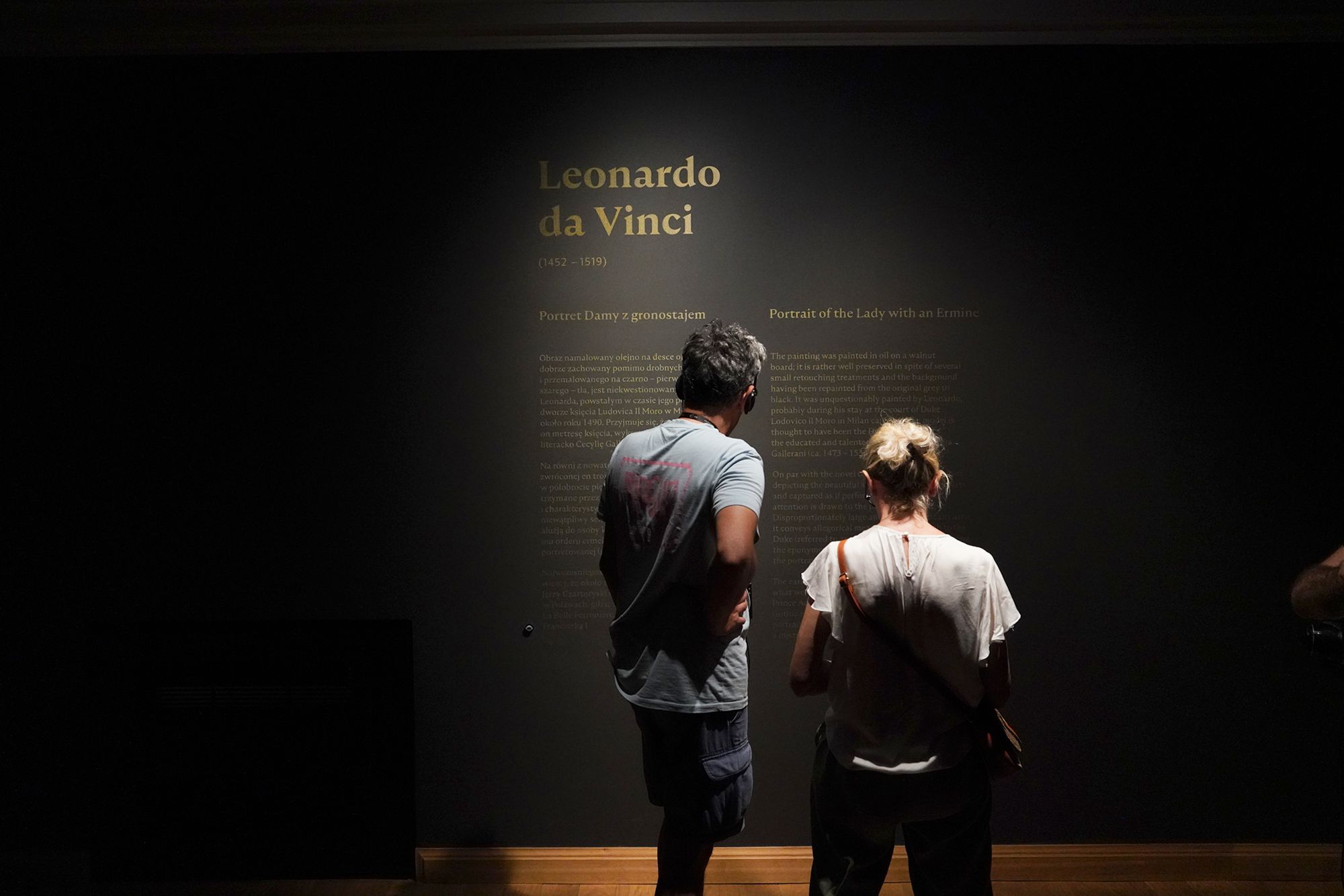
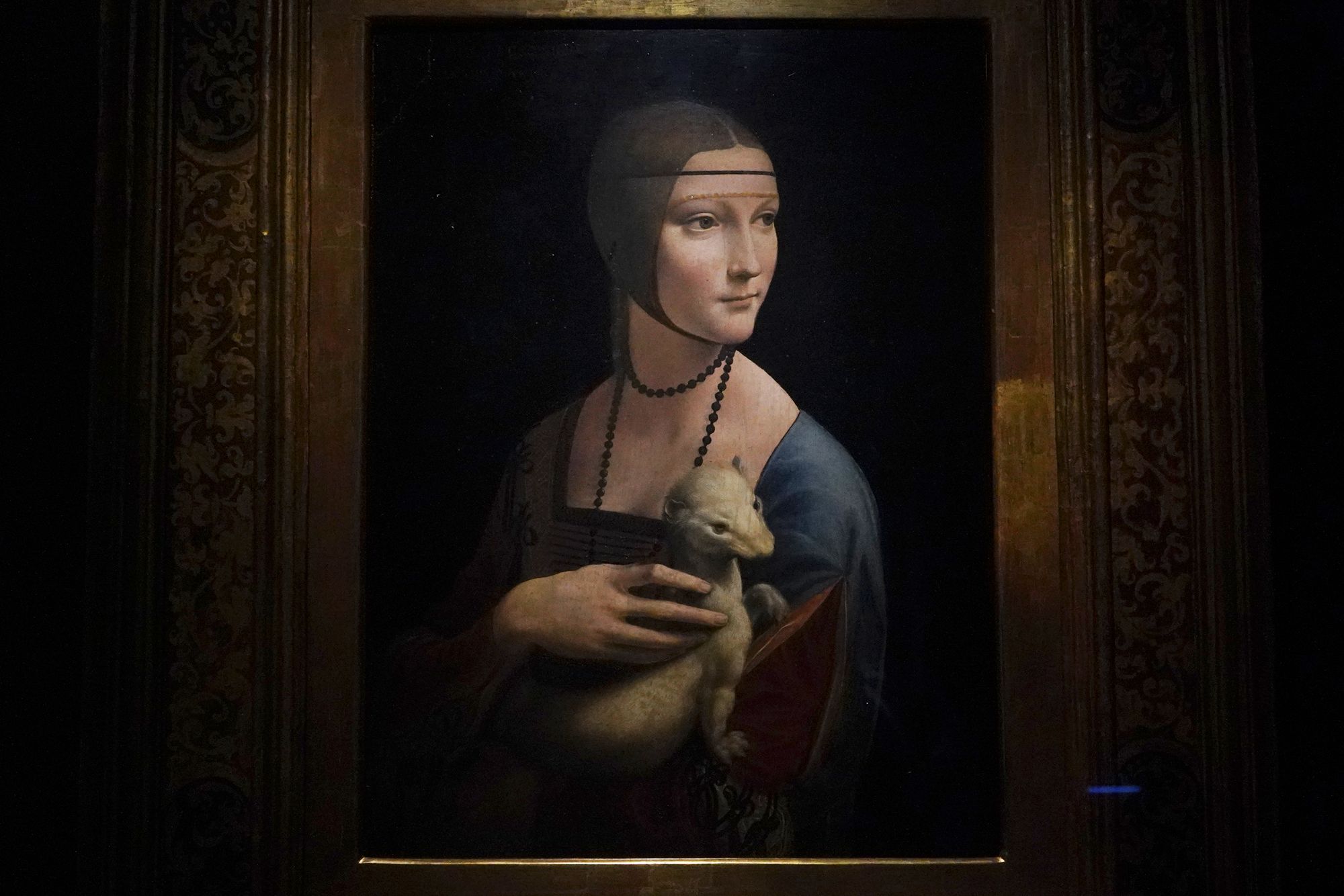
Today its galleries include paintings, sculpture, and objects from many periods. Its best-known work is Leonardo da Vinci’s Lady with an Ermine.
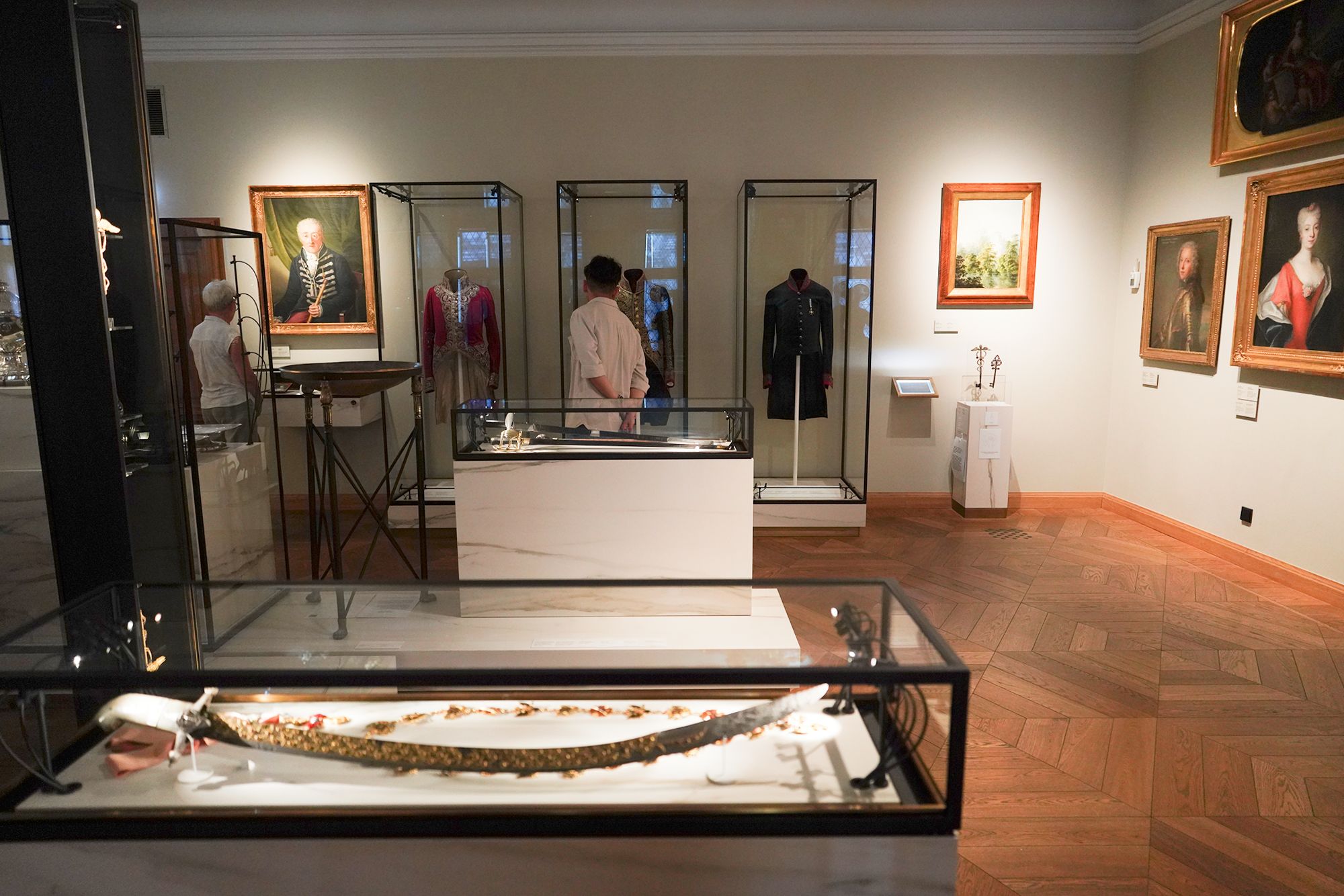
I will cover the Czartoryski Museum in separate blog posts, so I am sharing only a few glimpses of it here.
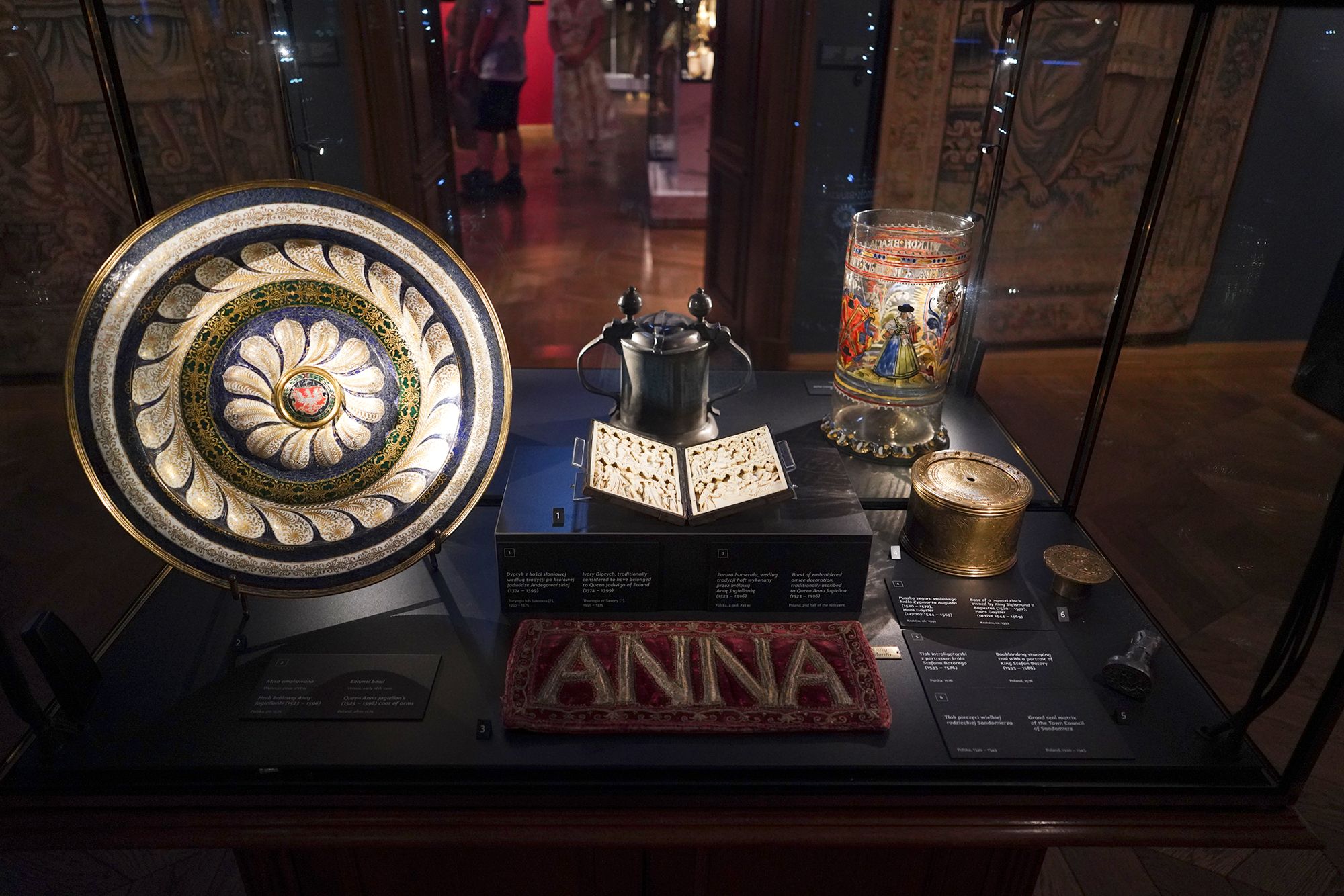
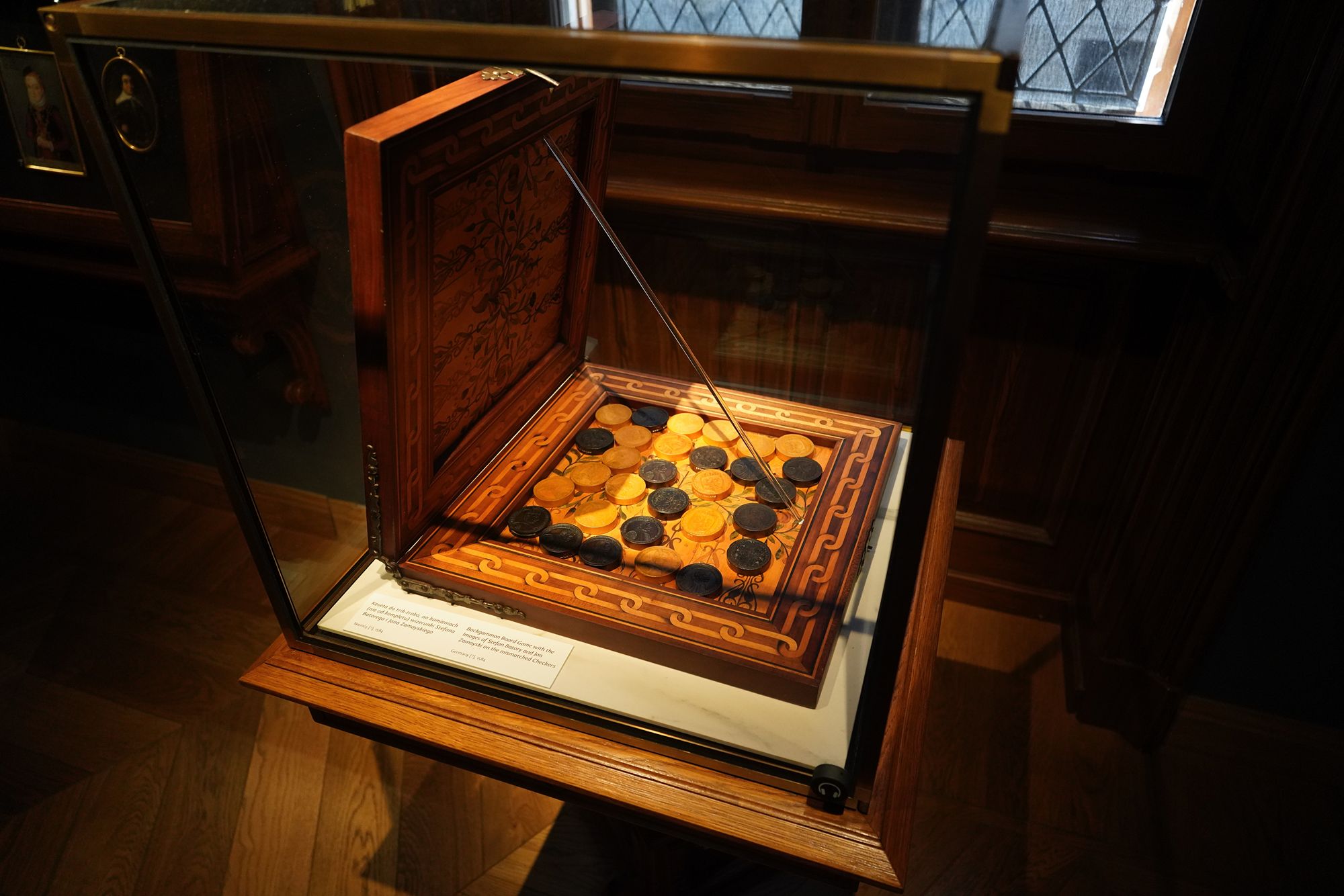
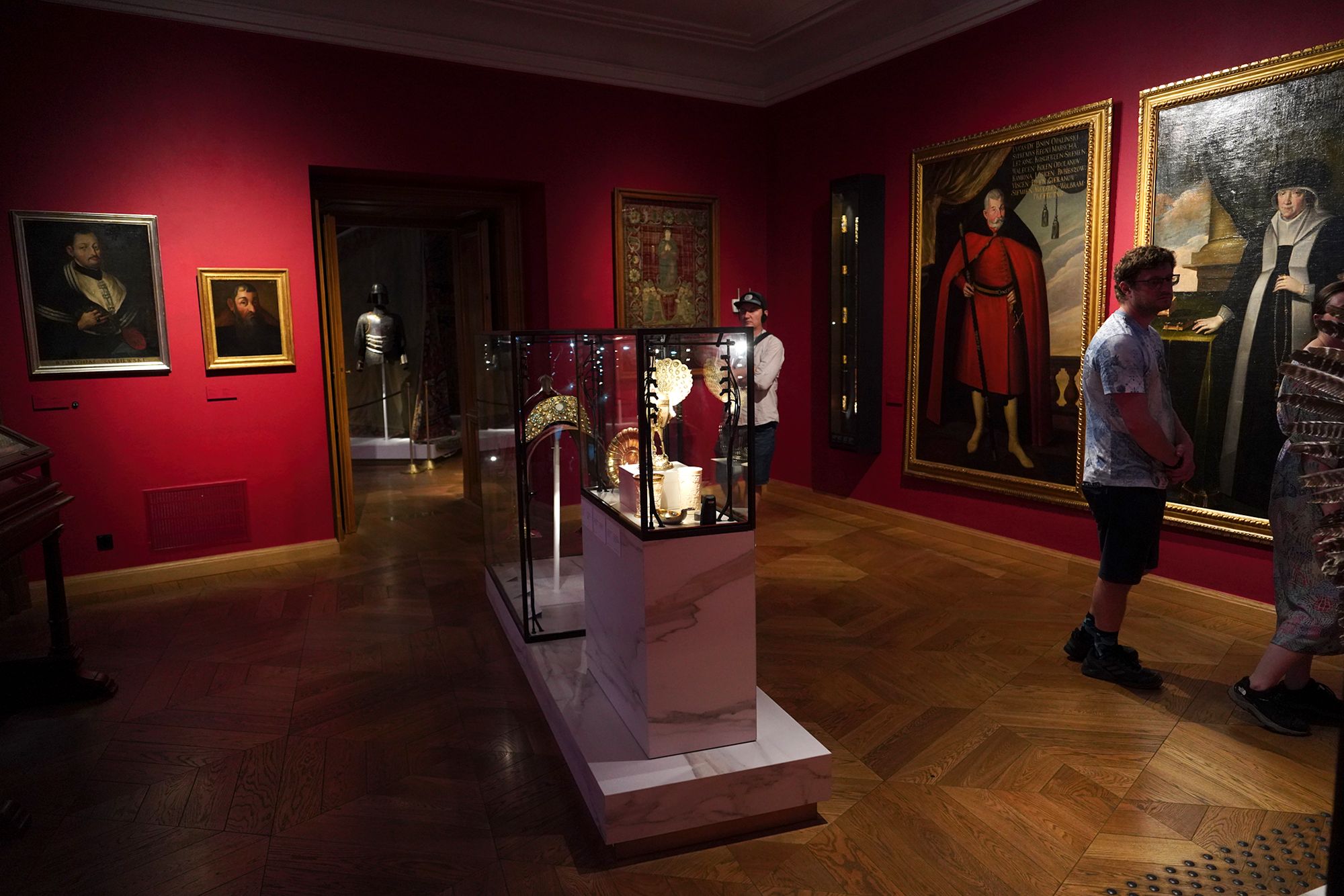
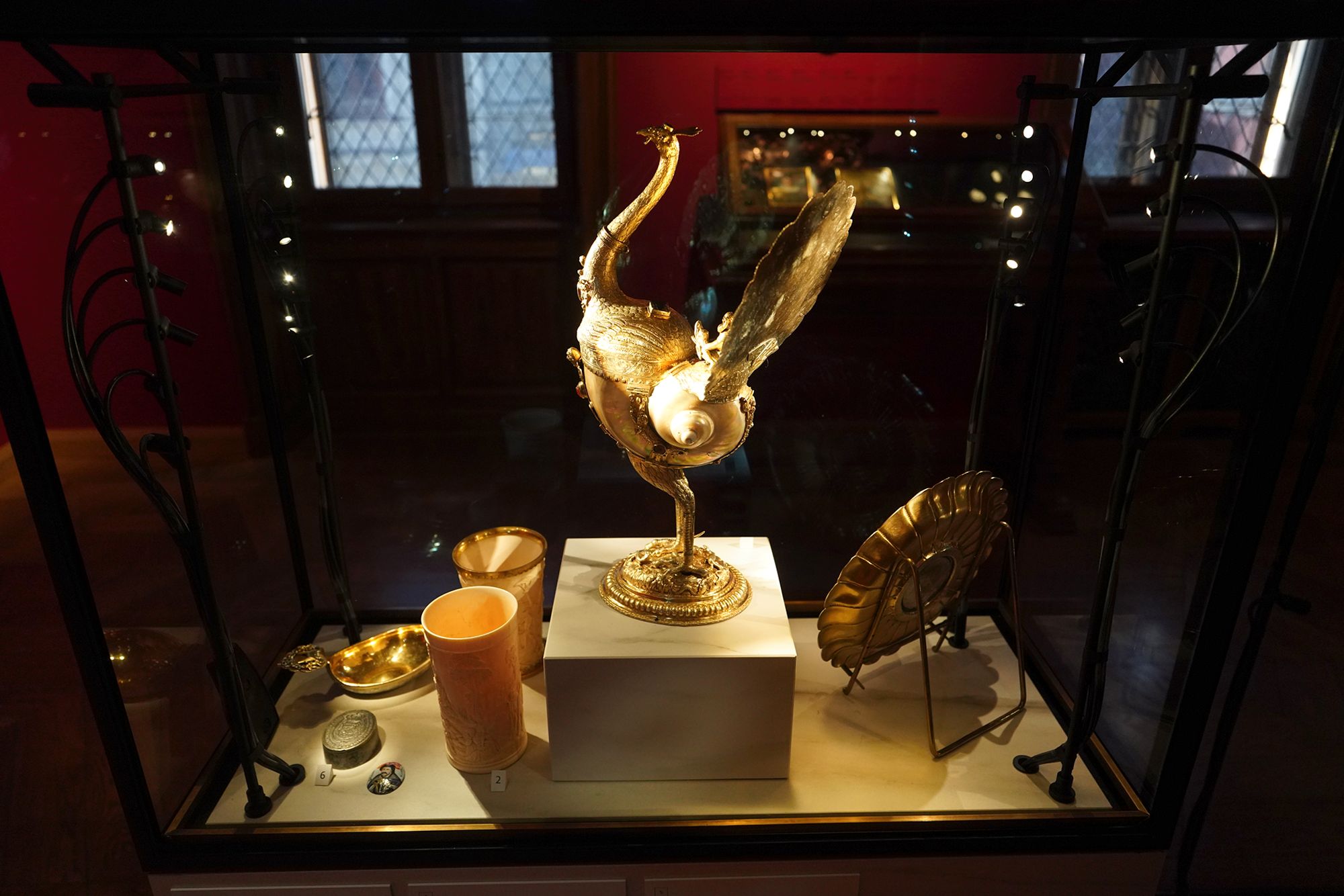
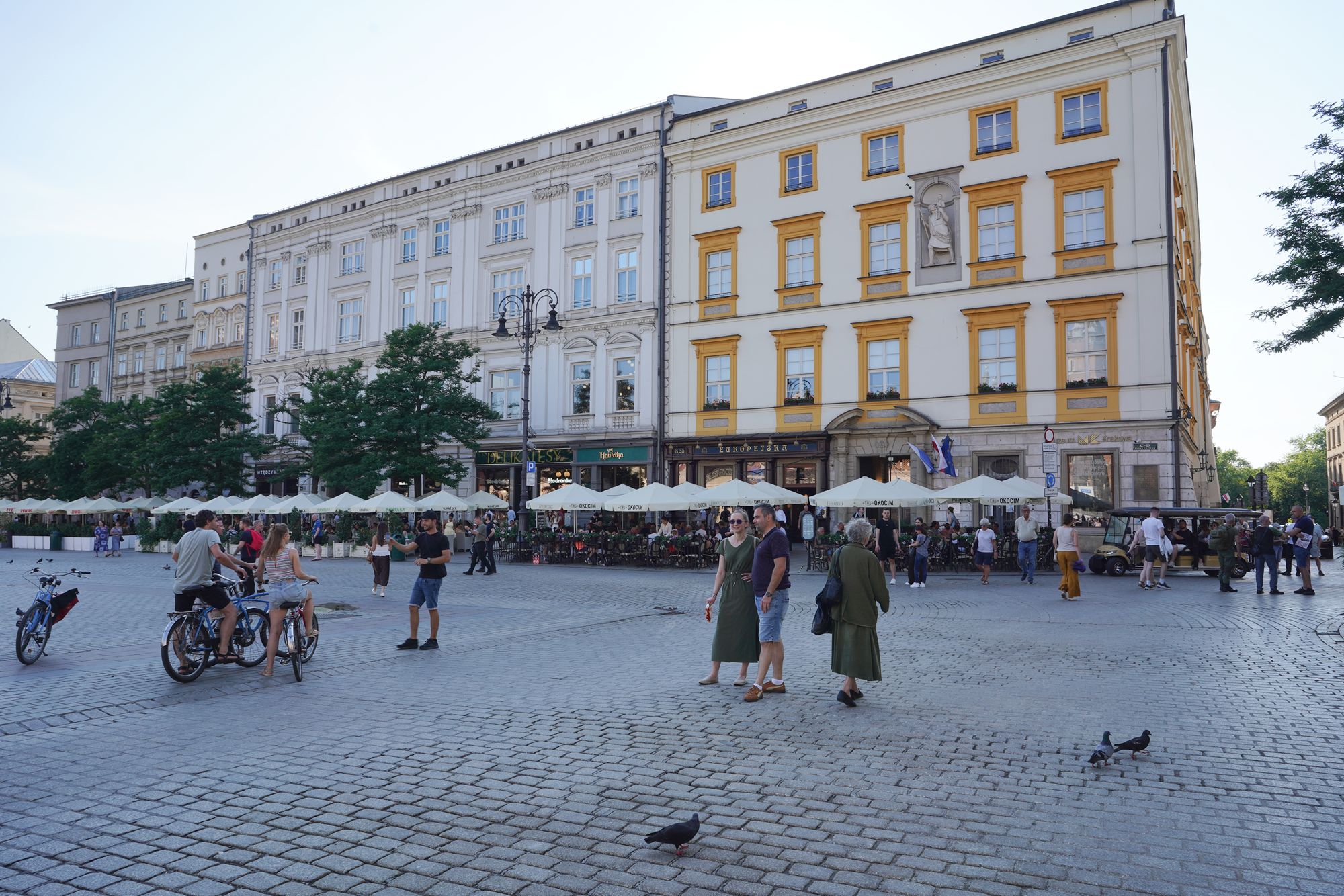
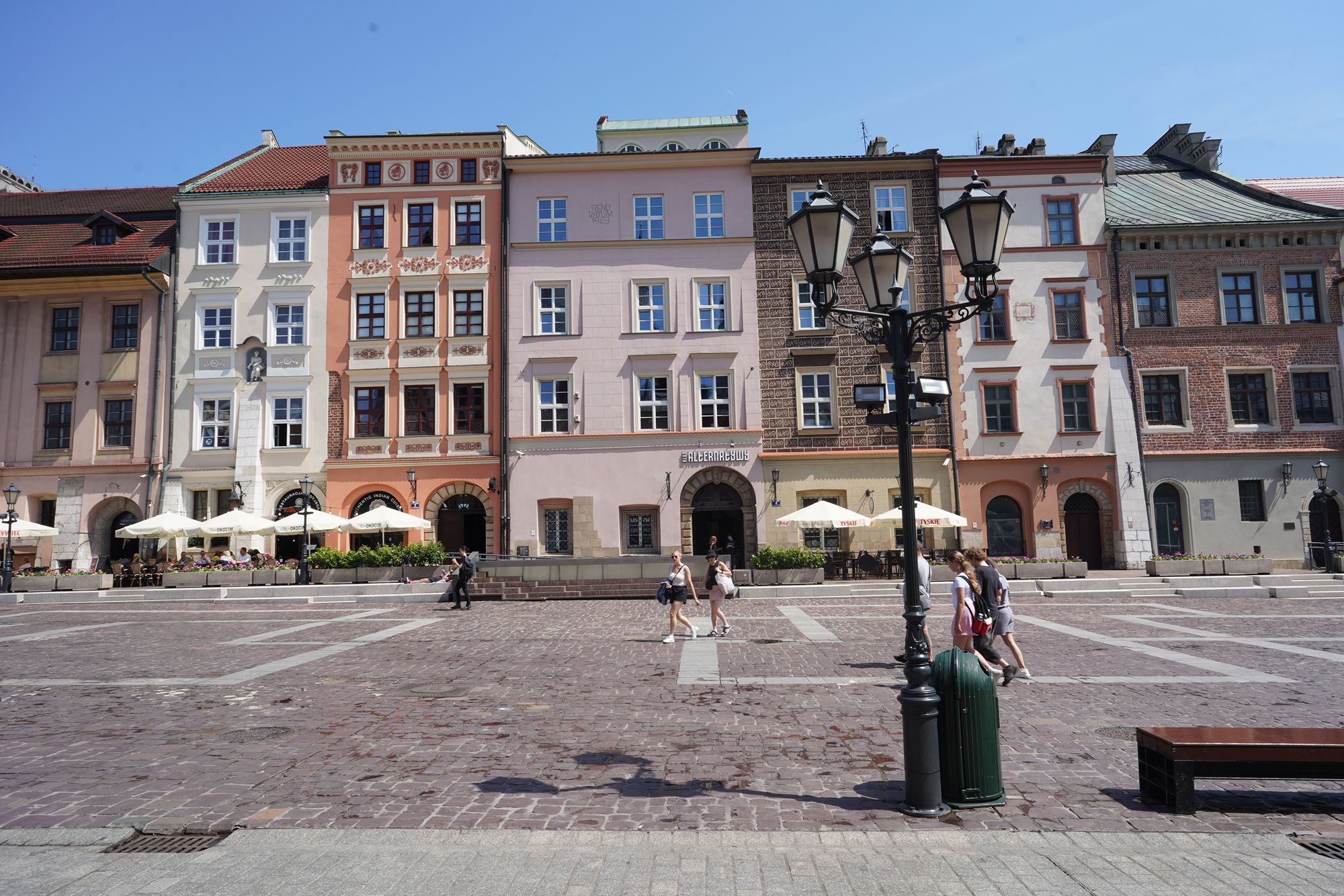
After visiting the Czartoryski Museum, I walked back to Rynek Główny.