Schindler’s Factory Museum I, Krakow, Poland
Schindler’s Museum presents Kraków’s wartime history through photographs, exhibits, and stories of life under Nazi occupation. 1351
Oskar Schindler's Enamel Factory: Lipowa 4, 30-702 Kraków, Poland
Date Picture Taken: Jun, 2026
Oskar Schindler’s Enamel Factory Museum is housed in the factory’s former administrative building in Kraków’s Podgórze district. Its main exhibition, Kraków under Nazi Occupation 1939–1945, tells the wider story of life in the city during the war, including the experiences of Kraków’s Jewish residents and the people Schindler helped save.
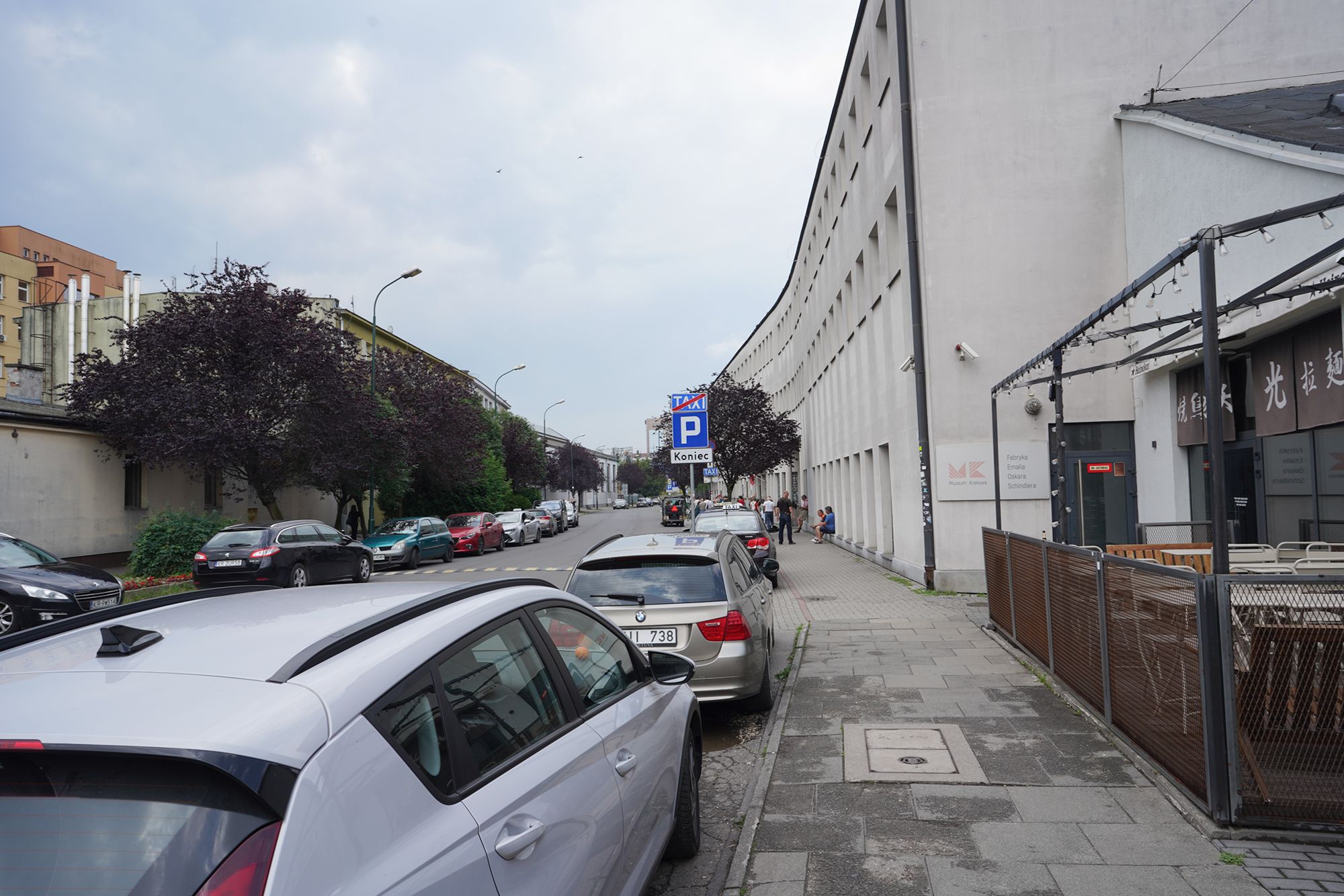
A group of visitors waited outside the building for the museum to open.
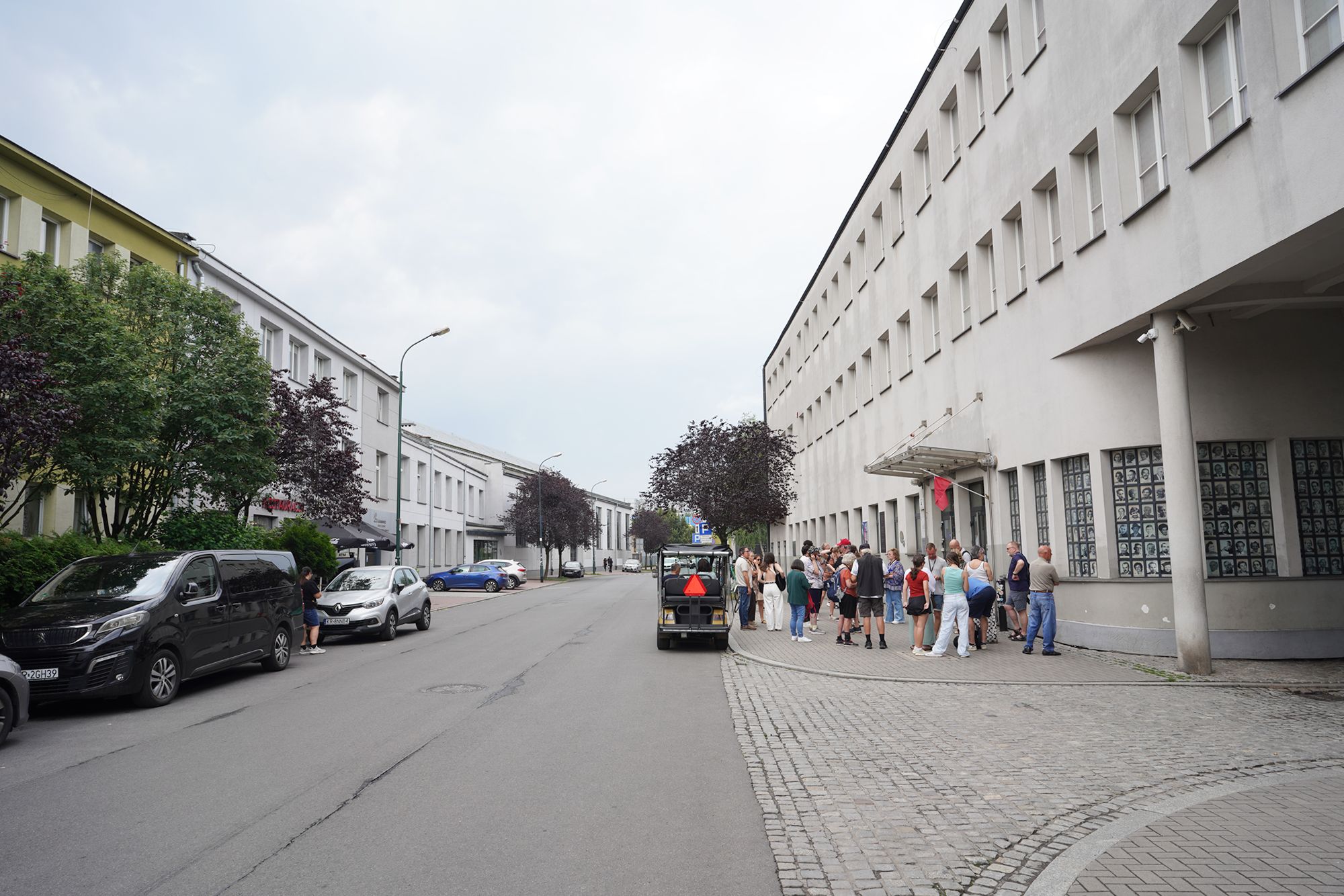
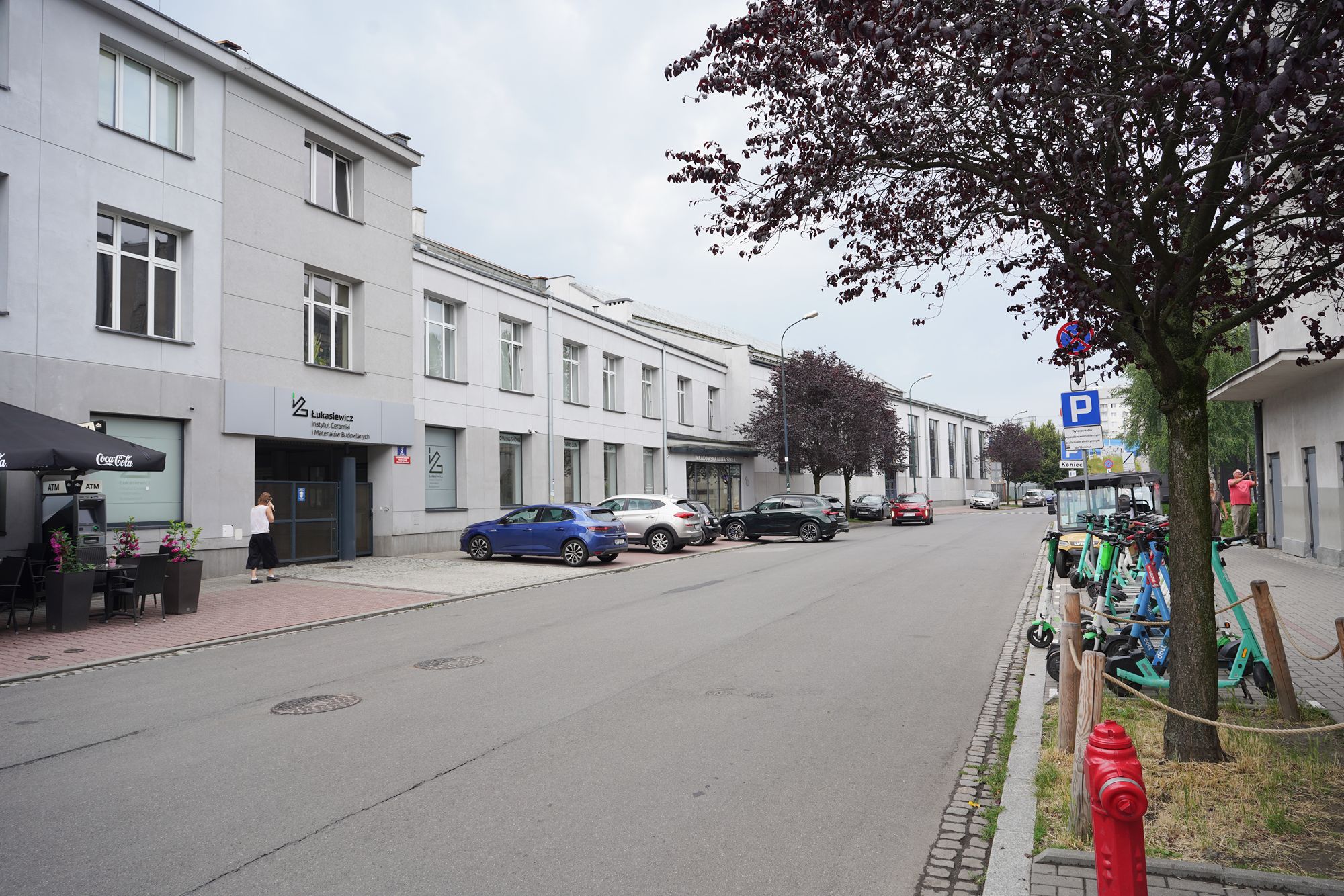
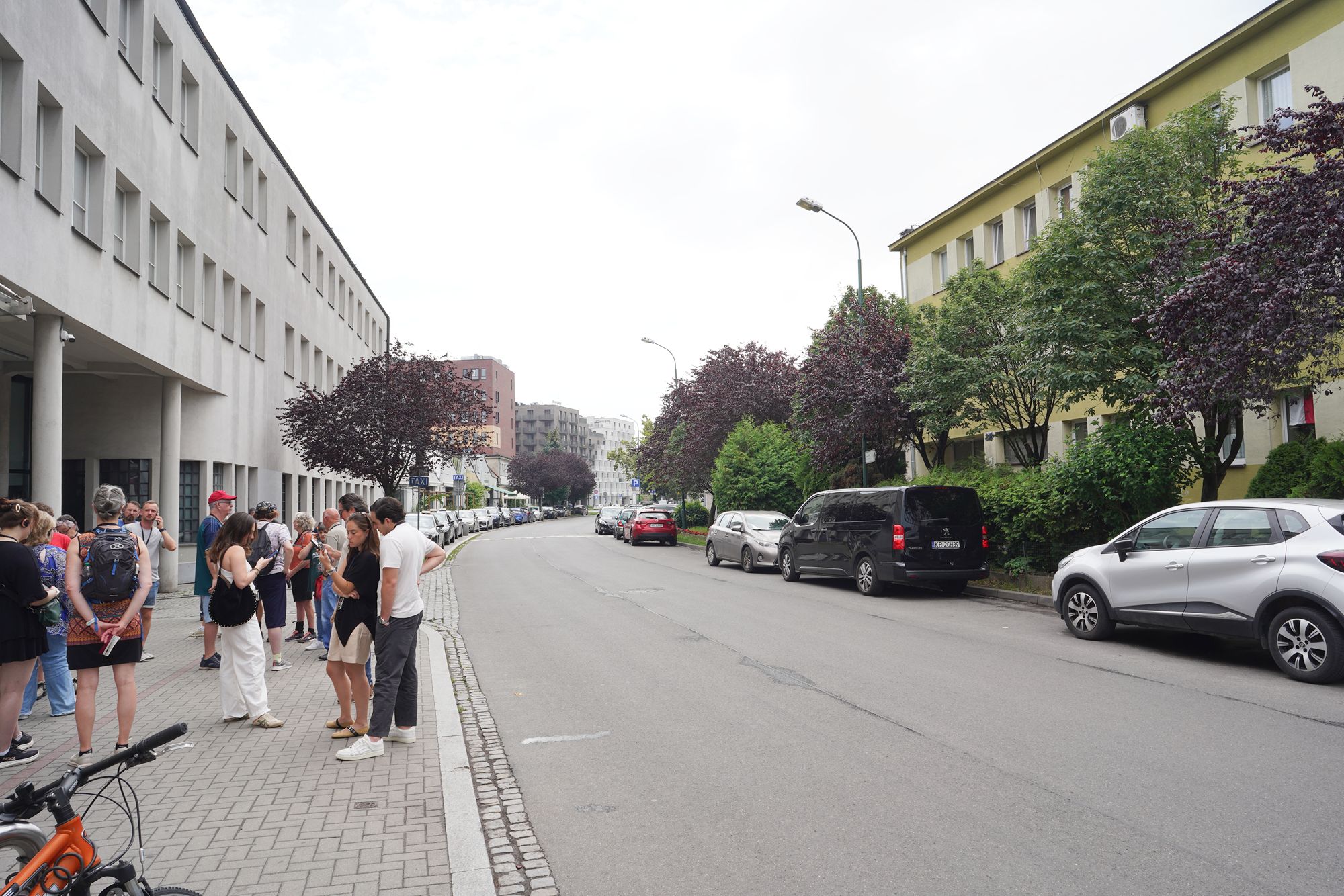
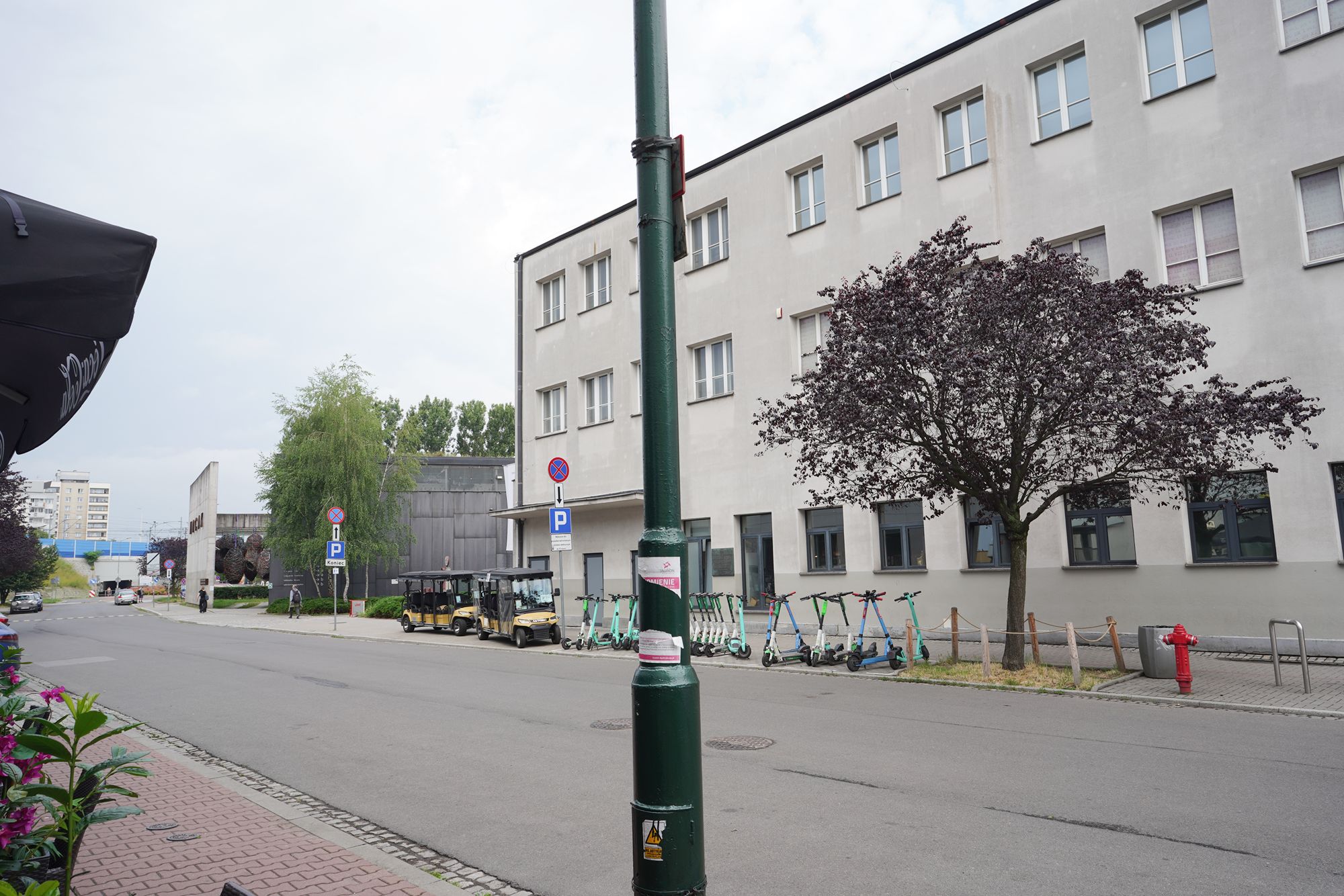
The museum is housed in the former administrative building of Oskar Schindler’s enamel factory.
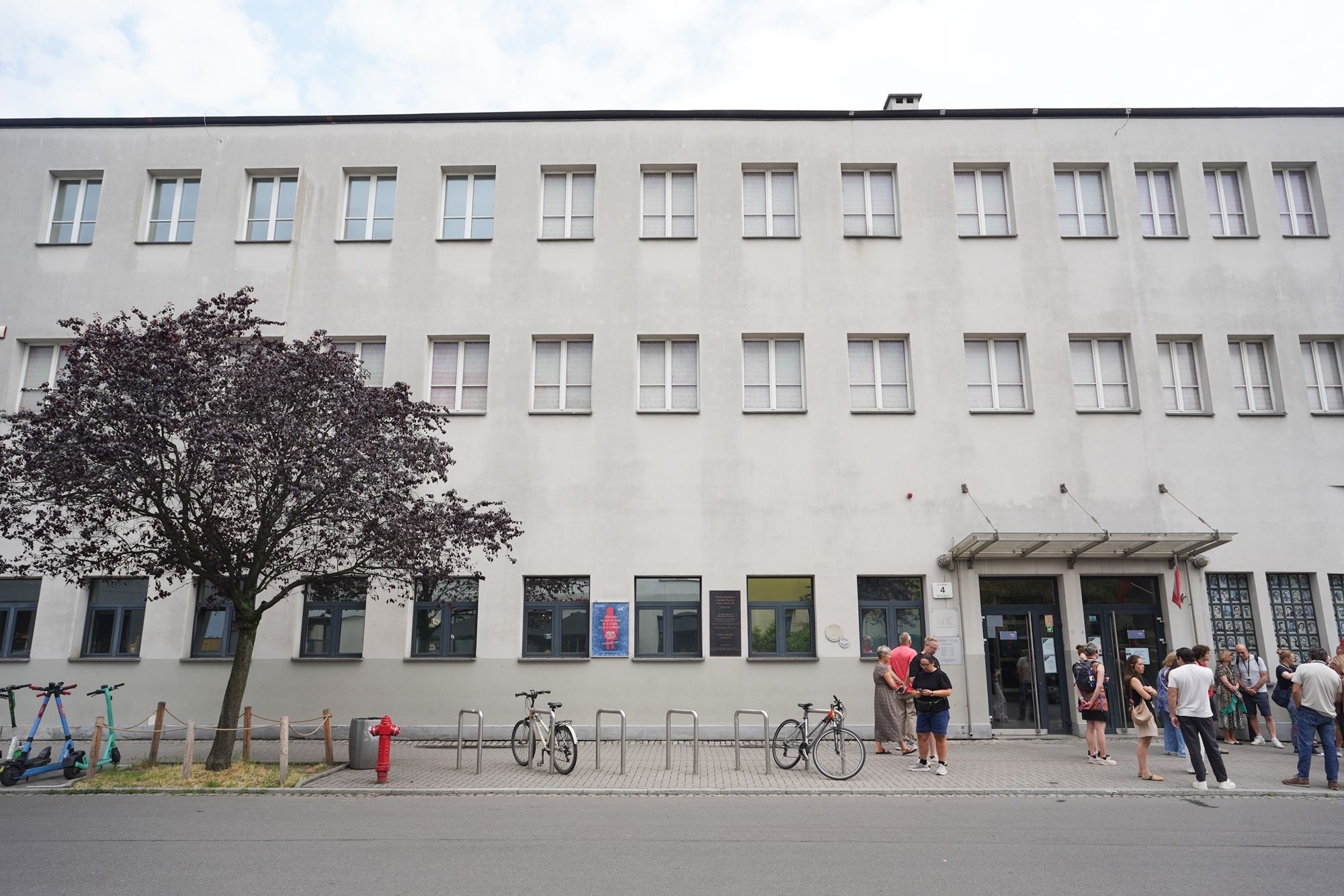
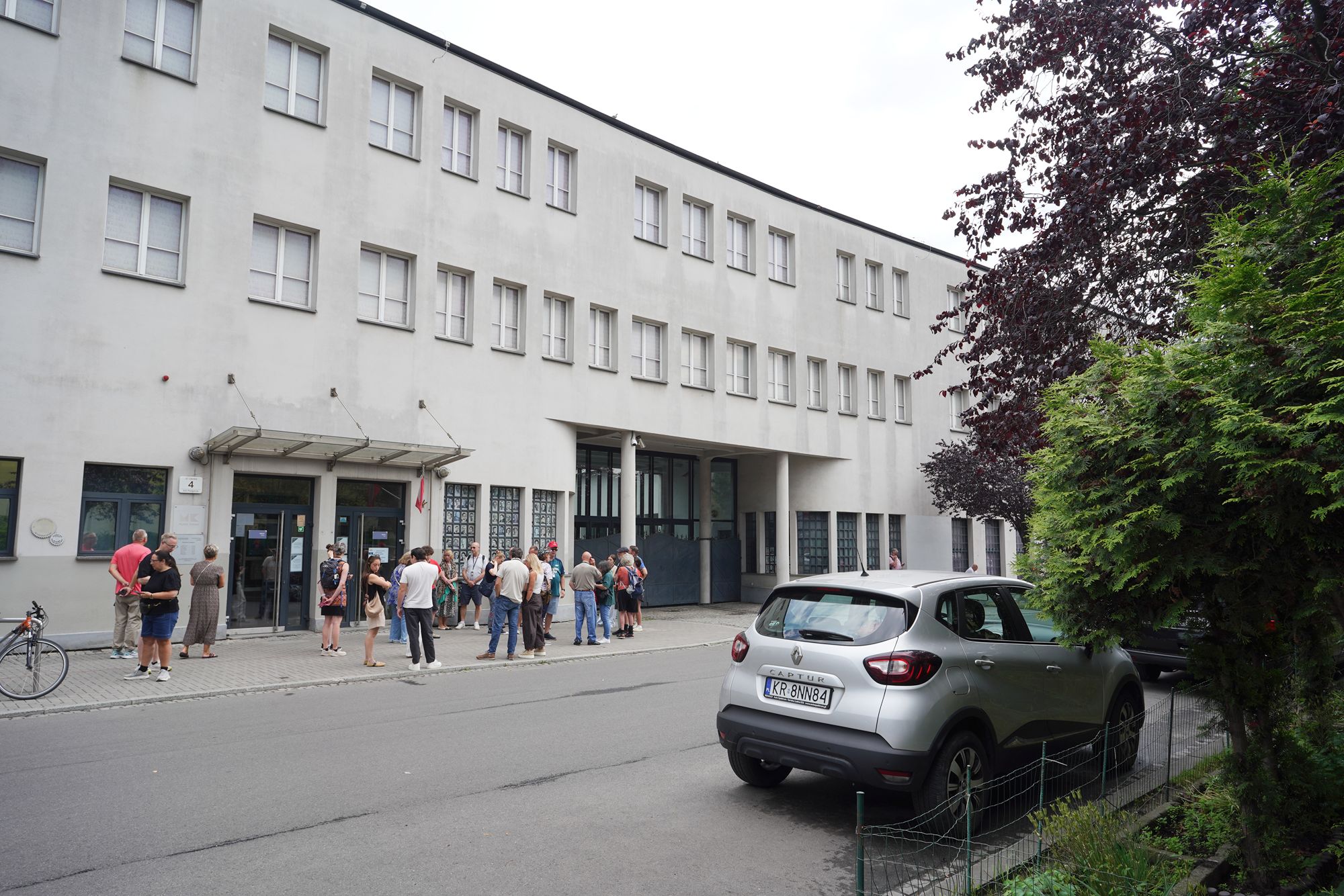
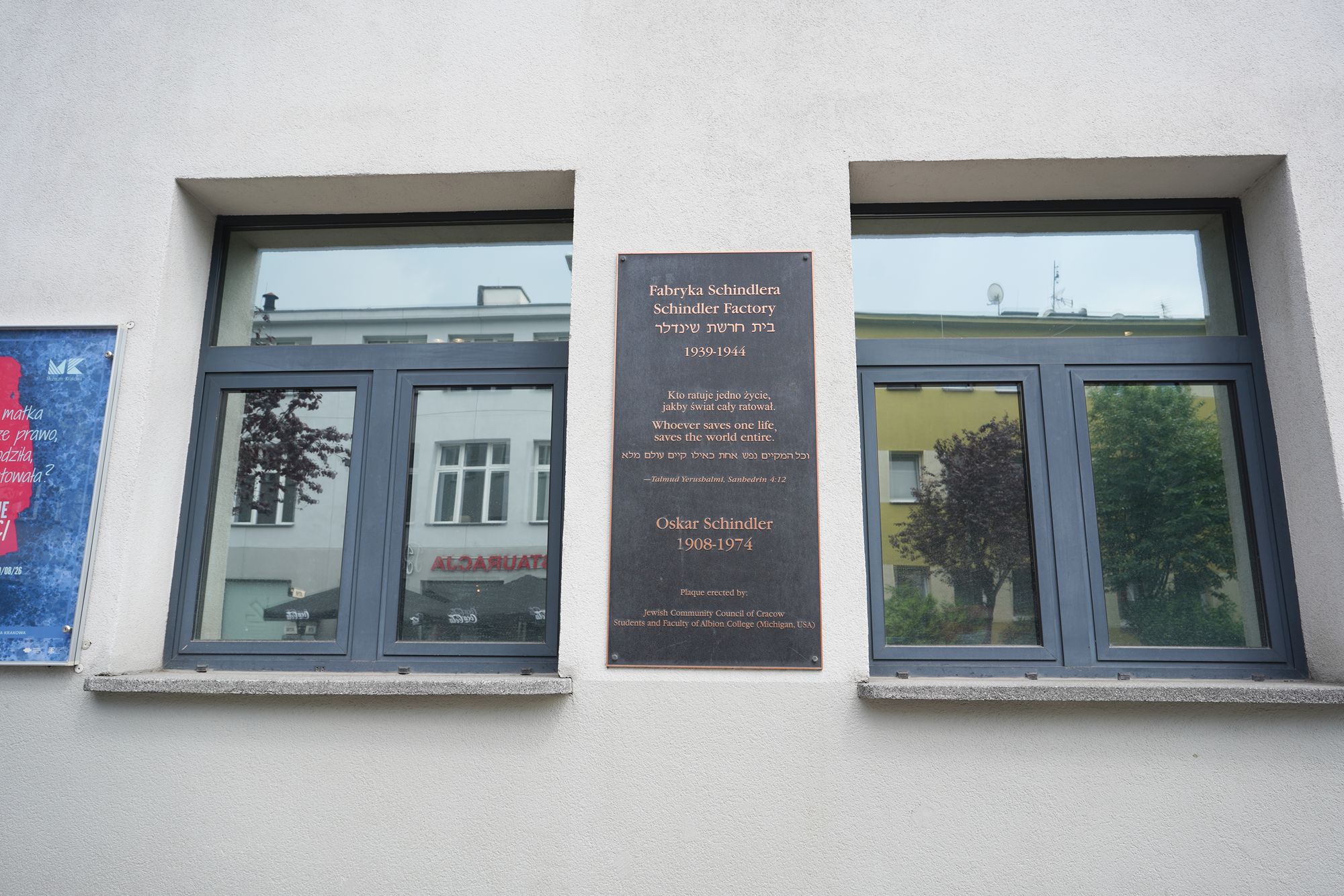
Oskar Schindler was a German businessman who became famous for helping about 1,200 Jewish people survive the Holocaust. He employed them in his factories and used his influence to protect them from deportation and death. His story became widely known through the book and film Schindler’s List.
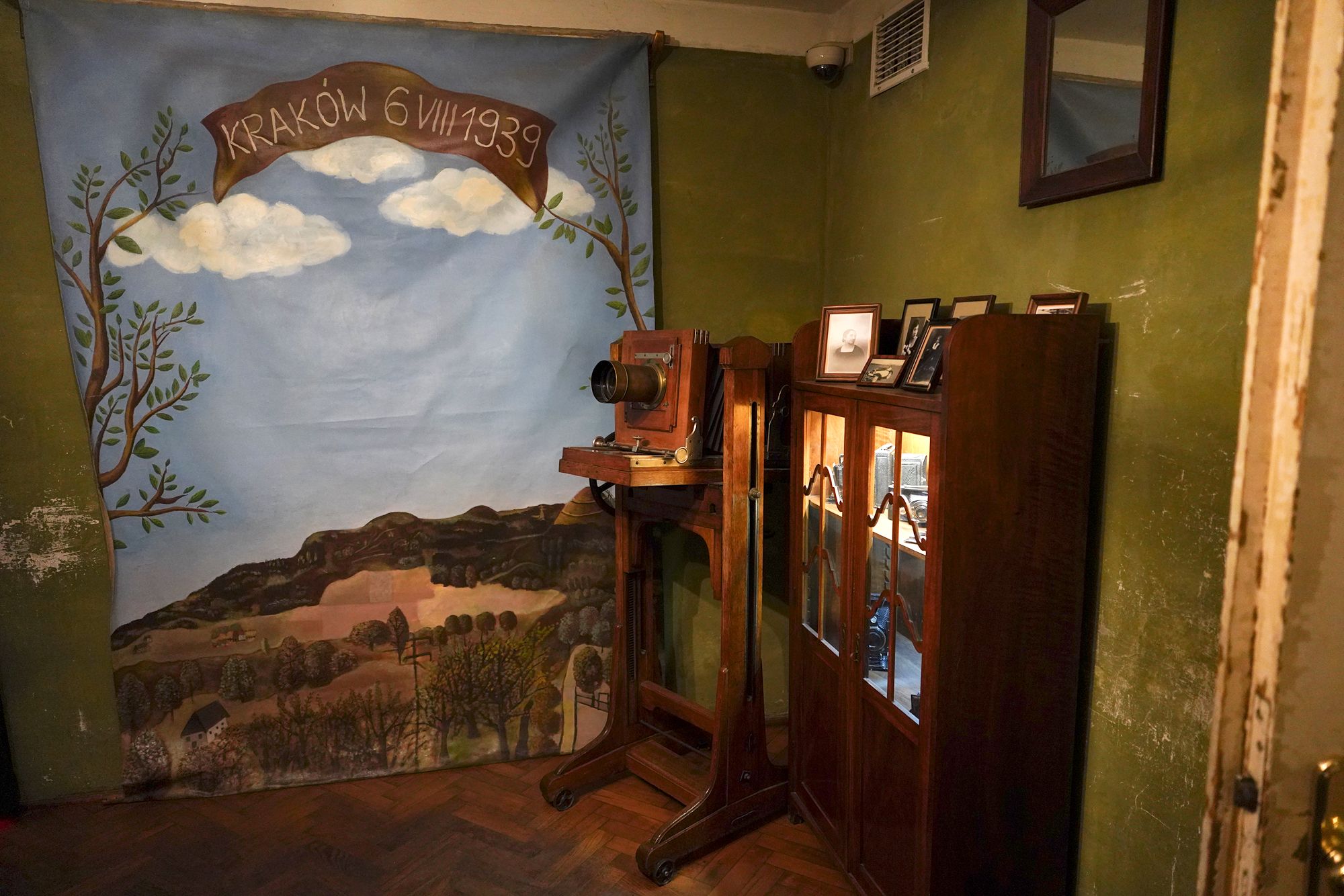
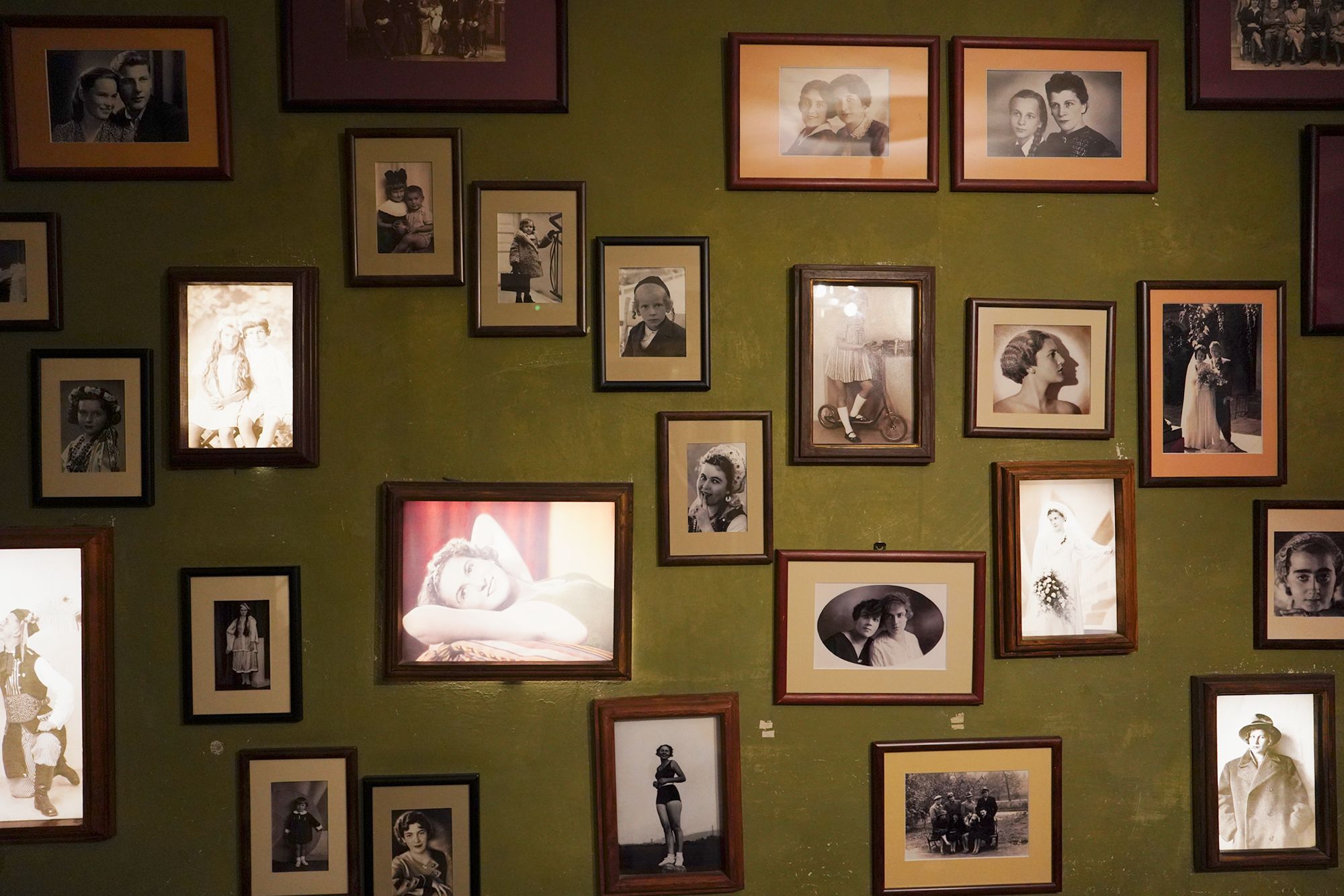
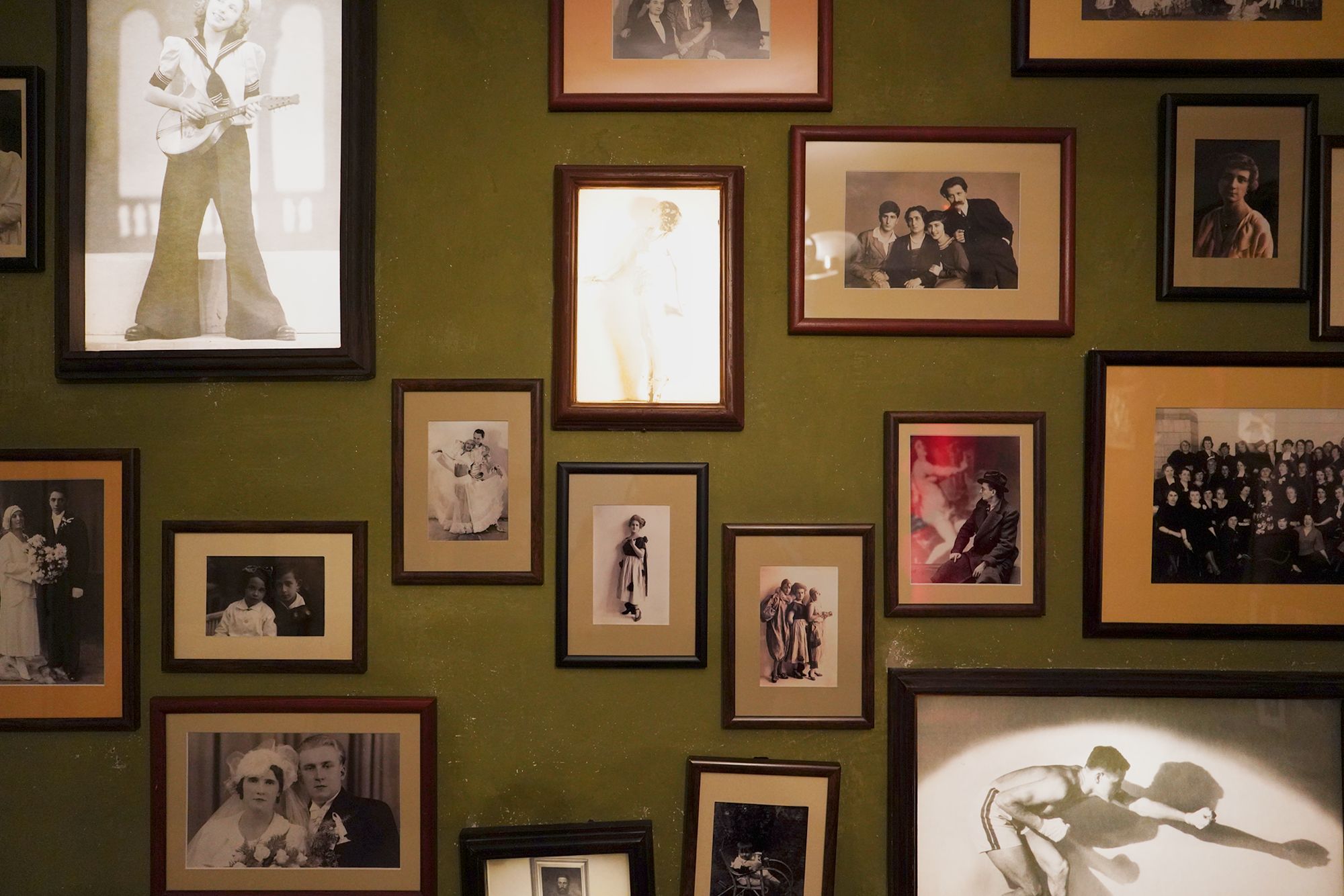
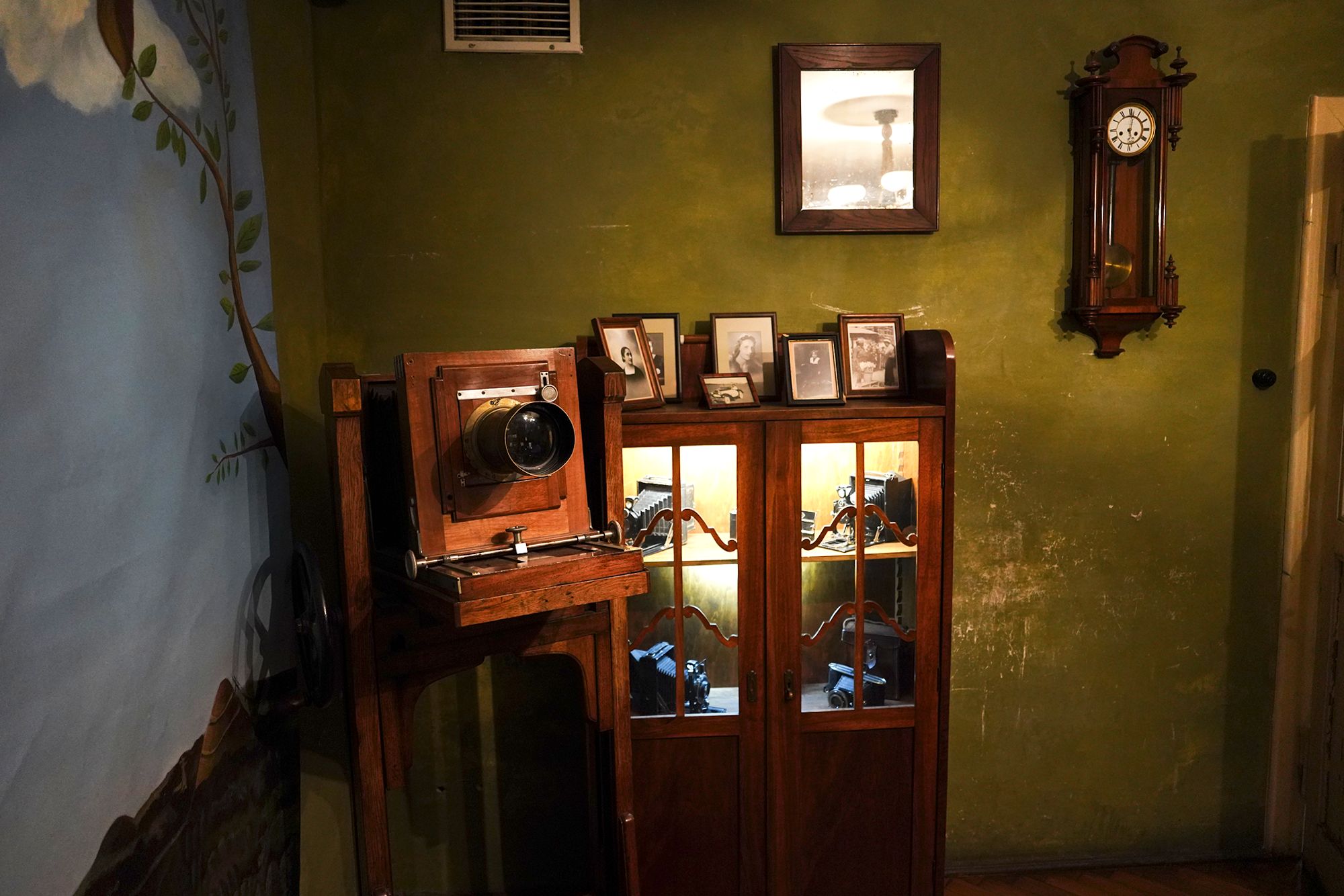
The panel describes Kraków between 1918 and 1939 as Poland’s cultural capital after the country regained independence. It highlights school trips that celebrated Polish identity, the city’s lively universities and arts scene, and sharp social divisions between conservative groups and the growing socialist movement. Workers’ demonstrations in 1923 and 1936 were violently suppressed.
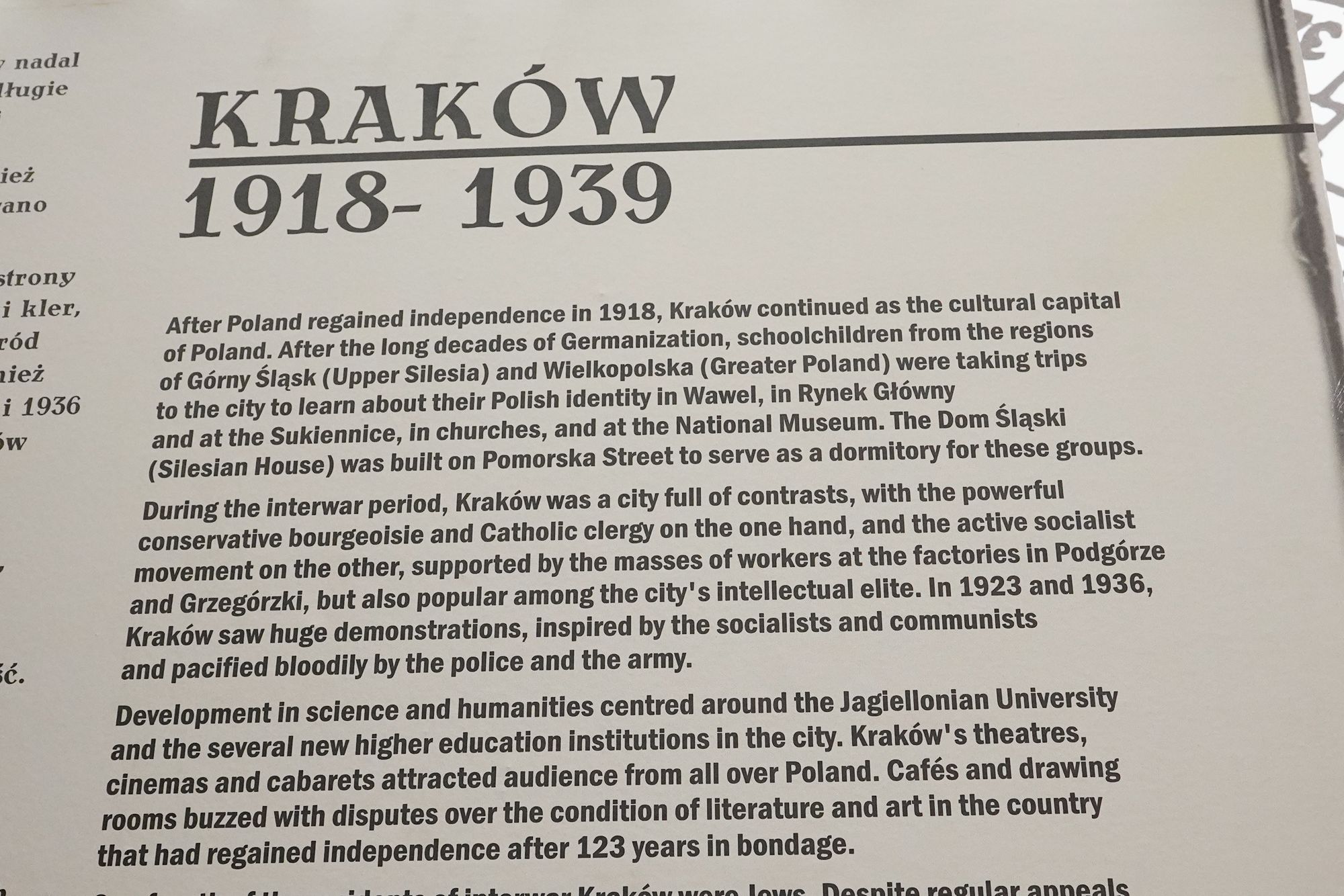
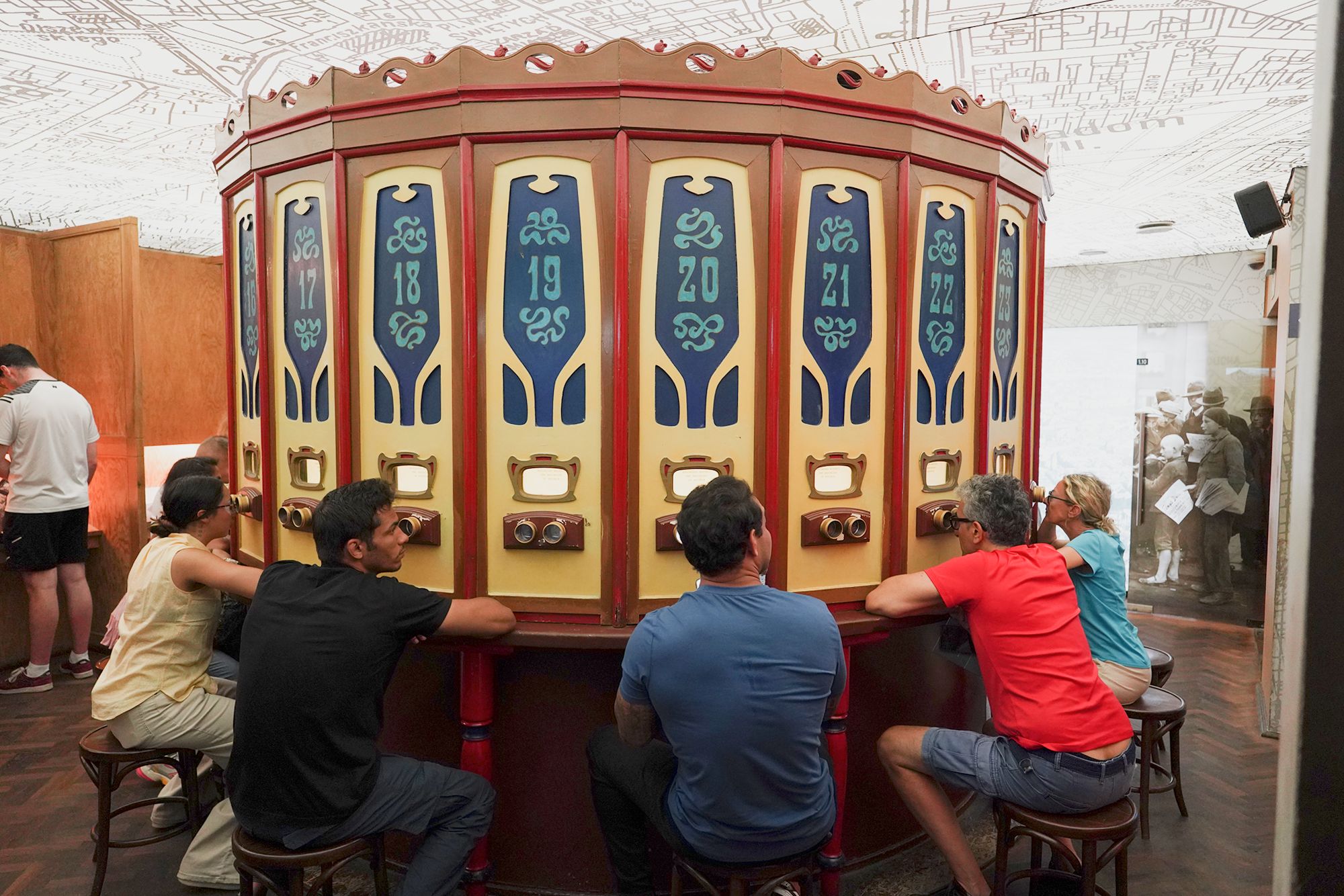
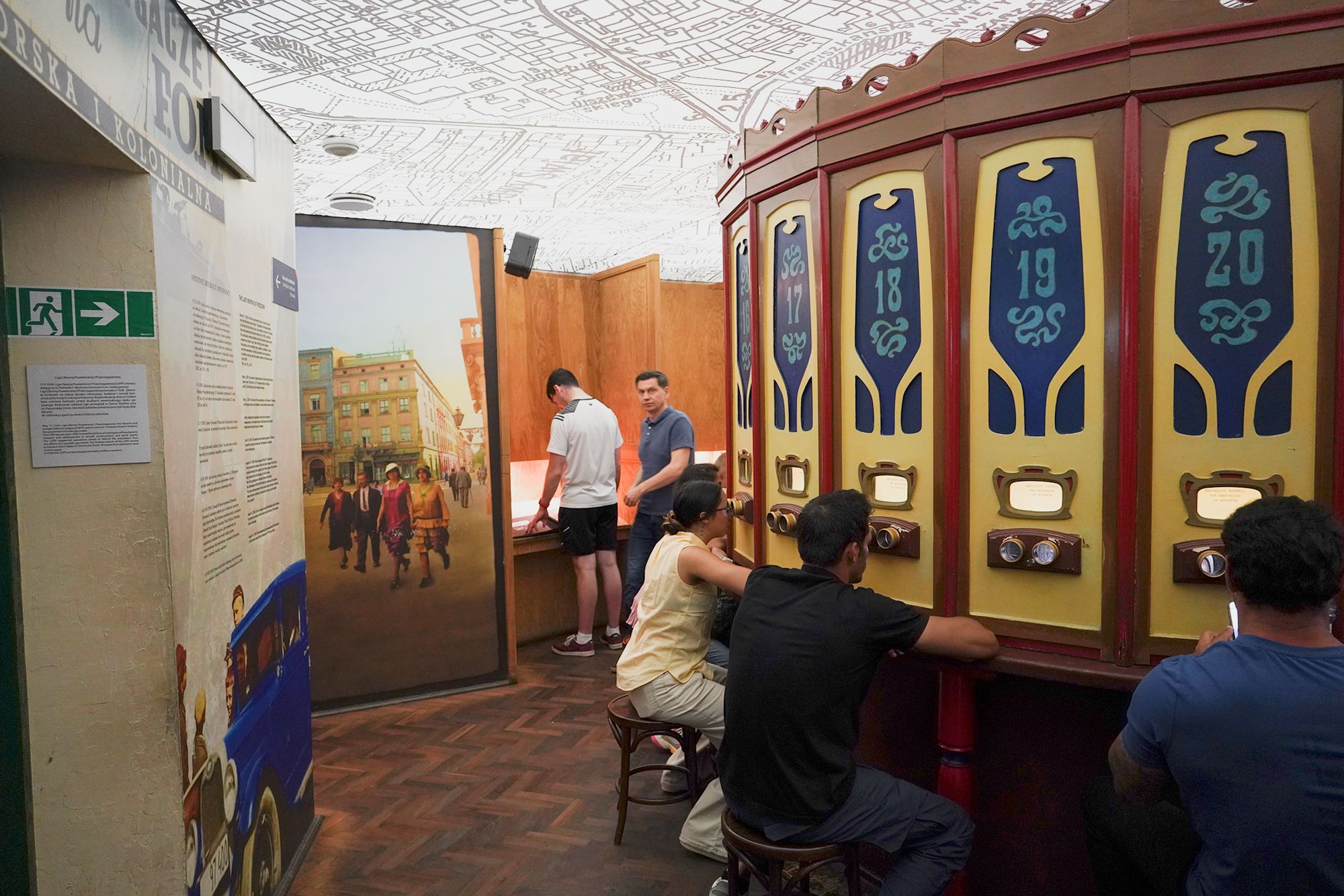
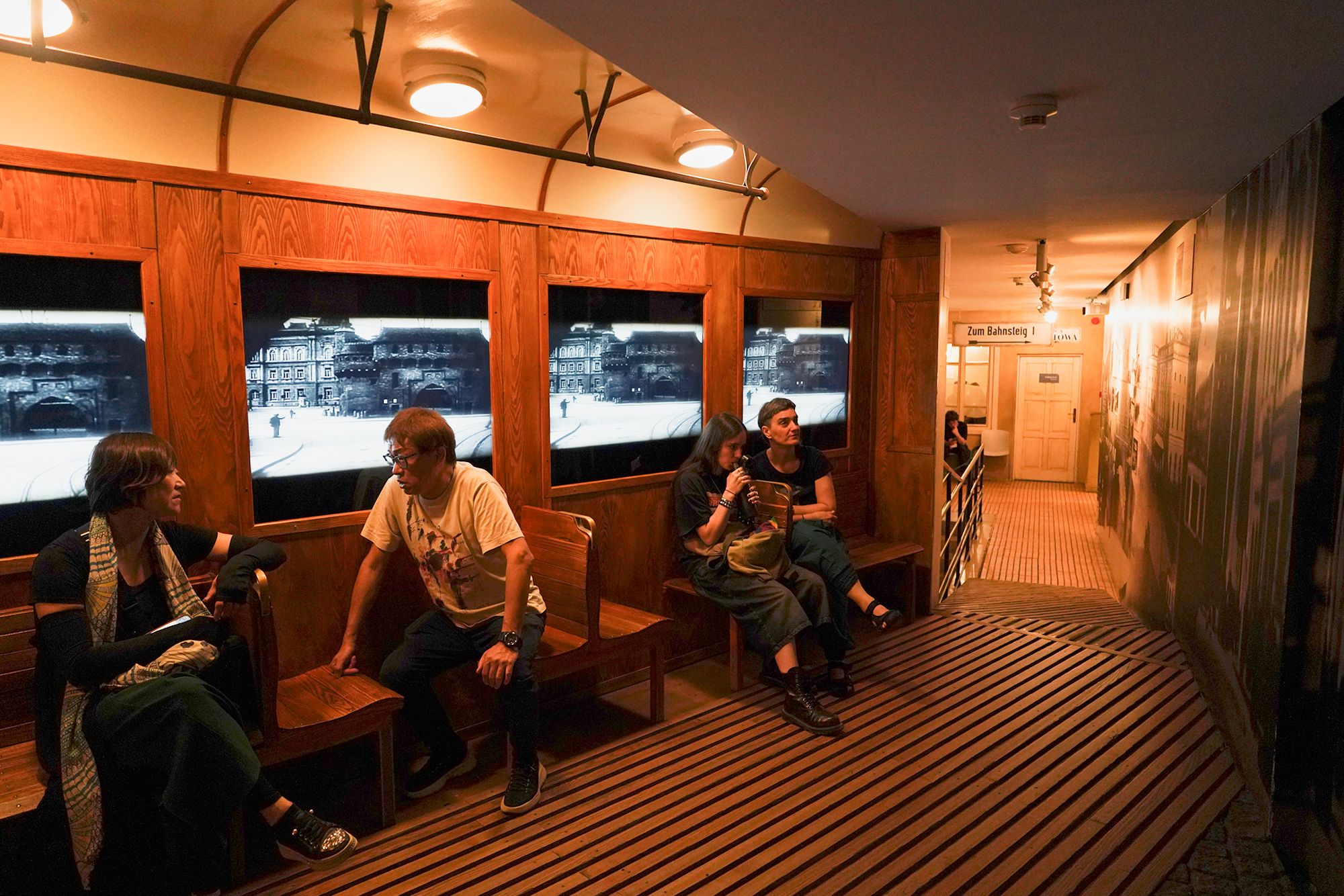
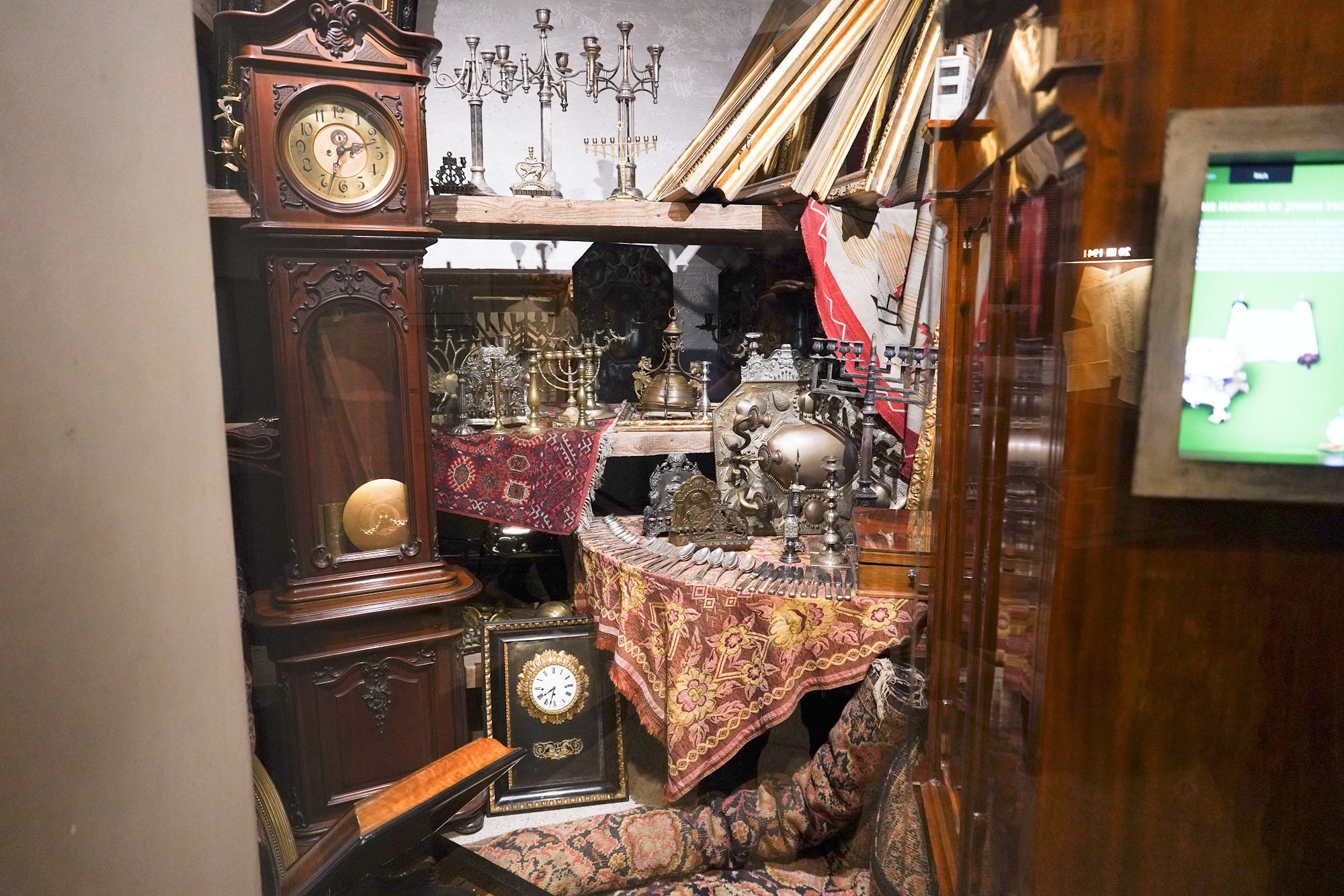
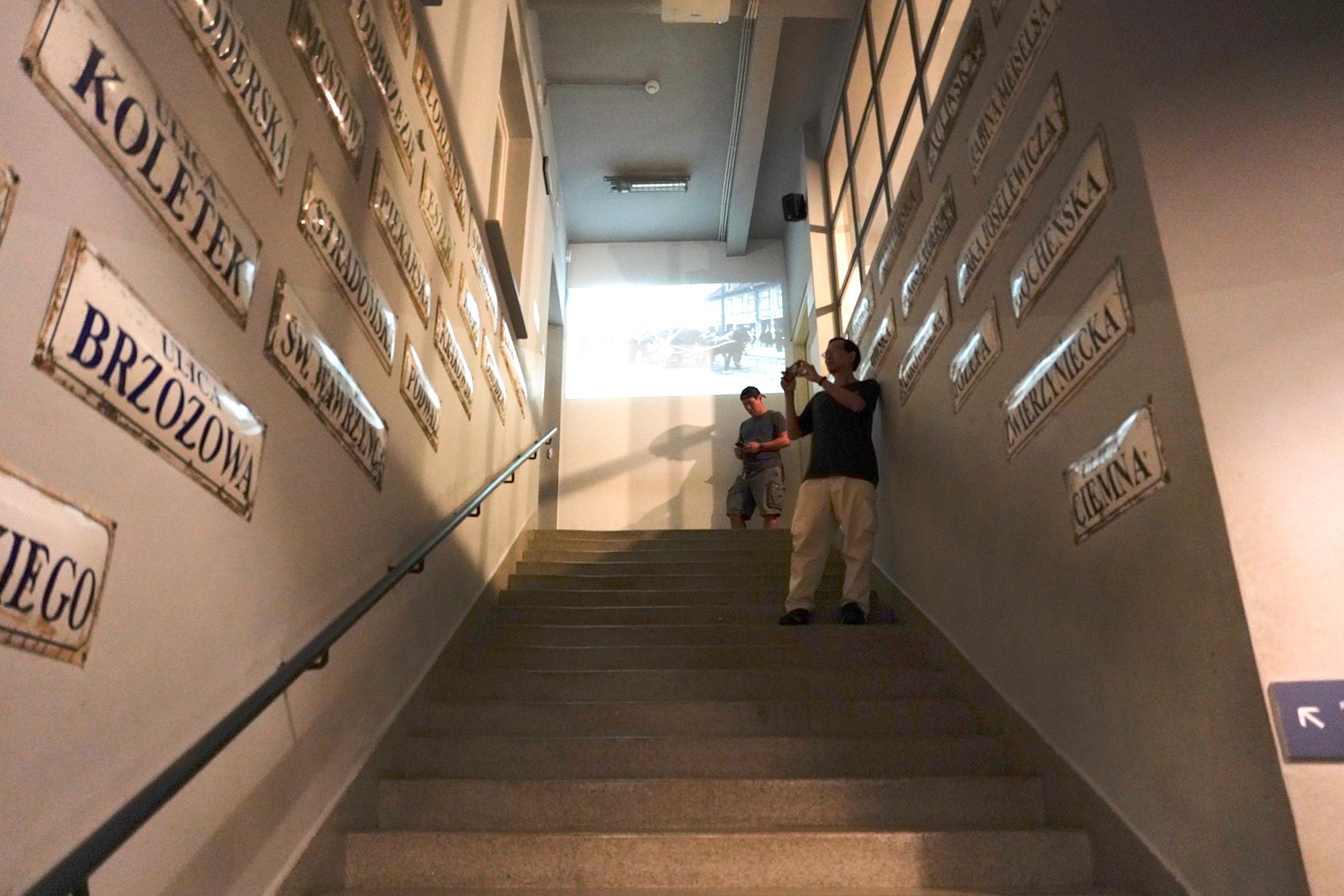
Unlike many museums, this one is housed in a former factory’s administrative building, so the exhibits follow its narrow corridors and smaller rooms.
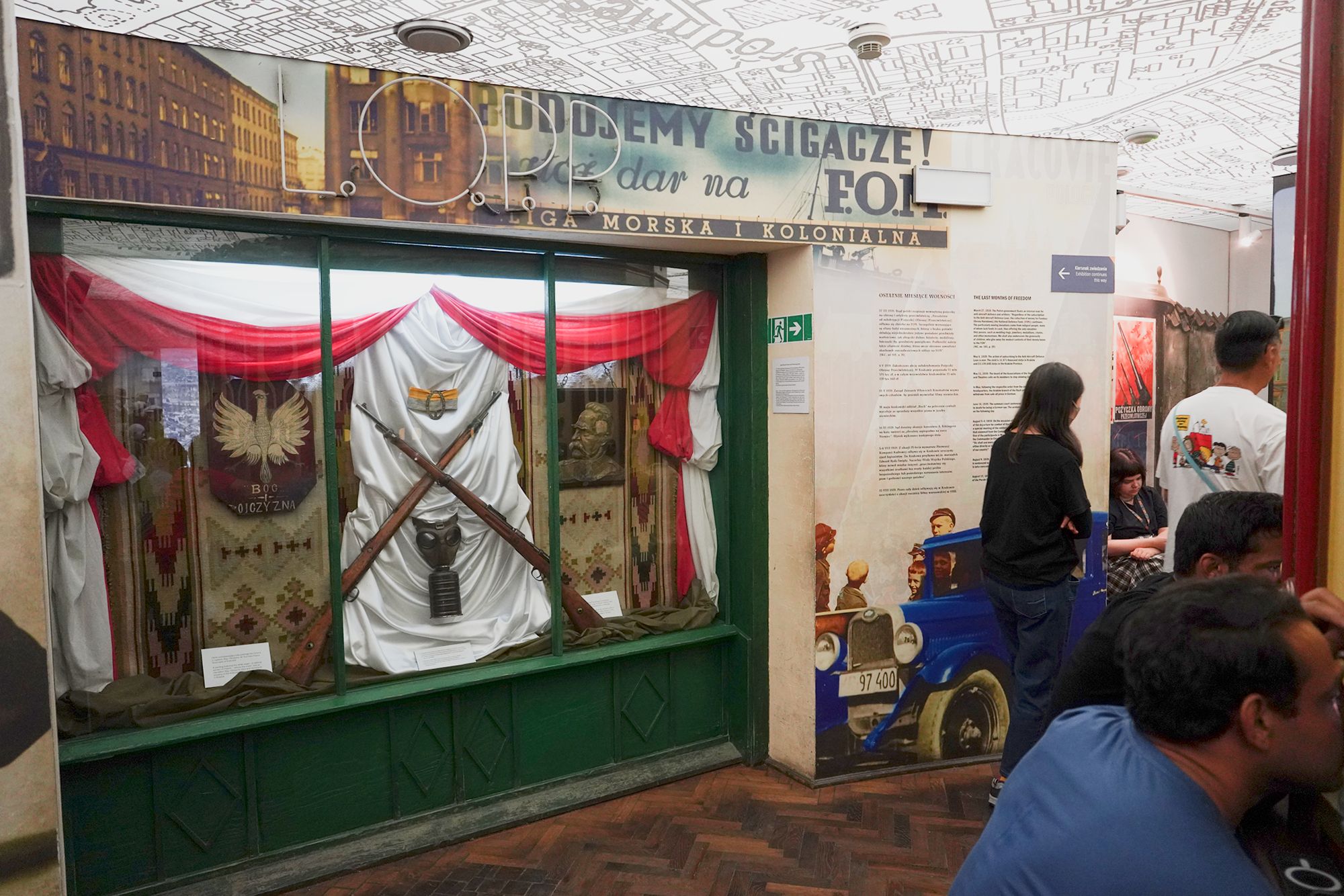
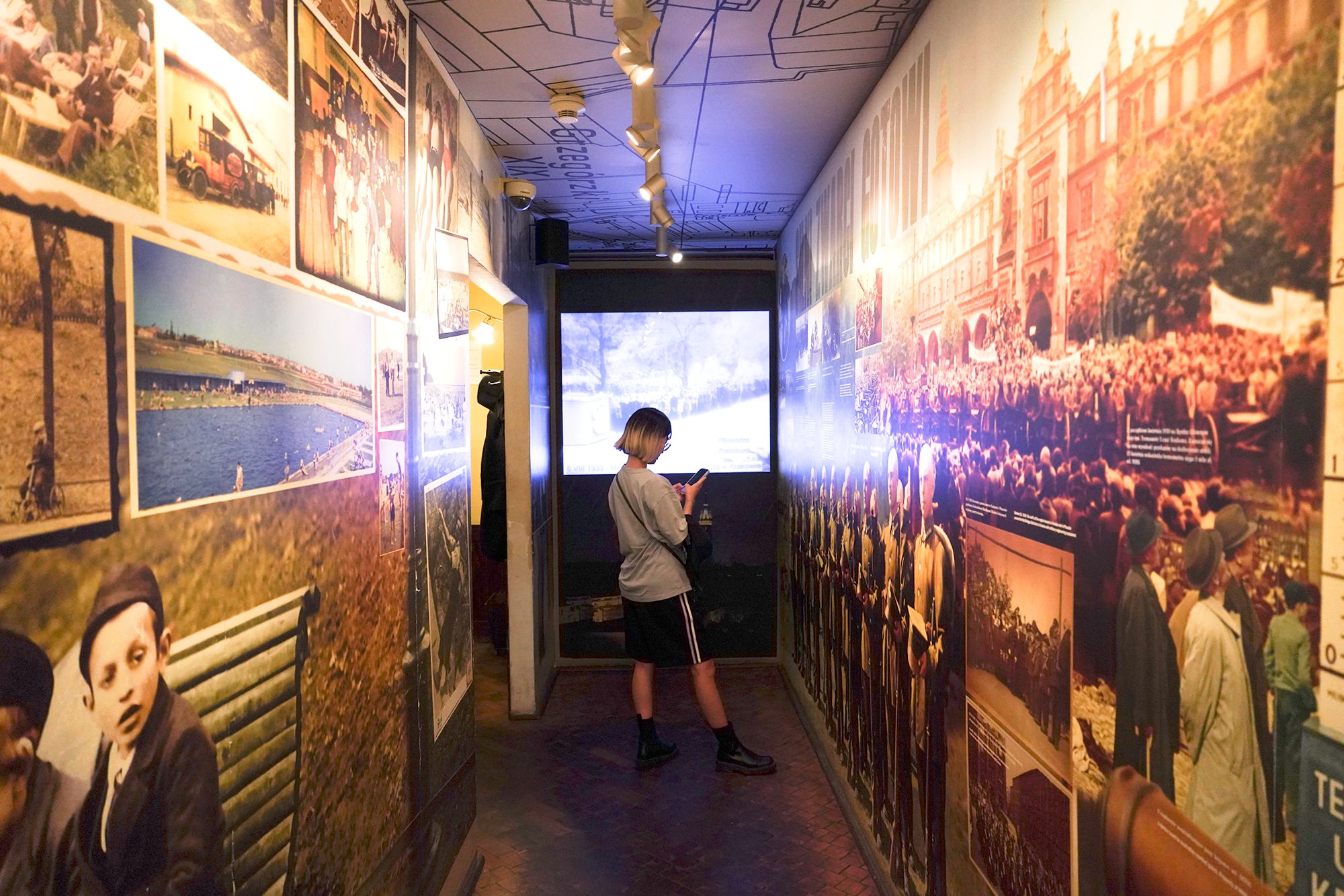
The exhibits tell more than Oskar Schindler’s story and his efforts to save his Jewish workers; they also explore Kraków’s wider history and the experiences of its residents during the German occupation.
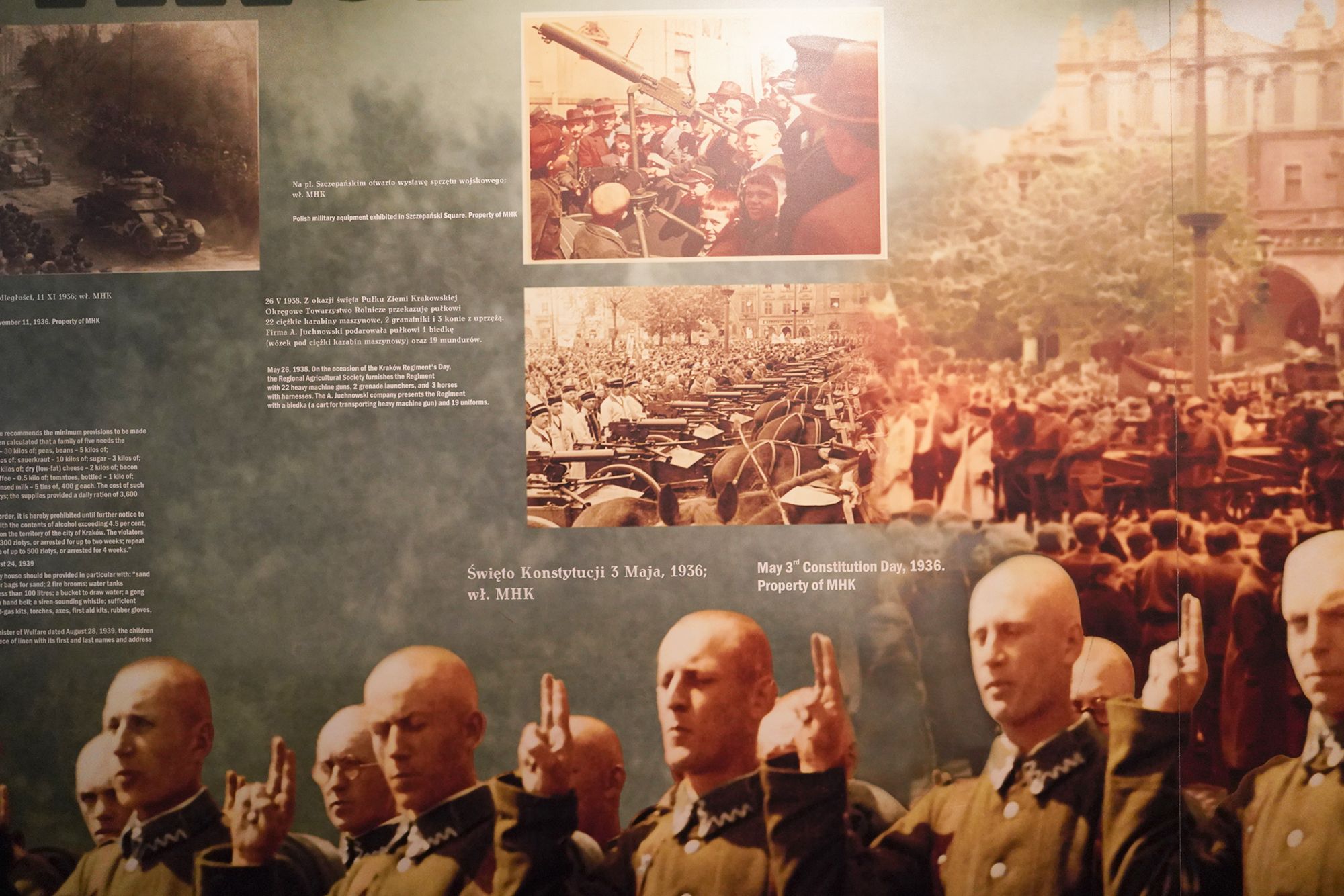
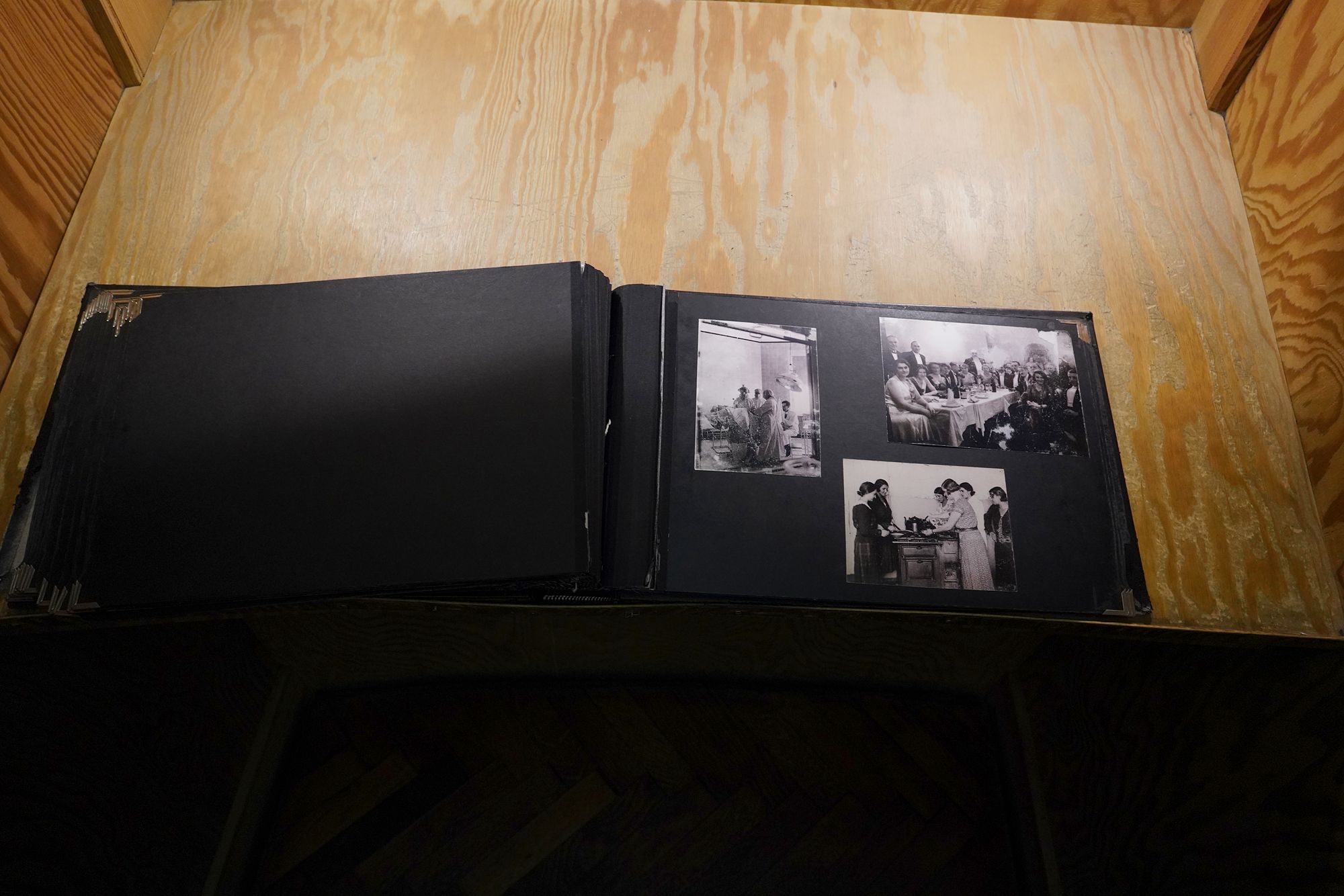
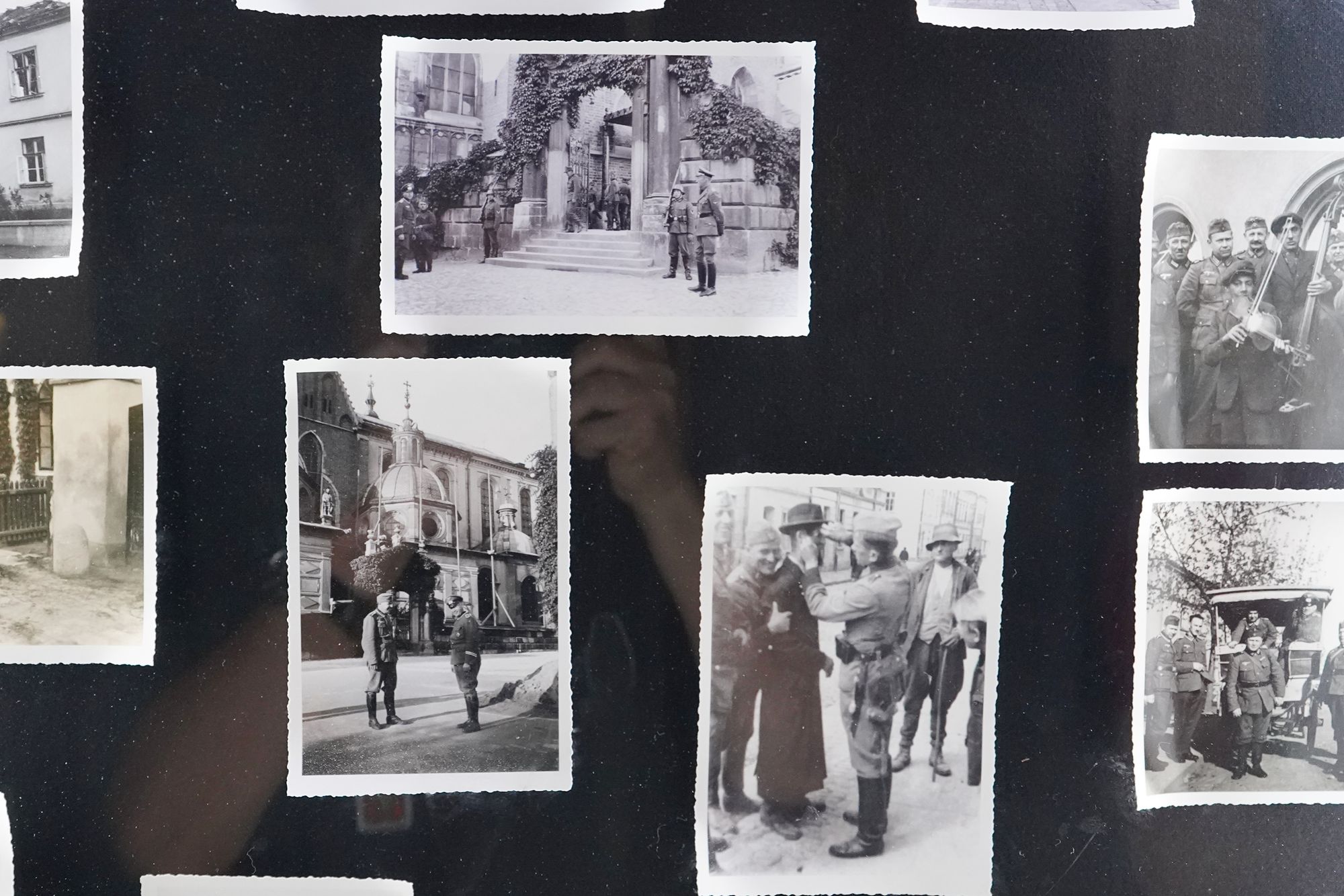
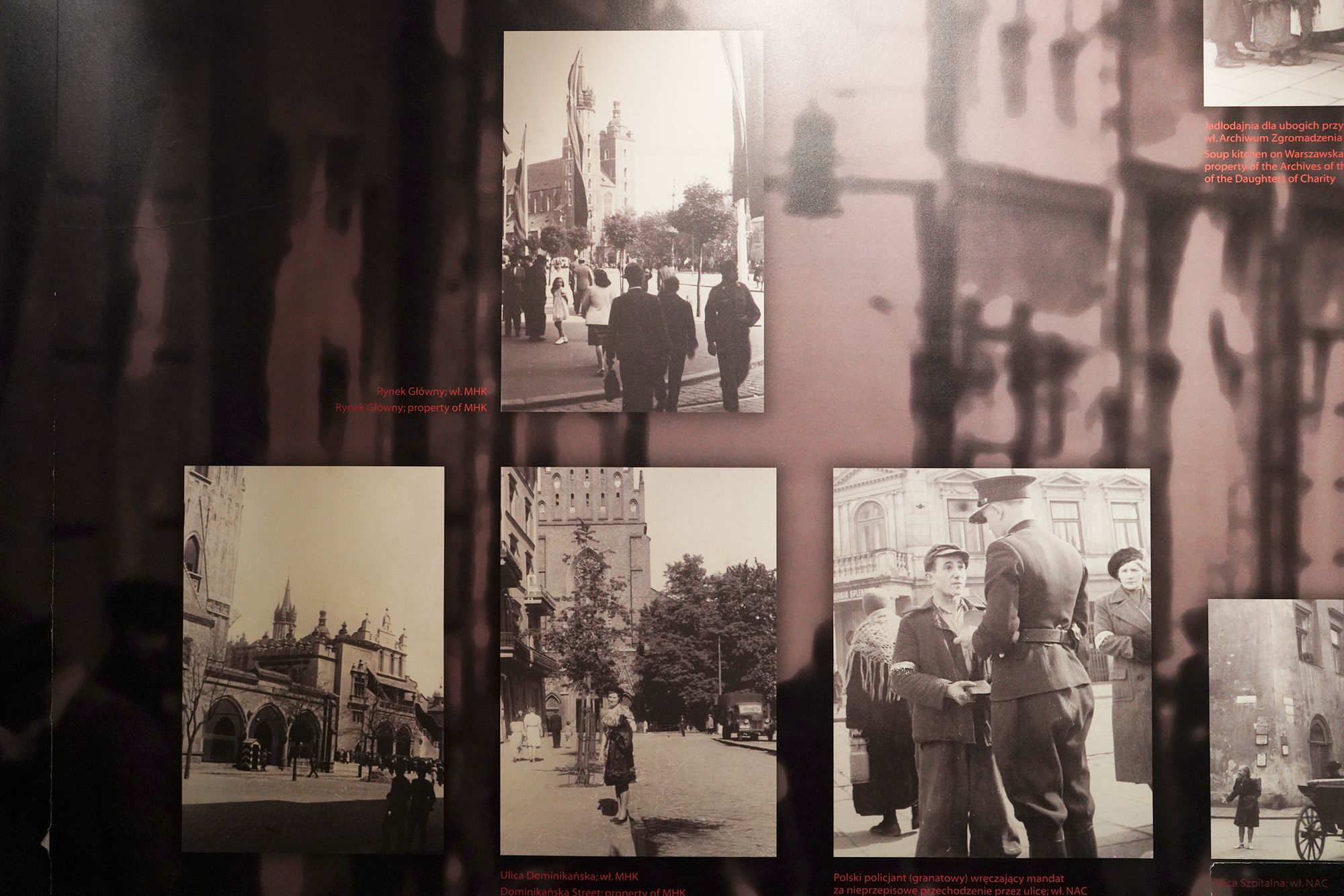
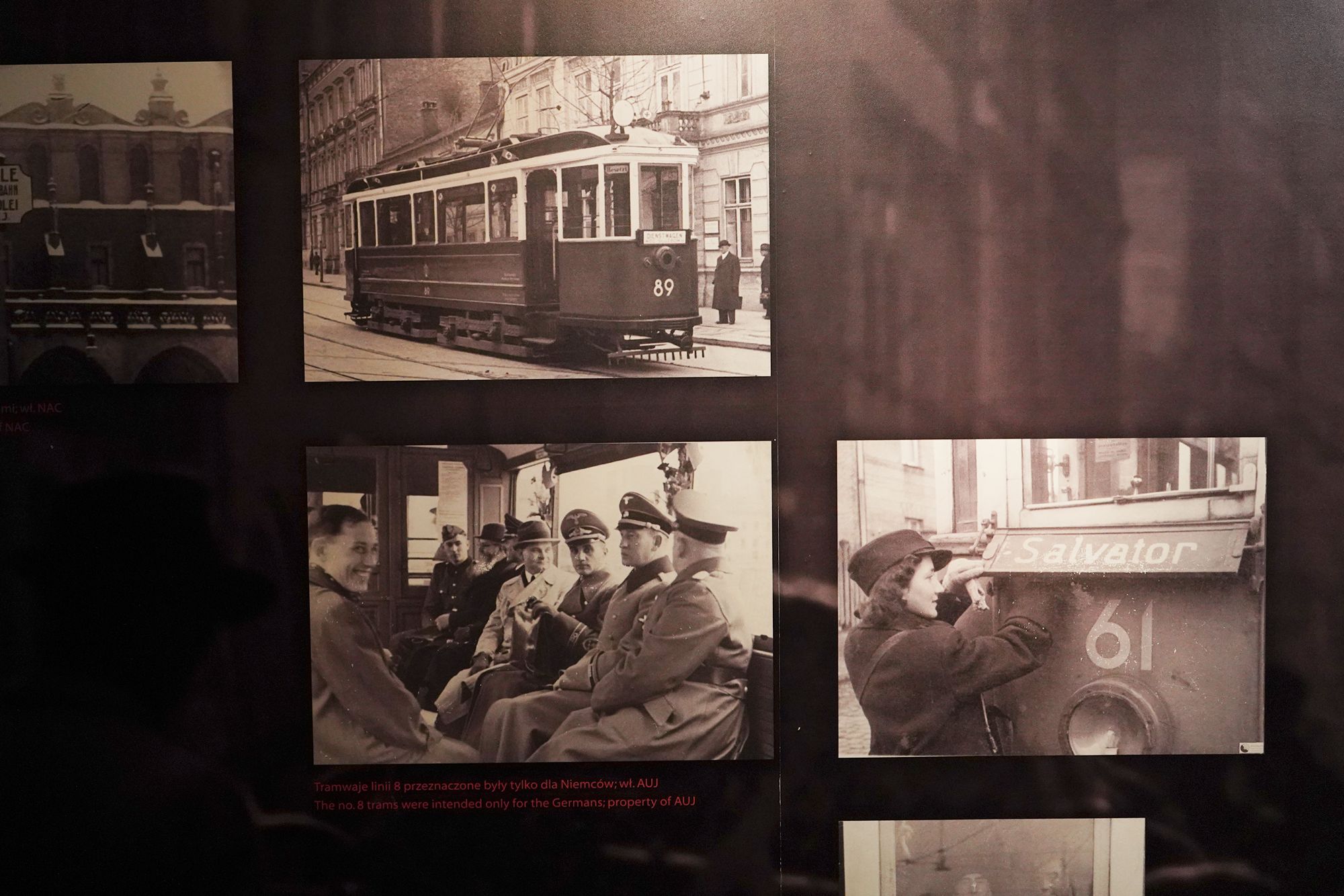
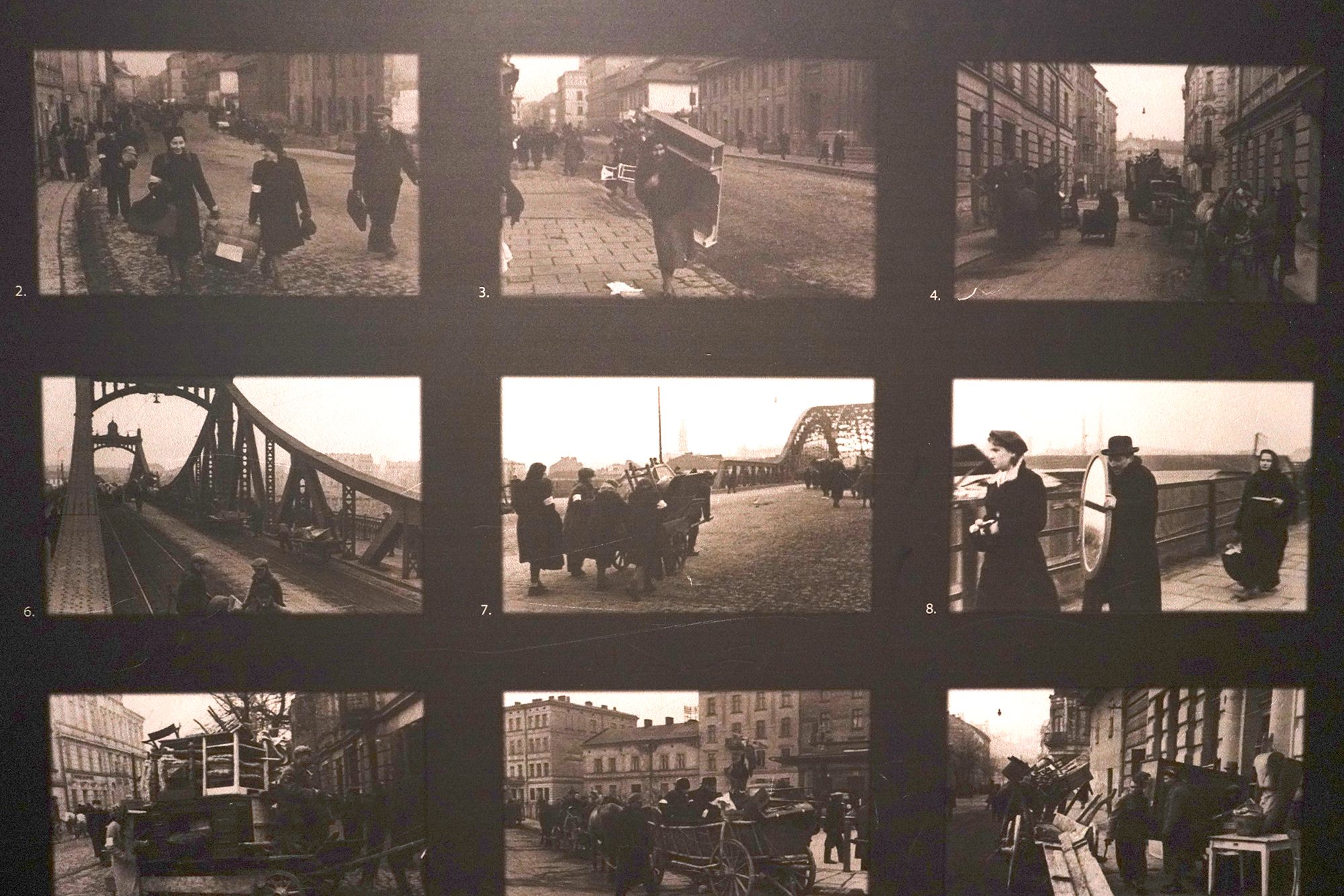
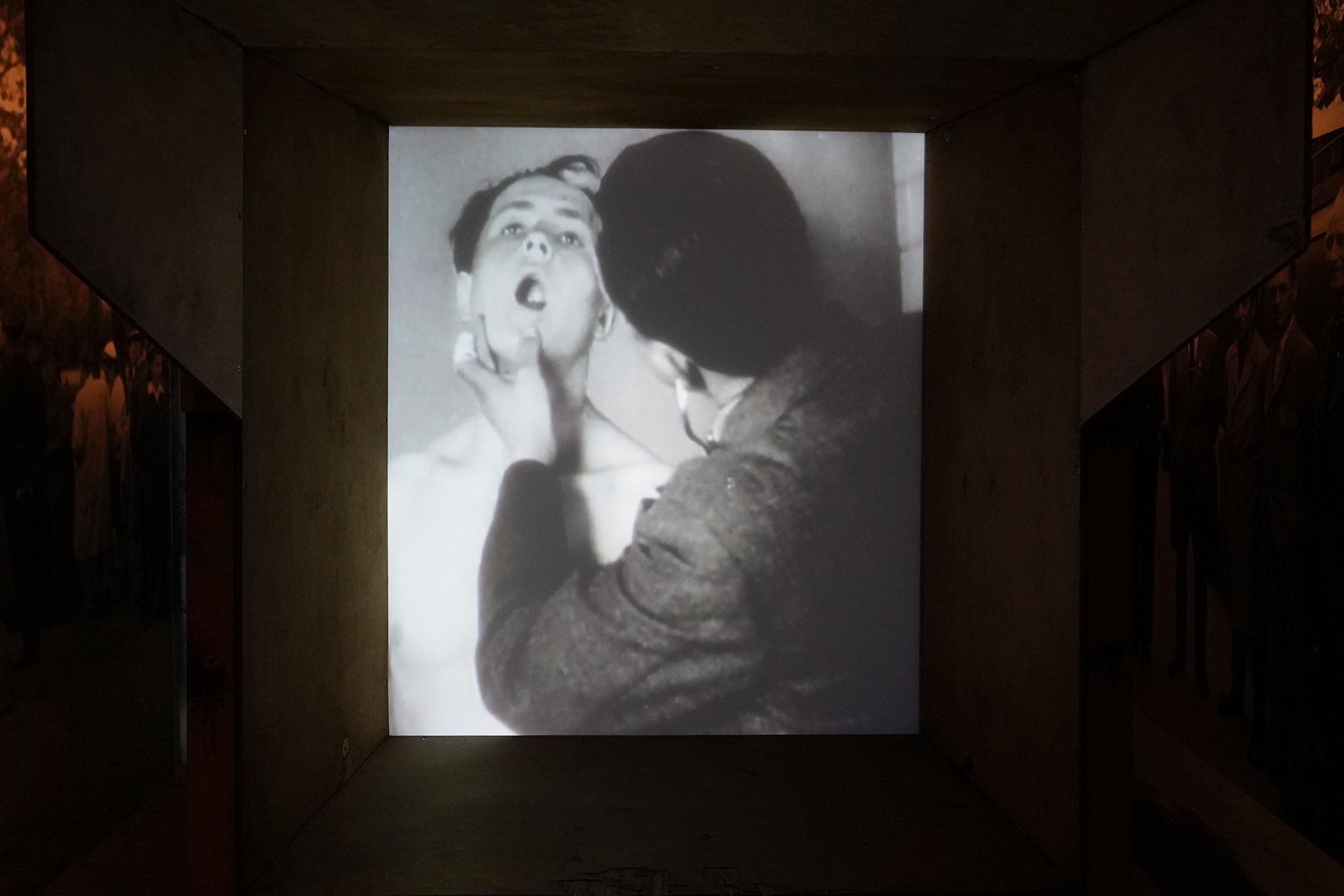
Visitors can also see photographs taken in Kraków during the German occupation.
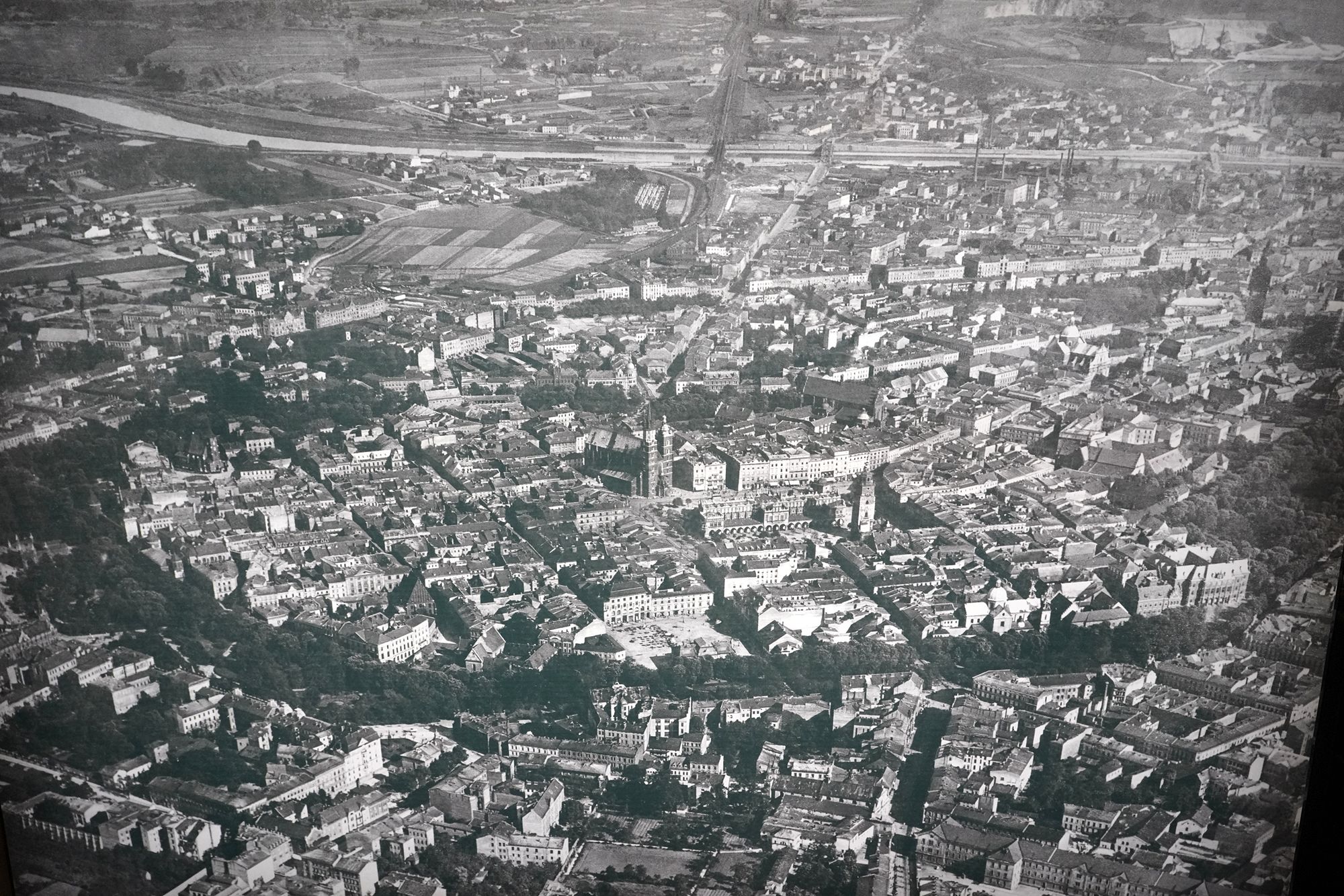
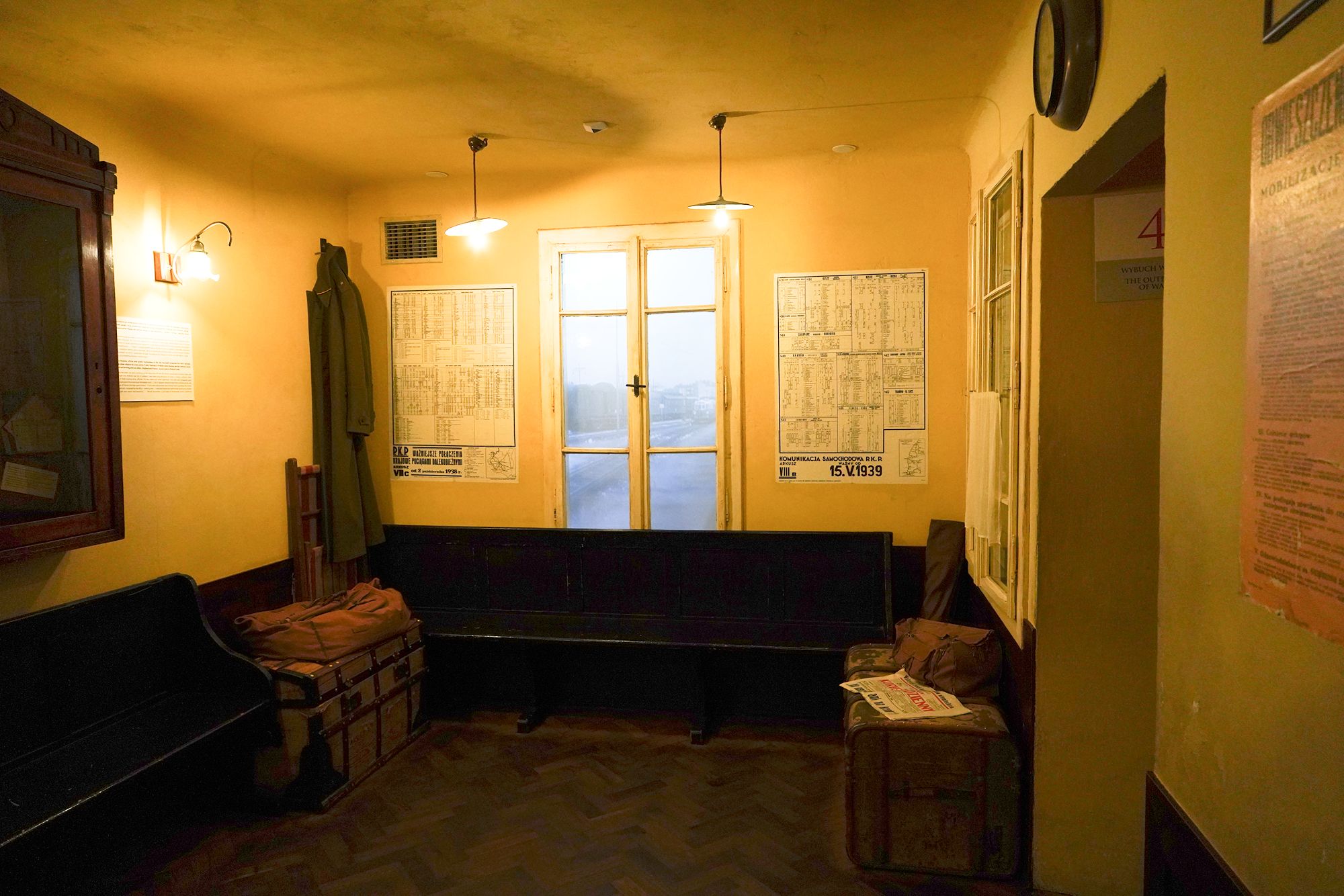
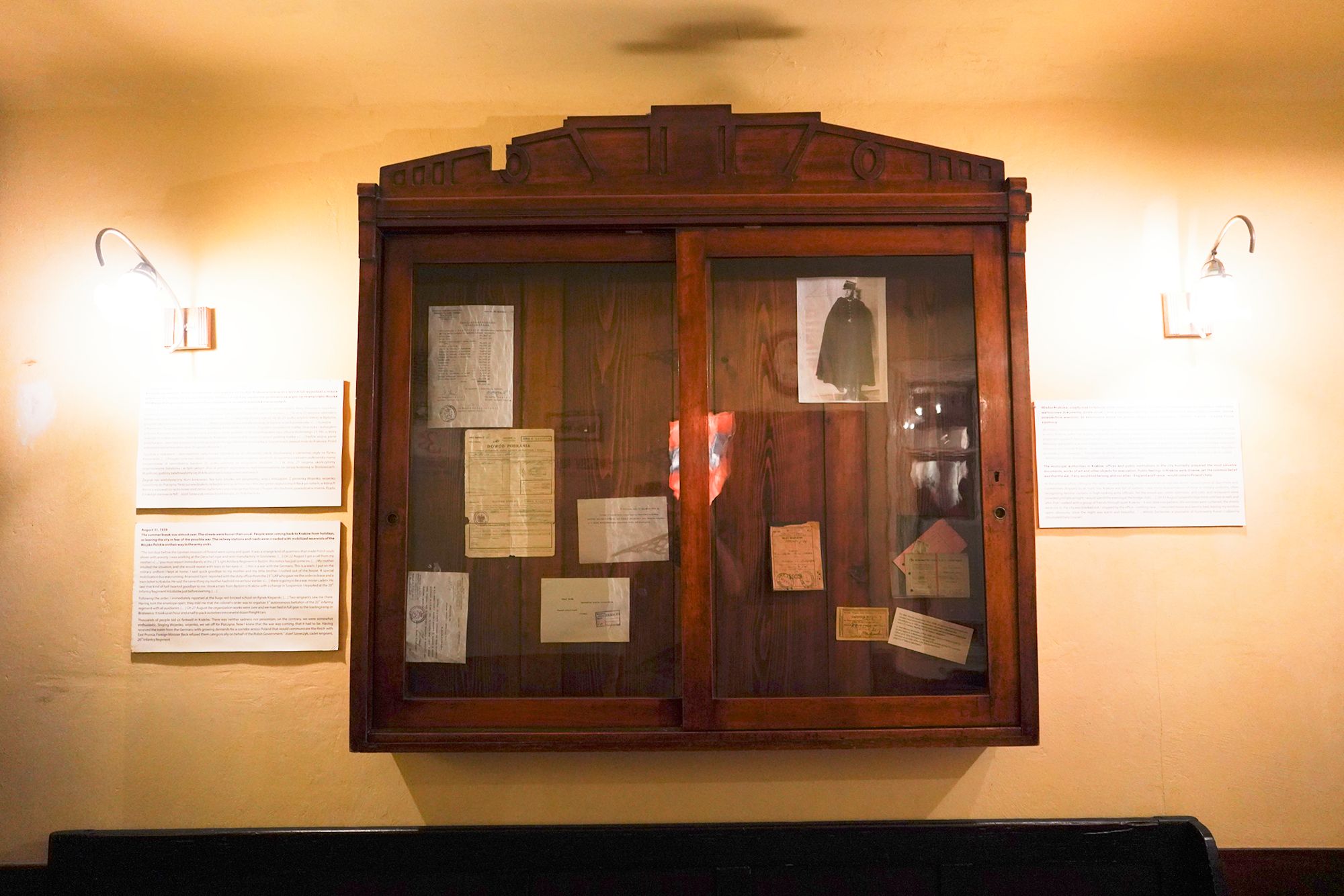
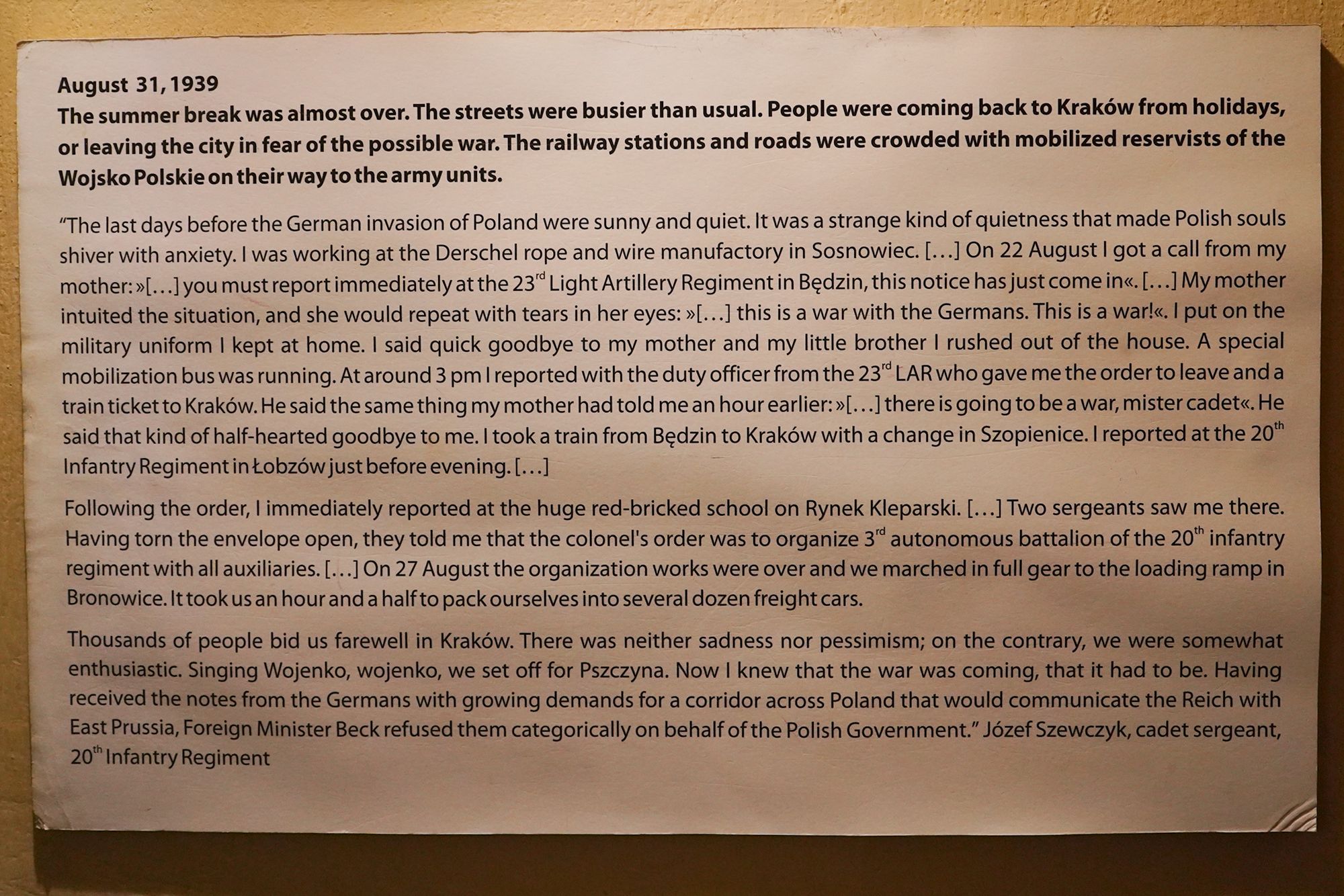
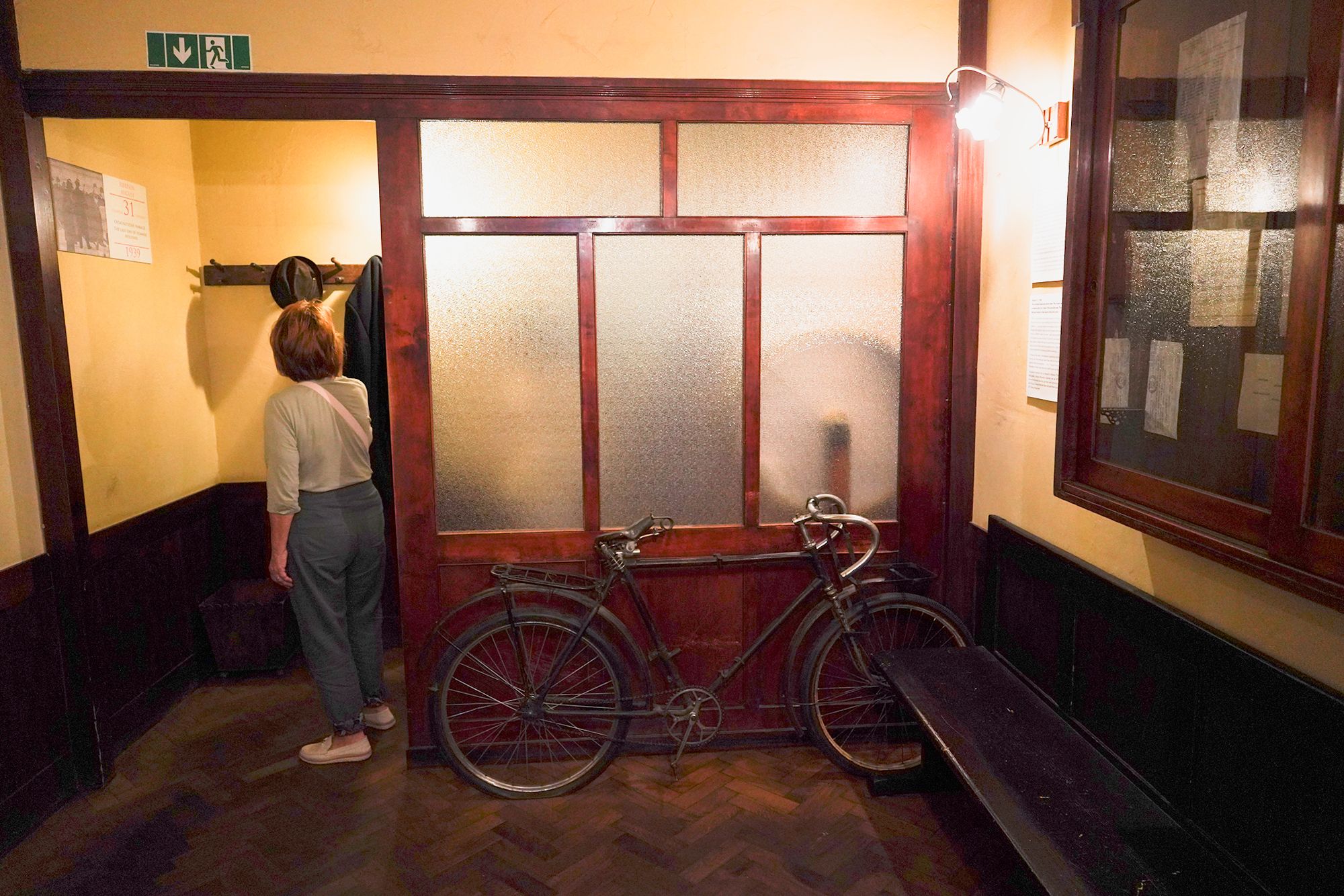
The panel describes Kraków on August 31, 1939, as people prepared for the expected German invasion. A Polish cadet recalls being called to duty, joining his regiment, and leaving the city by train with other soldiers. Thousands came to say goodbye; despite the approaching war, the troops departed with patriotic enthusiasm.
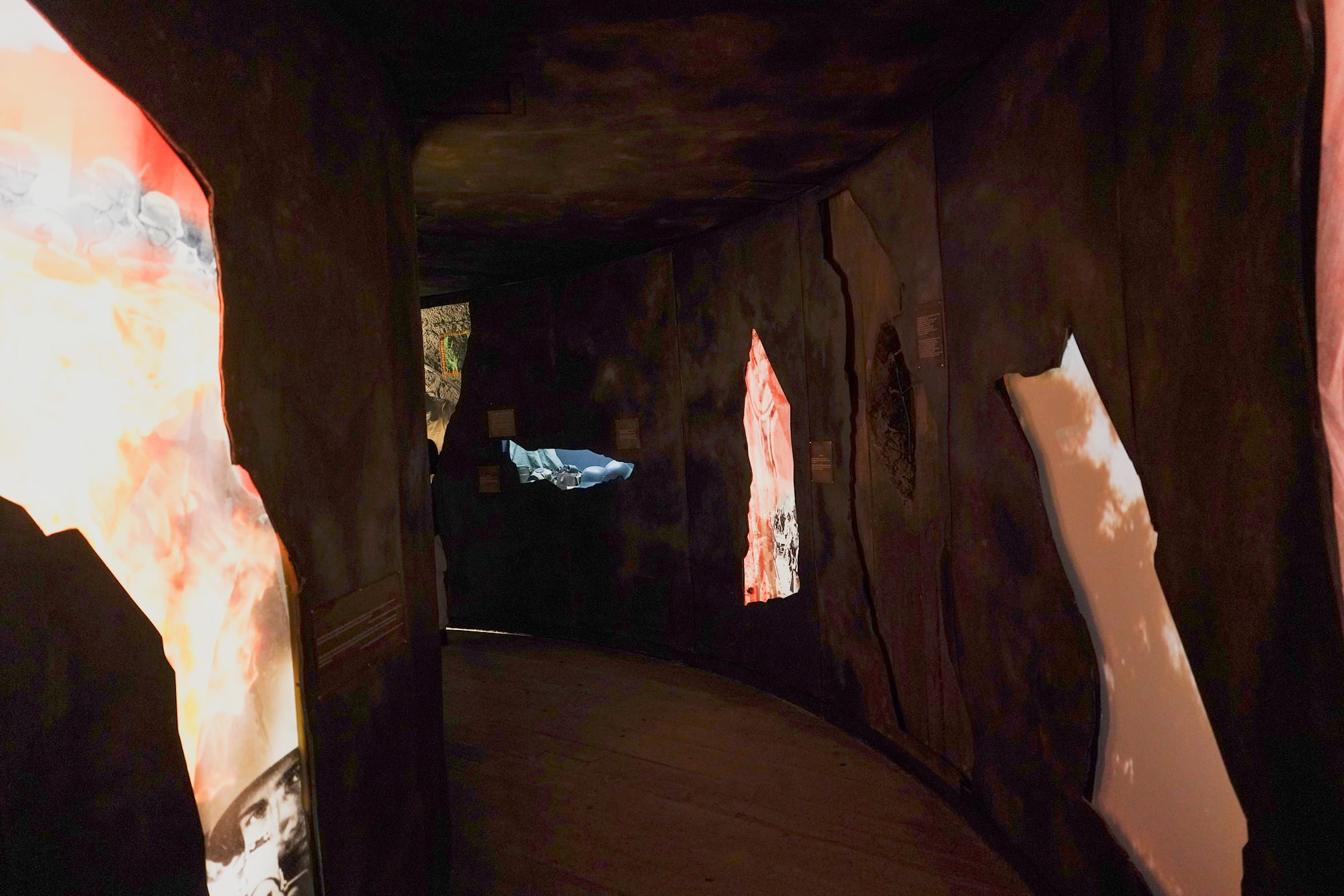
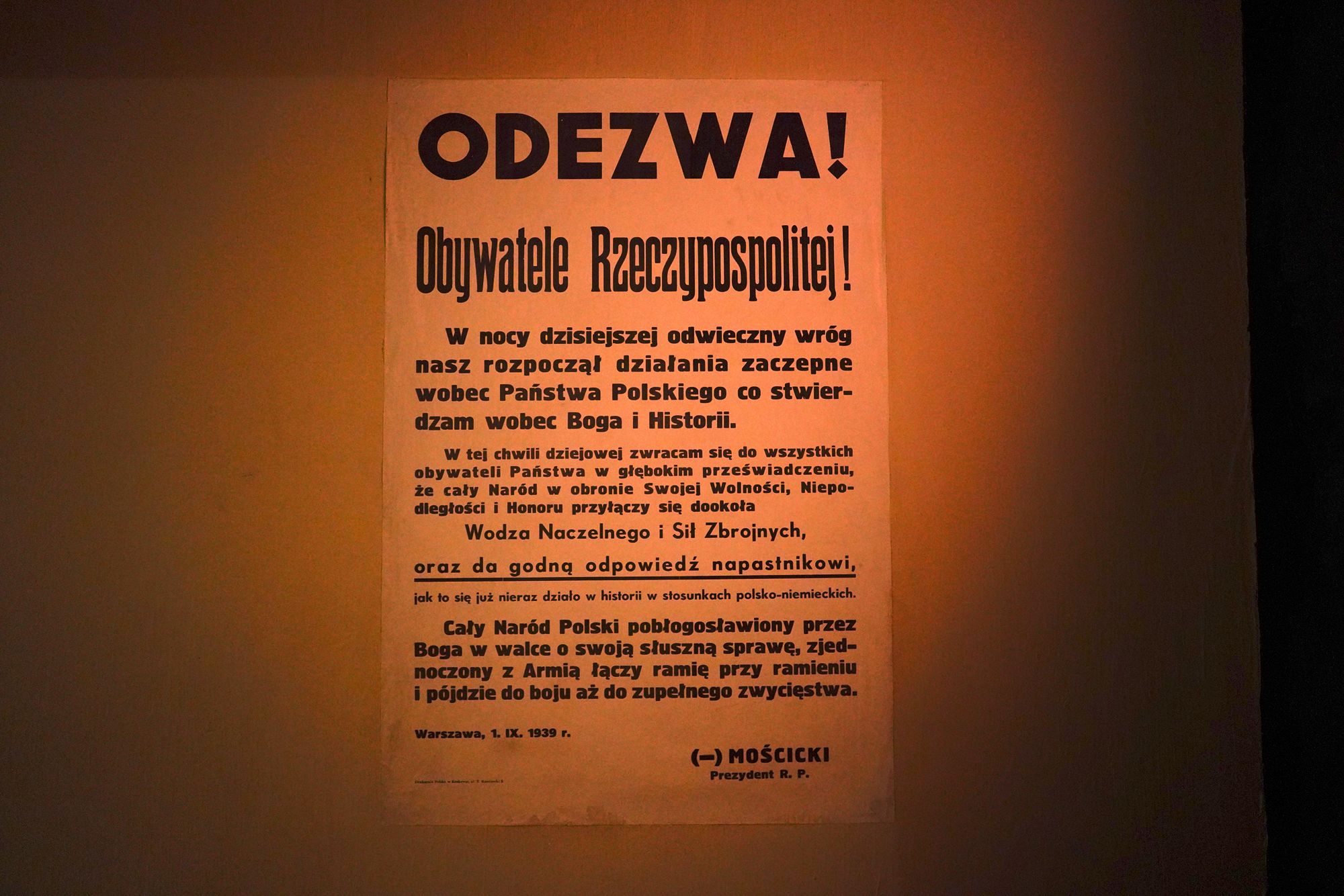
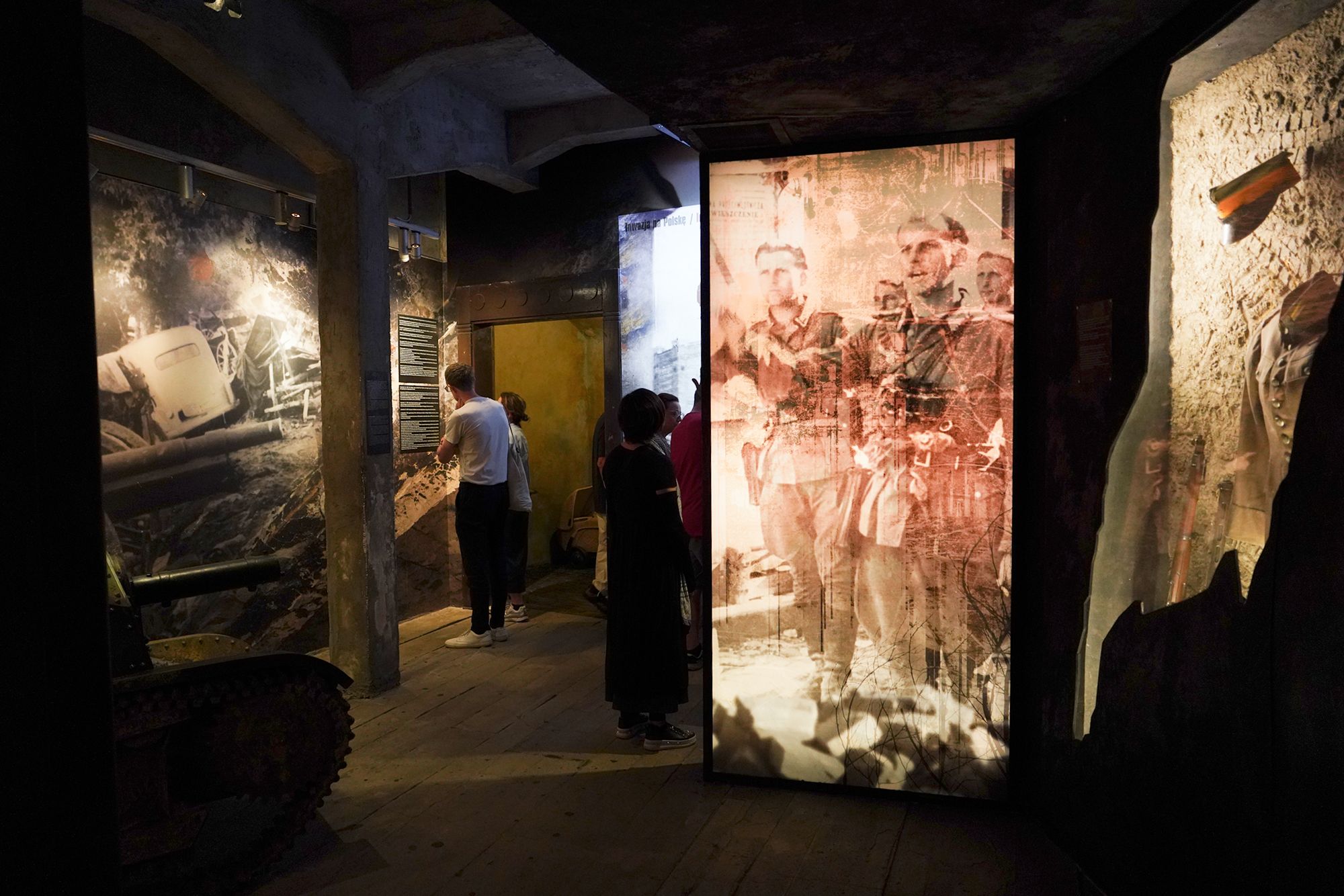
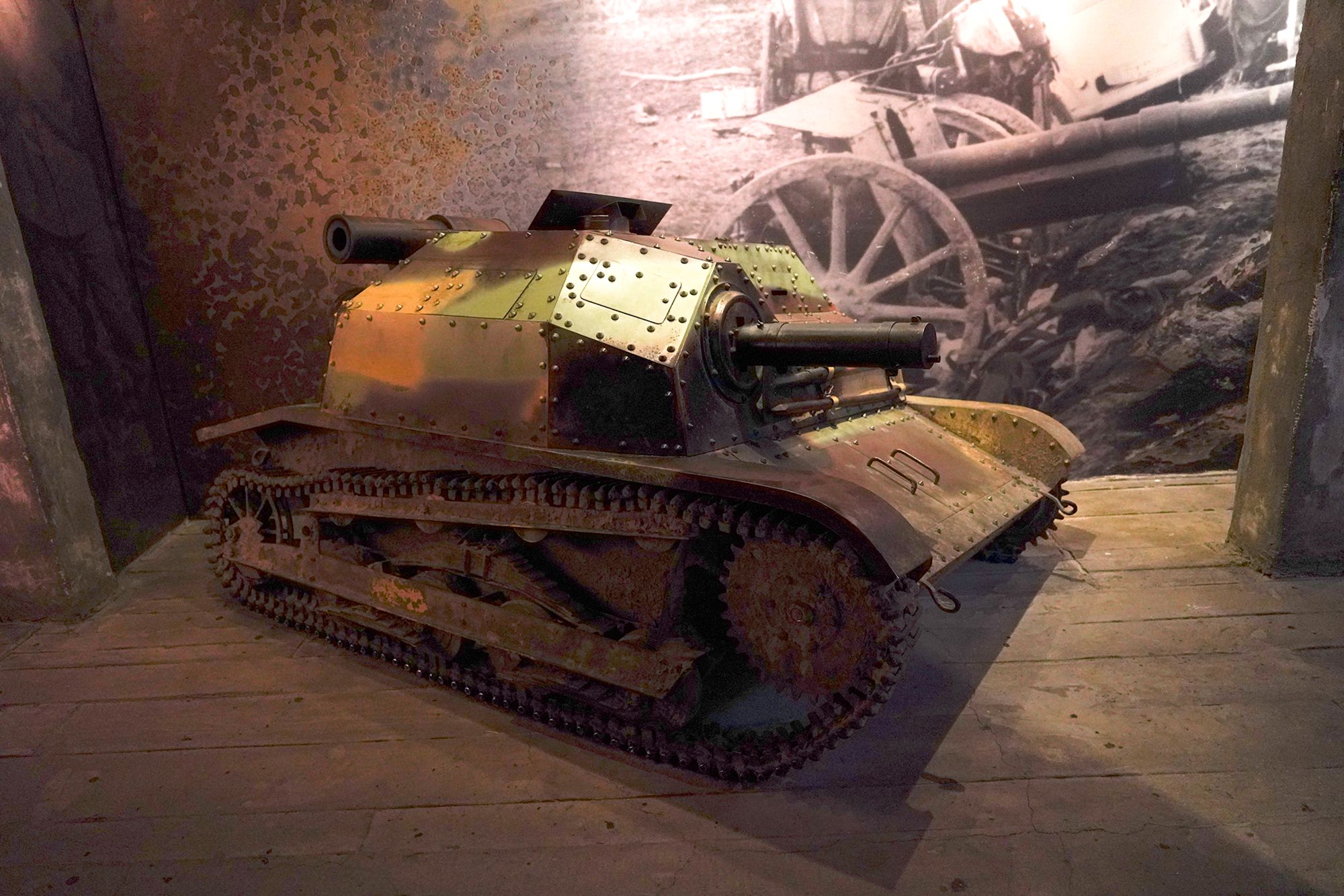
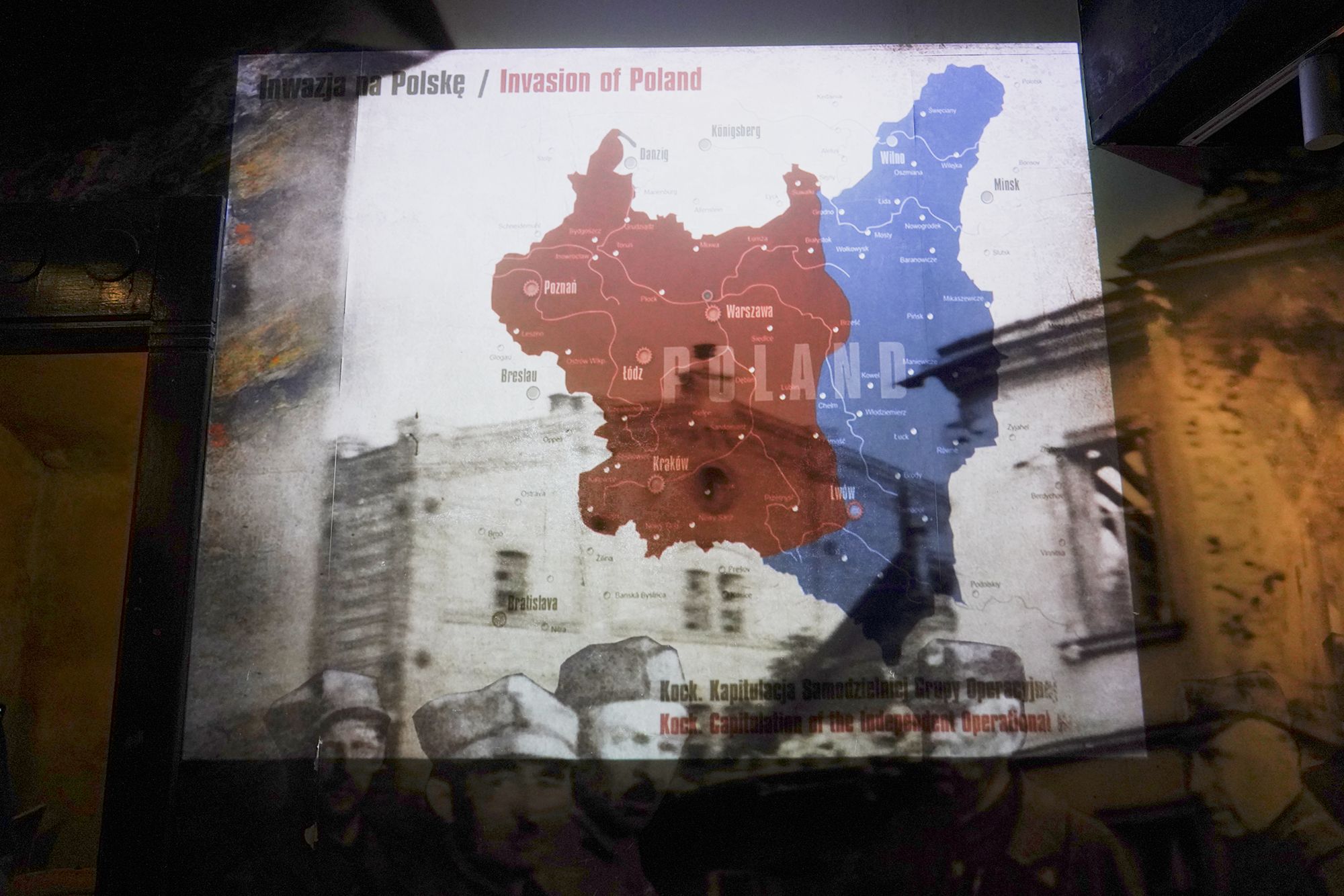
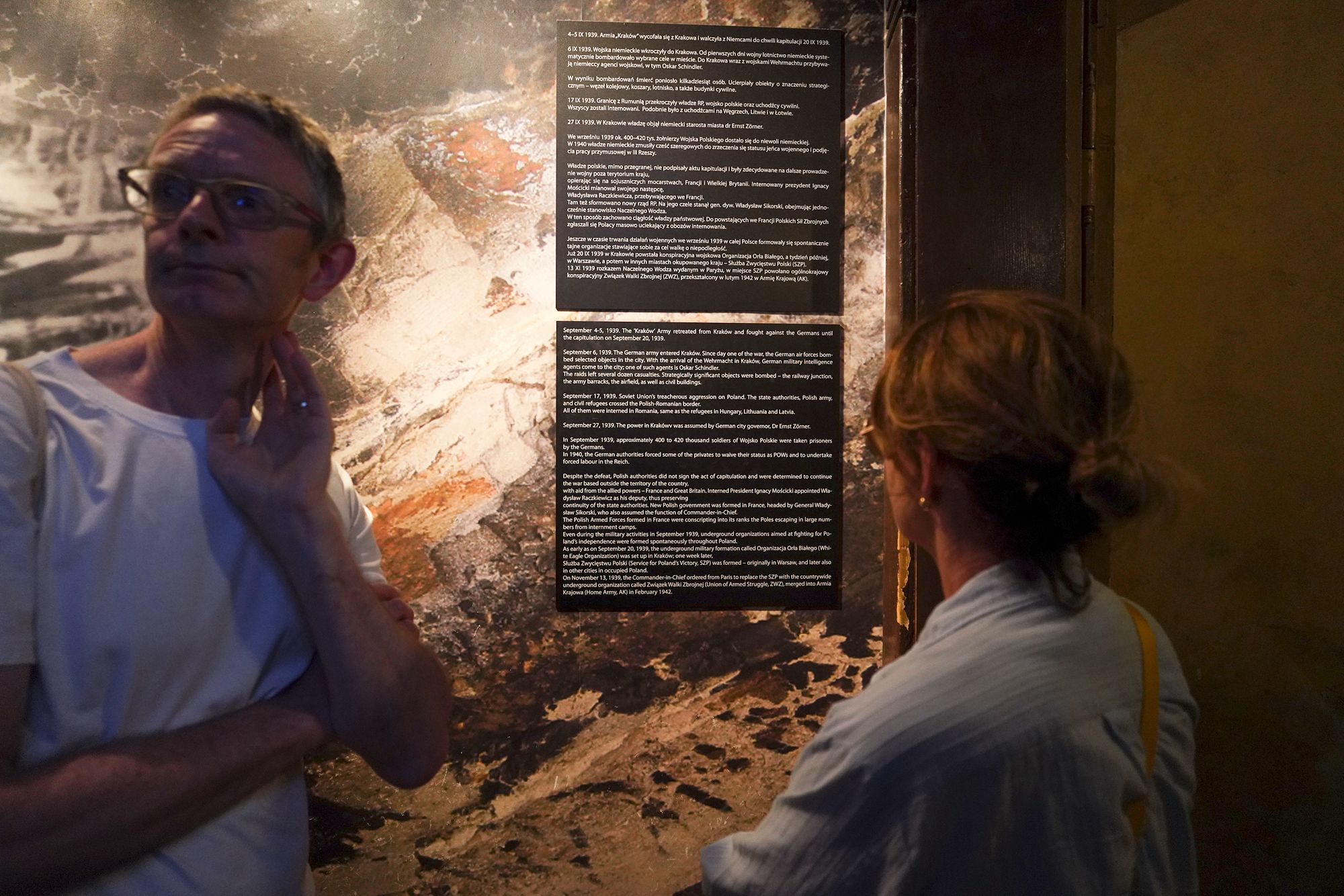
The panel outlines Poland’s defeat in September 1939: Polish forces retreated, German troops entered Kraków on September 6, and Soviet forces invaded eastern Poland on September 17. It describes the bombing and occupation of Kraków, the capture and forced labor of Polish soldiers, and the Polish government’s efforts to continue the war from abroad.
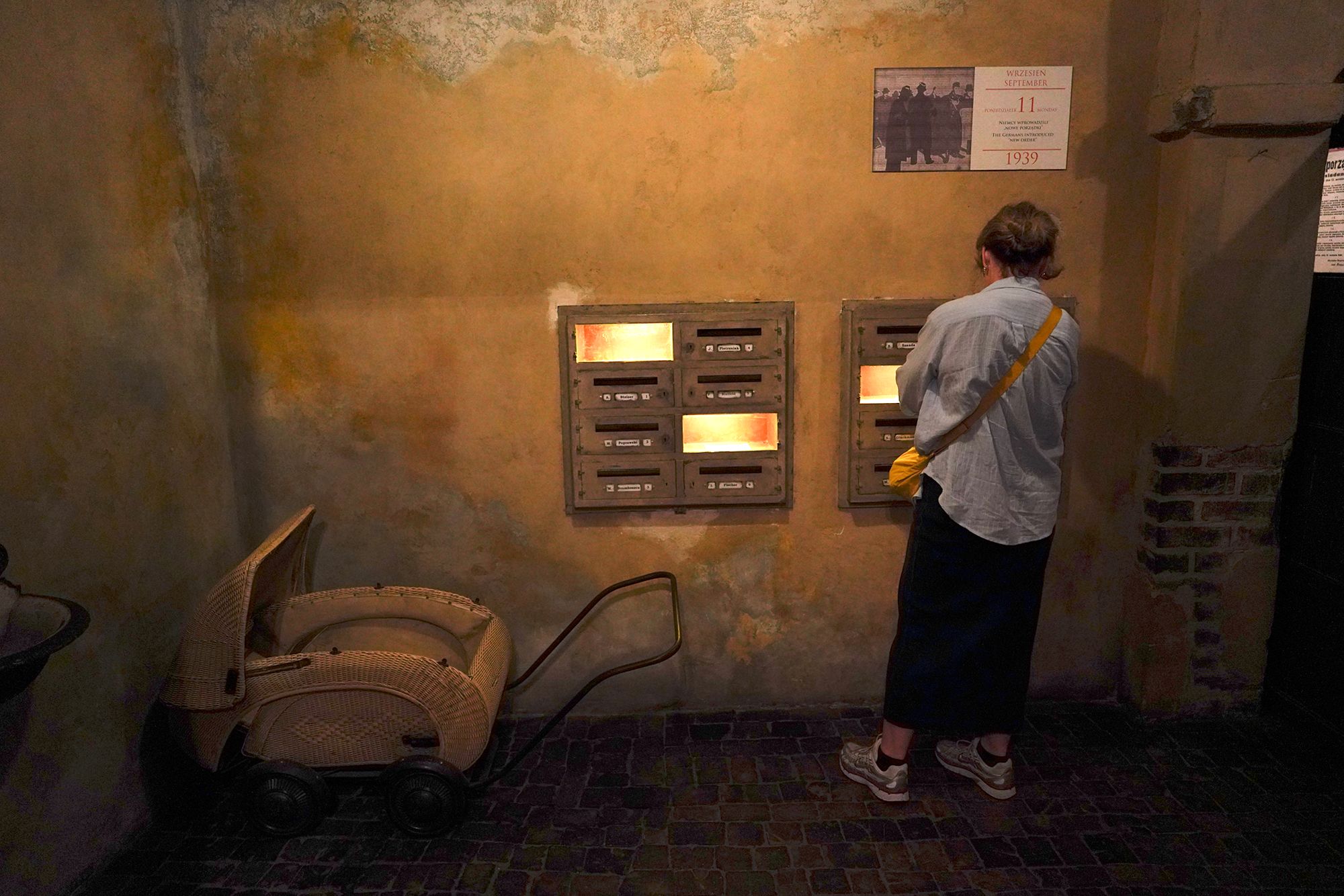
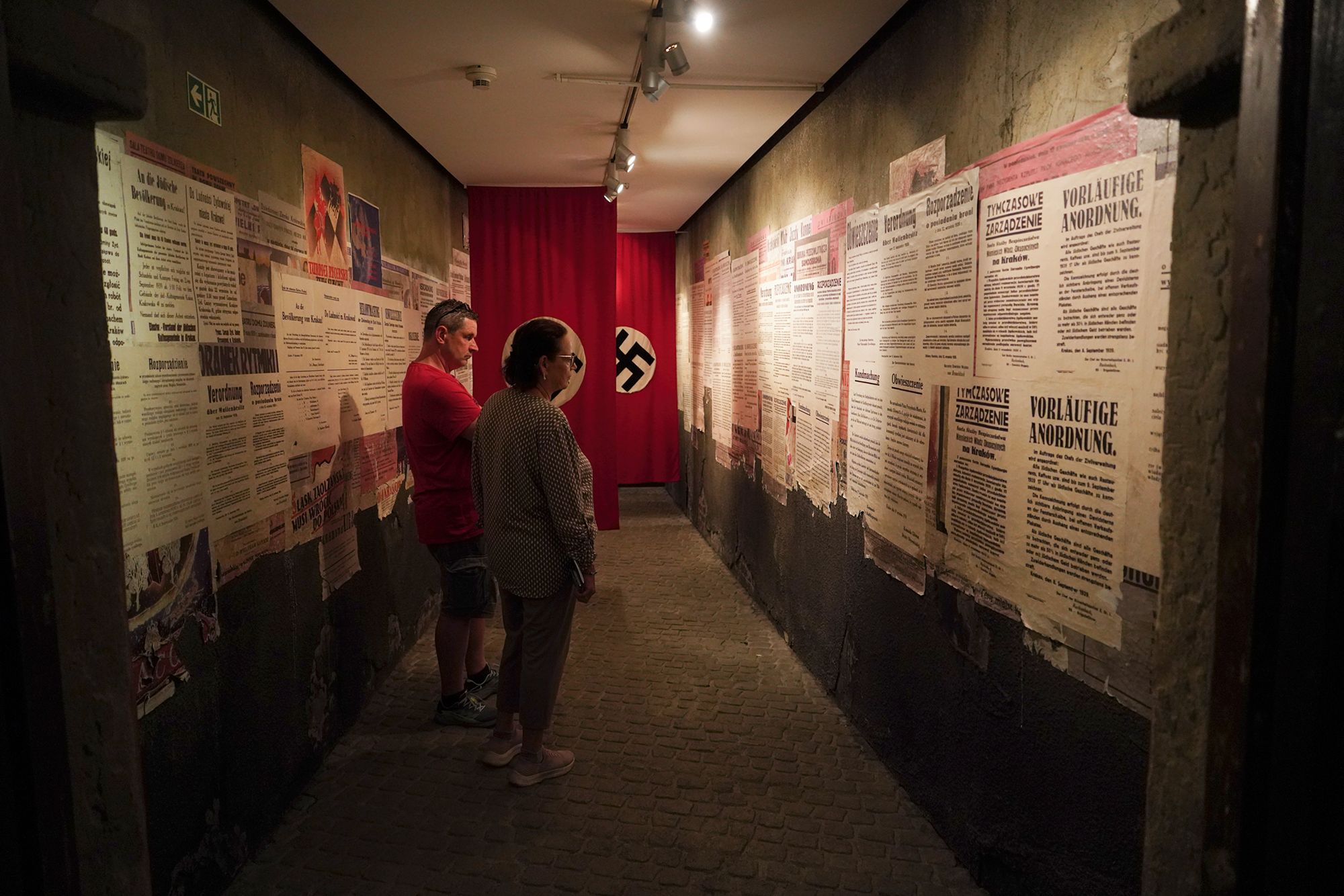
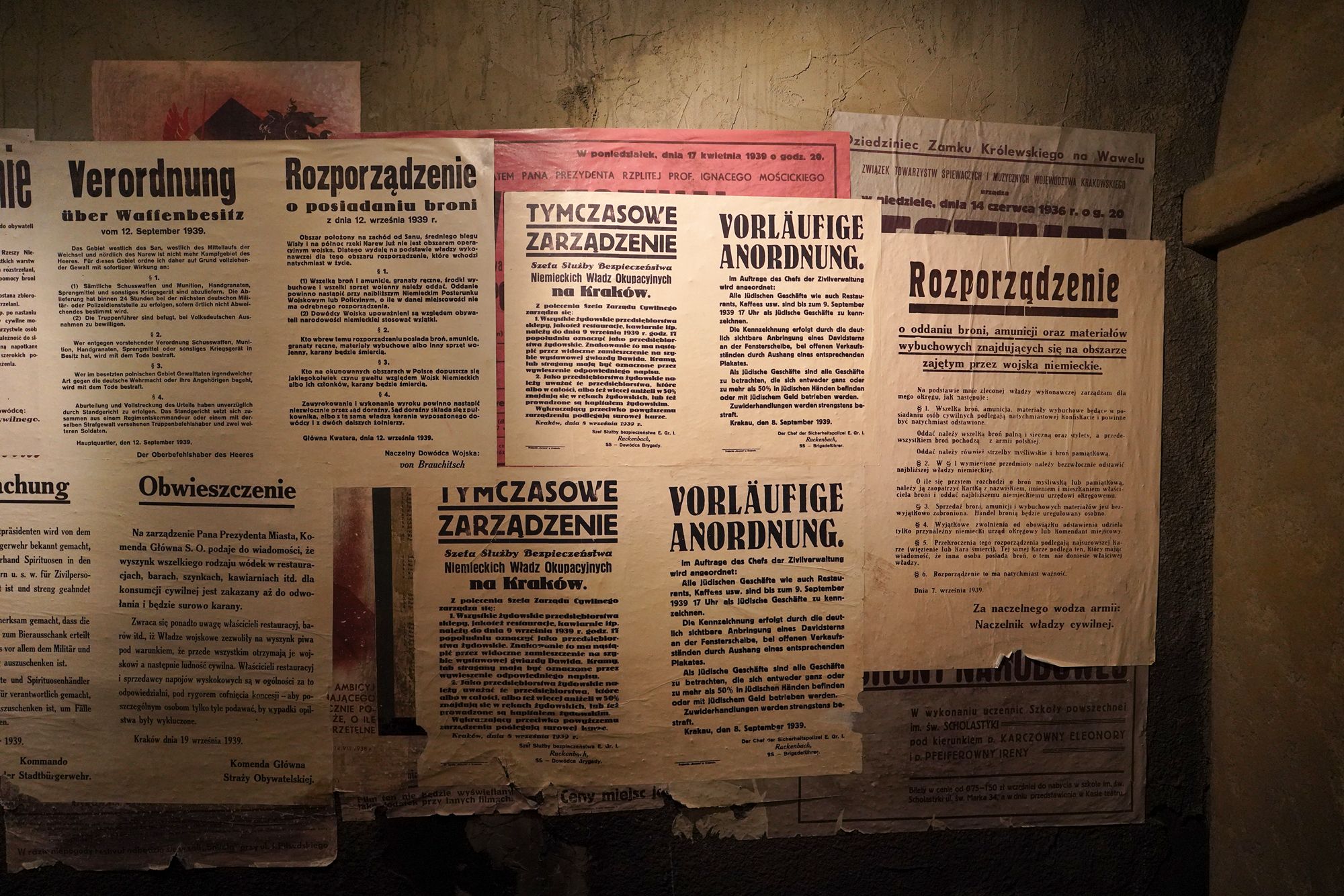
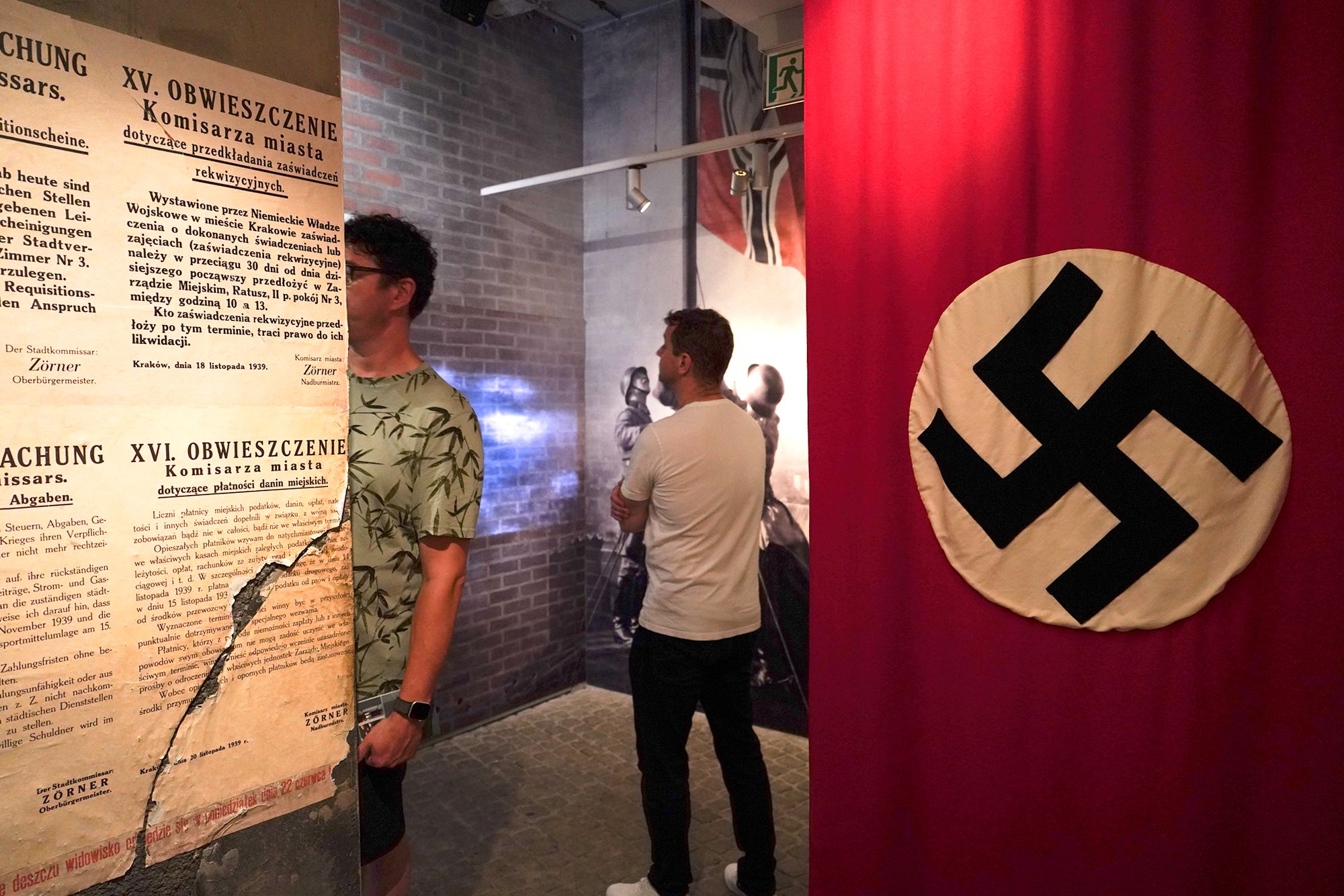
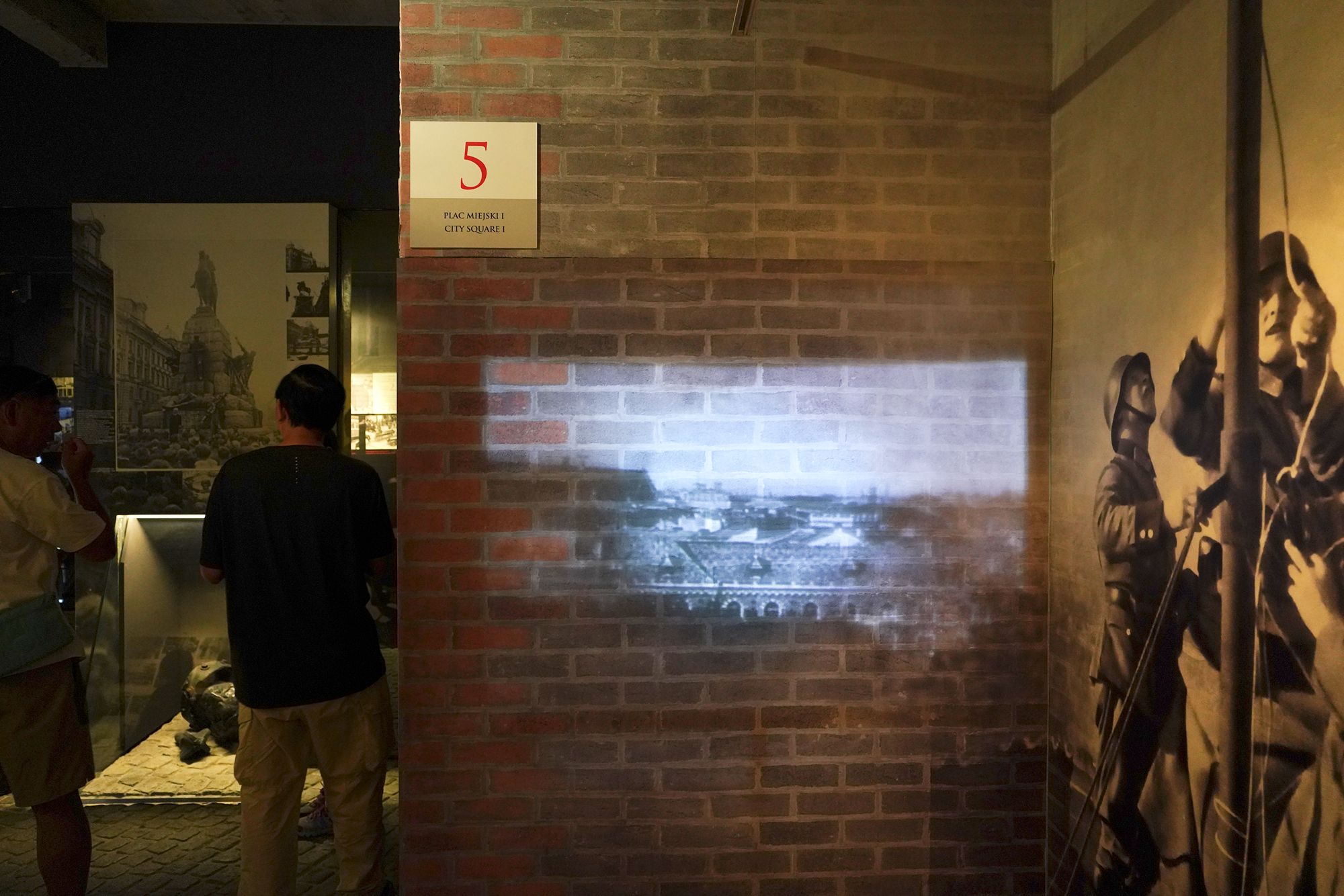
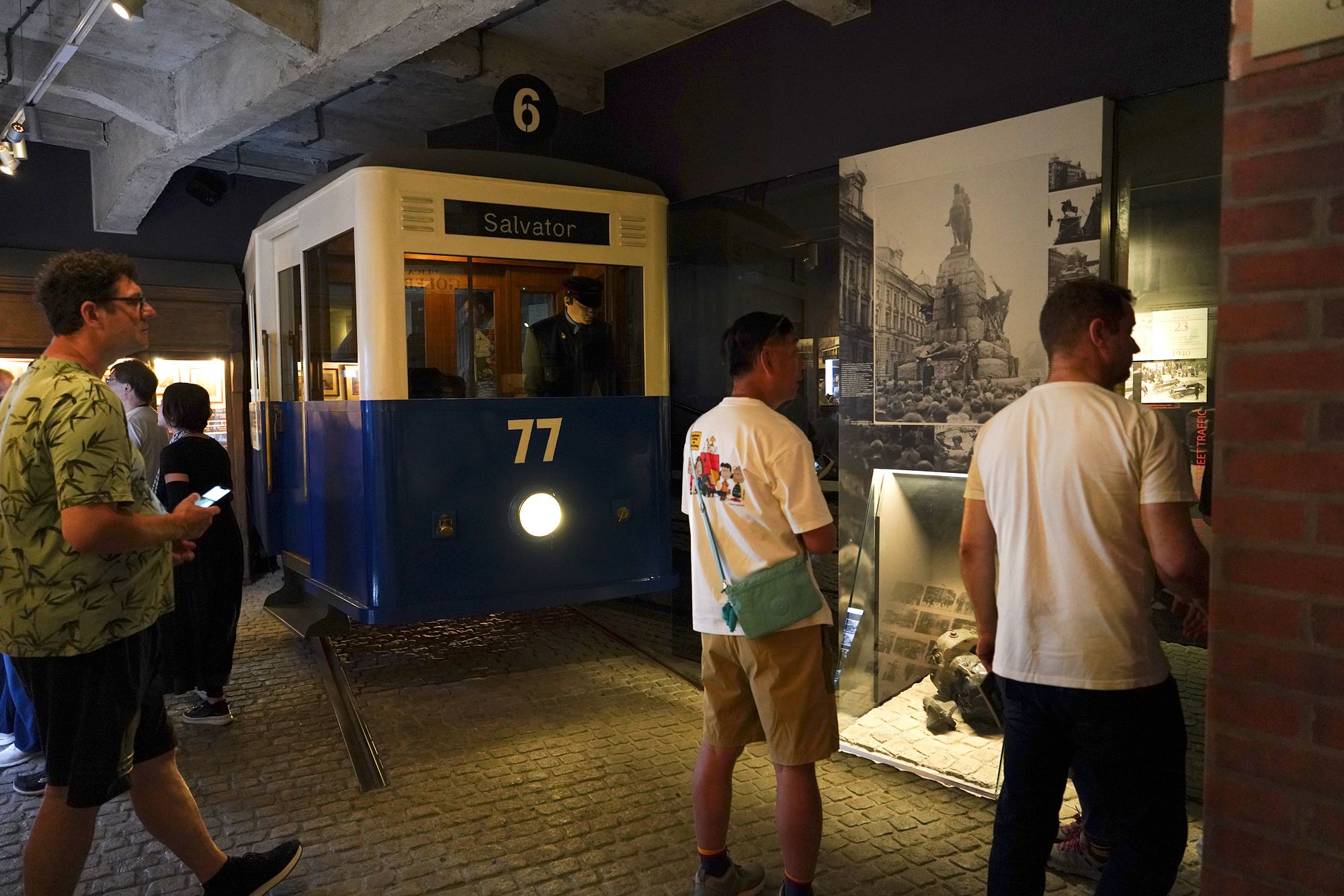
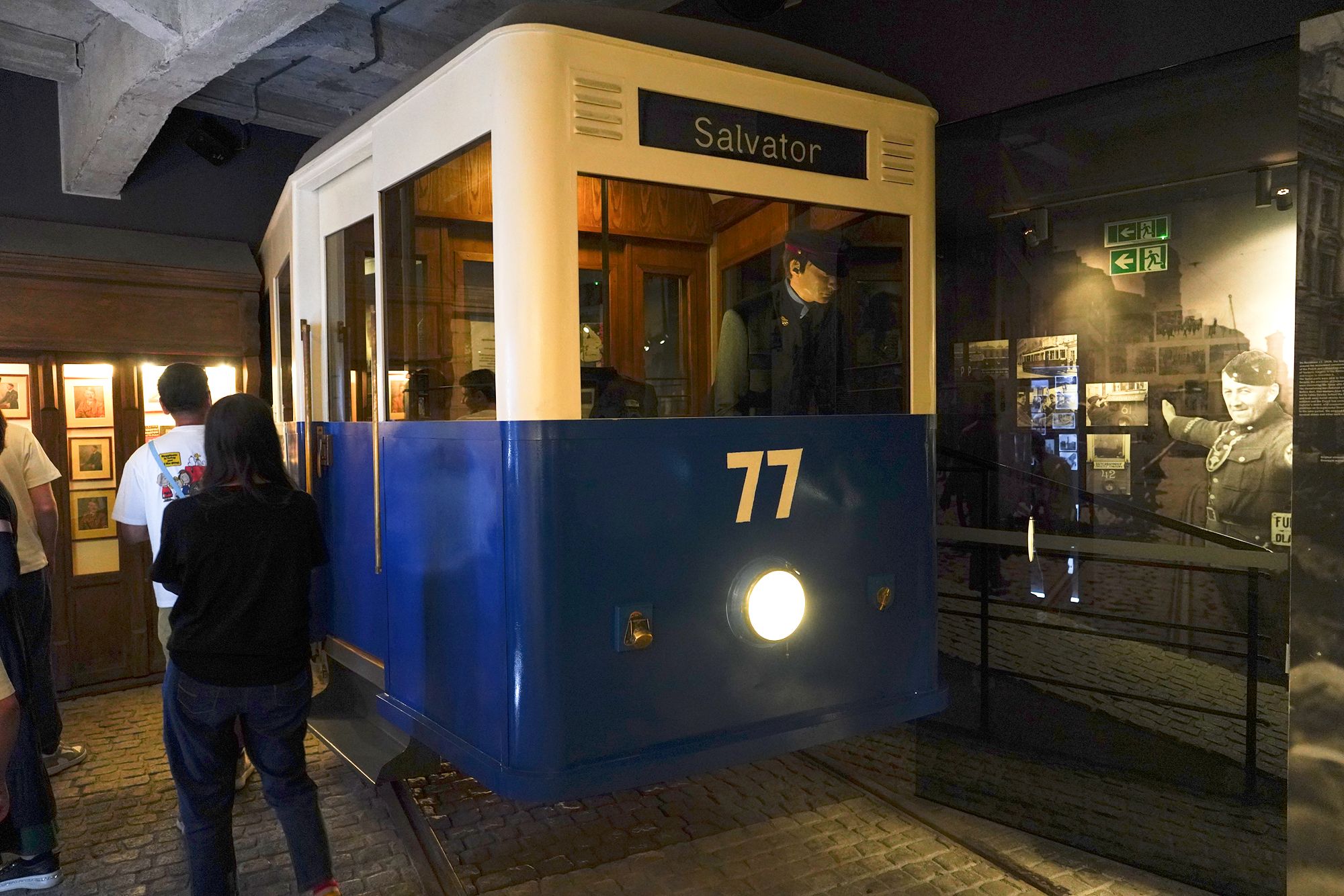
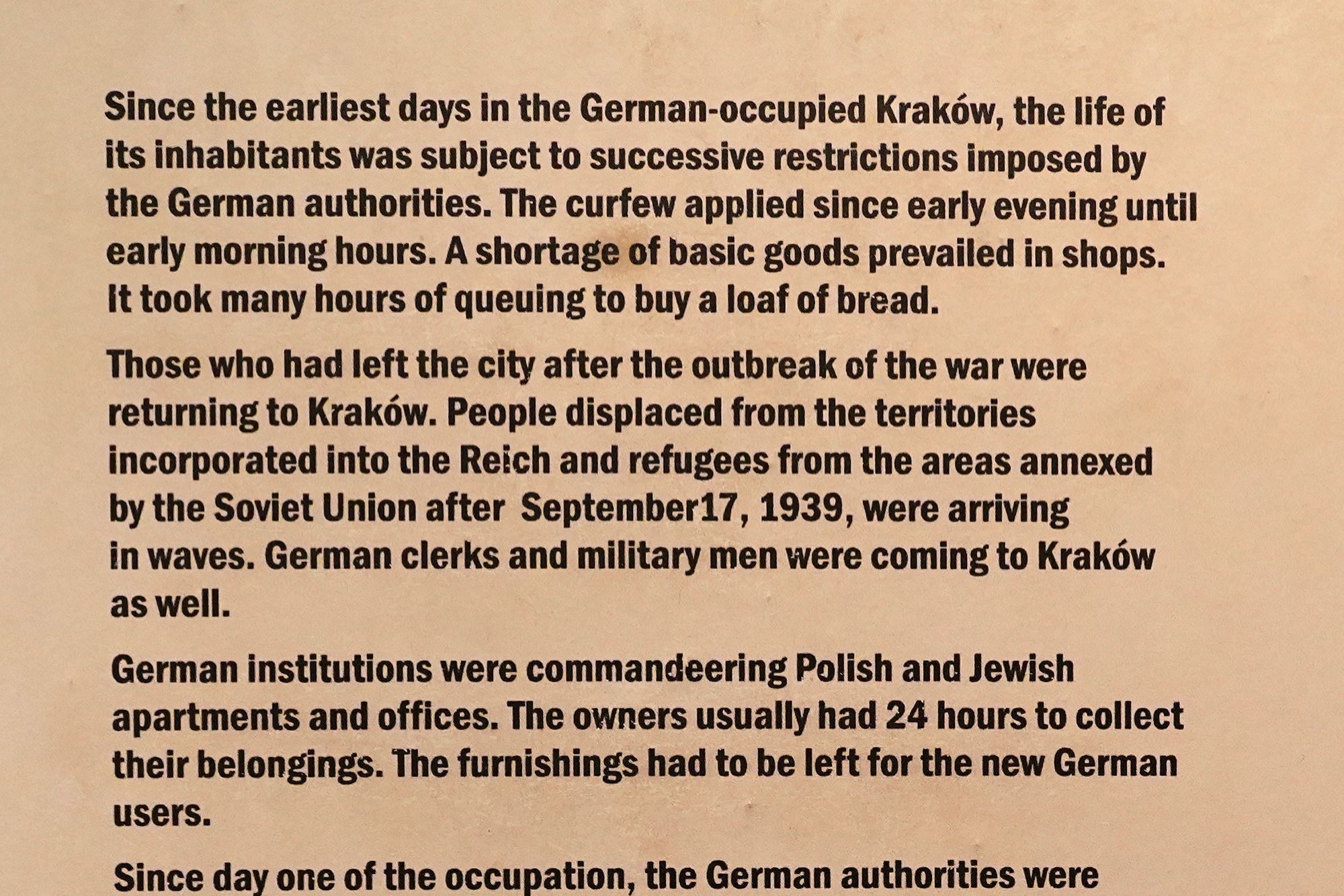
The panel describes daily life in German-occupied Kraków: curfews, shortages, and long lines for basic food. Displaced people and refugees arrived as German officials and soldiers moved into the city. German authorities also took over Polish and Jewish homes and offices, giving owners only 24 hours to collect their belongings.
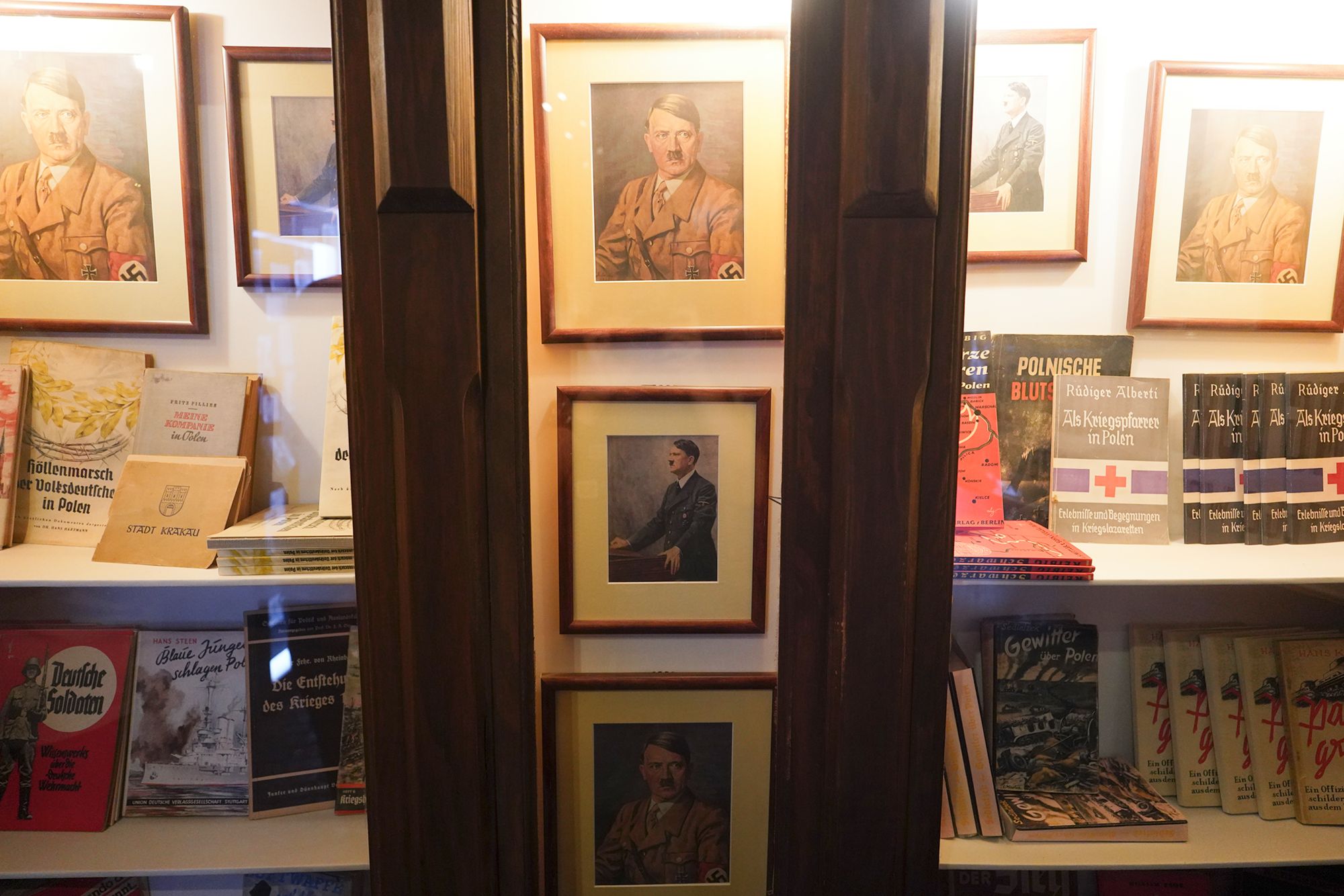
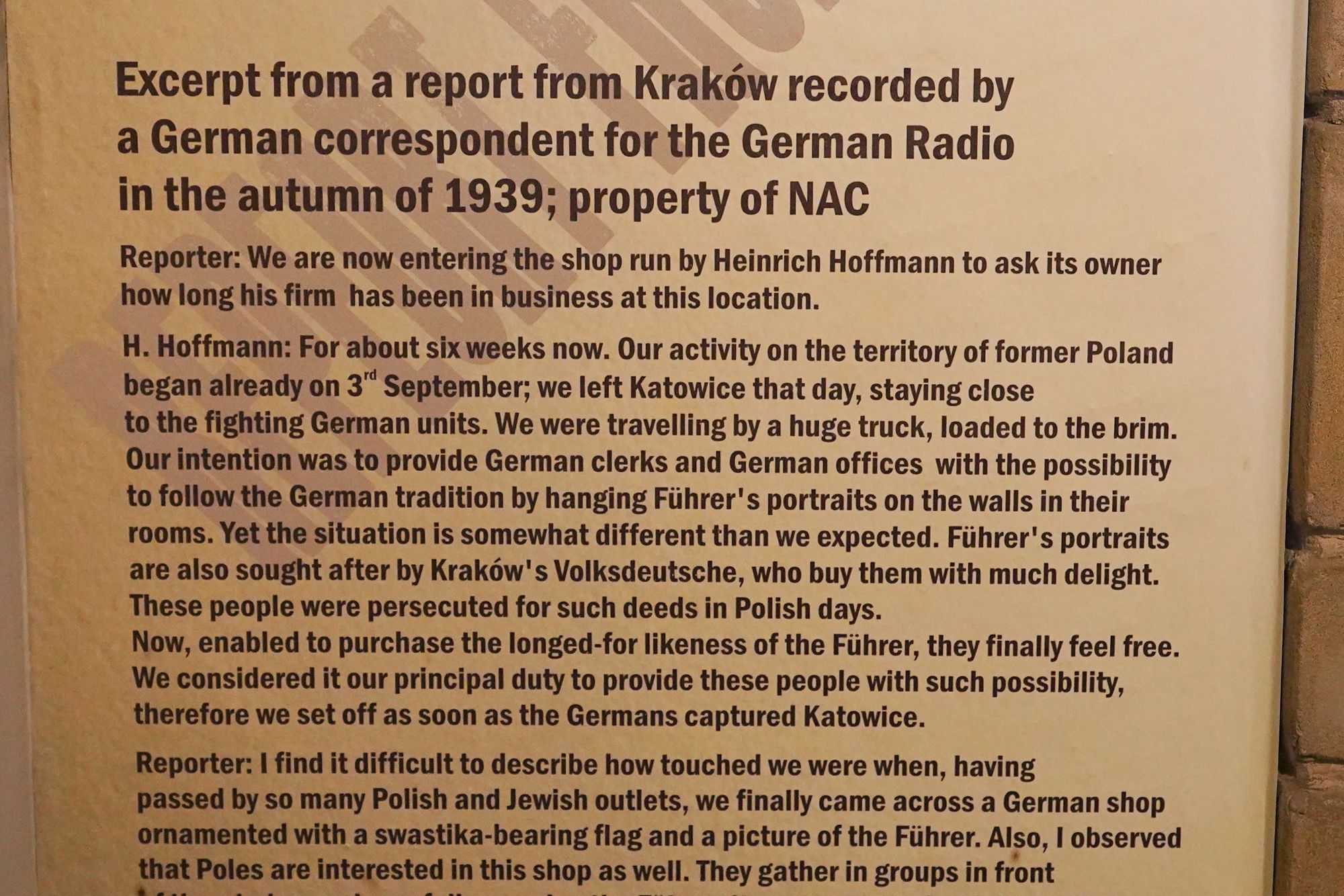
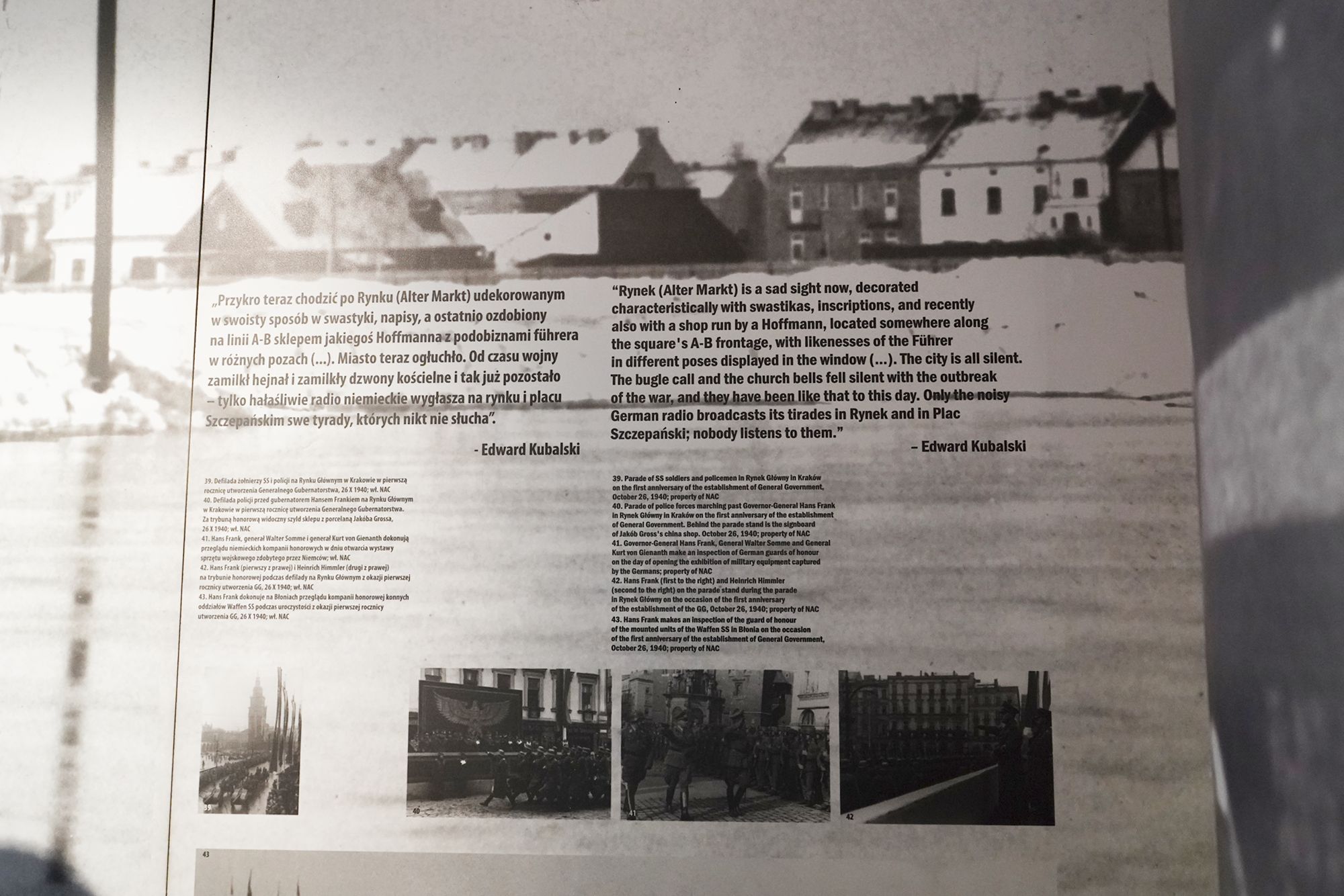
The panel quotes a German Radio report from autumn 1939 about a shop selling Hitler portraits in occupied Kraków. The shopkeeper says he followed German troops from Katowice to supply portraits to German offices and local ethnic Germans. The reporter notes that Poles also gathered outside to look. The passage reflects the Nazi regime’s propaganda framing of the occupation.
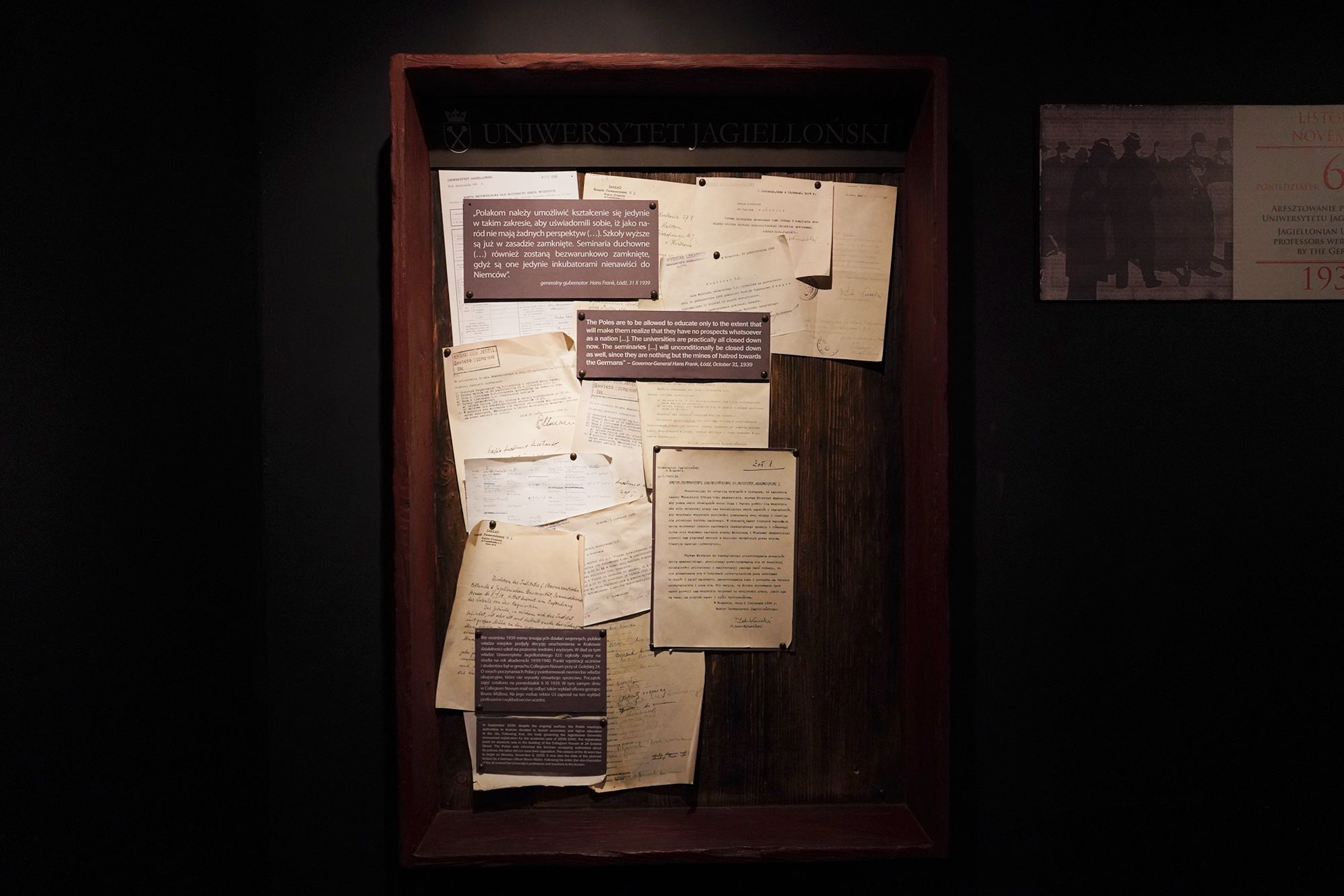
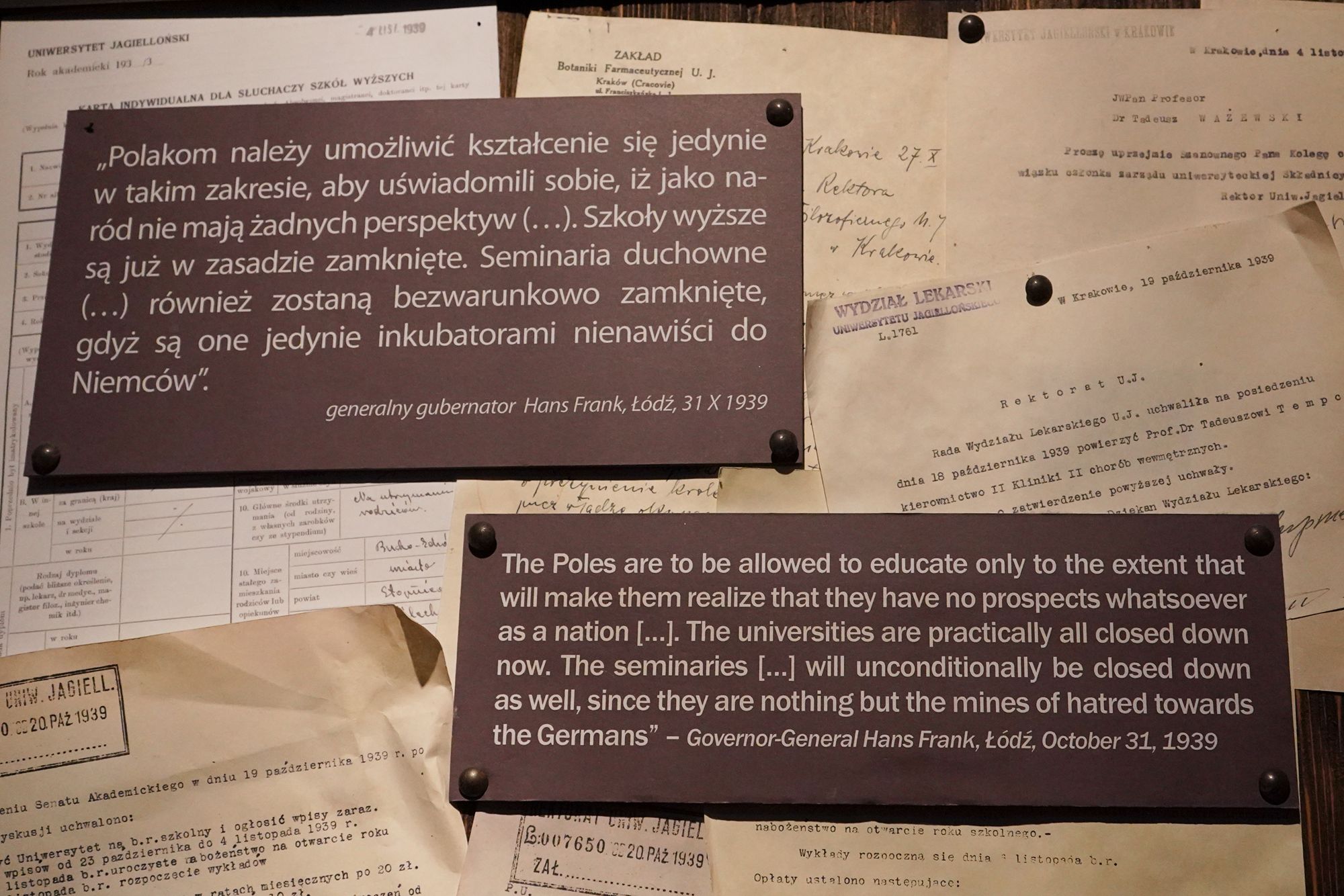
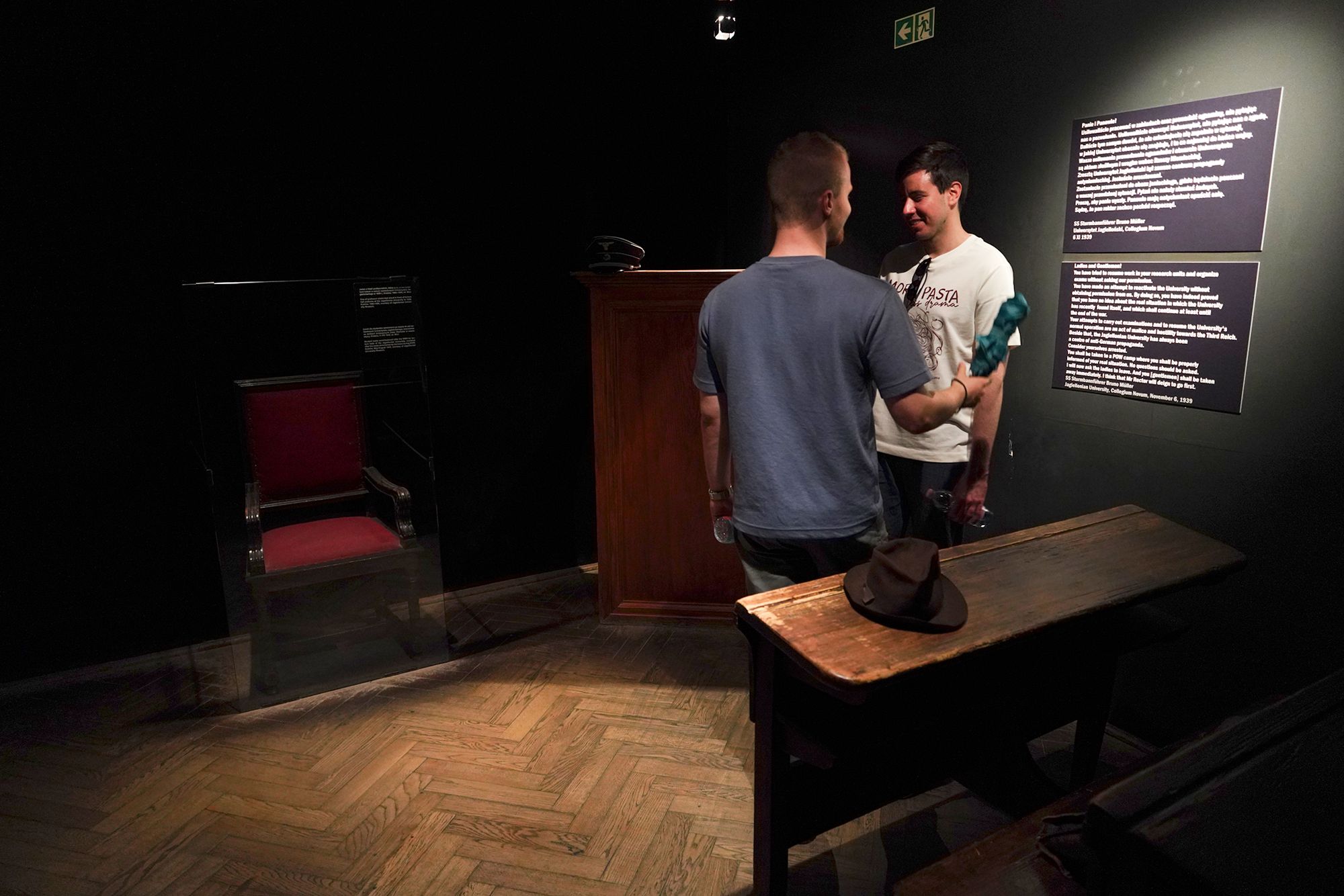
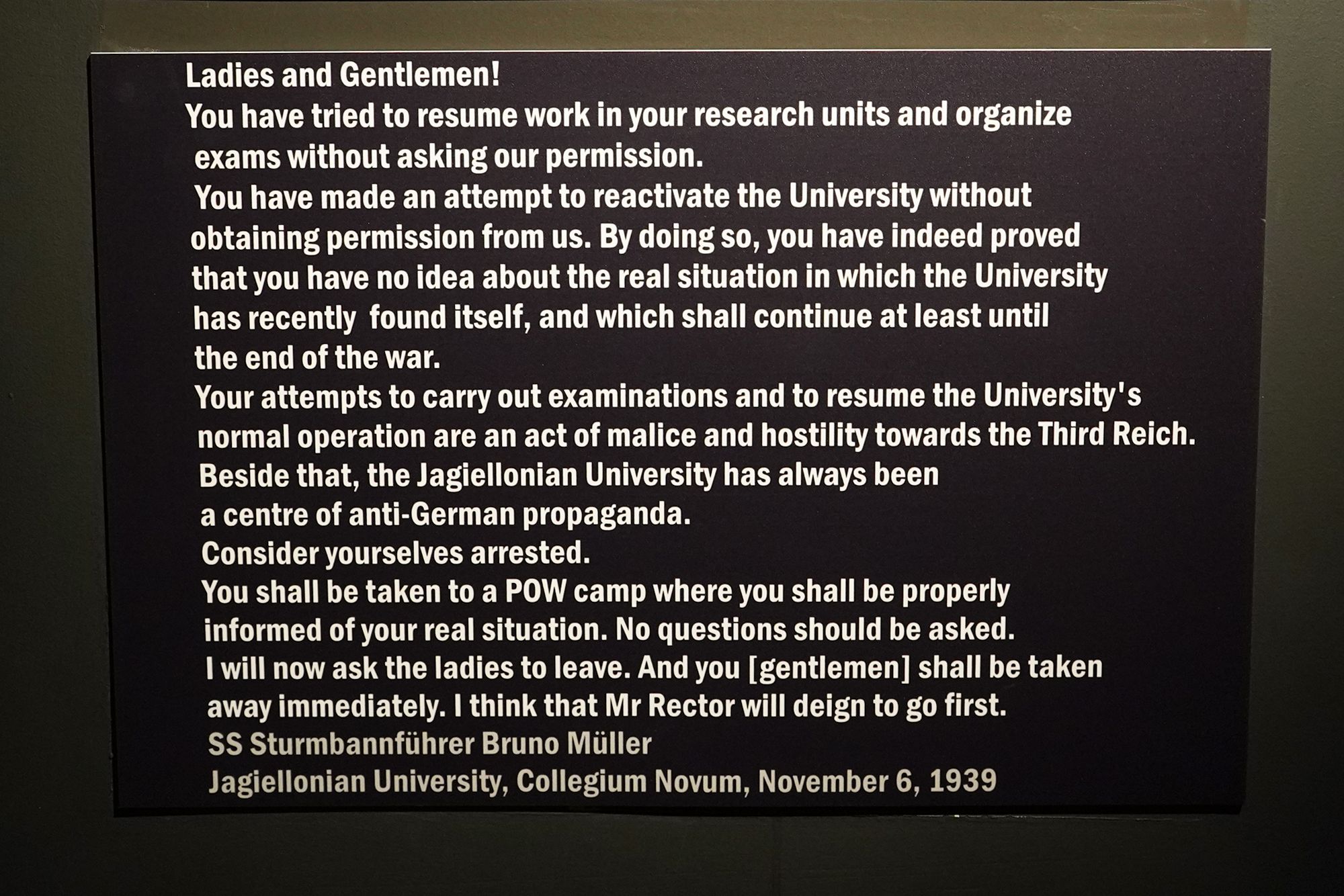
The panel quotes SS officer Bruno Müller telling Jagiellonian University professors that they were under arrest for trying to resume classes and for alleged anti-German activity. He said they would be taken to a POW camp, but this was a deception: the arrests were part of Sonderaktion Krakau, and most of the academics were sent to the Sachsenhausen concentration camp.
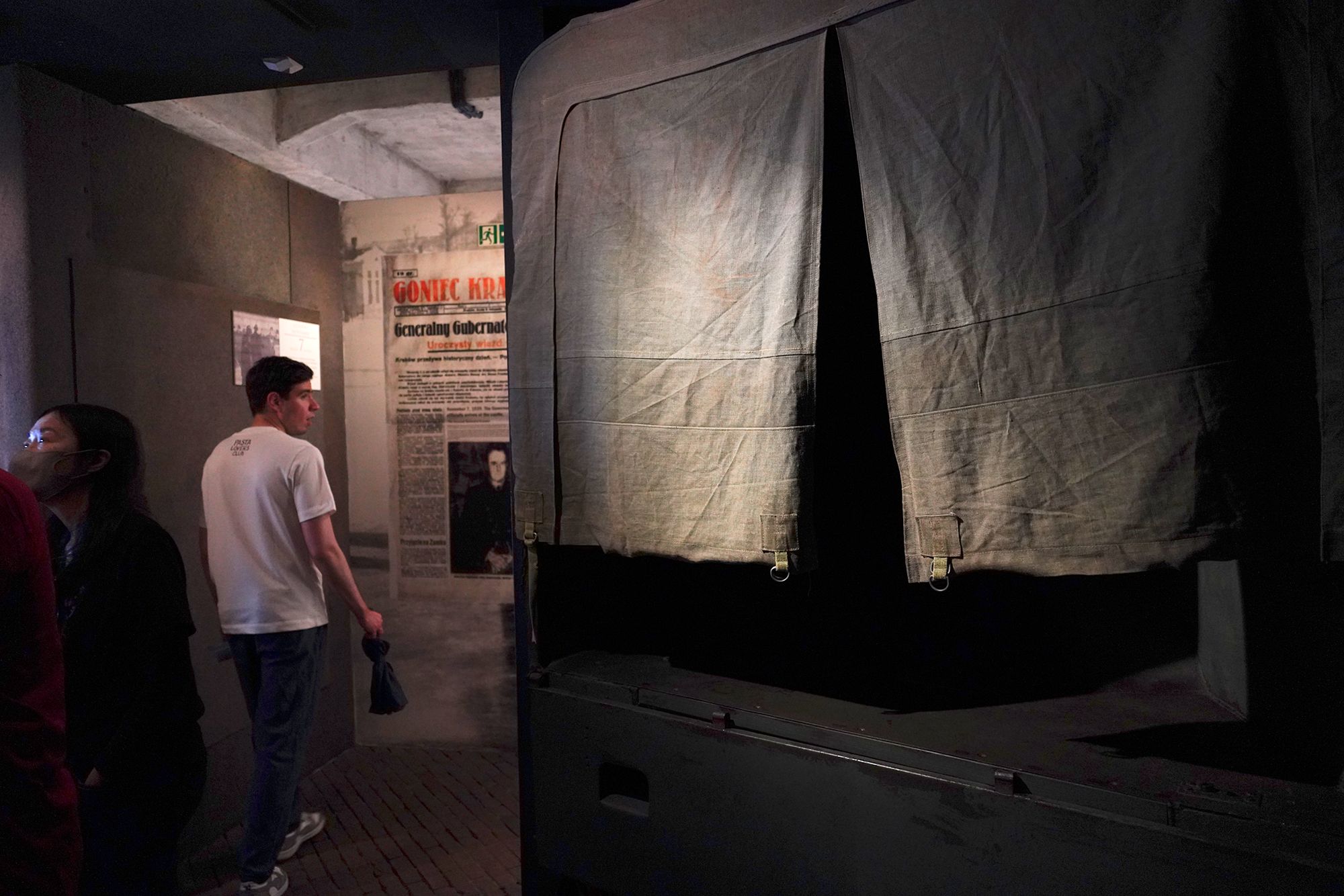
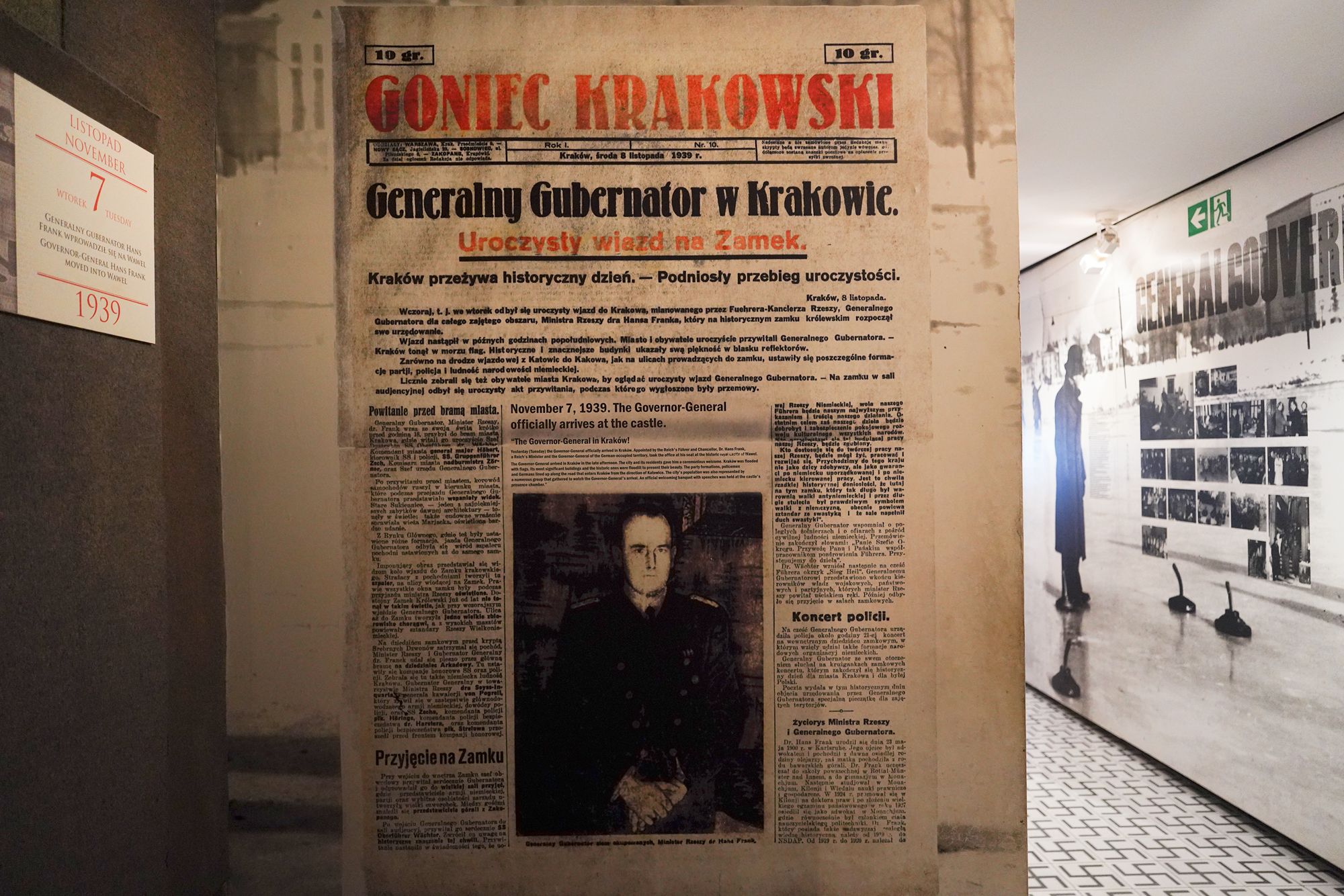
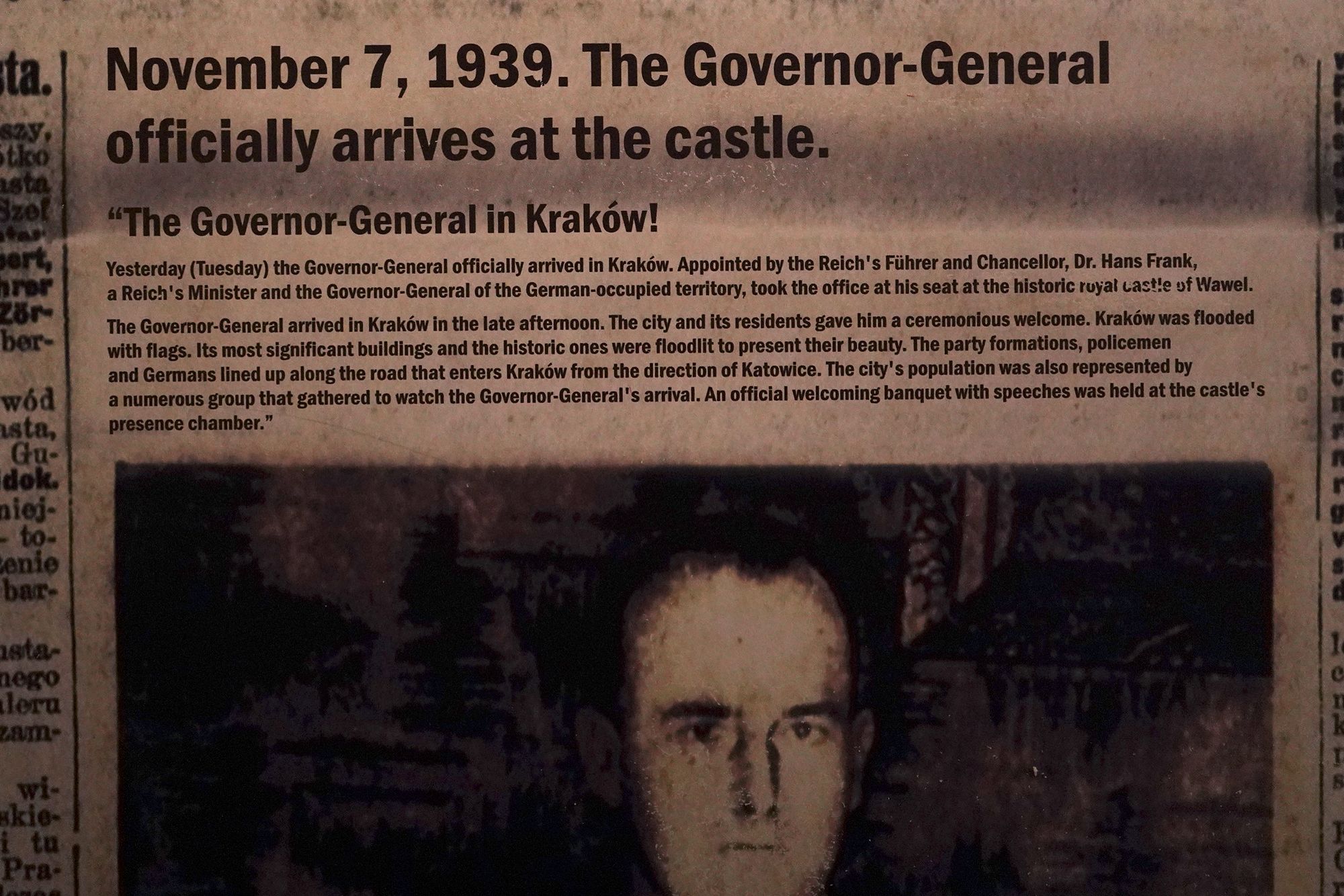
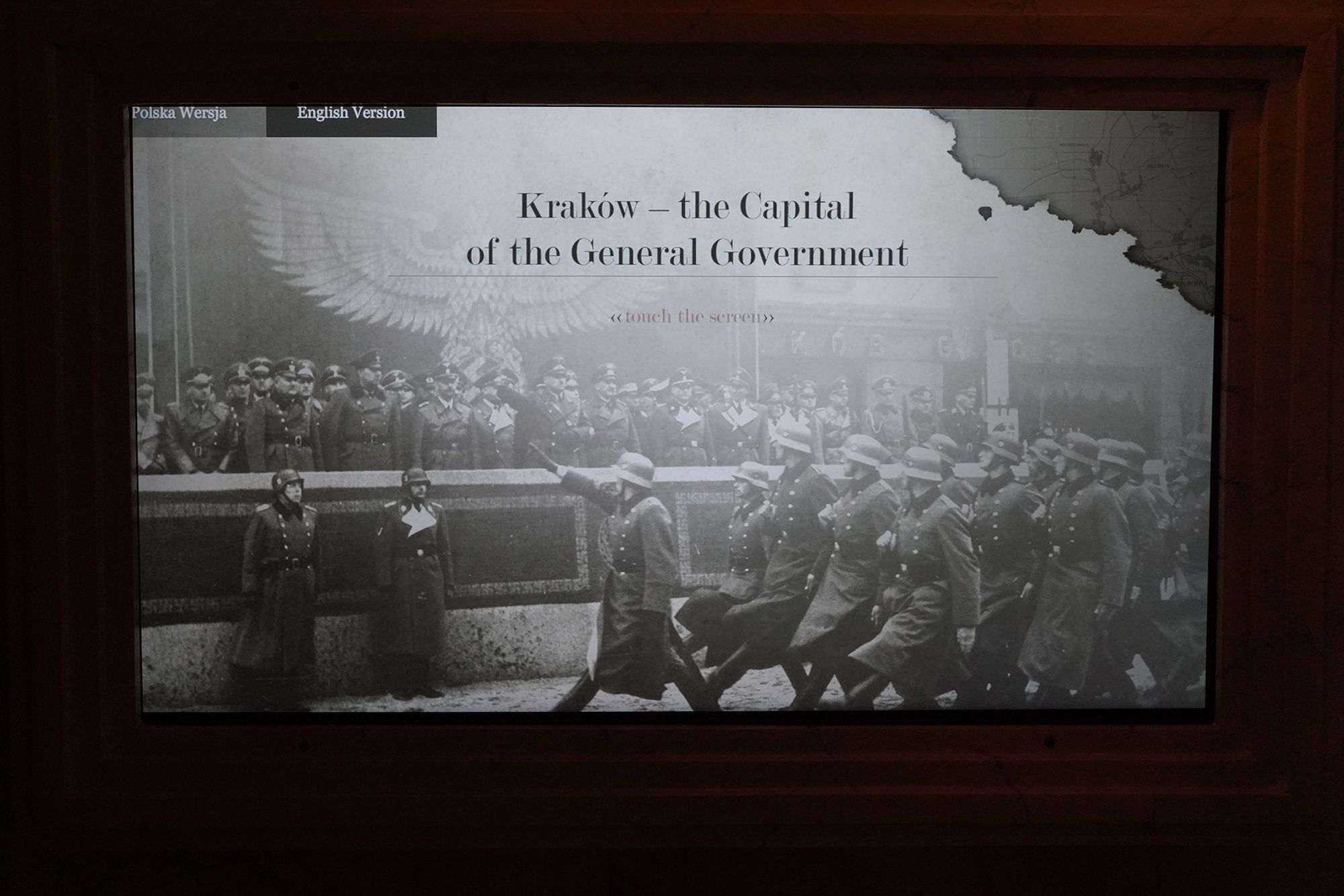
The panel describes Hans Frank’s arrival in Kraków on November 7, 1939, as Governor-General of German-occupied Poland. He took up his seat at Wawel Castle amid a staged welcome with flags, floodlit buildings, uniformed formations, and a banquet.
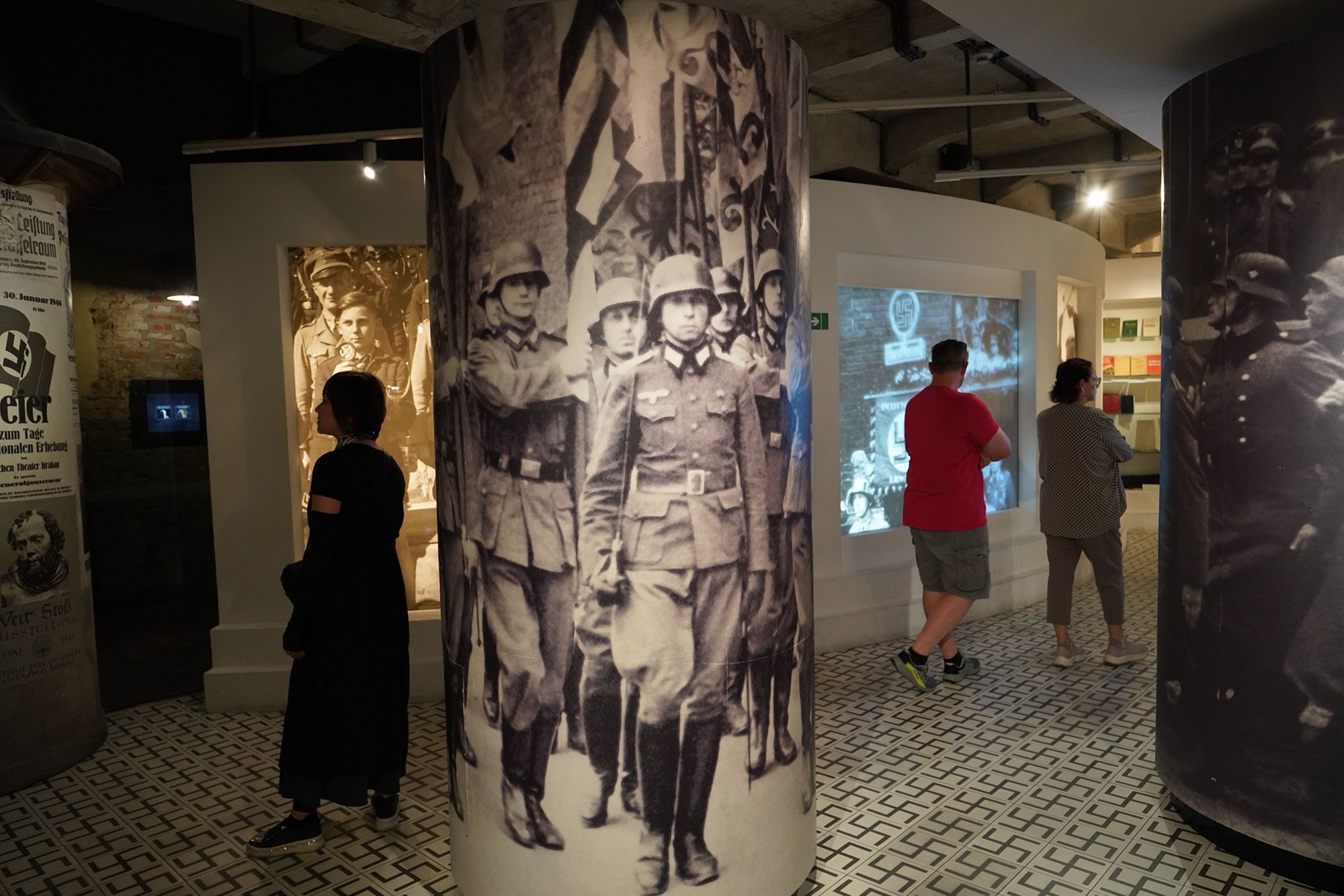
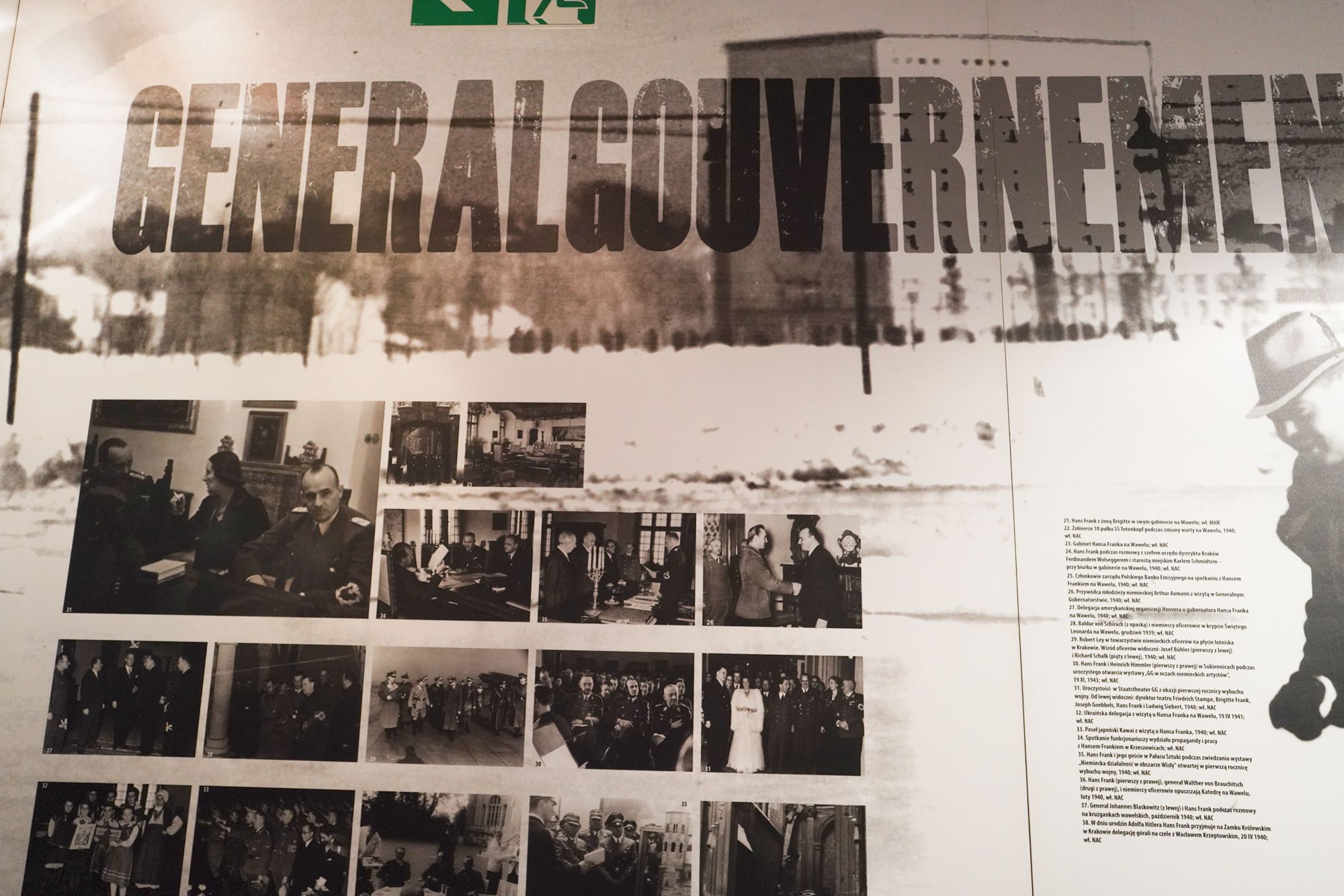
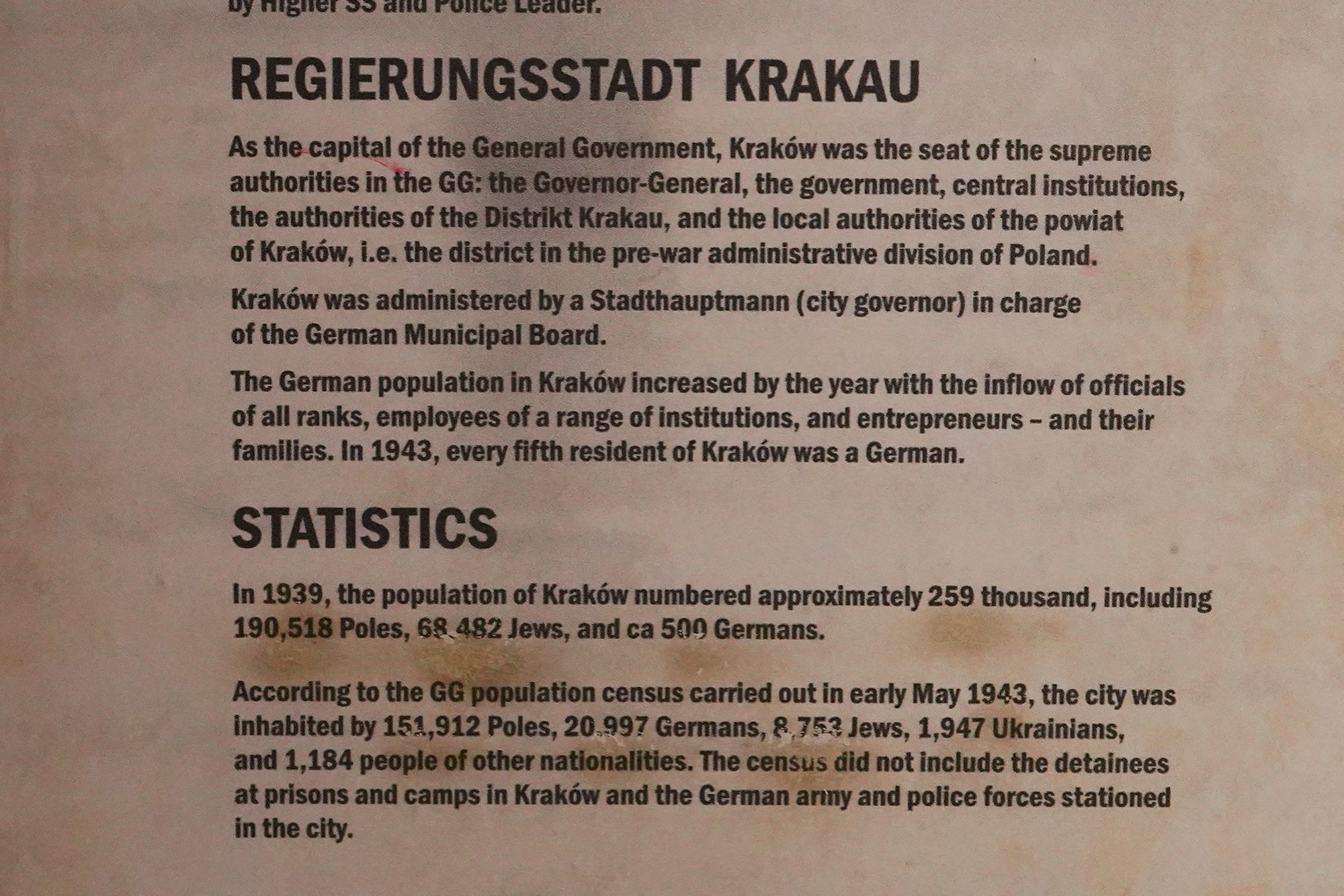
The panel explains that occupied Kraków became the administrative center of the German-controlled General Government, housing its top authorities and offices. It also compares the city’s population in 1939 and 1943: the number of Jewish residents fell sharply, while the German population grew as officials and their families moved in.
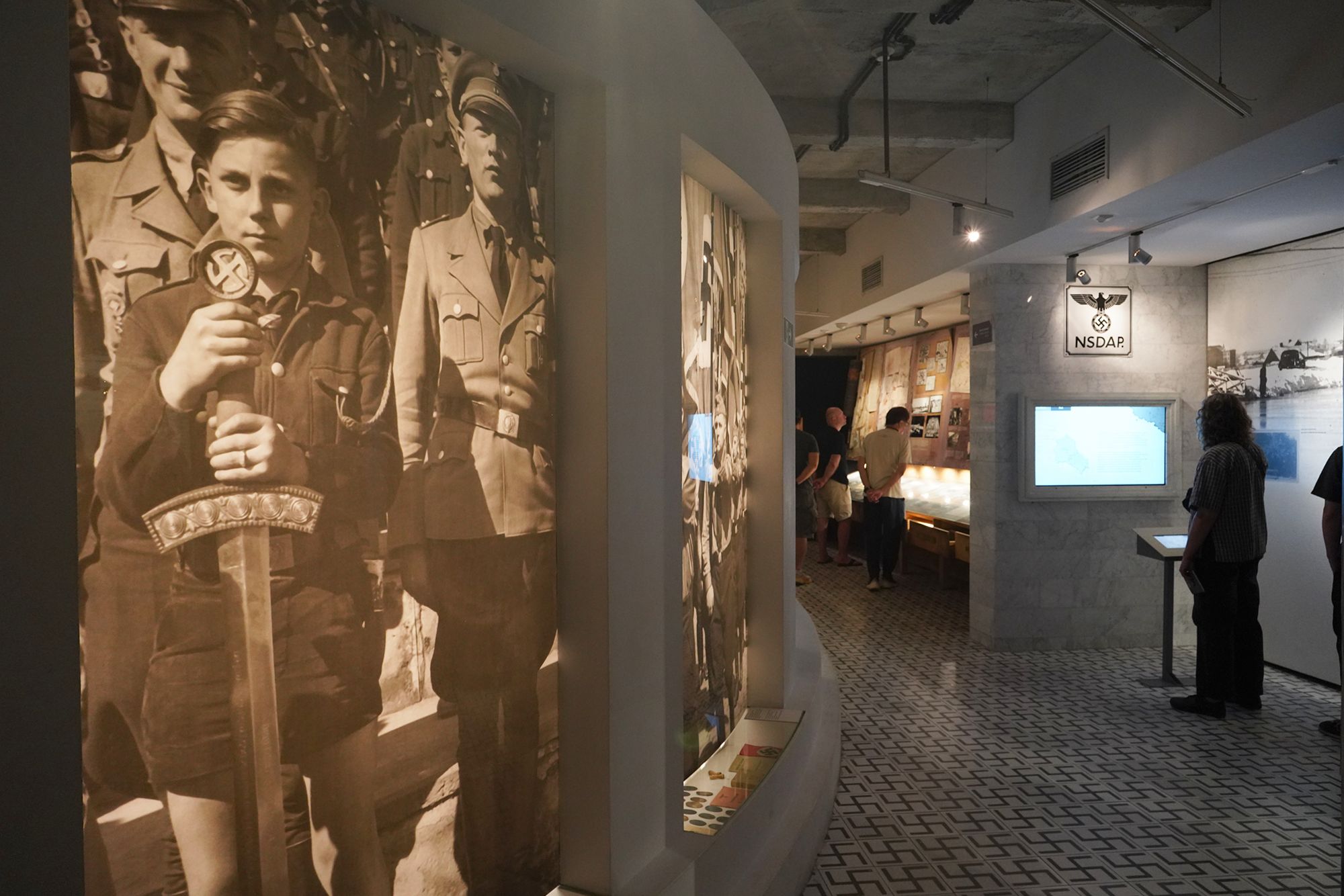
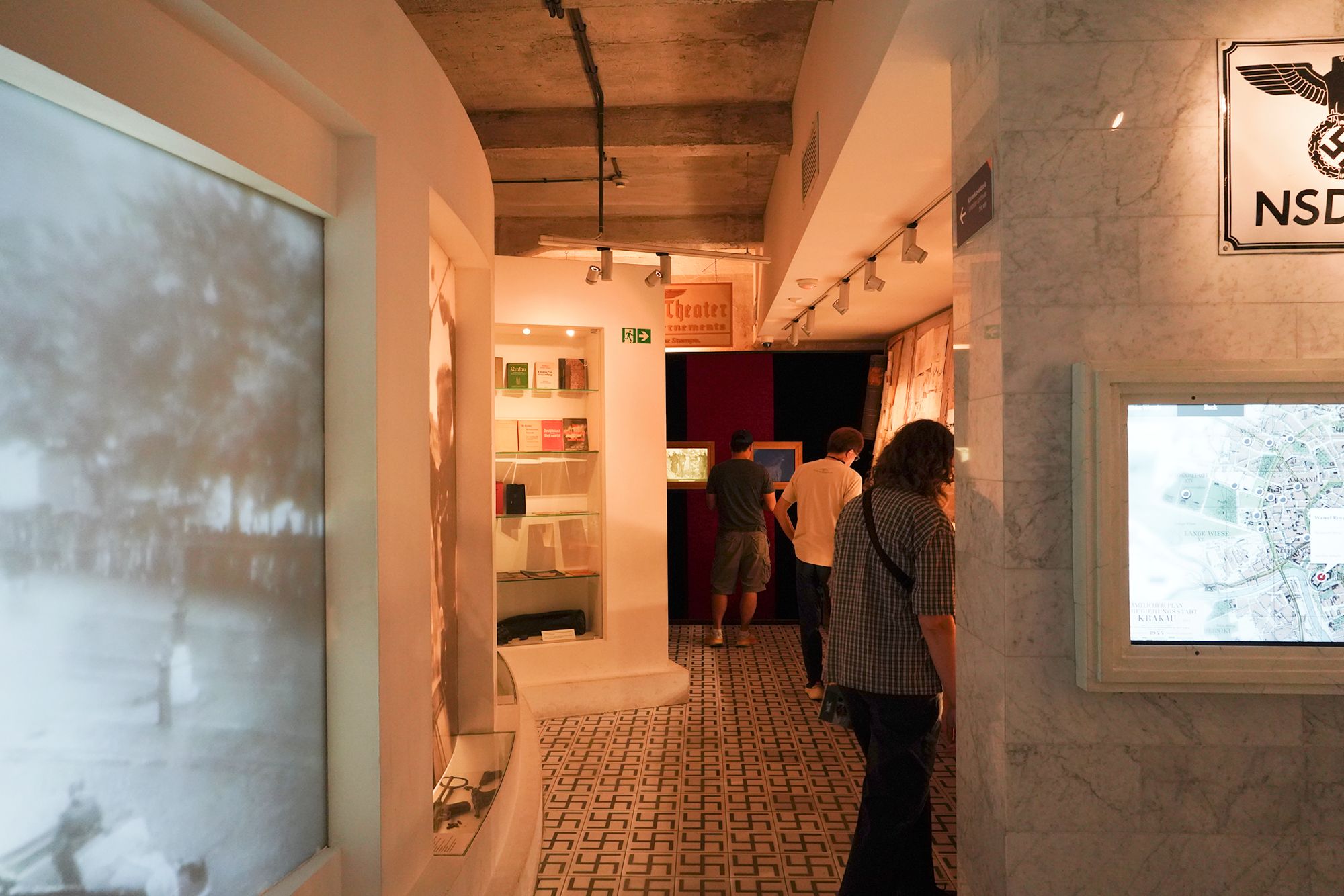
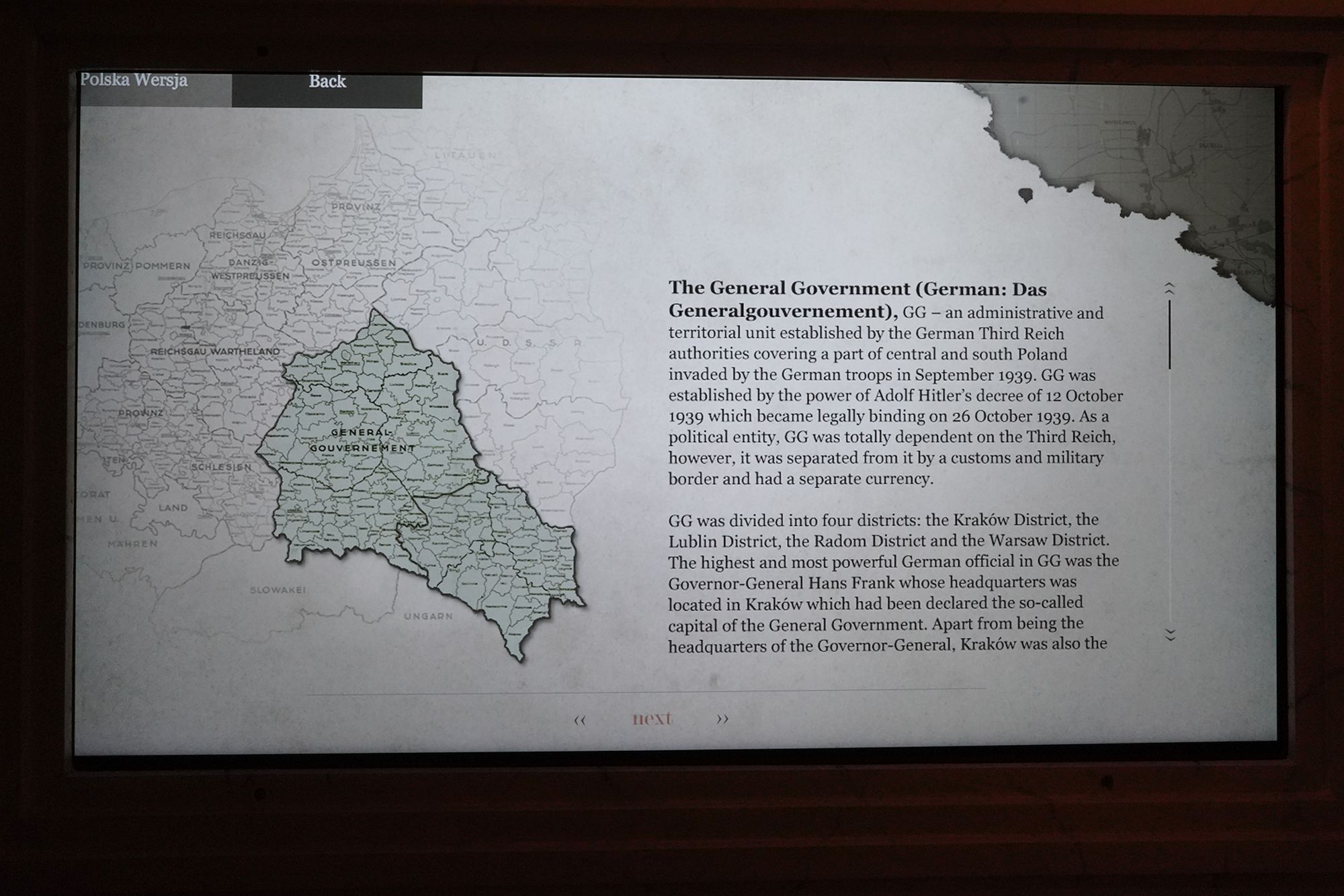
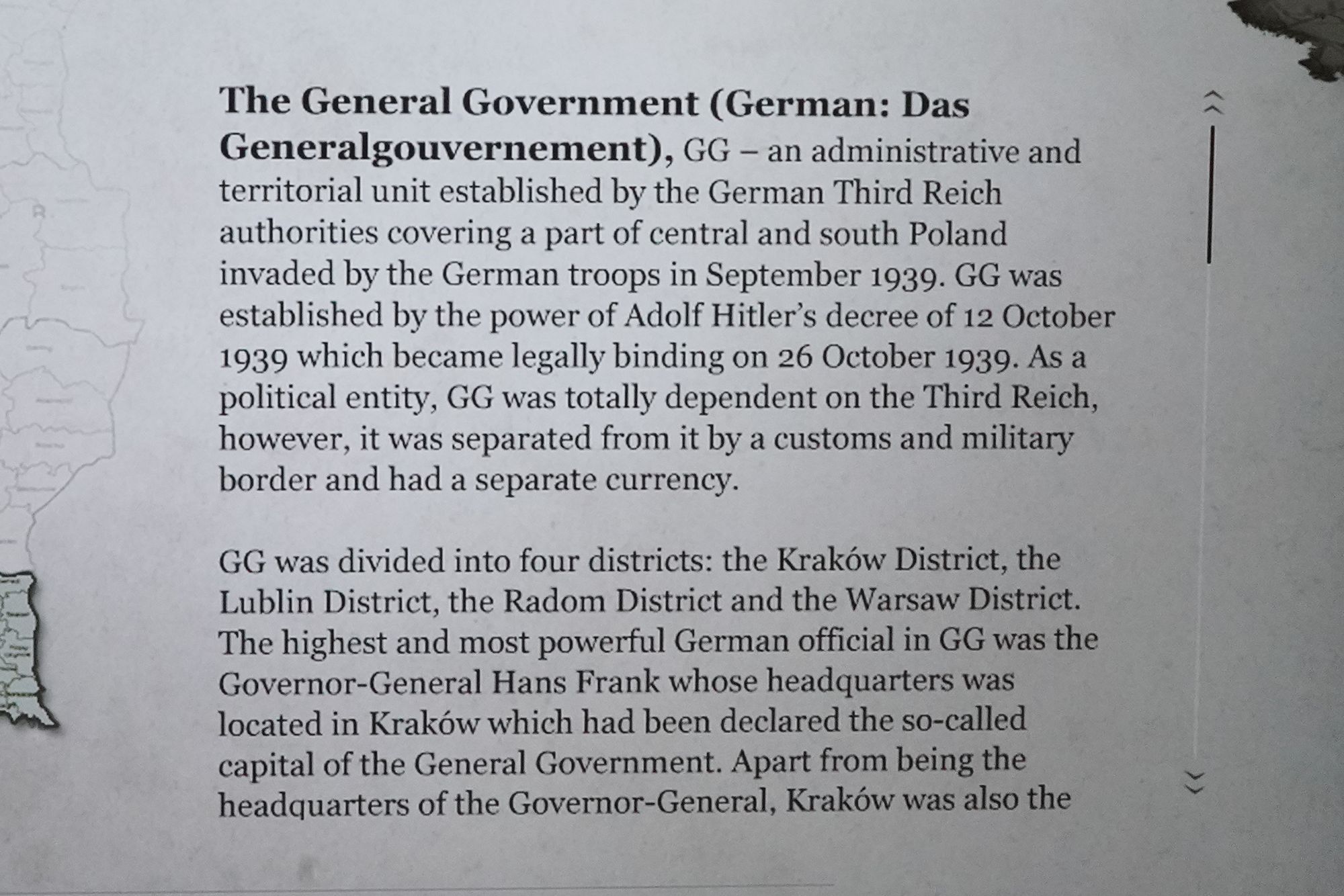
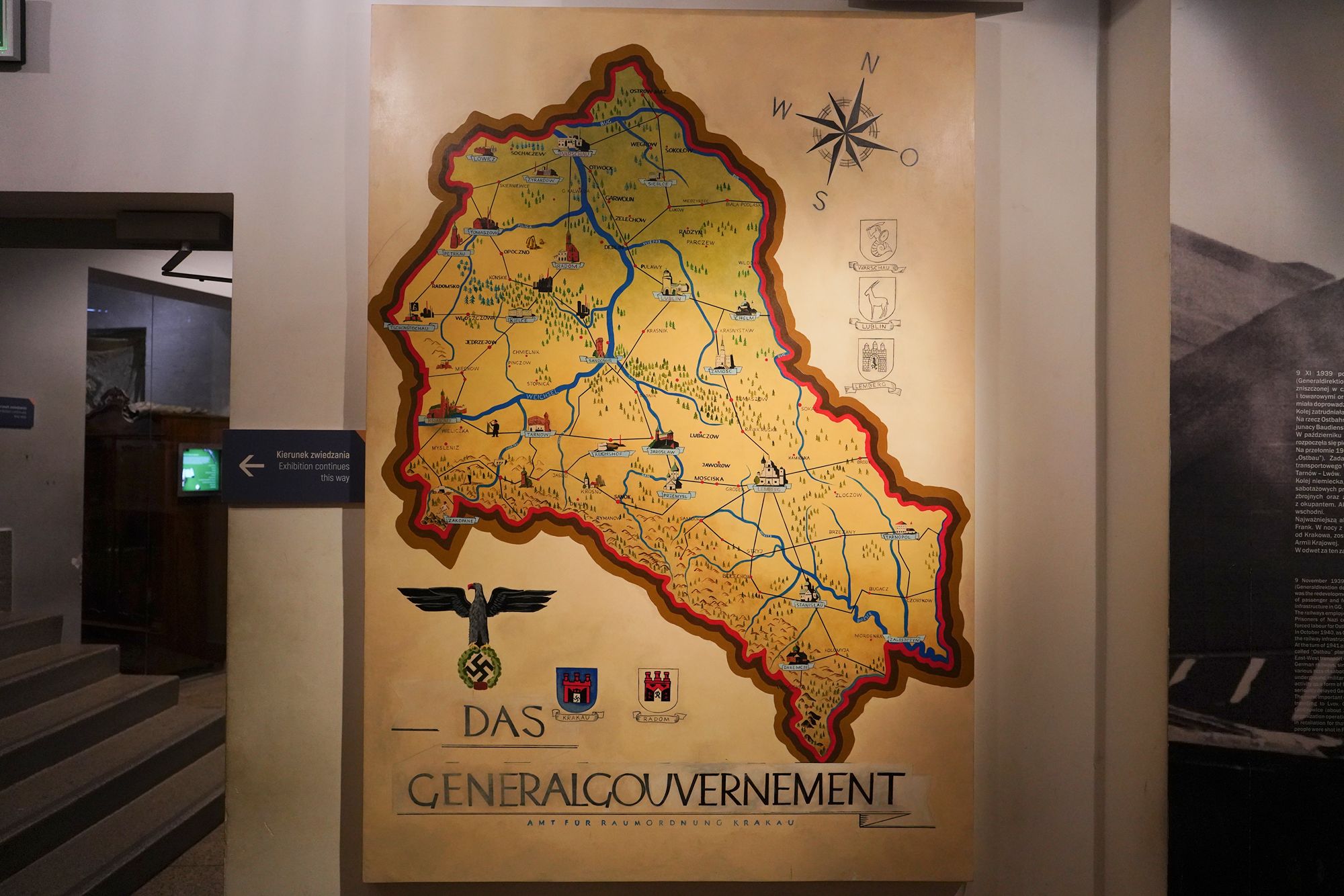
The panel explains that the General Government was the German-administered territory established in occupied central and southern Poland in 1939. It was divided into four districts, with Kraków as its capital and the headquarters of Governor-General Hans Frank. Although controlled by the Third Reich, it had separate customs, military borders, and currency.
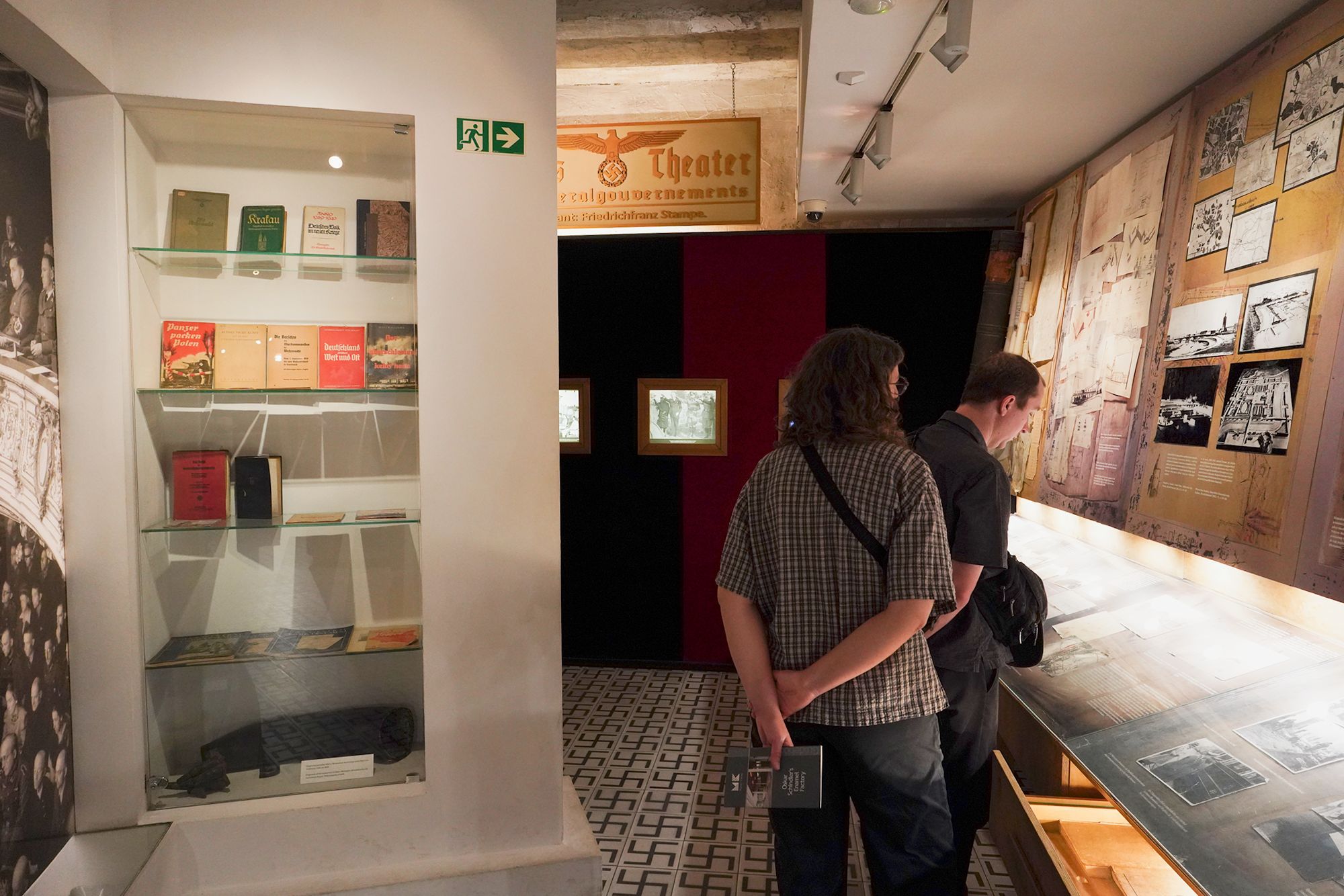
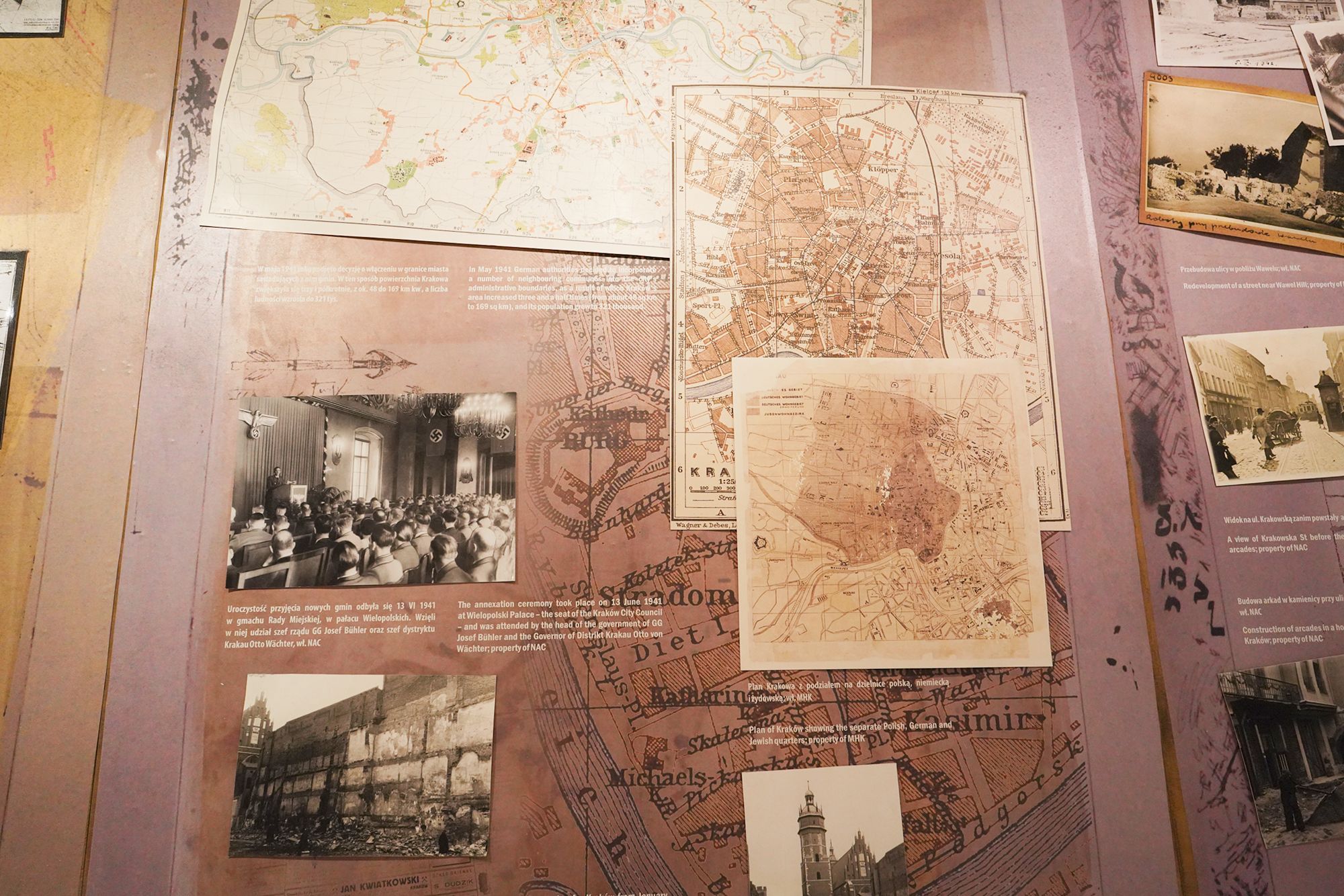
The panel describes a German plan from 1942 to reshape Kraków after the Jews had been “liquidated”—a Nazi euphemism for their removal and murder. Polish residents were to be moved to Podgórze, while Kazimierz was to become a German-only district; some buildings in the former Jewish quarter were slated for demolition.
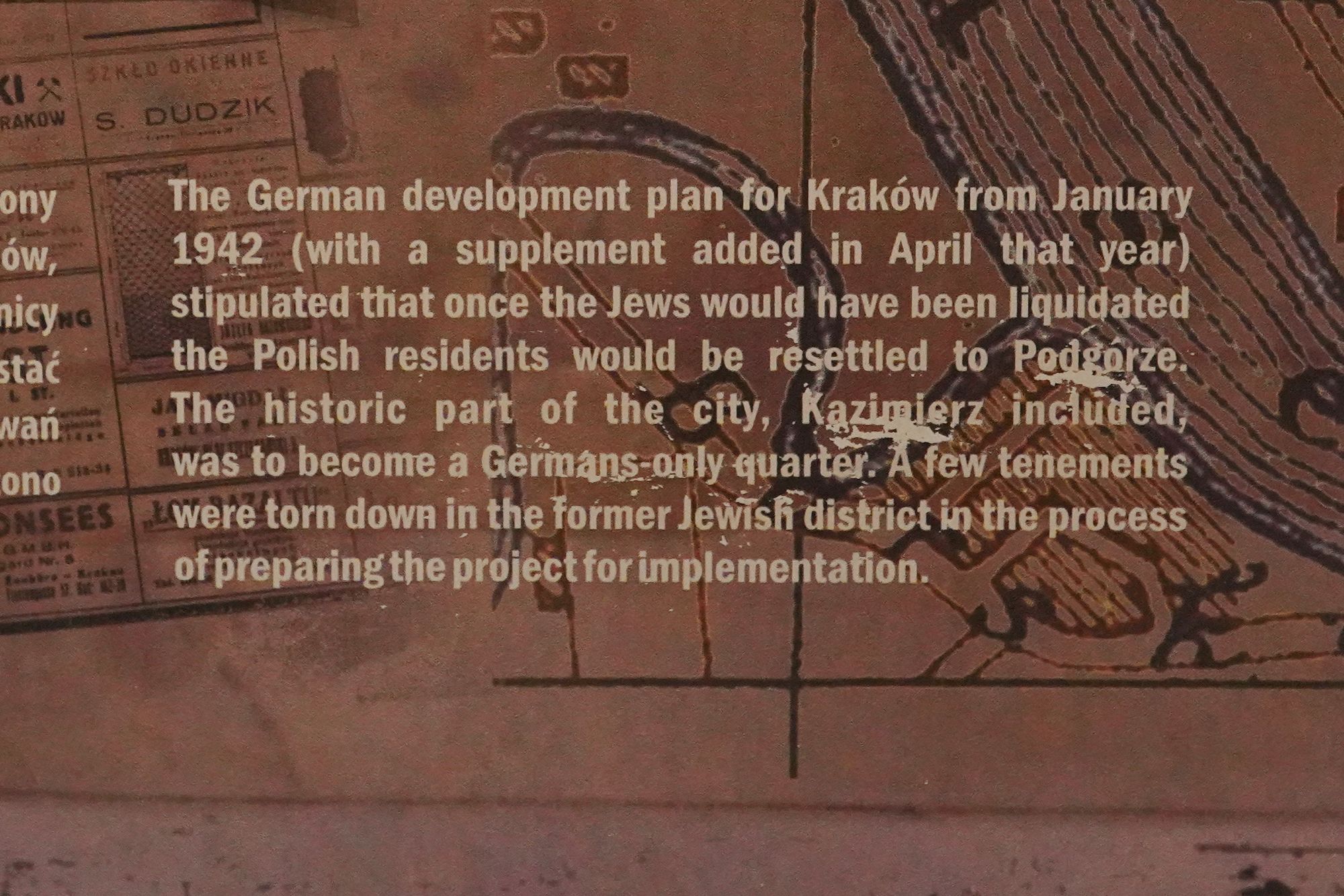
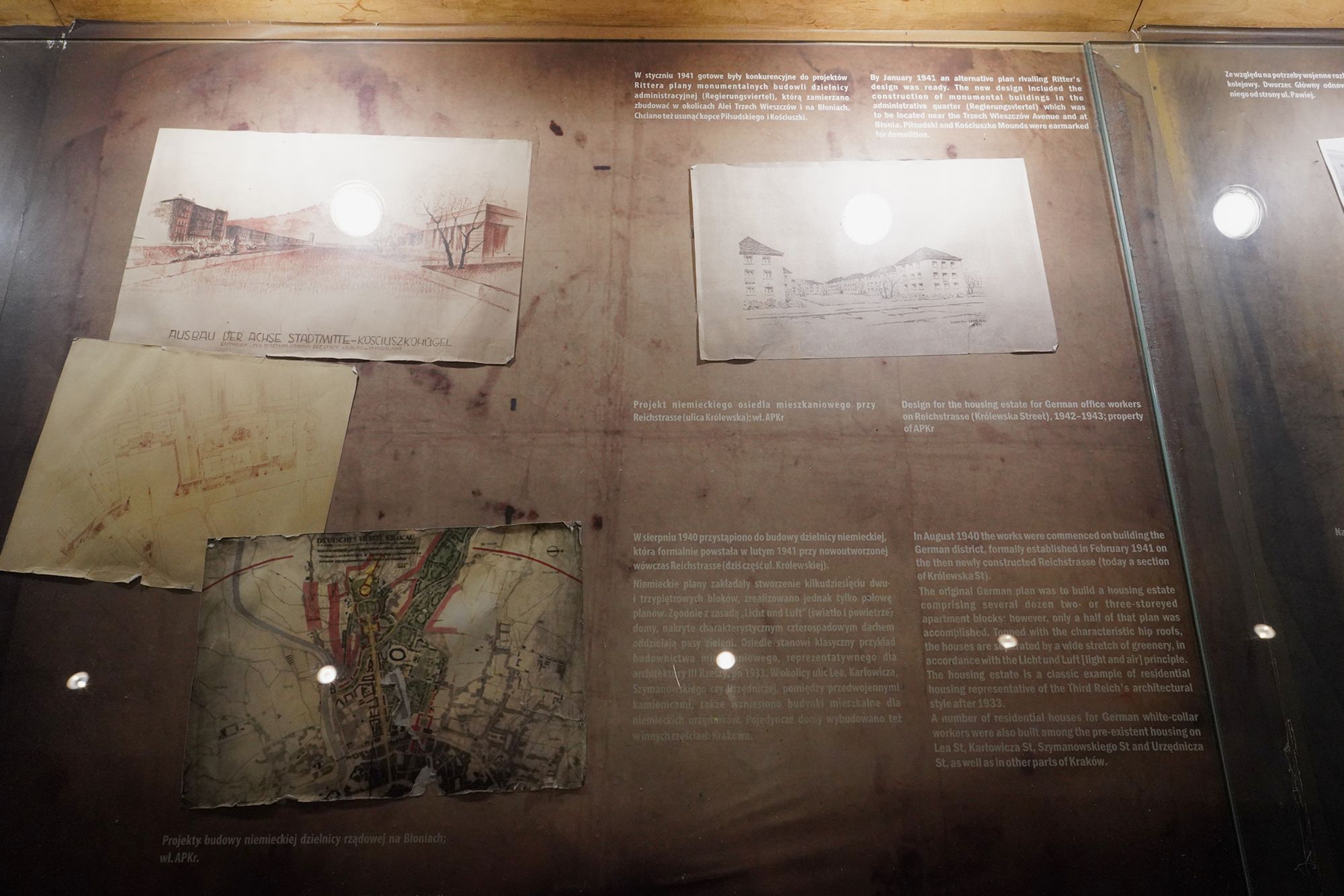
The panel describes Kraków’s German district, begun in 1940 and formally established in 1941. The plan called for several dozen apartment blocks, but only about half were built. Their low-rise design, hip roofs, and open green spaces followed the Nazi-era “light and air” principle; housing was also built for German officials and white-collar workers elsewhere in the city.
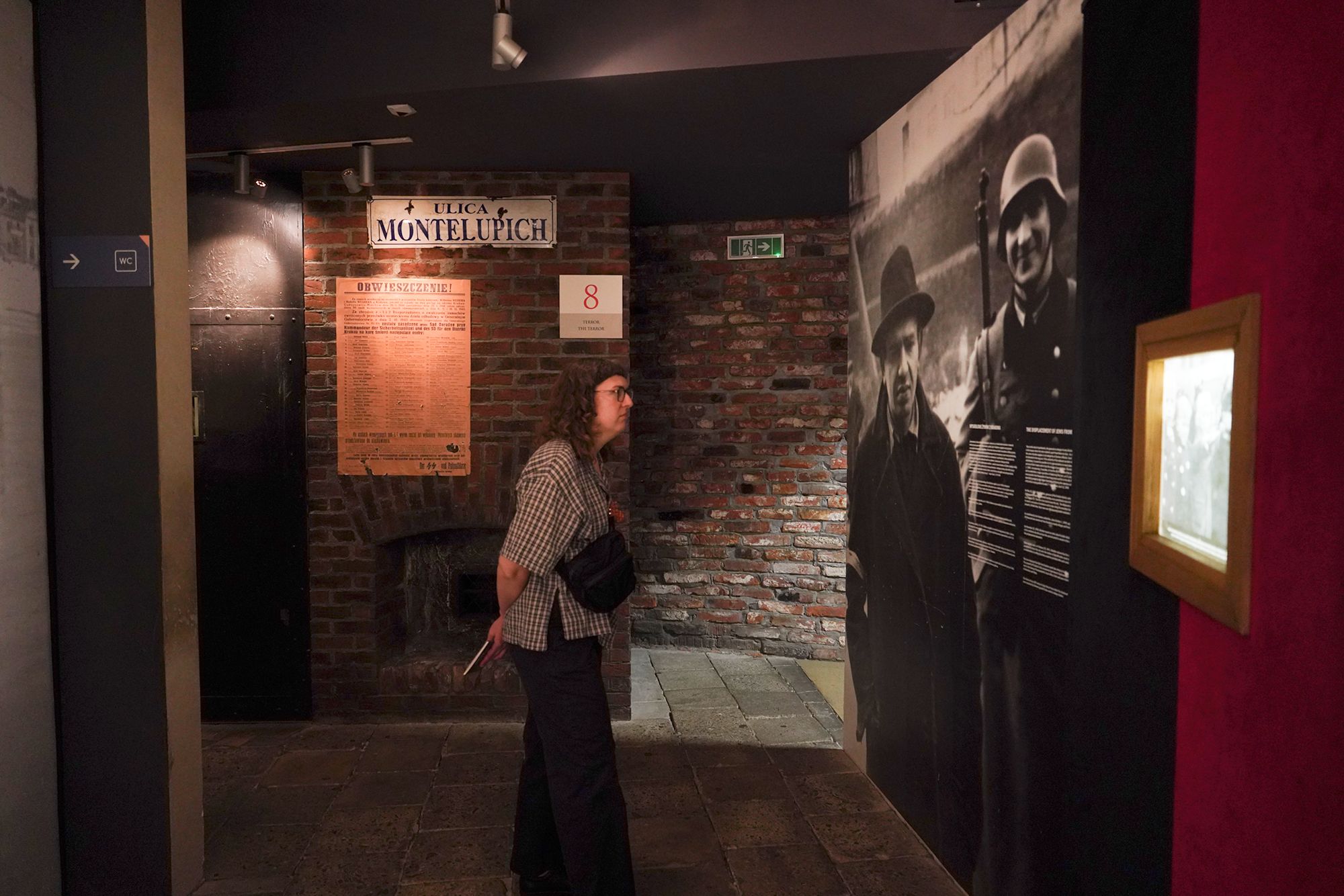
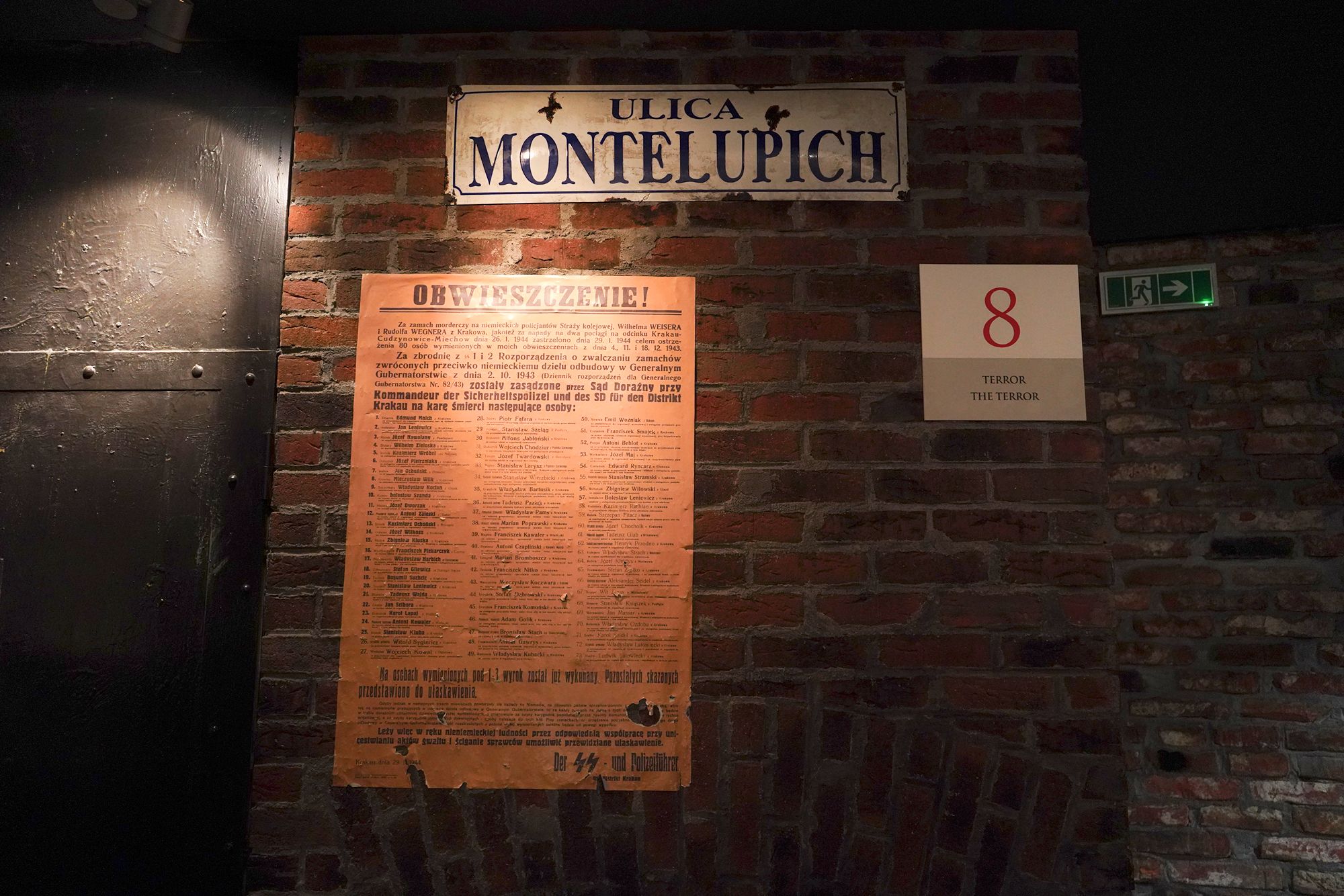
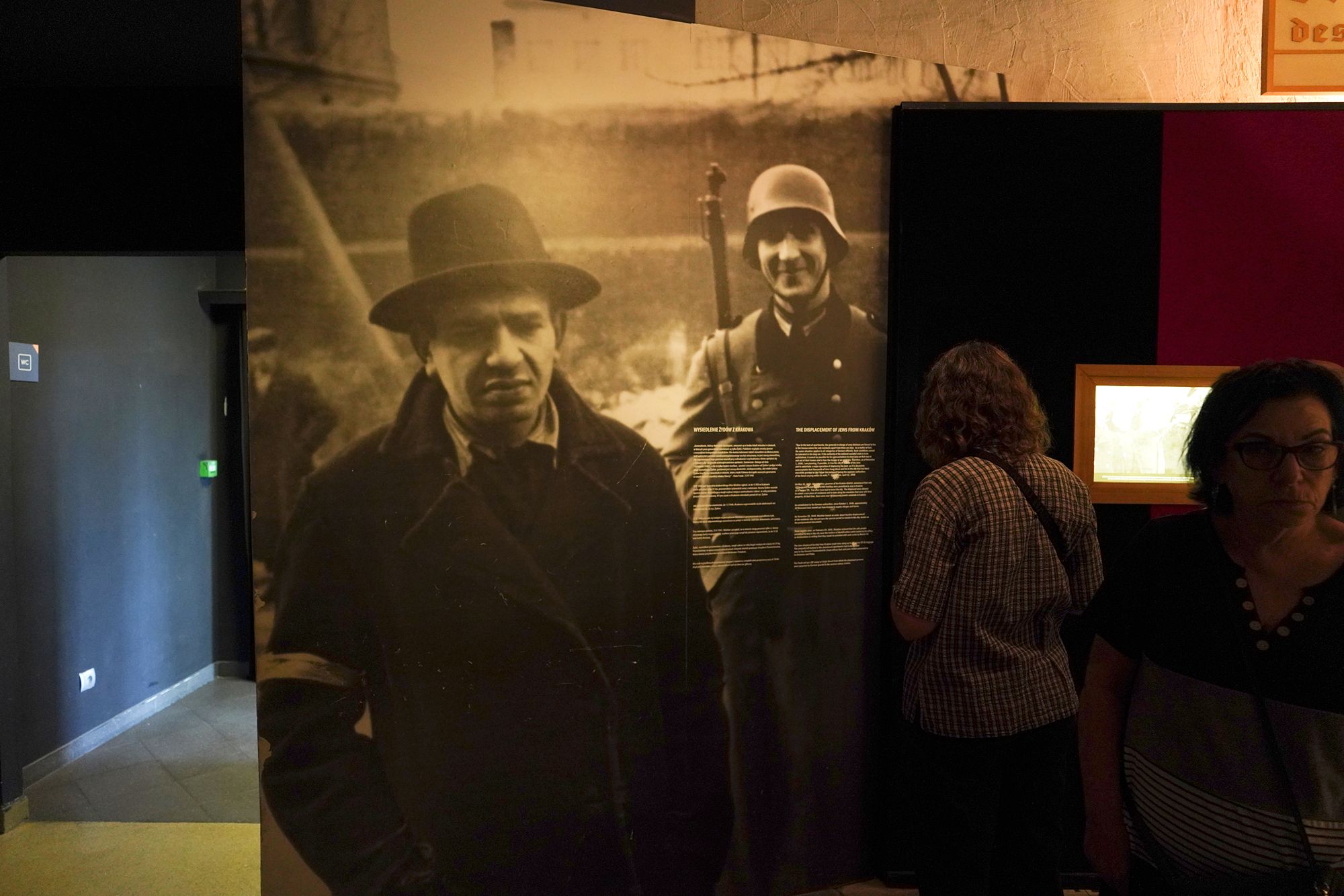
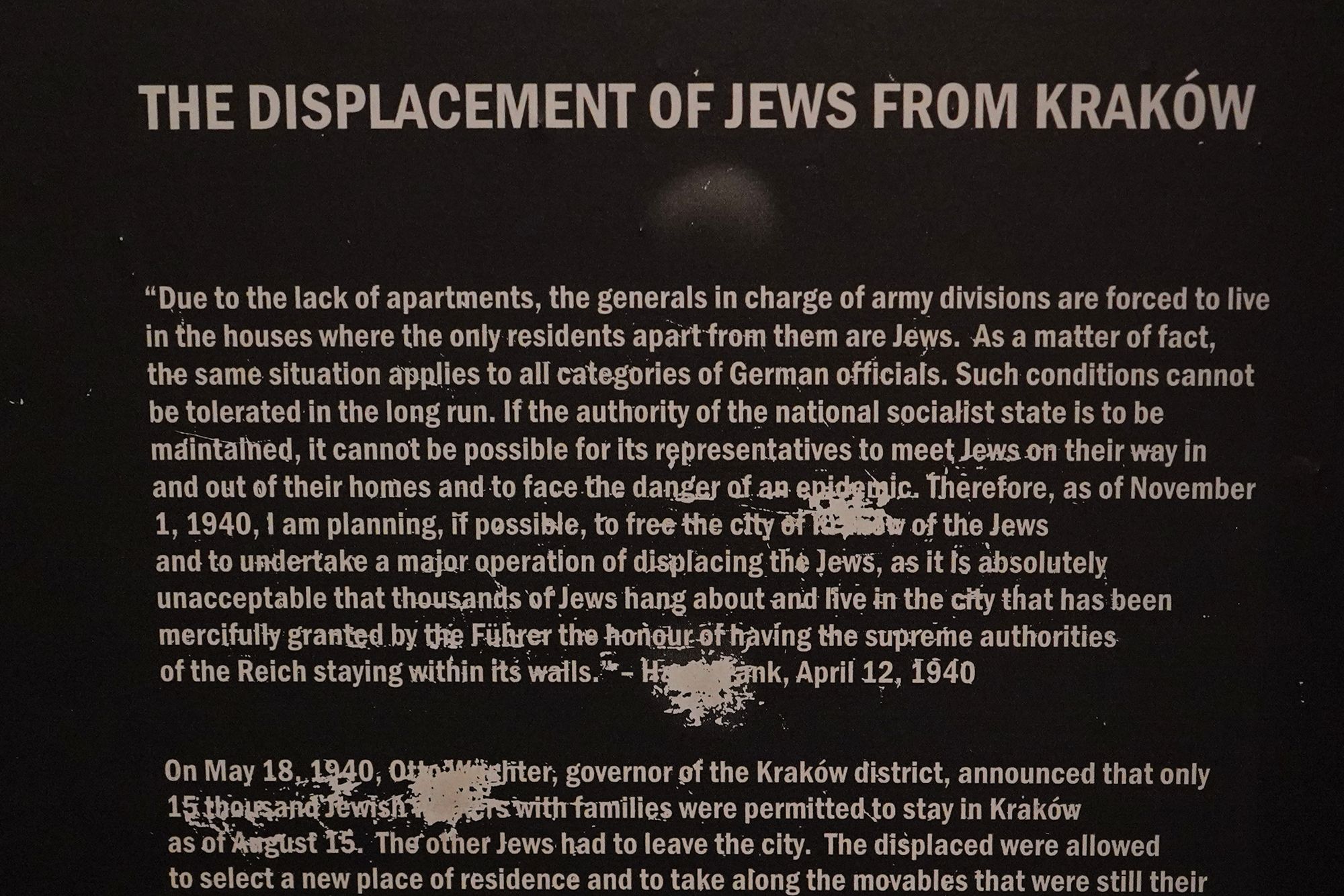
The panel shows how Nazi officials planned to expel most of Kraków’s Jews. In April 1940, Hans Frank called for the city to be “freed” of Jews, using their presence near German officials as his pretext. The next month, Governor Otto Wächter announced that only 15,000 Jews and their families could remain; the rest were ordered to leave.
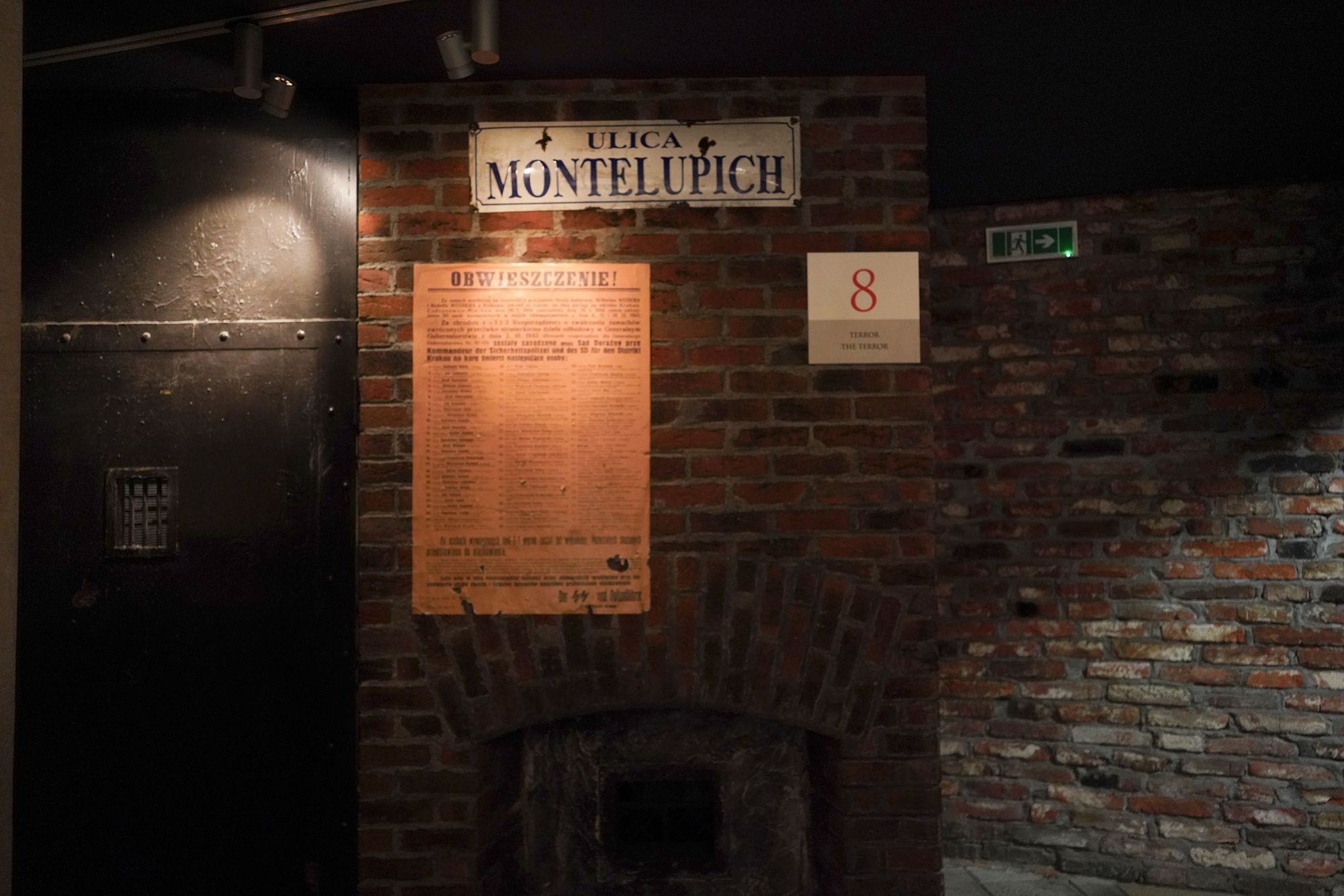
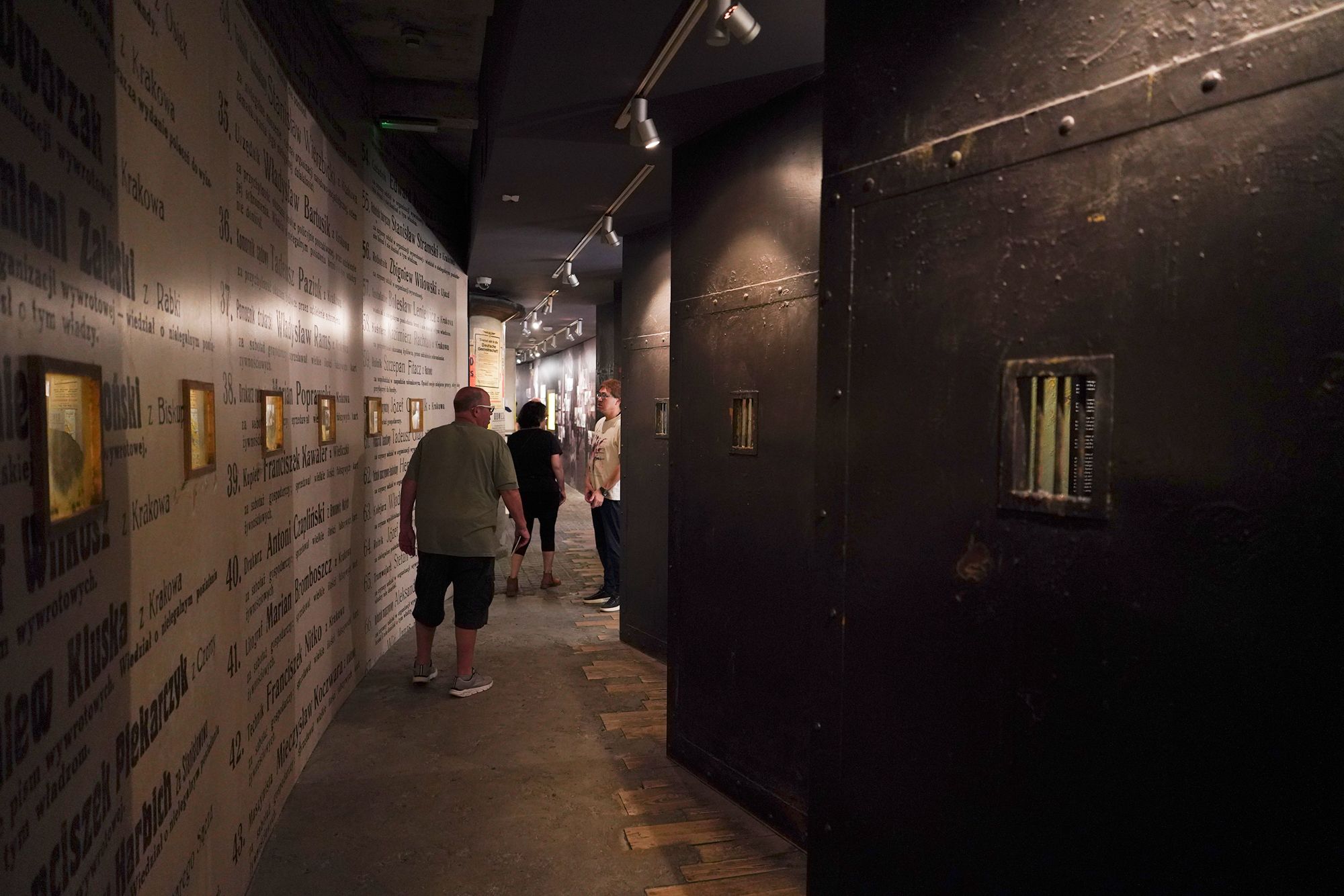
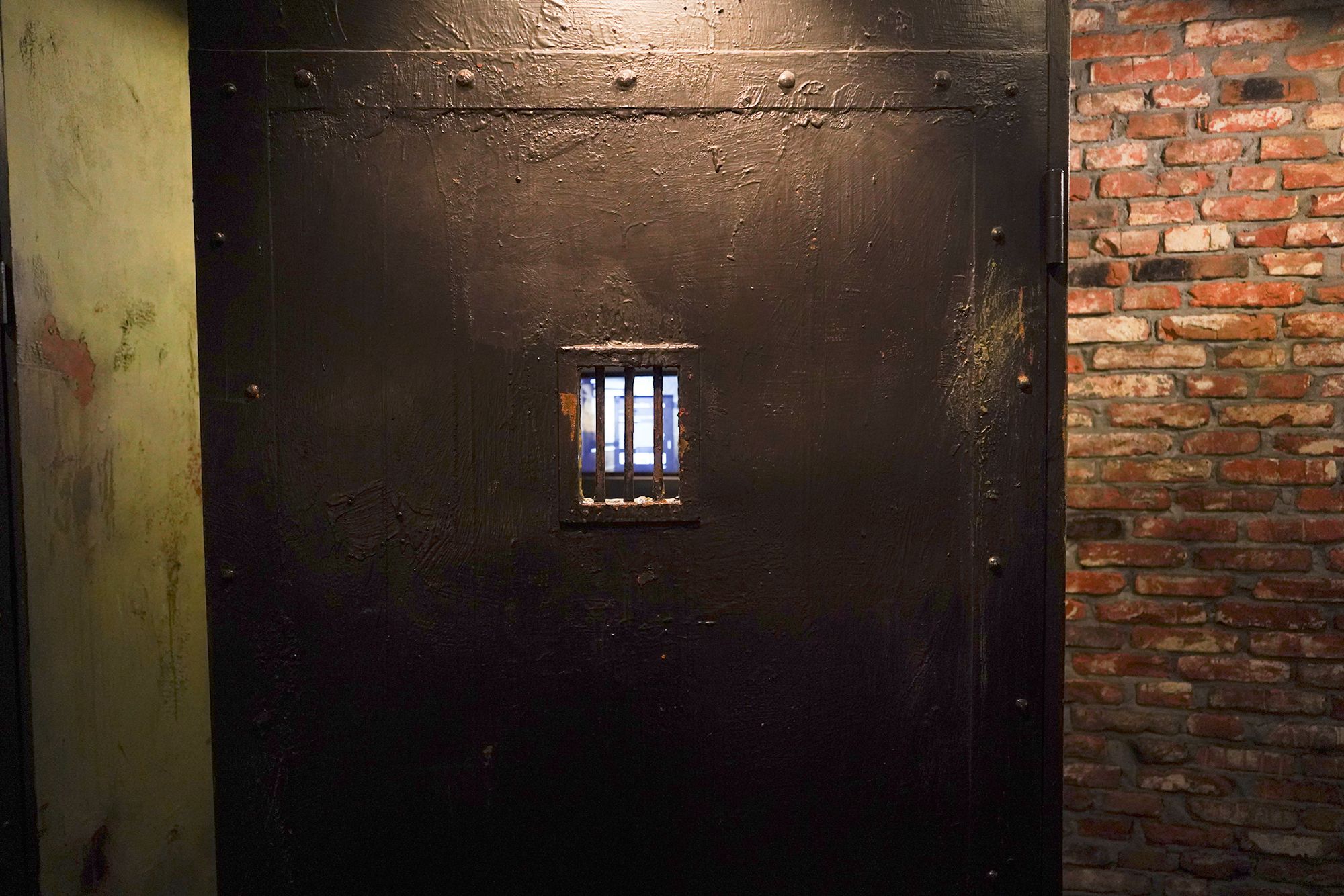
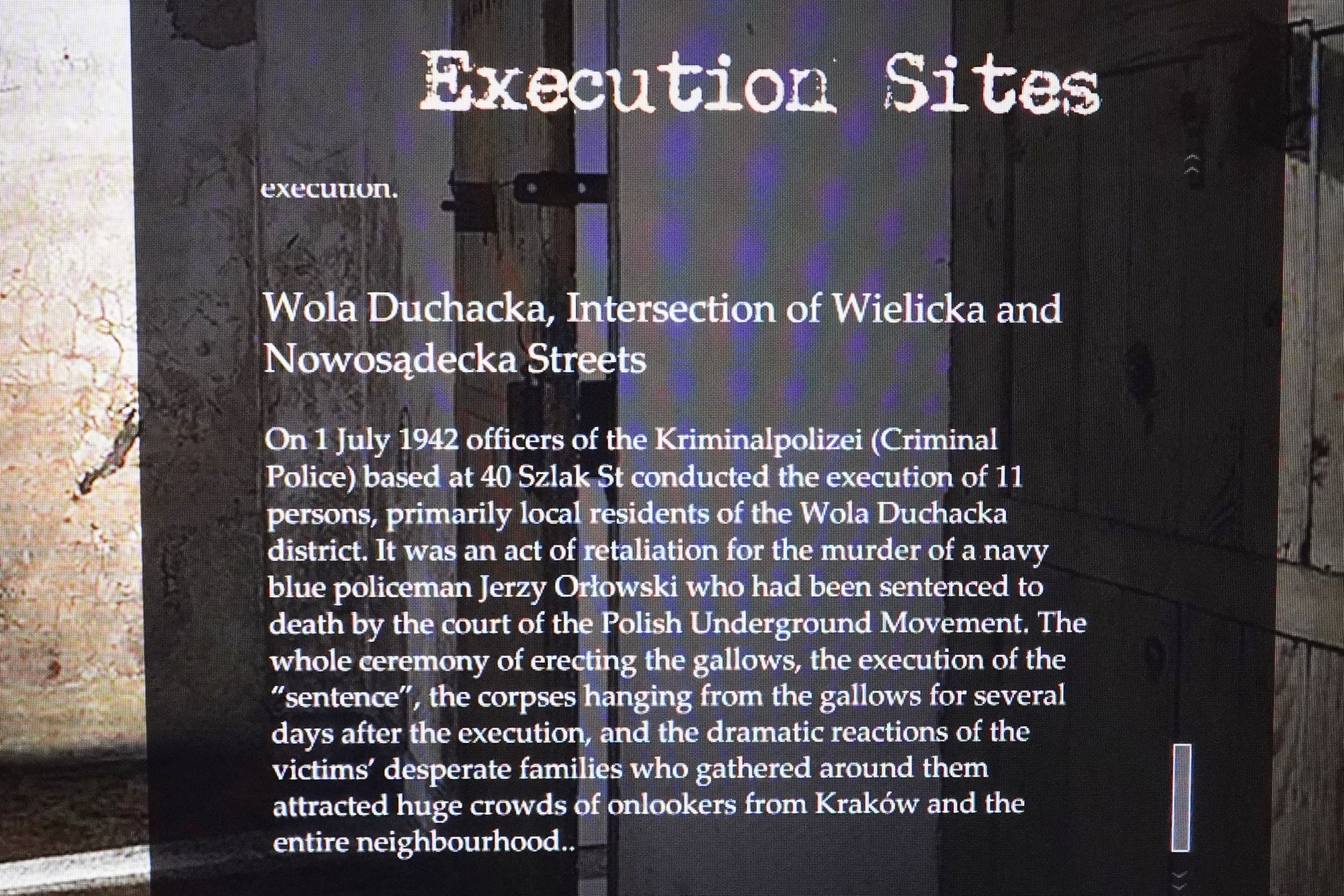
The panel identifies Wola Duchacka, at the intersection of Wielicka and Nowosądecka streets, as the site of a public execution on July 1, 1942. German criminal police hanged 11 people, mostly local residents, in retaliation for the Polish underground’s execution of a German-aligned policeman. Their bodies were left hanging for several days, drawing crowds and grieving families.
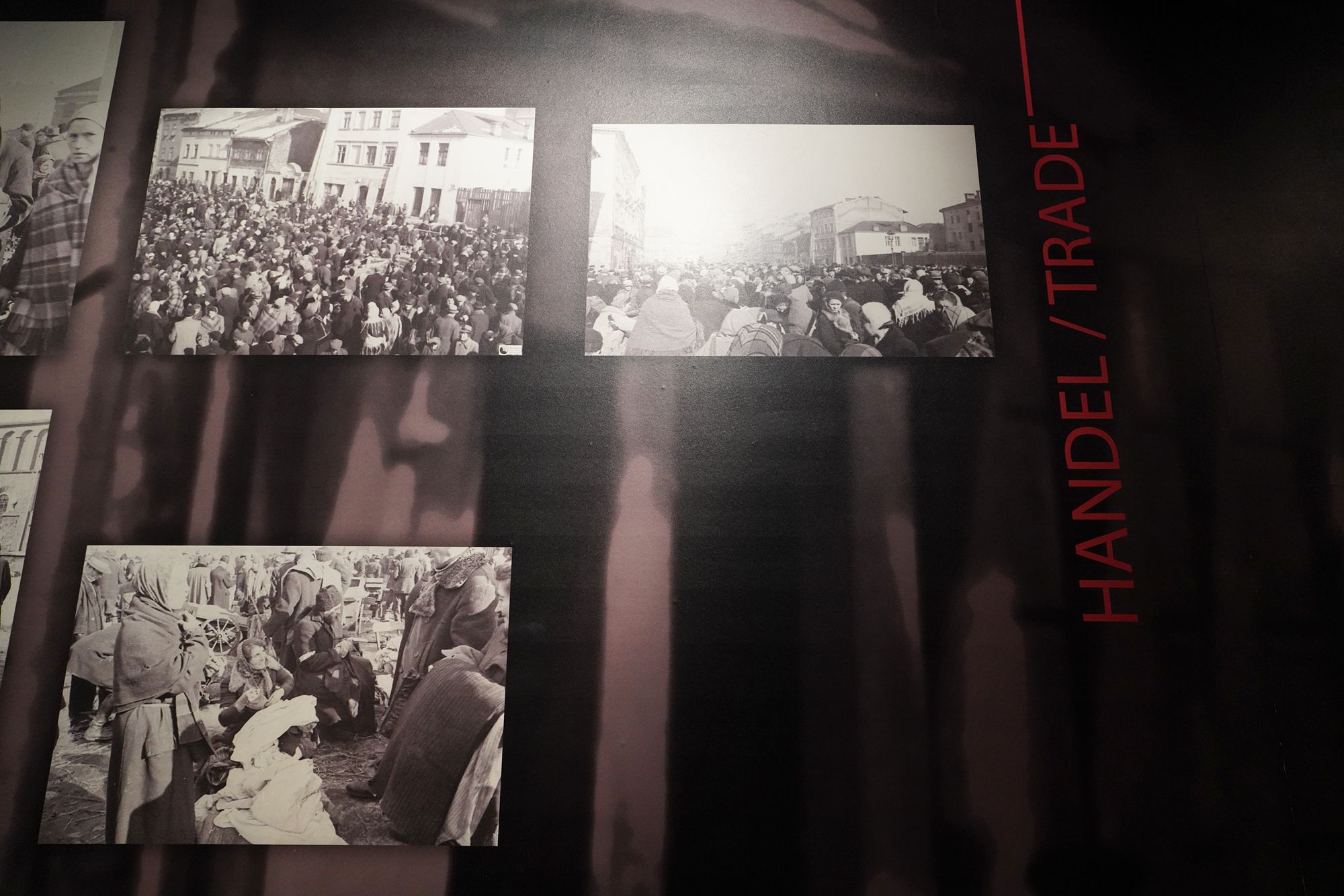
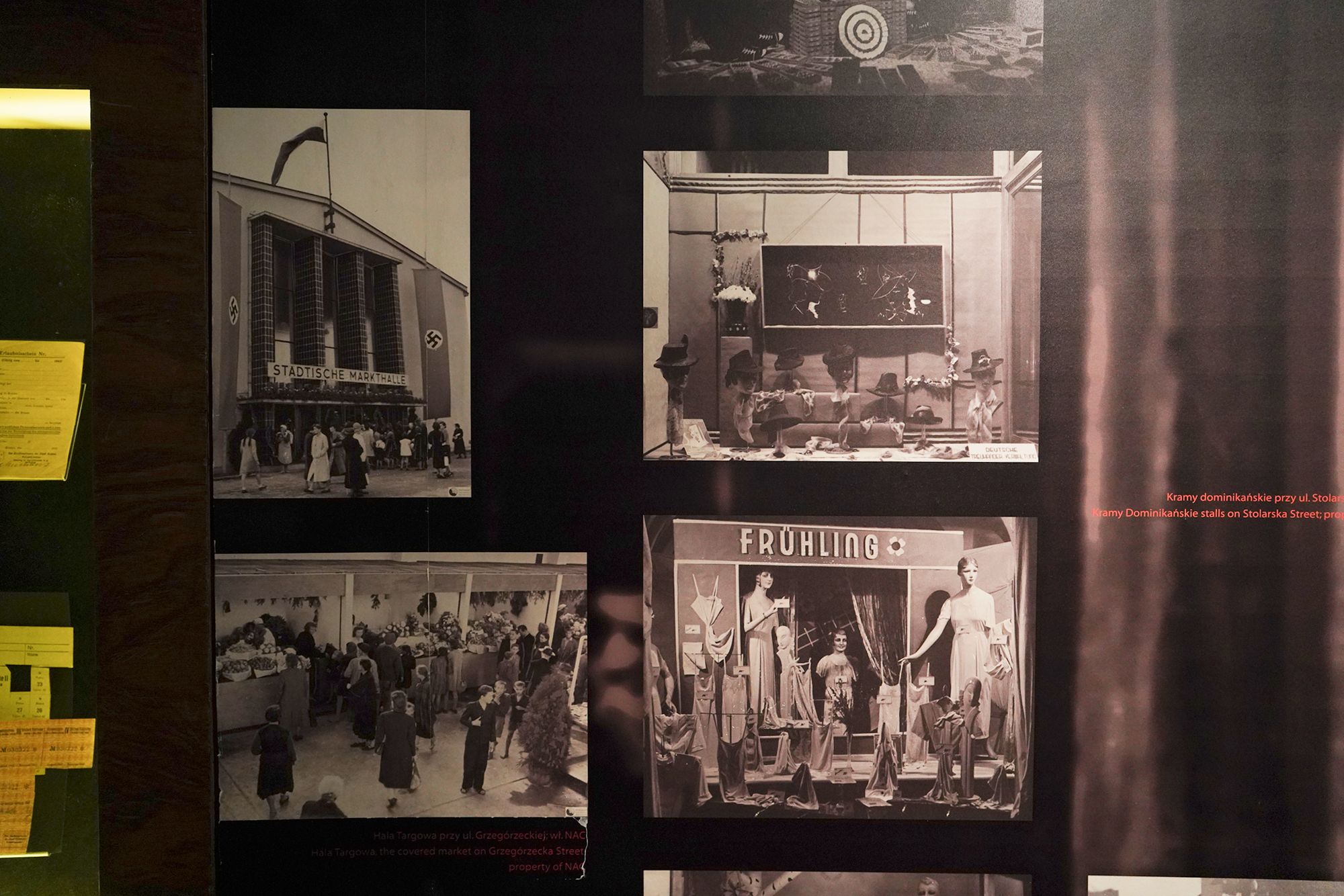
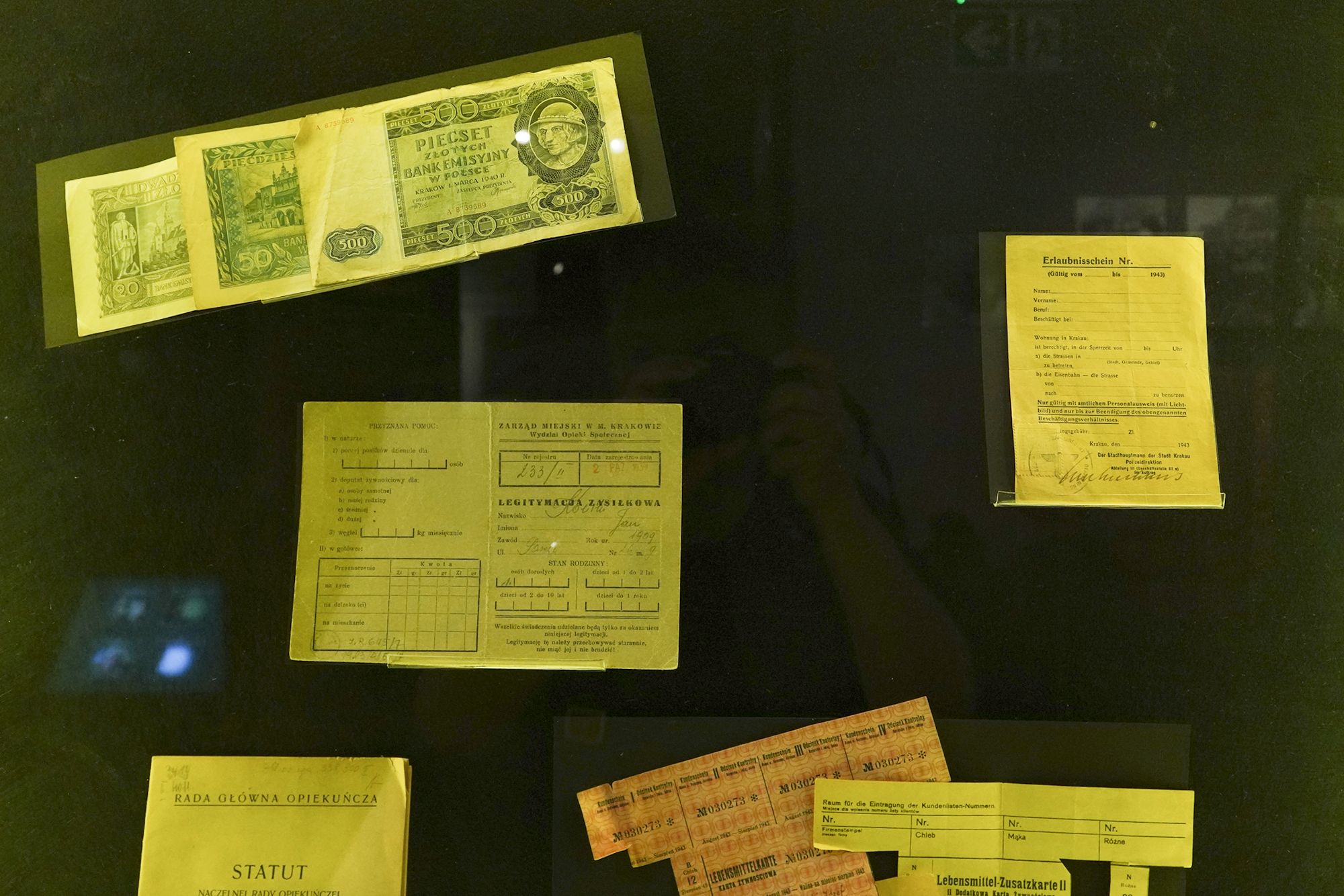
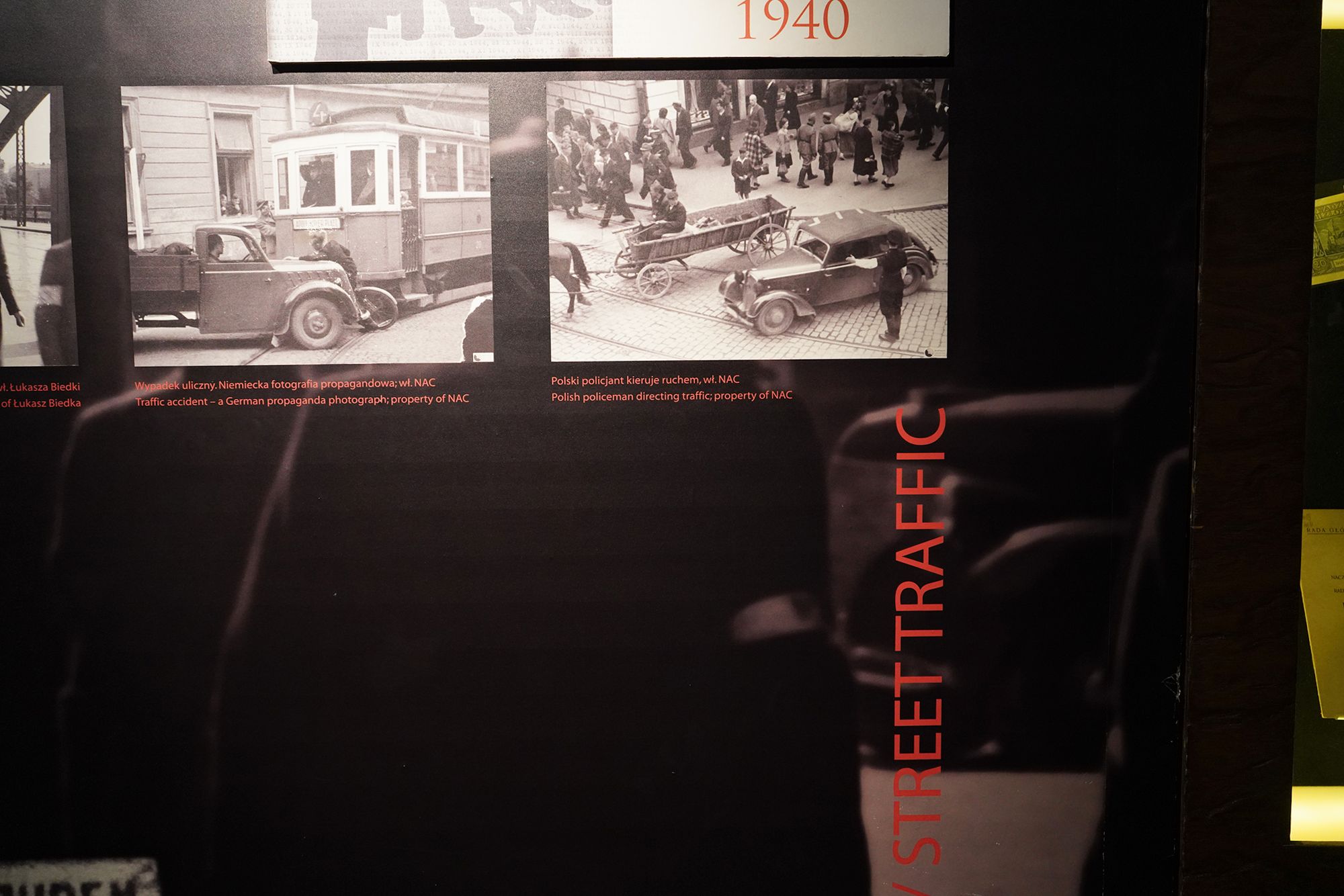
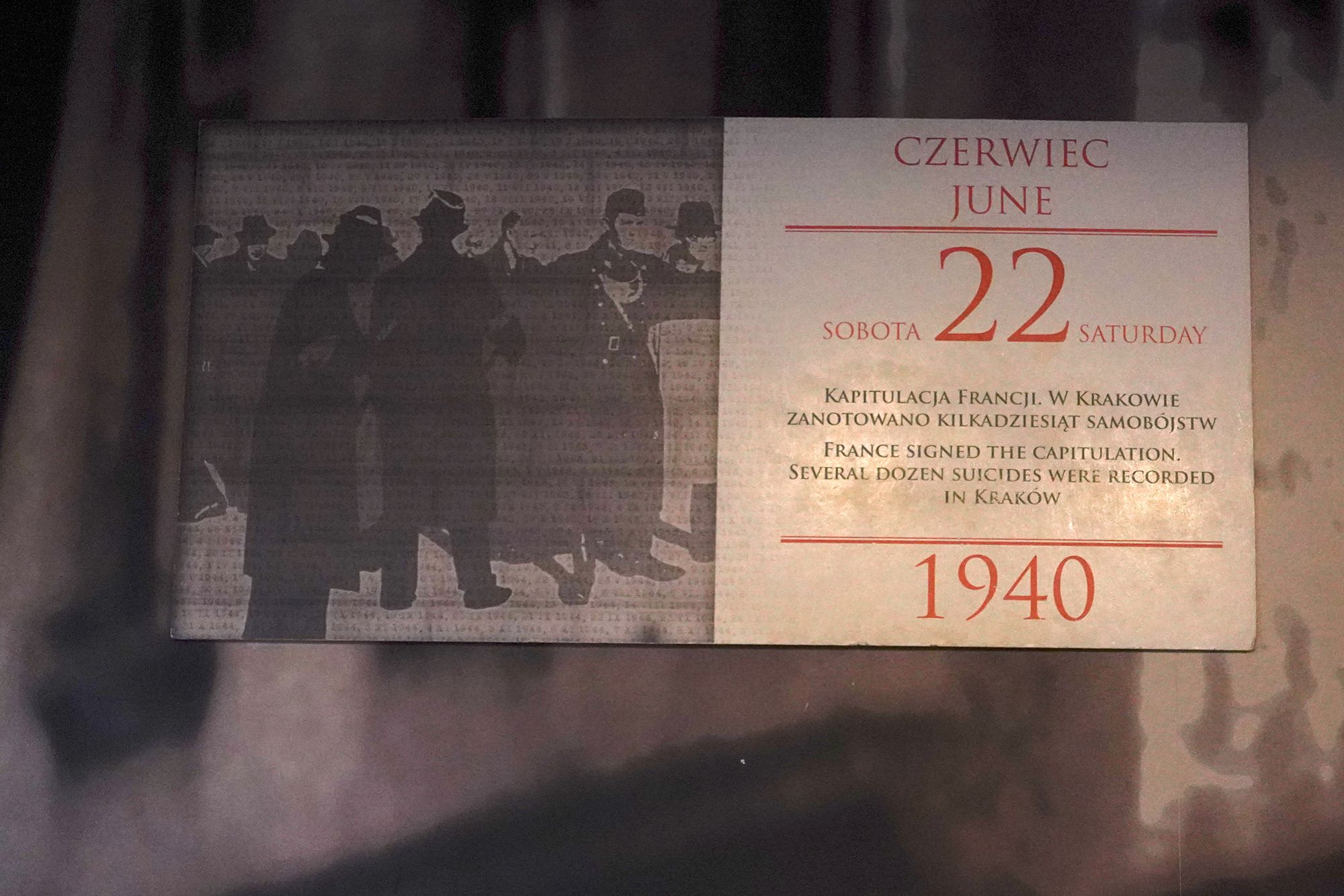
The calendar marks June 22, 1940, when France signed an armistice with Germany. It also notes that several dozen suicides were recorded in Kraków around that time.
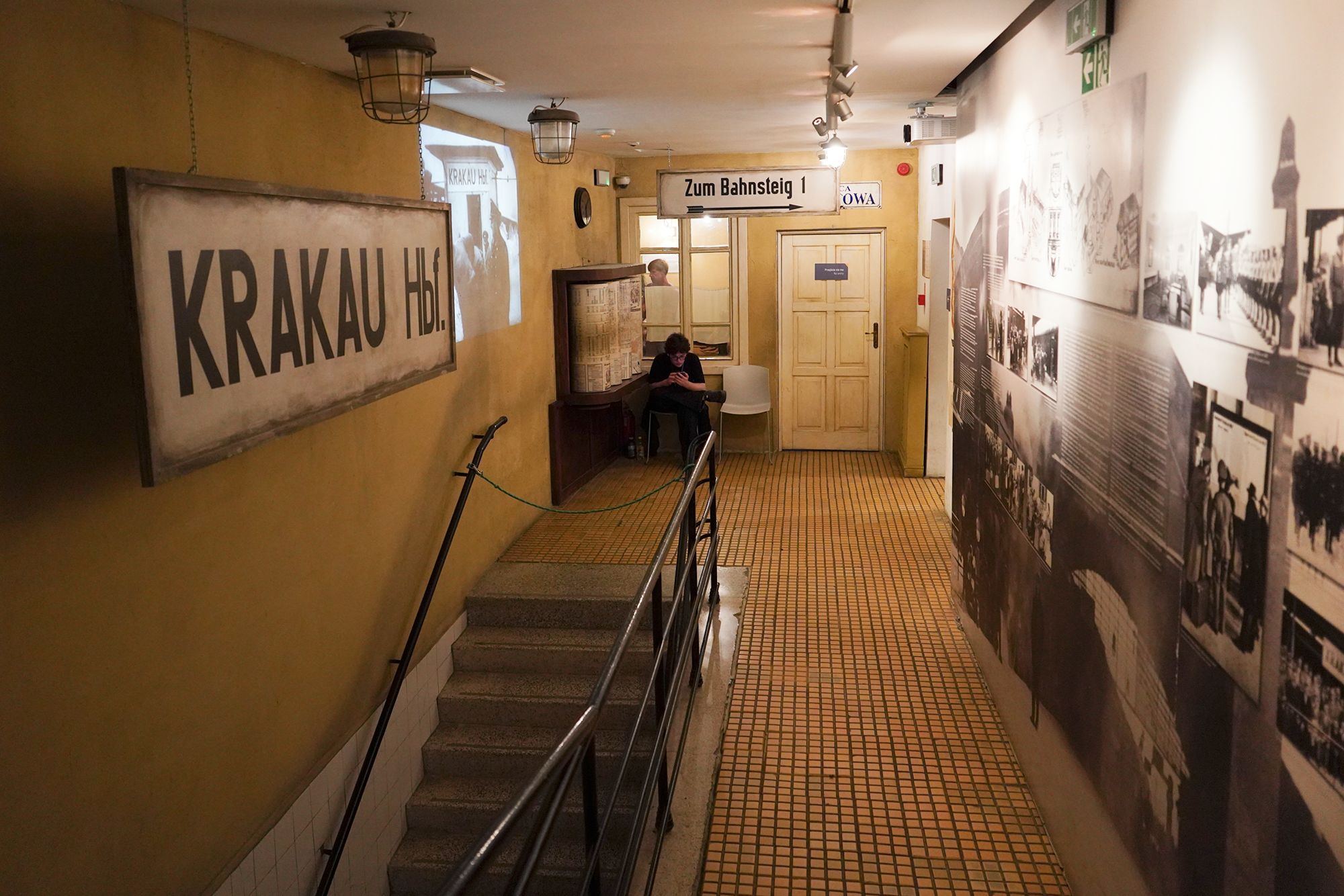
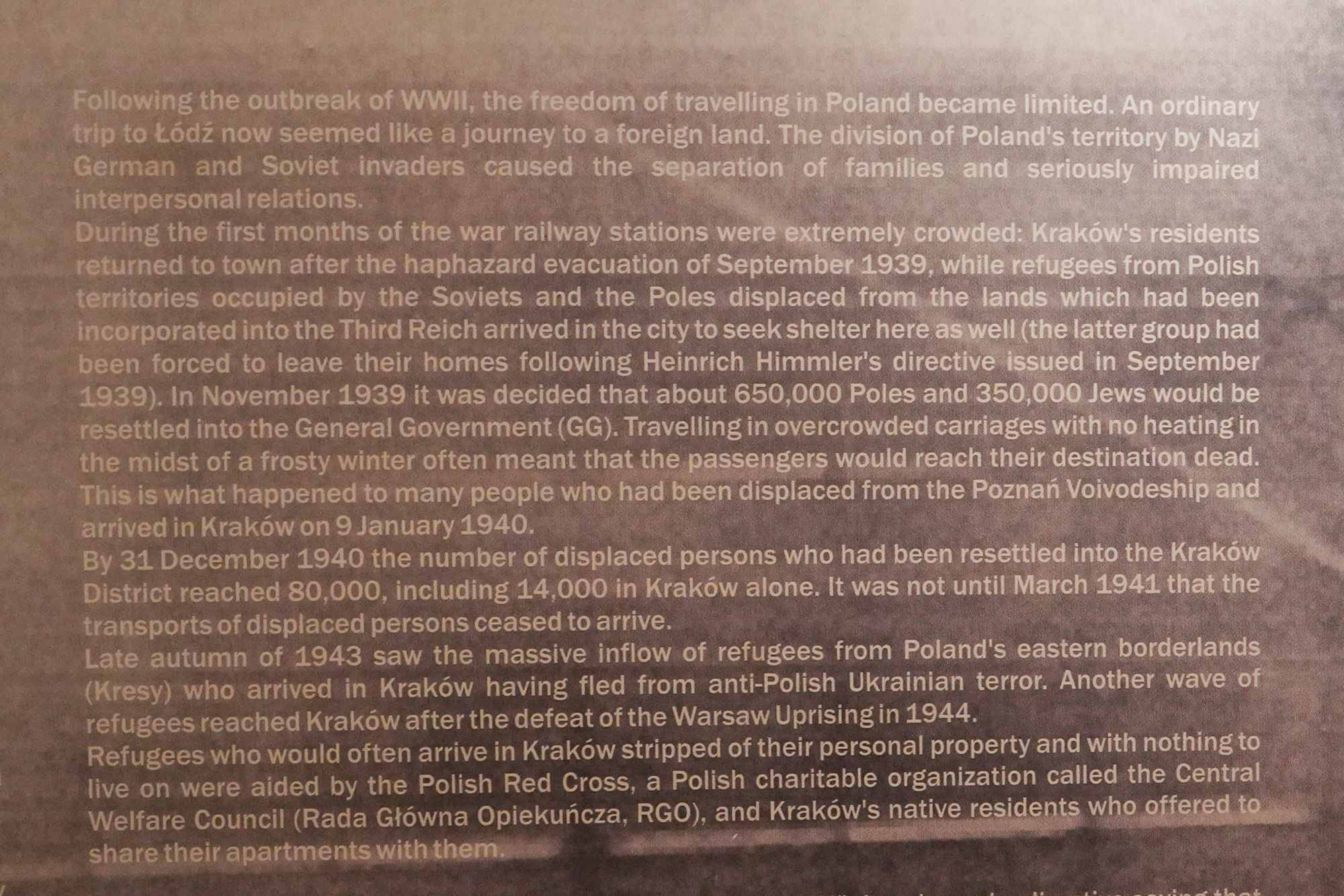
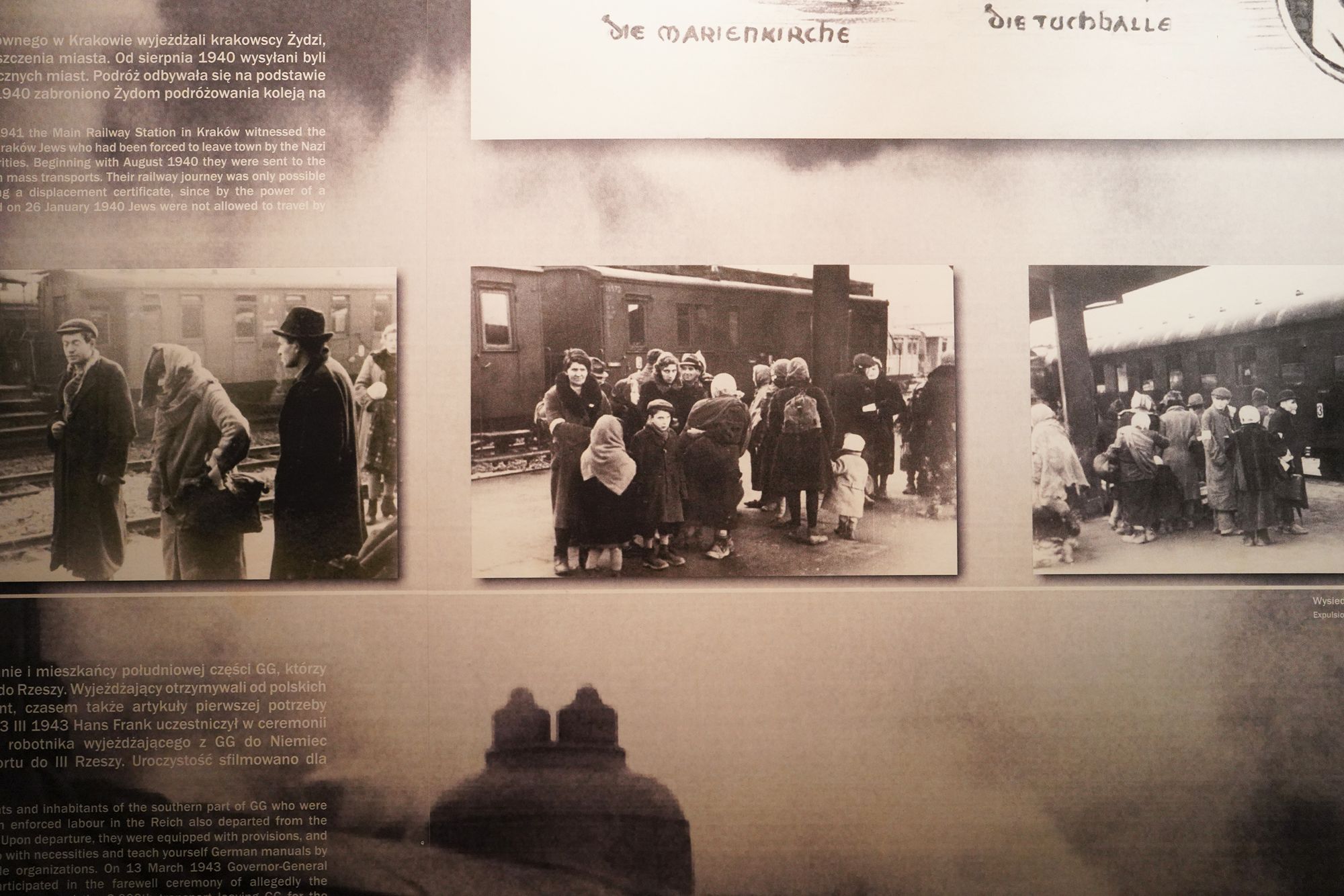
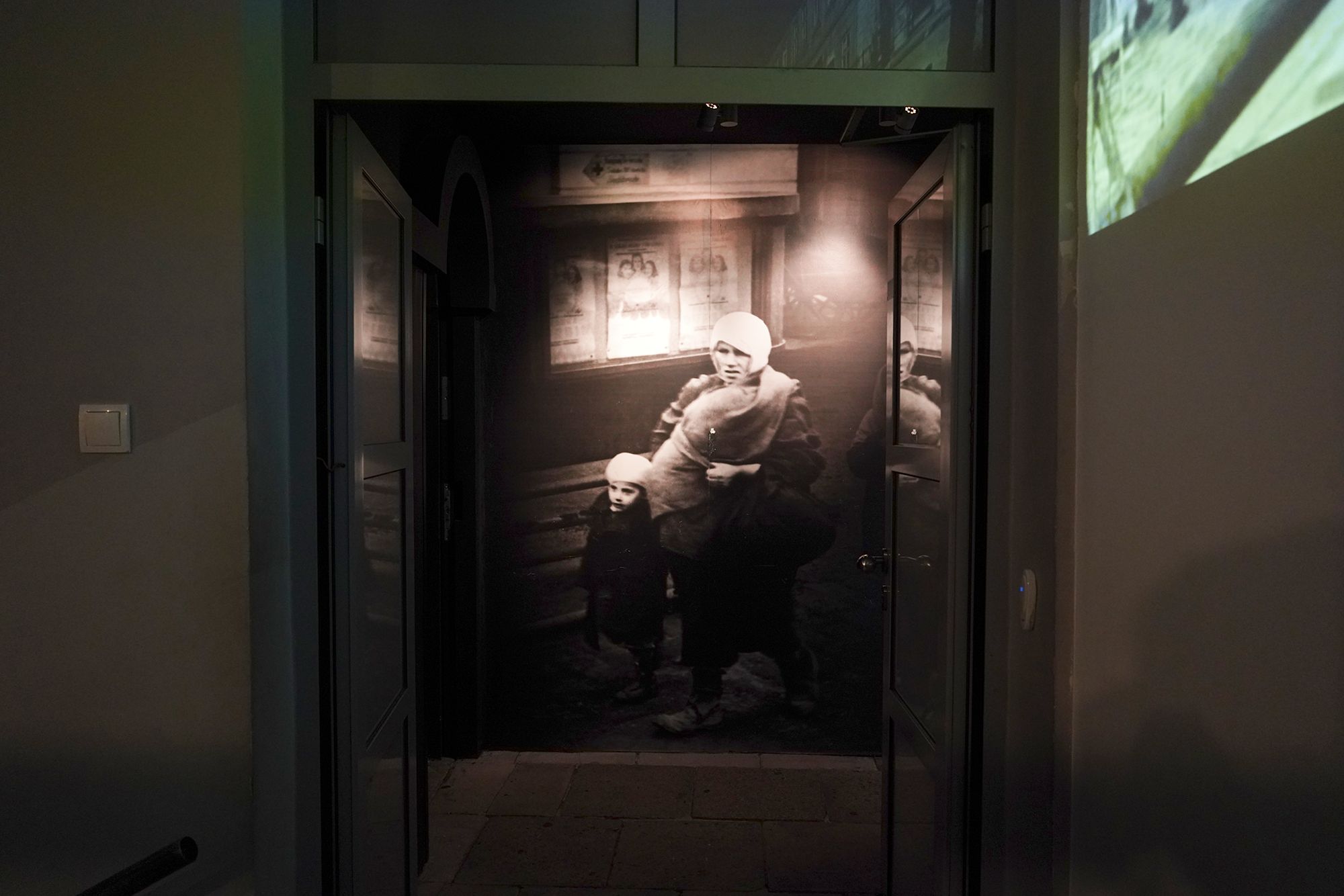
The panel describes how the German and Soviet occupation of Poland restricted travel and separated families, while forced resettlement brought large numbers of displaced people to Kraków. Many traveled in overcrowded, unheated rail cars, and some died en route. Later waves of refugees arrived from Poland’s eastern regions and after the 1944 Warsaw Uprising; the Polish Red Cross, a welfare organization, and local residents helped them.
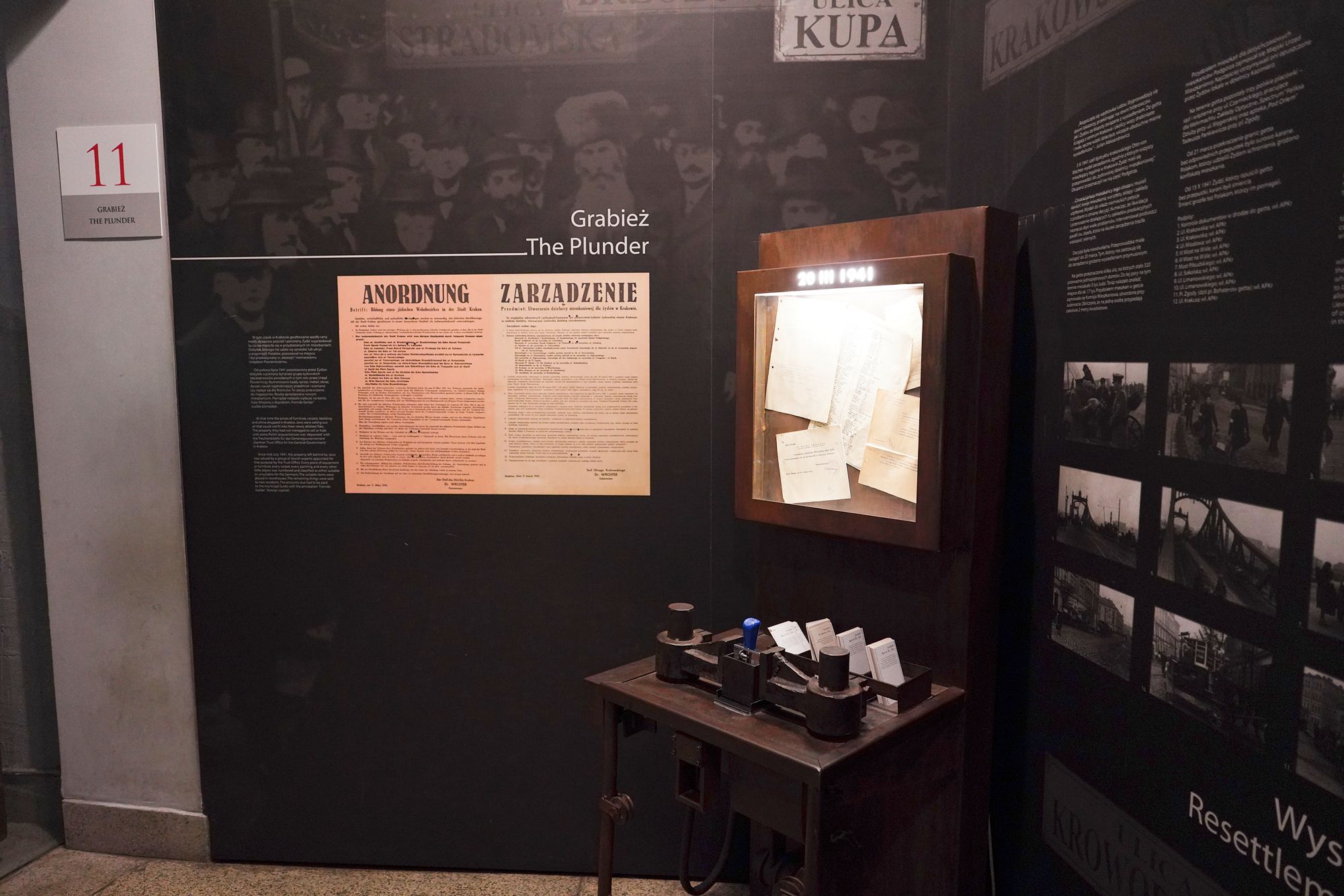
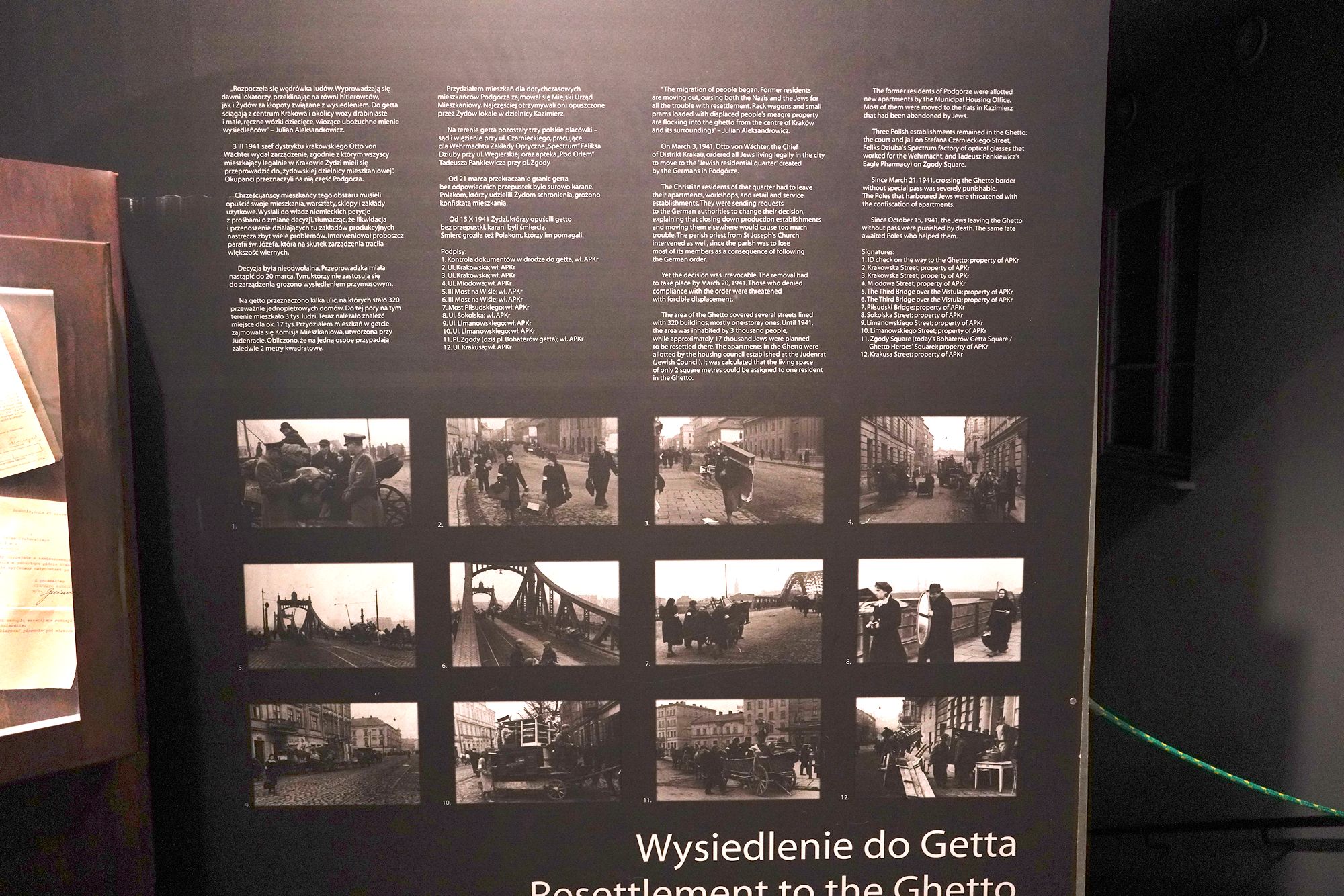
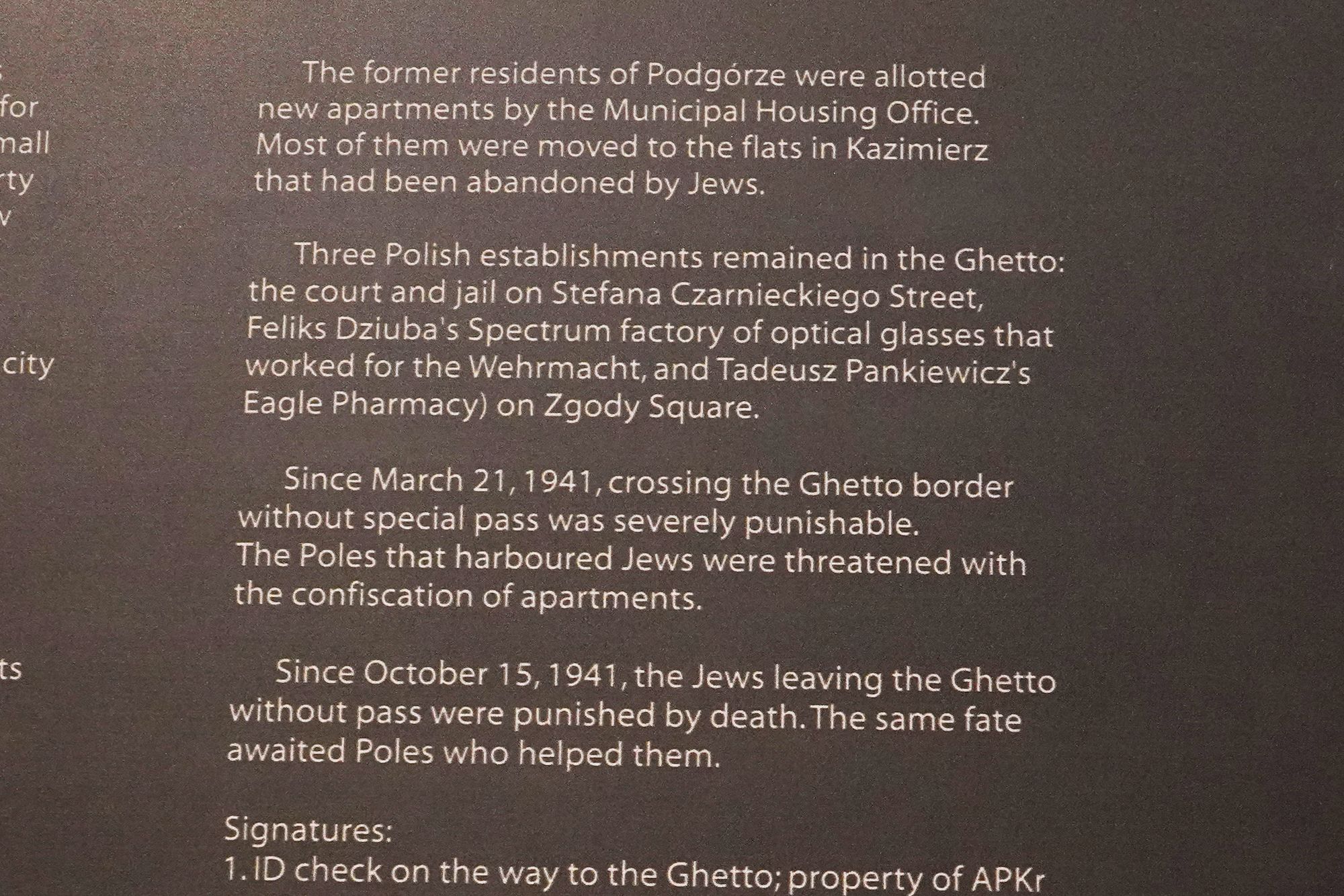
The panel describes life around the Kraków Ghetto. As Jews were forced from their homes, many former Podgórze residents were moved into apartments in Kazimierz that Jews had left behind. Only a few Polish institutions remained inside the ghetto, including the Eagle Pharmacy. Crossing the ghetto boundary without a pass became punishable, and from October 1941, Jews who left without permission—and Poles who helped them—faced death.
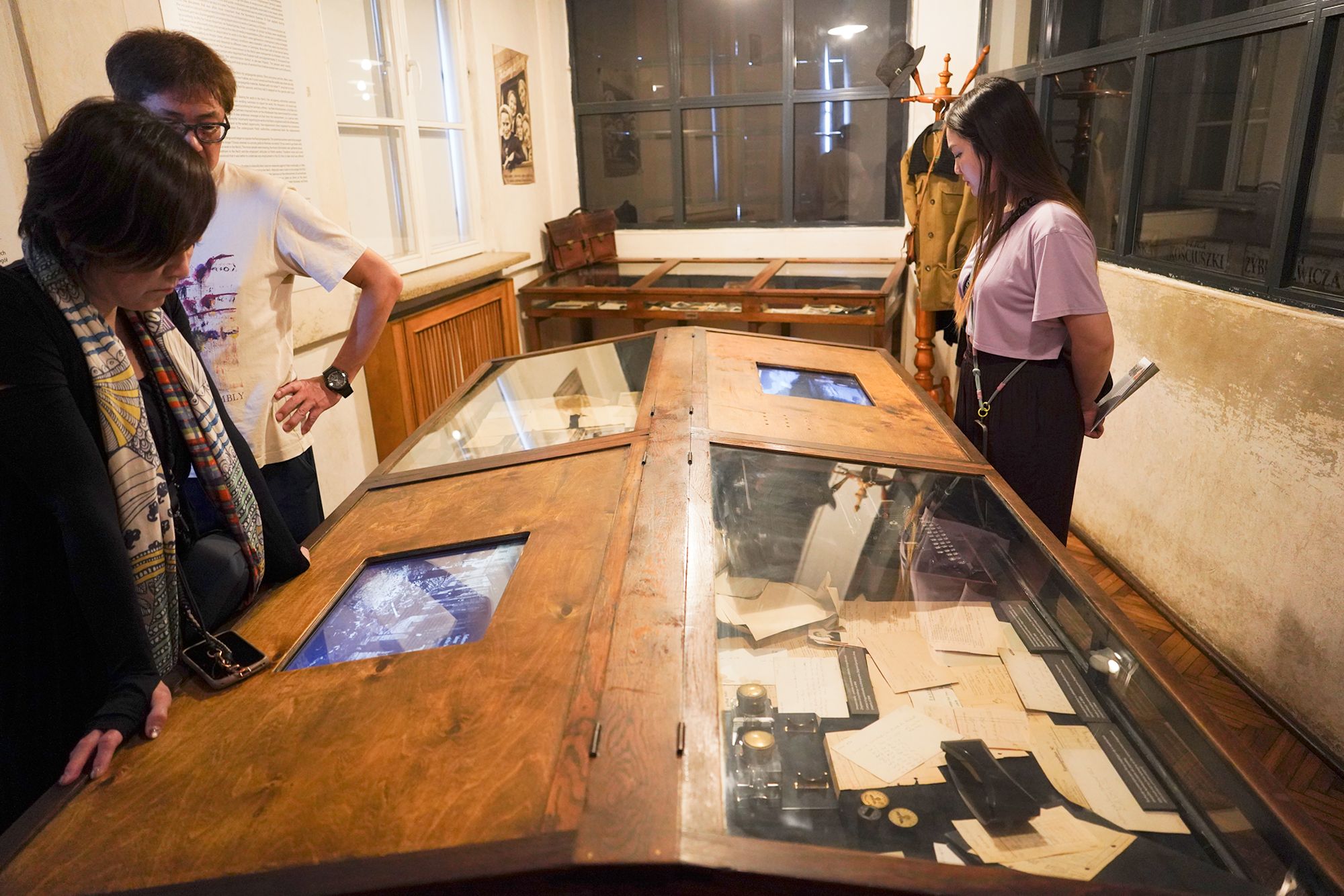
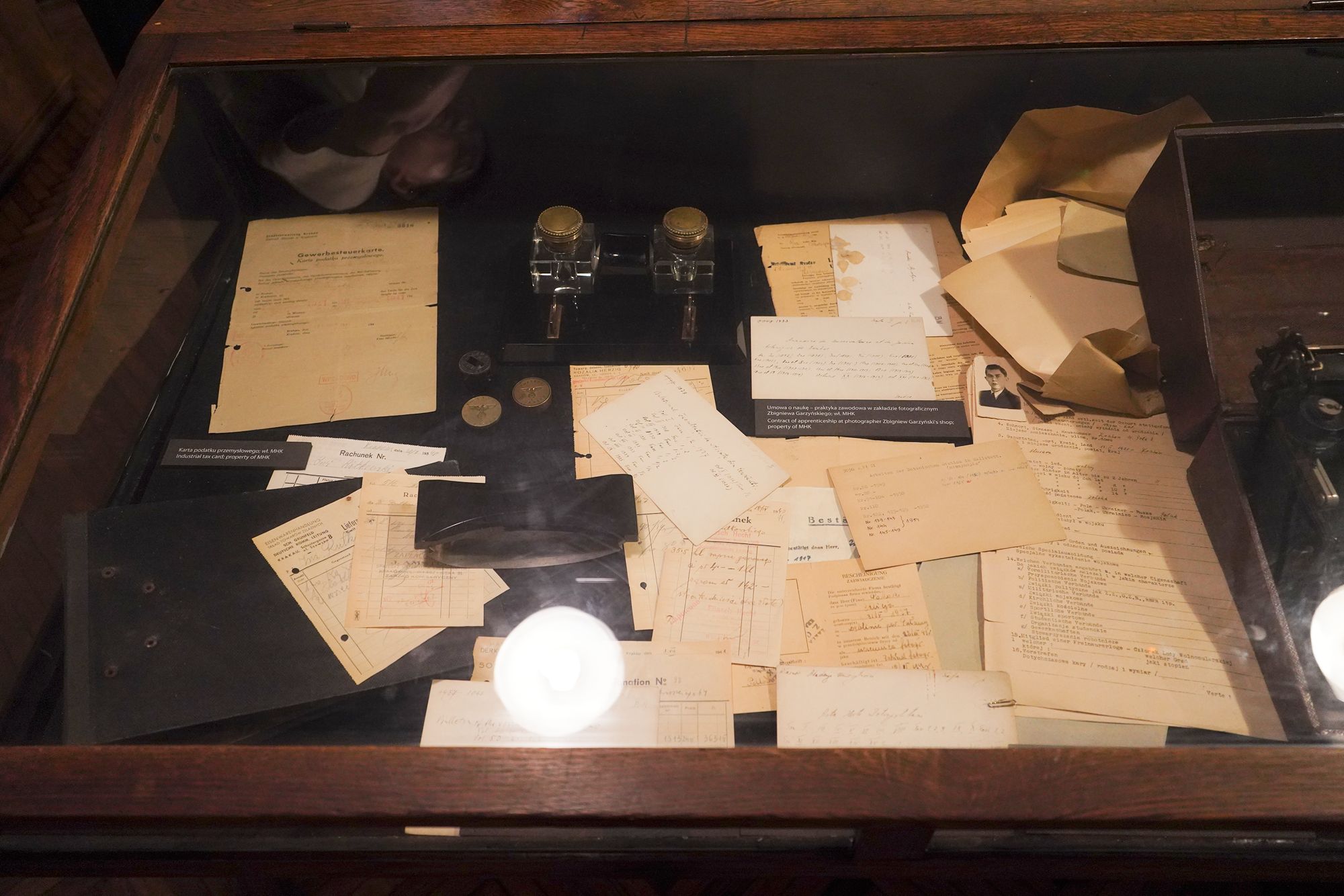
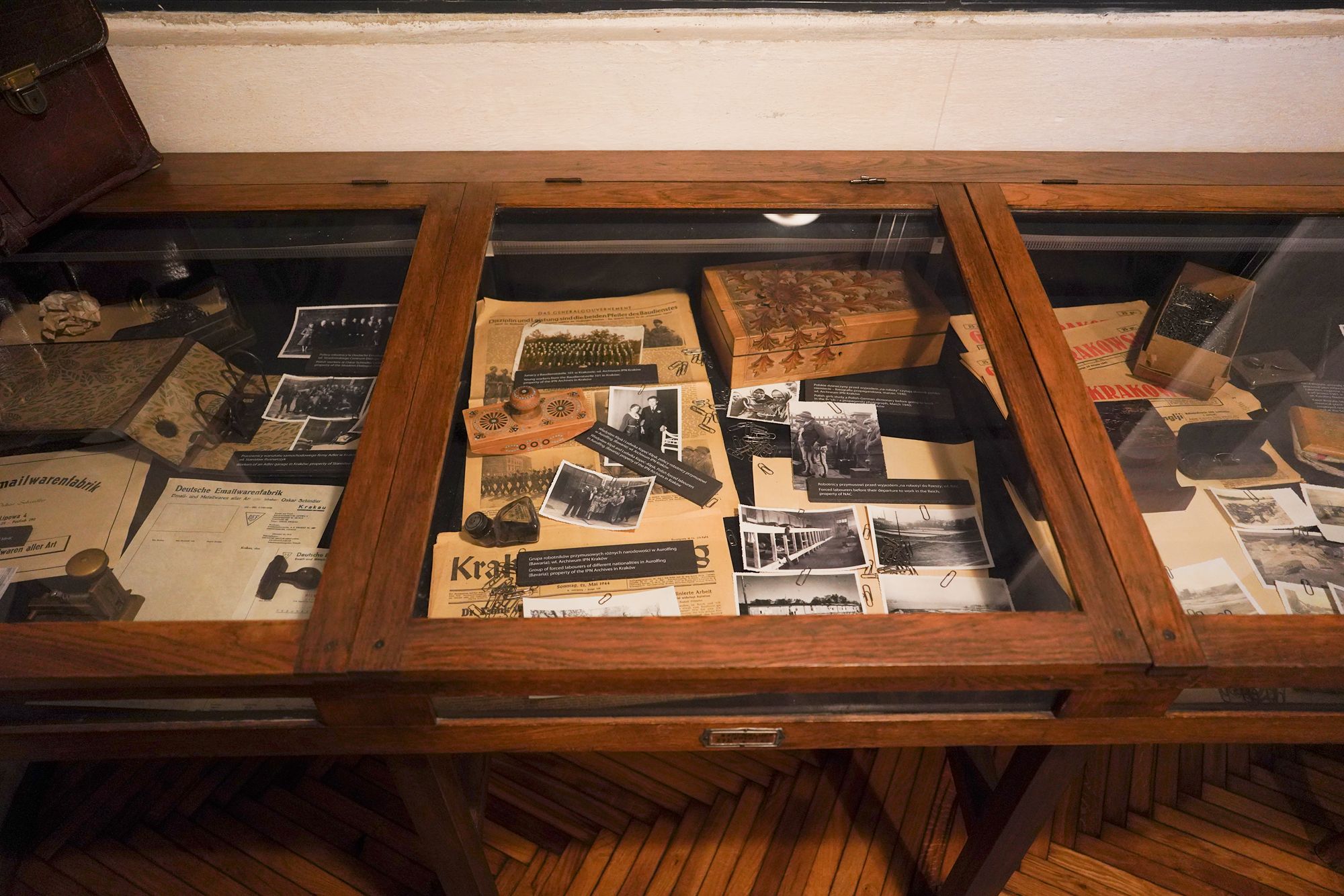
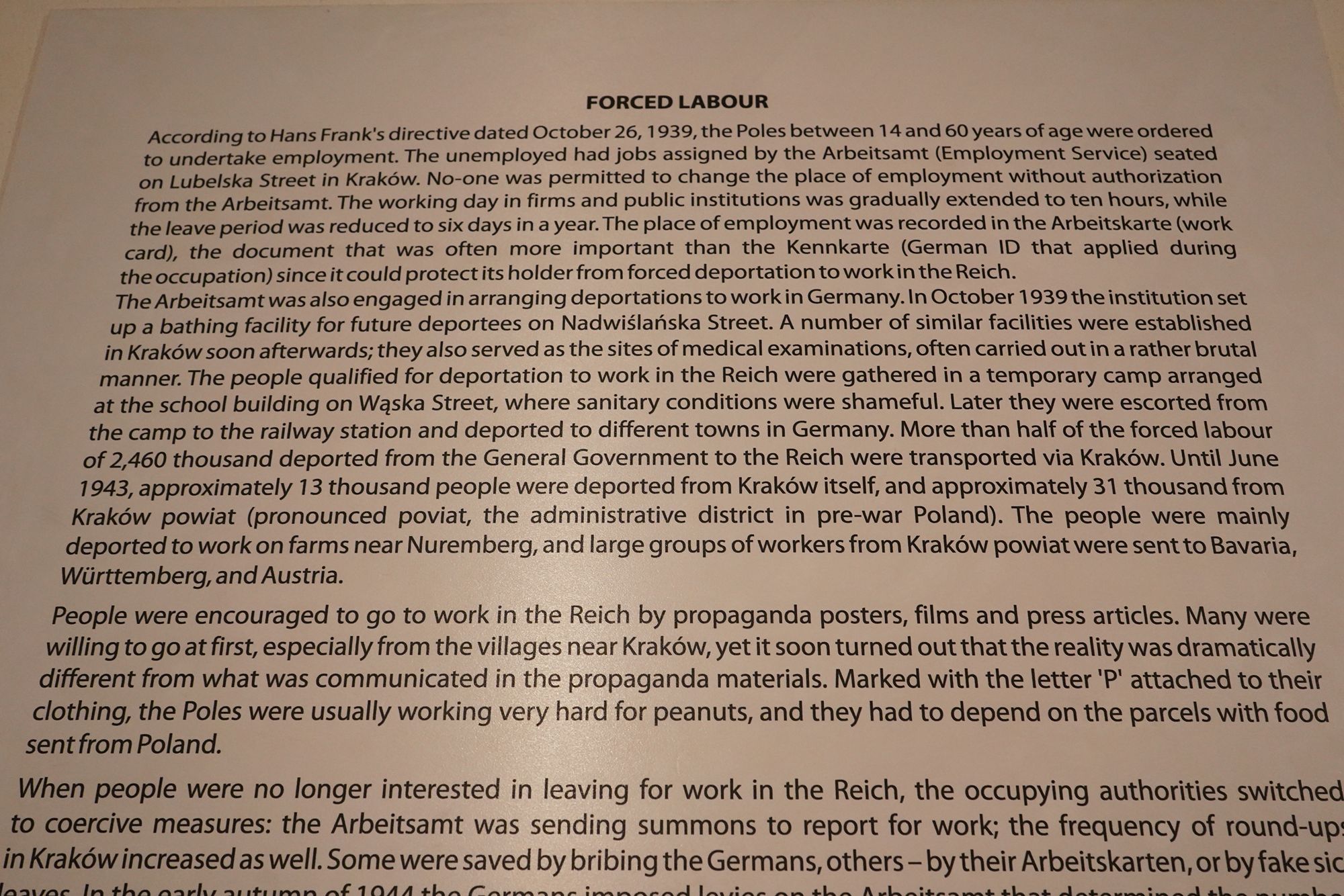
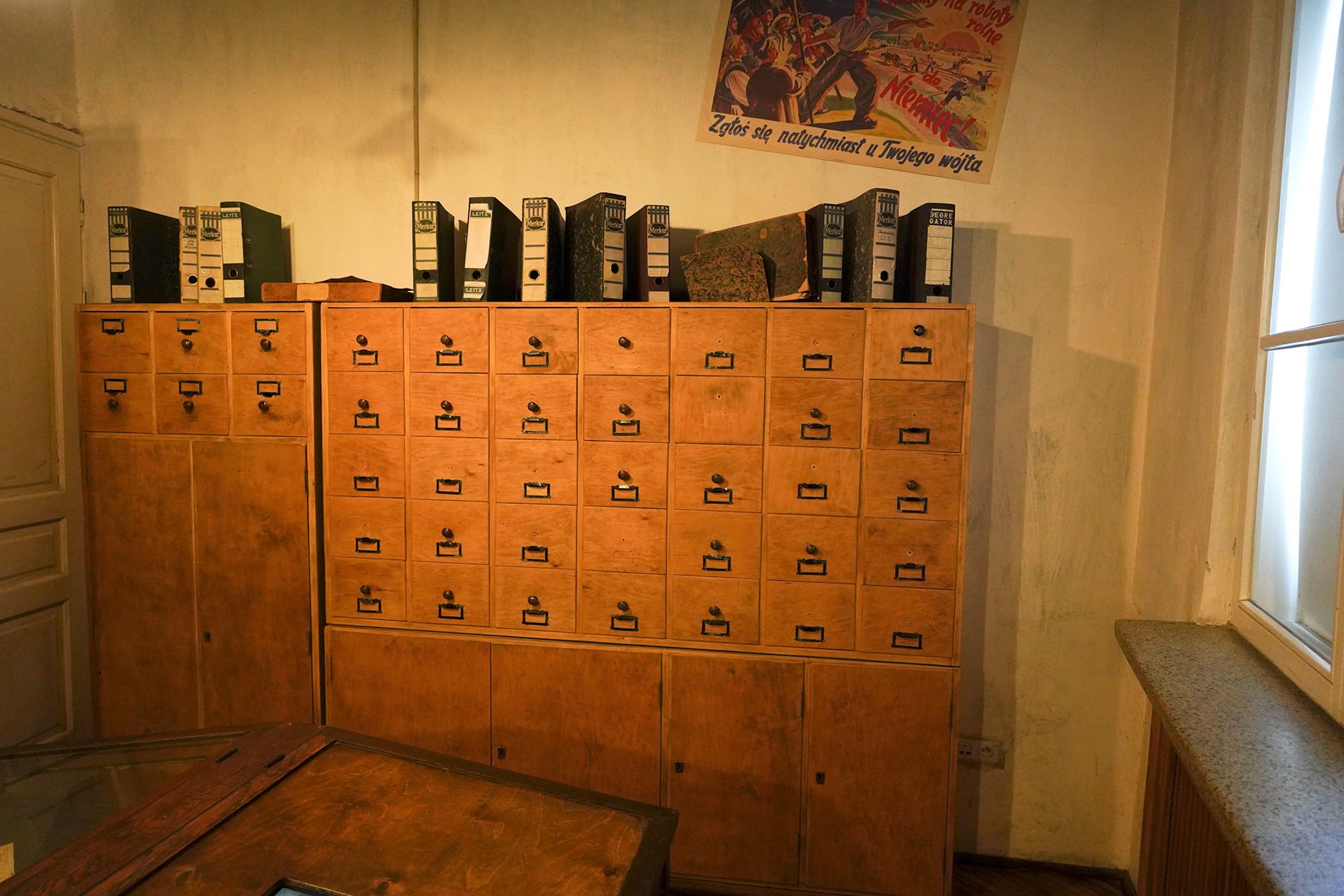
The panel describes how German authorities imposed forced labor on Poles during the occupation. From 1939, the employment office assigned jobs and controlled where people could work. Many were also deported to Germany; propaganda promised decent work, but people faced harsh conditions, low pay, and dependence on food parcels from home.
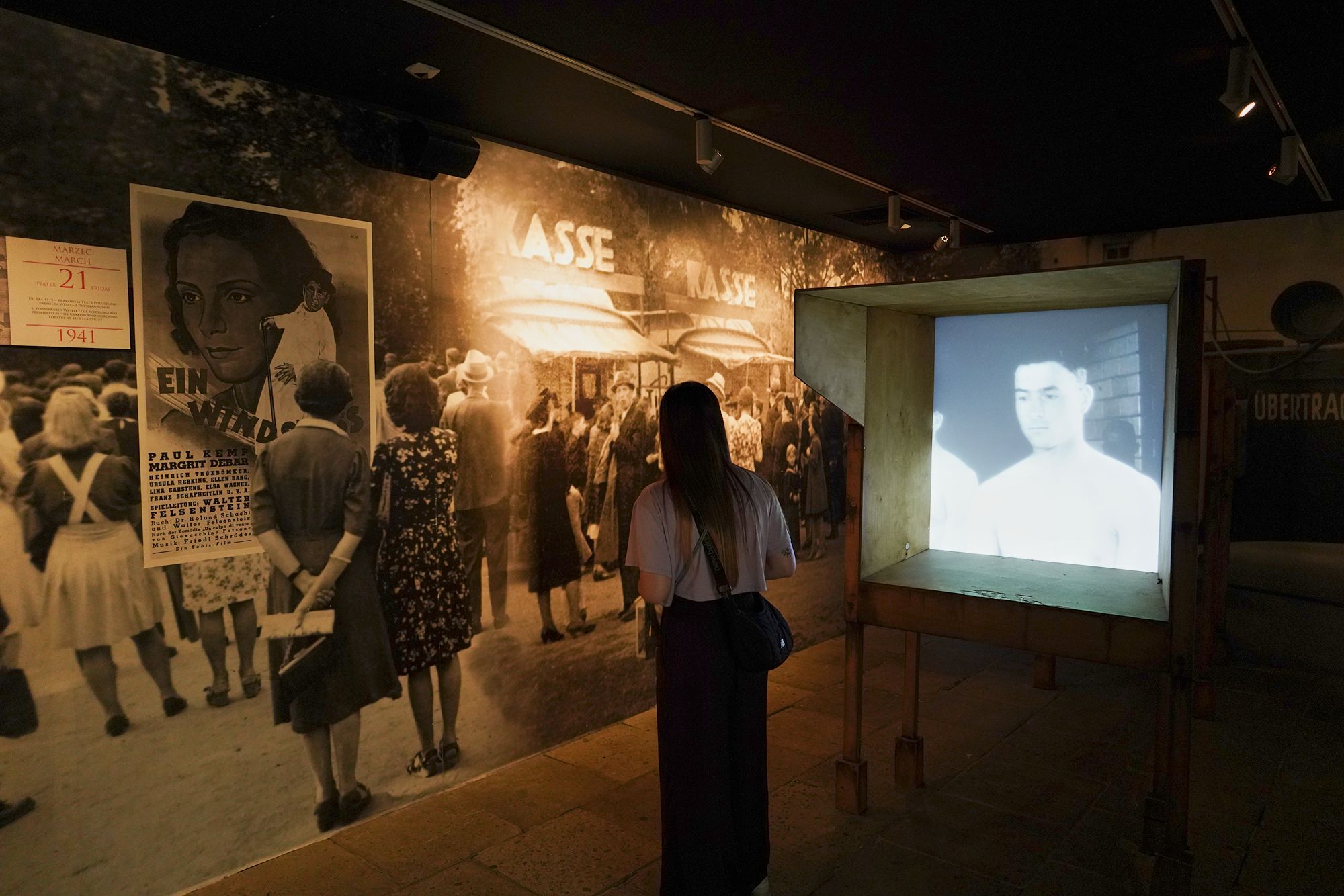
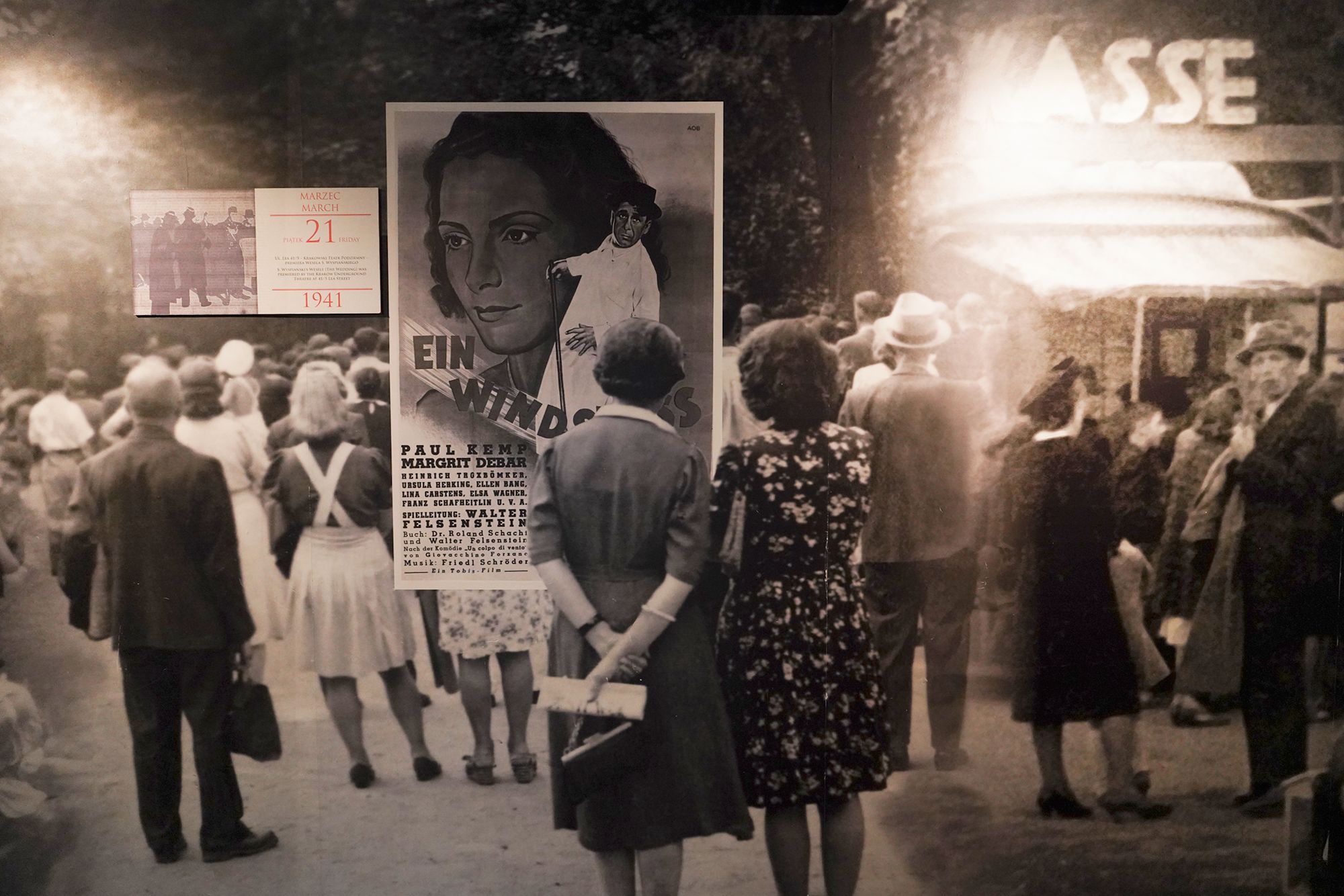
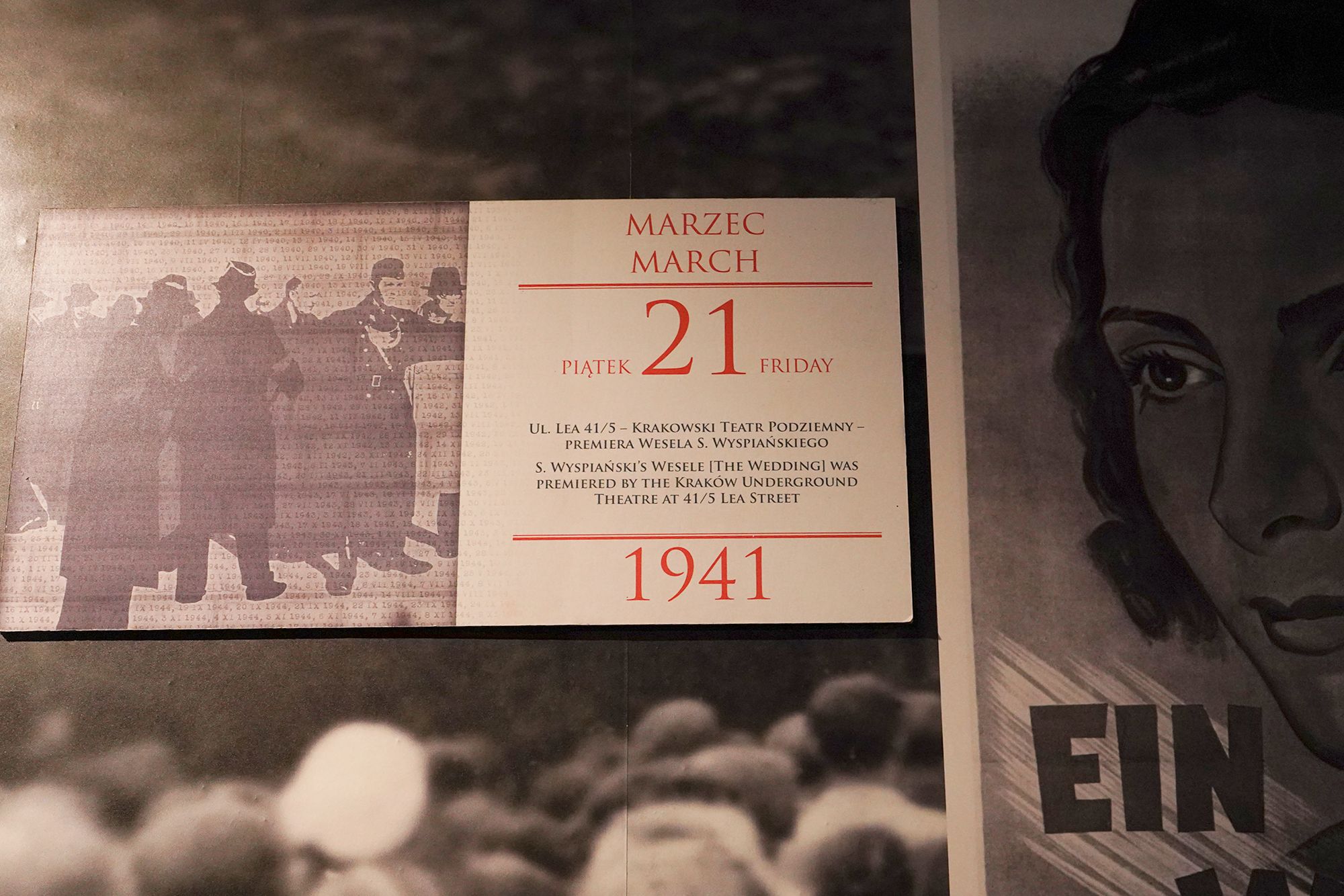
The panel marks Friday, March 21, 1941, when Kraków’s underground theatre staged Stanisław Wyspiański’s play The Wedding at 41/5 Lea Street.
GETTO - The museum traces the Kraków Ghetto through photographs, hardship, deportations, and resistance during the Nazi occupation.
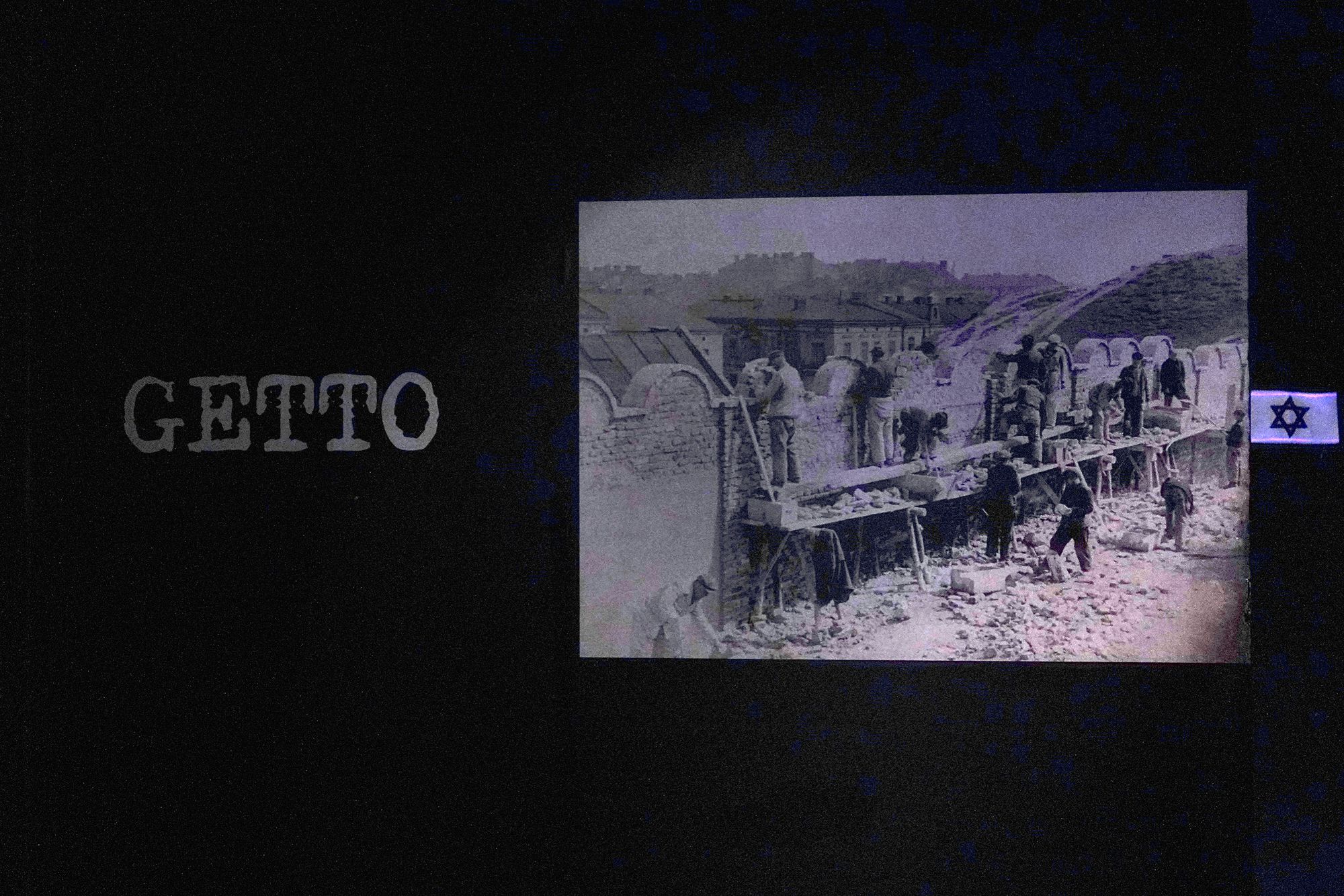
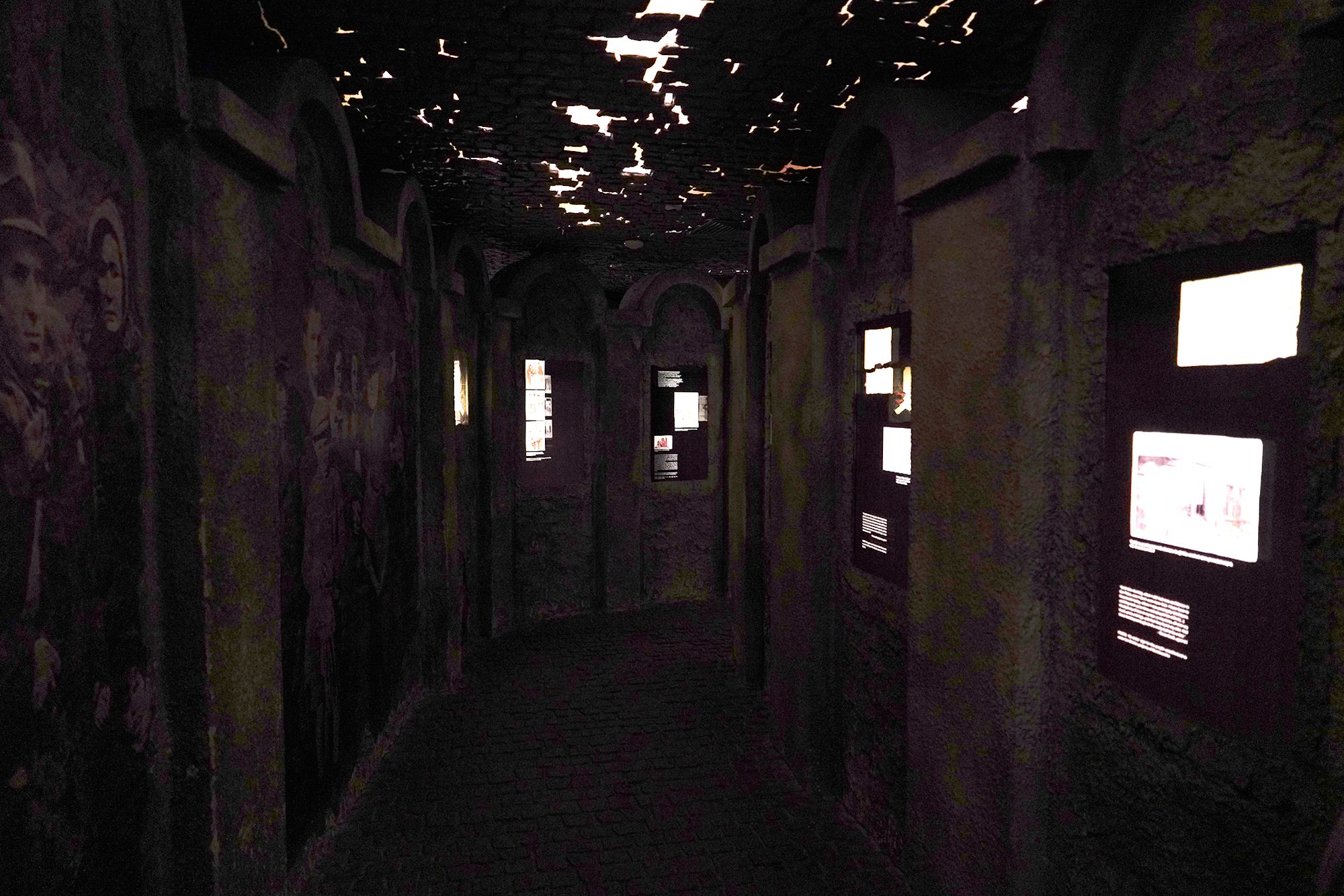
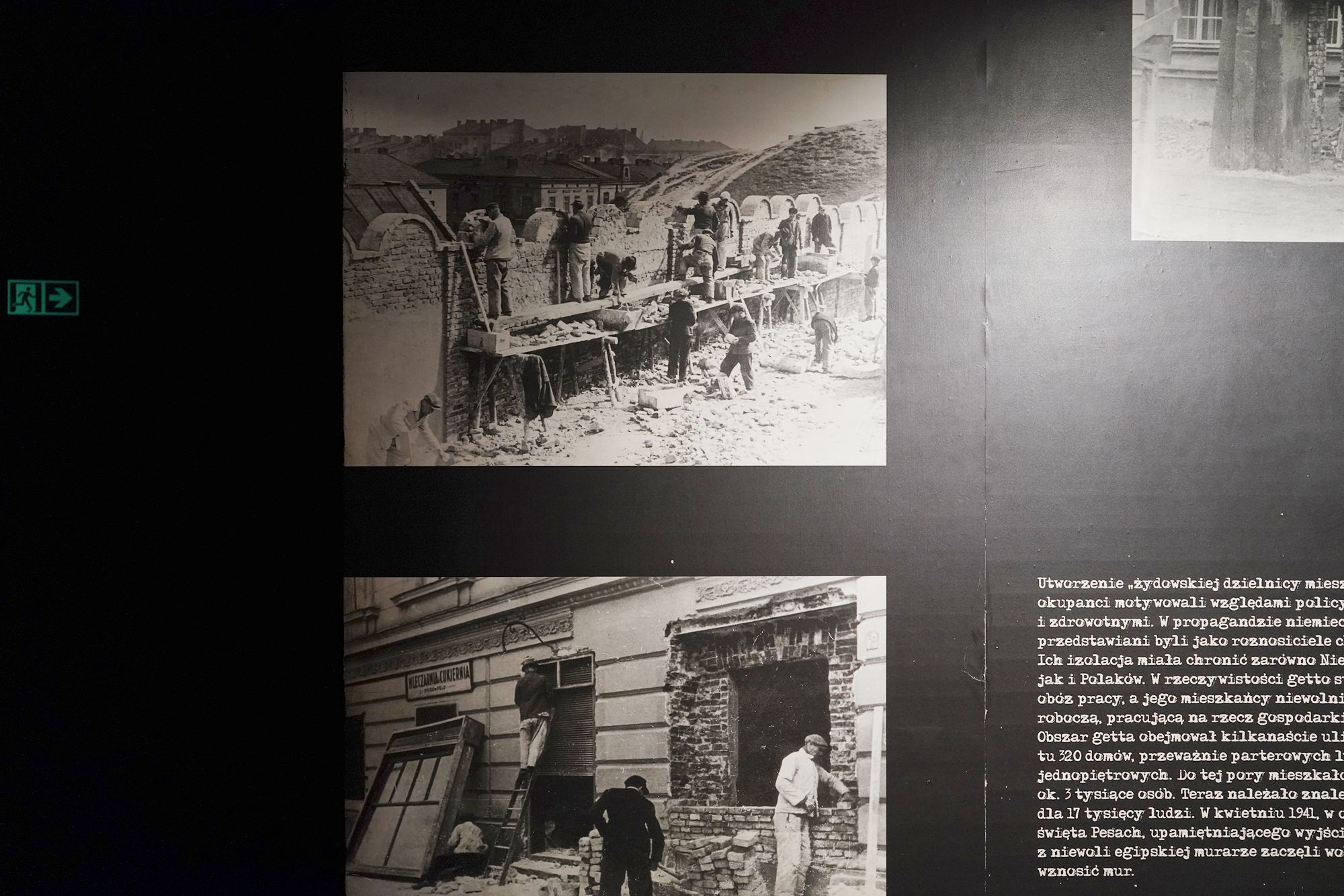
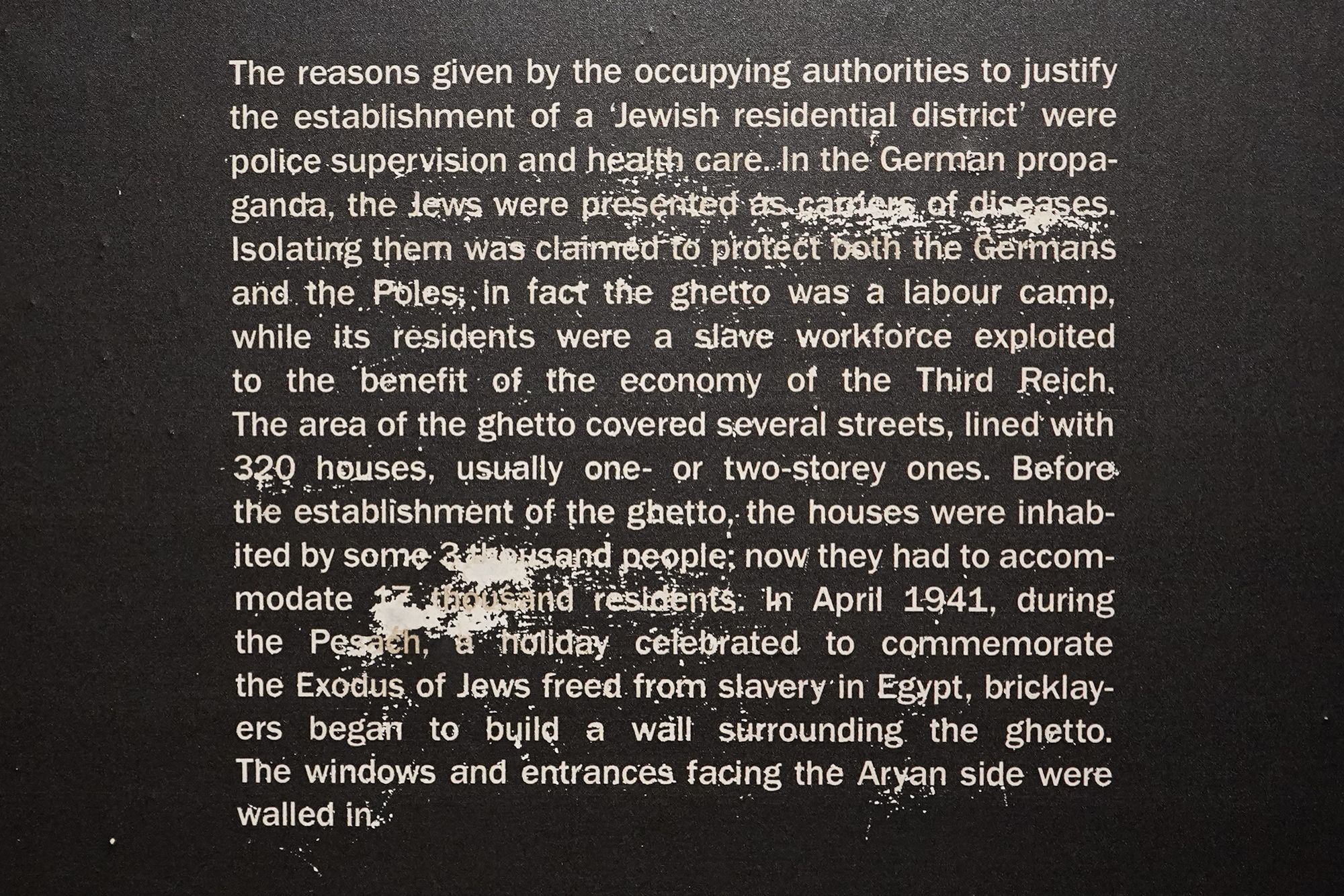
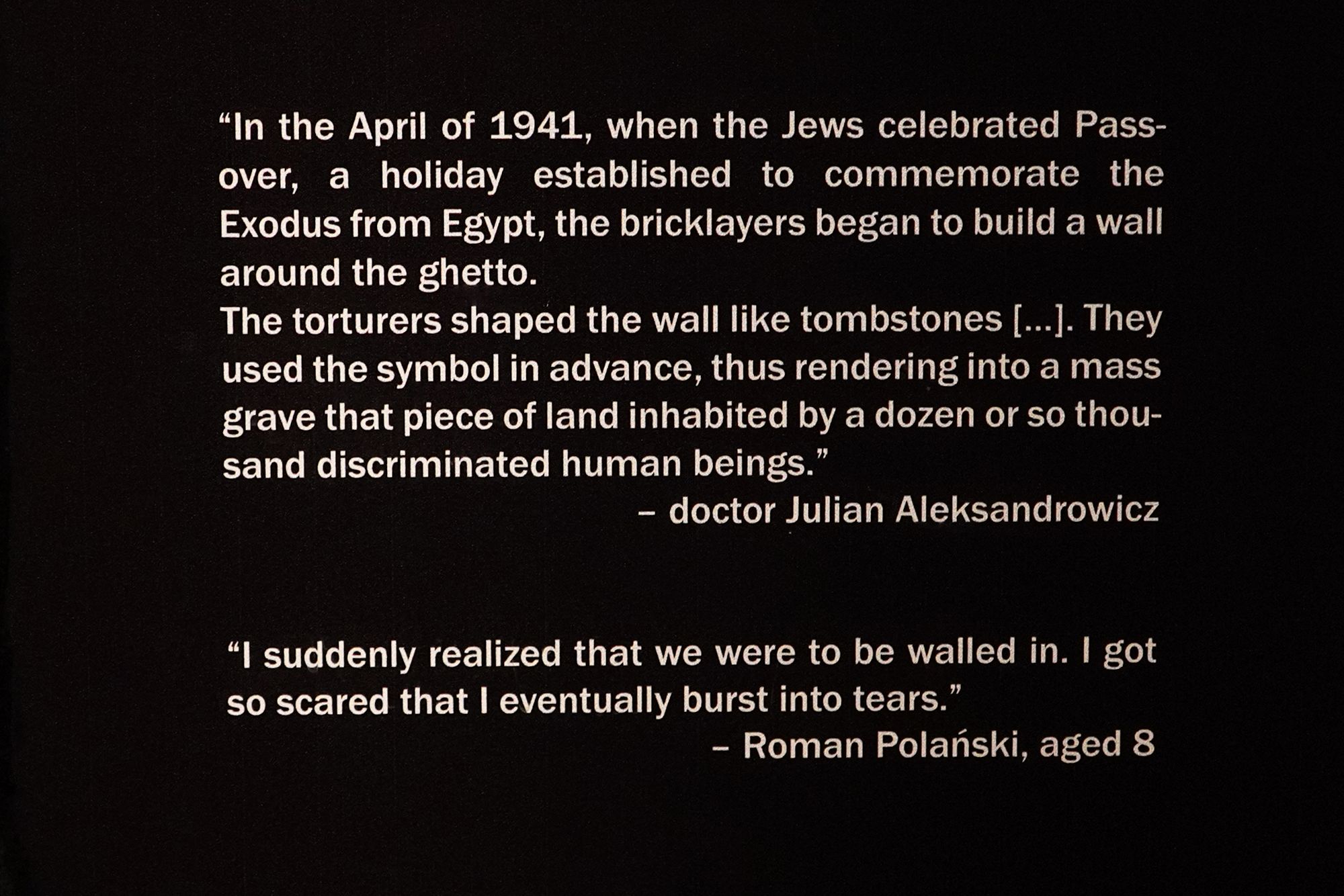
The panel says the Nazis claimed the Kraków Ghetto was created for health and police control, but in reality it confined Jewish residents and exploited them as forced labor. Hundreds of houses became severely overcrowded, and in April 1941 workers began building a wall around the ghetto, sealing windows and entrances that faced the outside.
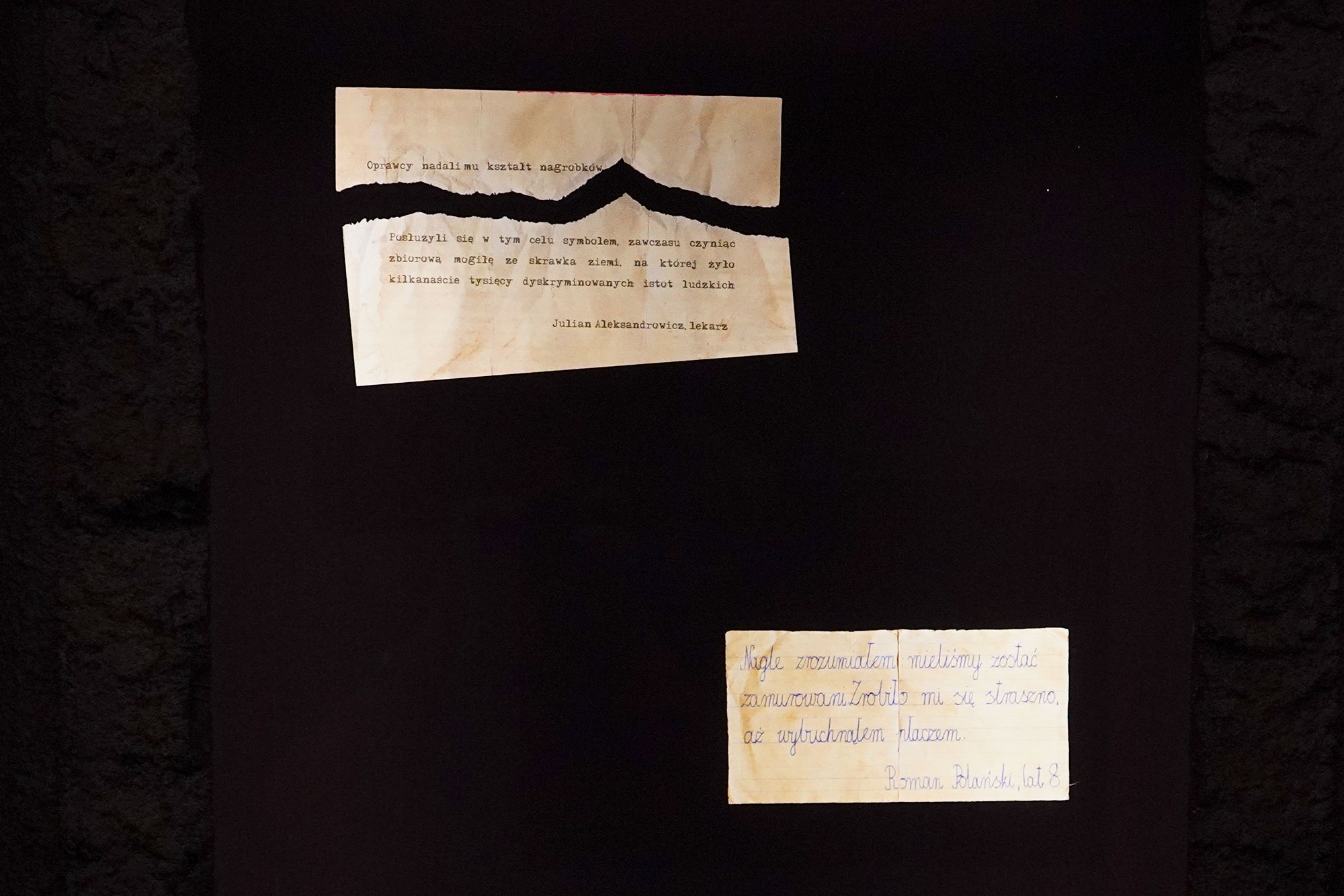
The panel describes the Kraków Ghetto wall, whose tombstone-like shape made the enclosed area seem like a mass grave, in the words of doctor Julian Aleksandrowicz. It also quotes Roman Polański, who was eight when he realized the Jews were going to be walled in and became frightened.
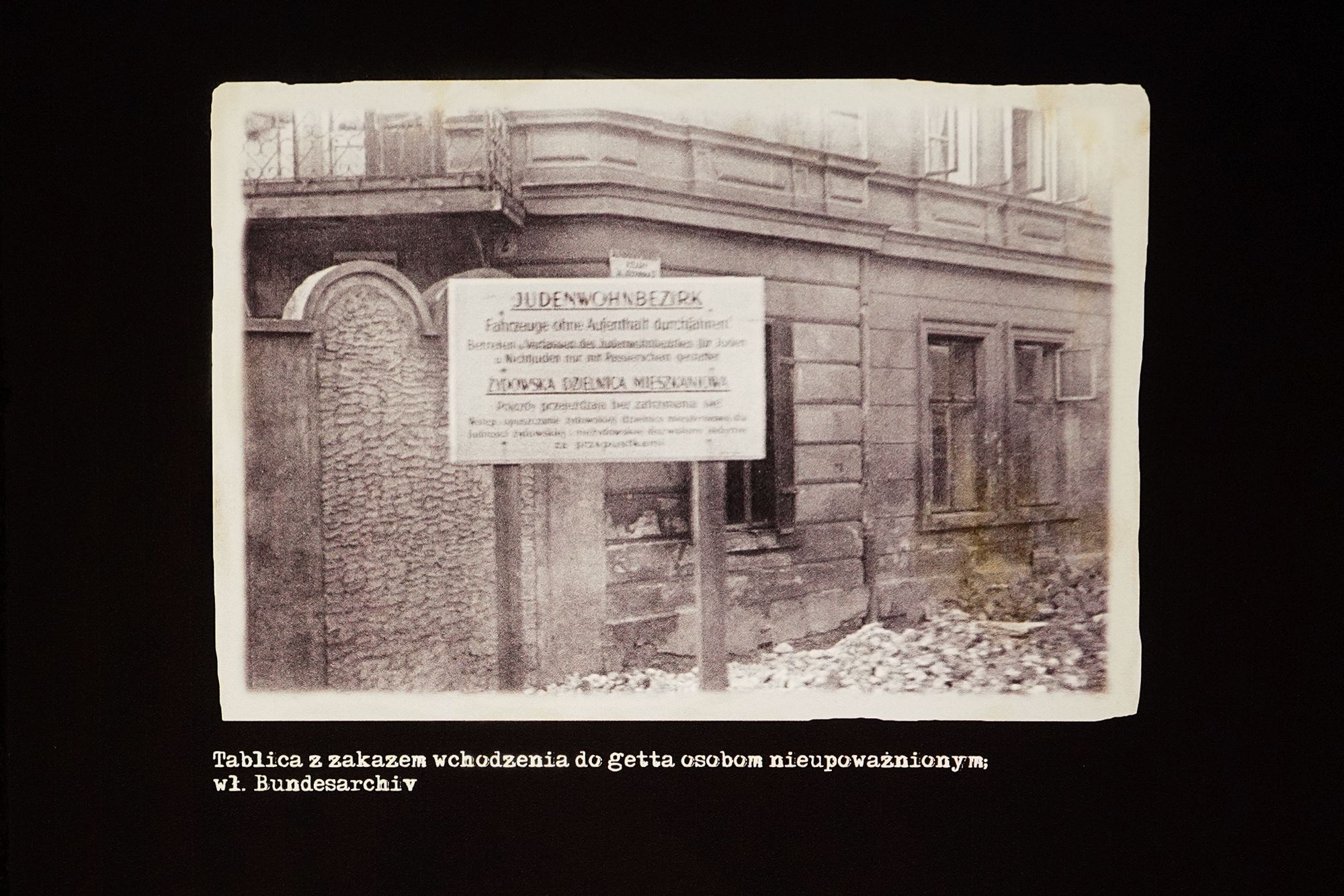
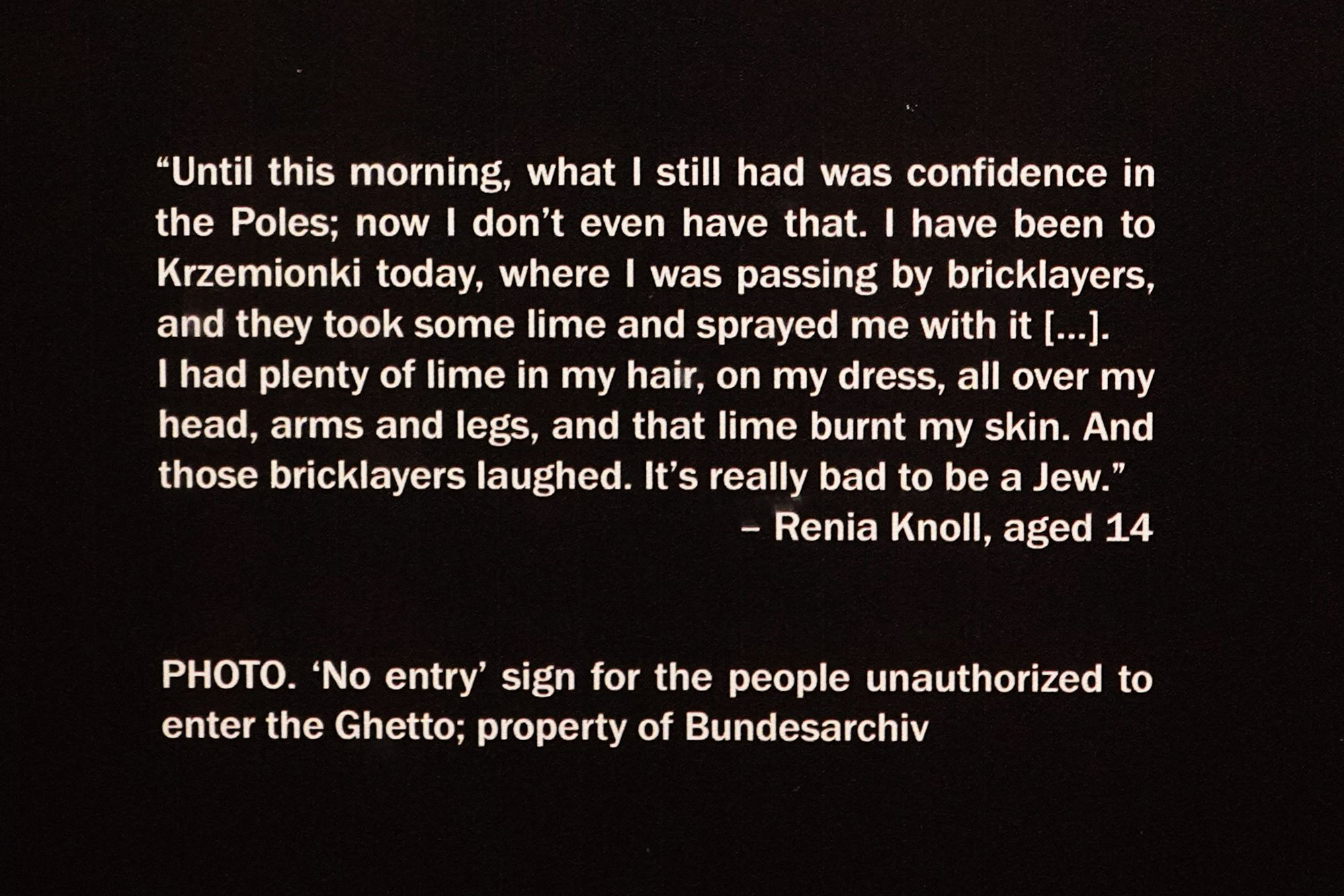
The panel quotes 14-year-old Renia Knoll describing bricklayers who sprayed her with lime as she passed, burning her skin while they laughed. It also identifies a photograph of a “No entry” sign barring unauthorized people from entering the ghetto.
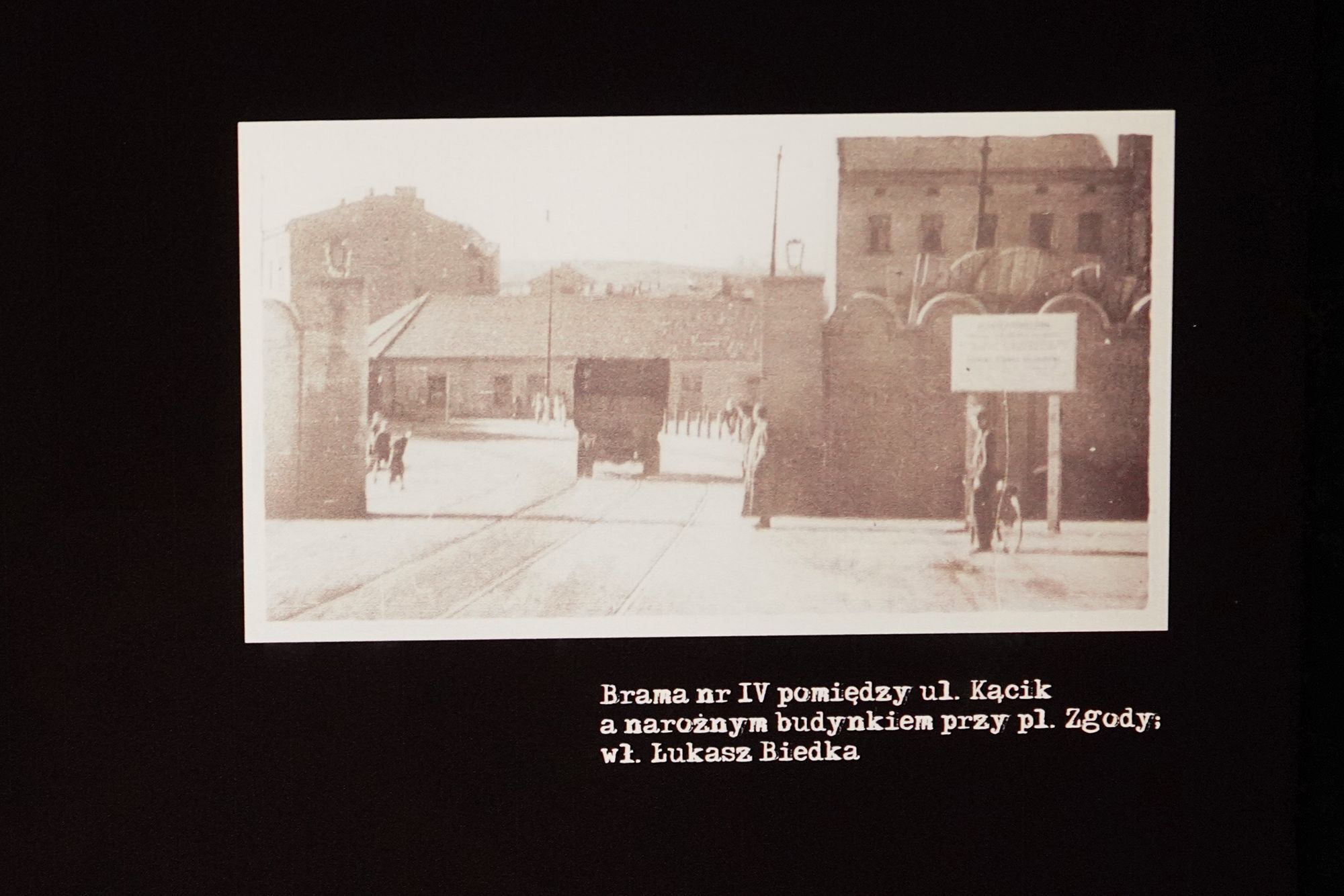
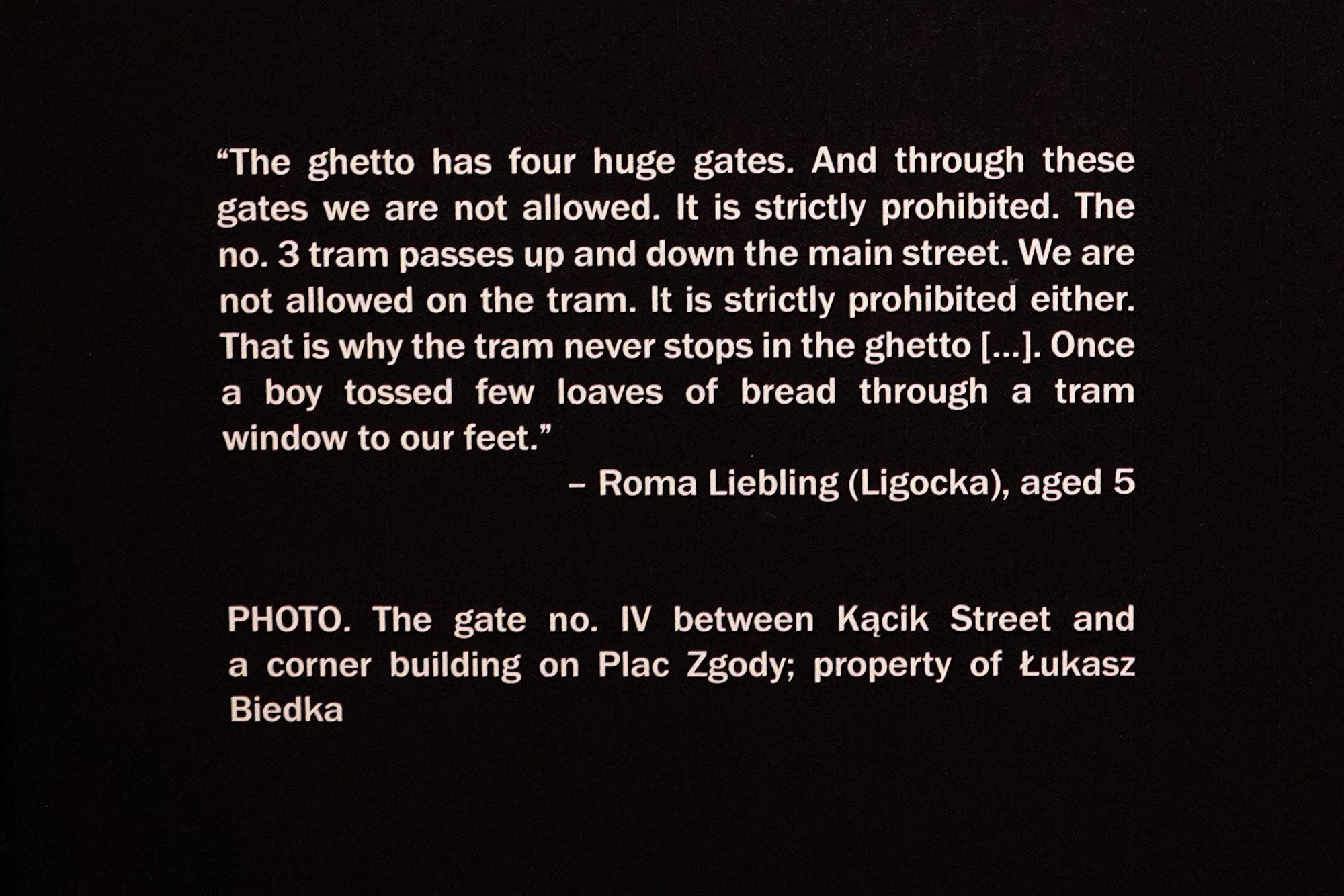
The panel quotes five-year-old Roma Liebling recalling that Jews were forbidden to leave the ghetto through its gates or ride the tram, which passed without stopping. She remembers a boy tossing bread through a tram window. The photo shows Gate IV between Kącik Street and Plac Zgody.
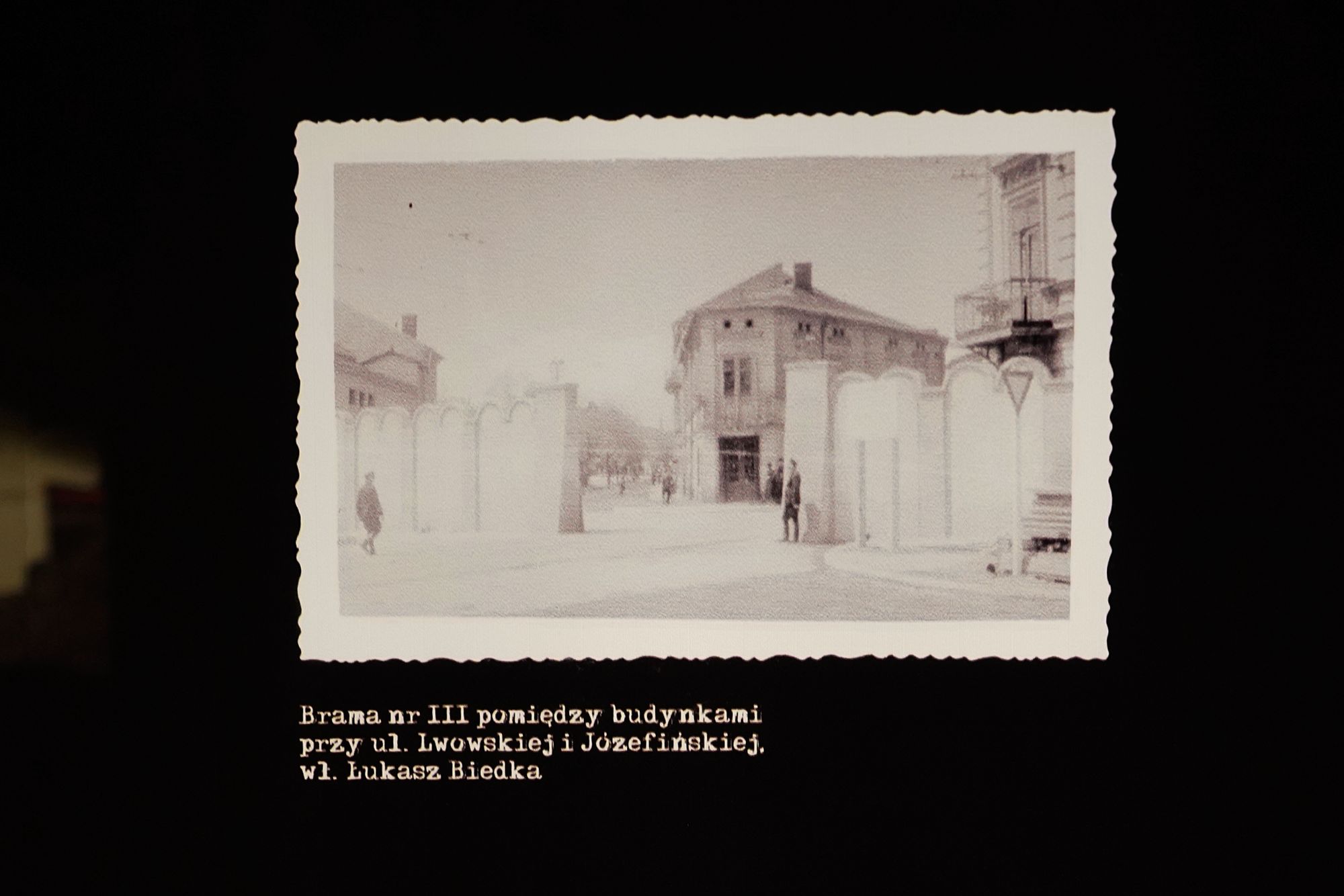
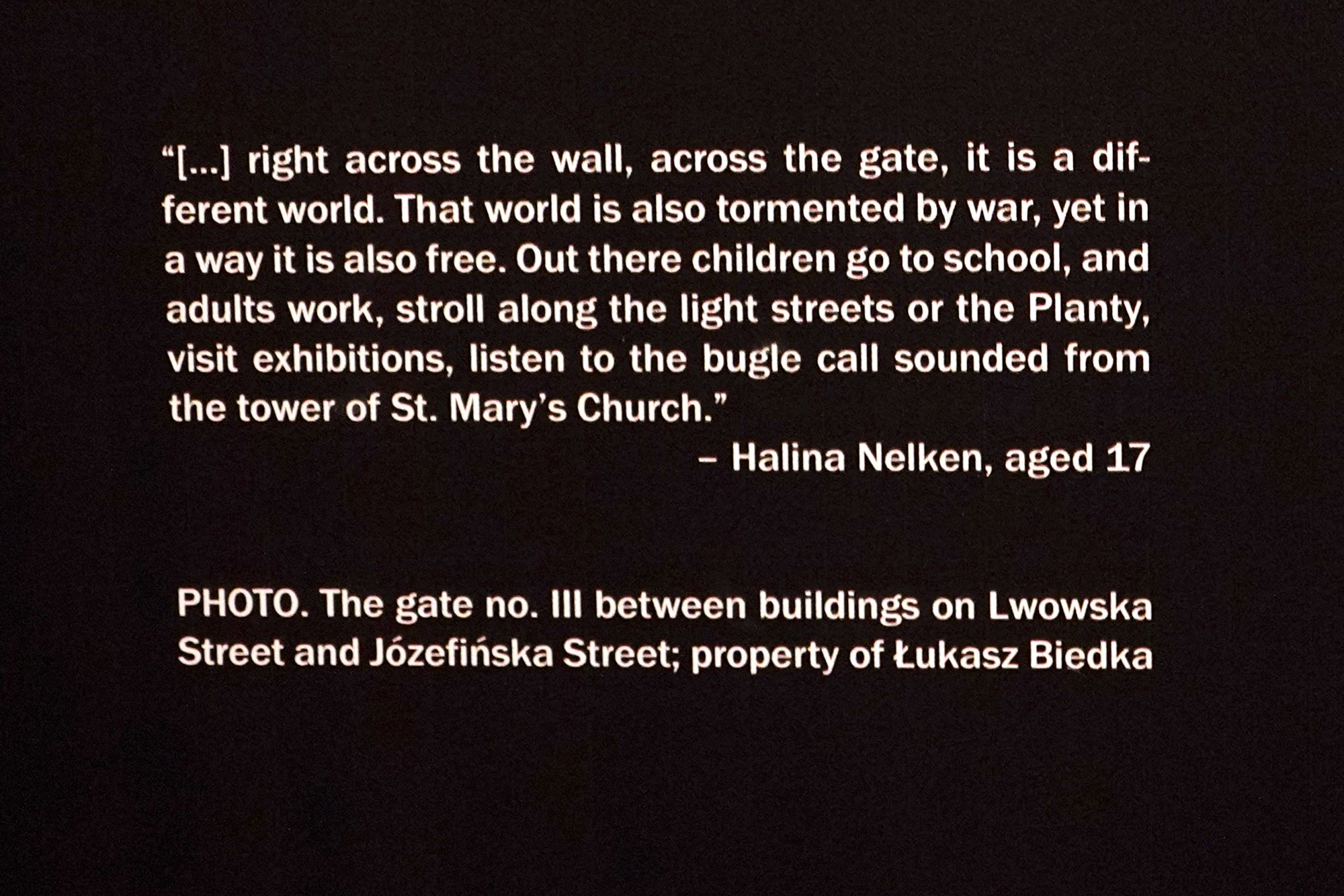
Seventeen-year-old Halina Nelken describes the contrast between life inside the ghetto and the world just beyond its wall. Though the city was also at war, children there could attend school and adults could walk the Planty, visit exhibitions, and hear St. Mary’s bugle call. The photo shows Gate III between Lwowska and Józefińska Streets.
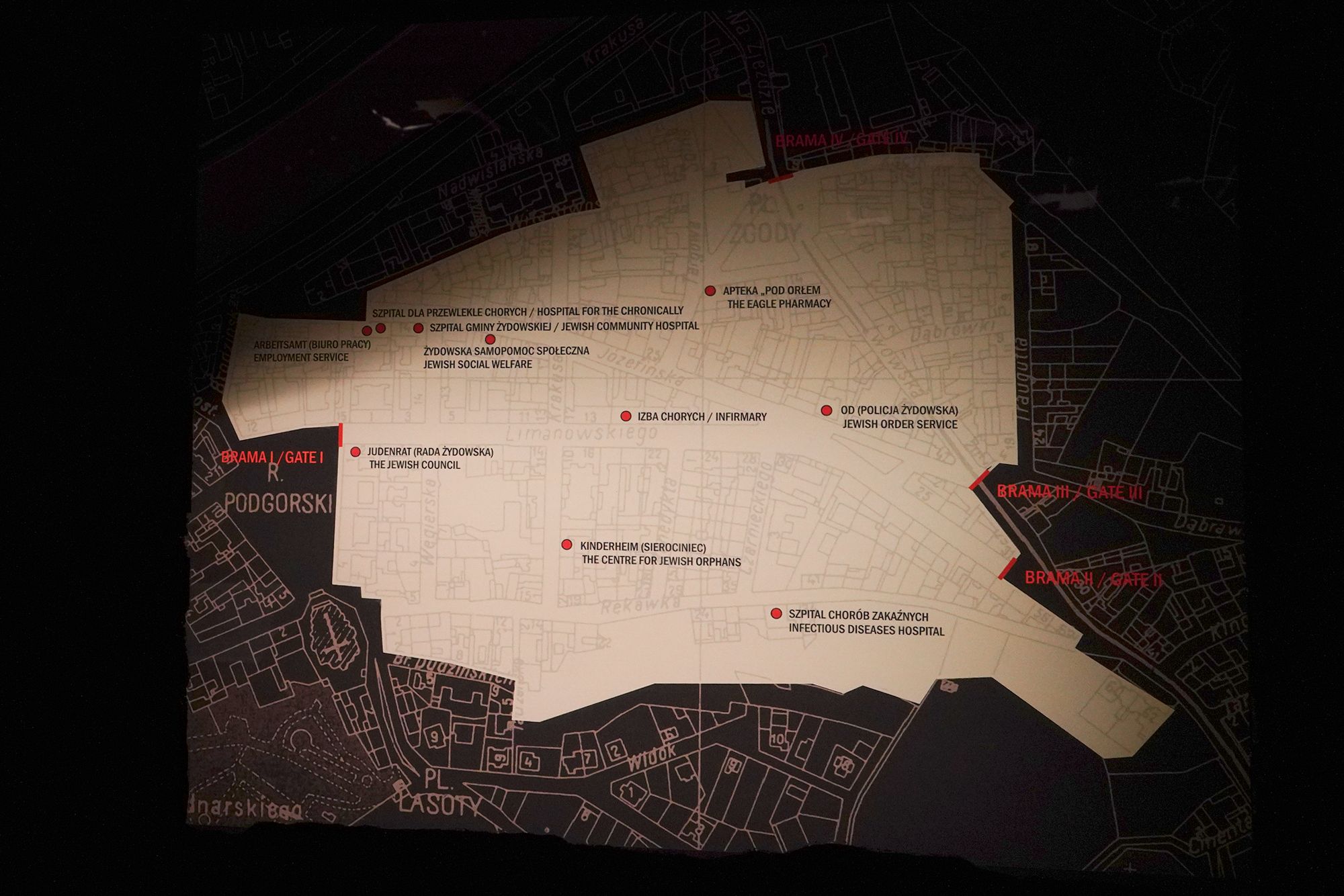
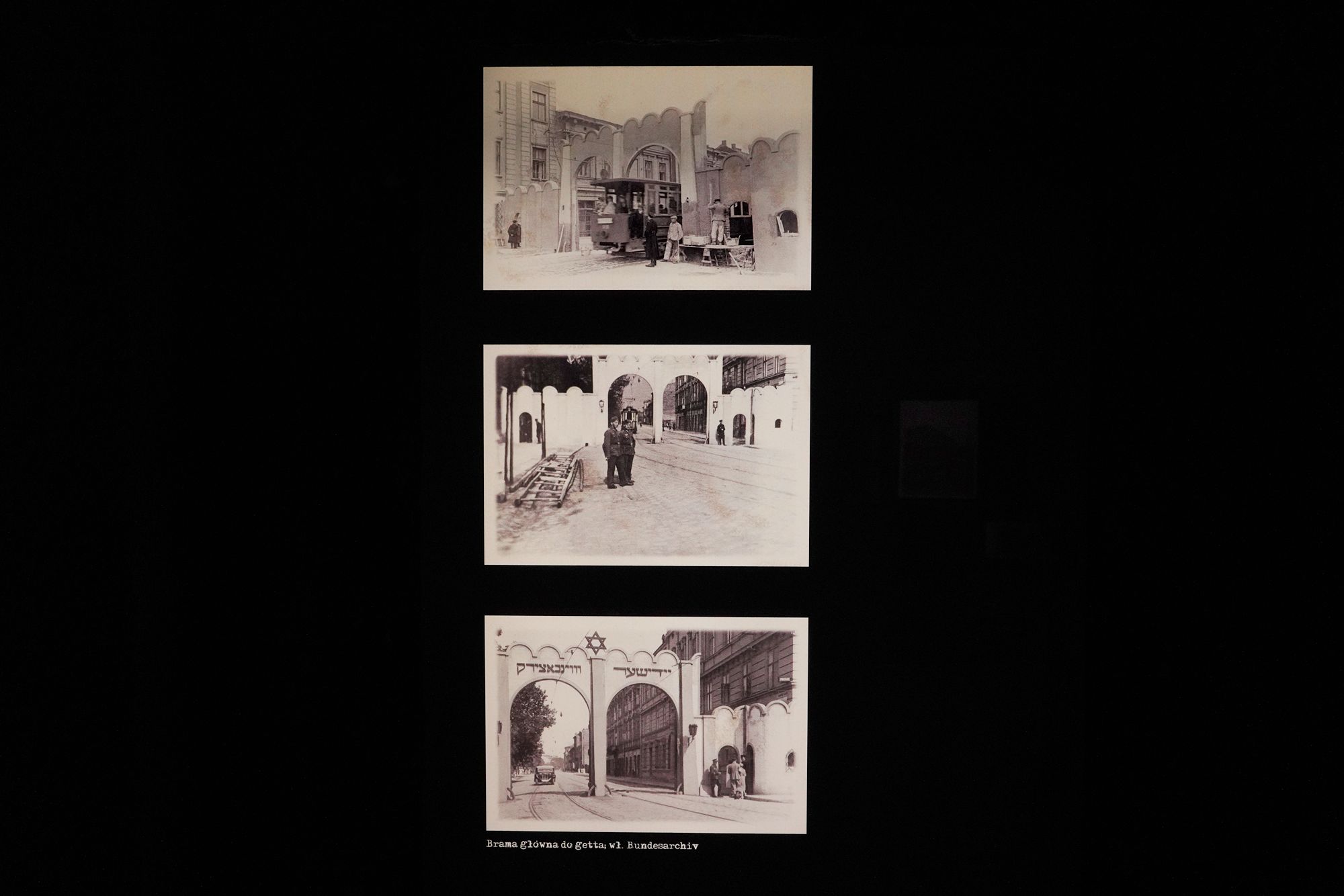
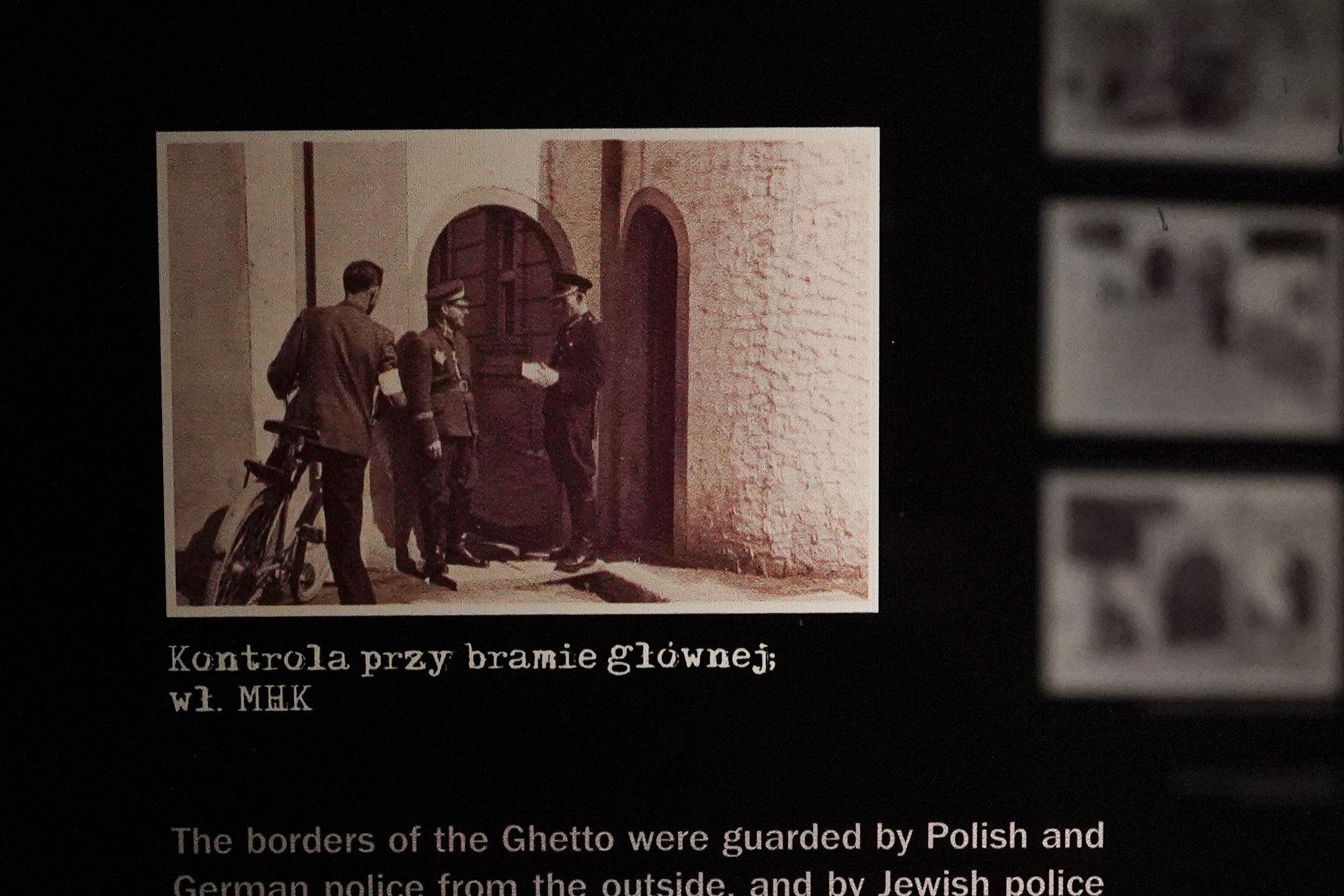
The panel explains that the Kraków Ghetto was guarded by German and Polish police outside and Jewish police inside. From October 15, 1941, Jews caught outside without permits—and anyone helping them—could be executed. The Jewish Council, established by the Gestapo, administered the district and was required to carry out the occupiers’ orders. The photo shows the main gate at Rynek Podgórski.
The panel describes the Jewish Order Service, created by the Jewish Council under Gestapo orders in 1940. Its members enforced the occupiers’ rules, including removing Jews from their apartments and filling the ghetto jail; some used violence, though the panel notes that others helped residents. The service was based at 17 Józefińska Street, beside the jail.
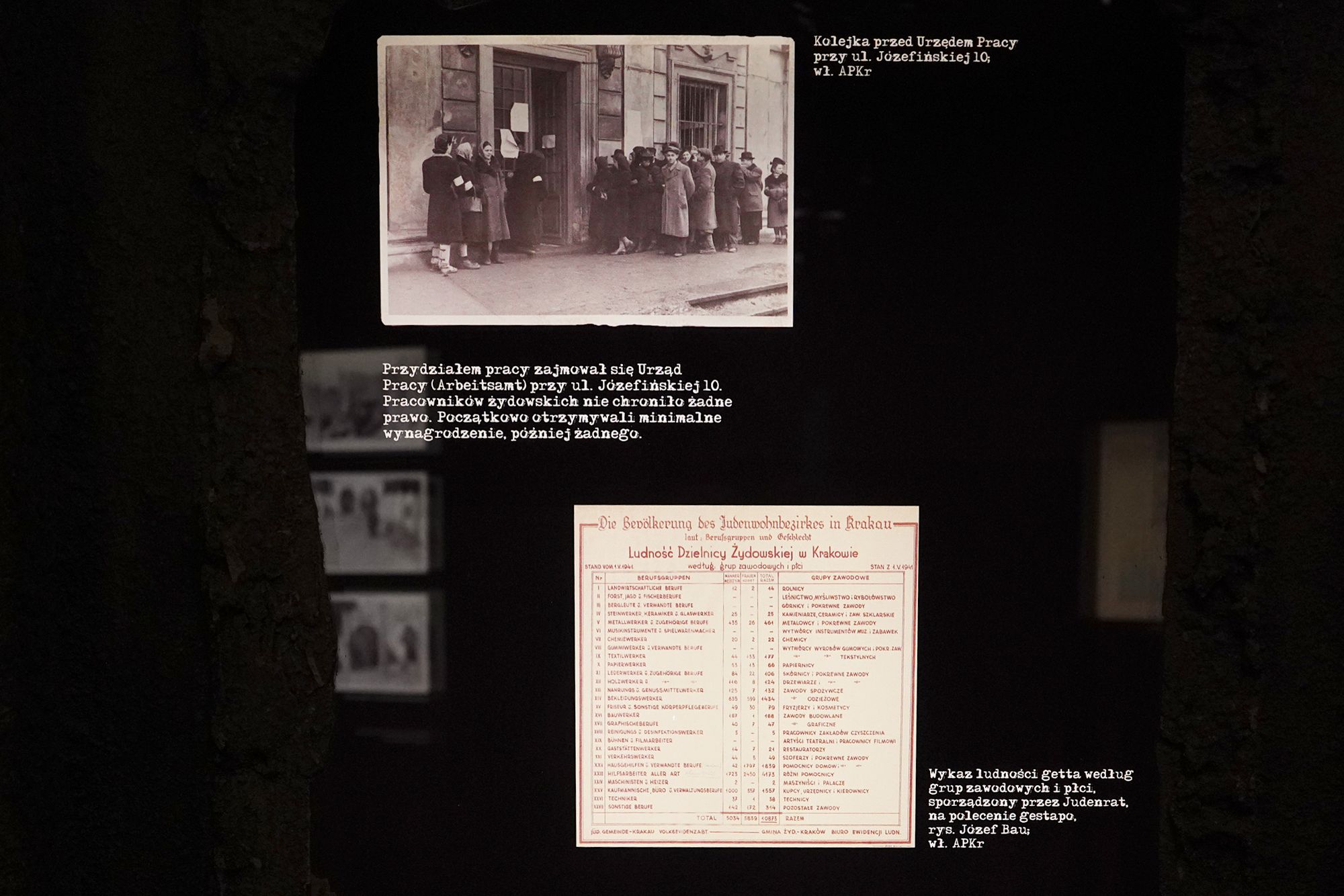
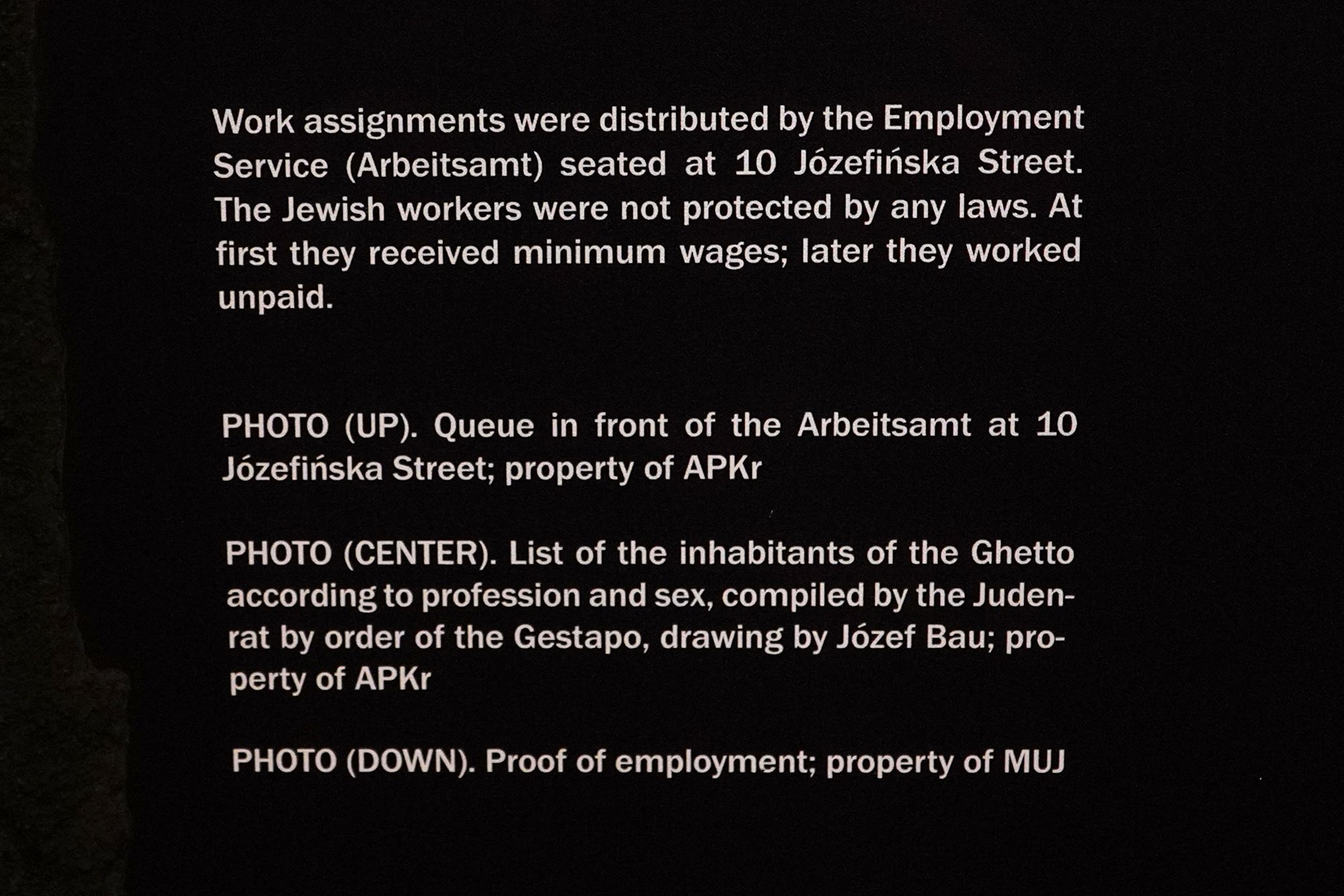
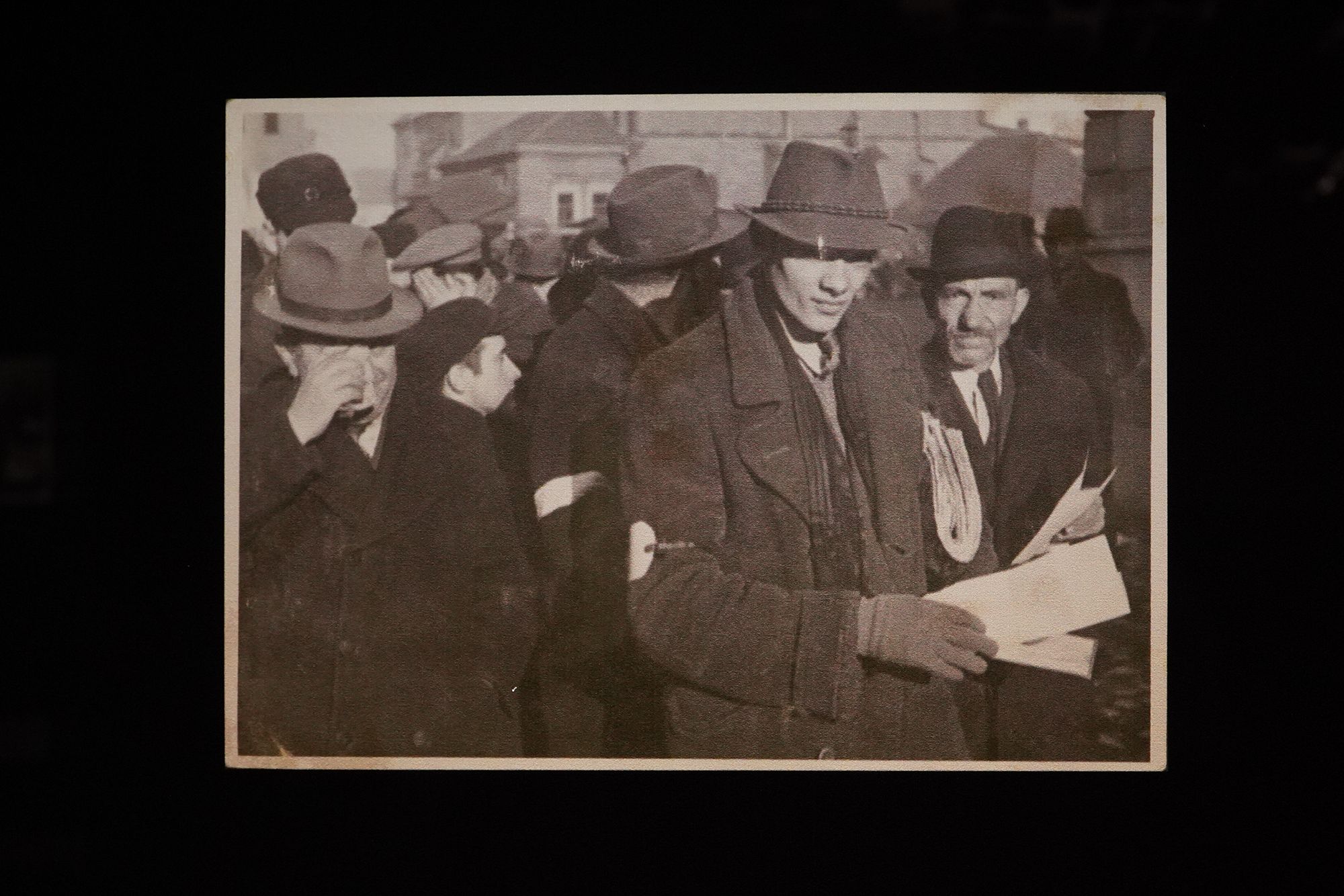
The panel says the German Employment Service assigned work to Jewish residents of the ghetto. They had no legal protections: at first they received only minimum wages, and later worked without pay. The accompanying photos show a queue outside the office, a work record organized by occupation and sex, and proof of employment.
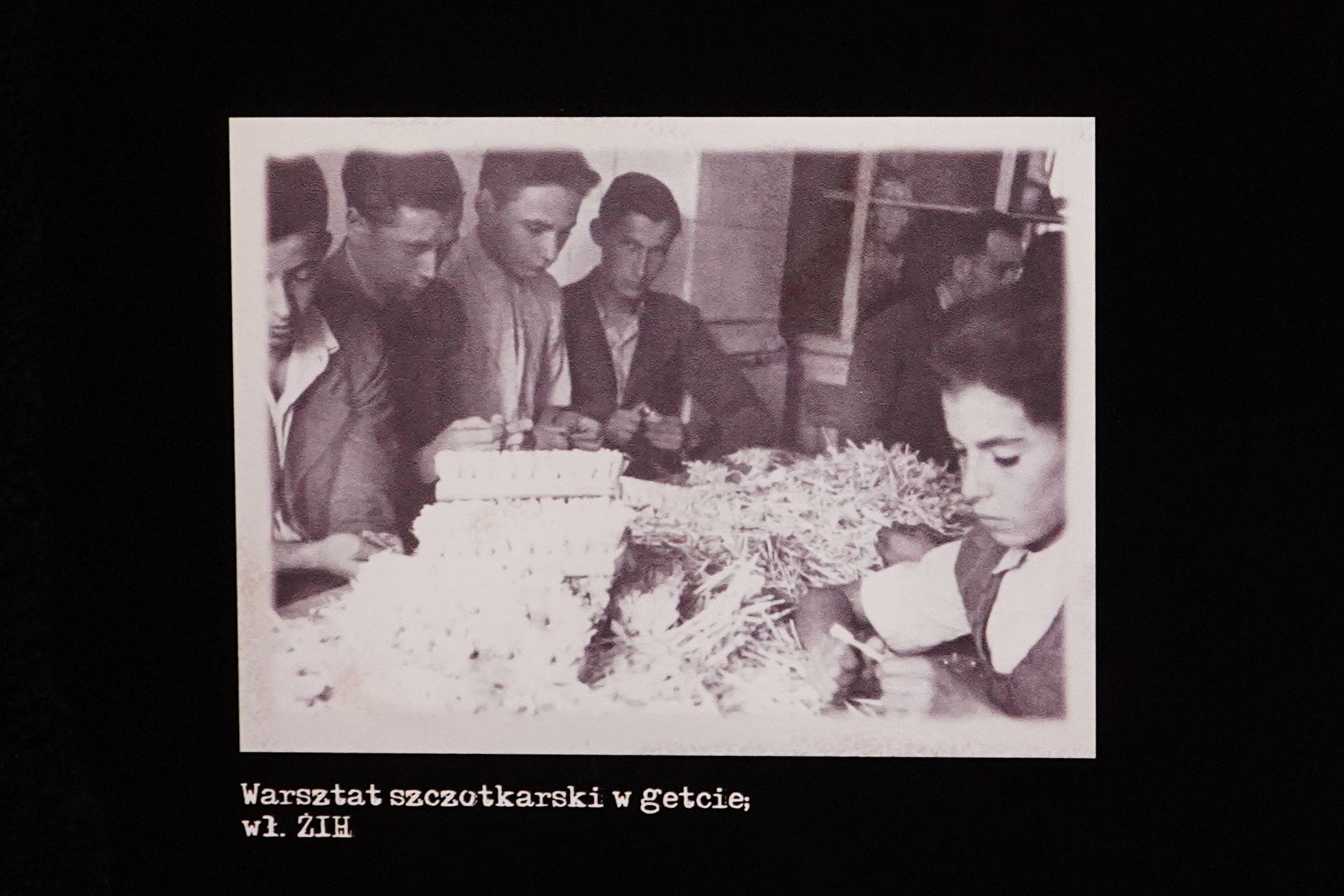
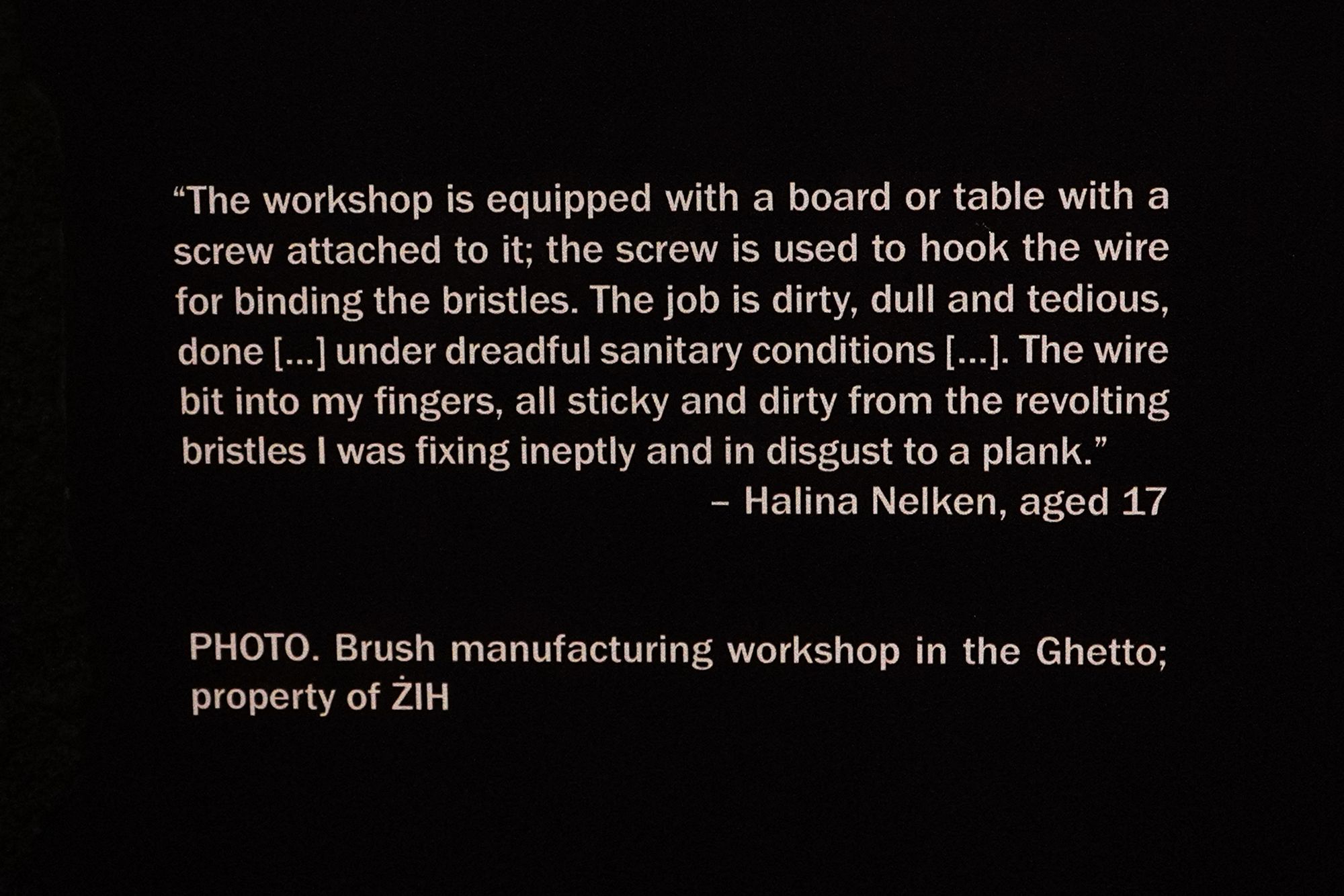
The panel quotes 17-year-old Halina Nelken describing work in a ghetto brush-making workshop. She recalls a dirty, tedious job in terrible sanitary conditions, binding bristles with wire that cut into her fingers. The photo shows the workshop.
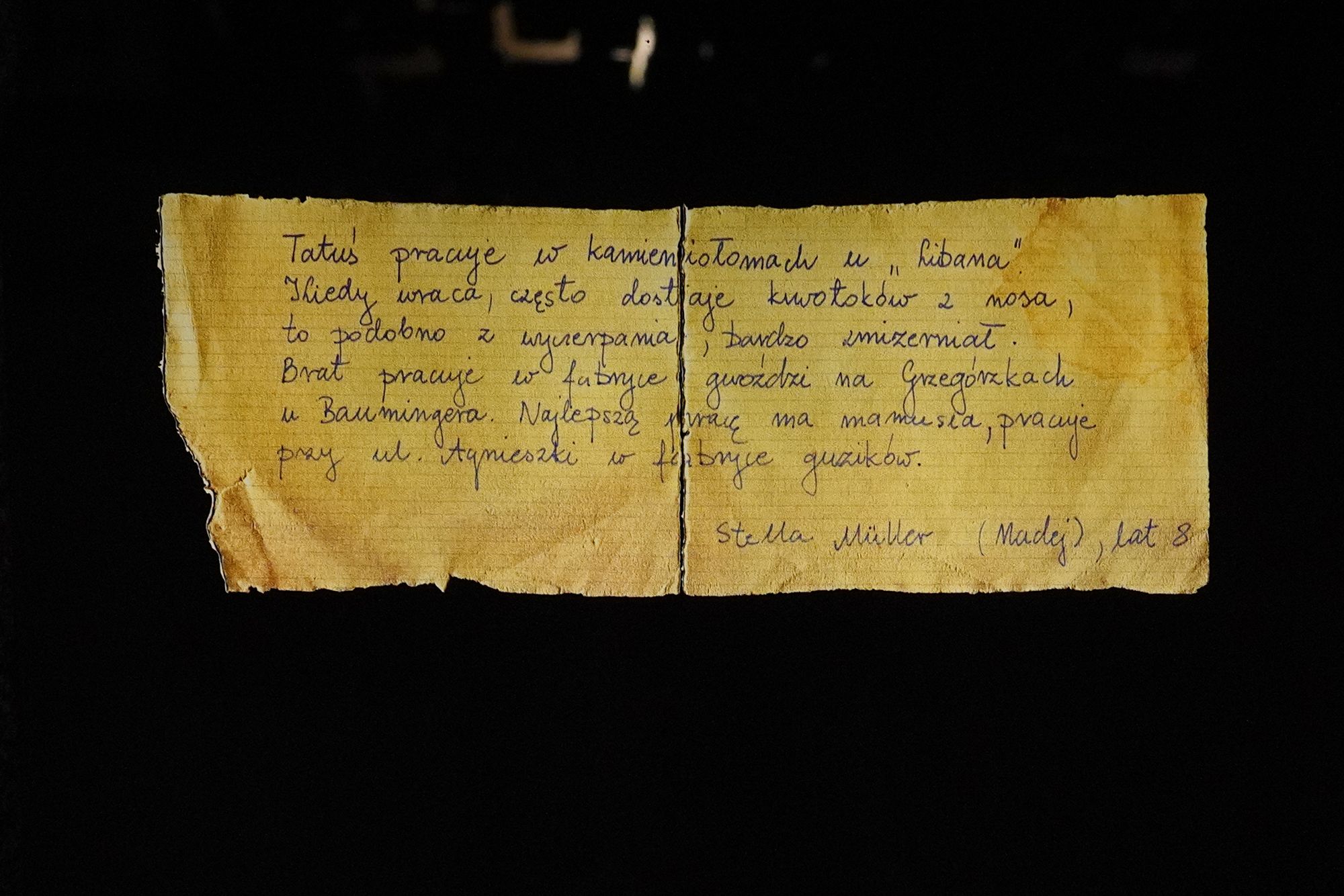
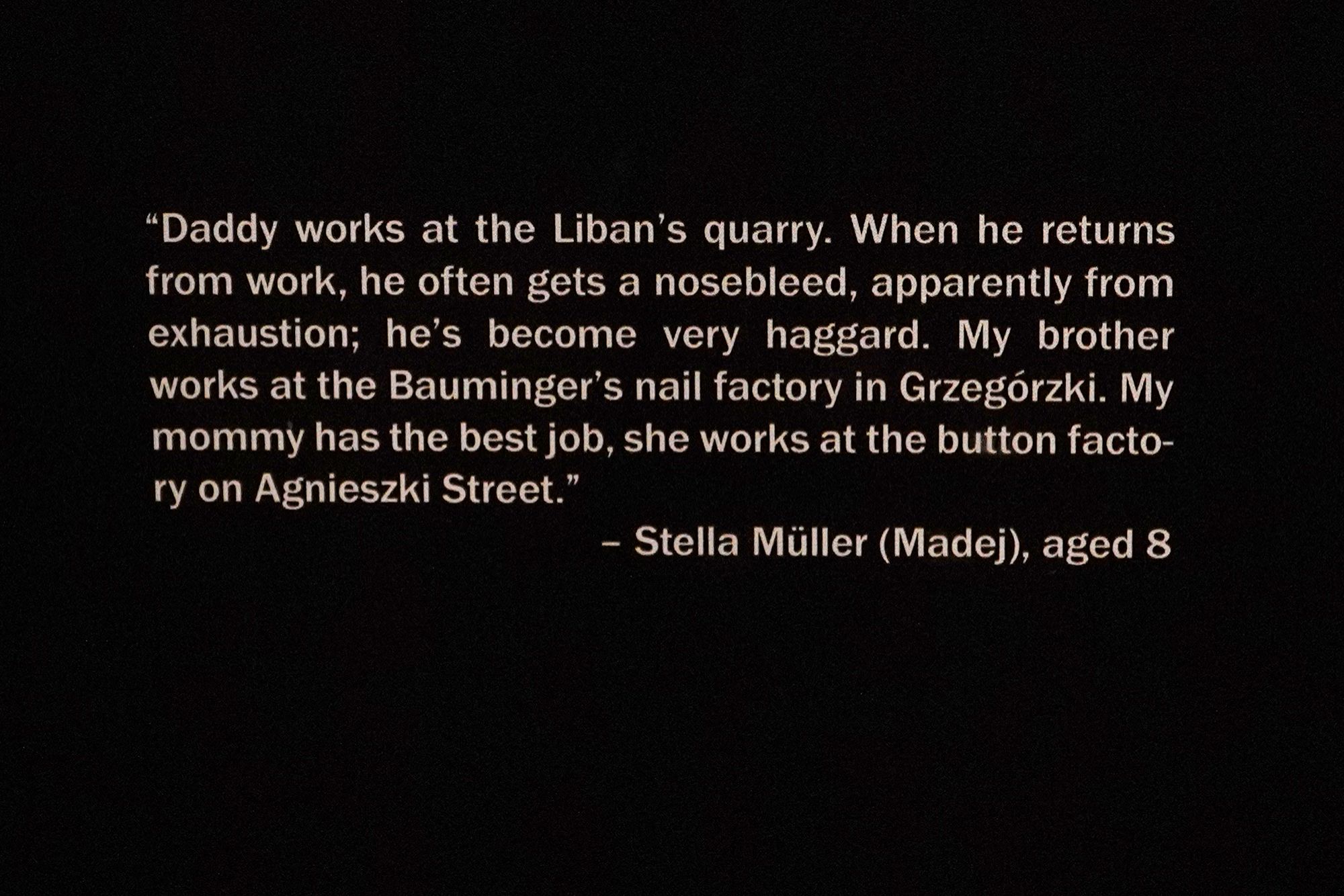
Eight-year-old Stella Müller recalls where her family members worked: her father at Liban’s quarry, her brother at a nail factory, and her mother at a button factory. She describes her father returning exhausted and unwell, showing how harsh the work could be for Jewish laborers.
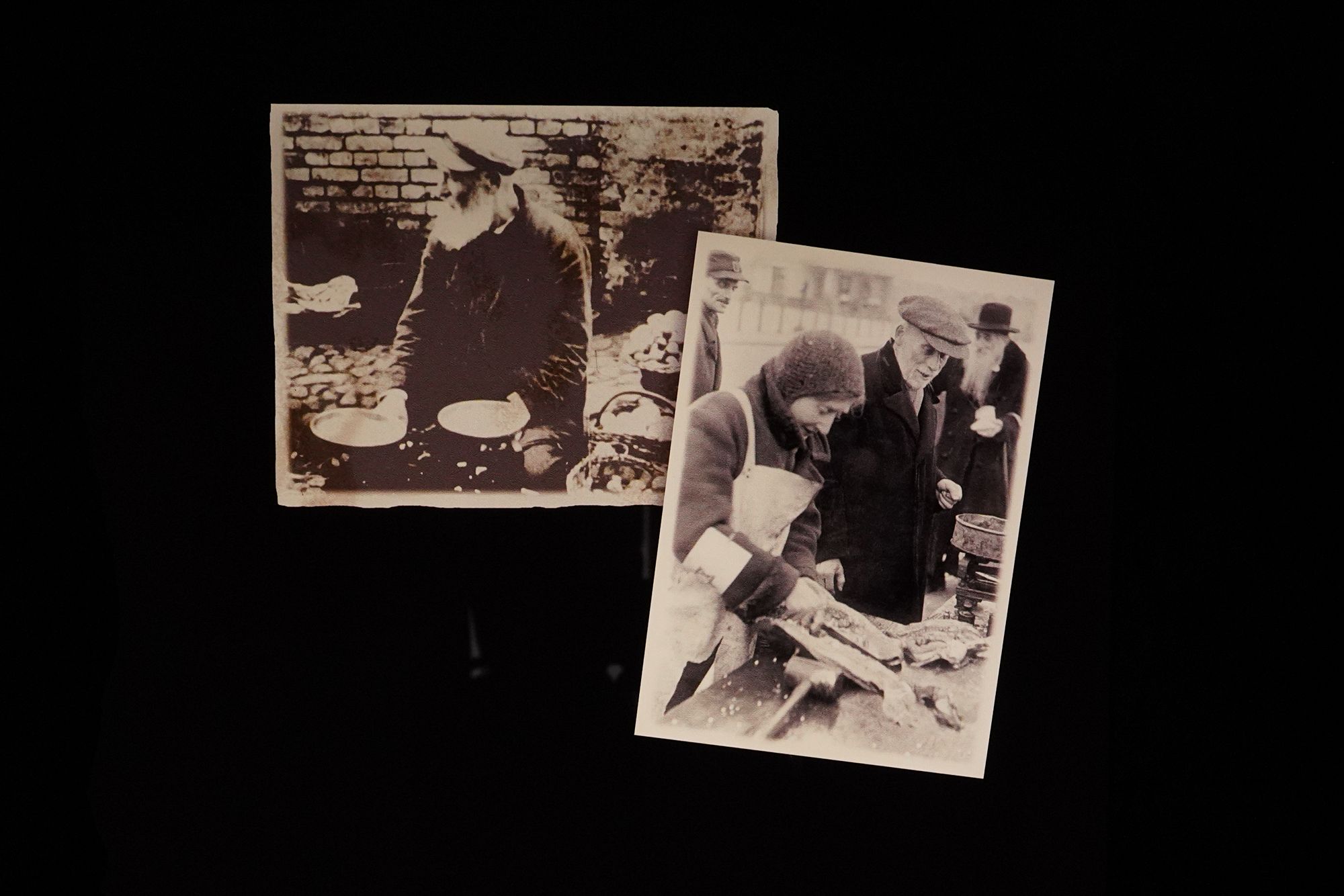
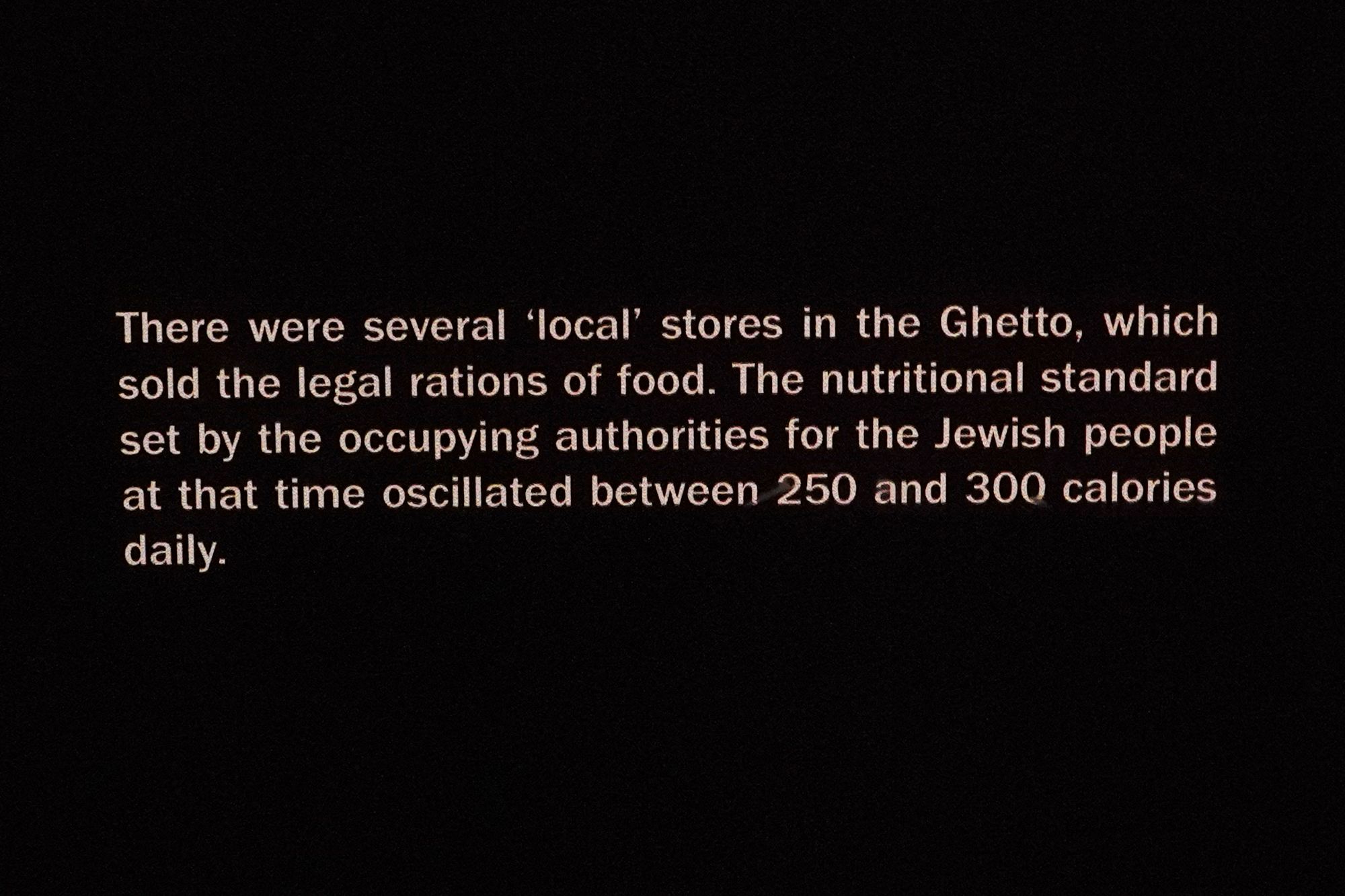
The panel says local shops in the ghetto sold food according to official ration rules. The occupying authorities allowed Jewish residents only about 250–300 calories a day, an amount far below what was needed to survive.
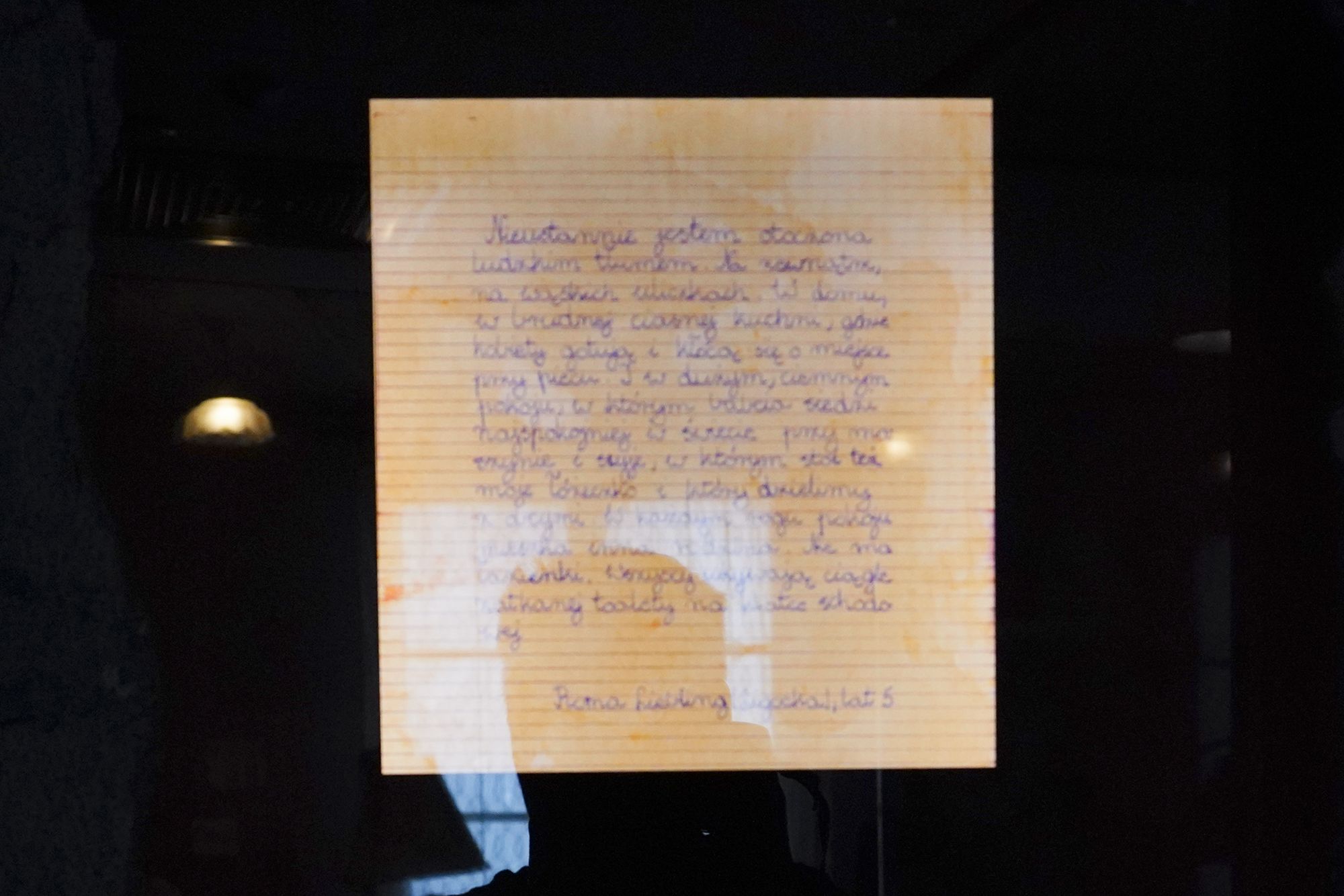
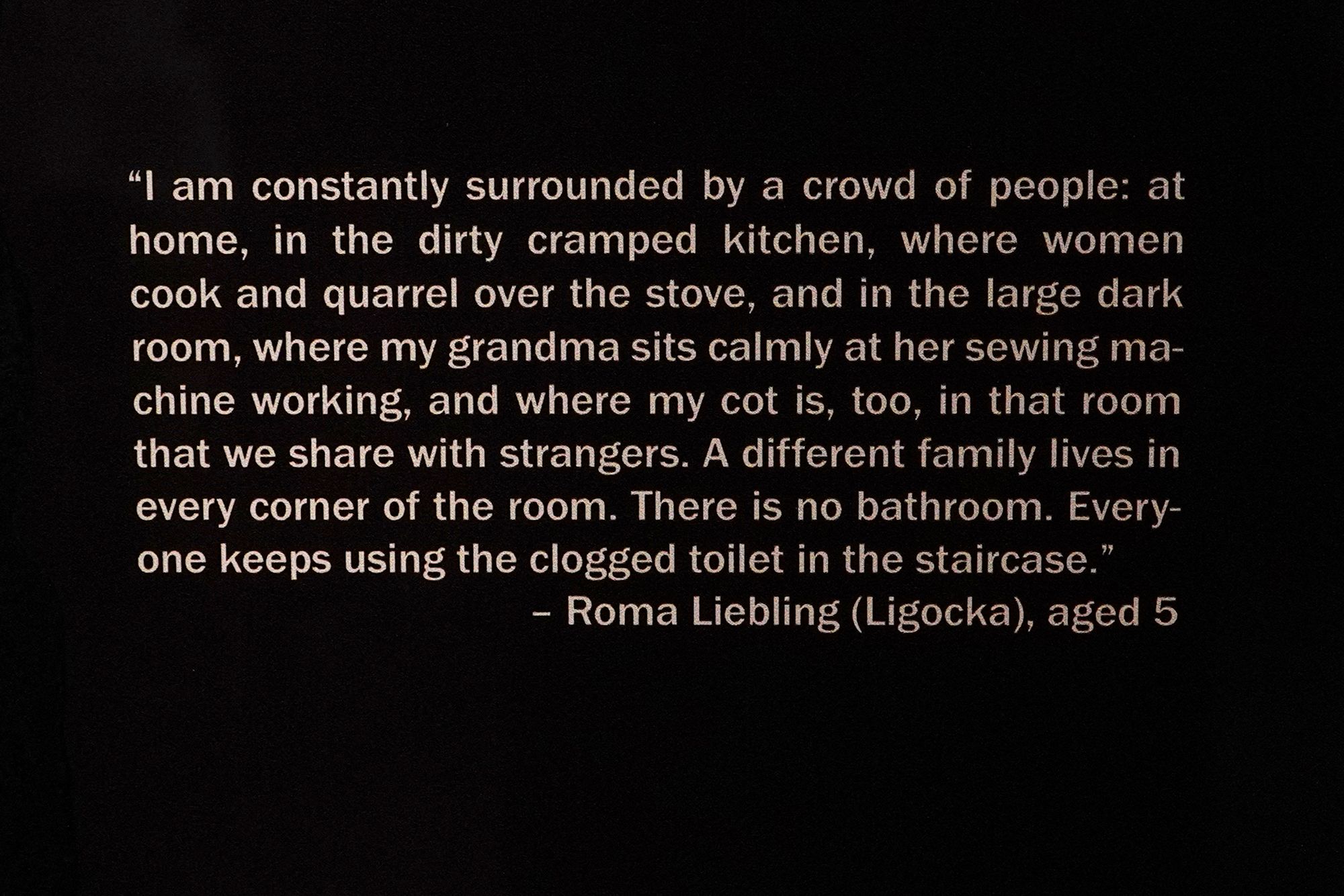
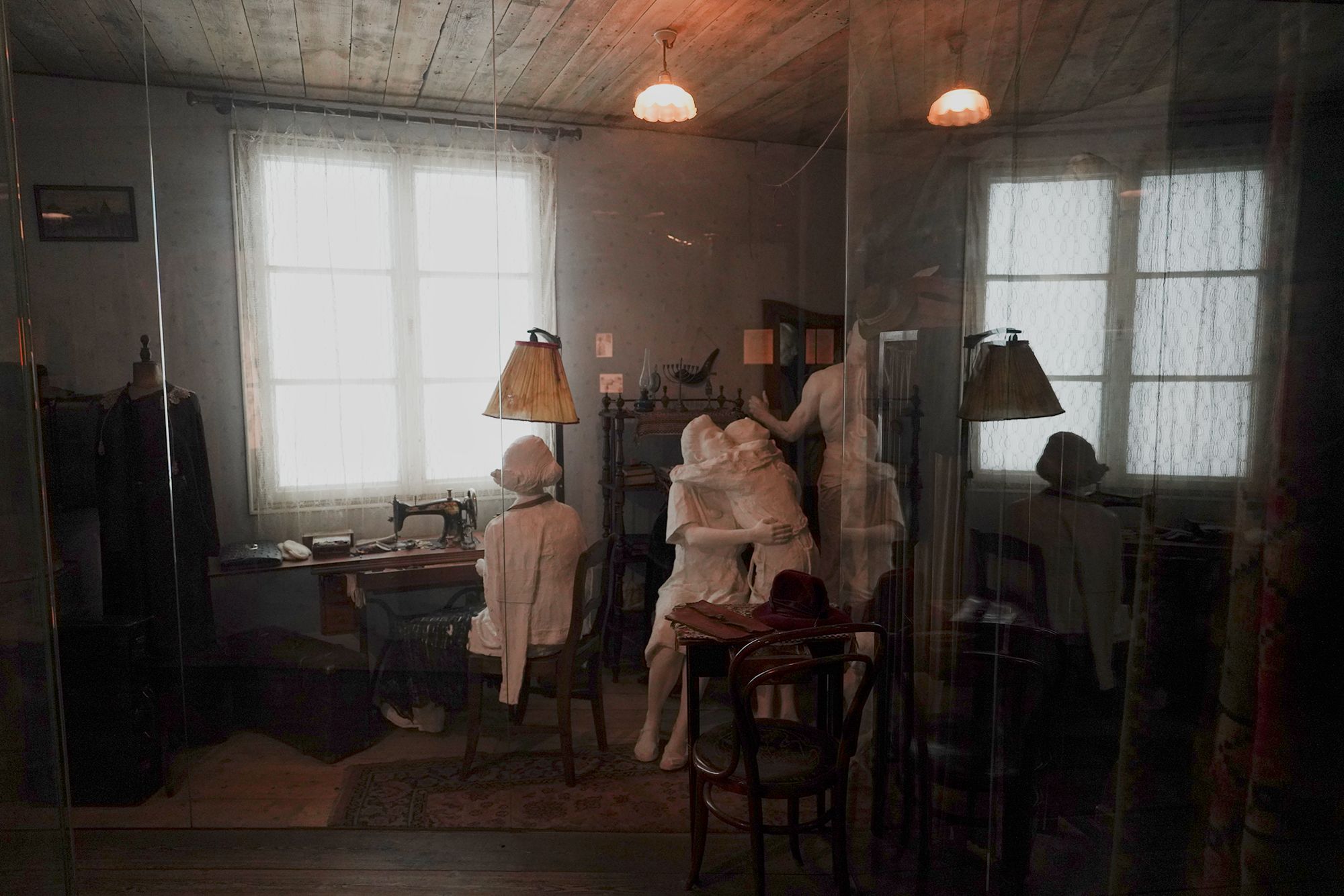
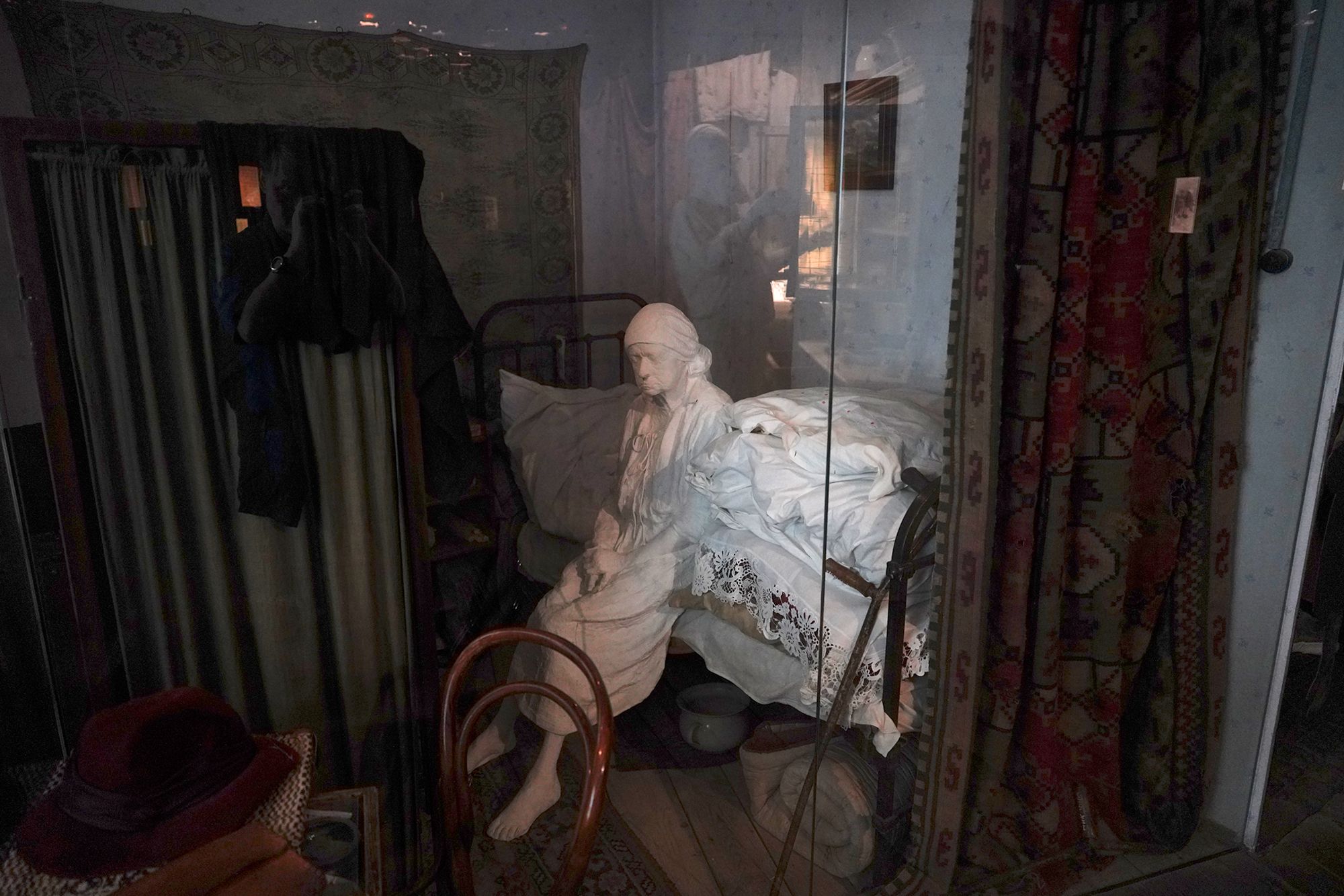
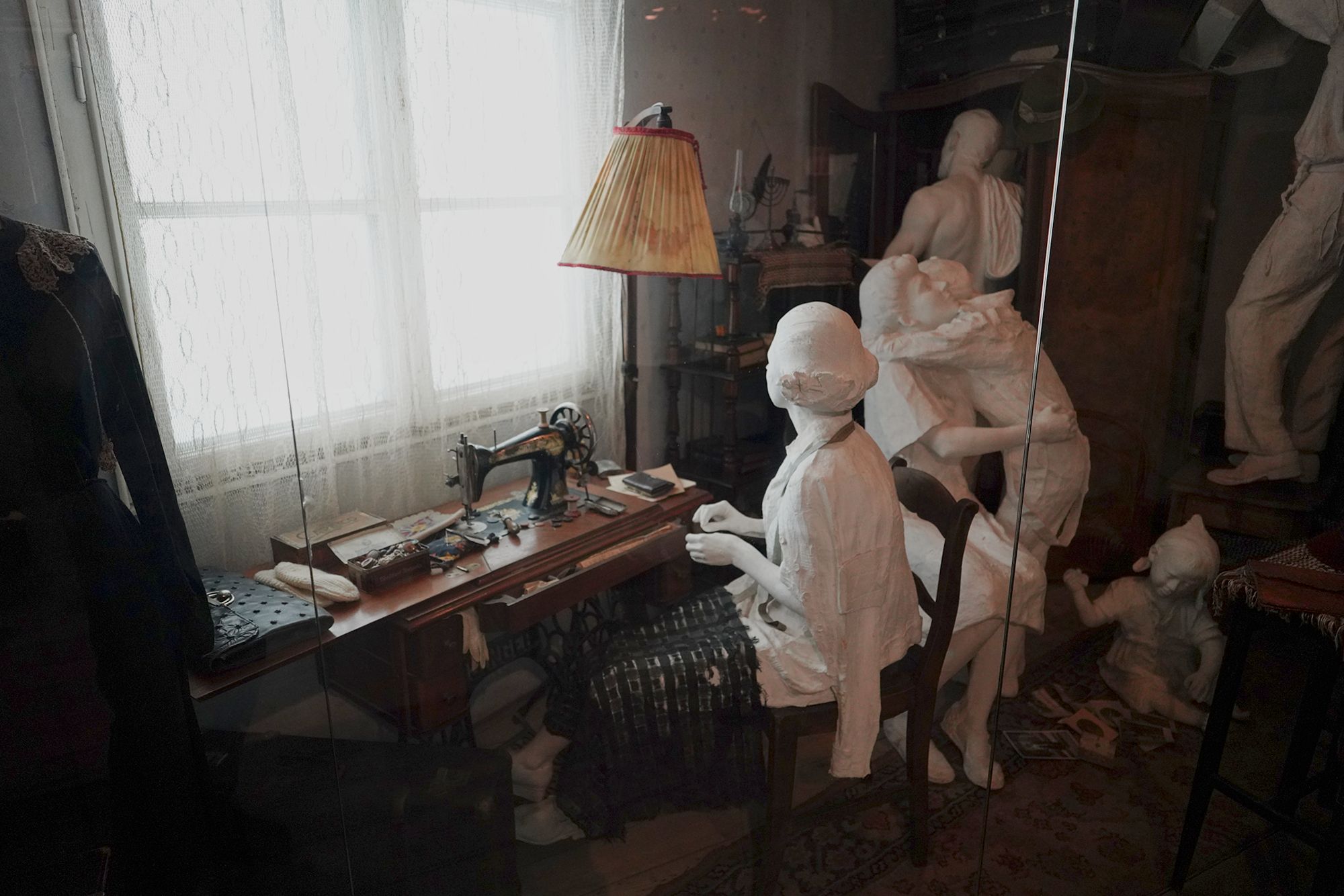
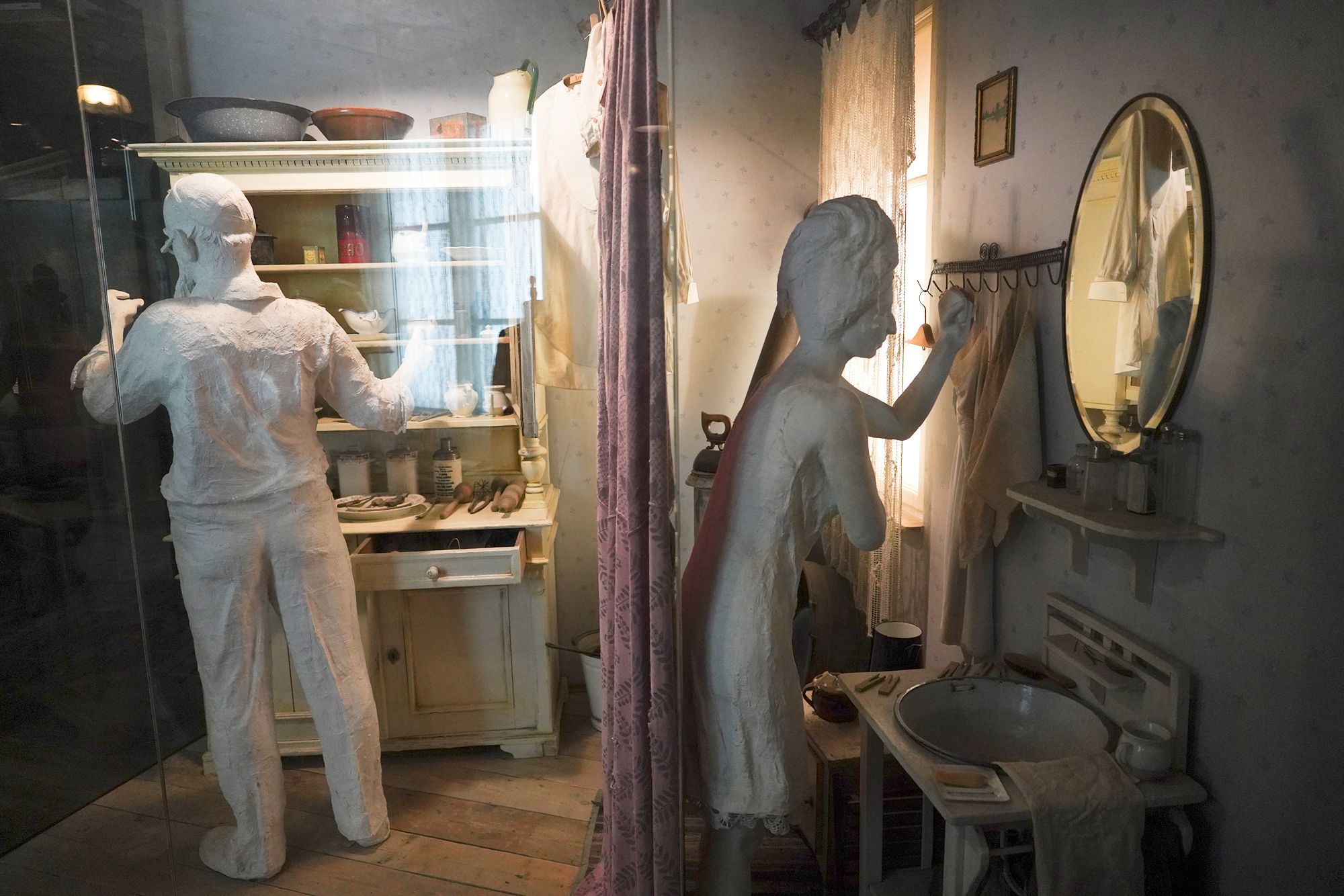
Five-year-old Roma Liebling describes the overcrowded conditions in the ghetto: several families shared a dark room, the kitchen was cramped, and there was no bathroom. Residents had to use a clogged toilet in the stairwell.
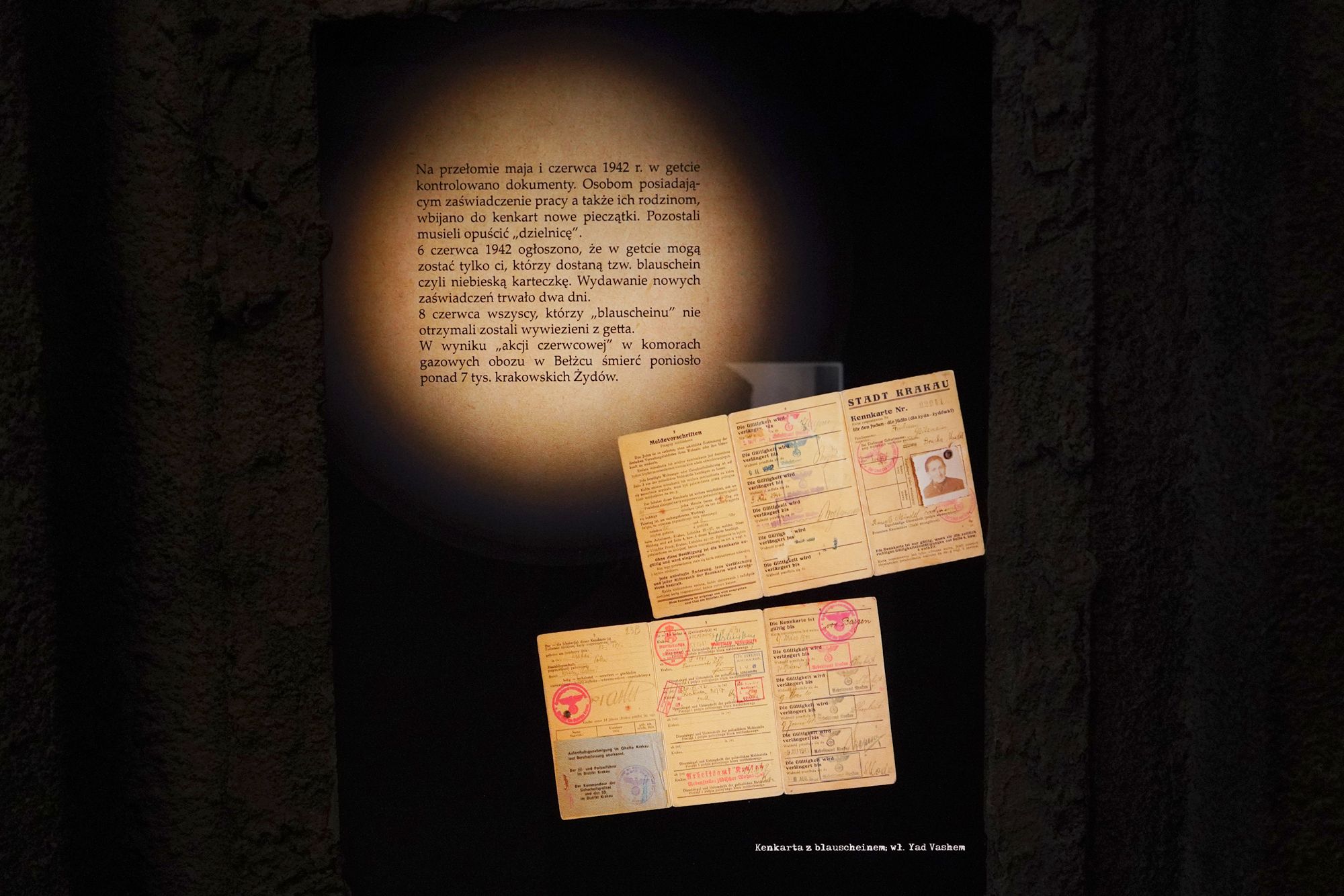
The panel describes the June 1942 roundup in the Kraków Ghetto. Only people with a “blue card,” usually tied to proof of employment, were allowed to remain. On June 8, those without one were deported; more than 7,000 Kraków Jews were later murdered at Bełżec extermination camp. The photo shows an identity card with a blue card attached.
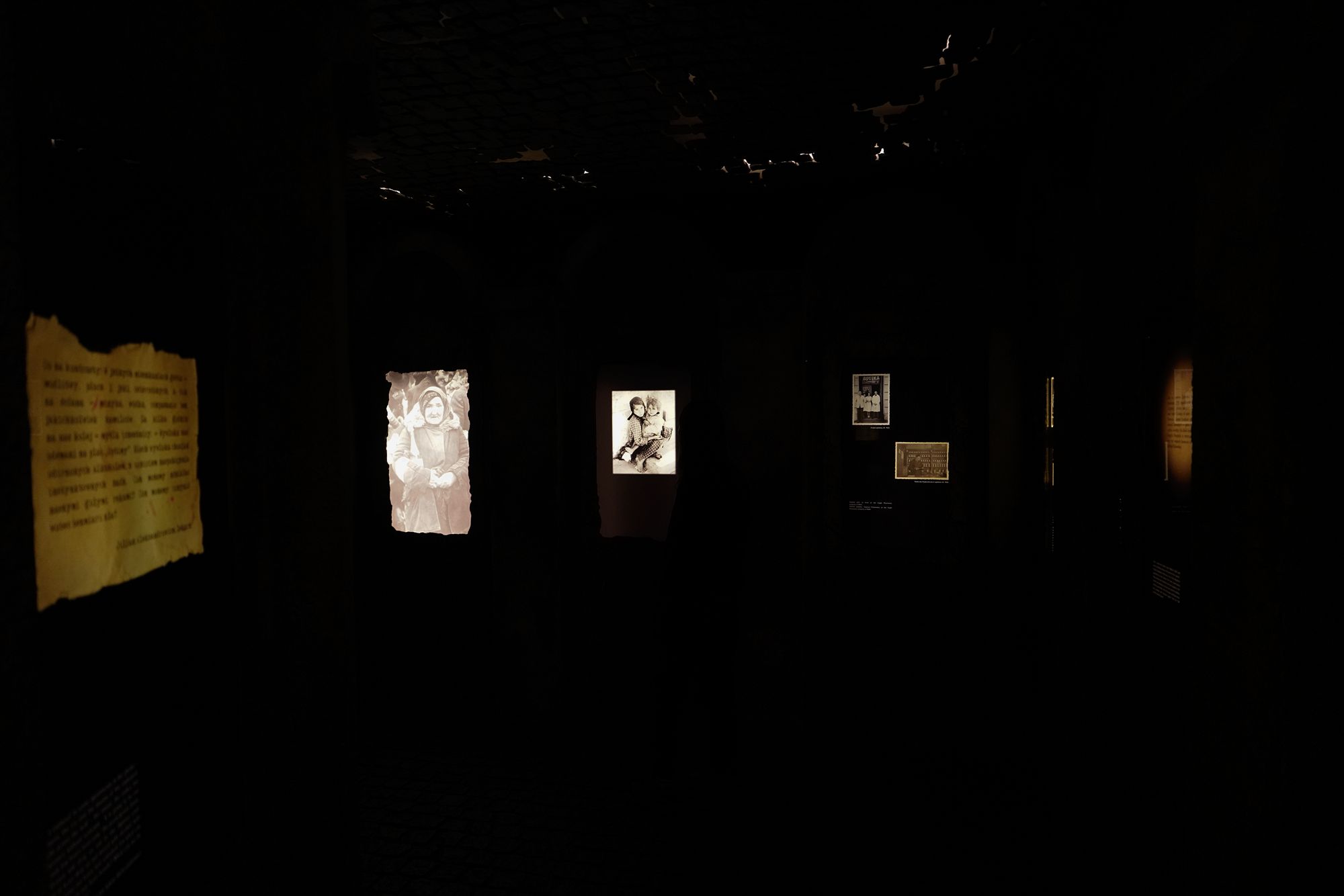
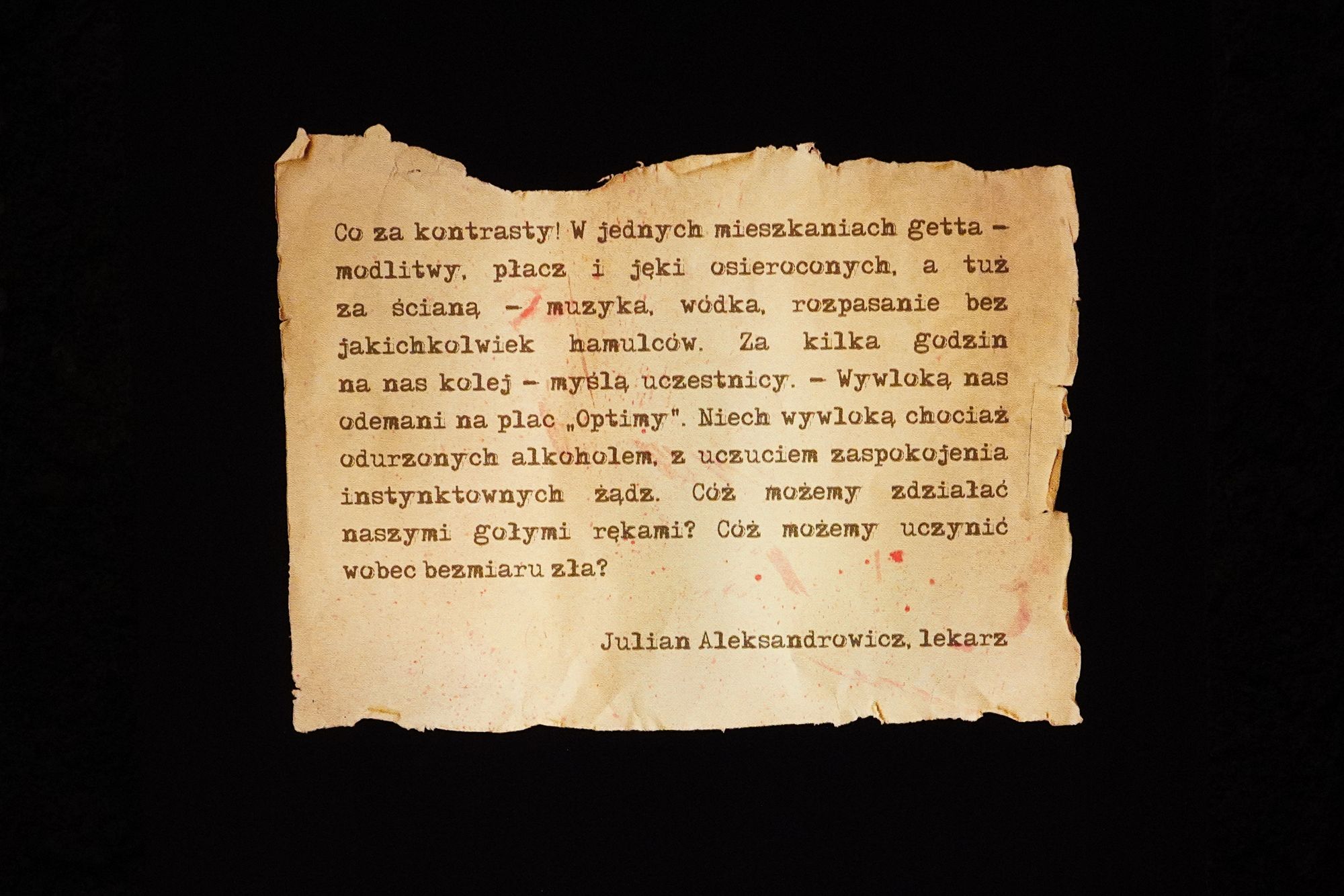
Doctor Julian Aleksandrowicz describes the painful contrast between suffering inside the ghetto and music and drinking just beyond its wall. People feared they would soon be taken to the Optima yard, and felt powerless to resist the “sea of evil.” The passage conveys their dread and despair before an expected roundup.
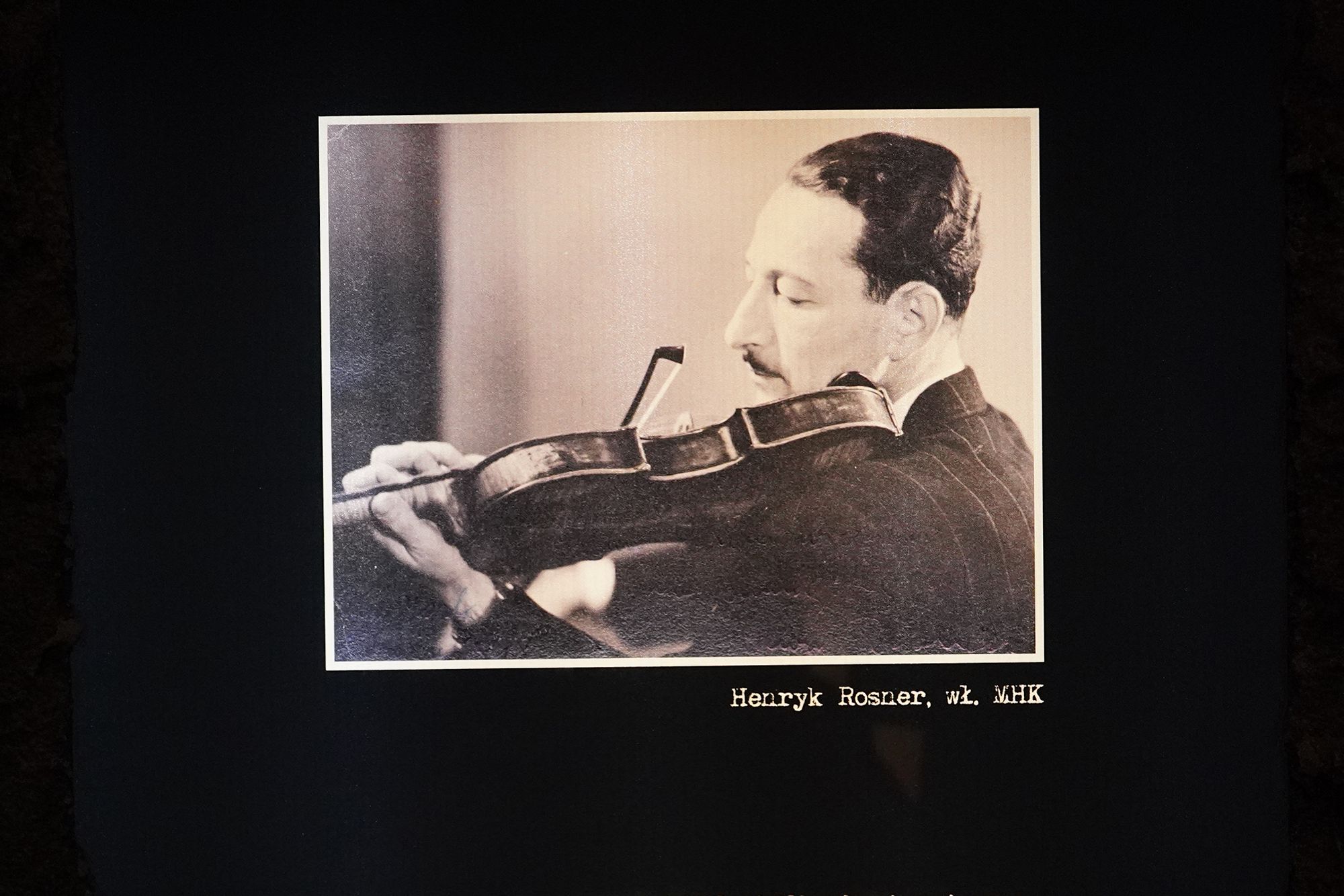
The panel shows that cultural life continued in the Kraków Ghetto despite the harsh conditions. Cafés and the Polonia restaurant hosted music, and a concert hall opened in a former factory in 1941, offering classical and popular concerts and ballet performances. Smaller venues also held concerts.
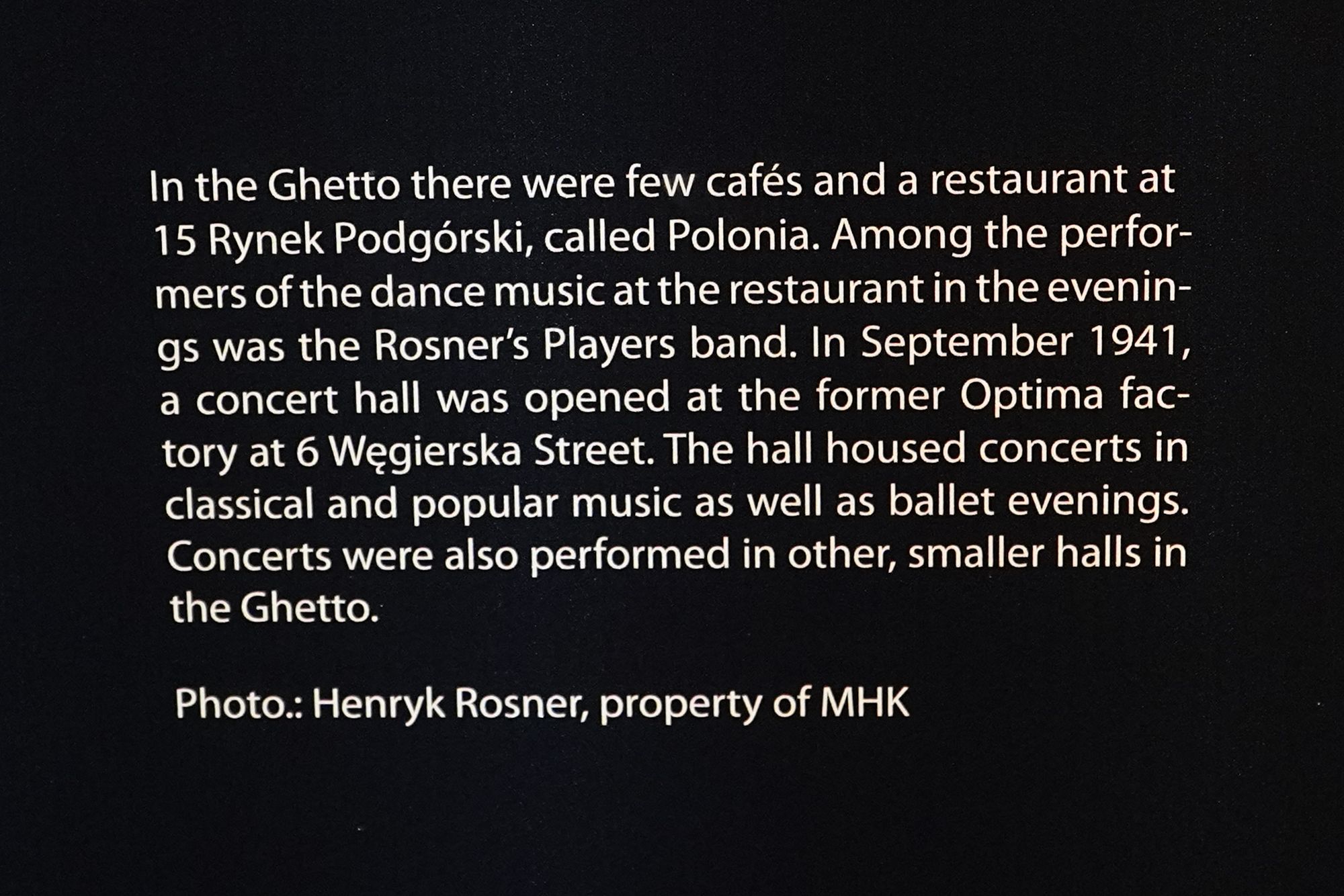
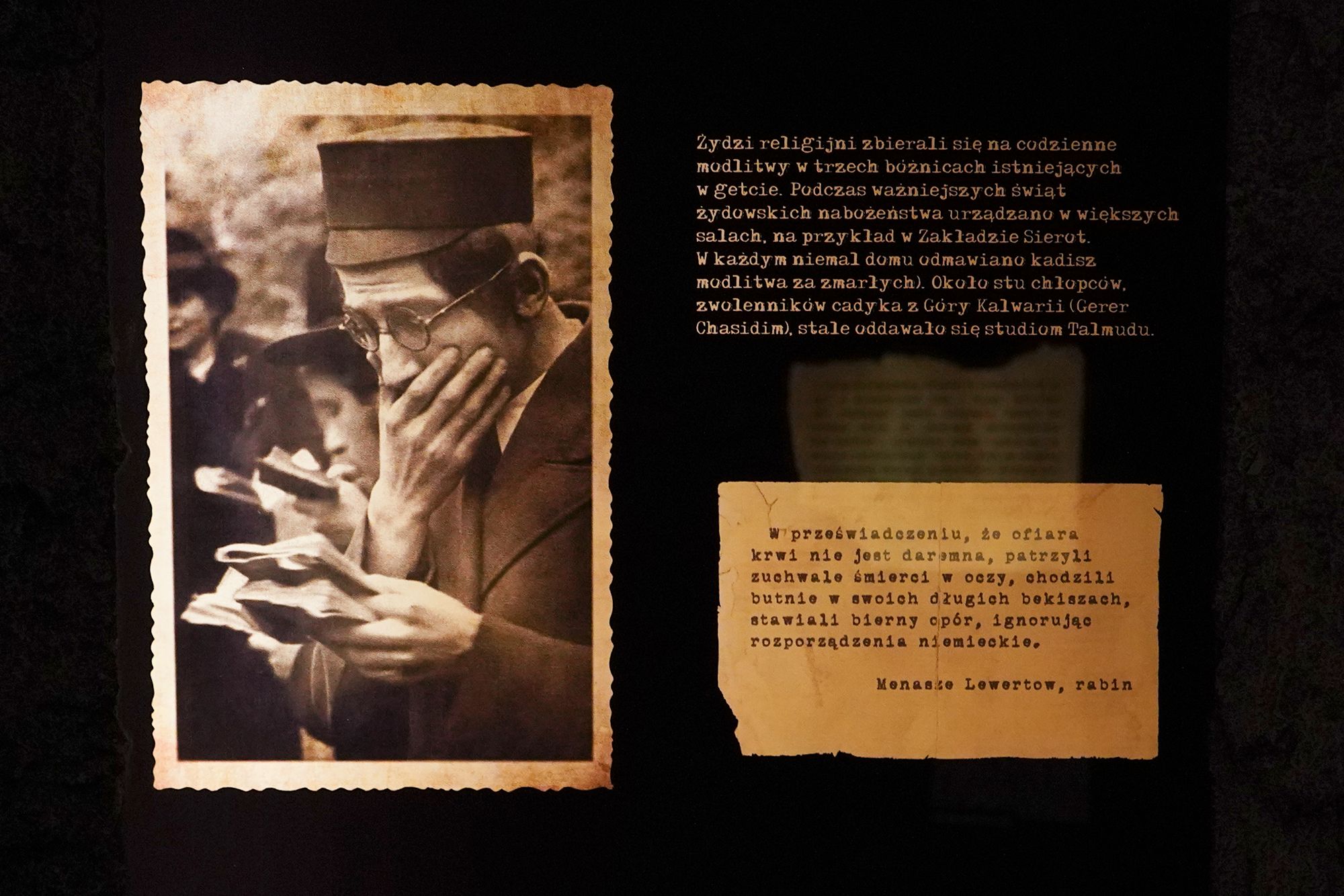
The panel describes how Jewish religious life continued in the ghetto: people prayed at three synagogues, gathered for major holidays, recited Kaddish at home, and studied the Talmud. Rabbi Menasze Lewertow also recalls people expressing faith and passive resistance by ignoring German orders.
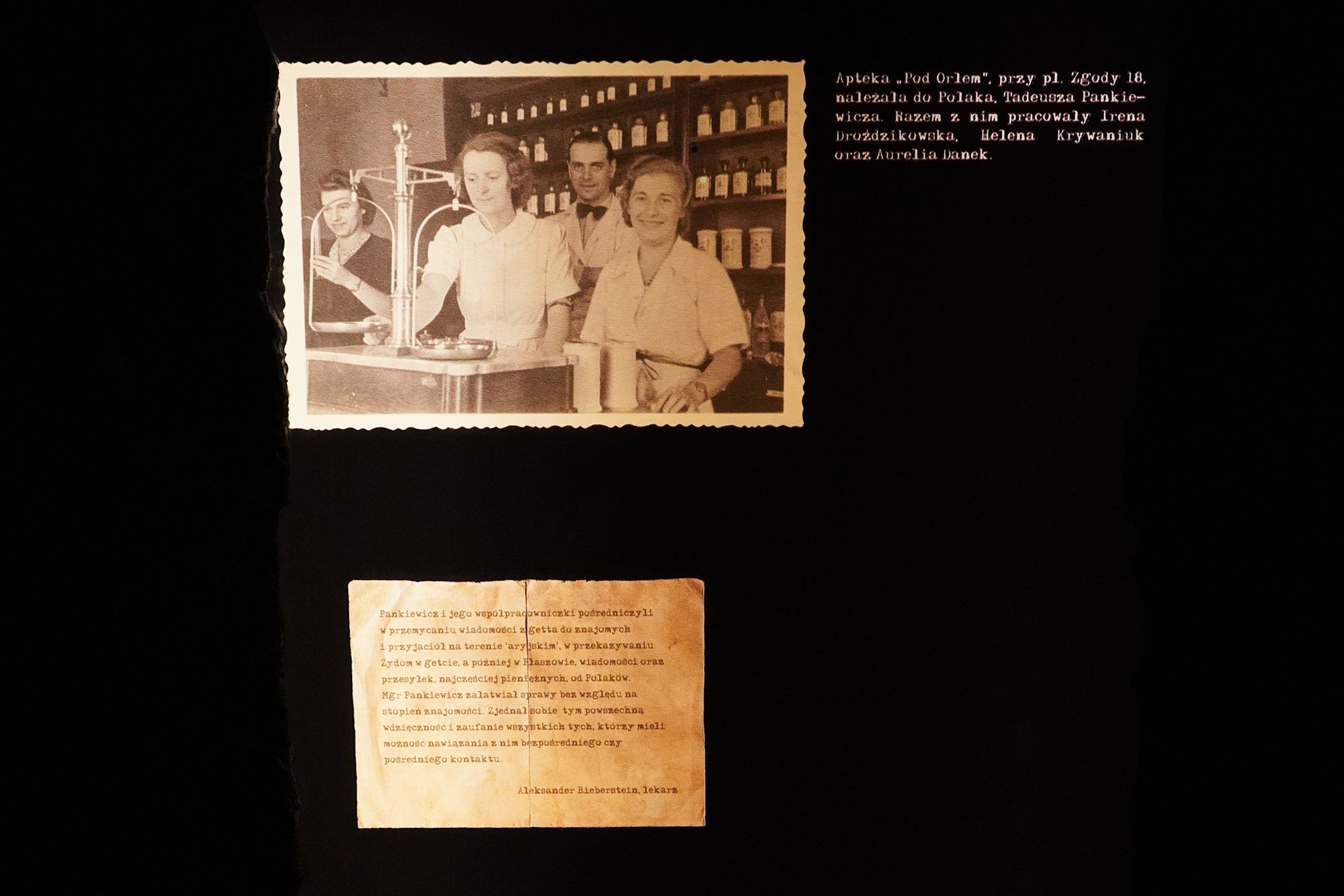
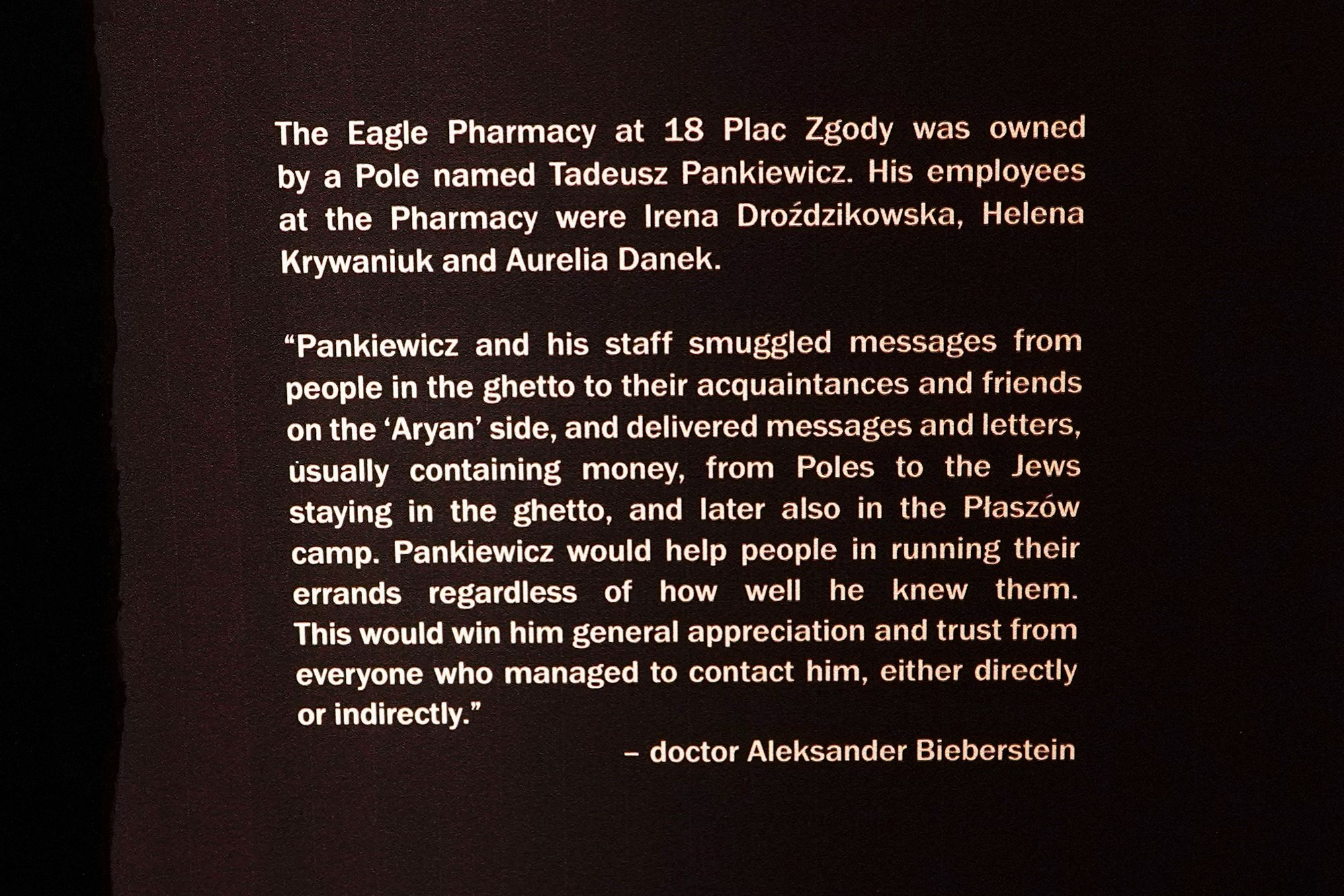
The panel describes the Eagle Pharmacy, run by Tadeusz Pankiewicz and his staff. They helped ghetto residents stay connected by carrying messages and letters, sometimes with money, between the ghetto and people outside, and by running errands. Their help earned them the trust of many people.
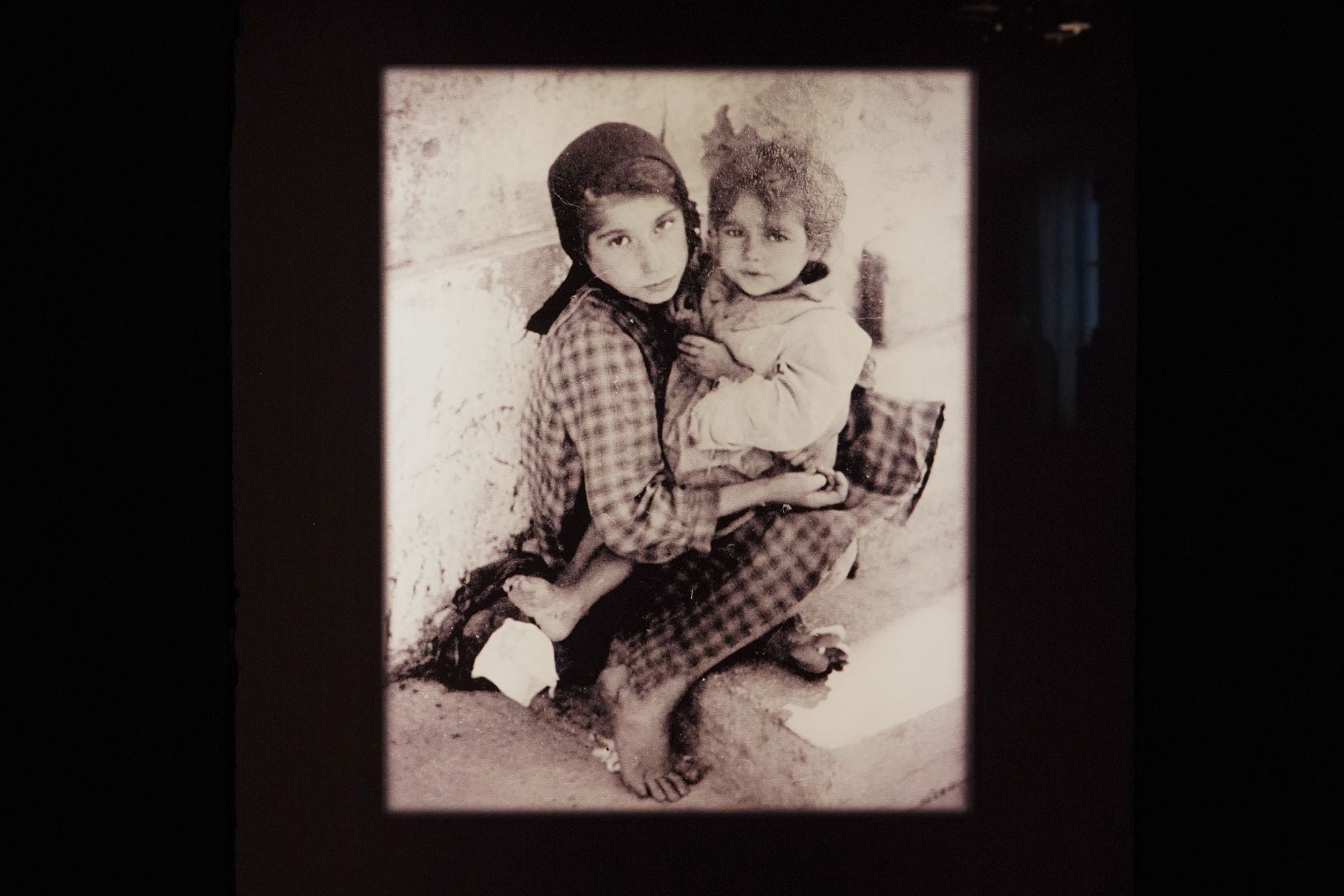
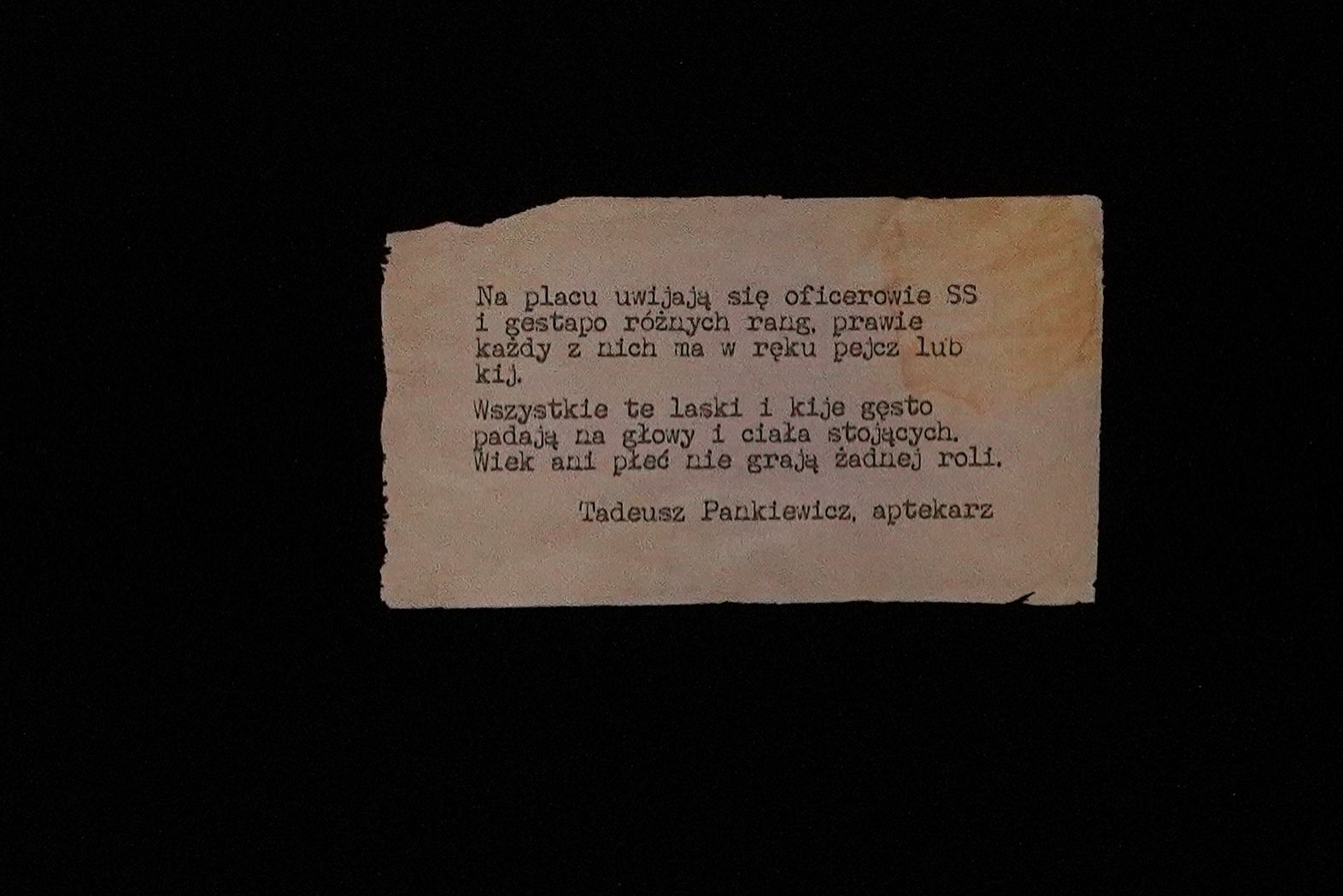
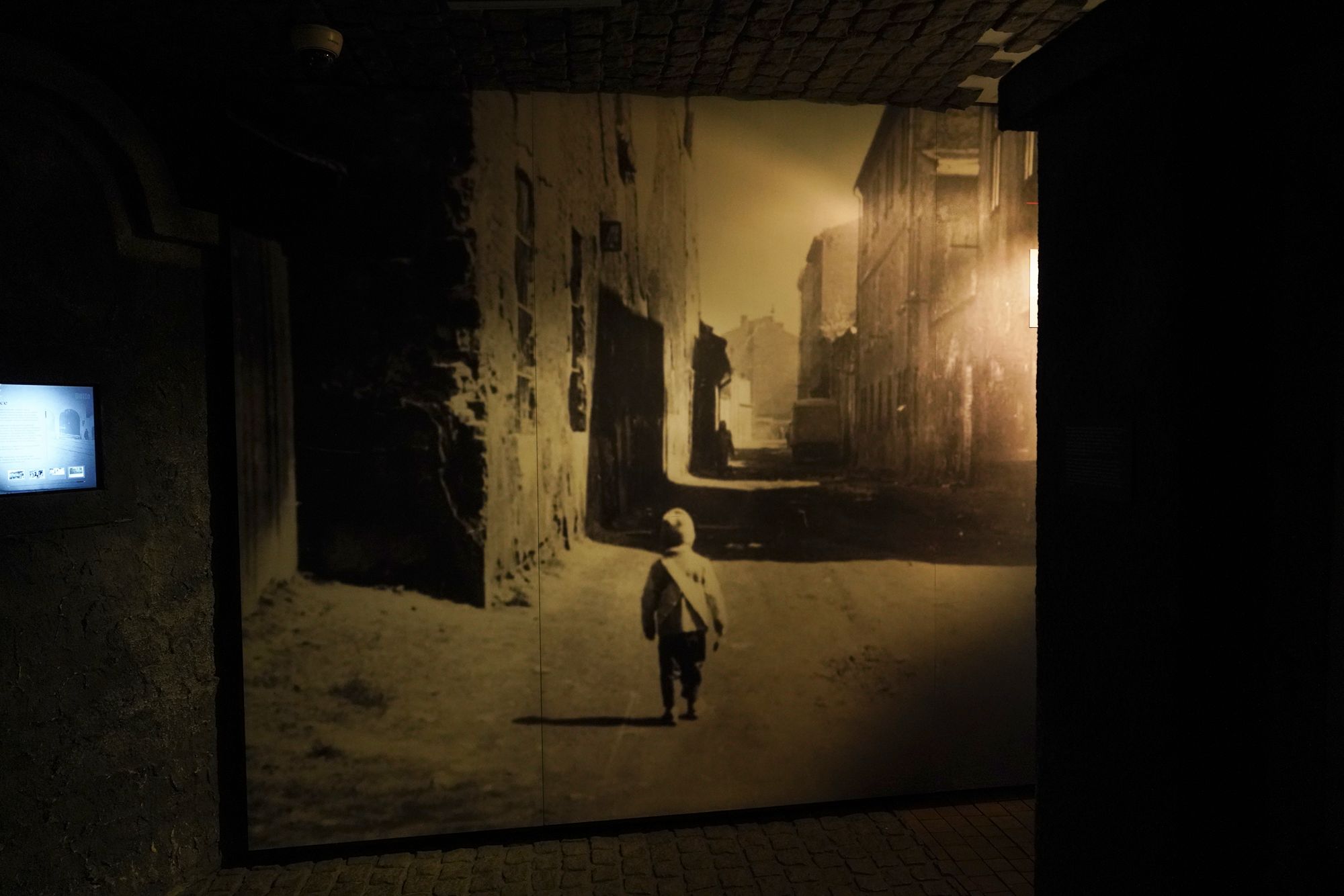
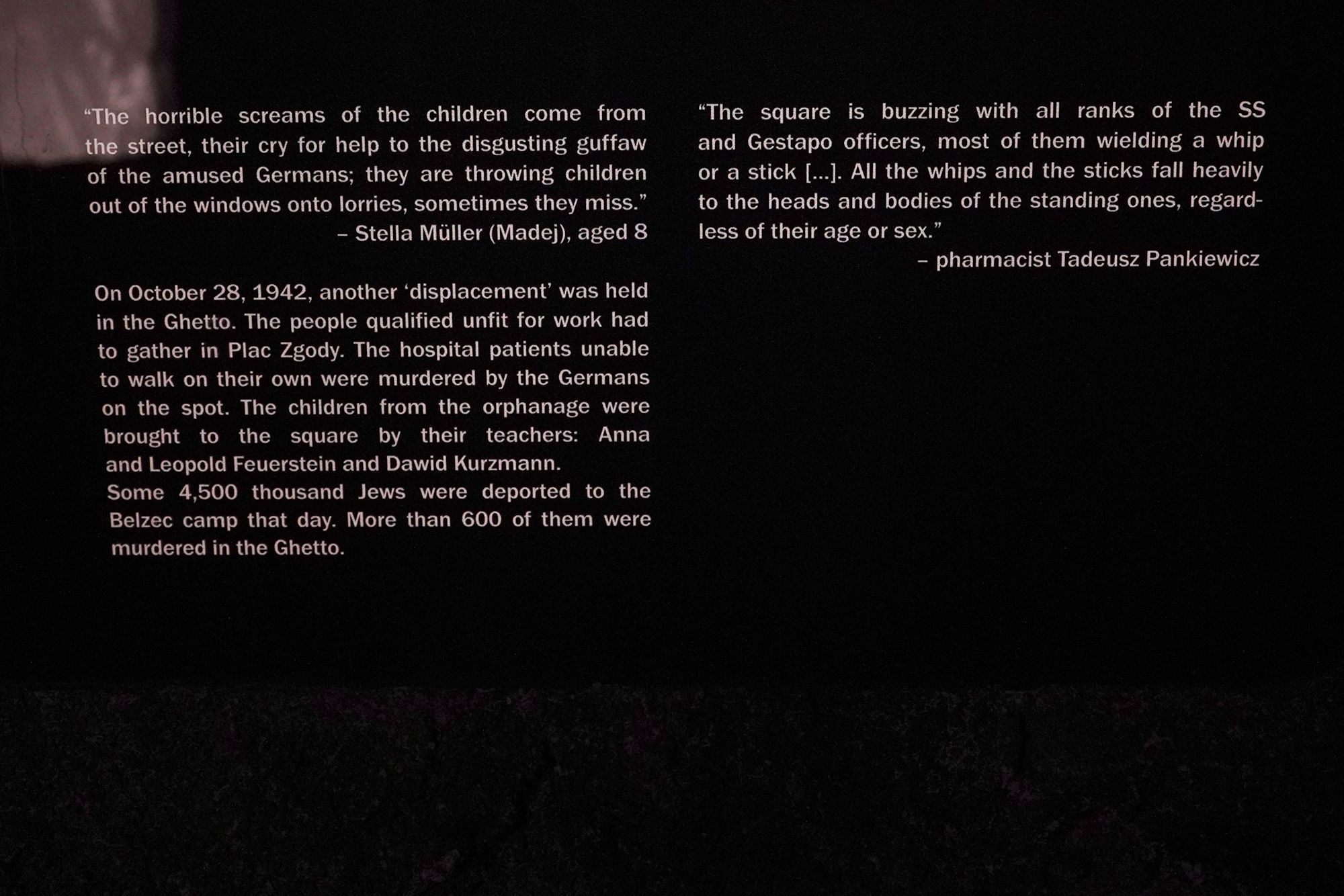
The panel describes the brutal “displacement” of October 28, 1942, when Jews deemed unable to work were gathered in Plac Zgody. German forces murdered hospital patients who could not walk, while children from the orphanage were brought to the square by their teachers. Around 4,500 Jews were deported to Bełżec, and more than 600 were murdered in the ghetto.
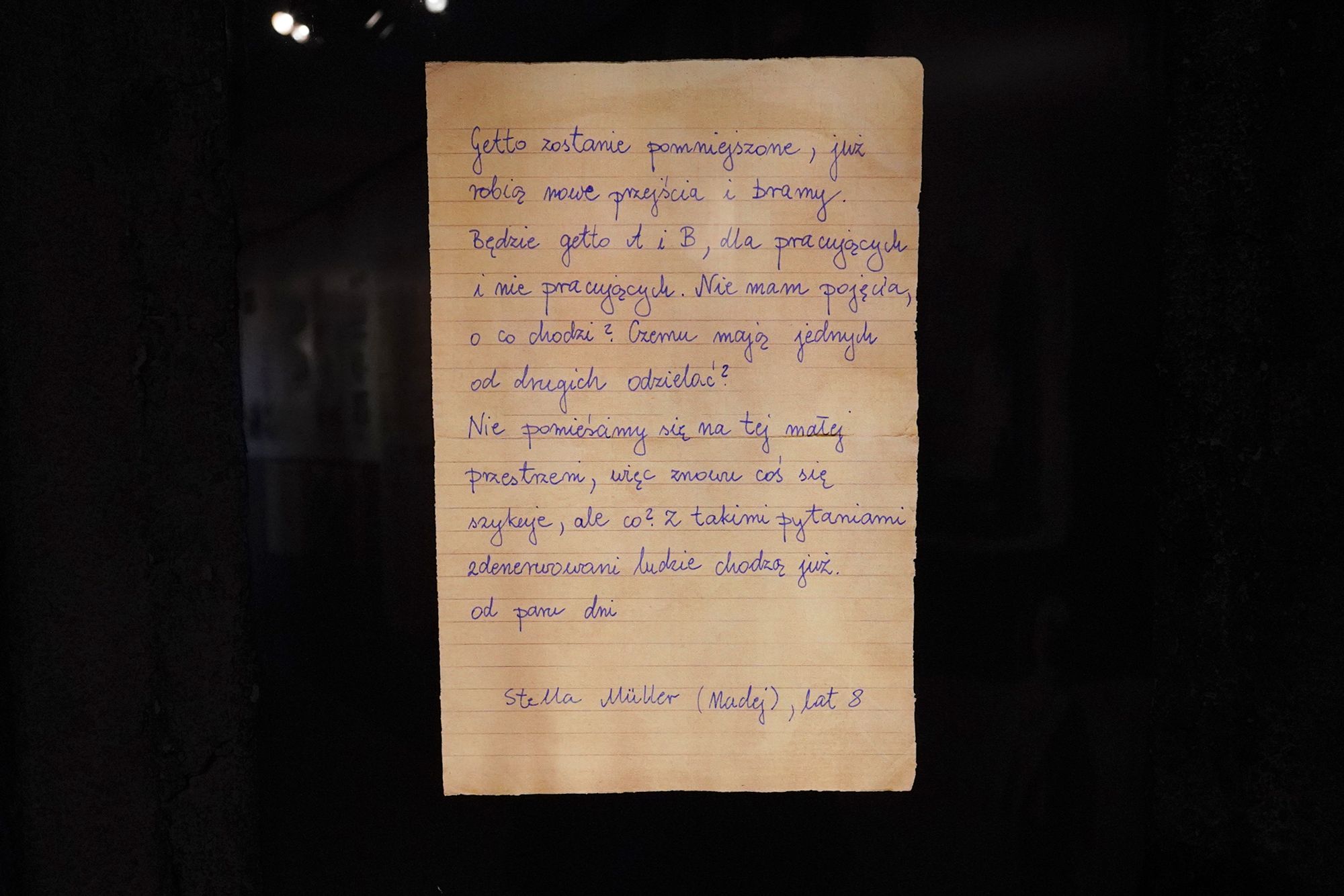
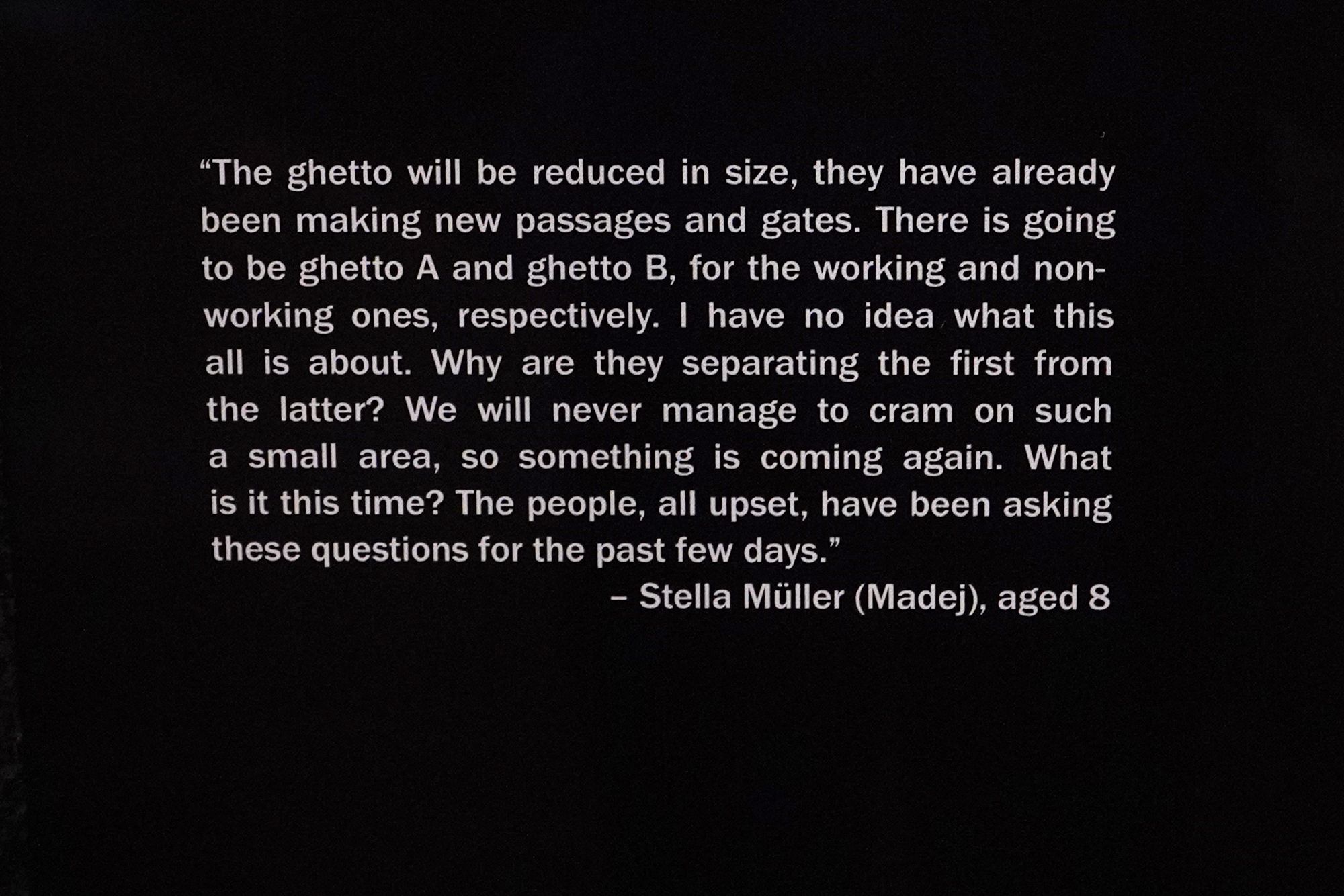
Eight-year-old Stella Müller recalls hearing that the ghetto would be made smaller and divided into sections for people considered fit or unfit for work. Residents were confused and frightened, wondering what the separation meant and what would happen next.