Coimbra Walk I, Coimbra, Portugal
My Coimbra walk explored the historic university, Joanina Library, former royal palace, Saint Michael’s Chapel, and New Cathedral. 1375
University of Coimbra: Paço das Escolas, 3004-531 Coimbra, Portugal
Date Picture Taken: Jul, 2026
I began my walk through Coimbra, exploring the streets and historic sights of this Portuguese university city.
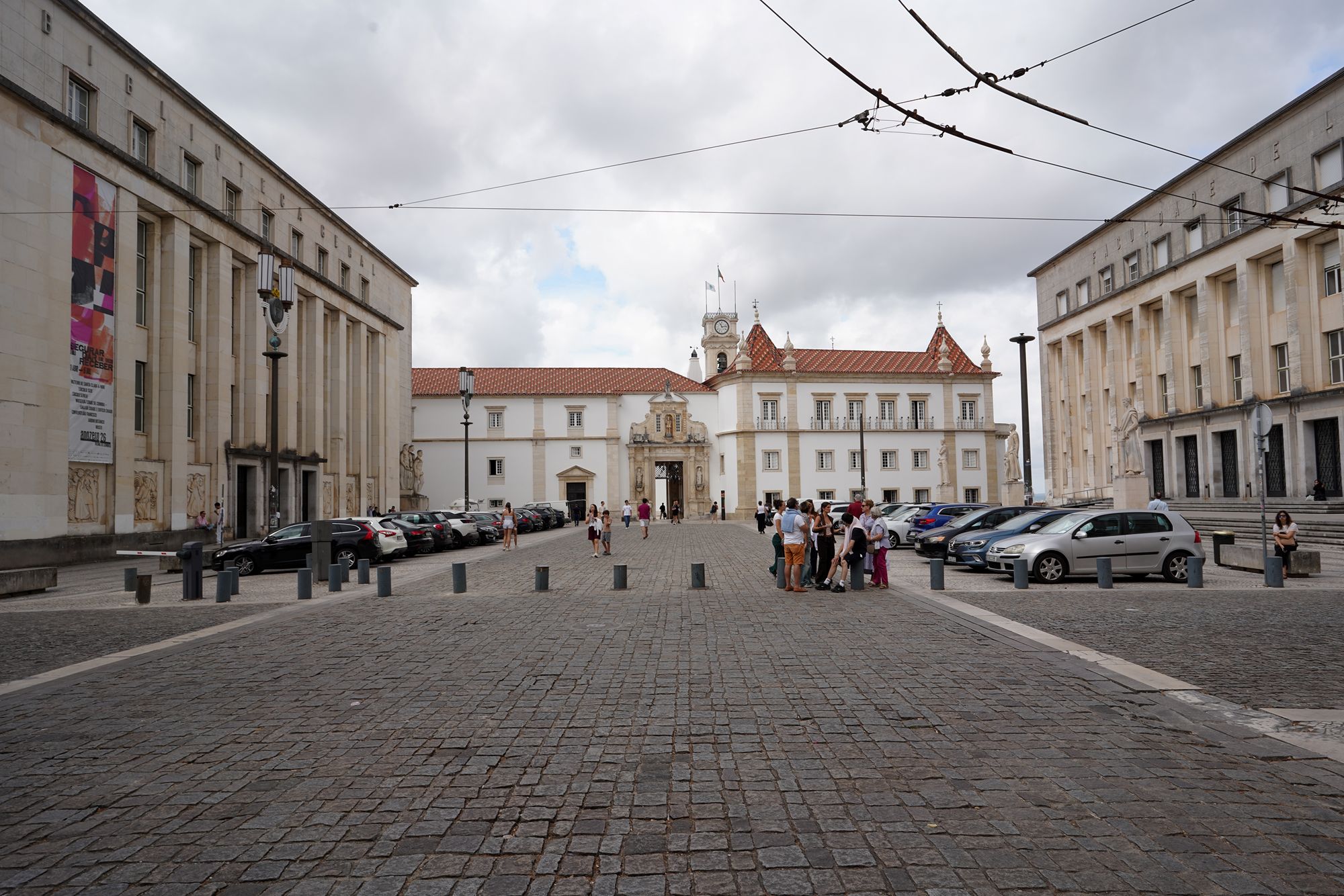
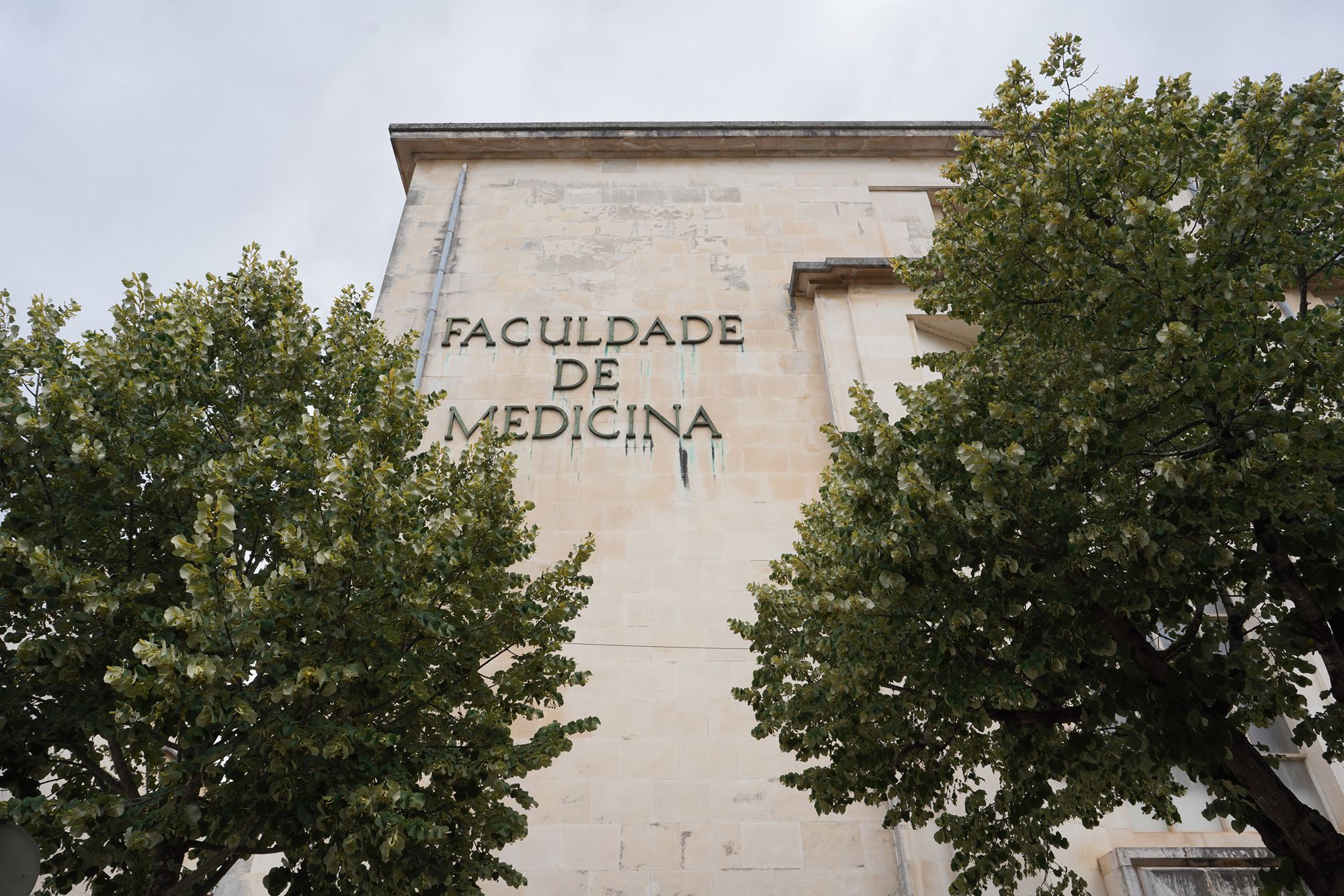
Coimbra is best known for its historic university, founded in 1290 and permanently established in Coimbra in 1537. Its hilltop buildings include the richly decorated Joanina Library and a former royal palace. The university area is a UNESCO World Heritage Site.
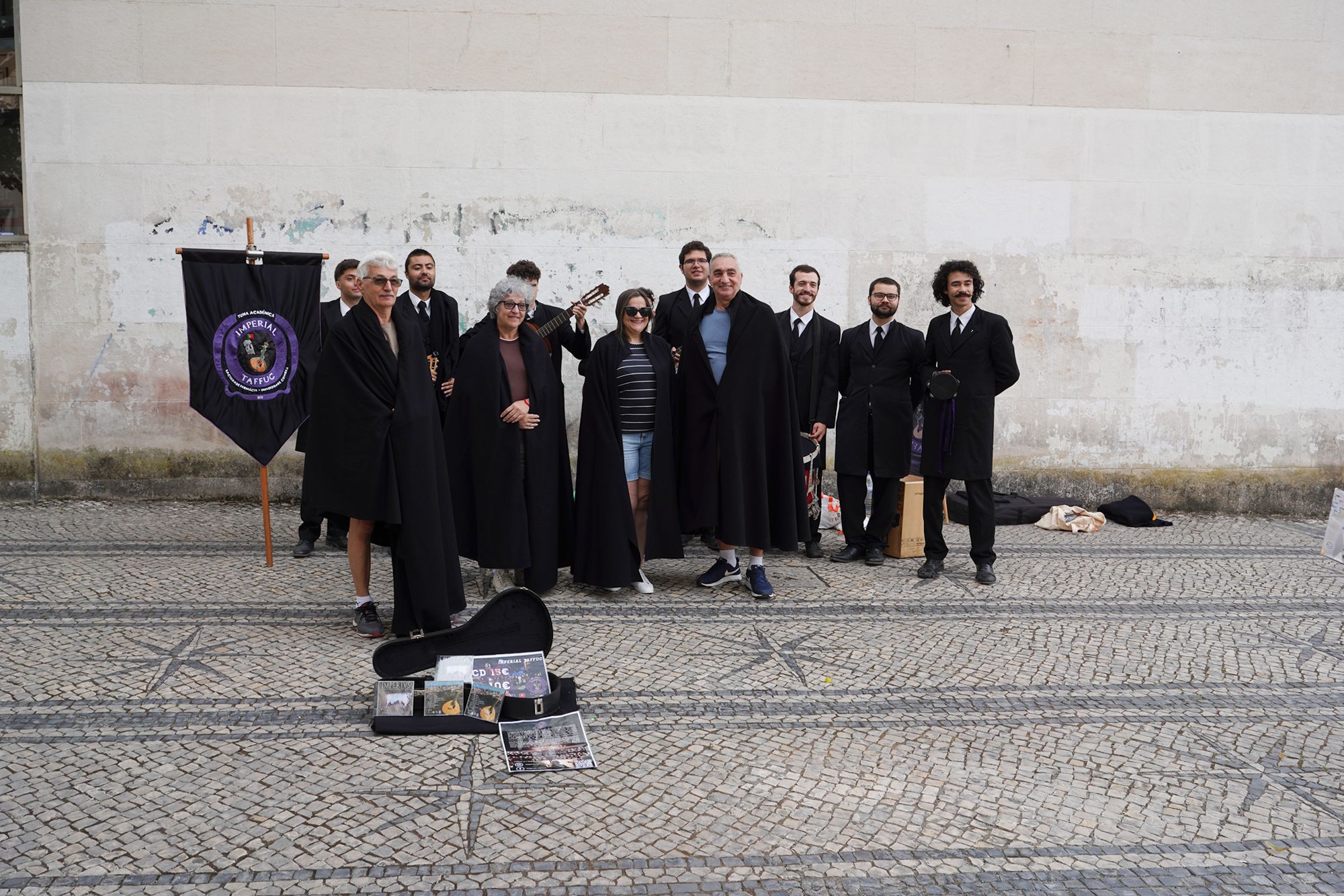
A group of students wearing black robes were singing on the street.
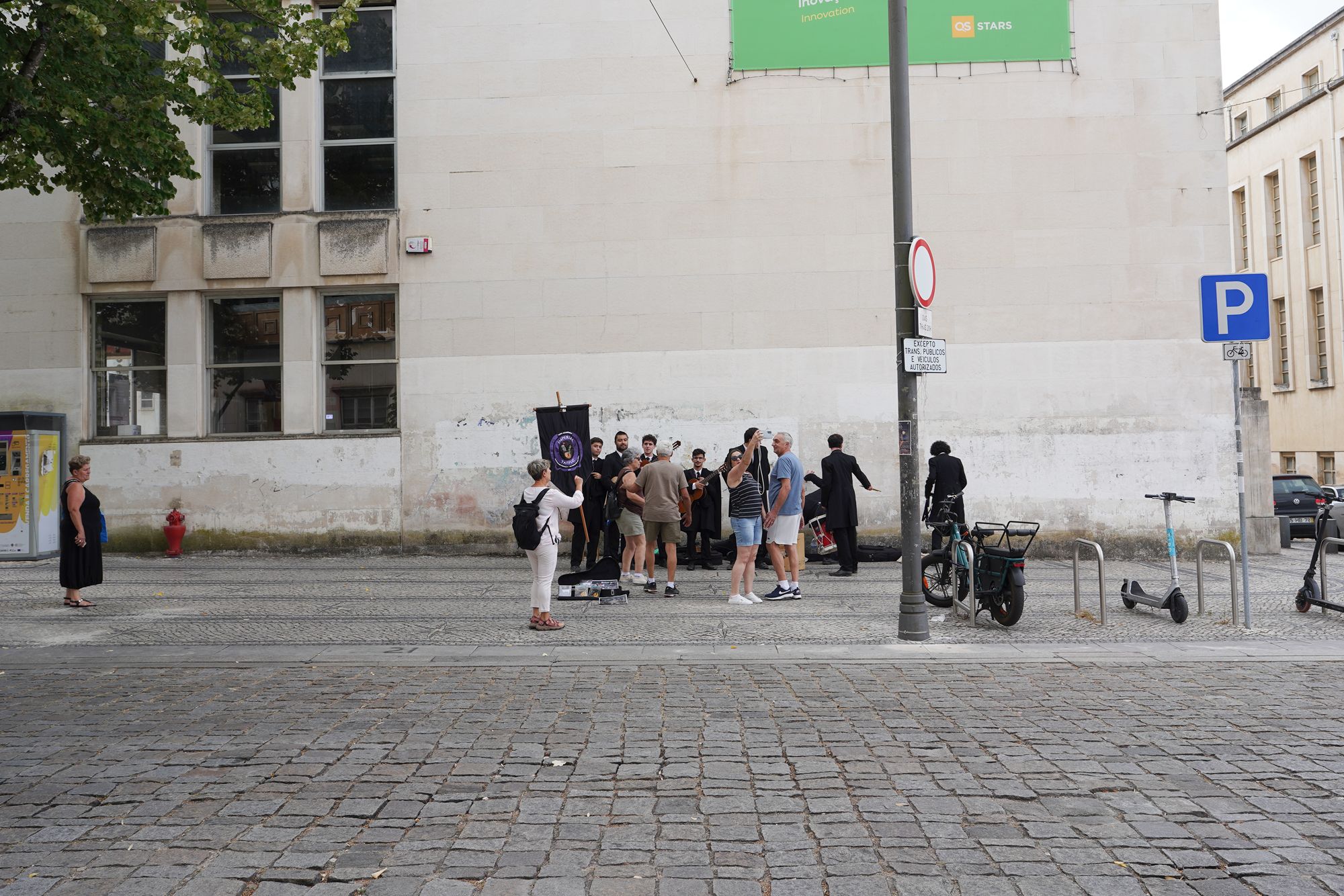
Singing and wearing black academic capes are part of Coimbra’s university traditions. What looked like robes were probably the students’ traditional capes.
Coimbra also has its own fado tradition, closely associated with university students and traditionally performed by men. The combination of royal history, university life, and hillside streets gives the city its distinctive character.
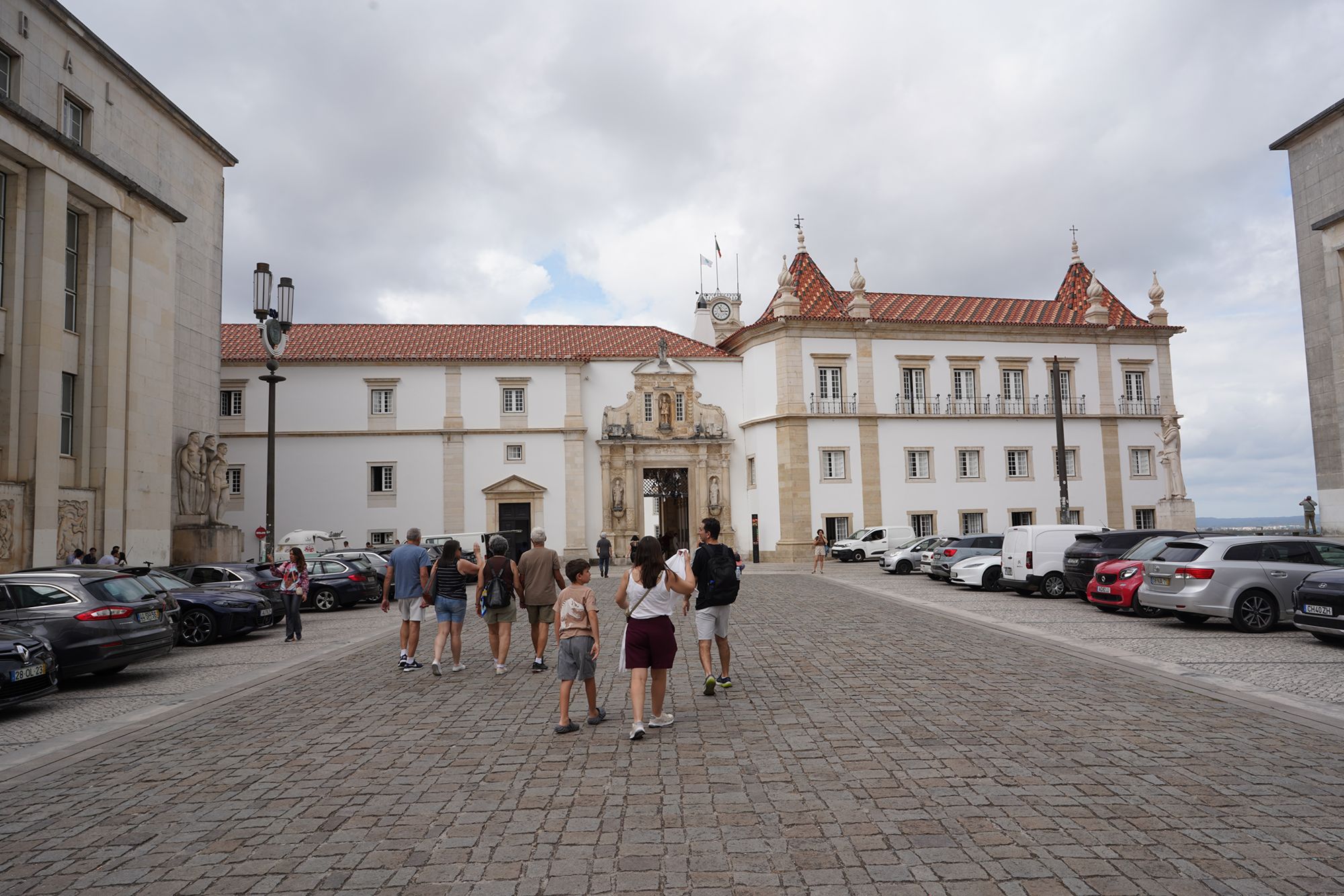
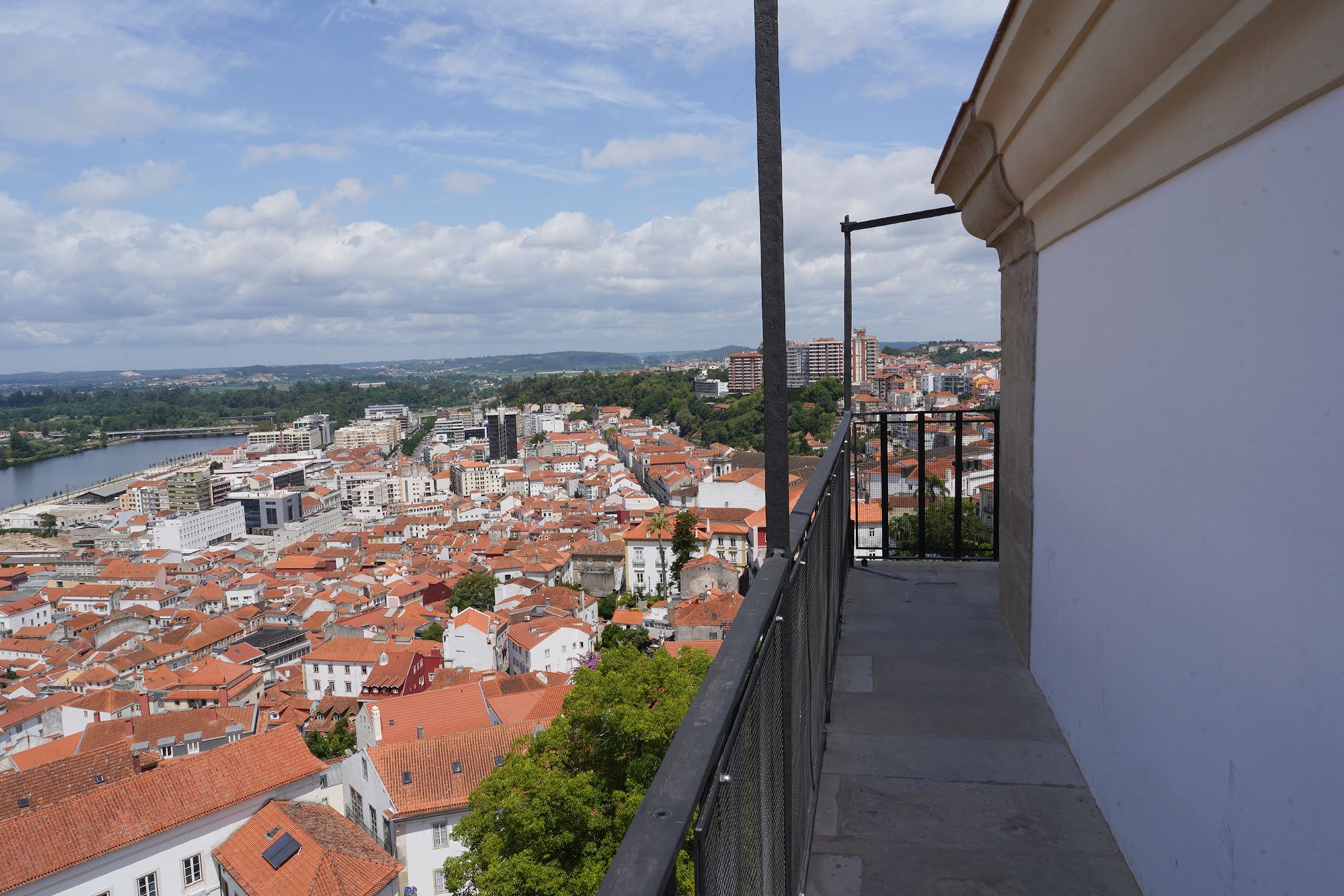
The University of Coimbra is one of Europe’s oldest universities, founded in Lisbon in 1290 and permanently moved to Coimbra in 1537. Its historic hilltop complex occupies a former royal palace, with buildings arranged around a courtyard overlooking the city. Highlights include the Joanina Library, Saint Michael’s Chapel, and the university tower. The university’s Alta and Sofia areas became a UNESCO World Heritage Site in 2013.
Iron Gate
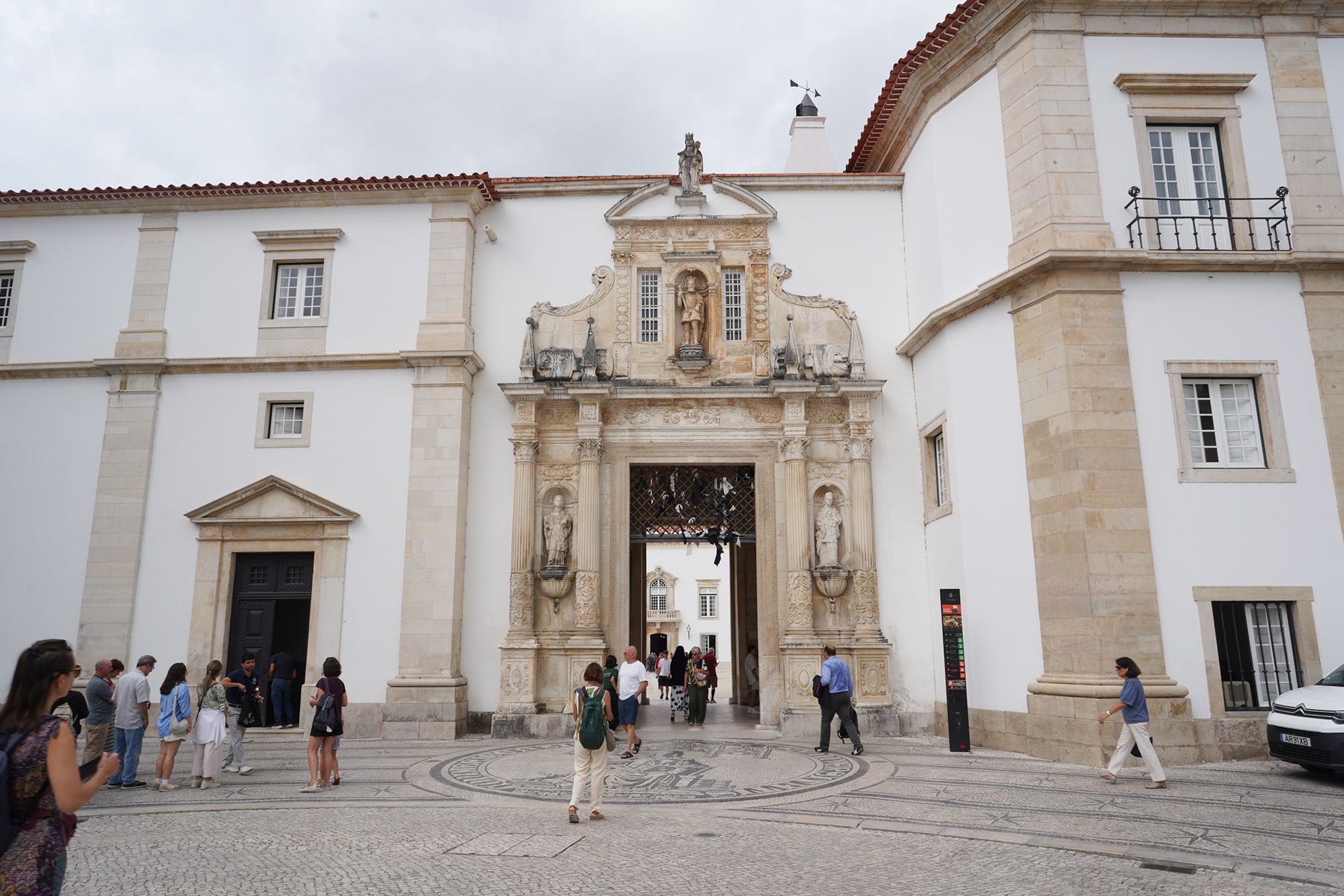
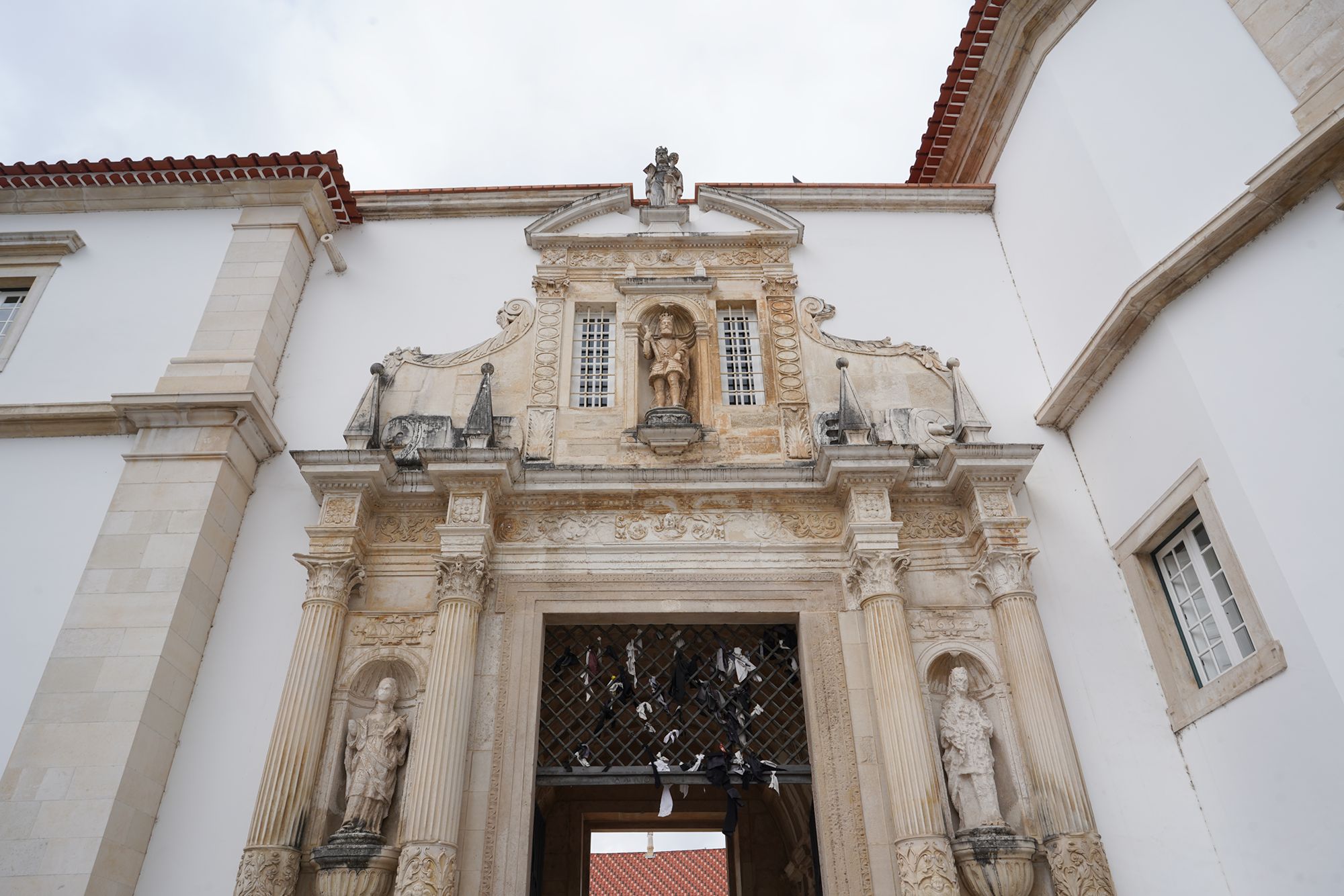
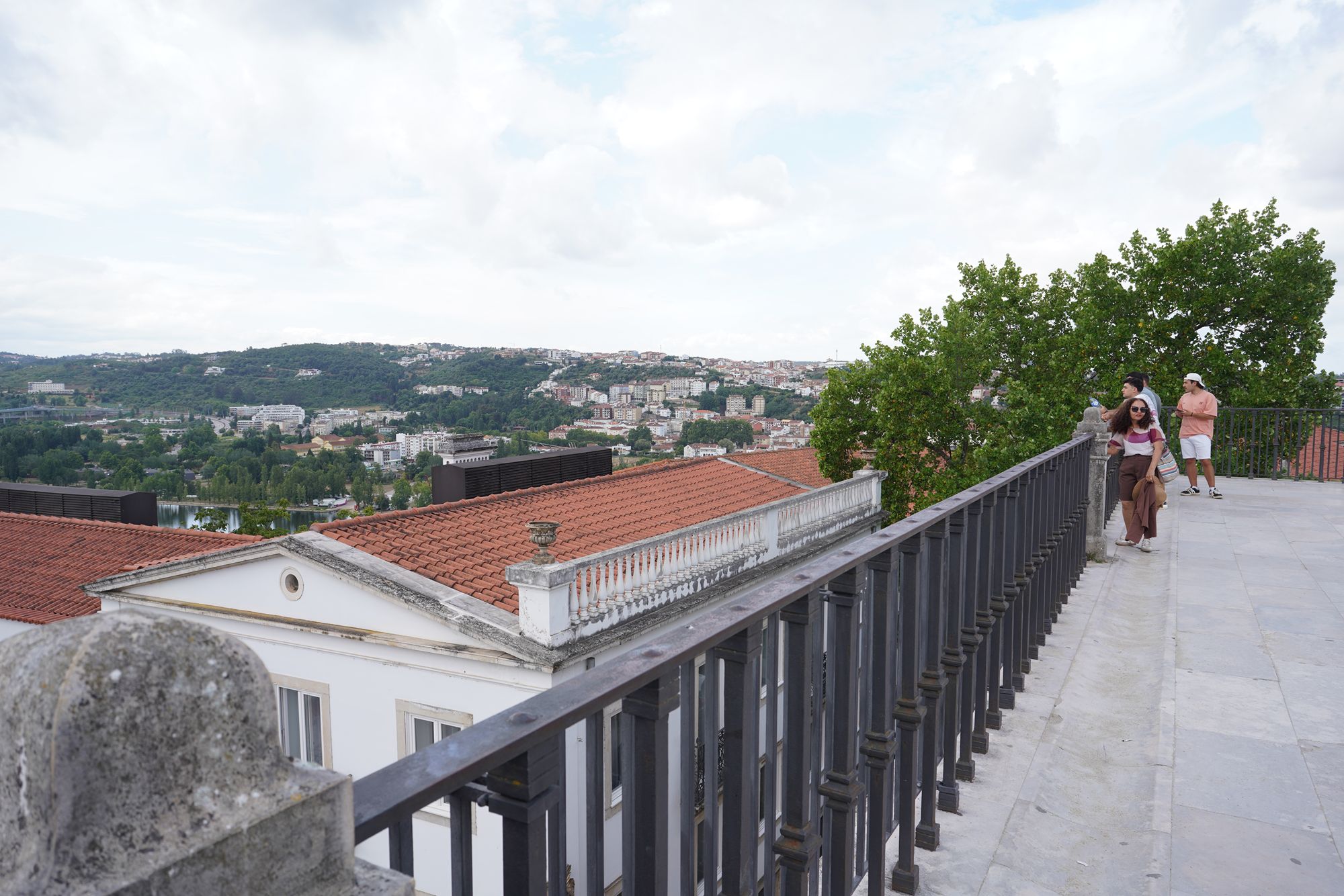
A view from the university’s entrance gate.
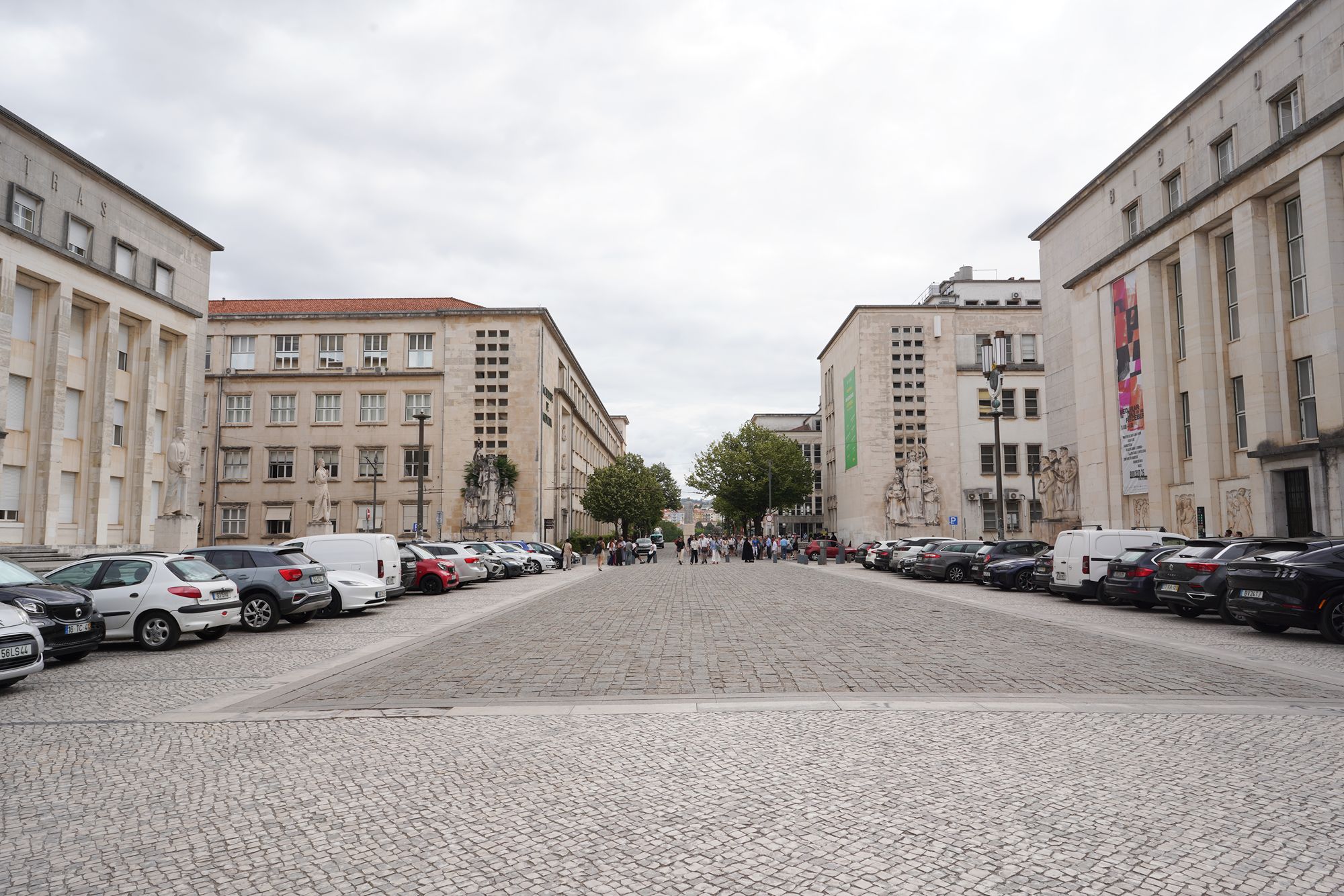
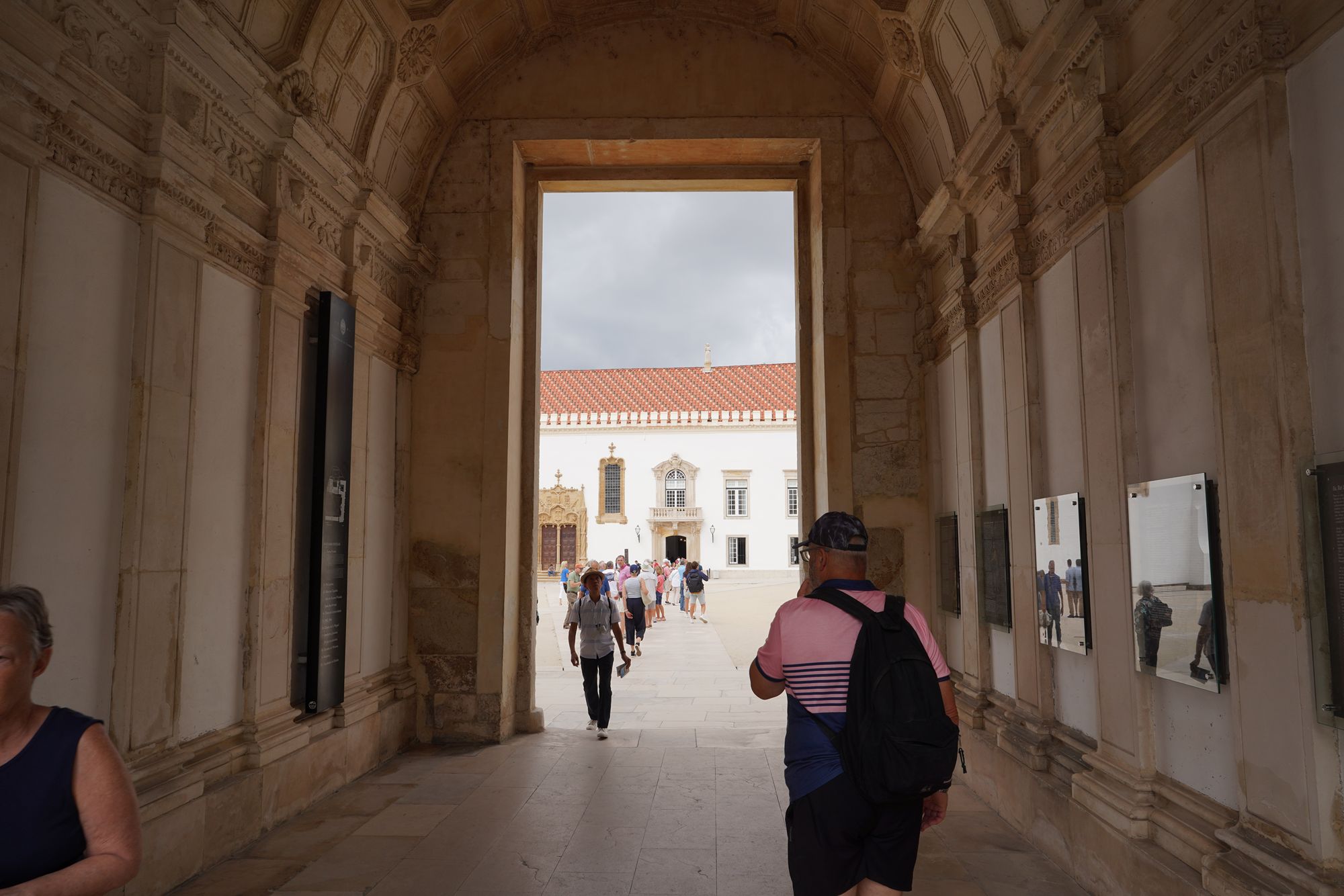
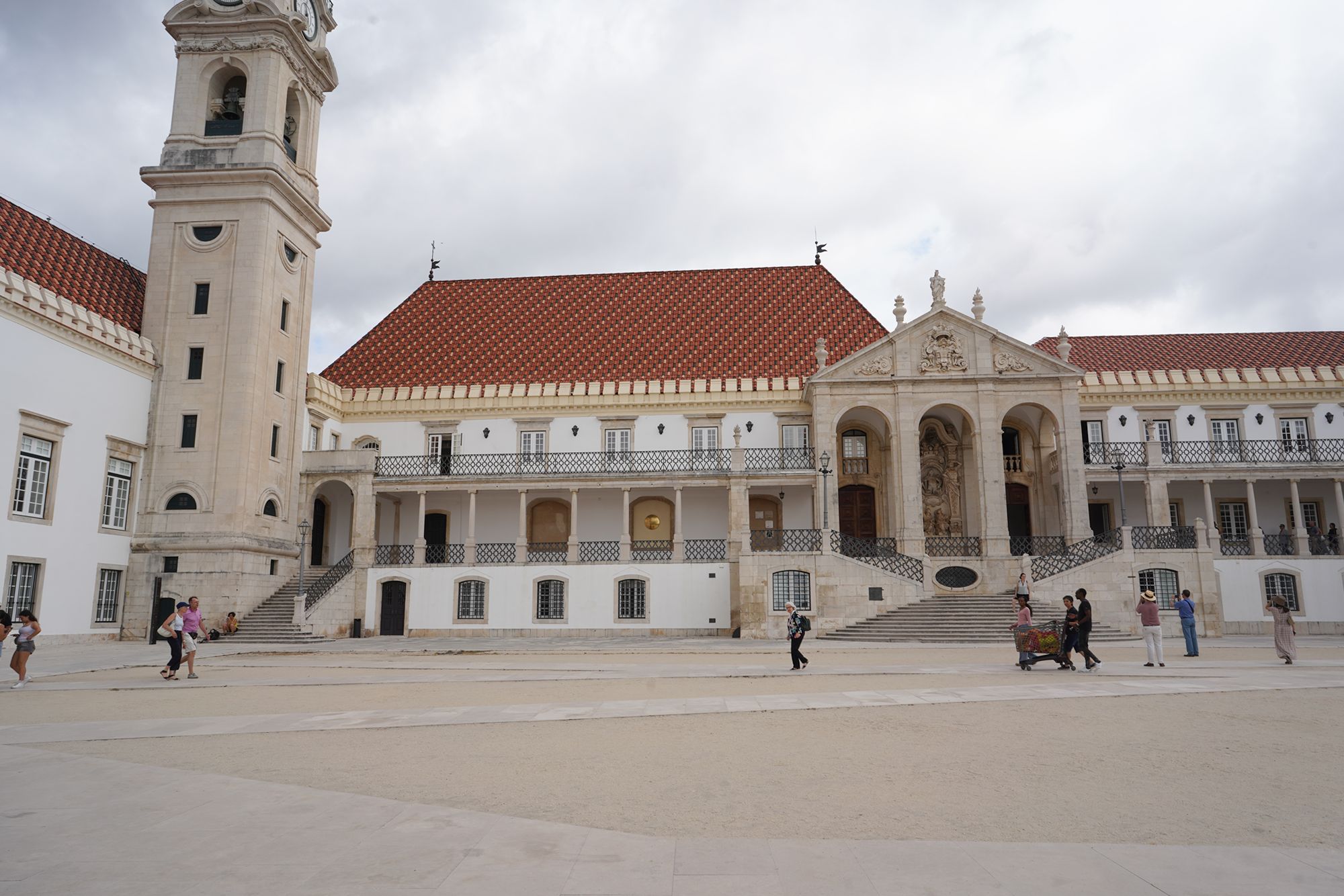
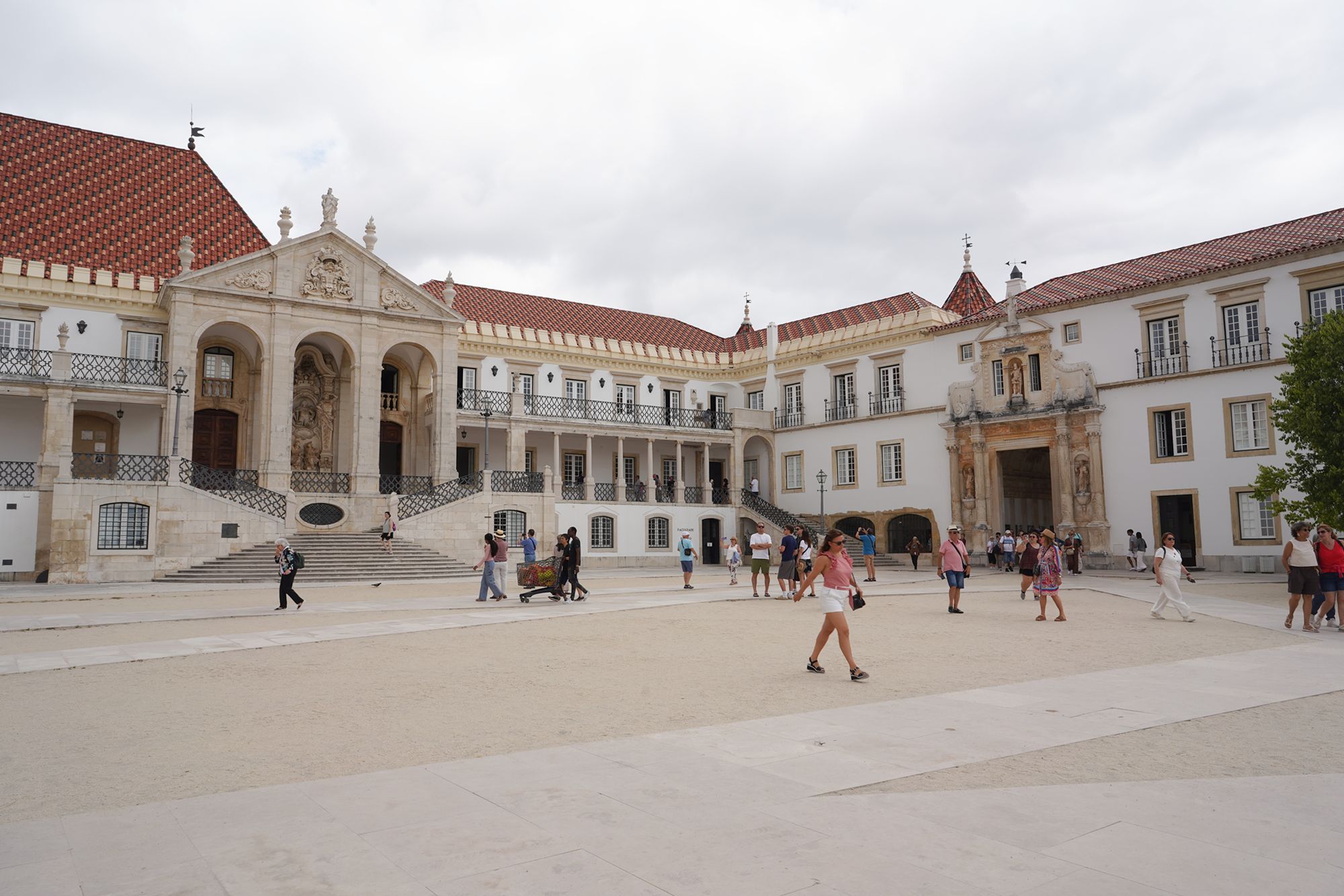
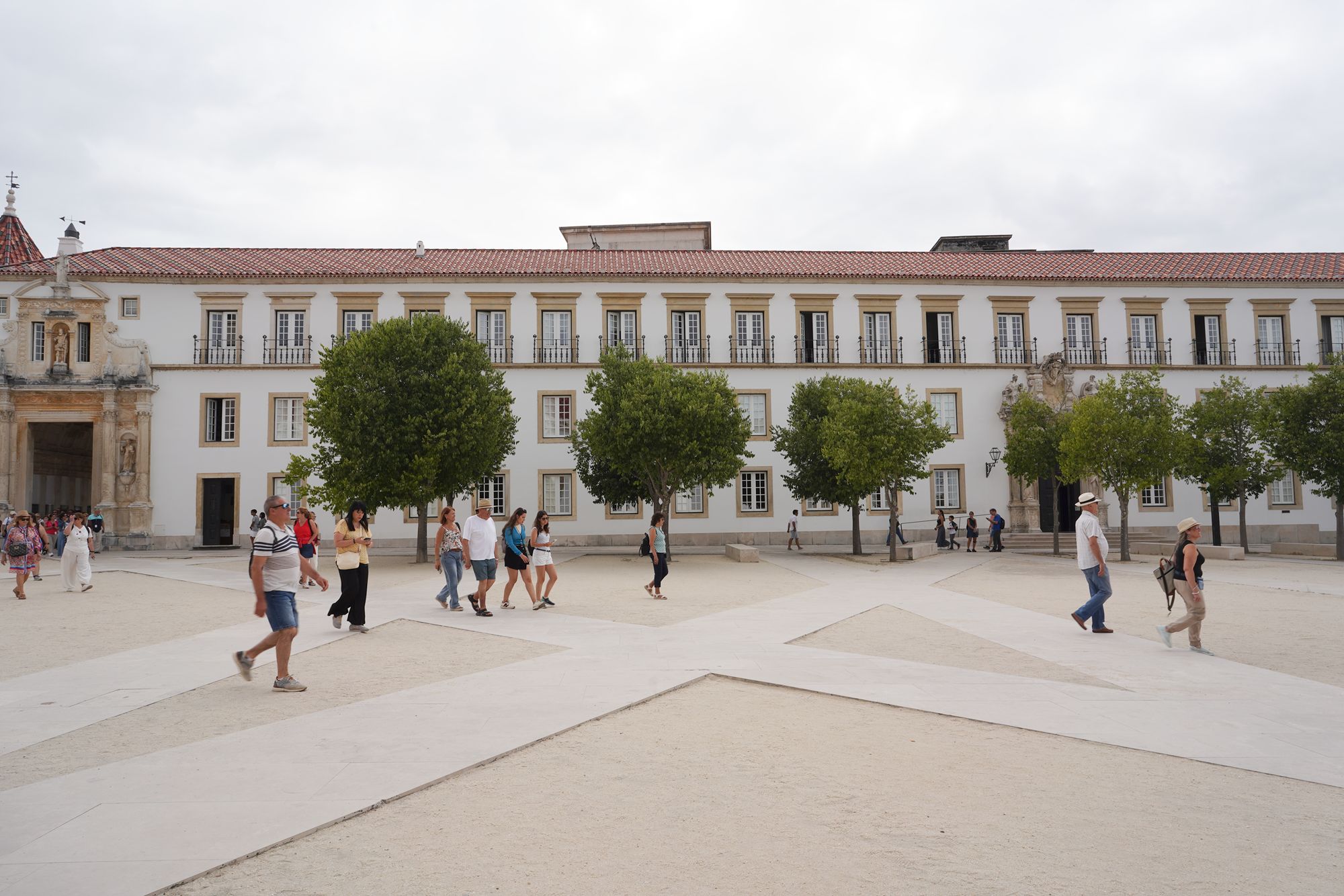
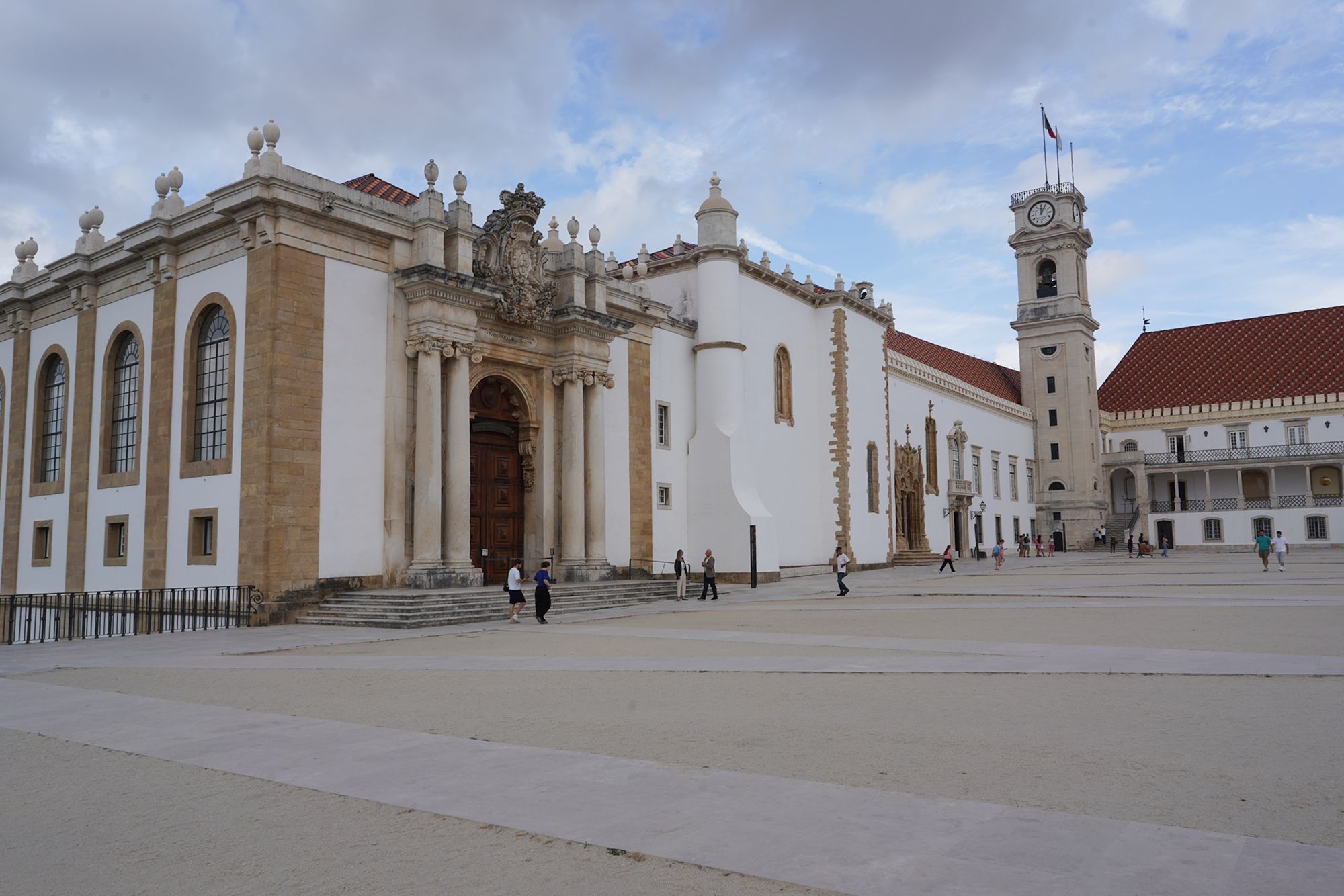
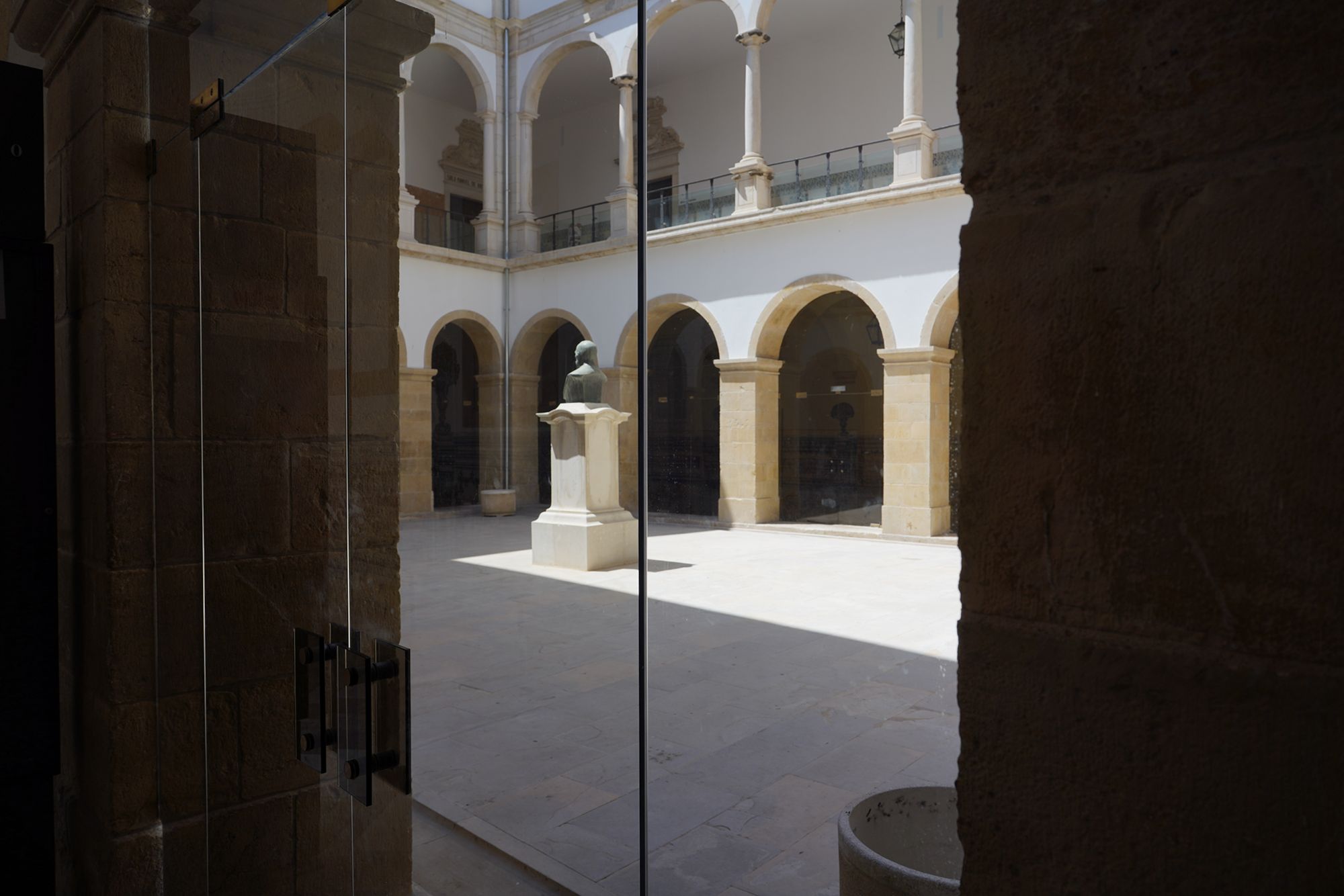
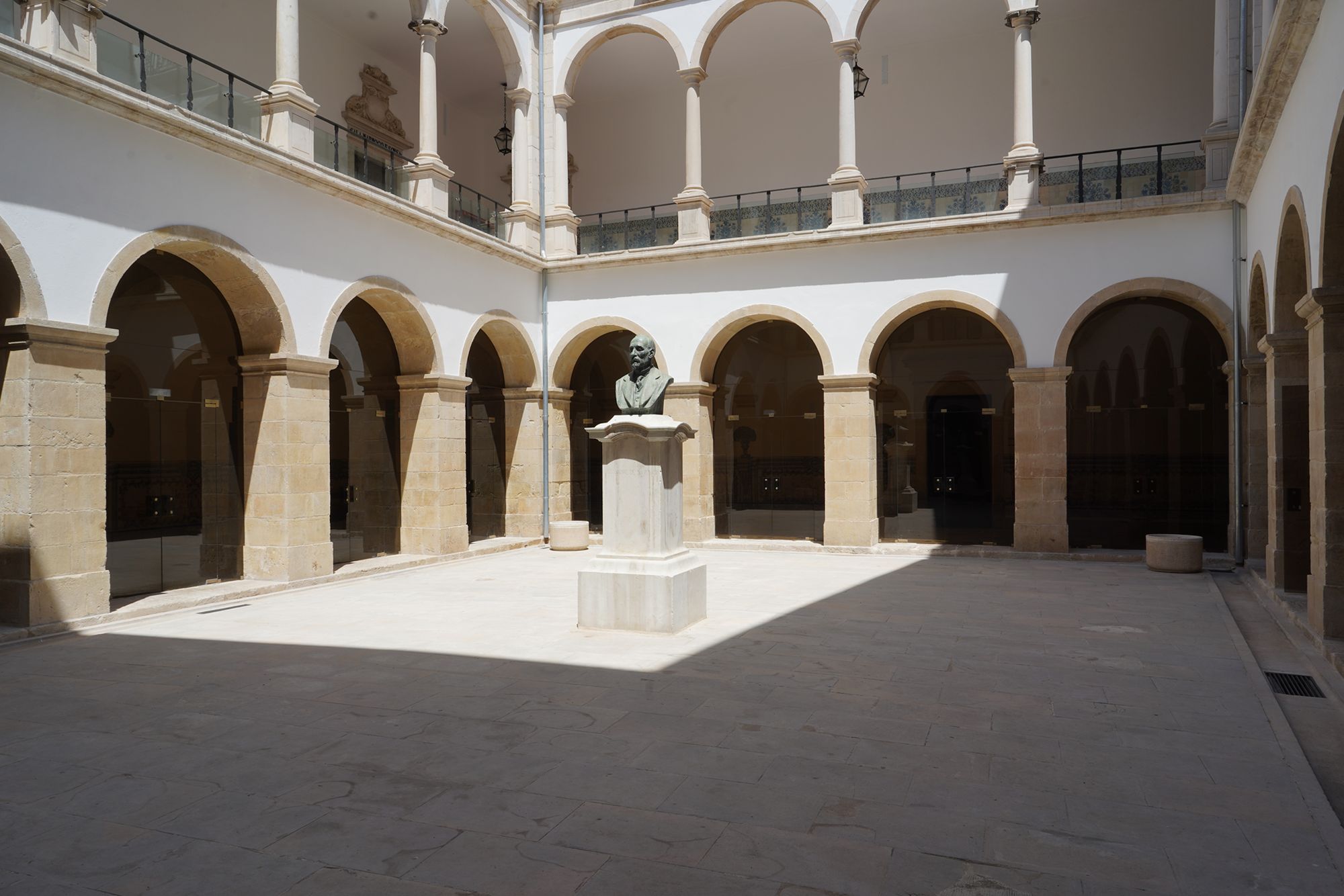
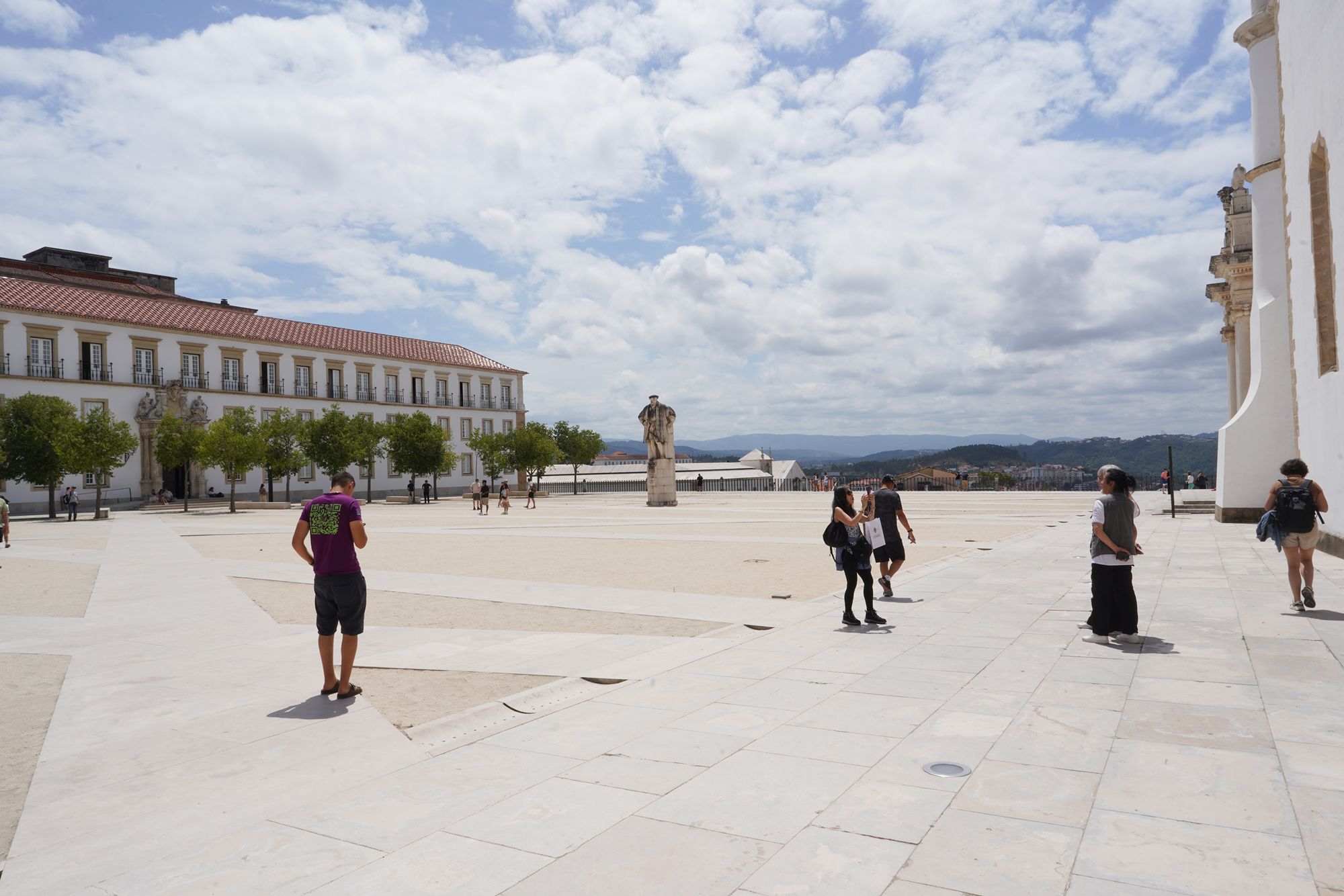
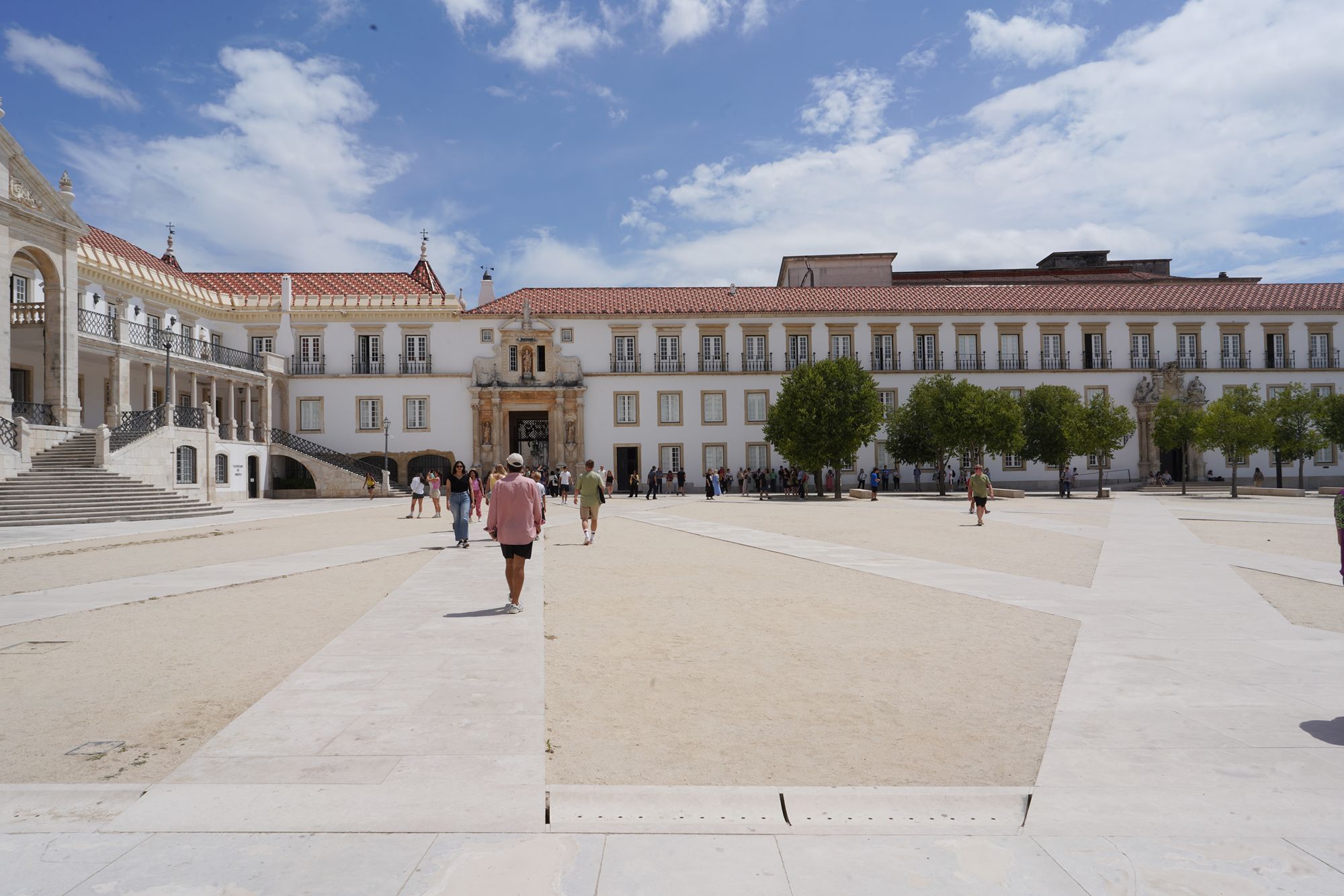
The courtyard inside the university.
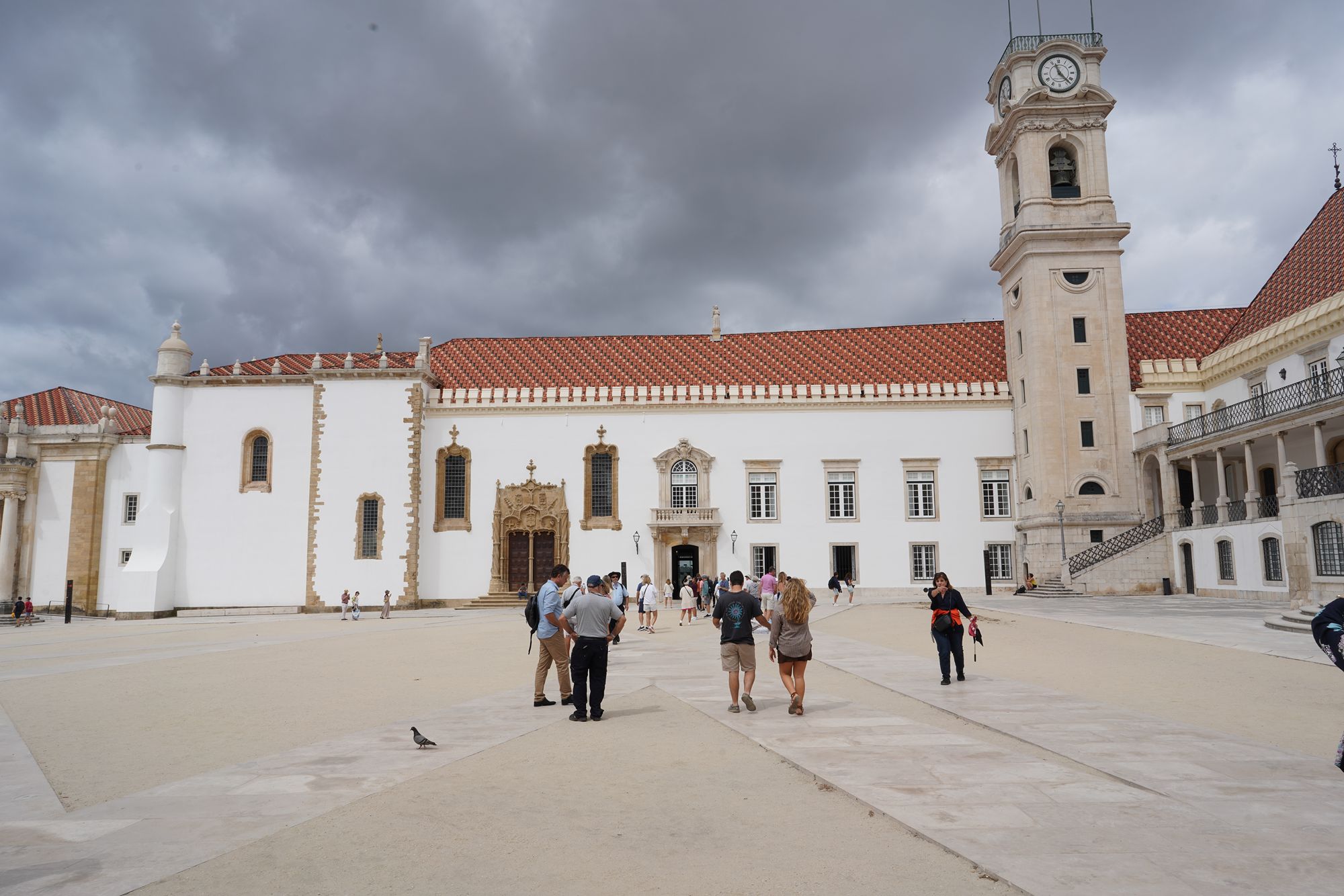
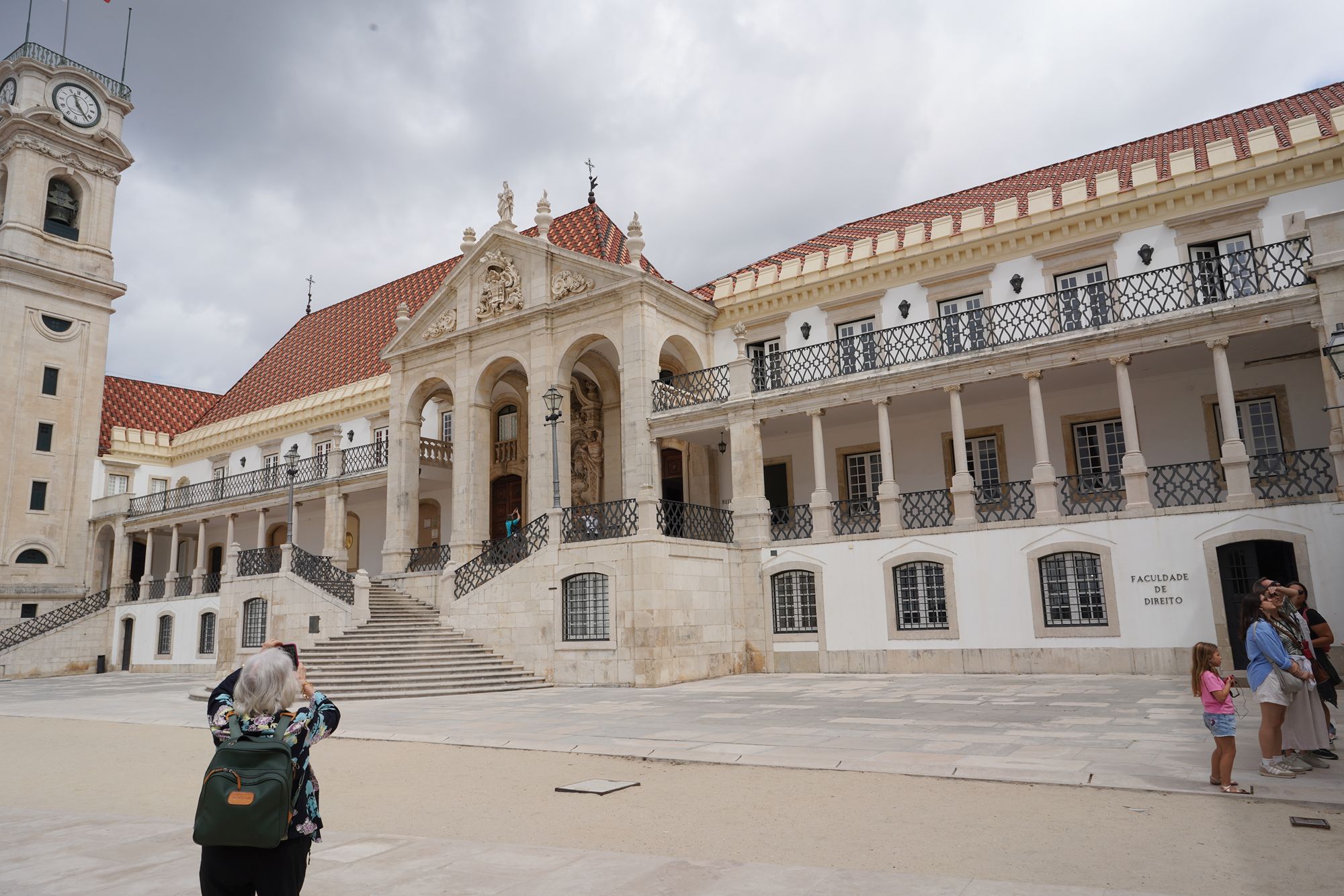
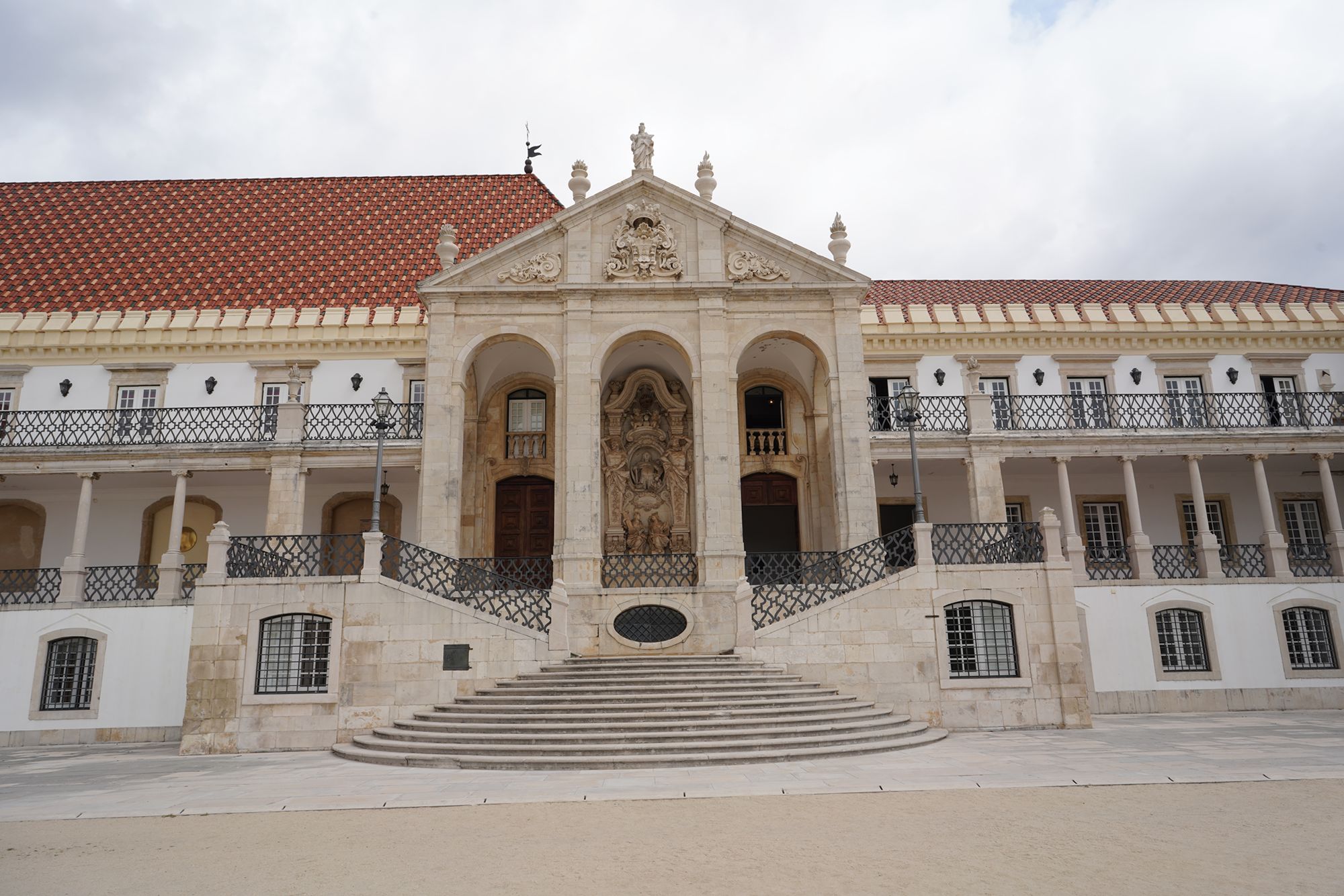
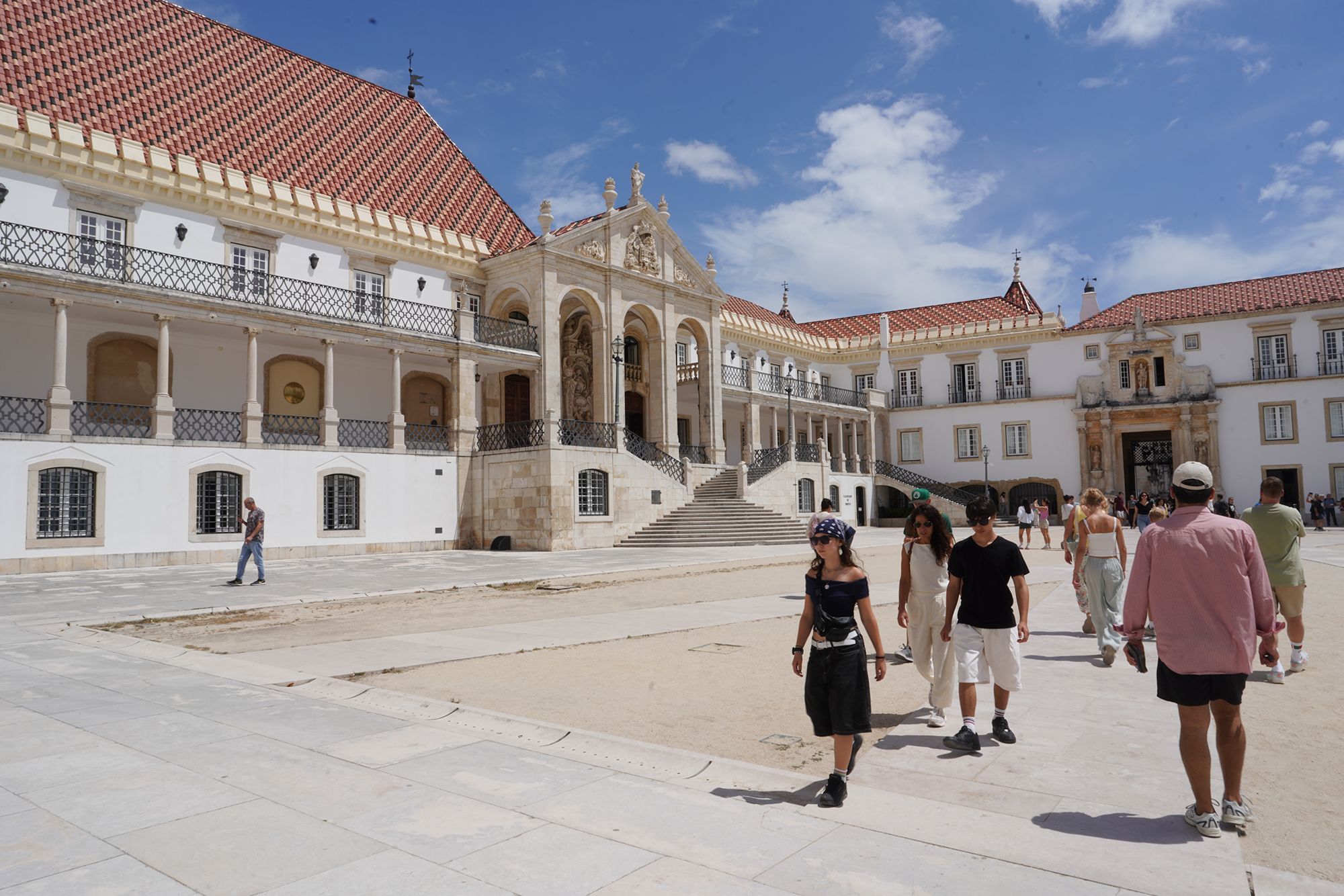
The former royal palace, now part of the University of Coimbra.
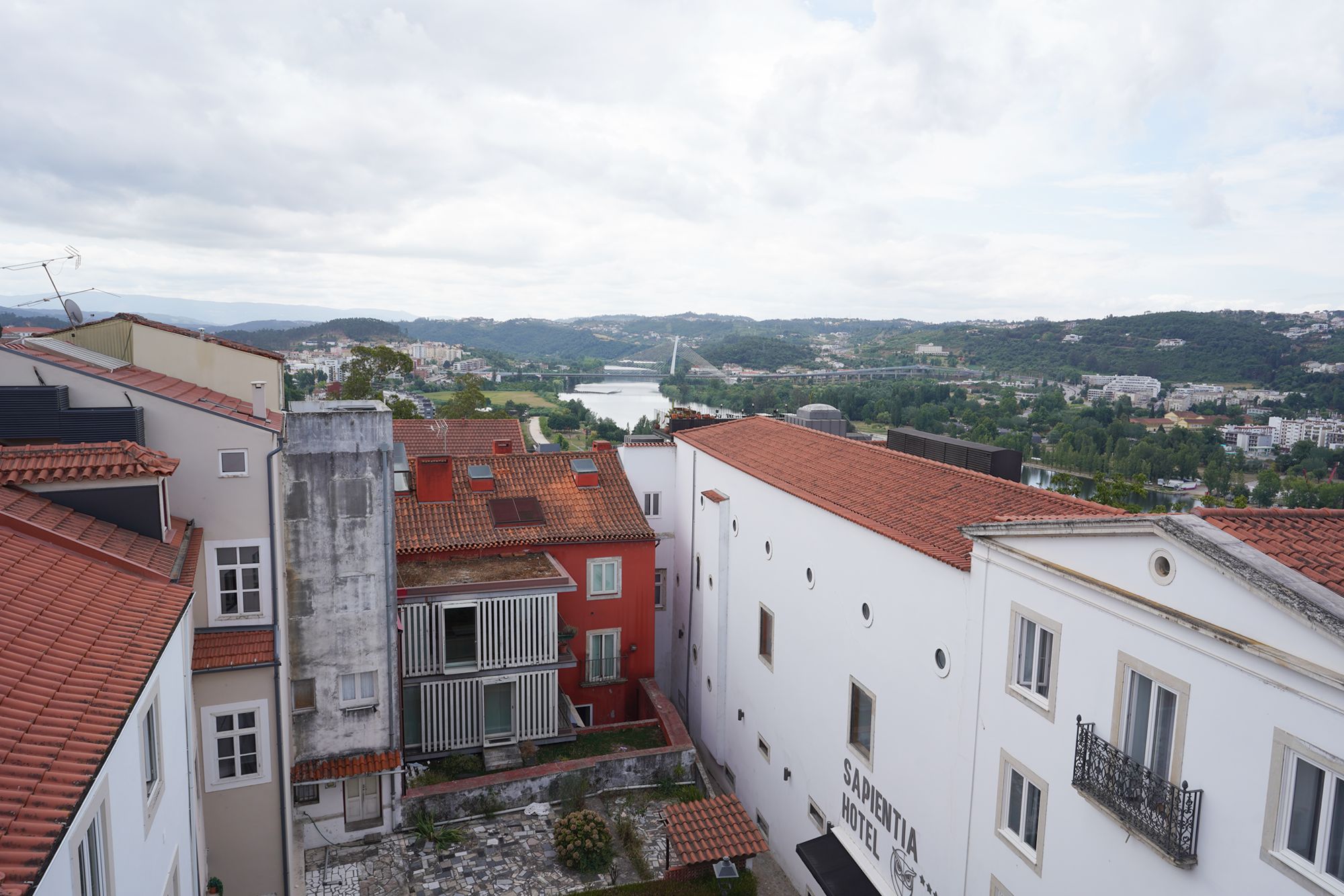
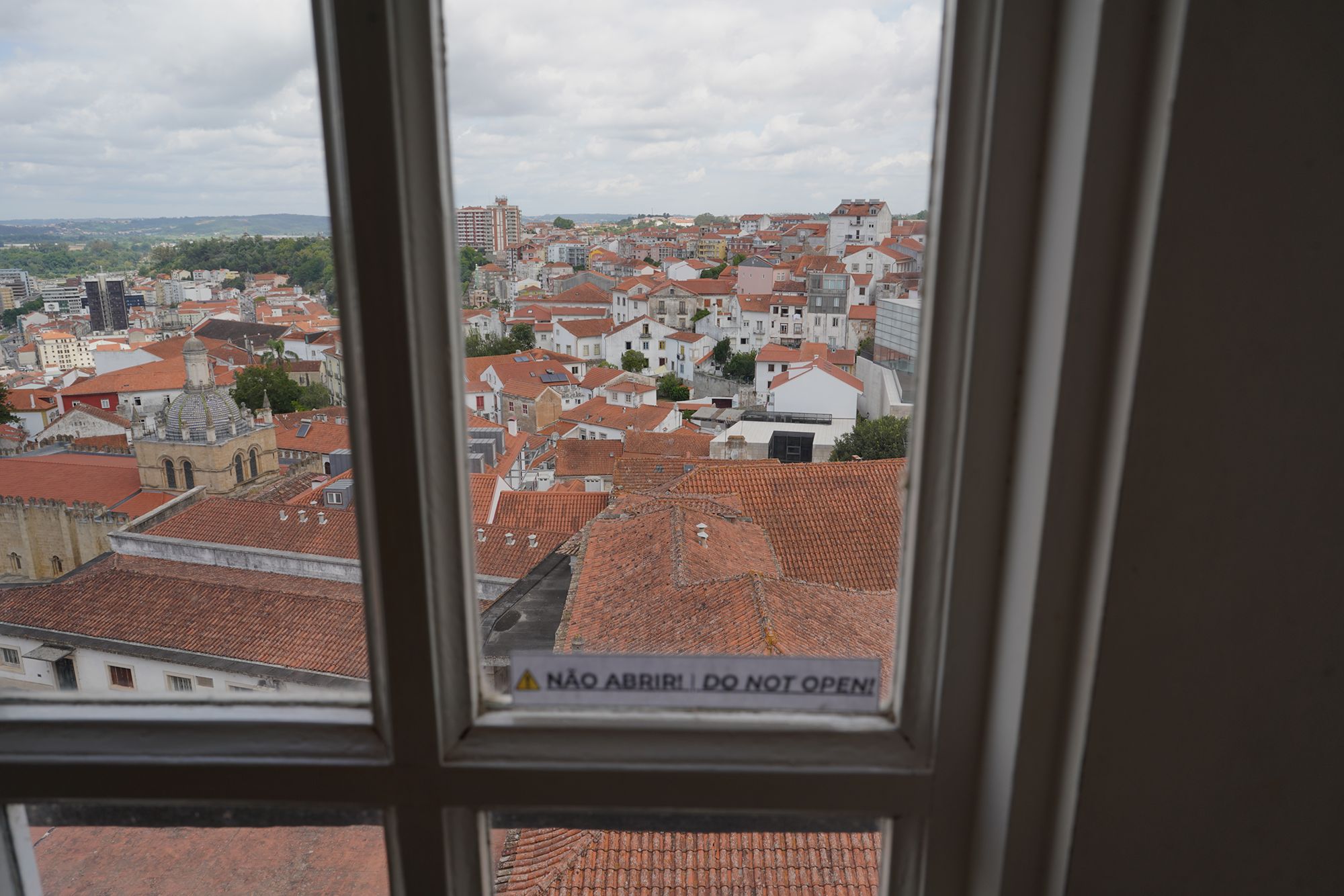
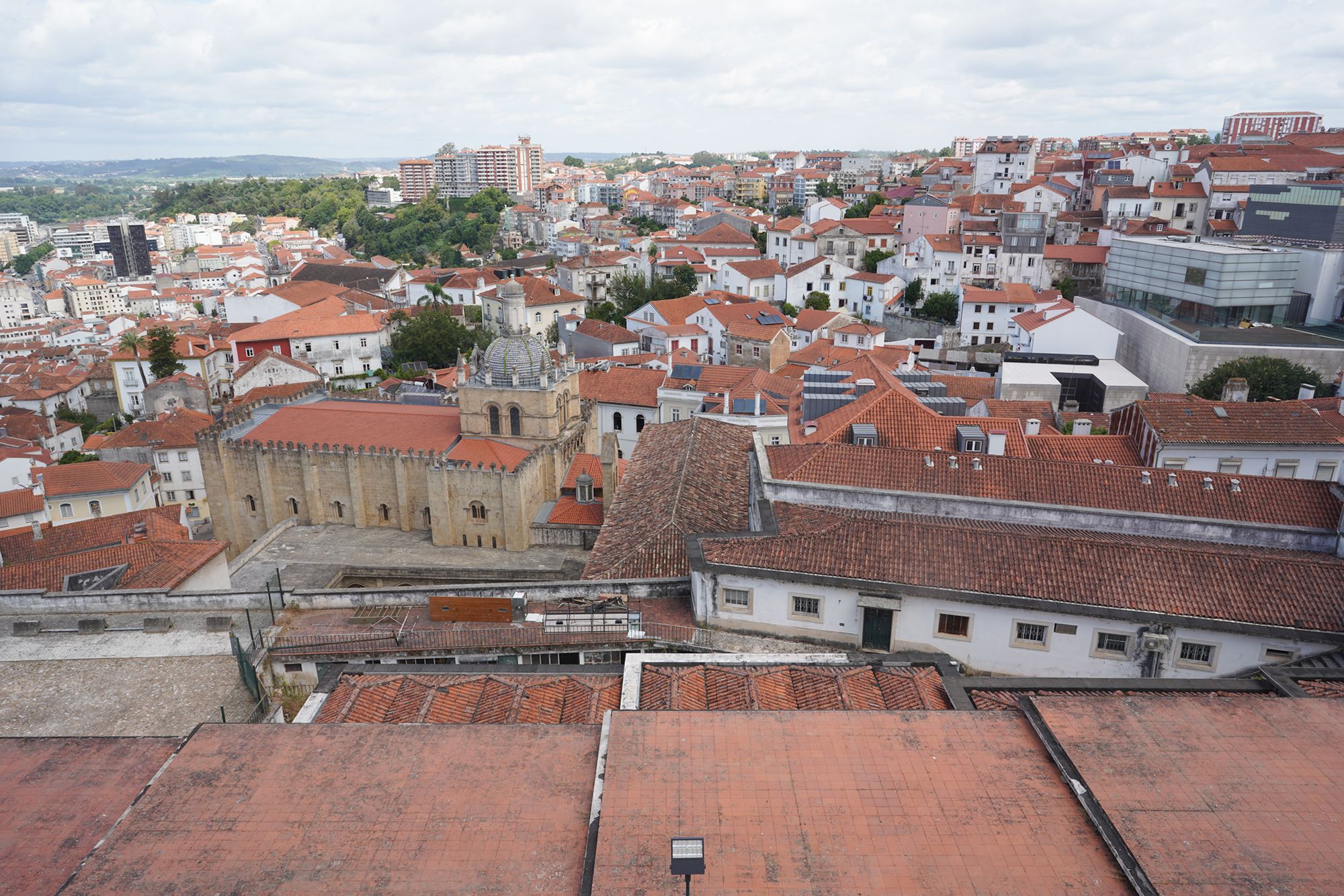
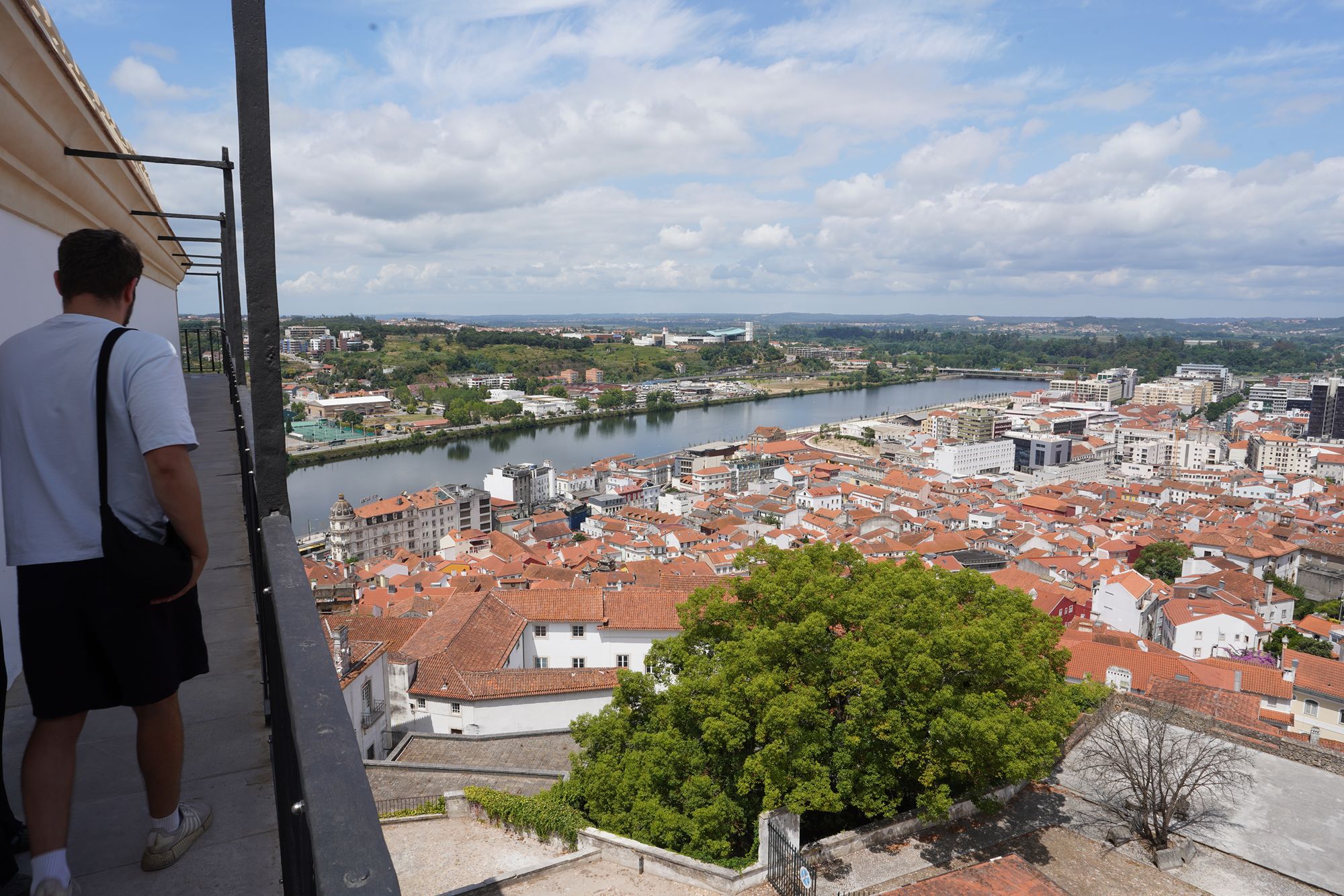
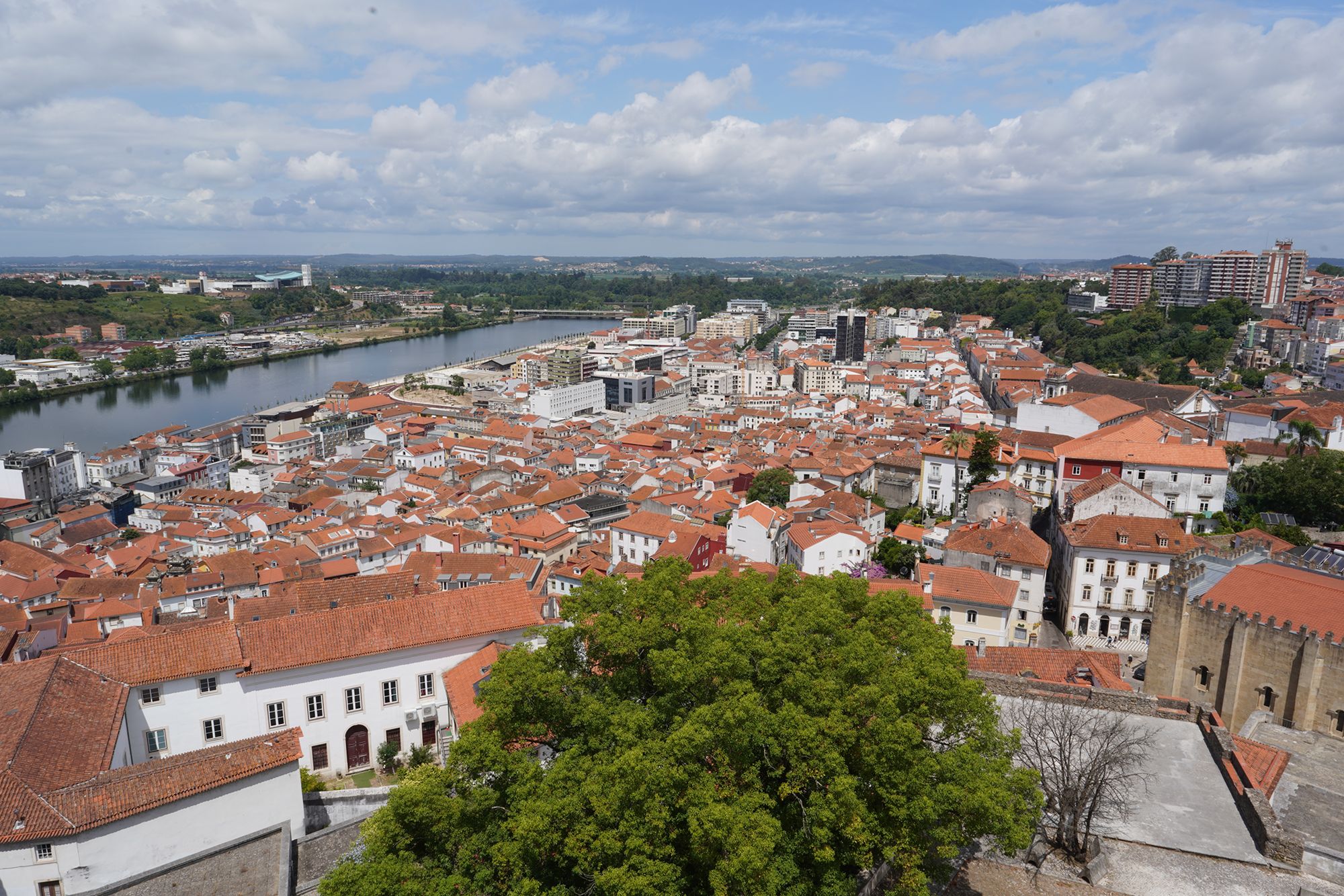
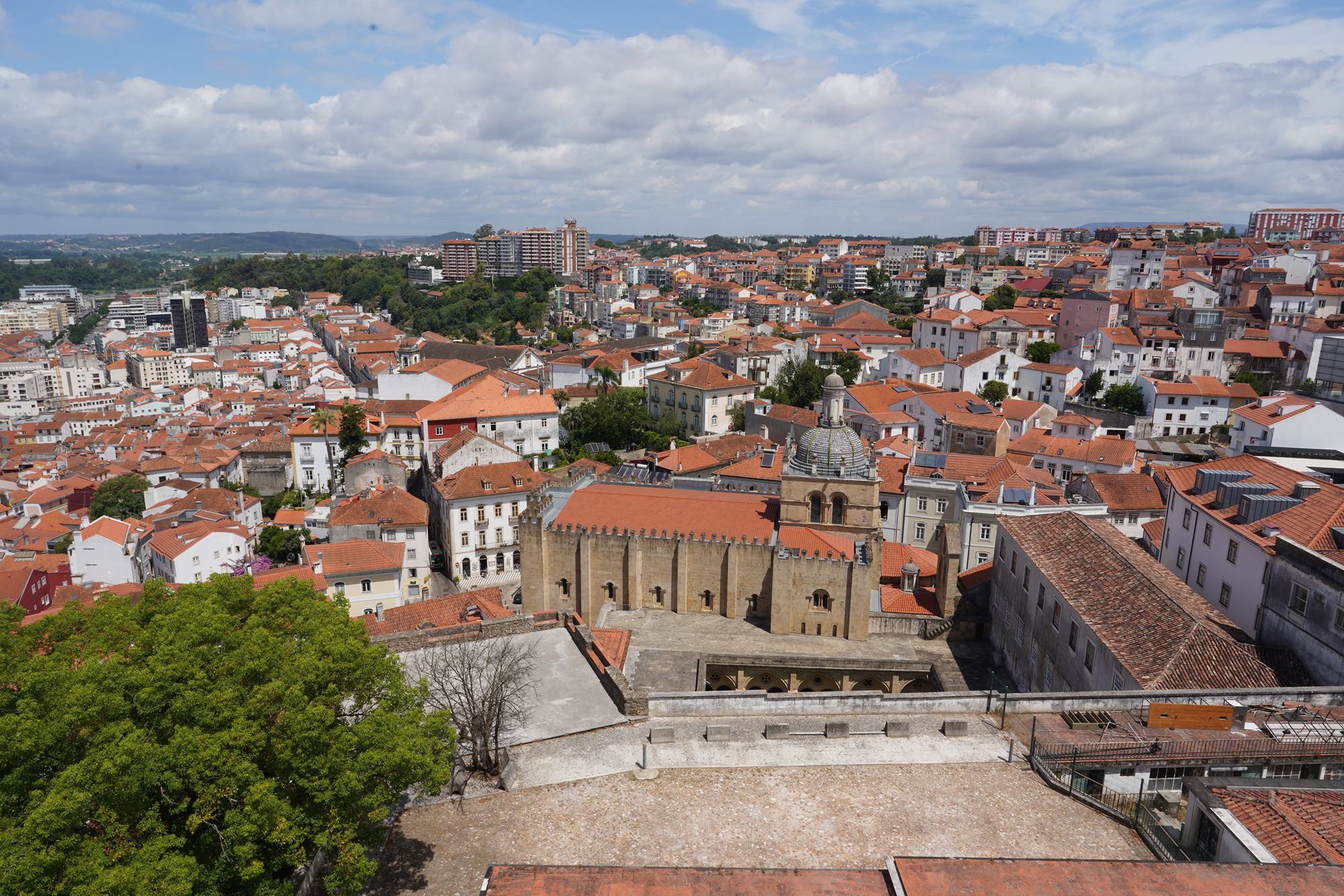
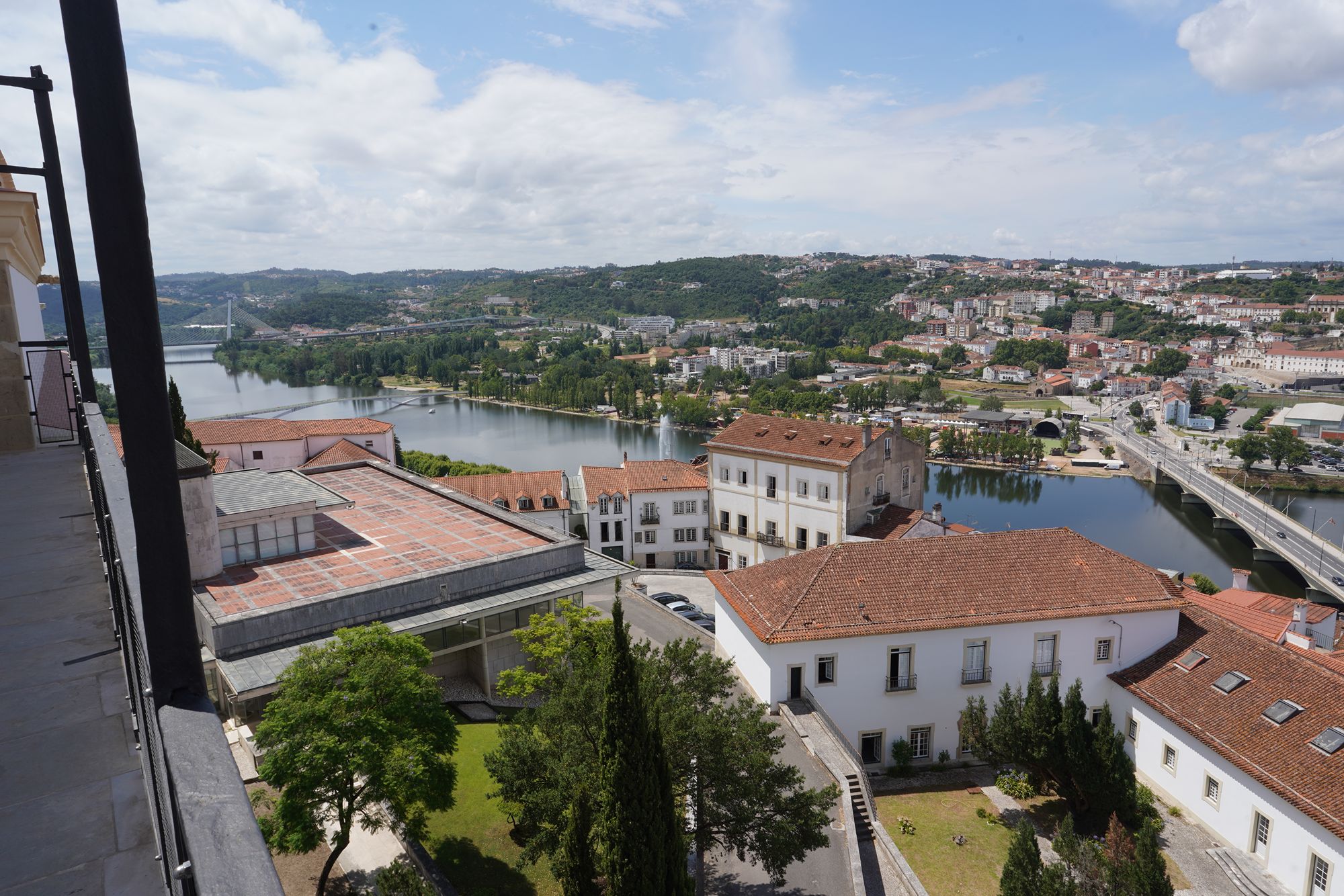
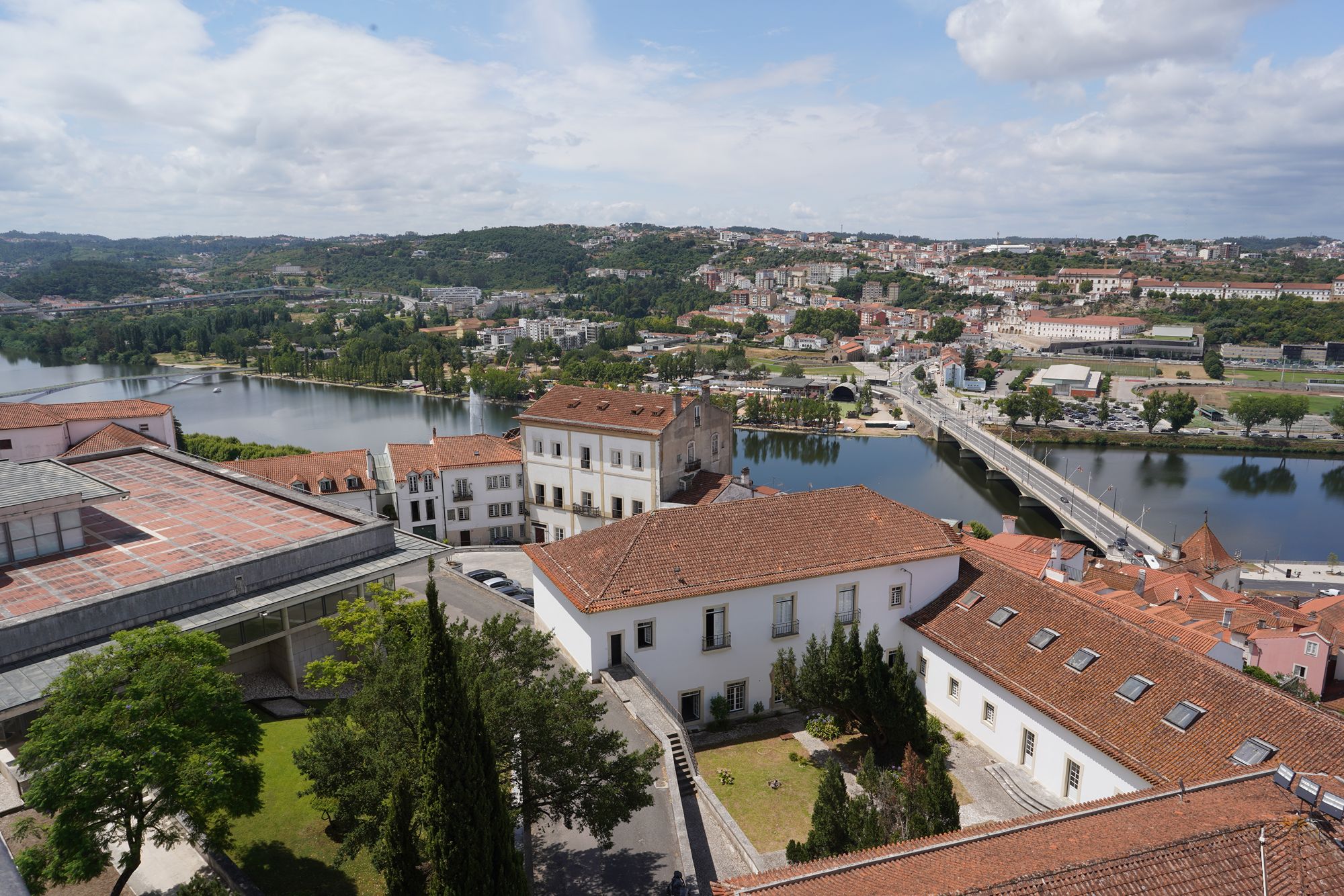
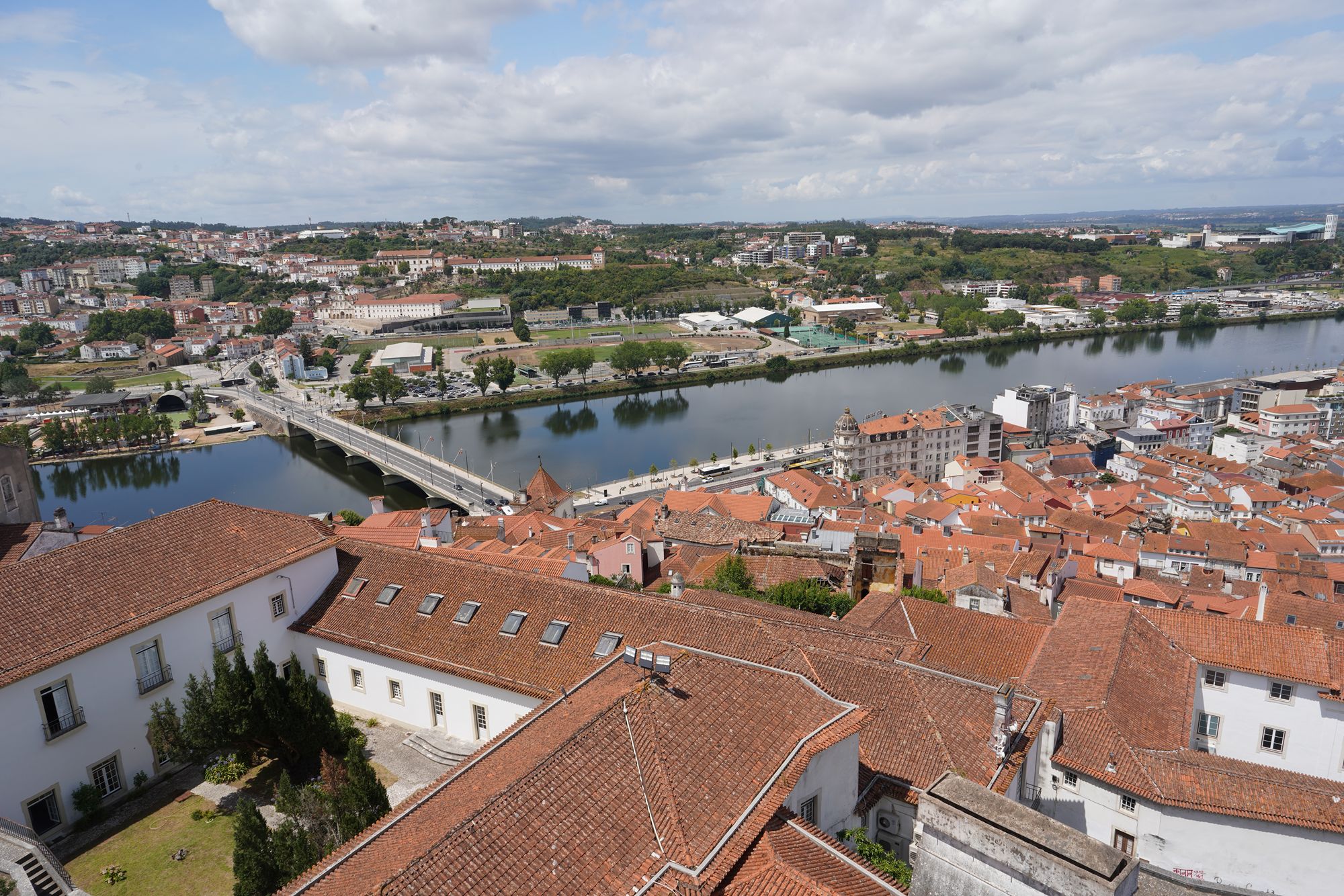
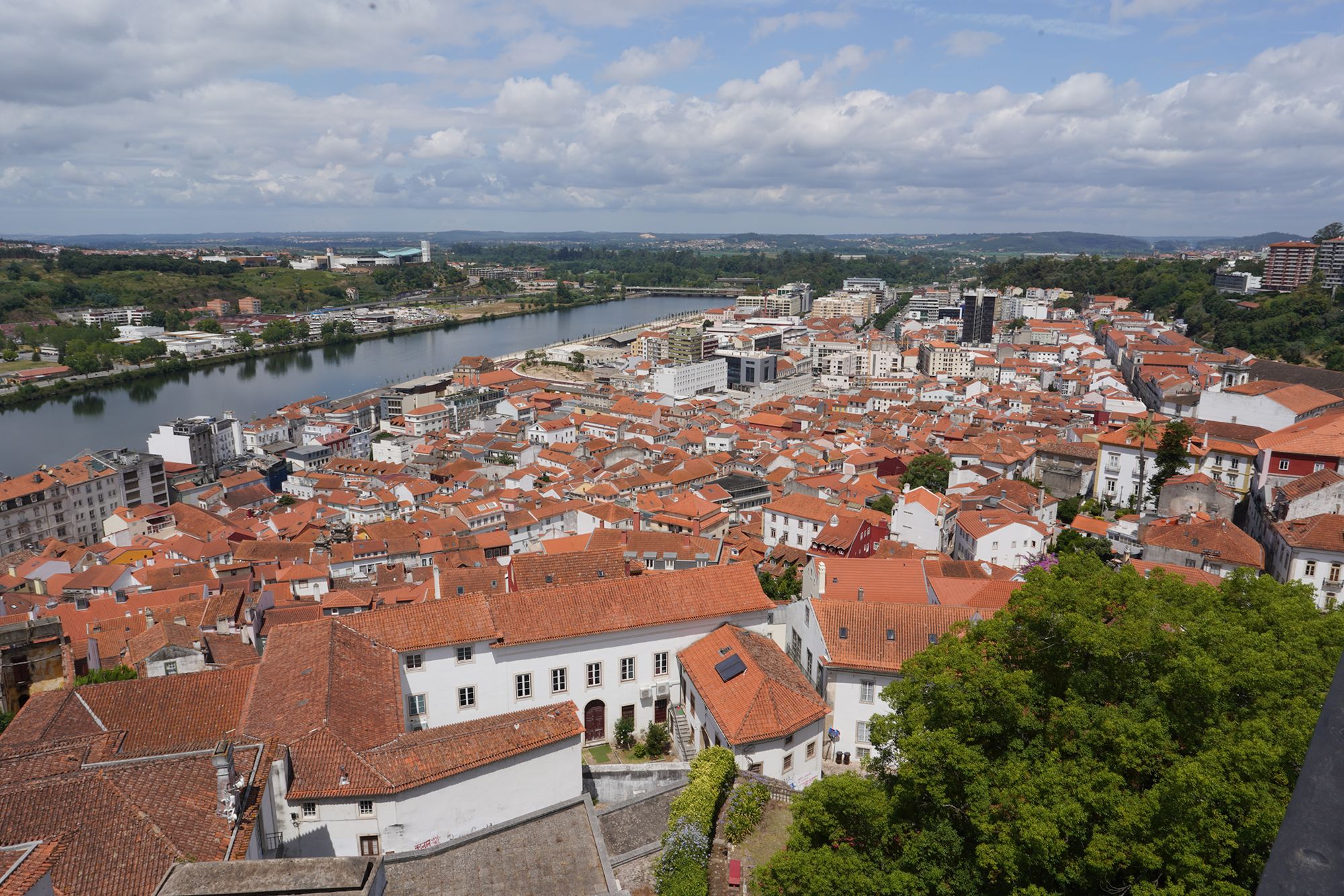
The city was also Portugal’s medieval capital, before Lisbon took that role. Its old town climbs from the Mondego River through narrow streets and steep lanes to the university, passing churches such as the fortress-like Old Cathedral.
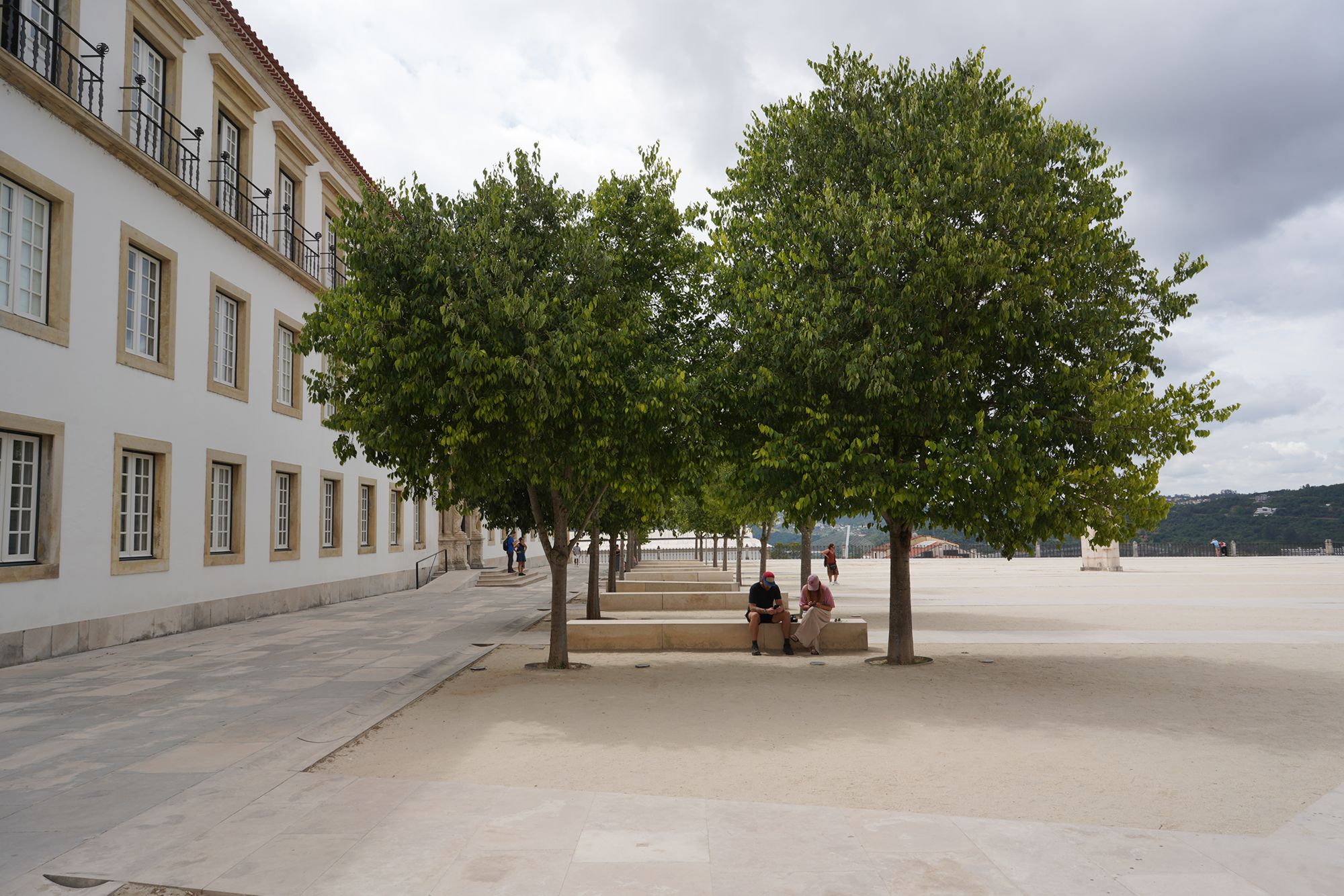
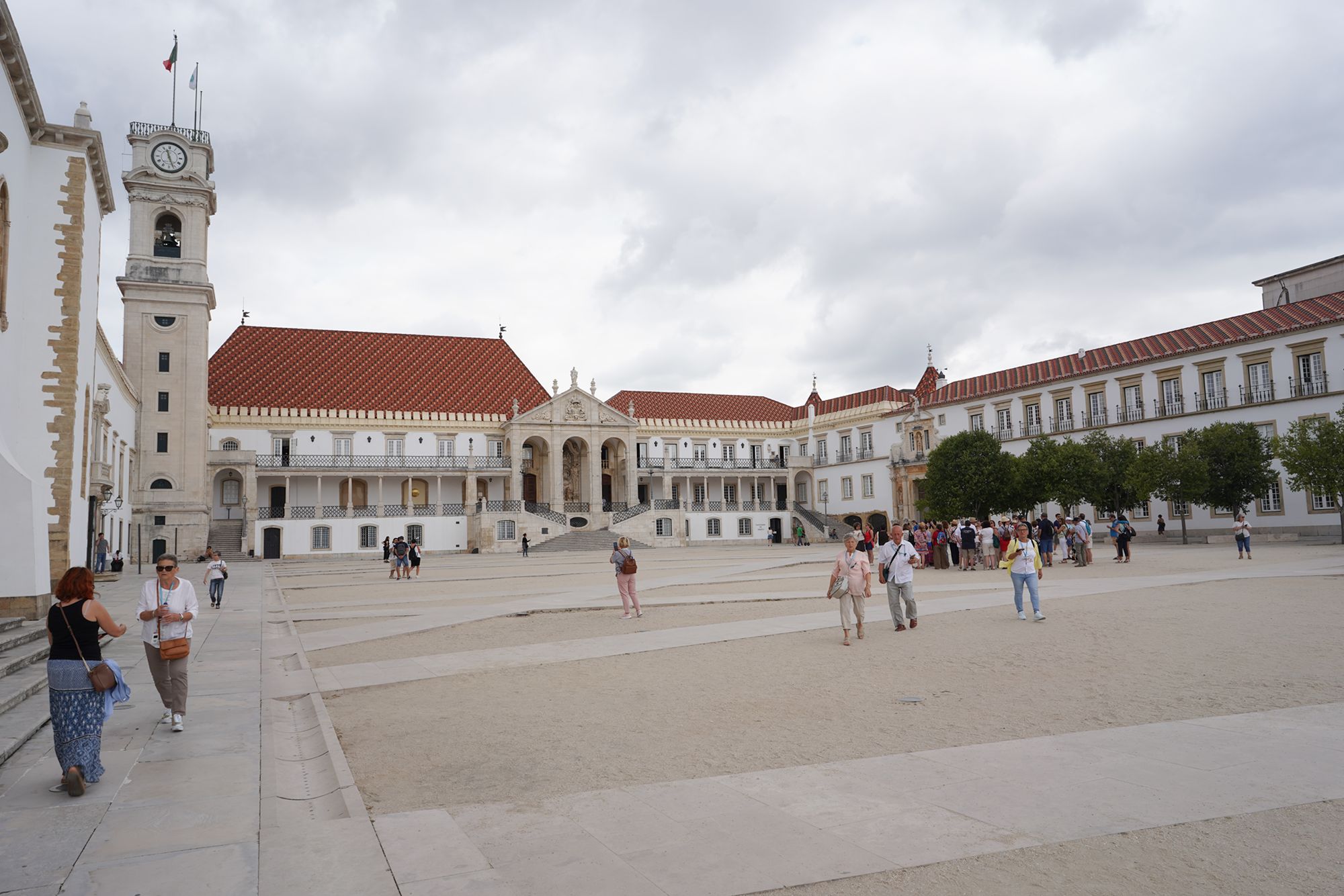
Biblioteca Joanina is the University of Coimbra’s historic Baroque library, built between 1717 and 1728 and named after King João V. Its three richly decorated halls feature gilded bookshelves, painted ceilings, and around 60,000 books dating from the 16th to 18th centuries. An unusual detail is that bats live inside the library, helping protect the books by eating insects that could damage them.
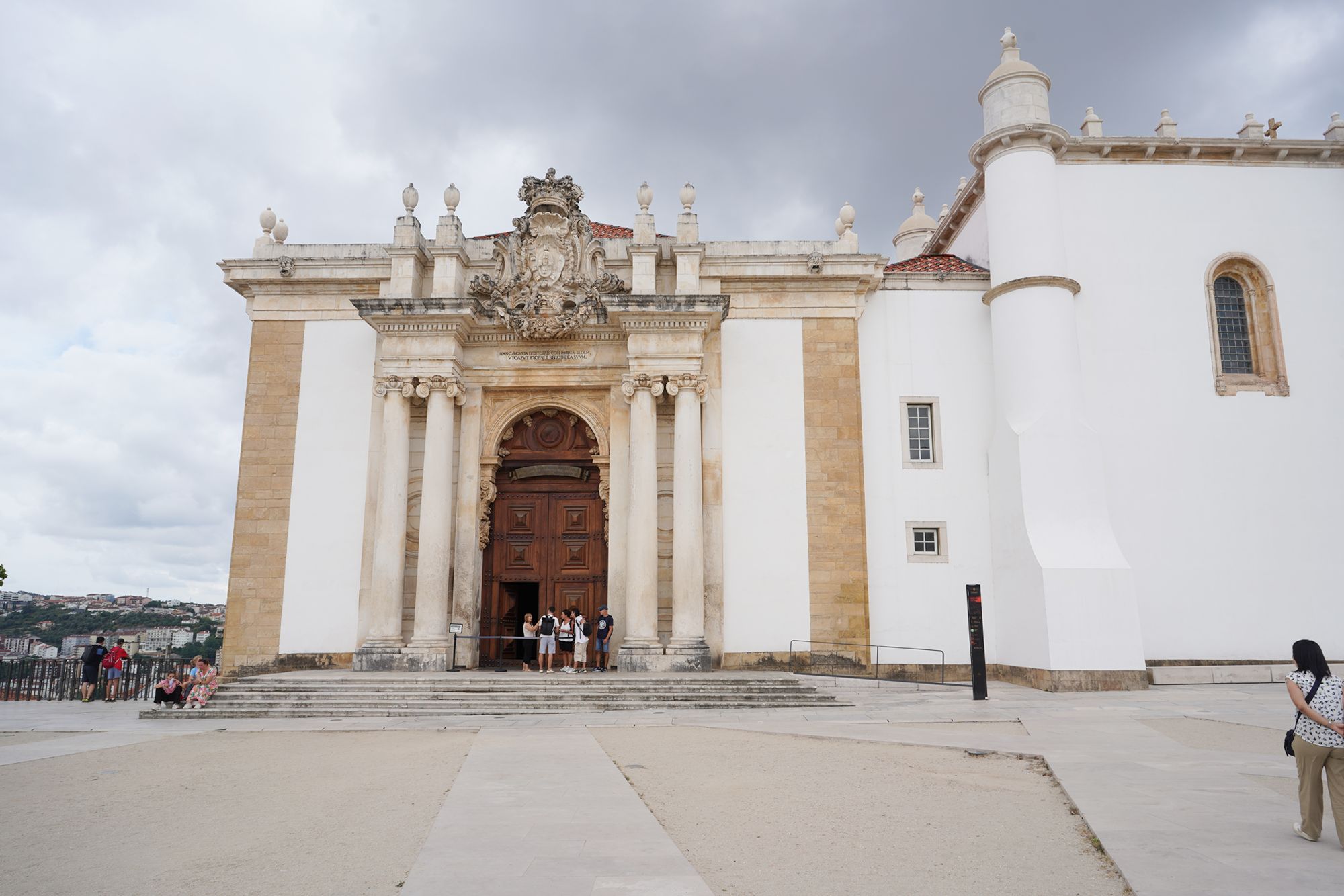
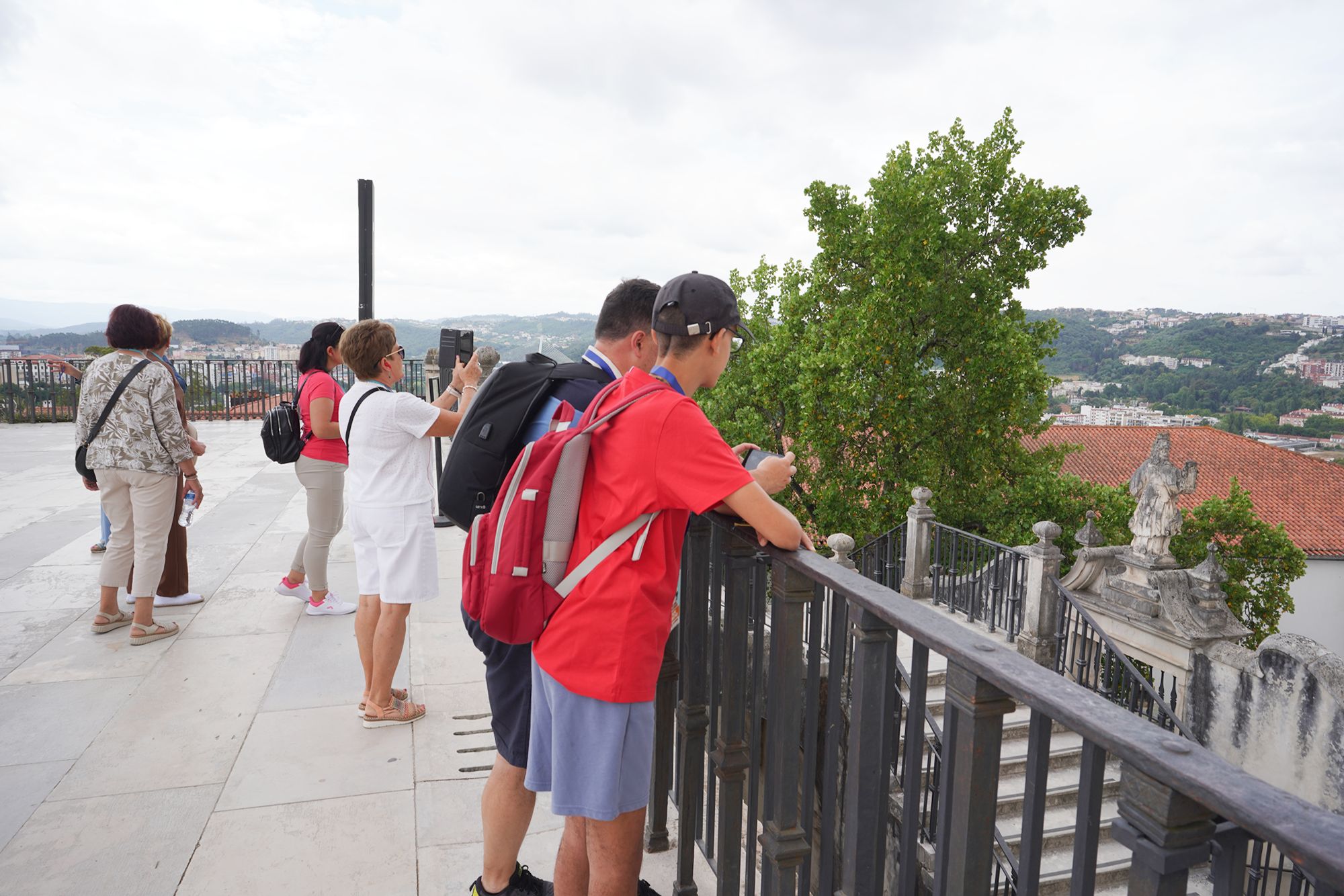
The entrance to the library was downstairs.
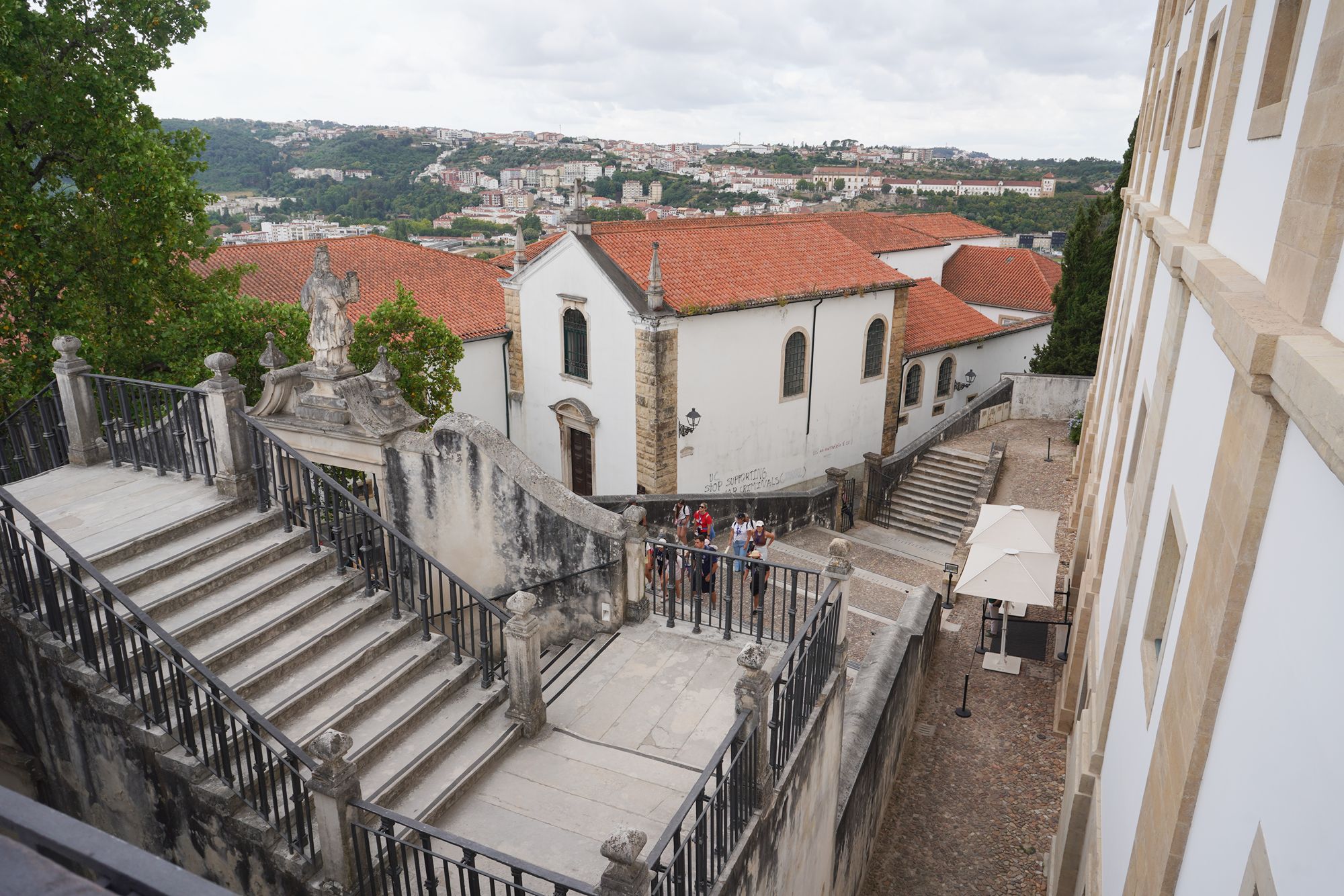
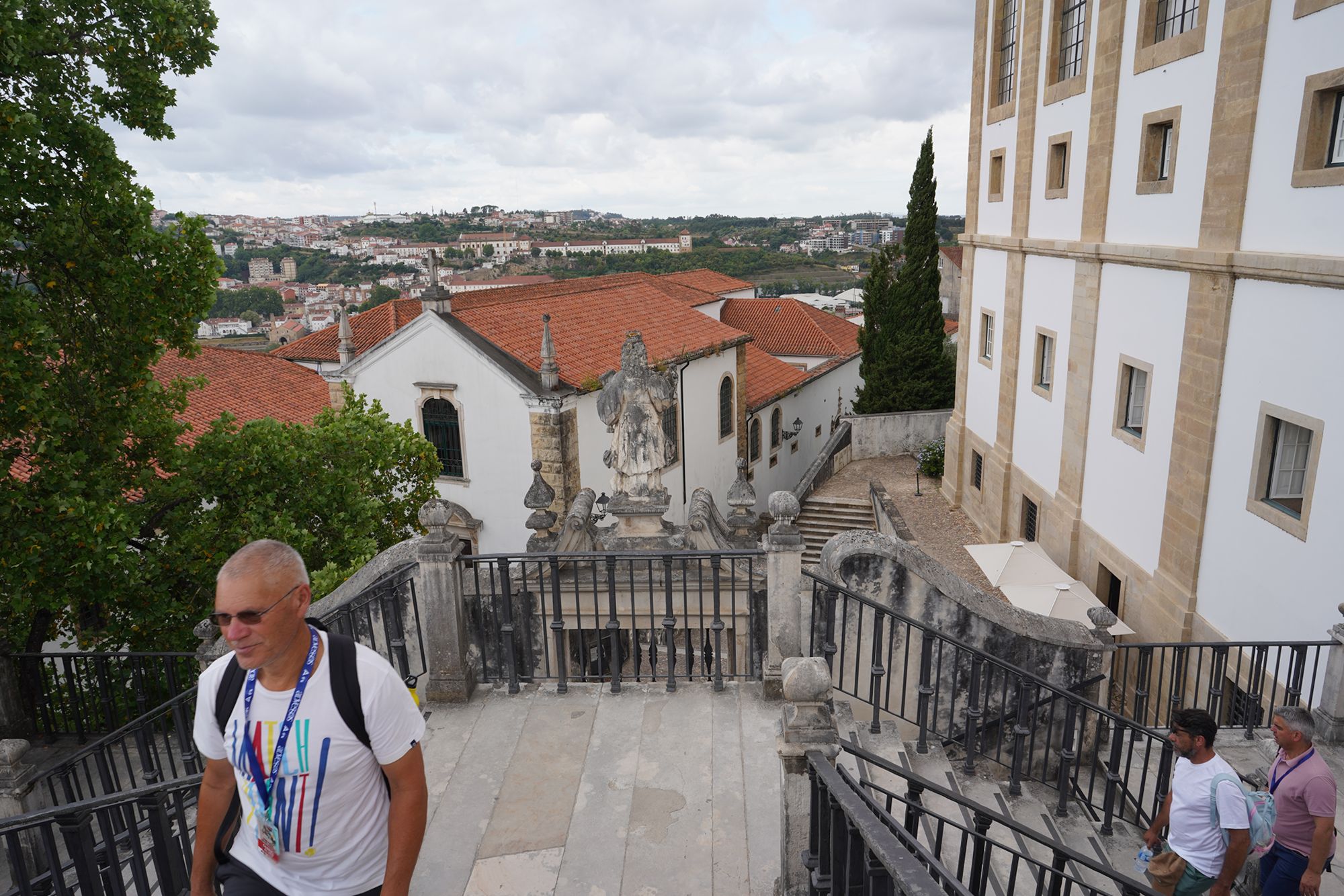
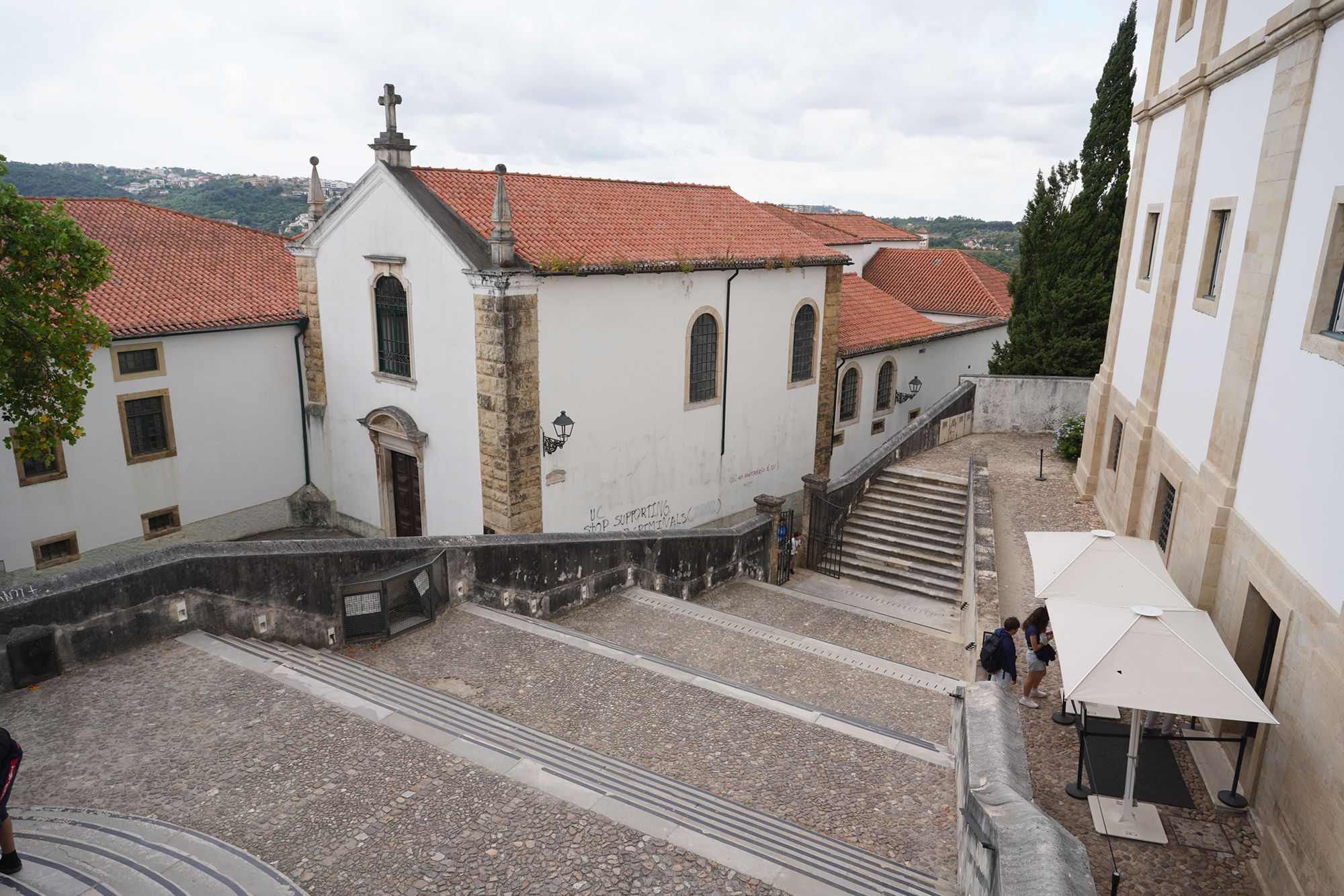
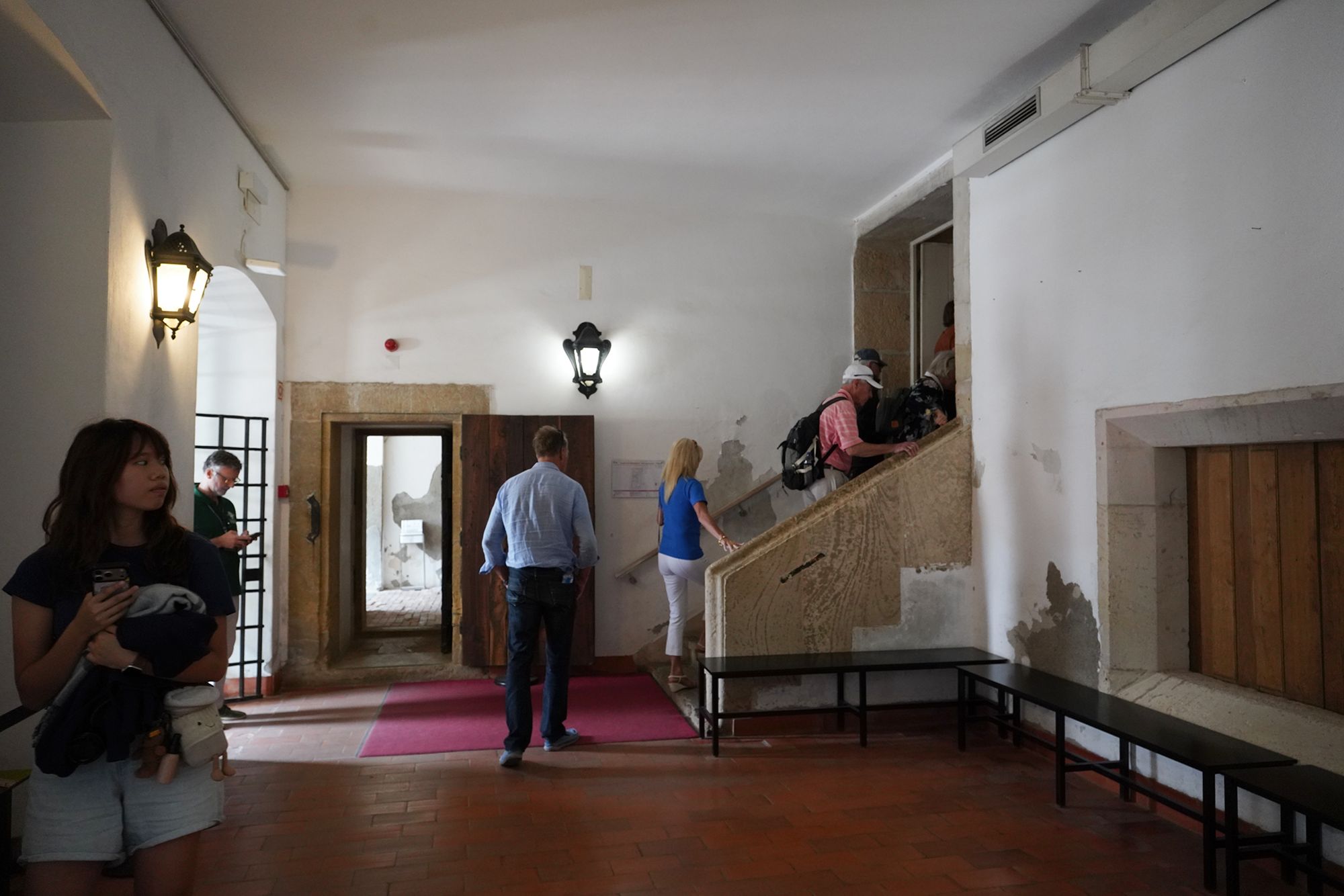
Inside the library building
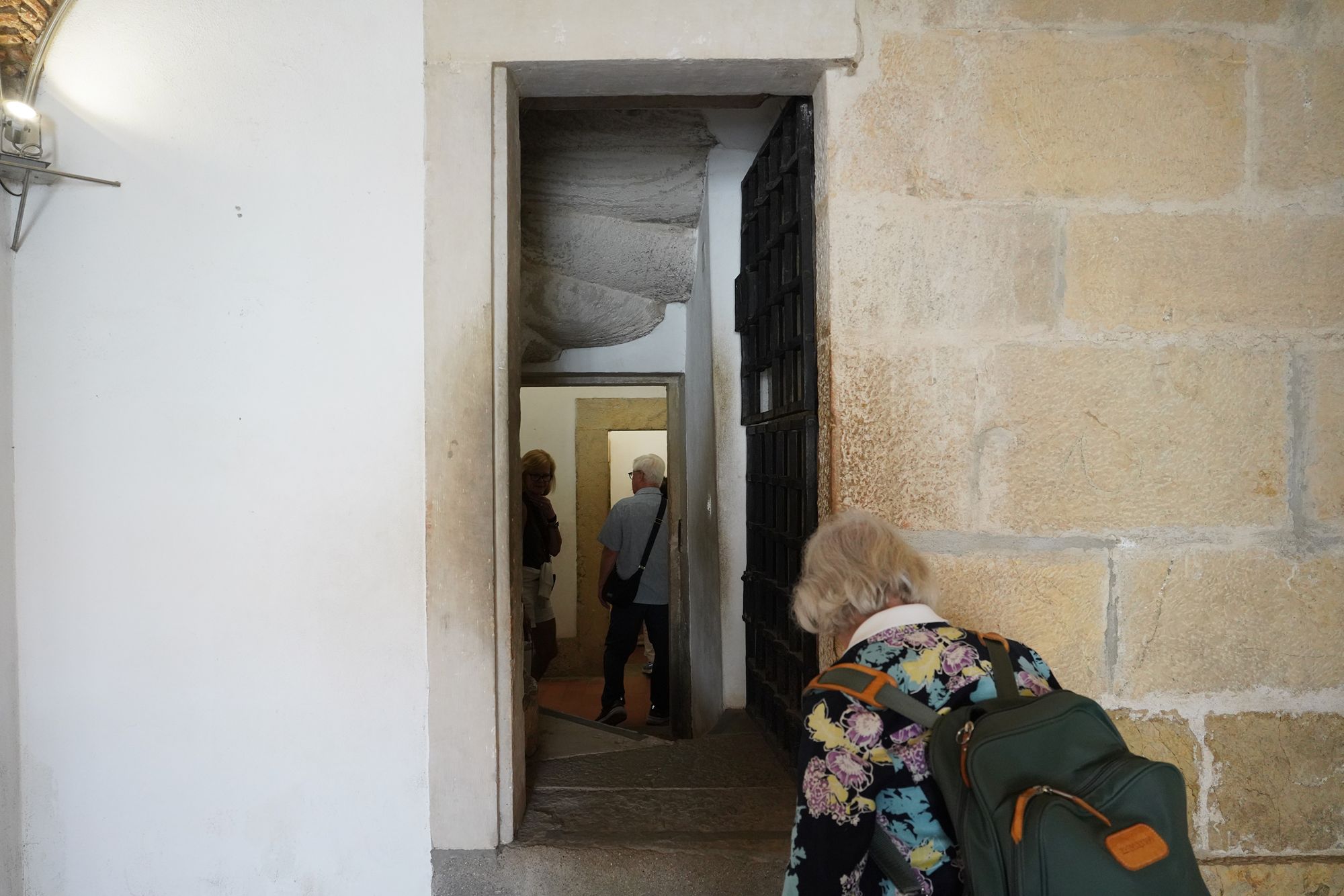
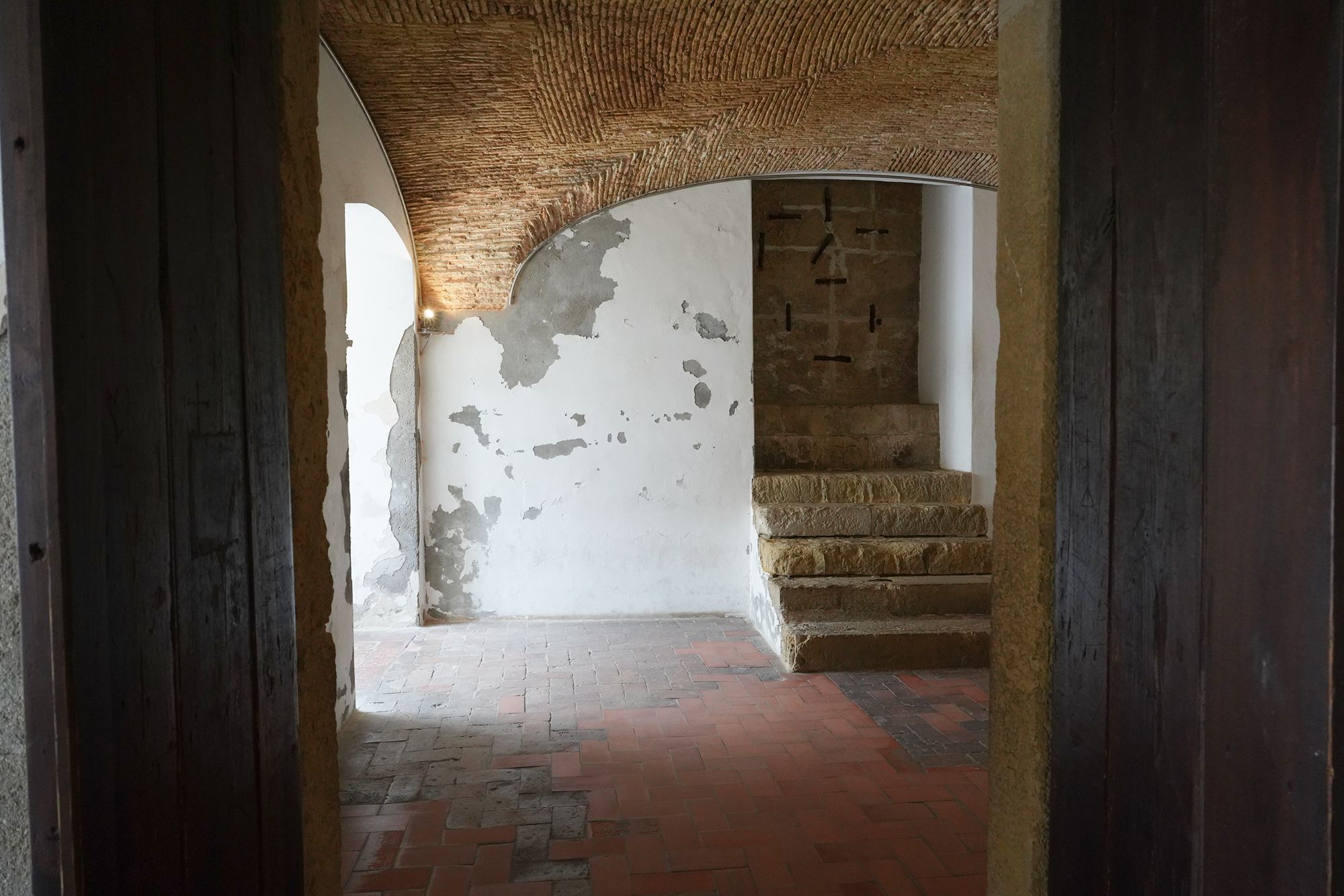
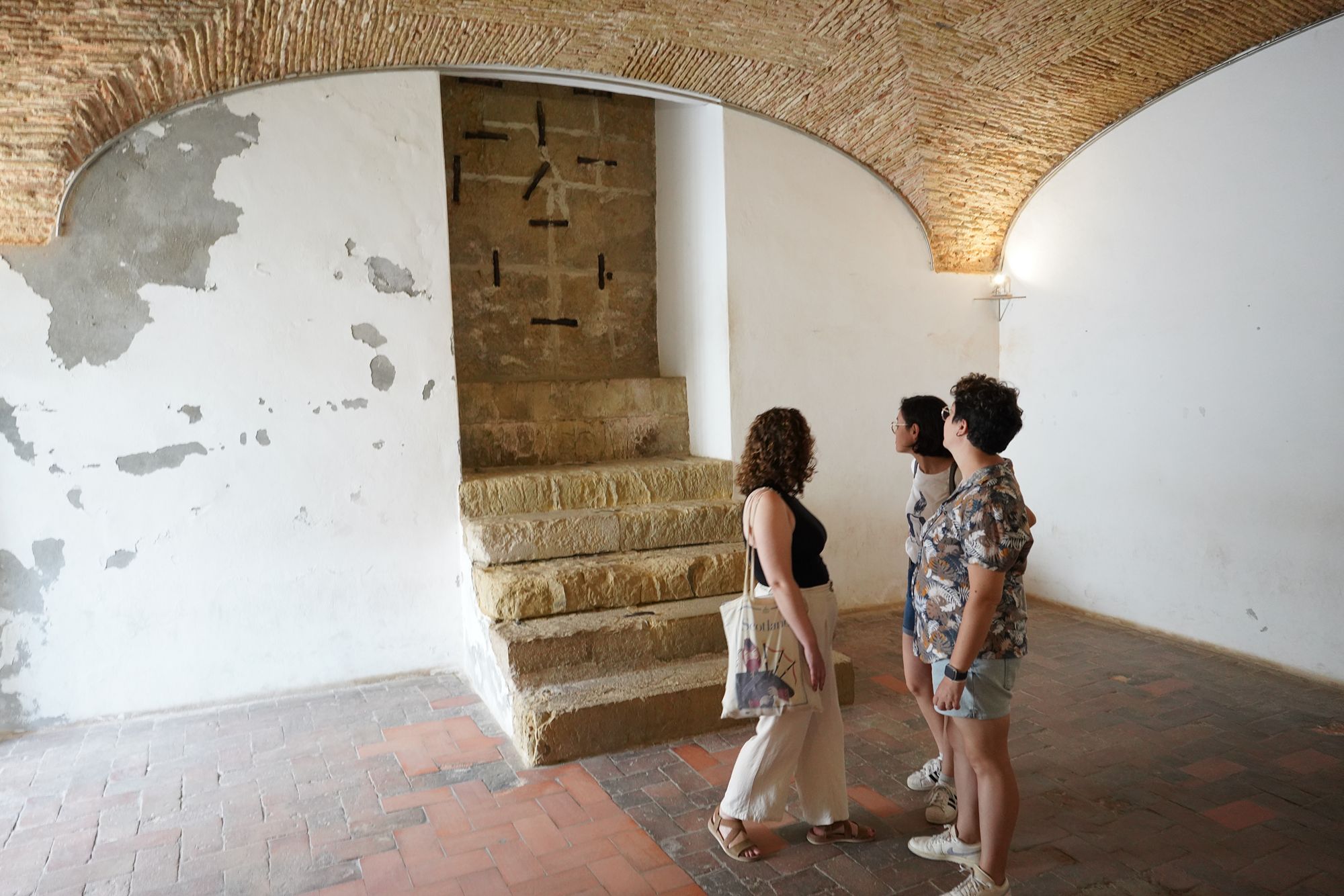
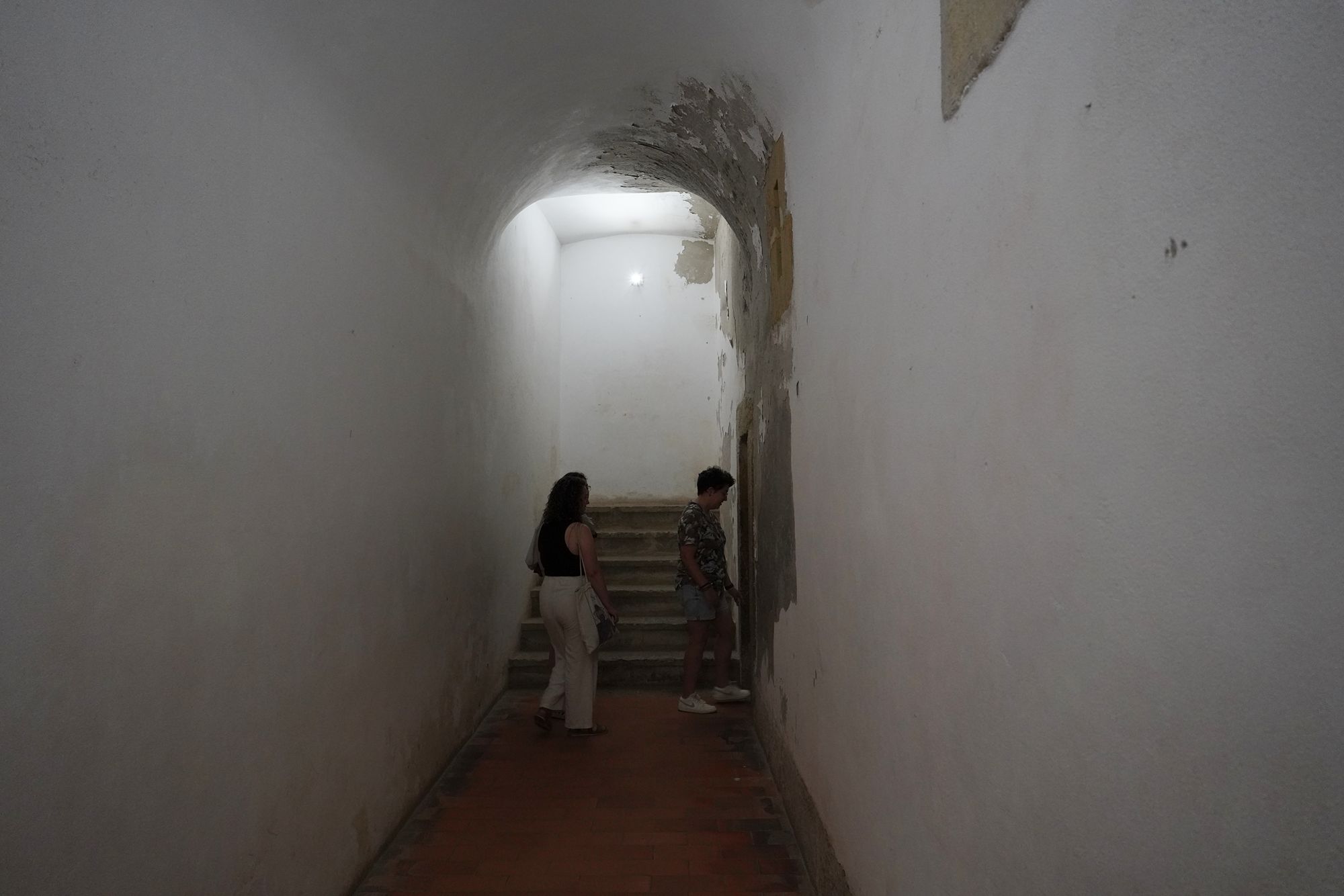
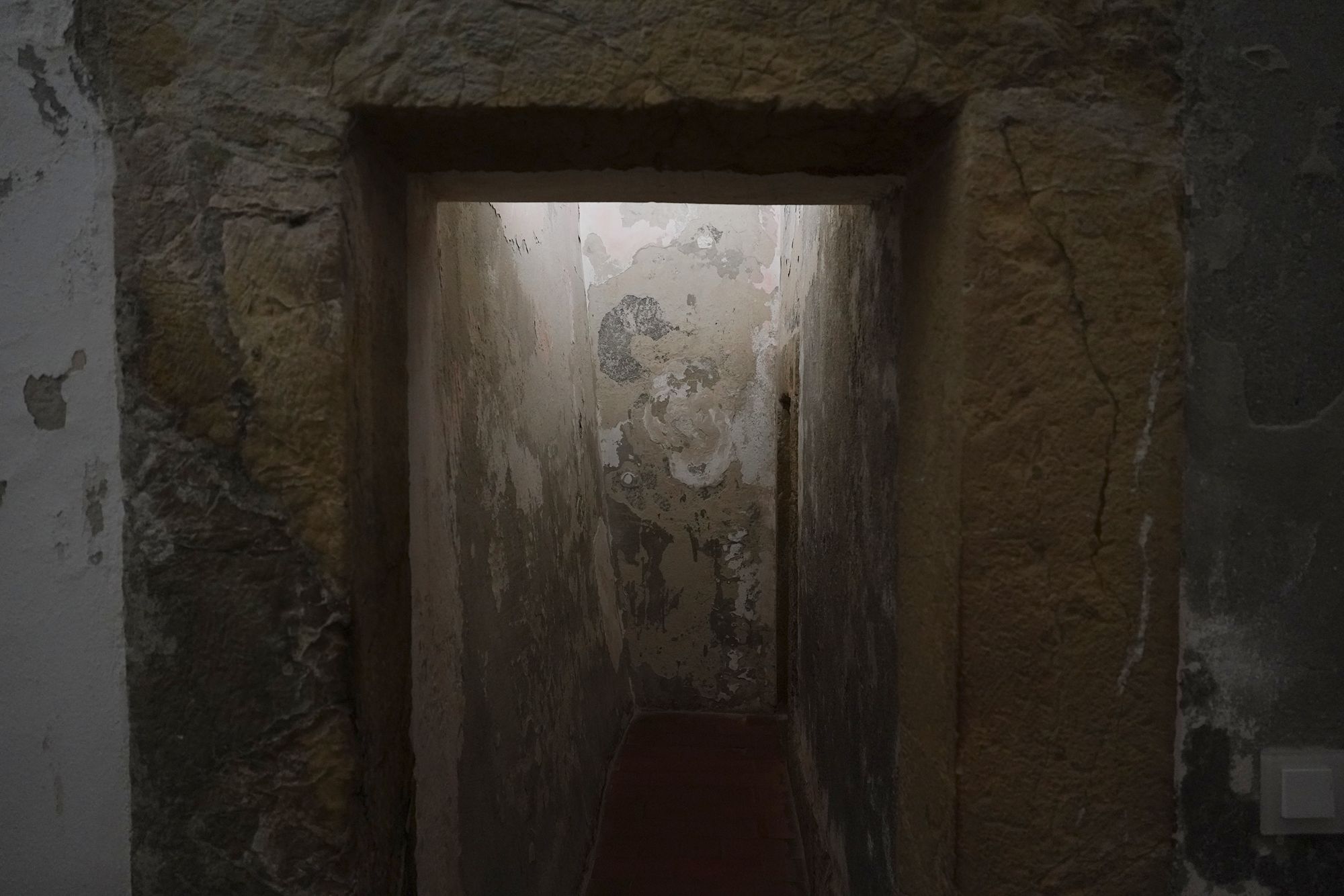
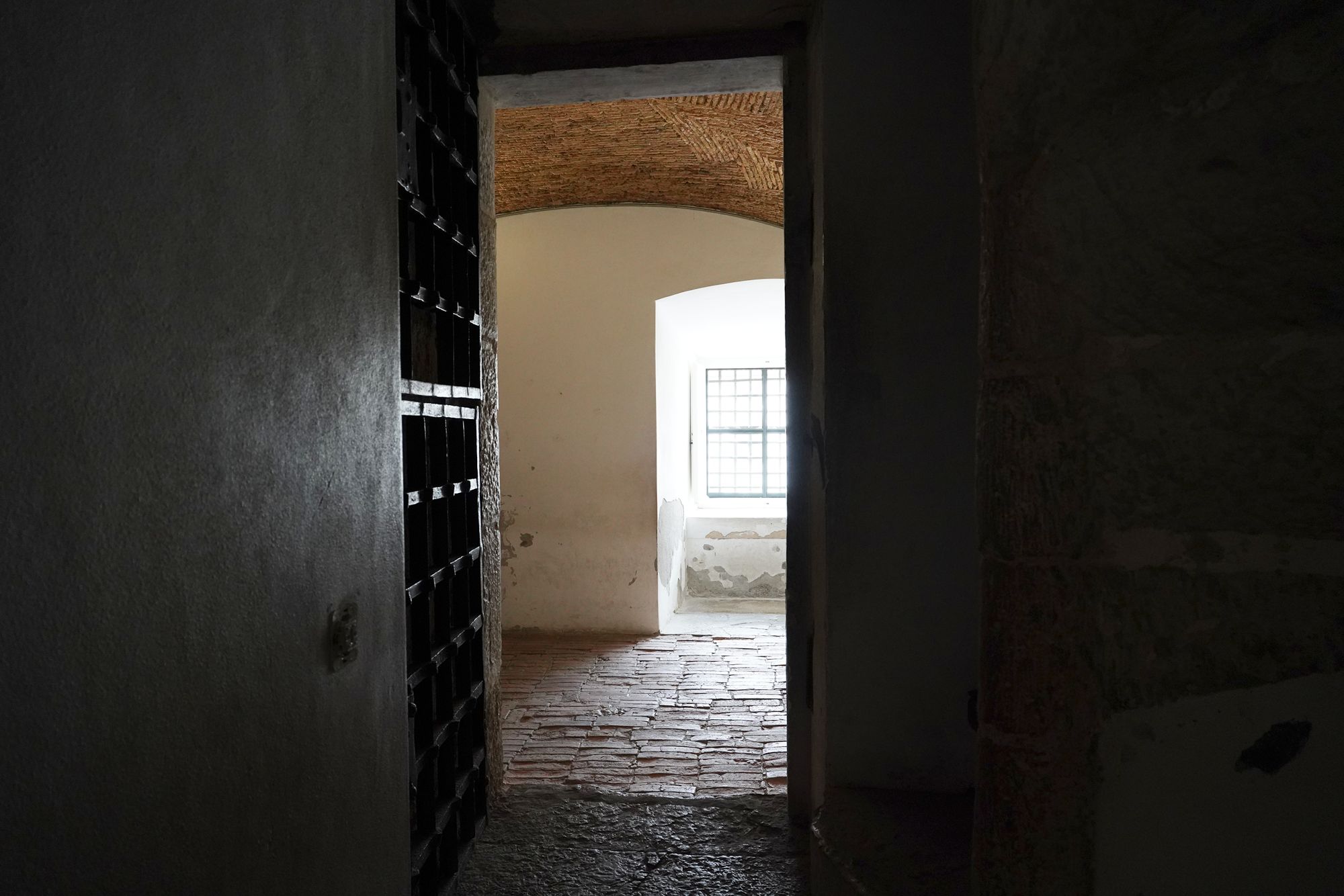
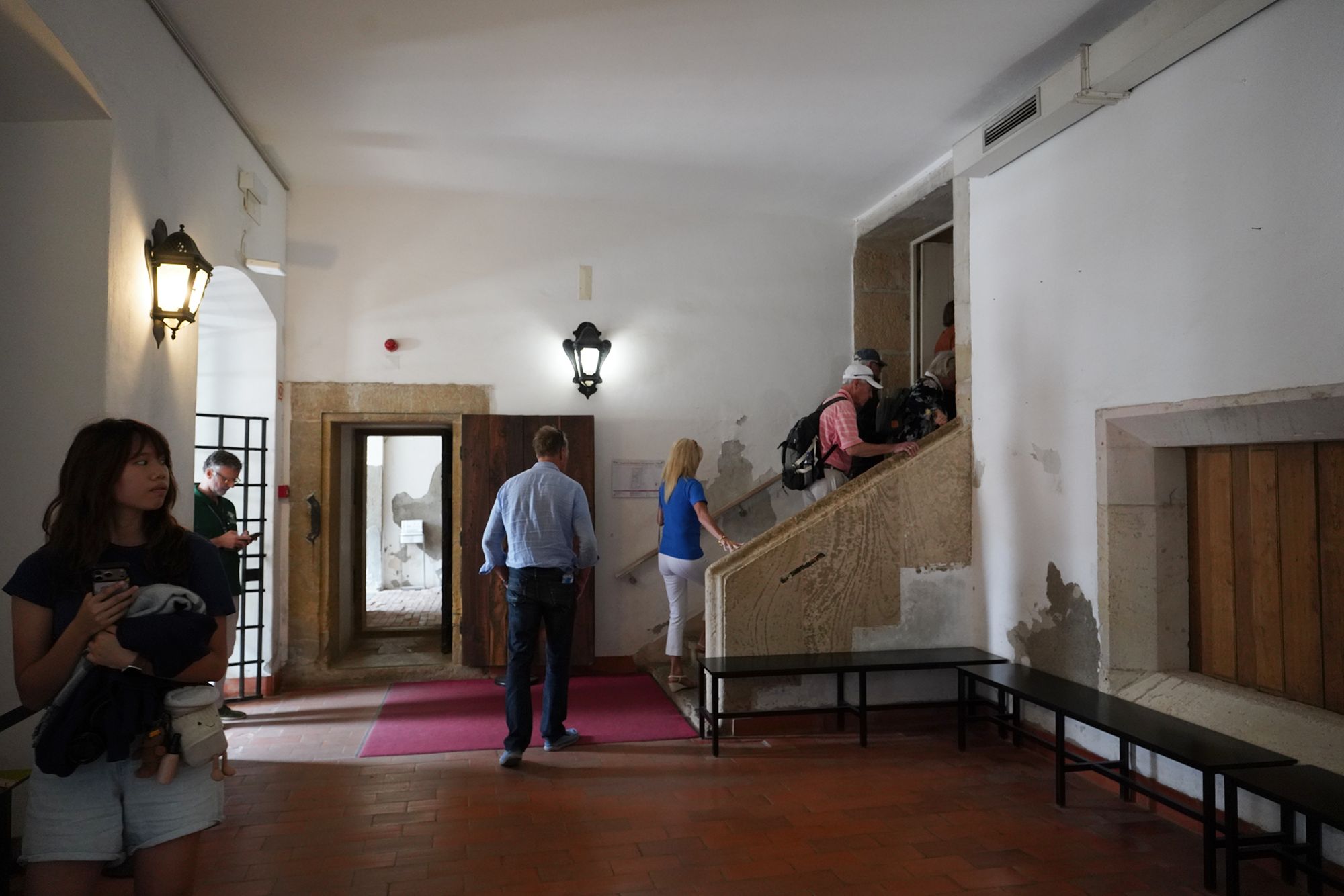
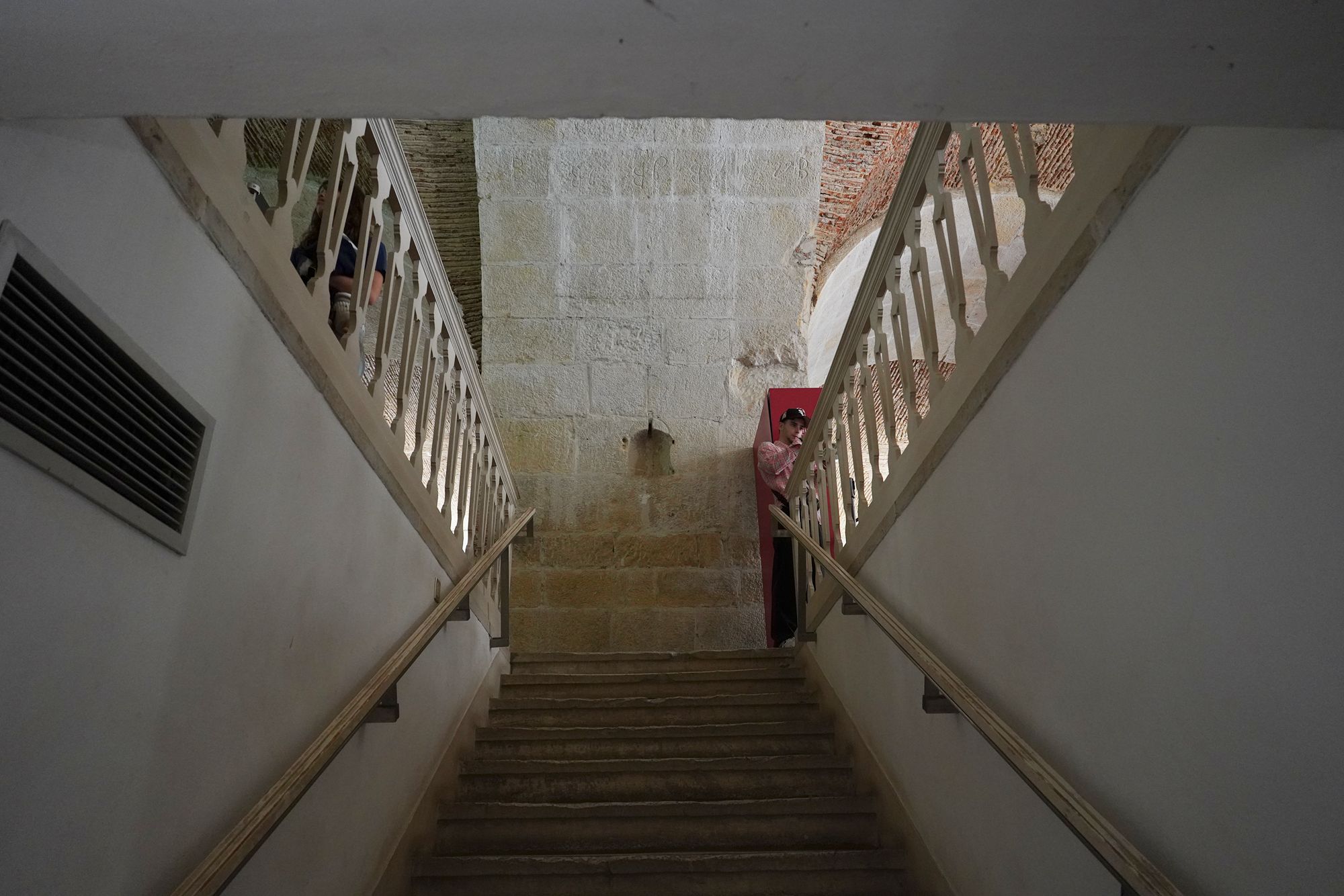
These books were in a side area of the library. In the main halls, bookshelves stretched from floor to ceiling, but photography was not permitted.
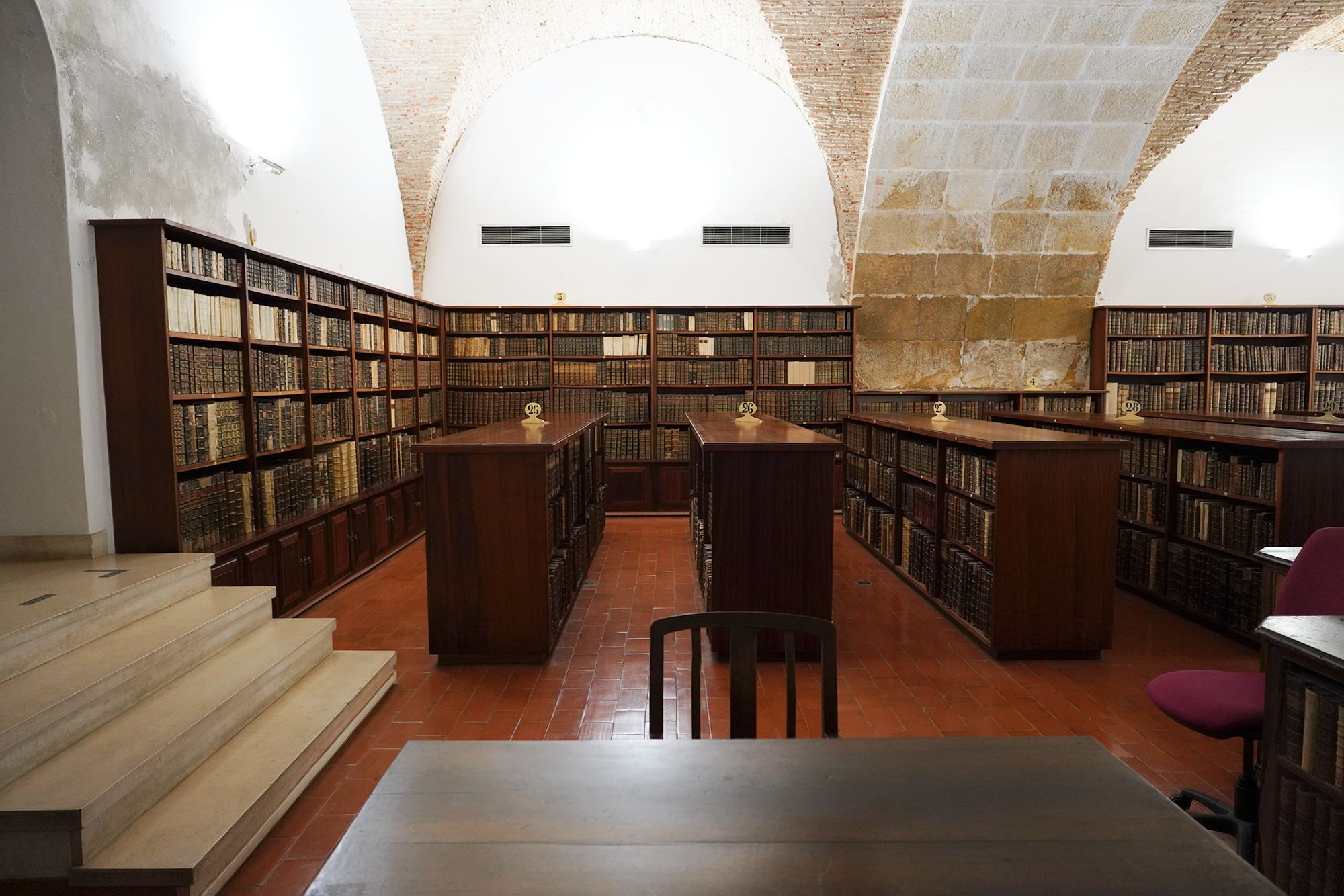
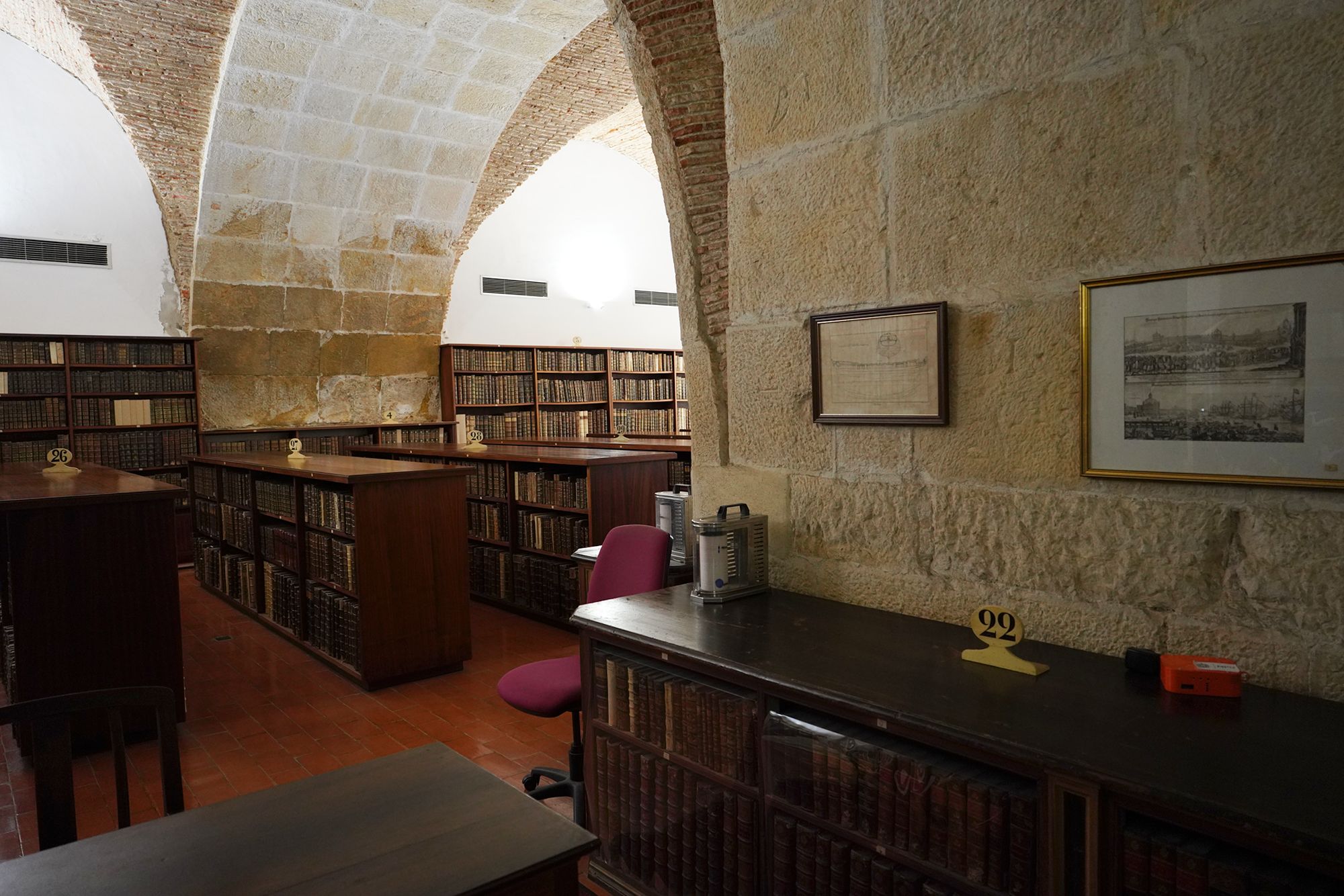
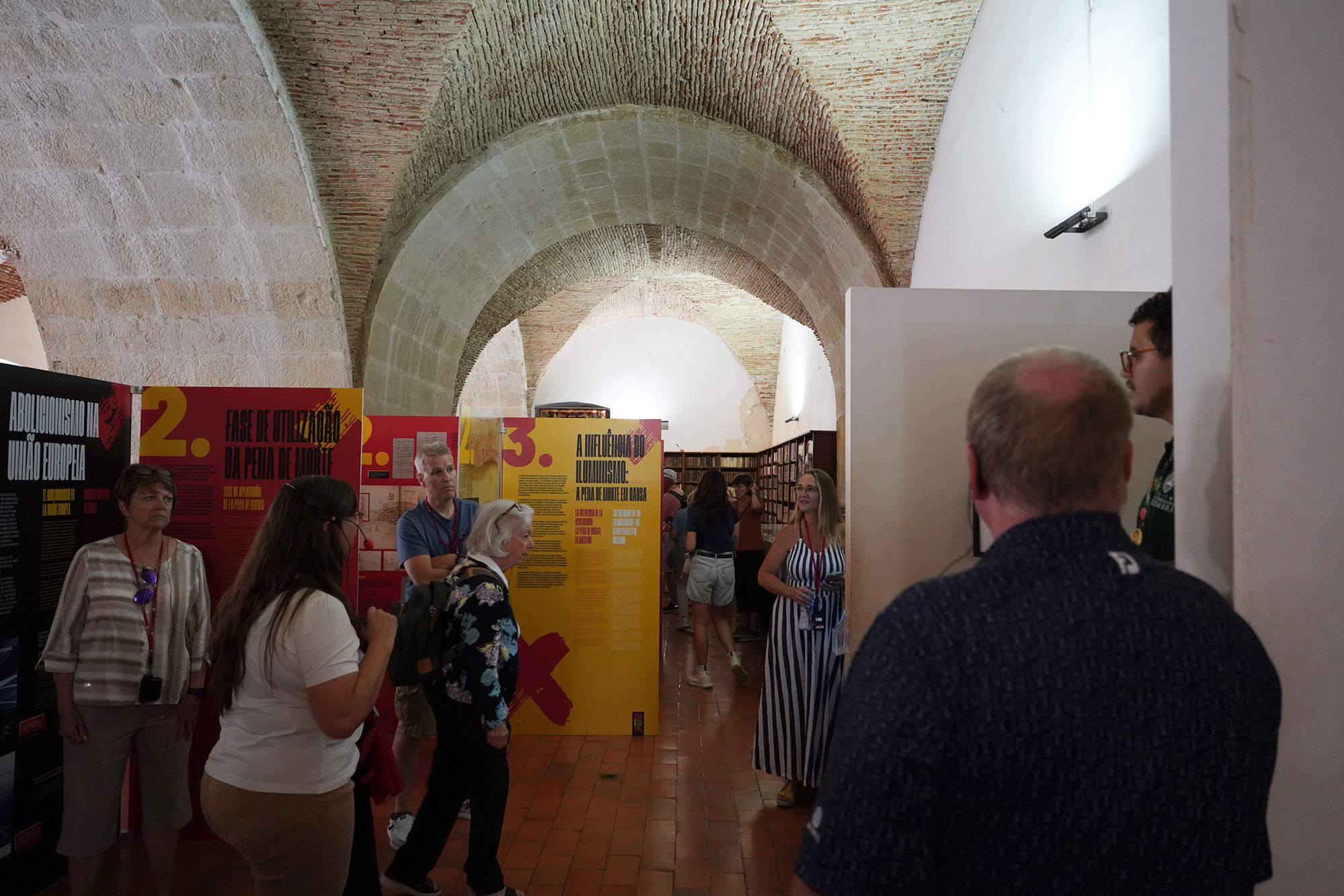
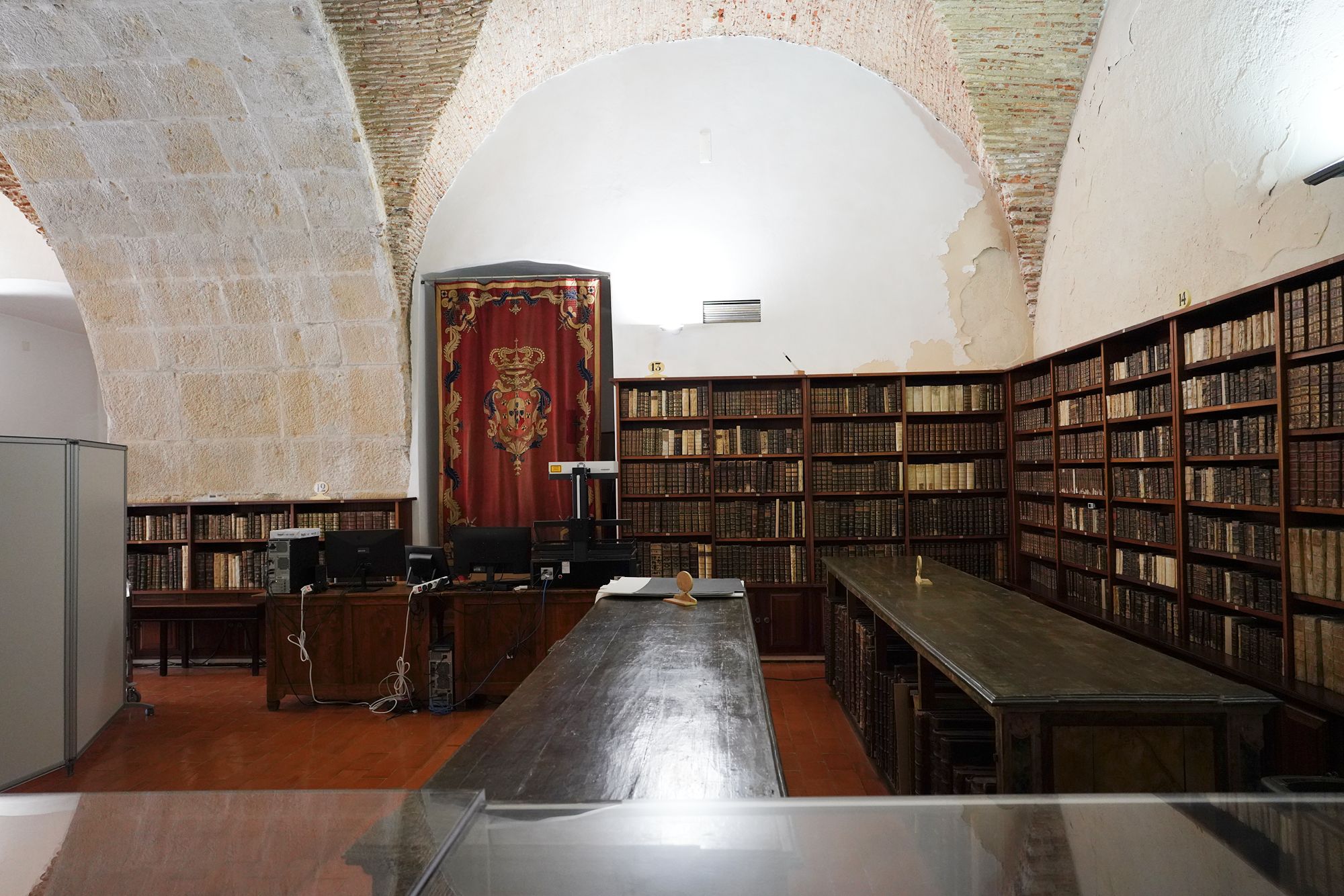
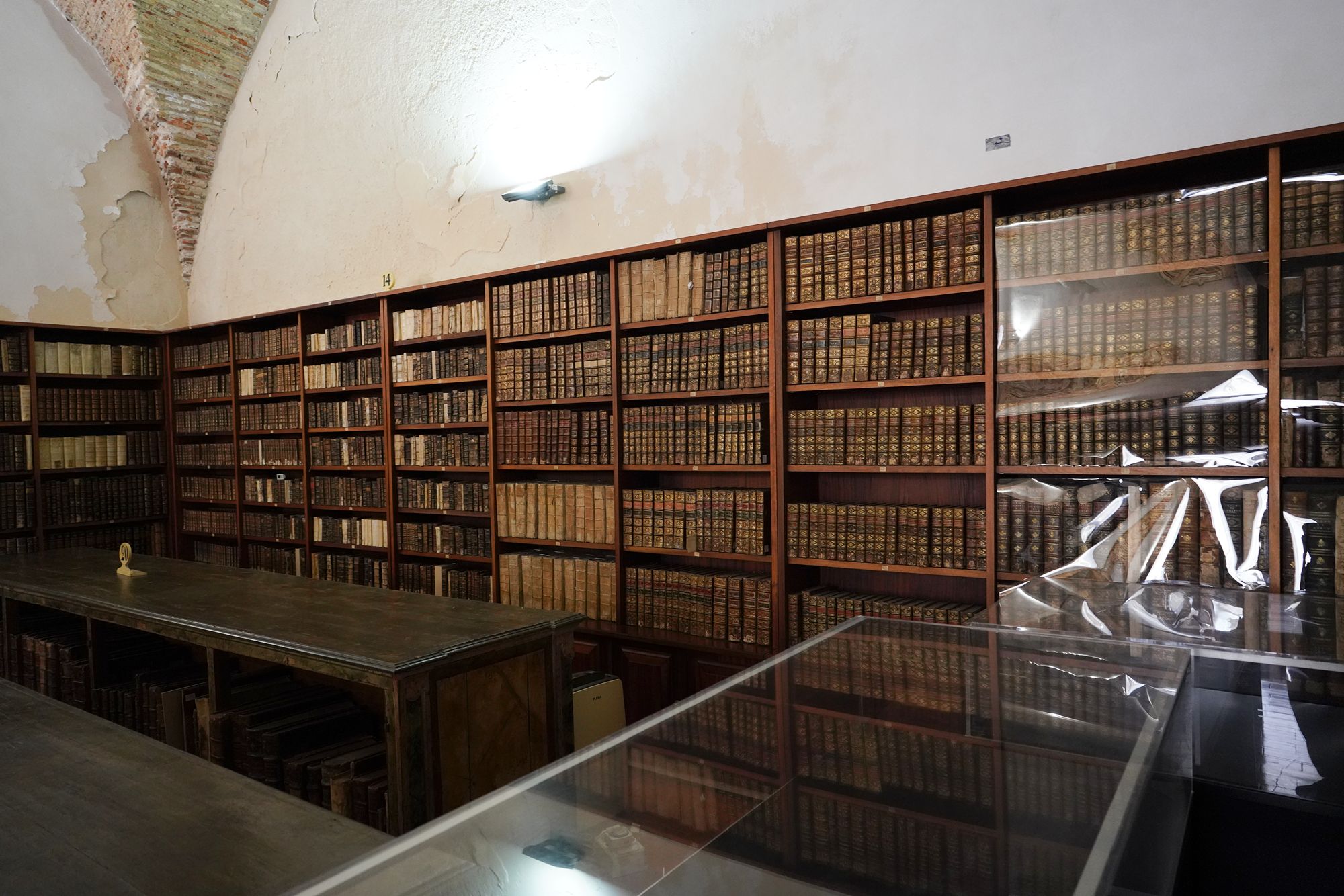
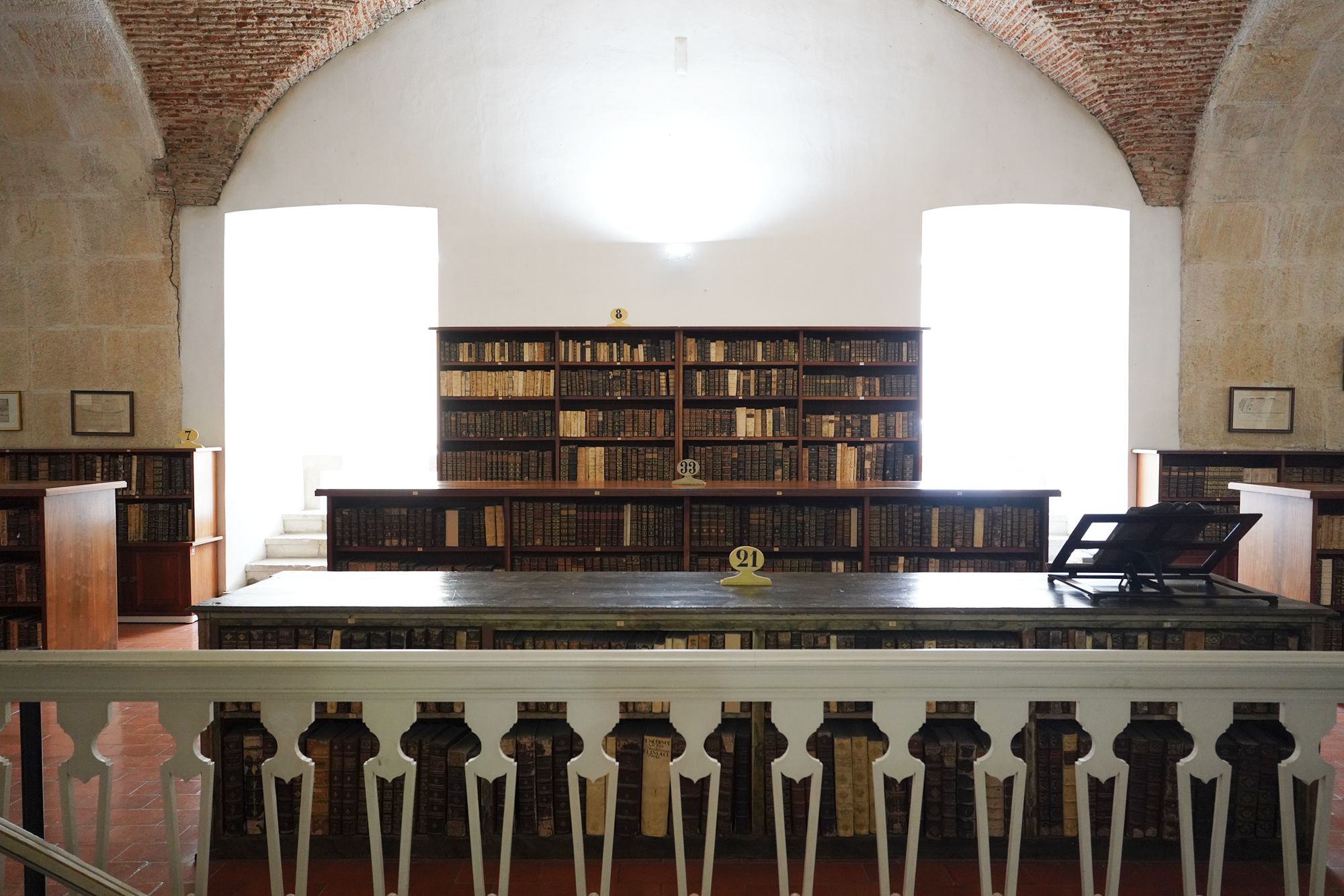
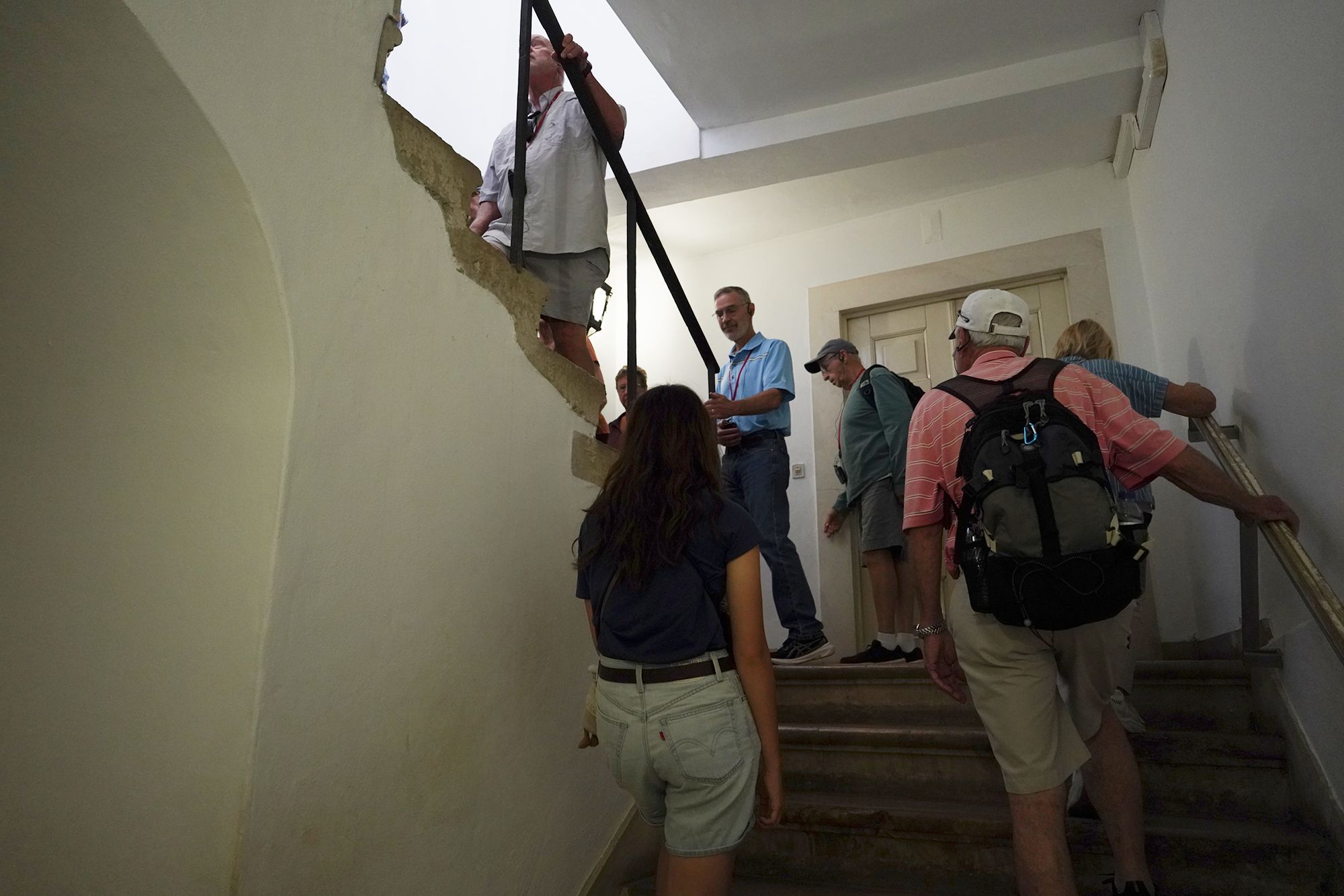
Going upstairs to the main library, where photography was not permitted.
Then I returned to the courtyard.
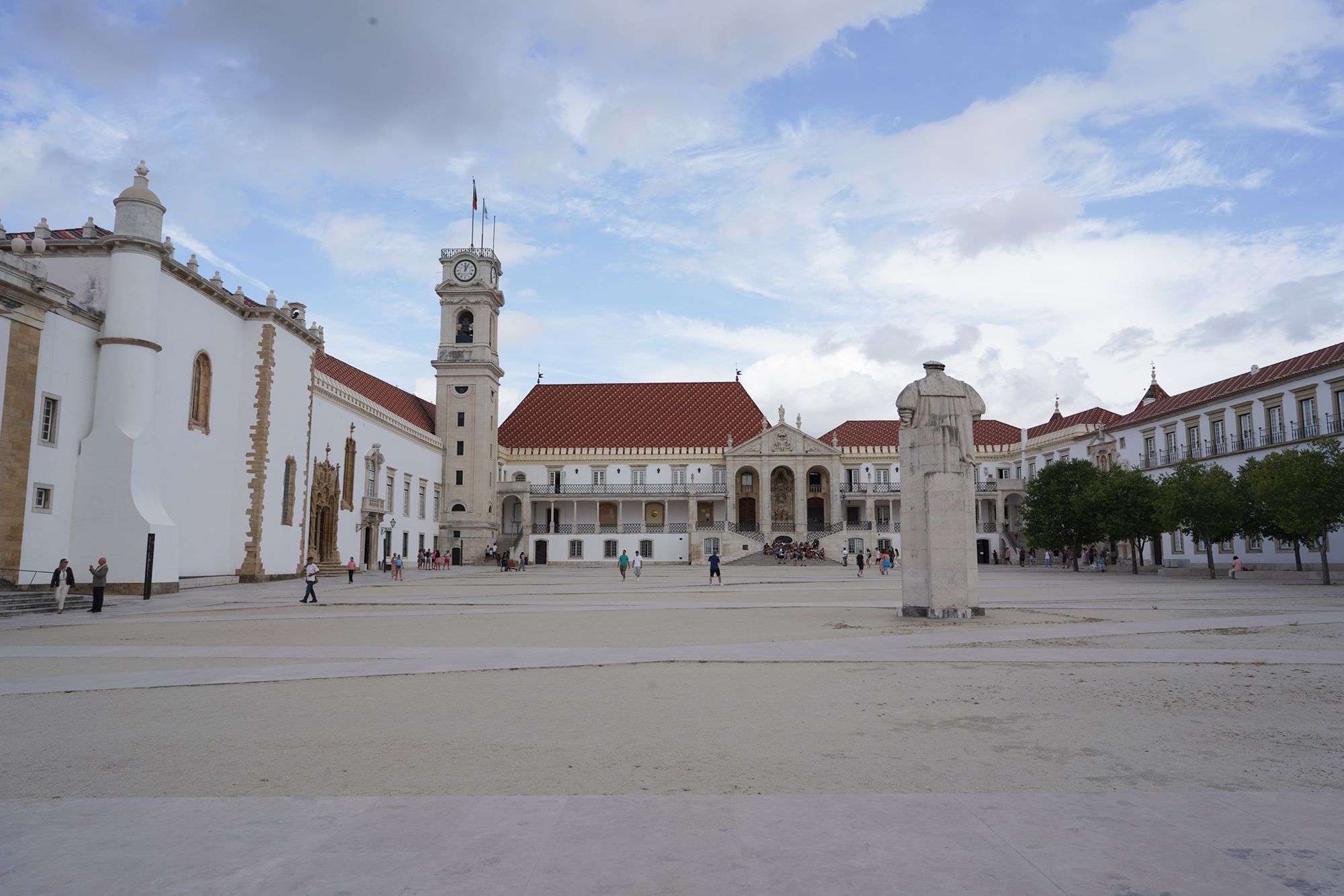
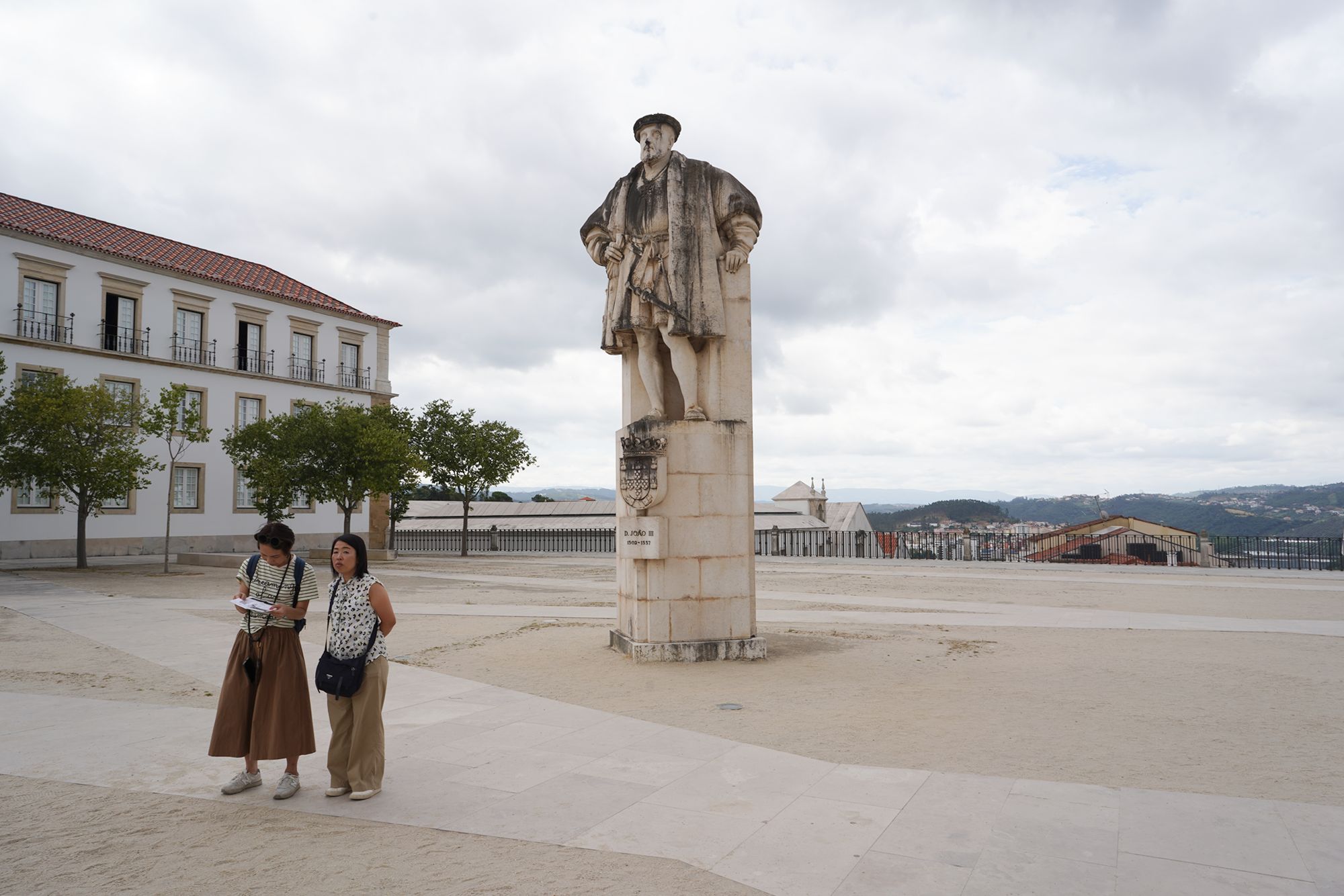
The statue of King João III, who permanently established the university in Coimbra in 1537.
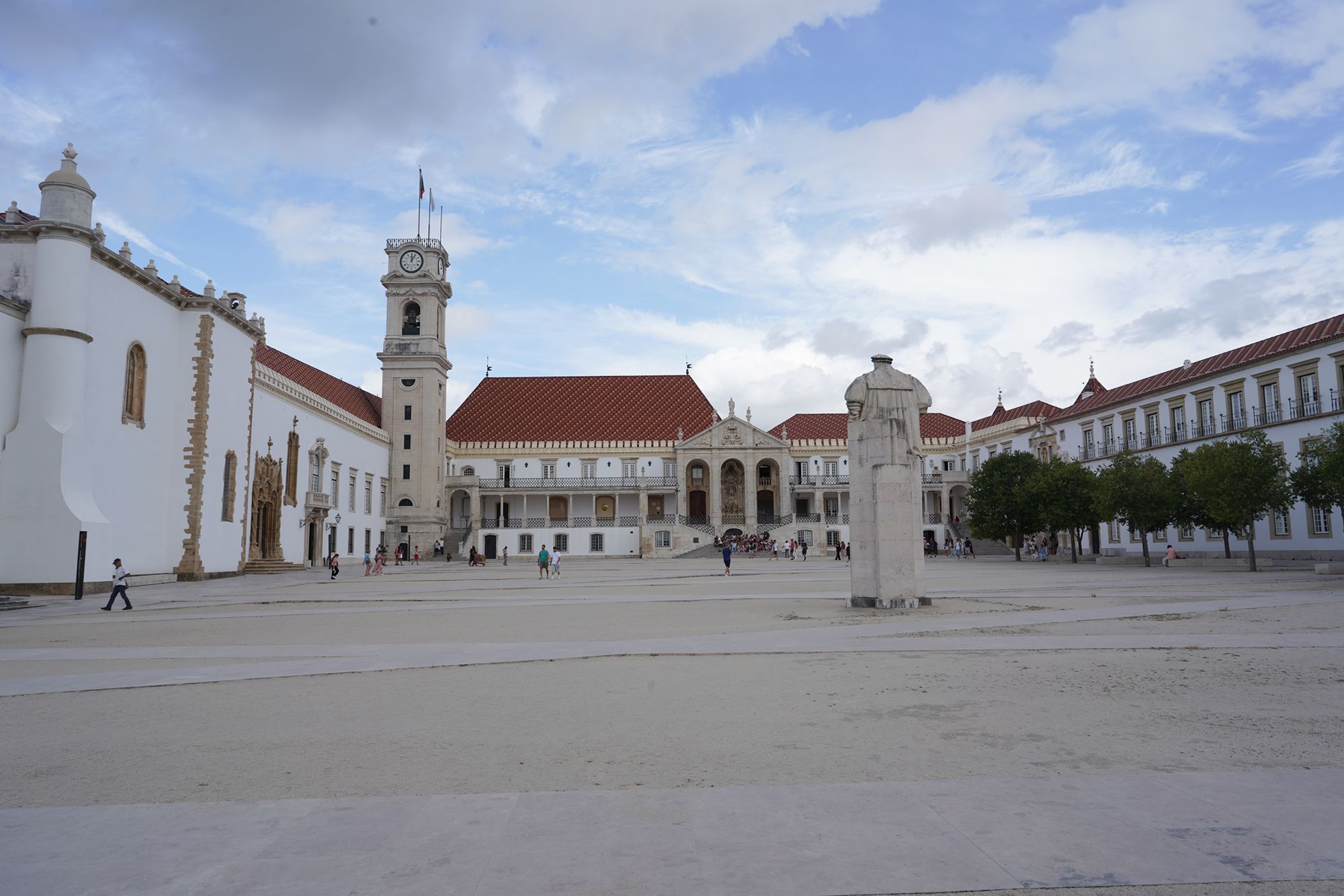
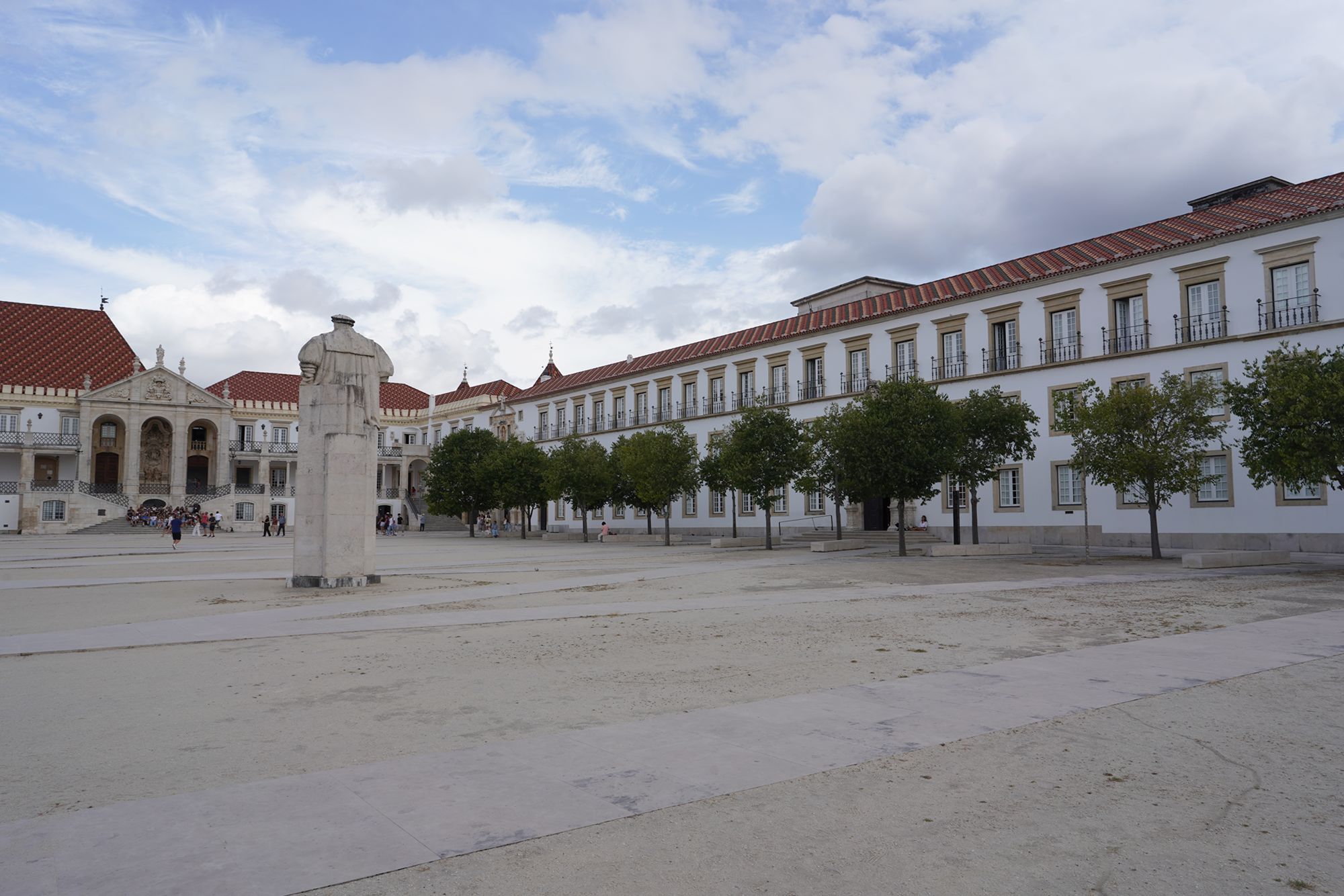
Royal Palace
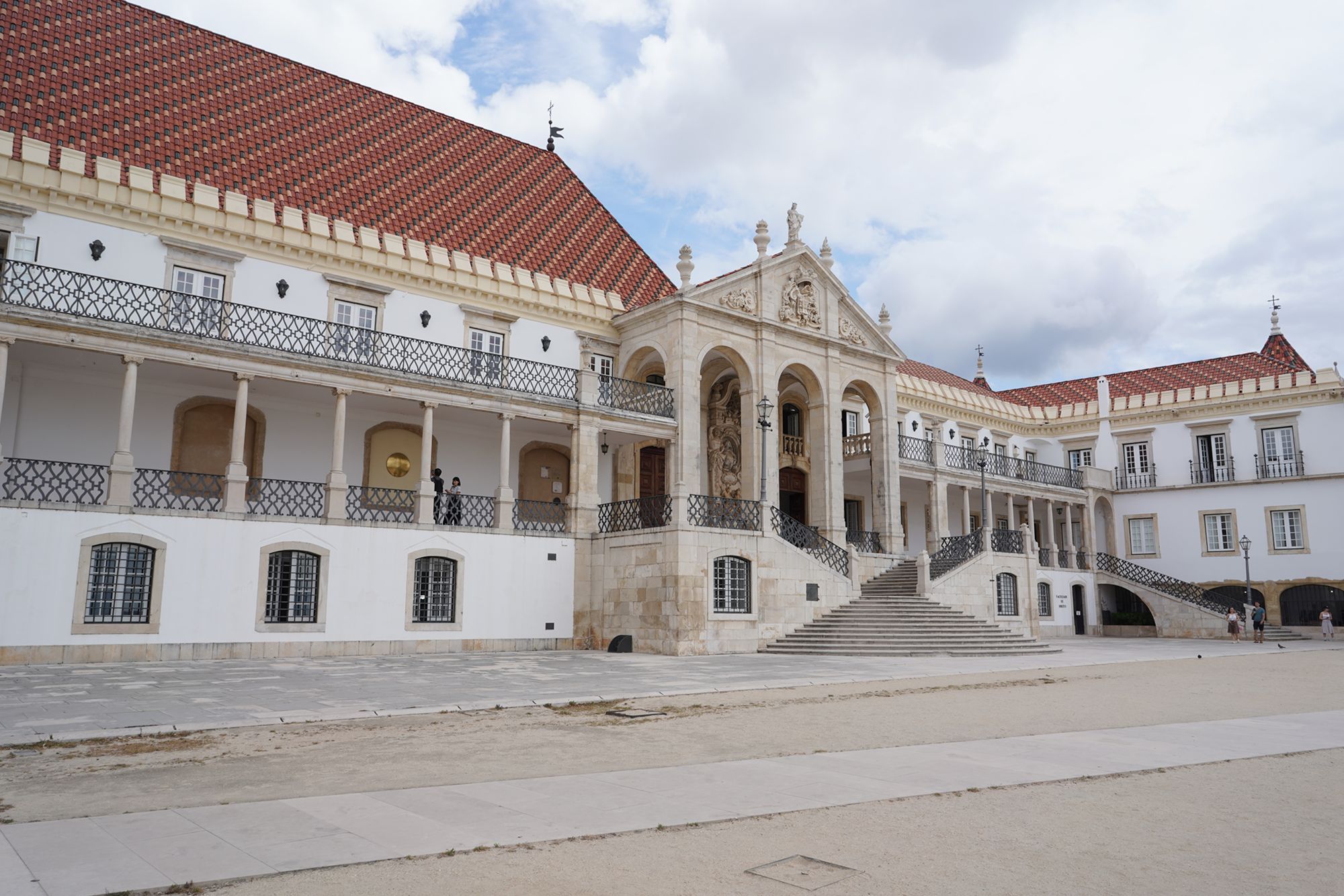
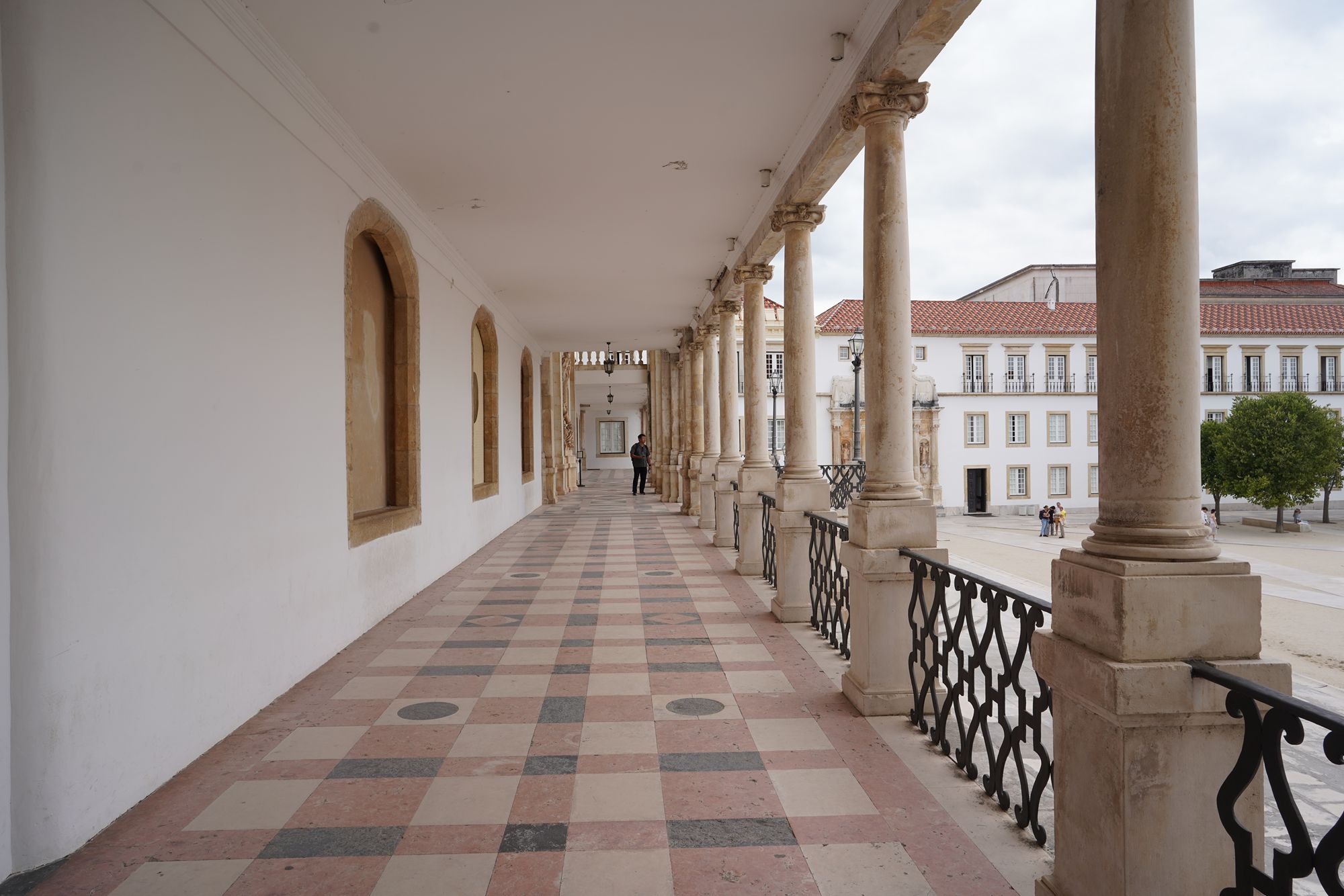
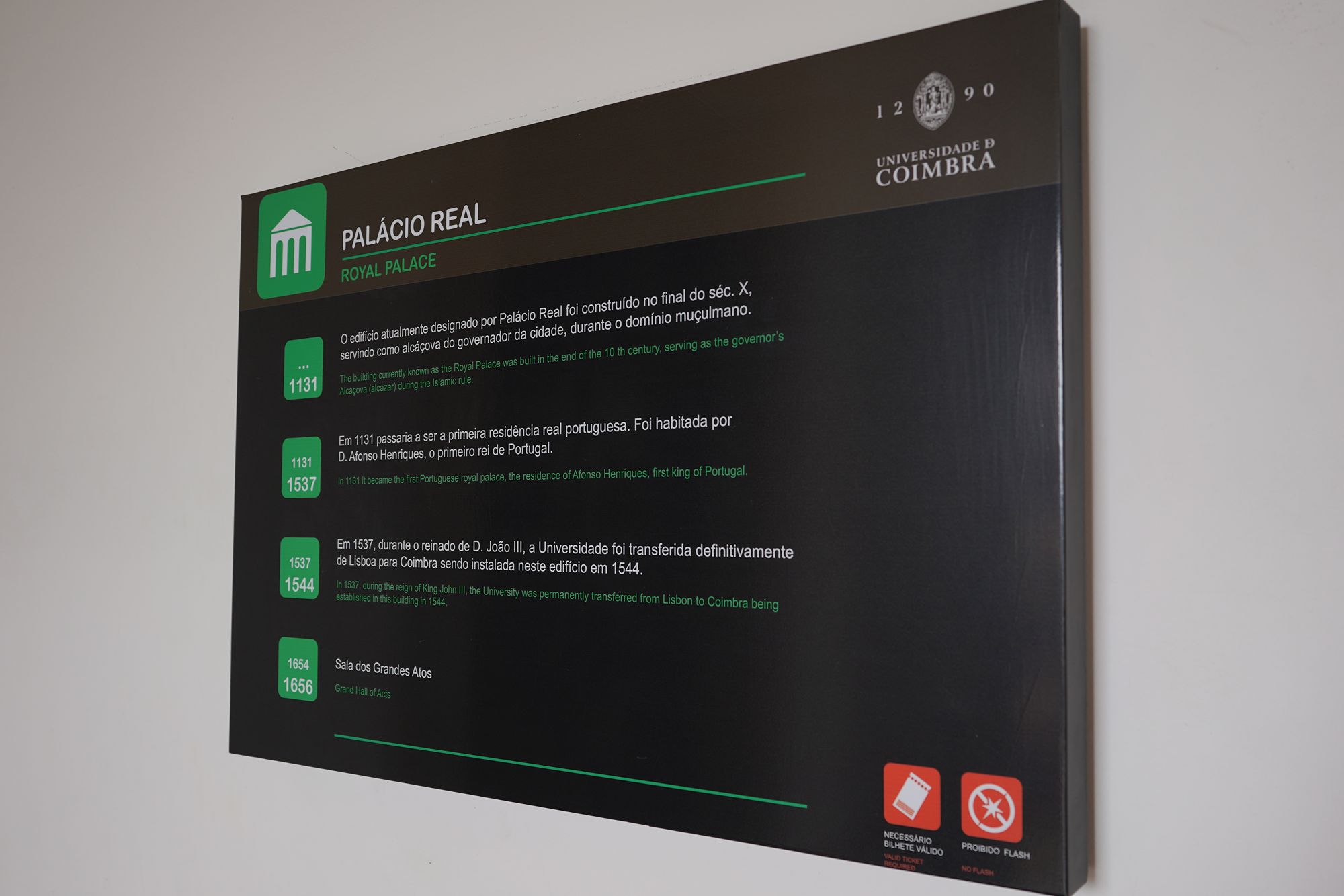
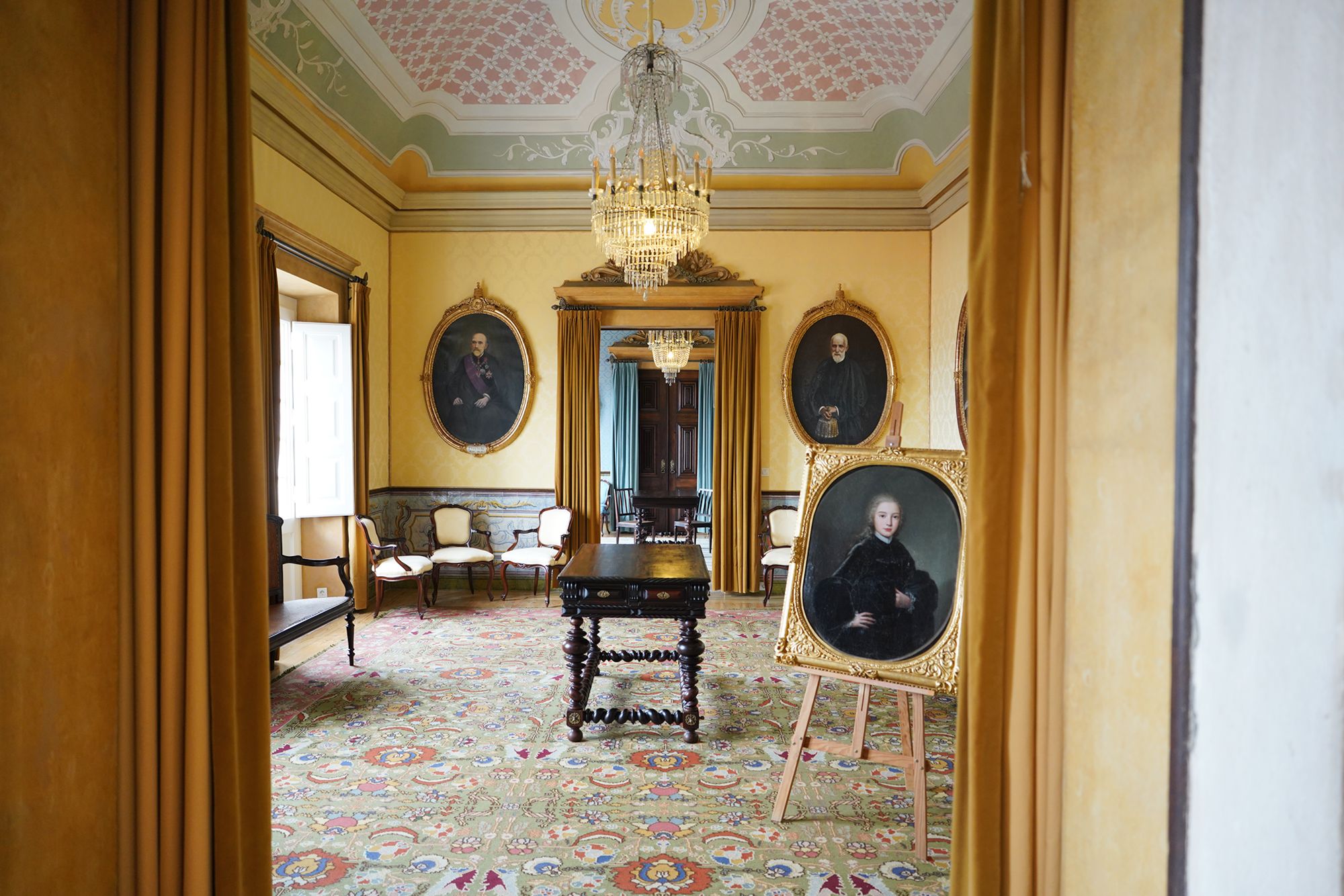
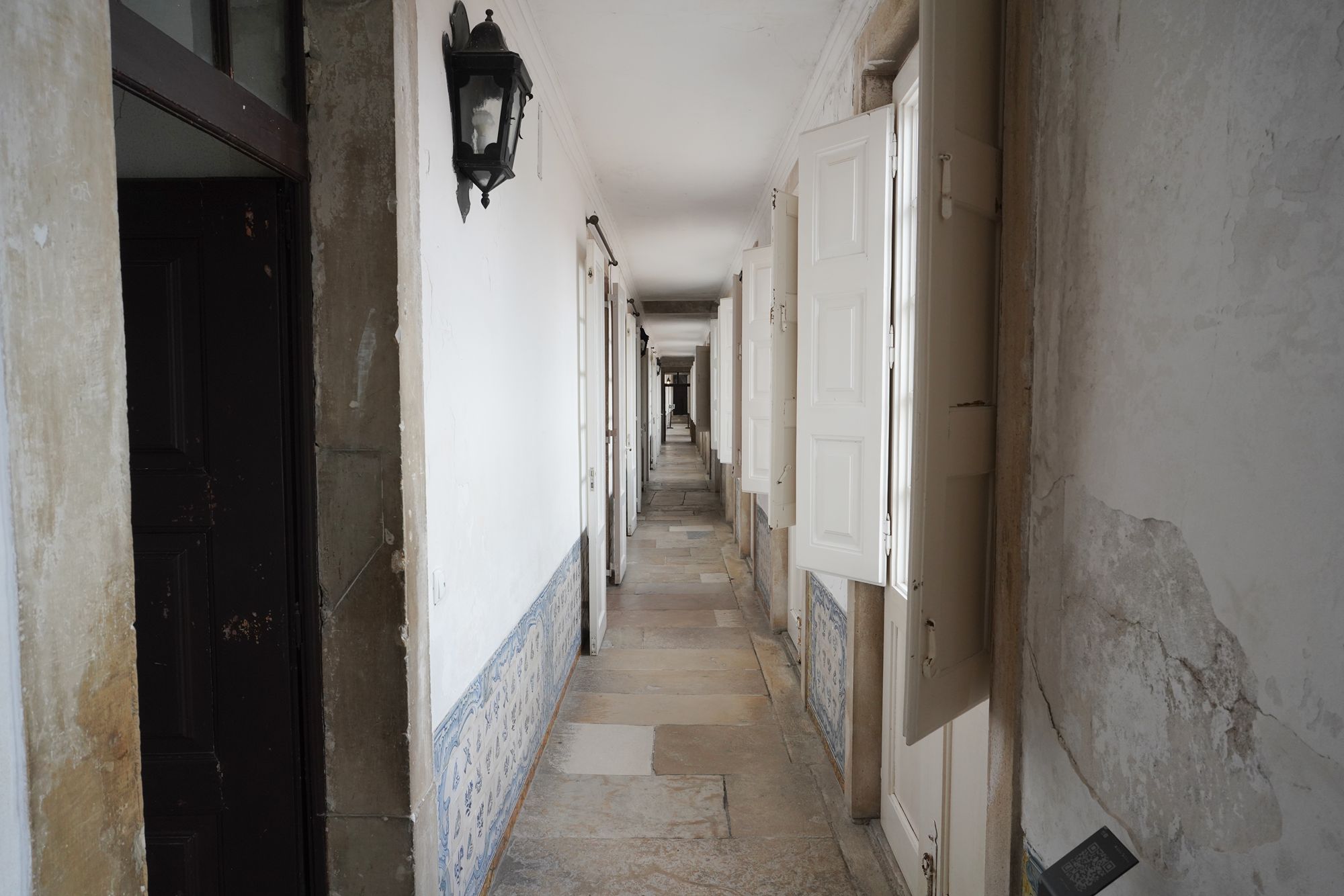
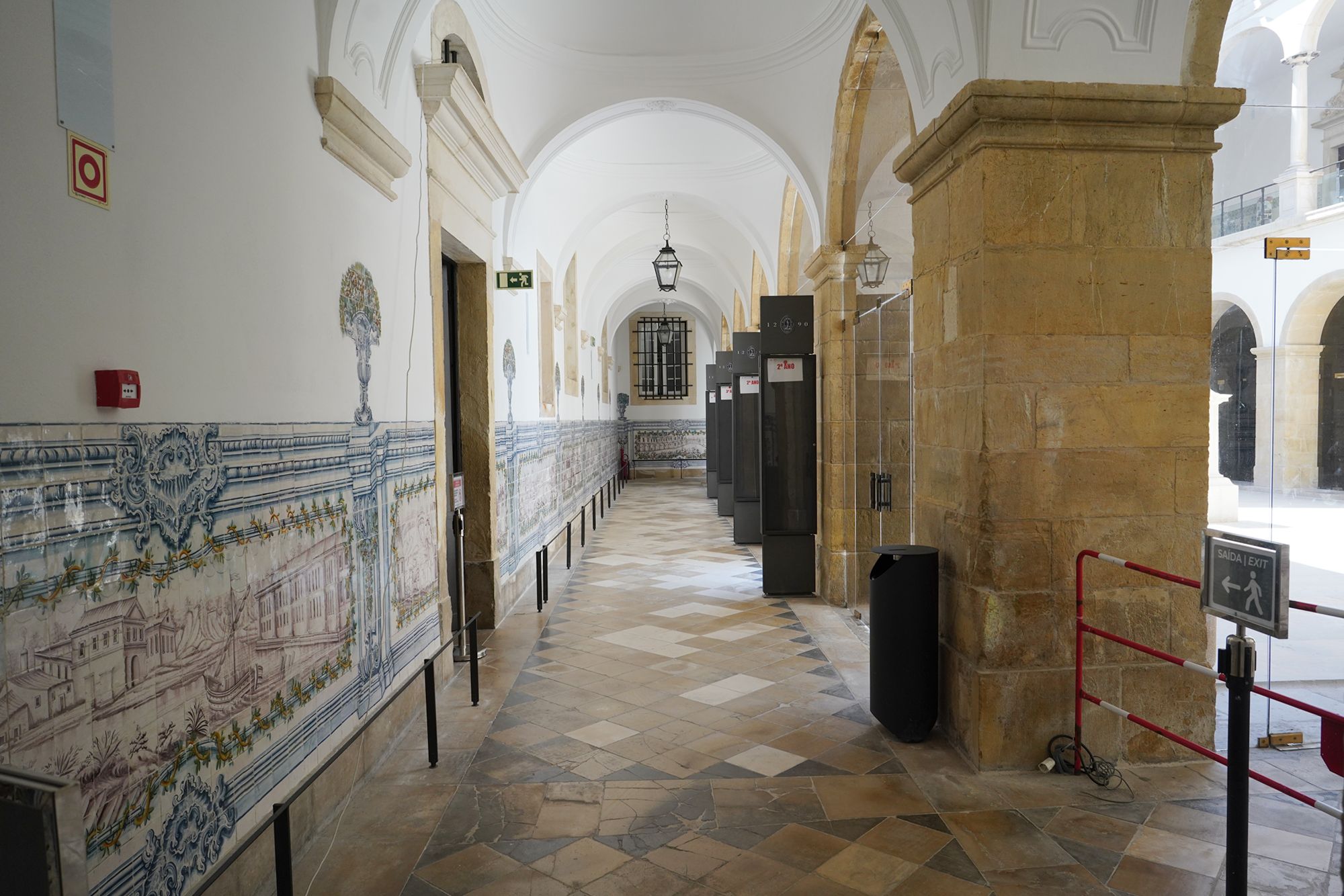
Inside the Royal Palace
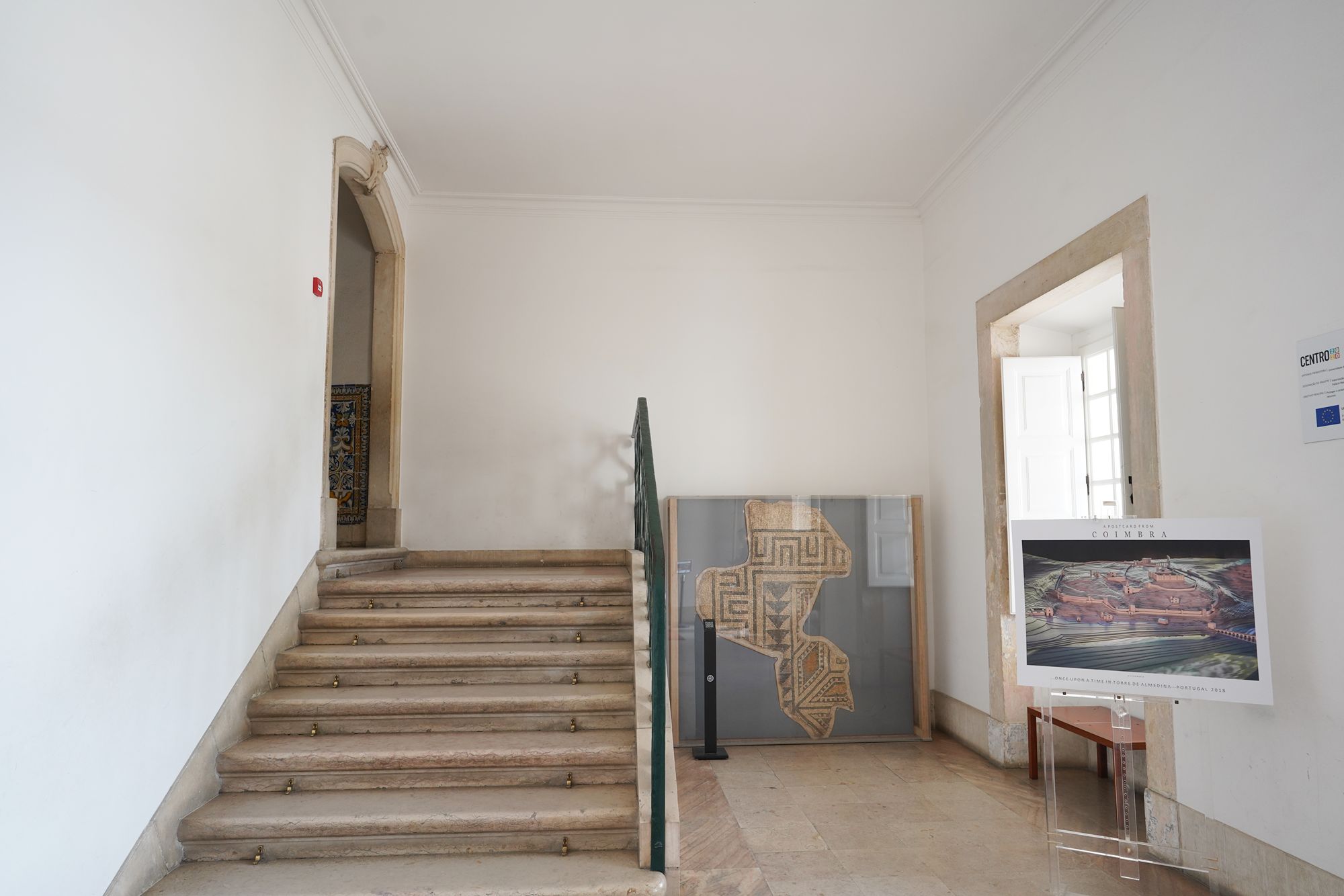
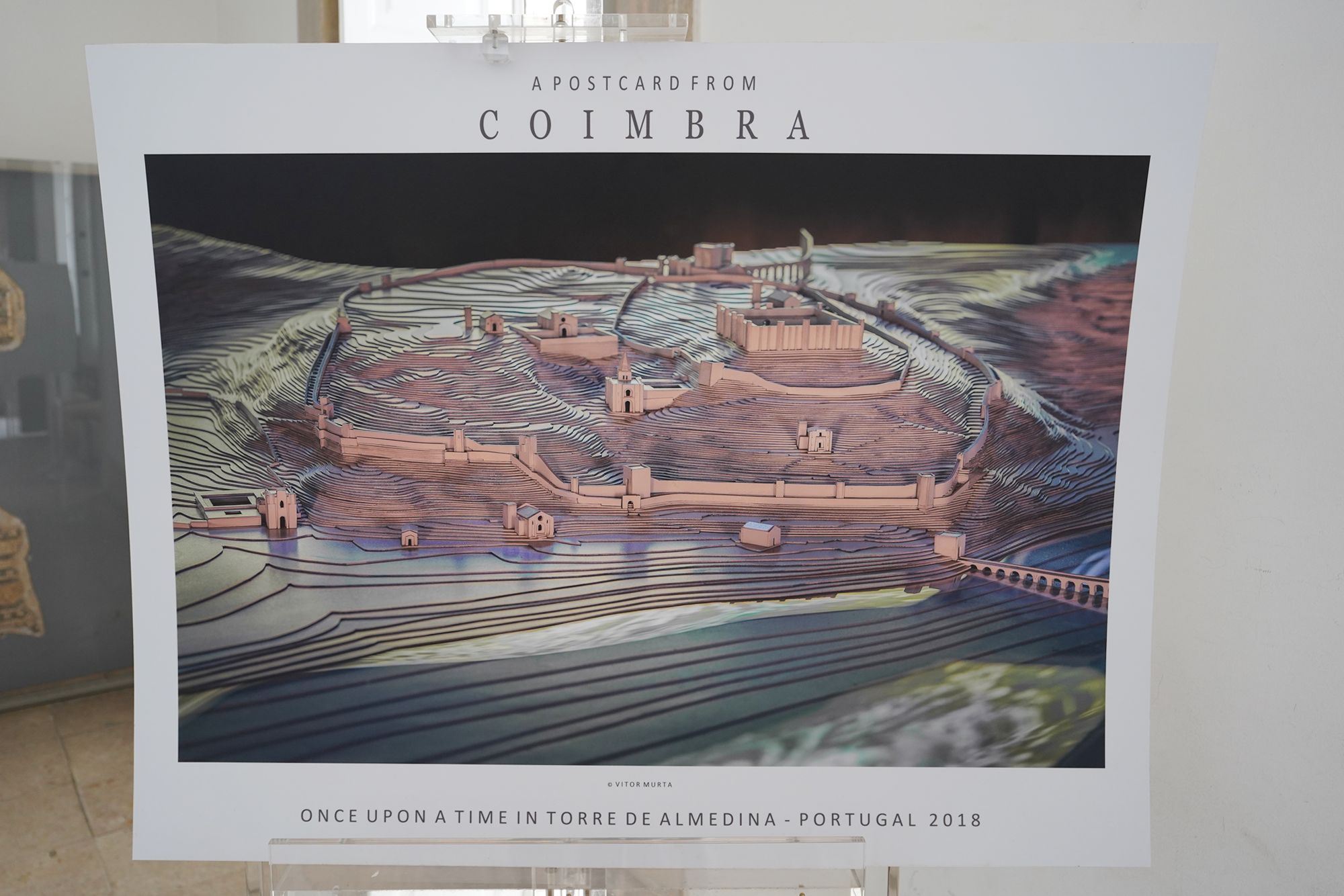
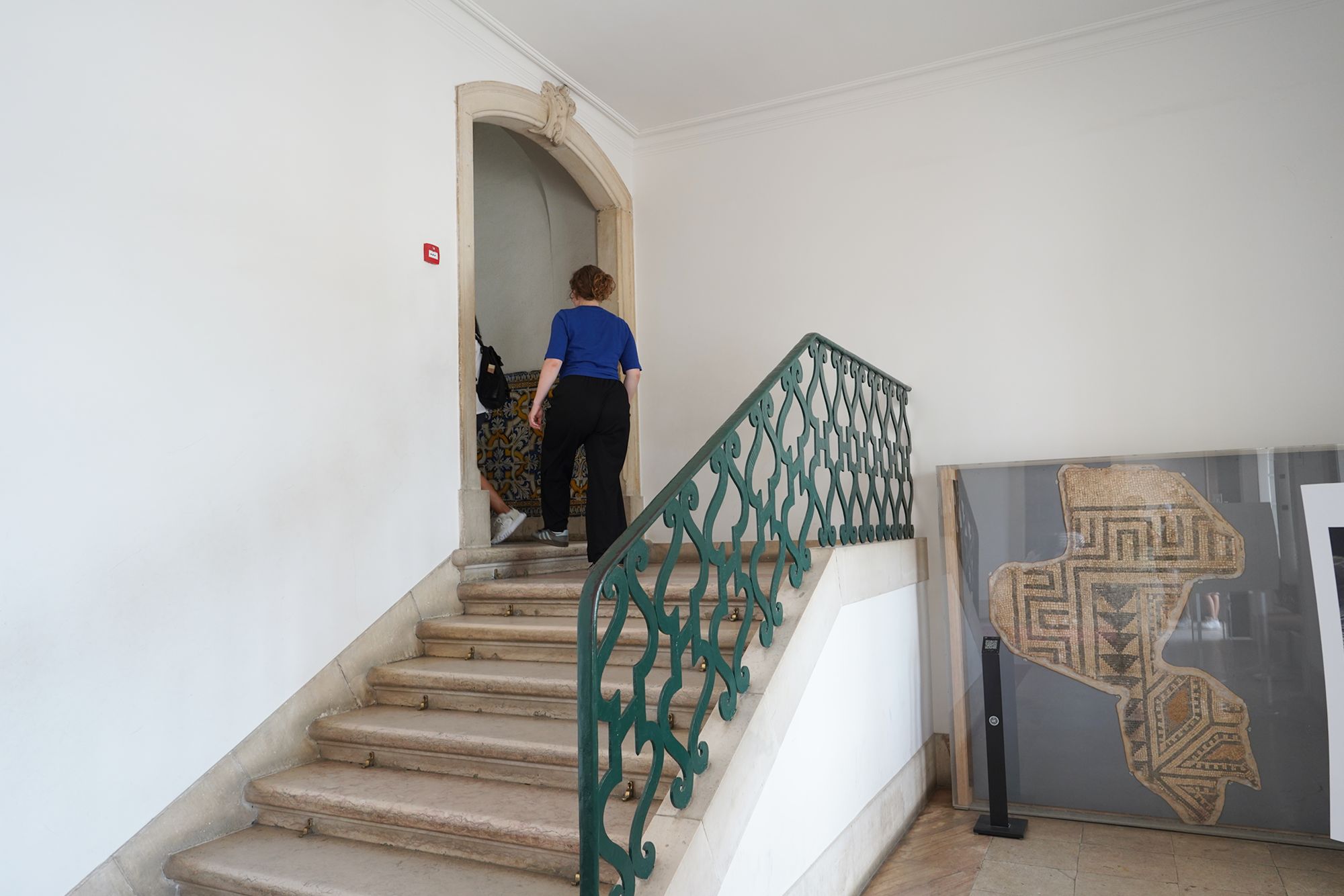
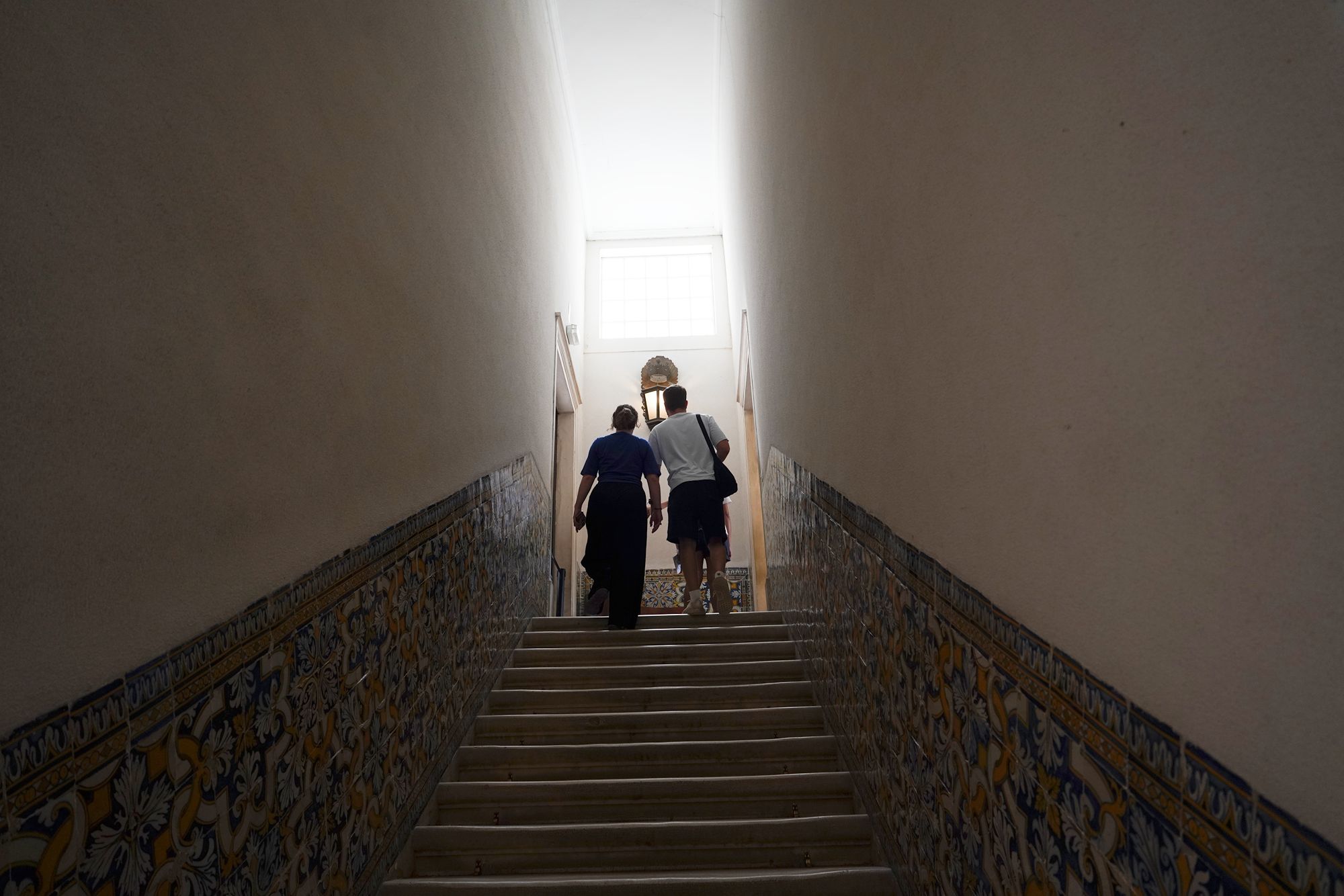
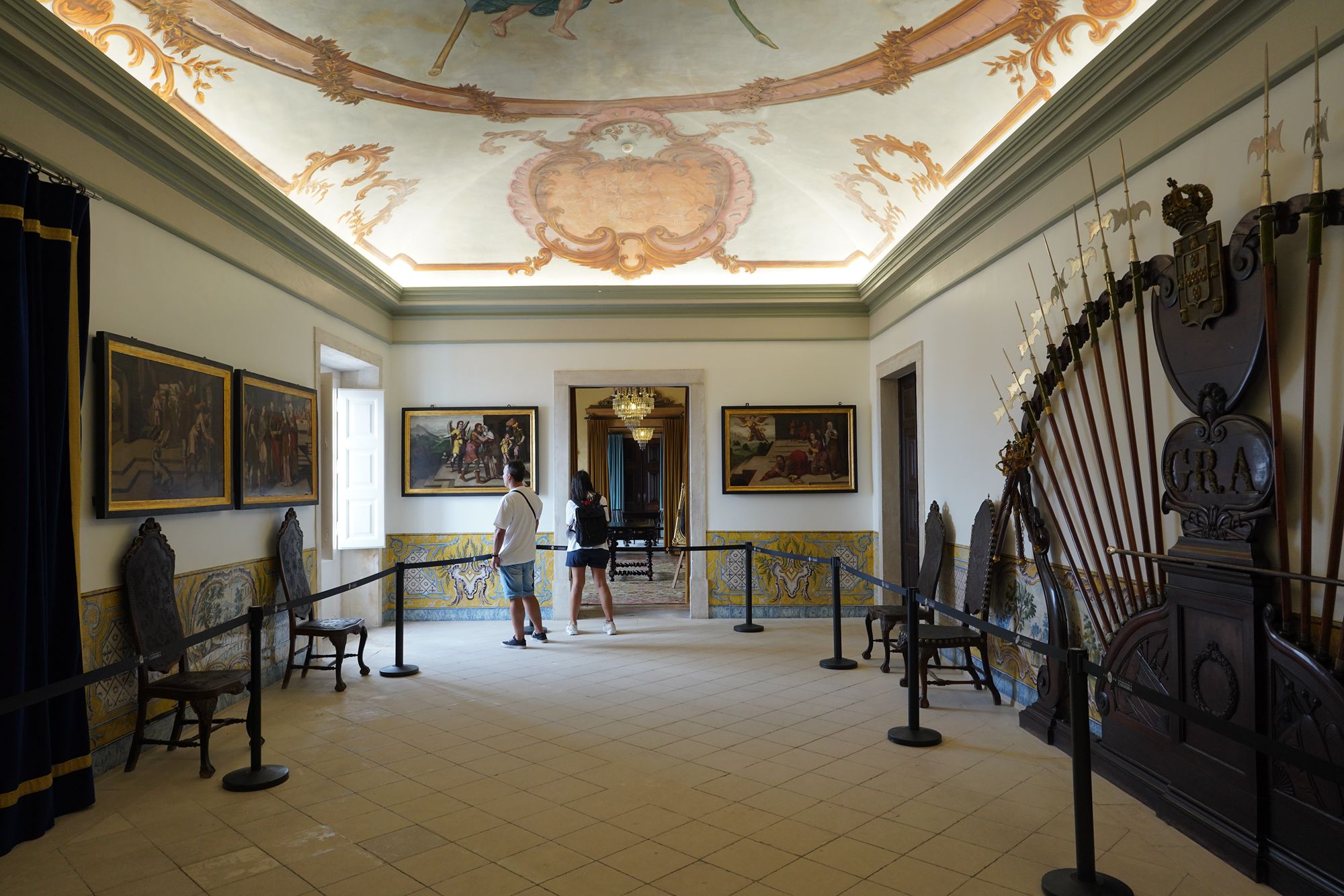
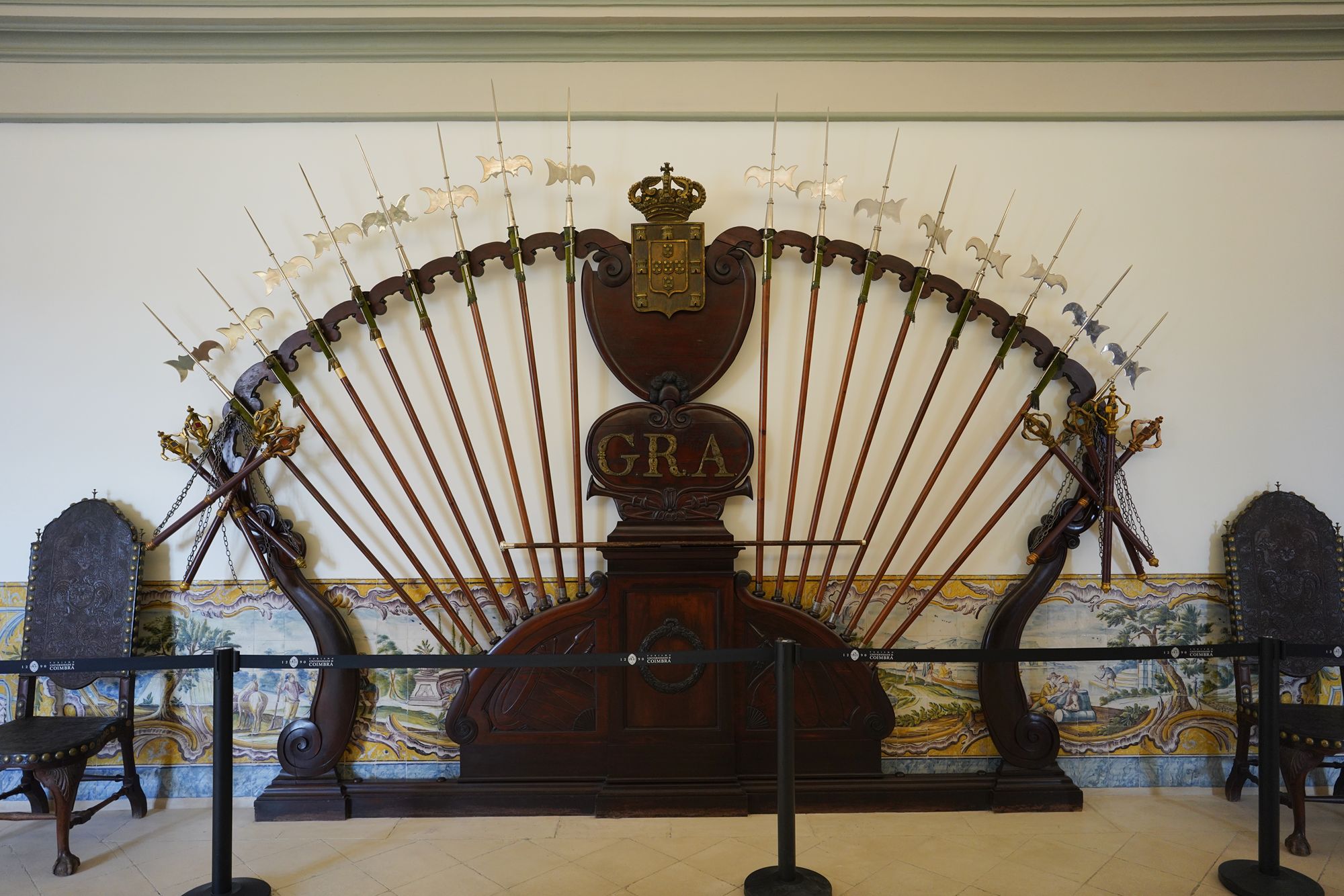
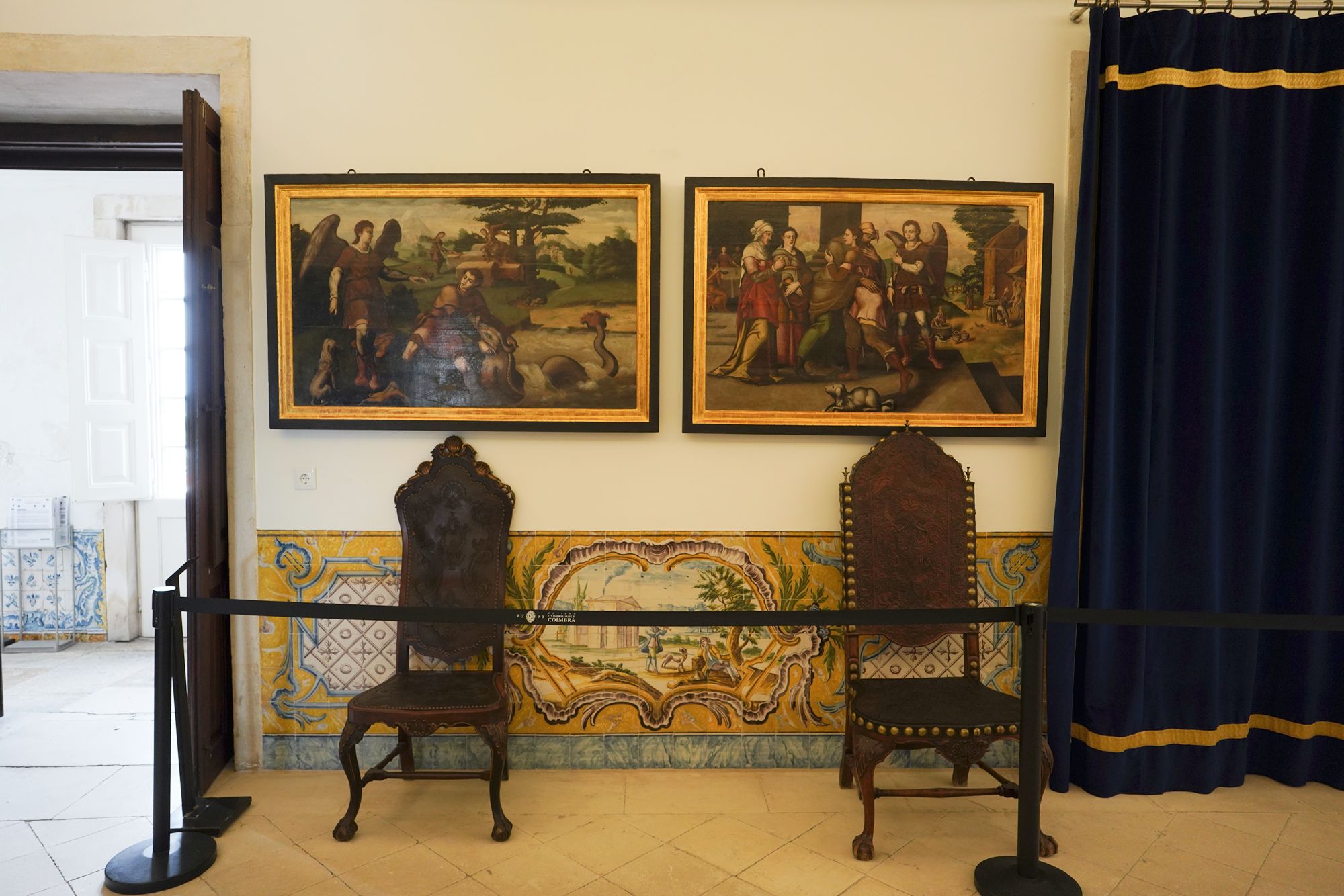
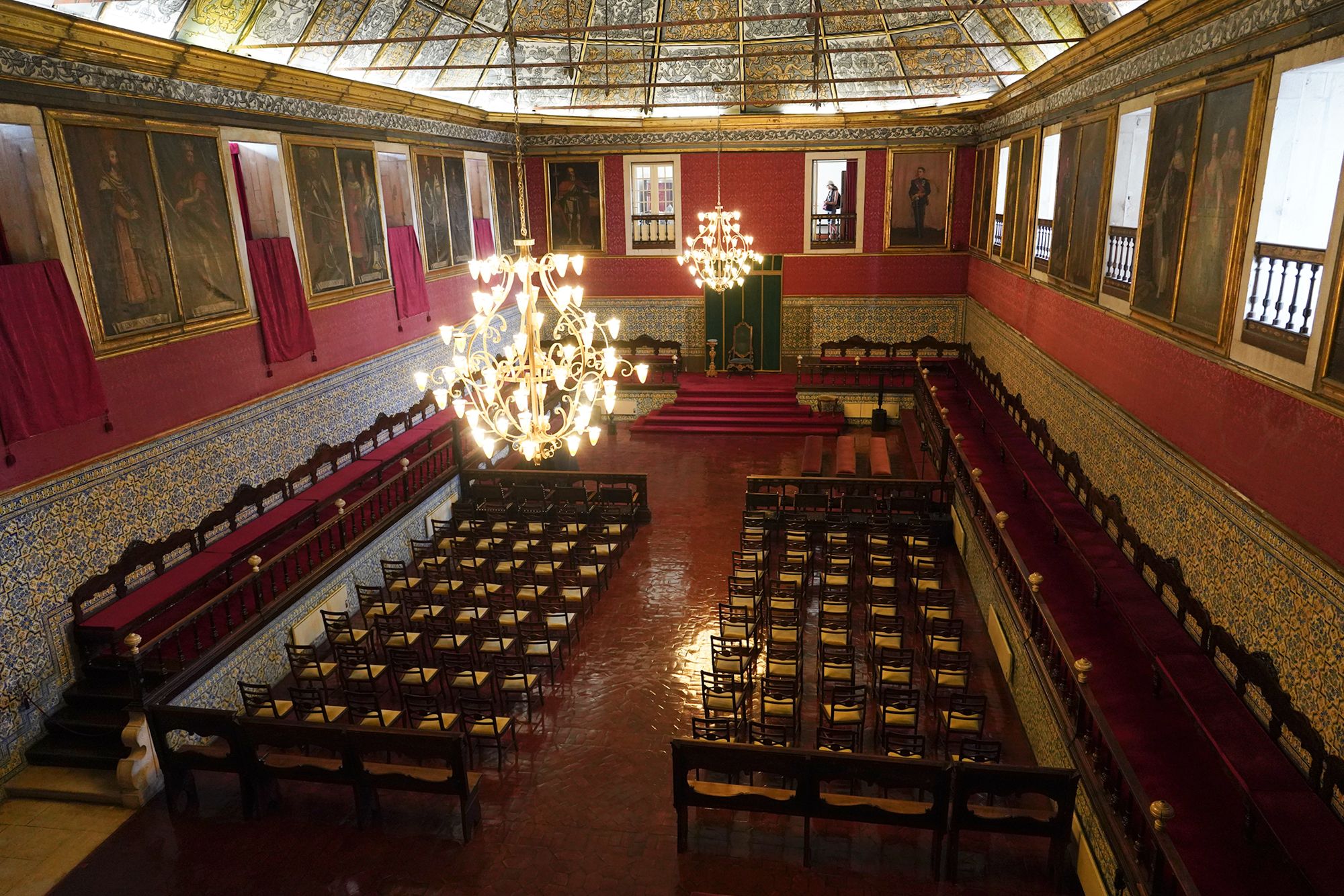
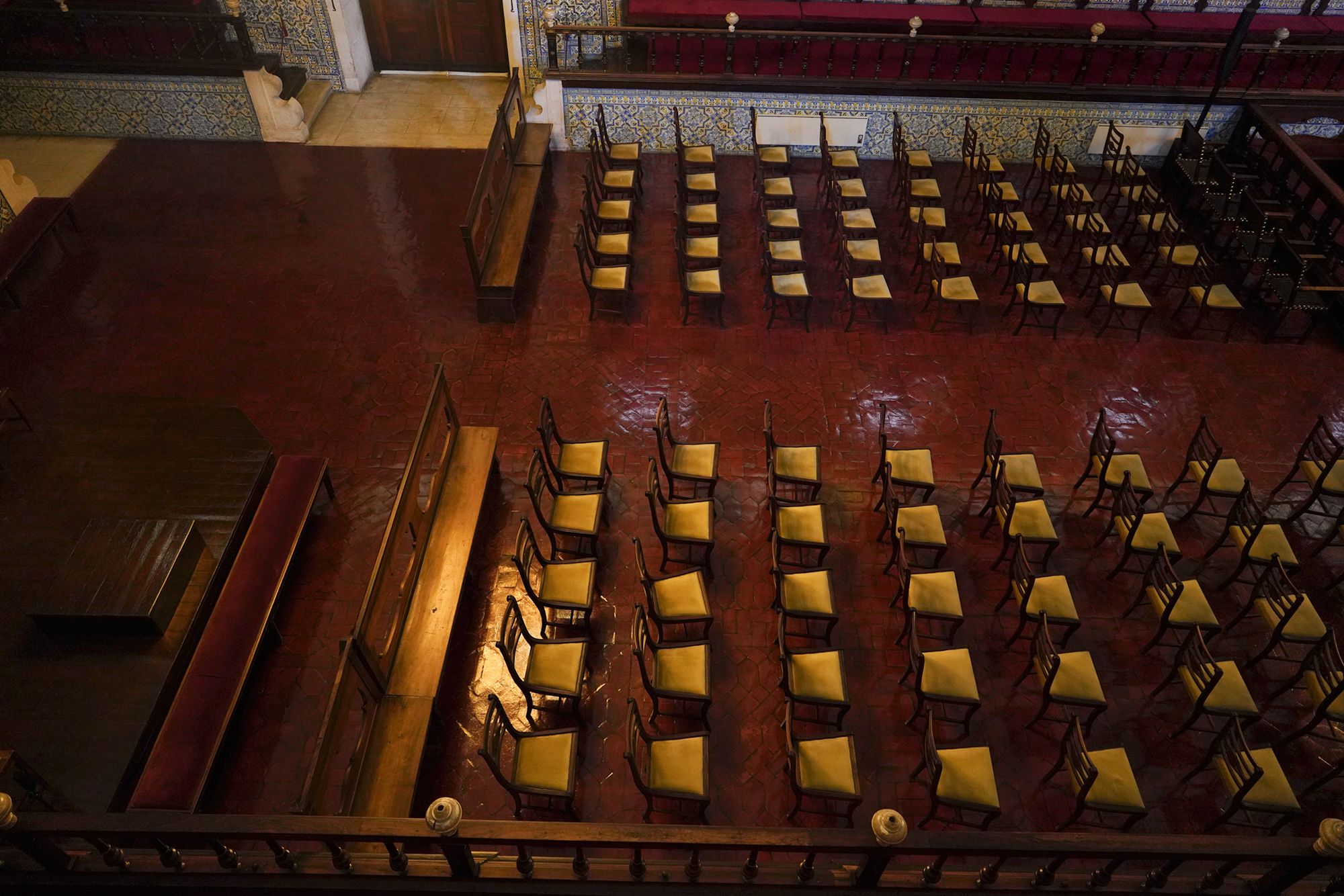
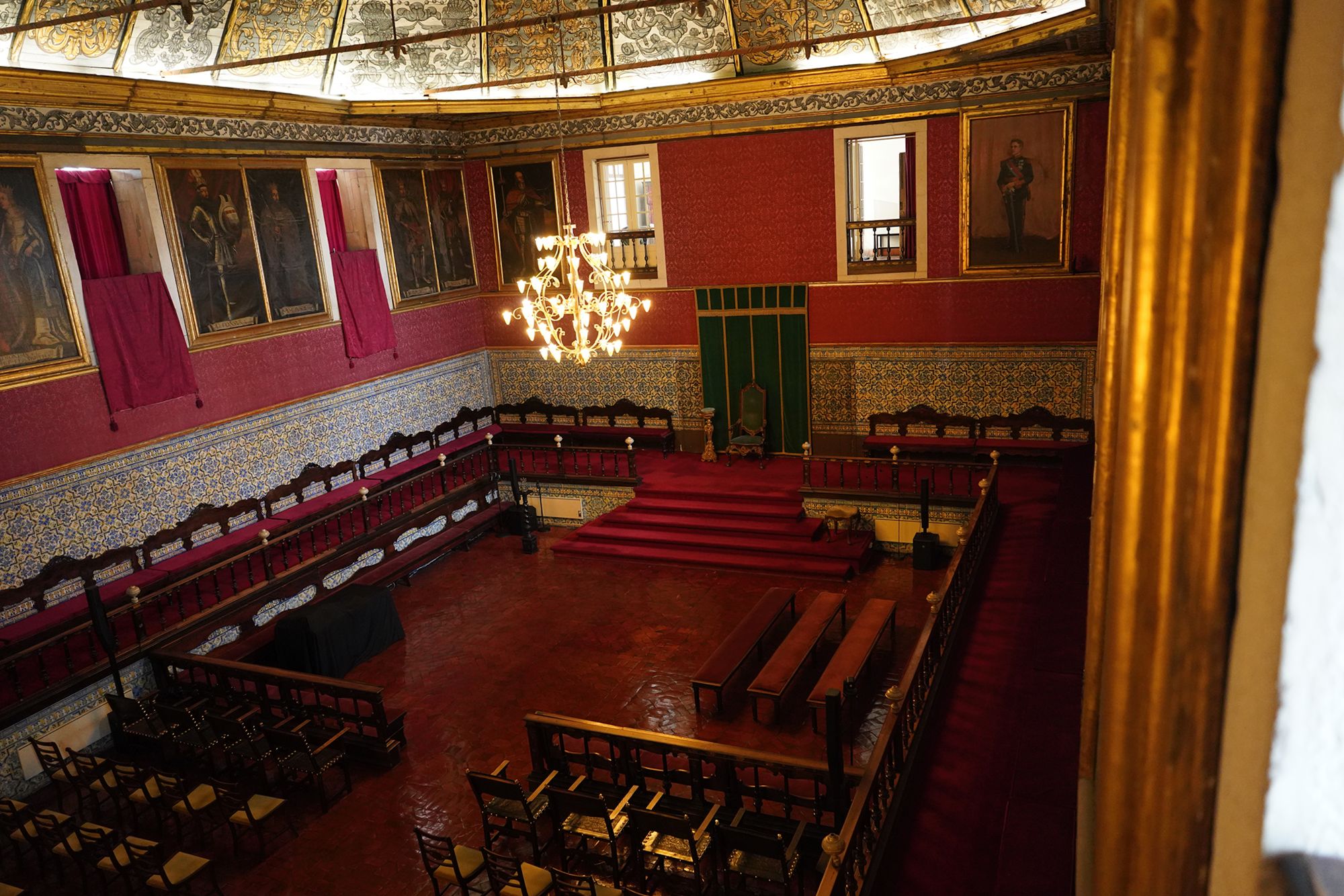
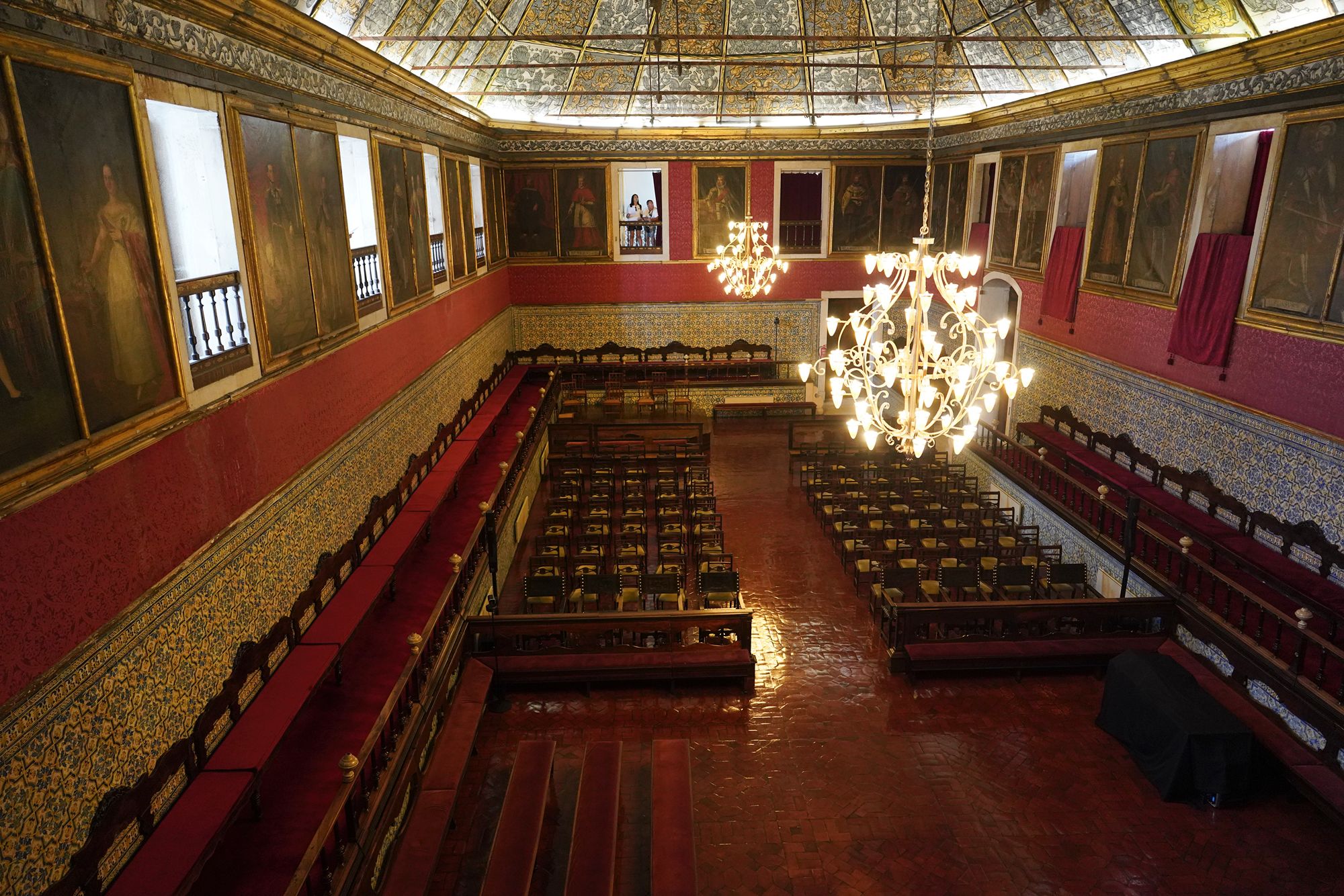
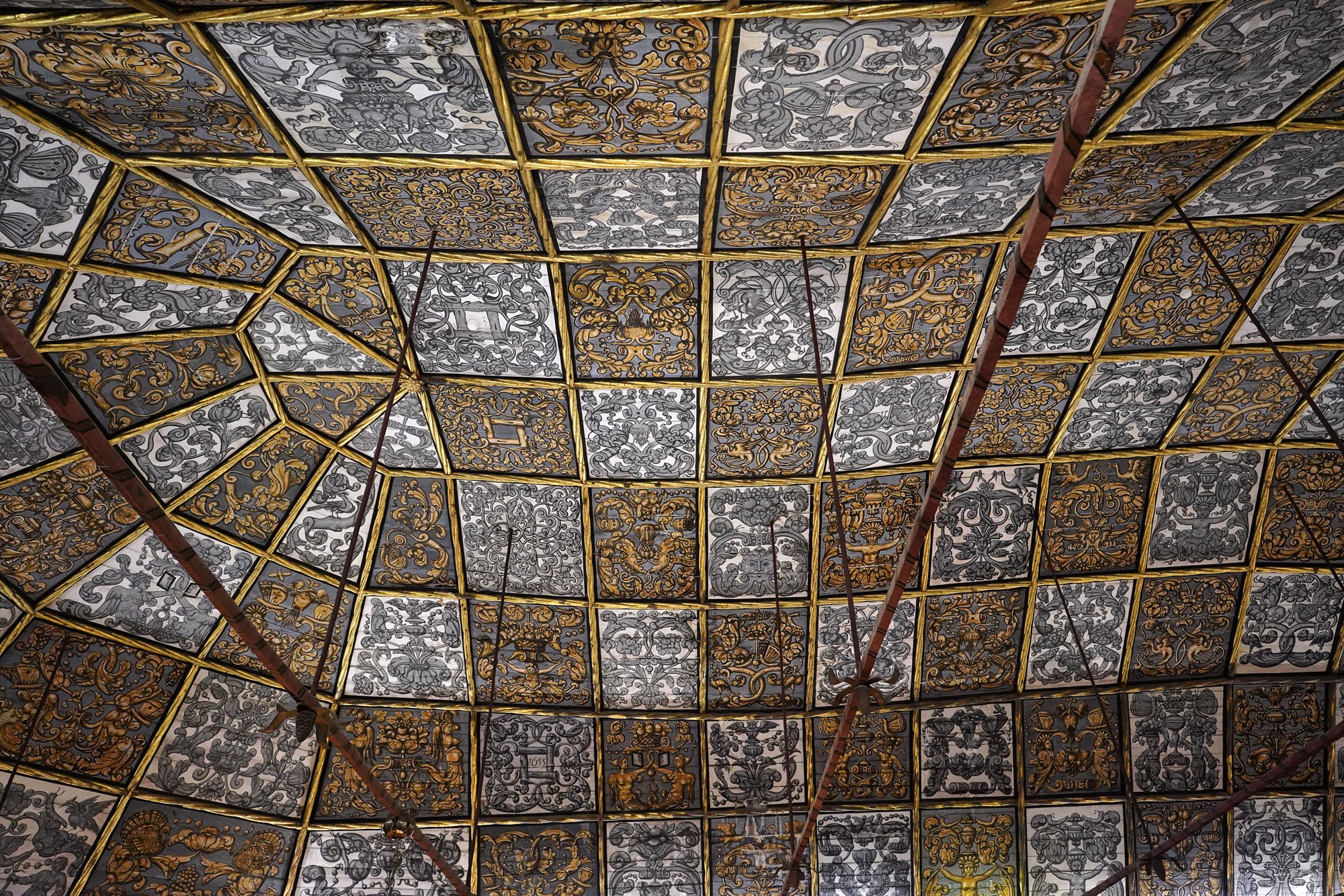
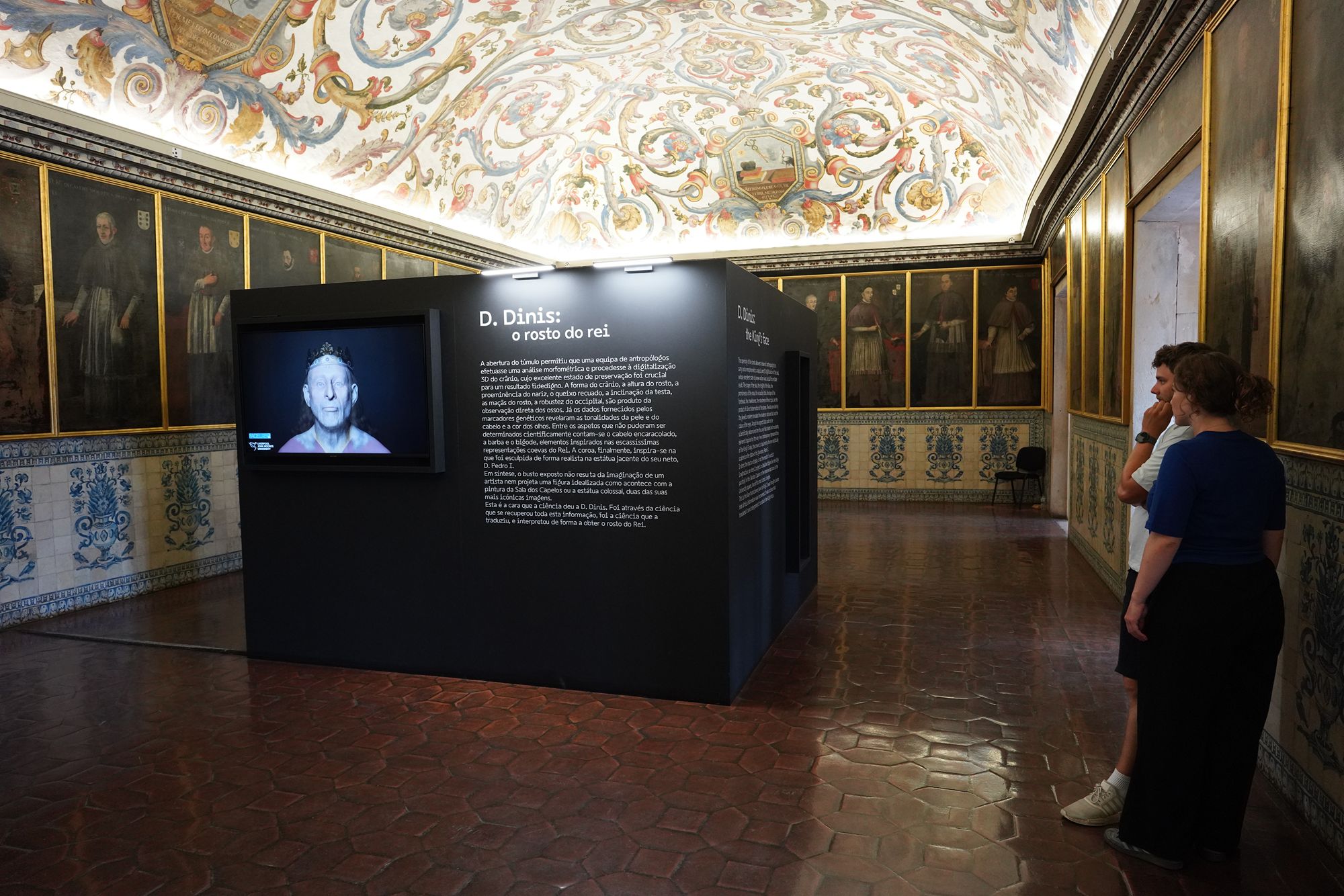
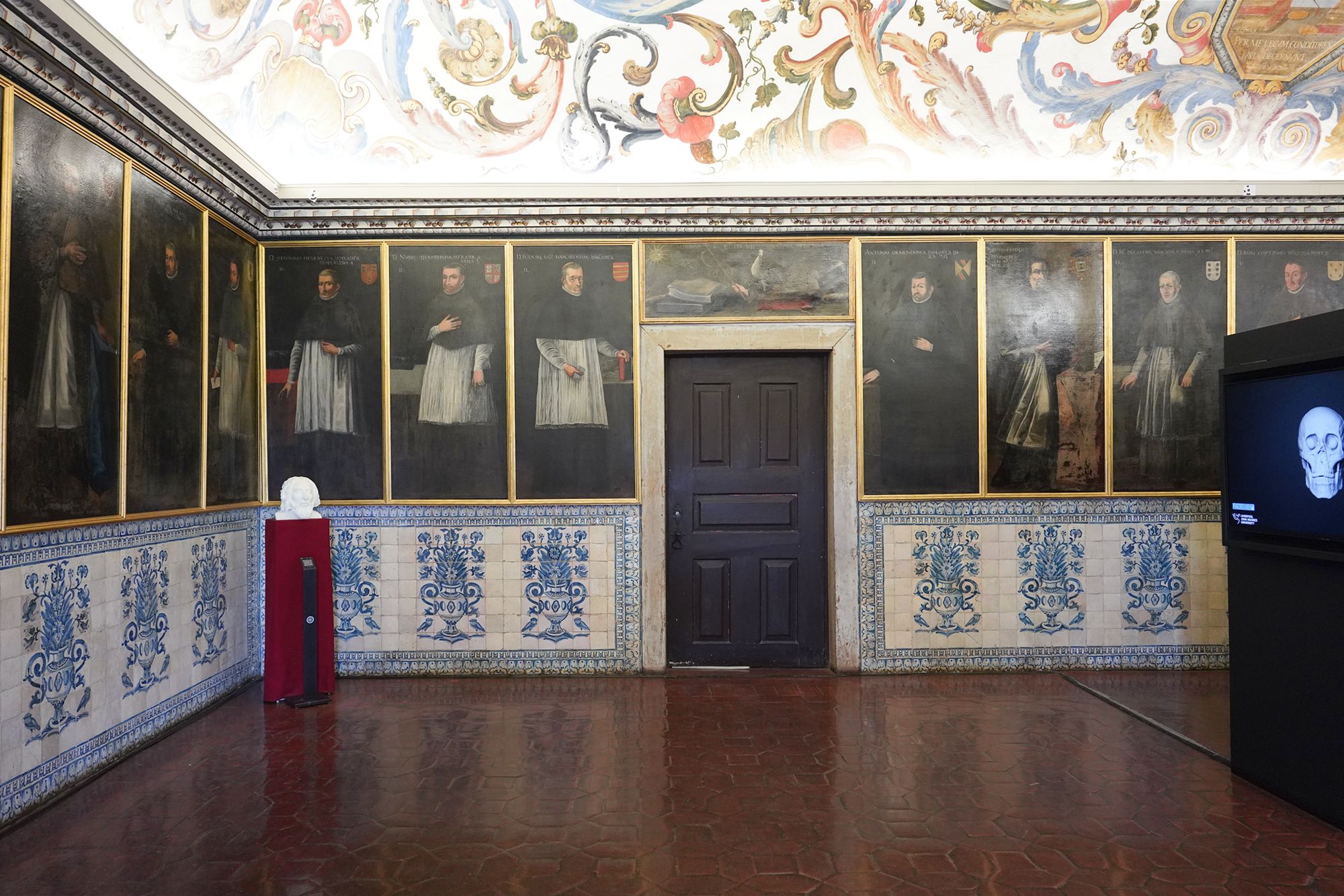
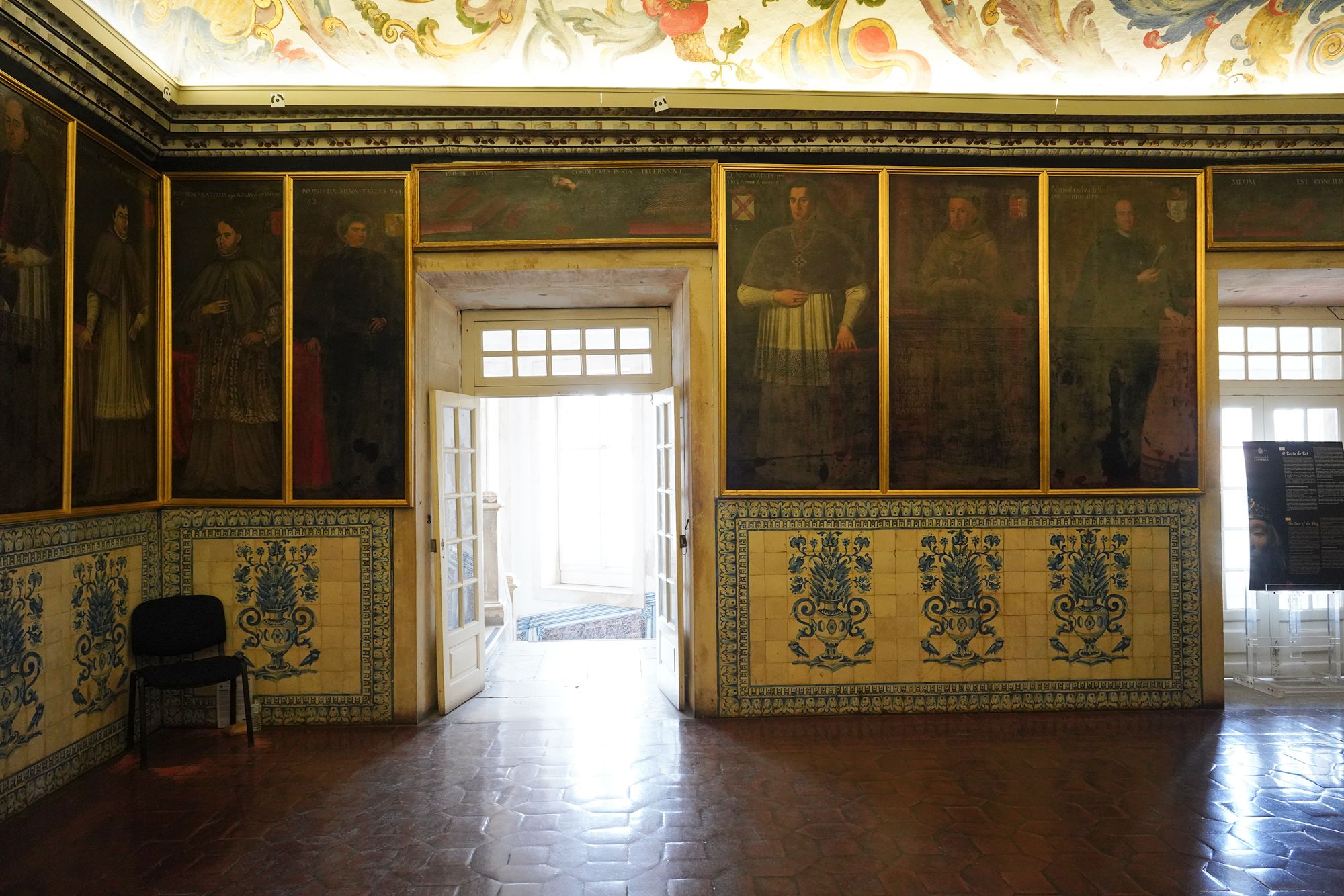
Sala dos Capelos (Great Hall): The former throne room, later used for important academic ceremonies. Its walls display portraits of Portuguese kings.
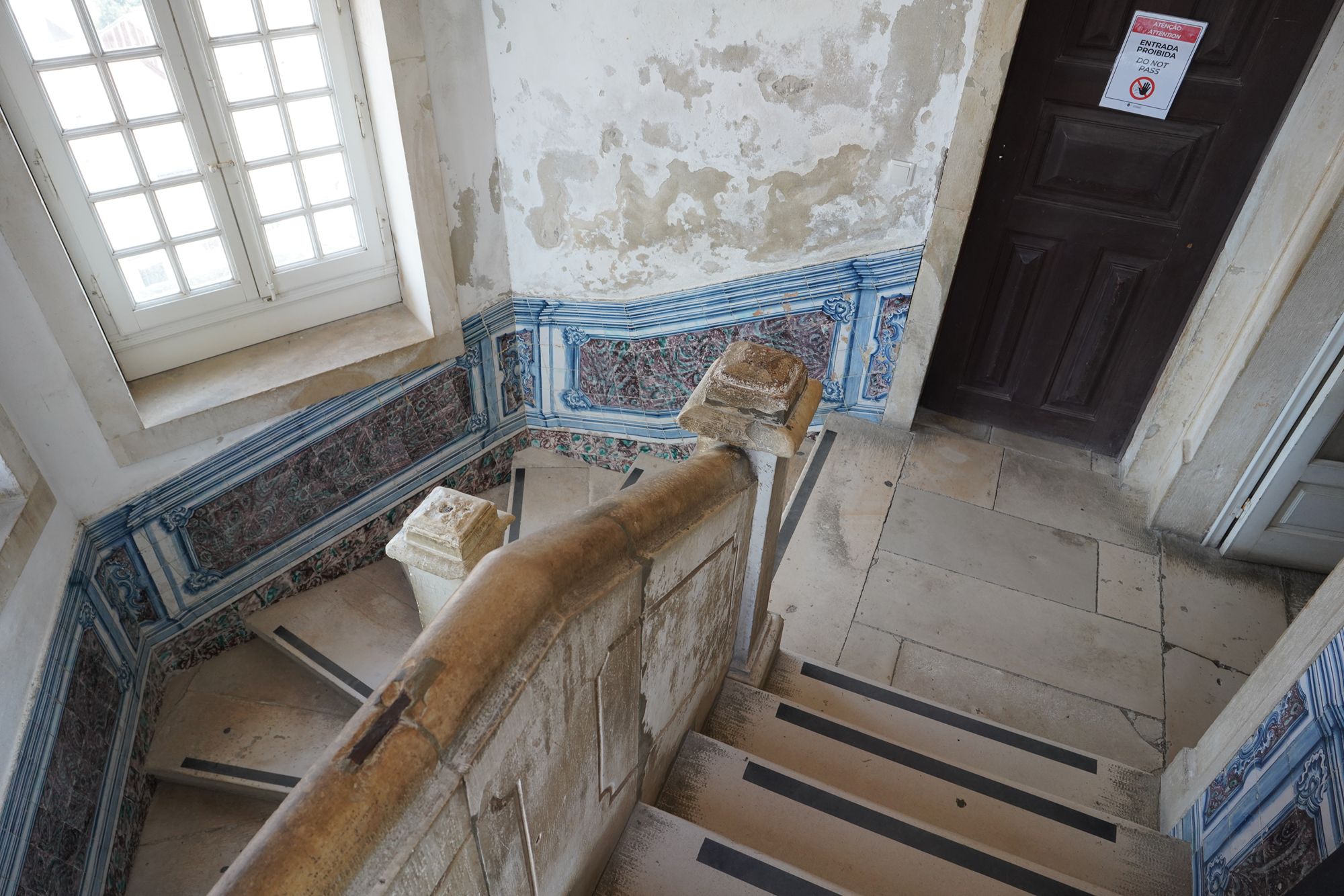
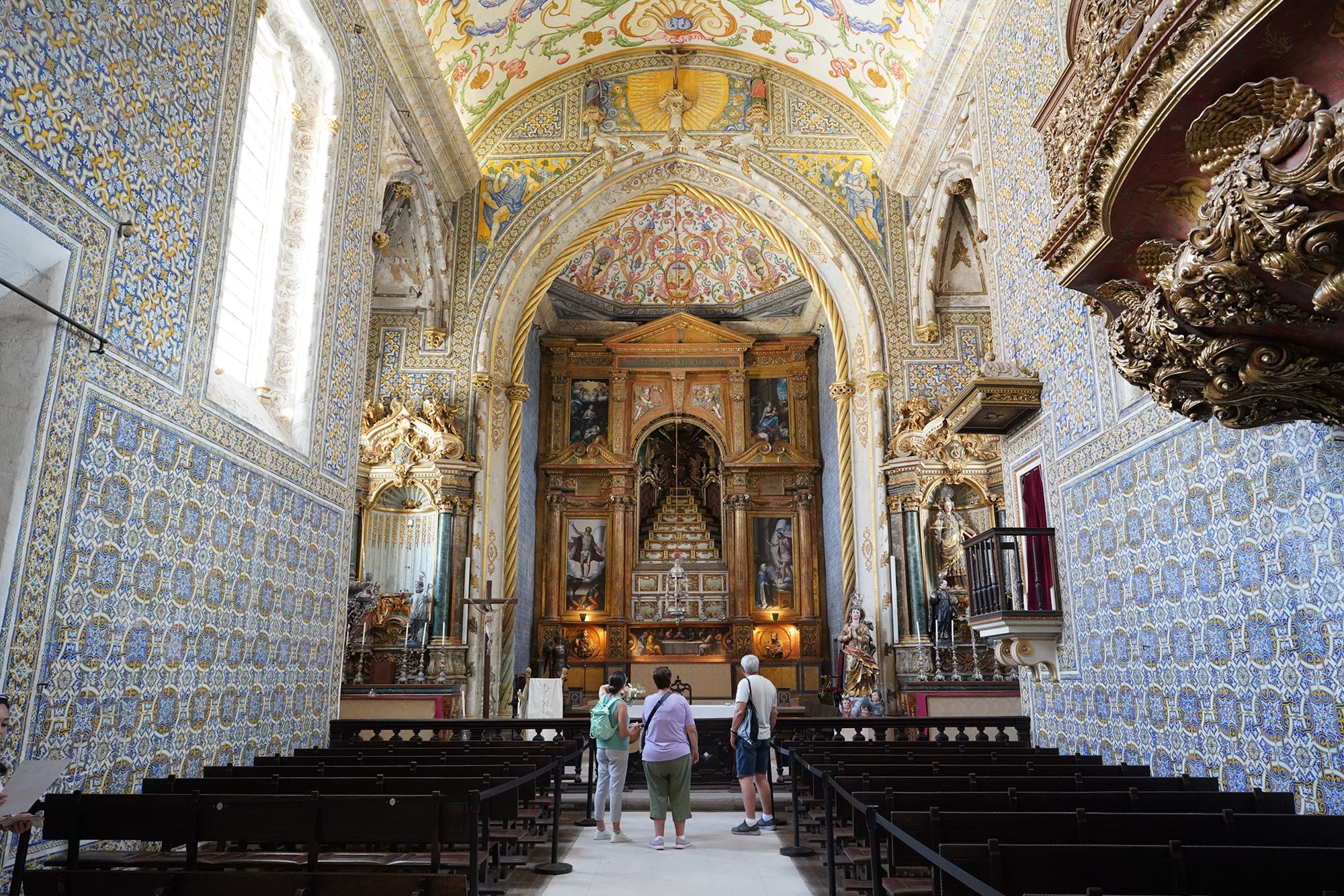
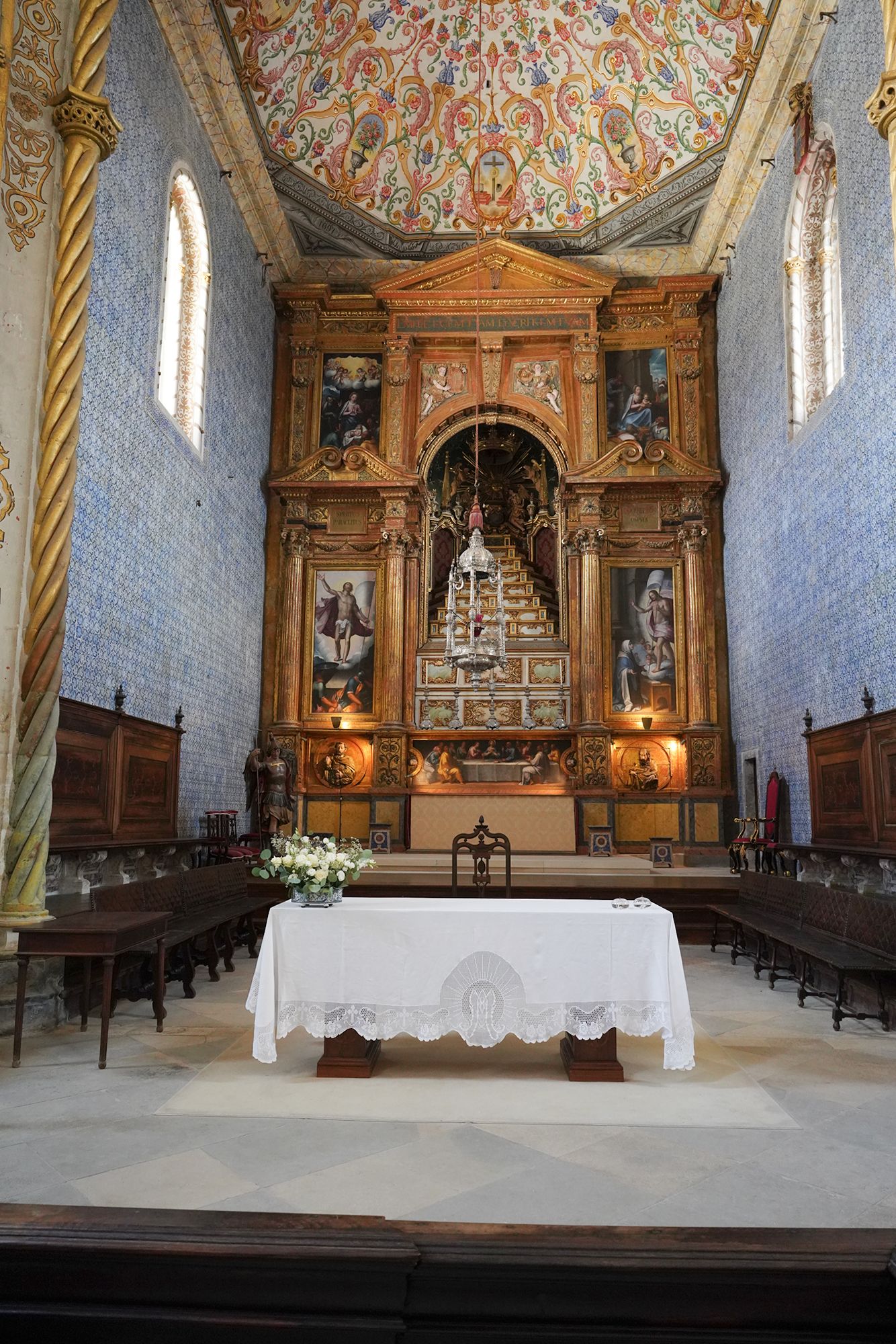
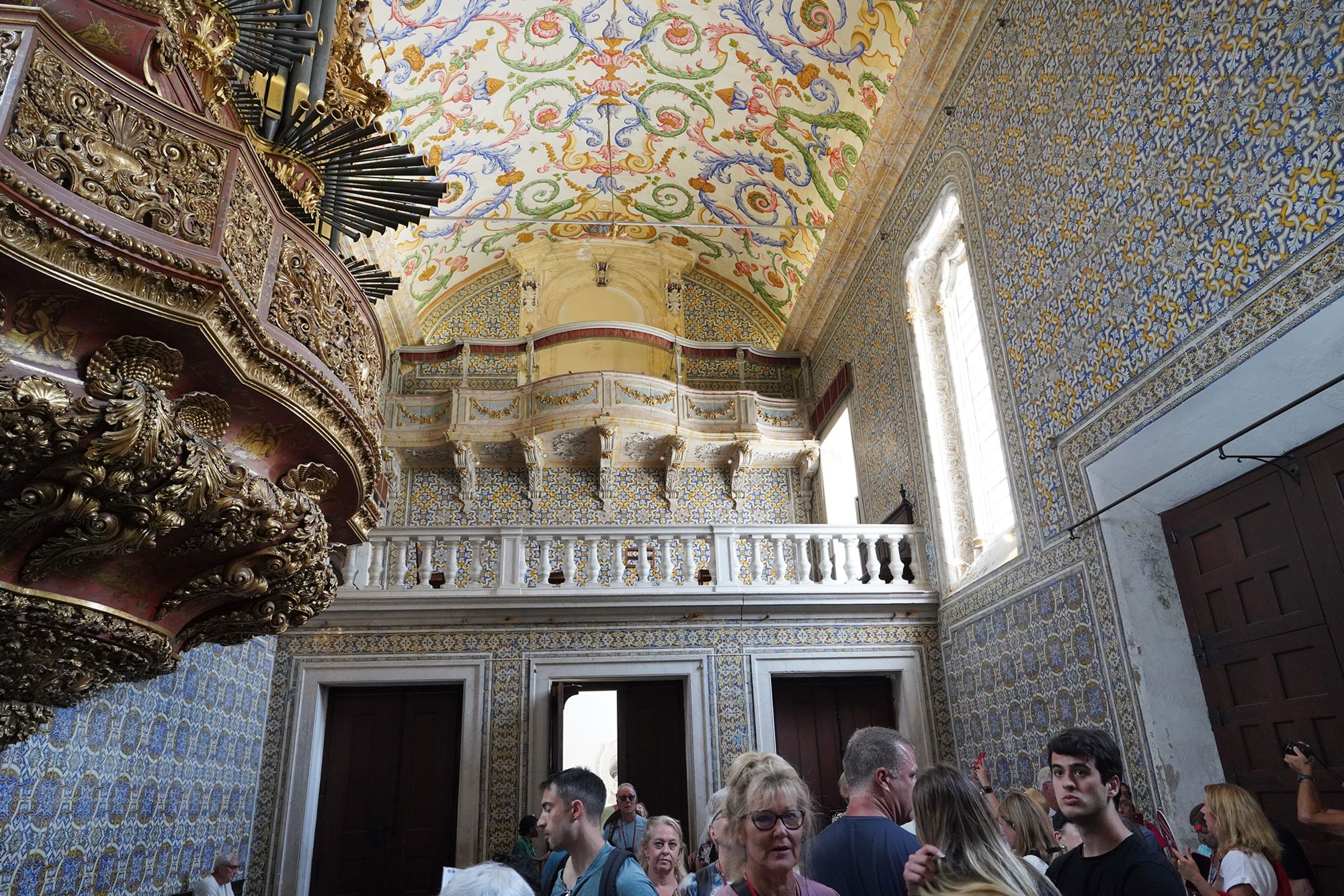
Saint Michael’s Chapel (Capela de São Miguel) was originally the royal palace’s private place of worship. Its present structure dates mainly to the 16th century, with an ornate Manueline entrance. Inside, patterned tiles, painted ceilings, and a gilded altar decorate the small space.
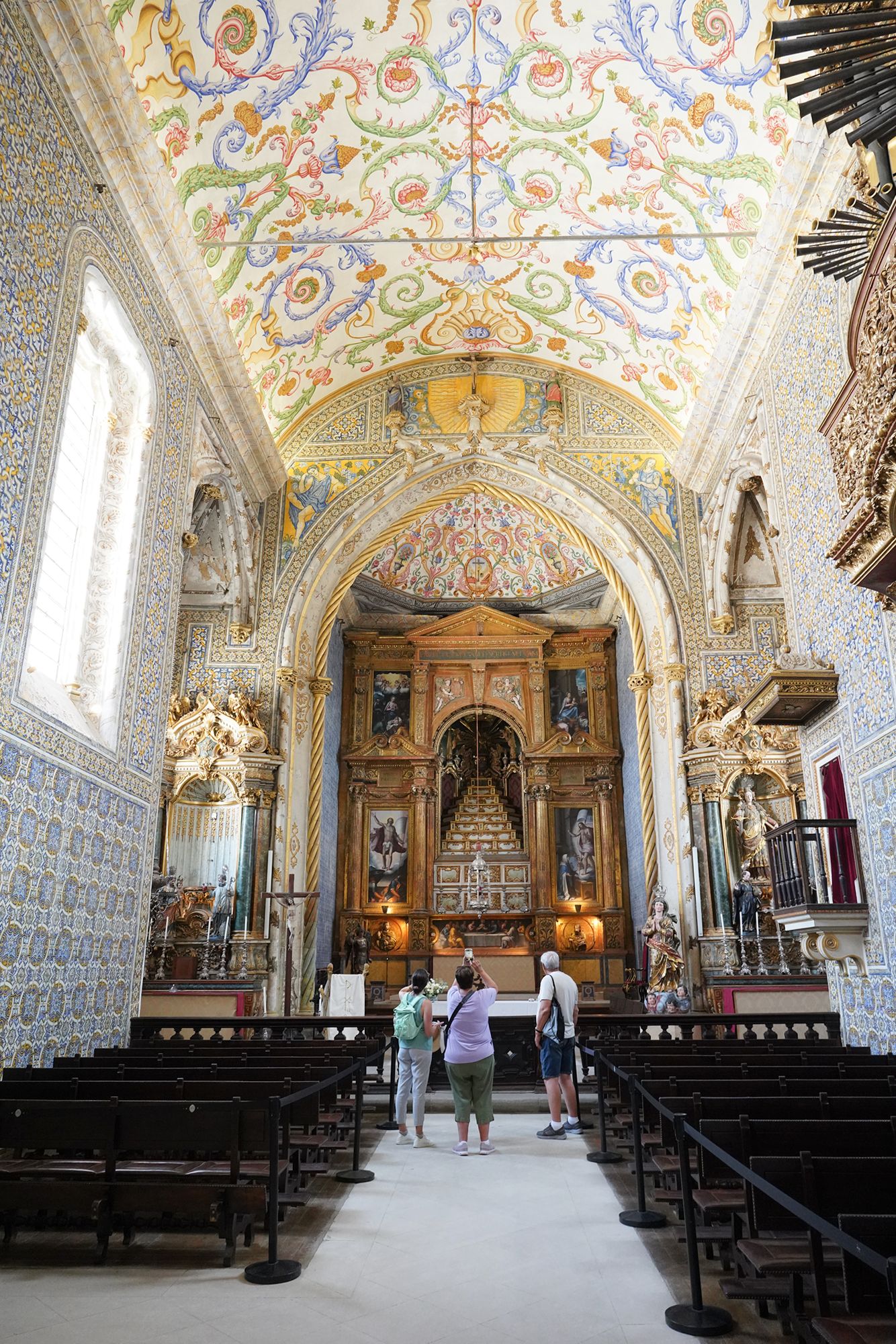
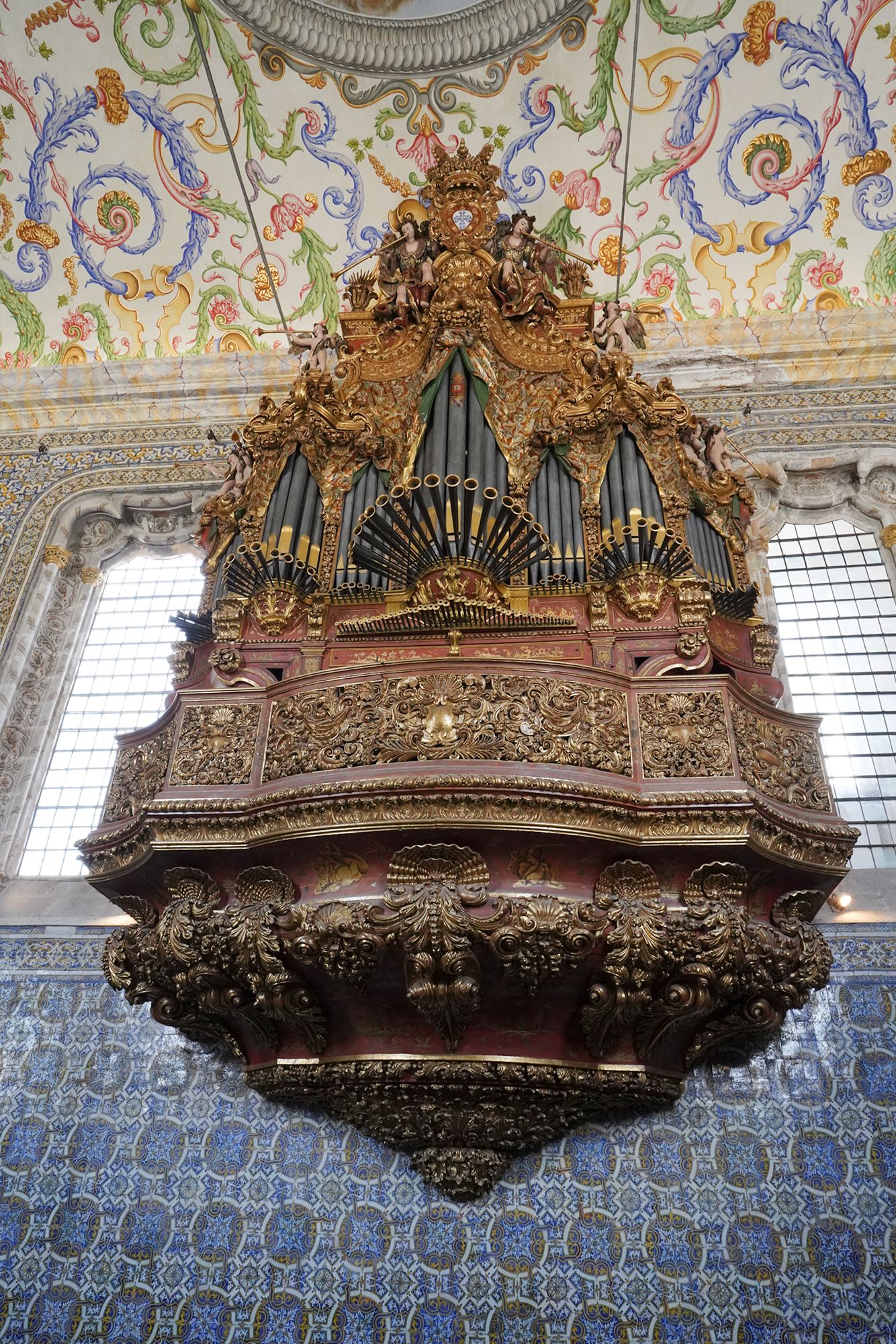
On the side wall is the large 18th-century Baroque organ, containing more than 2,000 pipes.
I left the university courtyard through the Iron Gate.
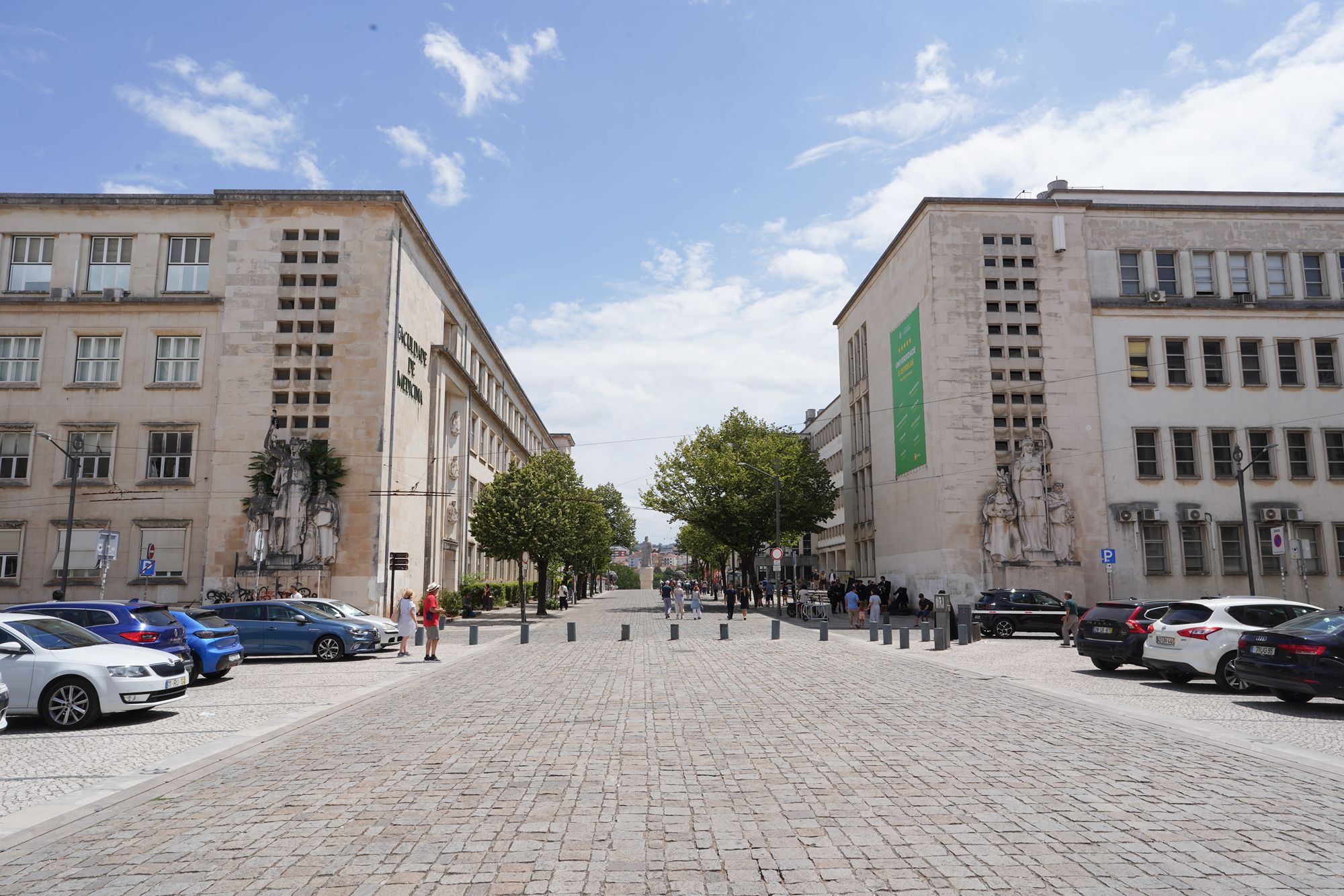
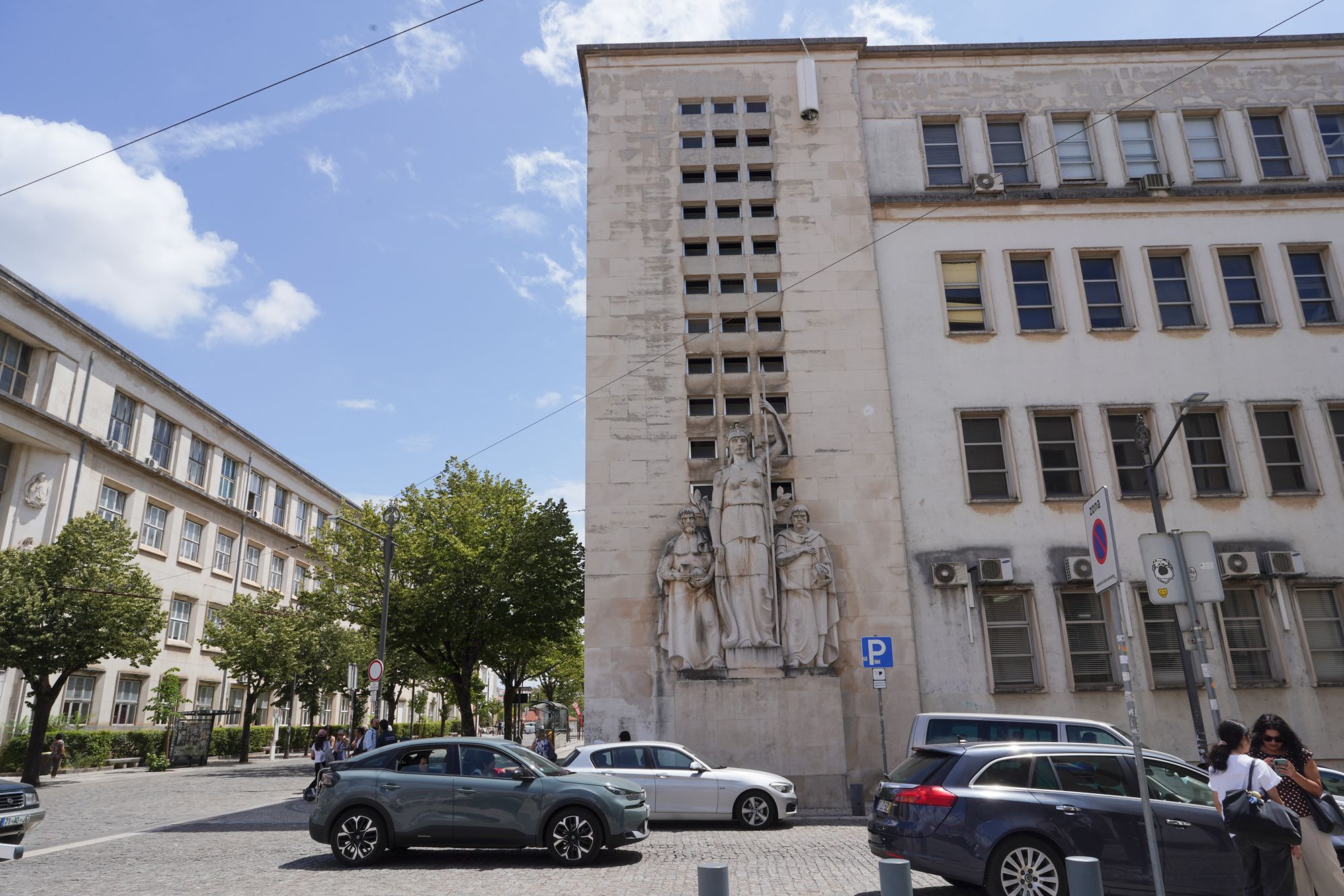
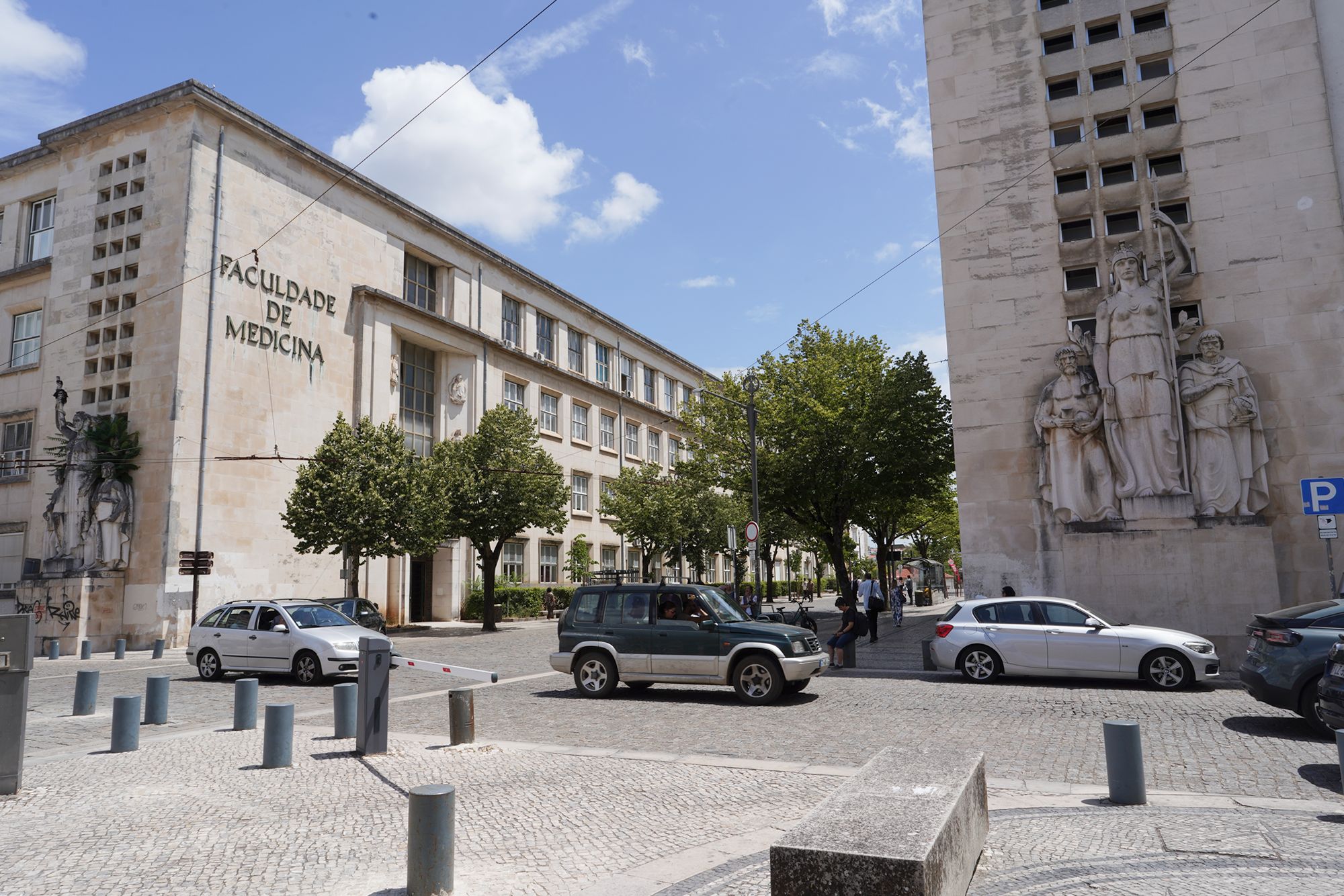
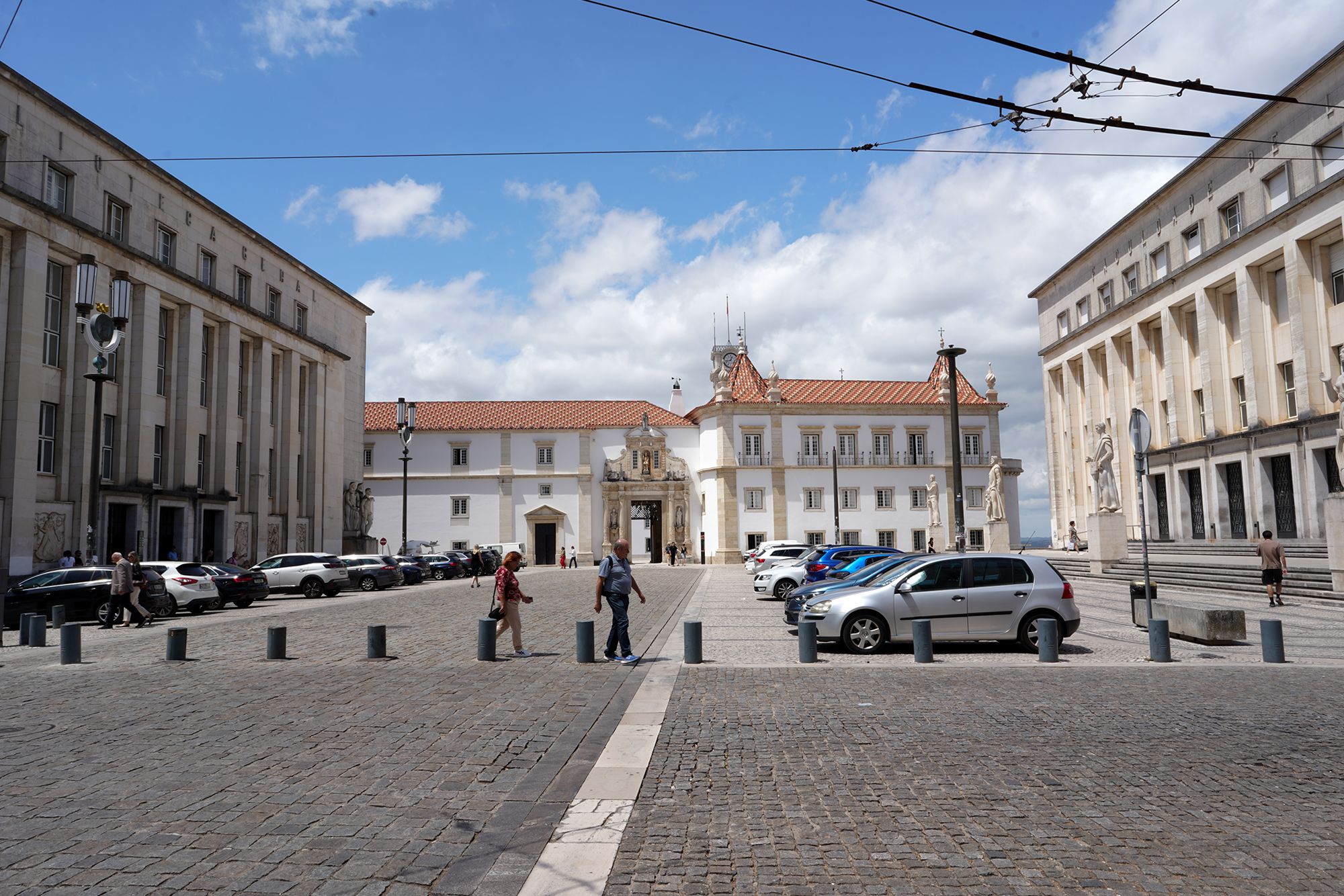
Looking back at the university
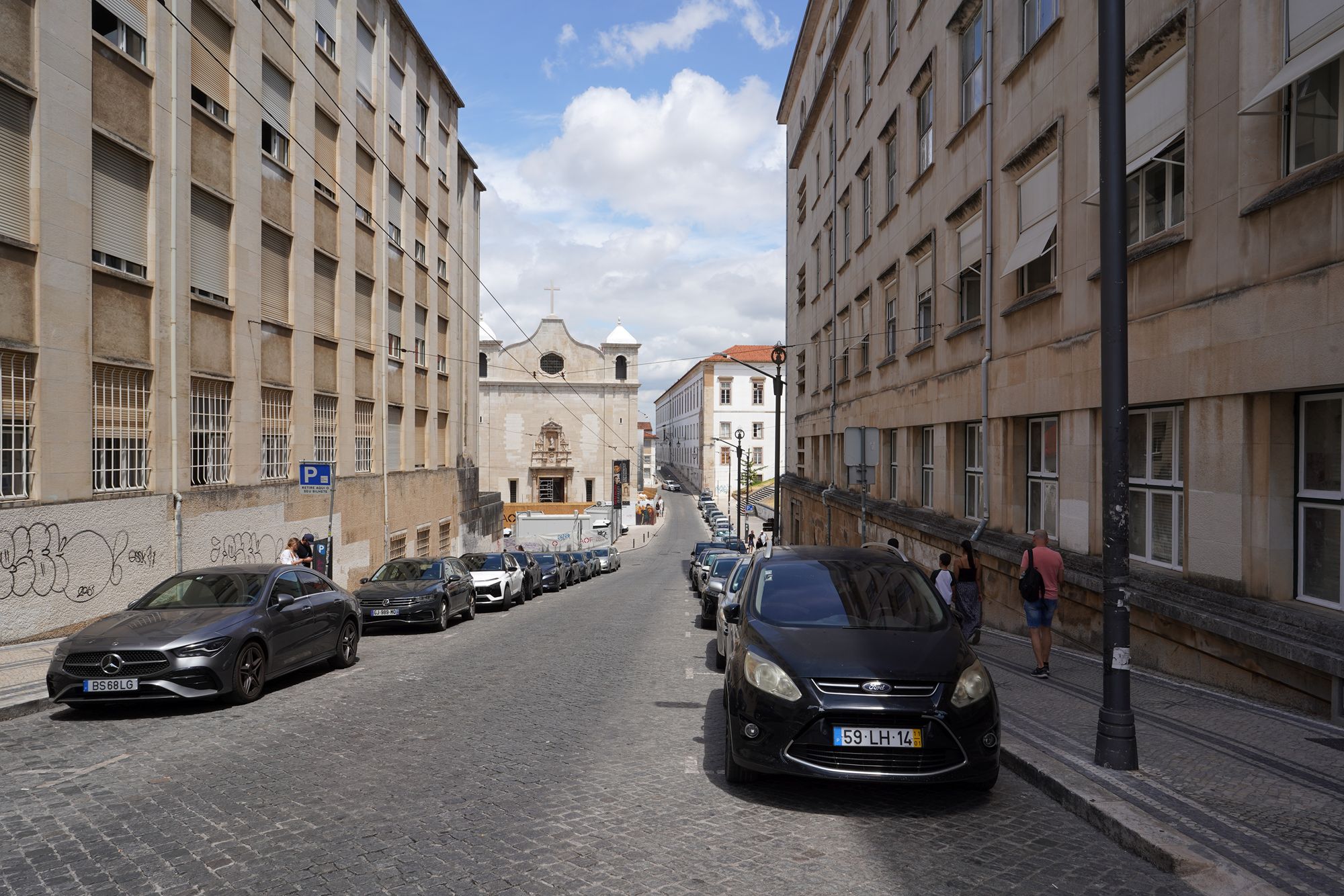
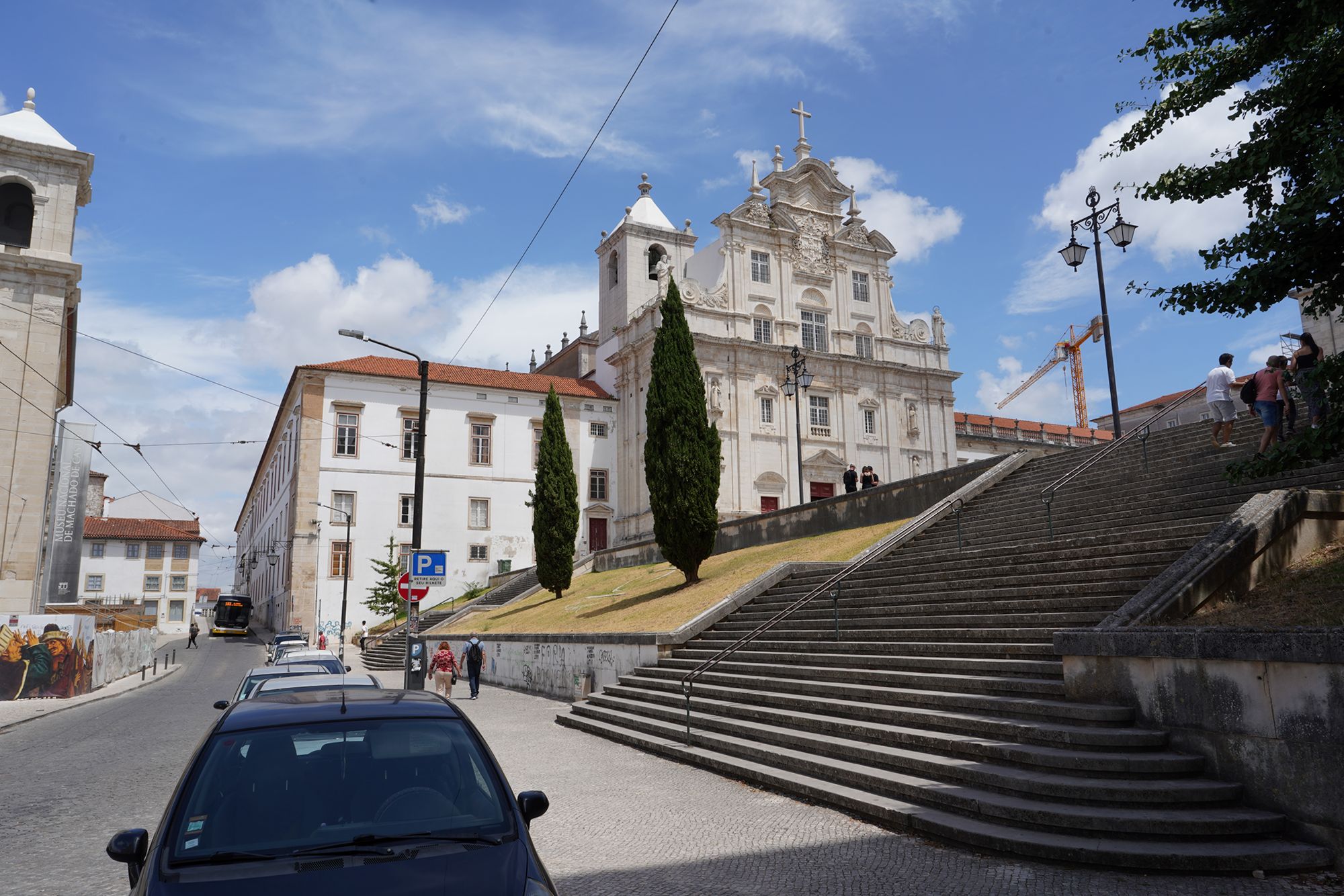
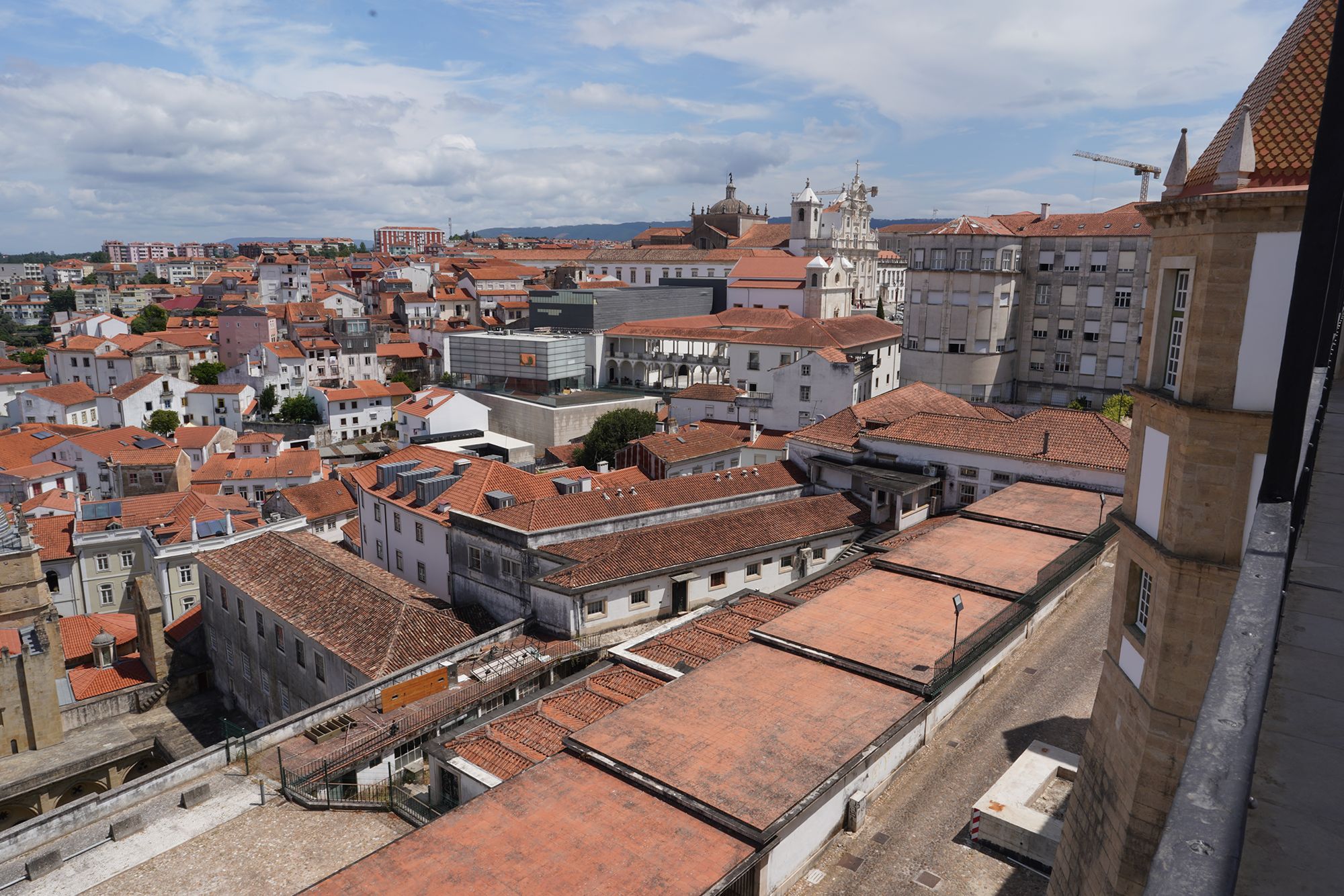
The New Cathedral of Coimbra (Sé Nova) stands near the university.
I will continue my walk through Coimbra in the next blog, exploring the city’s old town and newer areas.