The second part of my Lisbon walk begins where Part I ended, just after my visit to Castelo de São Jorge. 1379
Castelo de São Jorge: R. de Santa Cruz do Castelo, 1100-129 Lisboa, Portugal
Arco do Castelo: R. de Santa Cruz do Castelo 10, 1100-223 Lisboa, Portugal
Baixa: R. Augusta 138, 1100-054 Lisboa, Portugal
Praça do Comércio: 1100-148 Lisbon, Portugal
Rua Augusta Arch: R. Augusta 2, 1100-053 Lisboa, Portugal
Church of Saint Nicholas: R. da Vitória Igreja, 1100-618 Lisboa, Portugal
Praça da Figueira: 1100-241 Lisbon, Portugal
Rossio Square: Rossio Square
Church of Saint Dominic: Largo São Domingos, 1150-320 Lisboa, Portugal
Praça dos Restauradores: 1250-001 Lisbon, Portugal
Date Picture Taken: Jul, 2026
The second part of my Lisbon walk begins where Part I ended, just after my visit to Castelo de São Jorge.
From here, I walked down the hill toward Baixa, Lisbon’s downtown district.
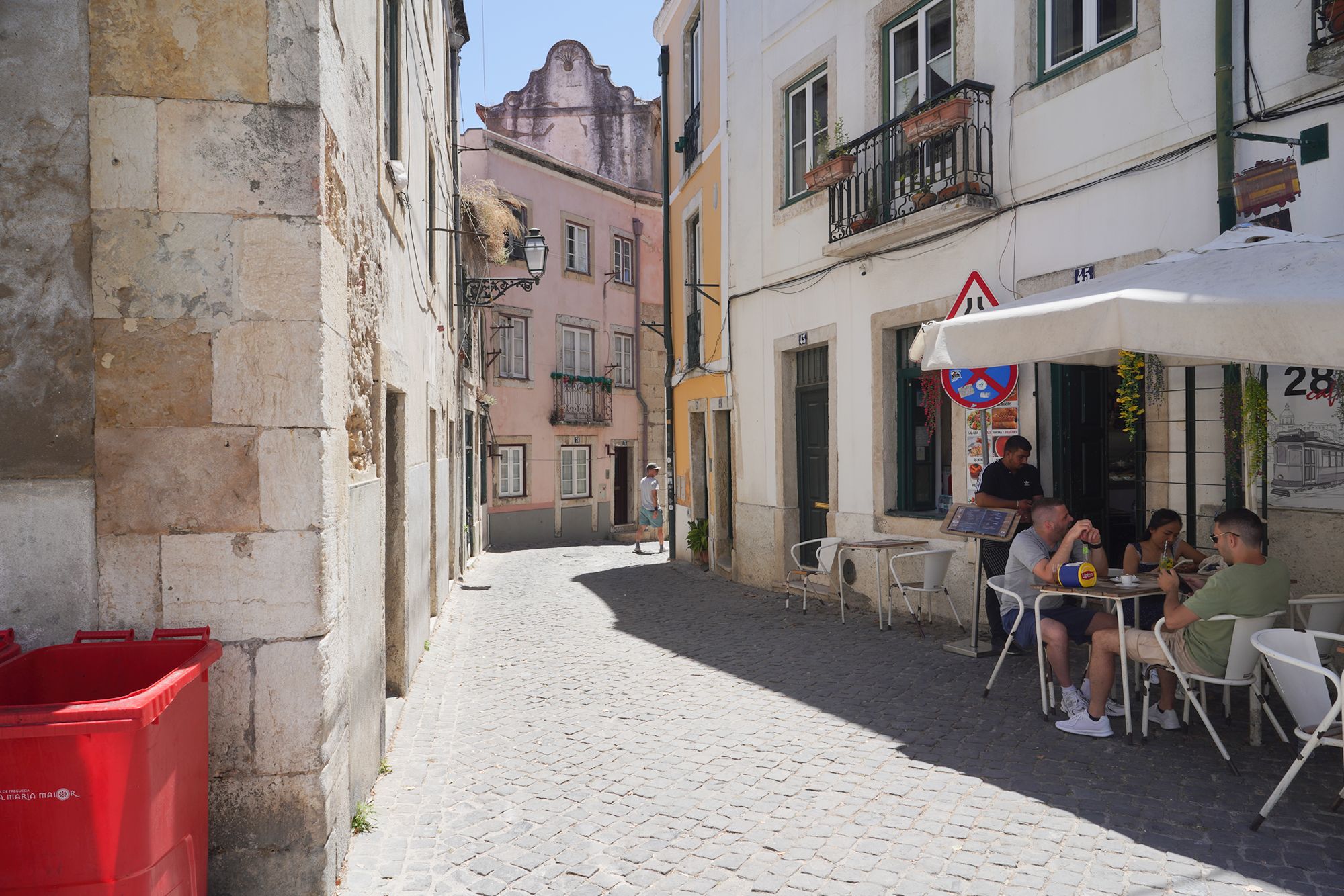
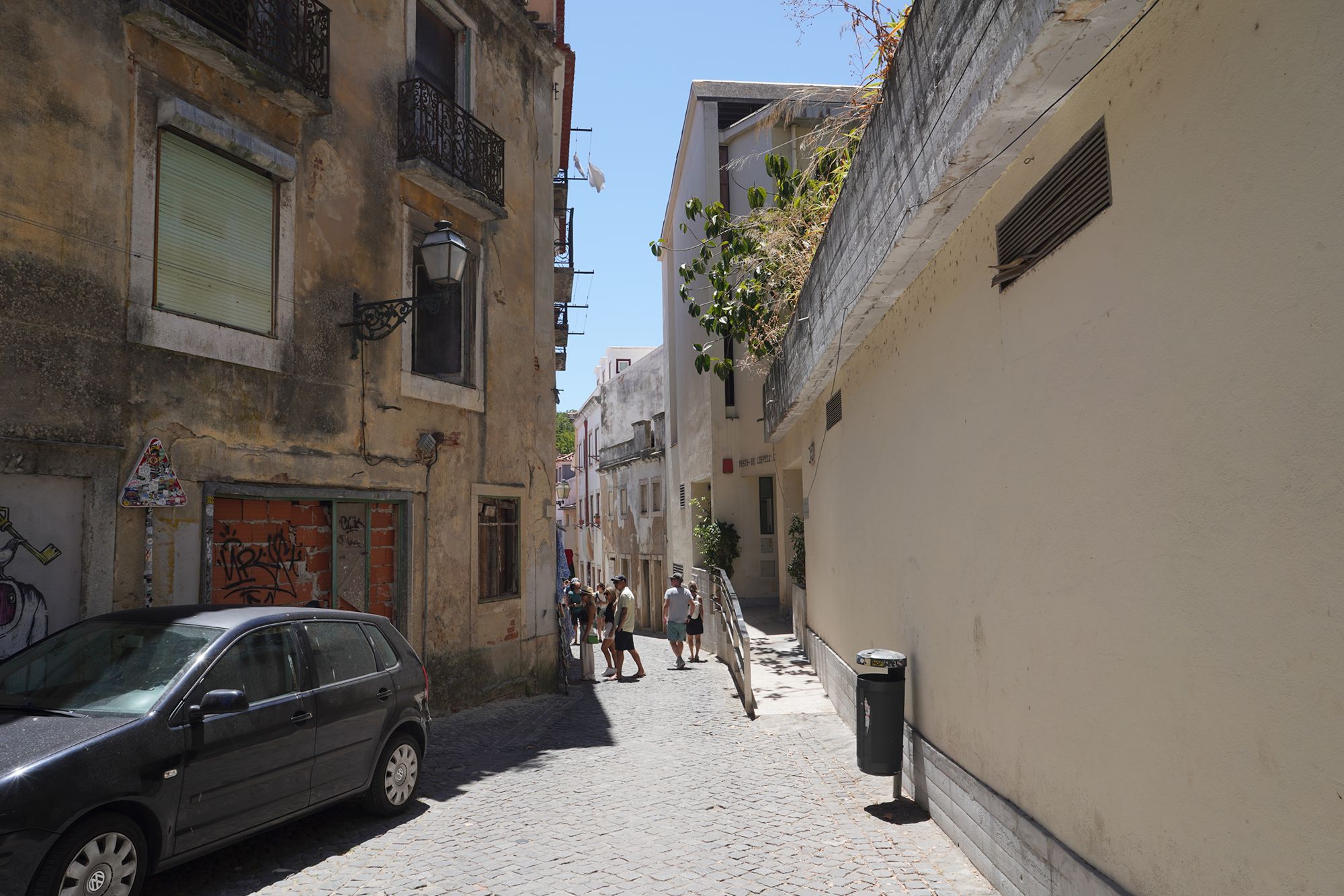
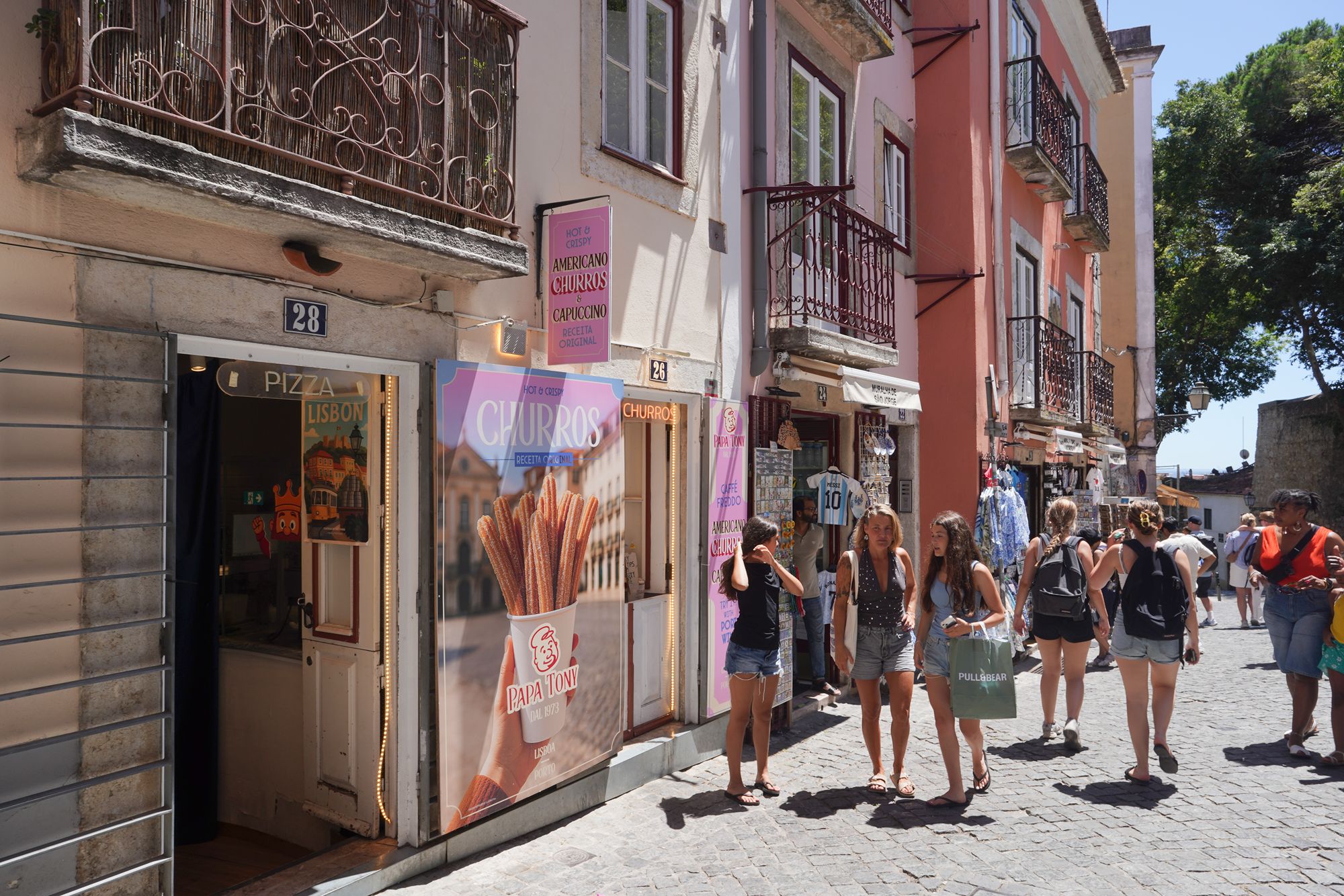
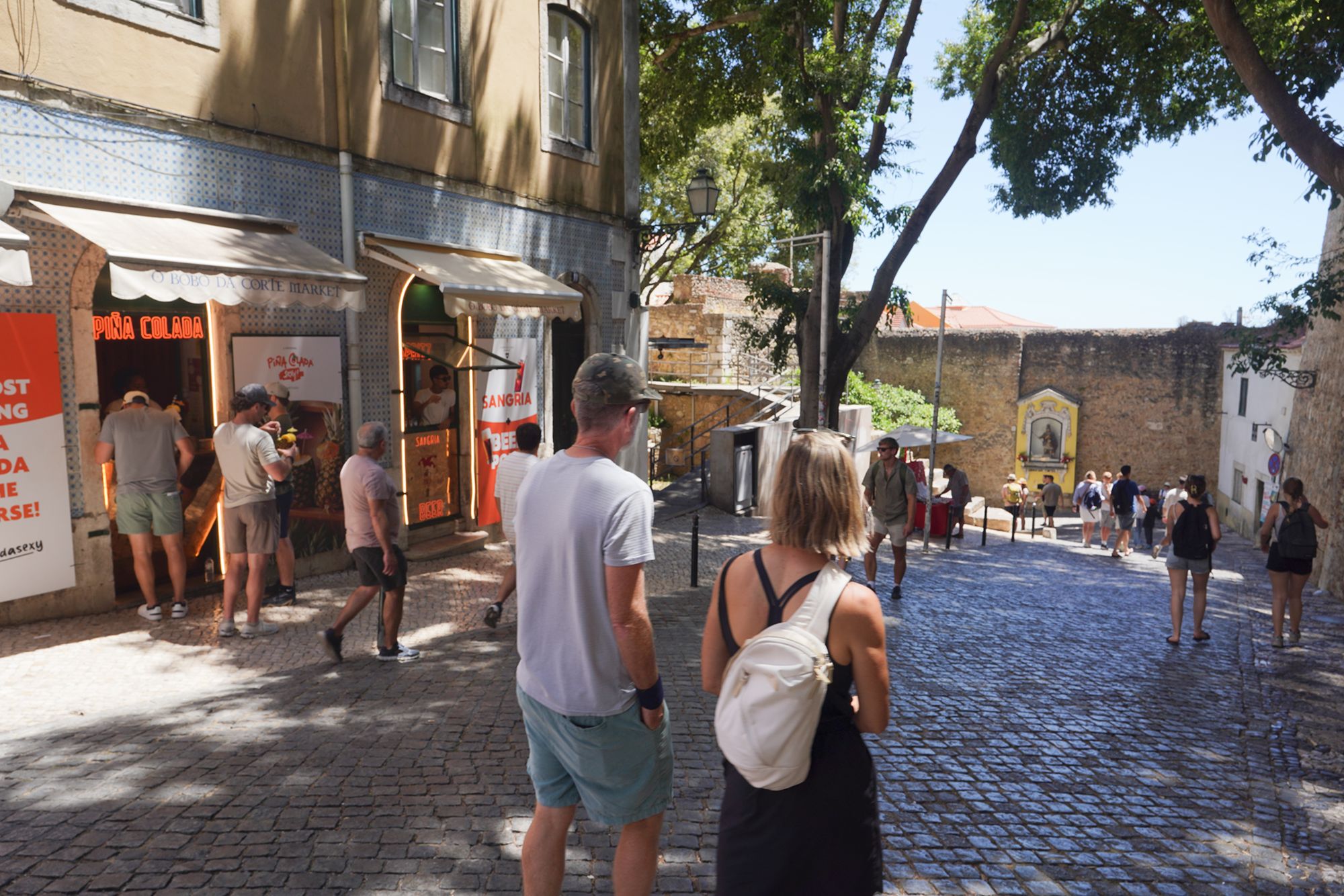
Passing through Arco do Castelo
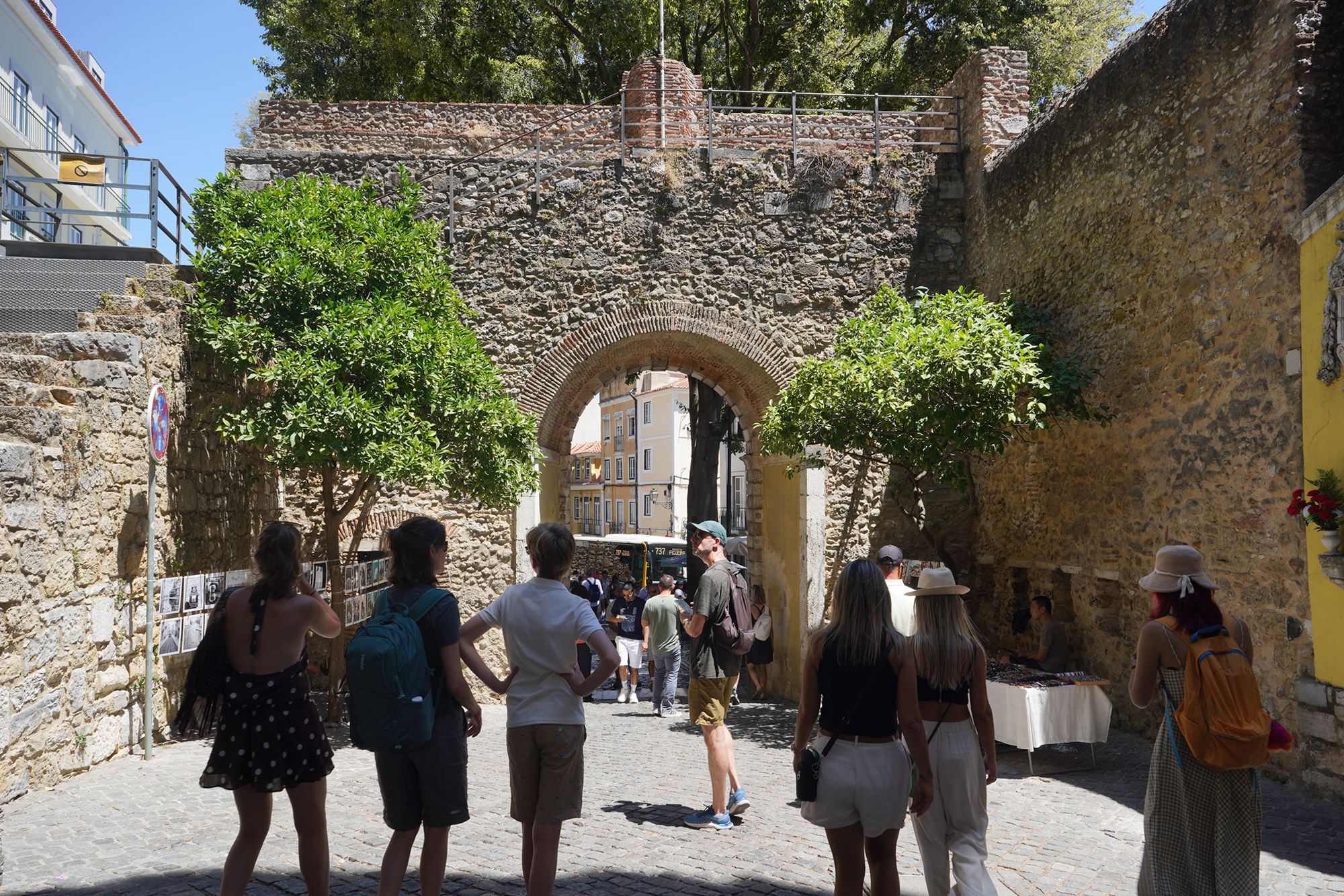
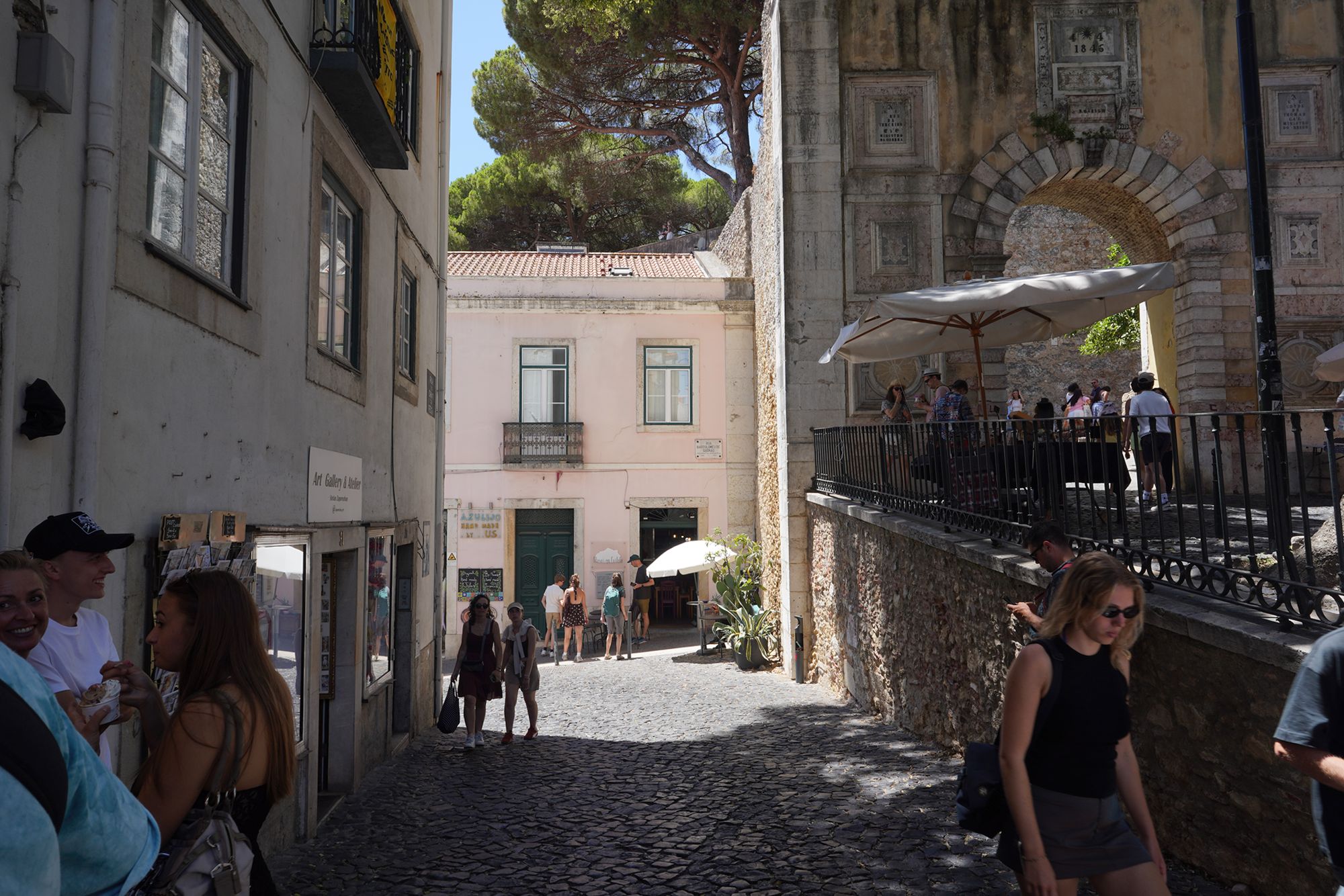
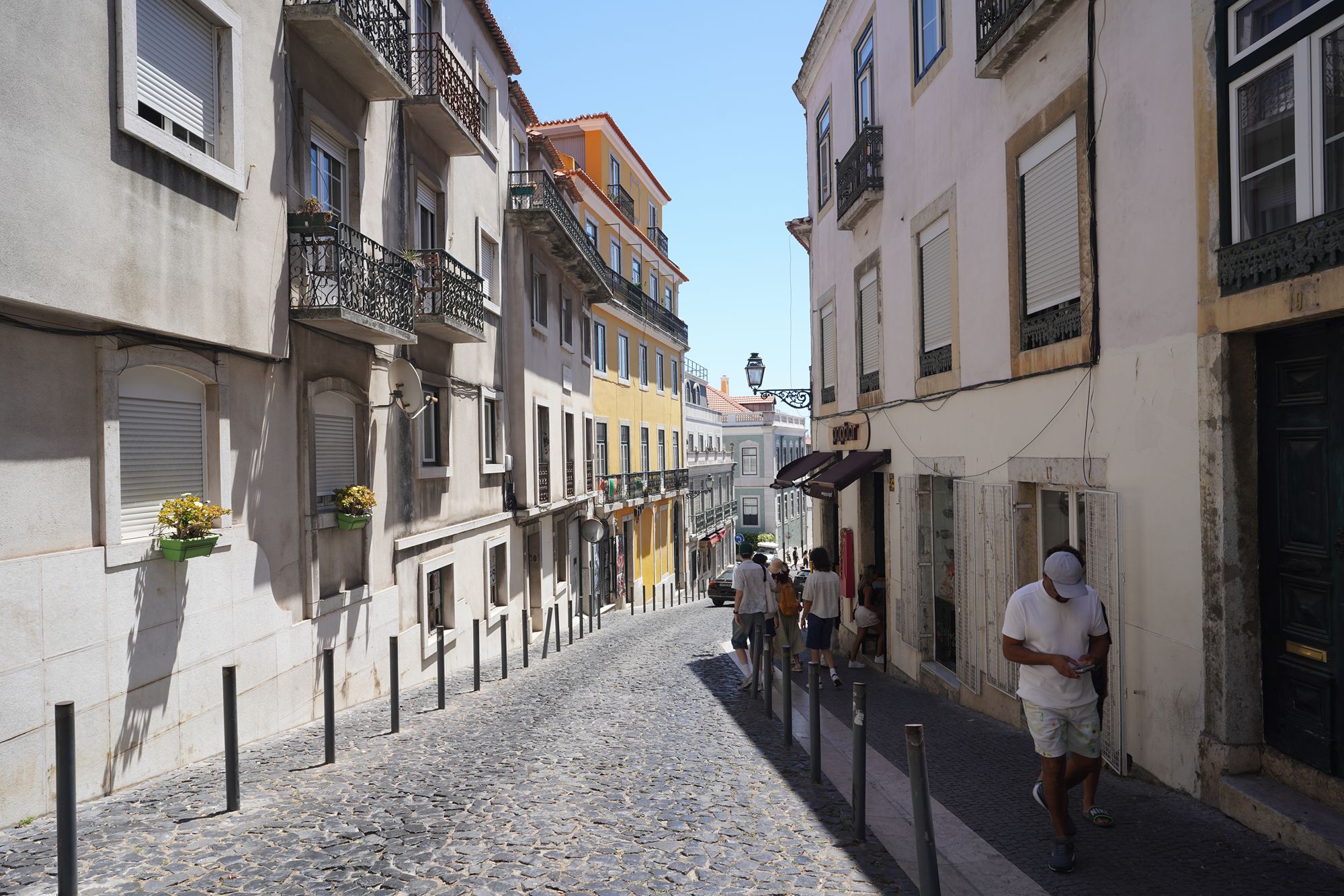
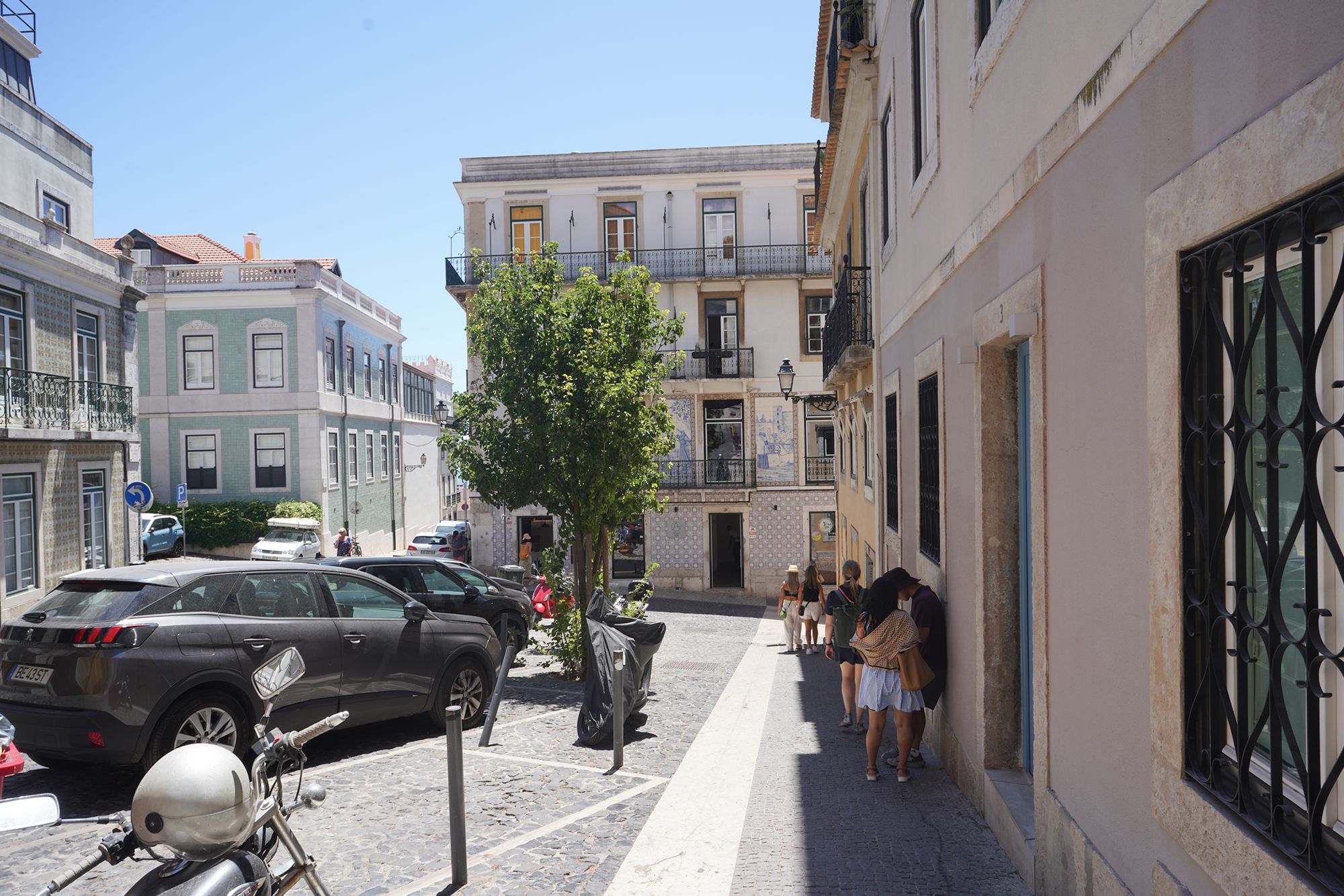
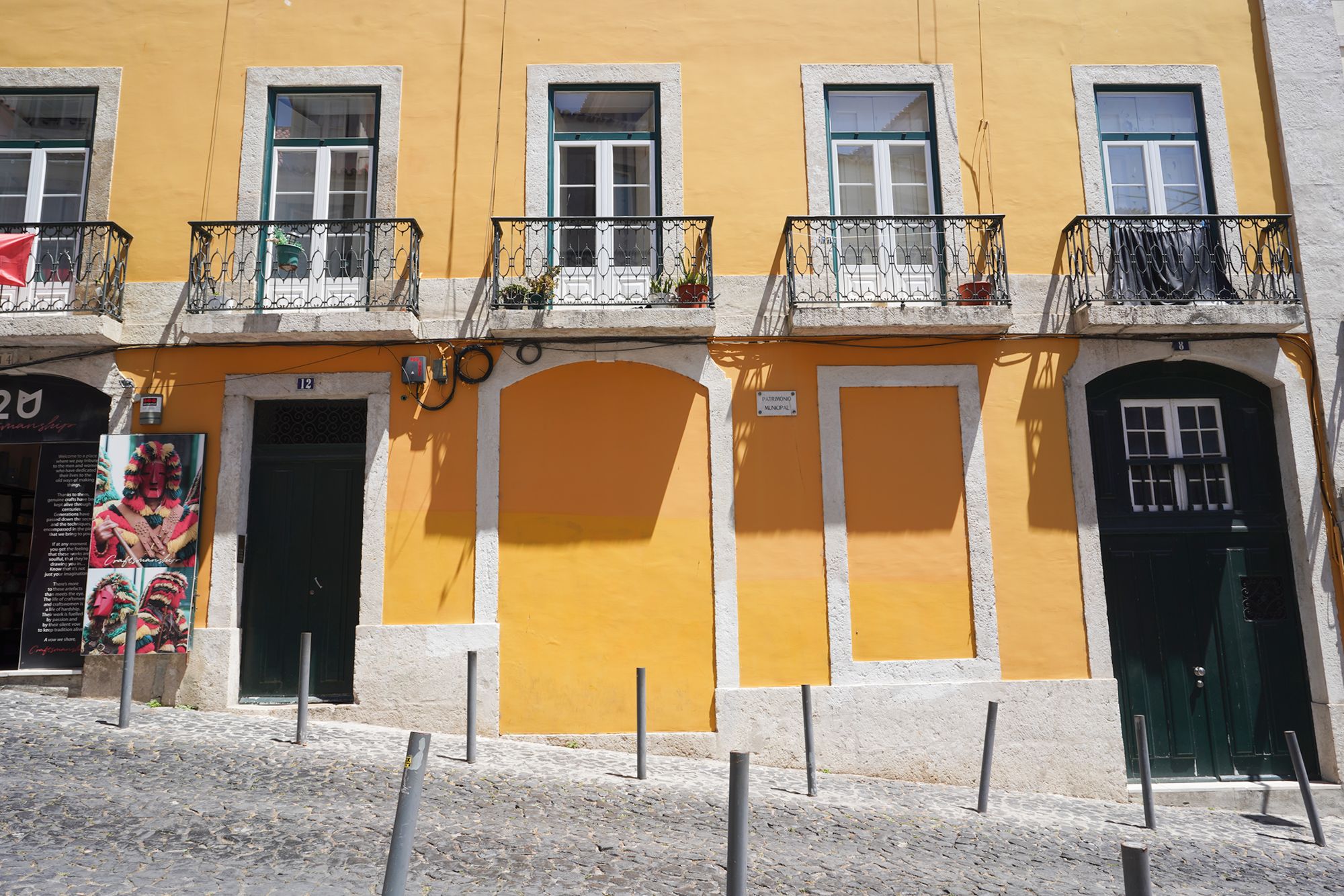
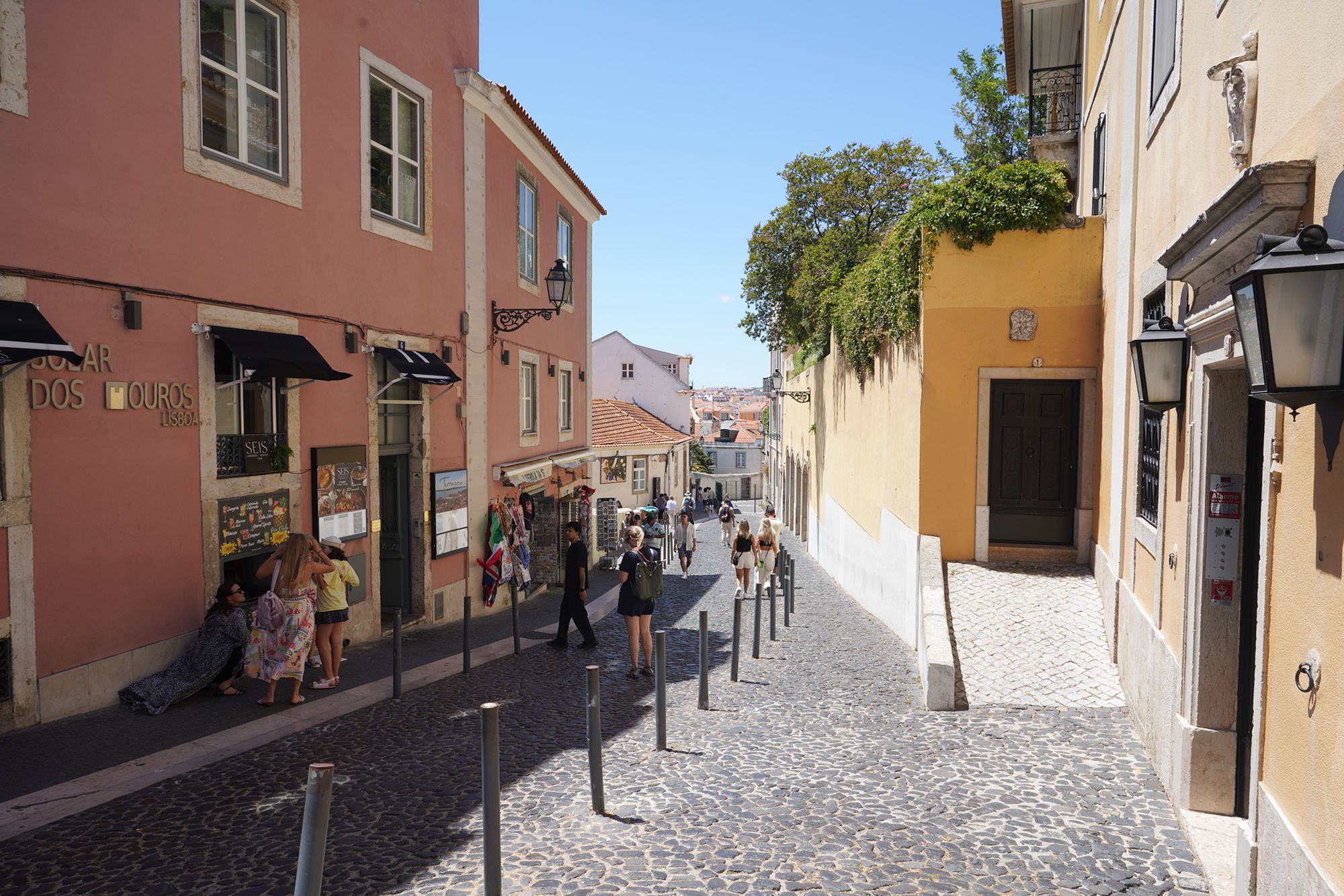
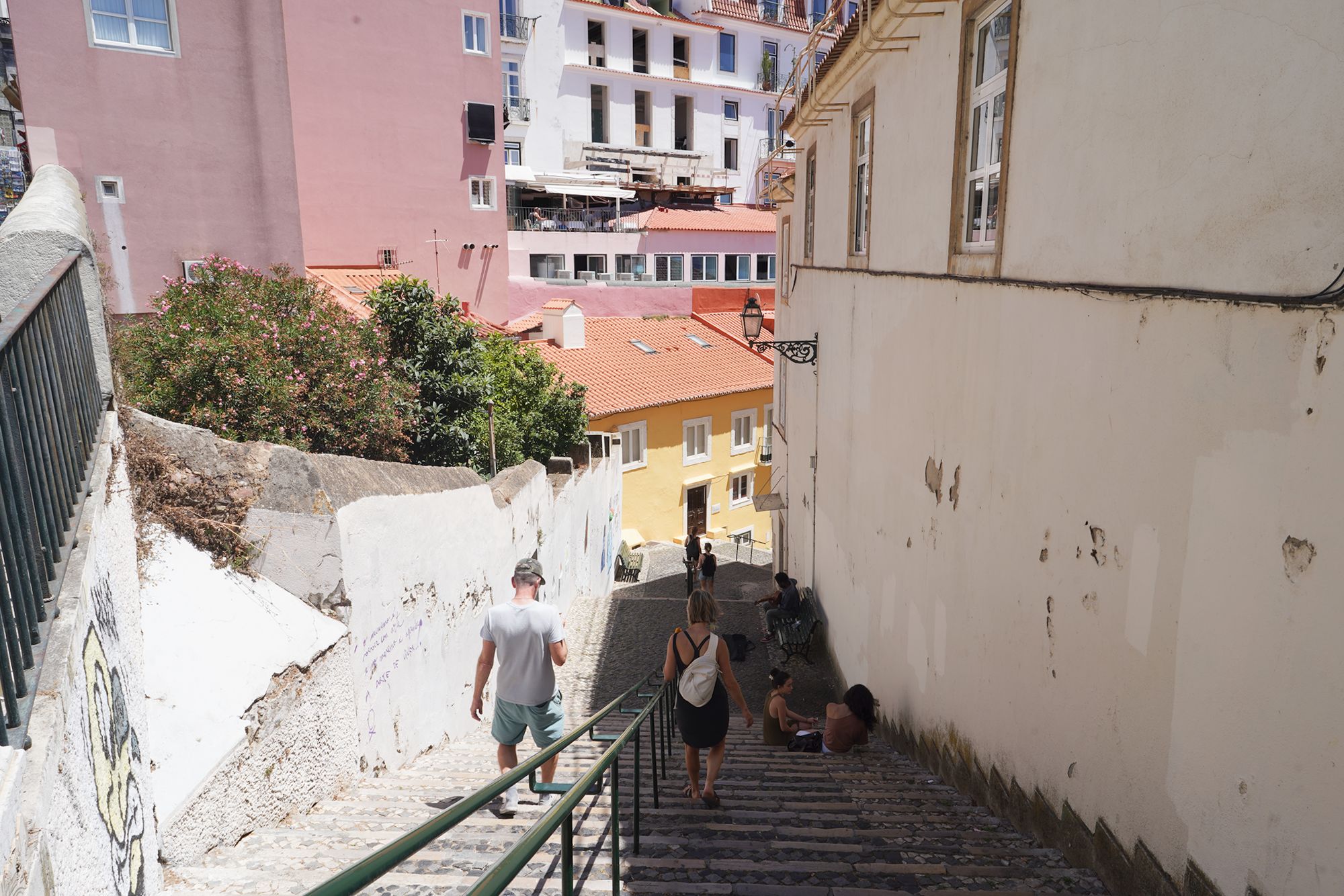
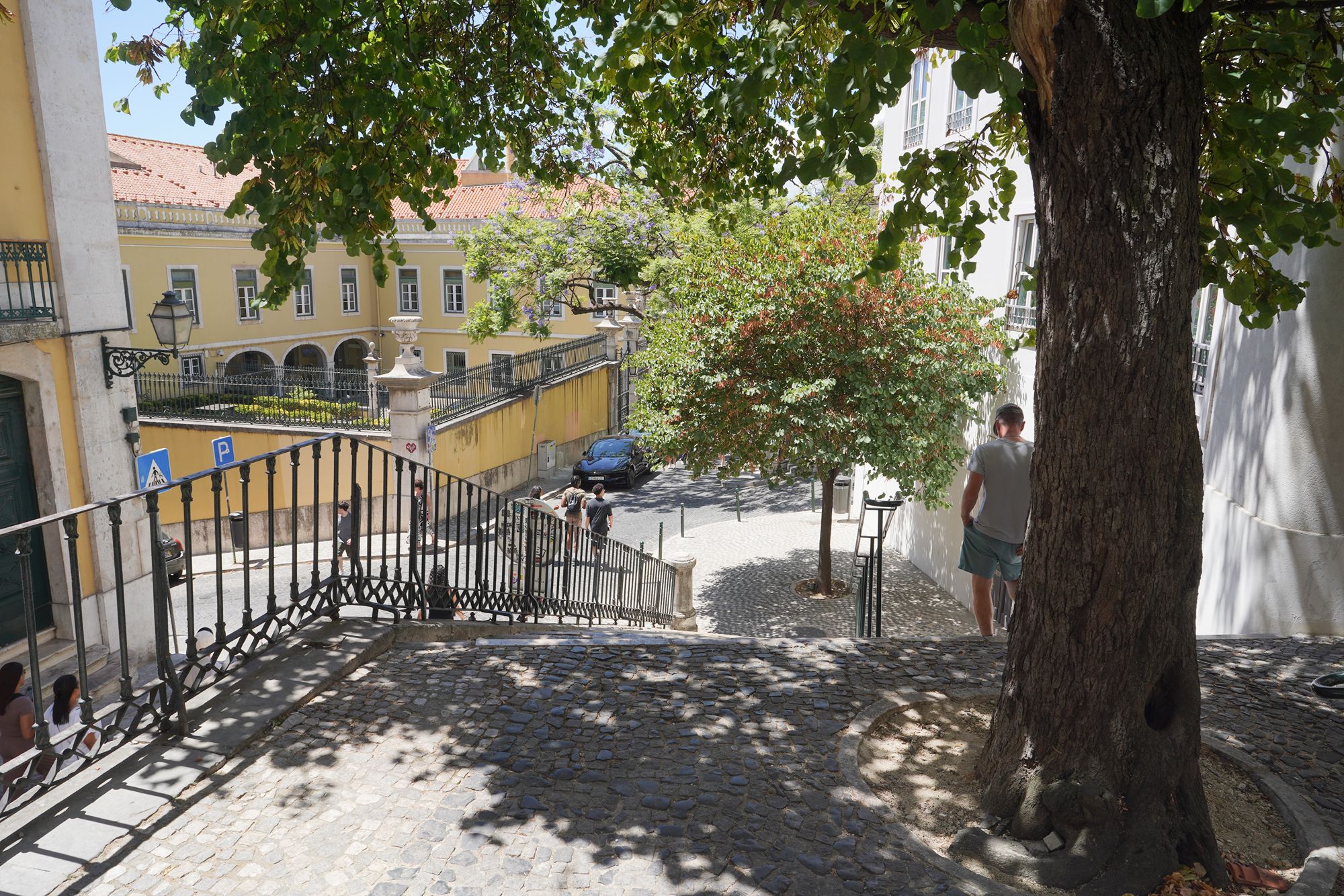
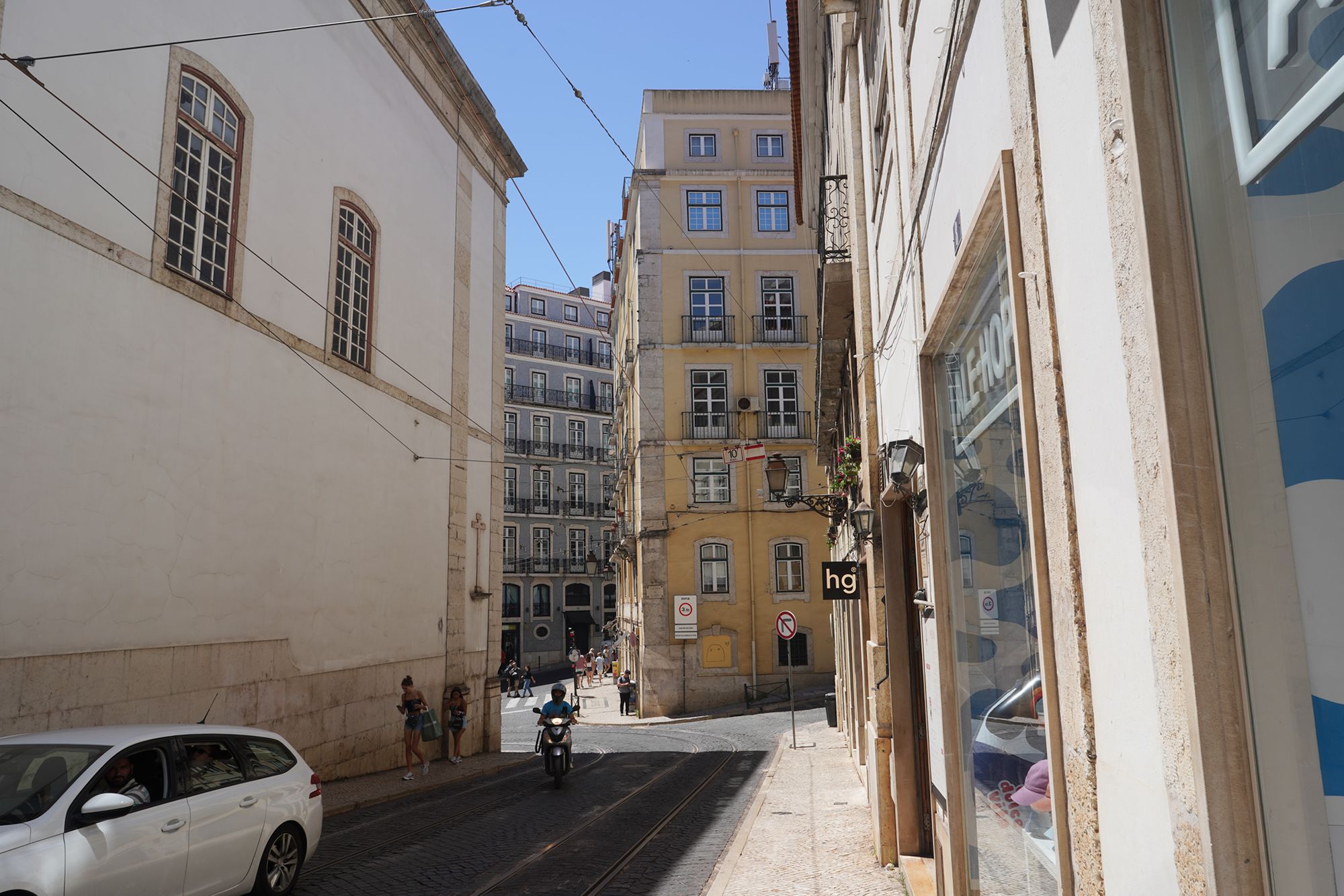
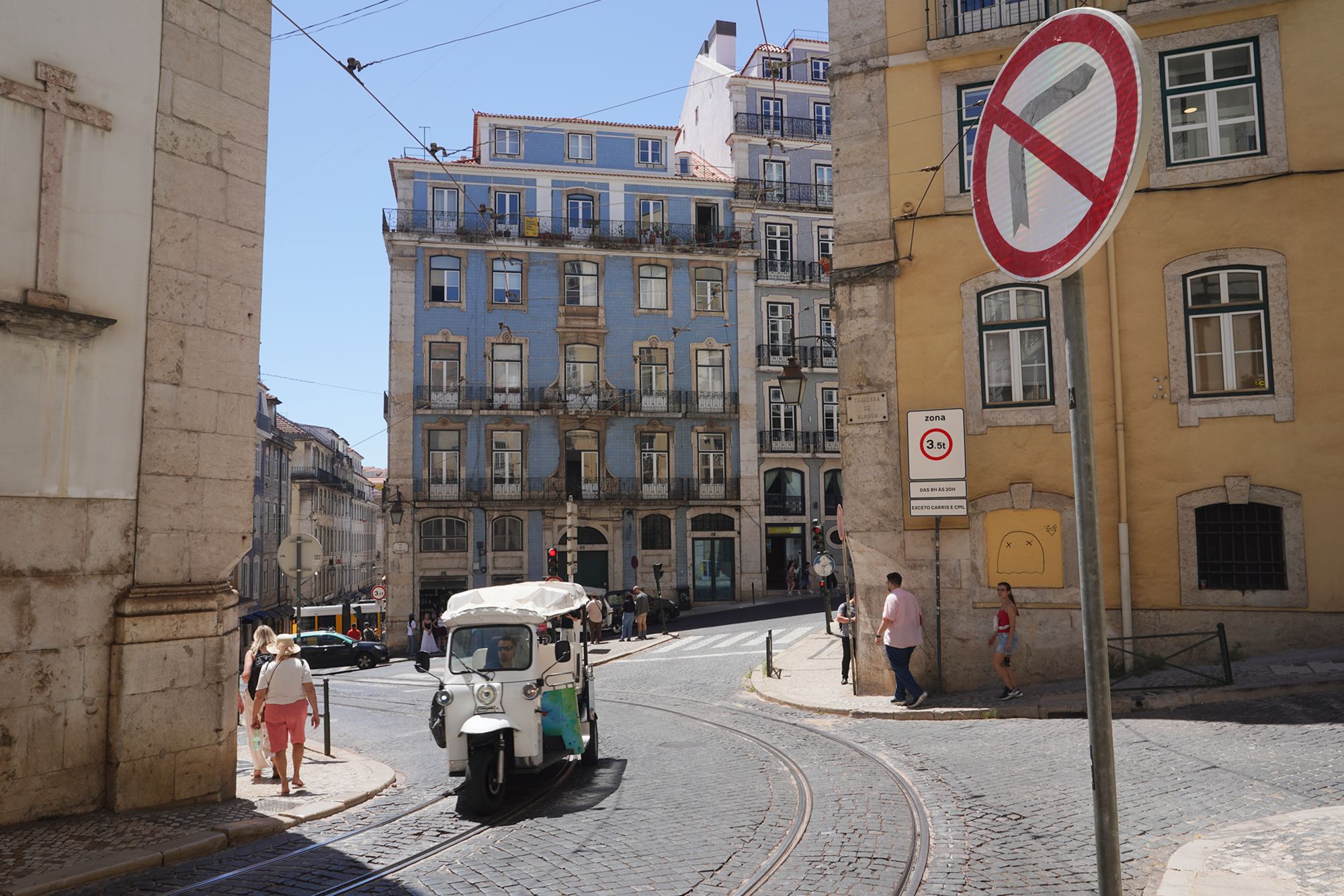
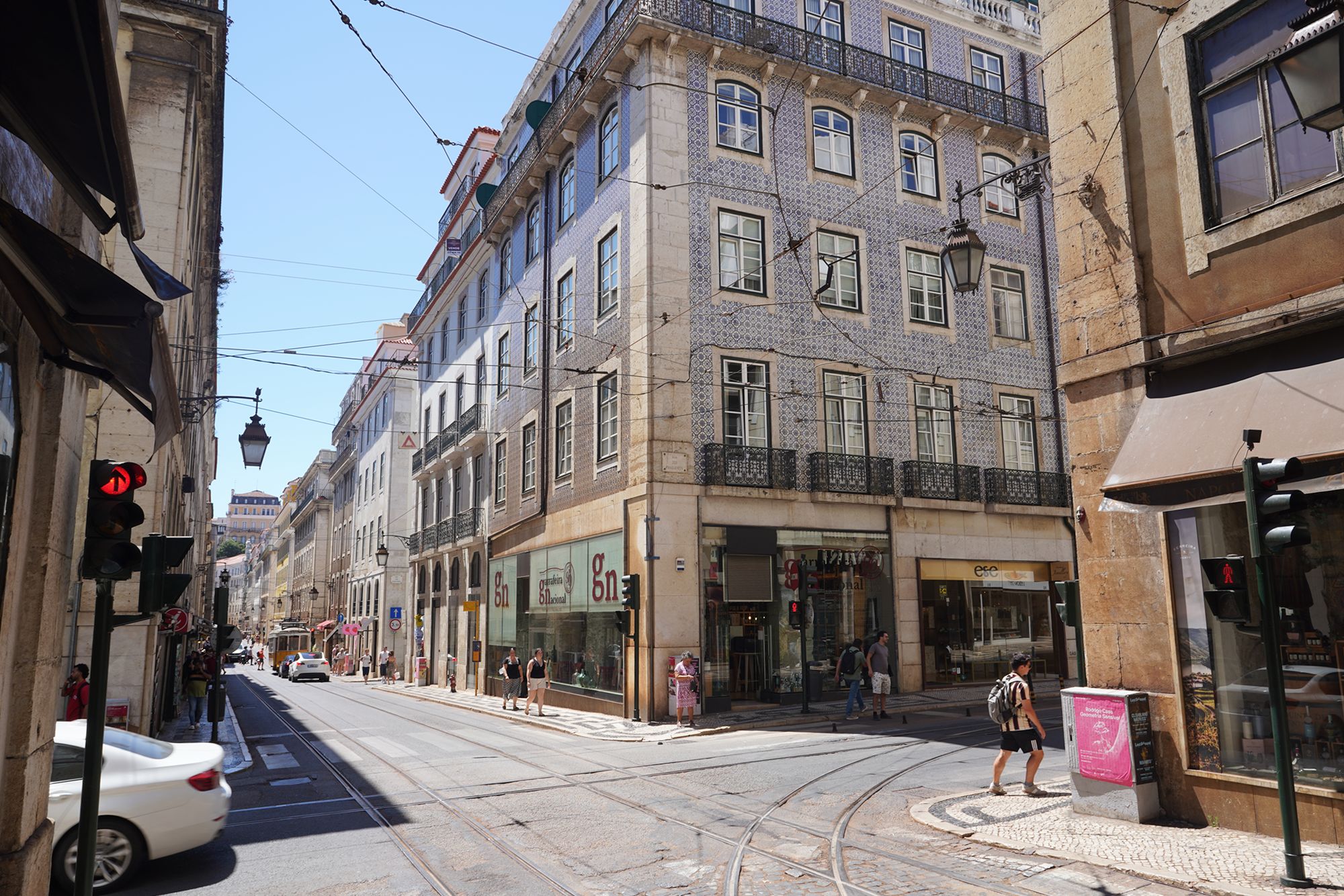
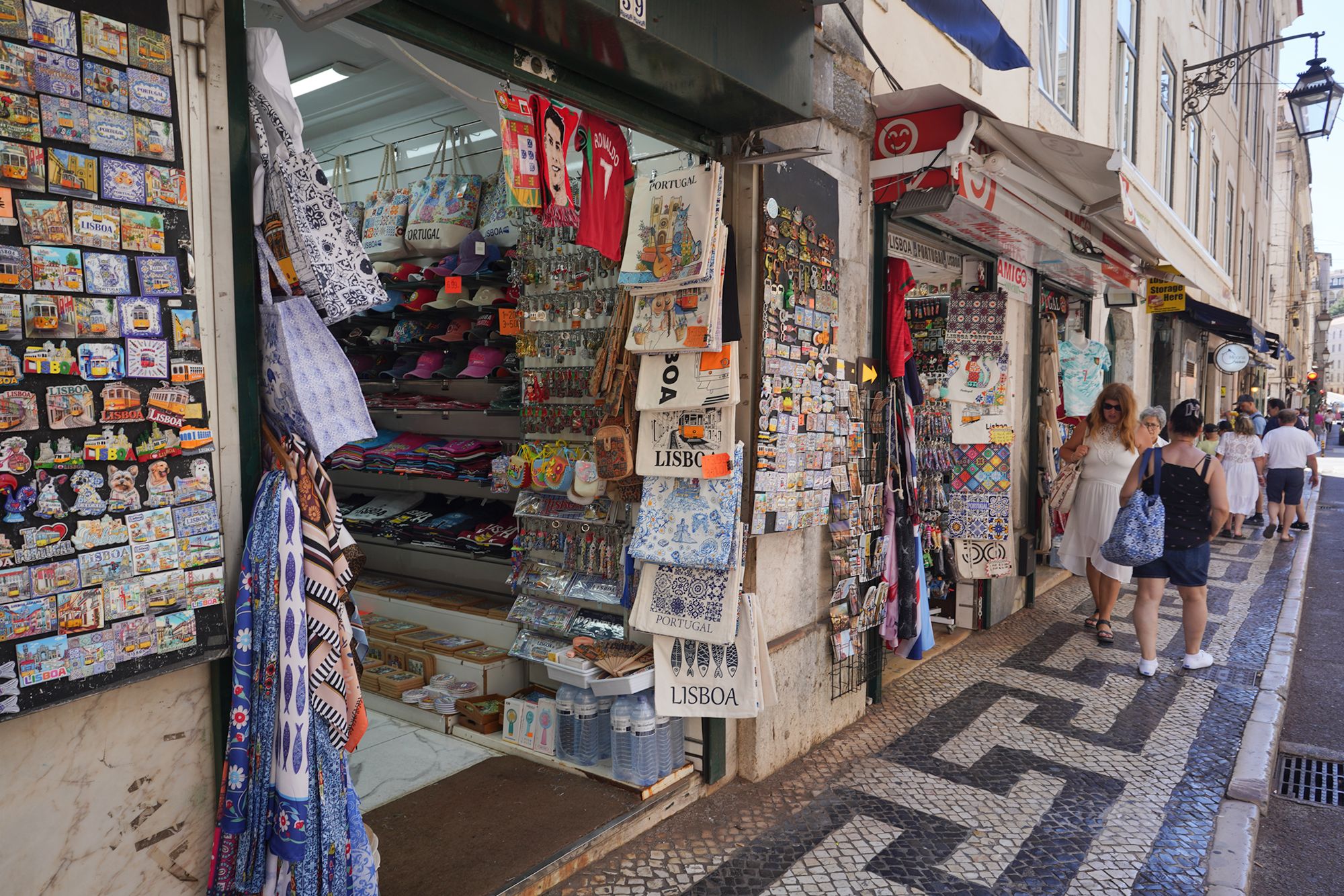
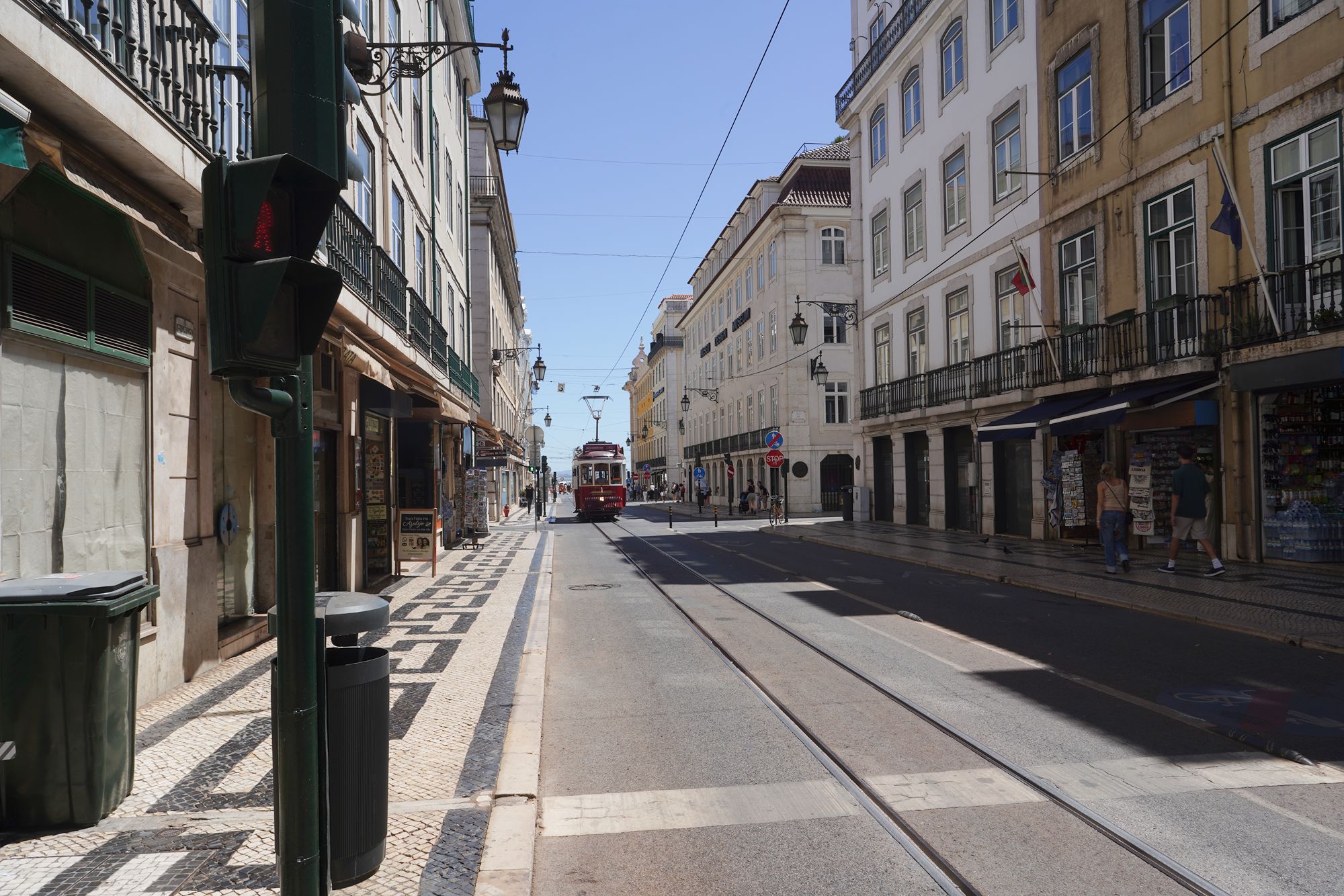
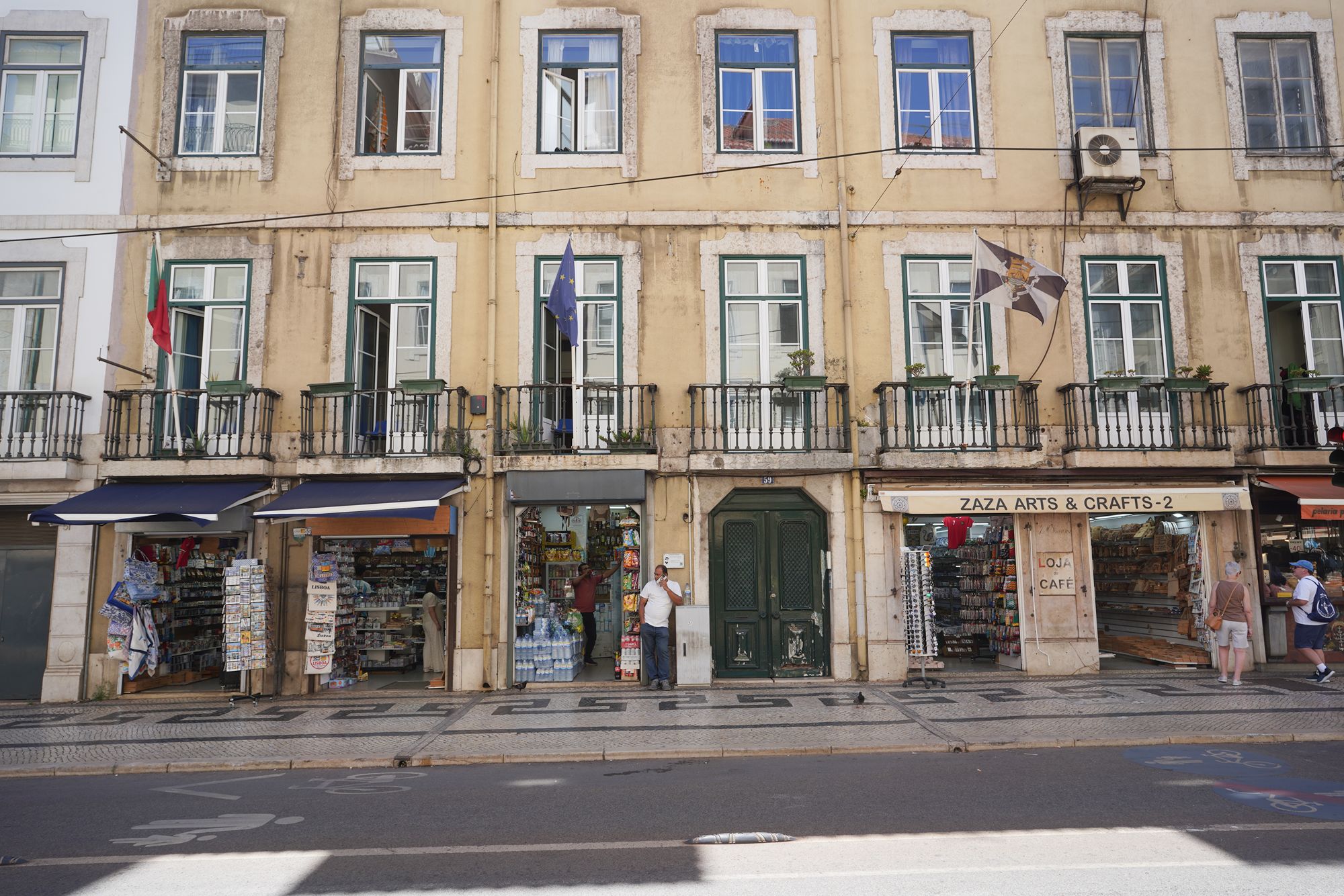
I reached Baixa, Lisbon’s downtown district.
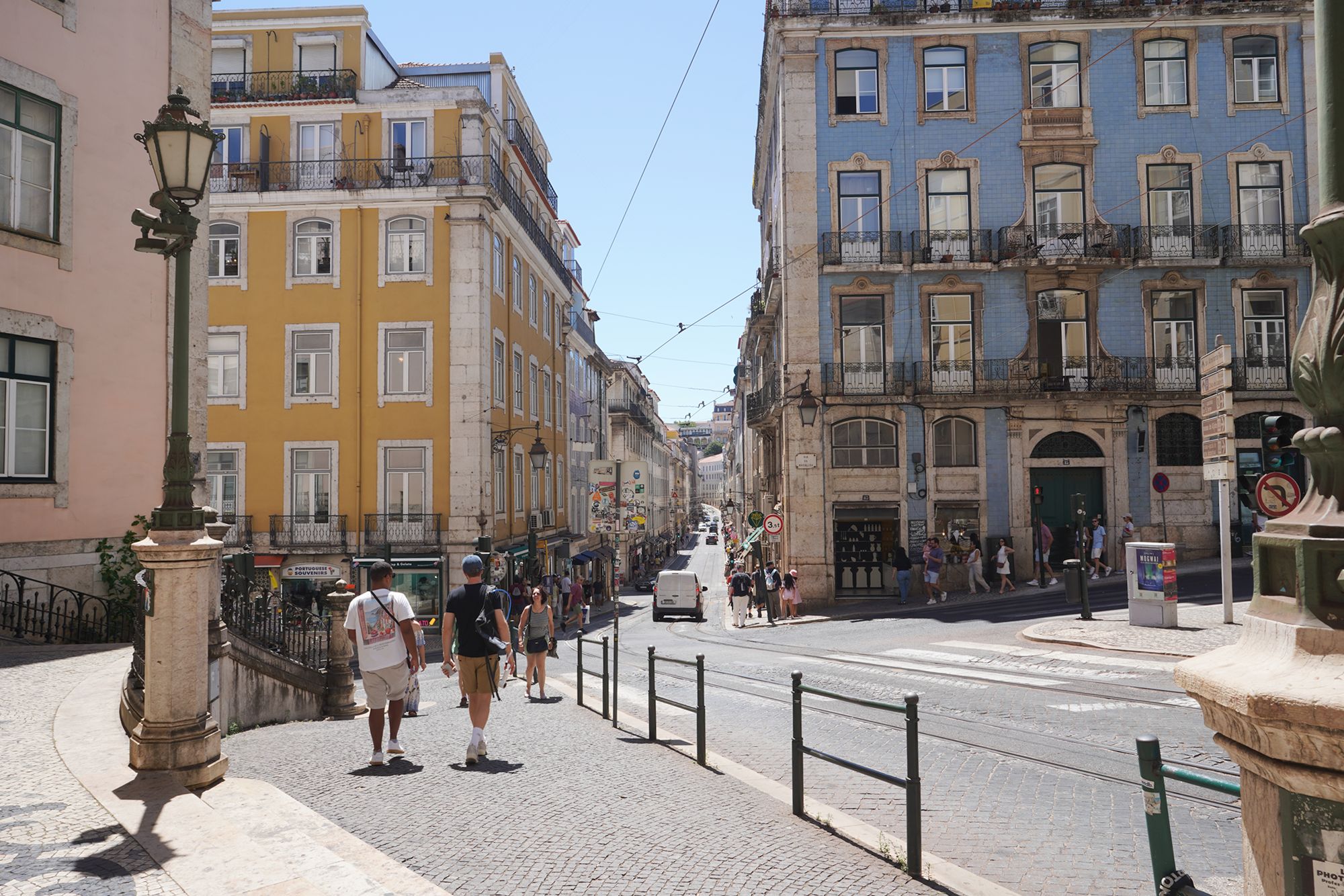
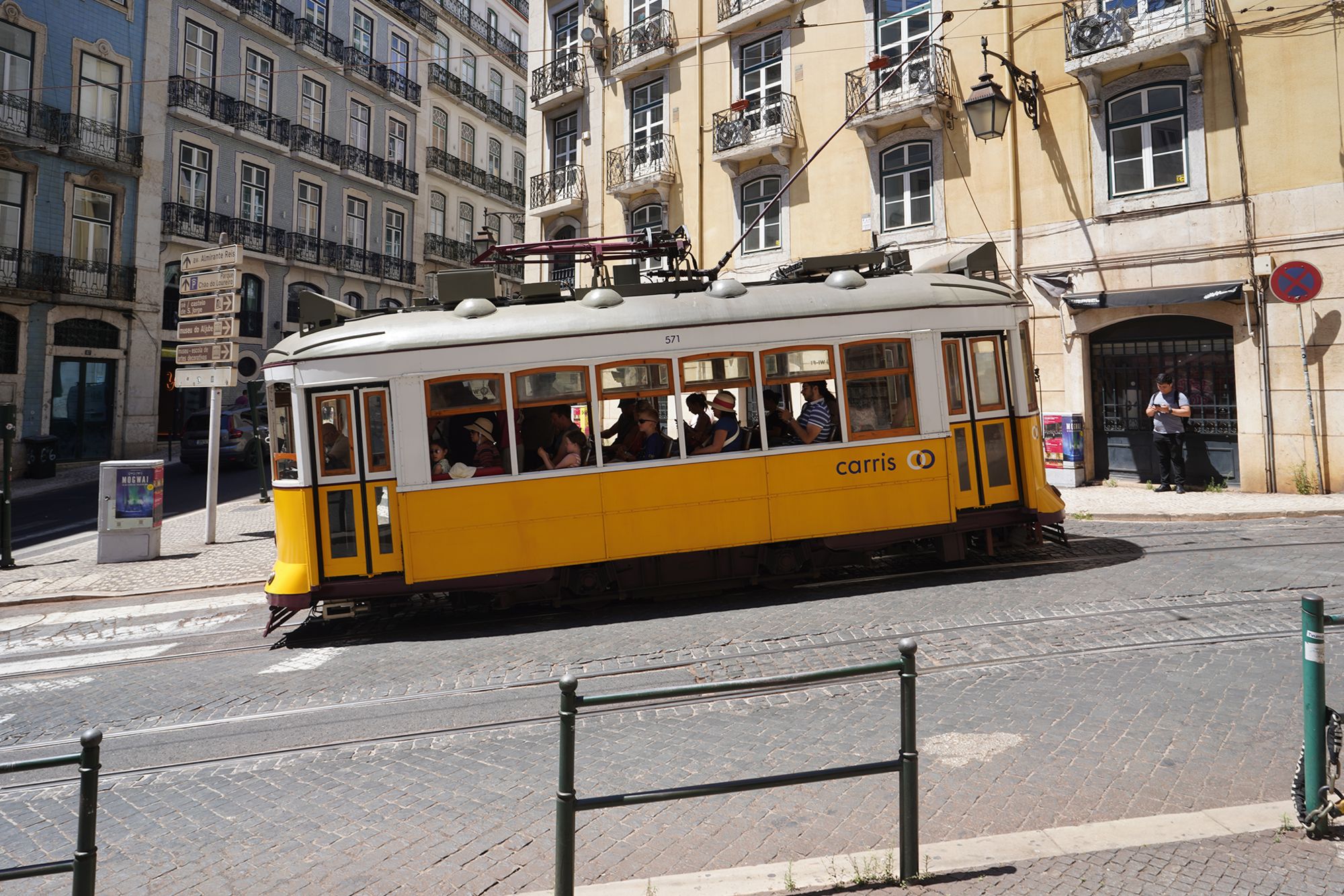
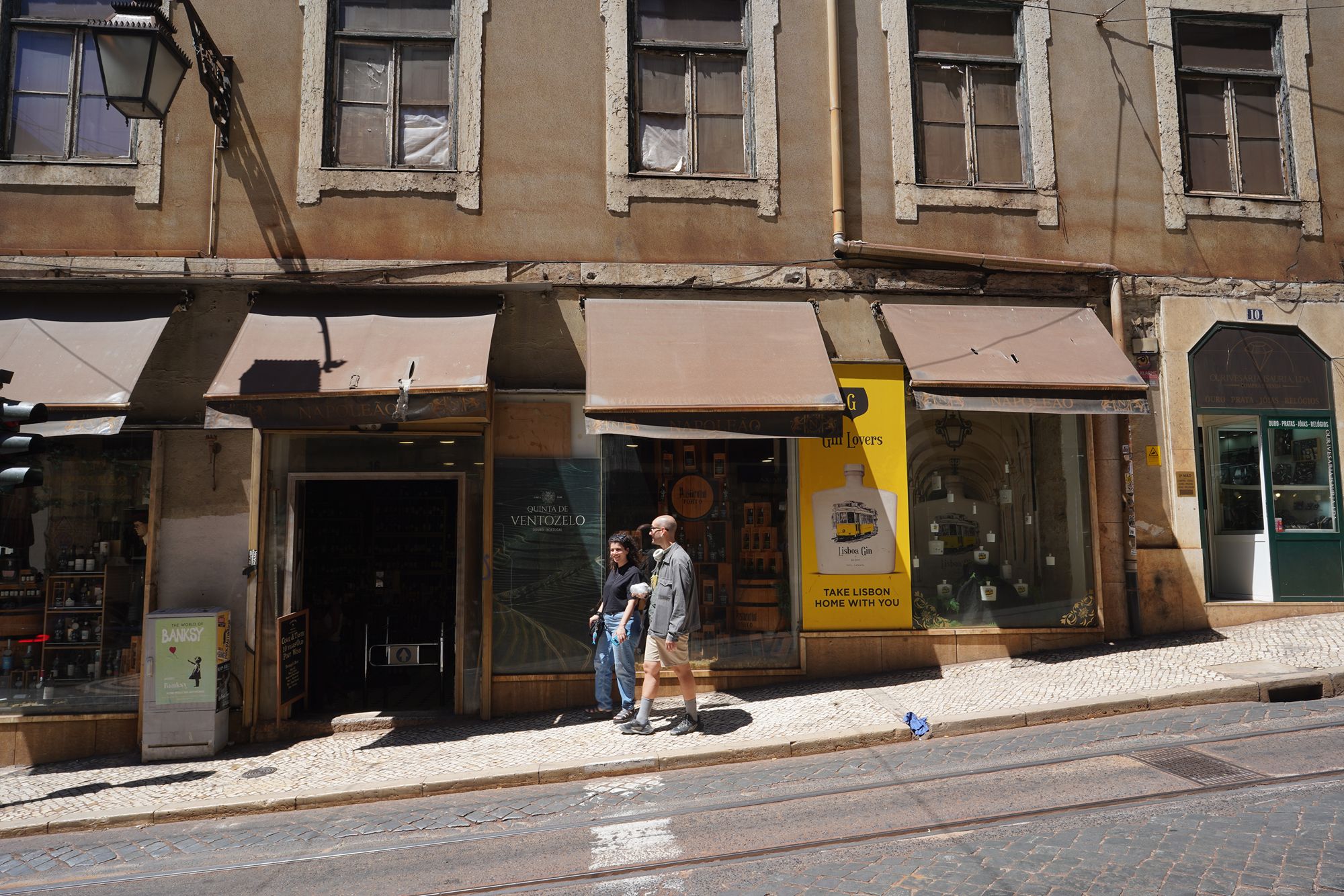
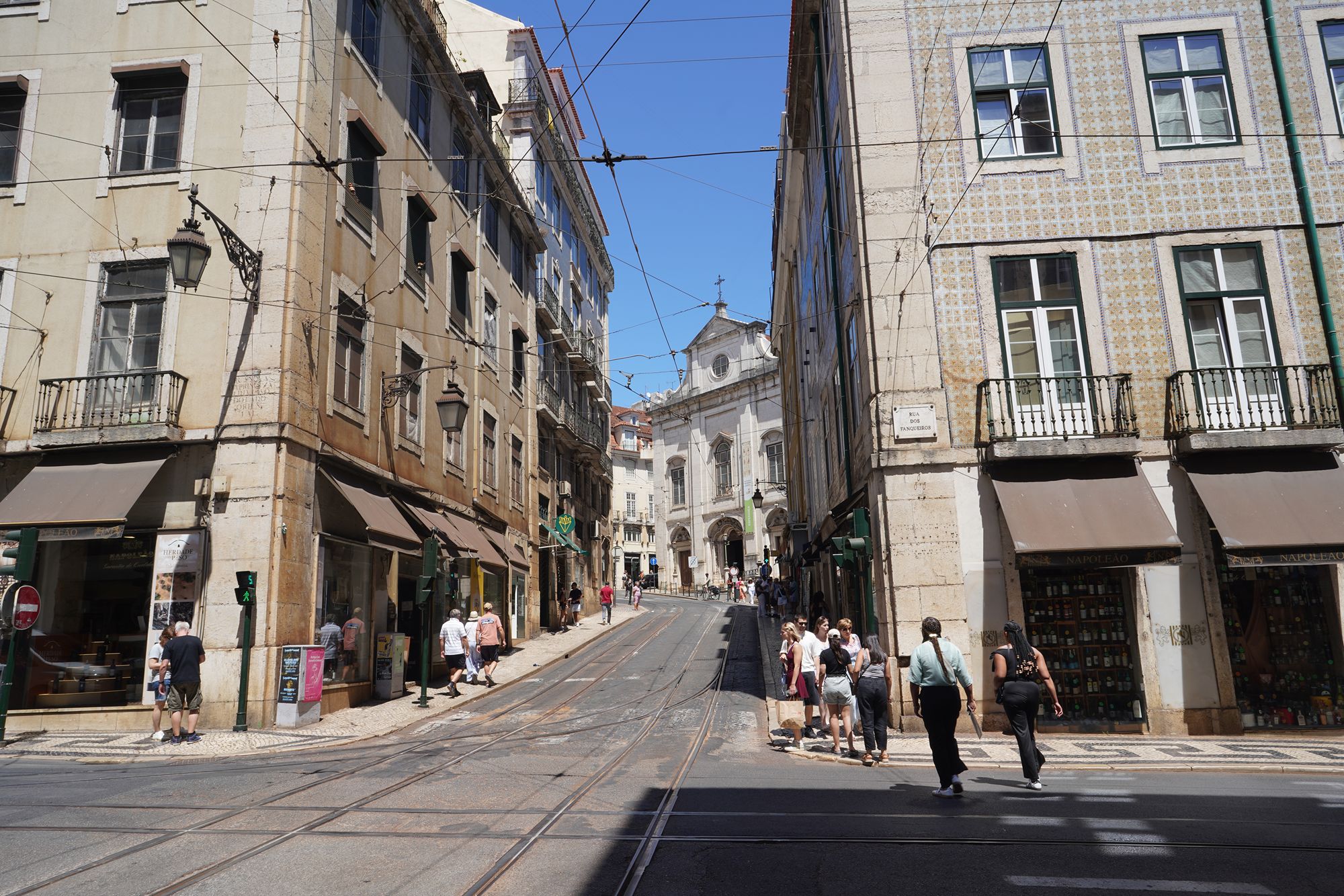
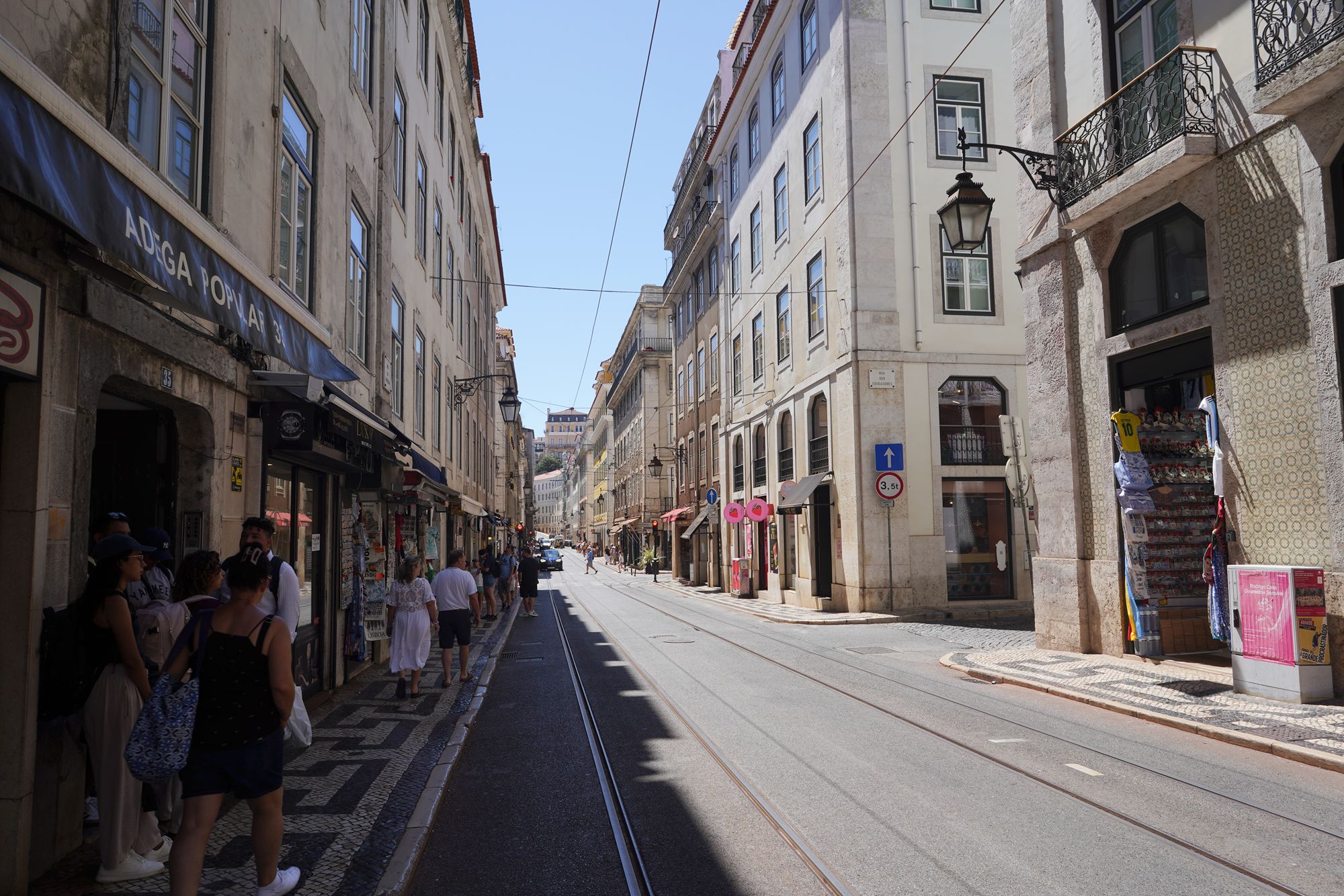
Baixa is flatter and more orderly than Lisbon’s hillside neighborhoods, with straight streets arranged in a grid, broad squares, and buildings of similar height and style. Much of the district was rebuilt after the devastating 1755 earthquake.
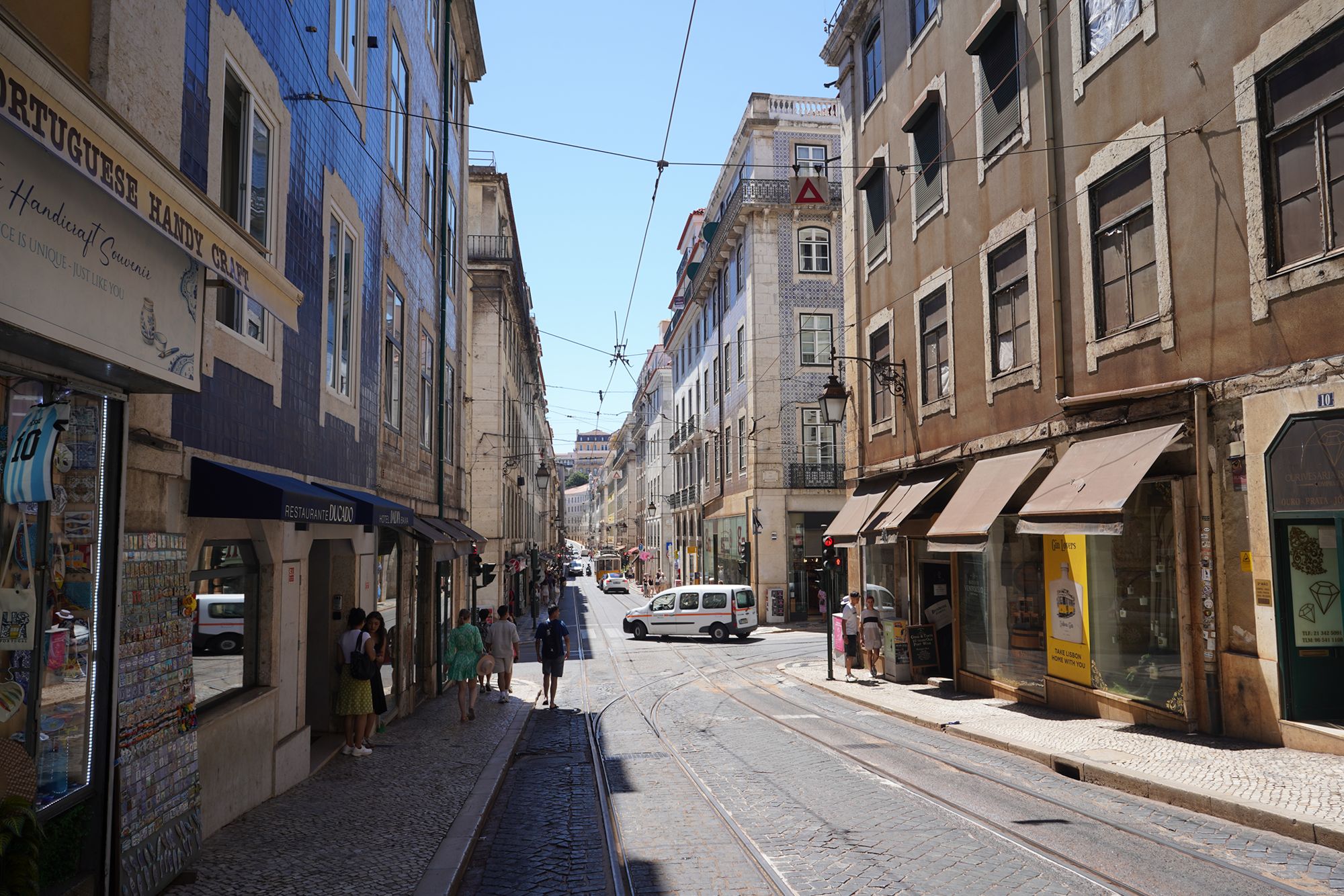
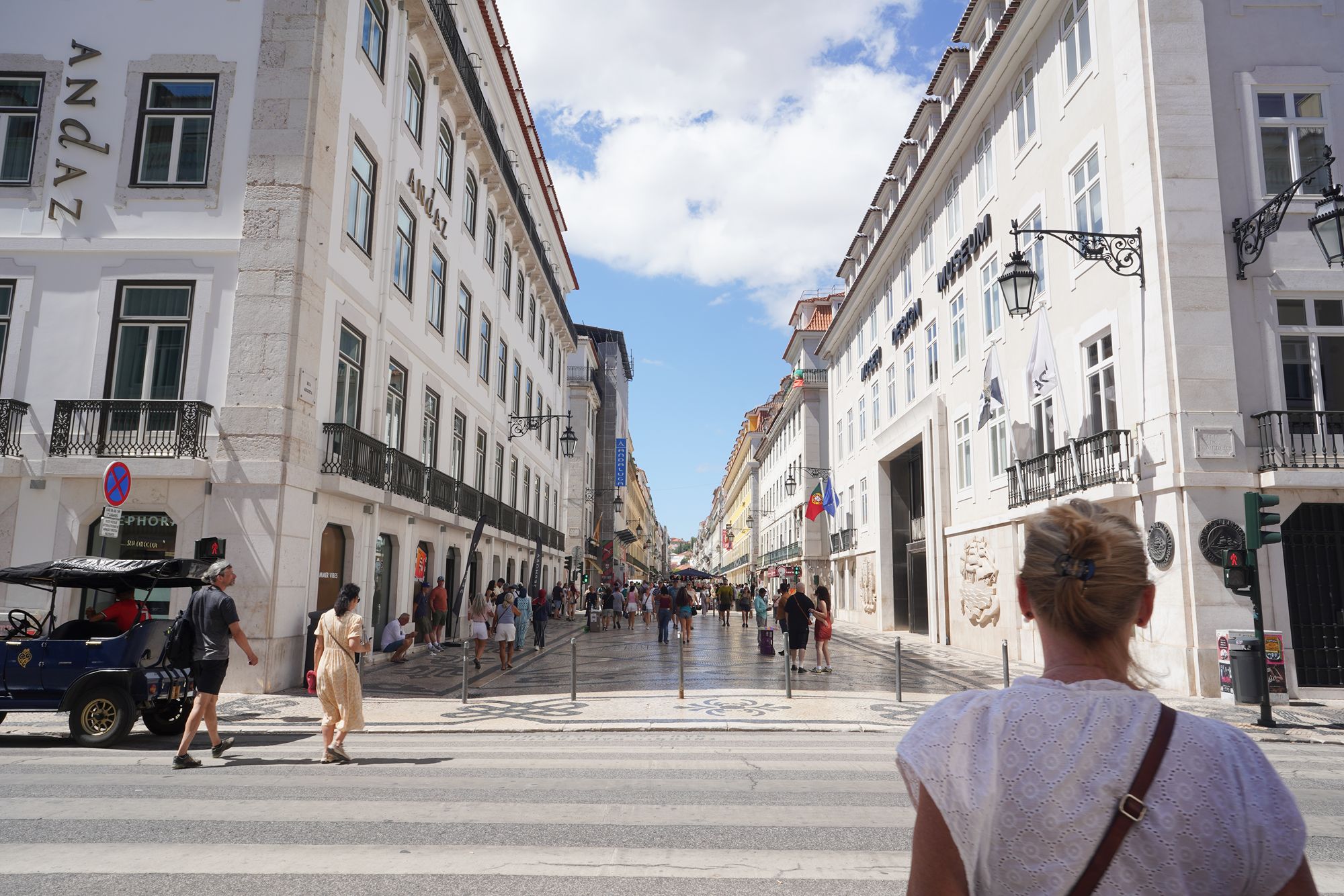
Its shopping streets, cafés, and restaurants give it a busy downtown atmosphere. Rua Augusta is the main pedestrian street, linking Rossio Square with Praça do Comércio near the river.
From here, I walked toward the waterfront along the Tagus River.
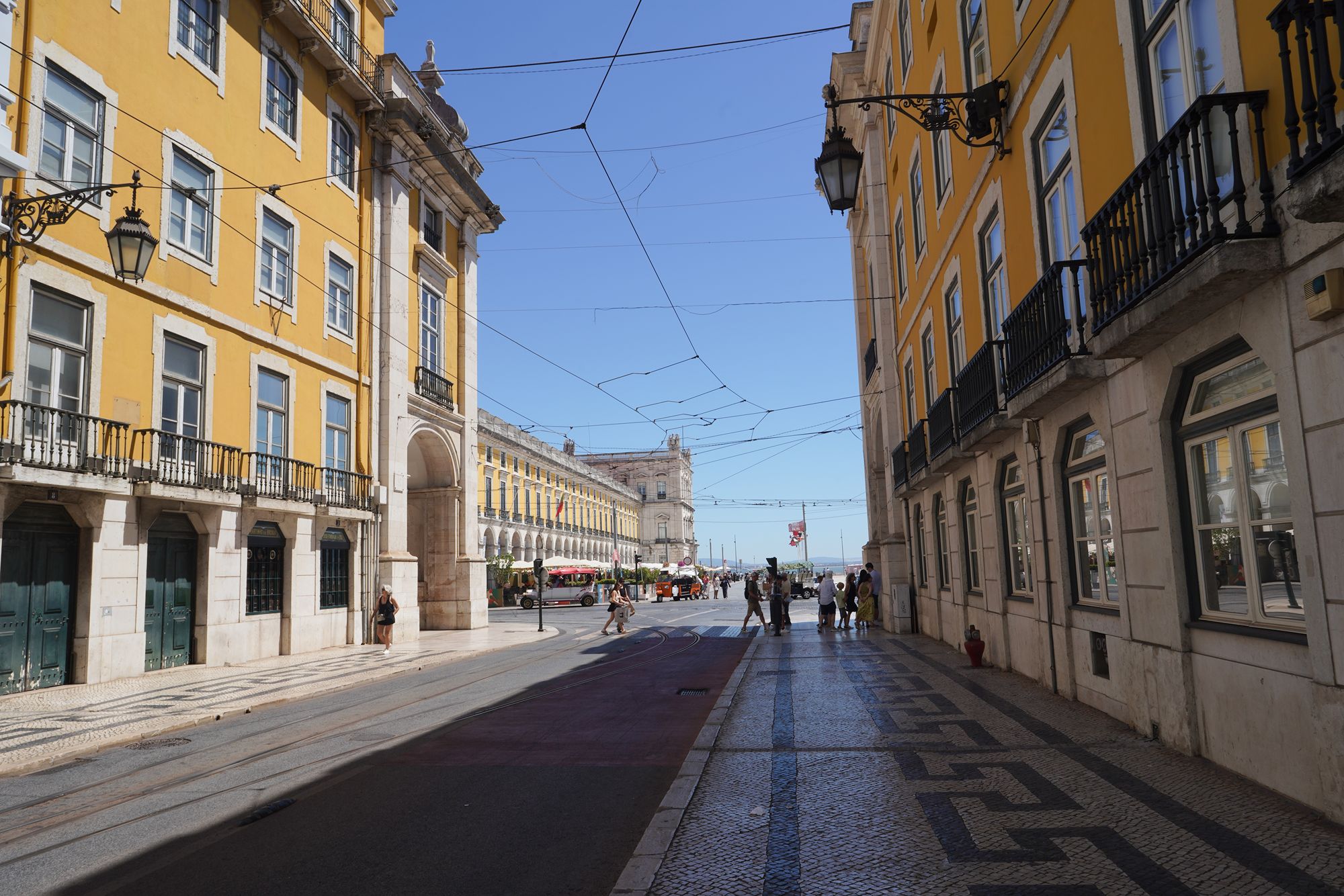
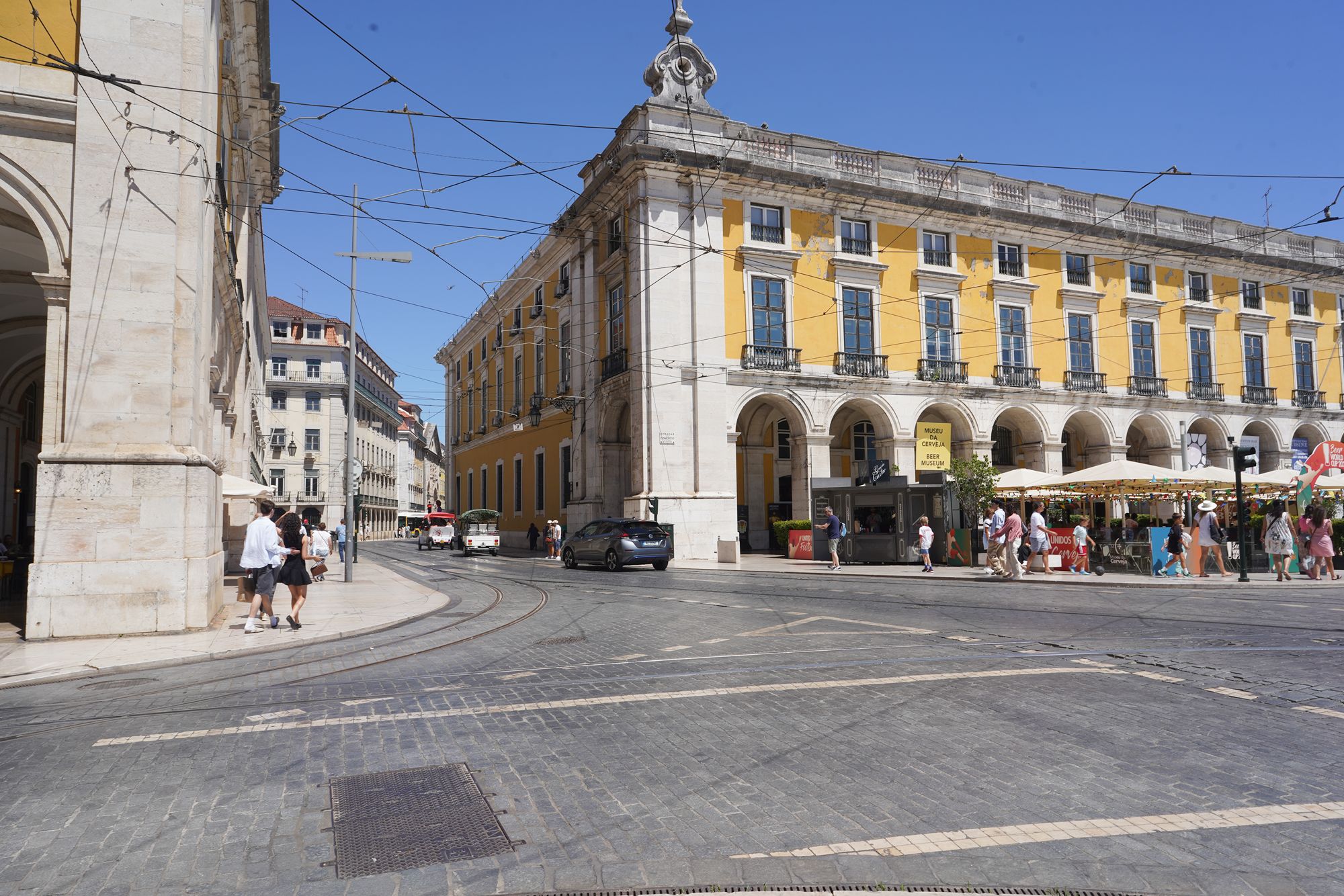
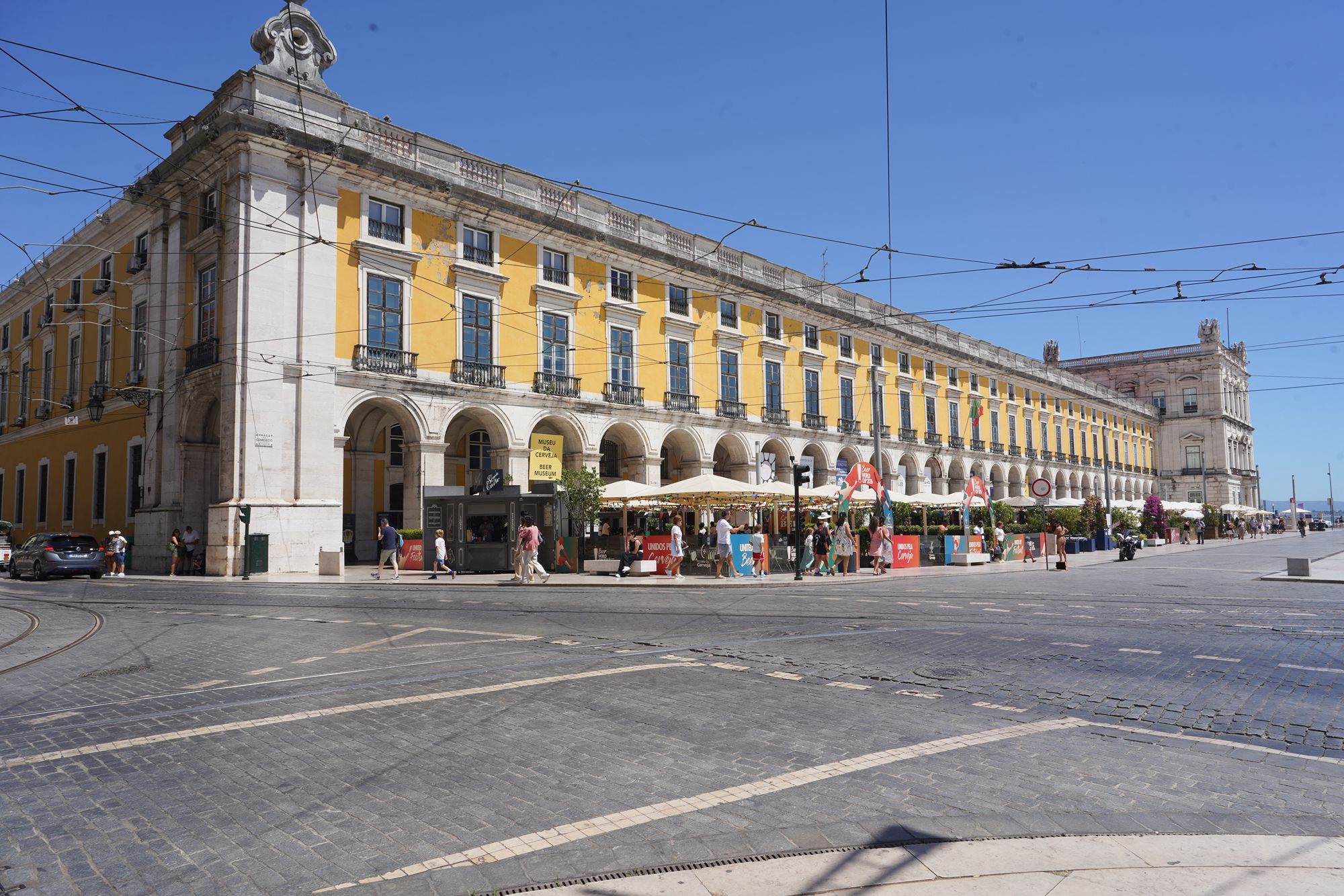
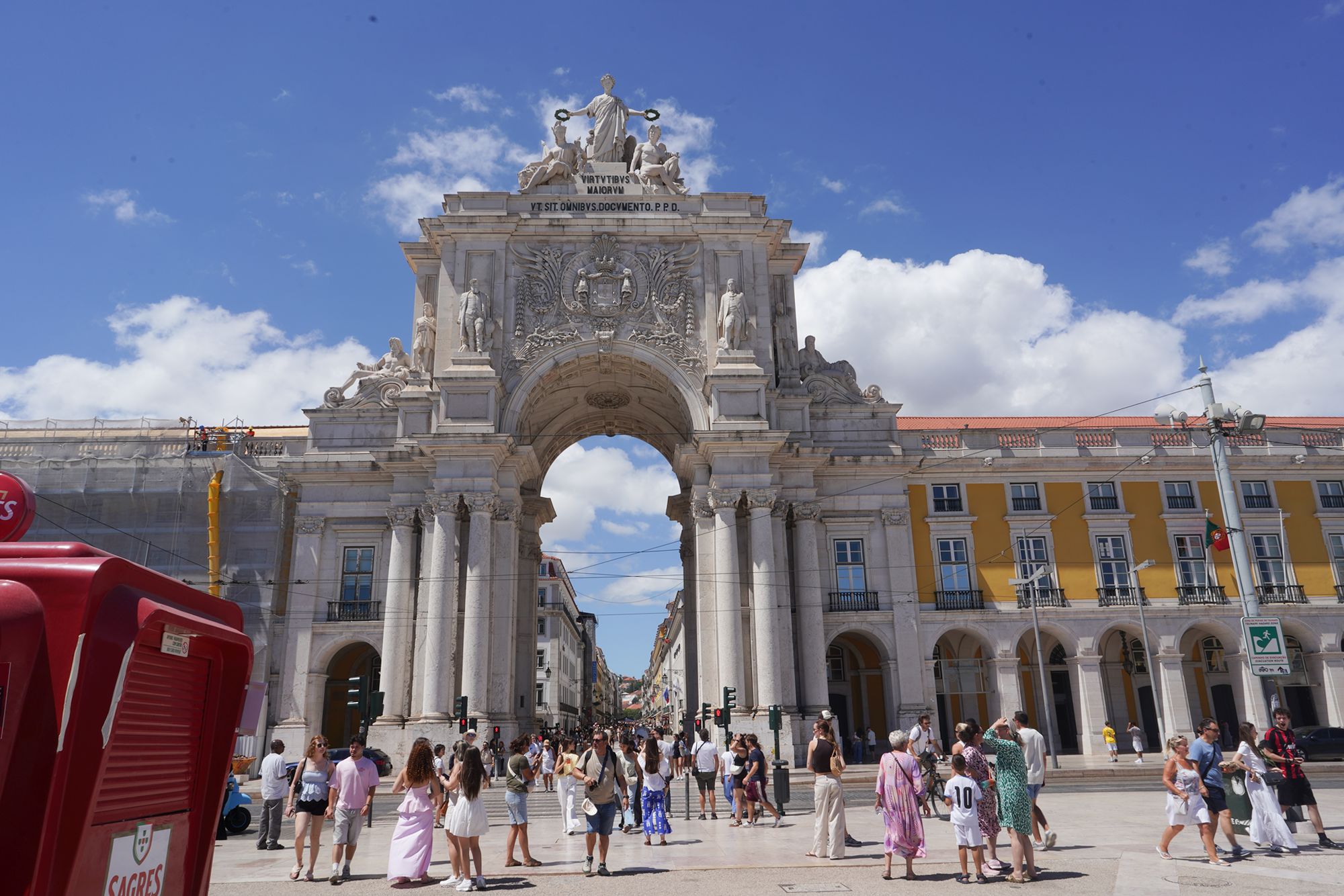
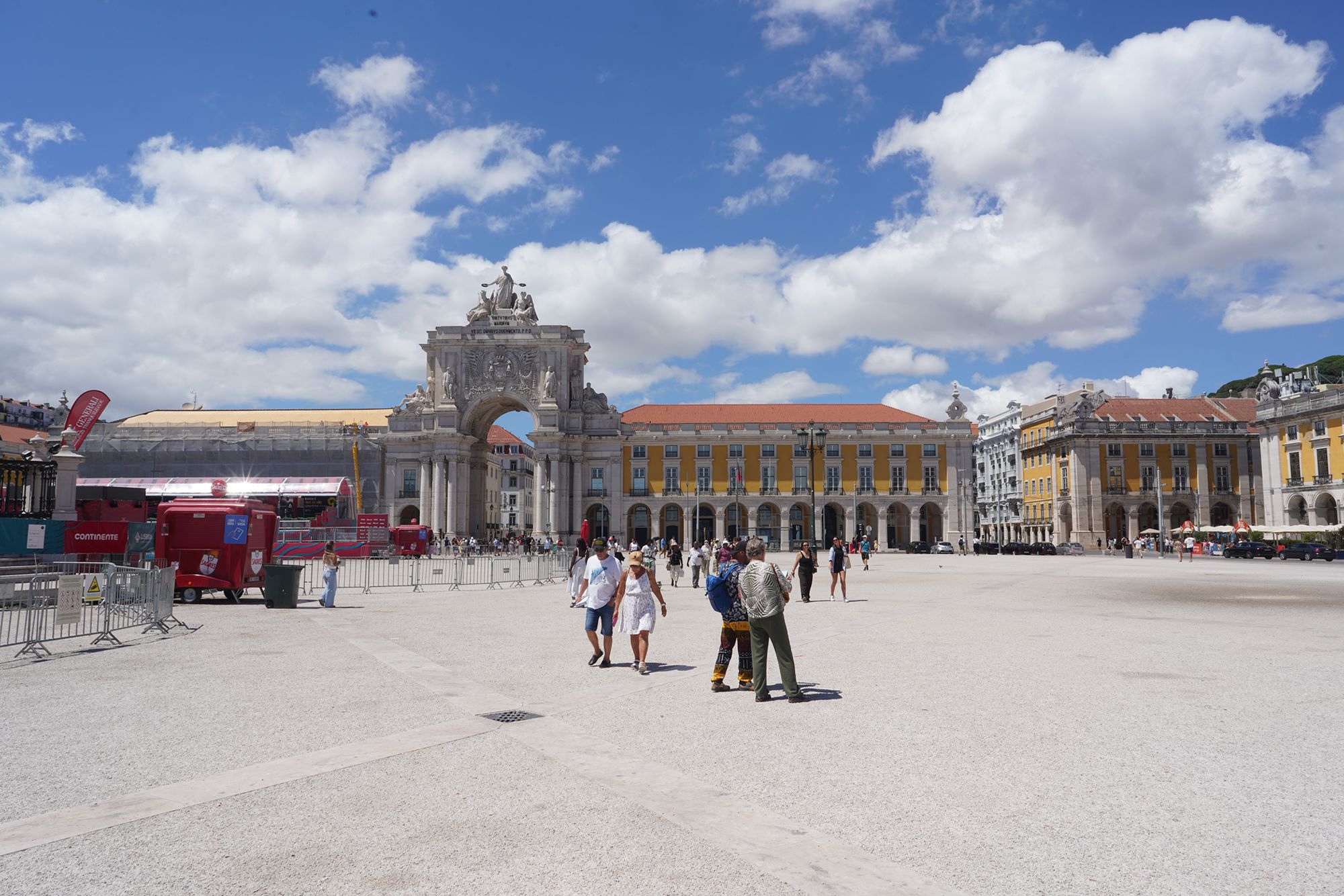
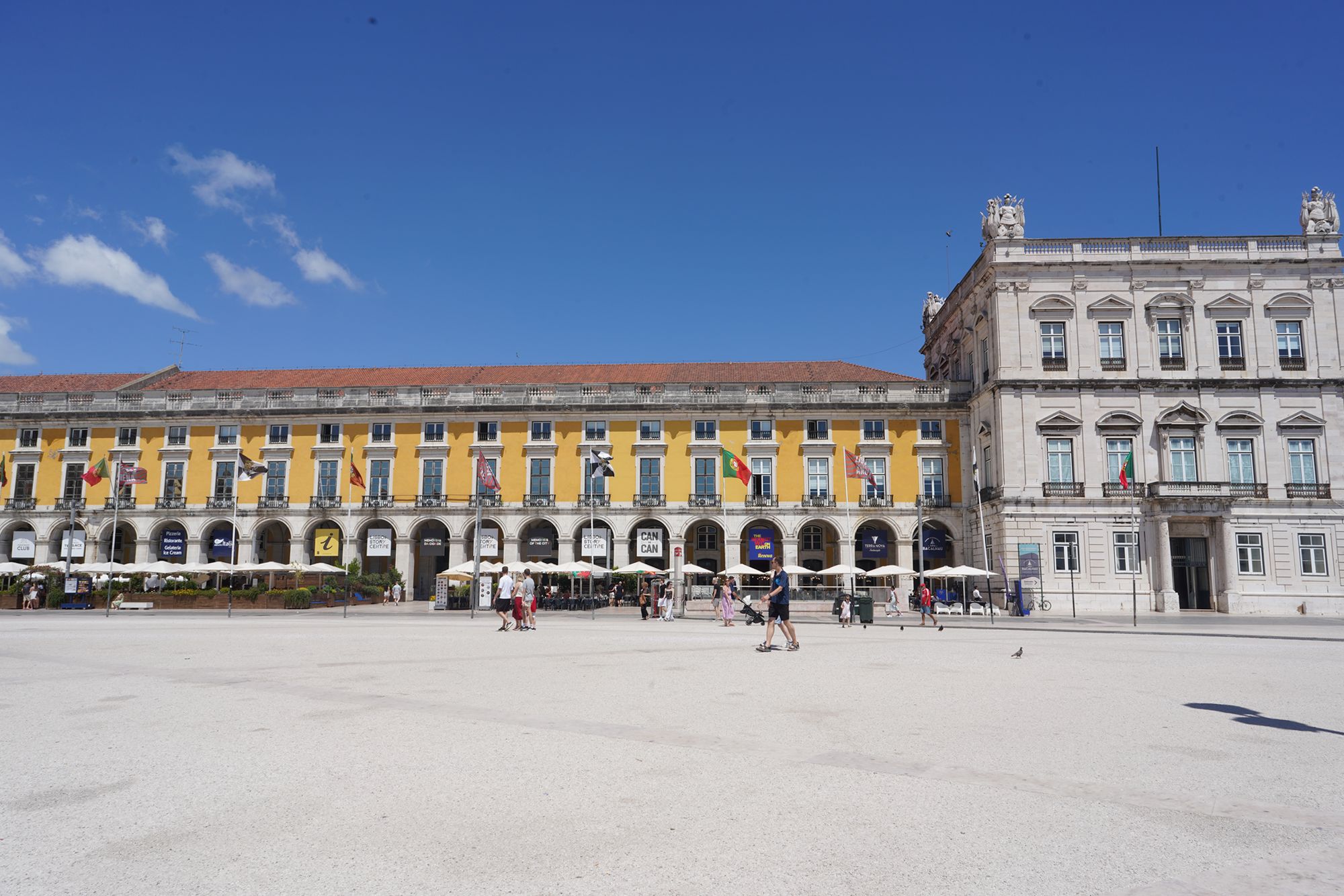
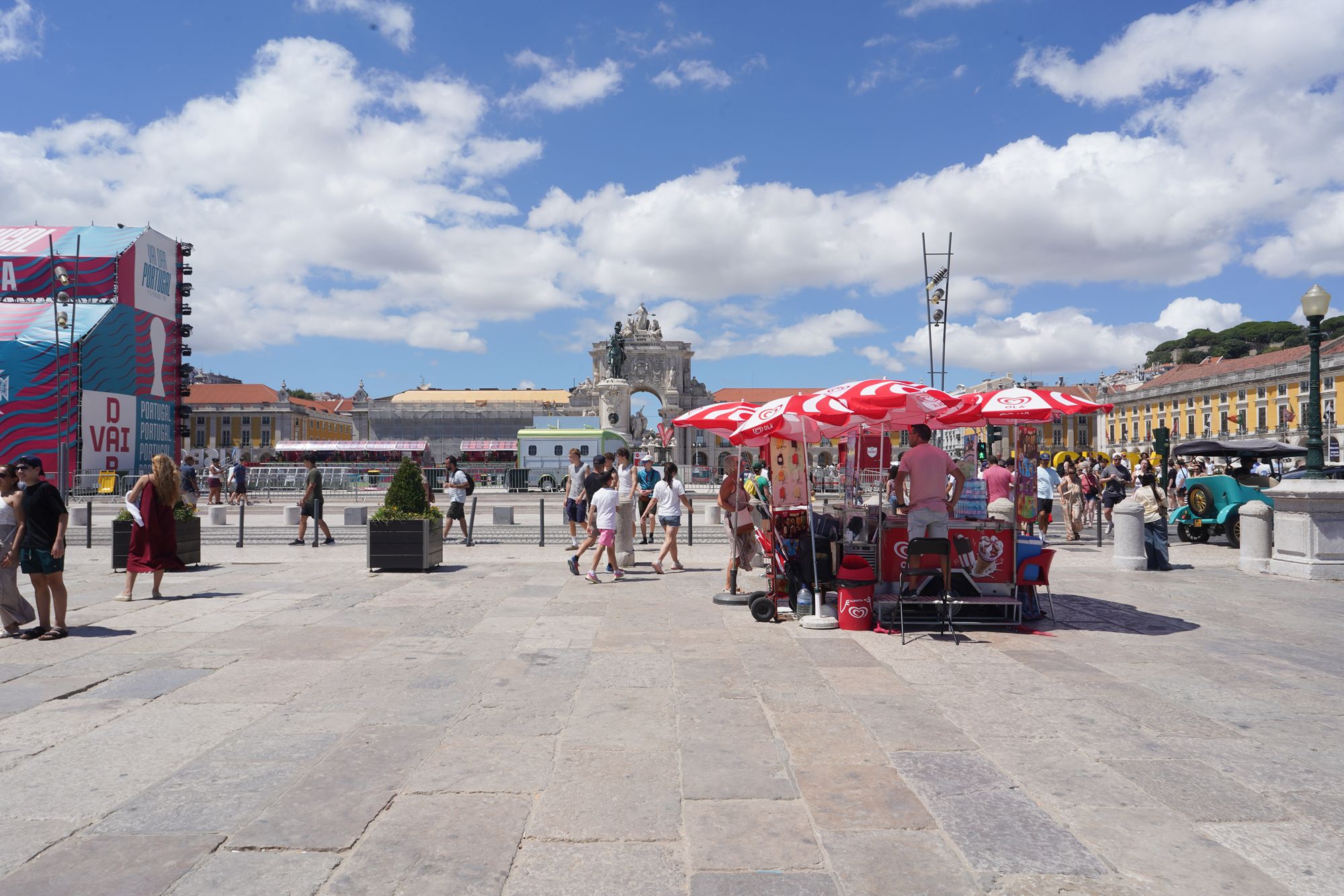
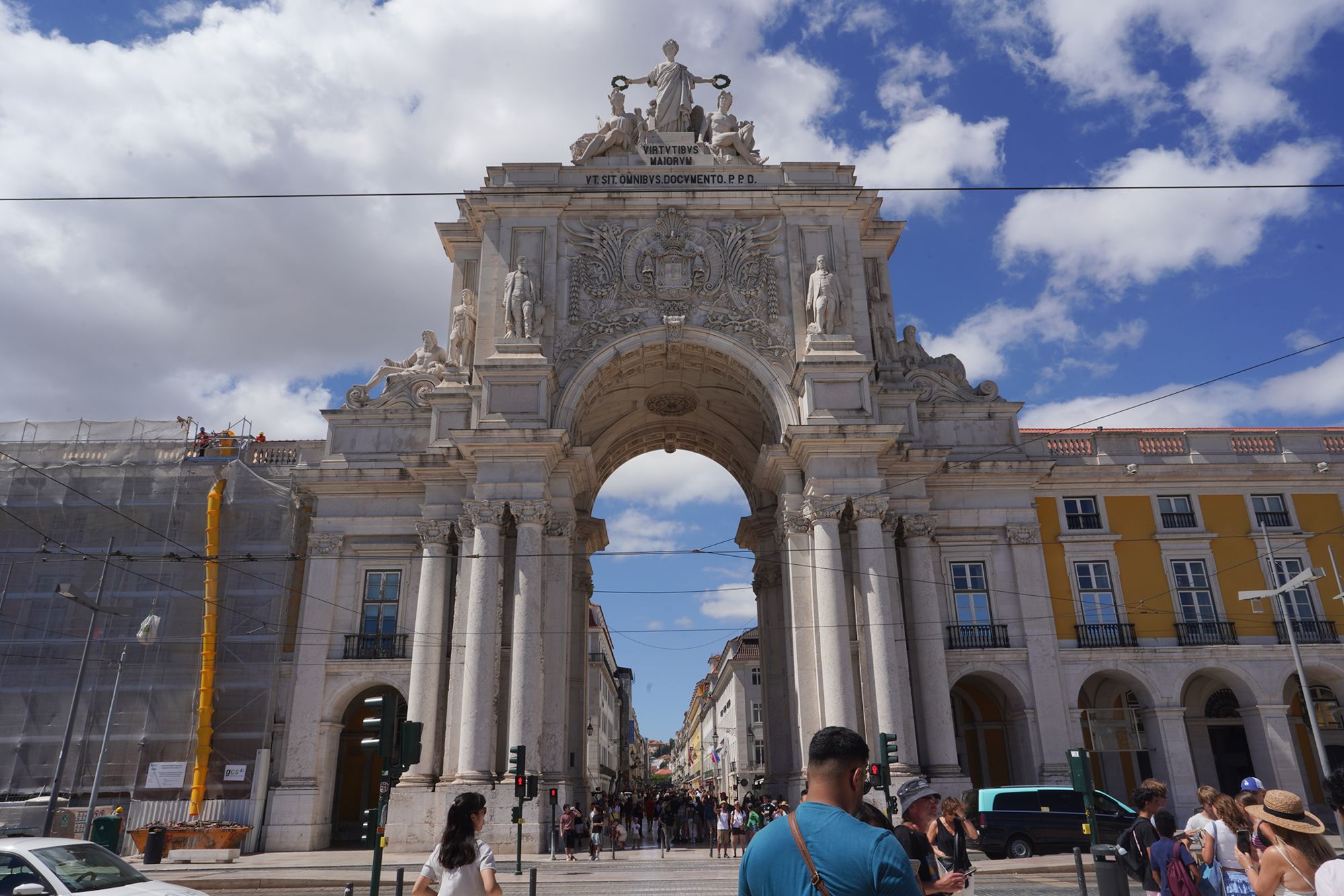
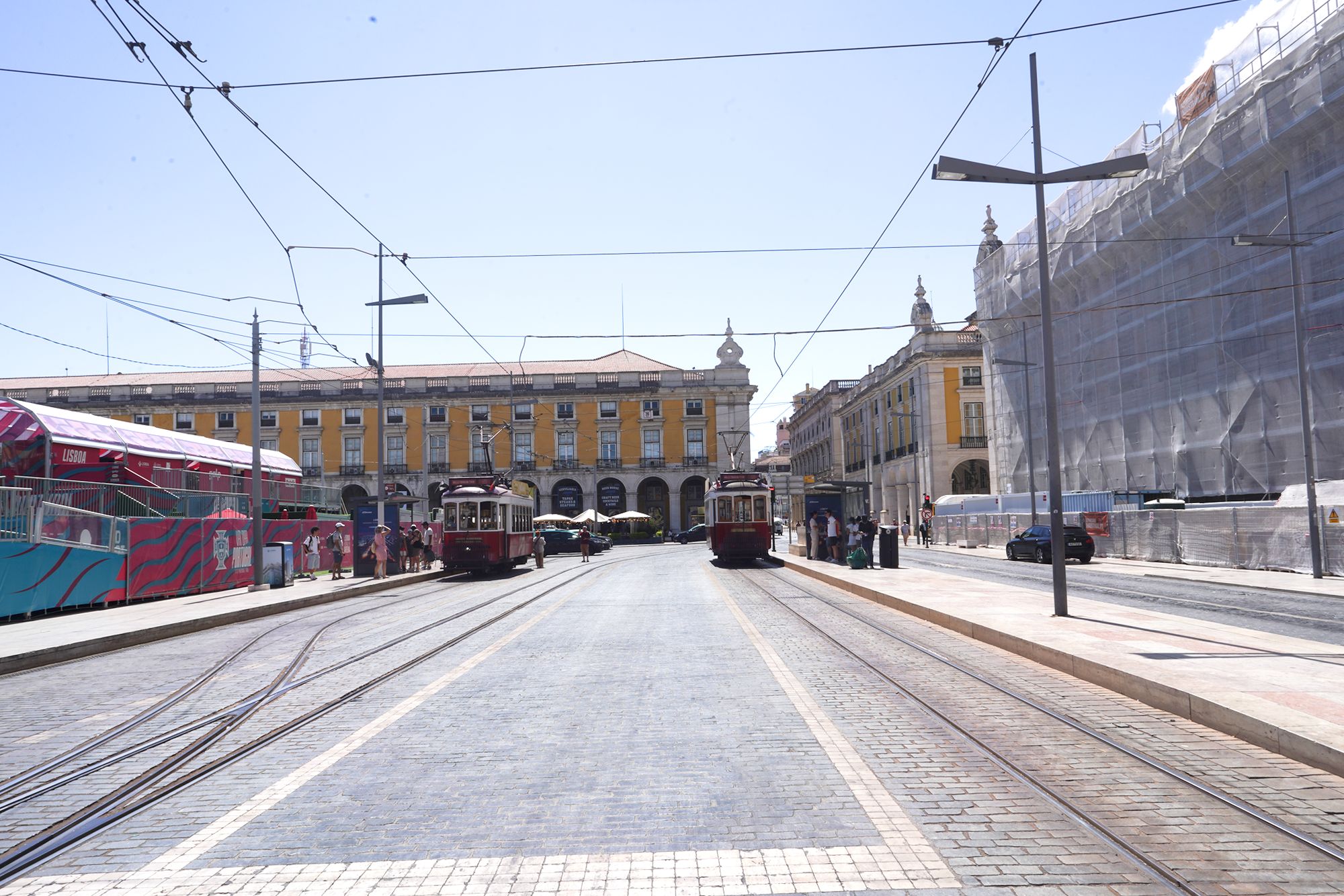
Praça do Comércio is a large square facing the Tagus River, framed by yellow buildings with covered arcades. It occupies the site of the former royal palace, which was destroyed in the 1755 earthquake. A statue of King José I stands in the center, while the grand Rua Augusta Arch marks the entrance to Baixa’s main pedestrian street.
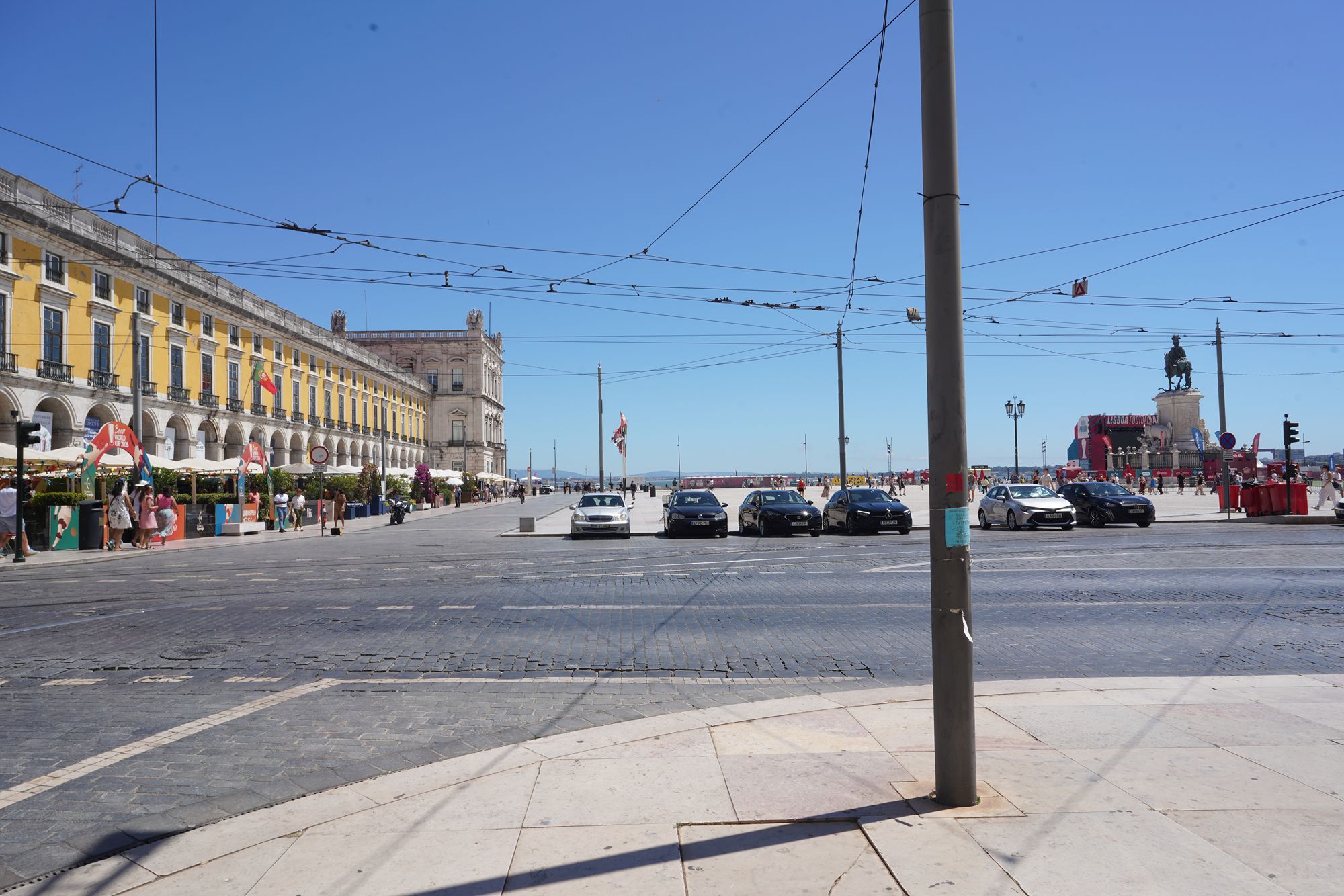
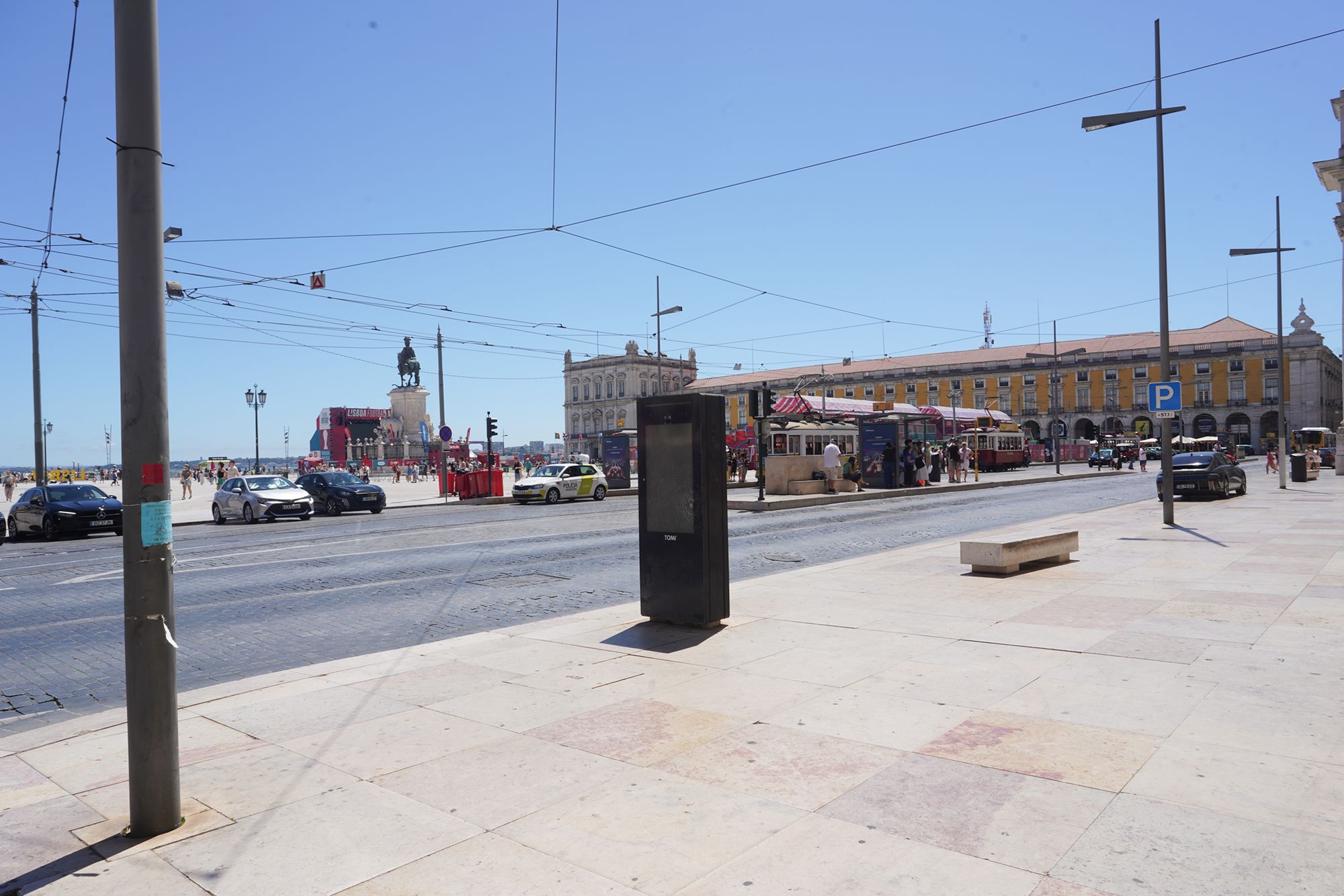
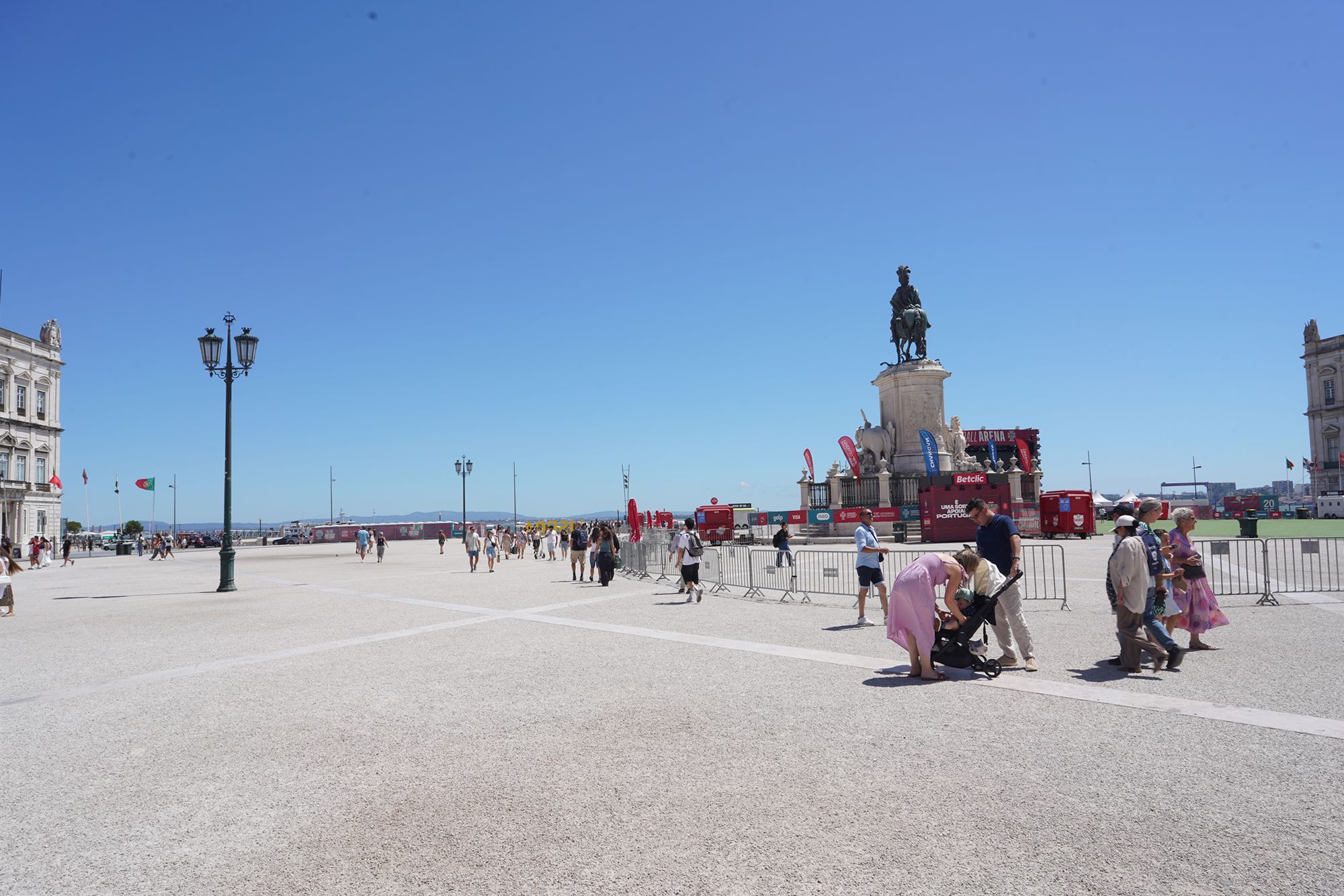
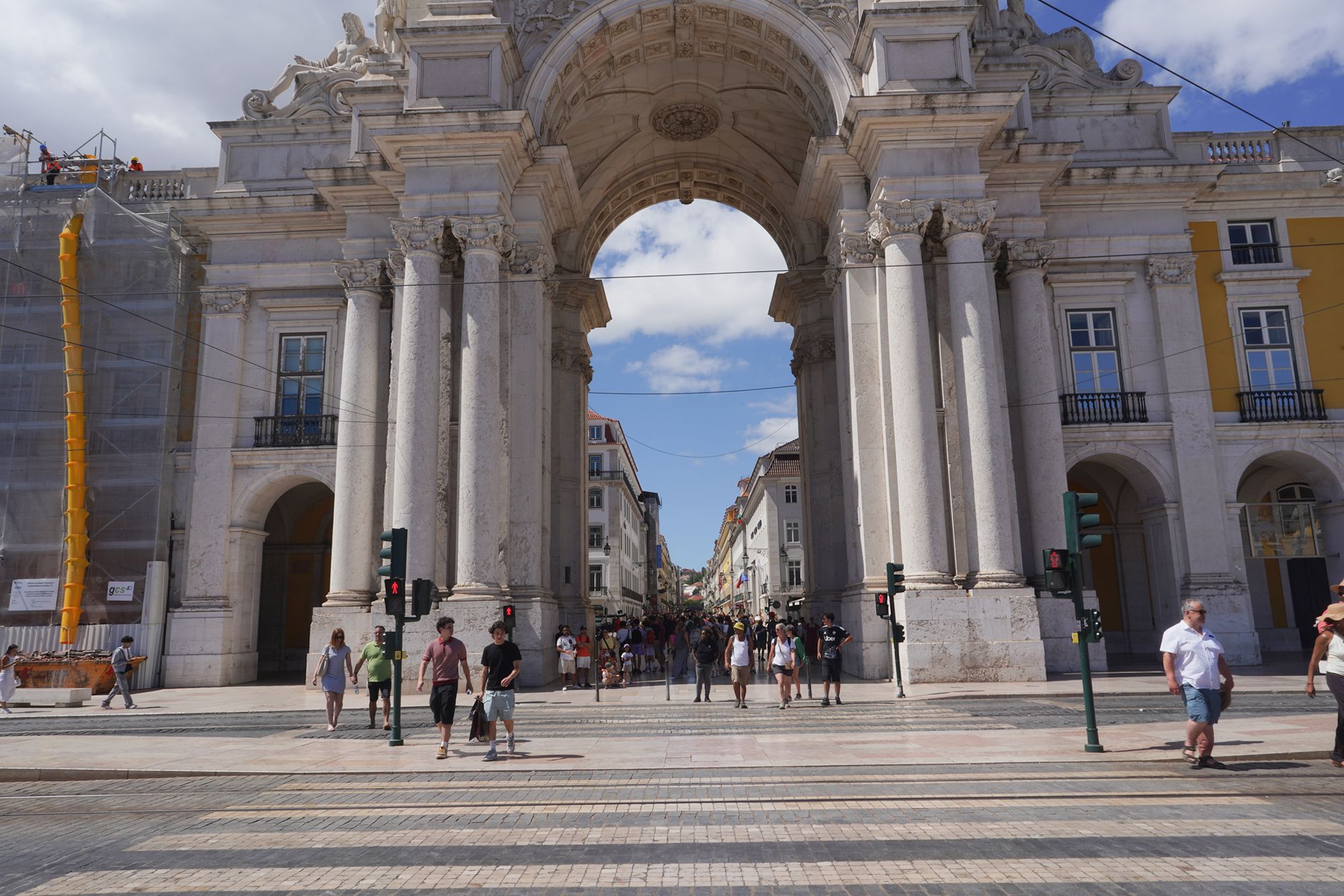
Turning around, I saw the grand Rua Augusta Arch, which marks the entrance to Baixa’s main pedestrian street.
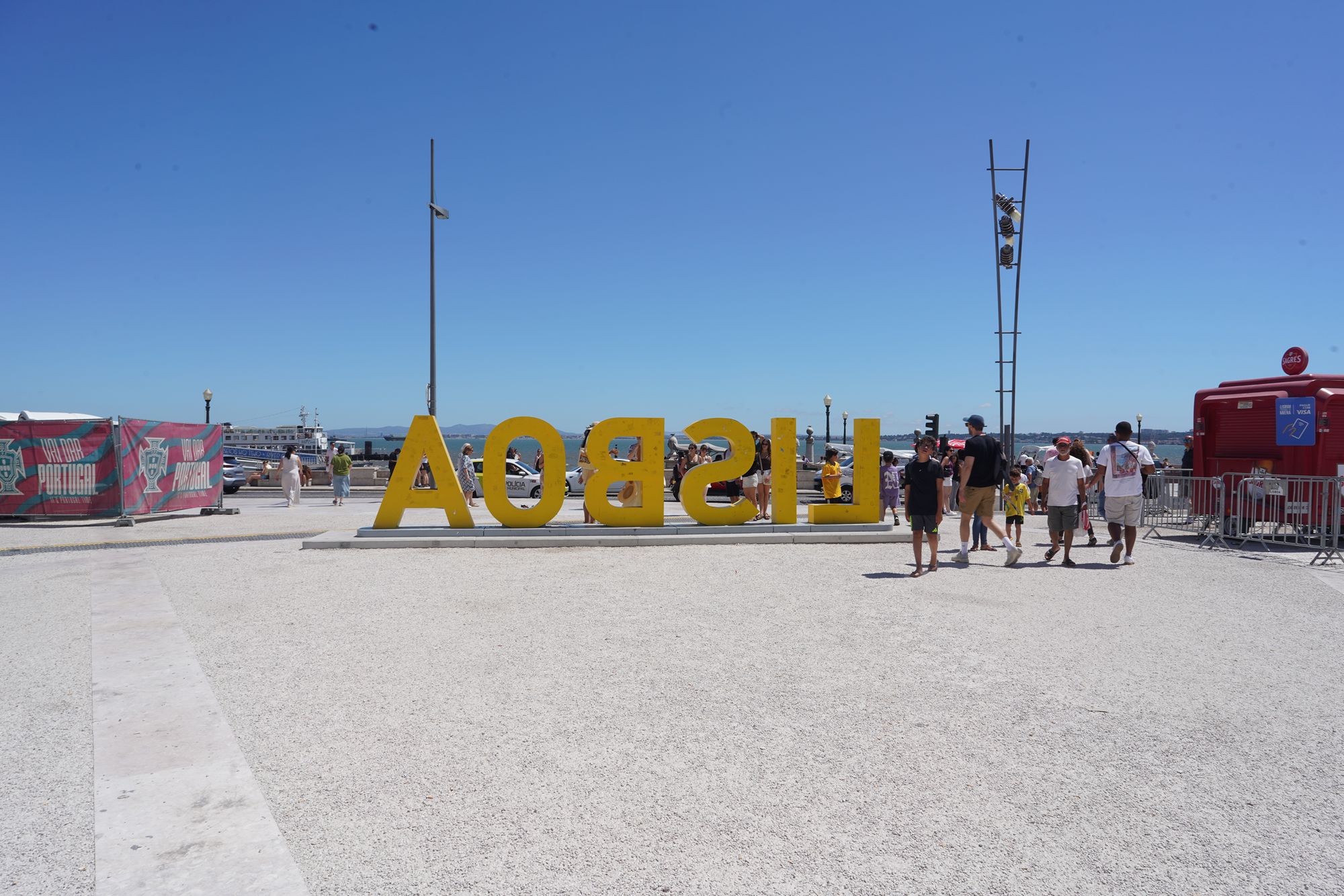
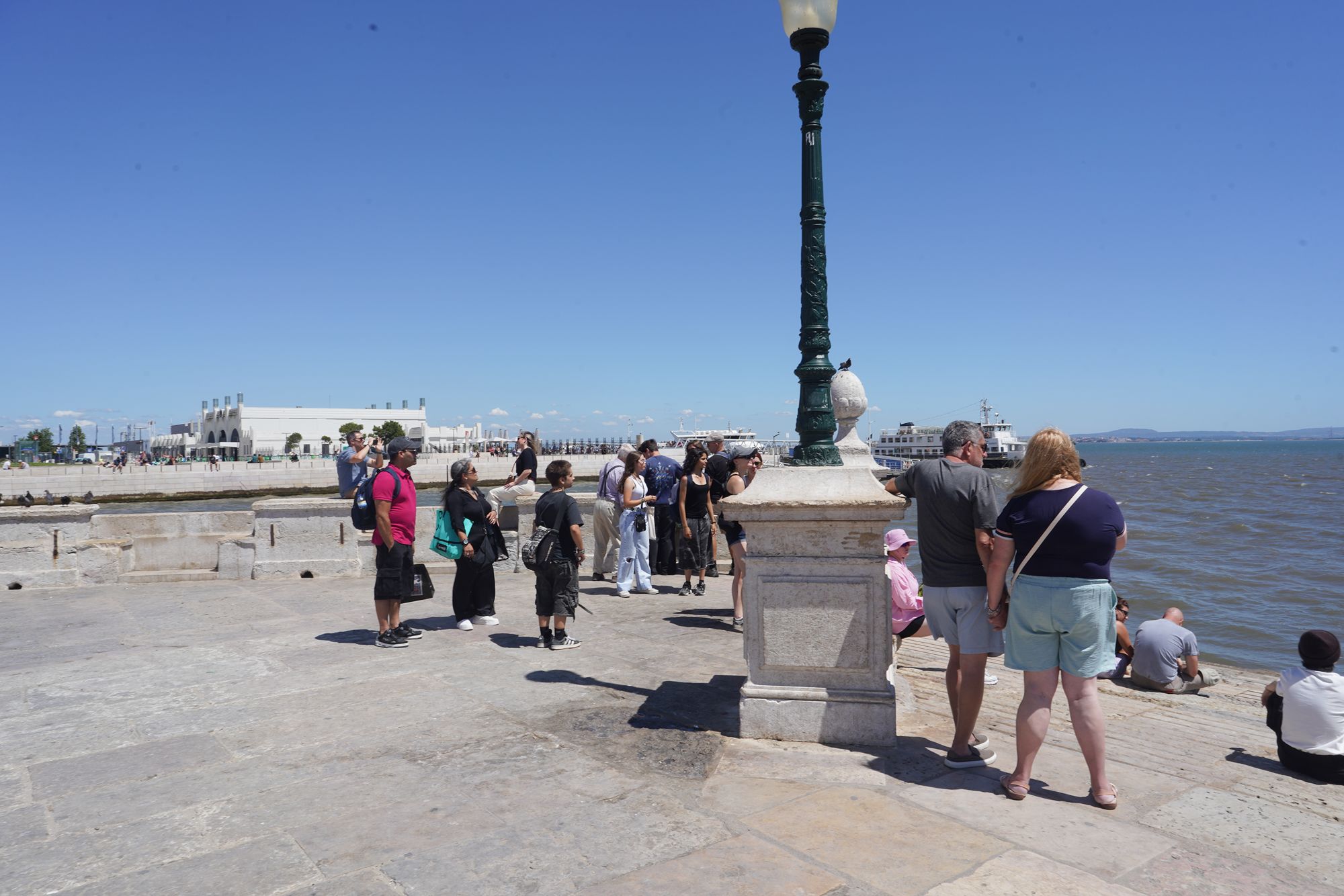
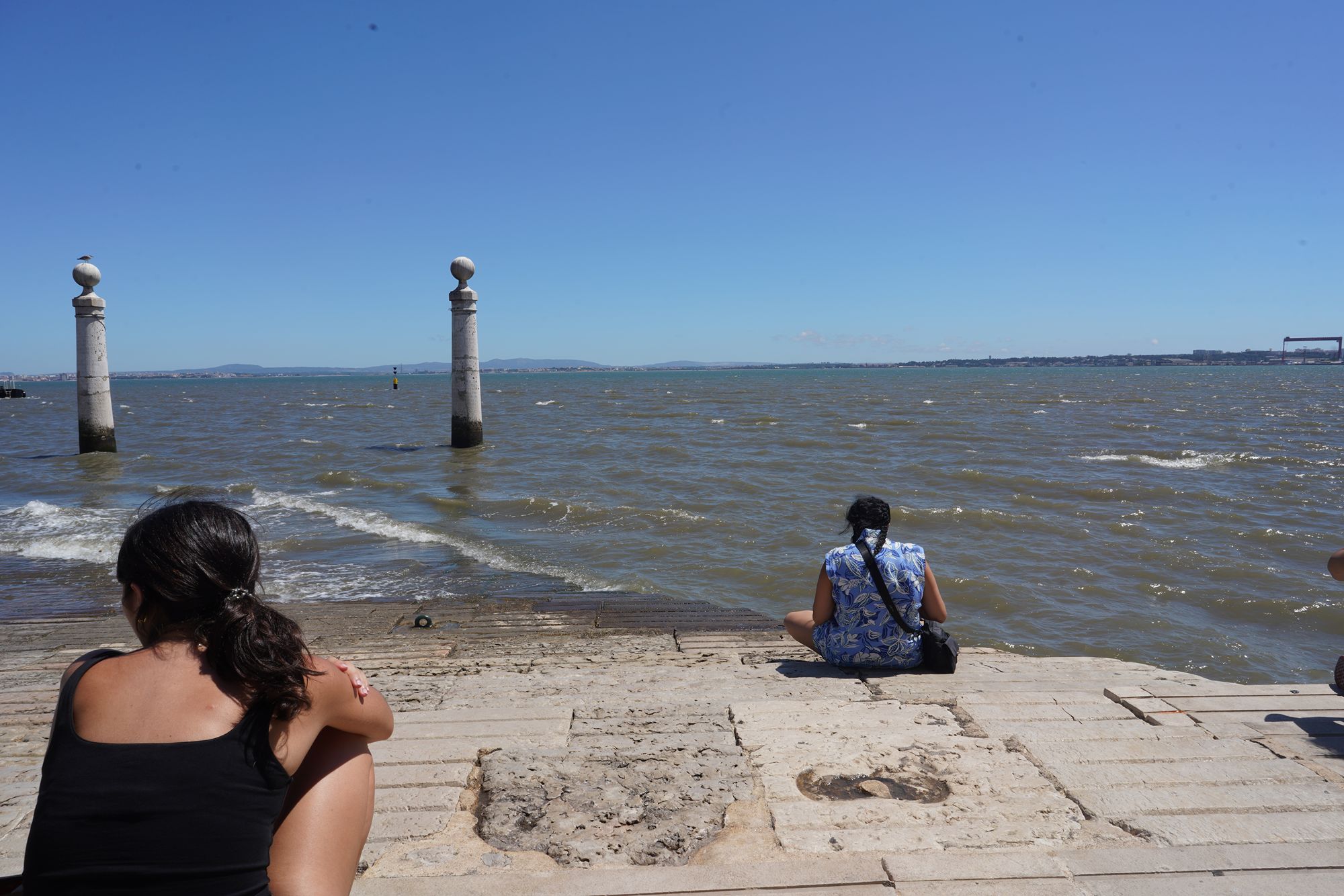
The river looked more like a vast expanse of water than the narrow waterway I usually associate with a river.
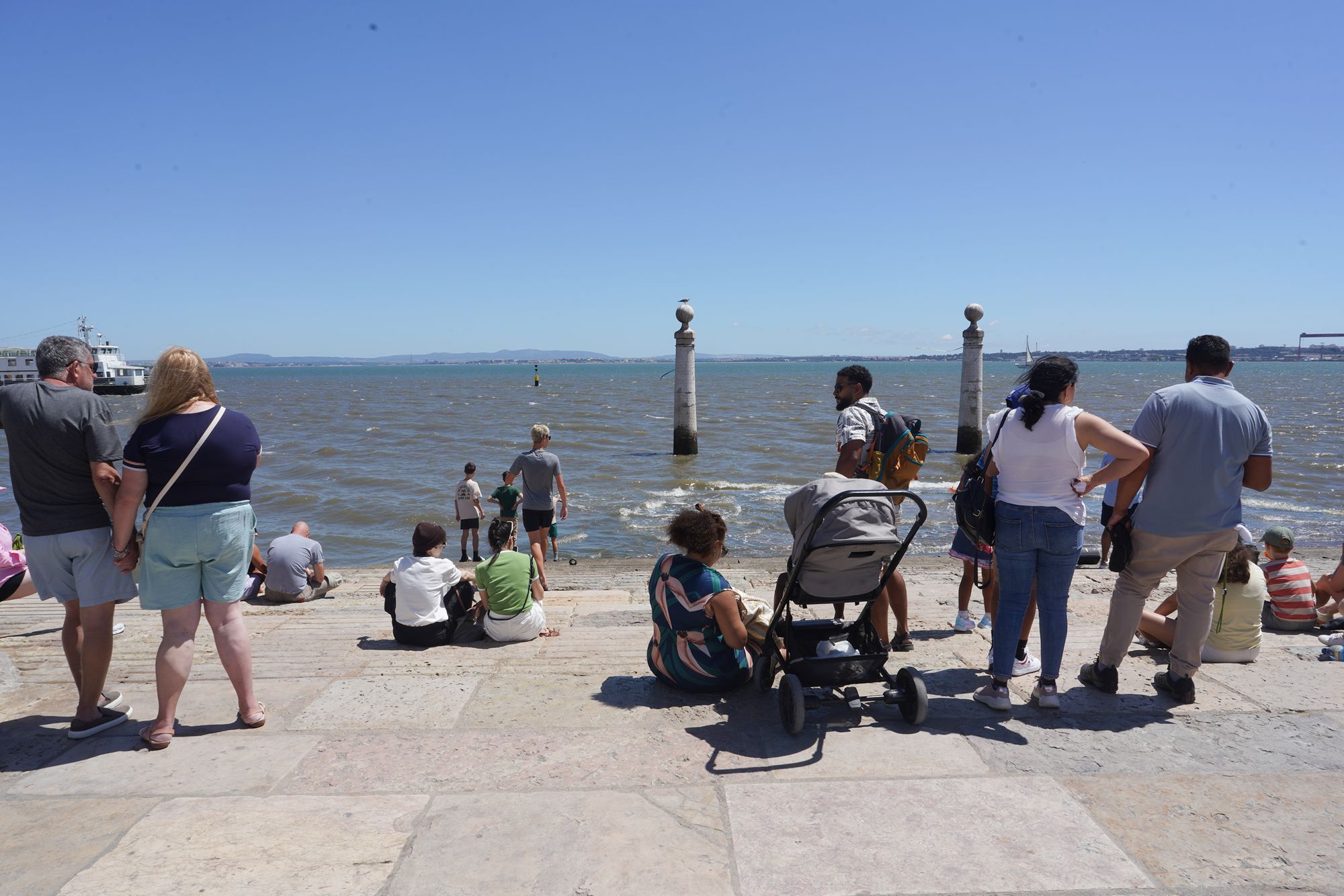
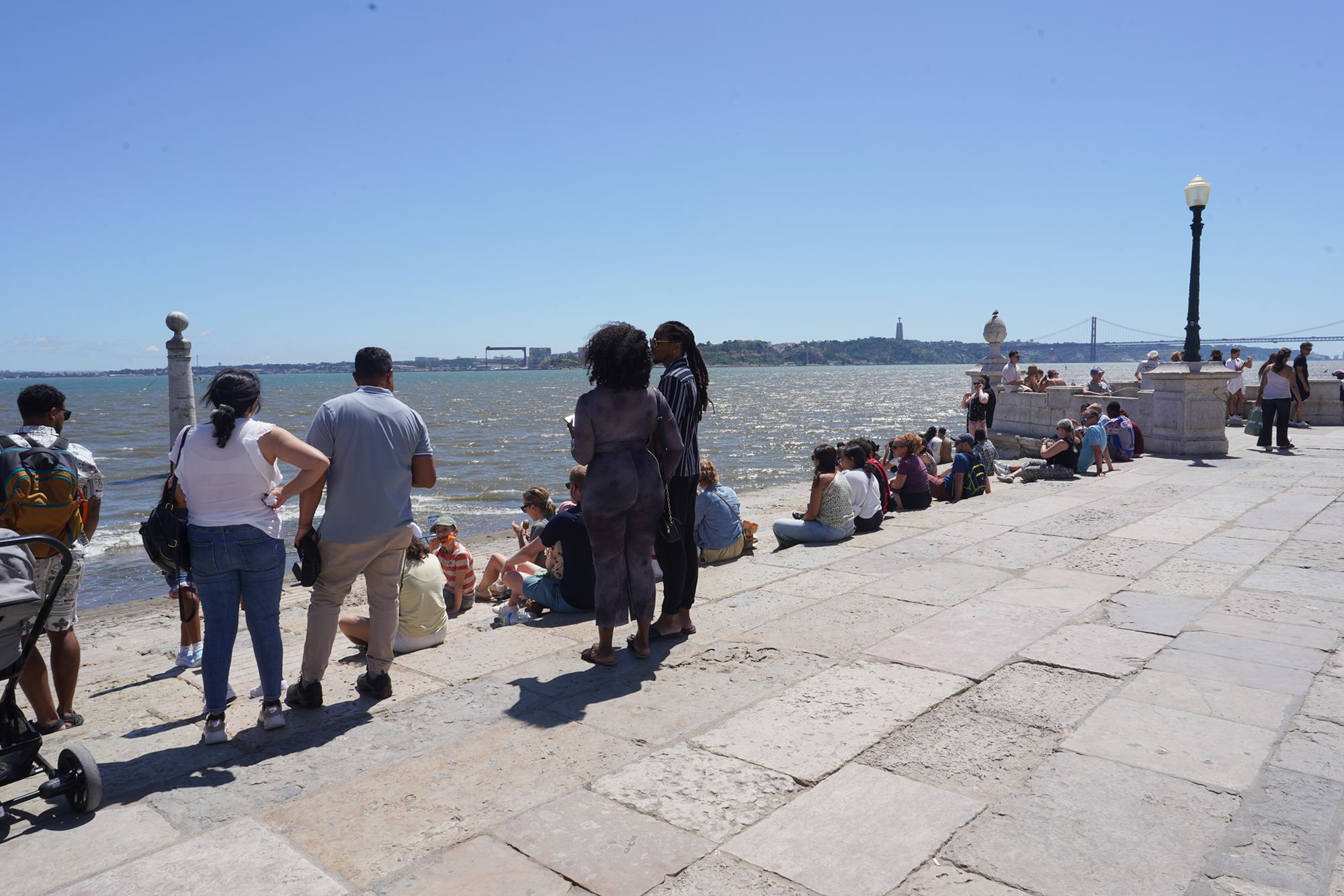
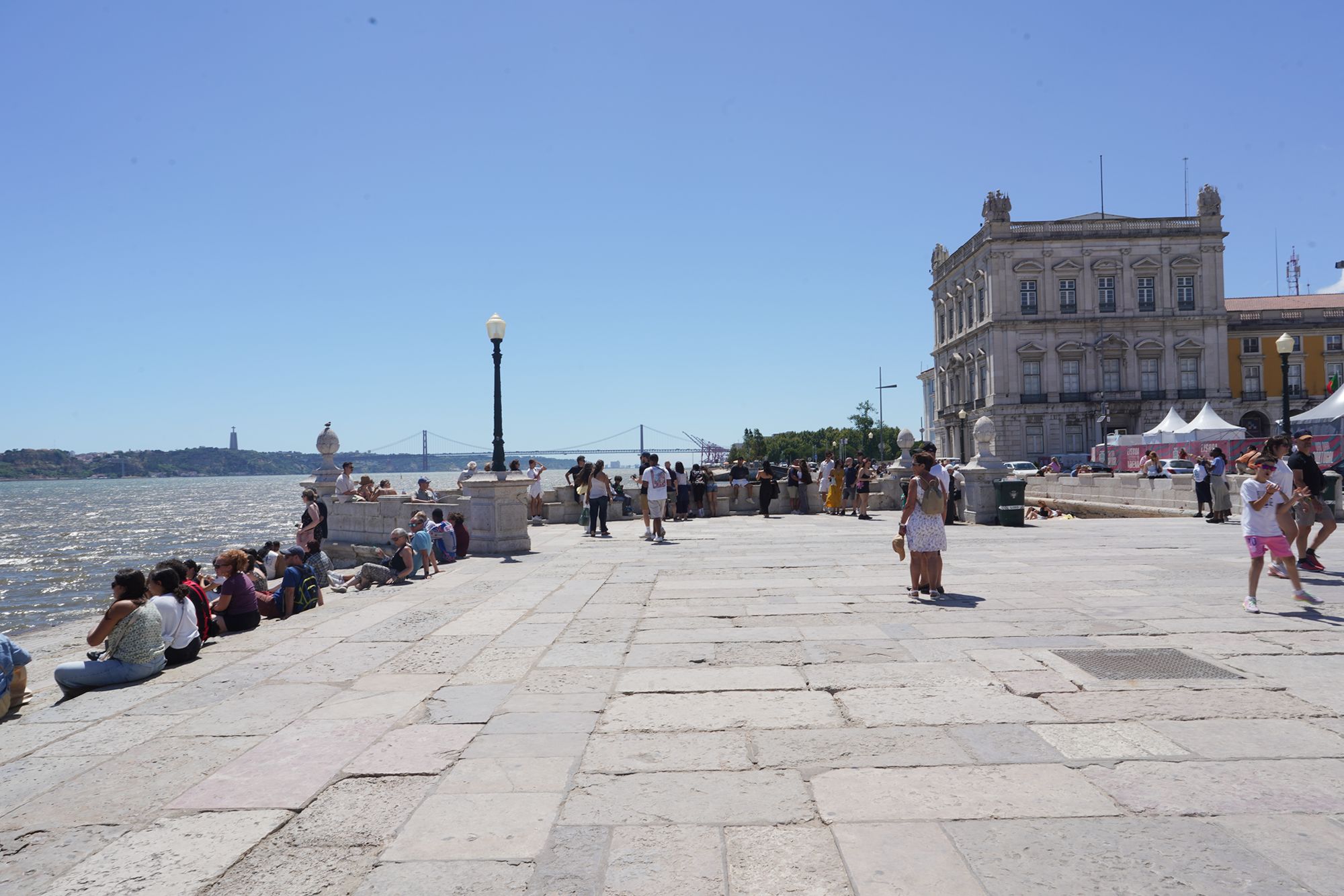
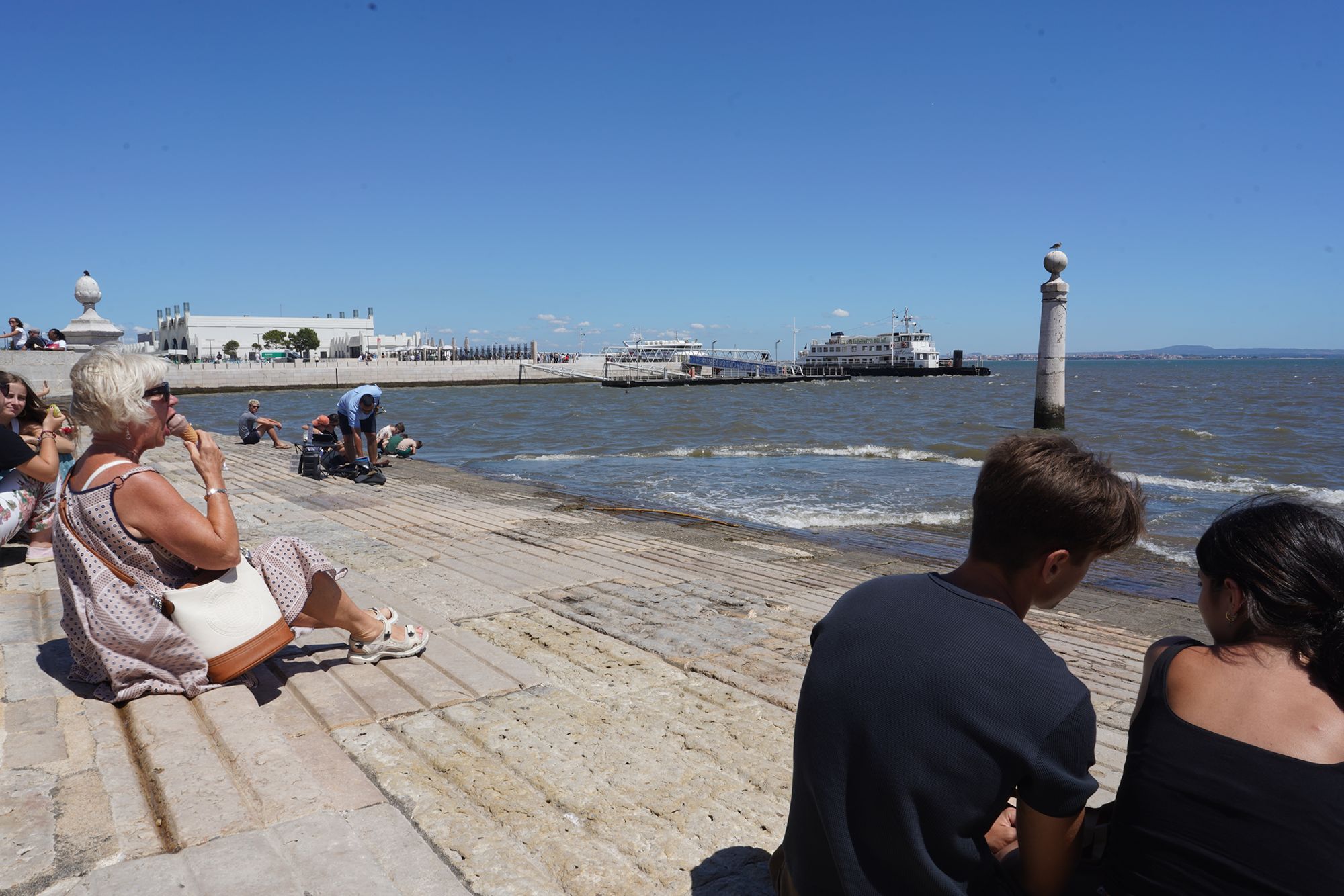
The river is especially wide here as it approaches the nearby Atlantic Ocean.
I returned to the Rua Augusta Arch and walked through it onto Rua Augusta, Baixa’s main pedestrian street.
A view on my left
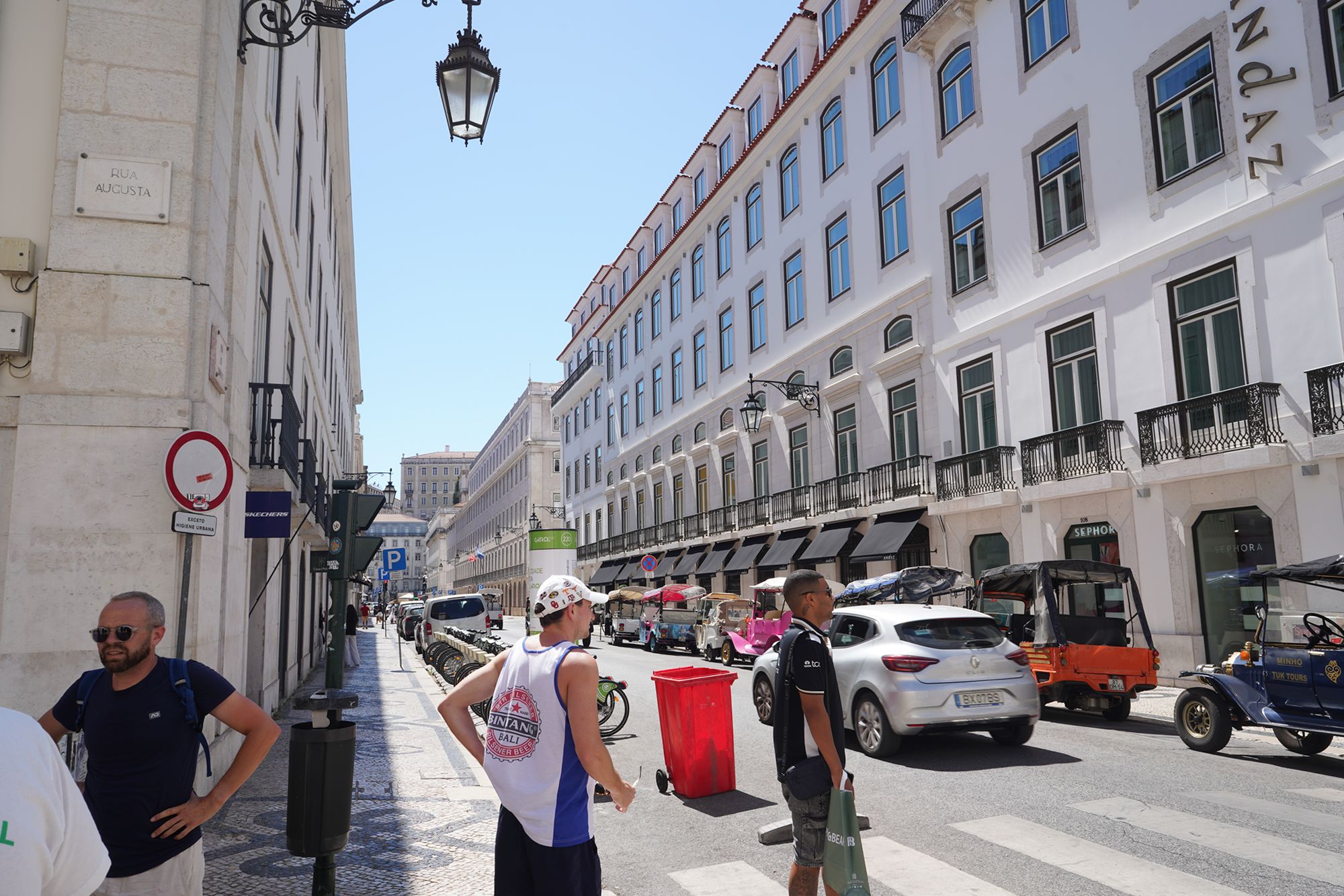
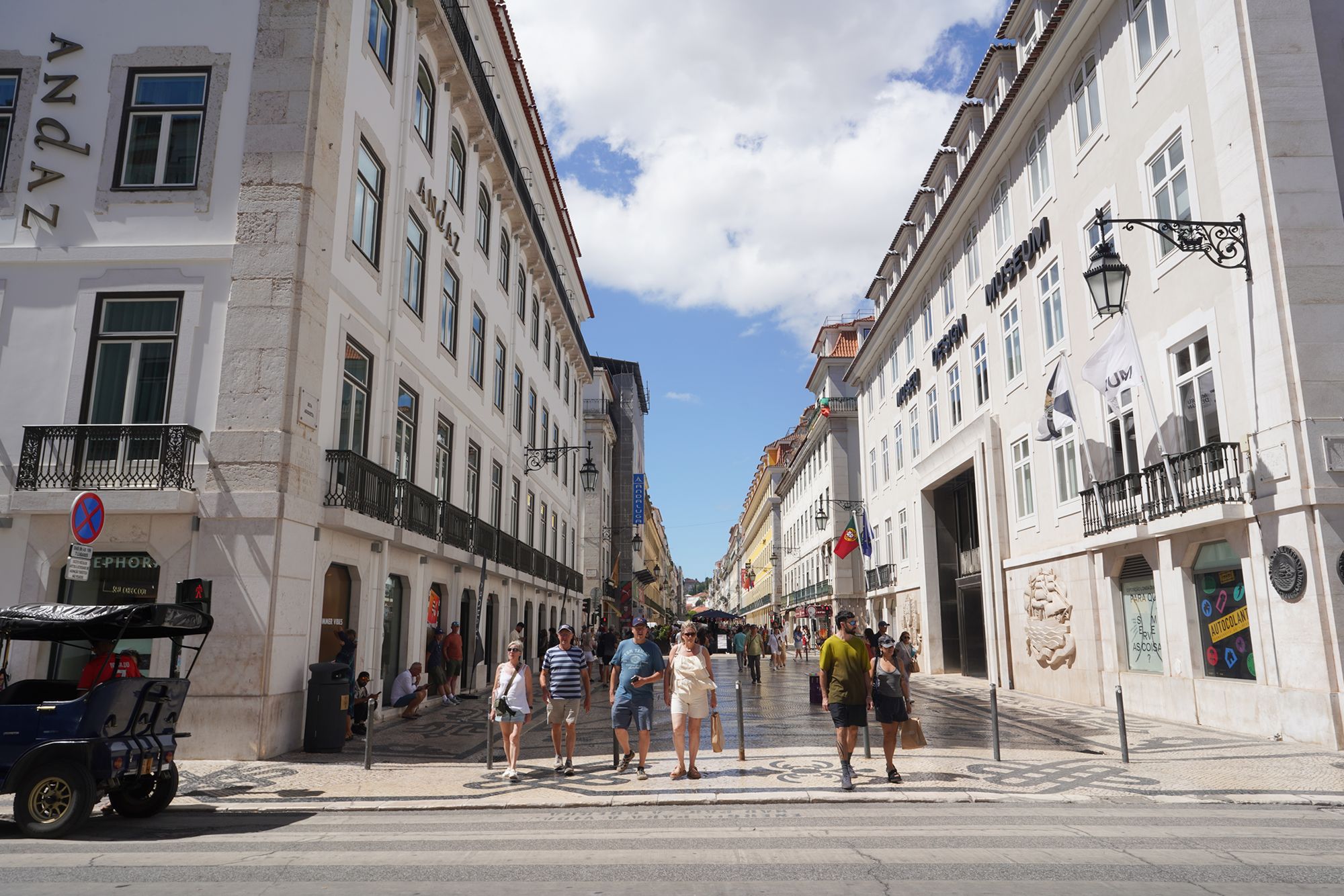
A view on my right
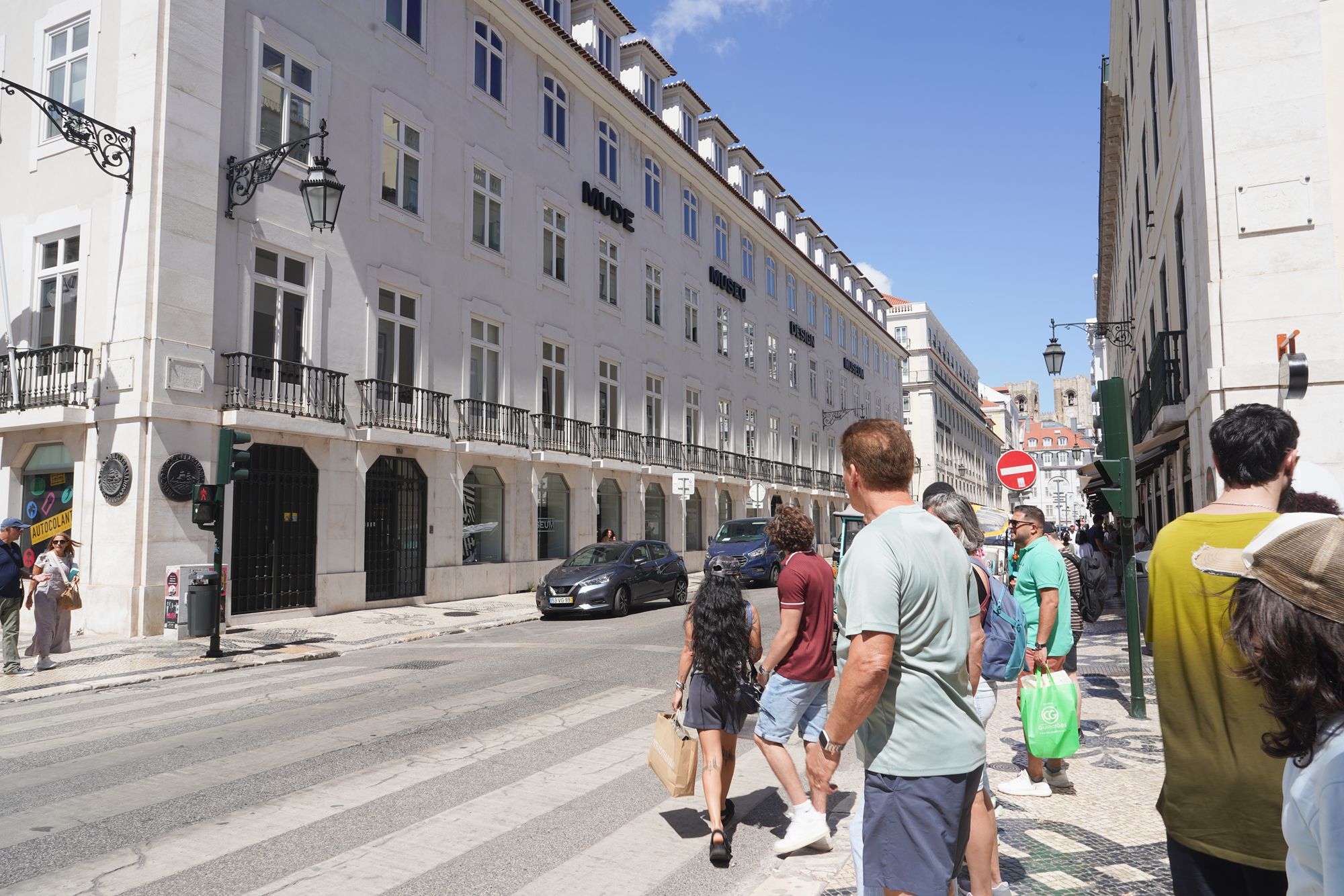
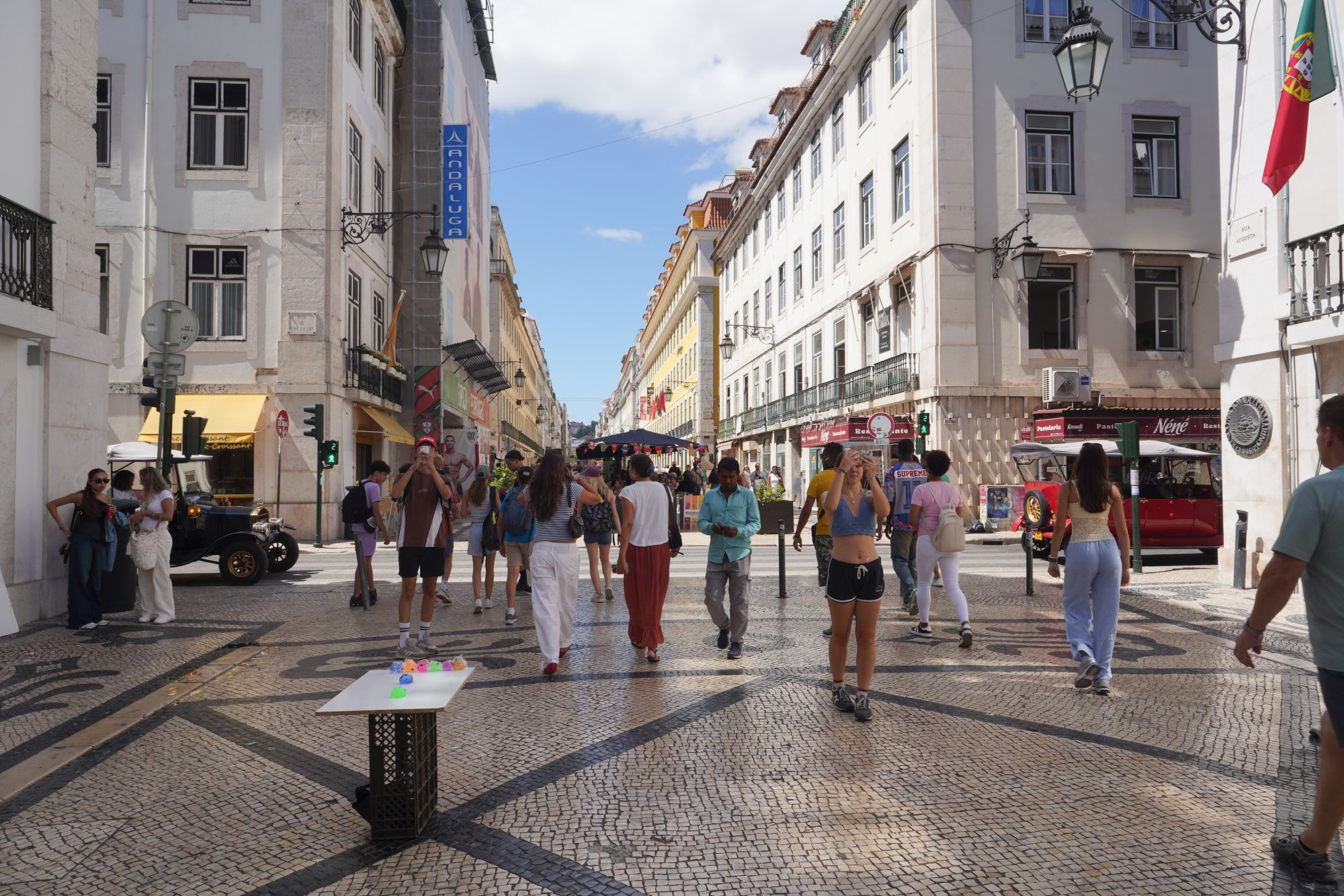
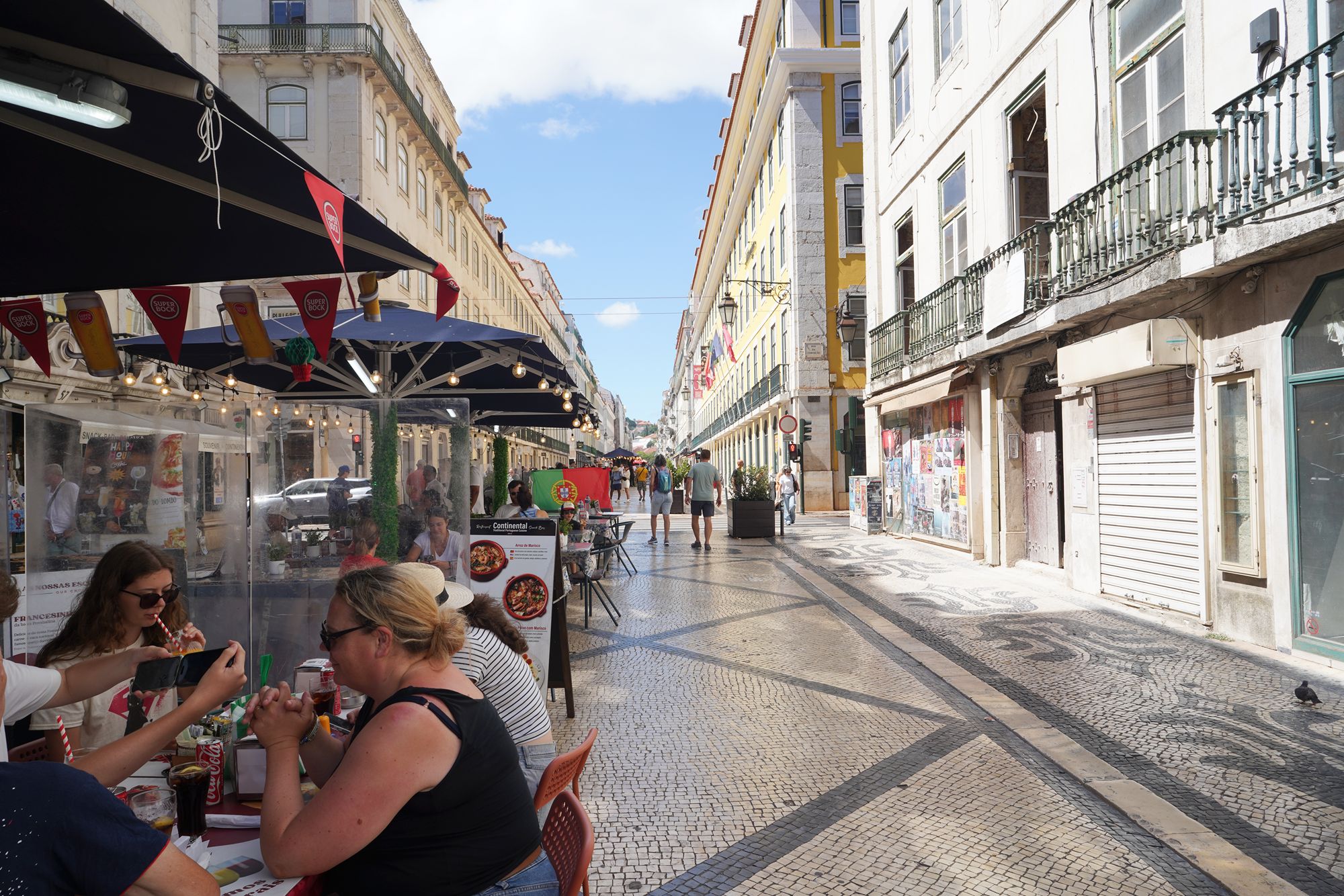
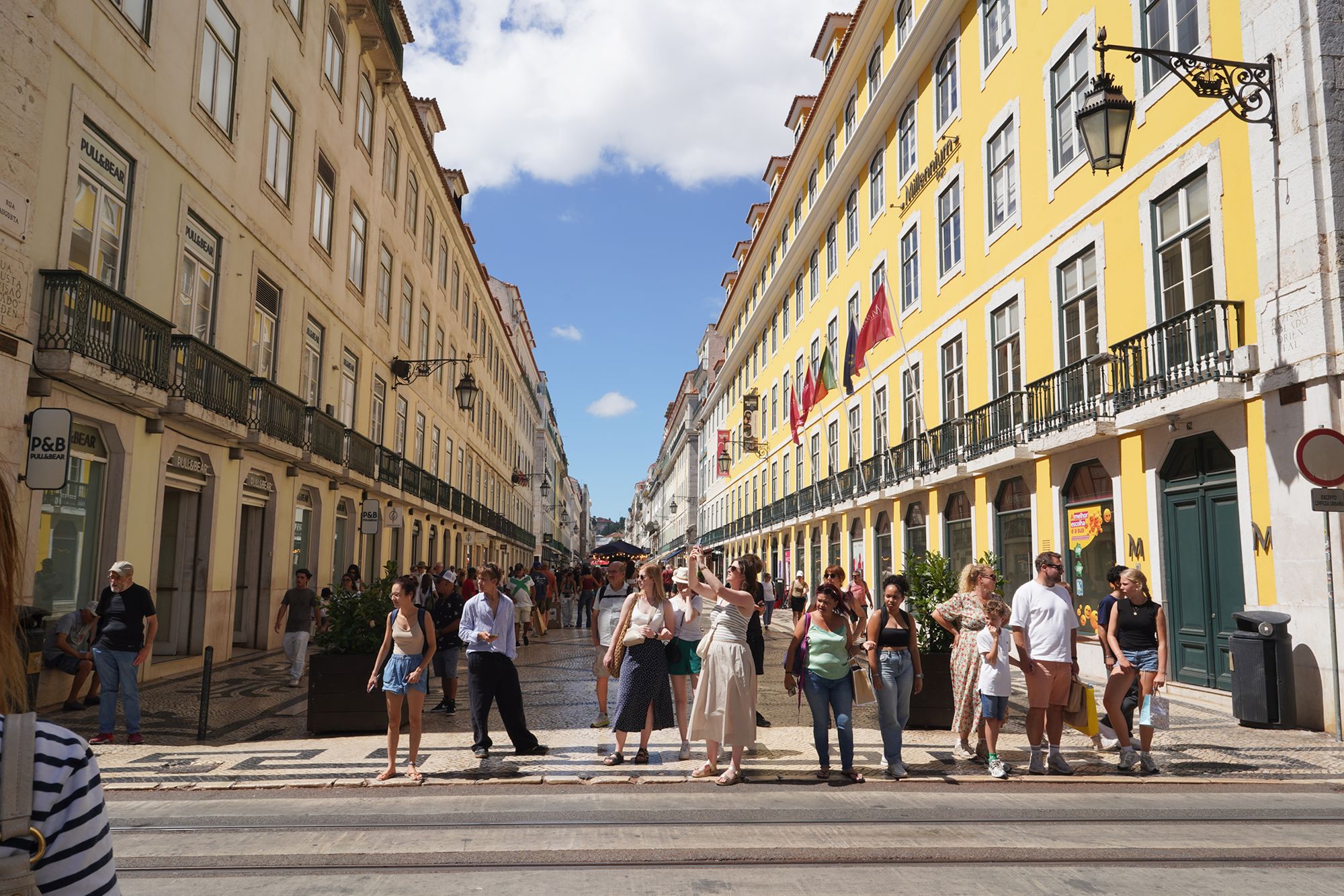
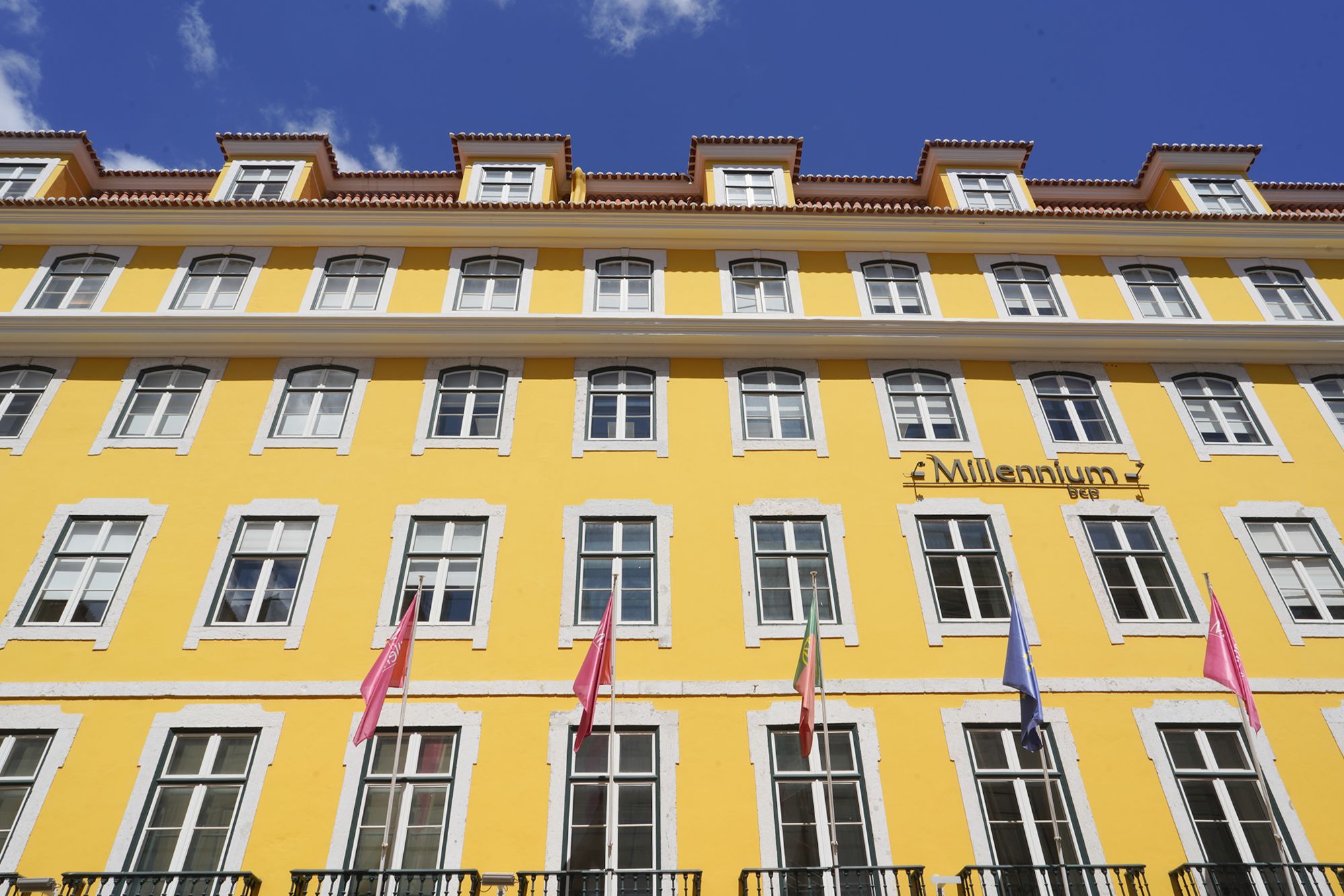
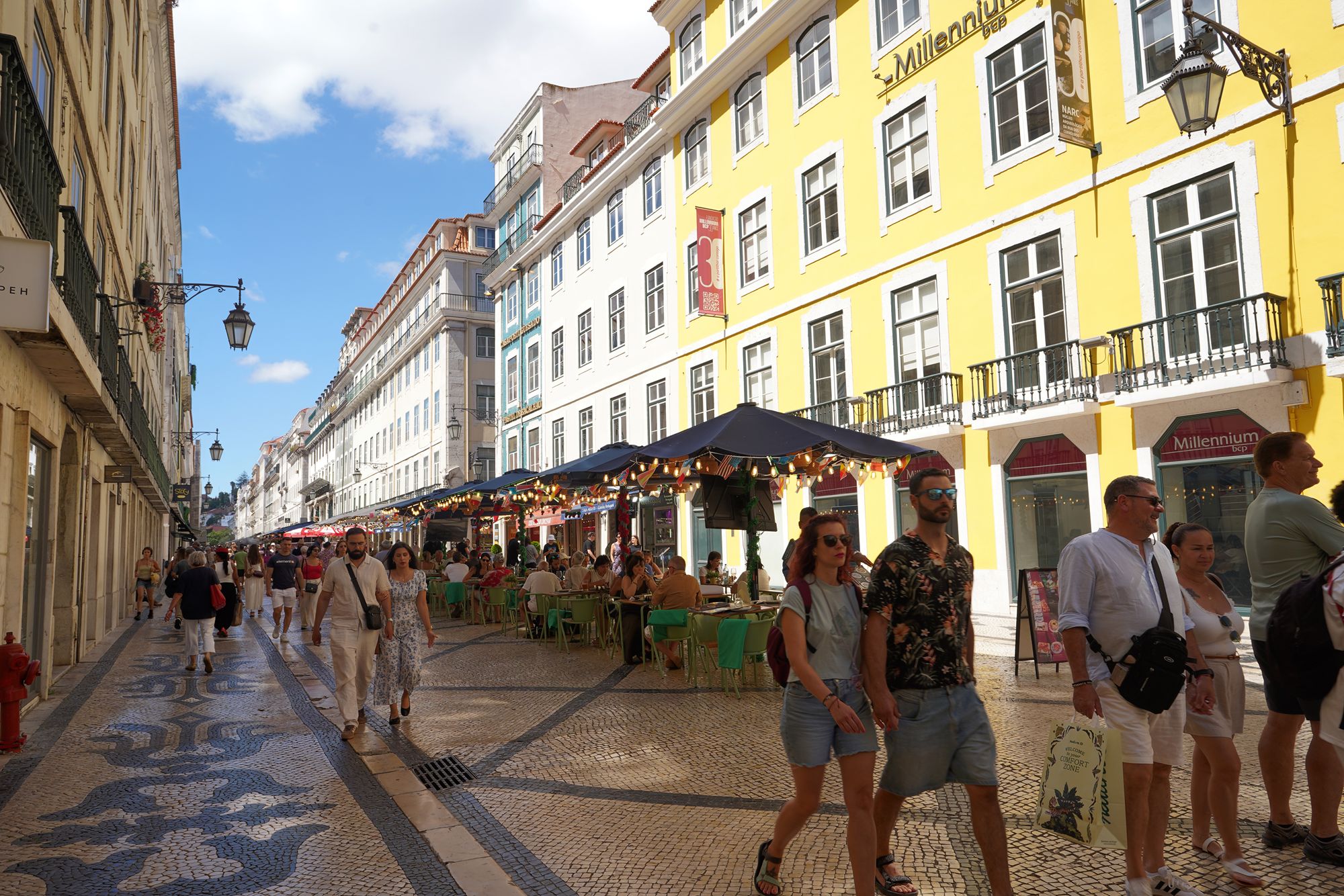
A view behind me
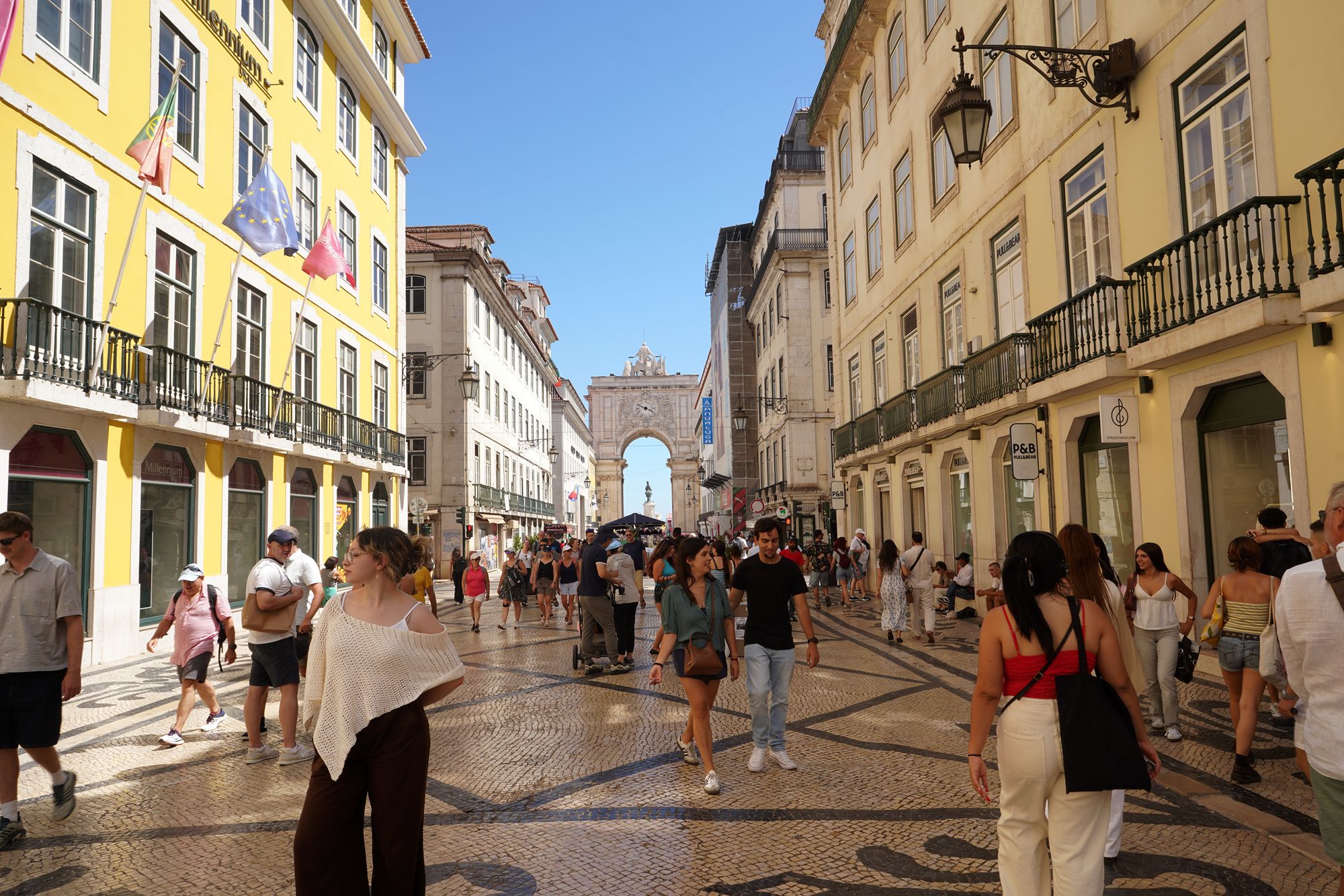
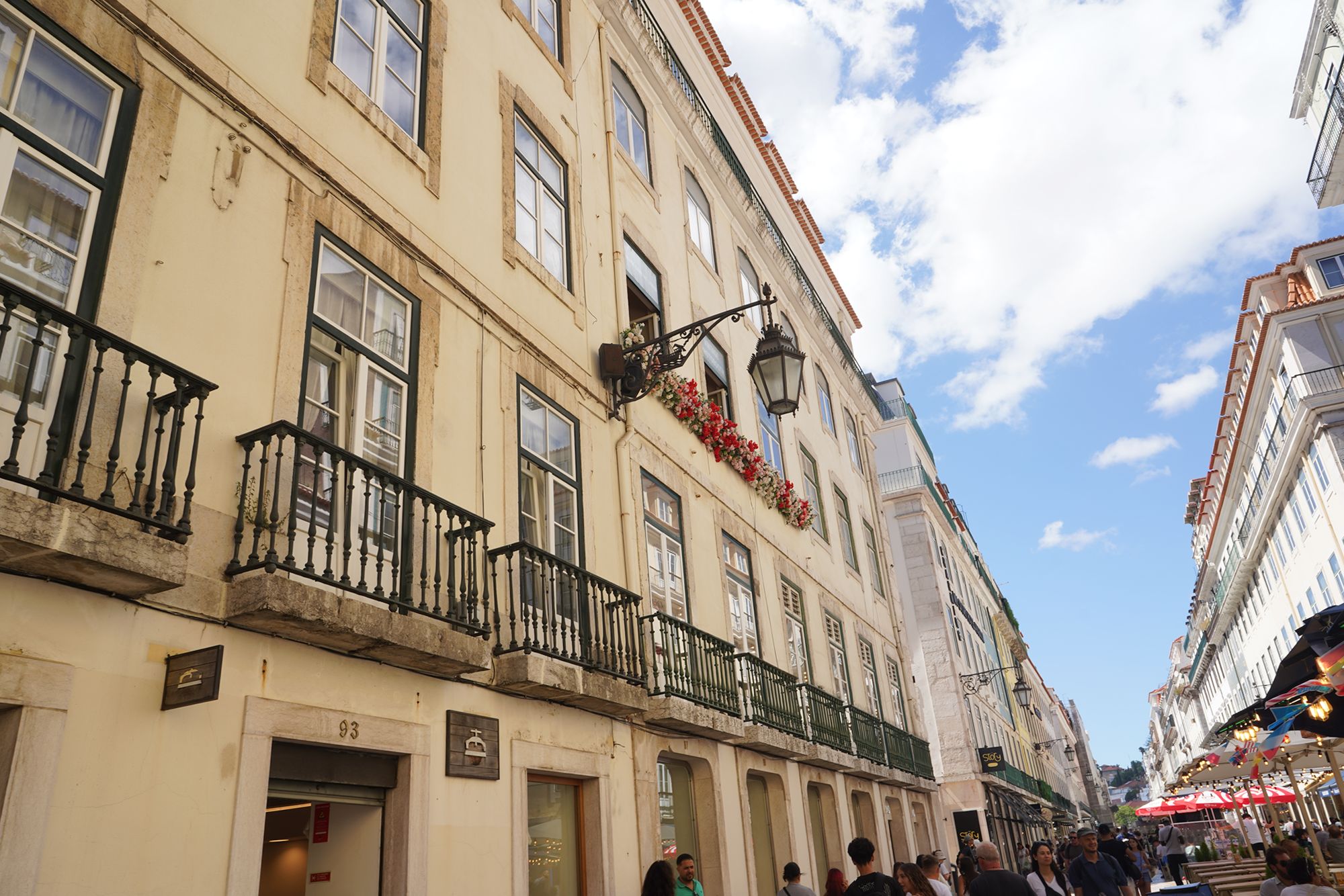
A view on my left
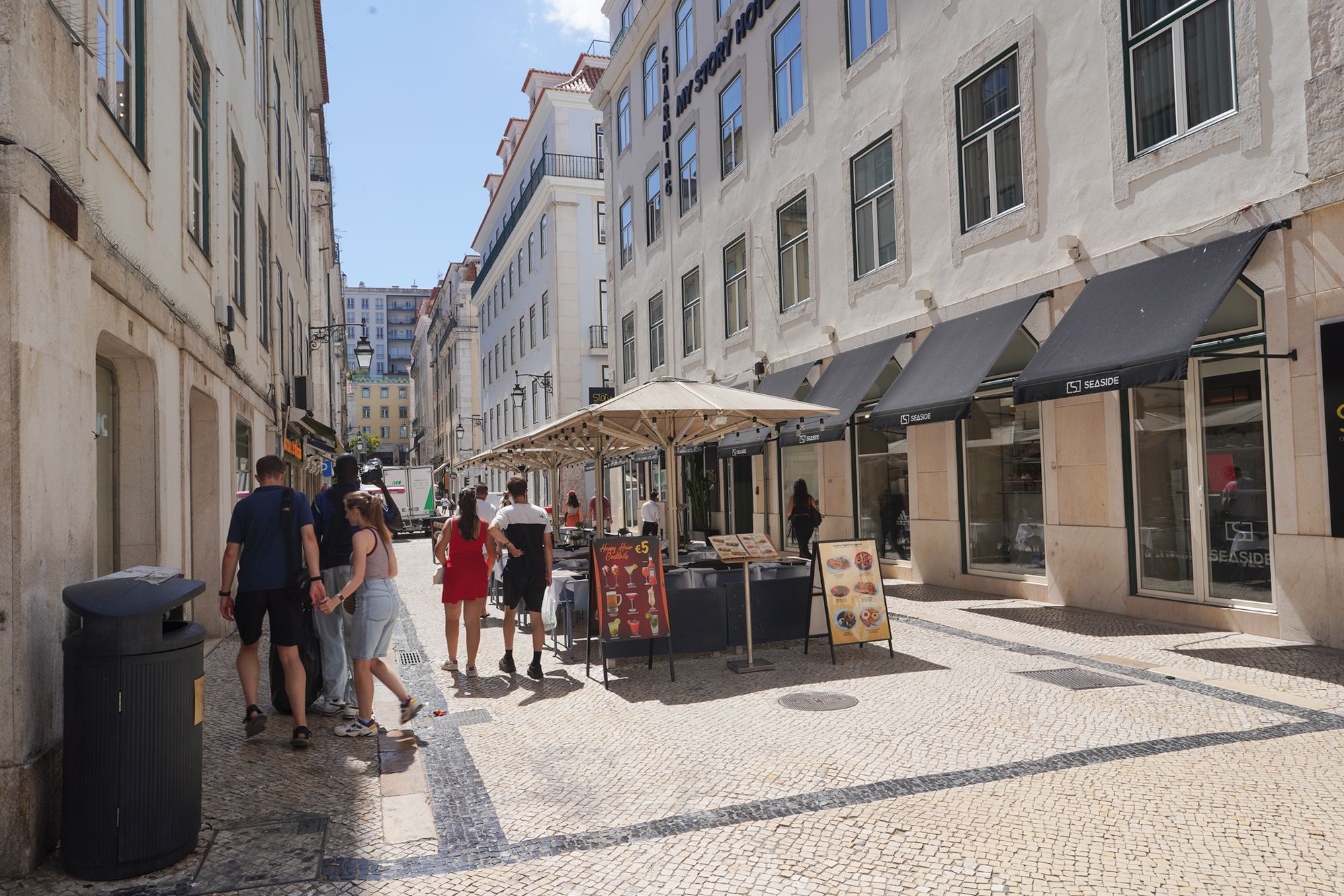
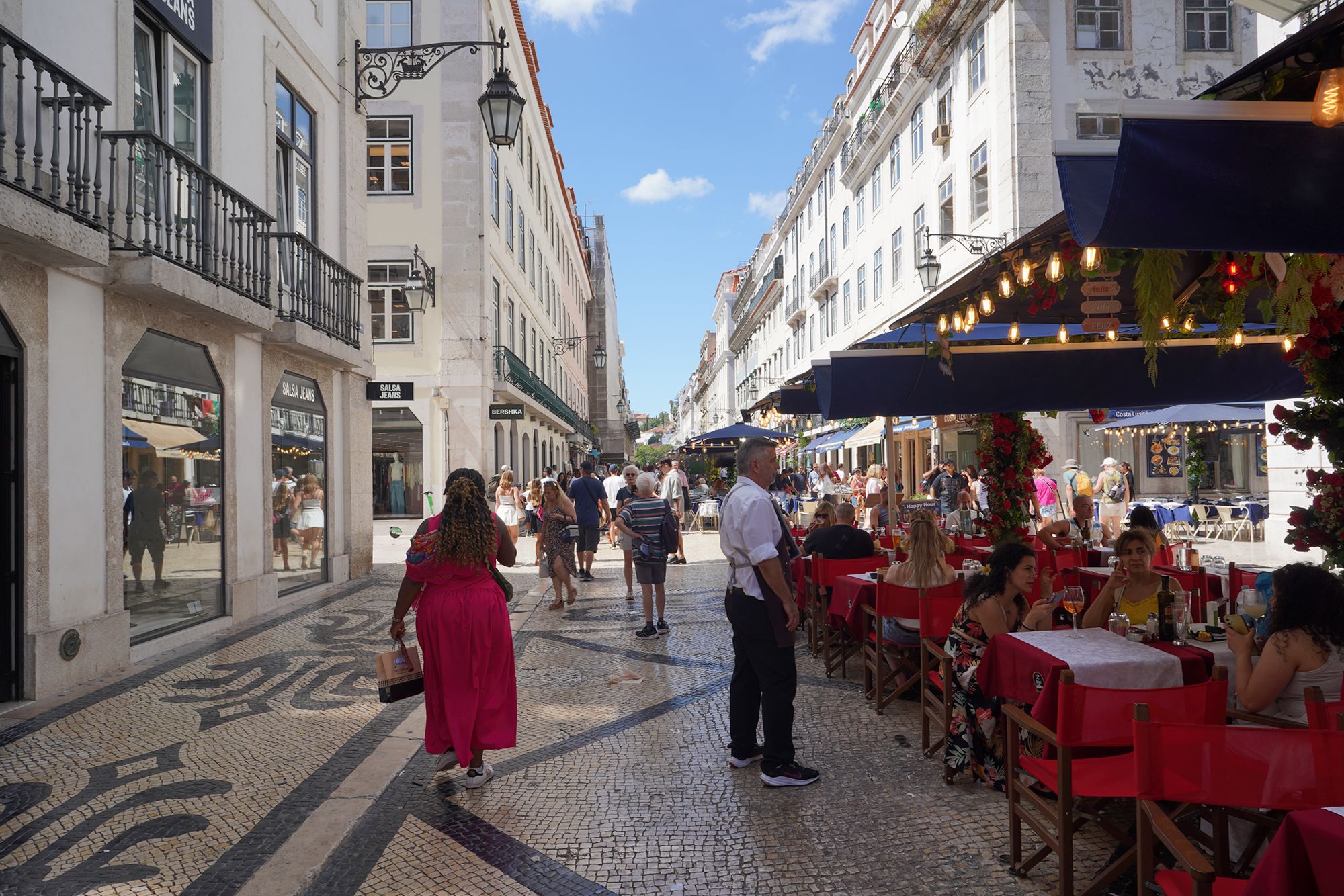
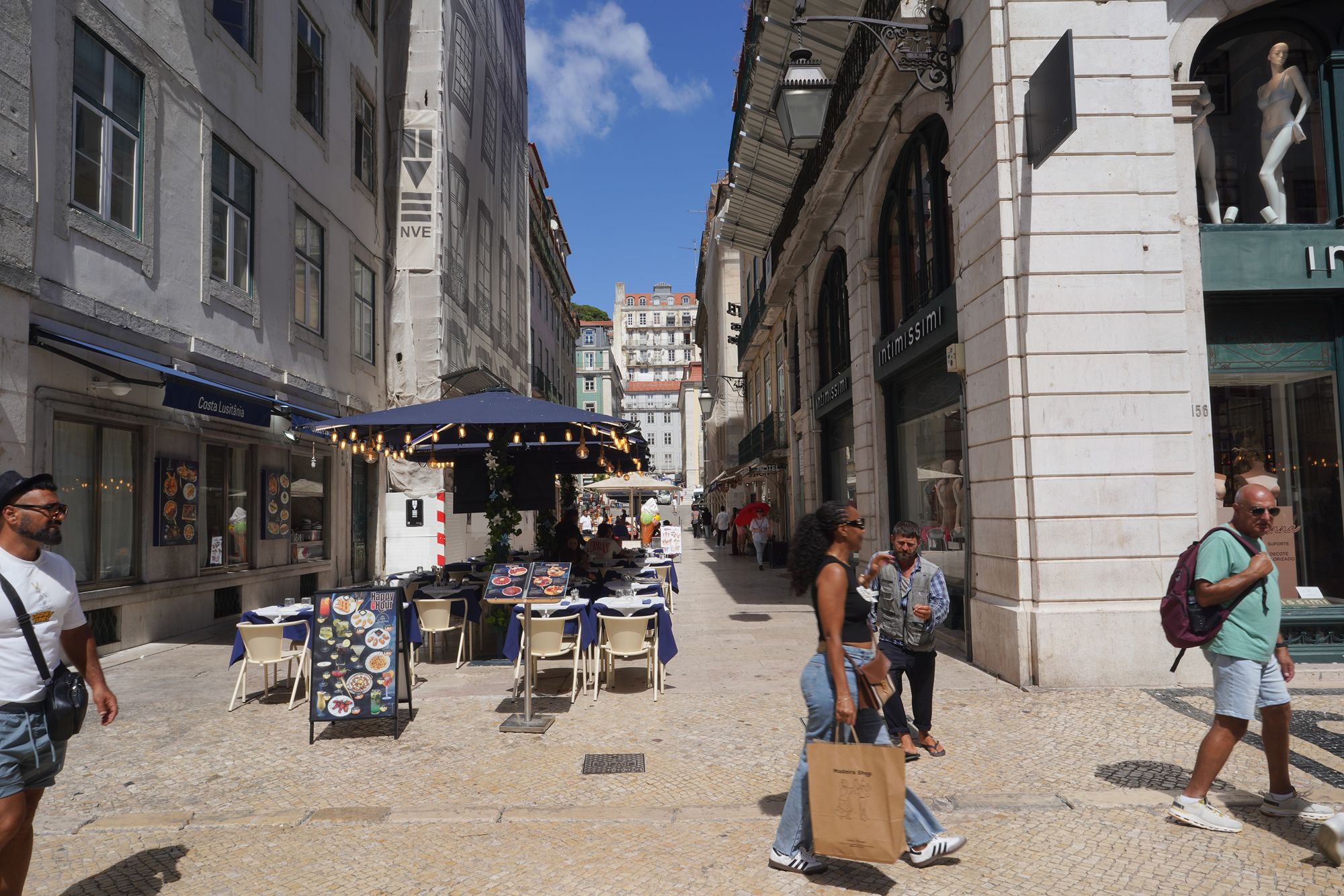
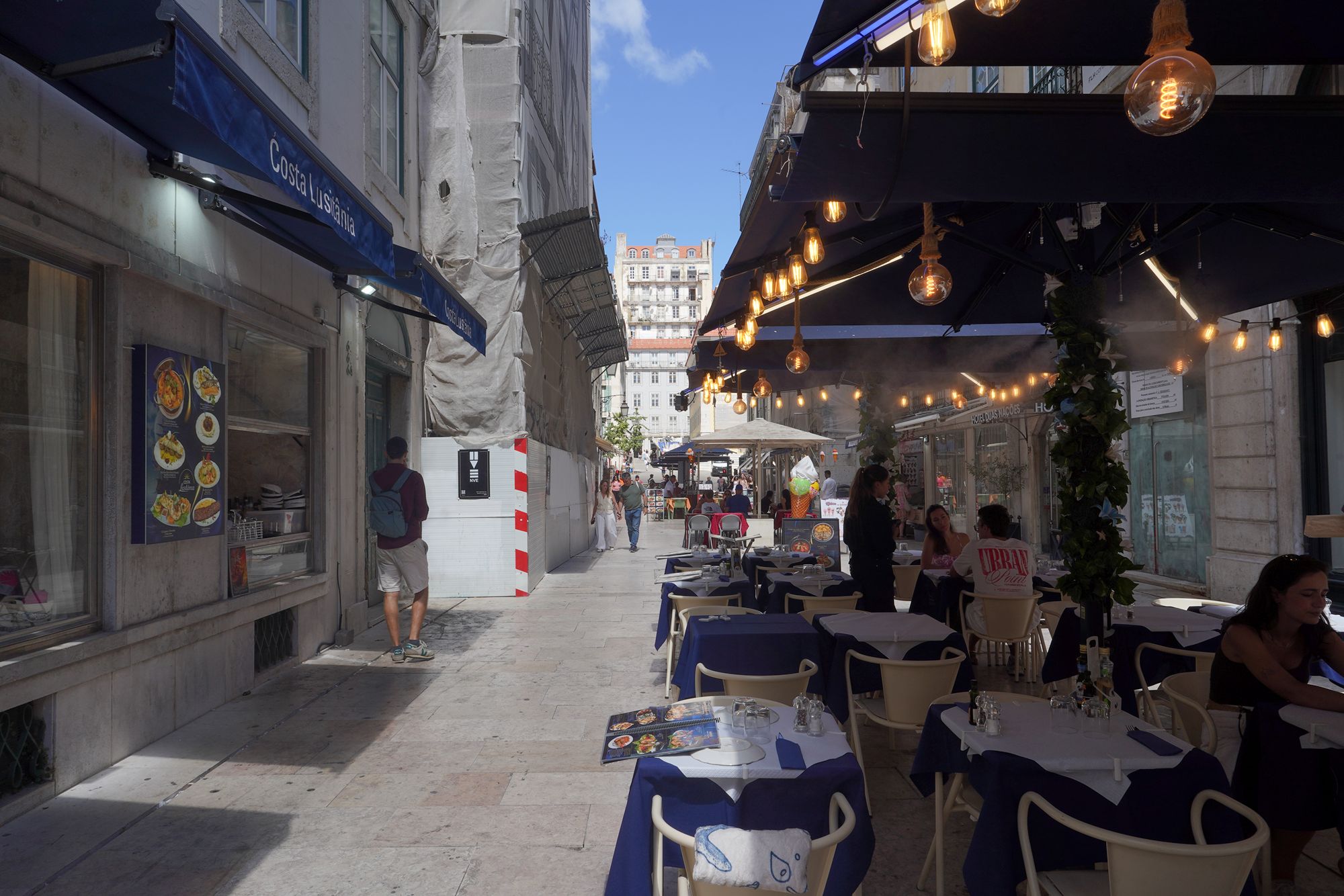
I turned right here to visit the Church of Saint Nicholas.
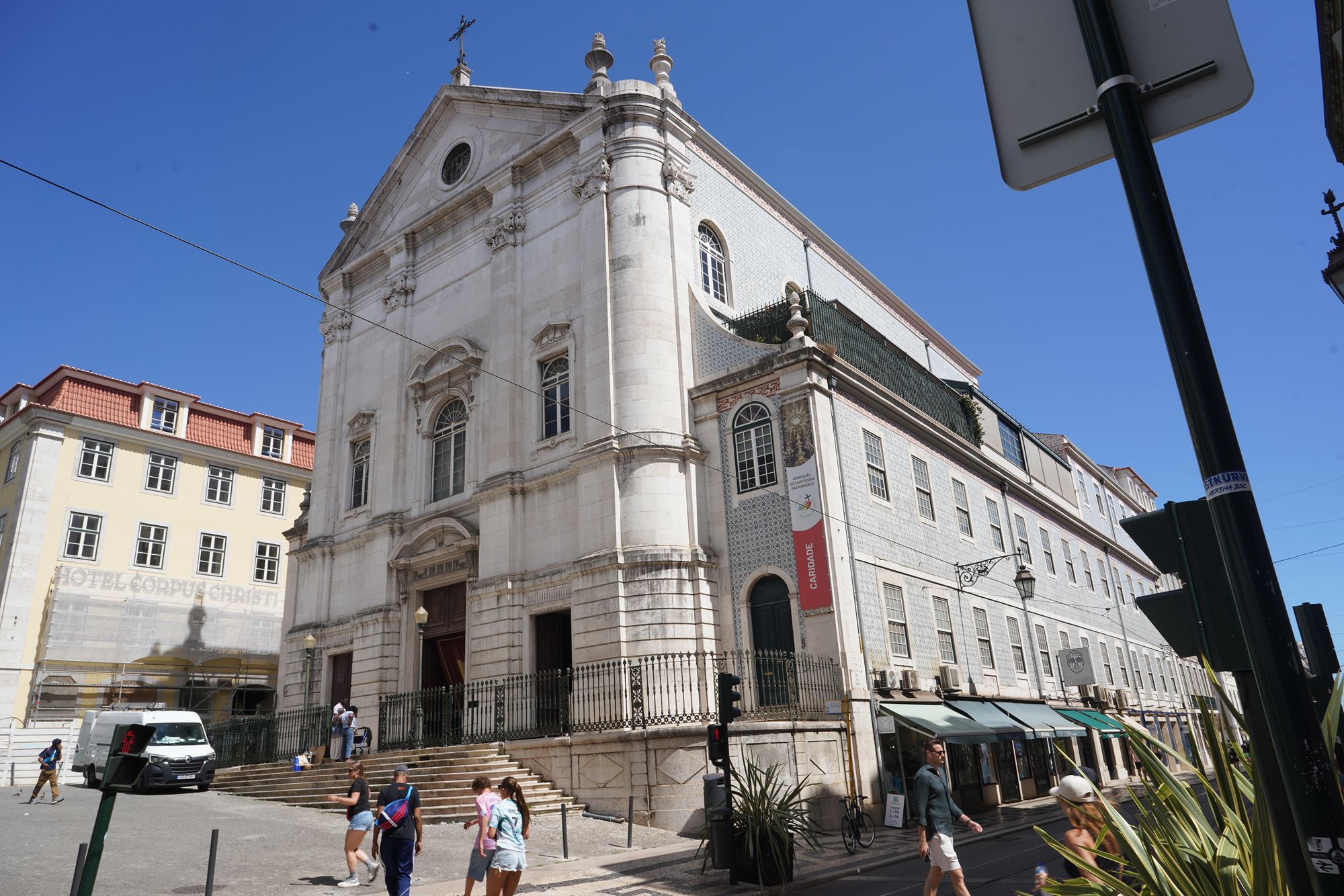
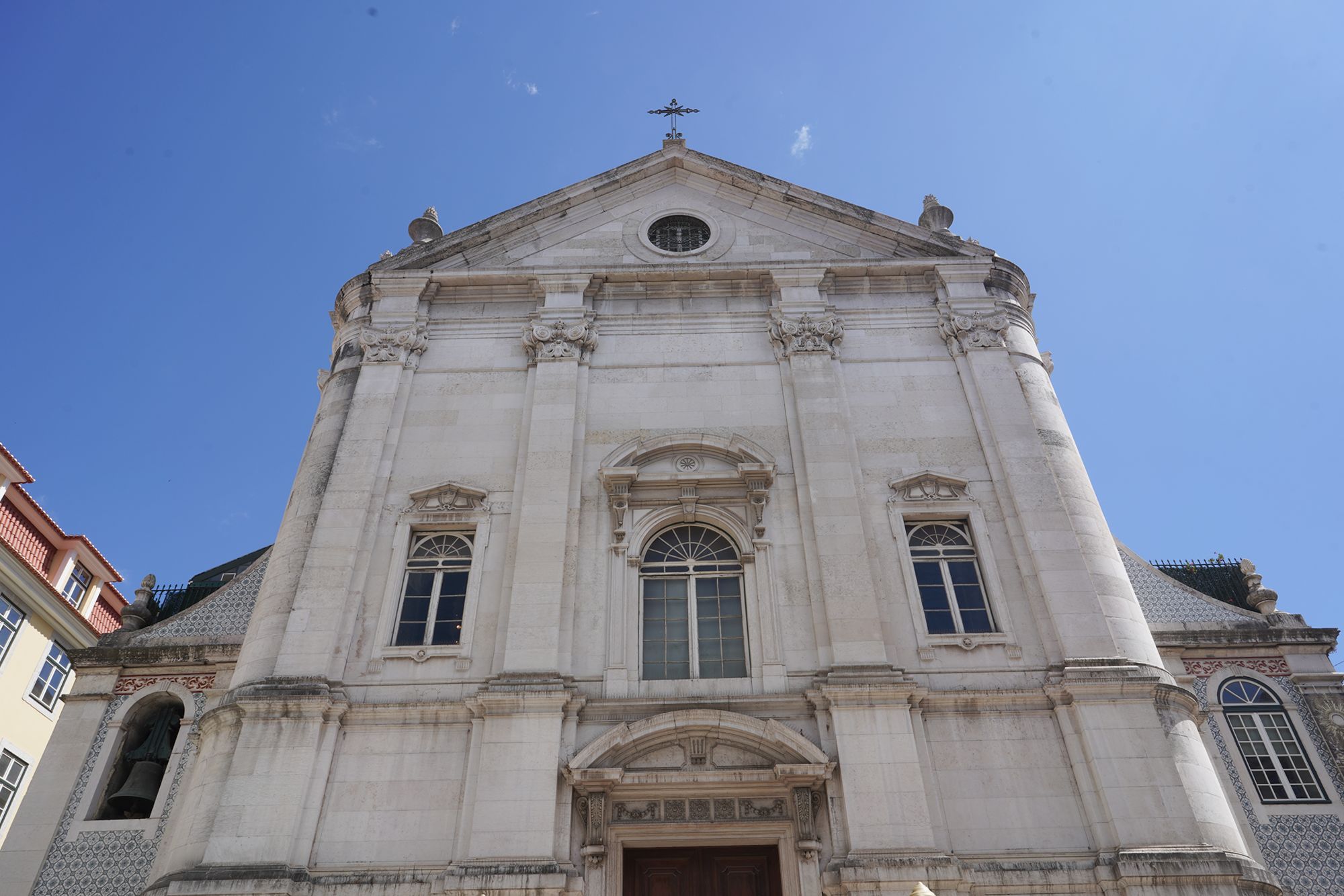
The Church of Saint Nicholas, or Igreja de São Nicolau, stands just off Rua Augusta in Baixa. Its history dates back to medieval times, but the present building was rebuilt after the 1755 earthquake.
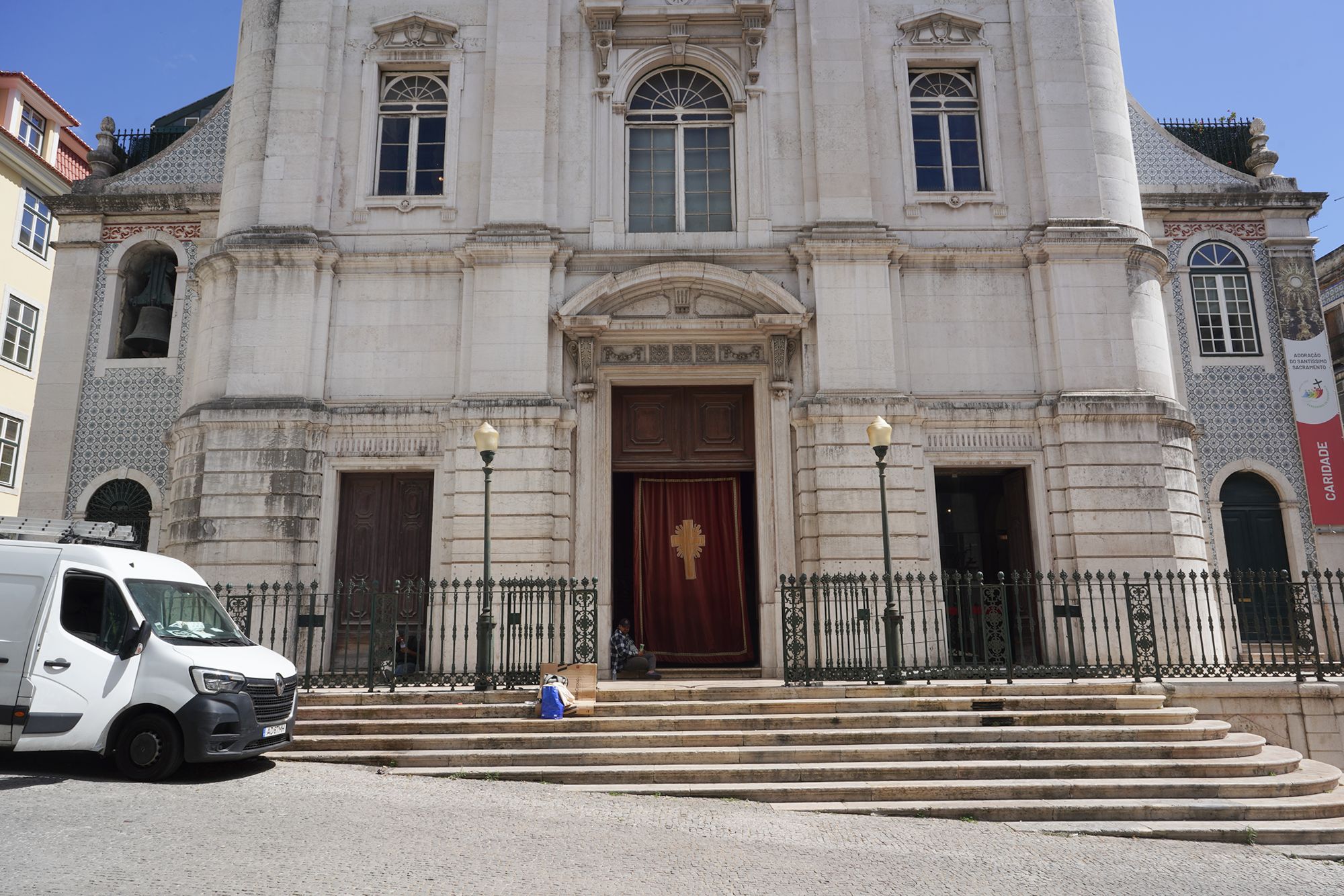
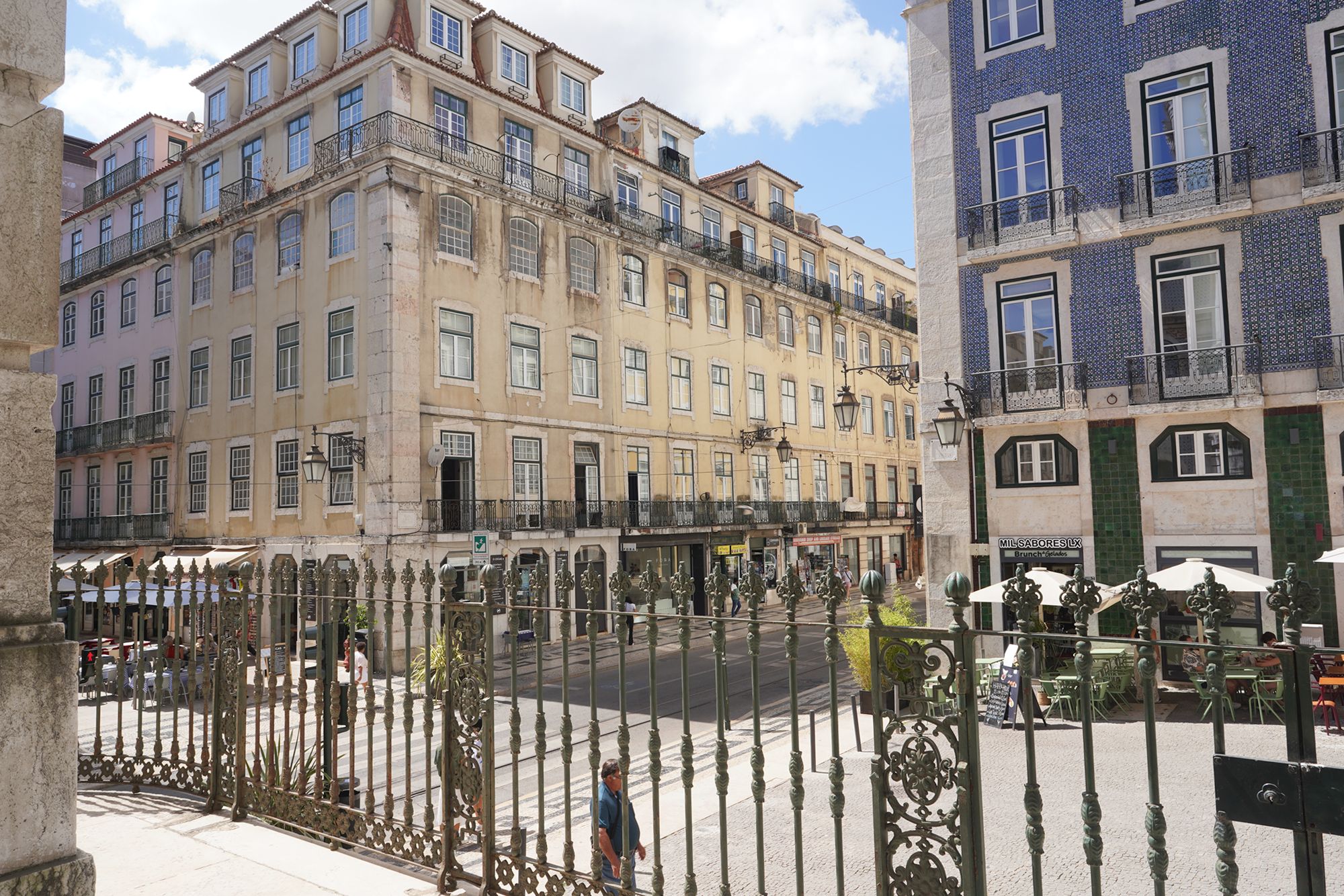
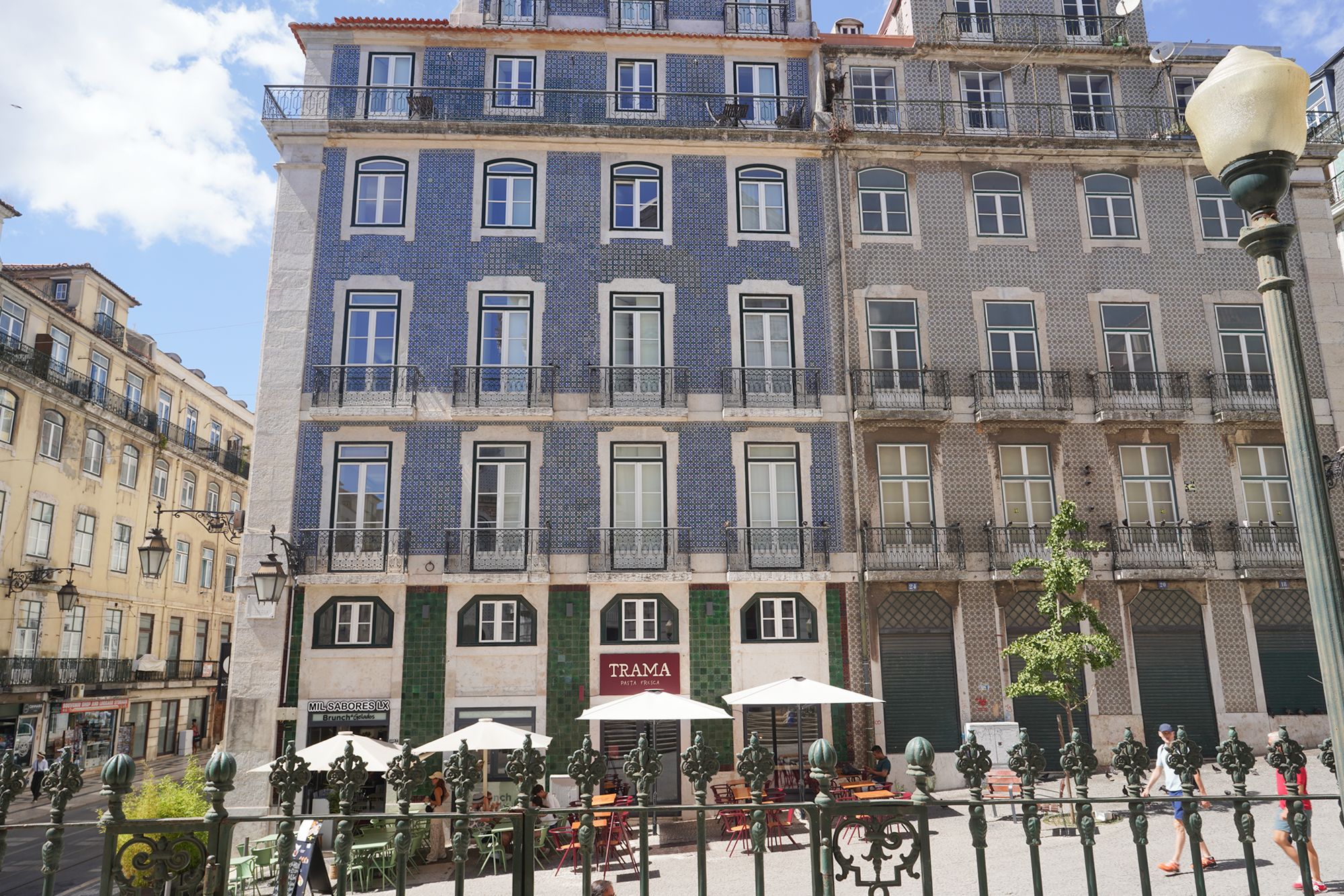
I returned to a street beside Rua Augusta and continued walking toward Praça da Figueira.
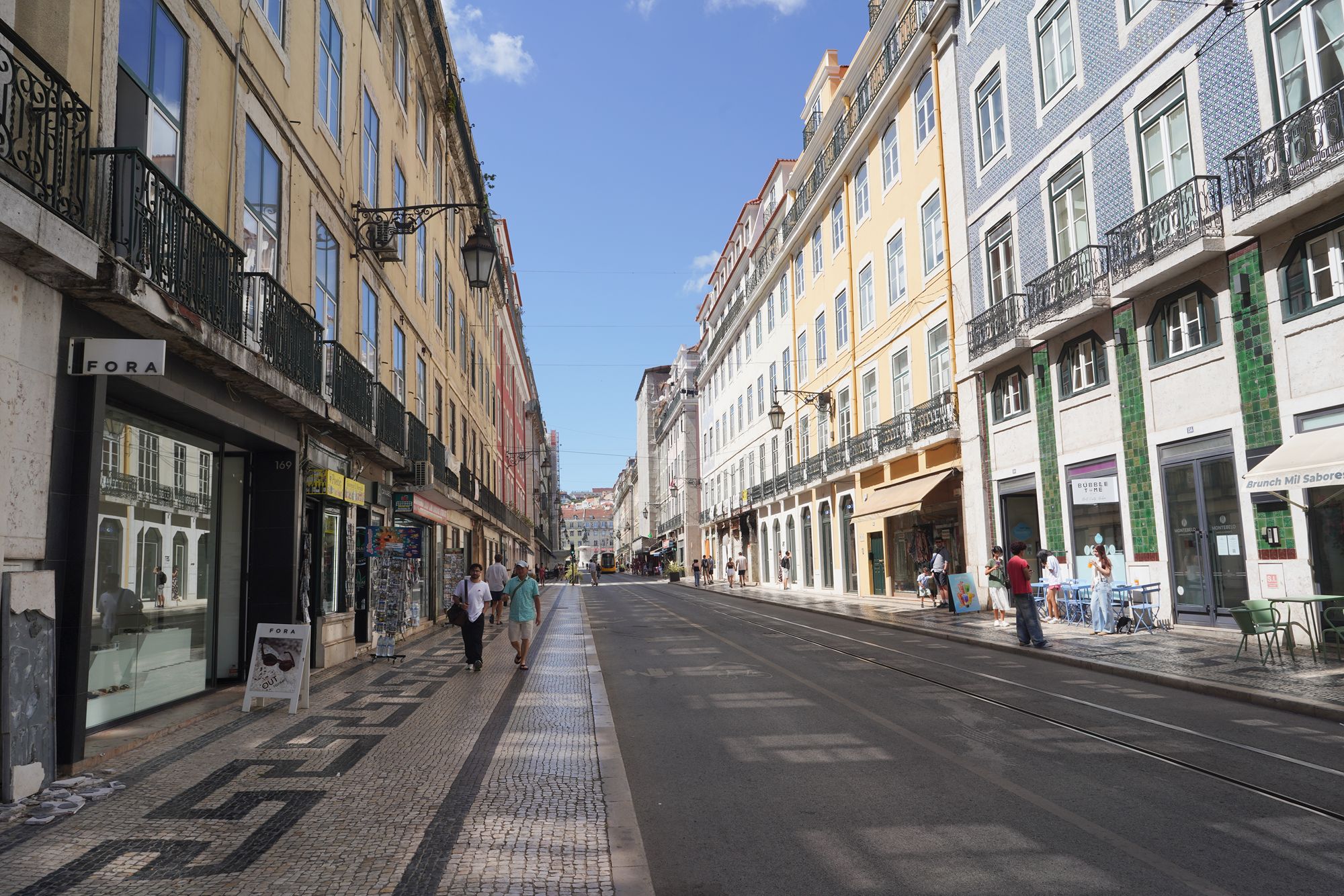
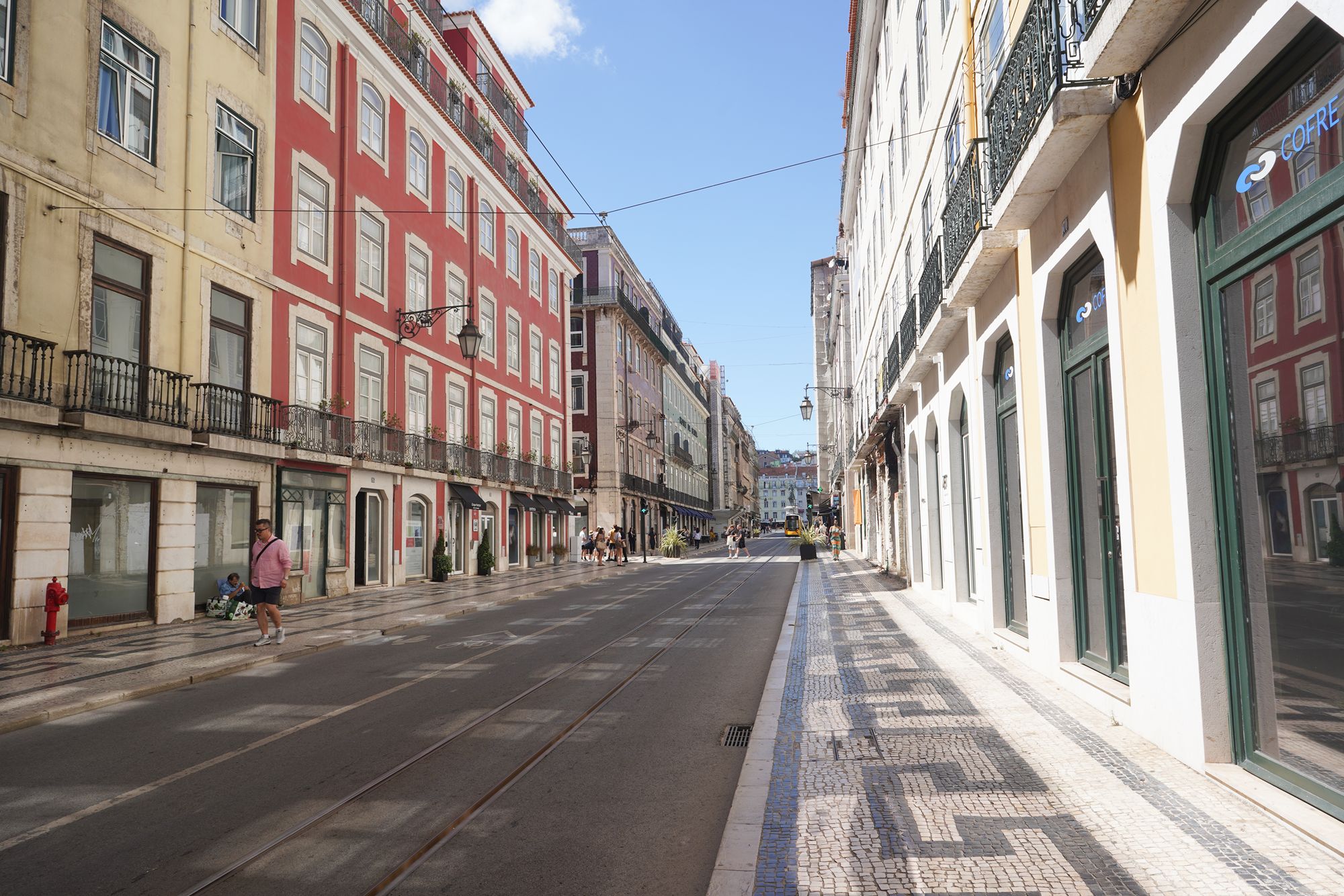
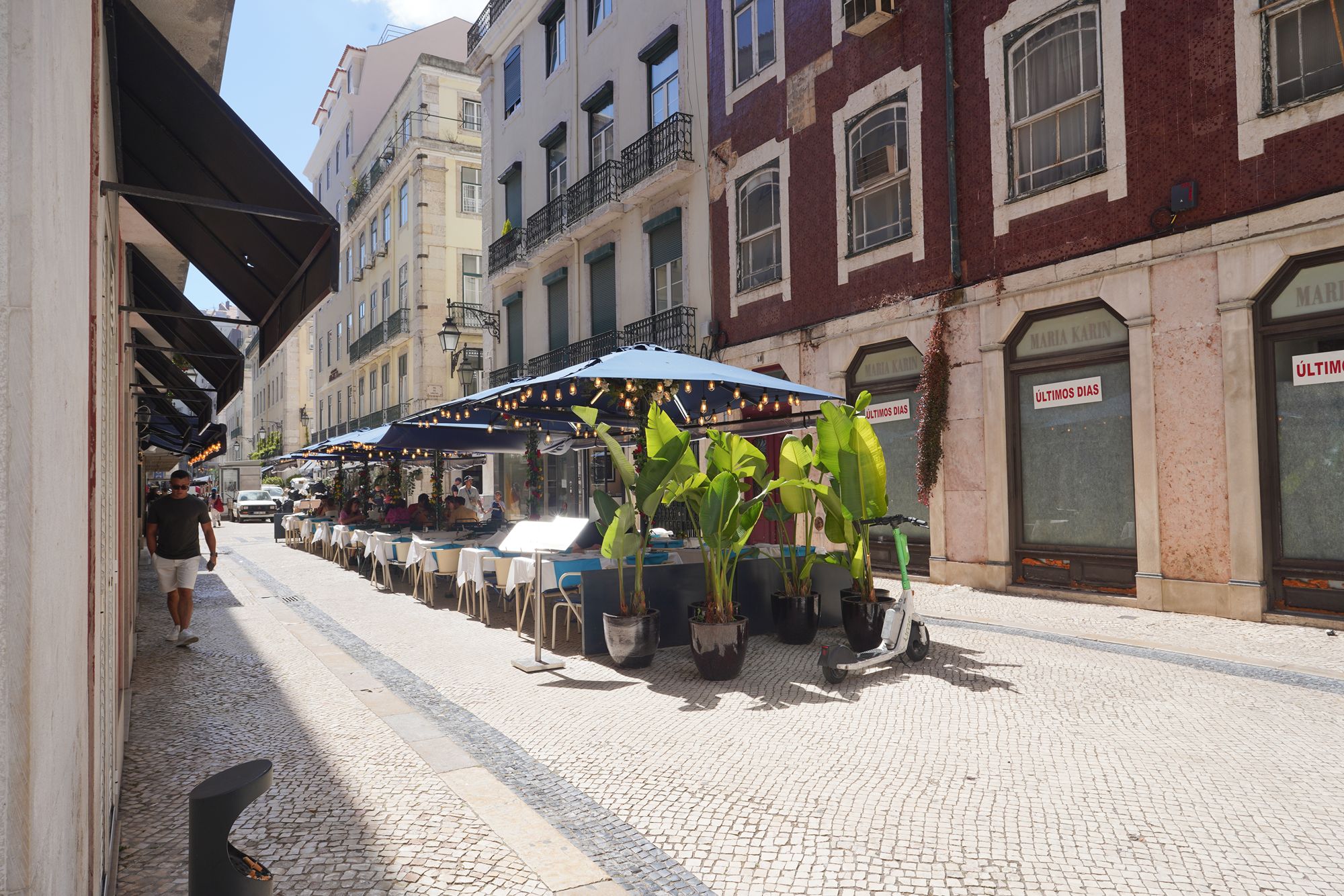
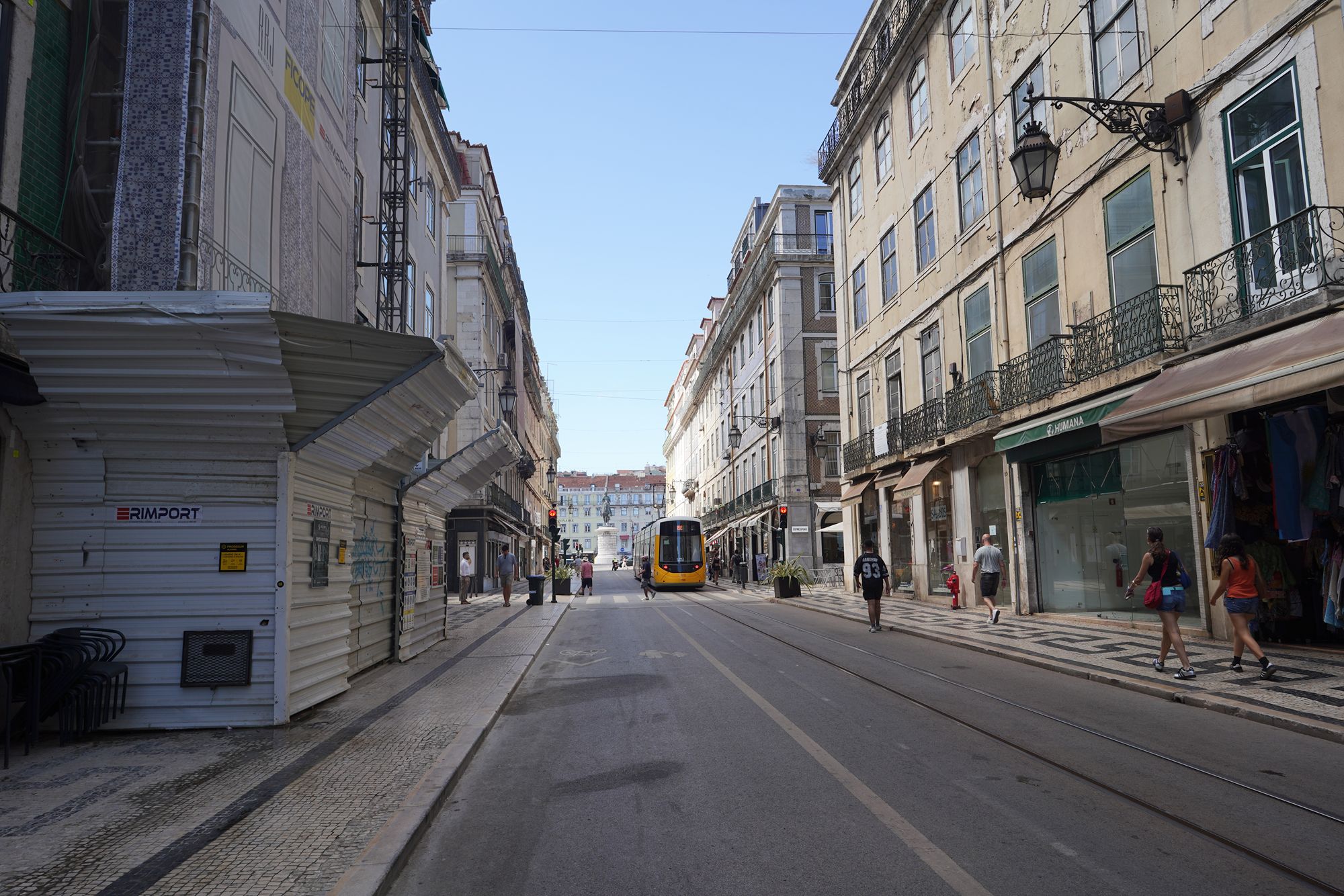
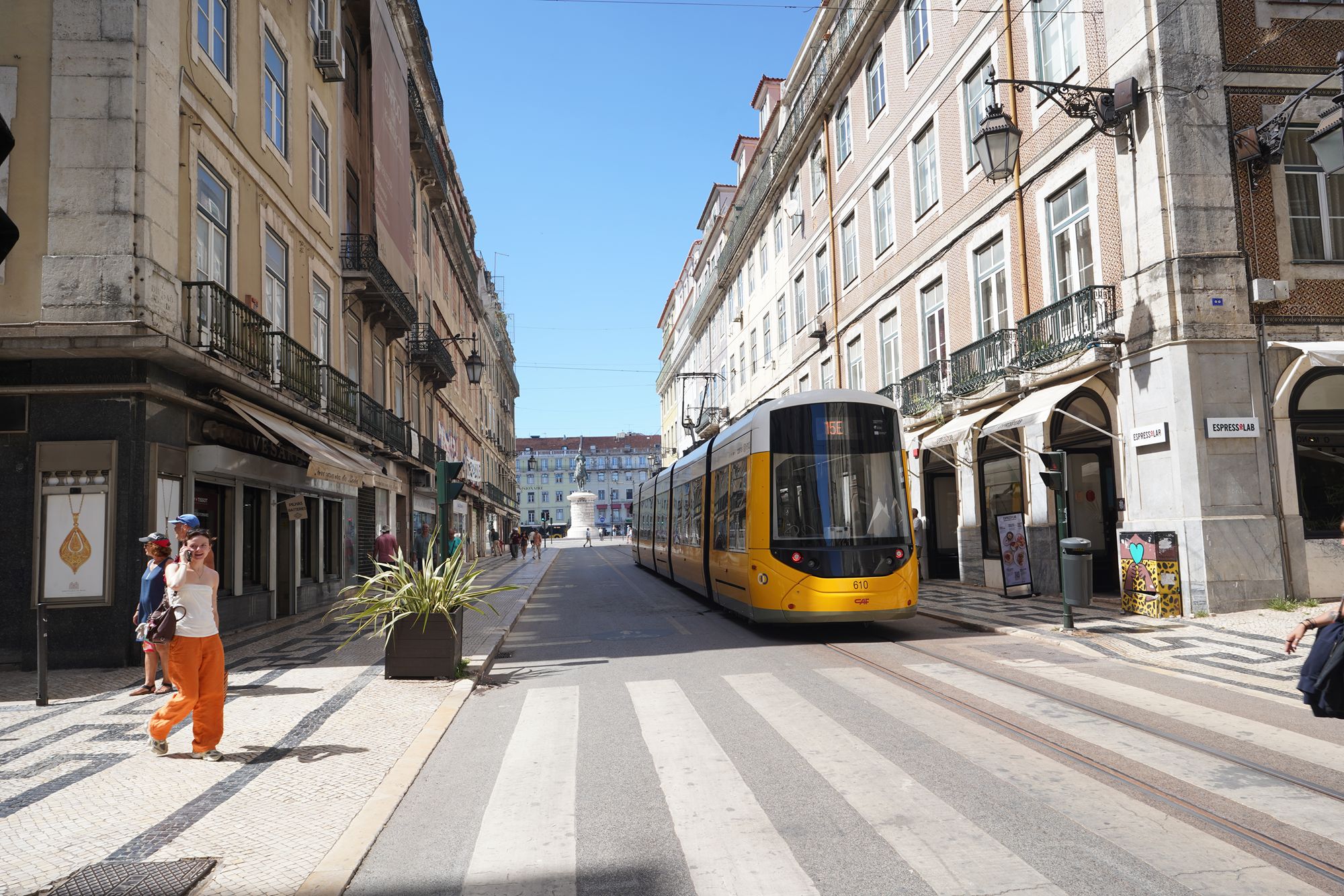
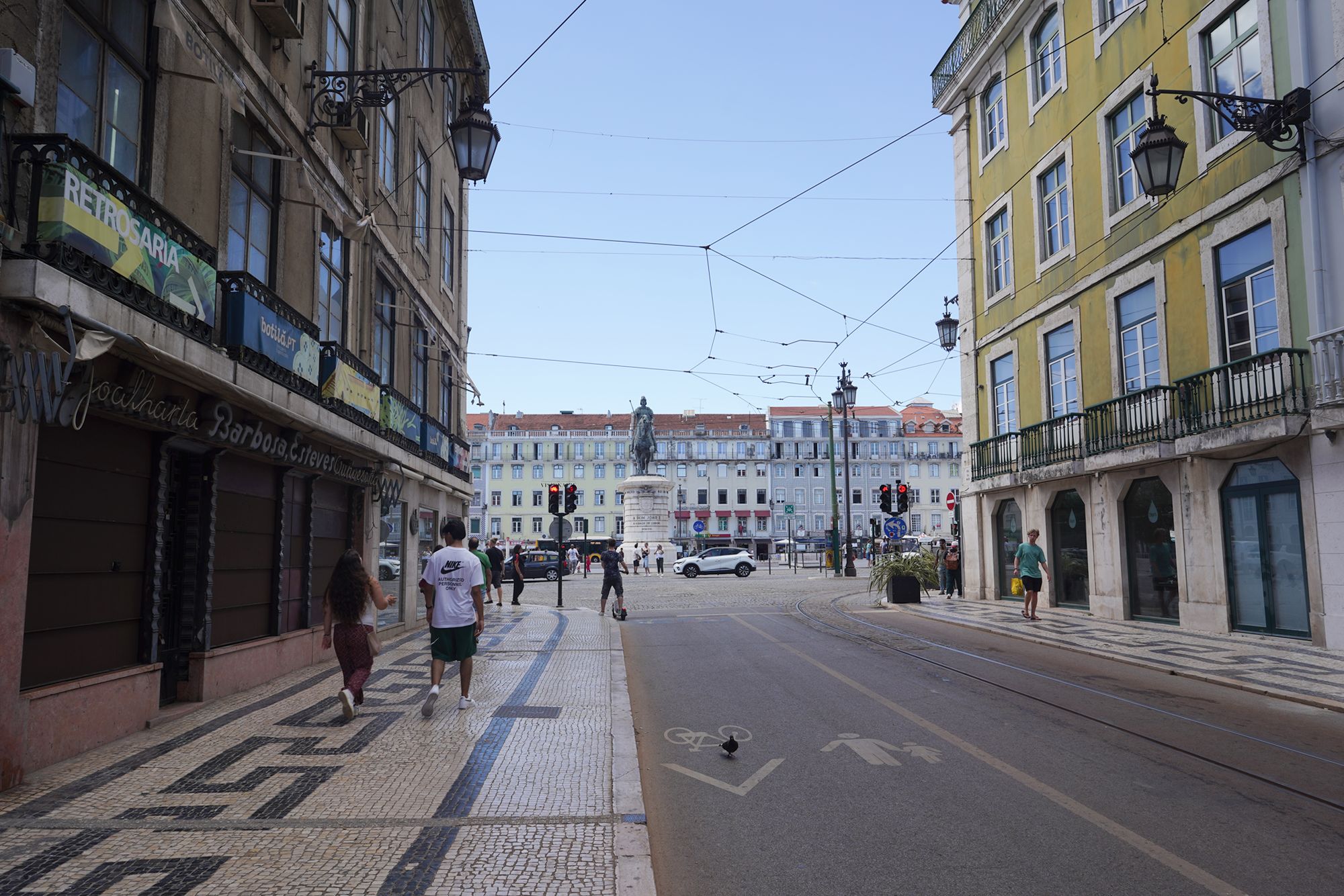
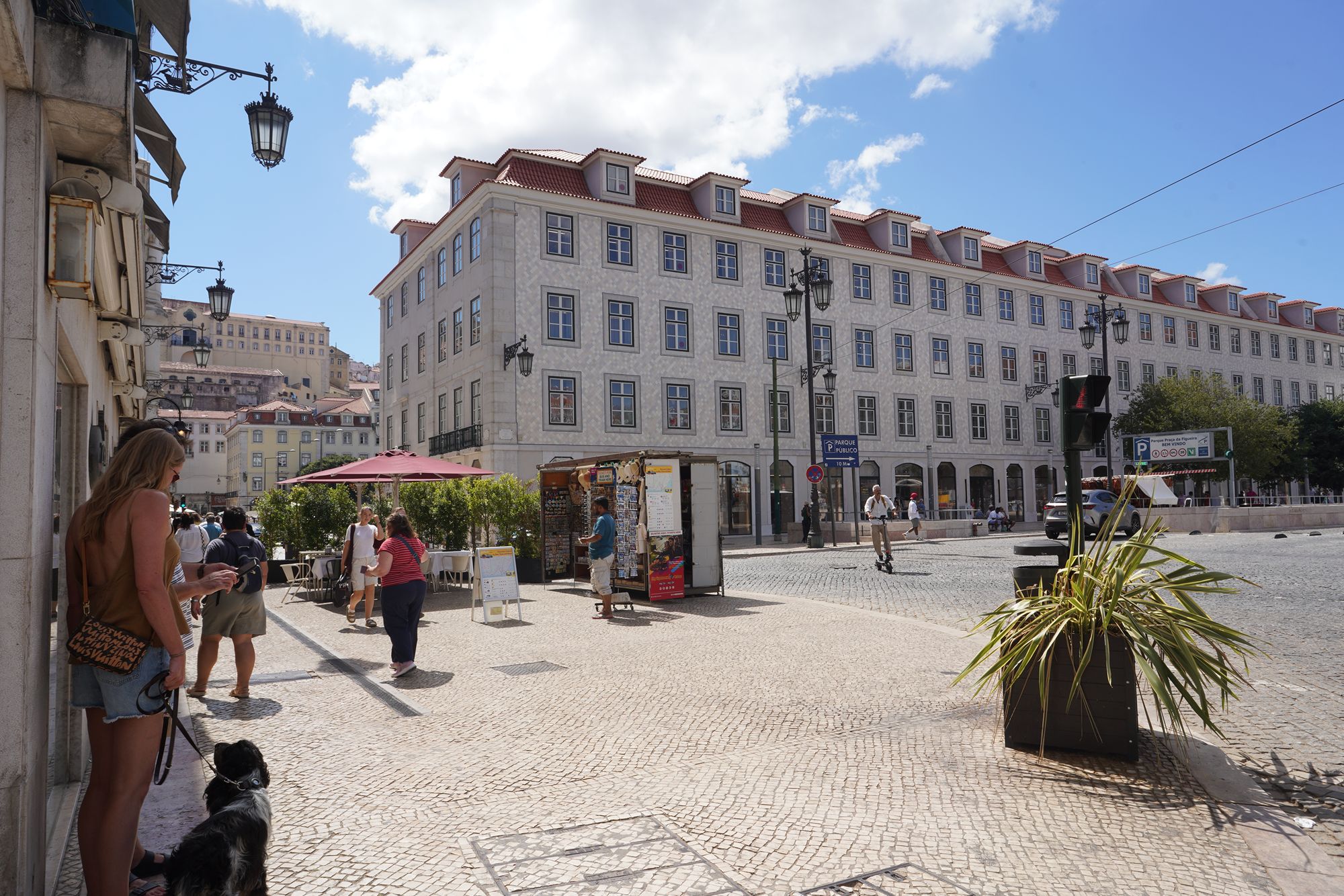
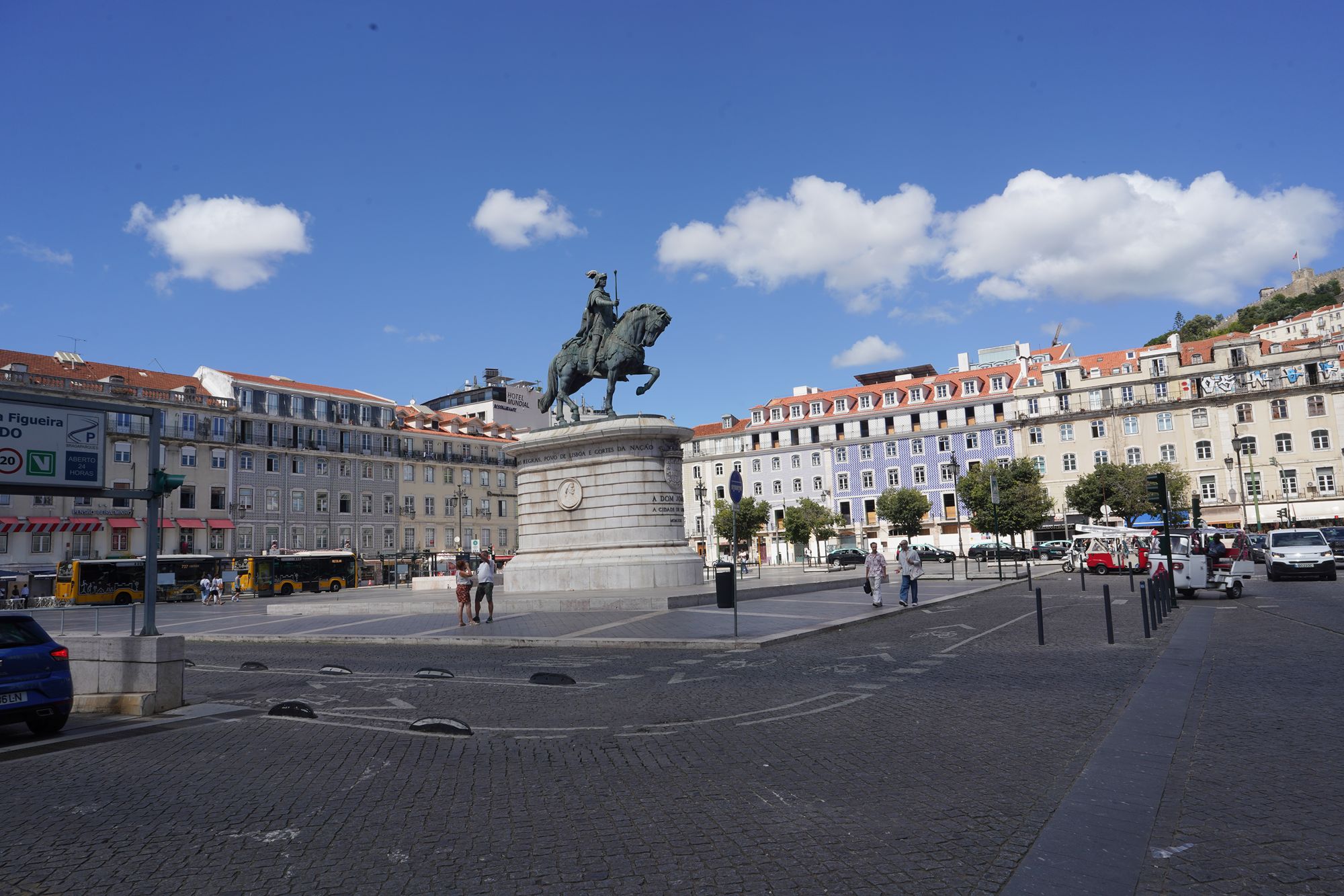
Praça da Figueira. It is a large, open square in Baixa. Once home to Lisbon’s main market, it is surrounded by shops, cafés, and hotels. A bronze statue of King João I on horseback stands in the square, and Castelo de São Jorge can be seen on the hill above.
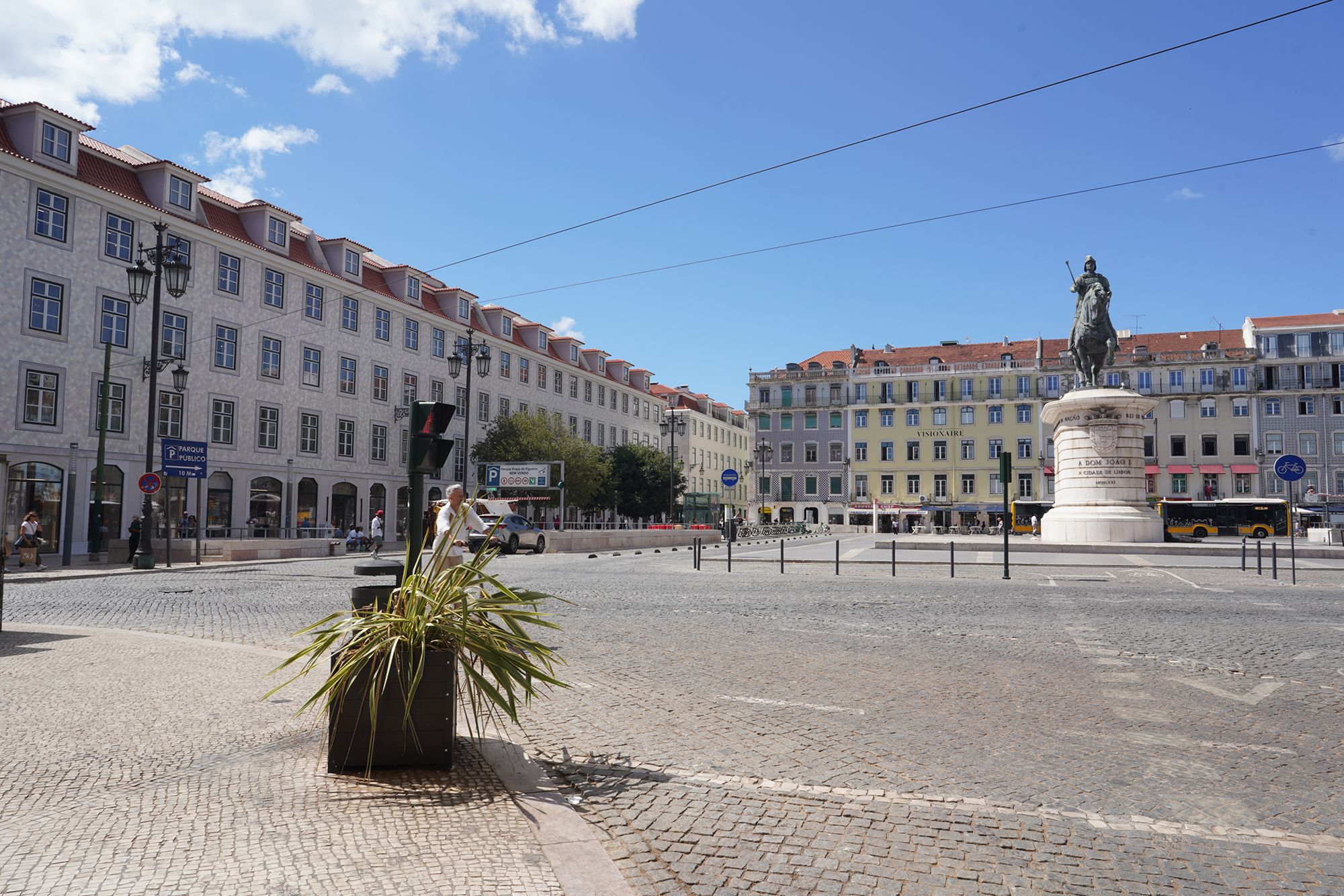
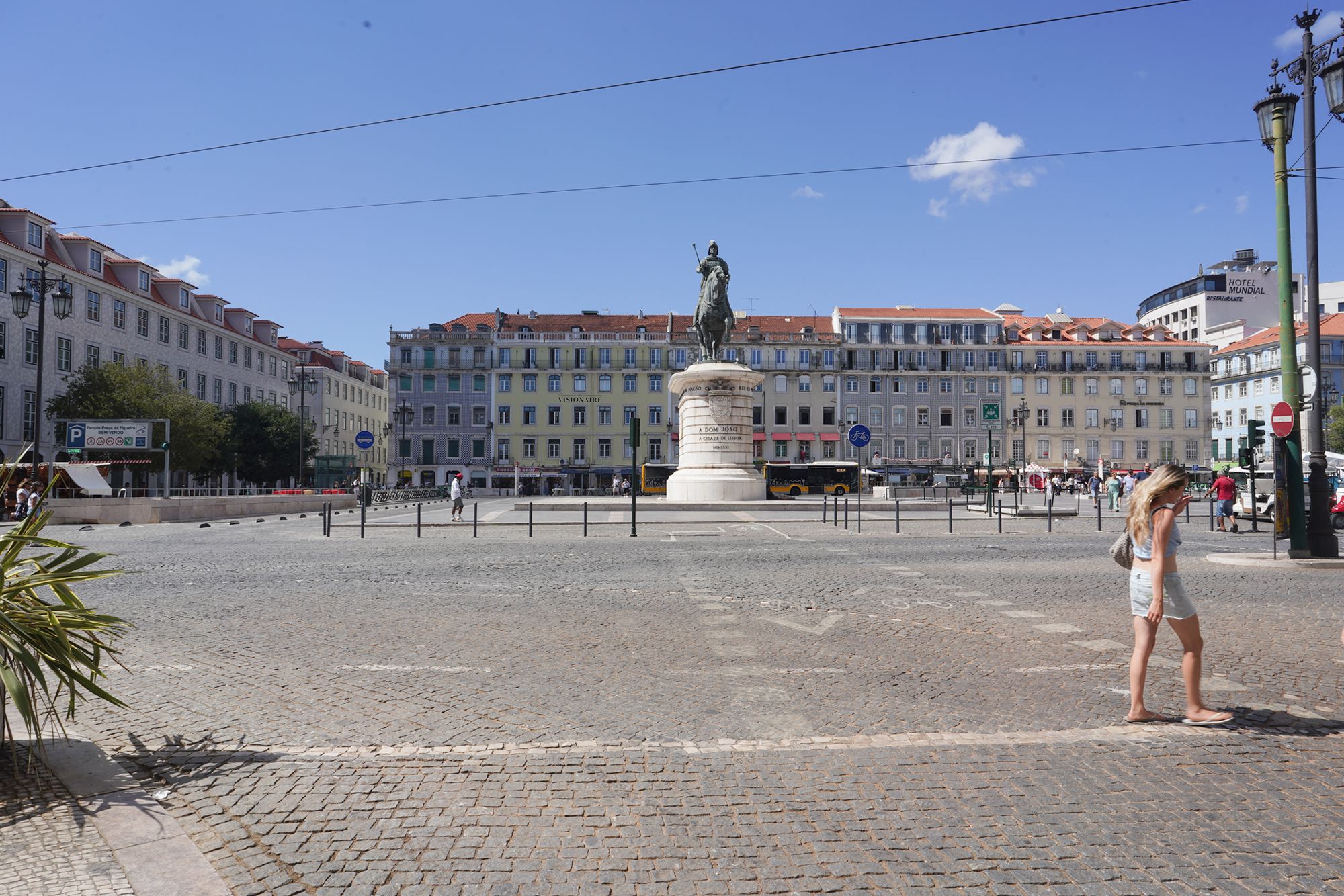
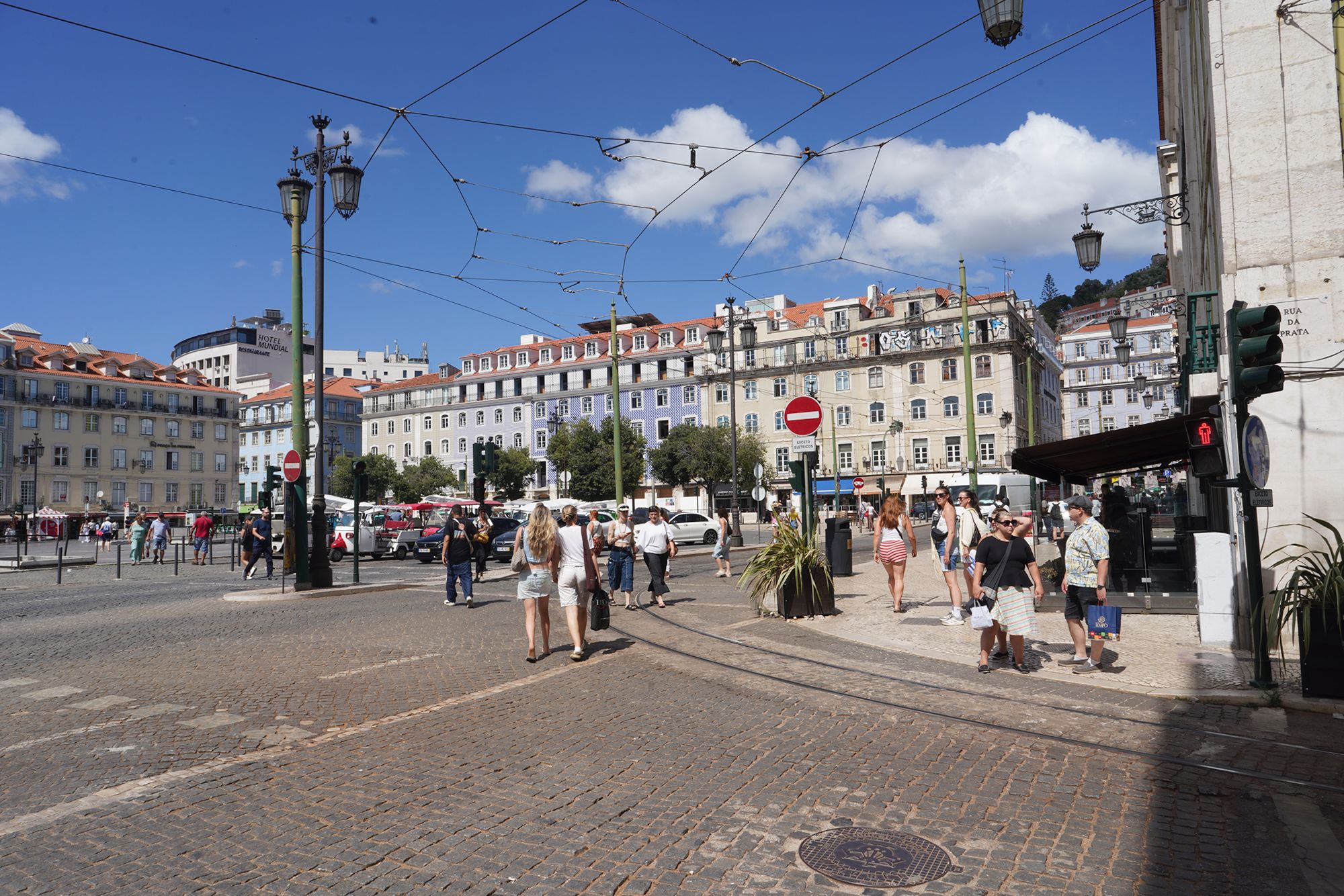
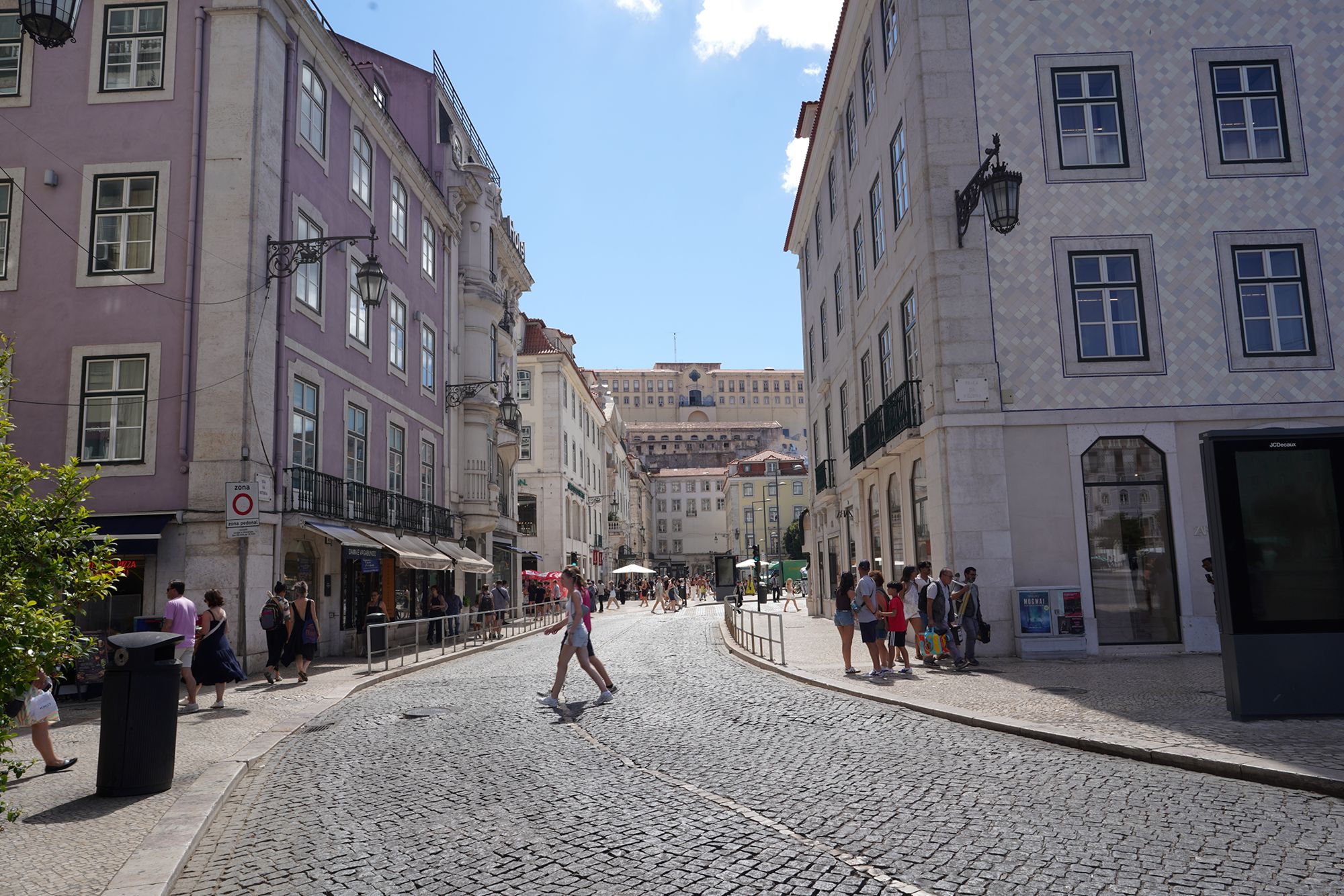
A view behind me
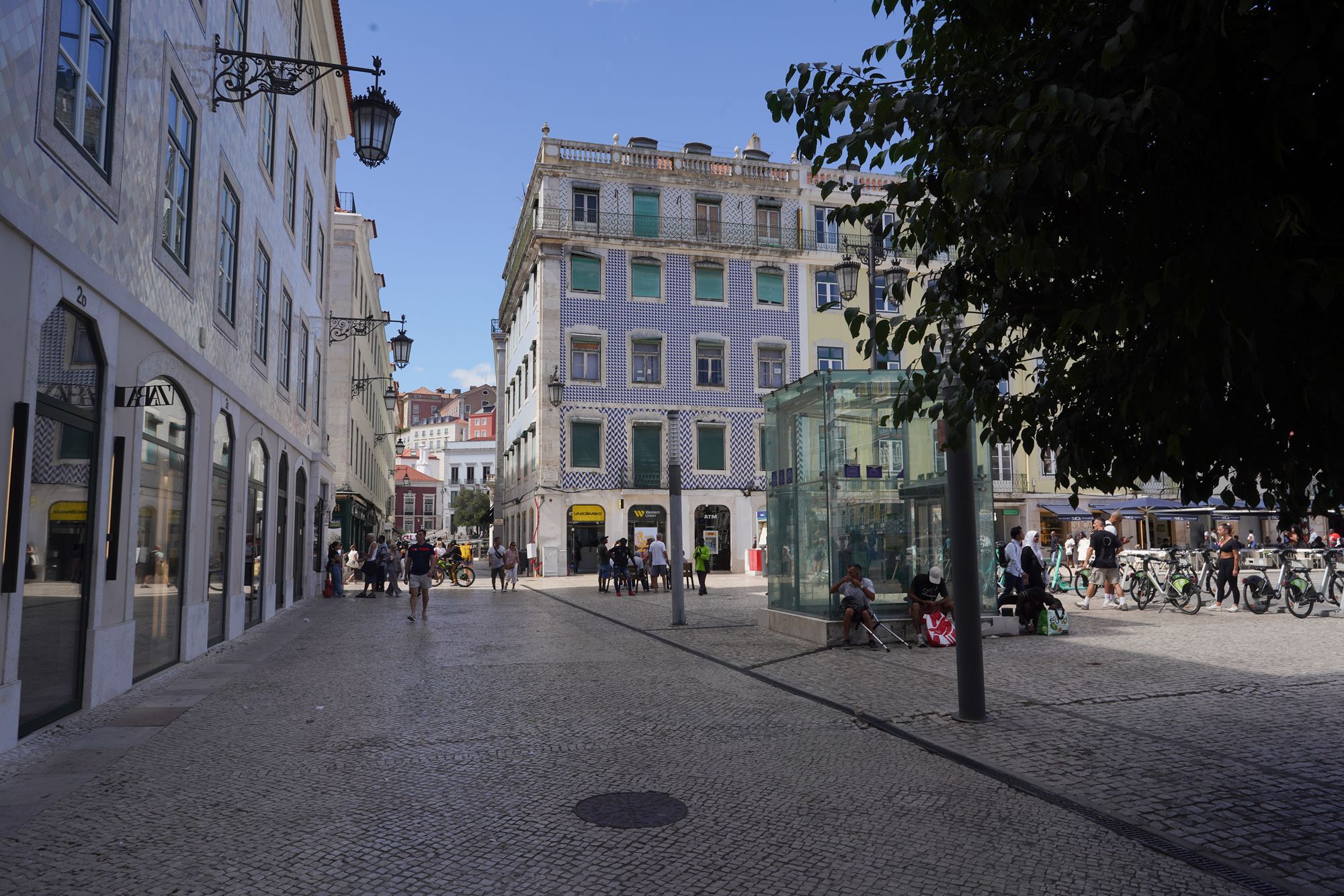
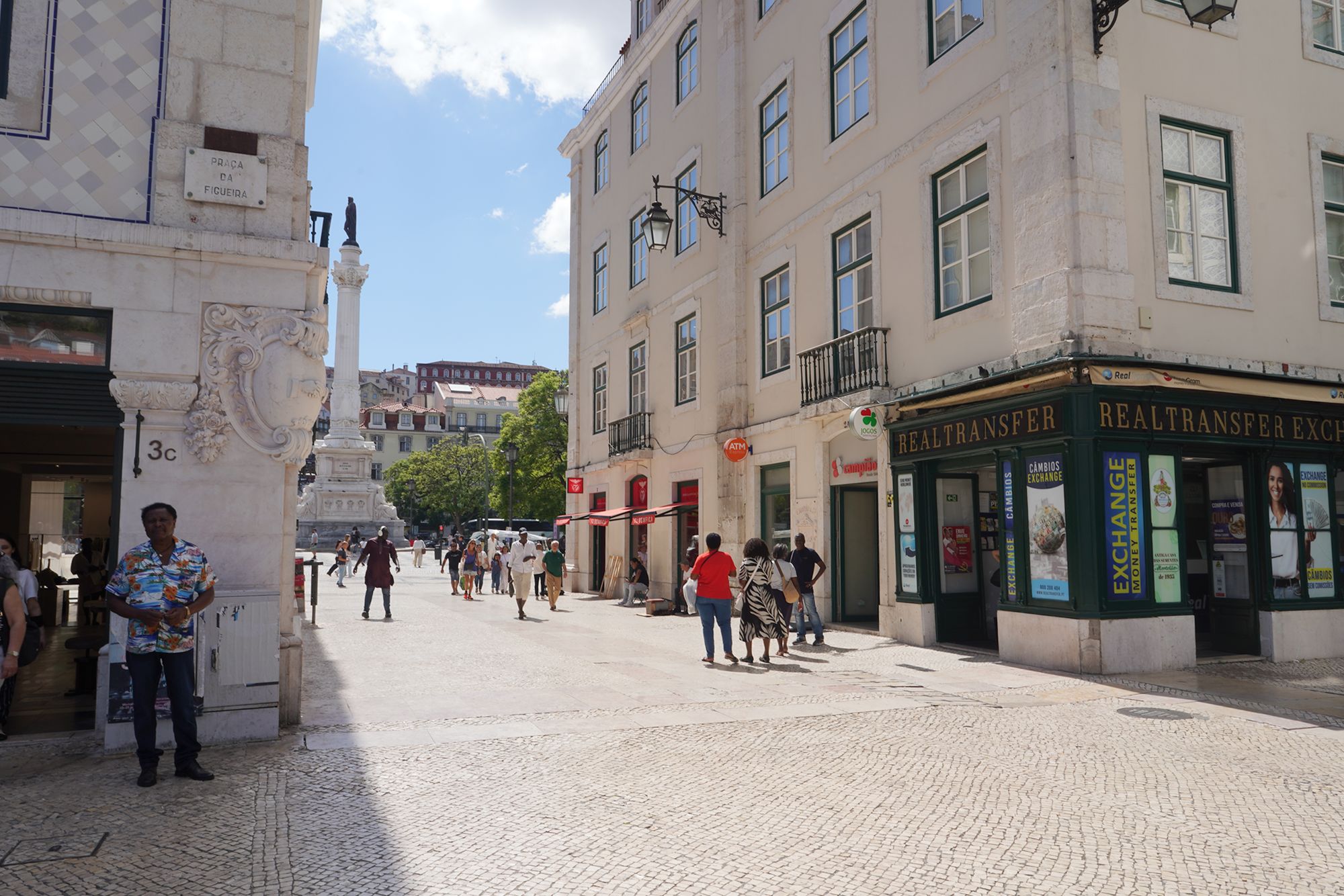
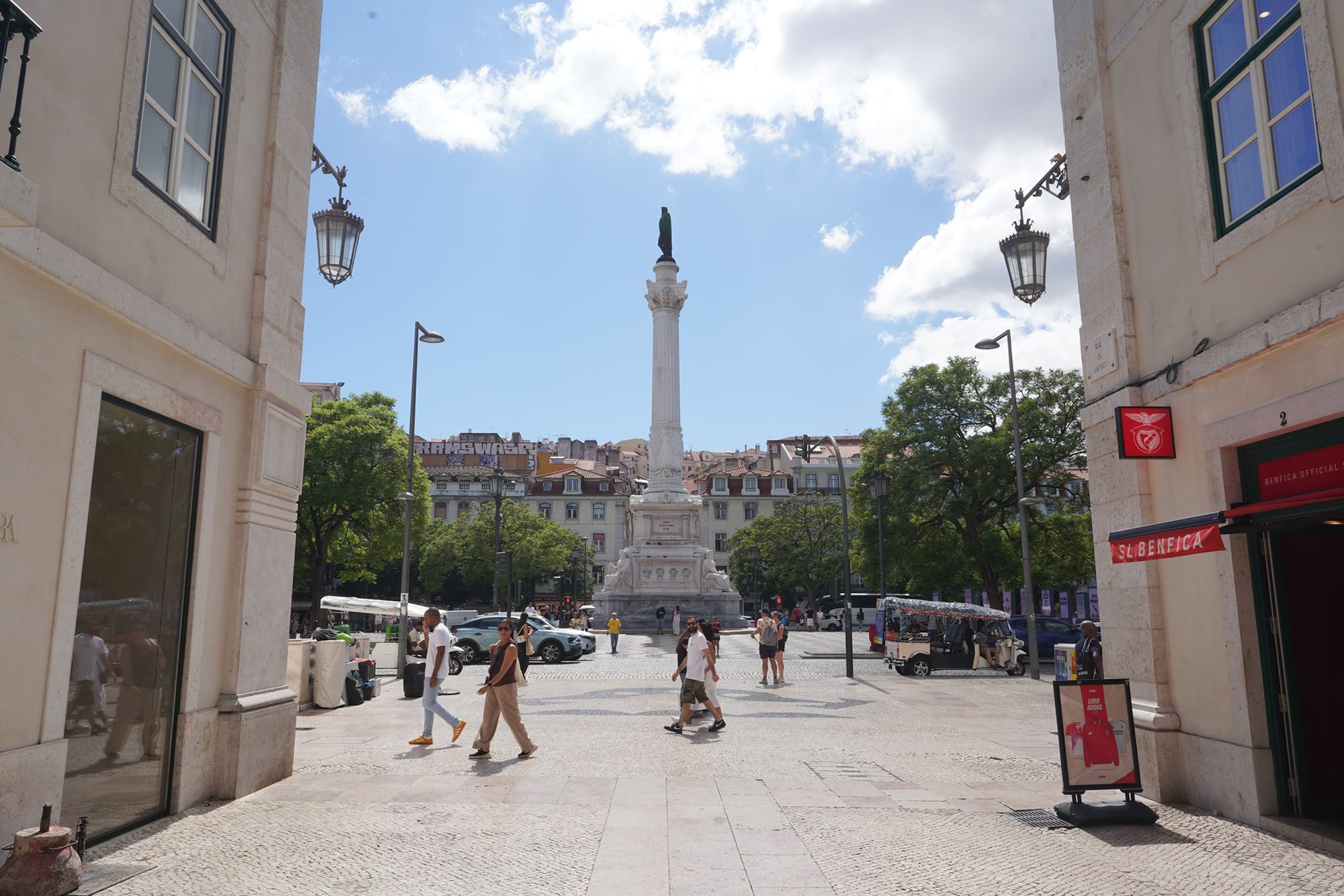
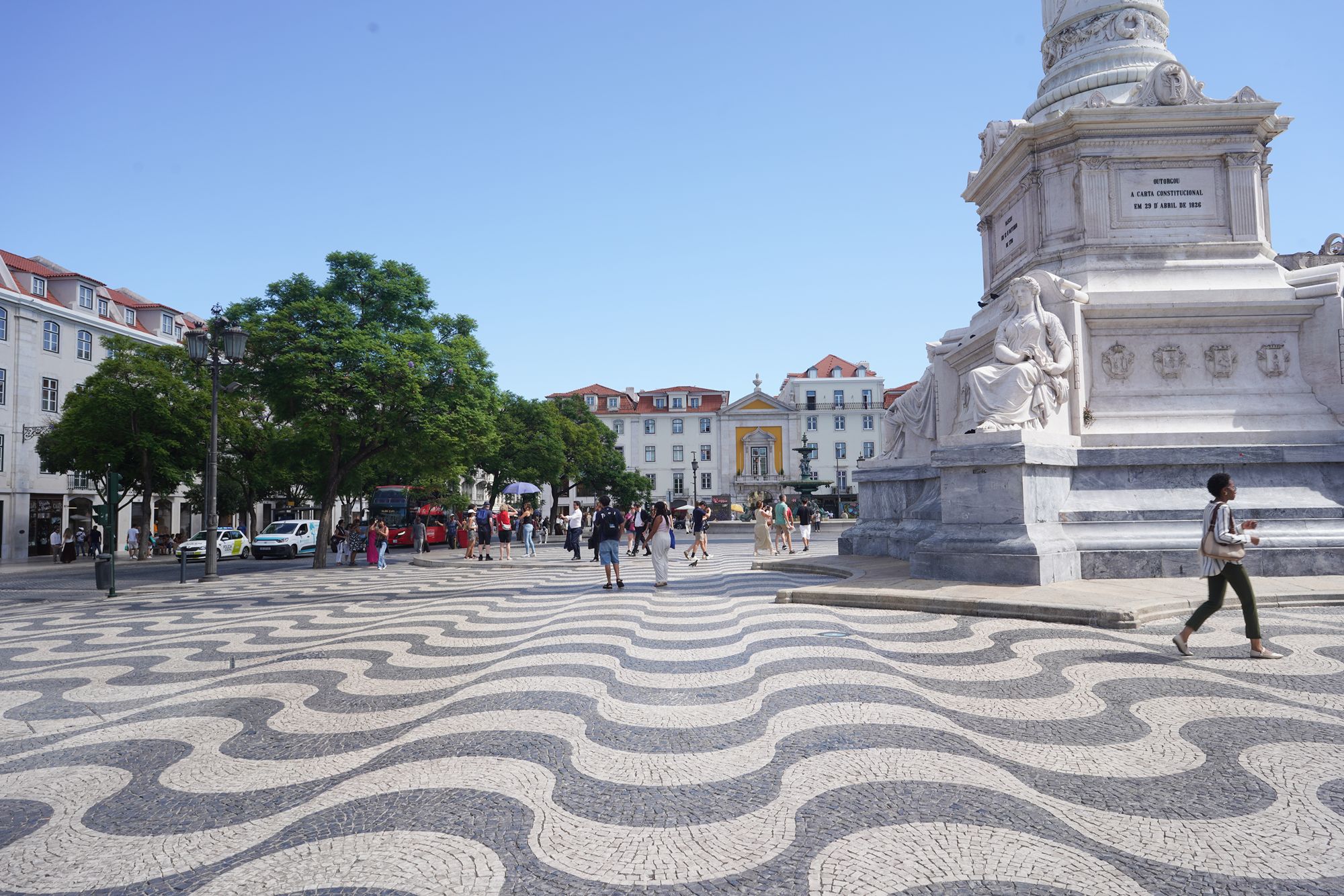
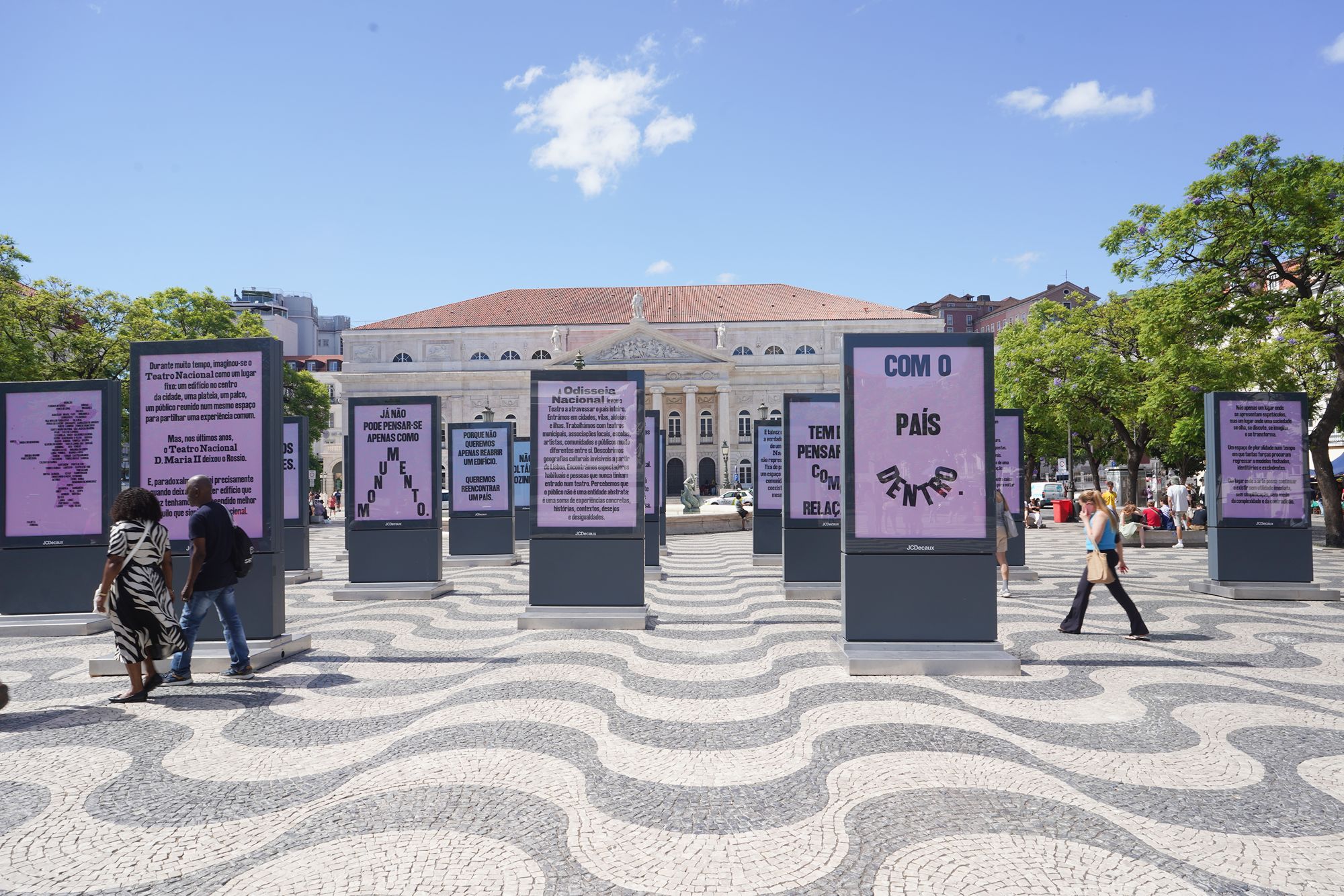
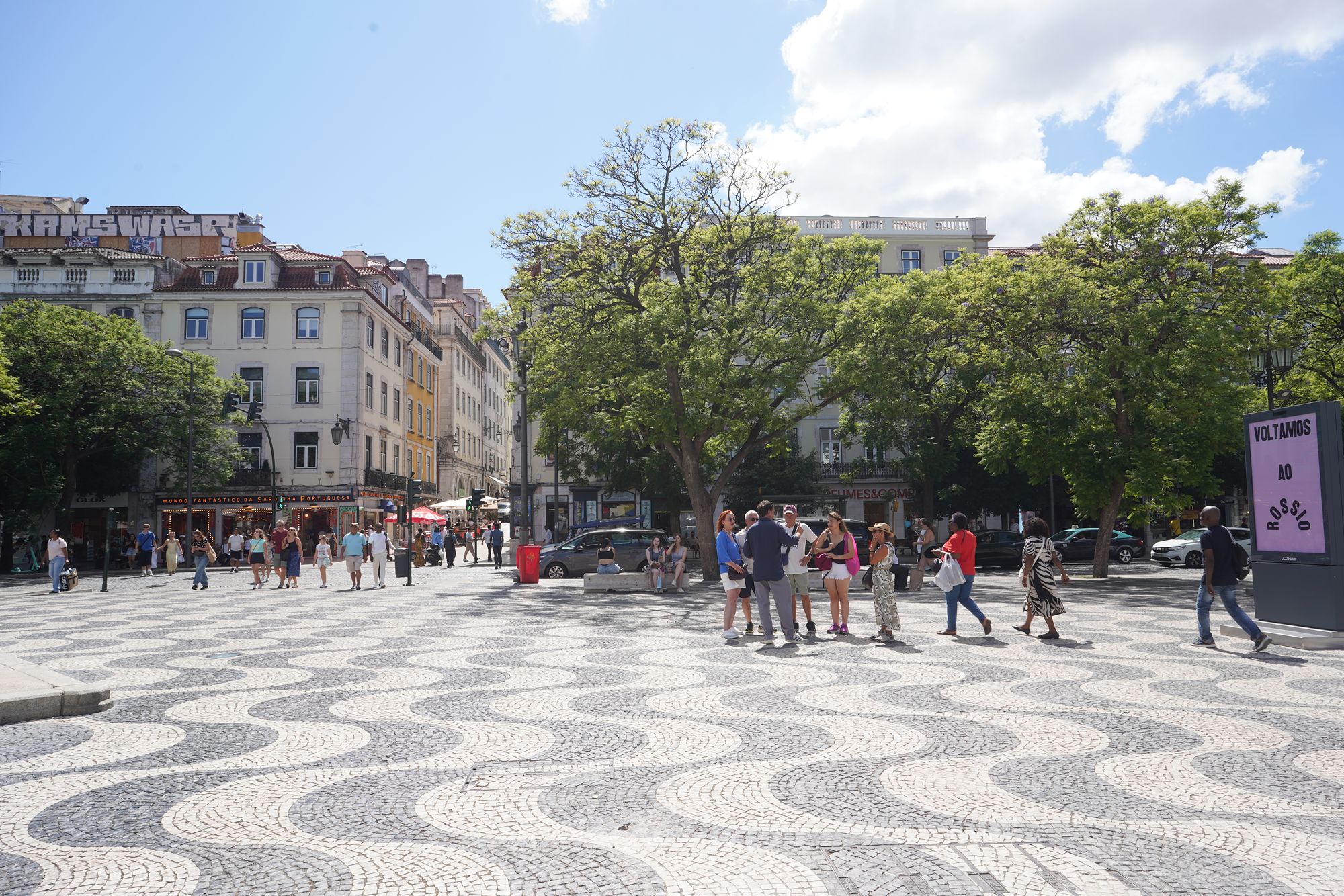
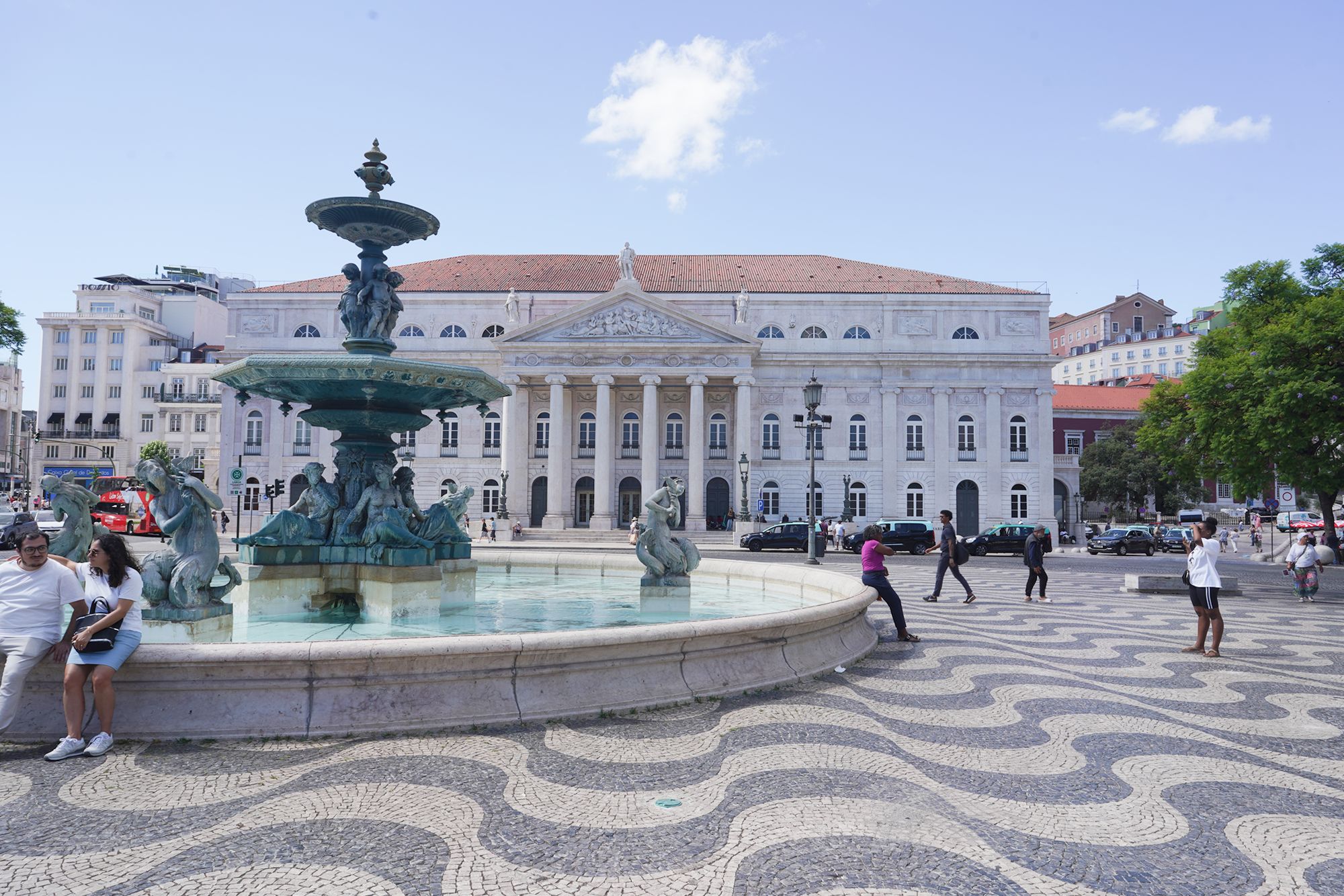
Rossio Square, located beside Praça da Figueira and officially called Praça Dom Pedro IV, has been a gathering place in Lisbon for centuries. Its black-and-white paving forms wave patterns across the square, which features two ornate fountains and a tall column topped by a statue of King Pedro IV. Historic cafés line its edges, while the Dona Maria II National Theatre stands at the northern end.
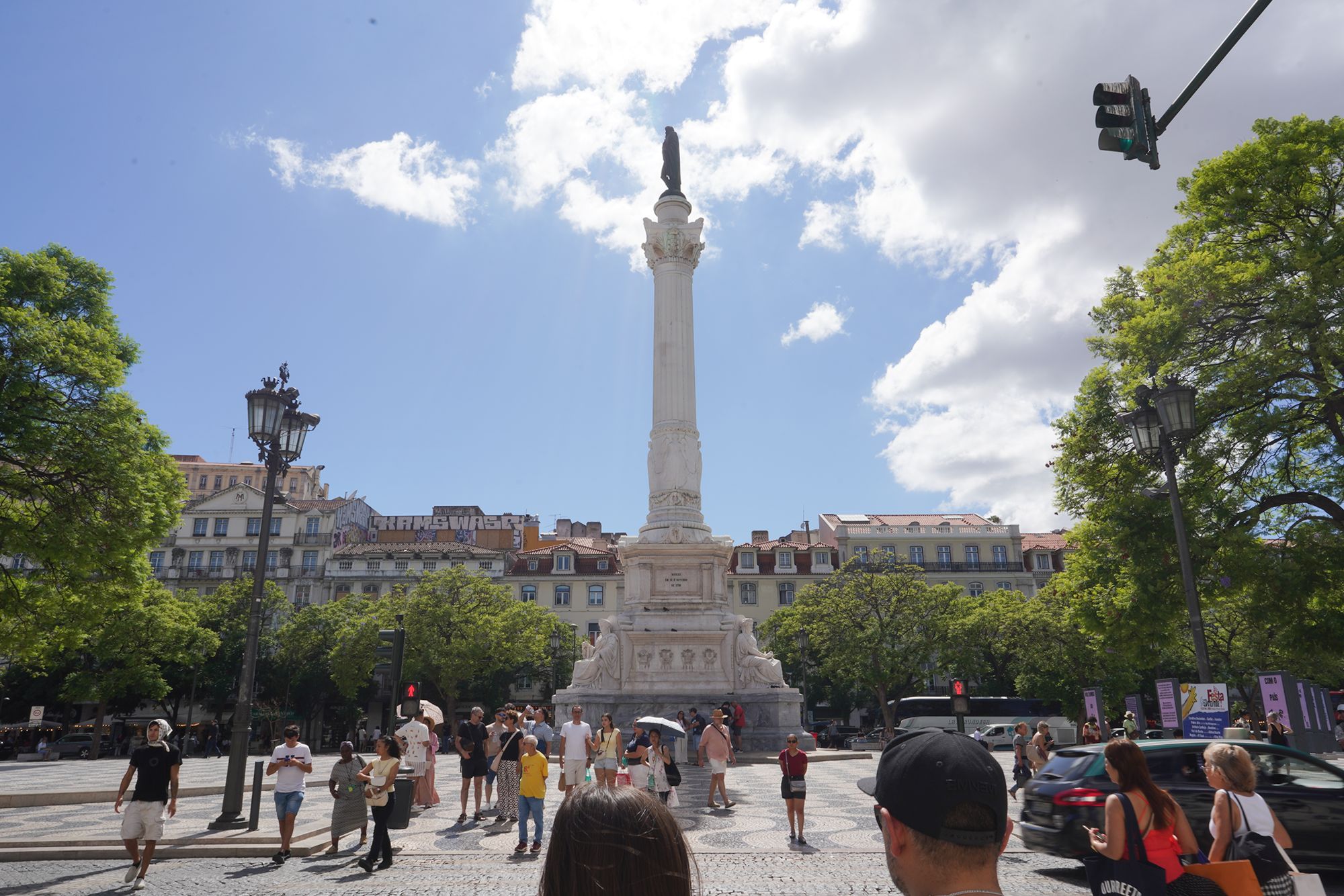
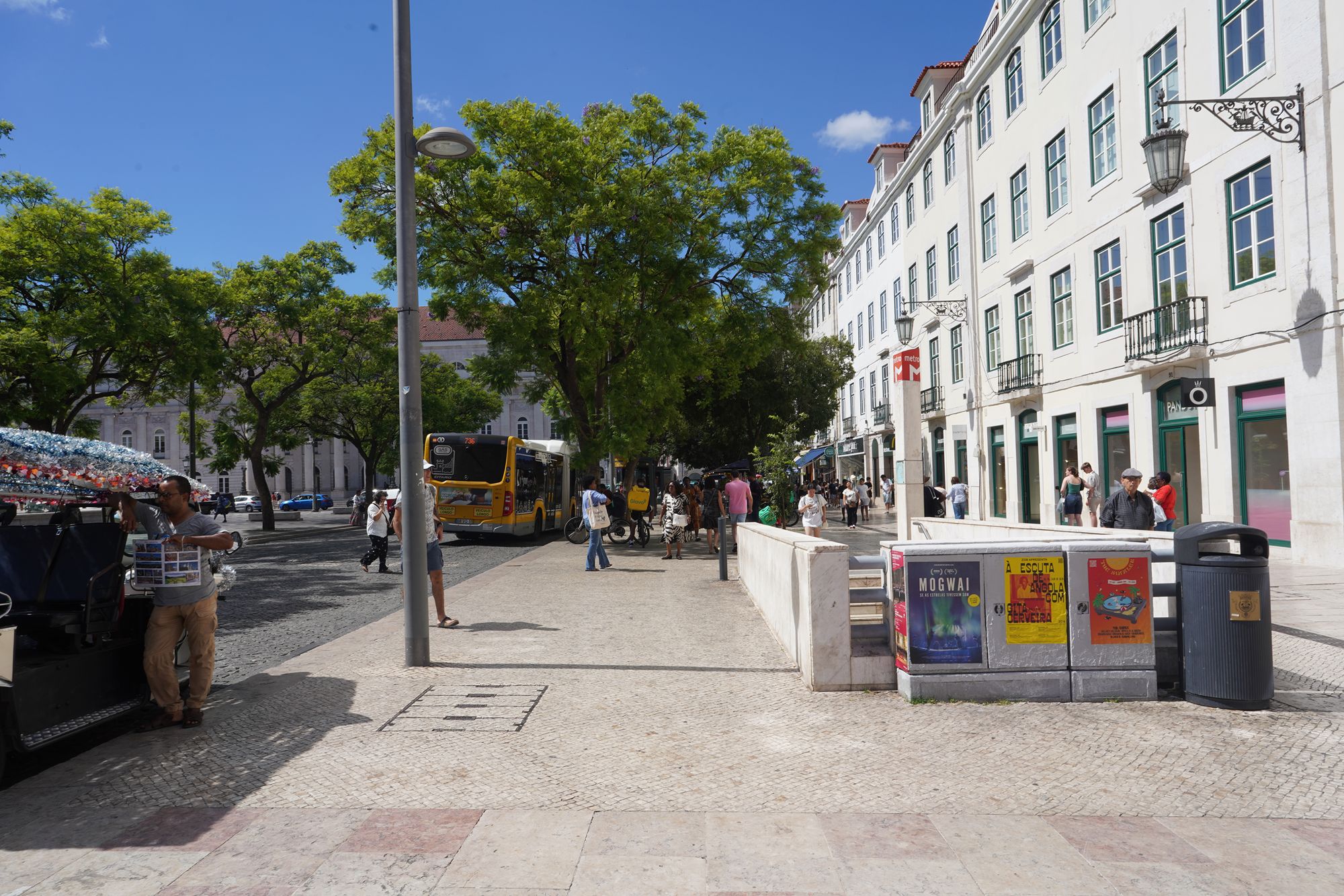
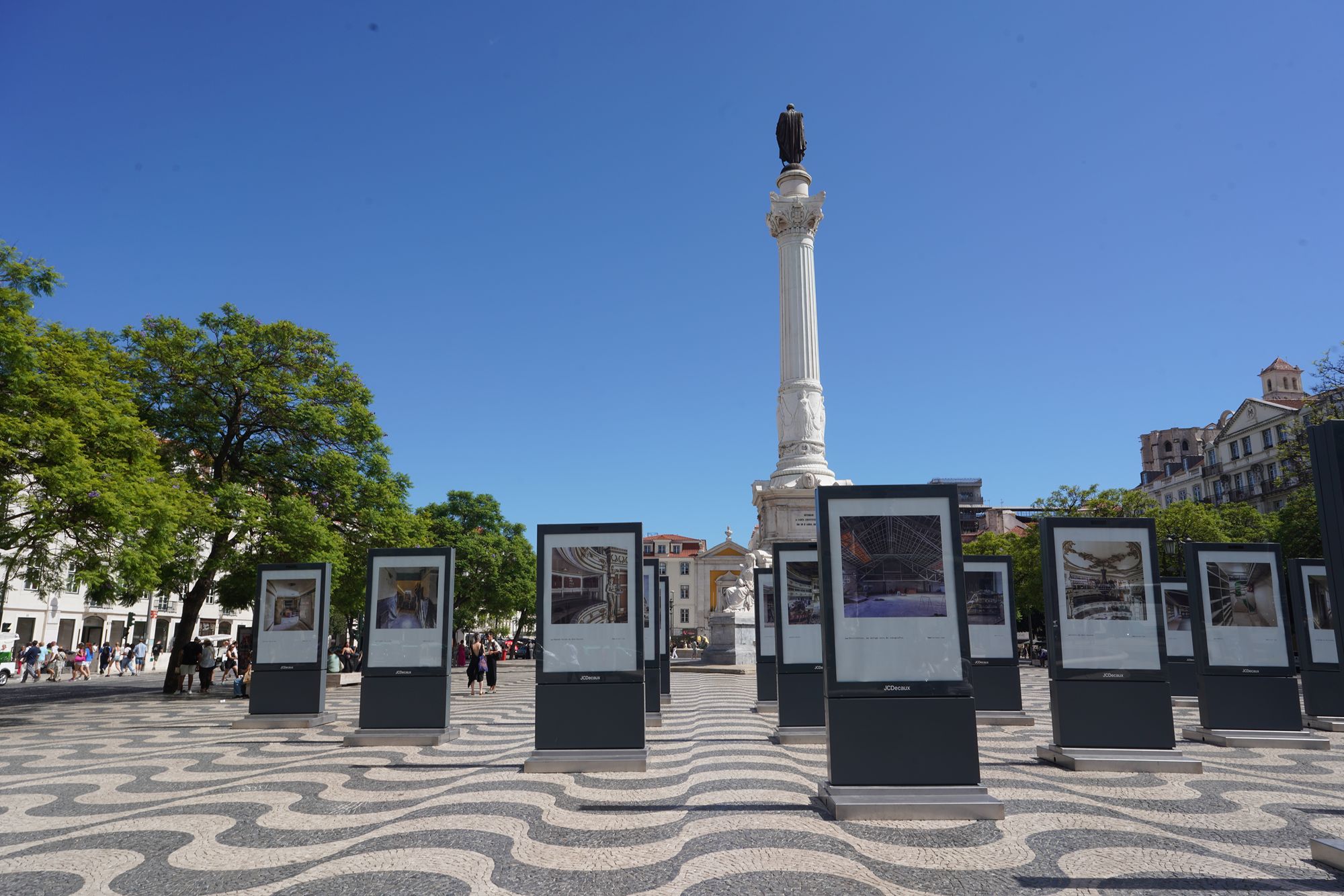
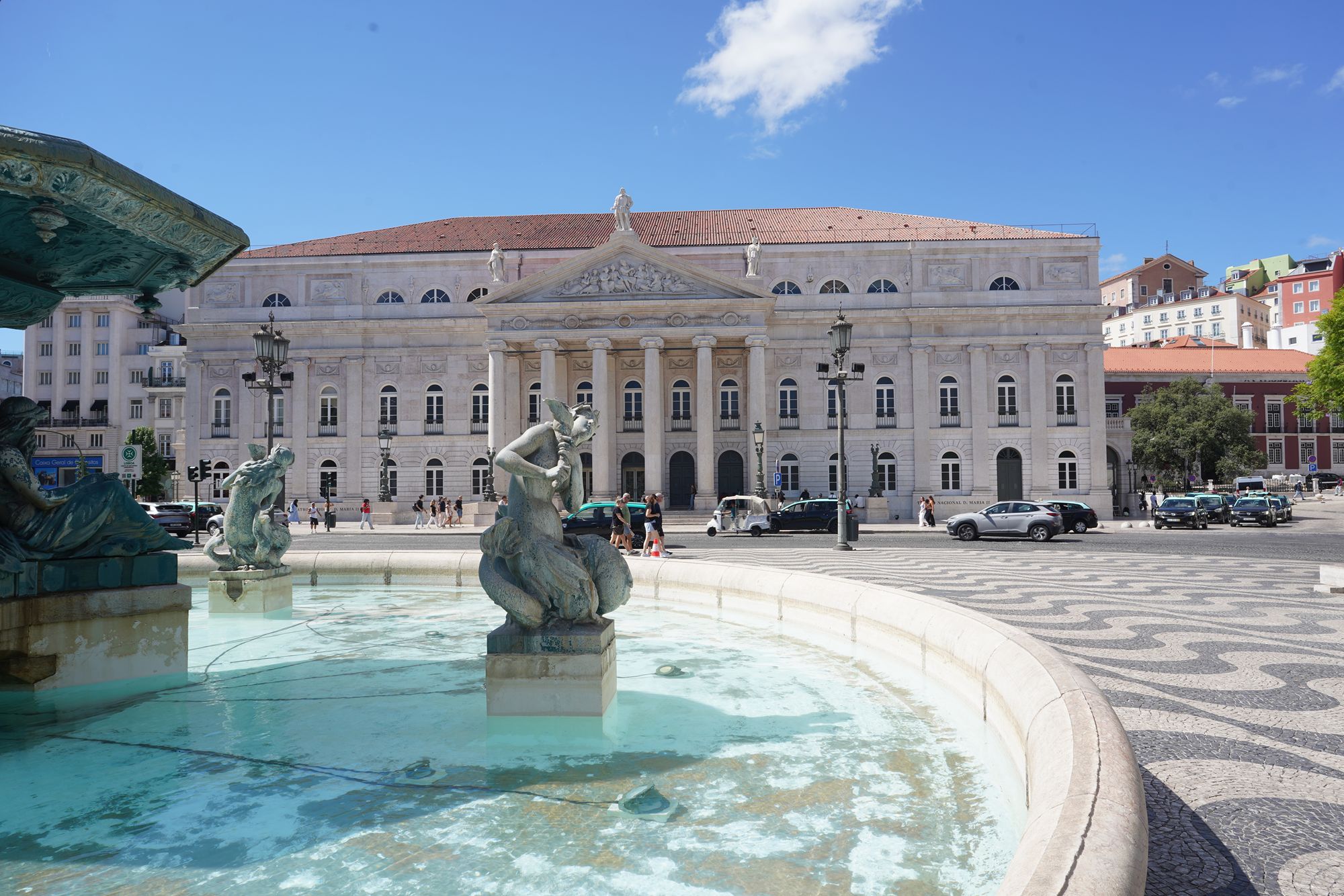
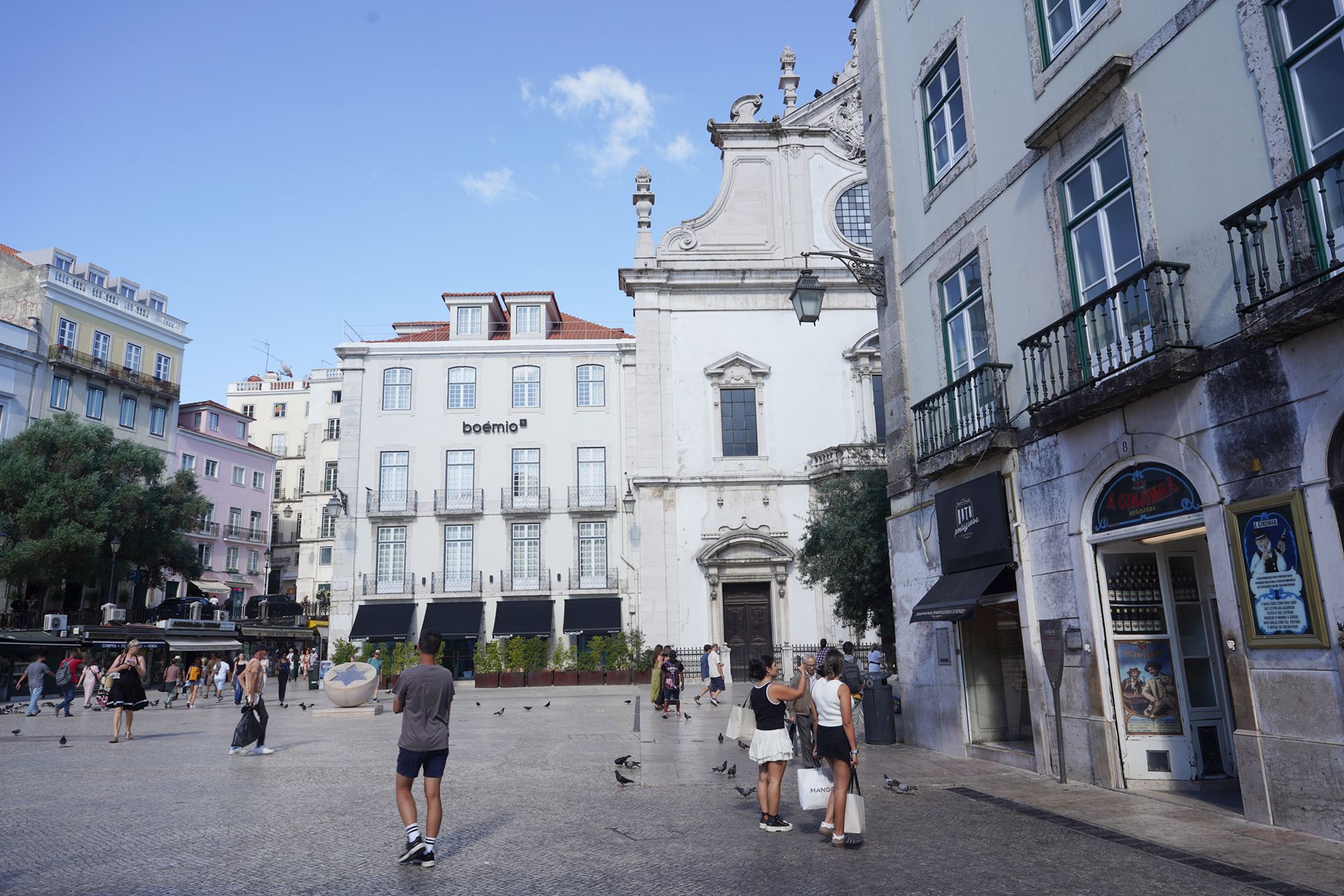
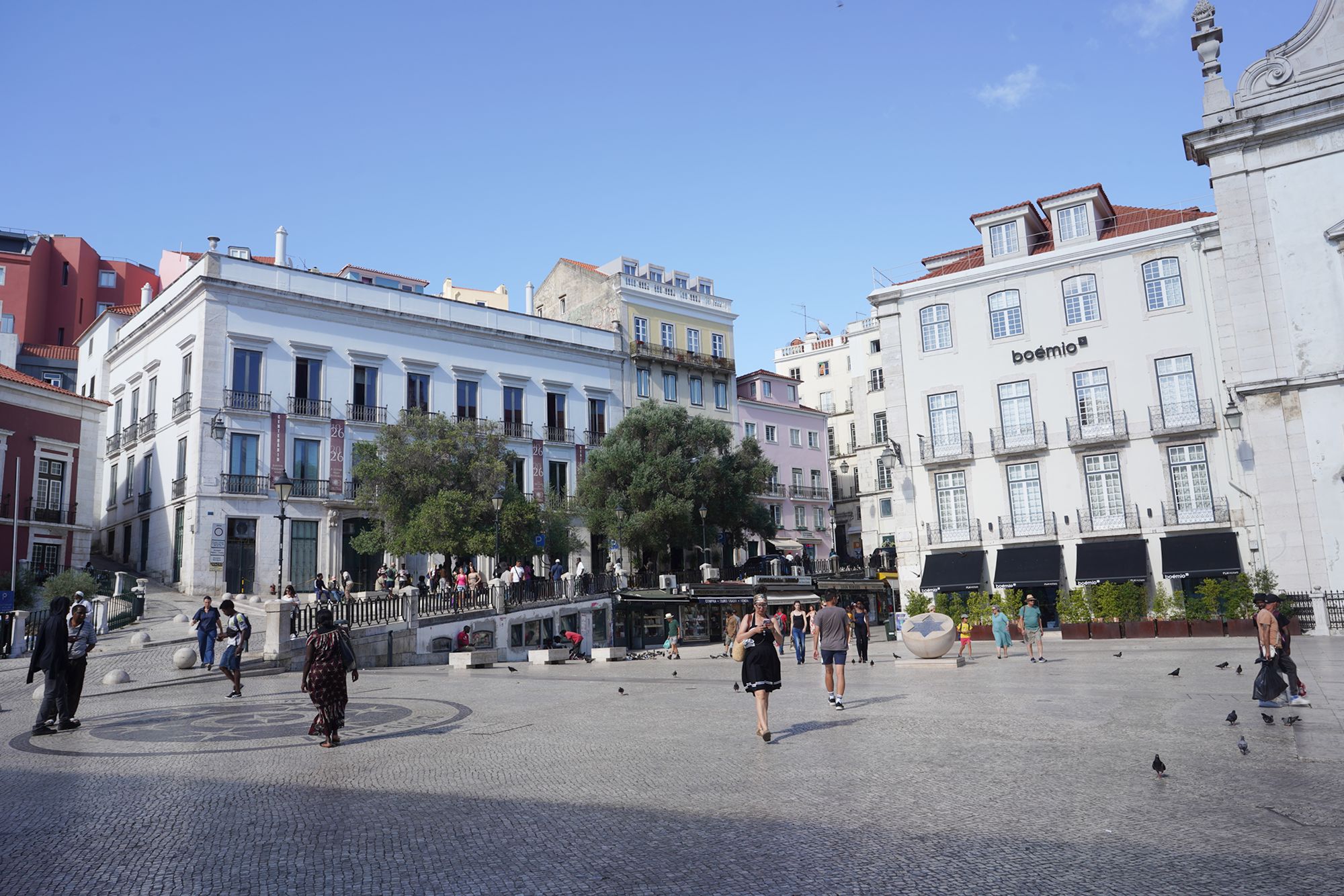
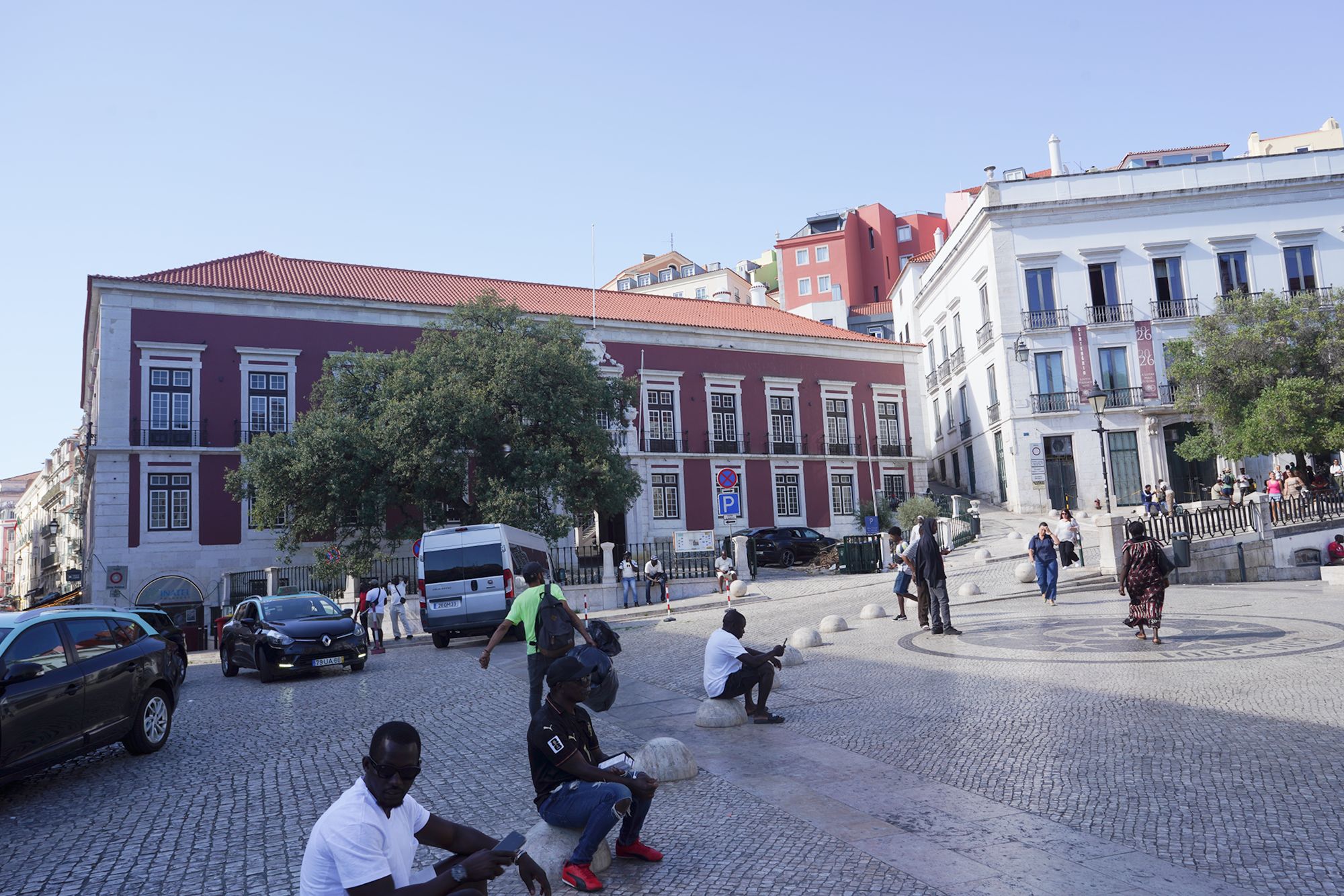
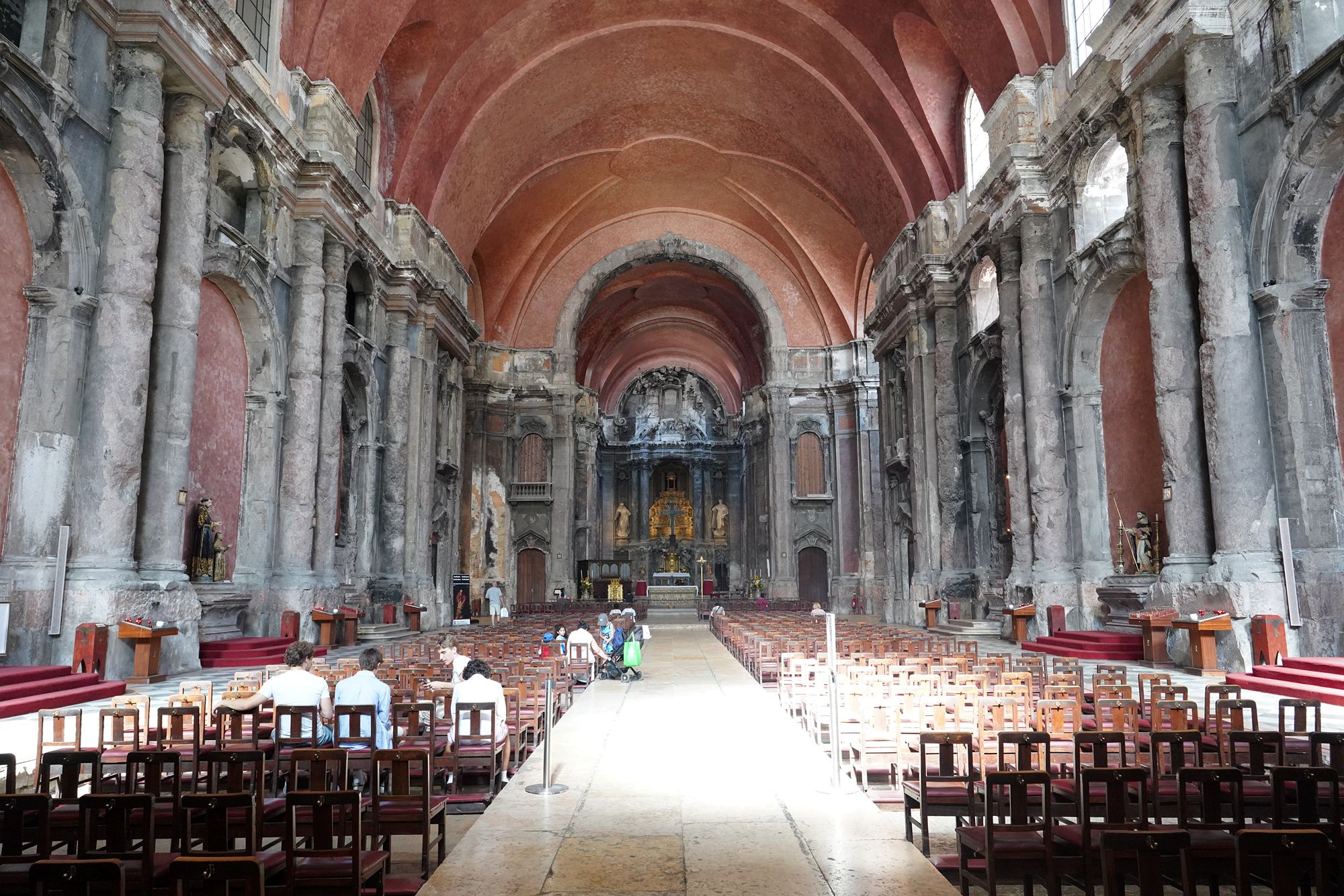
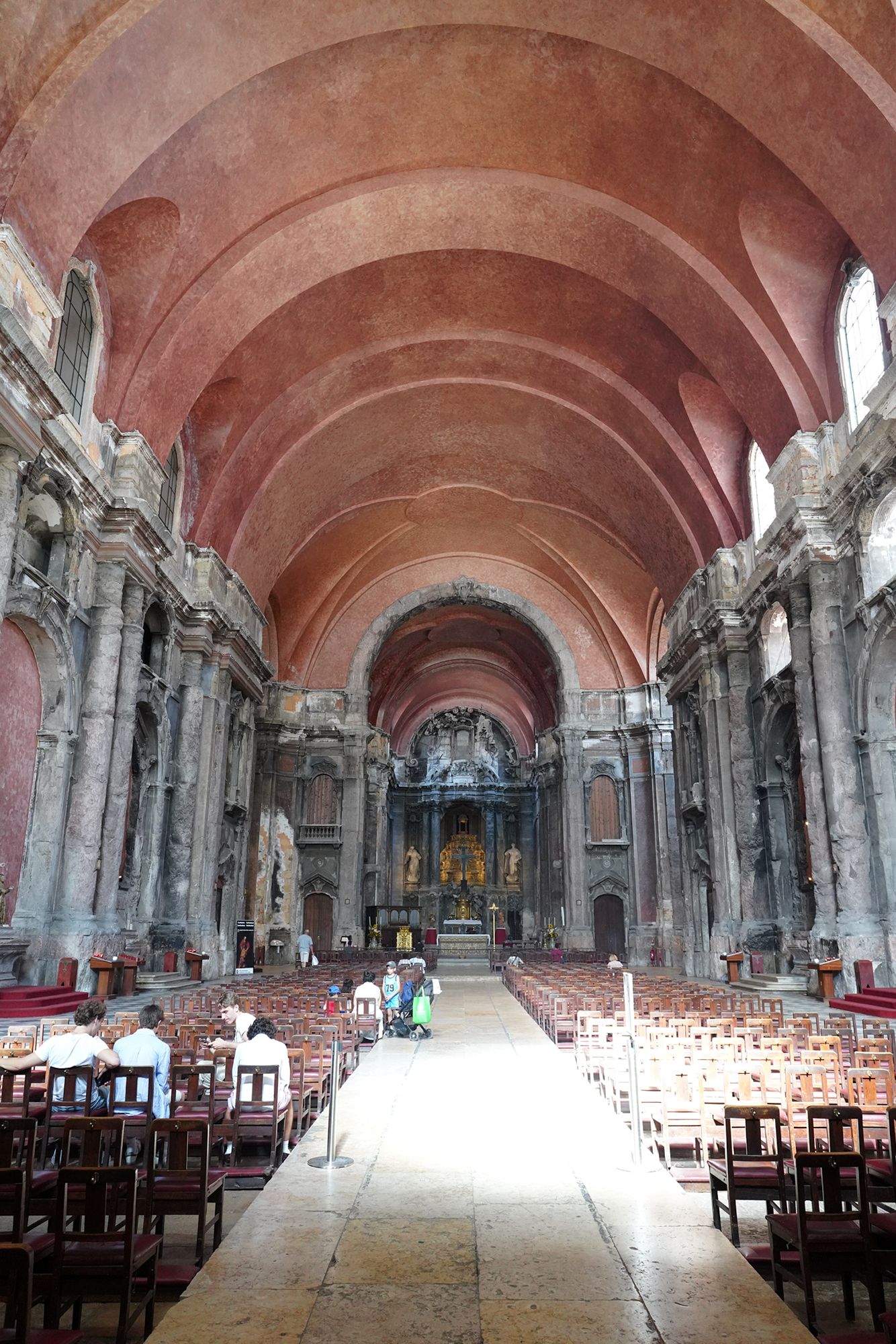
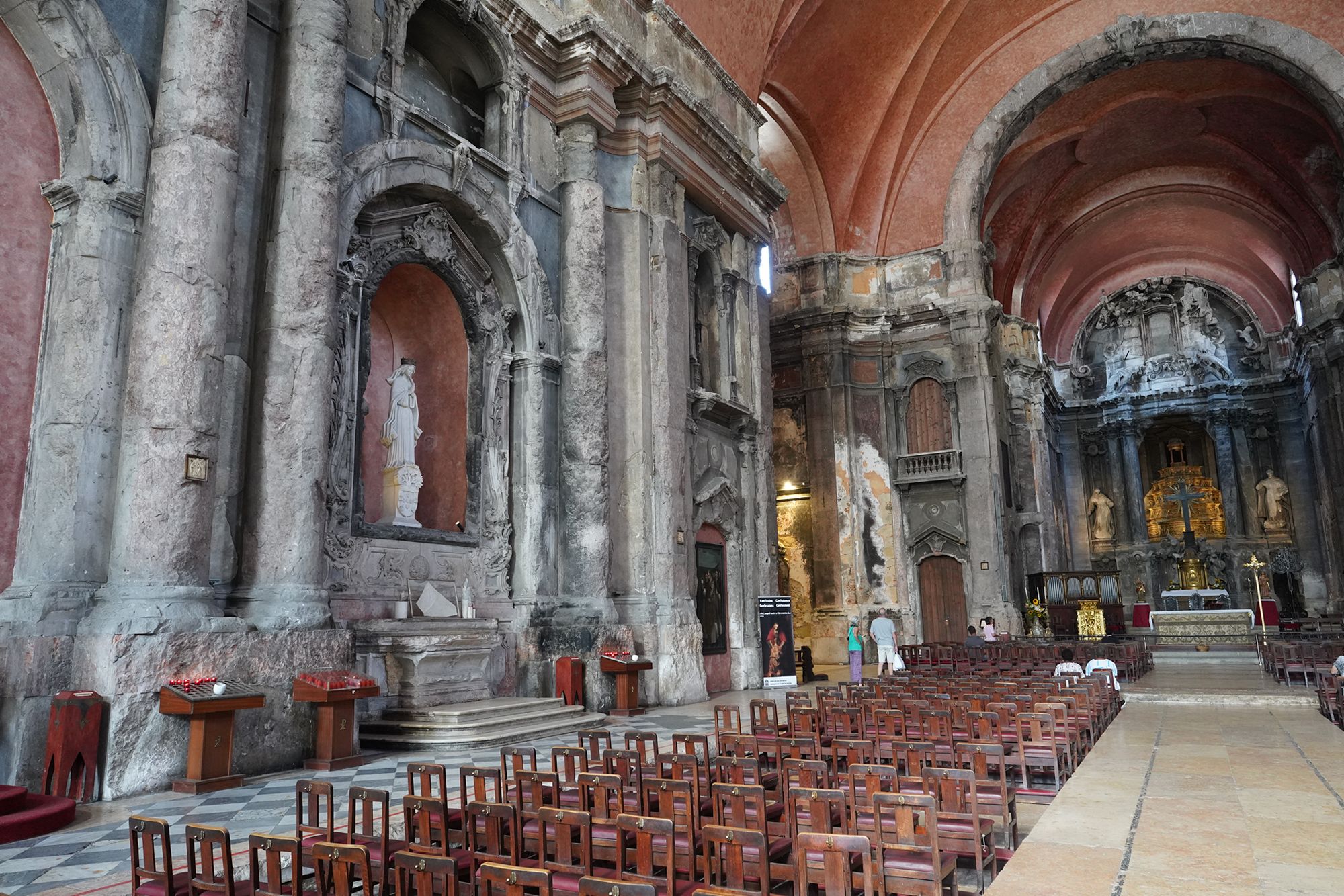
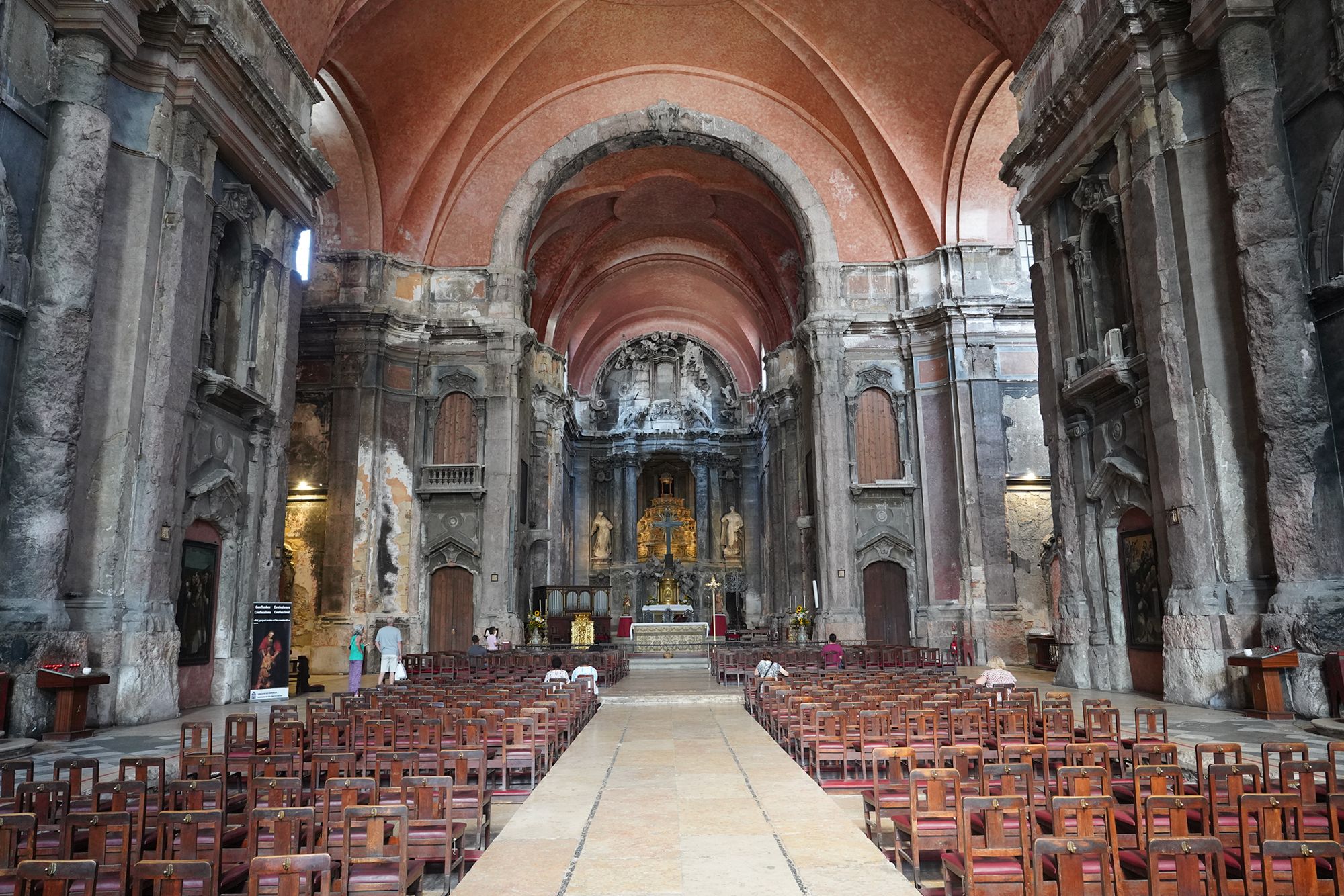
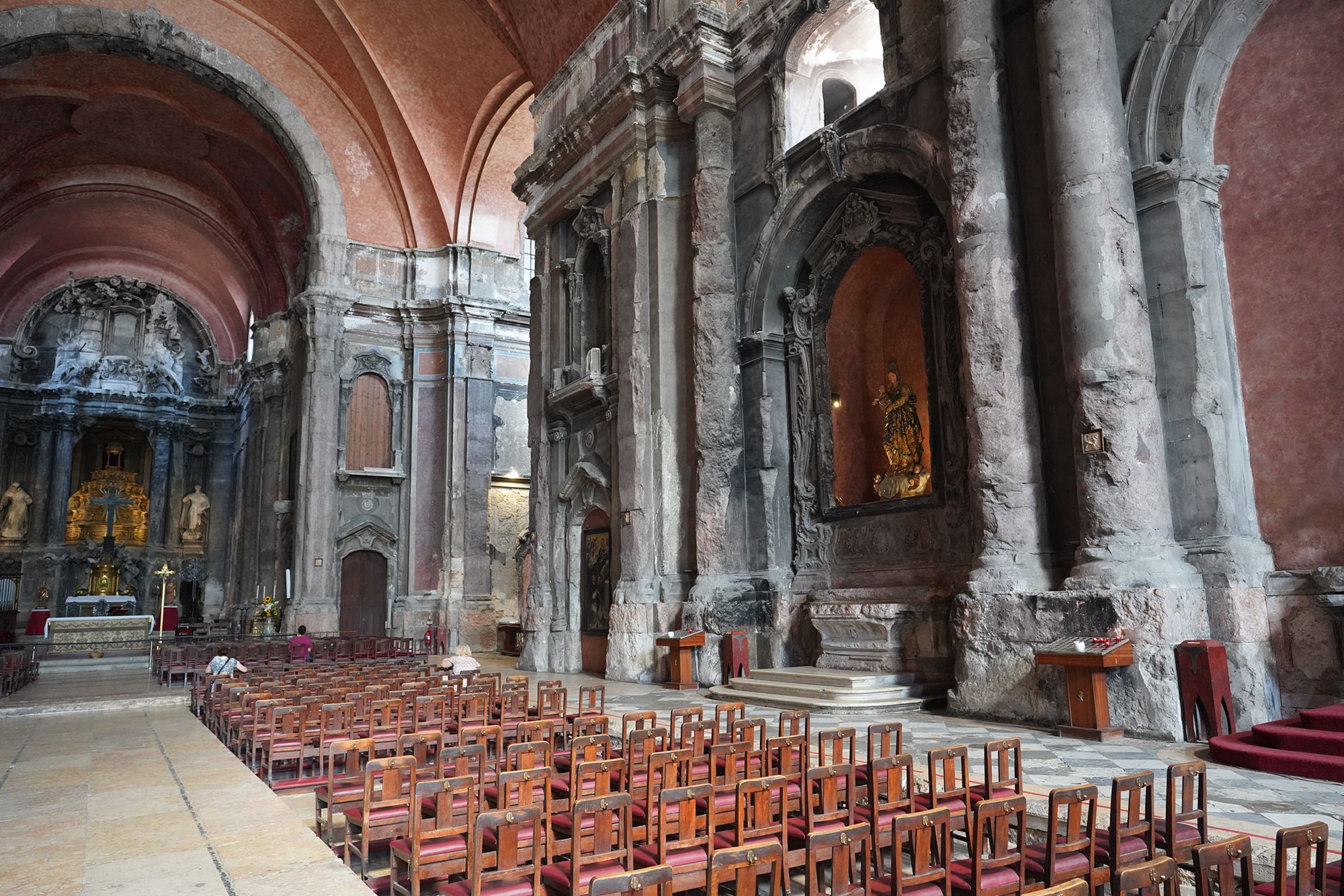
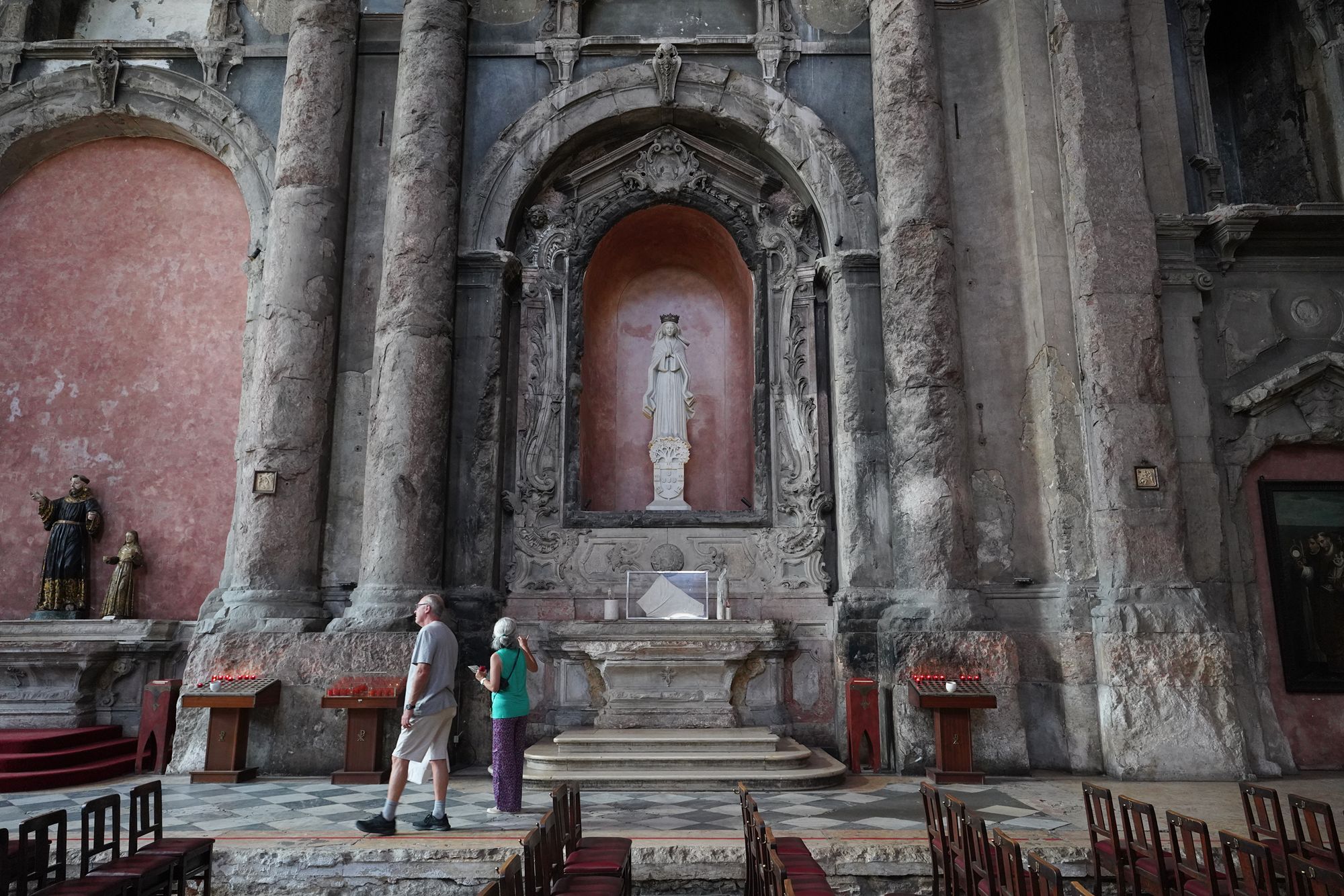
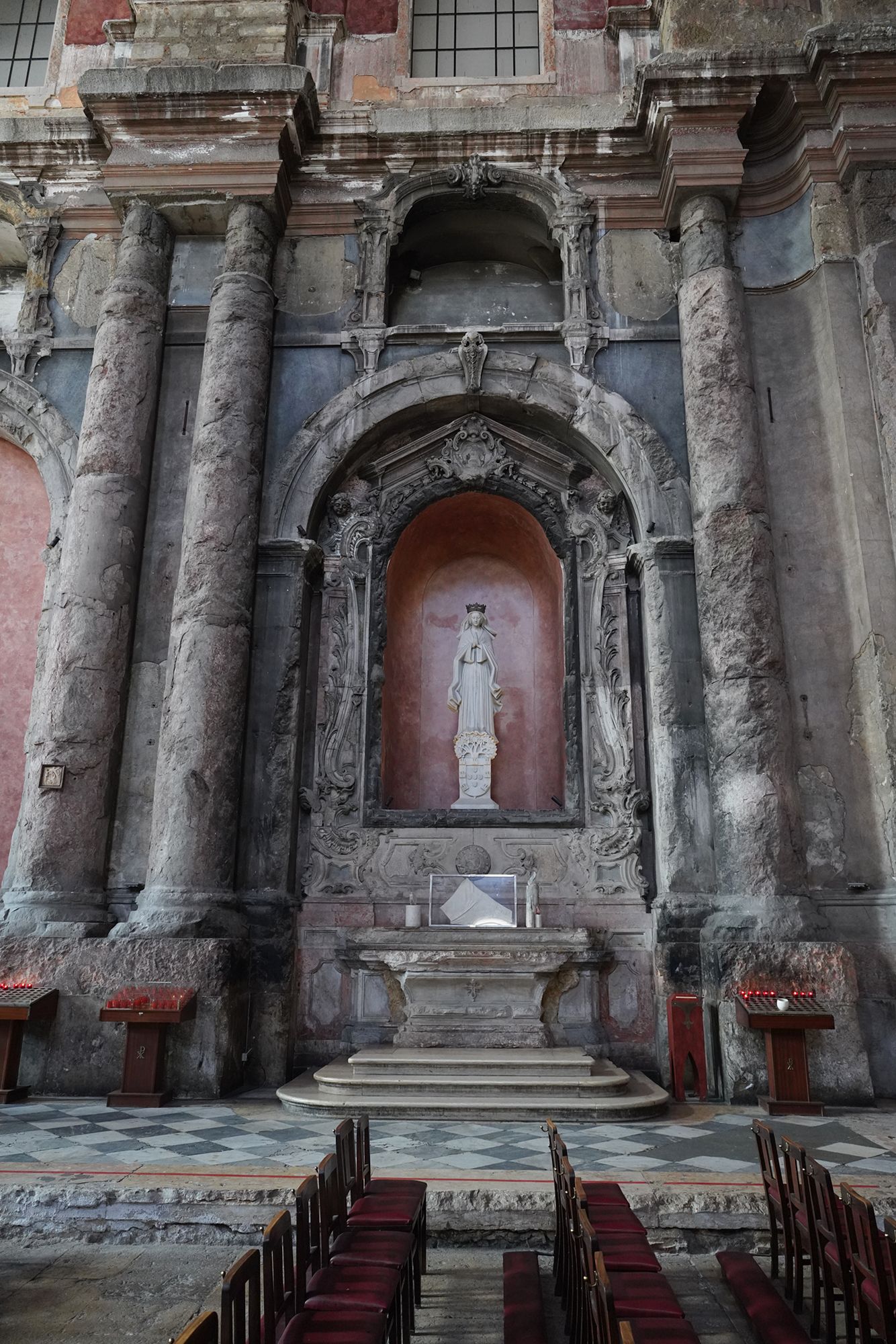
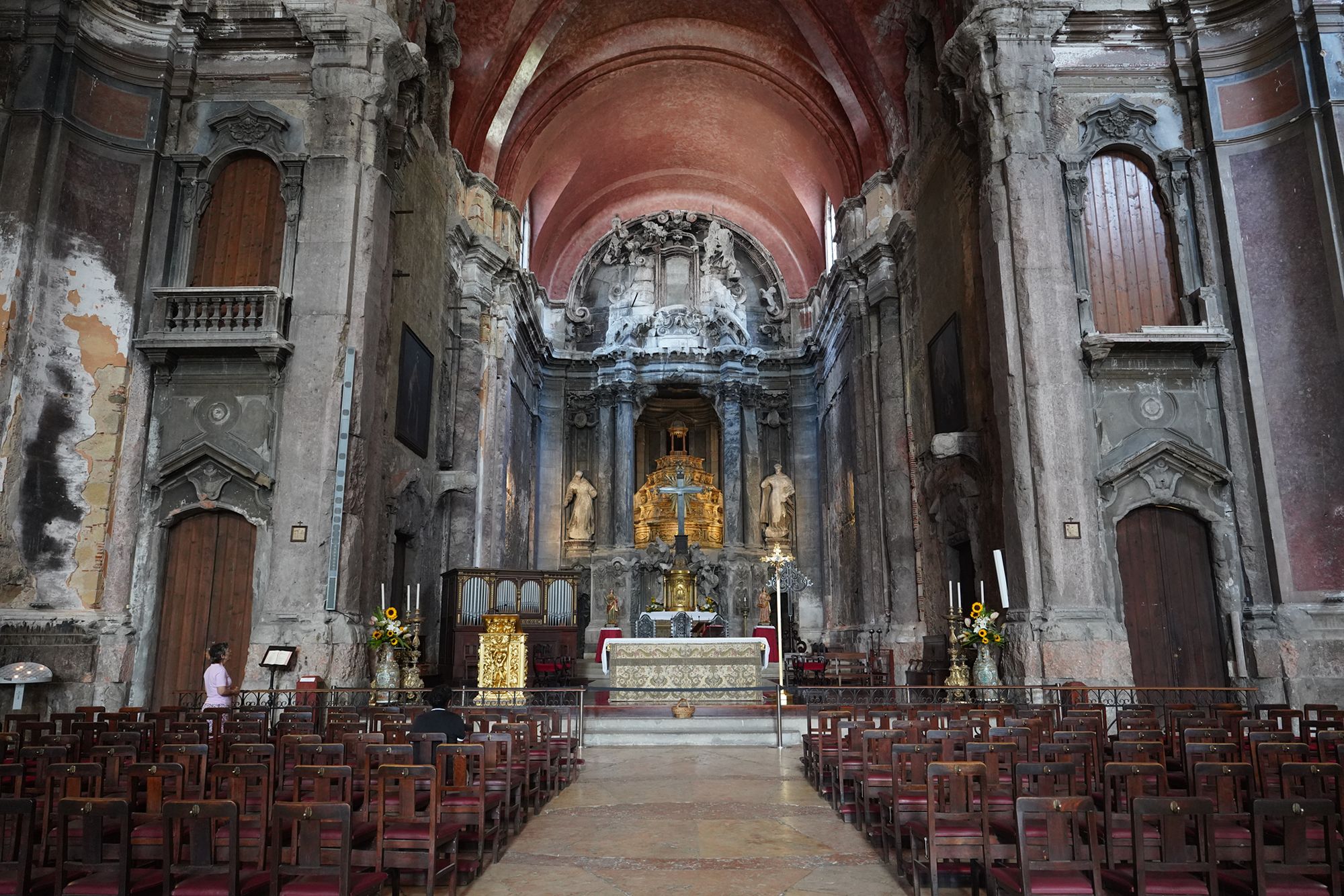
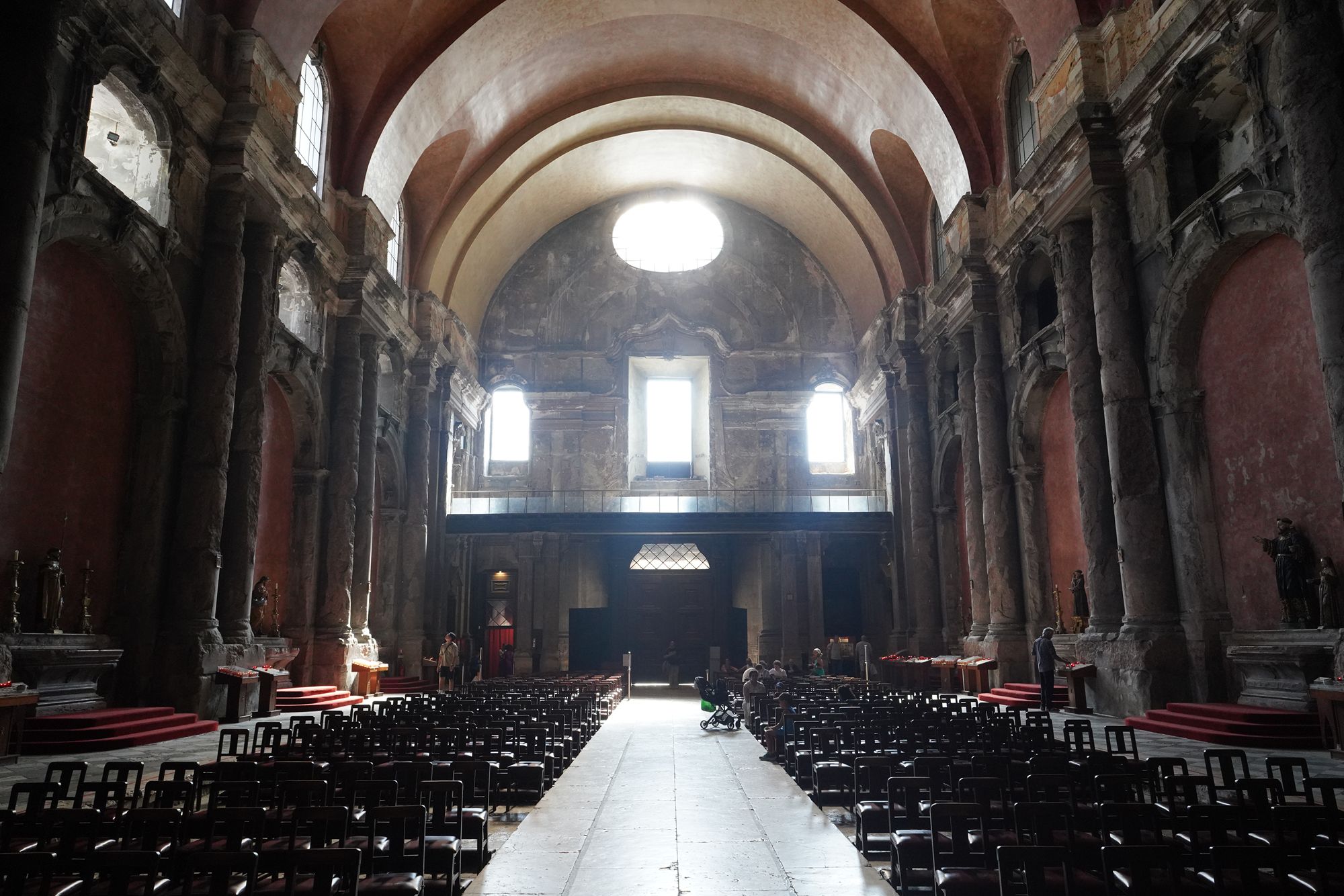
Just off Rossio Square is the Church of Saint Dominic, known locally as Igreja de São Domingos.
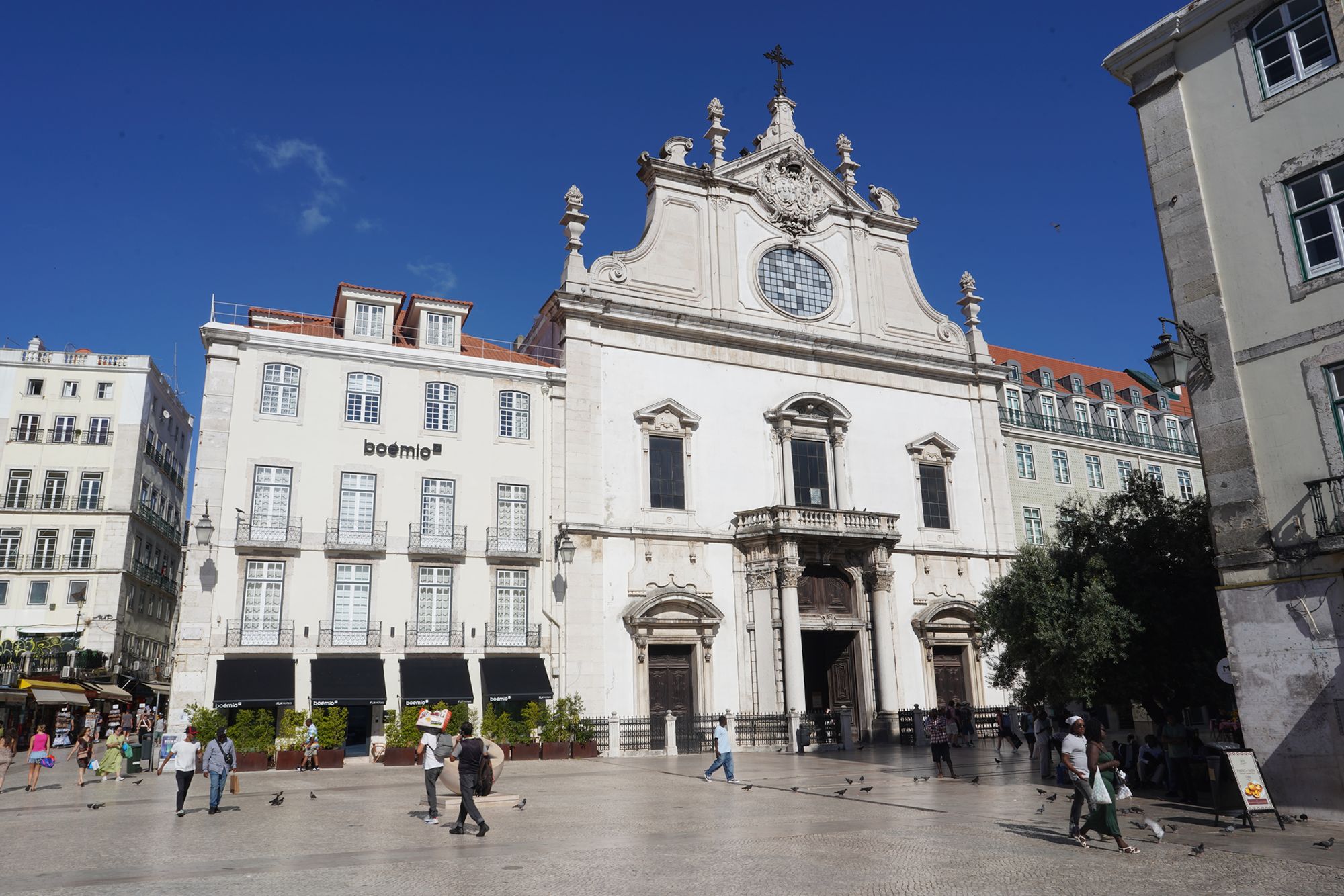
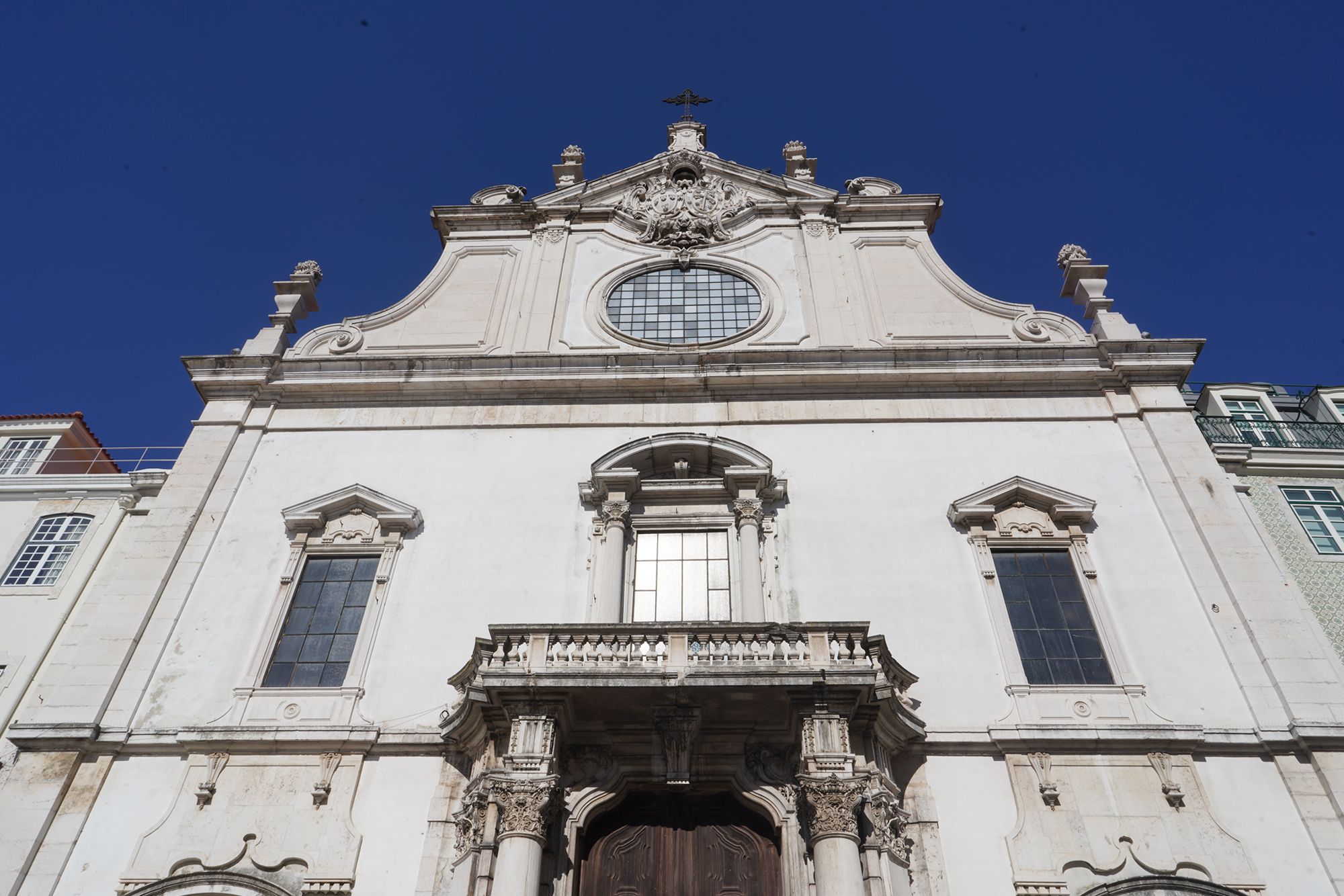
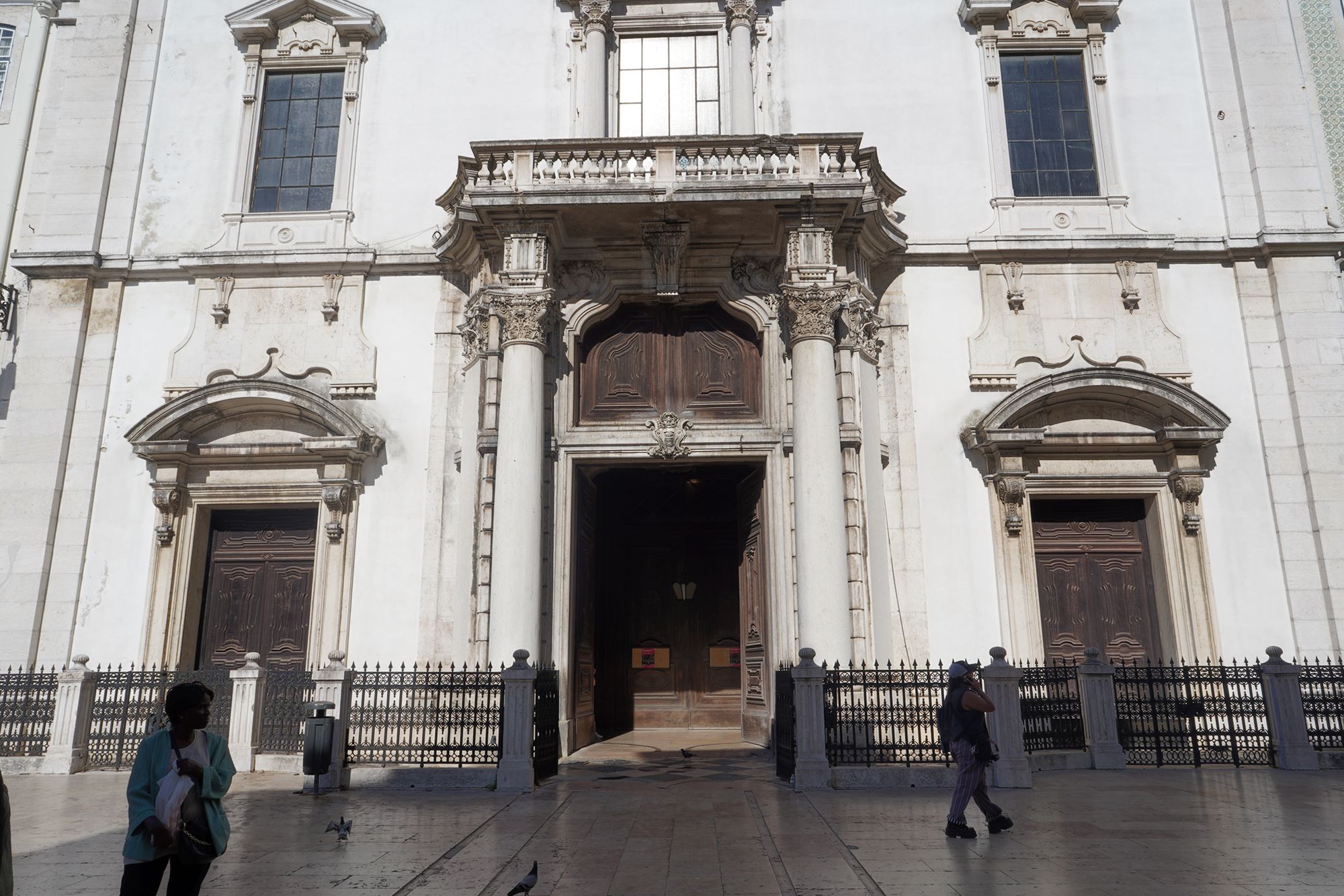
The Church of Saint Dominic dates back to the 13th century and has been rebuilt after earthquakes and a devastating fire in 1959. Inside, cracked and blackened stonework still bears the marks of the fire, deliberately preserved during restoration. These damaged surfaces beneath the restored red ceiling give the church an unusual and striking appearance.
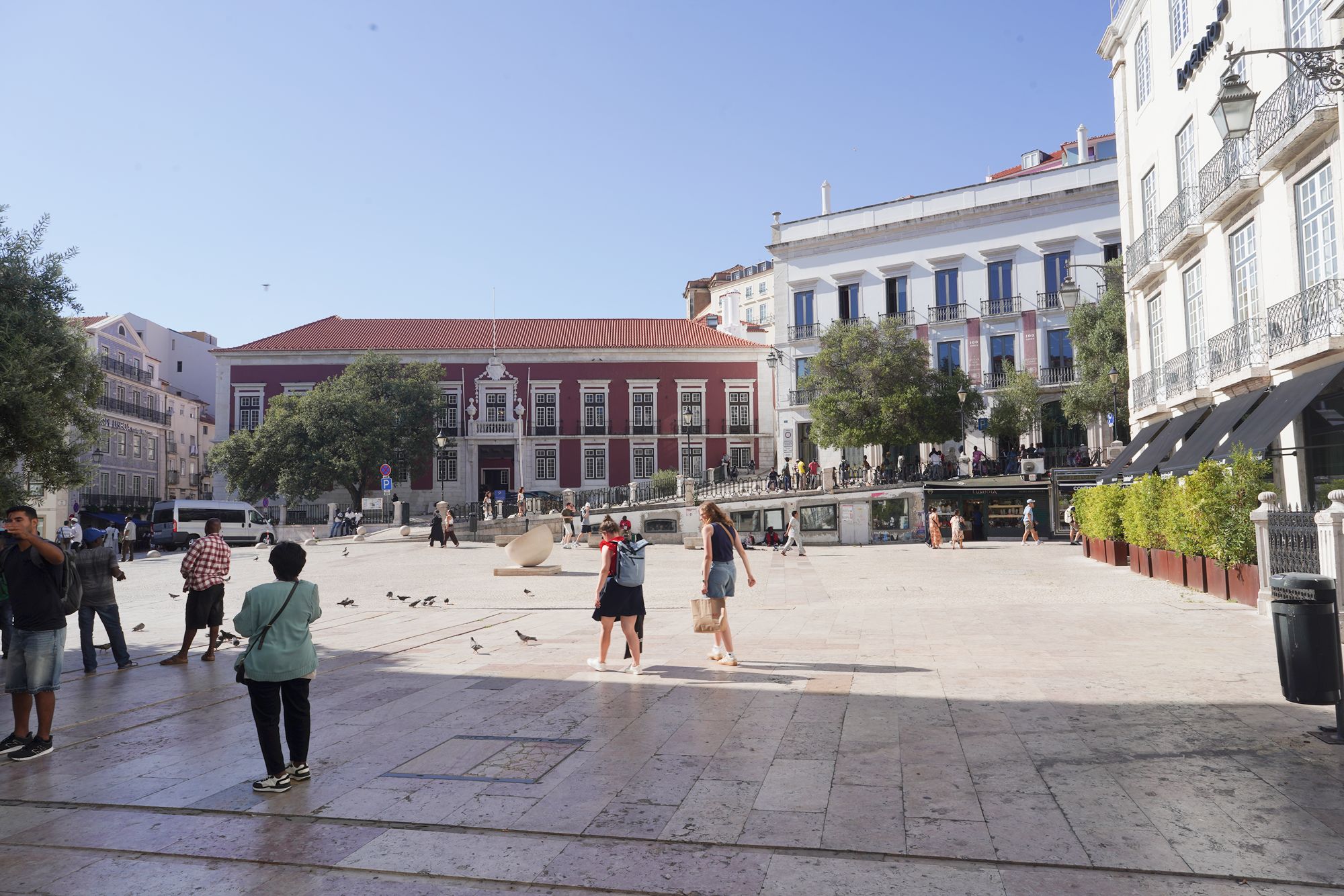
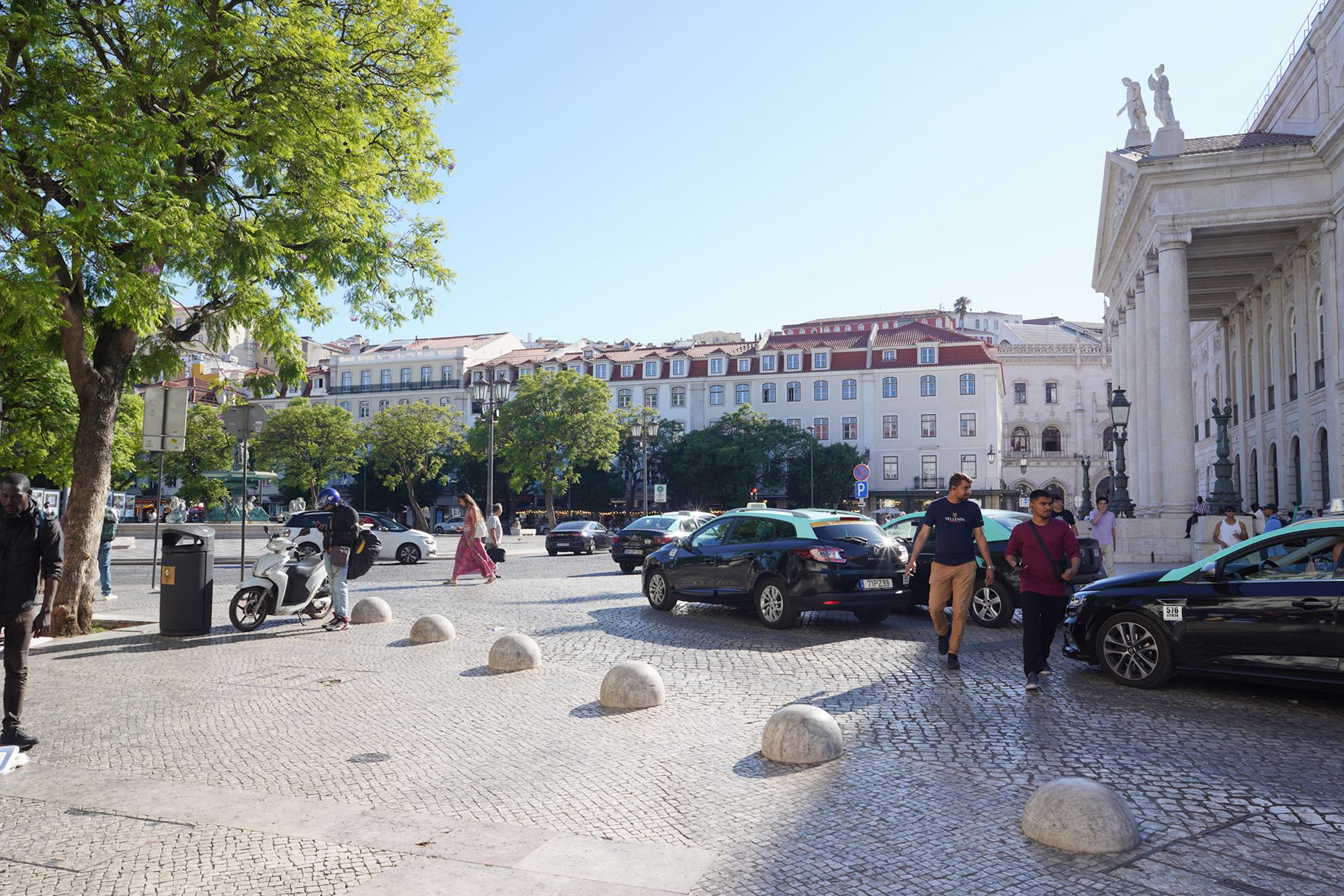
I returned to Rossio Square and continued walking toward Praça dos Restauradores.
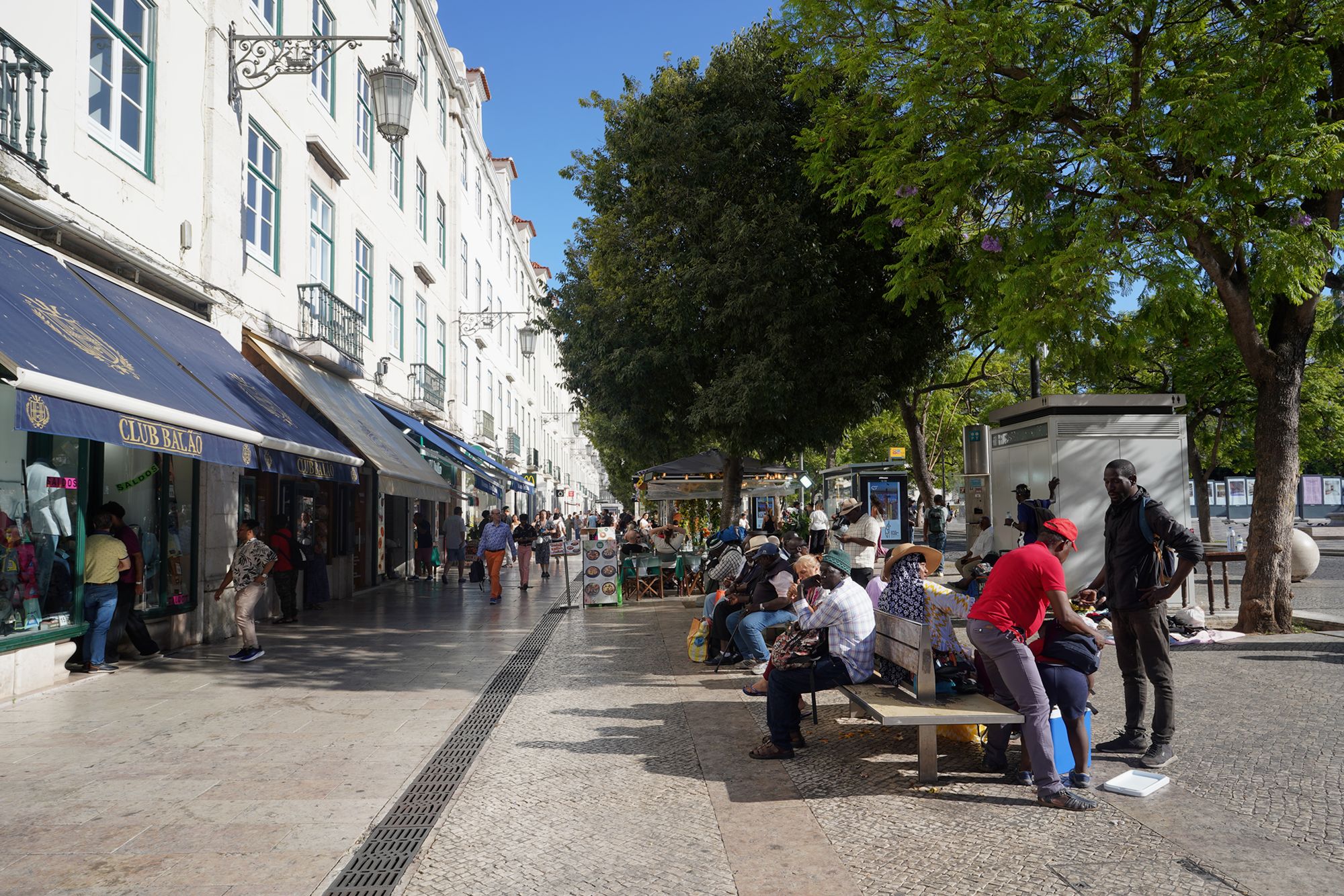
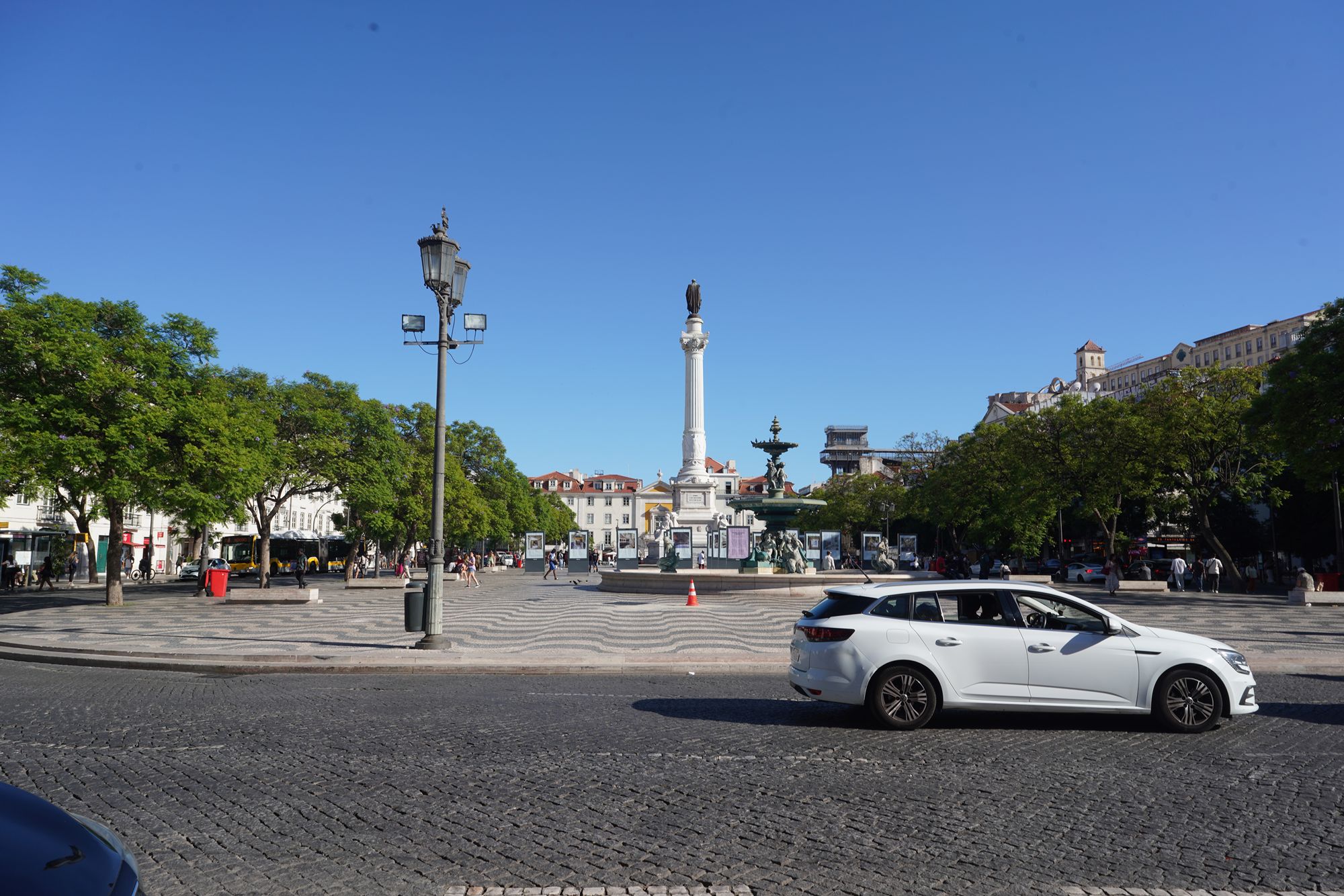
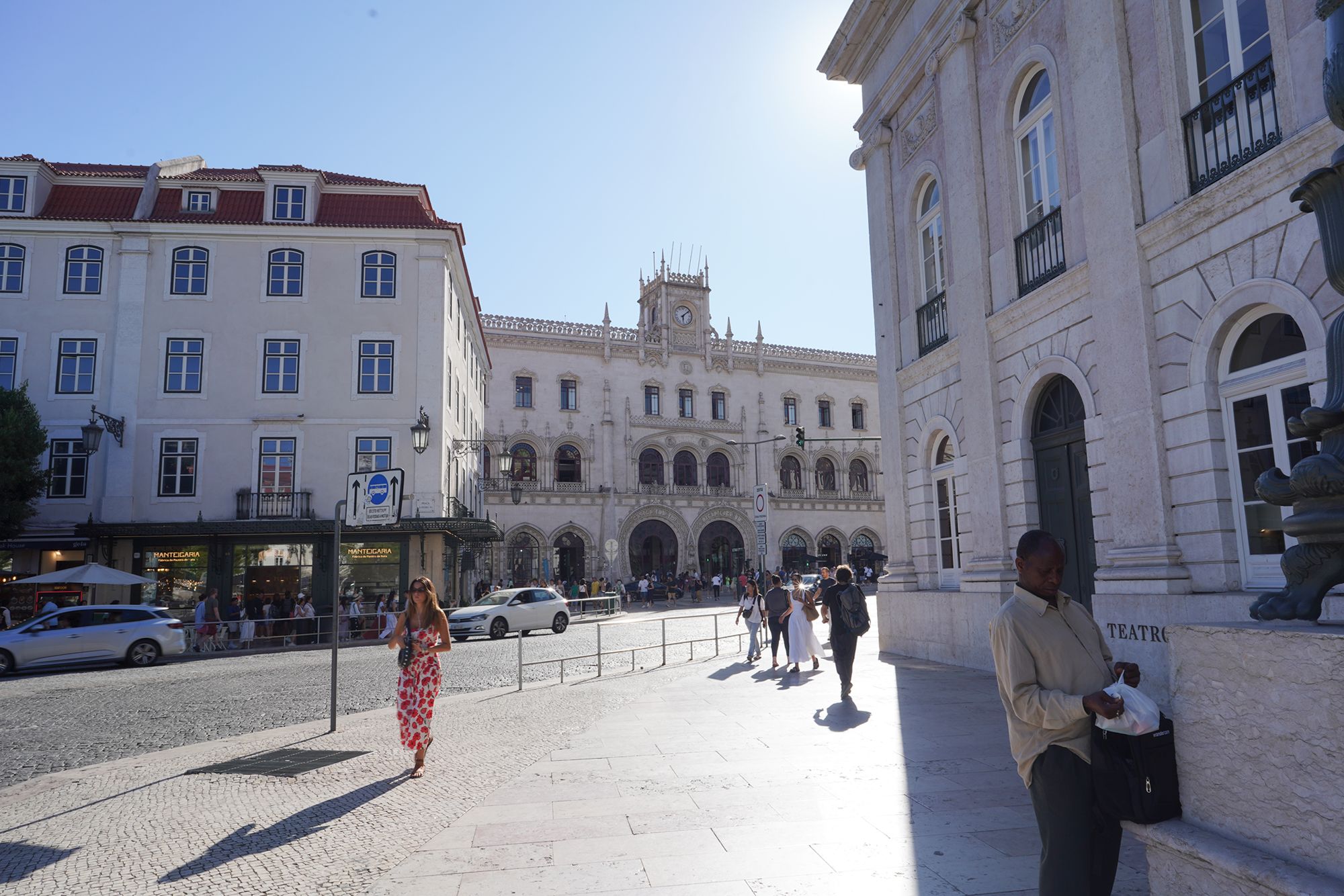
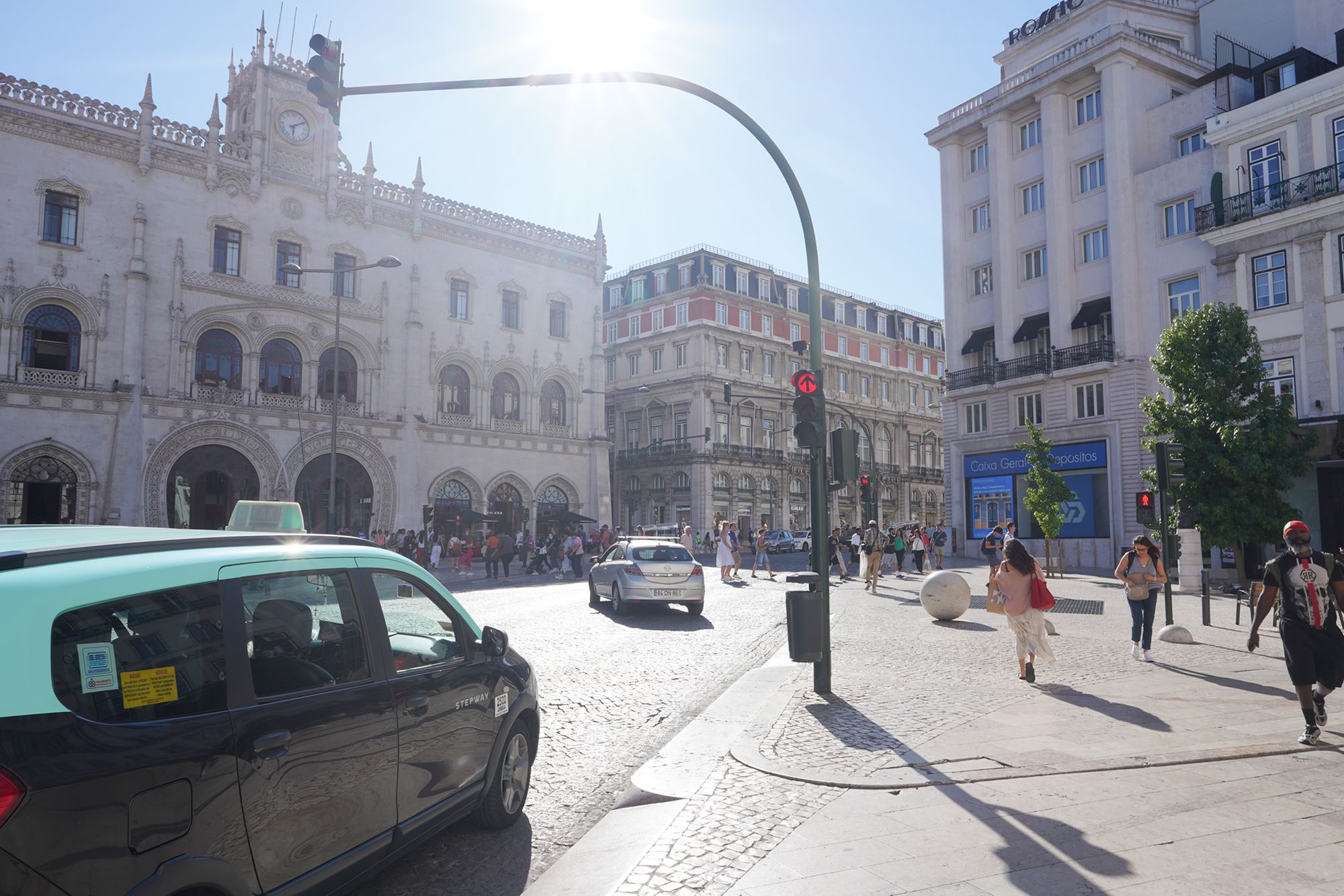
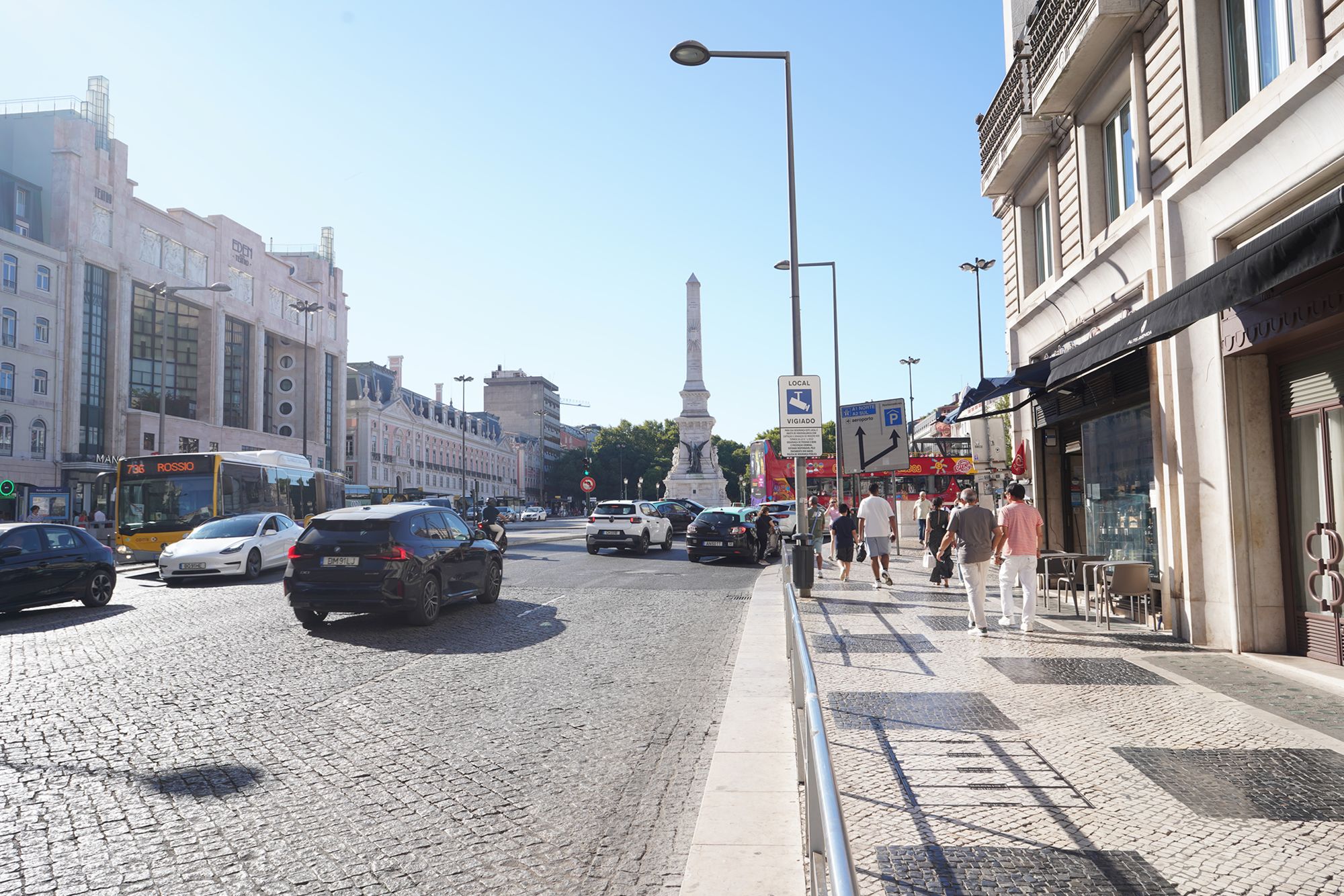
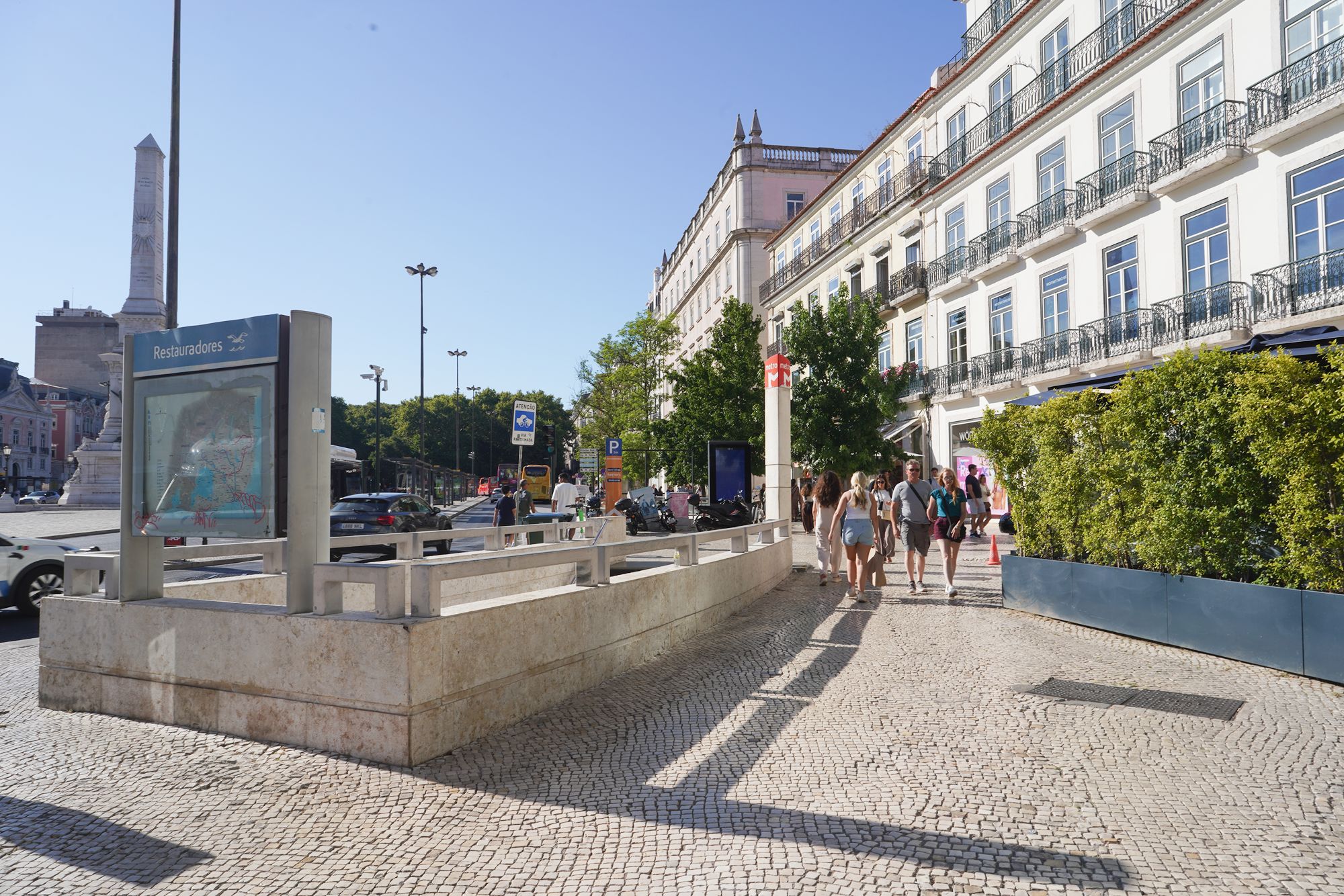
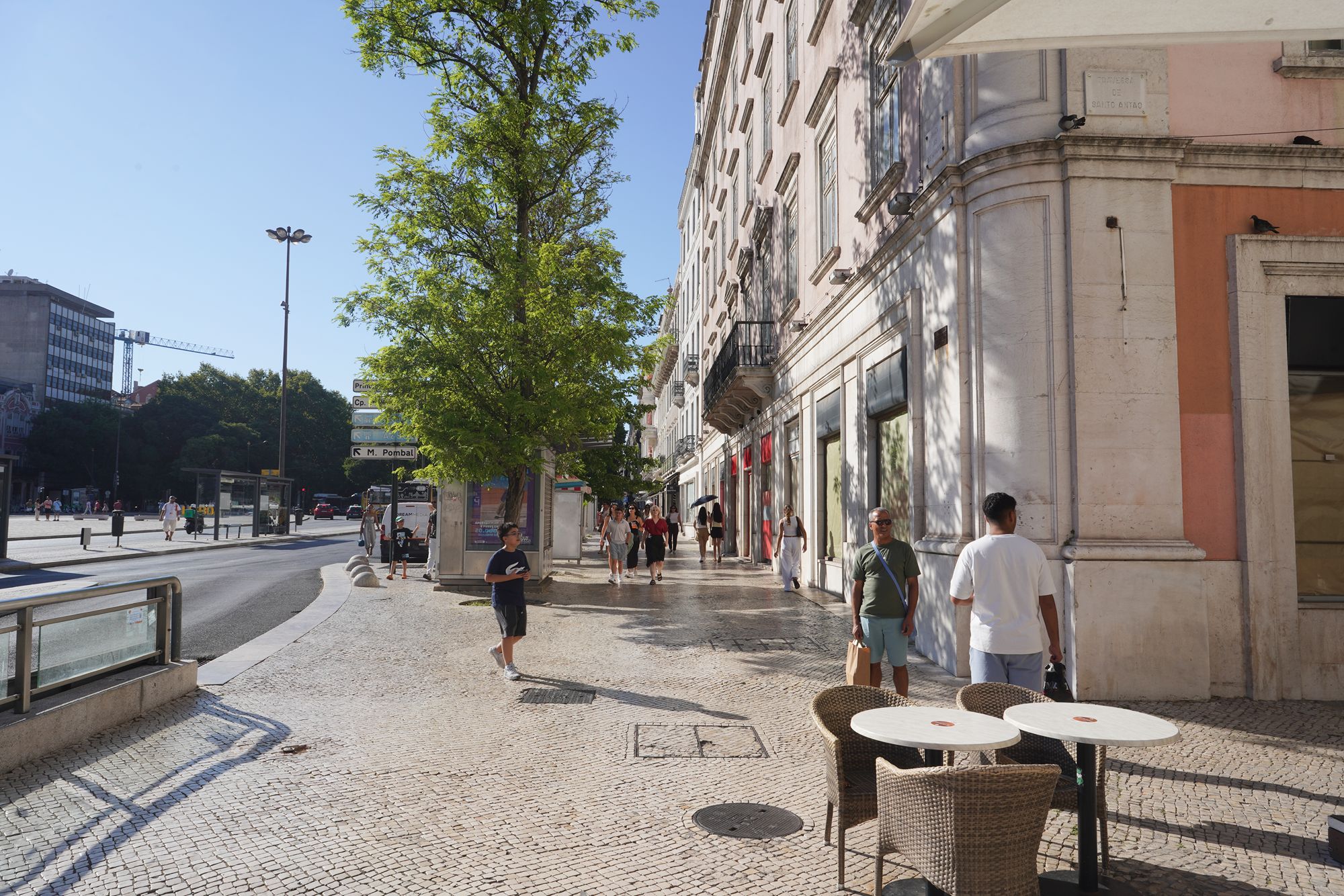
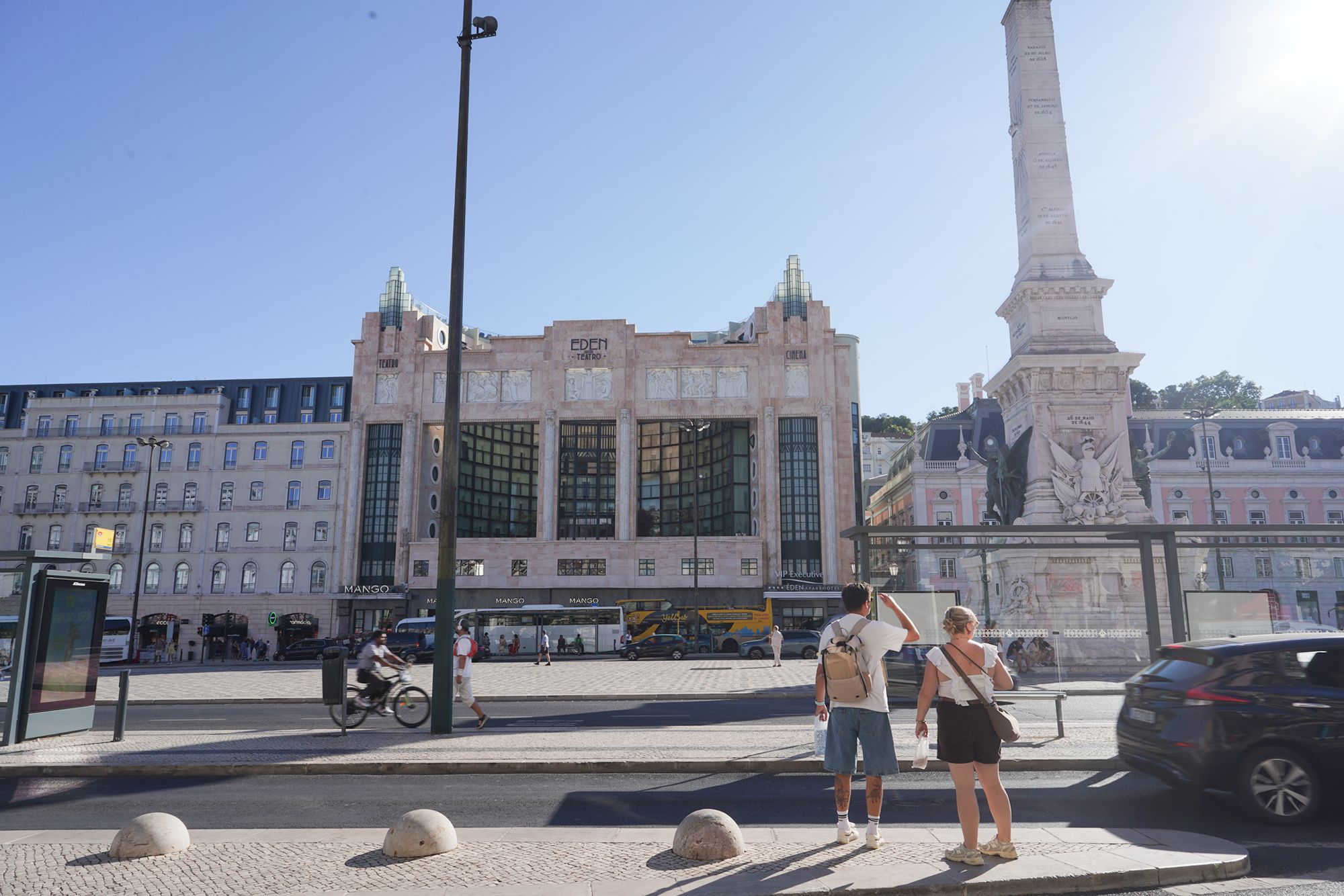
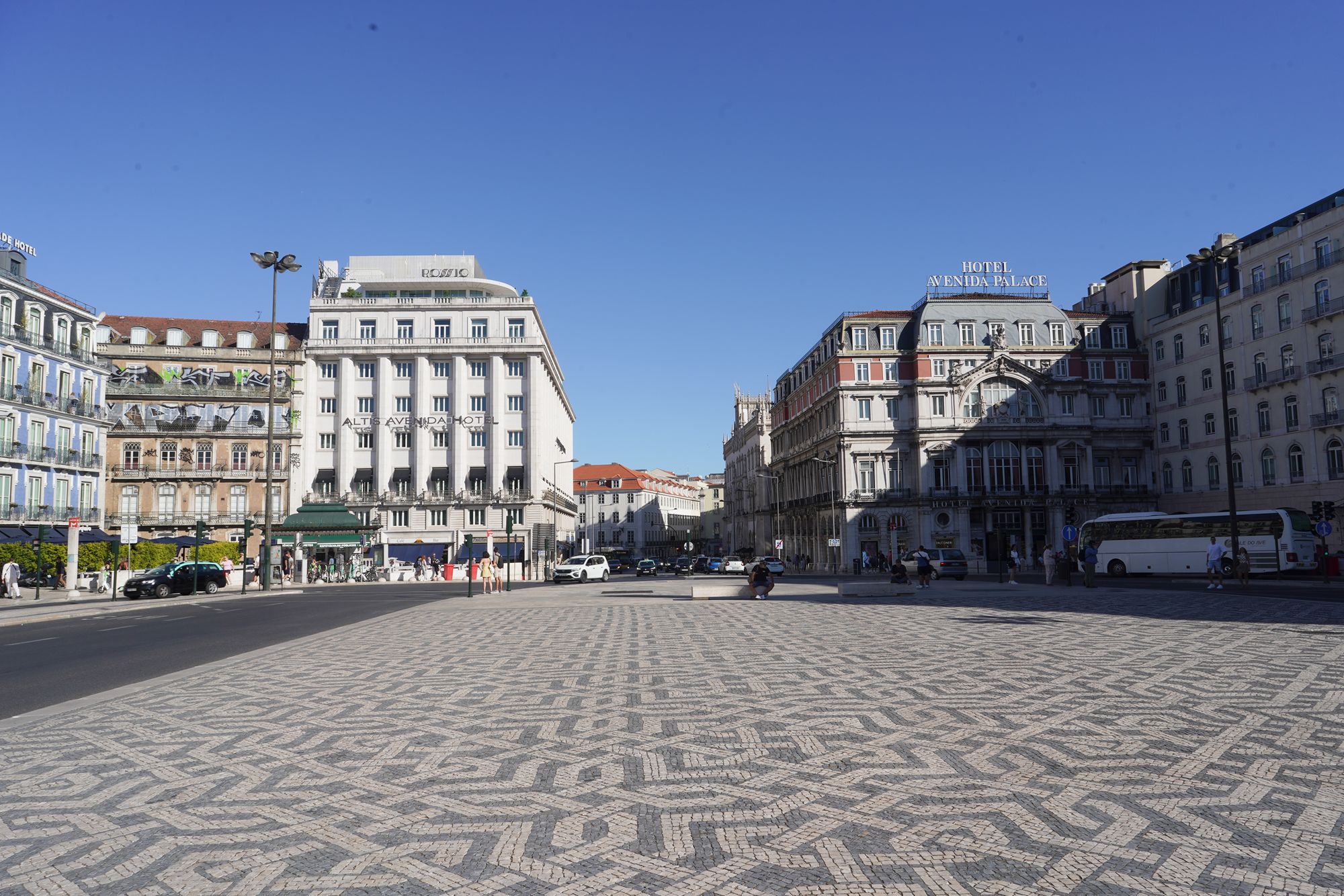
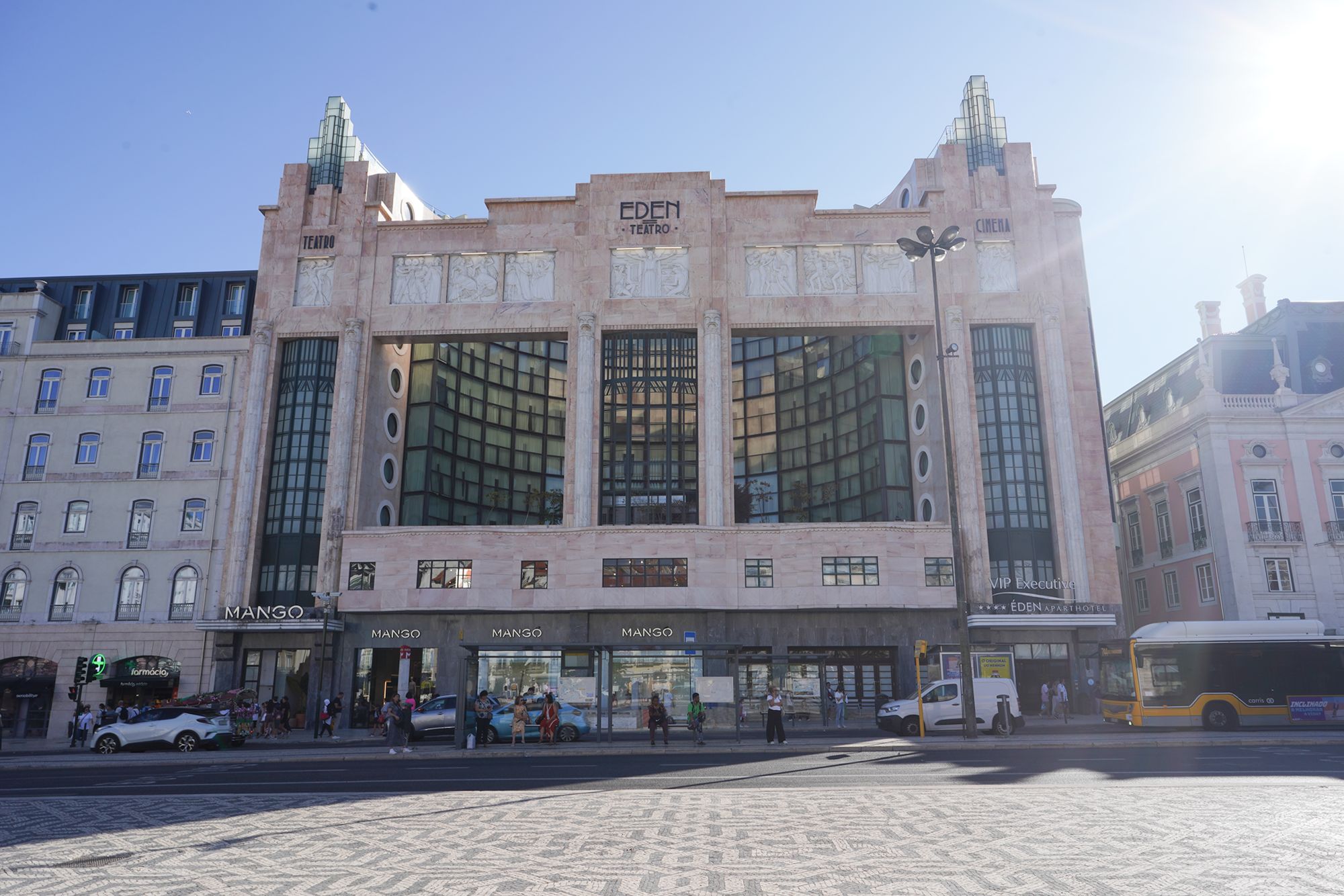
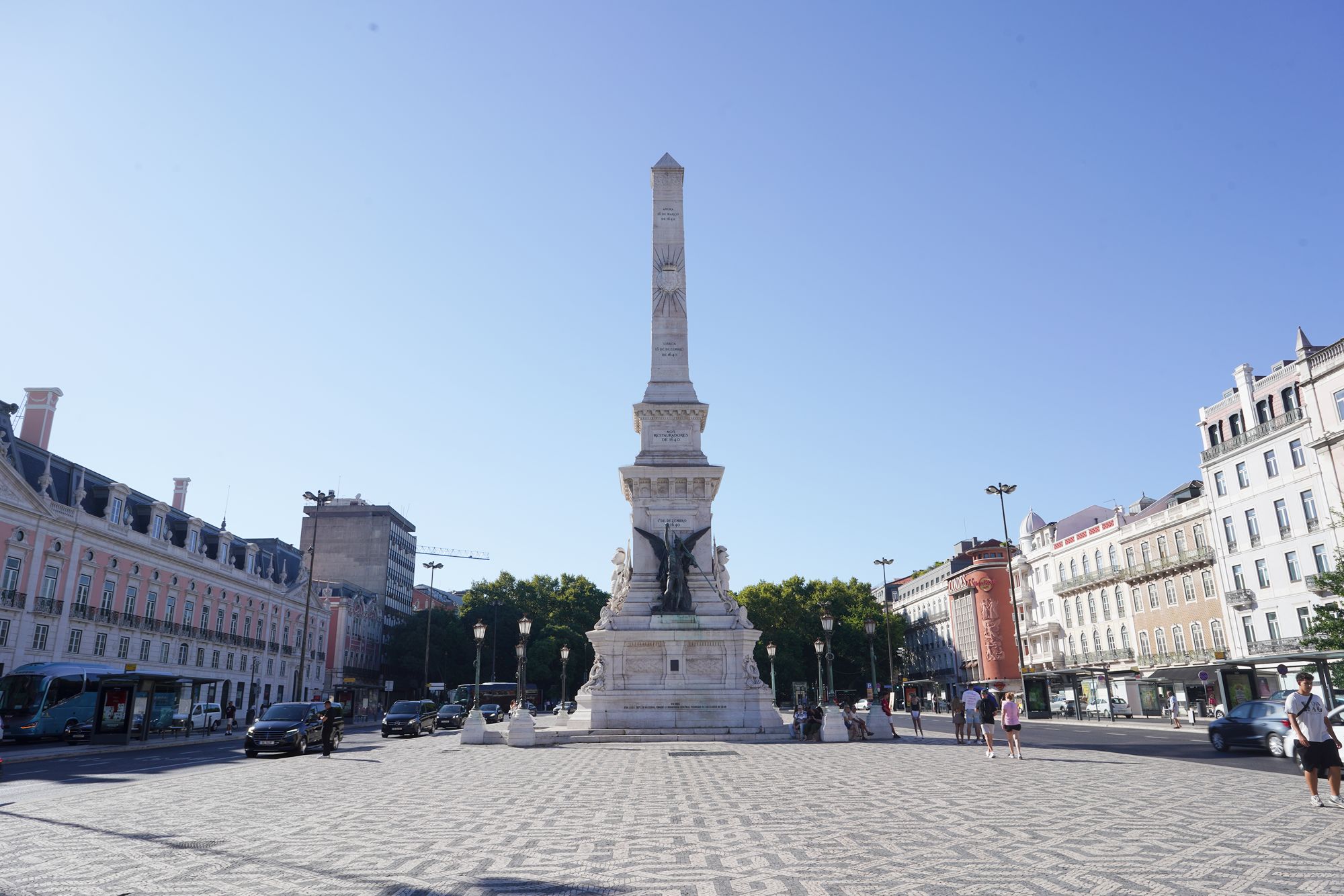
Praça dos Restauradores is a broad square just north of Rossio, at the beginning of Avenida da Liberdade. Its tall central obelisk commemorates the restoration of Portugal’s independence in 1640, after 60 years of sharing a monarch with Spain. Around the square are notable buildings such as Foz Palace and the former Eden Theatre, with its distinctive Art Deco façade.