National Palace of Sintra, Sintra, Portugal
Exploring the National Palace of Sintra, with its royal chambers, painted ceilings, historic chapel, and distinctive tilework. 1385
National Palace of Sintra: Largo Rainha Dona Amélia, 2710-616 Sintra, Portugal
Date Picture Taken: Jul, 2026
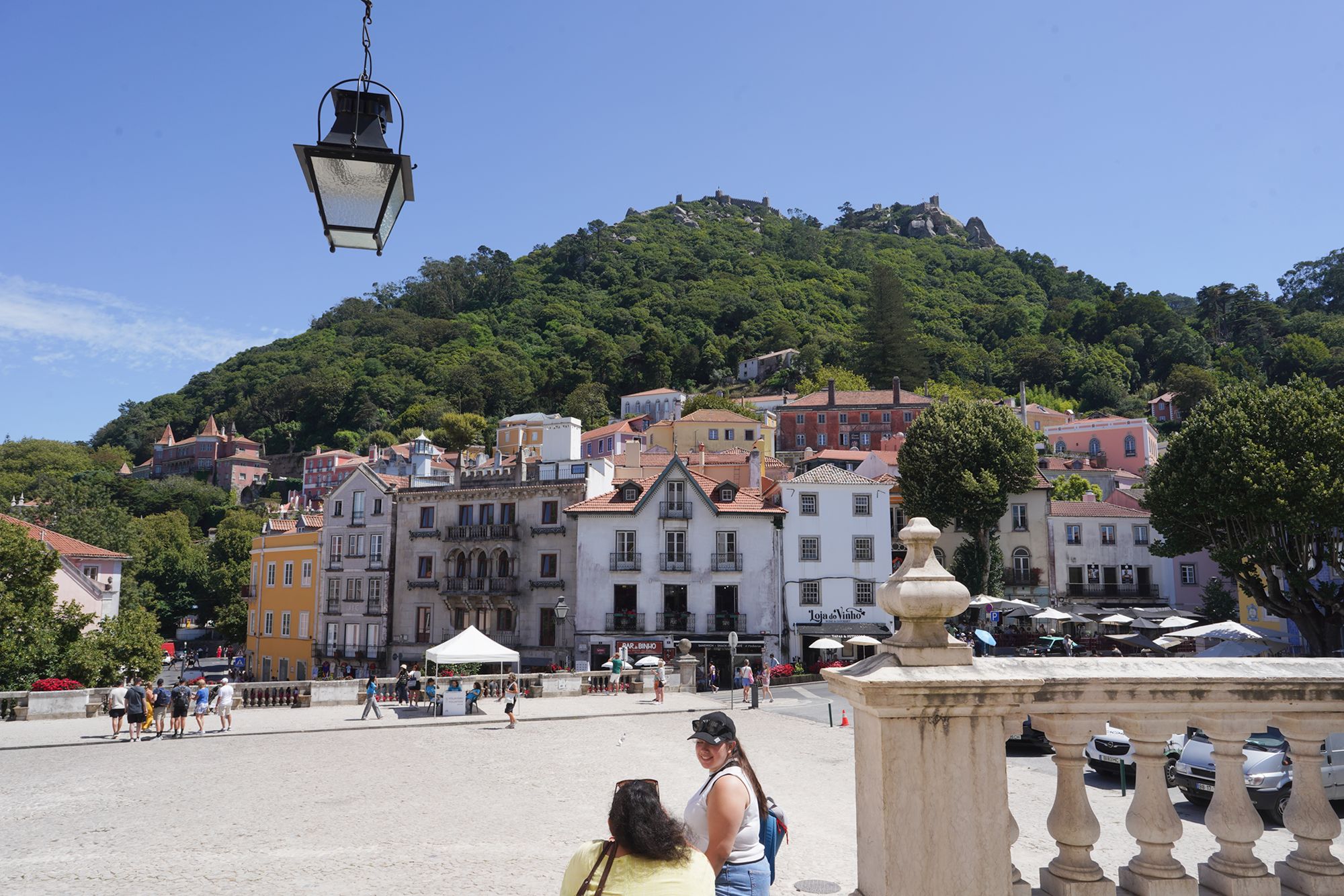
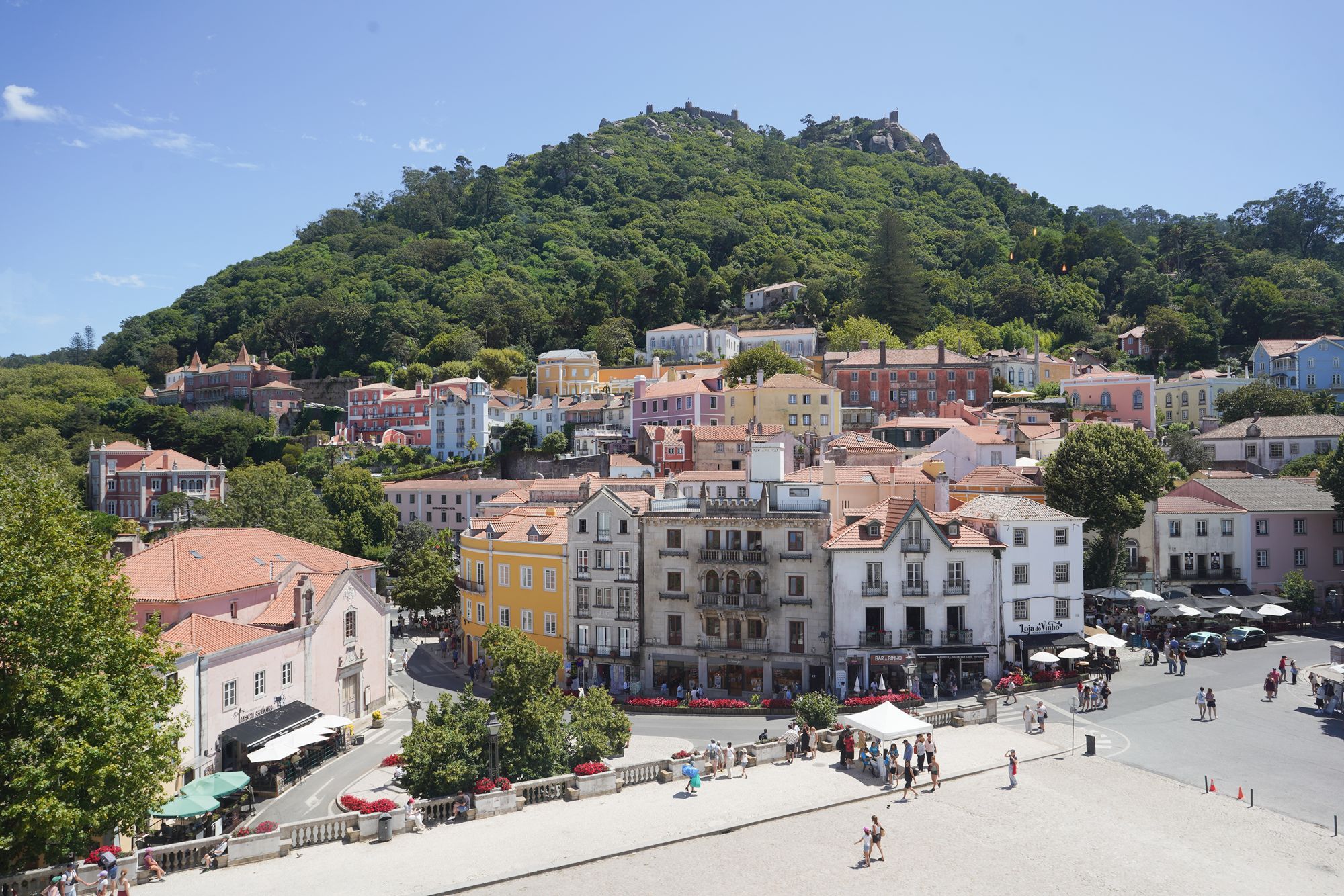
This is Sintra, and I am about to visit the National Palace of Sintra.
National Palace of Sintra
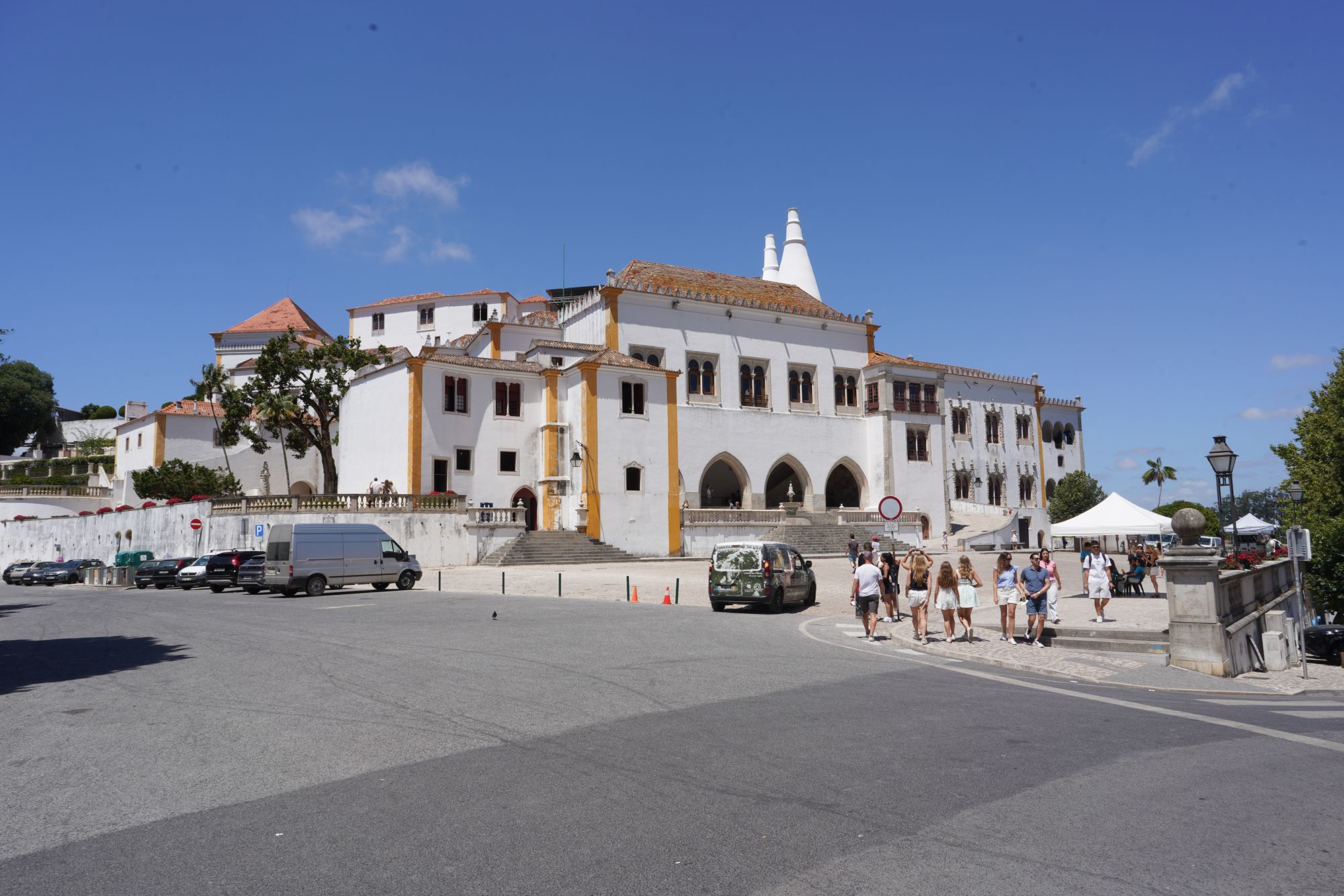
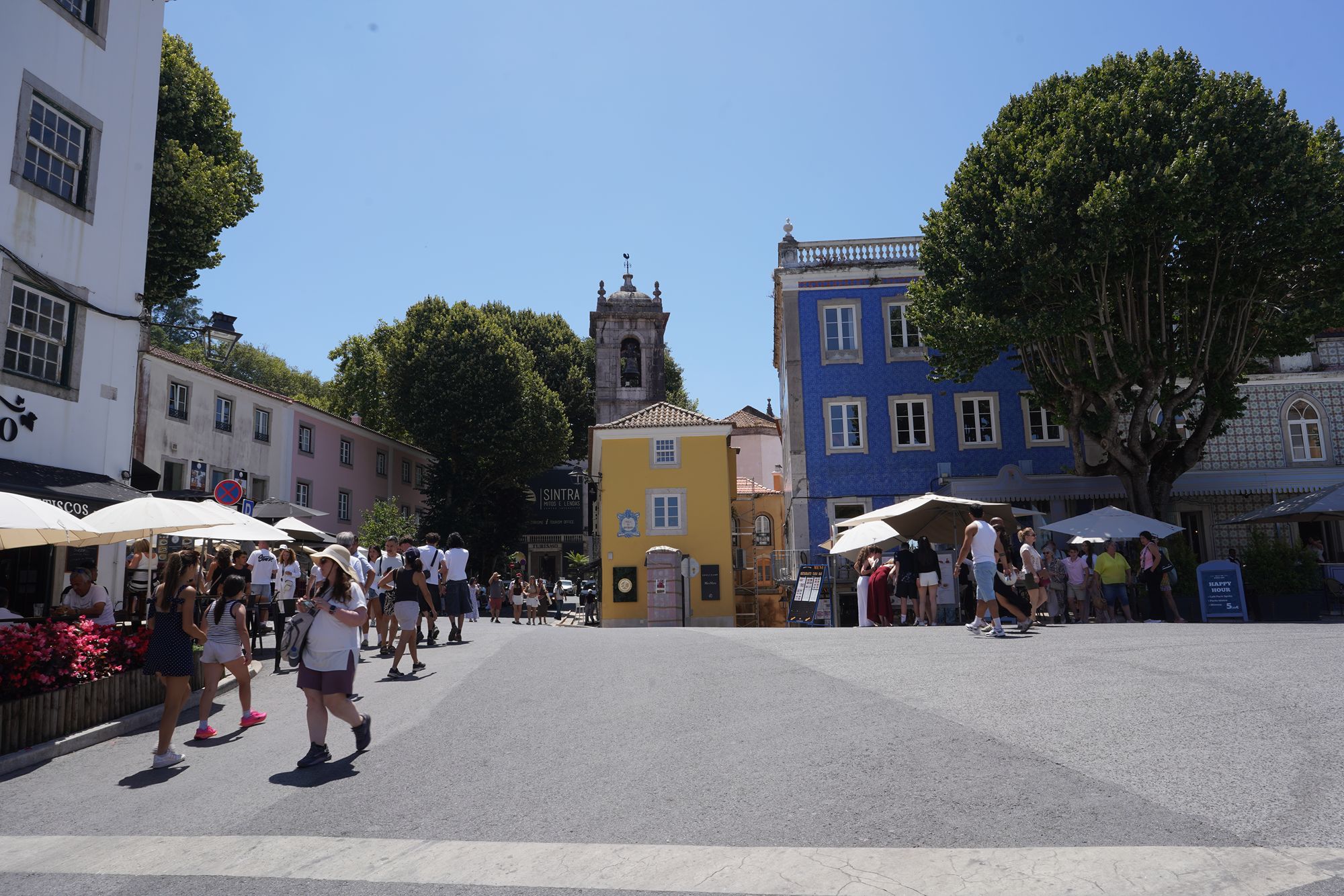
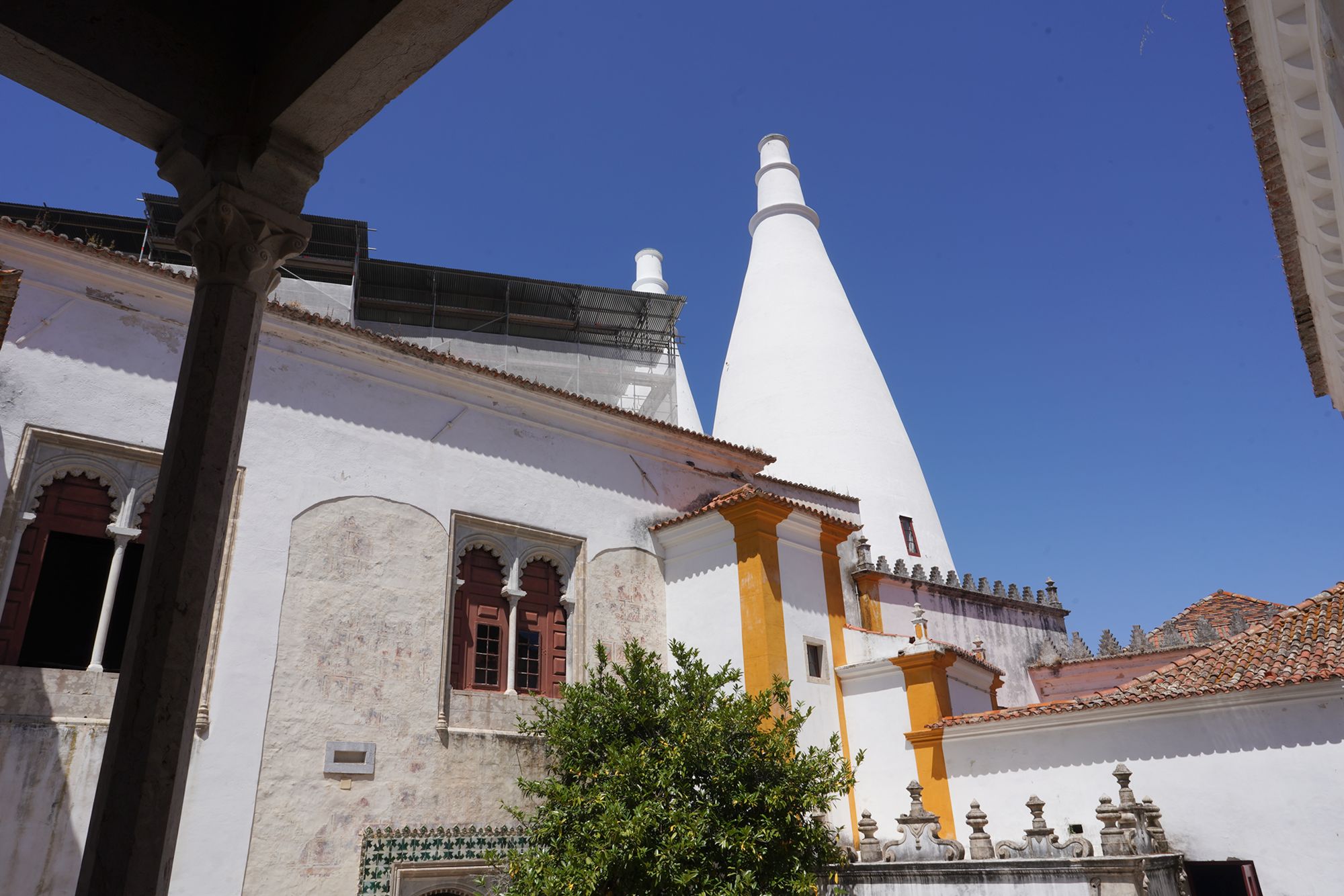
The National Palace of Sintra stands in the historic town center, recognized by its two white conical chimneys. Also called the Town Palace, it grew over centuries into a favored royal retreat, offering cooler summers and nearby hunting grounds. Its origins probably date to Muslim rule.
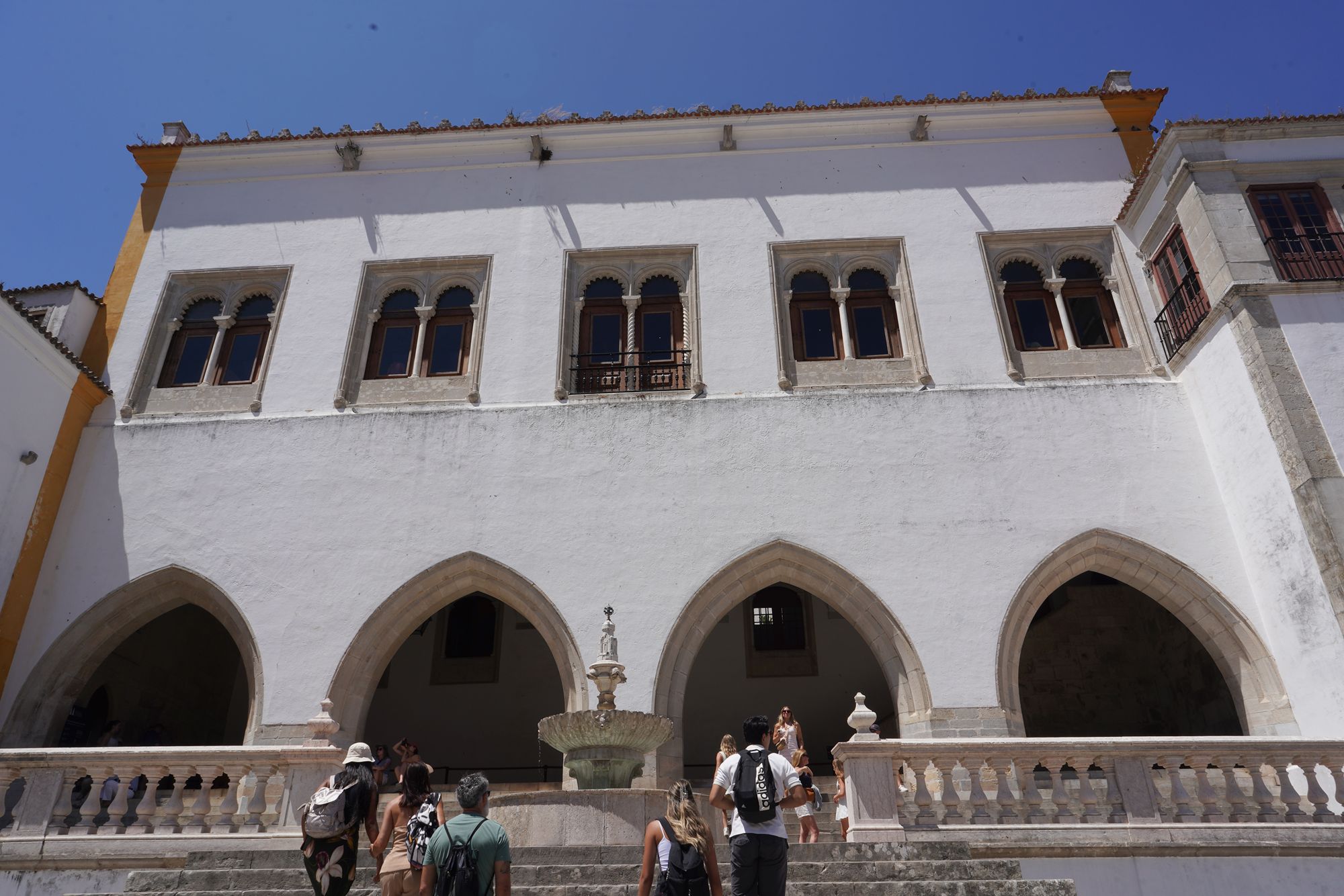
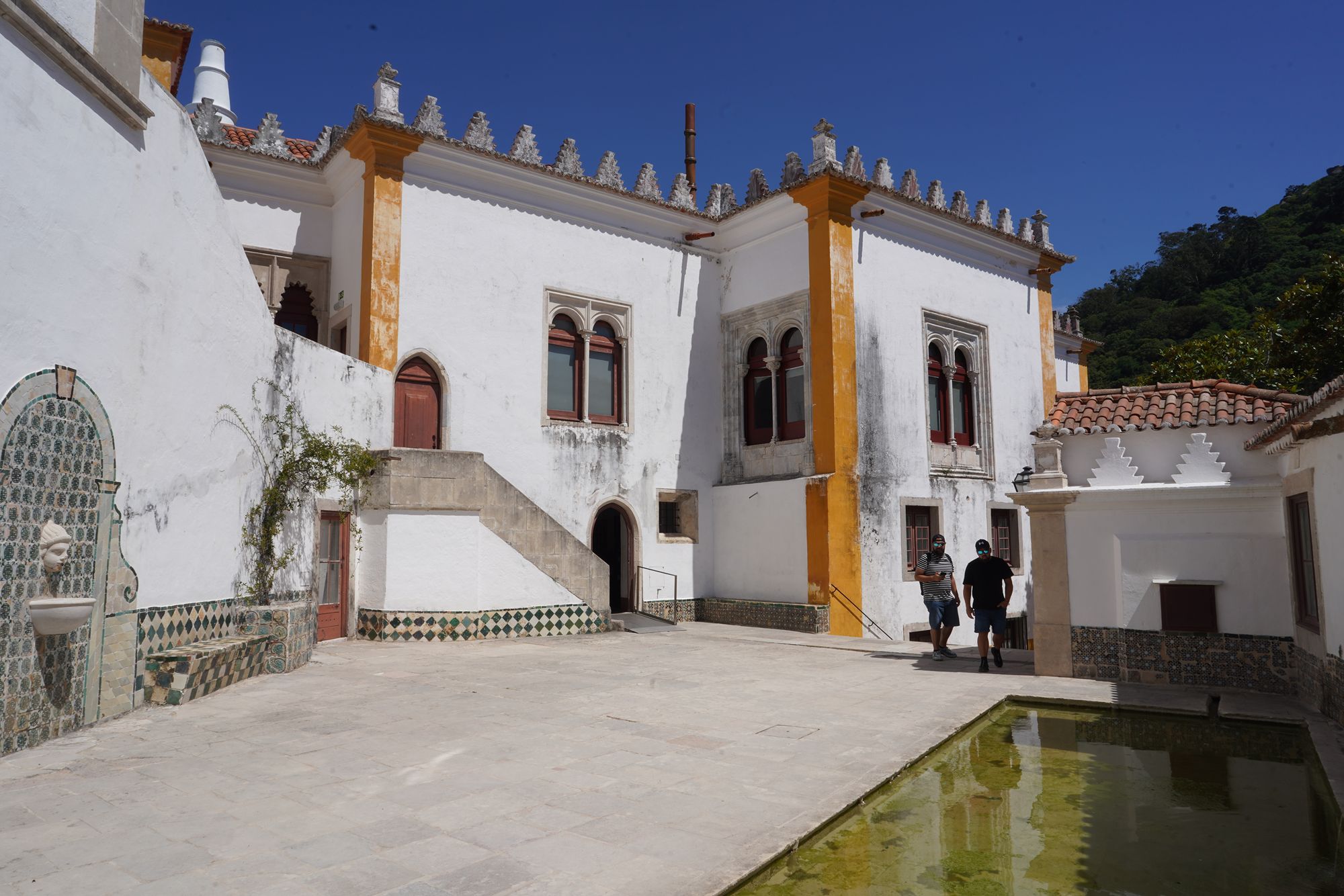
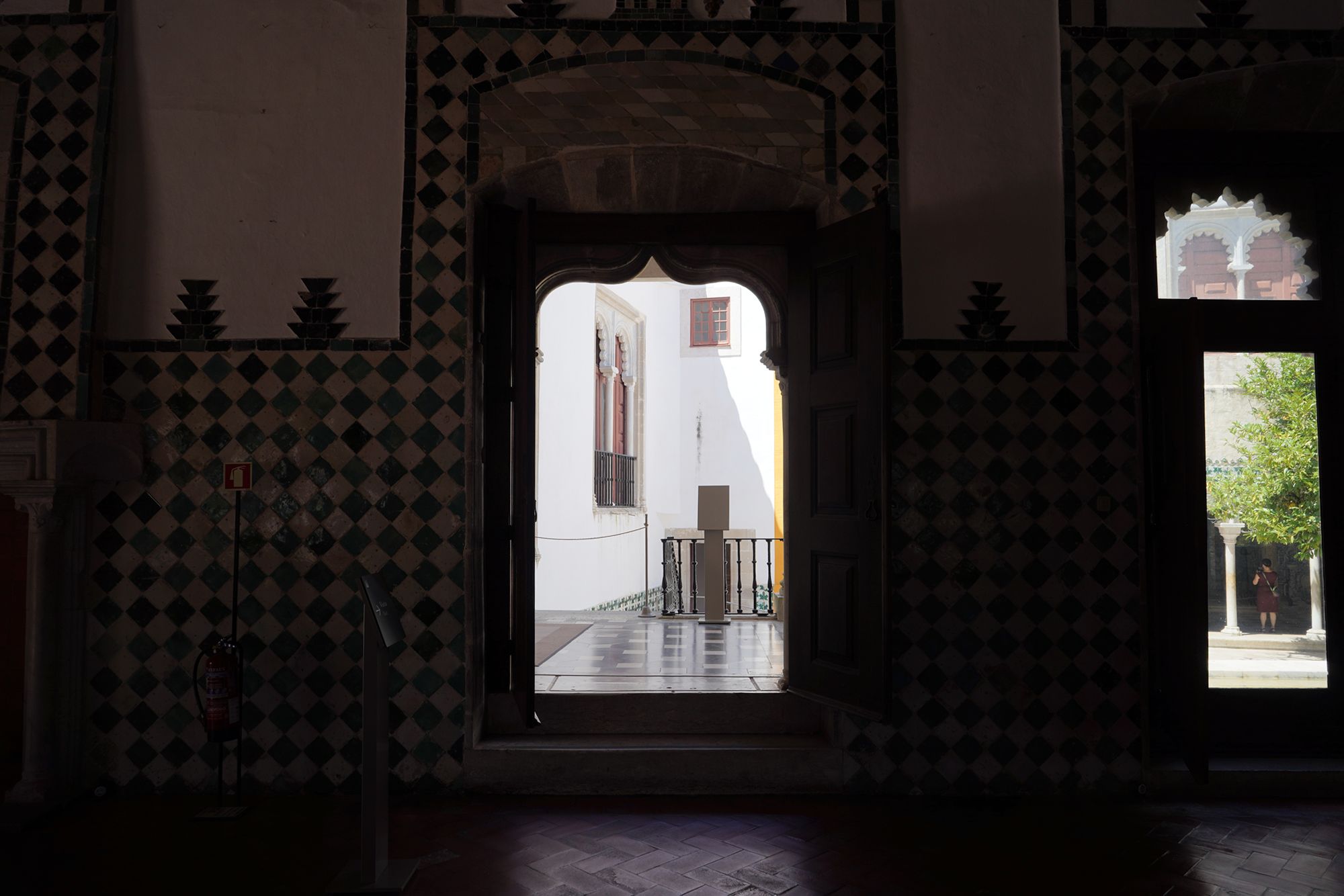
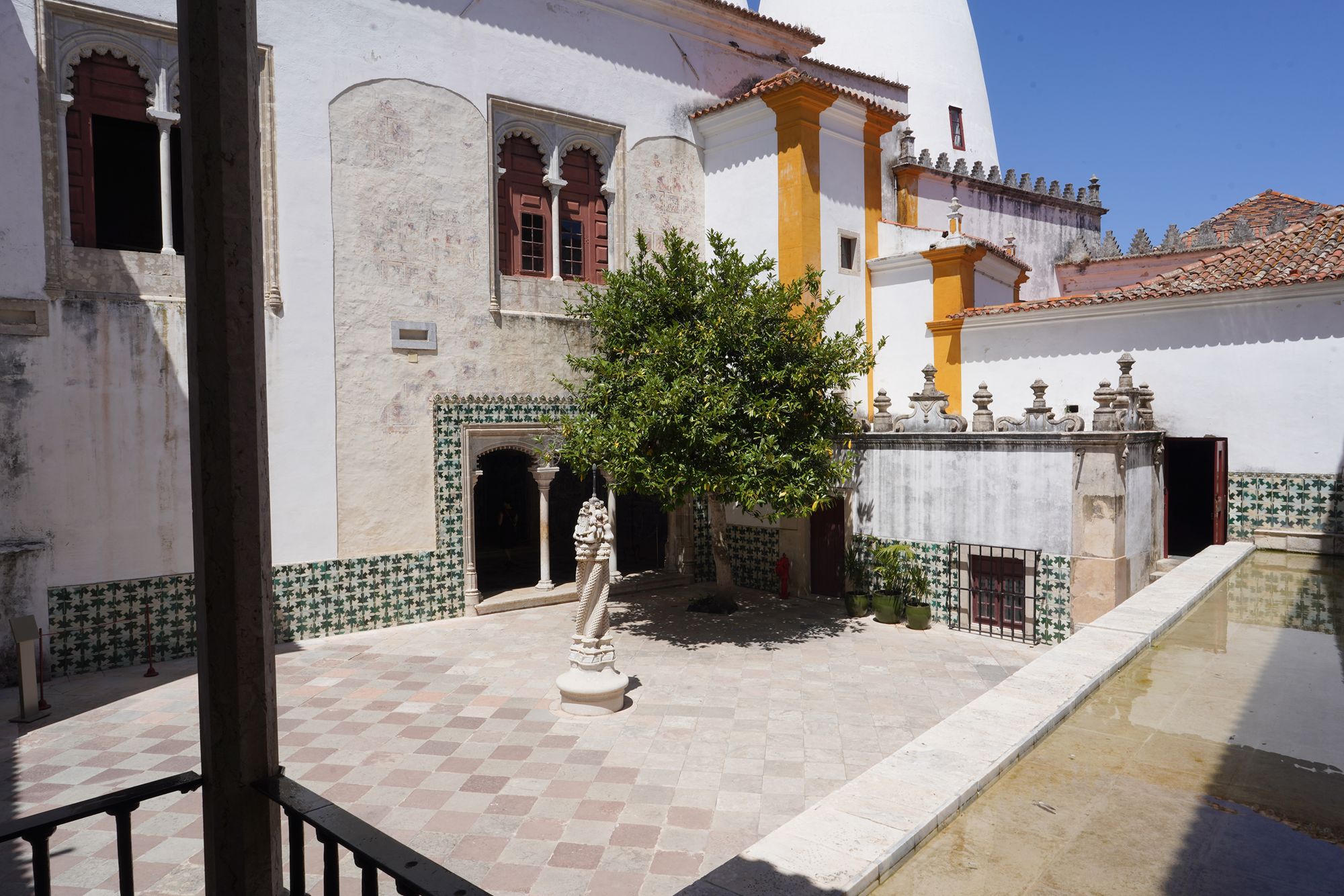
King João I enlarged the palace in the early 15th century, and King Manuel I later added rooms and elaborate decoration. Its architecture blends Gothic, Manueline, and Mudéjar styles, with Christian and Islamic influences especially visible in the colorful geometric tiles.
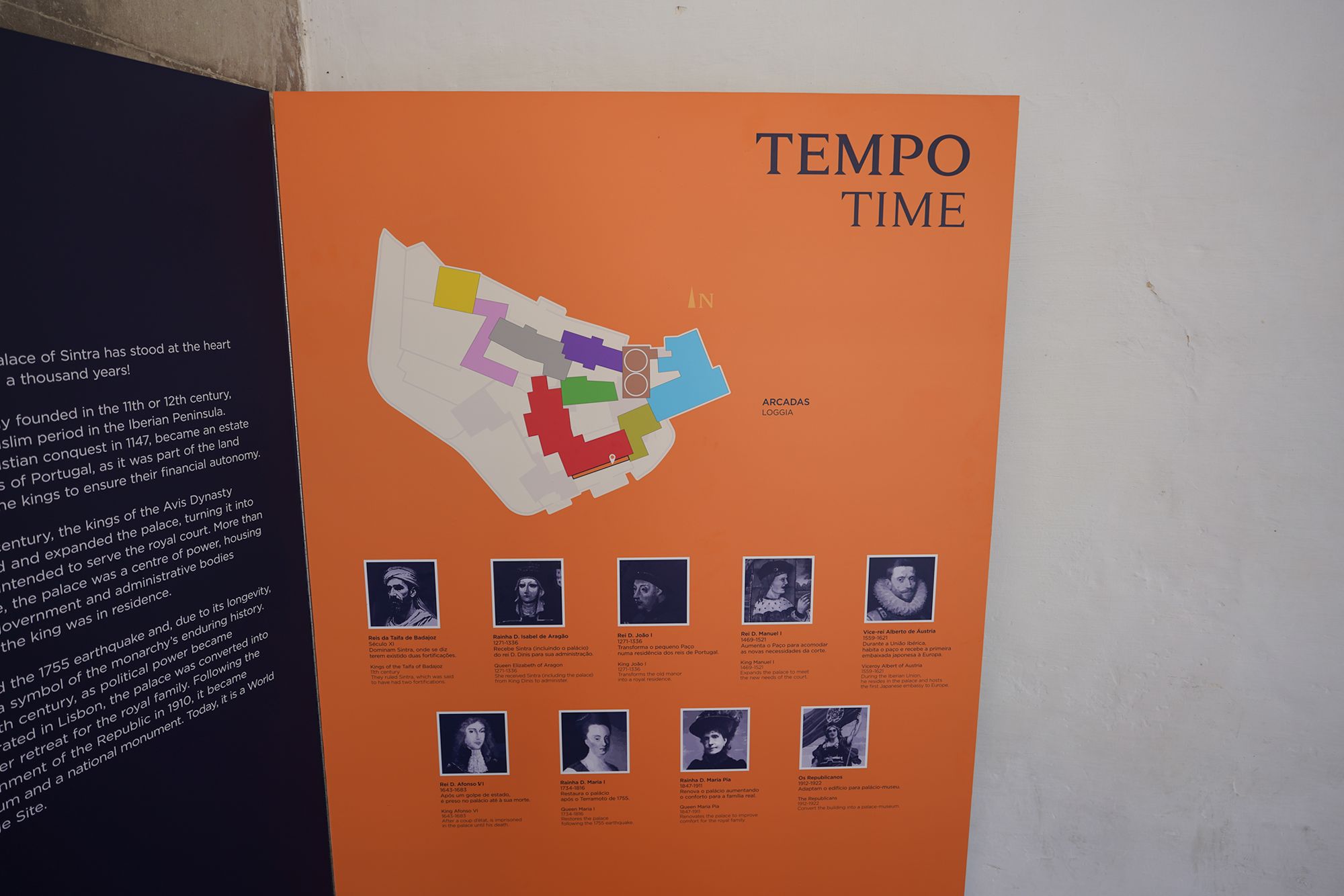
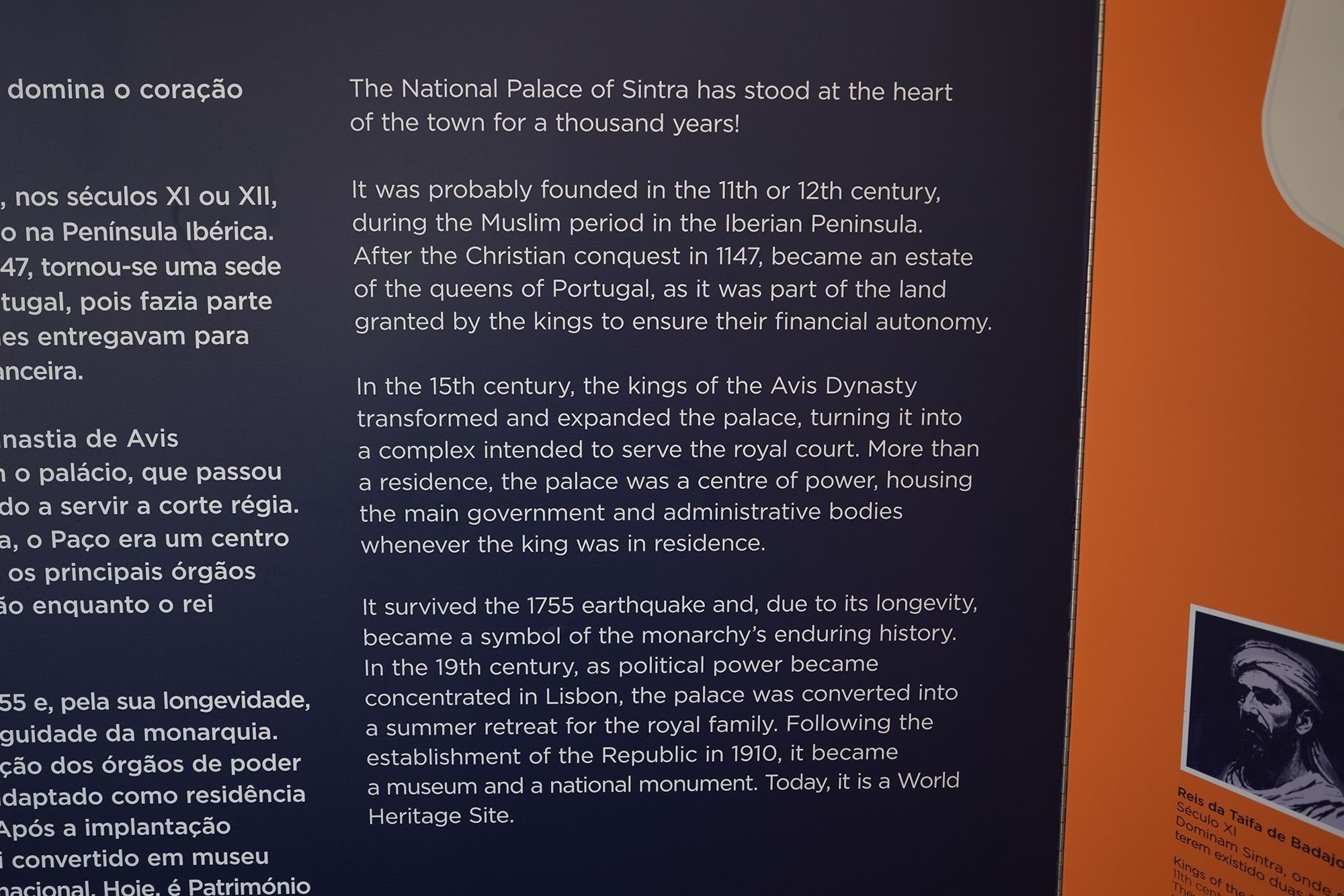
The palace probably originated in the 11th or 12th century during Muslim rule. After the Christian conquest, it became part of the estates that provided income for Portugal’s queens.
In the 15th century, the Avis kings expanded it into both a royal residence and a center of government whenever the king stayed here.
By the 19th century, it served mainly as a royal summer retreat. After Portugal became a republic in 1910, the palace became a museum and national monument.
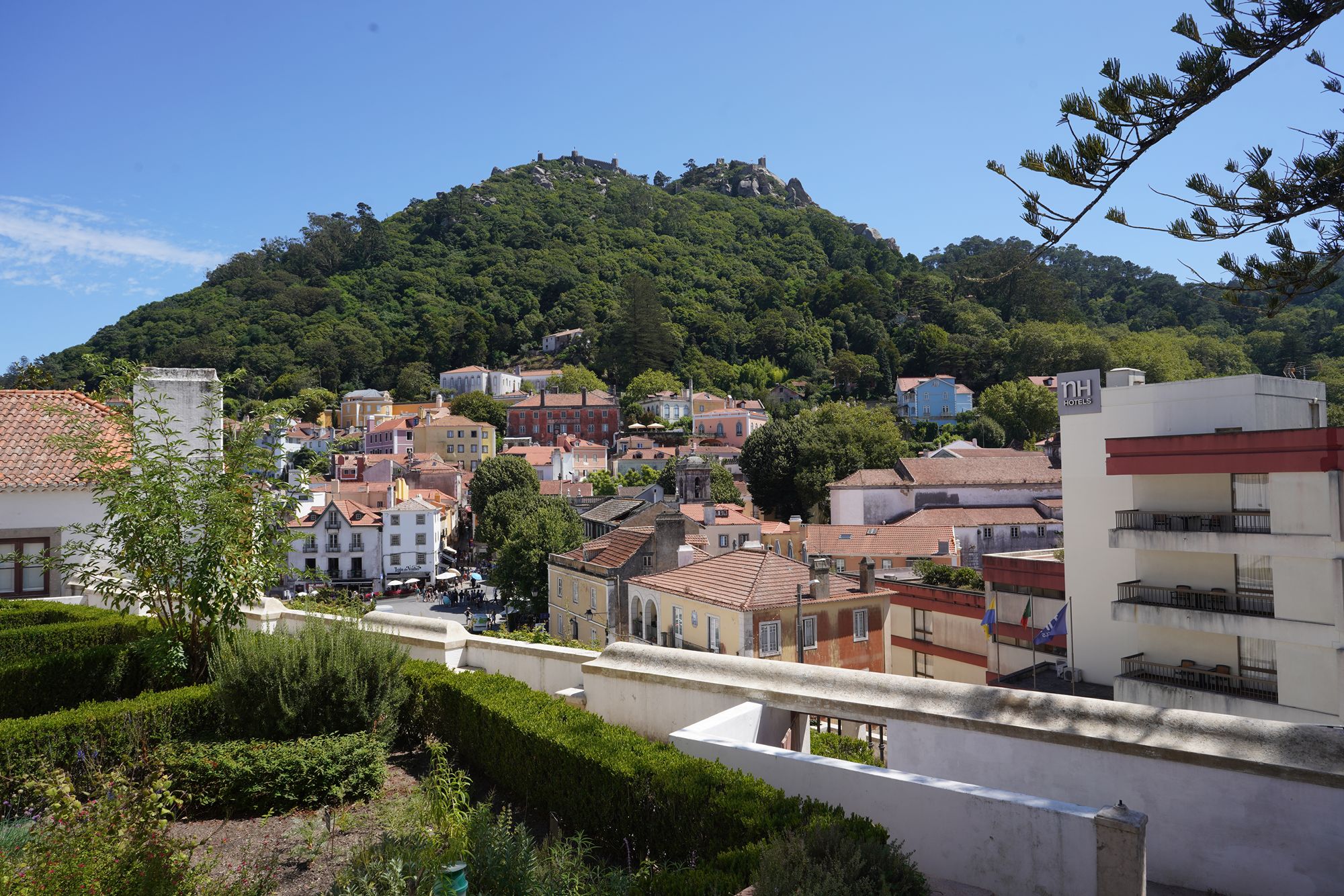
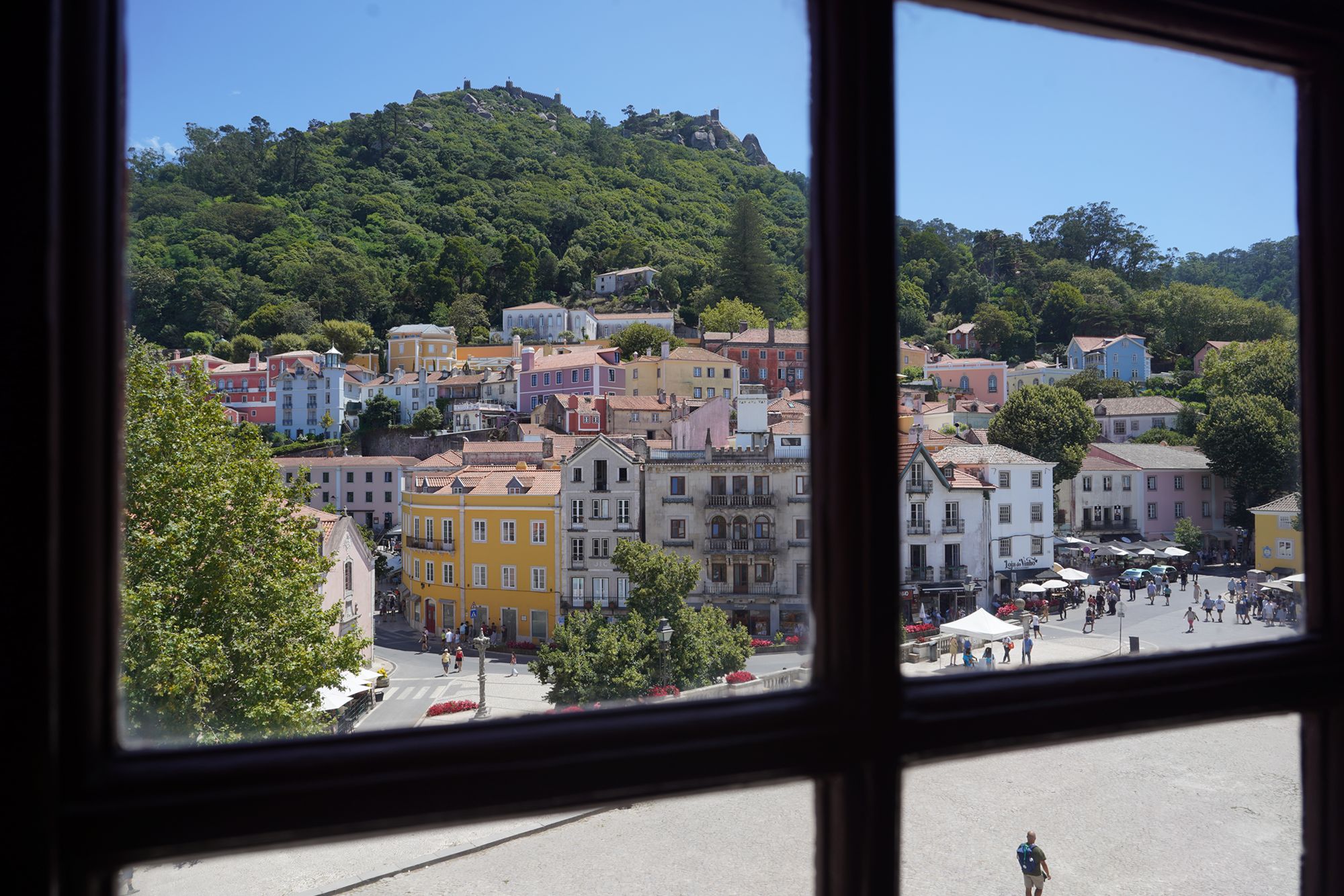
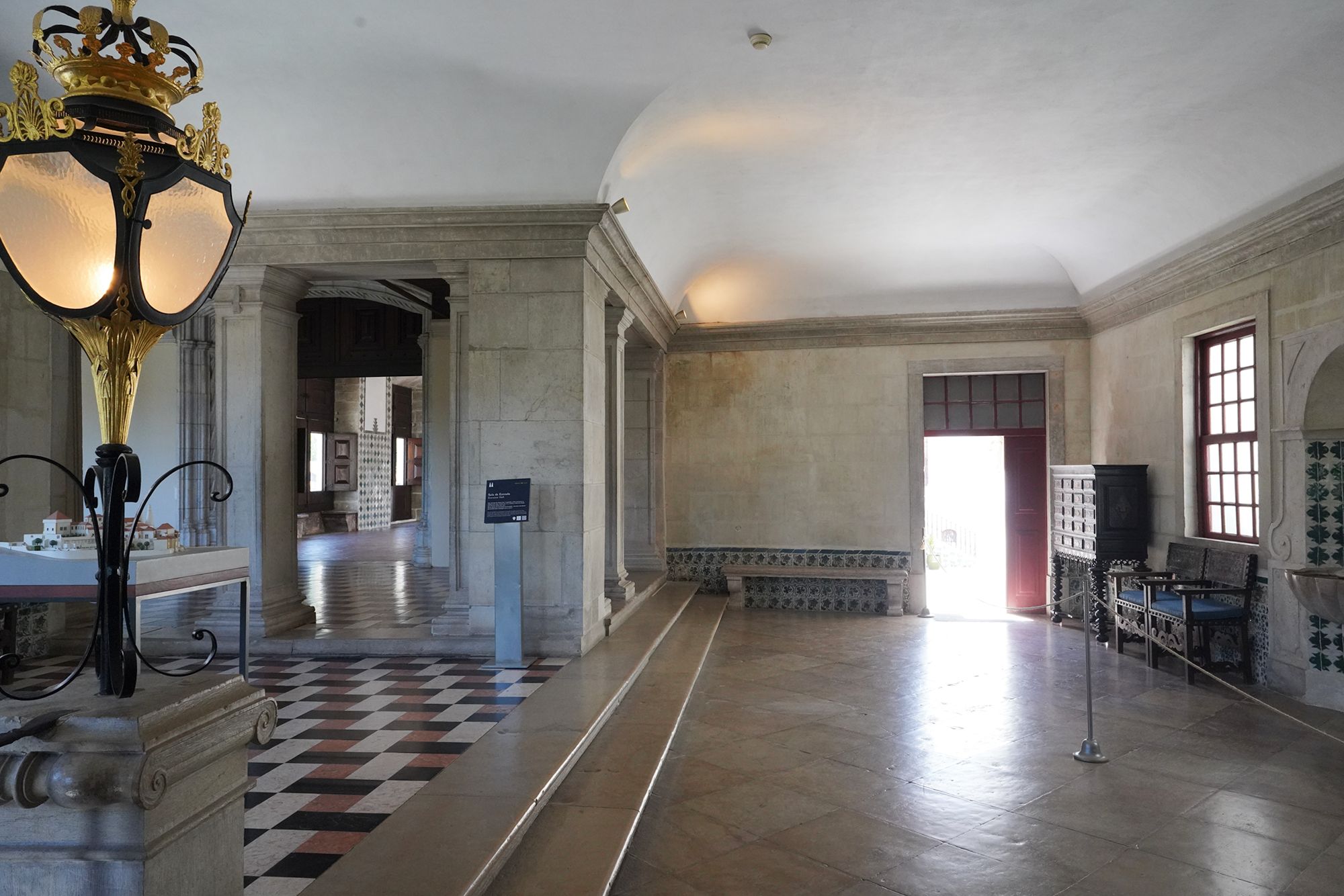
A view behind me
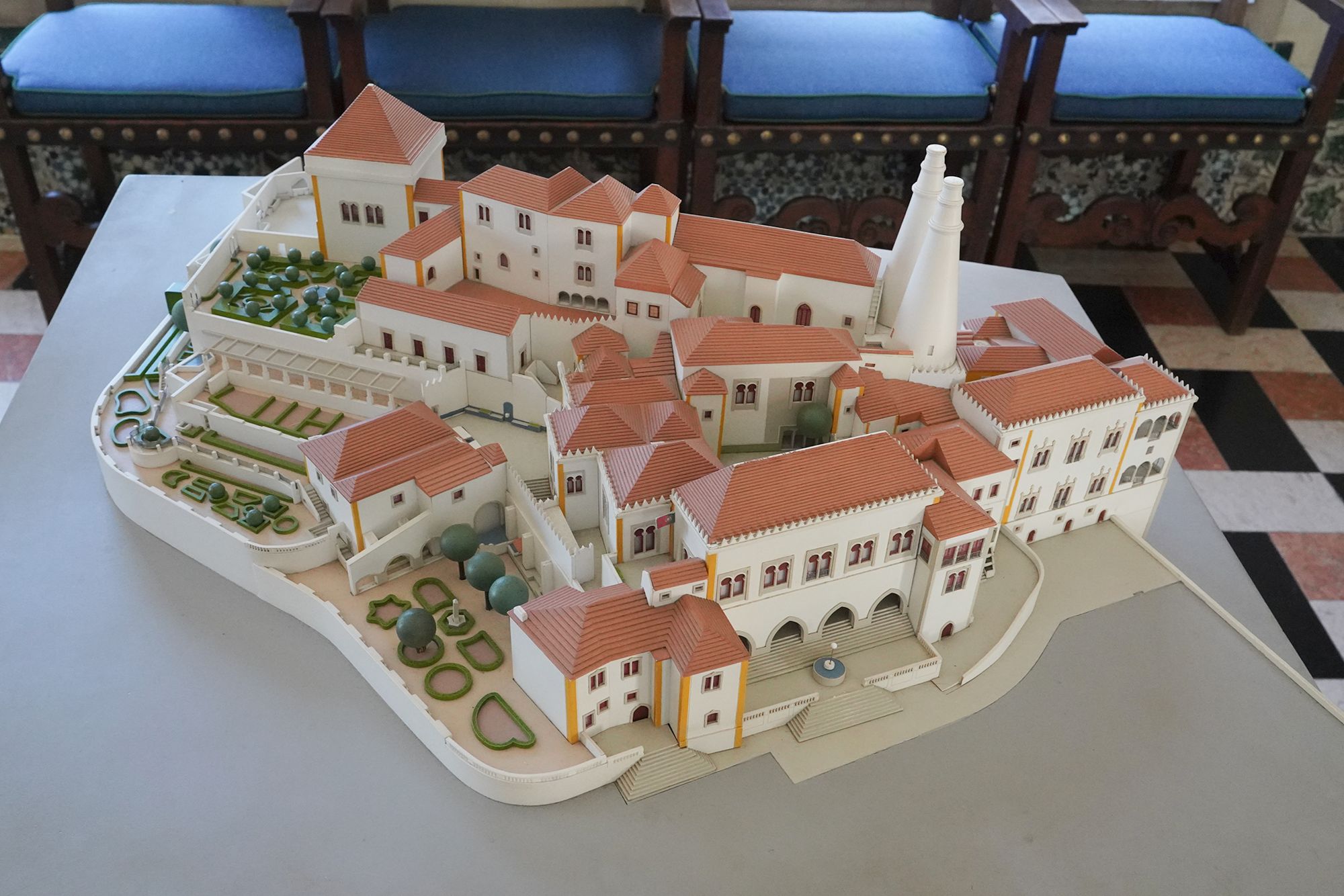
A model of the Palace
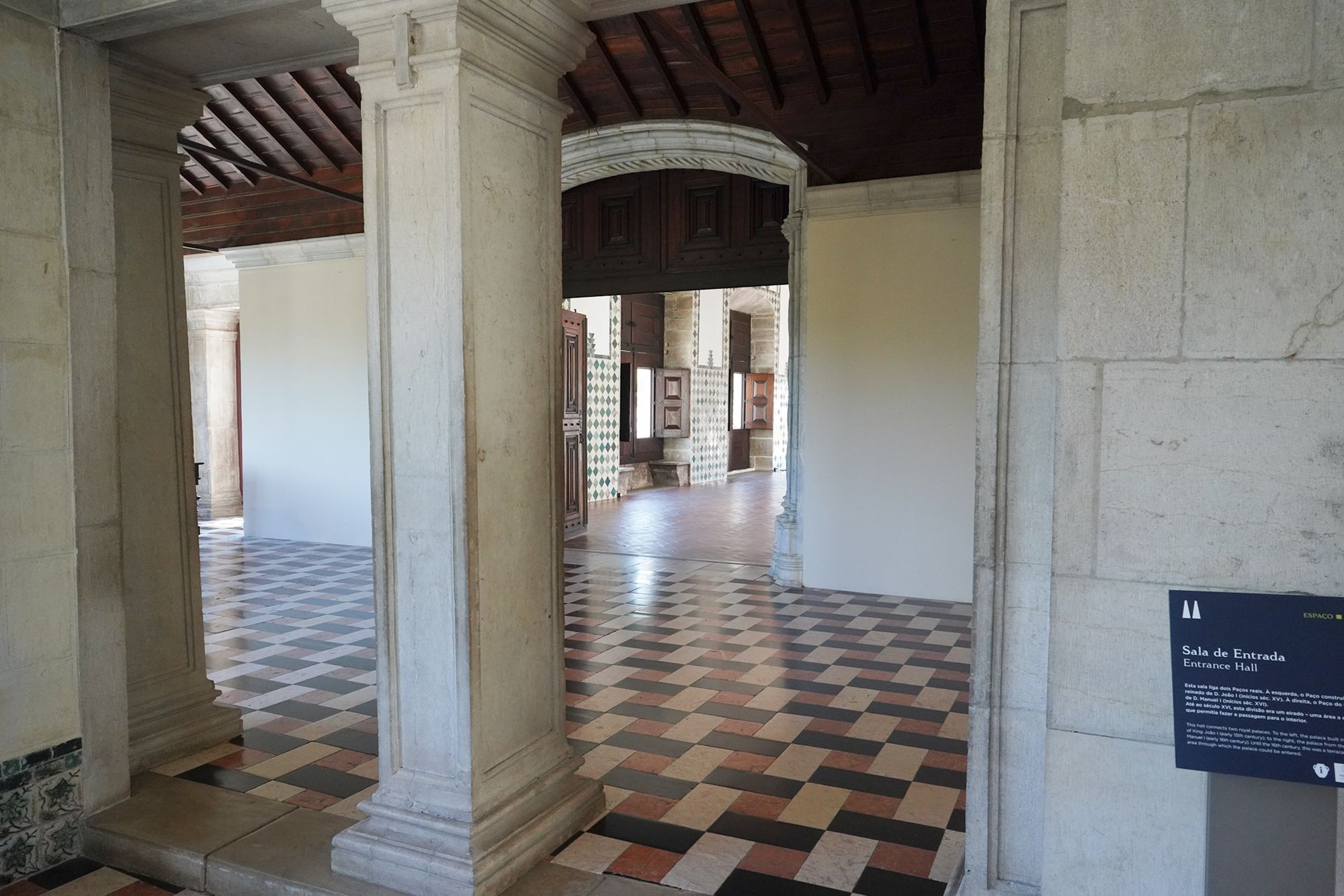
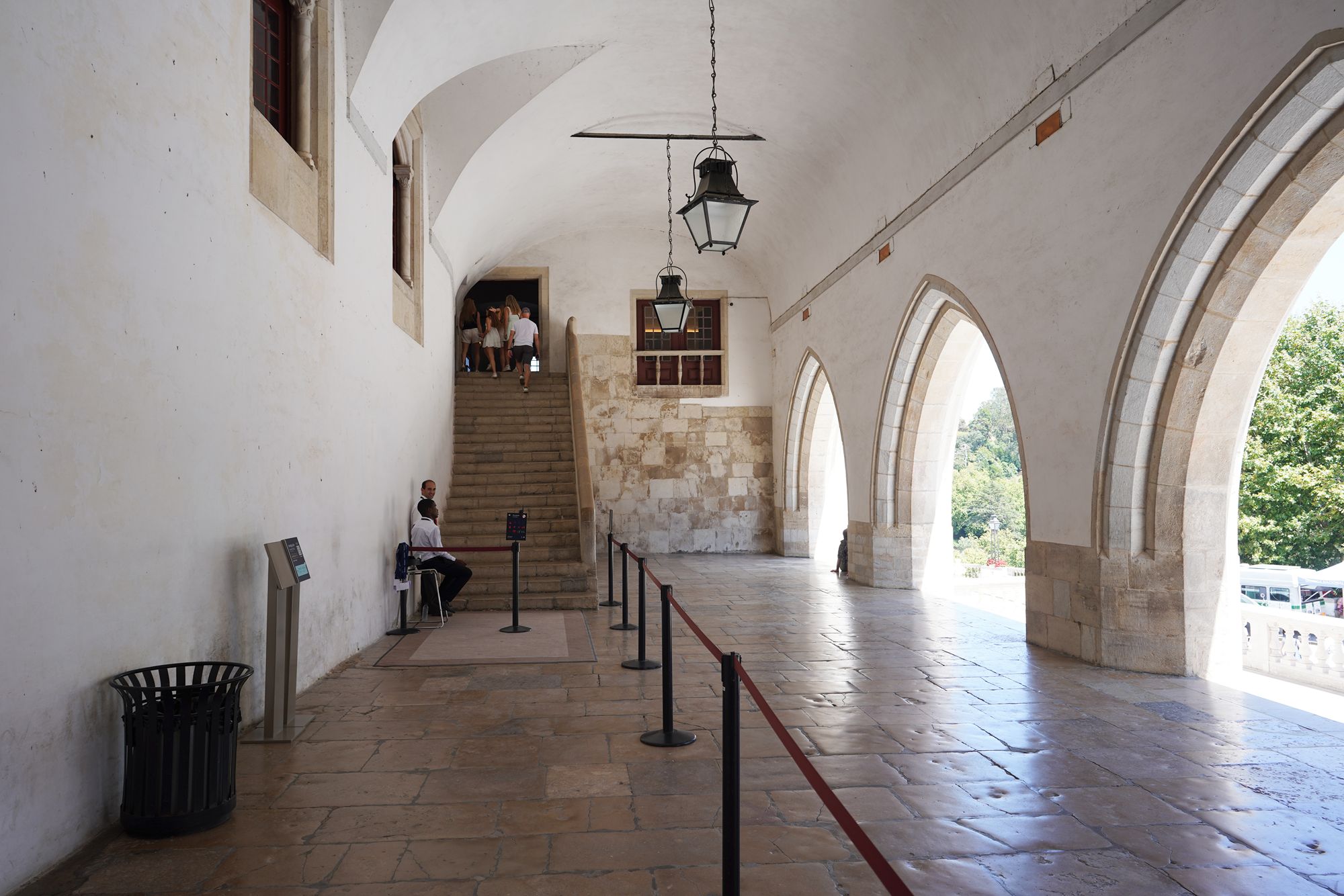
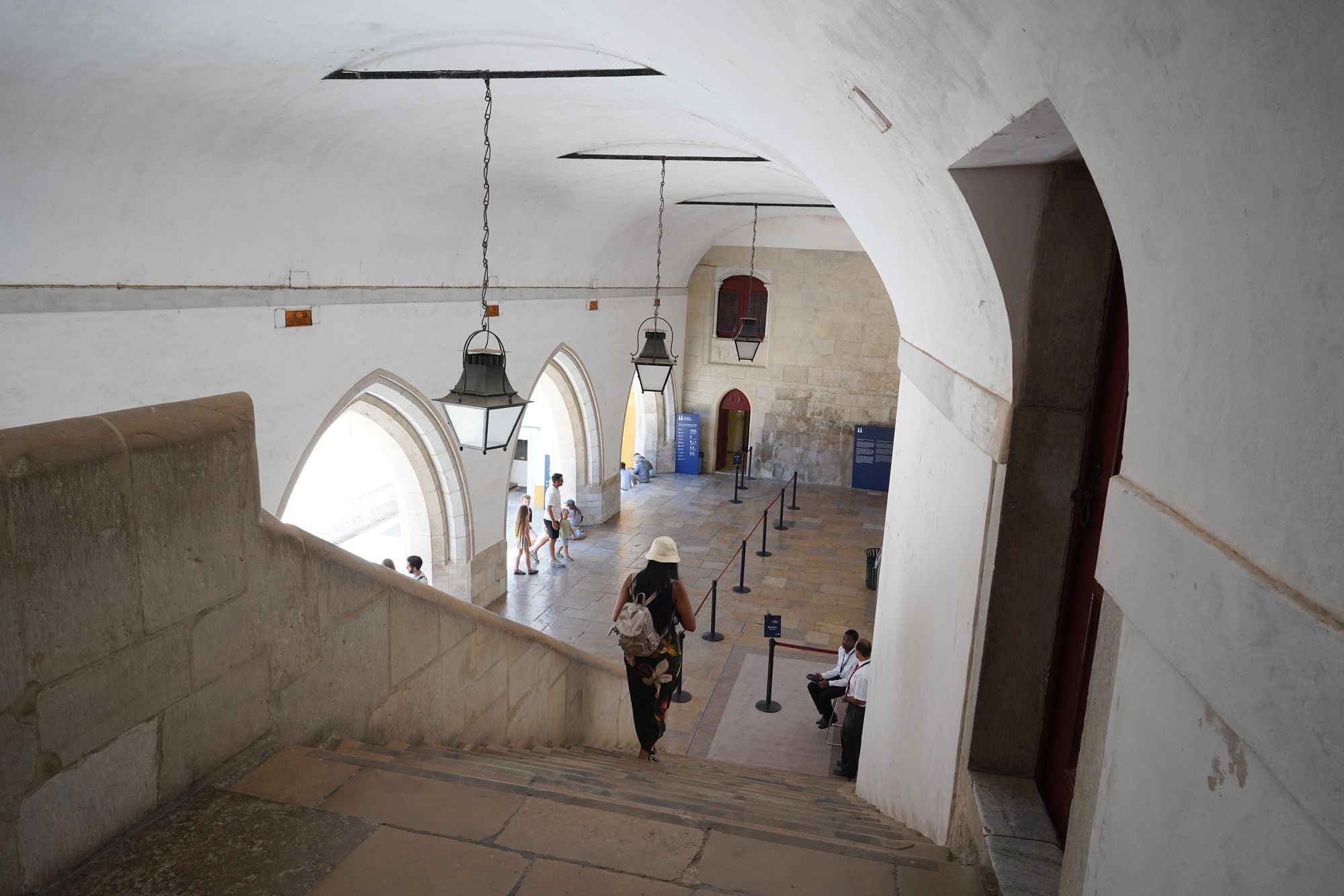
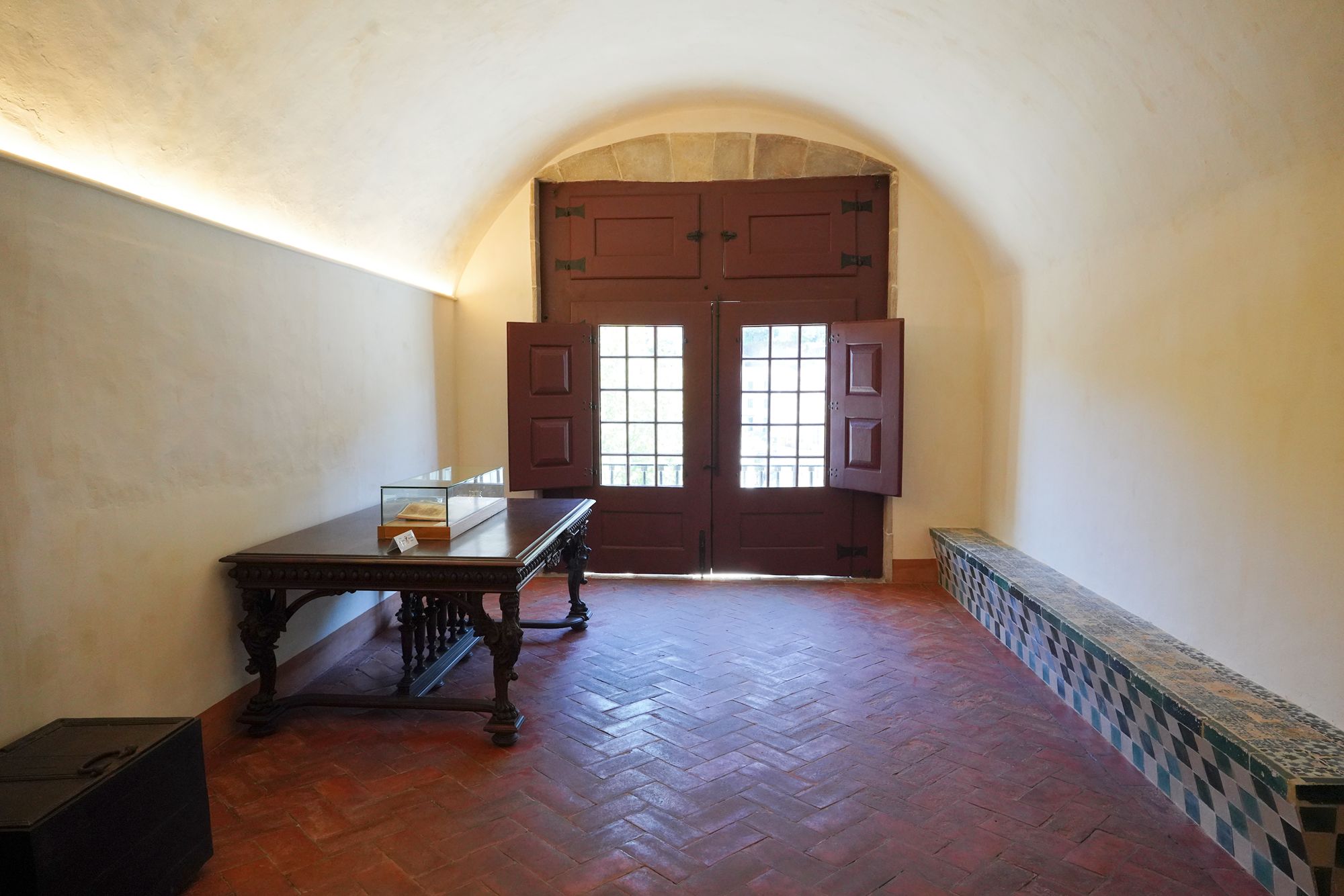
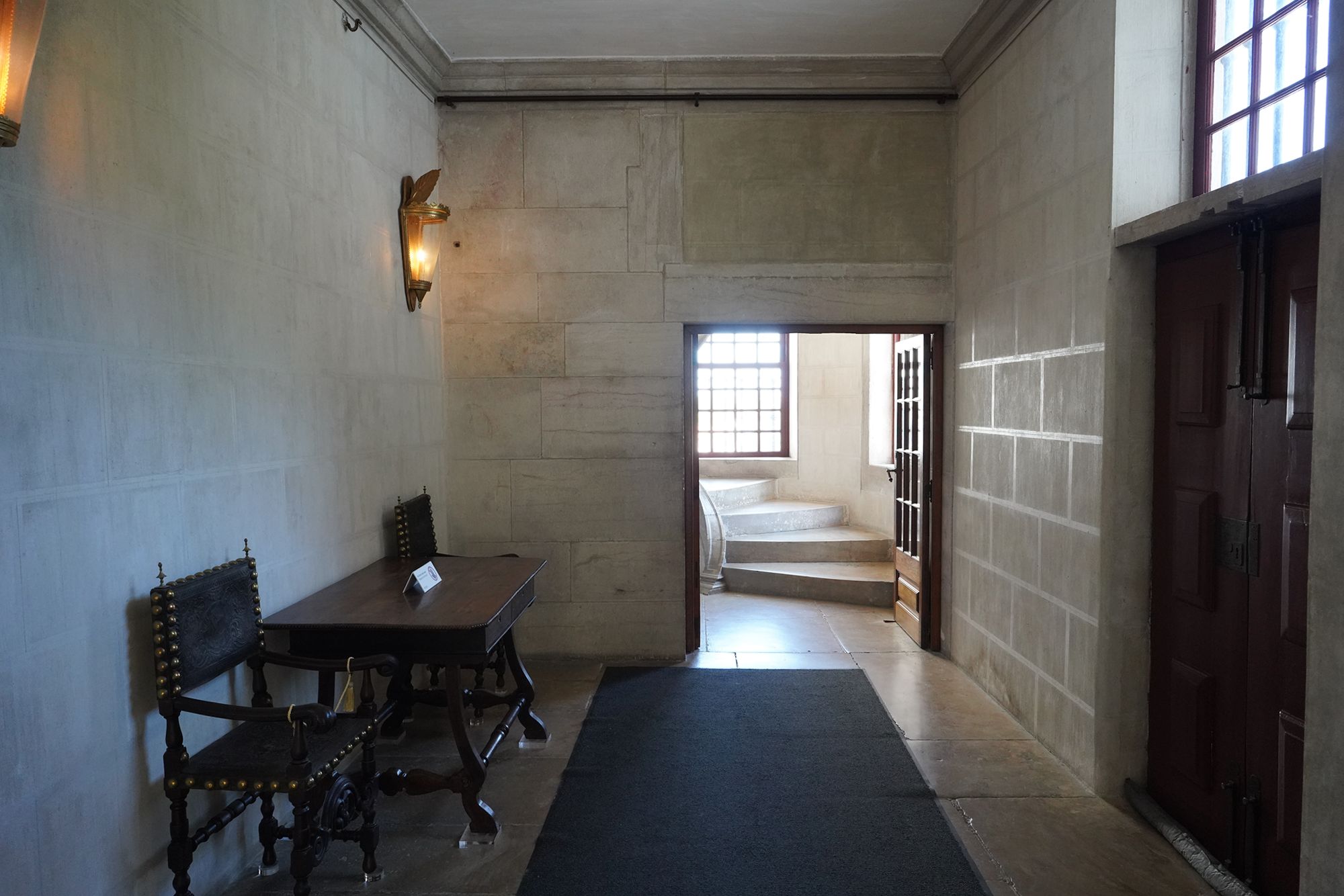
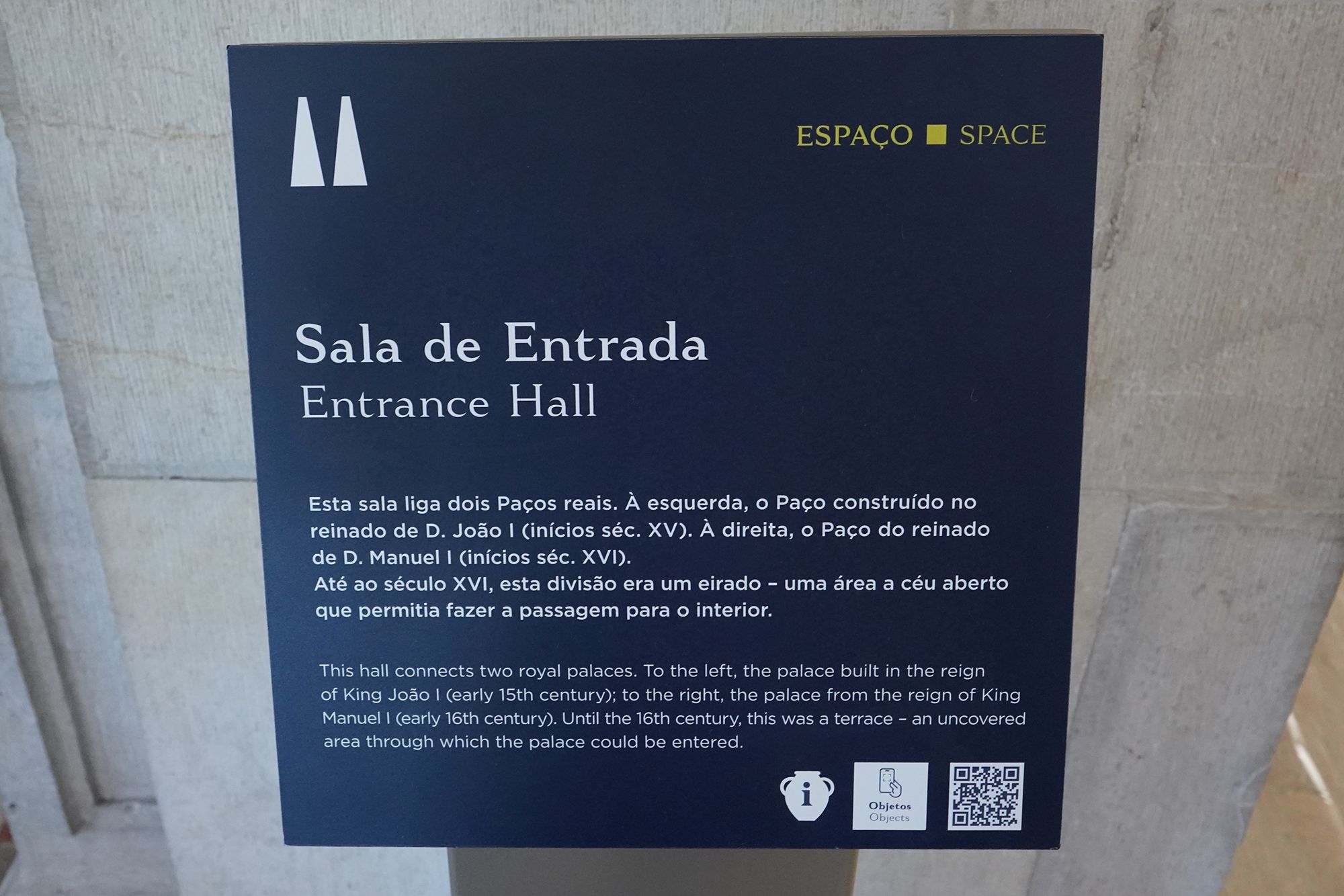
The Entrance Hall connects two sections of the palace: João I’s early 15th-century palace on the left and Manuel I’s early 16th-century palace on the right. Until the 16th century, this space was an open terrace leading into the palace.
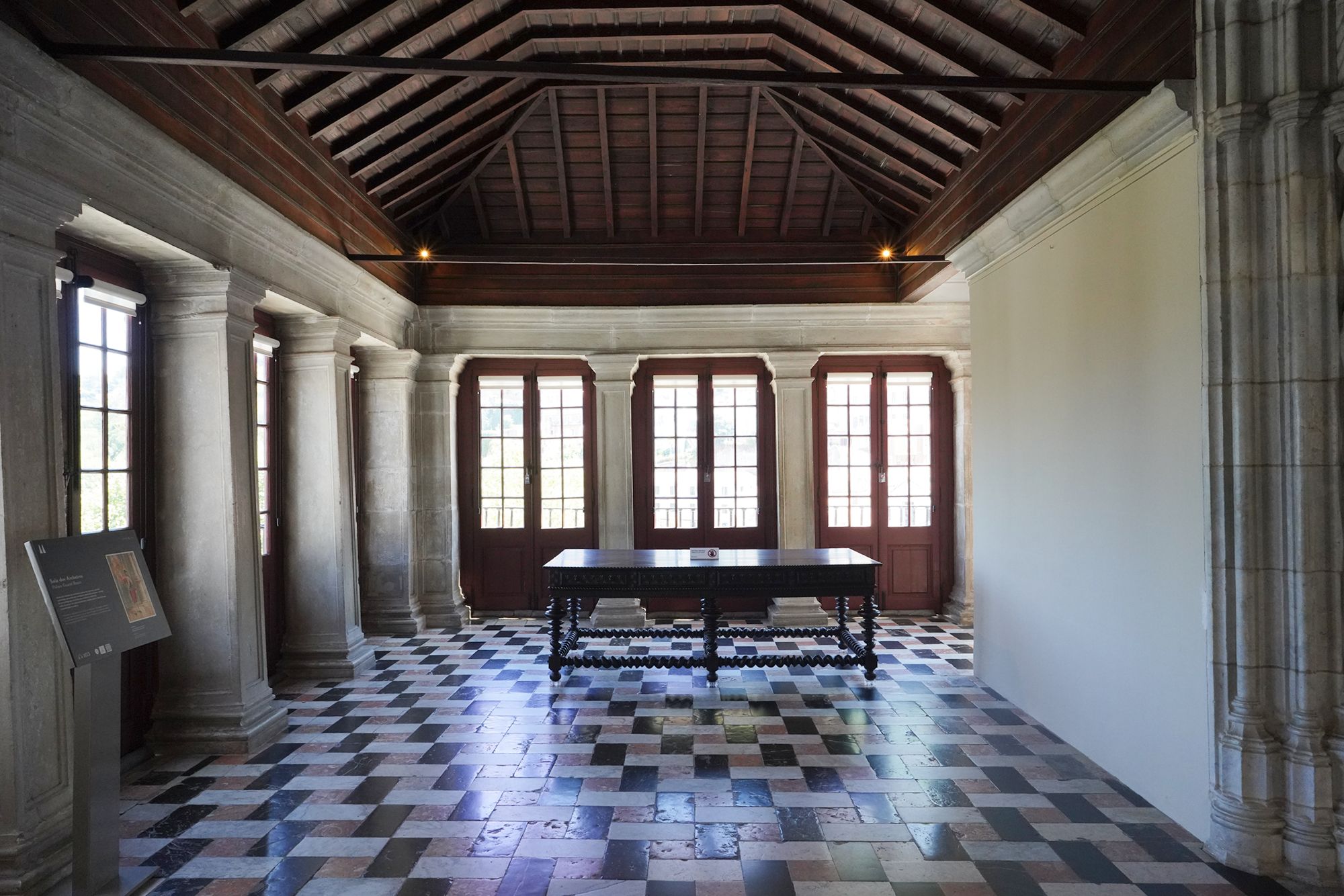
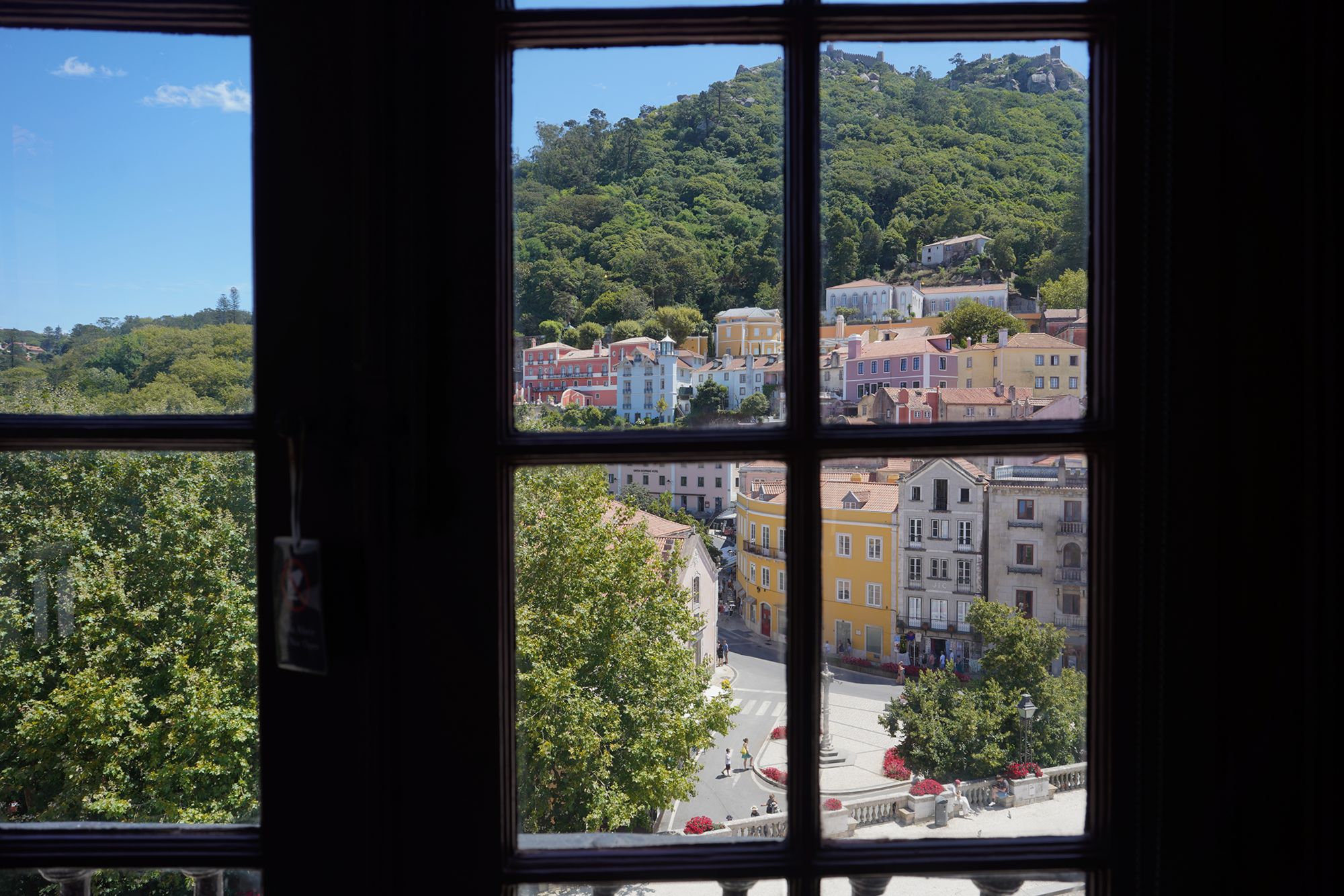
The Swan Room is named after the swans painted on its ceiling. This grand ceremonial hall hosted royal banquets, concerts, and receptions, bringing the court together in a setting designed to convey the importance of the monarchy.
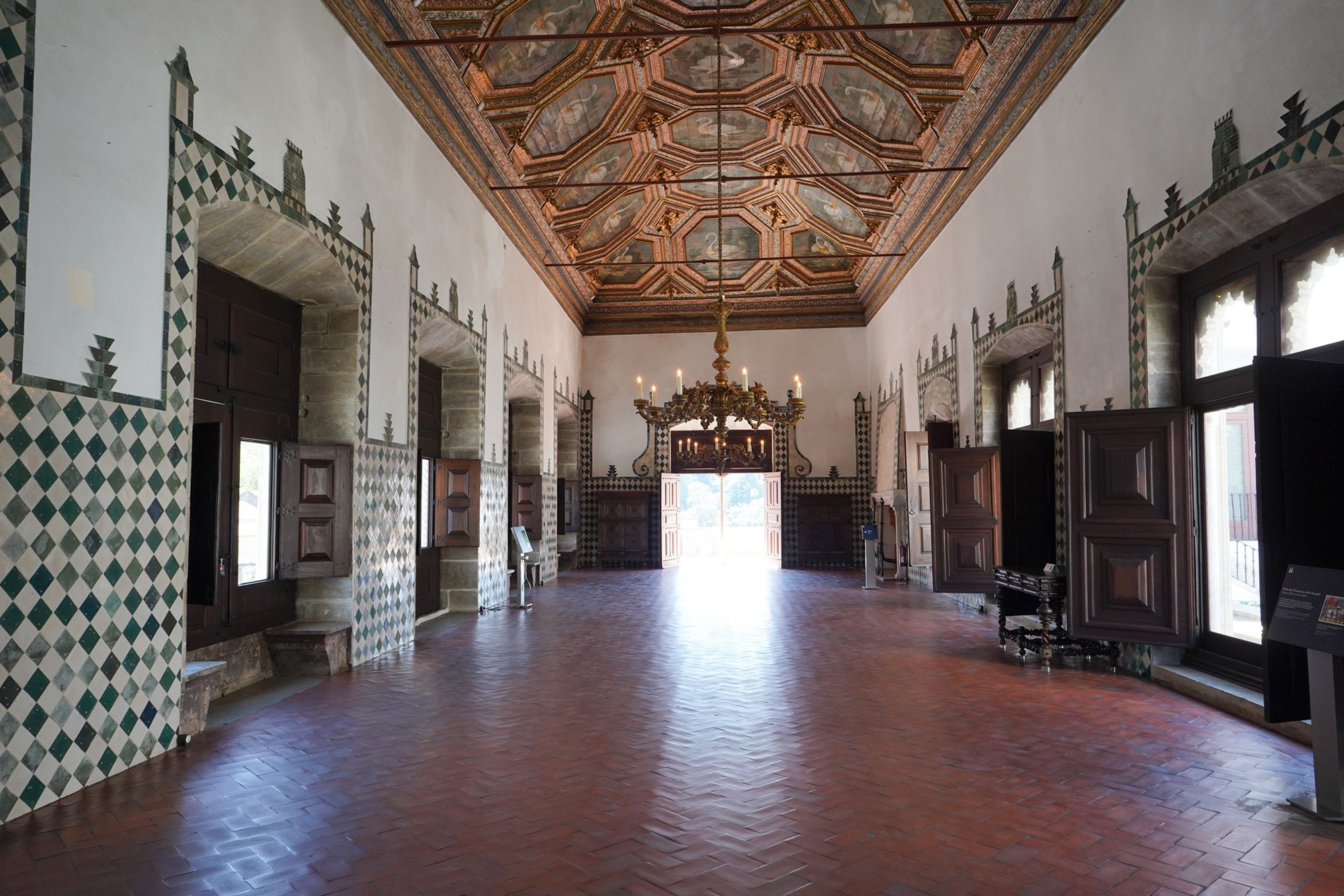
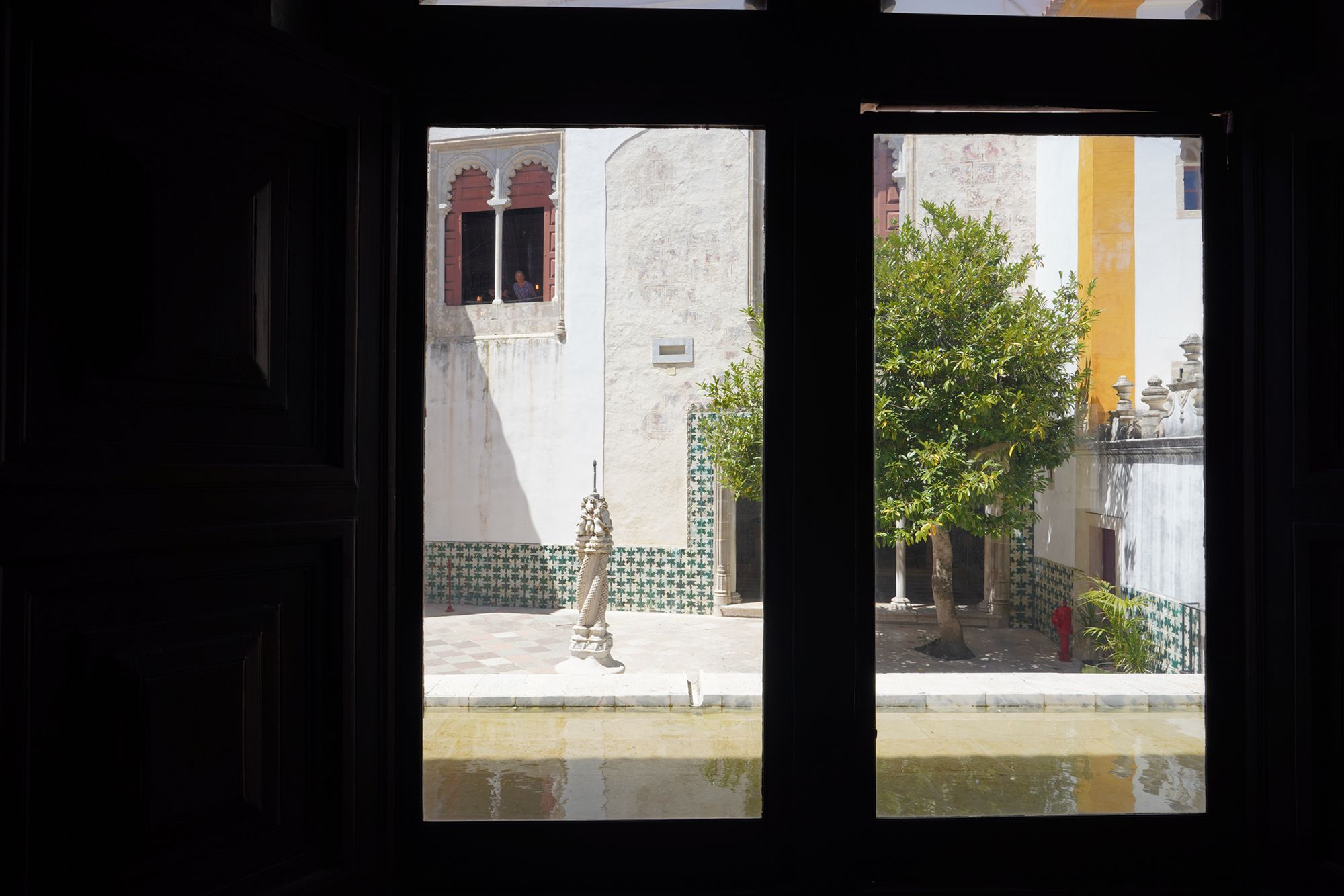
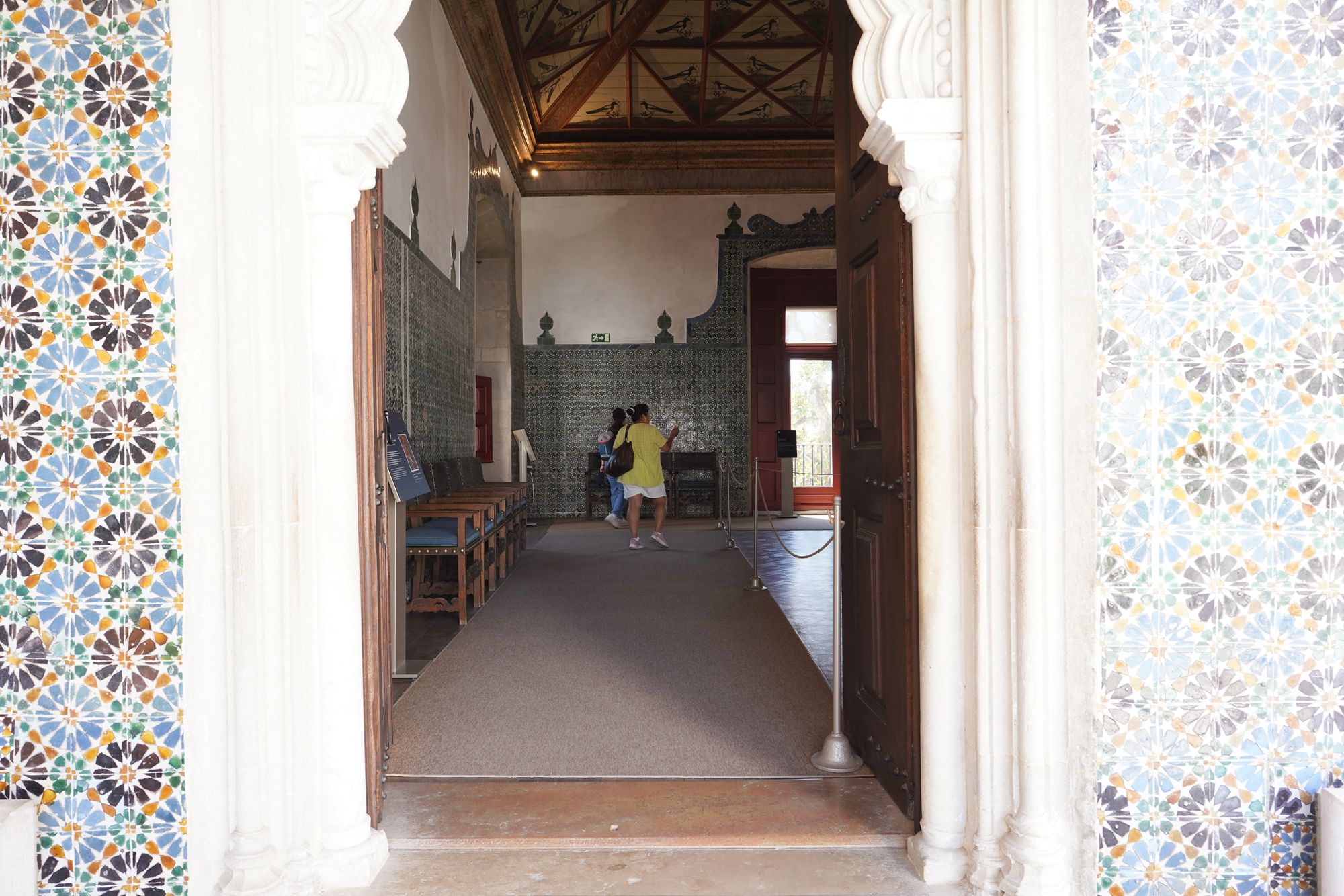
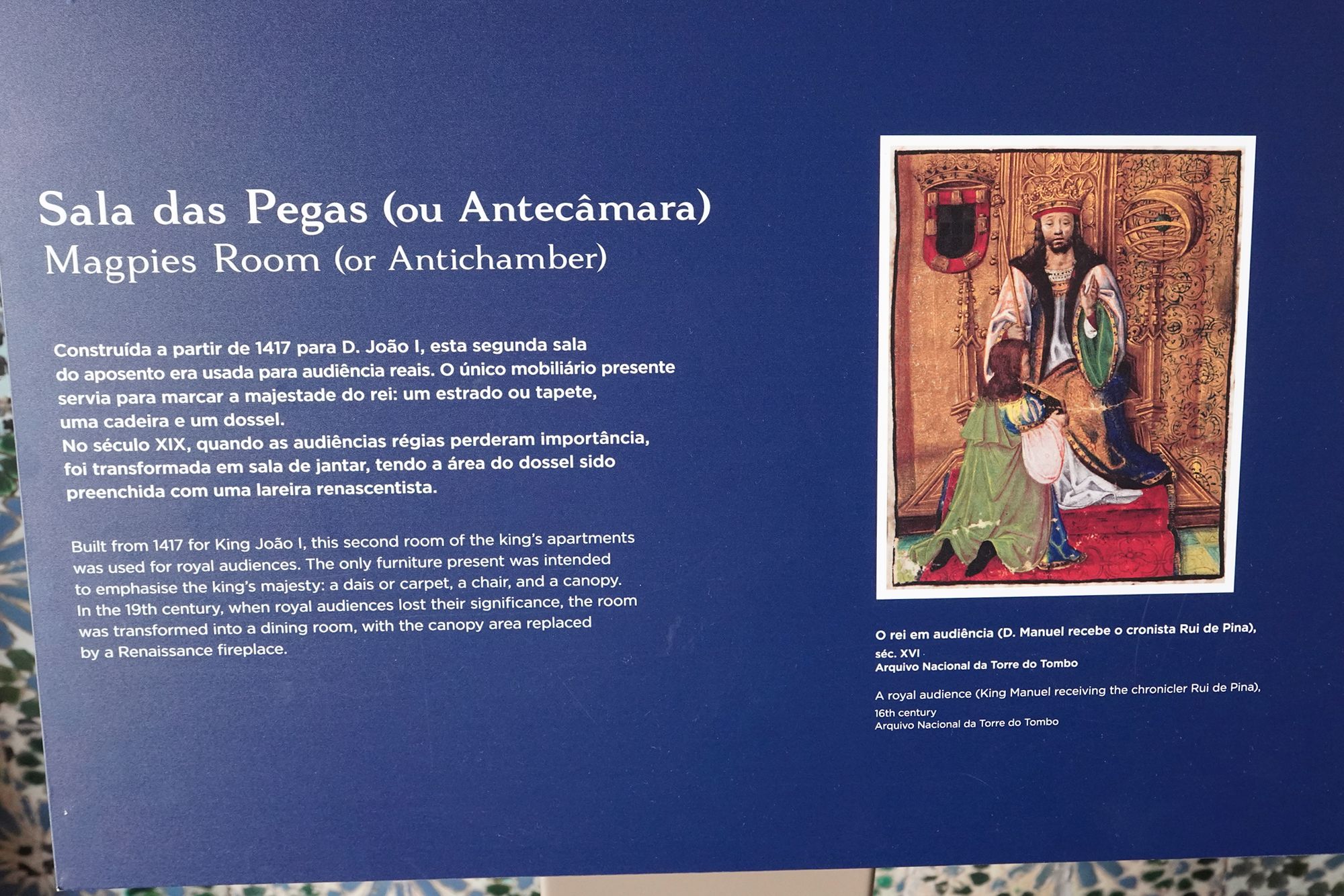
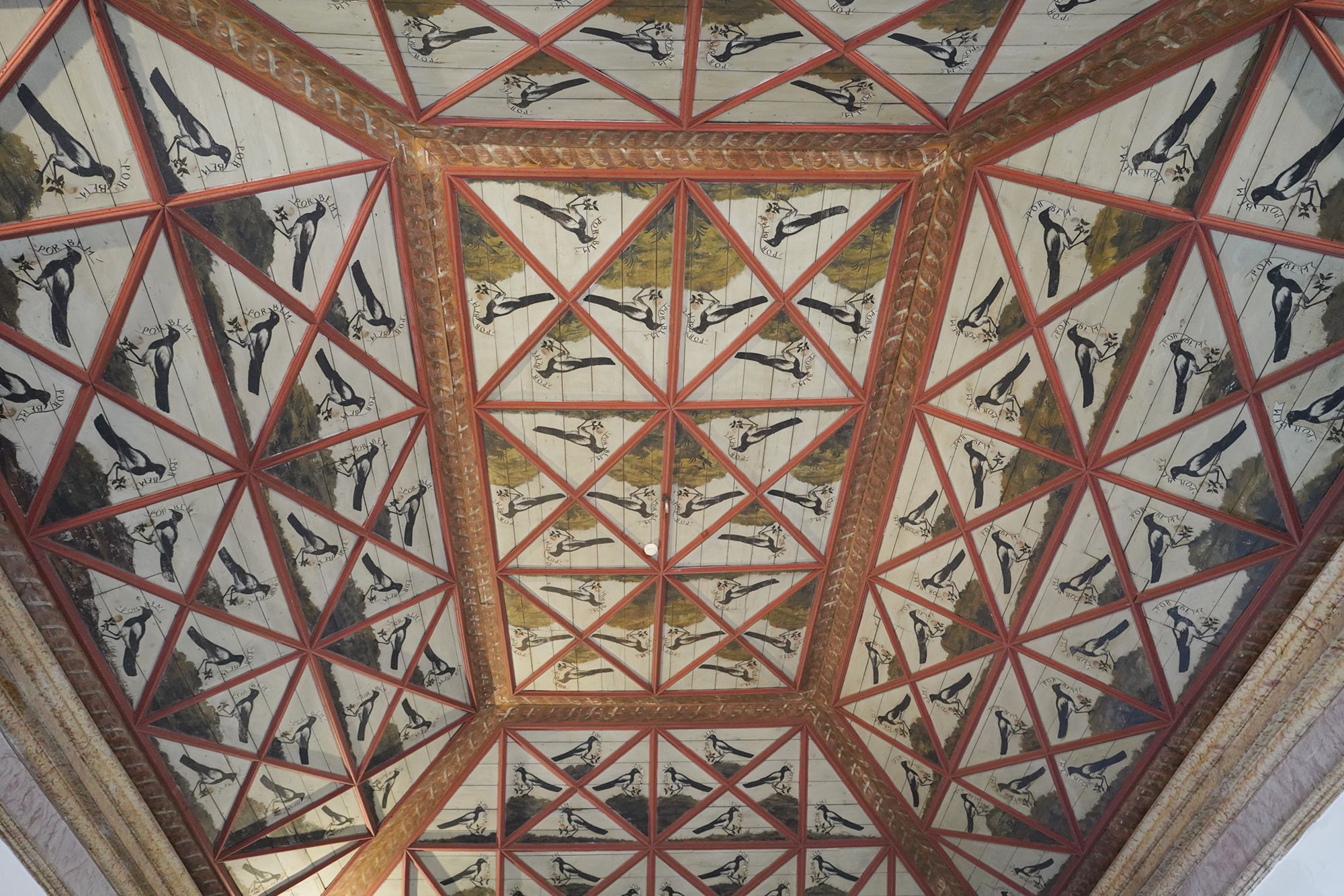
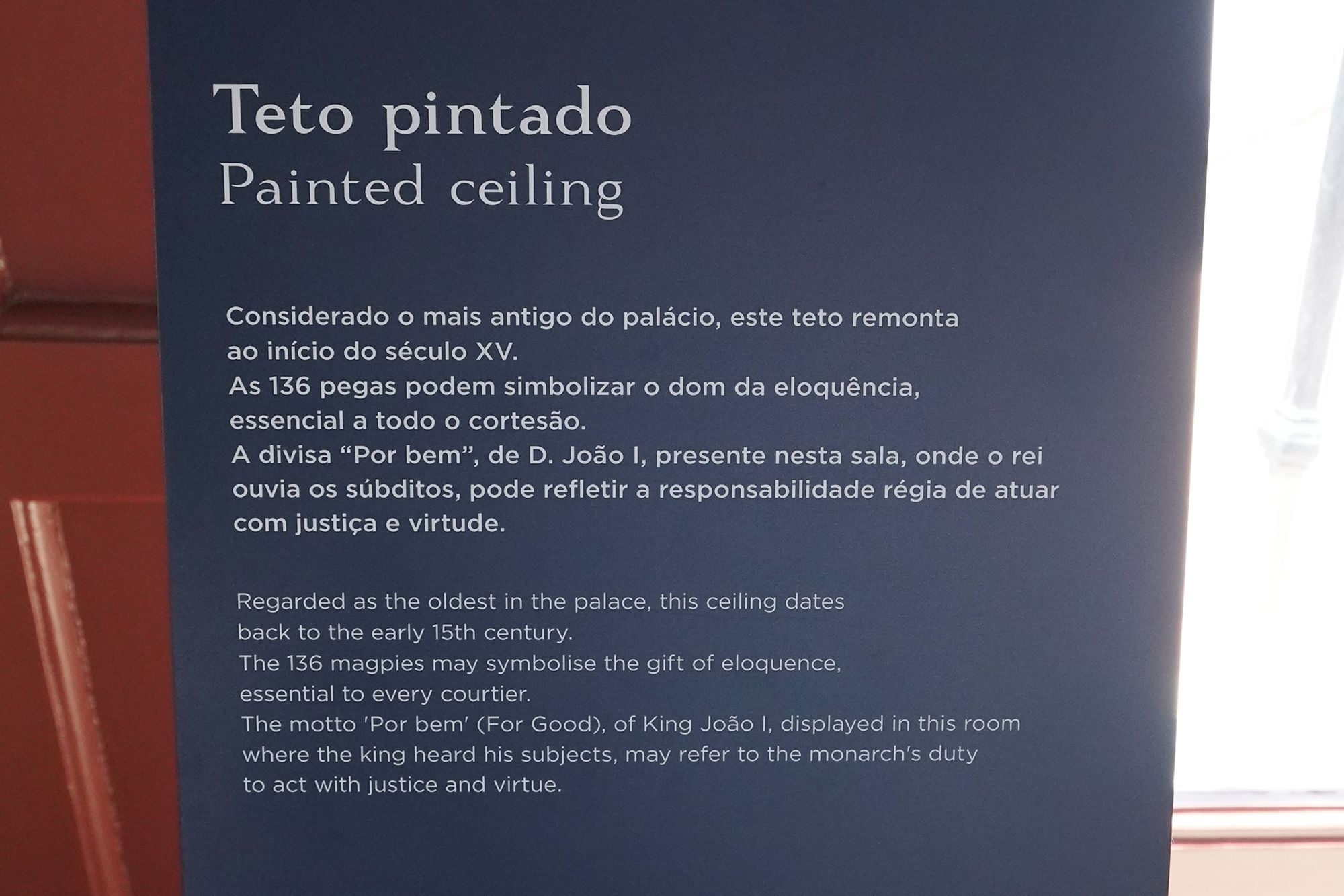
The Magpie Room hosted royal audiences and later banquets. Its ceiling displays 136 magpies with King João I’s motto, “Por Bem.” Their exact meaning remains uncertain, although the roses they hold may refer to Queen Philippa’s family, the House of Lancaster.
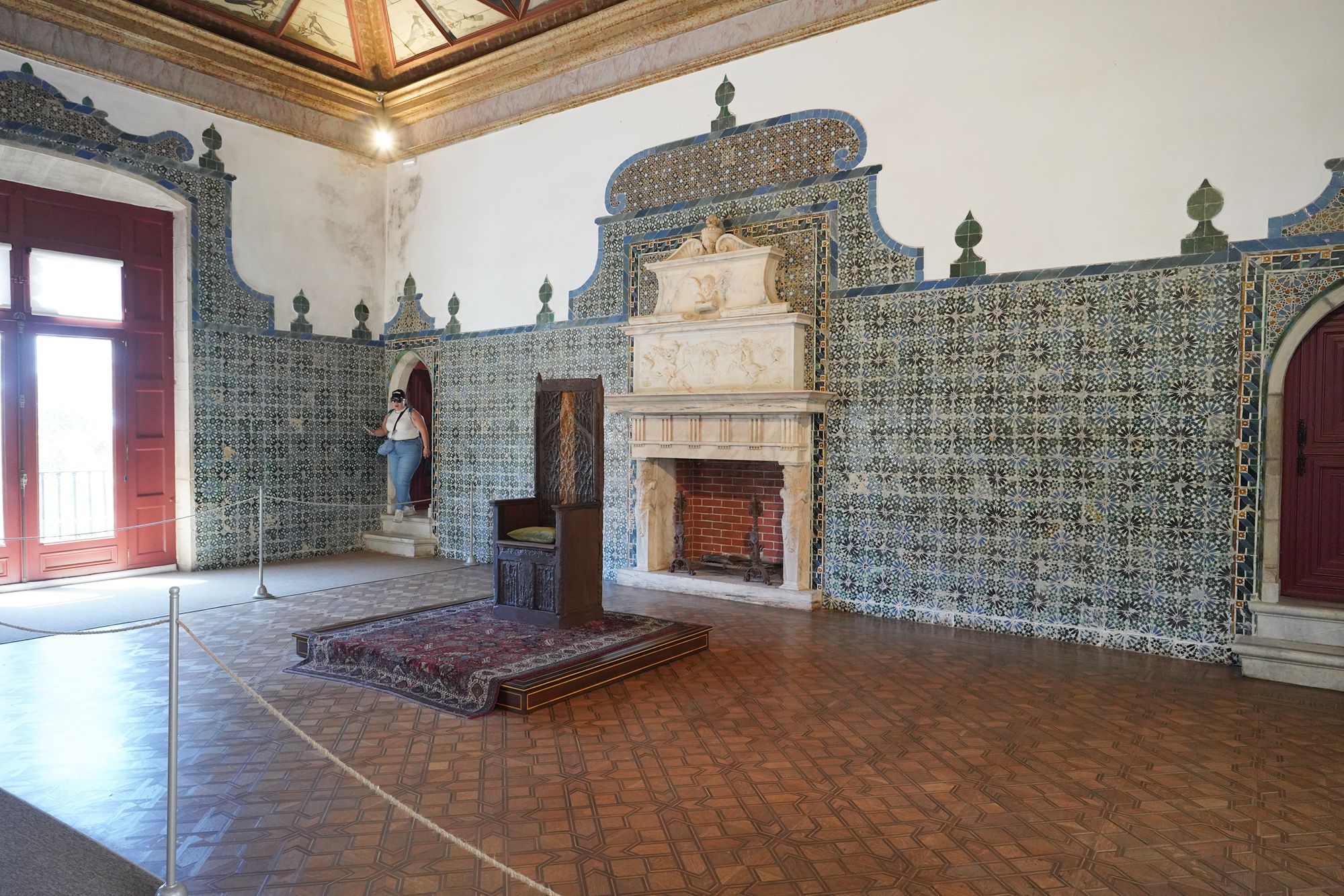
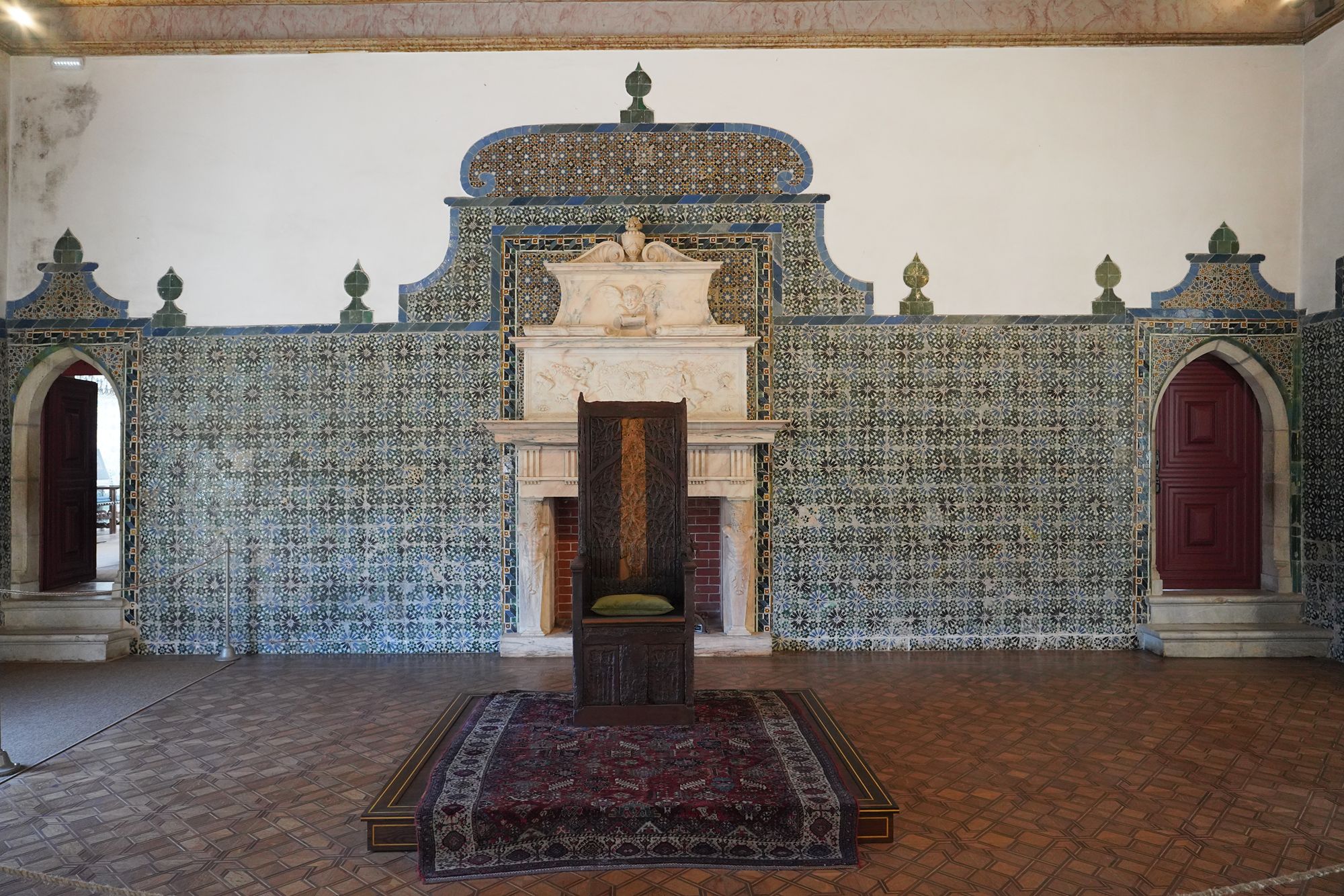
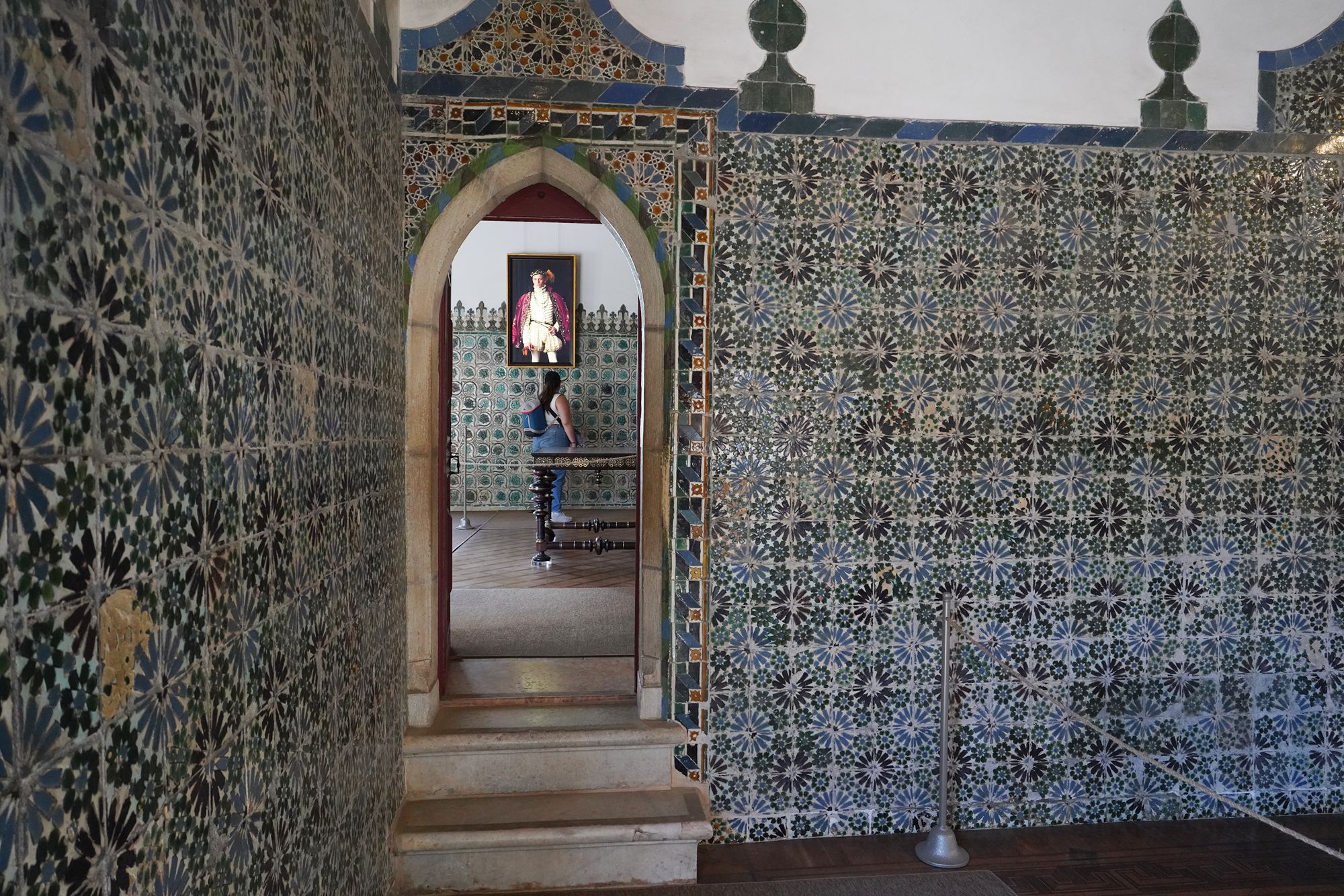
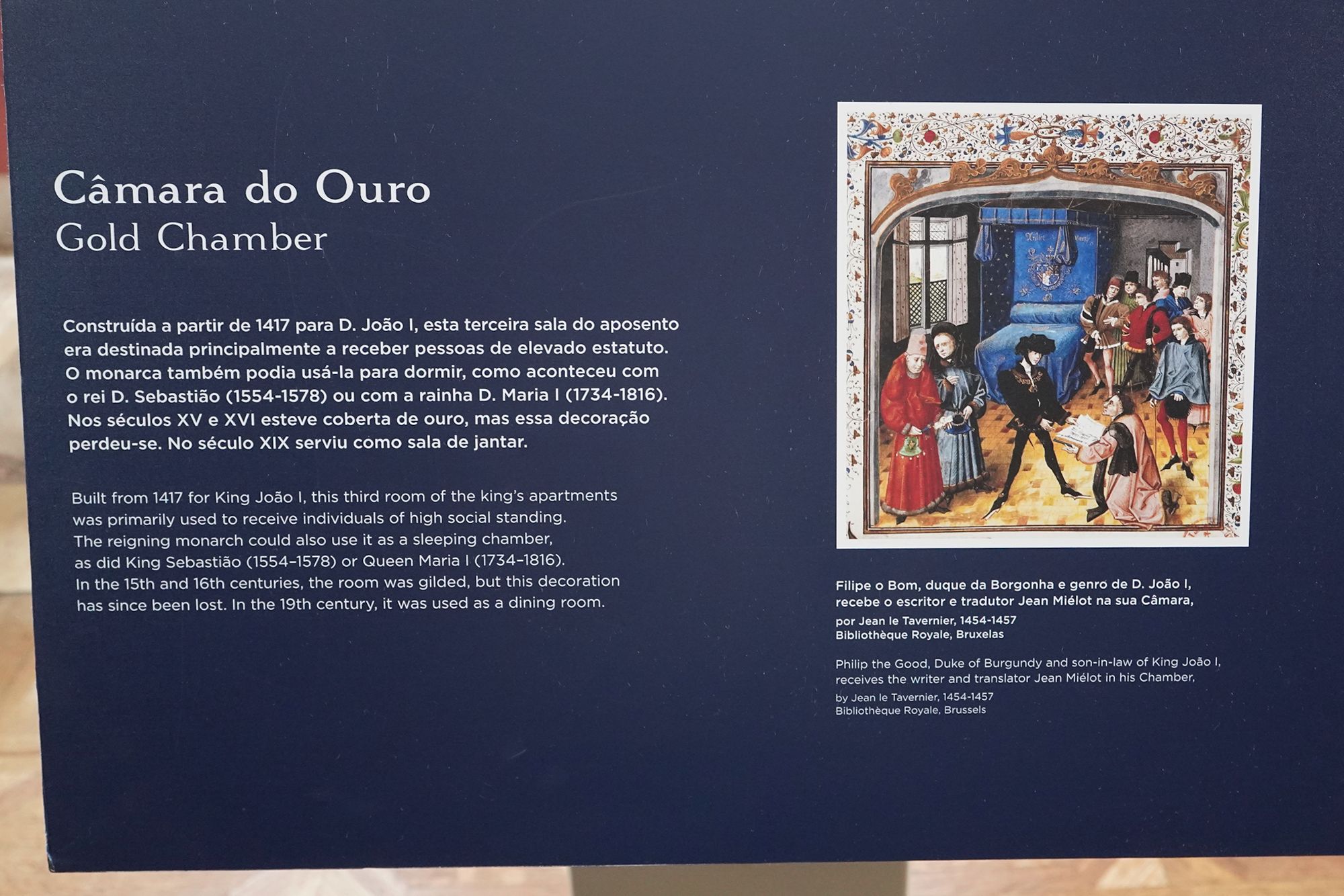
Built from 1417 for King João I, the Gold Chamber received visitors of high social standing and sometimes served as a royal bedroom. Its name recalls the gilded decoration that once covered the room but has since disappeared. In the 19th century, it became a dining room.
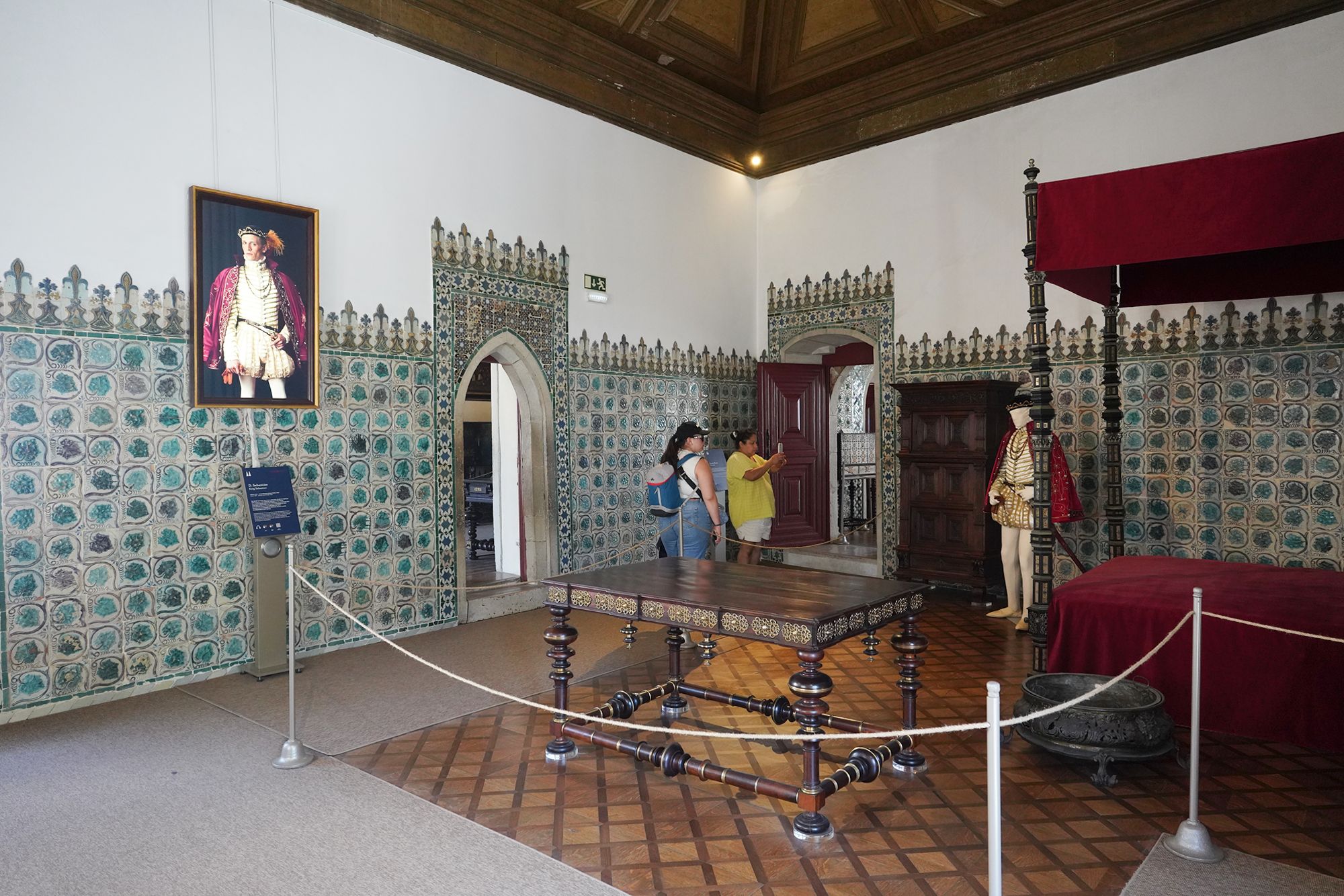
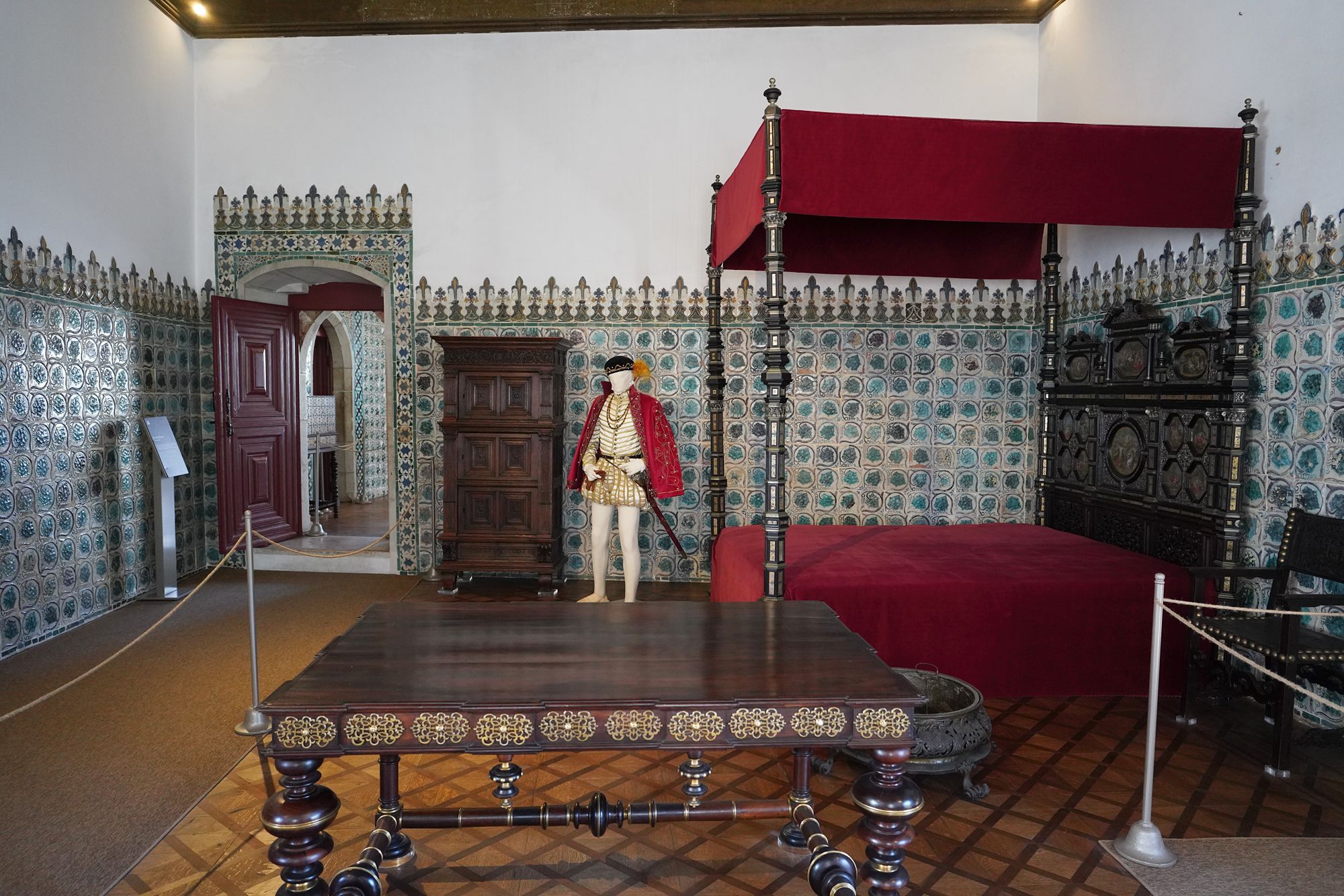
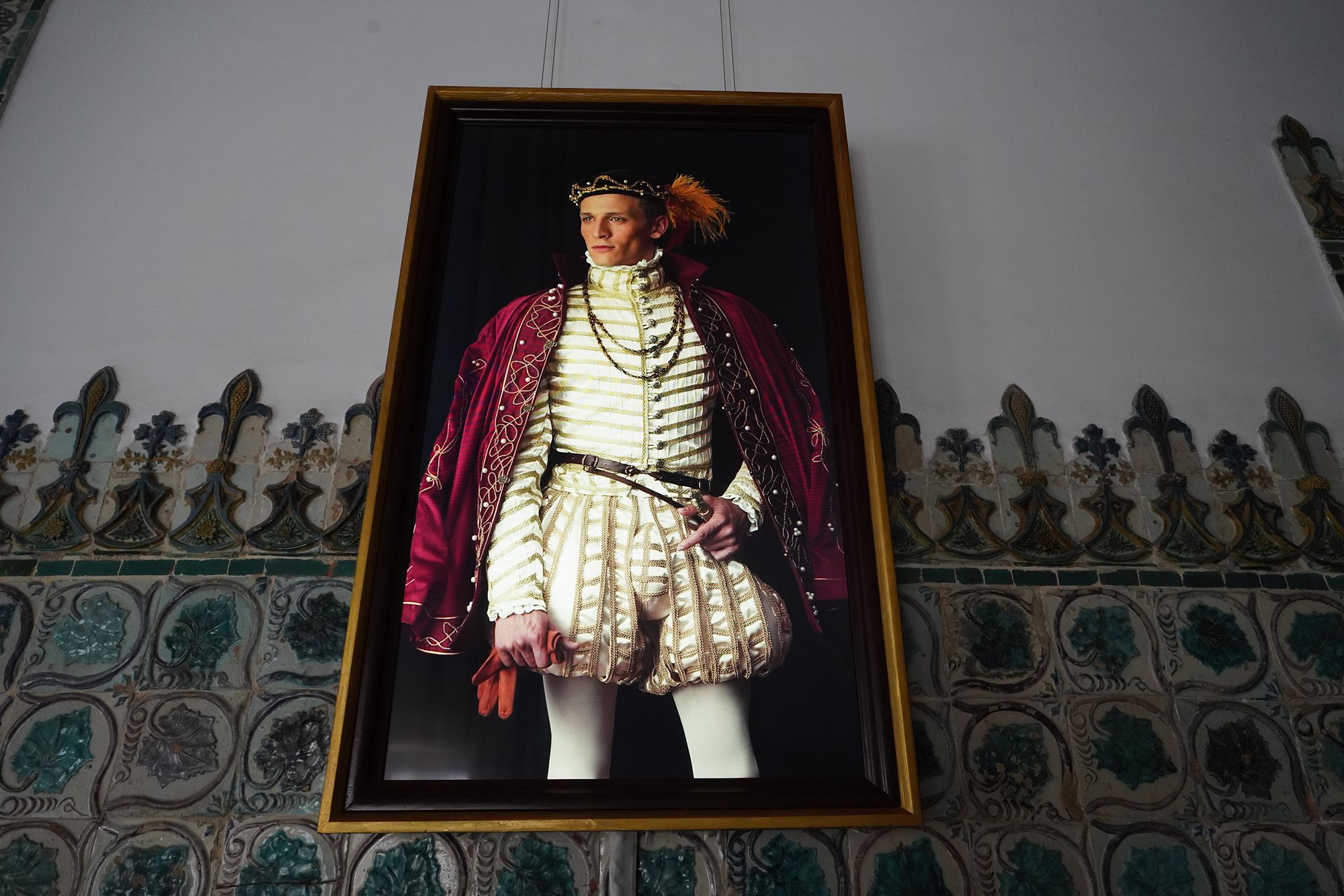
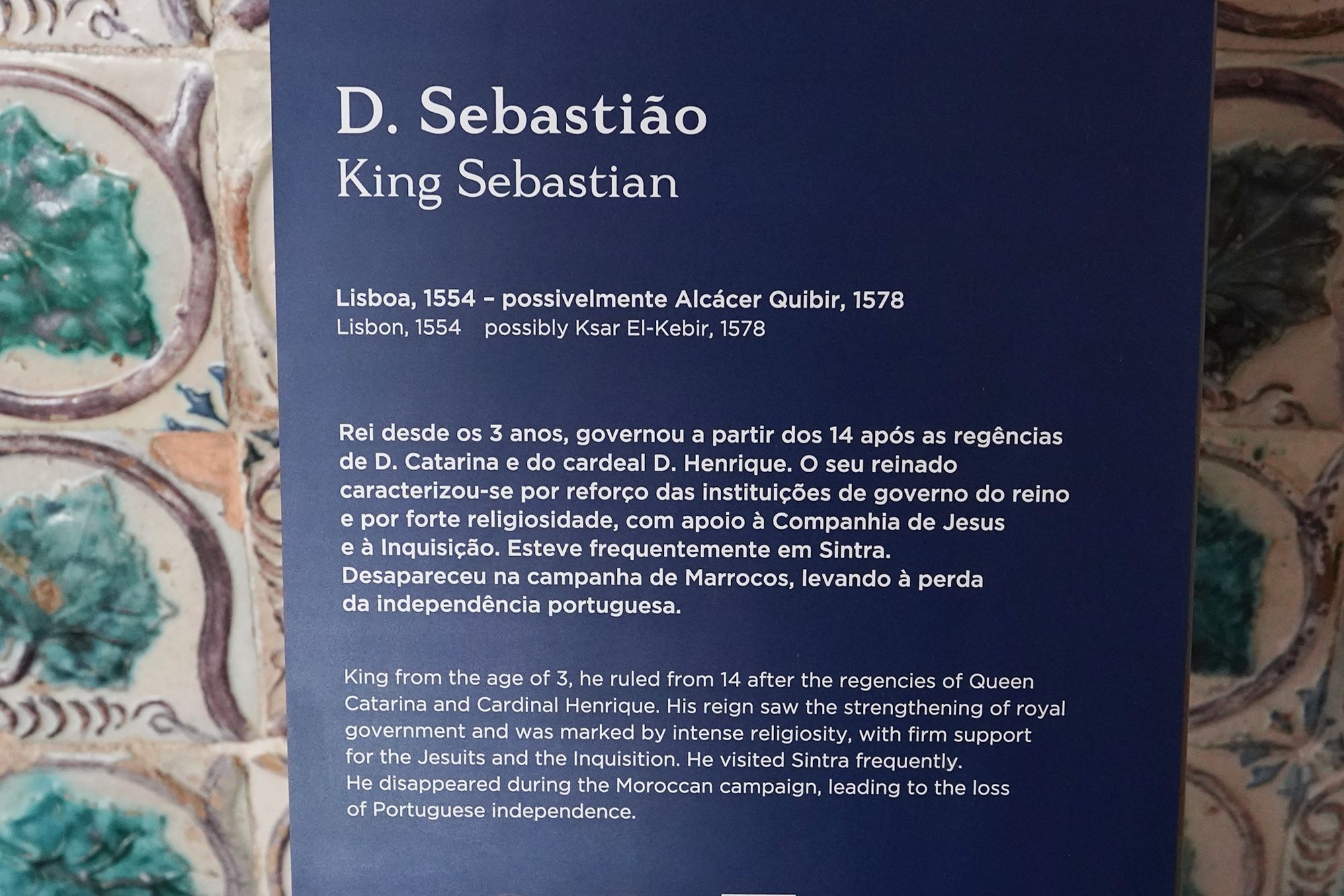
King Sebastian became king at just three years old and began ruling personally at fourteen. He frequently visited Sintra. His disappearance during a military campaign in Morocco in 1578 triggered a succession crisis that eventually led to Portugal’s loss of independence.
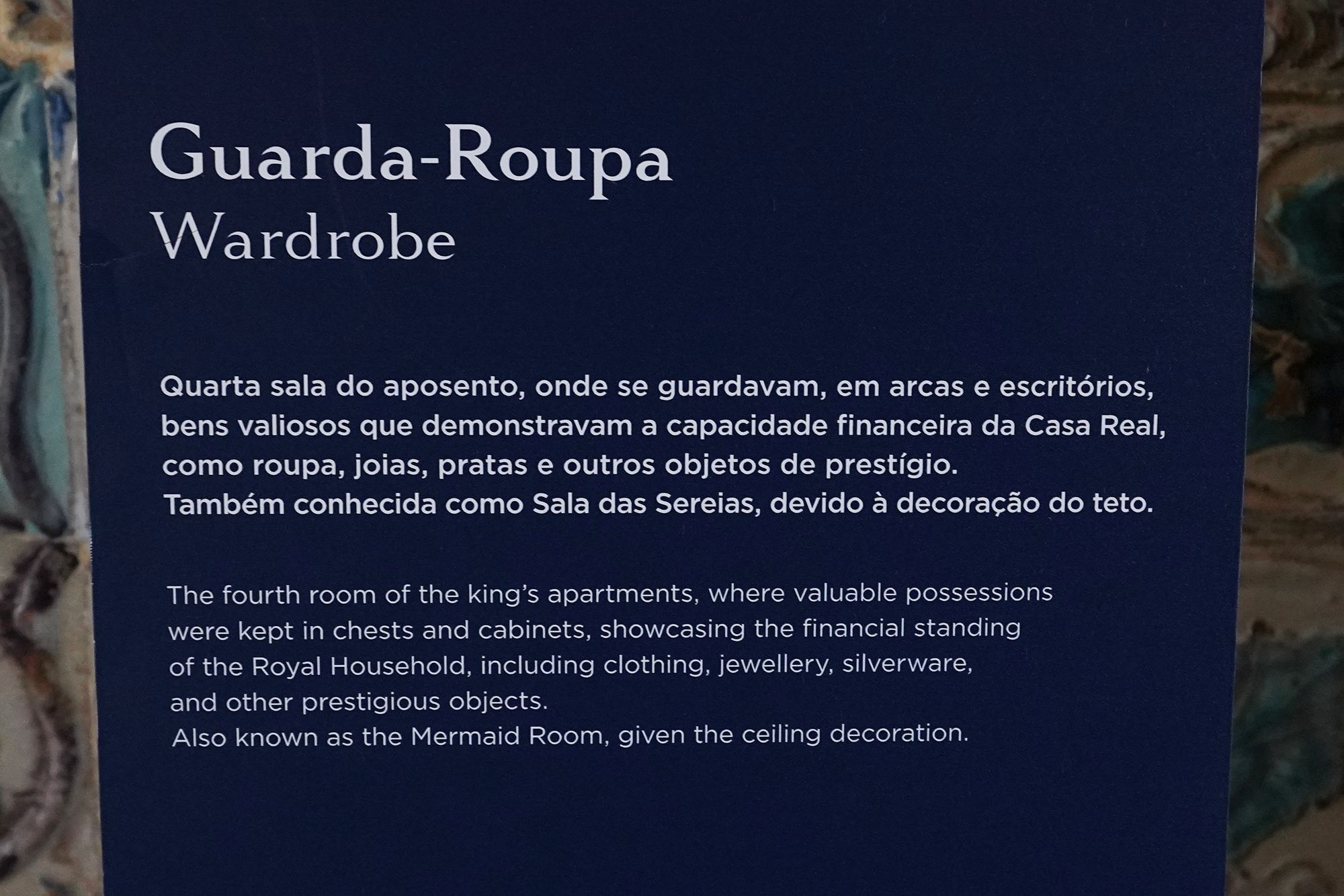
The Wardrobe held the royal household’s valuable clothing, jewelry, and silverware in chests and cabinets, reflecting its wealth and status. This fourth room of the king’s apartments is also called the Mermaid Room because of its ceiling decoration.
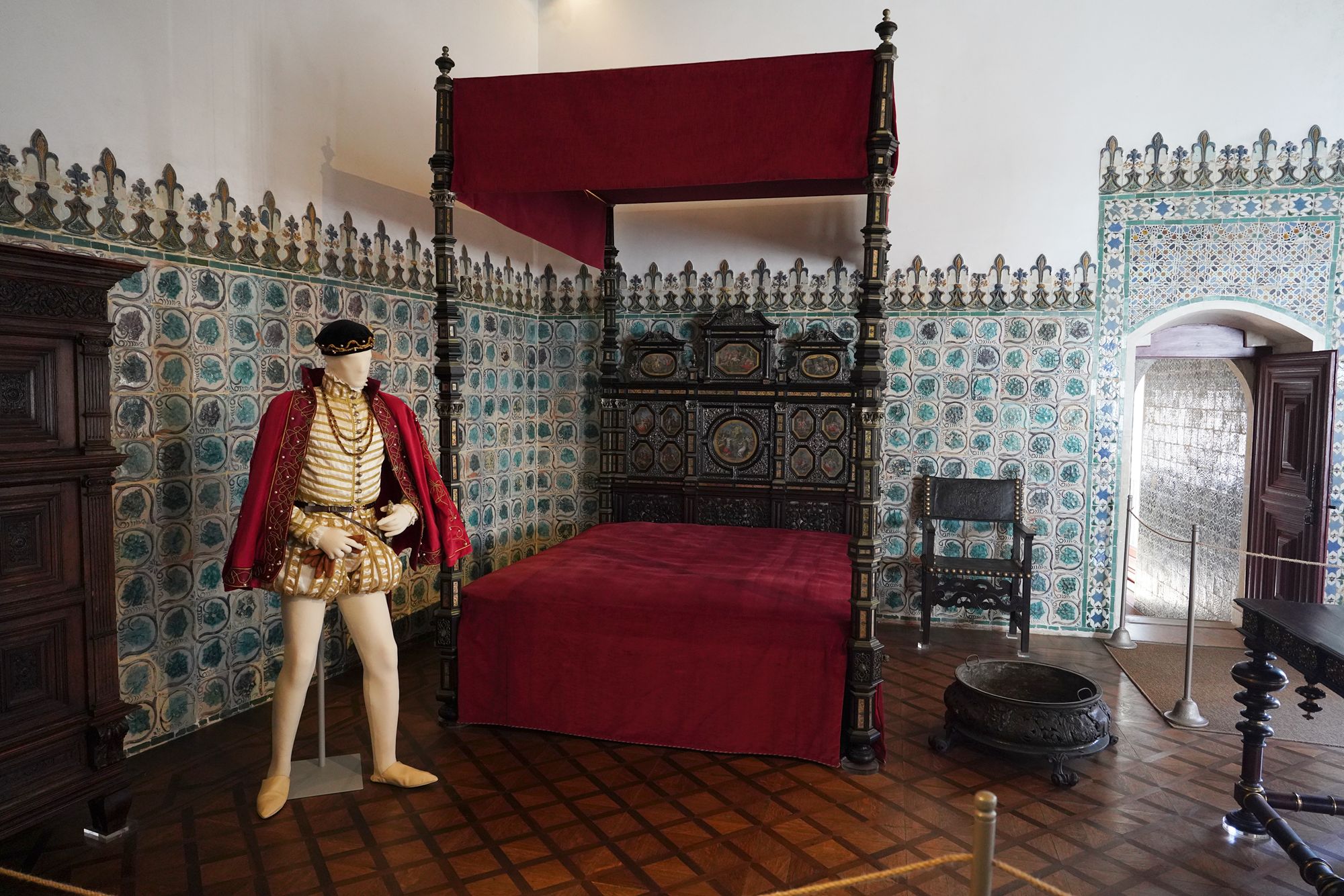
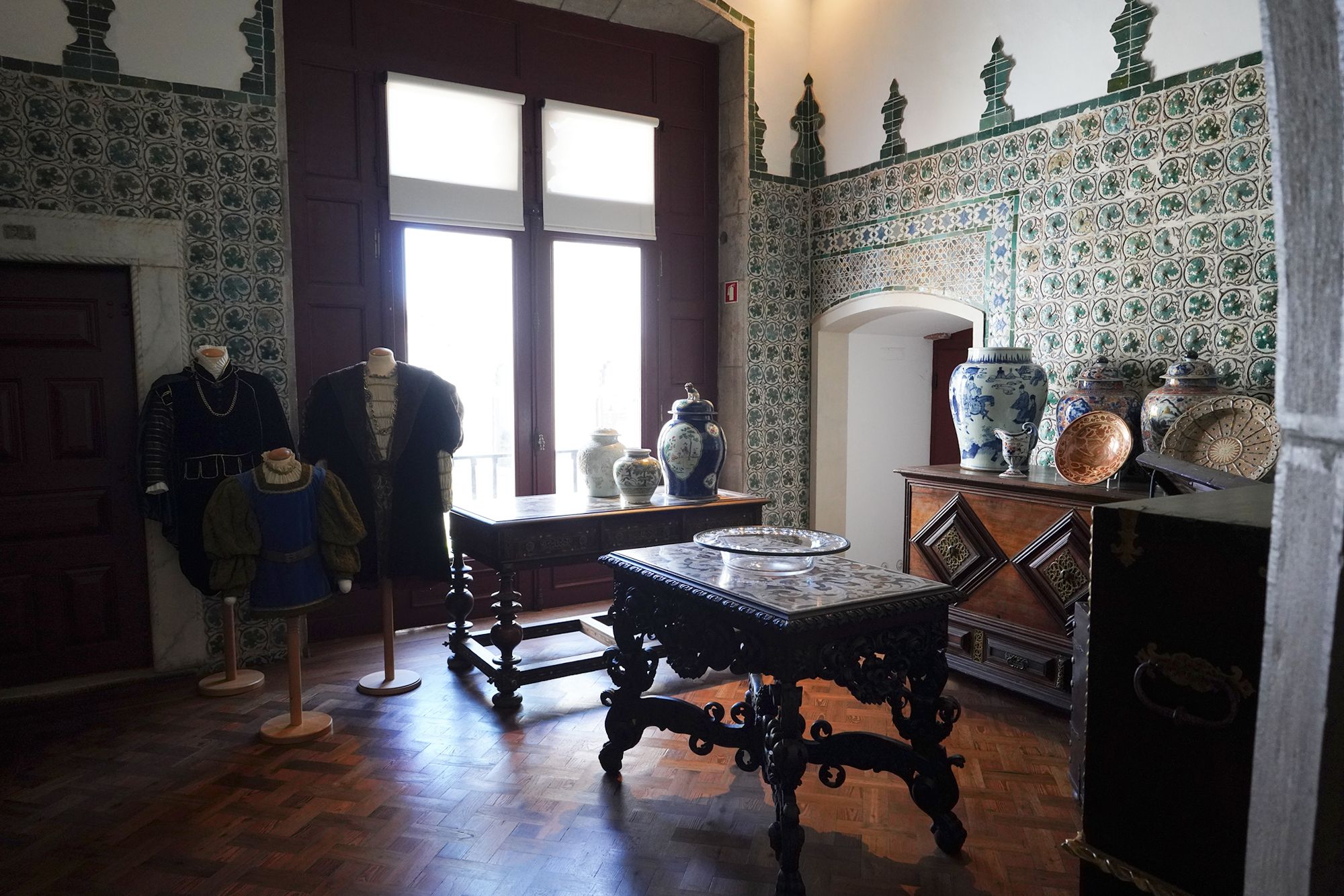
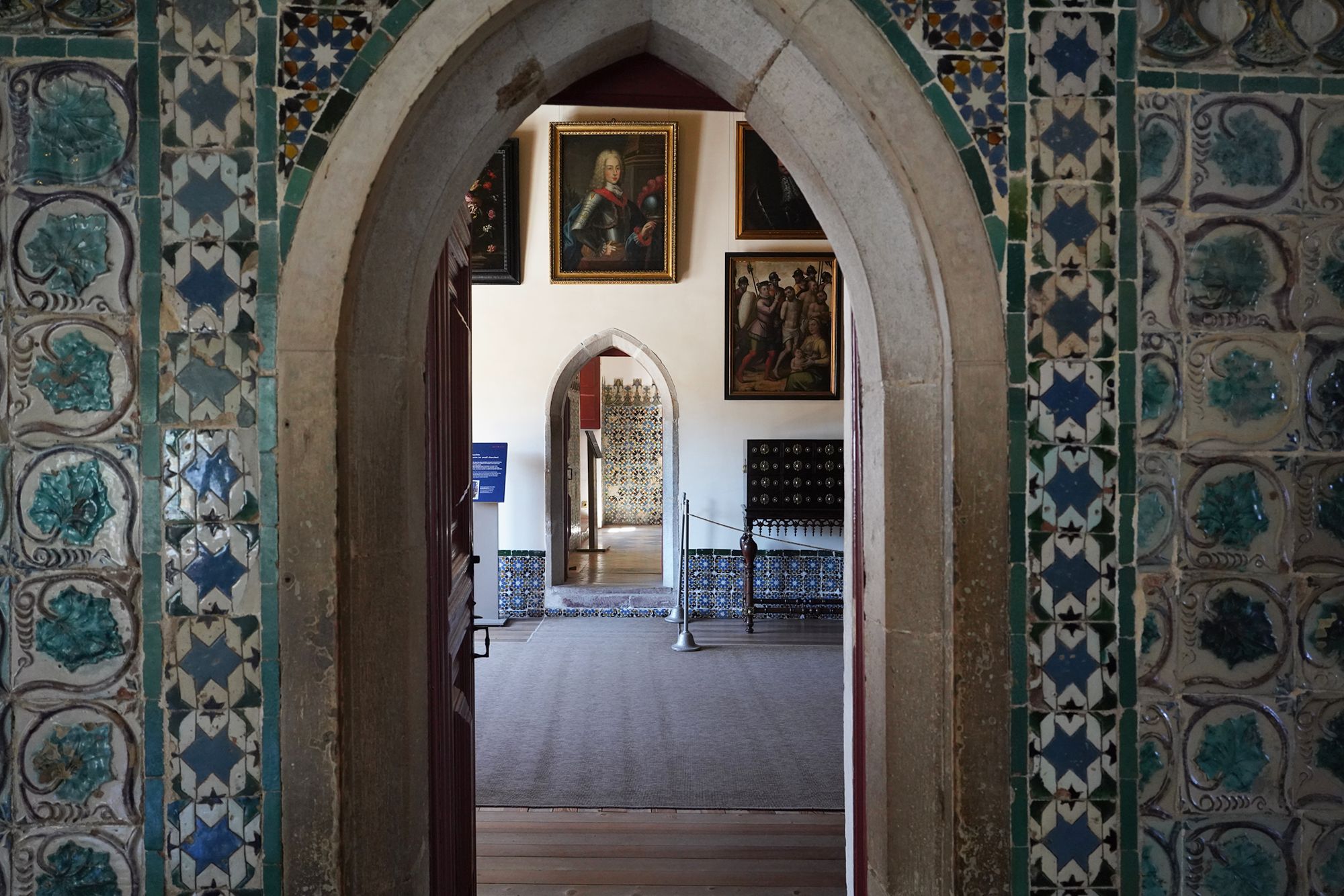
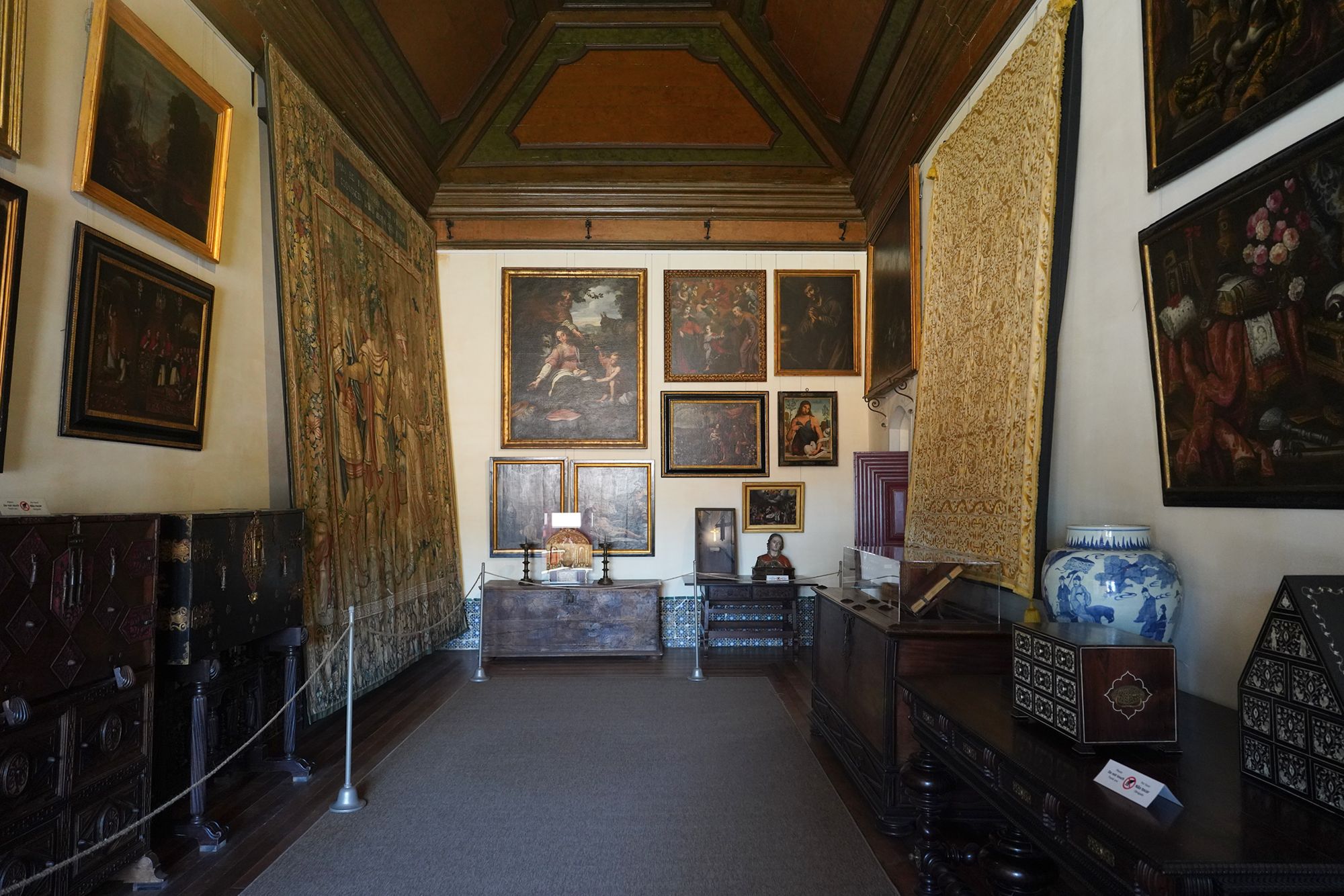
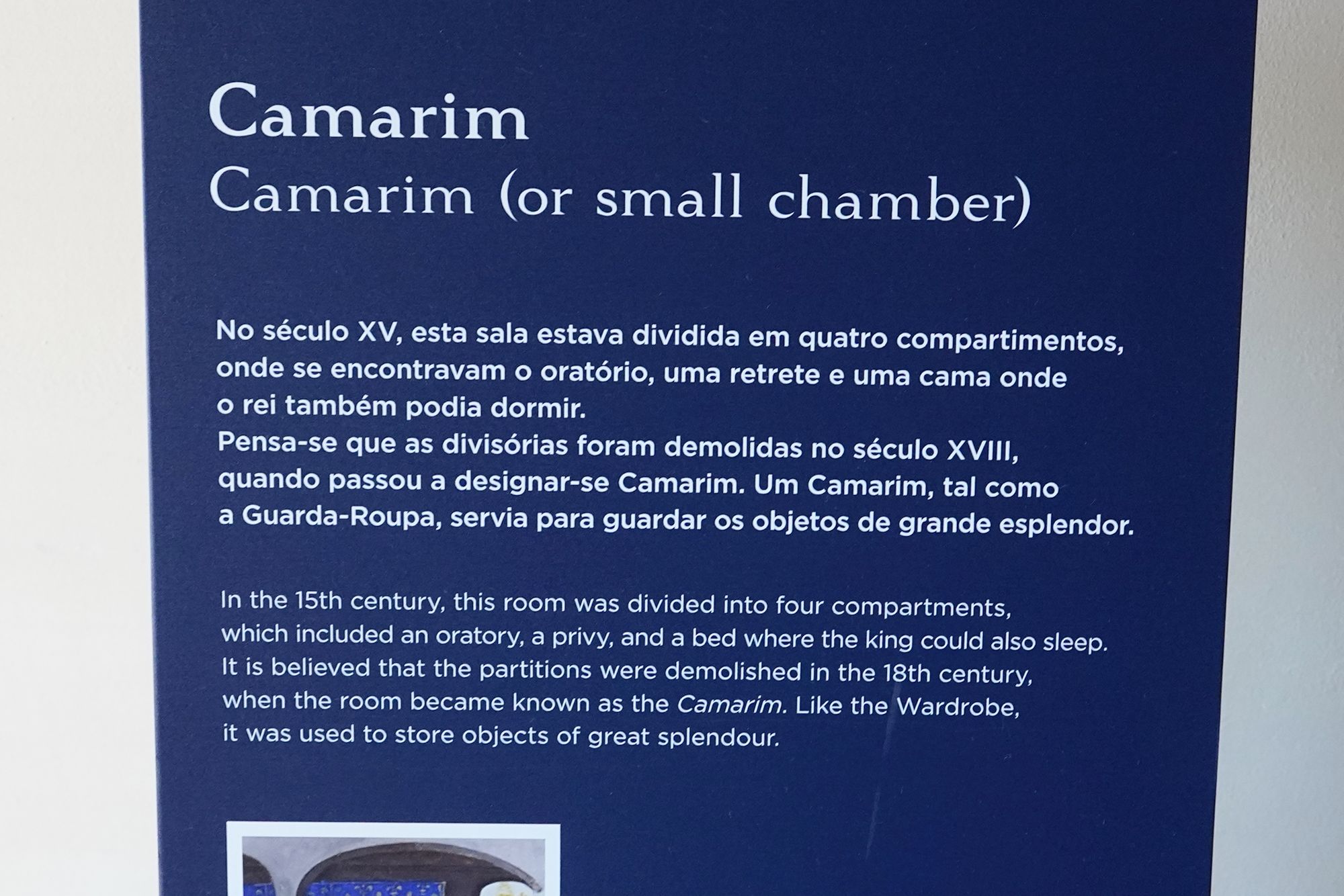
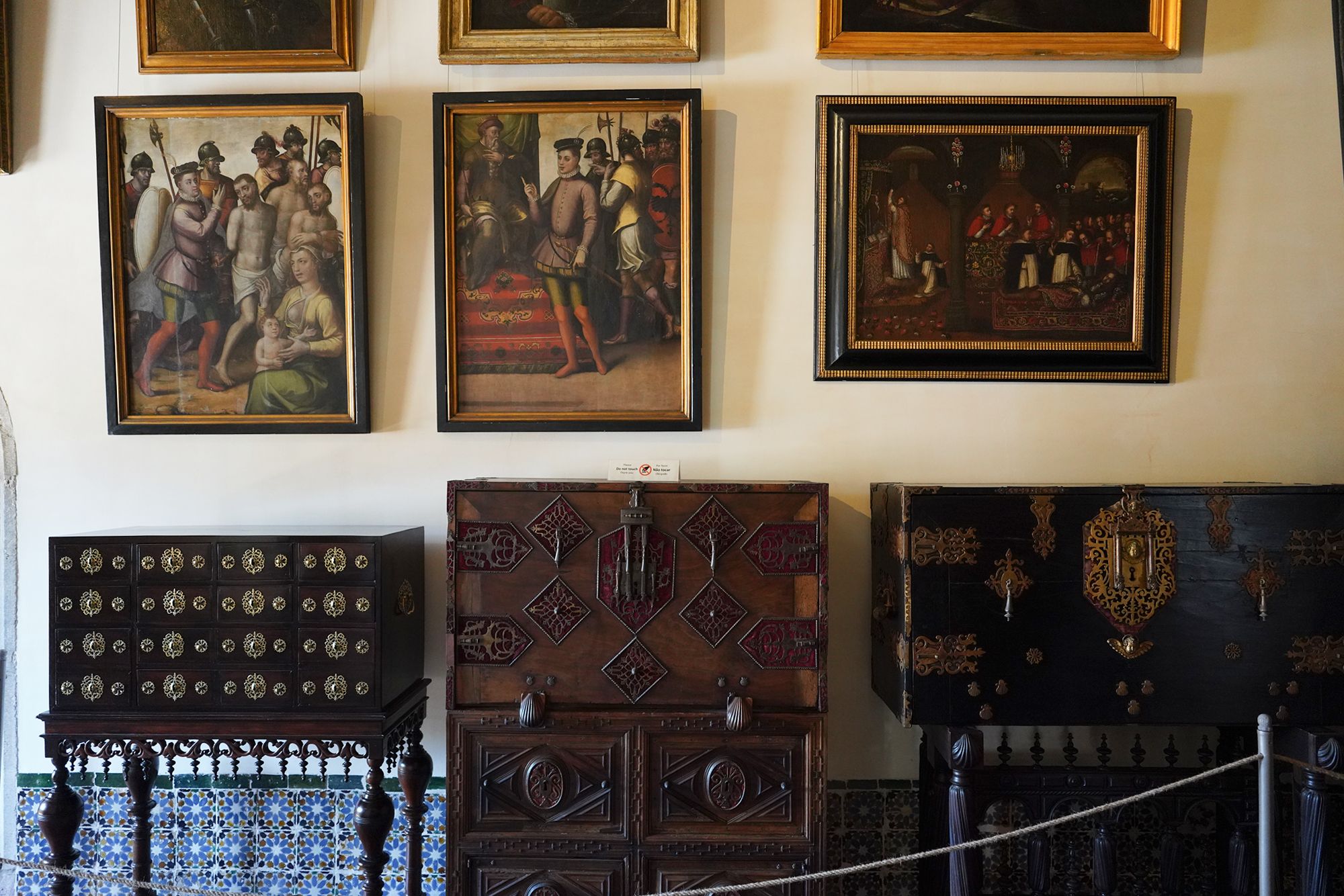
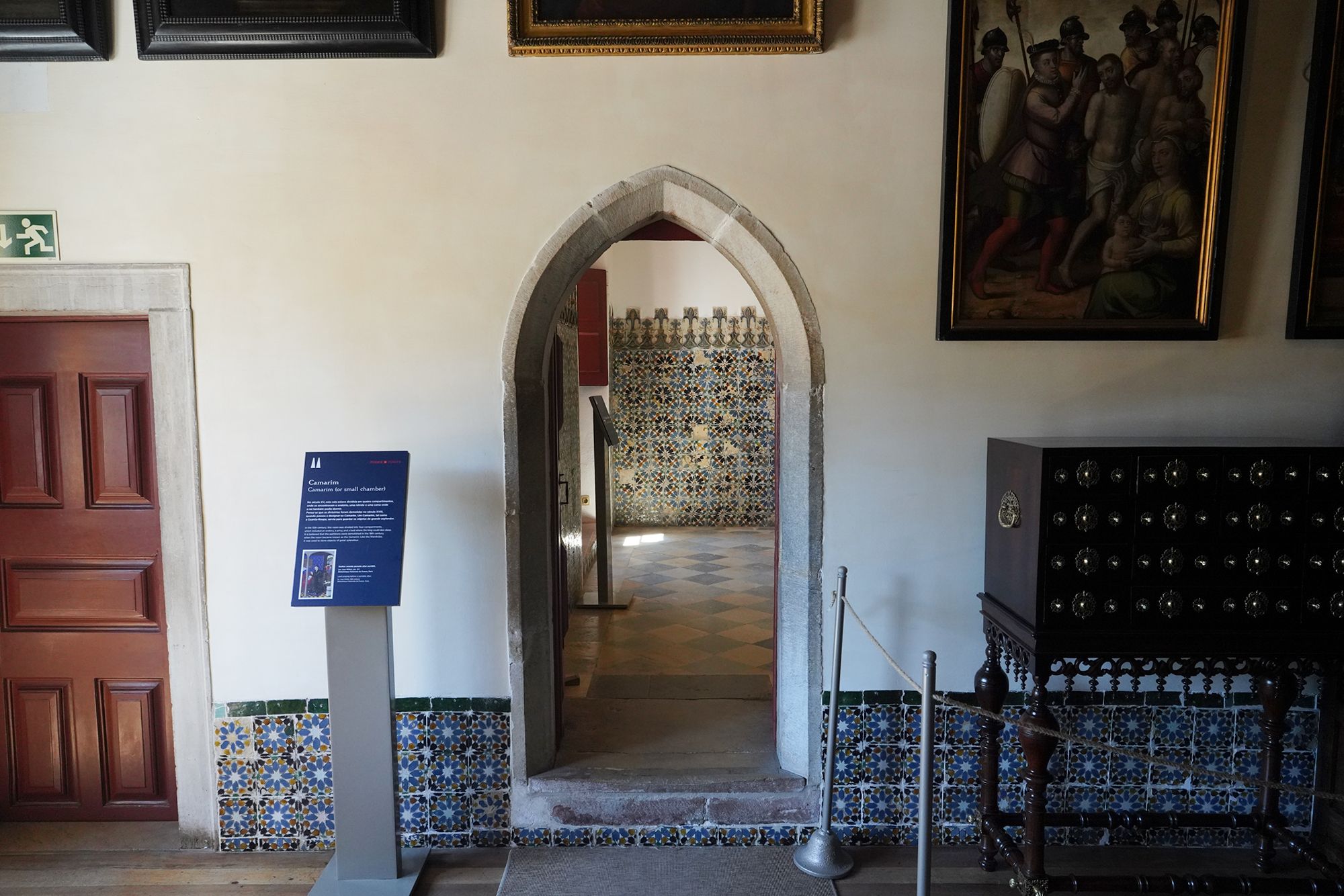
In the 15th century, this room had four compartments, including a private prayer space, a toilet, and a bed for the king. The partitions were probably removed in the 18th century. Known as the Camarim, or small chamber, it also stored valuable royal objects.
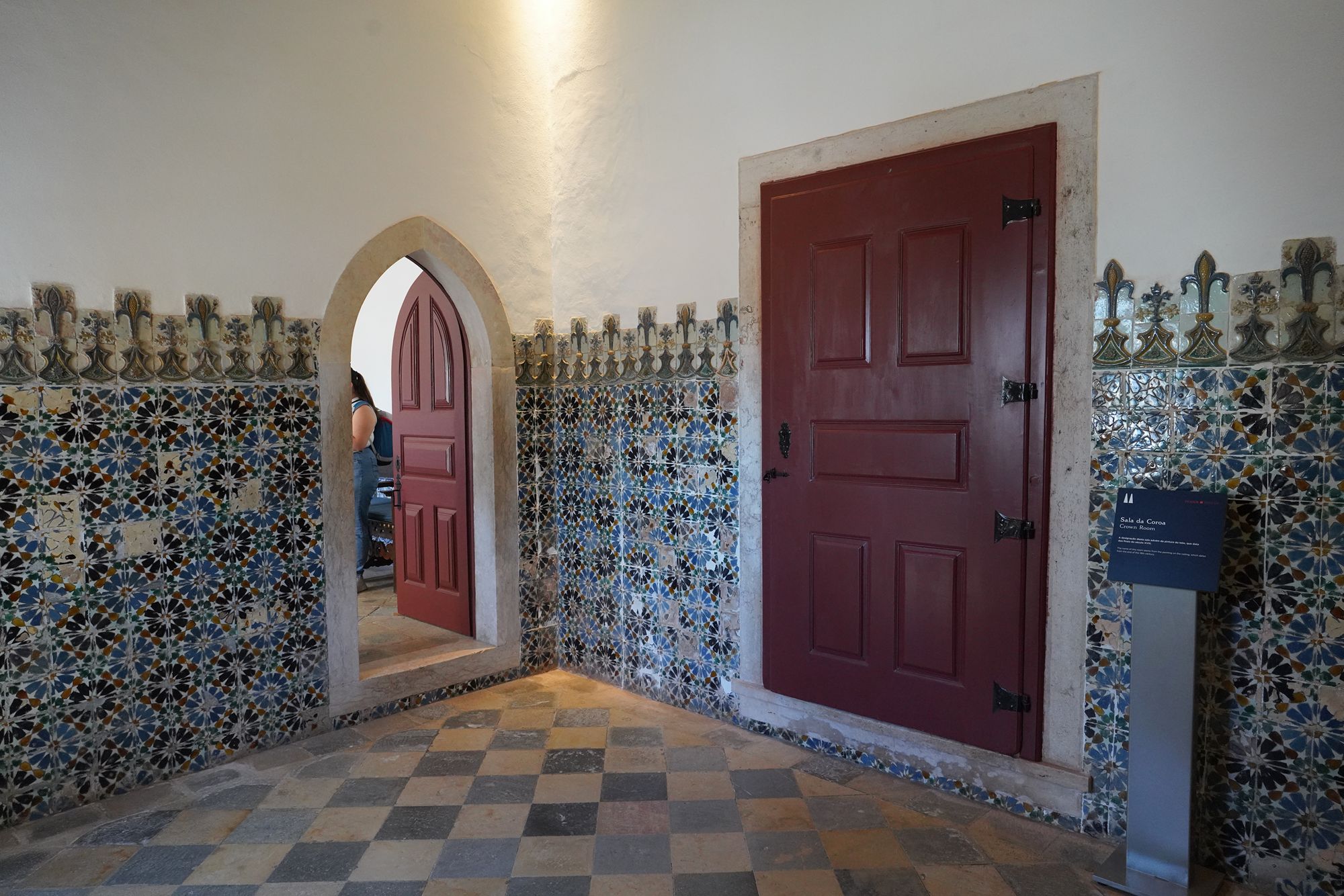
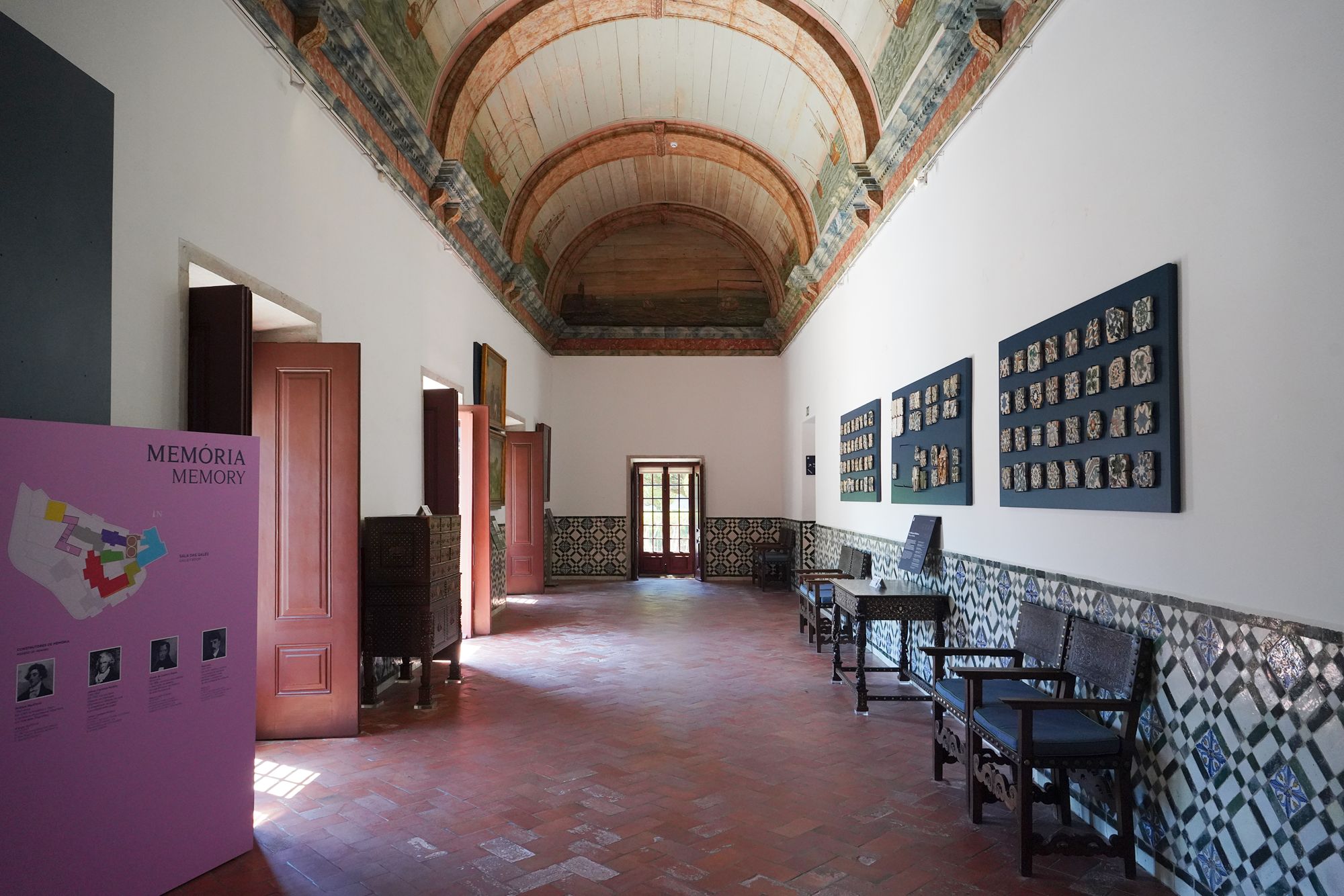
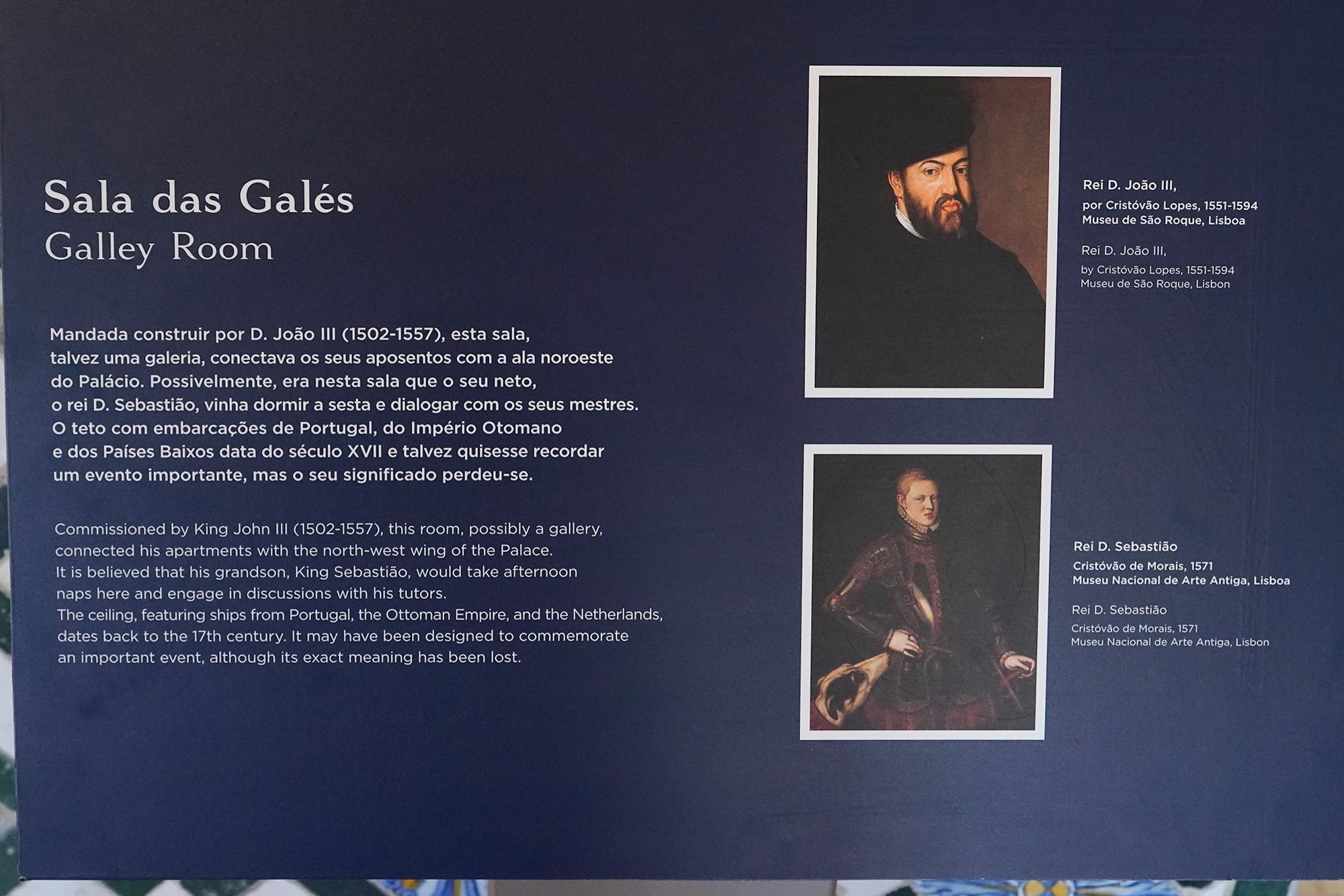
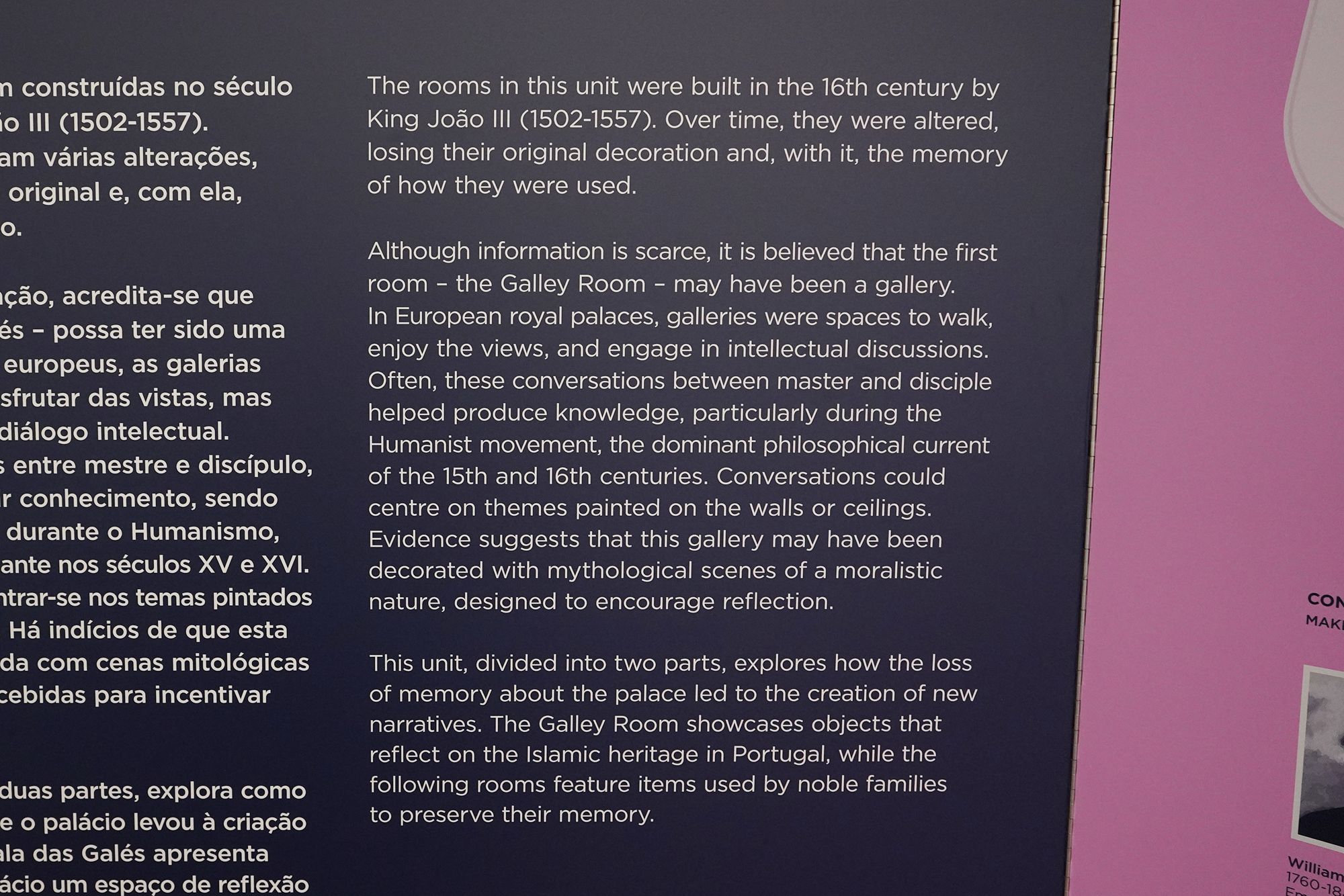
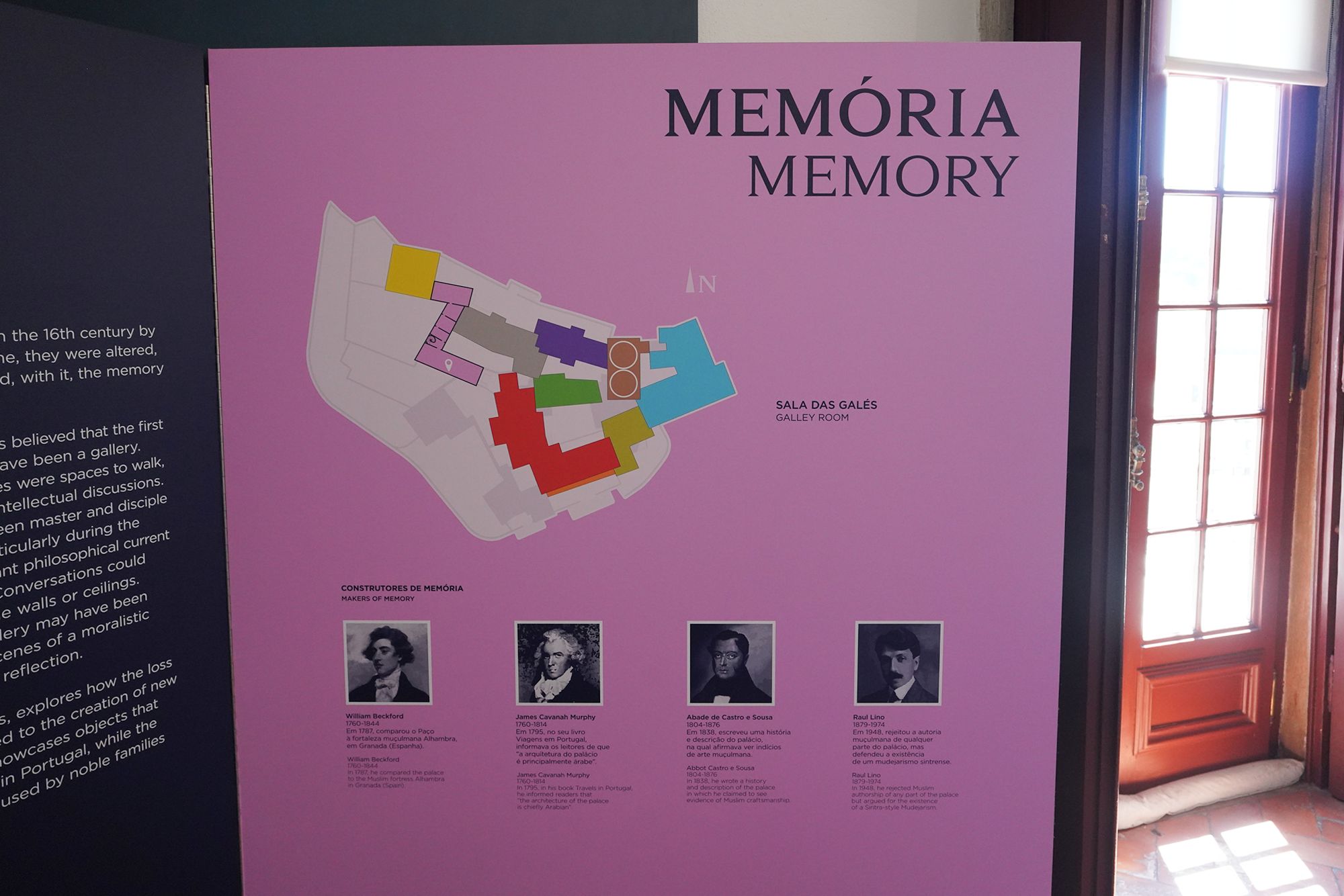
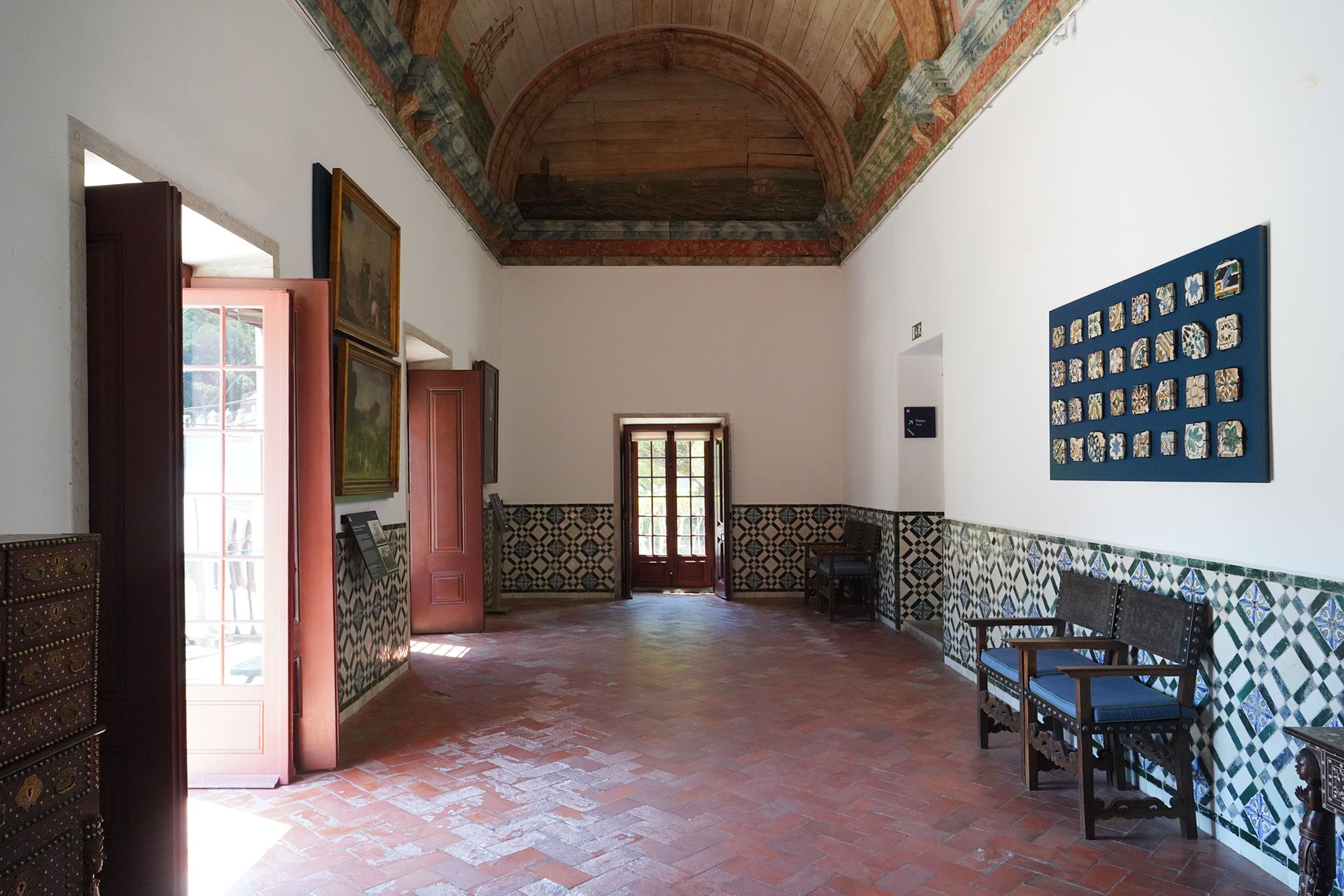
The Galley Room connected King João III’s apartments with the palace’s northwest wing. King Sebastian is believed to have rested here and met with his tutors. Its 17th-century ceiling depicts Portuguese, Ottoman, and Dutch ships, although the meaning behind the paintings is now unknown.
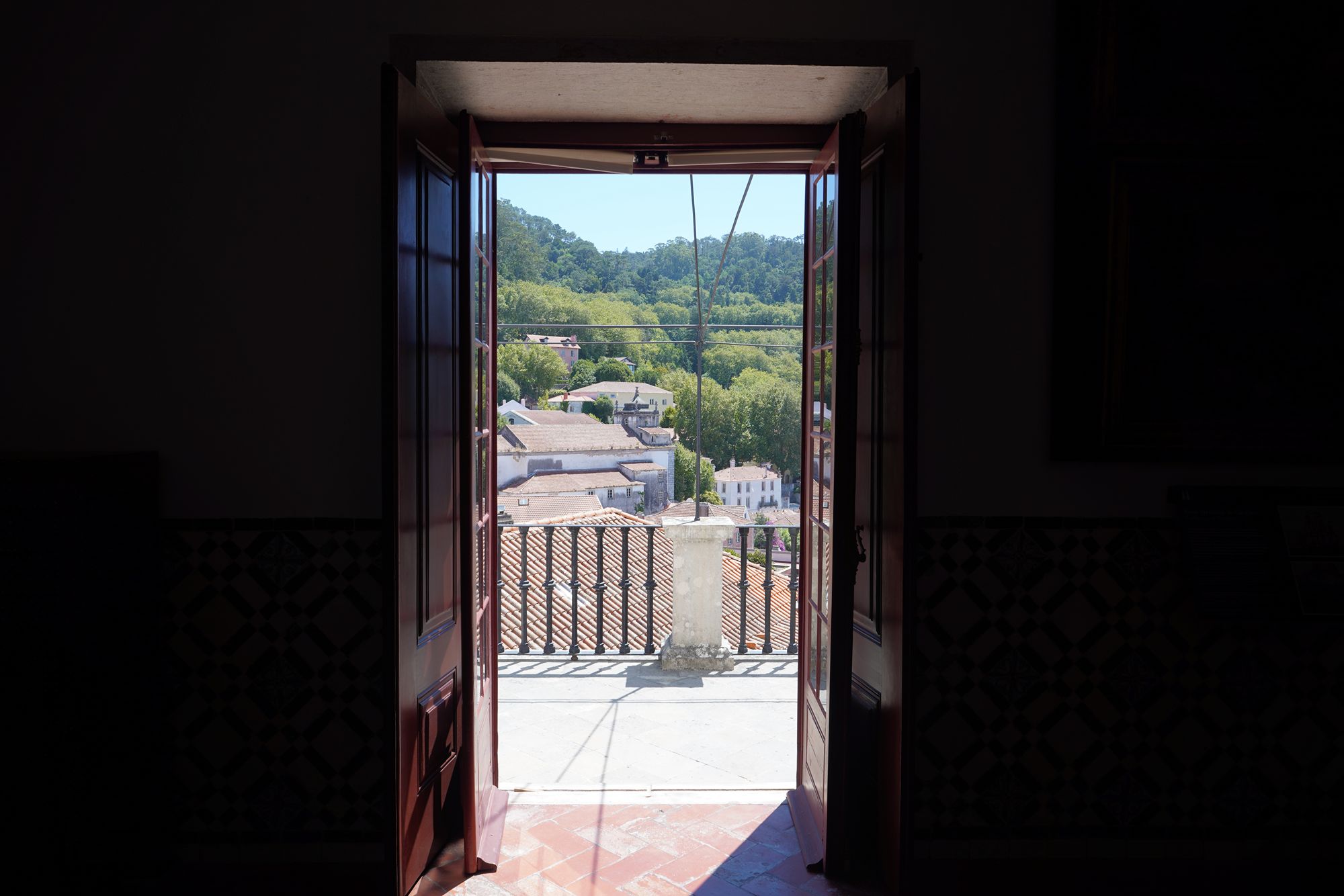
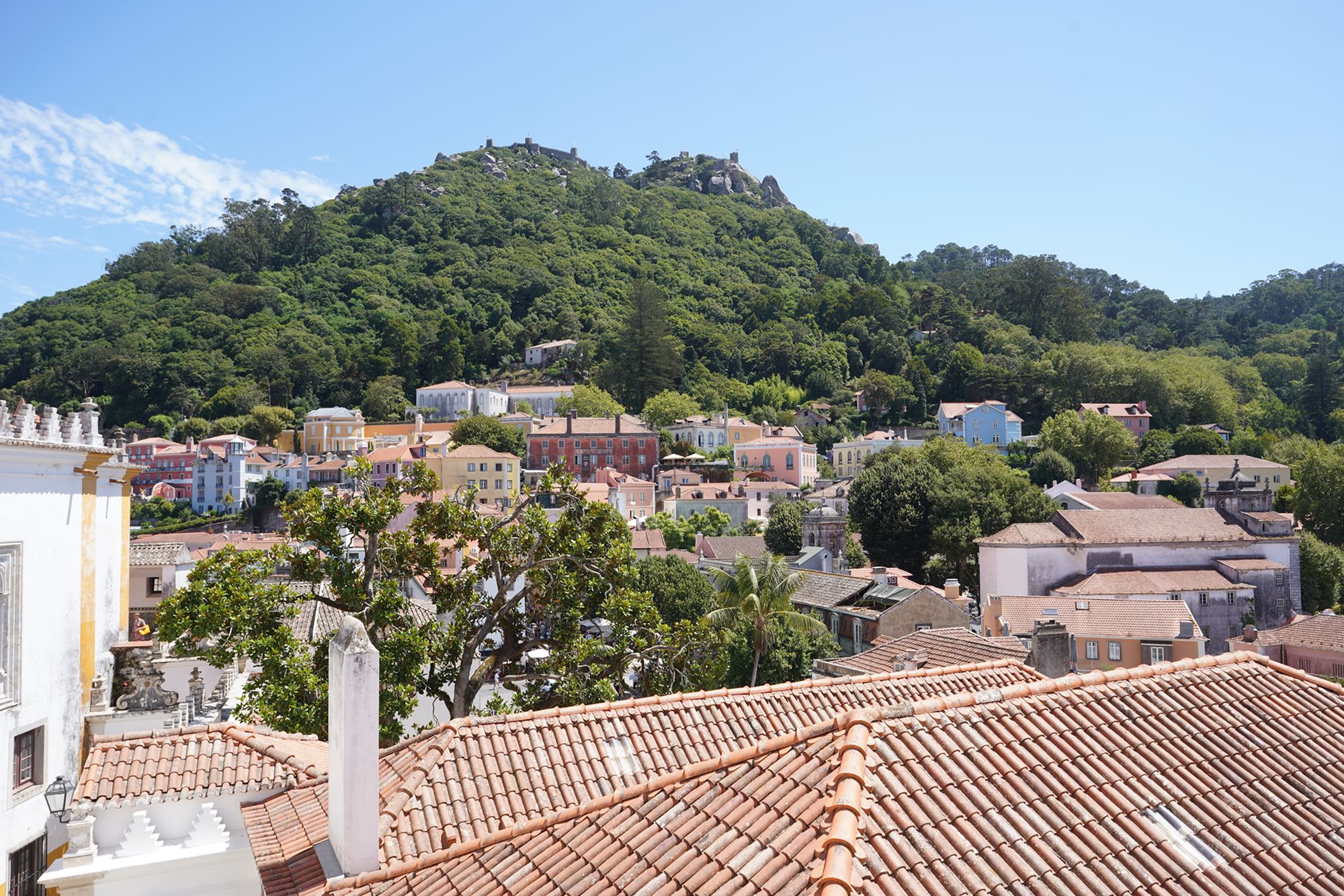
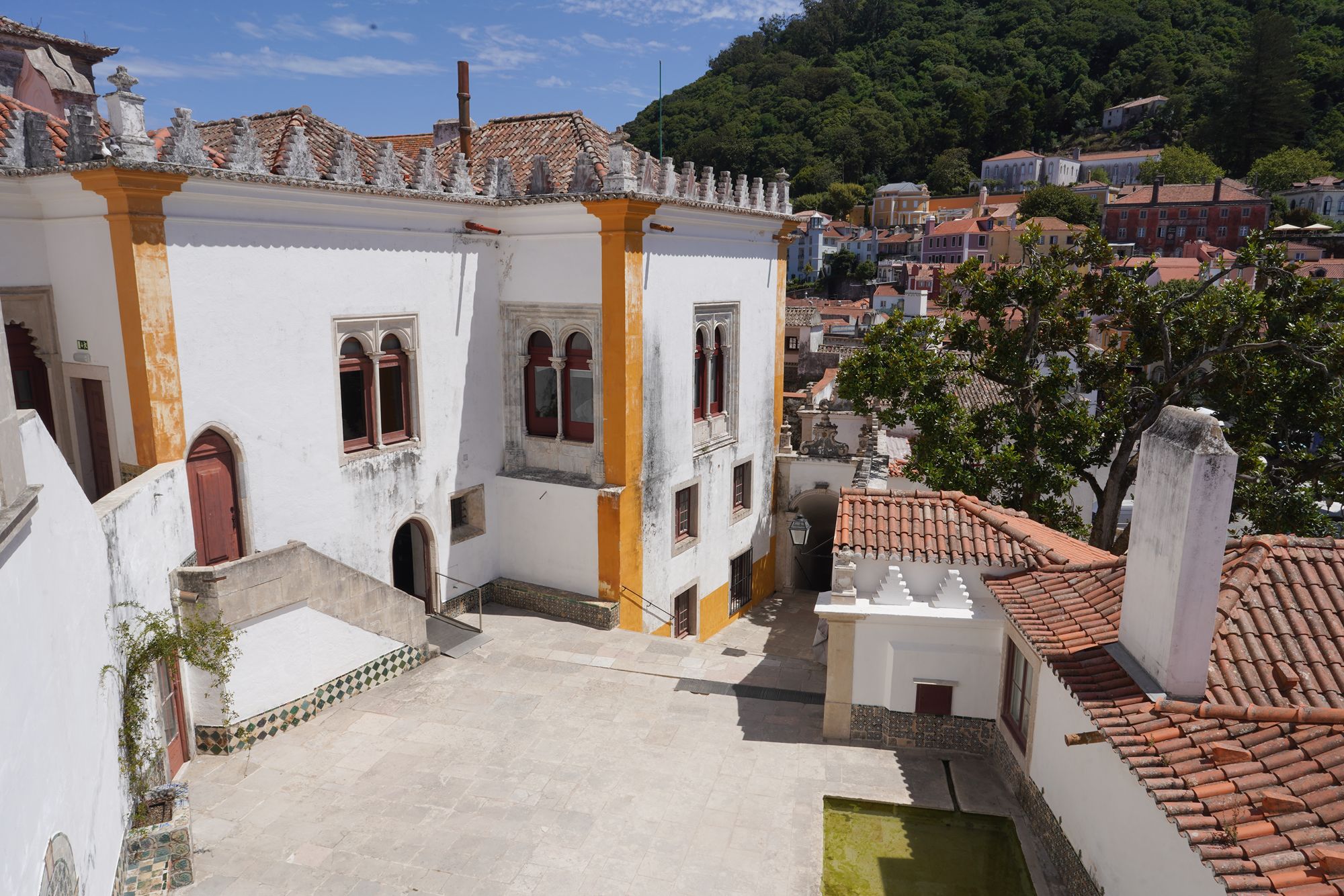
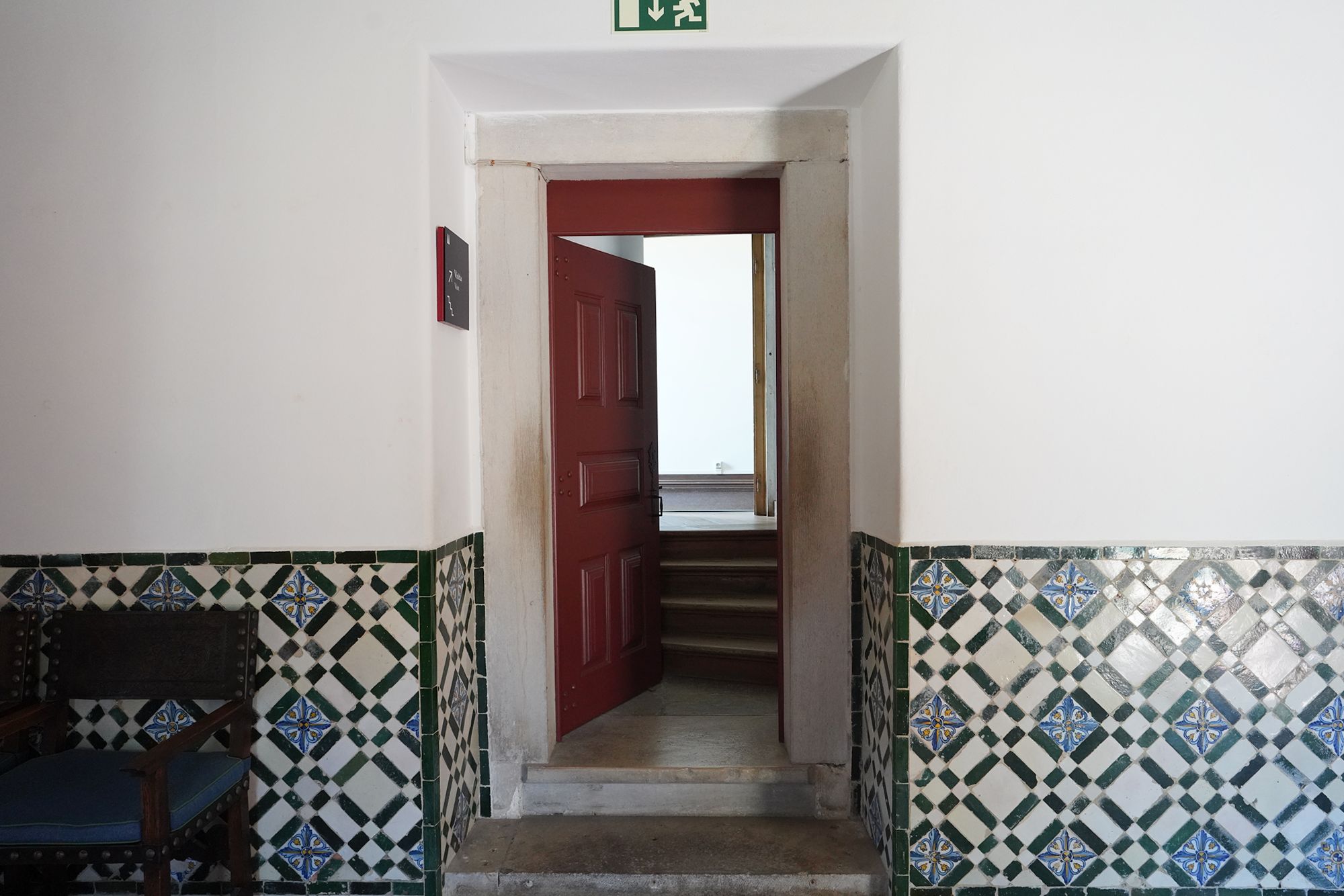
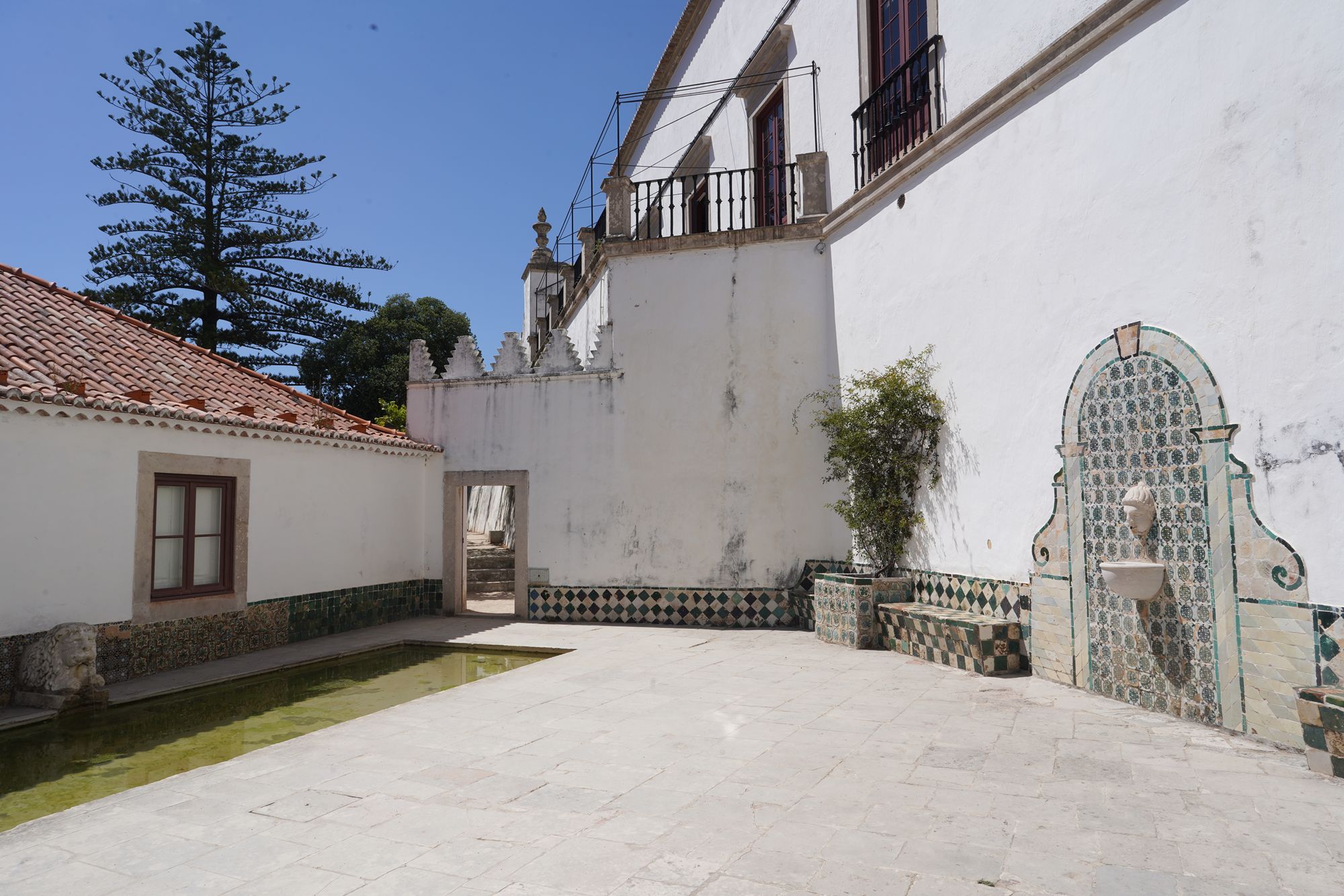
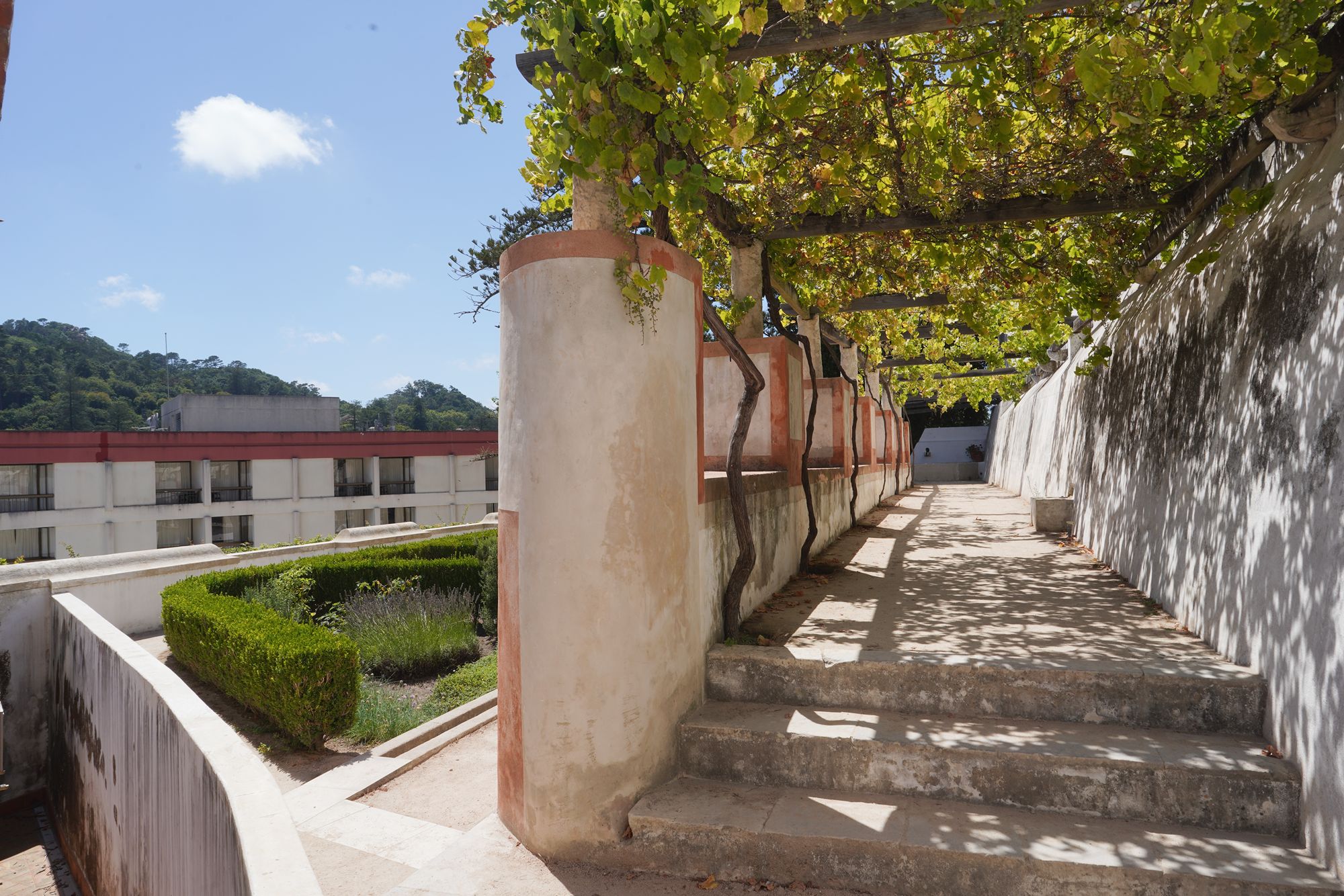
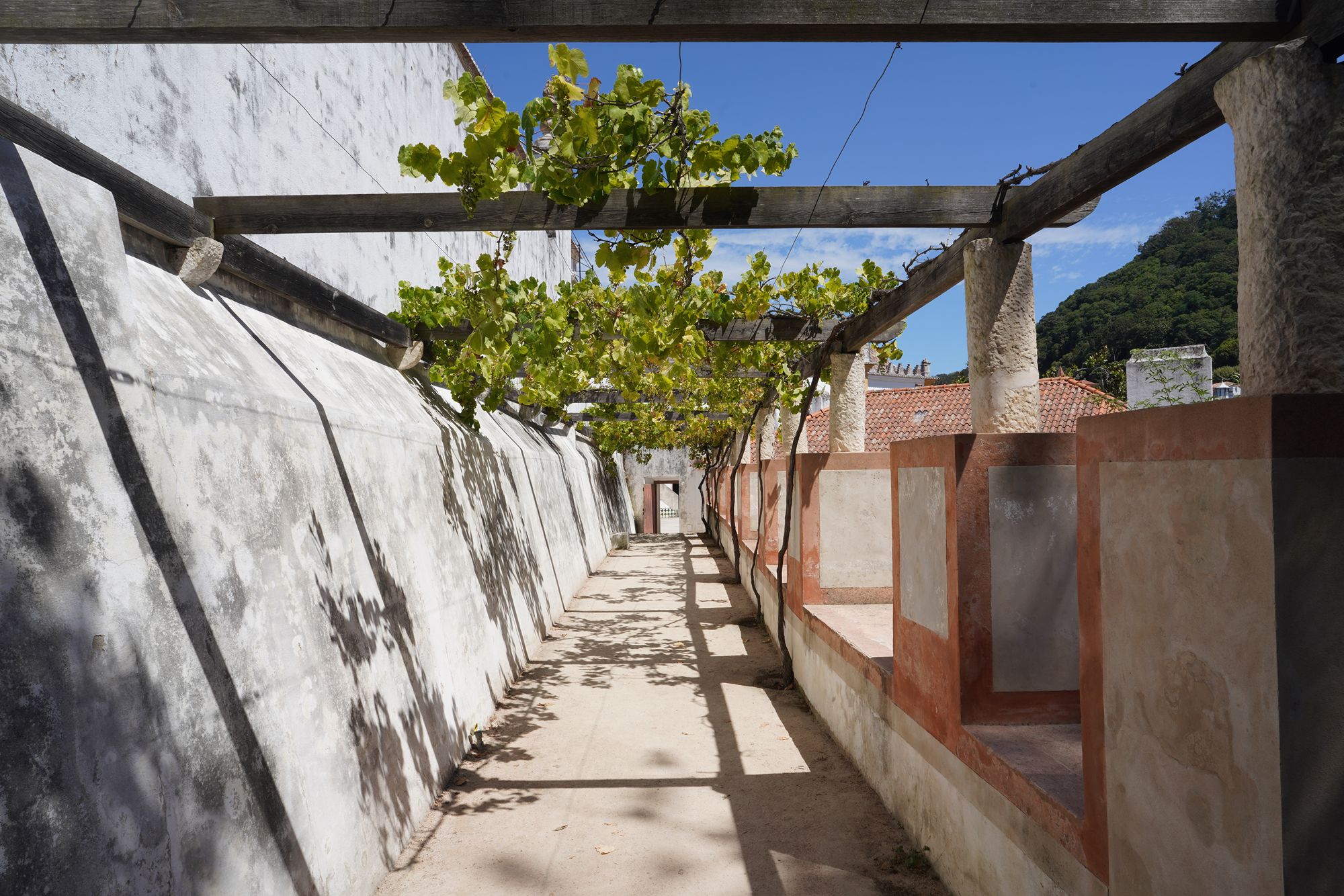
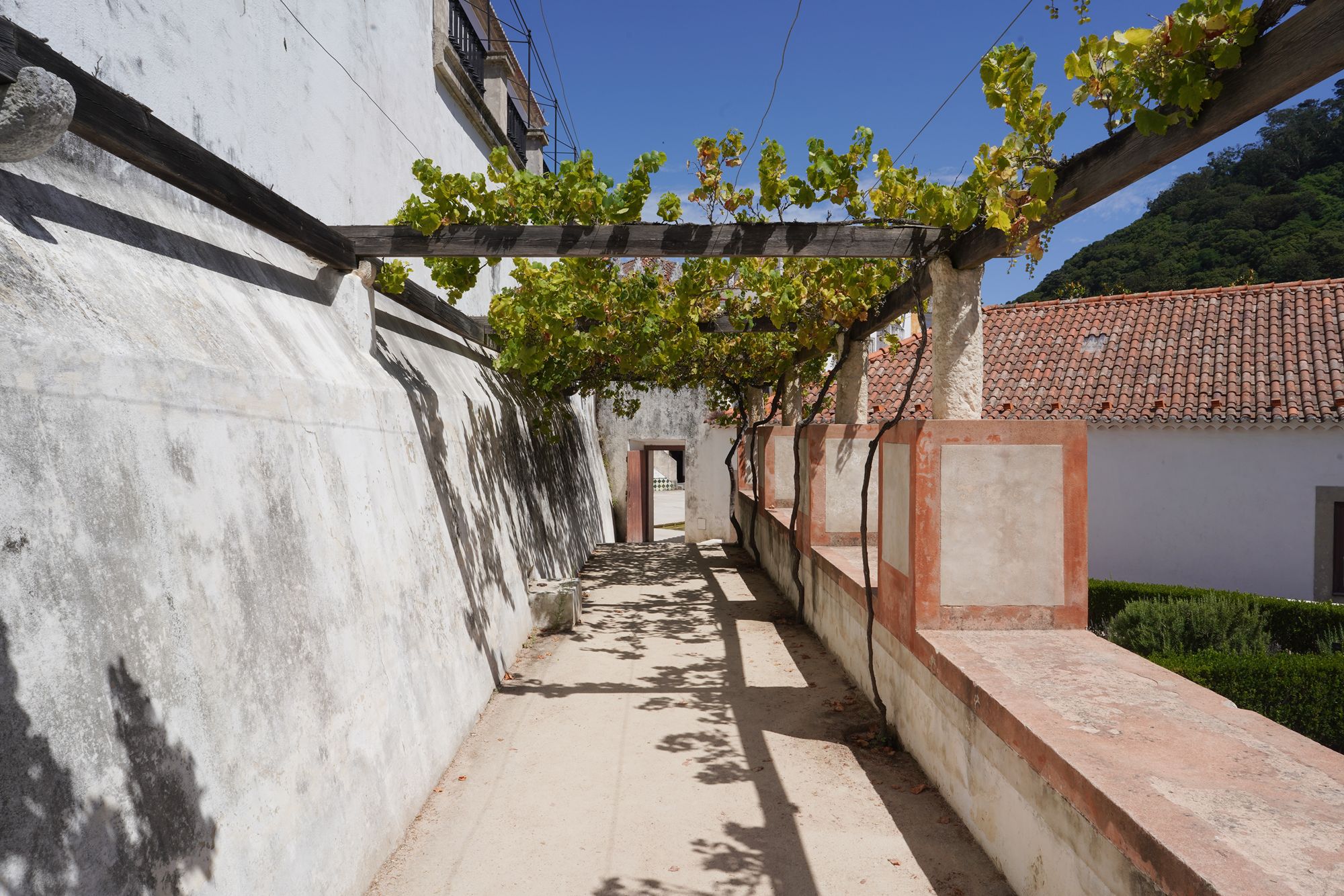
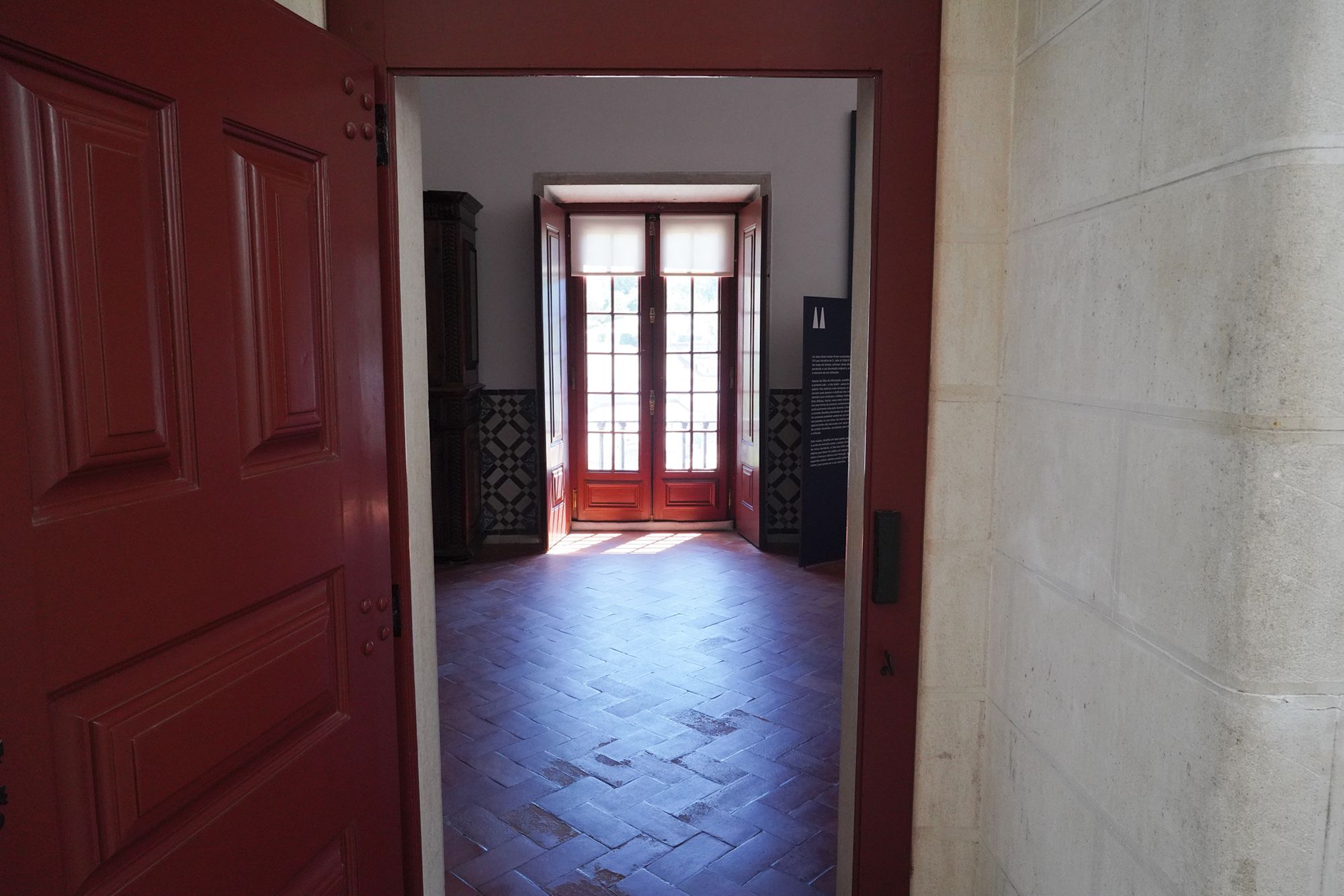
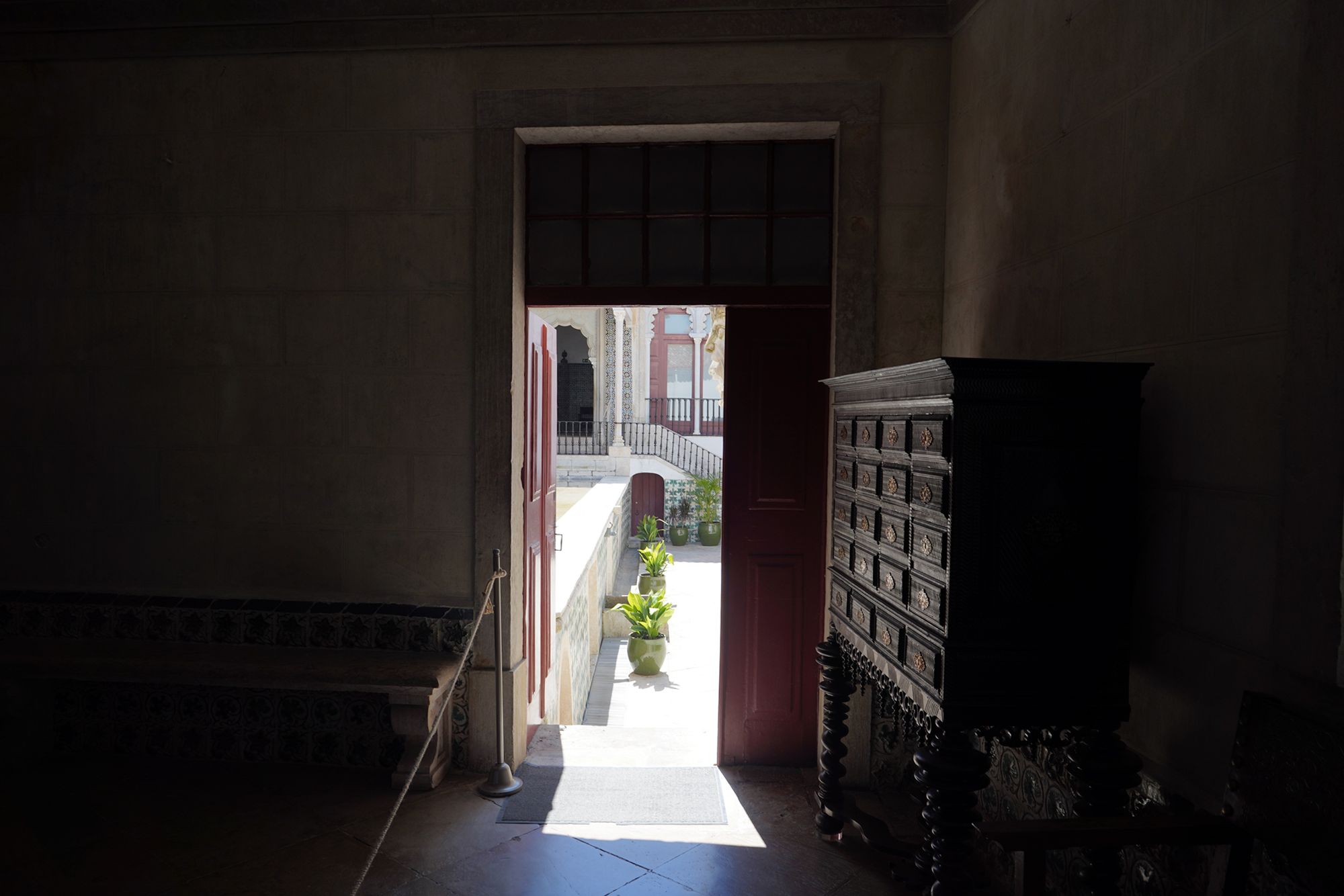
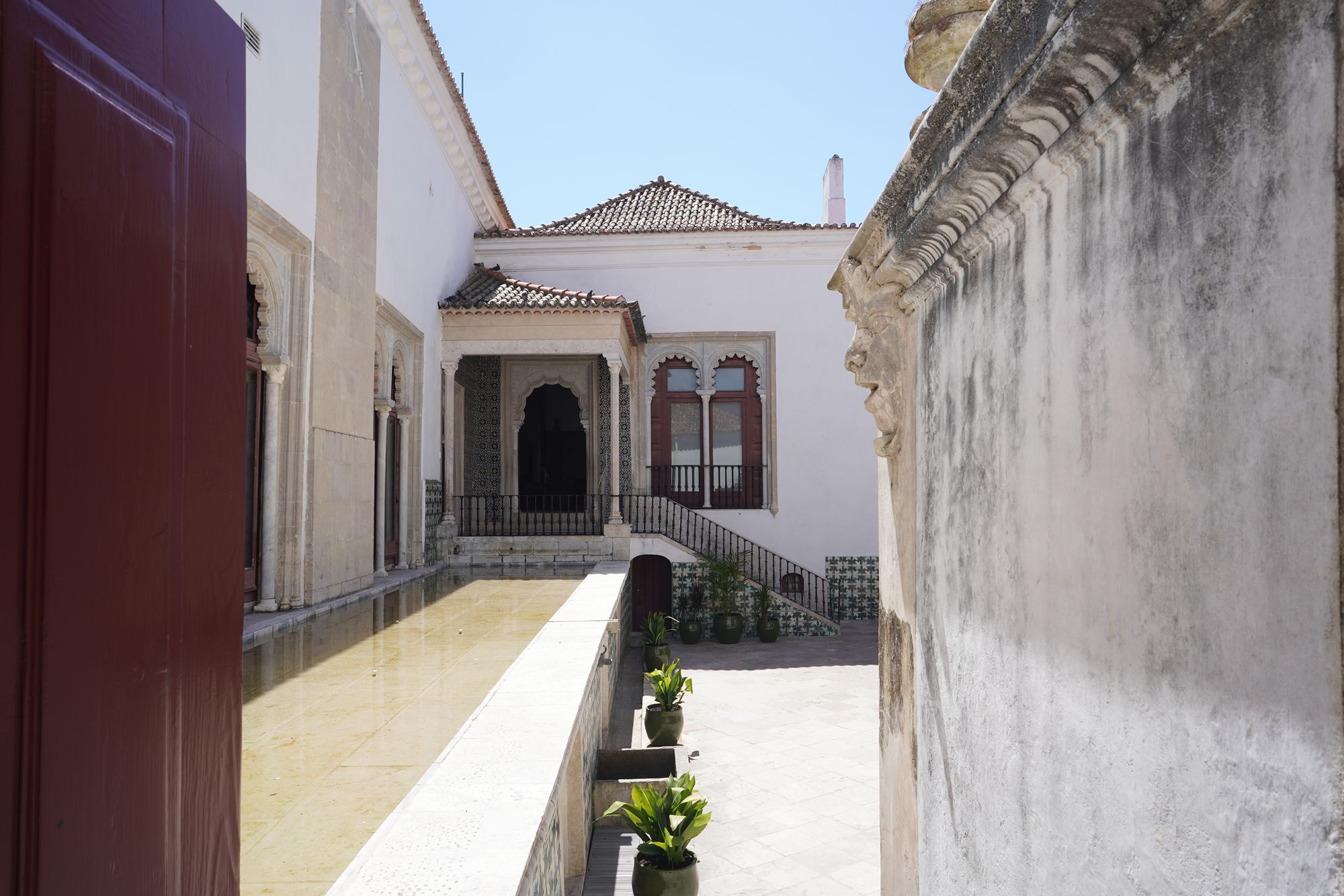
A small door led out to a garden.
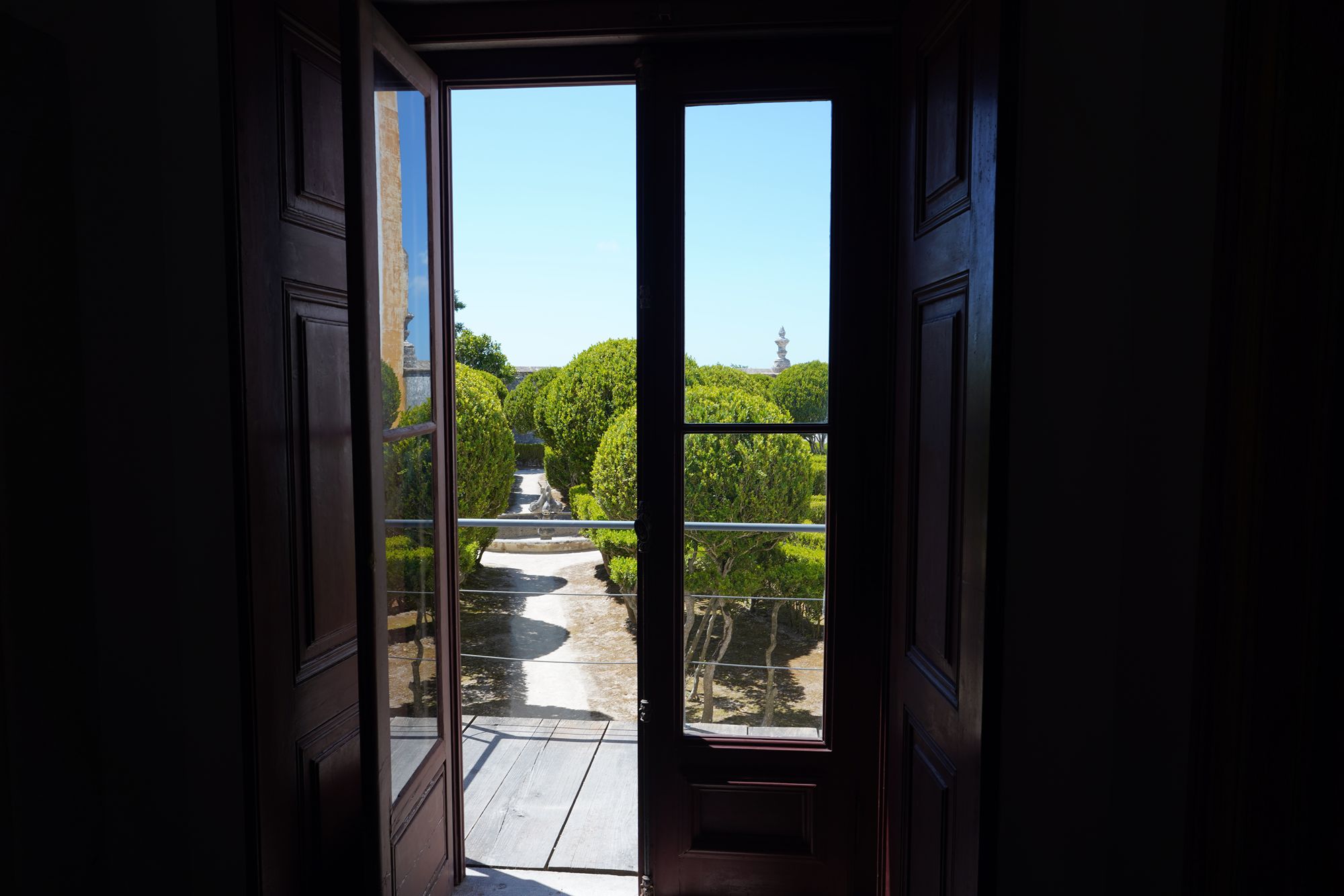
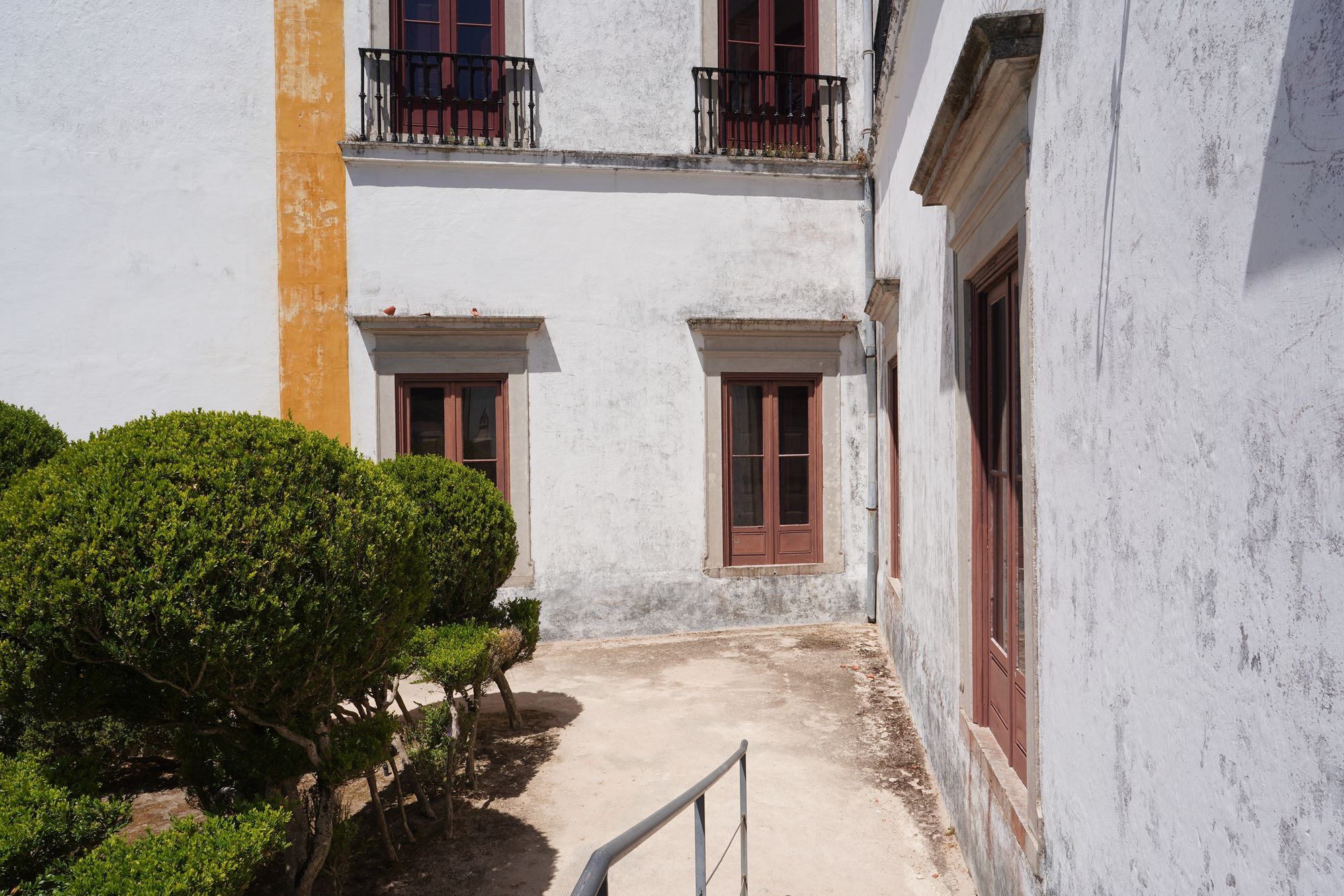
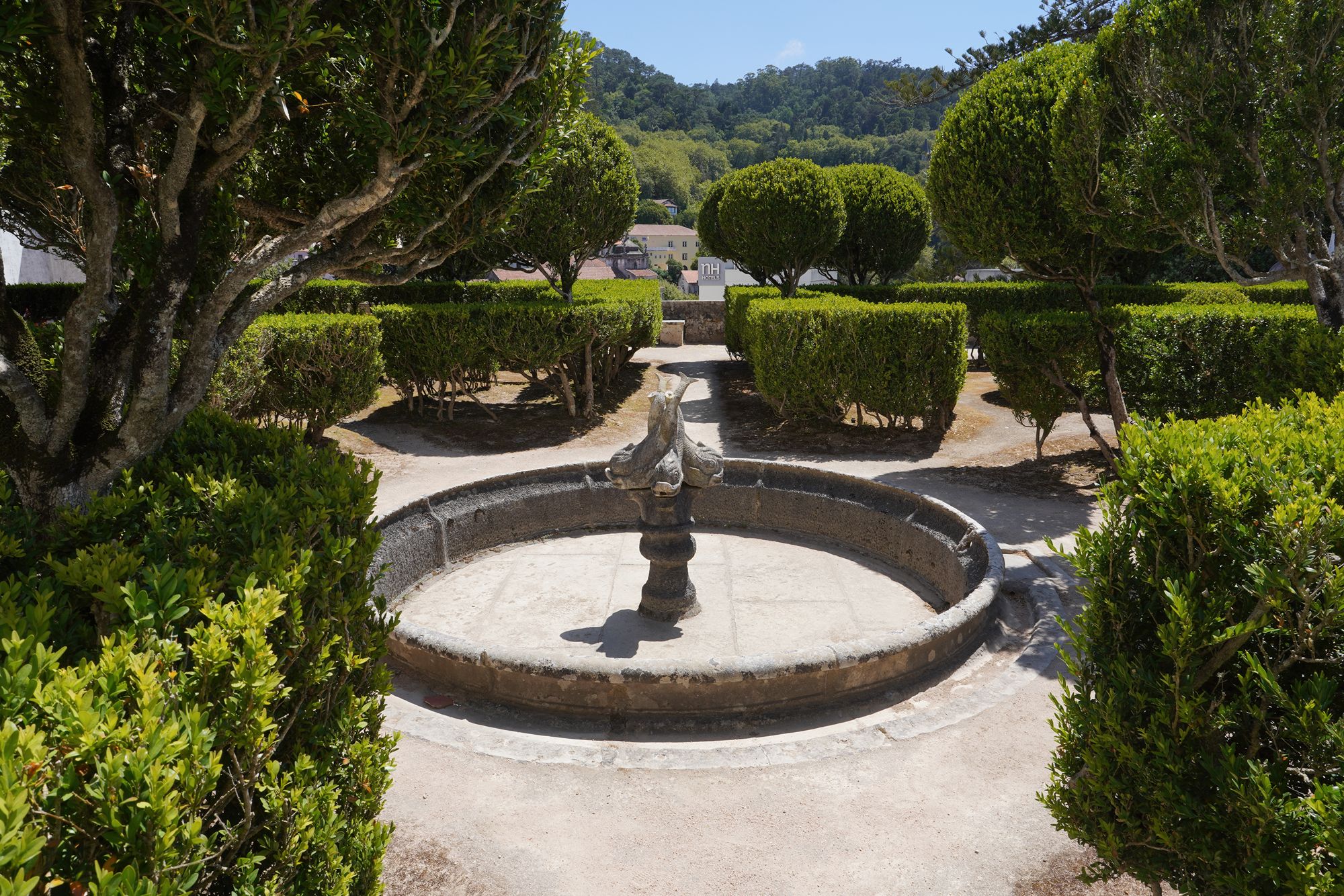
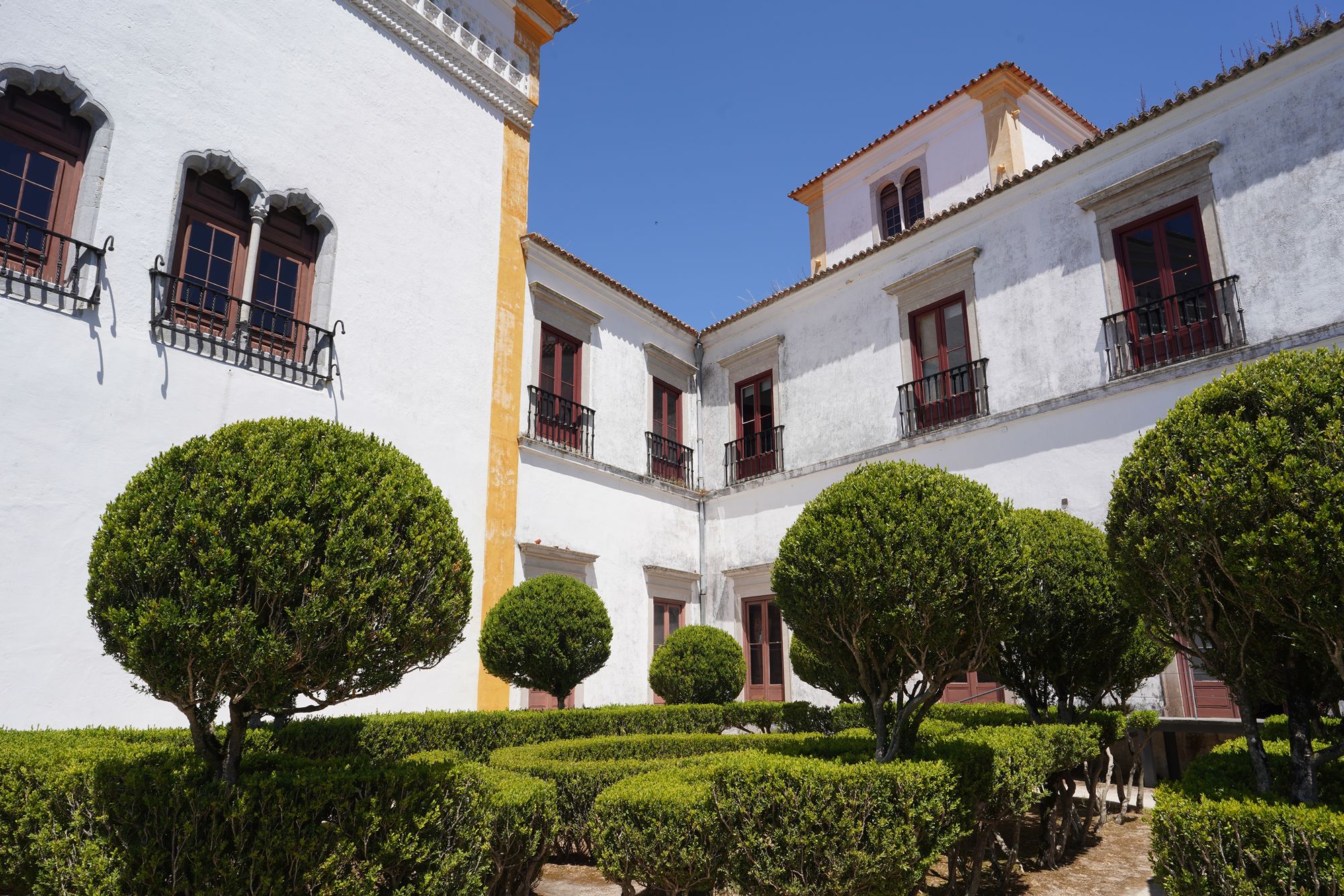
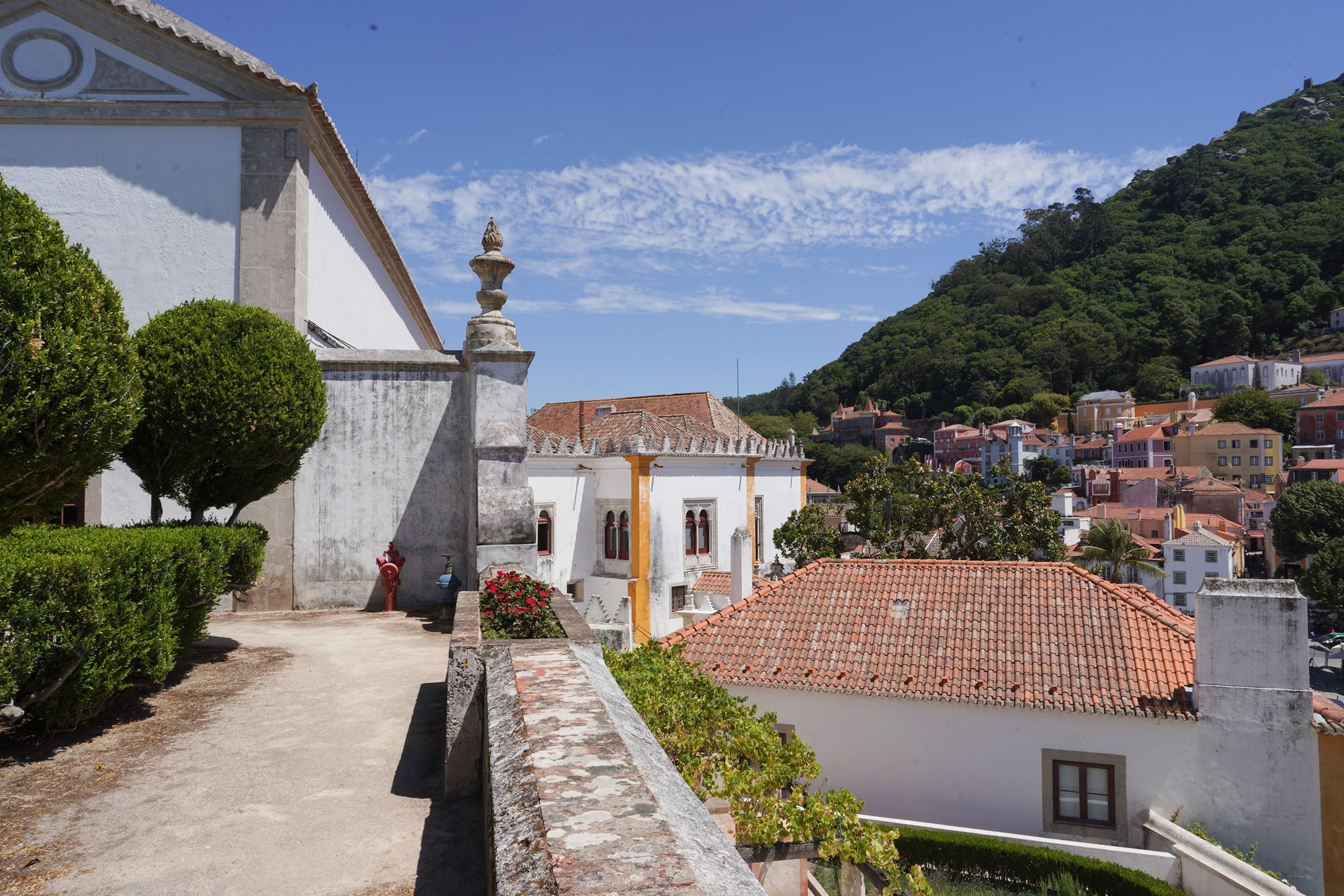
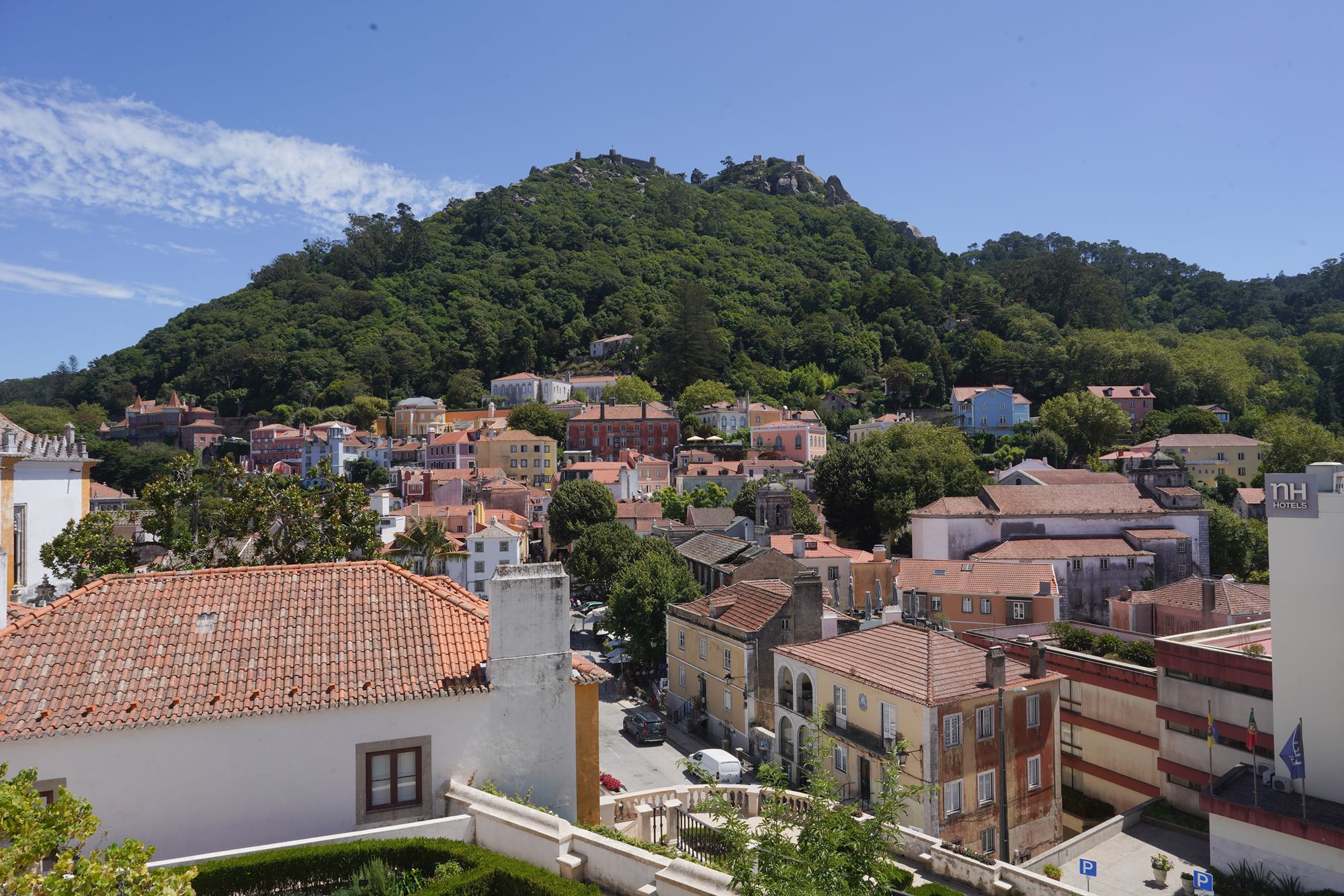
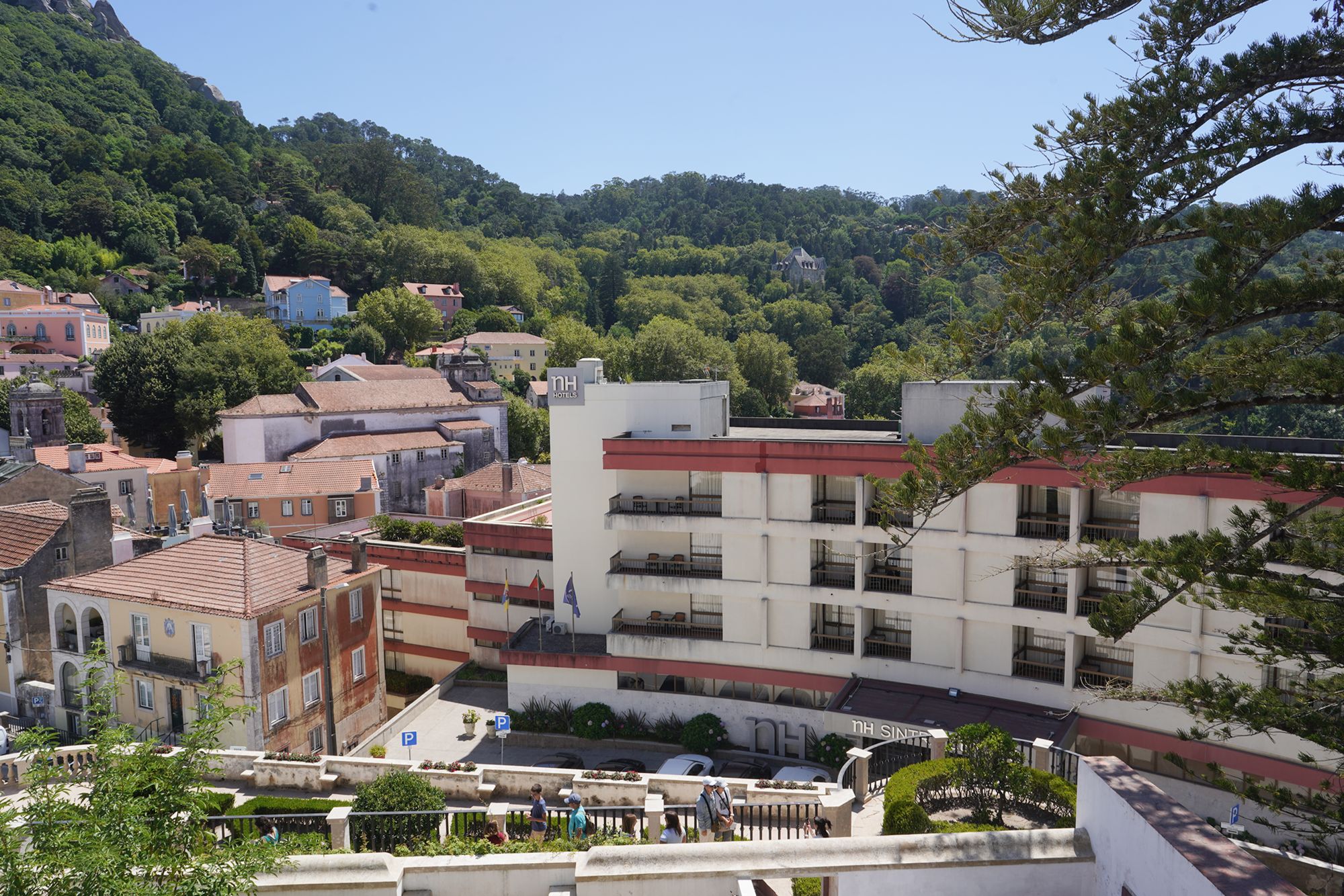
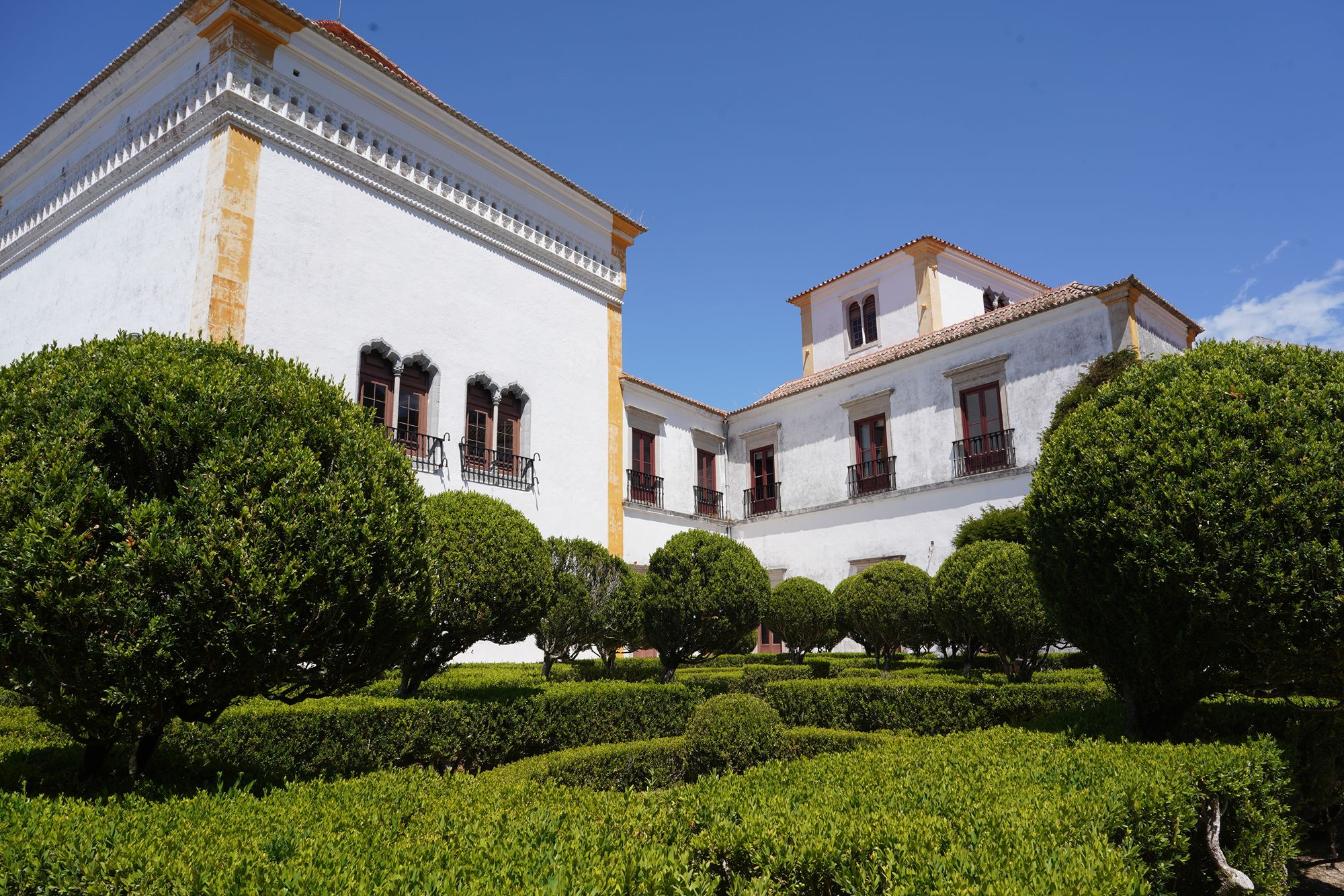
Looking back at the palace
I returned to the palace inside
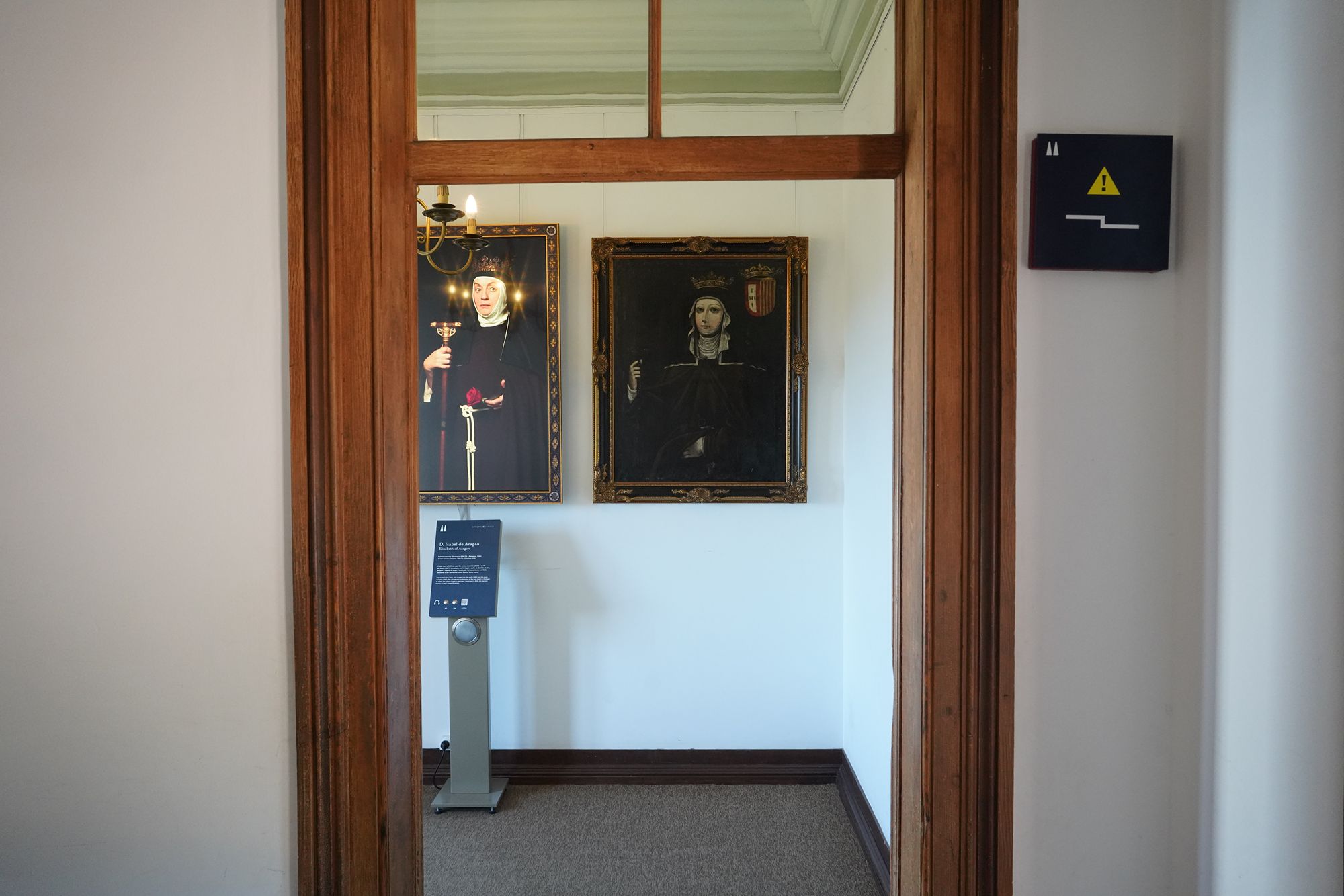
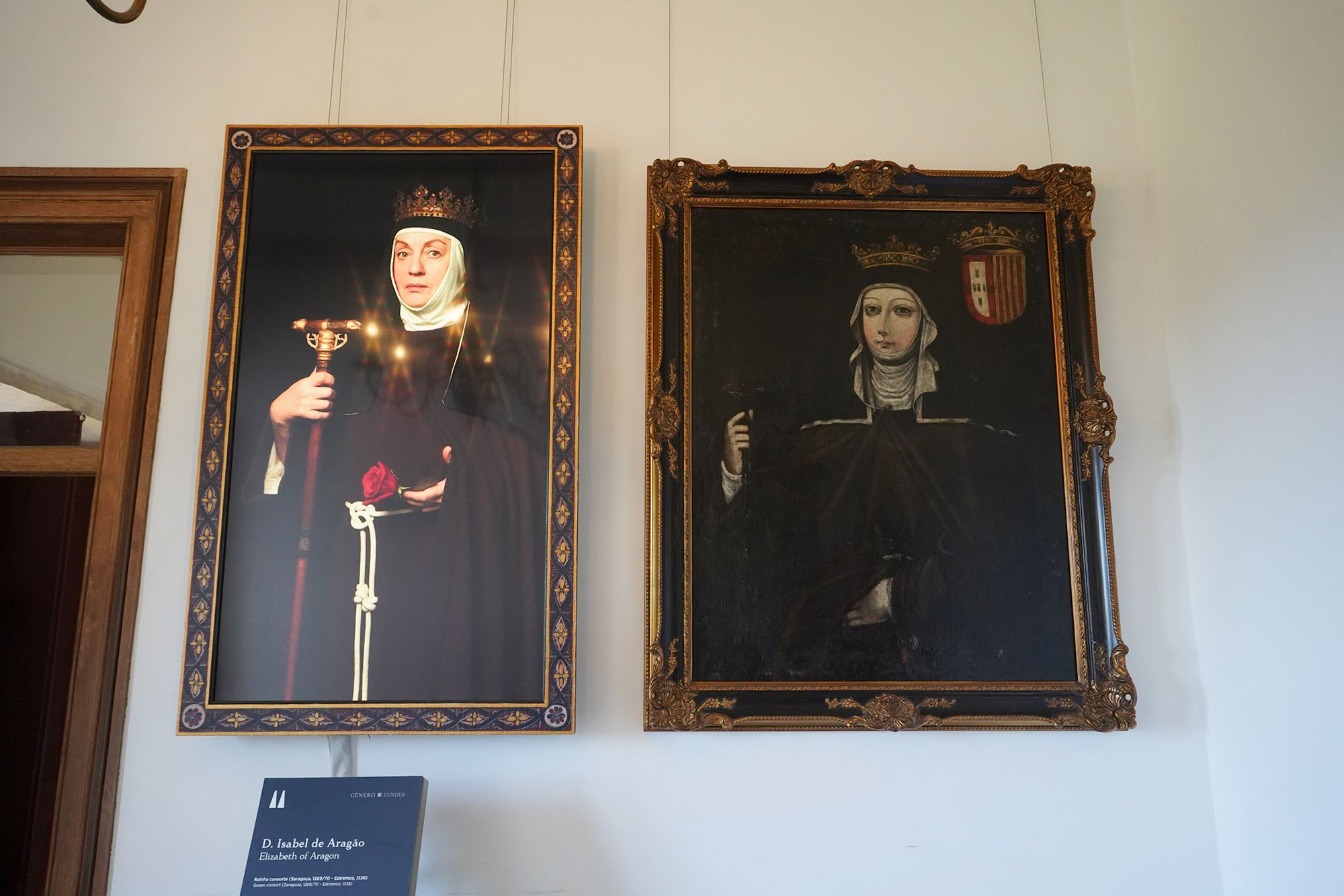
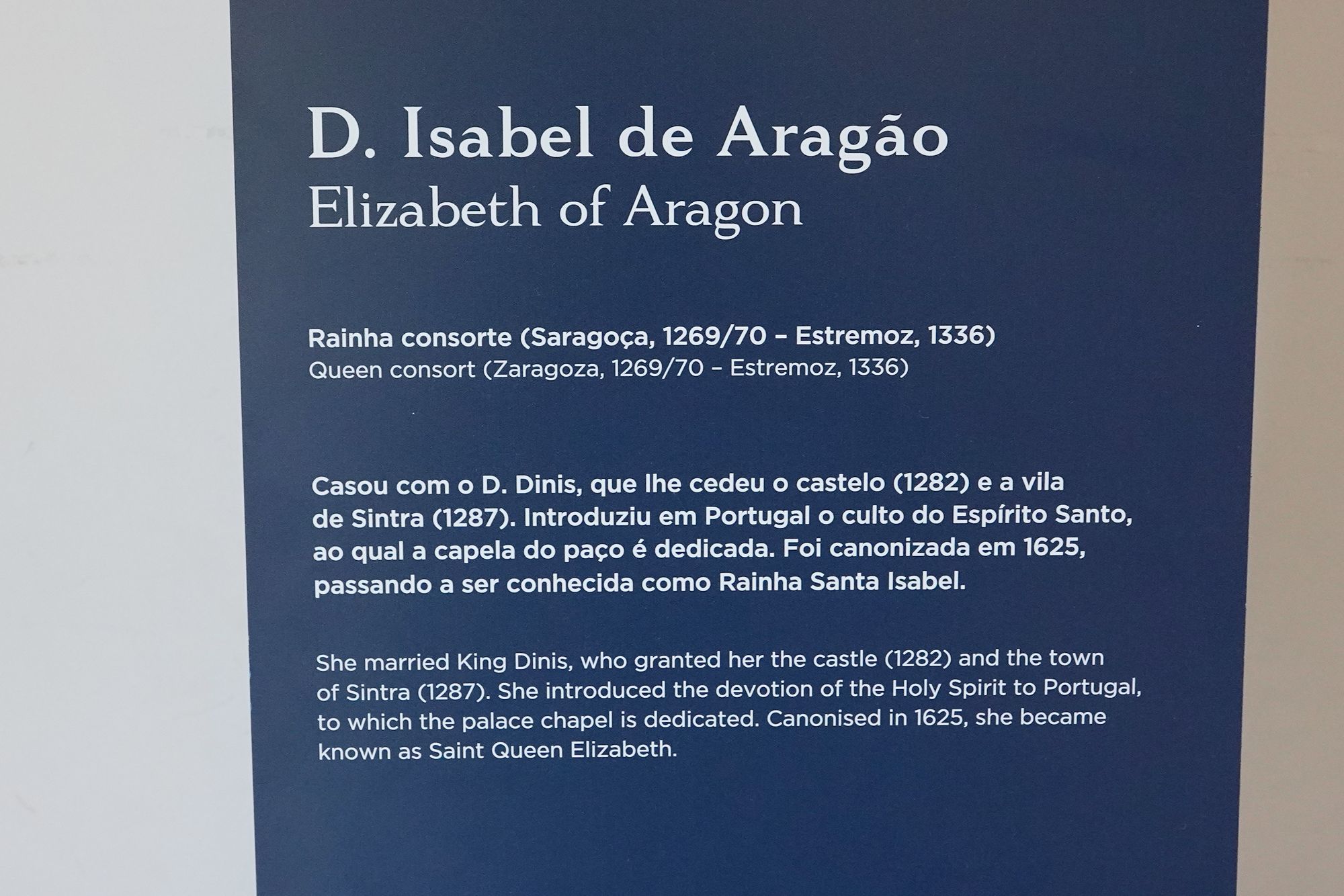
Elizabeth of Aragon, wife of King Dinis, received the town of Sintra in 1287. She introduced devotion to the Holy Spirit in Portugal, reflected in the dedication of the palace chapel. Canonized in 1625, she became known as Saint Queen Elizabeth.
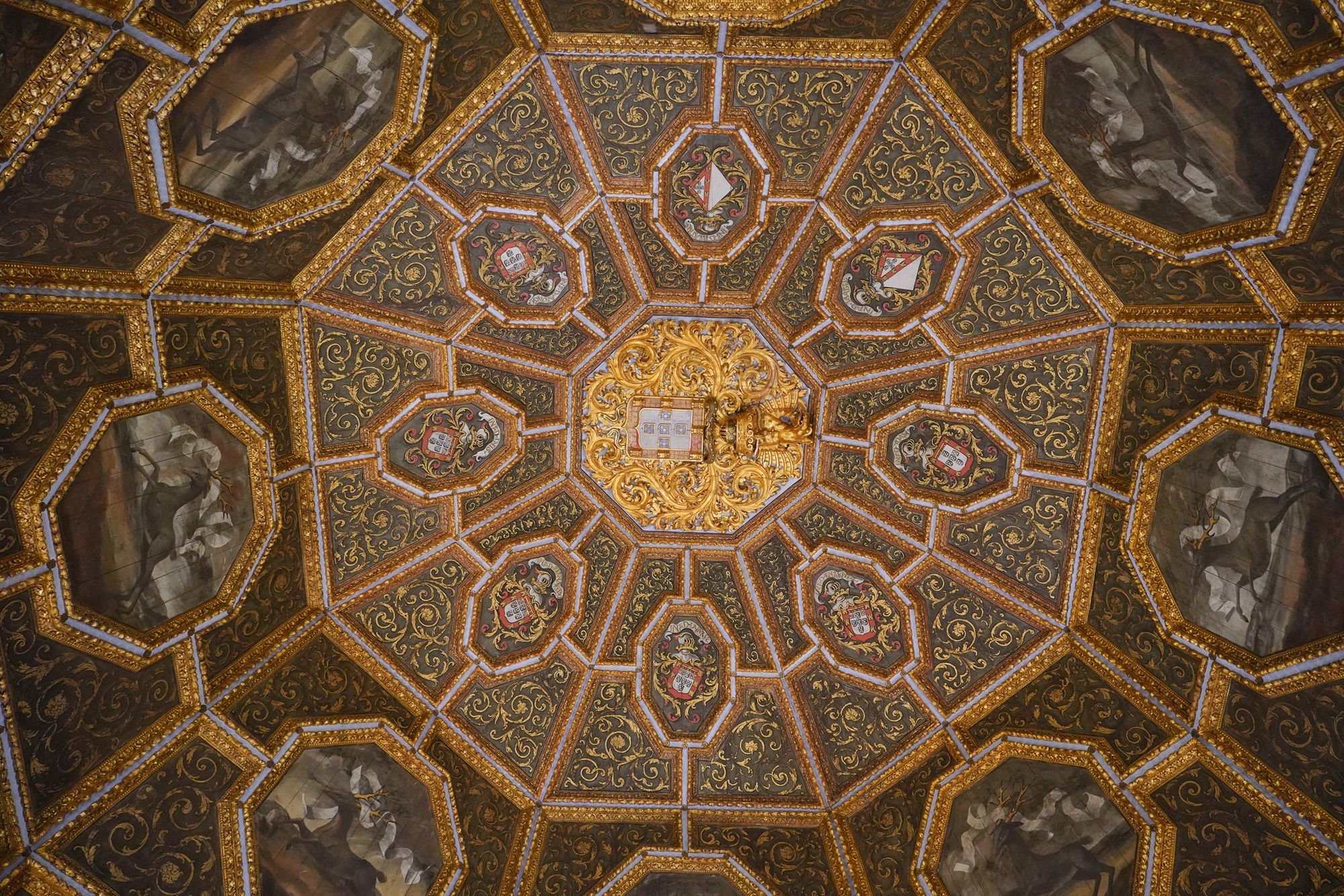
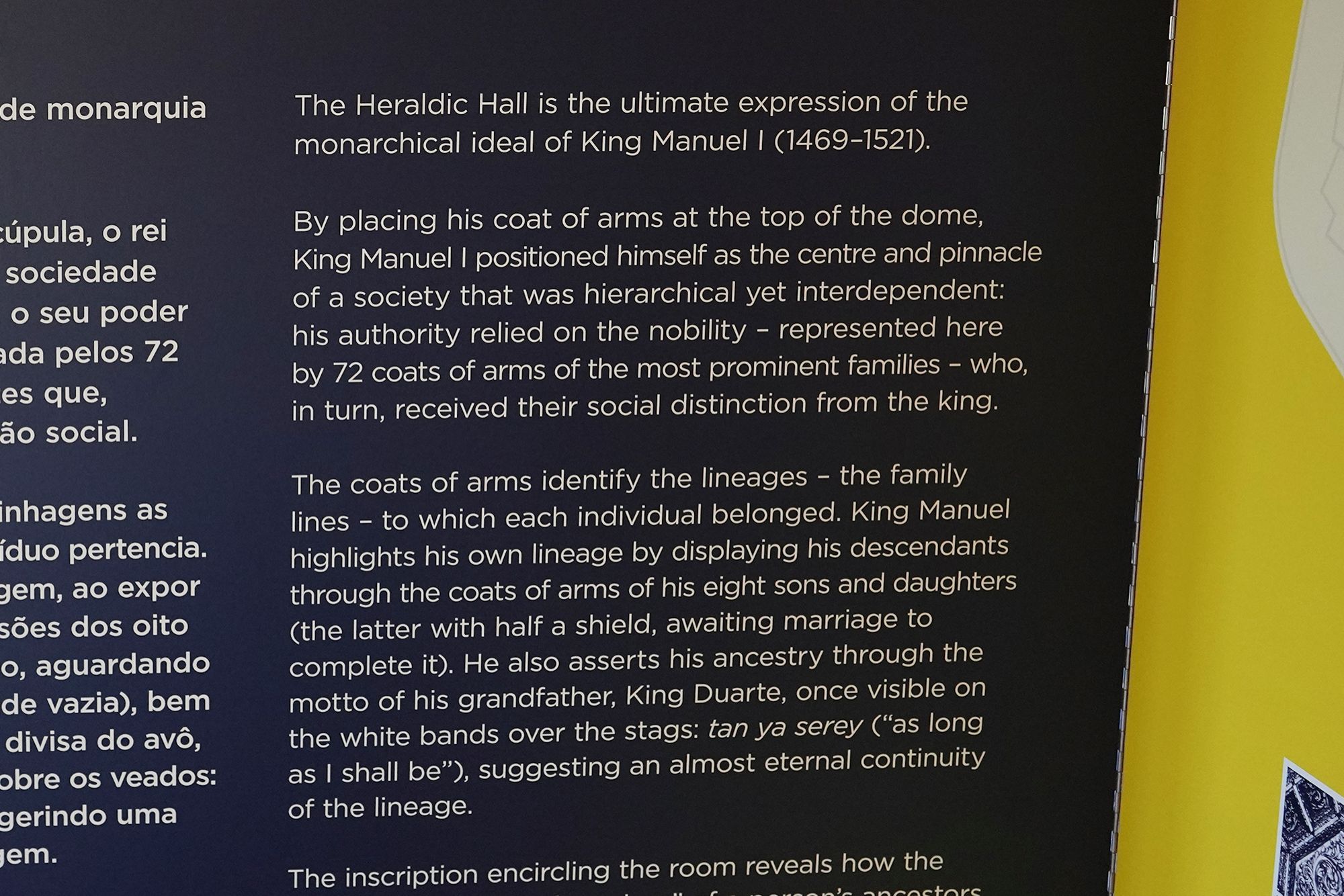
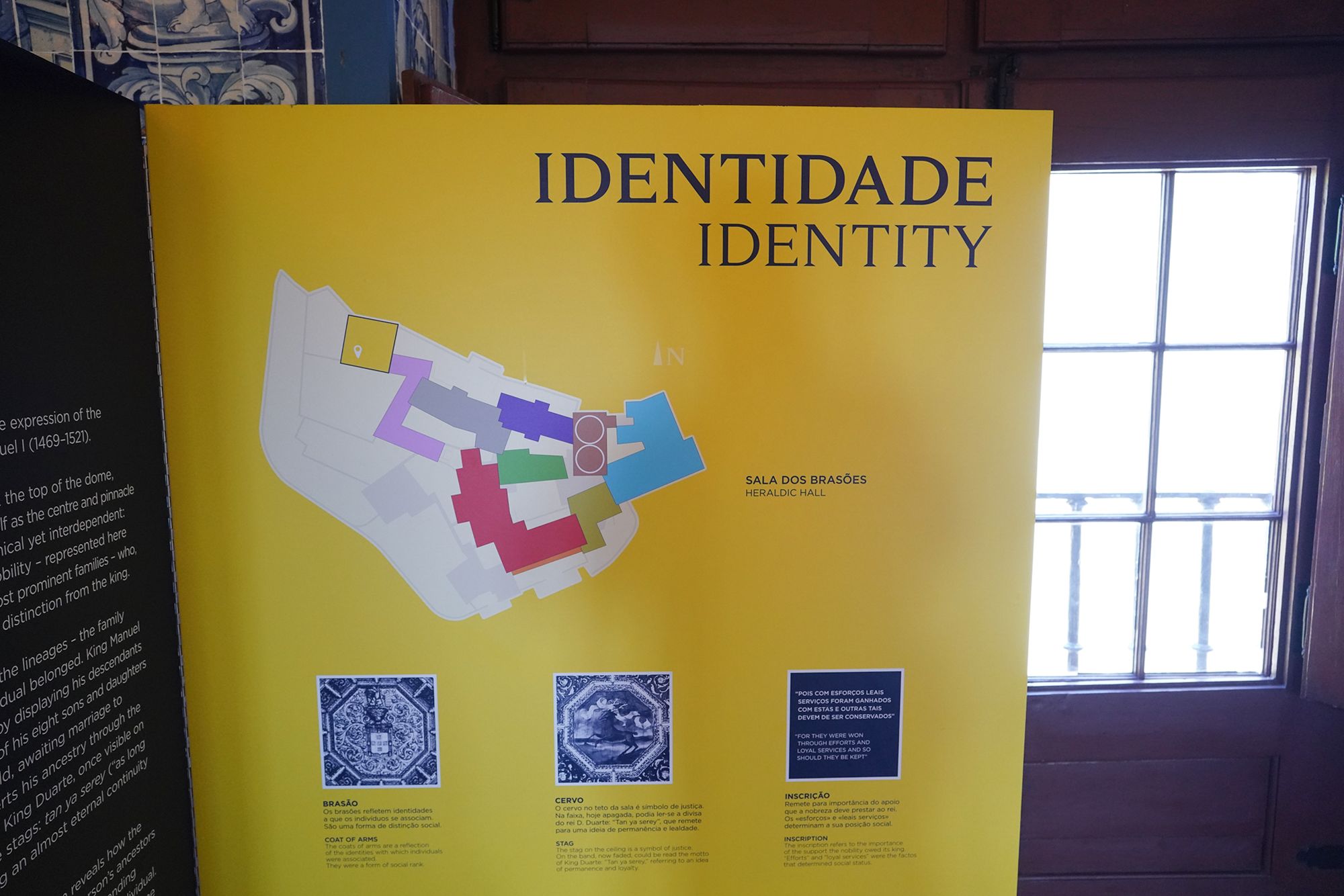
The Room of the Coats of Arms has a domed ceiling displaying King Manuel I’s arms, those of his children, and 72 noble families. The arrangement expresses the kingdom’s hierarchy. Blue-and-white tiles depicting courtly scenes were added in the 18th century.
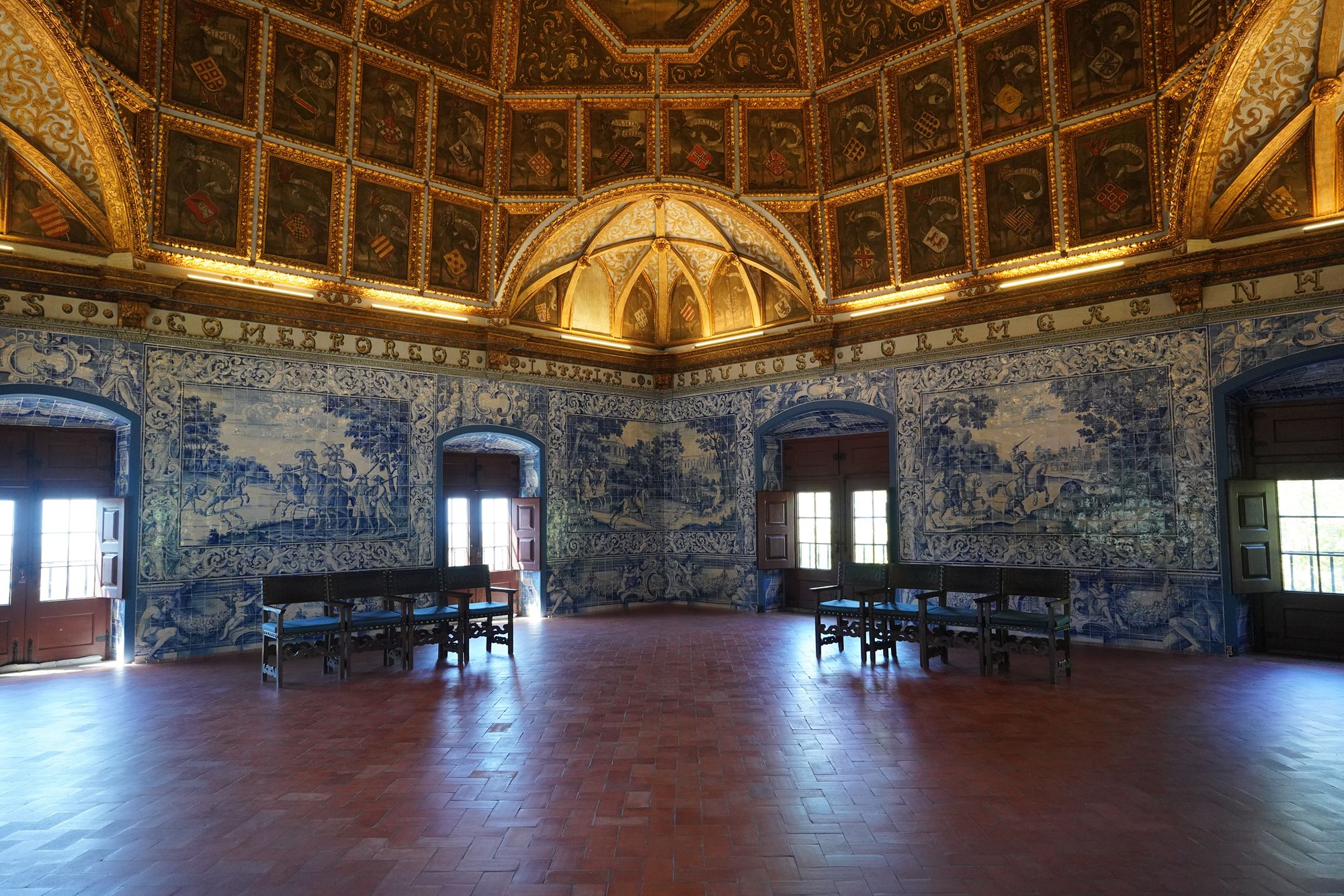
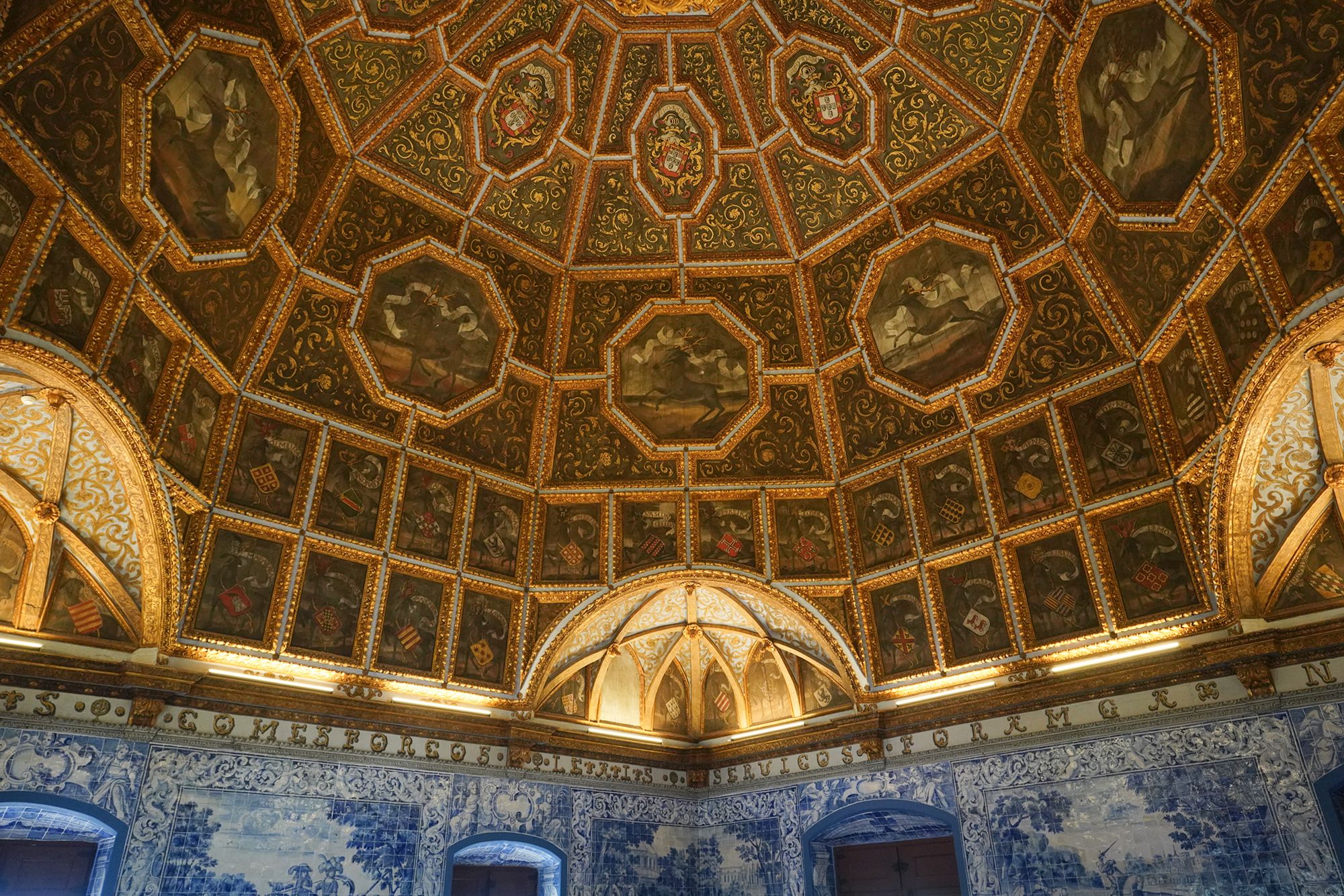
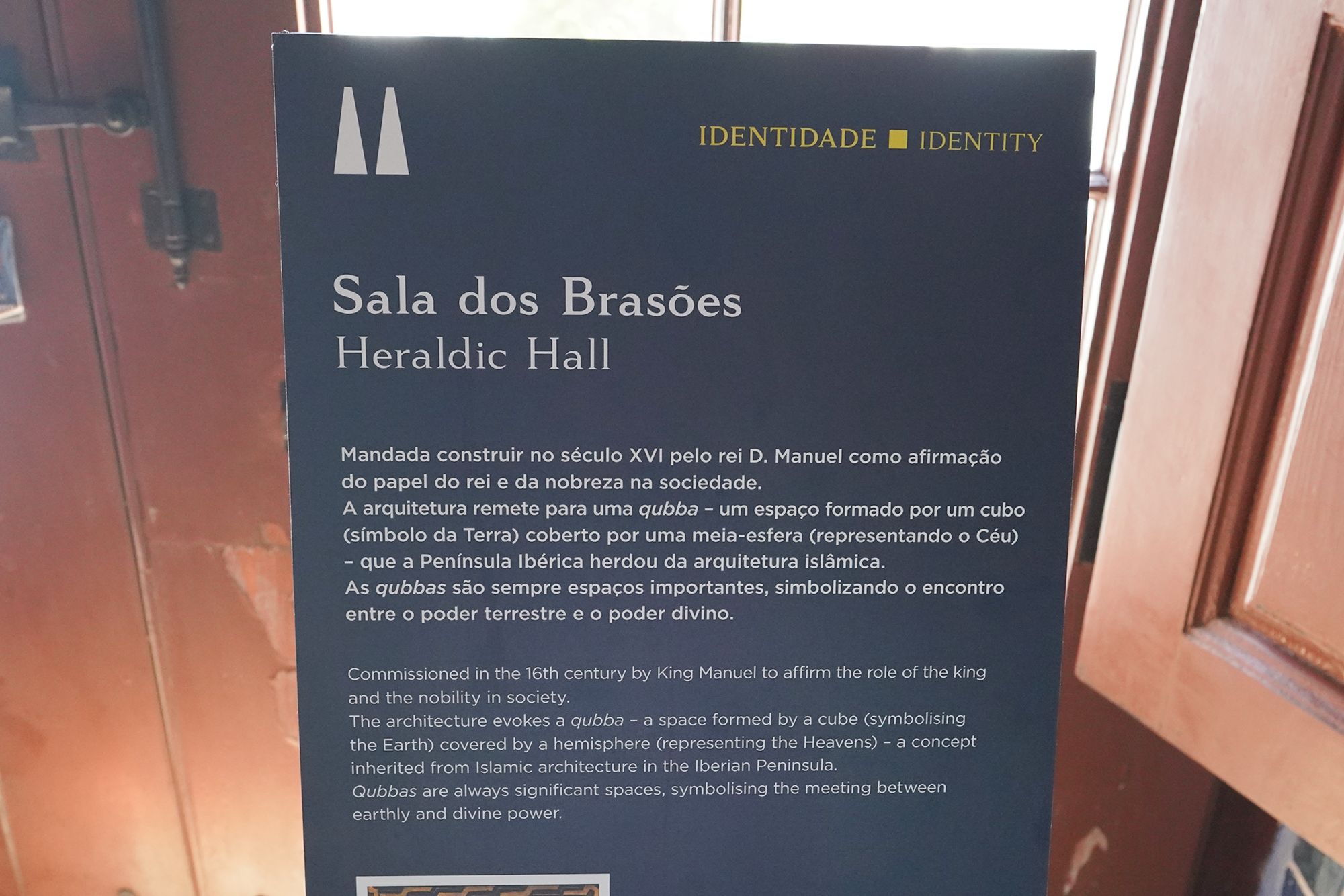
King Manuel I commissioned the Heraldic Hall in the 16th century to affirm the status of the monarchy and nobility. Its design draws on Islamic architecture: a cube representing Earth beneath a dome representing Heaven, symbolizing the meeting of earthly and divine power.
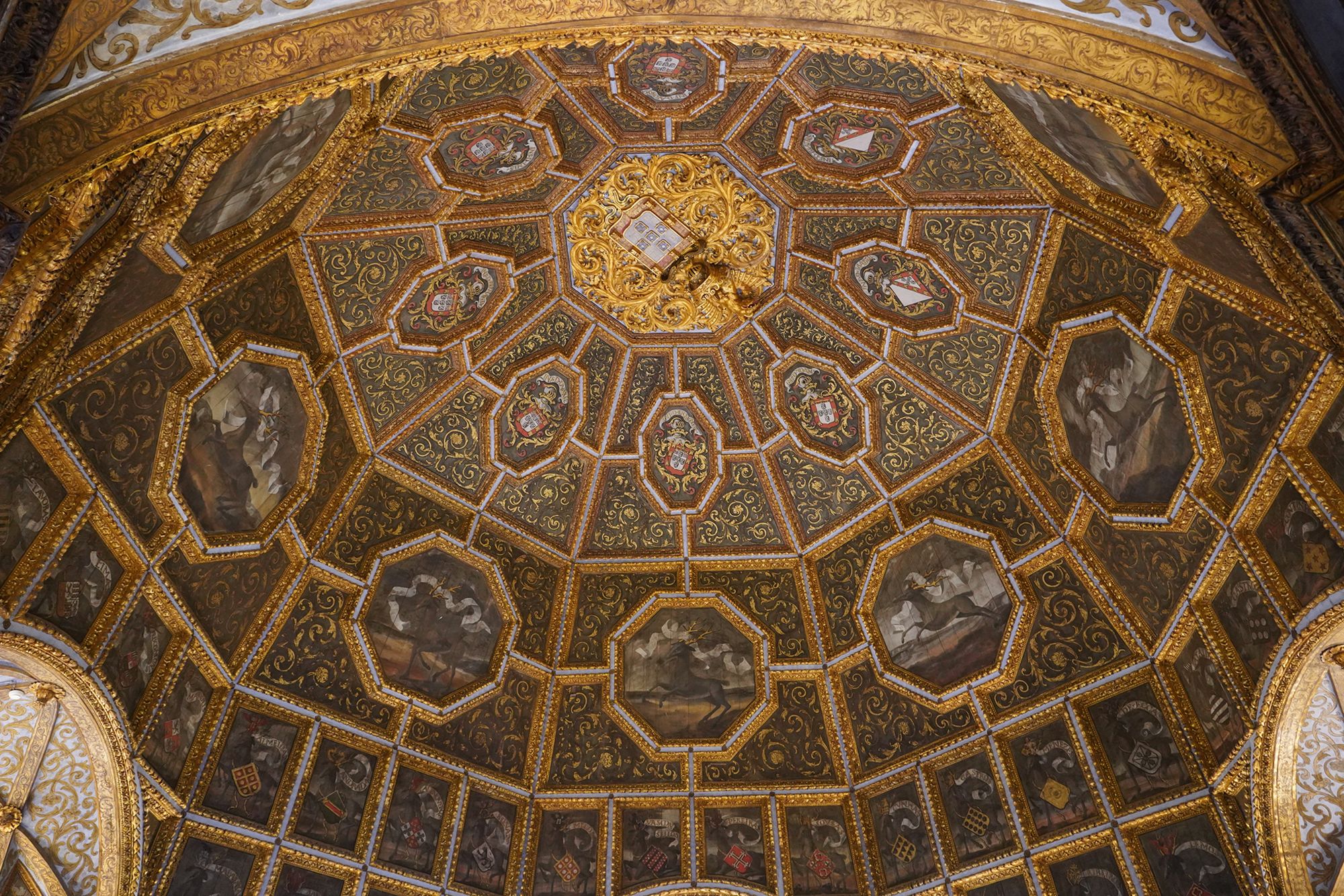
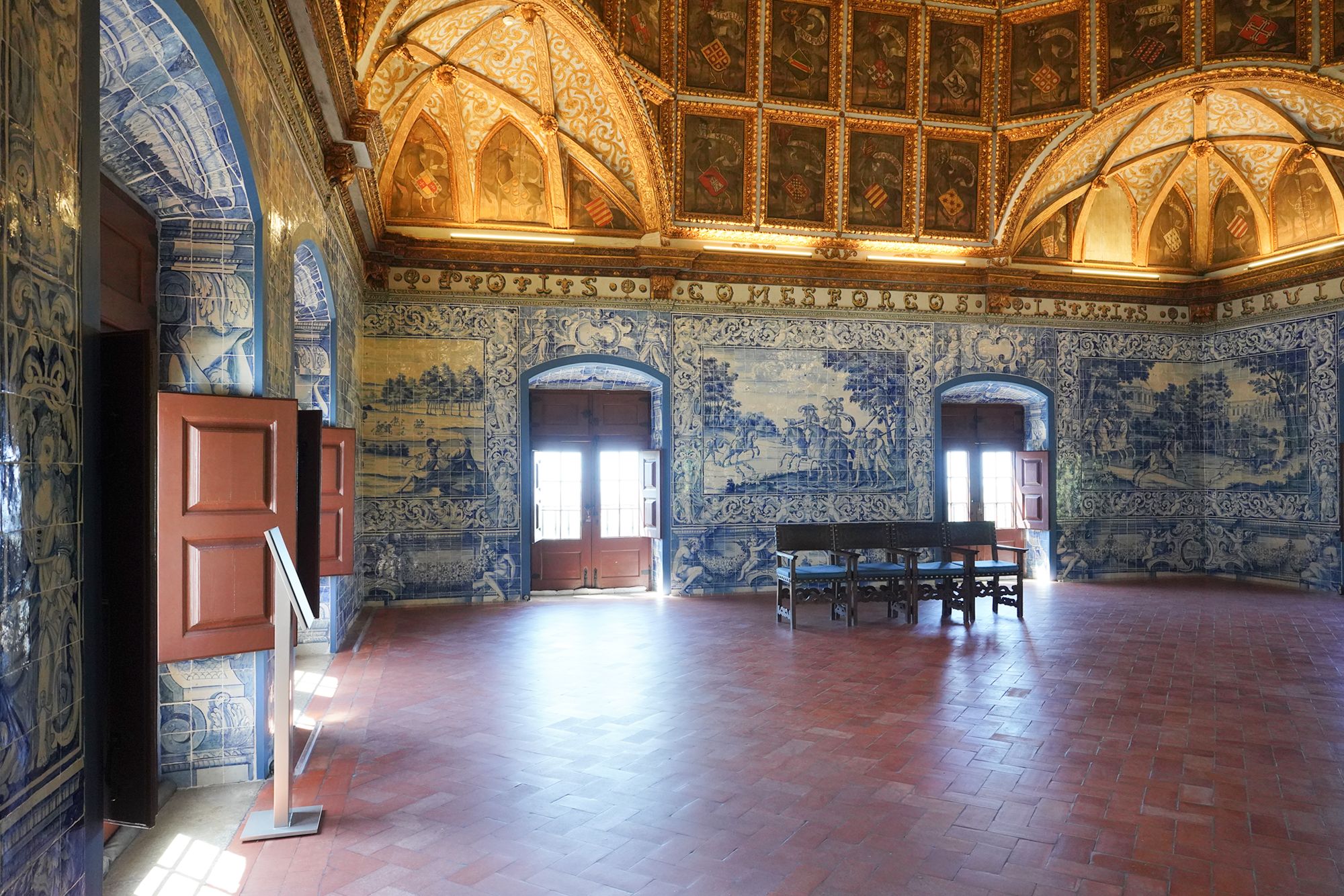
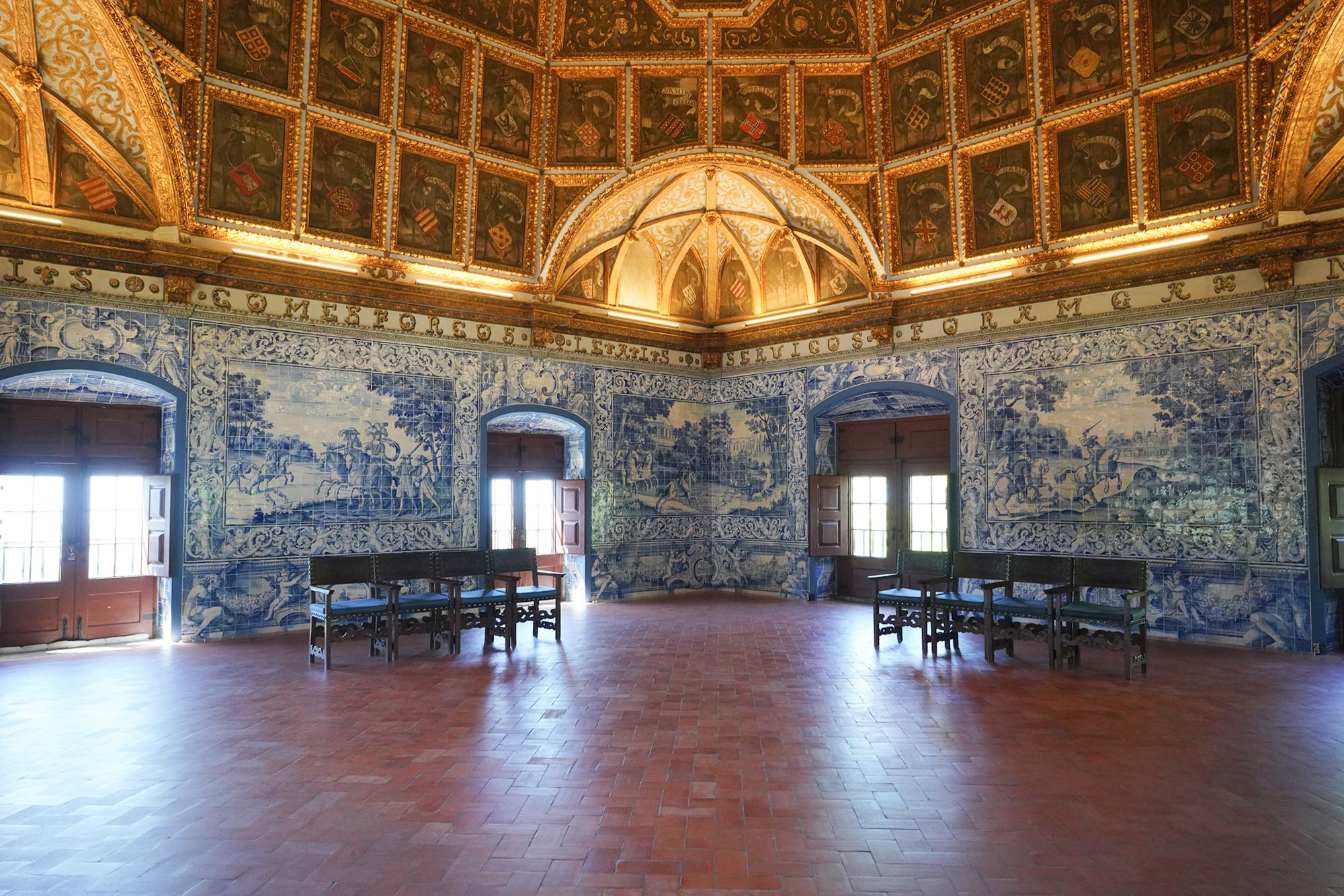
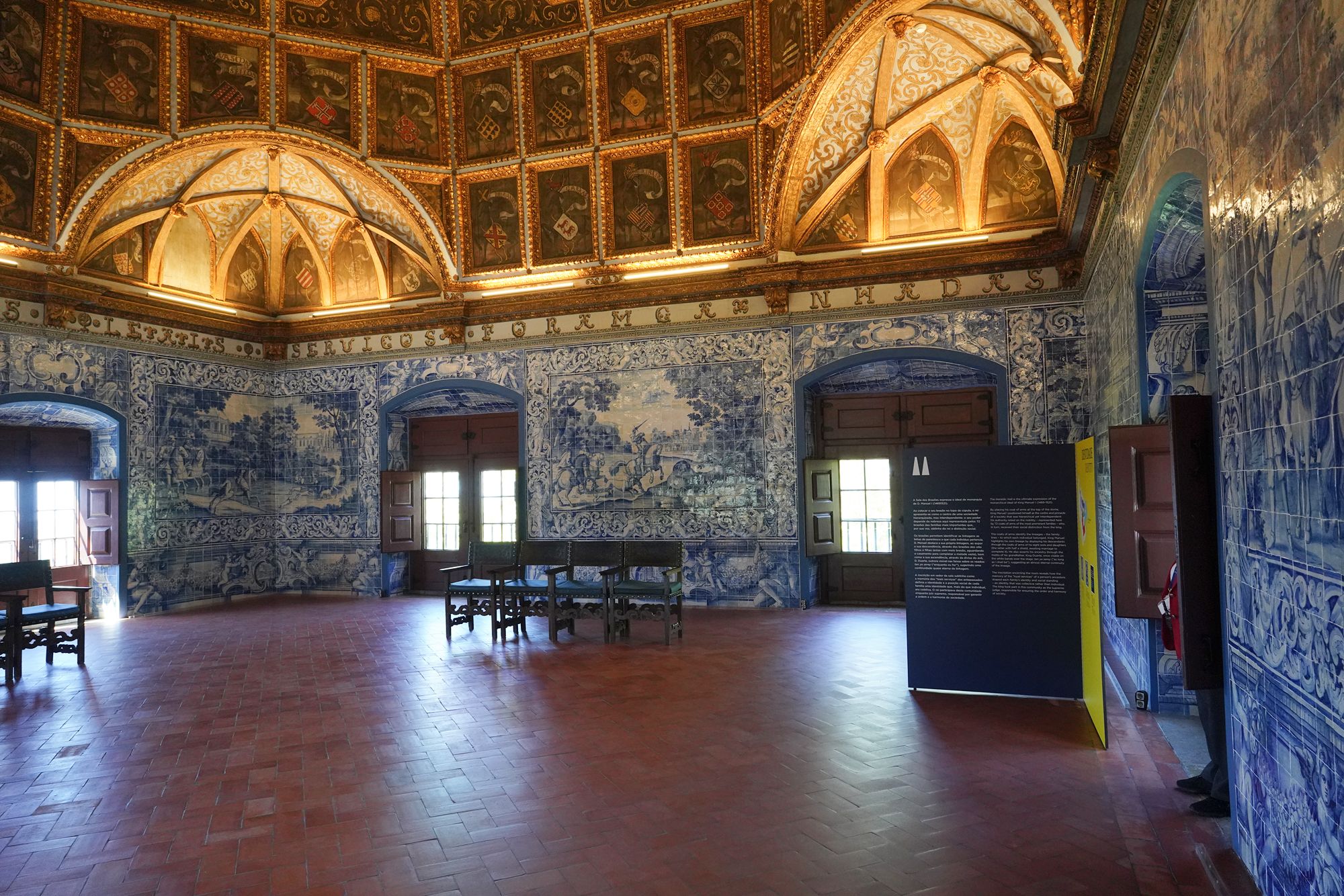
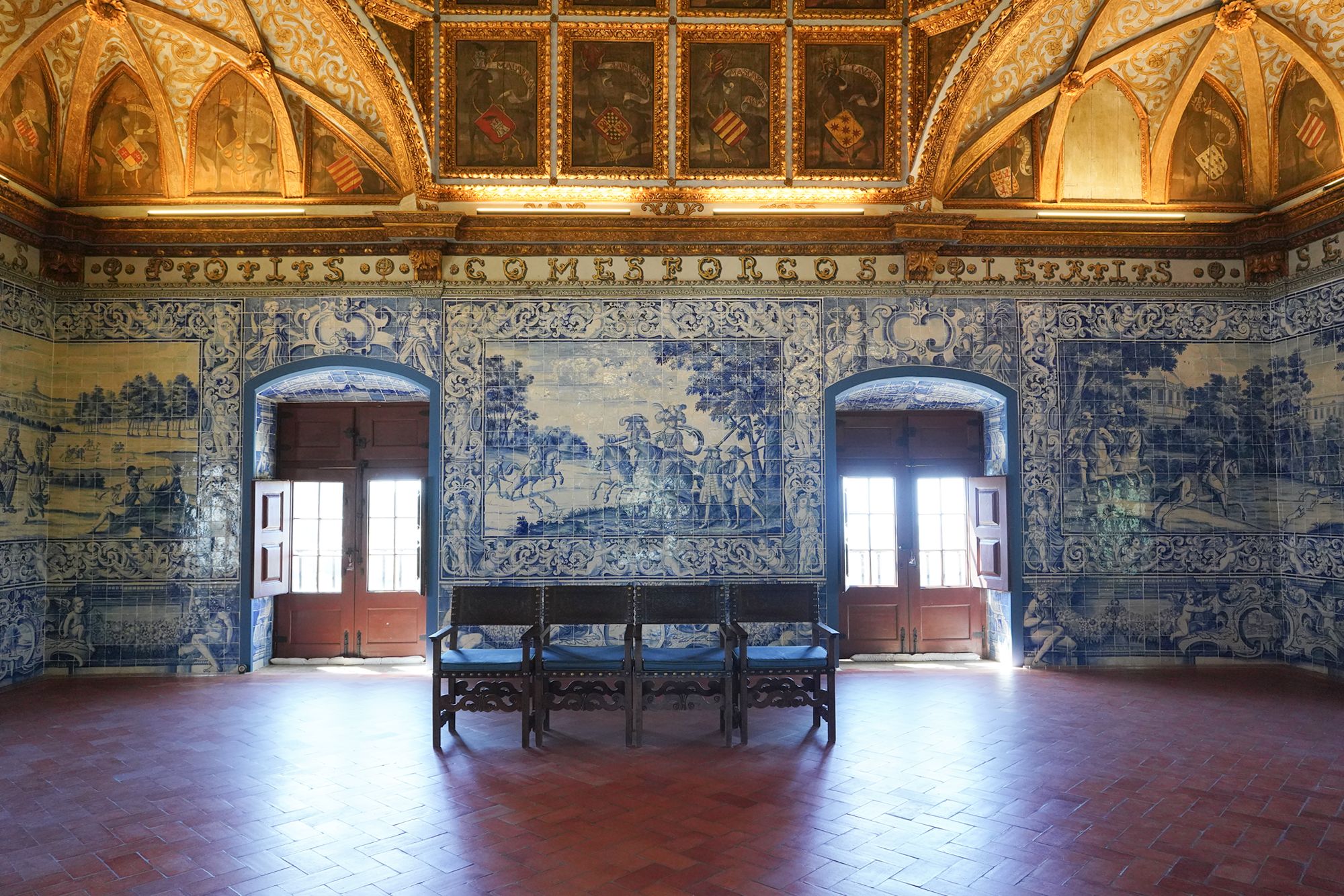
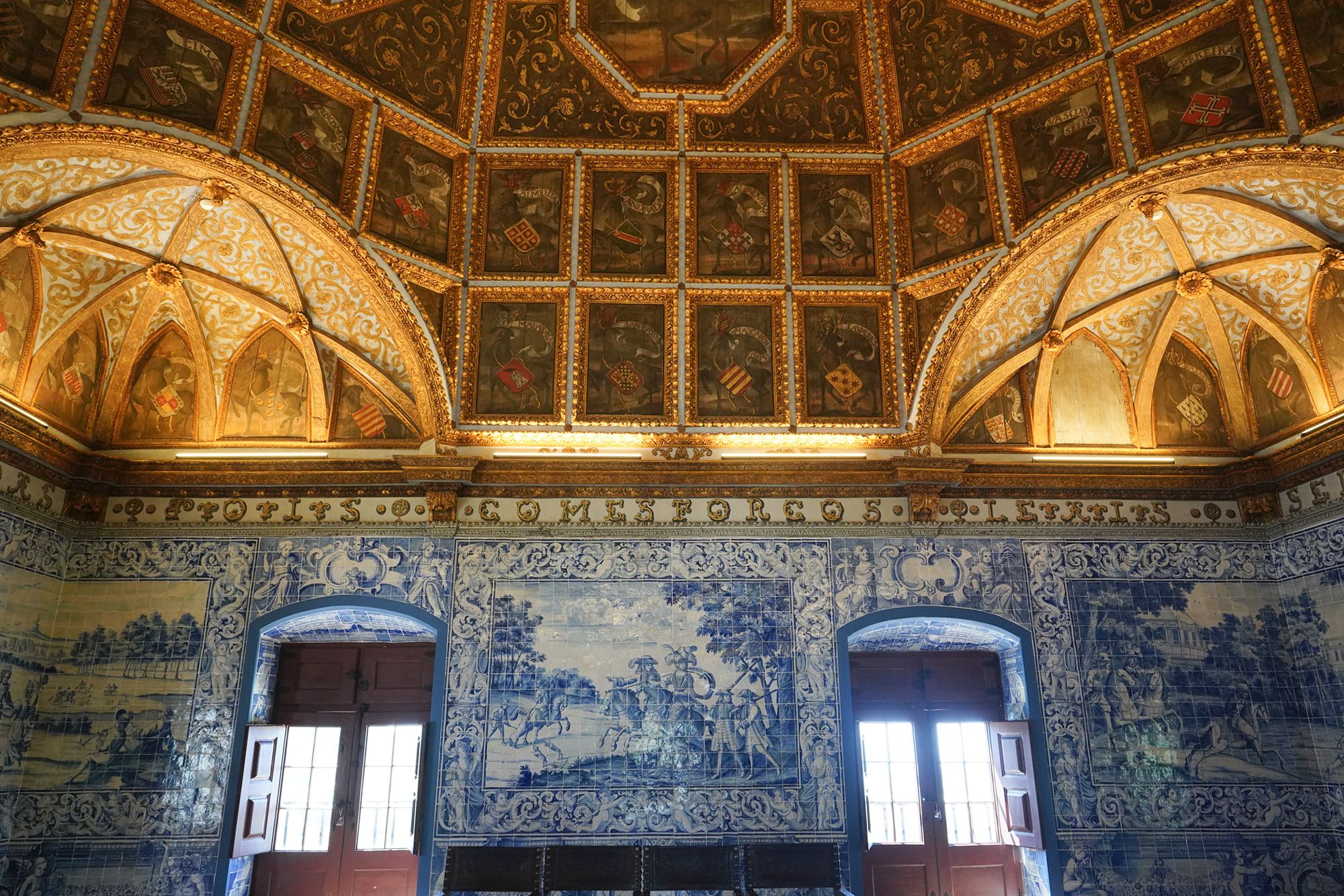
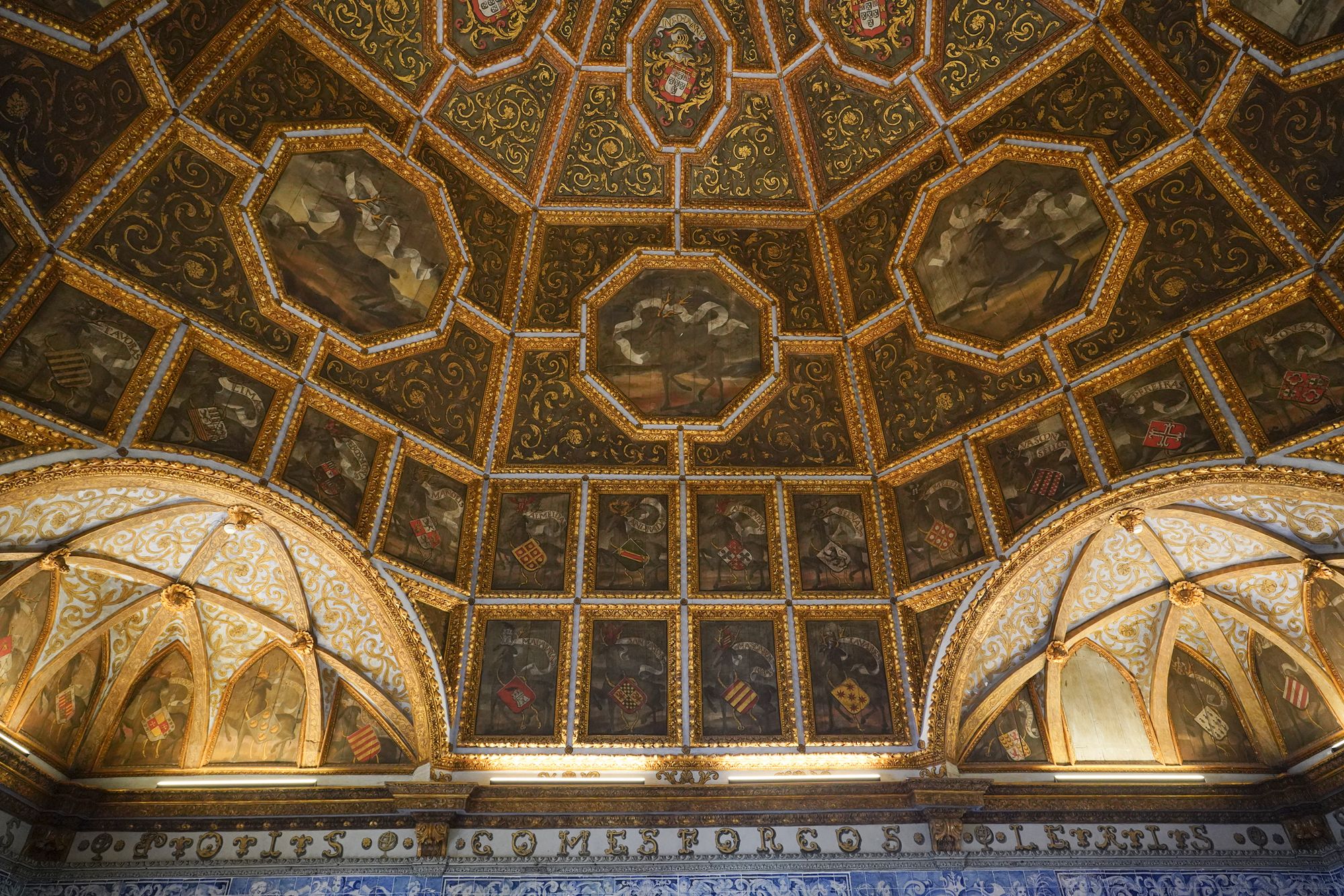
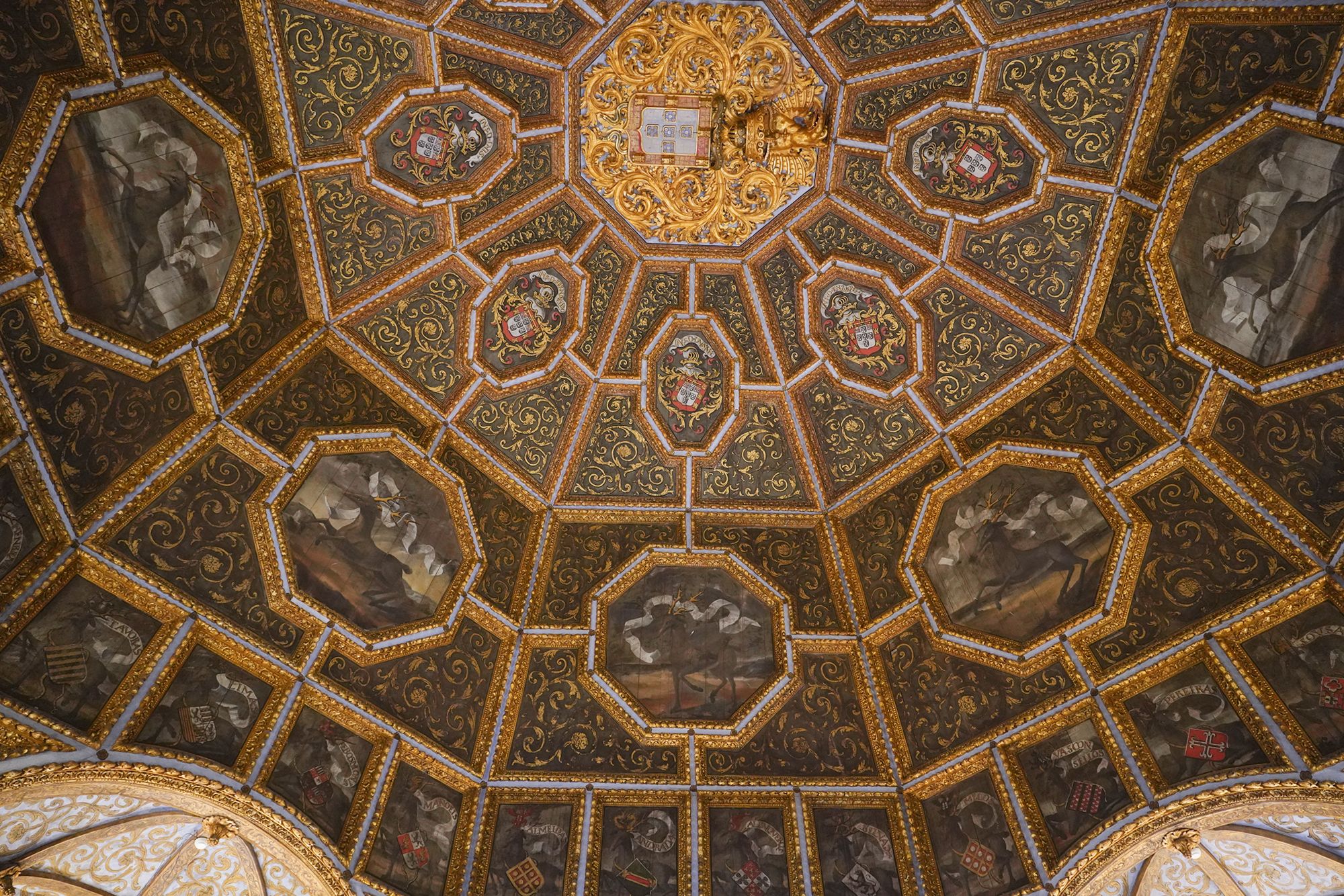
King Manuel I’s coat of arms crowns the dome, surrounded by those of his eight children and 72 prominent noble families. This arrangement expresses both royal authority and mutual dependence: the king relied on the nobility’s support, while their rank and privileges depended on him.
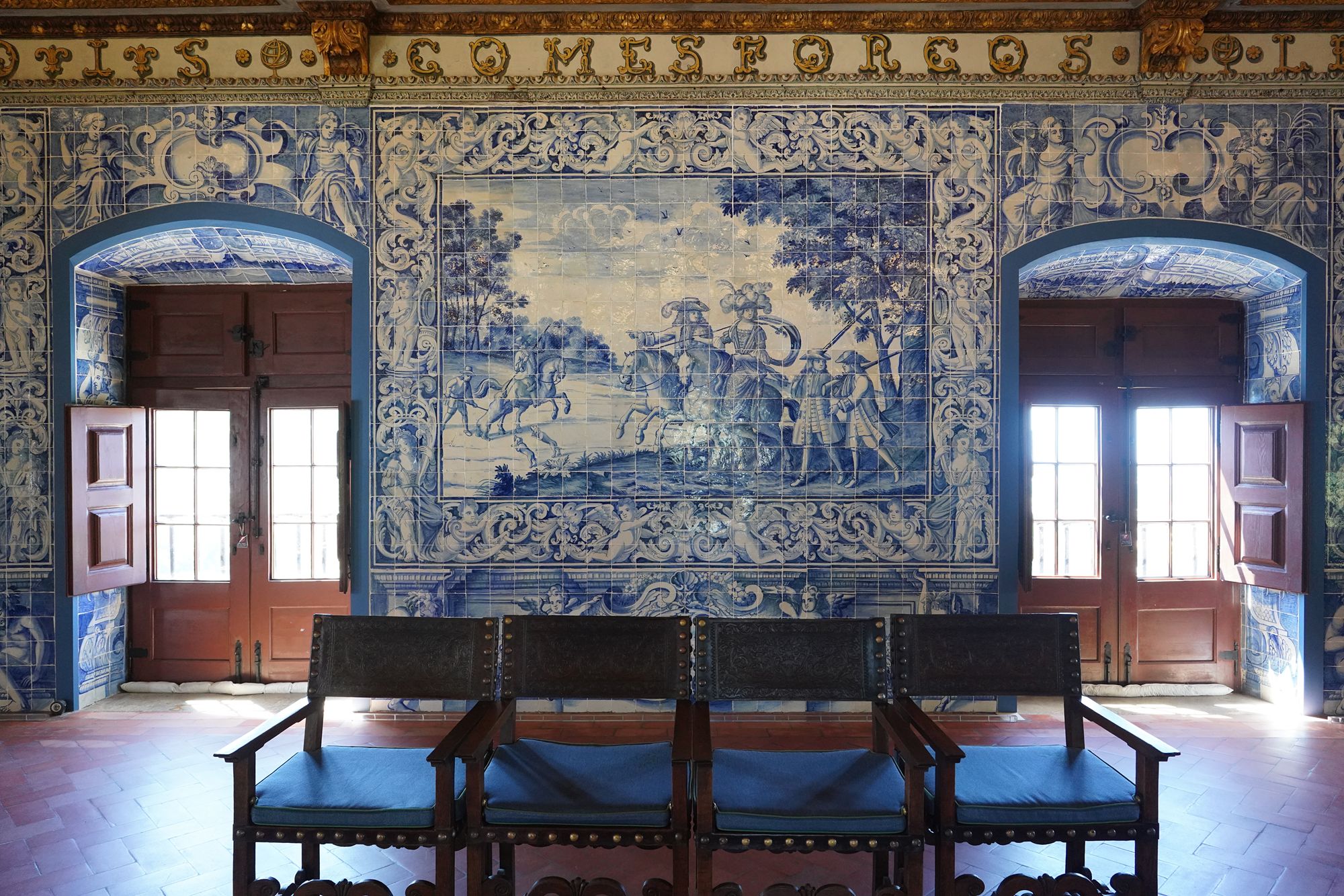
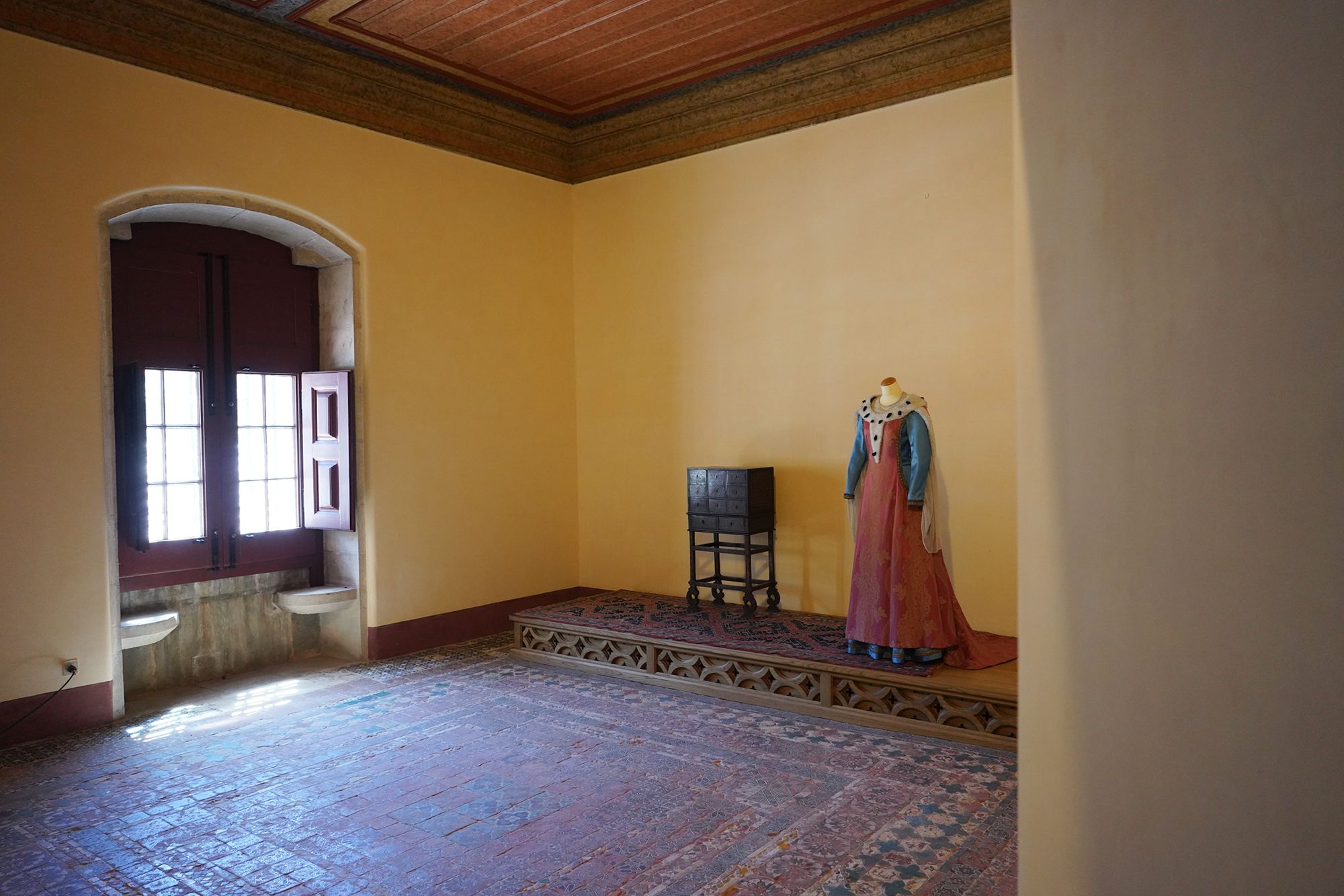
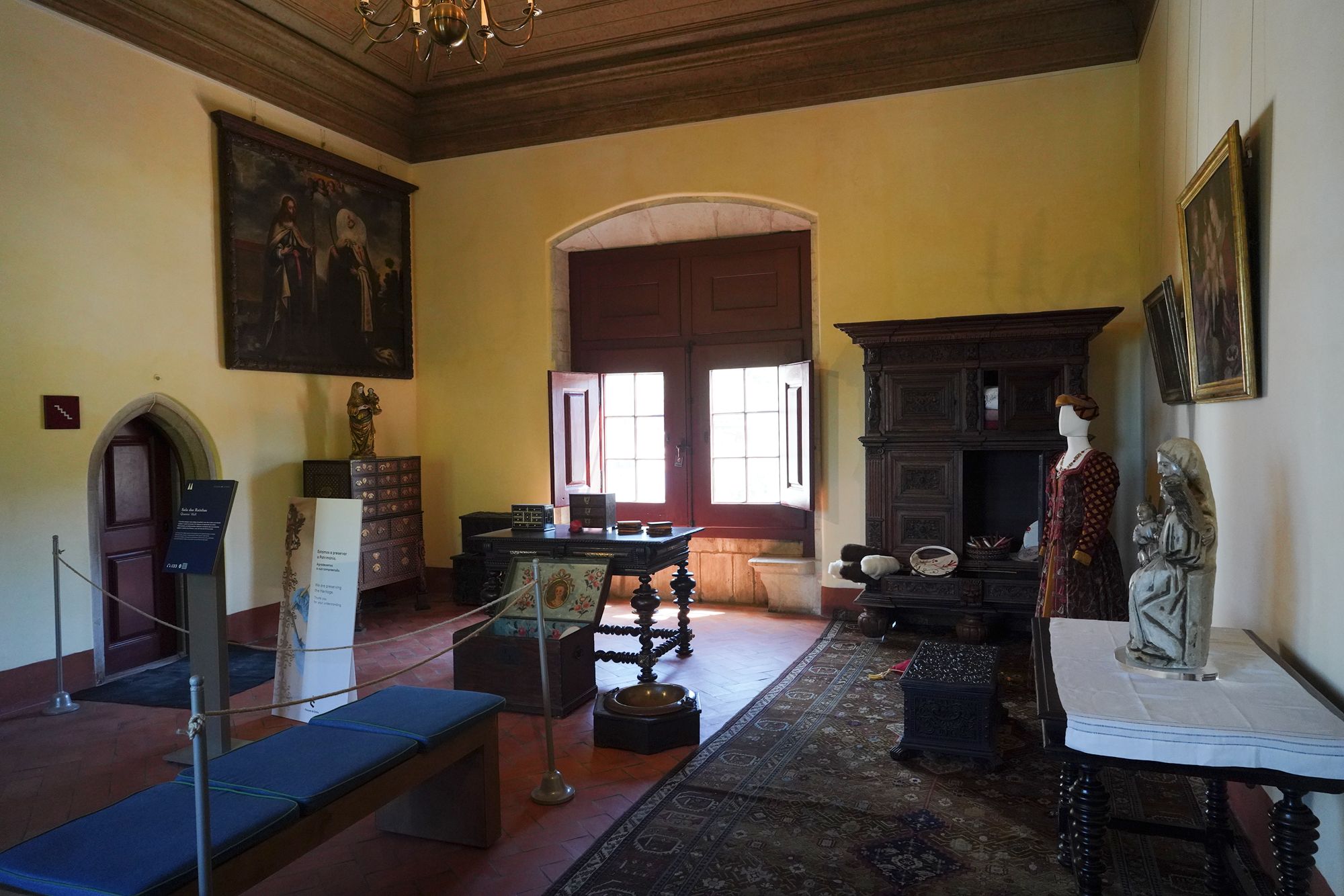
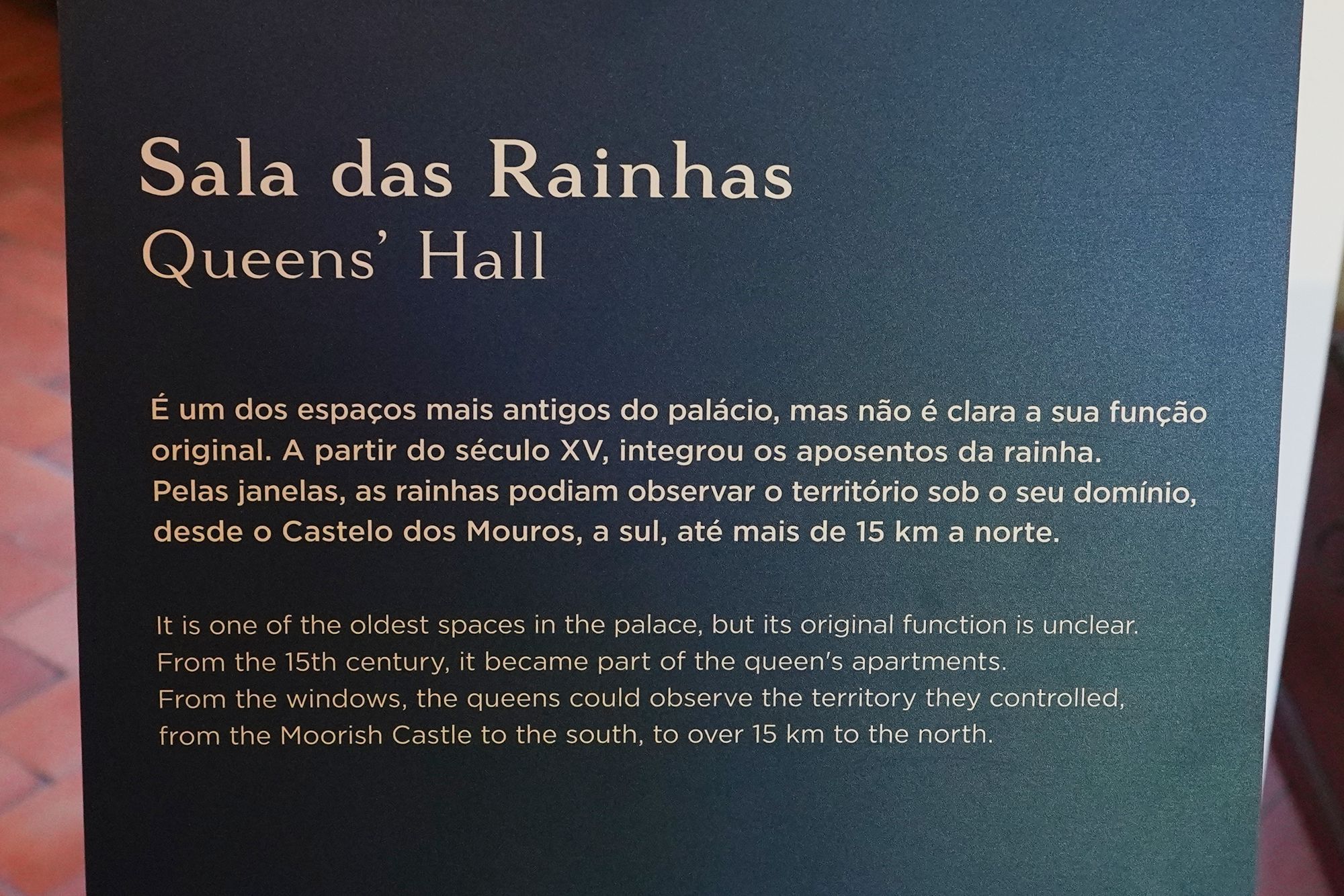
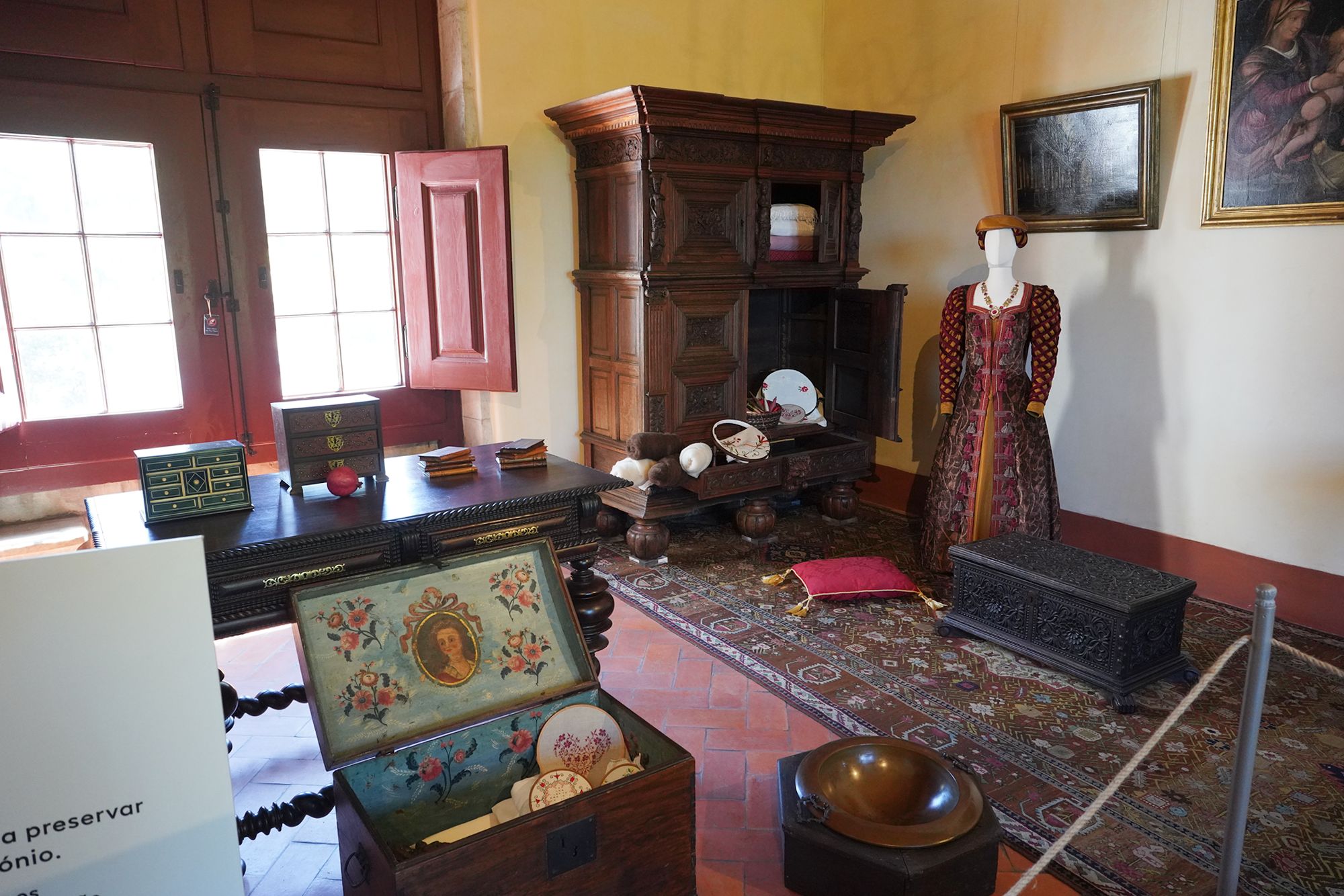
The Queens’ Hall is one of the palace’s oldest rooms, although its original purpose is uncertain. From the 15th century, it formed part of the queen’s apartments. Its windows overlooked the queens’ lands, stretching from the Moorish Castle to more than 15 kilometers north.
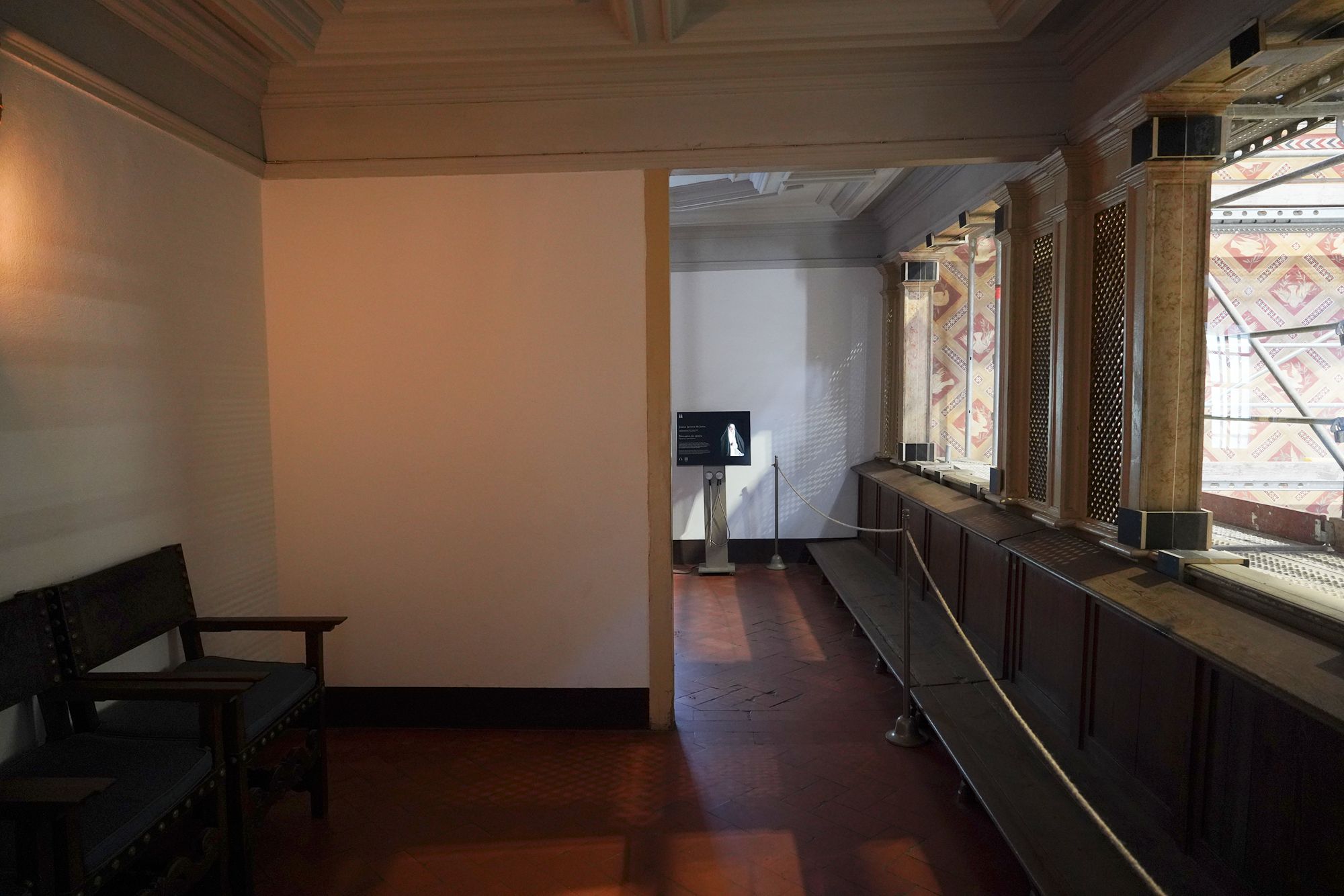
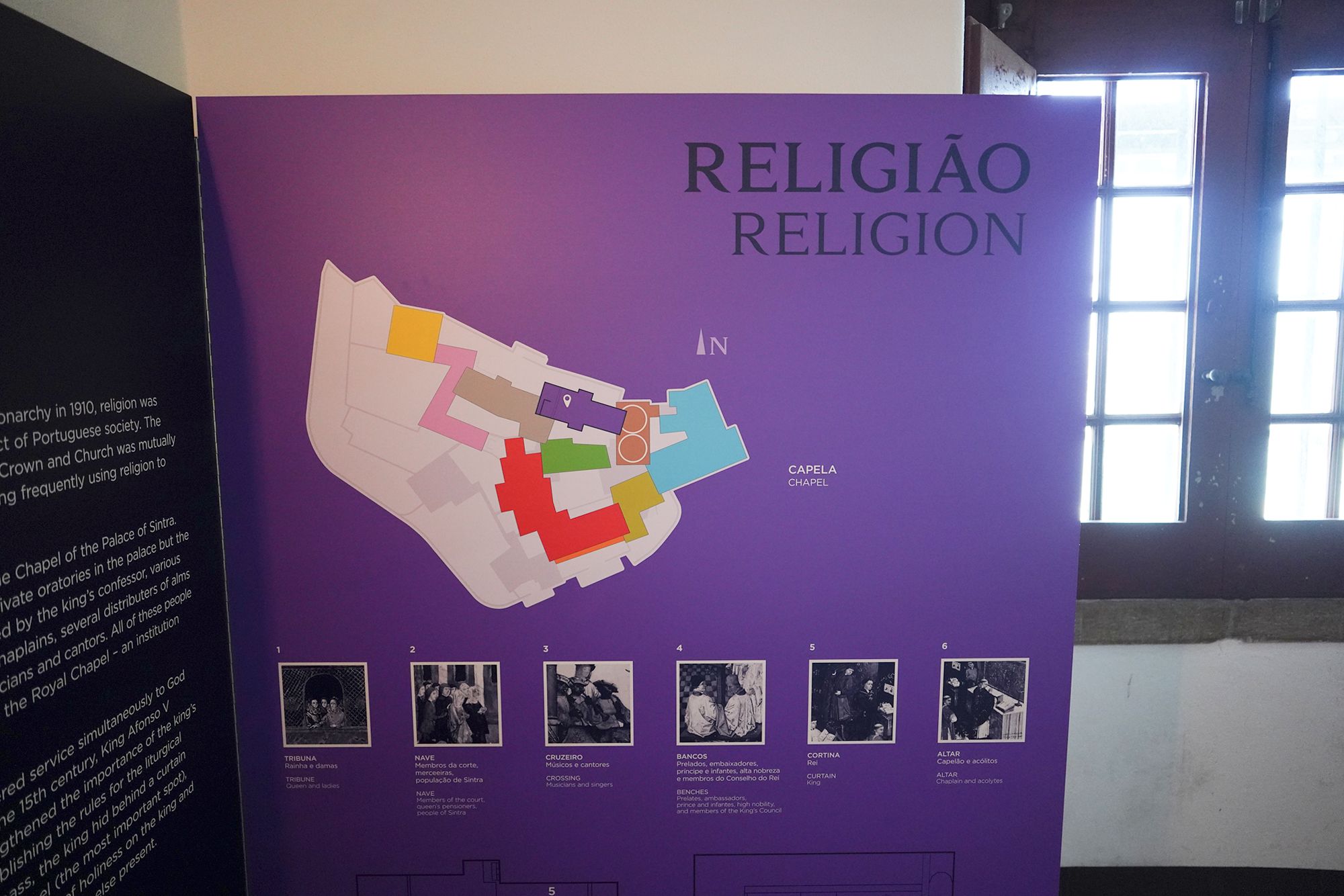
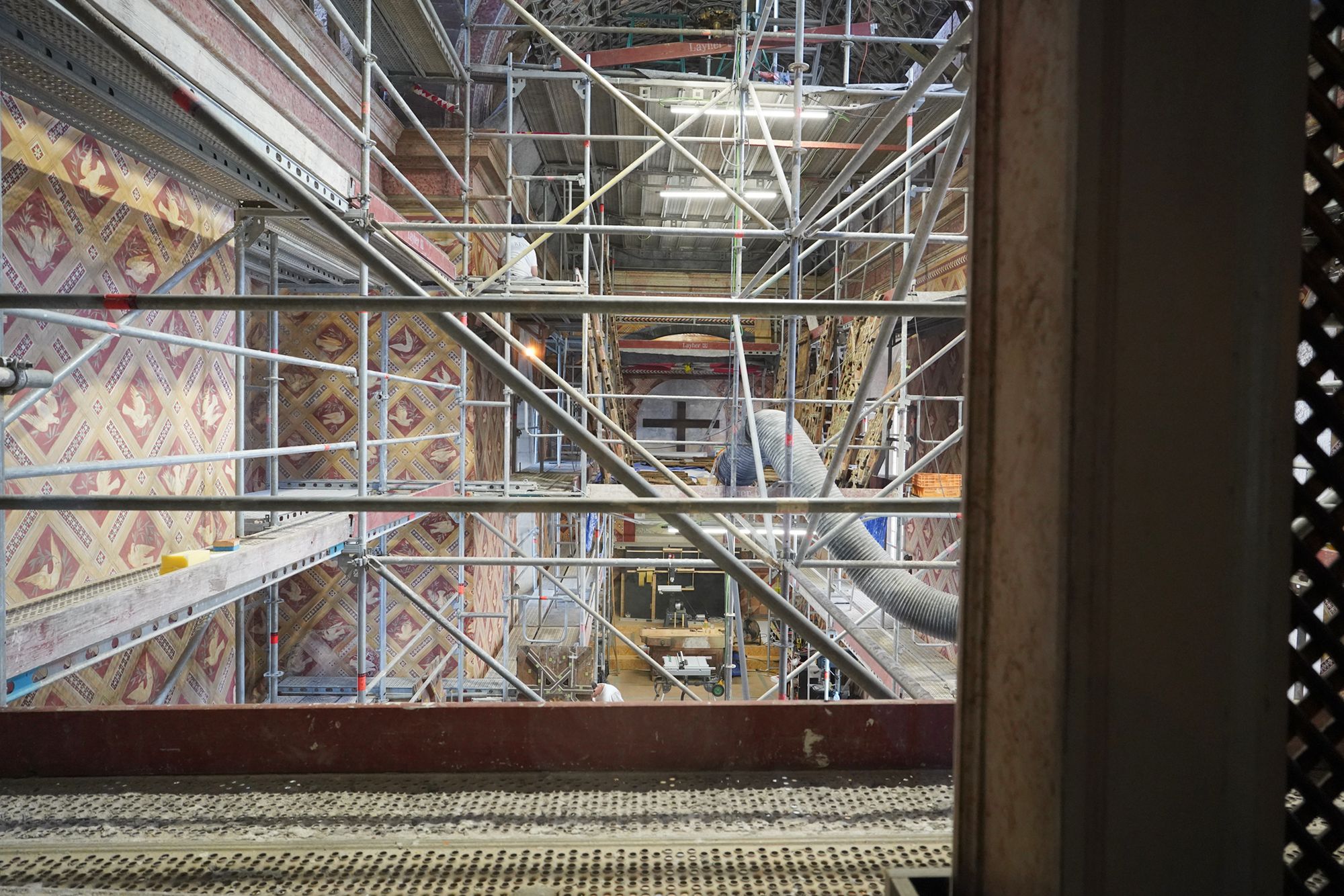
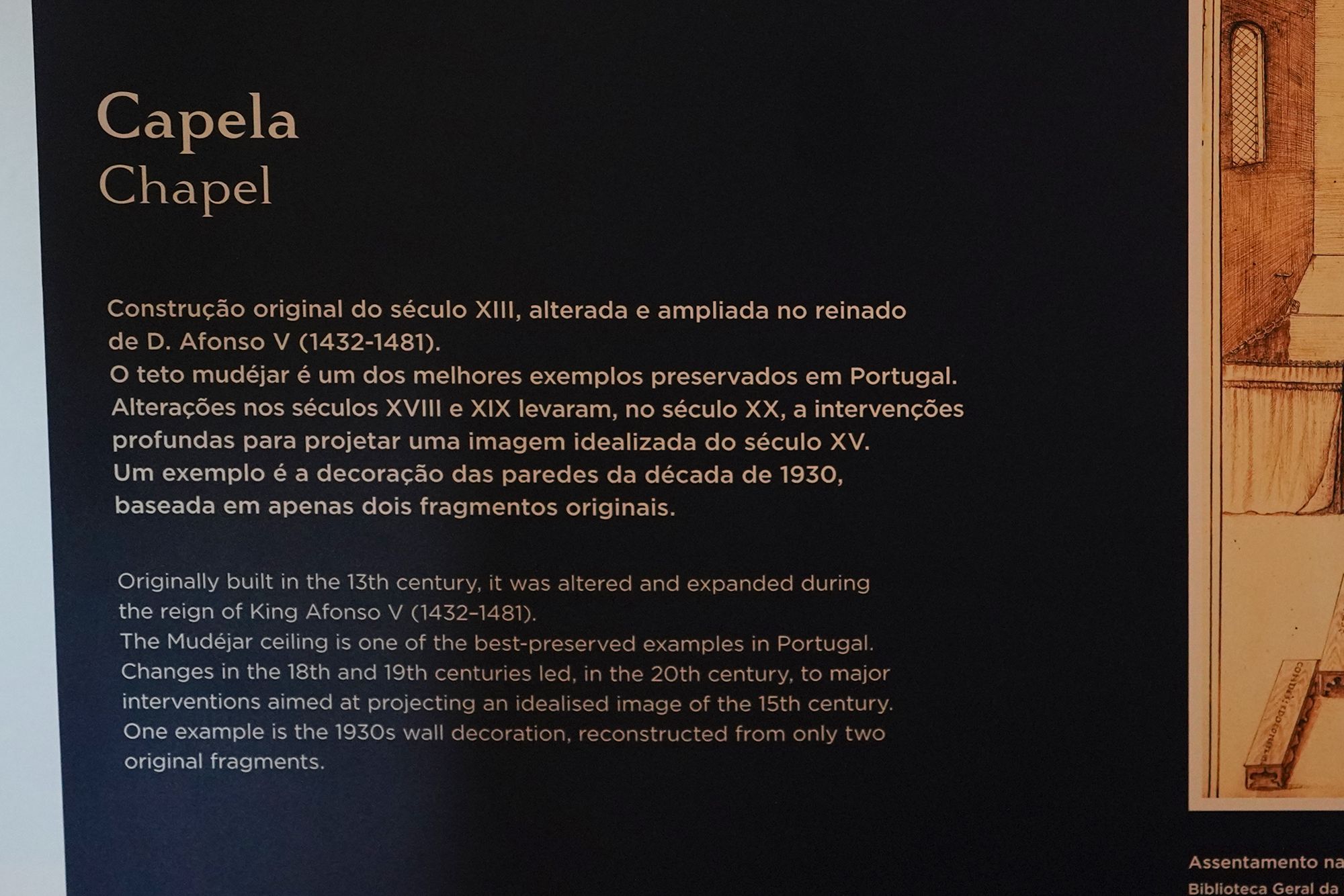
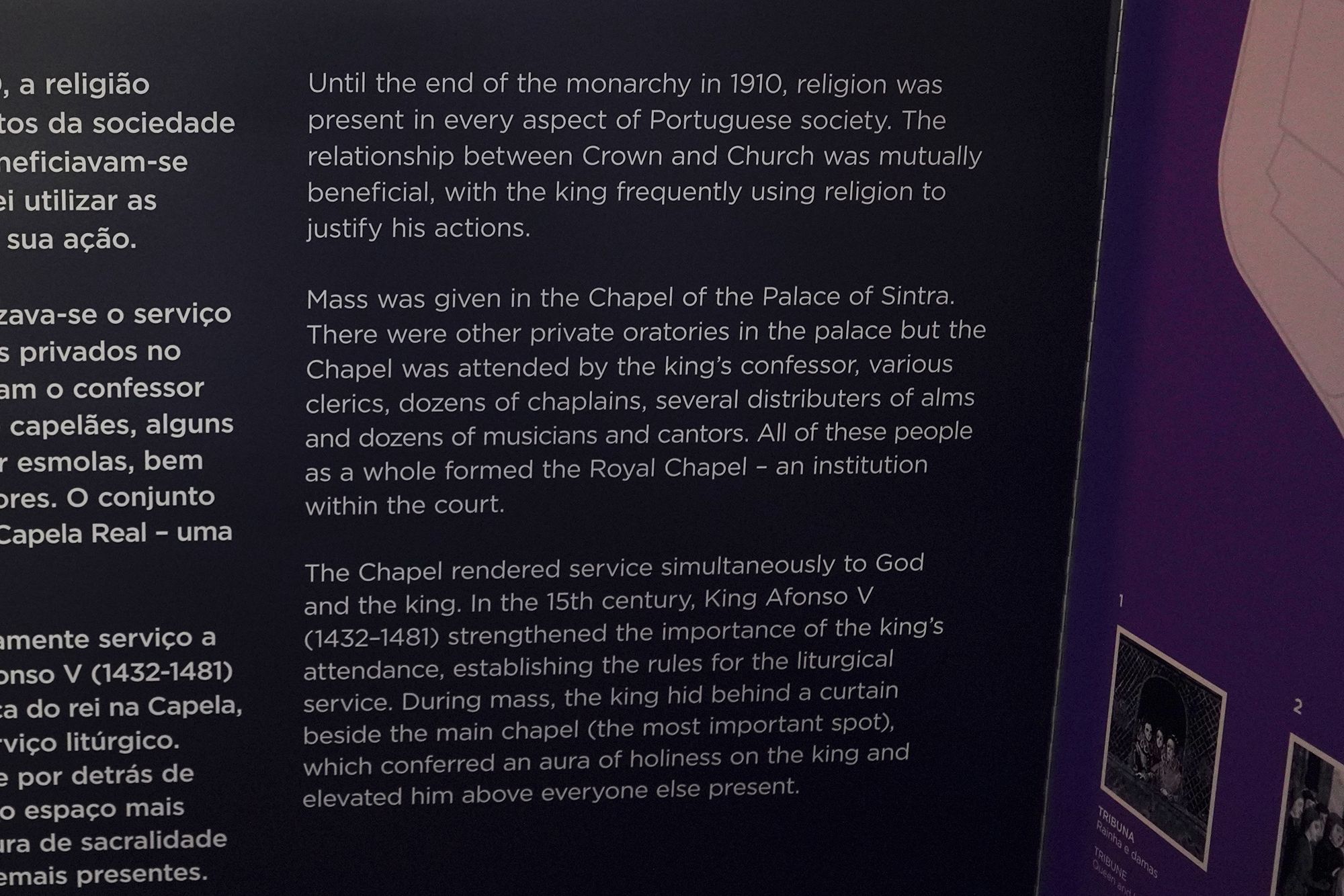
The chapel dates to the 13th century and was later enlarged under King Afonso V. Its Mudéjar ceiling is among Portugal’s best-preserved examples. The wall decoration was recreated in the 1930s from just two surviving fragments, presenting an idealized version of its medieval appearance.
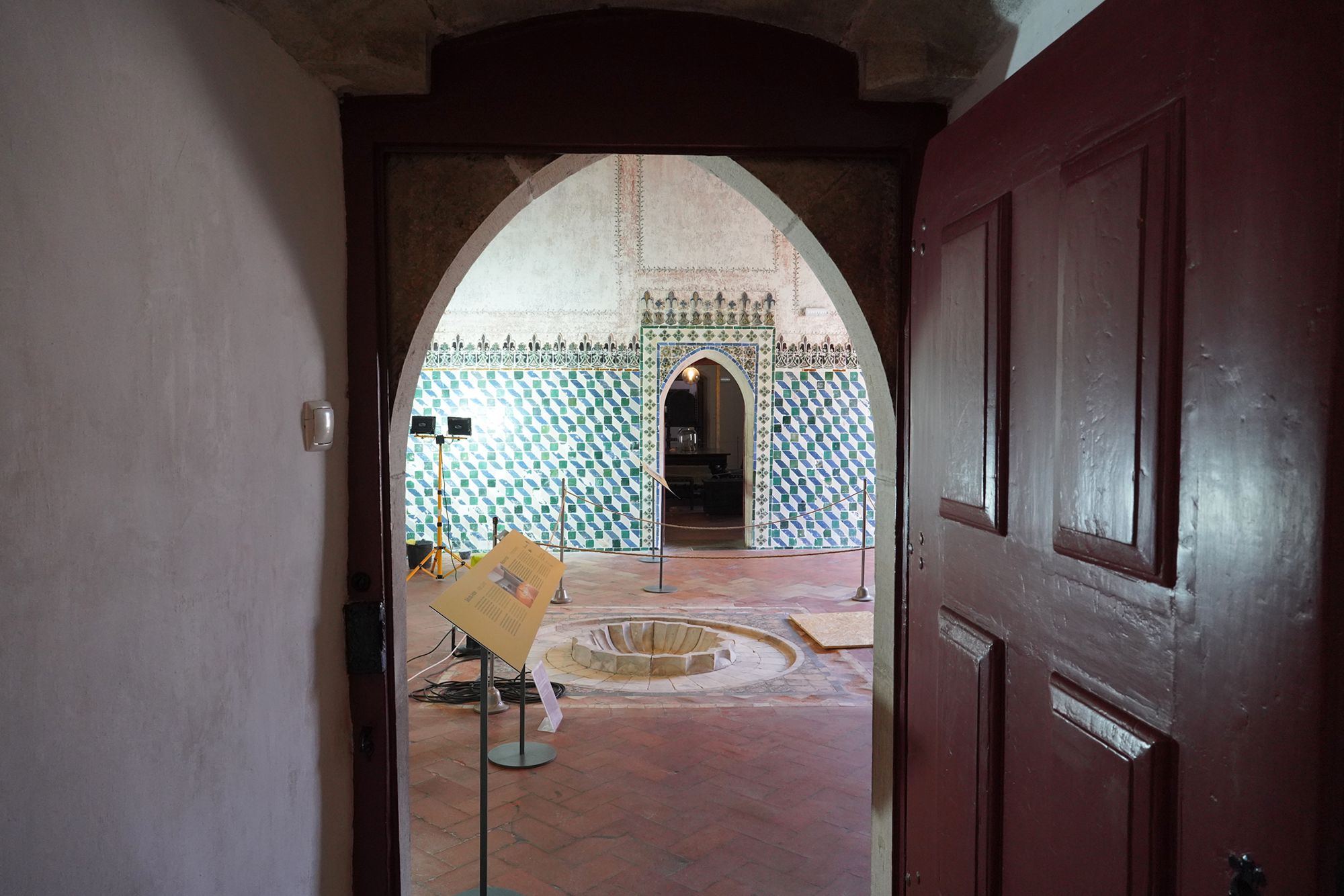
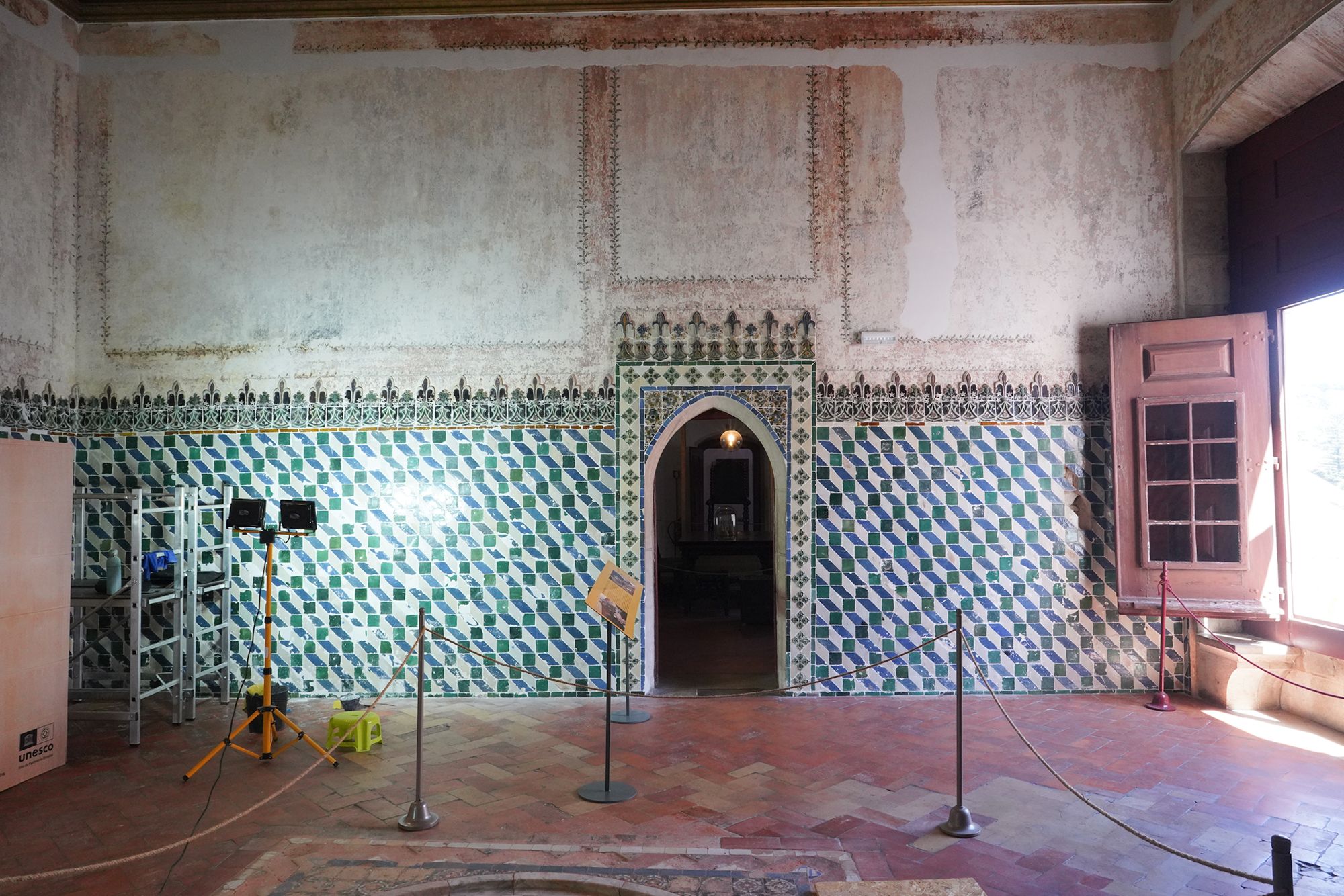
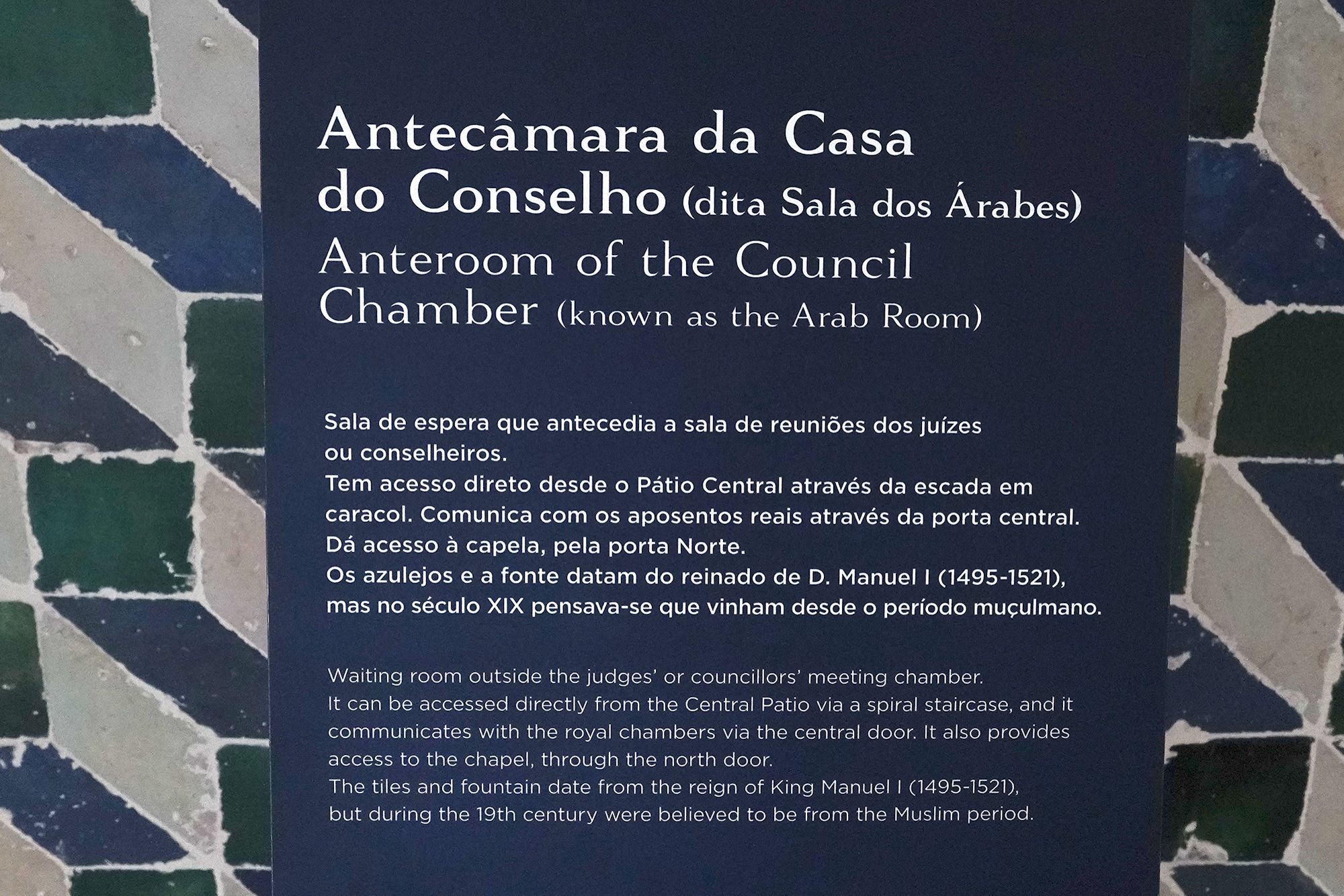
Known as the Arab Room, this was a waiting room outside the council’s meeting chamber. It connects with the central courtyard, royal apartments, and chapel. Its tiles and fountain date to King Manuel I’s reign, although they were once mistakenly thought to survive from Muslim rule.
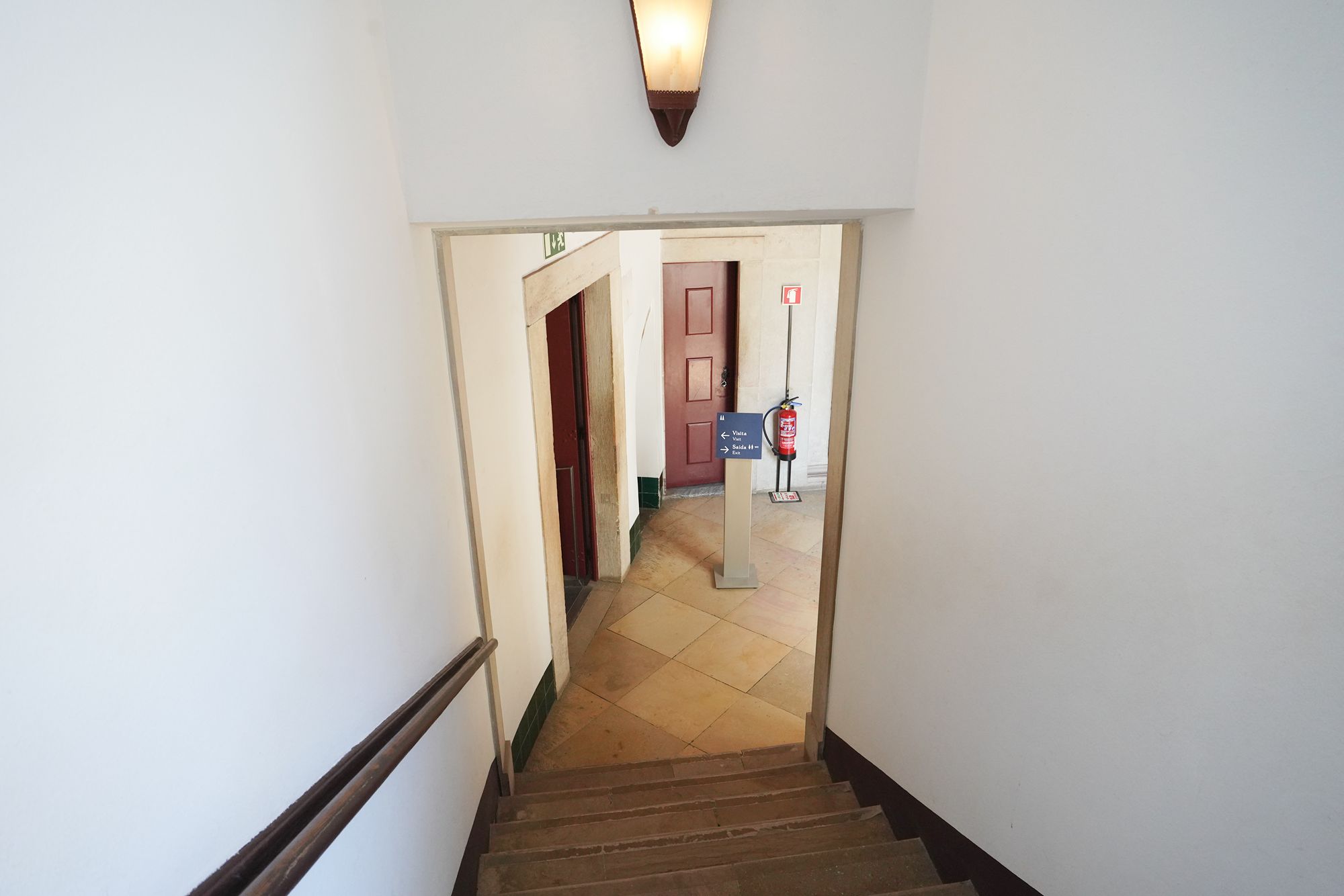
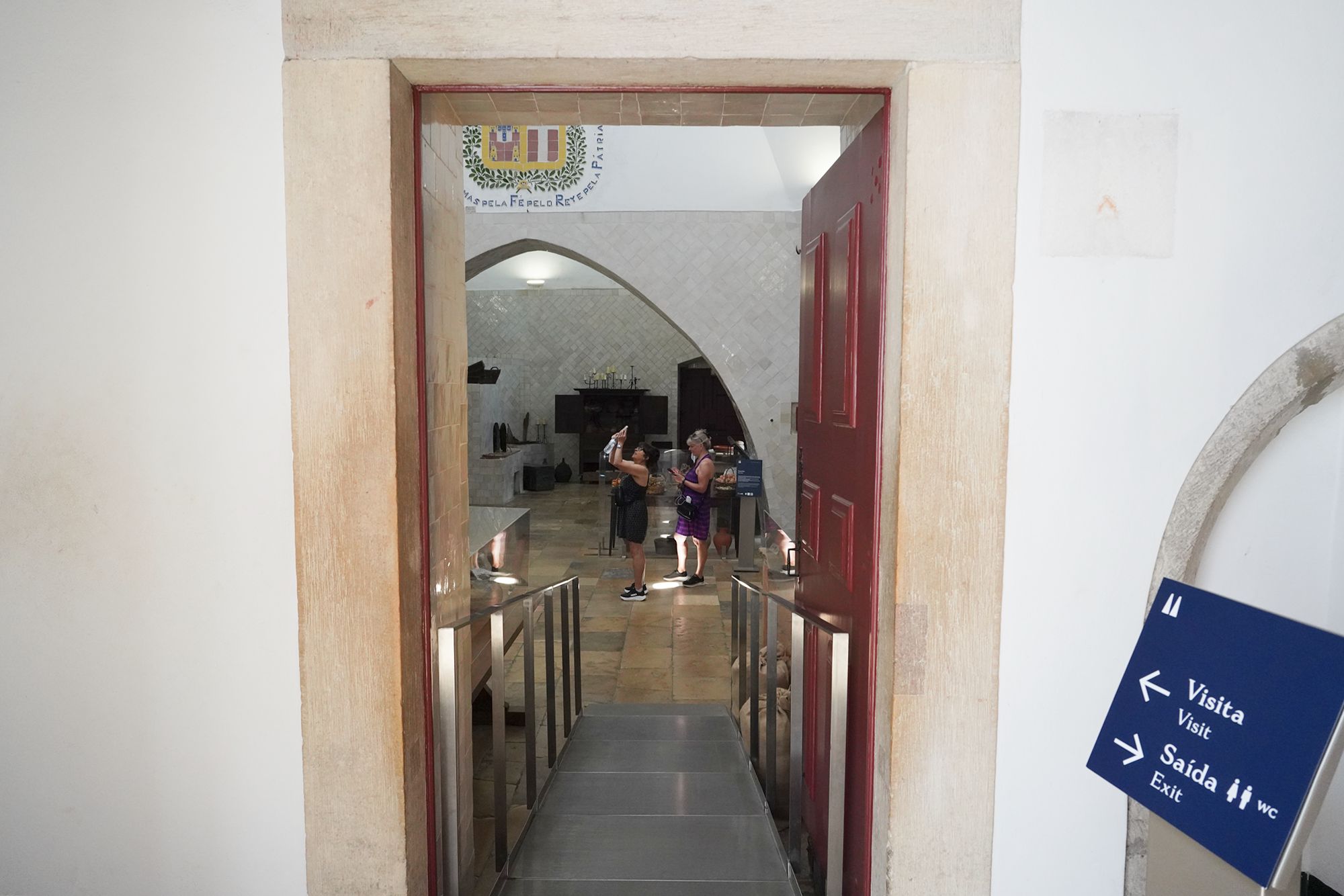
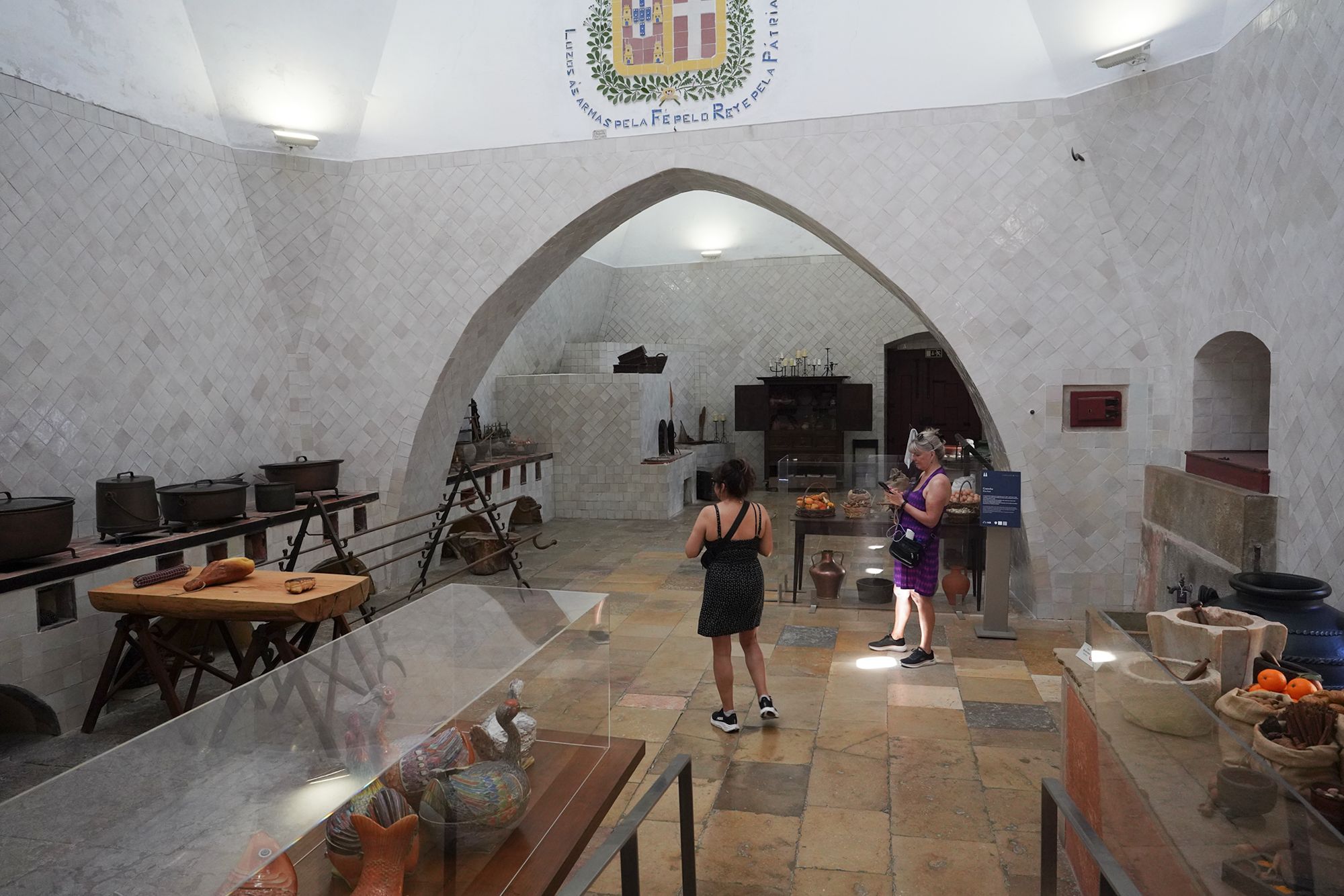
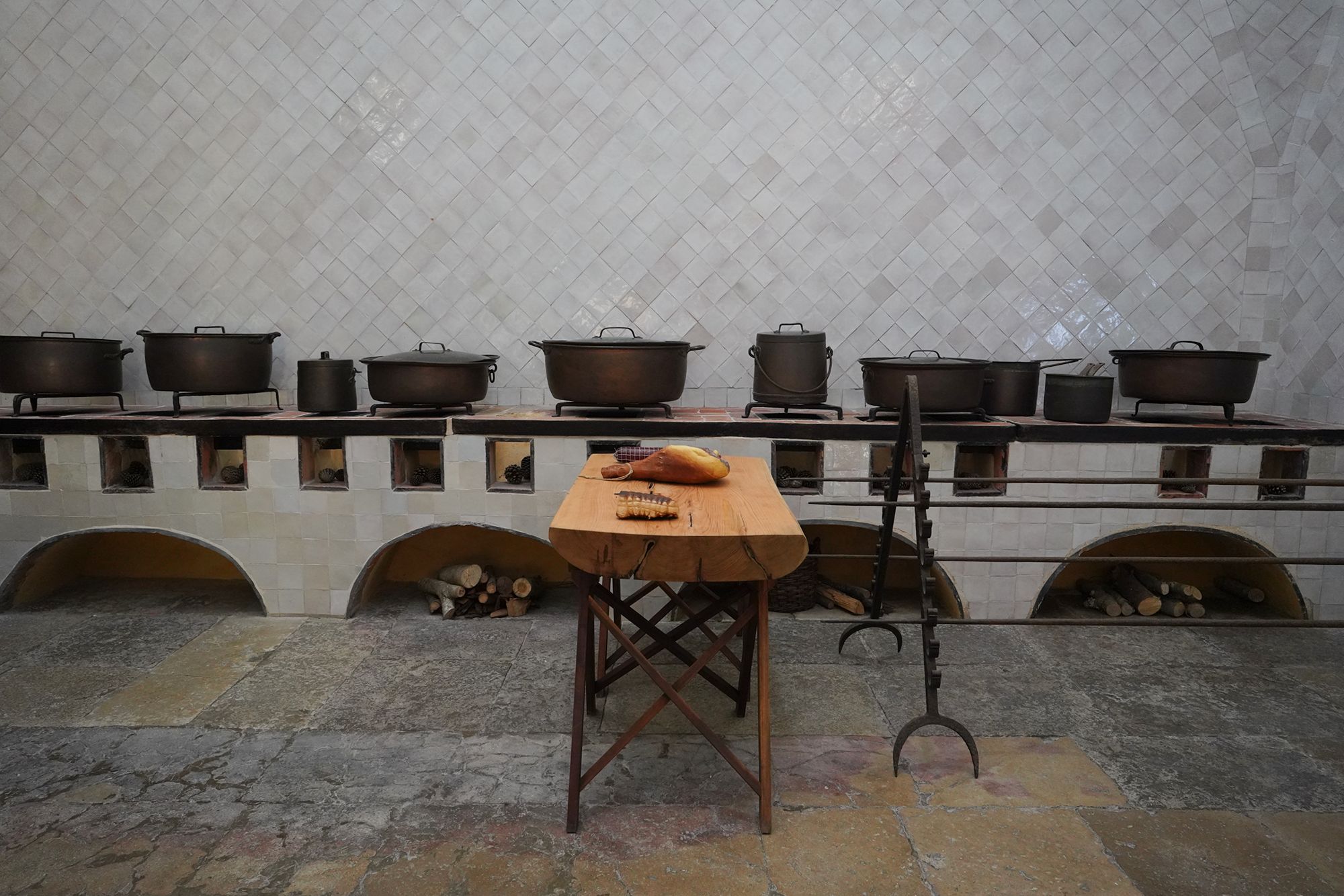
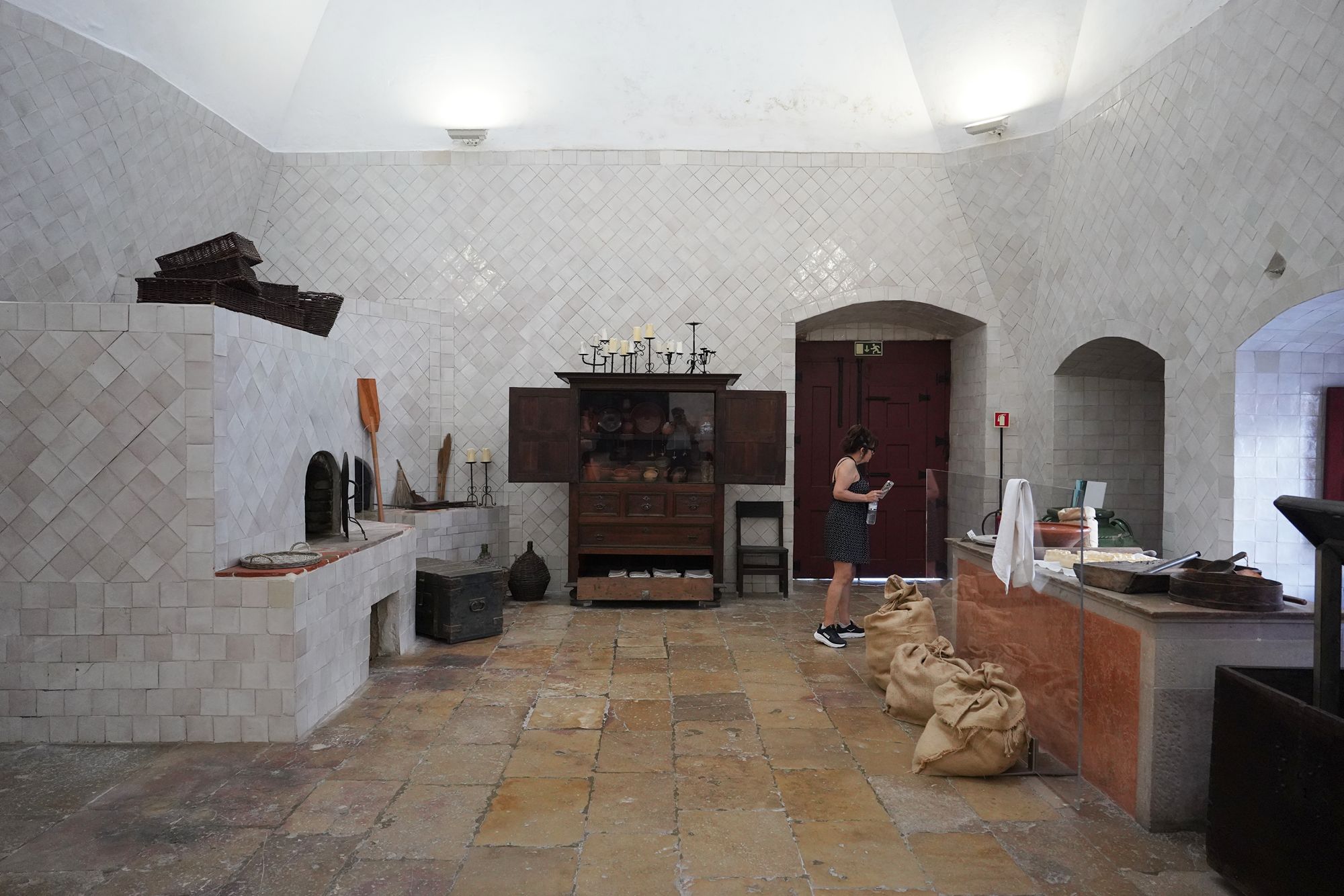
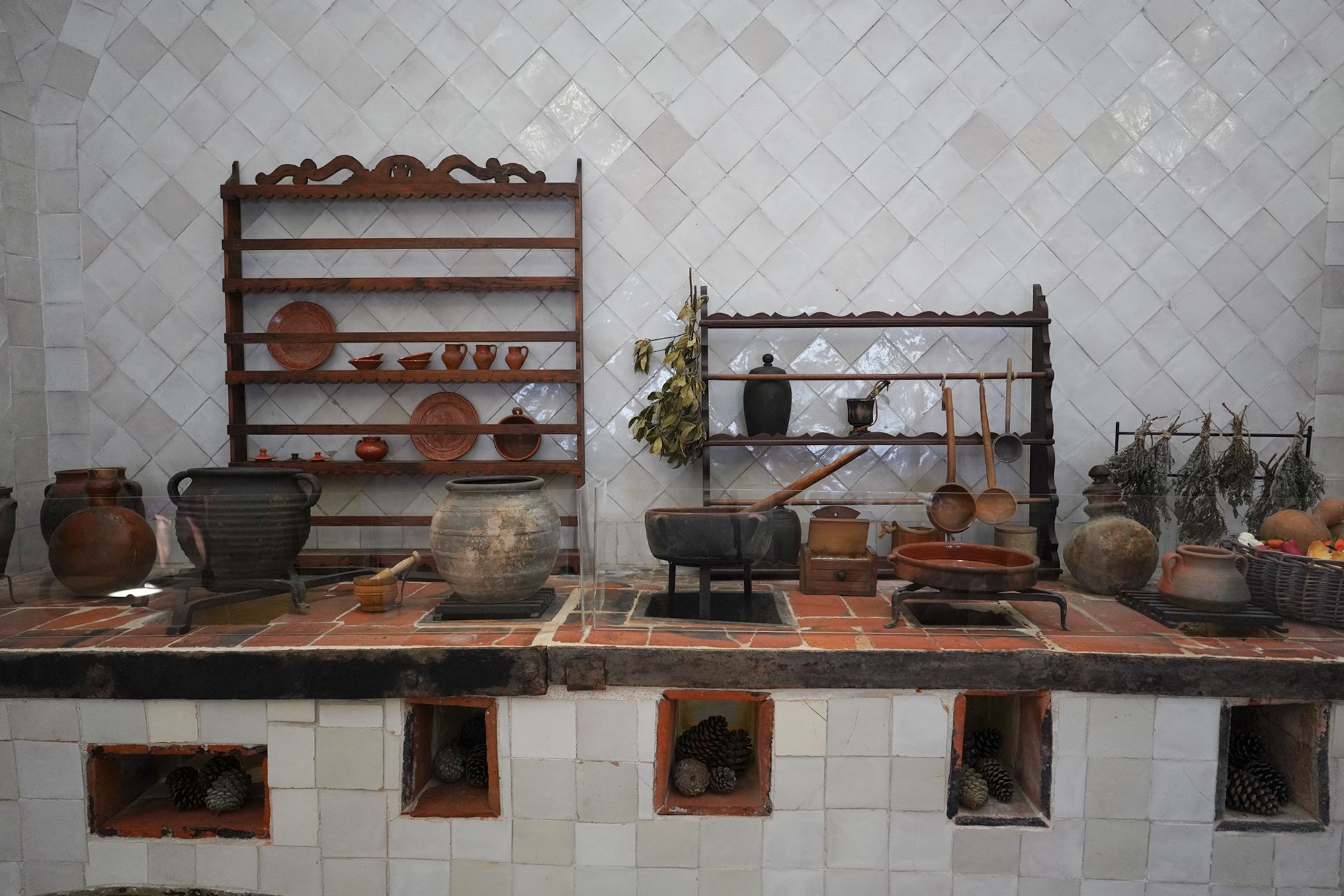
The palace kitchen reveals the scale of daily life behind these ceremonial rooms. It served a court that could include several hundred people and prepared game brought back from royal hunts. The two chimneys rising above it are each approximately 33 meters tall. Their unusual shape, so prominent outside, had the practical purpose of carrying smoke away from the kitchen.
The palace also witnessed difficult episodes in Portuguese royal history. King Afonso VI was confined here from 1674 until his death in 1683 after being removed from power. The building suffered serious damage in the 1755 earthquake and was subsequently repaired. Its role as a royal residence ended with the republican revolution of 1910; Queen Maria Pia was its last royal resident. Today, its rooms preserve the history of a palace that served generations of Portugal’s royal family.