Warsaw Walk, Part II, Poland
This blog is a walk from Warsaw New Town Market Square back to the Royal Castle, then south through Old Town. 1366
New Town Square: rynek Nowego Miasta 1, 00-229 Warszawa, Poland
Warsaw Barbican: Nowomiejska 15/17, 00-257 Warszawa, Poland
Old Town Market Square: Pomnik Syrenki, Rynek Starego Miasta 18i, 00-272 Warszawa, Poland
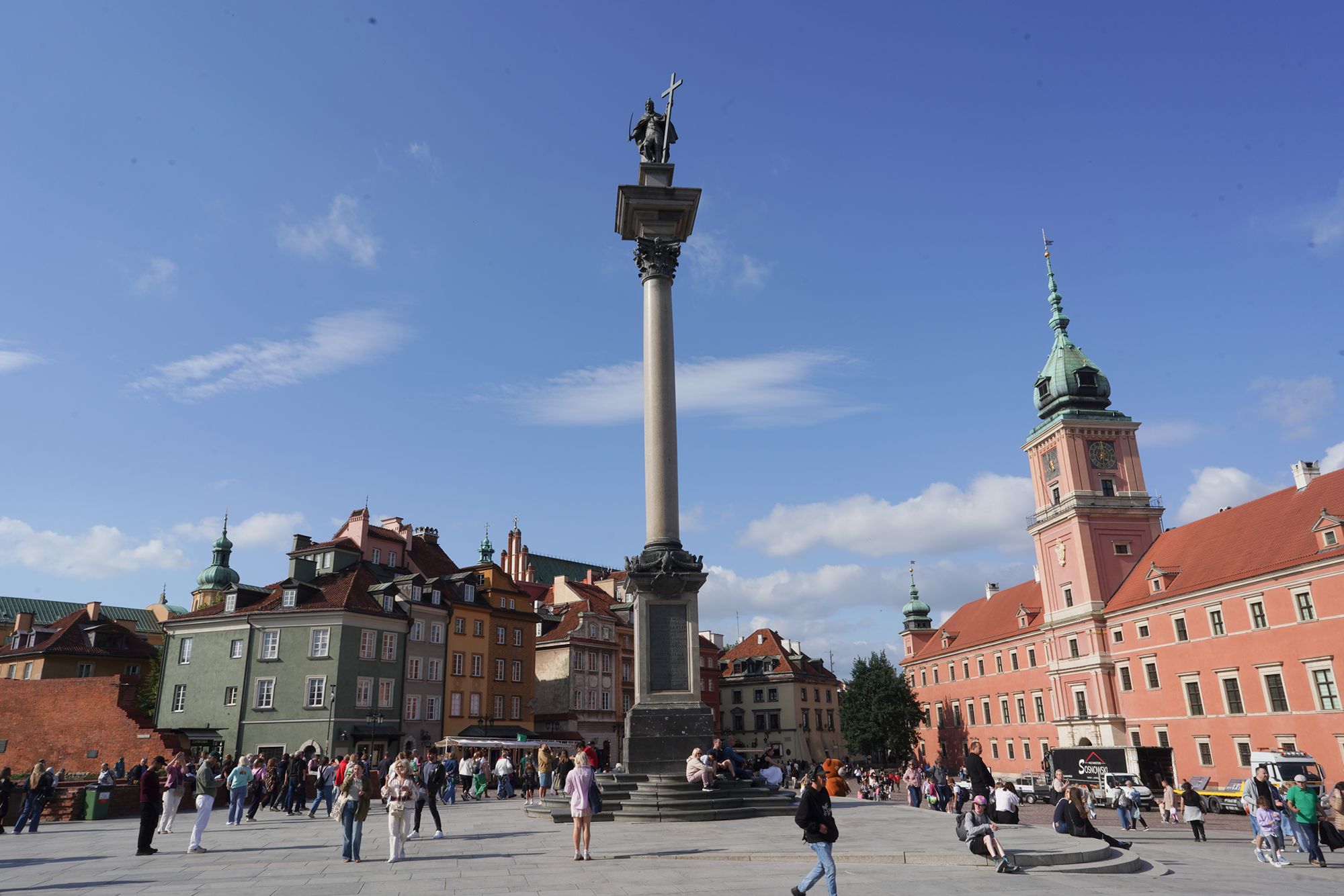
Warsaw Old Town Square: Plac Zamkowy 4, 00-277 Warszawa, Poland
St. Anne's Church: Krakowskie Przedmieście 68, 00-322 Warszawa, Poland
Zajazd Dziekanka: No. 56, Krakowskie Przedmieście, Poland
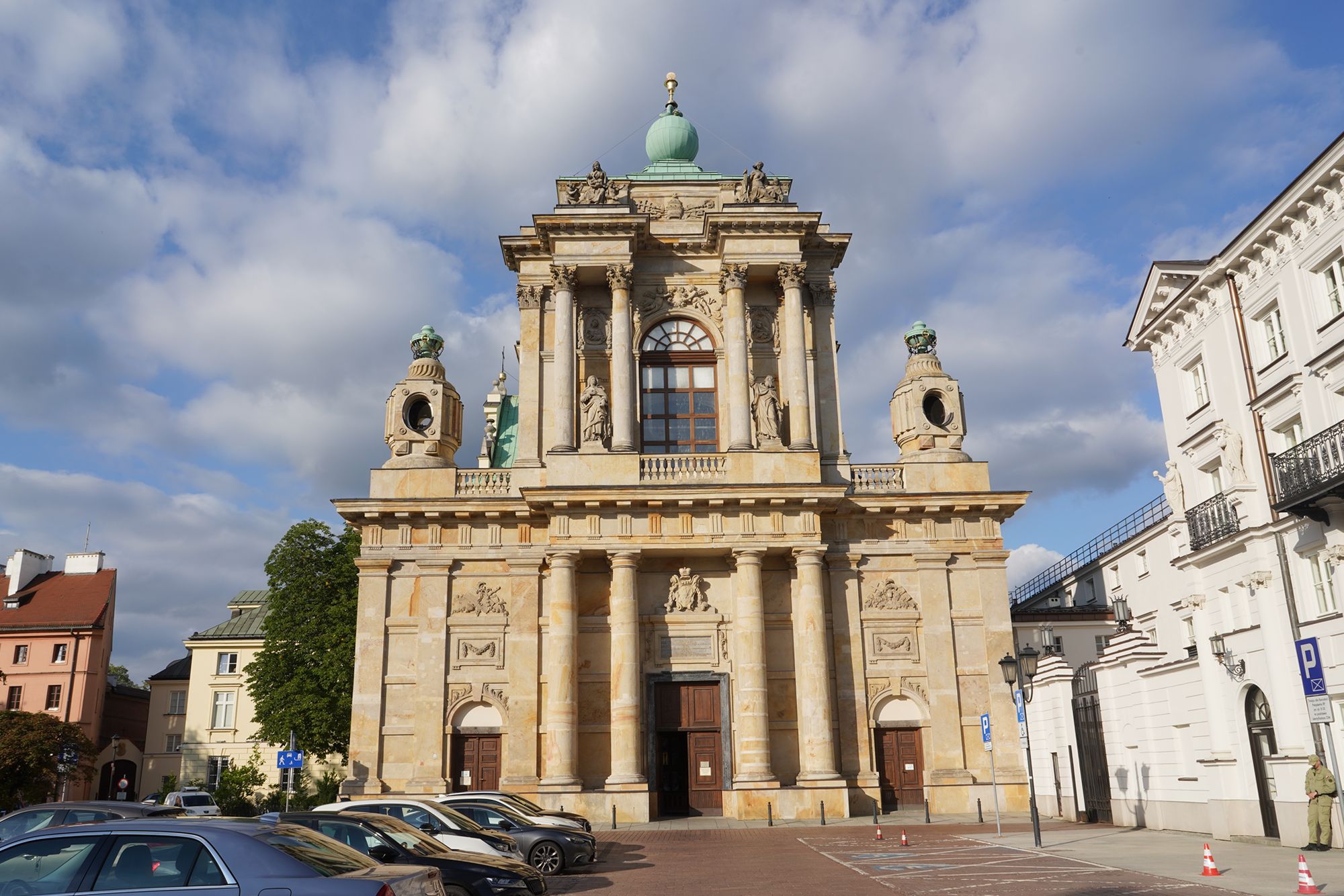
Carmelite Church: Krakowskie Przedmieście 52/54, 00-322 Warszawa, Poland
Presidential Palace: Krakowskie Przedmieście 48/50, 00-071 Warszawa, Poland
Church of the Holy Cross: Krakowskie Przedmieście 3, 00-047 Warszawa, Poland
Staszic Palace: Nowy Świat 72, 00-330 Warszawa, Poland
Nowy Świat Street: Nowy Świat 43, 00-042 Warszawa, Poland
Chmielna Street: Chmielna 7, 00-021 Warszawa, Poland
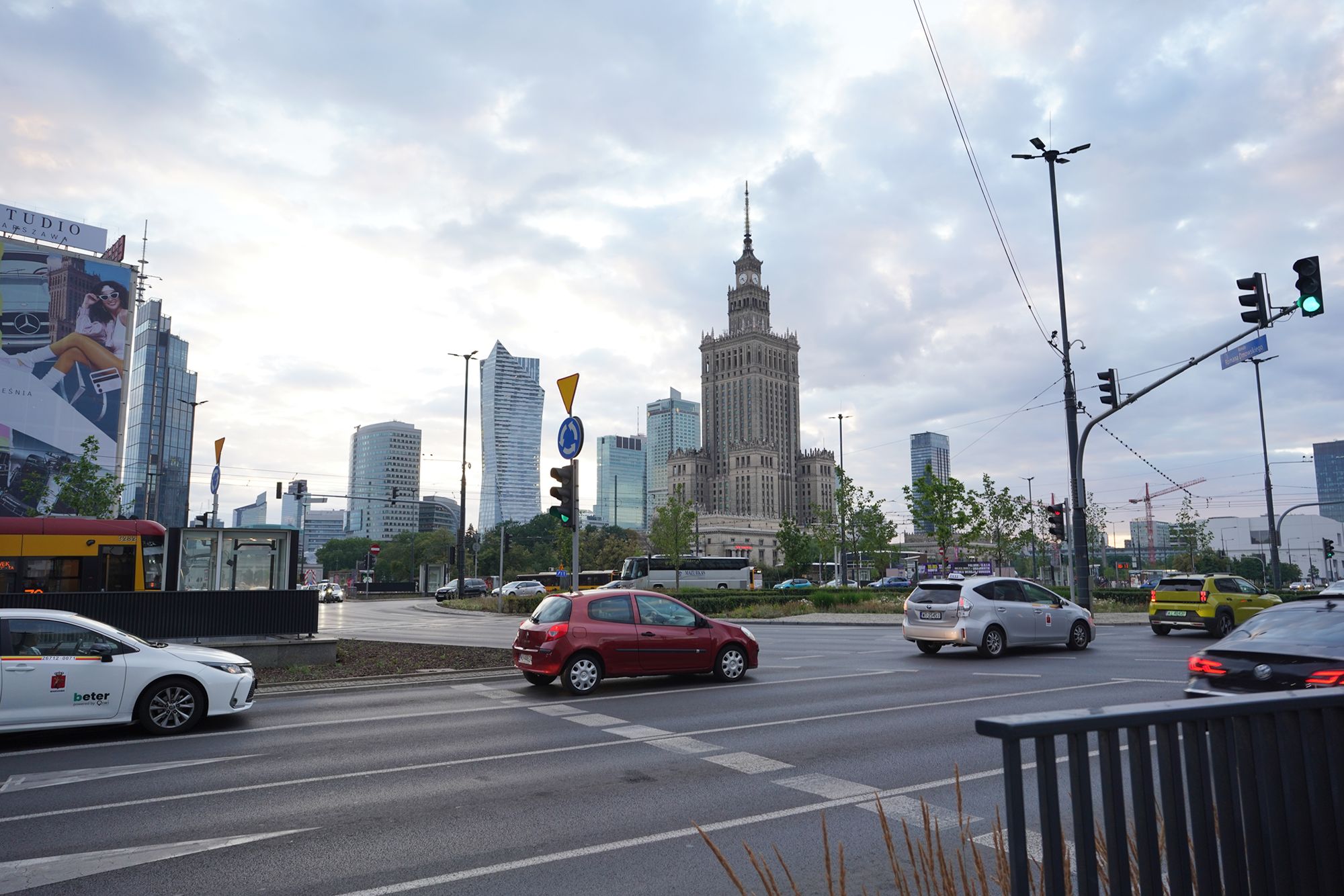
Palace of Culture and Science: Pl. Defilad 1, 00-901 Warszawa, Poland
Date Picture Taken: July, 2026
This blog continues my walk through Warsaw from the previous post, which covered the route from the Royal Castle to New Town Market Square. Starting at the square, I retraced my steps to the Royal Castle, then continued south toward the southern end of the Old Town.
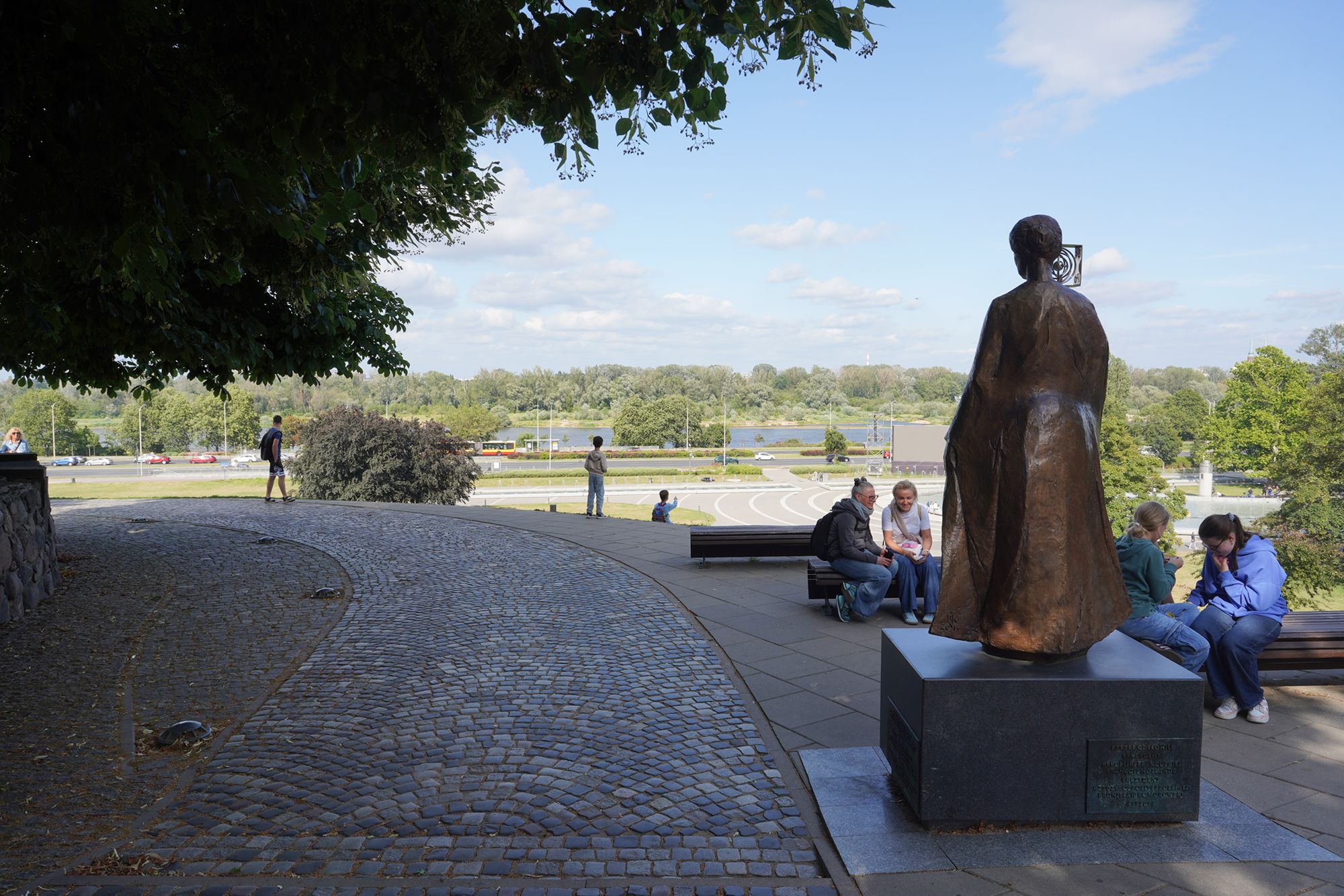
Walking from near the New Town Market Square to Old Town Market Square.
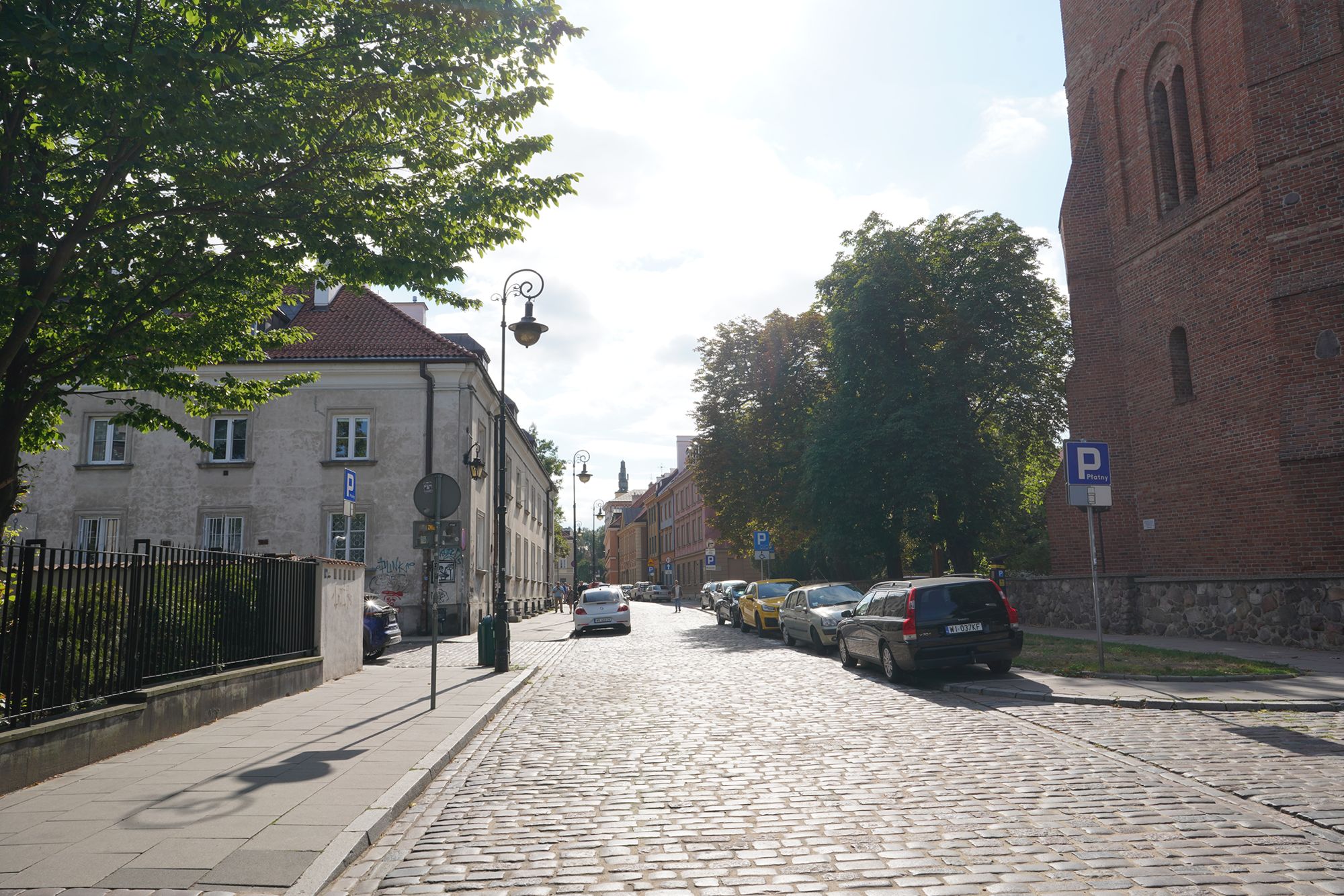
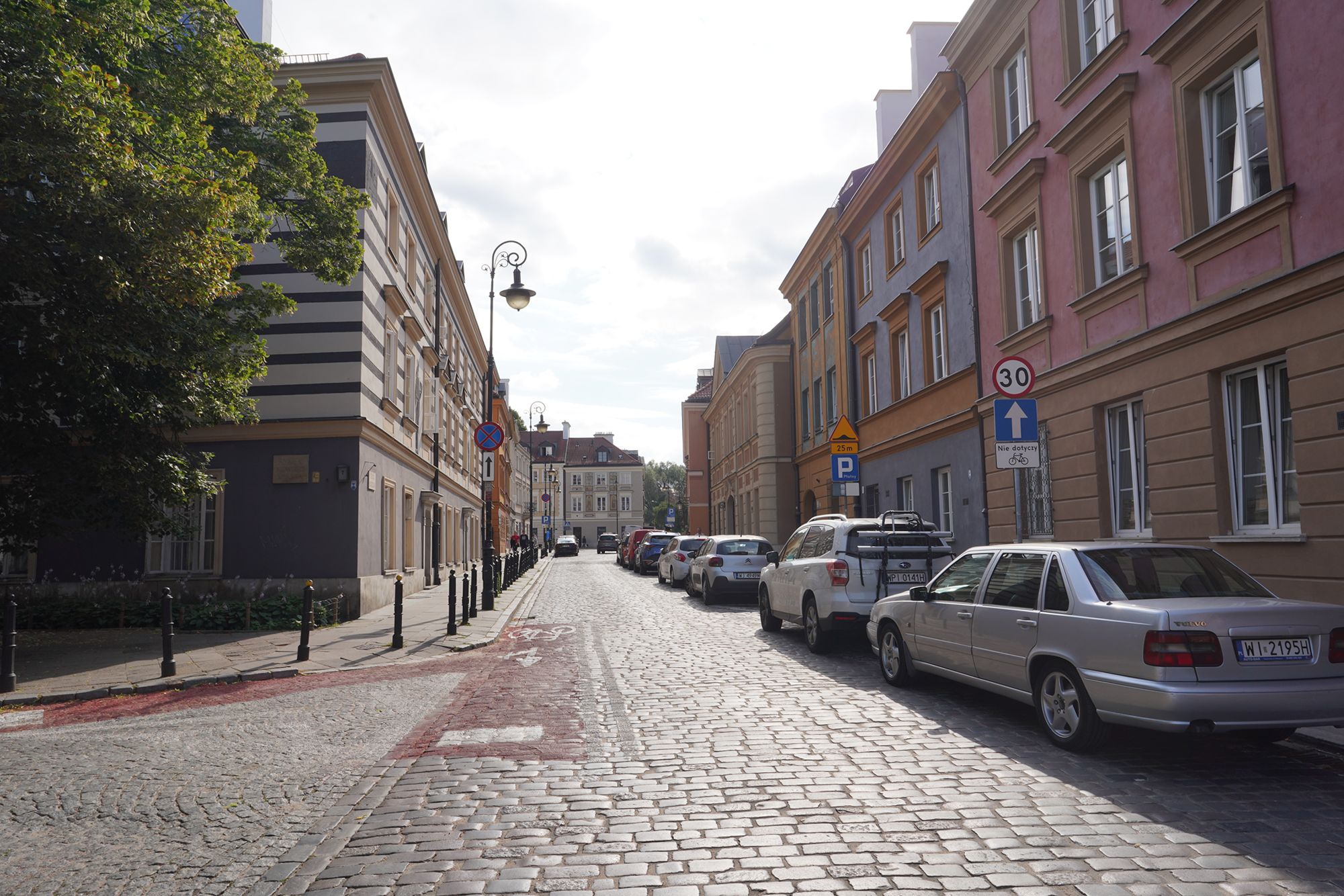
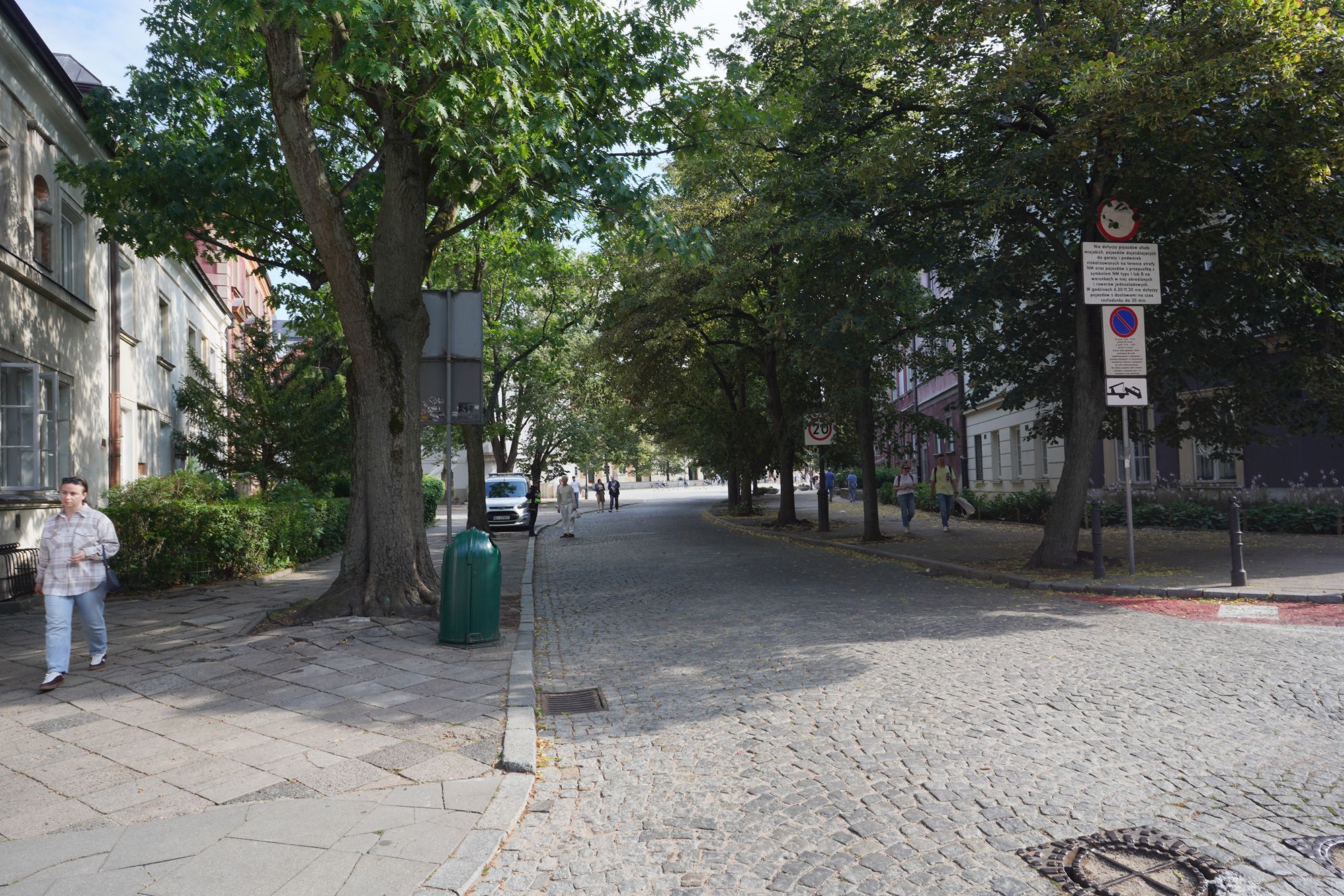
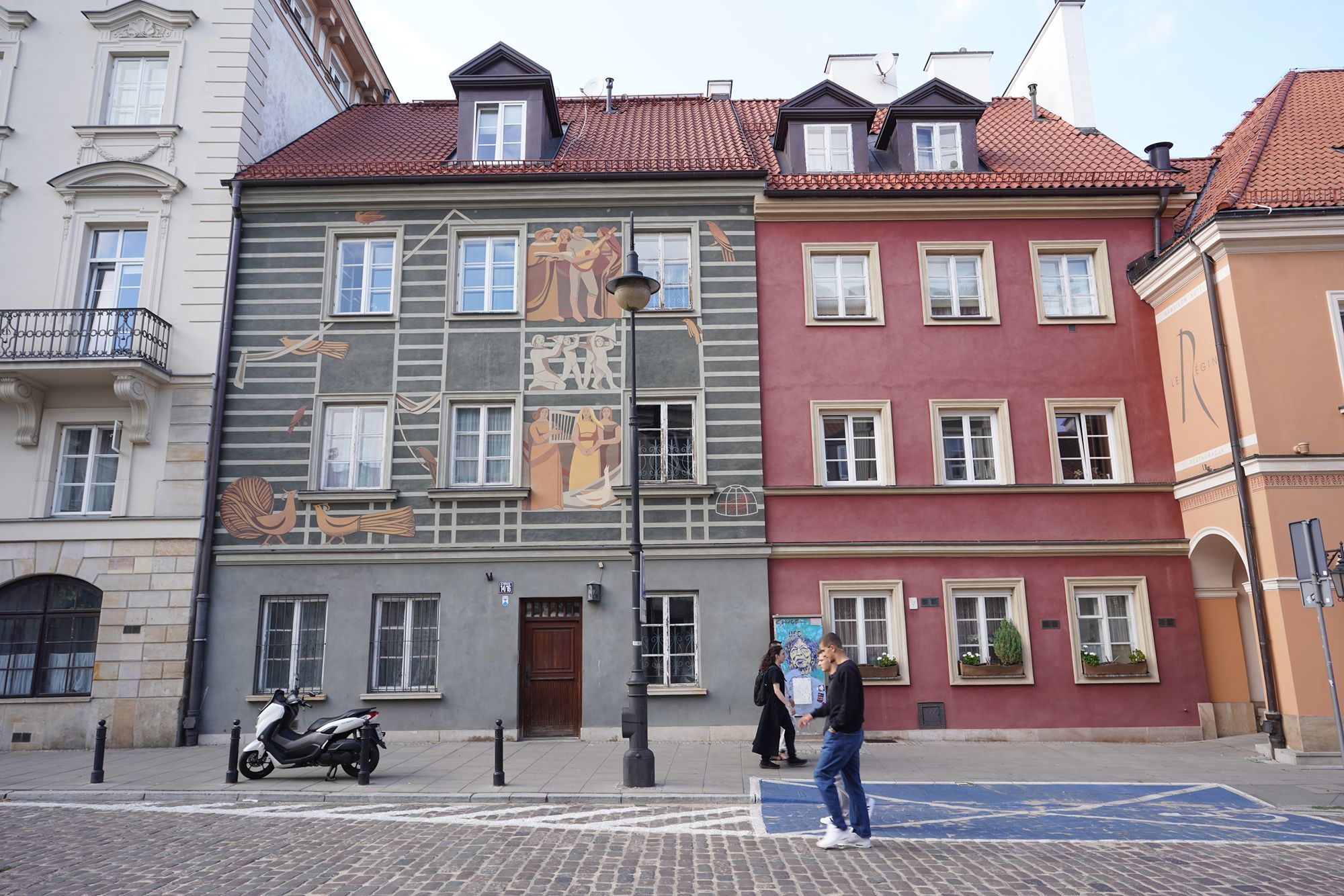
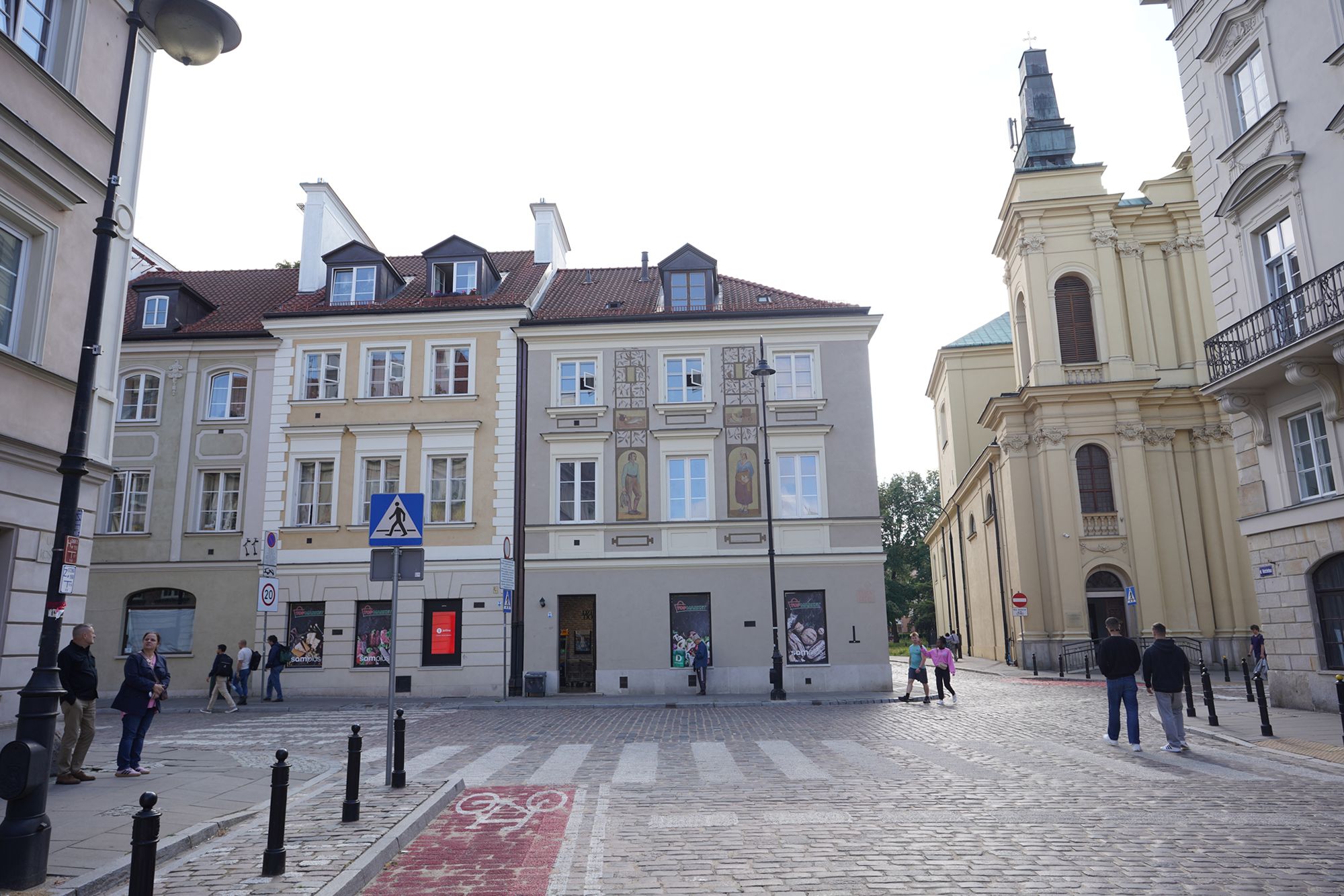
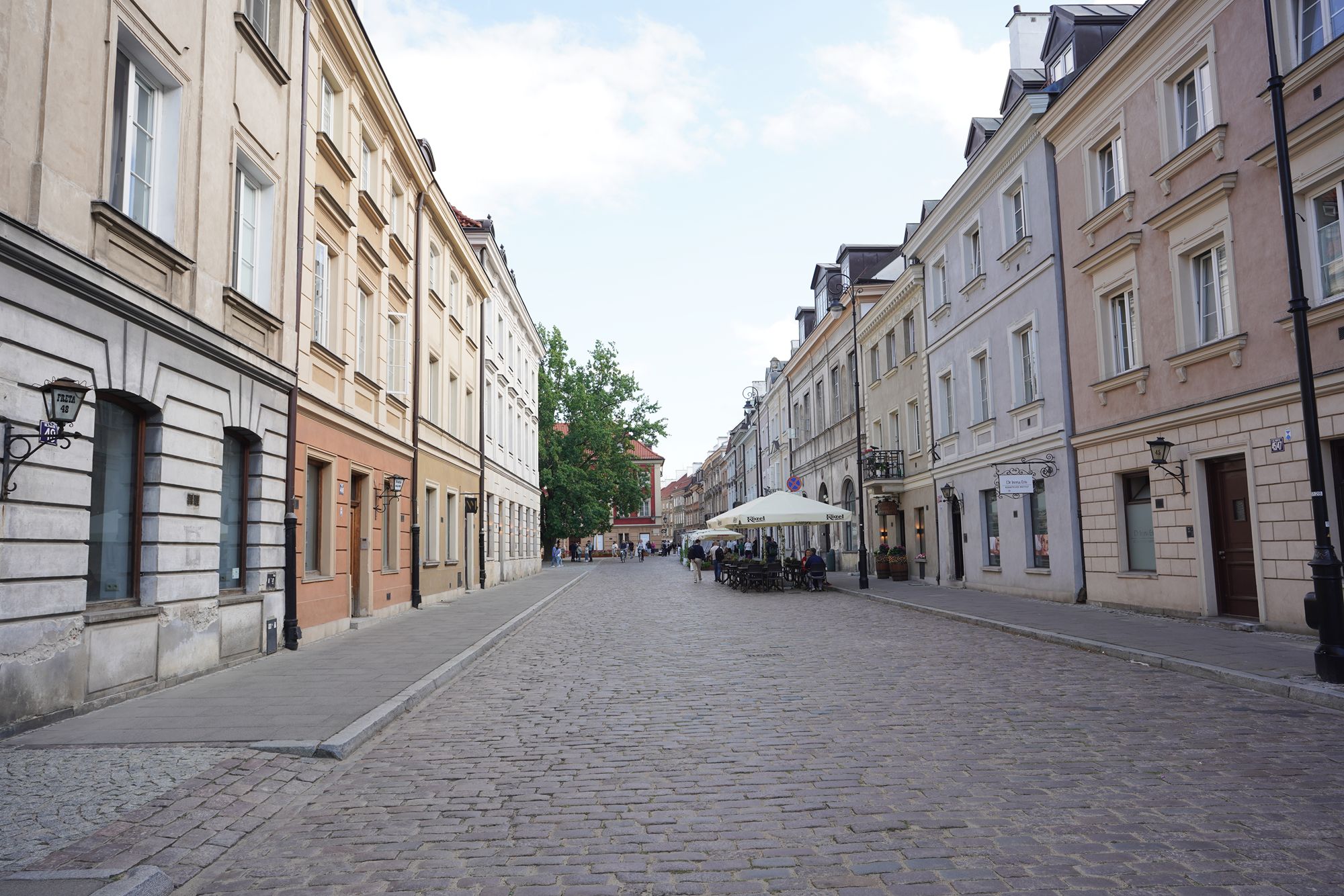
On the left is the New Town Square
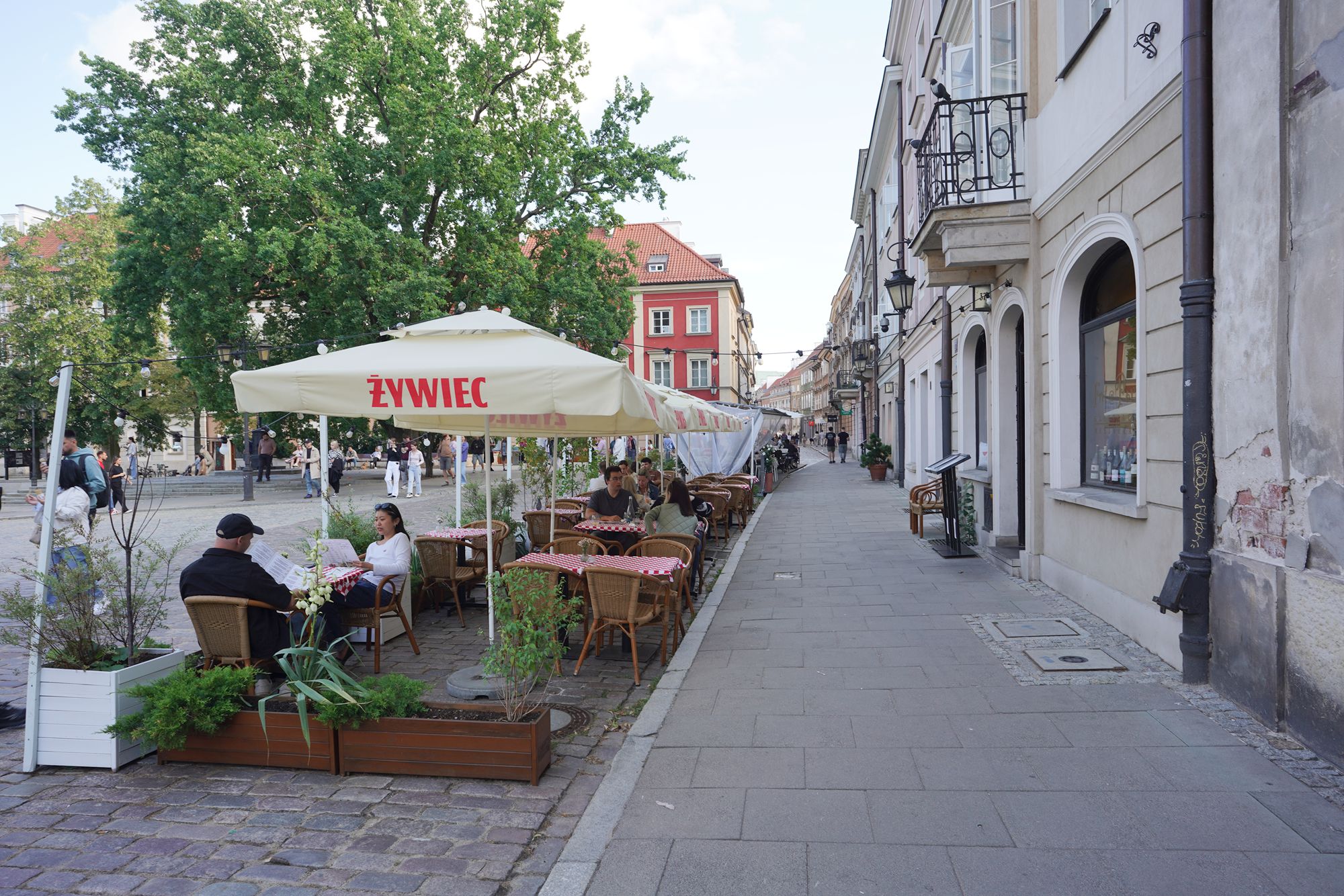
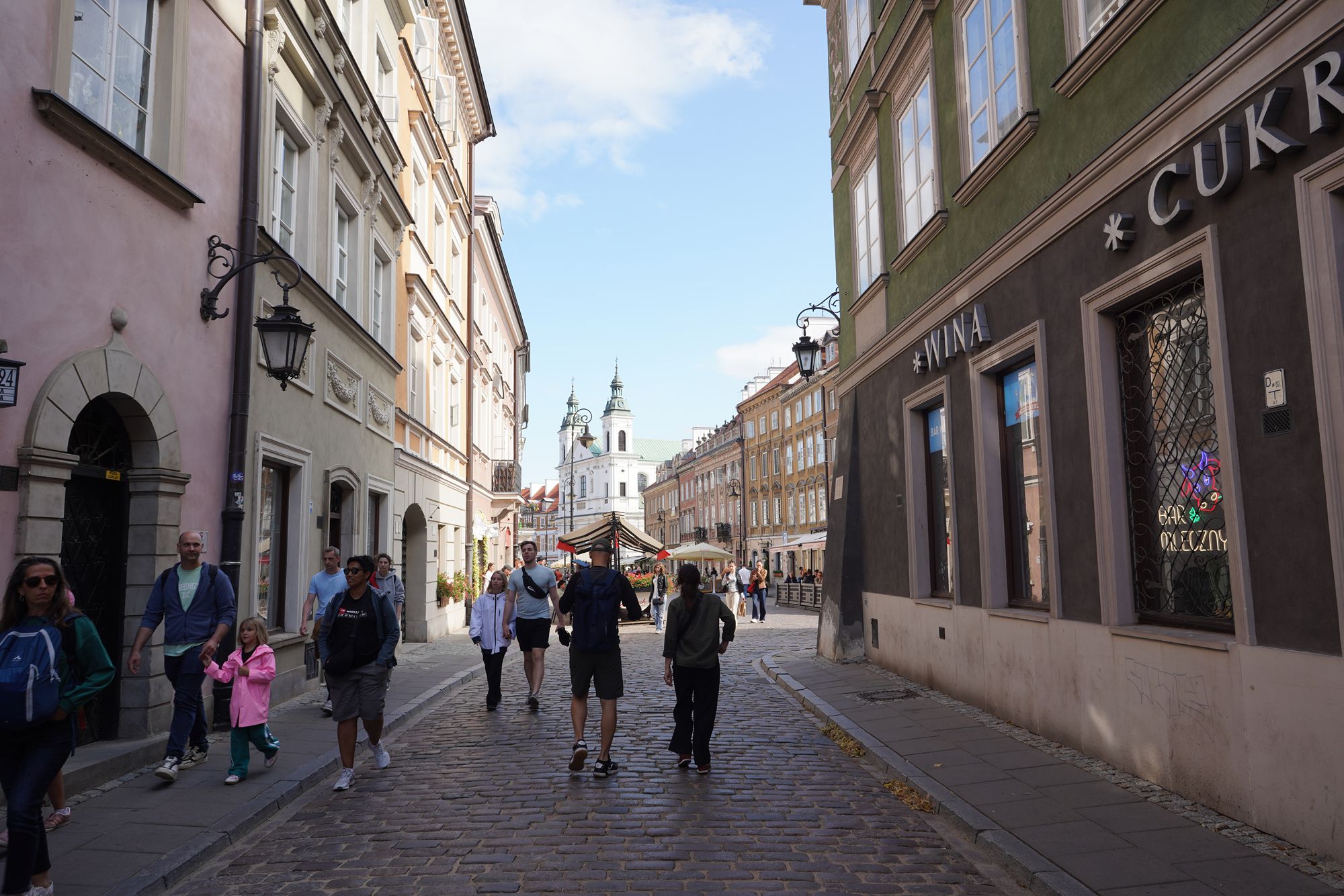
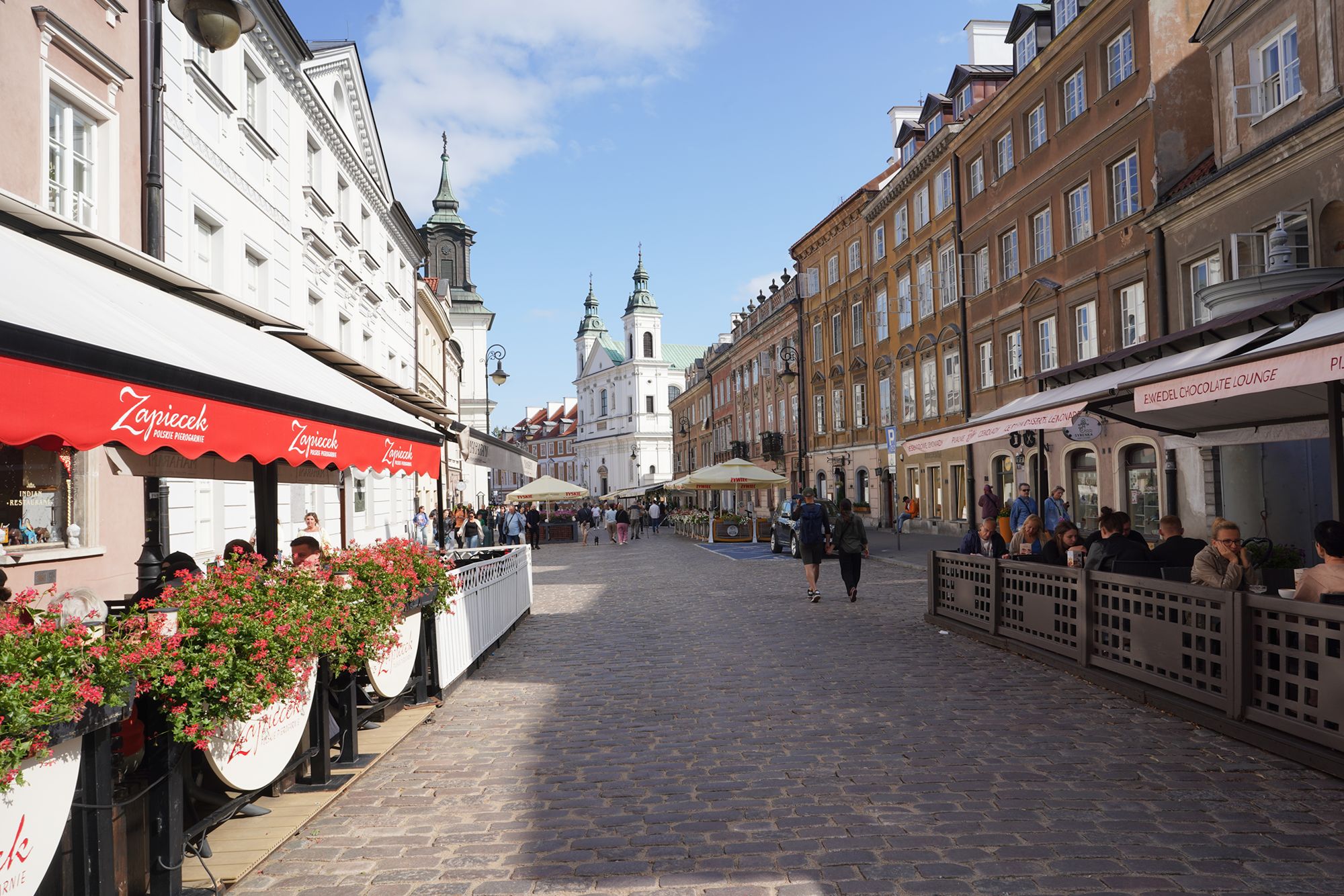
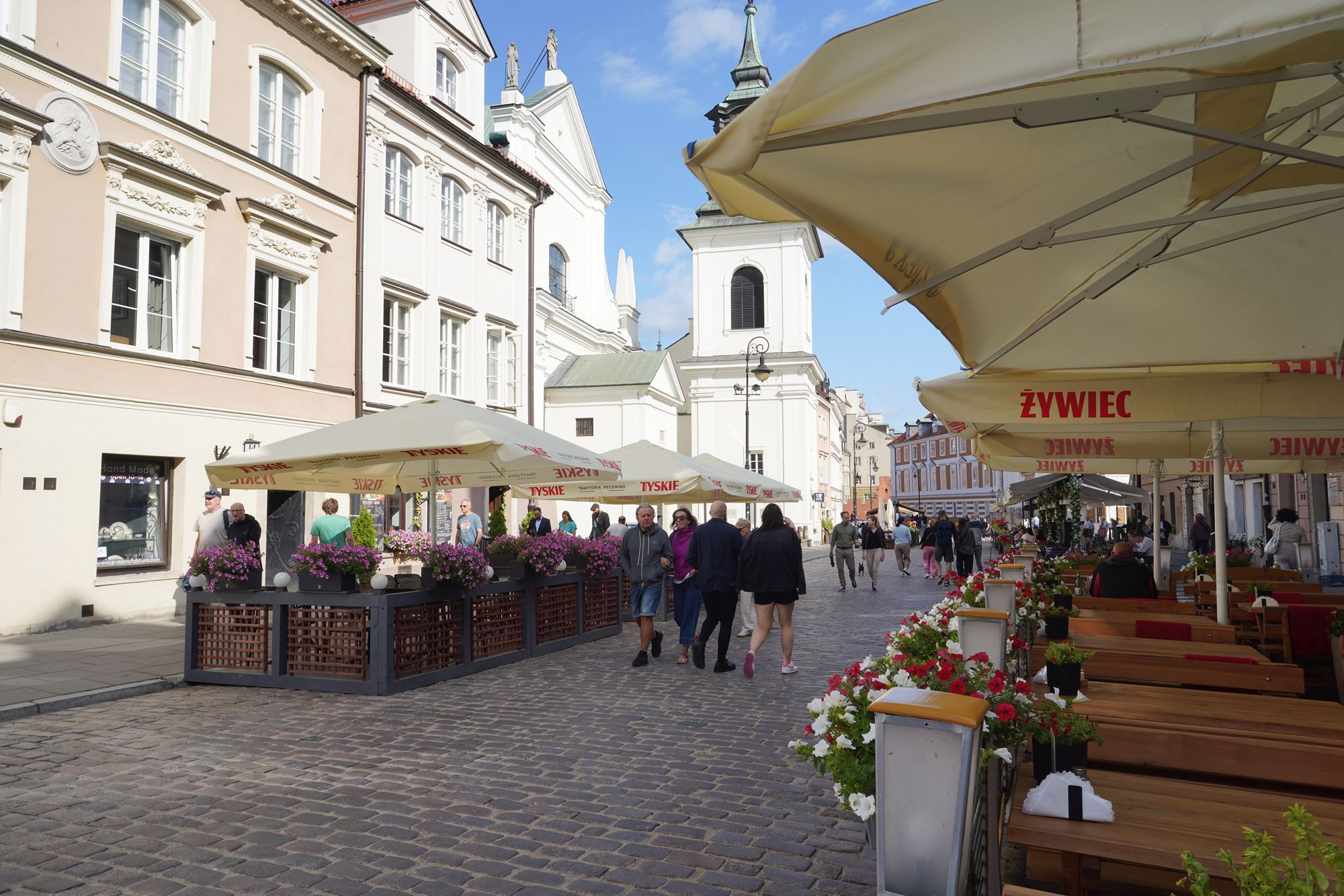
The Church of the Holy Spirit stands just outside Warsaw’s Old Town, near the Barbican. Rebuilt after its destruction during World War II, it is associated with the Pauline monks and serves as a starting point for the annual walking pilgrimage to Częstochowa.
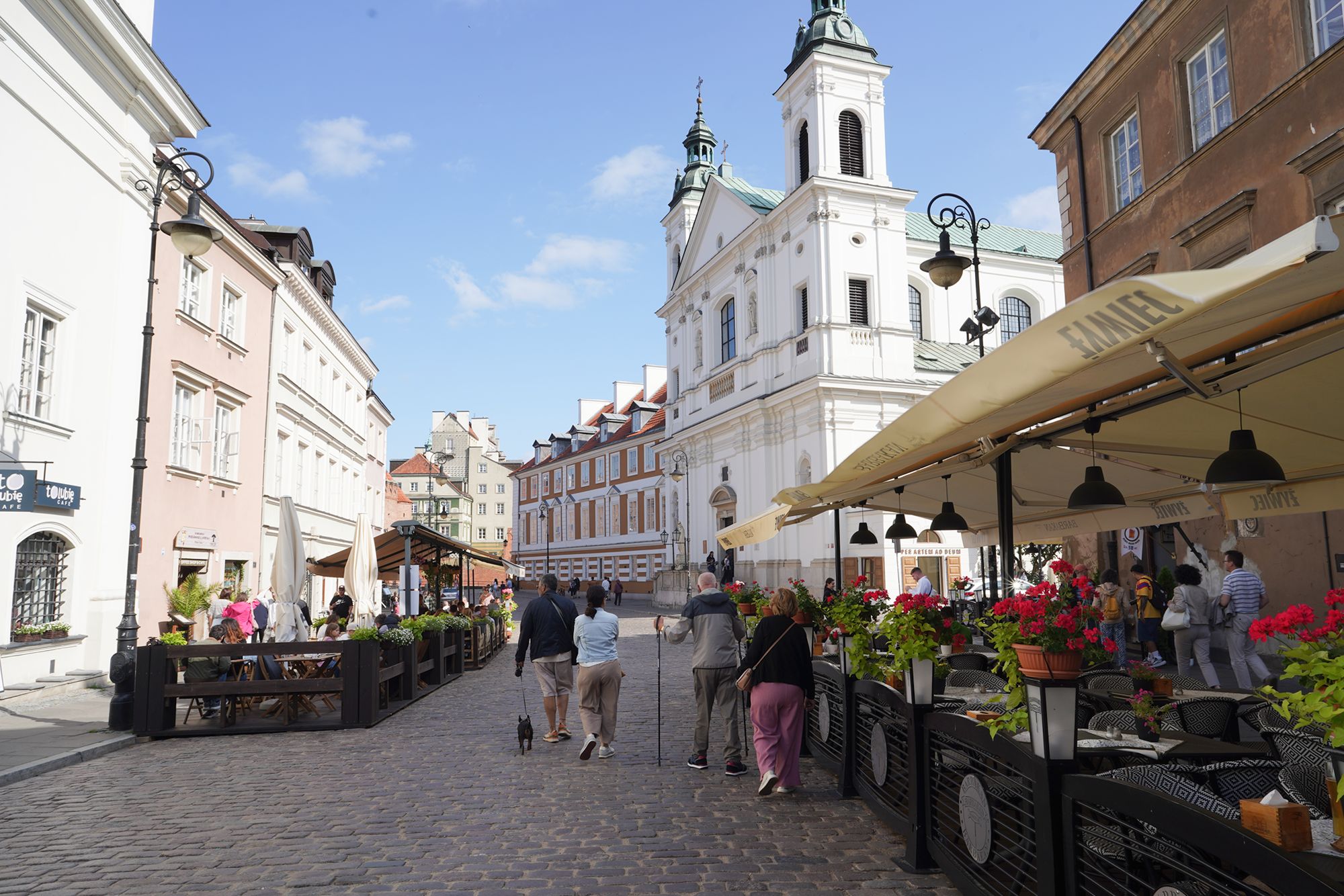
A view behind me
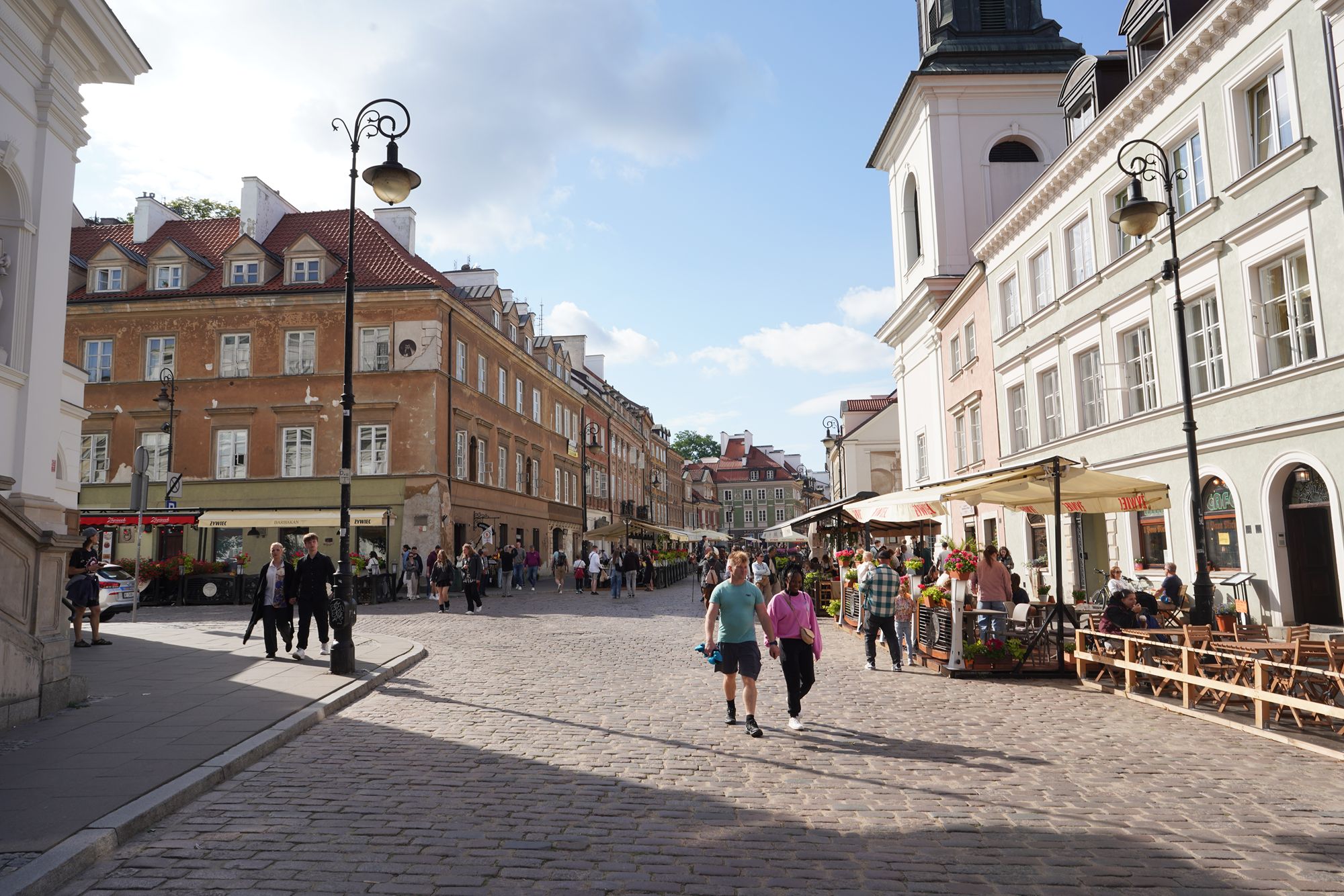
Warsaw Barbican again
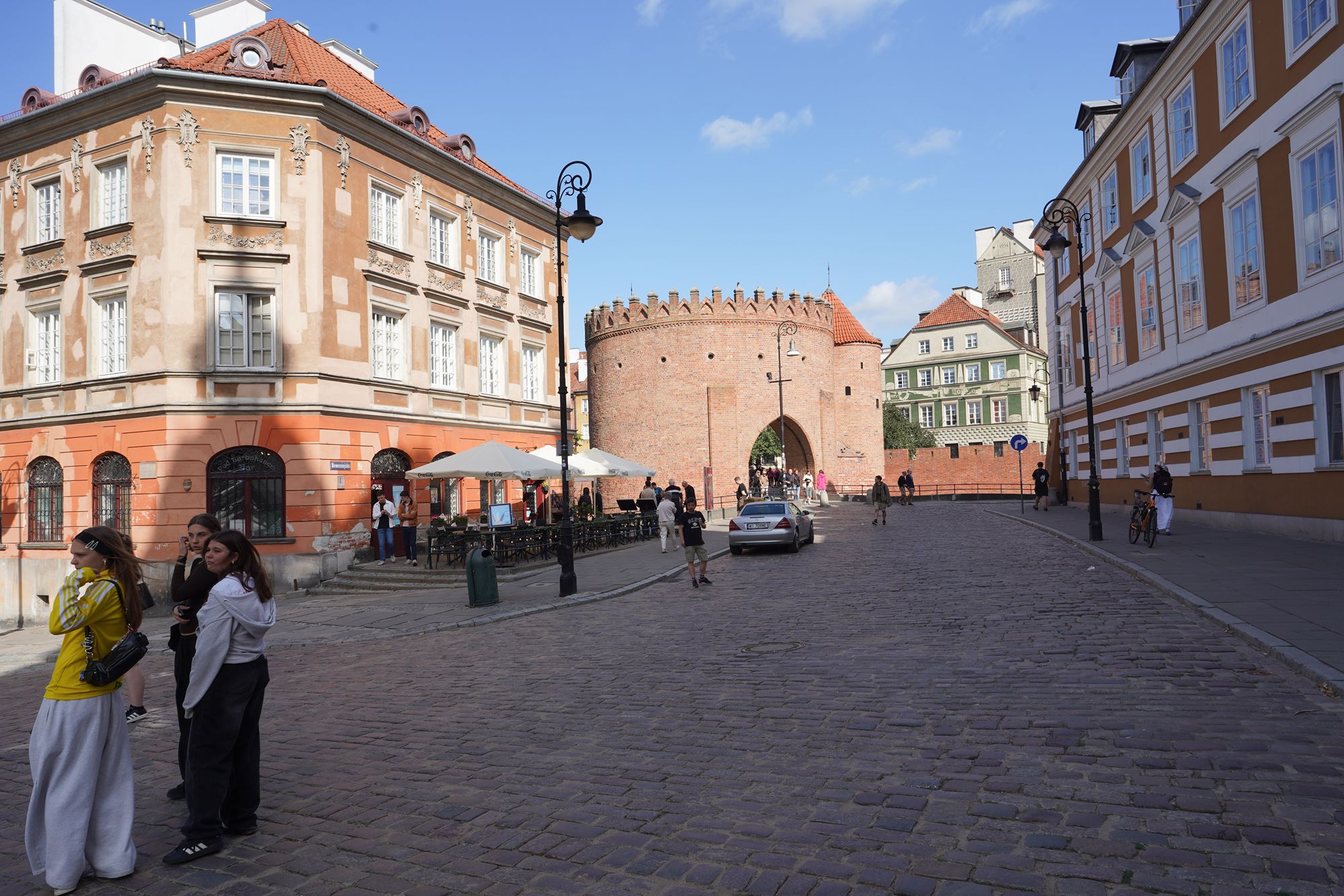
I walked through the Warsaw Barbican and entered the Old Town.
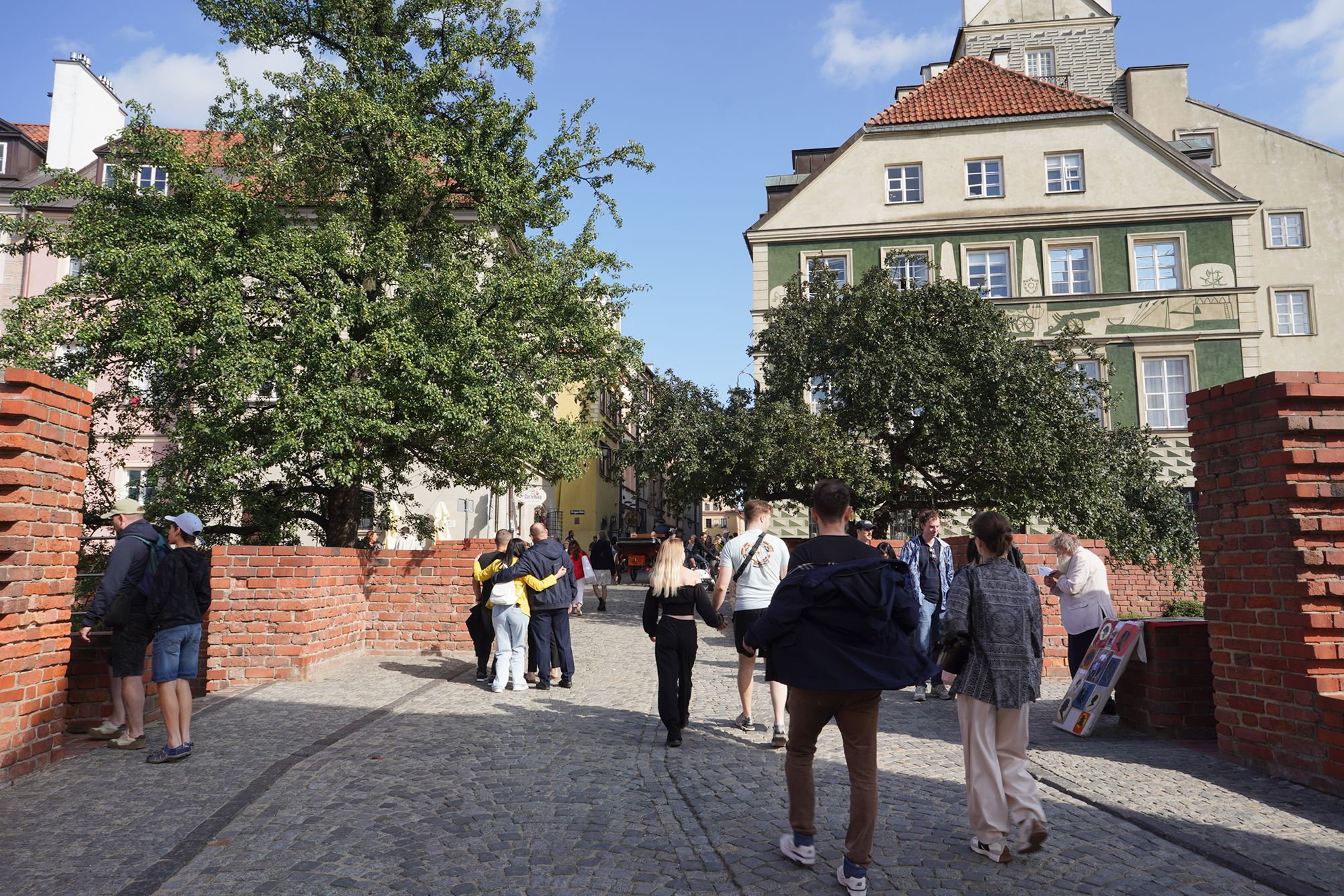
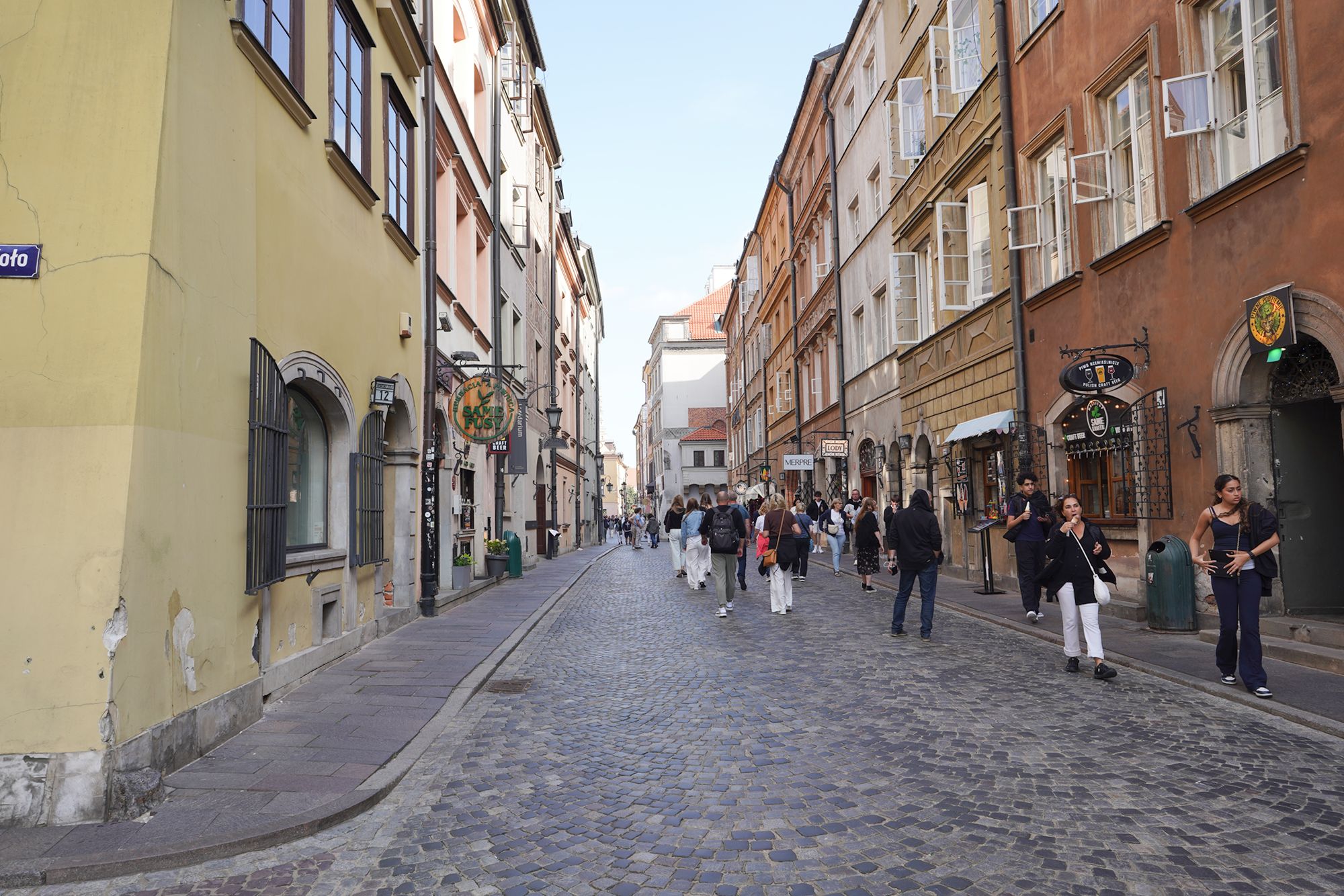
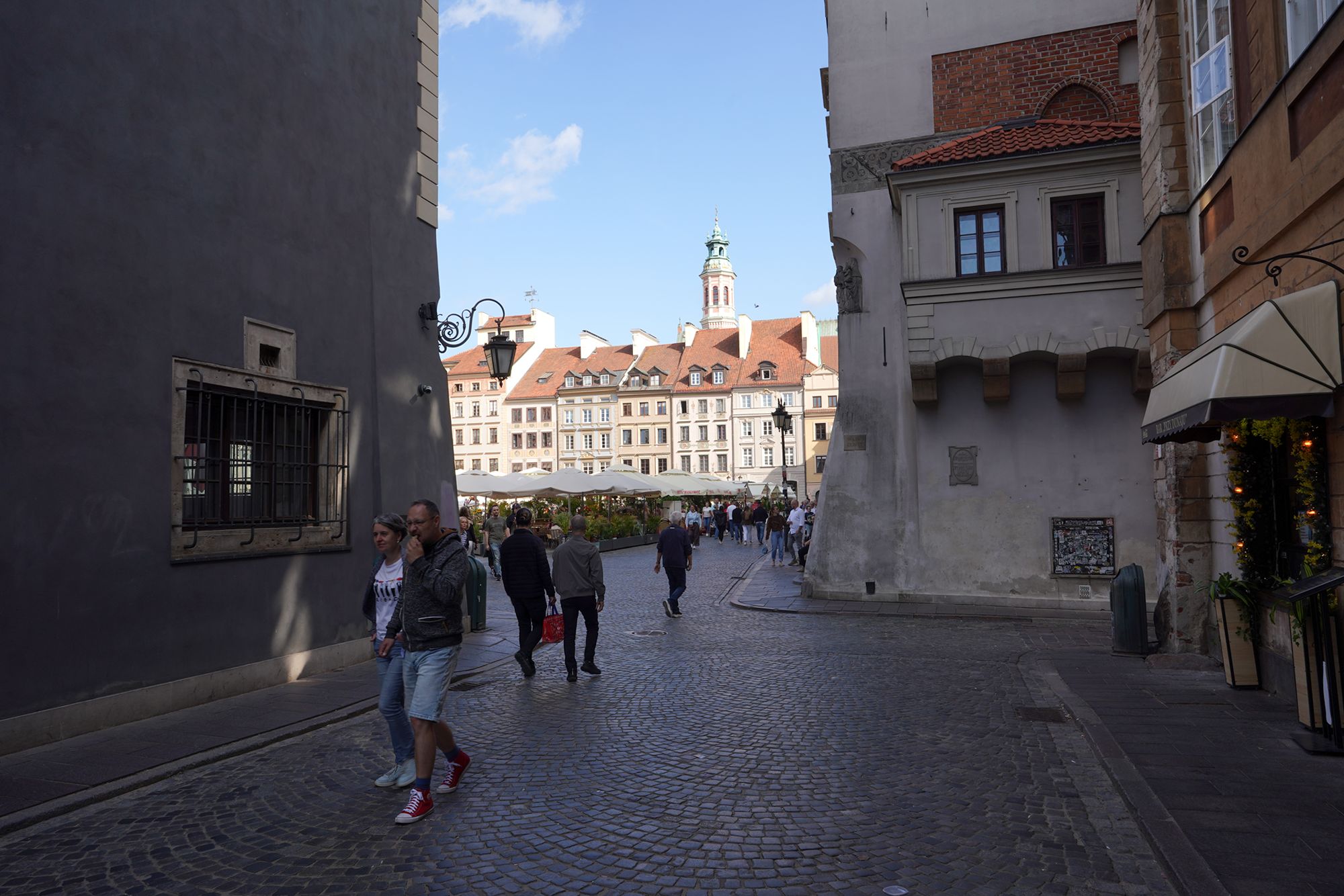
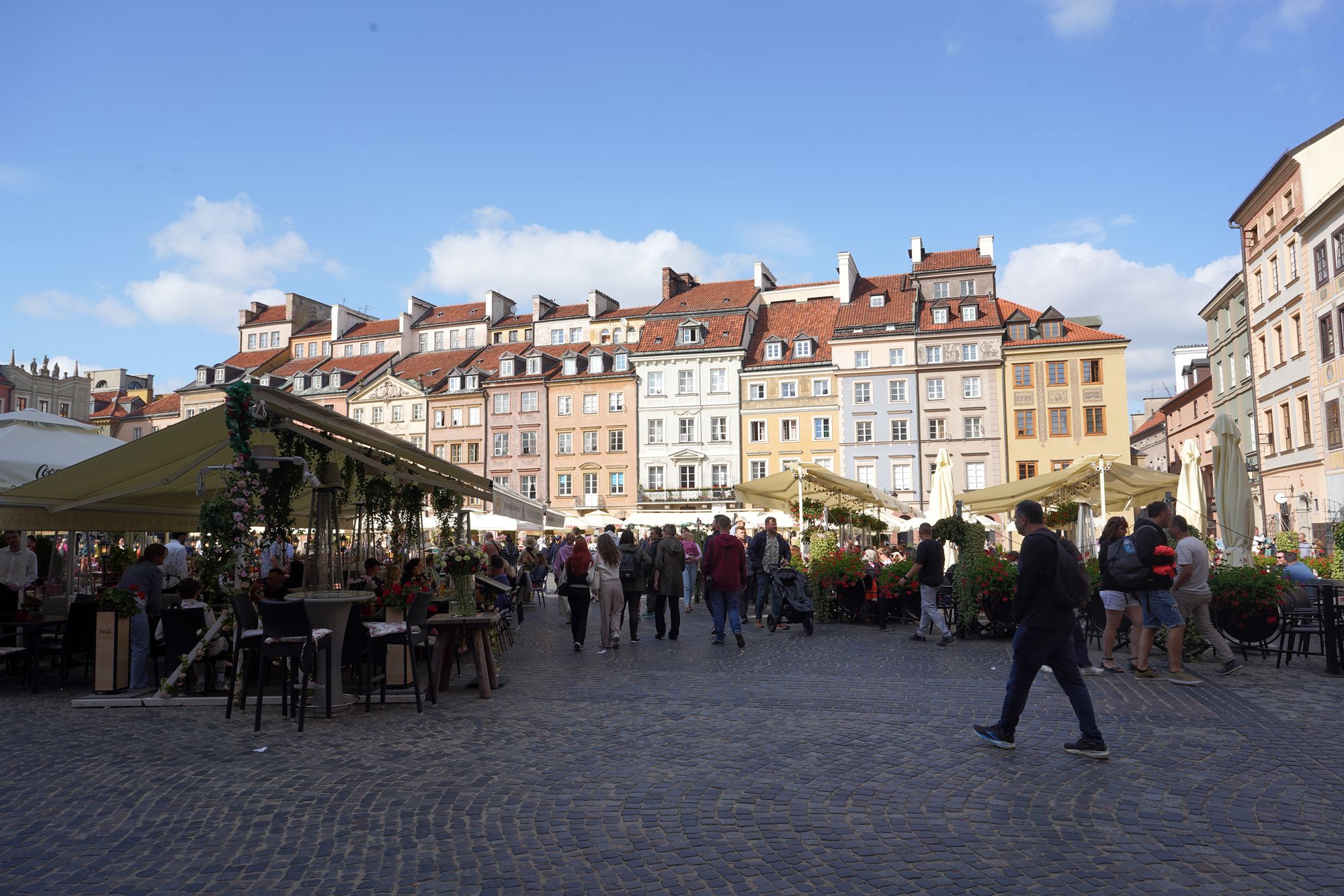
The Old Town Market Square again
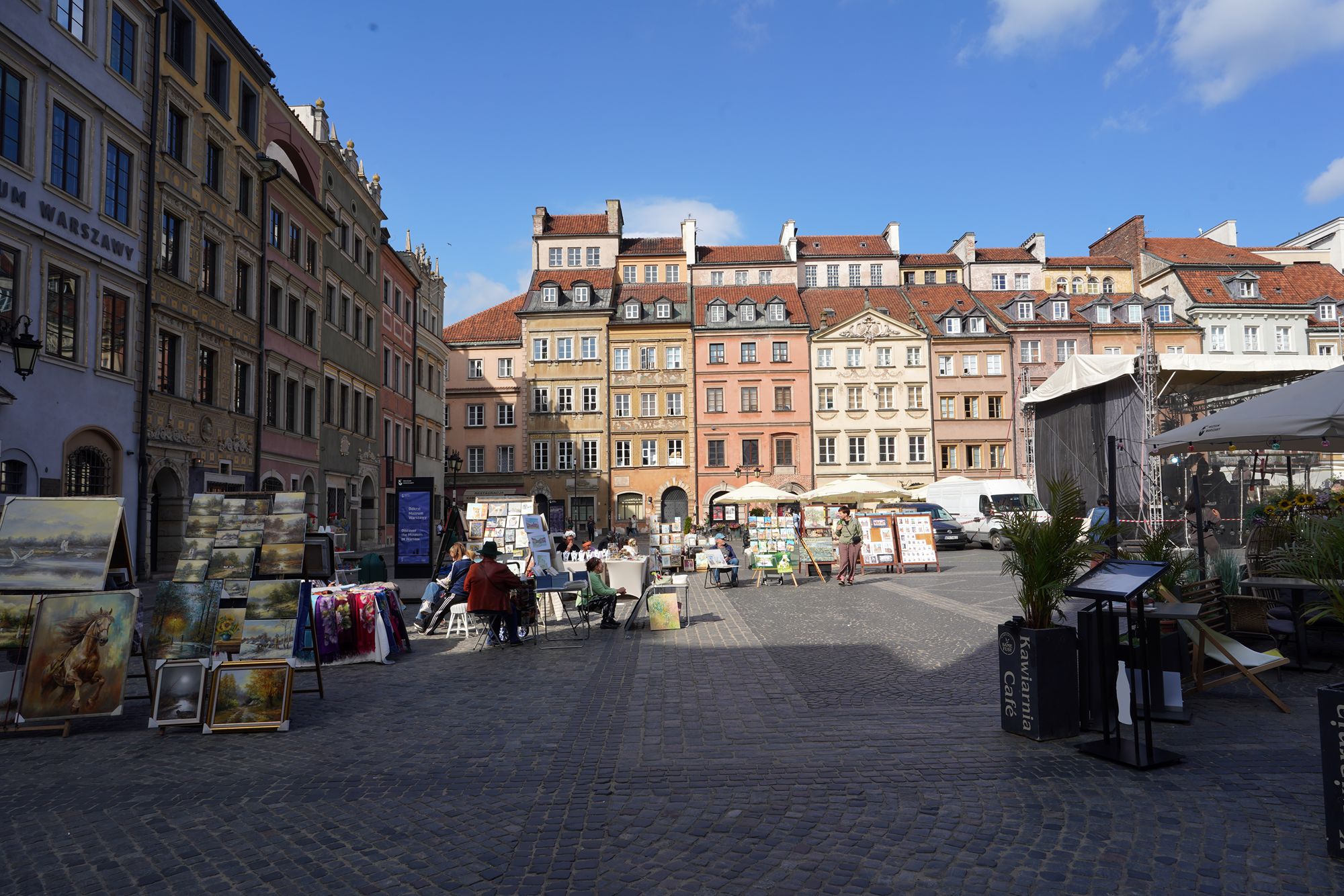
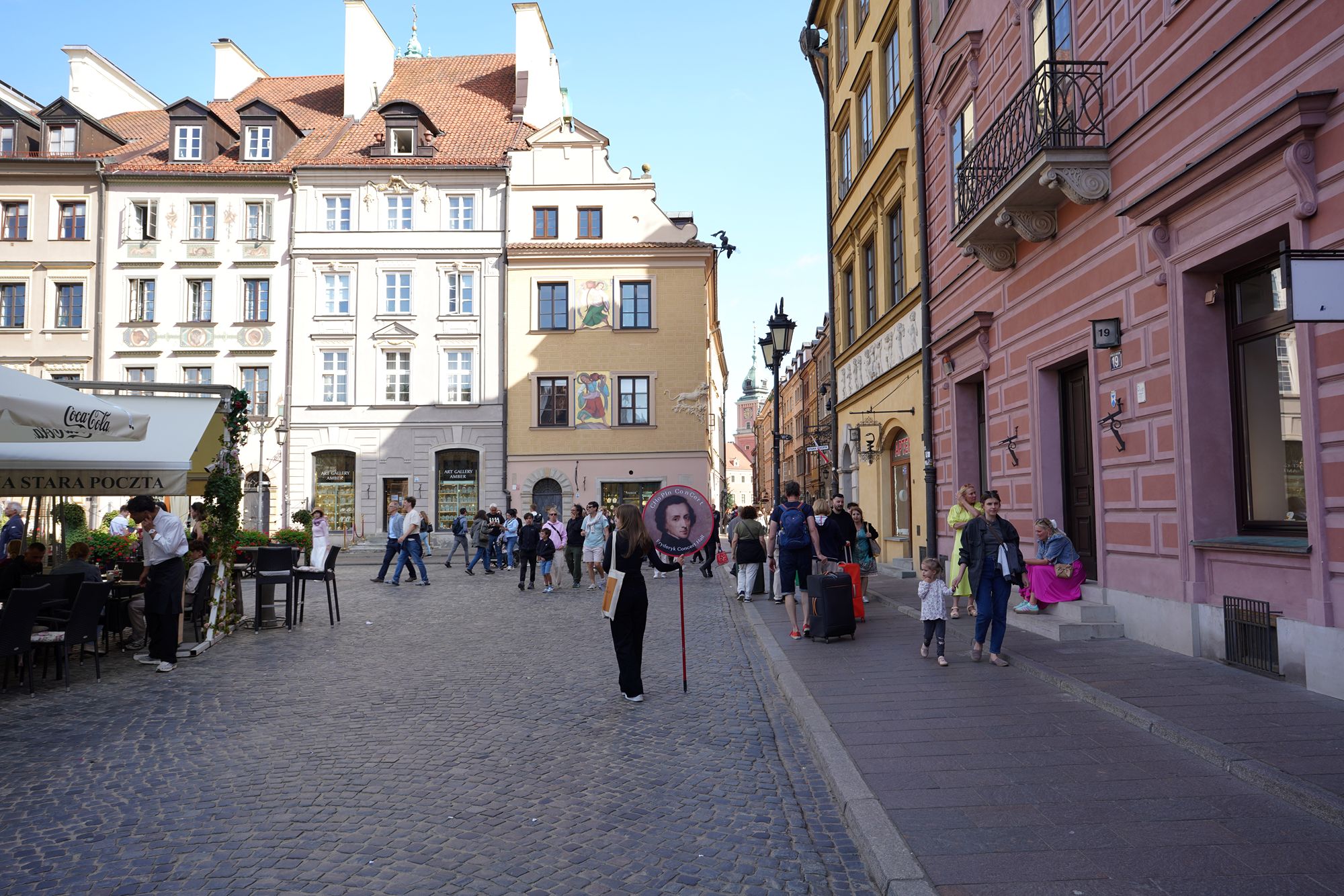
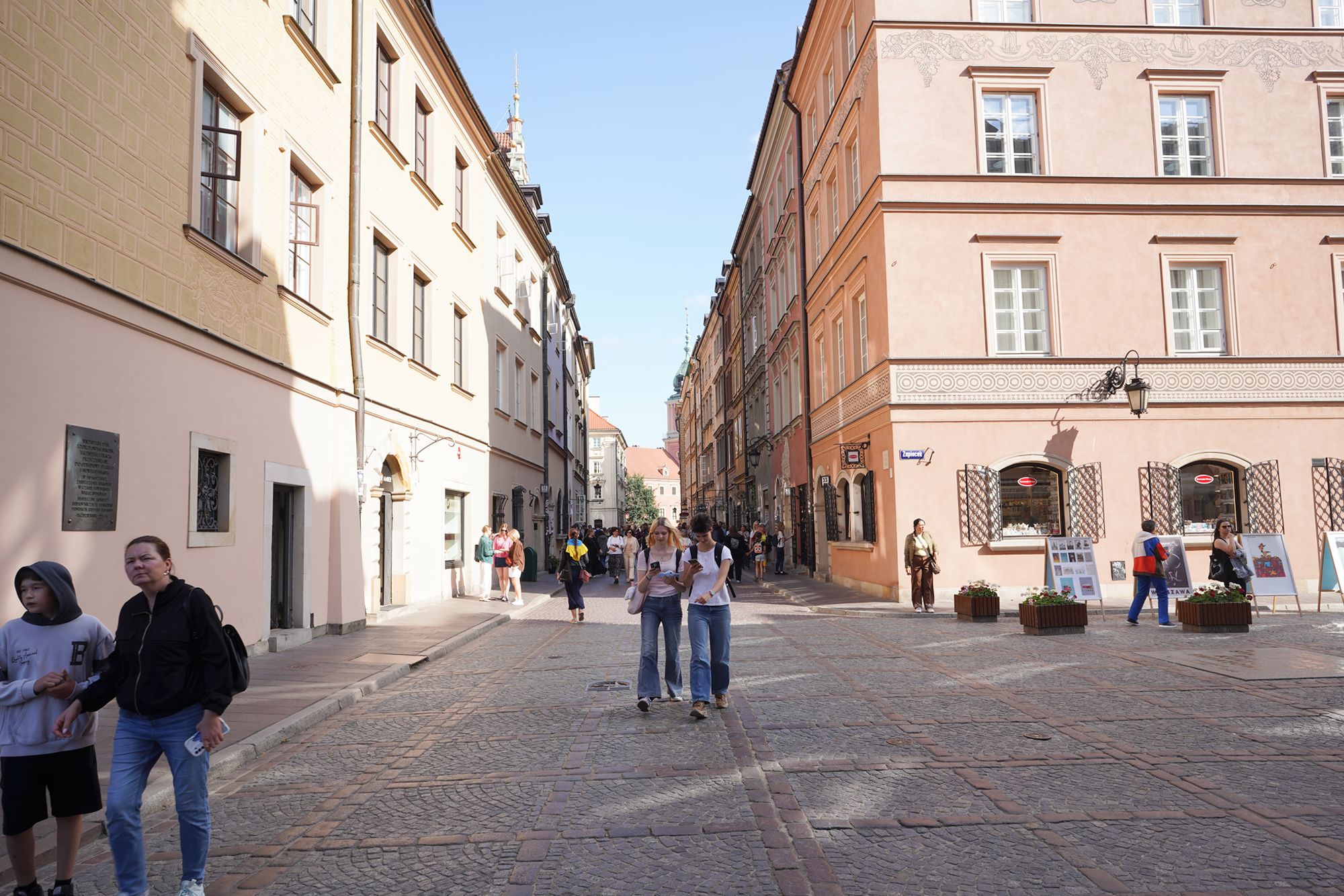
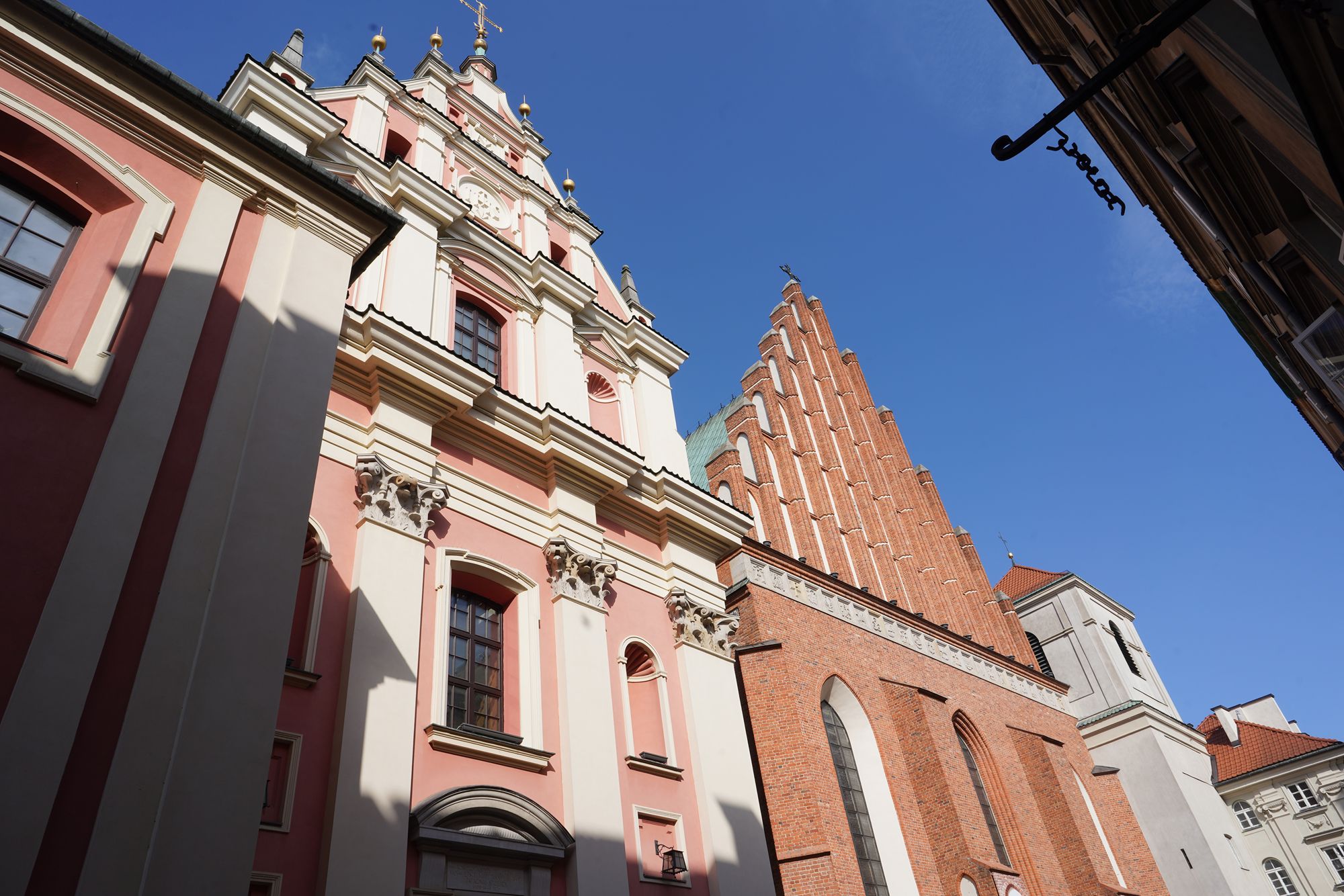
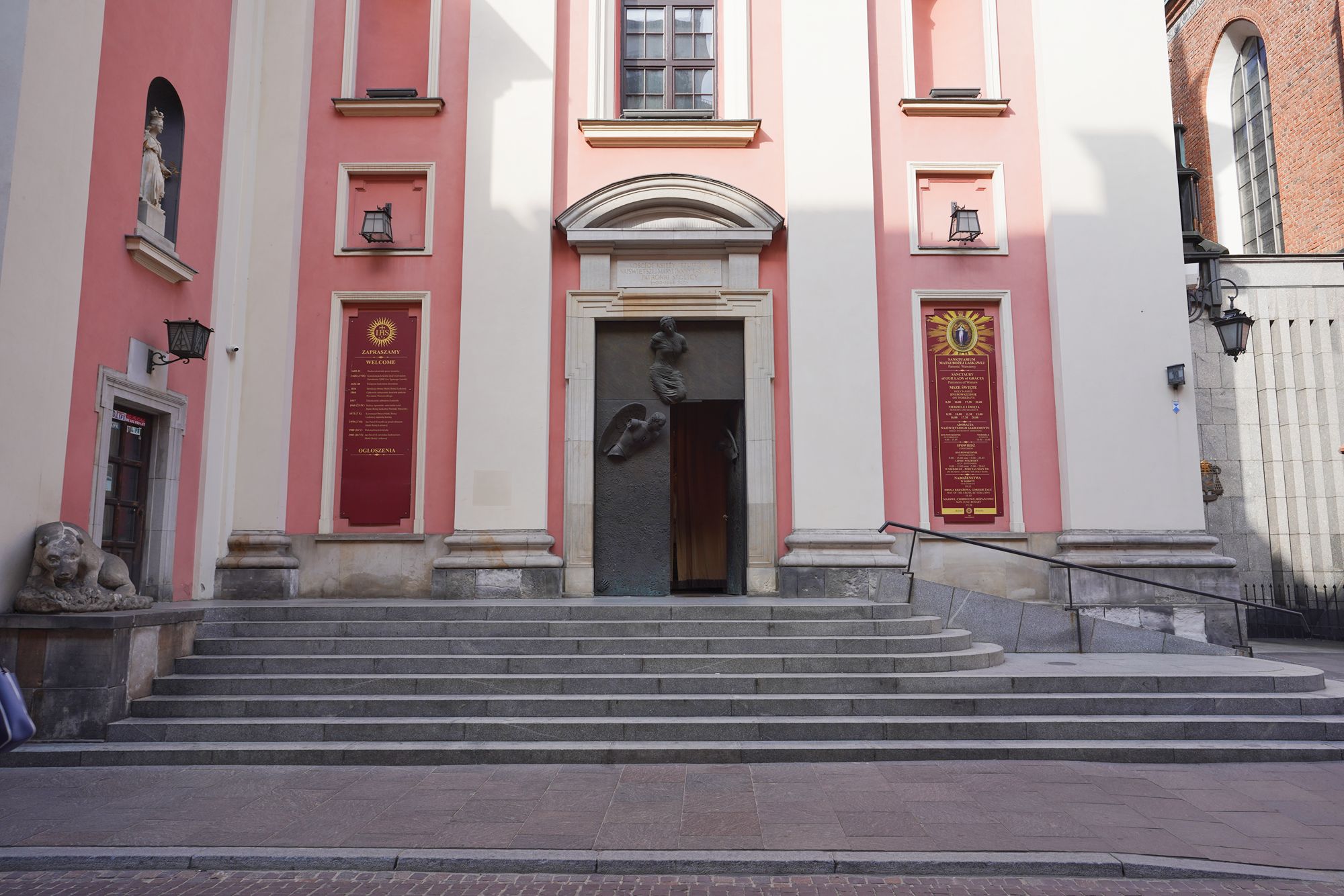
The Archcathedral Basilica of St. John the Baptist is one of Warsaw’s oldest churches, dating back to the late 14th century. Destroyed during World War II, it was rebuilt in a Gothic style inspired by its medieval appearance. Its crypt contains the tombs of Poland’s last king and several important national figures.
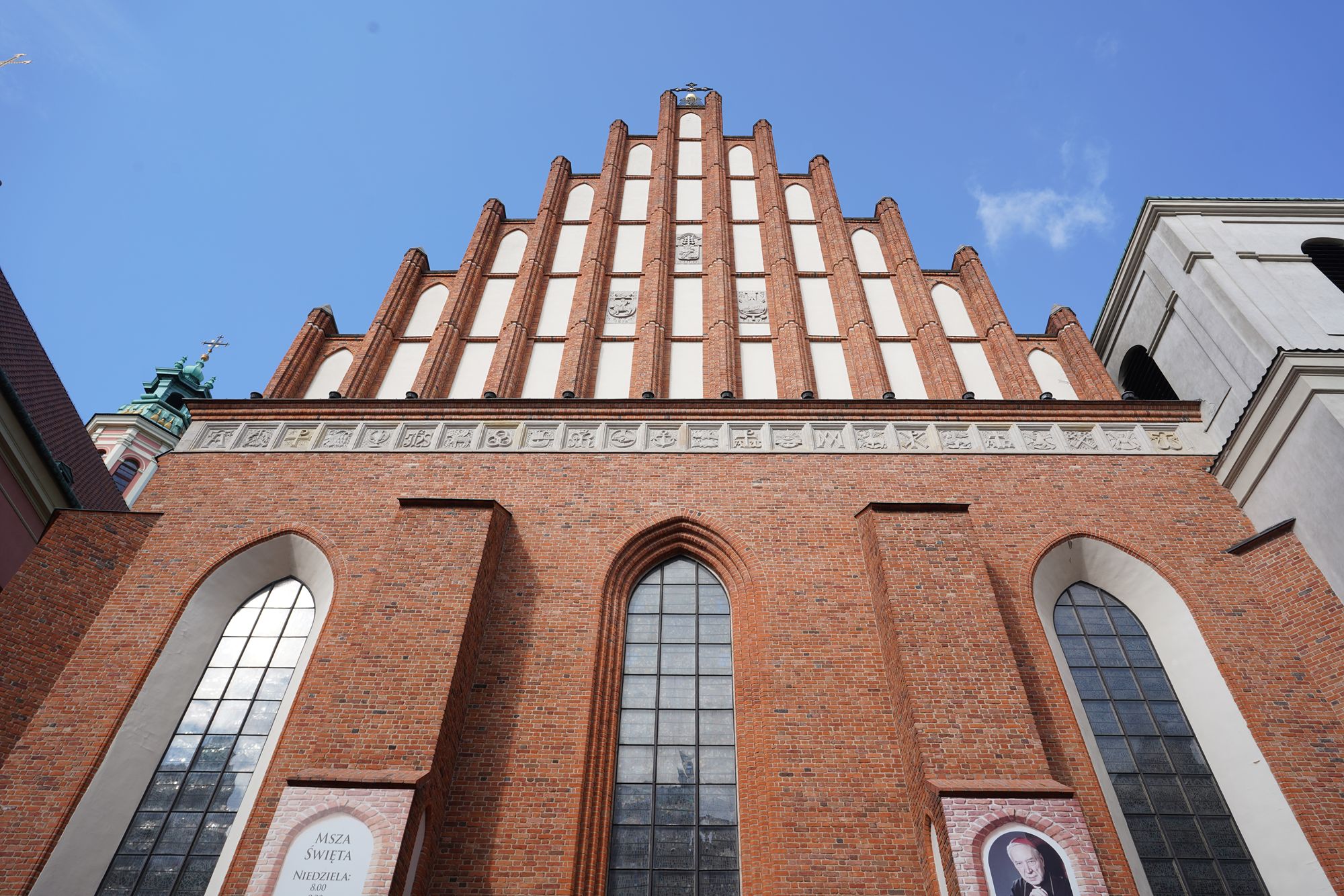
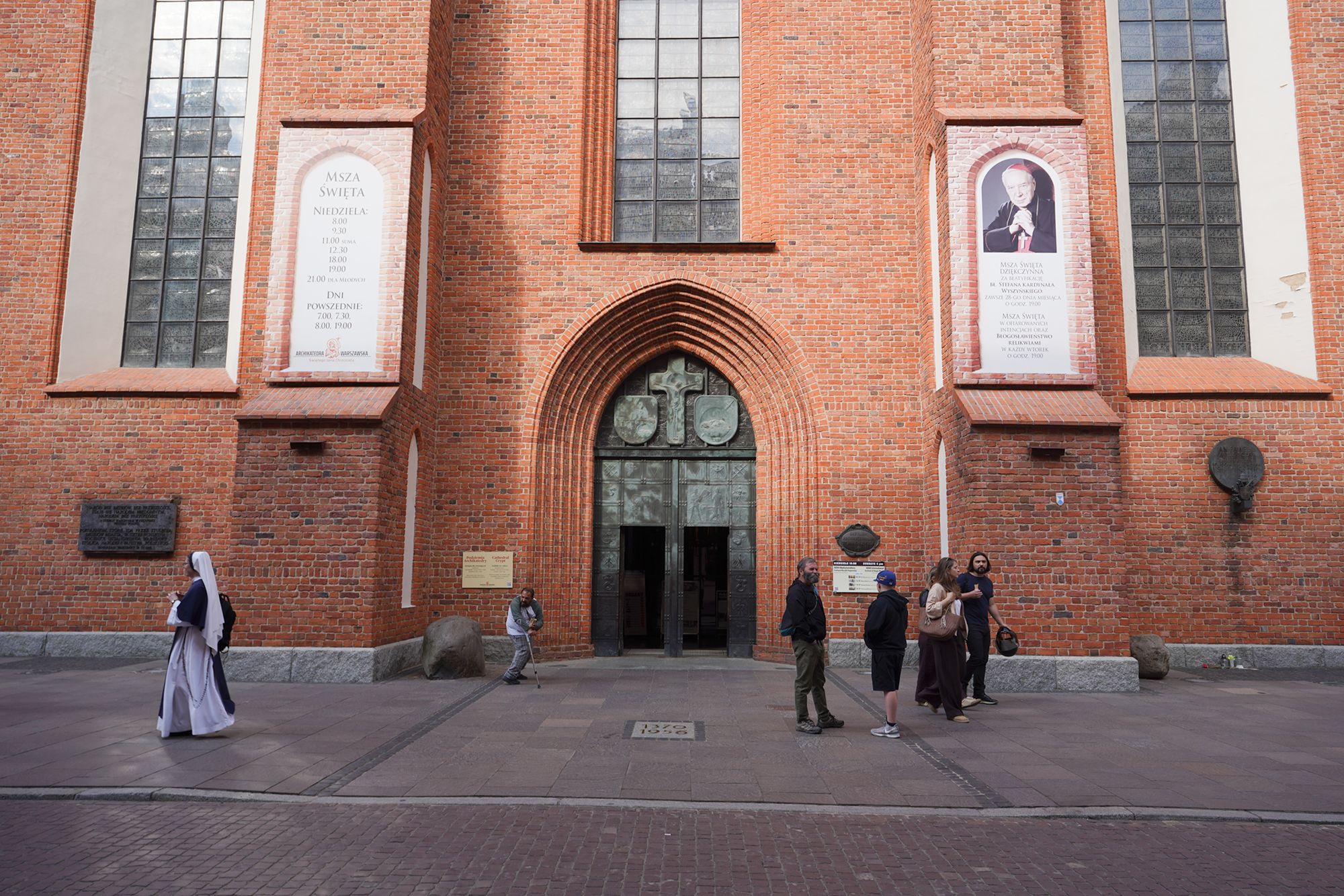
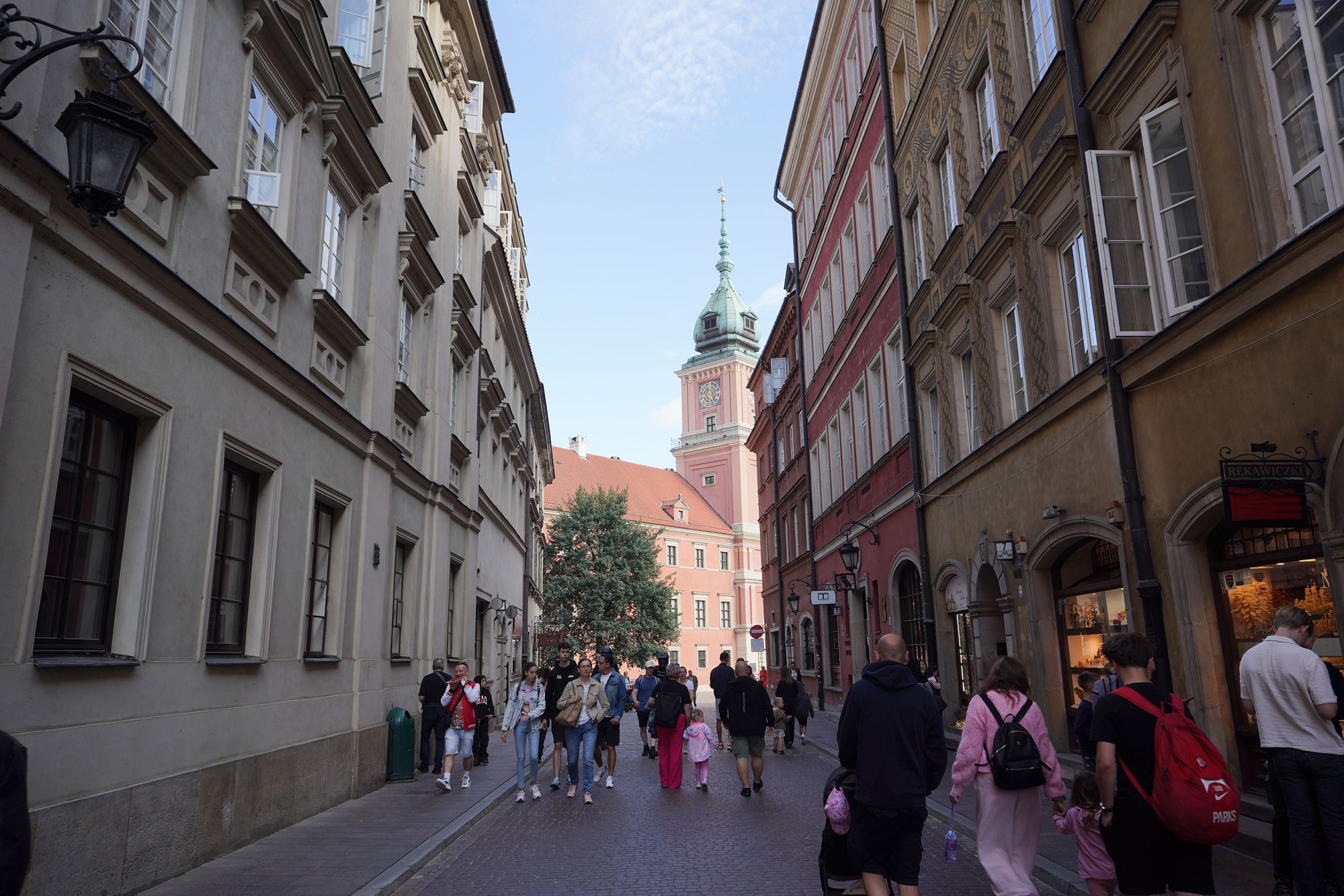
Warsaw Old Town Square again
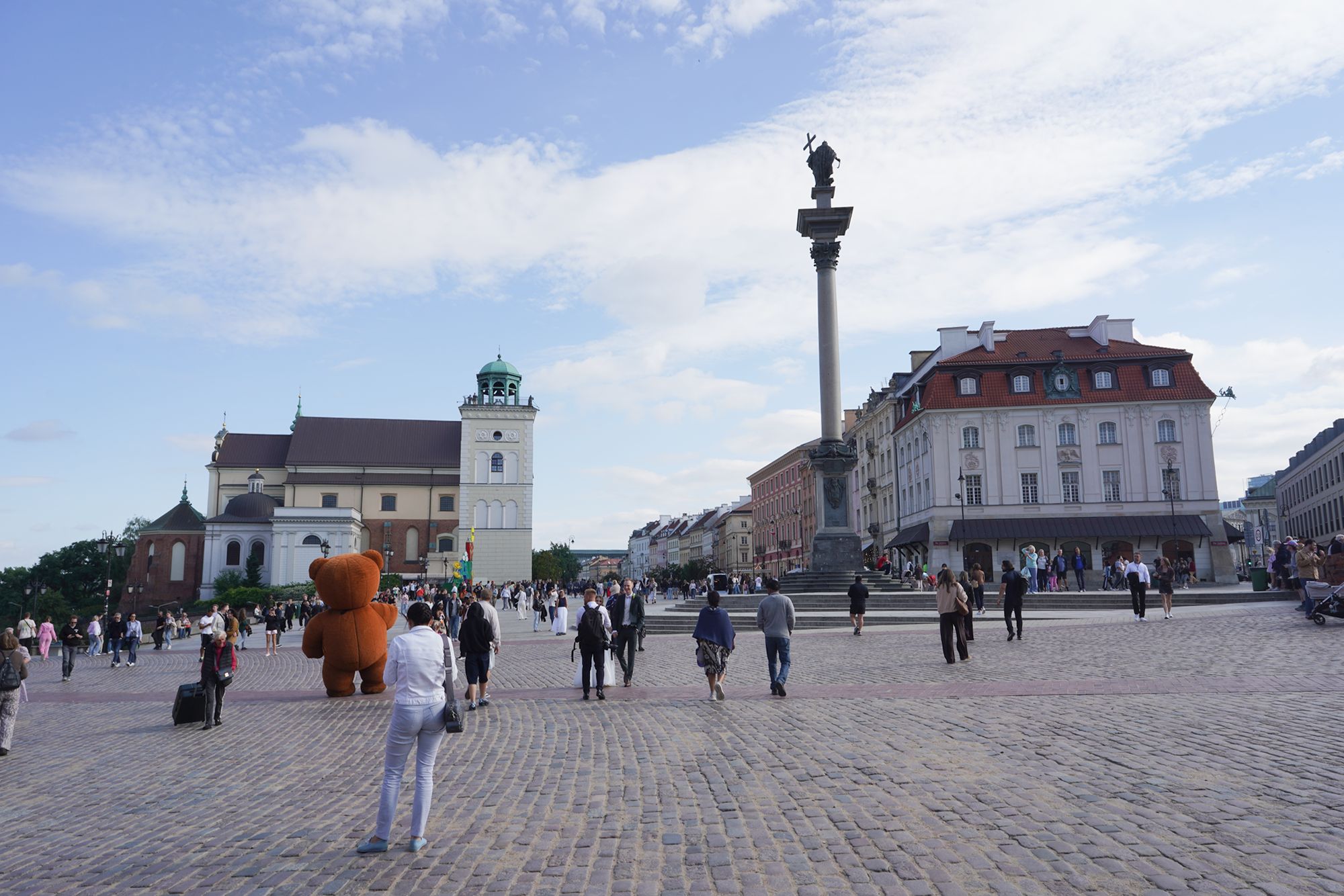
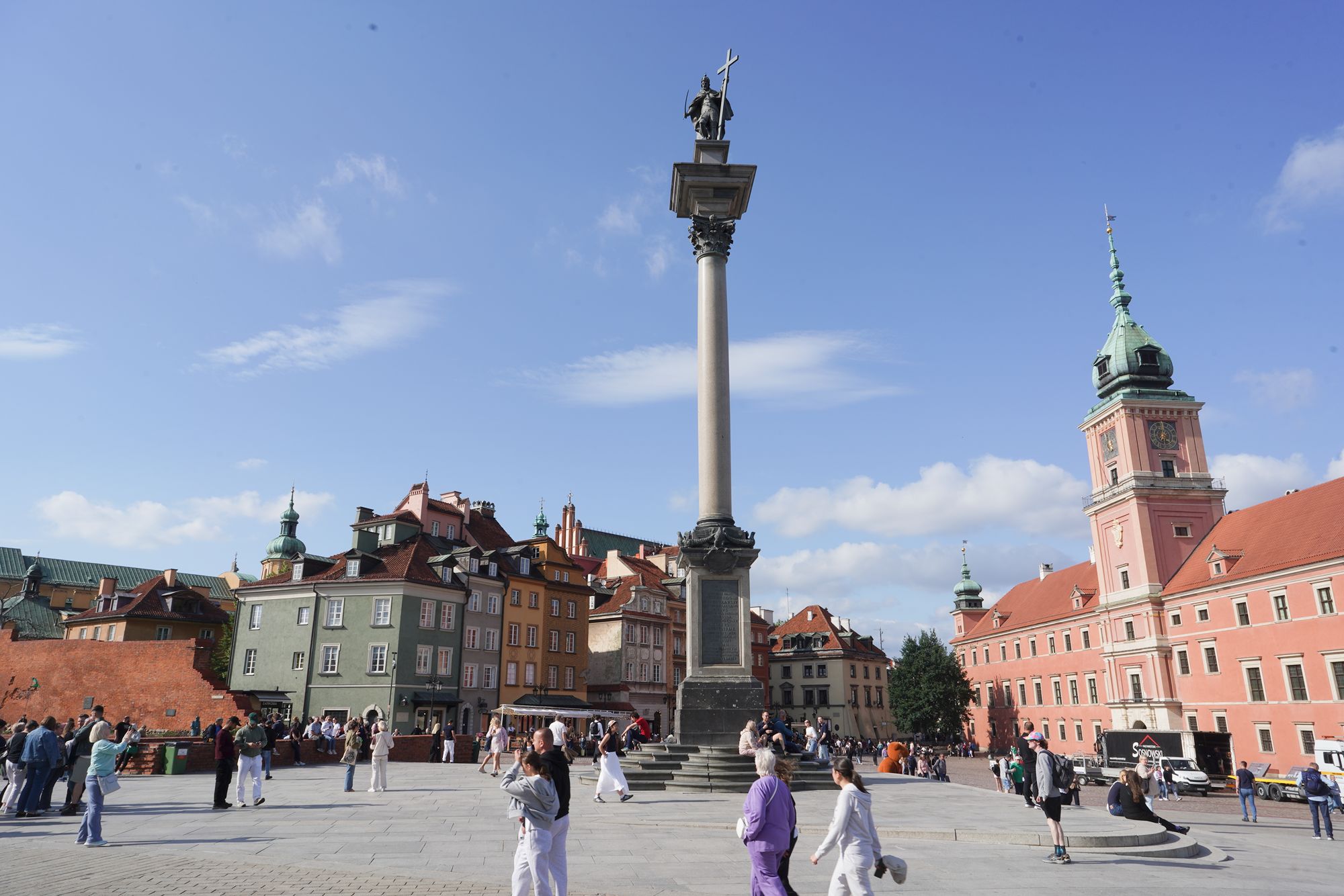
Sigismund’s Column stands in Castle Square beside the Royal Castle. Erected in 1644 by King Władysław IV, it honors his father, King Sigismund III Vasa, who moved the royal court from Kraków to Warsaw. It is Warsaw’s oldest secular monument and one of the city’s best-known landmarks.
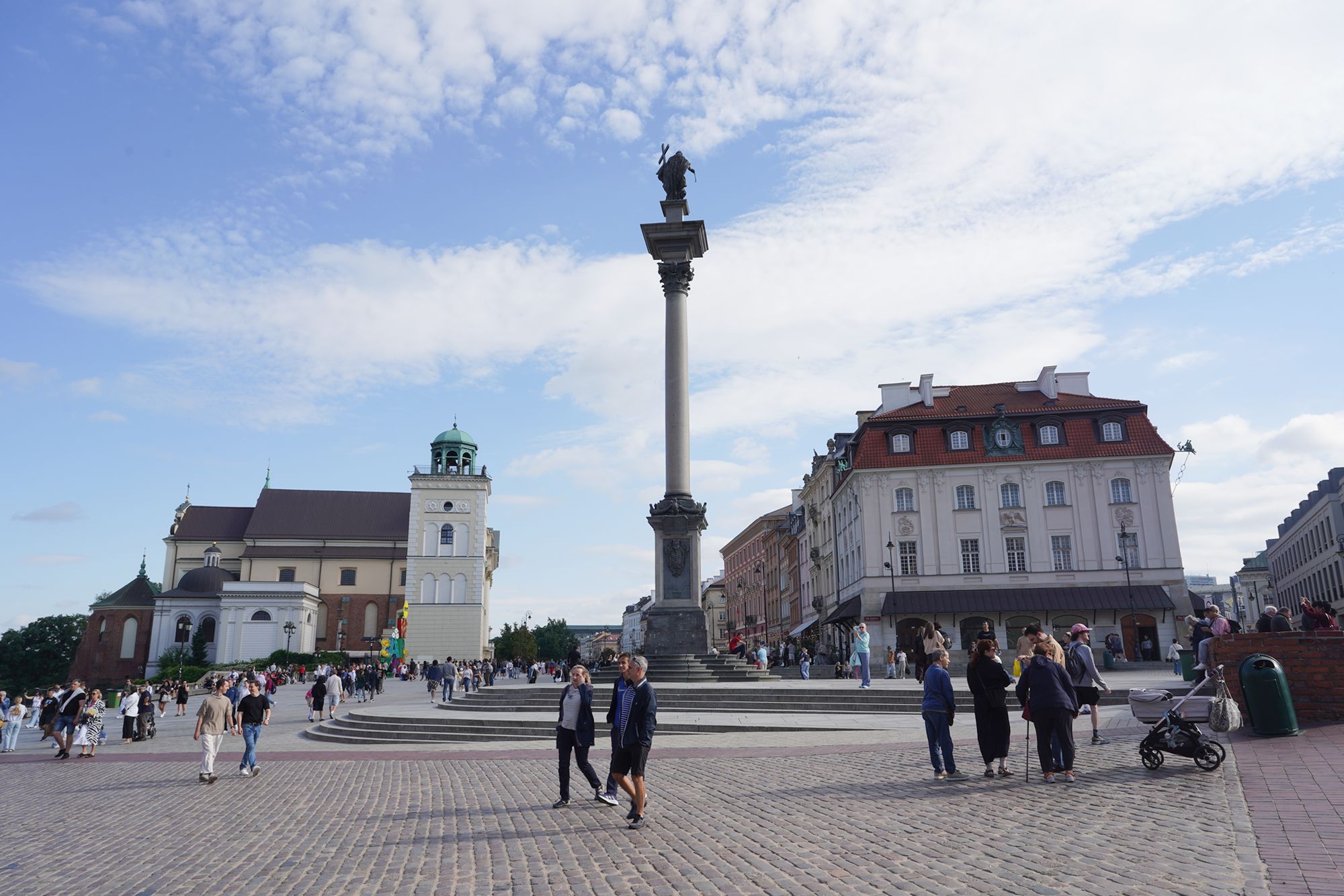
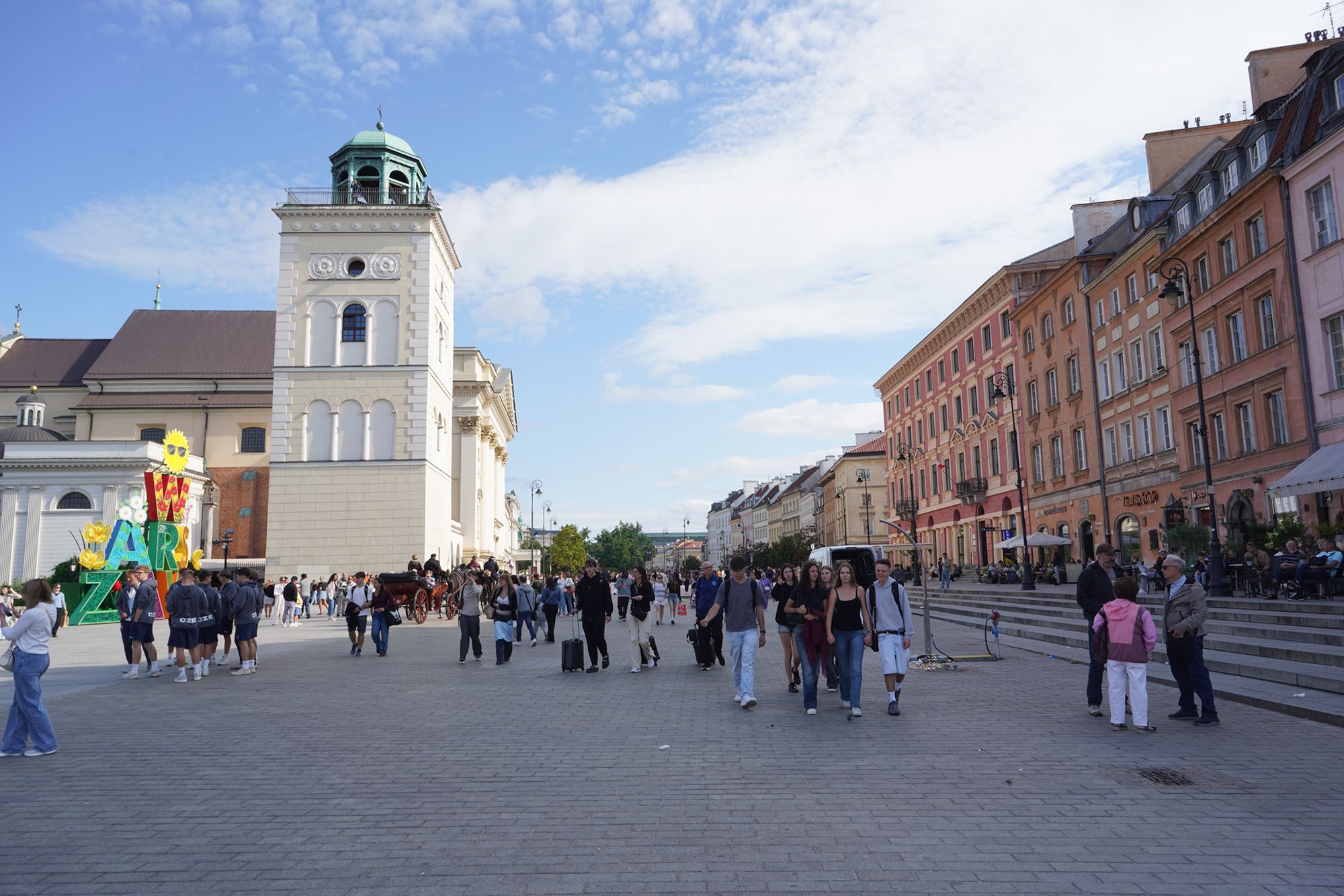
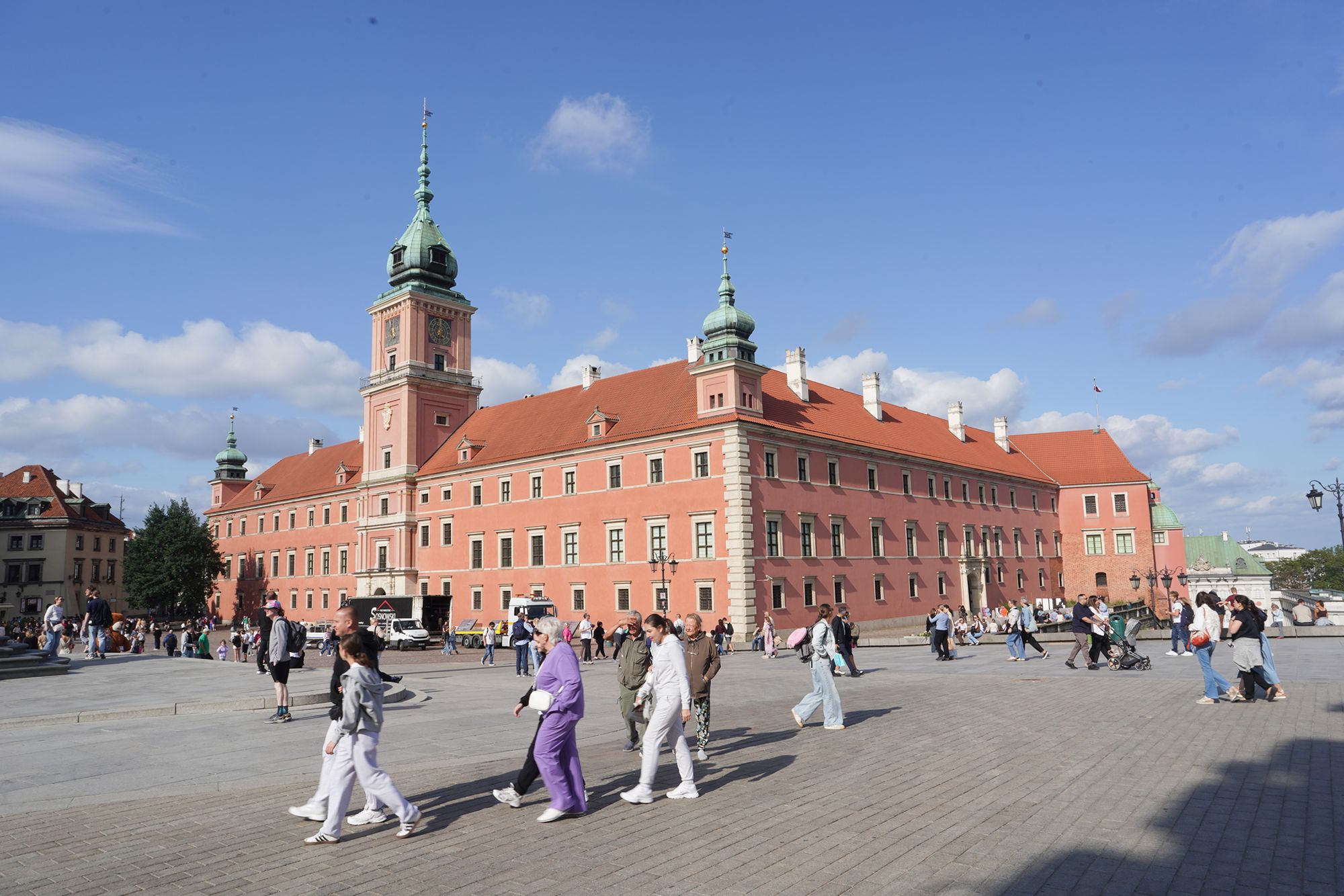
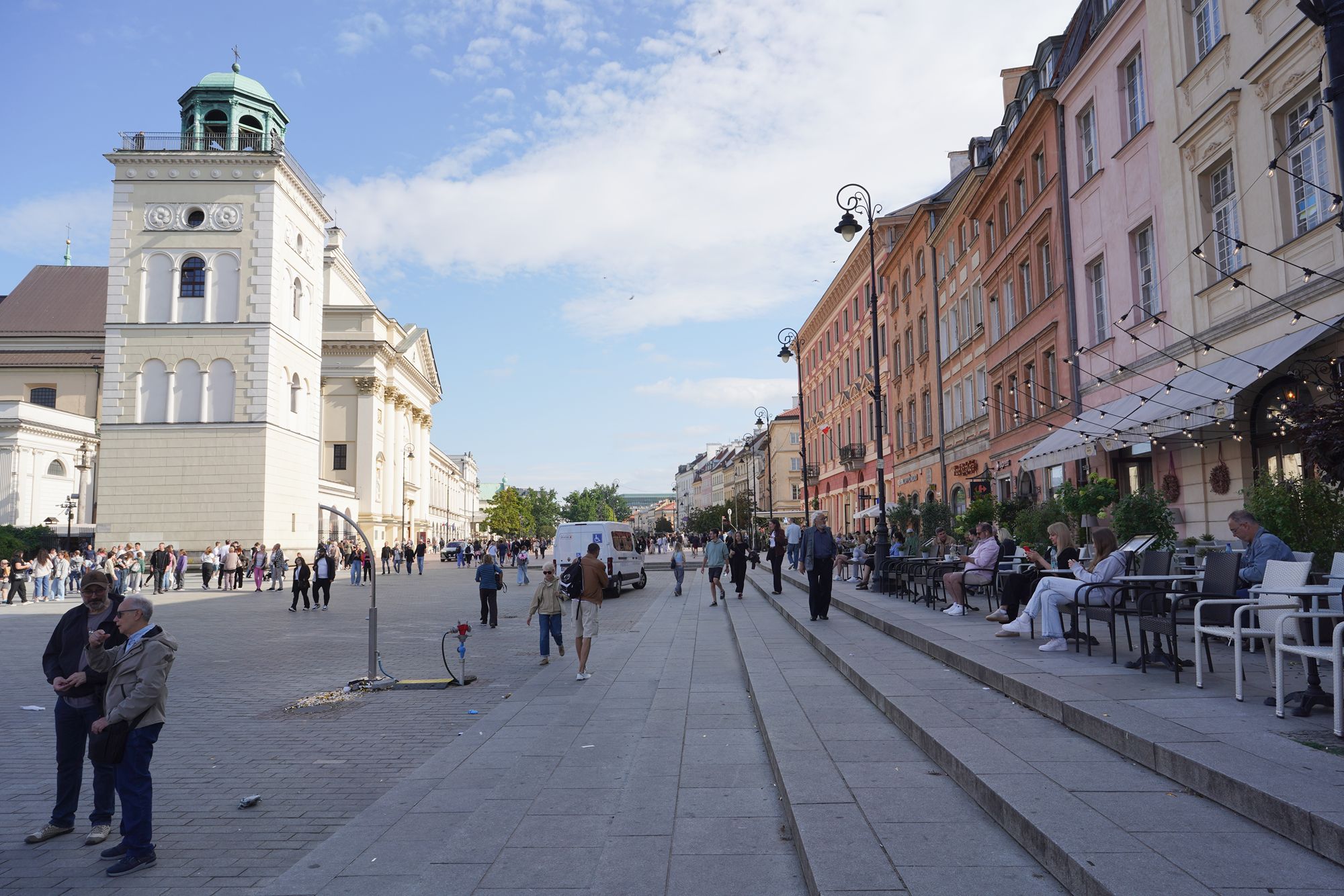
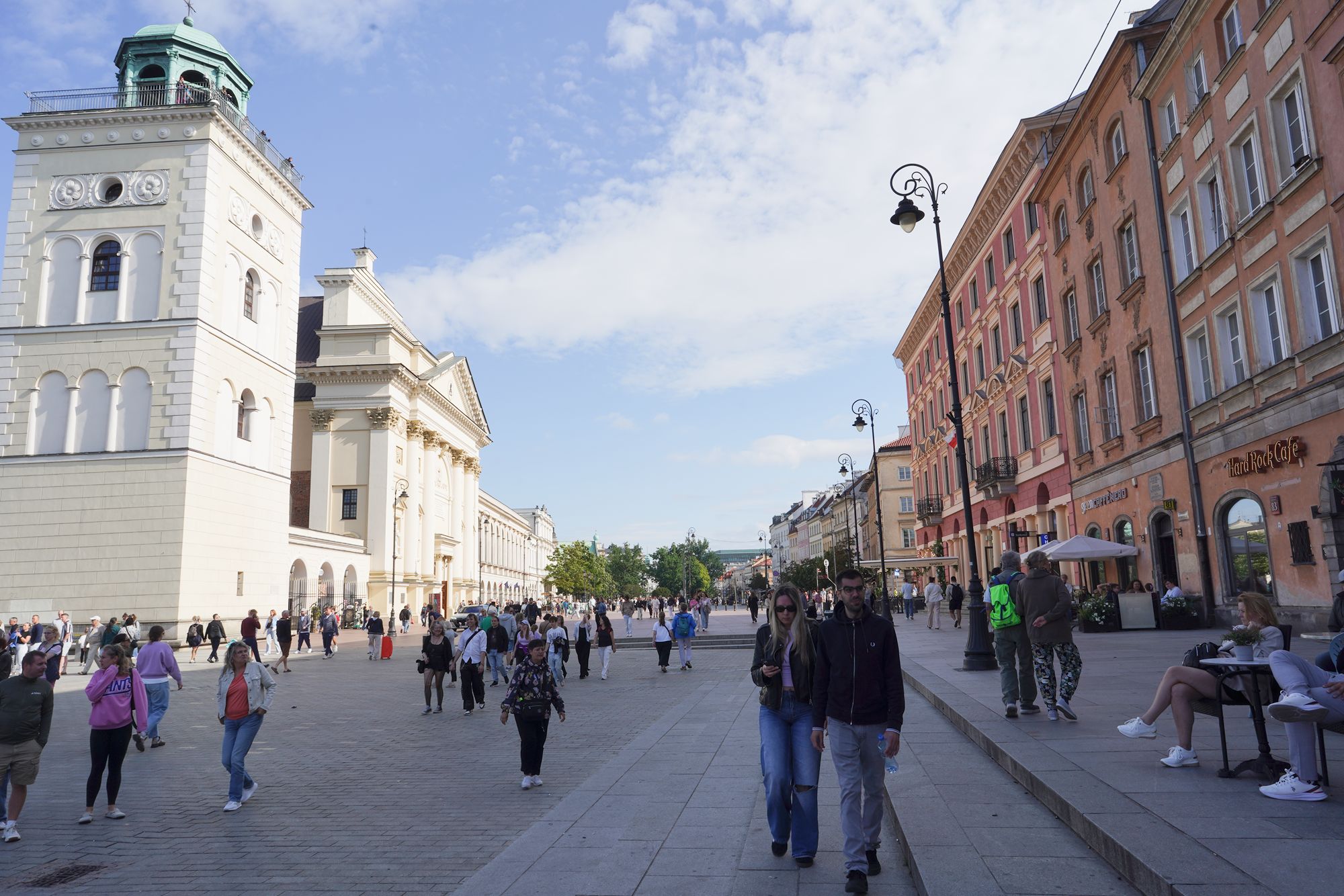
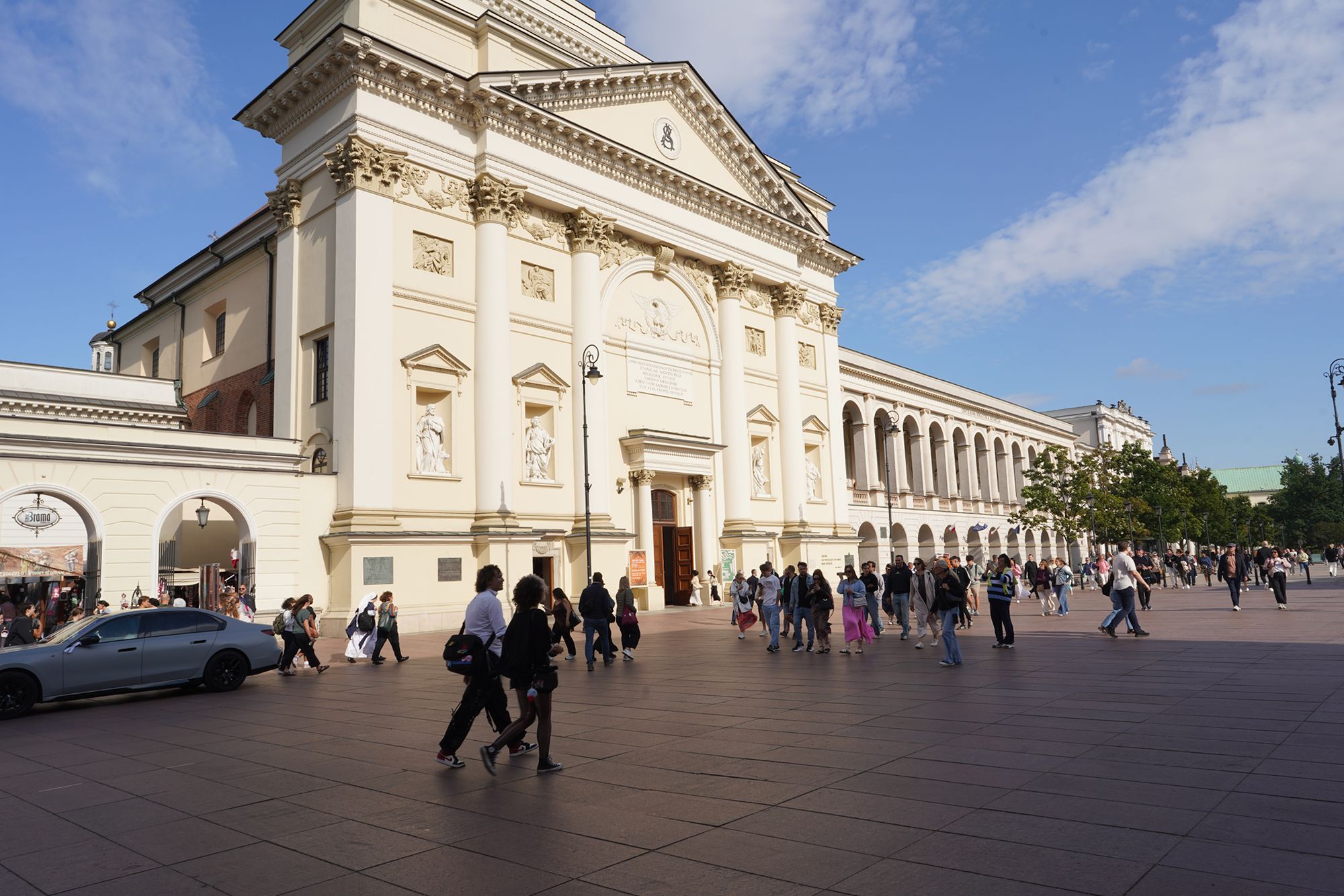
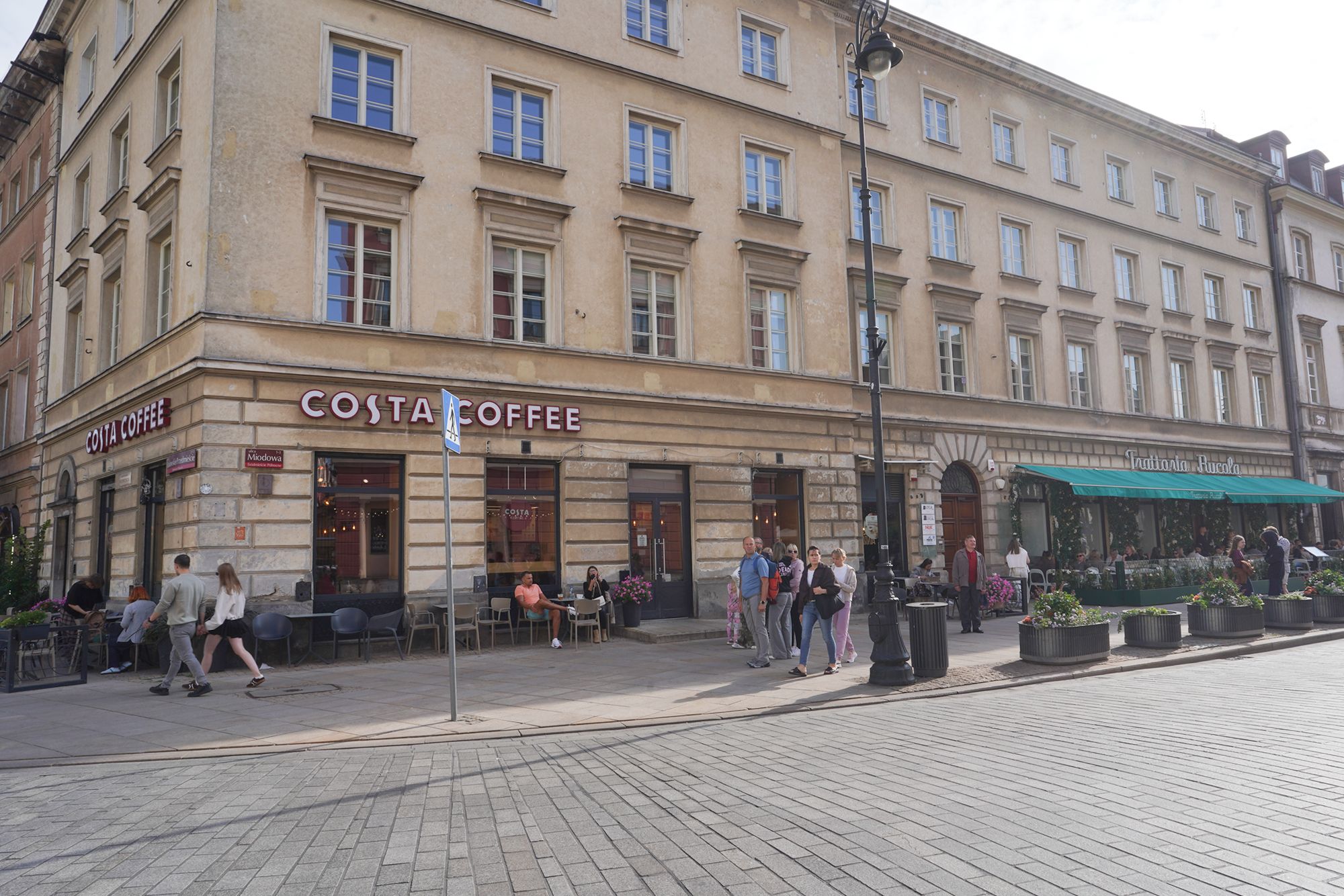
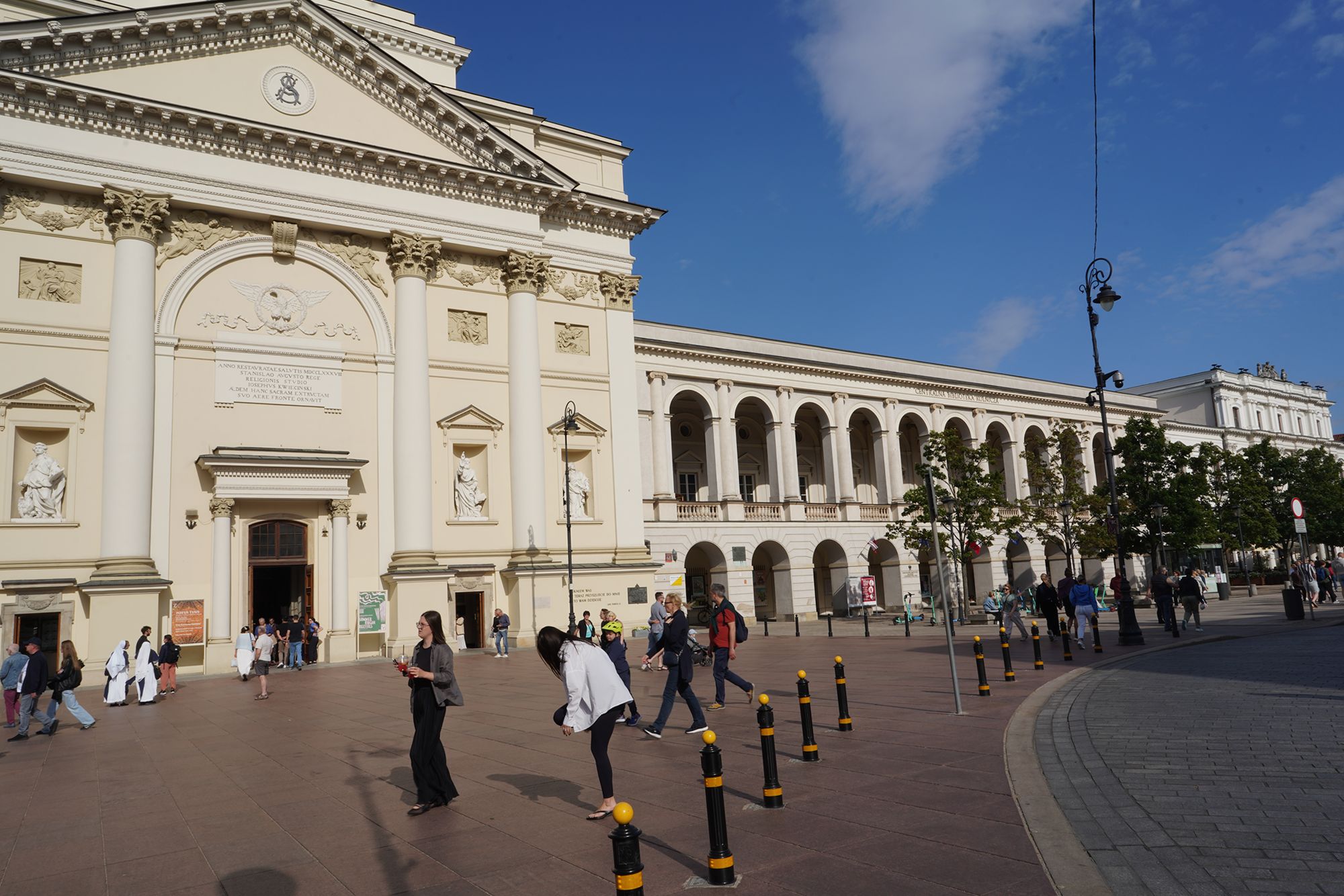
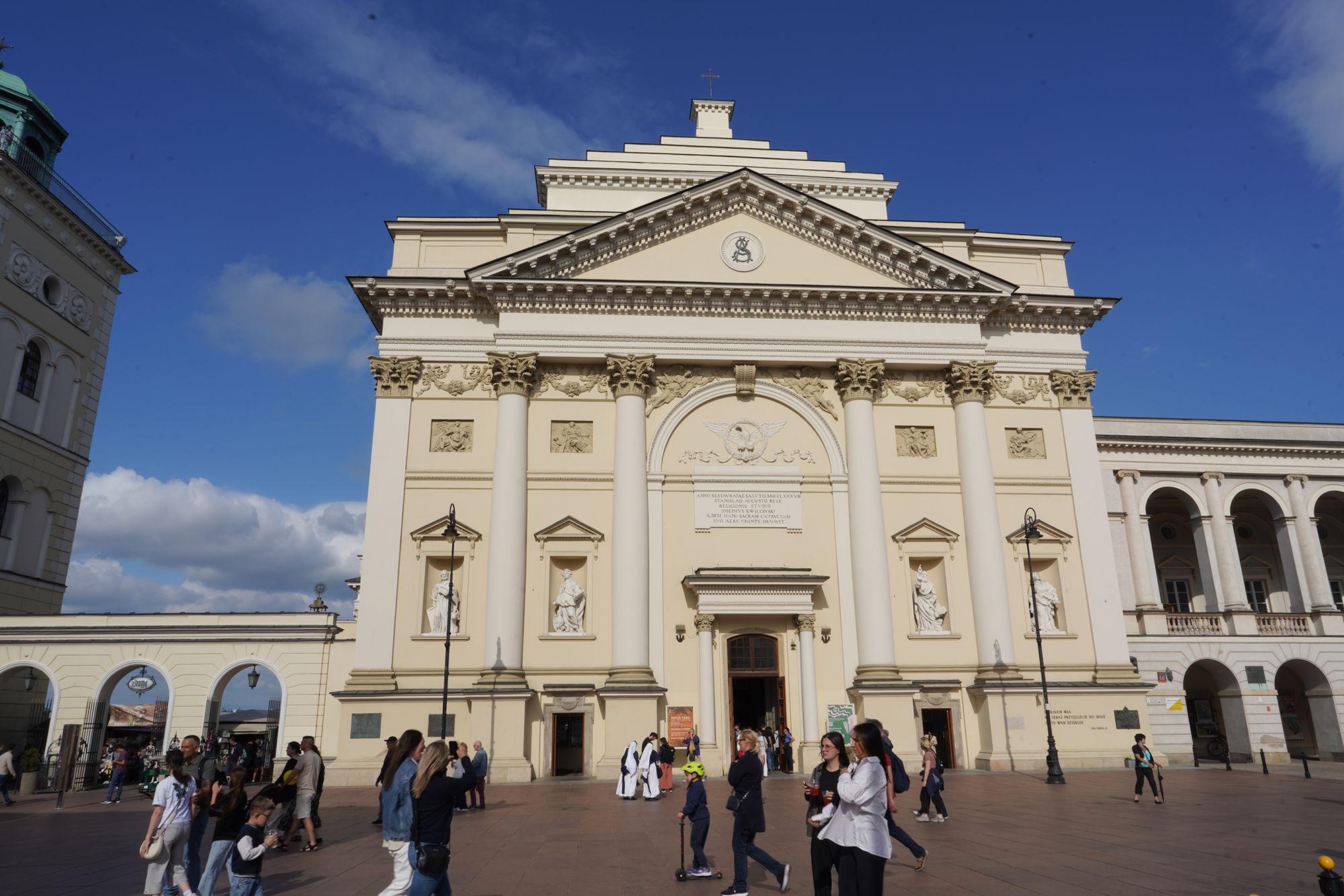
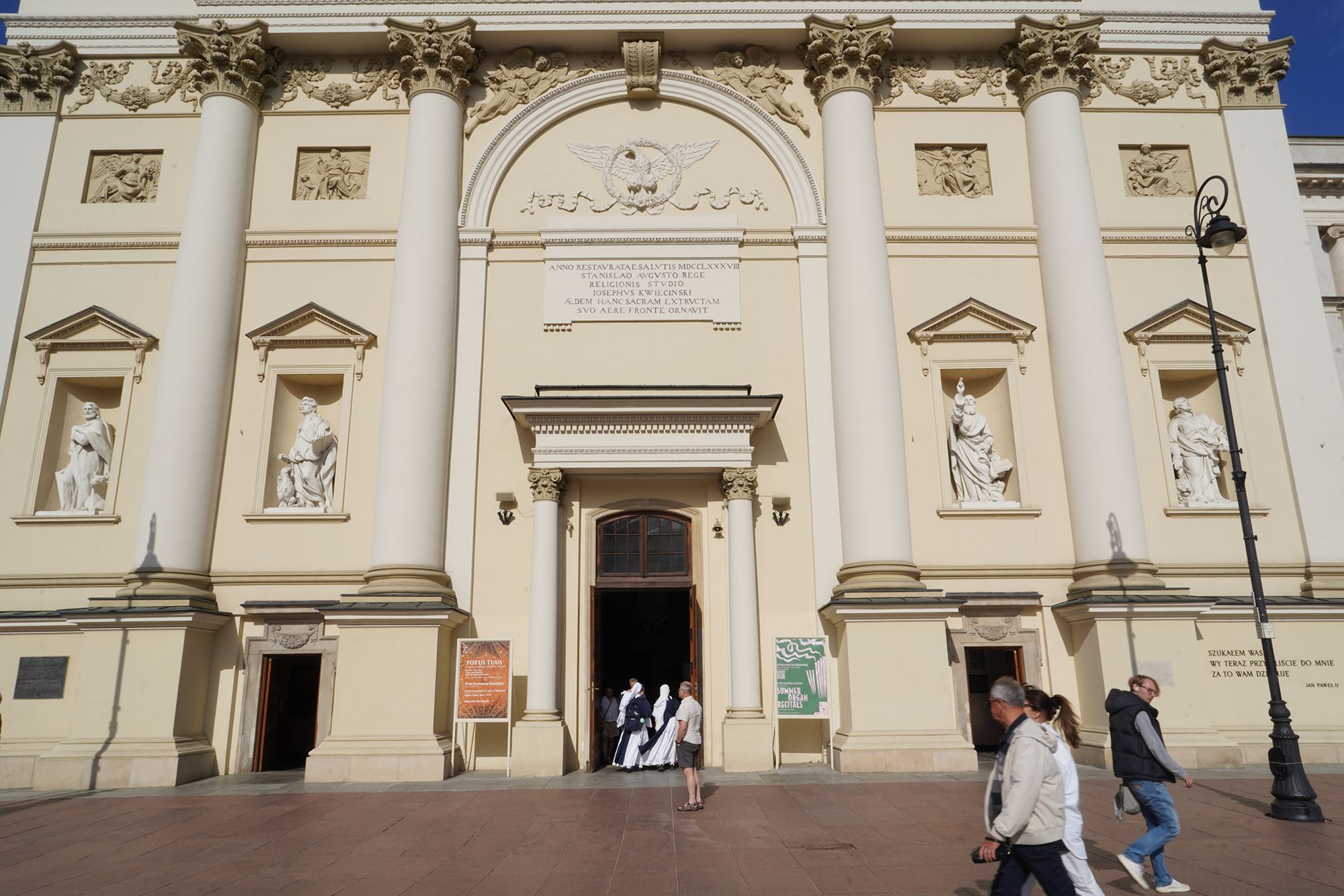
St. Anne’s Church stands beside Castle Square, at the beginning of Krakowskie Przedmieście. Founded in 1454, it is one of Warsaw’s oldest churches. Its neoclassical façade gives way to a richly decorated Baroque interior, with painted ceilings, ornate altars, and gilded details.
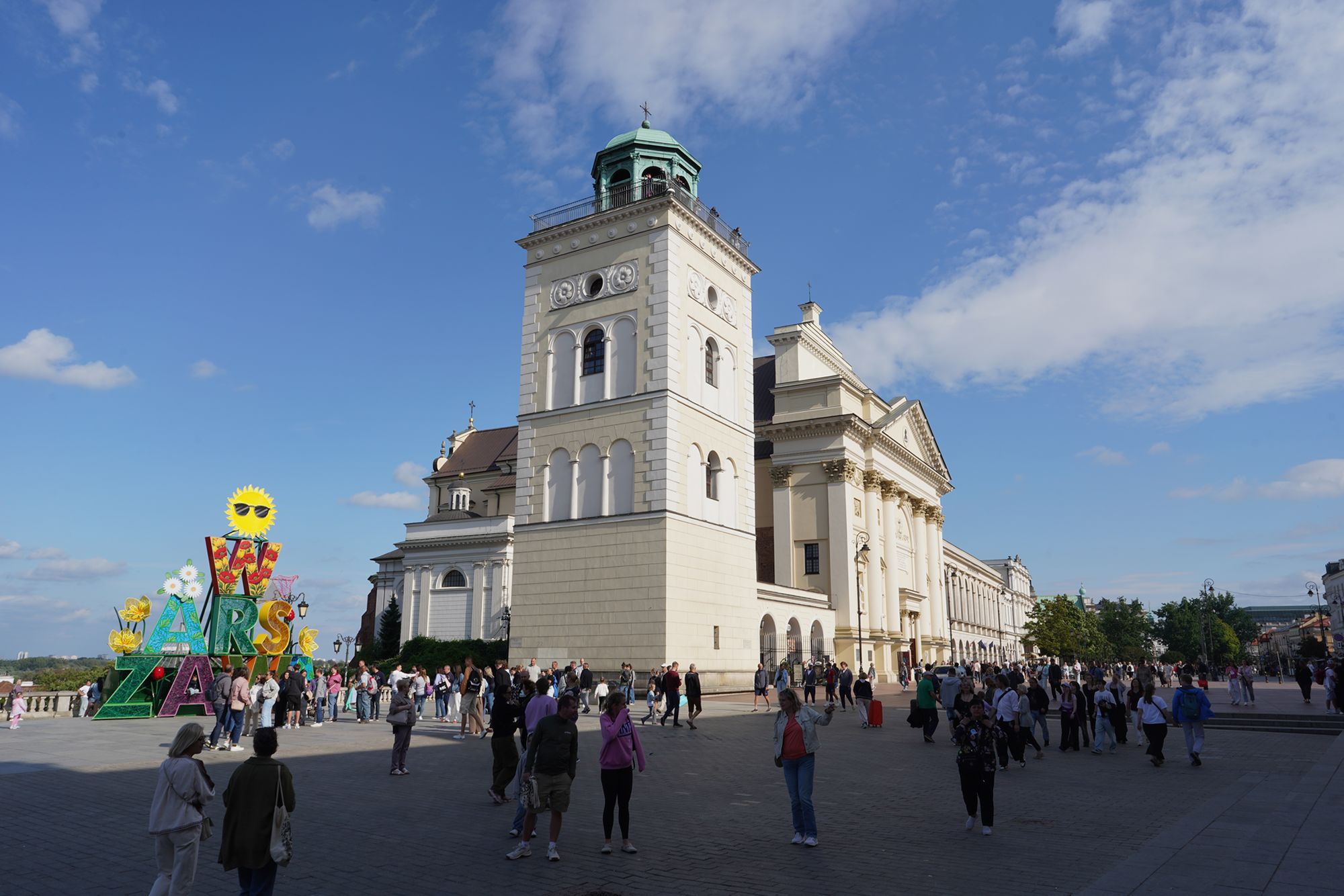
A view behind me
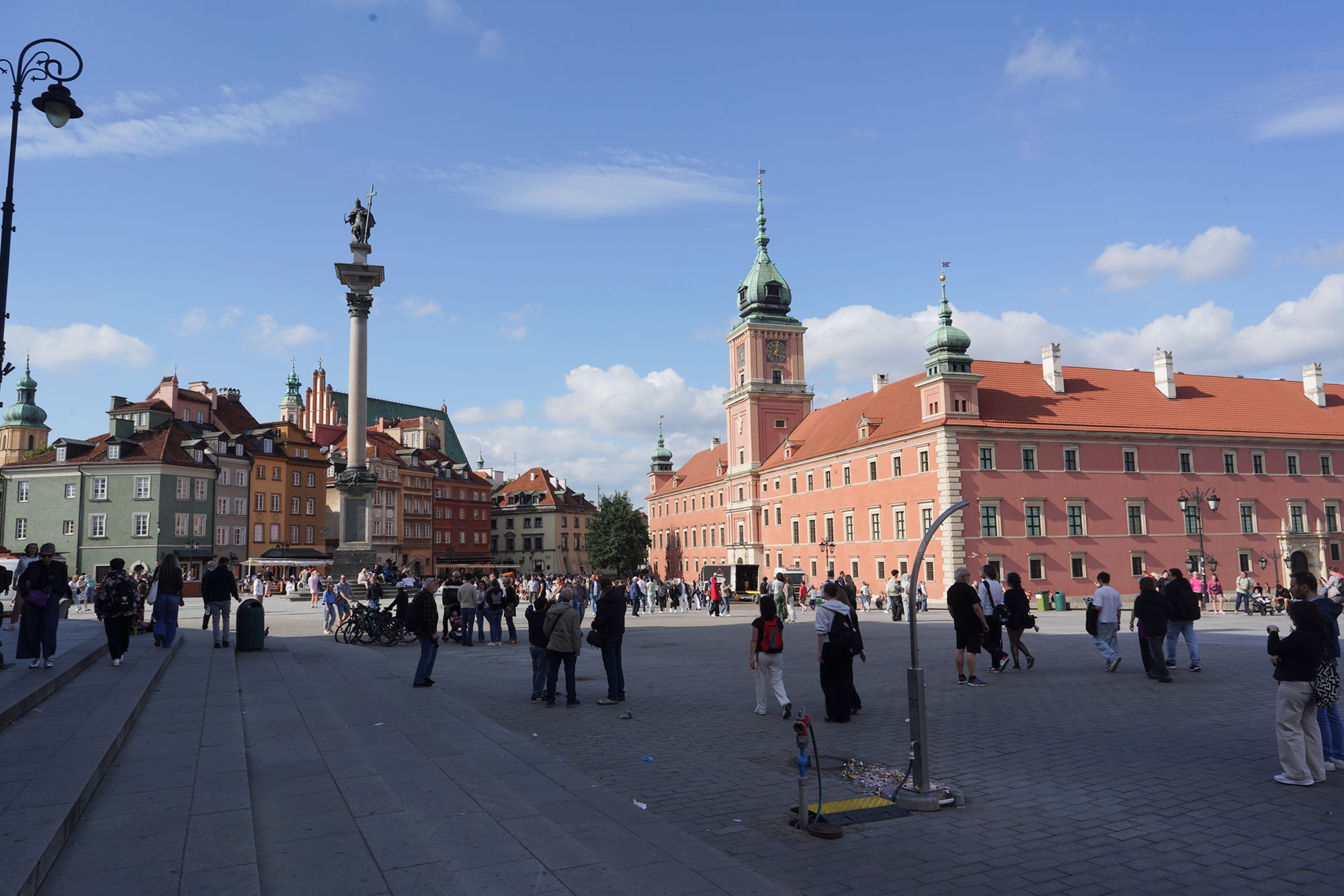
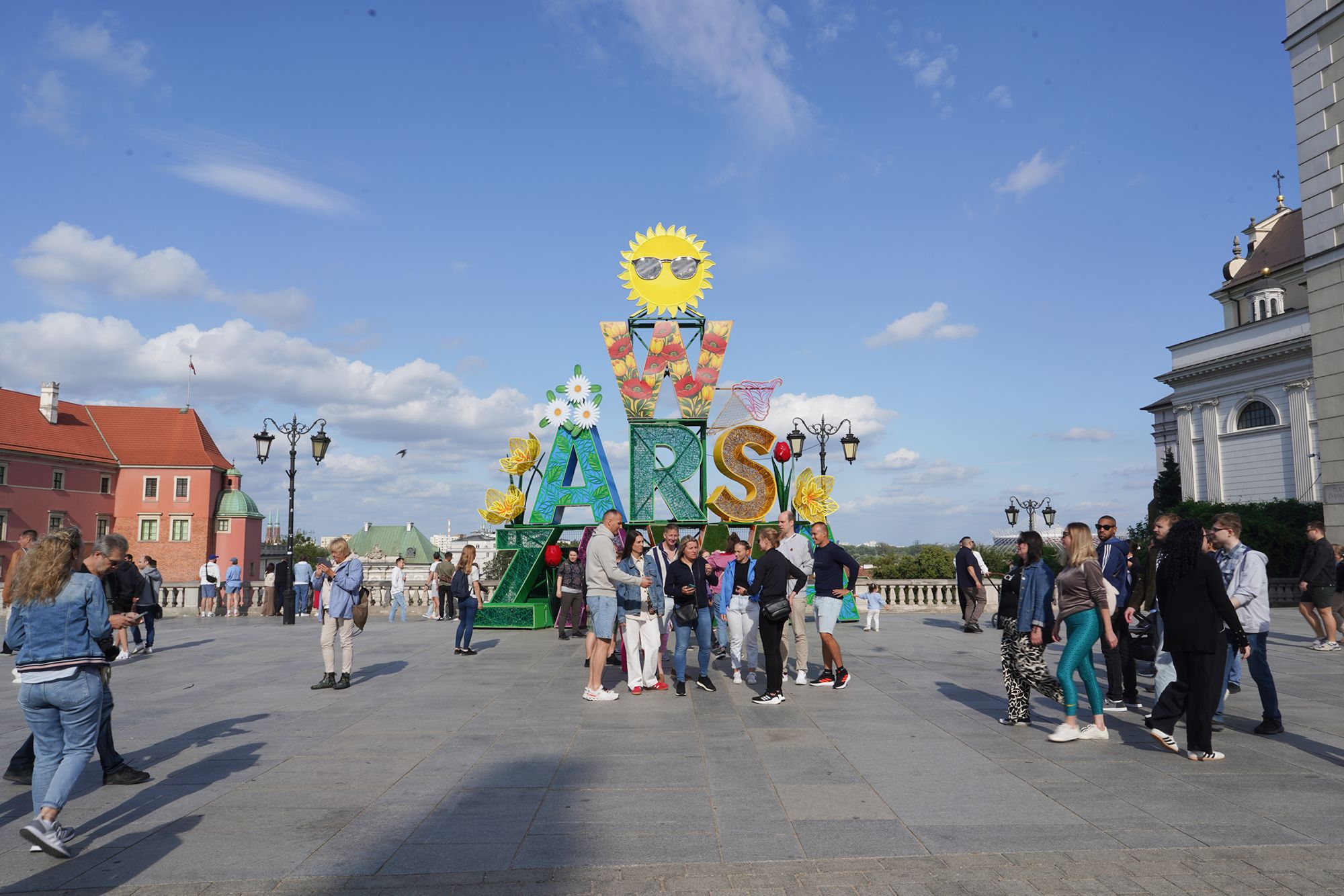
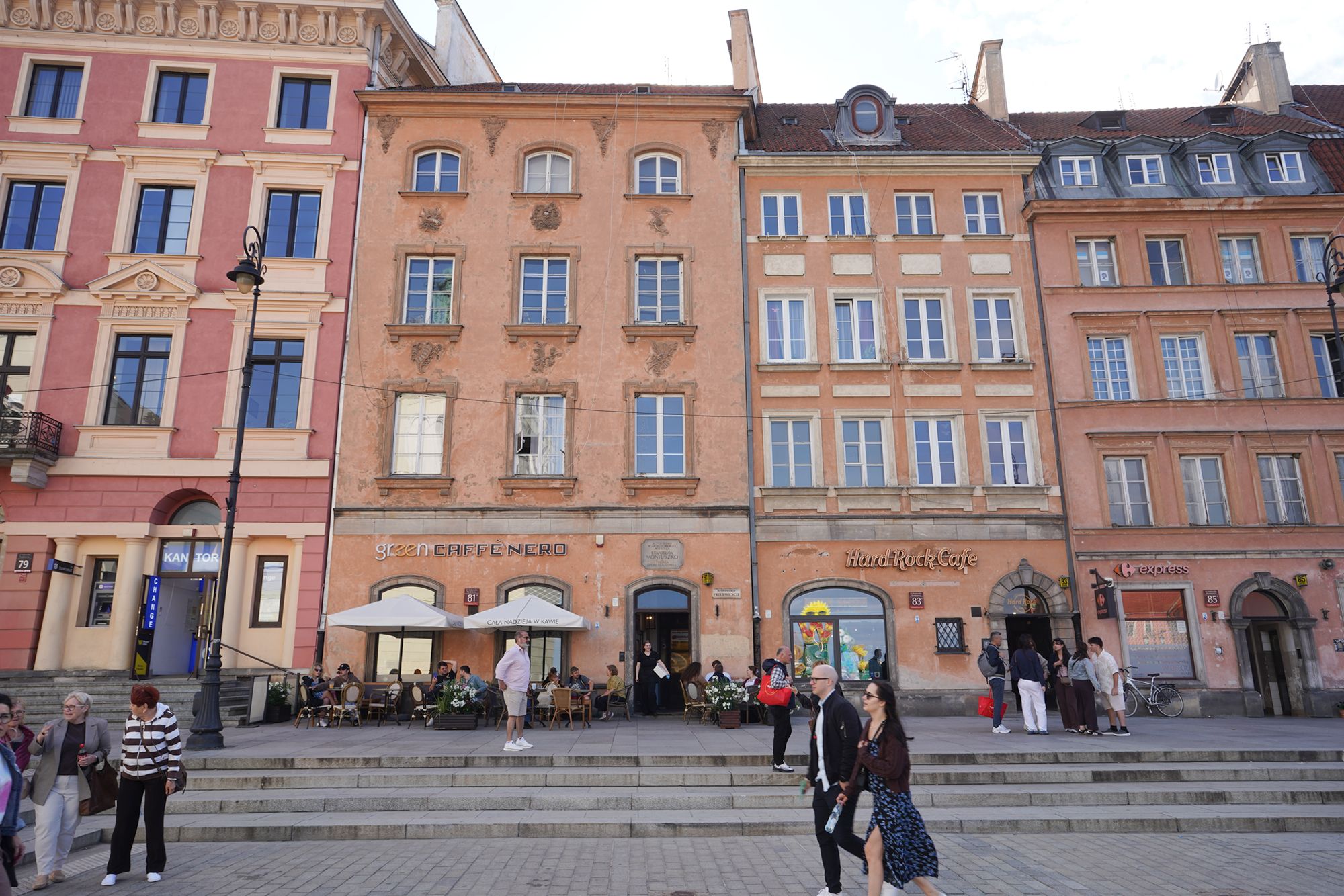
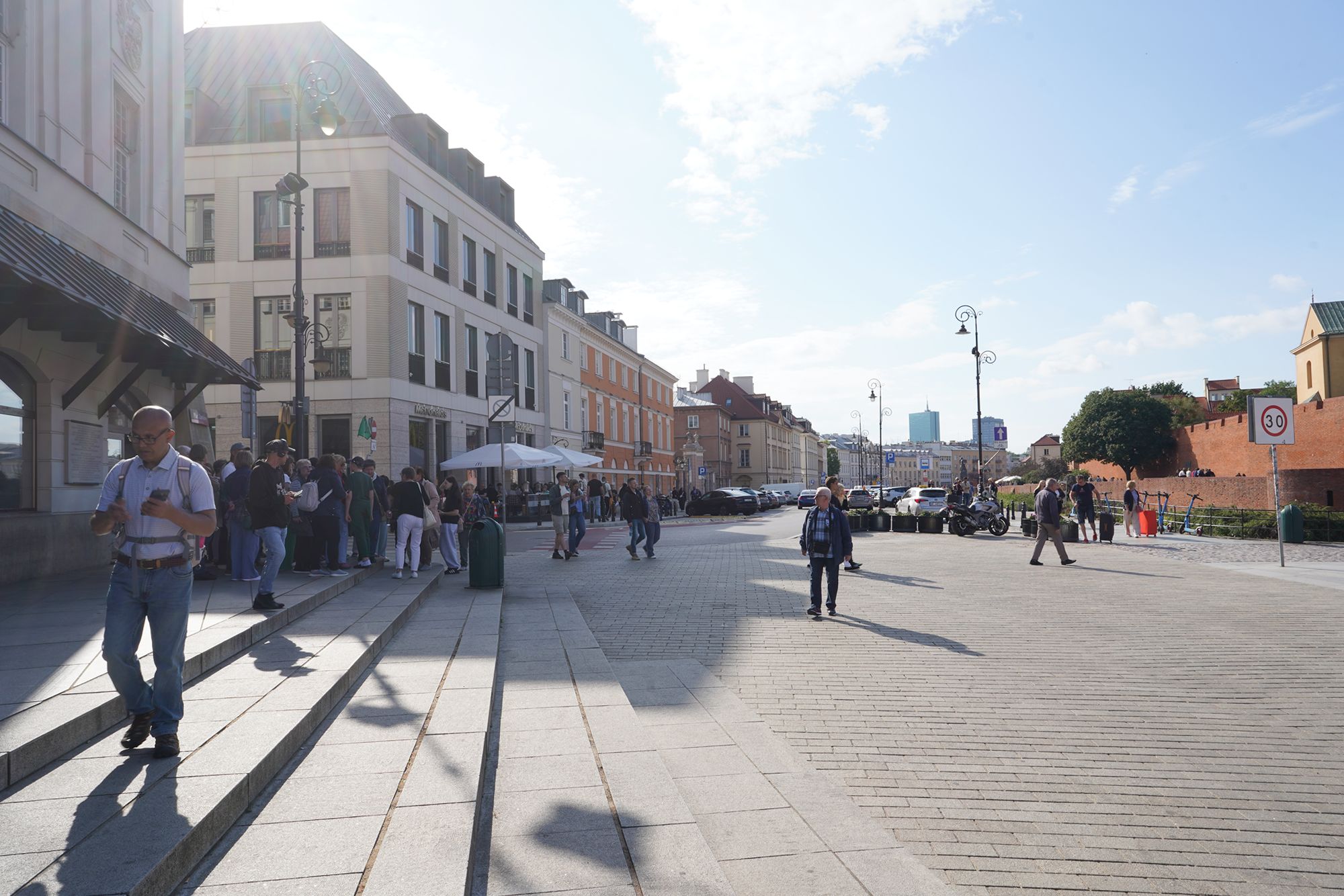
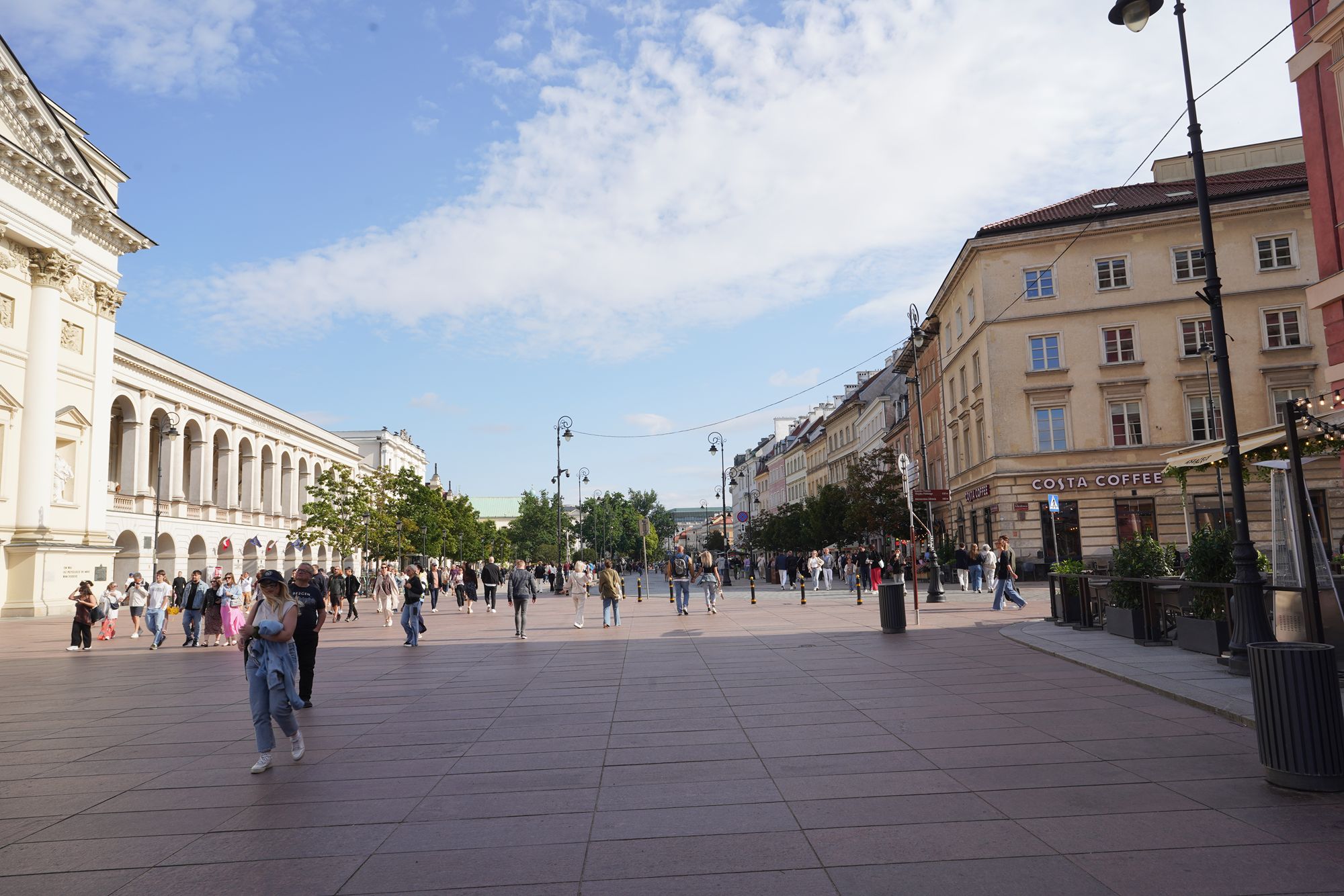
I walked past the center and continued south.
Inside St. Anne’s Church.
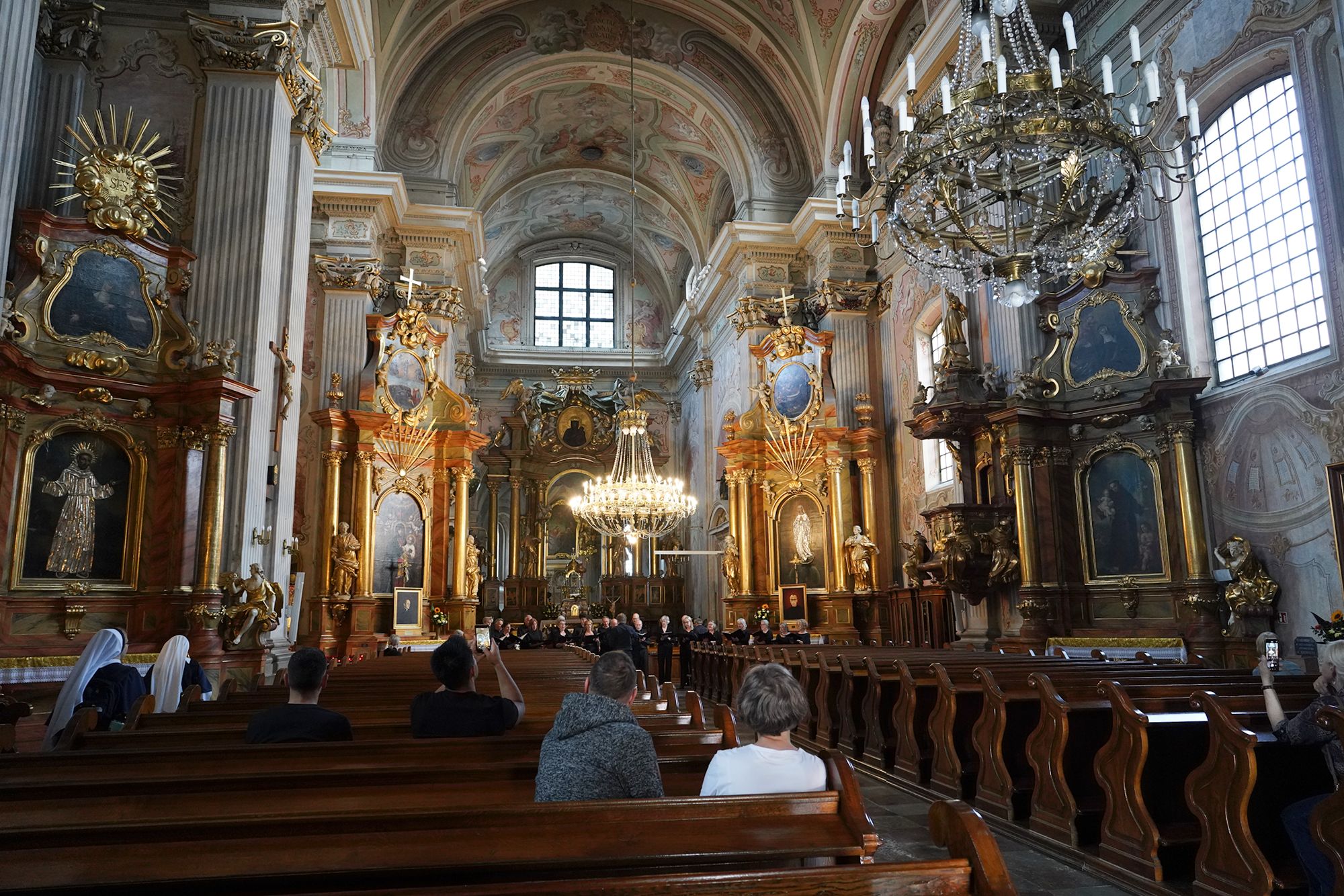
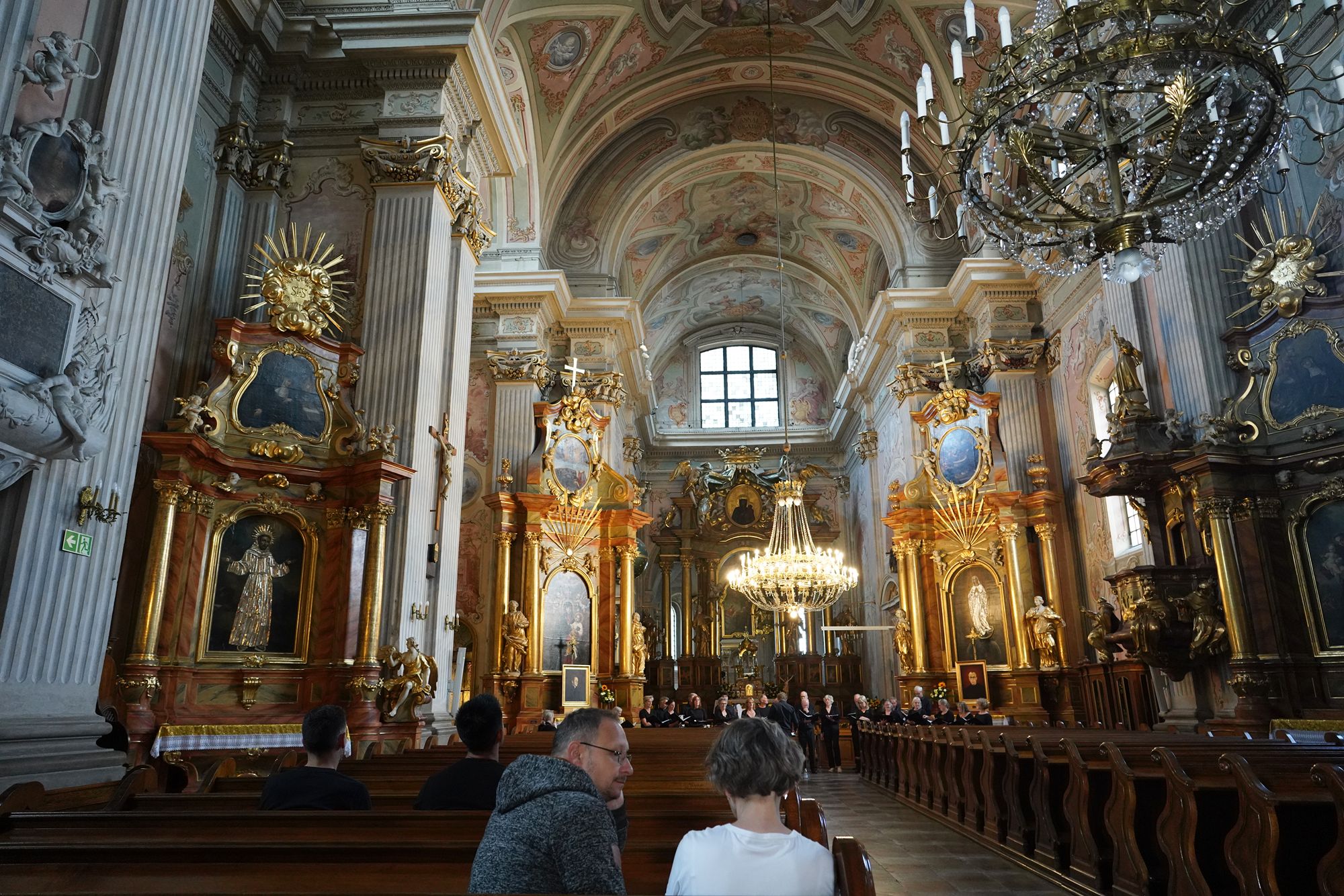
A view looking north.
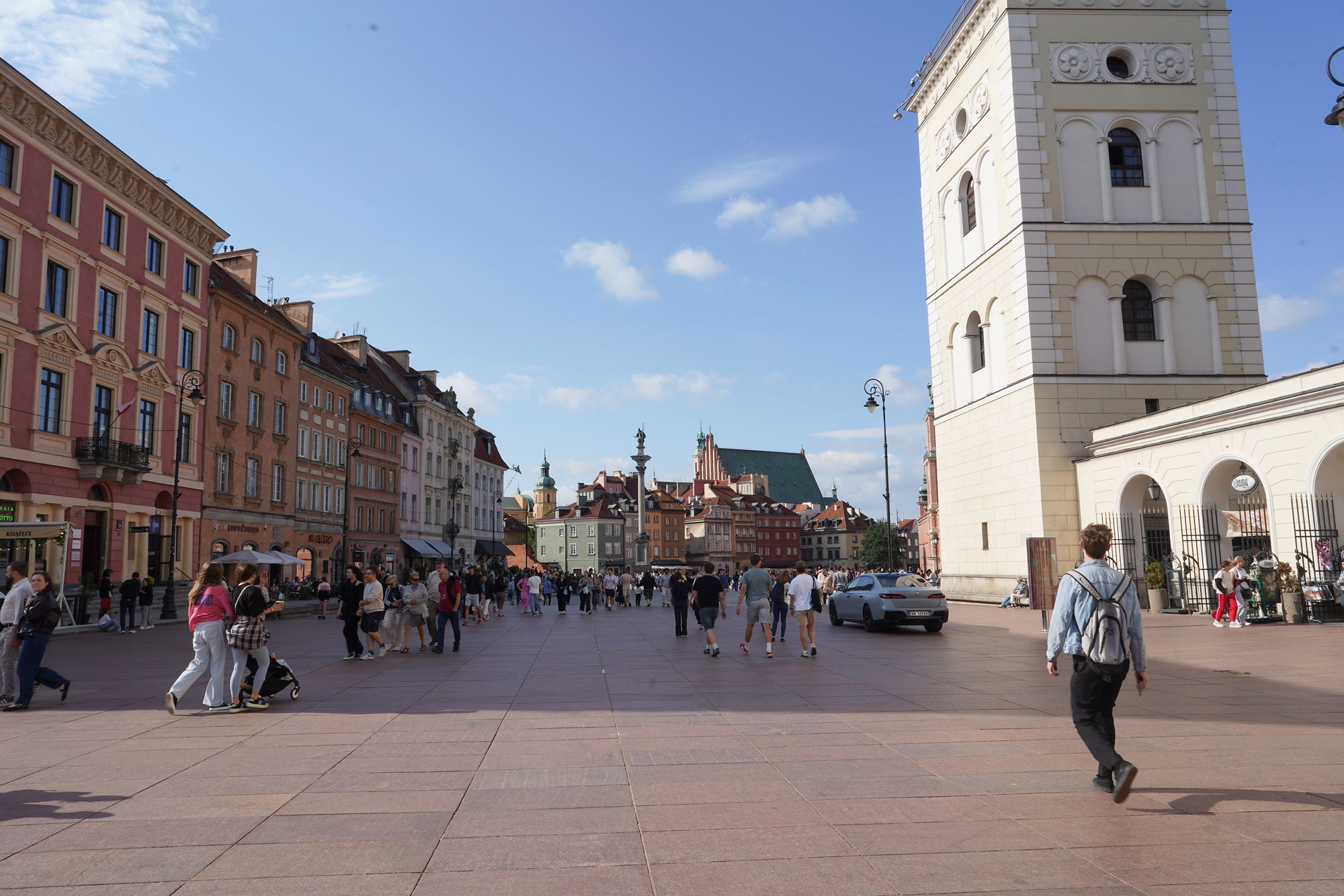
A view looking west
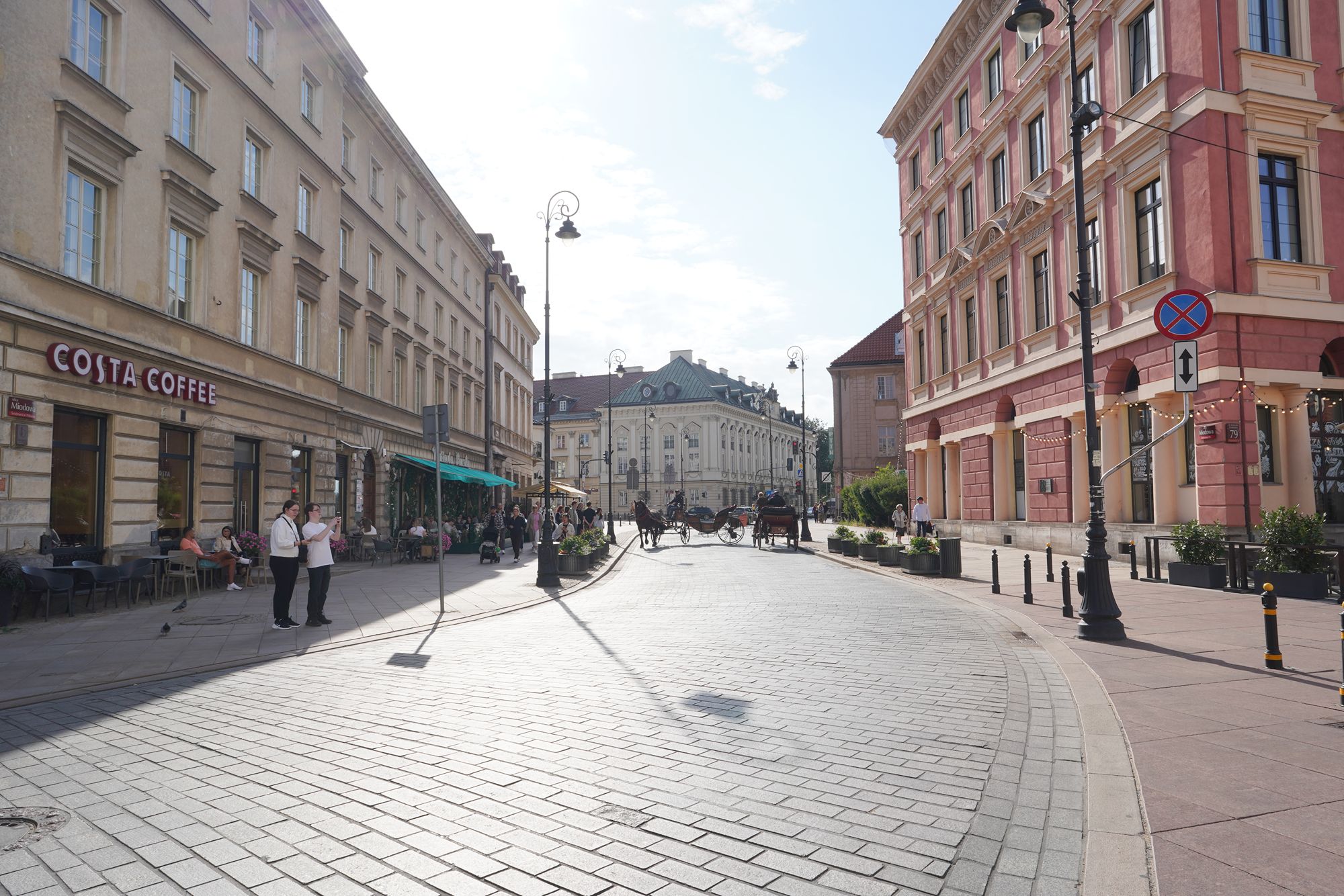
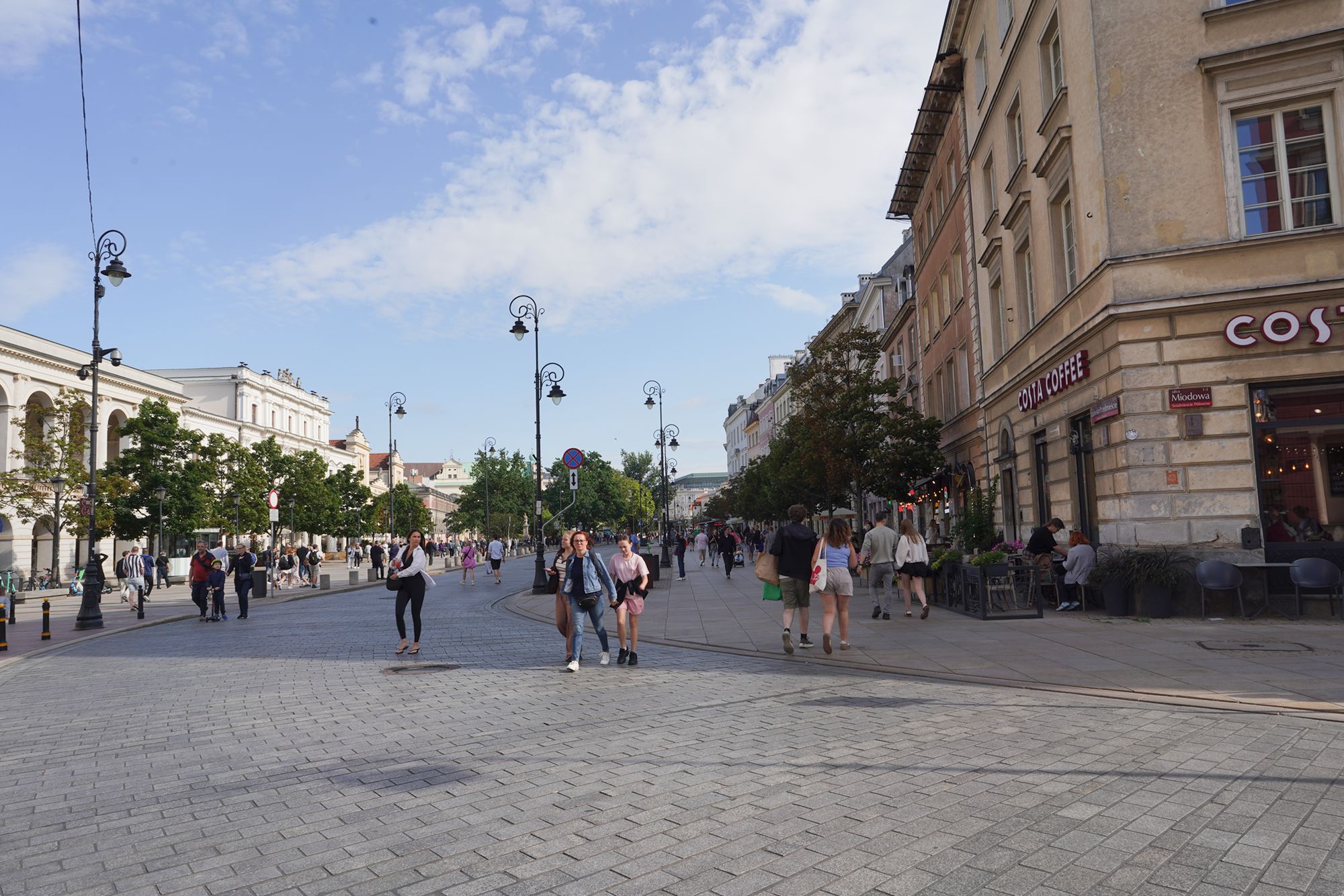
A view looking south, in the direction of my walk.
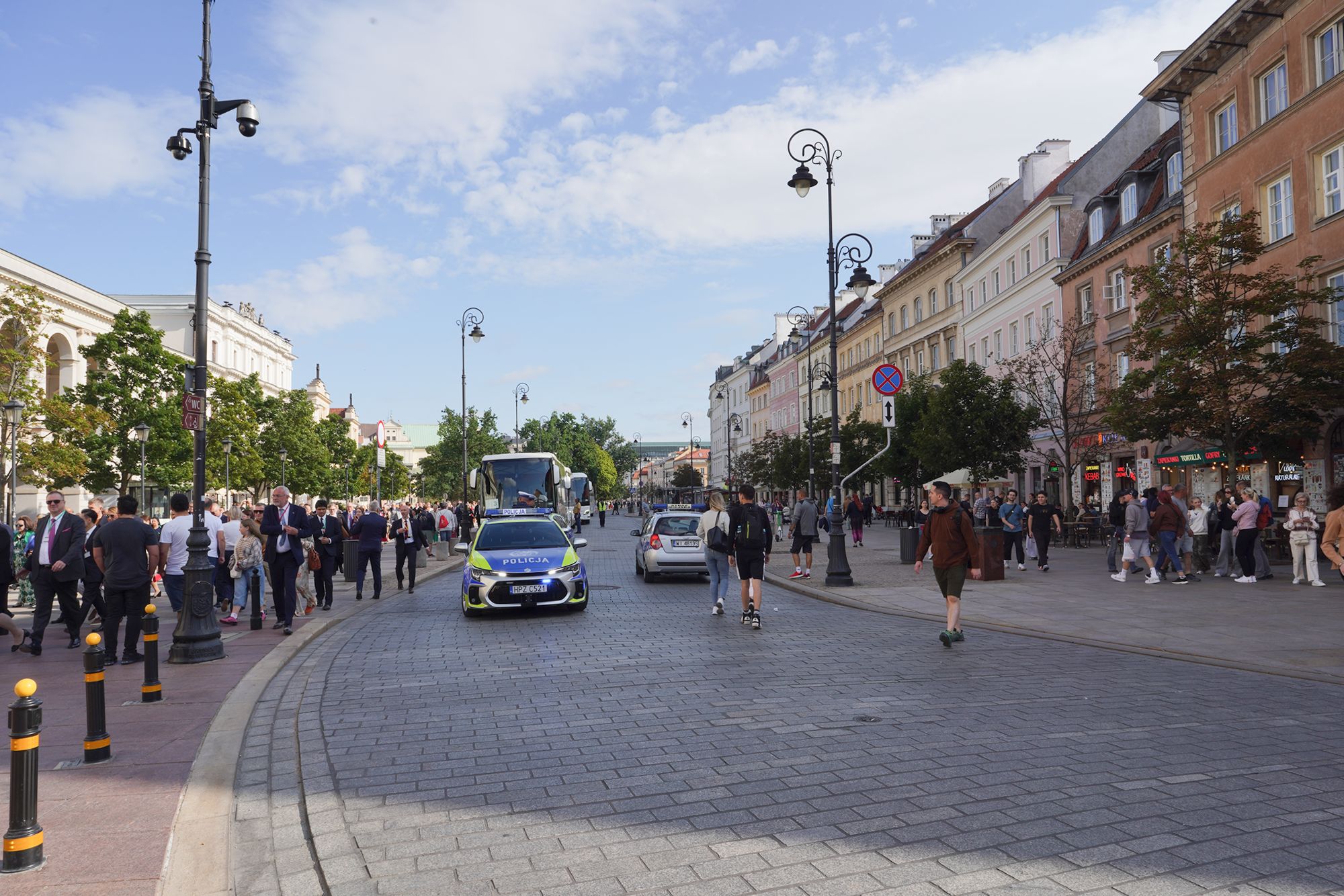
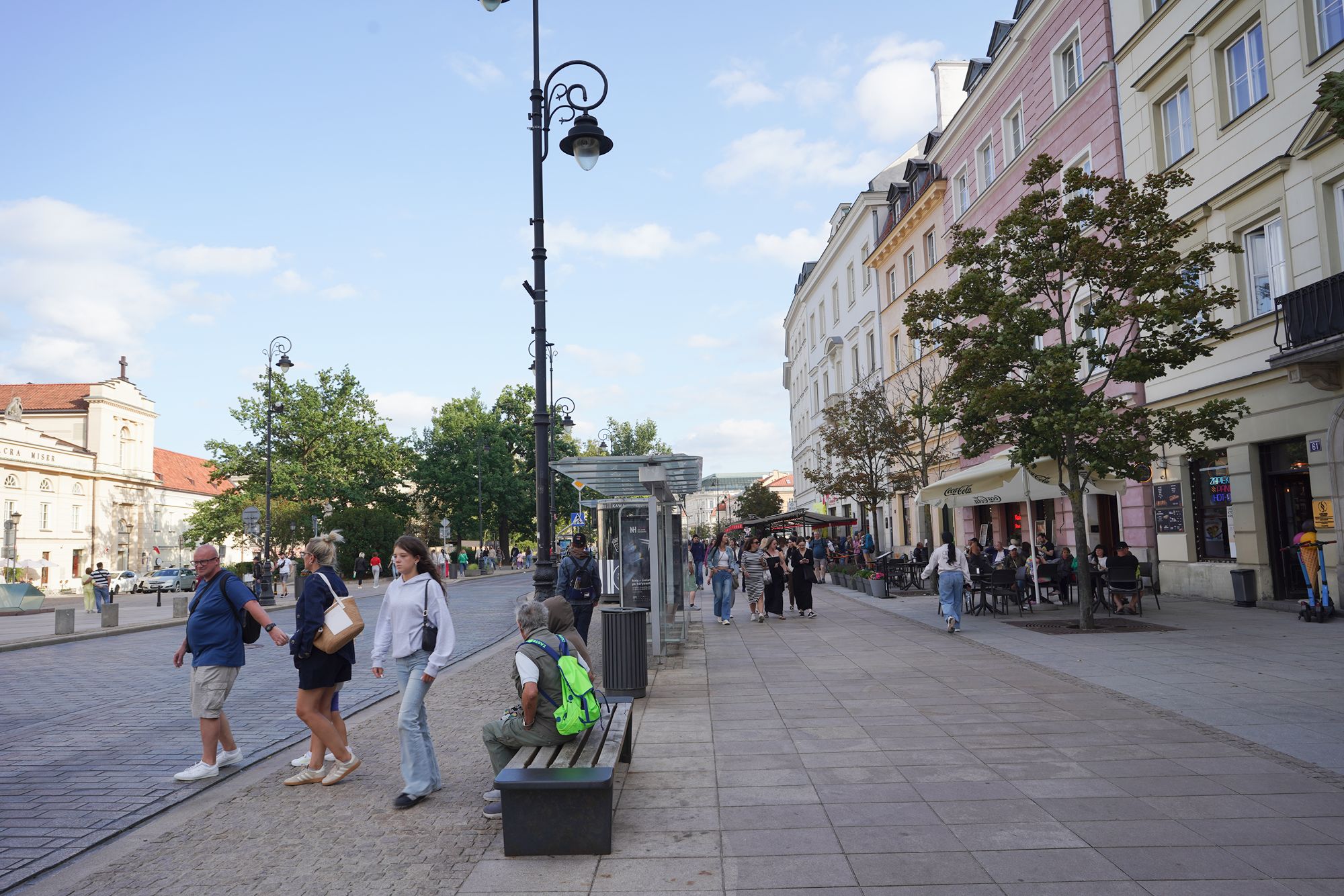
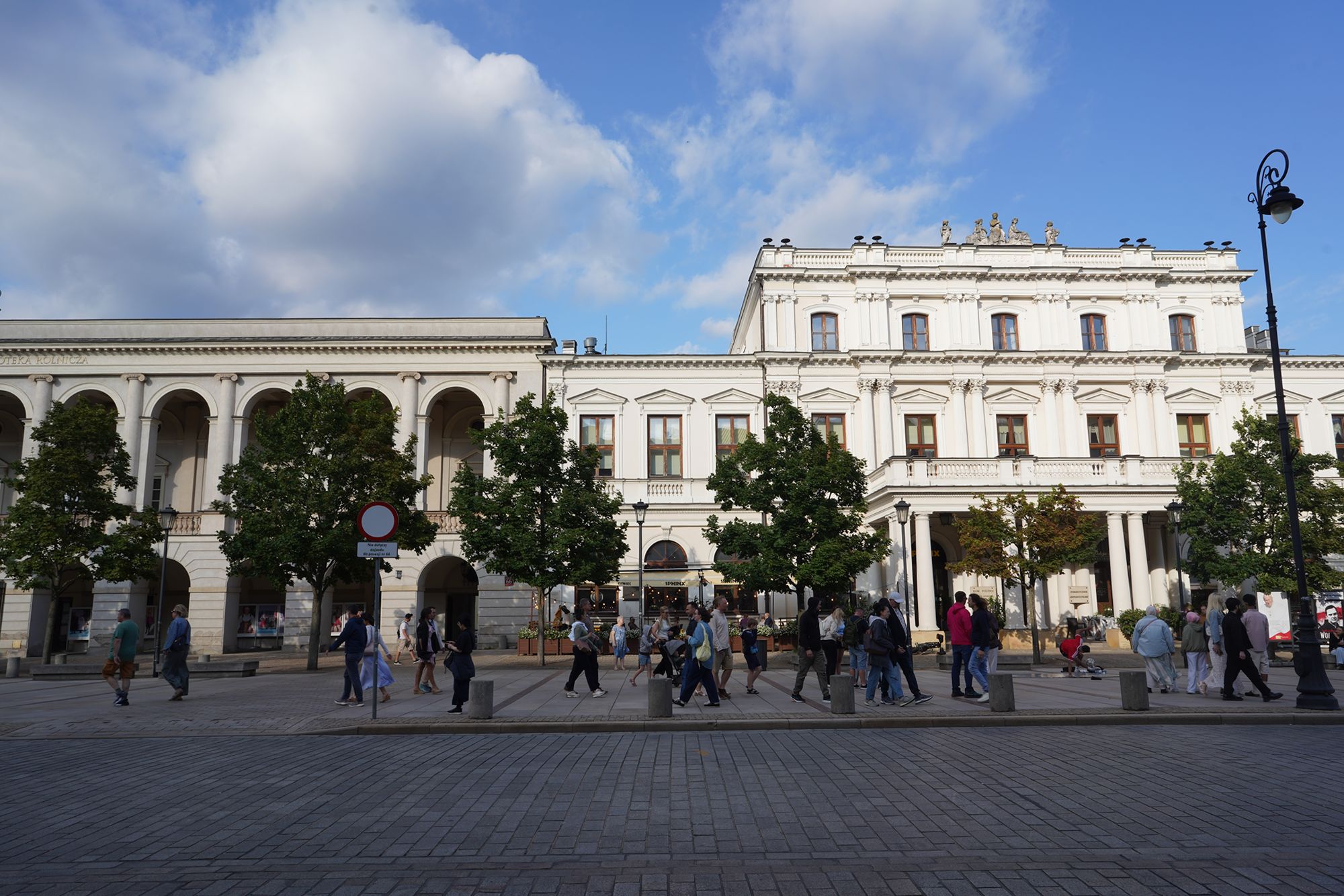
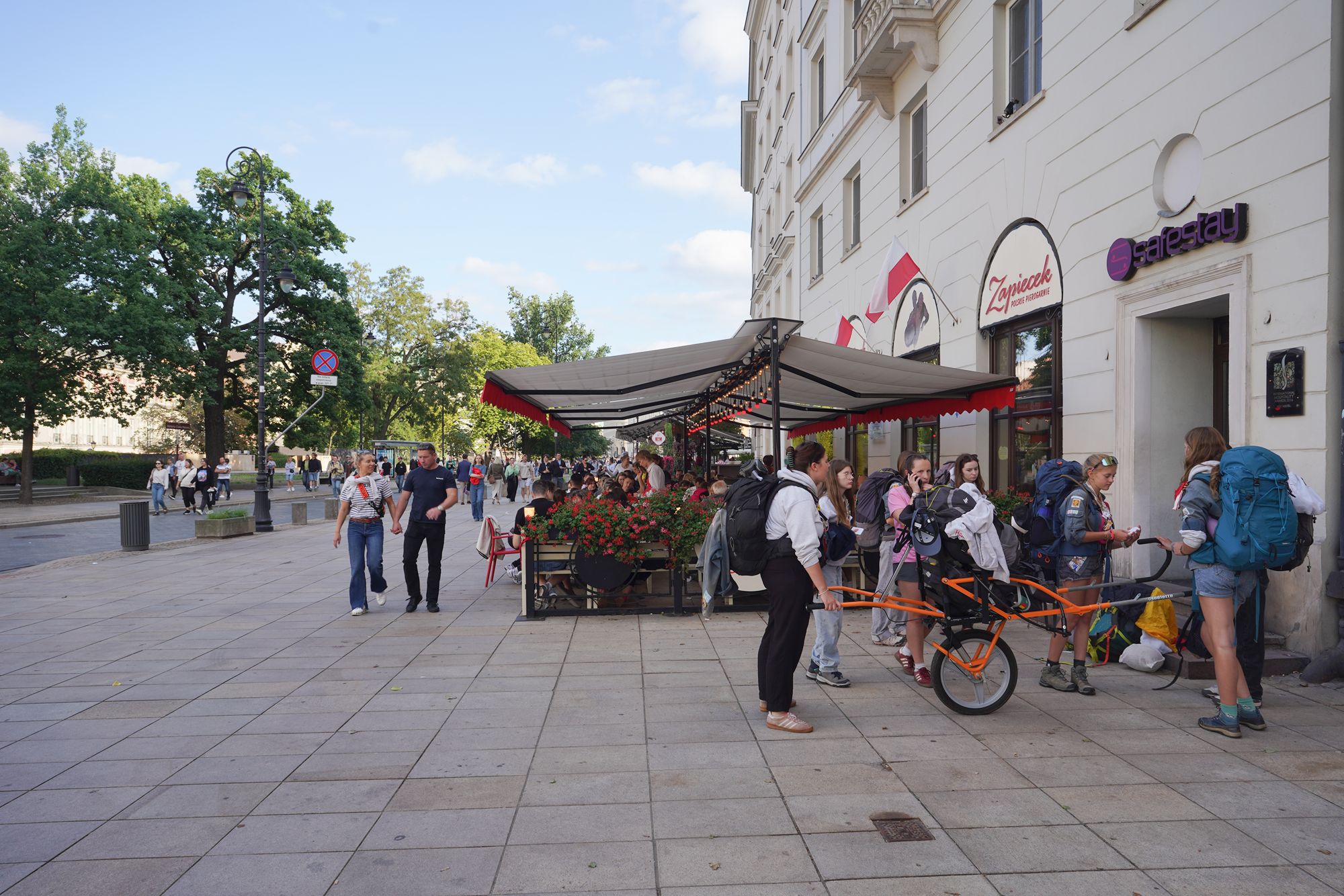
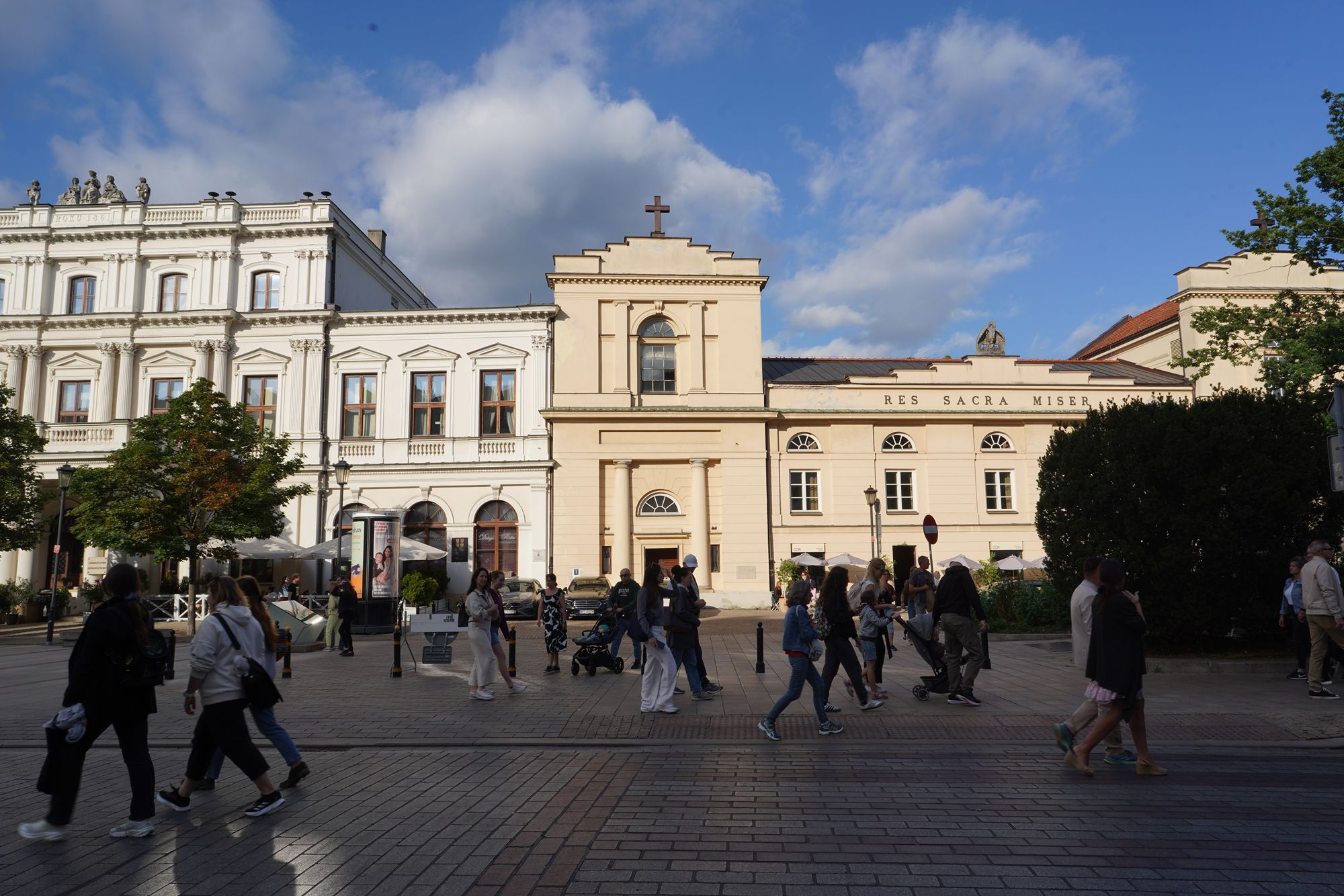
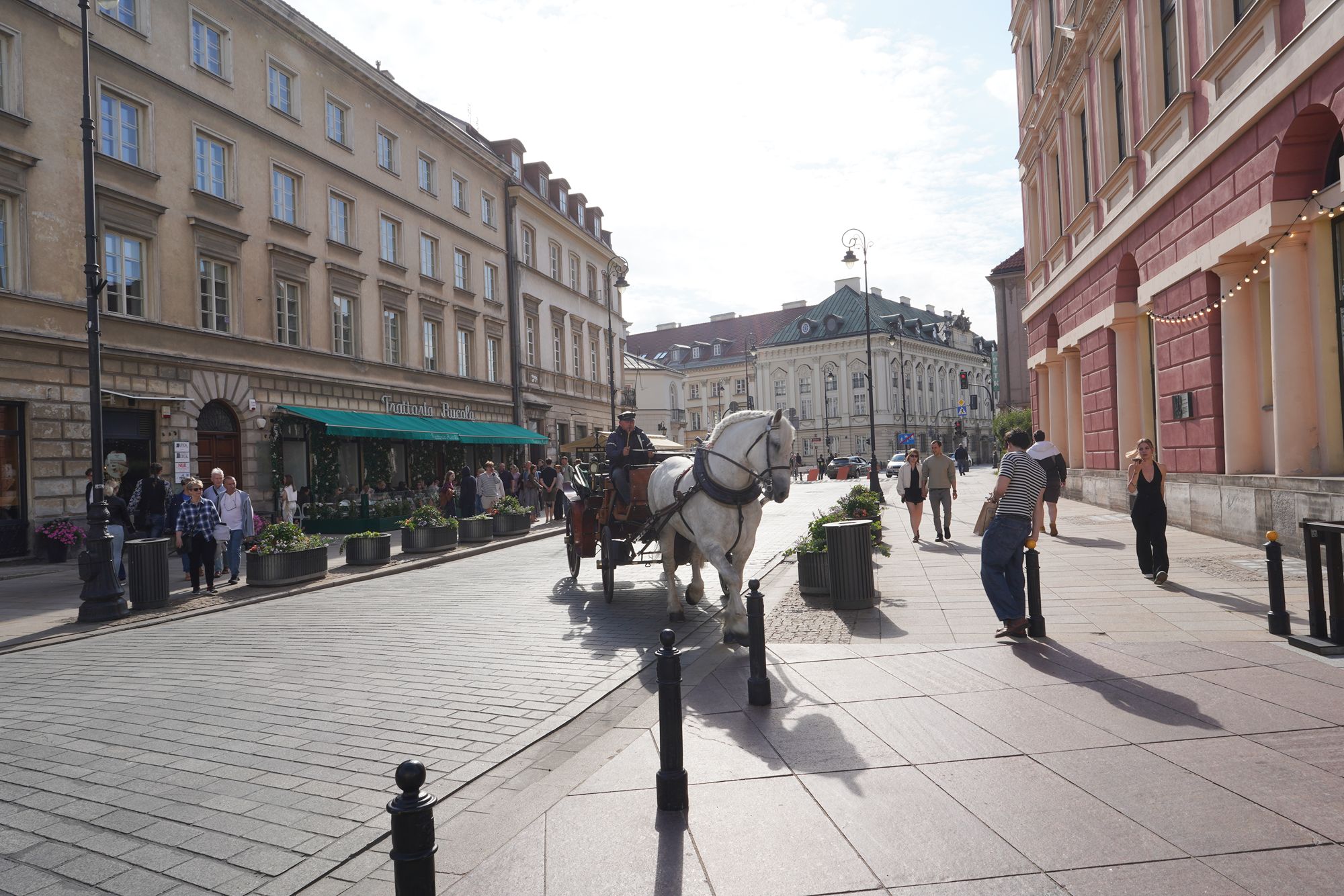
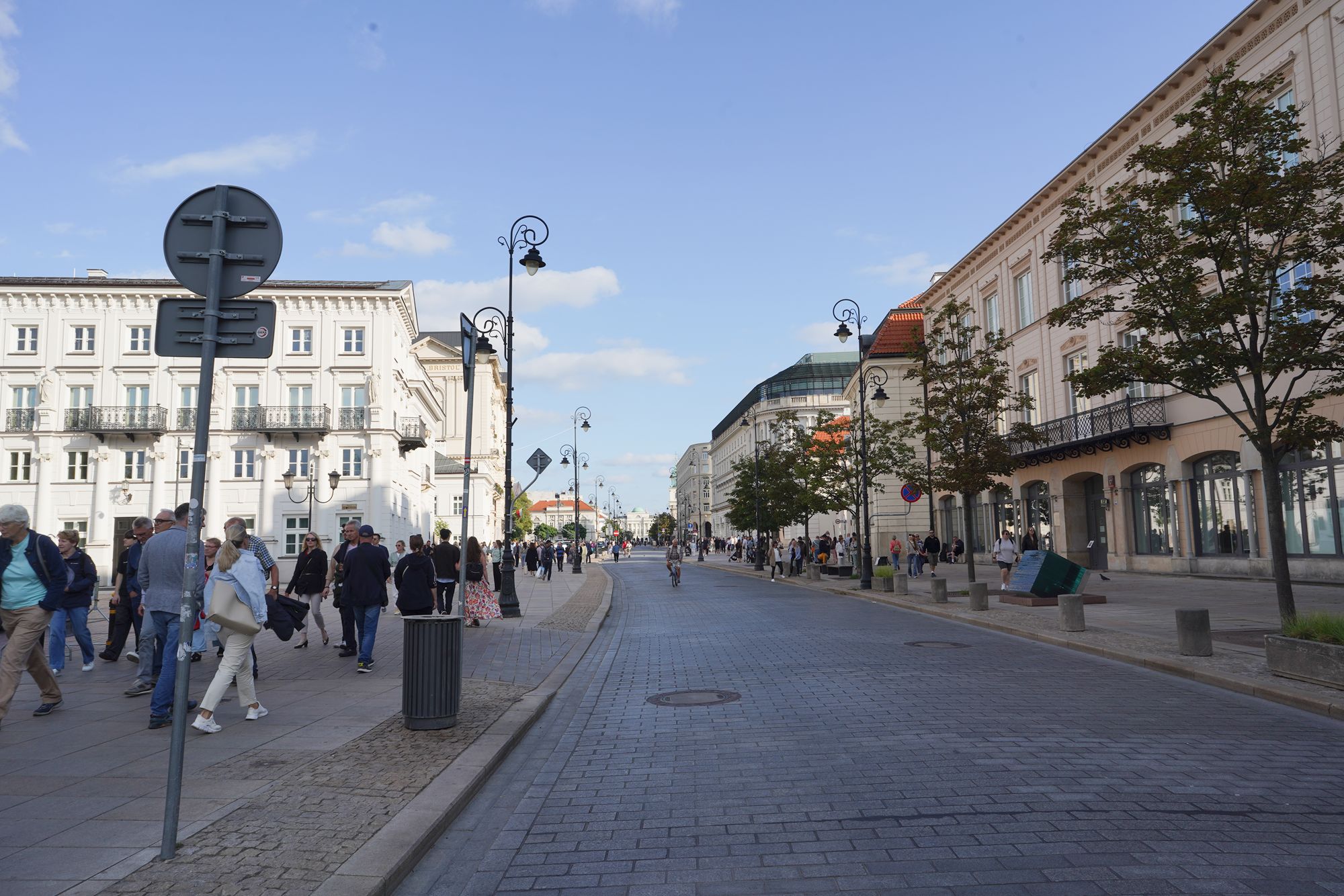
The historic area stretches quite a long way, and these buildings were all rebuilt after World War II.
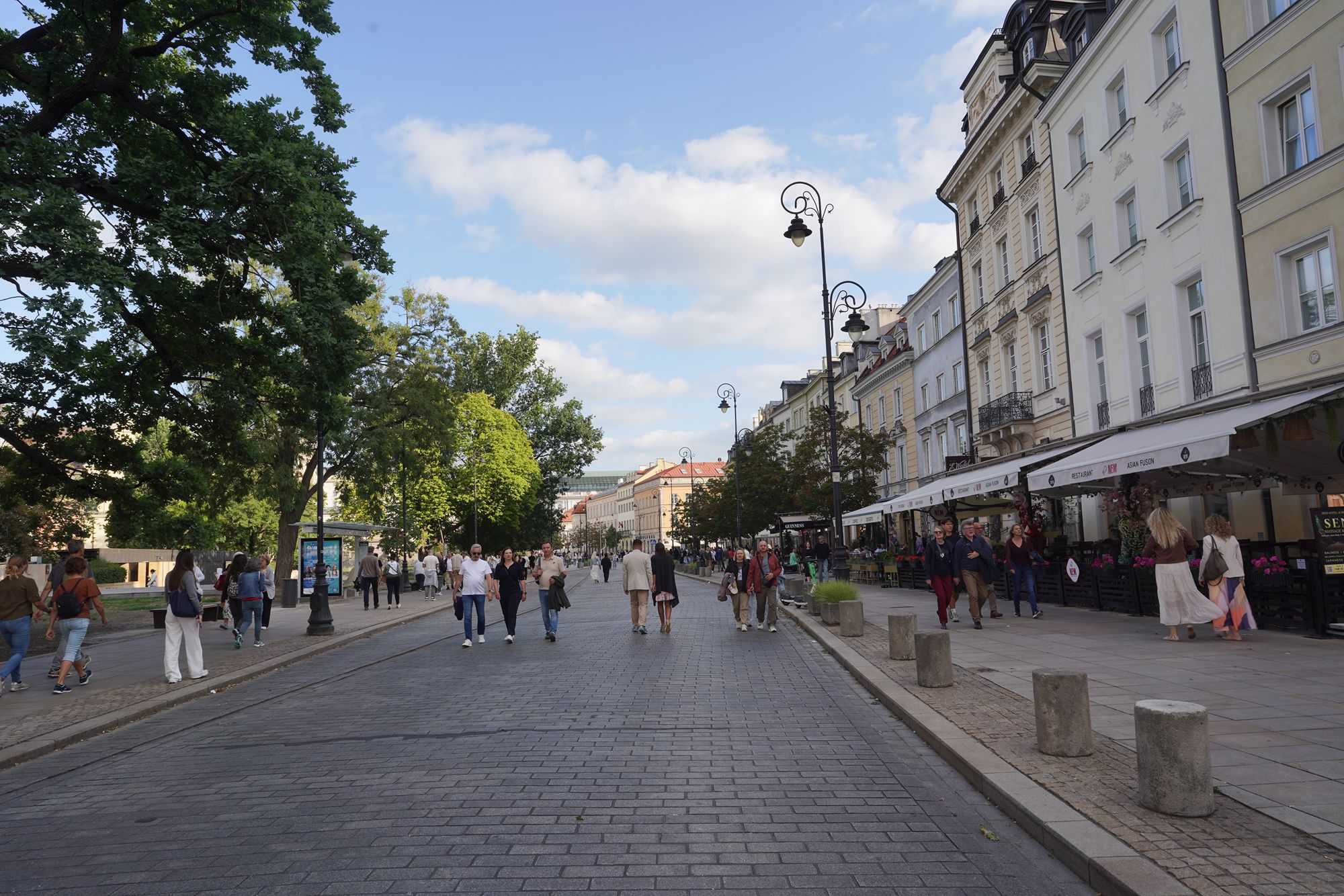
A view behind me
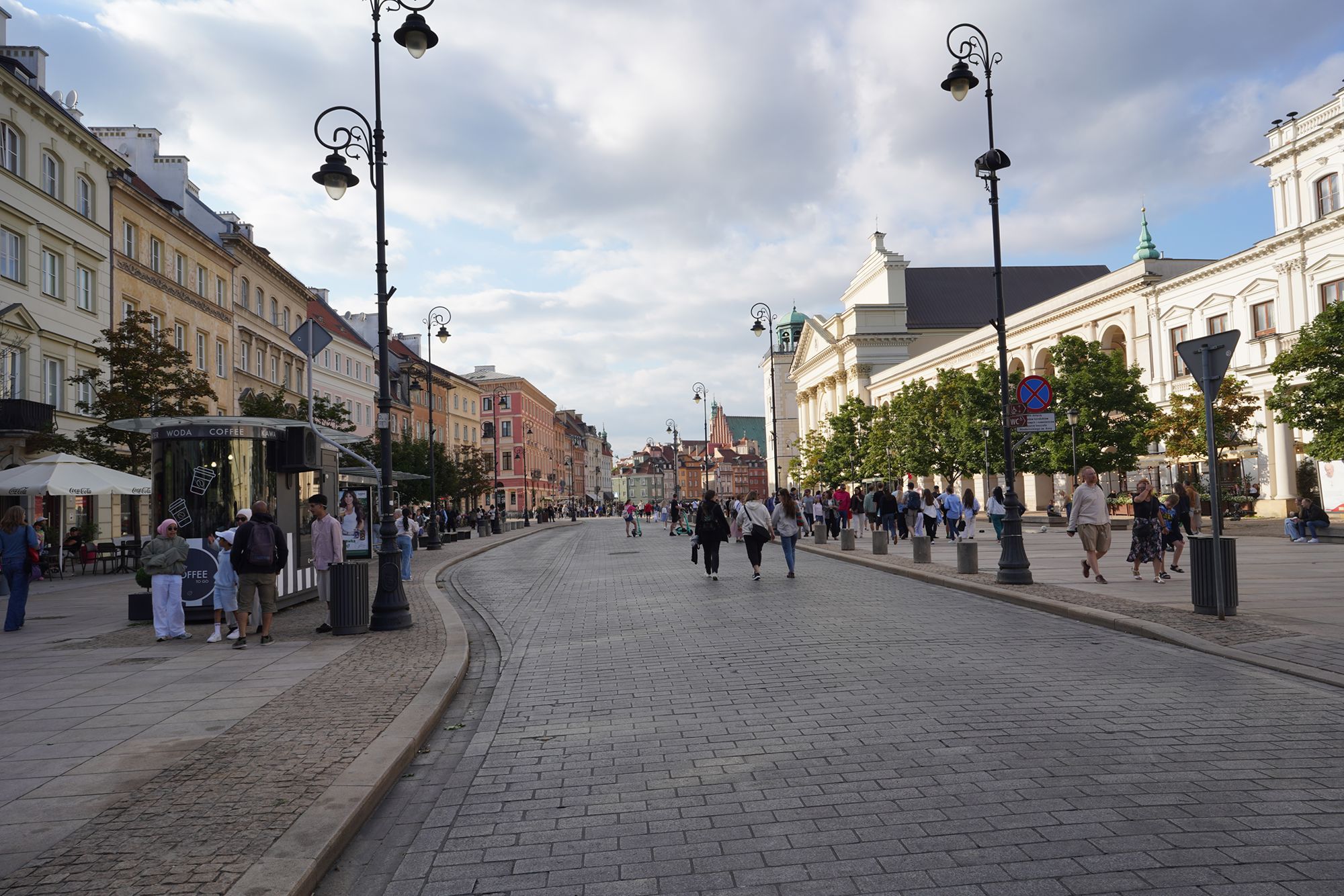
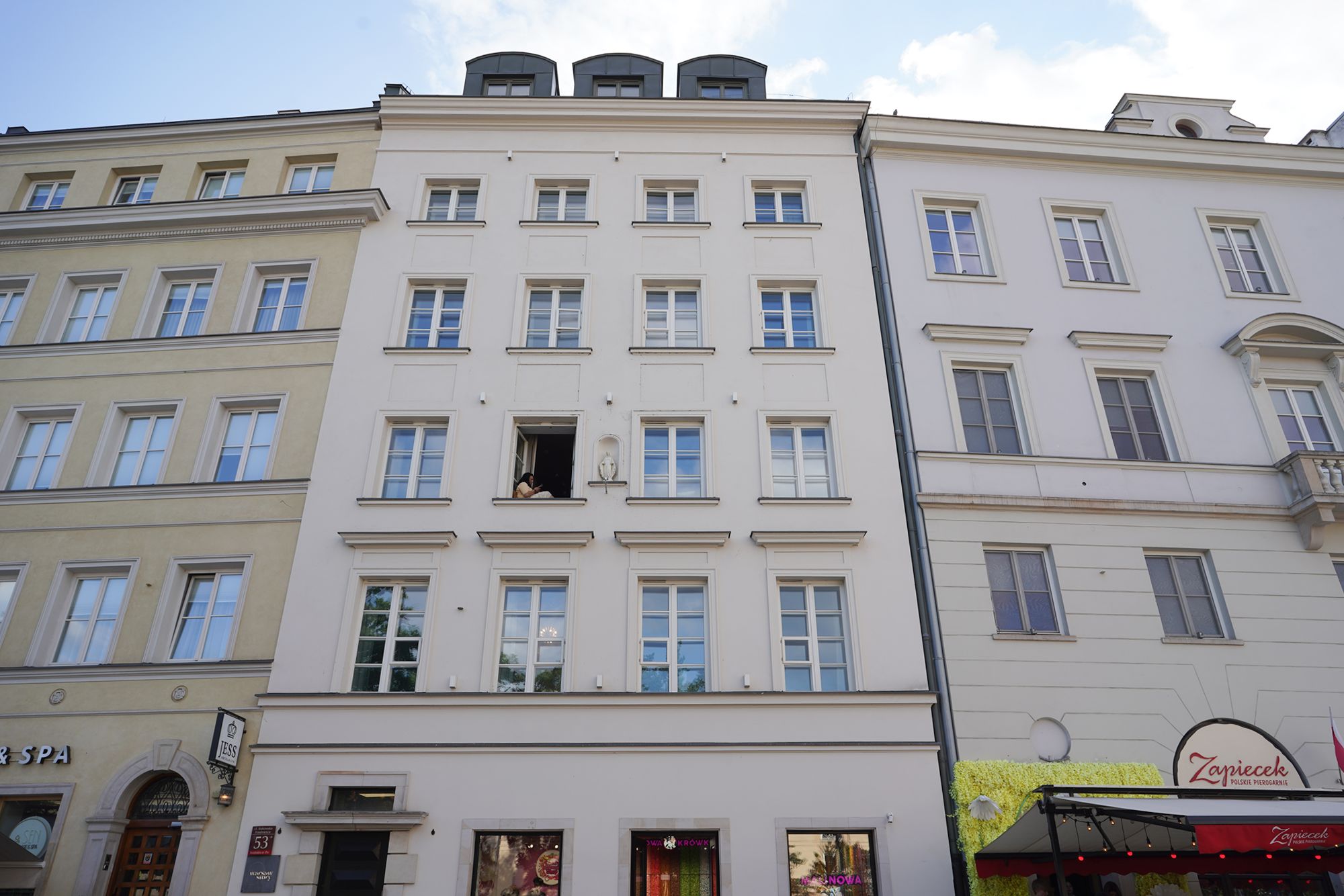
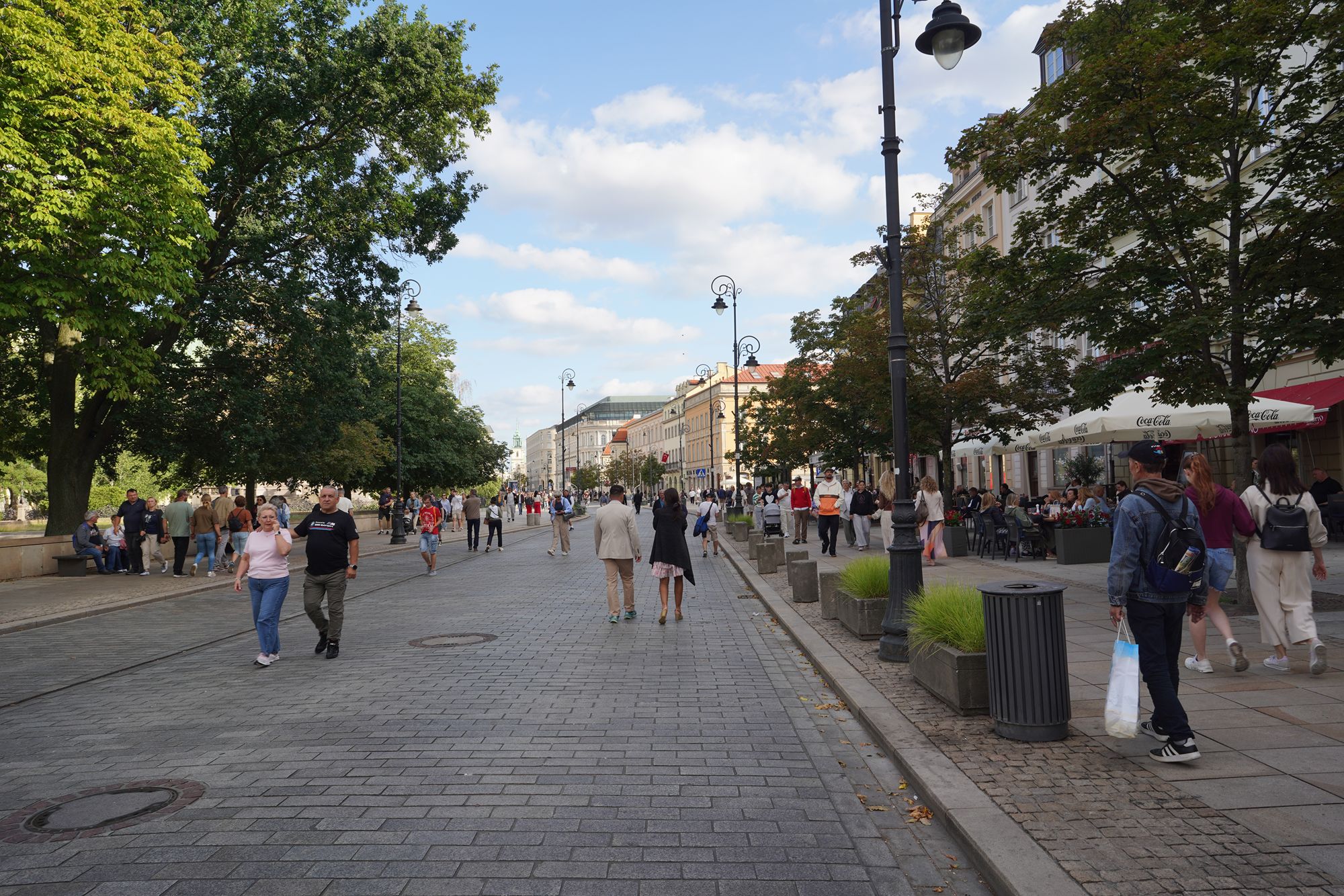
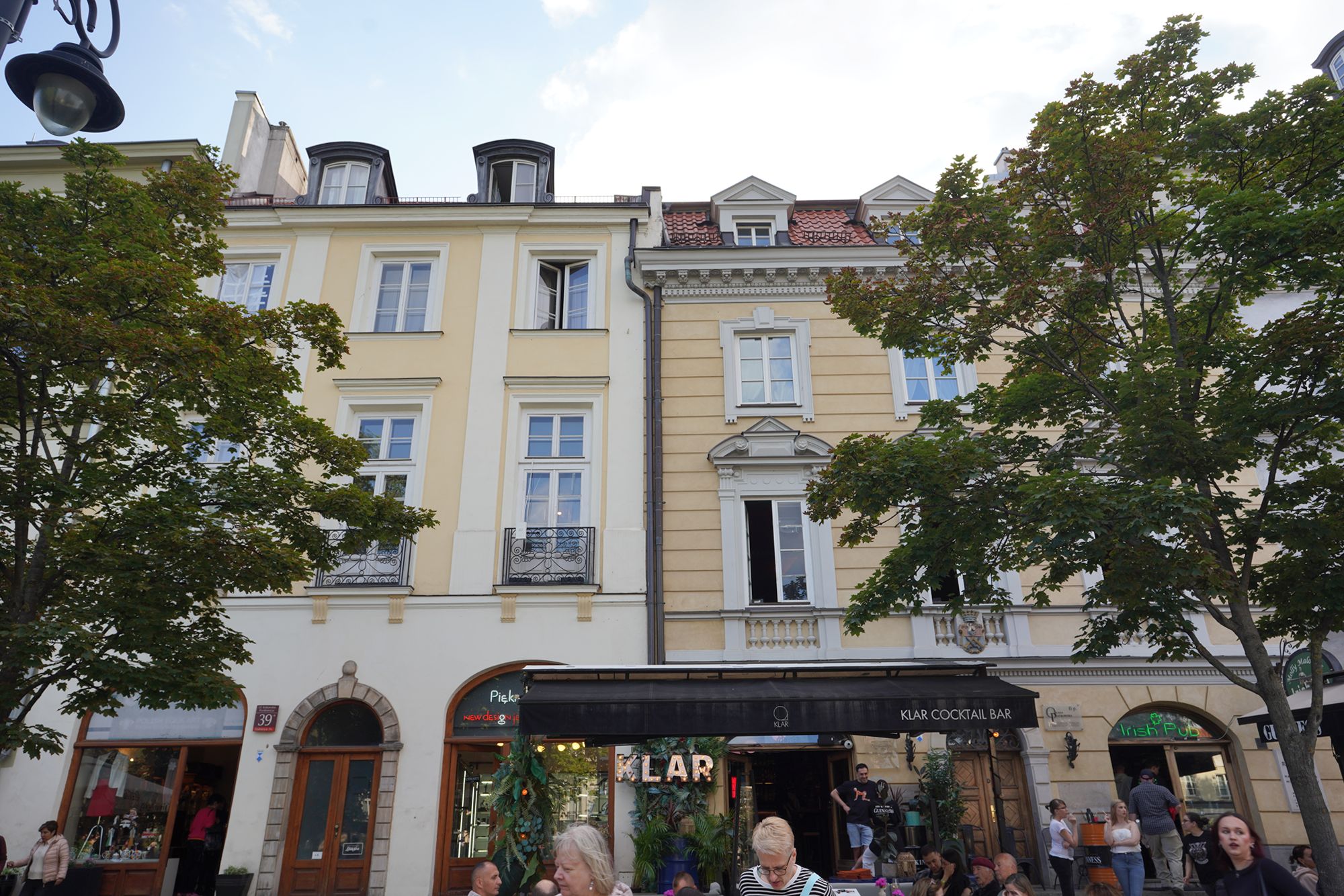
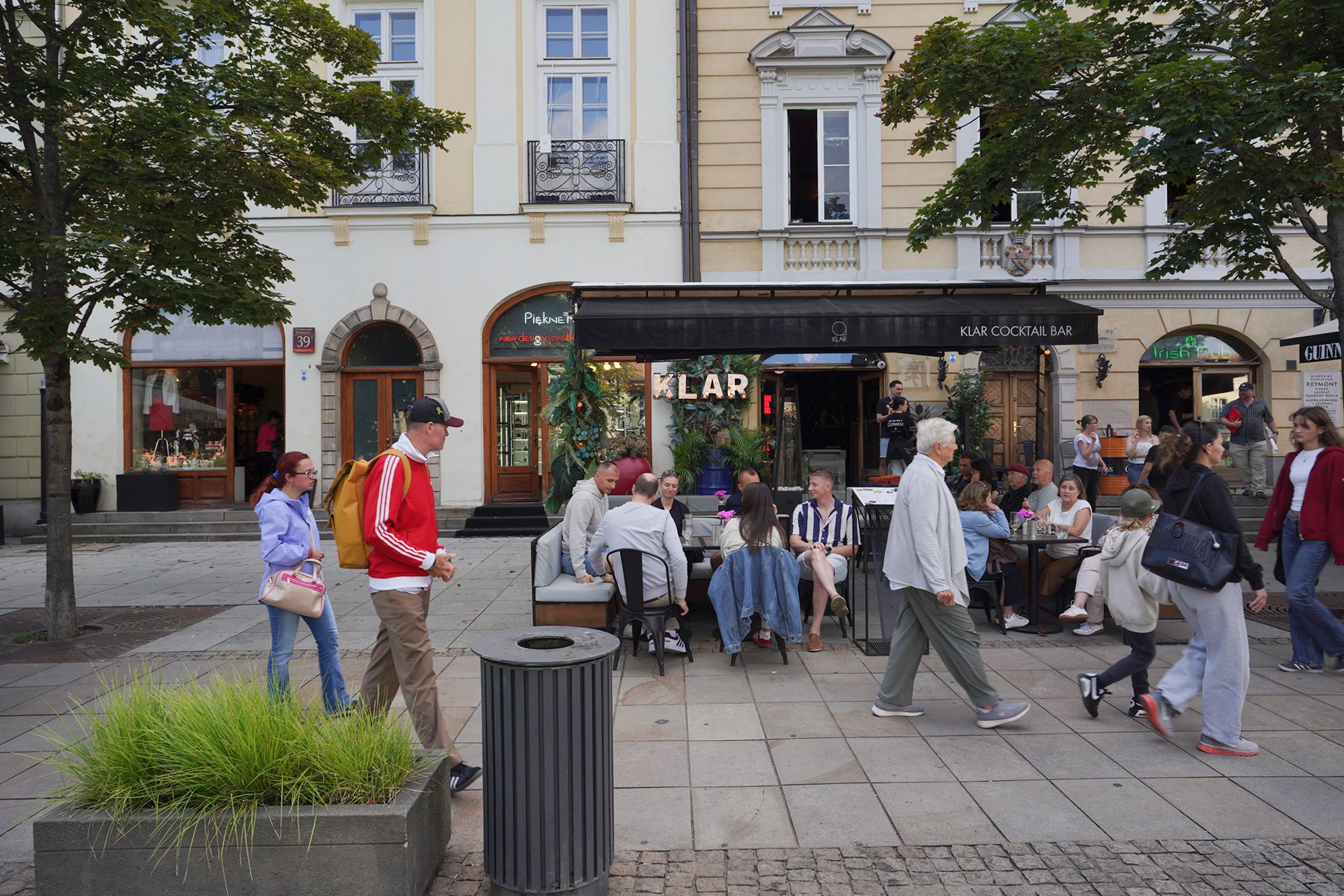
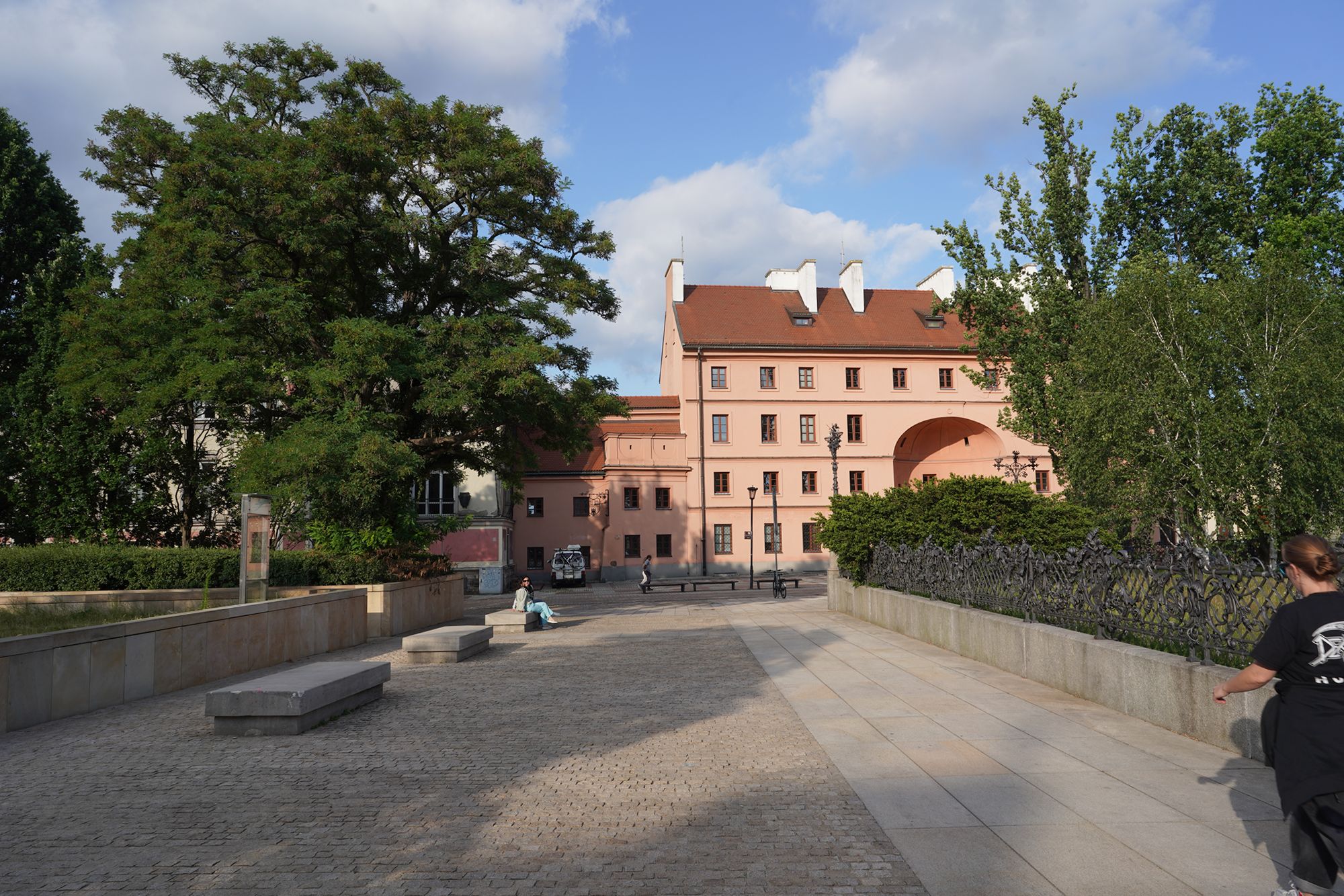
Zajazd Dziekanka is a historic building on Krakowskie Przedmieście. Built between 1770 and 1784 for the Warsaw cathedral chapter, it became an inn in 1830. Destroyed during the Warsaw Uprising in 1944 and rebuilt after the war, it now serves as a student residence for the Chopin University of Music.
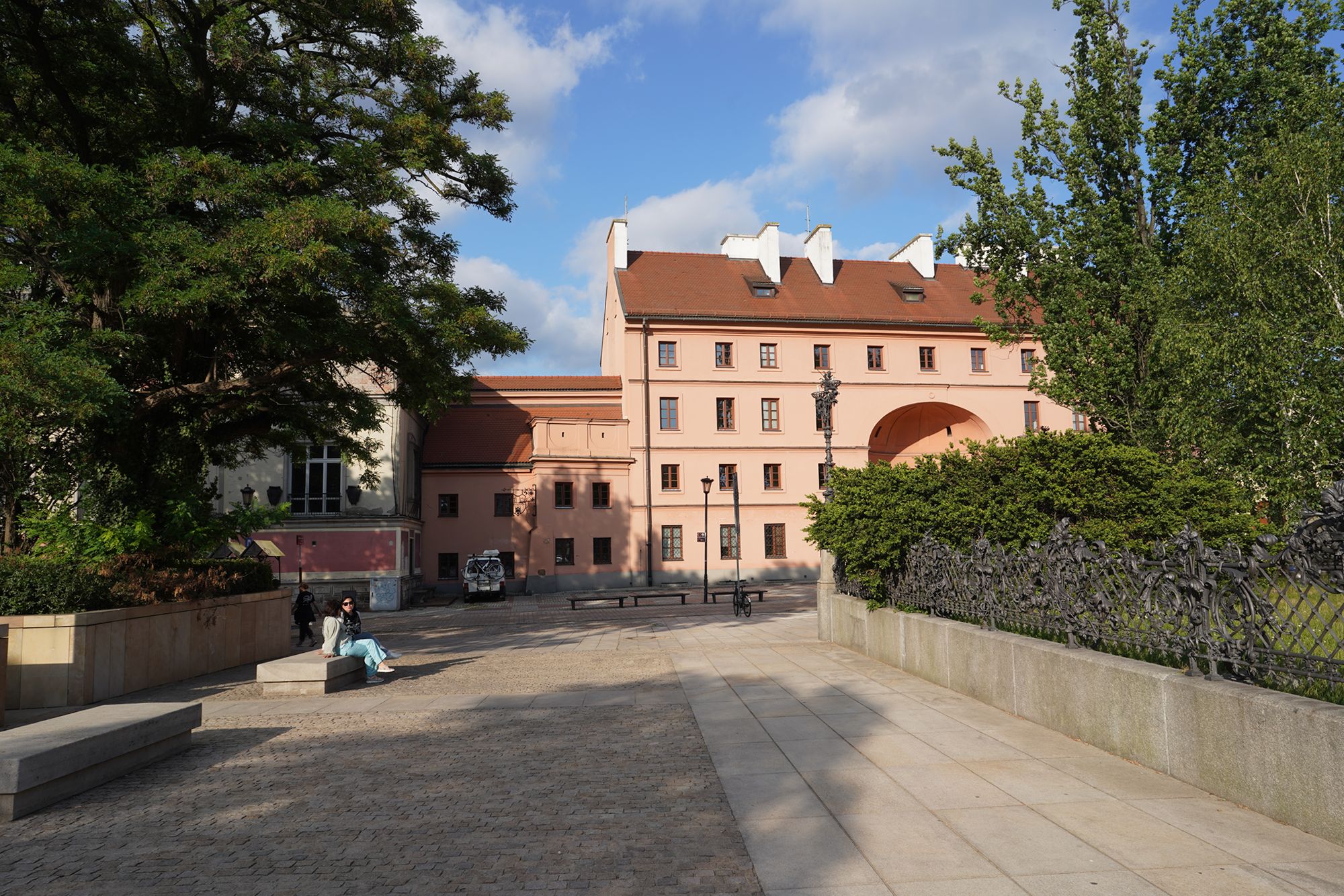
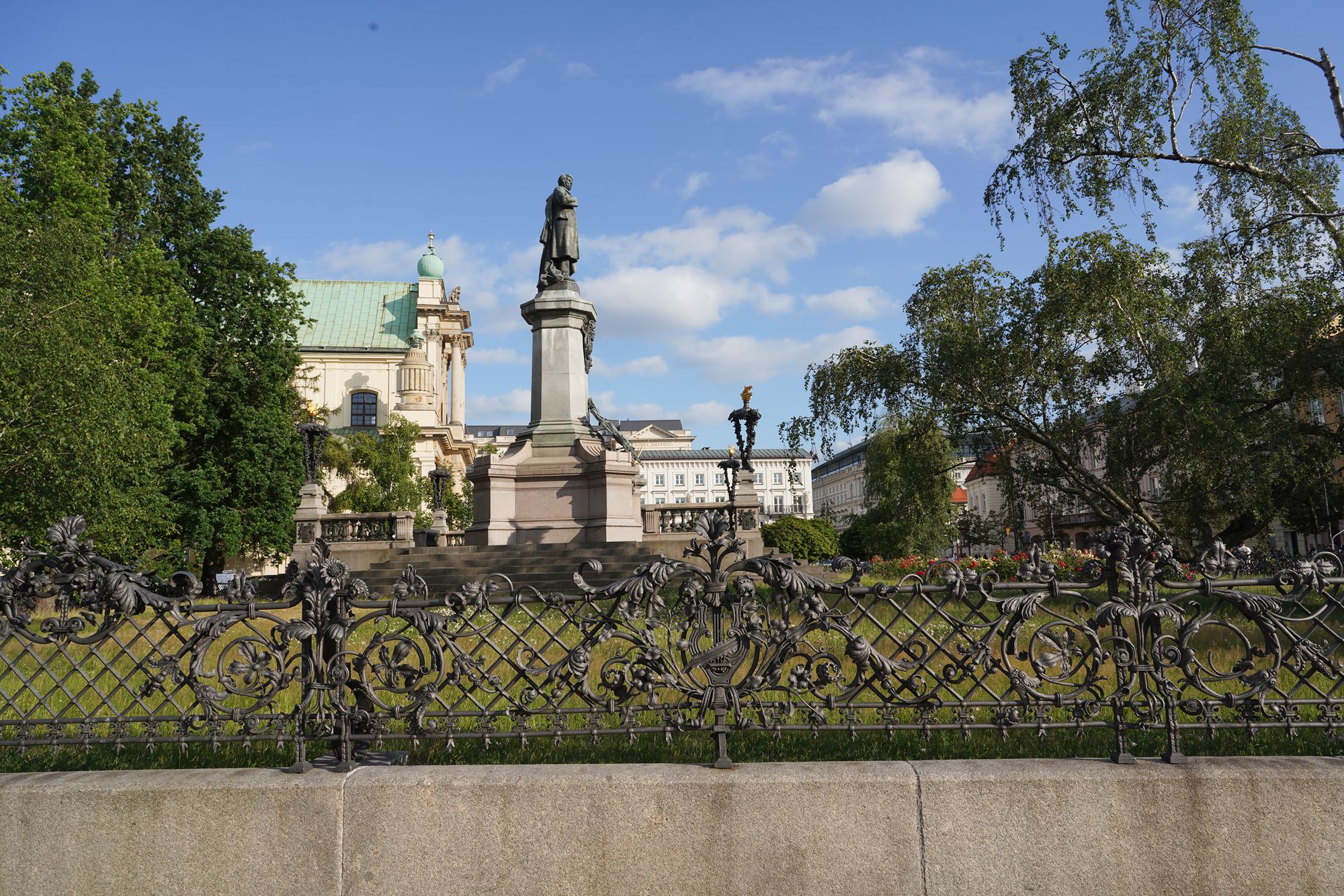
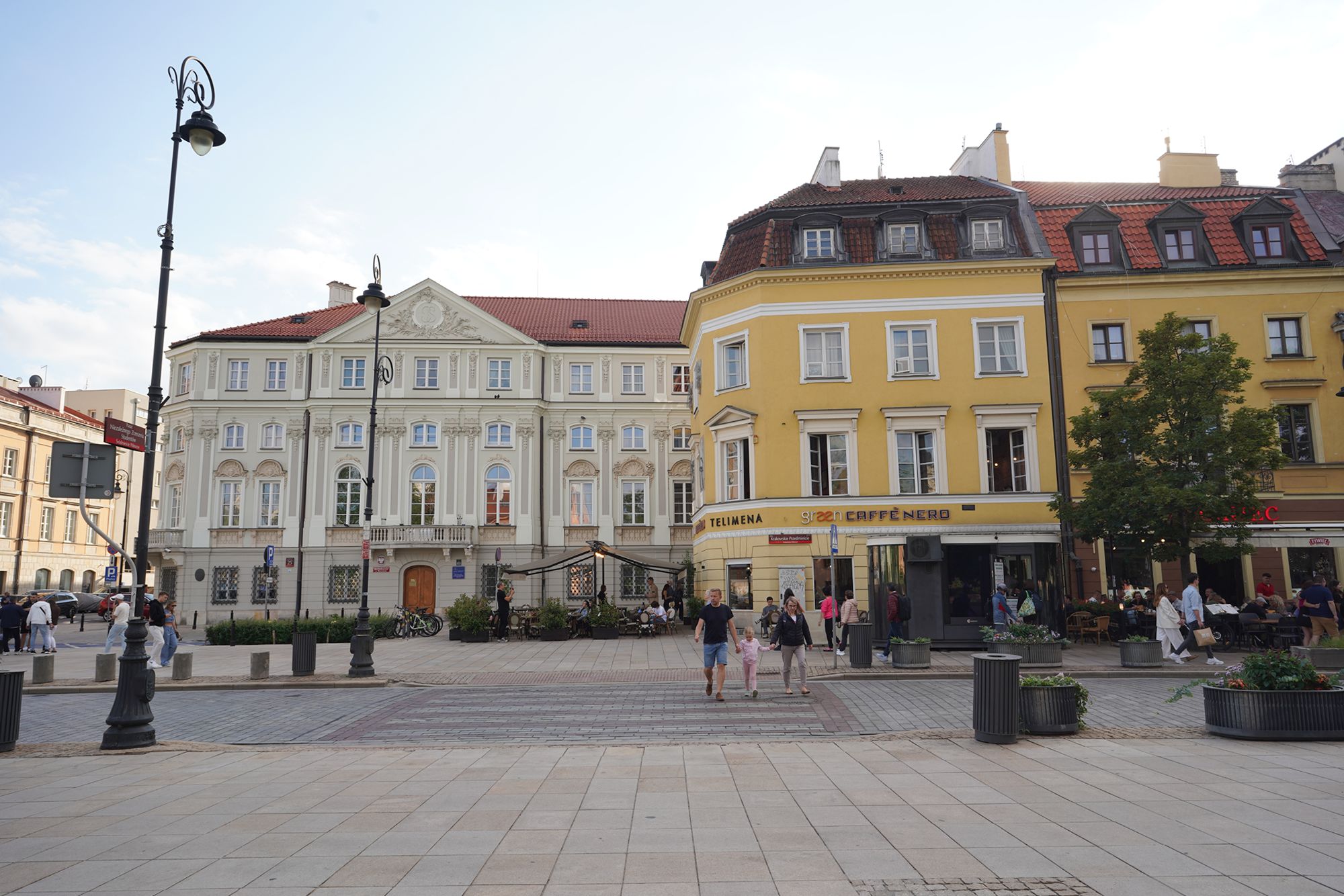
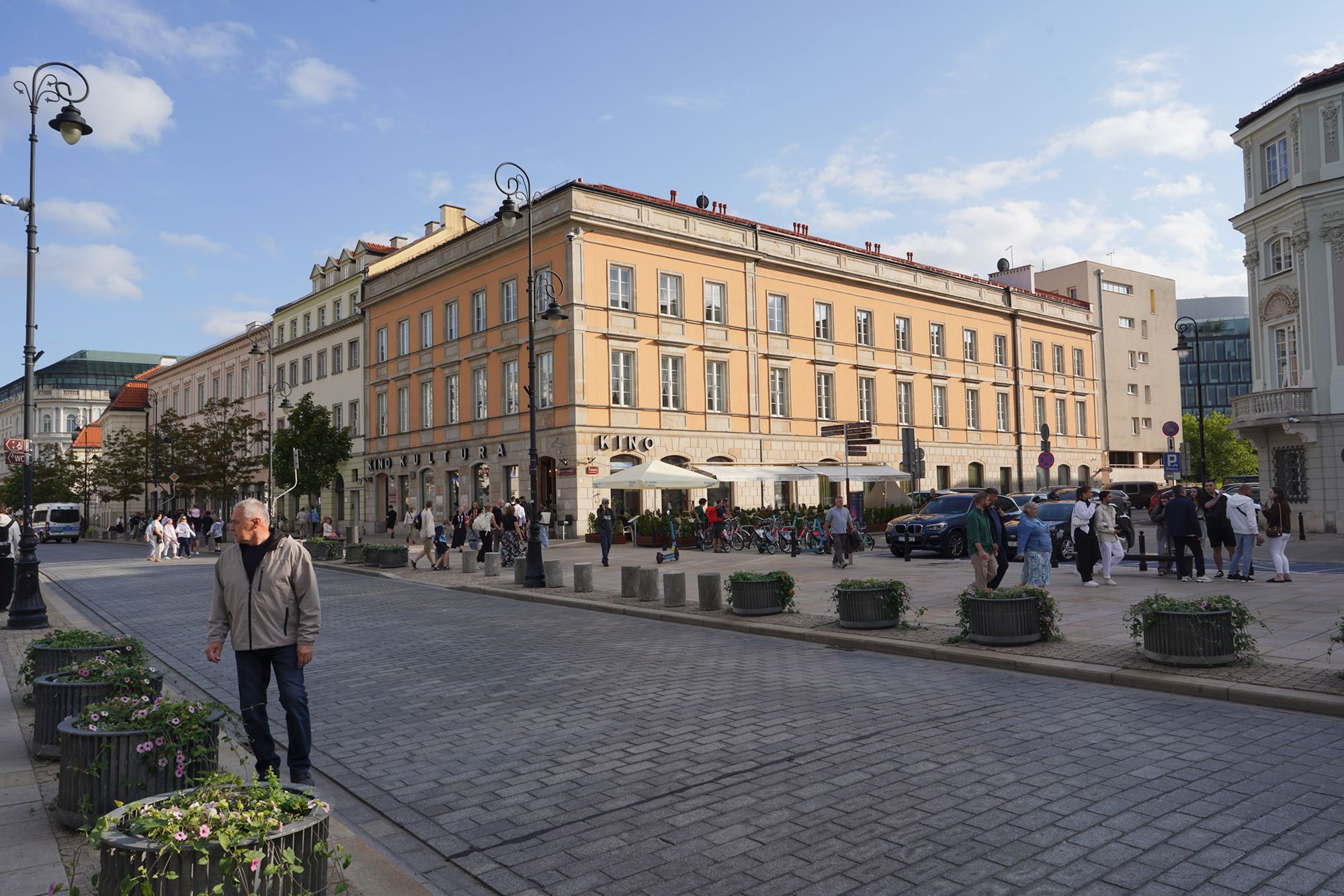
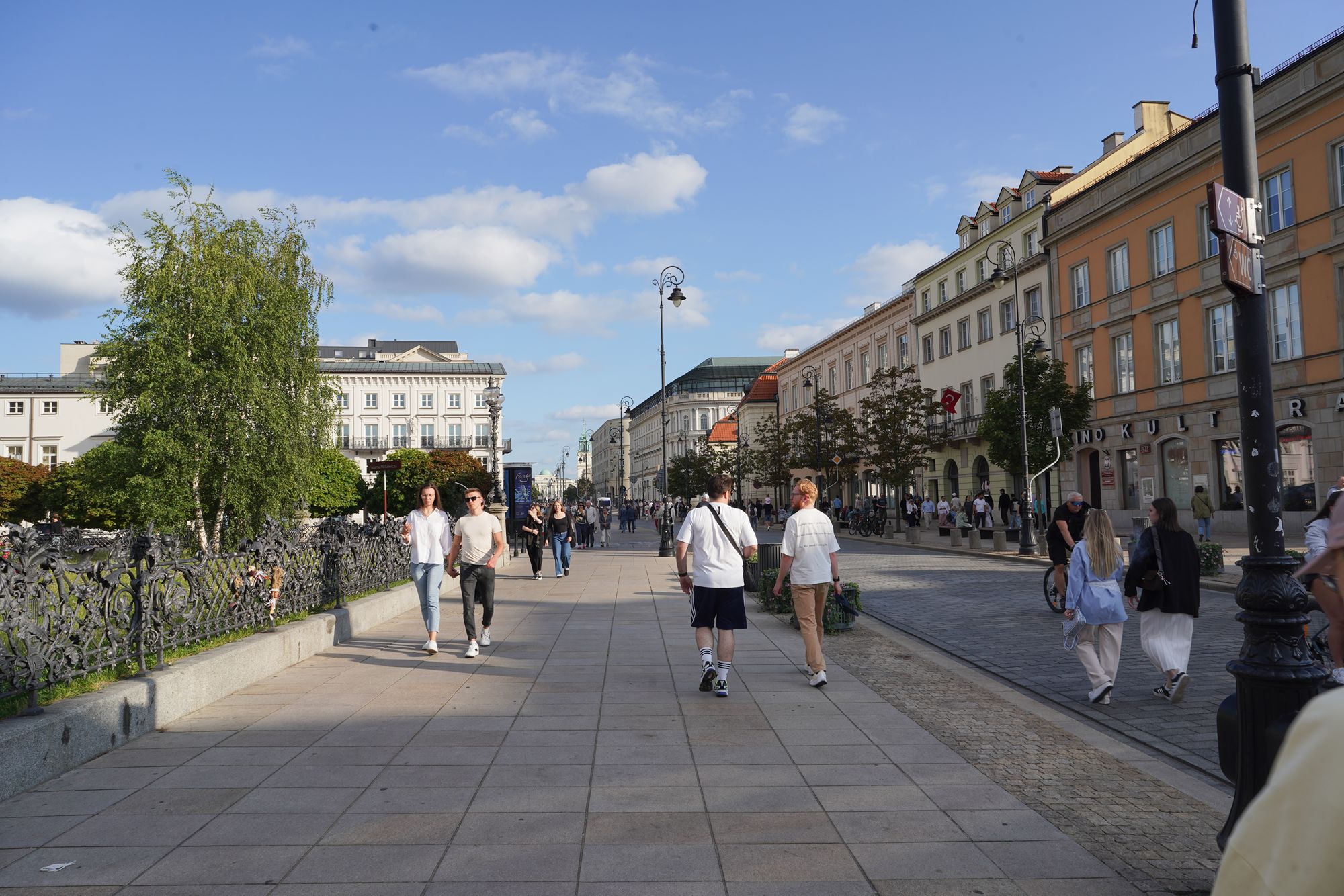
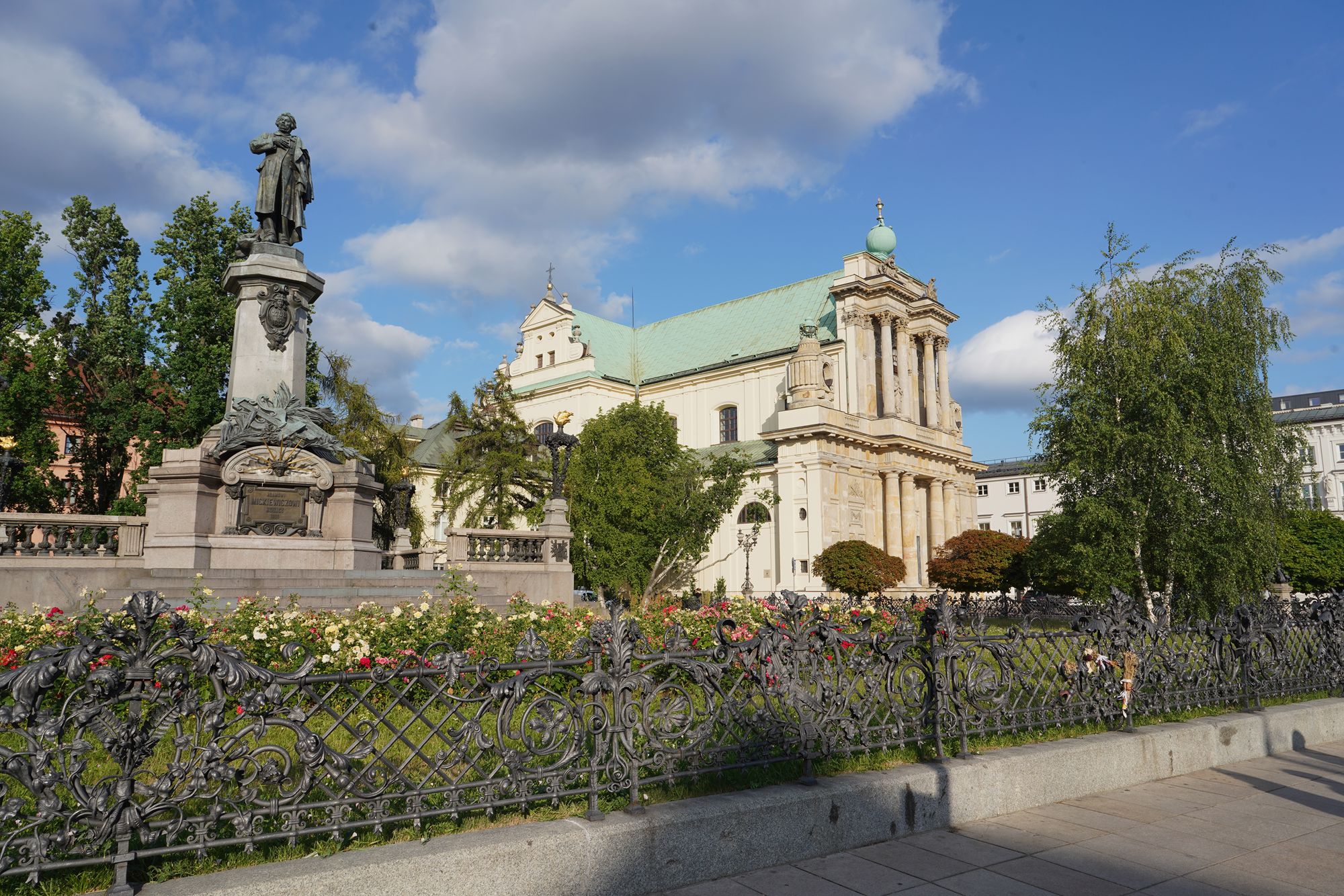
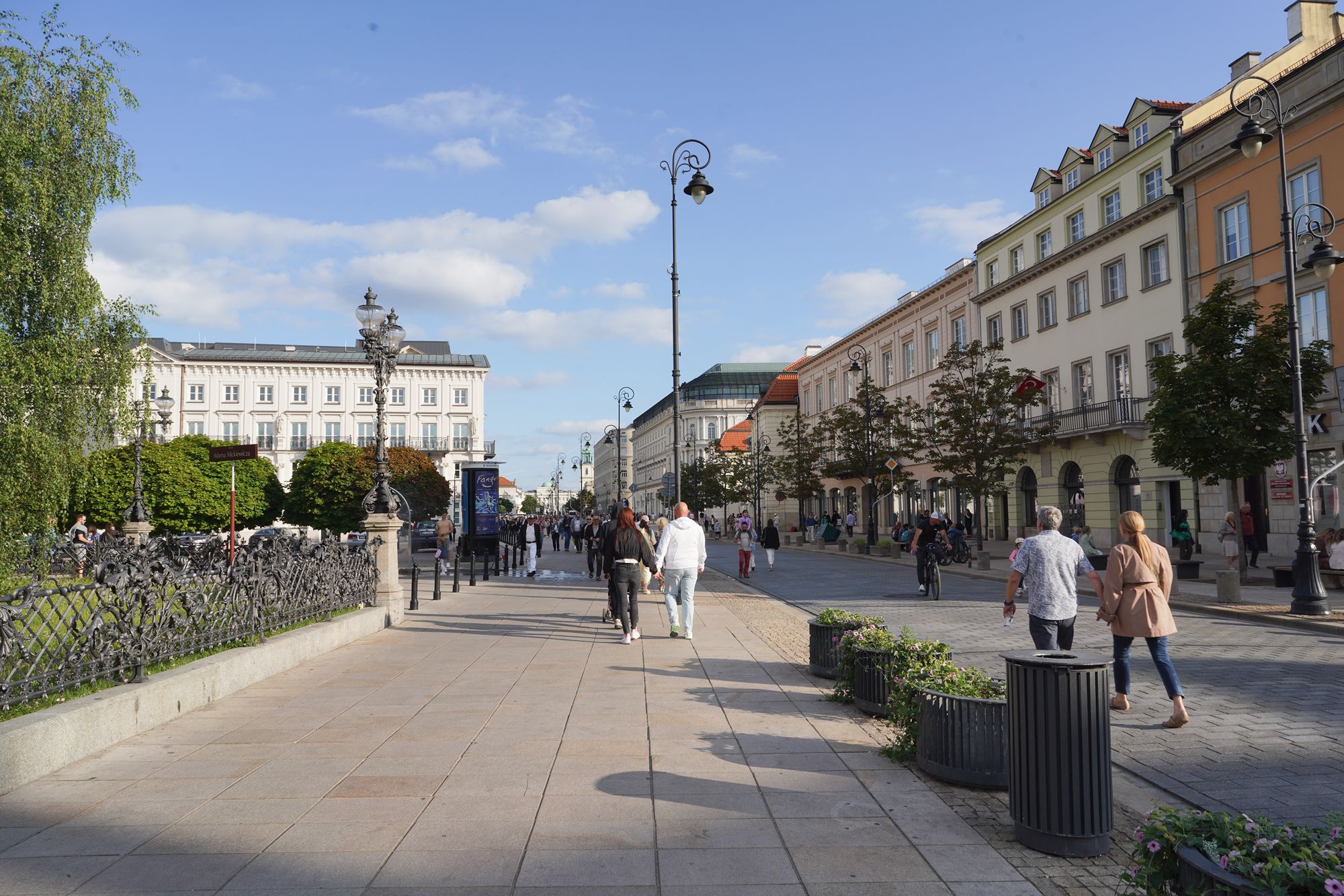
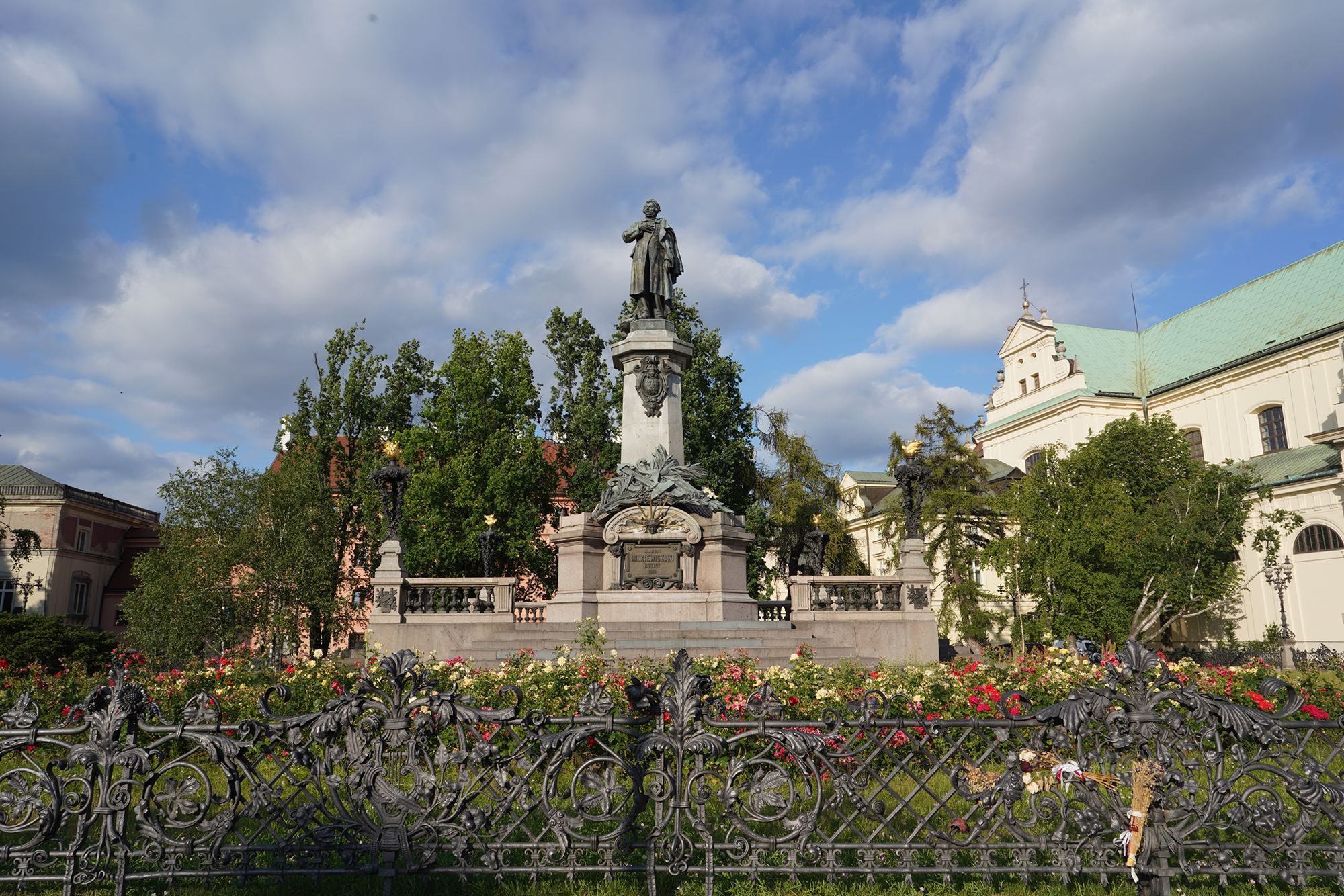
The Adam Mickiewicz Monument stands along Krakowskie Przedmieście, honoring one of Poland’s greatest poets. Designed by Cyprian Godebski, it was unveiled in 1898 to mark the centenary of Mickiewicz’s birth. German forces dismantled it in 1944, and a reconstructed version was unveiled in 1950.
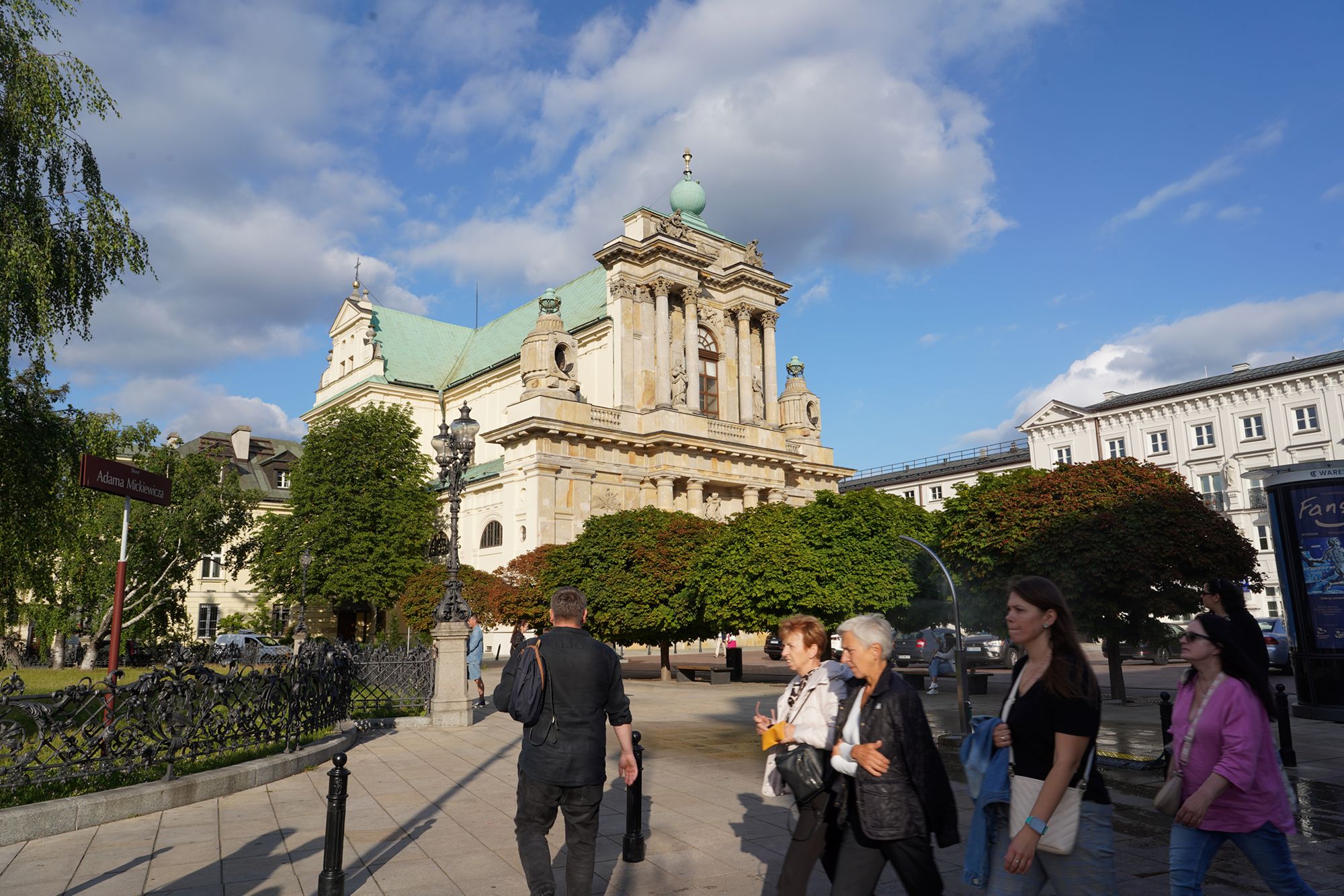
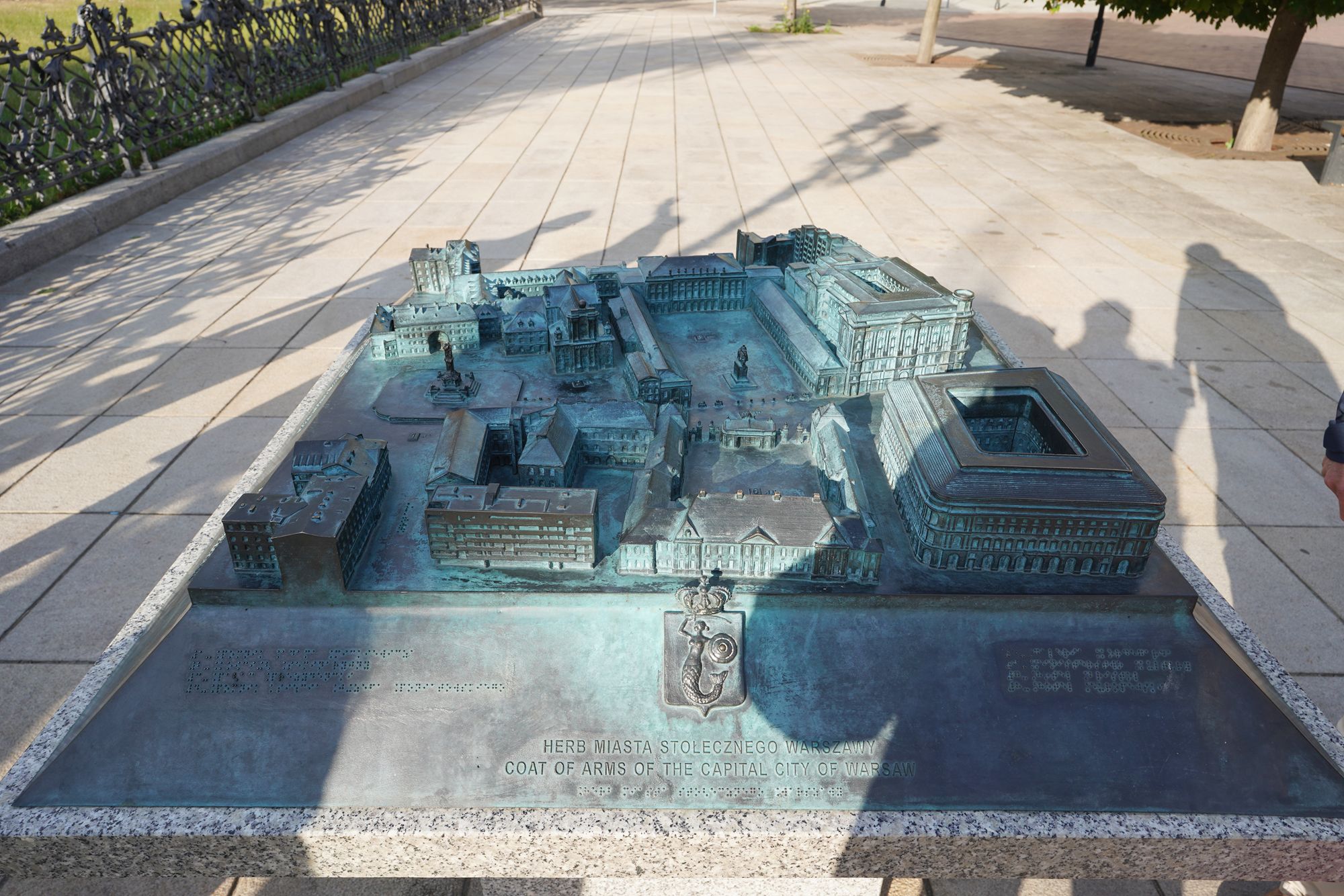
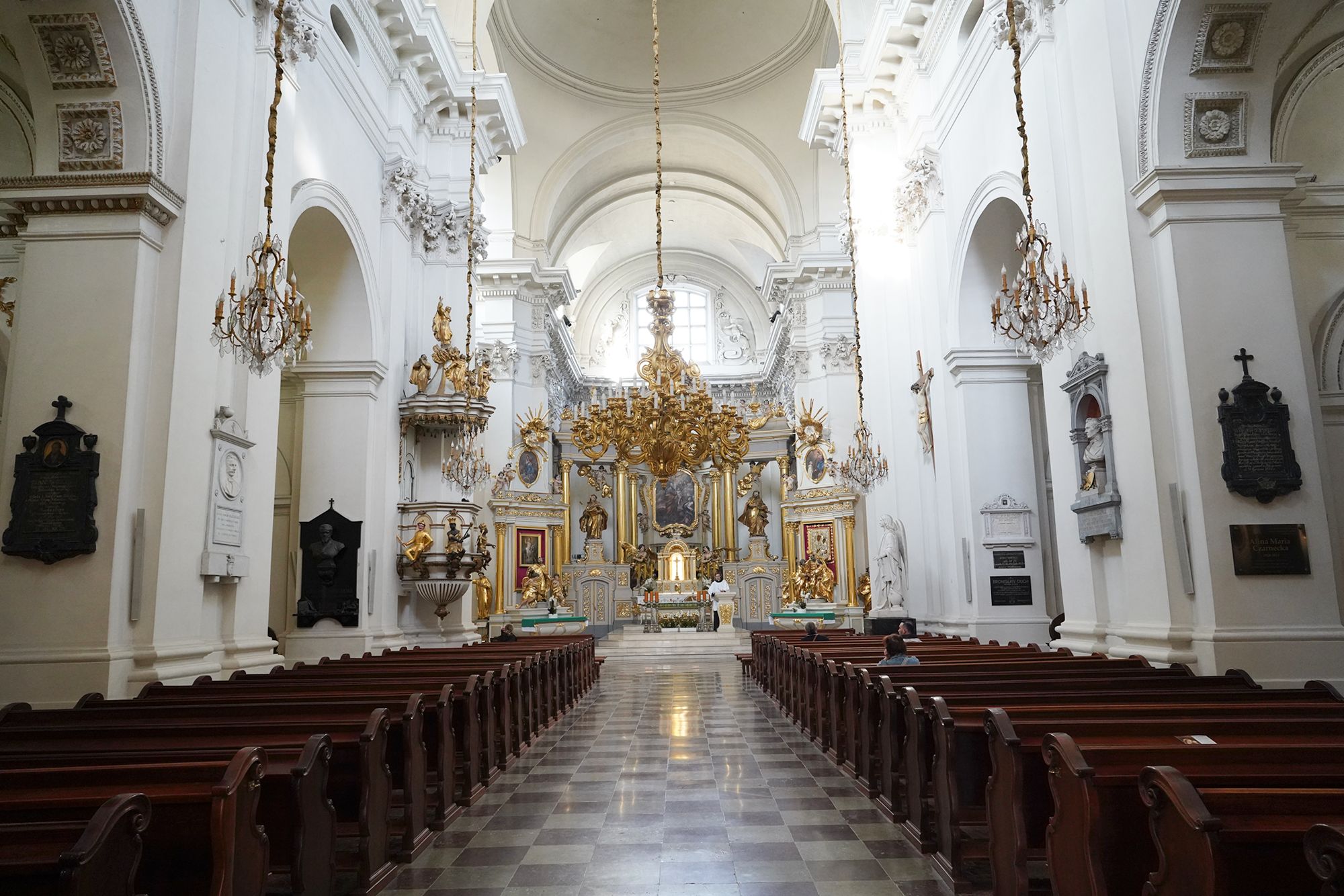
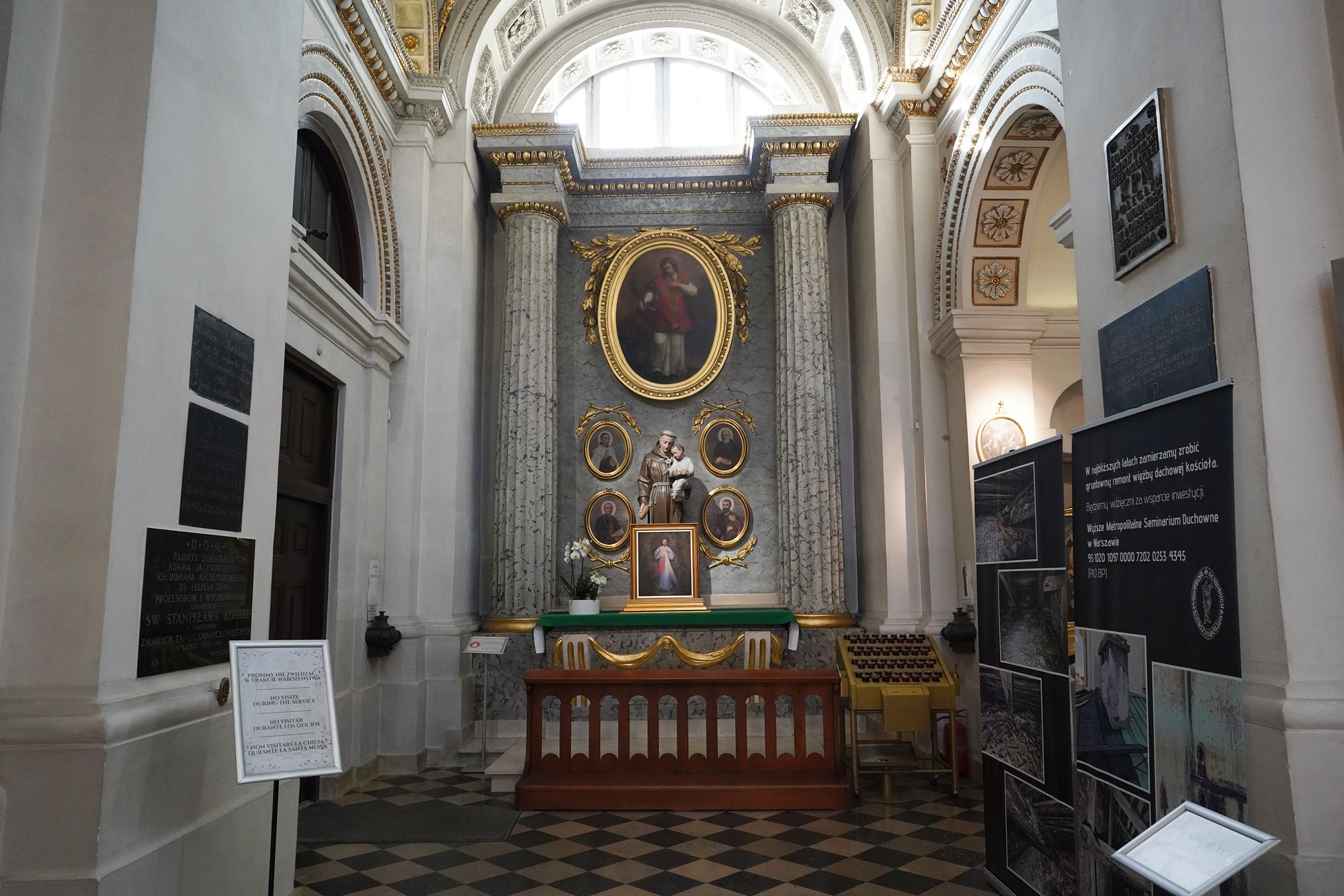
The Carmelite Church, a Catholic church, stands along Krakowskie Przedmieście, with a neoclassical façade and a richly decorated Baroque interior. Built in the 17th century, it survived World War II with only minor damage, preserving much of its historic decoration, including ornate altars and sculptures.
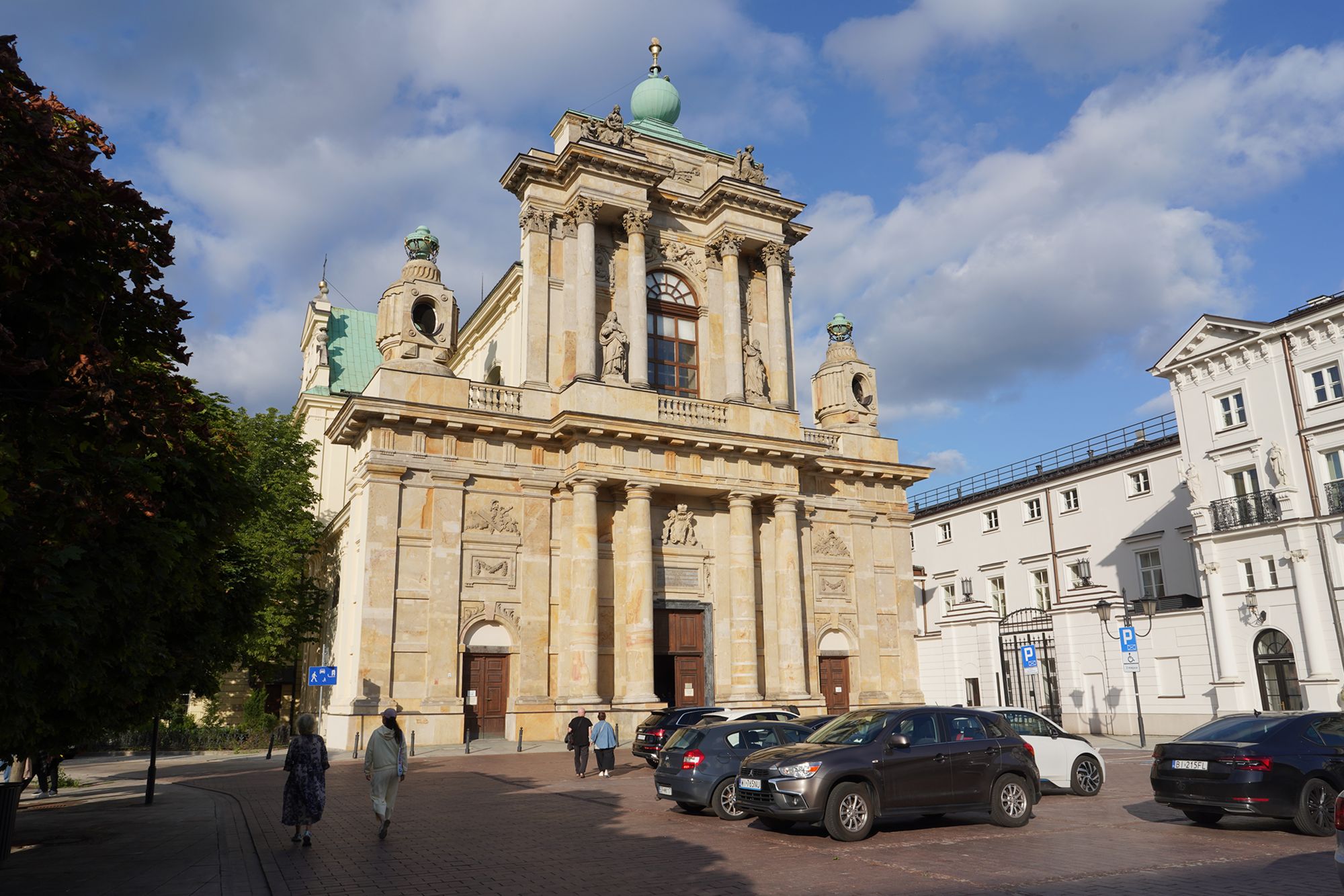
Its neoclassical façade looks different from those of many other Catholic churches I’ve visited in Europe.
Inside the church
Looking back at Zajazd Dziekanka again
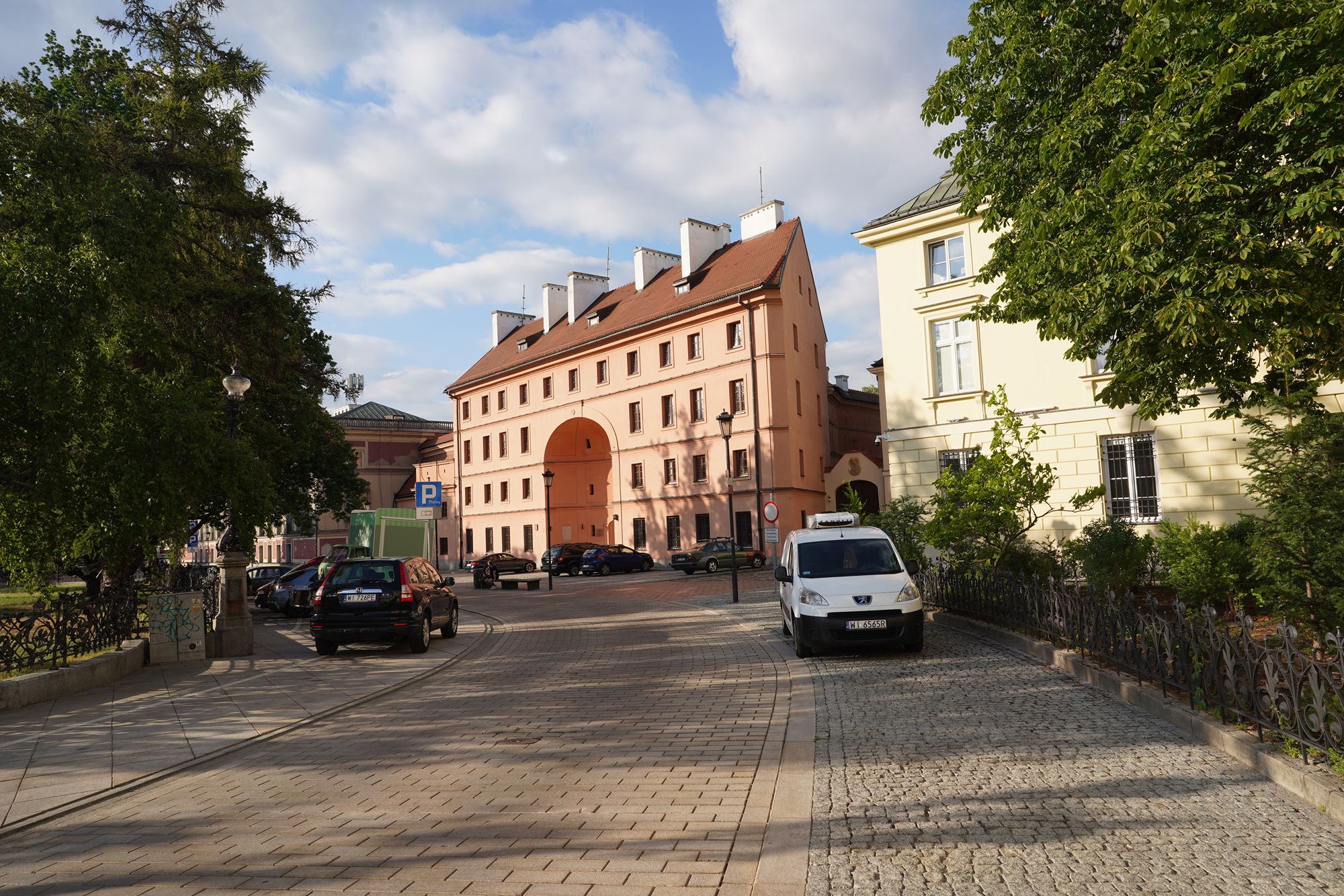
I continued walking south.
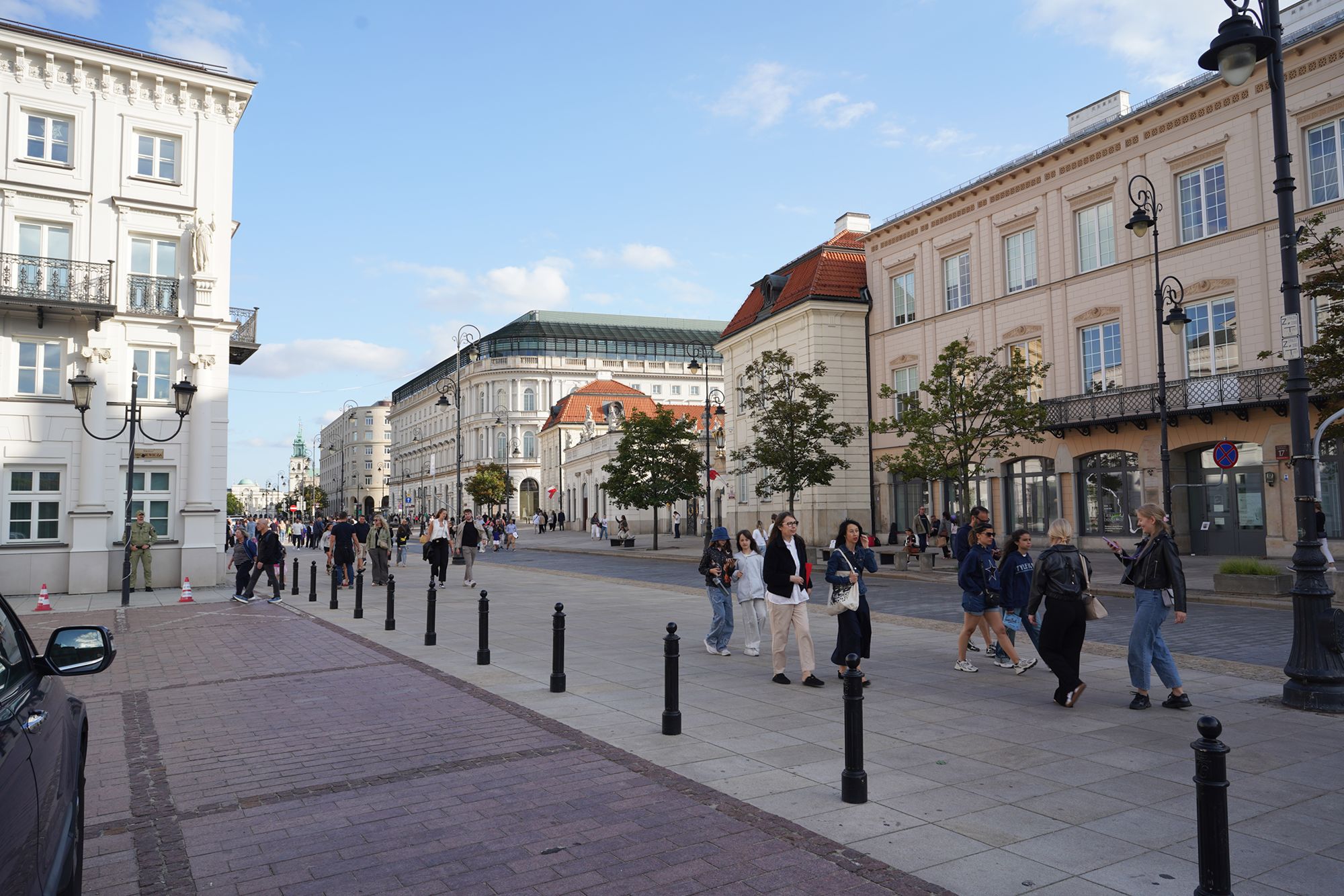
A view behind me
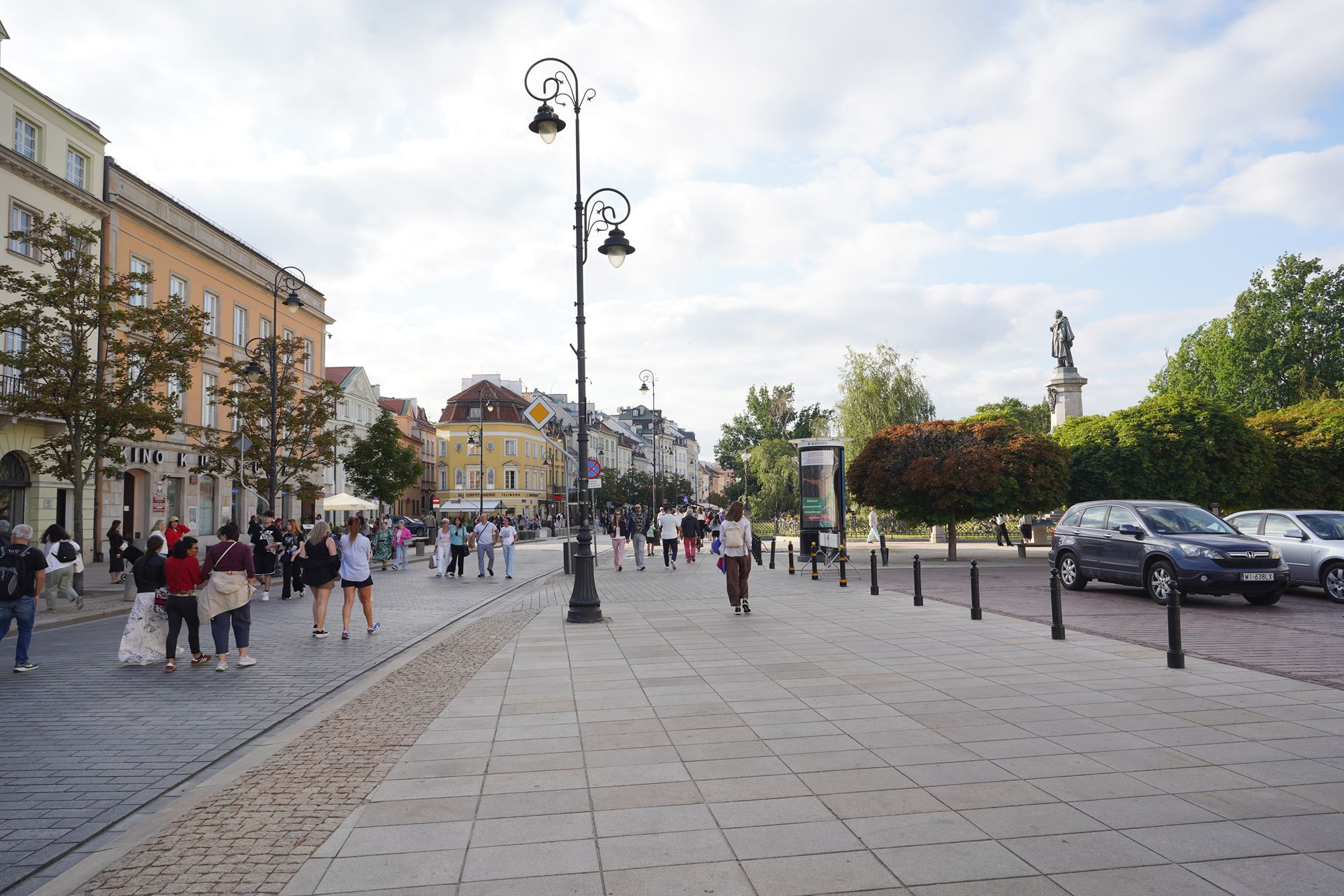
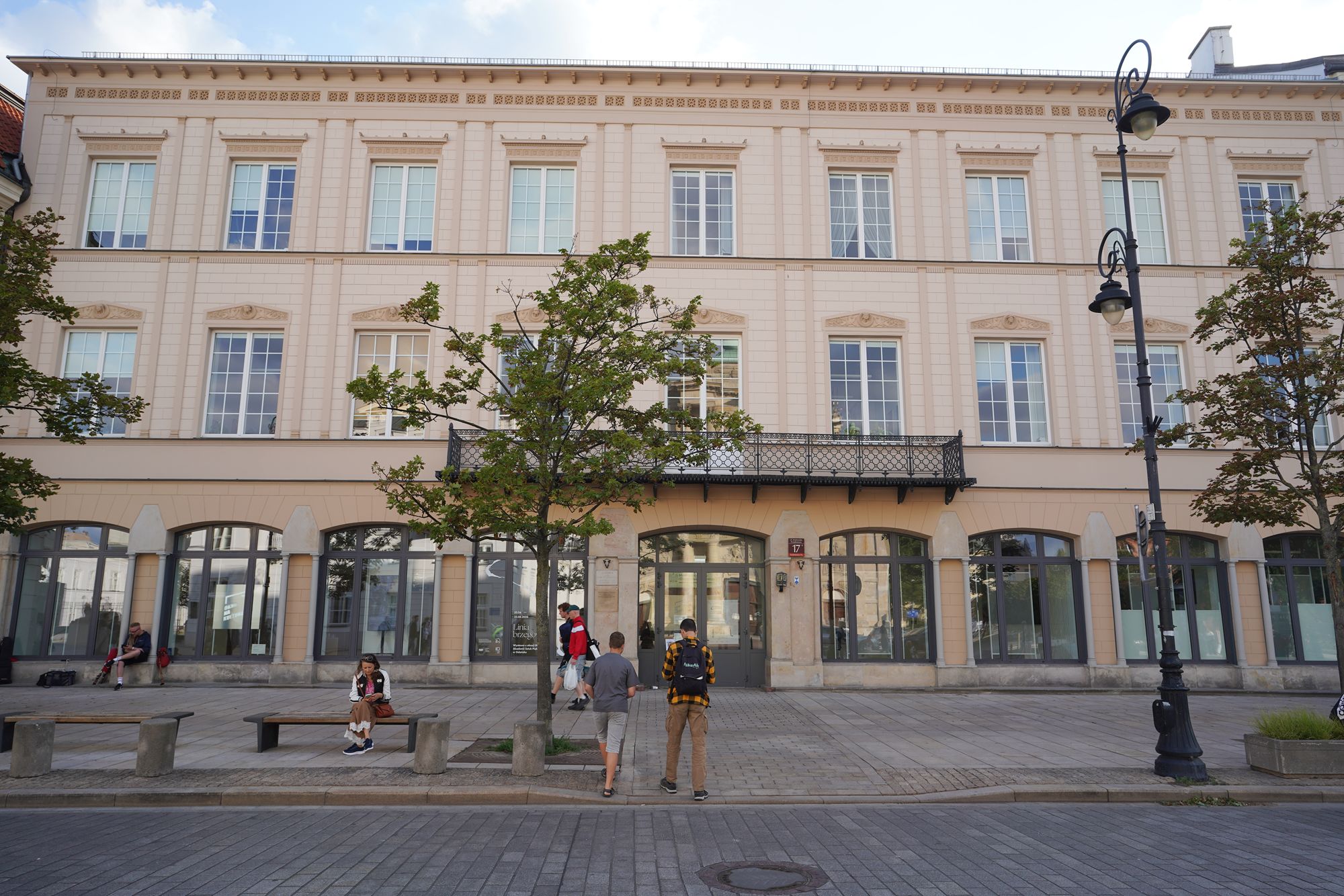
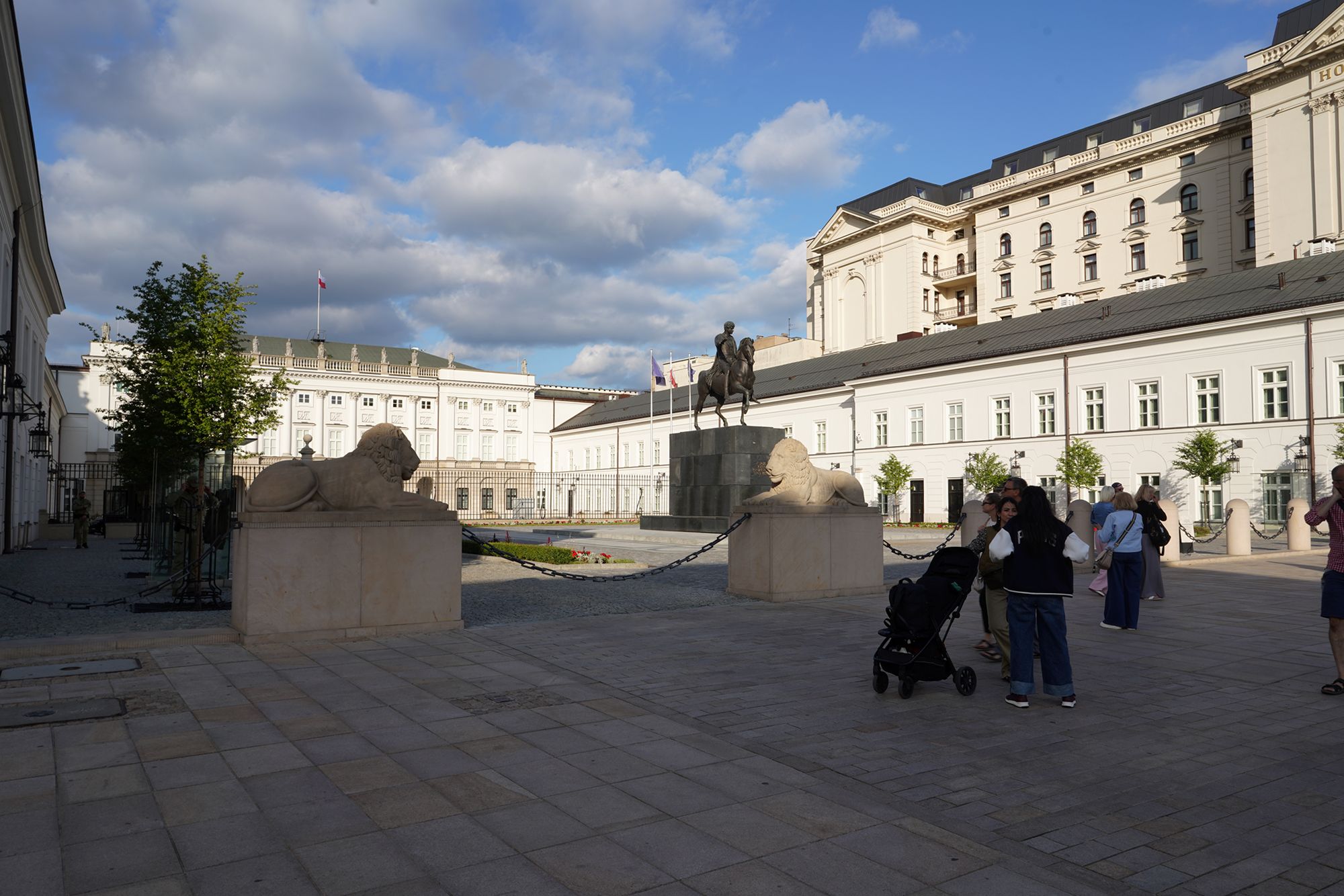
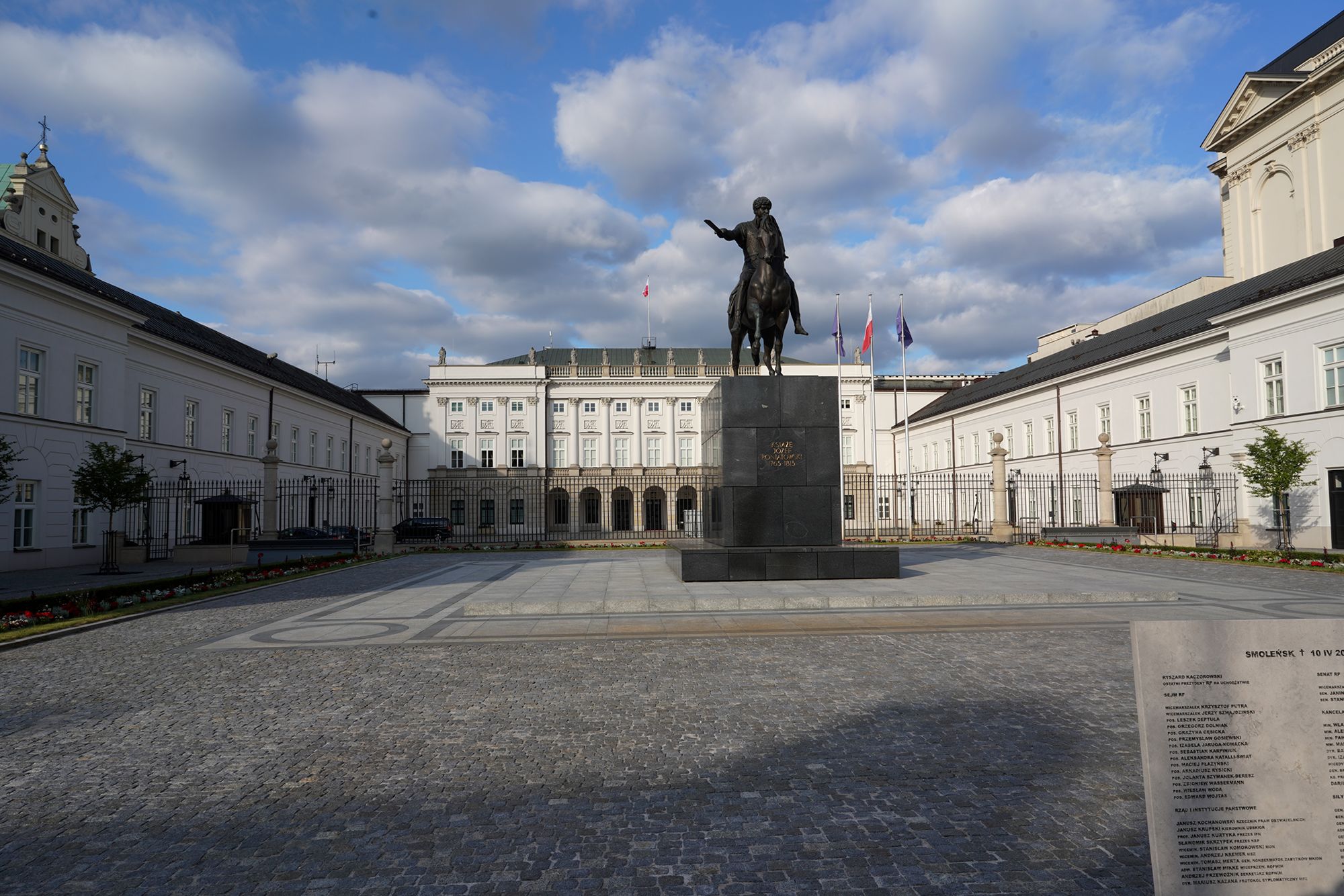
The Presidential Palace stands along Krakowskie Przedmieście. Originally built in the 1640s as an aristocratic residence, it survived World War II without being destroyed. Since 1994, it has served as the official seat of Poland’s president, hosting state ceremonies and meetings with foreign leaders.
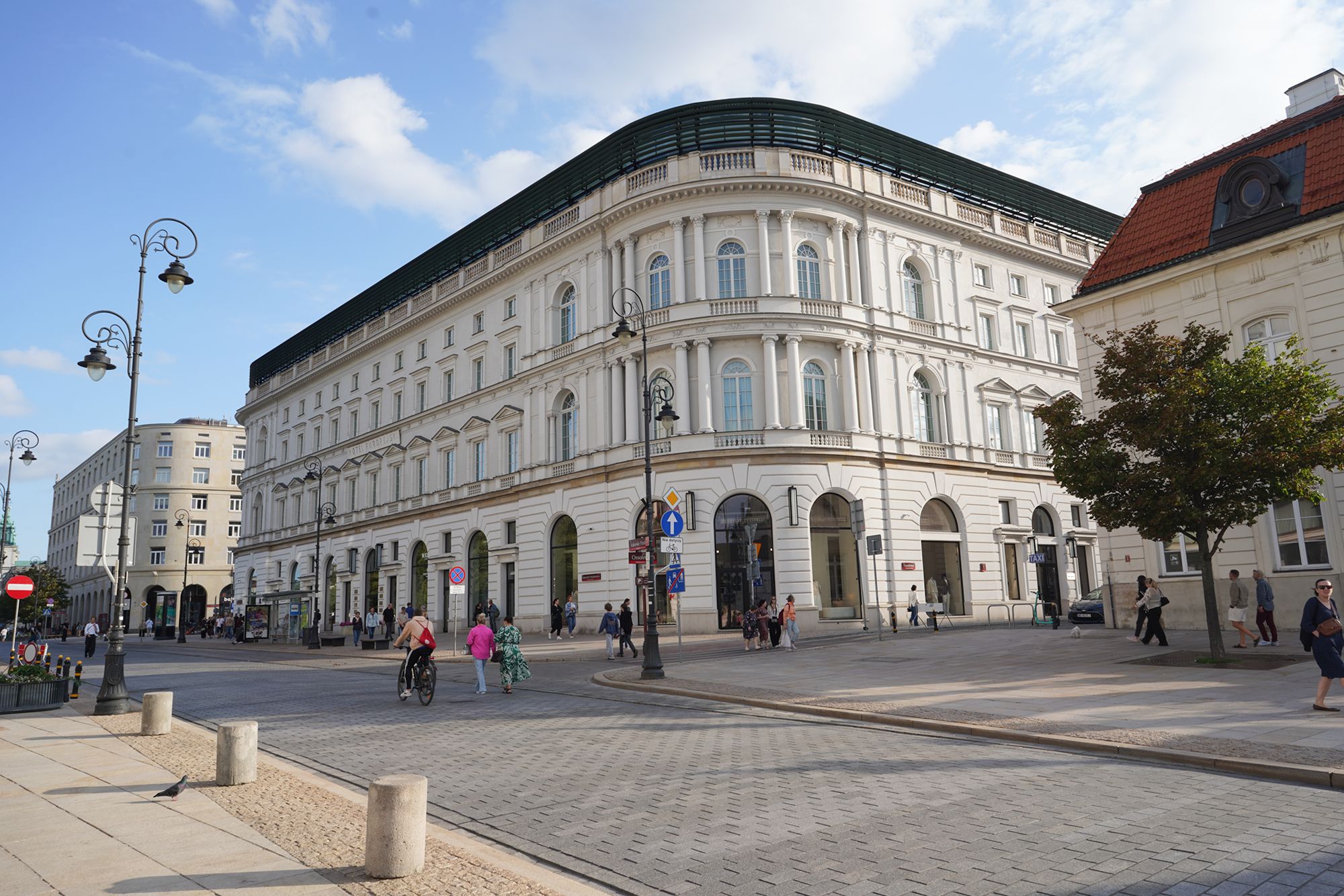
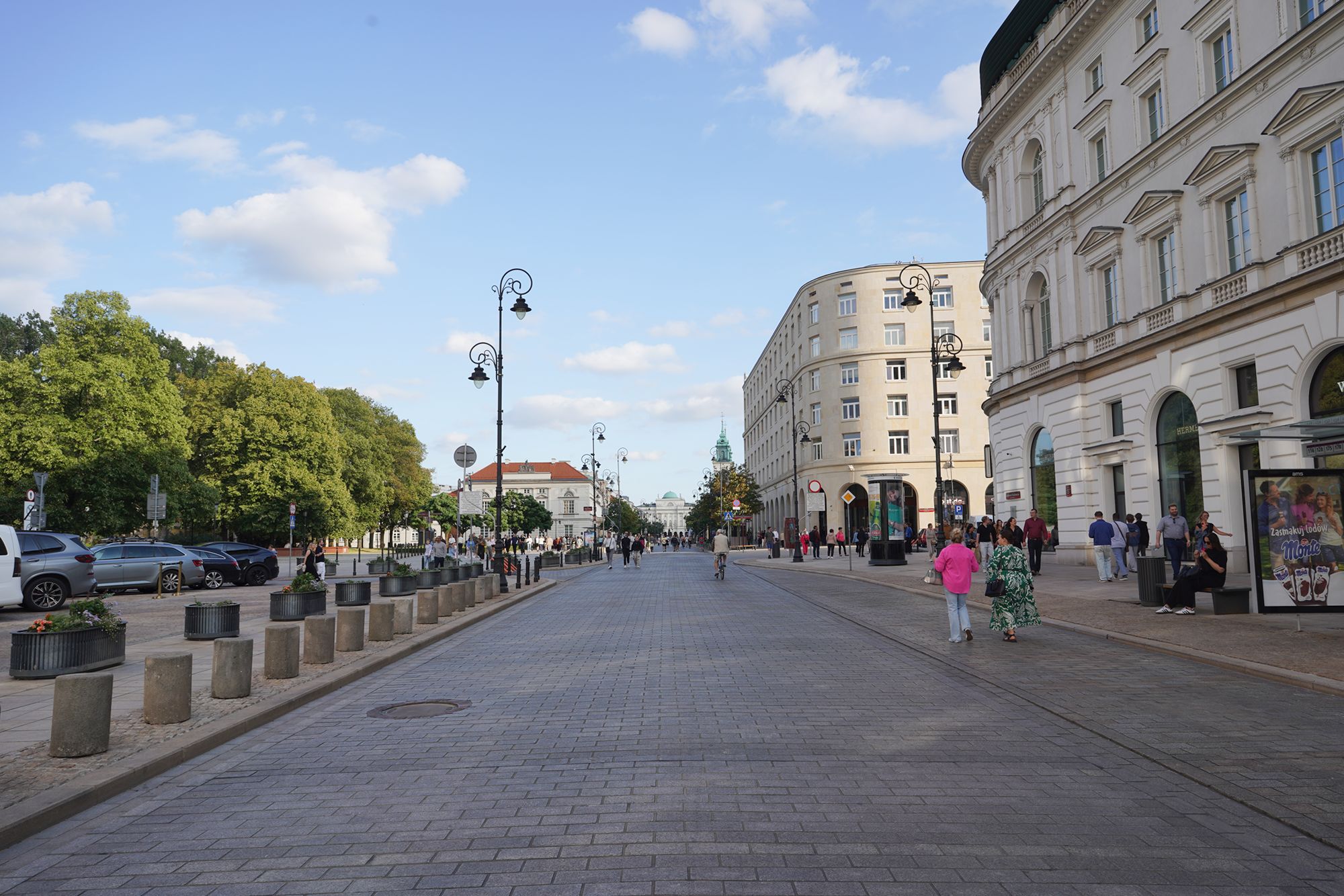
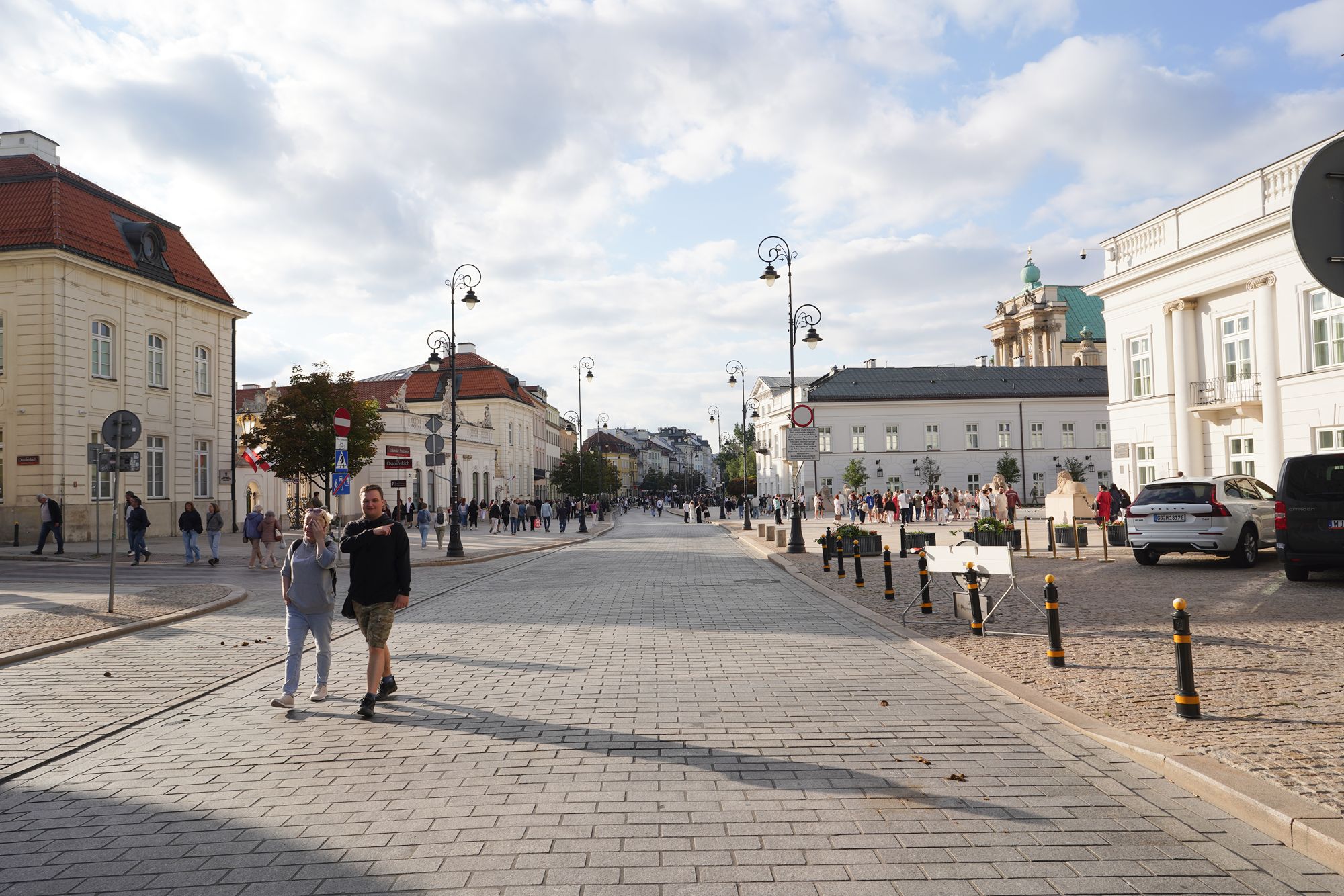
A view behind me
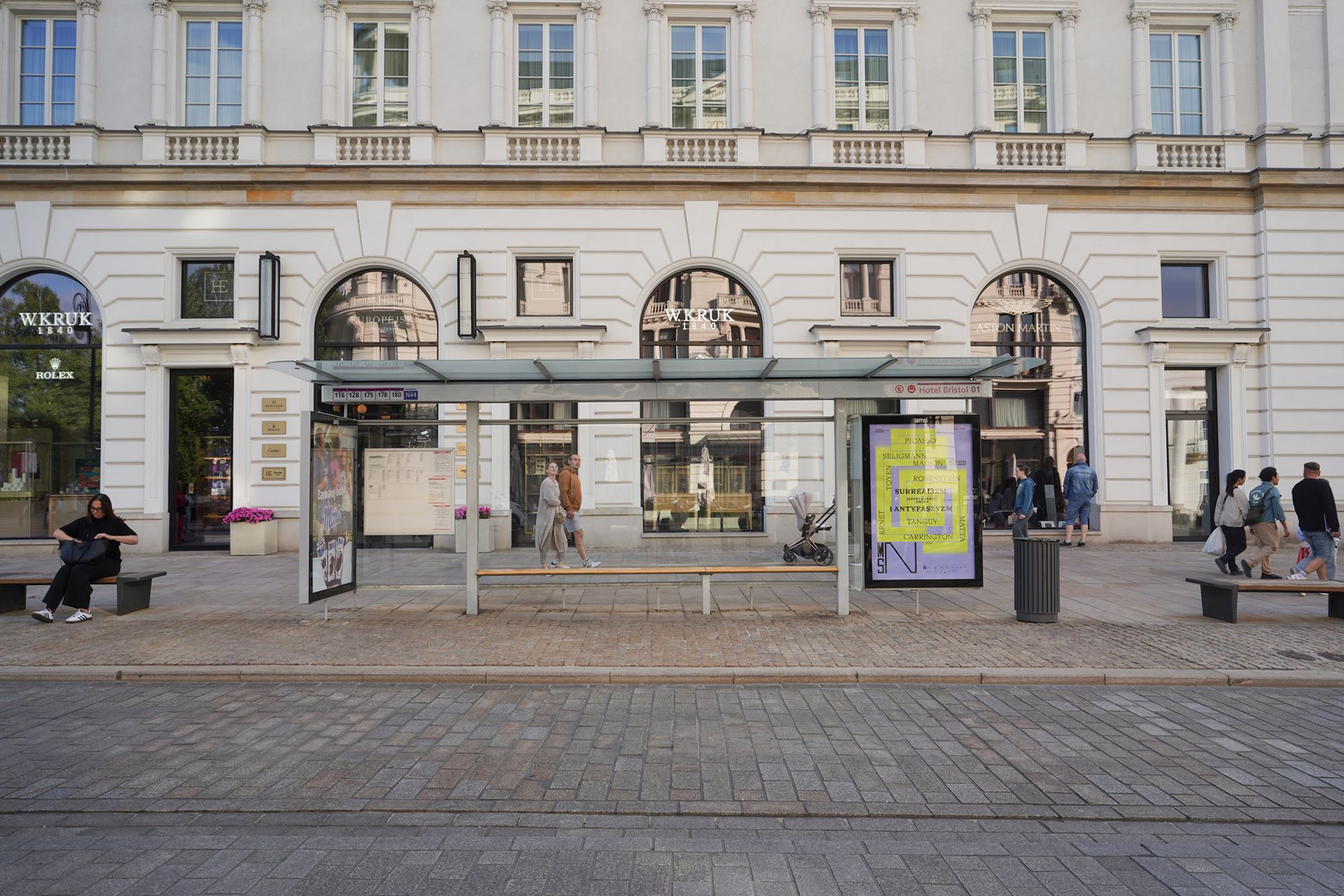
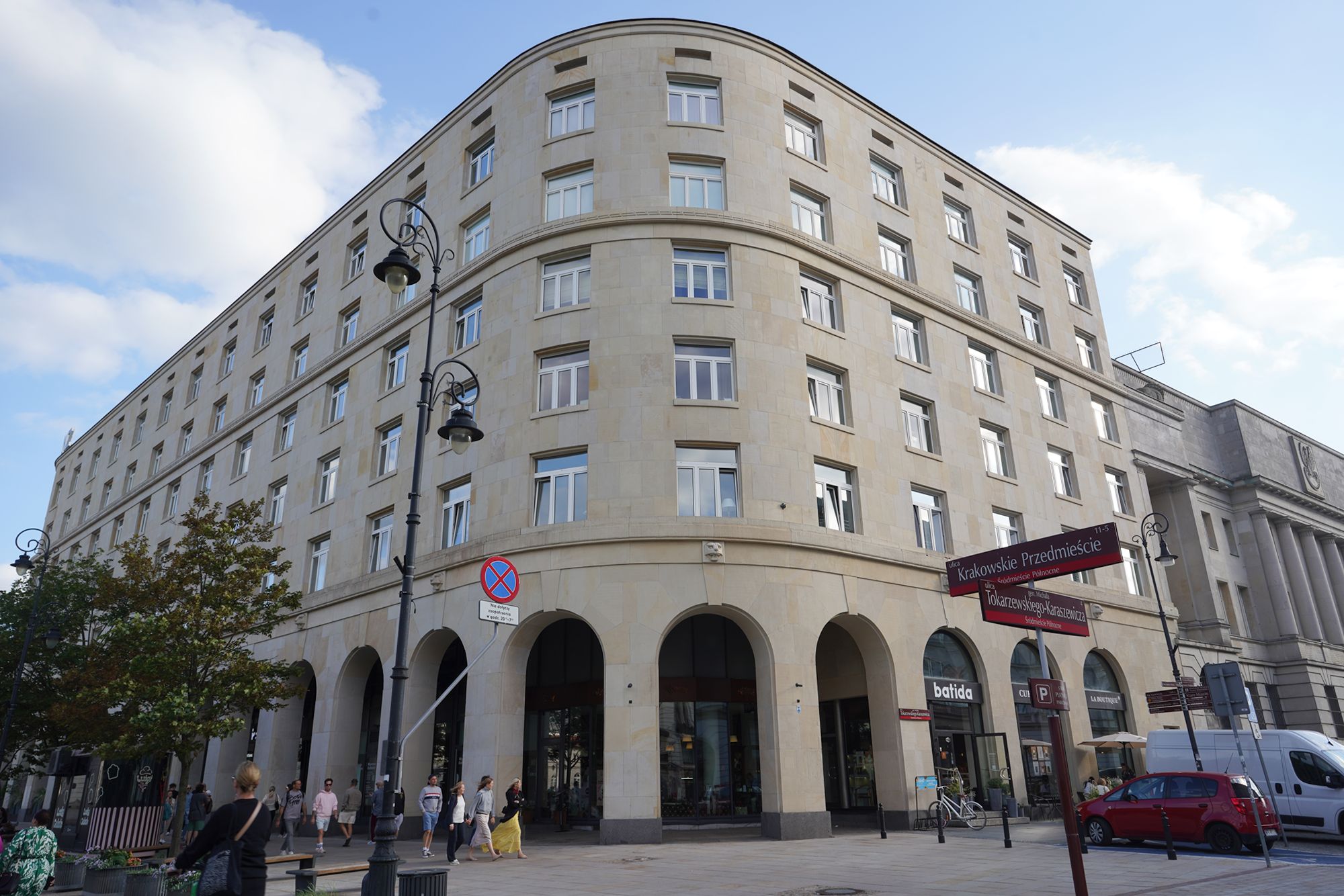
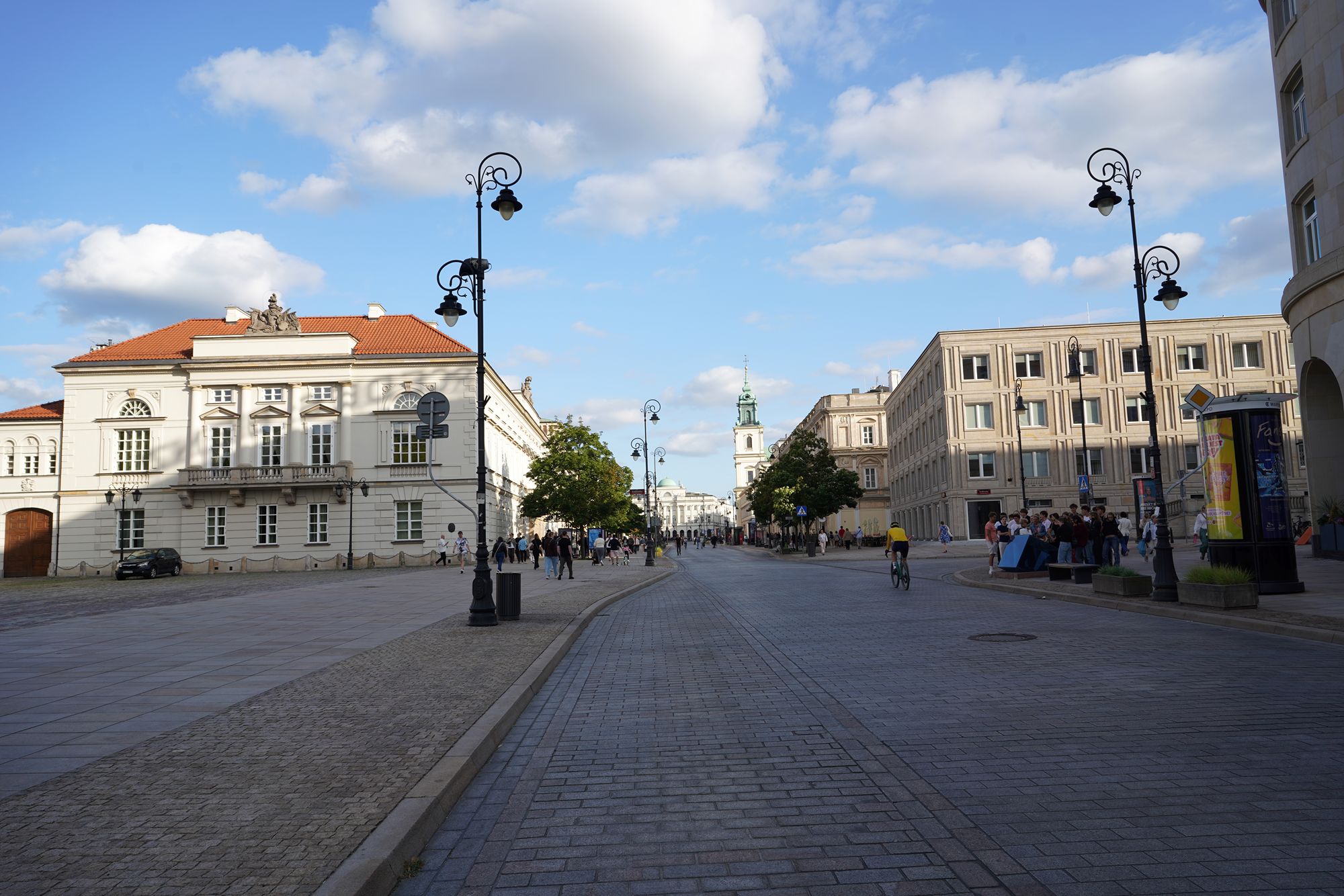
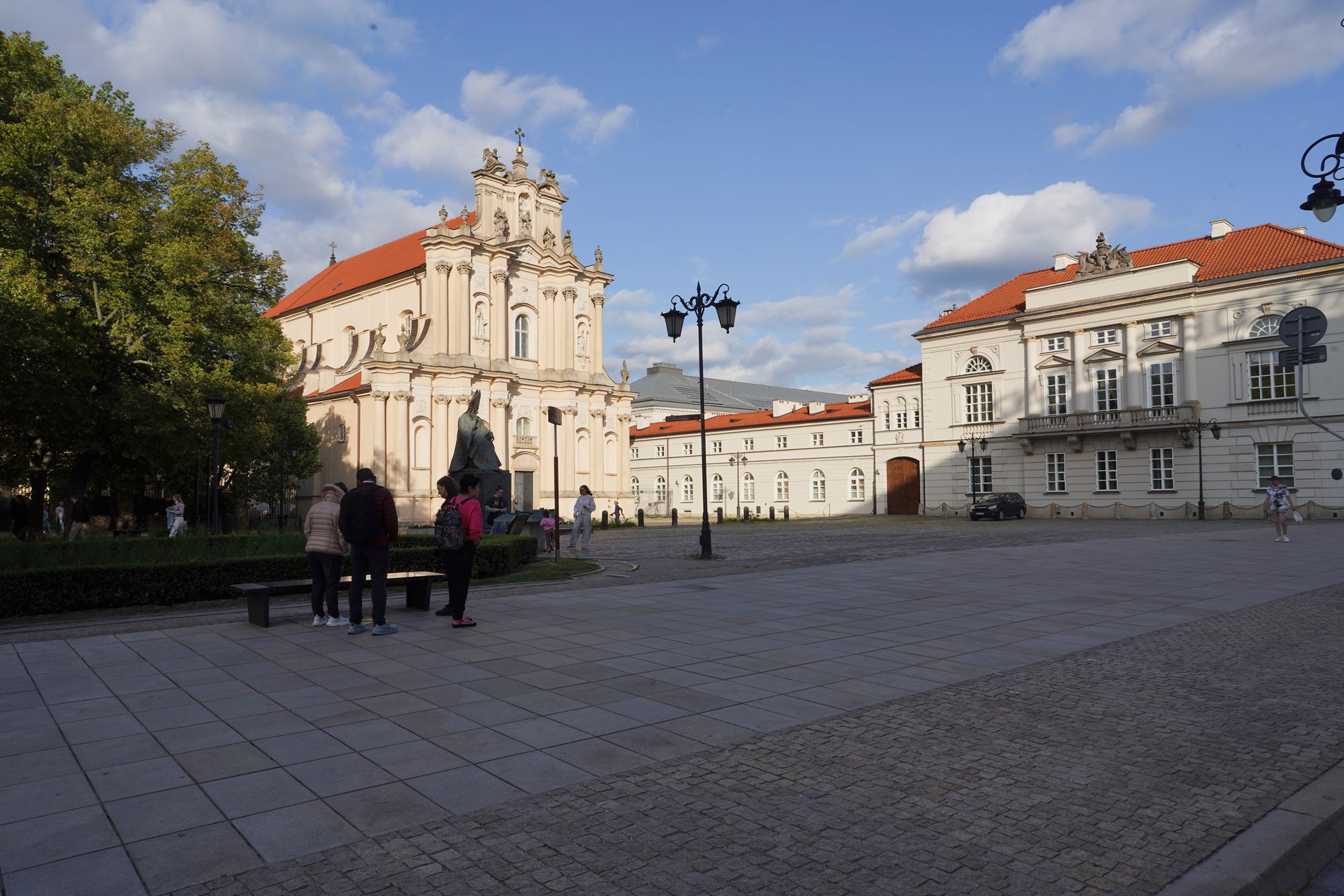
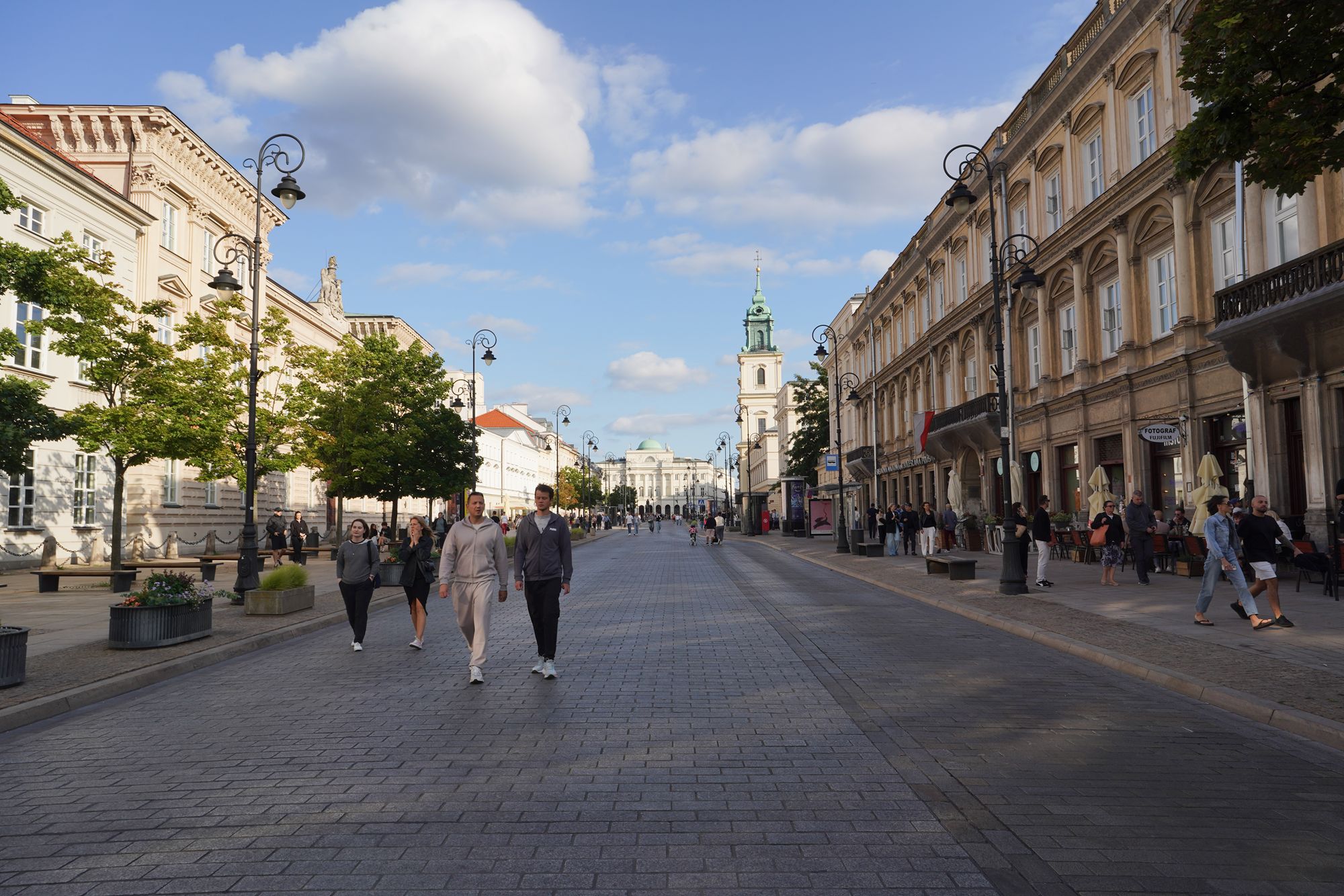
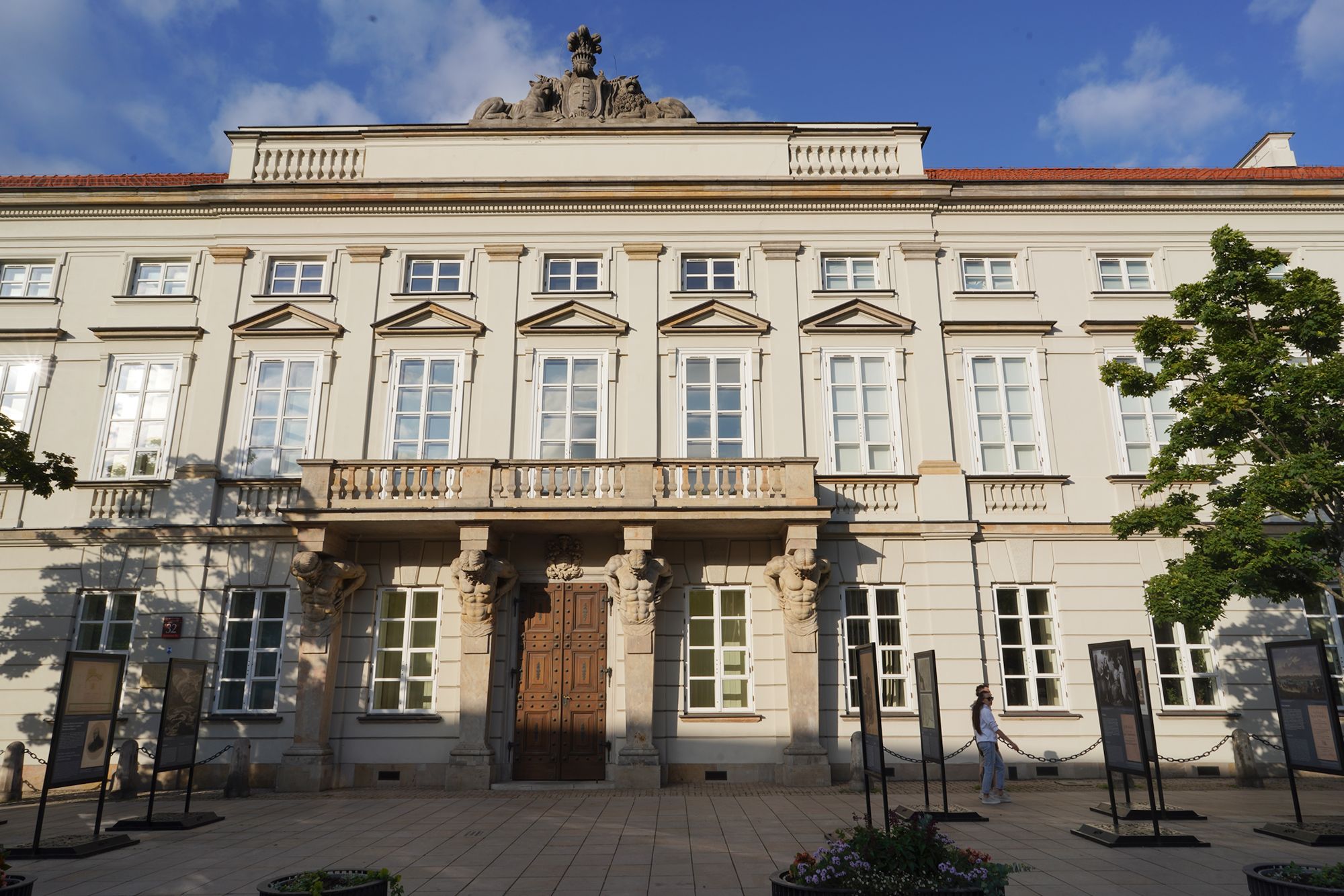
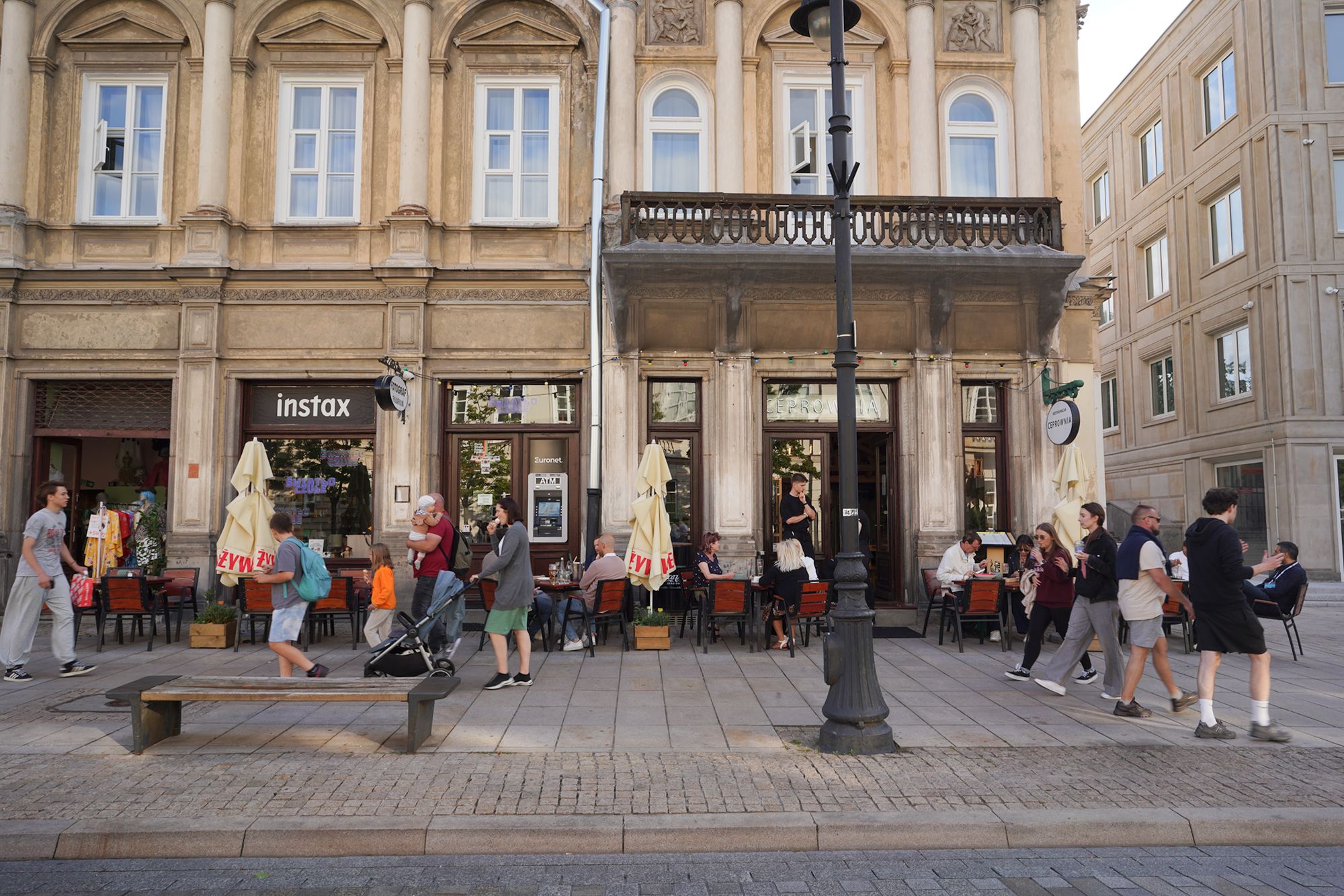
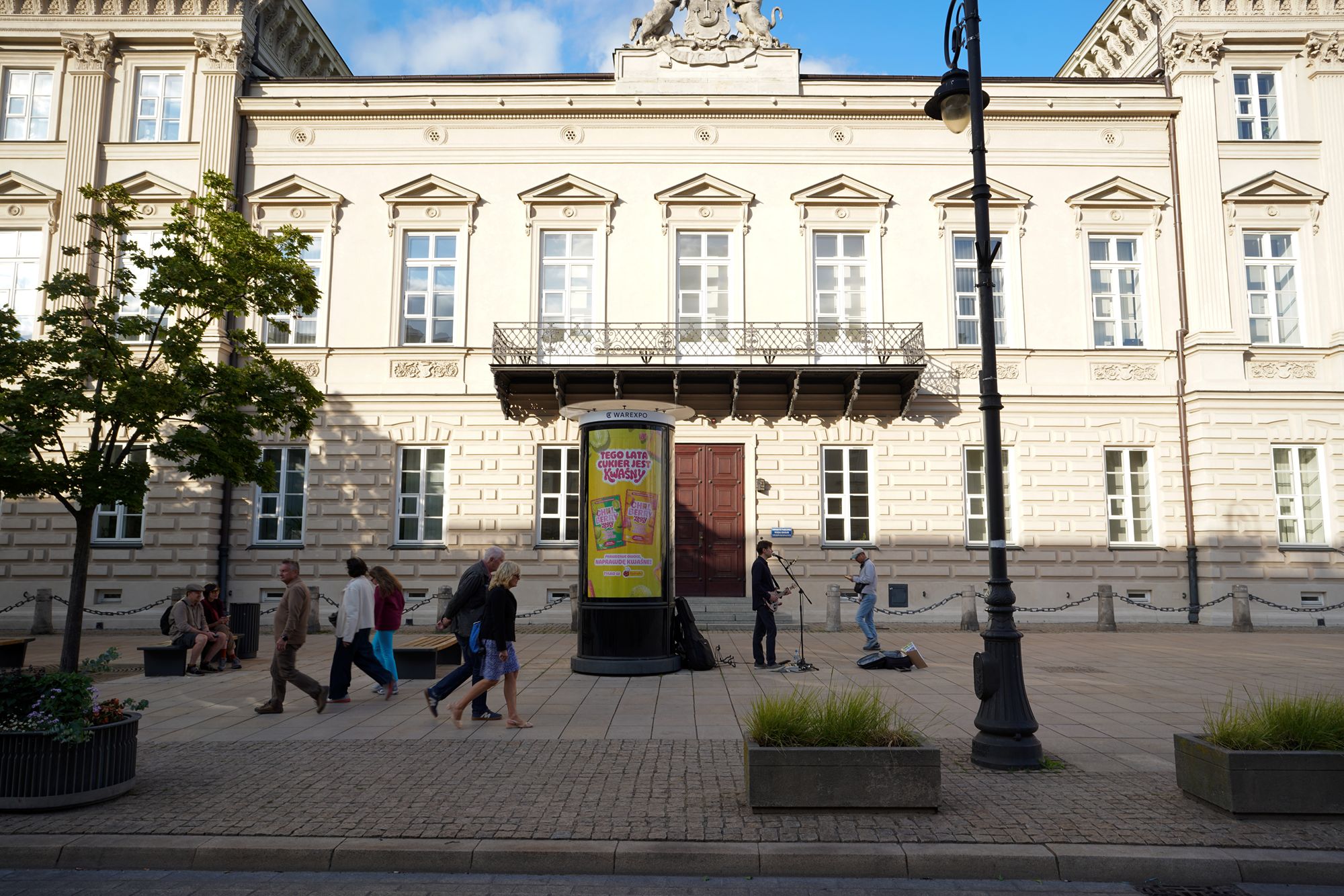
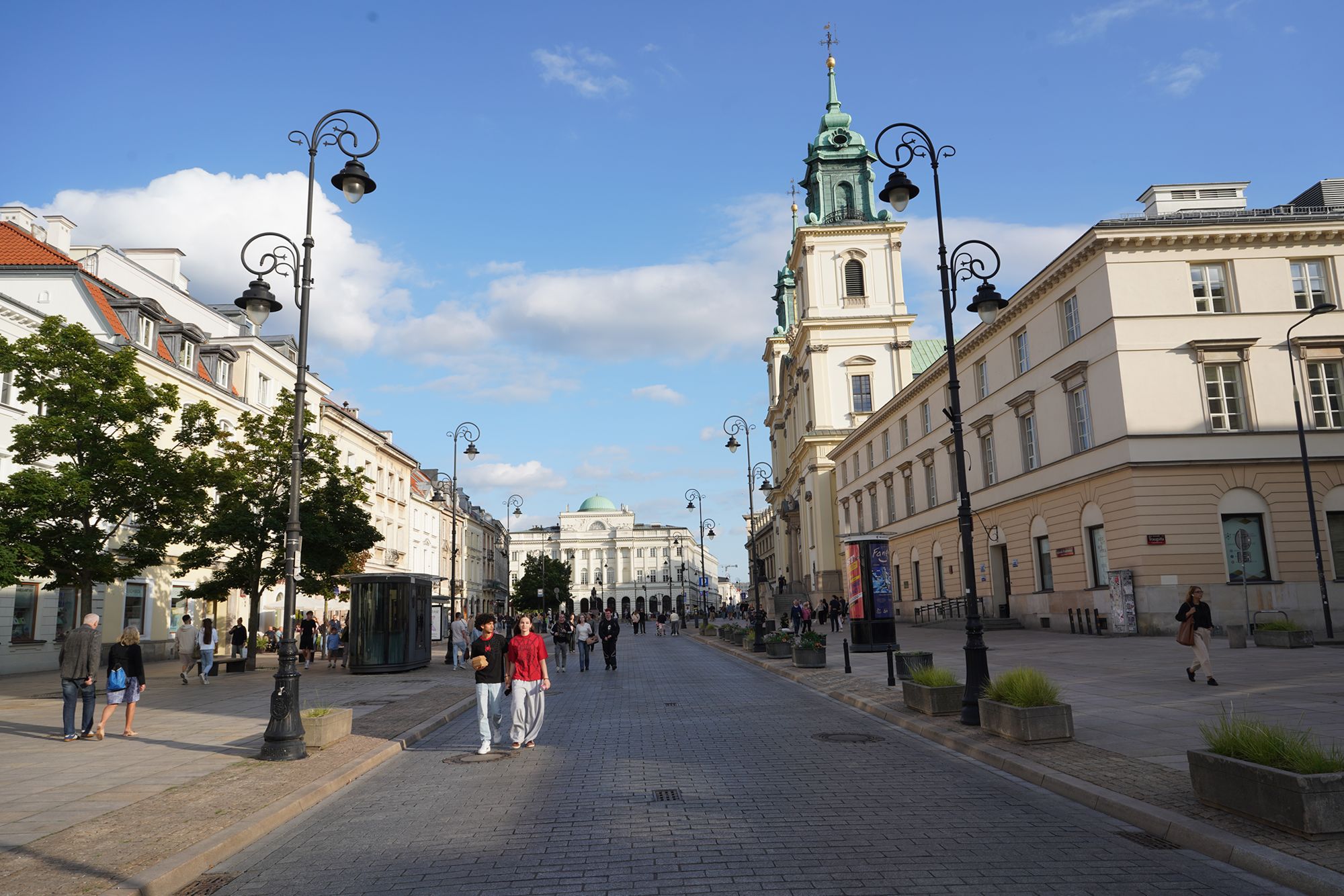
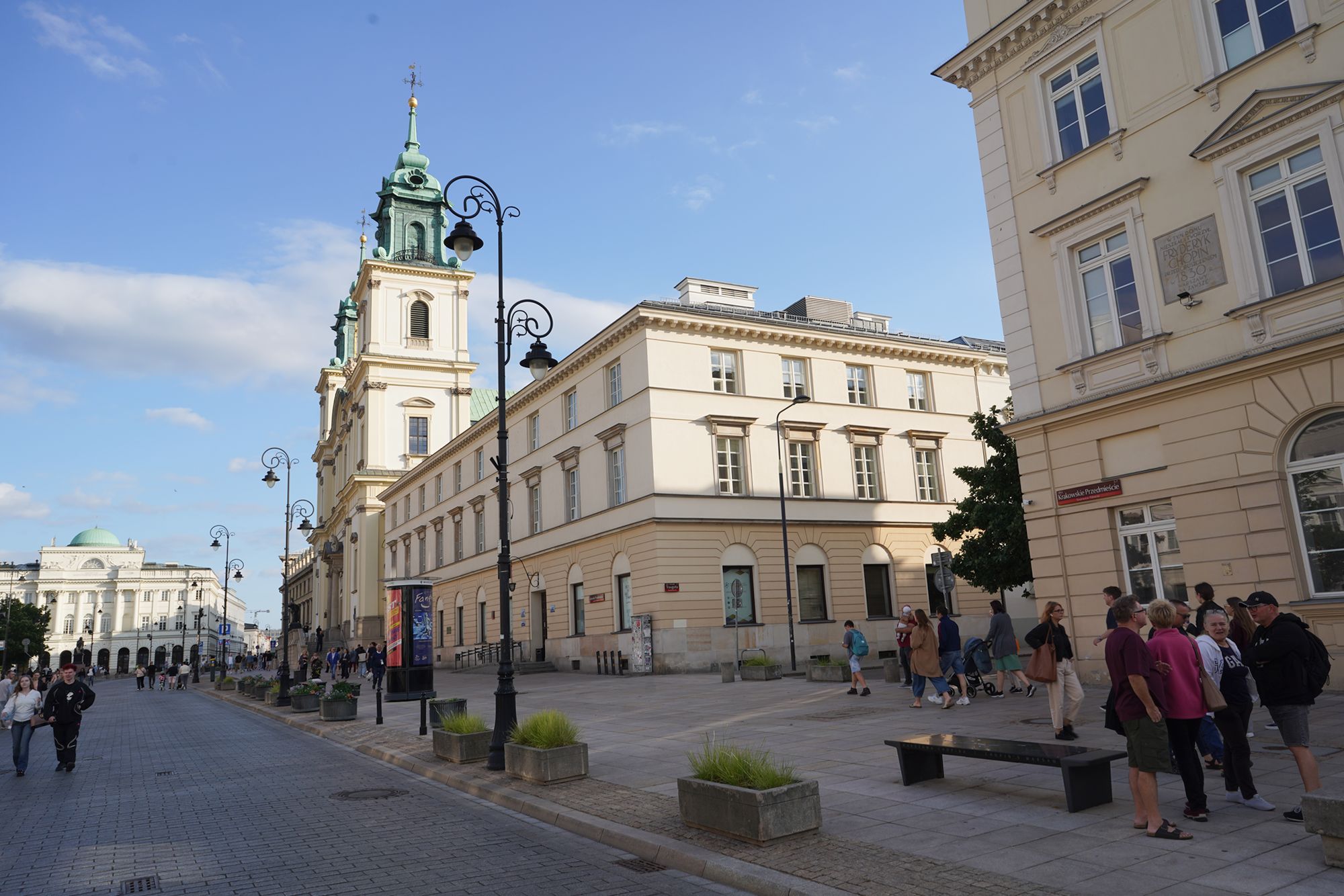
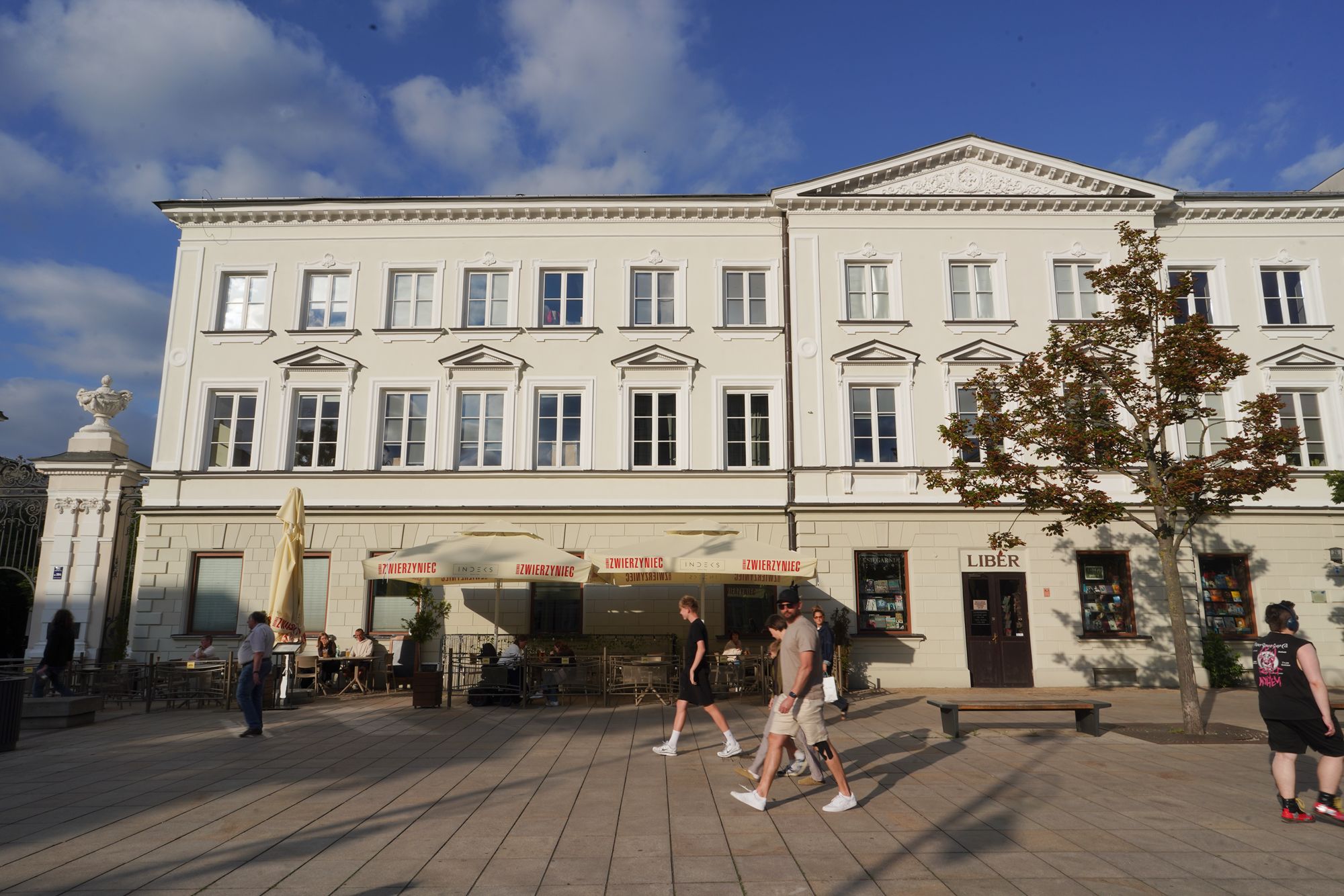
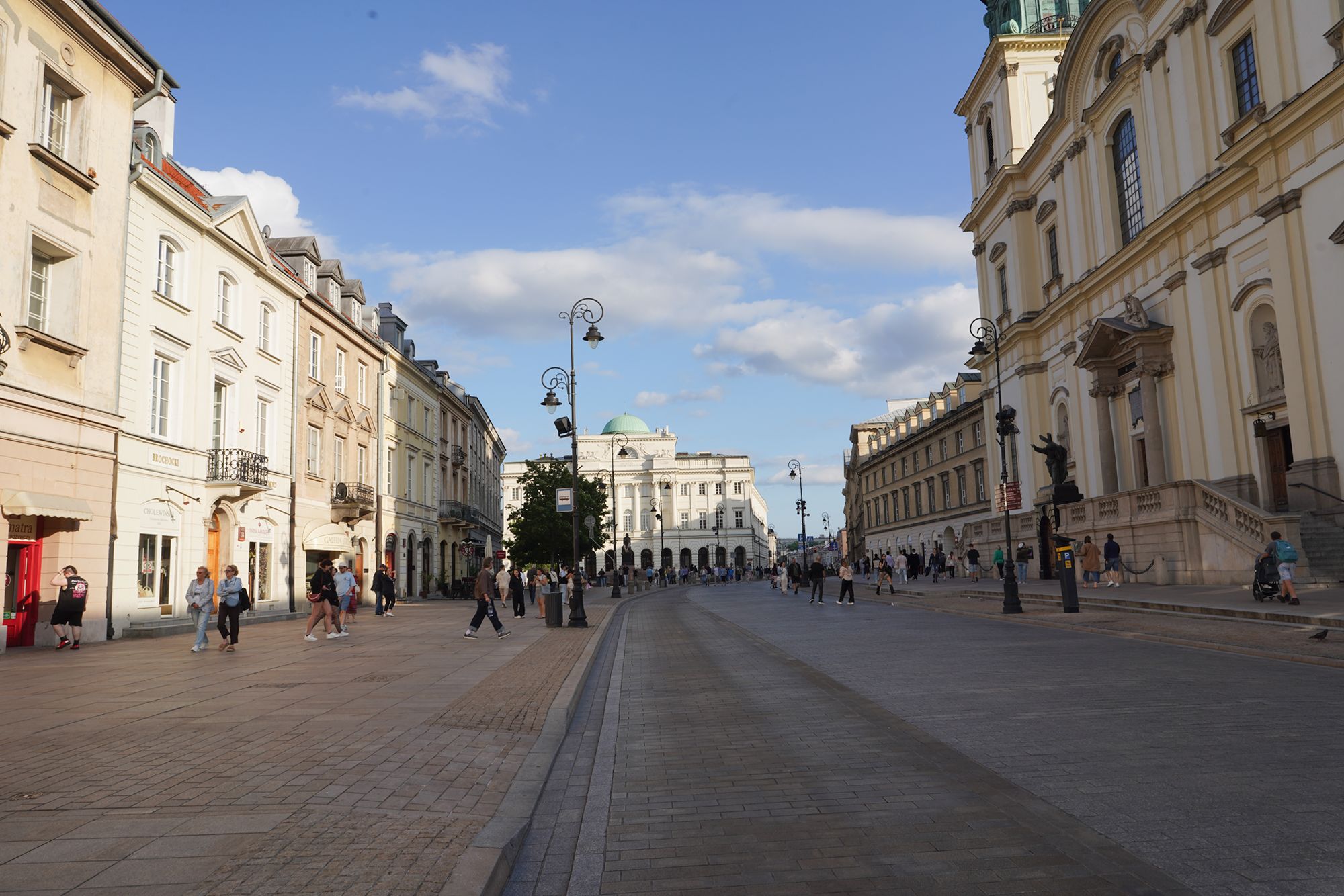
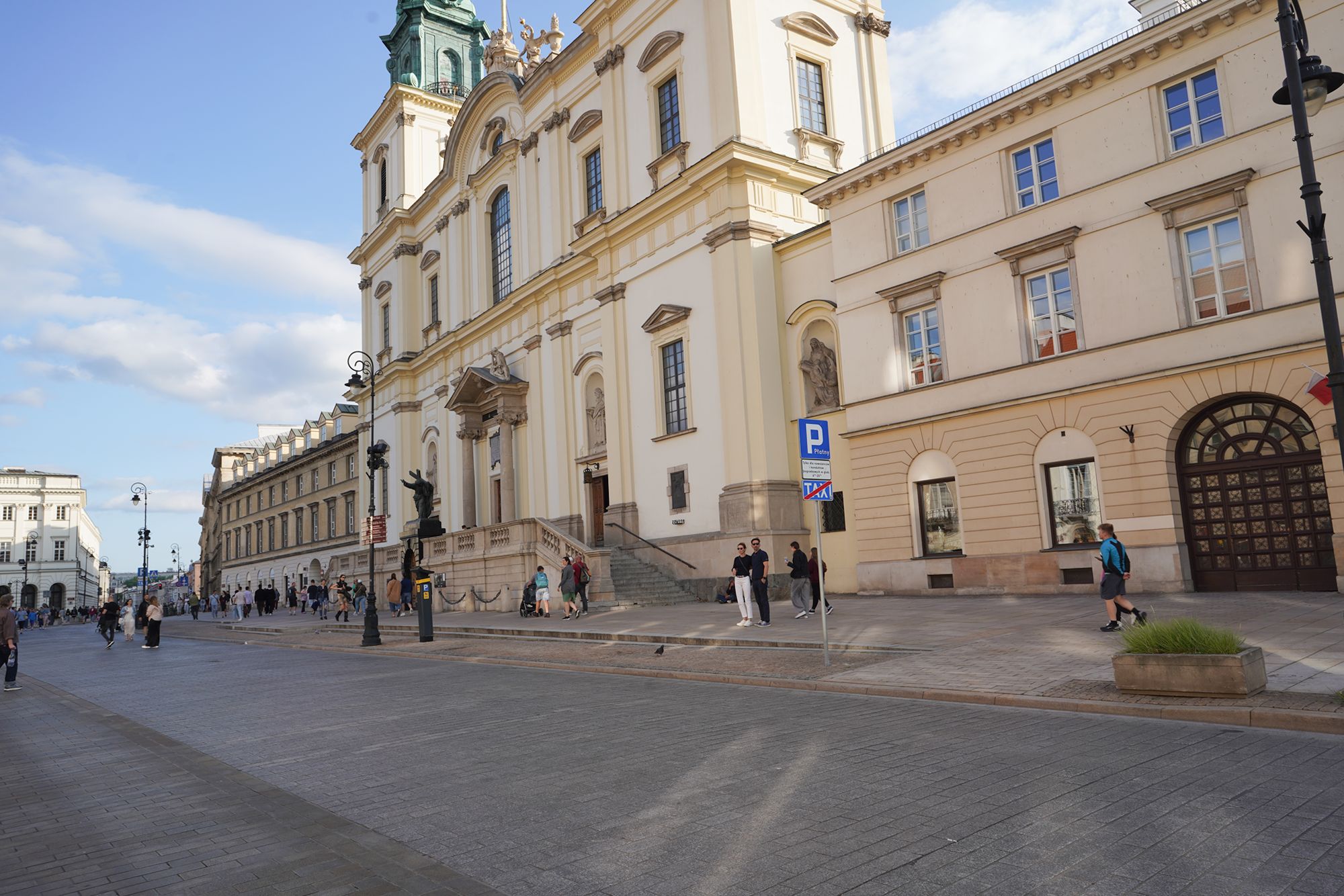
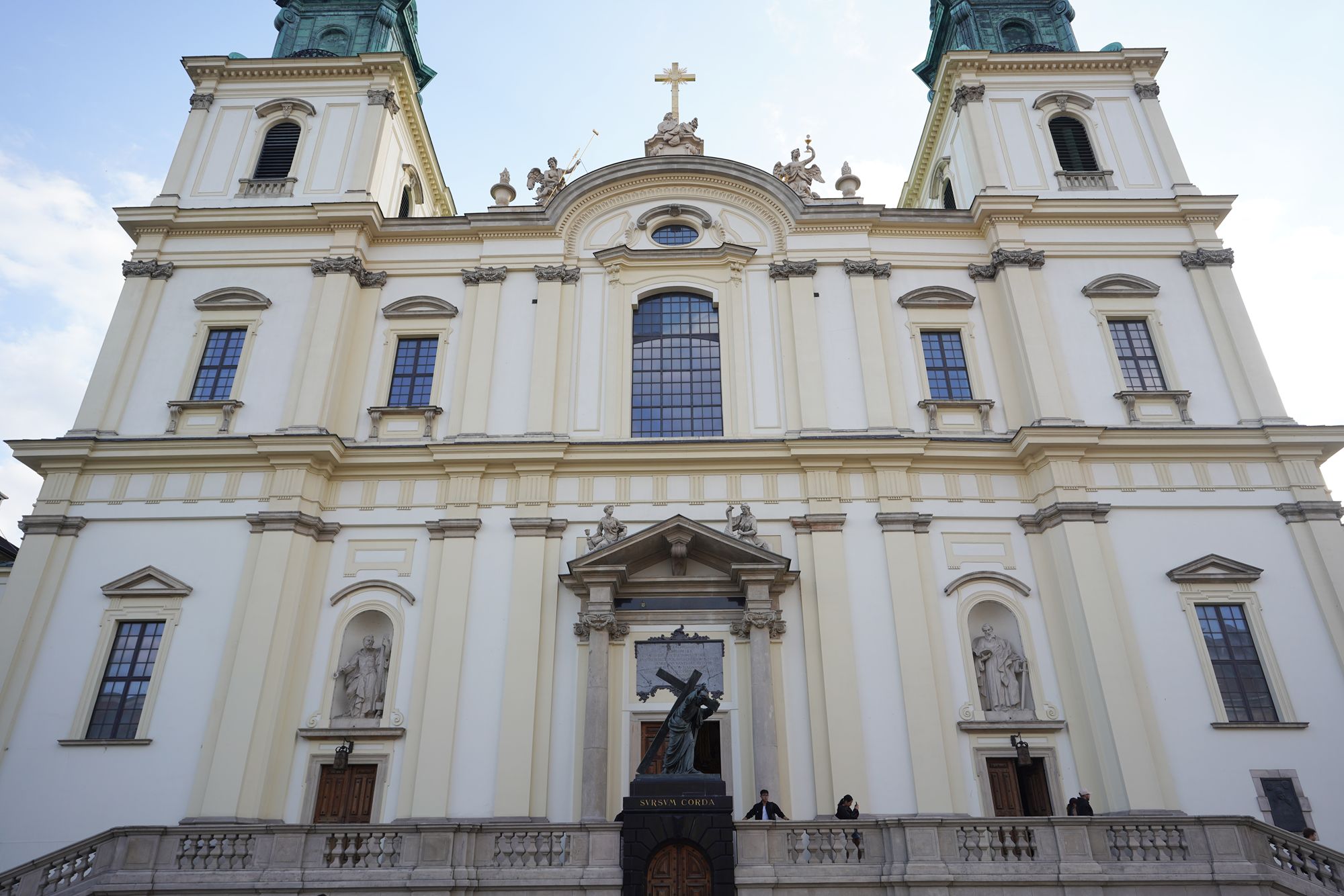
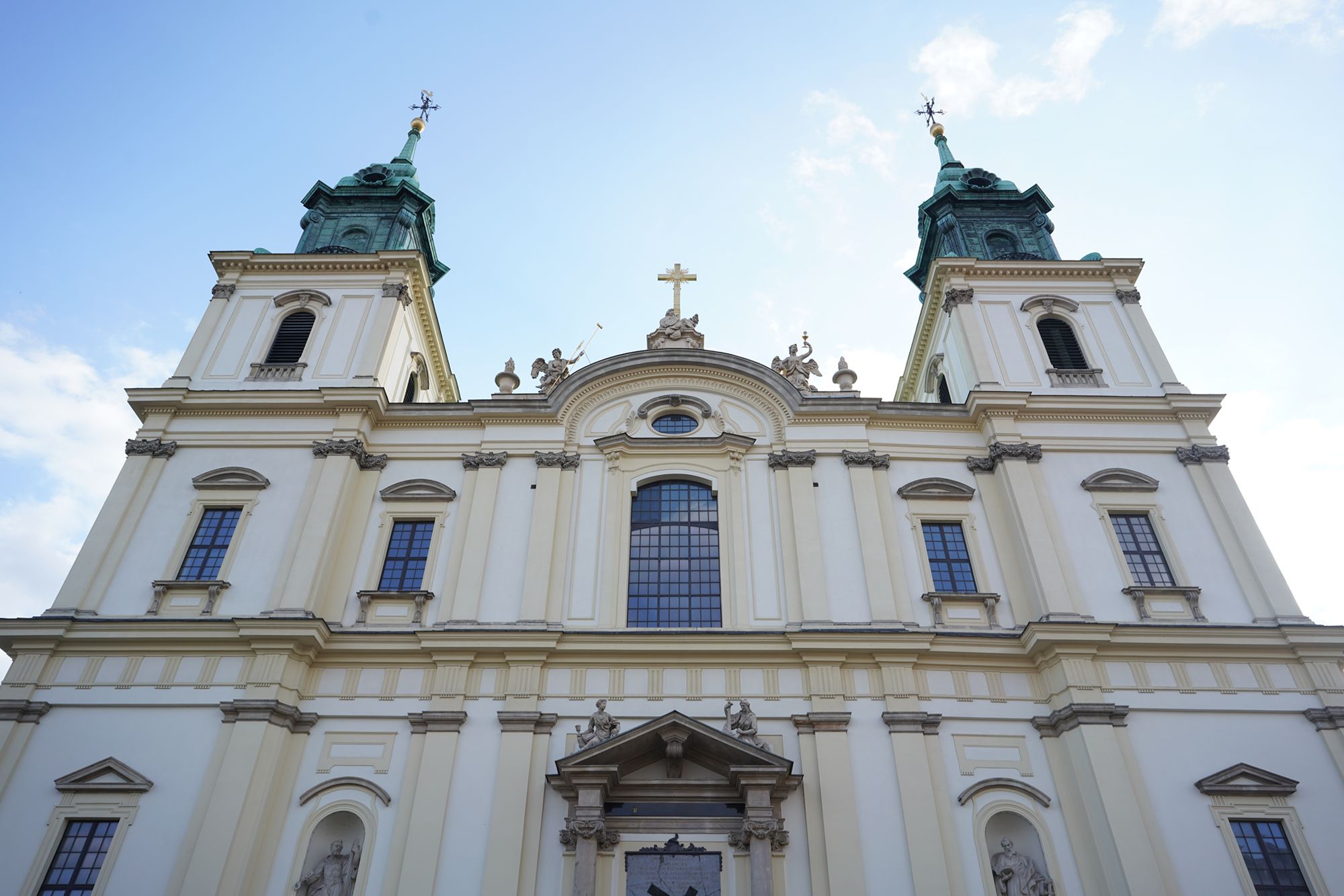
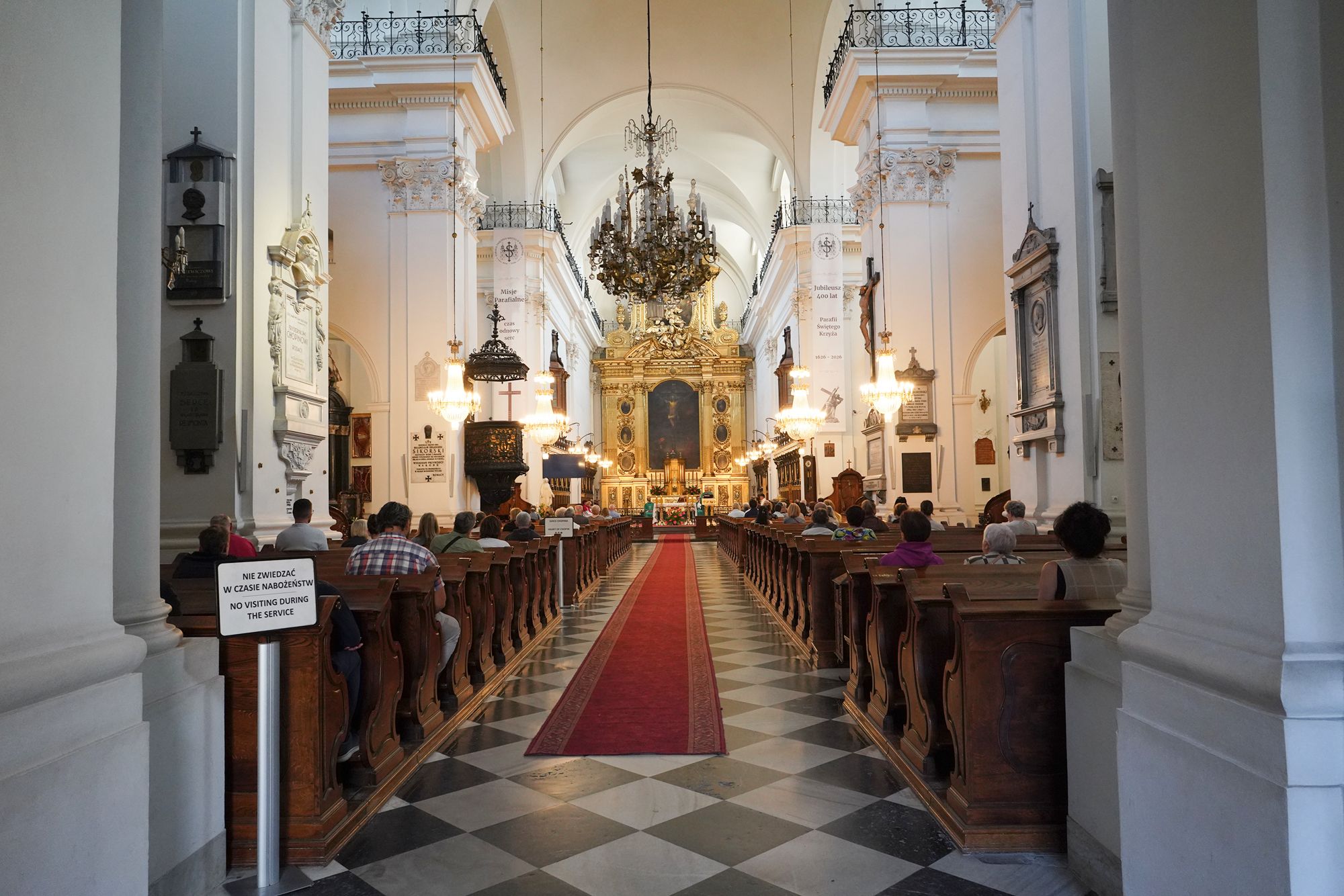
The Church of the Holy Cross is a Roman Catholic church on Krakowskie Przedmieście, recognized by its twin towers and the statue of Christ carrying a cross outside the entrance. Its Baroque interior contains Frédéric Chopin’s heart, brought to Warsaw by his sister after his death and sealed within a pillar.
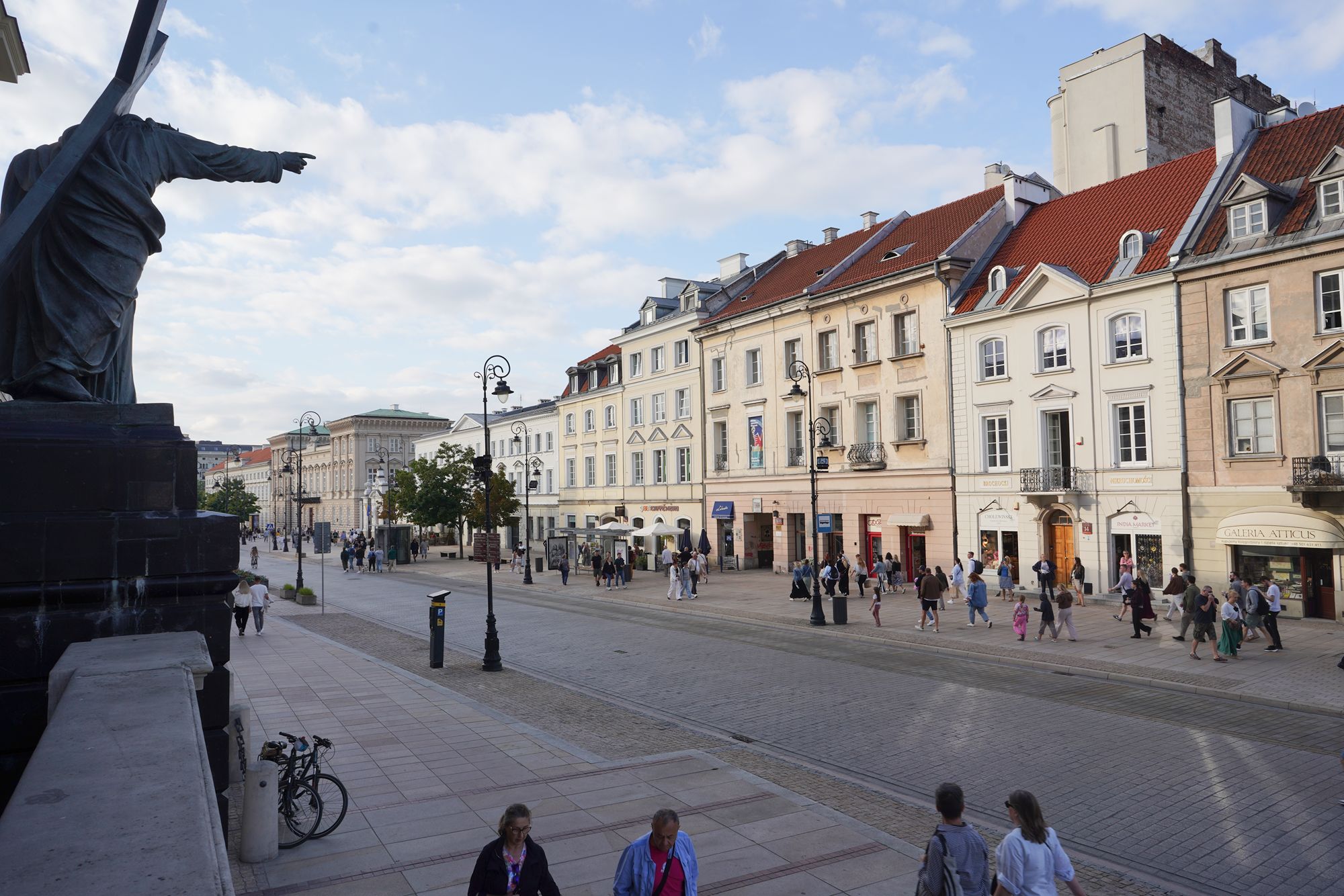
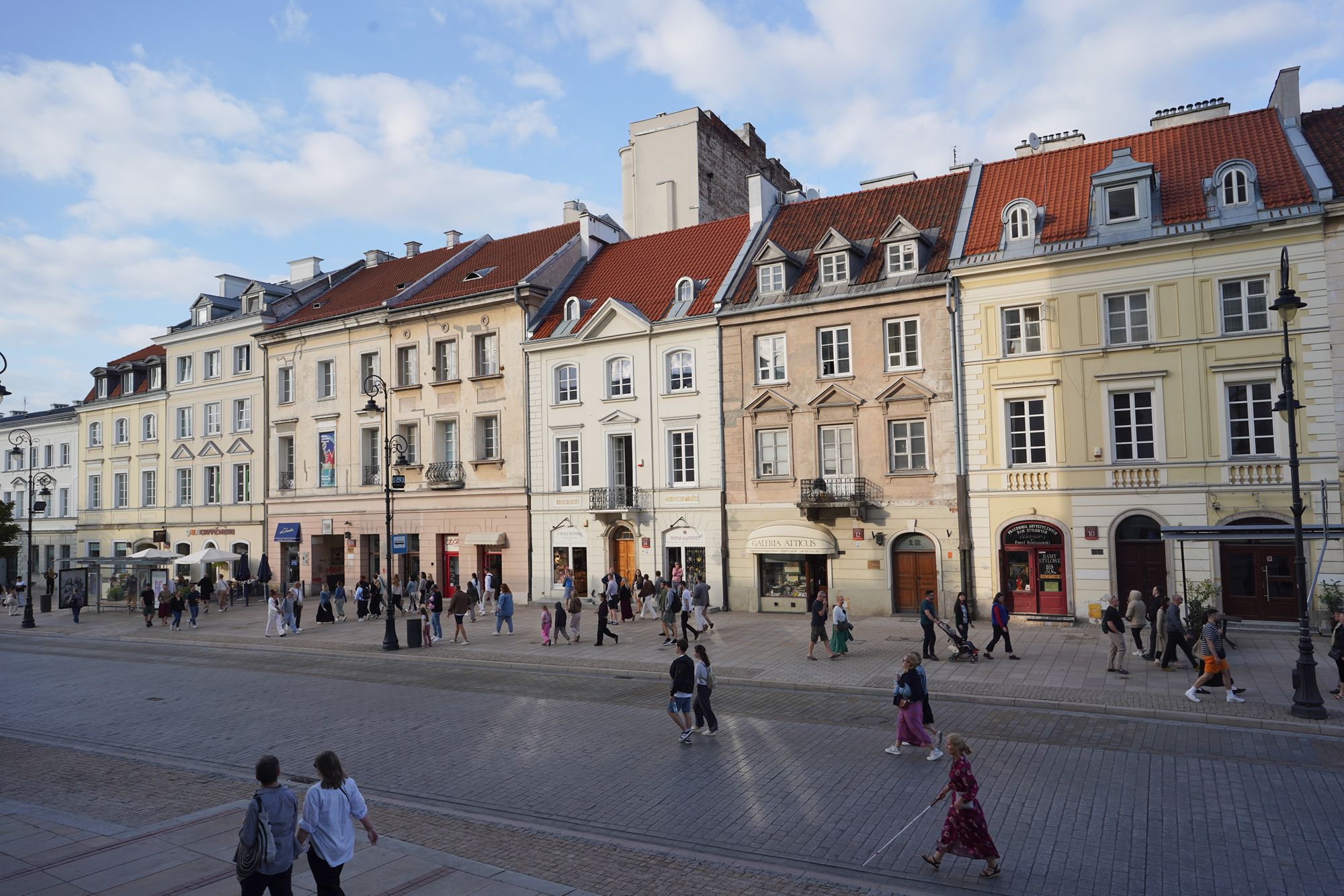
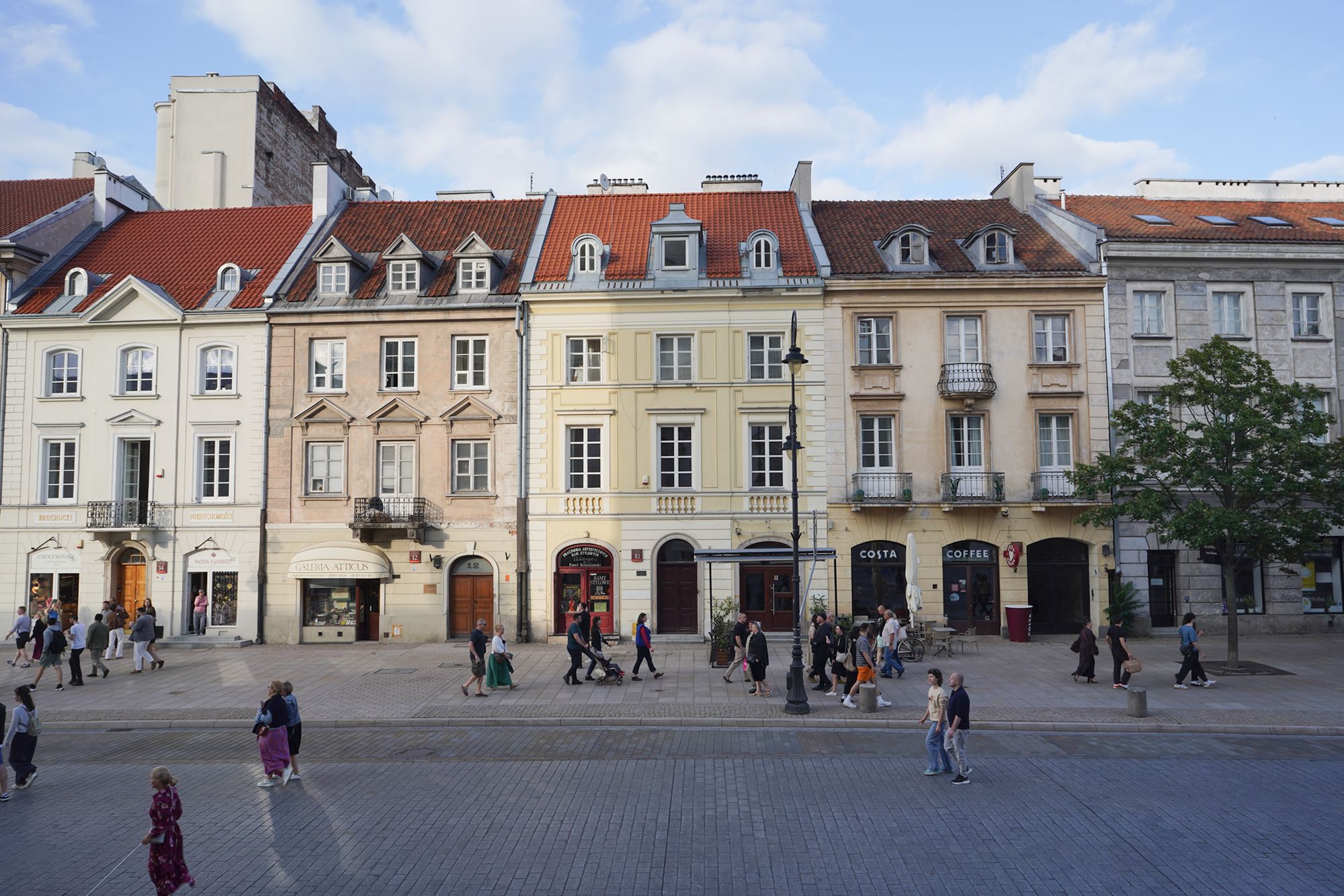
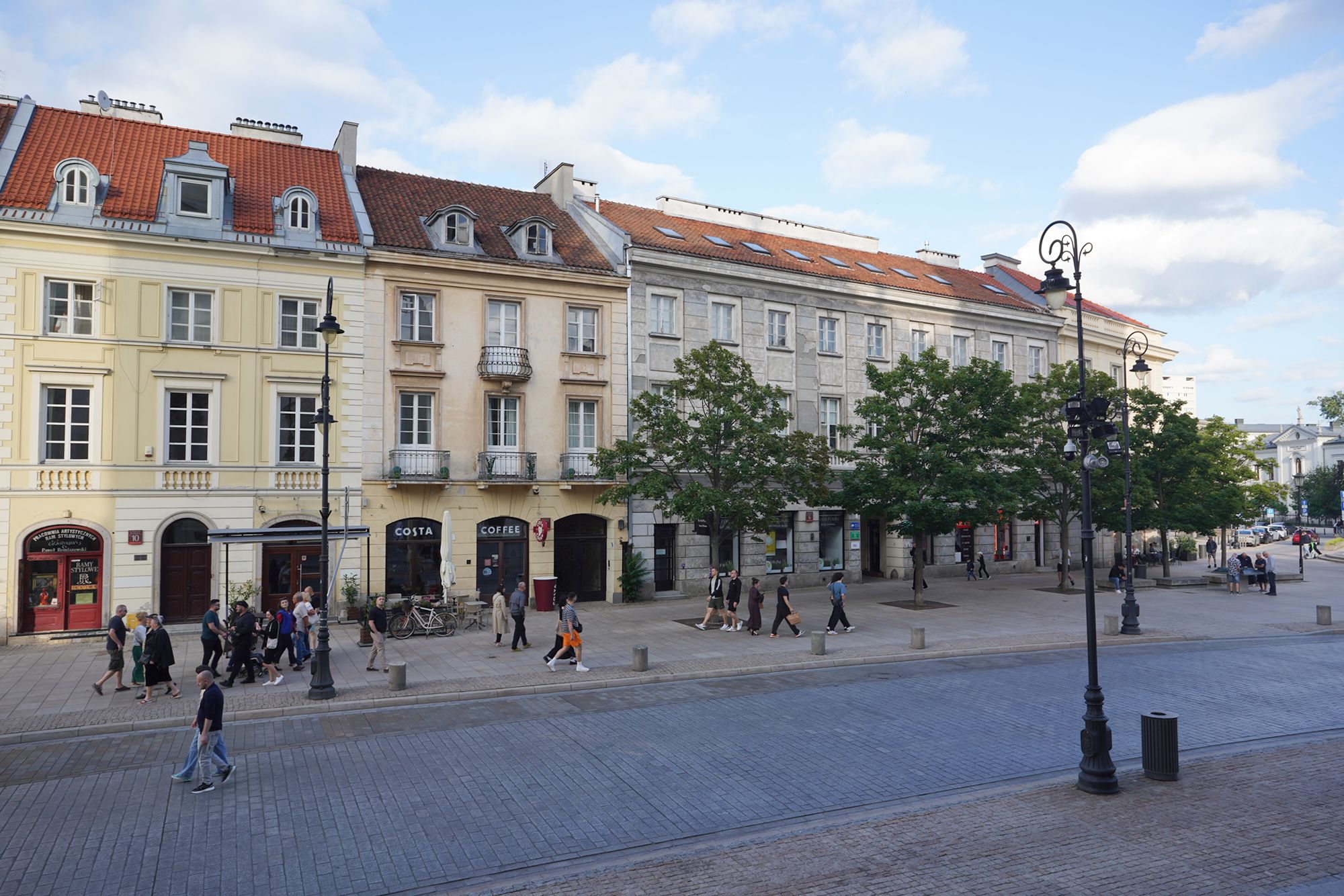
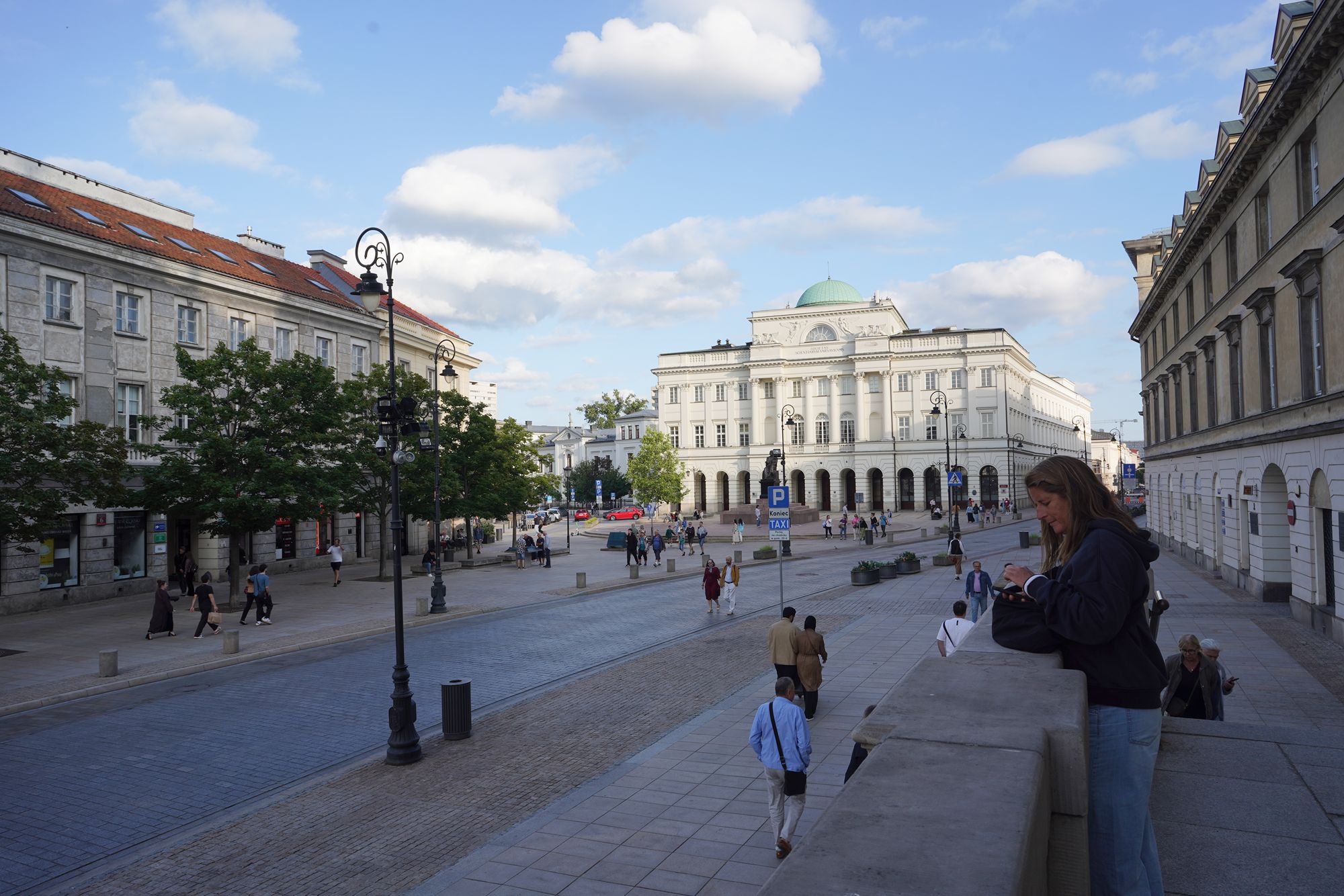
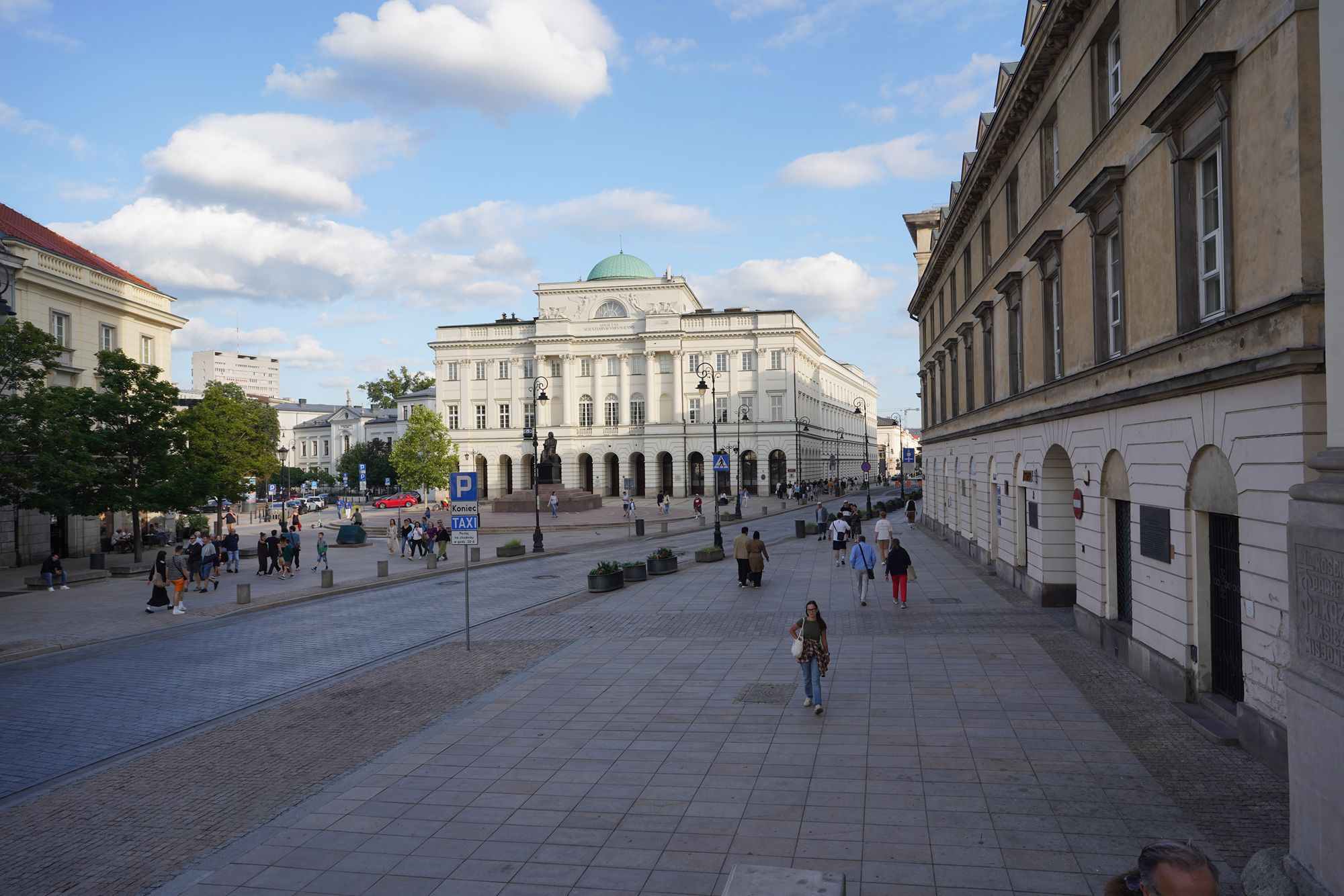
Staszic Palace stands where Krakowskie Przedmieście meets Nowy Świat. Built between 1820 and 1823, it was commissioned by Stanisław Staszic for the Warsaw Society of Friends of Learning. The neoclassical building now houses the Polish Academy of Sciences and the Warsaw Scientific Society, with a monument to Nicolaus Copernicus standing in front.
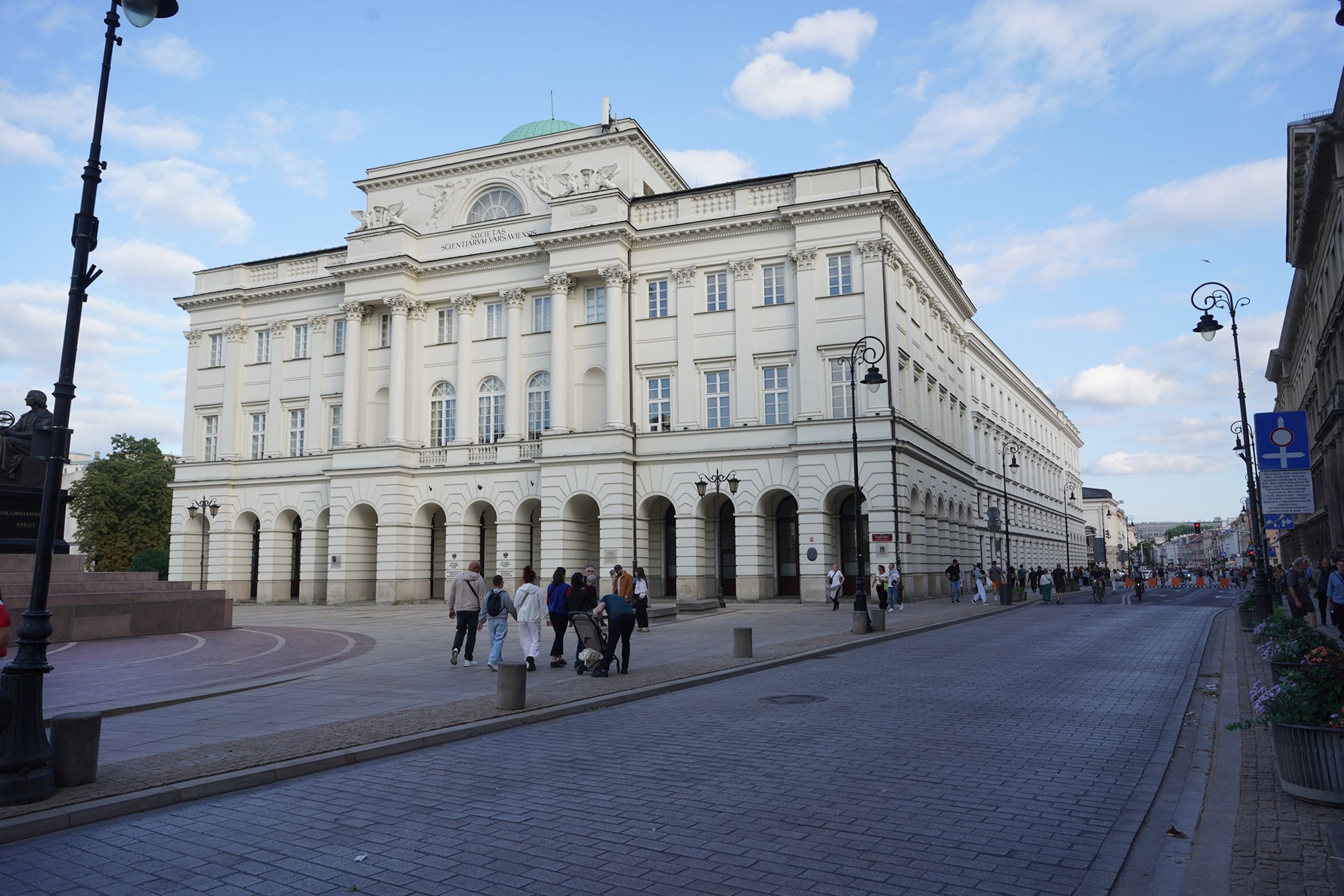
This is where the historic area ends and the busy modern city begins.
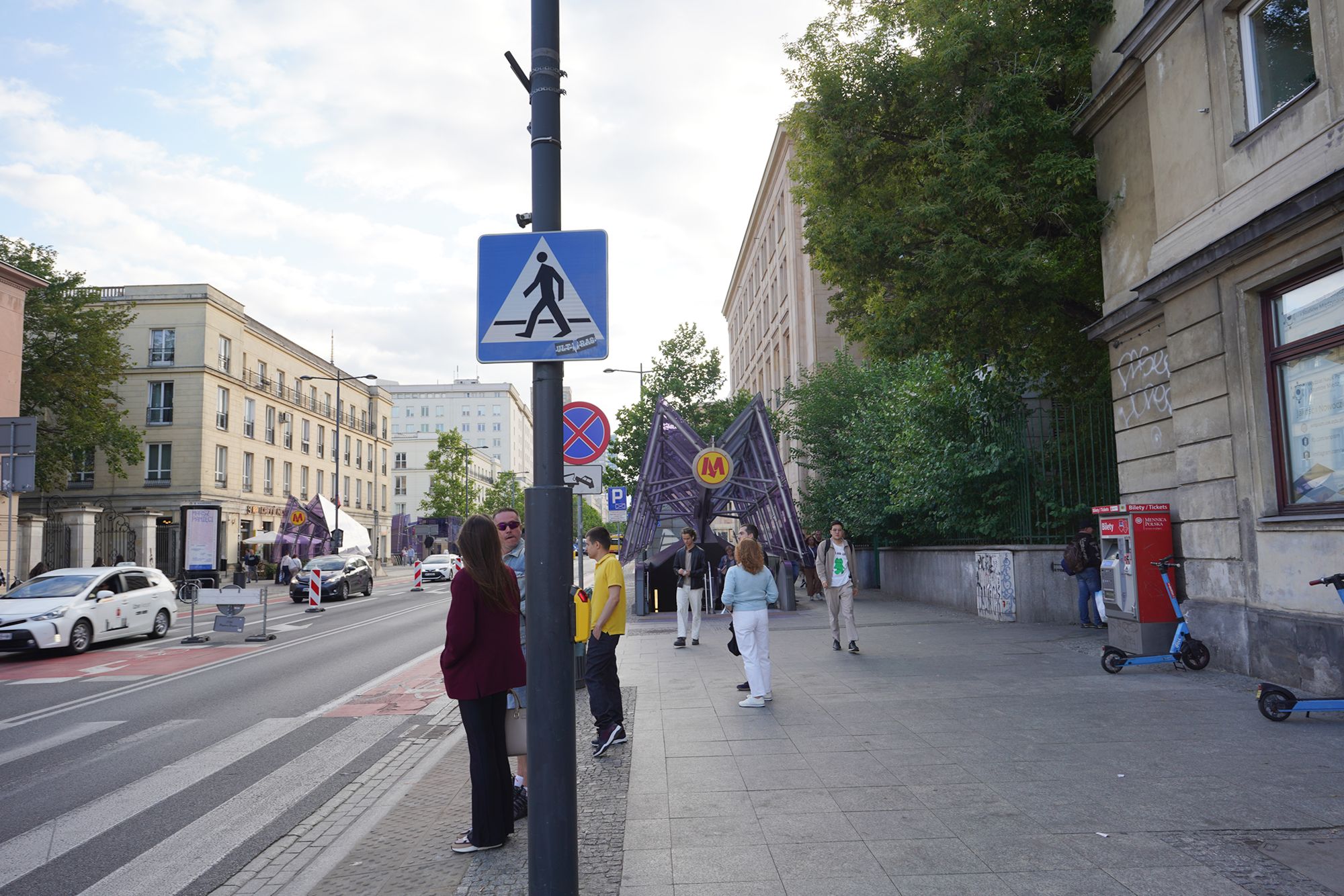
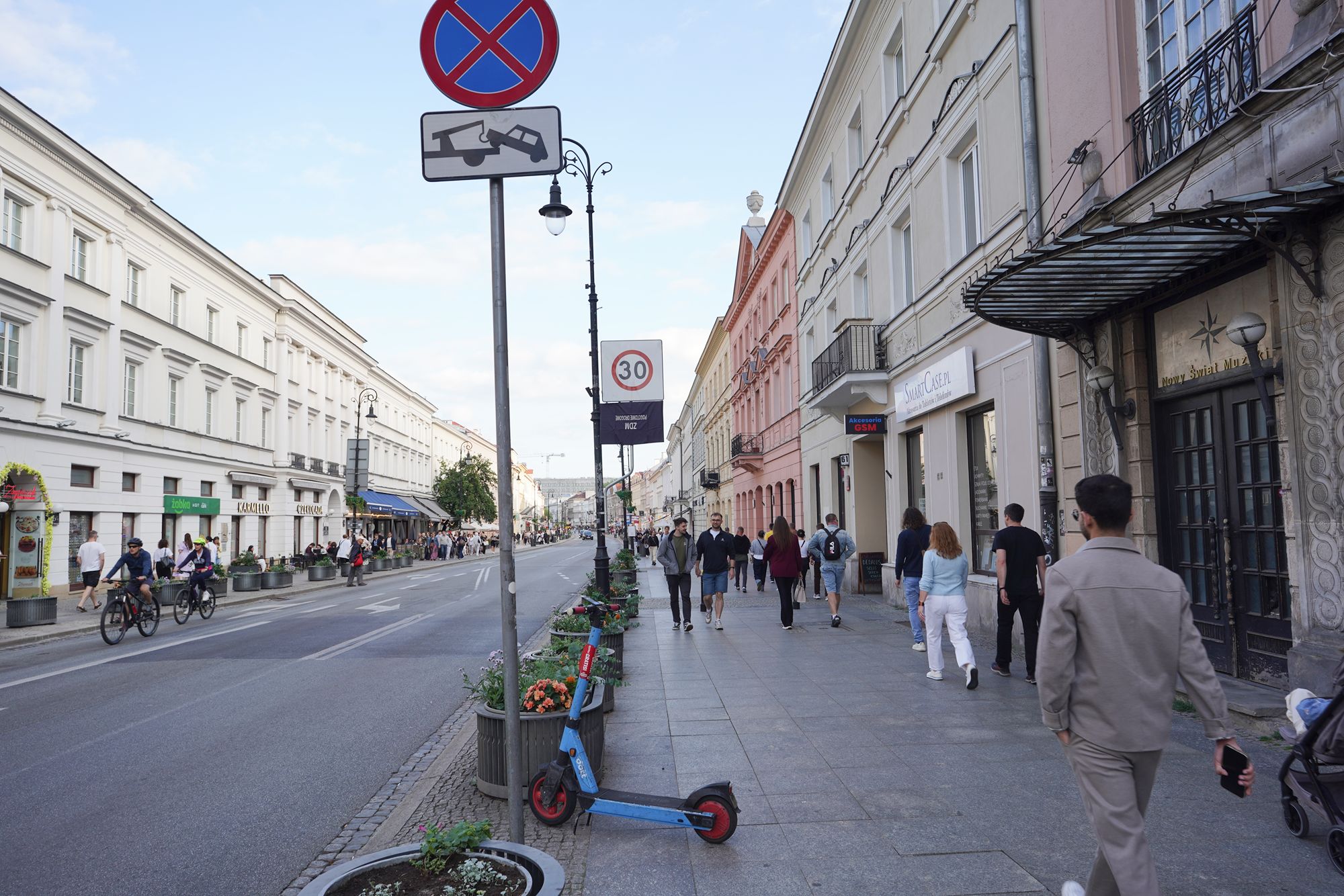
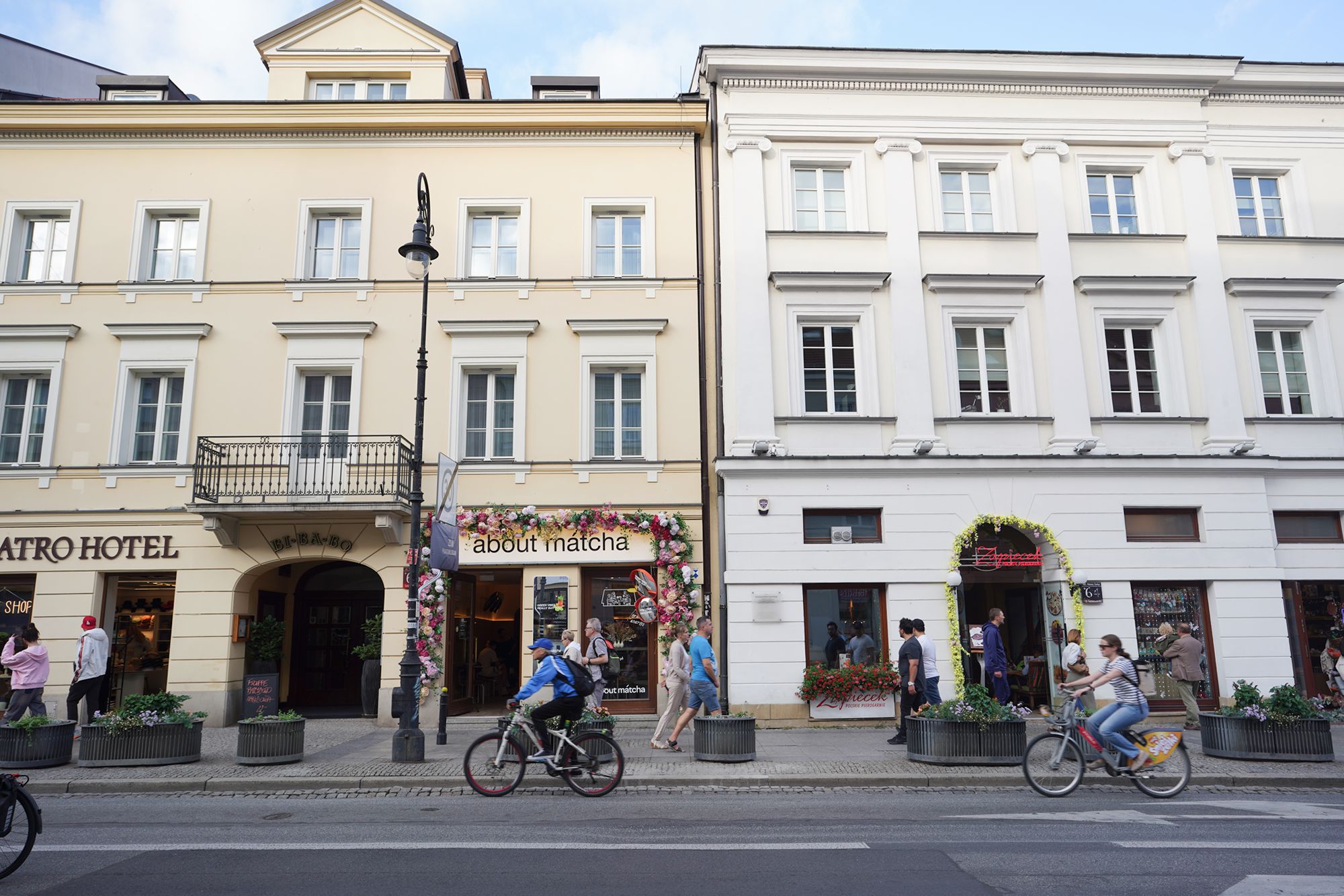
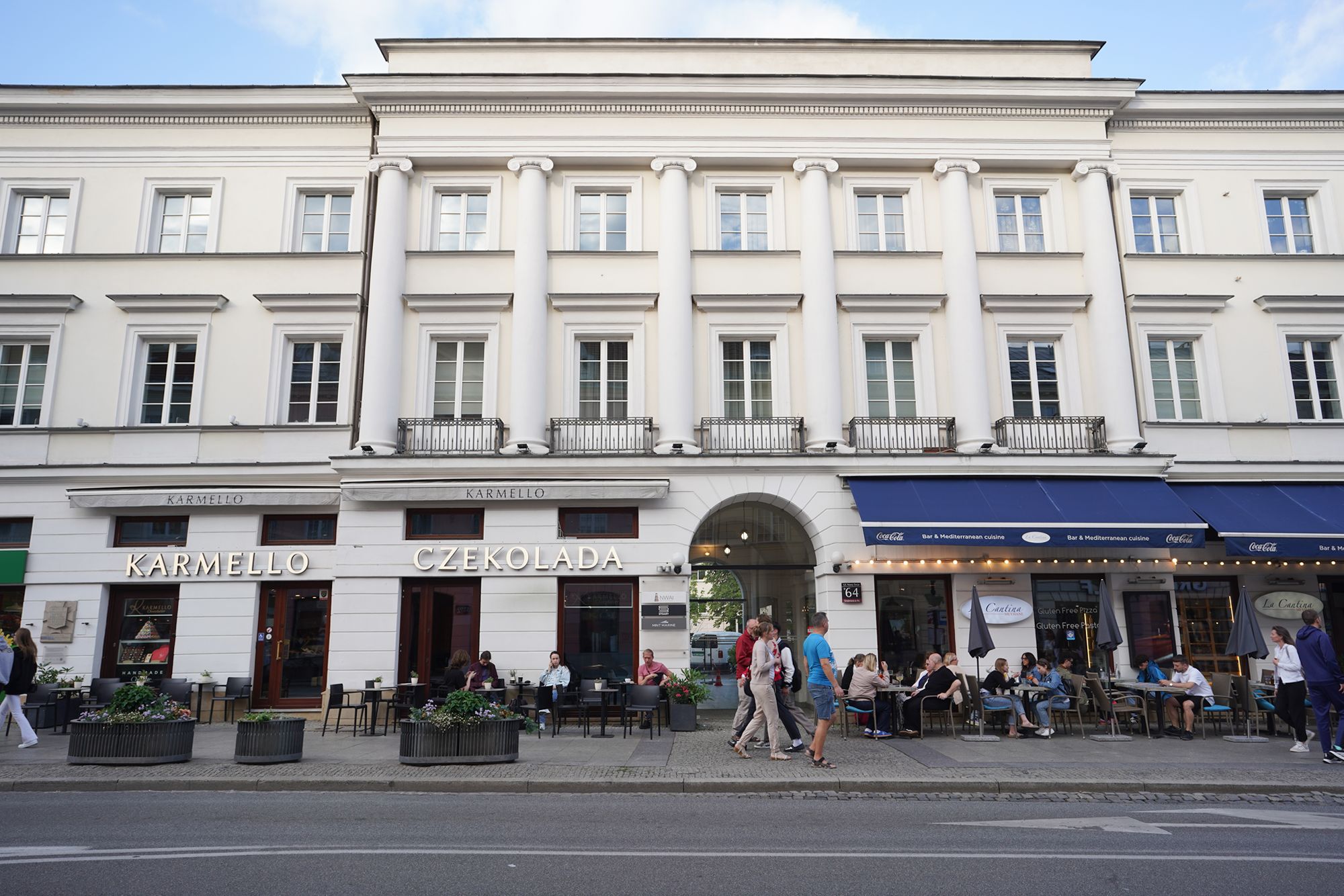
I am on Nowy Świat Street.
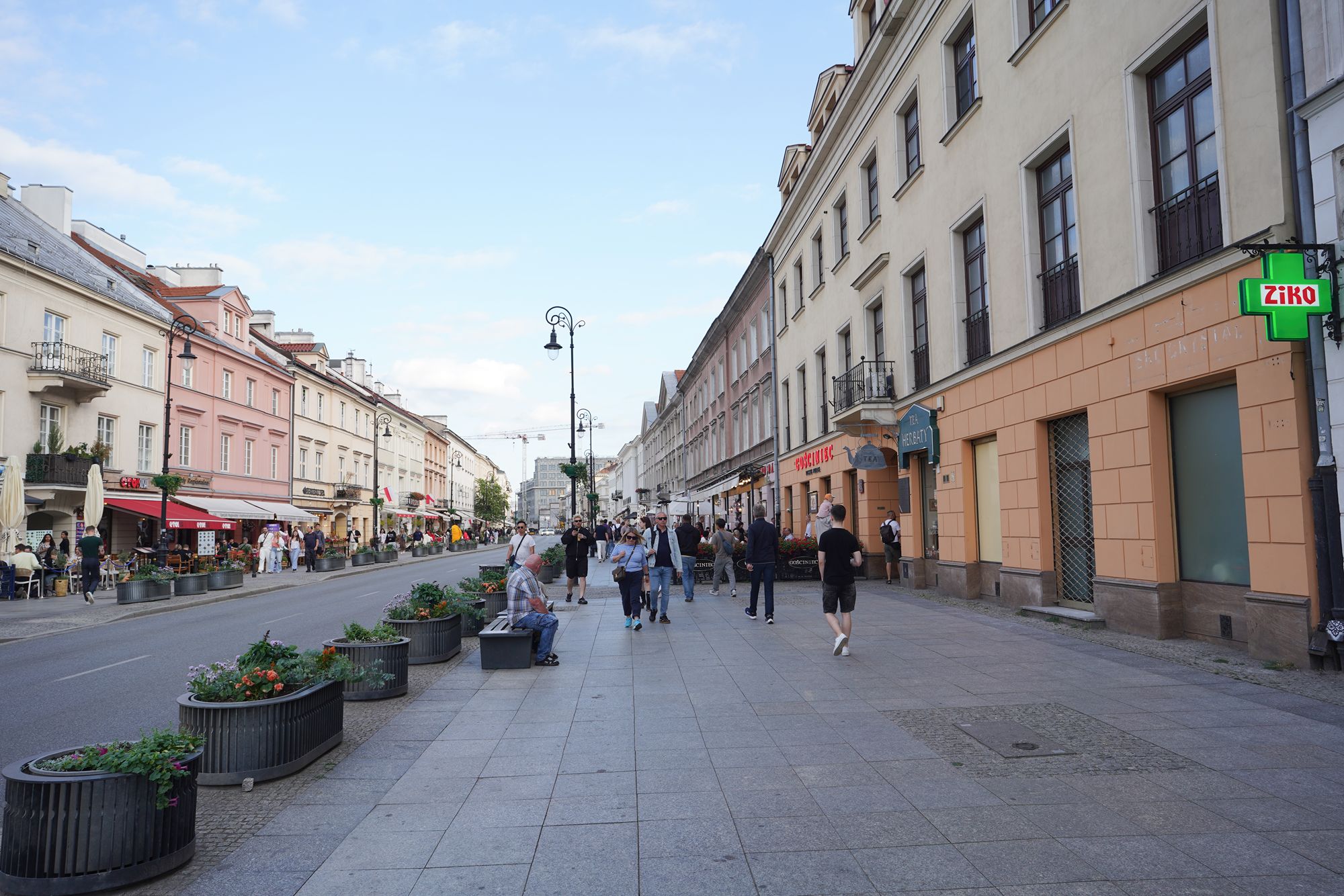
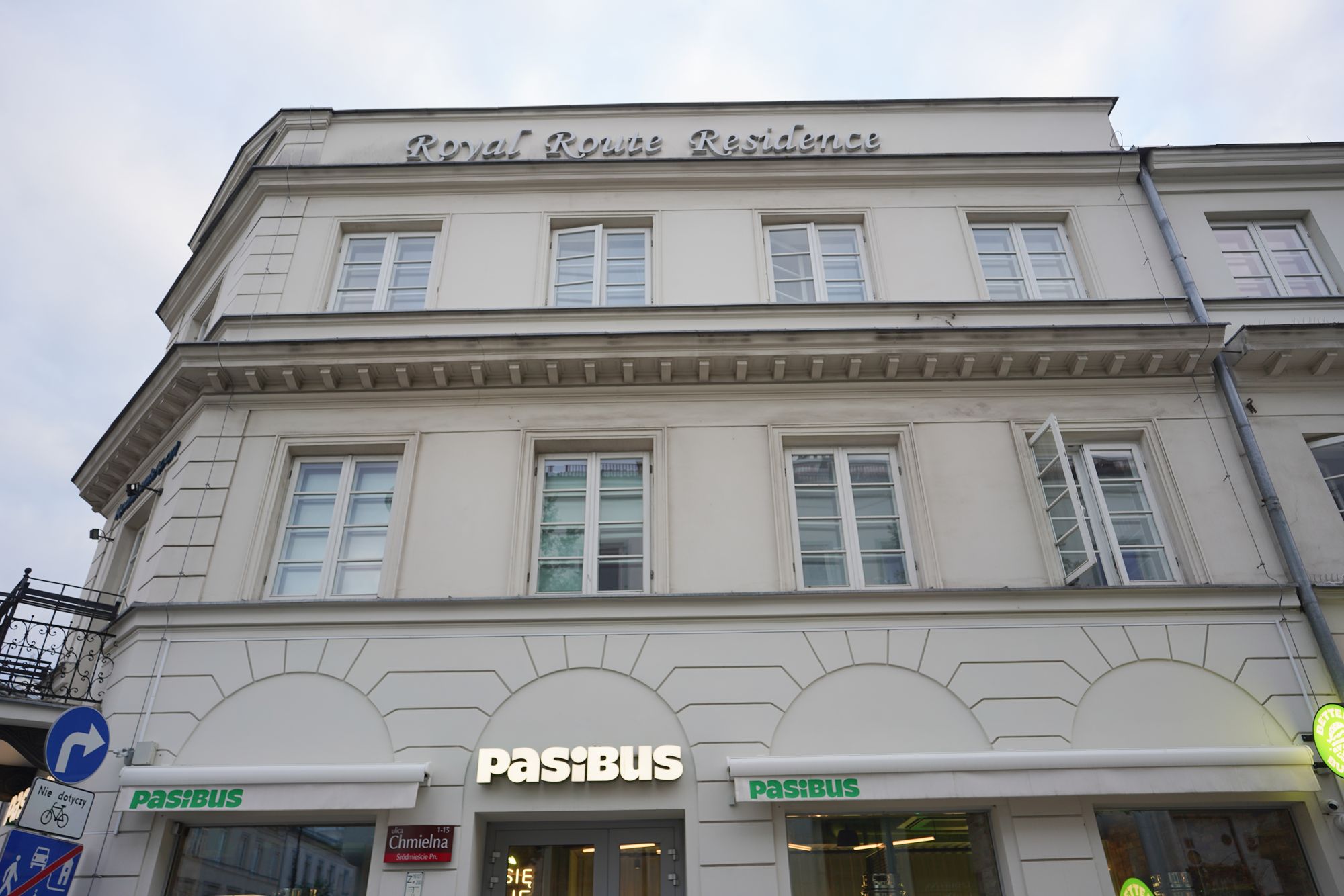
From Nowy Świat Street, I turn right on Chmielna Street.
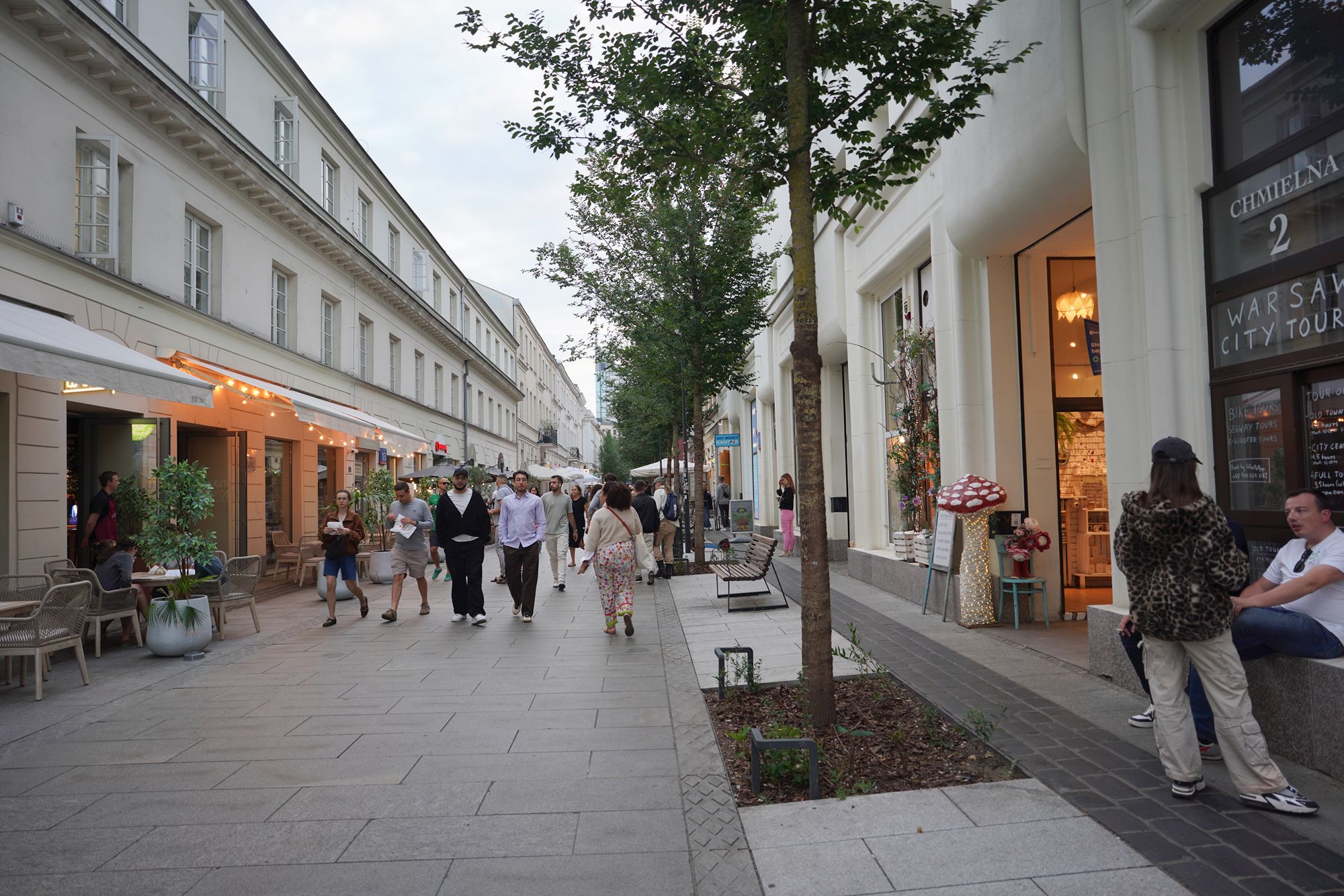
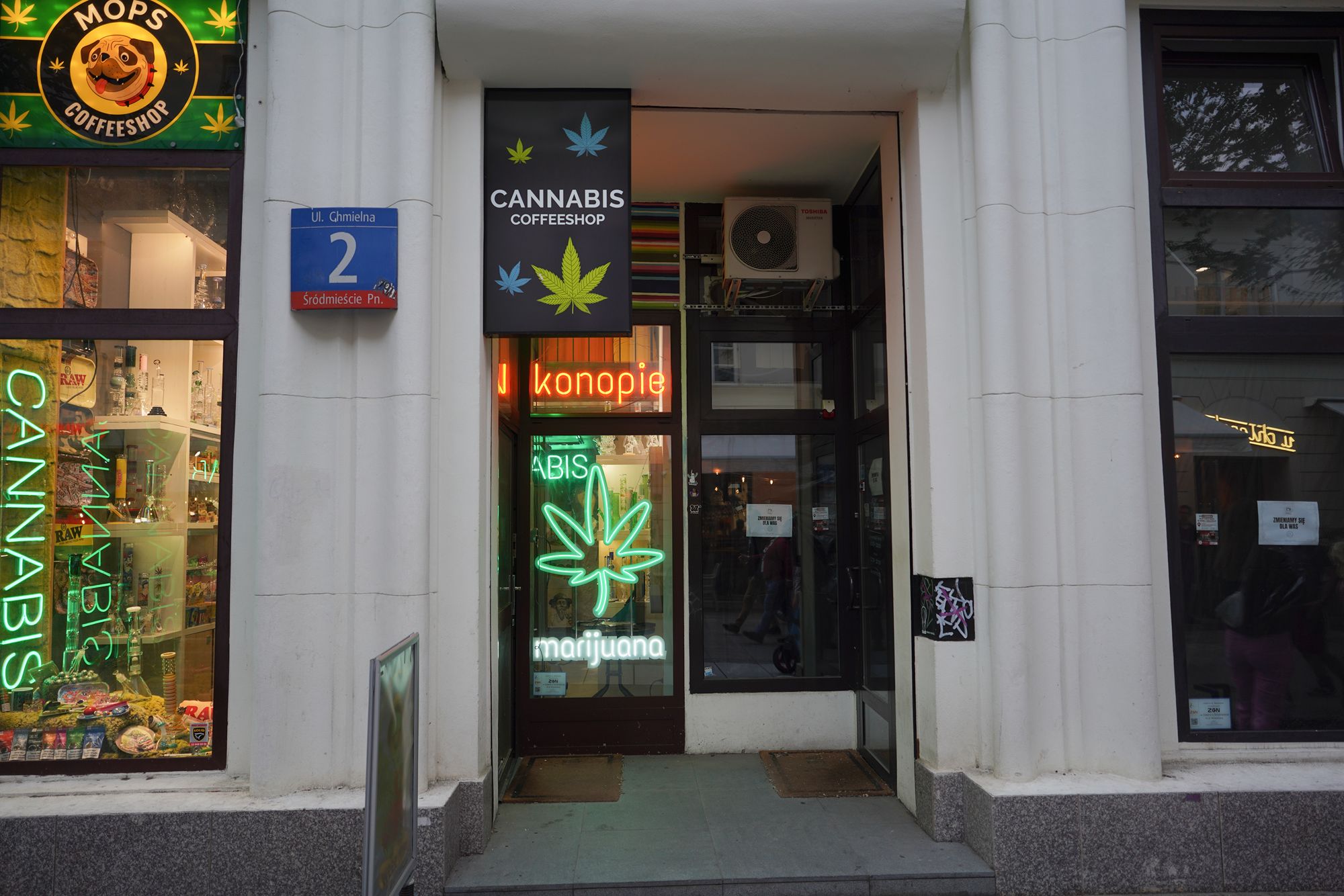
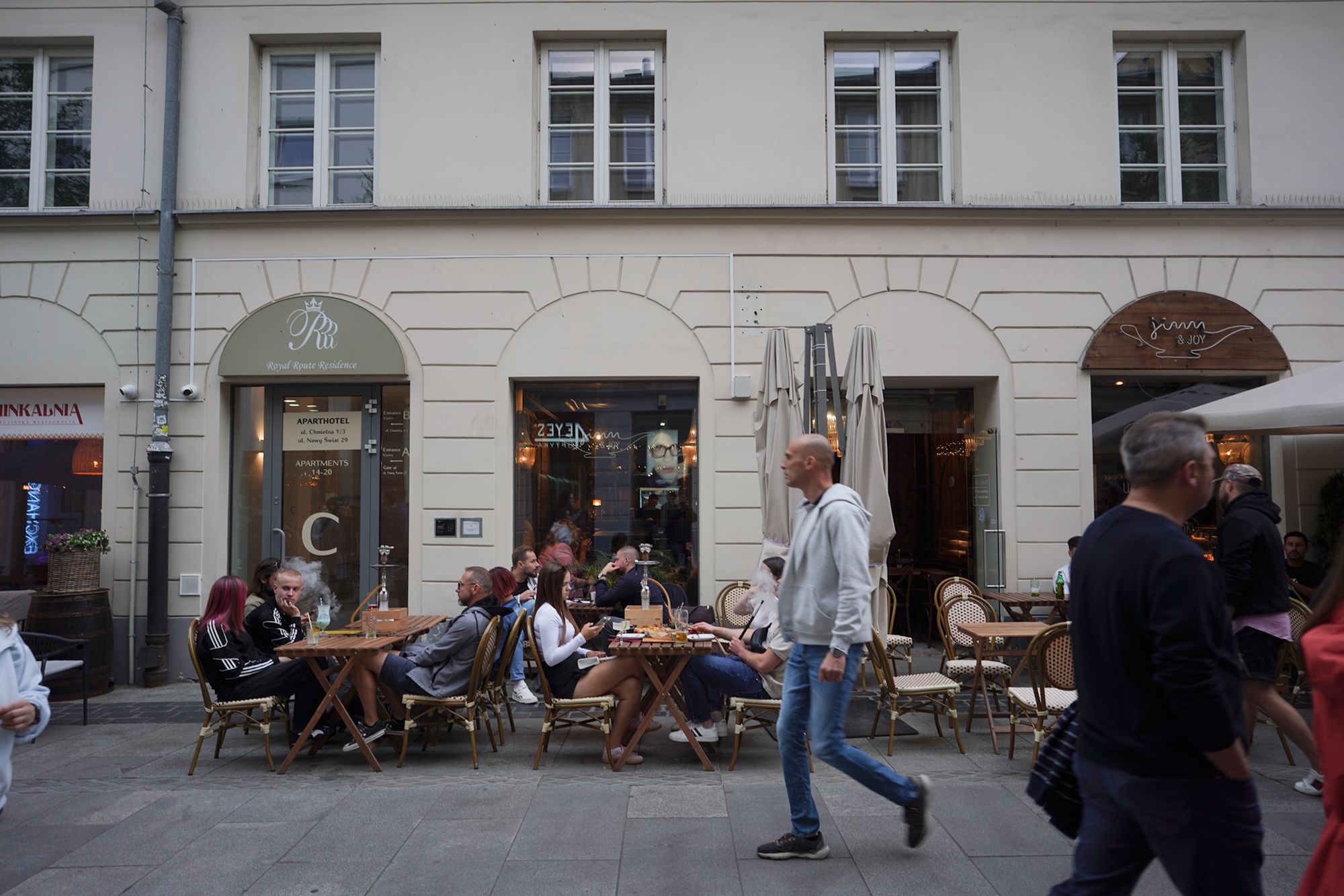
Chmielna Street branches west from Nowy Świat toward Warsaw’s modern city center. Its pedestrian section is lined with shops, cafés, and restaurants, making it a lively place to stroll or stop for a break along the way.
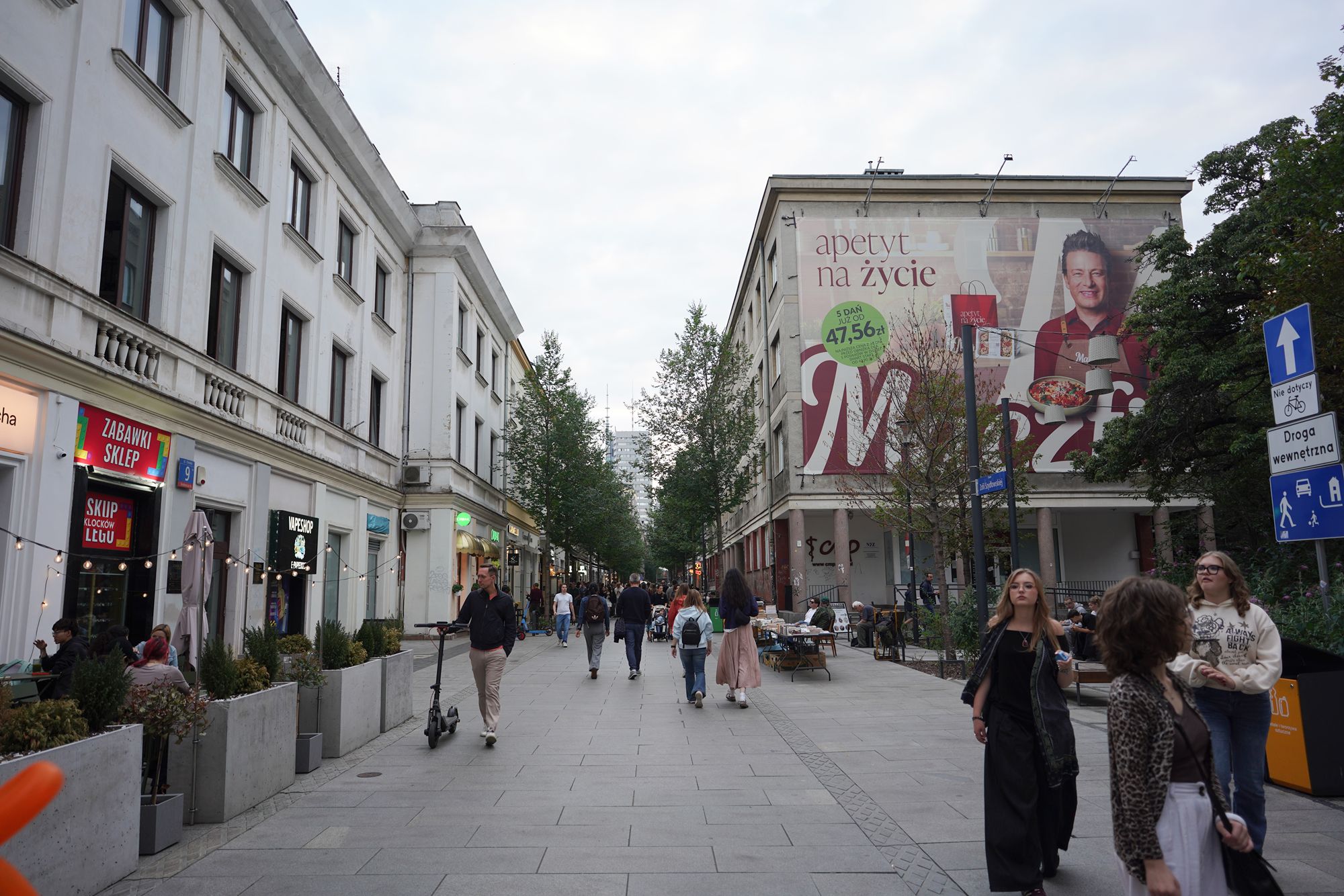
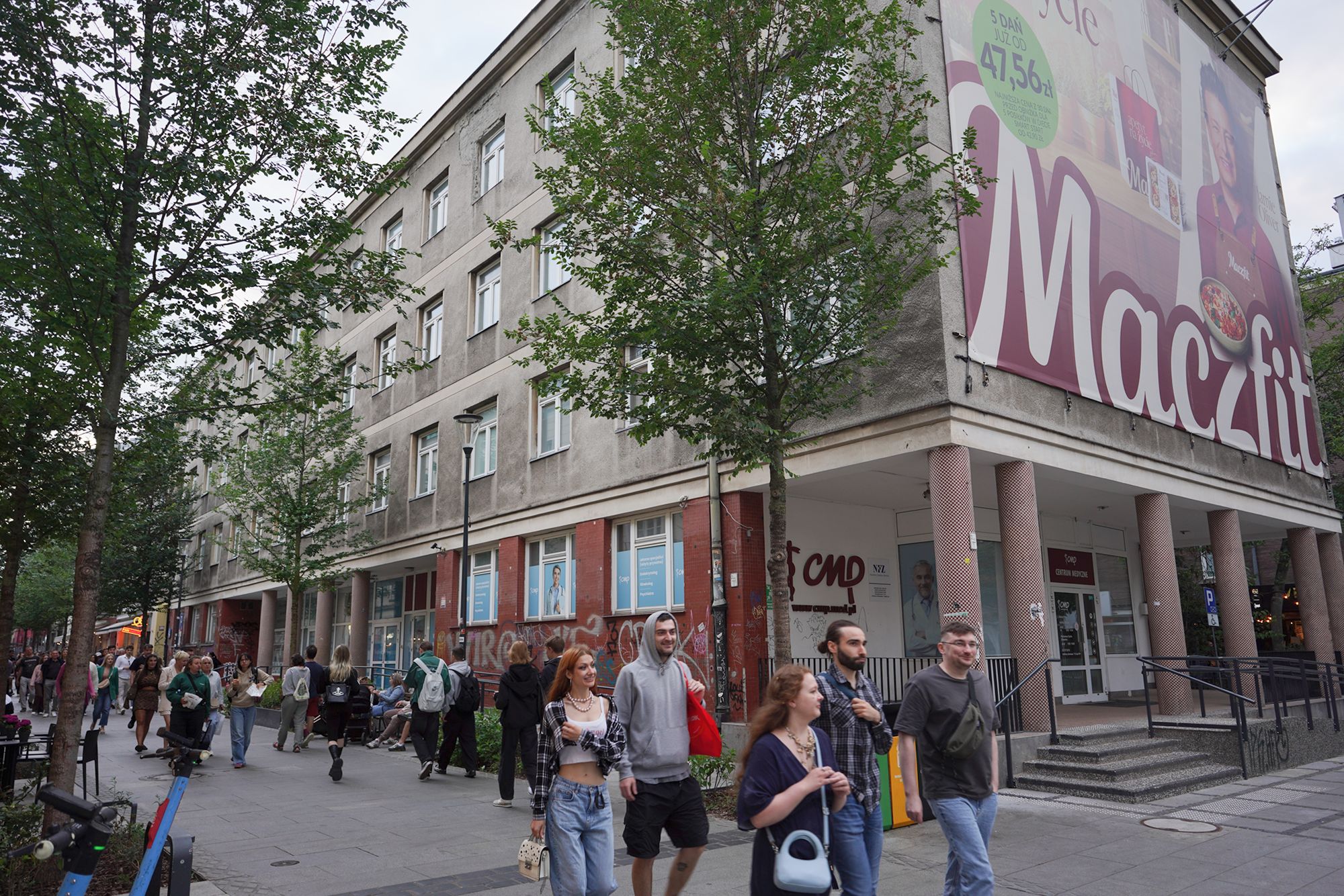
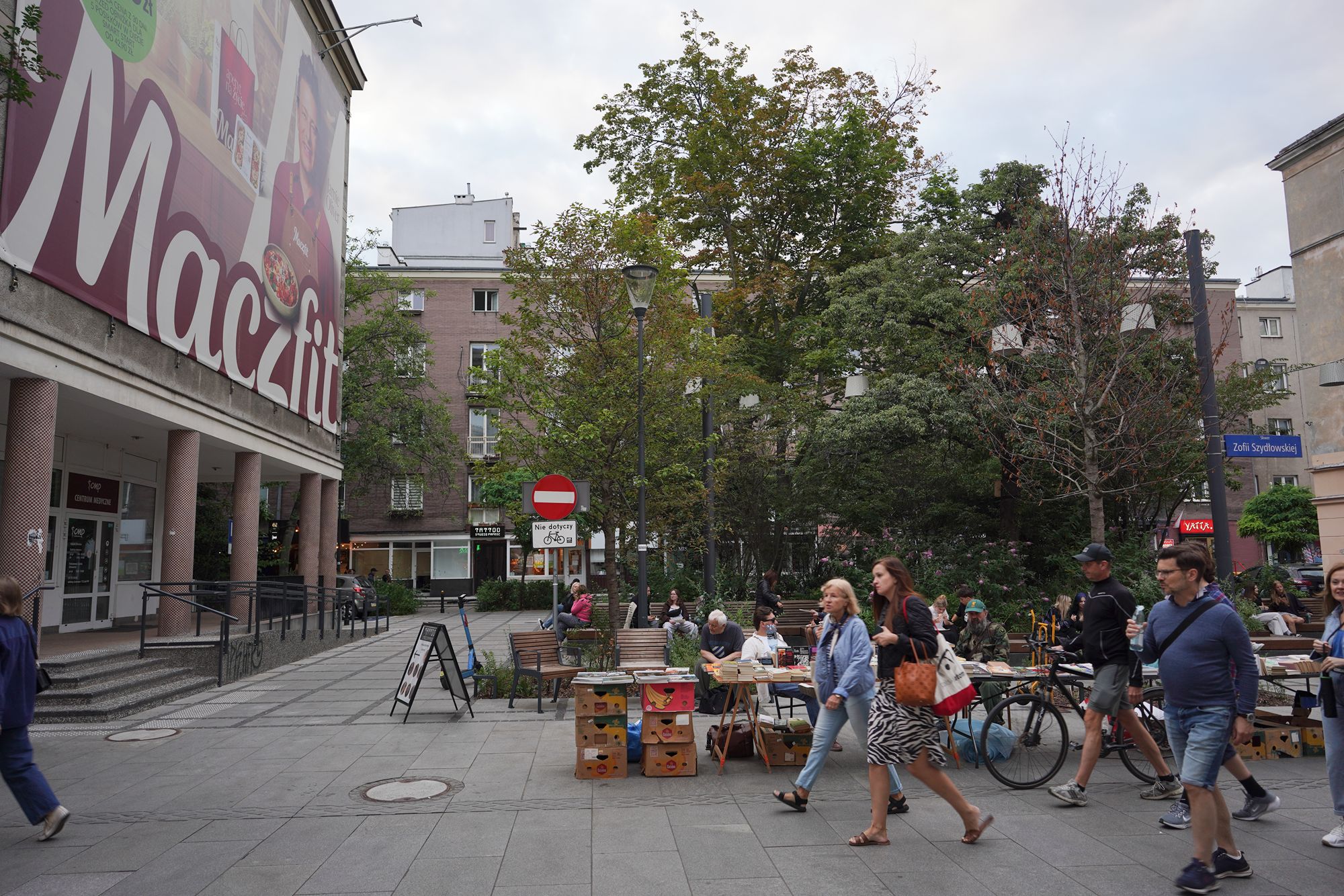
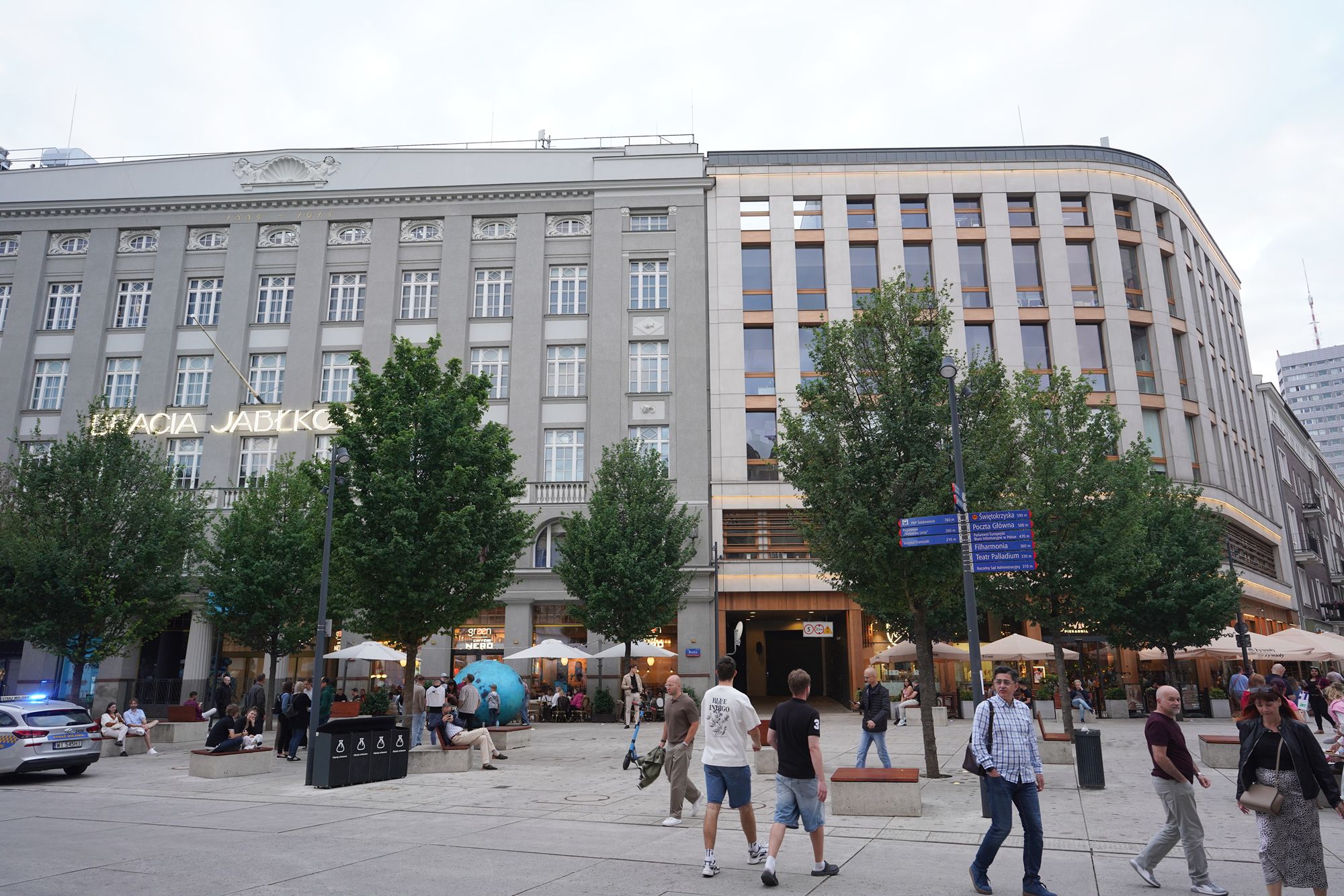
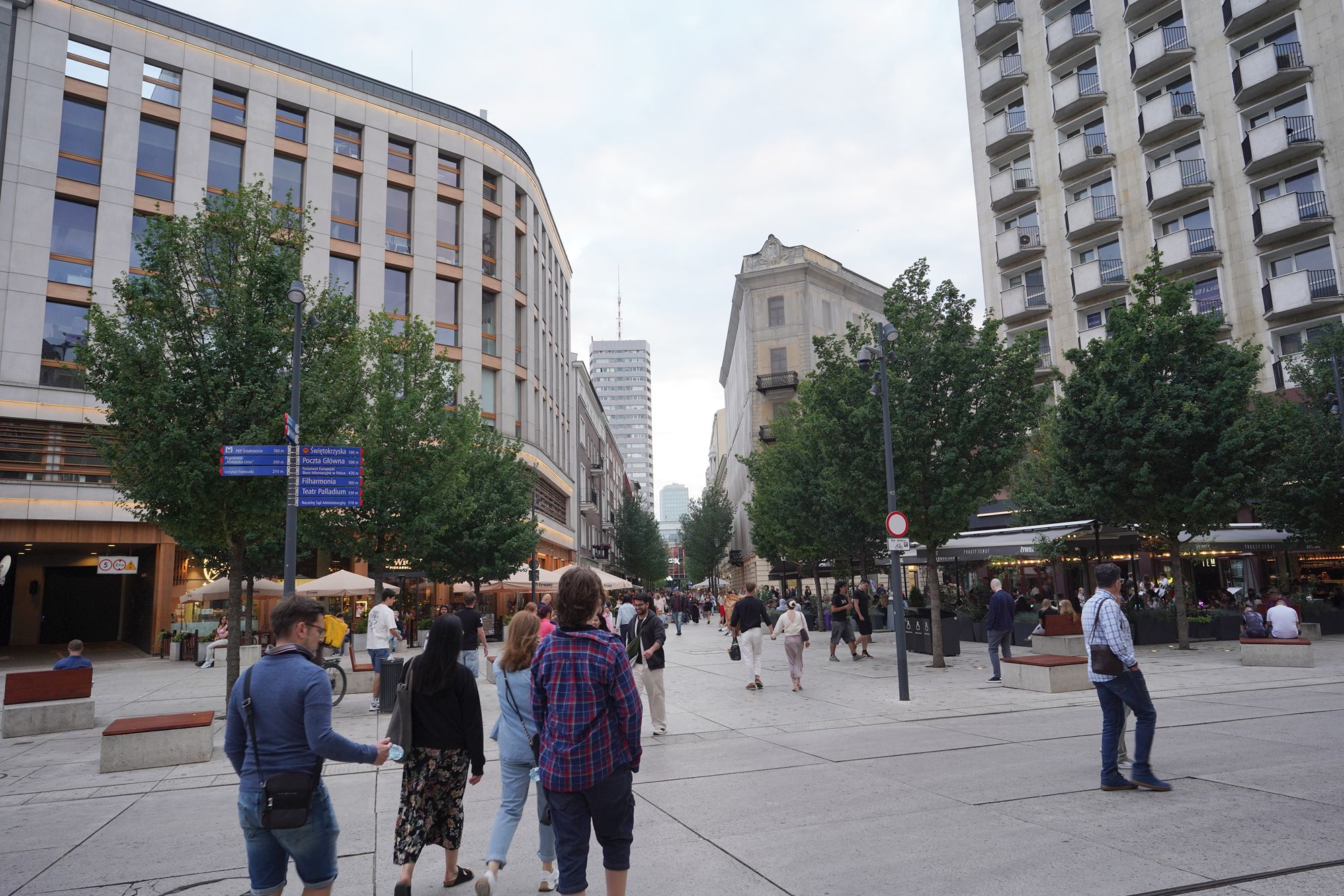
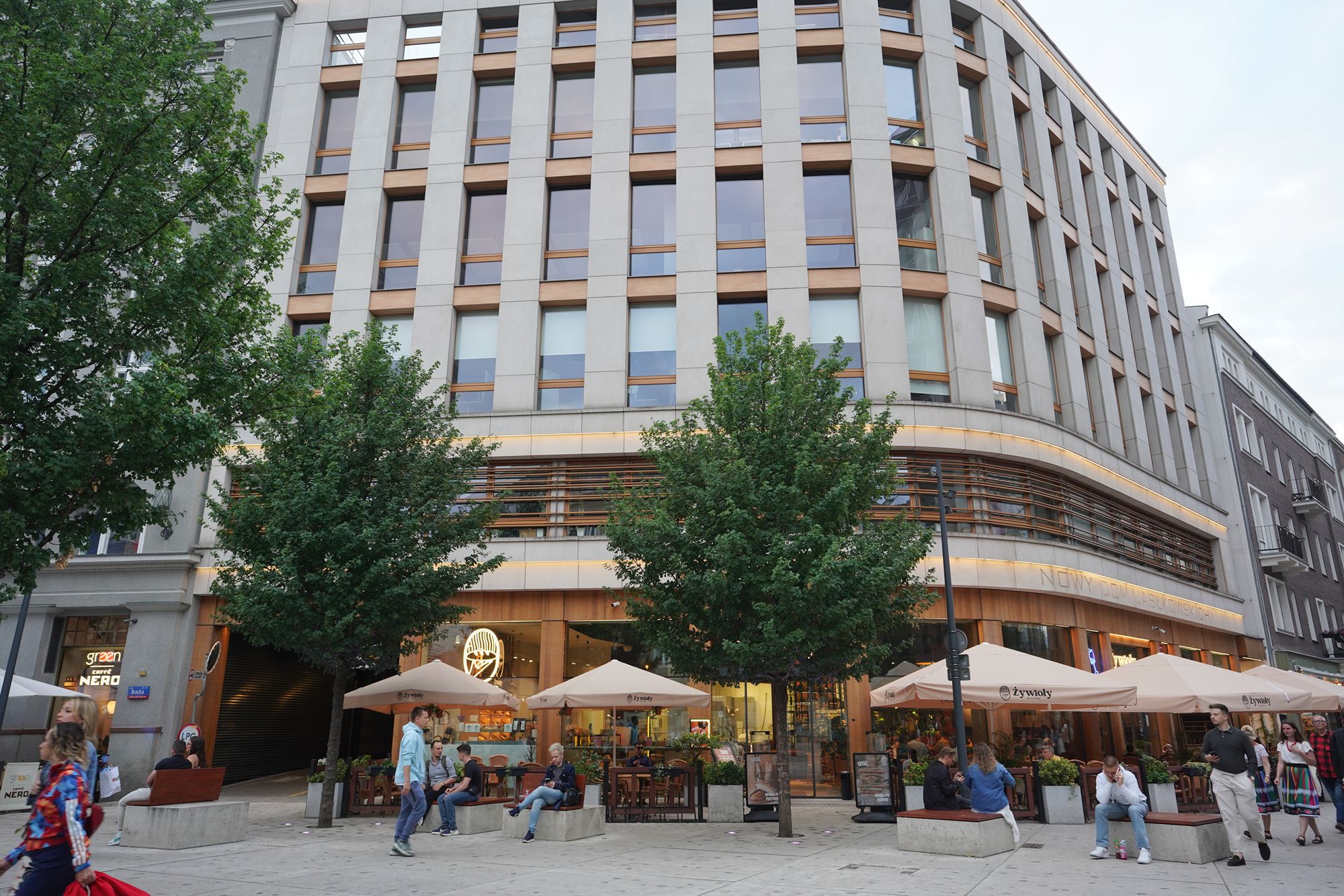
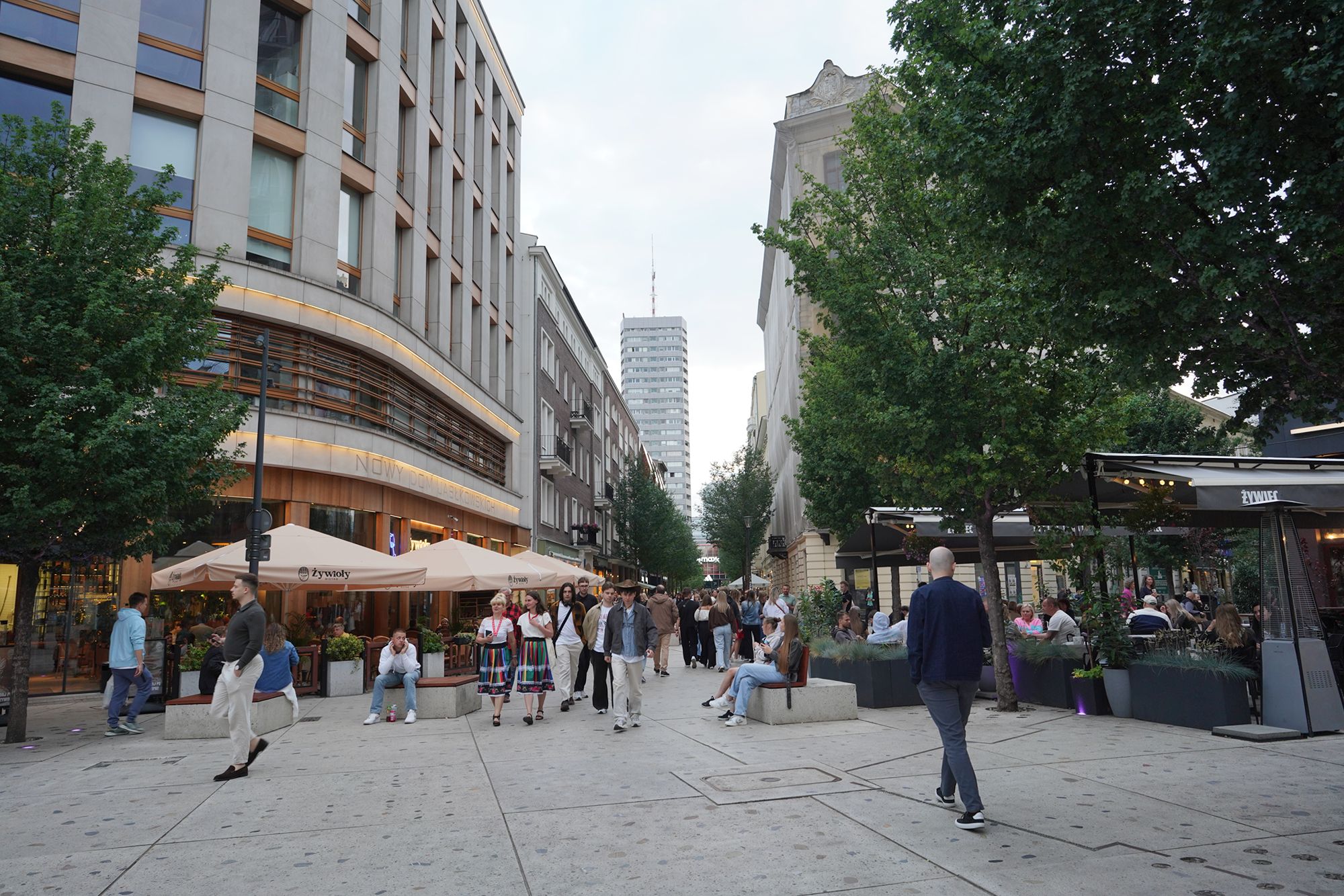
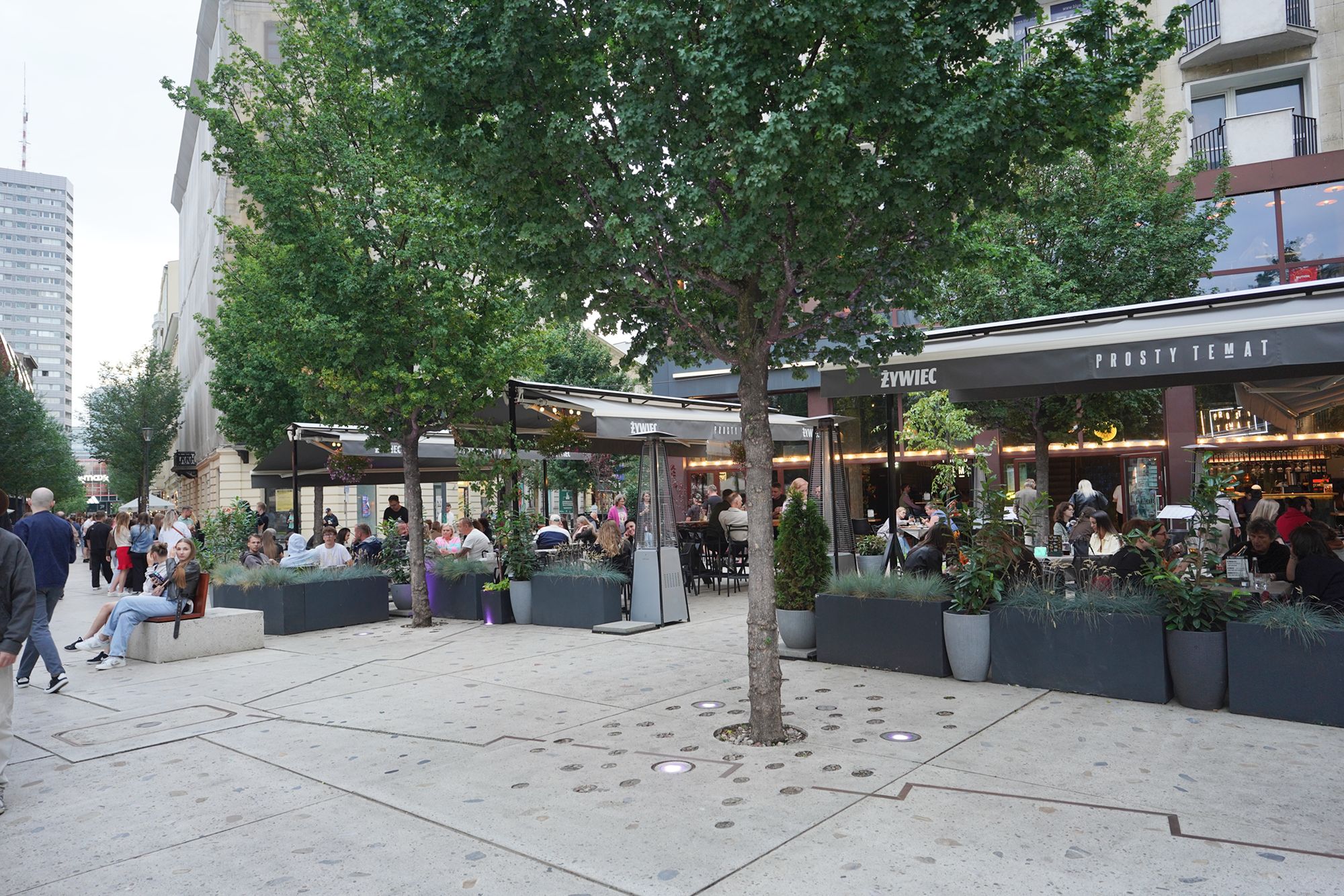
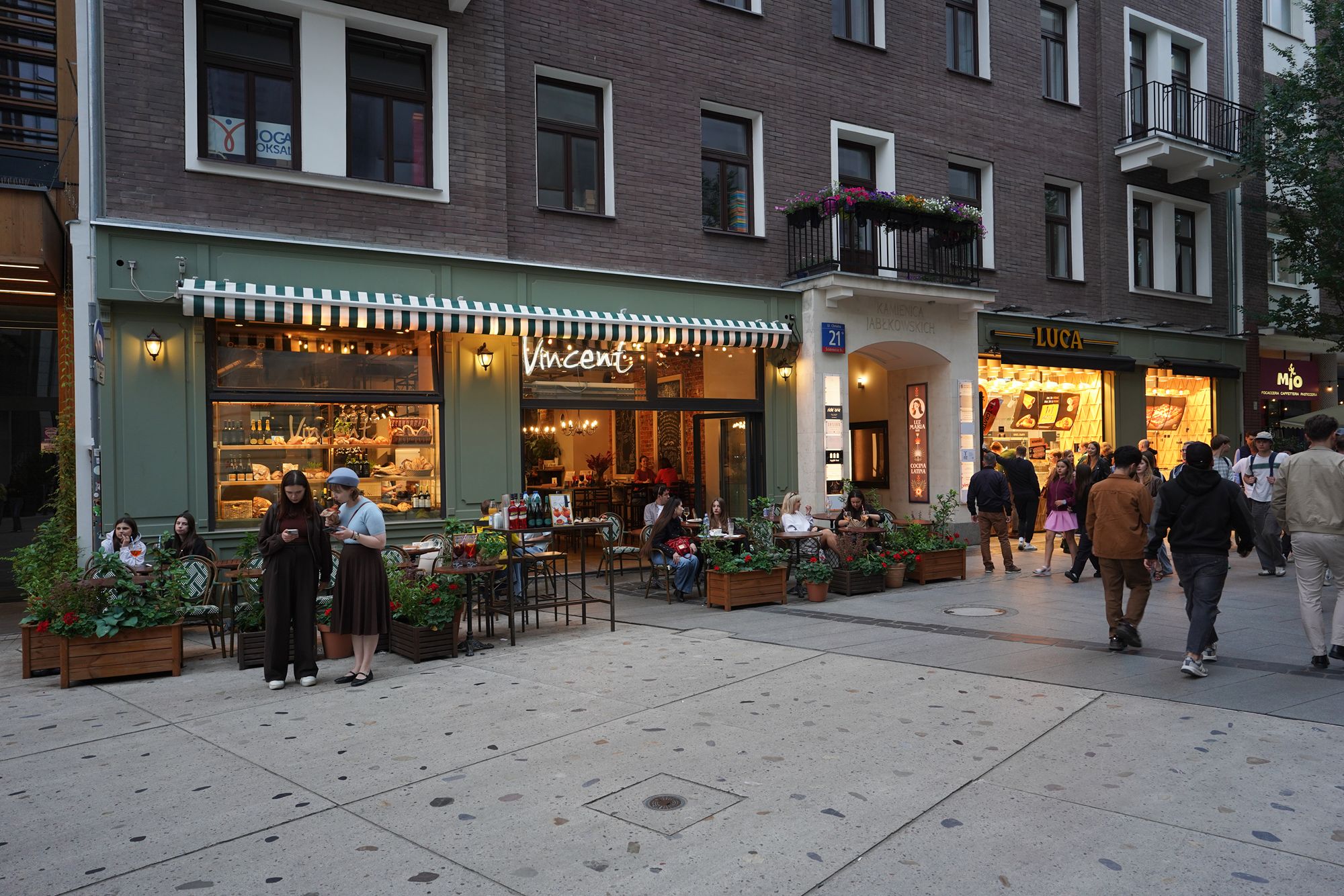
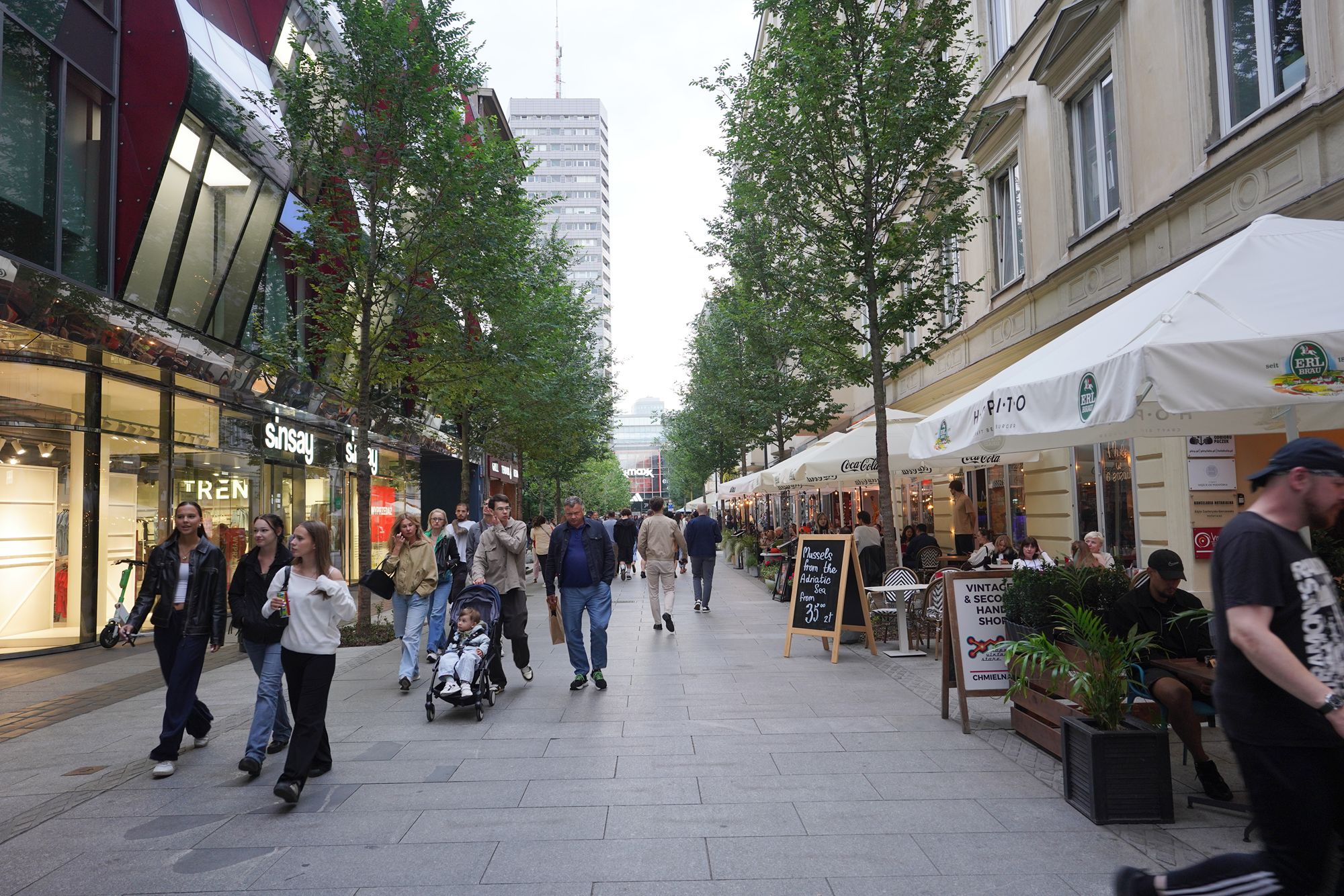
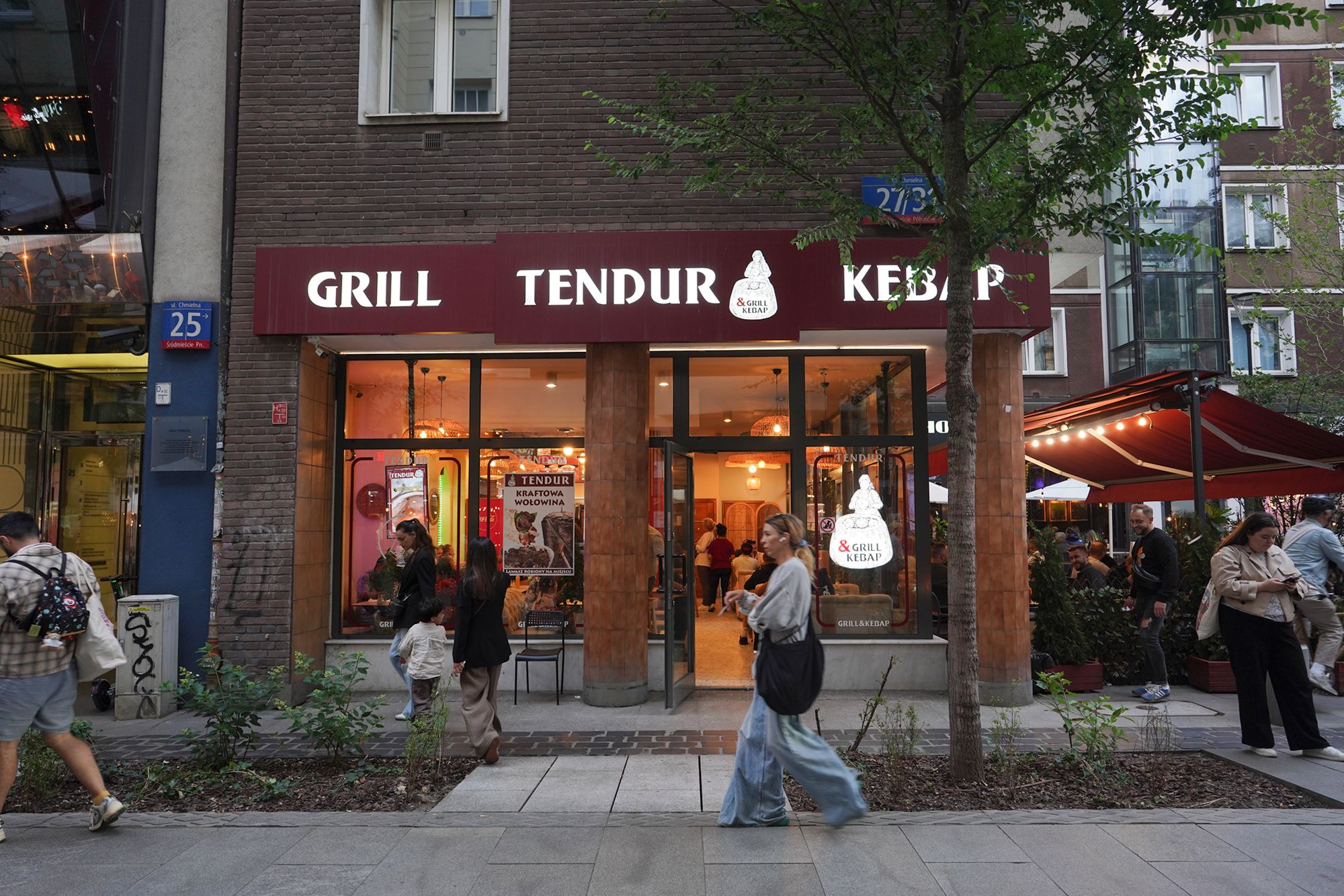
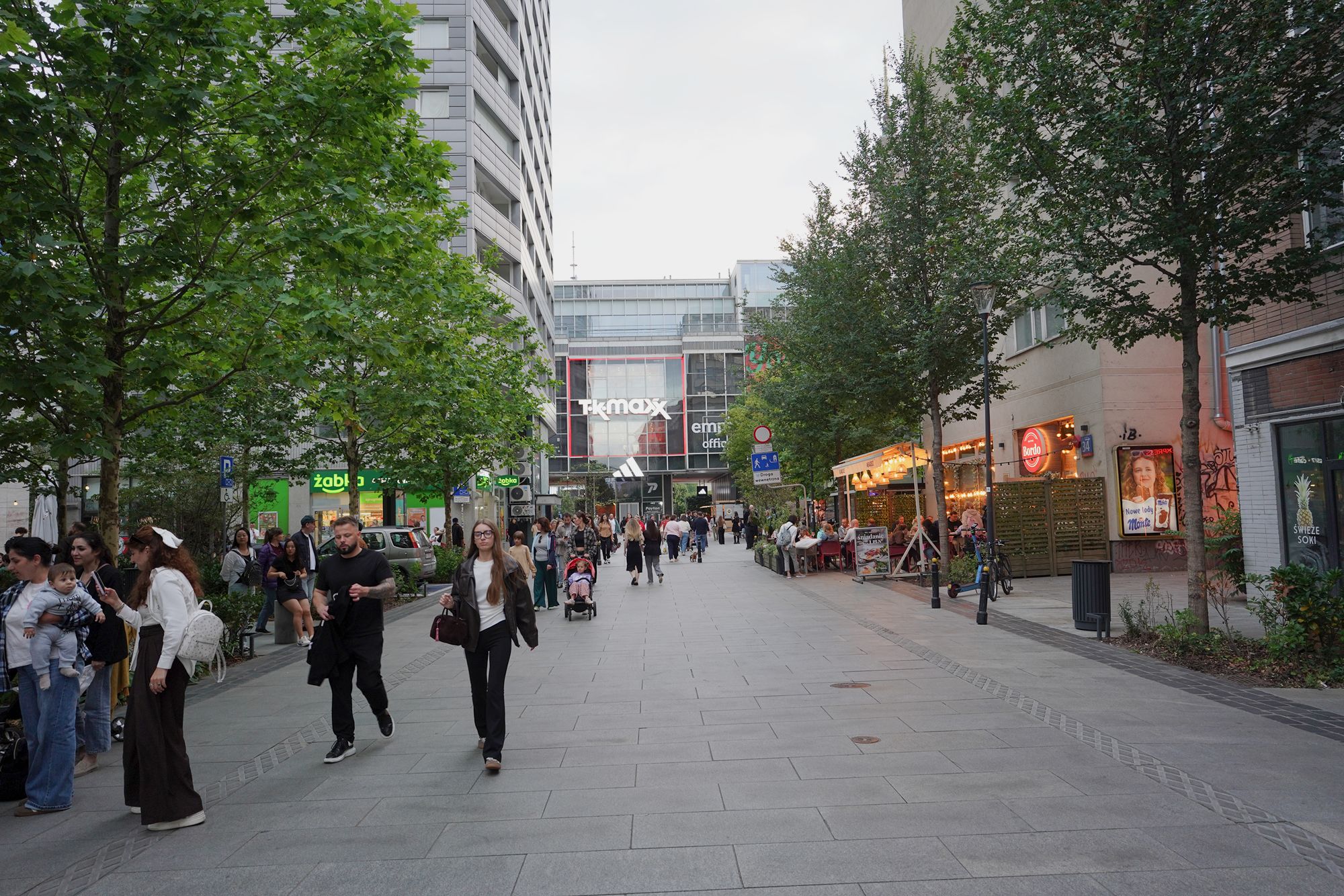
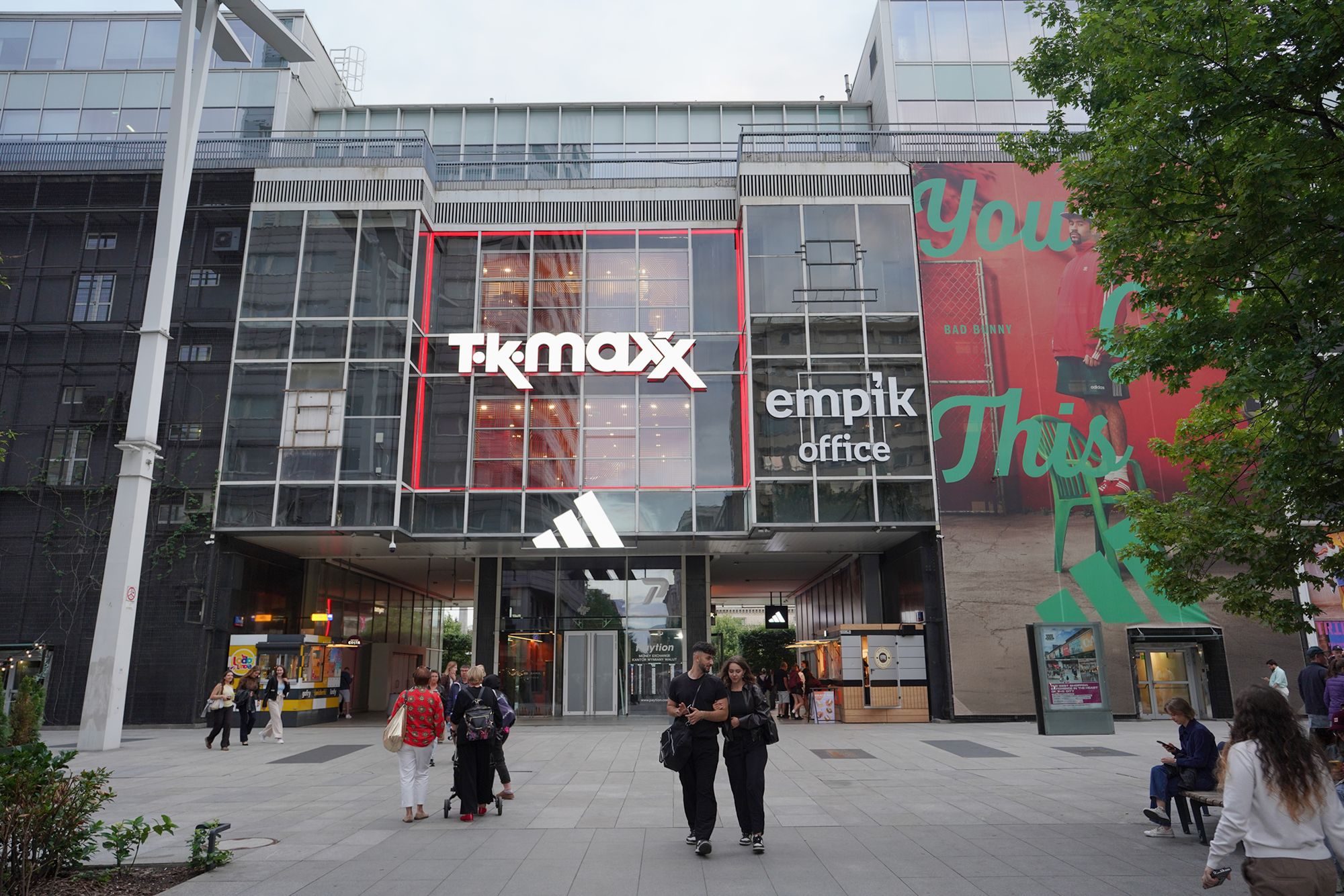
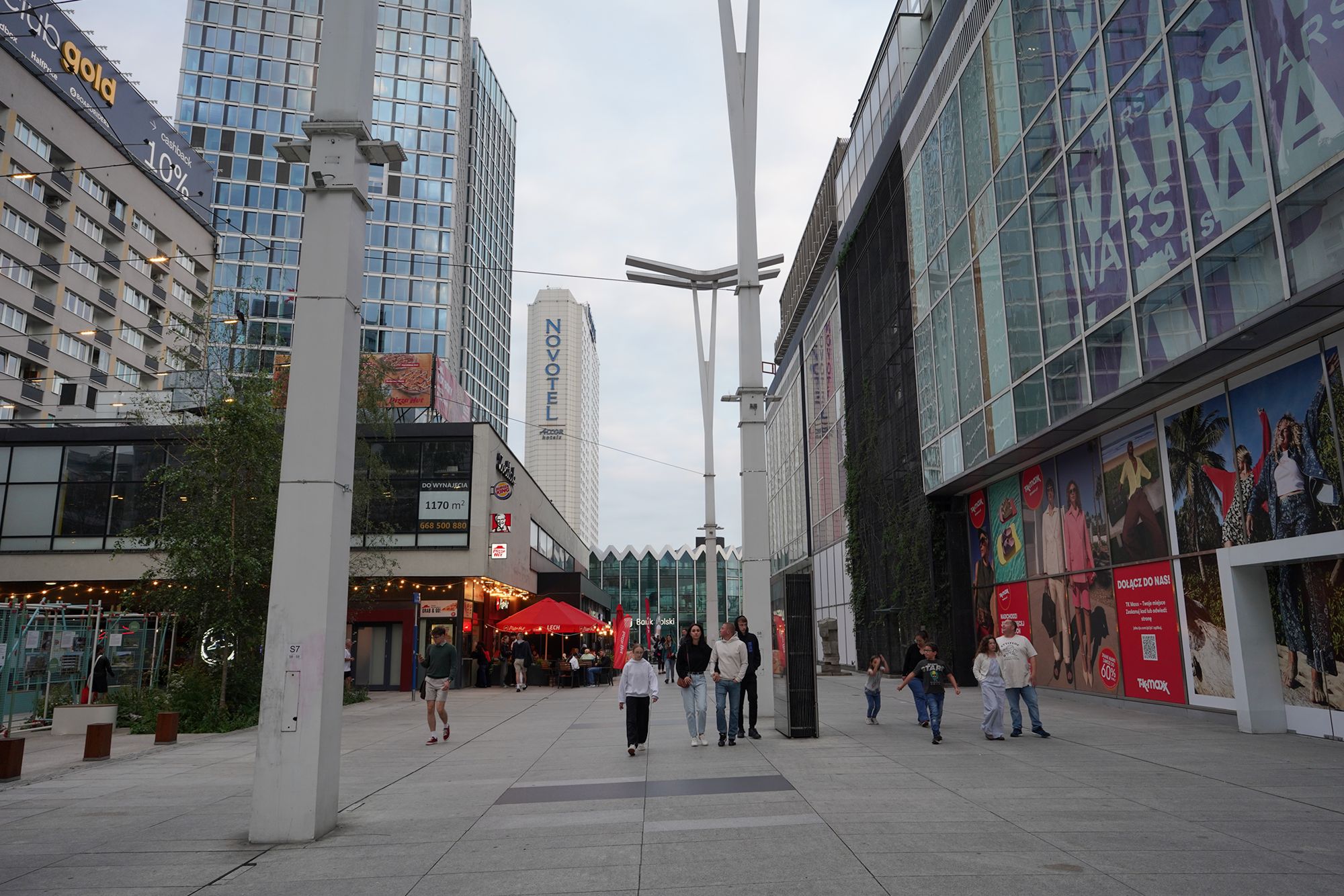
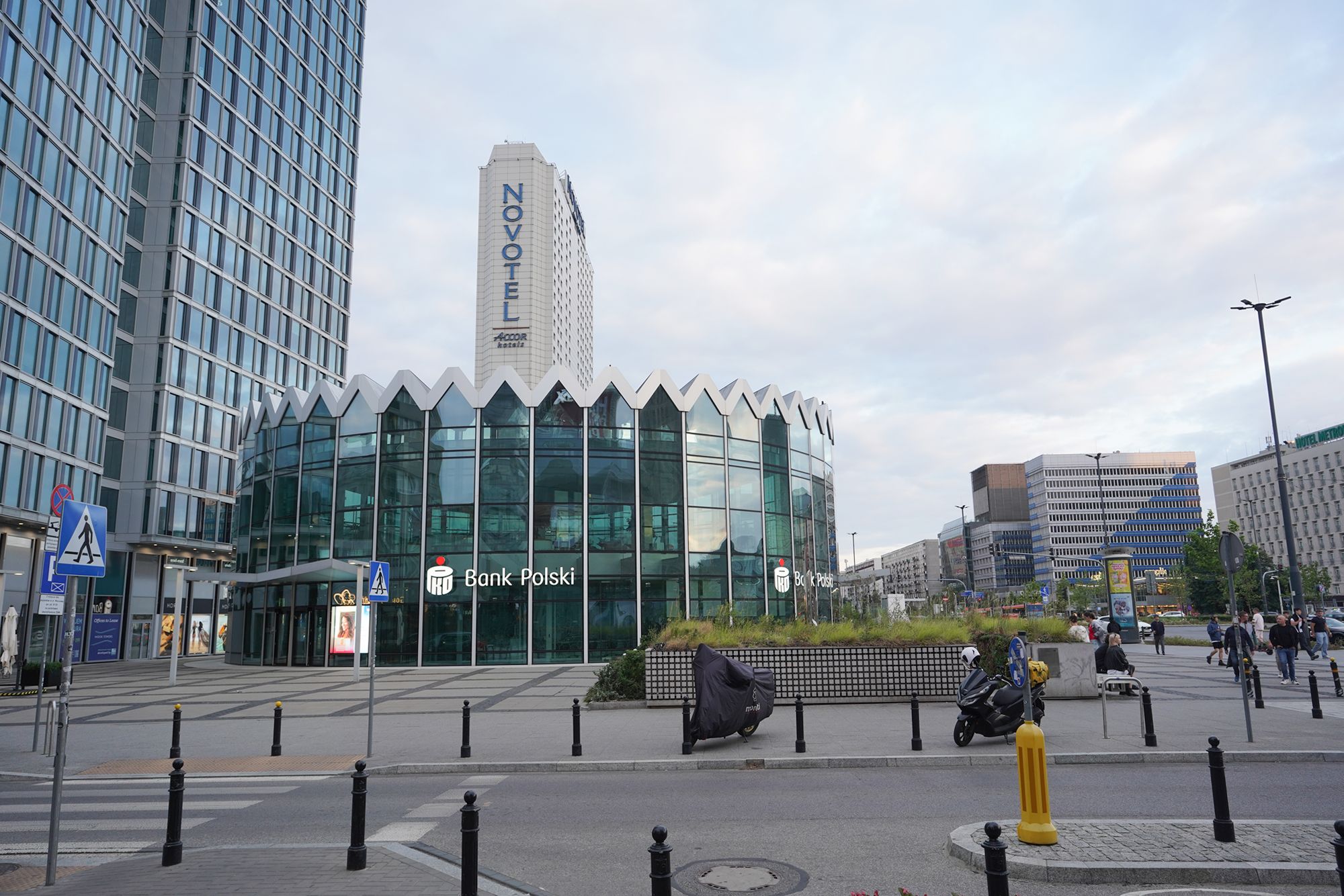
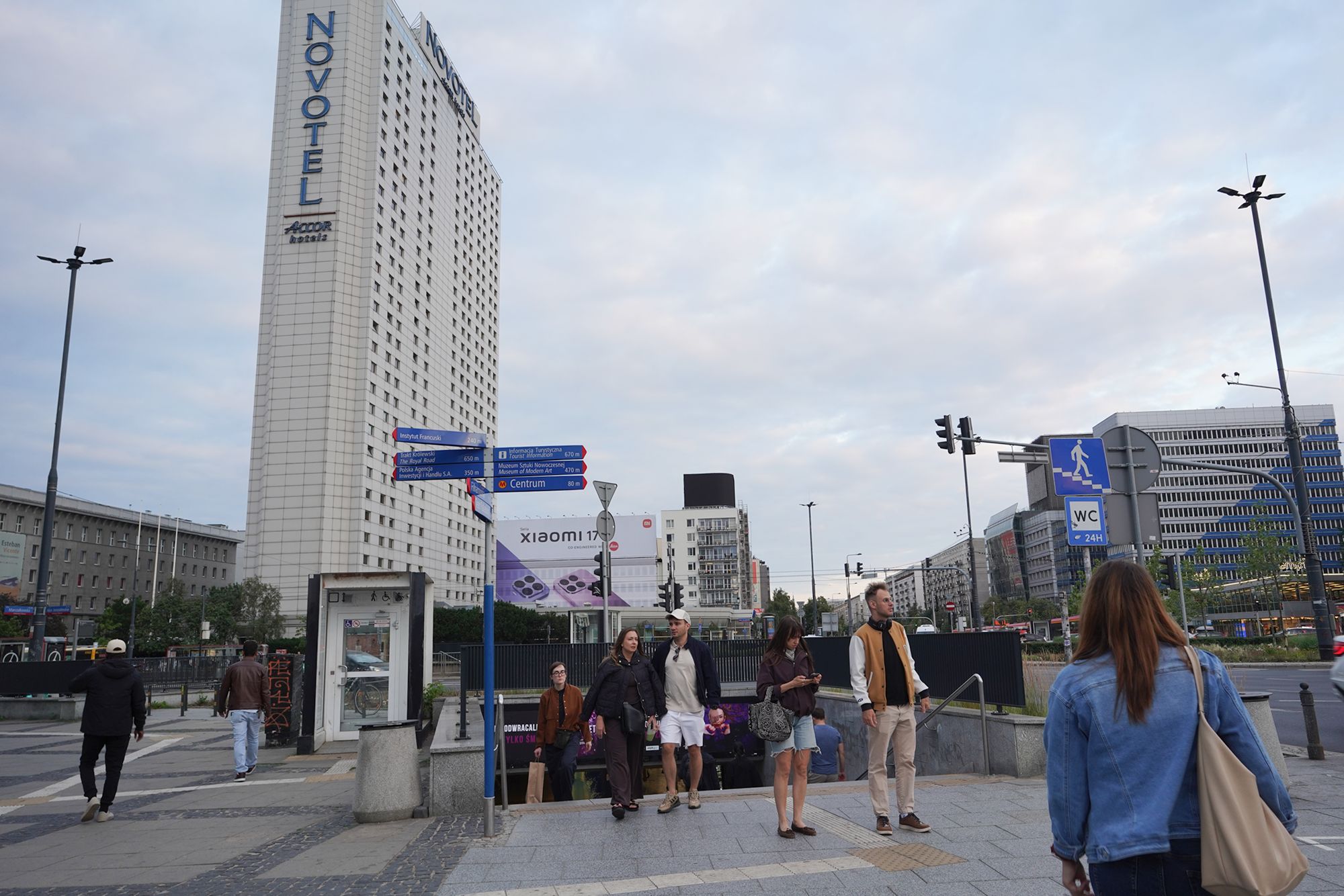
I returned to Warsaw’s city center, near where I was staying.
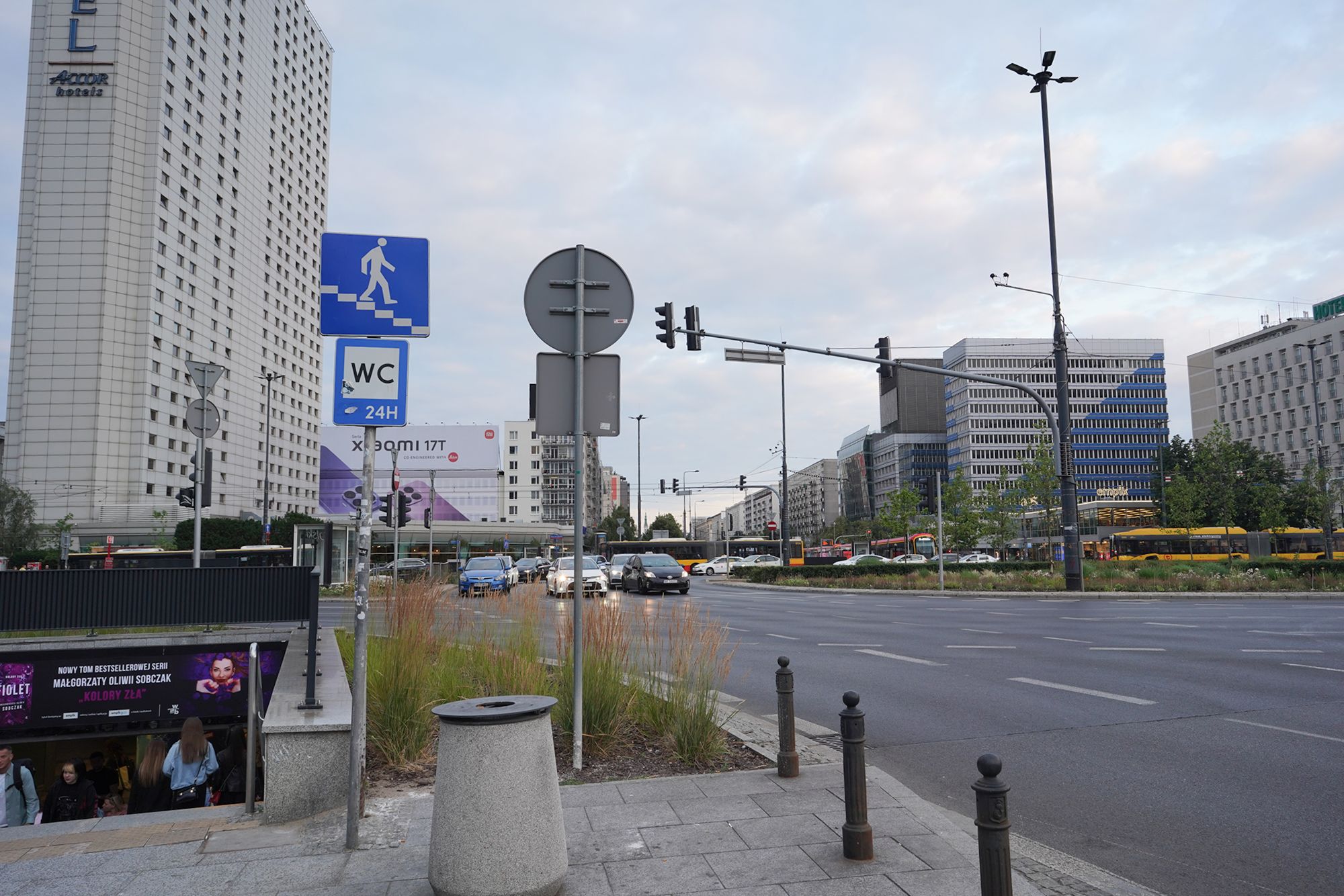
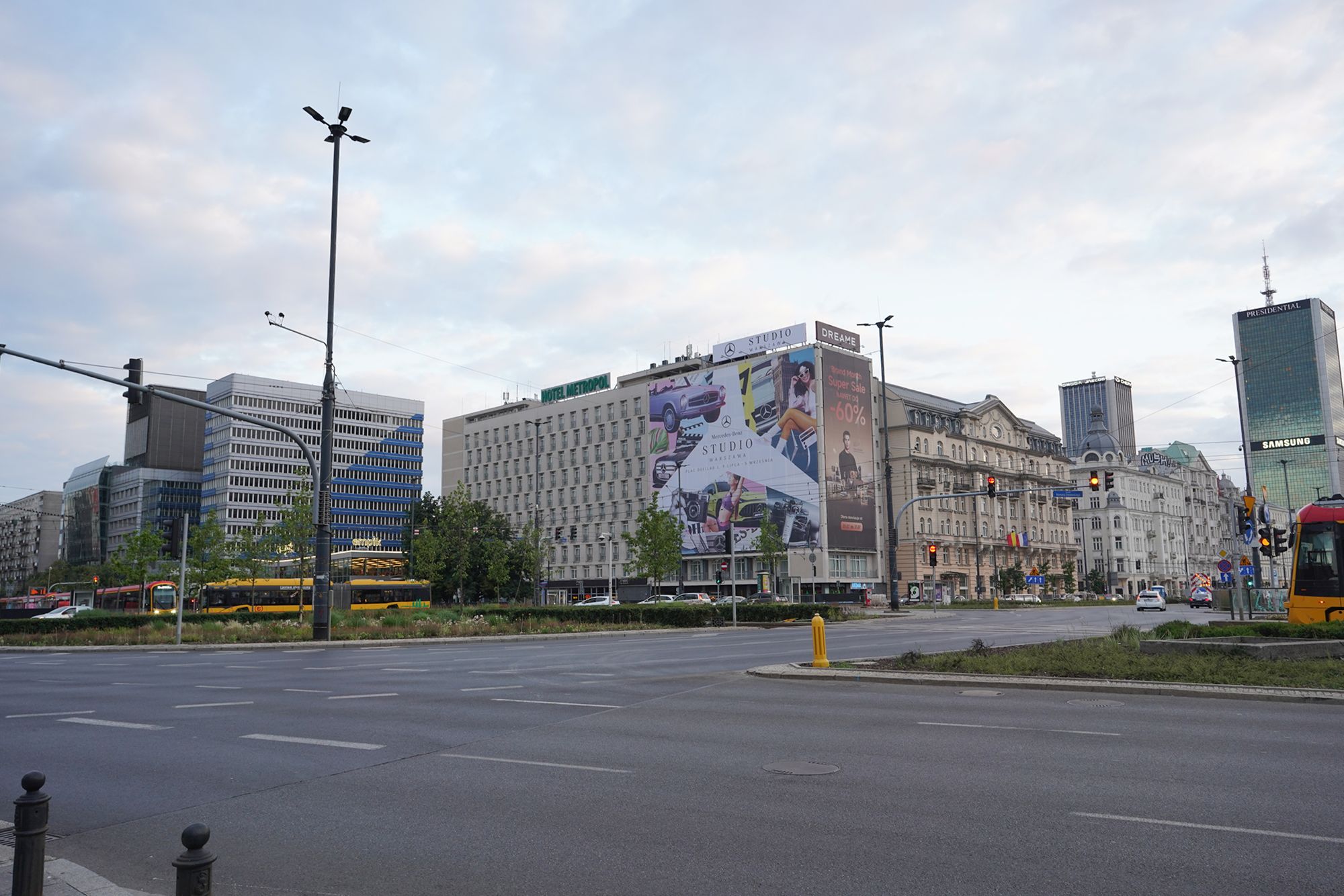
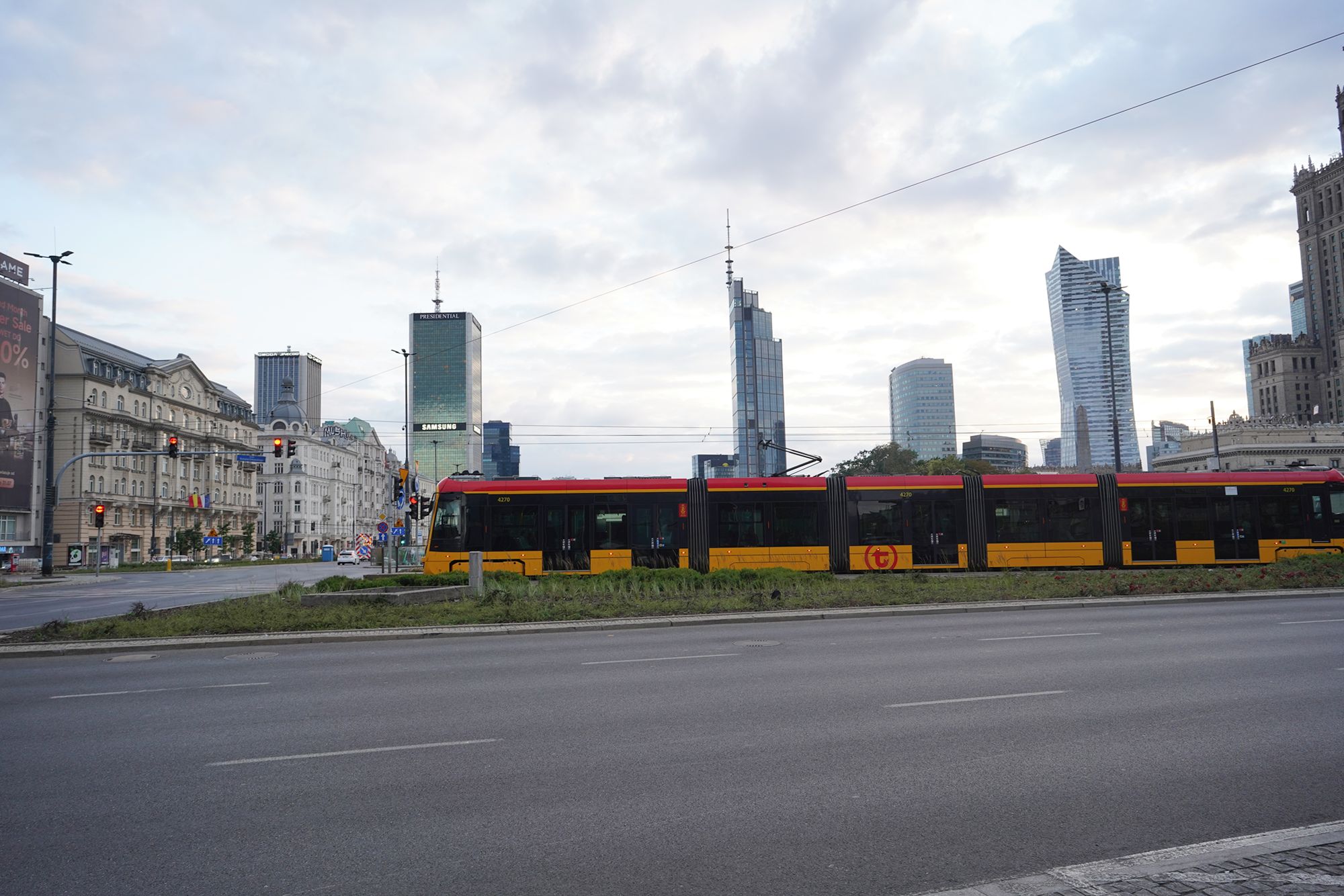
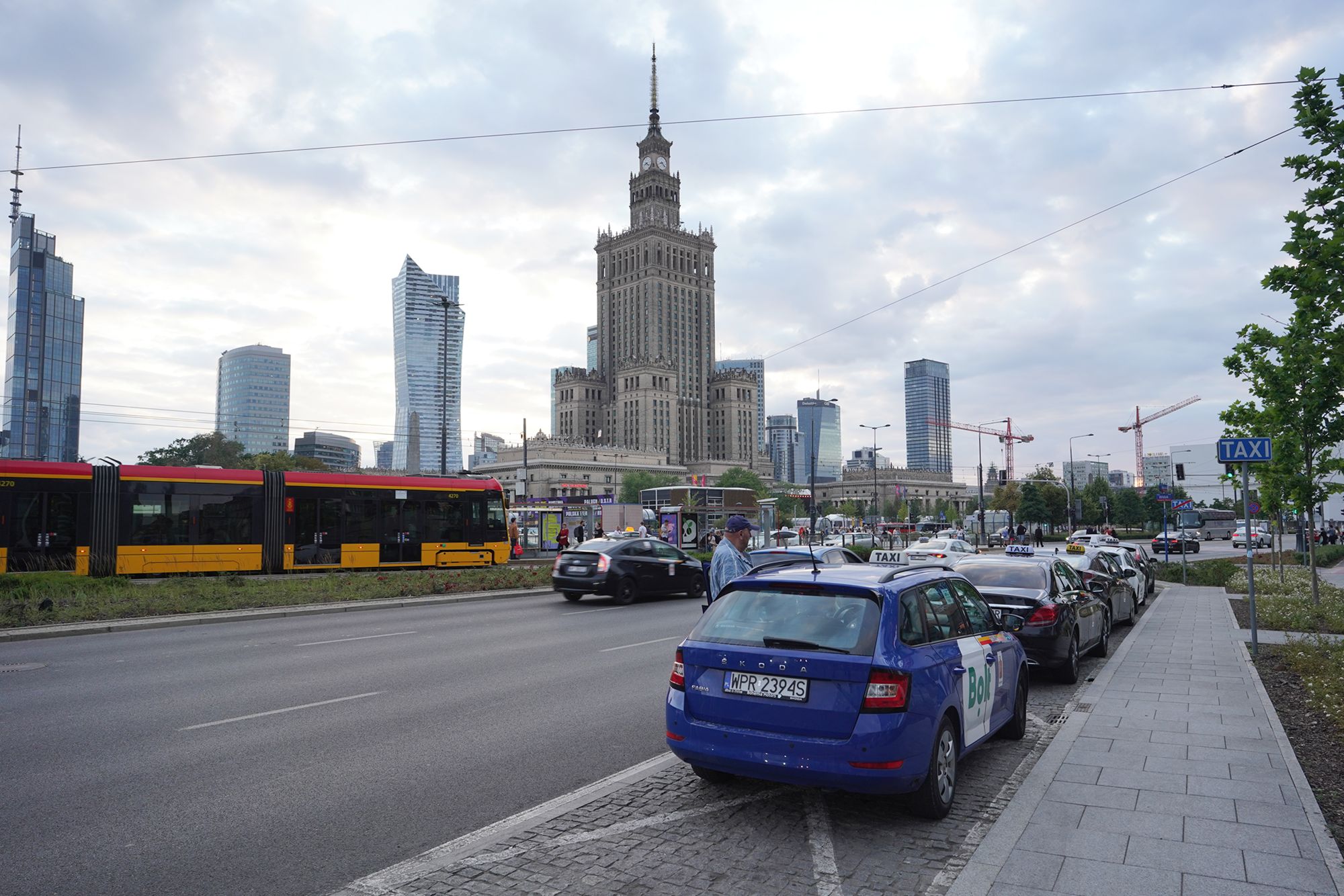
The Palace of Culture and Science is one of Warsaw’s most recognizable landmarks. Completed in 1955 as a gift from the Soviet Union, it became a symbol of Soviet influence in Poland. Today, it houses theaters, museums, and other cultural institutions, while its 30th-floor observation terrace offers panoramic views of the city.