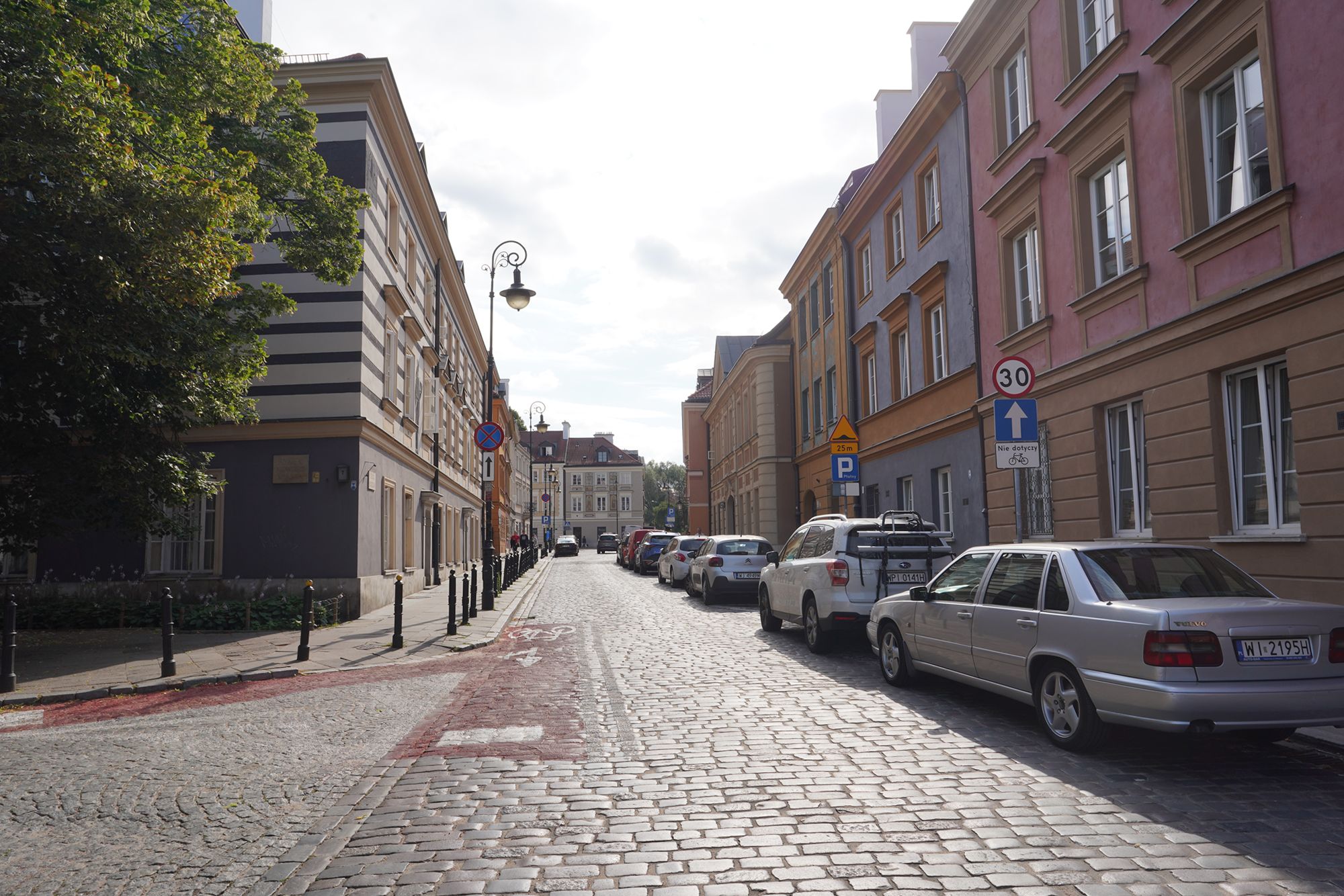
Warsaw Walk, Part I, Poland
I walked through Warsaw’s Old and New Towns, exploring historic squares, churches, monuments, and rebuilt city walls. 1365
Royal Castle: Plac Zamkowy 4, 00-277 Warszawa, Poland
Old Town Market Square: Rynek Starego Miasta, 00-279 Warszawa, Poland
Warsaw Barbican: Nowomiejska 15/17, 00-257 Warszawa, Poland
St. Hyacinth’s Church: Freta 10, 00-227 Warszawa, Poland
New Town Market Square: rynek Nowego Miasta 1, 00-229 Warszawa, Poland
St. Casimir’s Church: rynek Nowego Miasta, 00-001 Warszawa, Poland
Church of the Visitation of the Blessed Virgin Mary: Kościelna, 00-218 Warszawa, Poland
Date Picture Taken: July, 2026
I took a bus from where I was staying in Warsaw to the Old Town, arriving near Castle Square, where the Royal Castle is located.
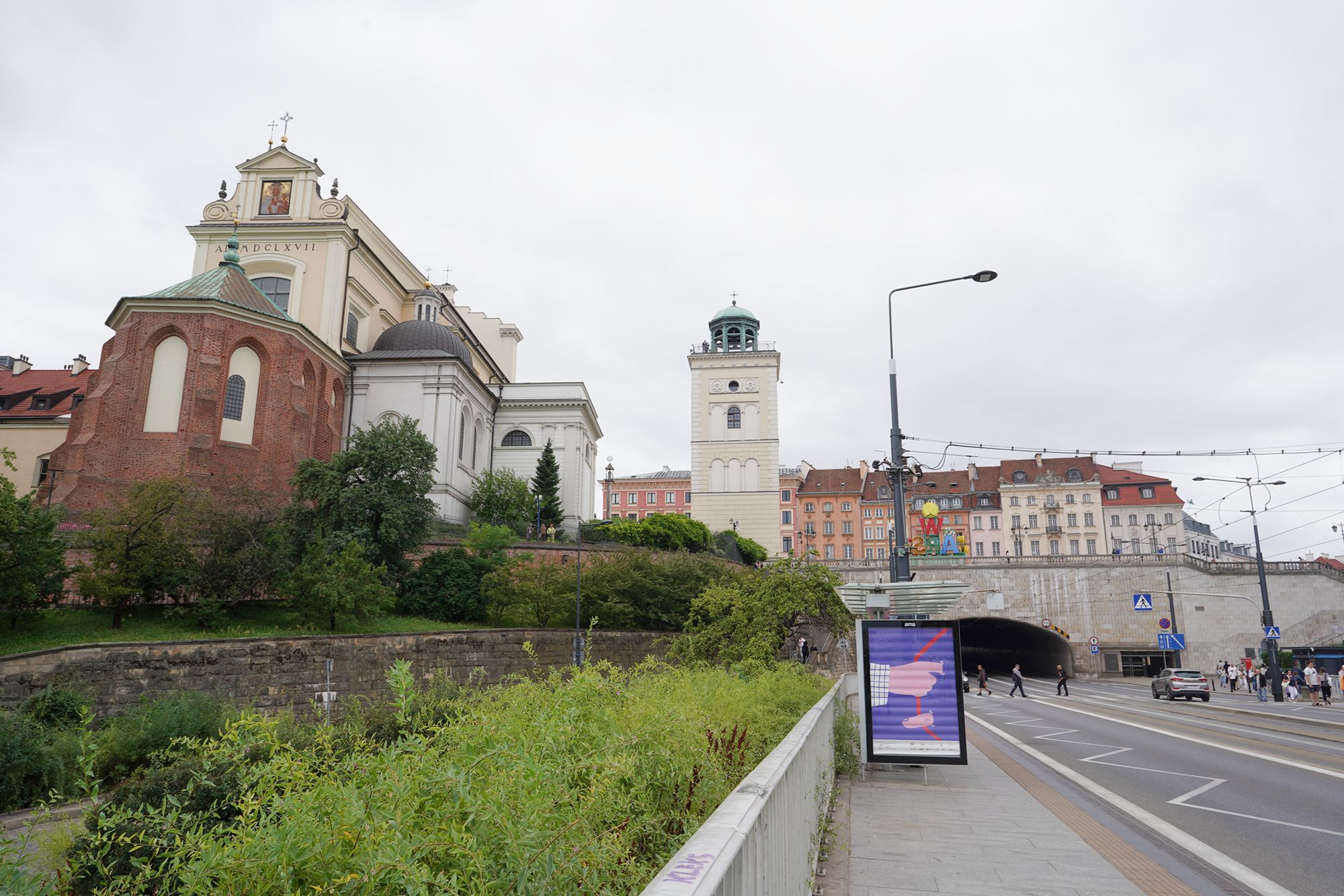
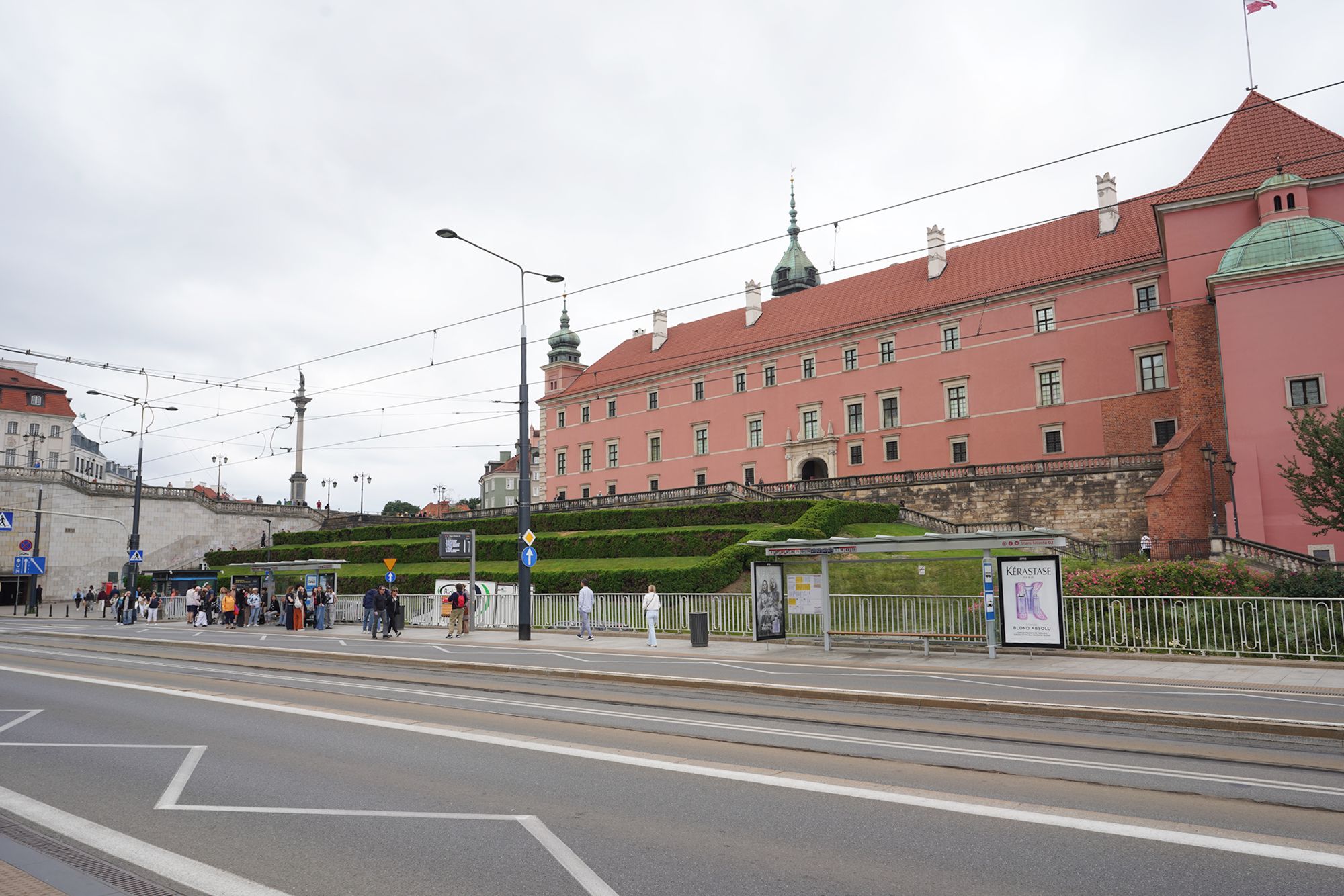
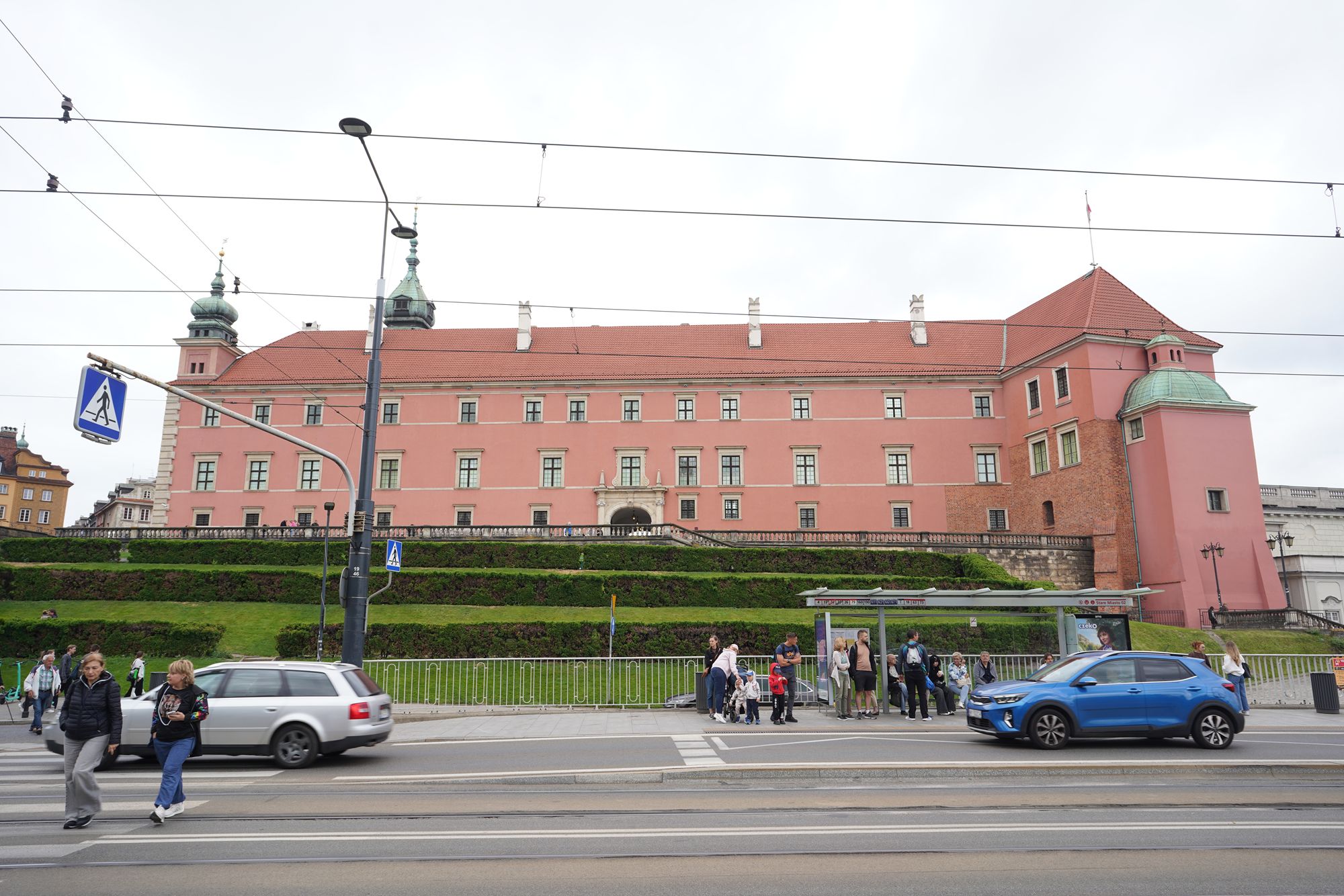
The Royal Castle
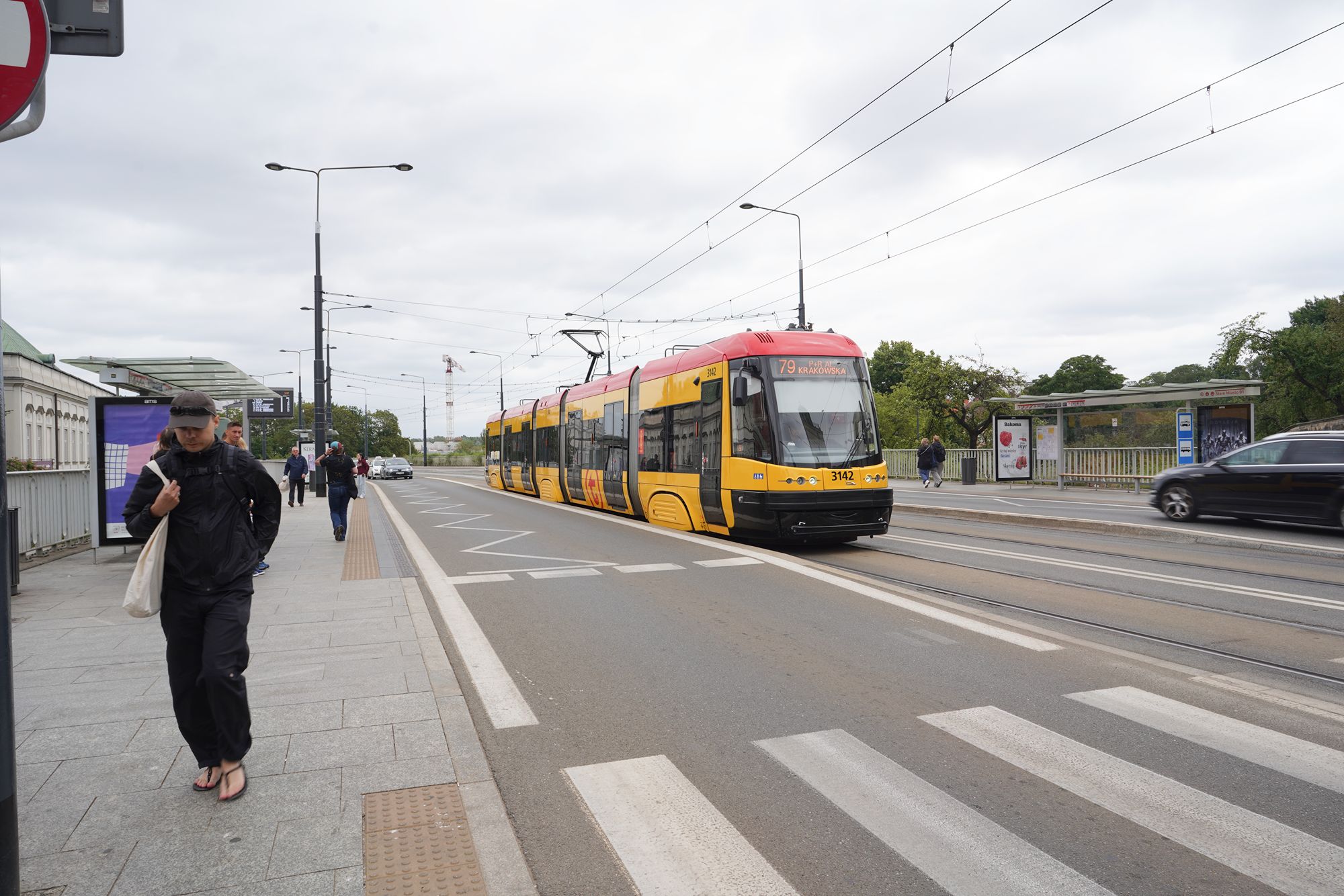
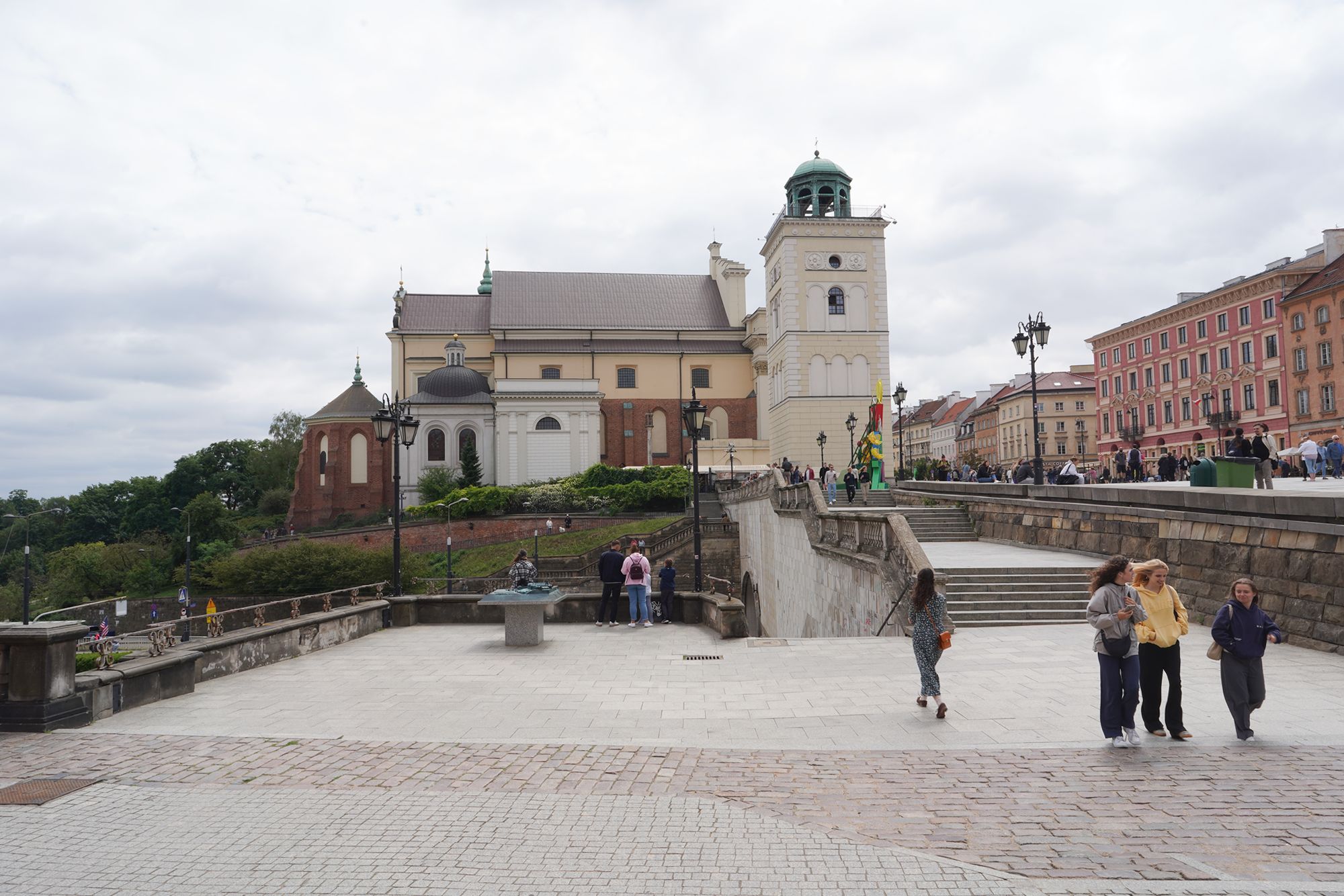
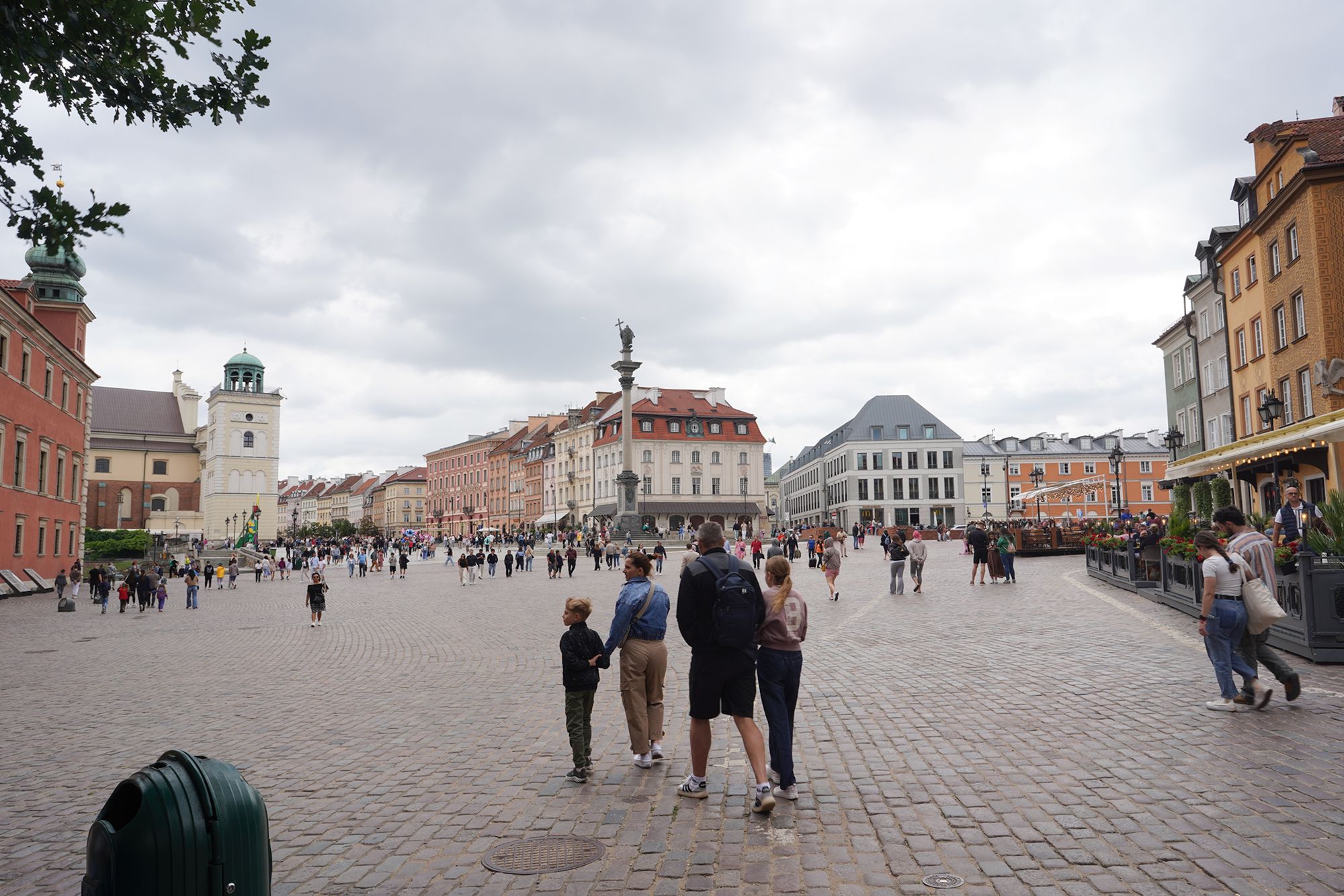
I walked up the stairs from the bus stop to Castle Square, where I saw Sigismund’s Column.
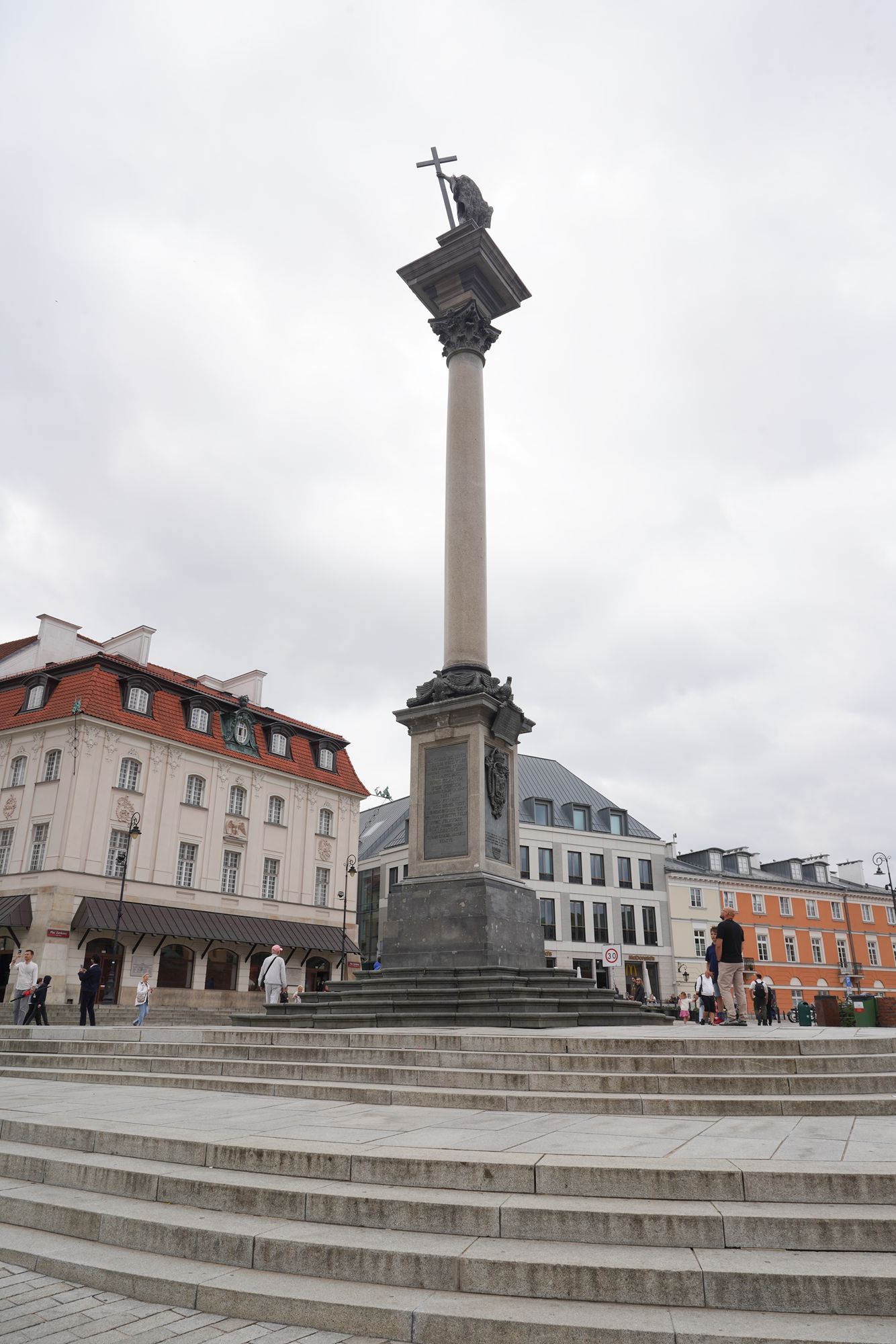
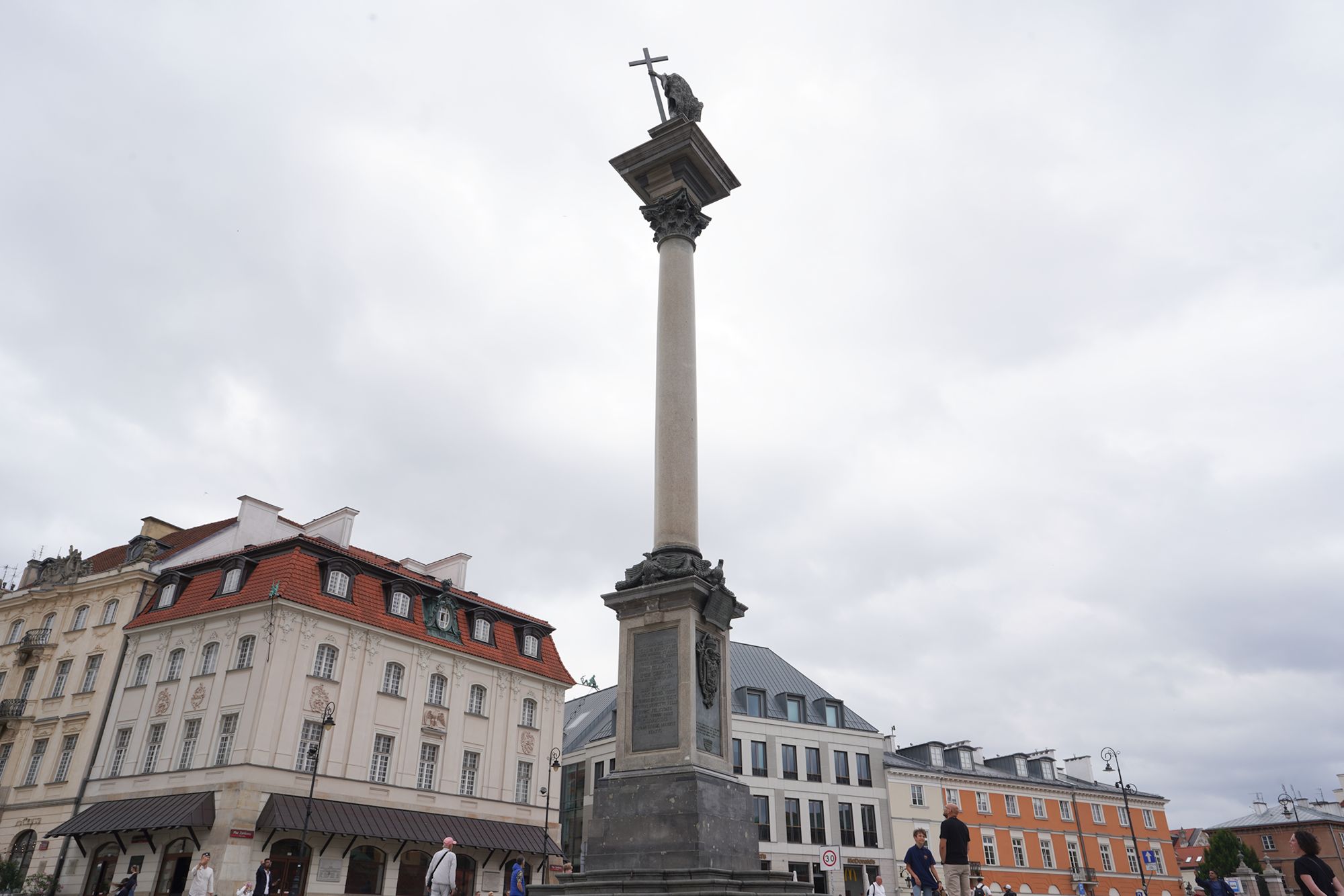
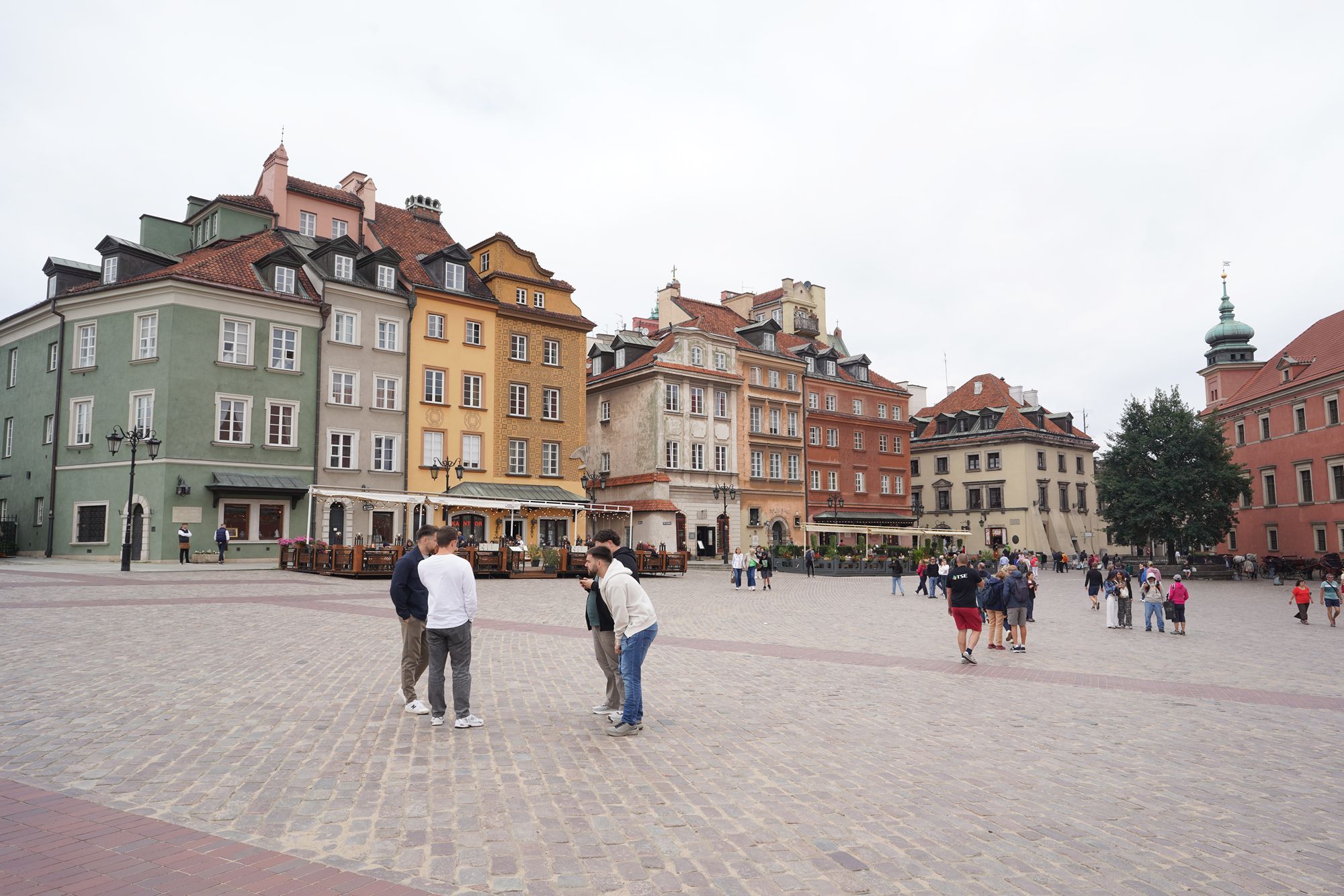
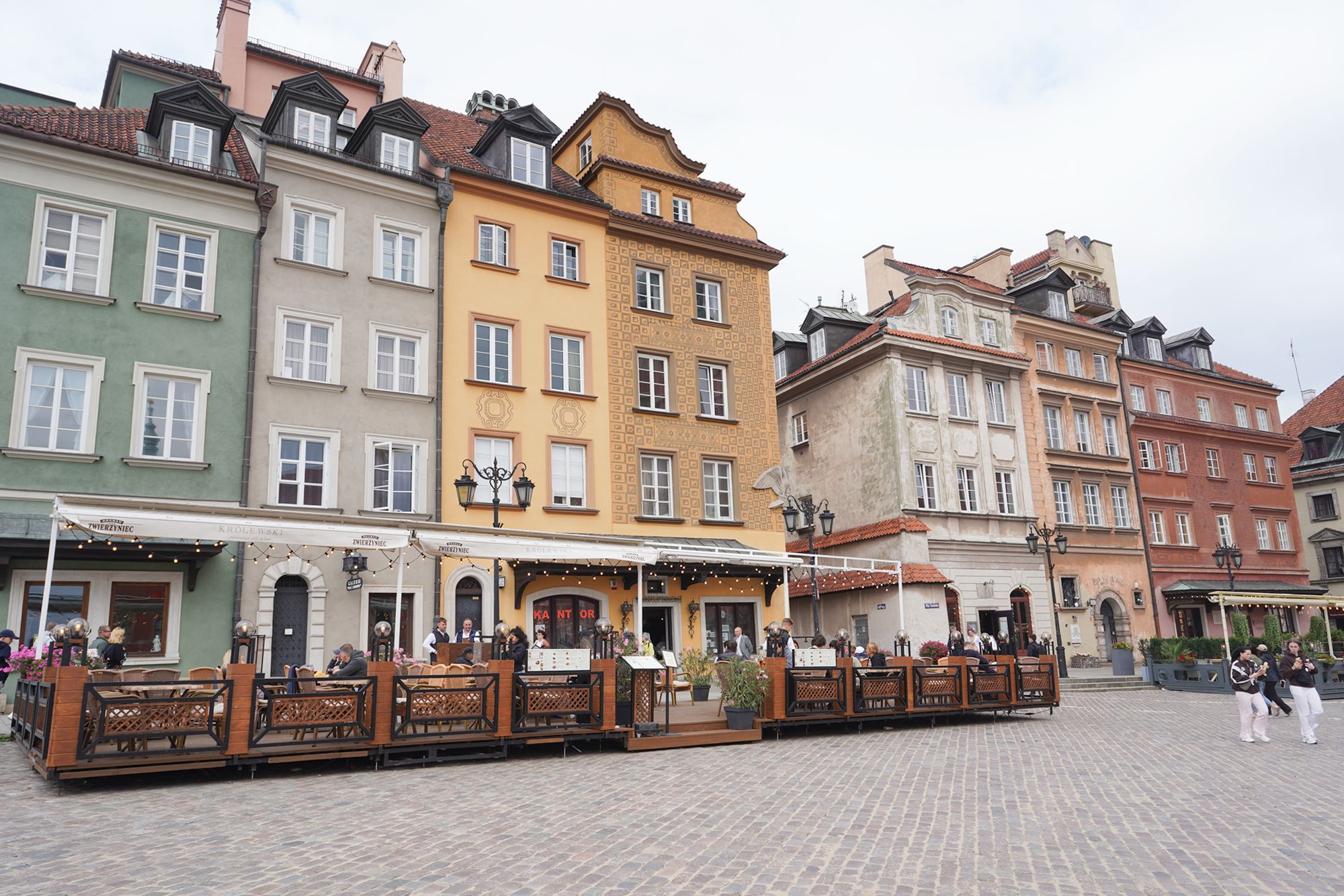
Castle Square marks the entrance to Warsaw’s Old Town, with the Royal Castle on one side and colorful historic buildings around it. At its center stands Sigismund’s Column, honoring King Sigismund III Vasa, who moved the royal court from Kraków to Warsaw in 1596. Much of the square was destroyed during World War II and rebuilt afterward.
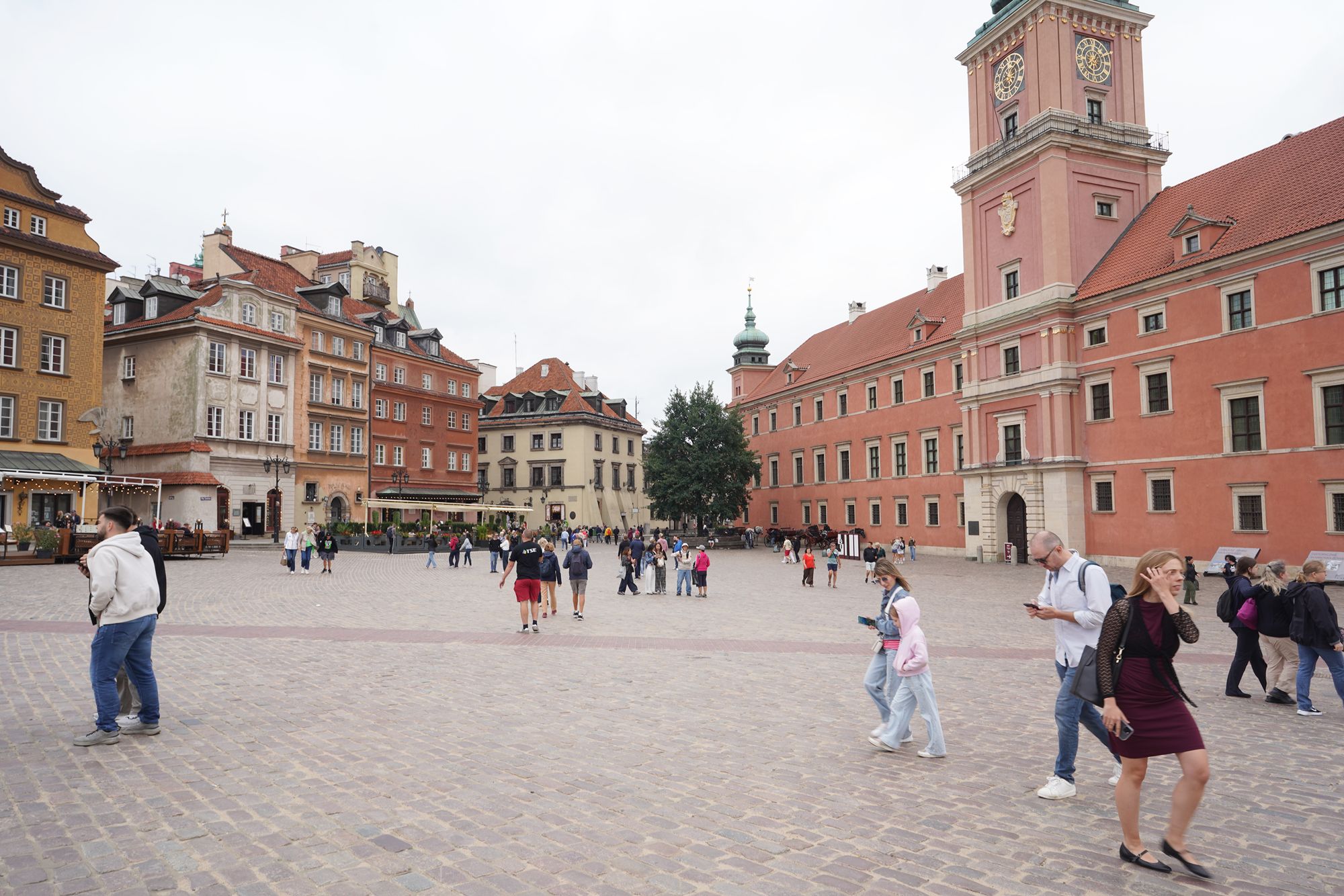
The Royal Castle
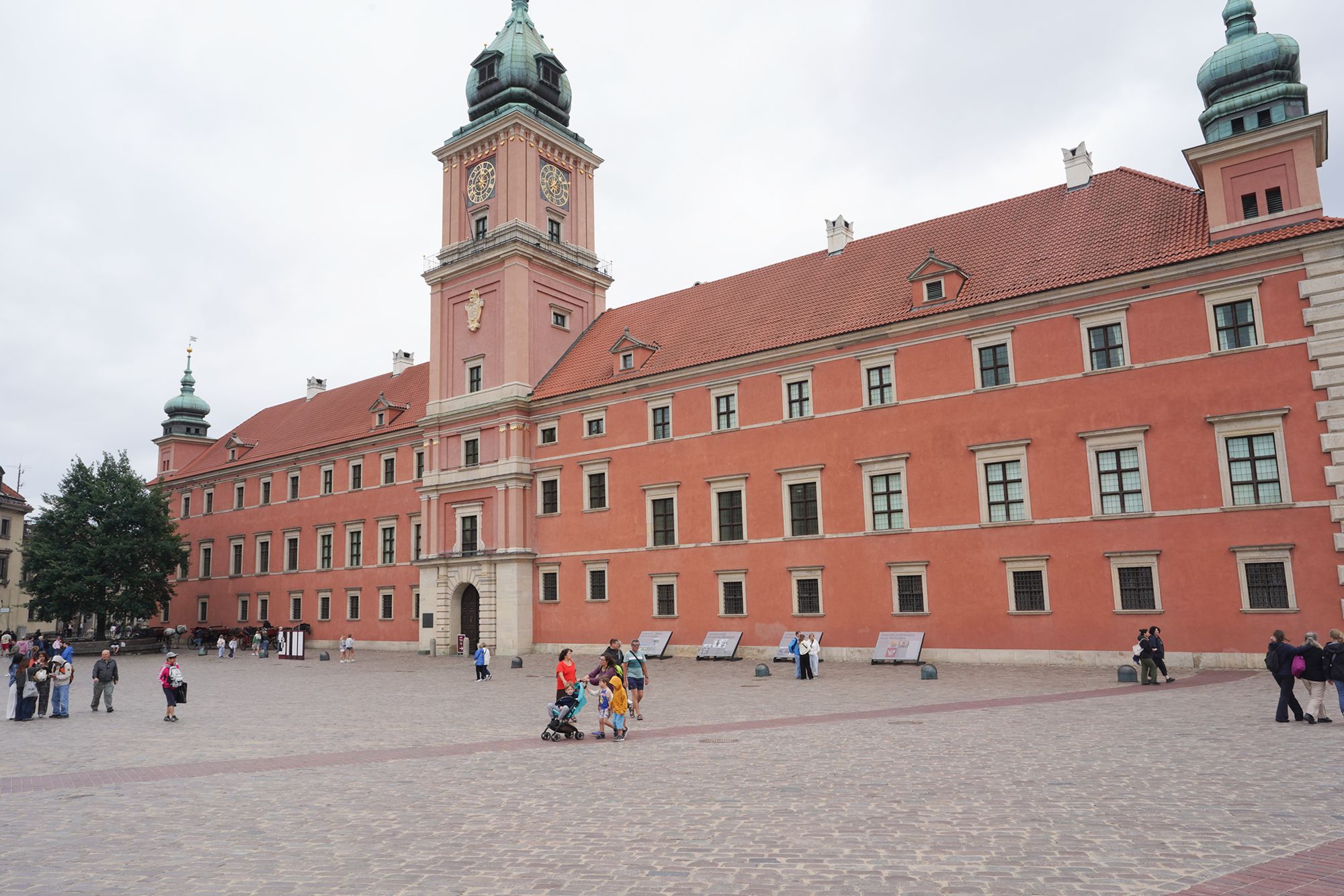
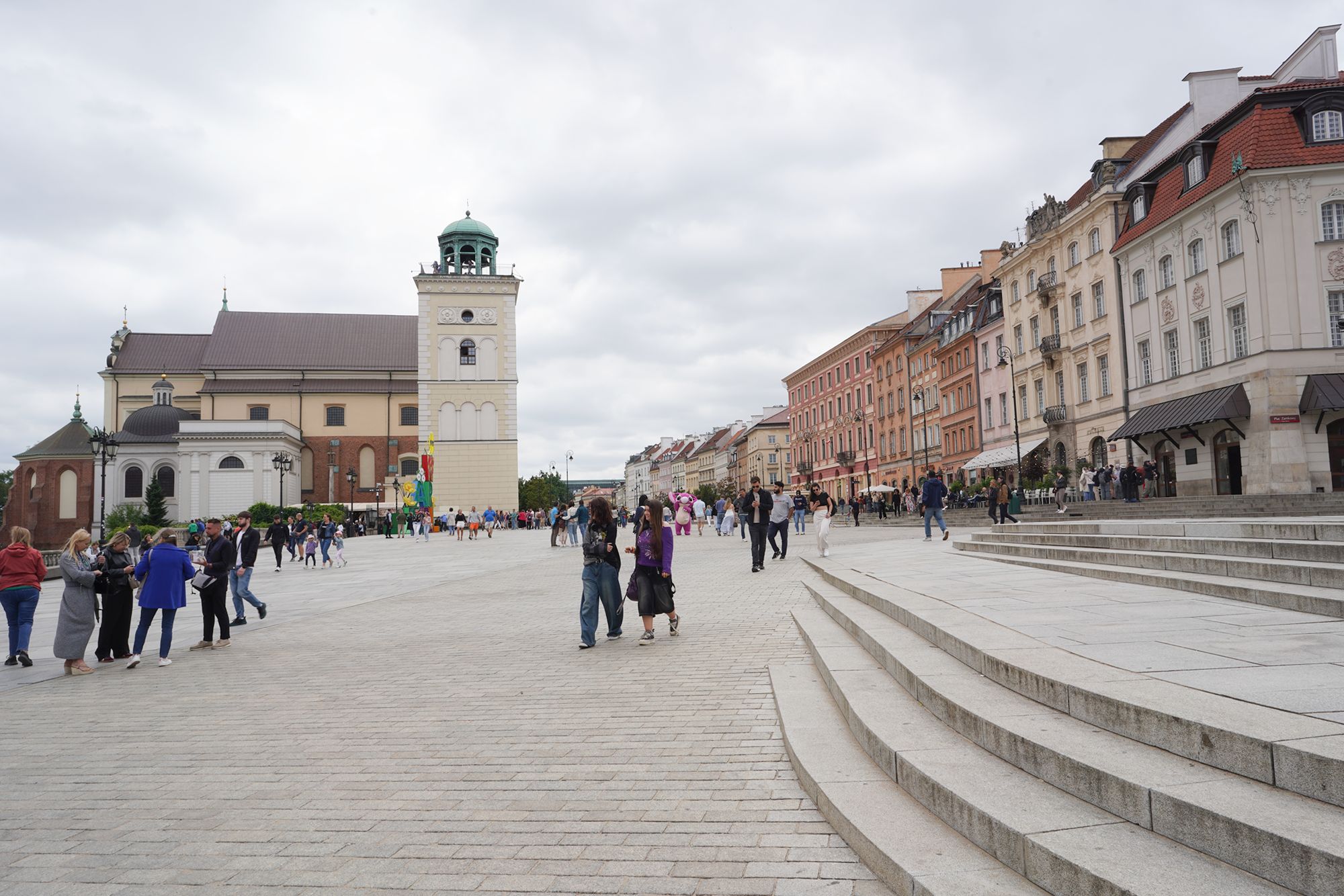
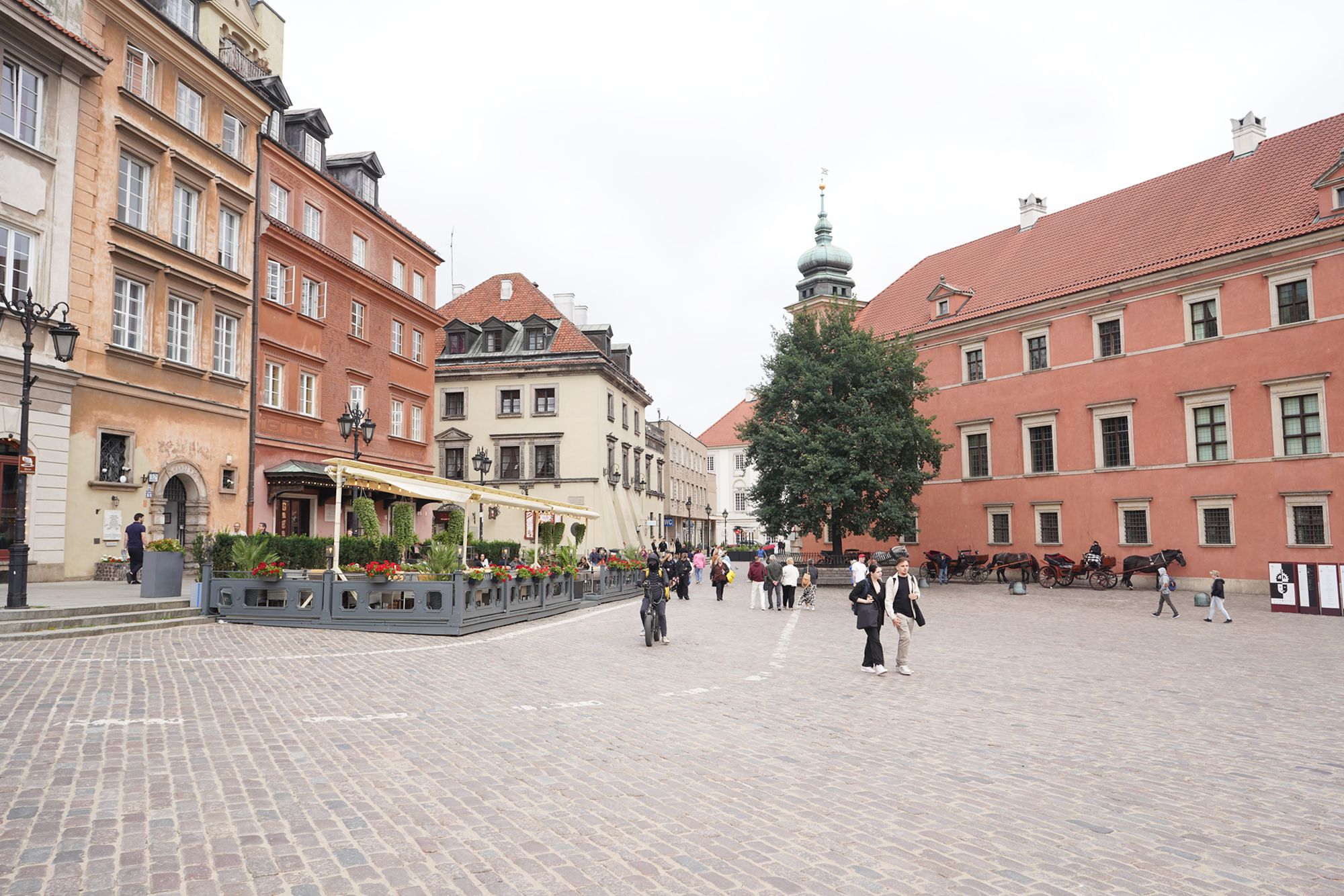
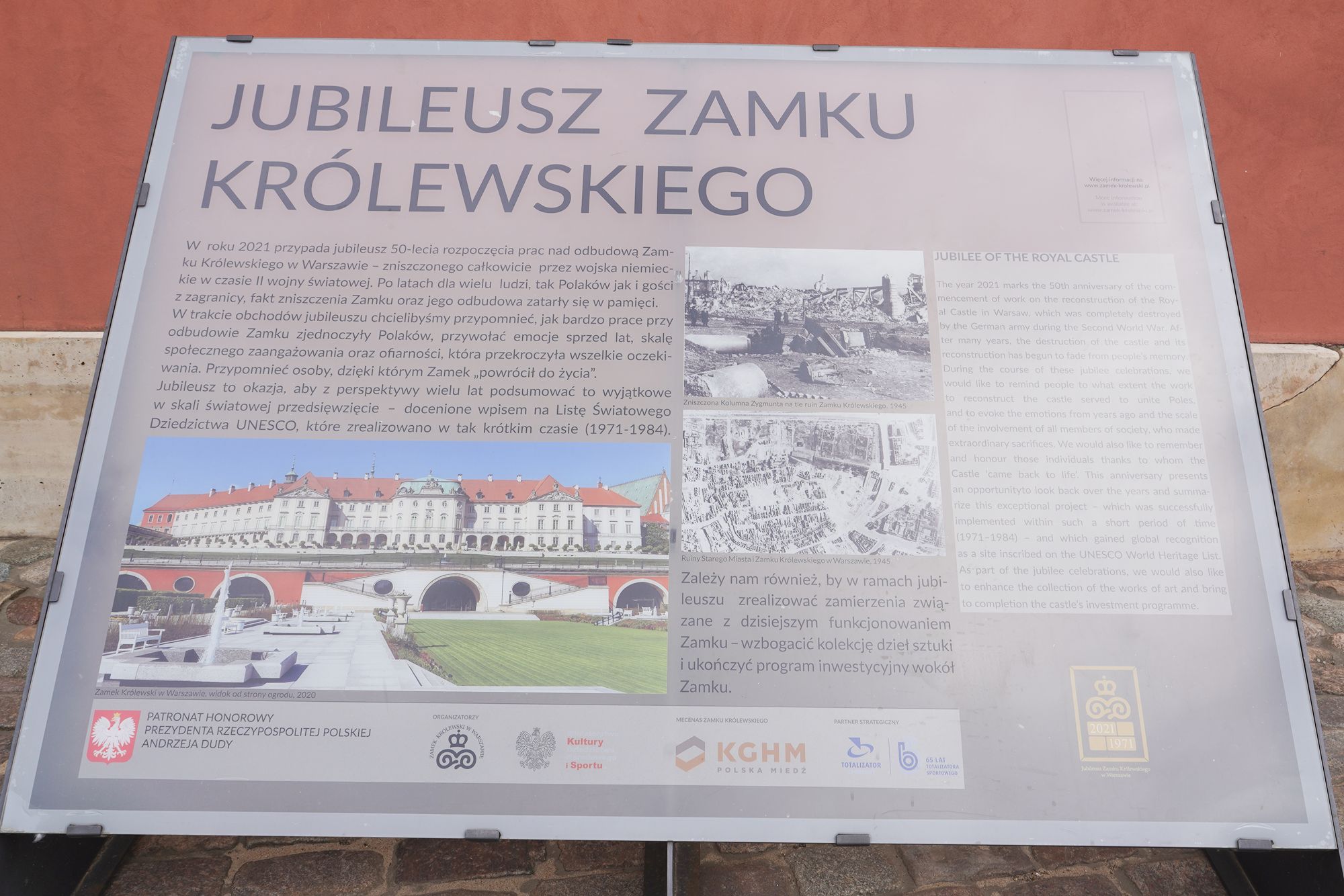
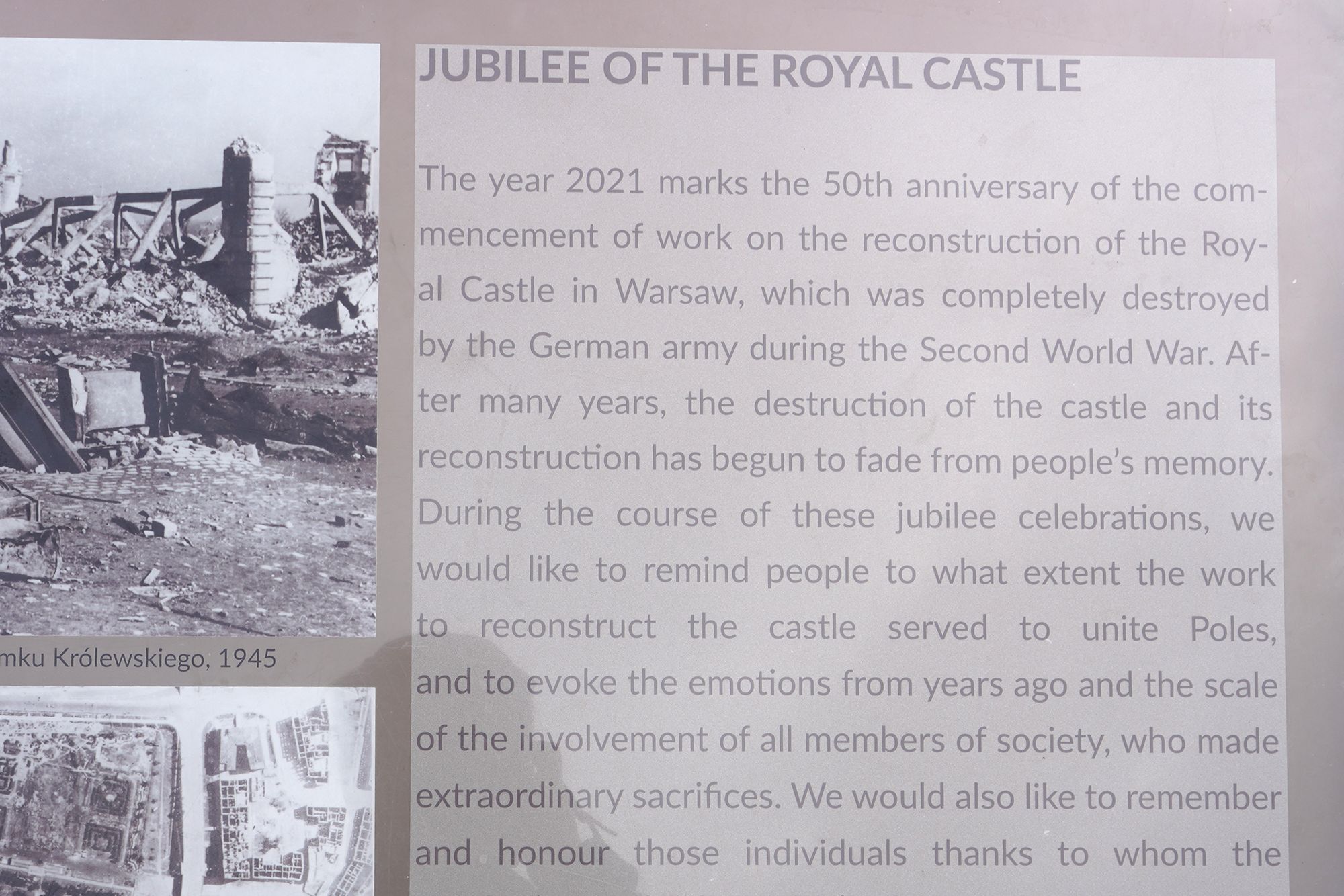
A display in Castle Square marked the 50th anniversary of the Royal Castle’s reconstruction, which began in 1971. It explained how rebuilding the castle after its destruction during World War II brought Polish people together through their contributions and sacrifices.
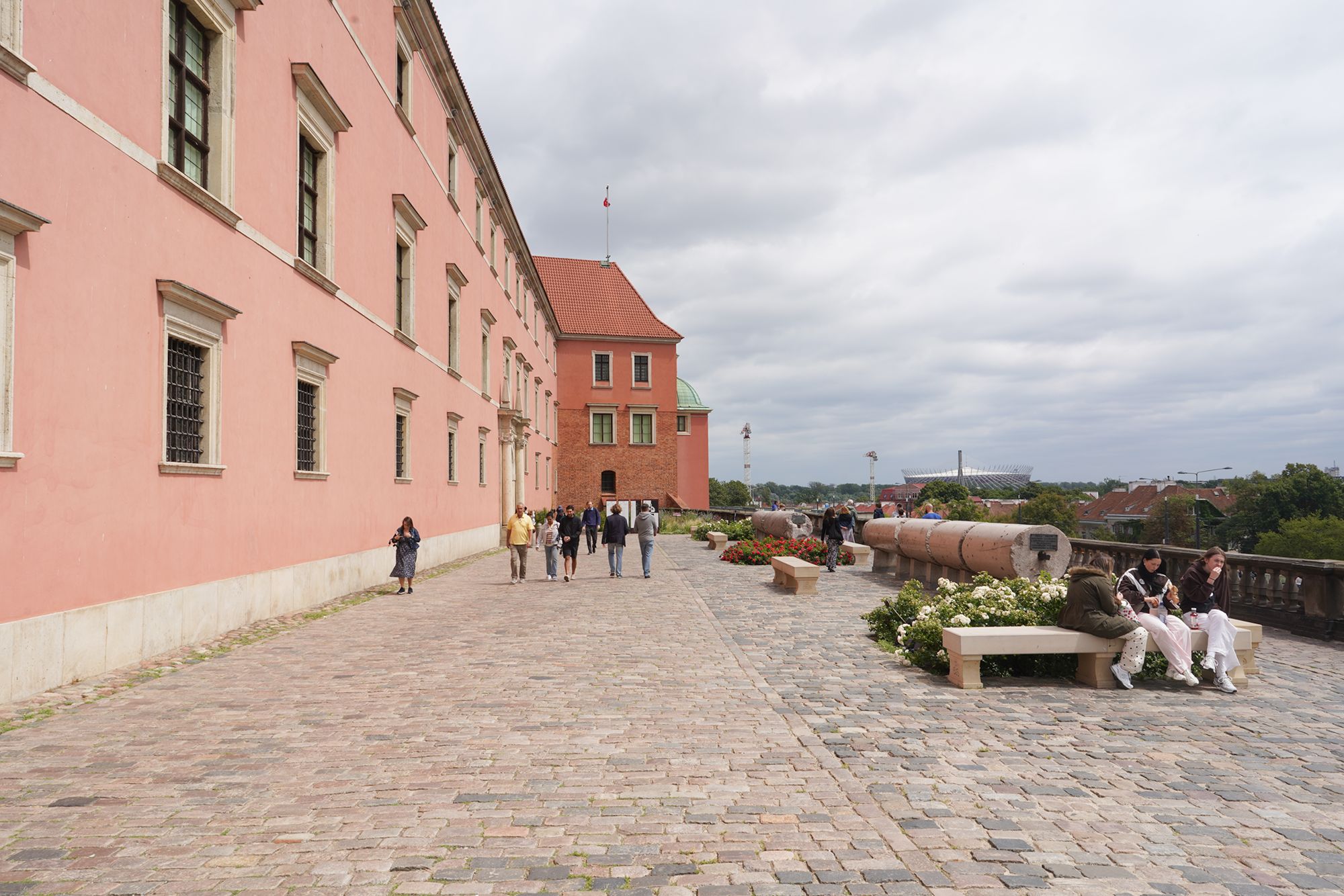
Walking into the Castle
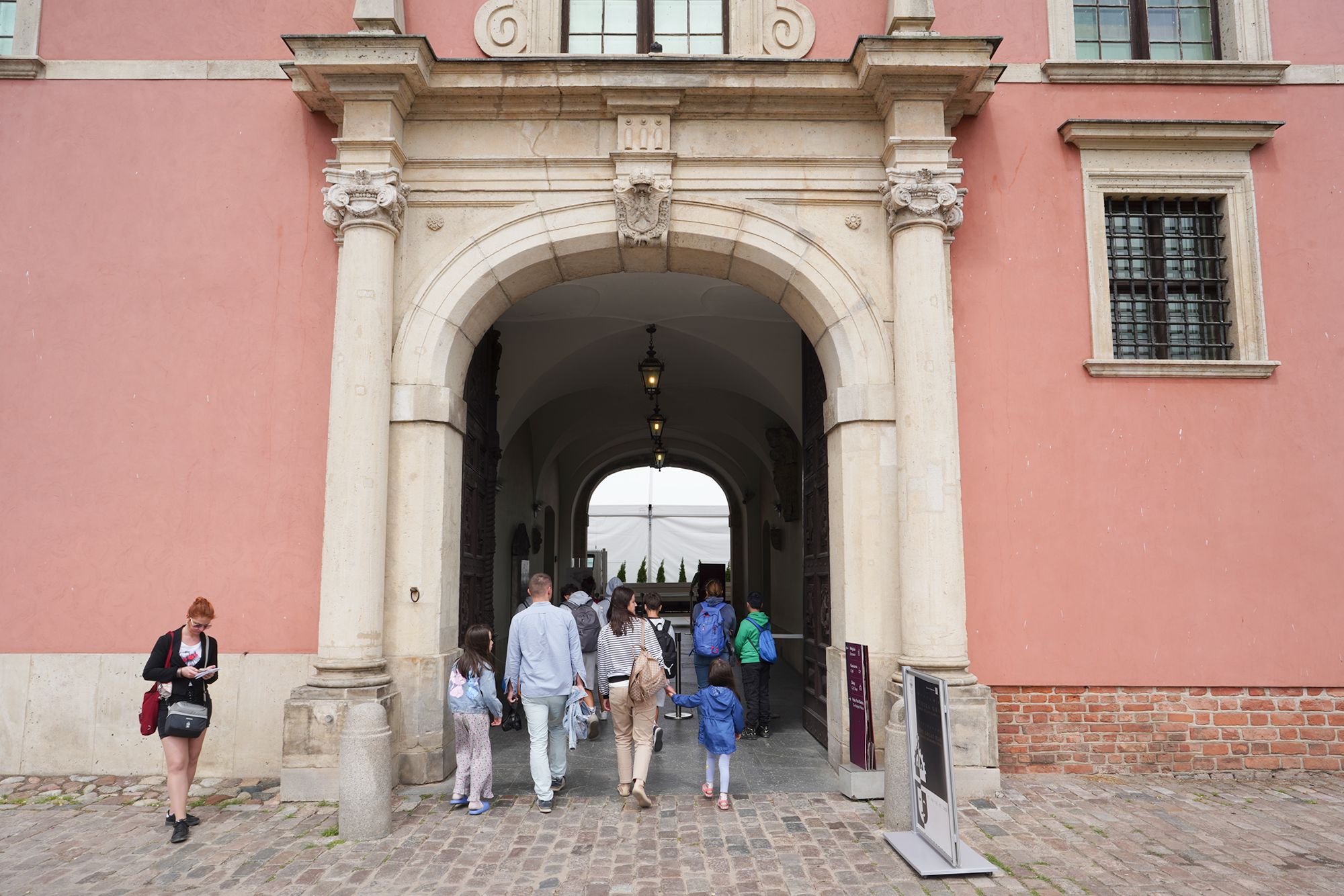
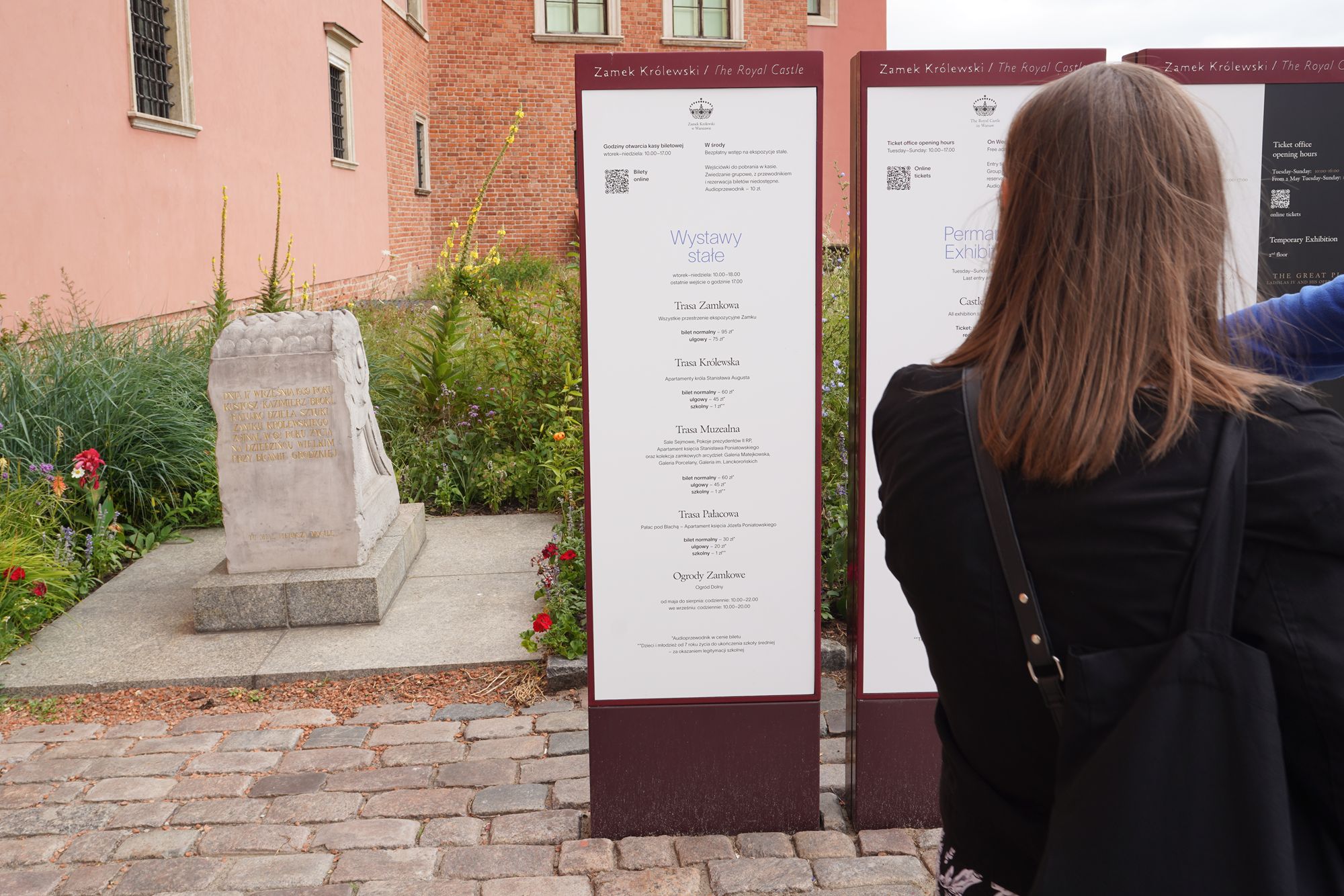
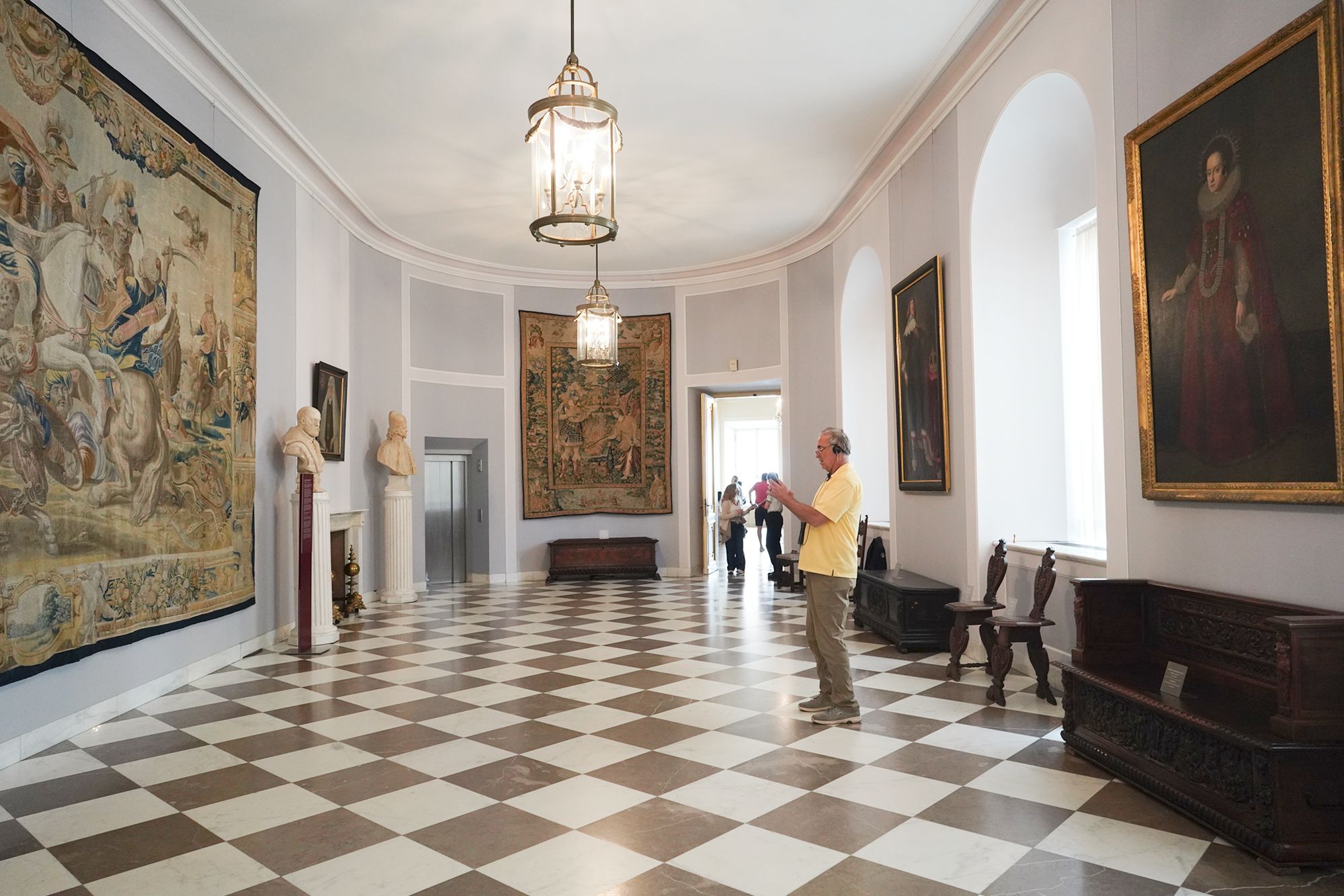
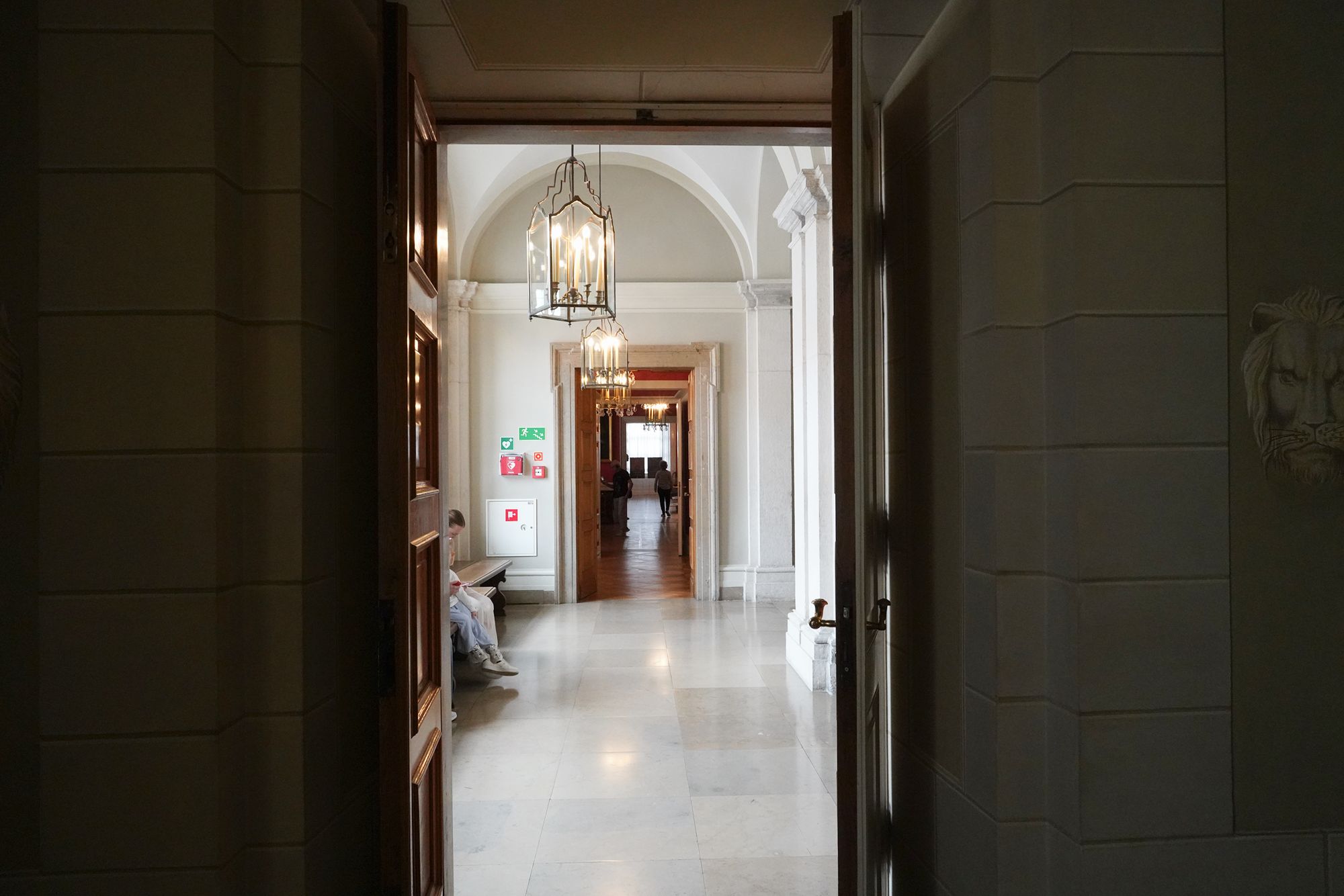
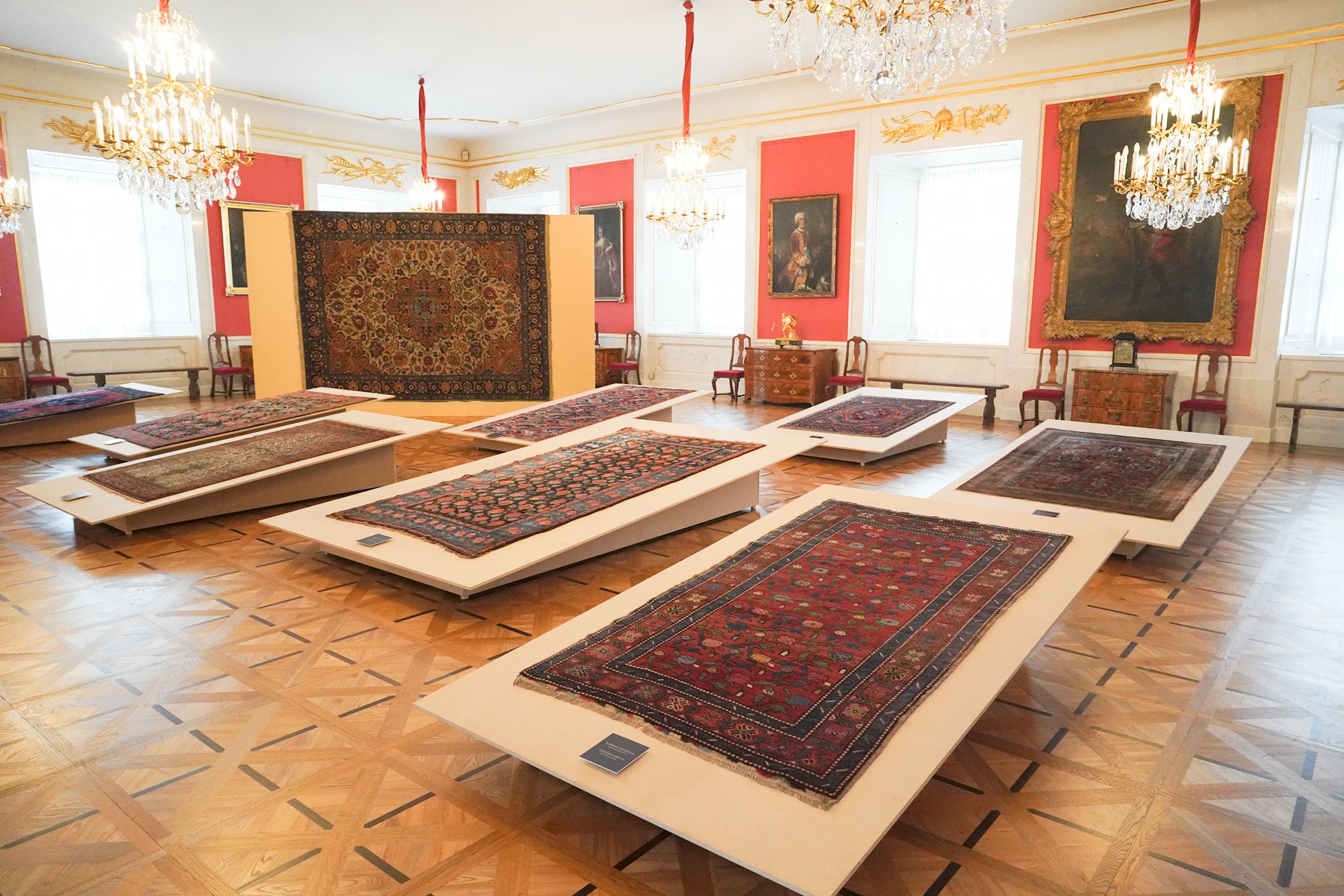
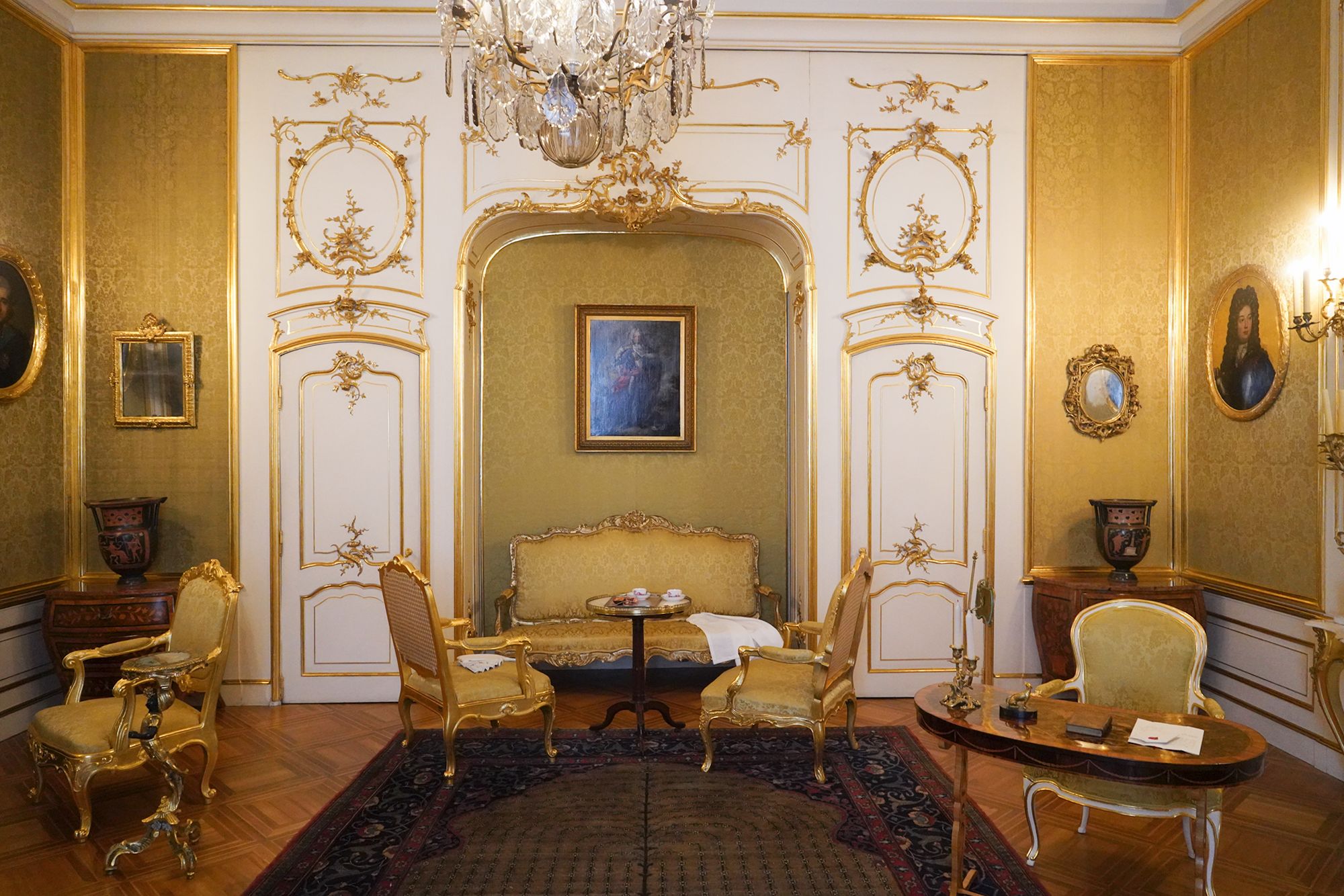
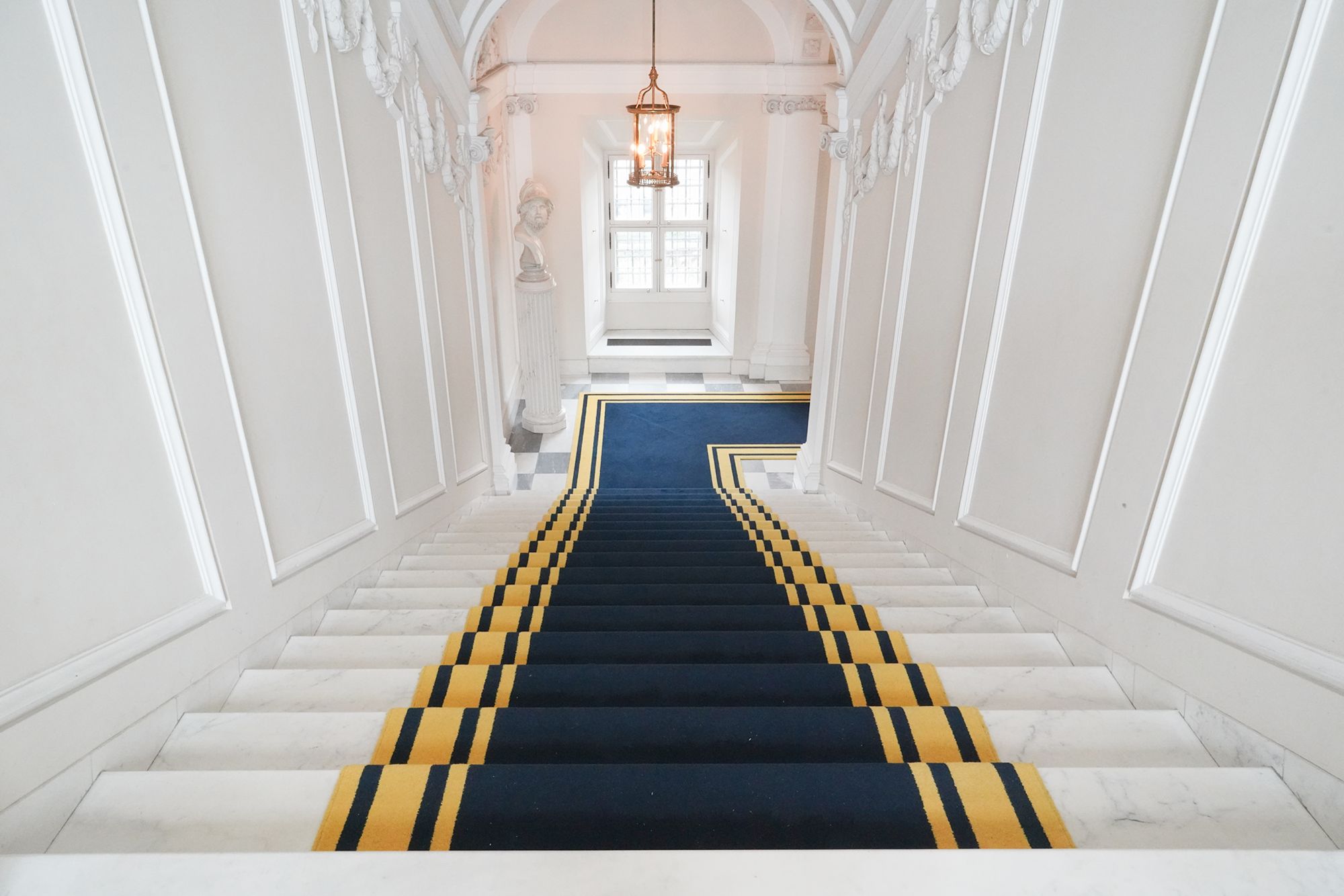
I’ll write a separate, more detailed post about the Royal Castle later, so for now, here’s just a glimpse of it.
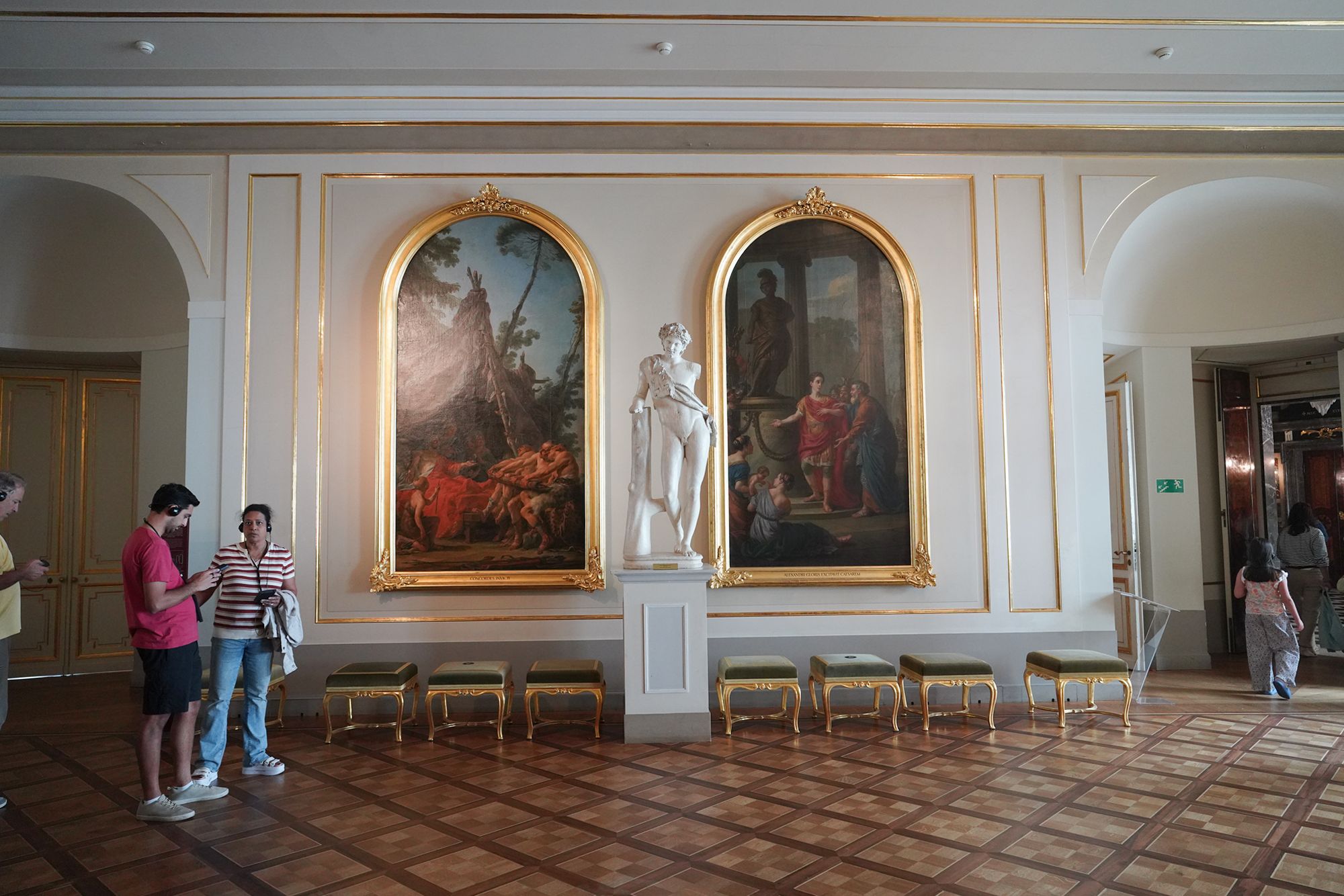
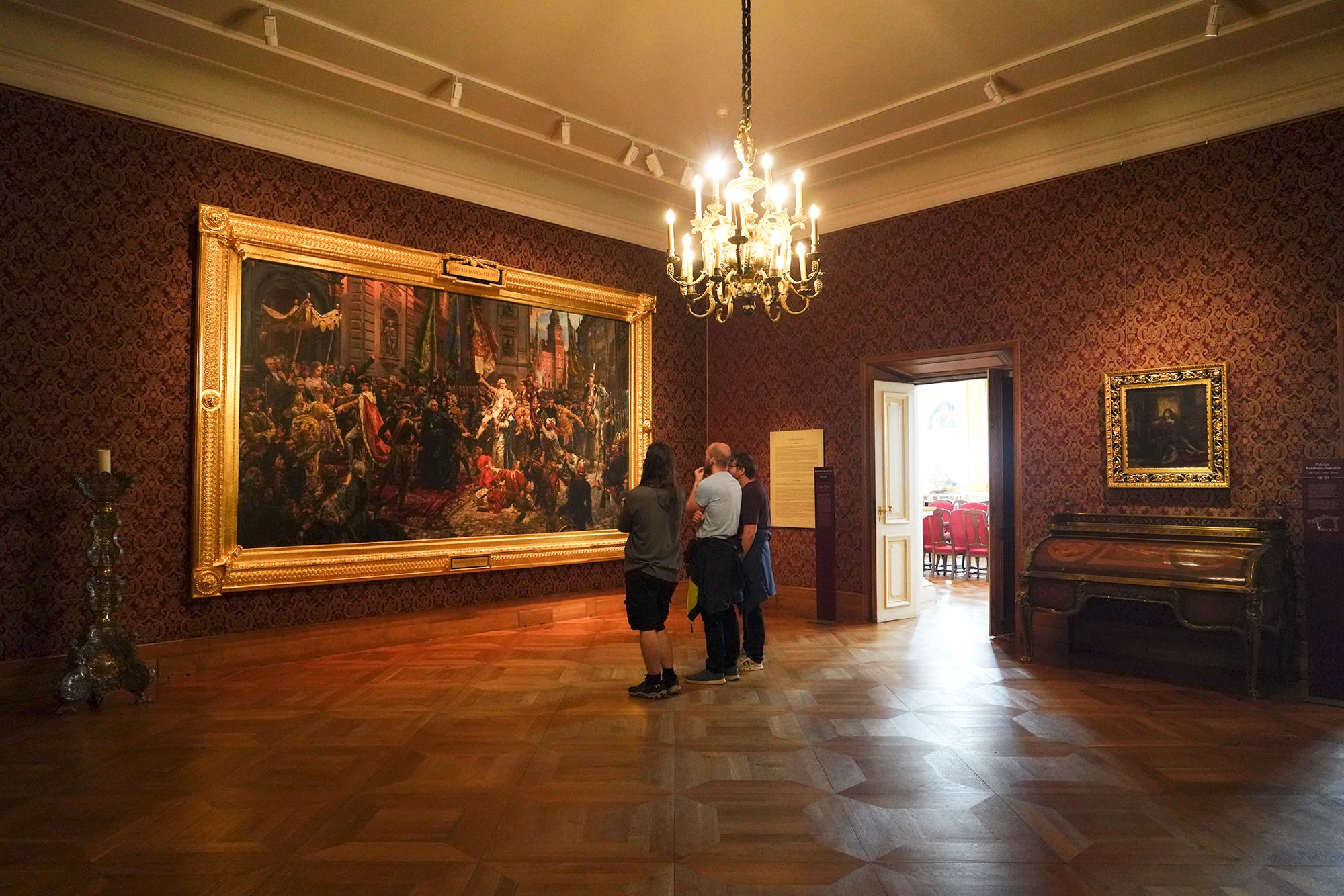
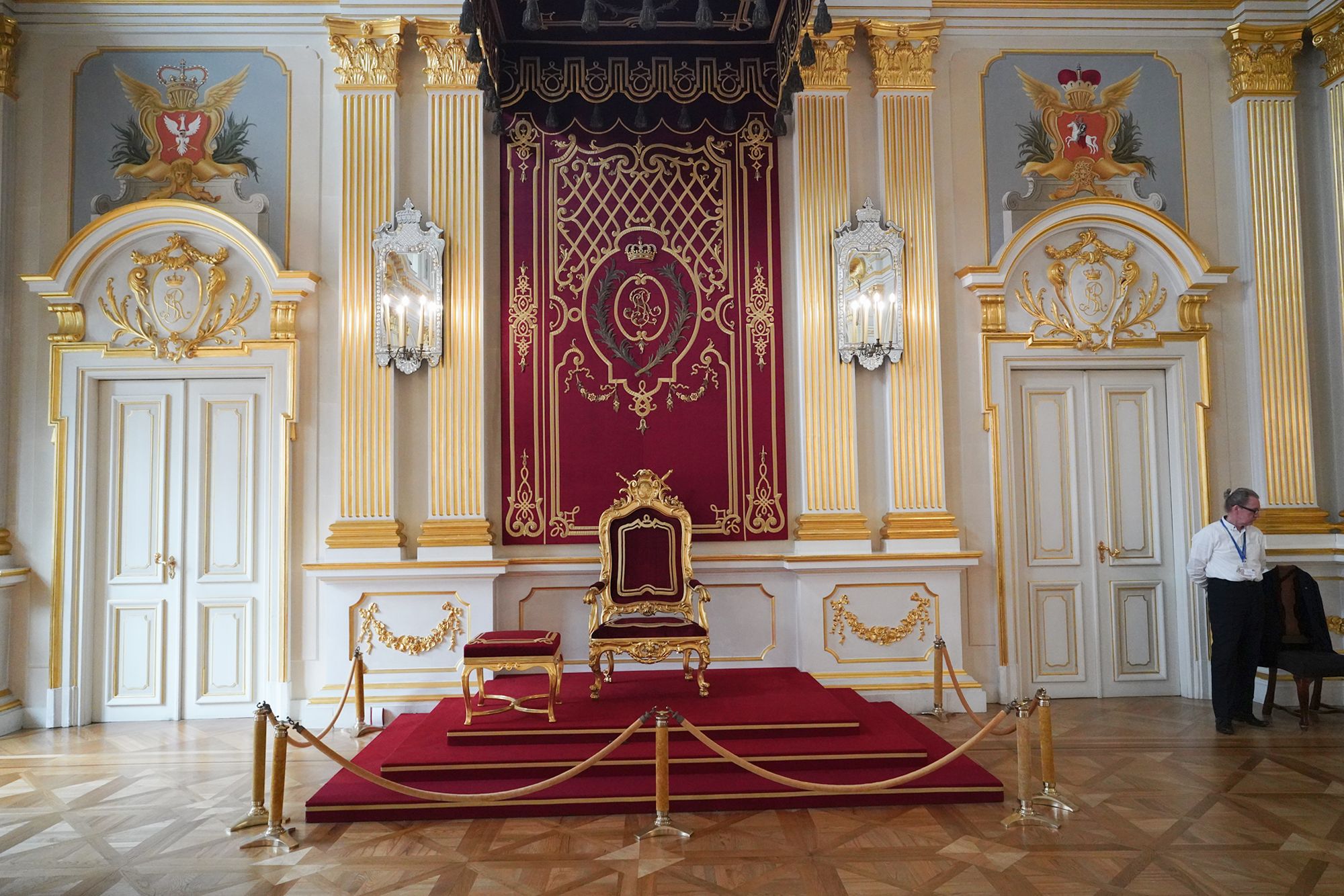
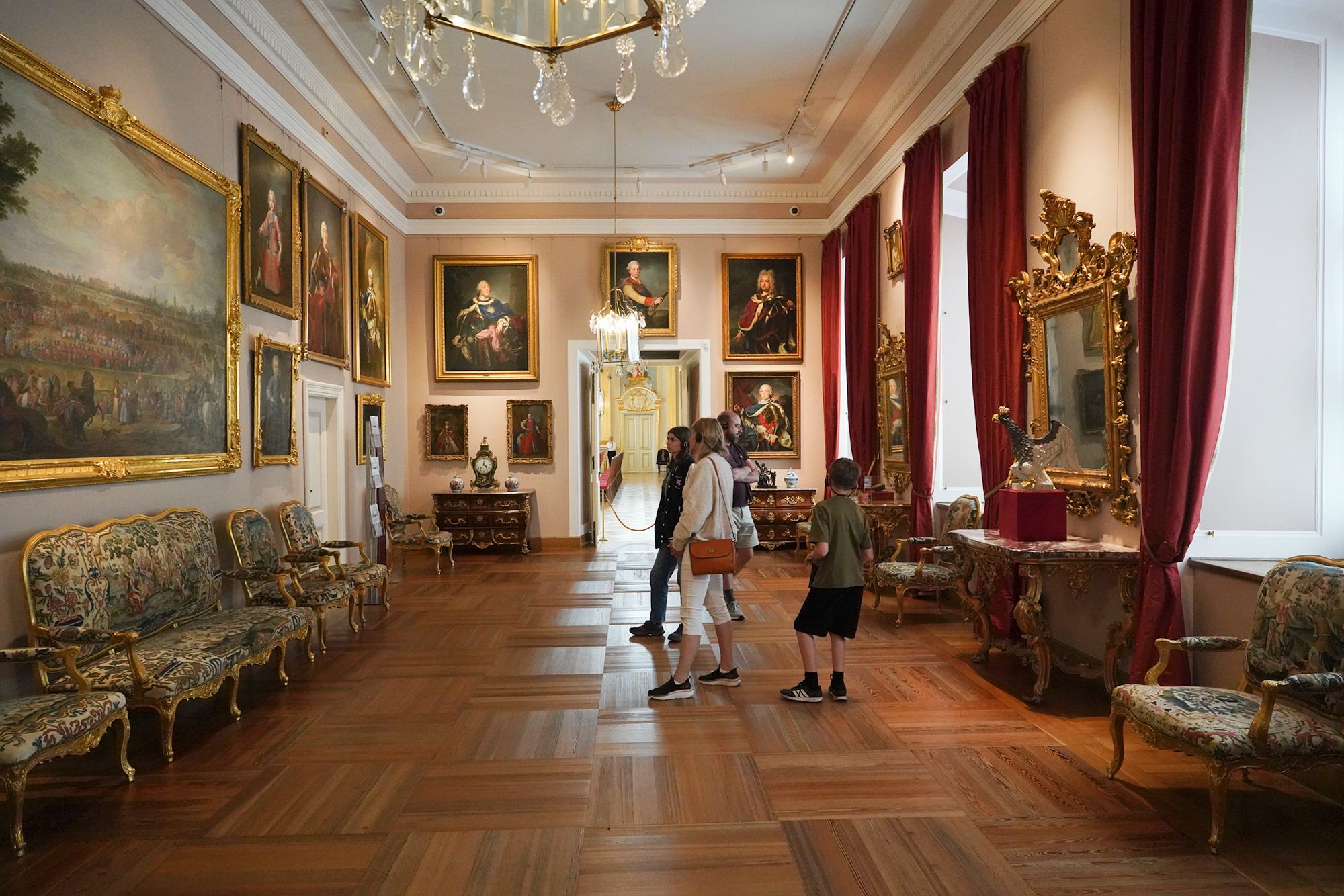
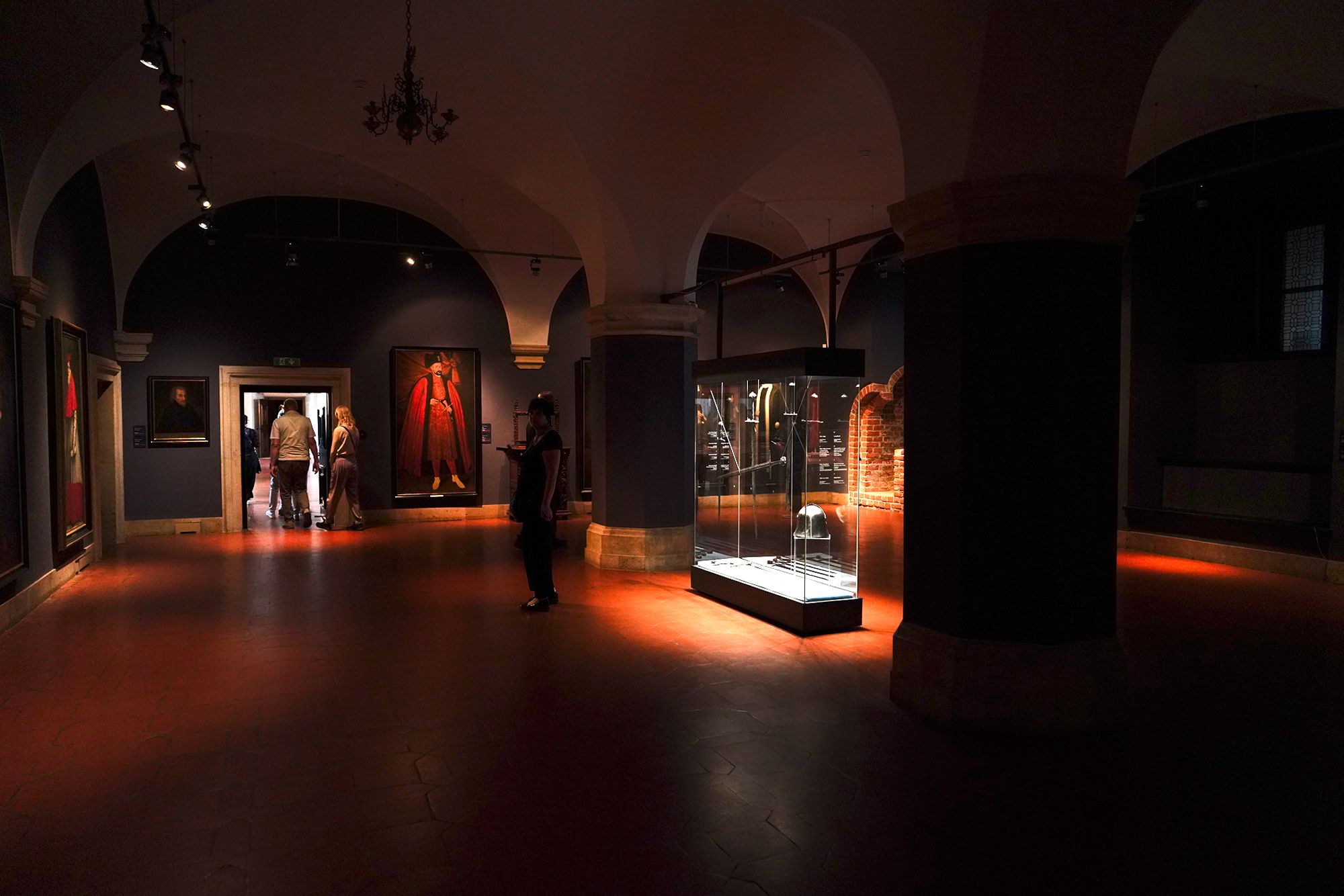
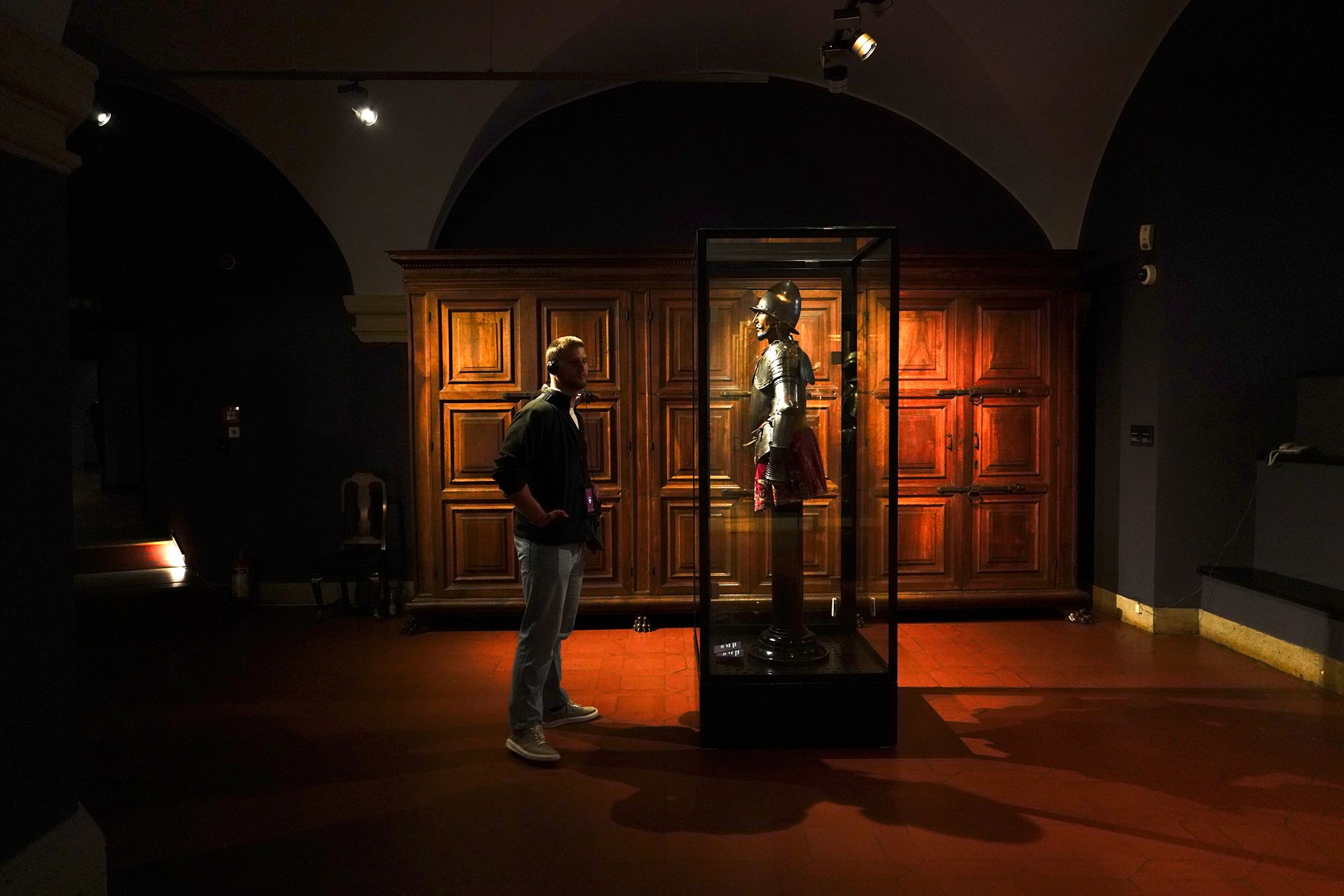
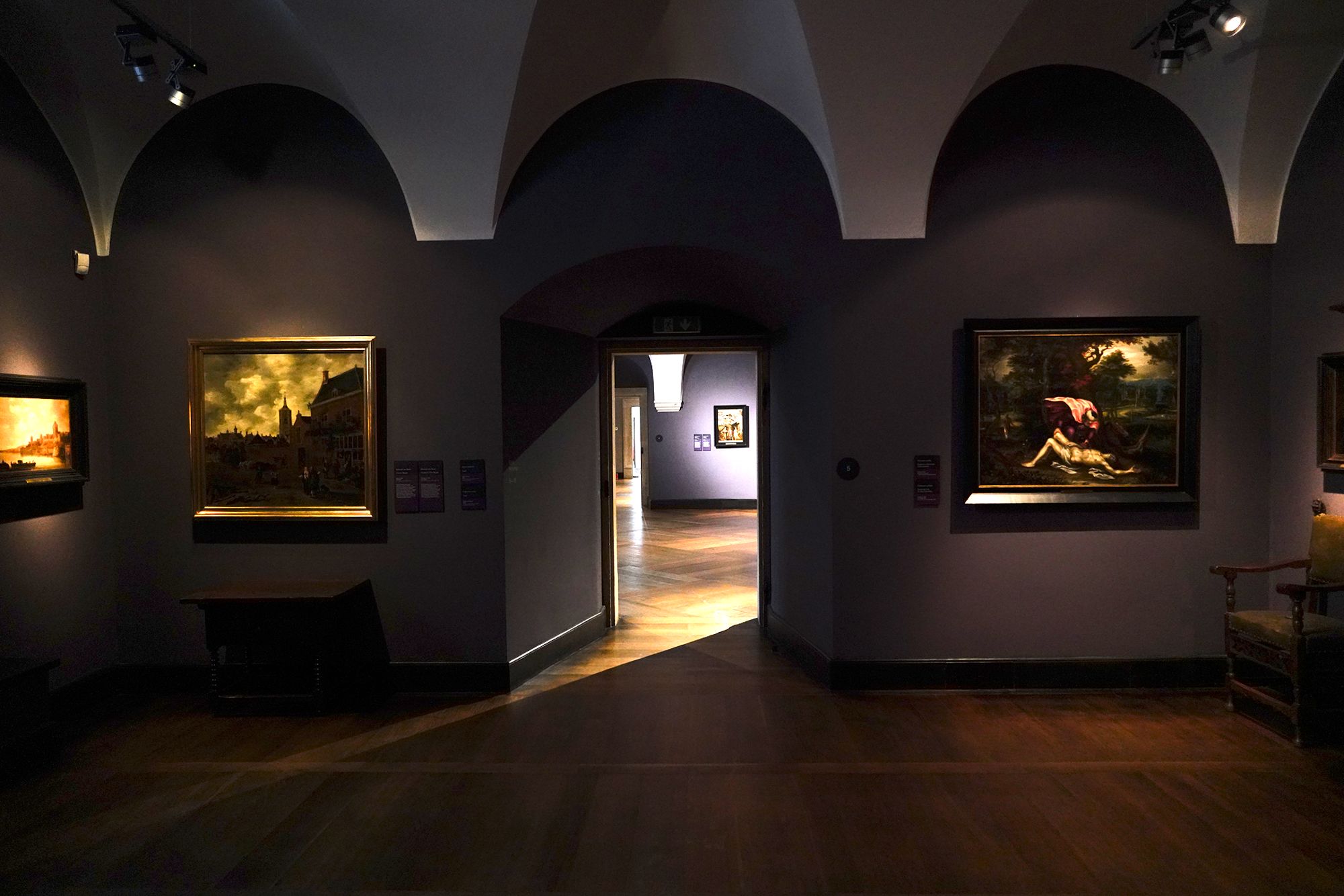
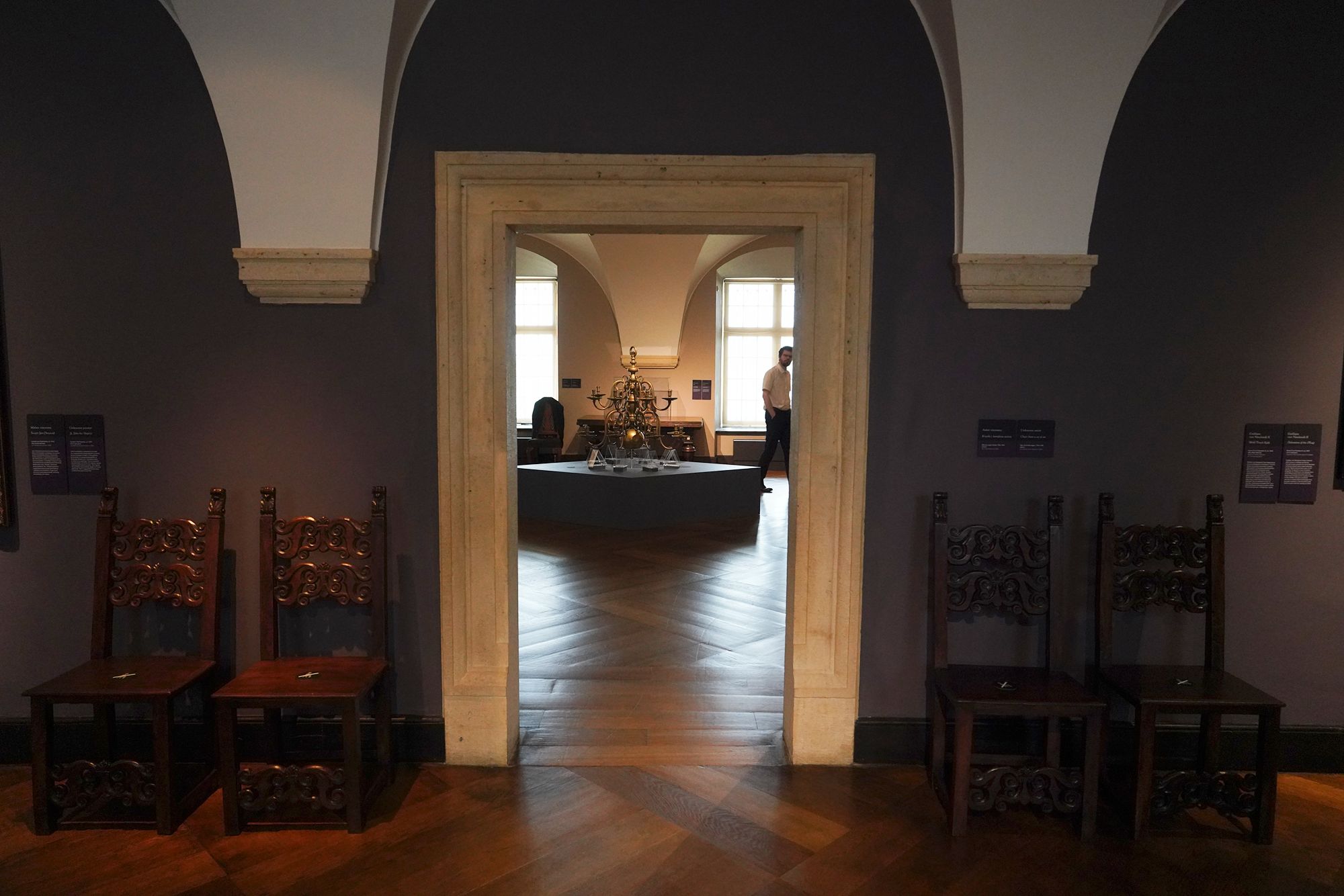
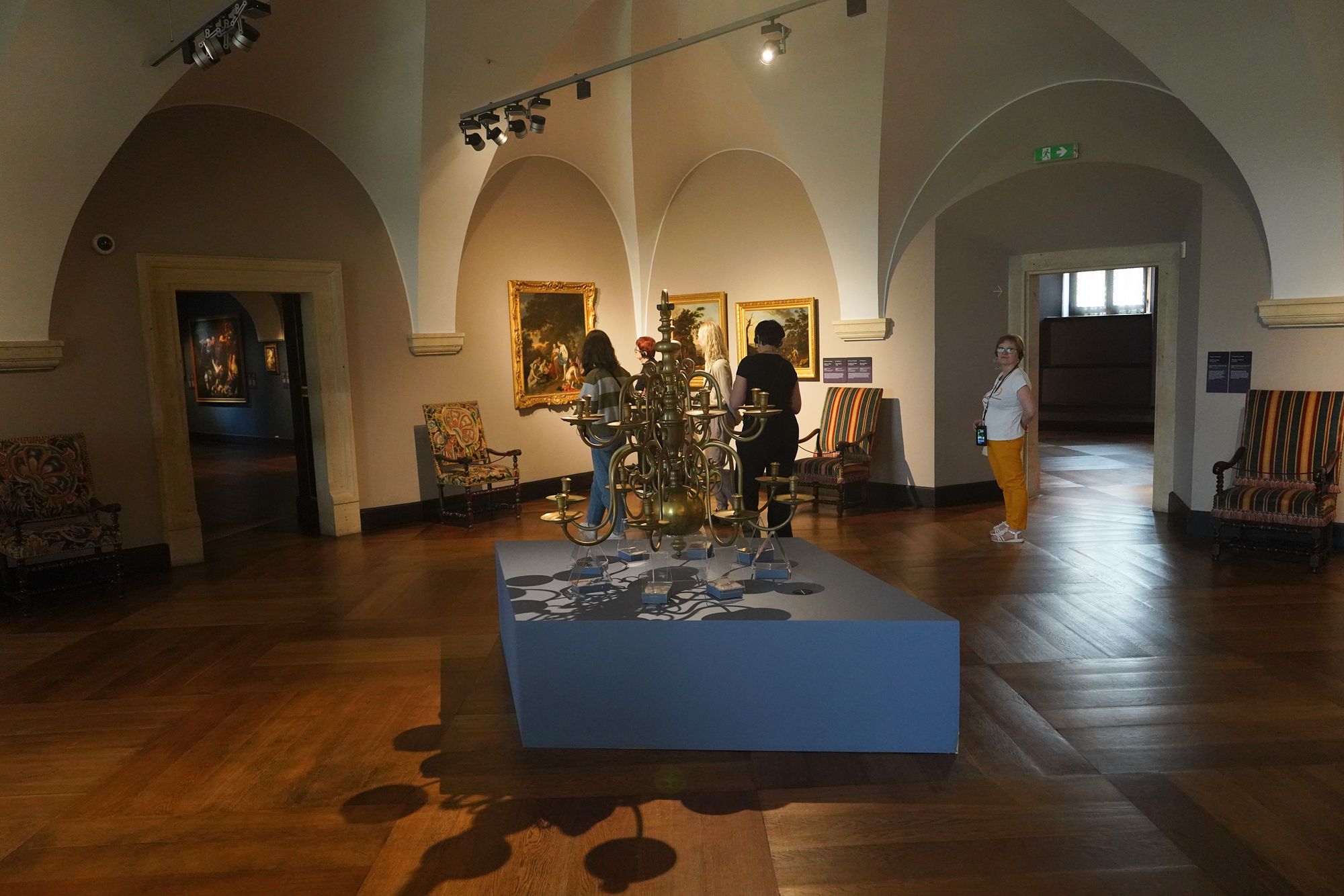
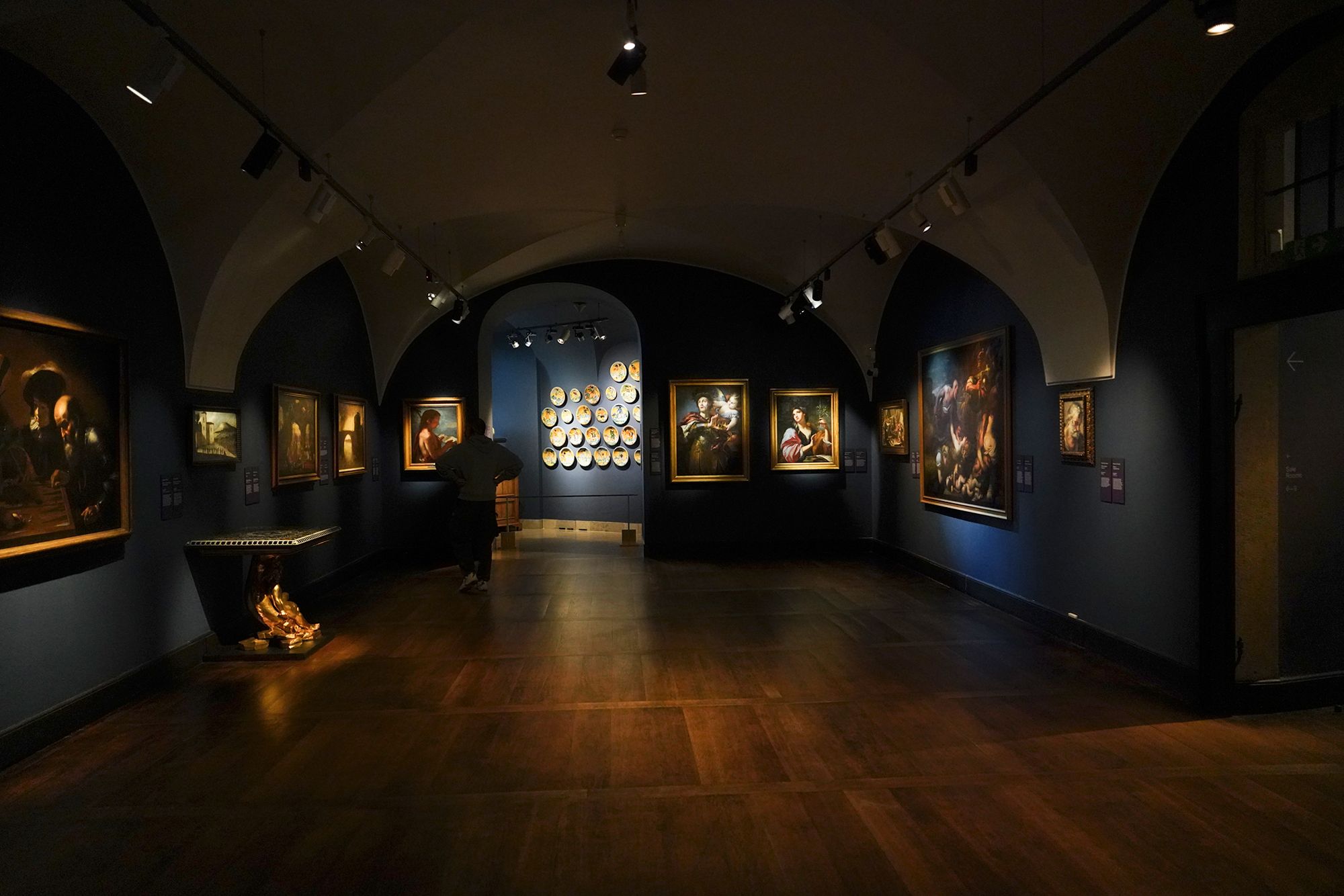
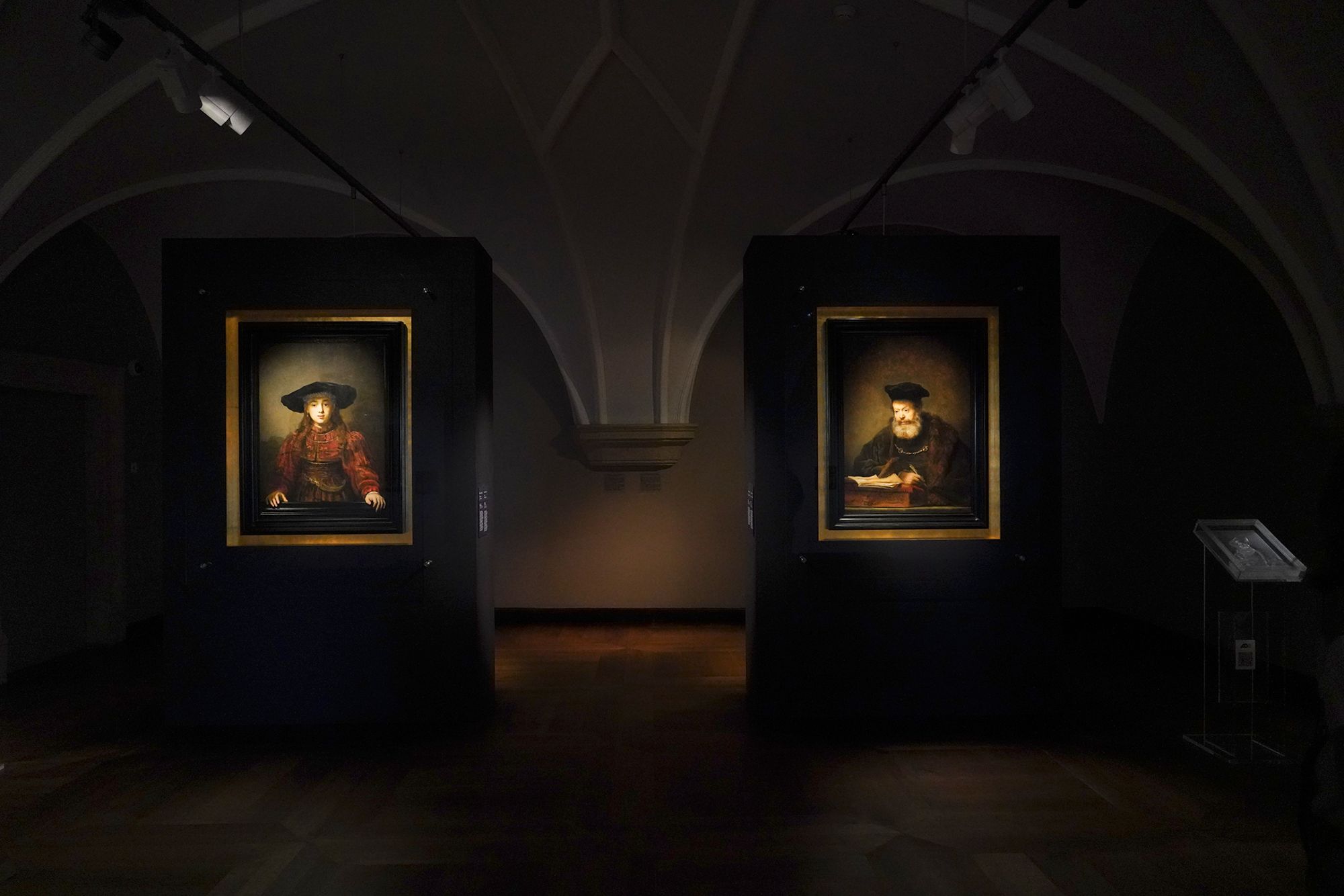
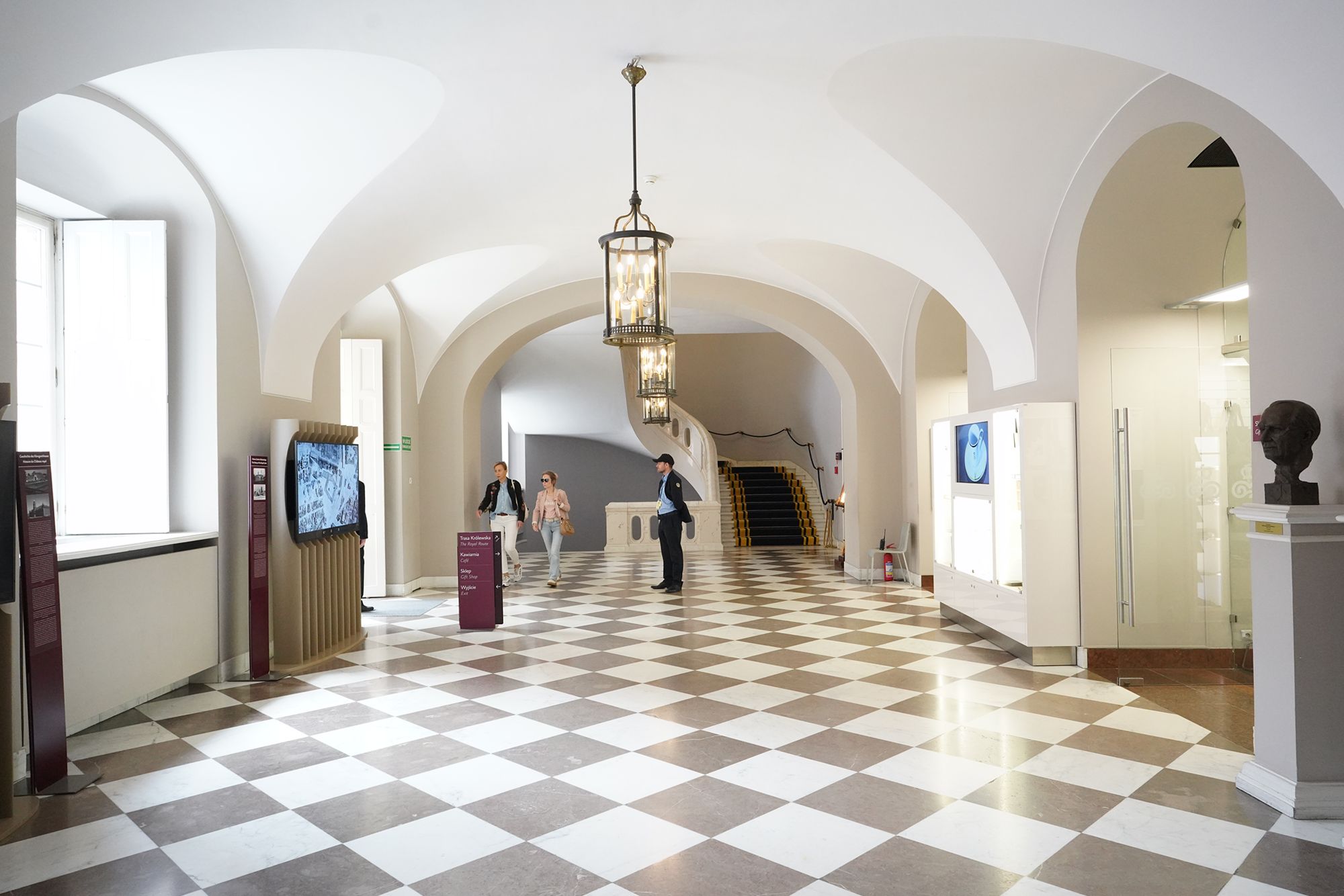
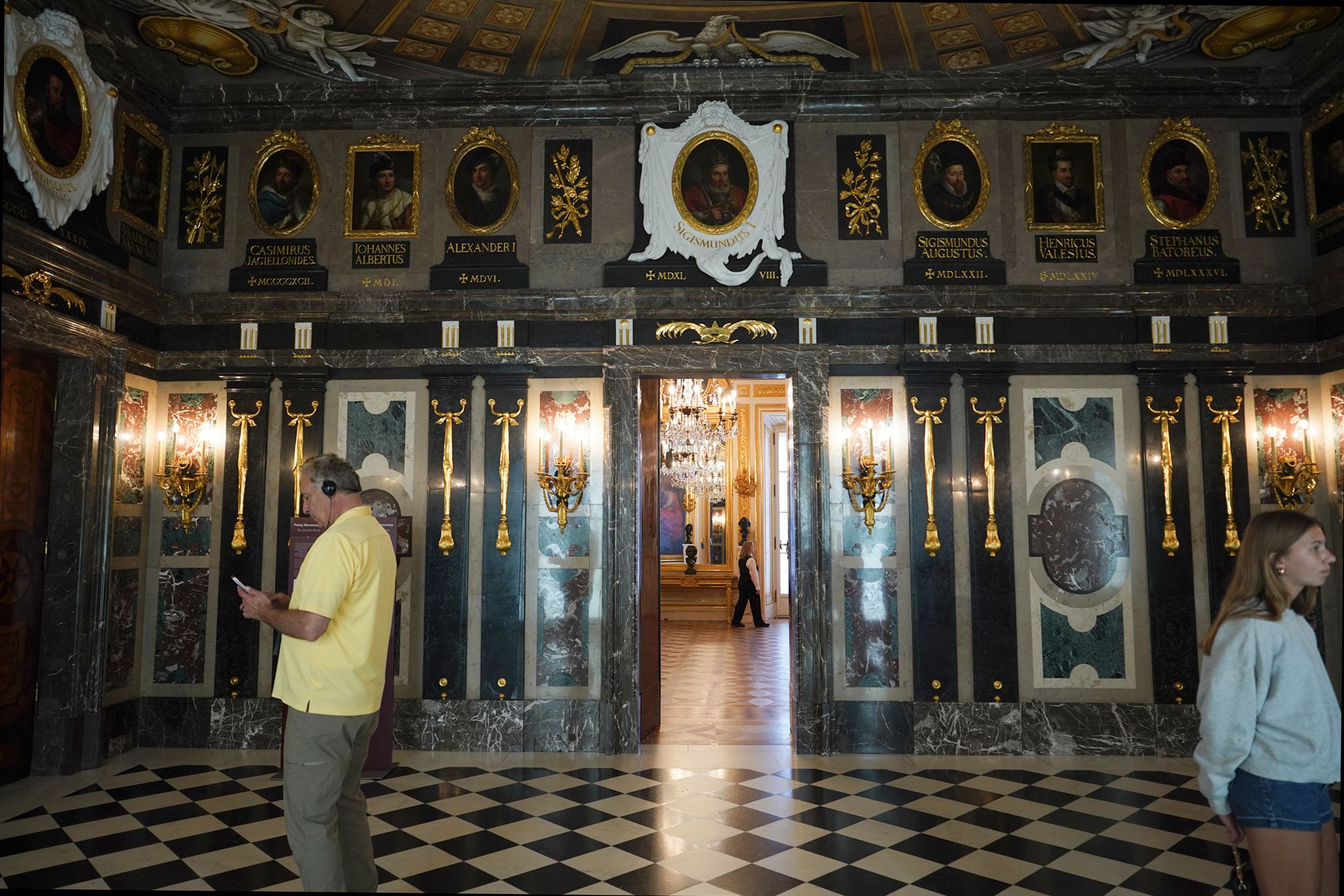
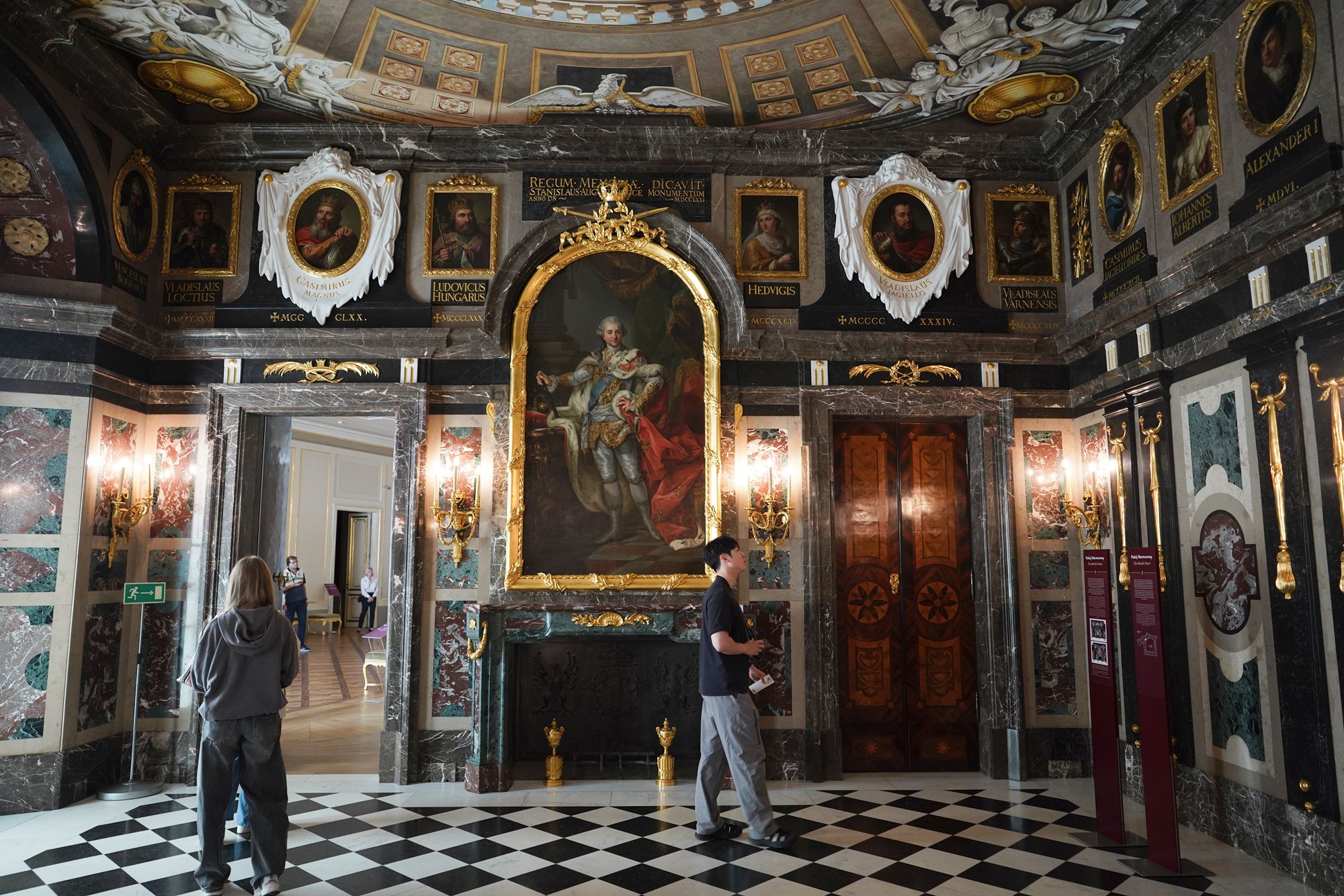
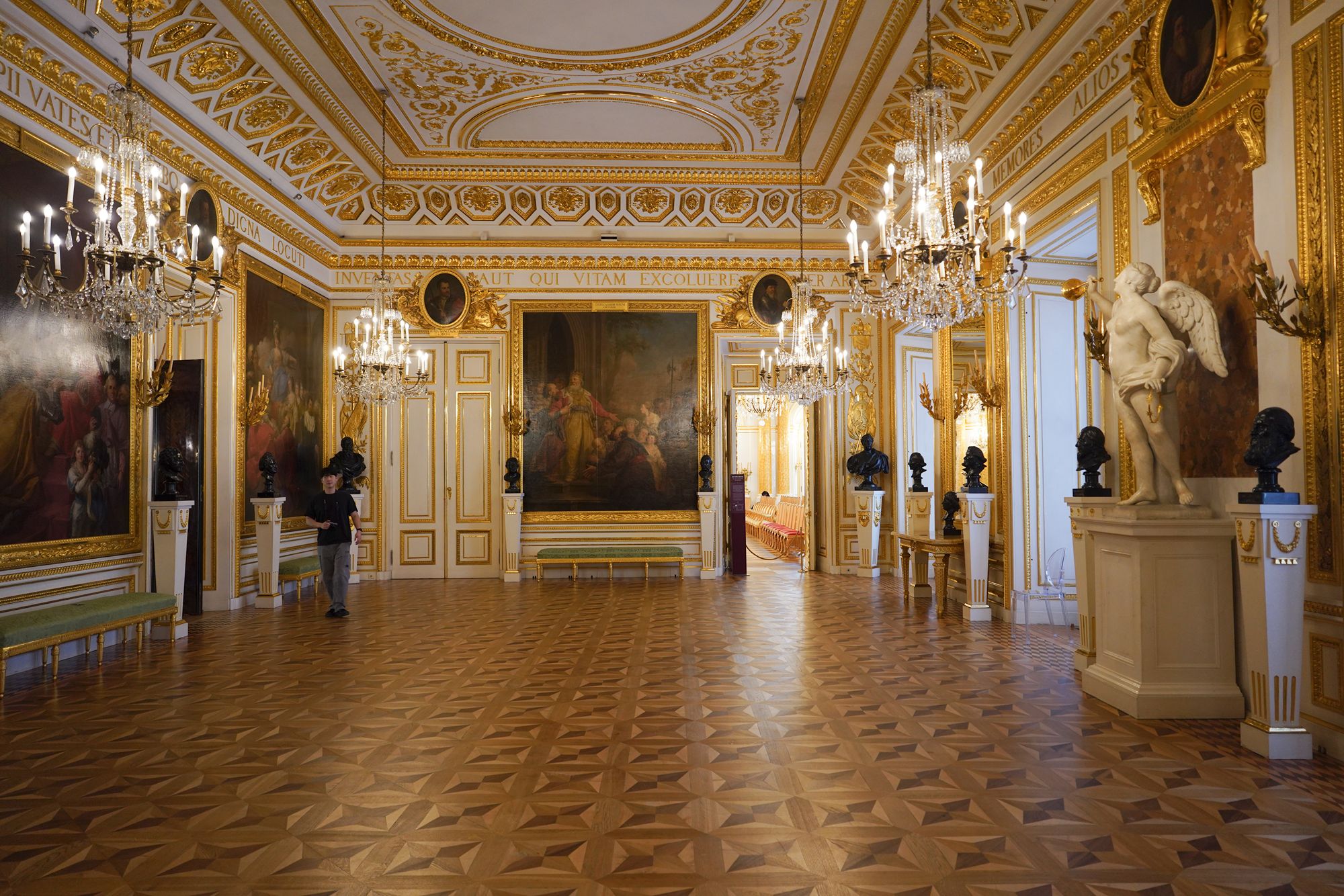
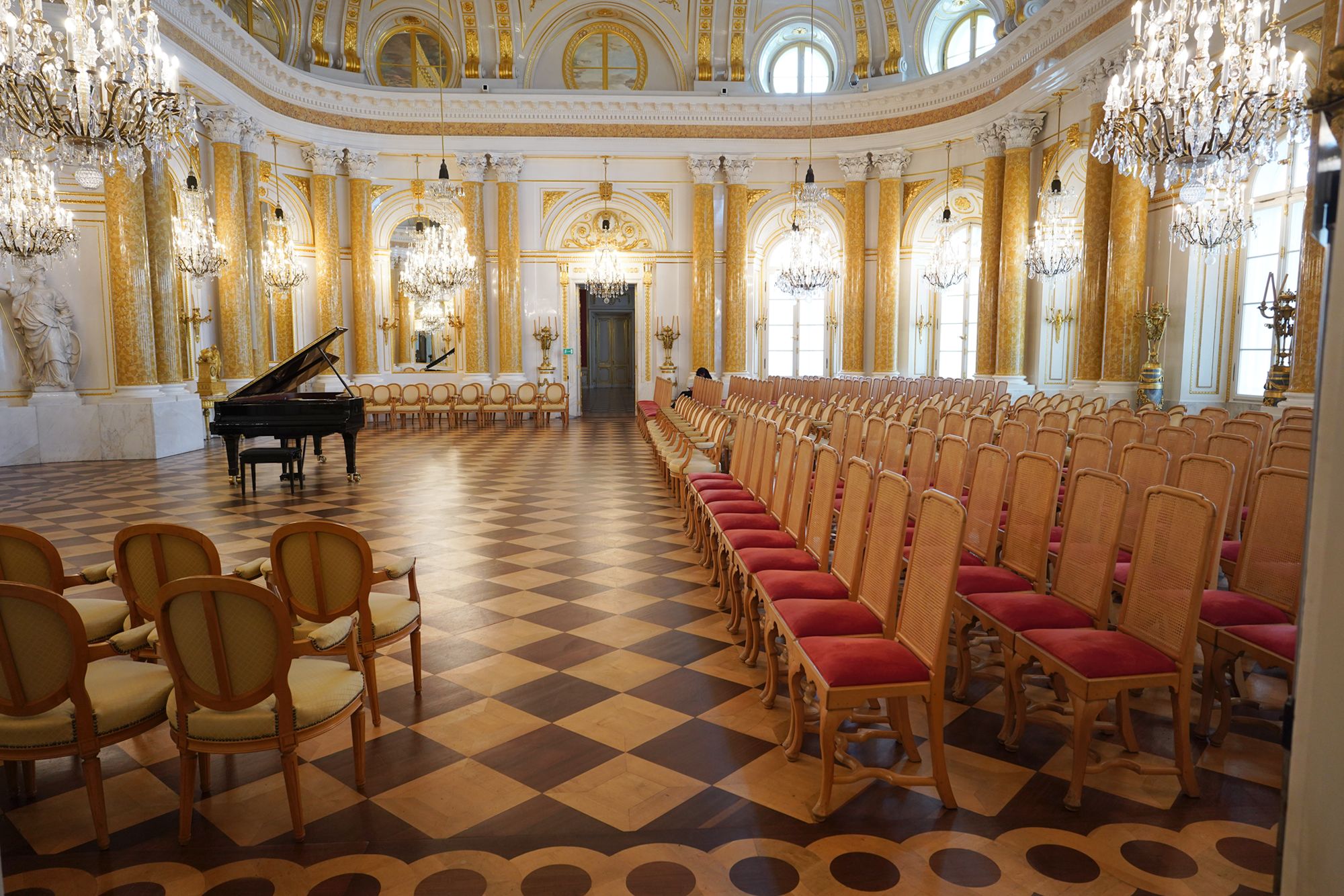
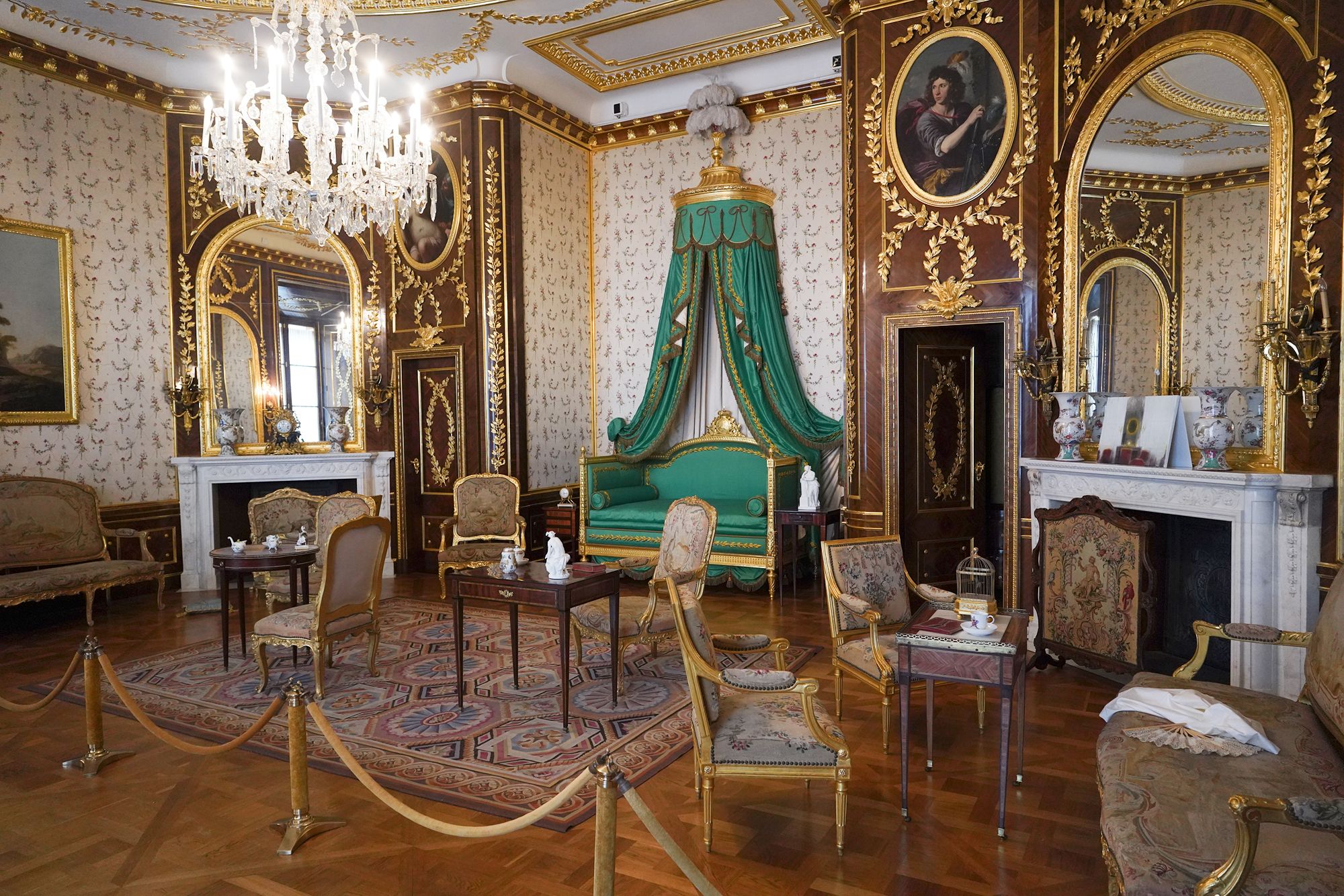
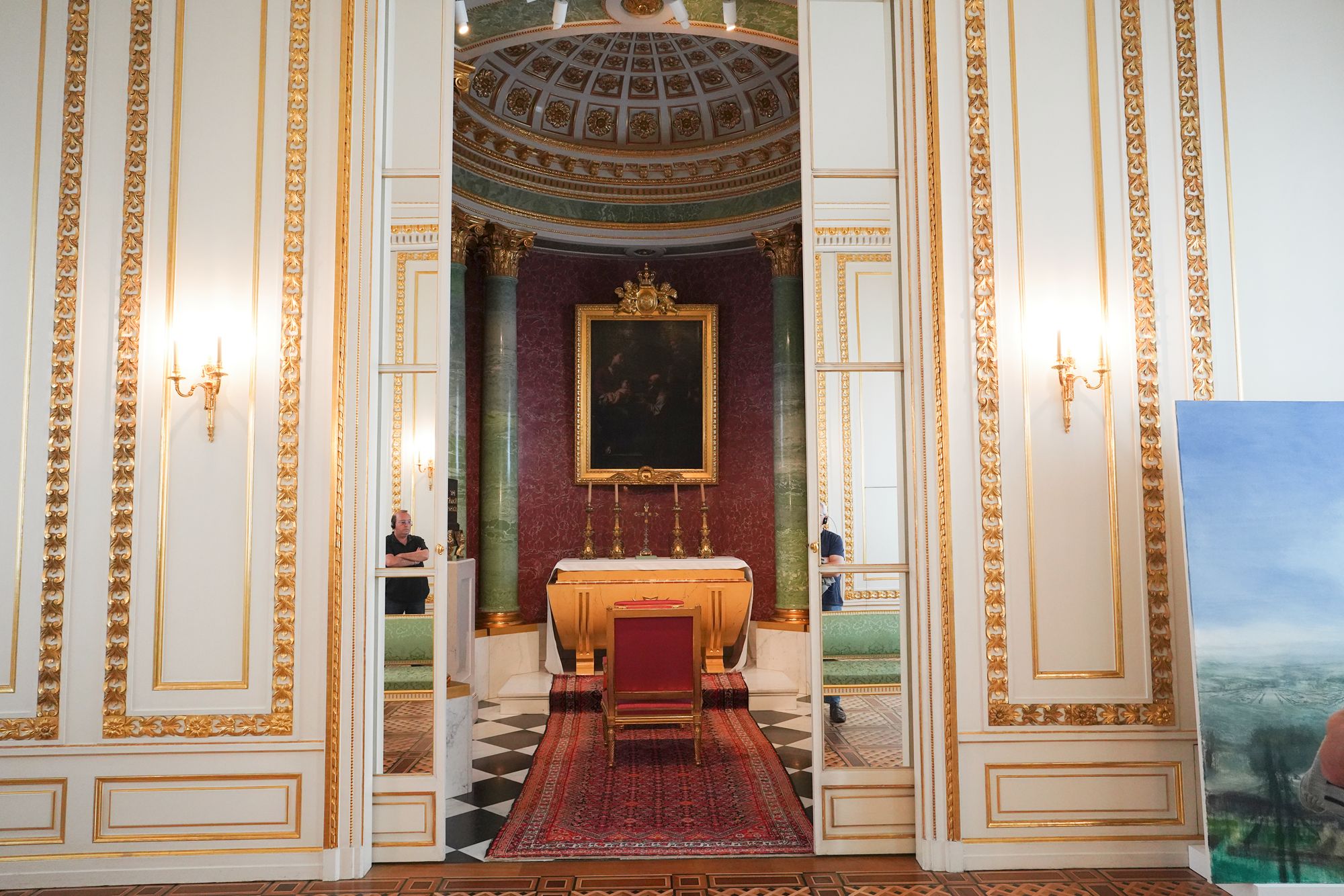
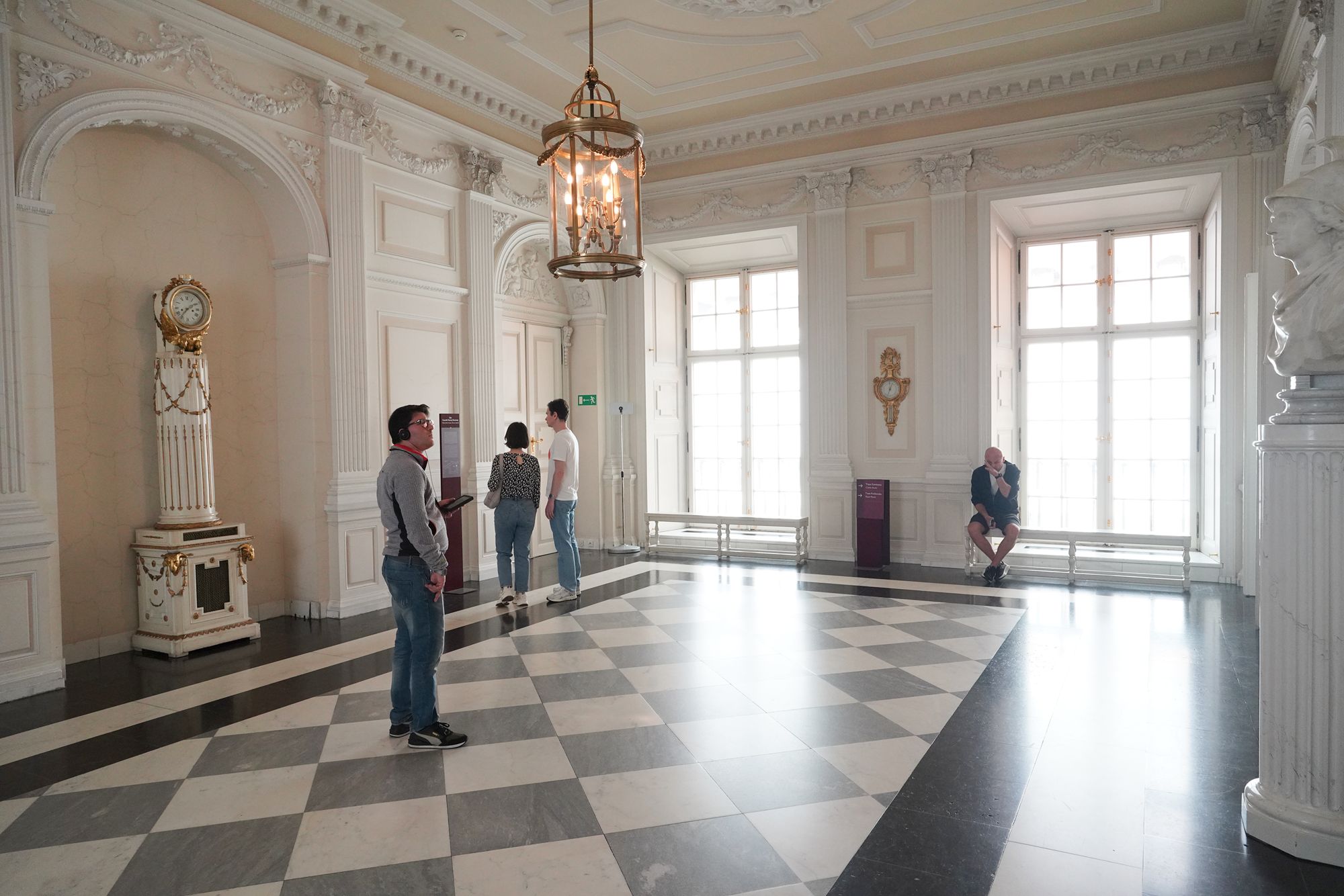
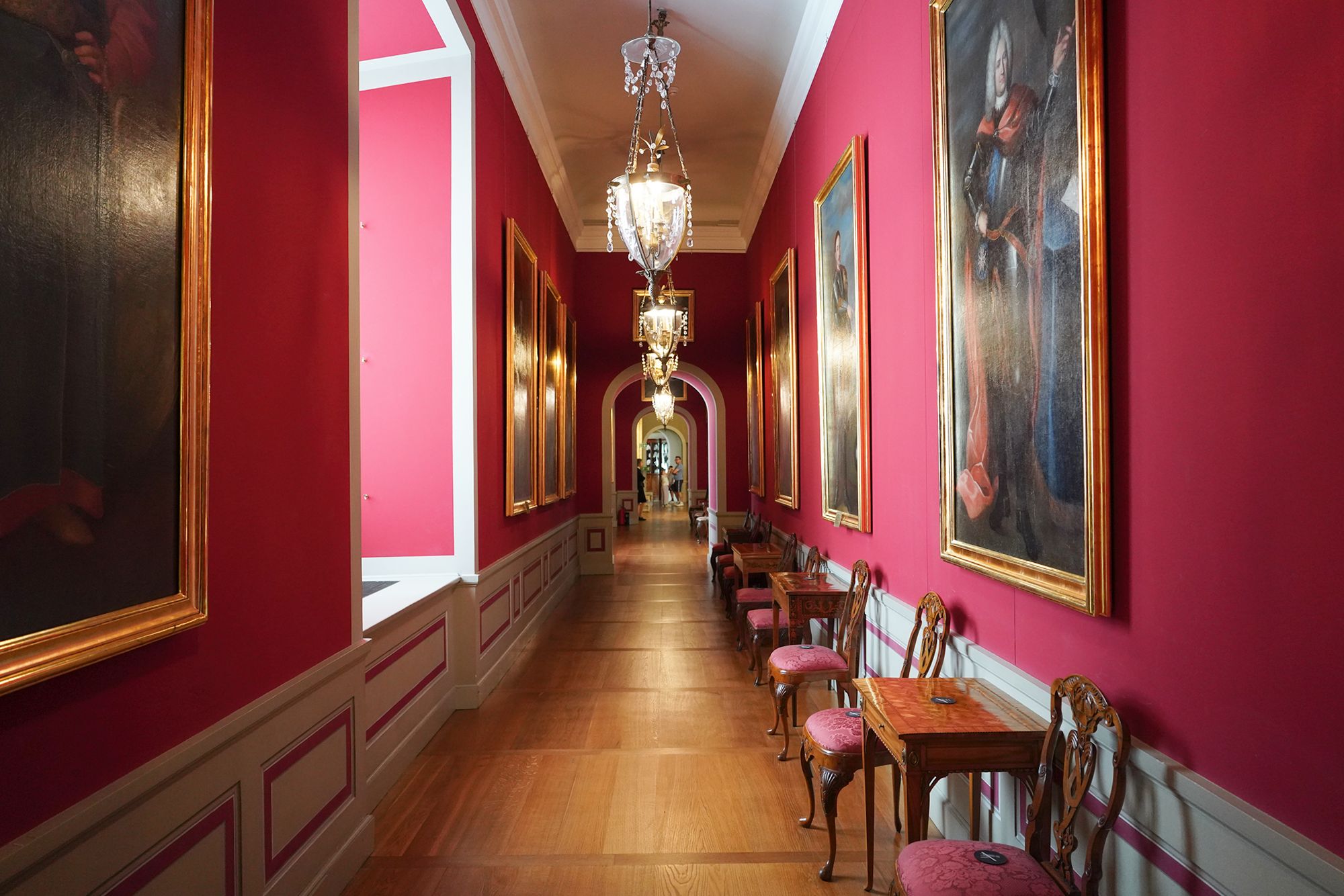
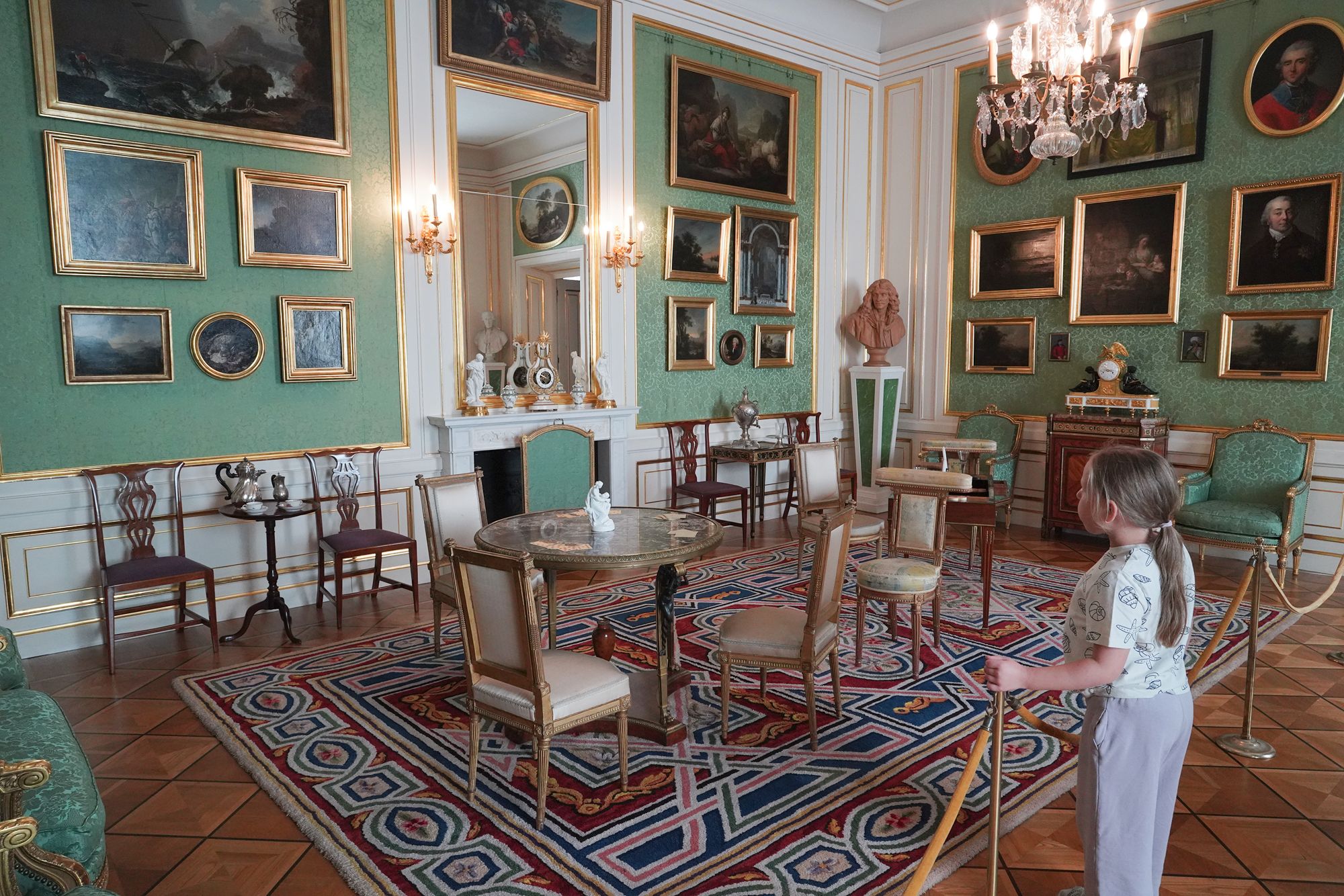
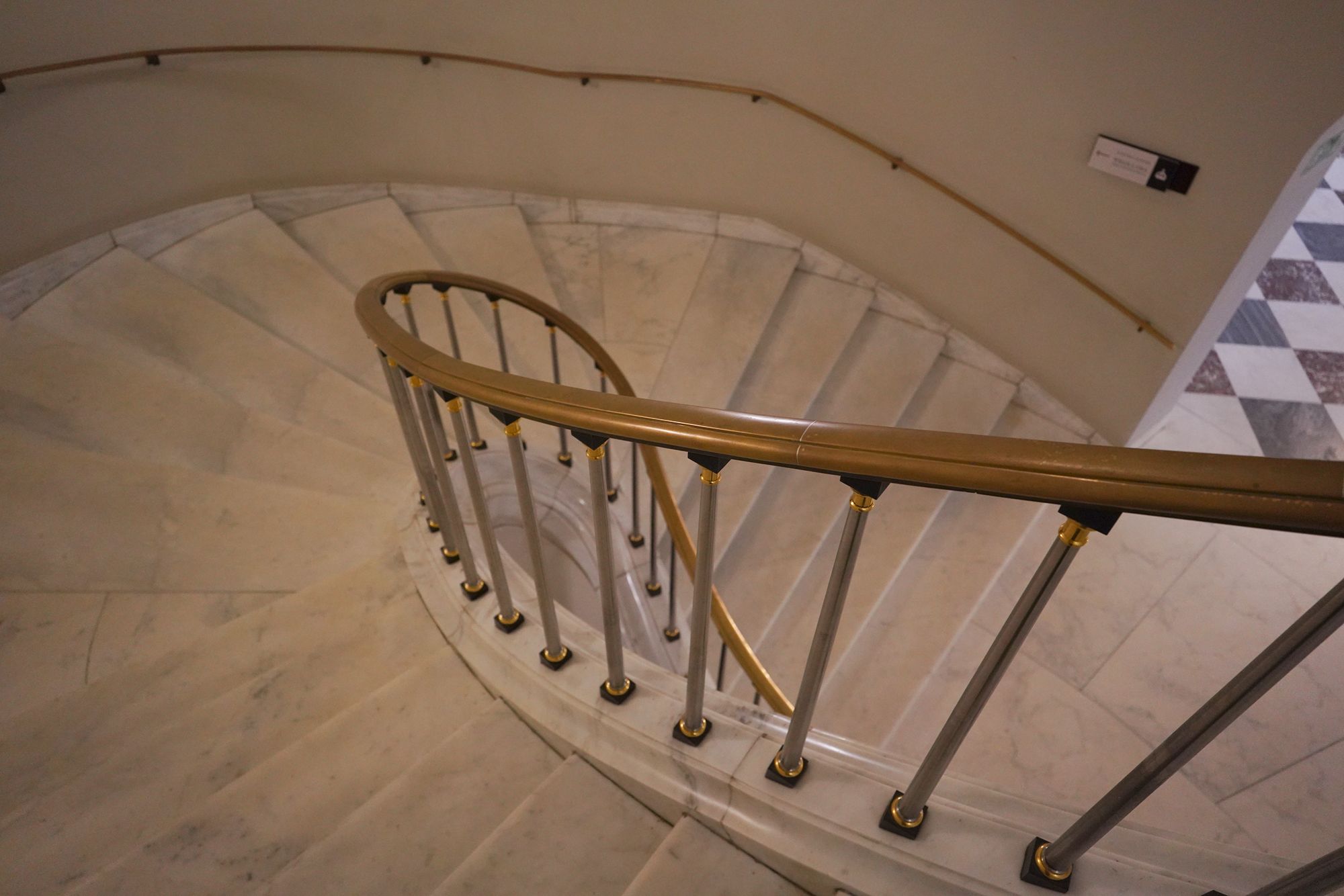
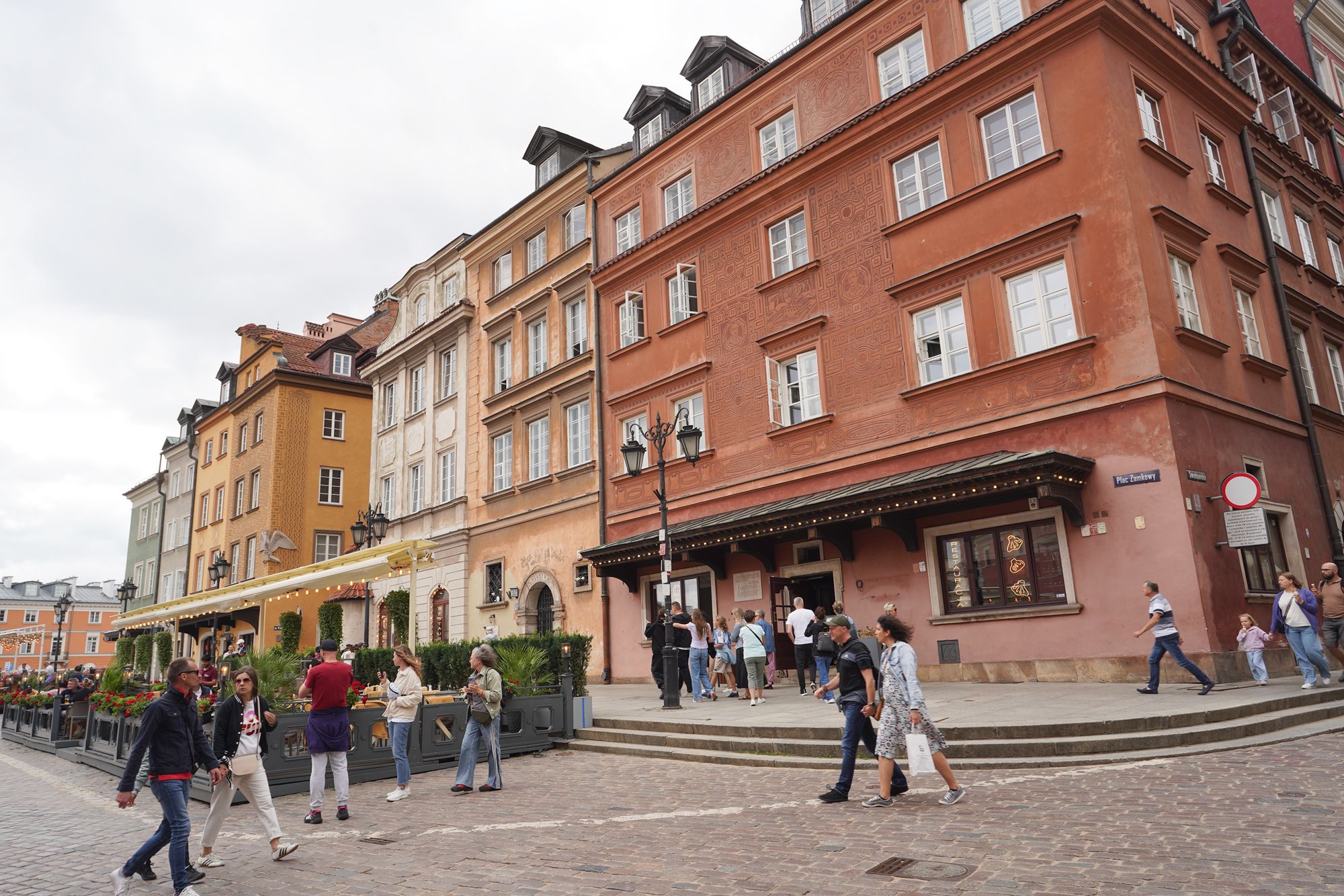
From Castle Square, I began walking north toward the Old Town Market Square, Rynek Starego Miasta.
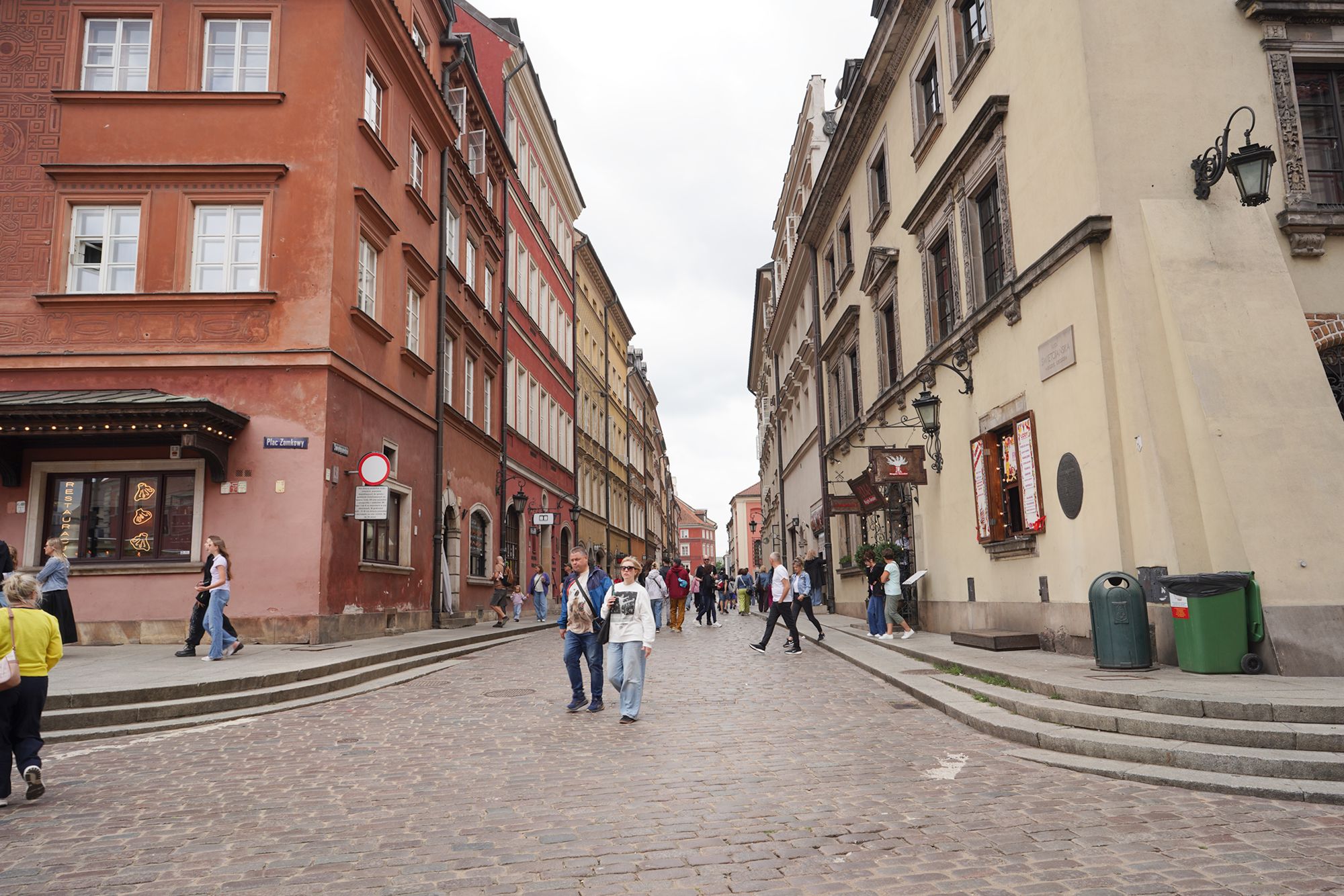
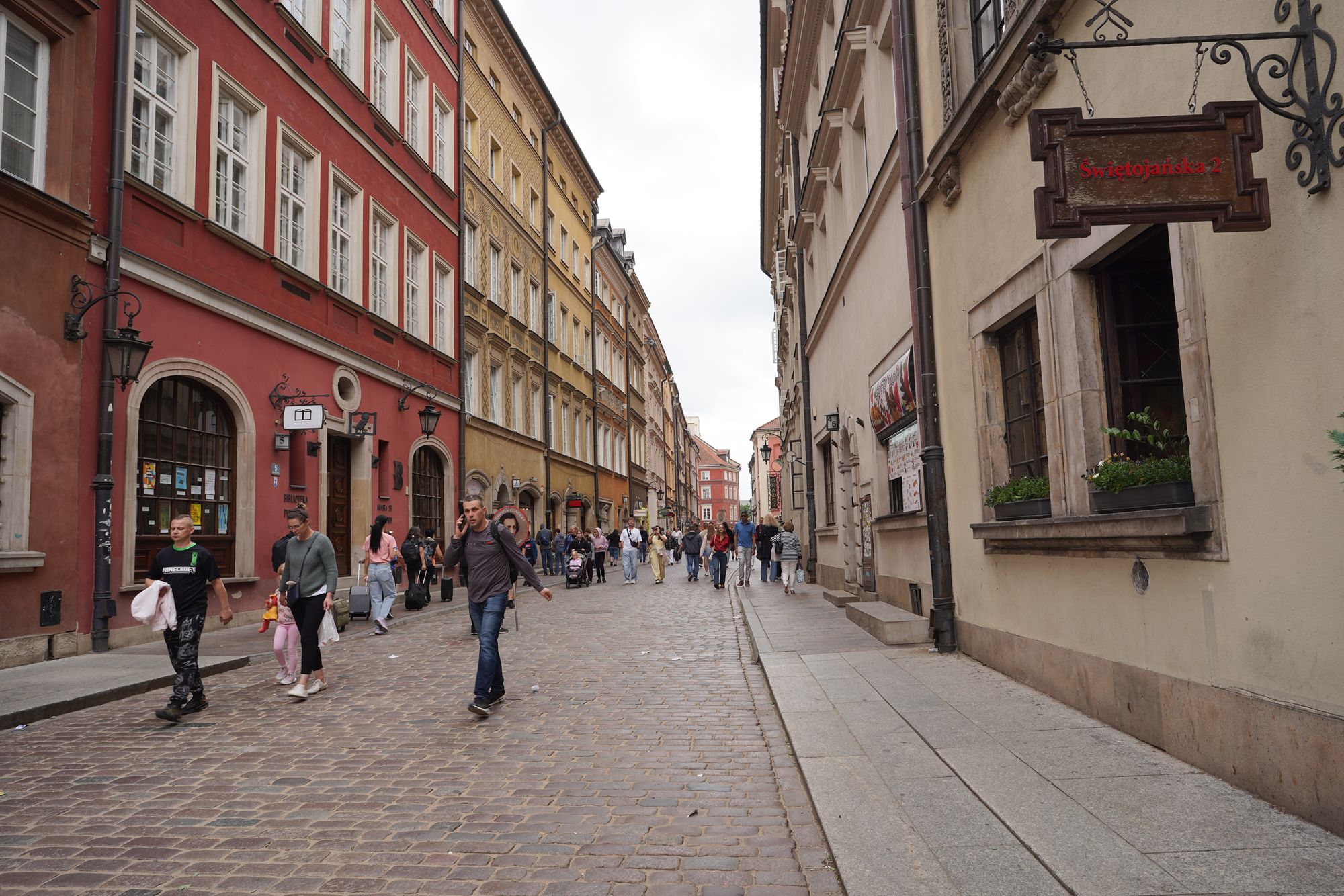
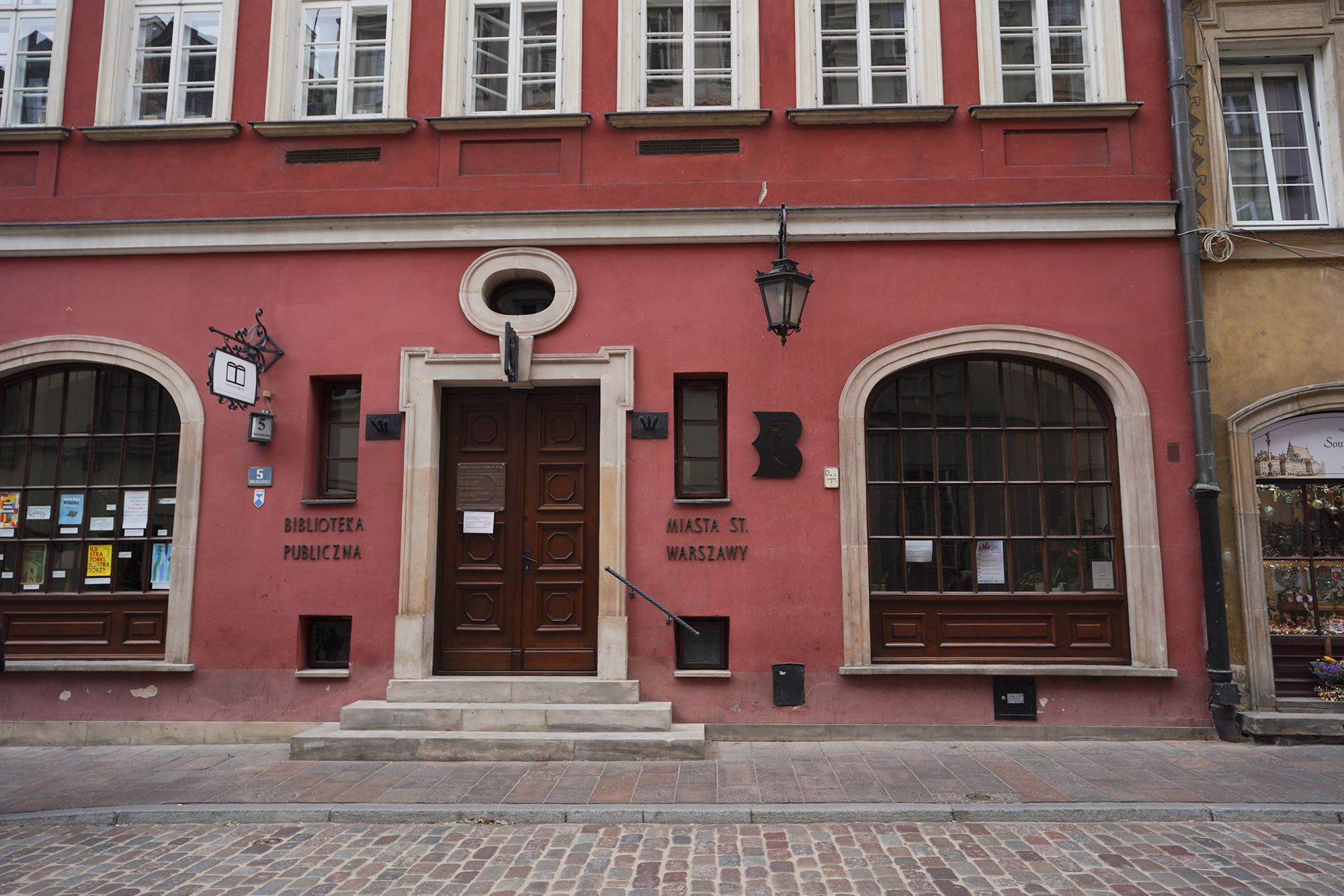
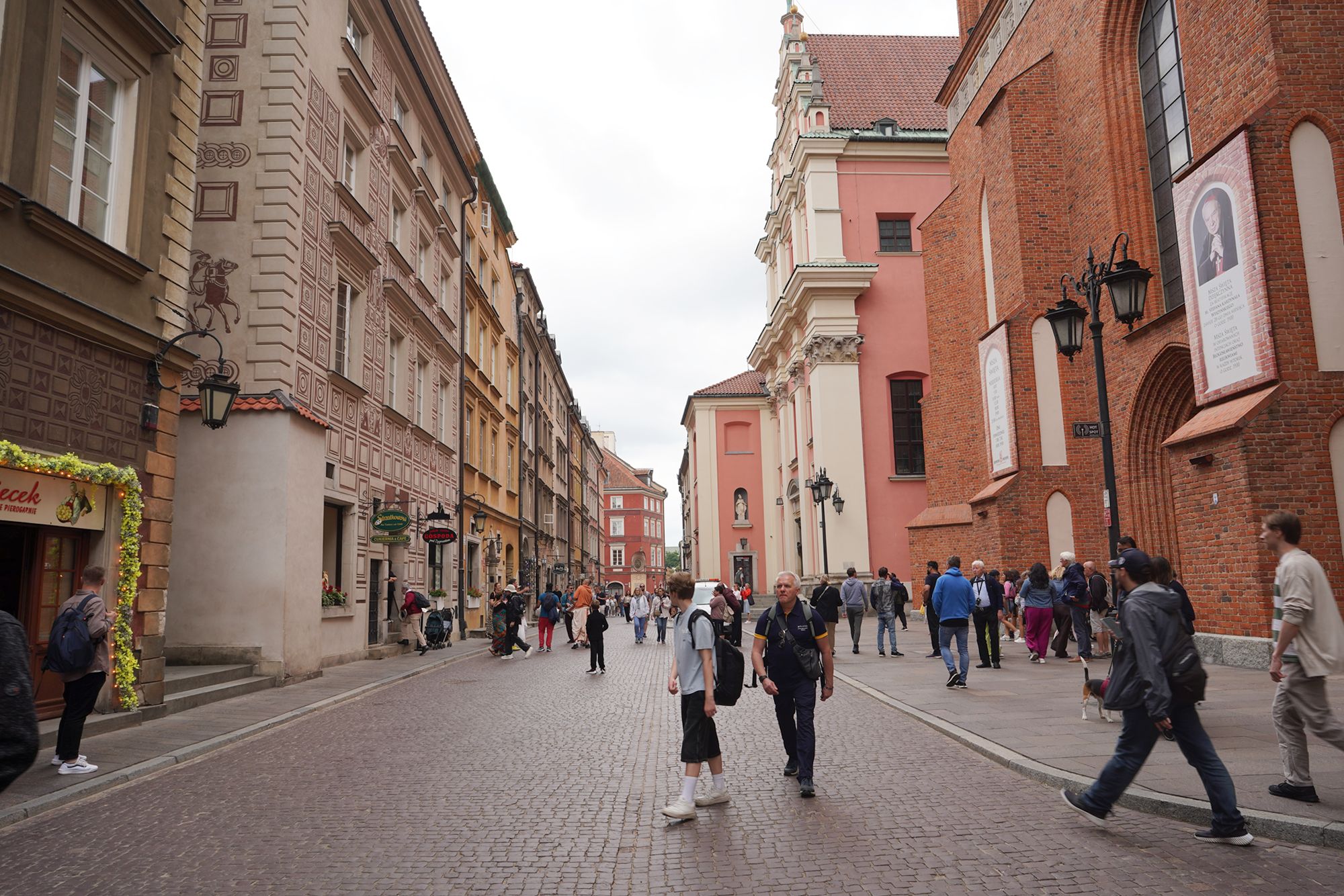
The buildings looked almost too clean to be part of an old town, giving them a slightly artificial feel. But that is because much of Warsaw’s Old Town was rebuilt after its destruction during World War II.
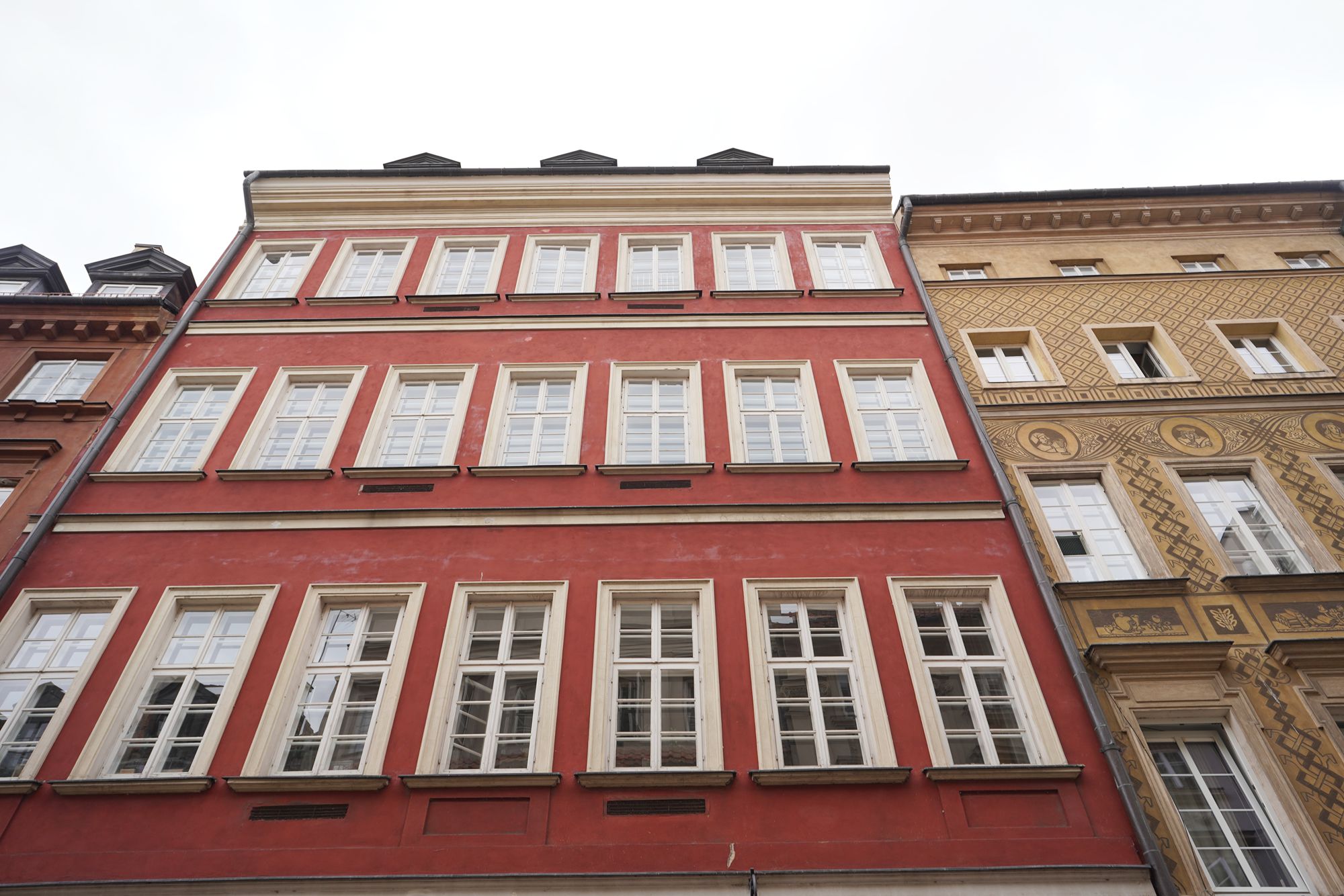
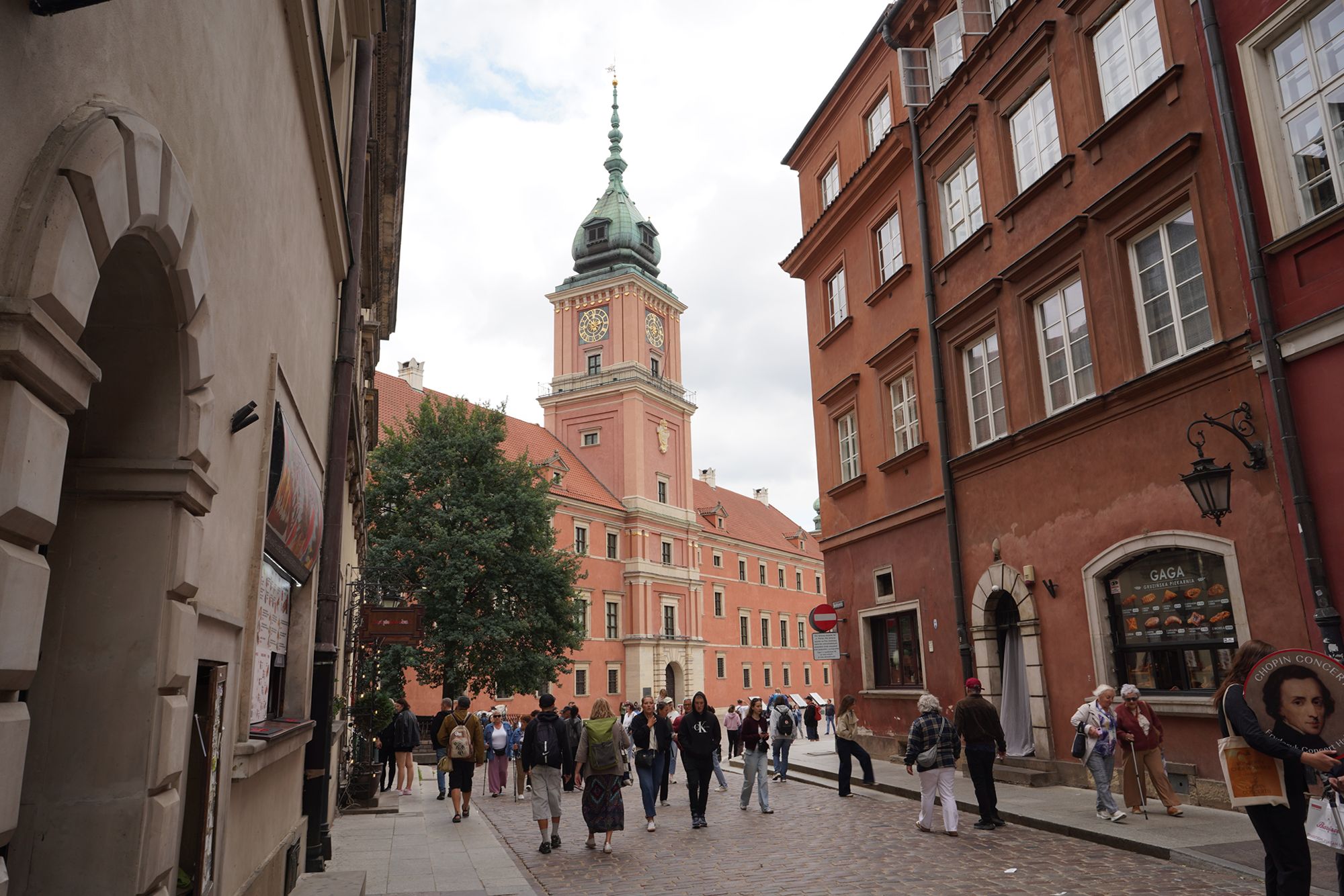
Looking back at the Royal Castle
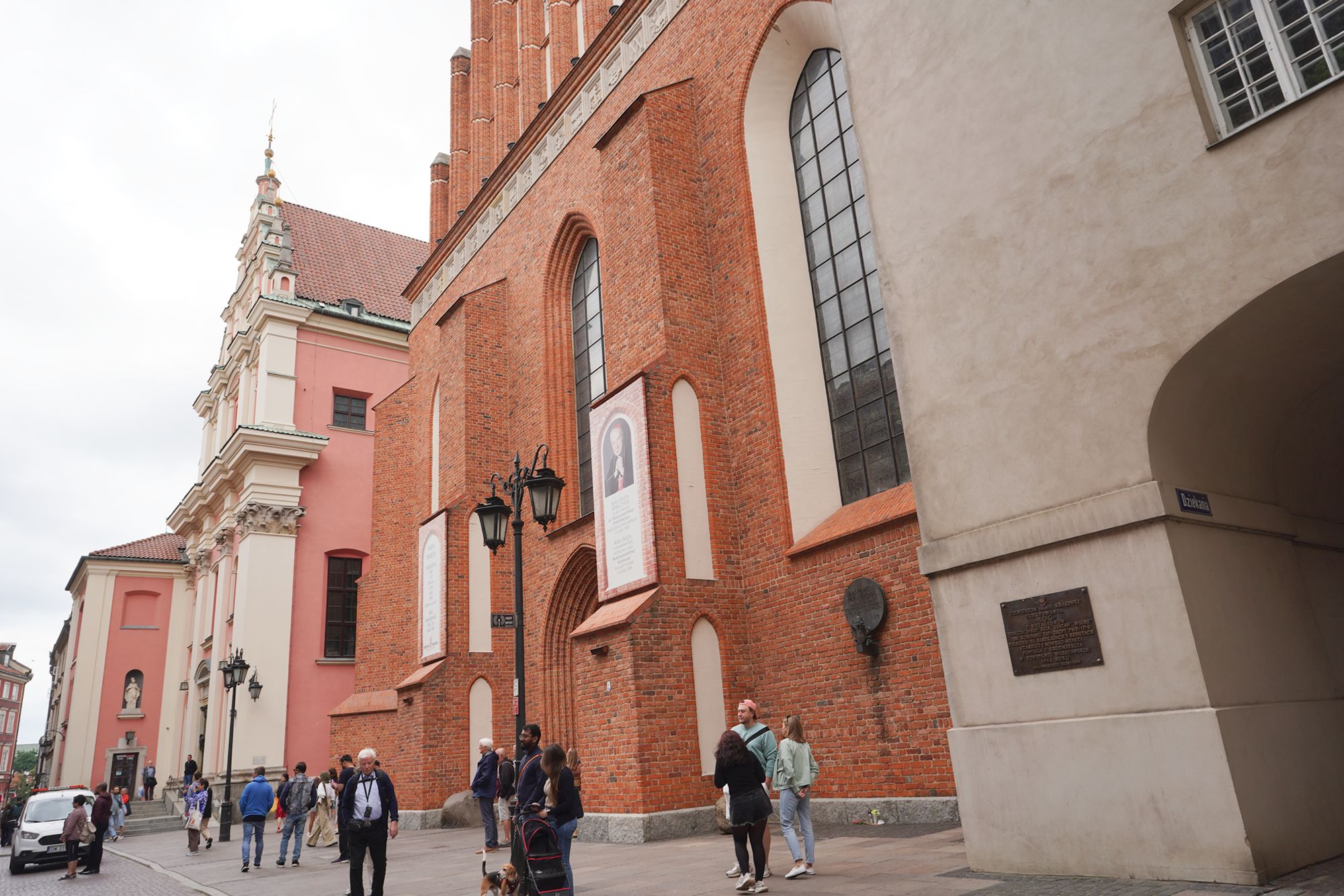
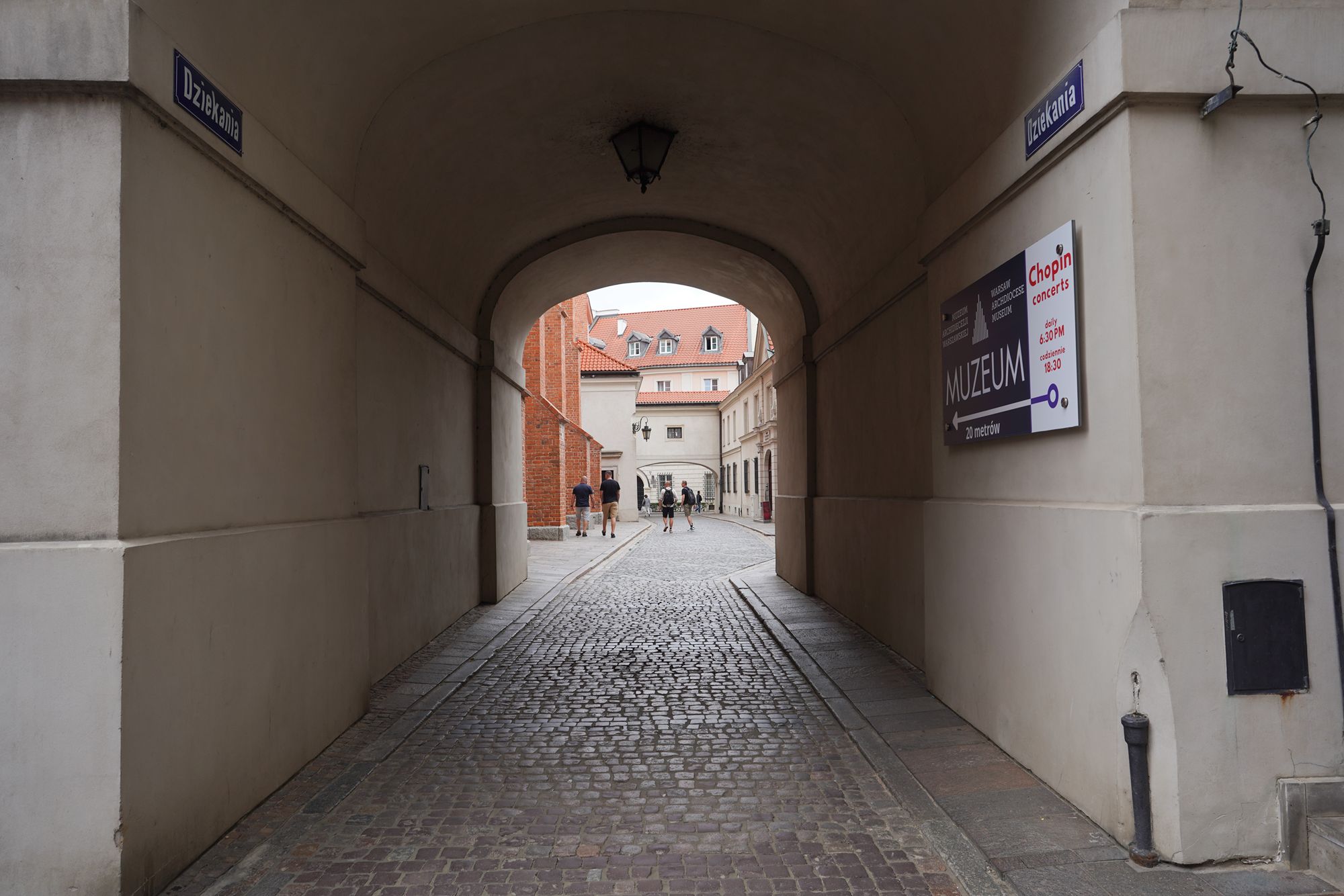
A view of a side passage way
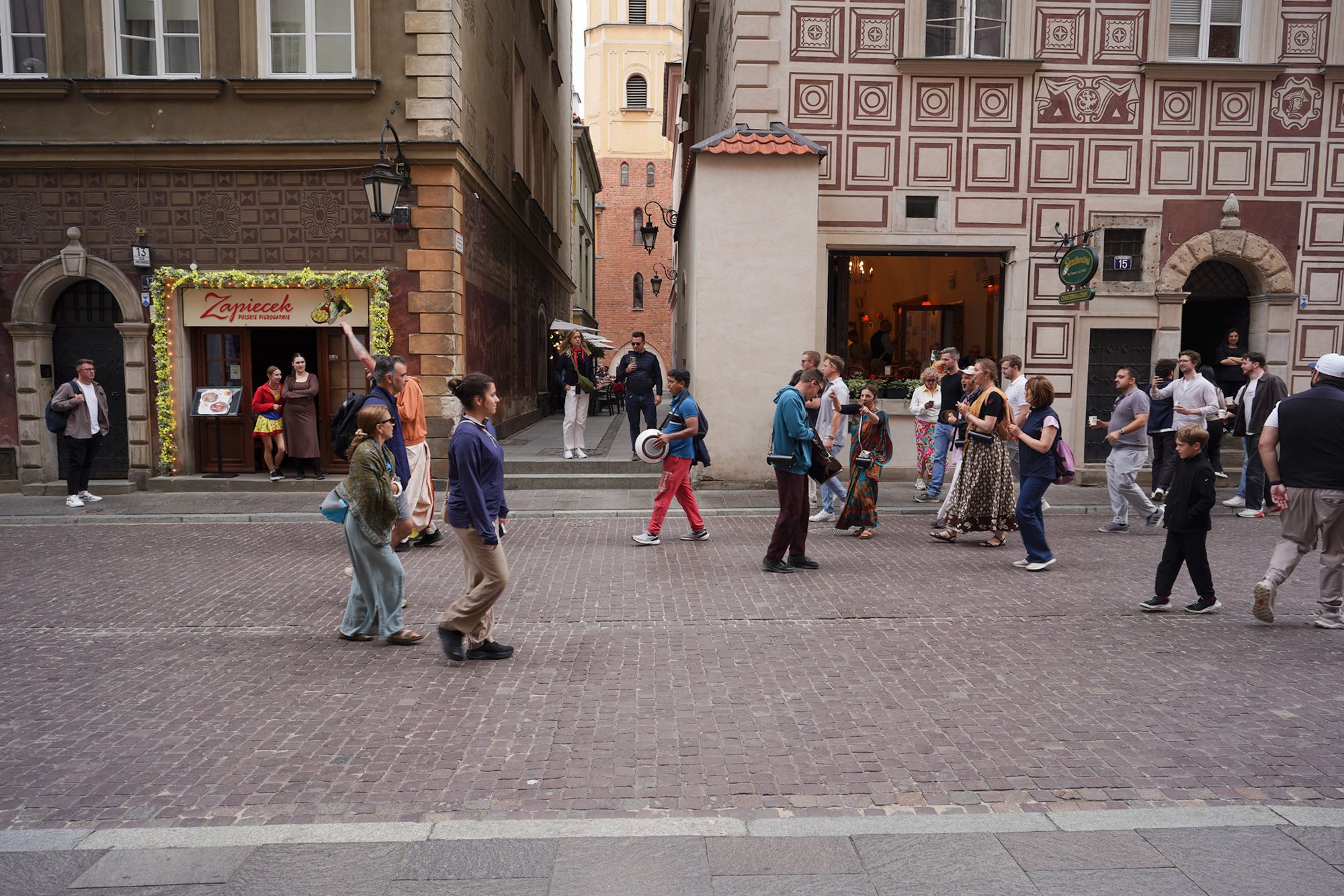
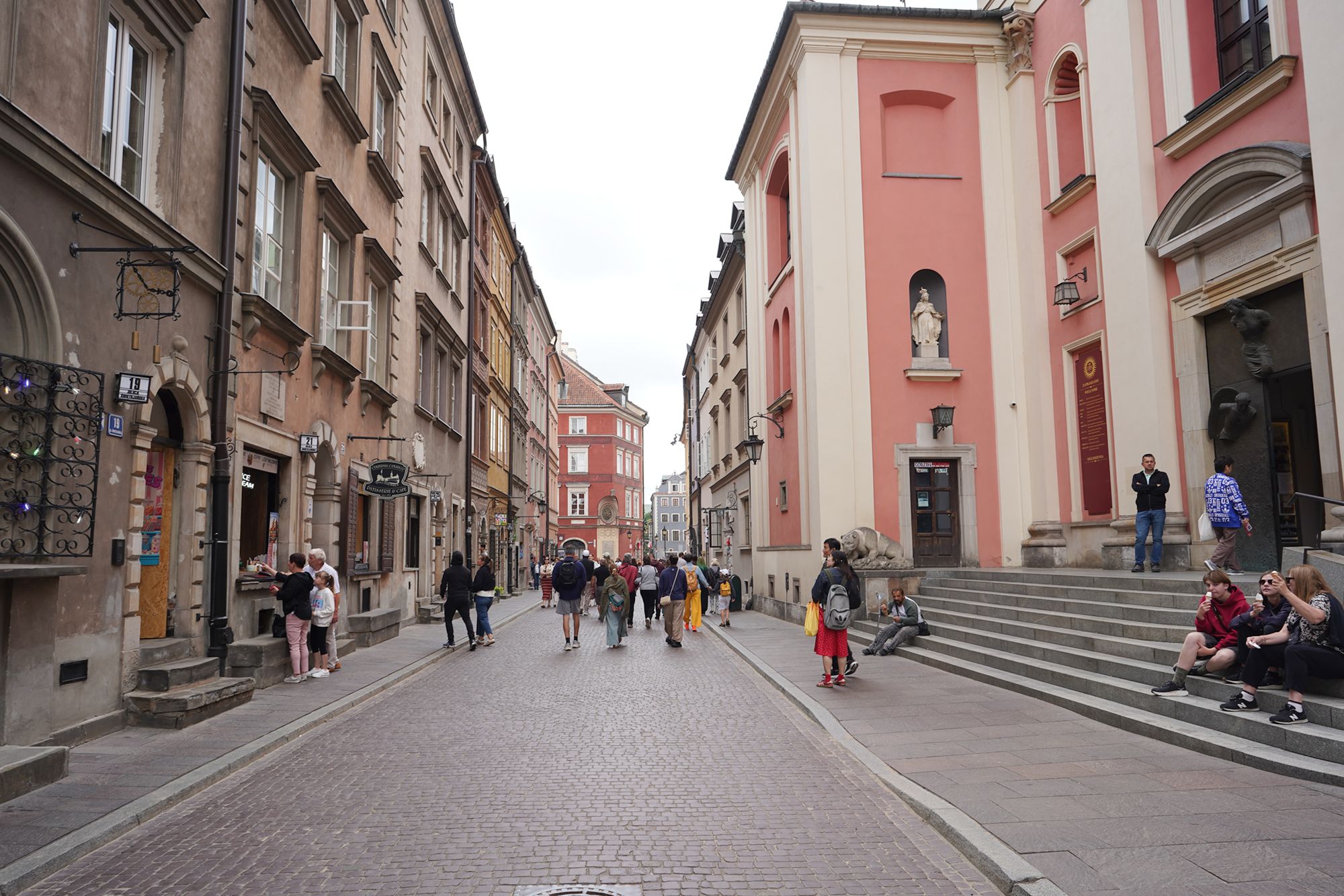
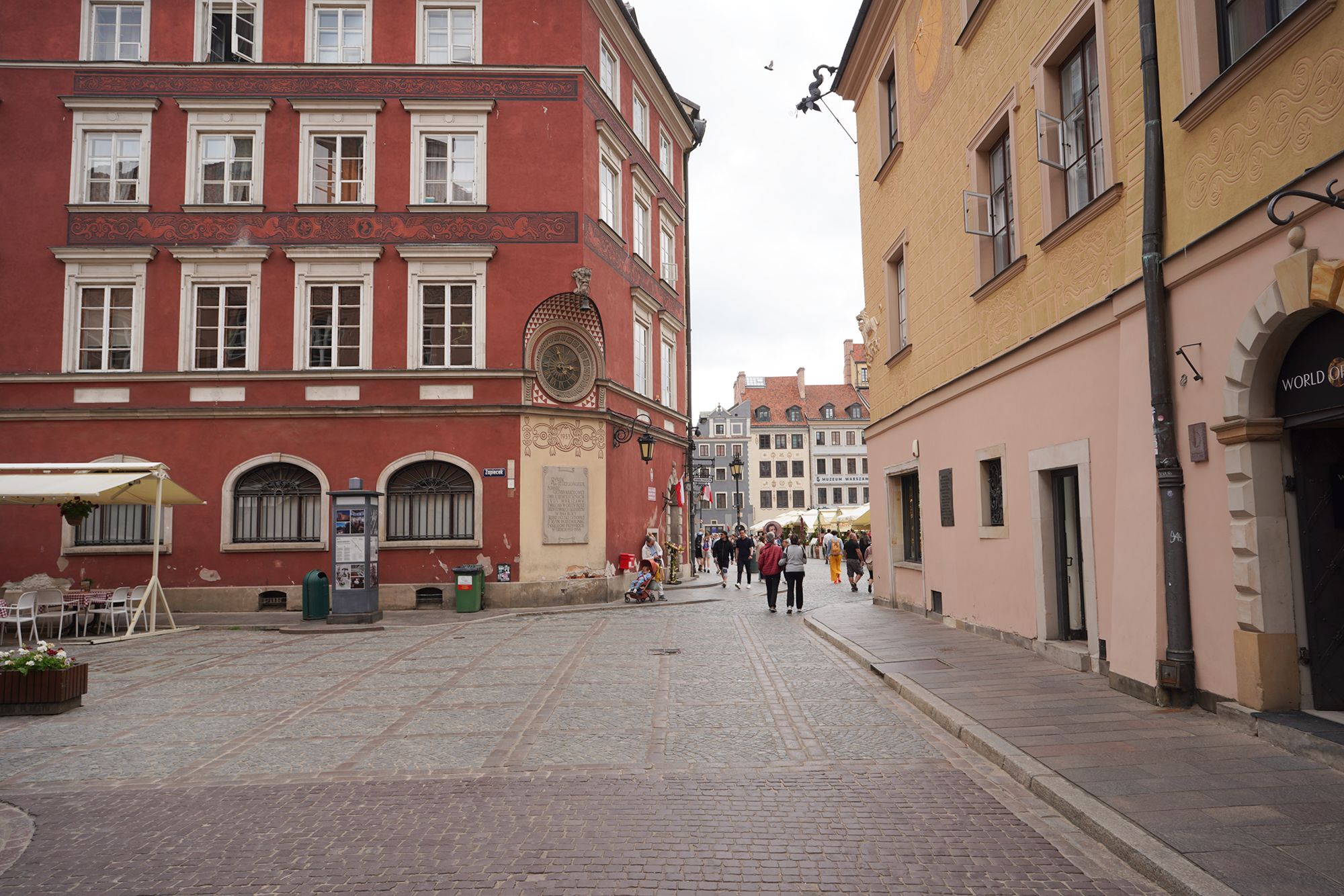
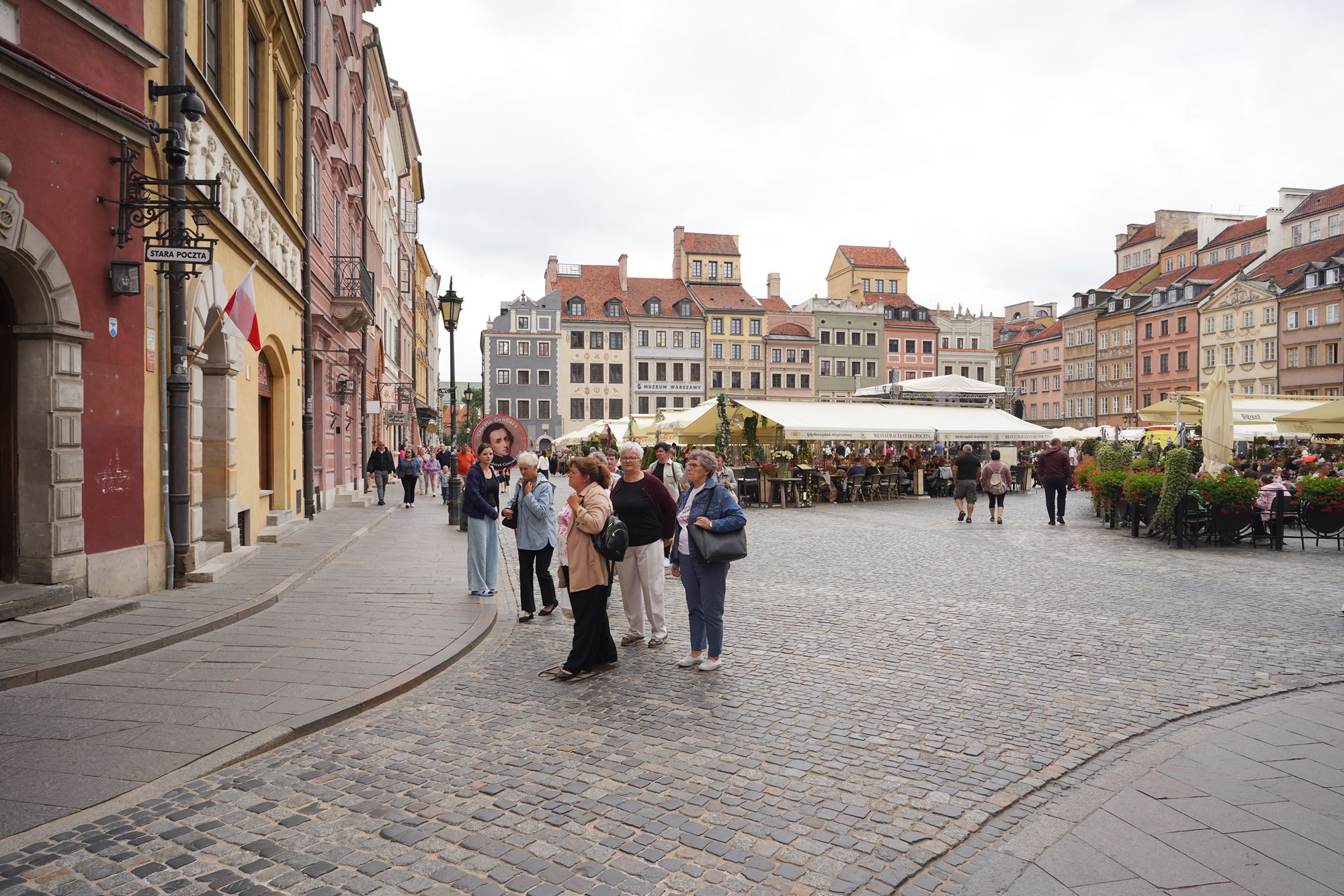
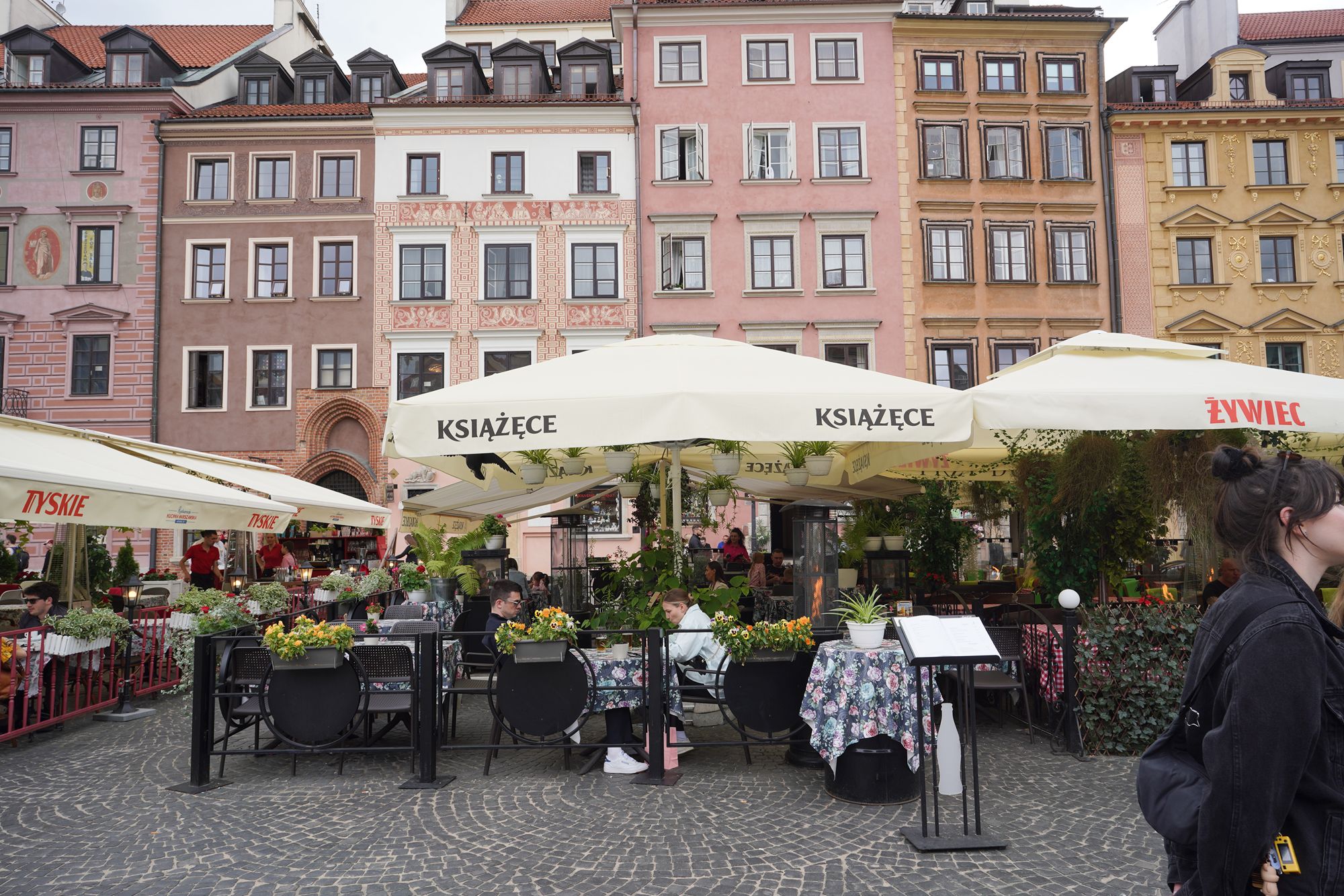
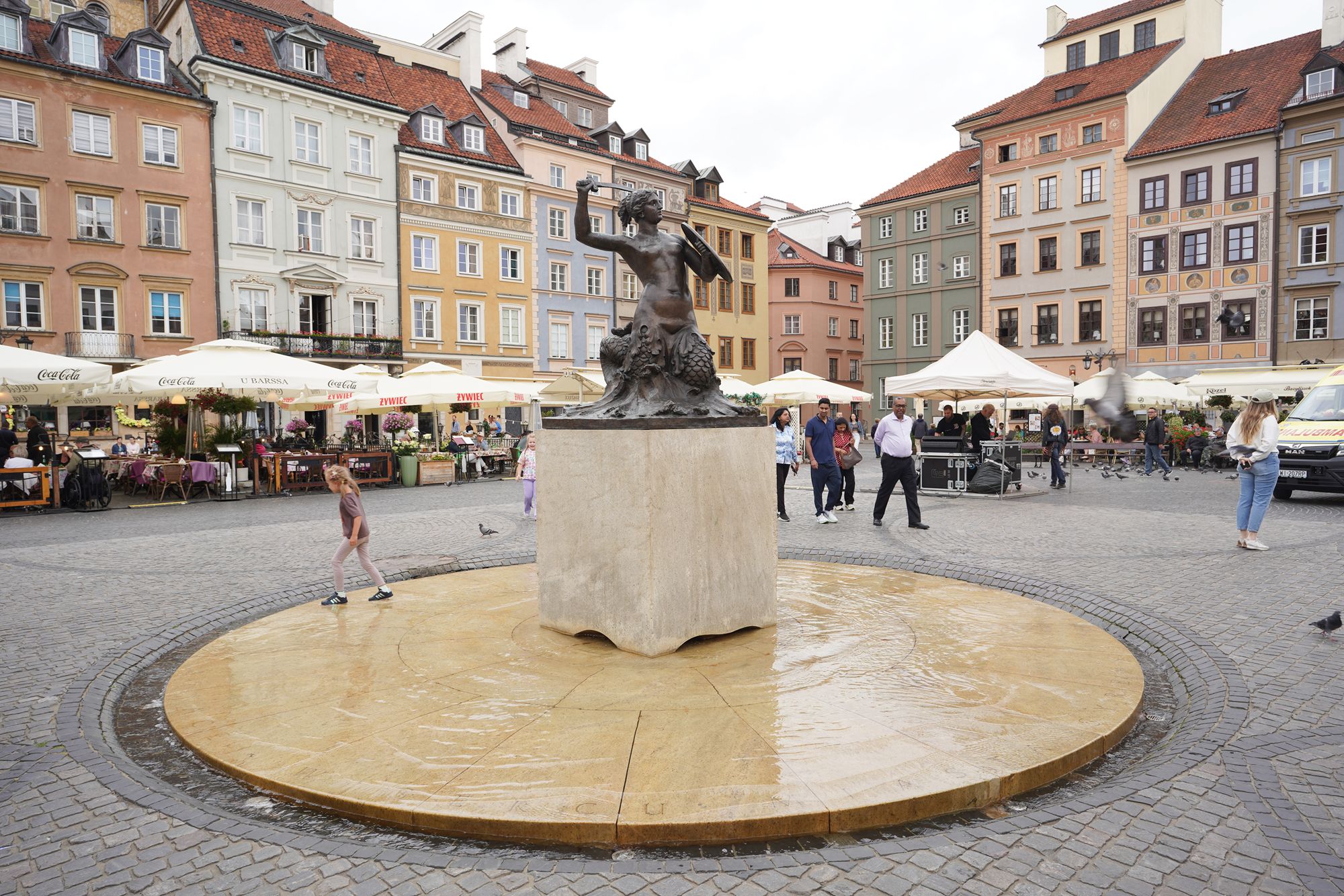
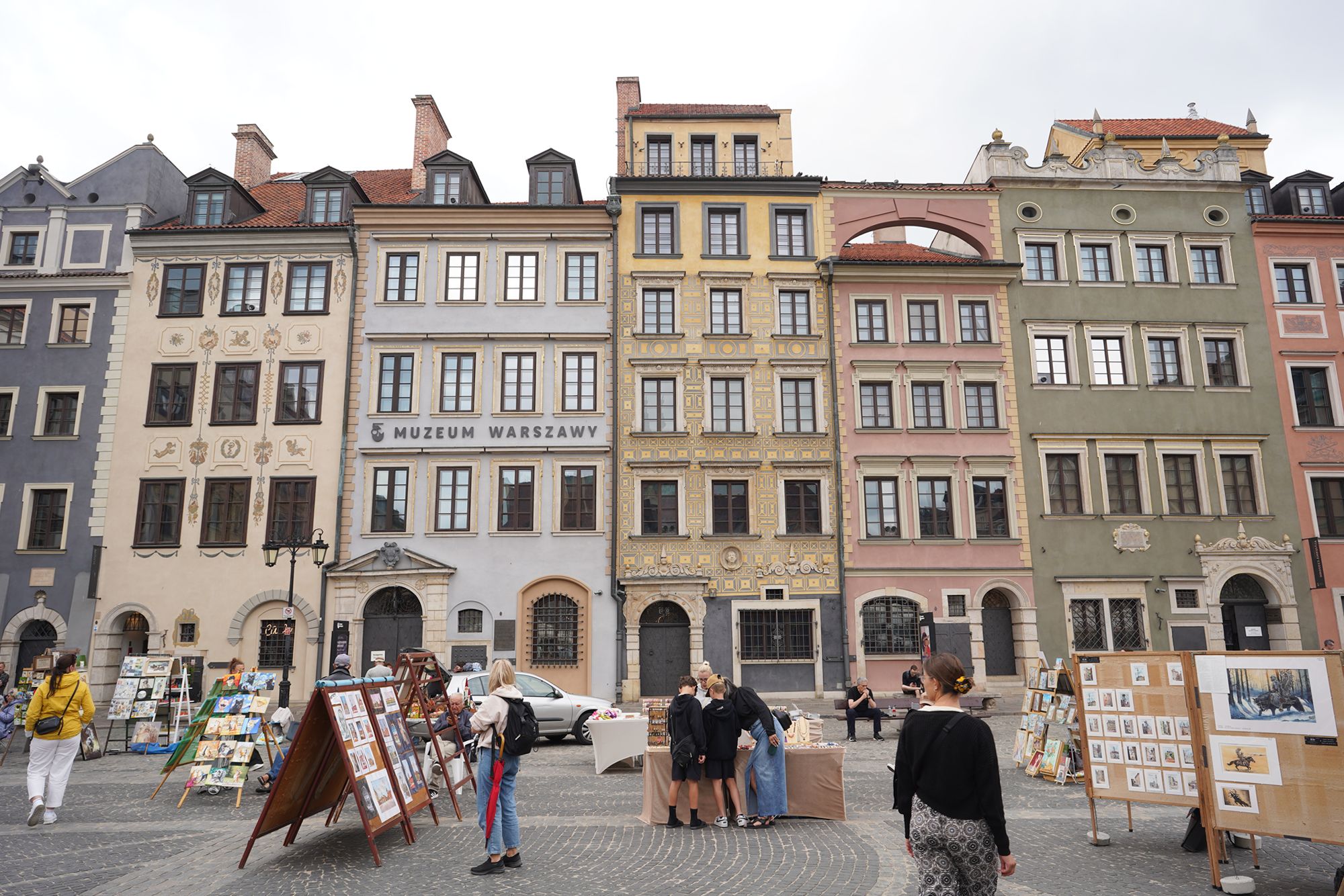
The Old Town Market Square was once the center of Warsaw’s trade and daily life. Colorful townhouses surround the square, with the Warsaw Mermaid statue standing in the middle, holding a sword and shield. Like much of the Old Town, the square was carefully rebuilt after its destruction during World War II.
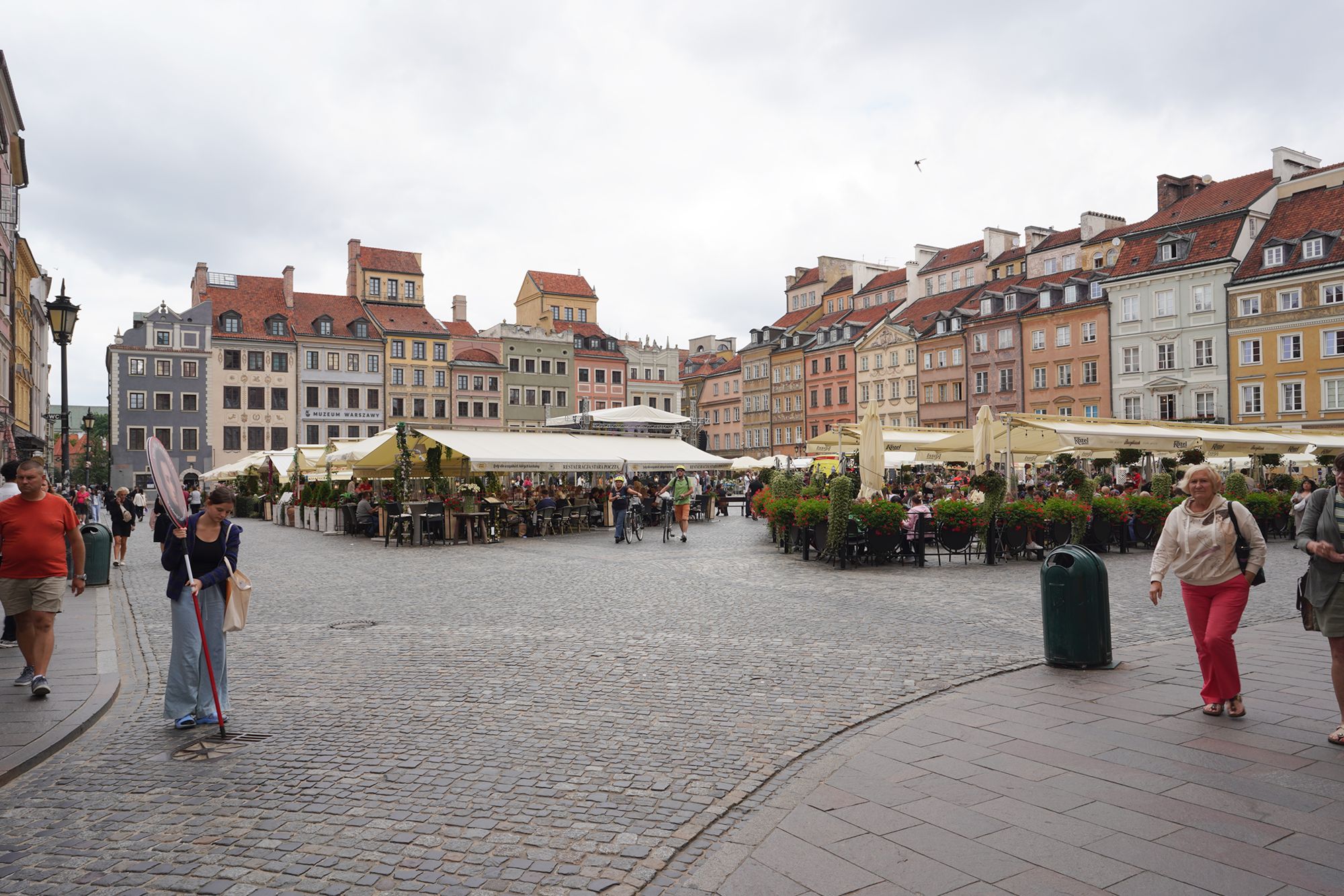
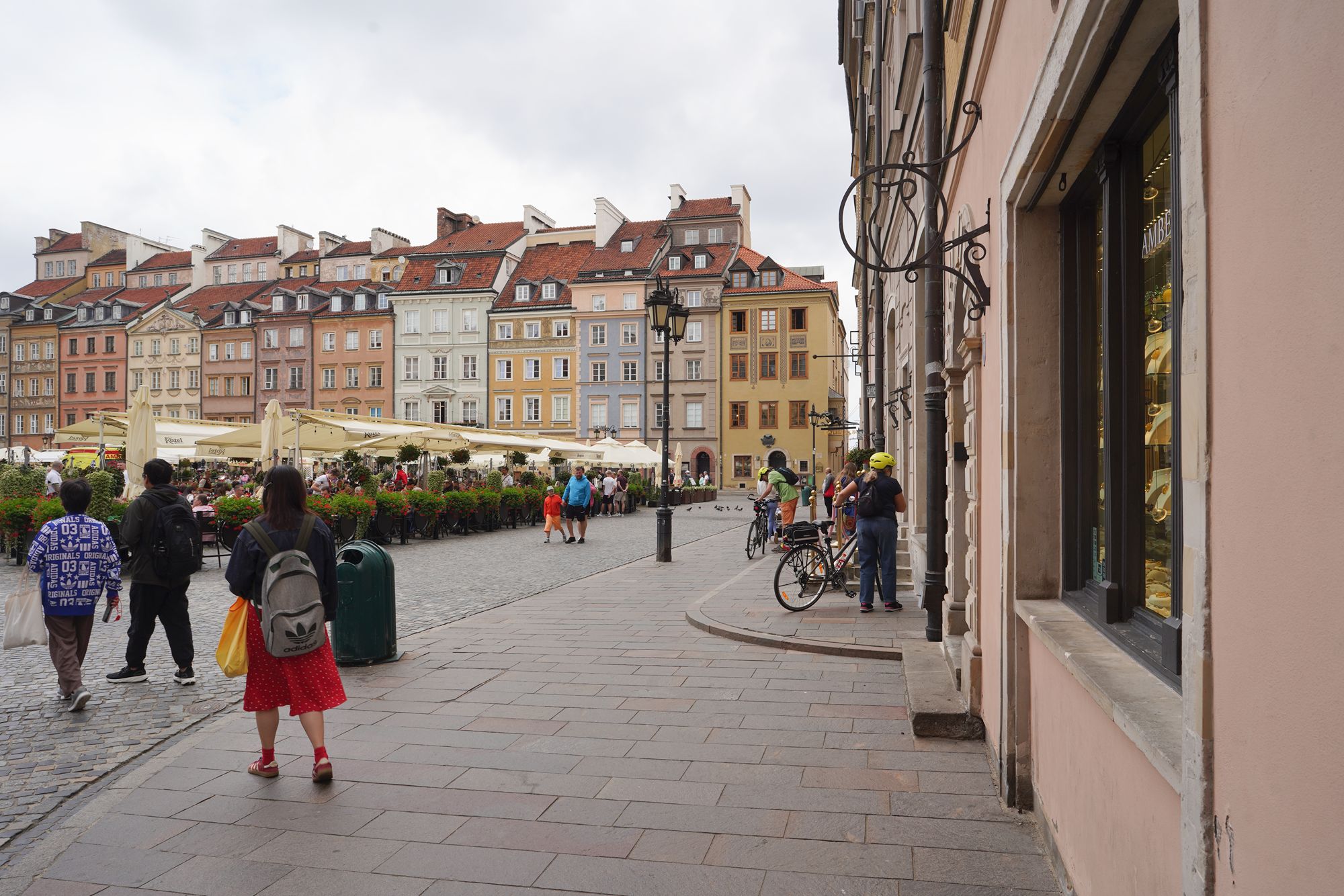
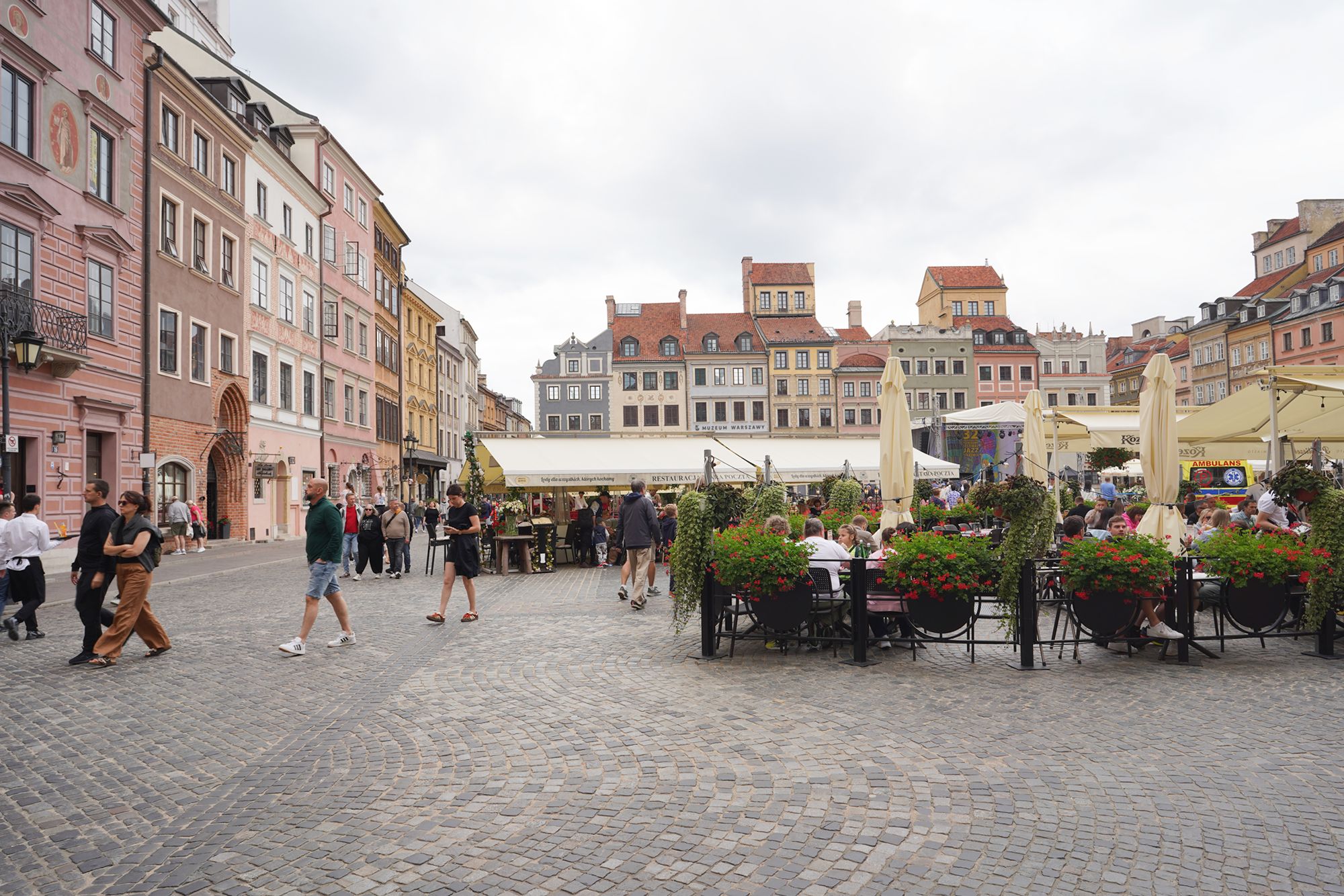
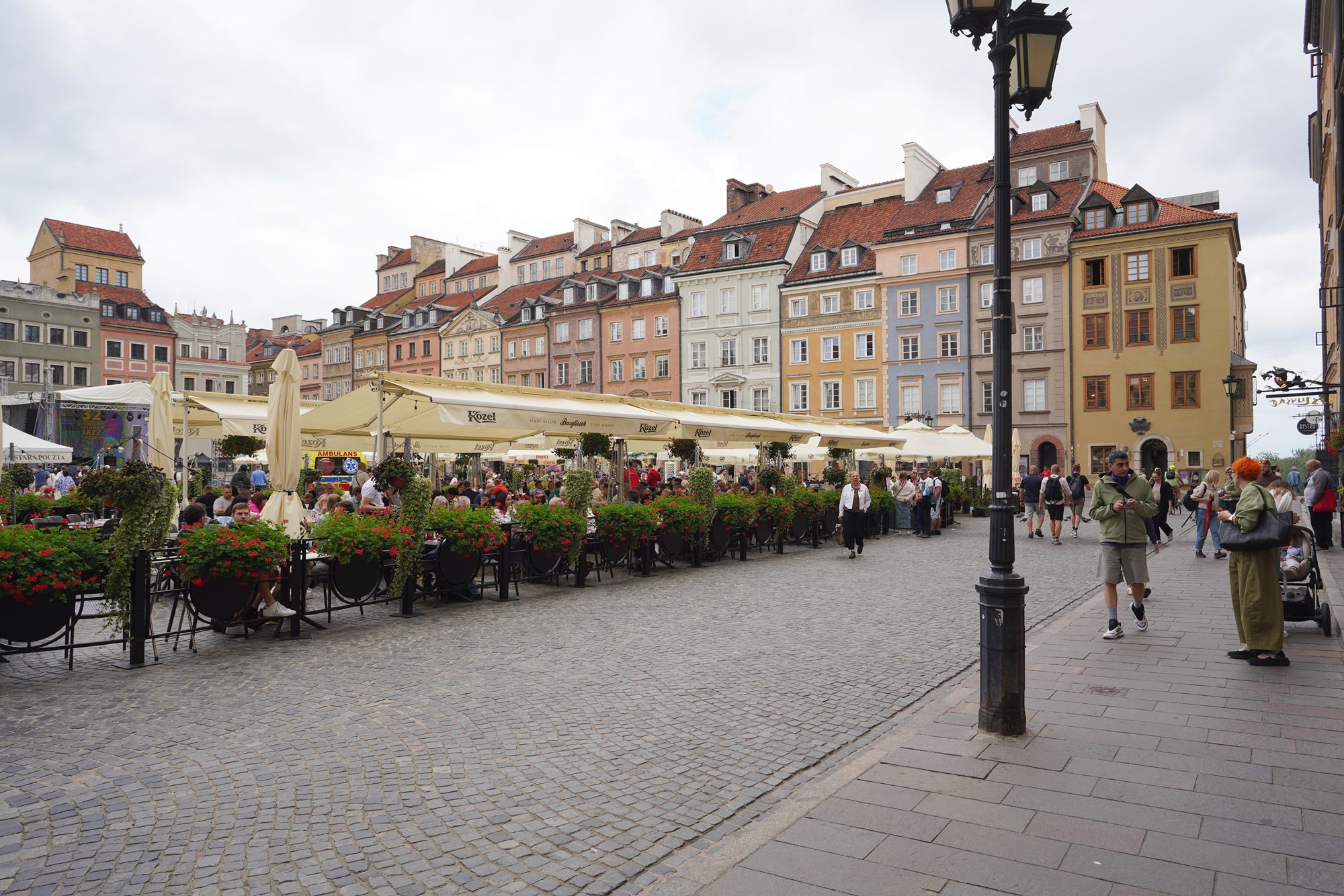
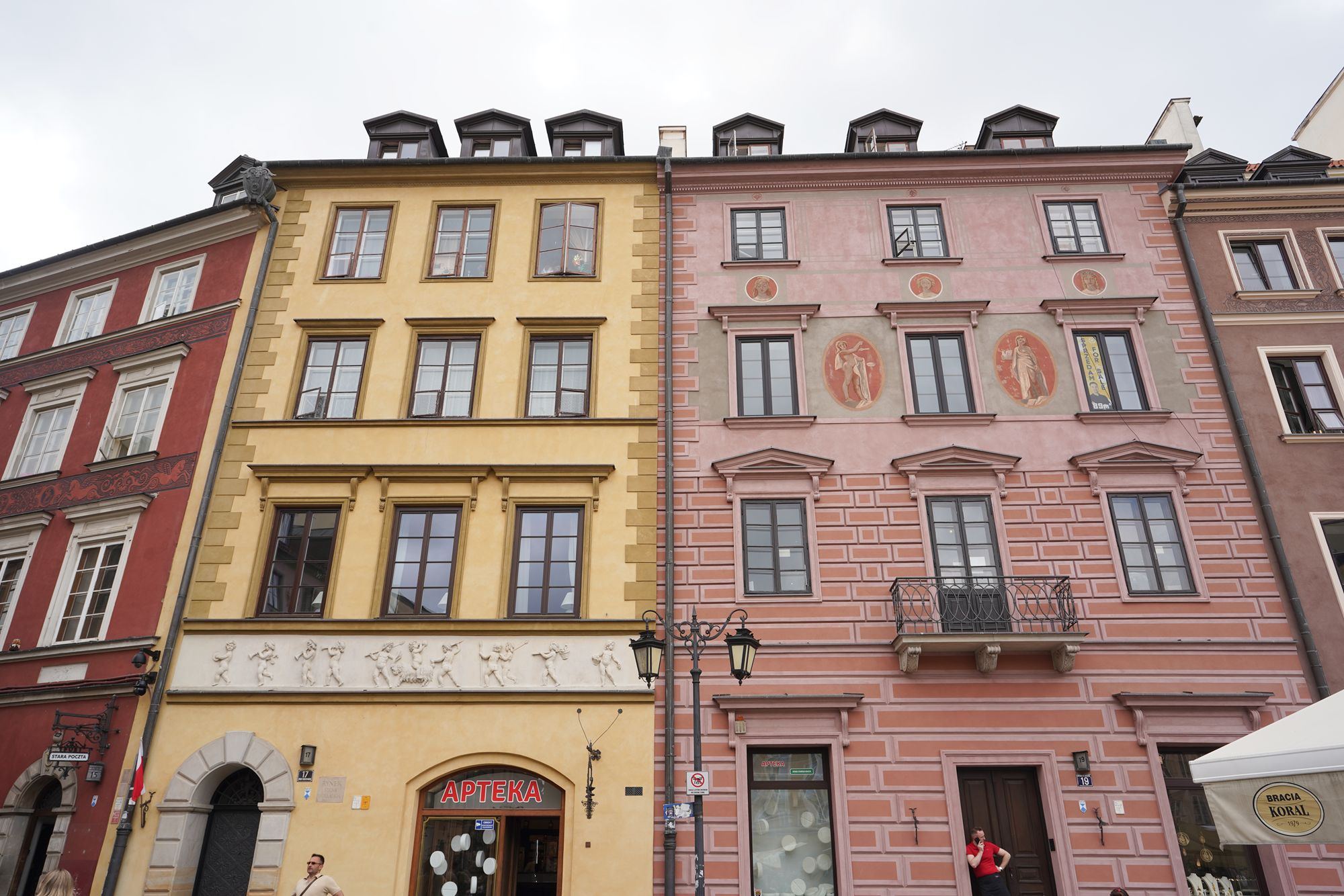
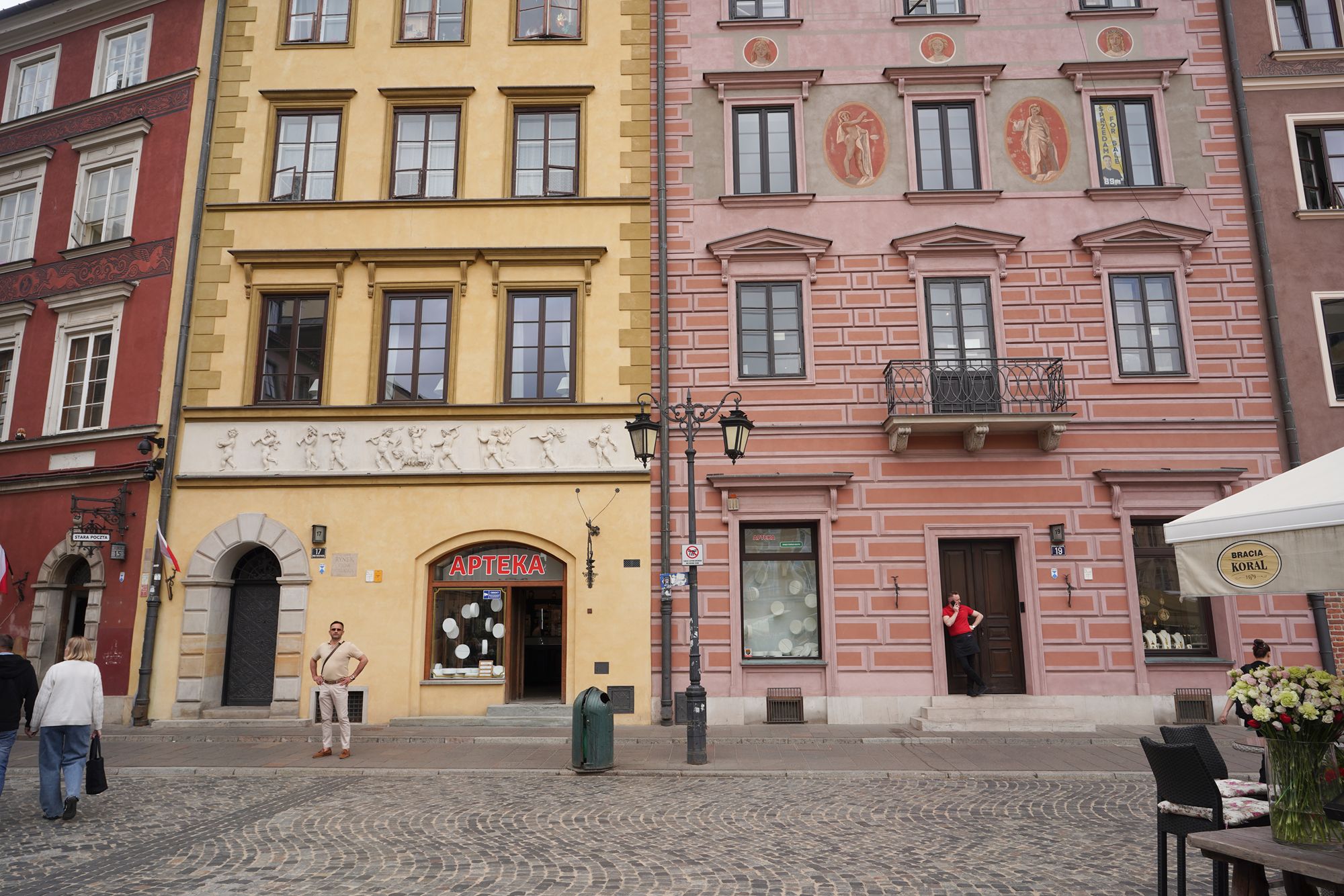
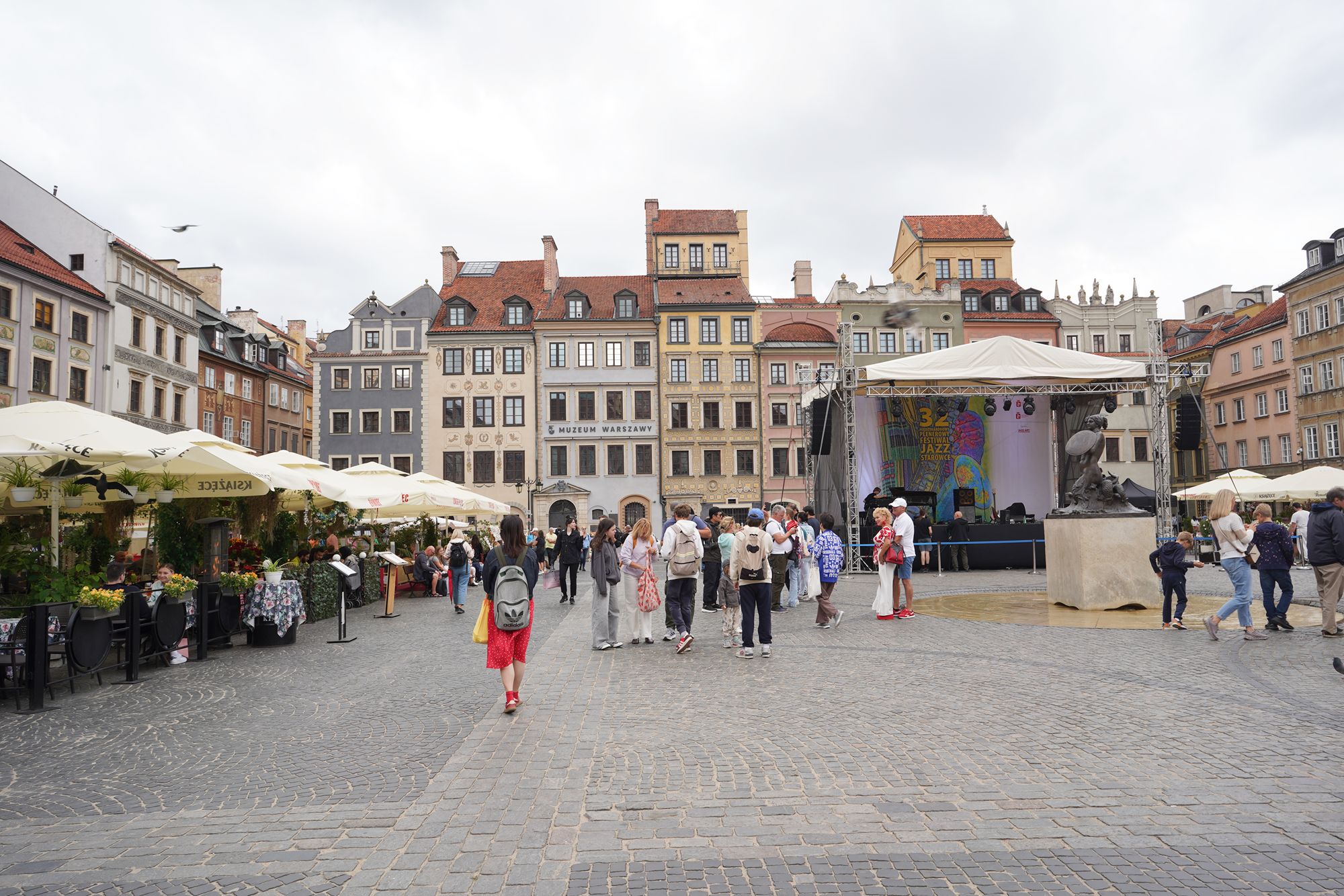
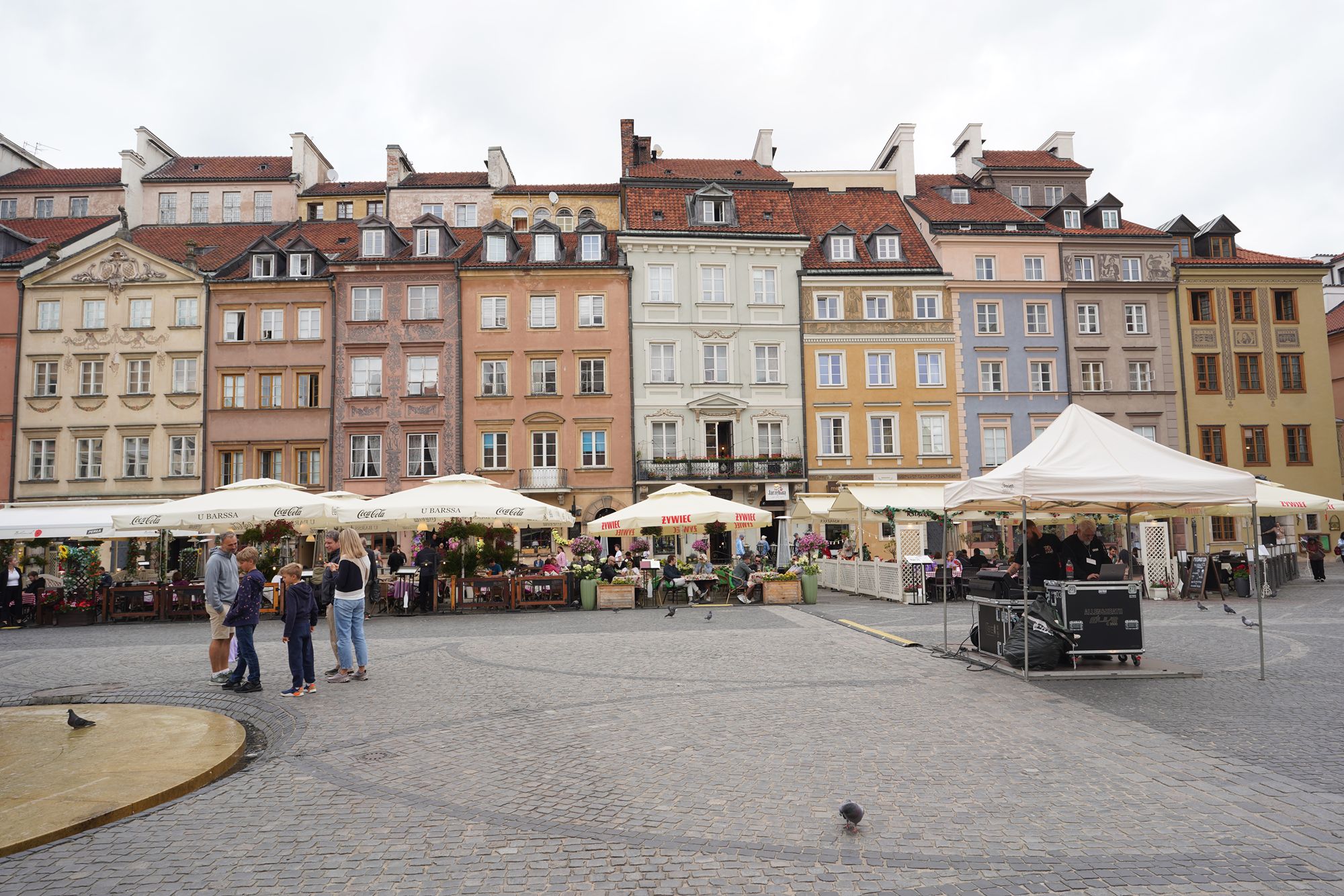
The mermaid is Warsaw’s symbol and appears on the city’s coat of arms. According to a popular legend, she lived in the Vistula River and was captured by a merchant. After local fishermen freed her, she promised to protect them and their city. Her sword and shield represent that promise.
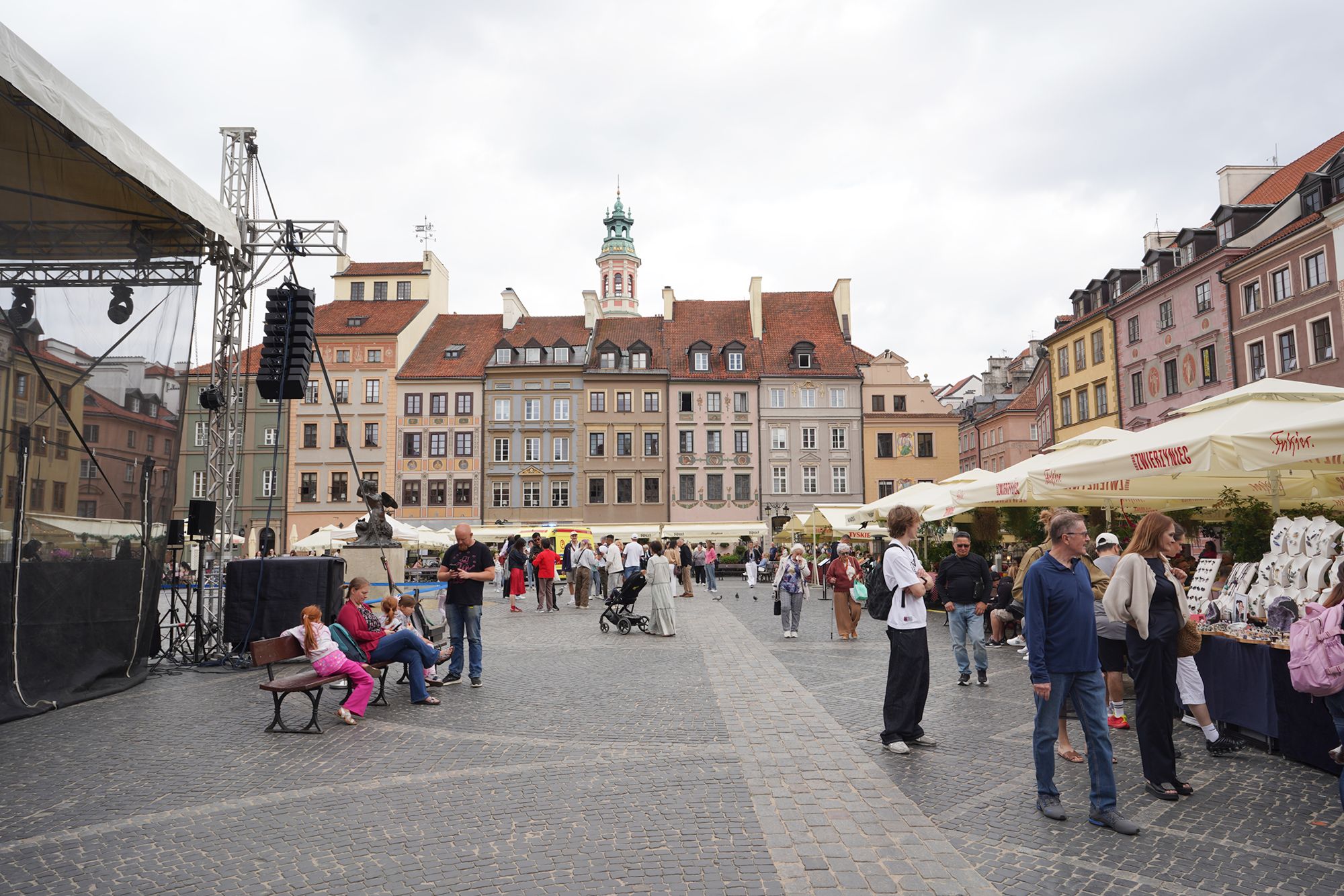
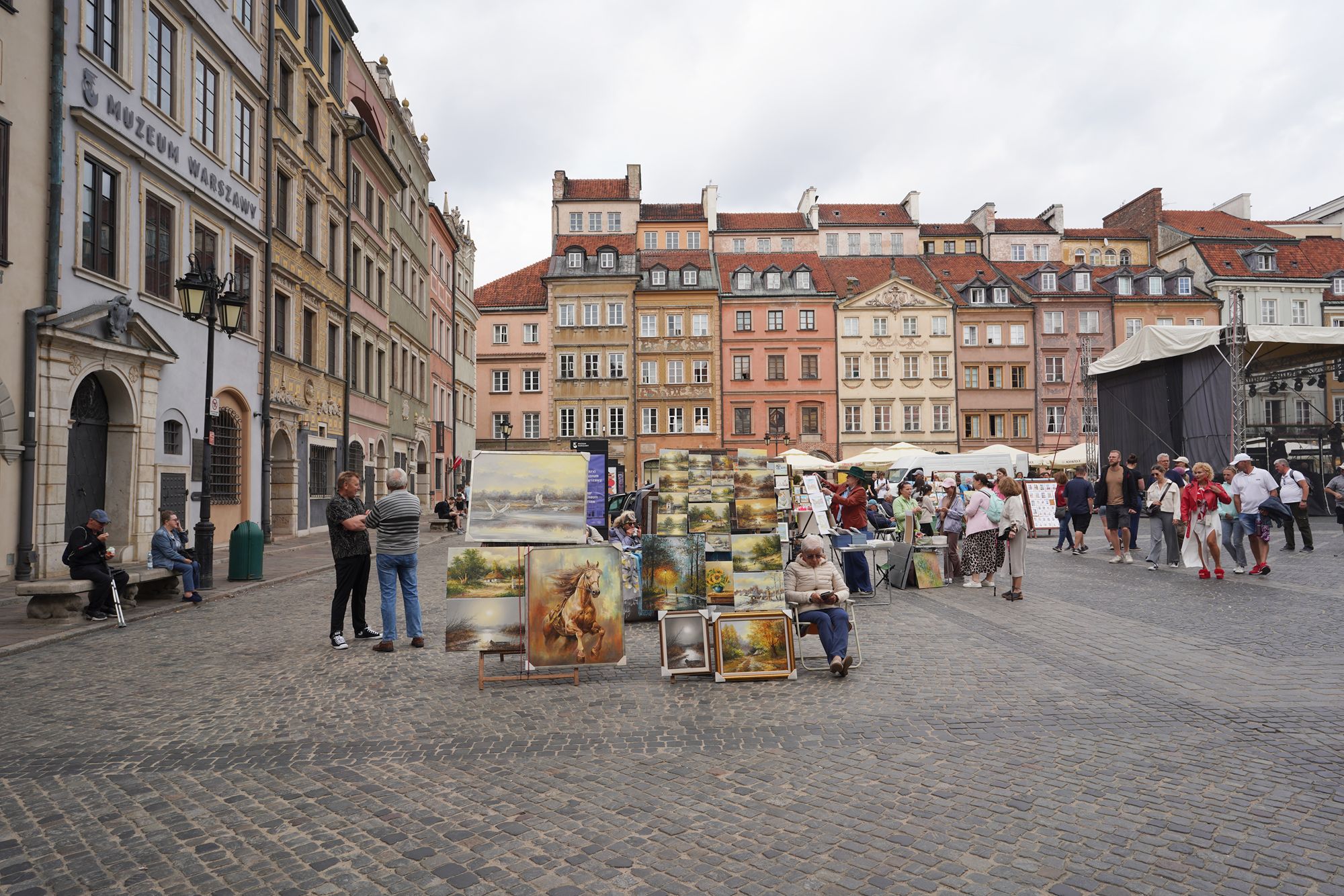
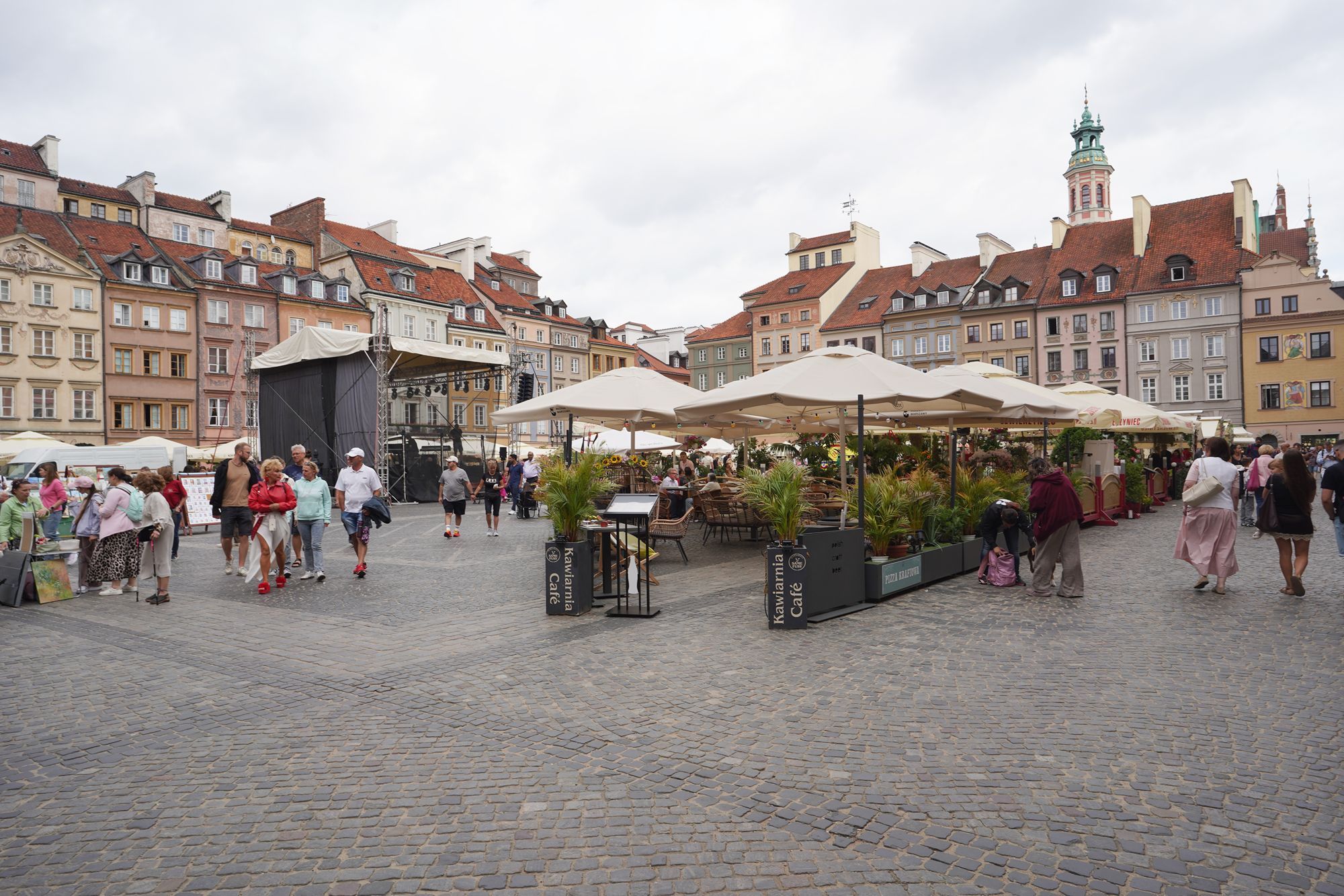
I walked past the square and continued north.
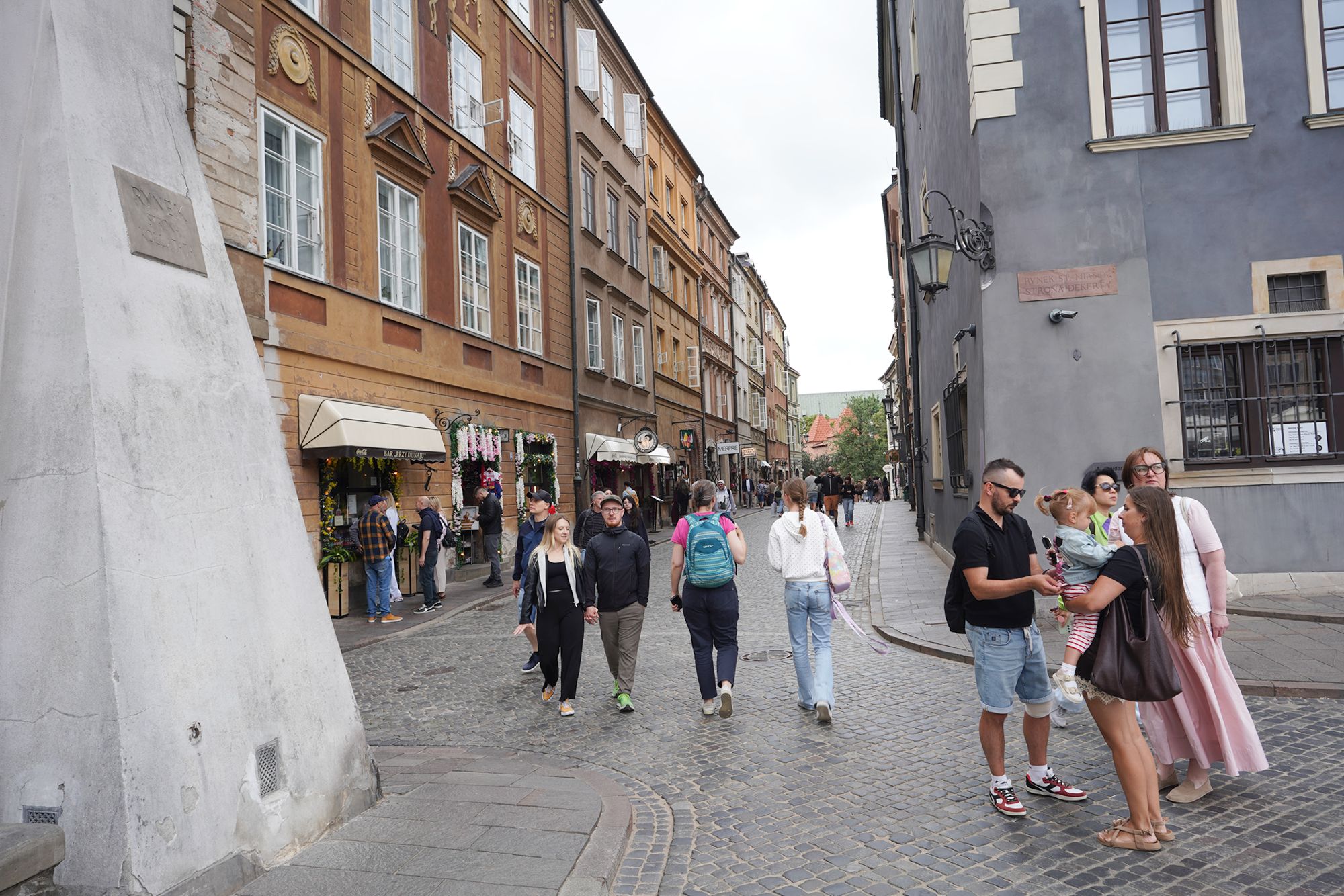
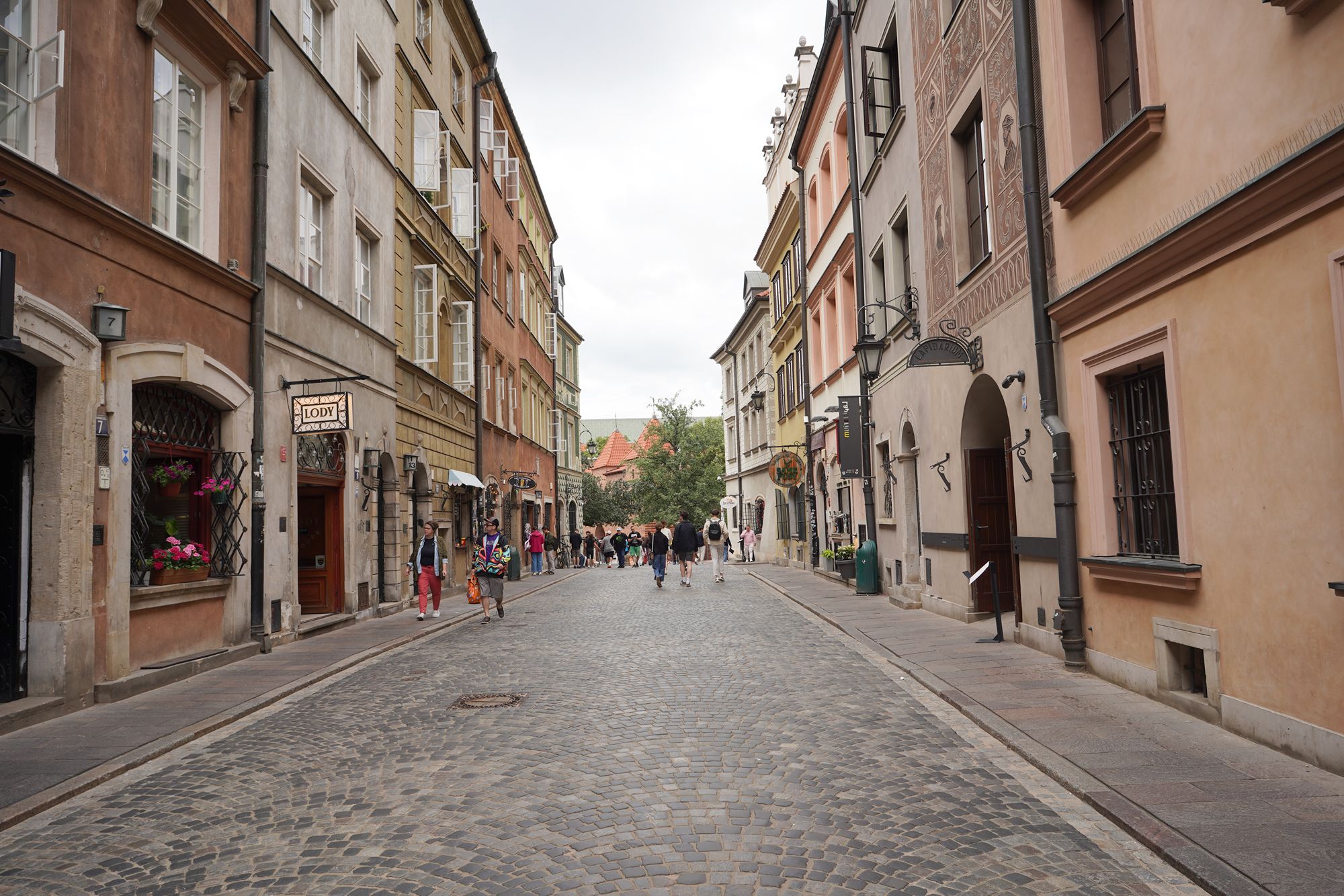
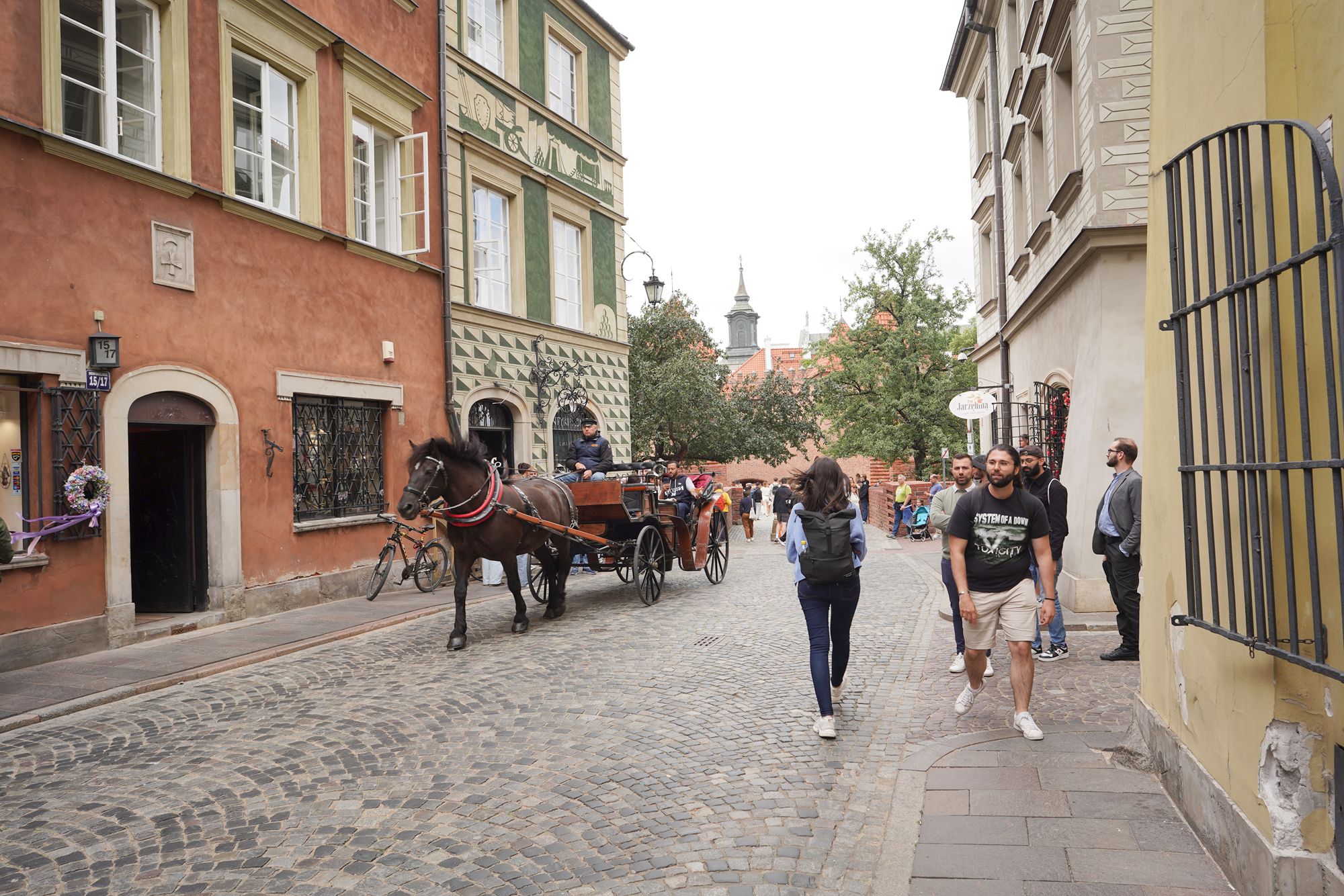
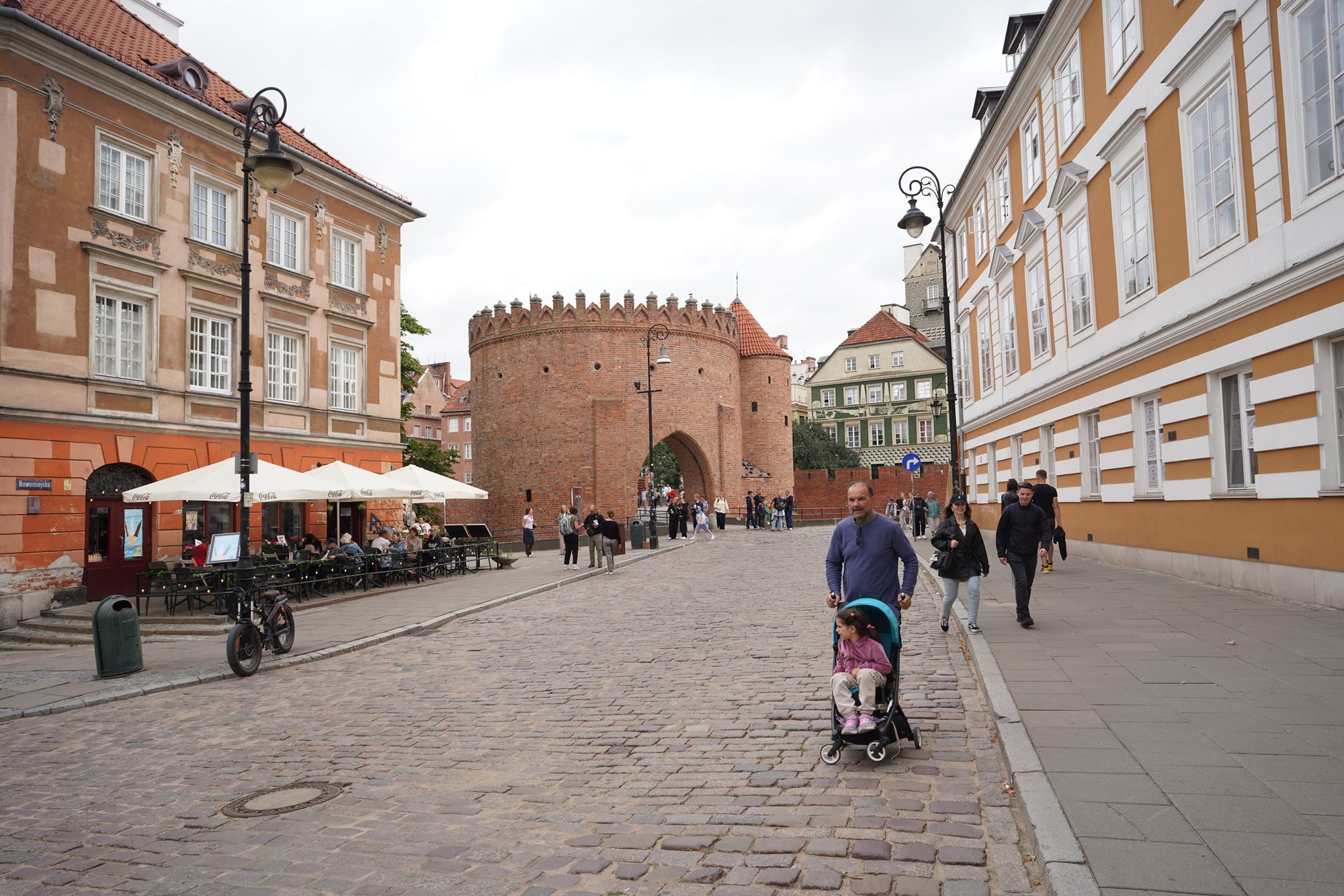
The Warsaw Barbican stands at the northern edge of the Old Town. Built in 1548, this brick gateway formed part of the city’s defenses. Its rounded towers and adjoining walls were reconstructed after World War II, restoring a glimpse of medieval Warsaw.
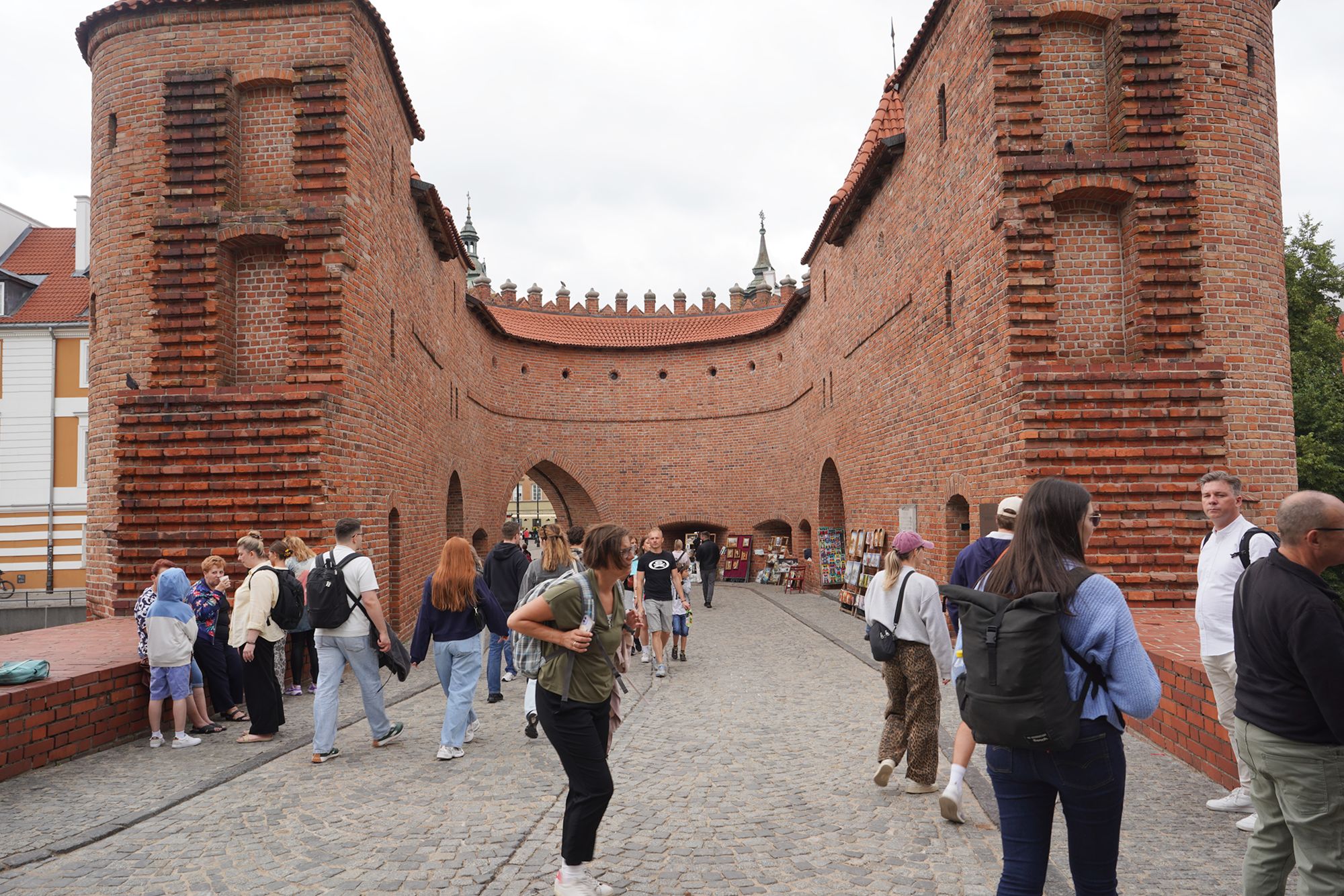
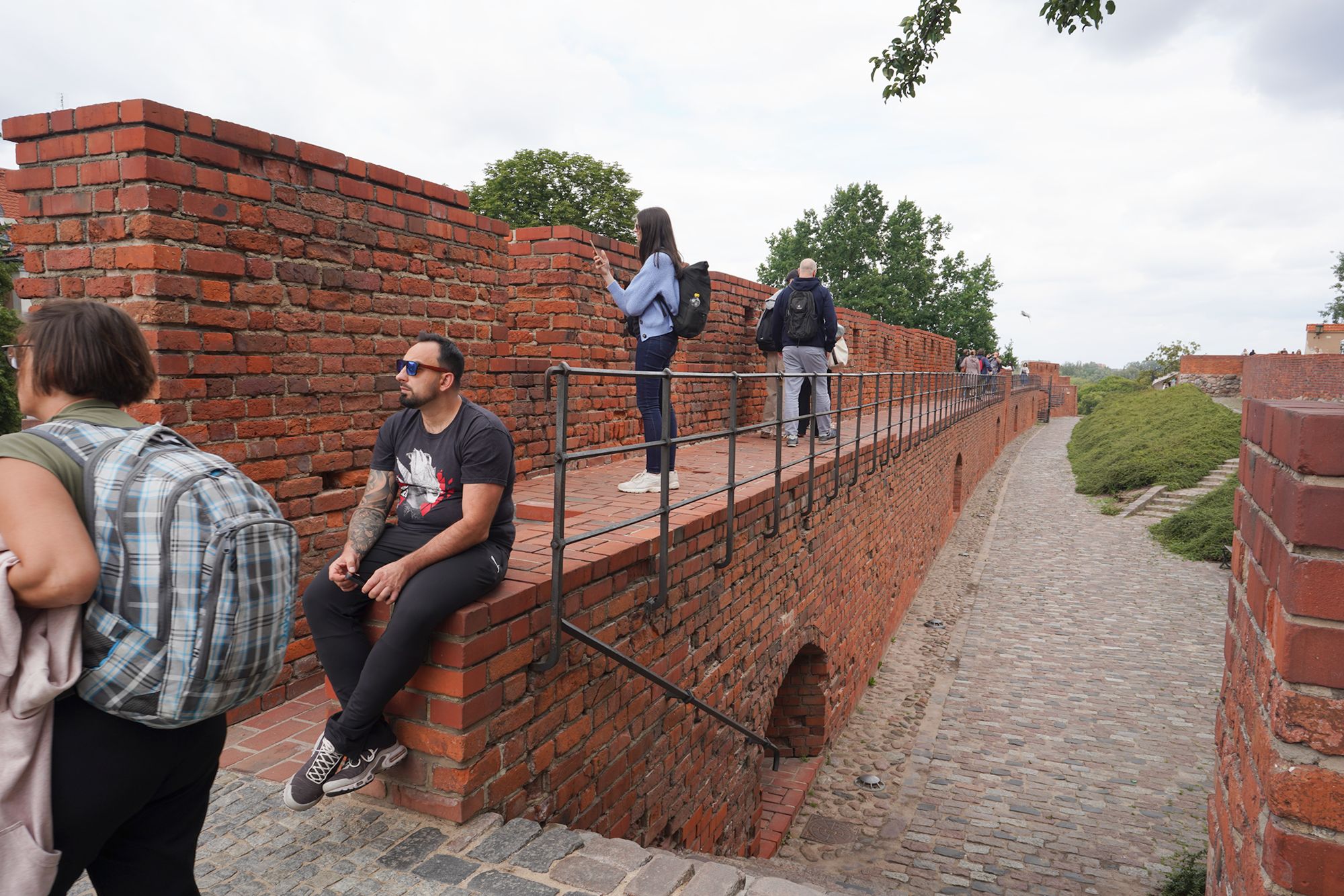
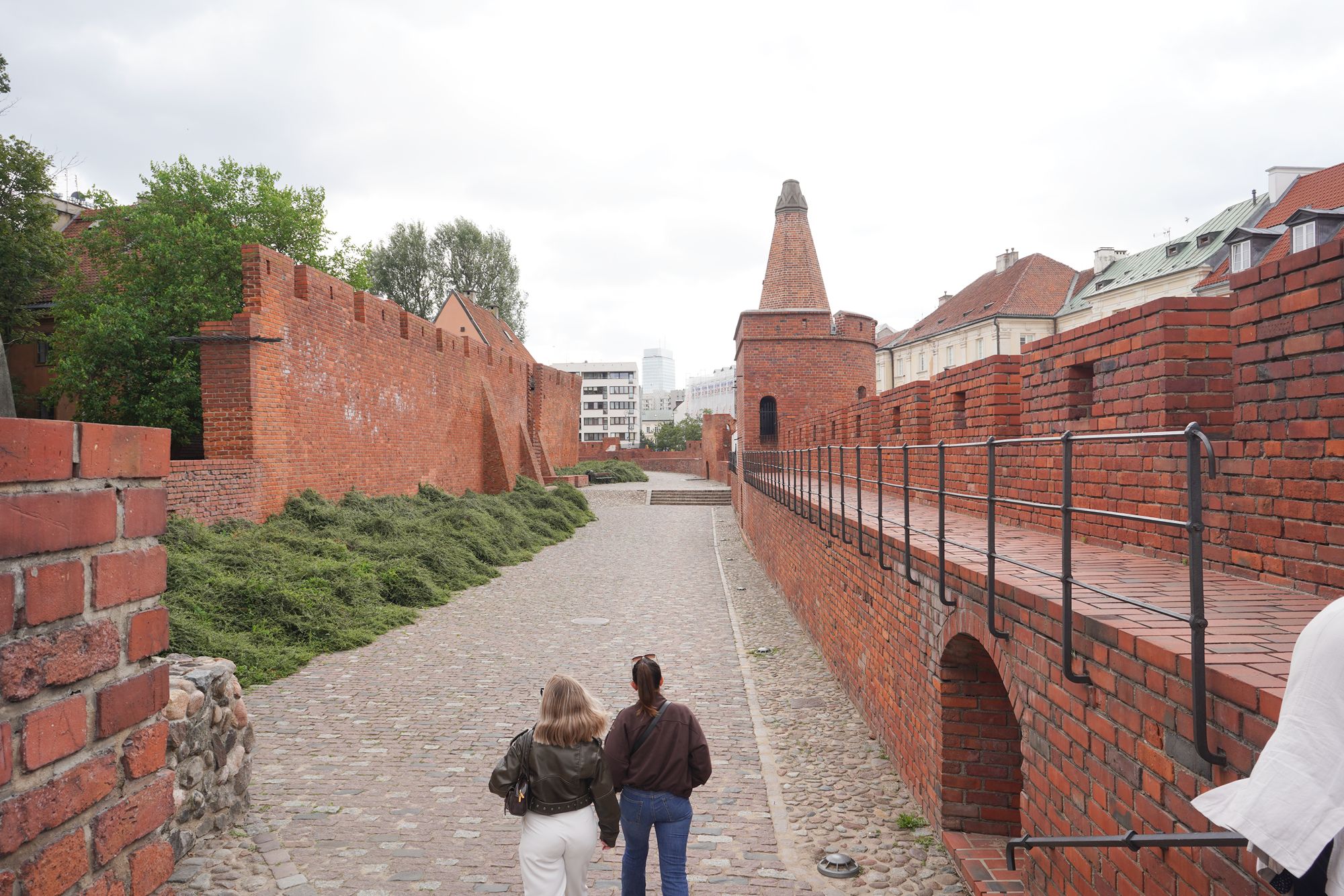
I left the Old Town through the Barbican’s gateway.
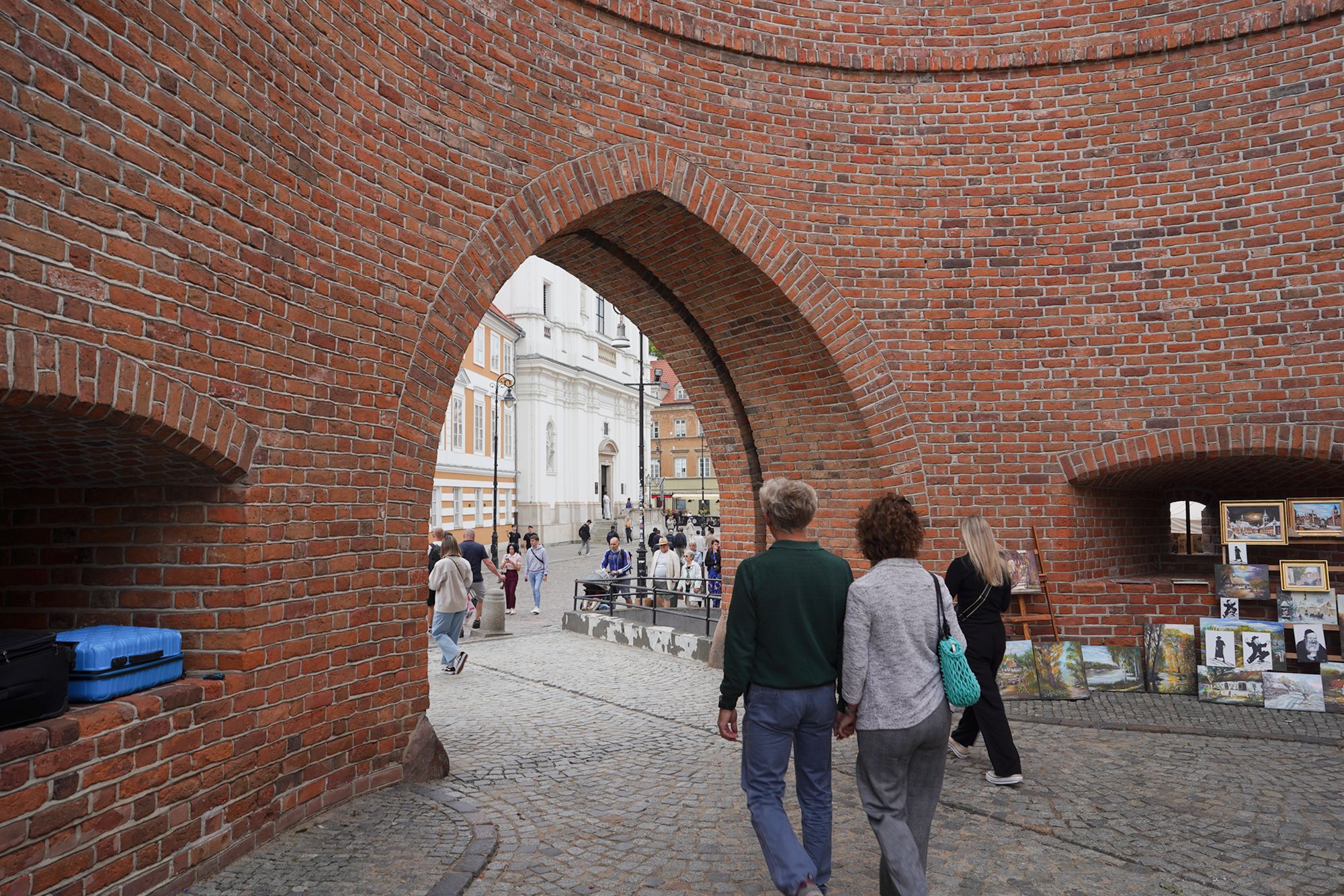
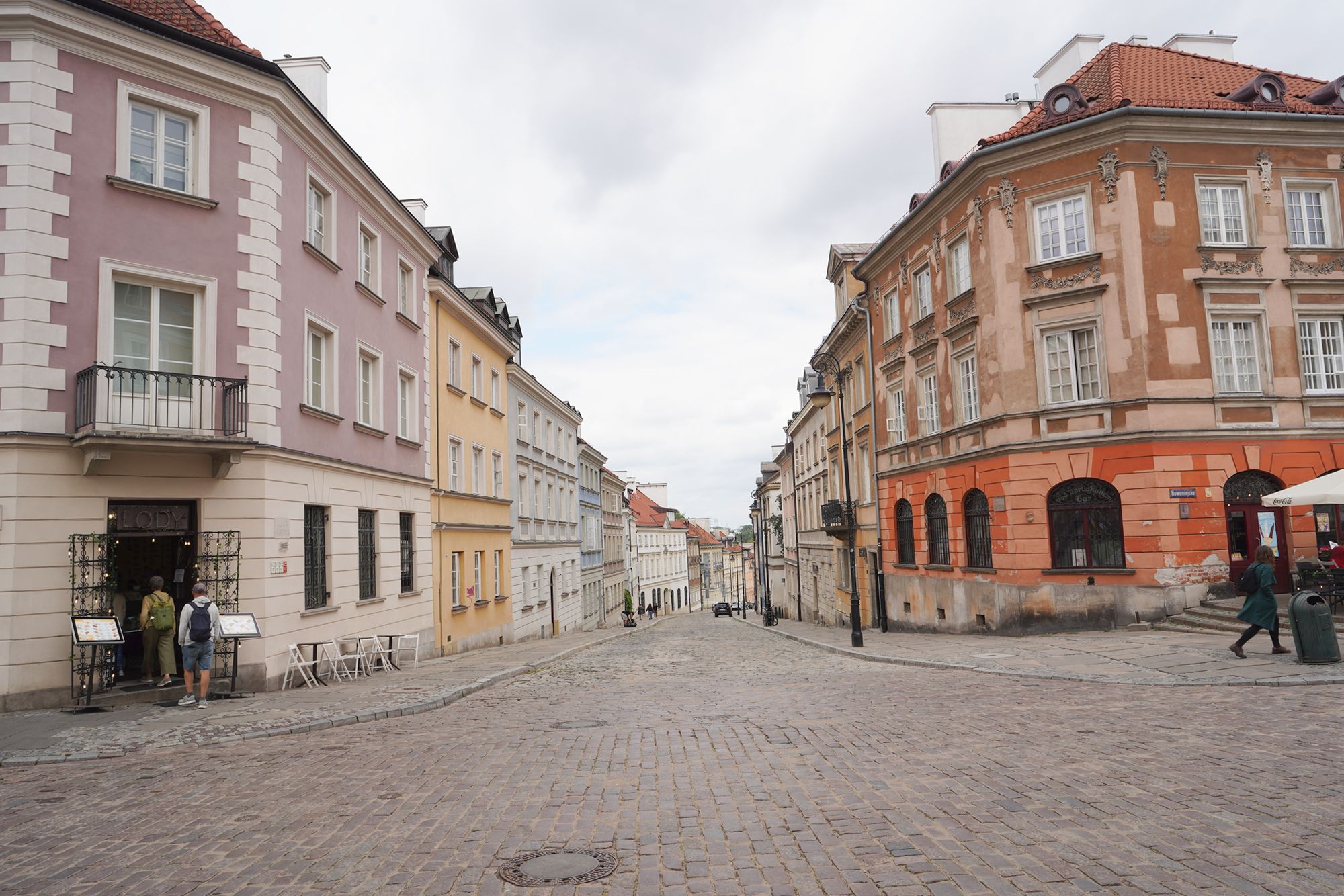
Beyond the Barbican lies Warsaw’s New Town.
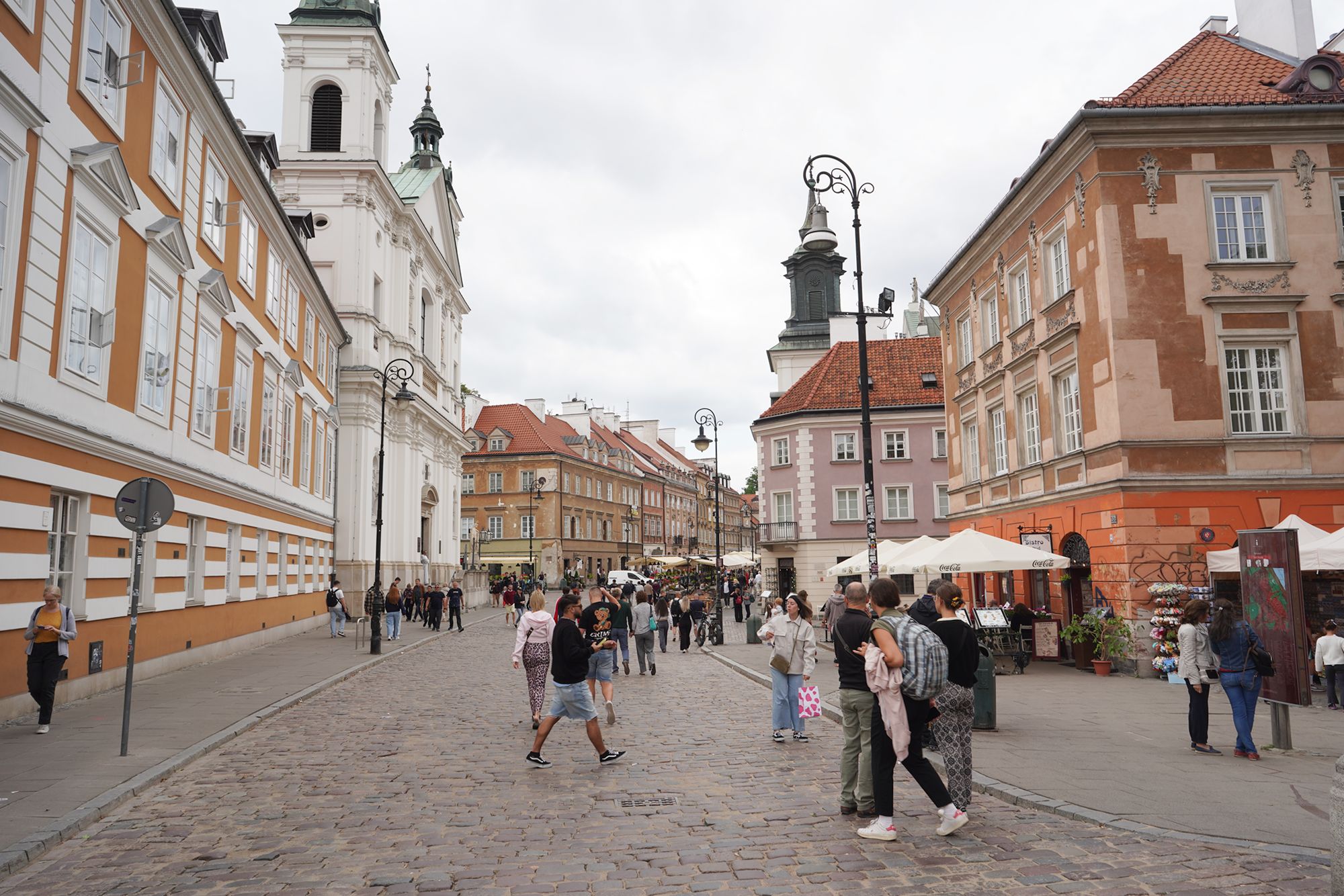
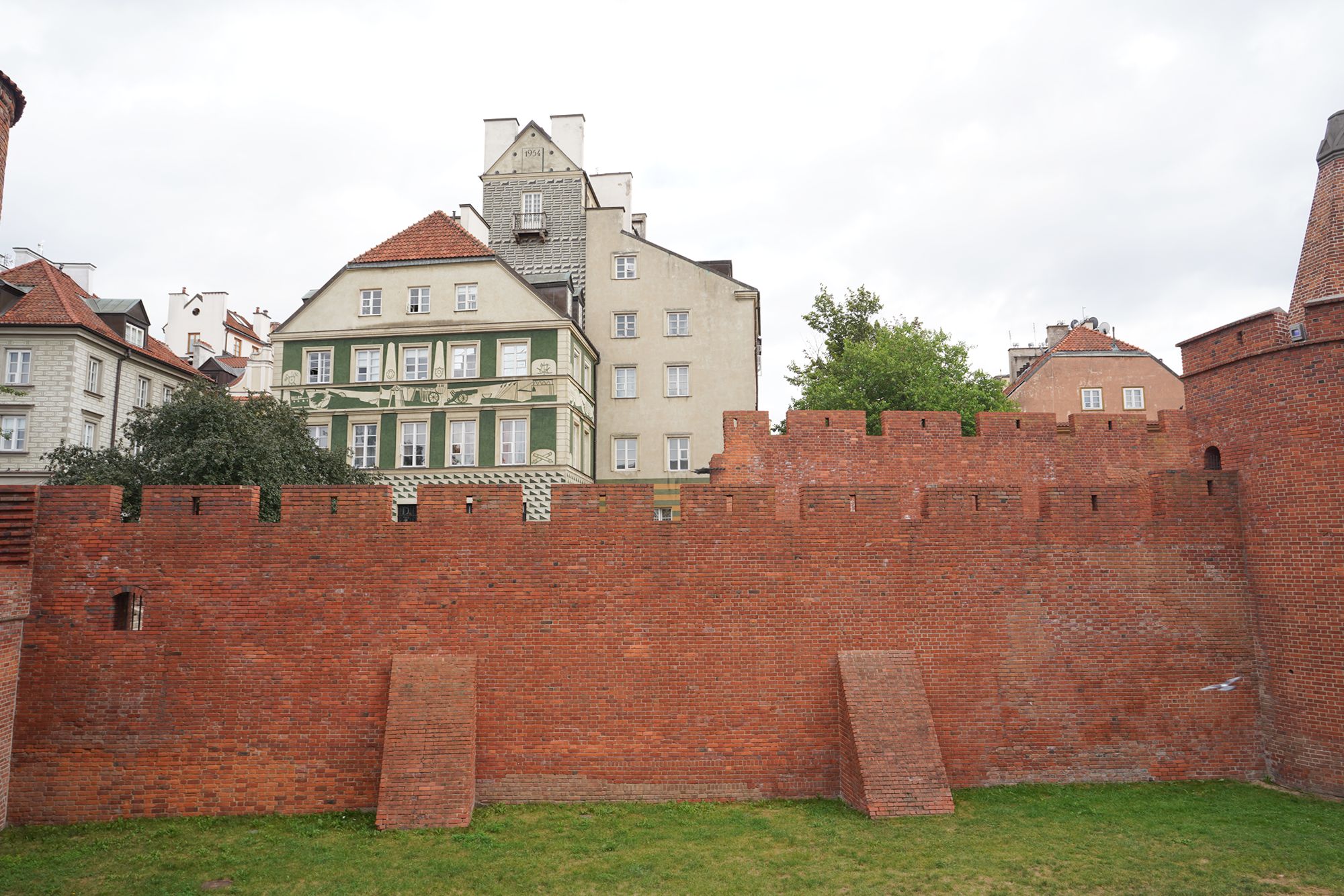
A view of the city walls from just outside the Barbican.
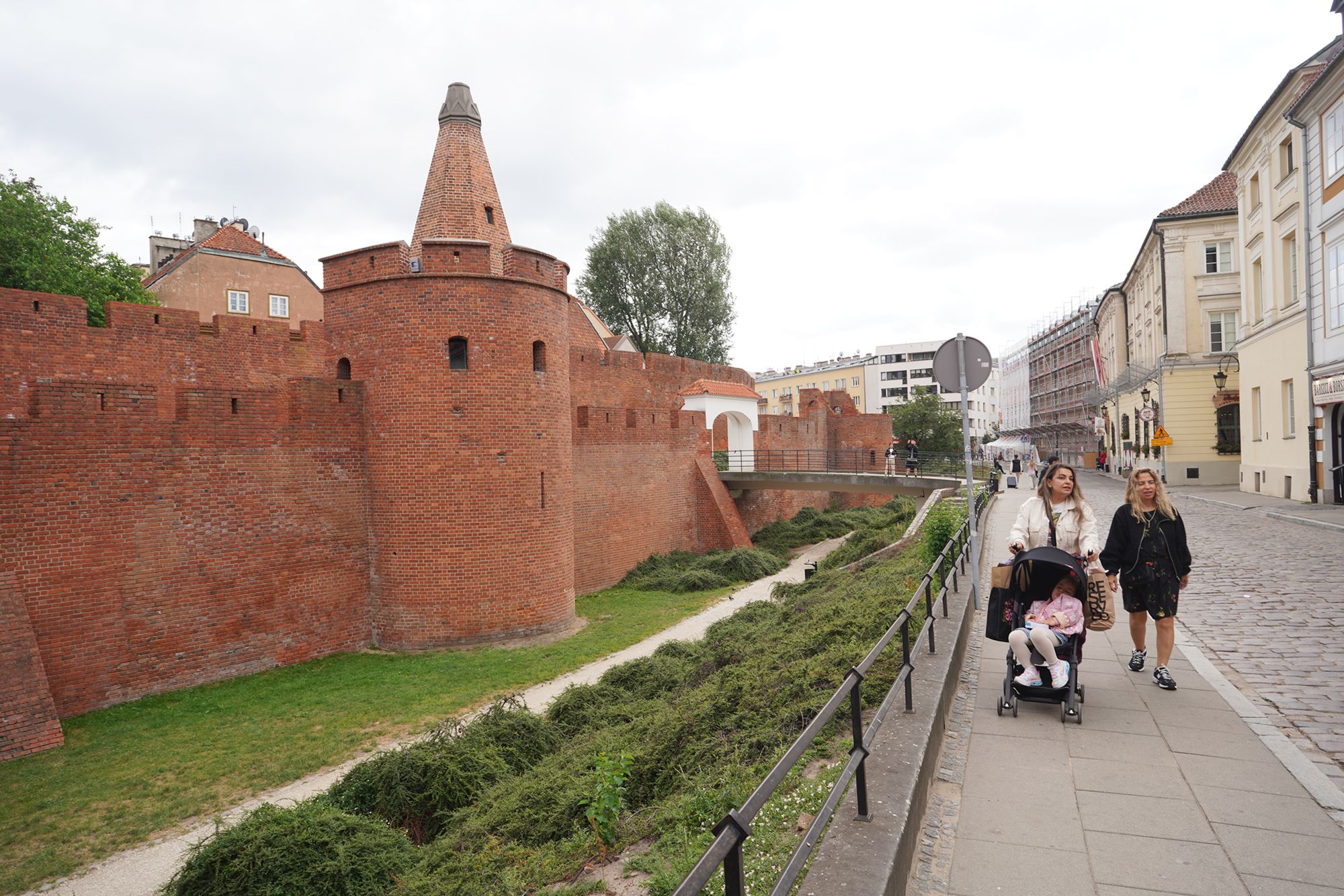
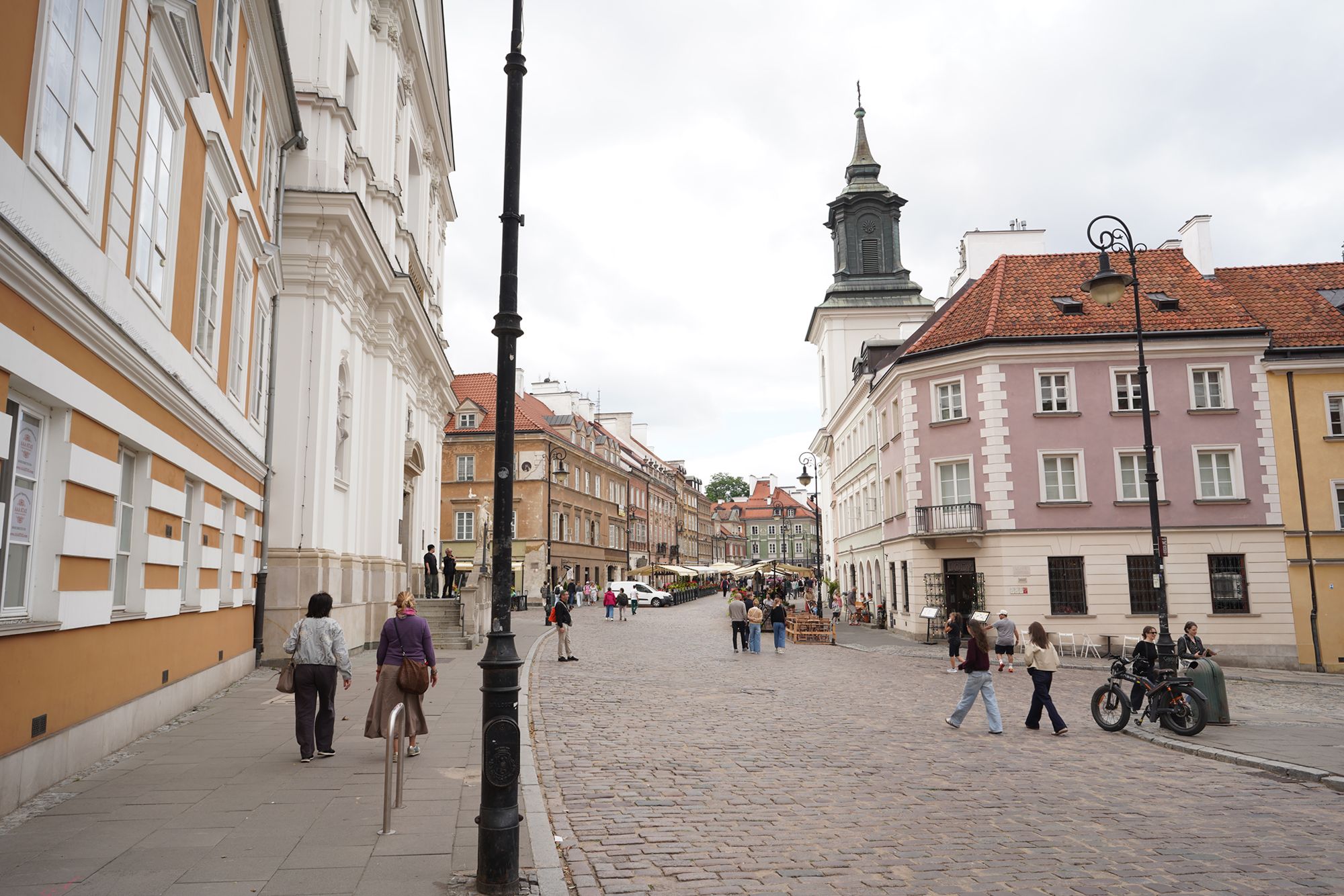
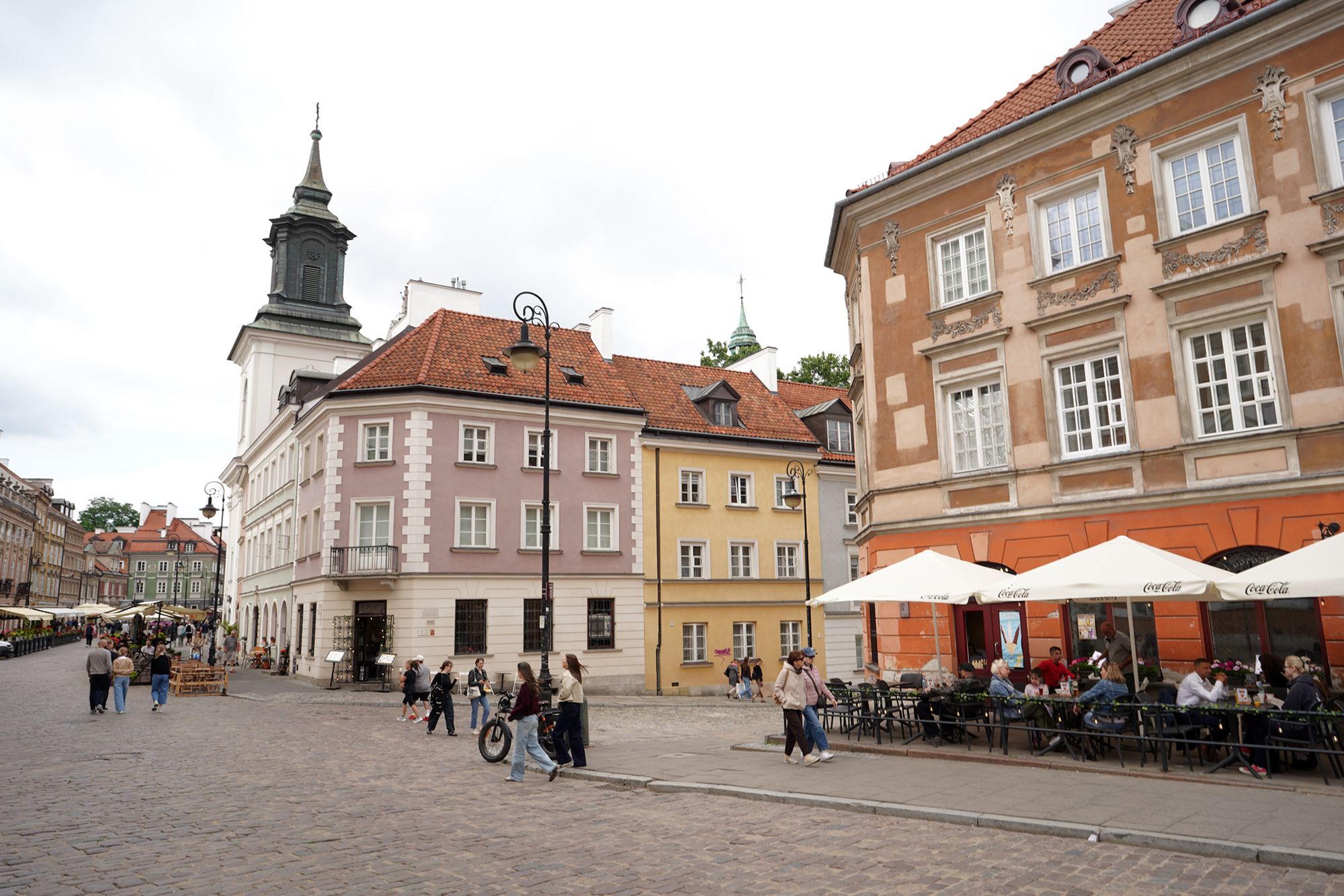
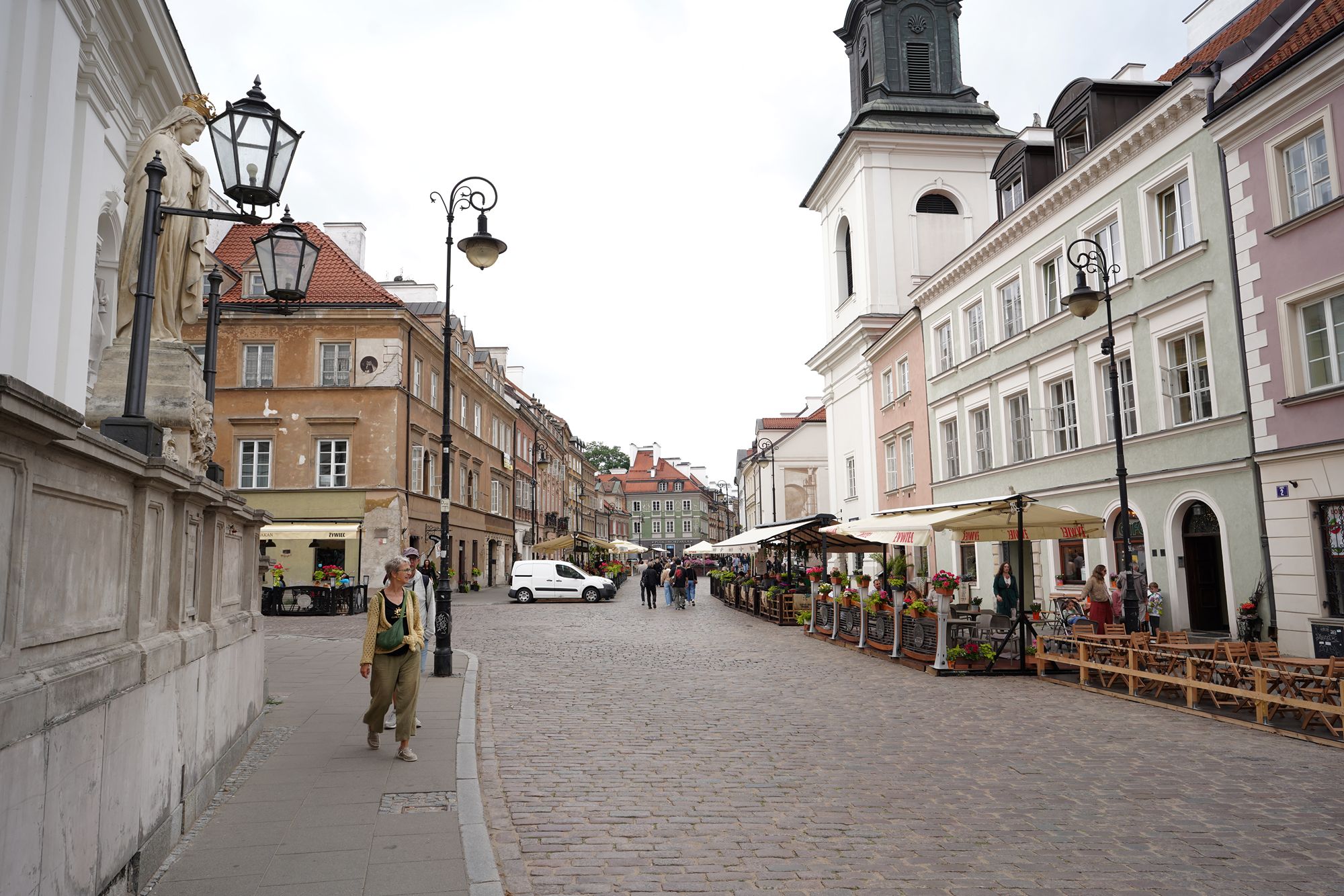
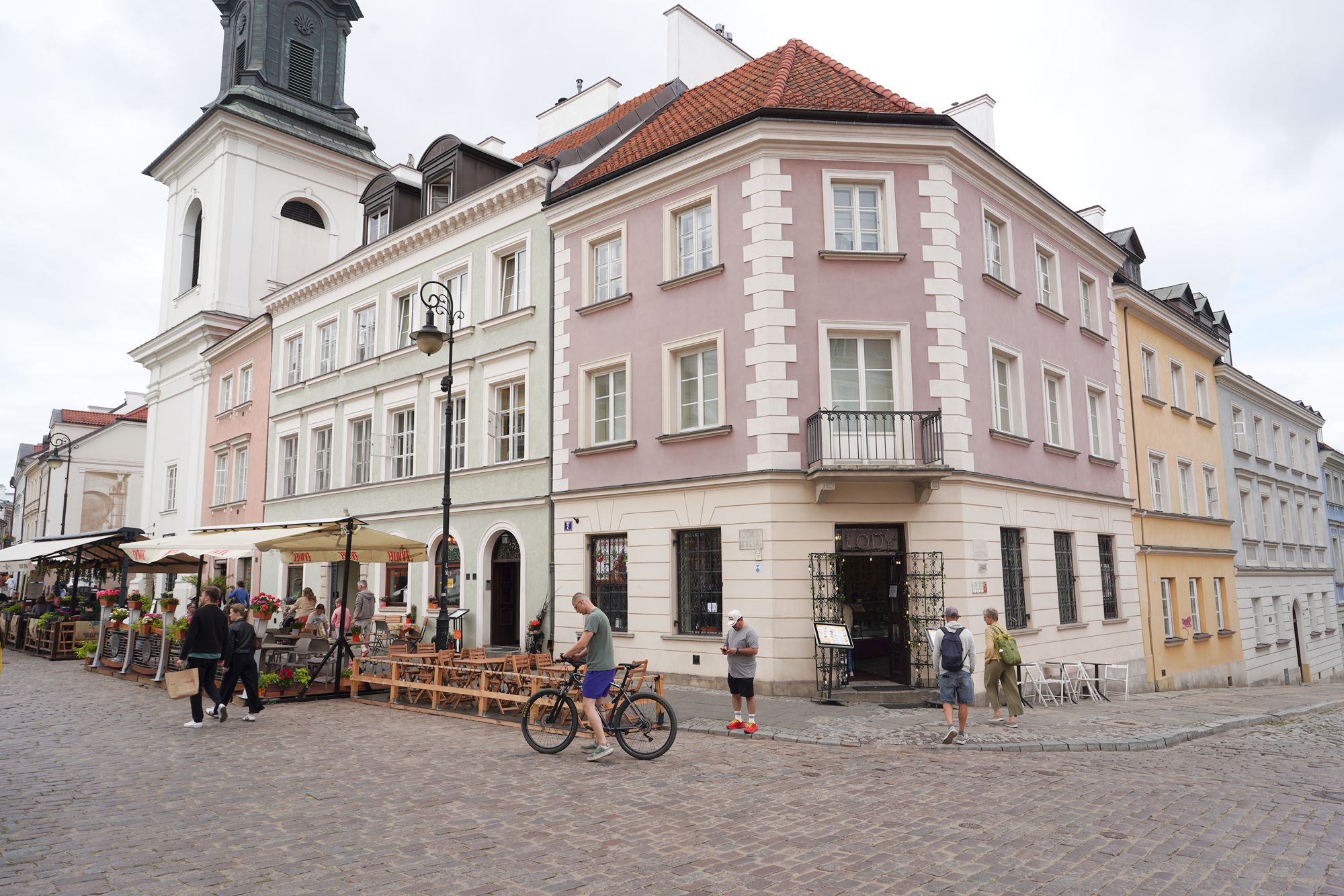
A view down one of the side streets.
Looking back at the Barbican.
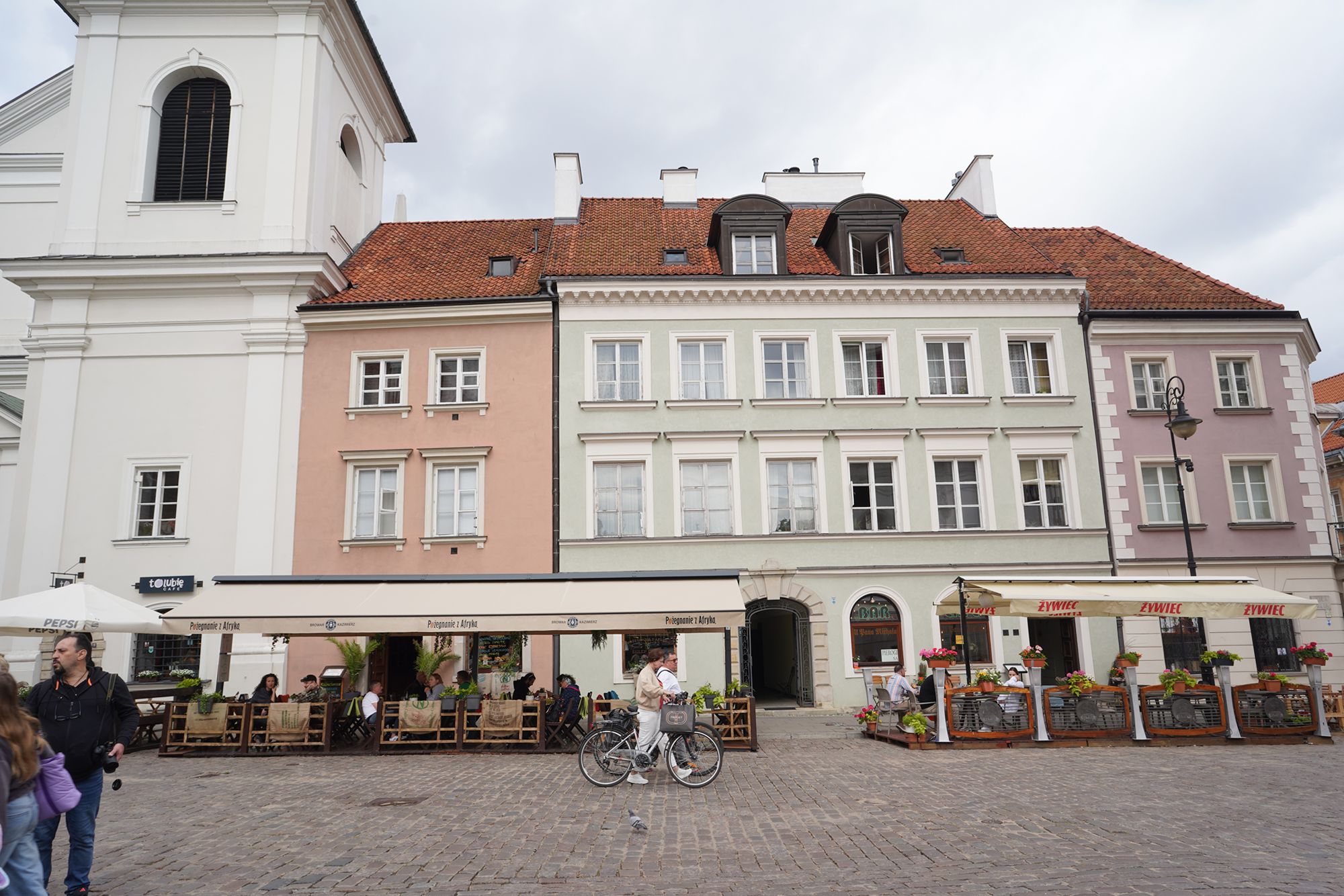
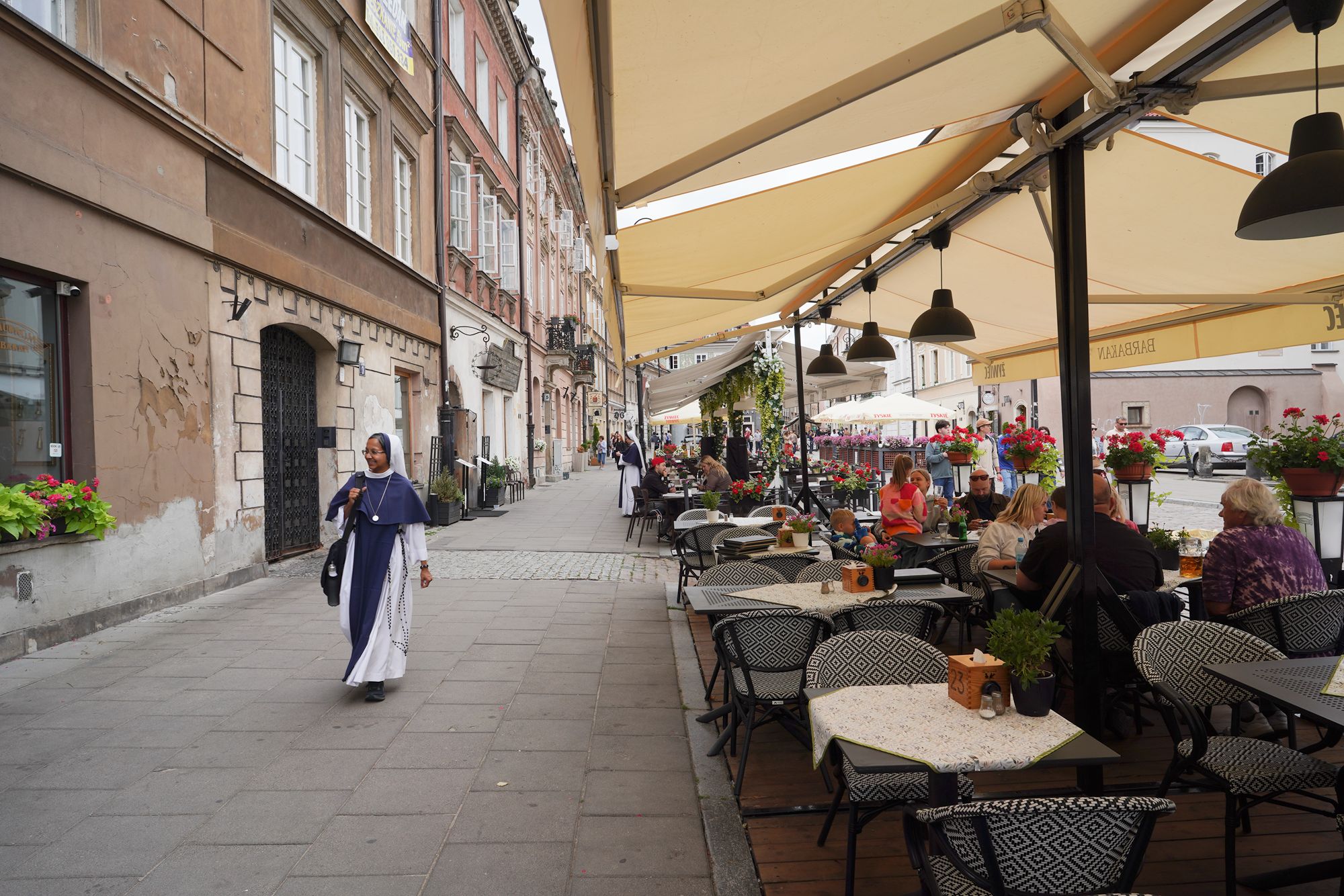
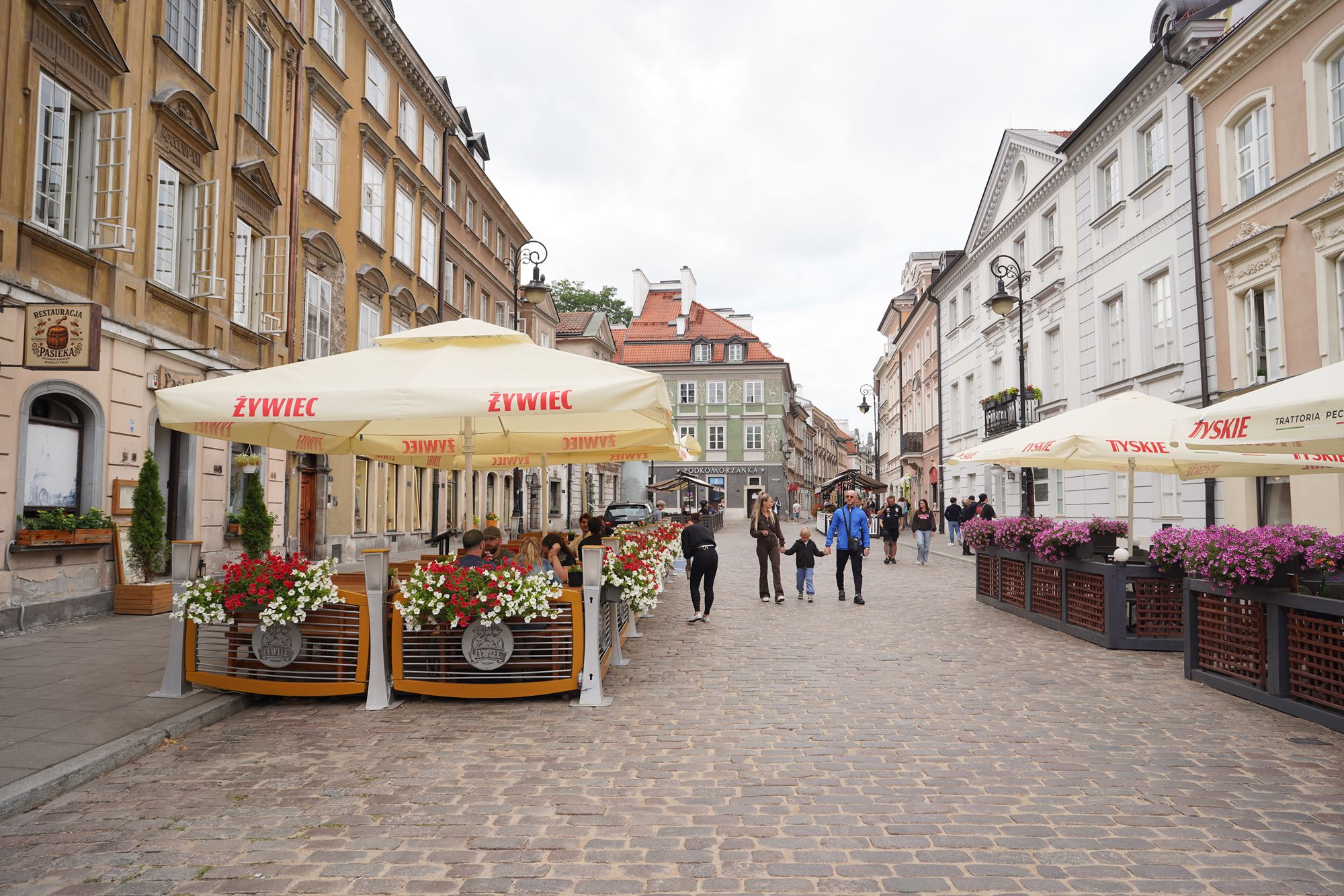
A view behind me
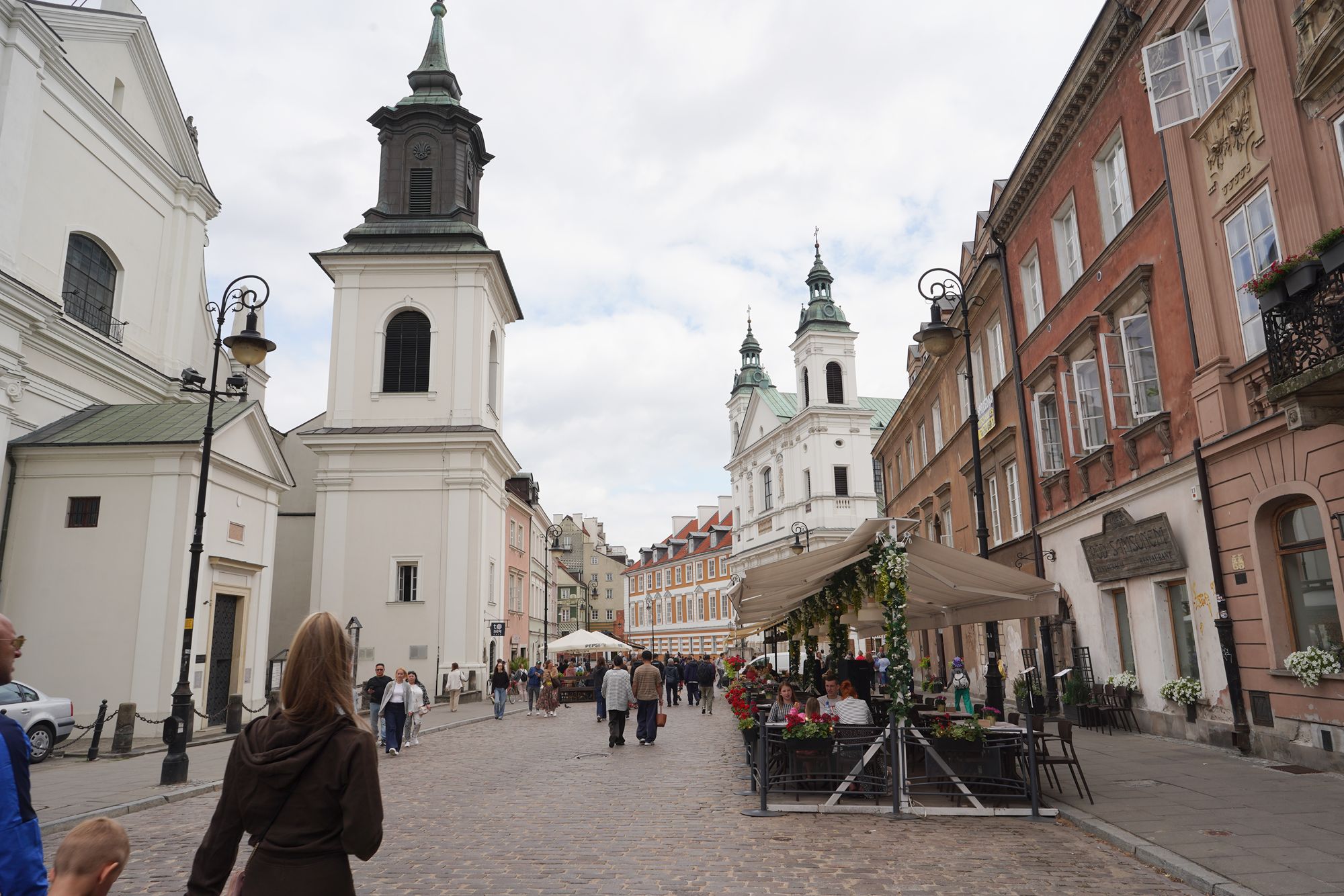
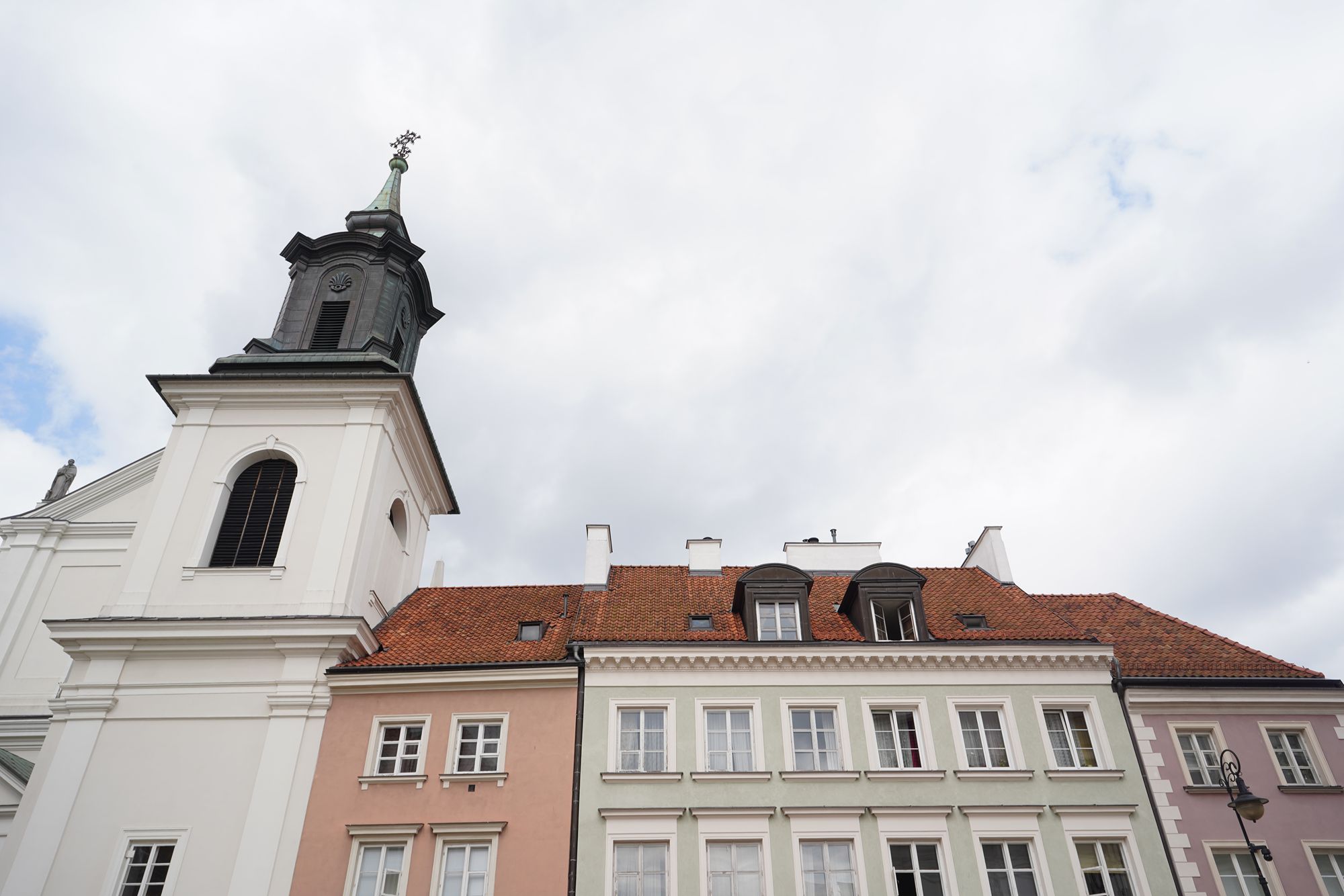
St. Hyacinth’s Church, also known as St. Jack’s Church, stands in Warsaw’s New Town, just beyond the Barbican. It is part of a Dominican monastery complex.
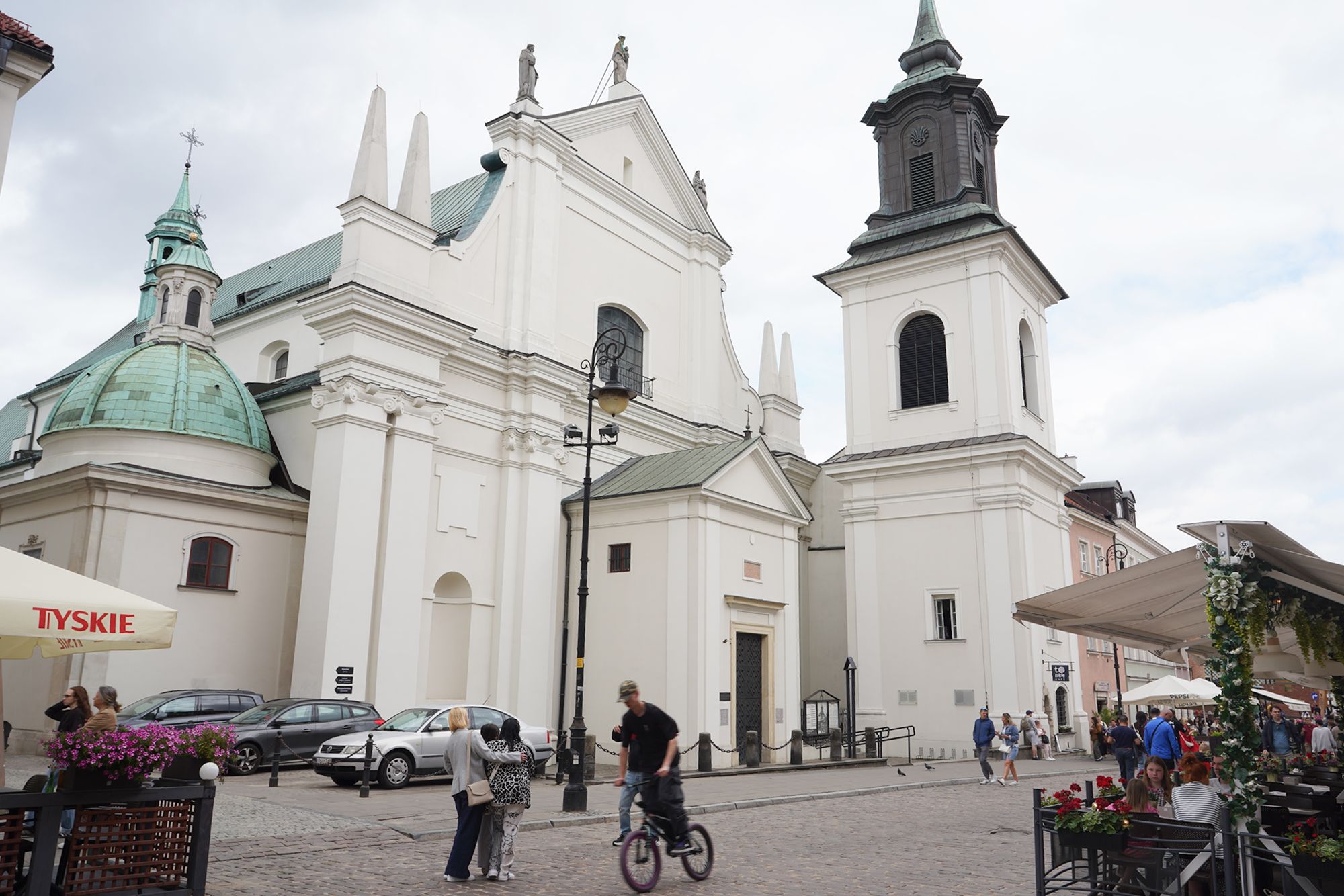
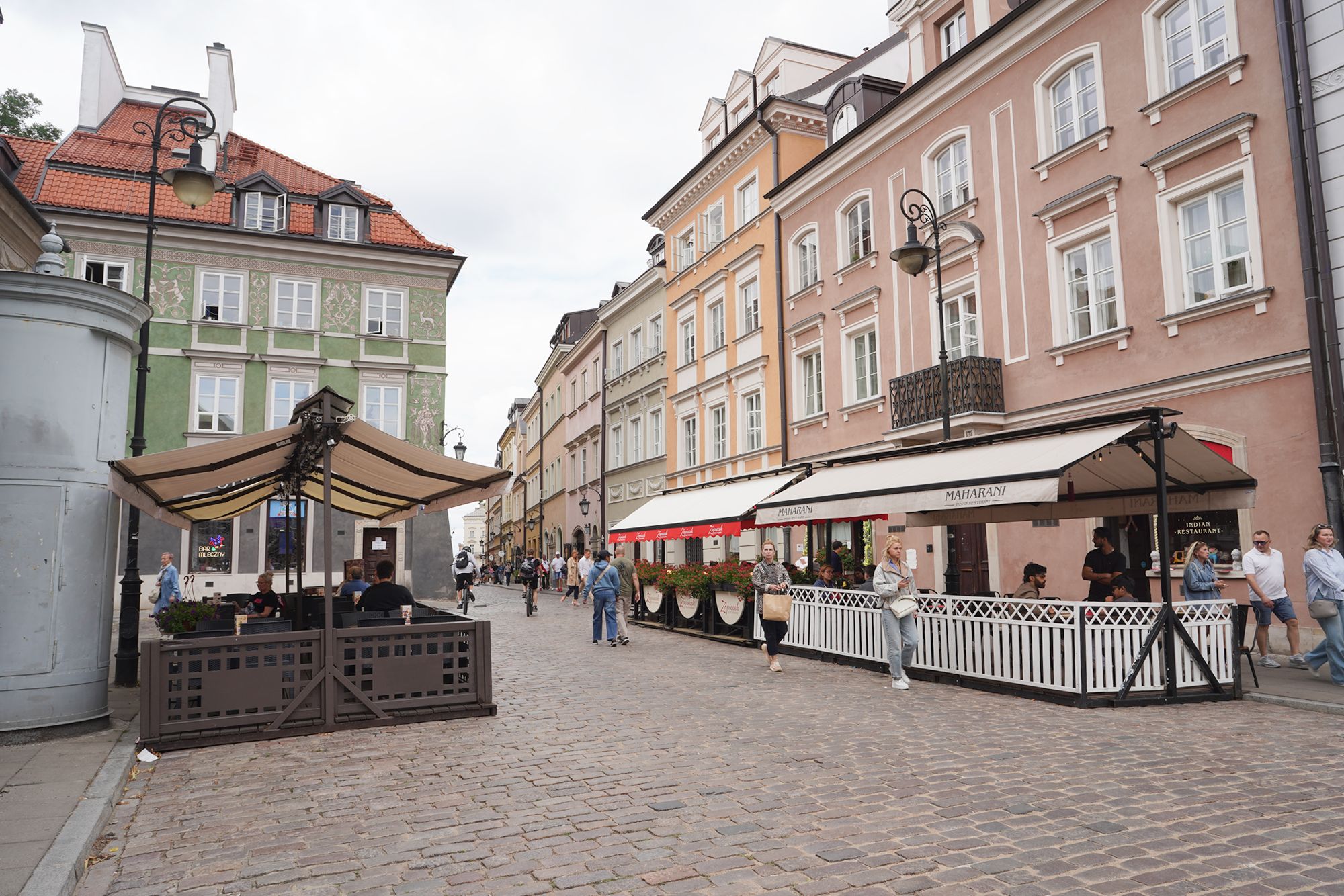
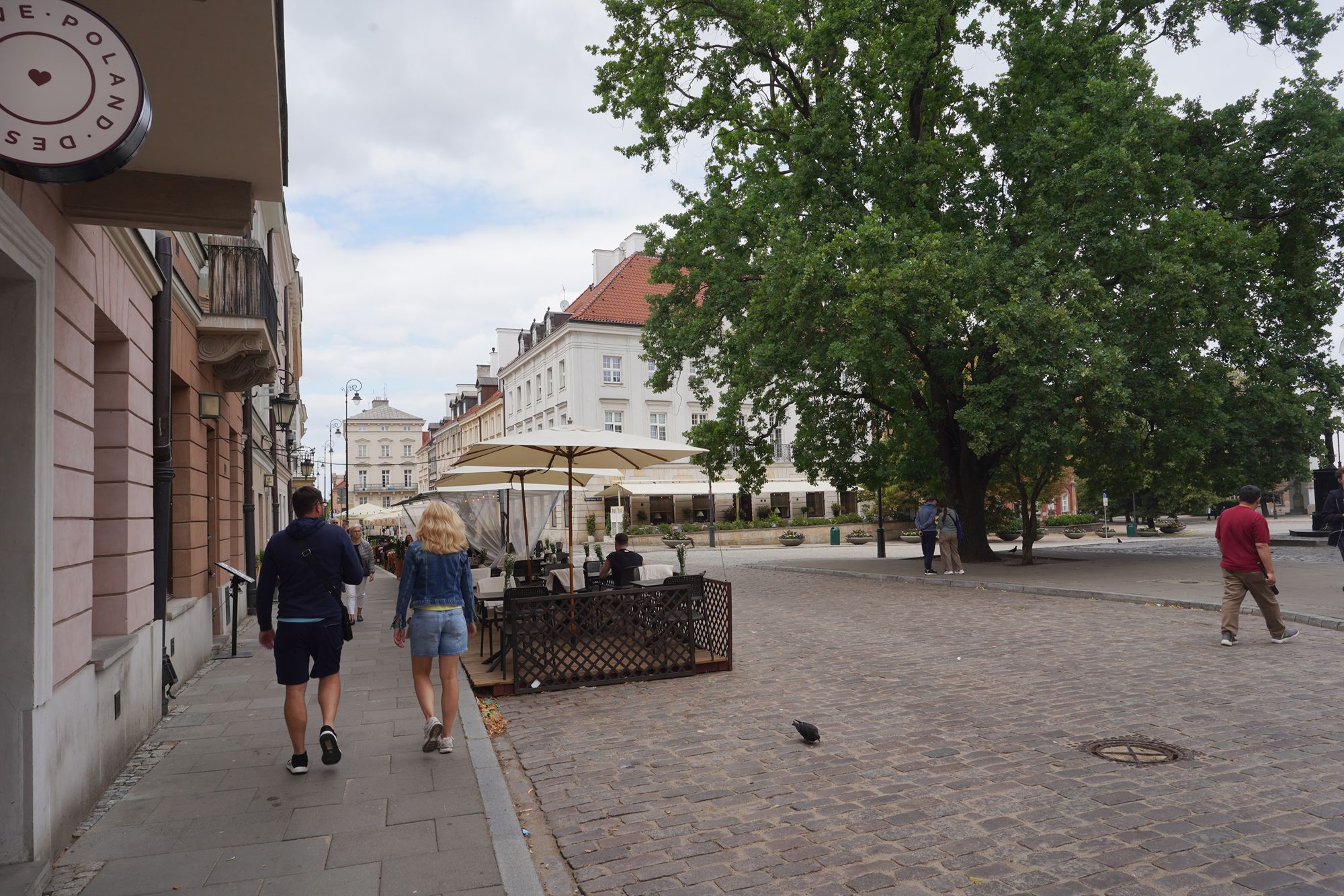
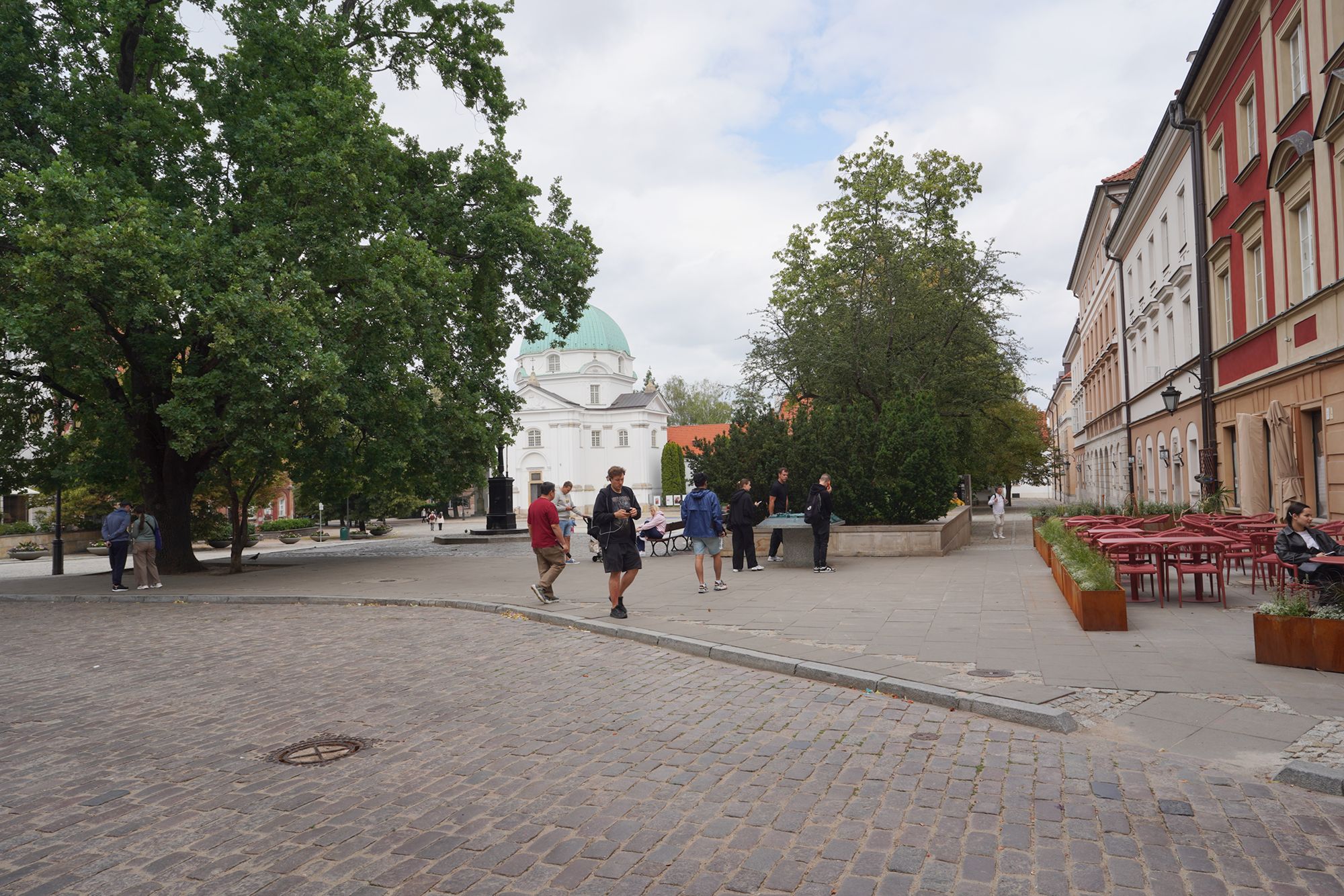
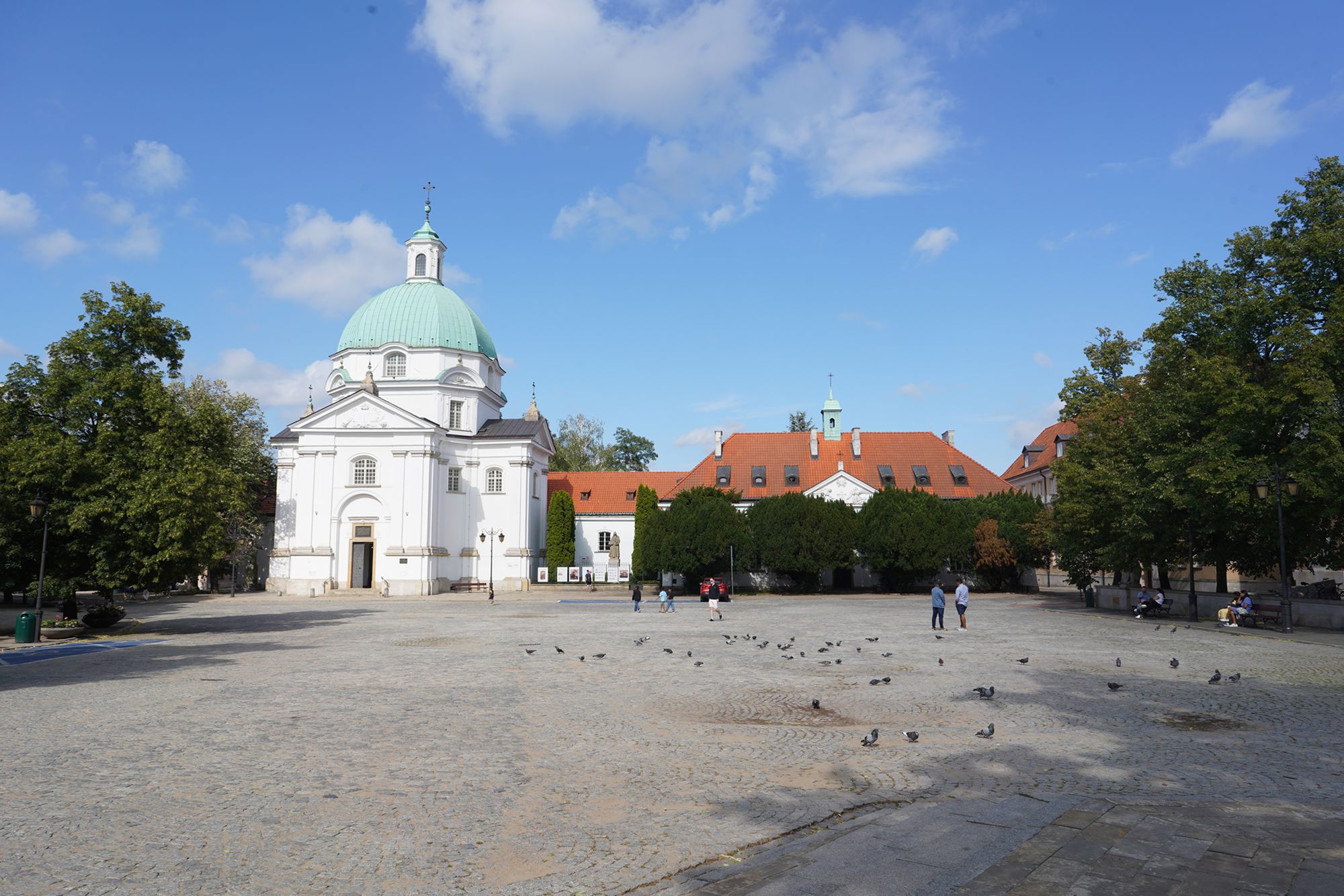
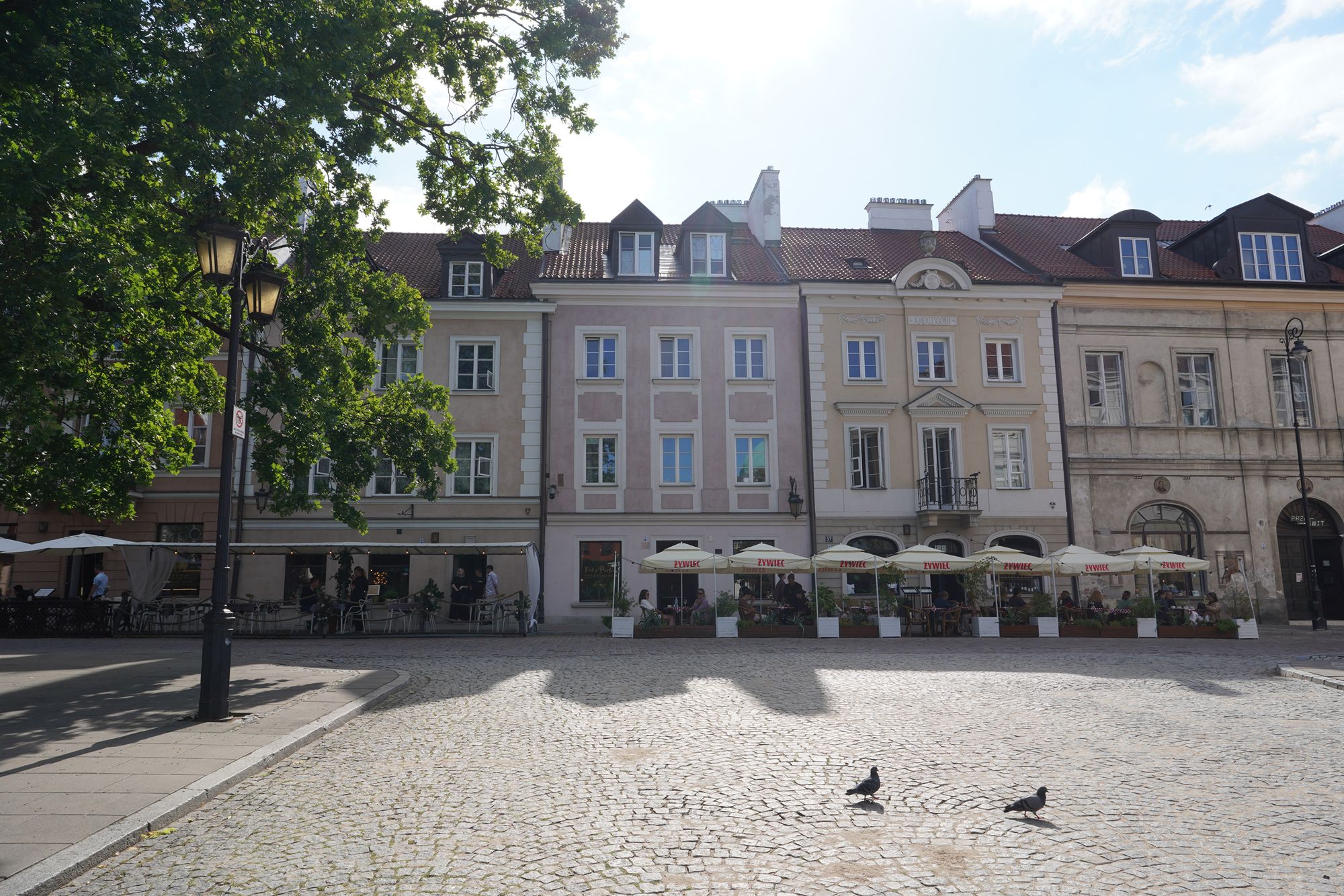
I reached the New Town Market Square.
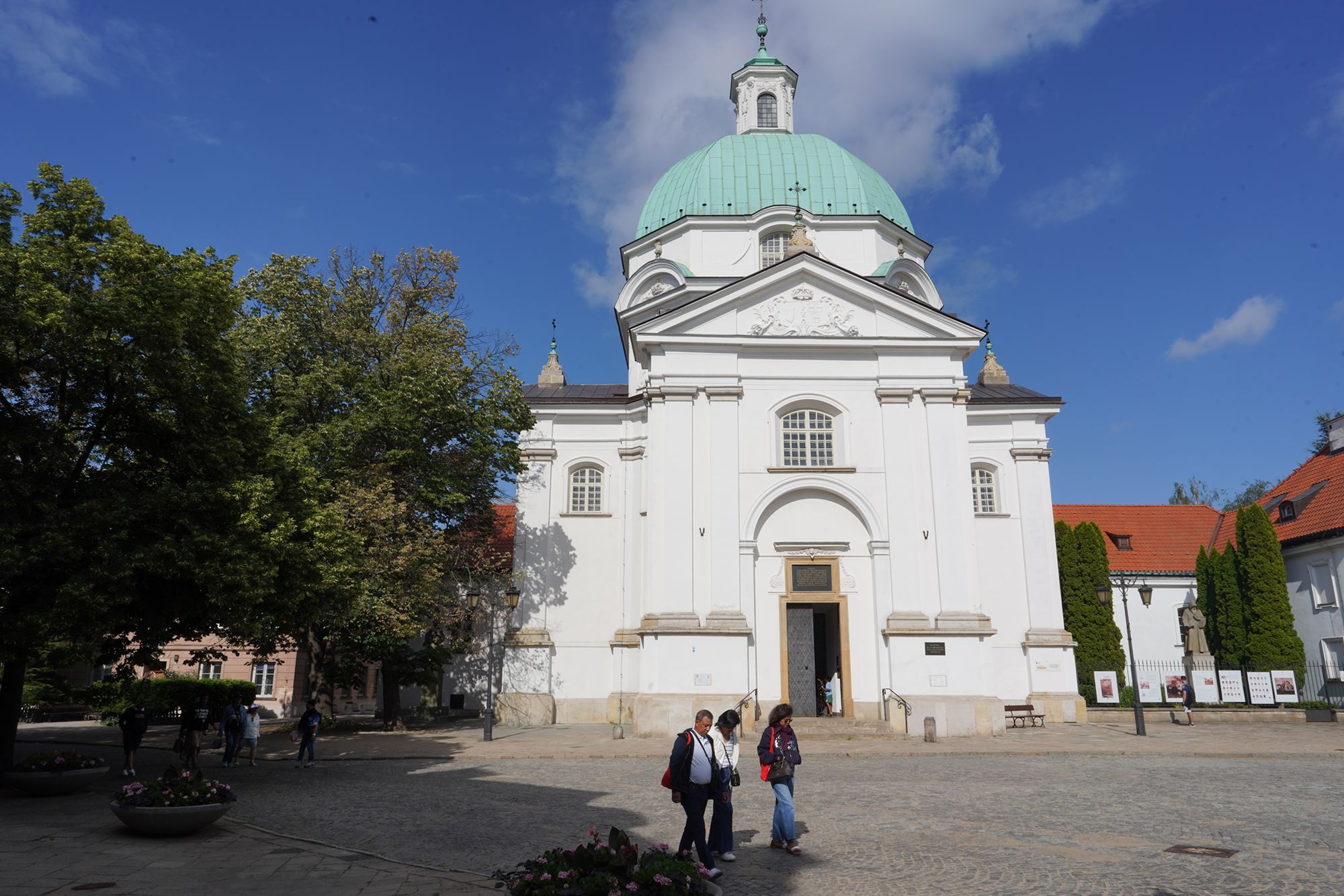
St. Casimir’s Church overlooks the New Town Market Square. Its white Baroque façade and dome stand out among the surrounding buildings. During the Warsaw Uprising in 1944, it sheltered civilians before German bombing destroyed it. The church was rebuilt after the war.
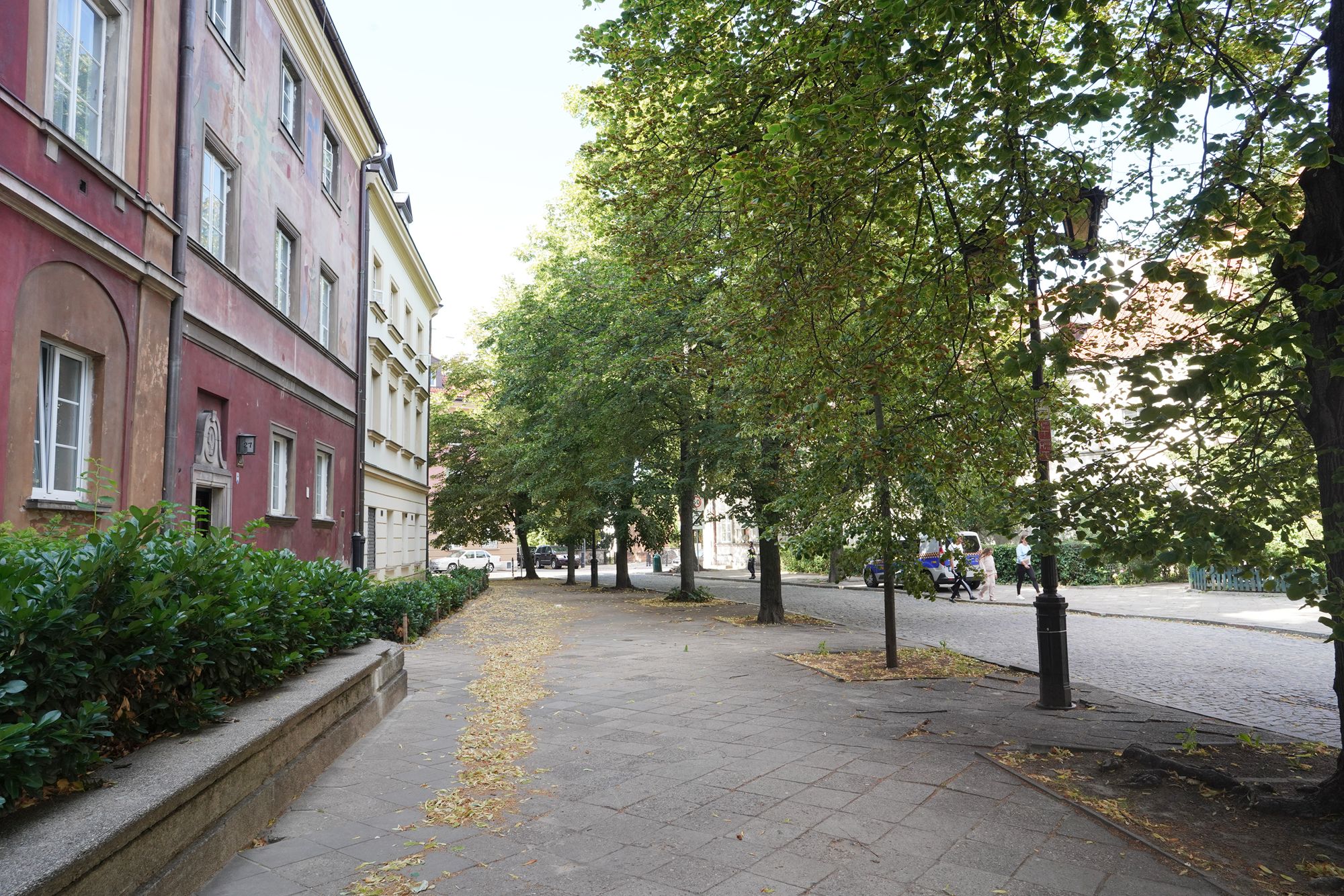
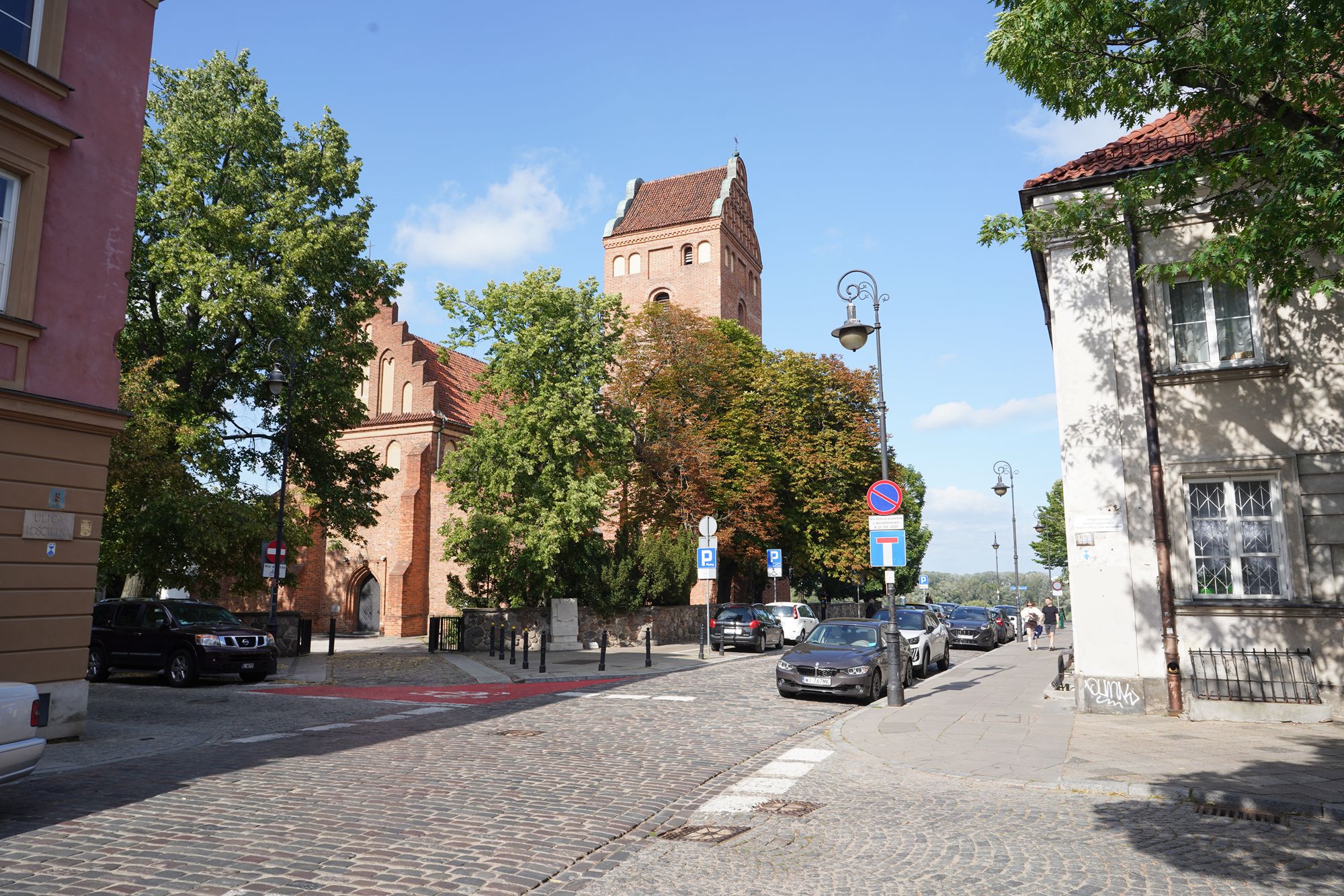
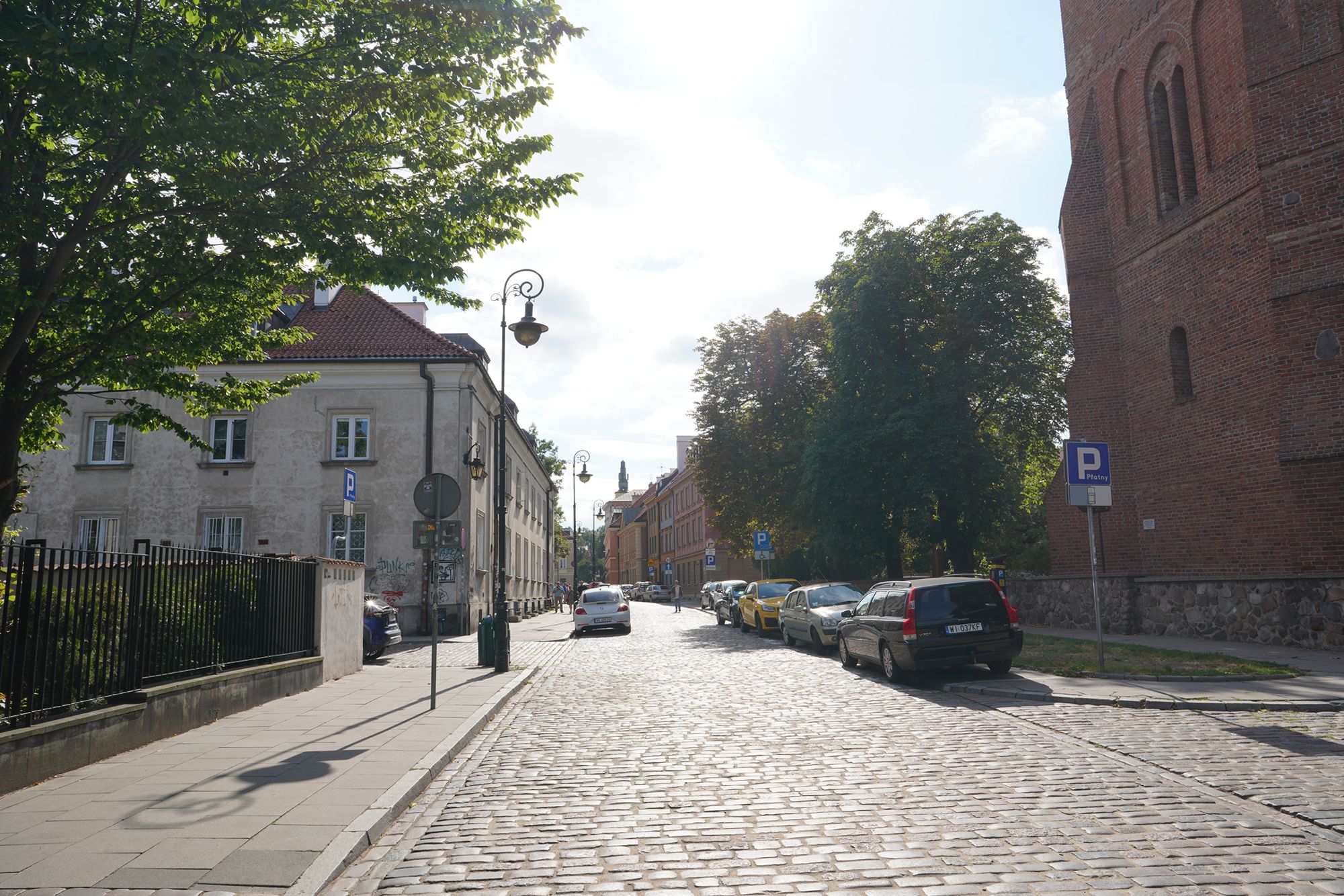
The Church of the Visitation of the Blessed Virgin Mary stands in Warsaw’s New Town, near the Vistula River. Its red-brick walls and tall bell tower give it a distinctive Gothic appearance. Like many historic buildings in Warsaw, it was badly damaged during World War II and rebuilt afterward.
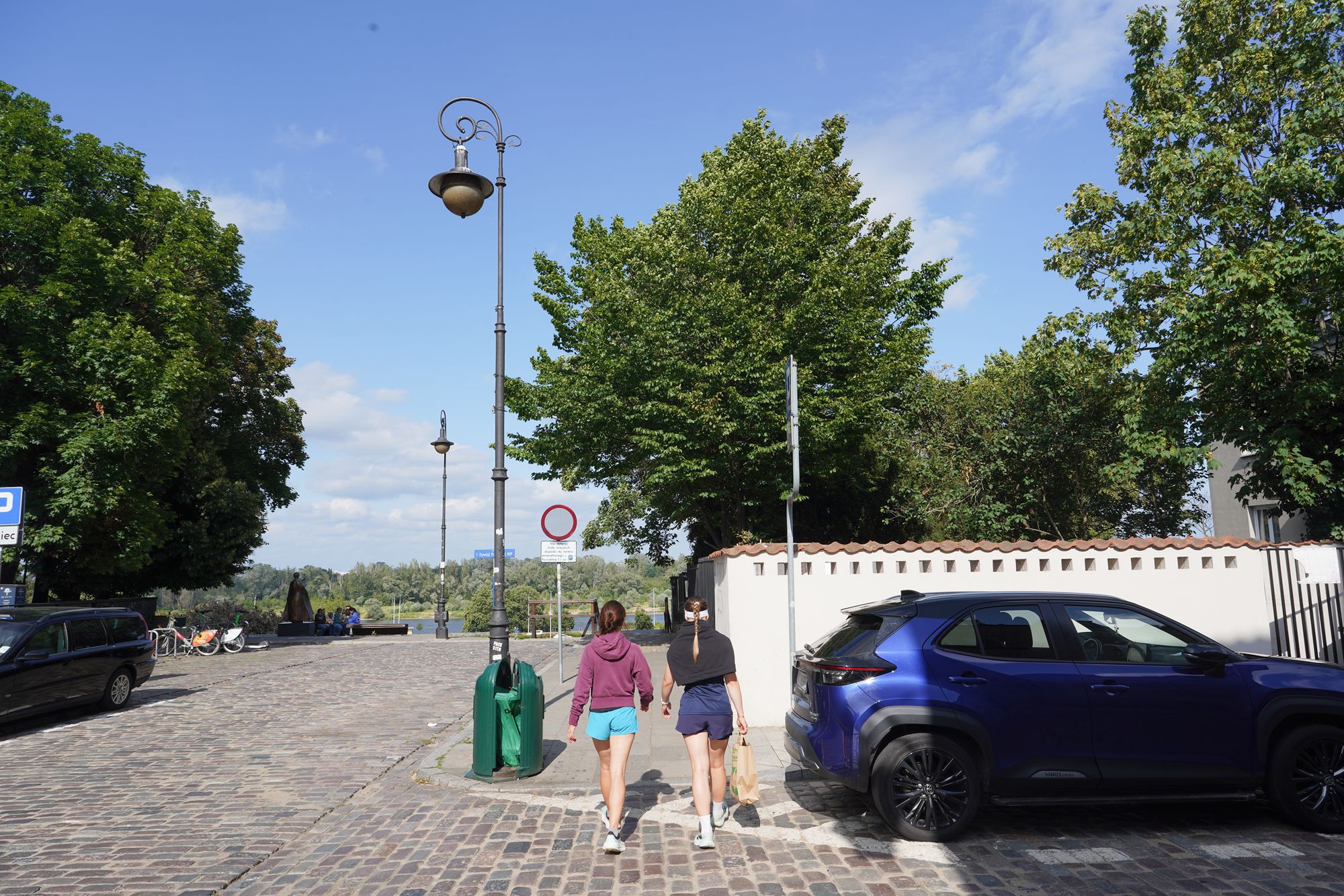
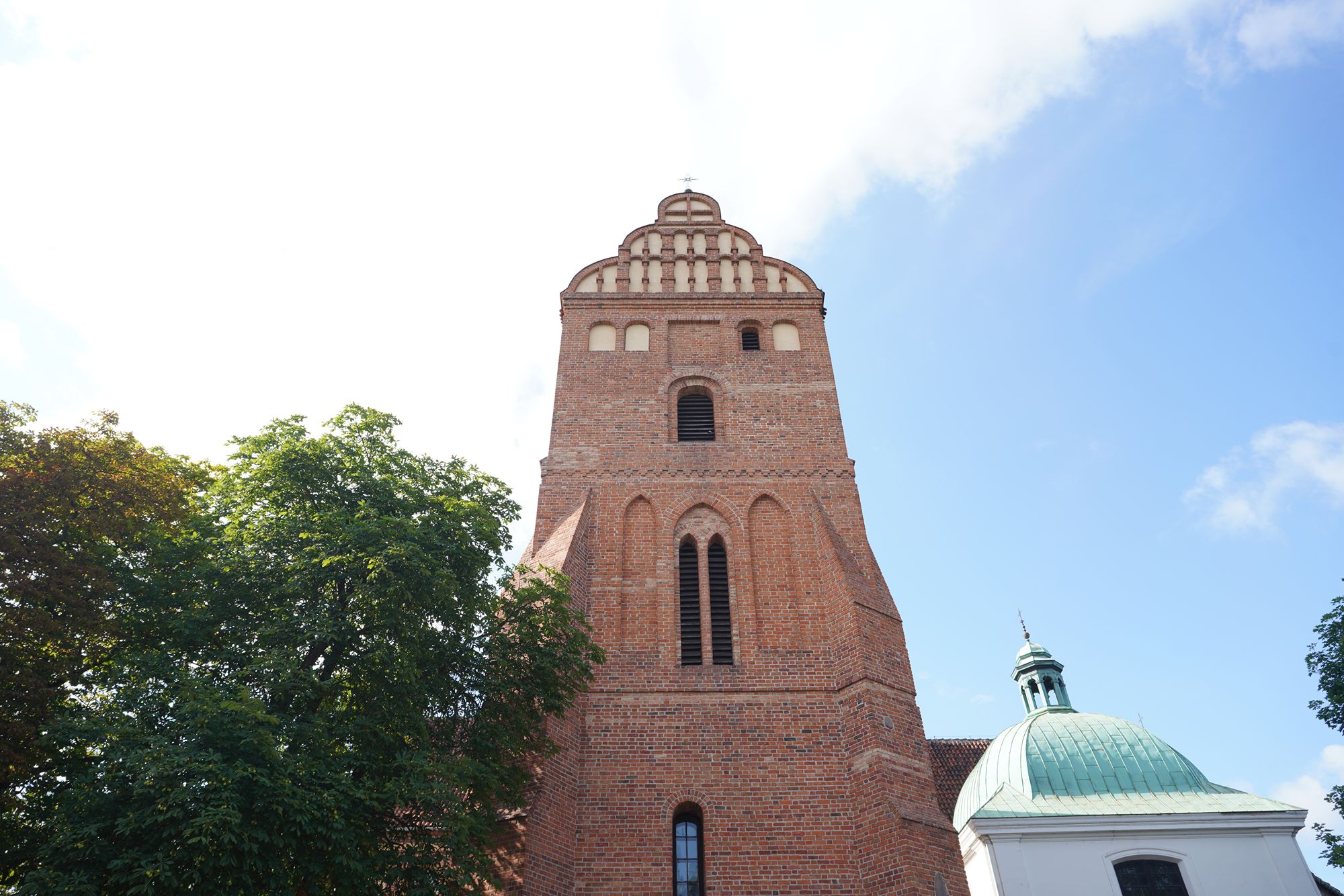
The Maria Skłodowska-Curie Monument stands near the Church of the Visitation of the Blessed Virgin Mary, overlooking the Vistula River. It honors the Warsaw-born scientist known internationally as Marie Curie, who won Nobel Prizes in both physics and chemistry for her pioneering work on radioactivity.
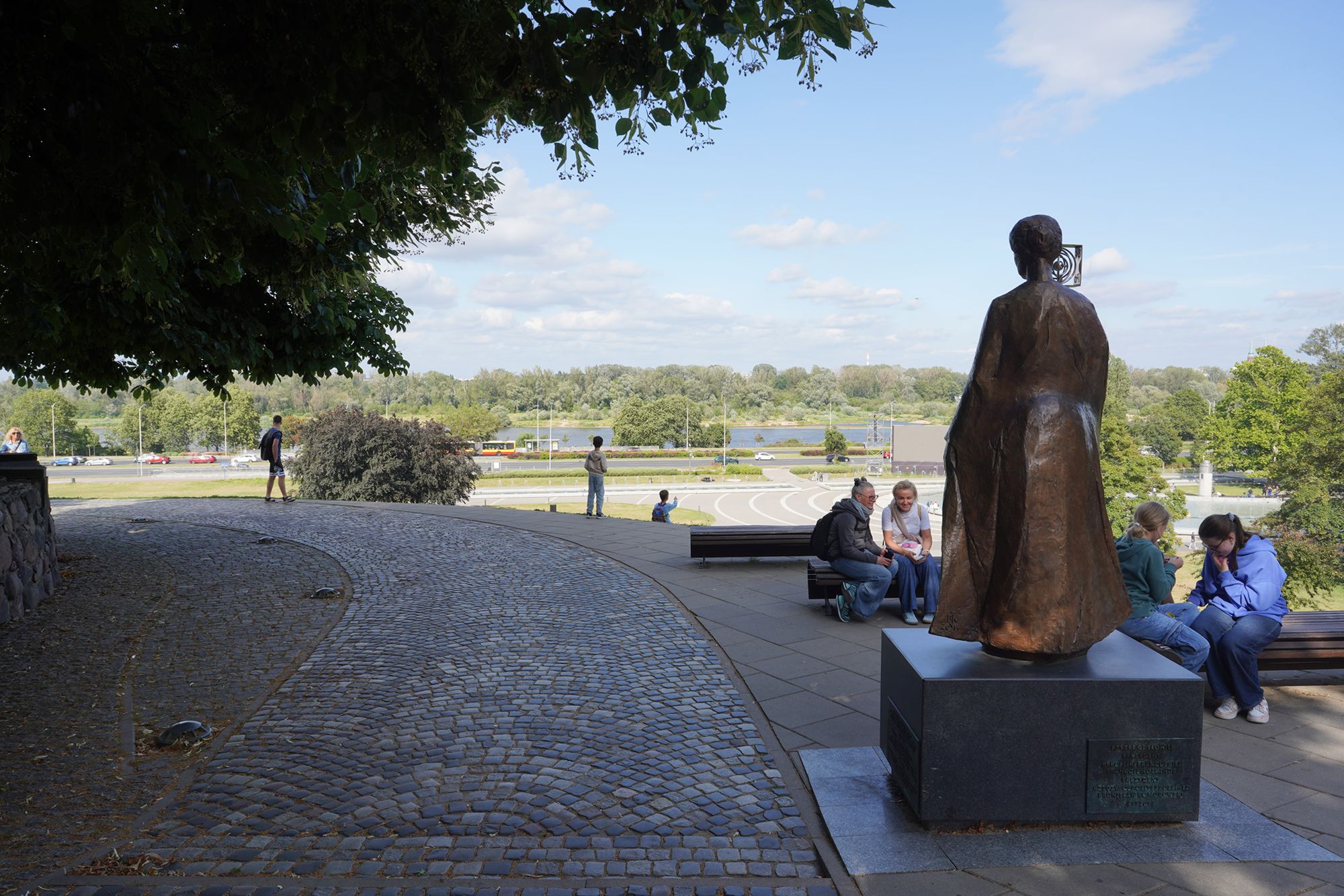
From here, I turned around and began walking back toward the Royal Castle.
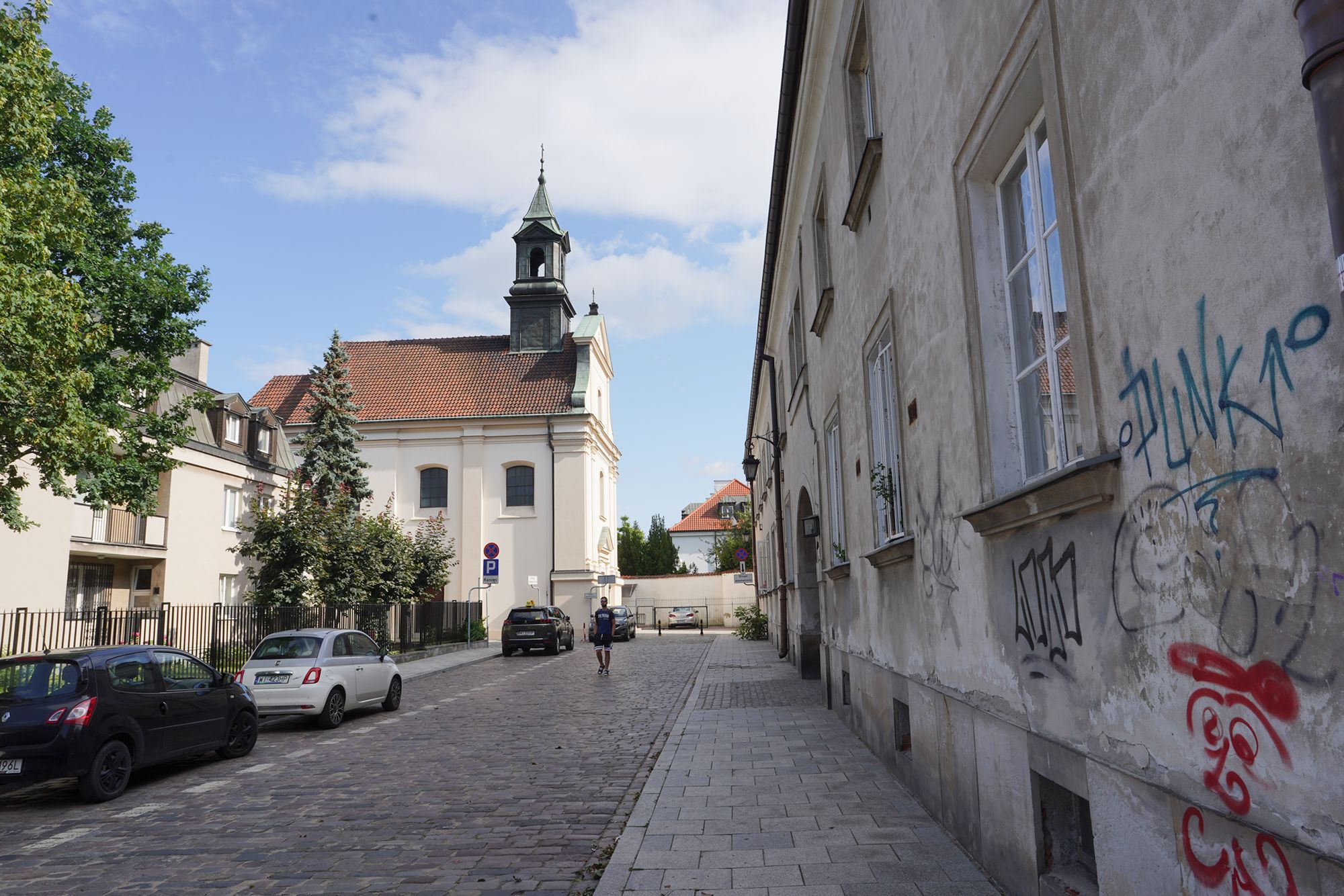
The walk continues in my next post, where I explore the area south of the Royal Castle.