Auschwitz I, Part 1, Oświęcim, Poland
Auschwitz I’s barracks and exhibits document Nazi persecution, forced labor, imprisonment, and mass murder during the Holocaust. 1354
Auschwitz I: Więźniów Oświęcimia 55, 32-600 Oświęcim, Poland
Date Picture Taken: Jun, 2026
Auschwitz I was the original camp, established by the German SS in 1940 near the Polish town of Oświęcim, which the Germans called Auschwitz. It was first used to imprison Polish political prisoners, then became part of a larger camp complex where people from many countries and groups were imprisoned and murdered. Today, the preserved camp is part of the Auschwitz-Birkenau State Museum.
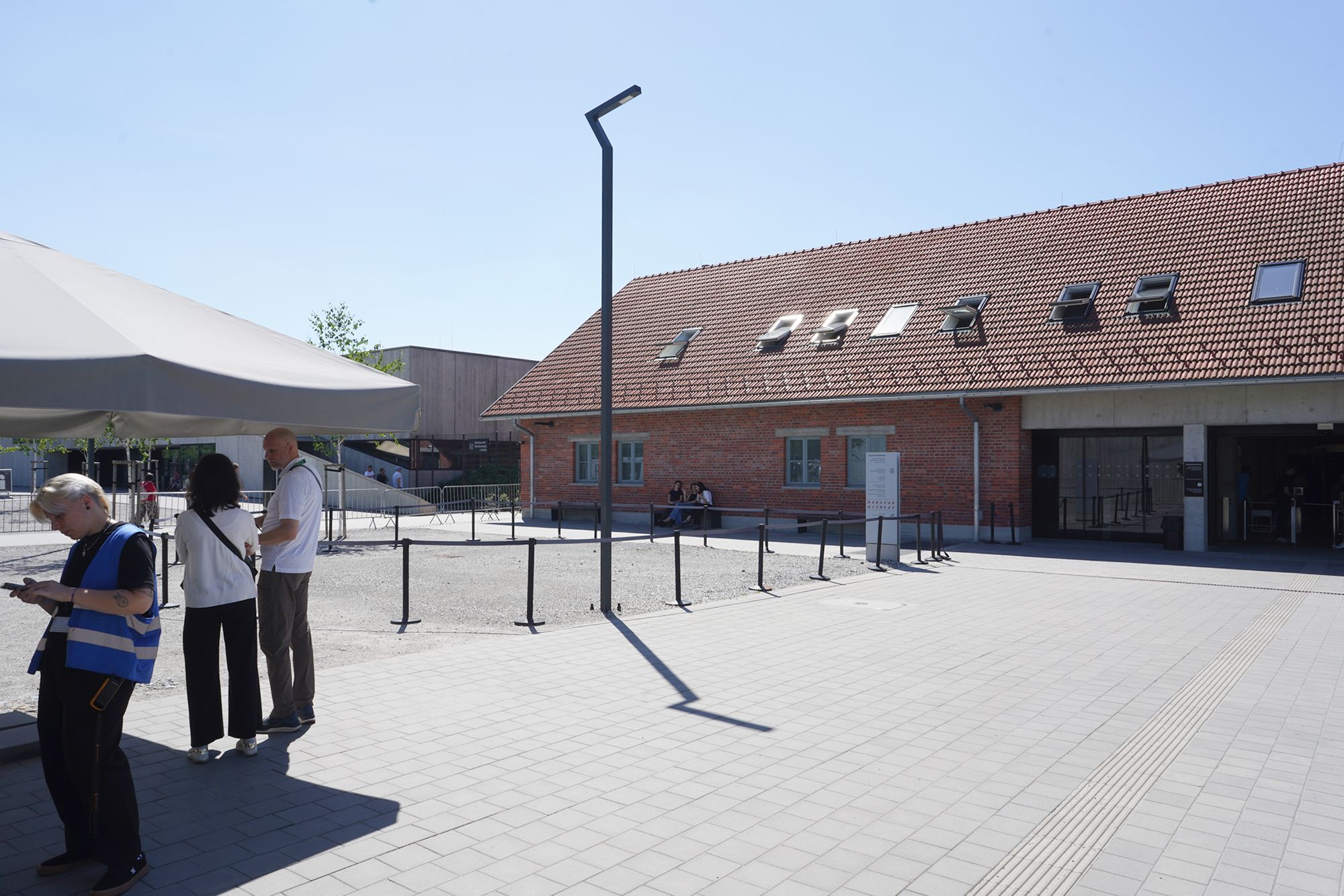
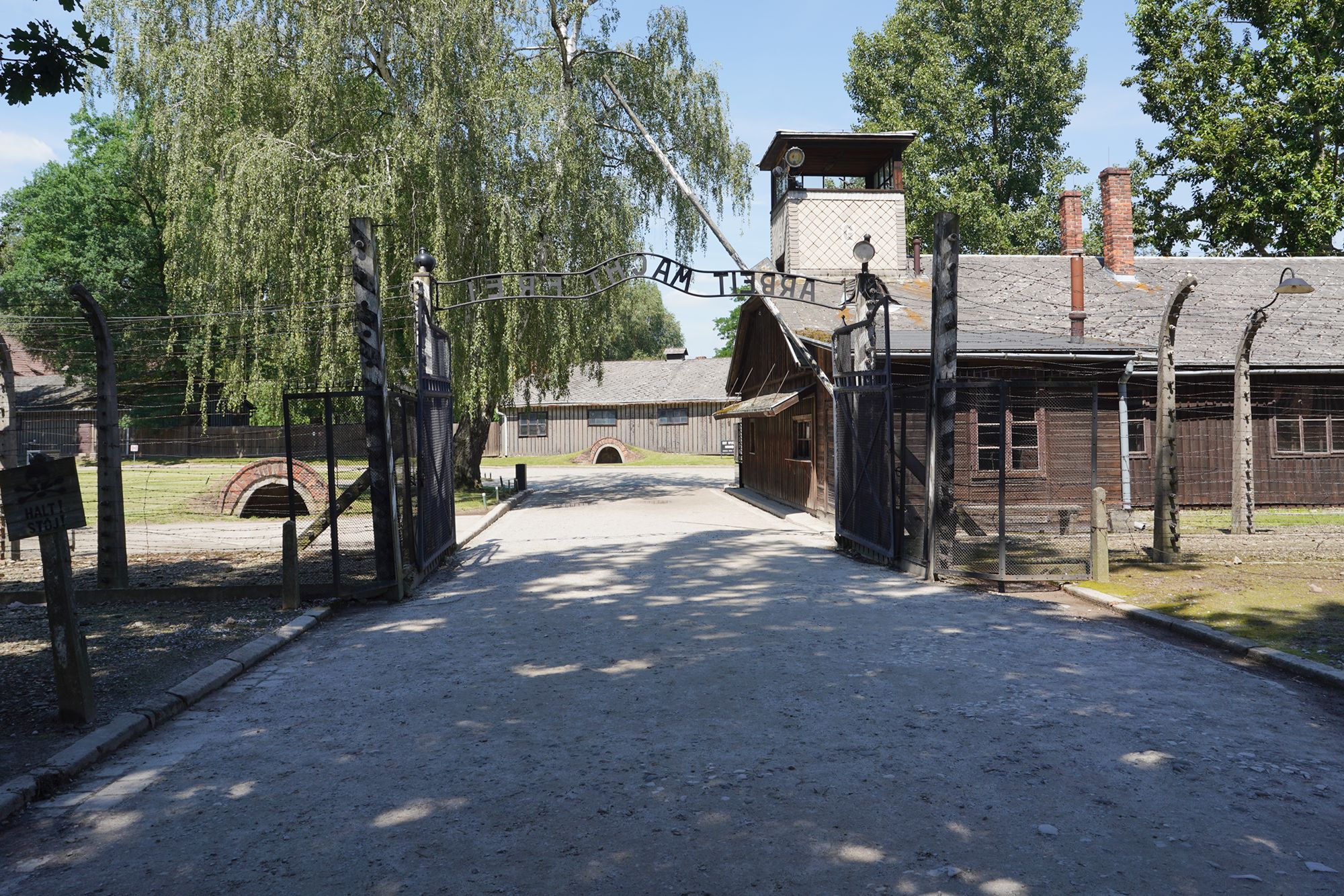
The entrance to the camp site
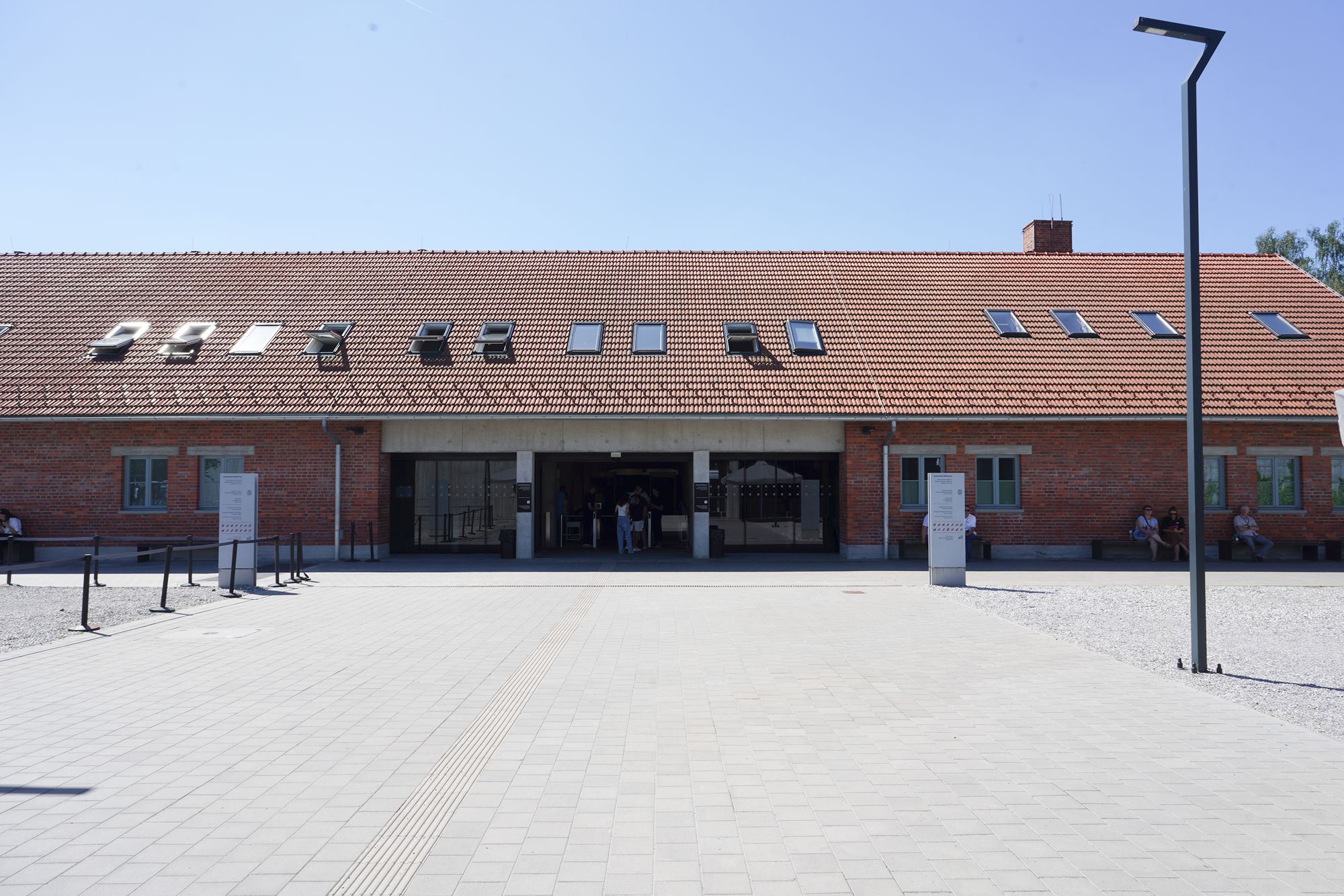
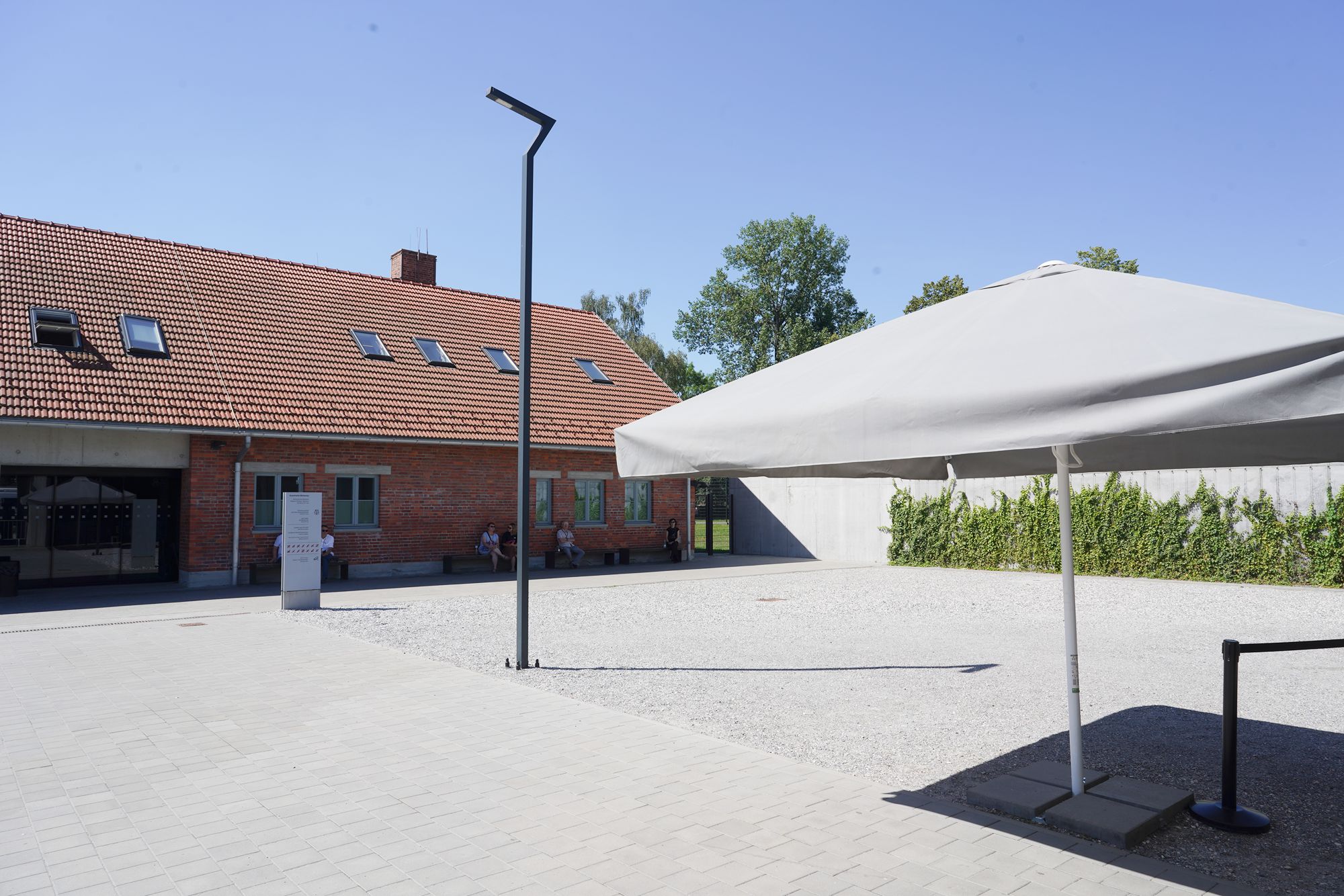
The campsite
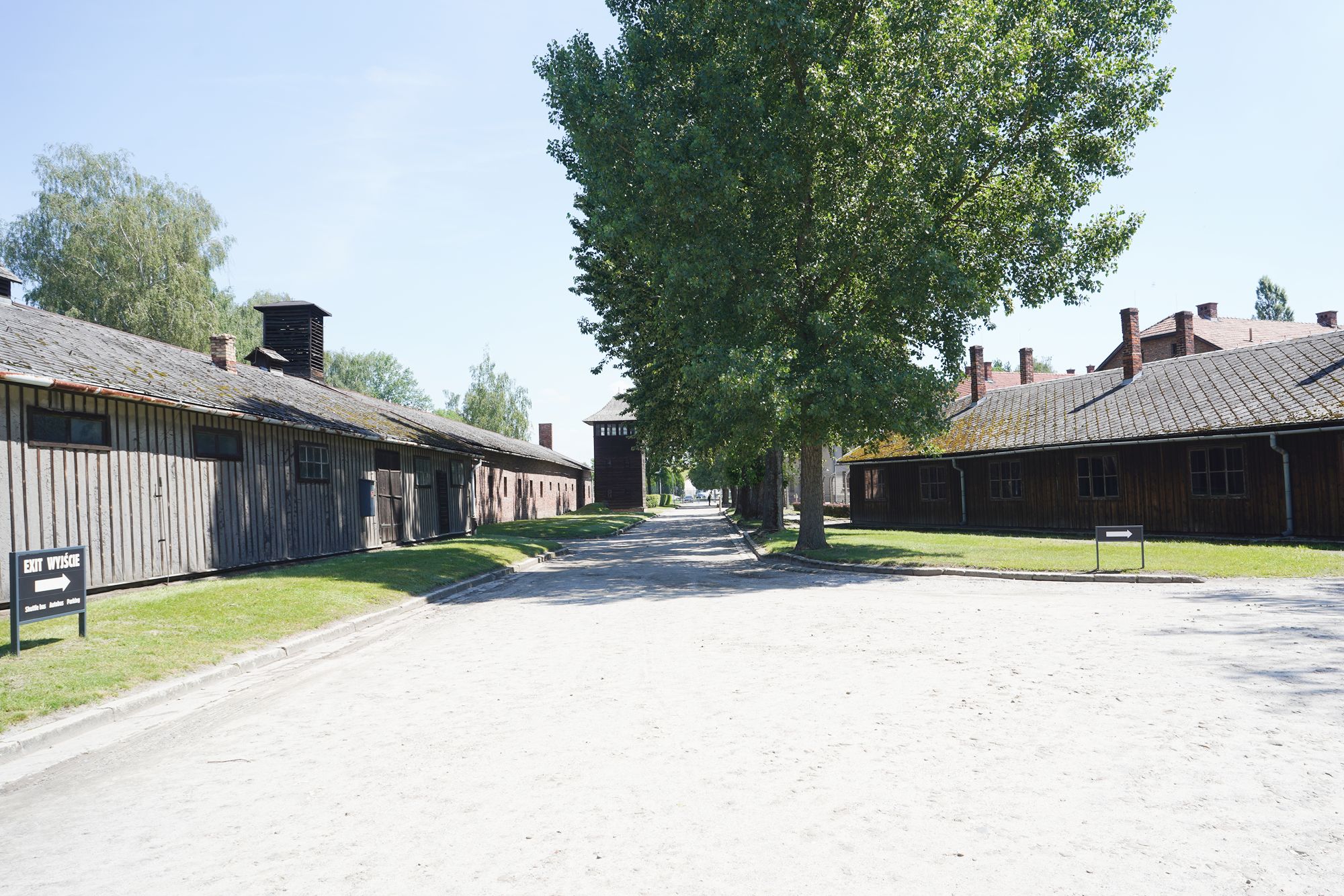
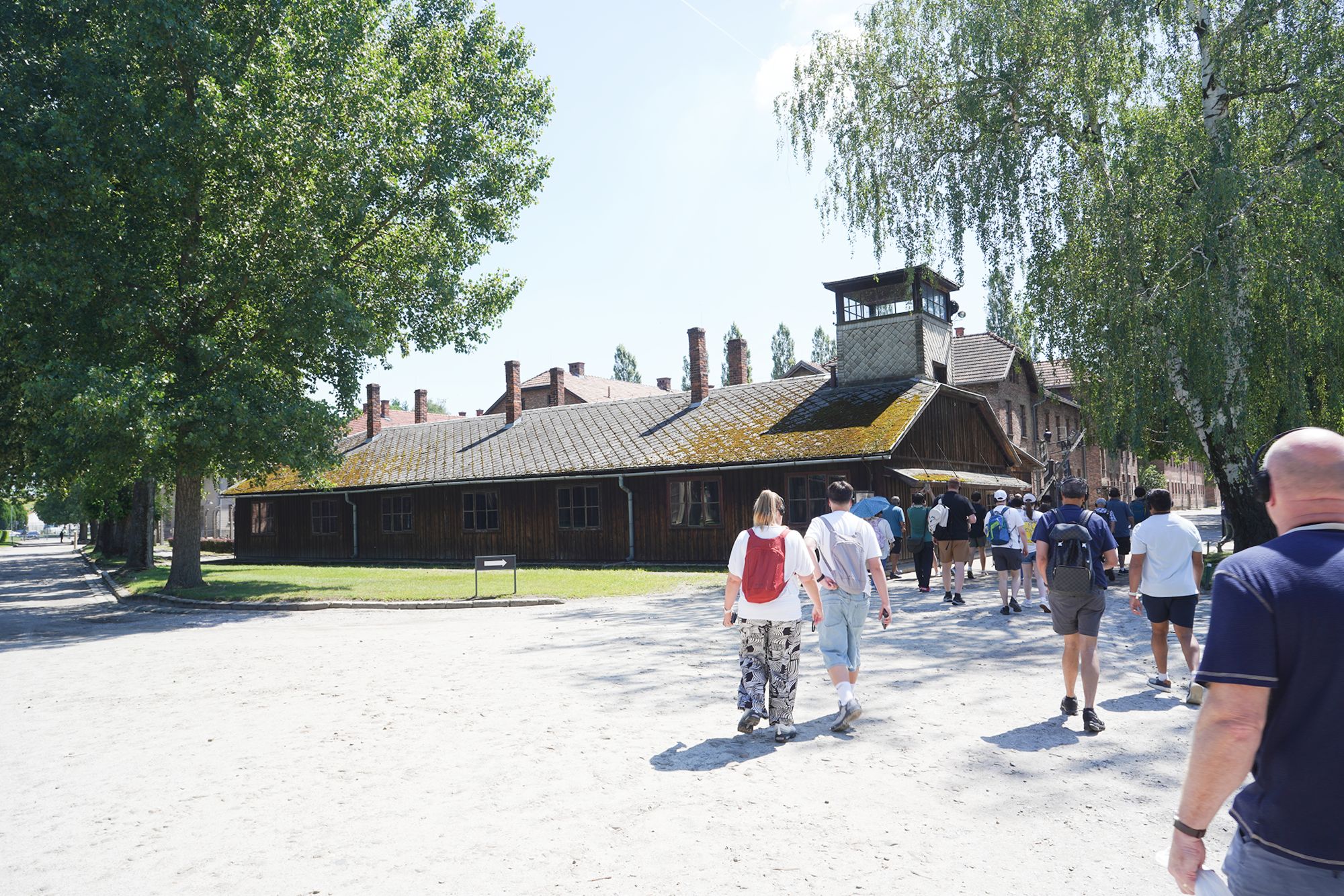
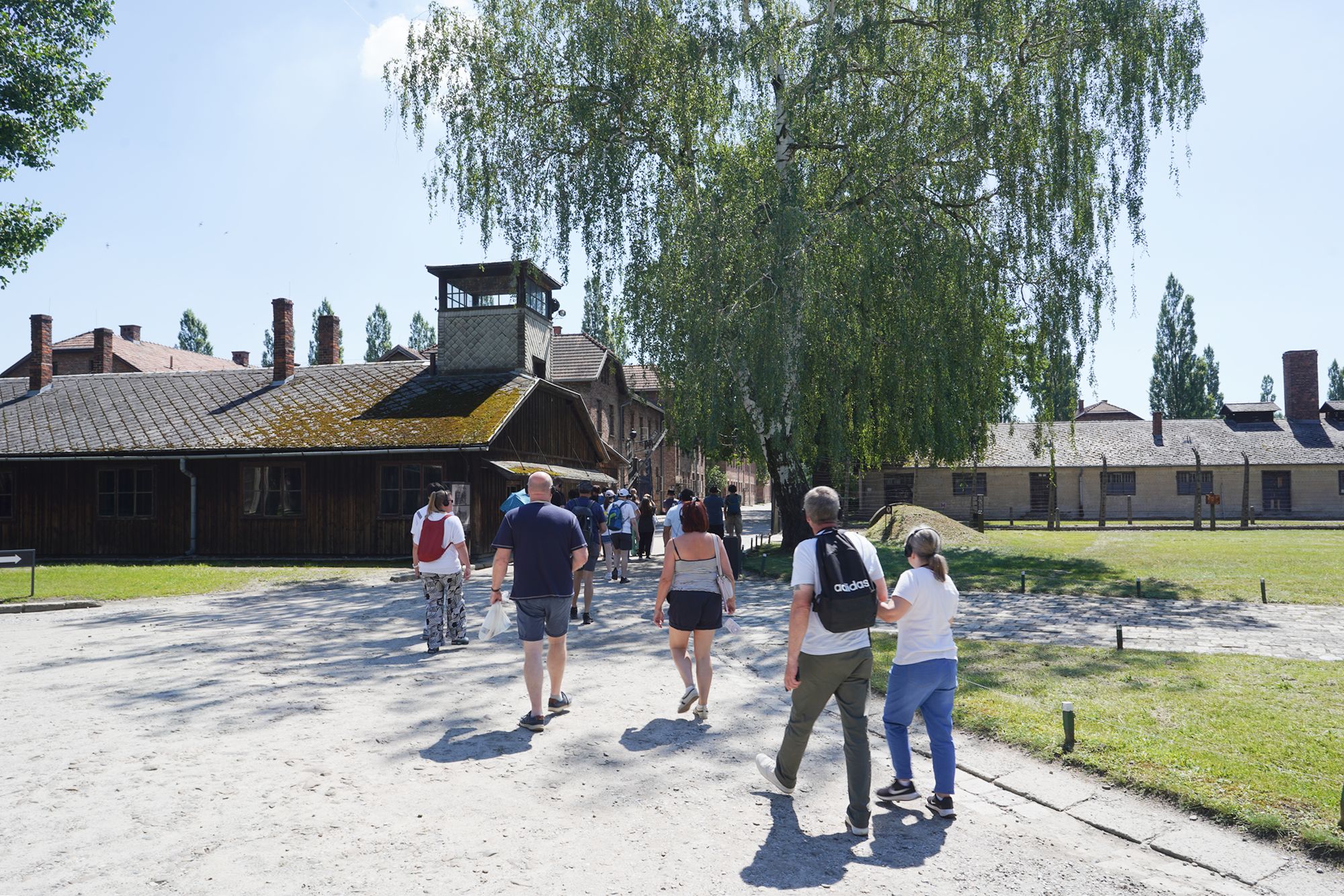
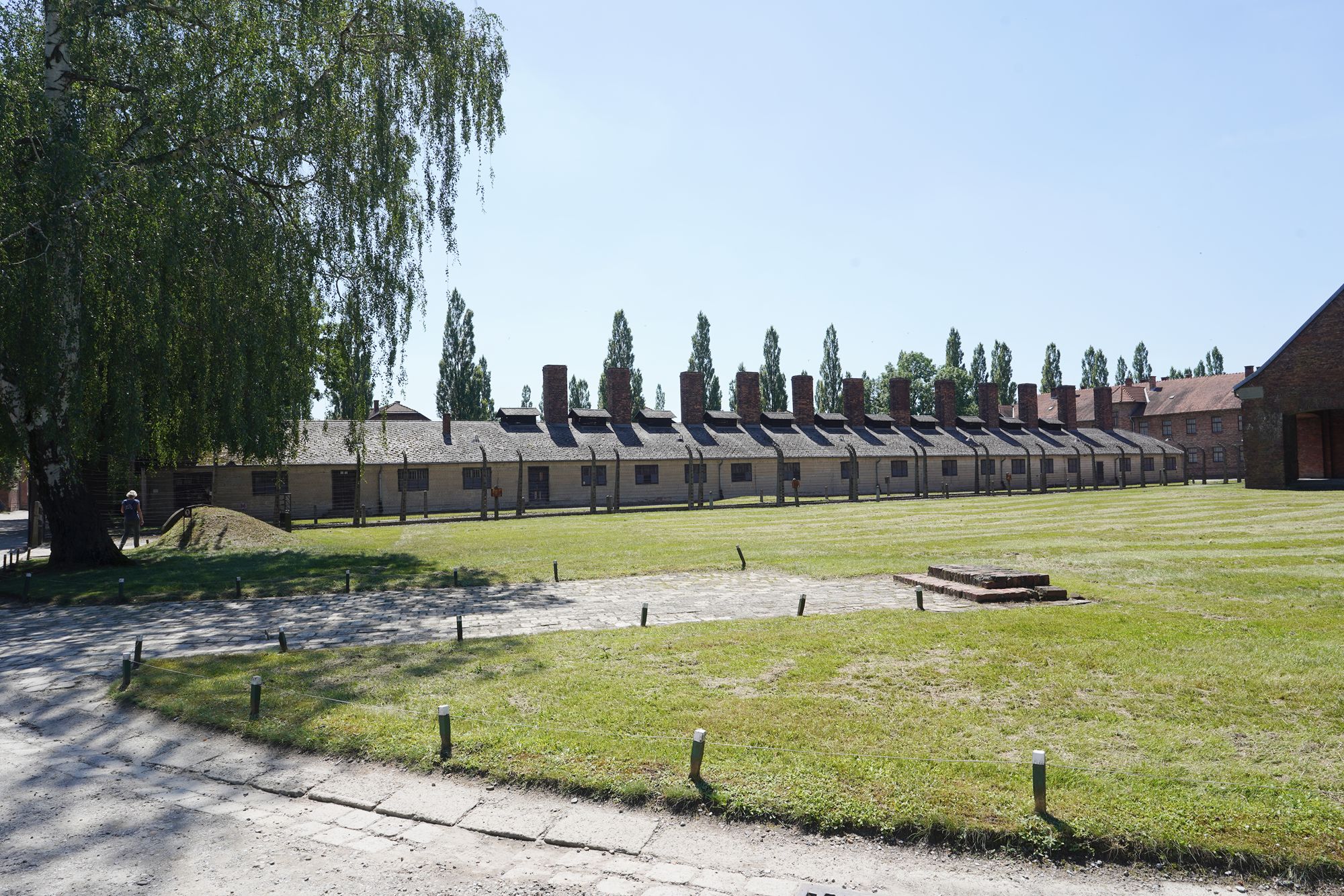
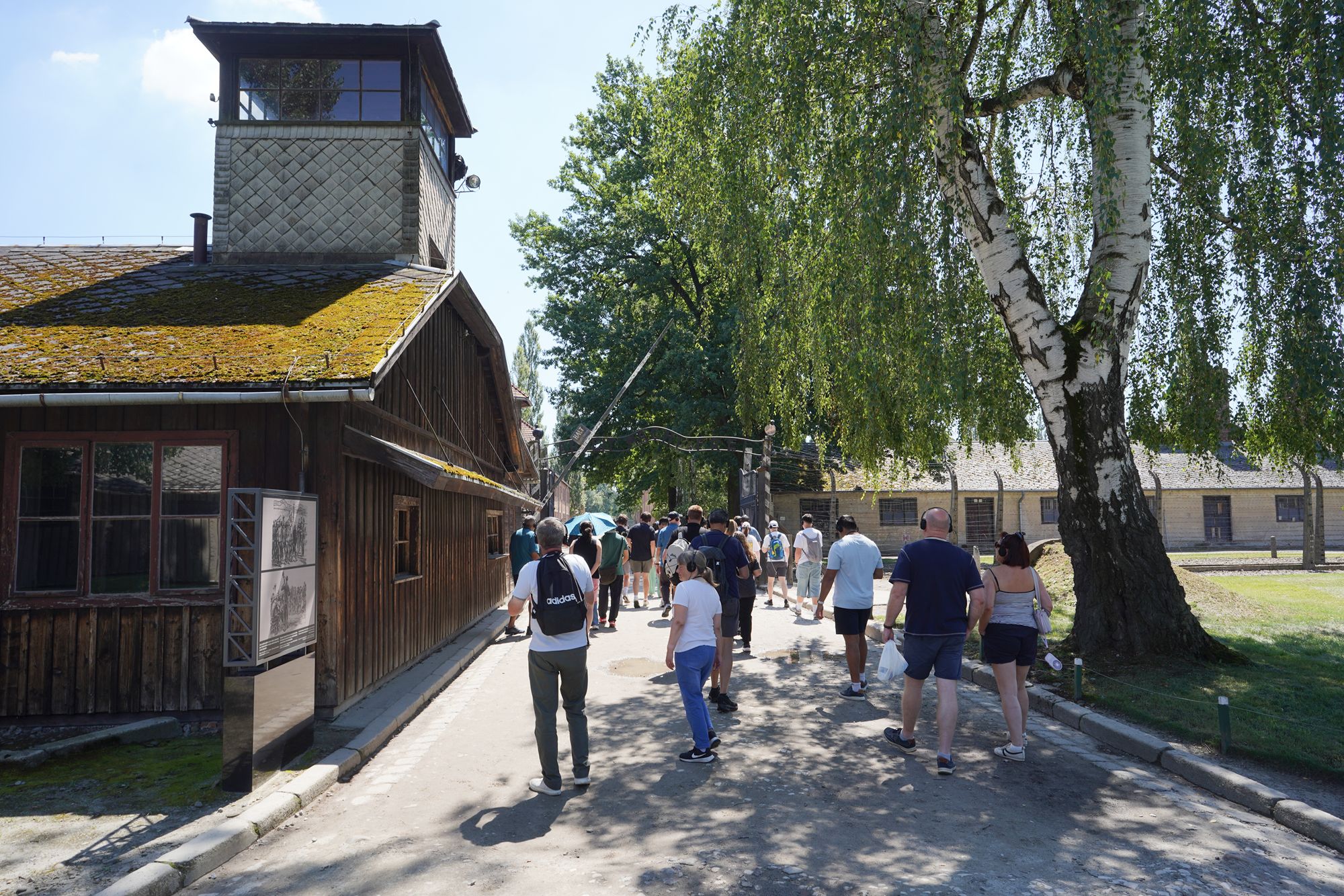
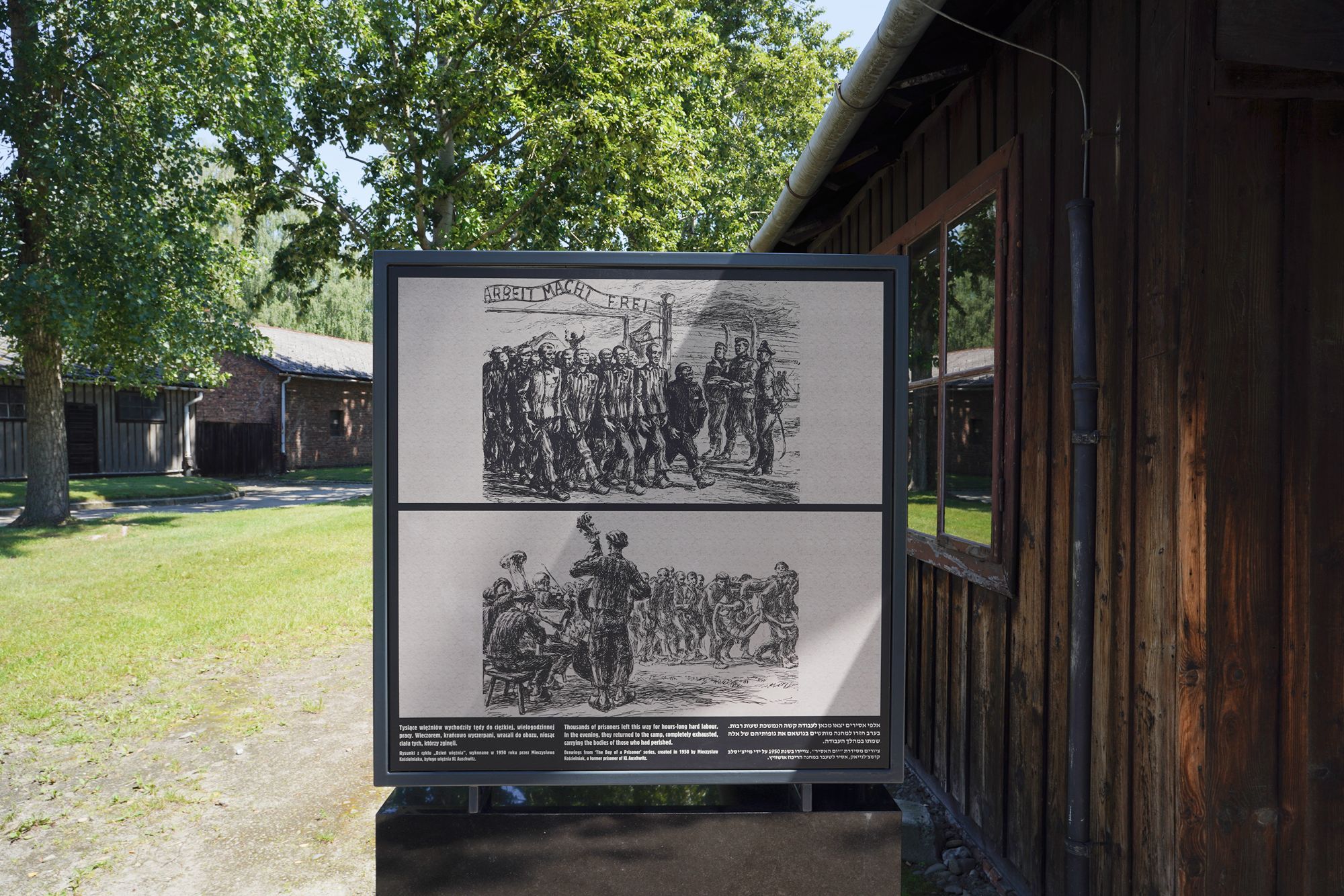
I entered Auschwitz I beneath the gate bearing the words “Arbeit Macht Frei” (“Work Sets You Free”), a cruel promise that concealed the reality of the camp.
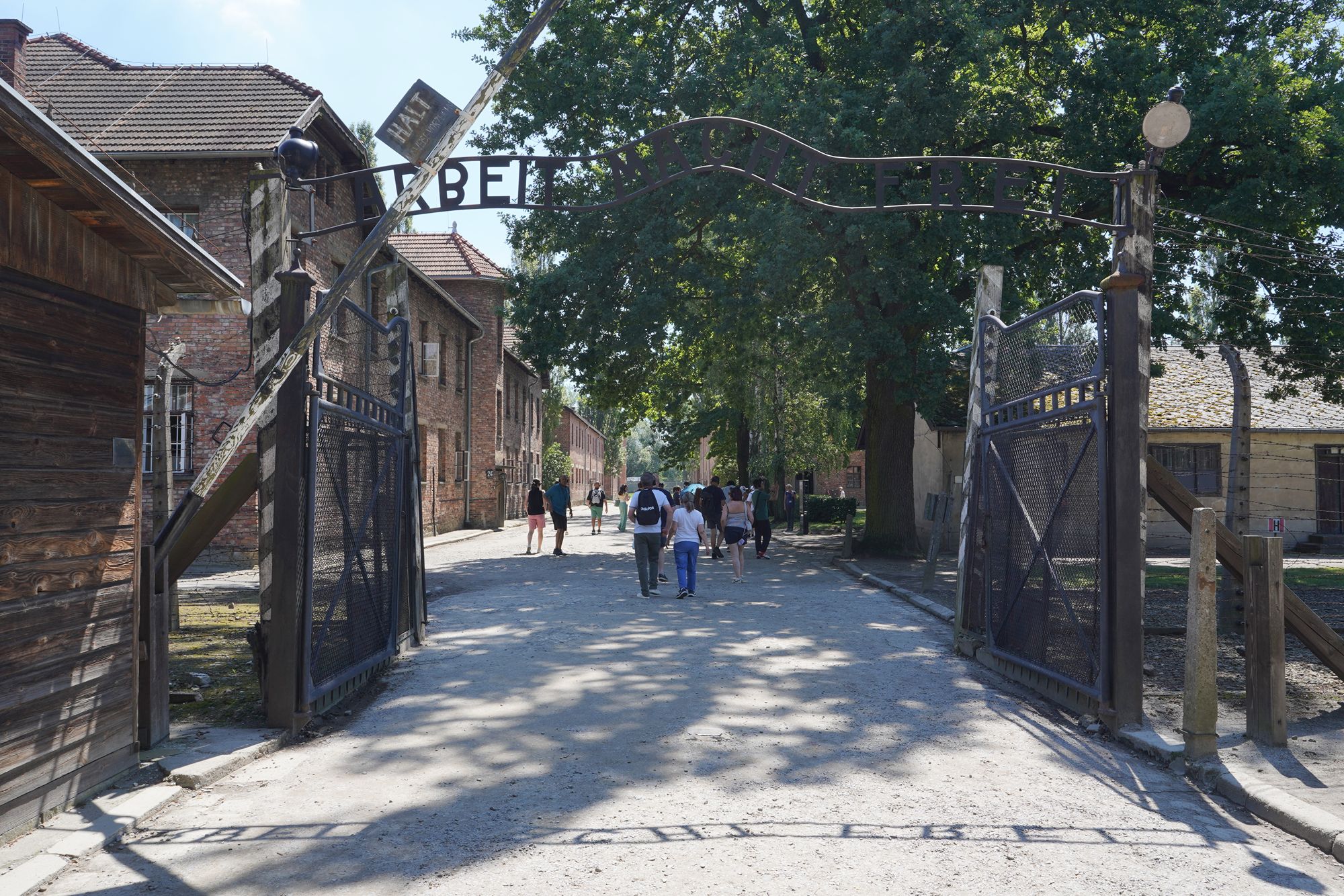
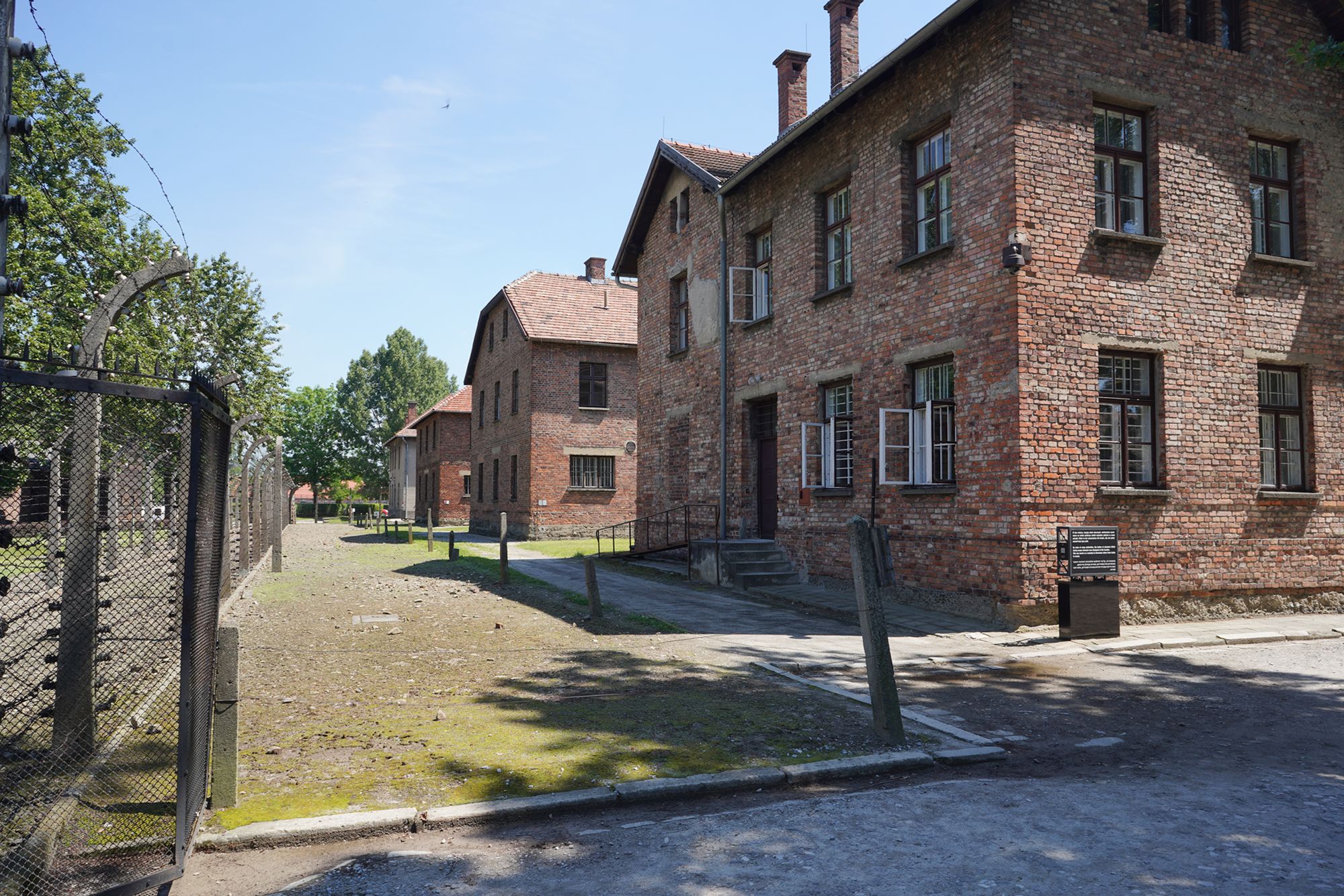
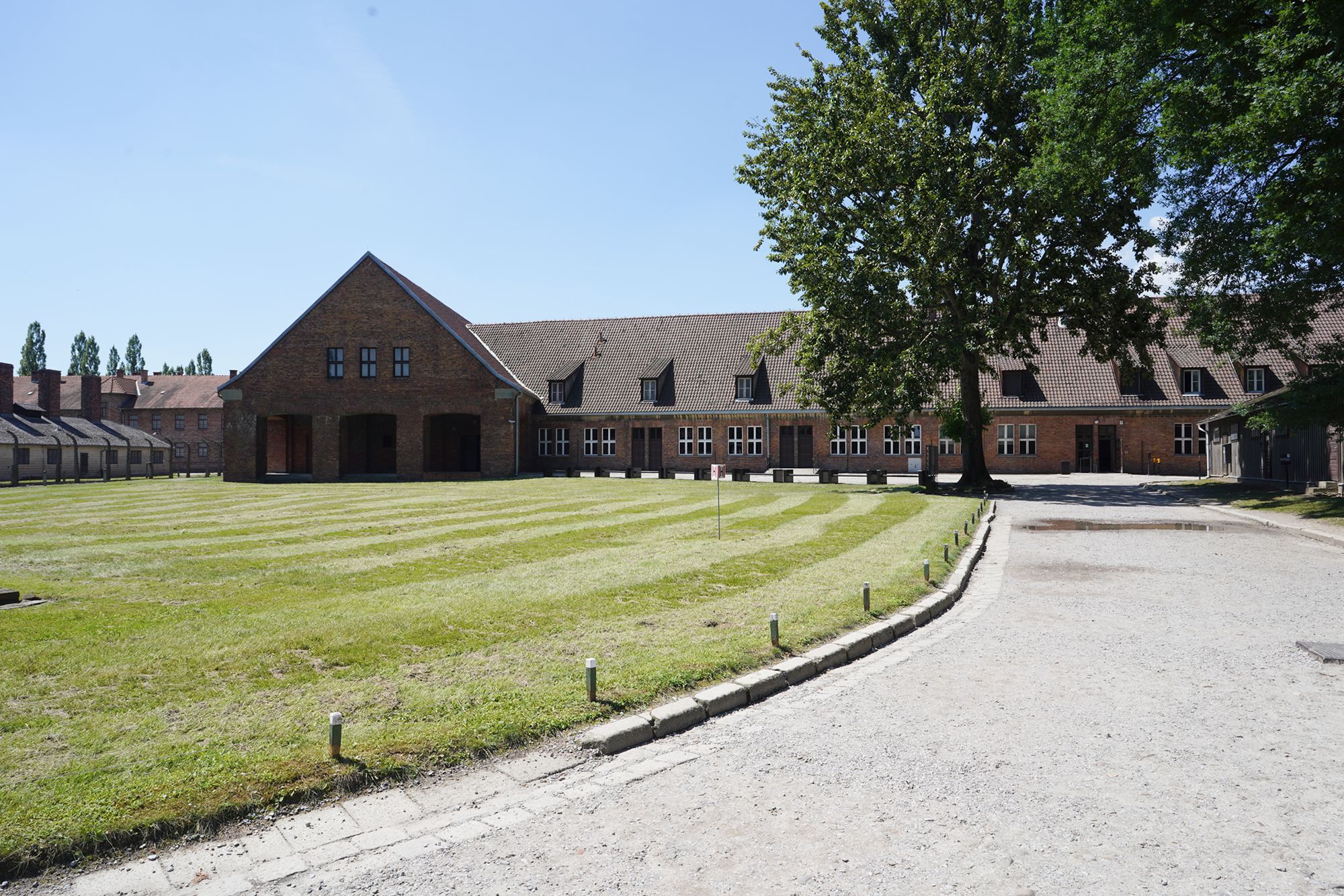
A view behind me
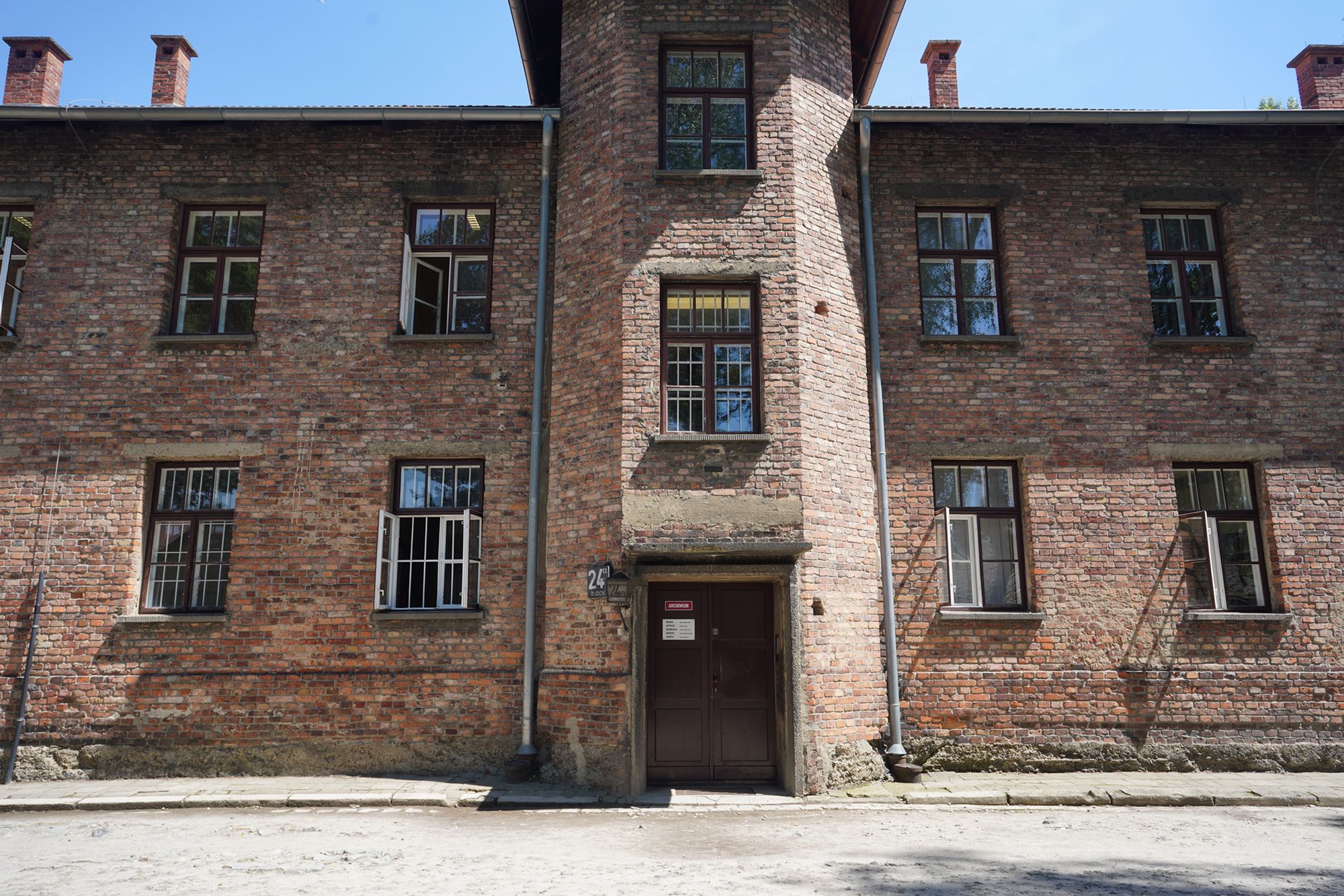
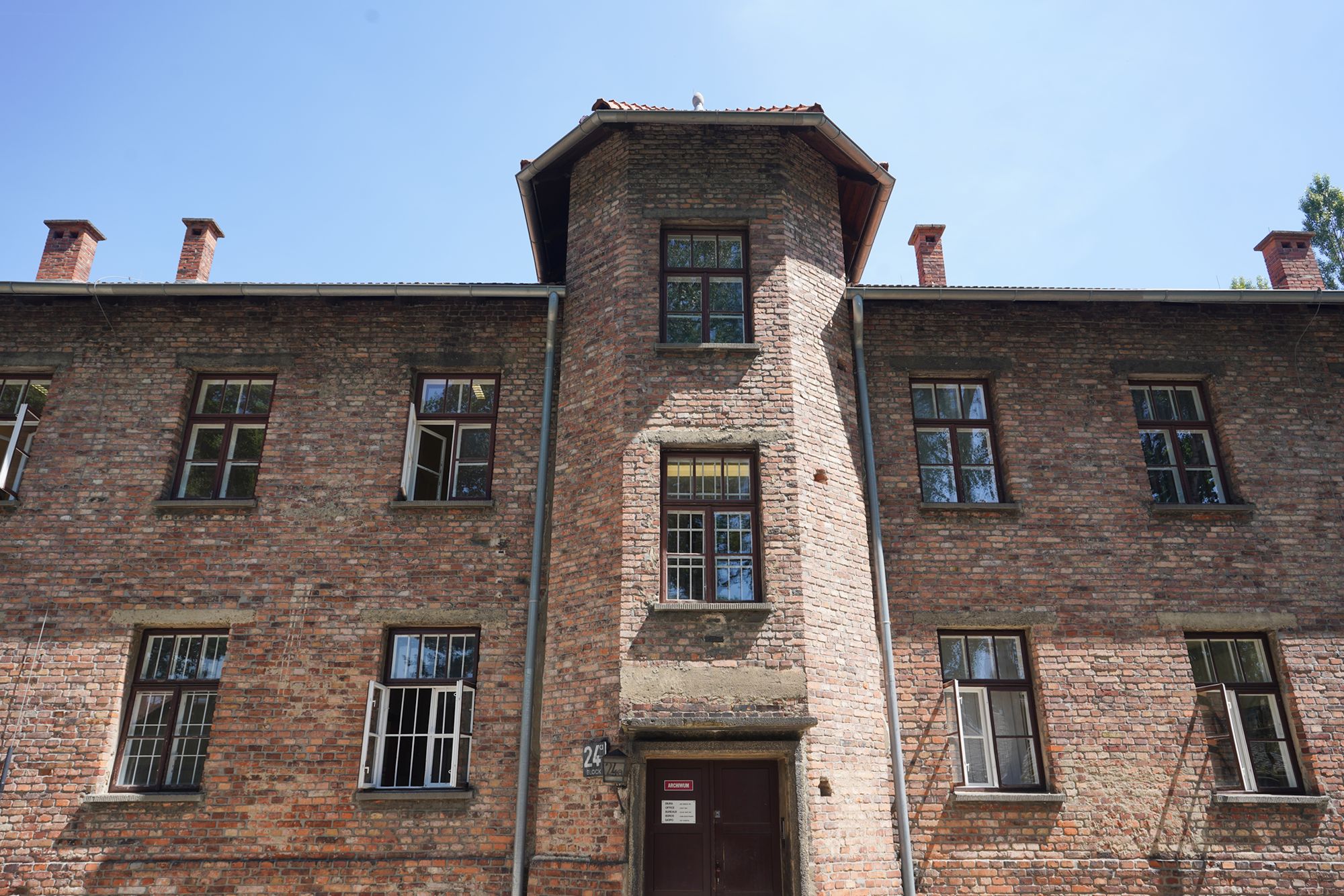
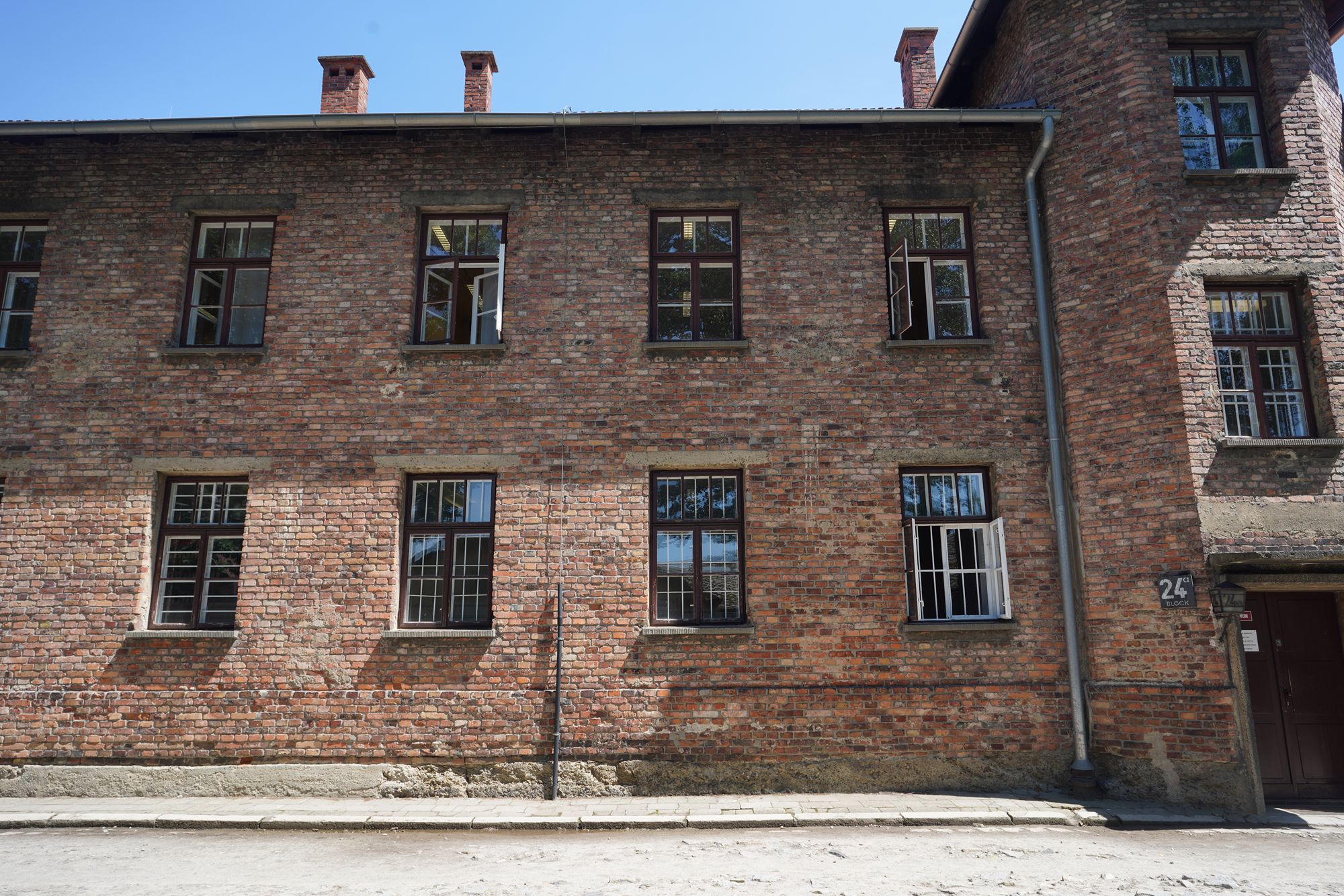
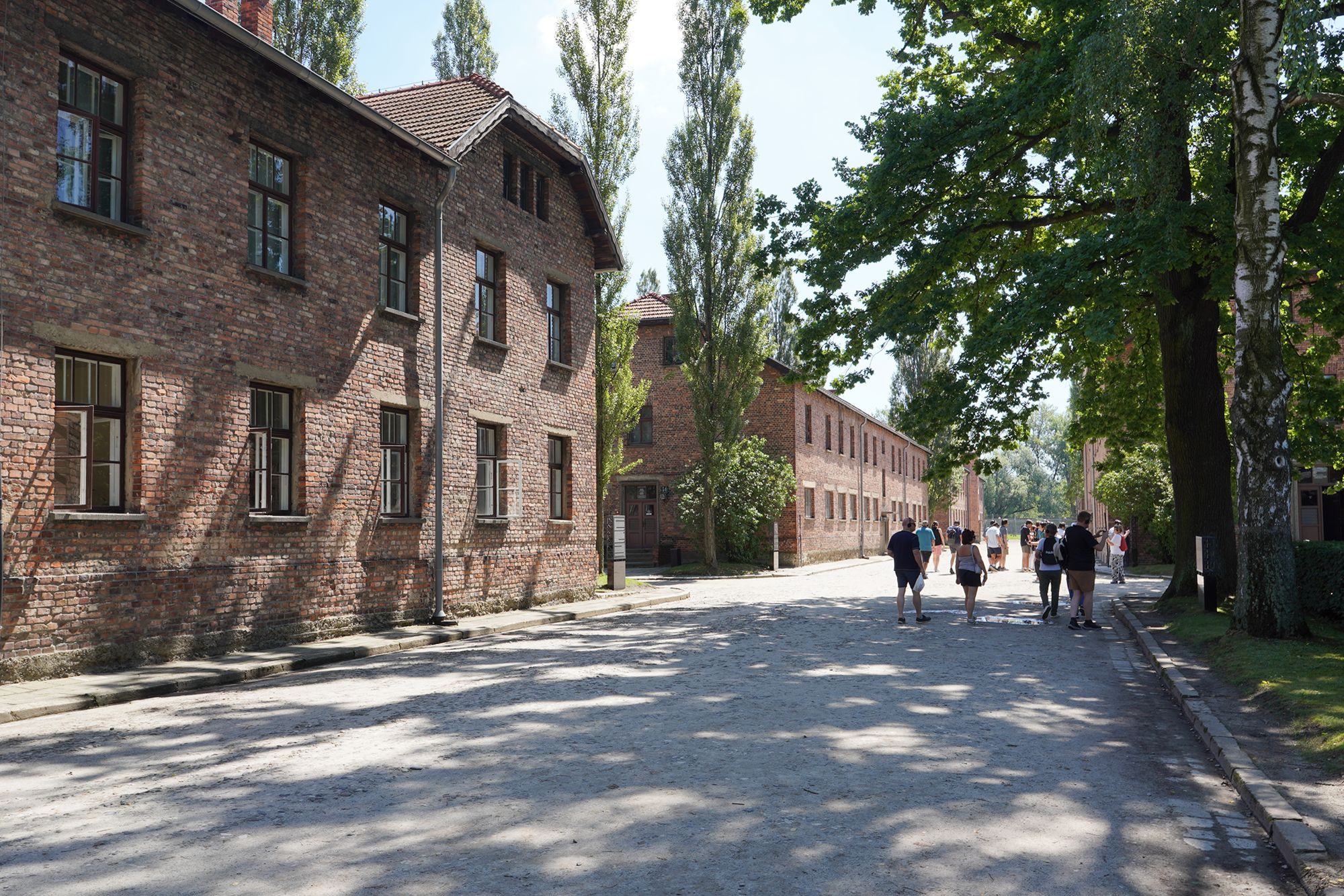
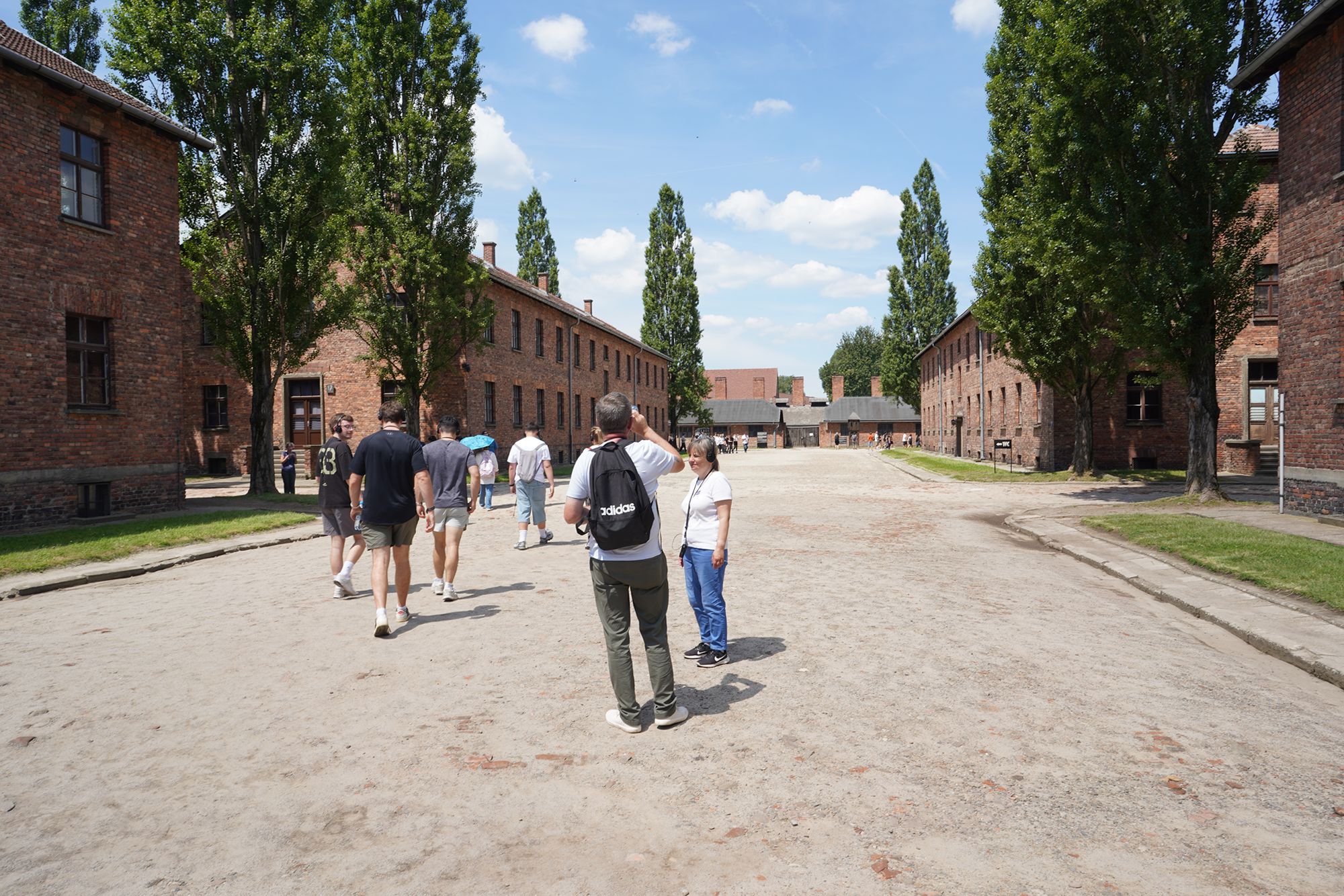
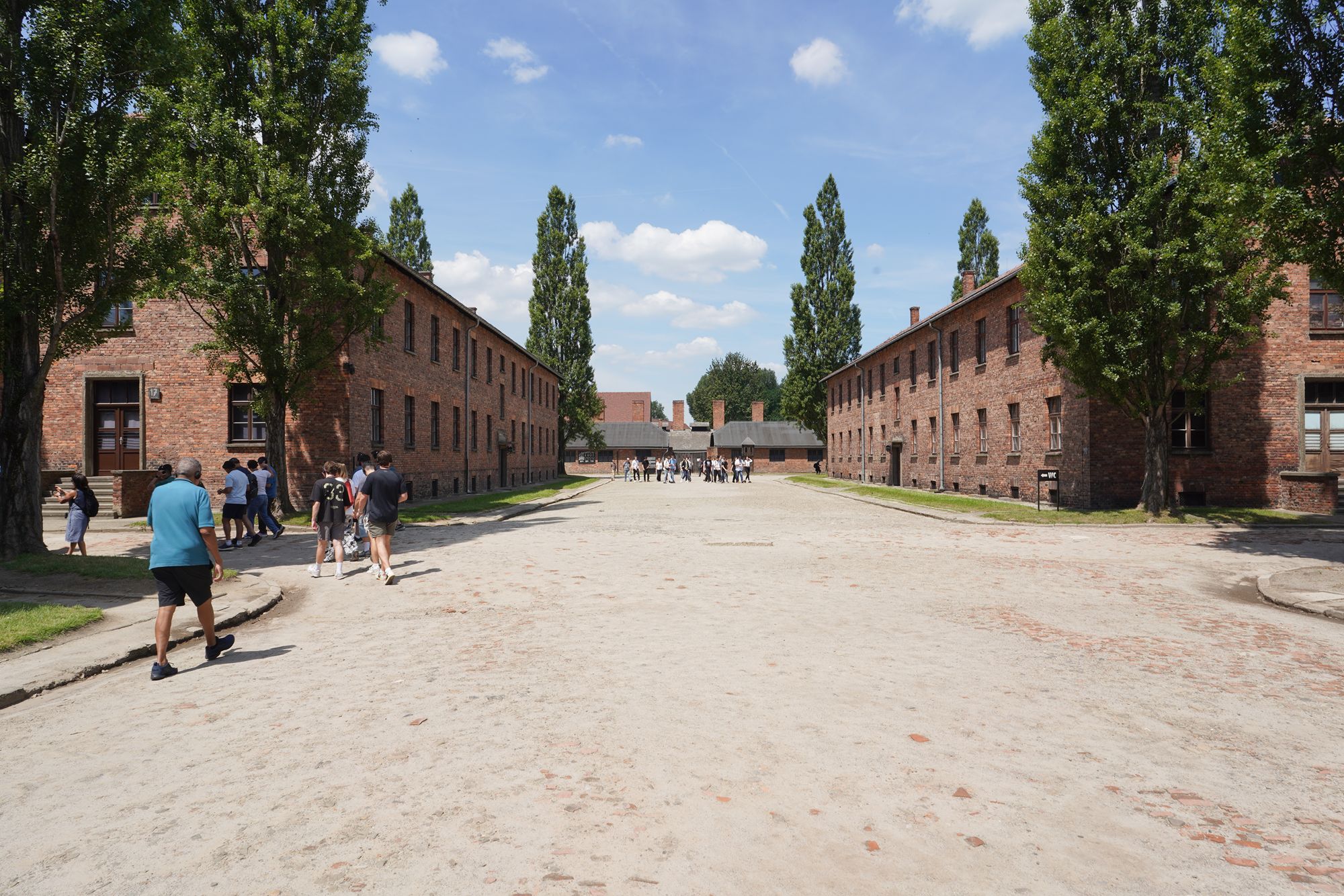
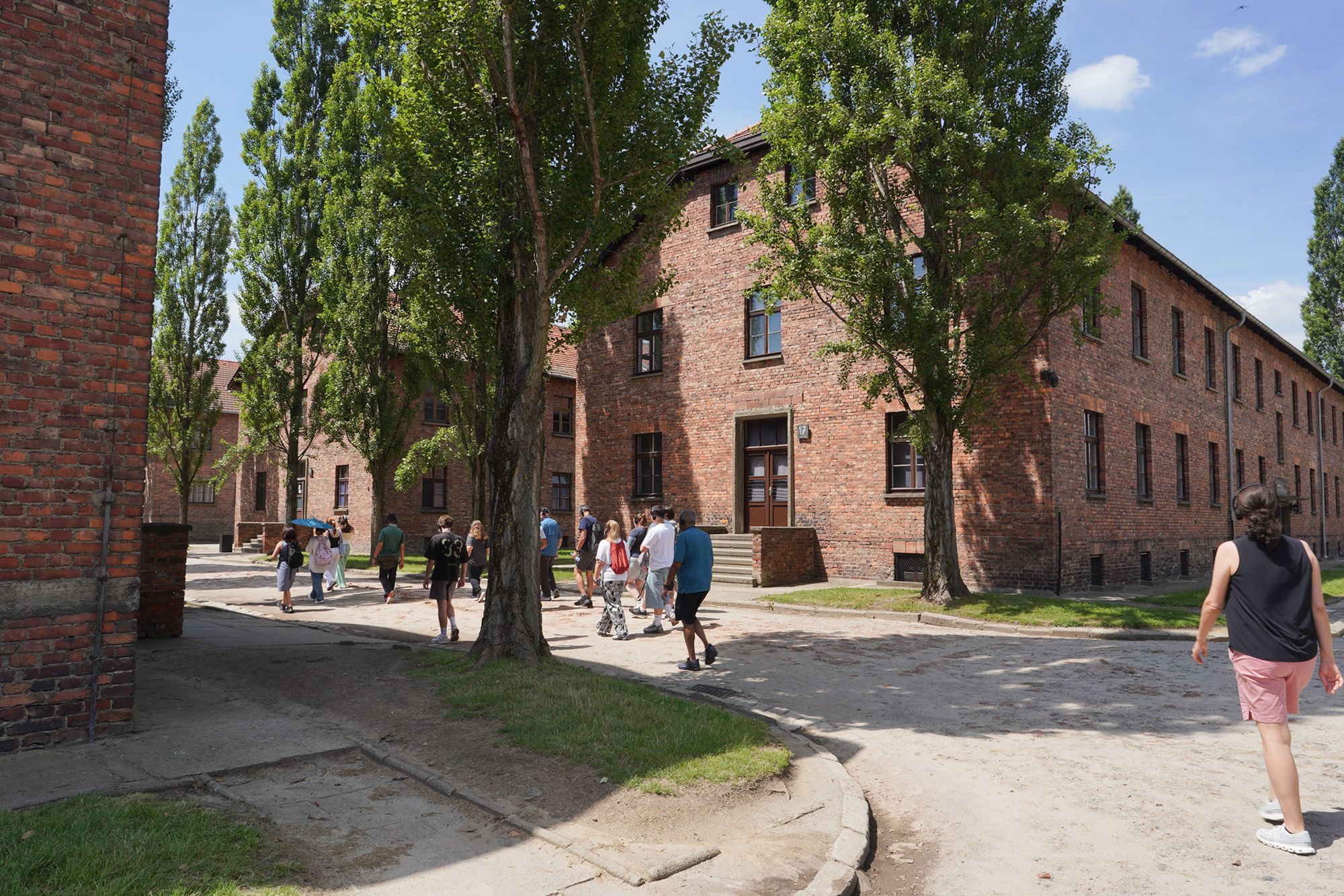
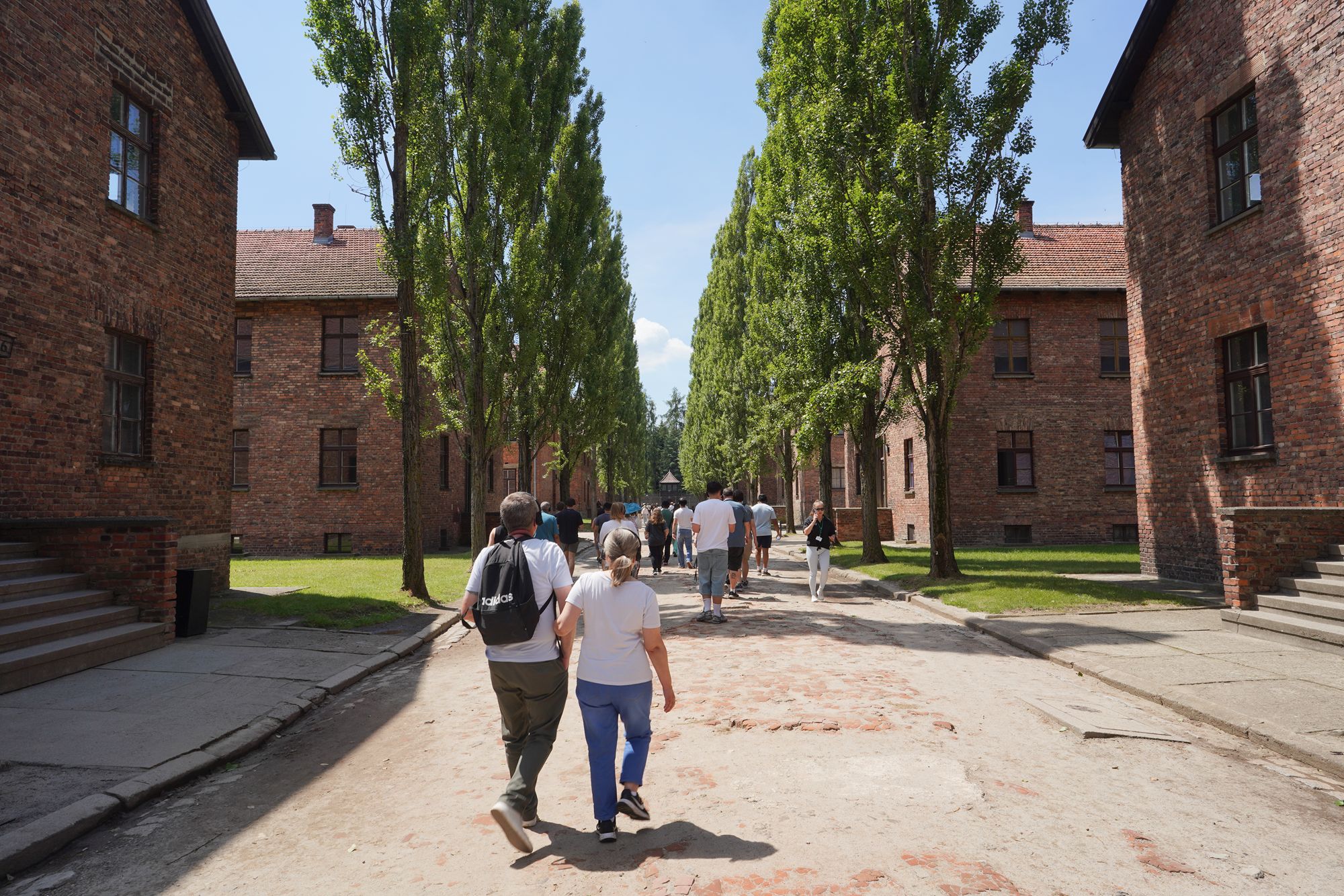
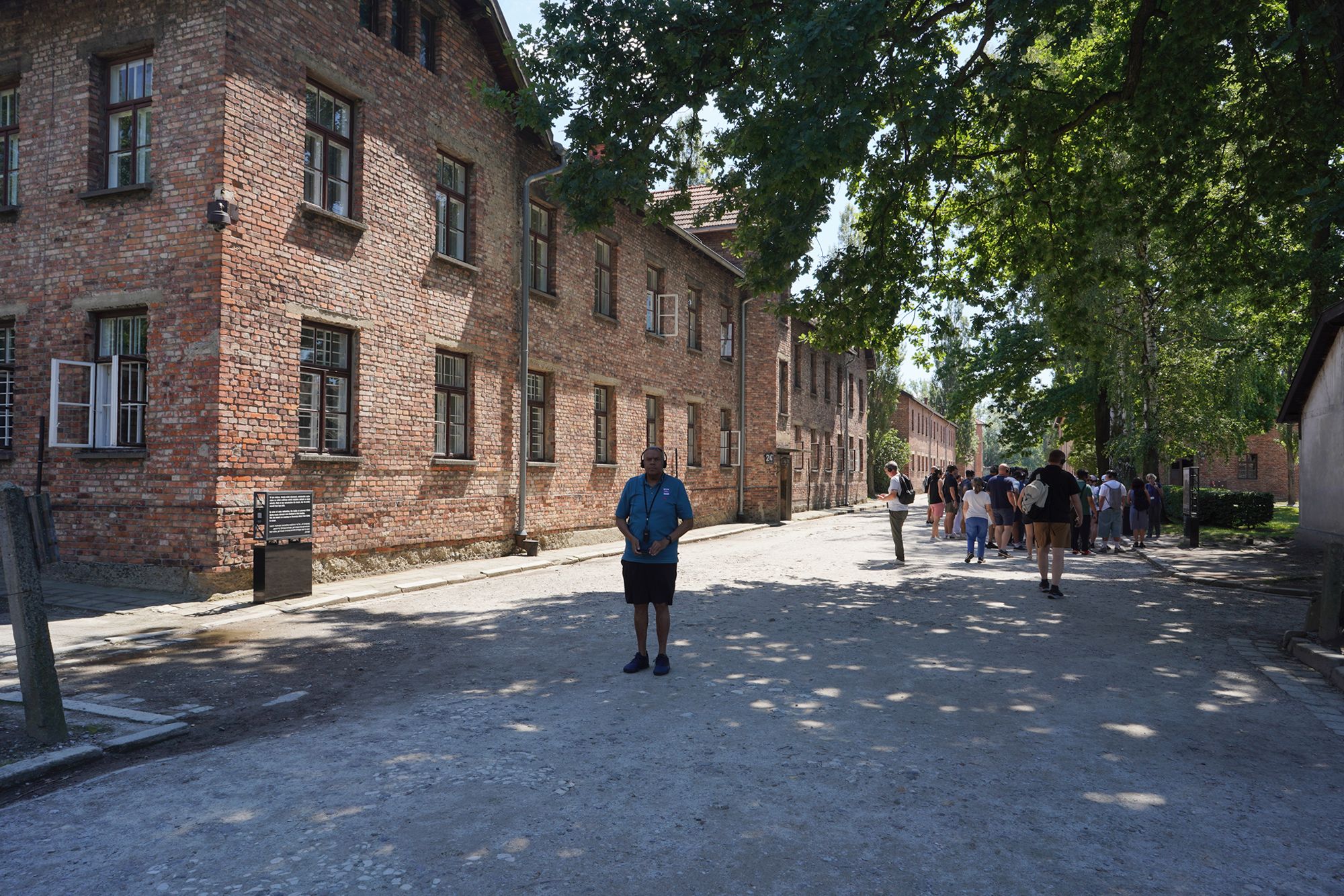
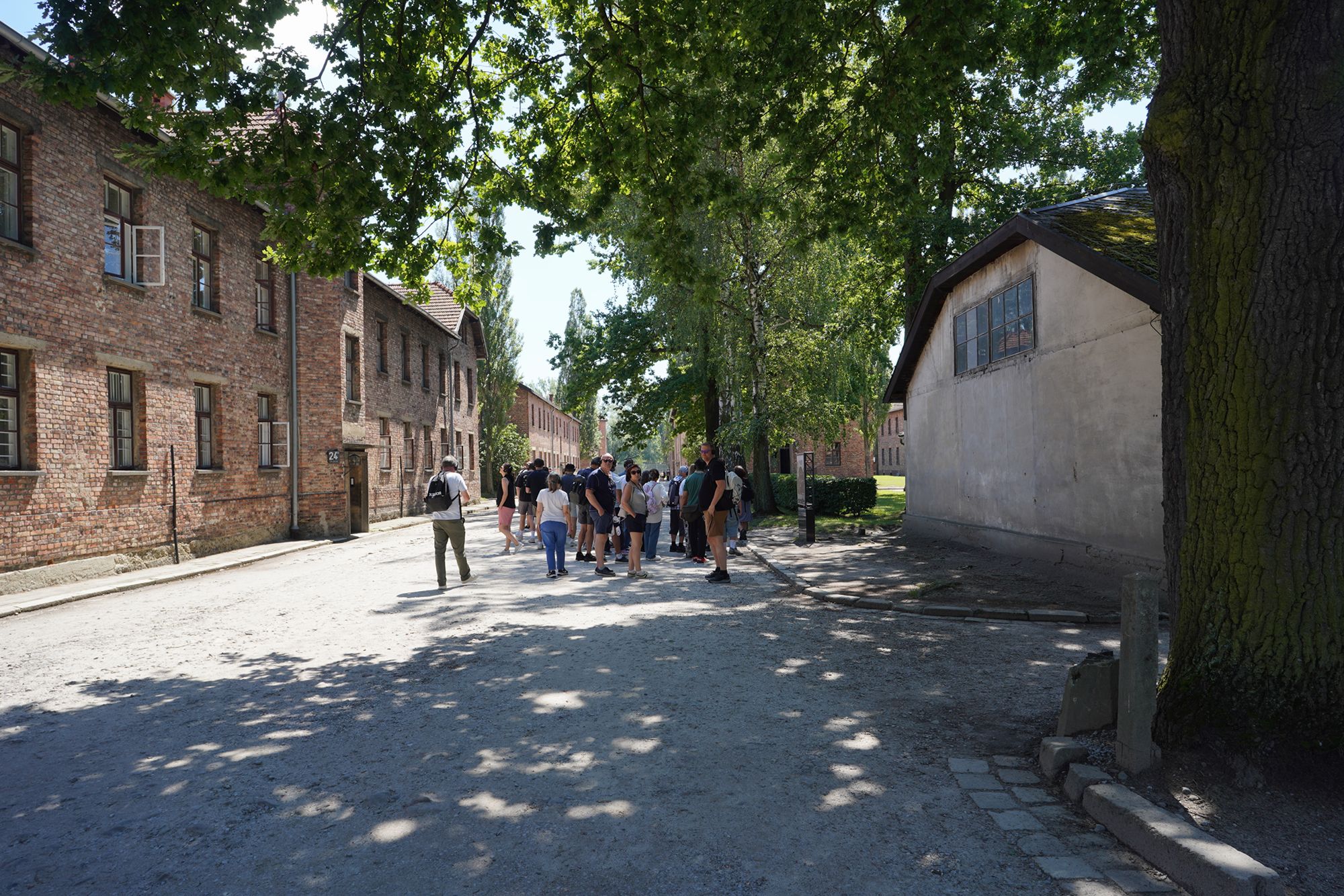
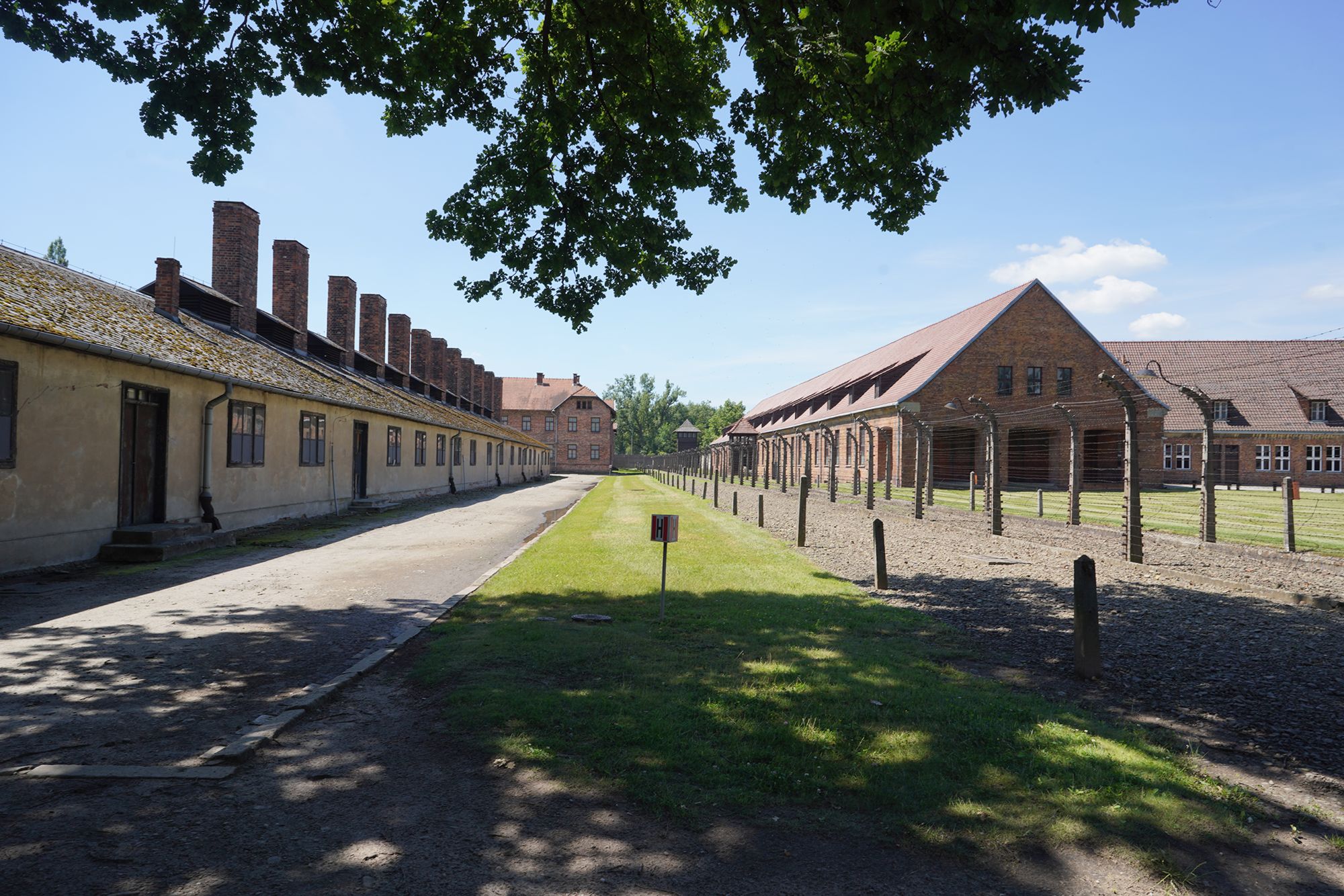
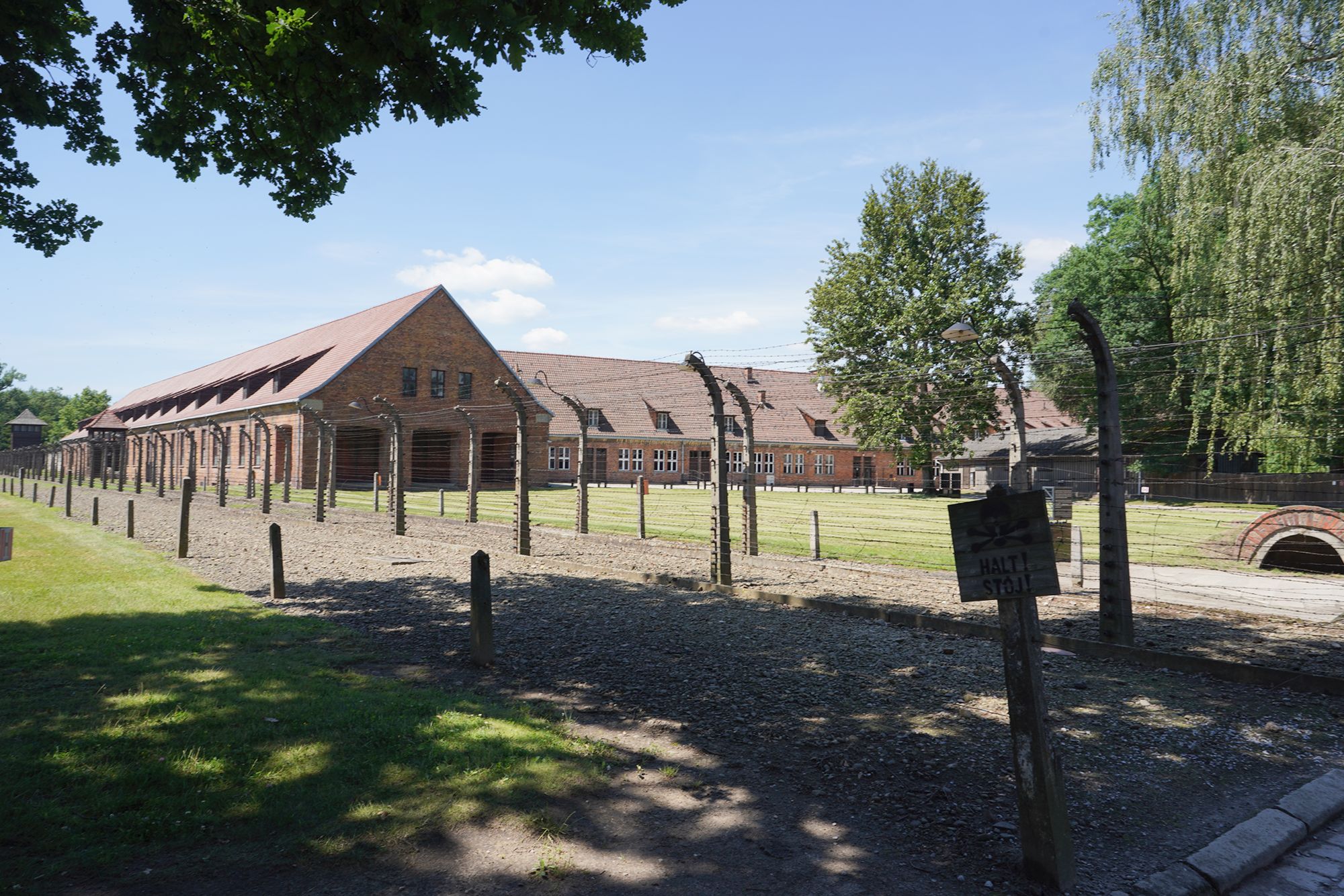
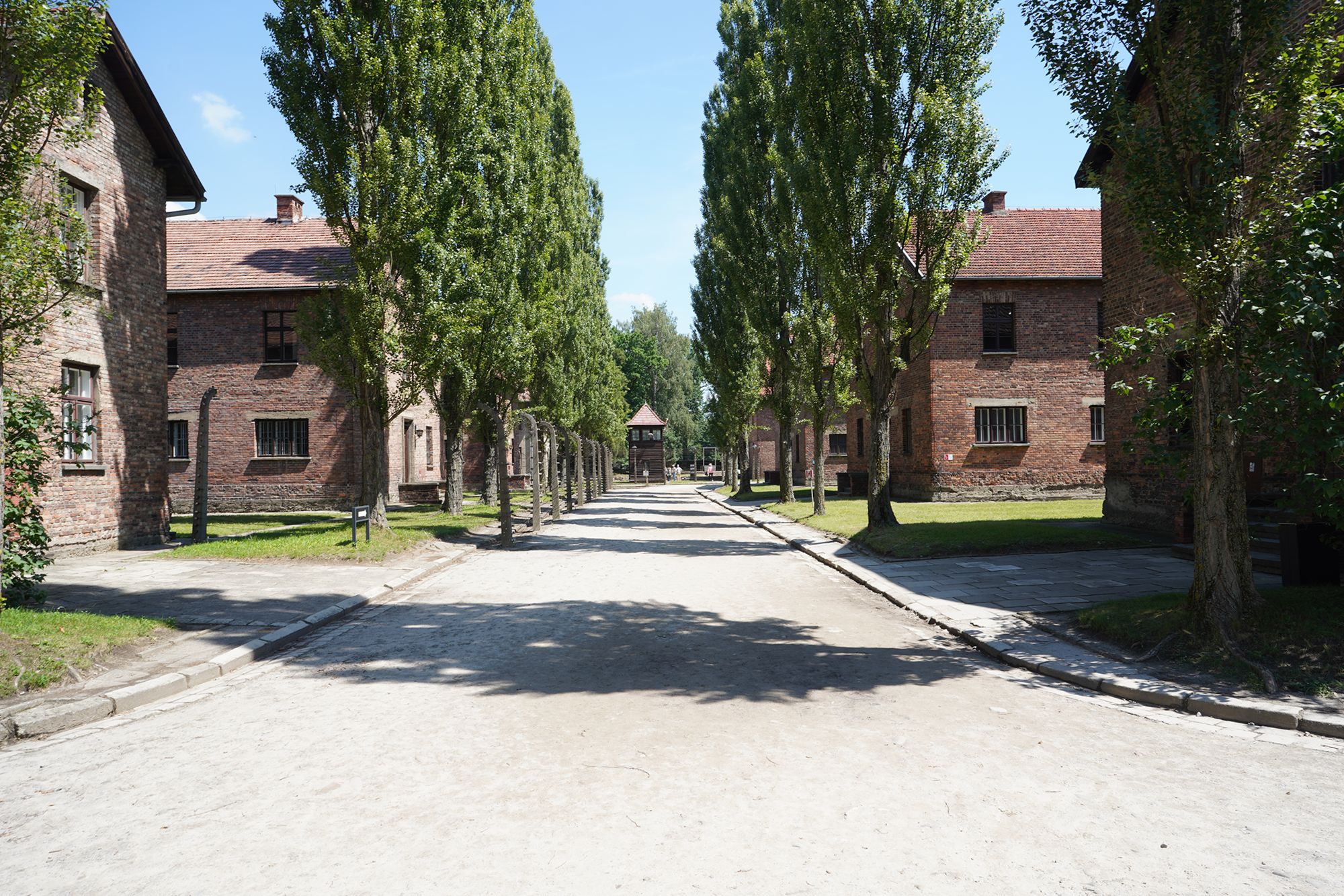
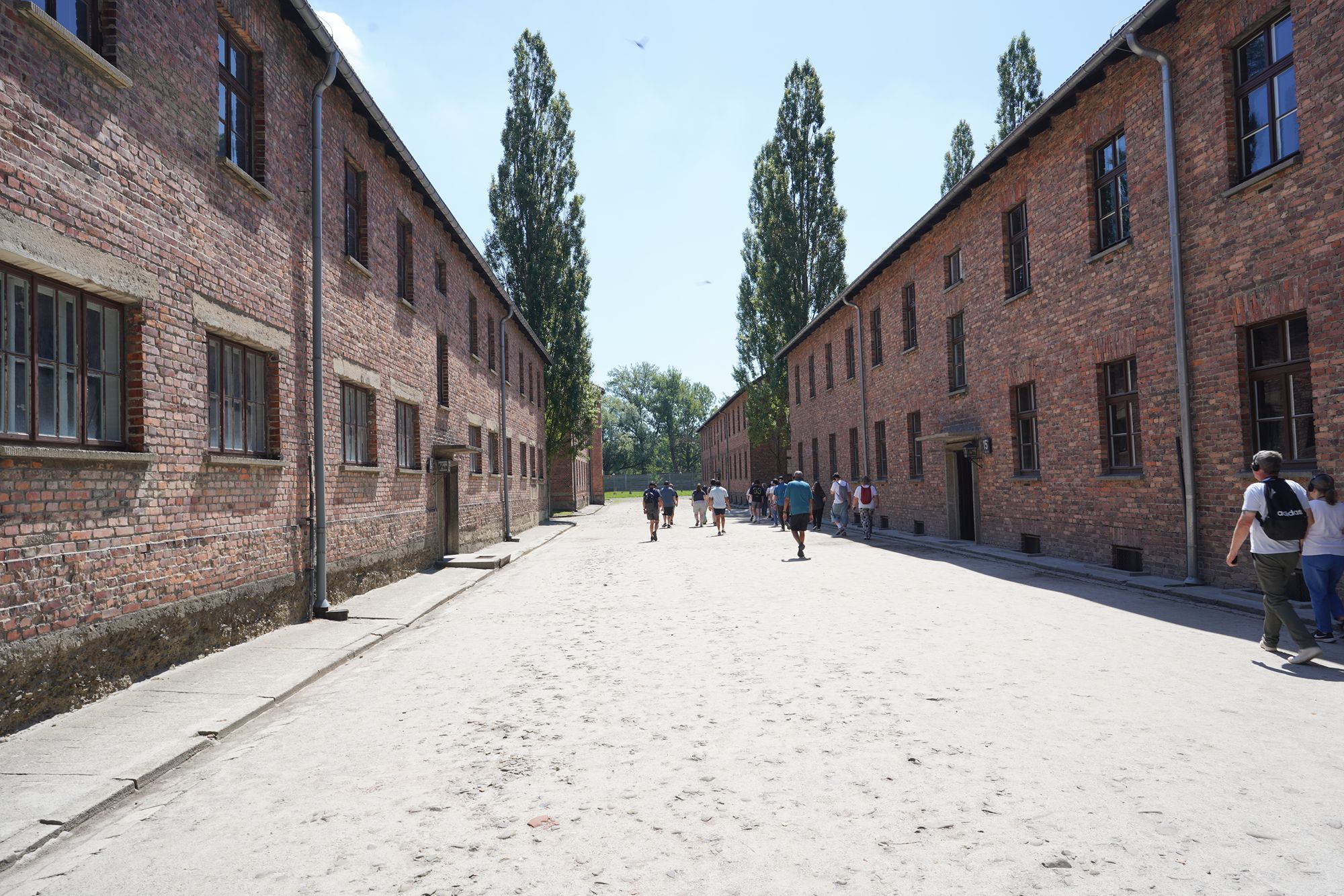
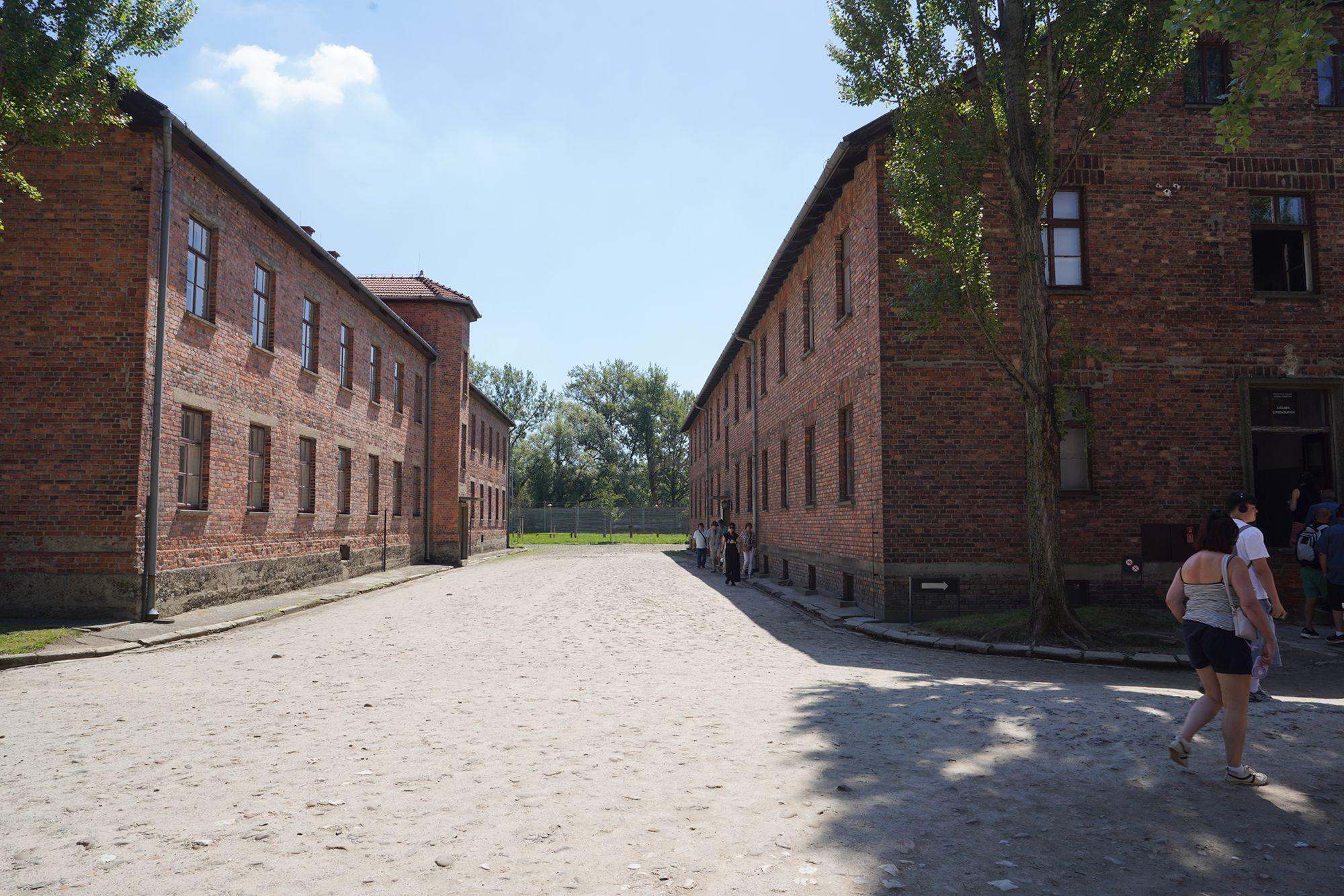
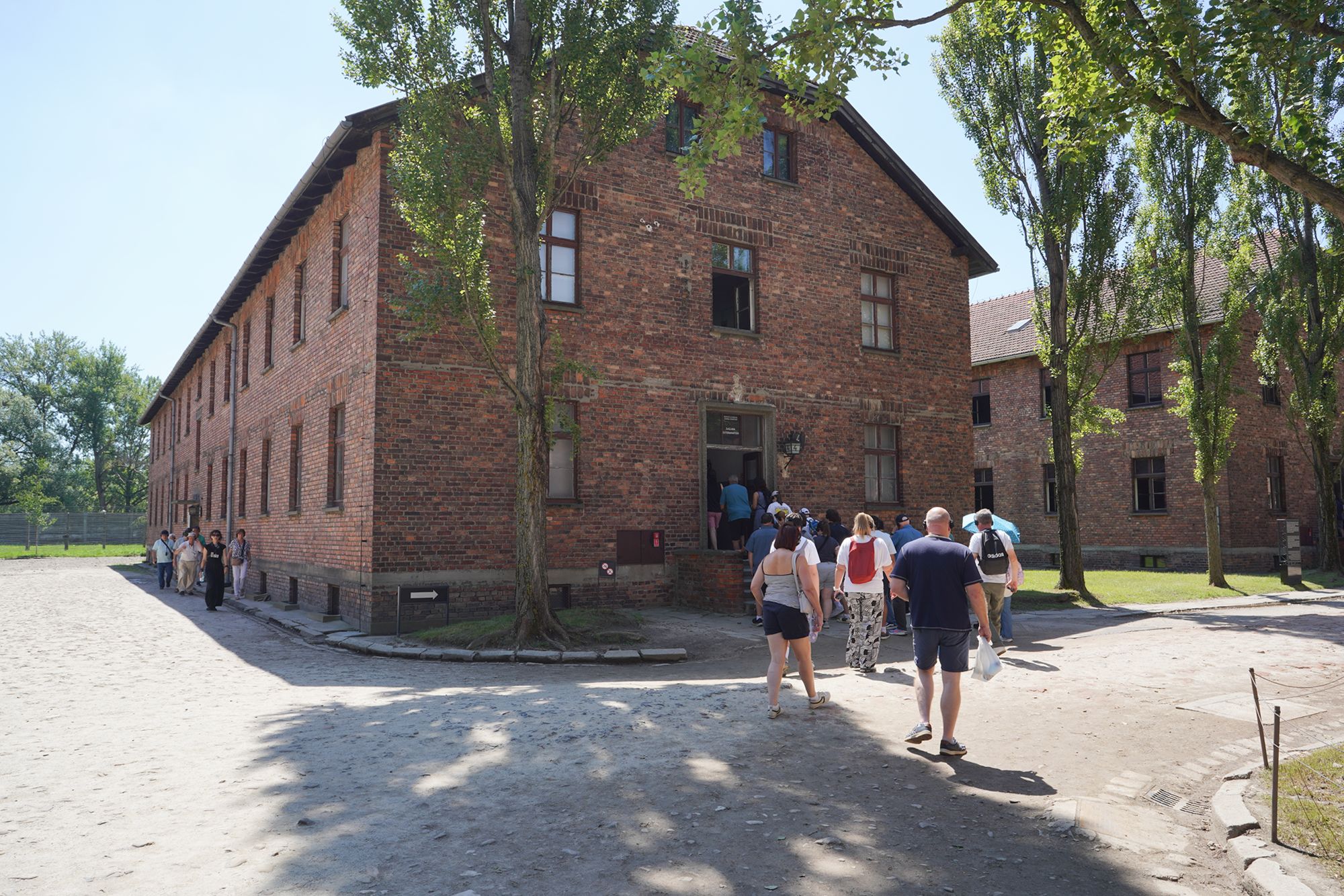
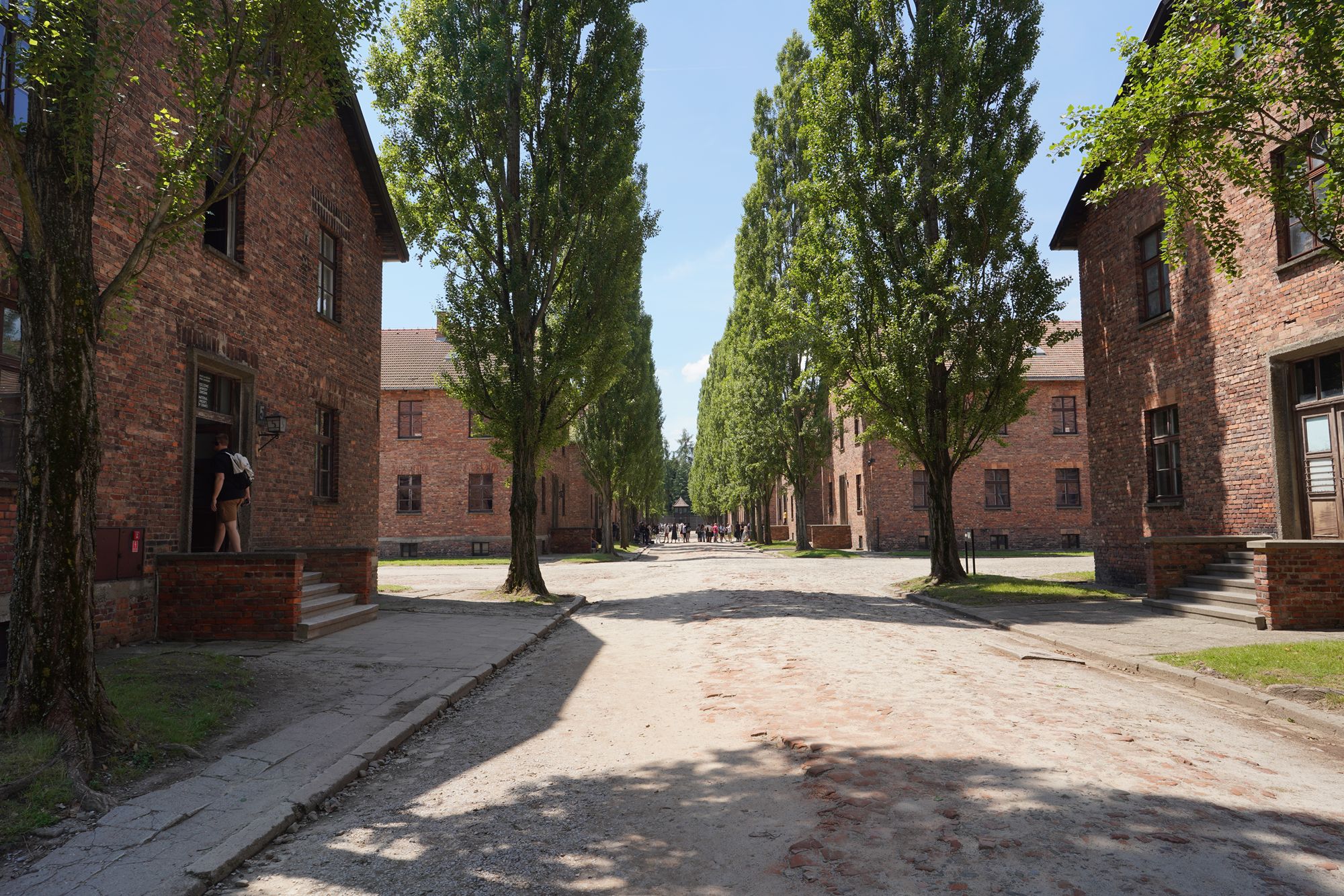
Inside Auschwitz I, visitors walk between rows of brick barracks preserved as part of the memorial.
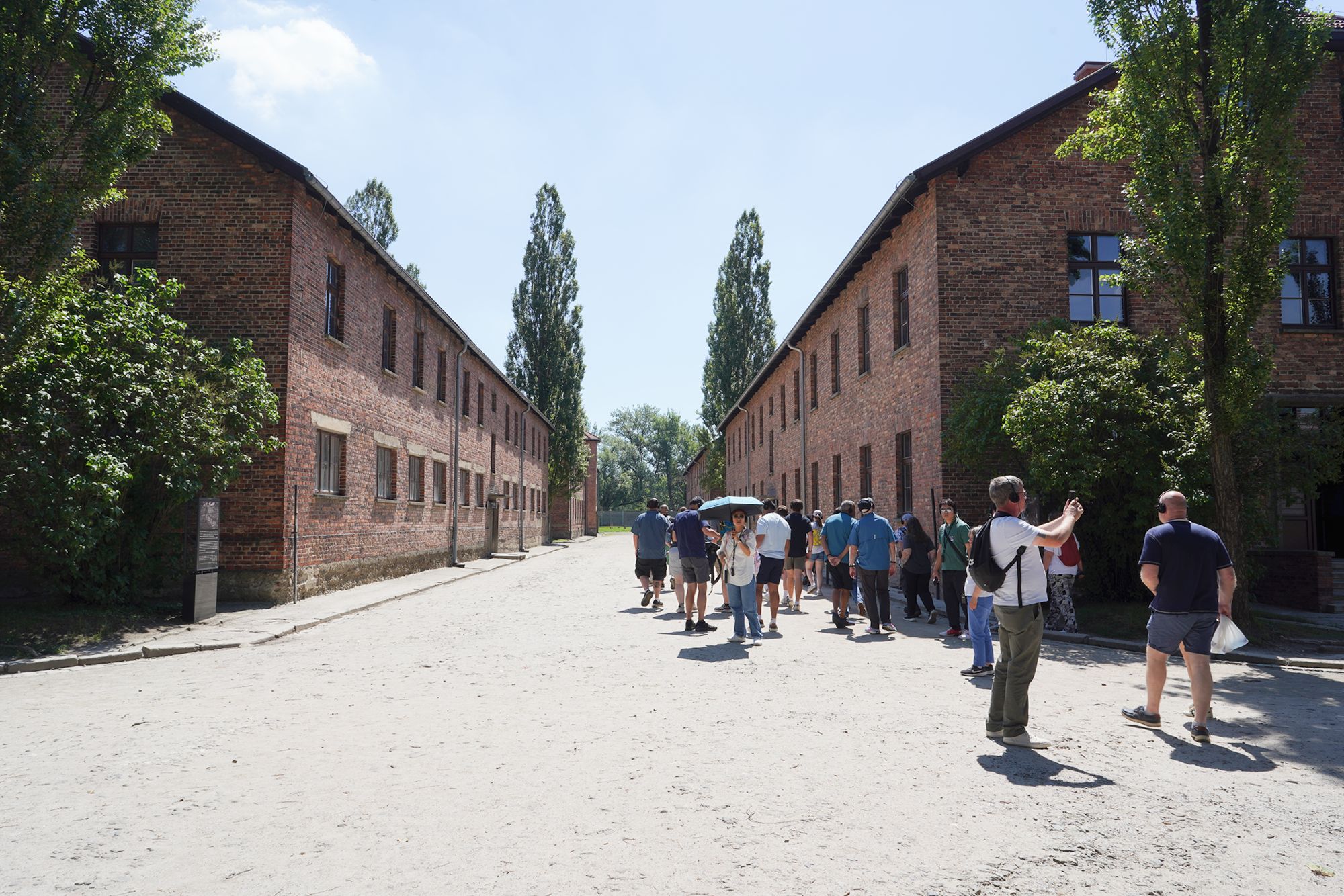
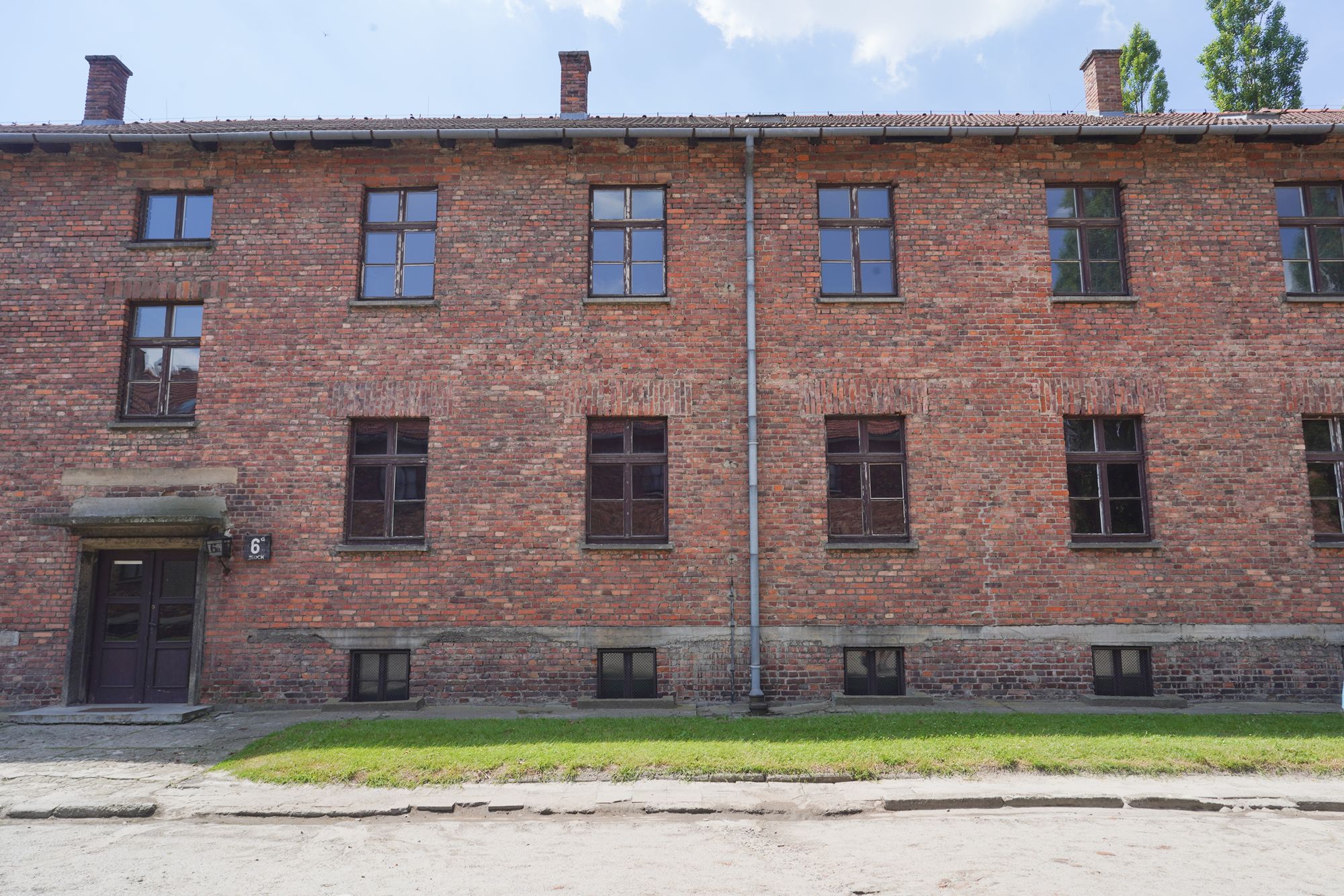
Most of these barracks housed prisoners. The rooms were severely overcrowded and had inadequate sanitation. Some blocks had special purposes; Block 11, for example, served as a prison and punishment block.
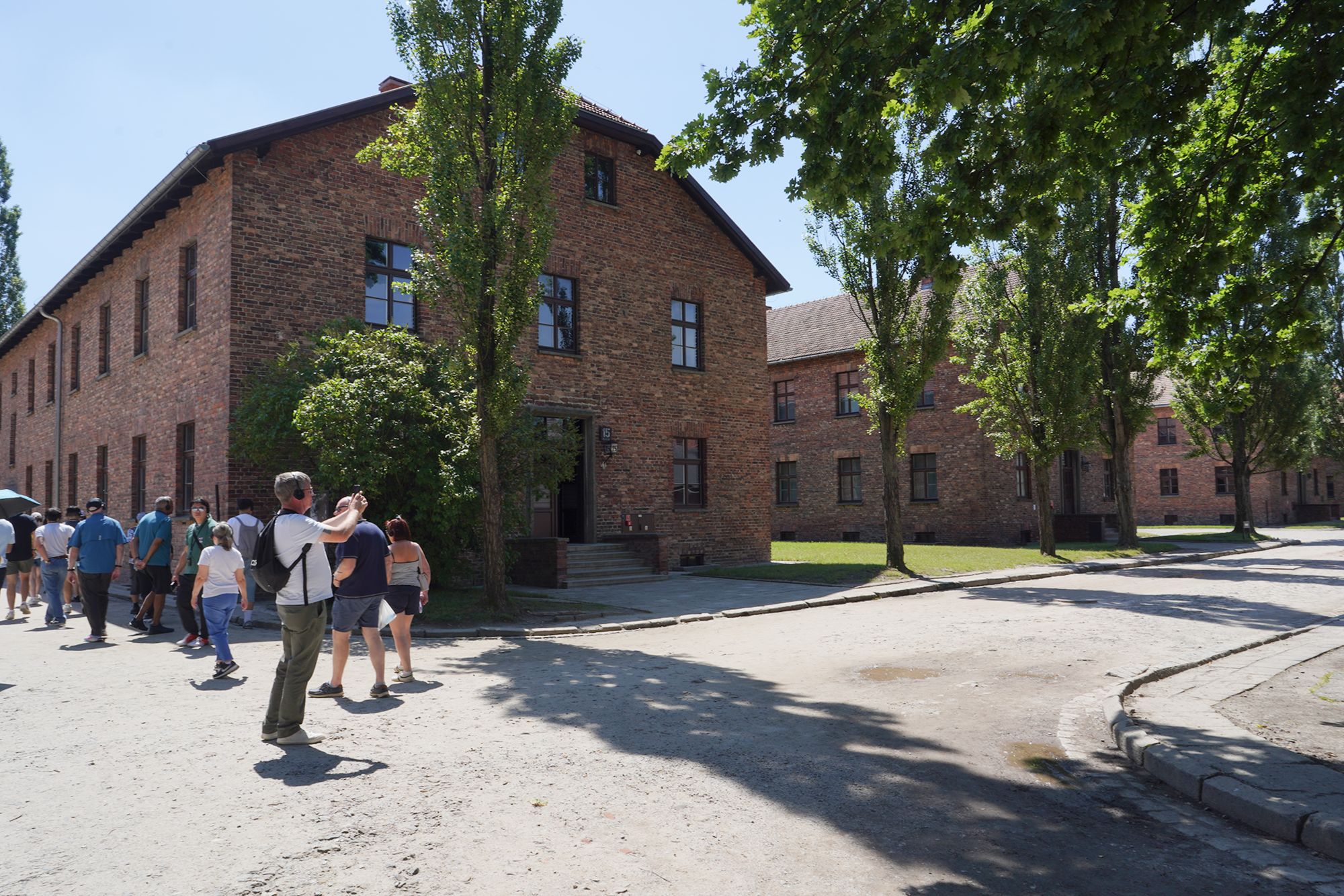
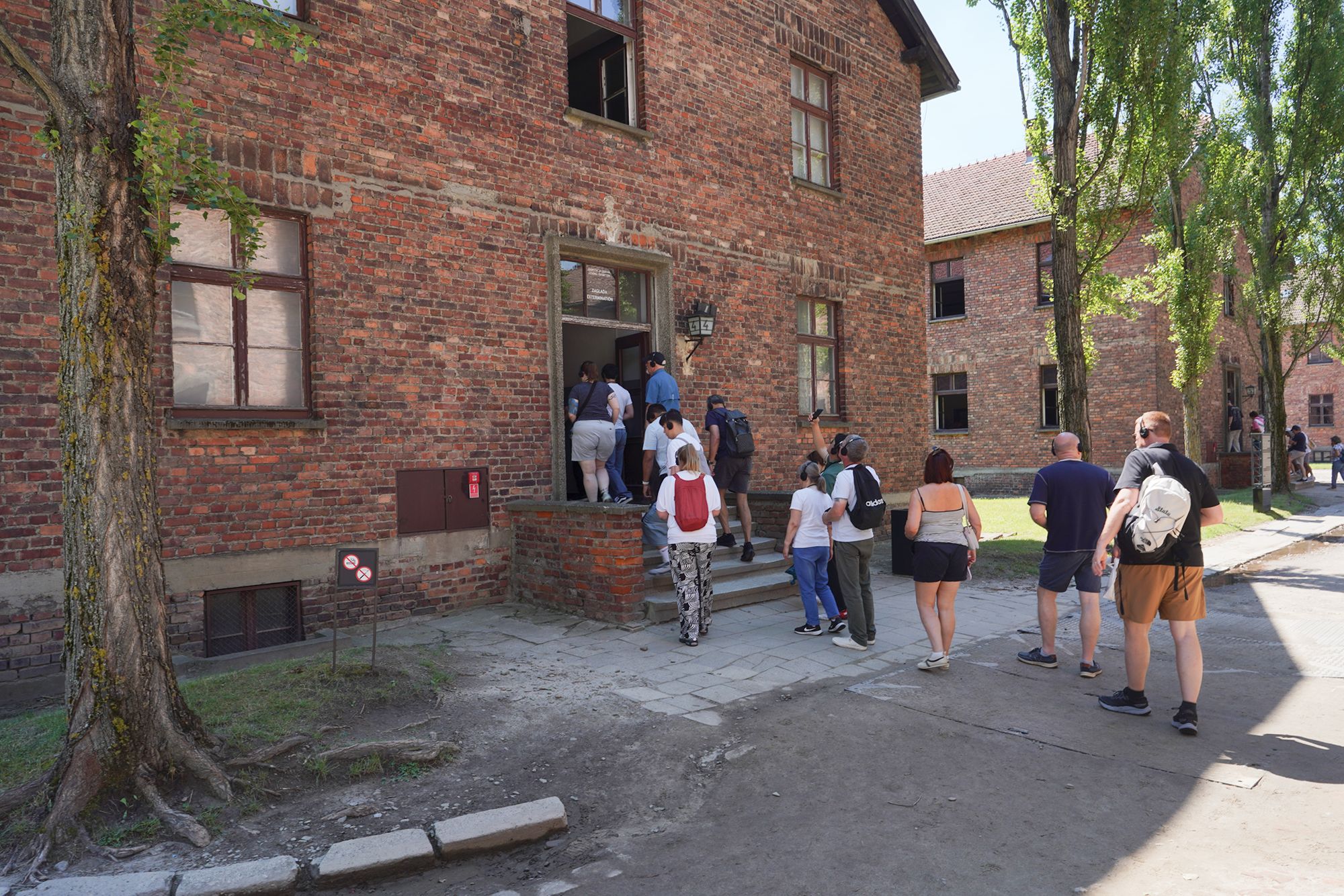
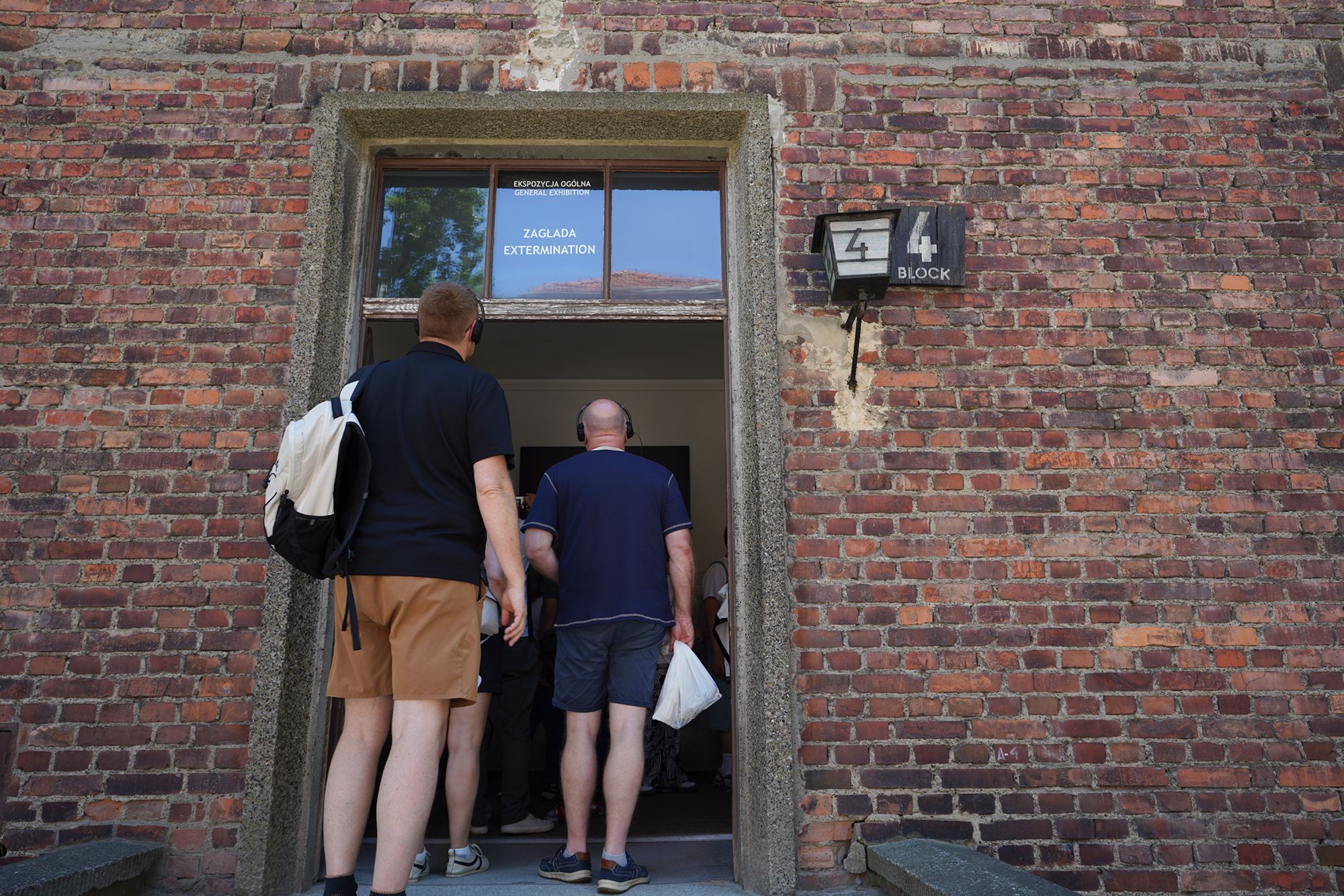
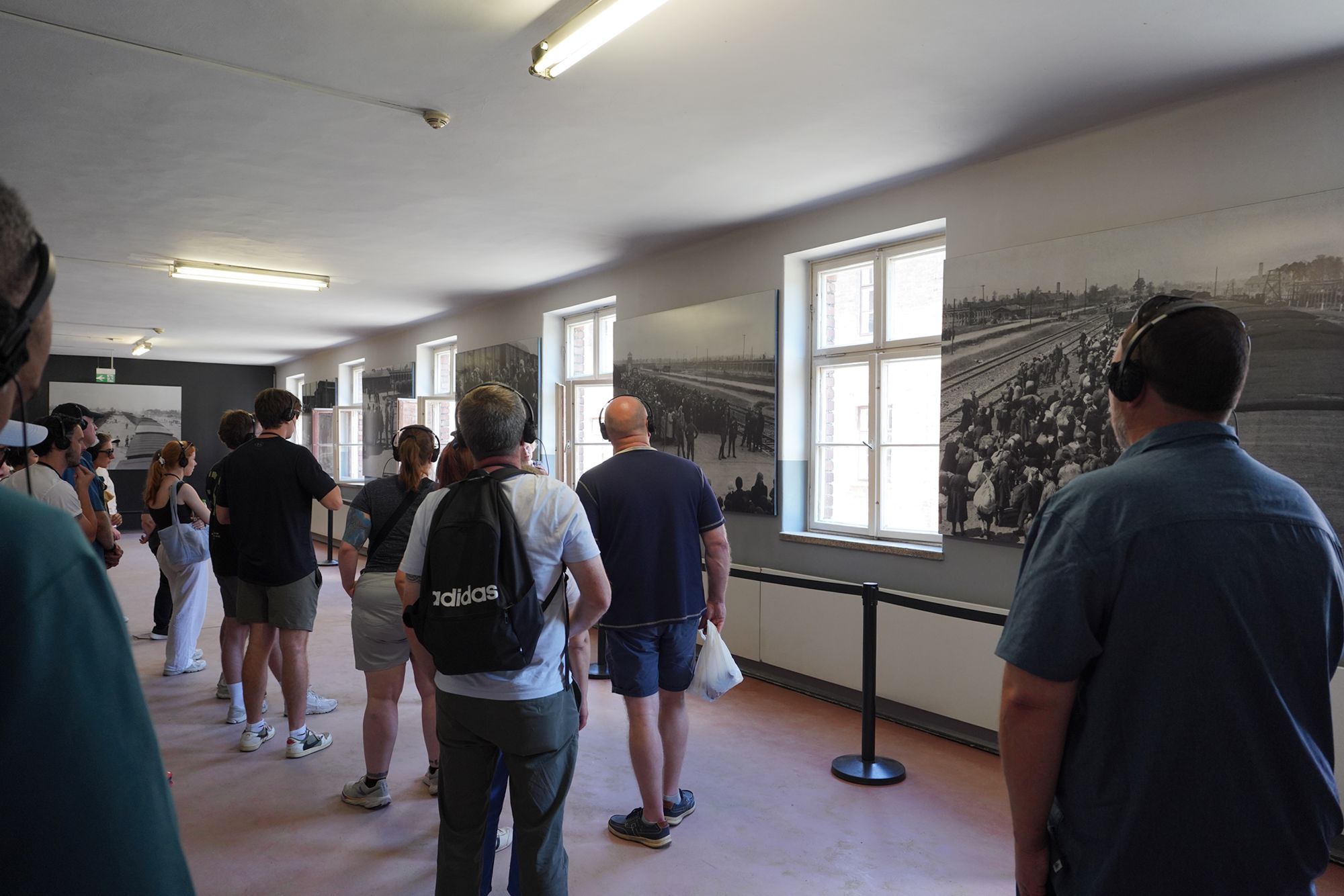
Today, some of the former barracks are used as exhibition spaces, with displays about the camp and its prisoners.
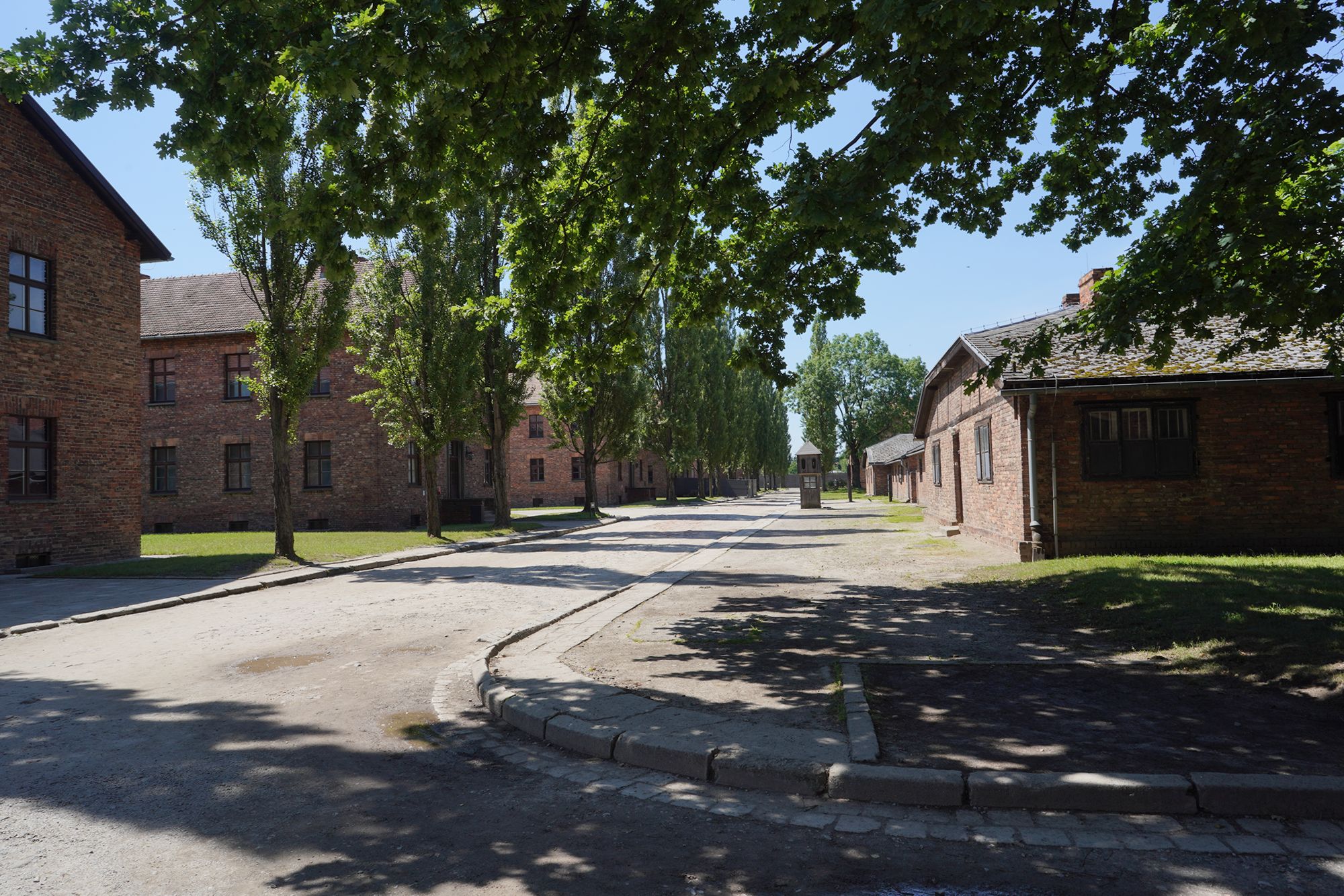
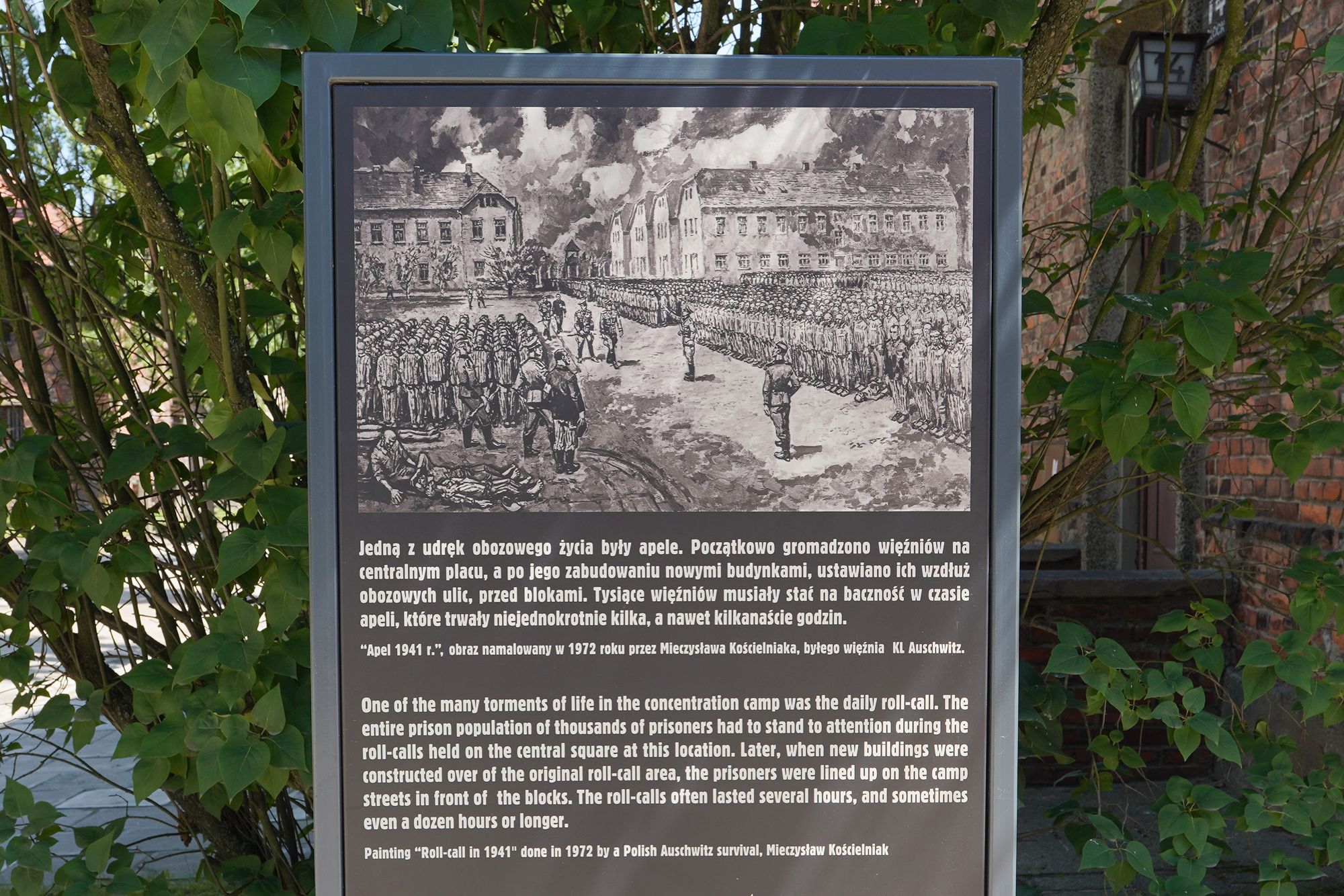
Inside one of the former barracks, an exhibit describes the daily roll calls, when thousands of prisoners had to stand for hours. The display features a 1972 painting of a 1941 roll call by Auschwitz survivor Mieczysław Kościelniak.
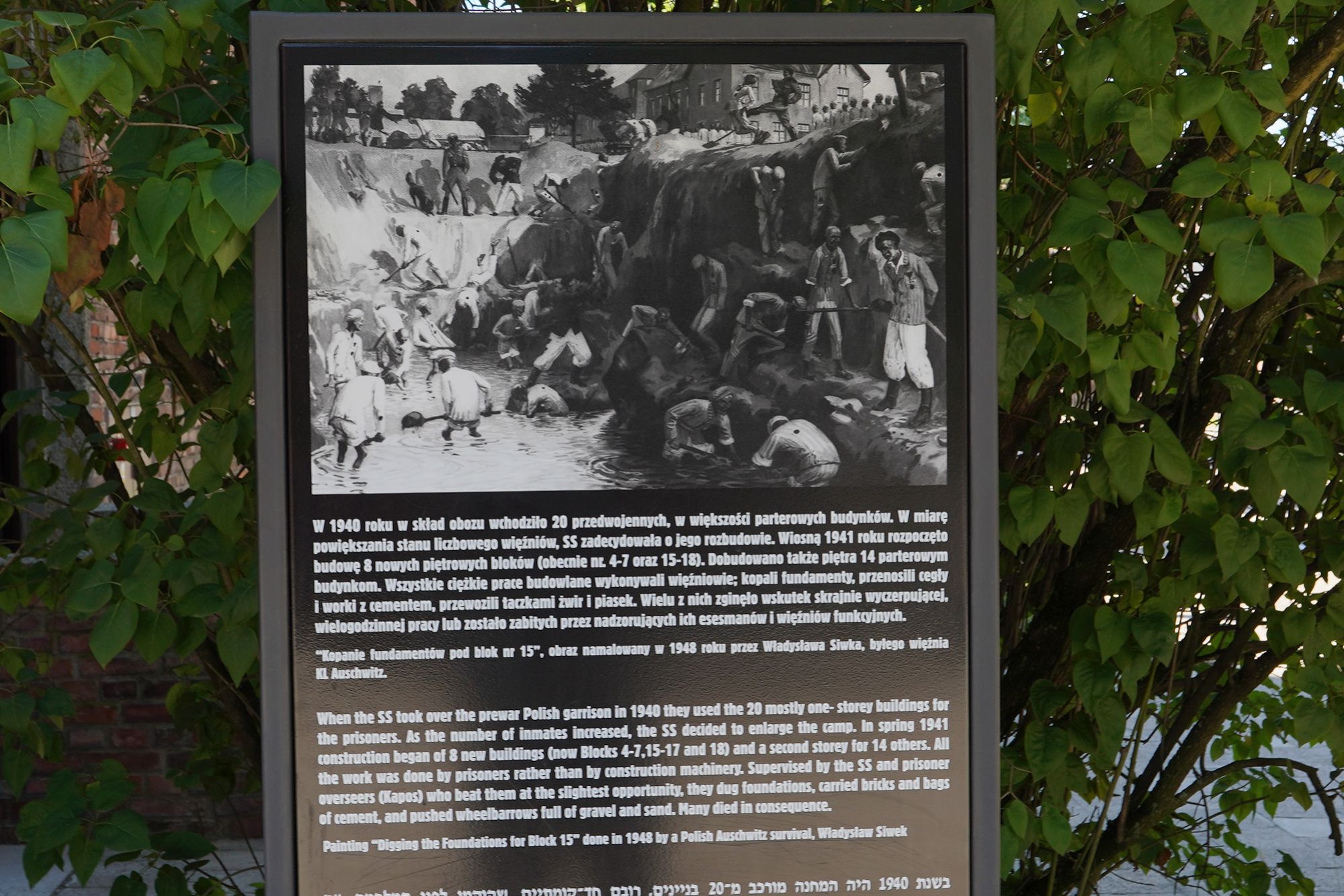
This exhibit explains how prisoners were forced to build new blocks and enlarge existing ones as Auschwitz expanded. The 1948 painting, Digging the Foundations for Block 15, was created by former prisoner Władysław Siwek.
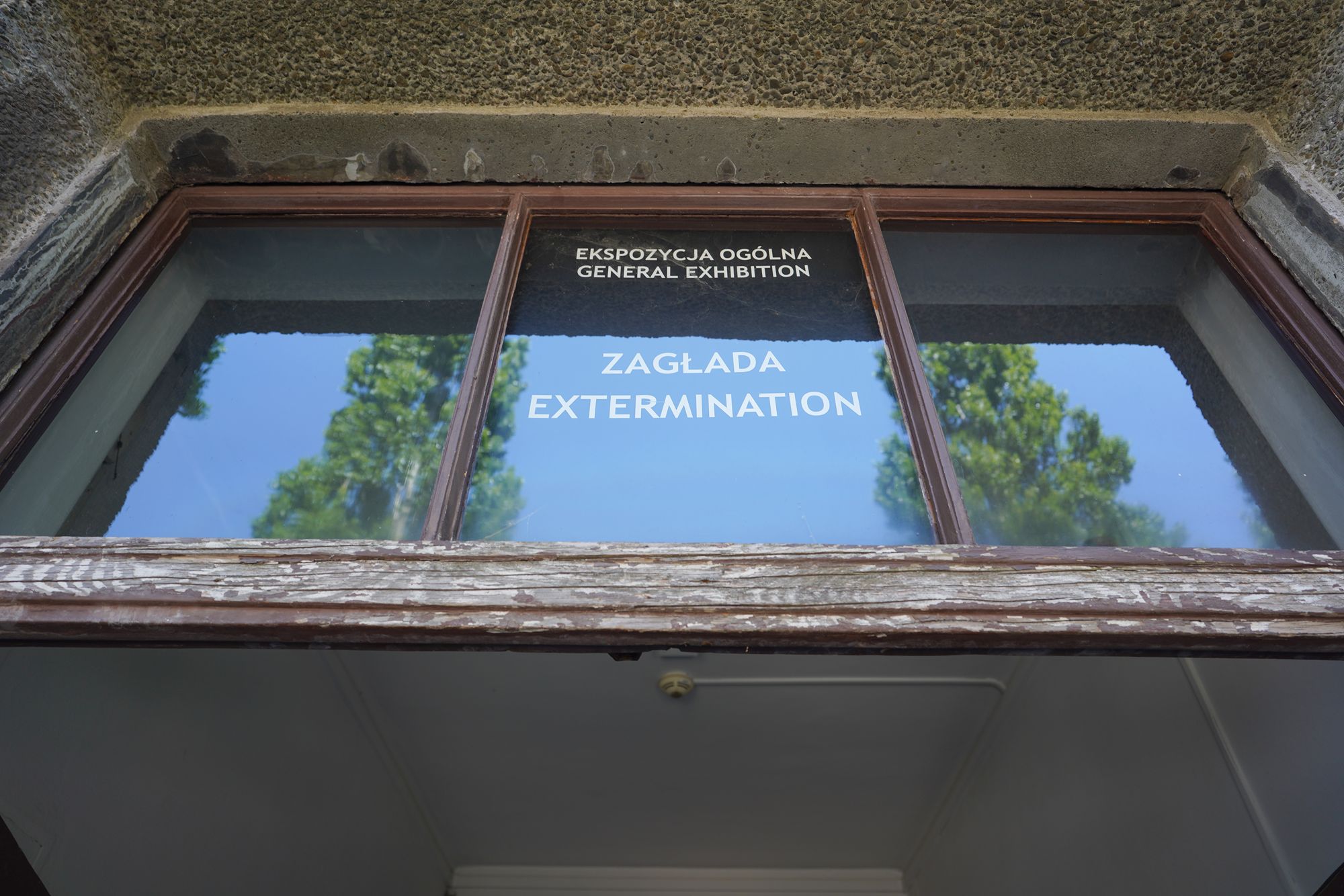
A quote by philosopher George Santayana offers a reminder at the exhibit: “Those who do not remember the past are condemned to repeat it.”
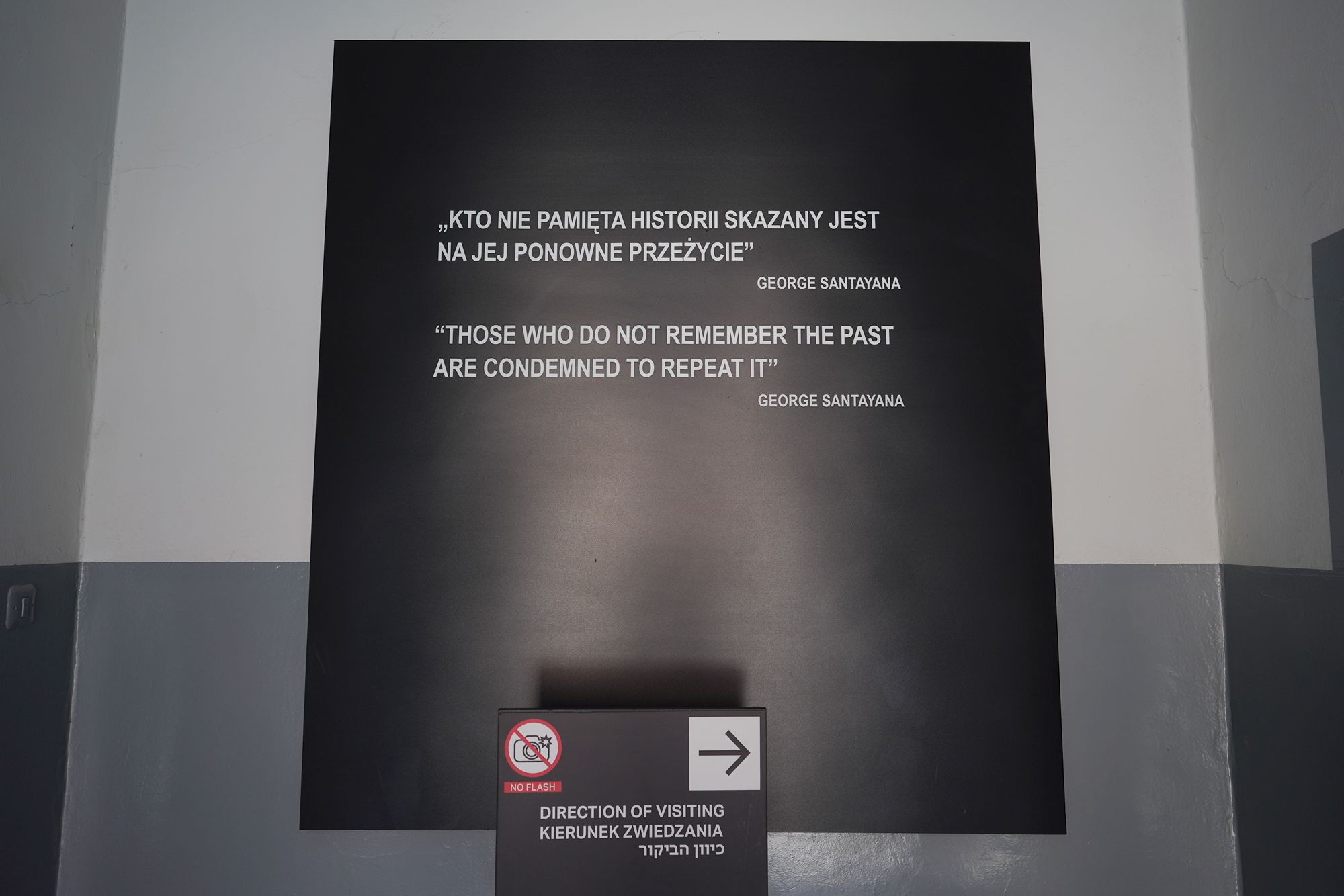
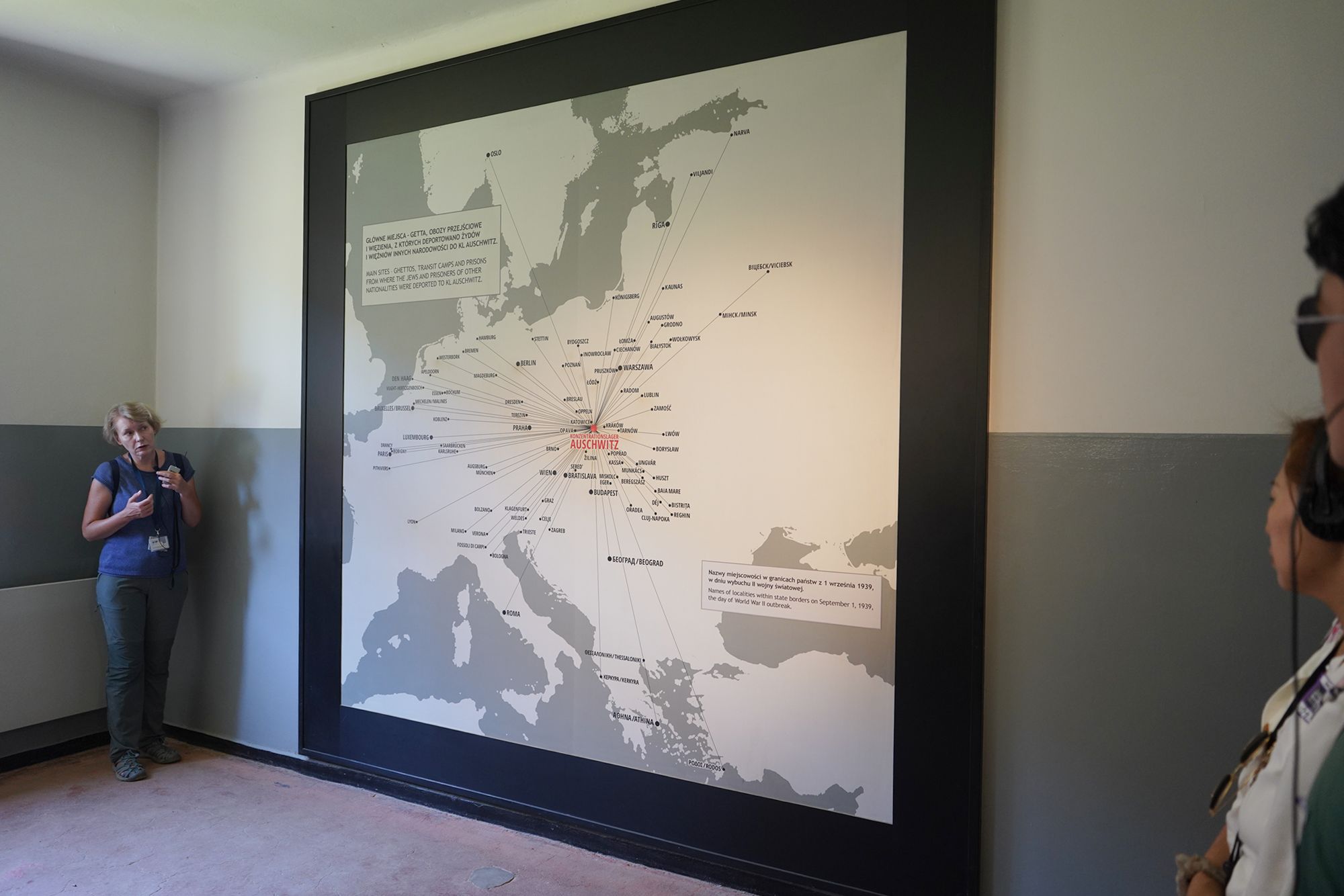
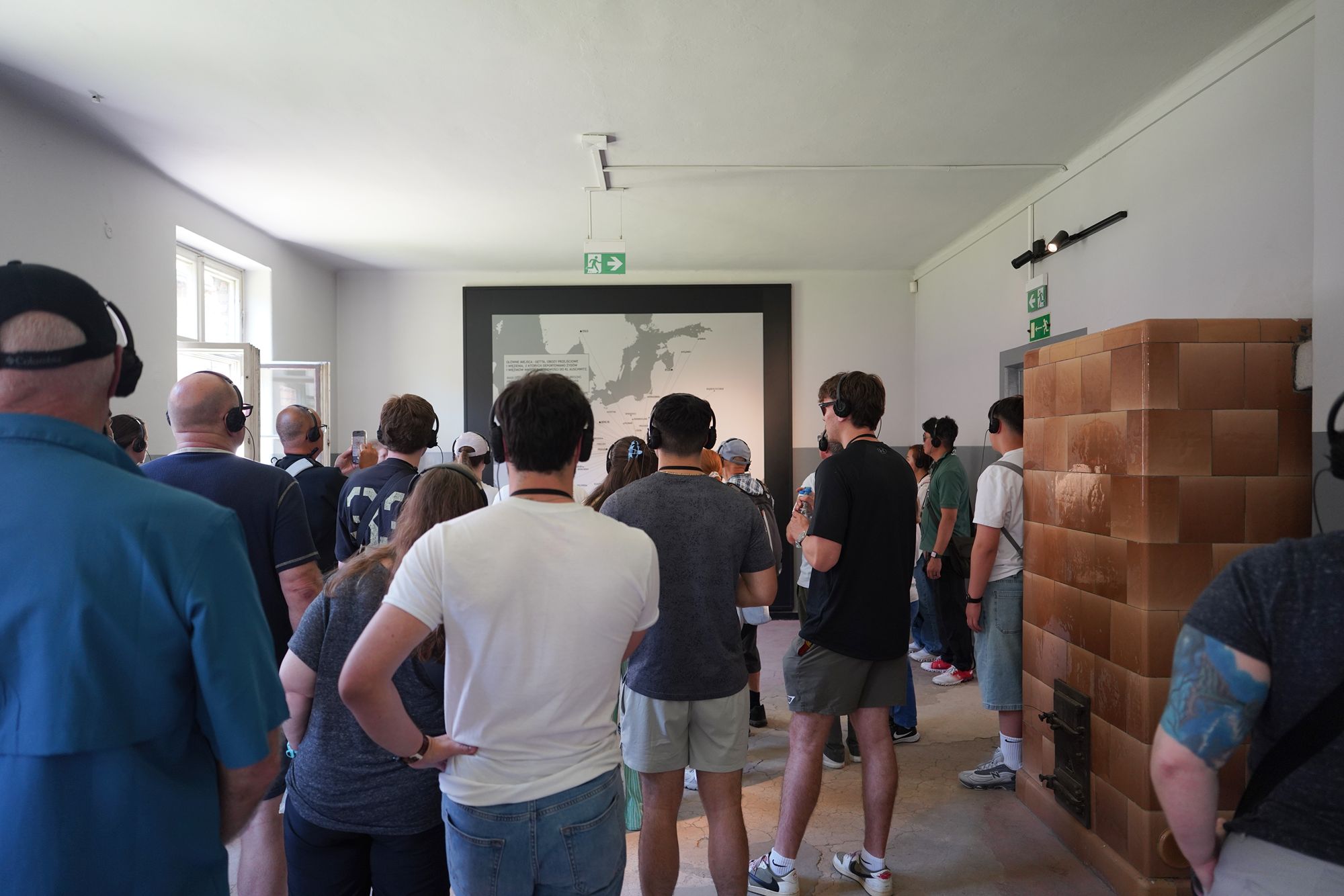
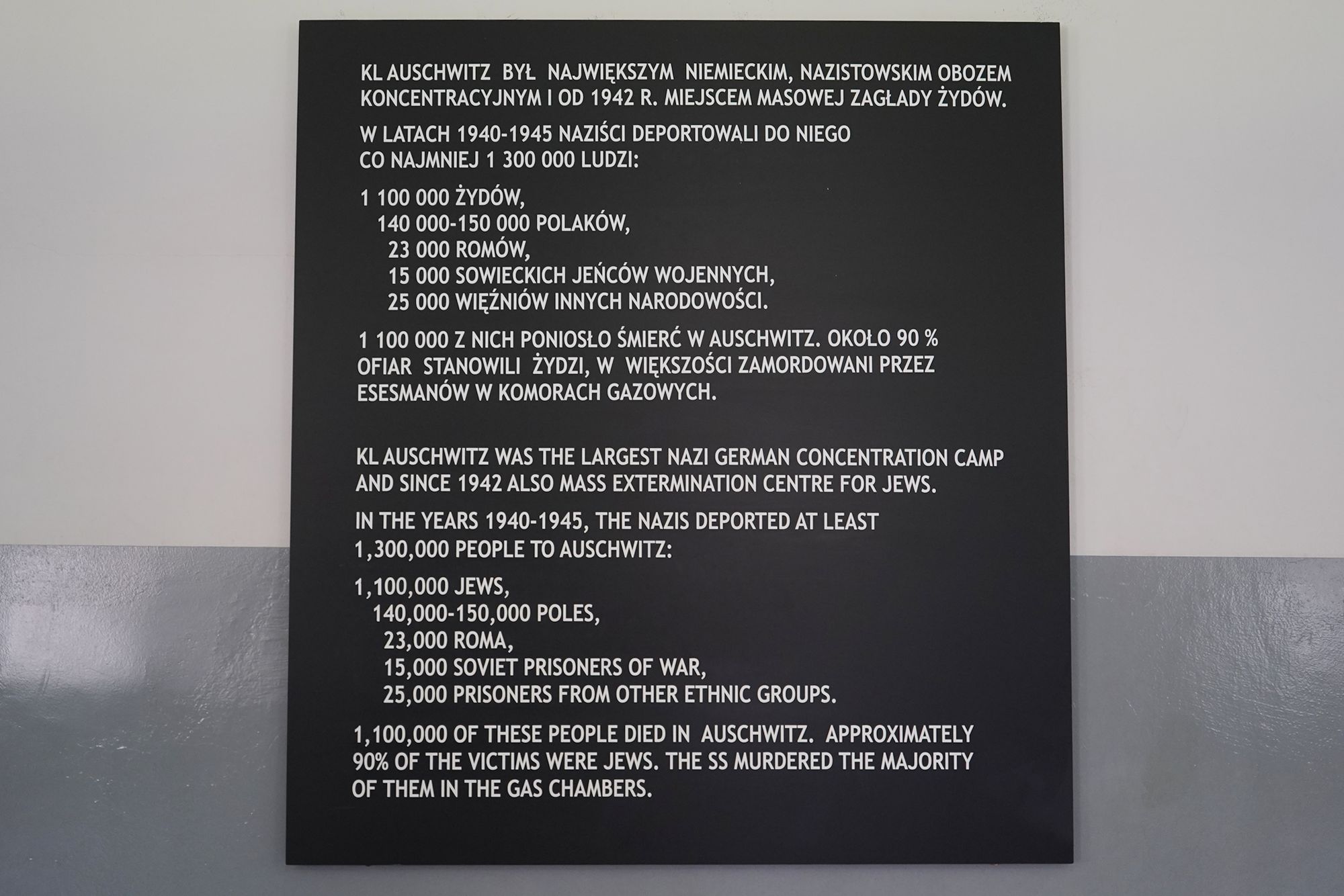
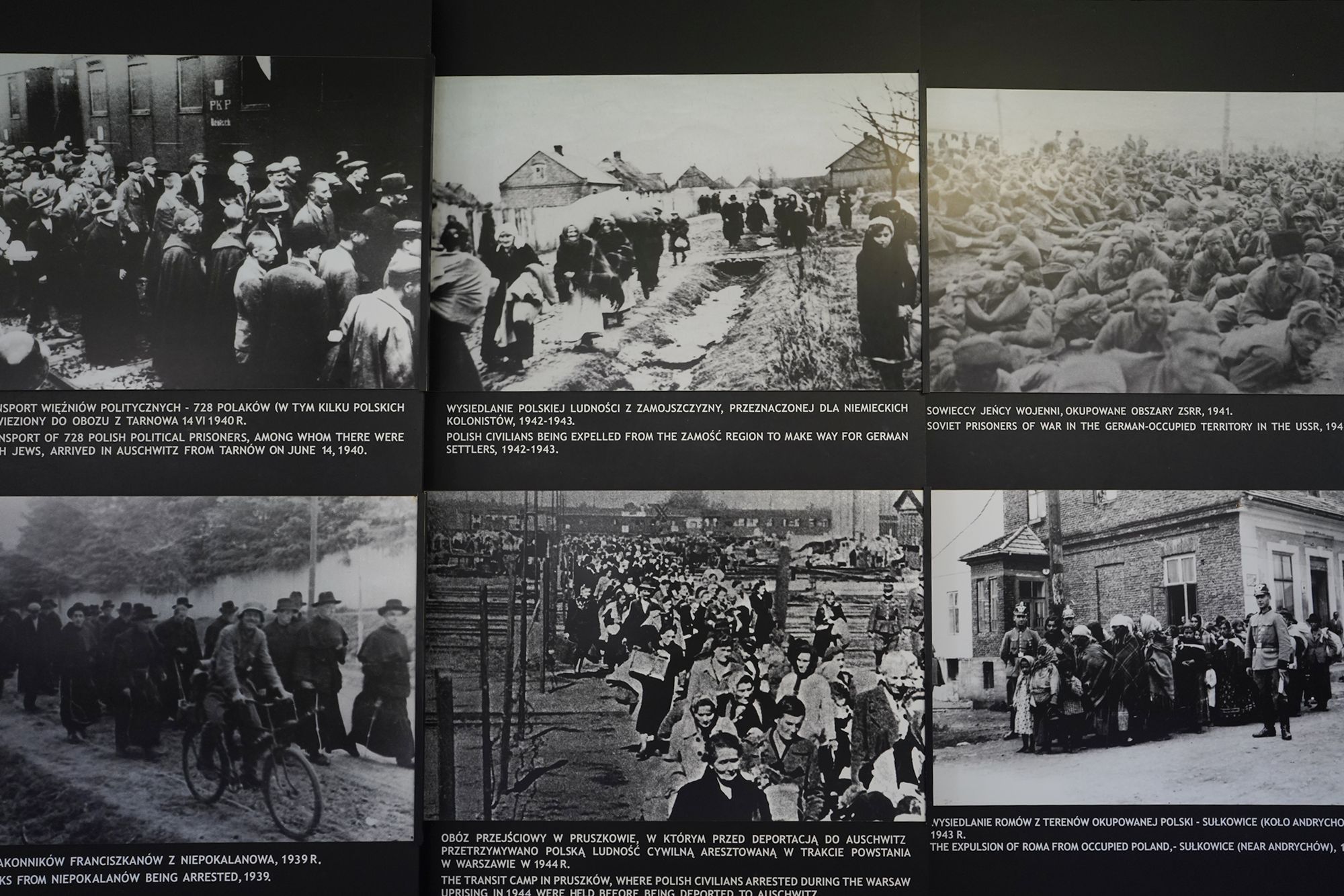
A stark panel summarizes the scale of Auschwitz: at least 1.3 million people were deported there, and about 1.1 million died. Around 90 percent of the victims were Jewish; others included Poles, Roma, Soviet prisoners of war, and people of other nationalities.
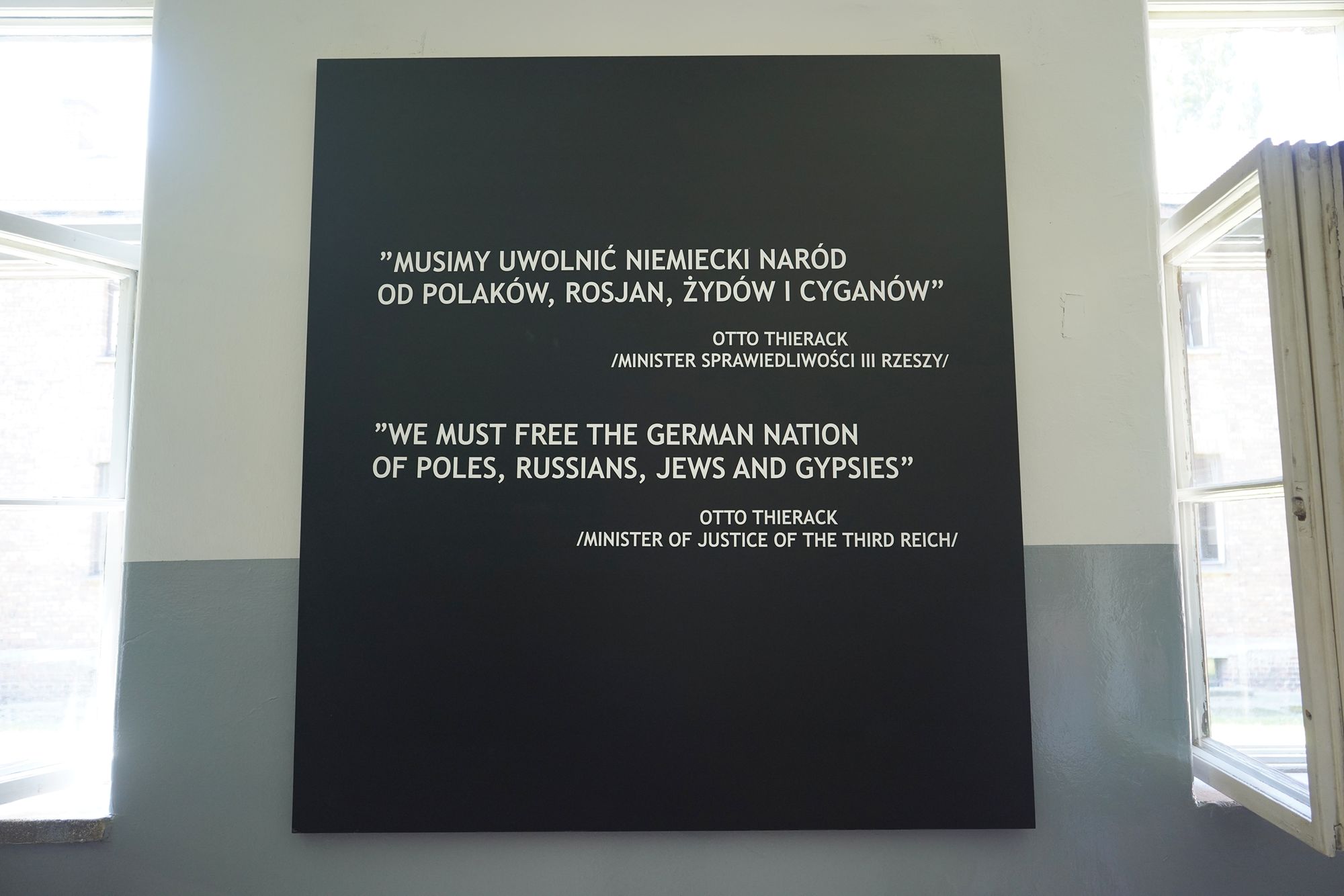
A chilling statement by Nazi justice minister Otto Thierack calls for the German nation to be “freed” of Poles, Russians, Jews, and Roma—a stark example of the regime’s racist ideology. The exhibit’s English translation uses the outdated term “Gypsies” for Roma.
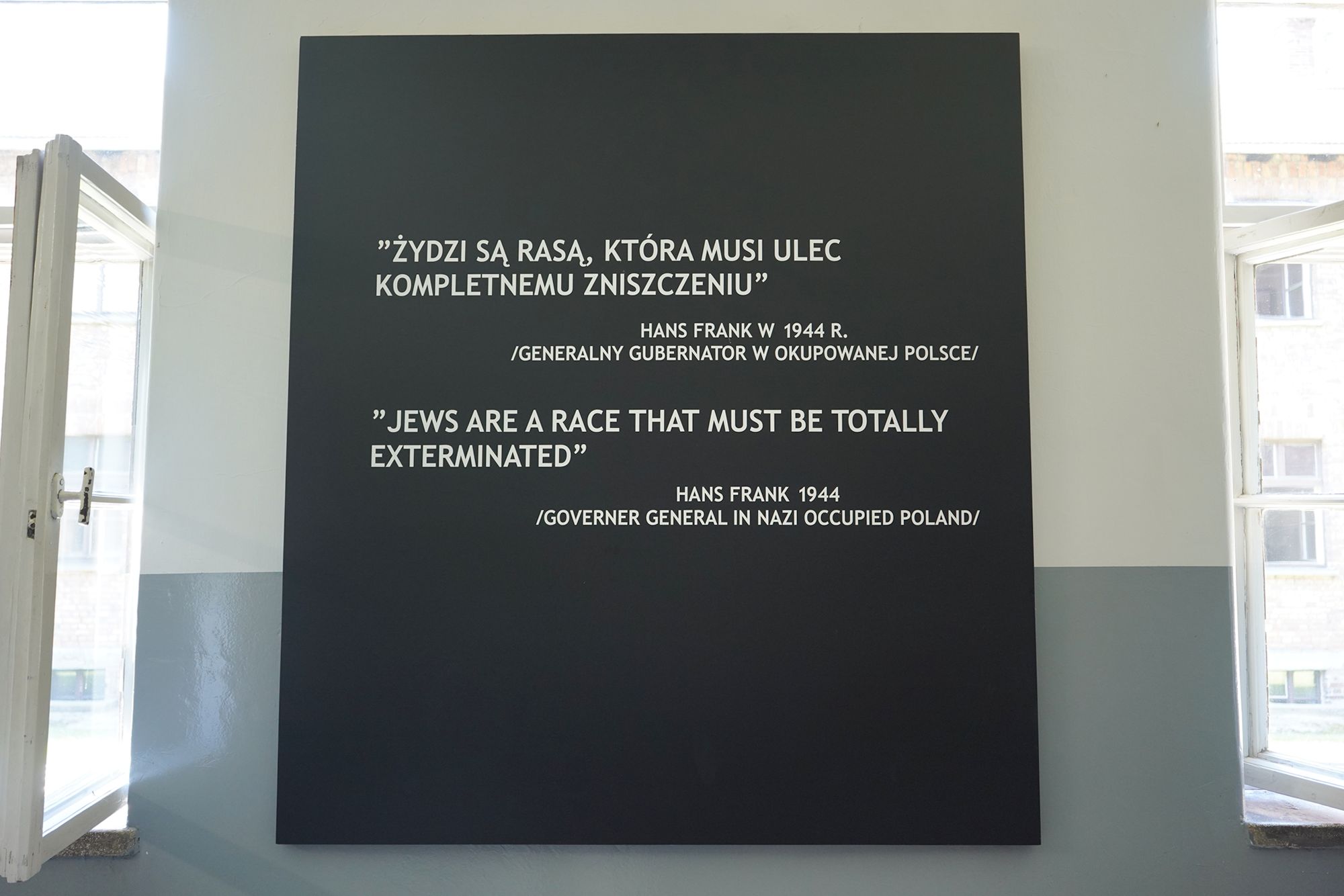
This 1944 quote from Hans Frank, governor-general of Nazi-occupied Poland, openly calls for the extermination of Jews—a stark expression of the regime’s genocidal intent.
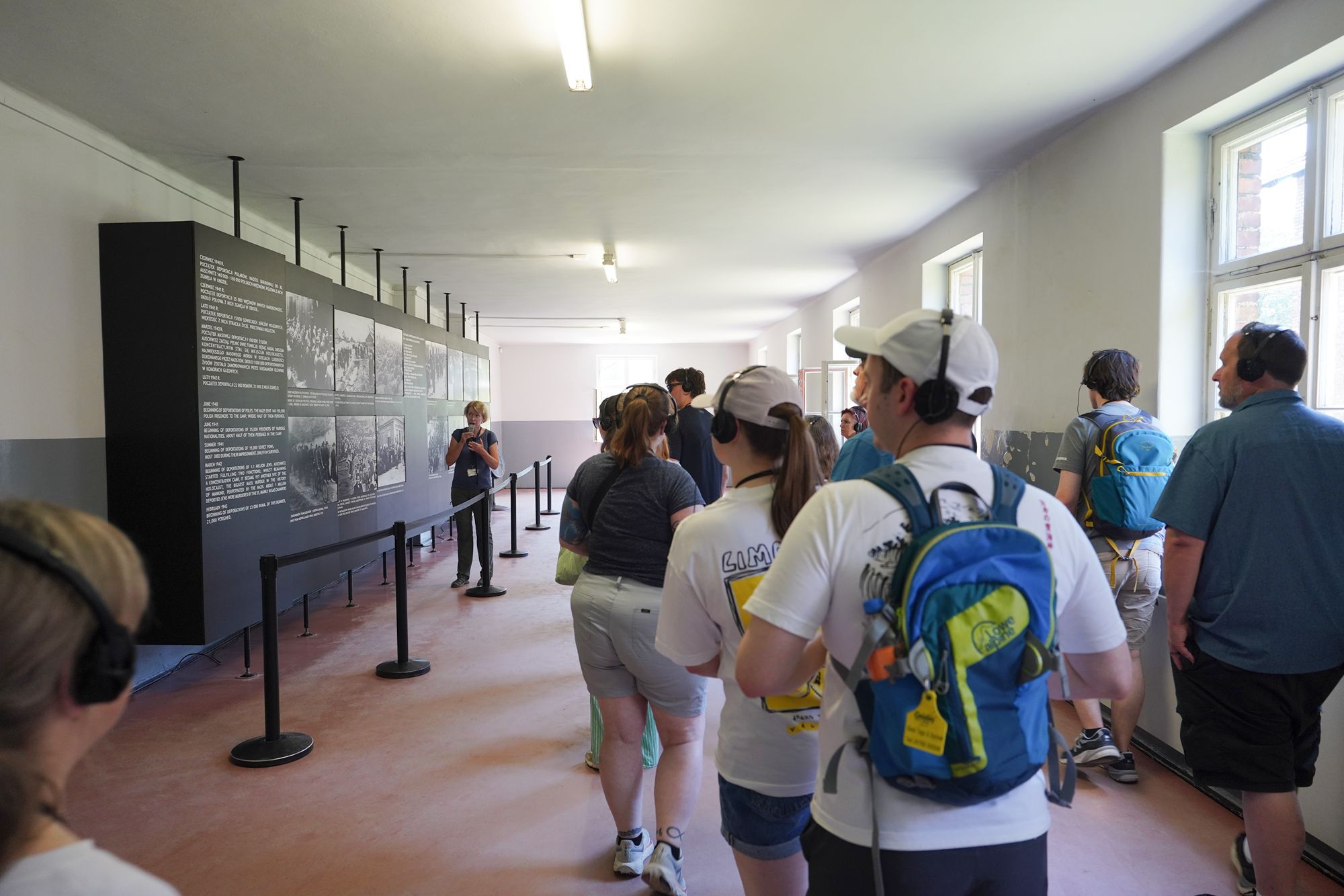
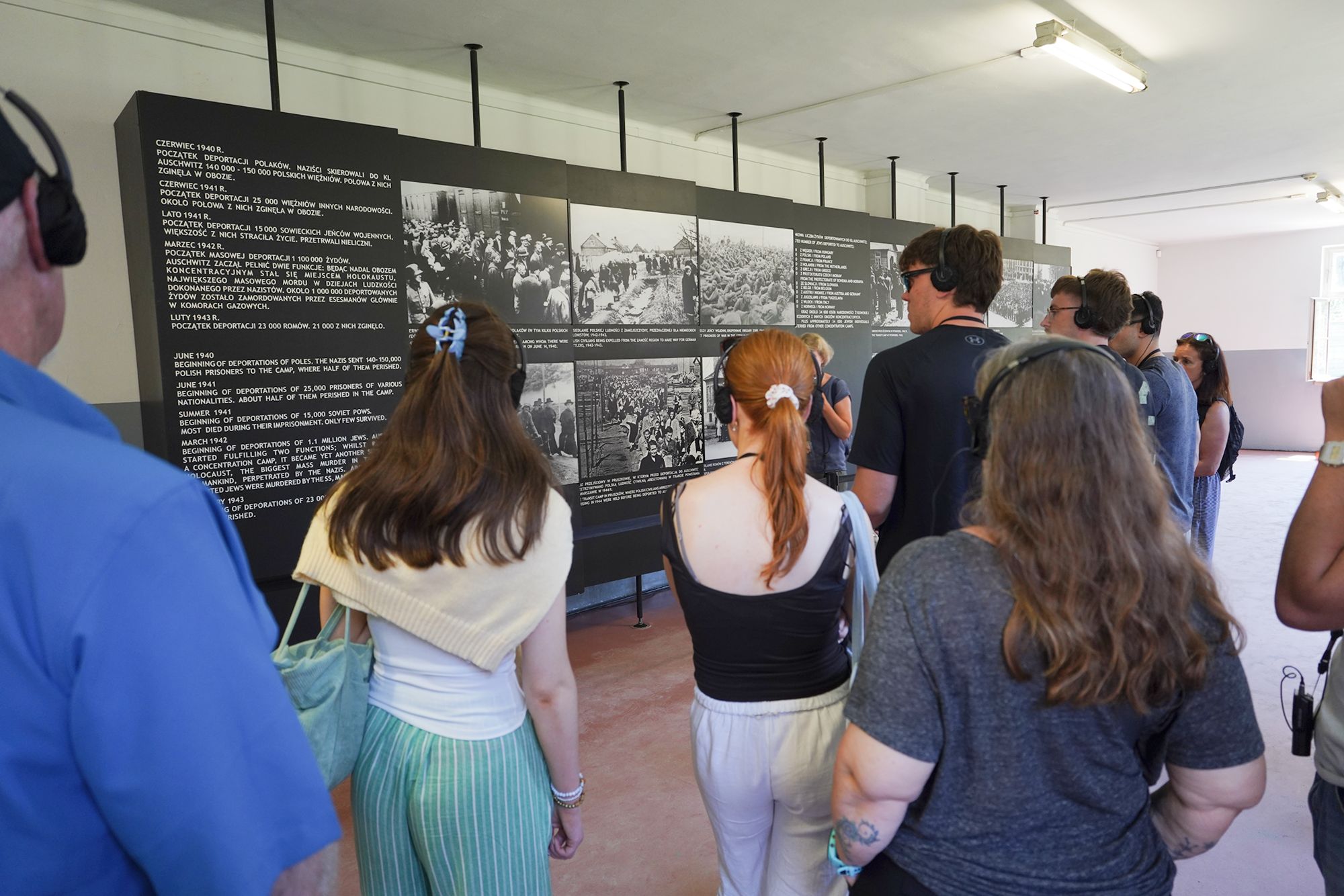
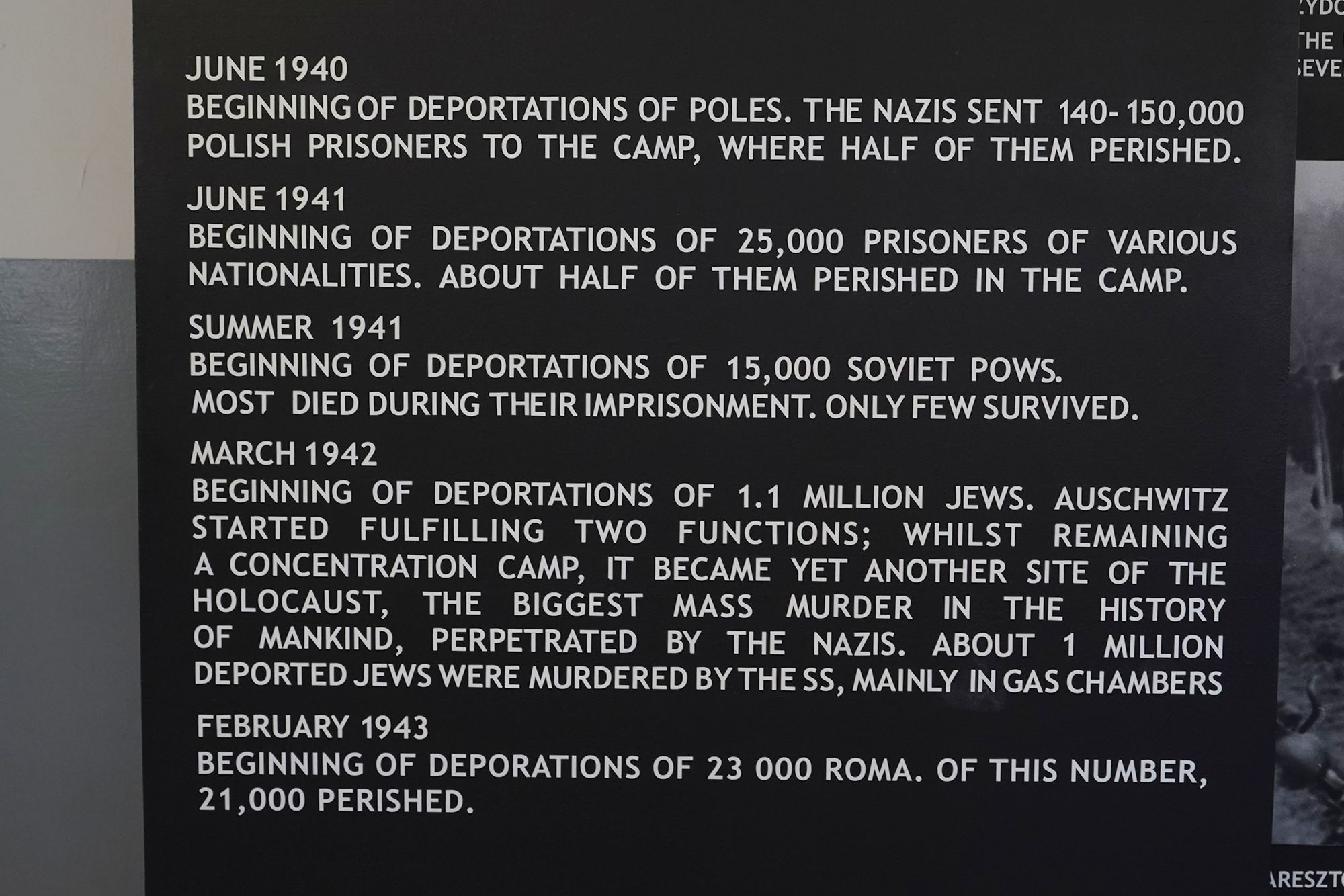
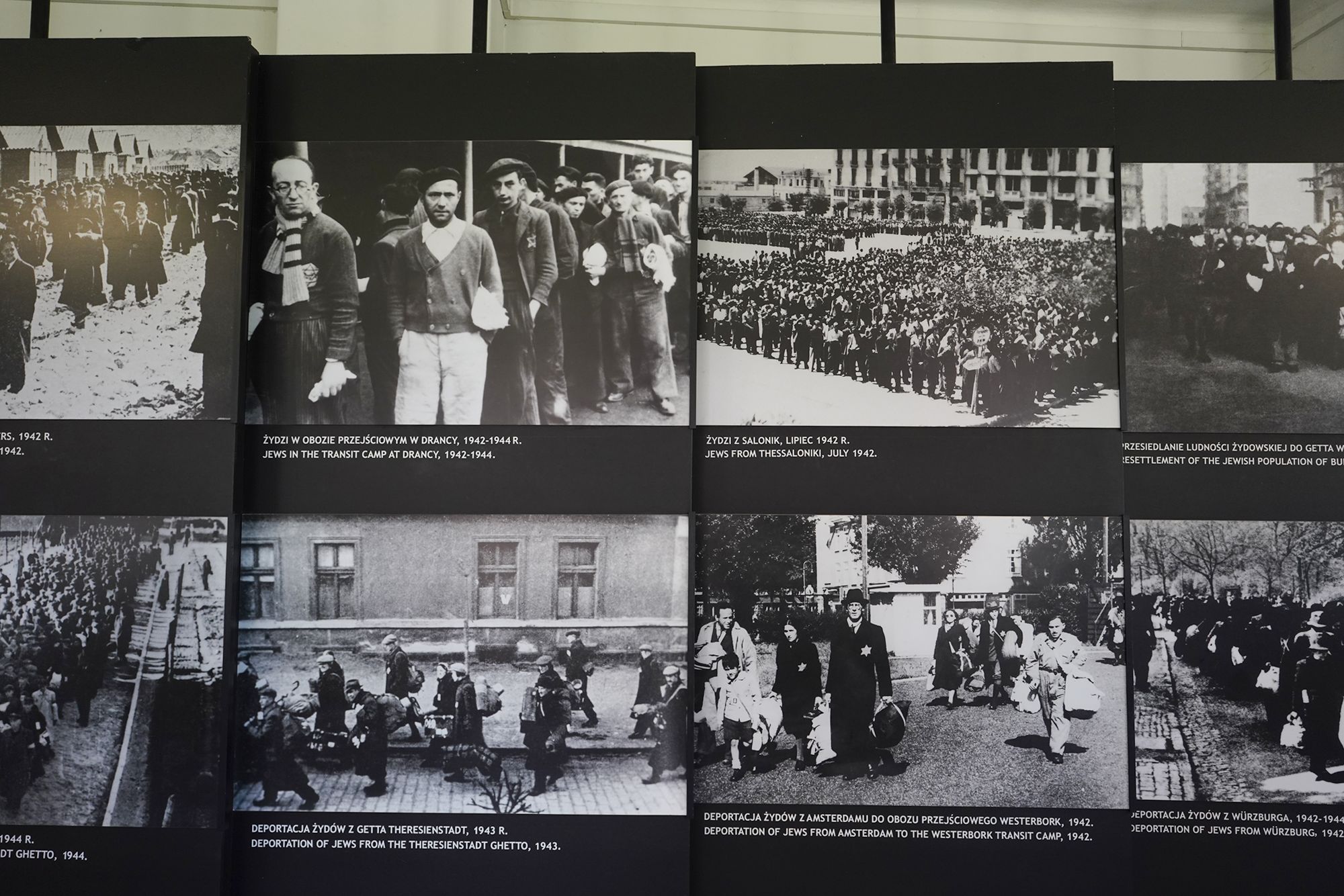
The timeline traces the groups deported to Auschwitz and the camp’s transformation into a mass killing center. It records the deaths of Polish prisoners, Soviet POWs, Roma, and about one million Jews, most murdered in gas chambers.
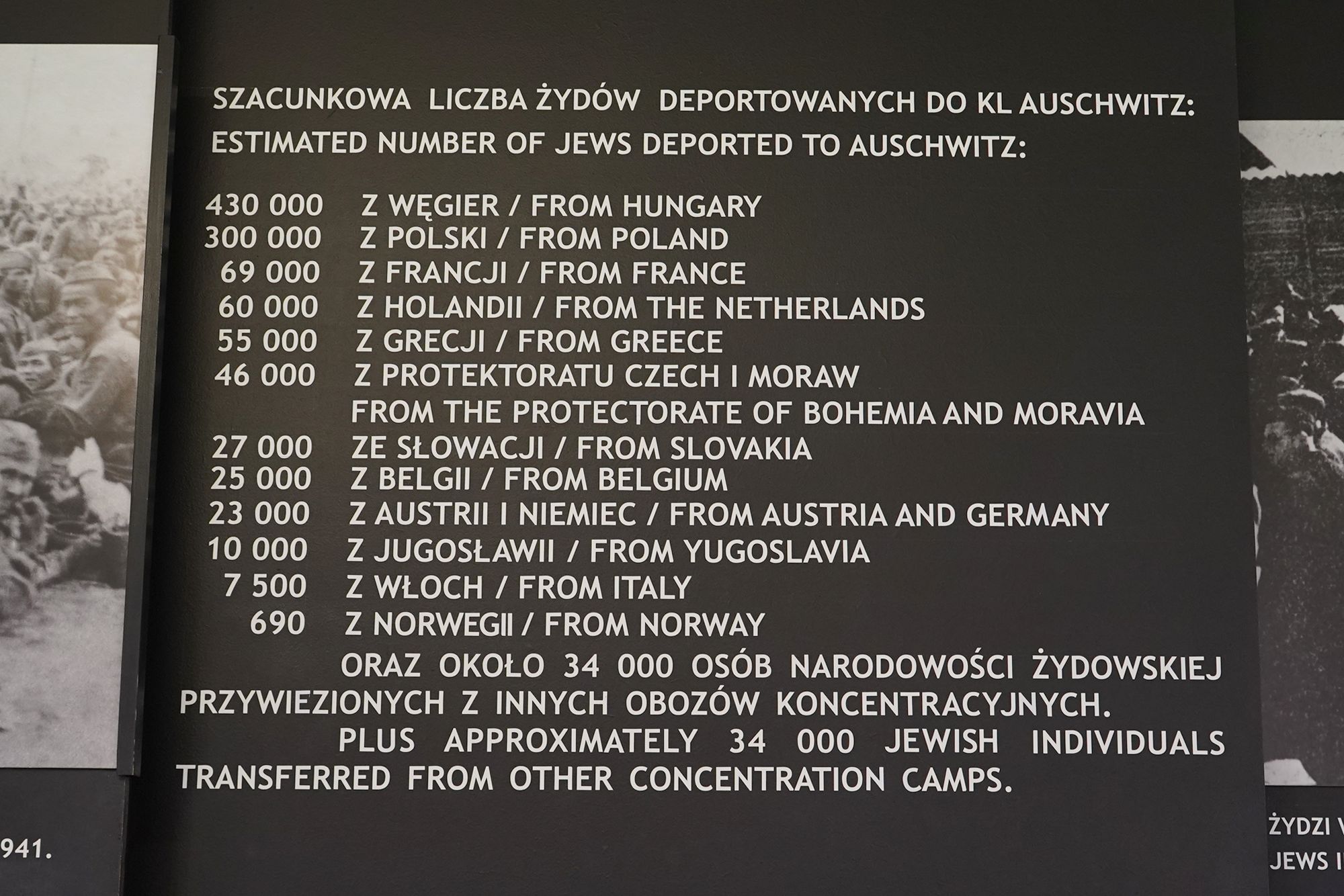
This chart shows the estimated number of Jewish people deported to Auschwitz from across Europe. The largest groups came from Hungary, about 430,000, and Poland, about 300,000, followed by France, the Netherlands, Greece, and other countries.
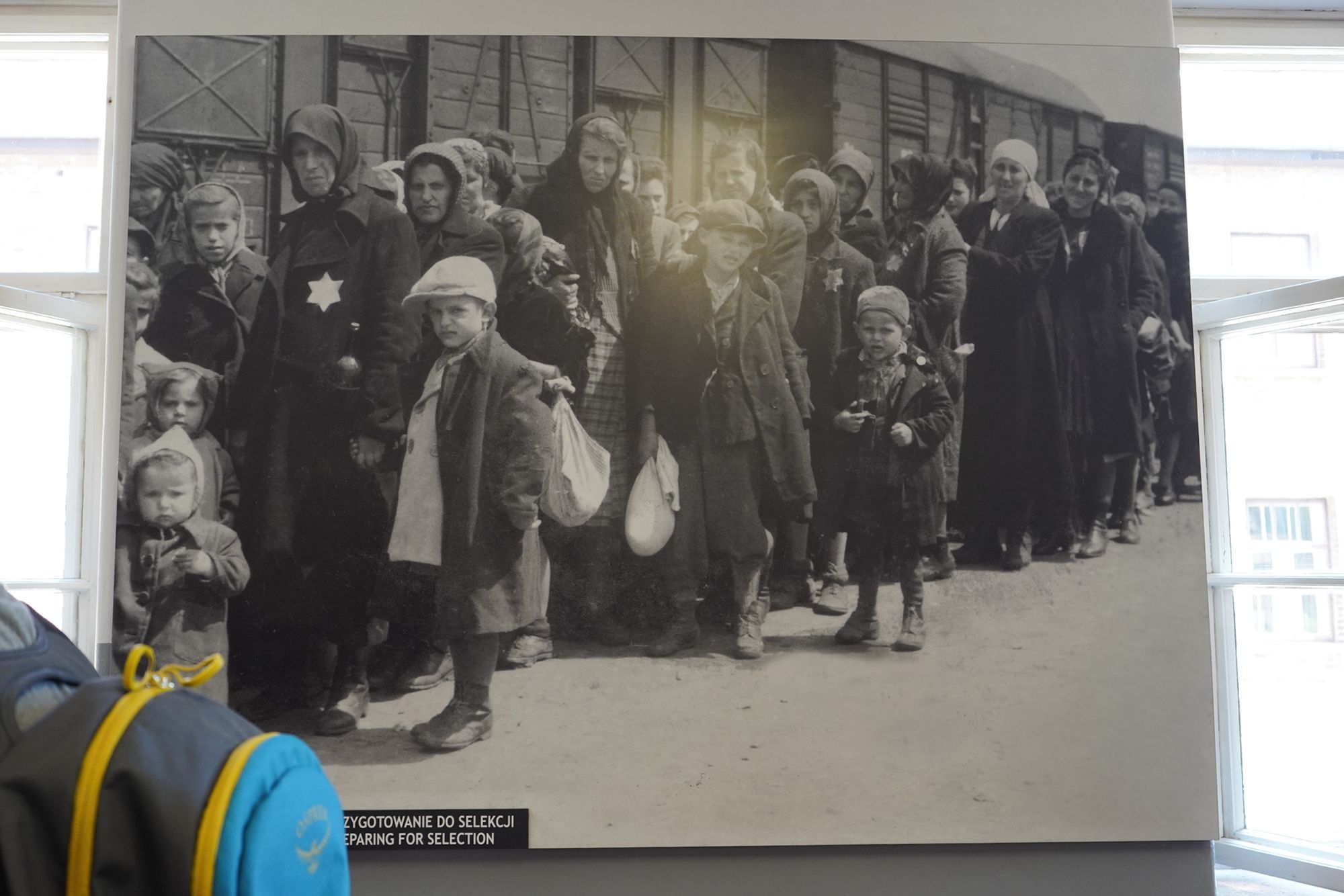
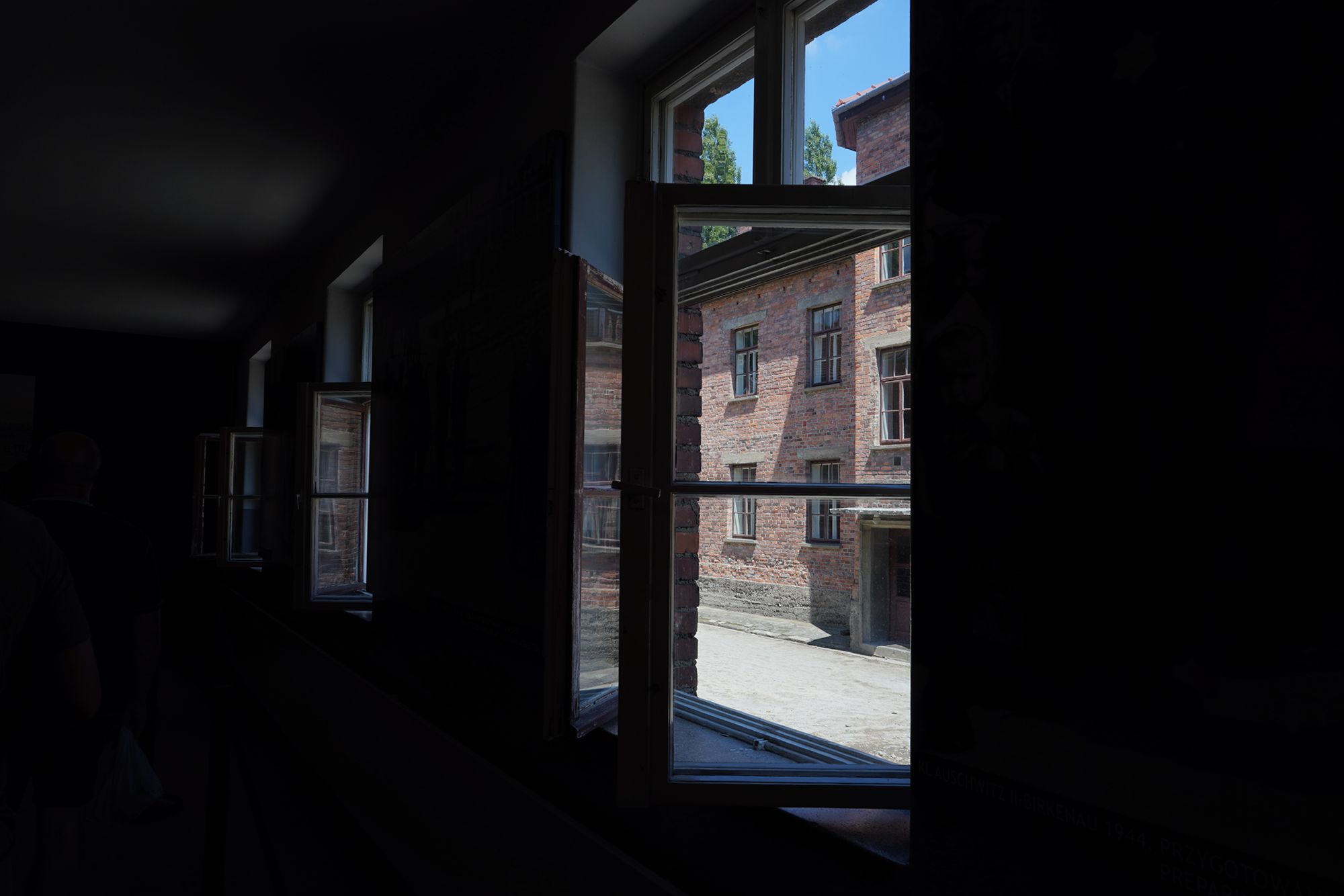
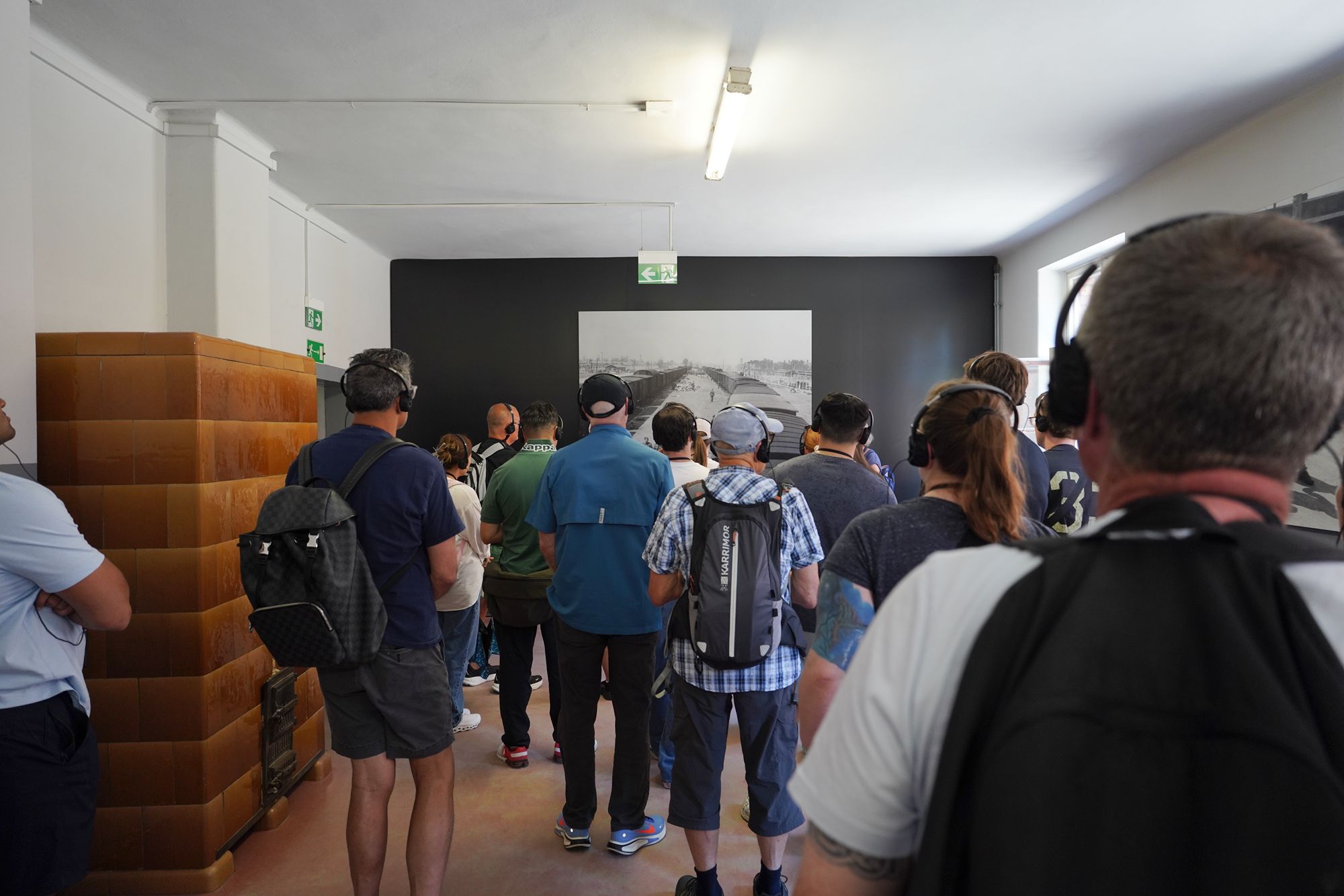
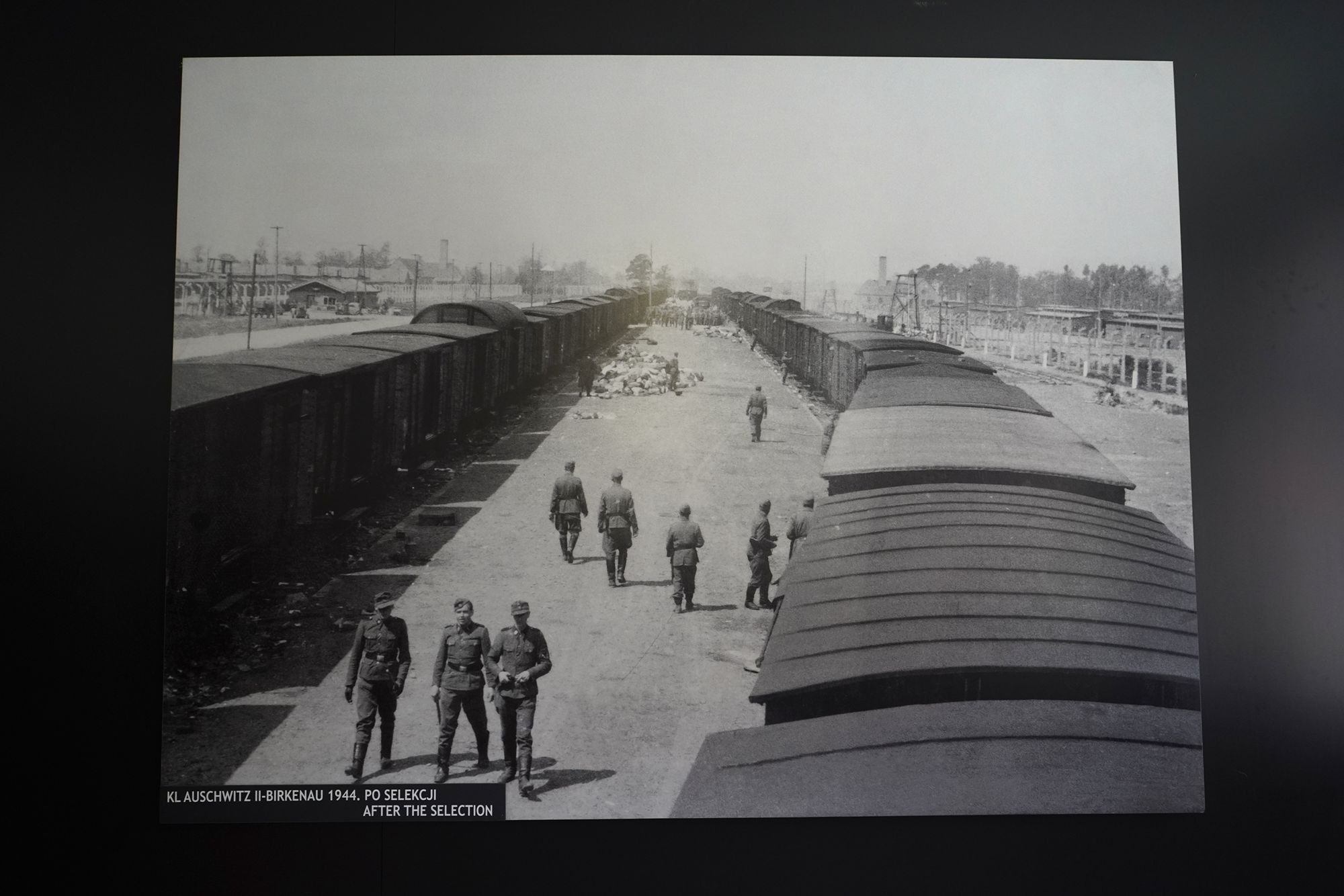
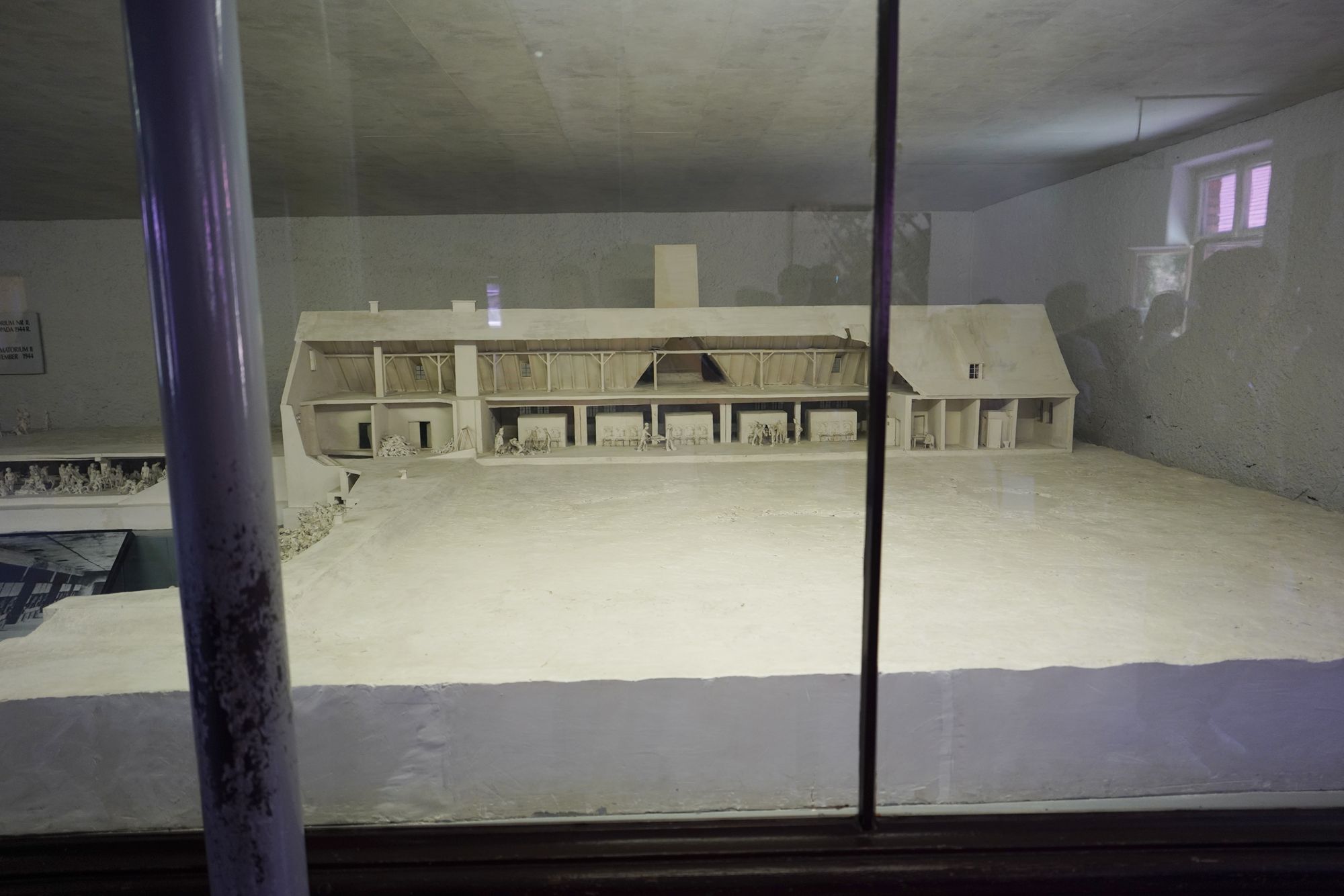
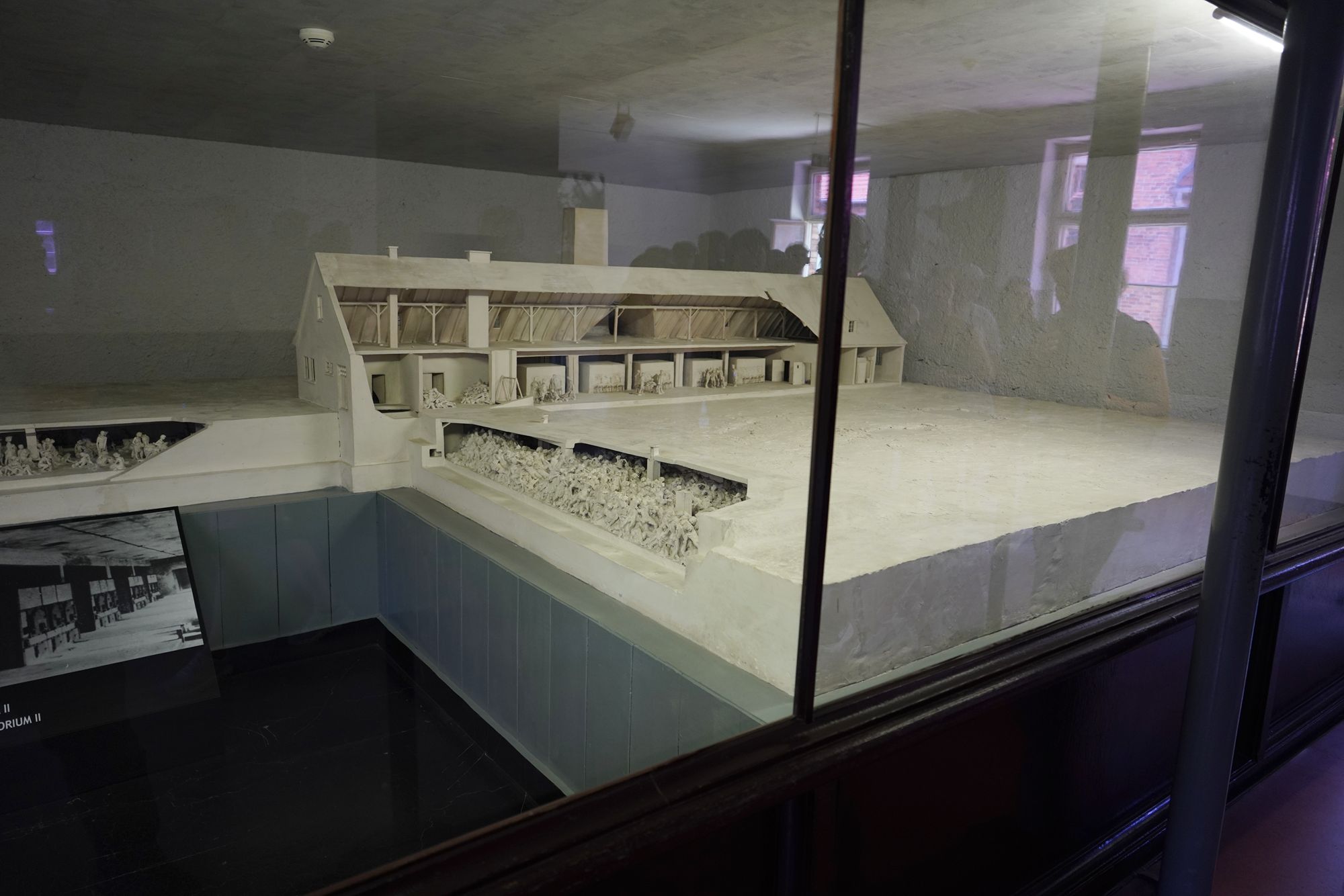
This exhibit shows a model and plans for Crematorium II at Auschwitz-Birkenau, where gas chambers and cremation ovens were housed in the same building. A display of Zyklon B pellets is shown beside them.
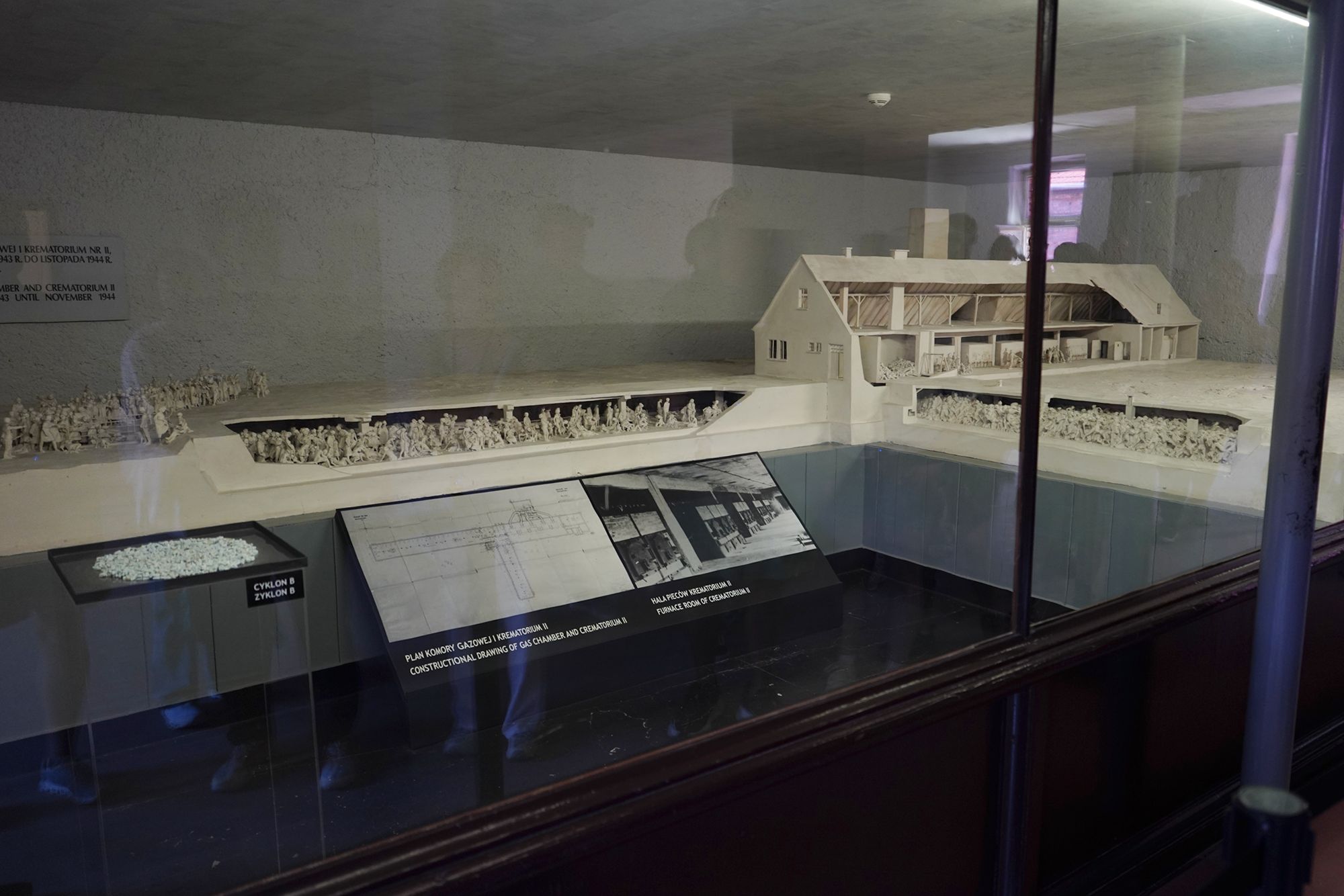
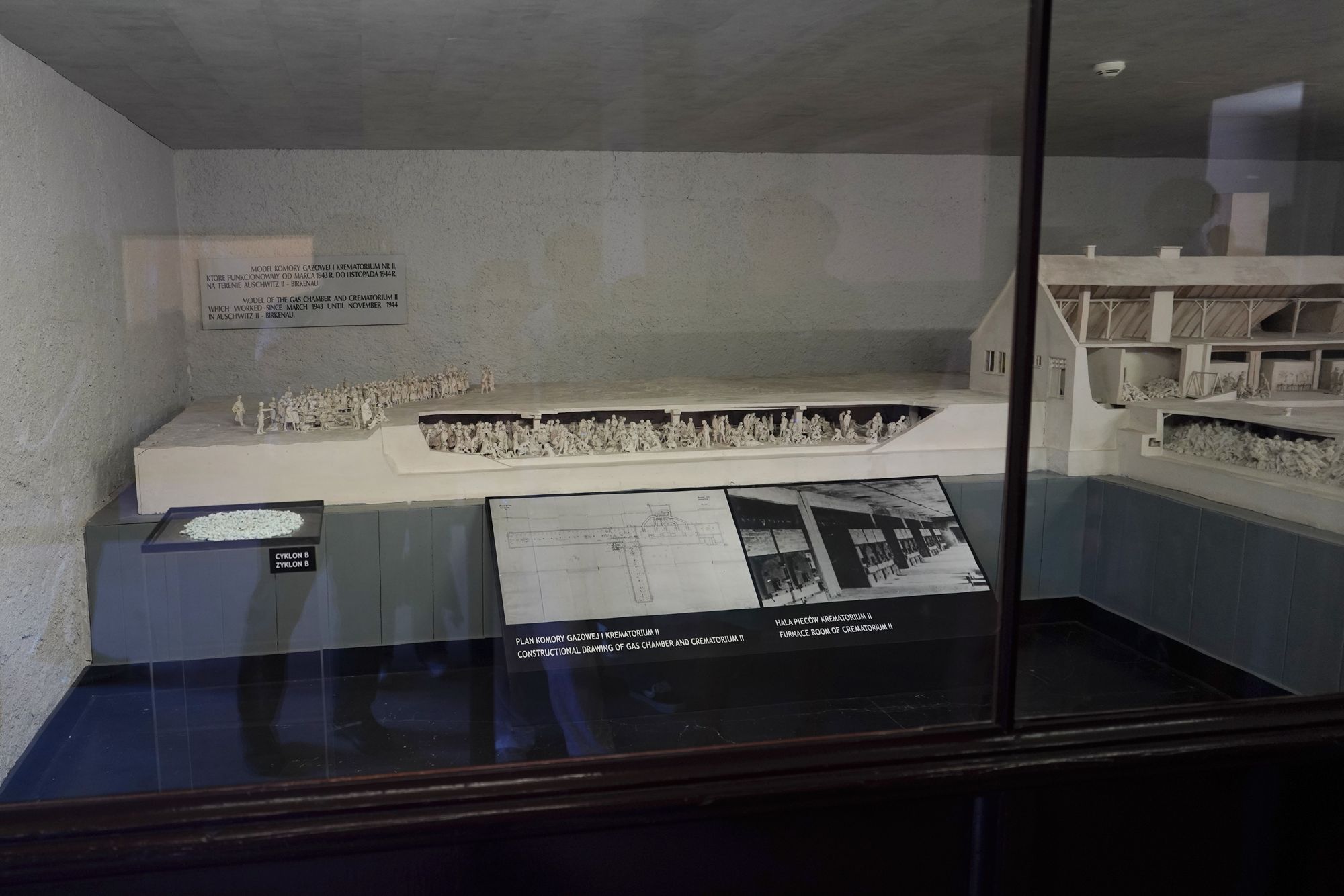
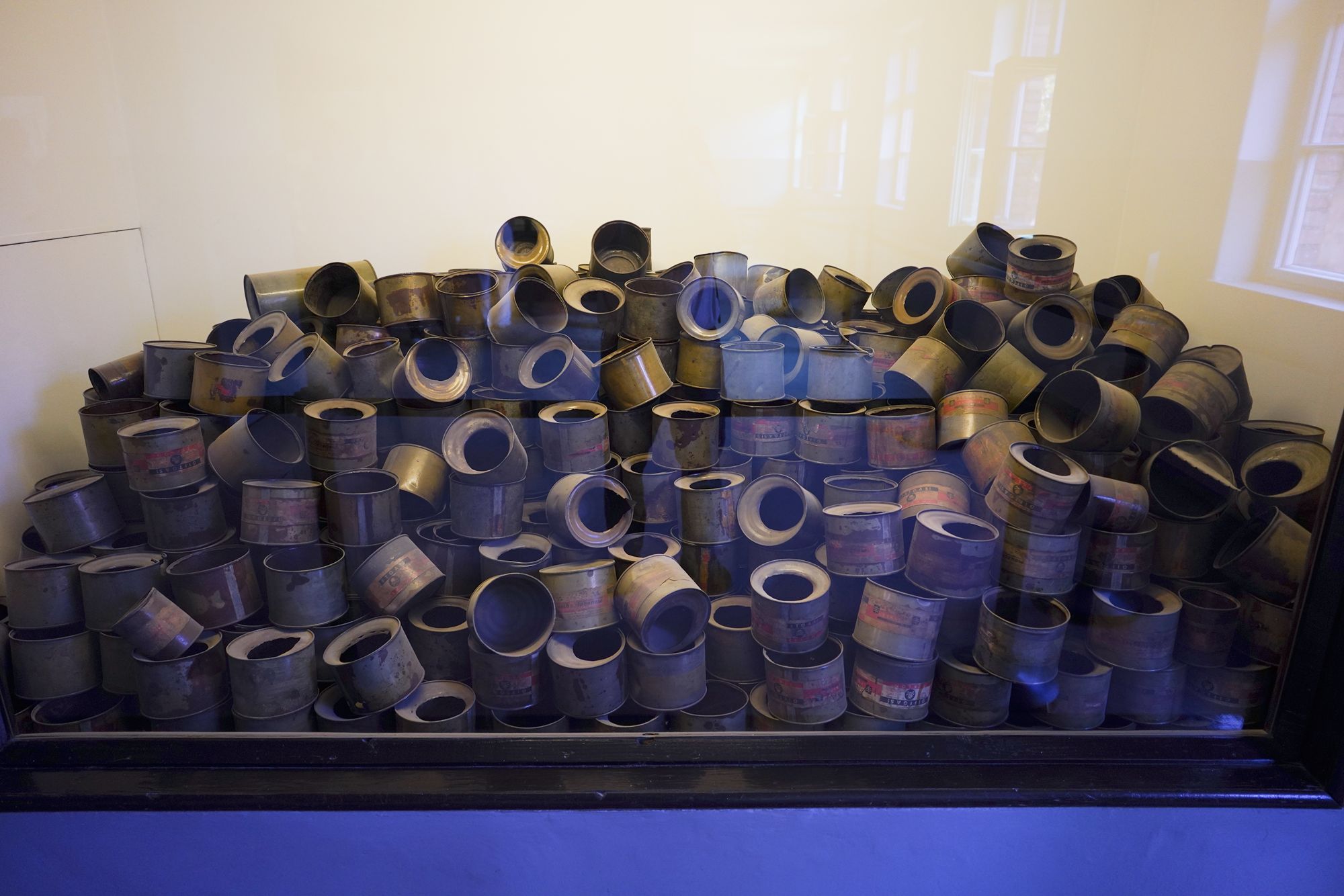
Zyklon B was sold as granules soaked in hydrogen cyanide. When exposed to air, they released the poisonous gas. The Nazis first used it at Auschwitz to kill prisoners in September 1941; it had also been used as a pesticide and to disinfect buildings and clothing.
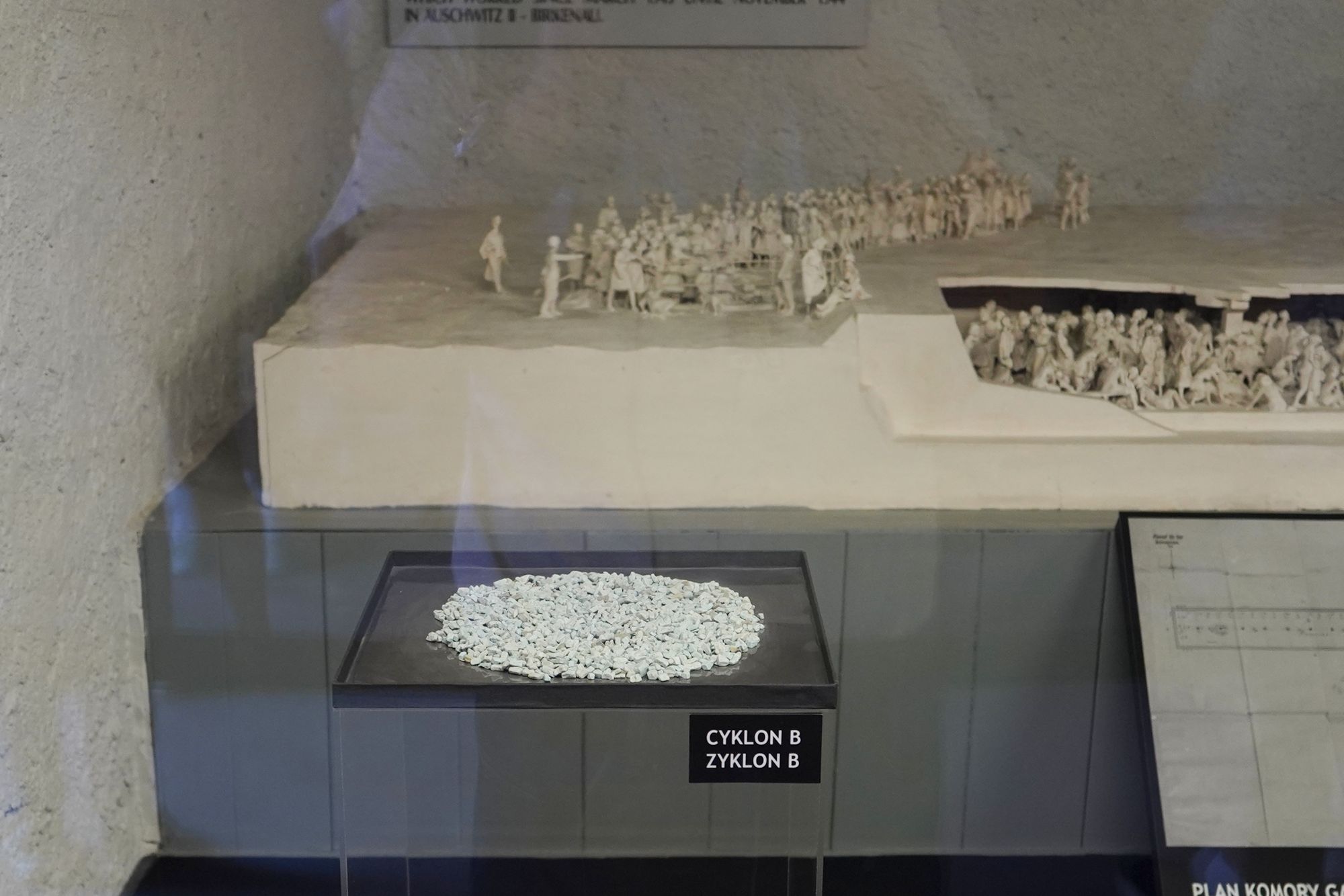
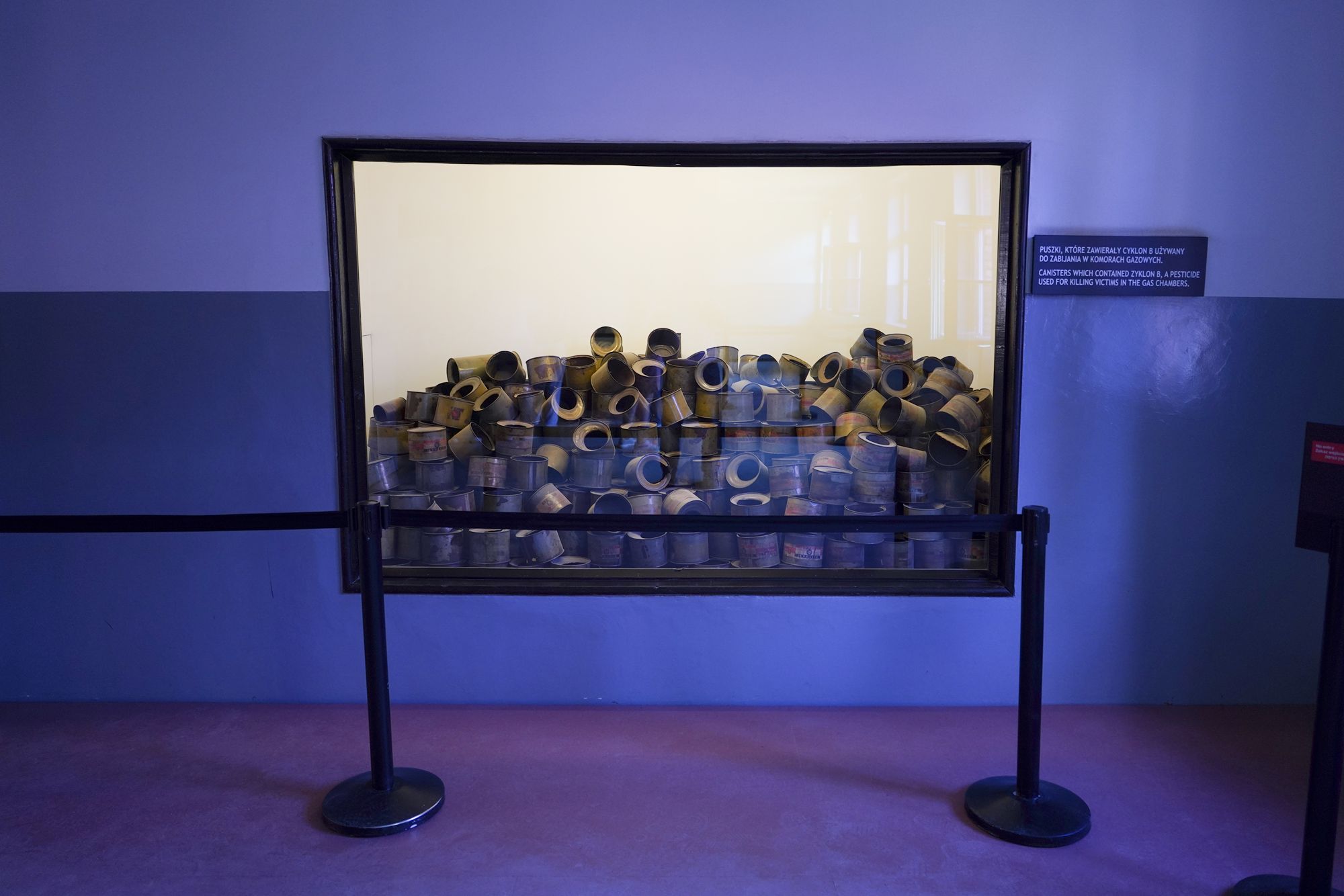
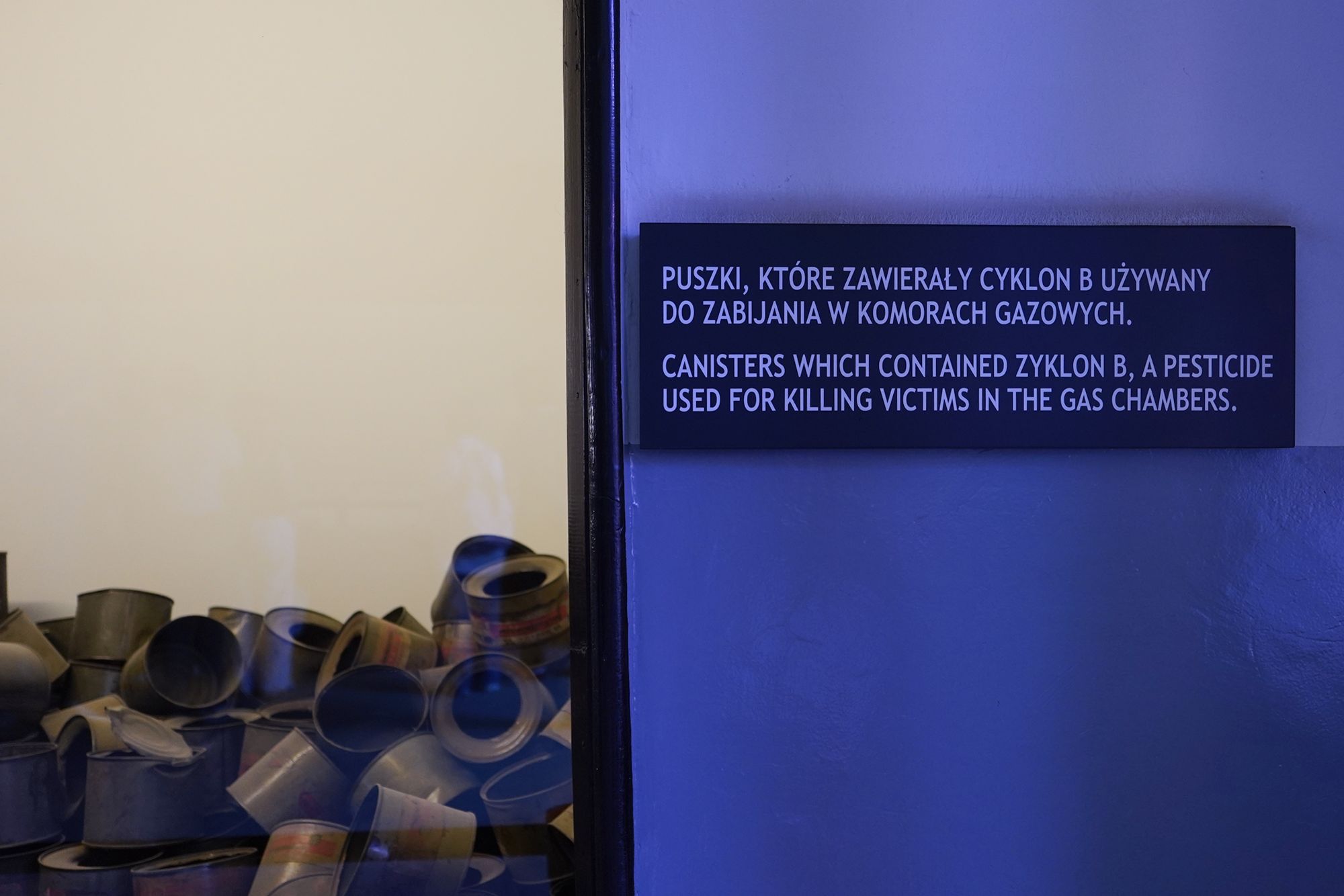
The exhibit identifies the canisters that contained Zyklon B, the pesticide the Nazis used to kill prisoners in the gas chambers.
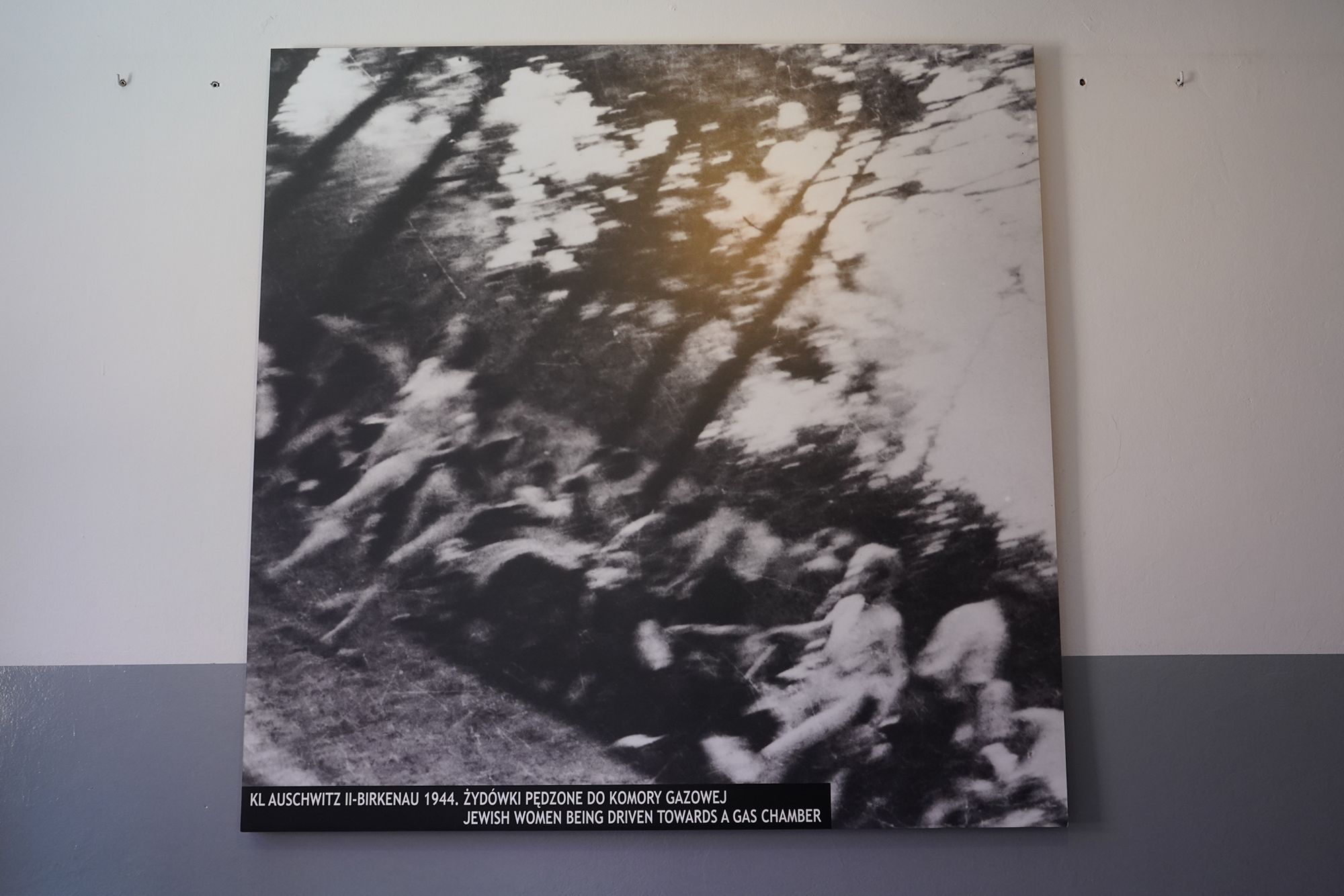
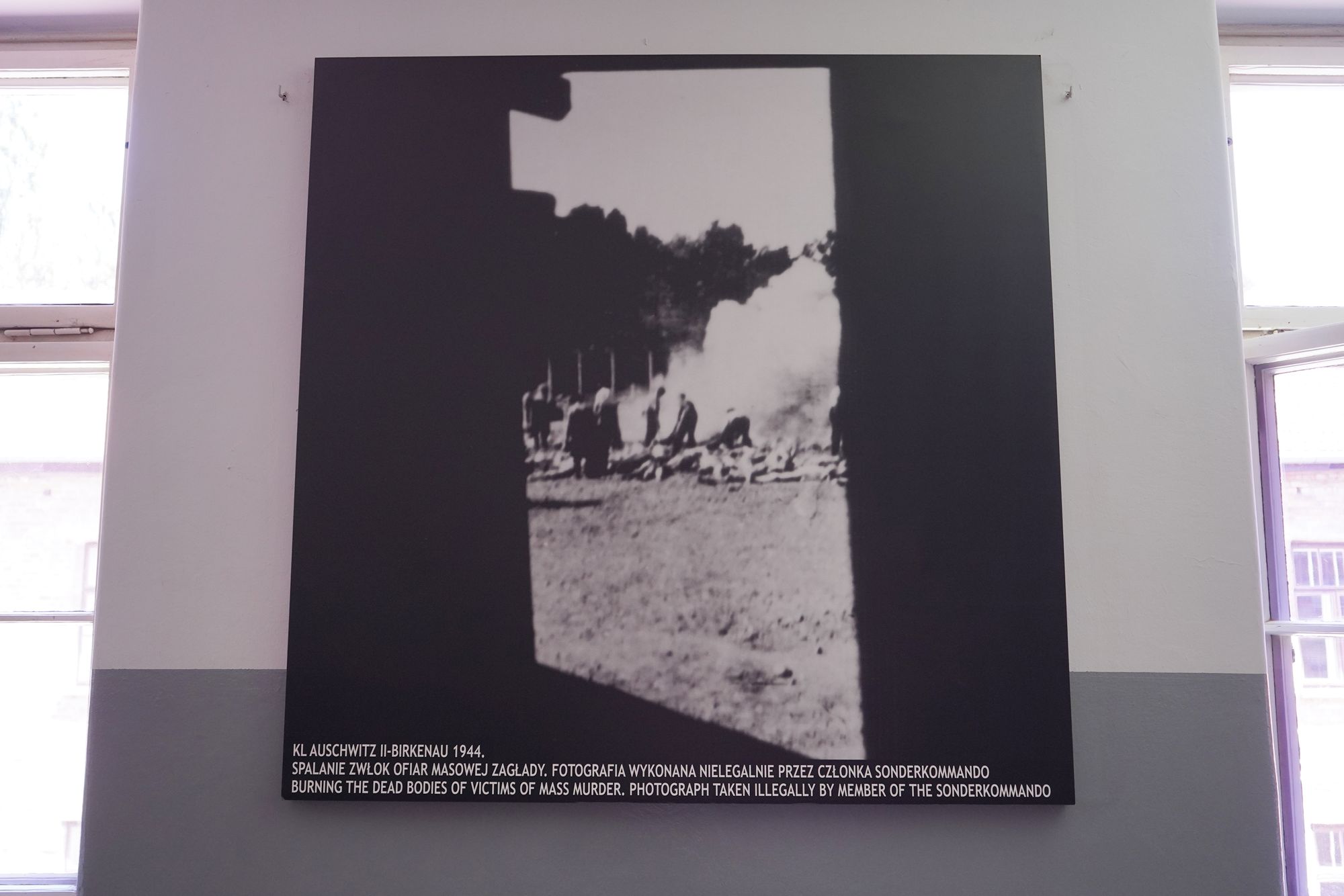
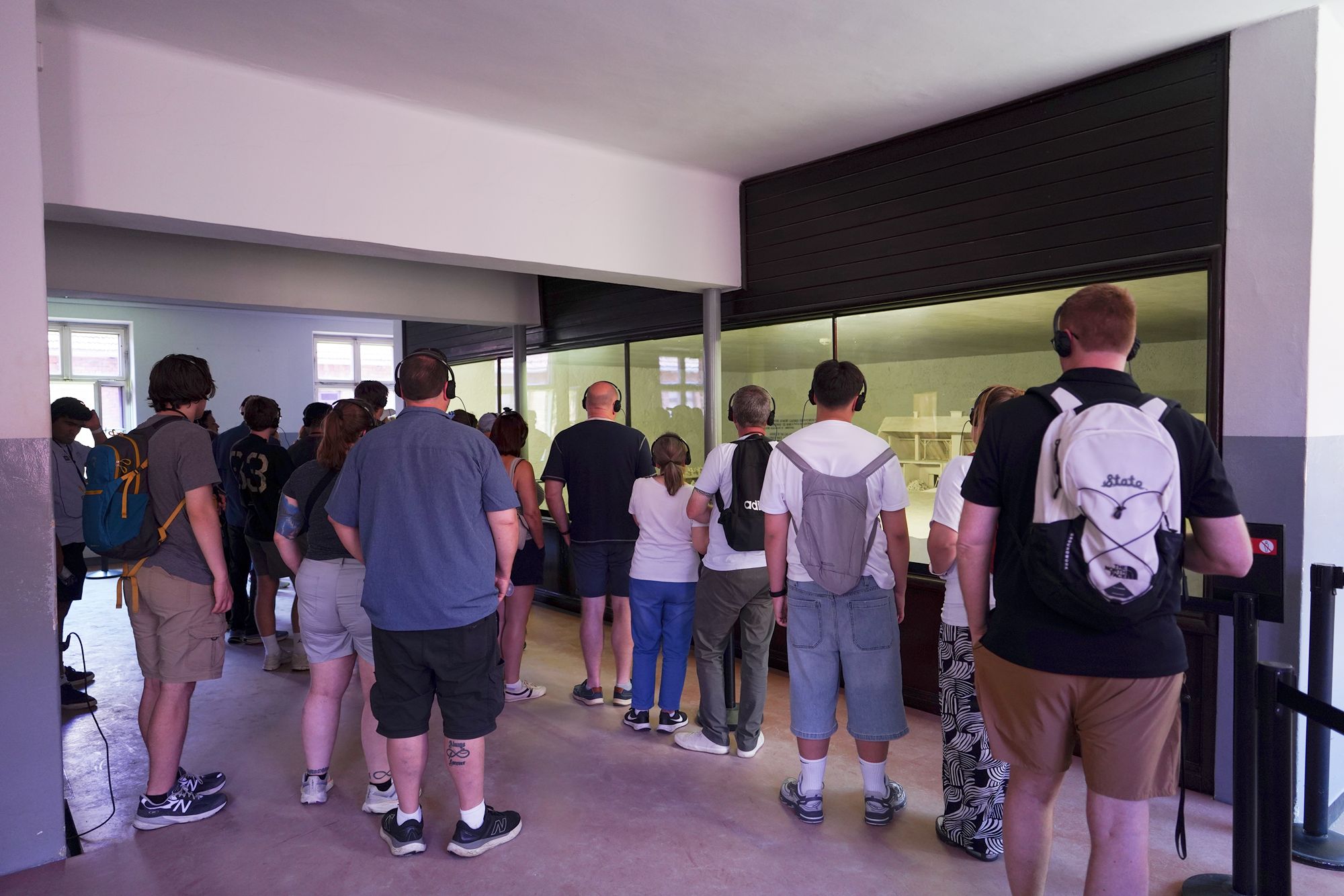
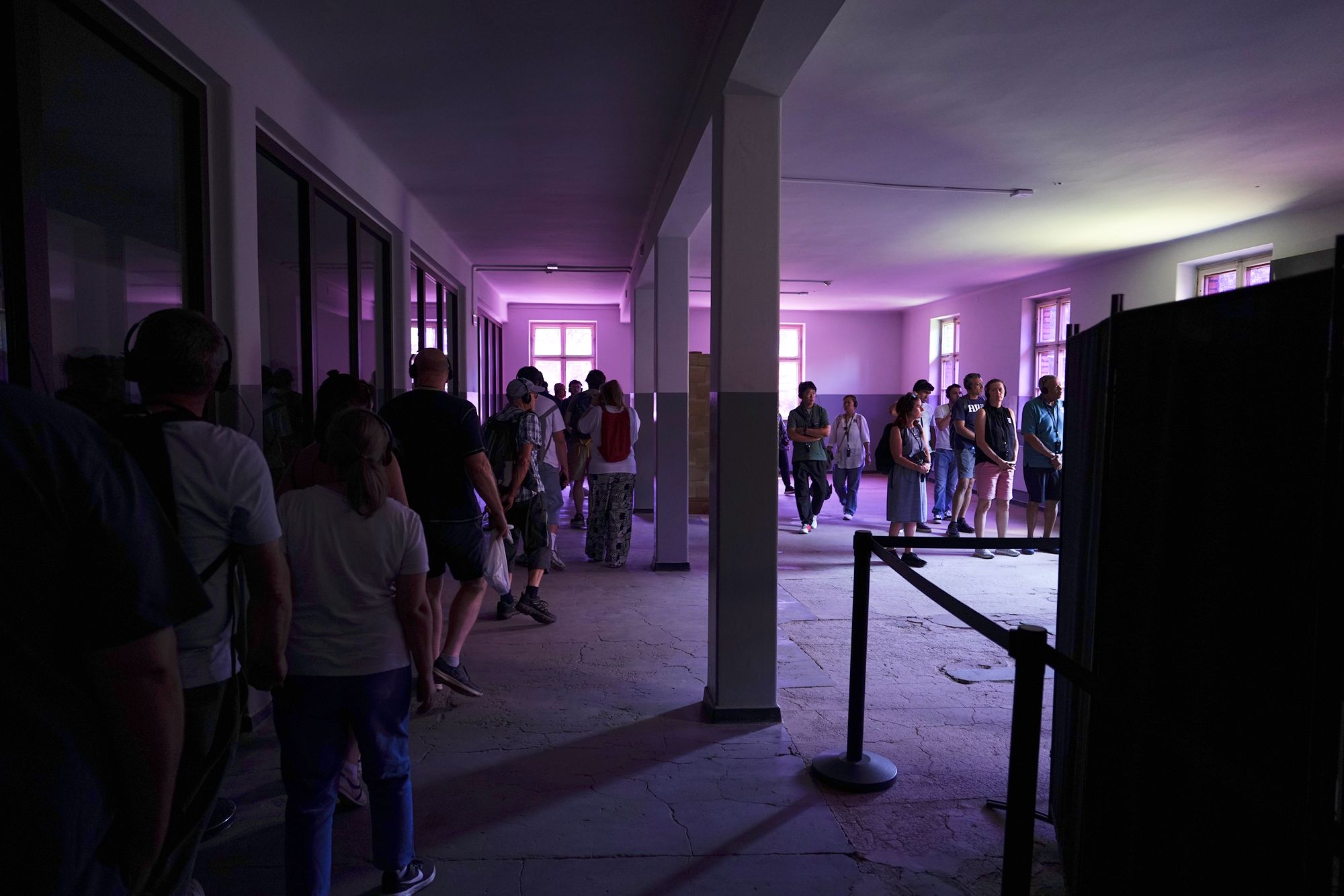
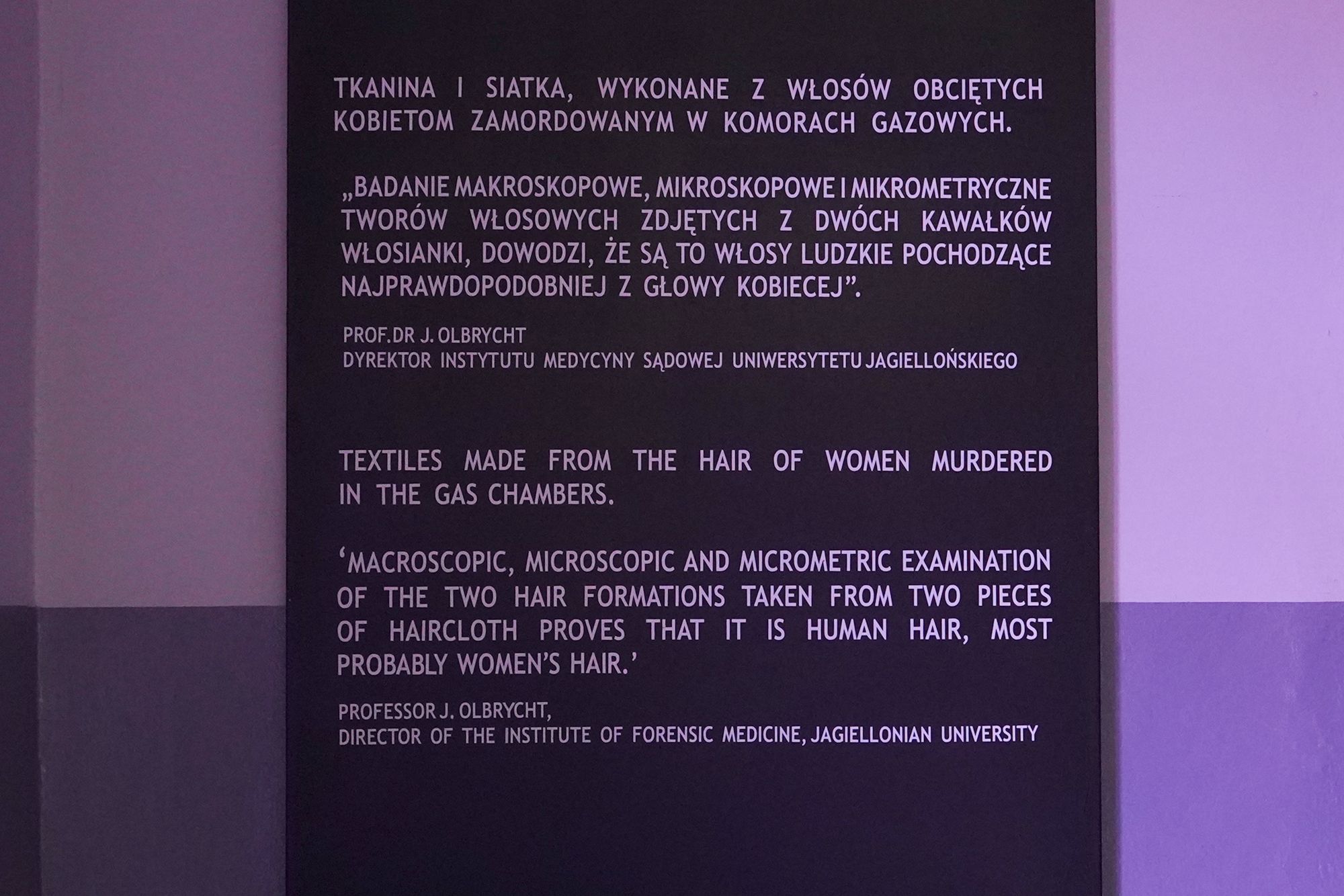
A museum panel explains that textiles were made from the hair of women murdered in the gas chambers. Forensic examination confirmed that the hair was human, most likely women’s.
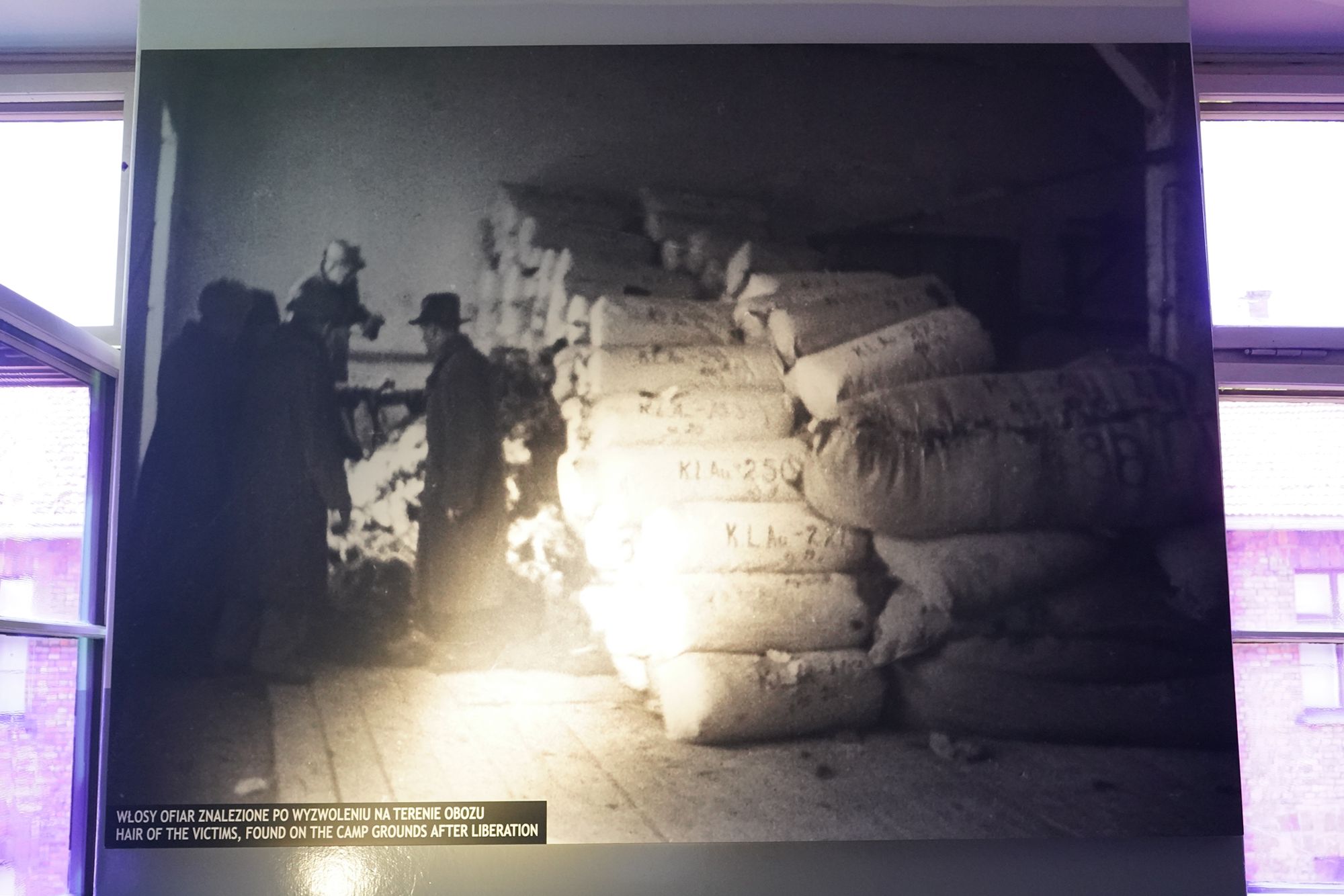
The victims’ hair was on display, but photography was not permitted.
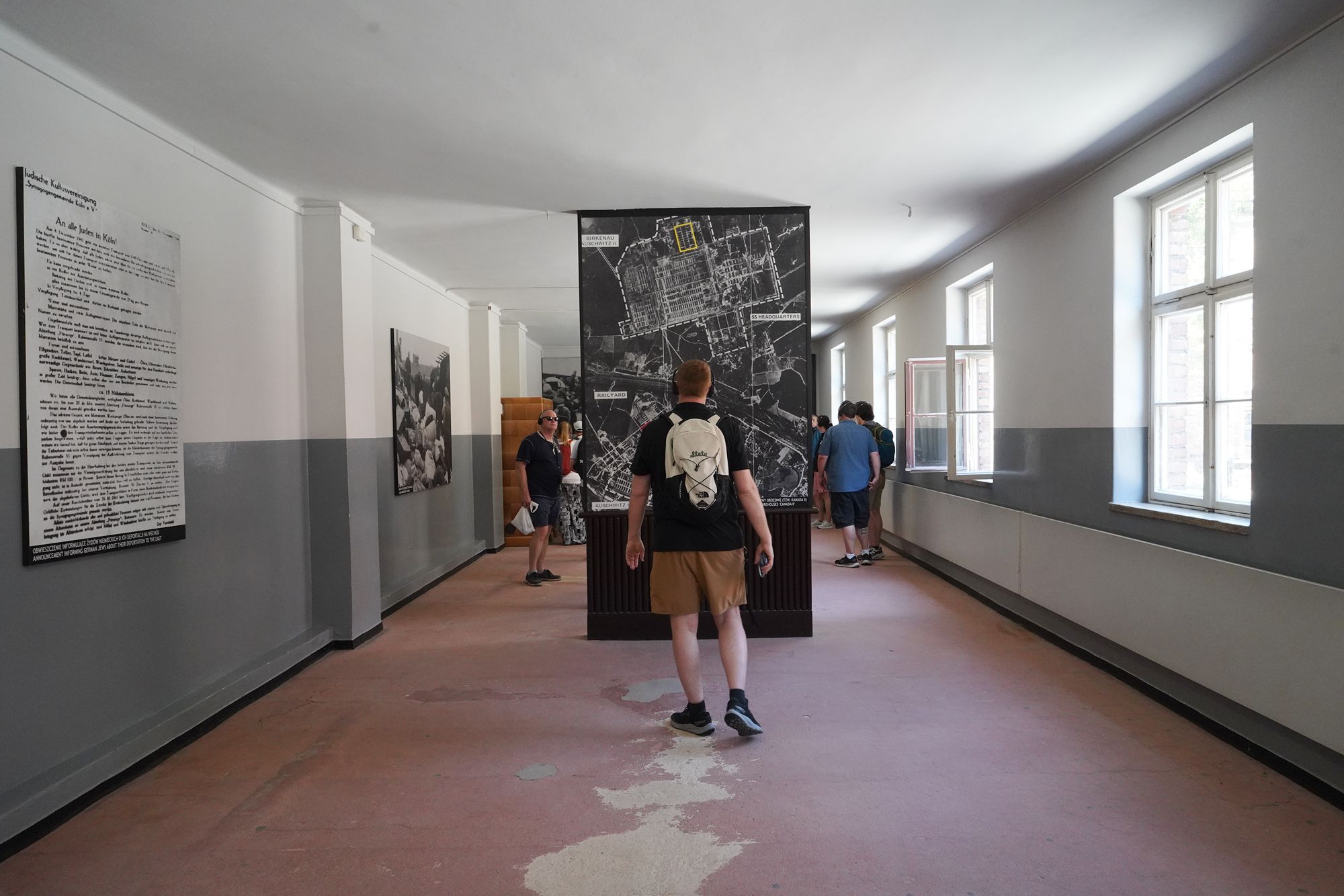
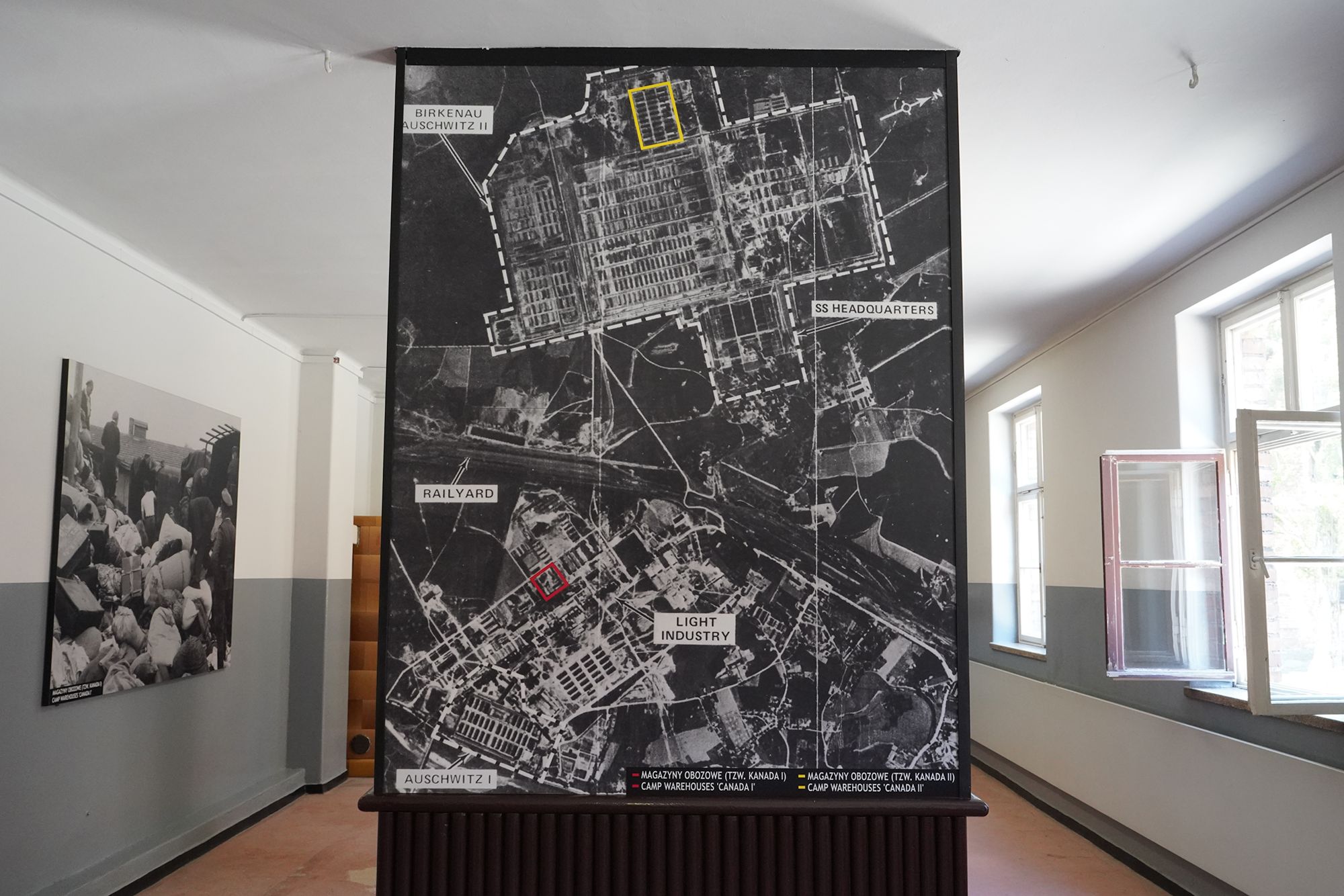
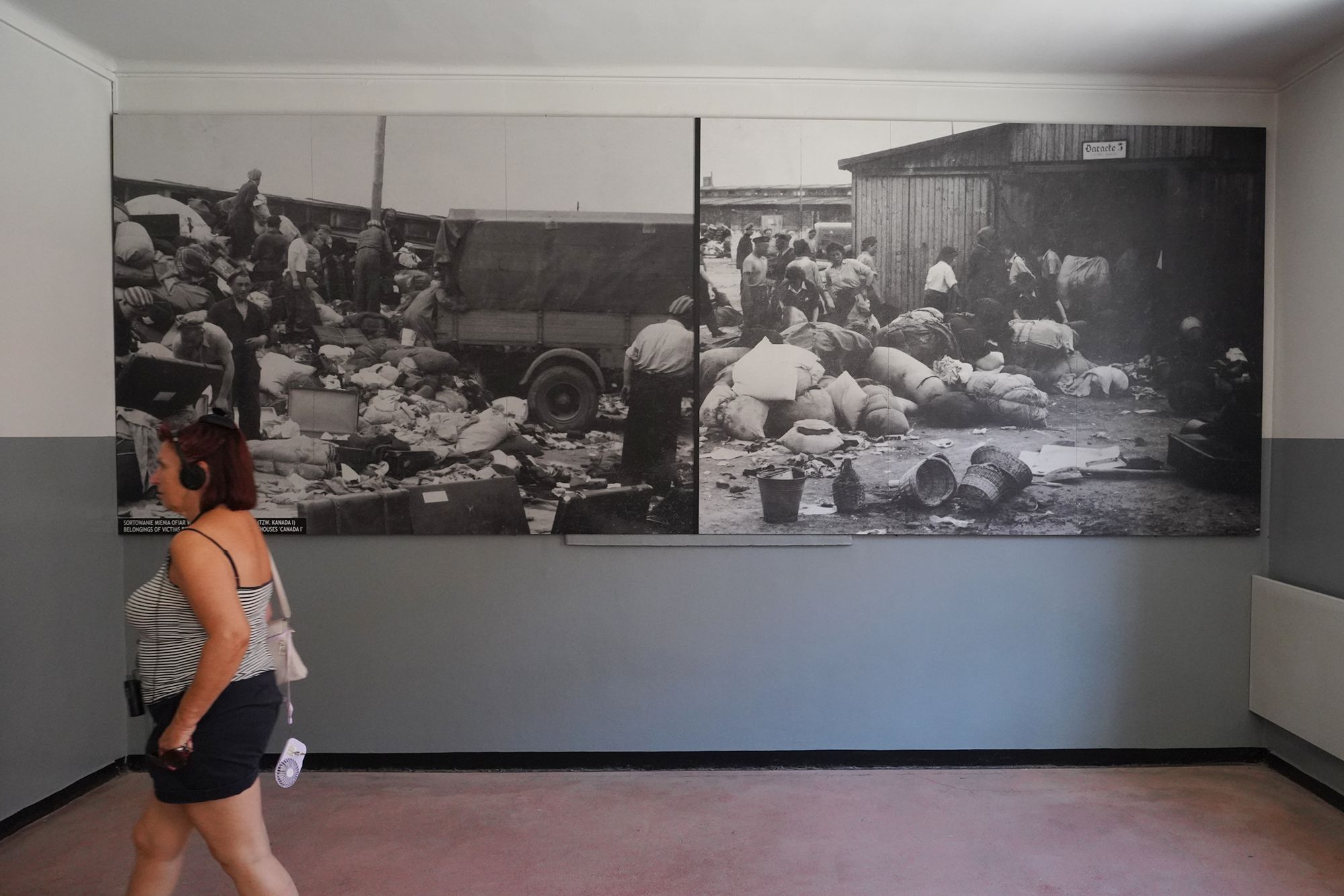
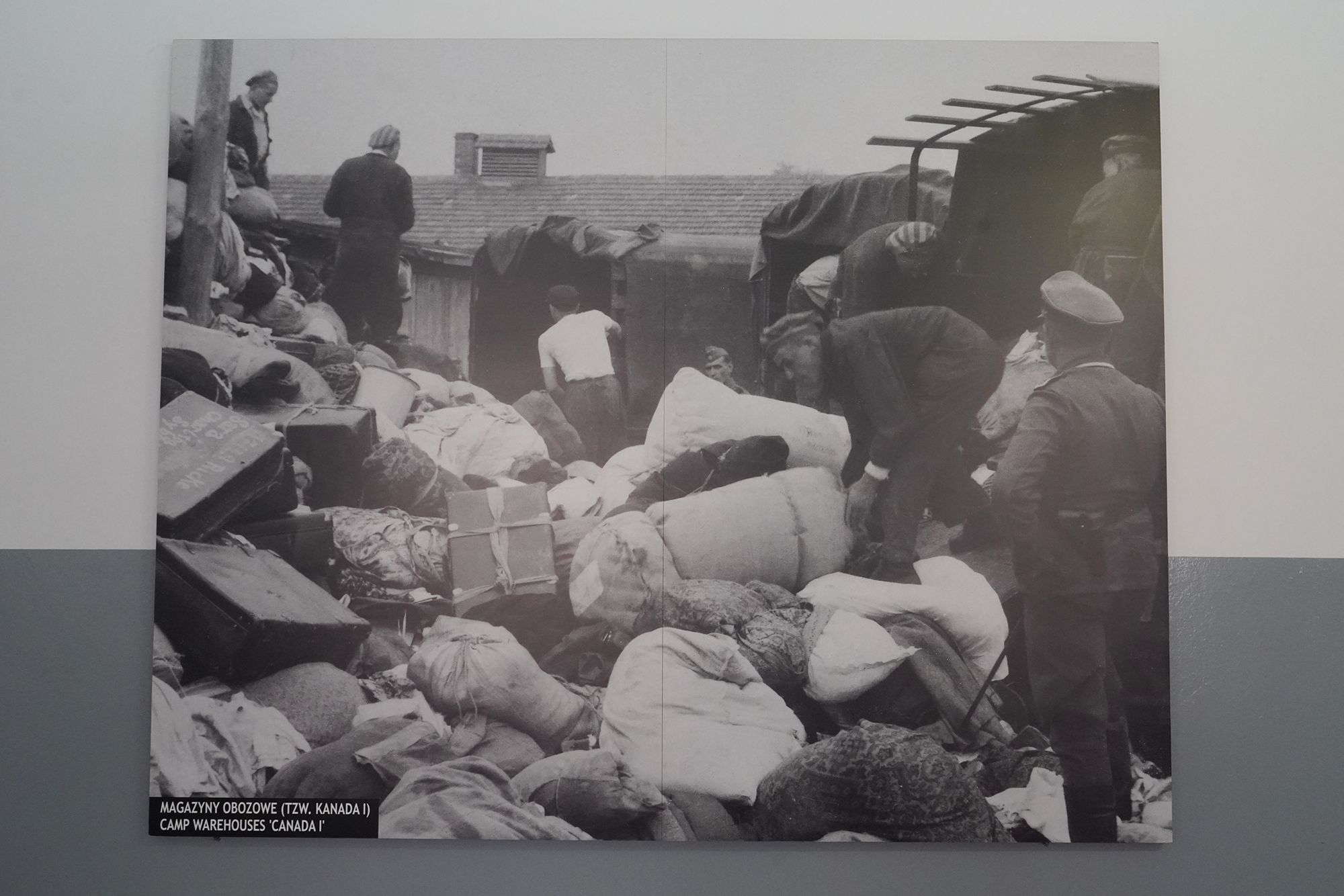
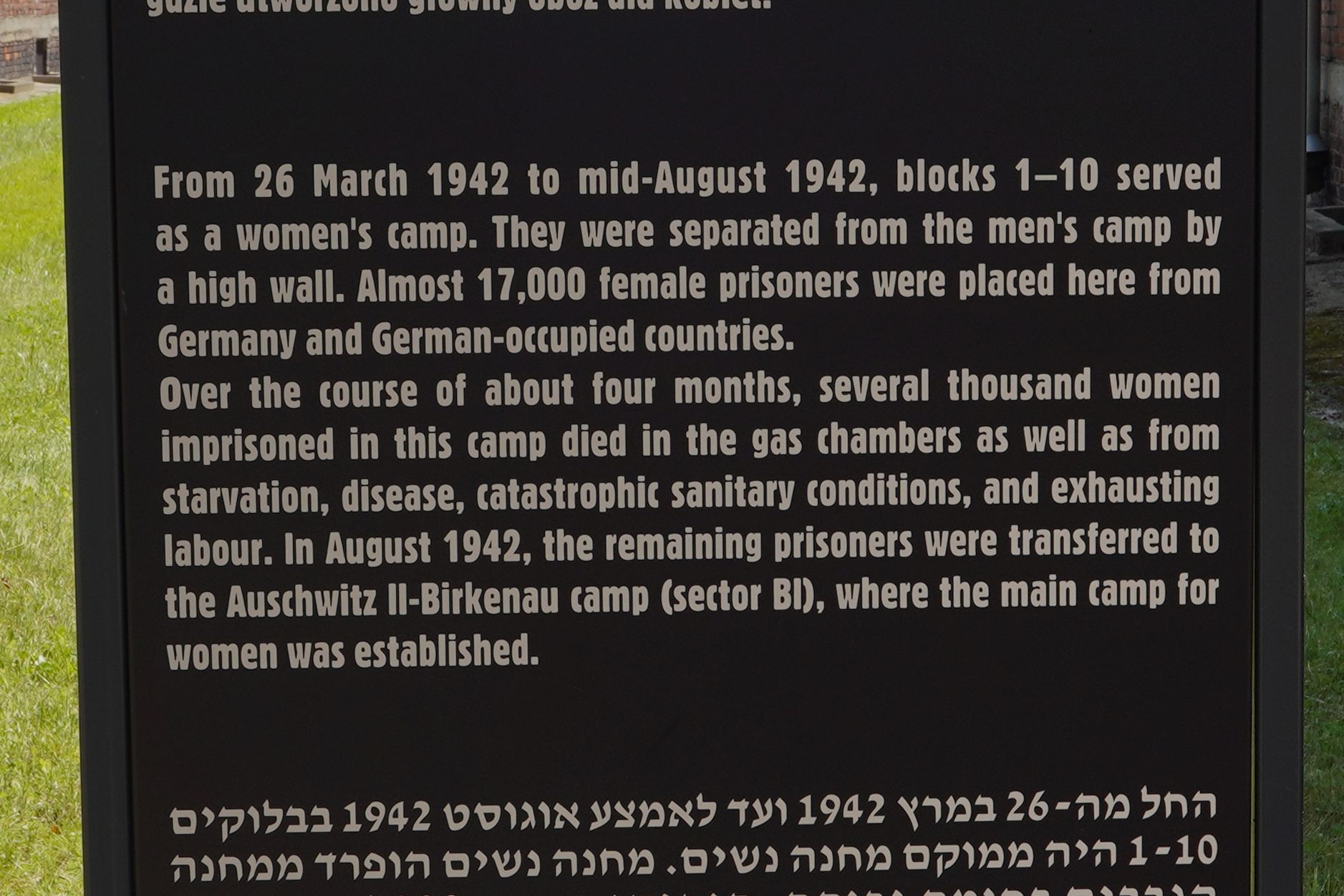
This exhibit explains that blocks 1–10 served as a women’s camp in 1942, holding nearly 17,000 female prisoners. Several thousand died from the gas chambers, starvation, disease, harsh conditions, and exhausting labor. In August, the remaining prisoners were transferred to Birkenau.
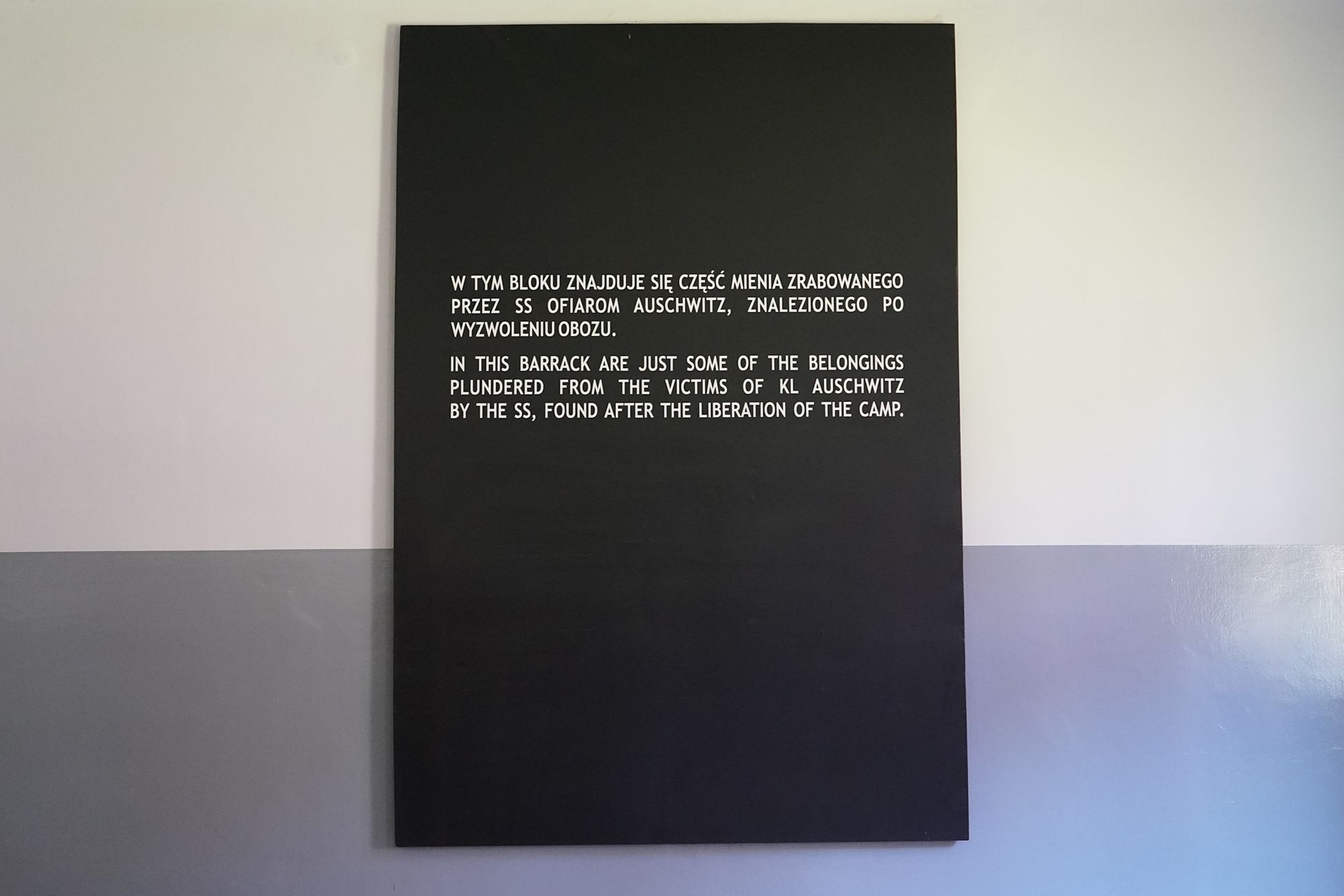
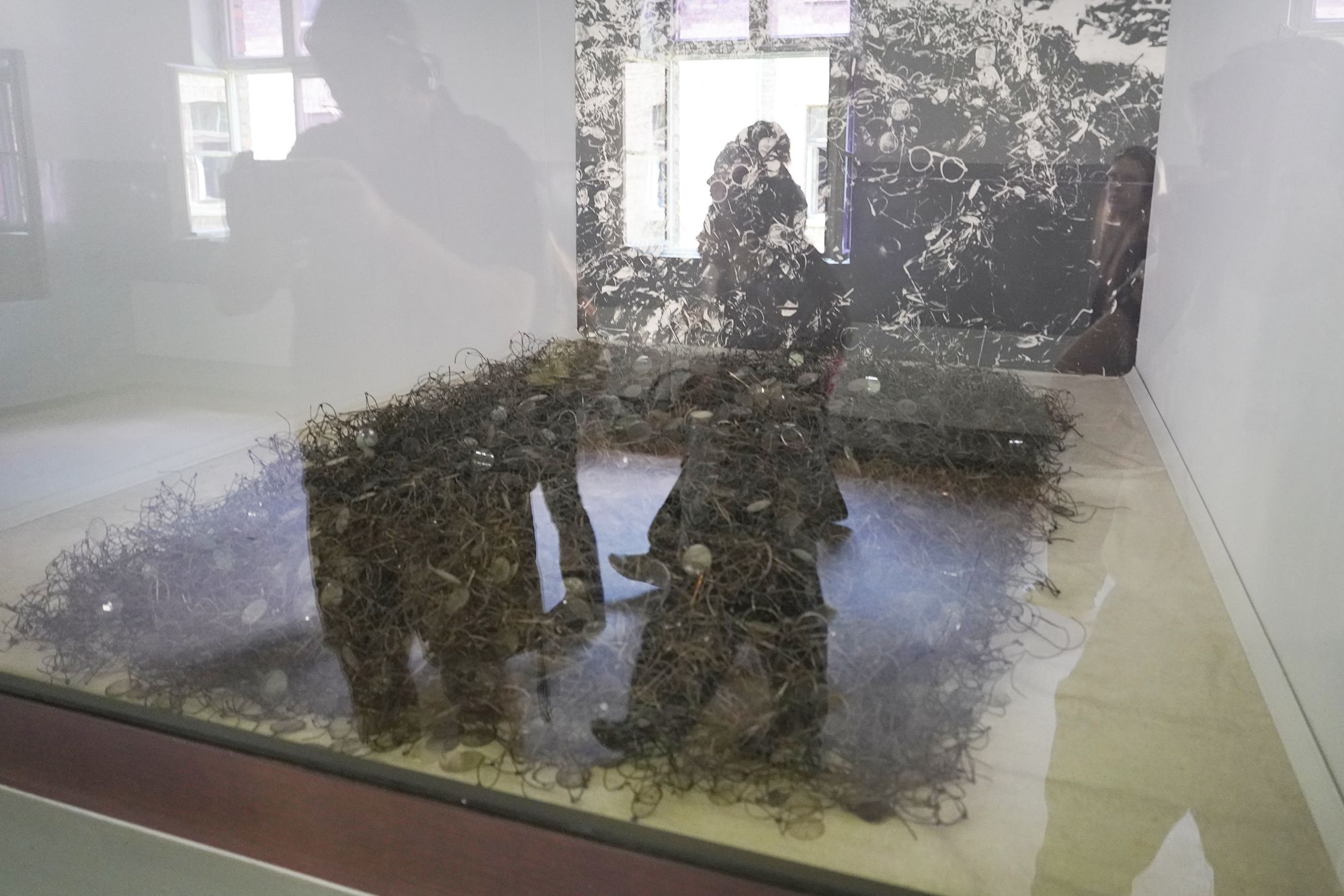
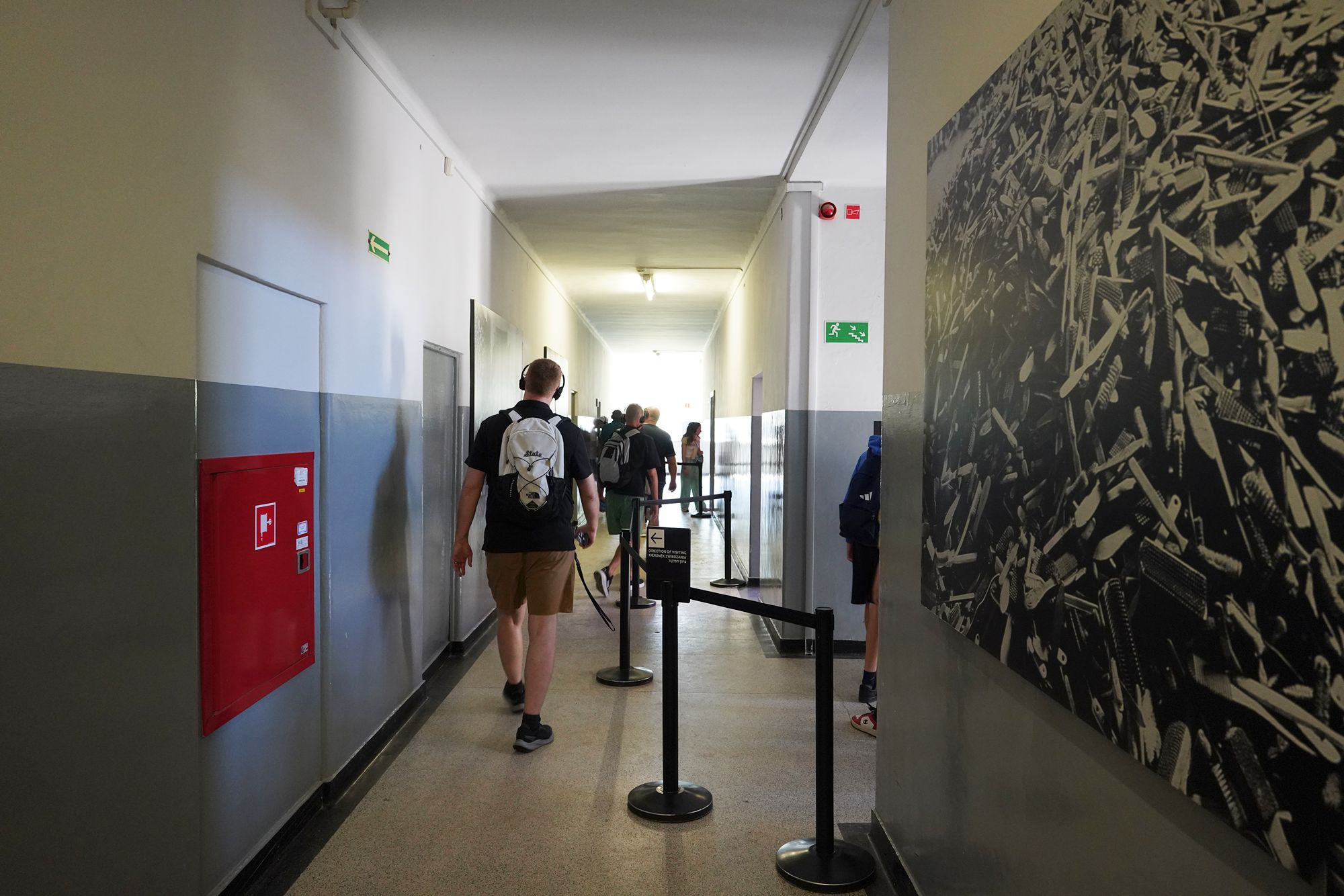
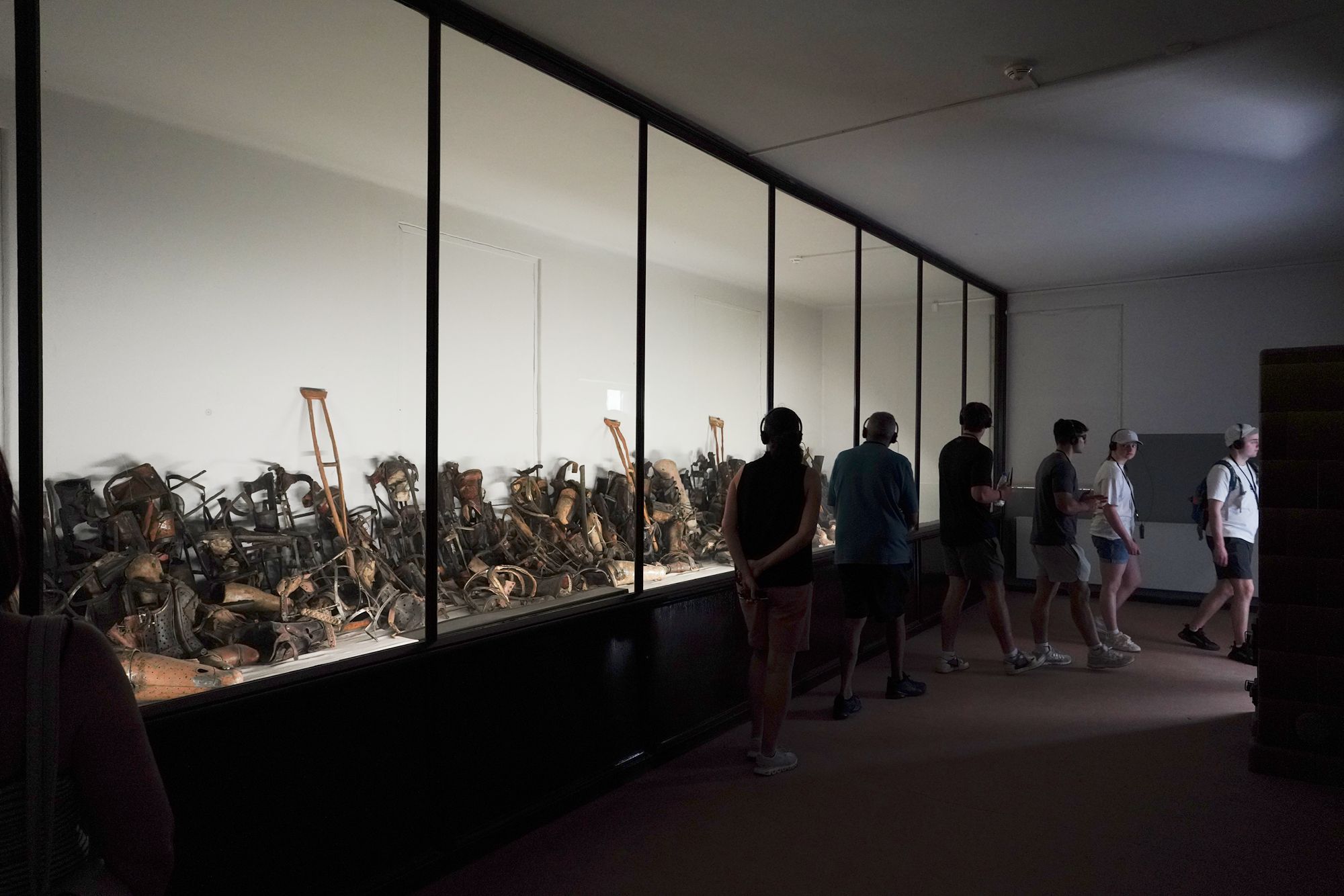
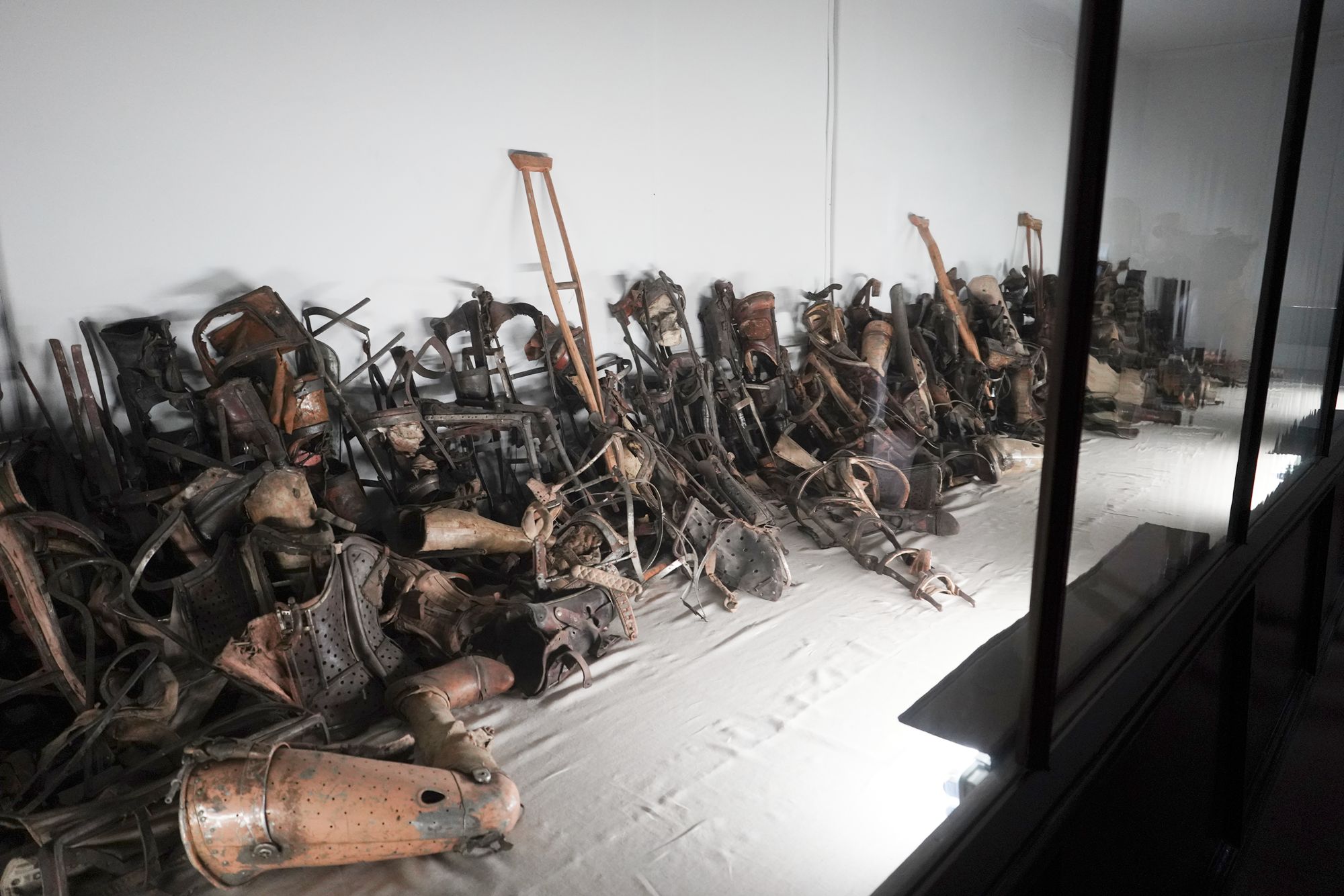
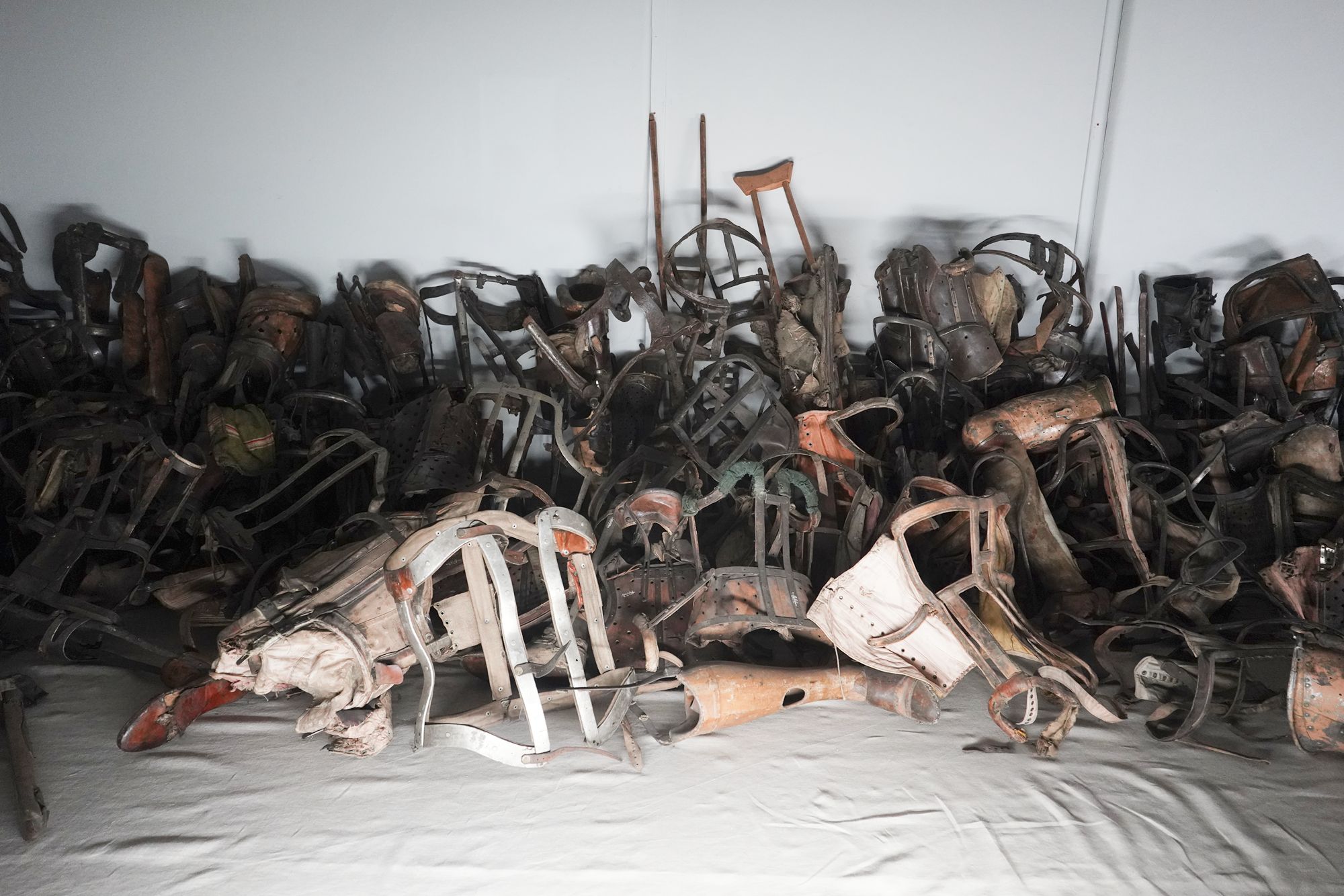
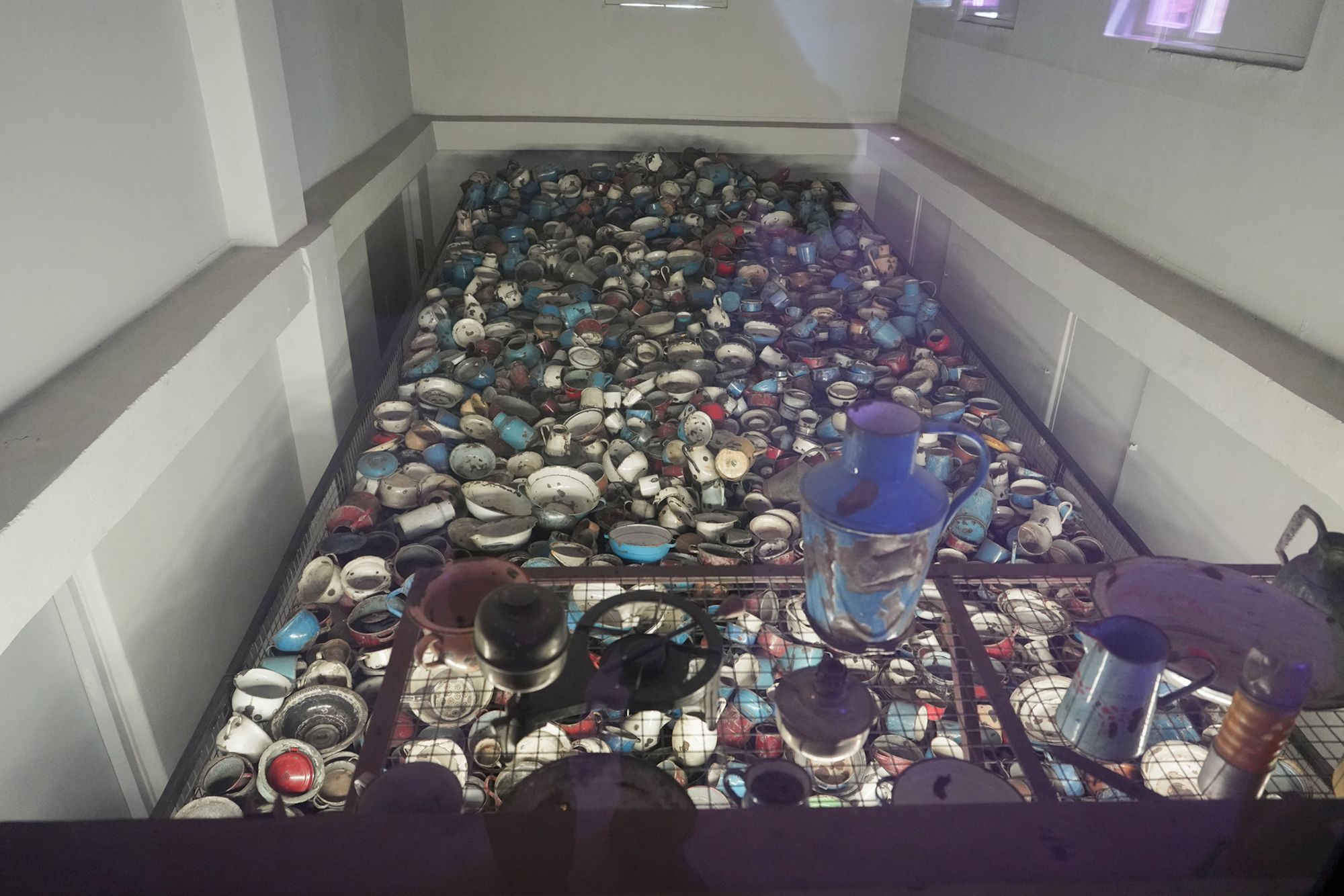
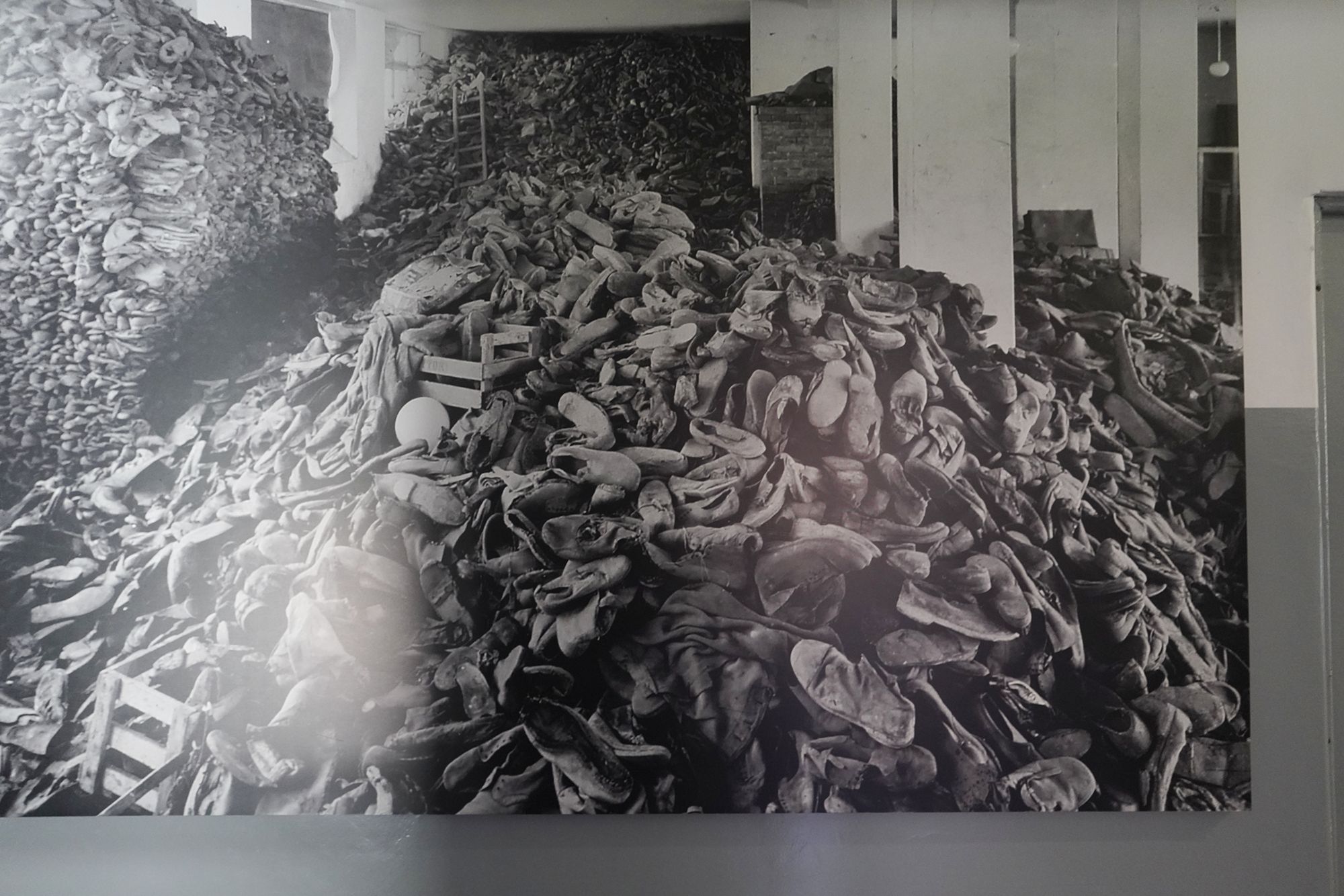
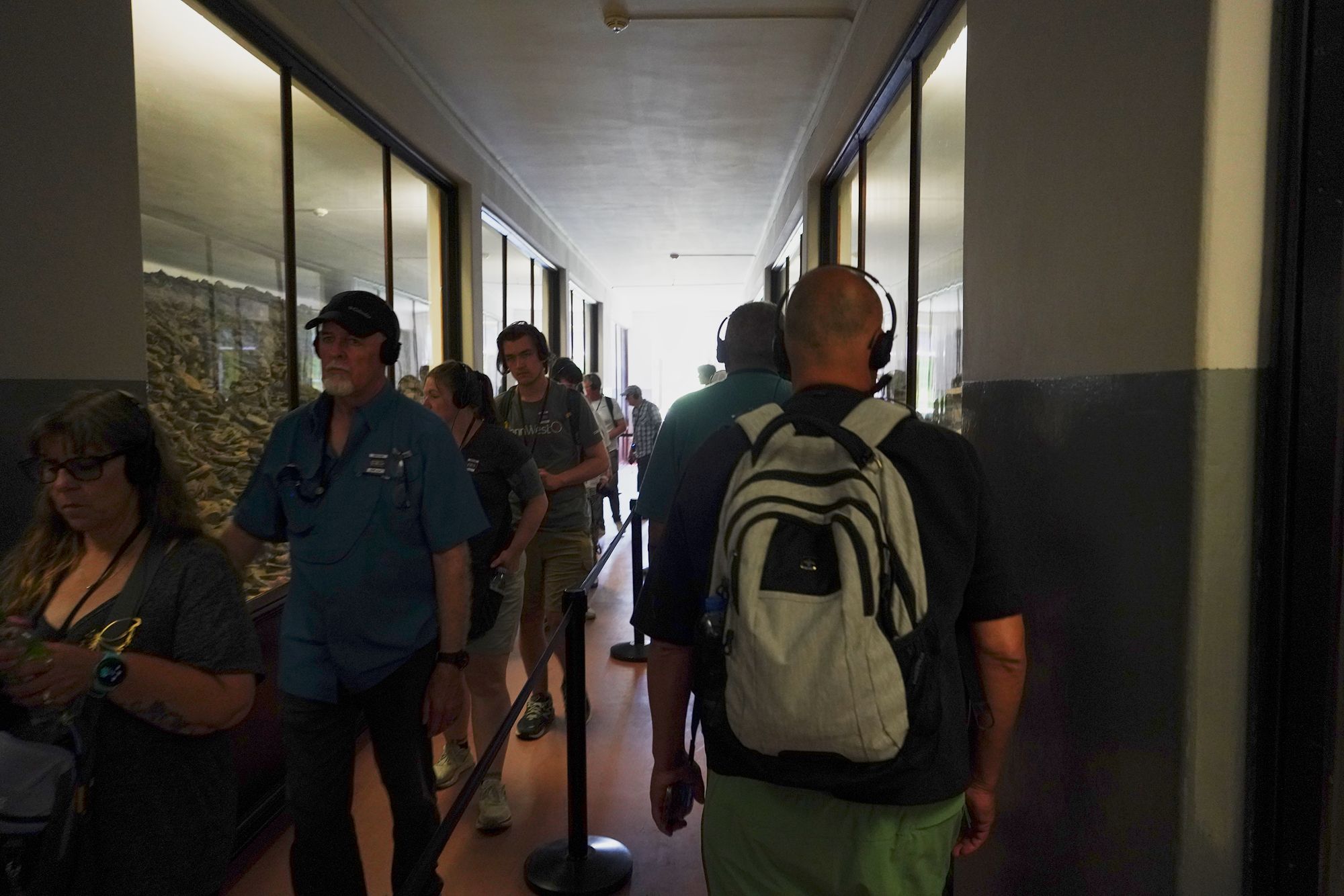
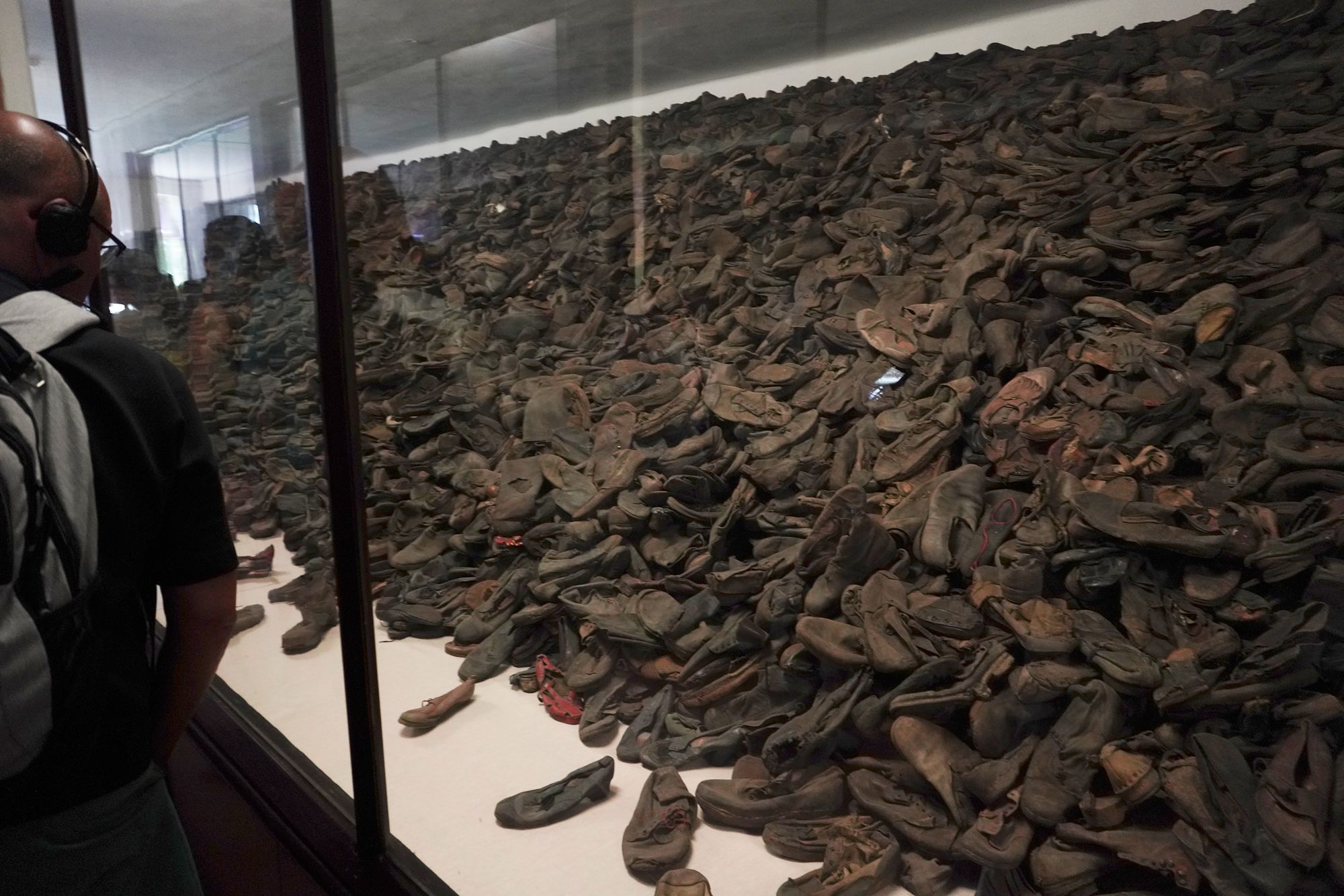
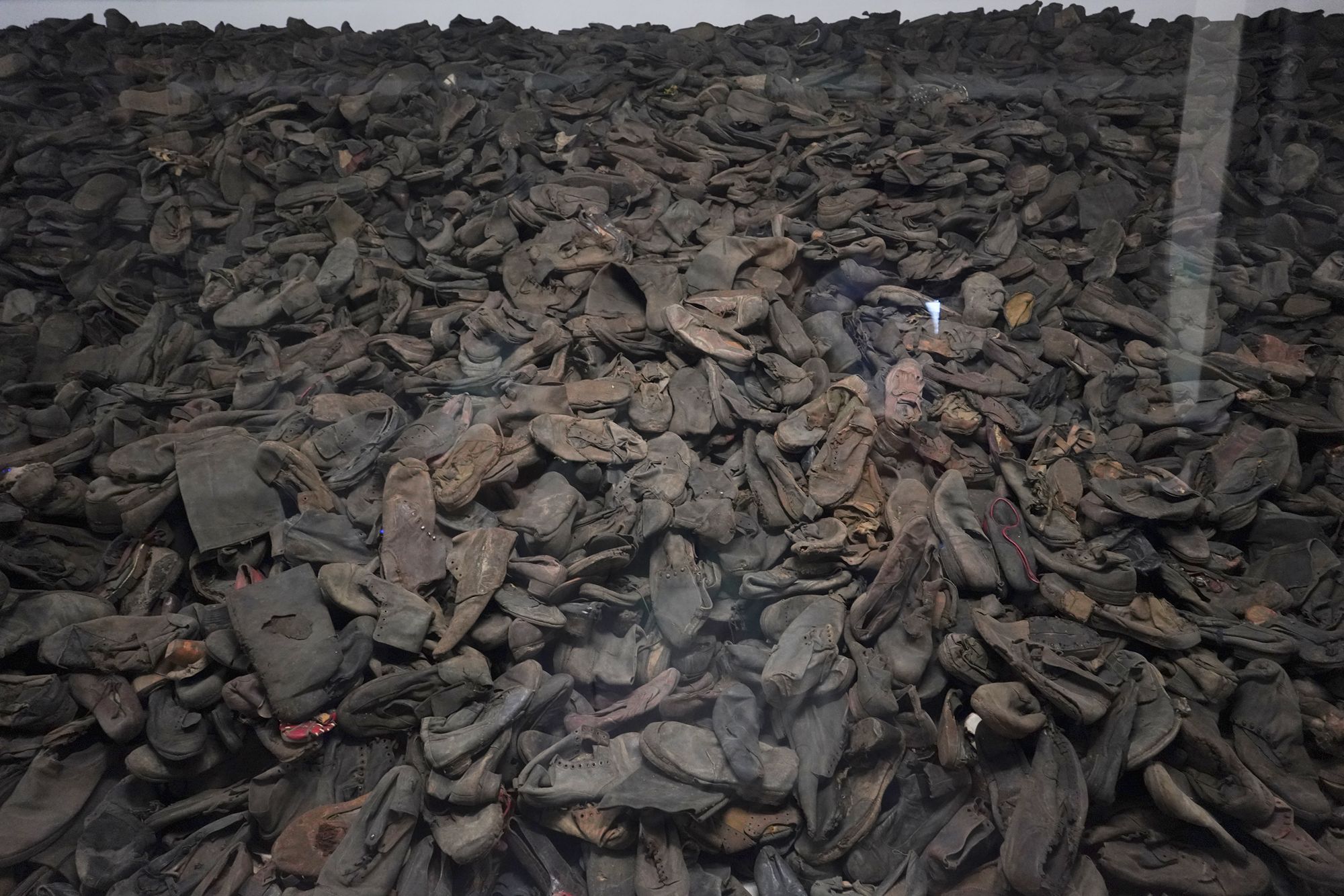
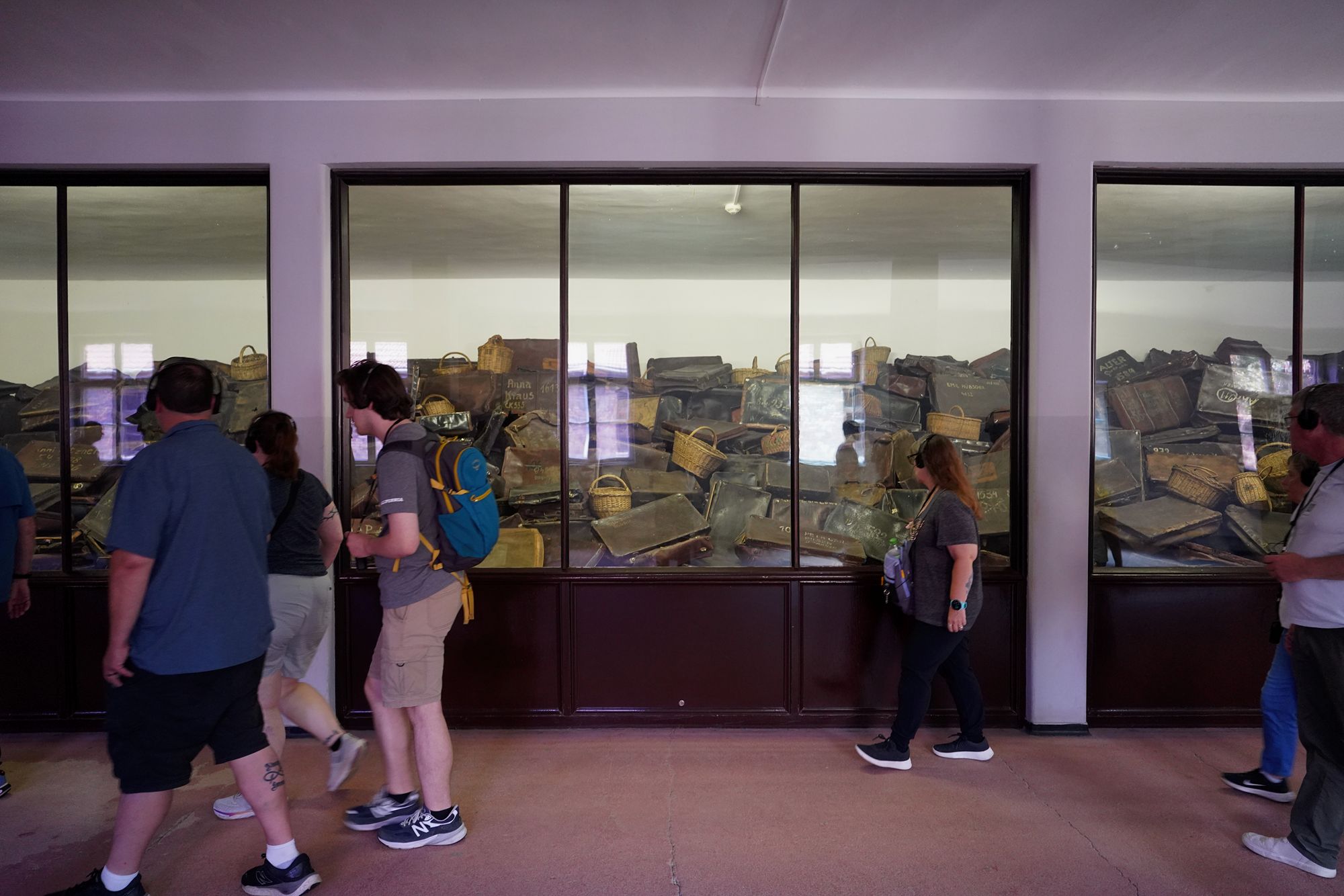
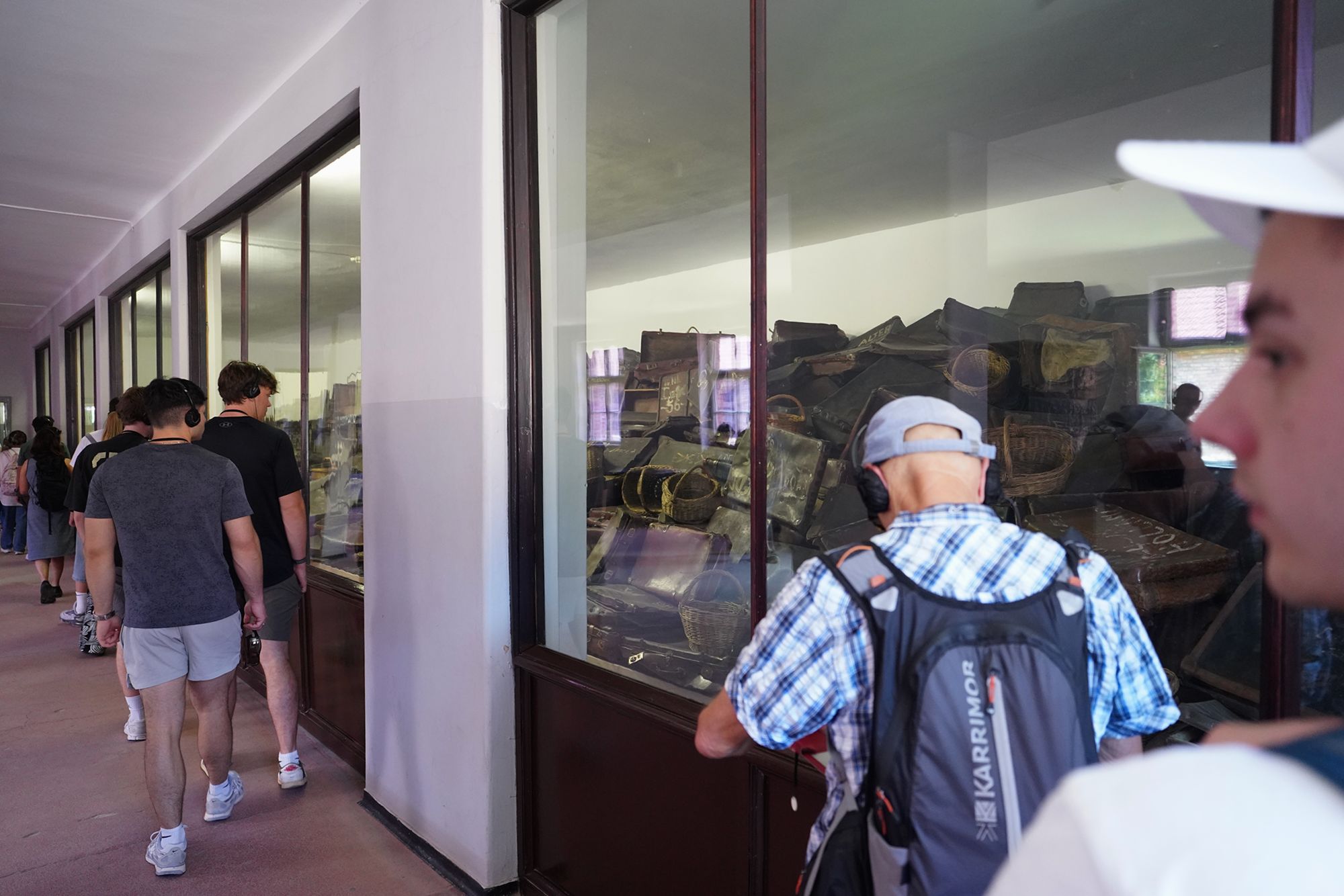
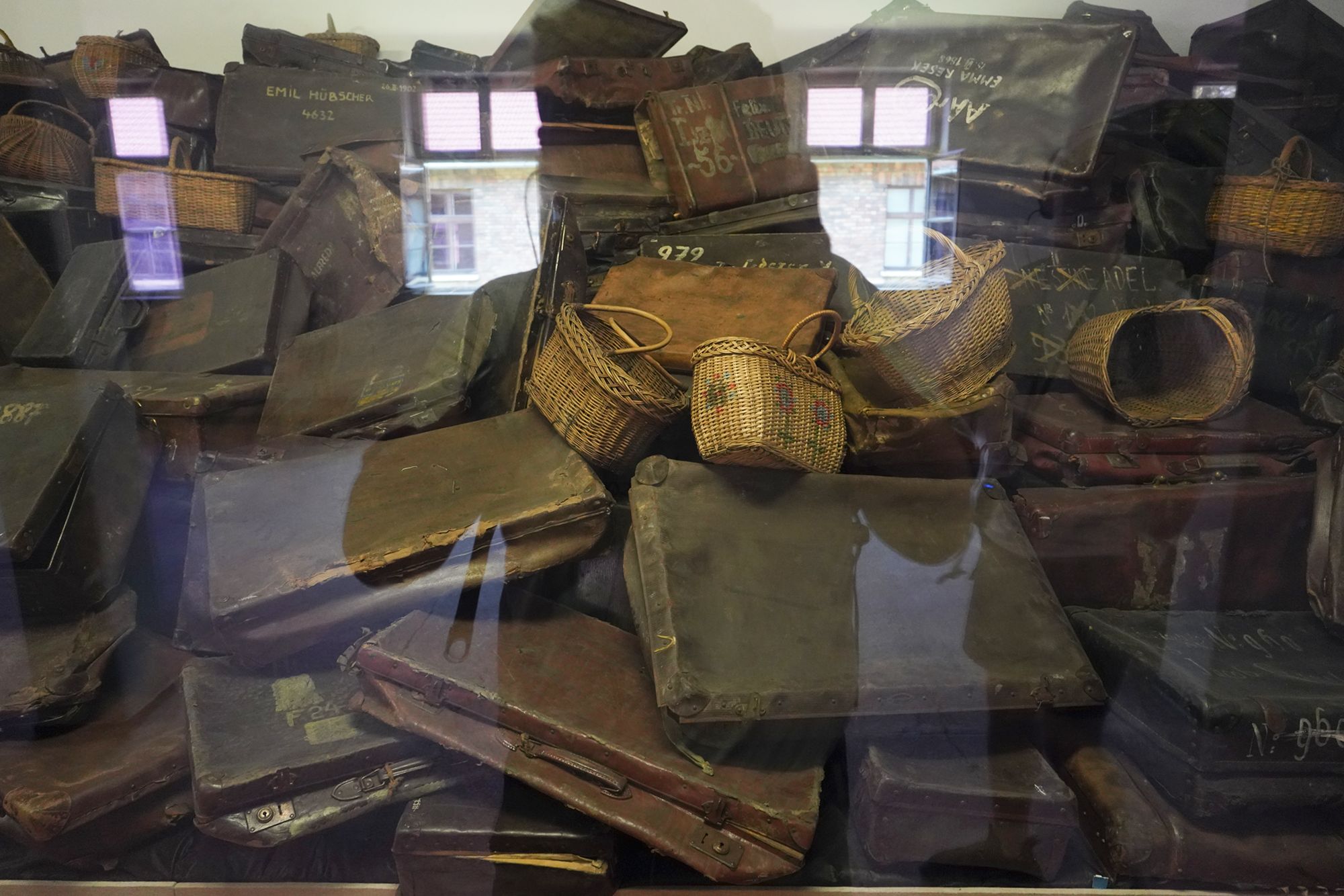
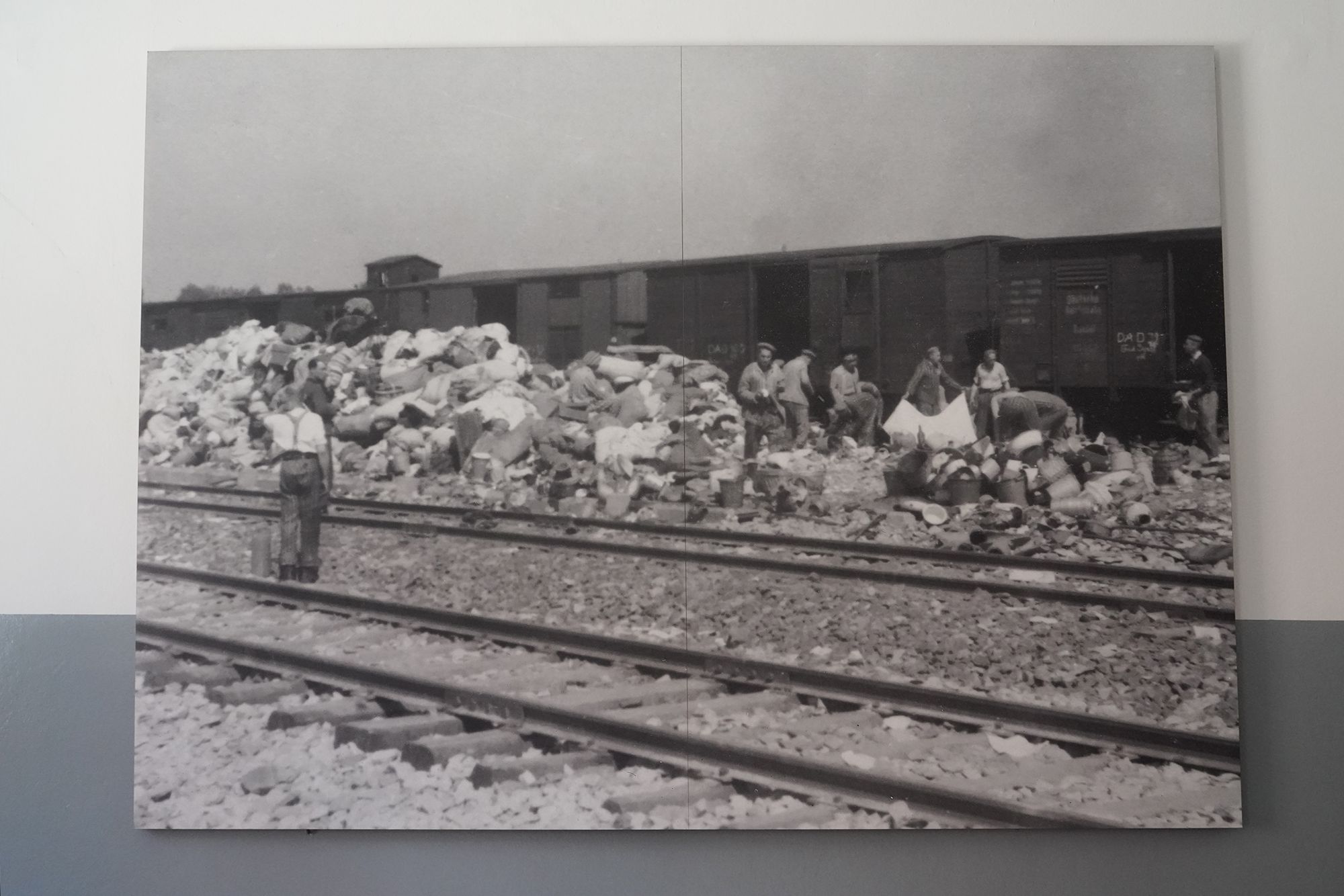
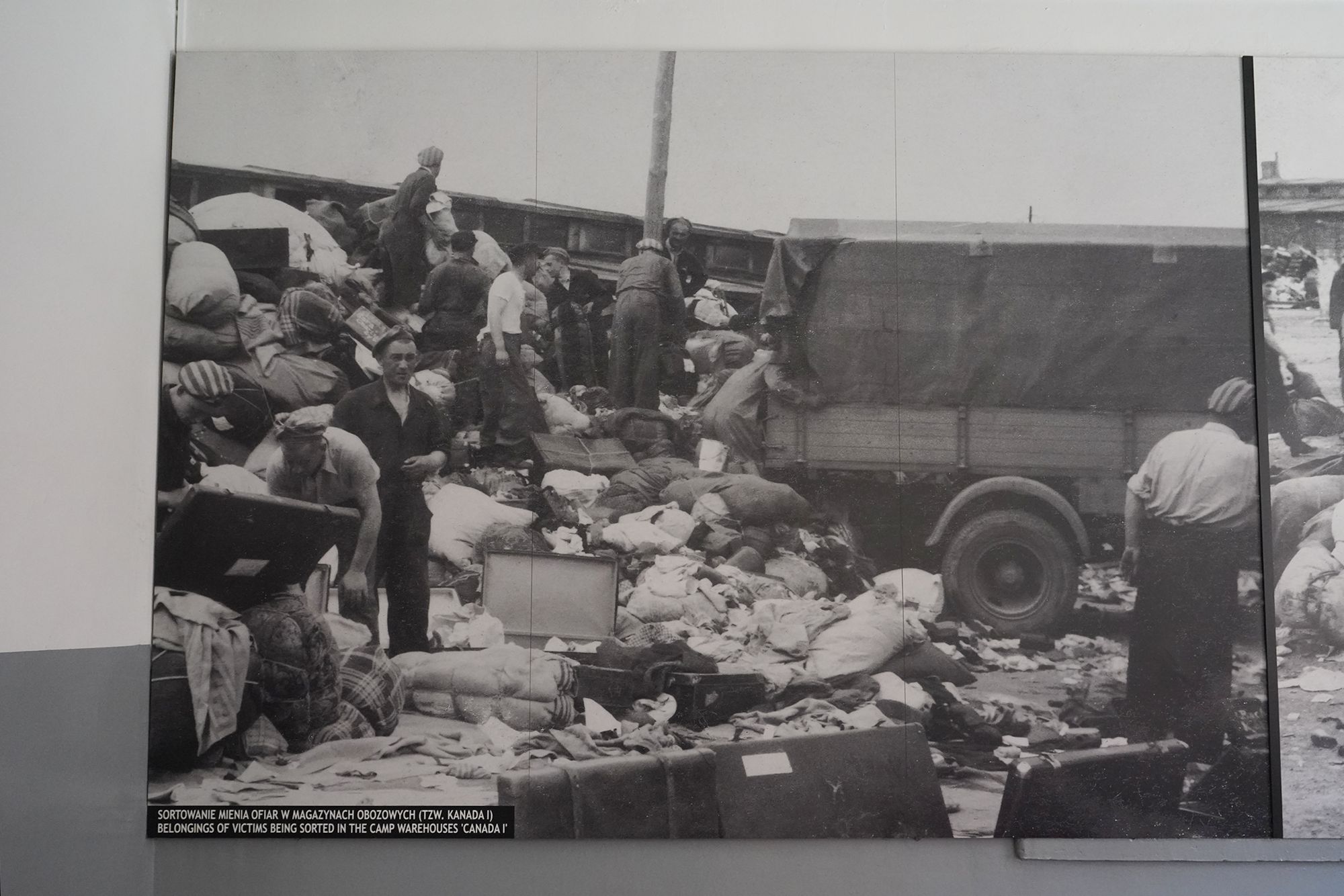
This barrack displays some of the belongings the SS stole from Auschwitz prisoners. They were found after the camp was liberated.