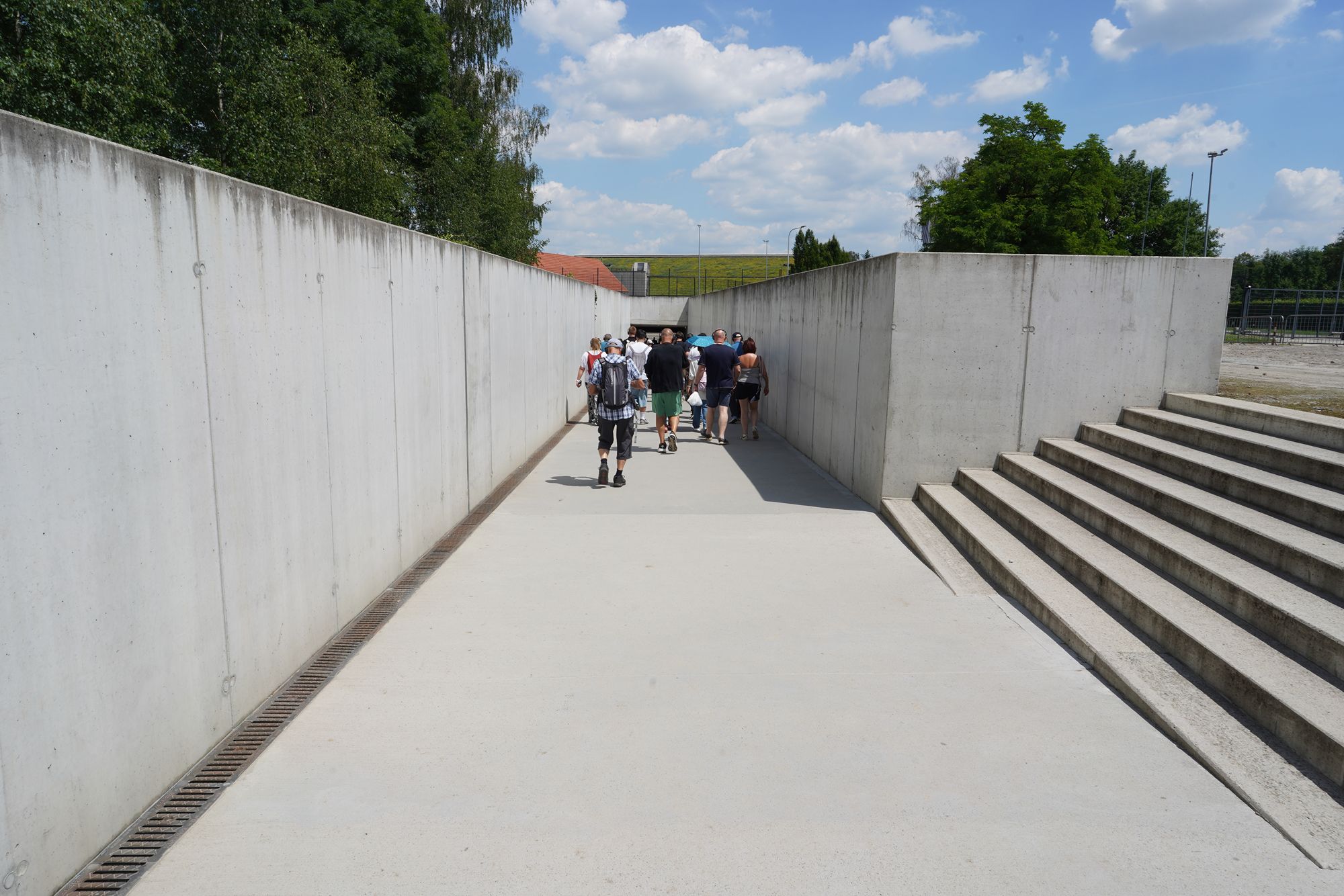
Auschwitz I, Part 2, Oświęcim, Poland
Auschwitz I’s barracks, prison cells, testimonies, and museum exhibits document Nazi persecution, forced labor, and mass murder. 1355
Auschwitz I: Więźniów Oświęcimia 55, 32-600 Oświęcim, Poland
Date Picture Taken: Jun, 2026
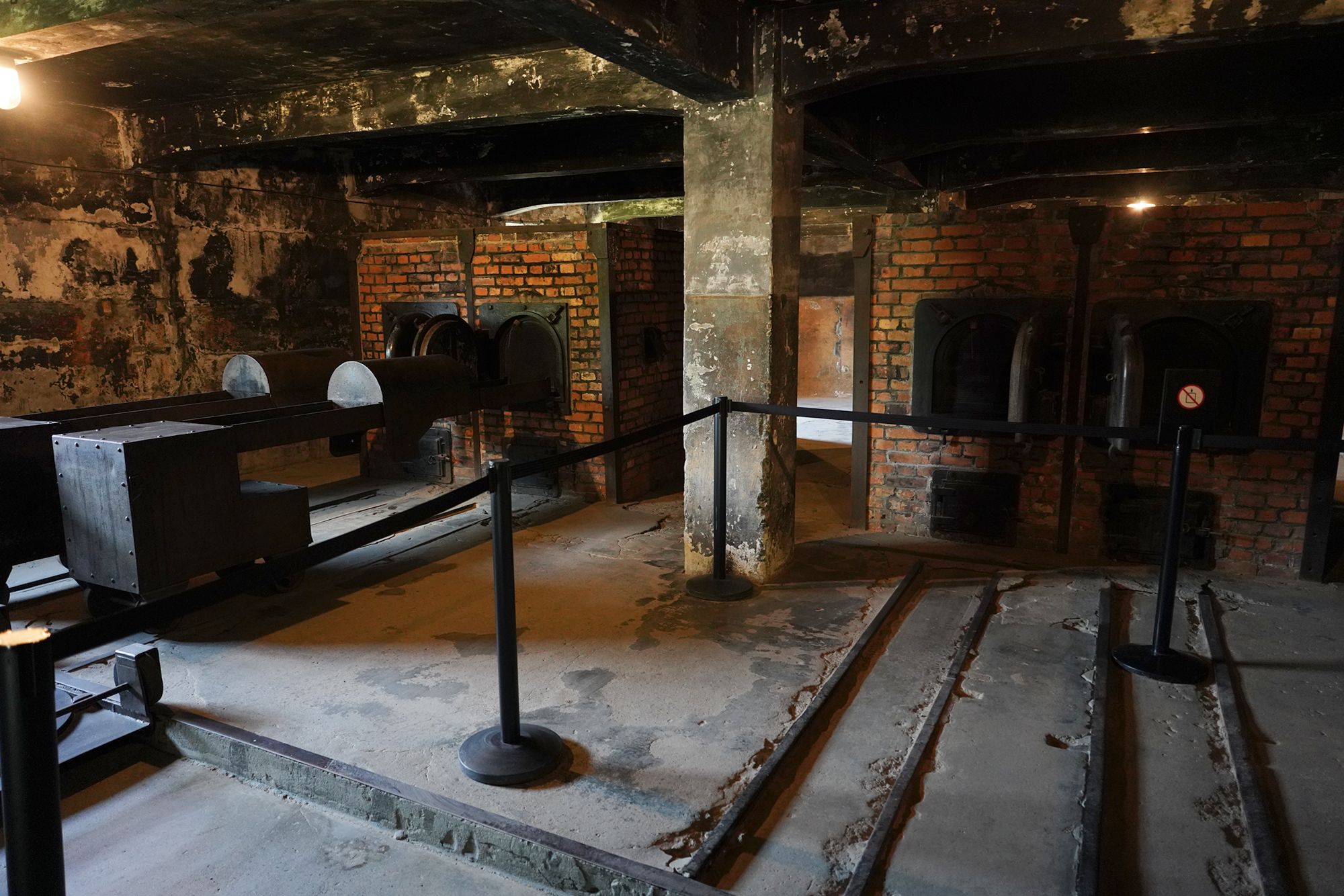
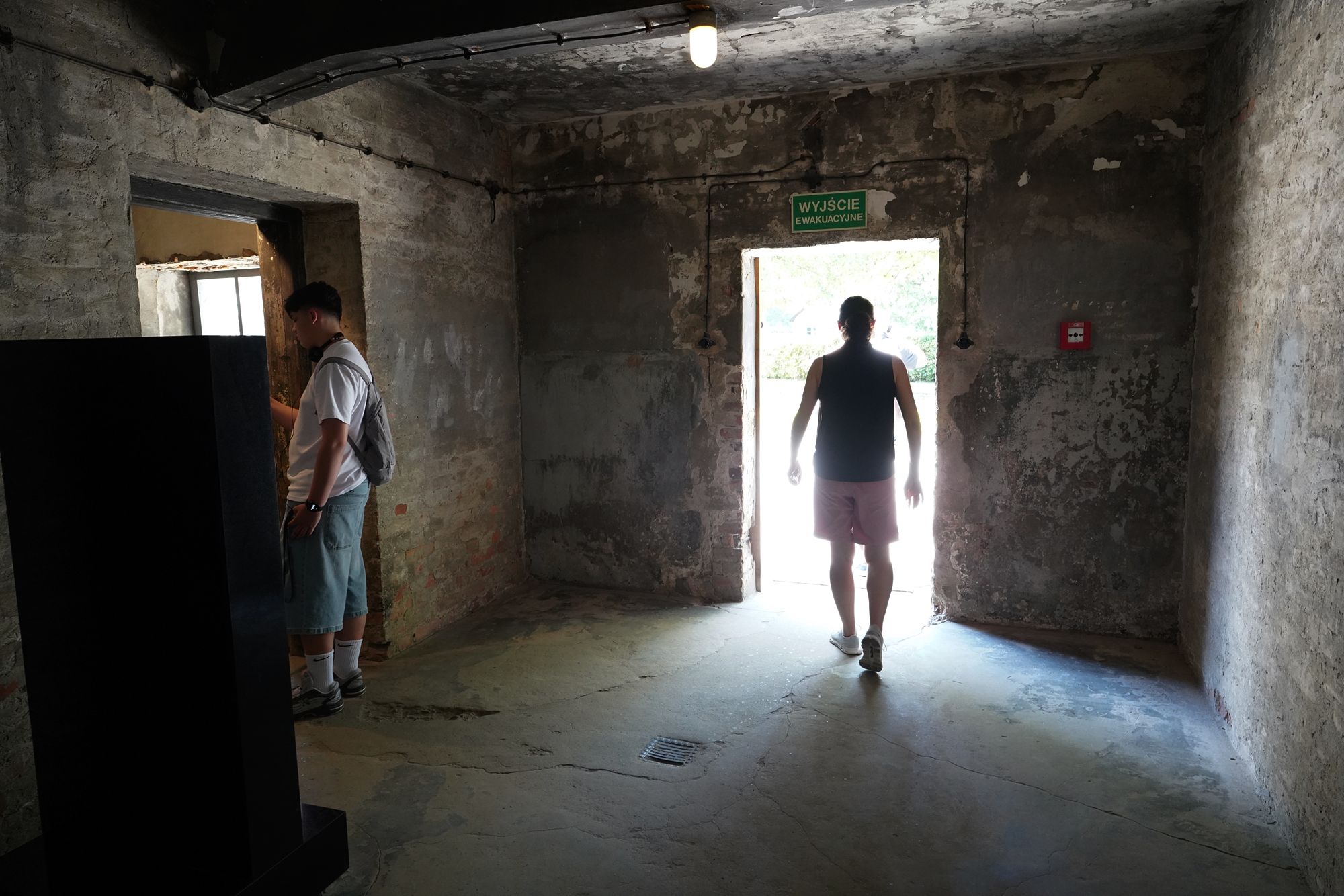
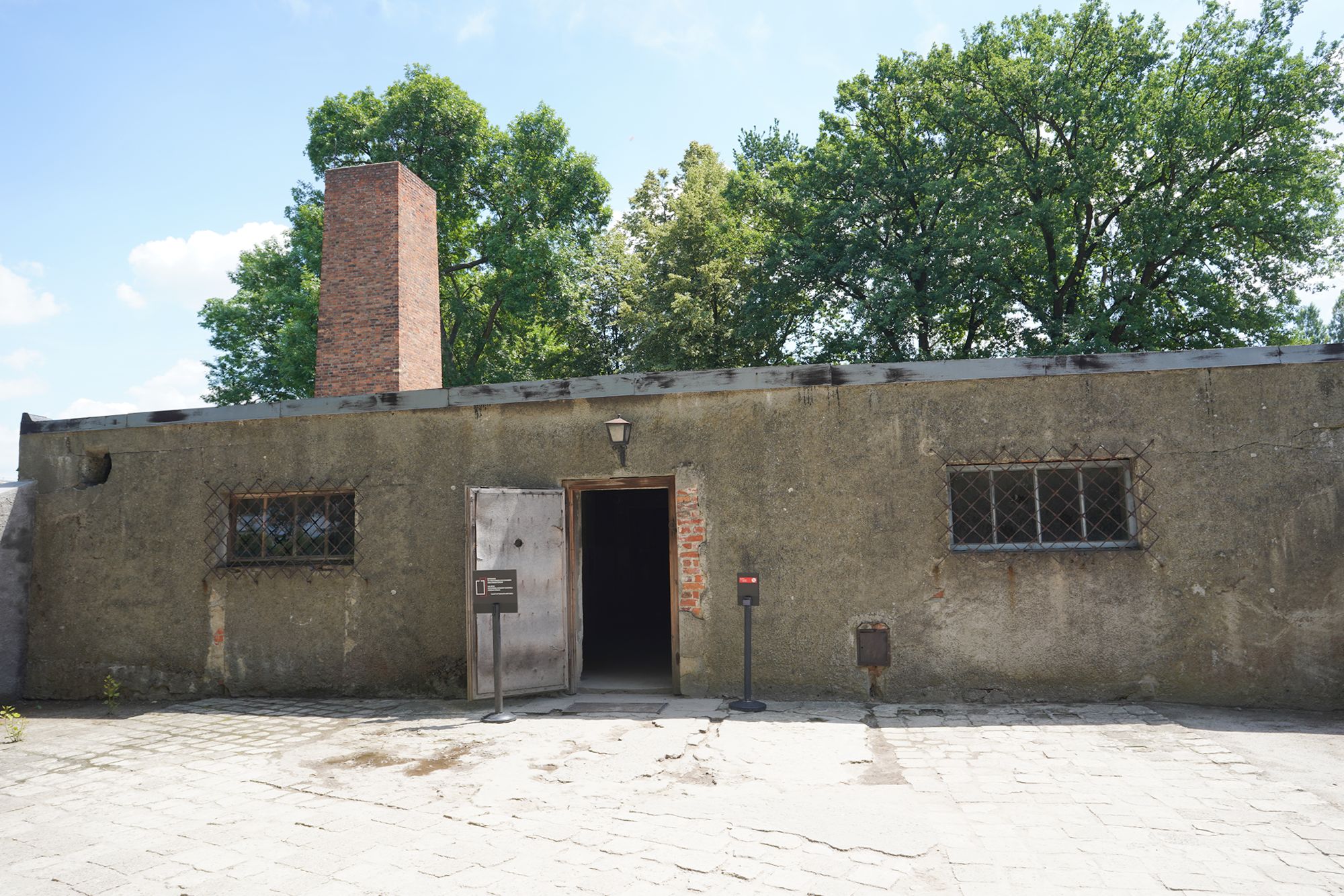
At Auschwitz I, I walked through Block 11, the camp prison, and the courtyard where SS guards executed thousands at the Death Wall. Exhibits describe sterilization experiments and survivor accounts of hunger, cold, and violence. I visited the former gas chamber and crematorium, where thousands were murdered with Zyklon B.
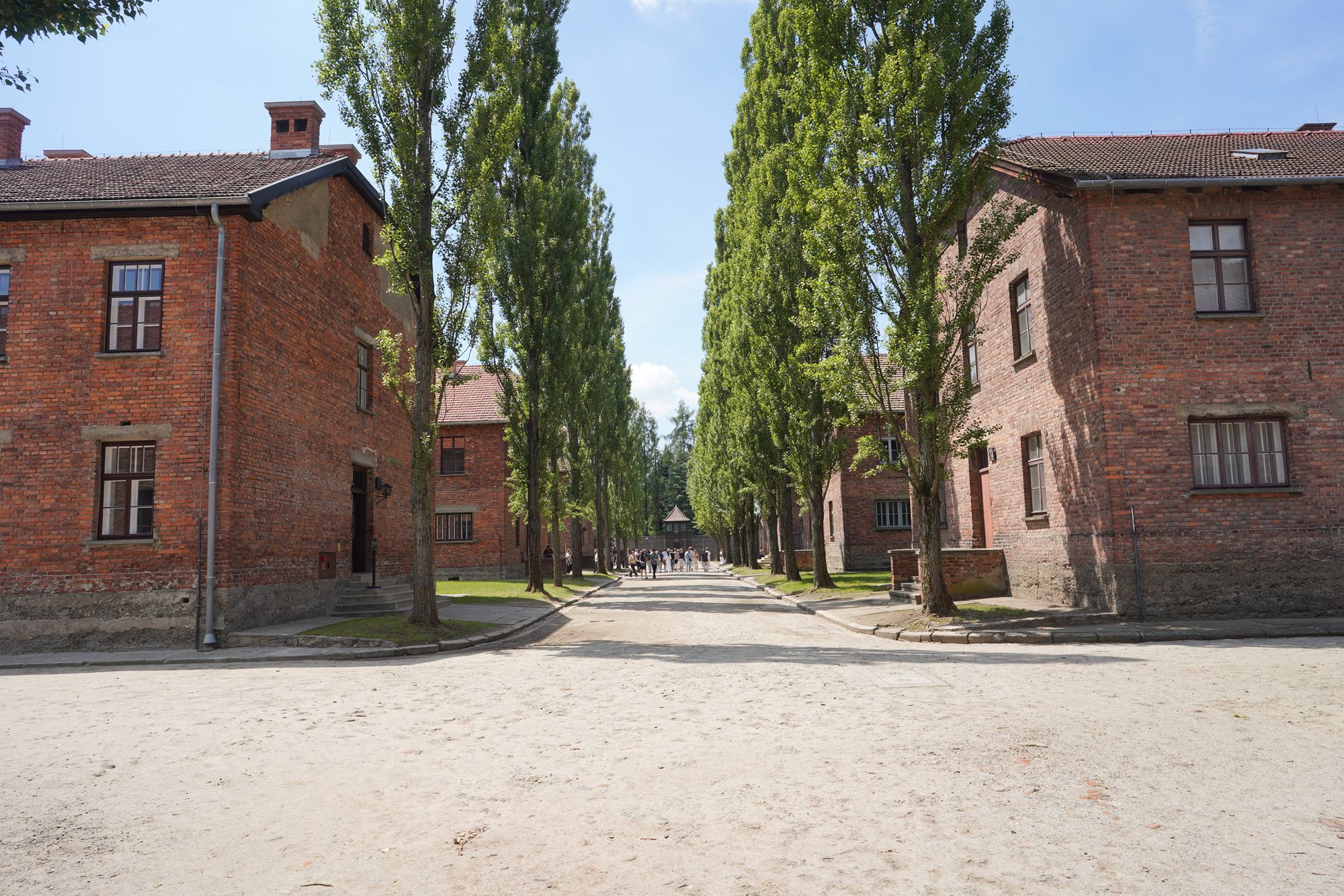
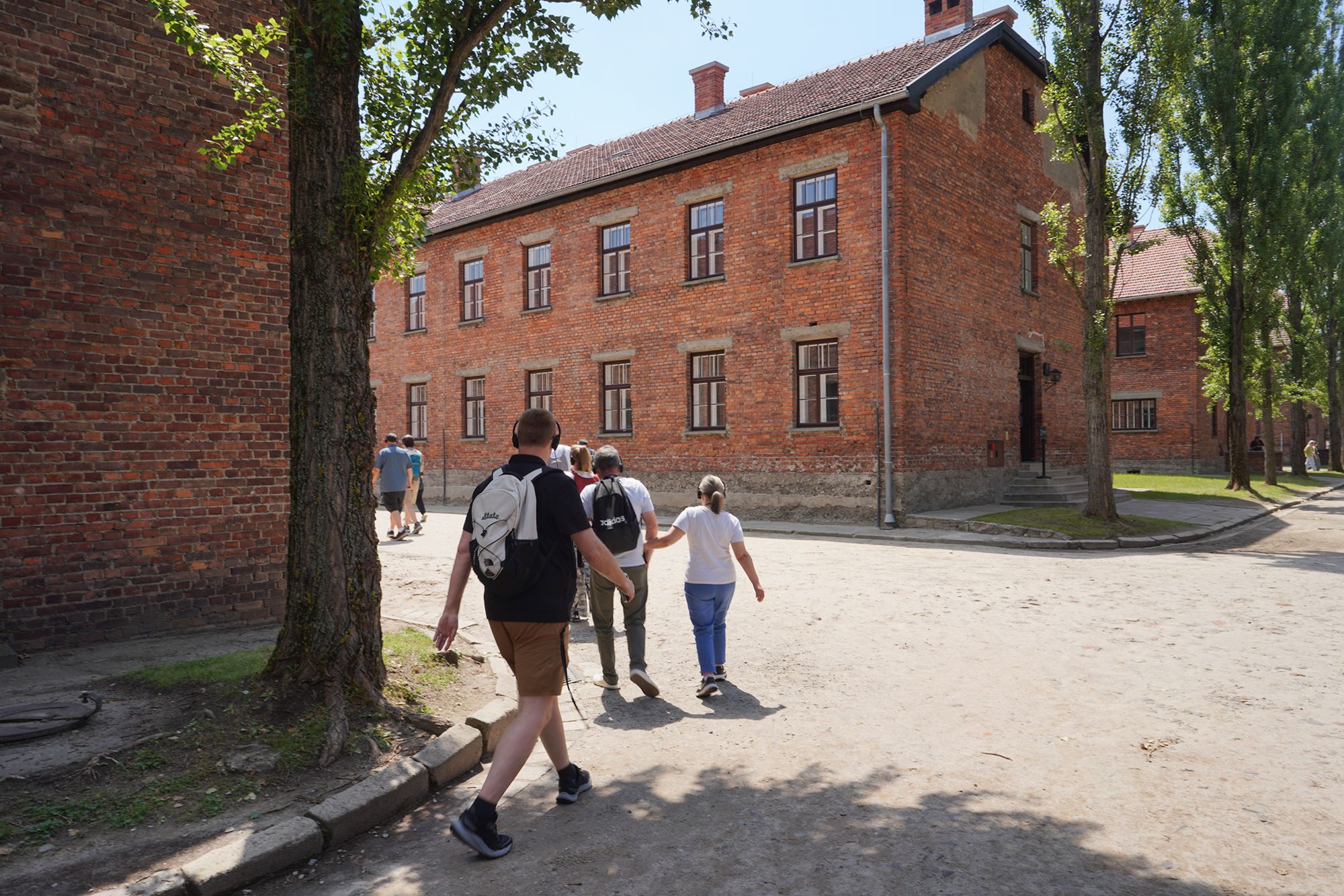
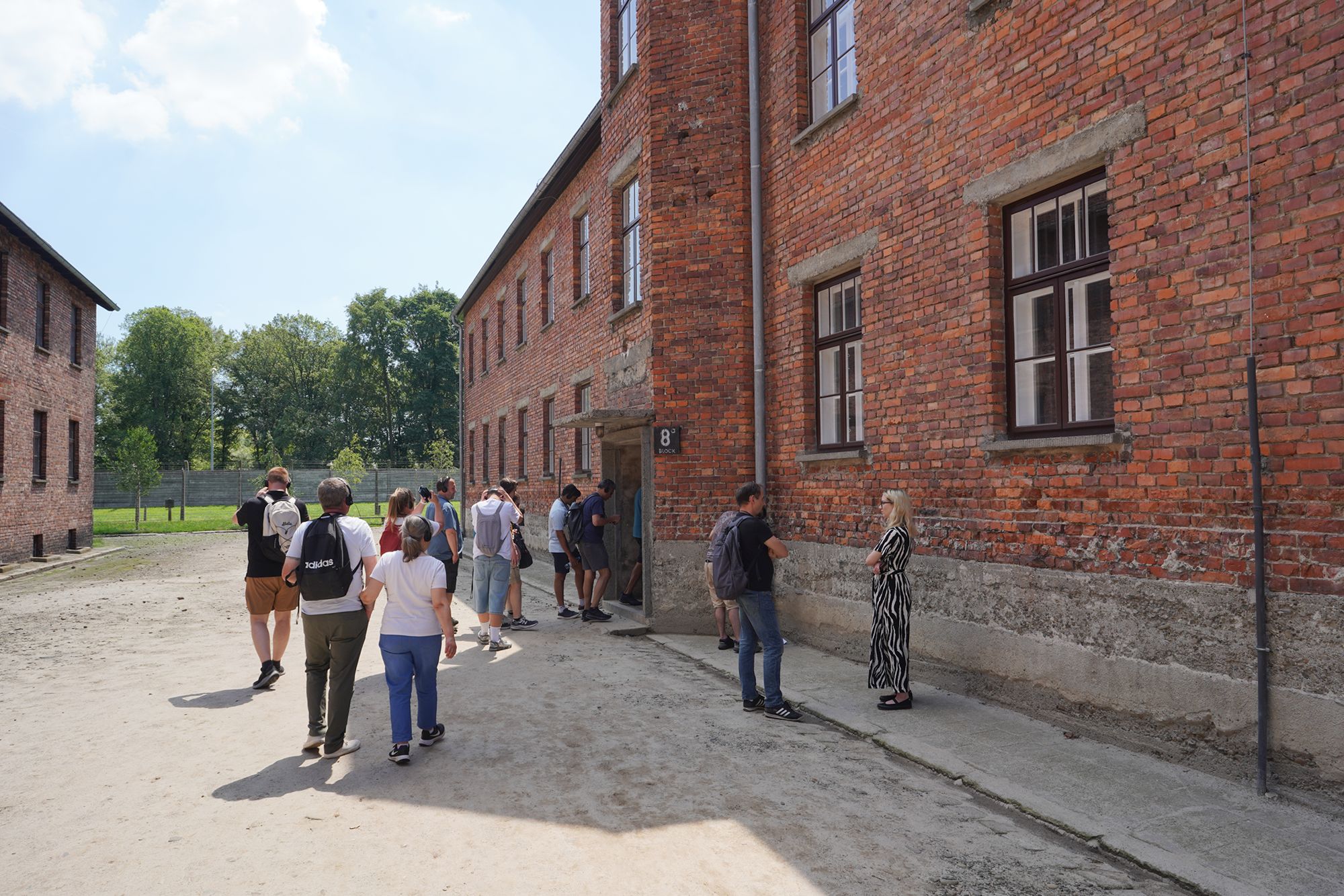
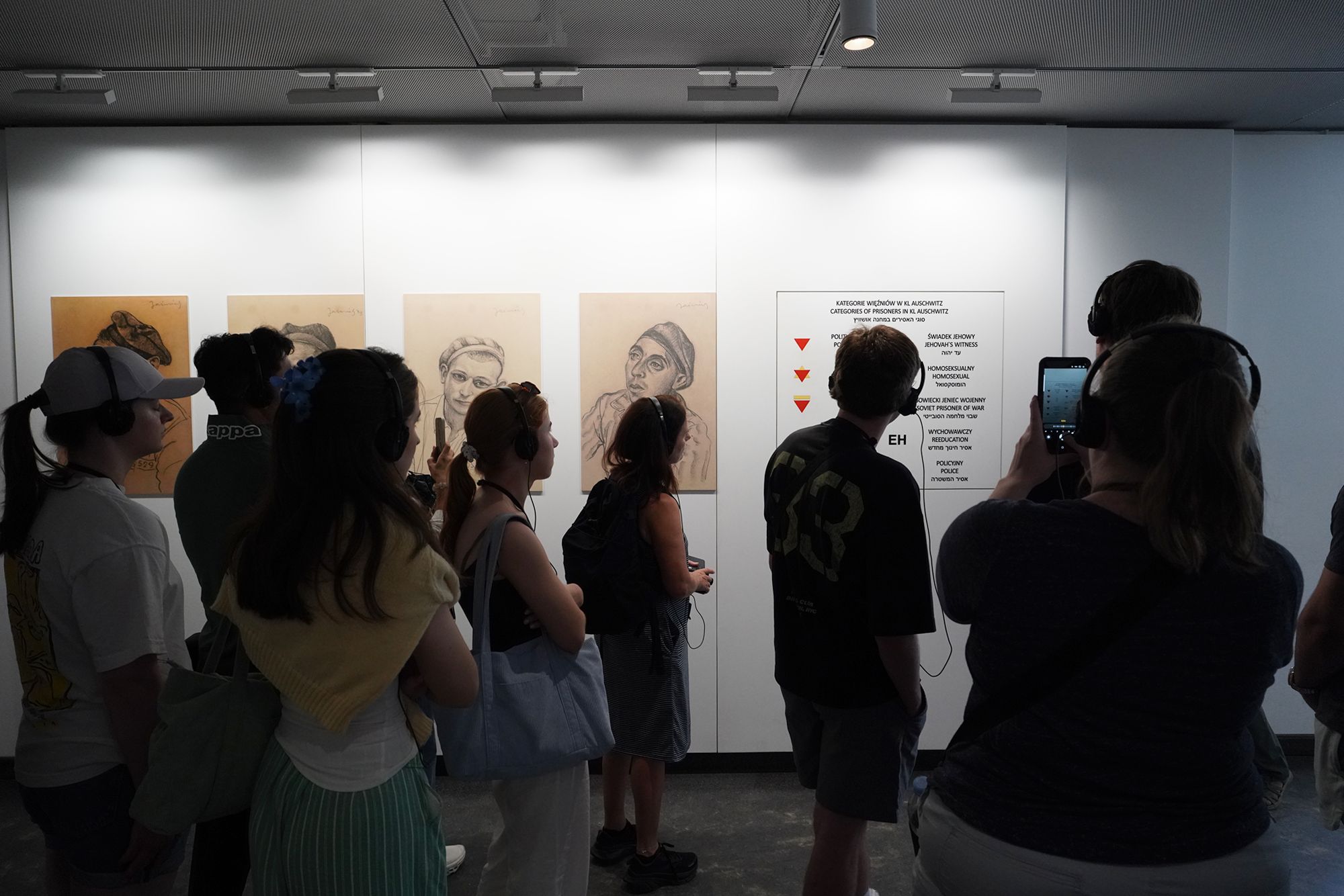
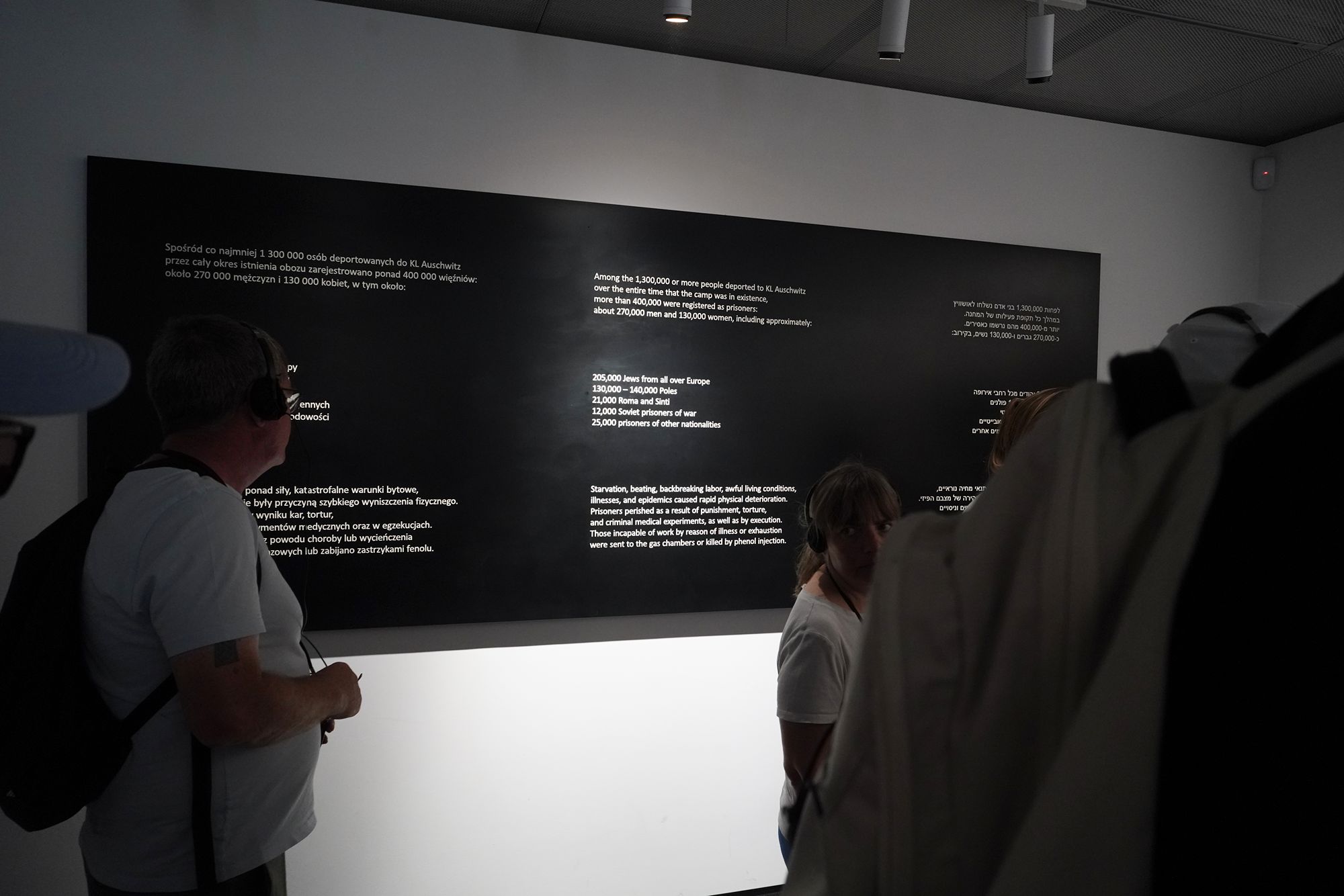
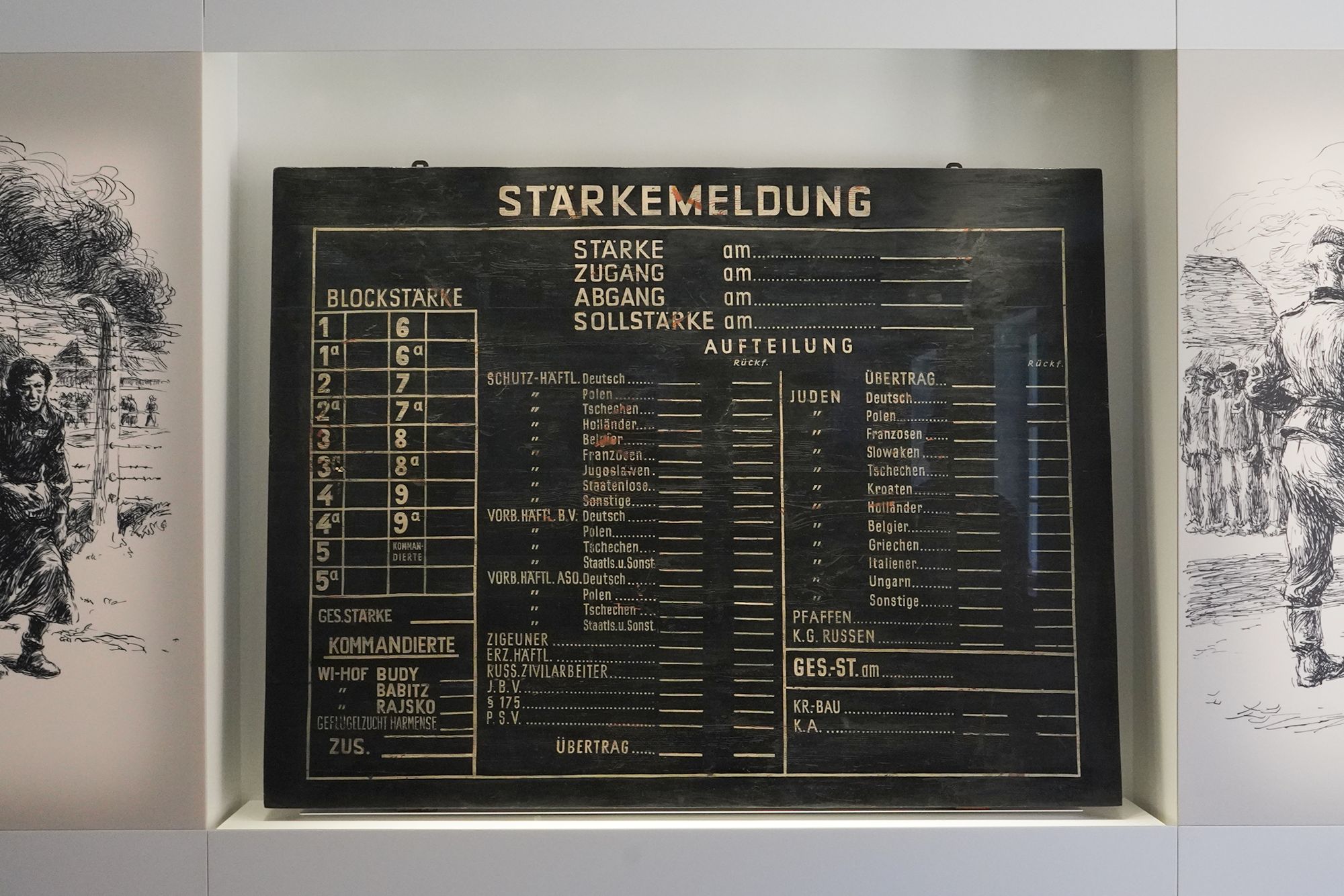
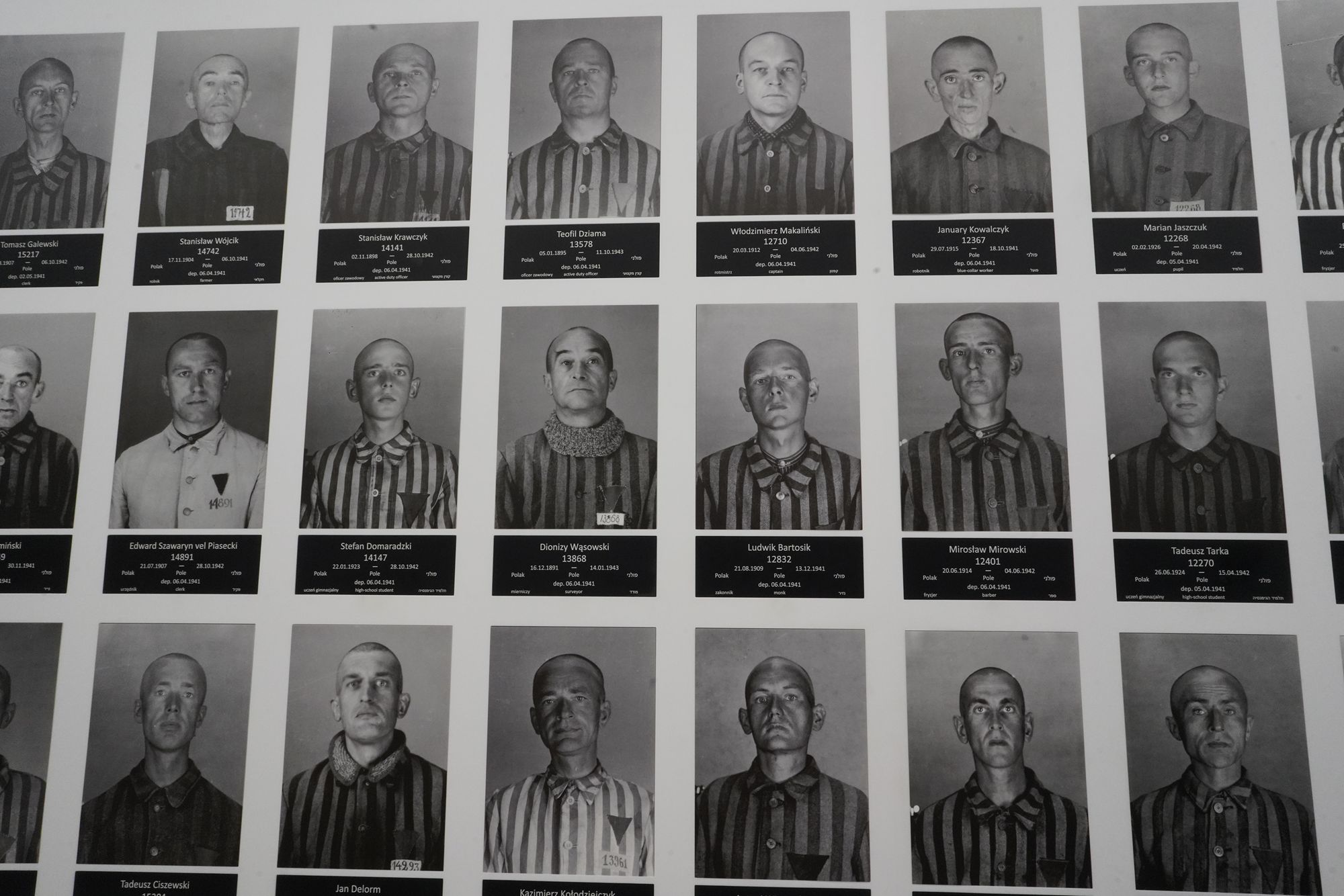
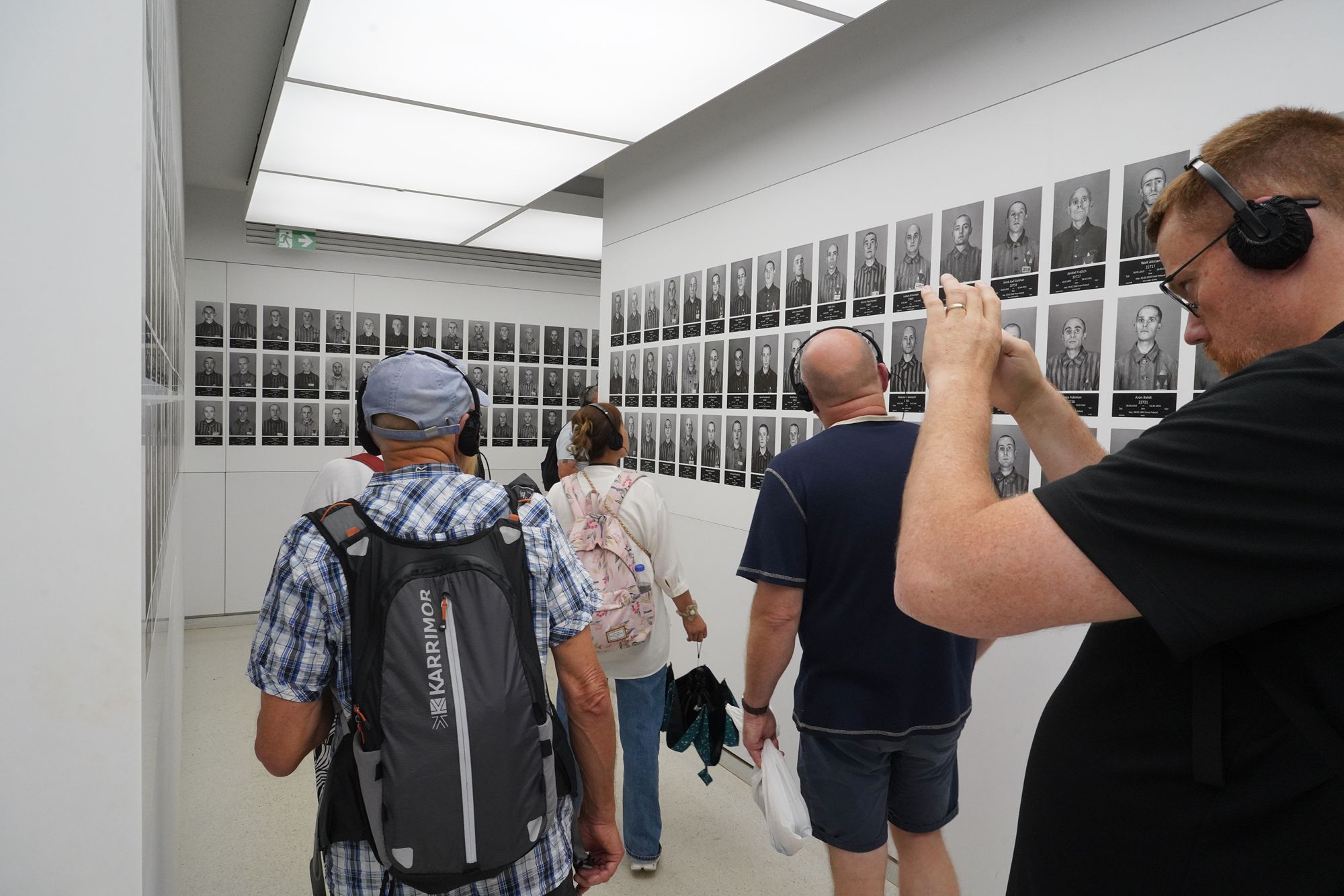
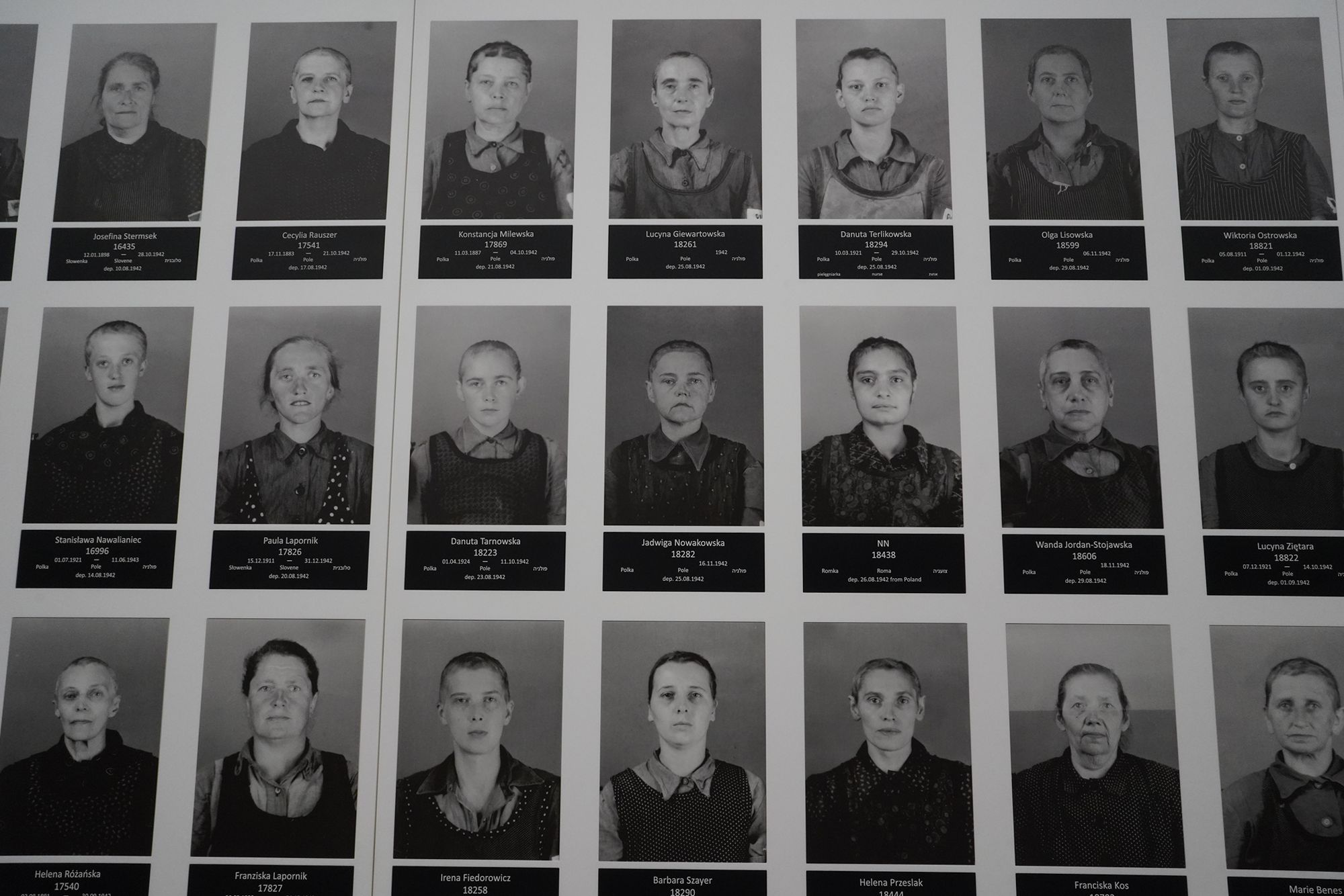
The exhibit notes that more than 1.3 million people were deported to Auschwitz, while over 400,000 were registered as prisoners. It describes how starvation, disease, forced labor, torture, executions, and the gas chambers led to their deaths.
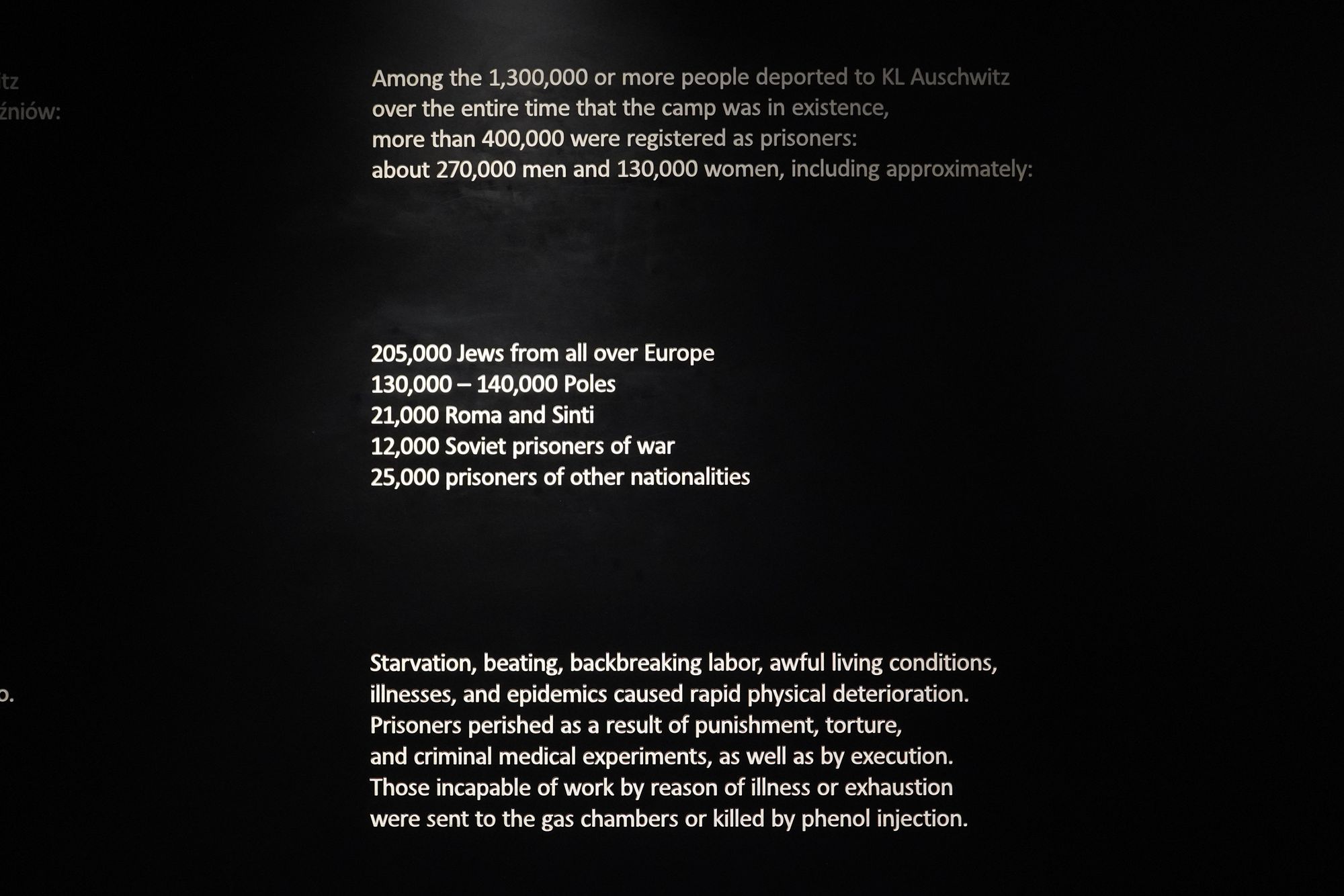
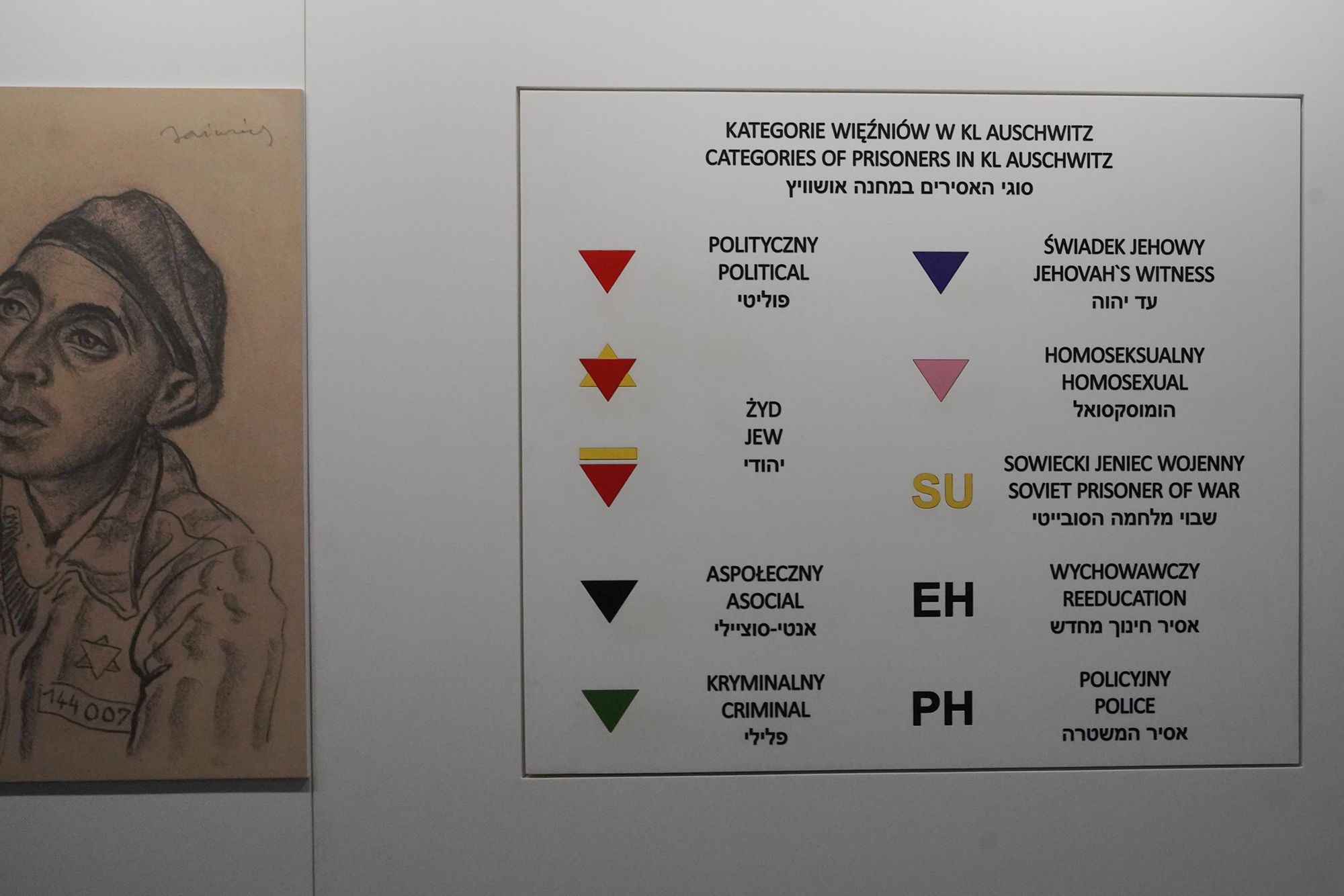
Categories of Prisoners
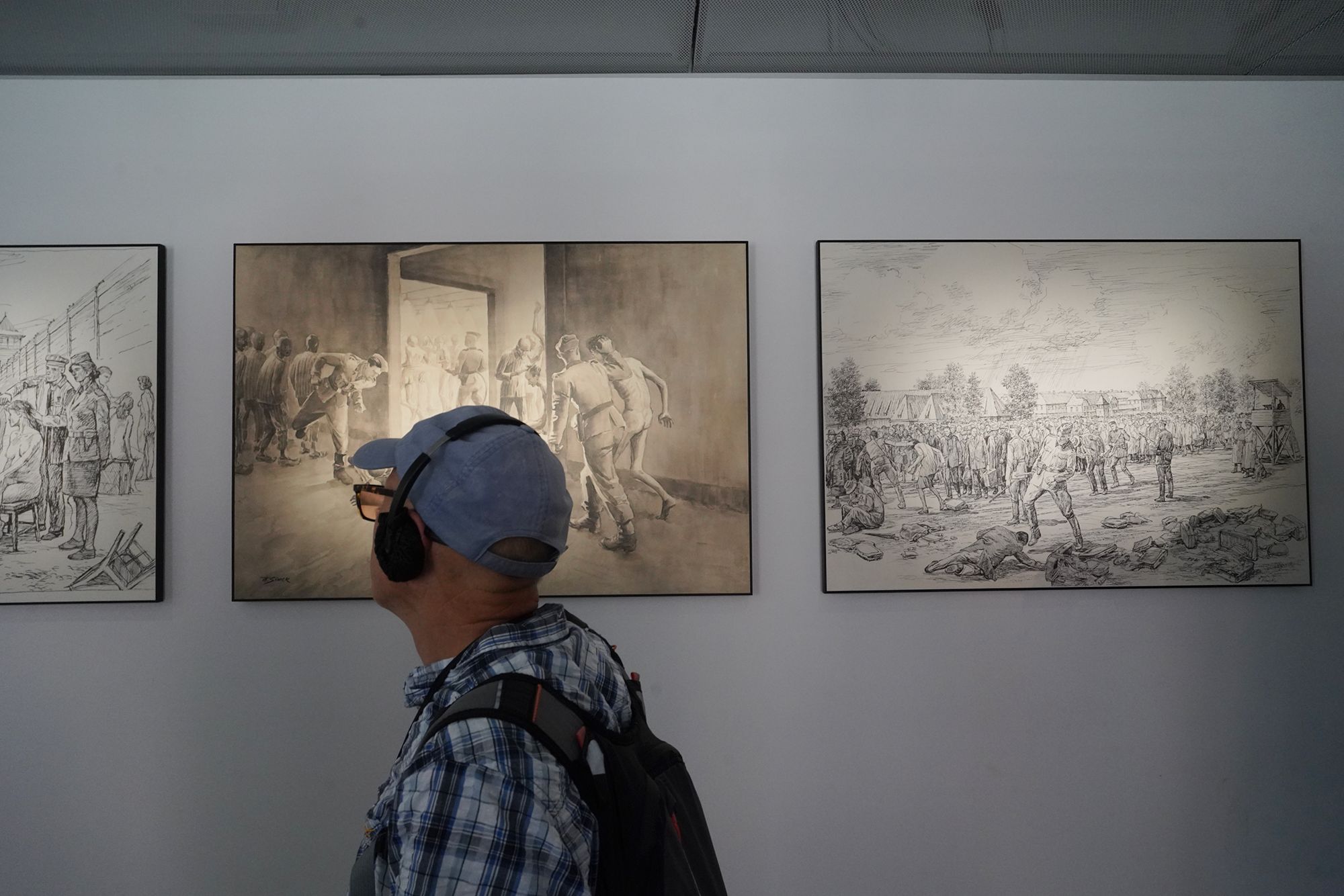
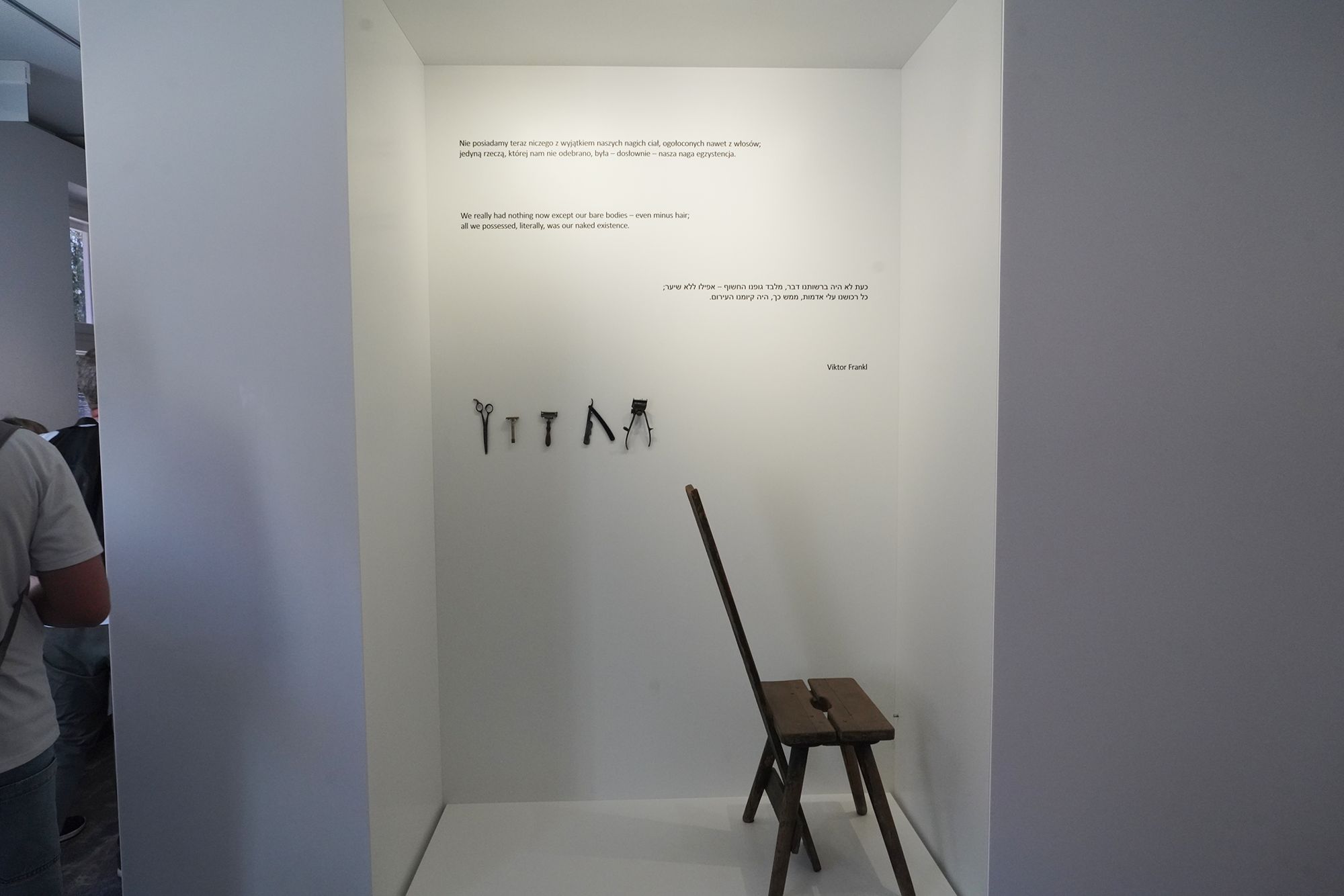
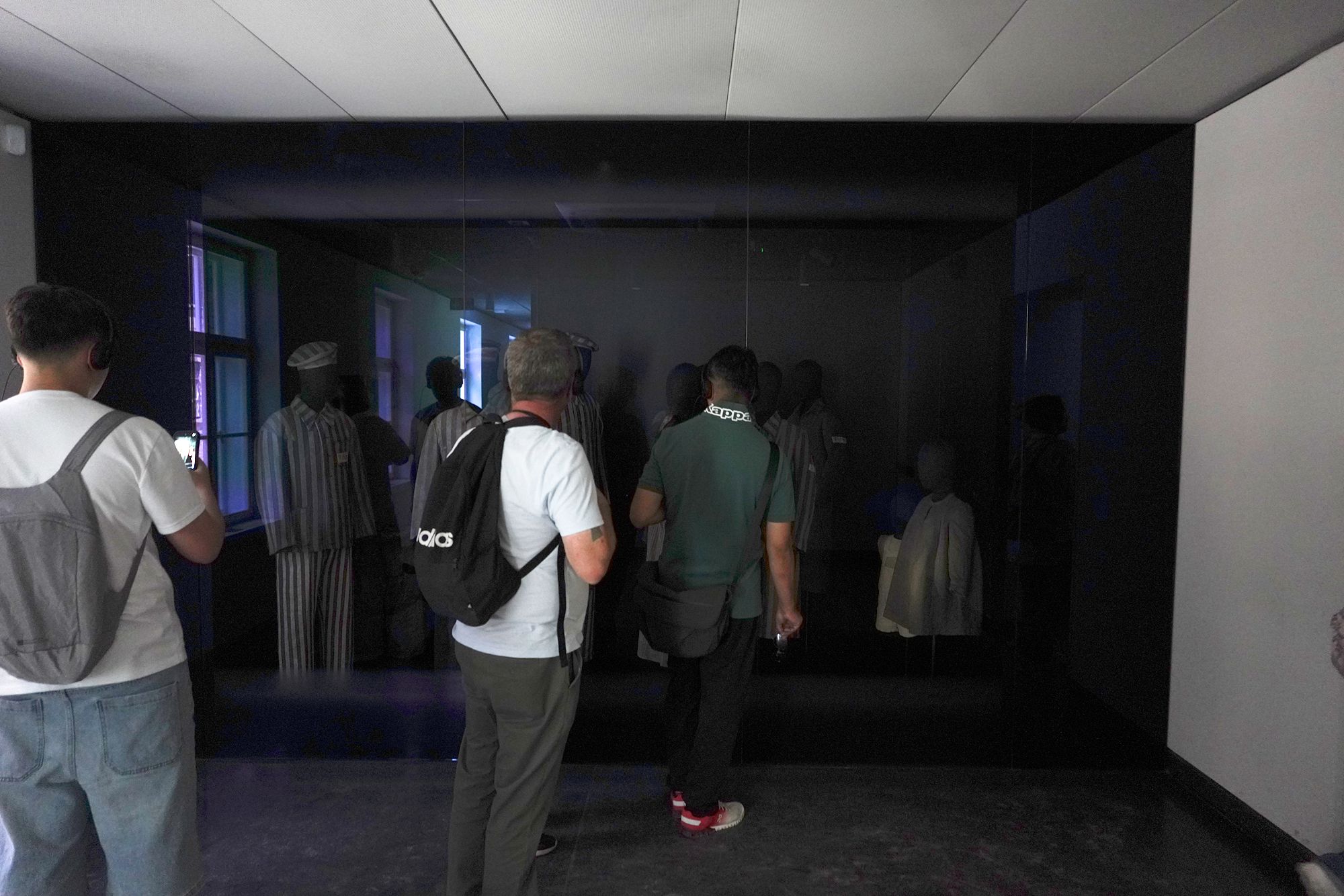
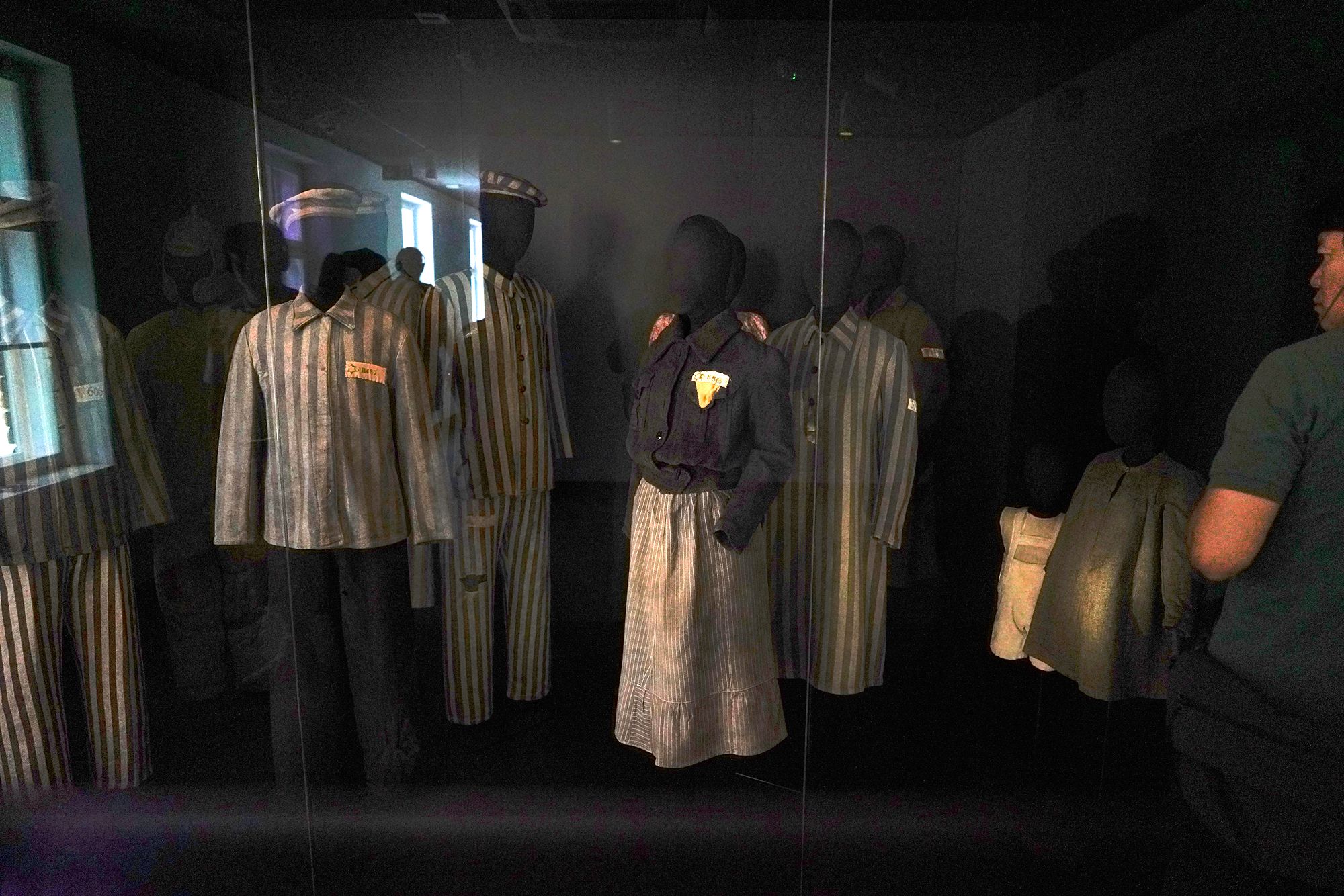
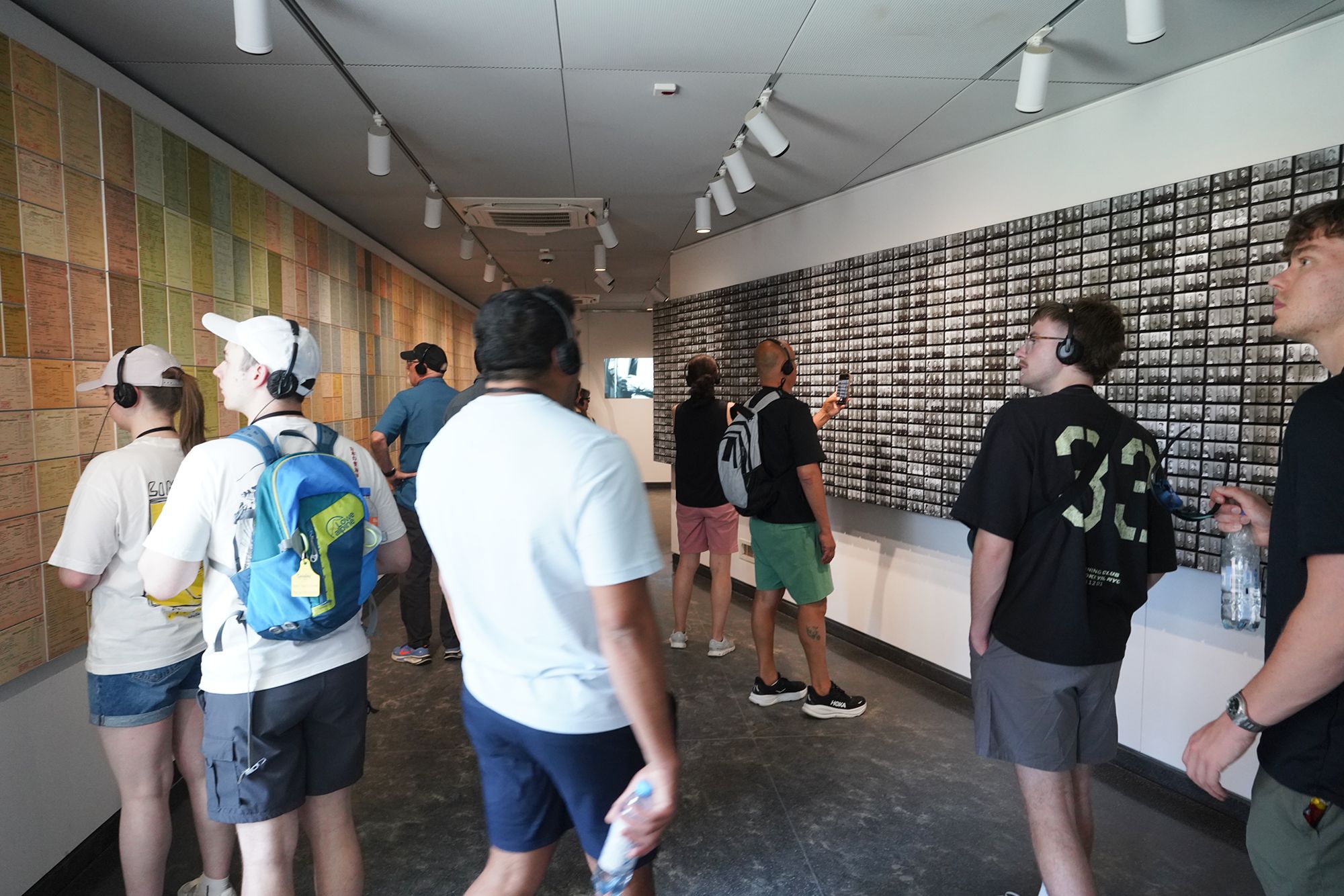
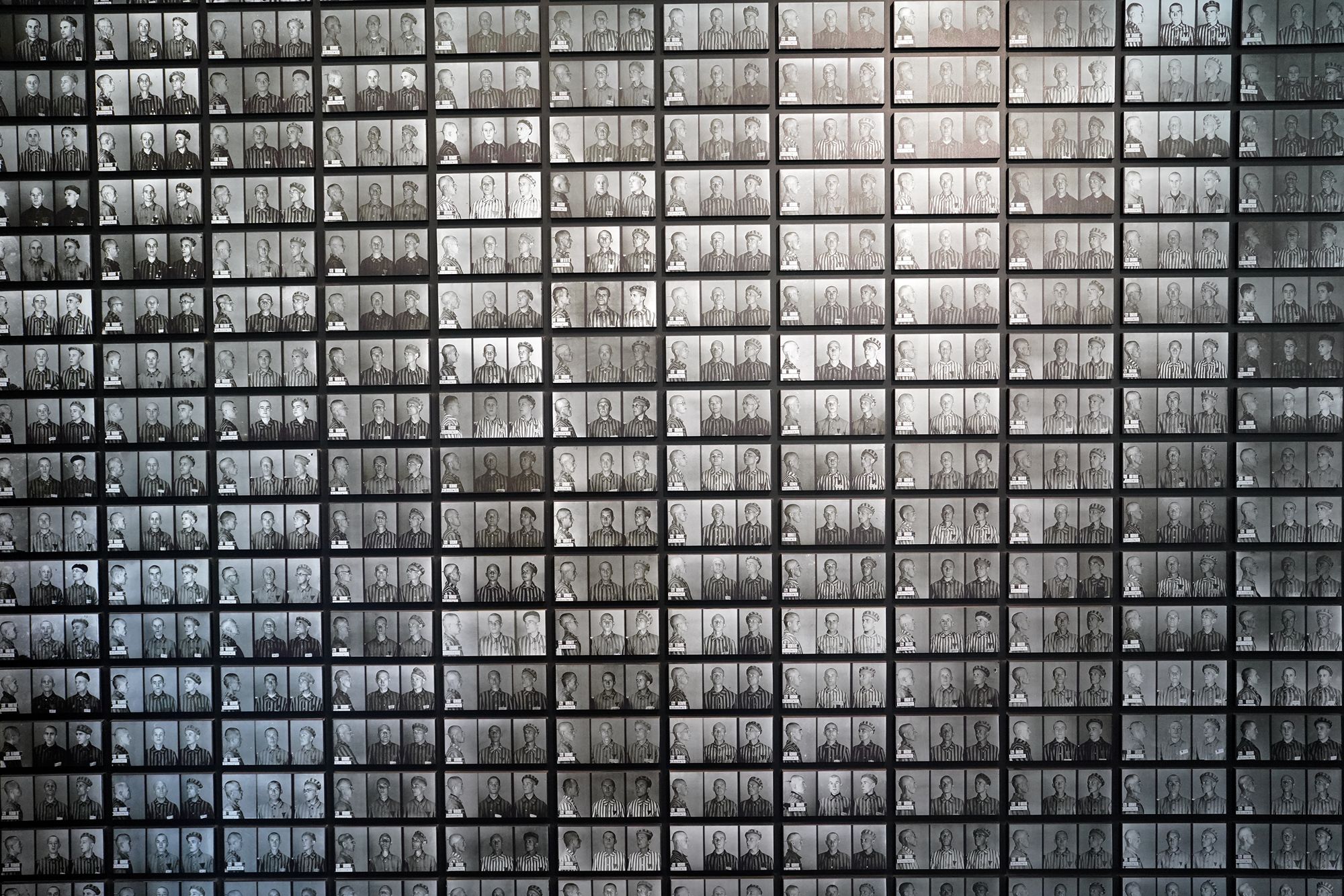
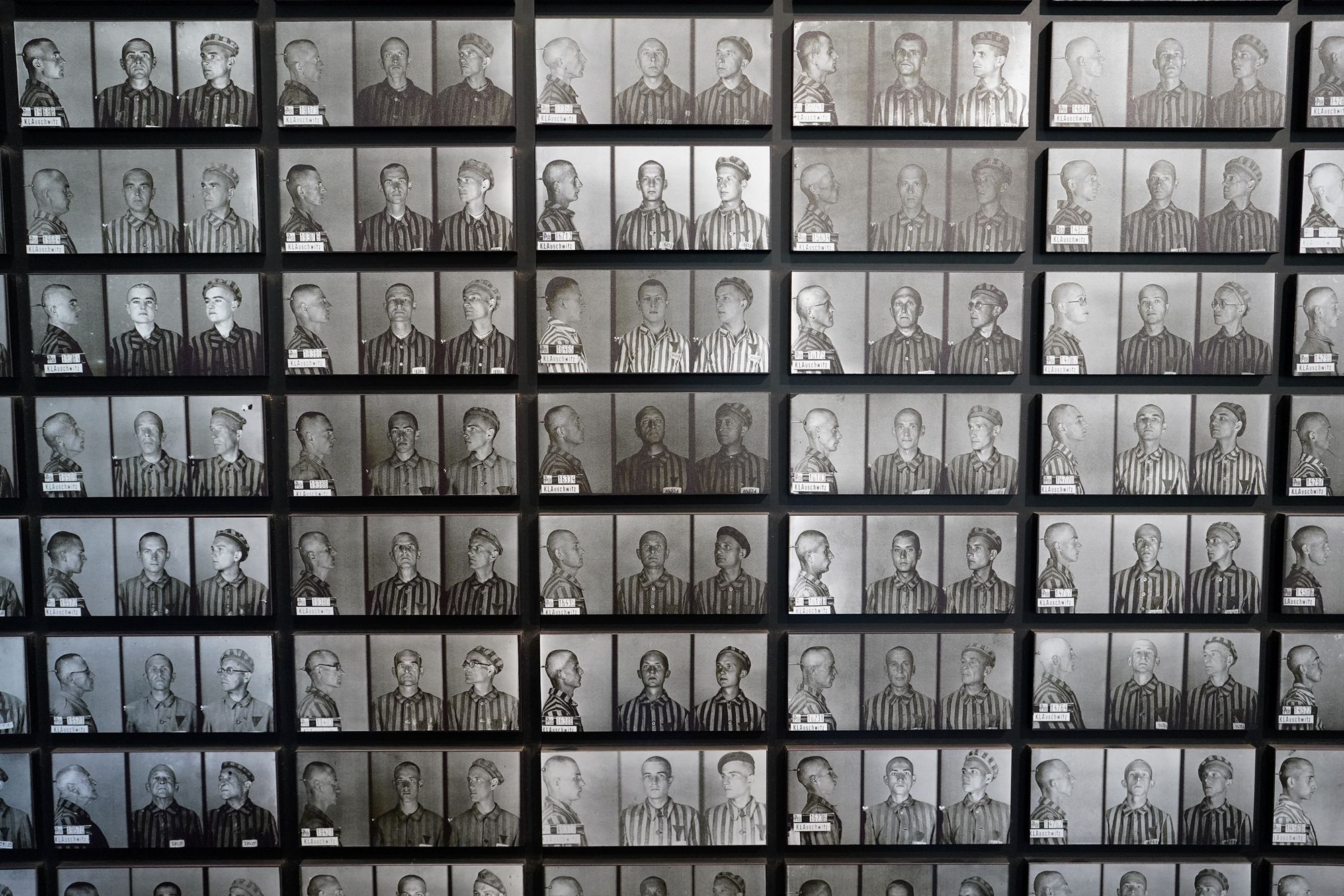
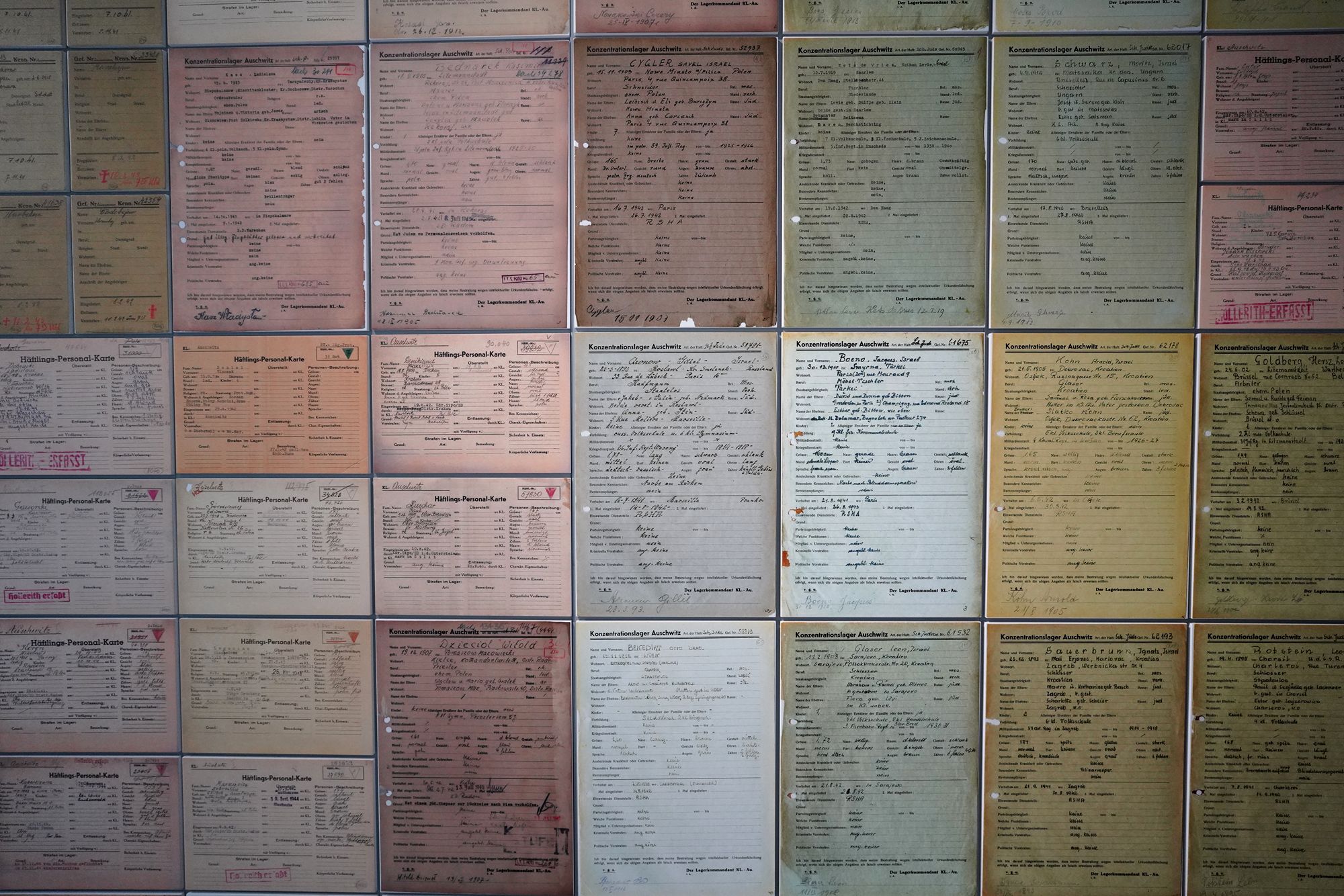
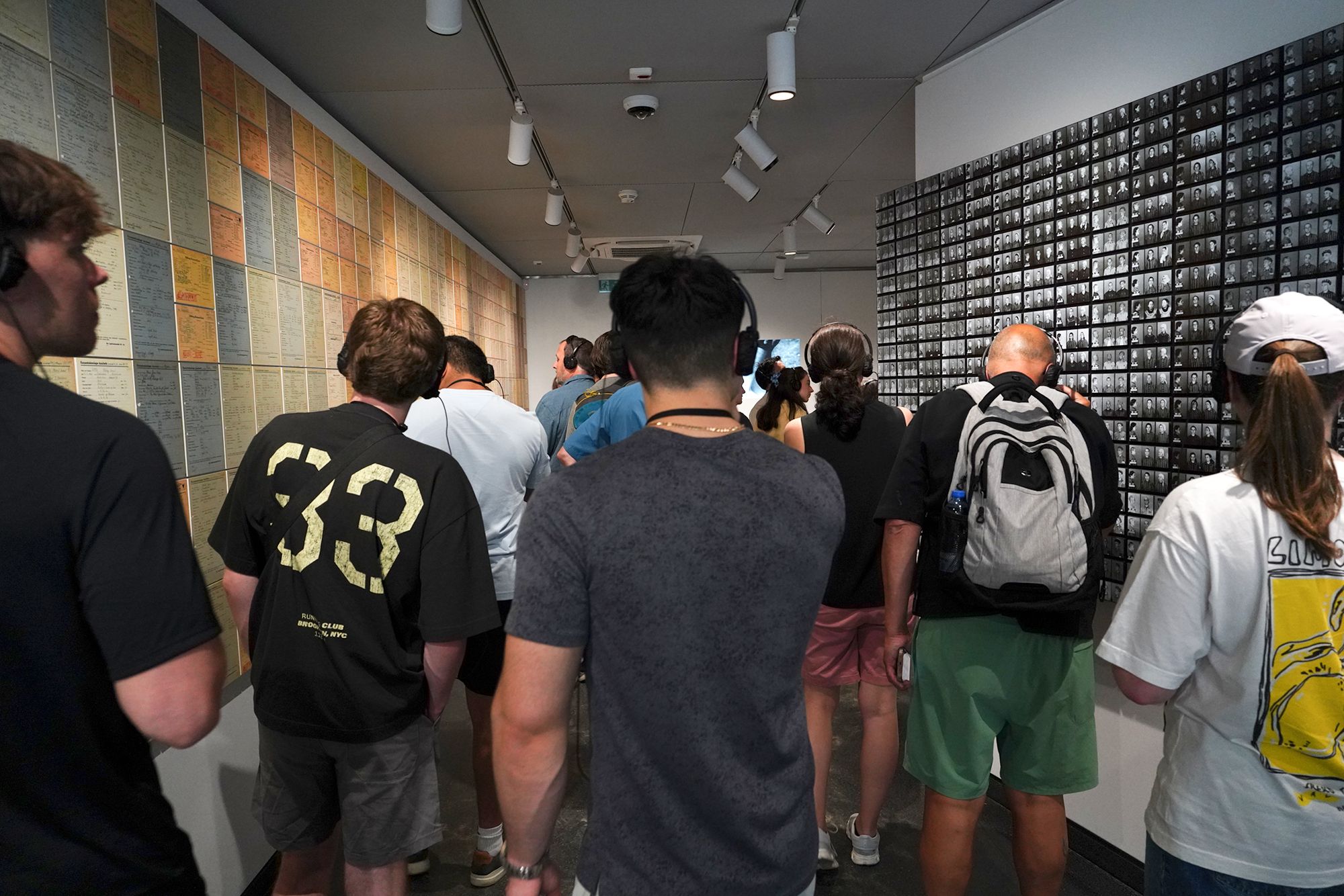
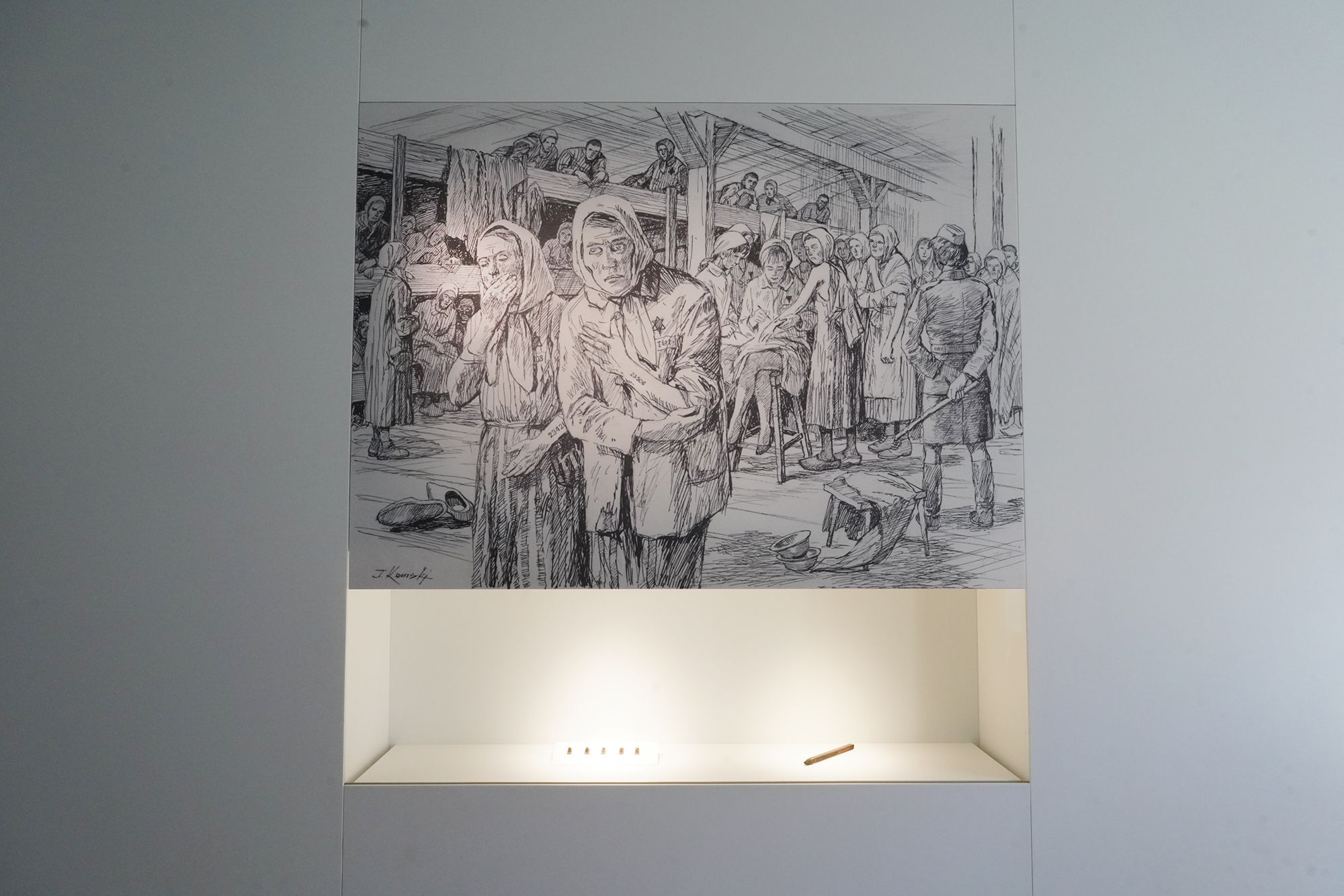
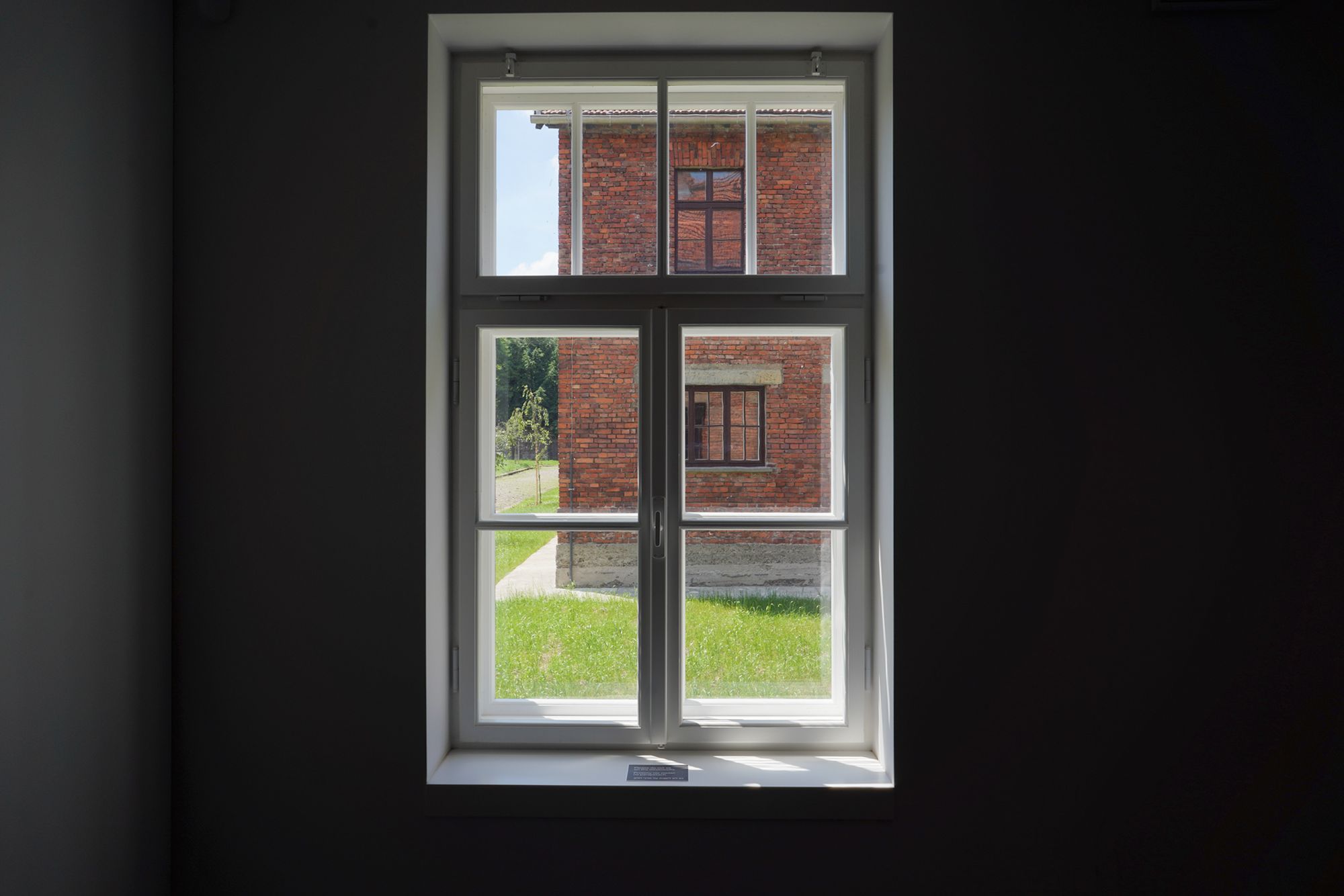
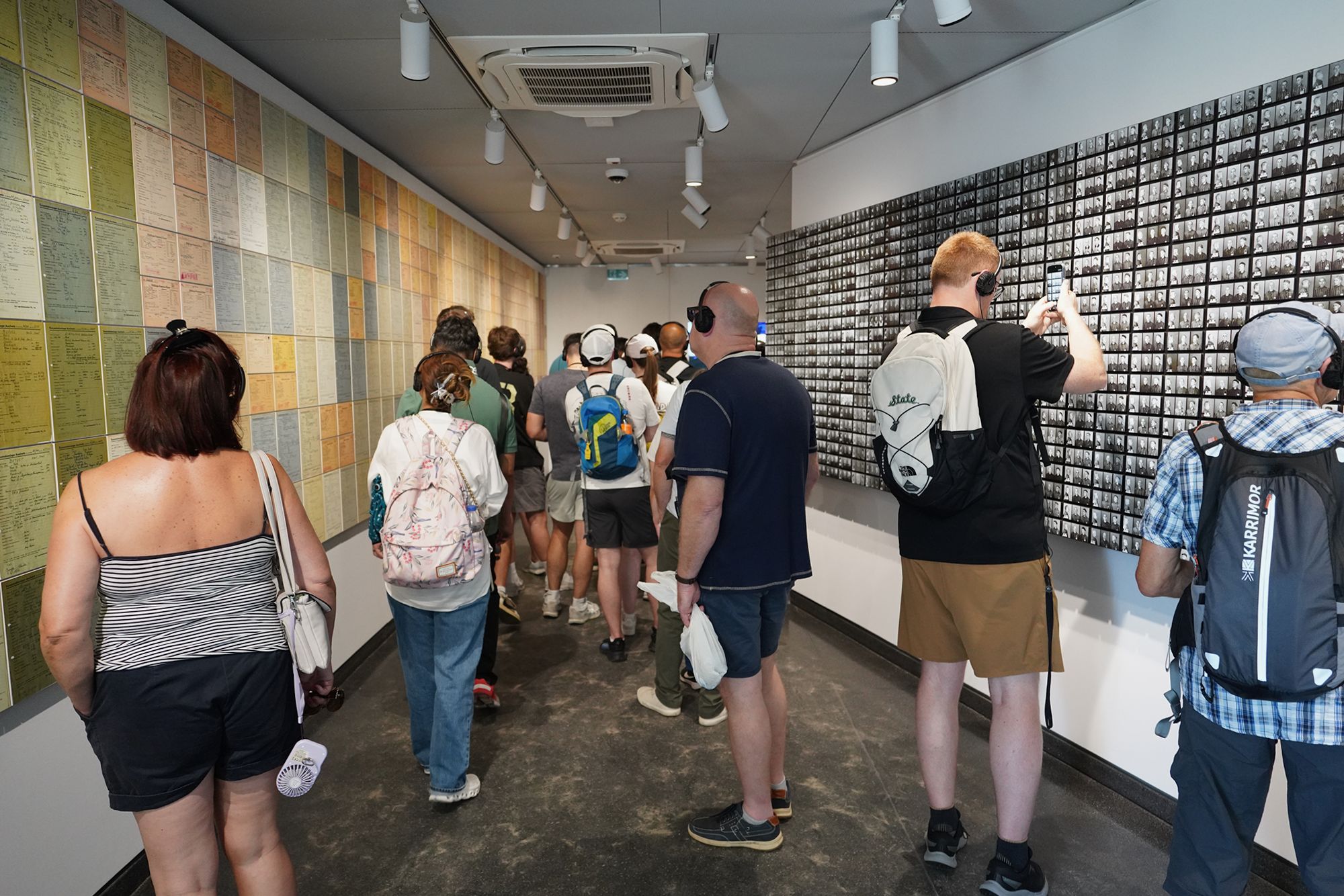
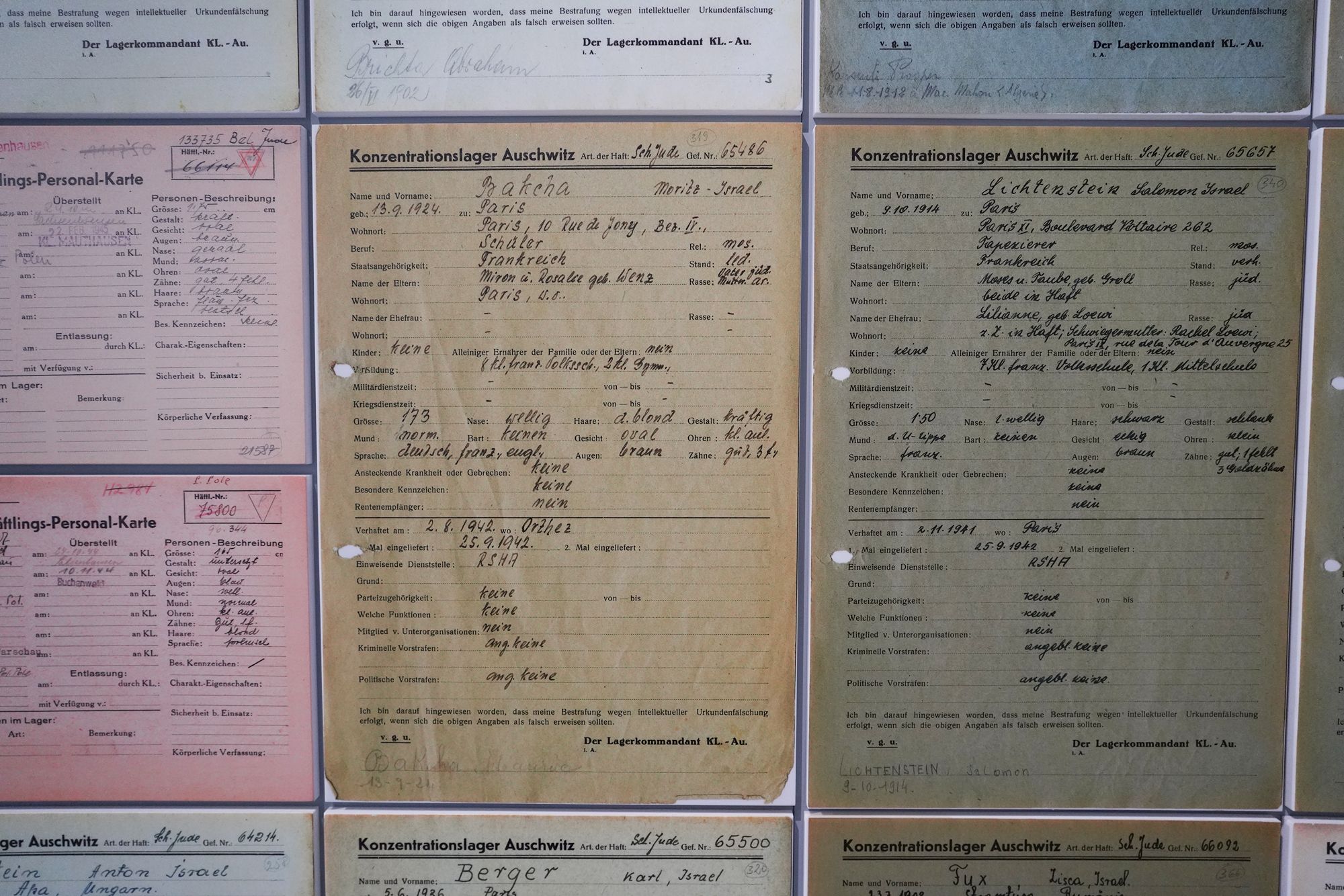
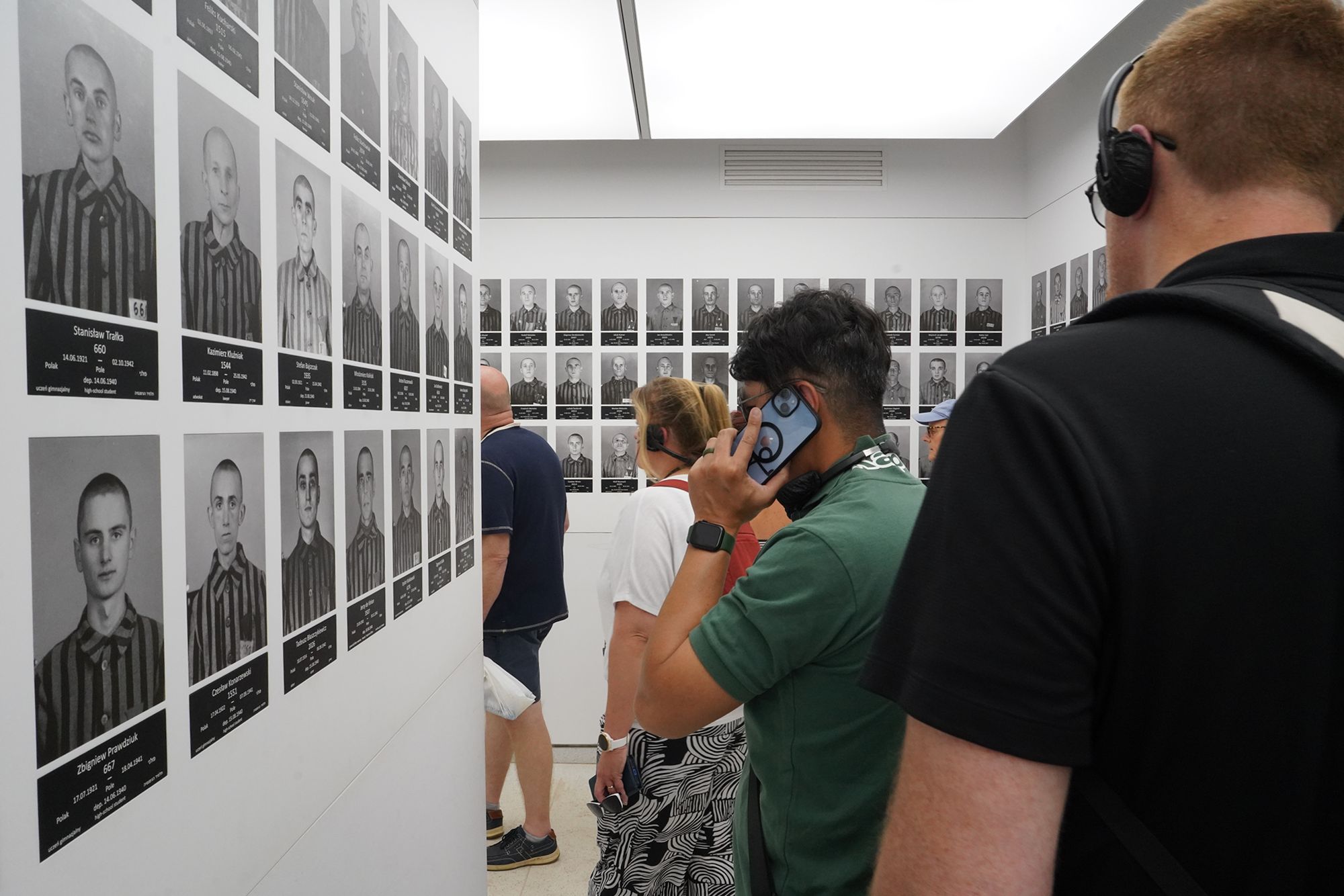
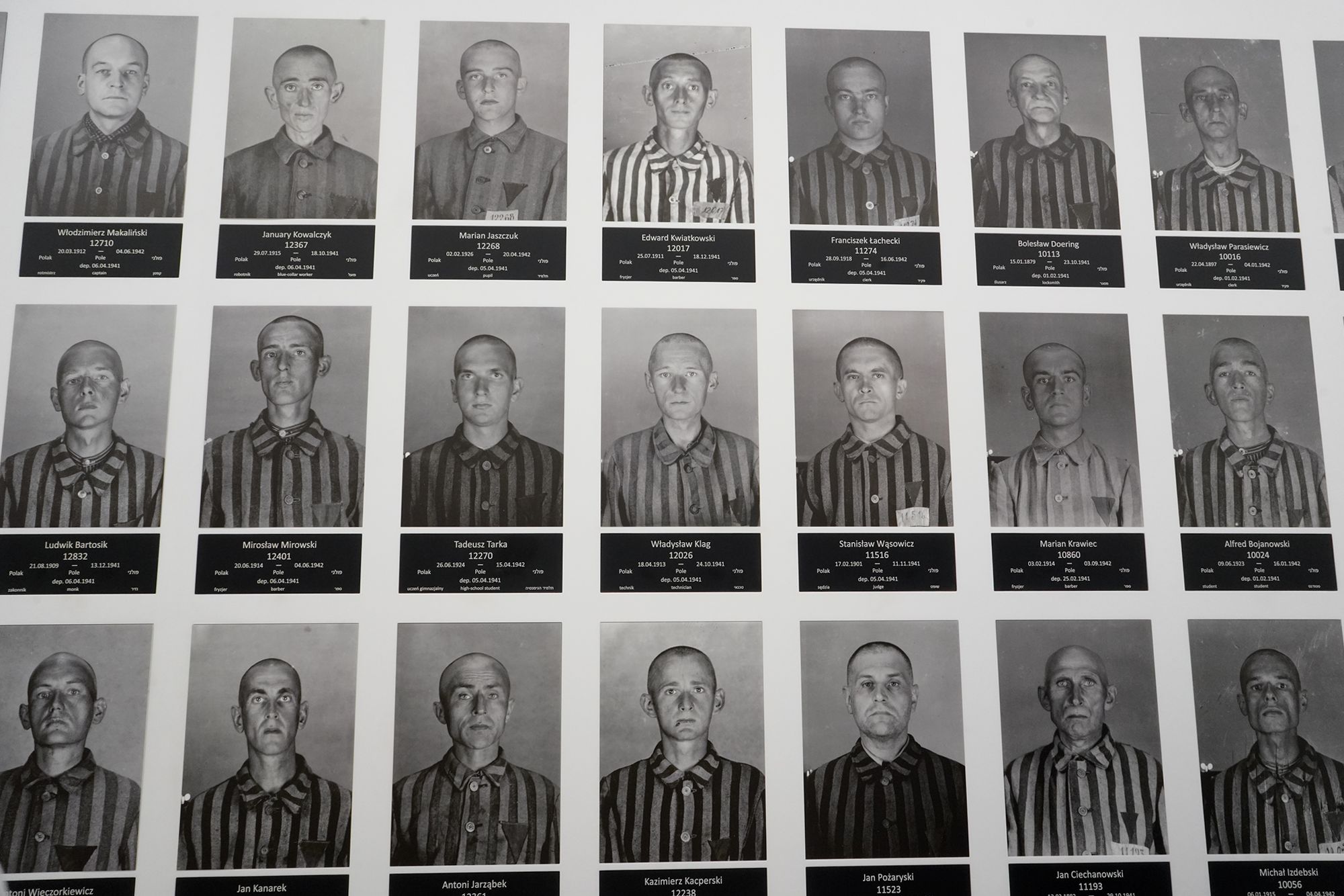
These prisoner registration forms list personal details such as names, birthplaces, nationality, and occupation, showing how the camp documented its inmates.
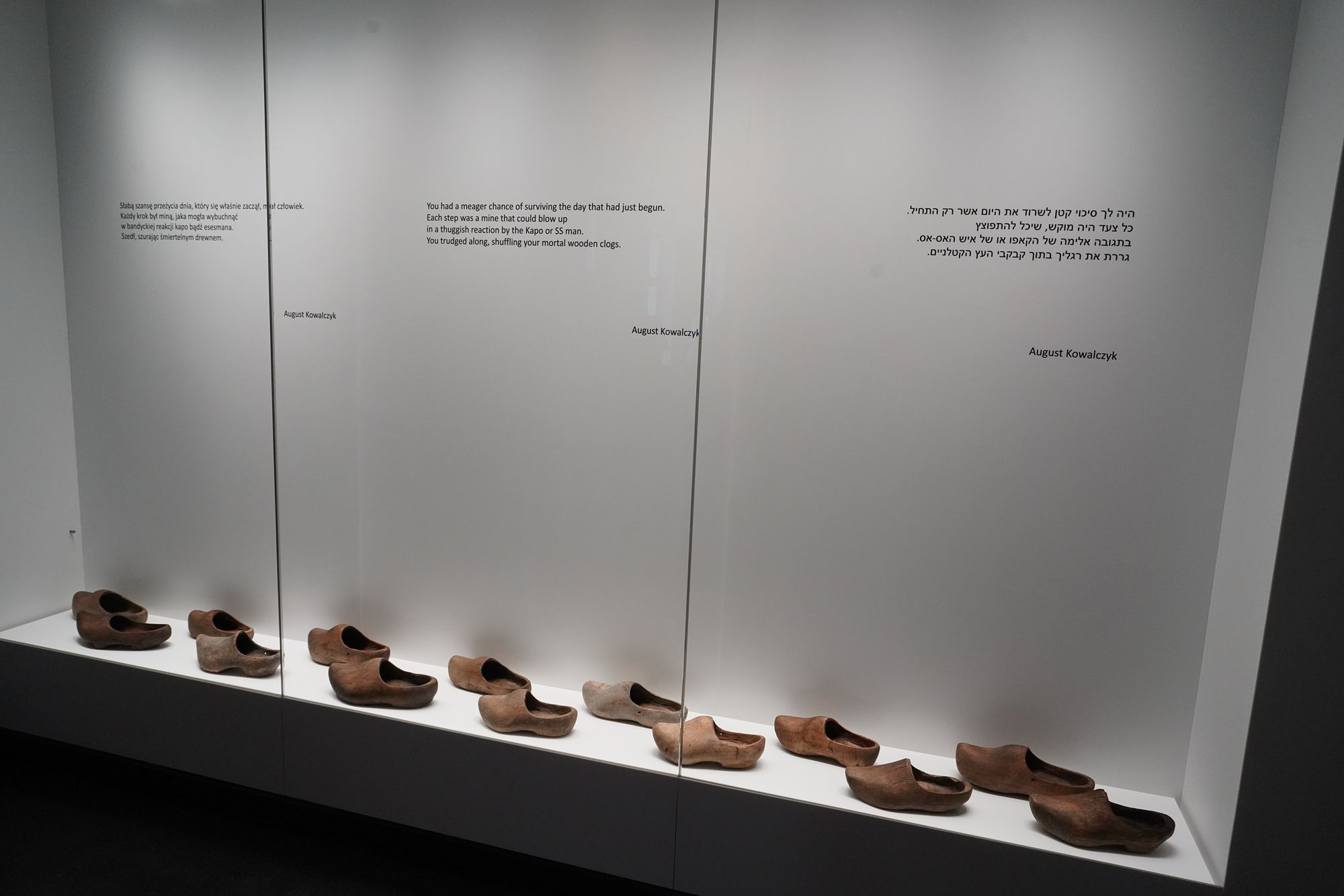
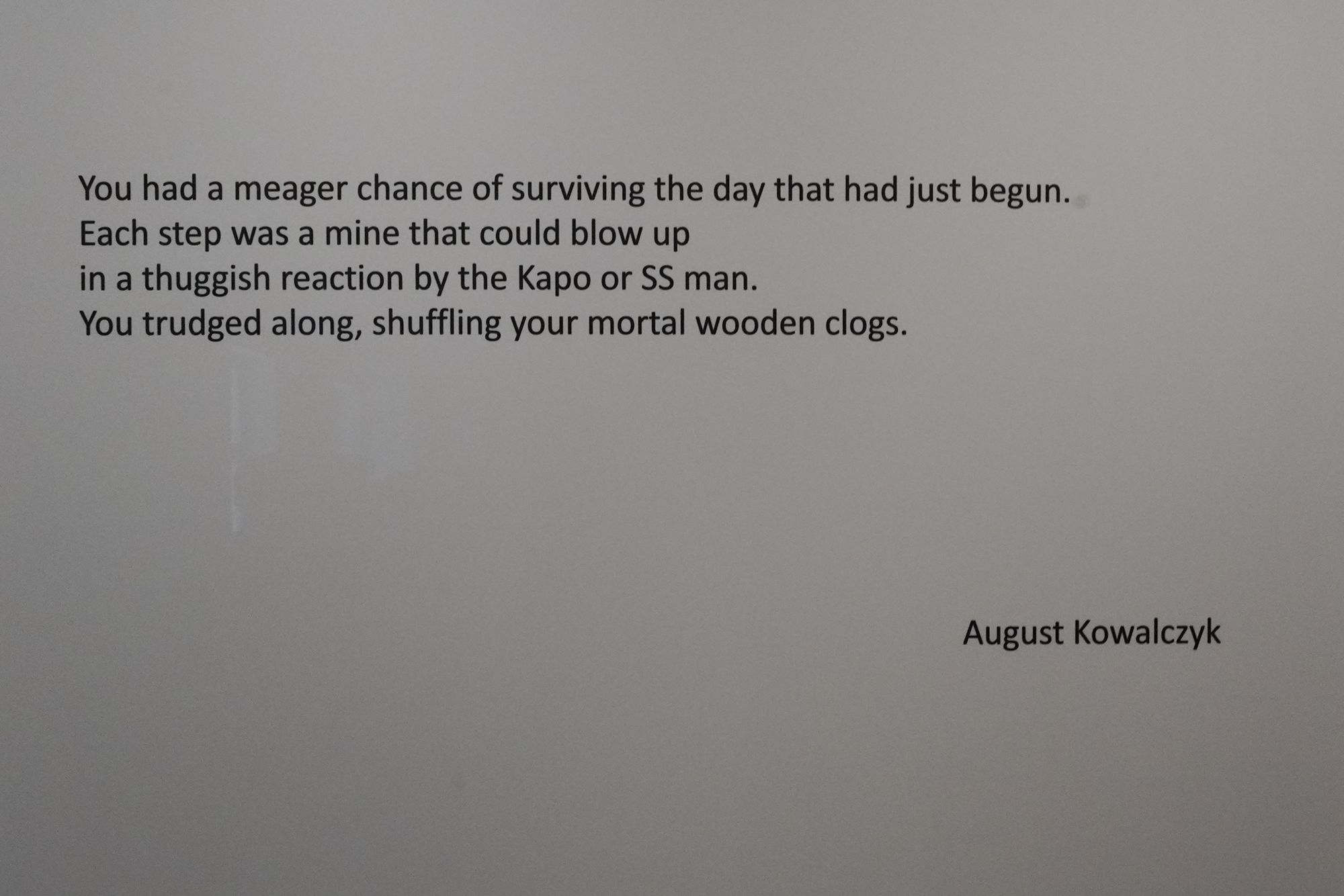
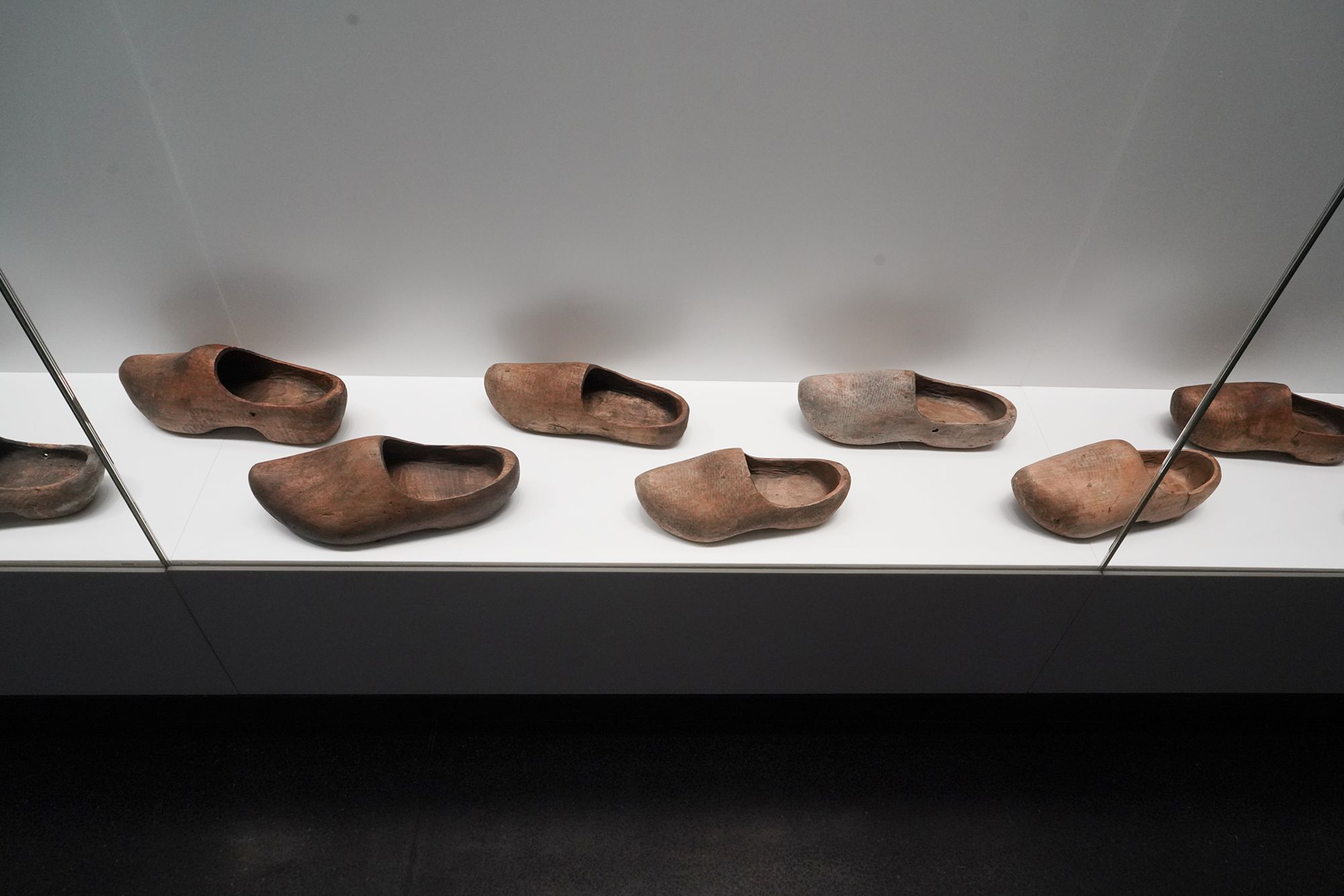
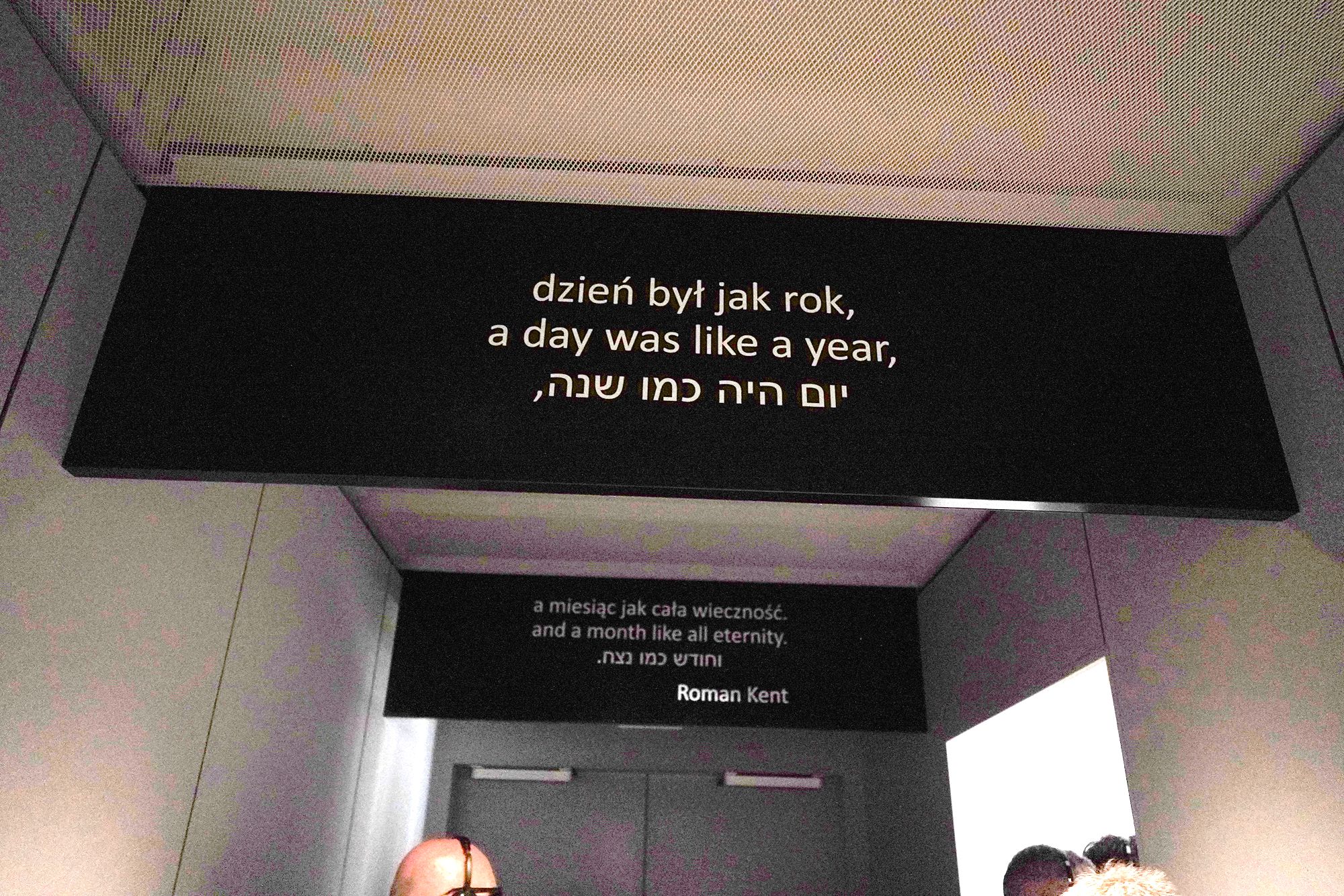
Auschwitz survivor August Kowalczyk’s words recall the constant danger prisoners faced and the struggle to keep moving in wooden clogs.
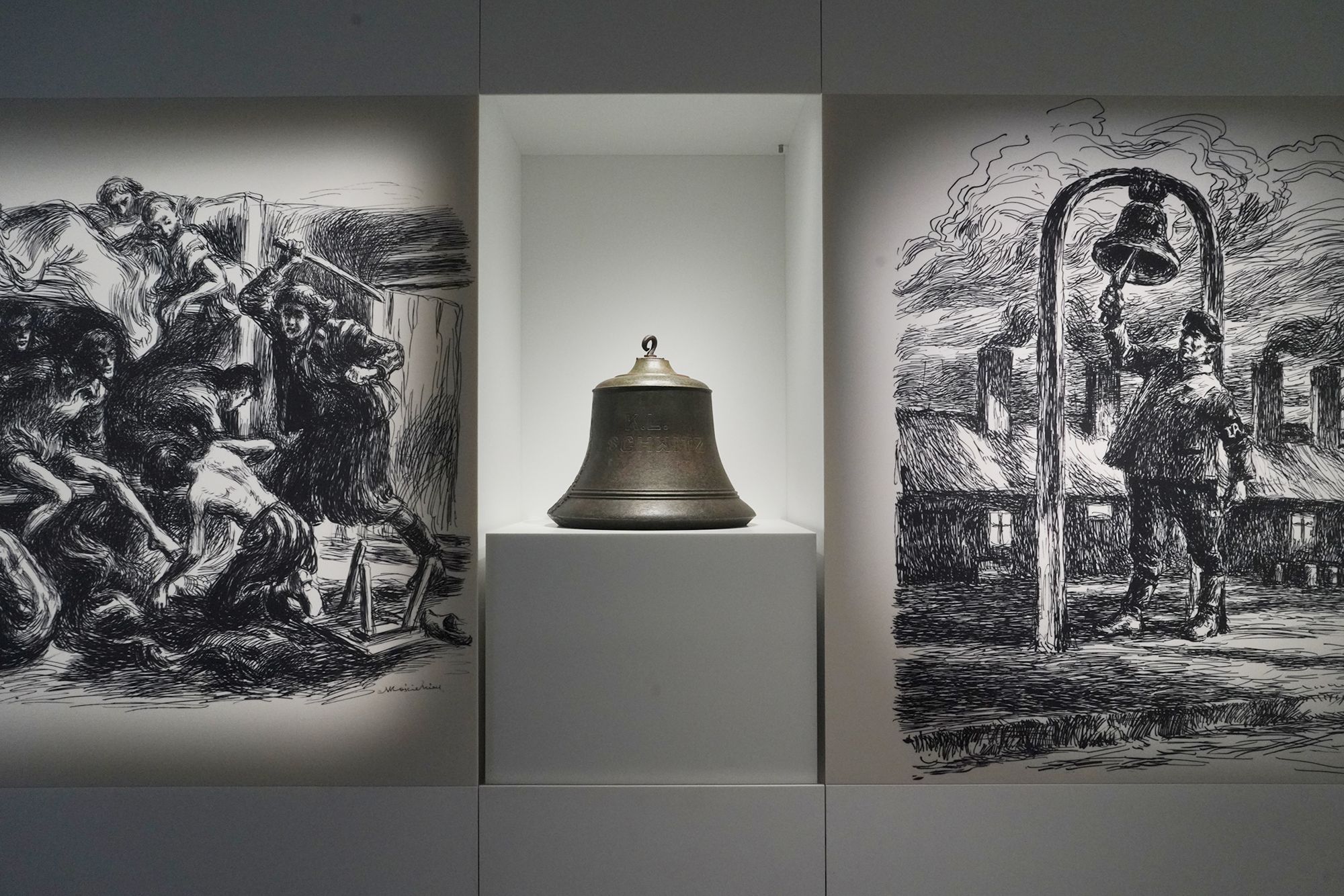
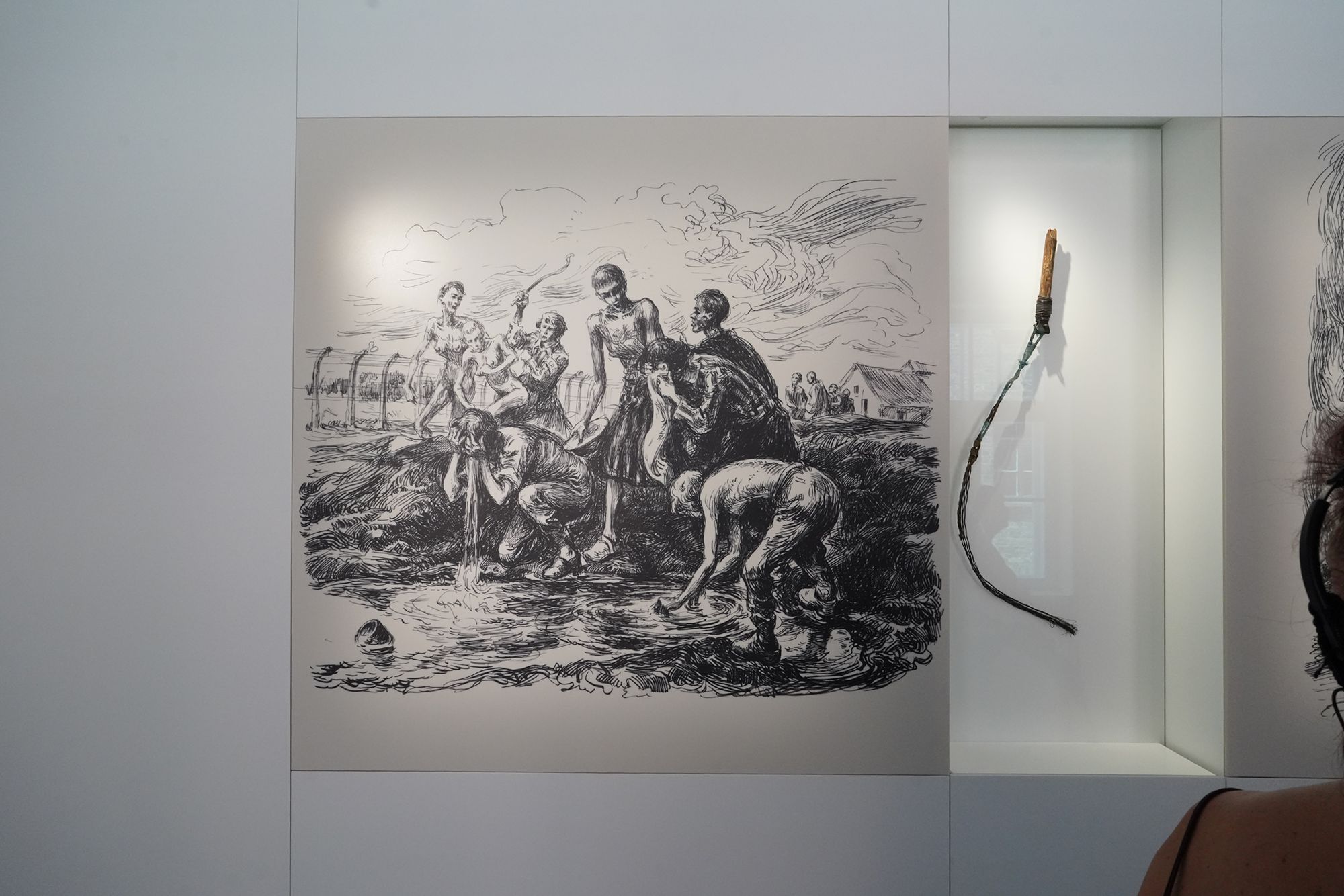
A day was like a year, and a month like all eternity
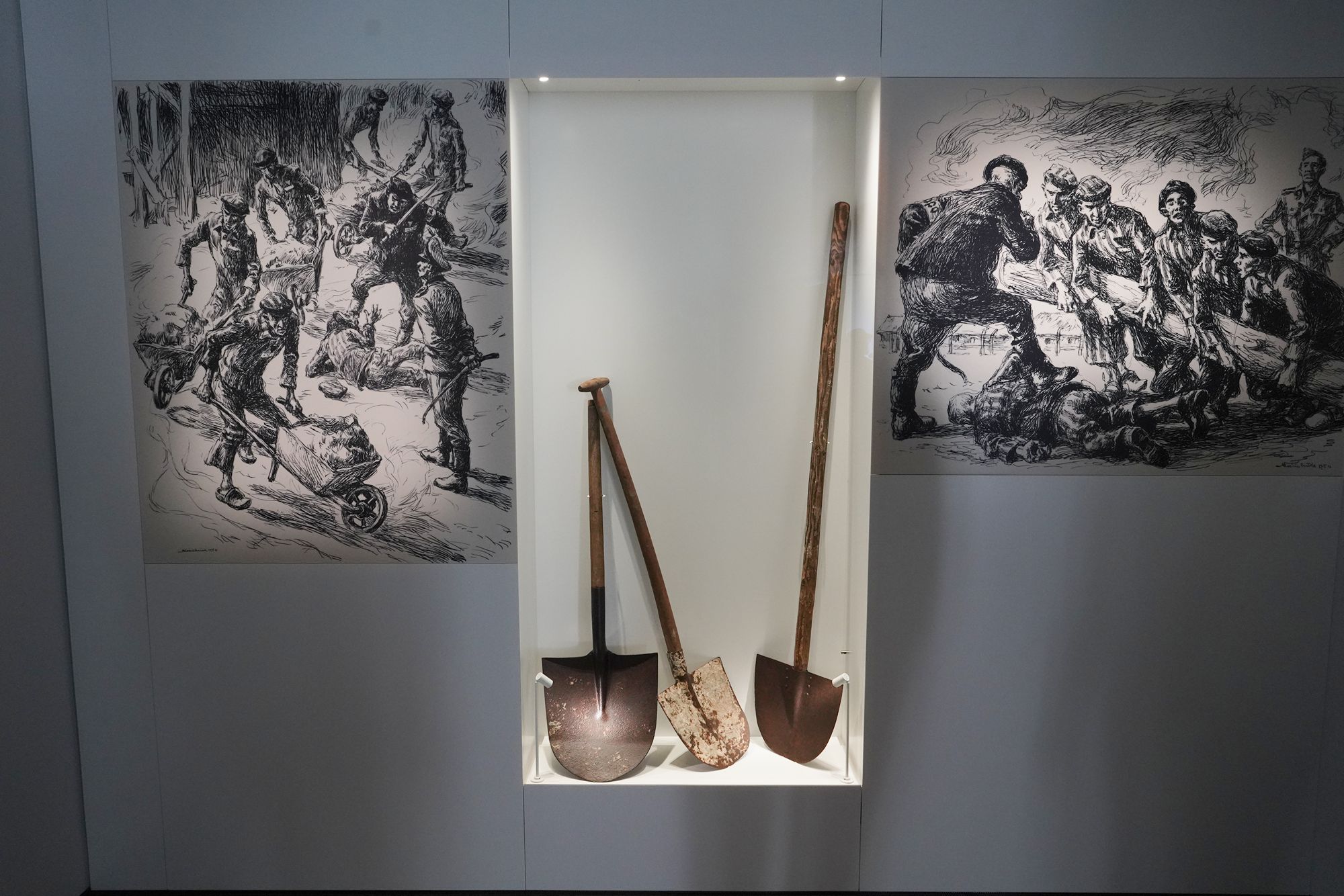
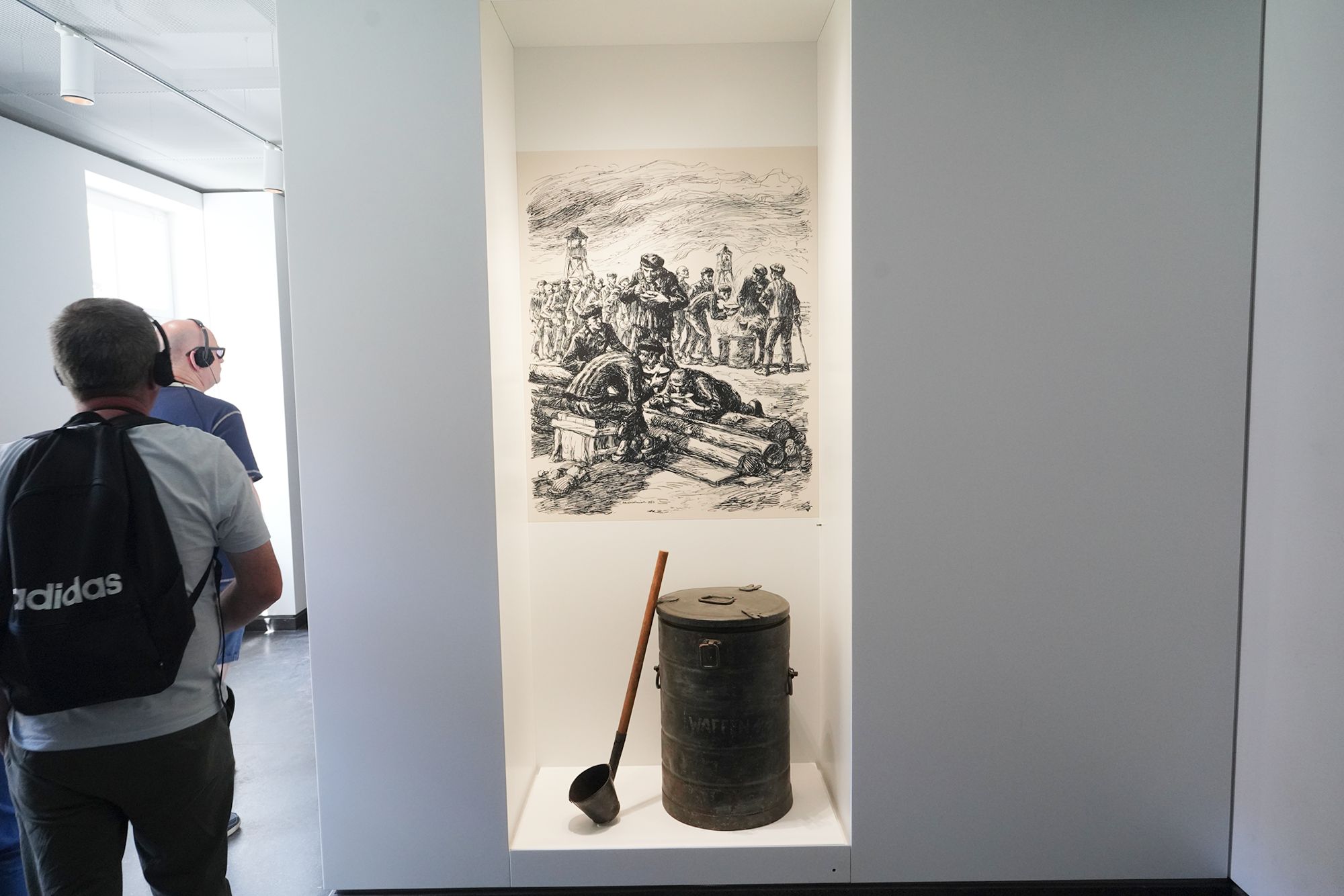
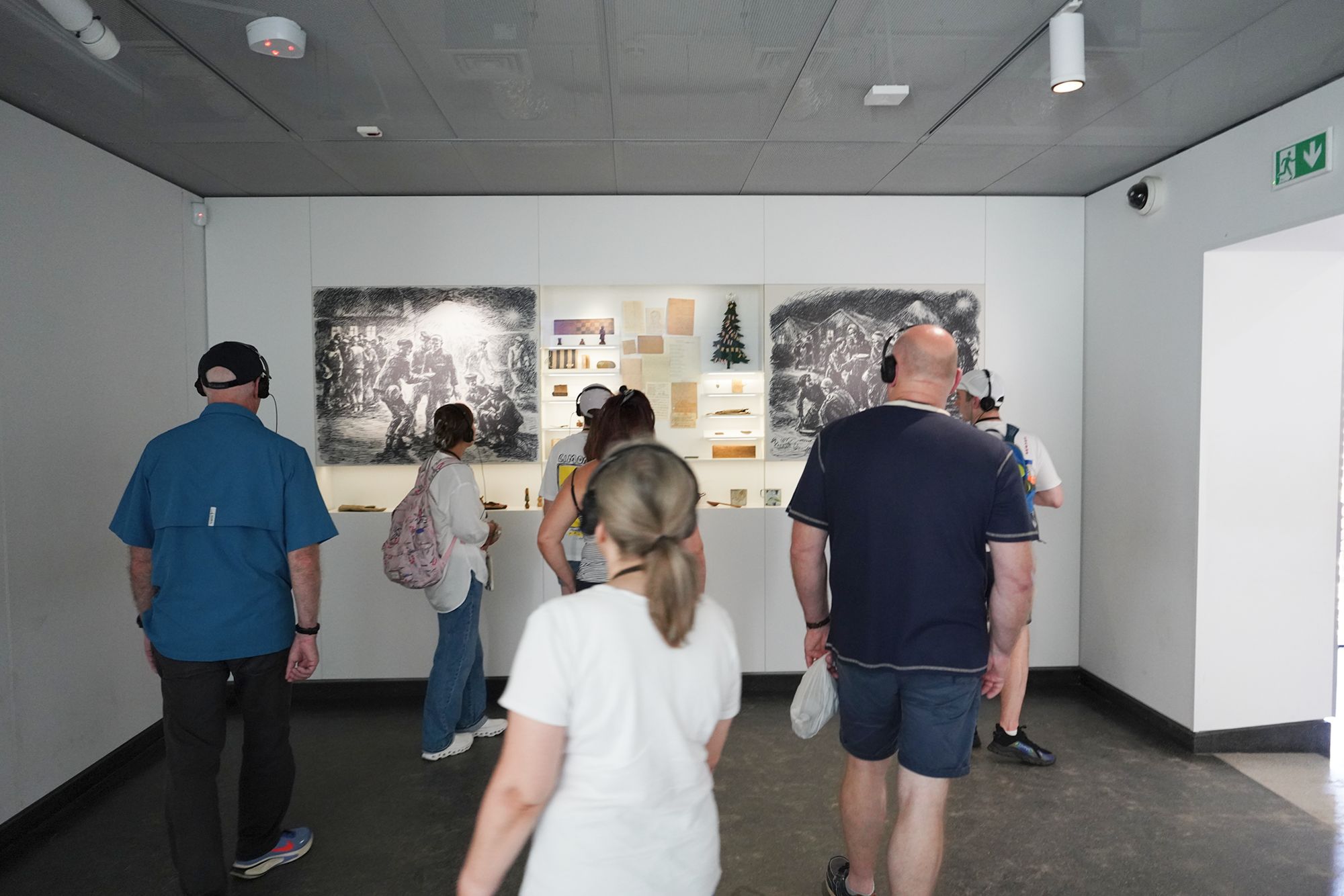
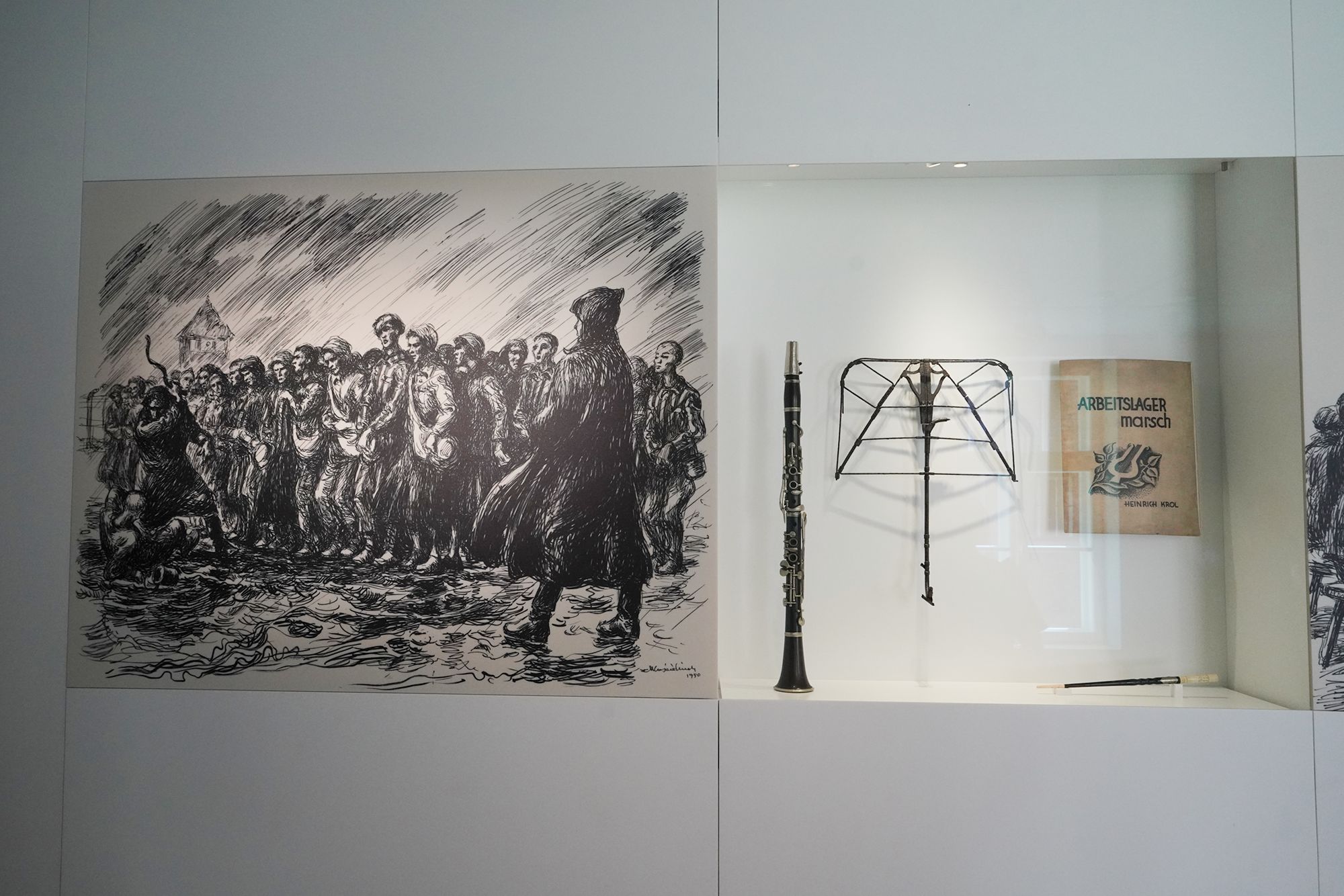
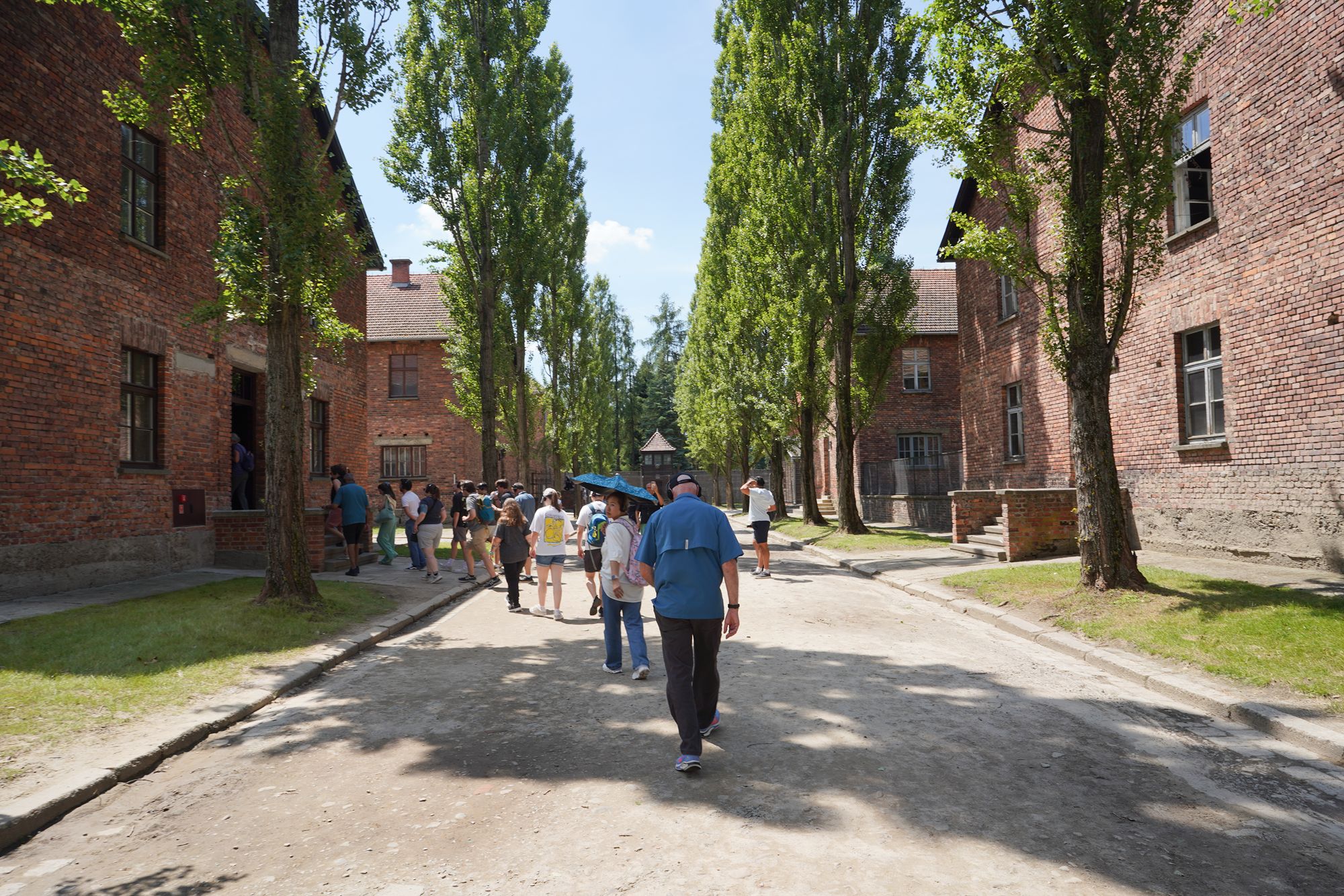
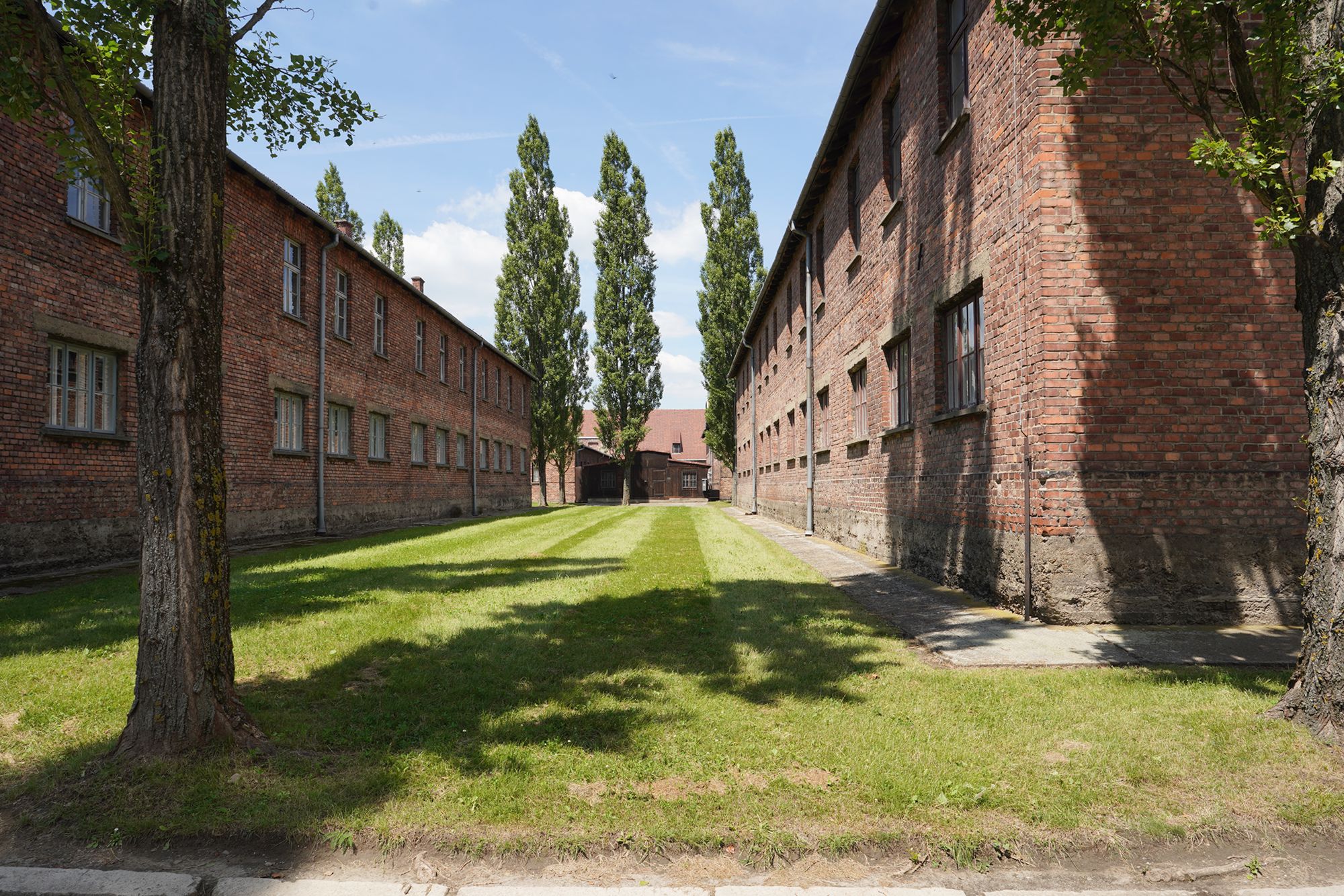
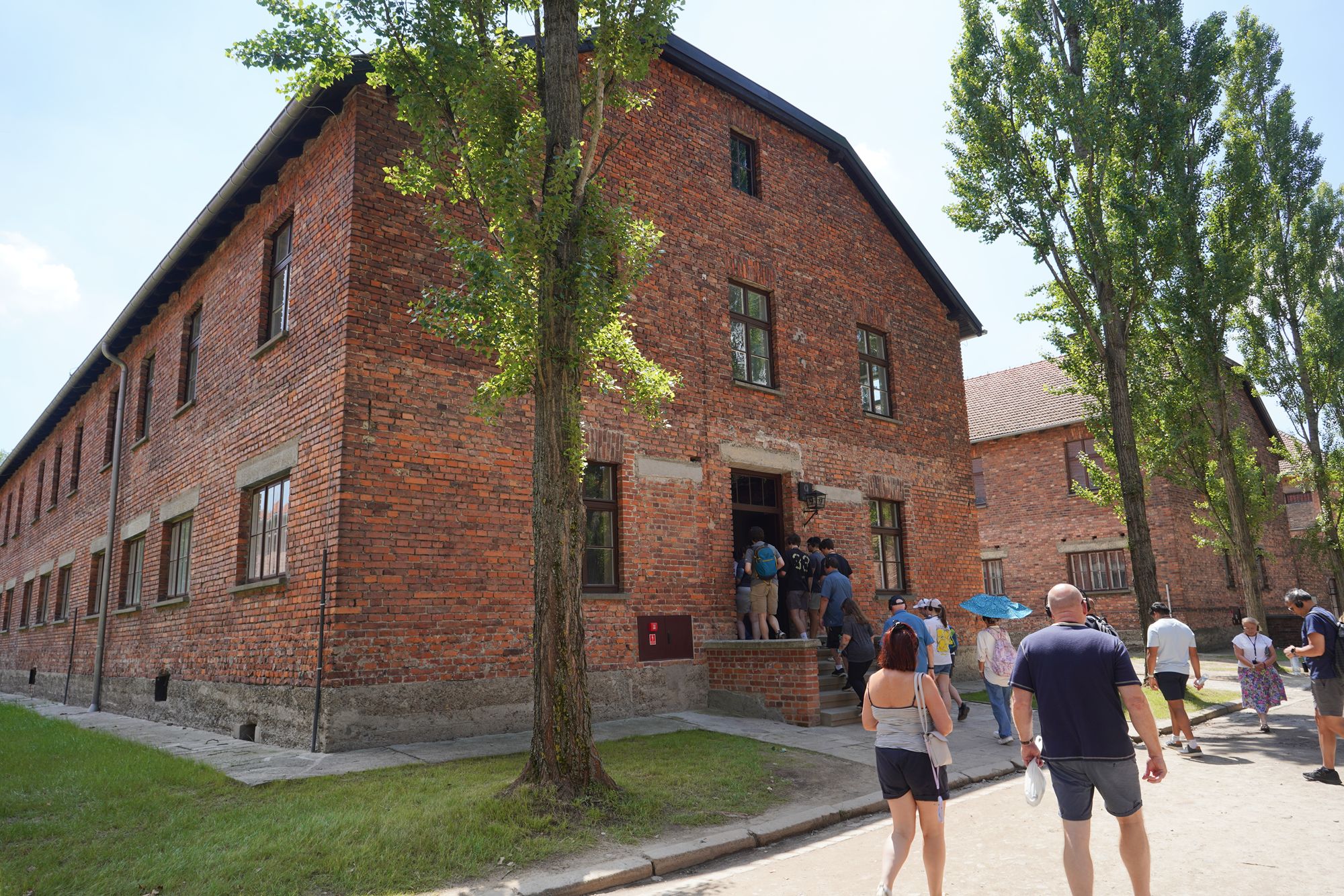
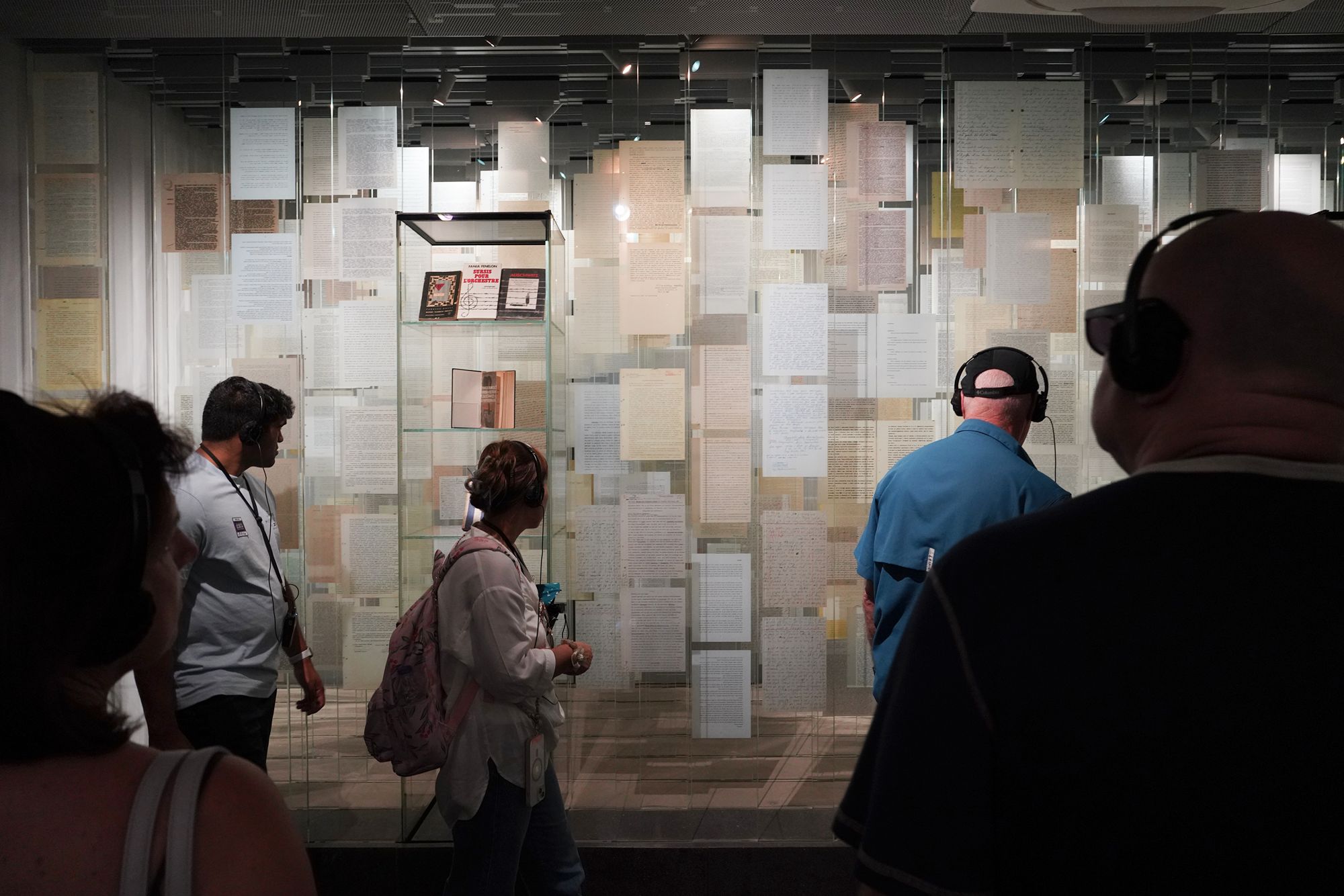
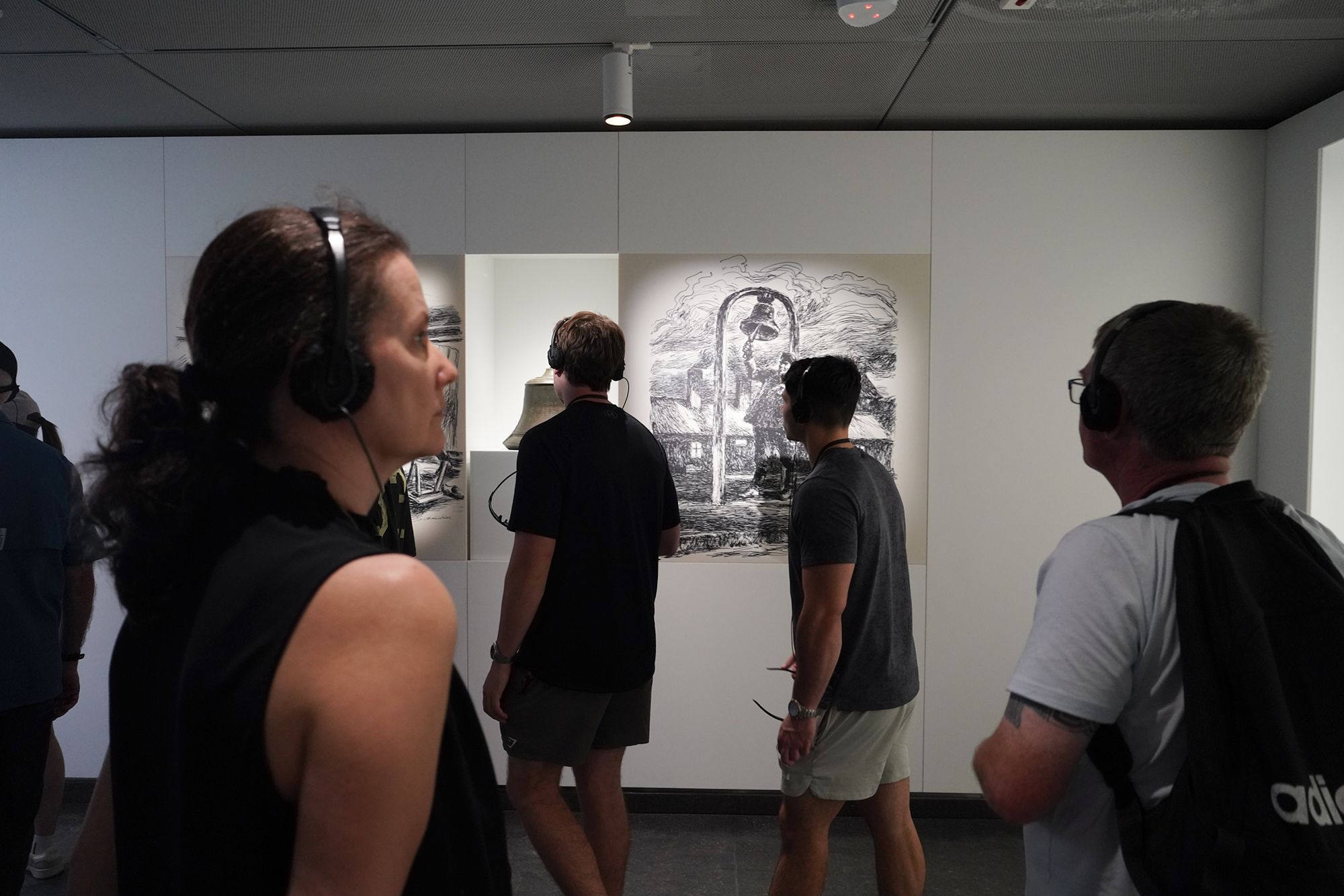
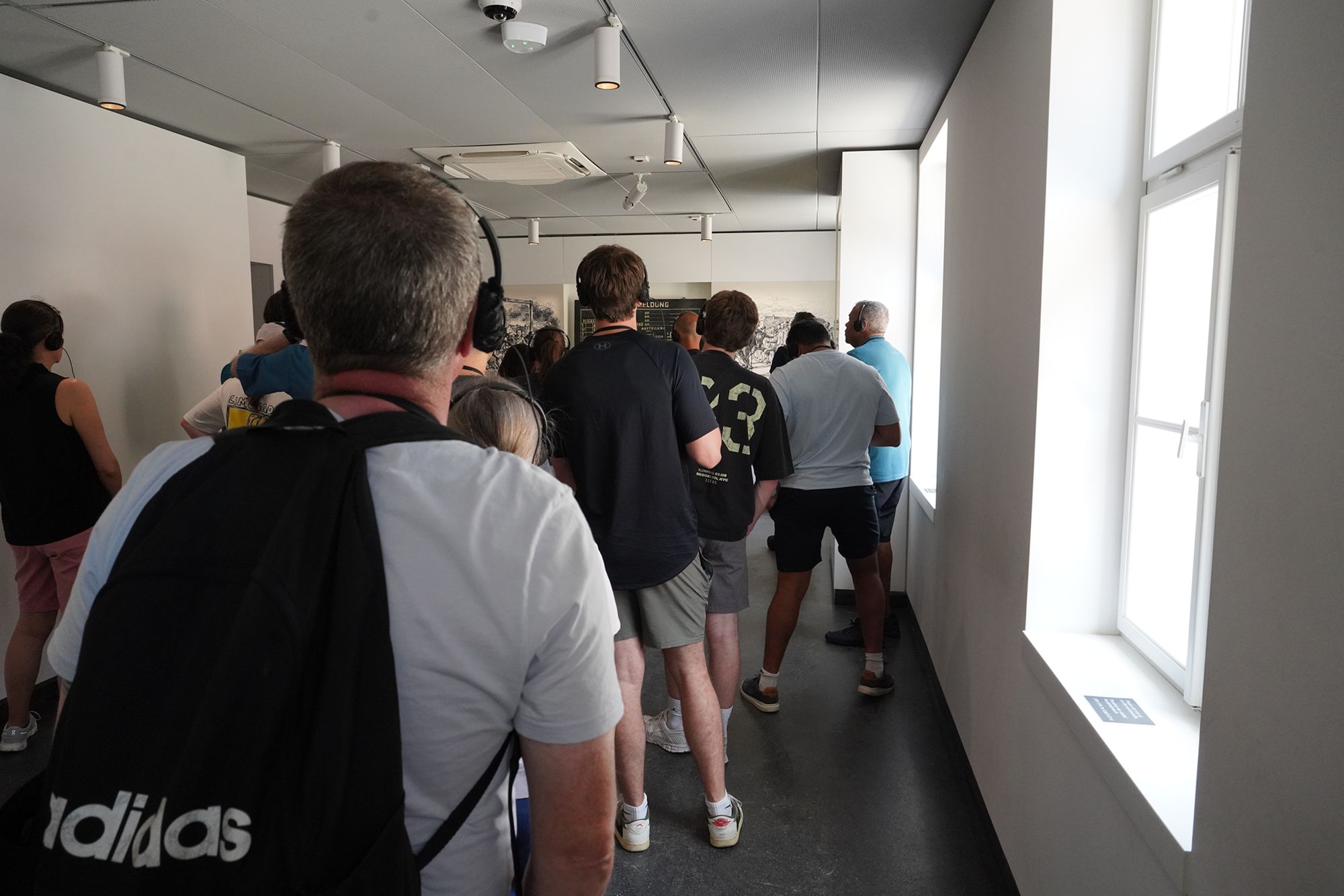
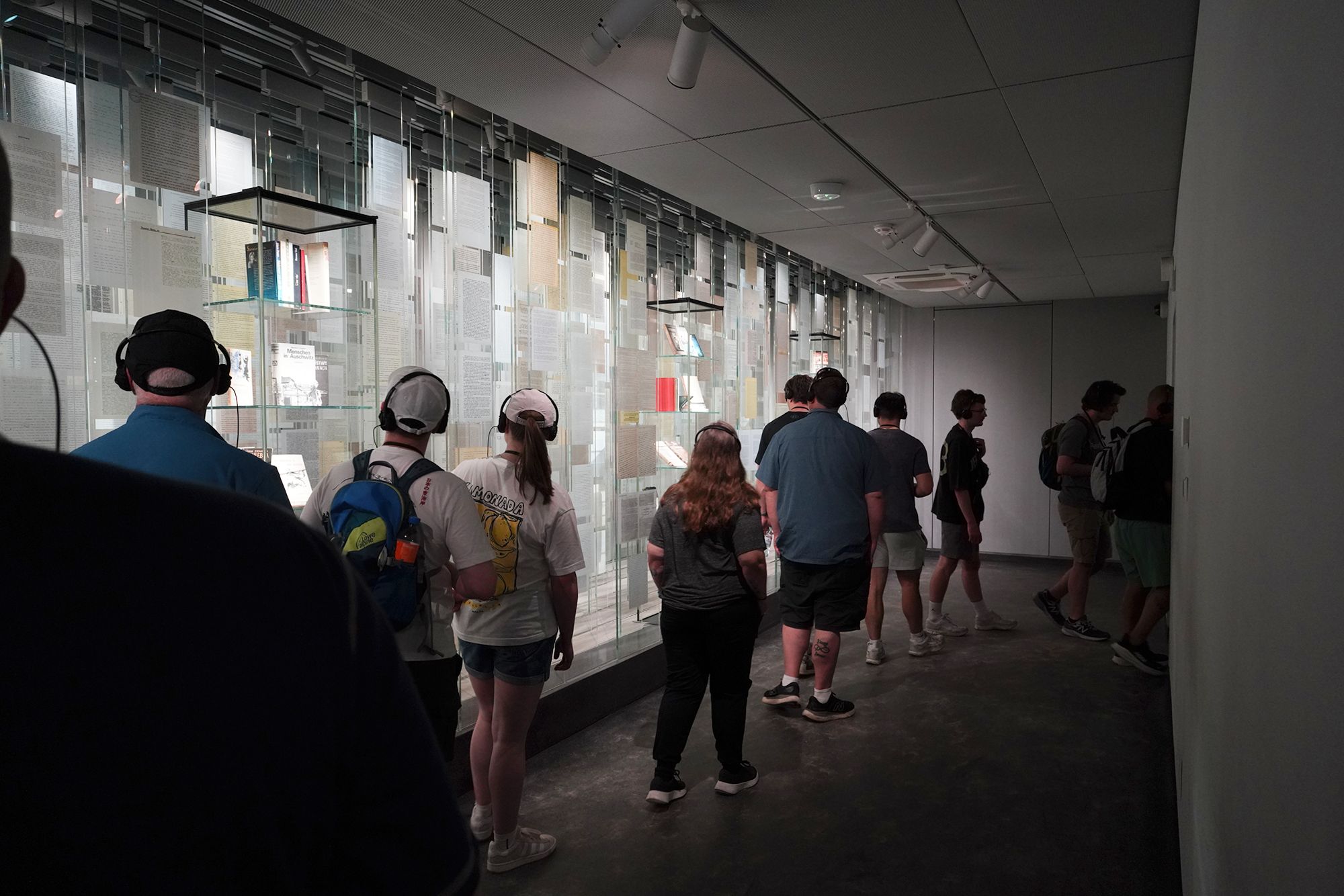
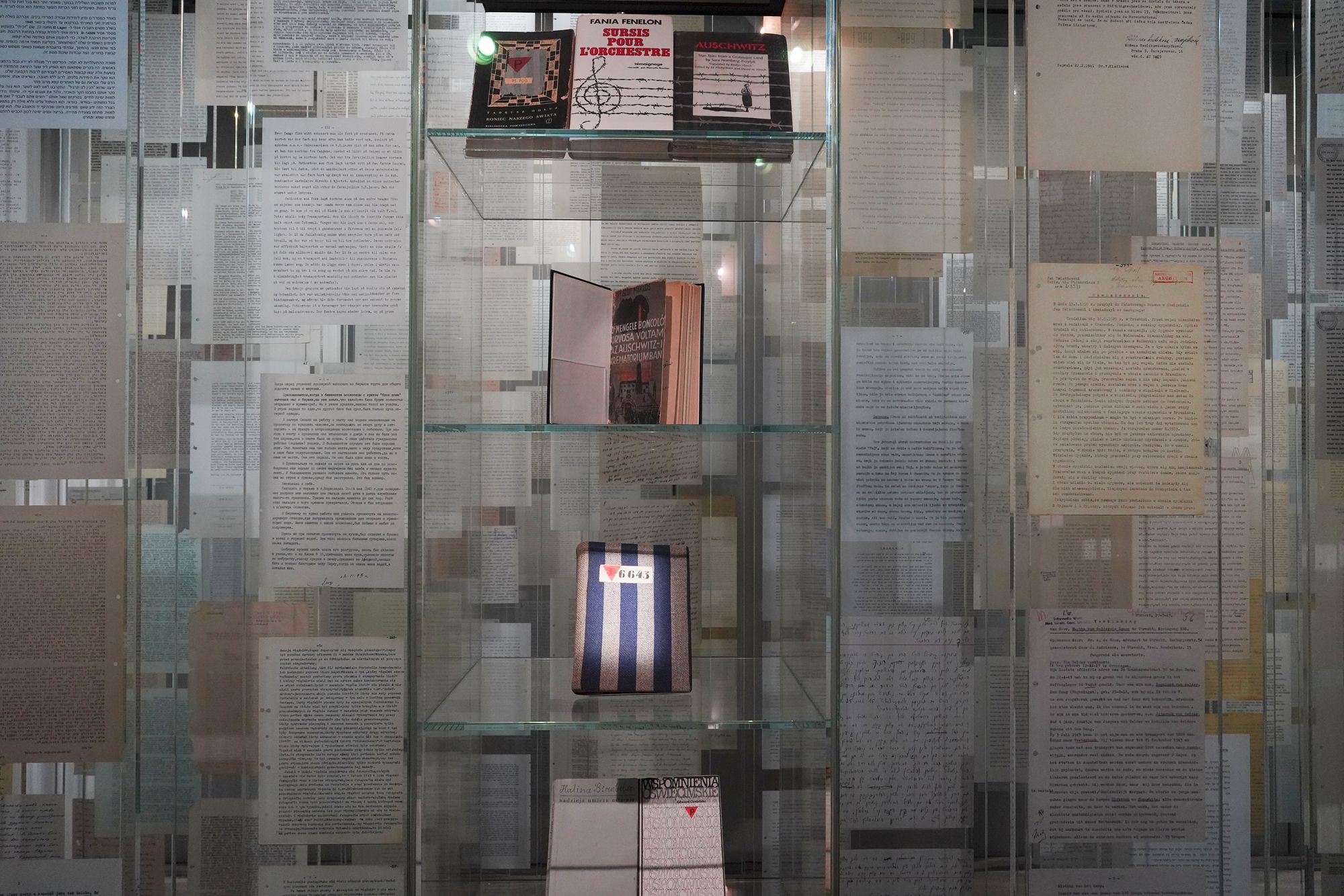
The documents may include inmates’ accounts of their experiences, but I can’t tell whether they were written during imprisonment or afterward.
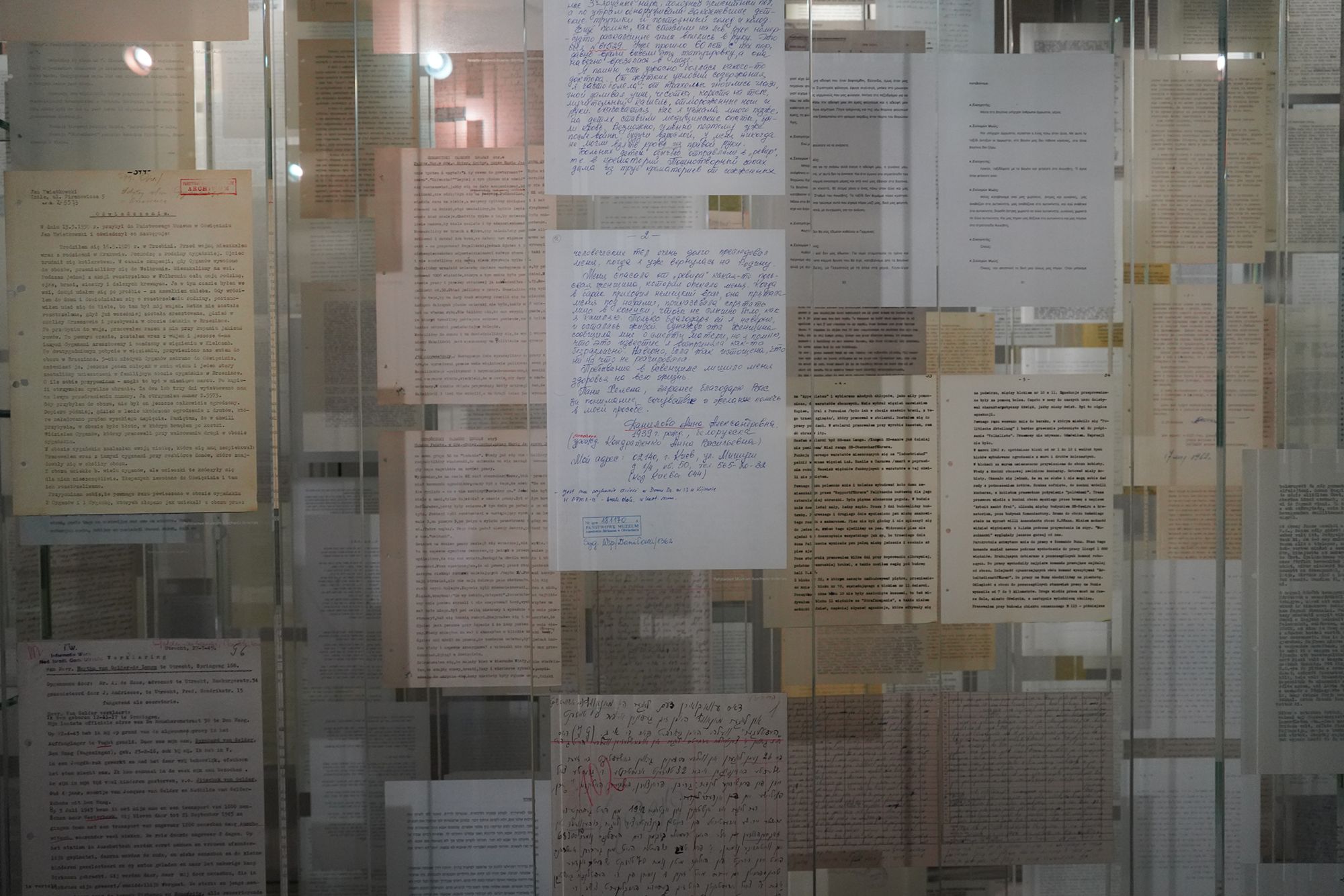
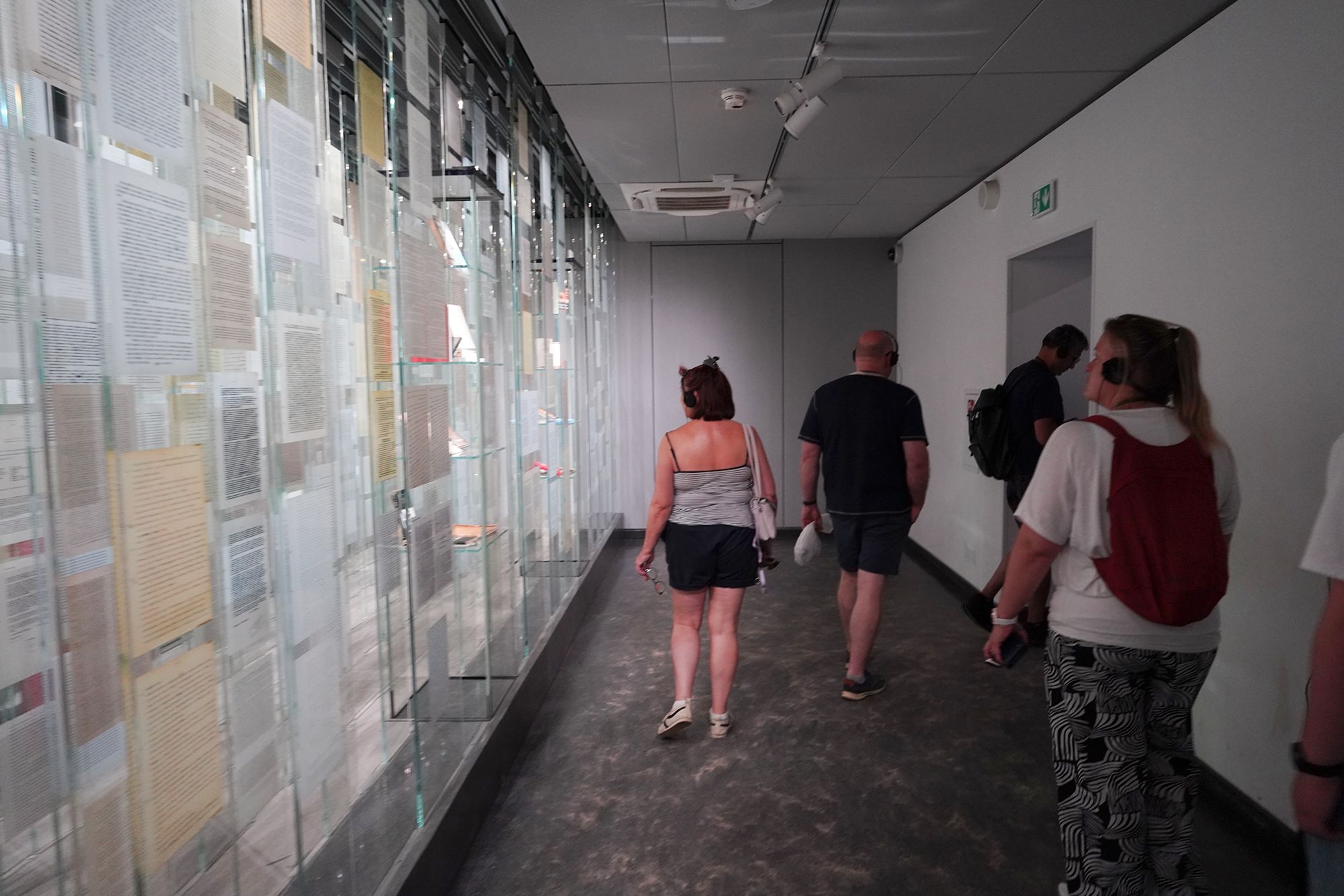
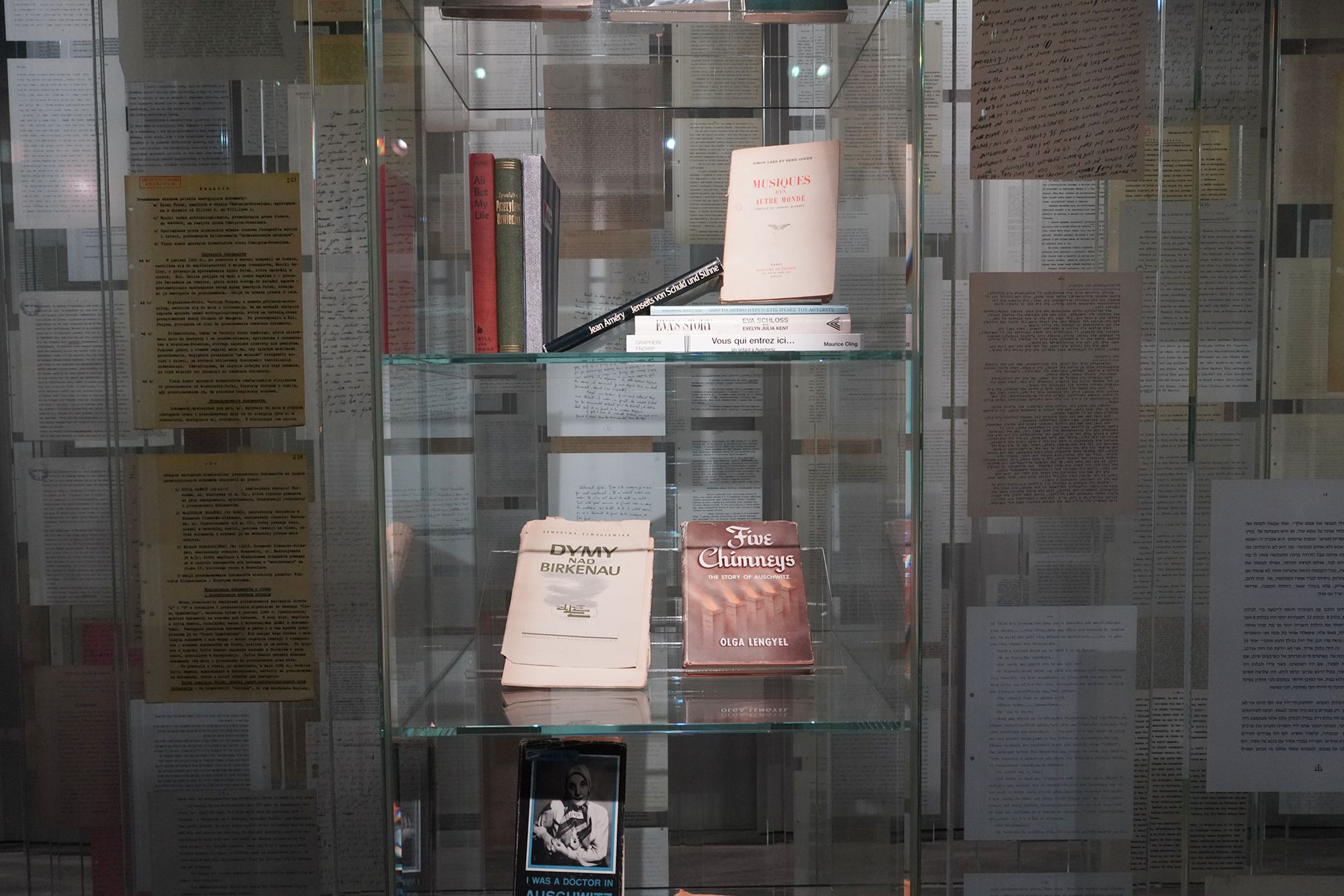
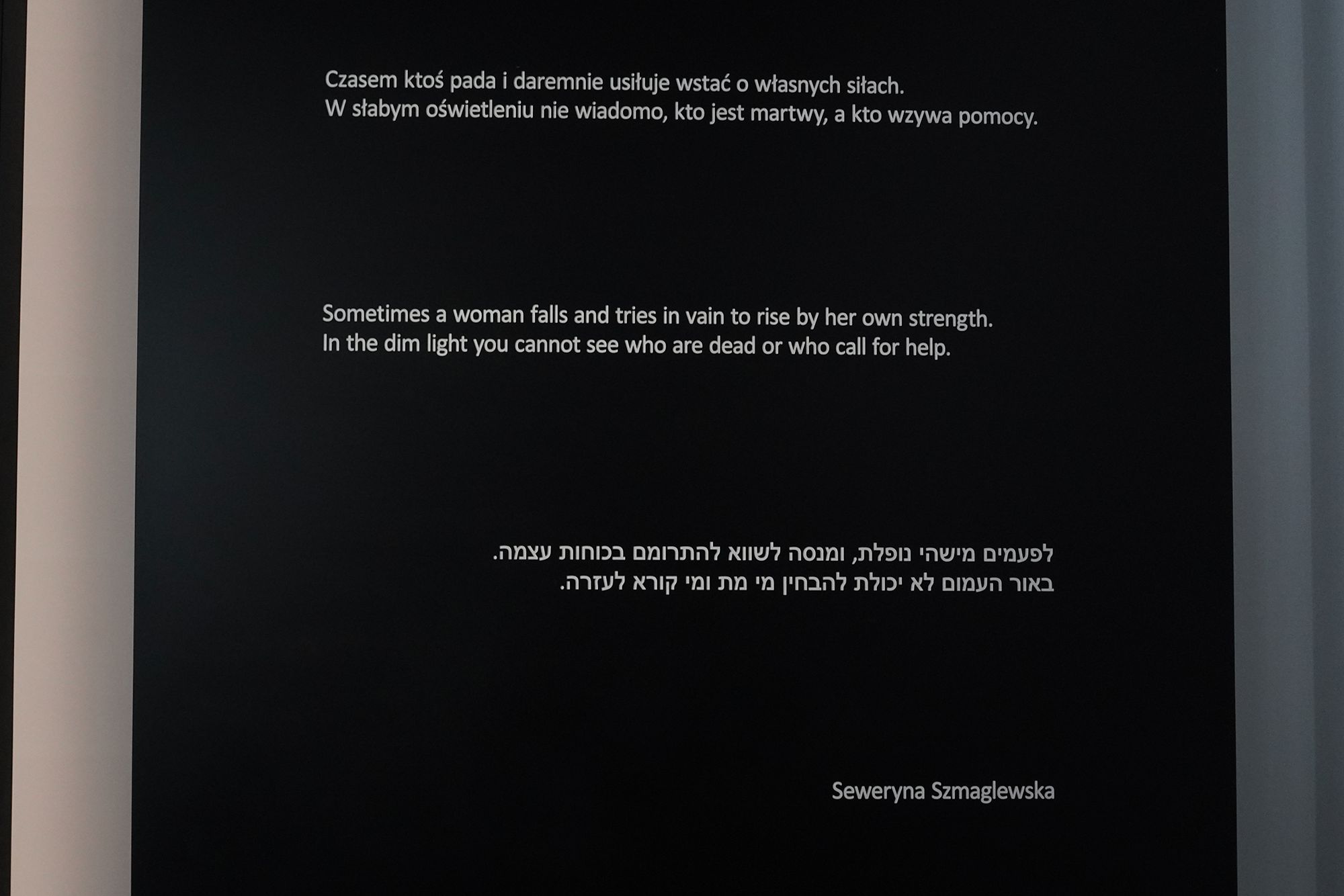
This quotation describes women collapsing in the dark and the difficulty of knowing who was dead or calling for help.
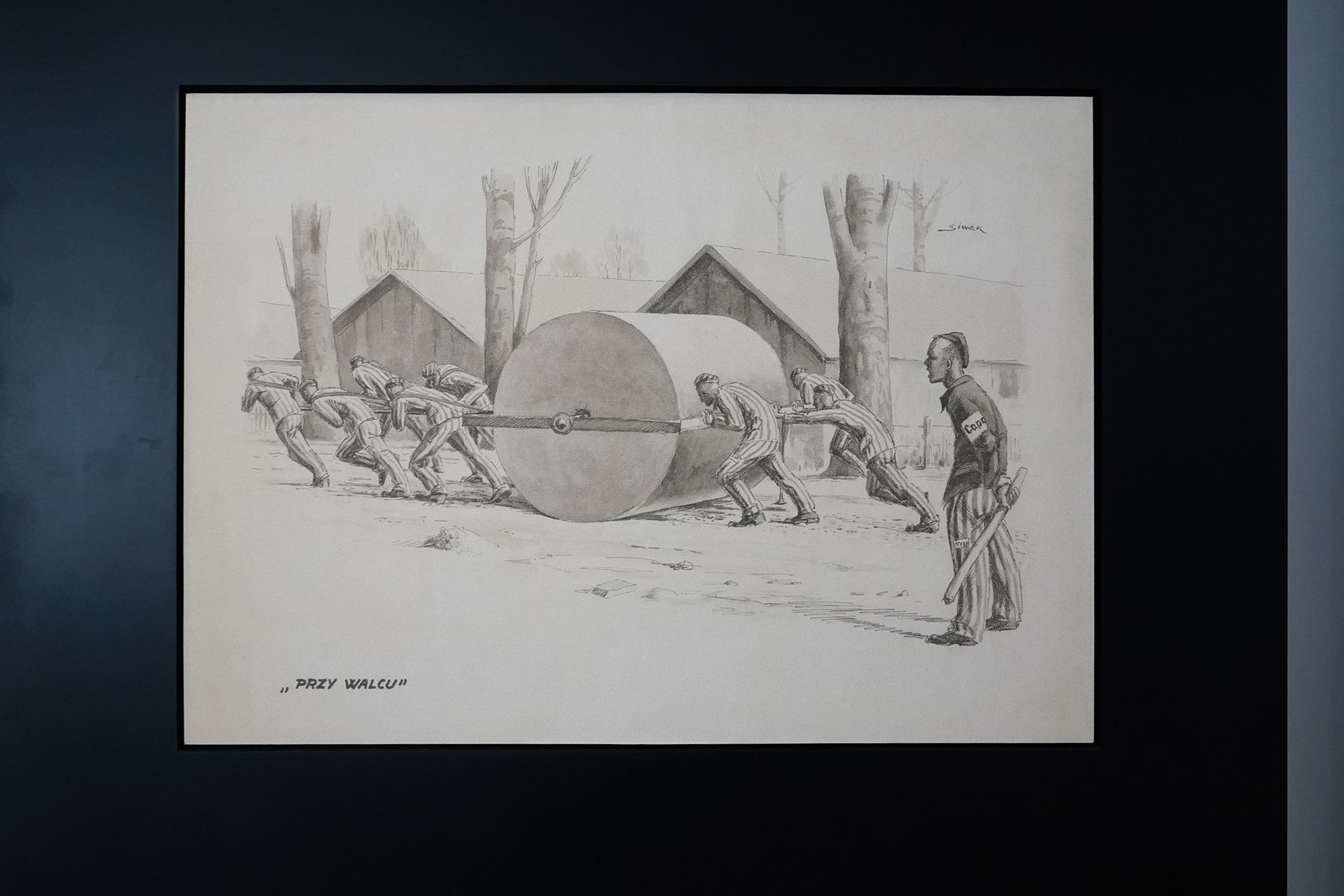
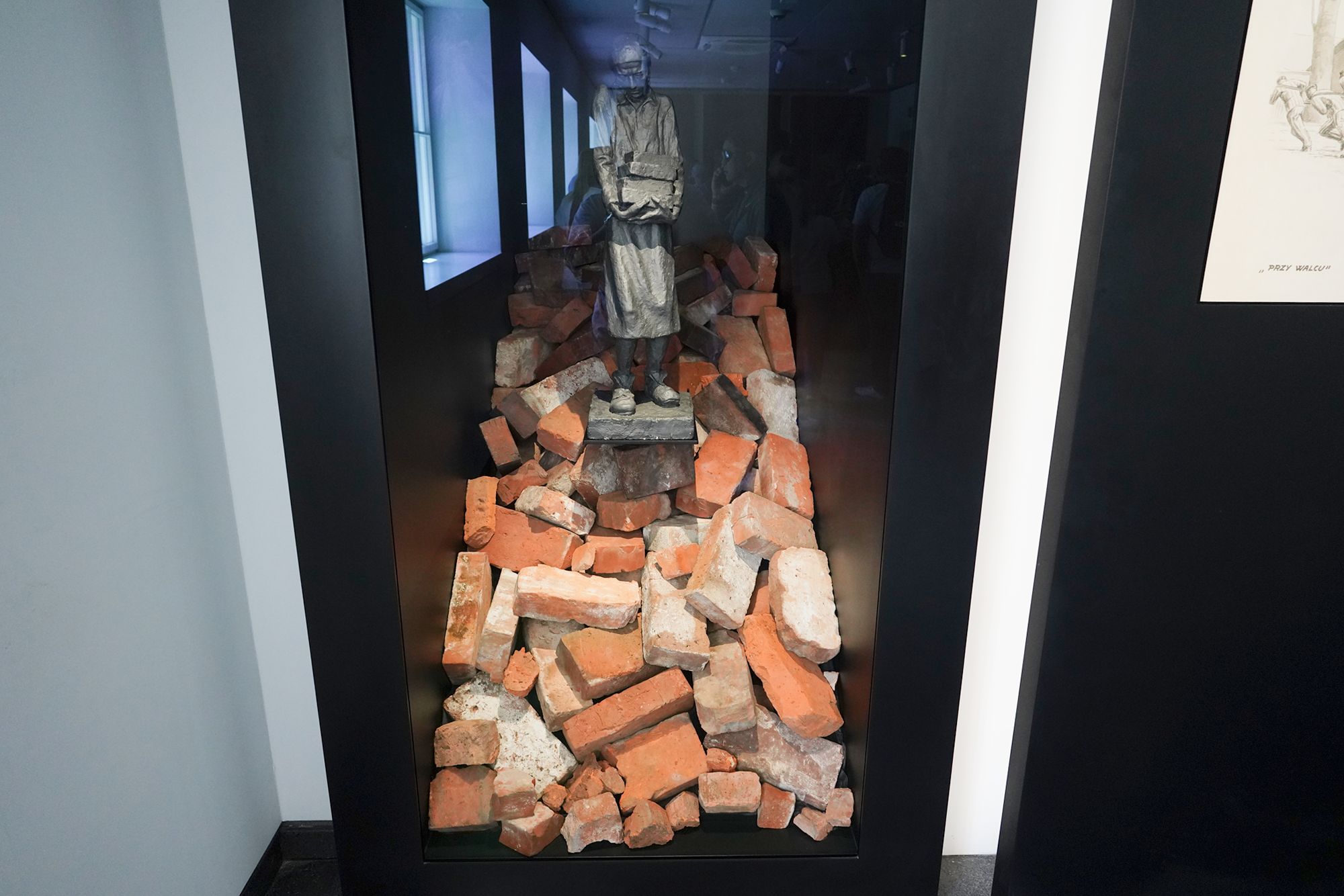
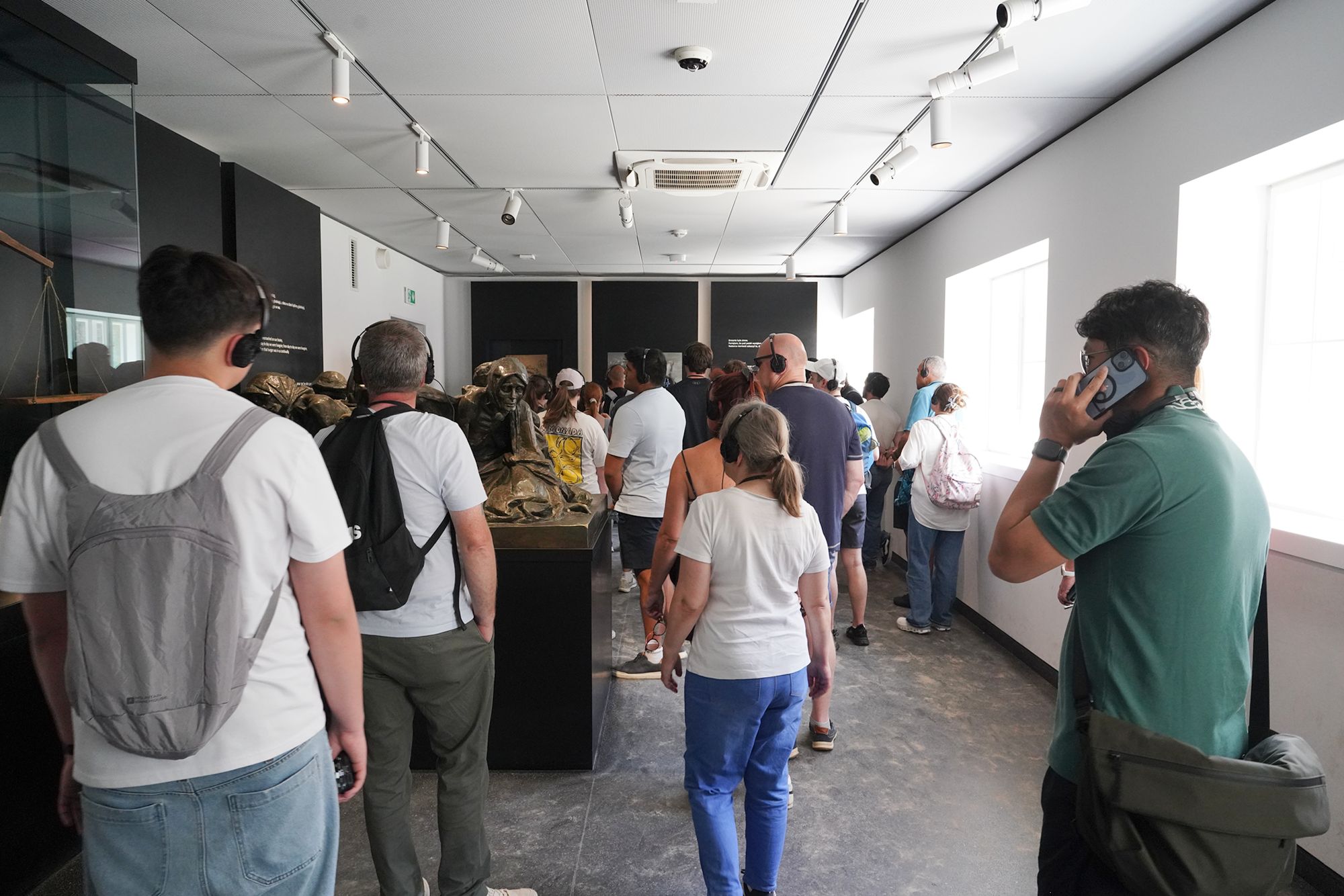
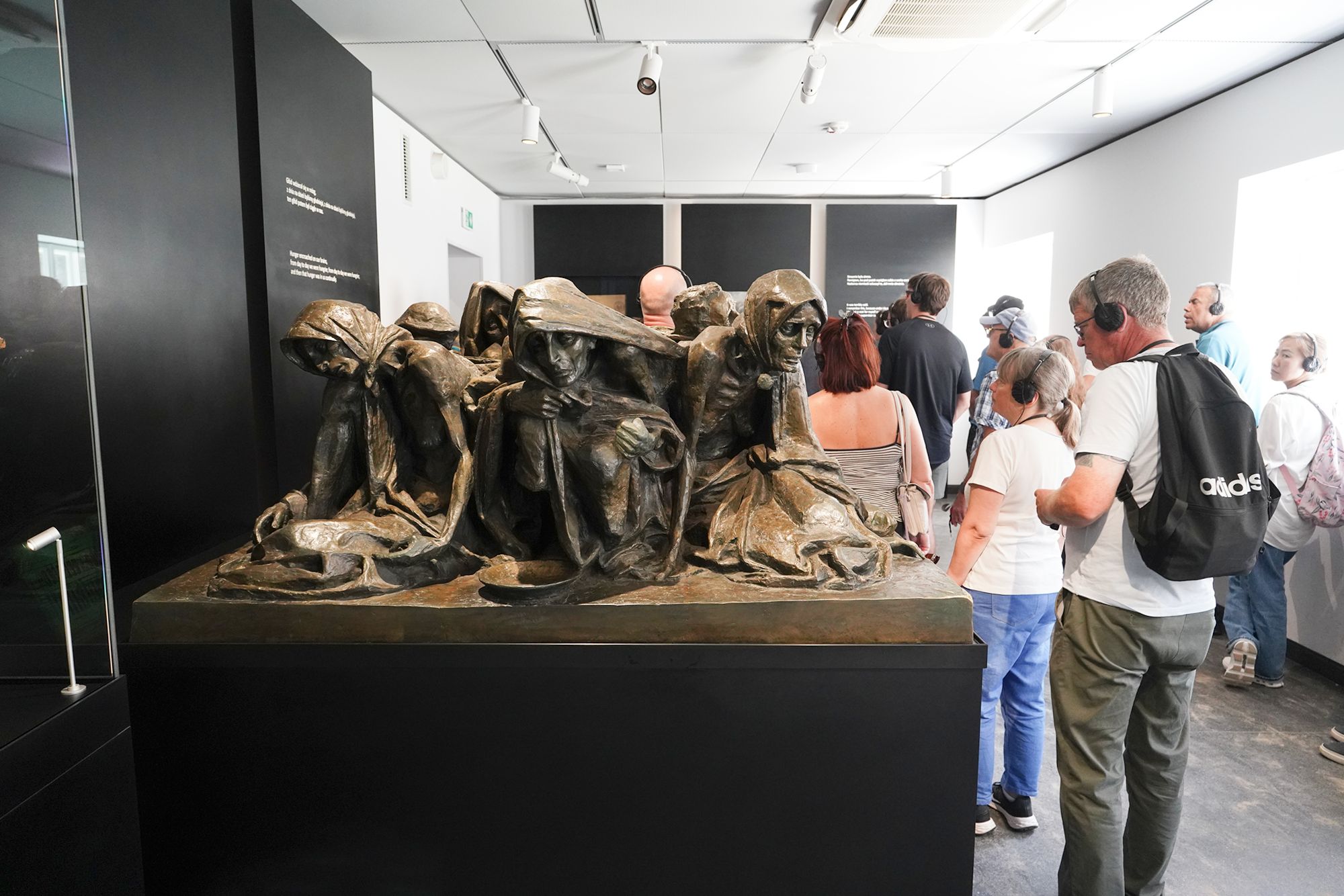
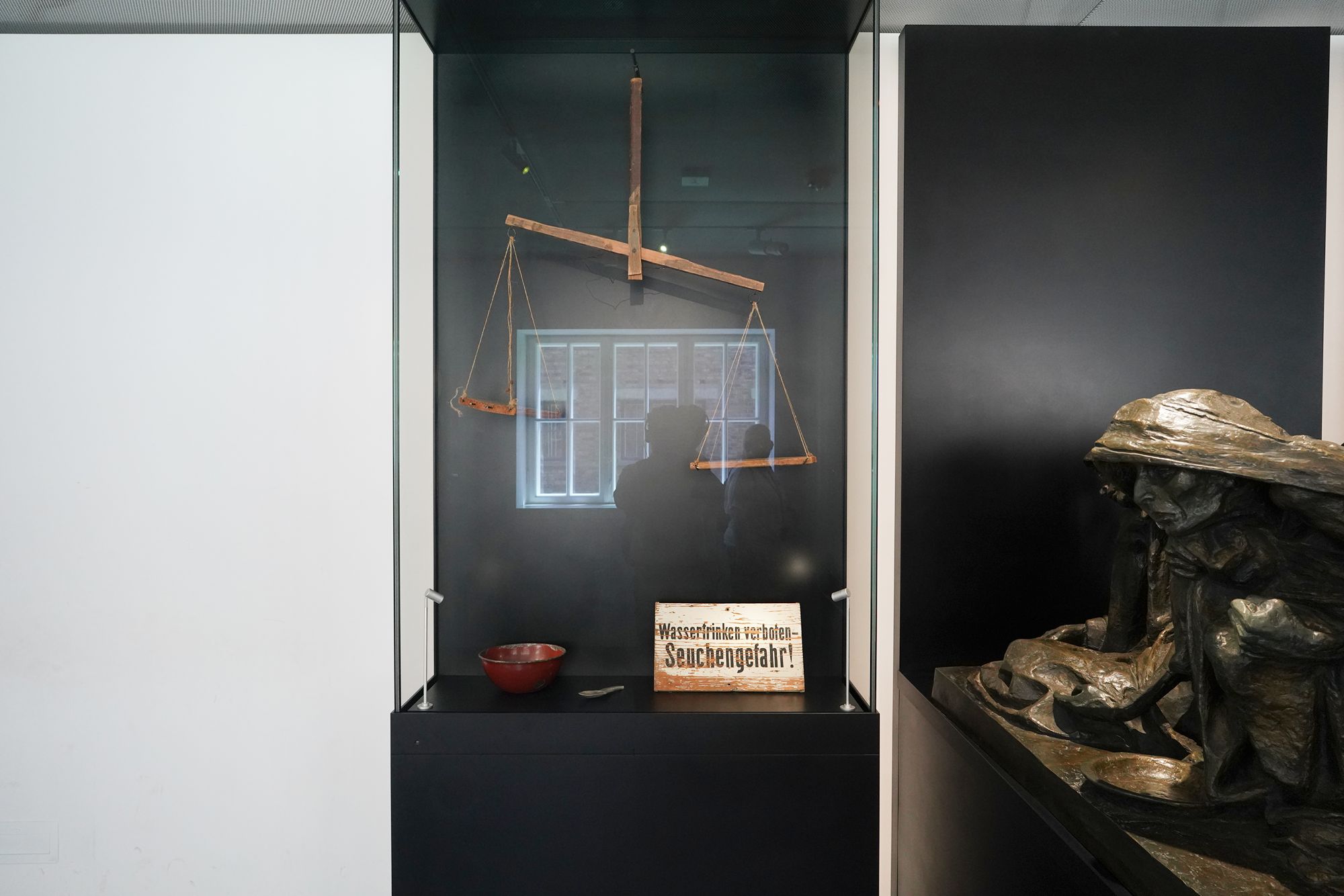
This panel gives a personal account of hunger in the camp. Along with the previous quotation, it suggests the exhibit includes excerpts from prisoners’ experiences.
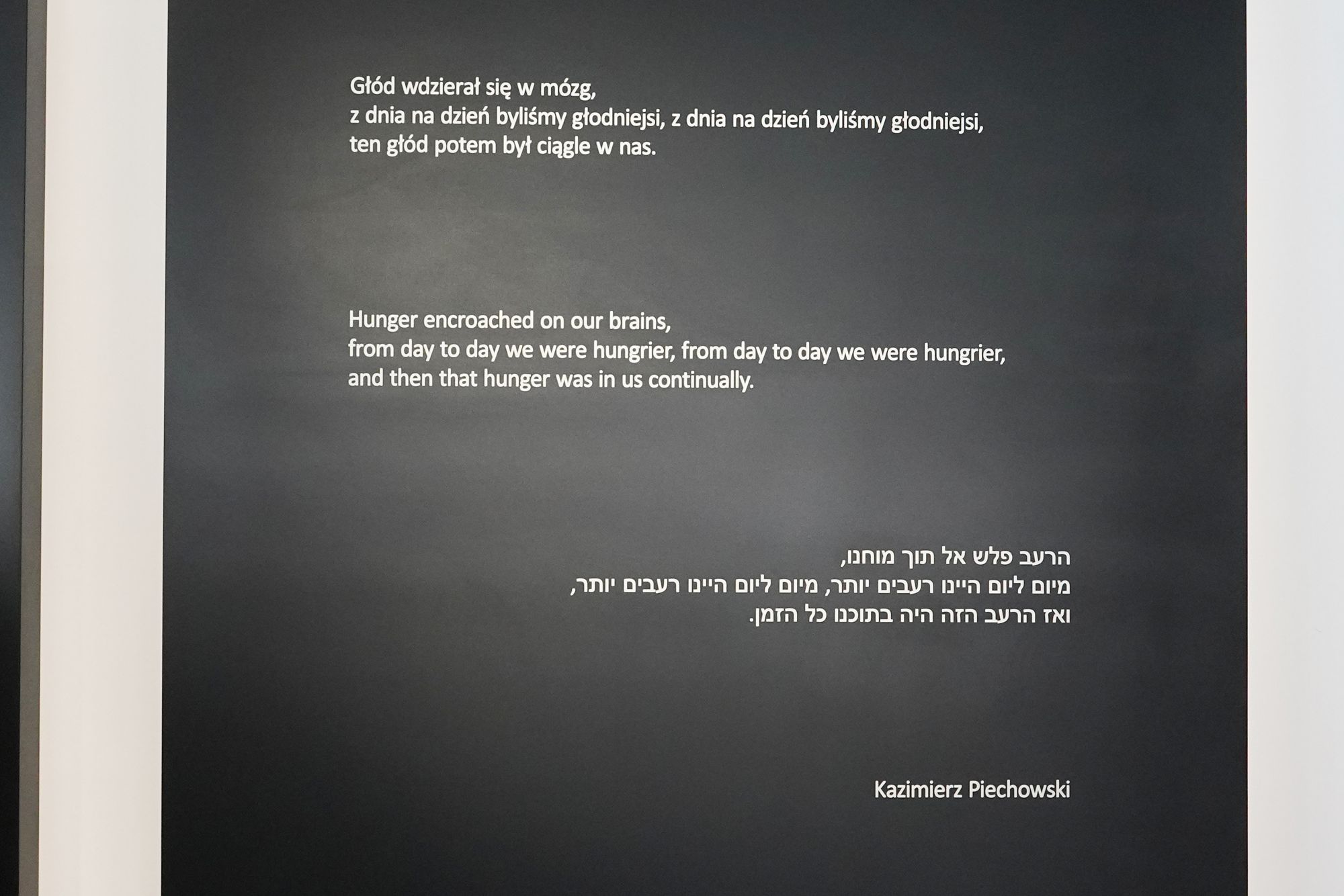
The survivor Marian Turski recalls how cold he was and how a German supervisor beat him after finding a vest he had made from a cement sack.
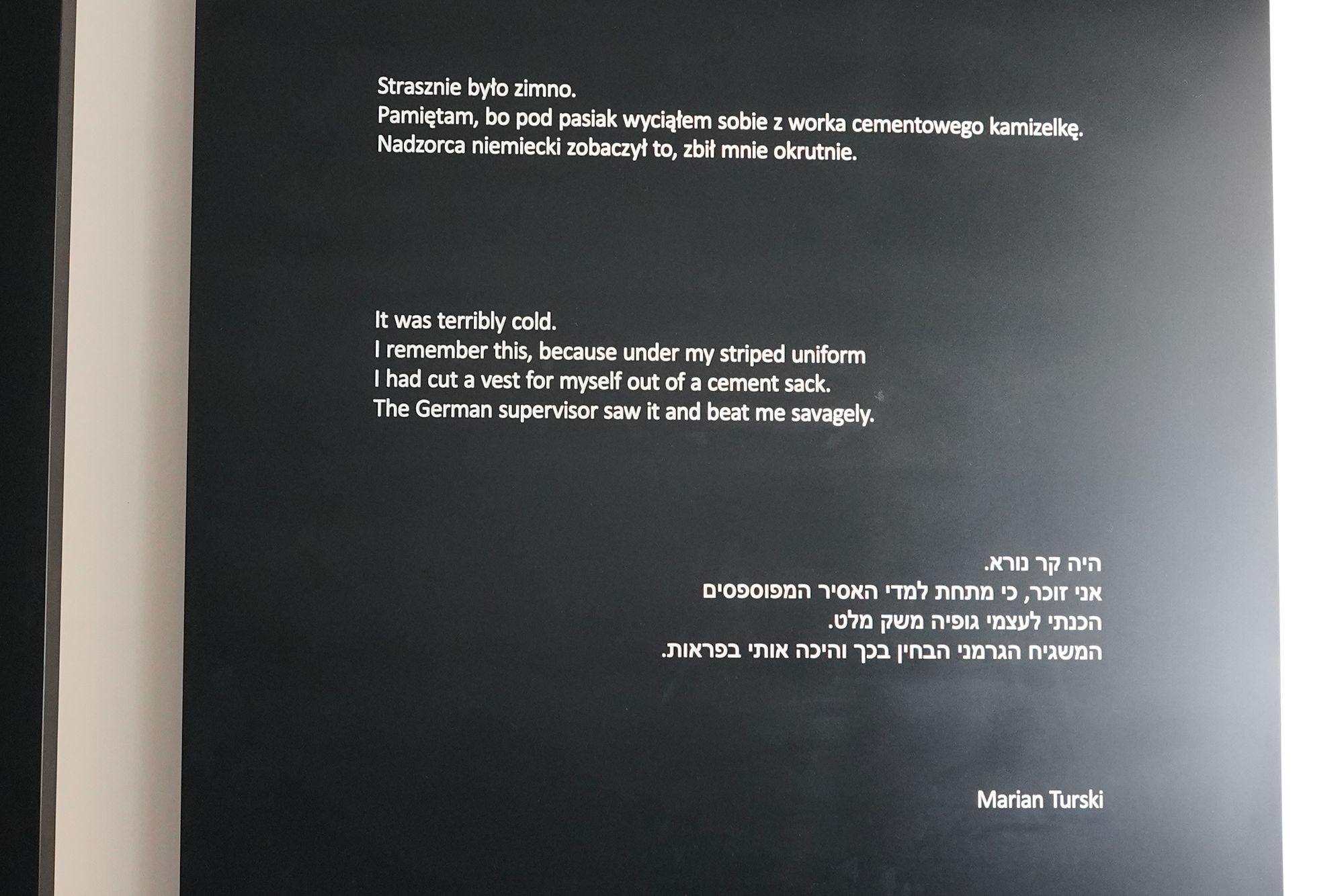
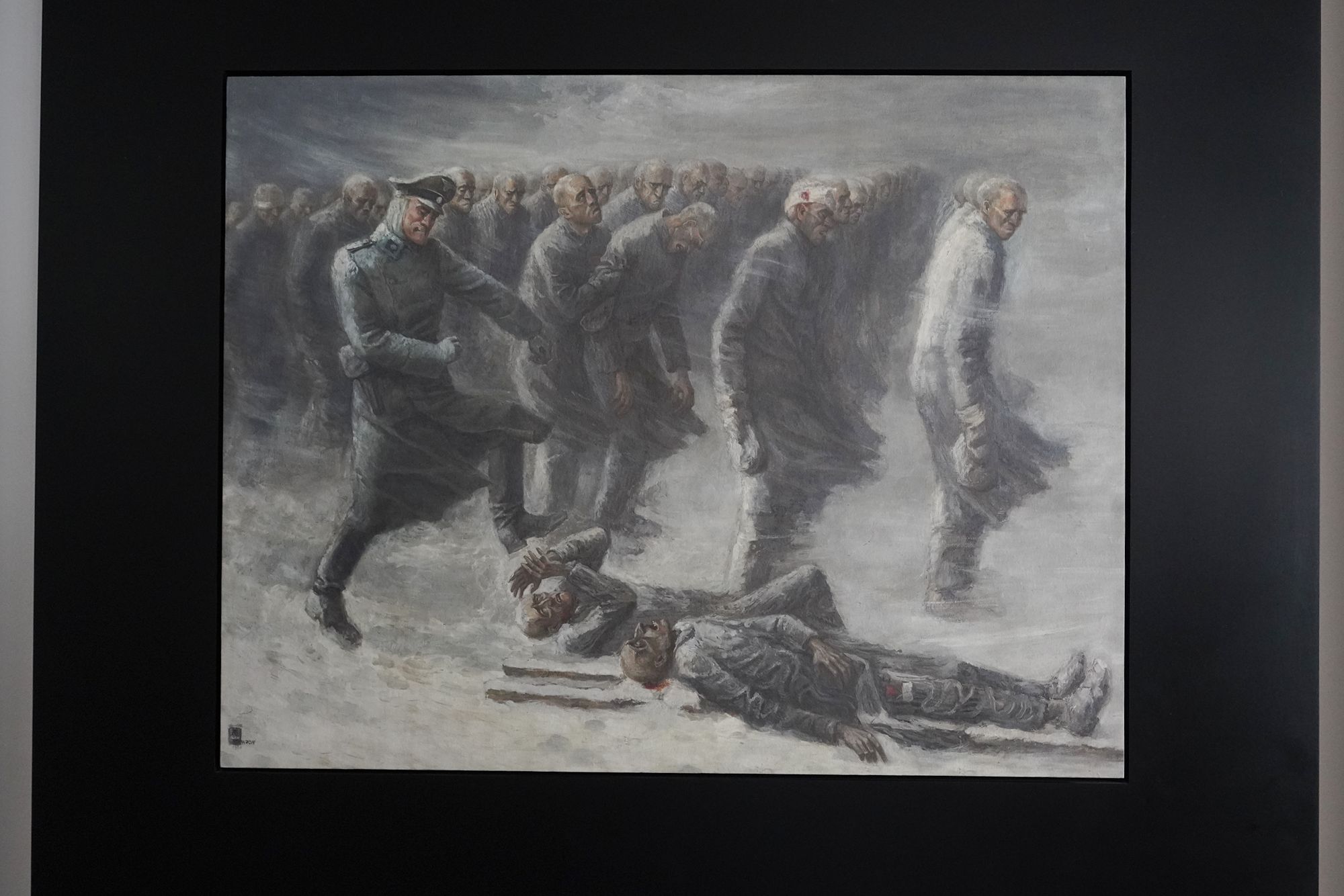
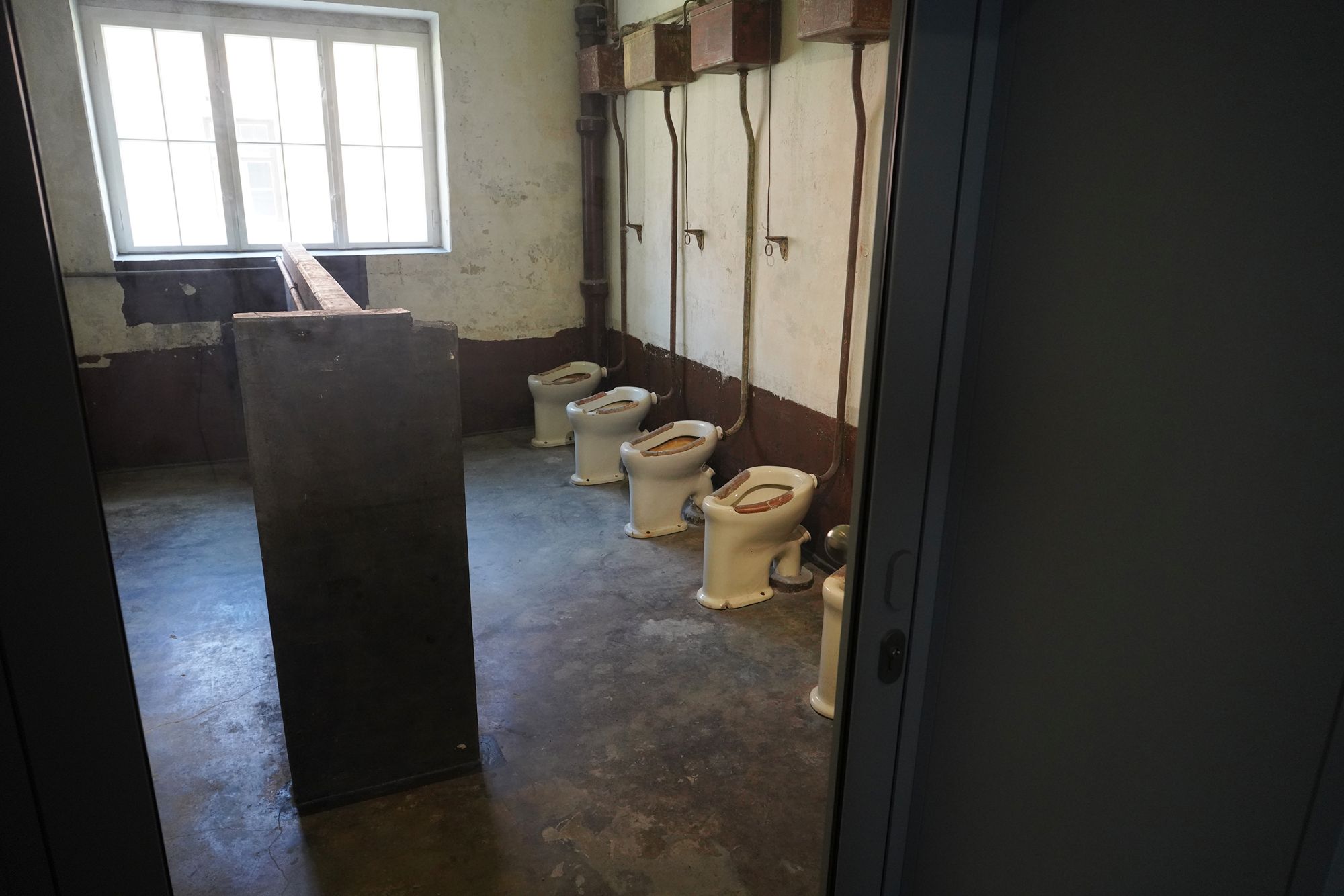
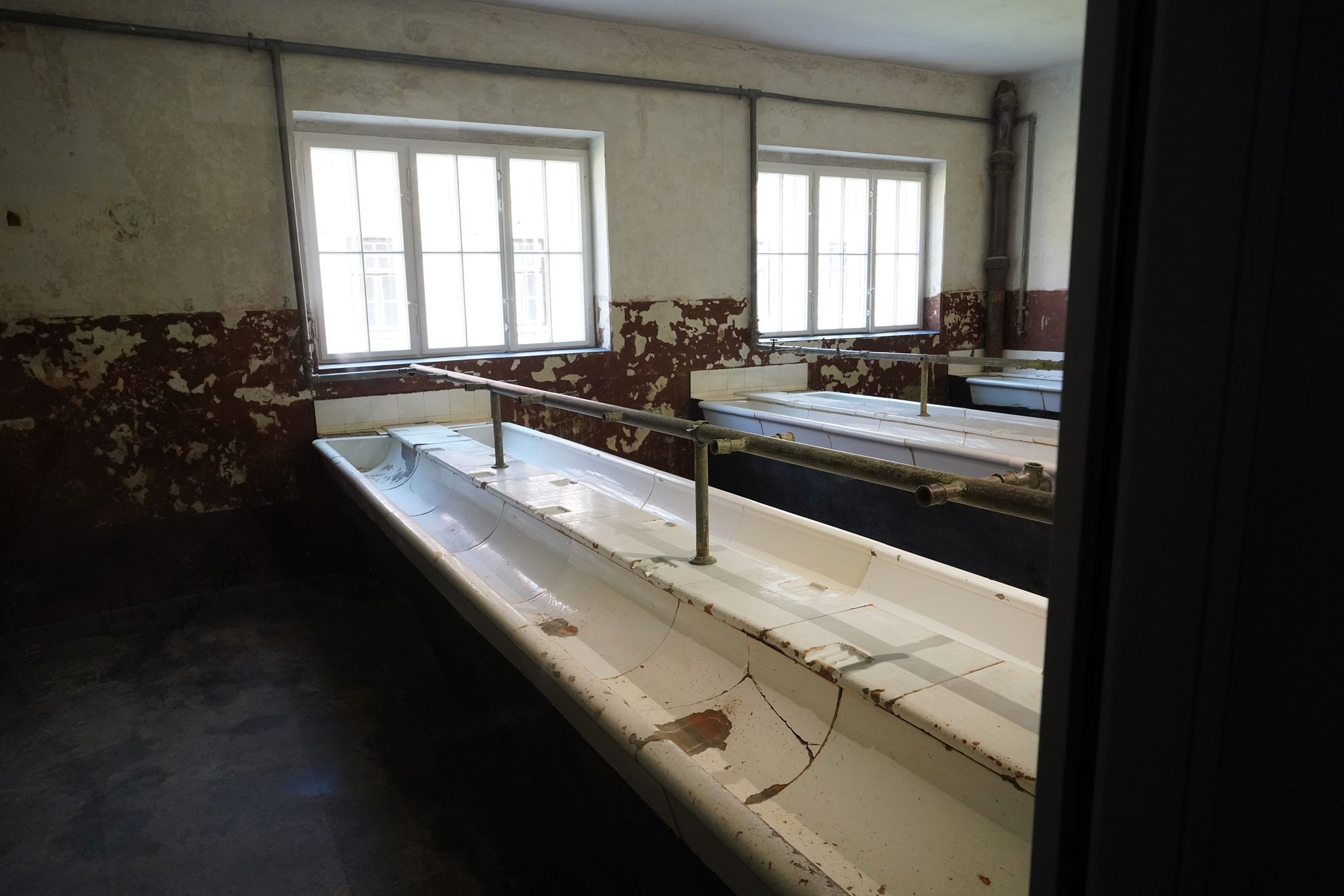
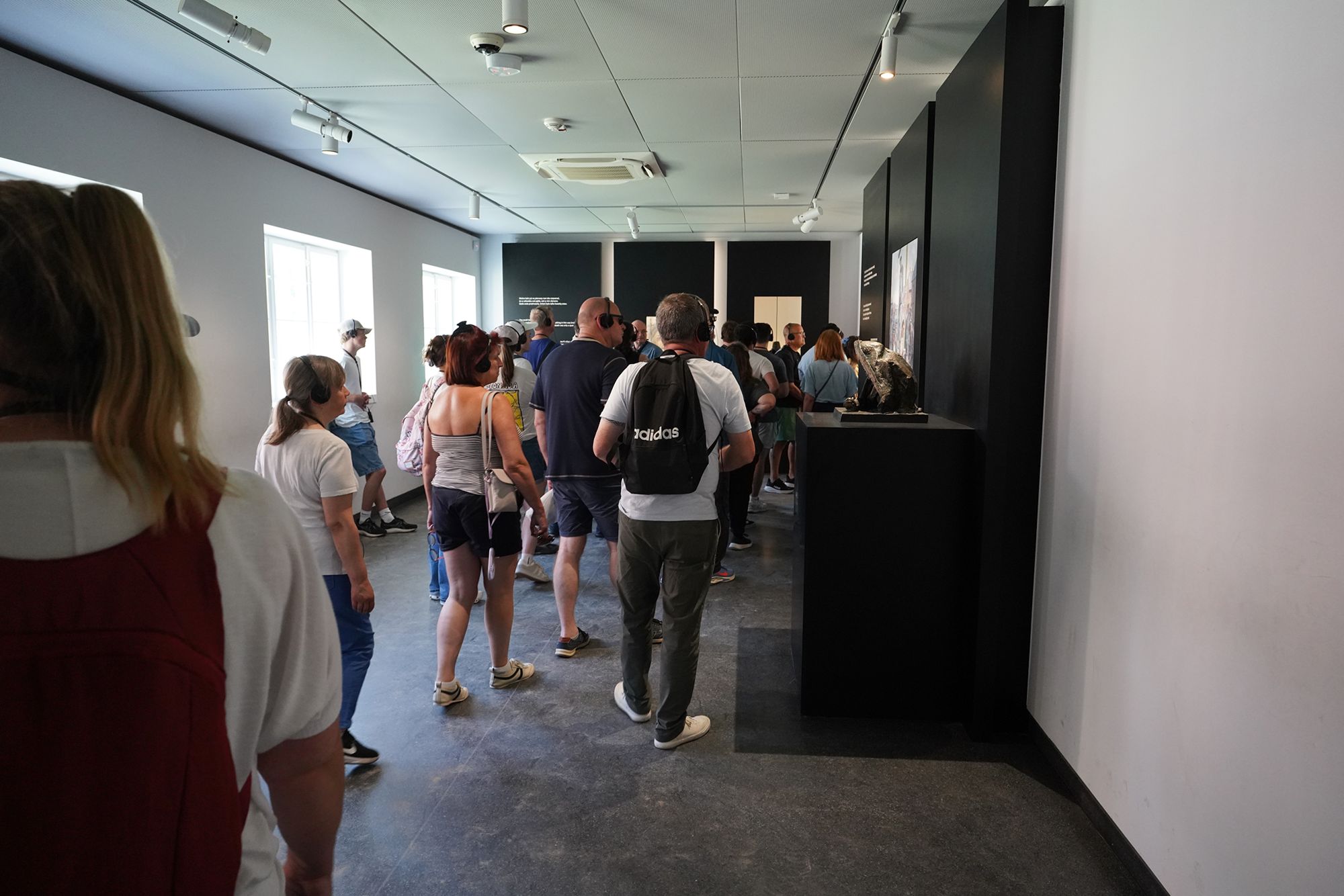
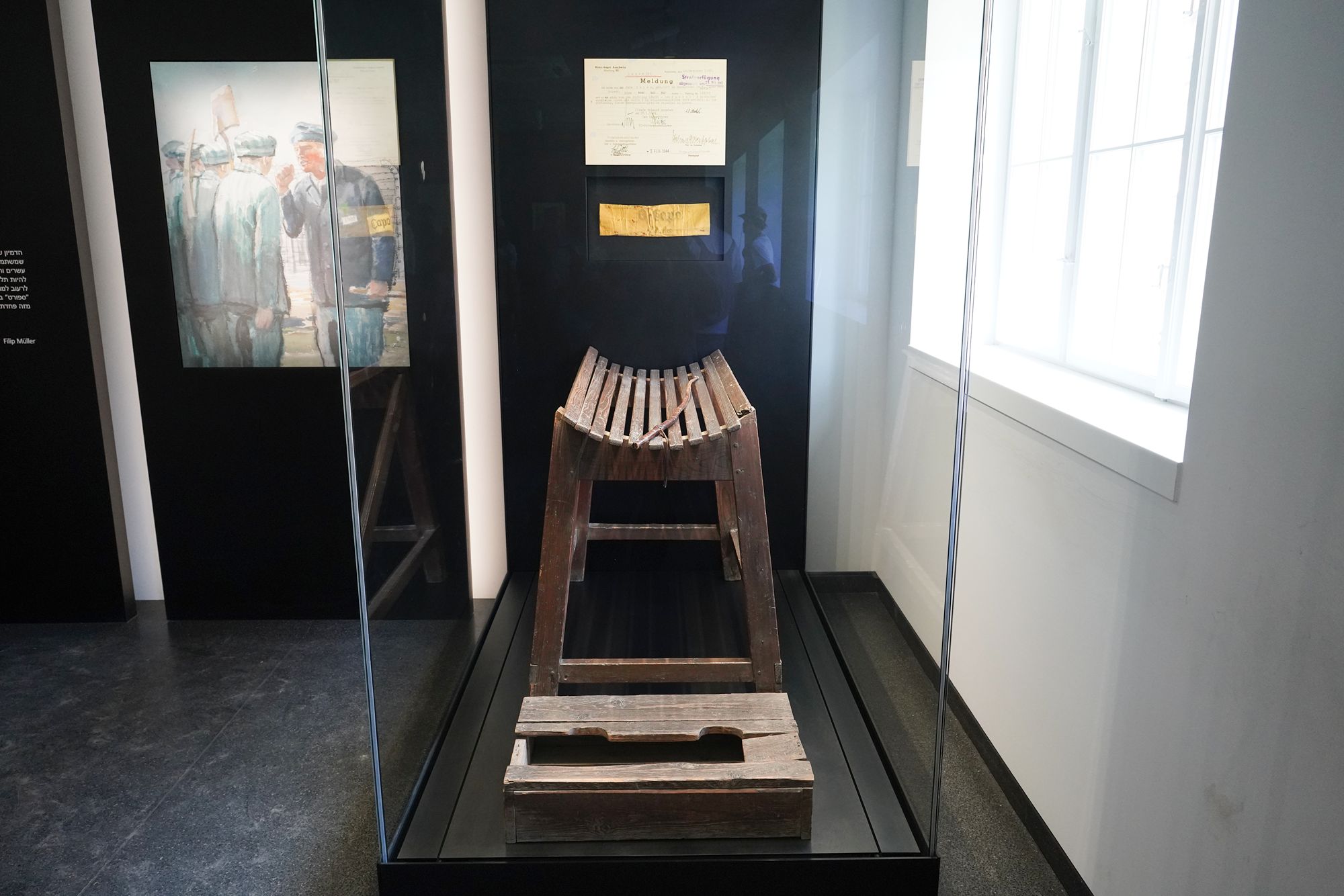
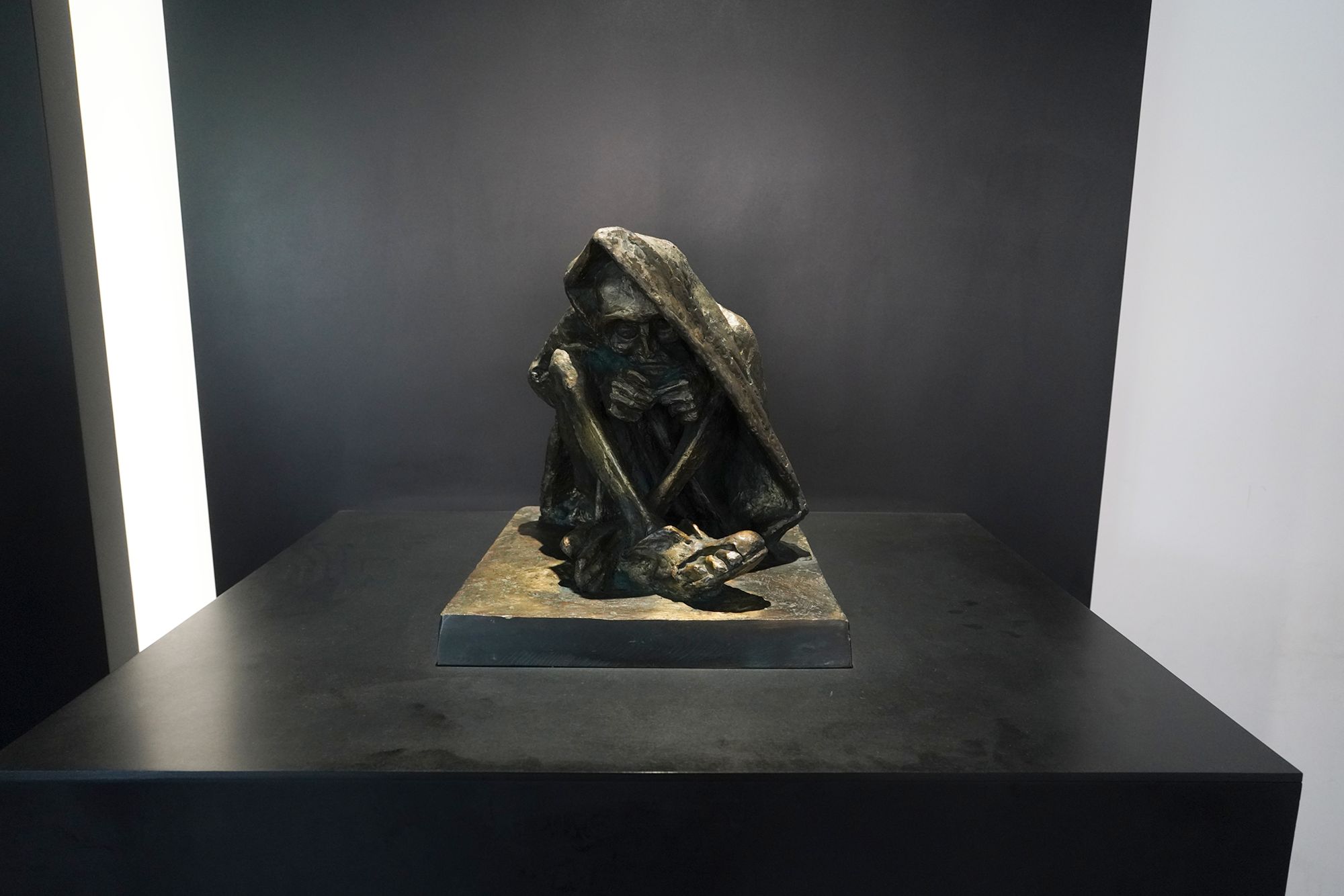
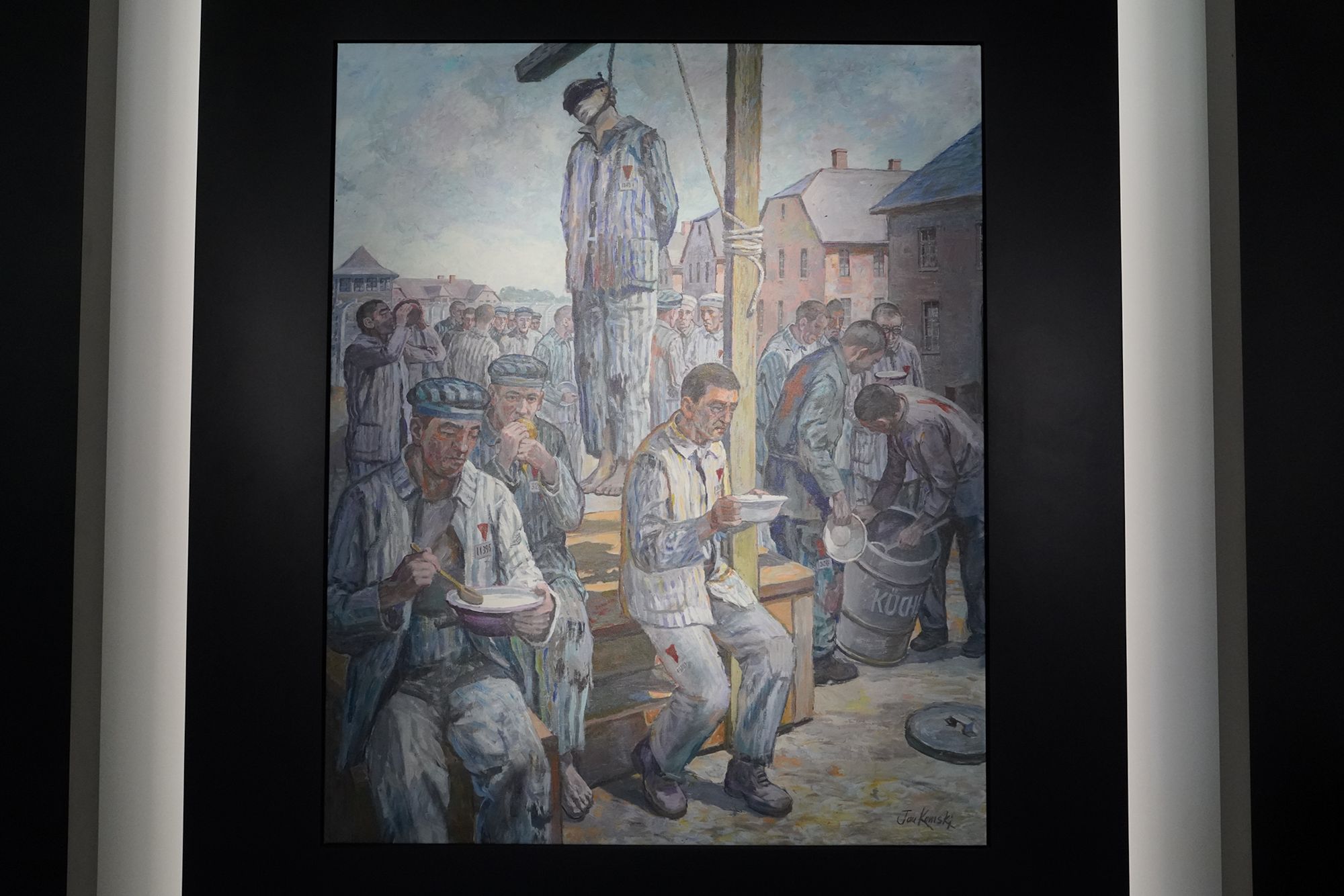
Viktor Frankl recalls seeing a corpse removed, then continuing to eat his soup. The quotation shows how death and ordinary routines existed side by side in the camp.
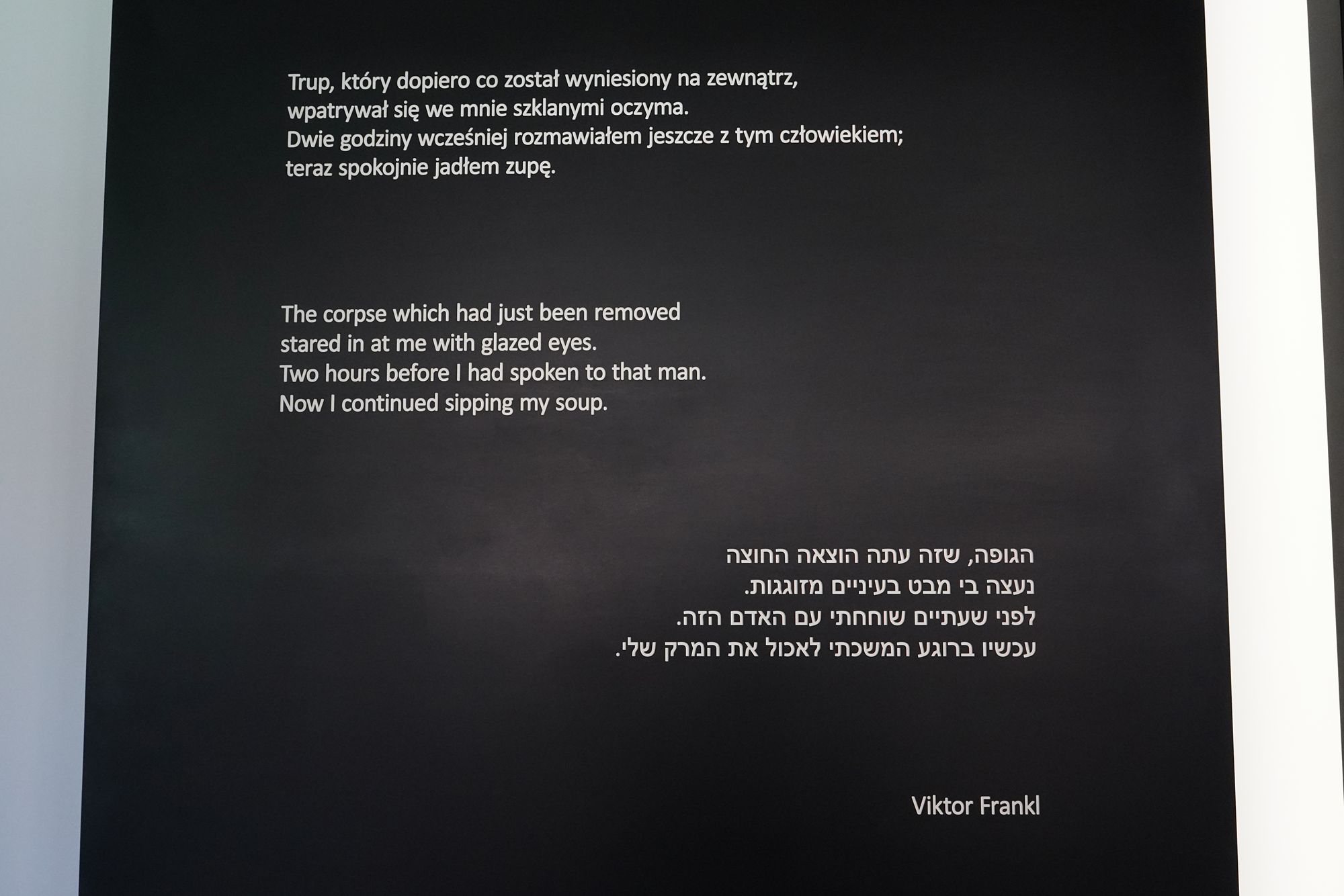
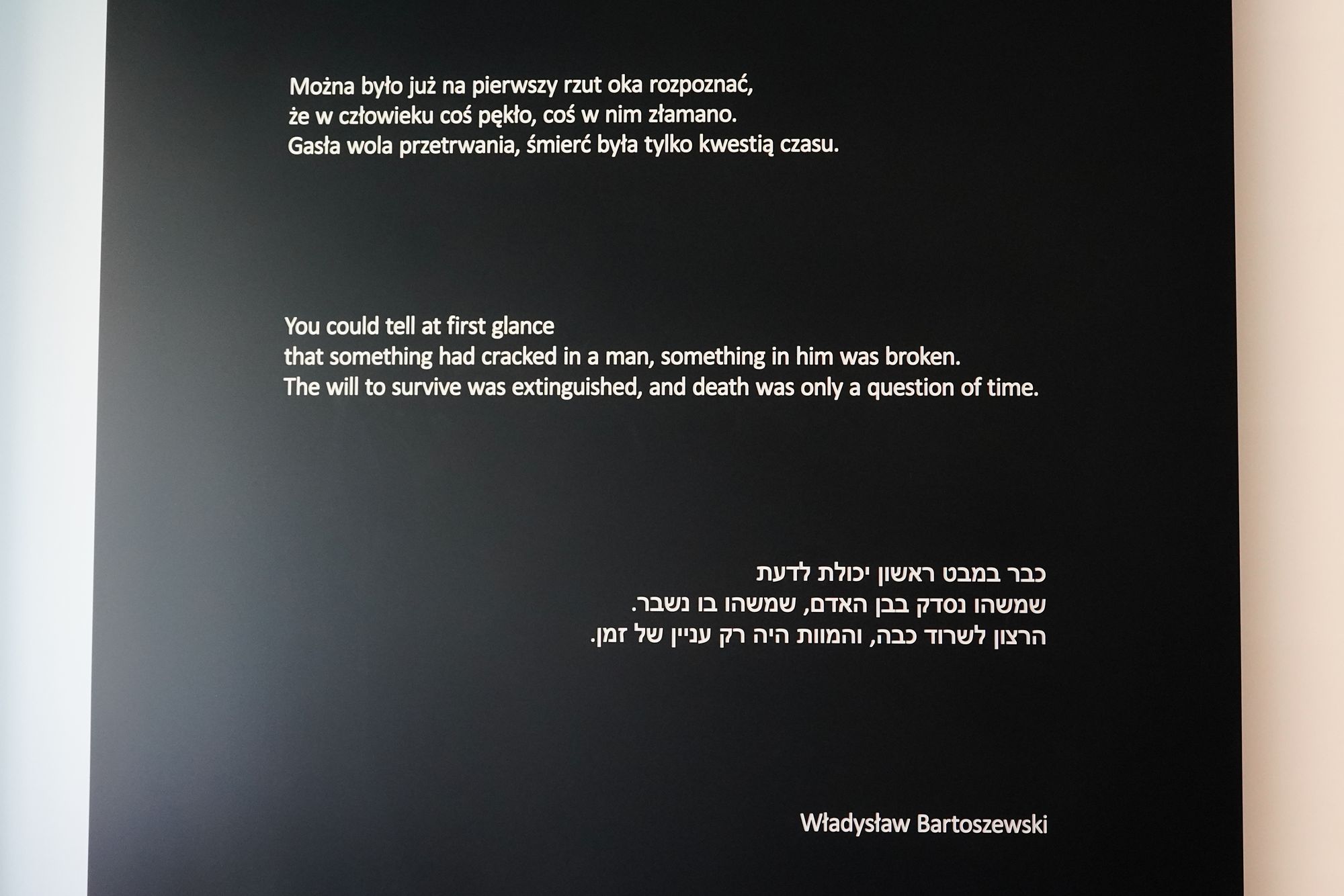
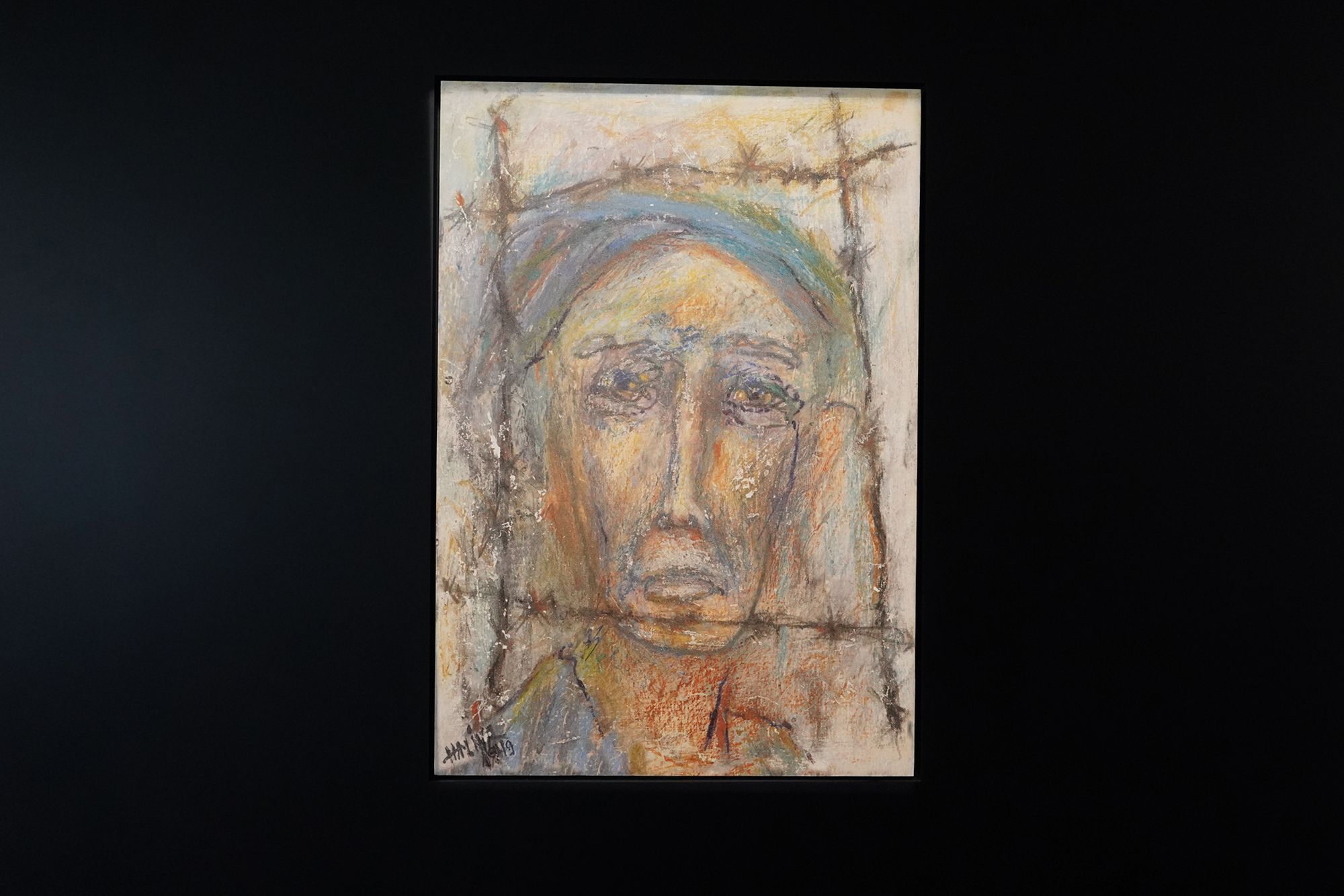
Władysław Bartoszewski, an Auschwitz survivor, recalls how the camp could break a person’s will to survive.
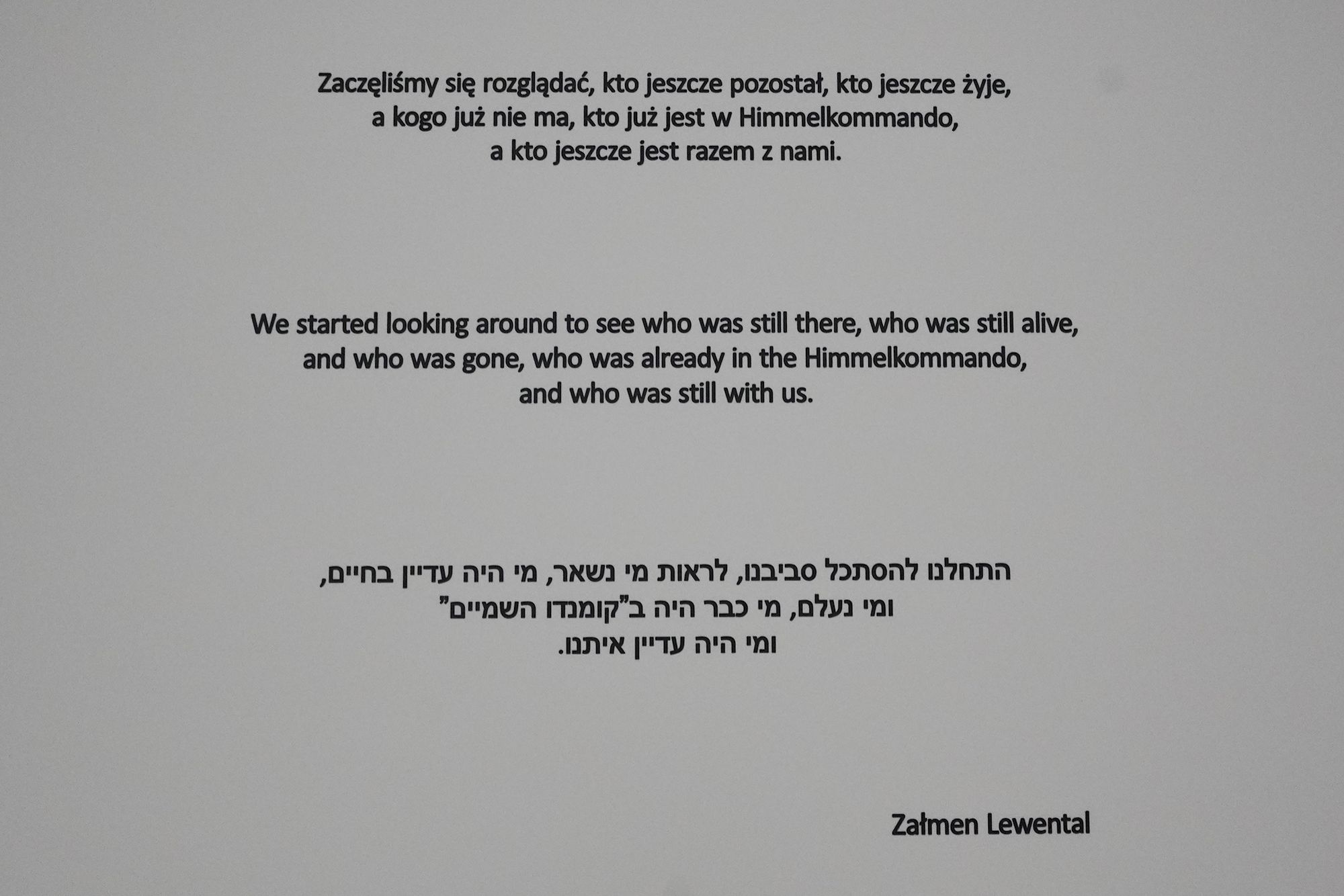
Zatmen Lewental recalls prisoners looking around to see which of their companions were still alive and who had disappeared into the “Himmelkommando.”
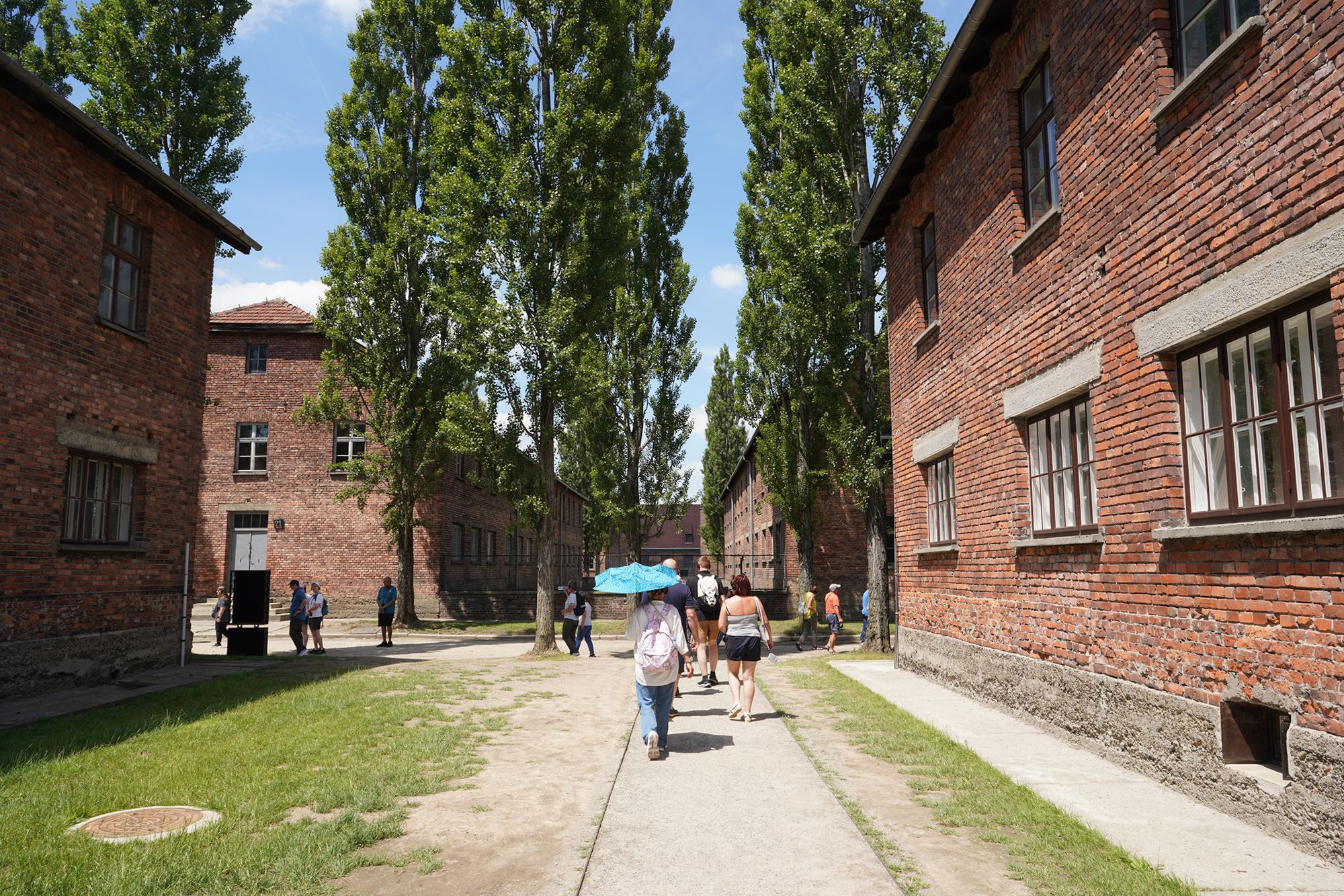
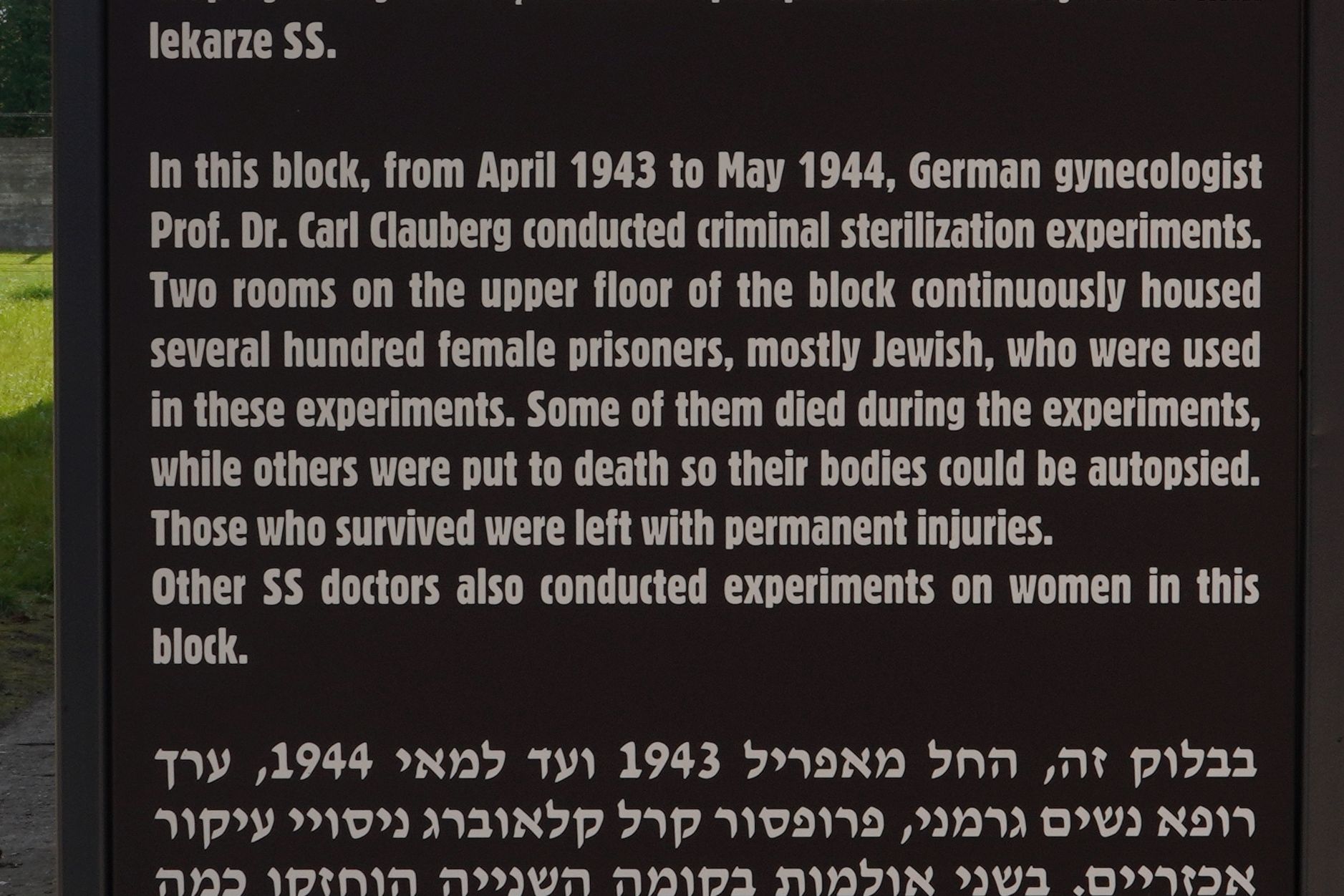
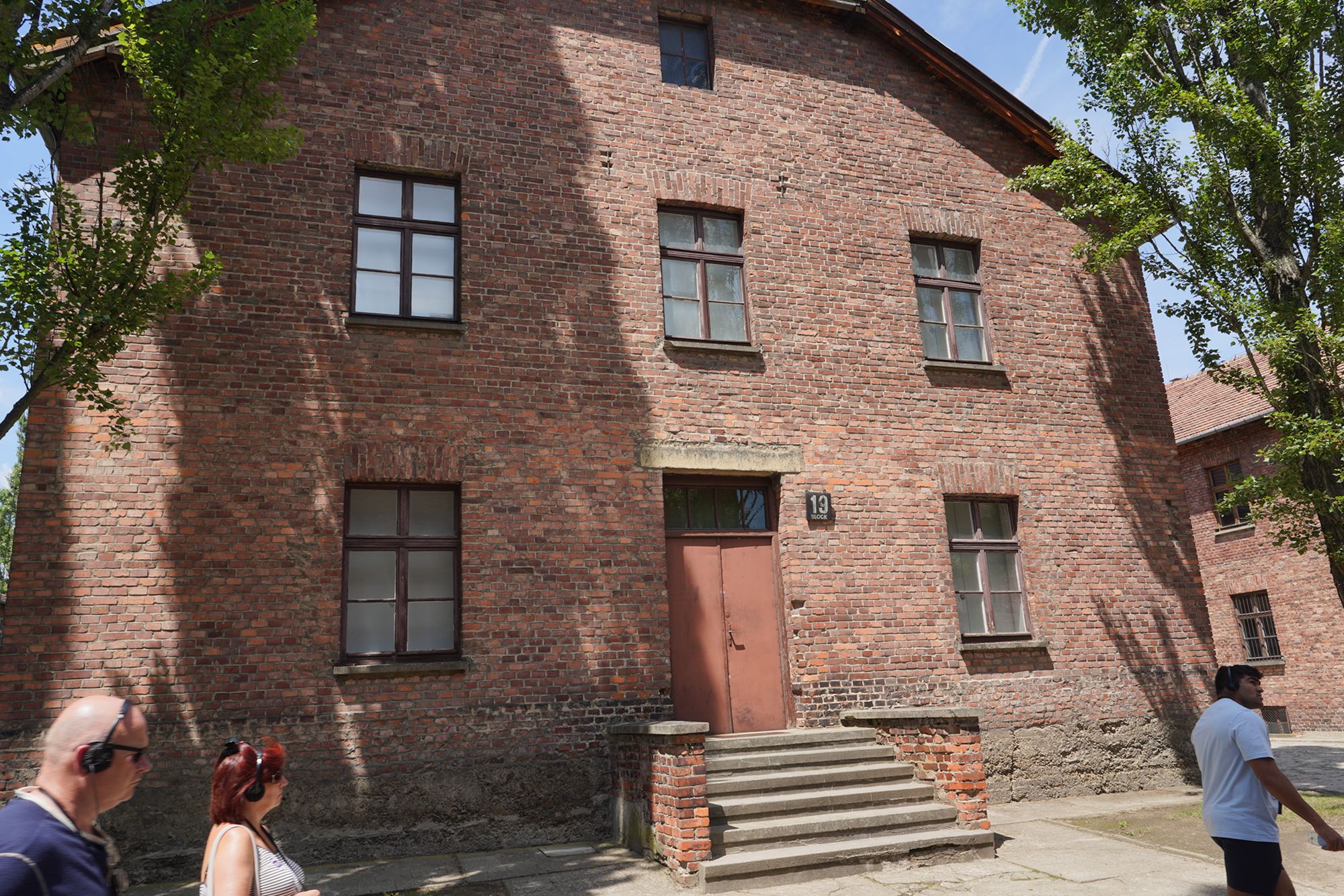
Block 10 was where SS physician Carl Clauberg conducted forced sterilization experiments on hundreds of mostly Jewish women from 1943 to 1944. Some died or were killed for autopsies; survivors suffered permanent injuries.
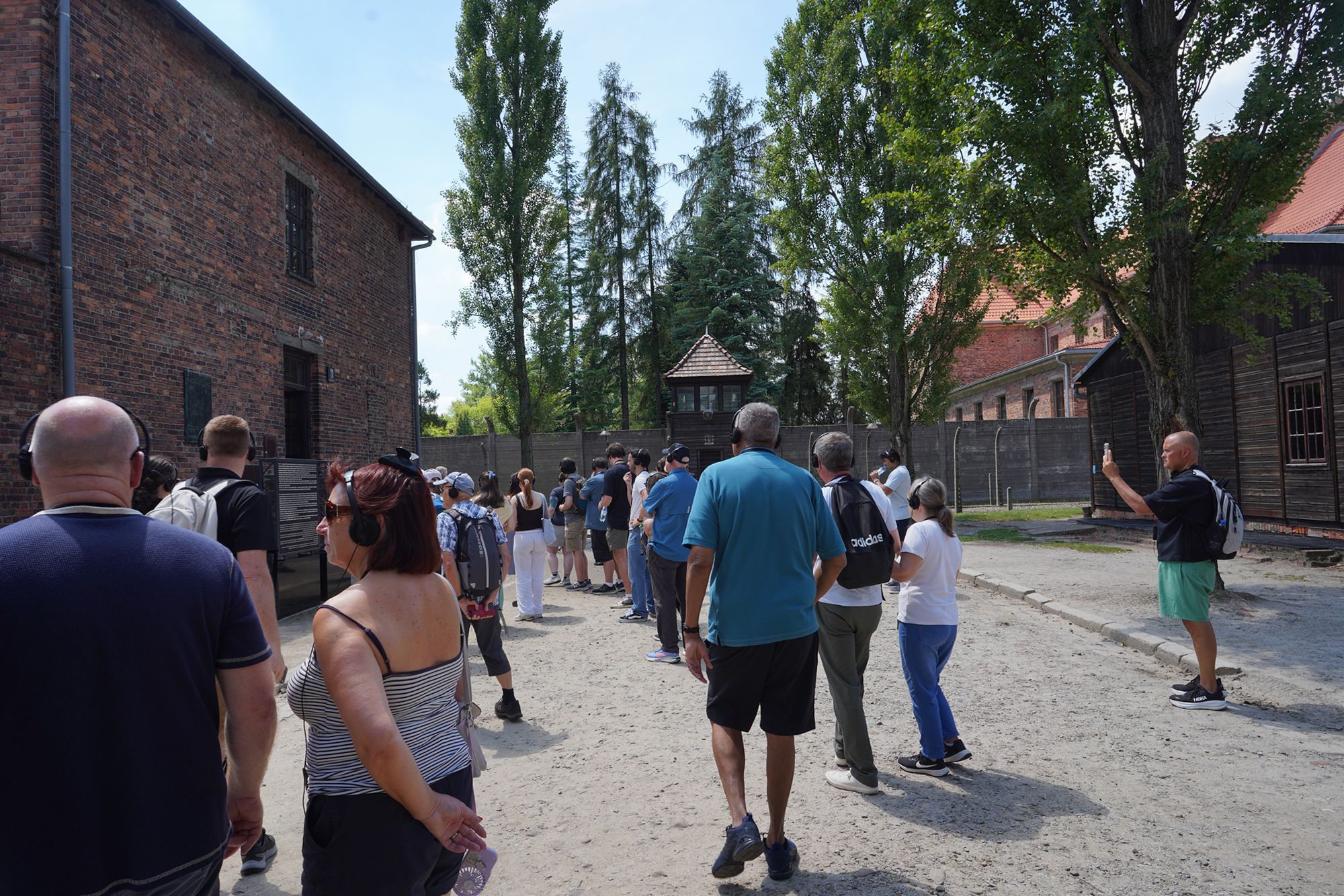
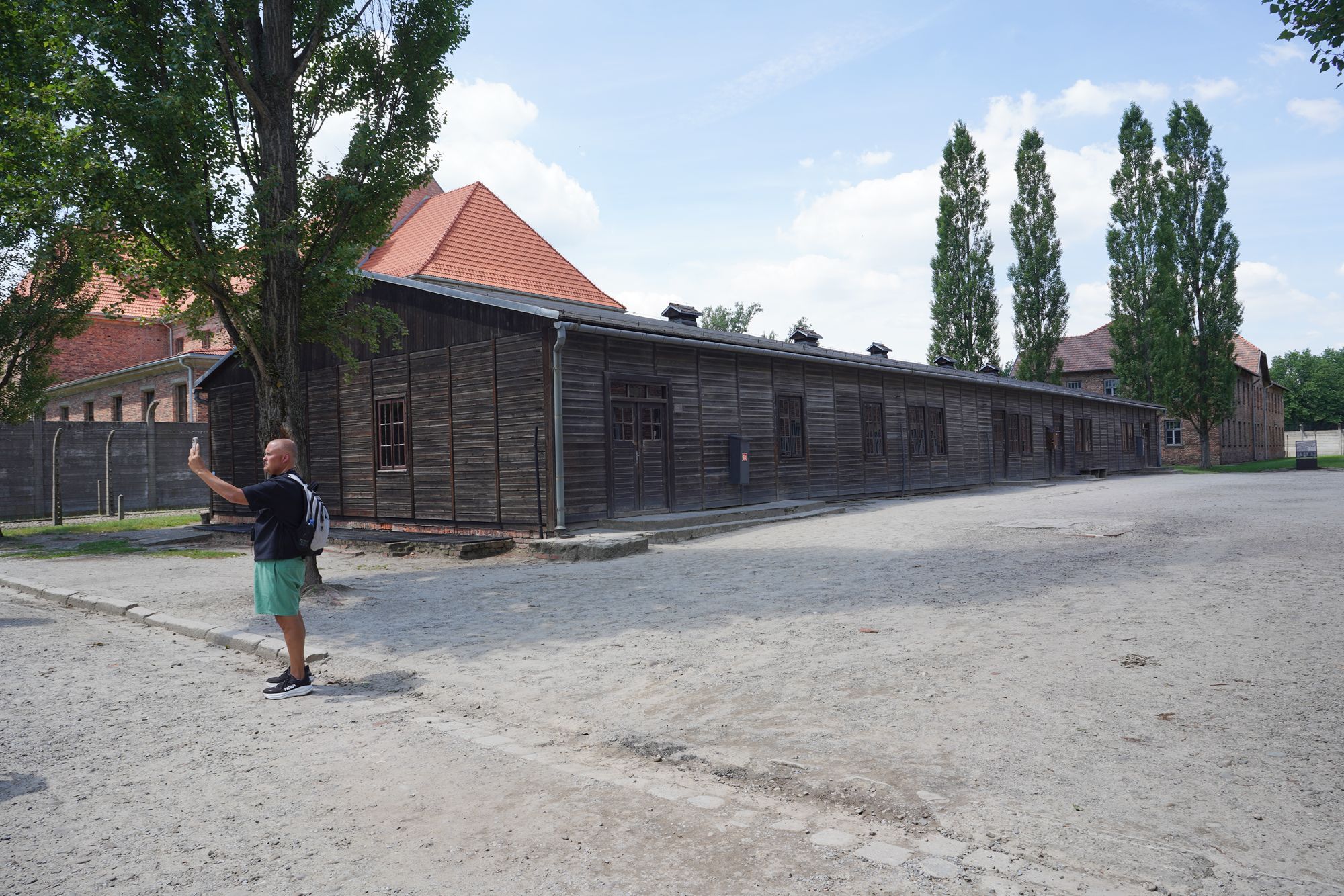
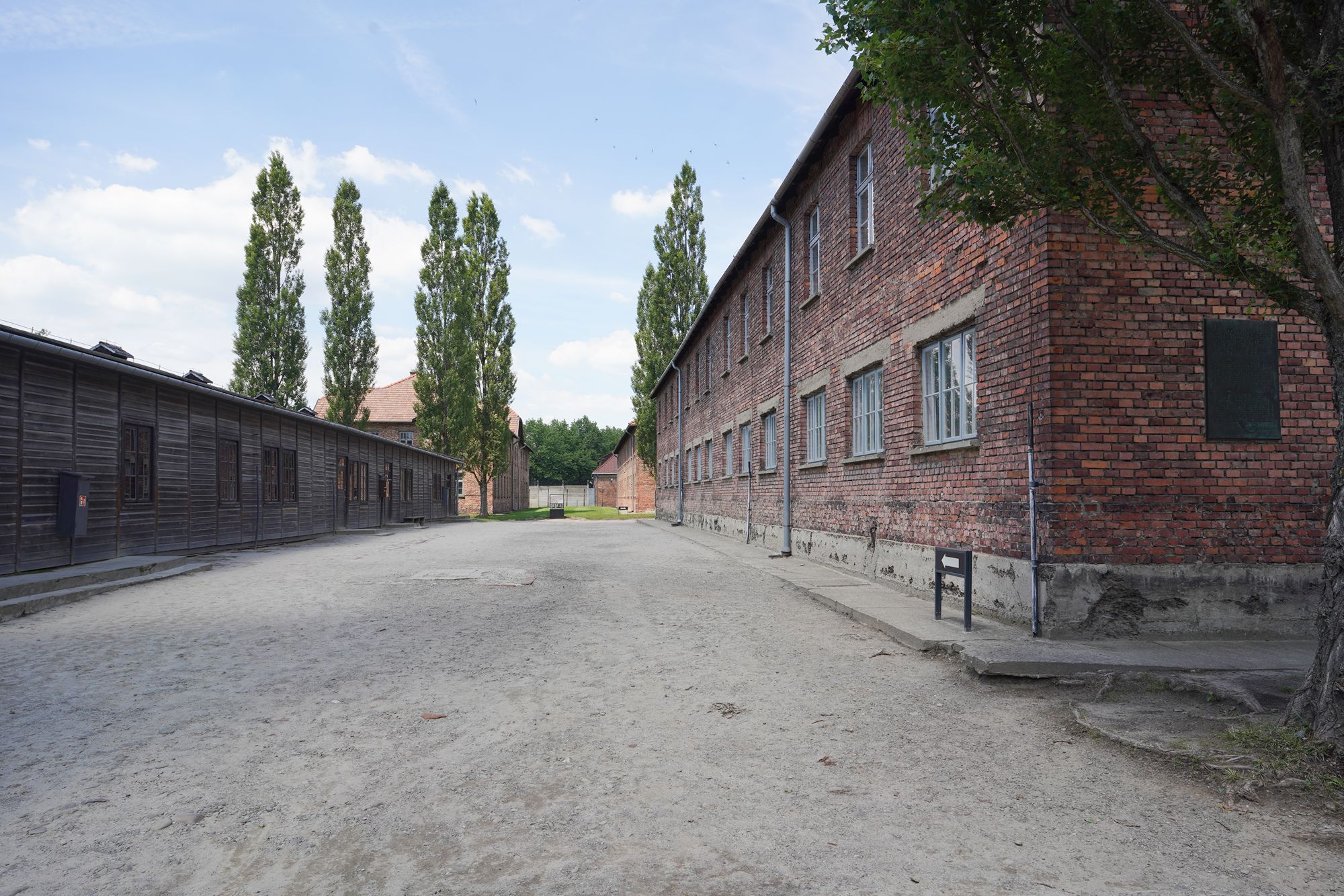
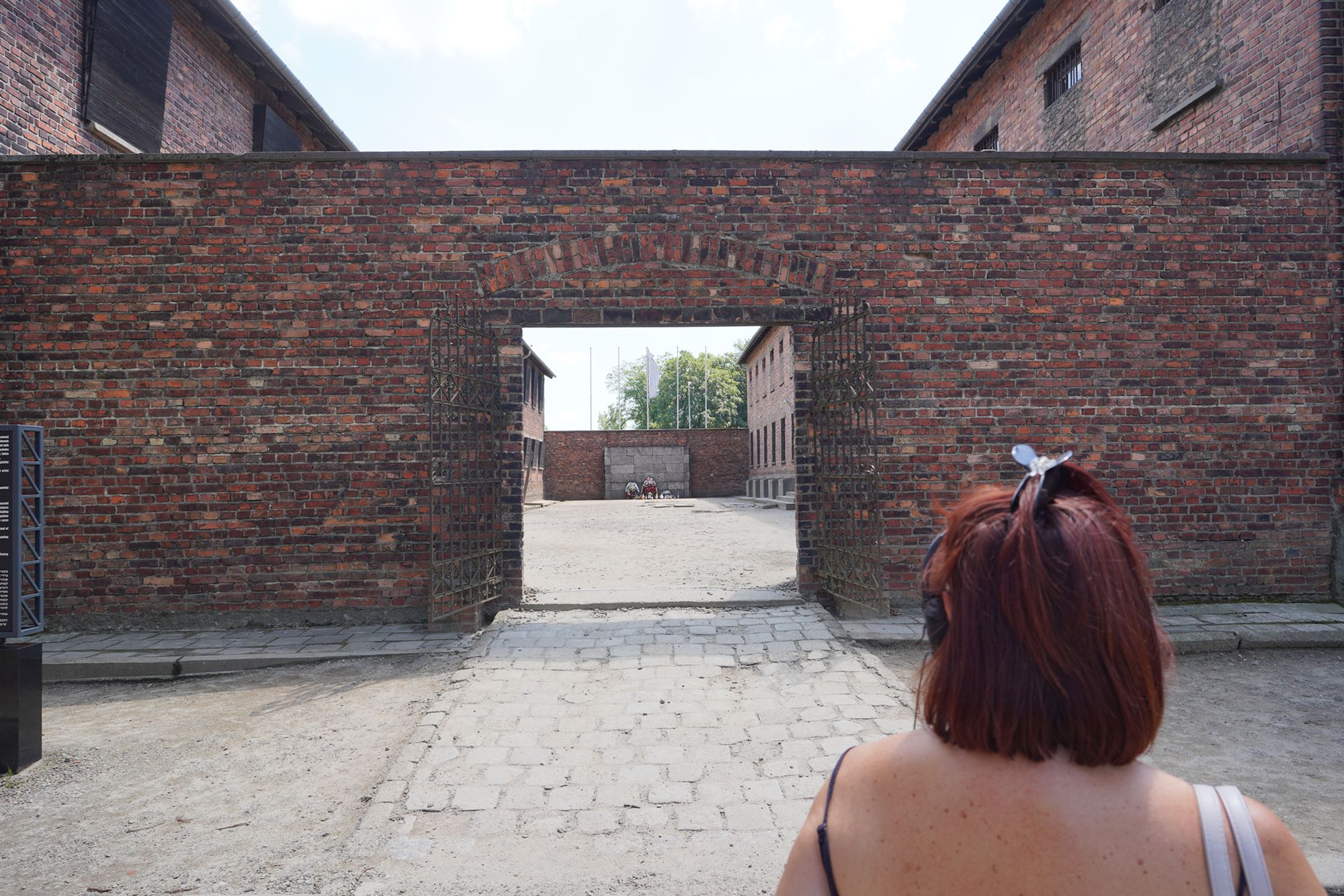
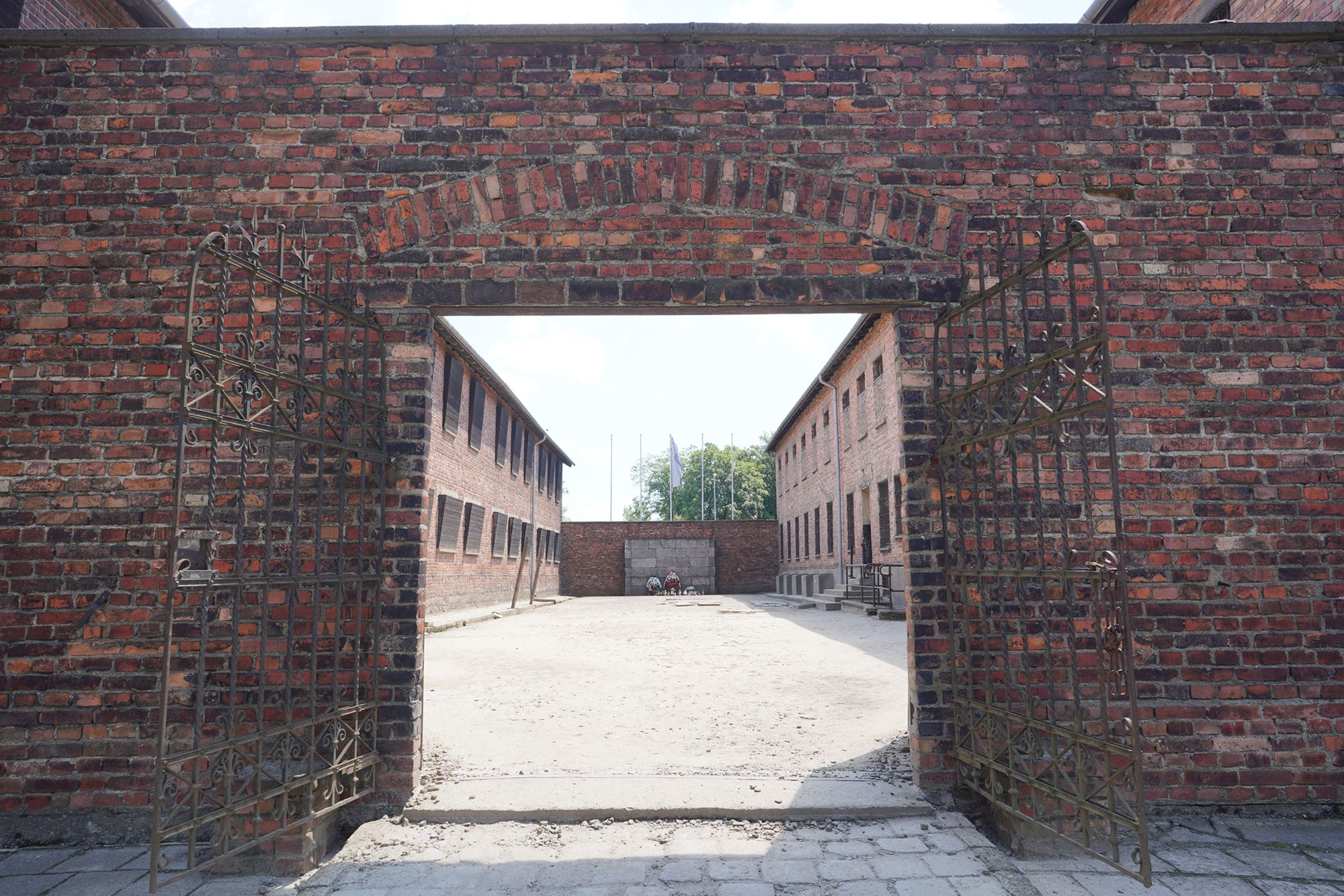
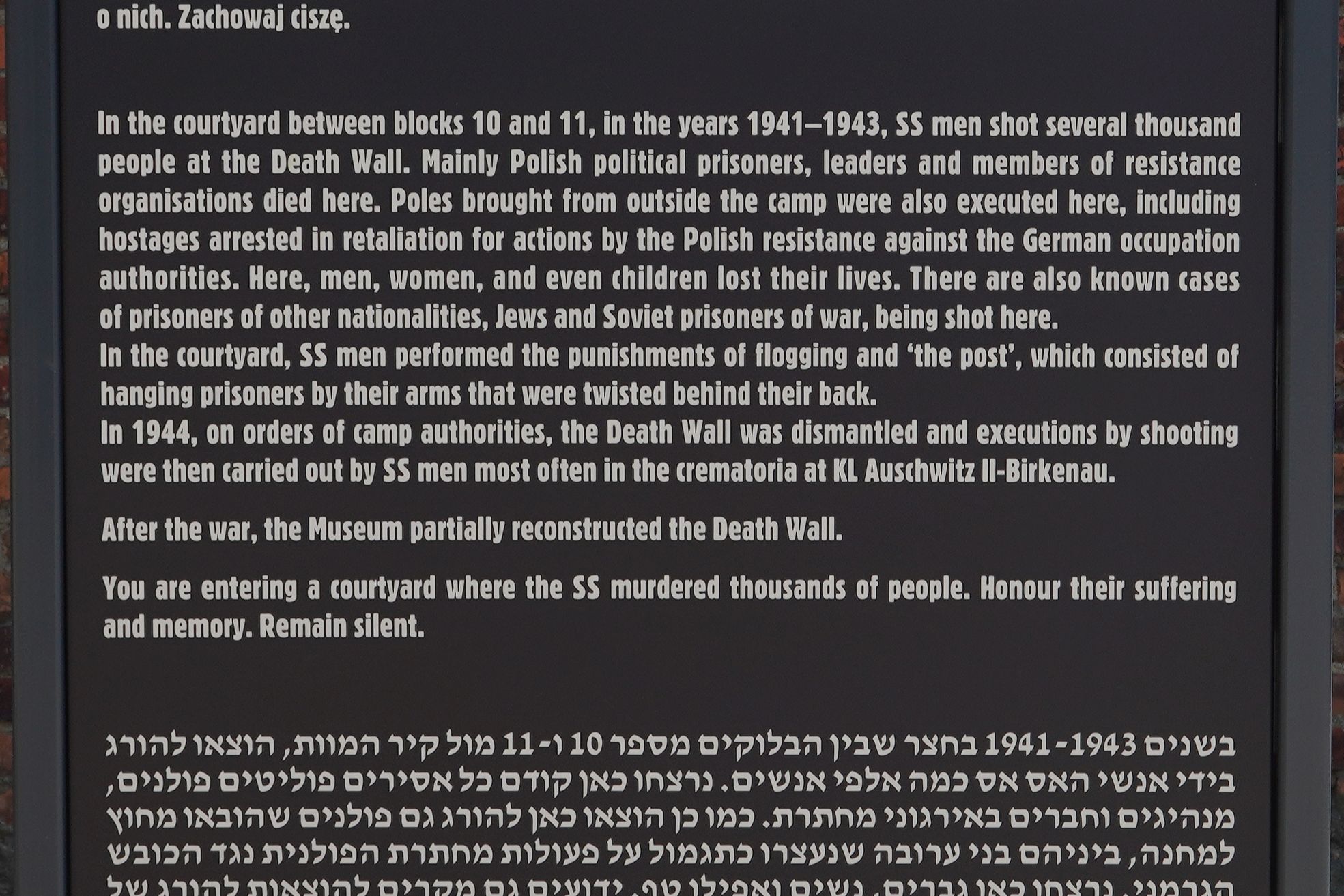
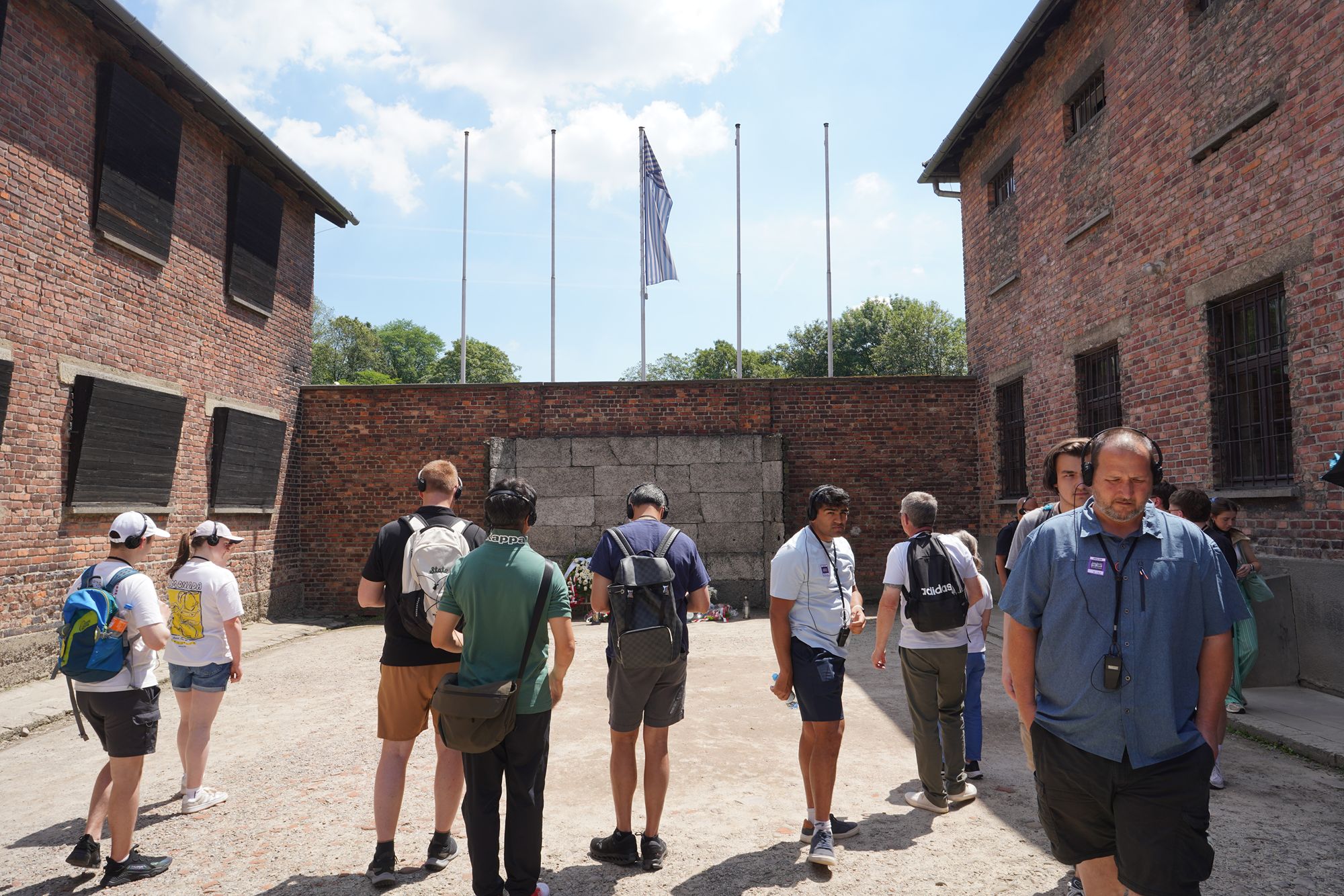
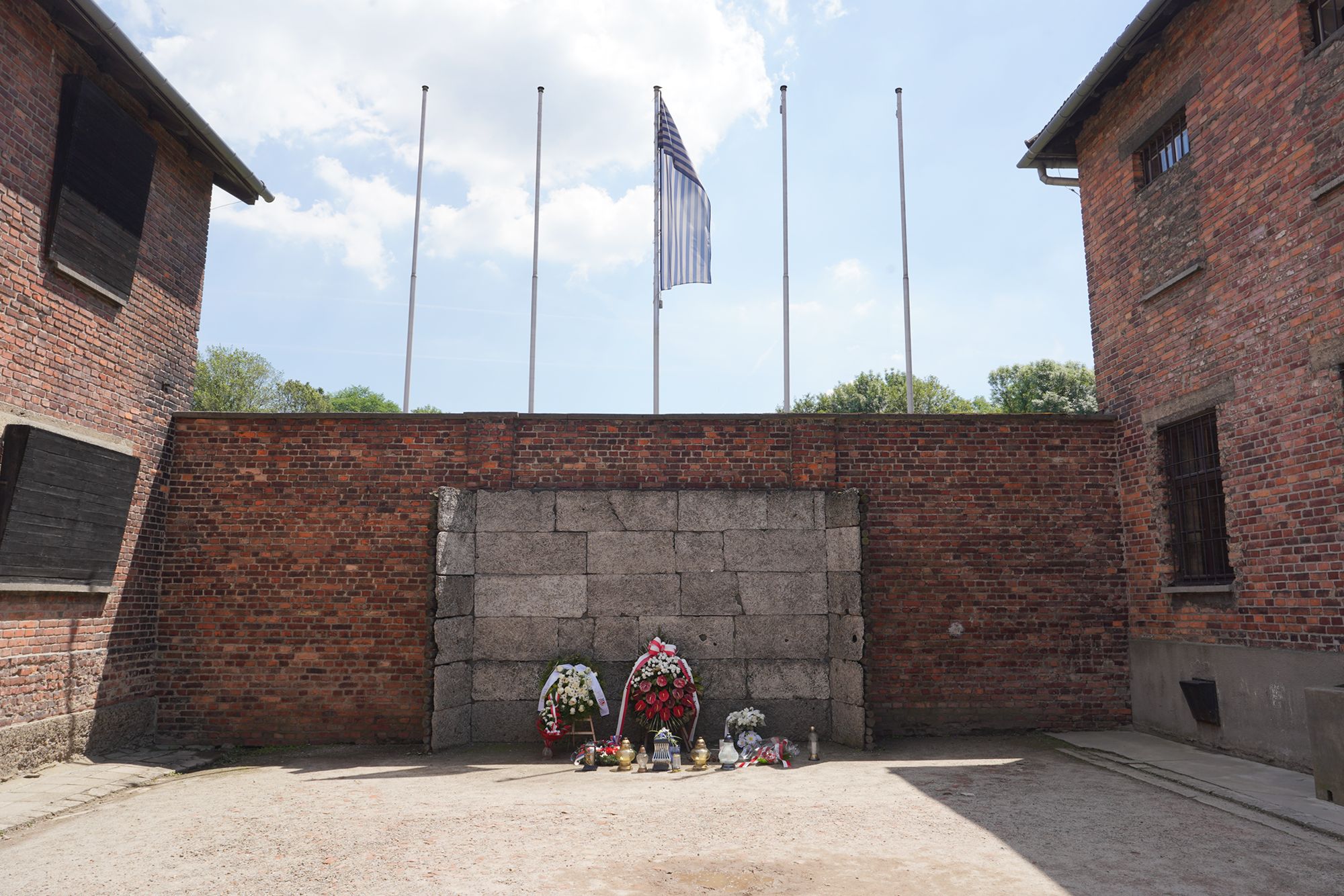
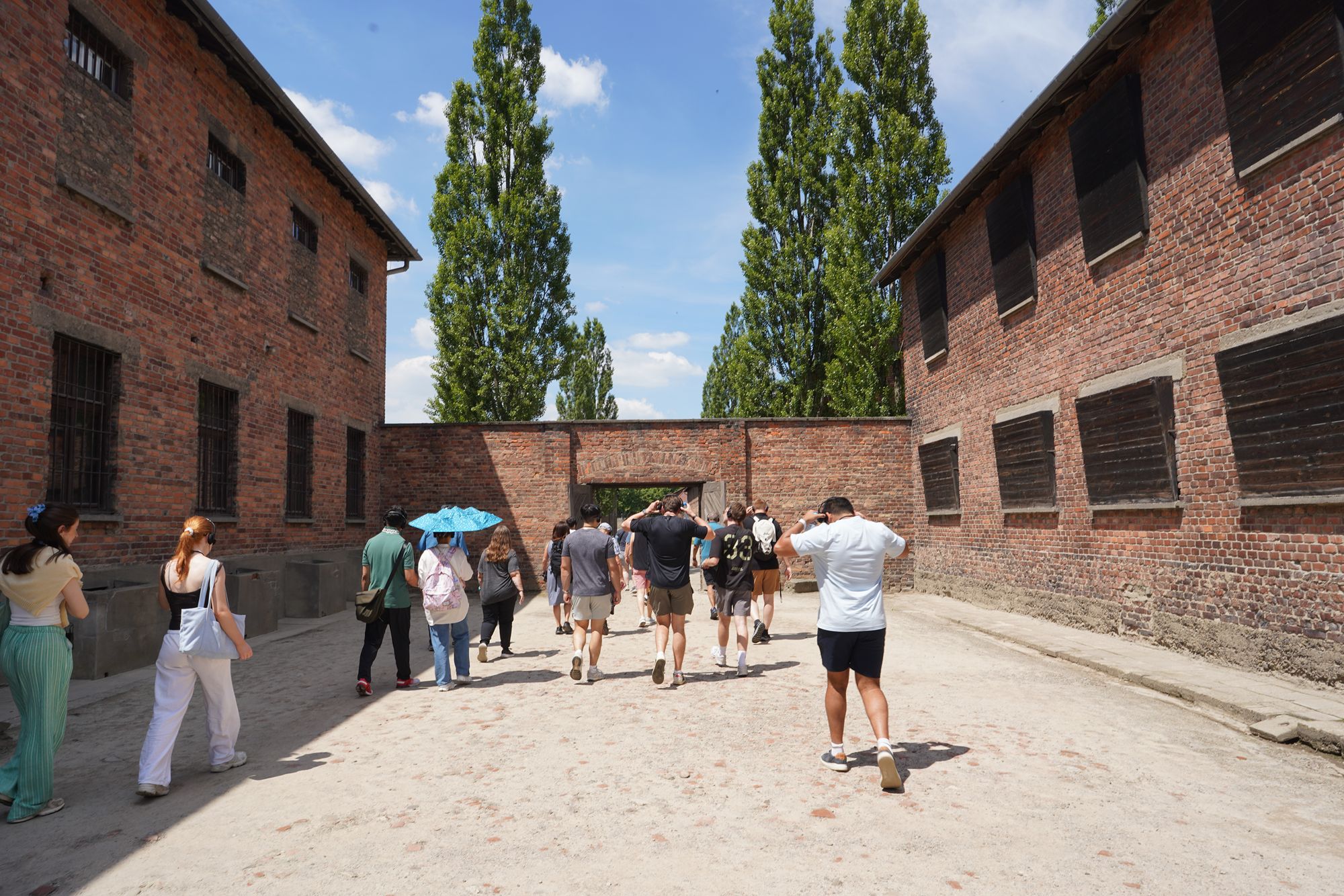
Between Blocks 10 and 11, the SS shot thousands of people at the Death Wall, most of them Polish political prisoners and resistance members. The Museum later partially reconstructed the wall as a memorial.
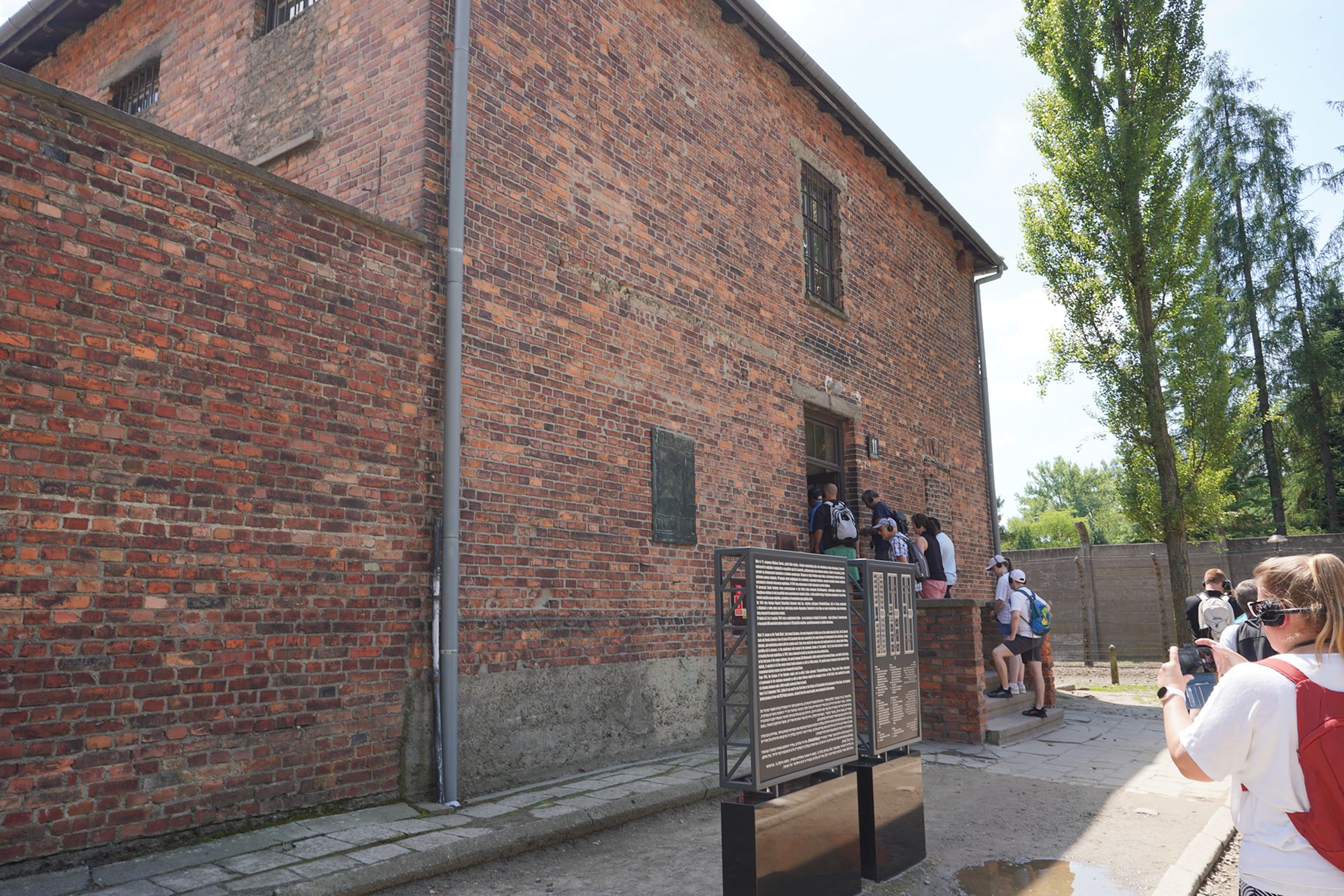
Block 11, known as the “Death Block,” served as Auschwitz’s central prison, holding inmates suspected of resistance and other offenses. Its basement contained punishment cells. In September 1941, 600 Soviet prisoners of war and 250 Polish prisoners were killed there using Zyklon B.
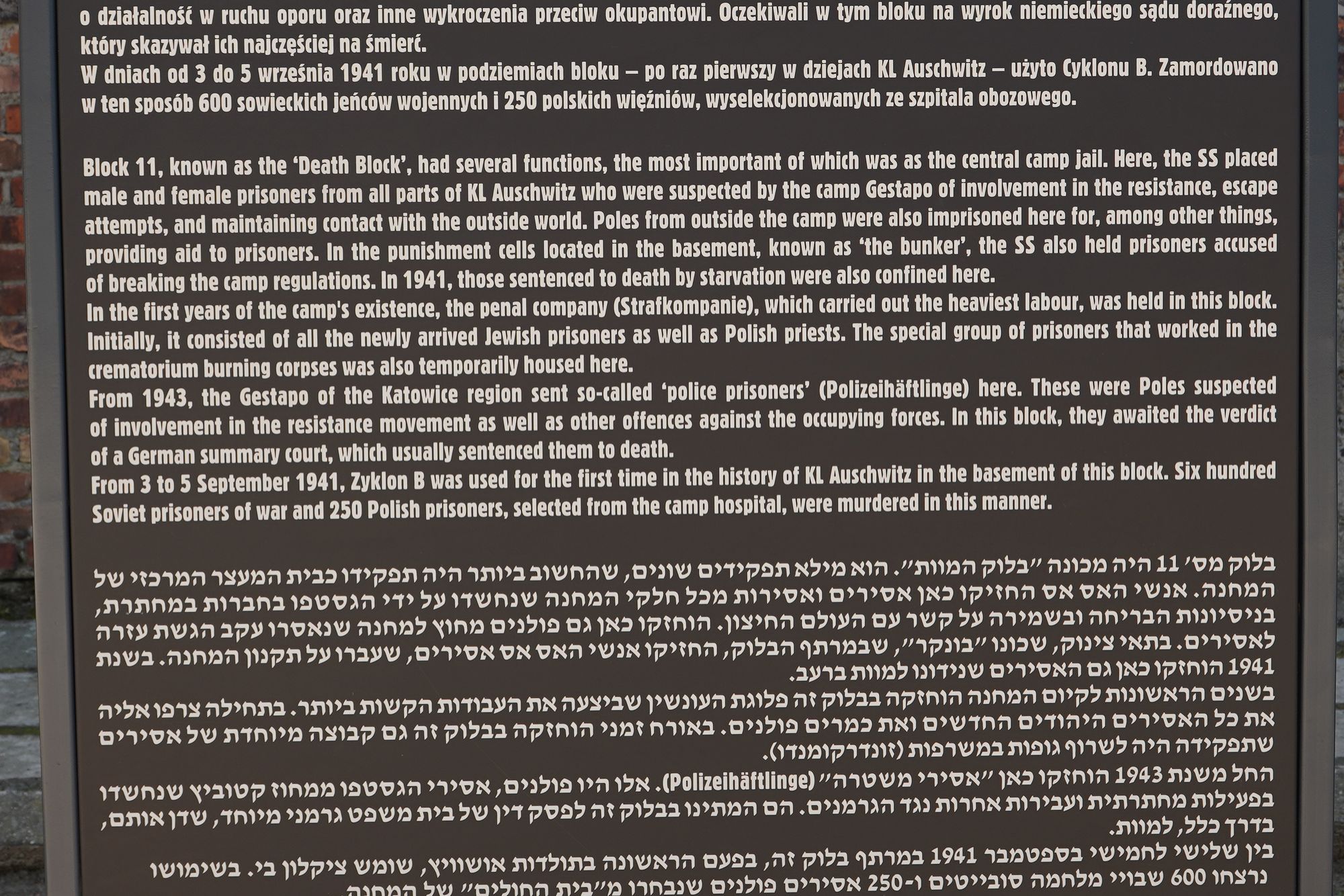
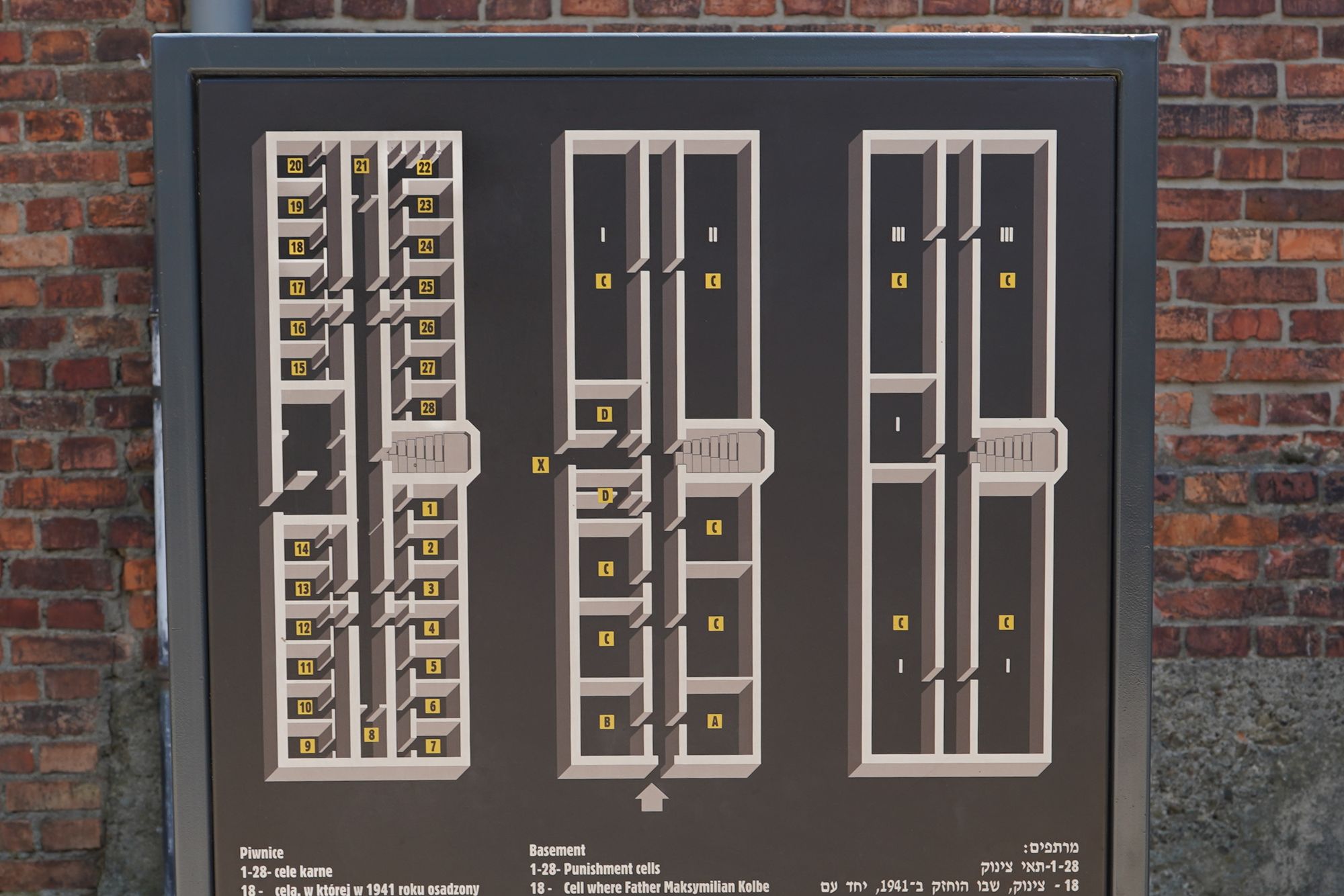
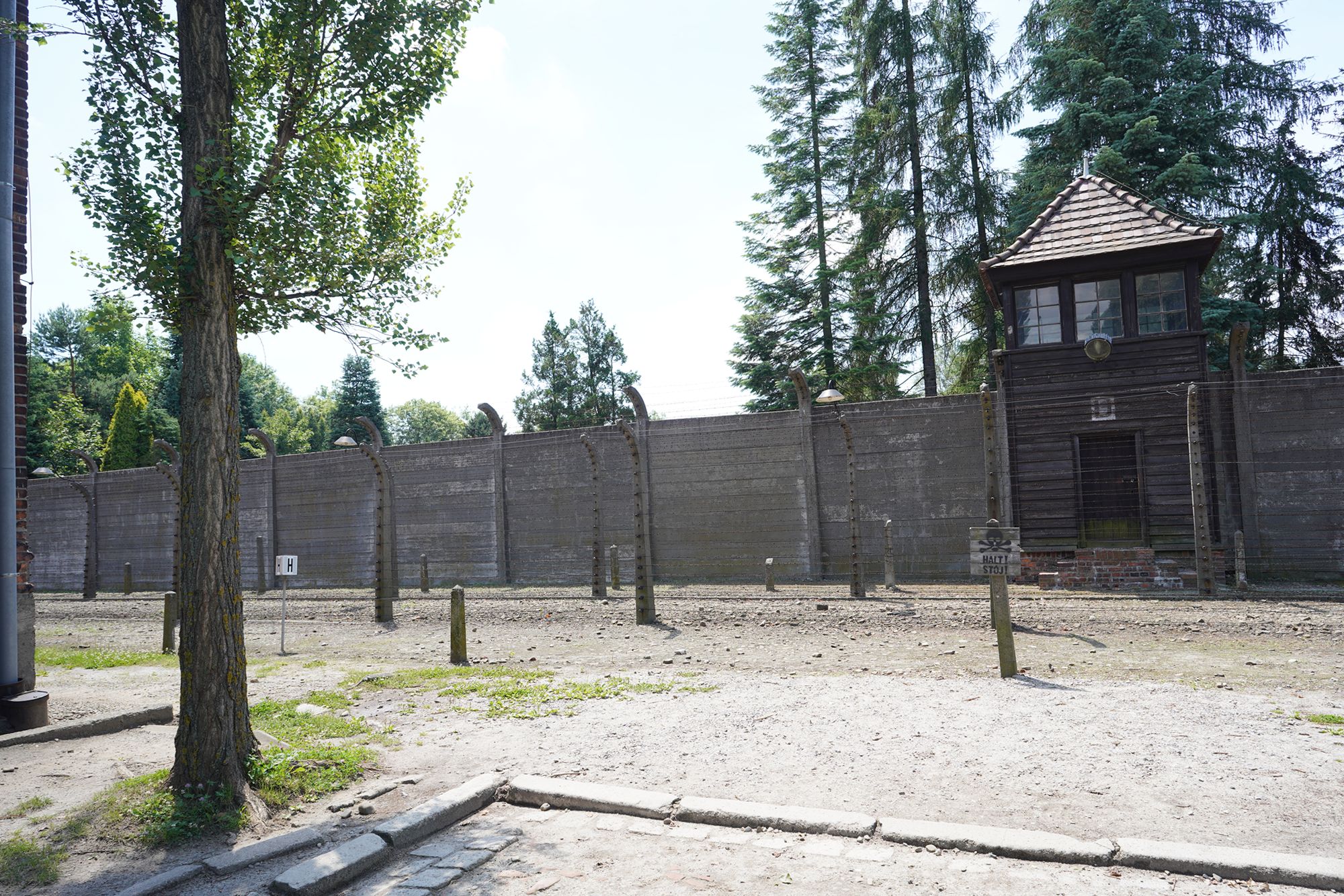
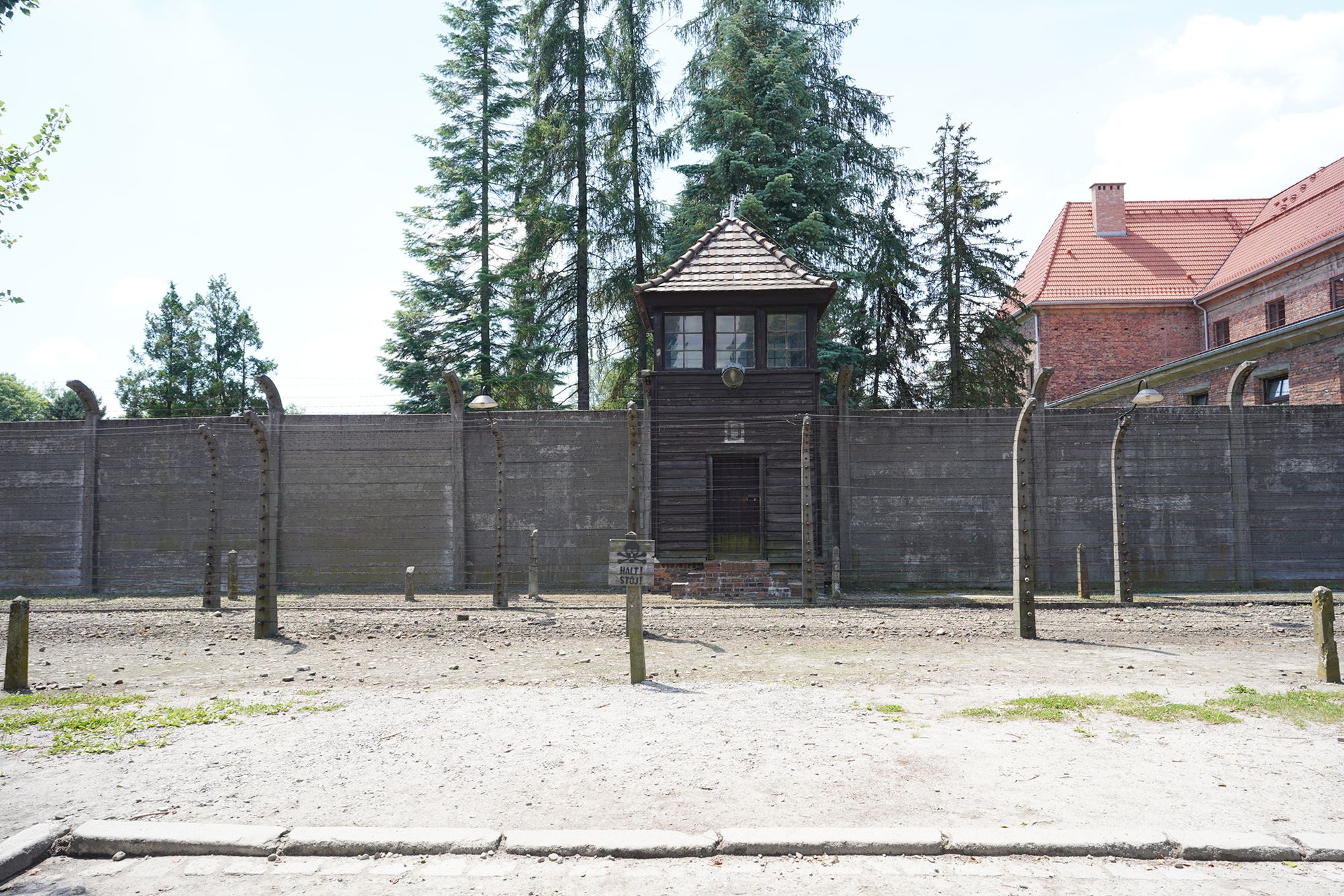
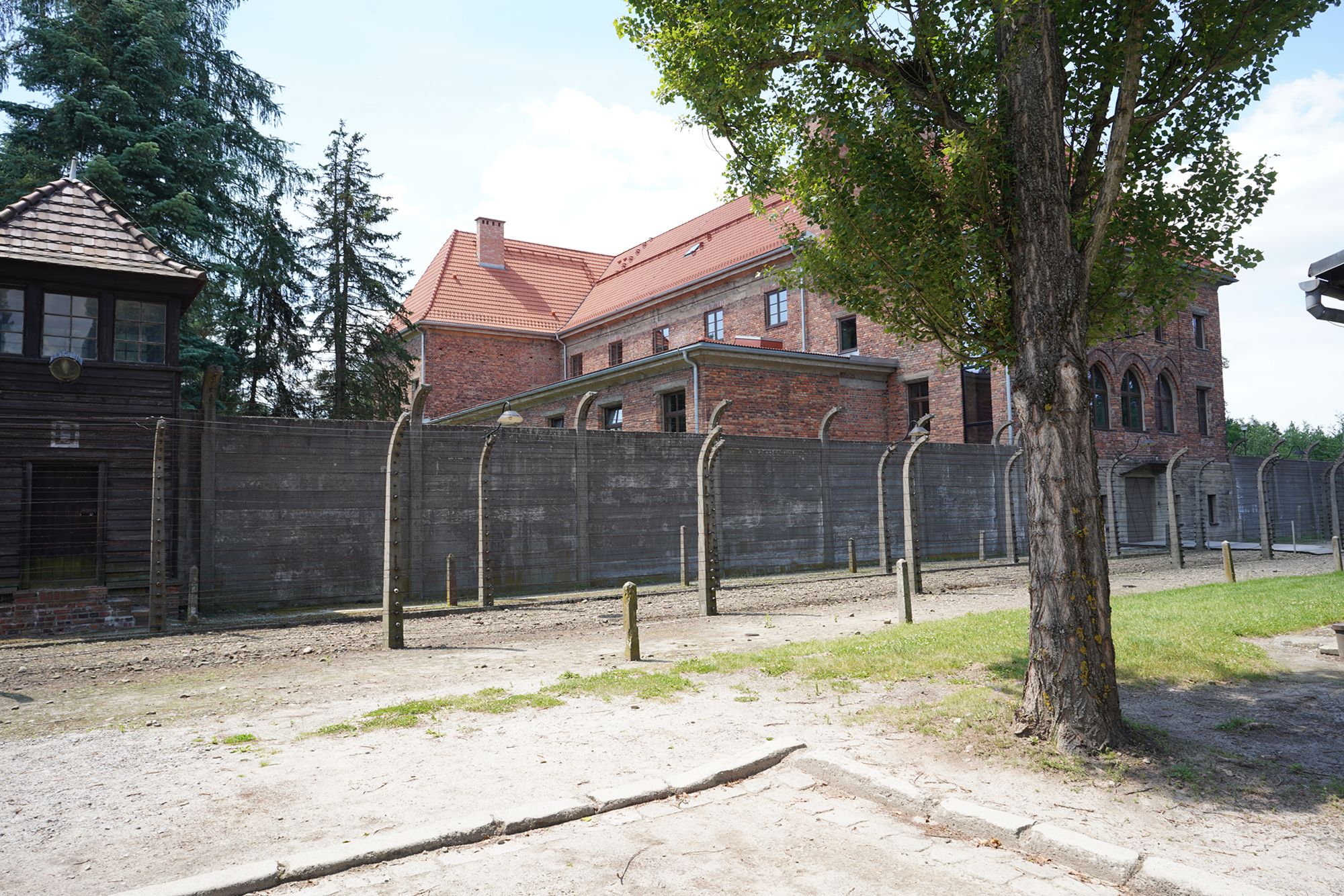
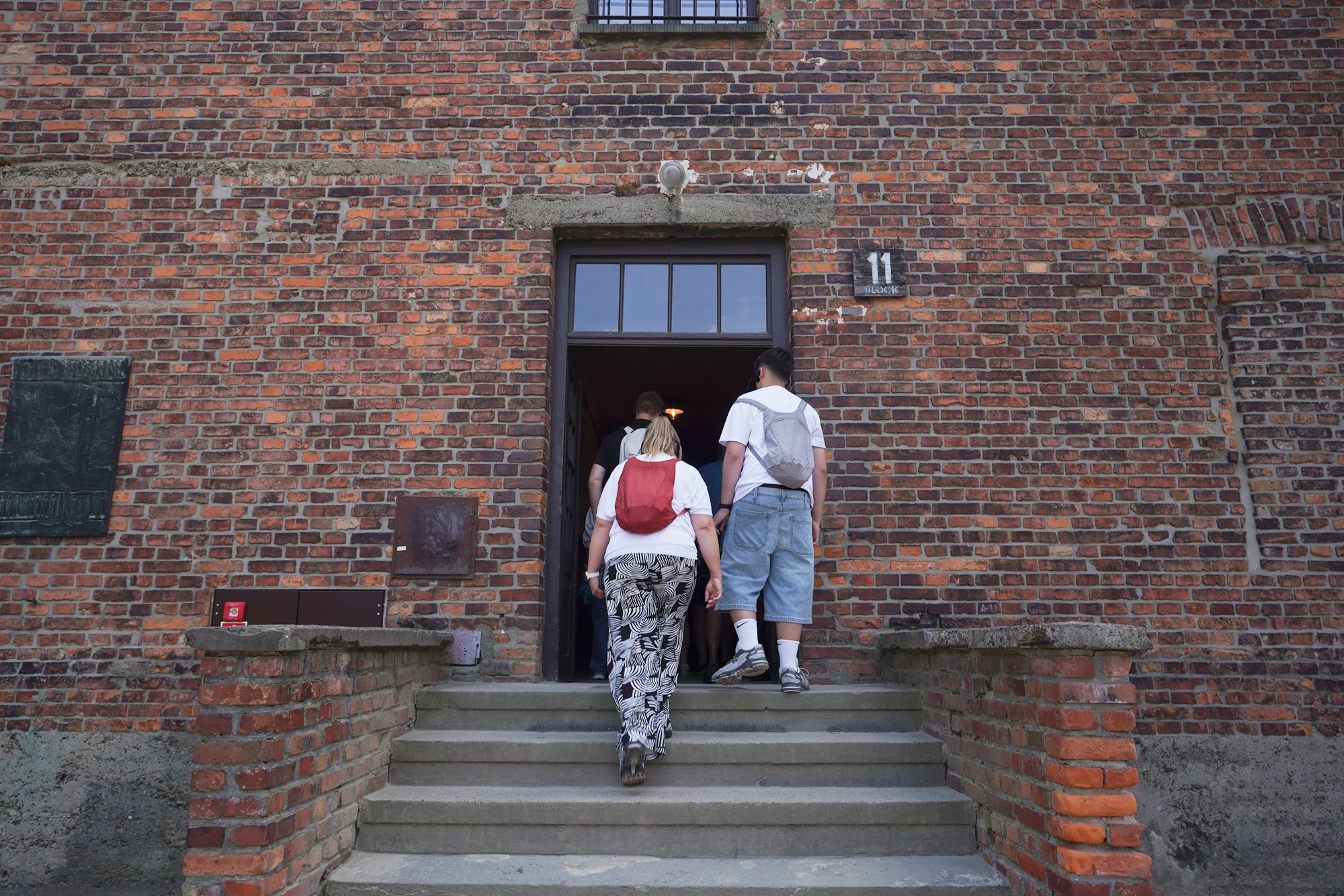
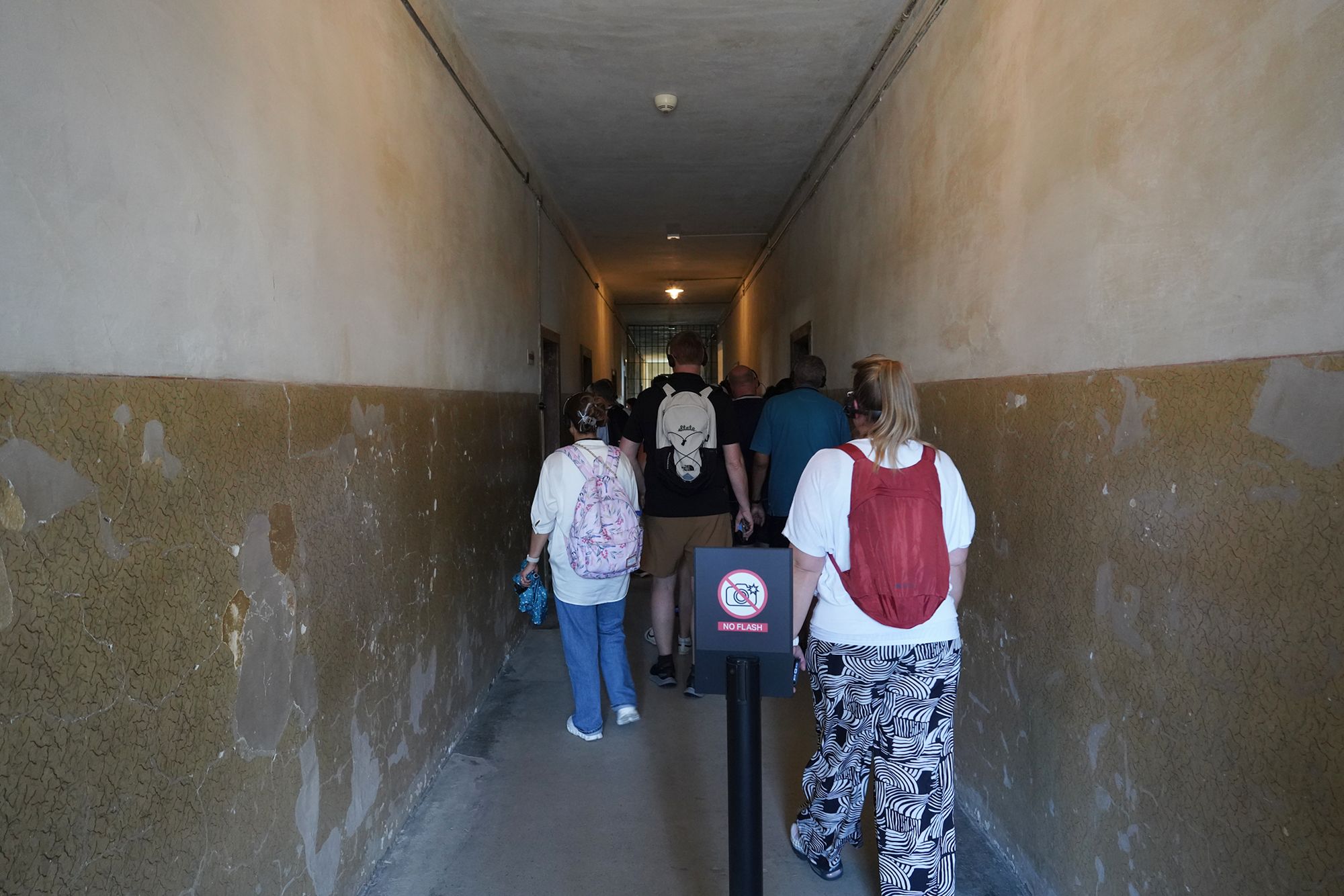
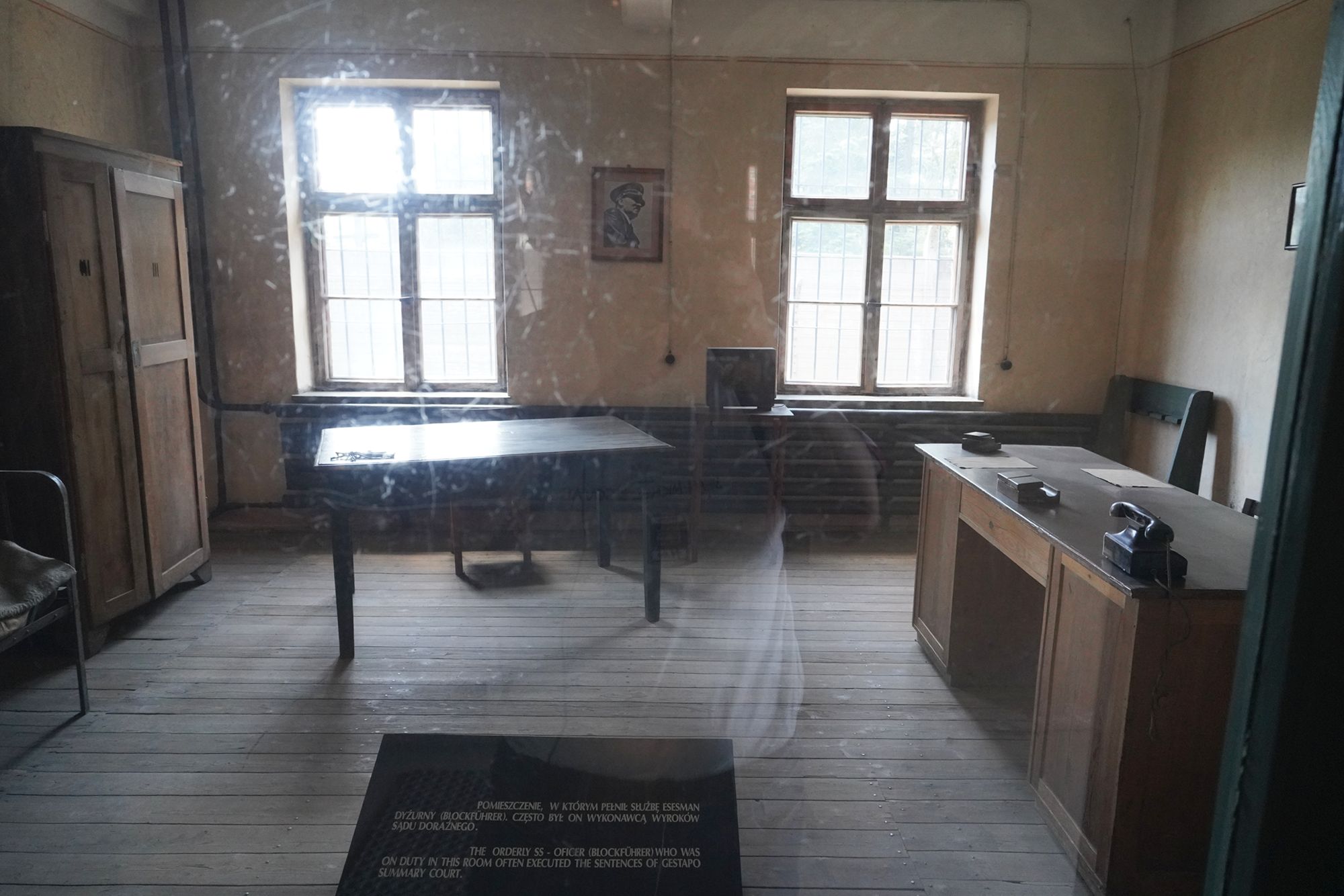
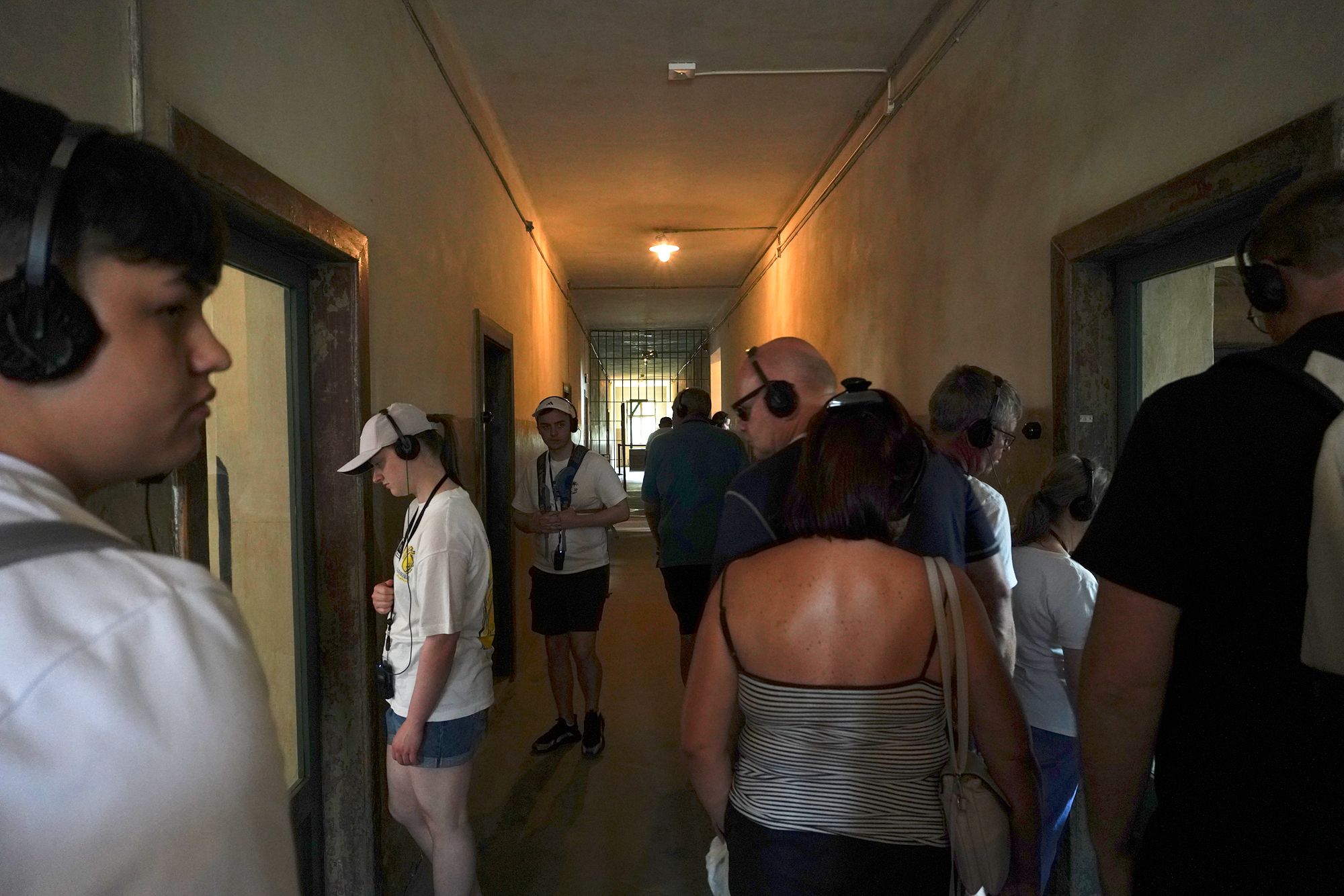
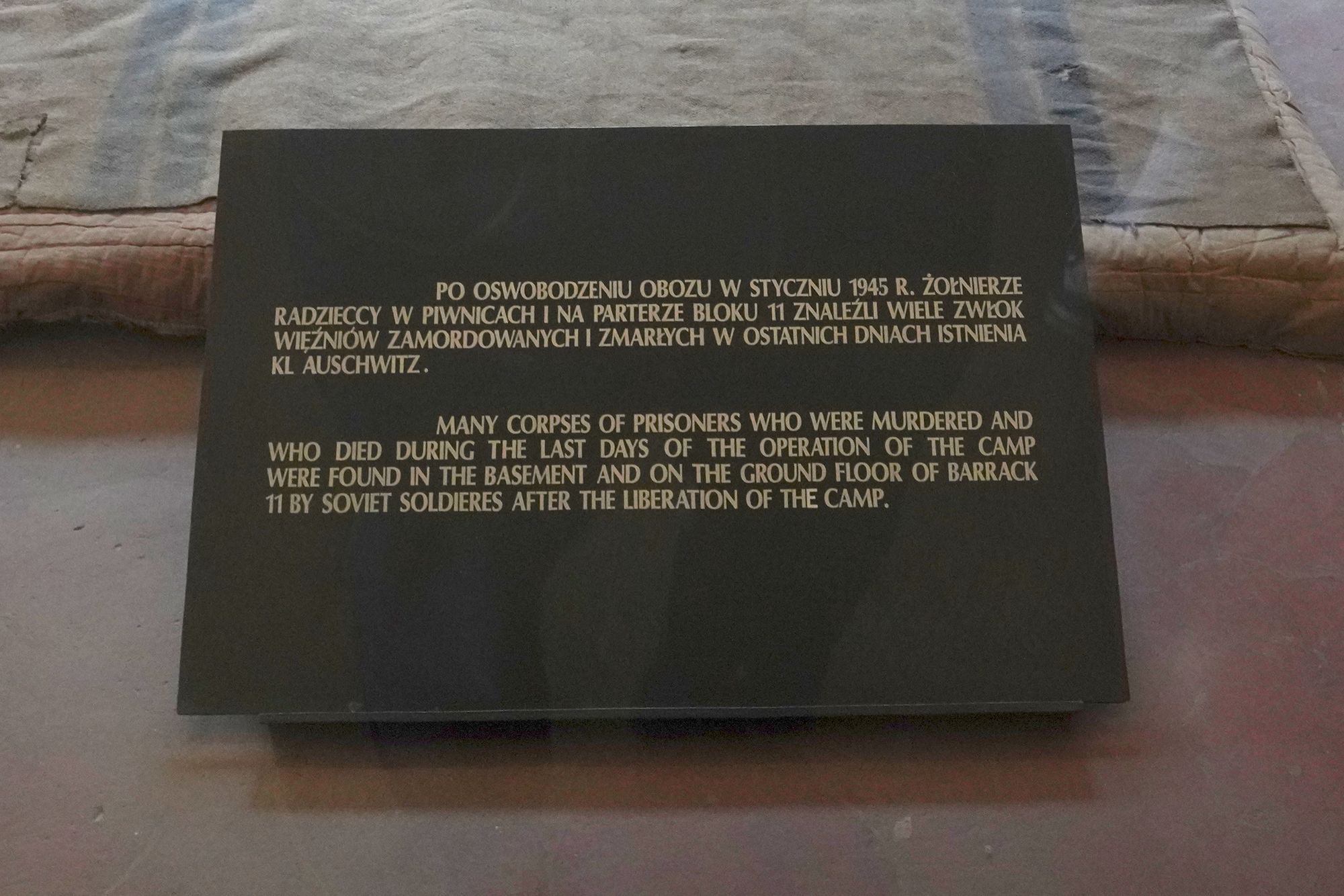
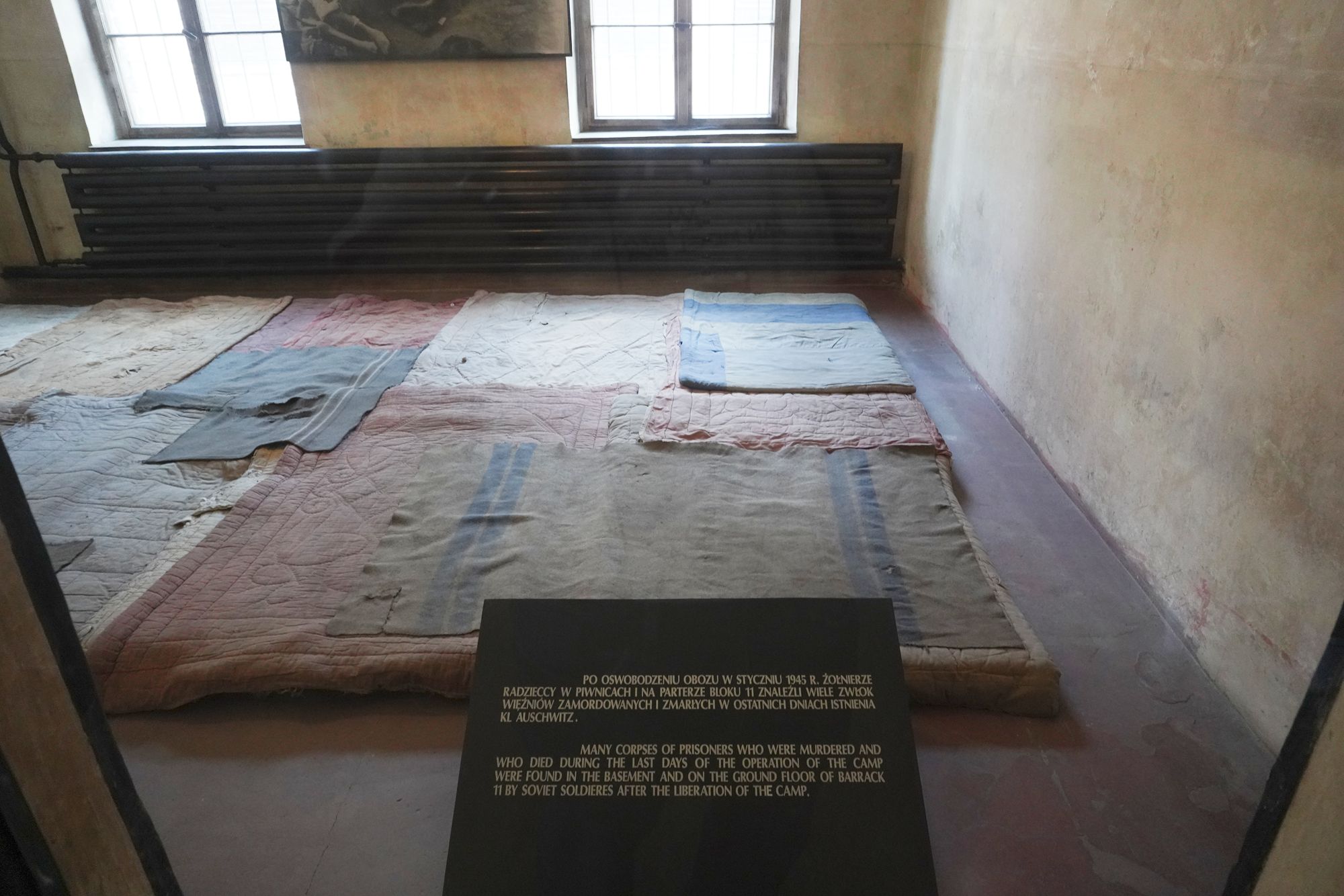
After Auschwitz was liberated, Soviet soldiers found the bodies of prisoners who had been murdered or died in the camp’s final days in the basement and ground floor of Block 11.
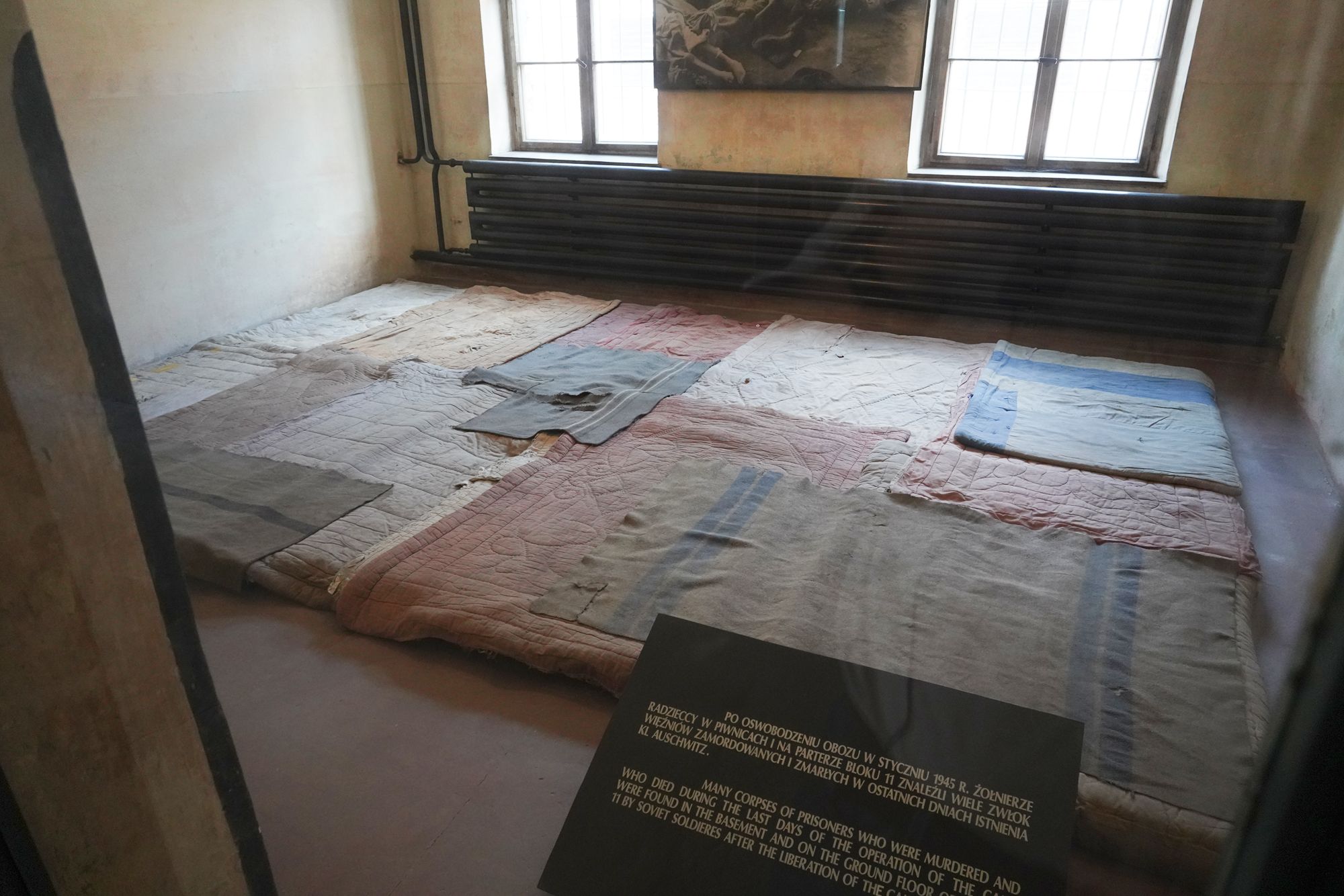
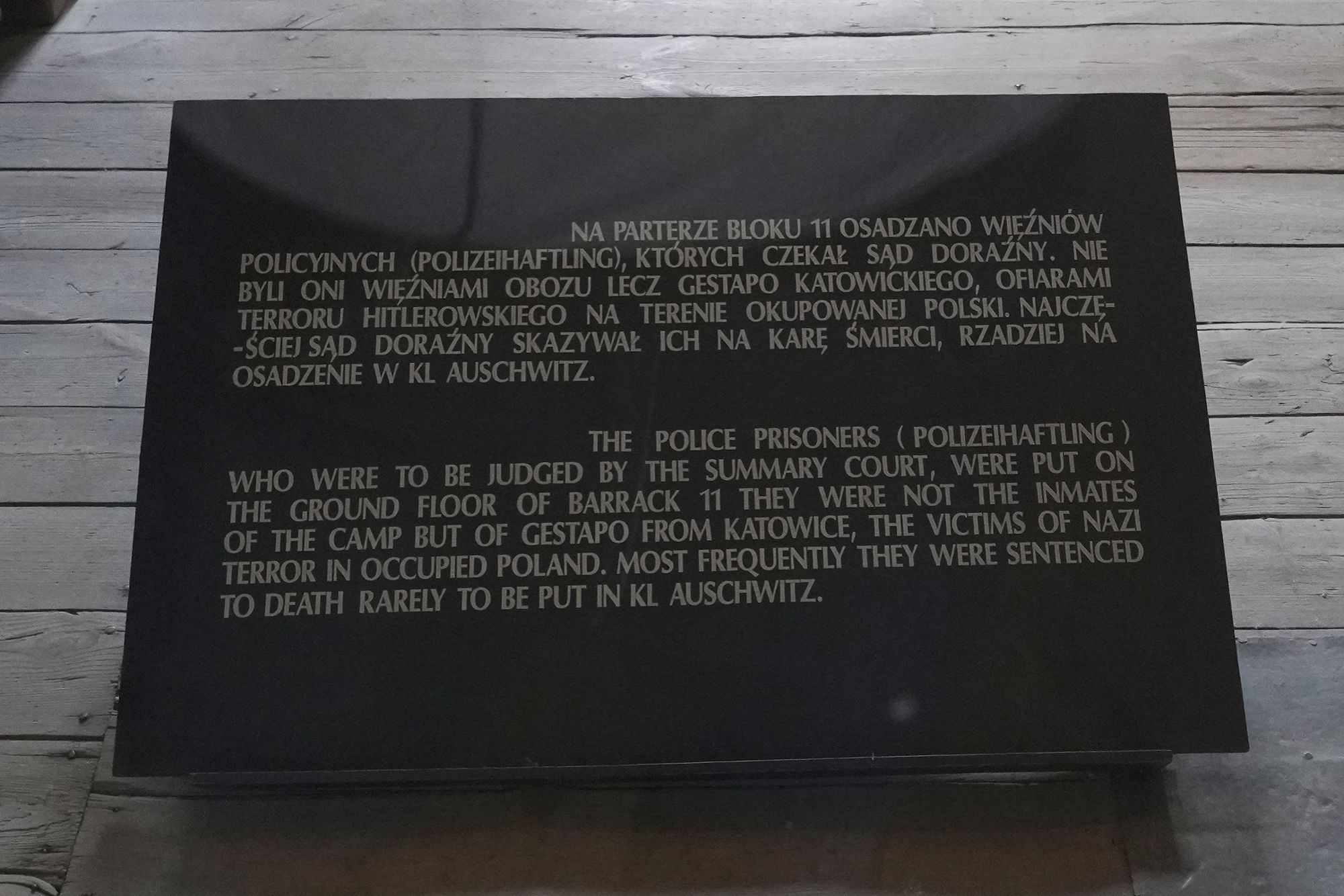
Block 11 also held “police prisoners” brought from Katowice, who were awaiting judgment by a German summary court. They were victims of Nazi terror in occupied Poland, and many were sentenced to death.
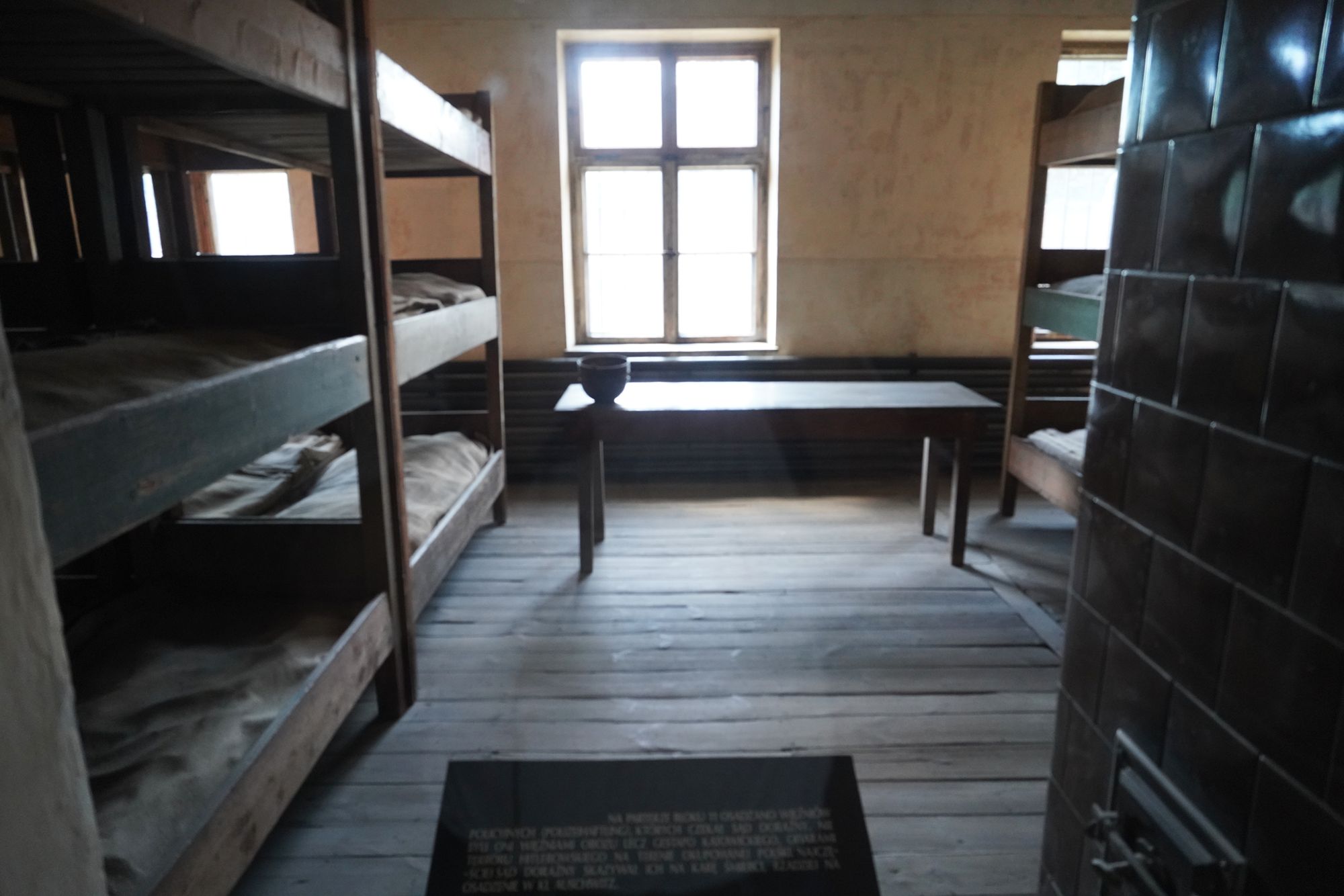
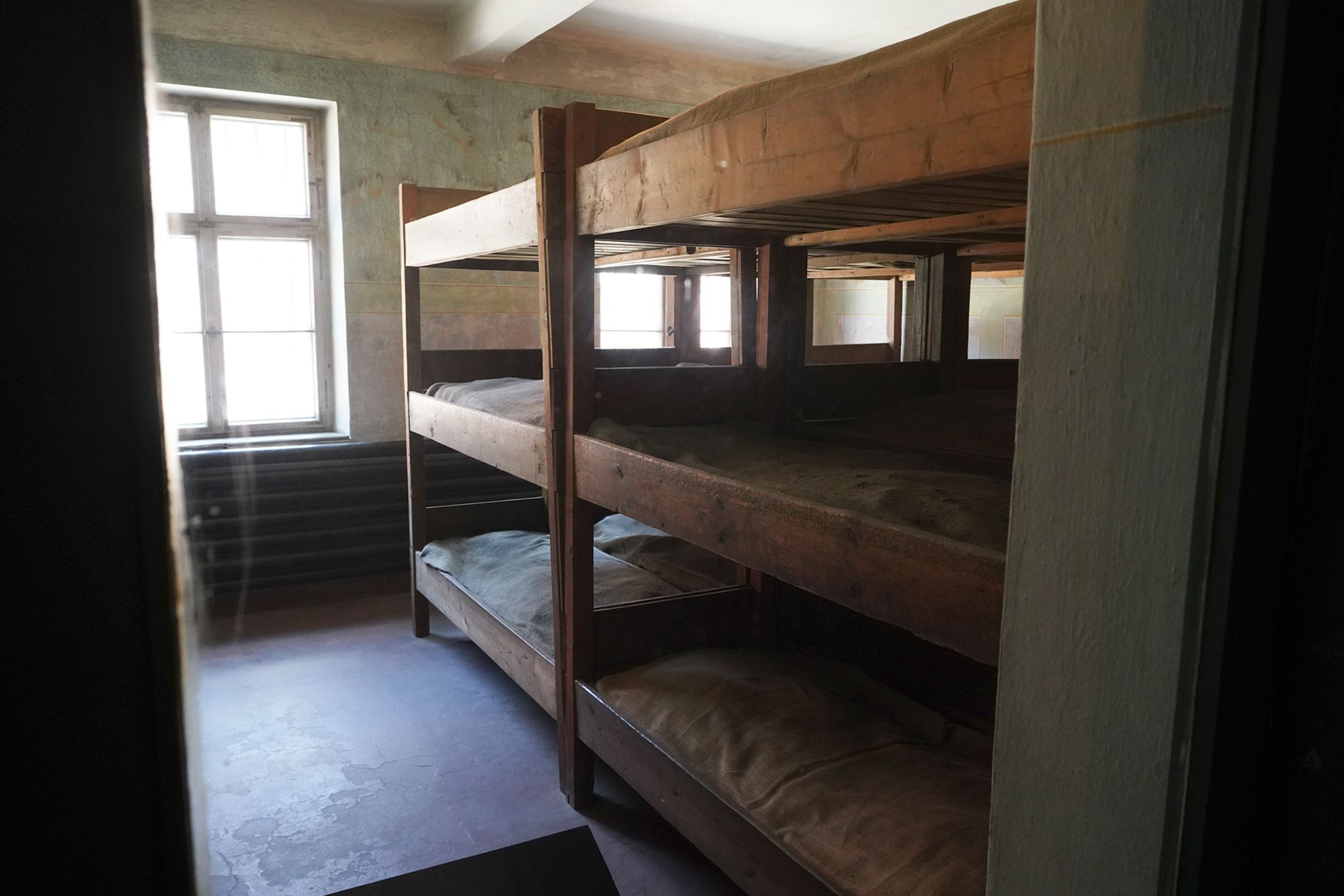
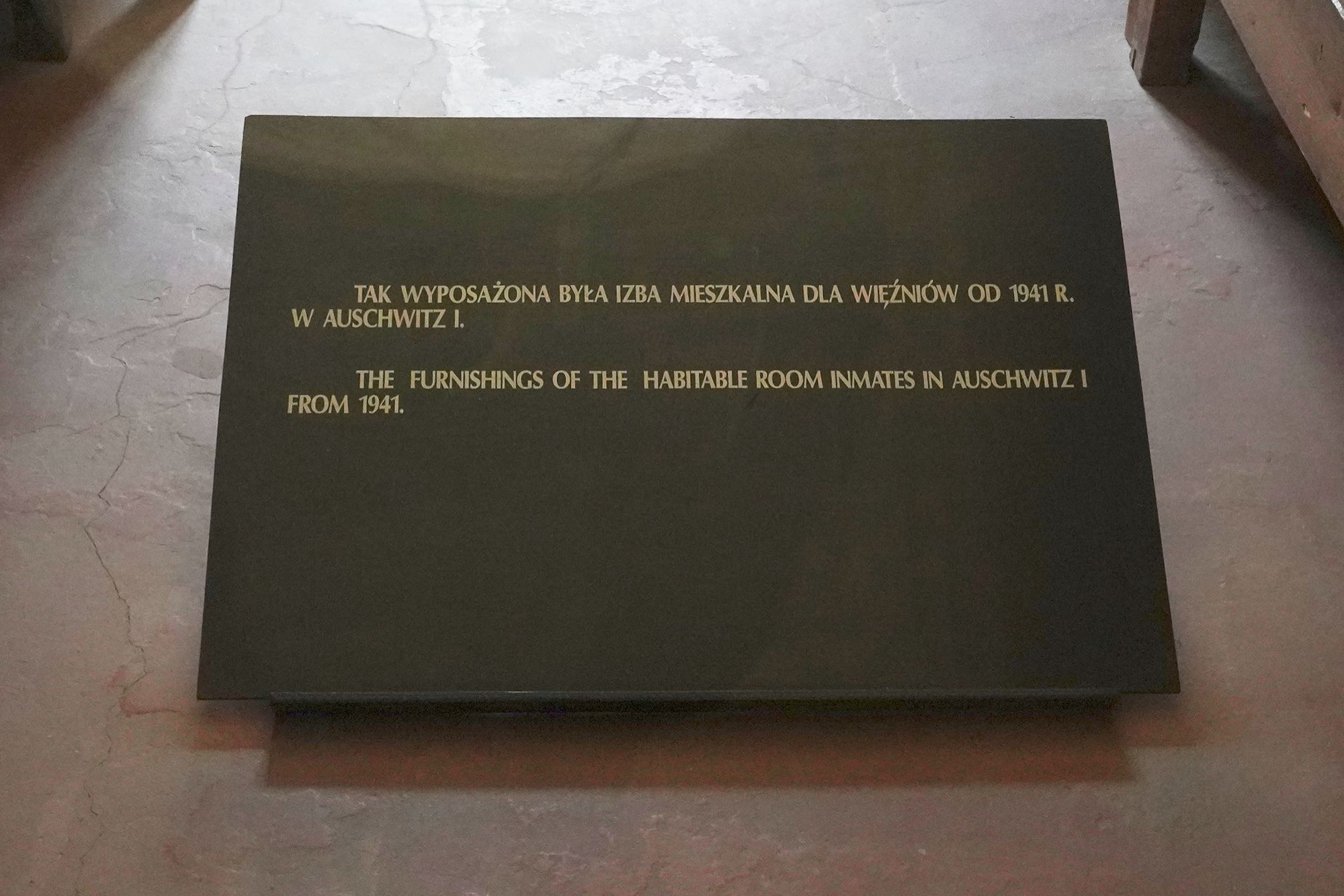
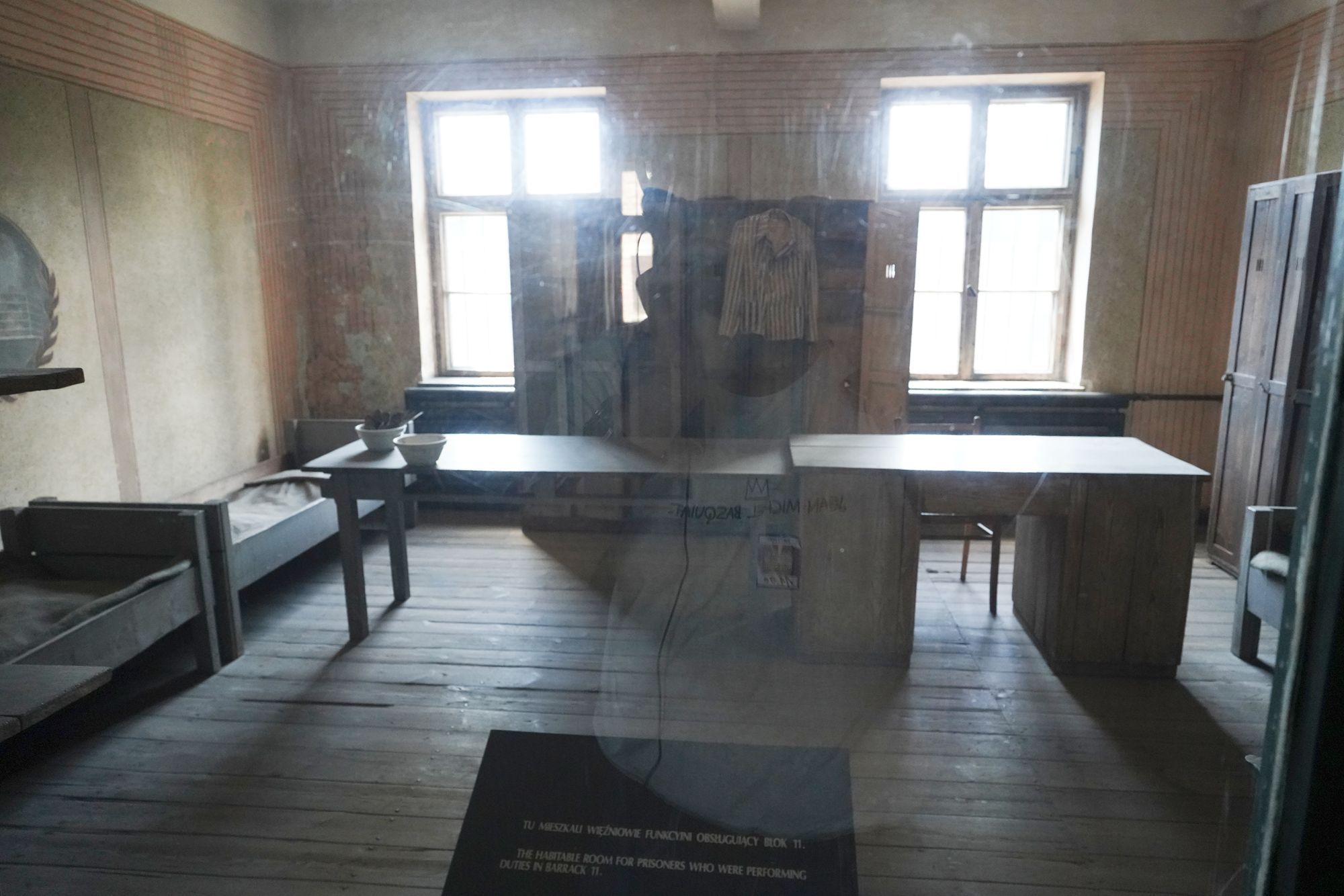
A reconstruction shows the furnishings of a prisoners’ room at Auschwitz I as they appeared in 1941.
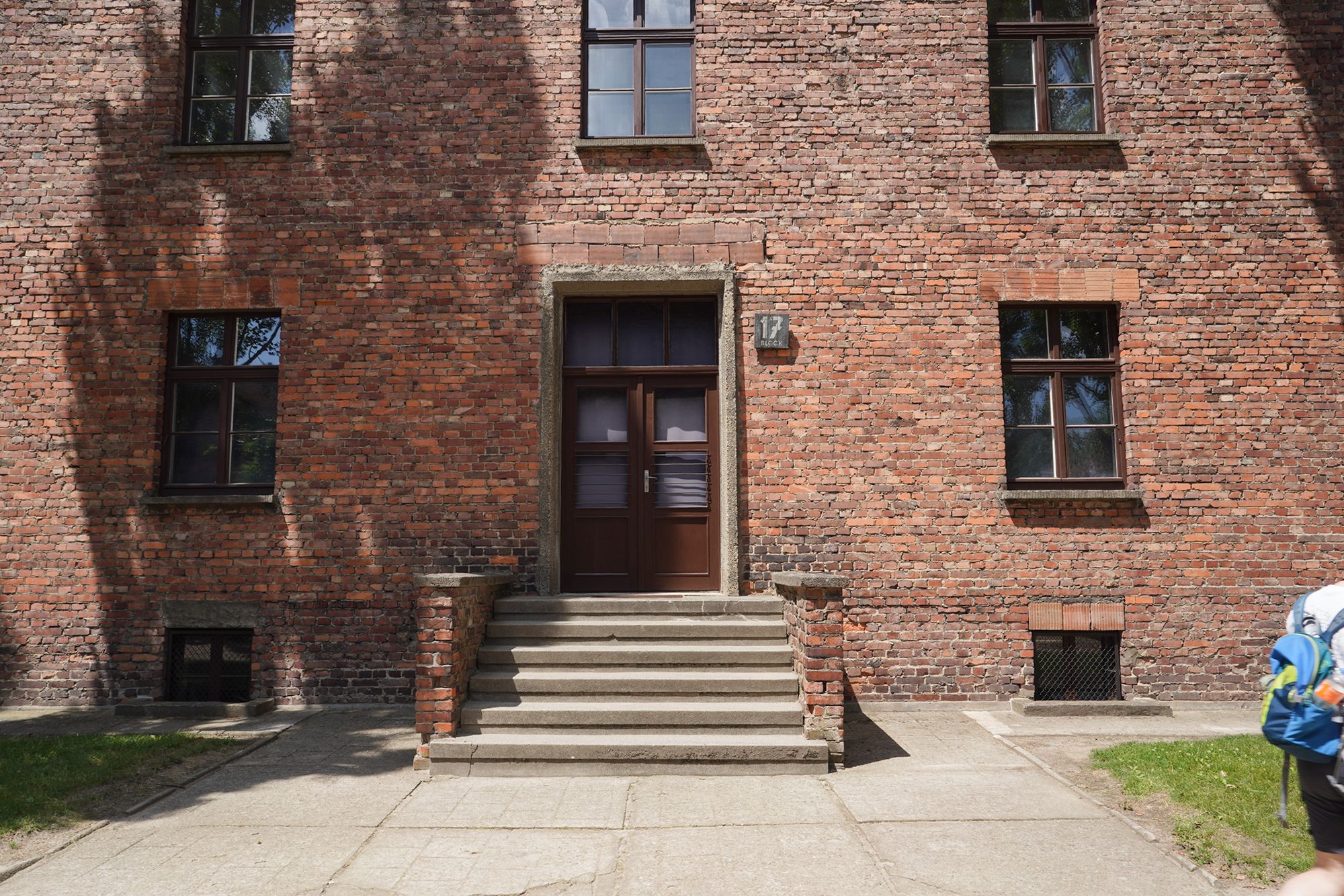
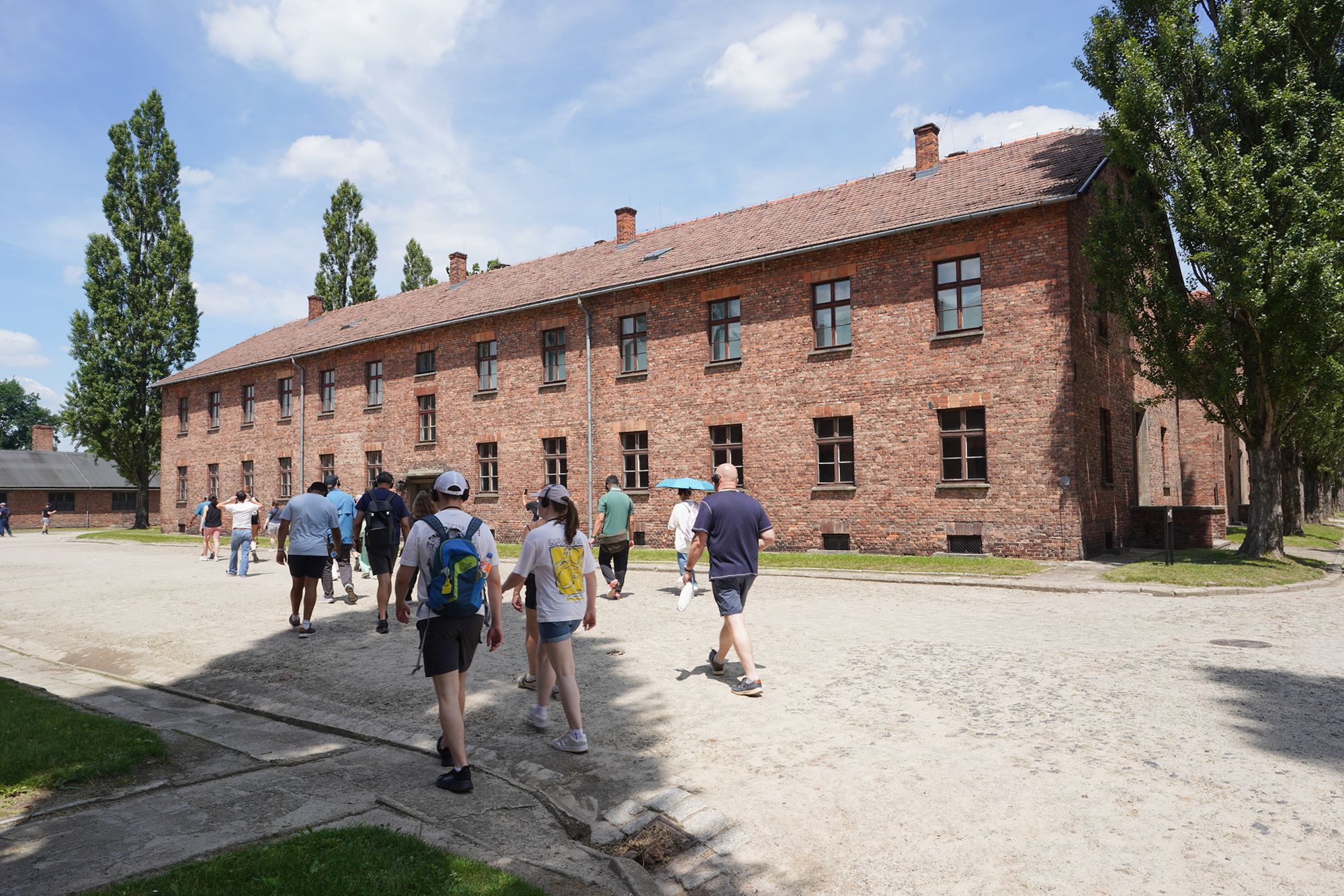
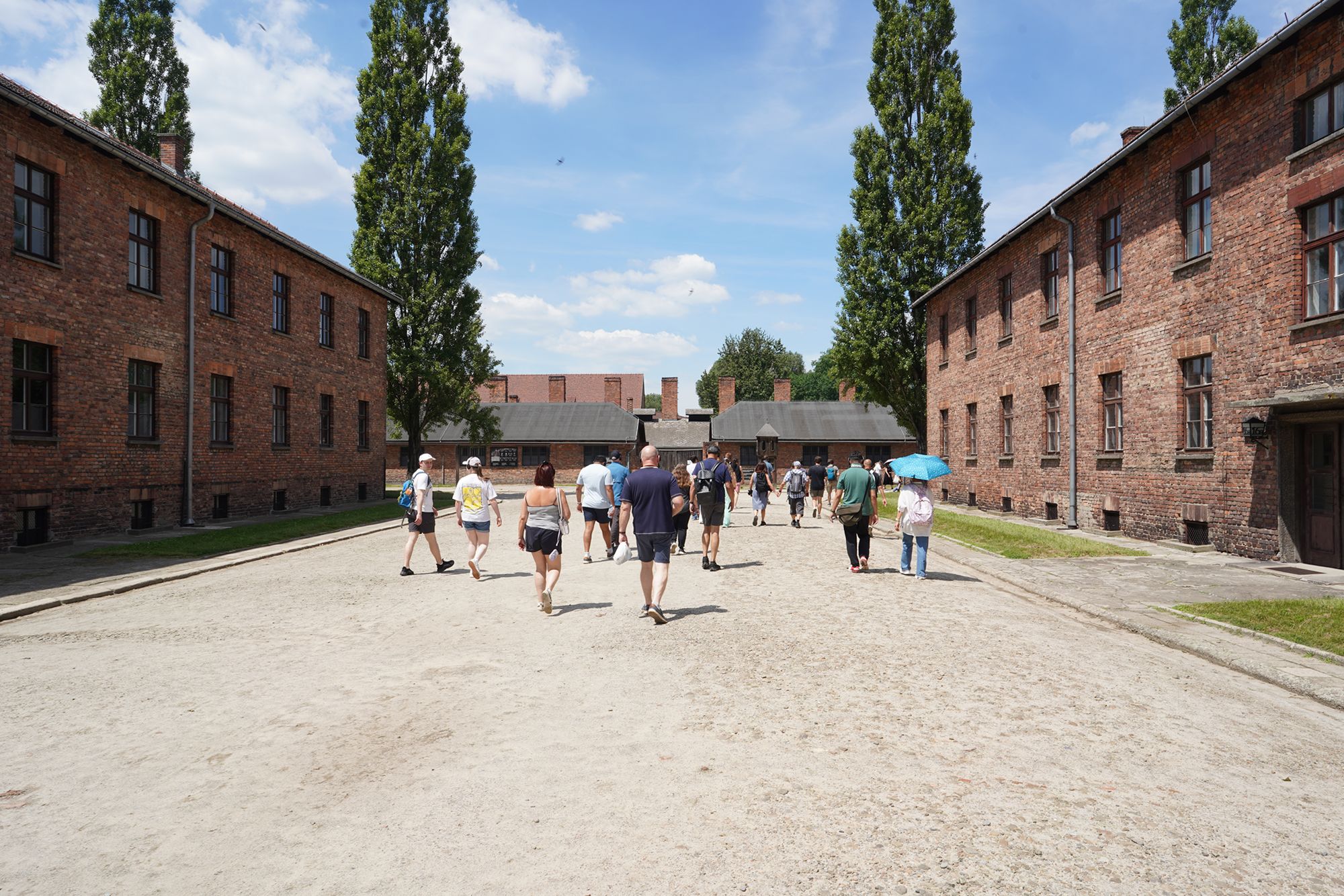
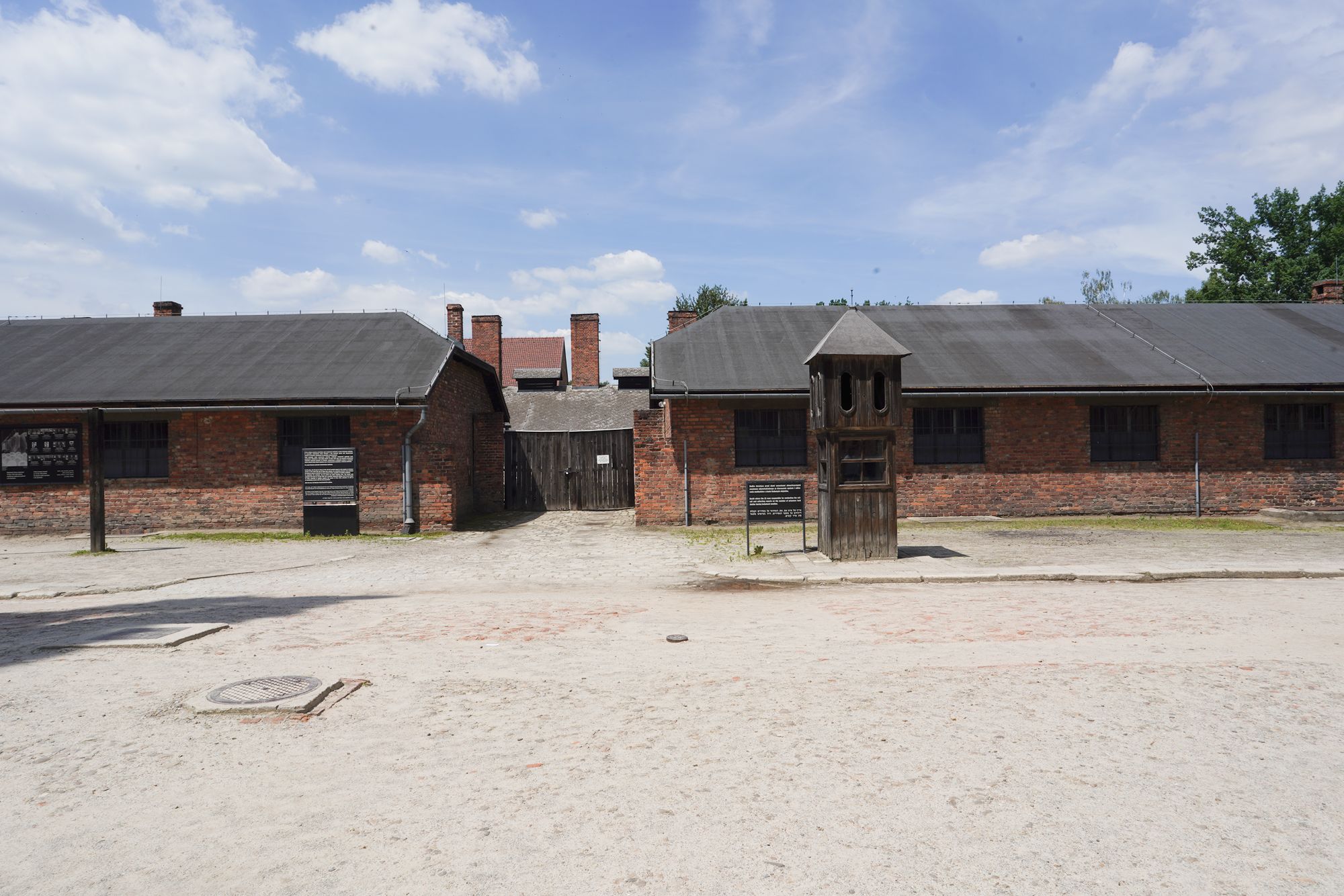
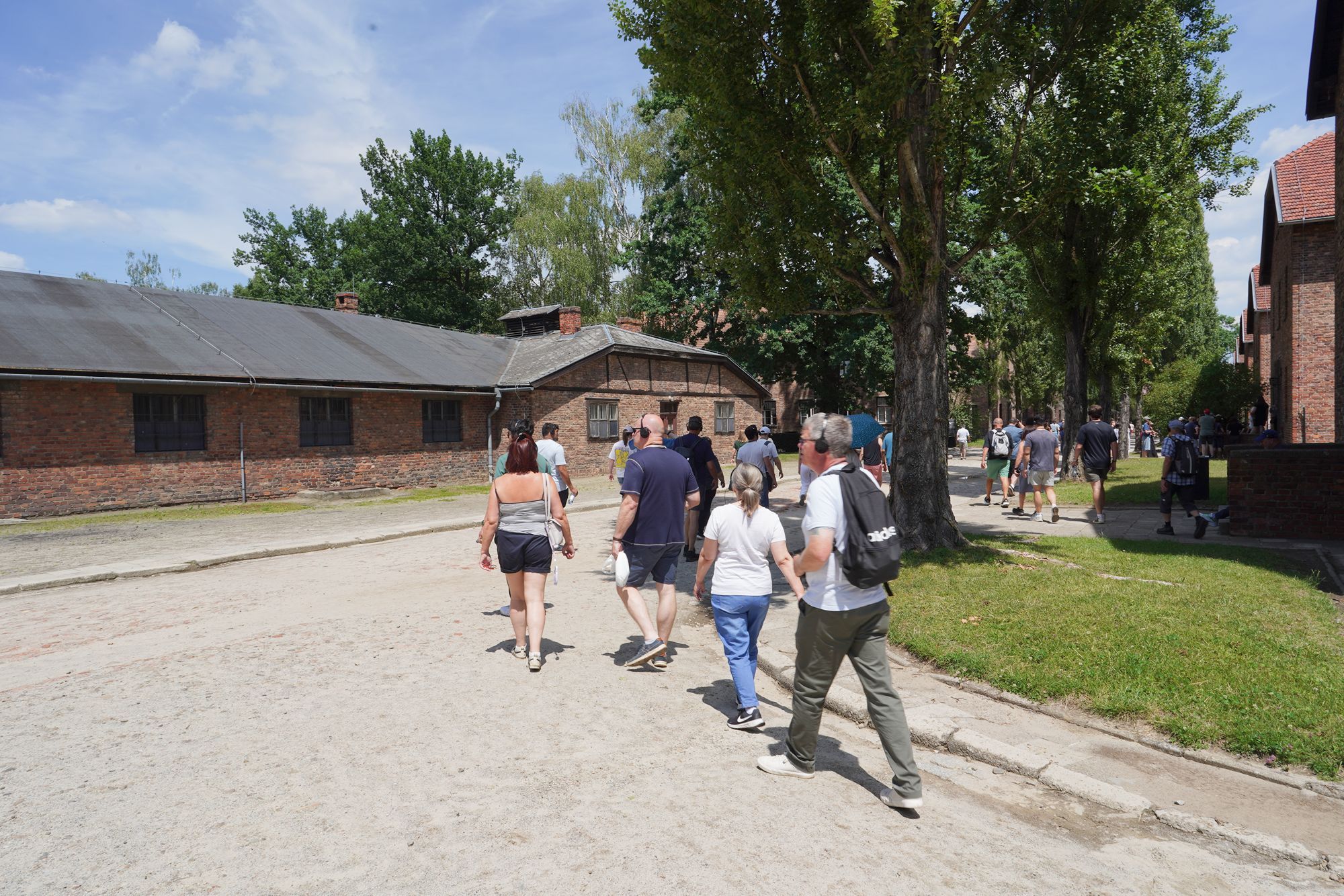
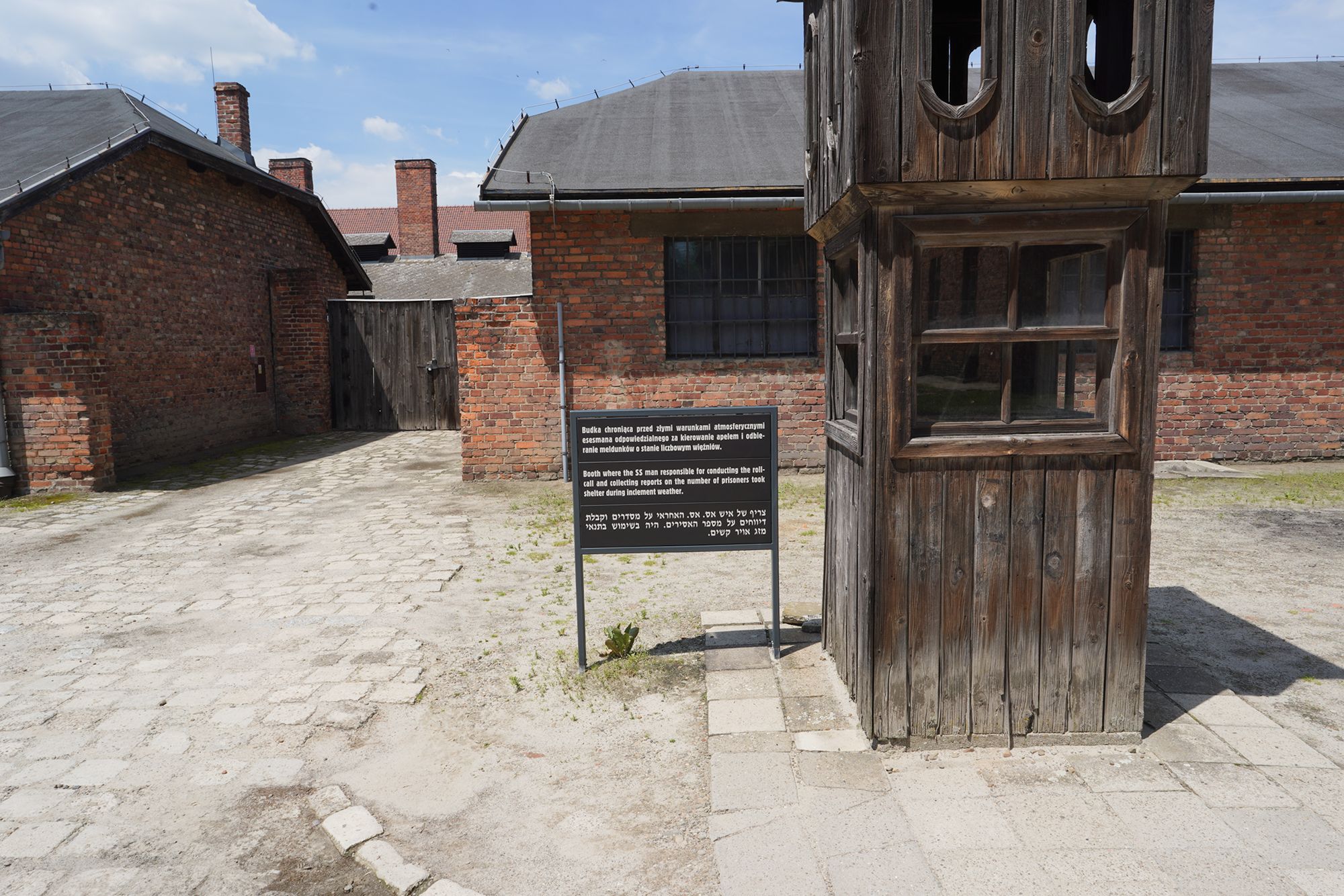
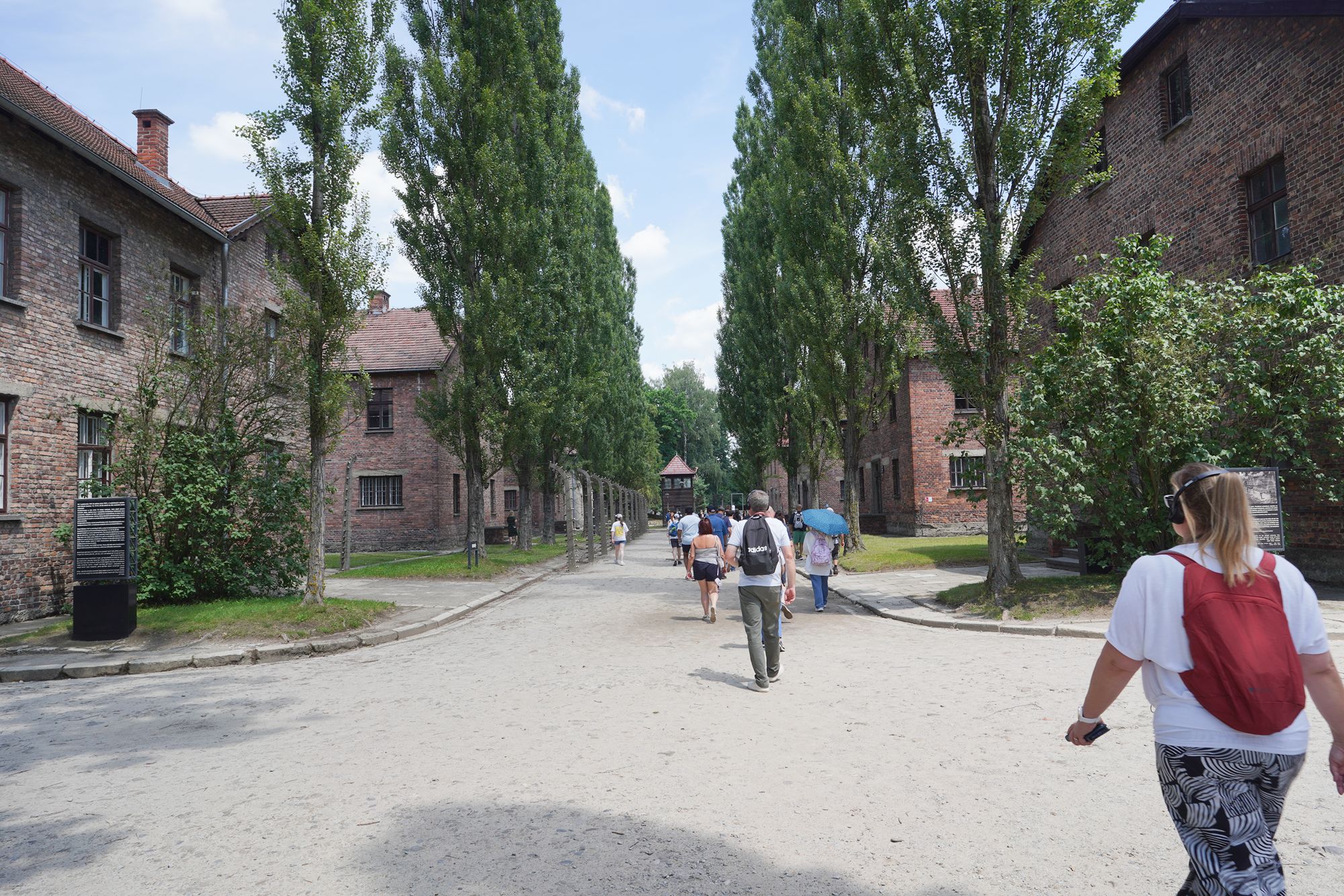
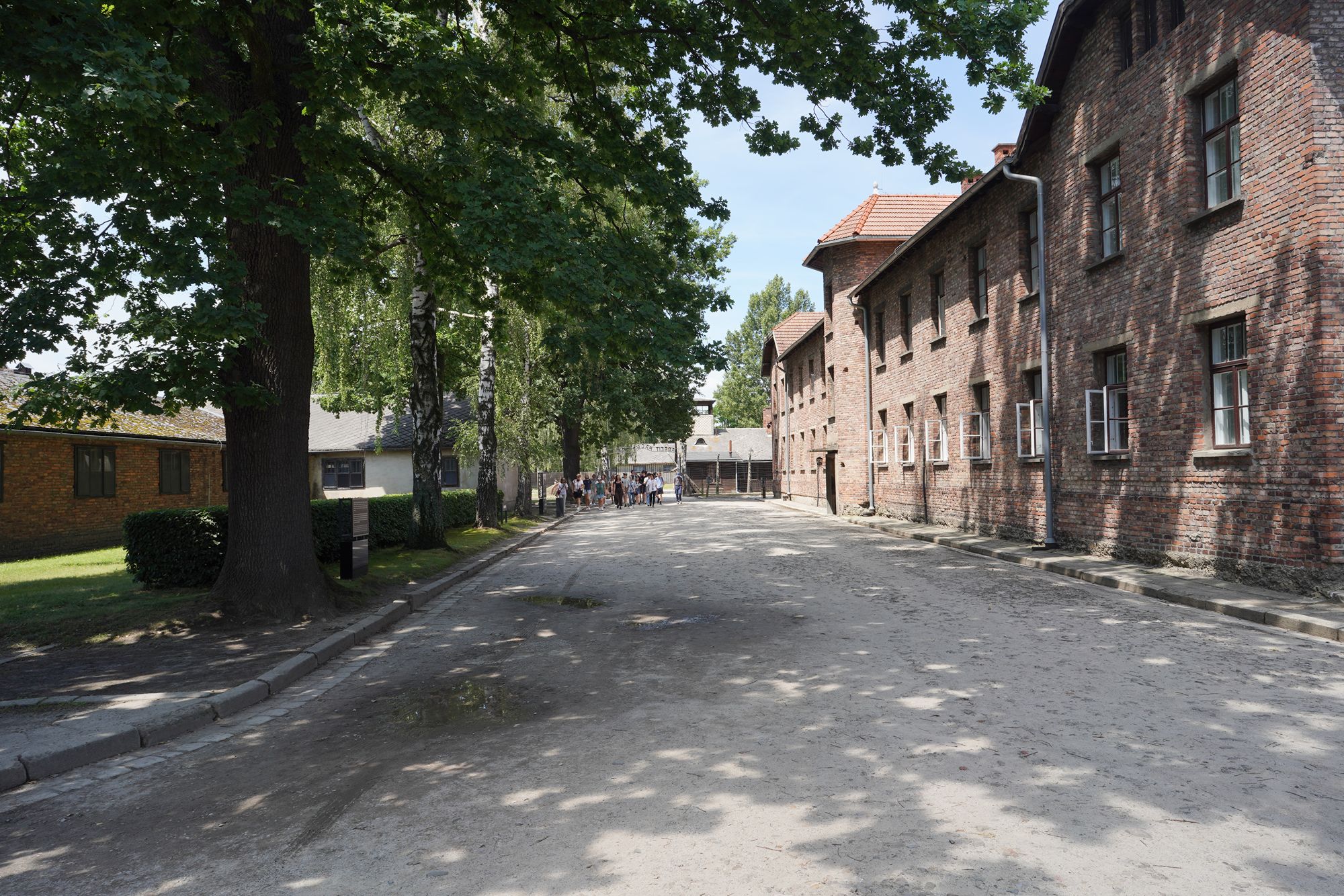
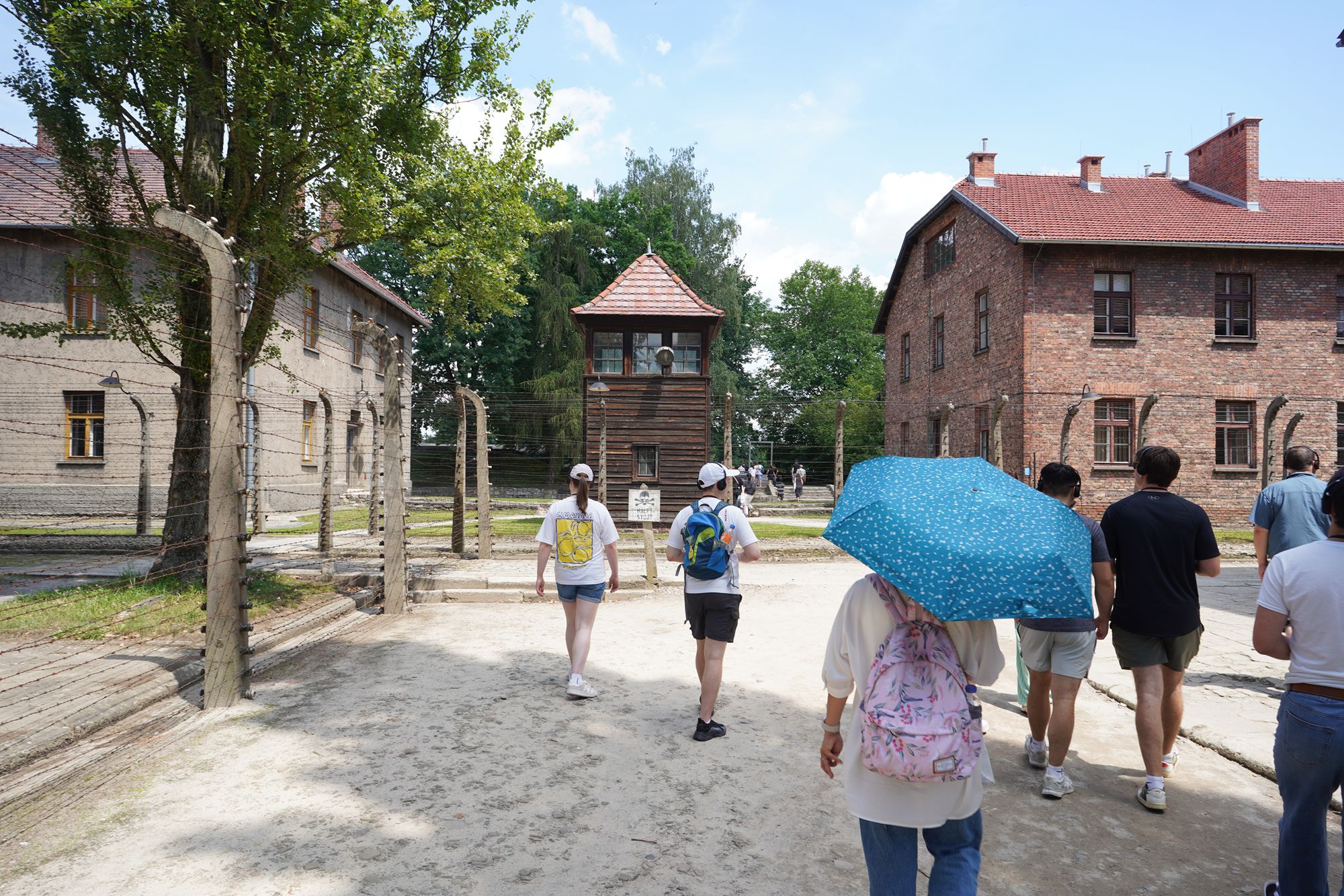
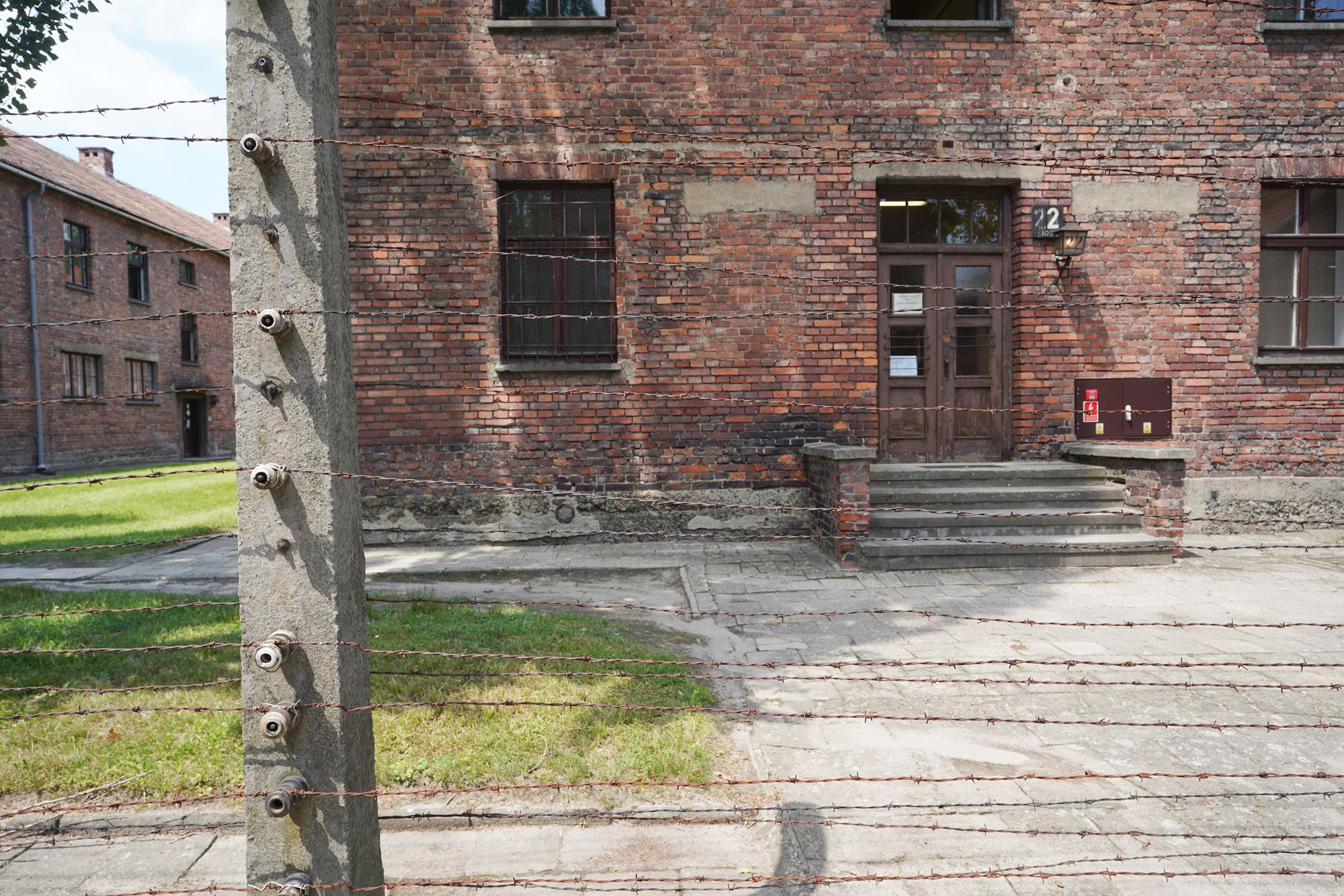
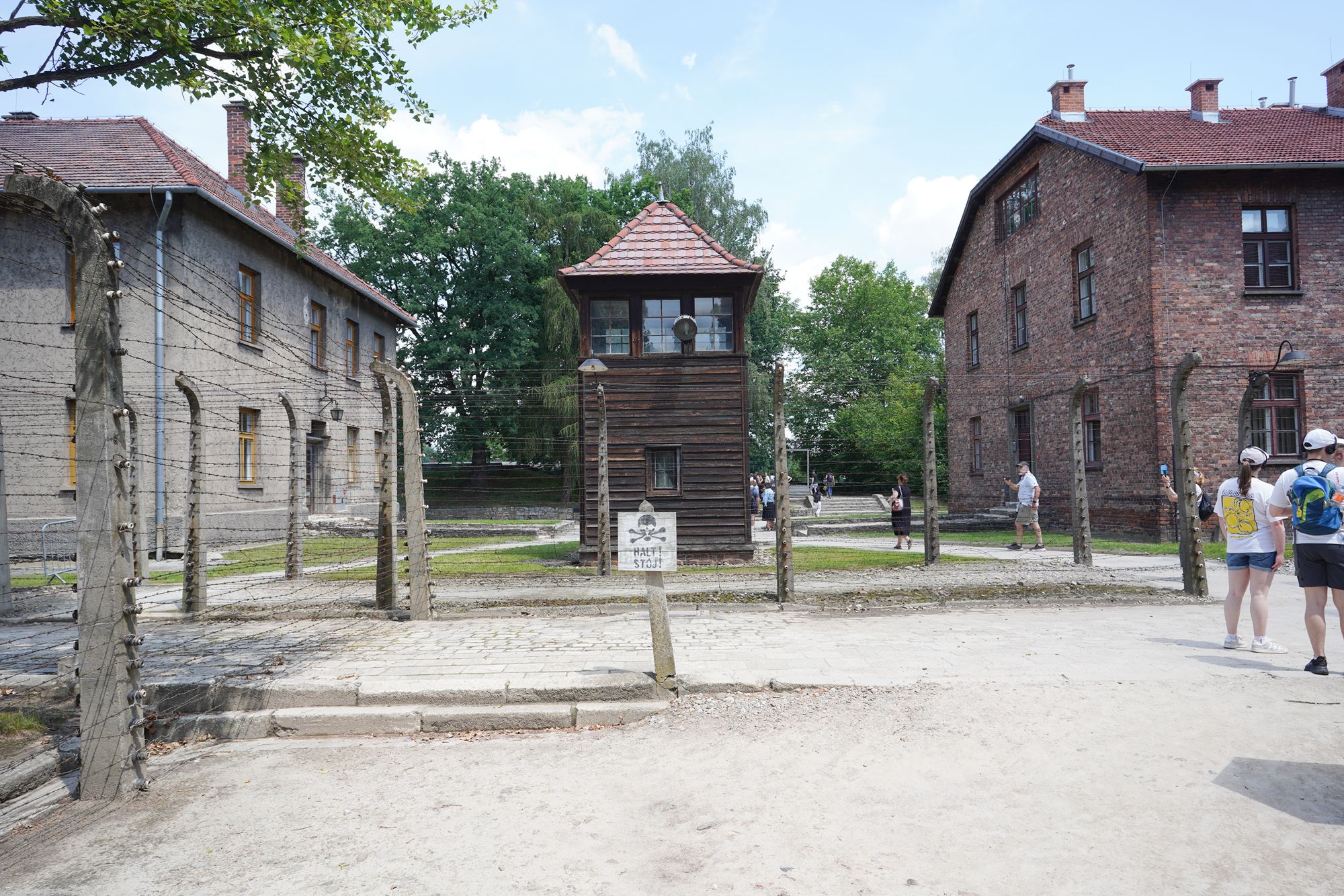
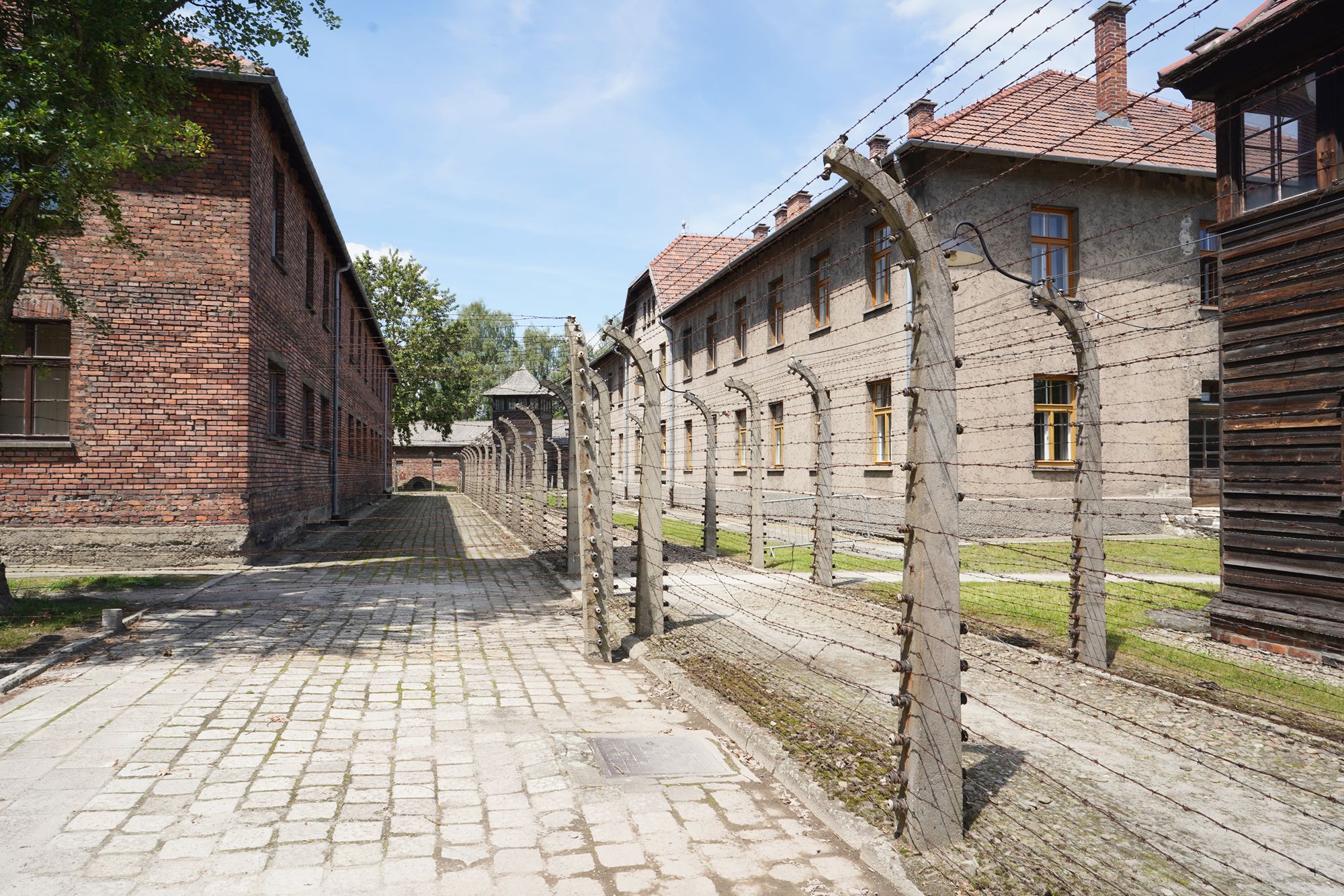
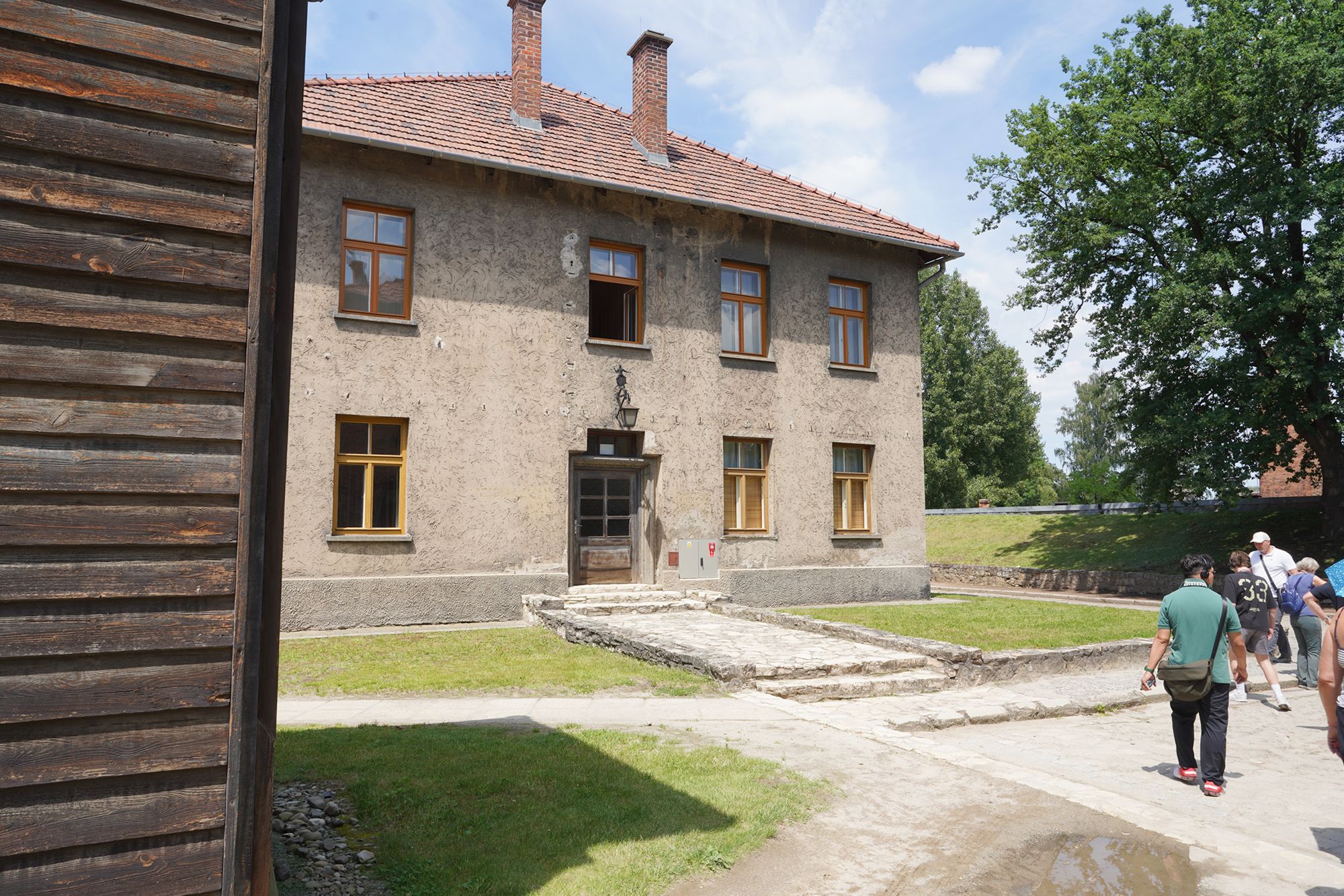
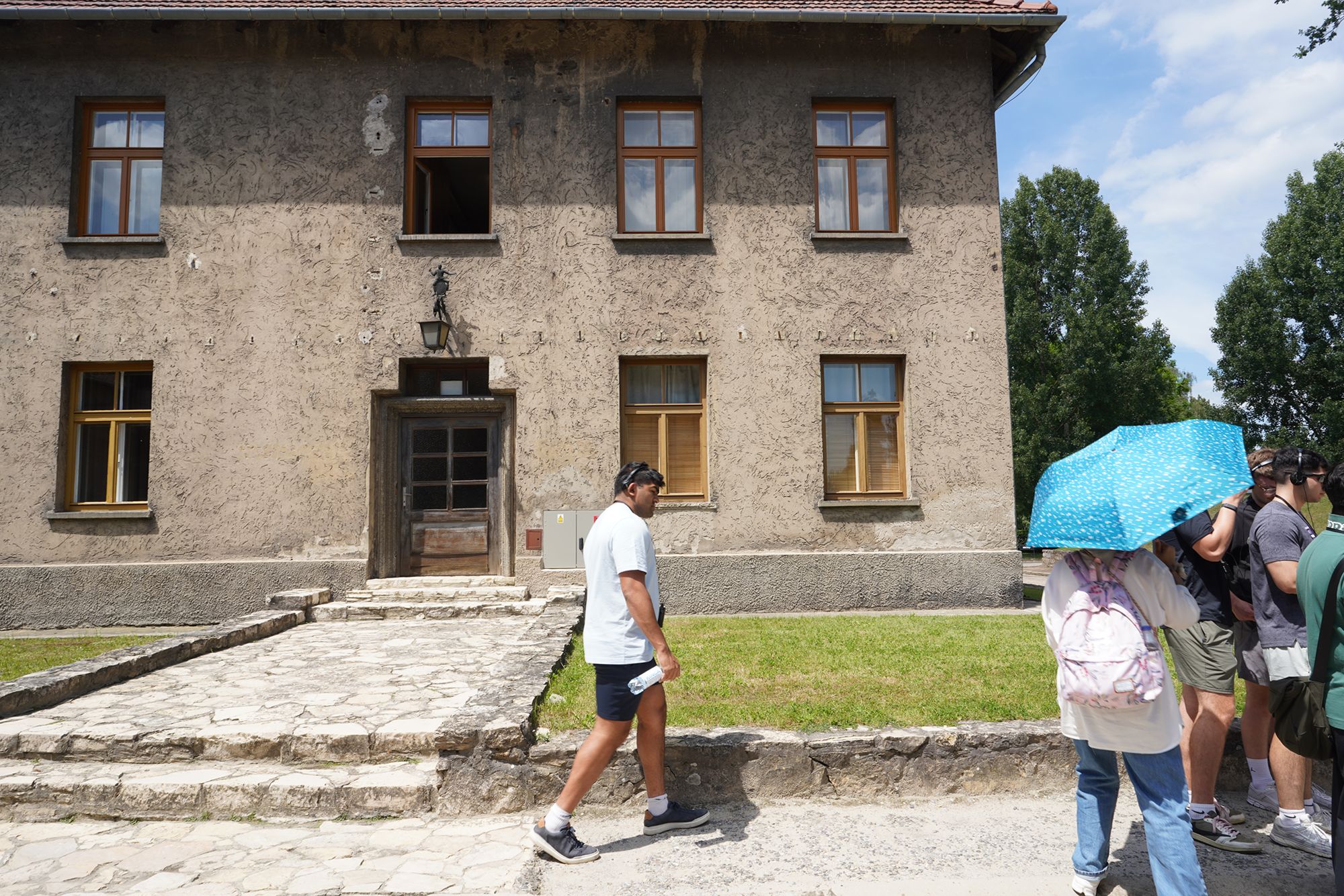
A sign points the way to the former gas chamber and crematorium at Auschwitz I.
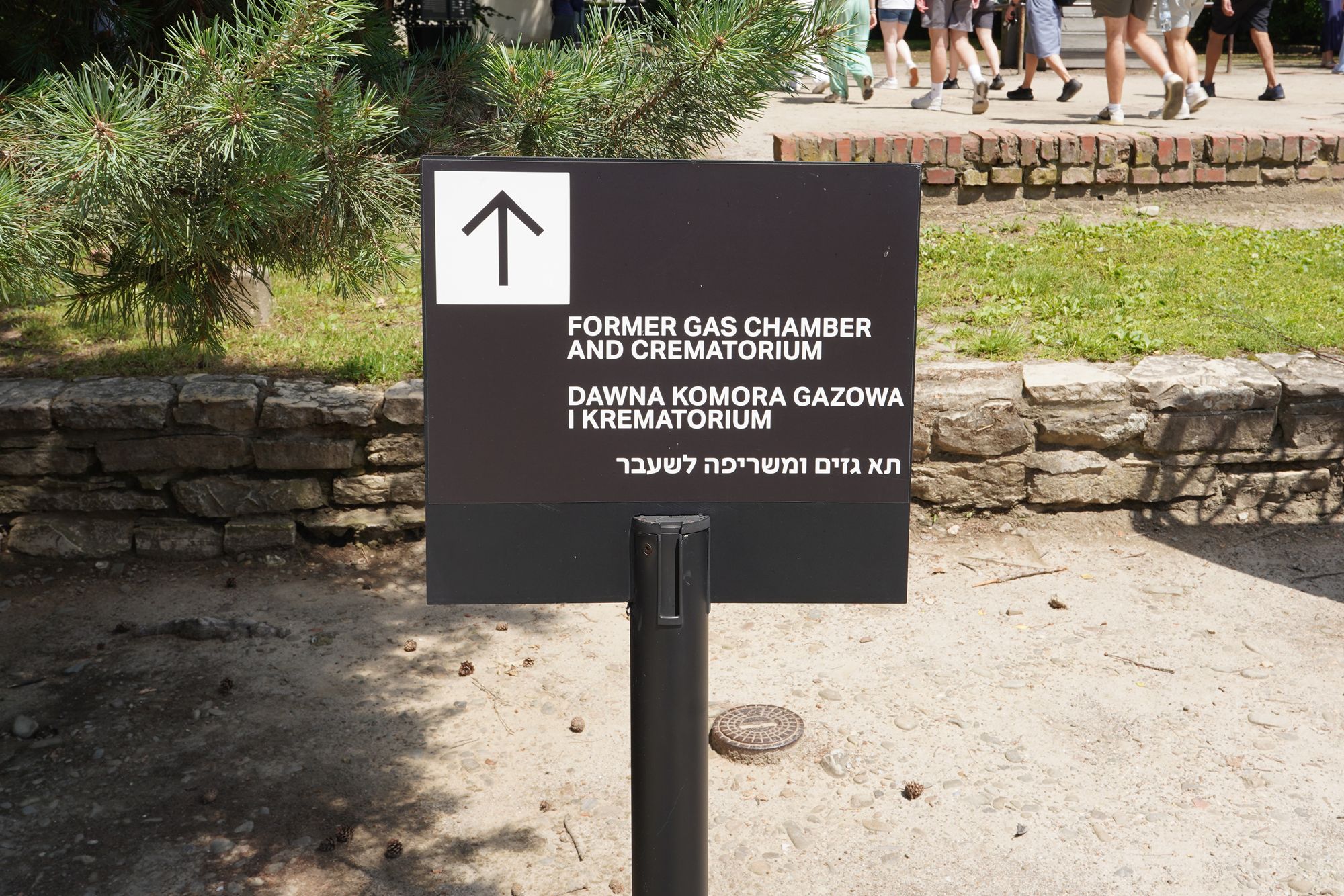
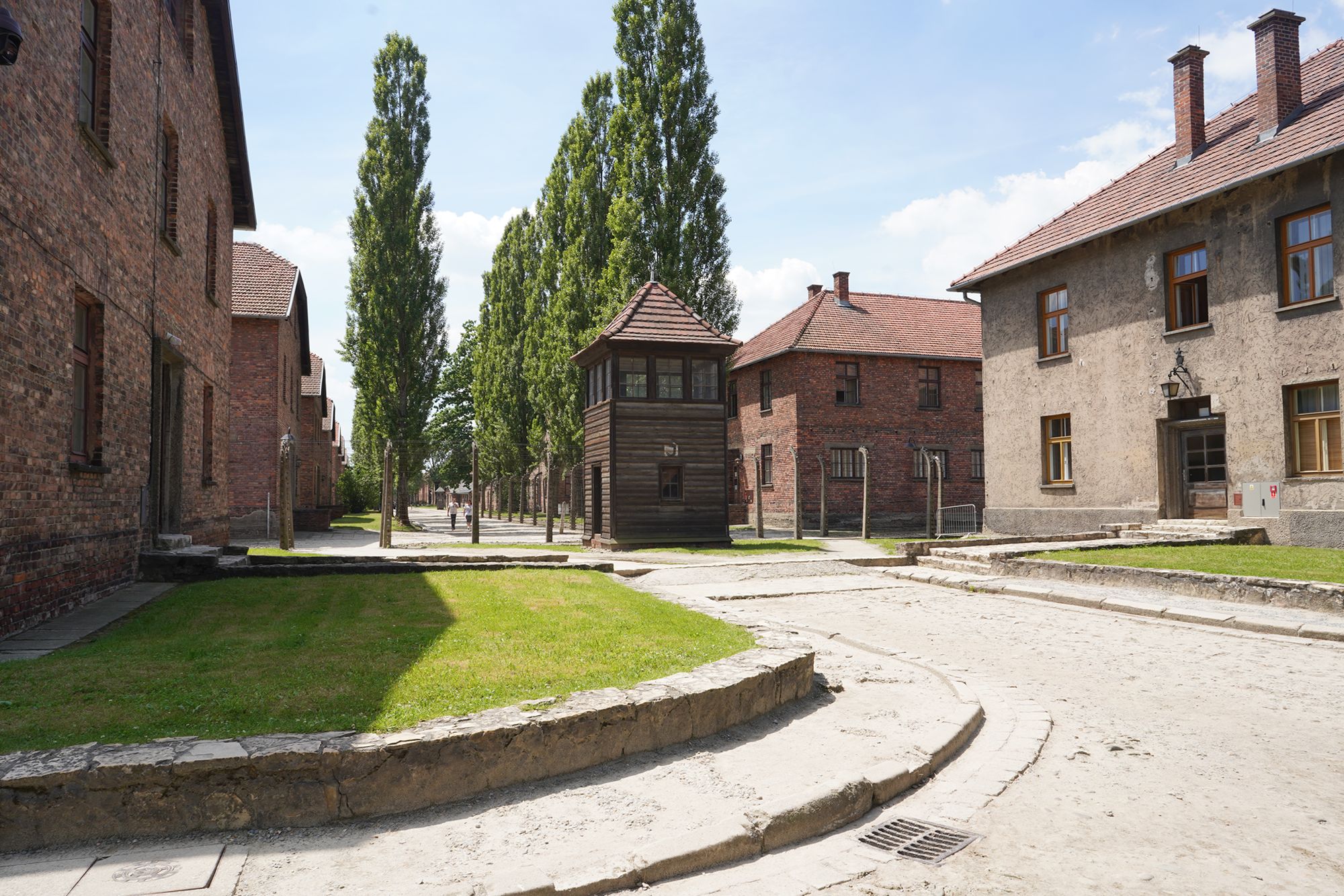
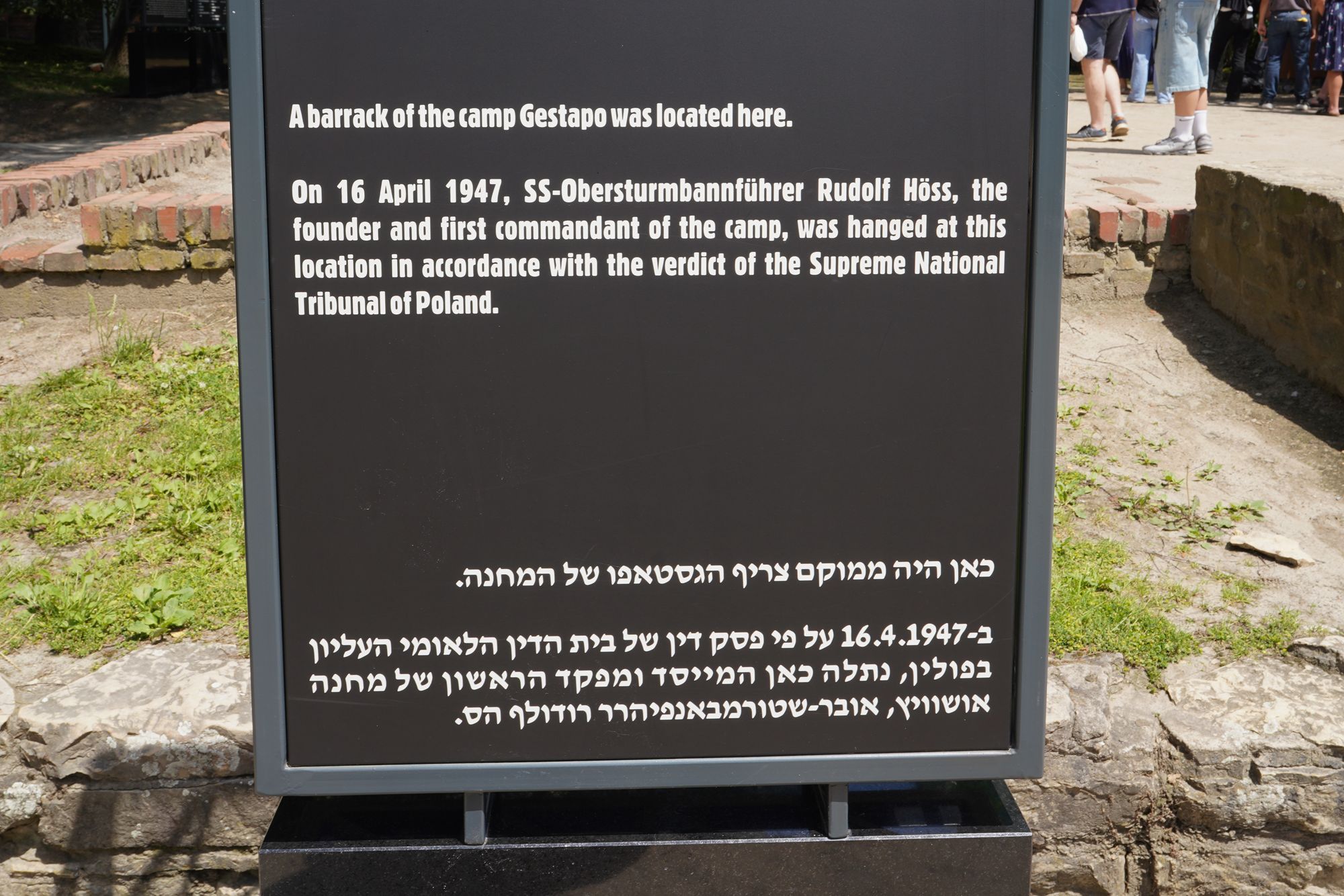
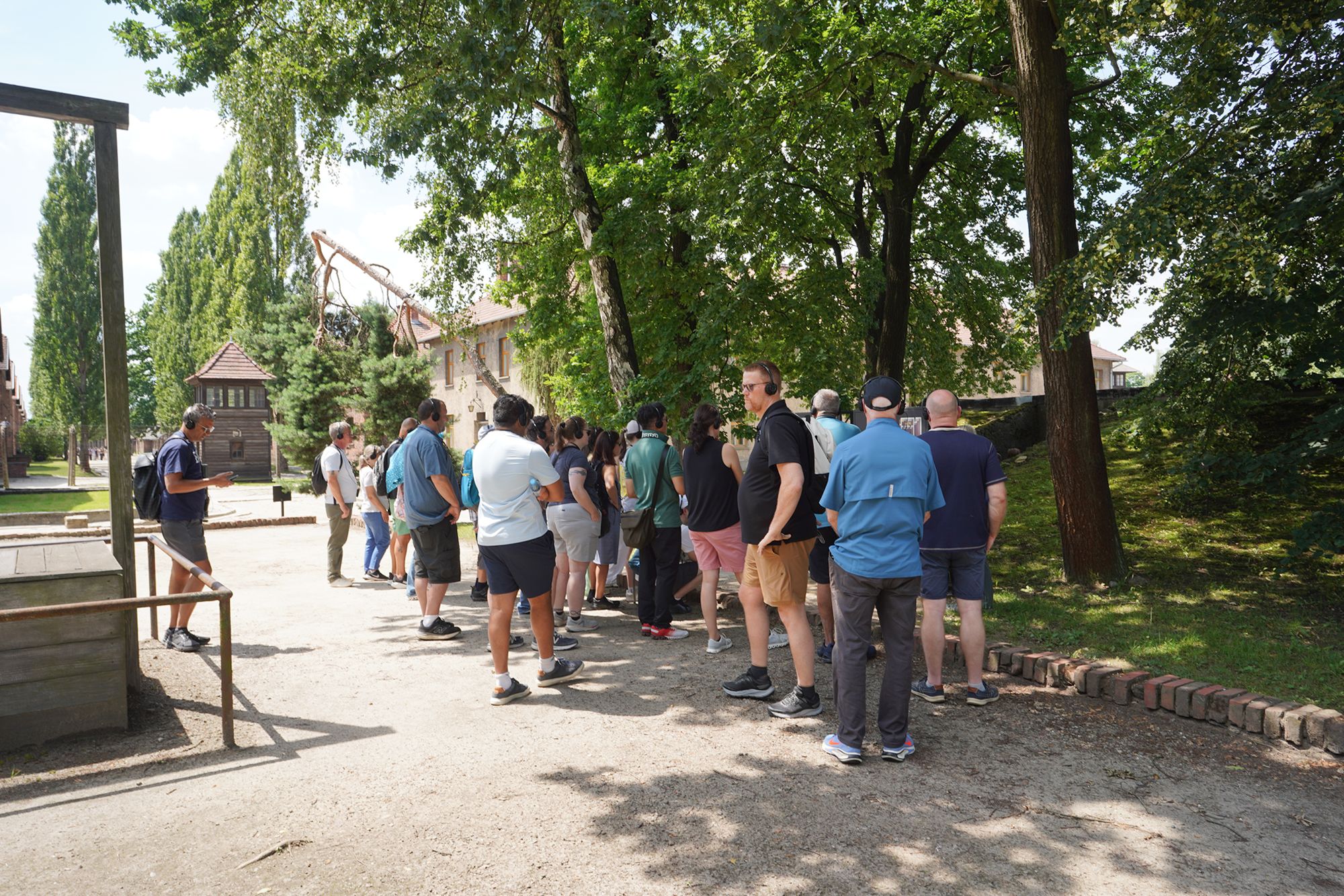
A camp Gestapo barrack once stood here. On April 16, 1947, Rudolf Höss, Auschwitz’s first commandant, was hanged at this site after his conviction by Poland’s Supreme National Tribunal.
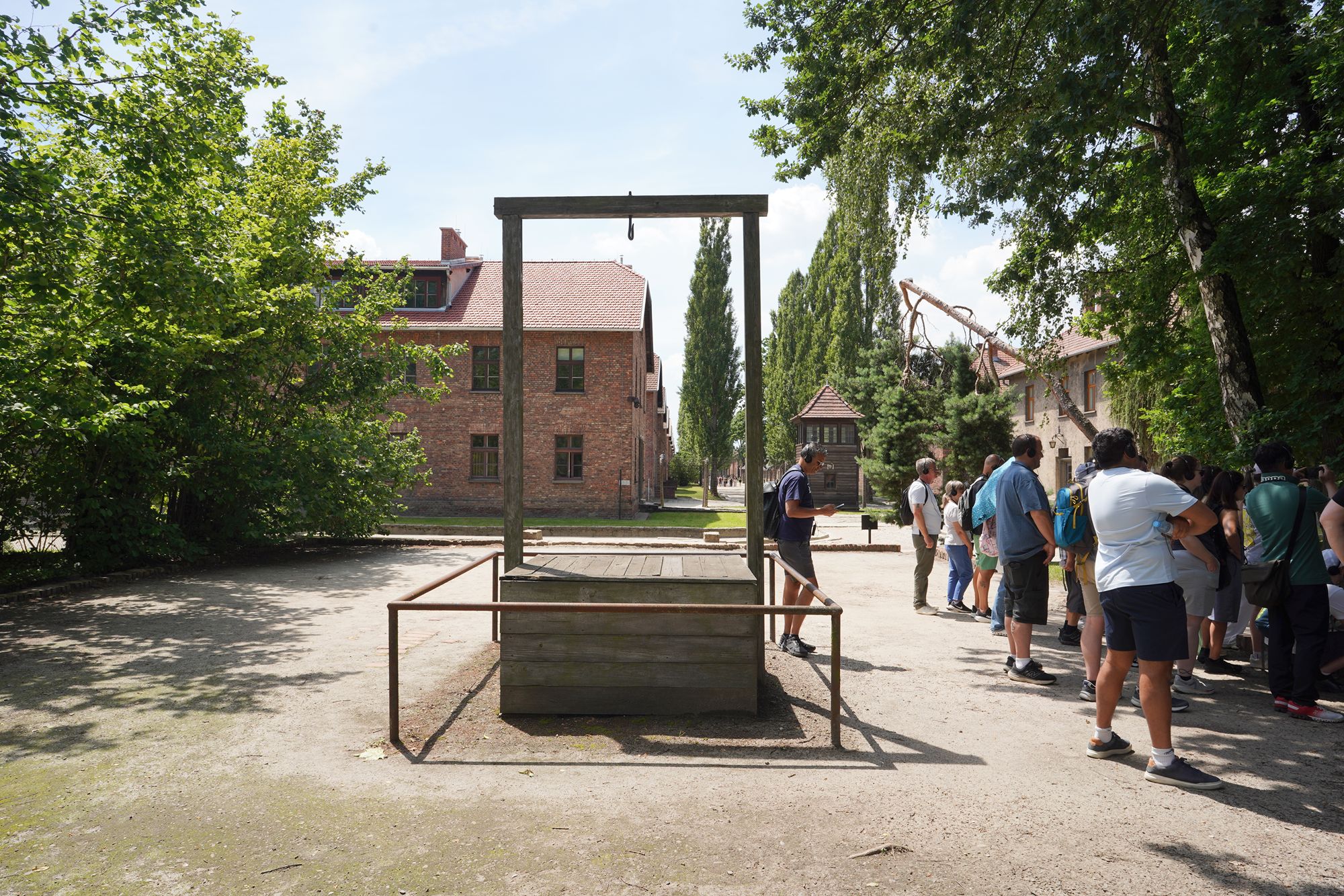
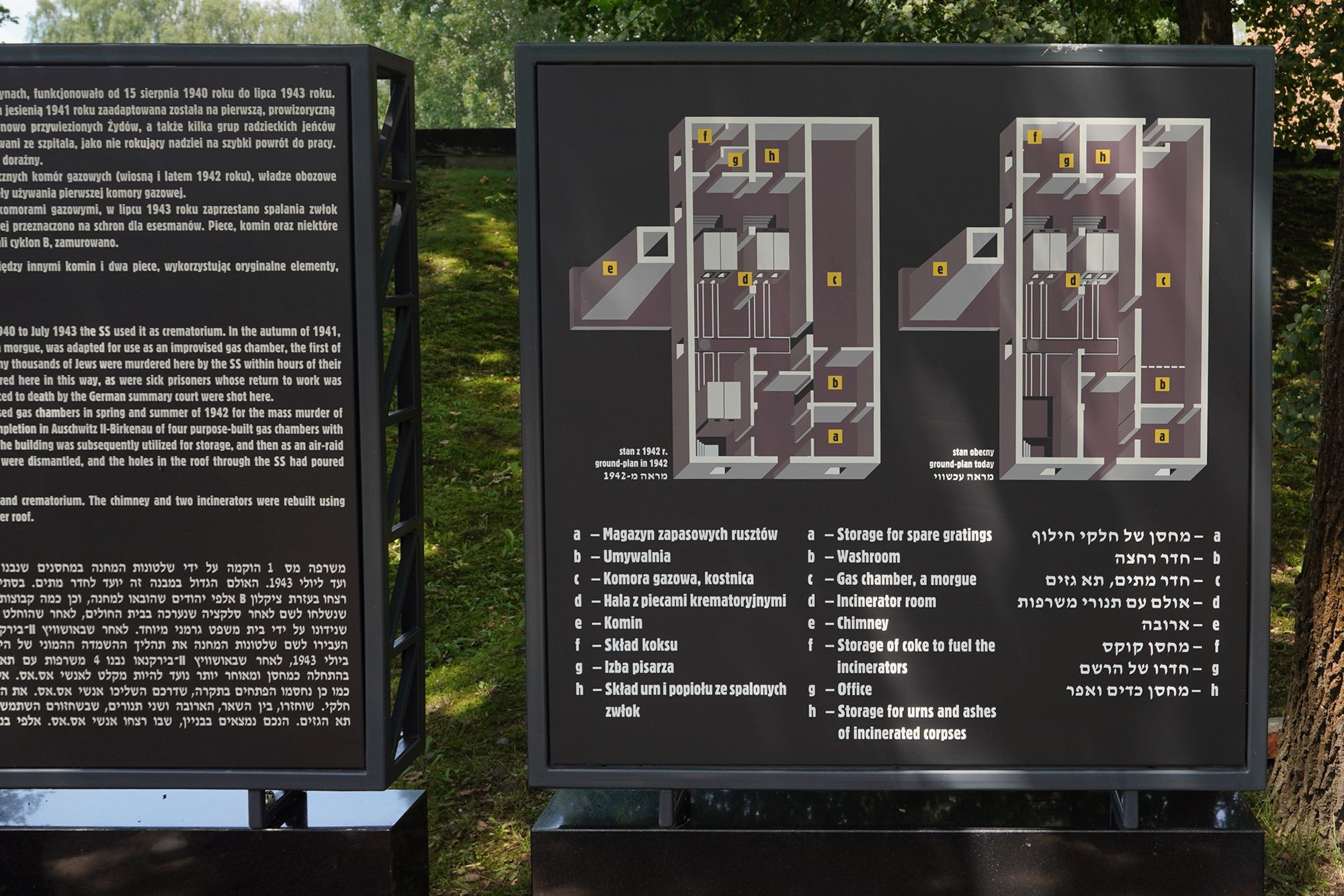
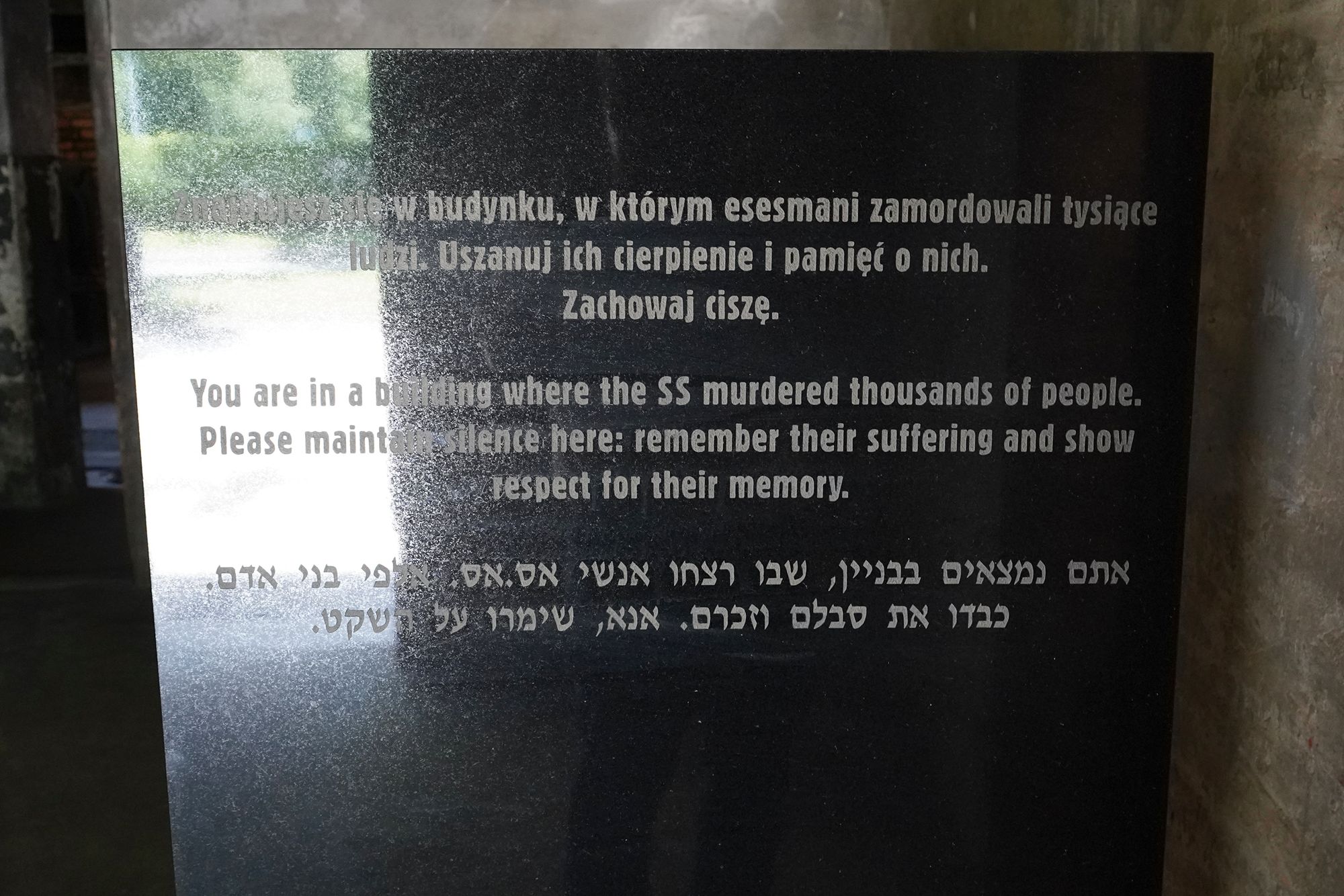
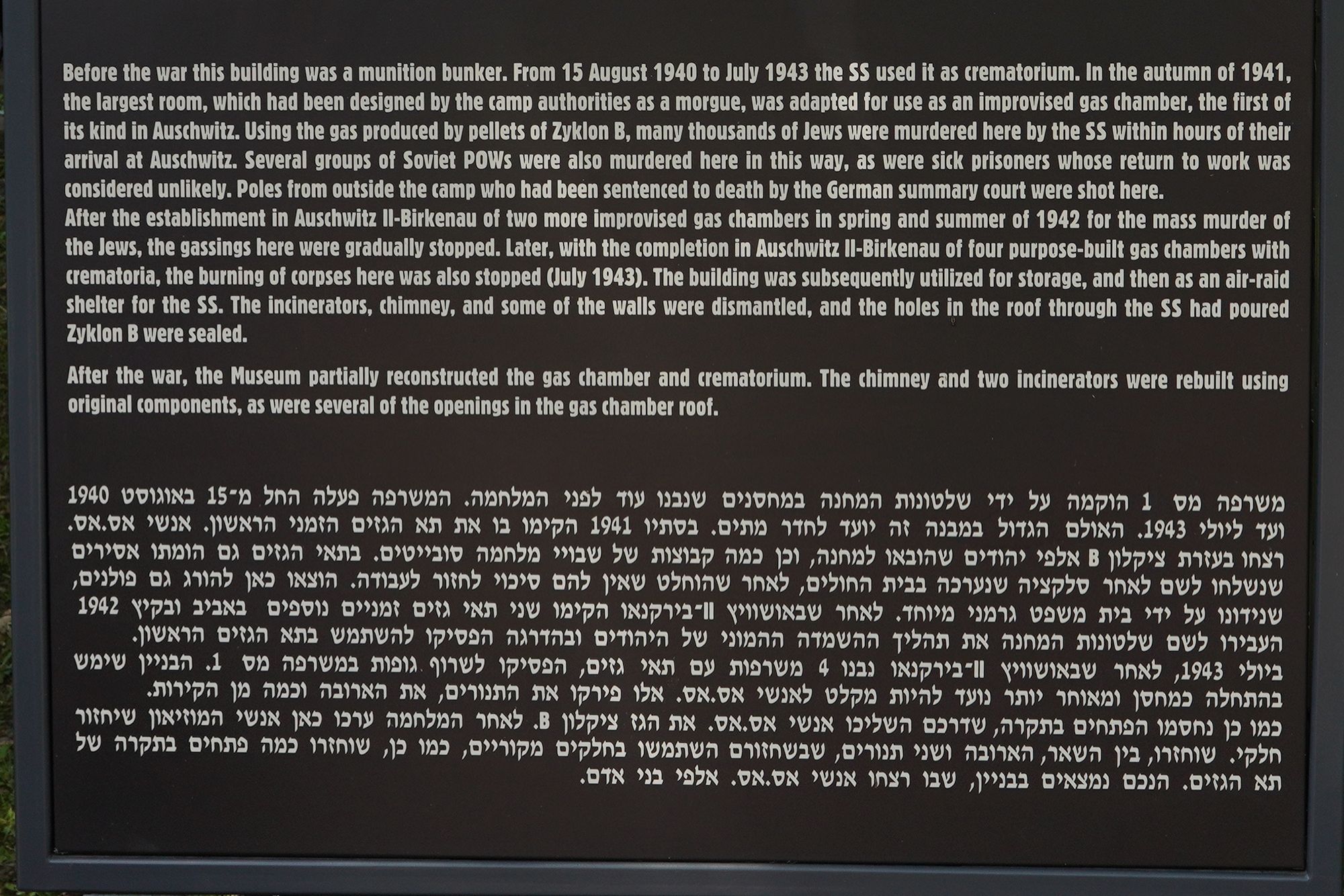
Originally a munitions bunker, this building became Auschwitz I’s crematorium in 1940. In autumn 1941, the SS turned its morgue into an improvised gas chamber, where thousands of Jews and other prisoners were murdered. The Museum later partially reconstructed the site.
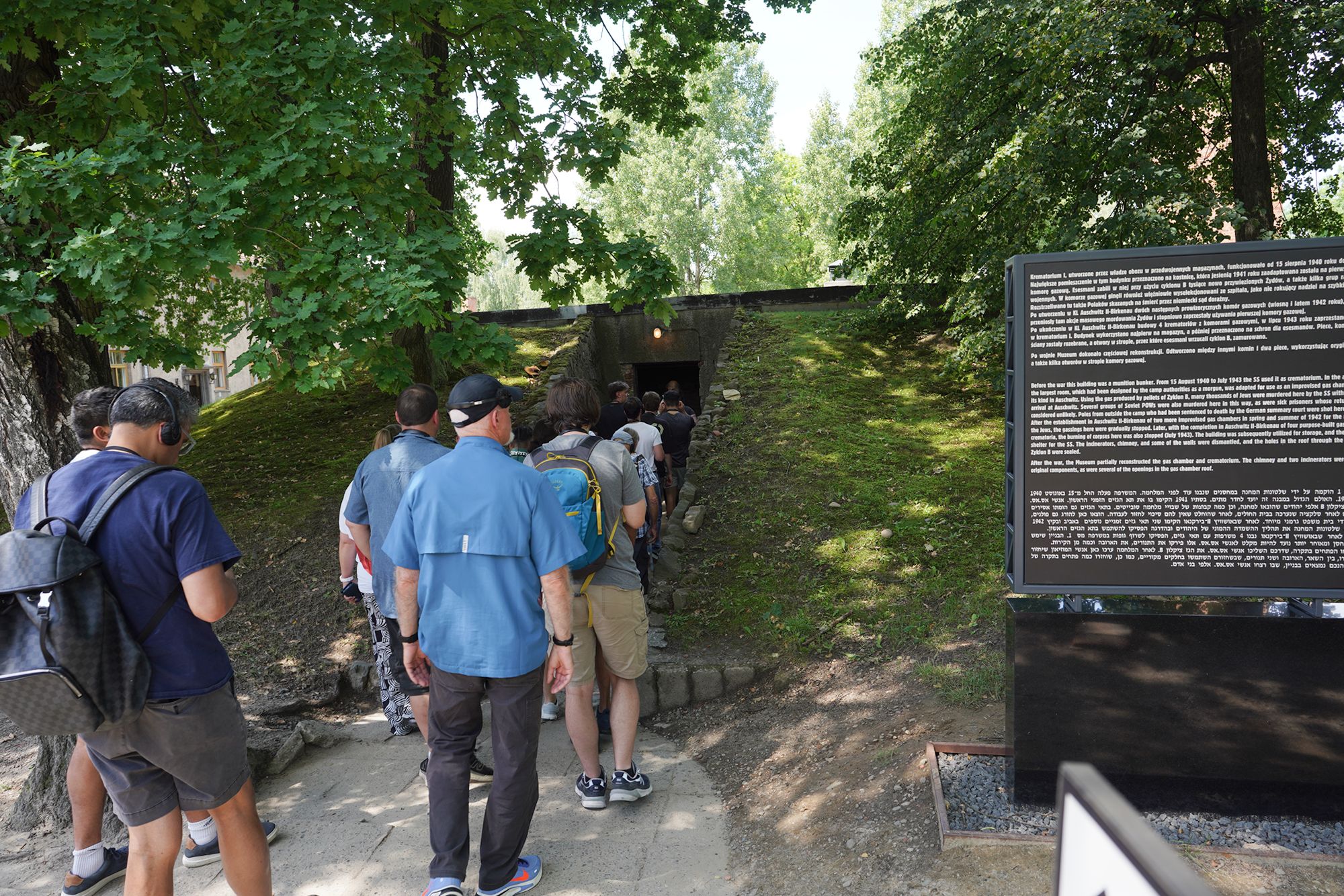
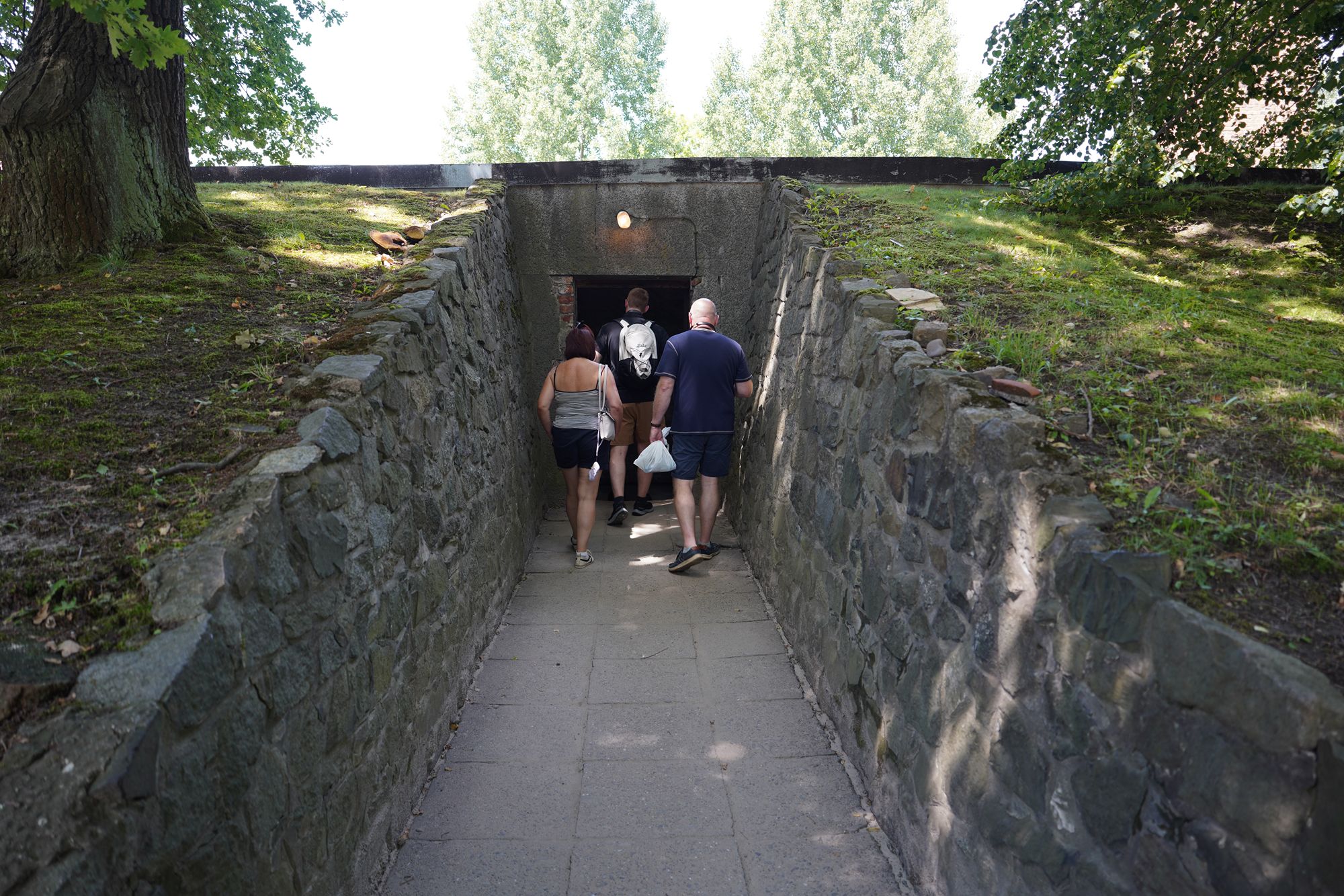
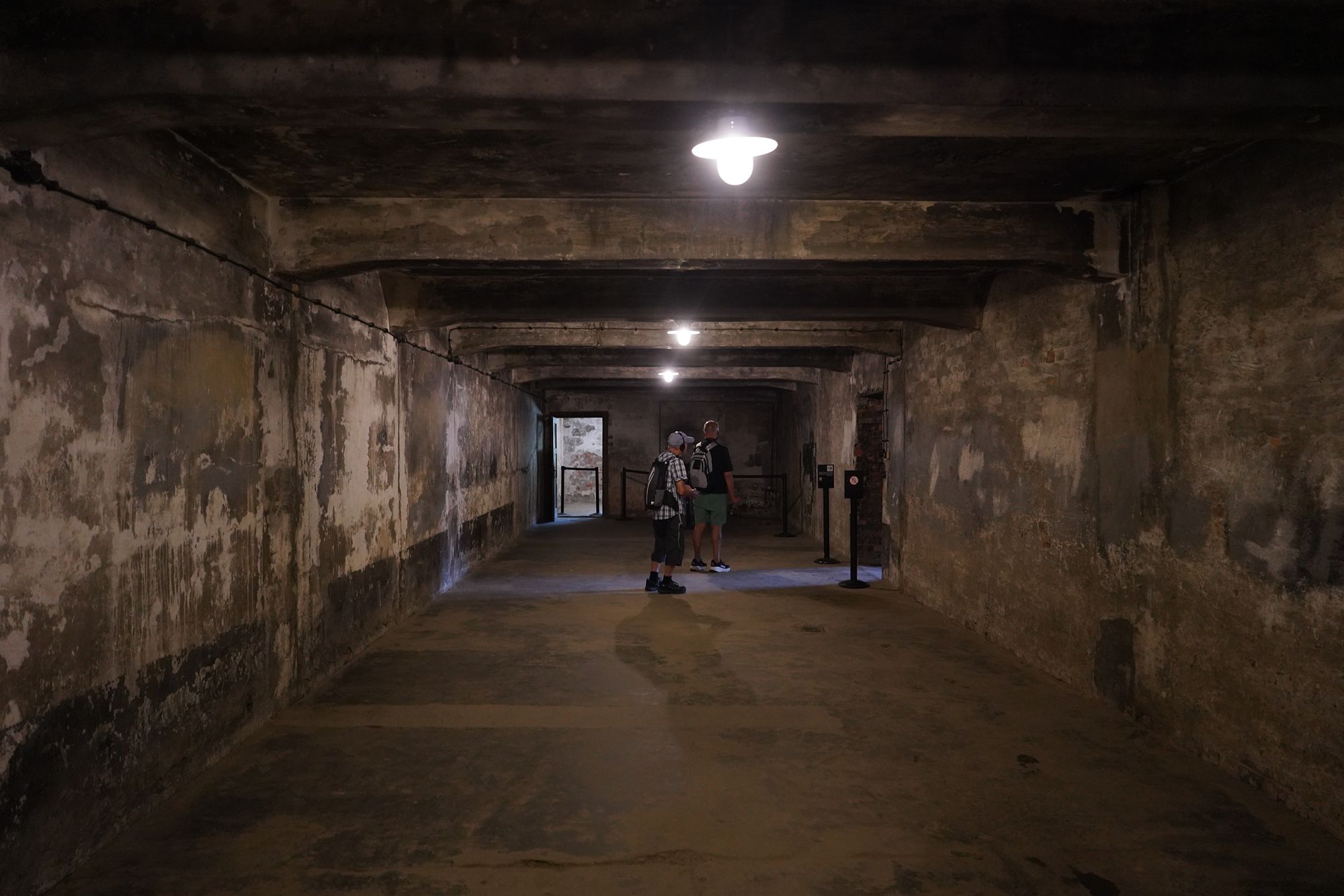
The gas chamber
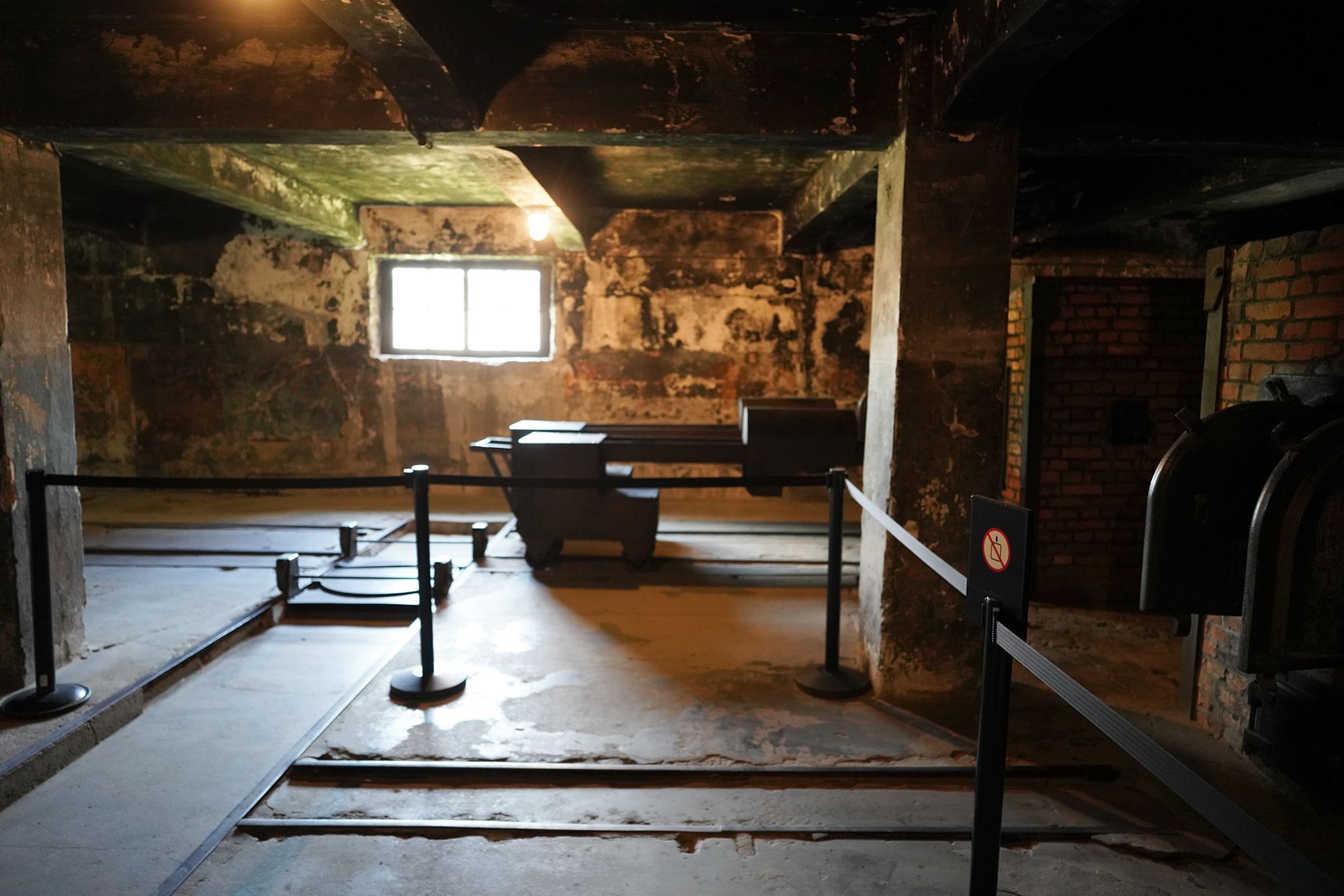
The furnace for the dead bodies