Manassas National Battlefield Park, Virginia, USA
Manassas National Battlefield Park, located in northern Virginia, preserves the site of two major Civil War battles. 1124
Manassas National Battlefield Park: 6511 Sudley Rd, Manassas, VA 20109
Date Picture Taken: July 2025
The Manassas Battlefield is remembered because it was the site of the first major battle of the Civil War, where both sides realized the conflict would be far longer and bloodier than expected.
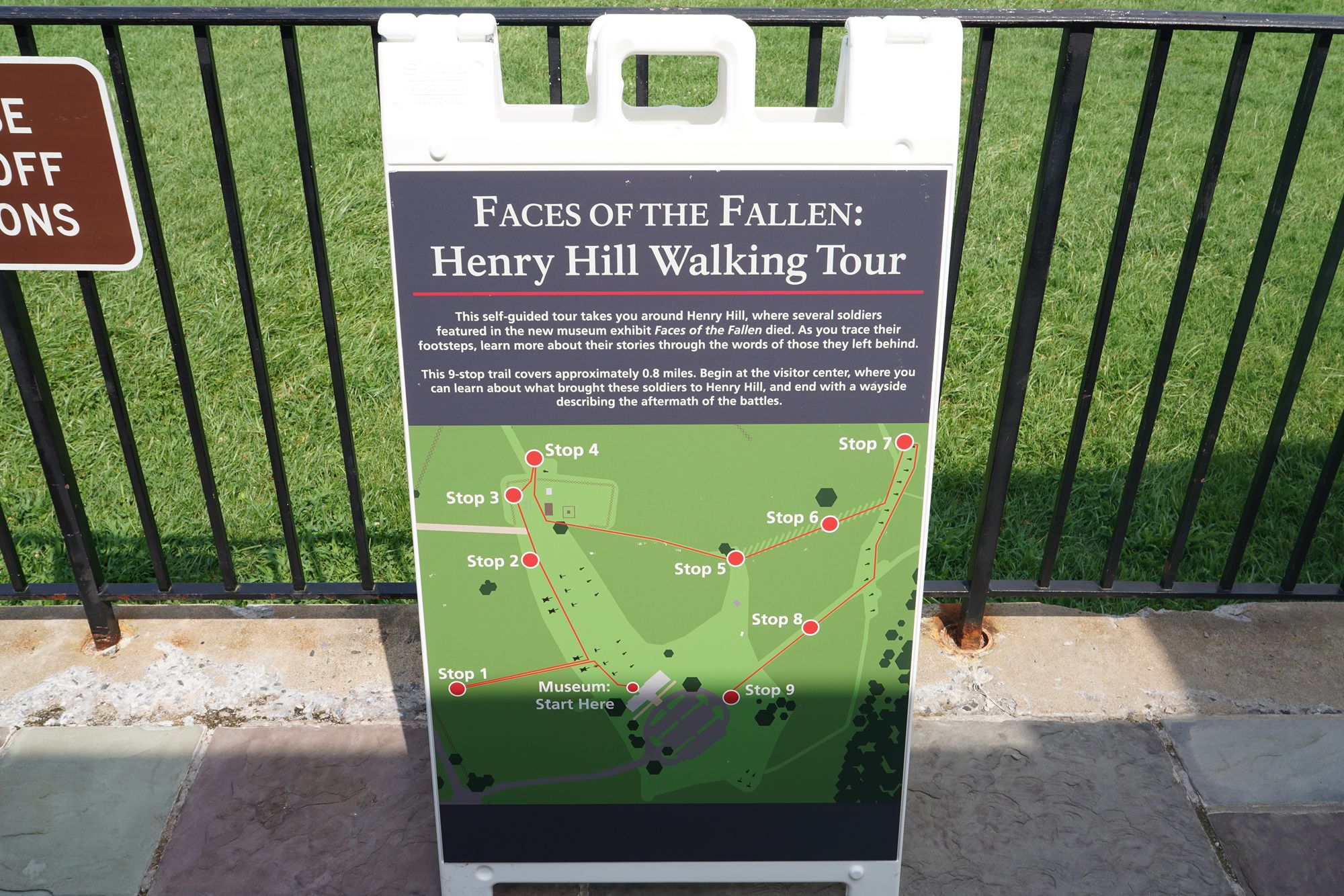
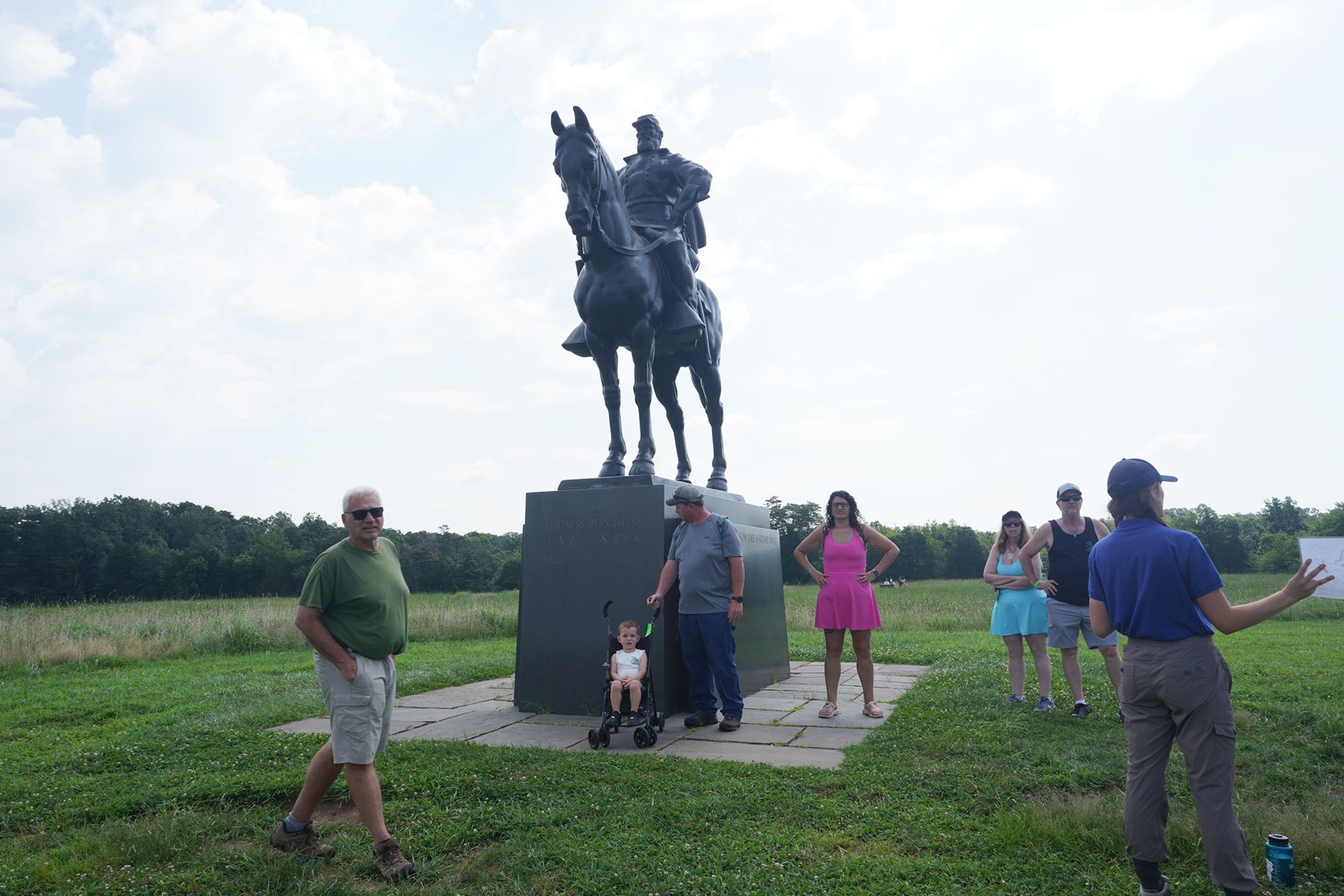
It’s also remembered for the moment when General “Stonewall” Jackson earned his nickname by standing firm against Union attacks, becoming a Confederate hero.
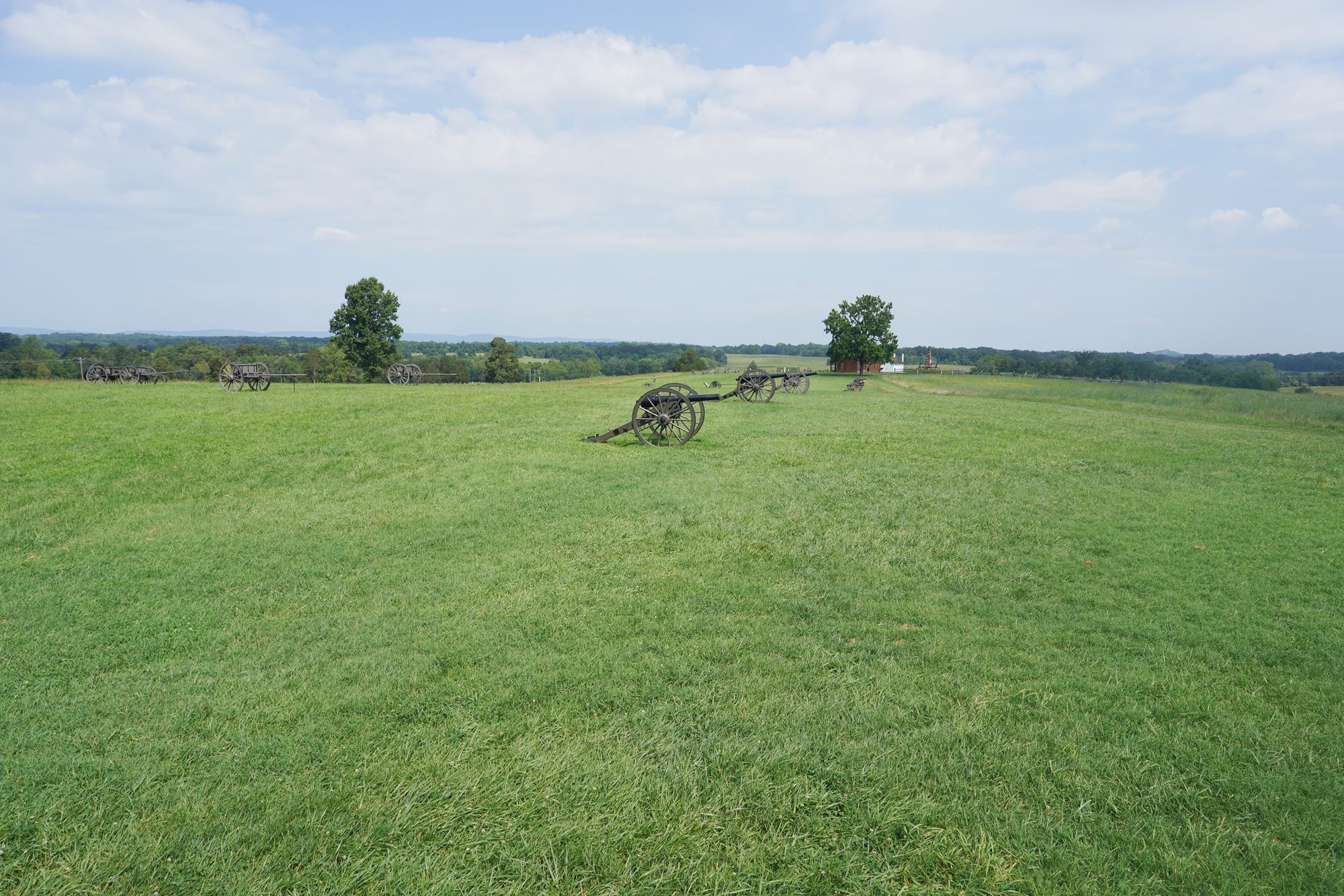
The Second Battle of Manassas, fought a year later on the same ground, confirmed Robert E. Lee’s military skill and gave the Confederacy one of its greatest victories.
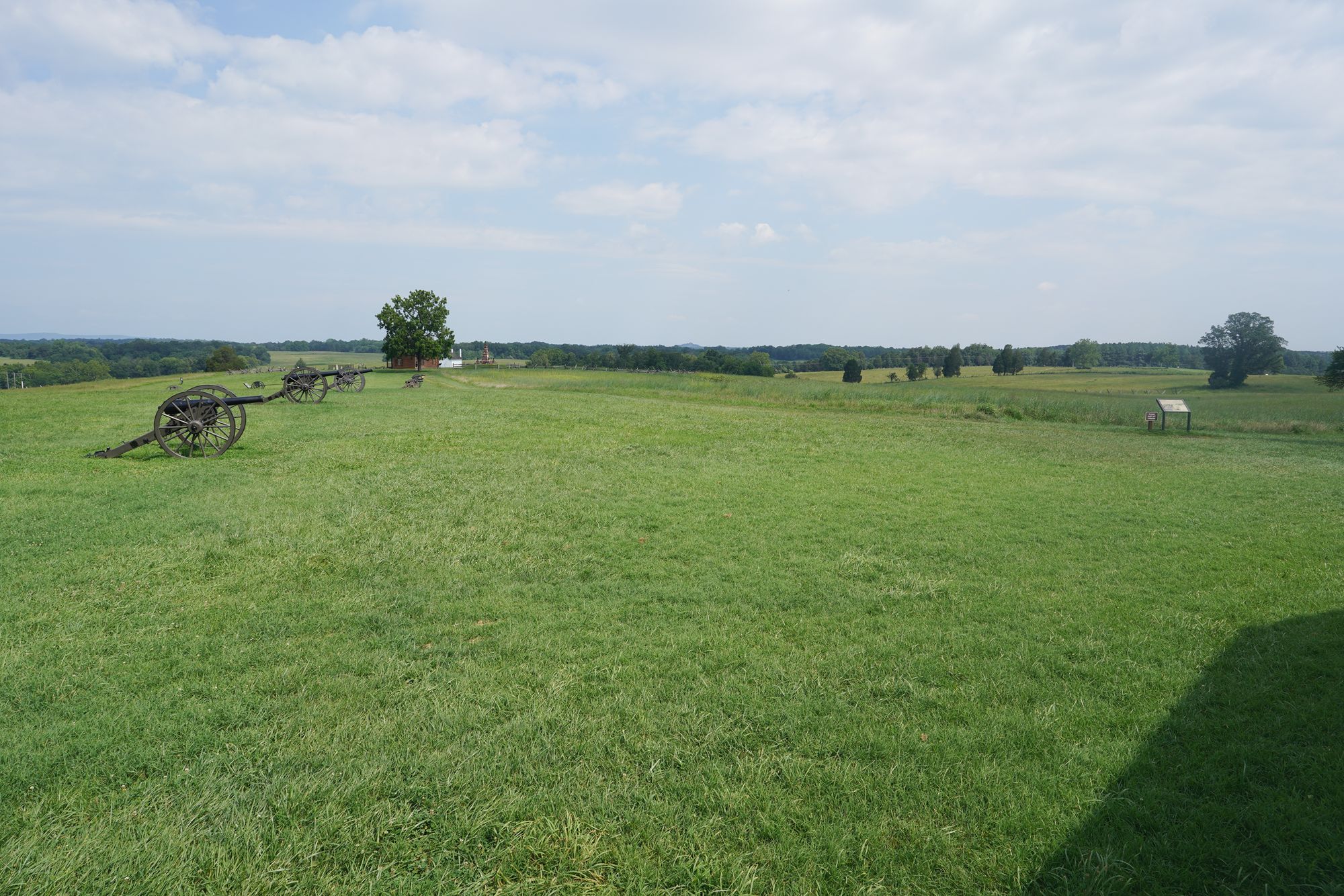
Together, the two battles made Manassas a symbol of the war’s beginning, its growing scale, and its heavy human cost.
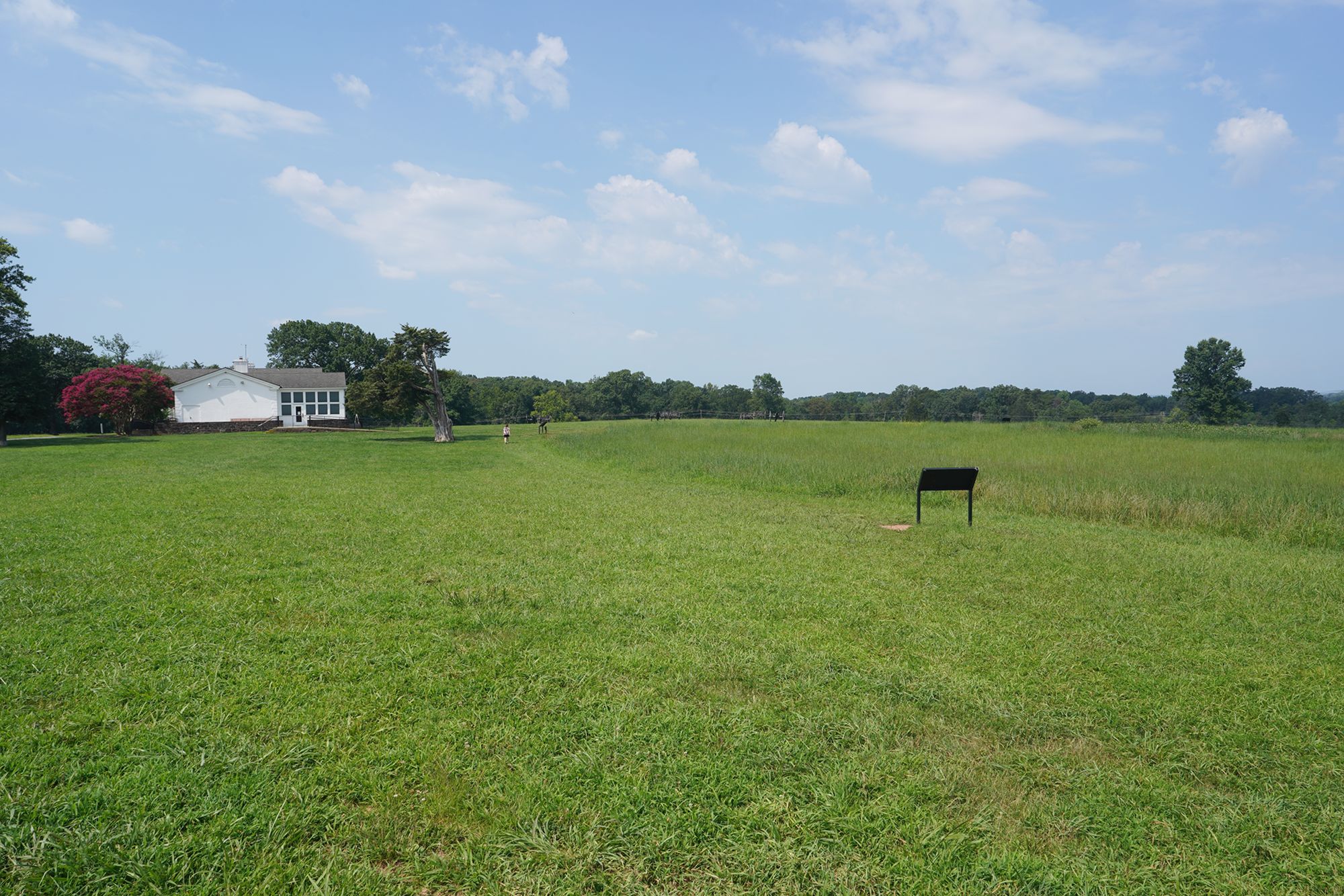
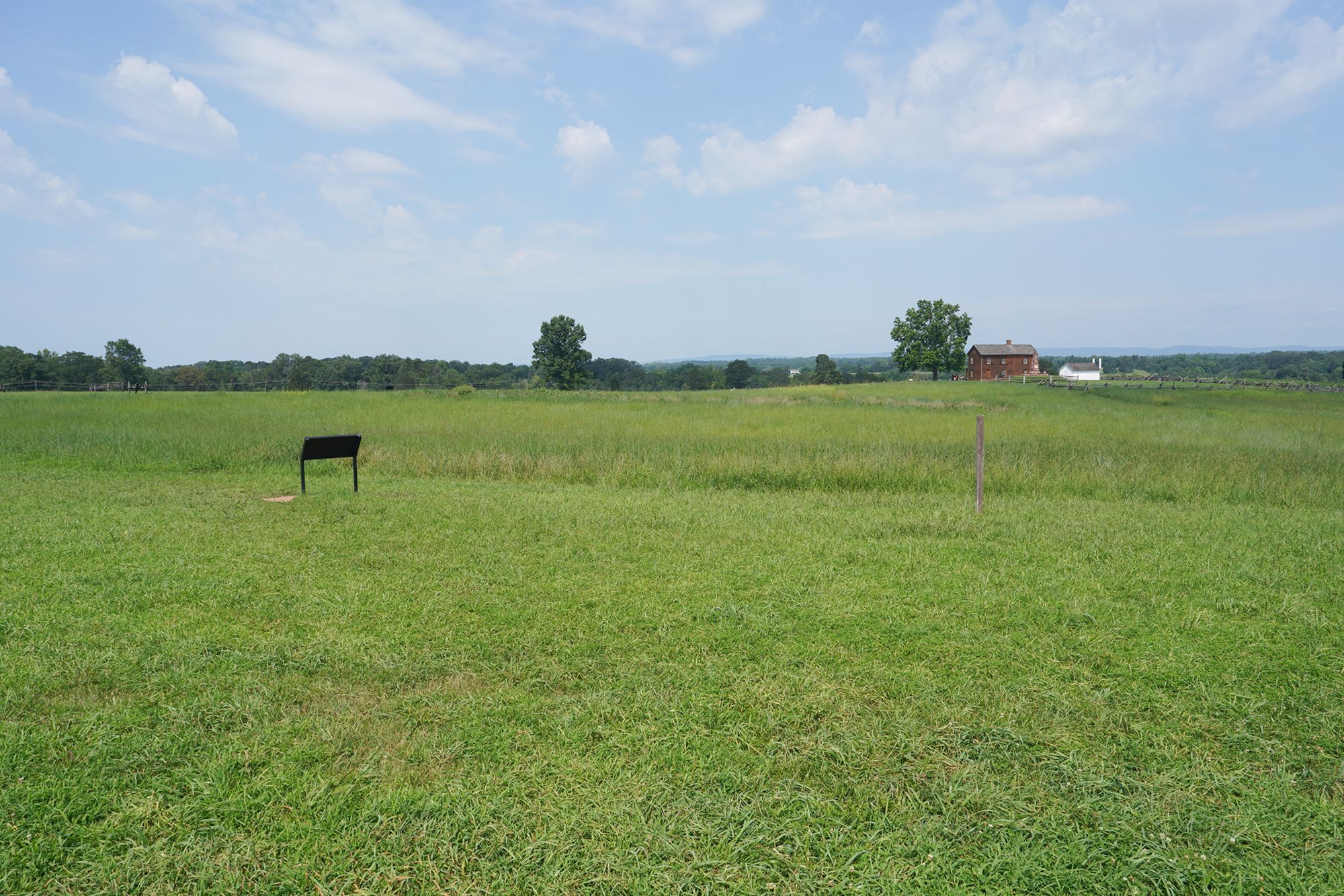
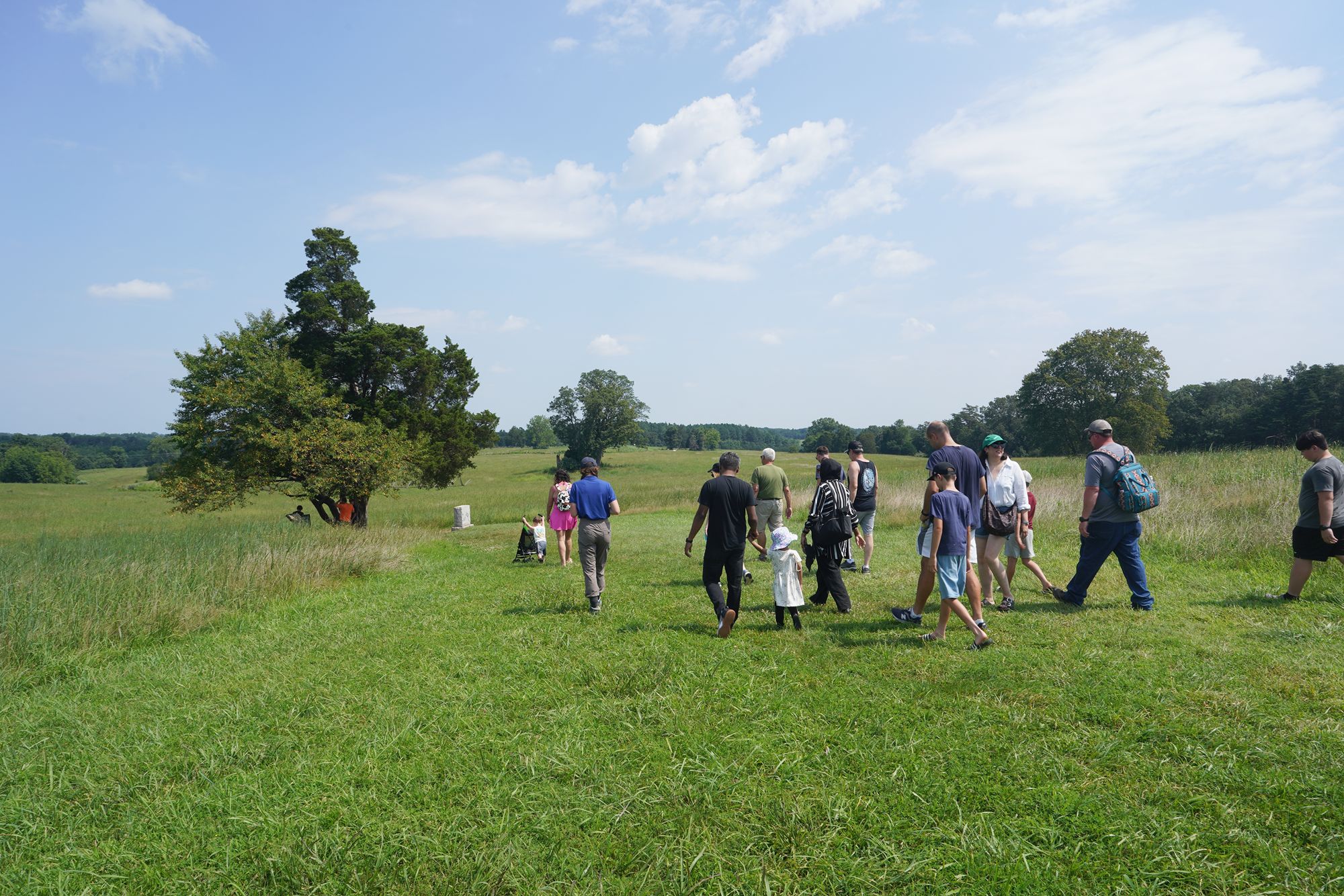
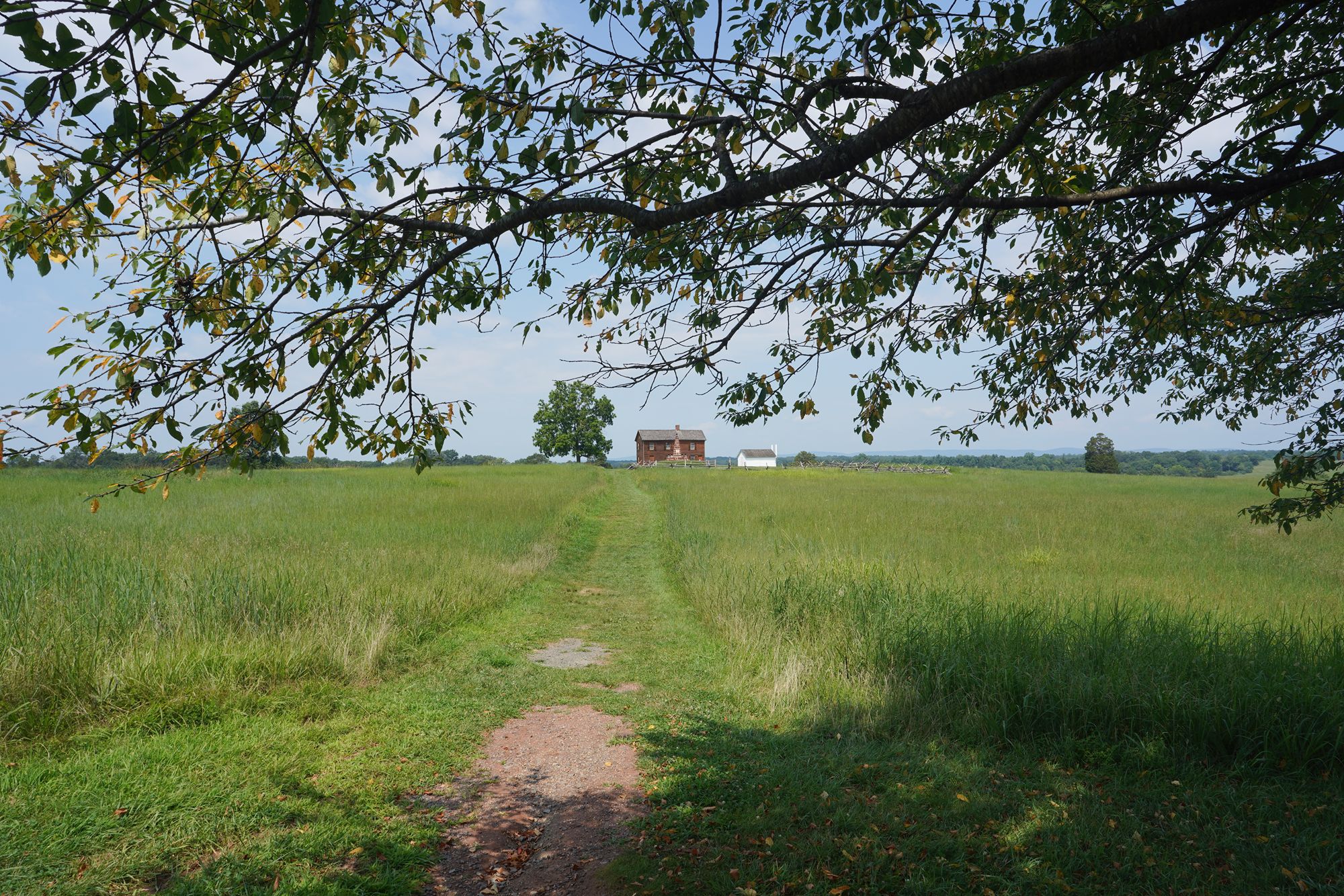
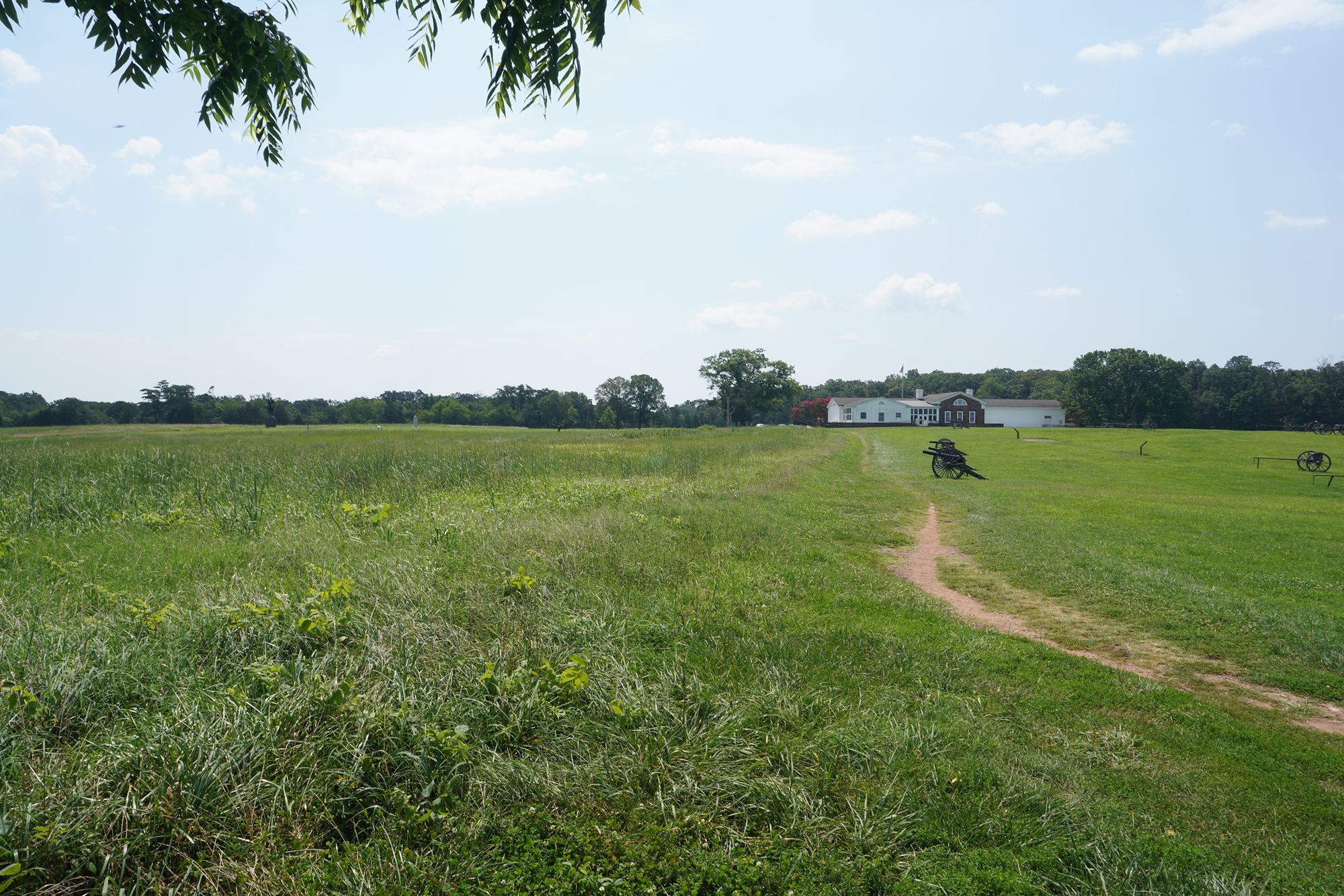
Today, the Manassas Battlefield looks peaceful and open, covered with quiet fields, fences, and gentle hills, giving little hint of the violence that once took place there.
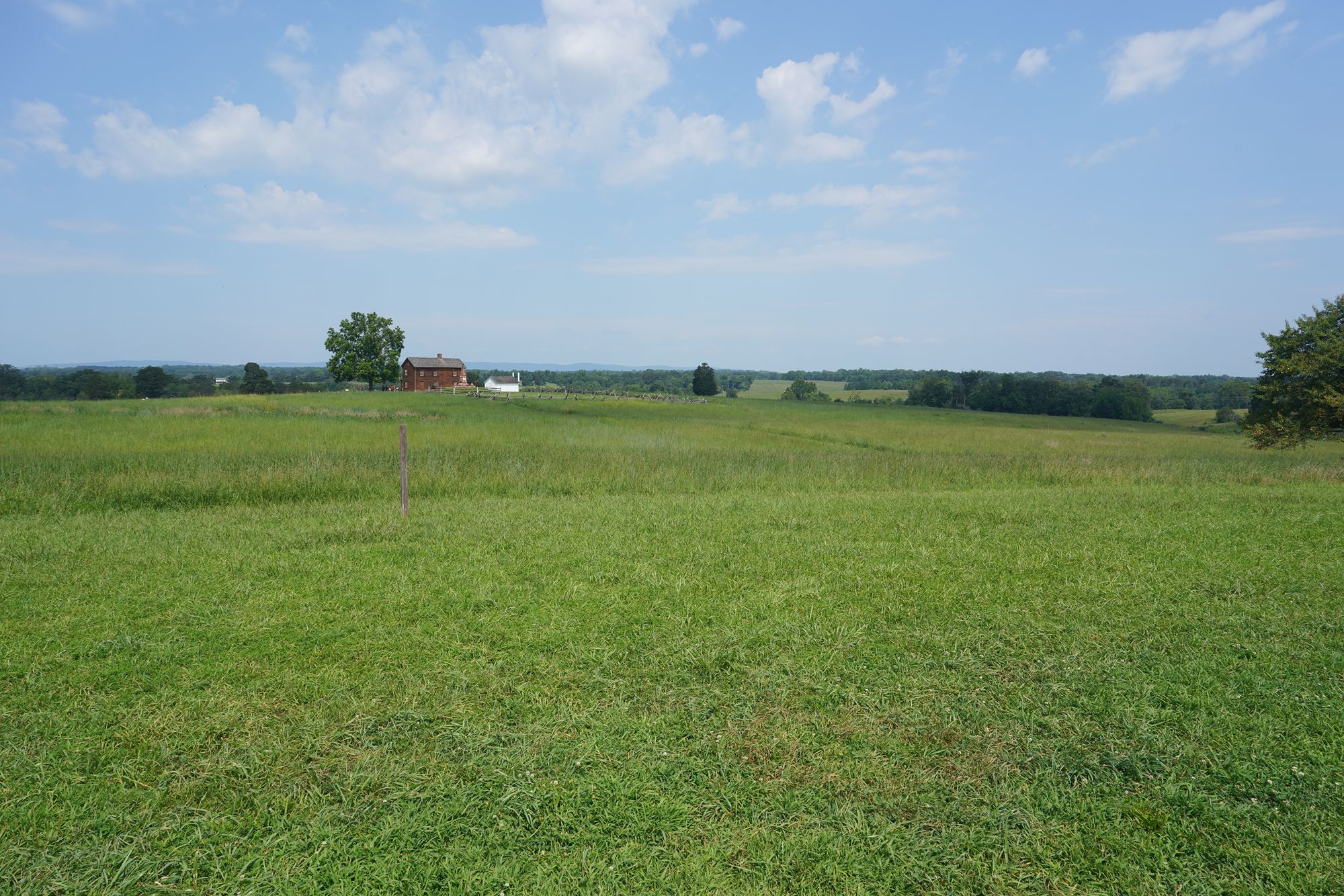
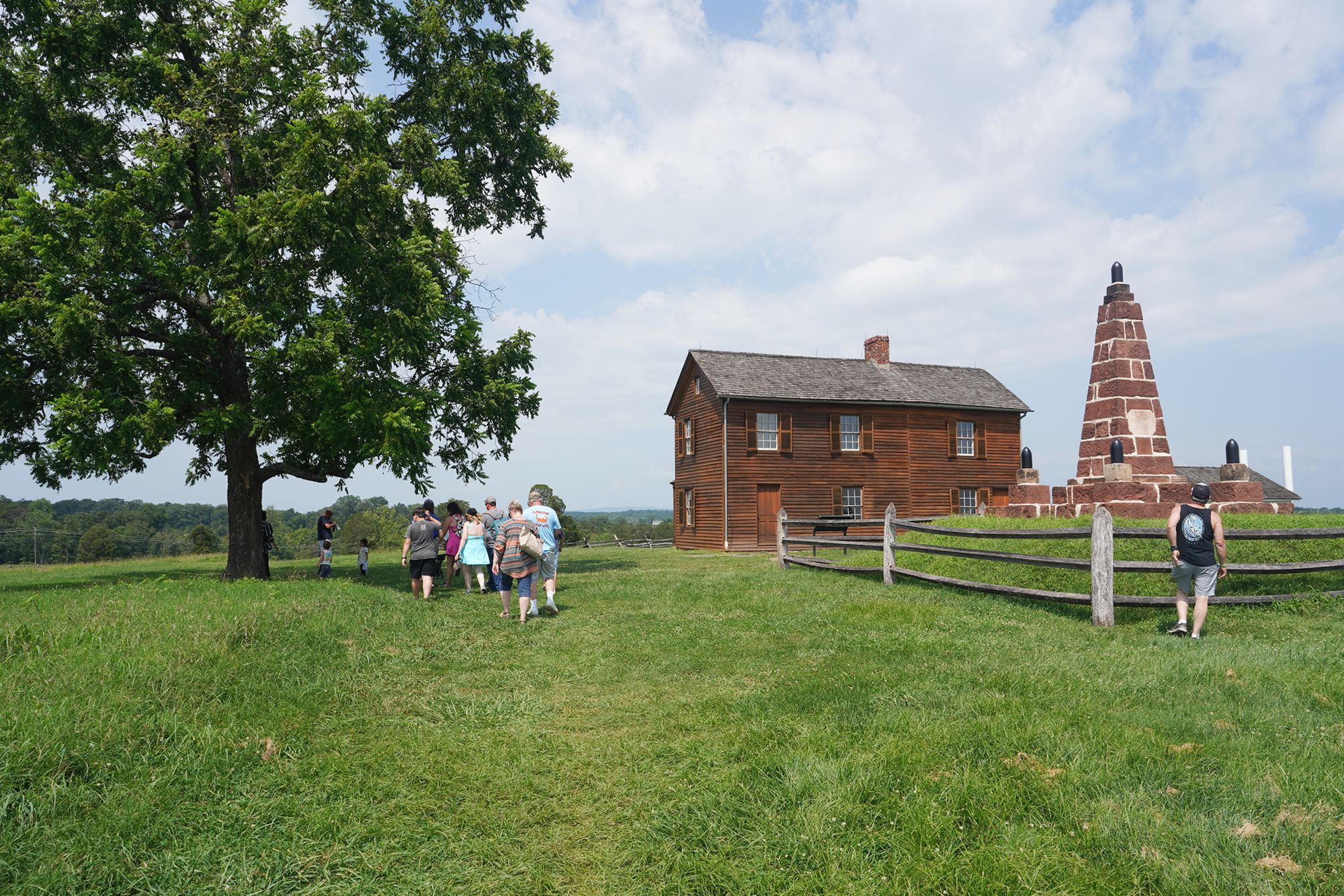
What was once filled with smoke, cannon fire, and thousands of soldiers is now grassland and farmland, restored to its 19th-century appearance. Only a few landmarks — like Henry Hill, Stone House, and war monuments — remind visitors of the fierce fighting that occurred.
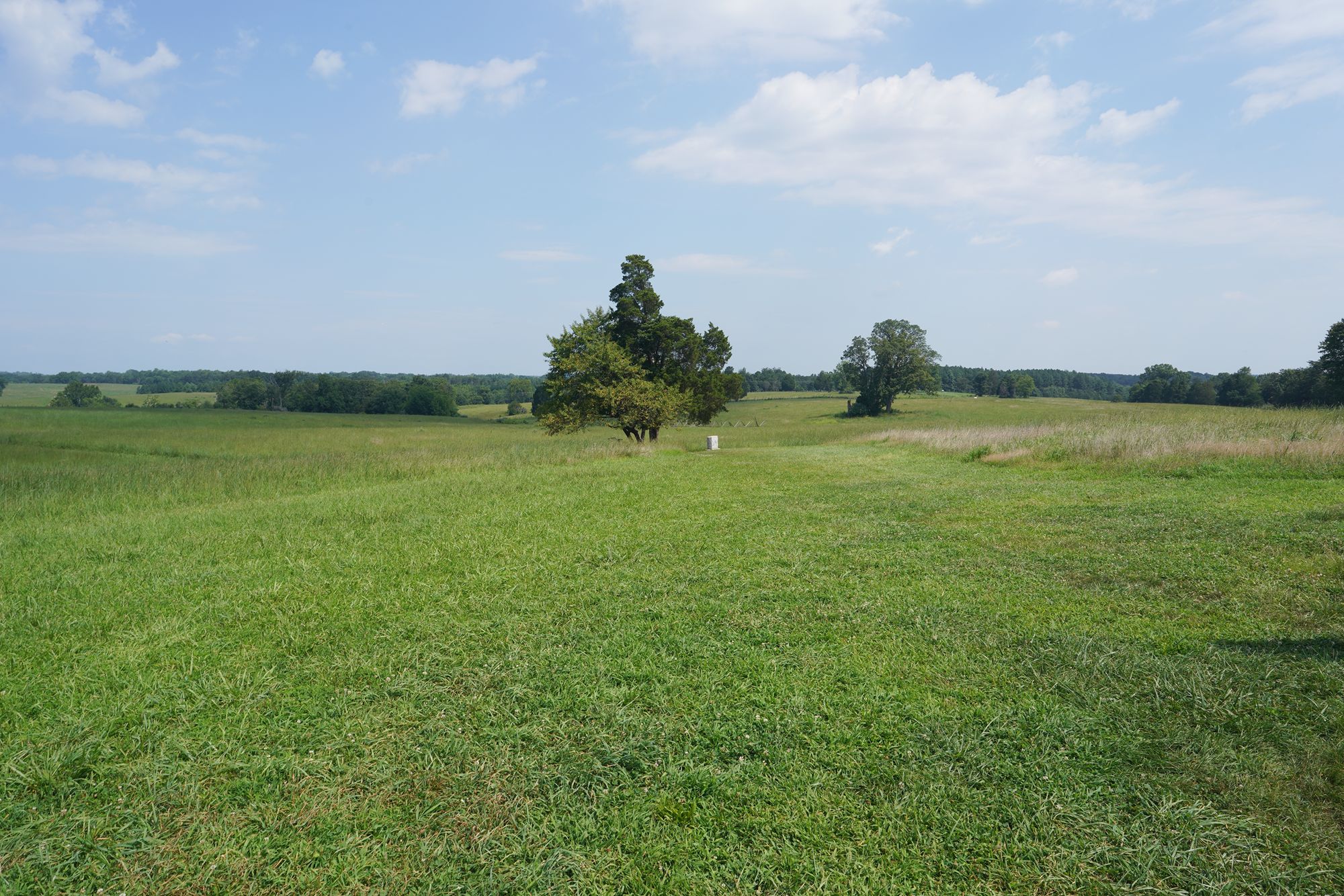
The calm landscape makes the site even more powerful, as it contrasts sharply with the chaos and bloodshed that happened there more than 160 years ago.
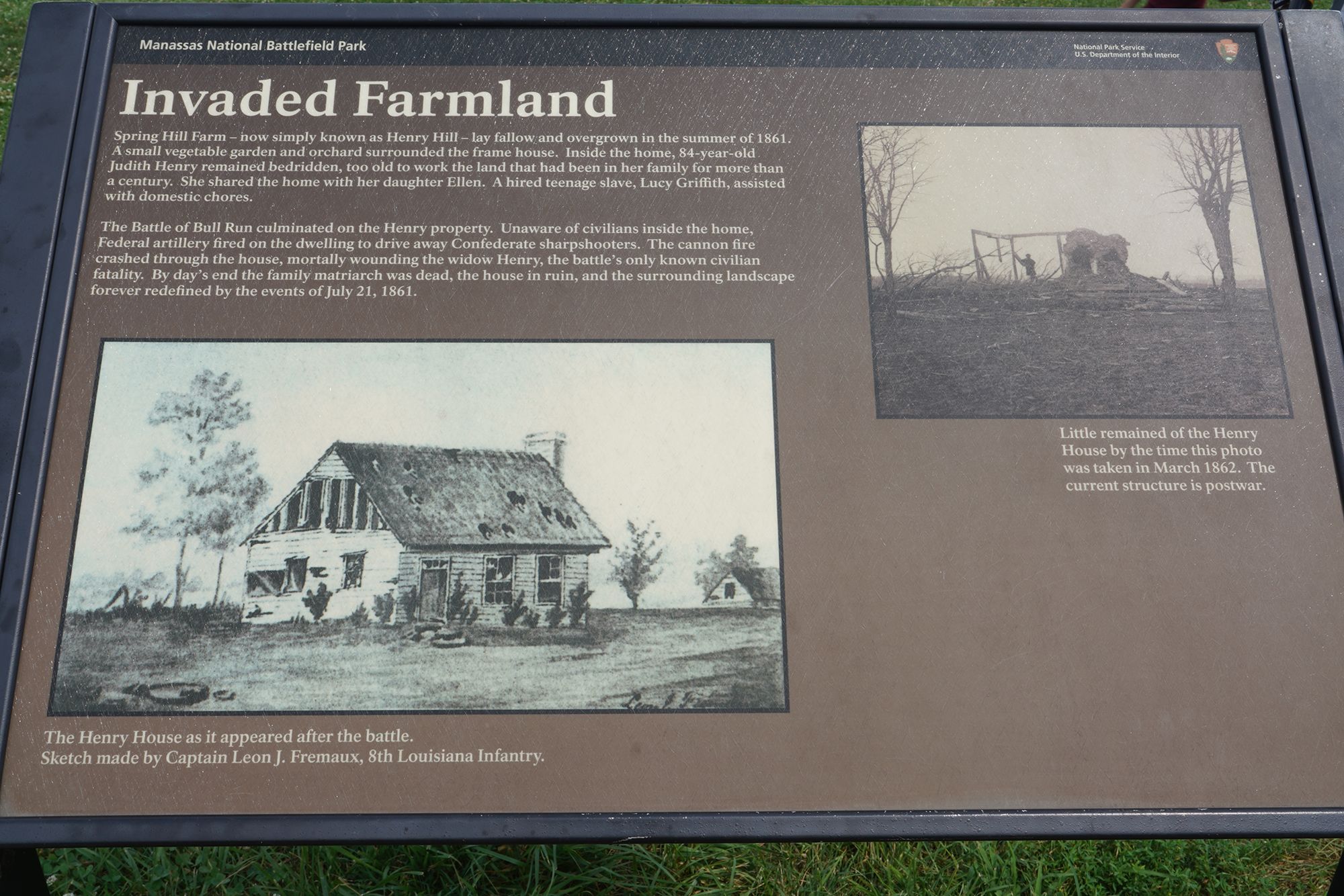
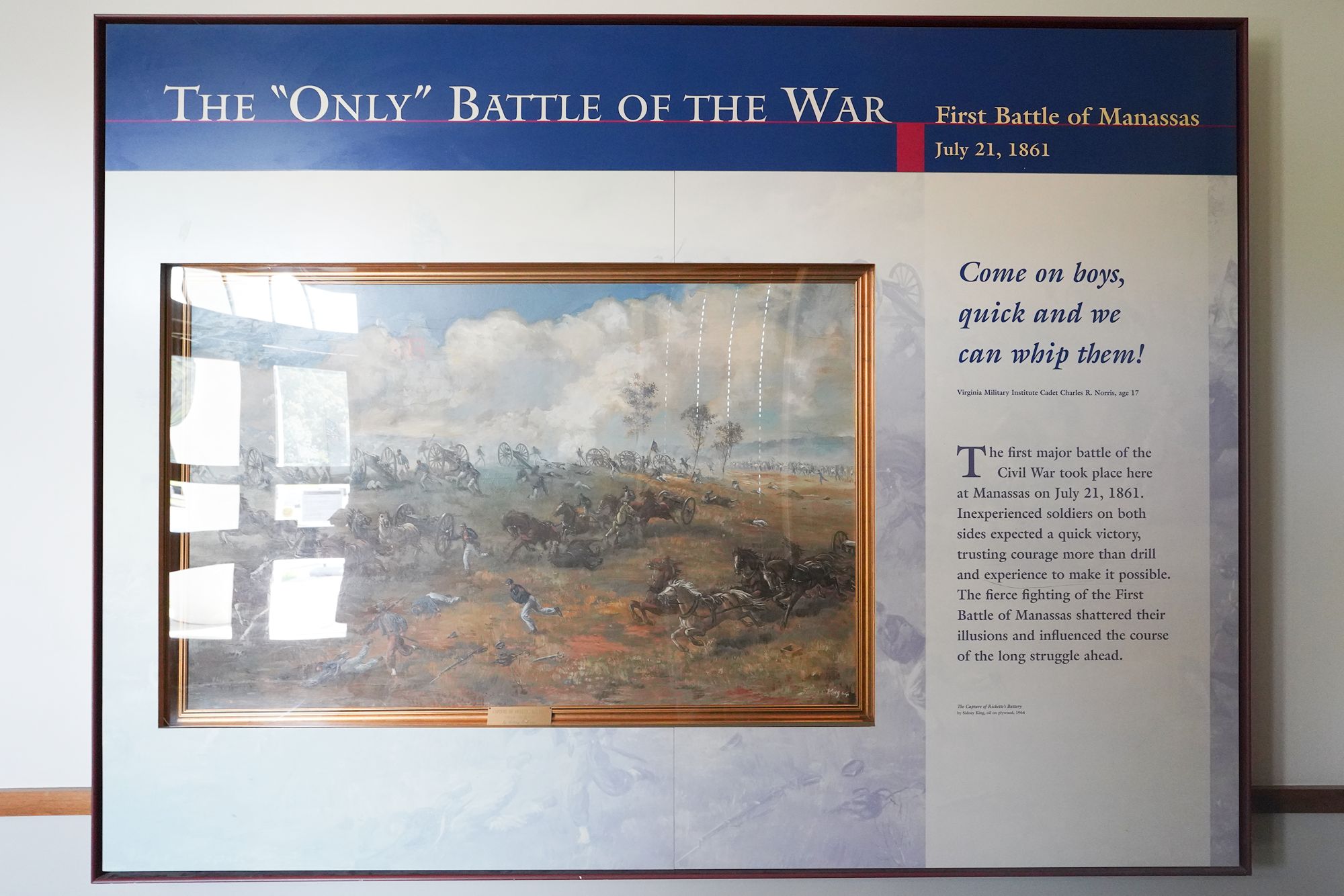
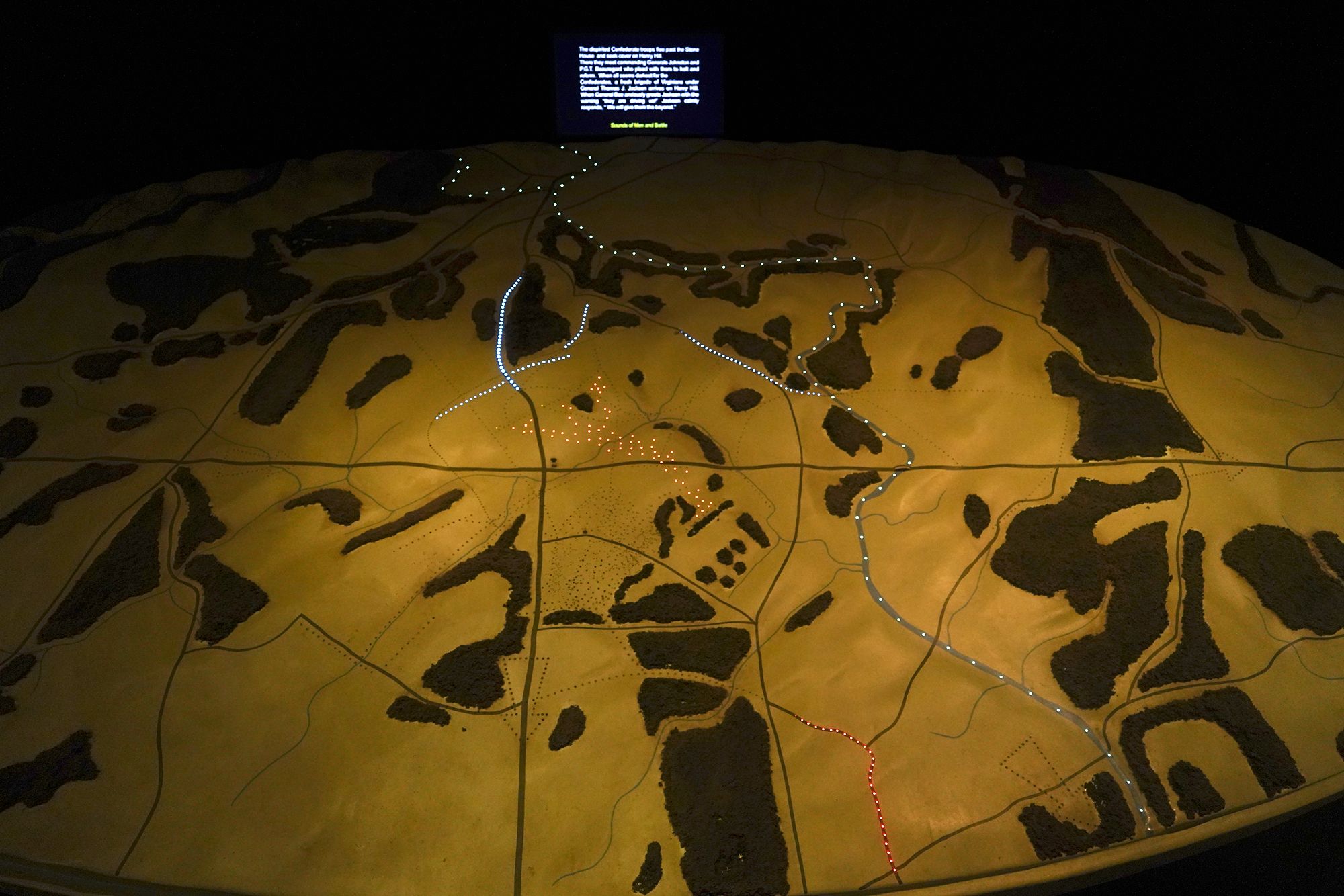
The Battle of Bull Run, also known as the First Battle of Manassas, was the first major battle of the American Civil War, fought on July 21, 1861, near Manassas, Virginia, along a small stream called Bull Run.
The Union army, led by General Irvin McDowell, marched from Washington, D.C., hoping for a quick victory that would end the war. The Confederates, under Generals P.G.T. Beauregard and Joseph E. Johnston, gathered to defend the vital railroad junction at Manassas.
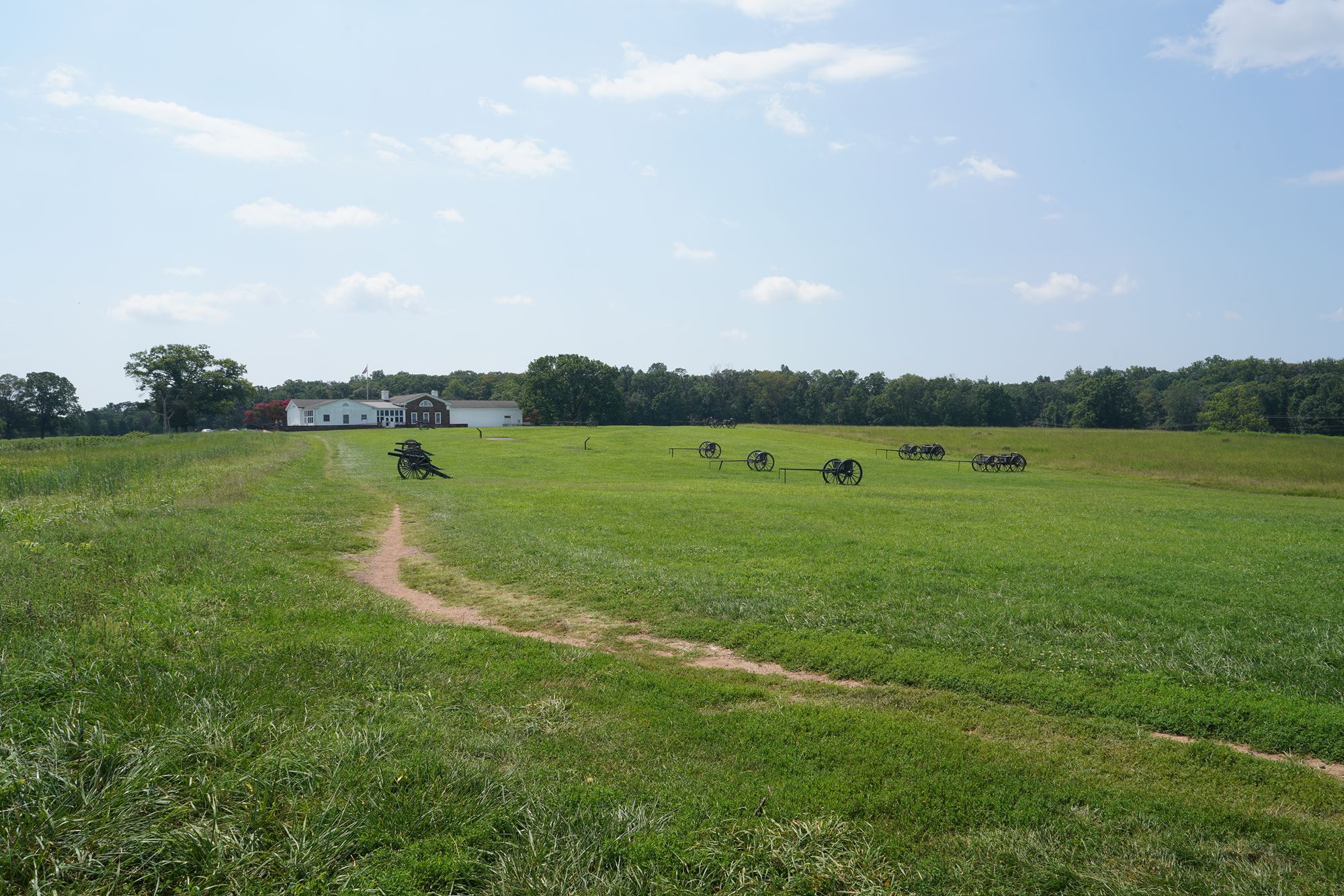
At first, Union troops pushed back the Confederates and seemed close to winning. But reinforcements arrived by train from the Shenandoah Valley, and General Thomas J. Jackson stood firm on Henry Hill, inspiring his men and earning the nickname “Stonewall Jackson.”
By afternoon, the Confederate counterattack broke the Union lines, and the Union army retreated in confusion toward Washington.
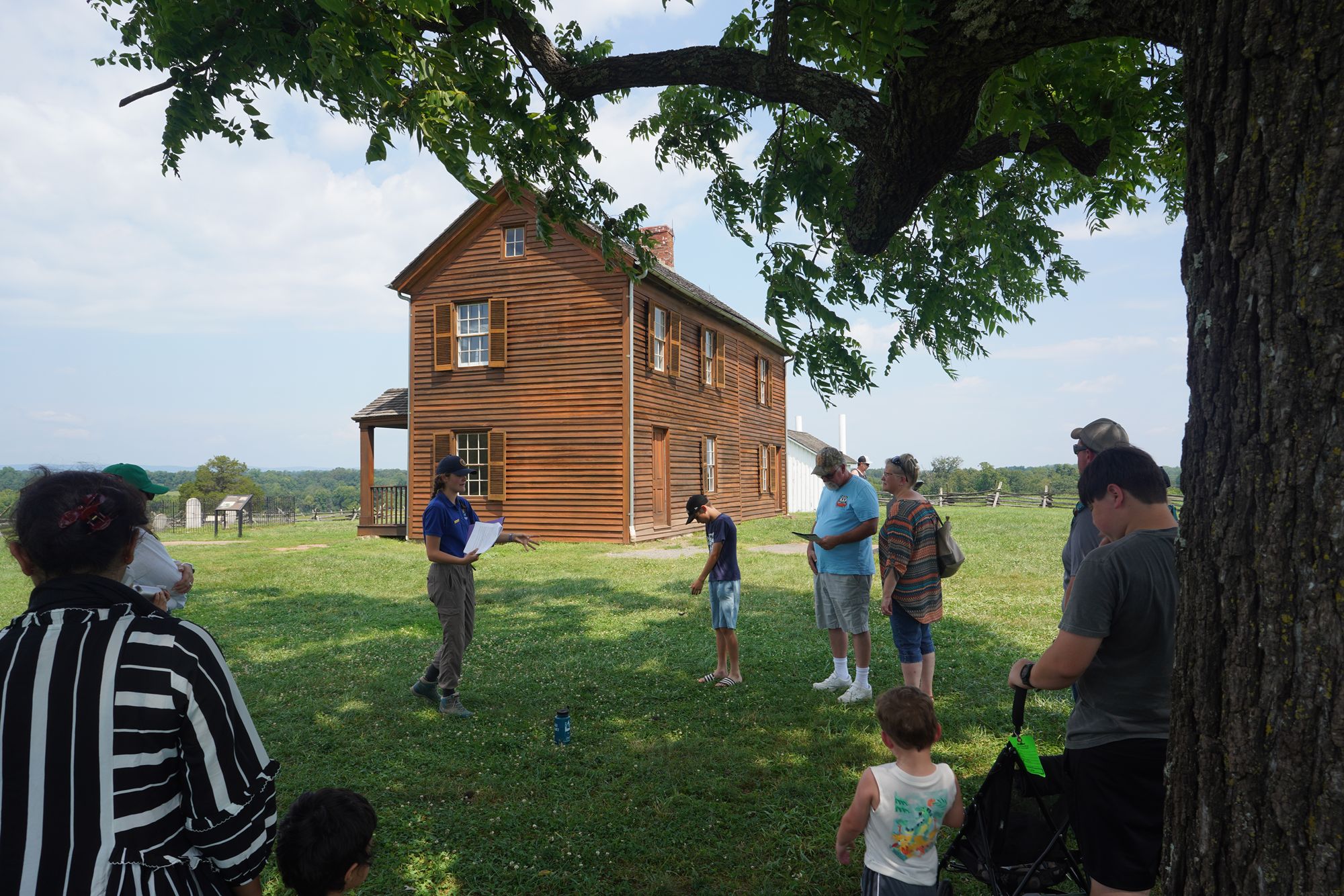
The Confederate victory shocked the North and thrilled the South. It proved that the war would not be short or easy, and both sides began preparing for a long and brutal conflict.
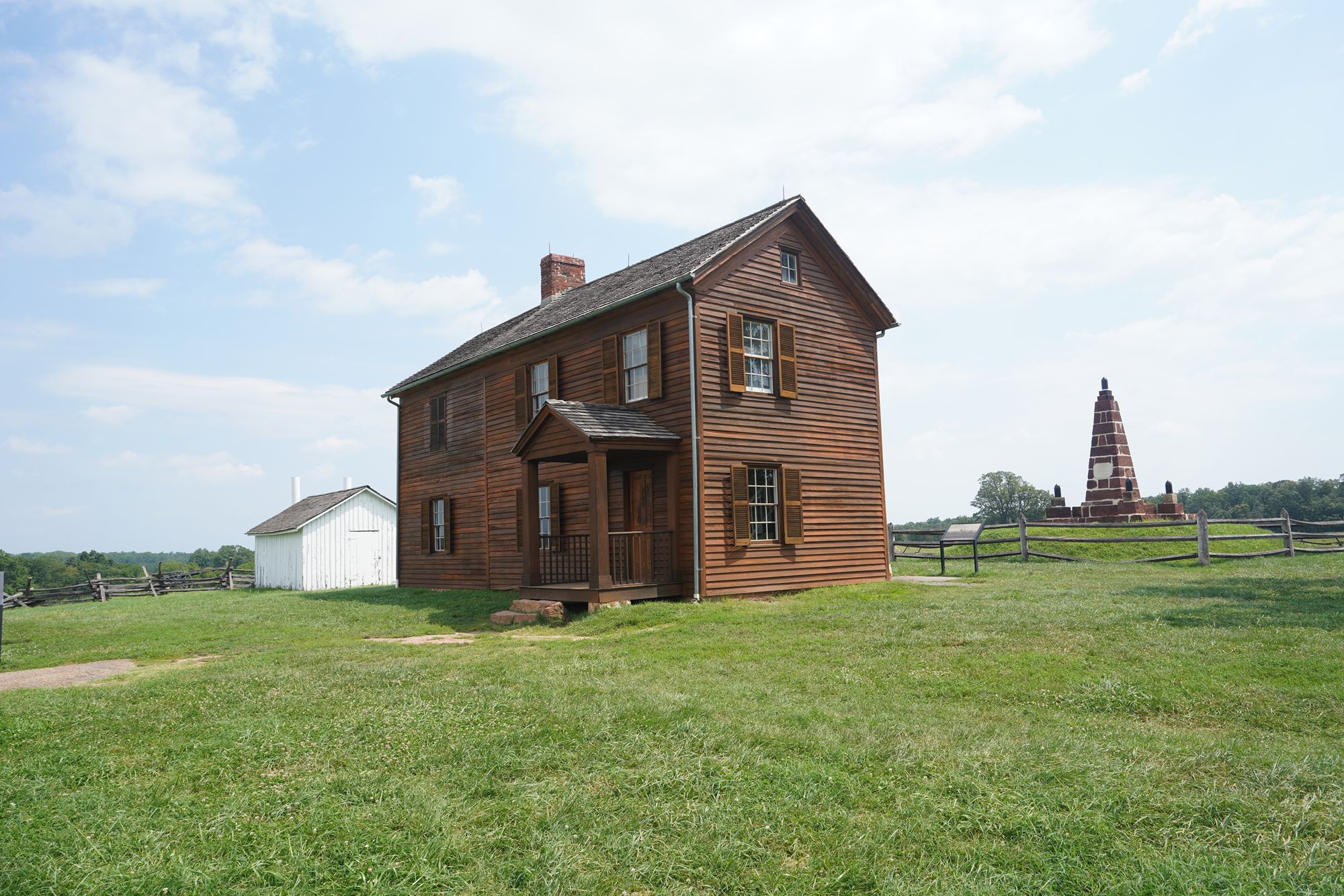
Today, the Manassas National Battlefield Park preserves the site, where peaceful fields now mark the place where America’s first great Civil War battle began.
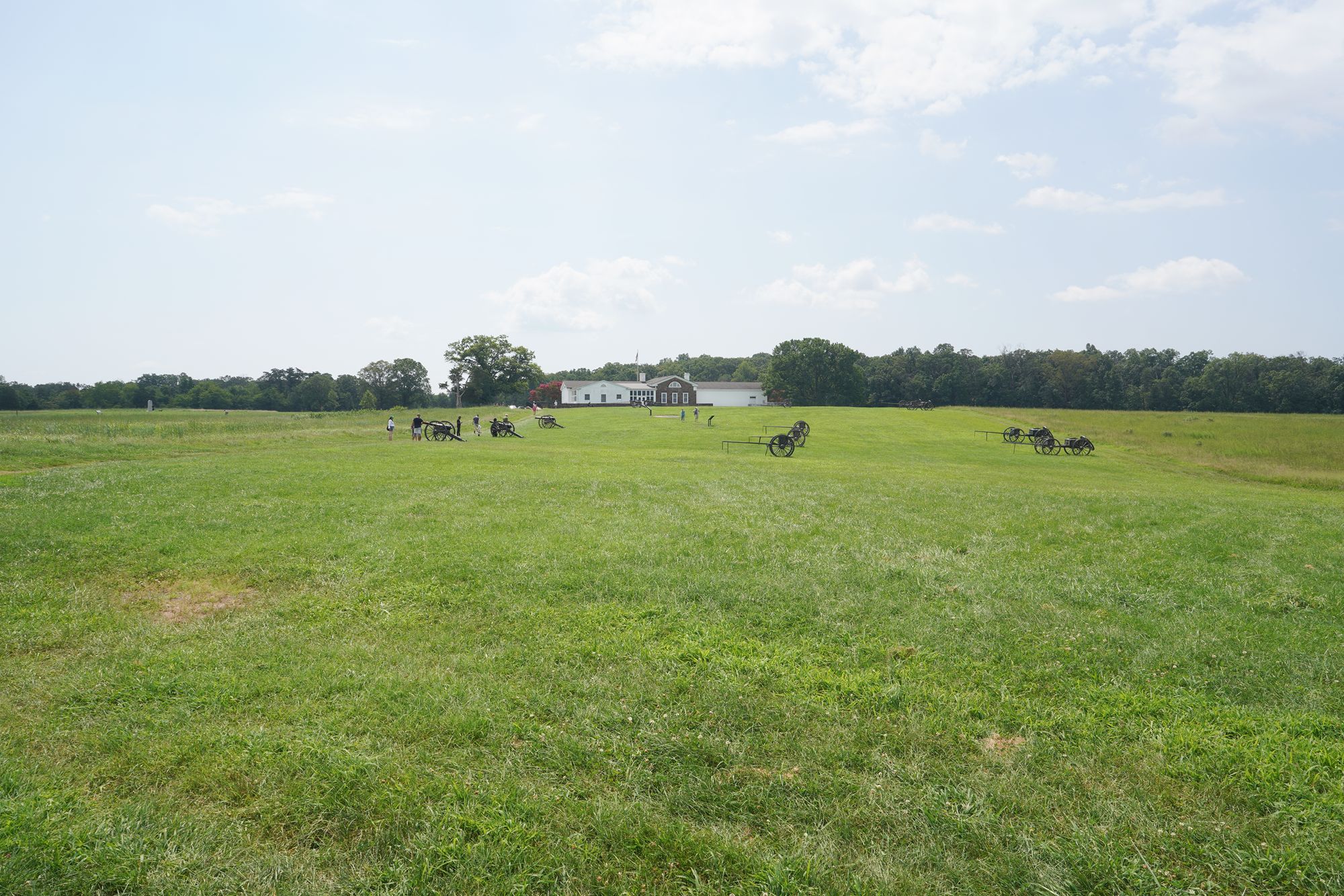
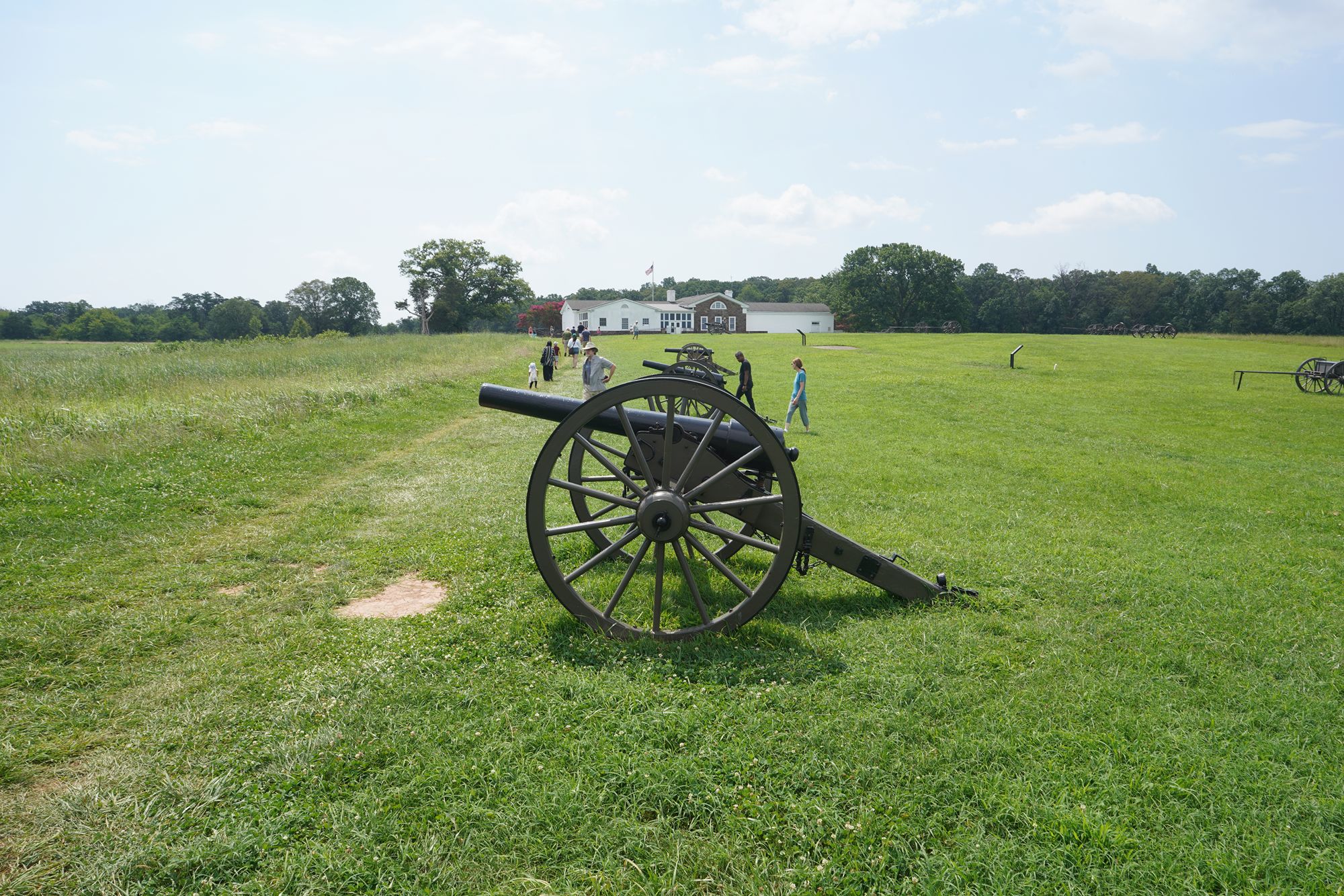
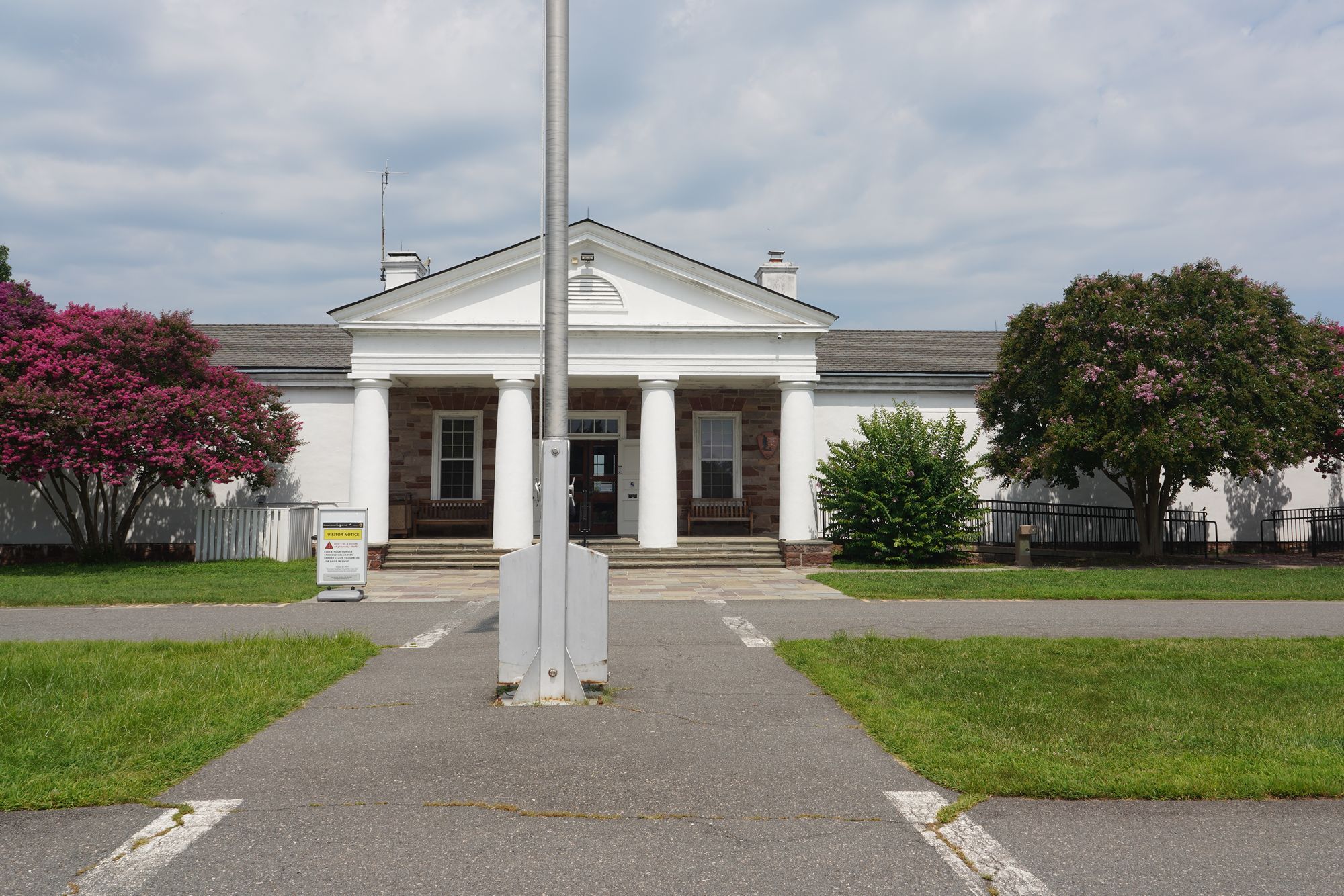
The first major battle of the Civil War
This shows the movement of the soldiers in the battlefield
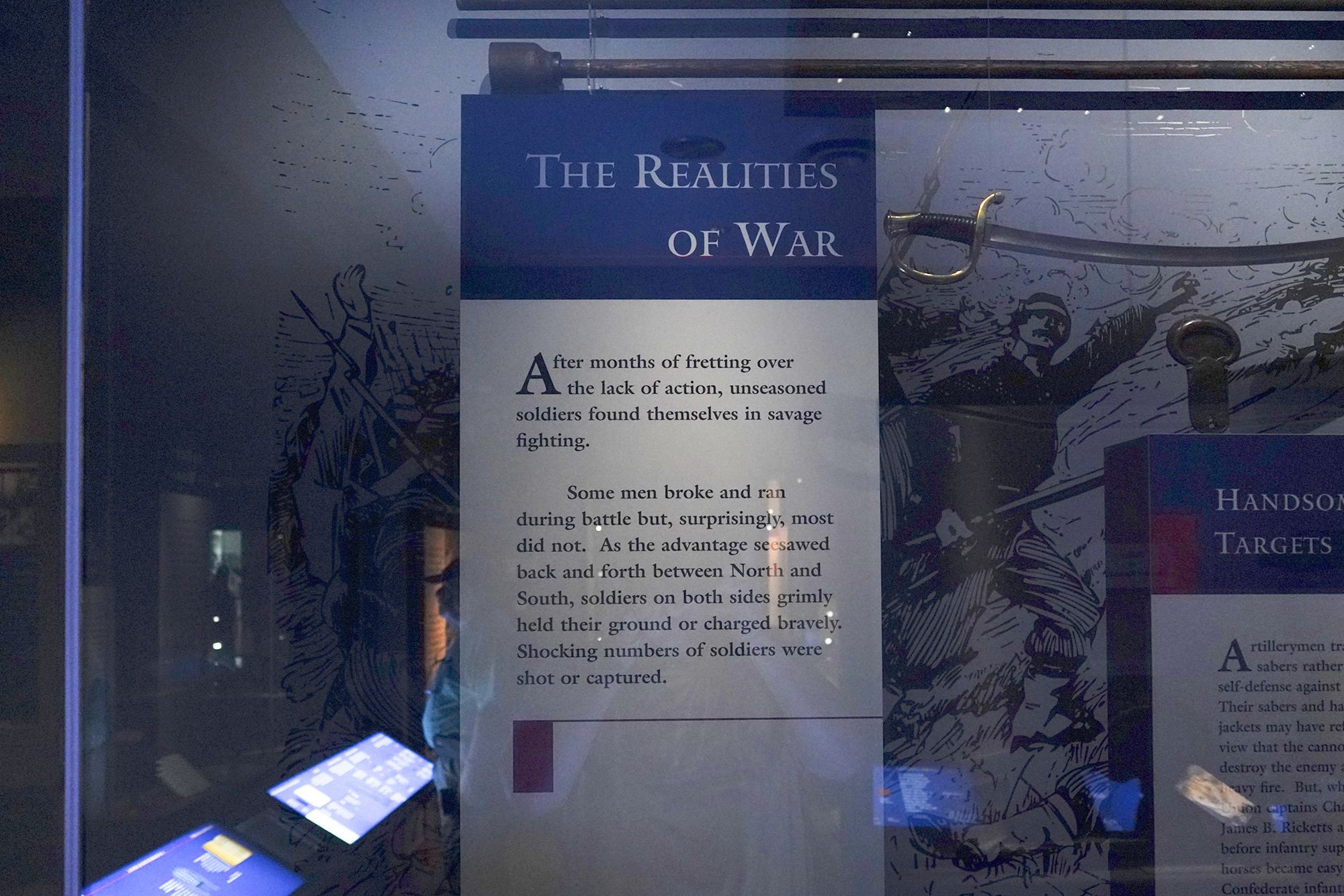
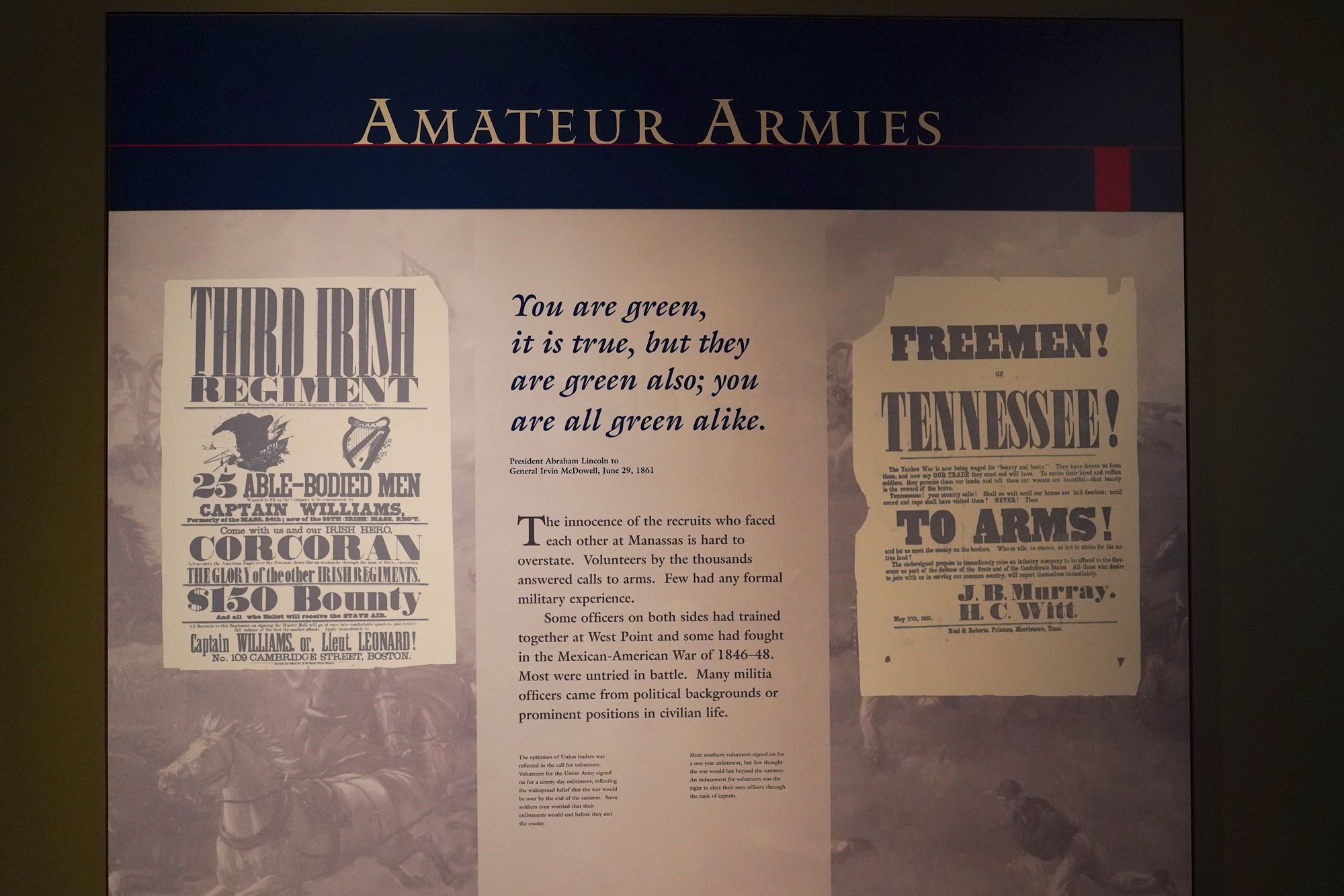
At the Battle of Bull Run, both the Union and Confederate armies were made up mostly of amateur soldiers — volunteers who had little or no combat experience.
Most had trained for only a few weeks and were still learning how to march, load rifles, and follow orders under fire. Officers were often political appointees rather than professional military leaders.
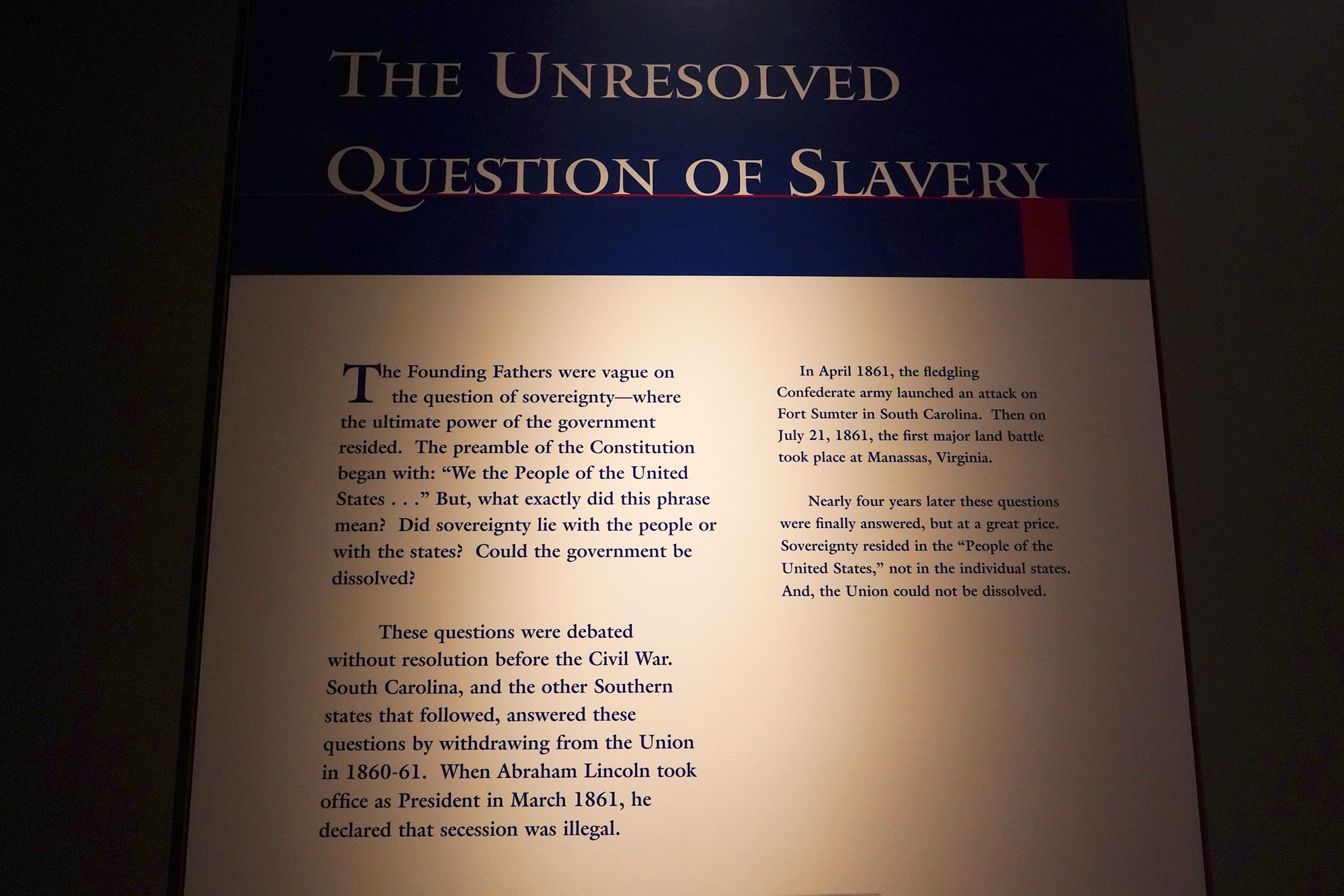
The Unresolved Question of Slavery
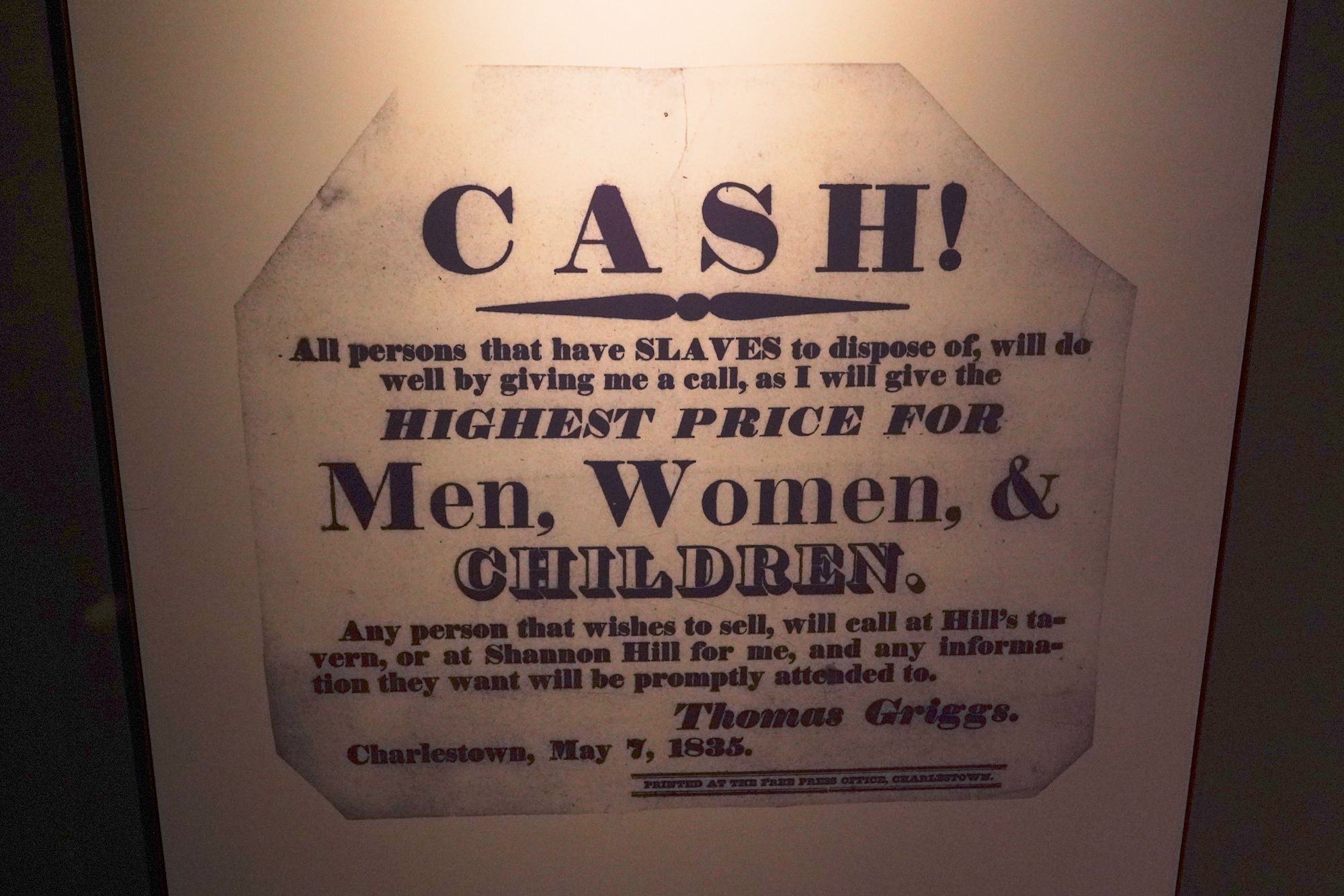
Advertisement for Slaves
Before the Battle of Bull Run, both sides bravely but naively predicted swift victories.
Many in the North believed the Union army would quickly crush the rebellion and march on Richmond within days. In the South, people were equally confident that one strong victory would force the Union to give up the fight.
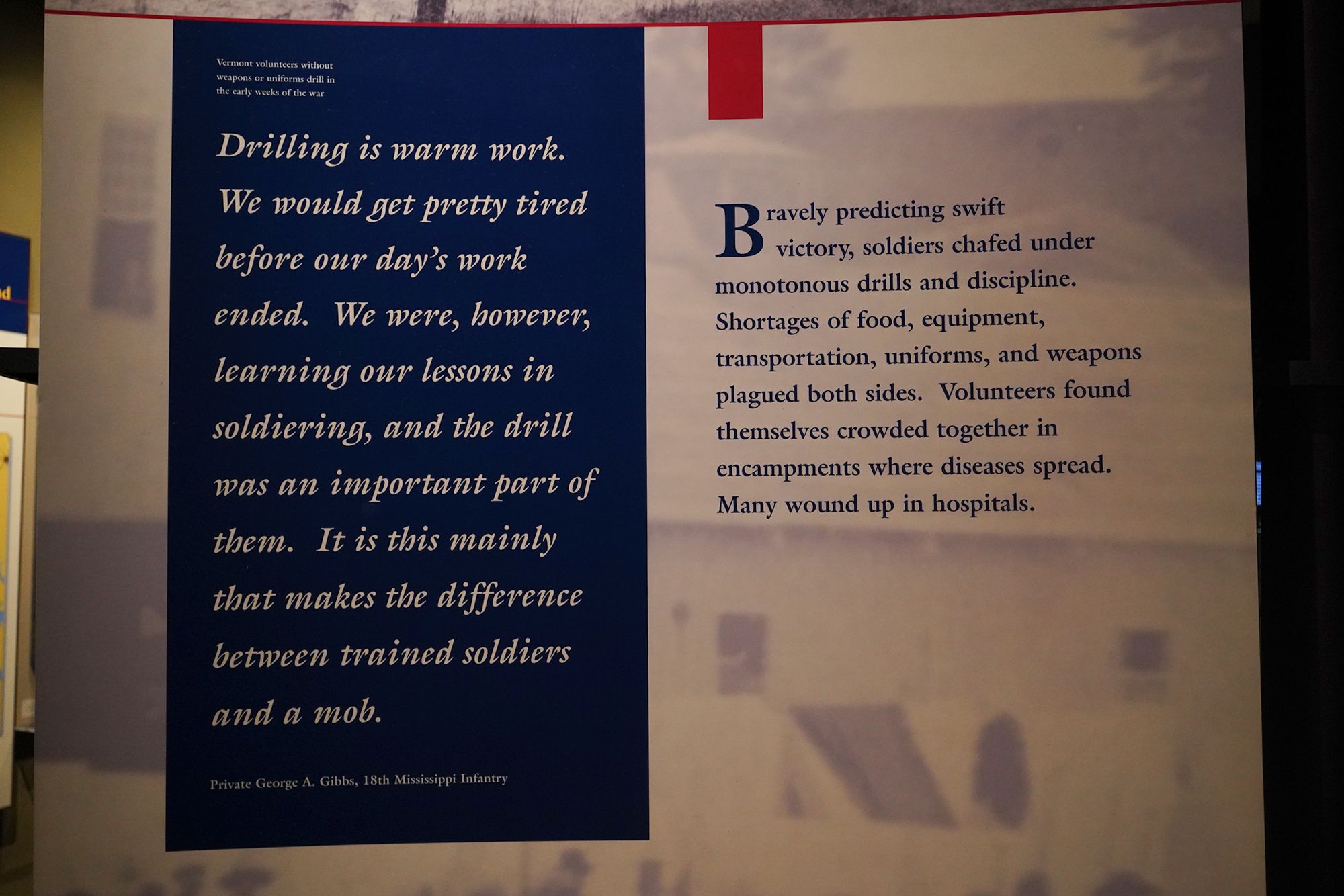
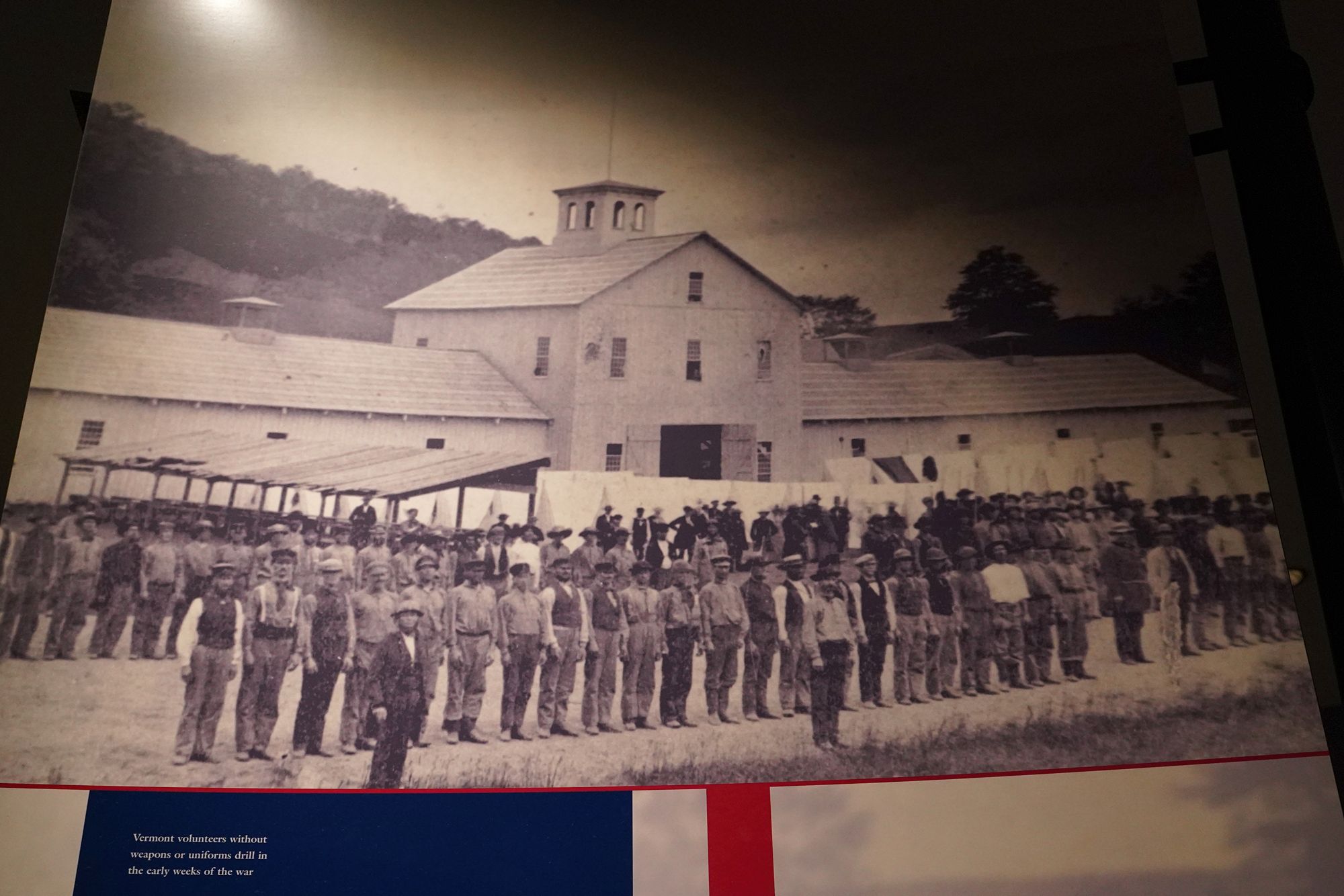
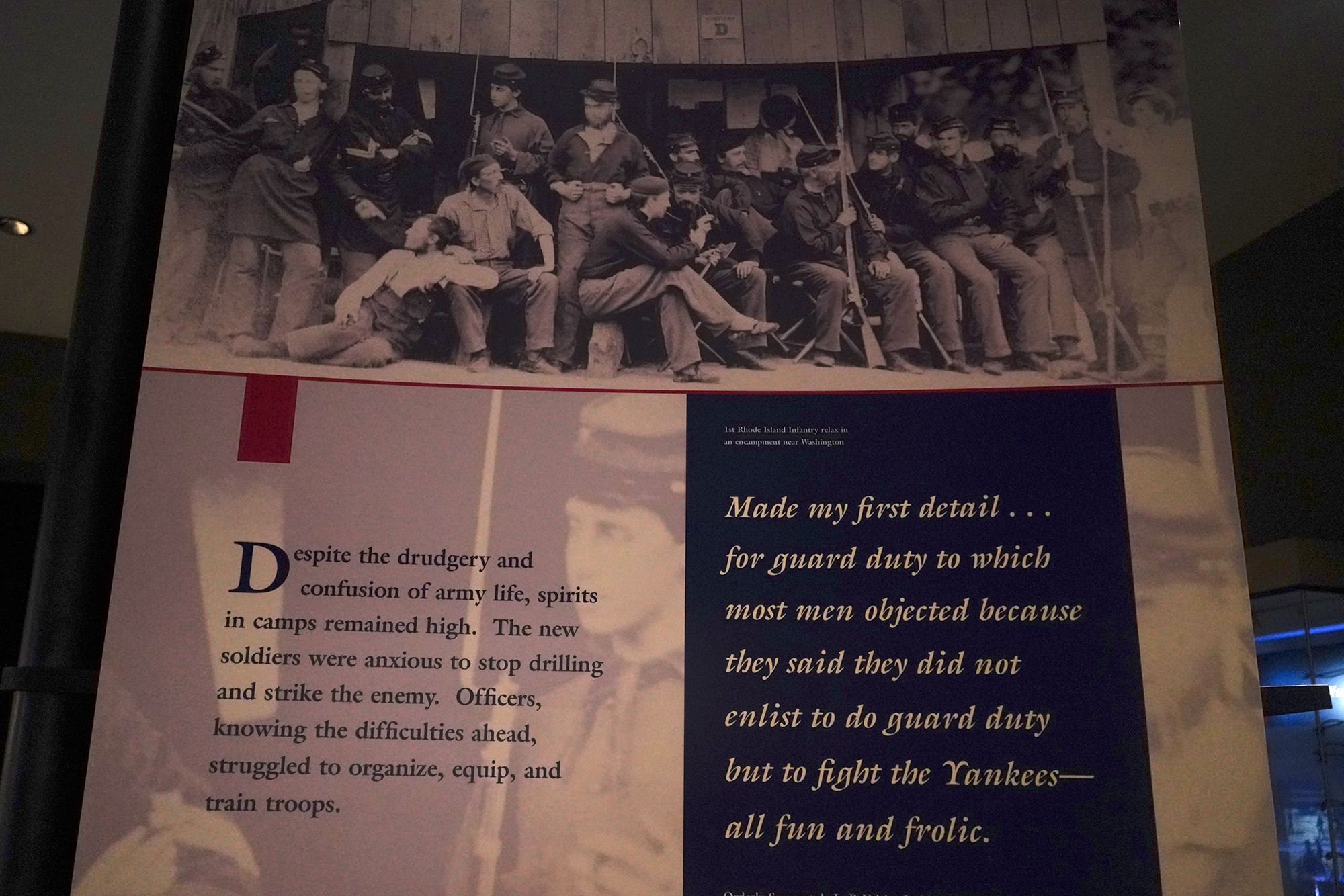
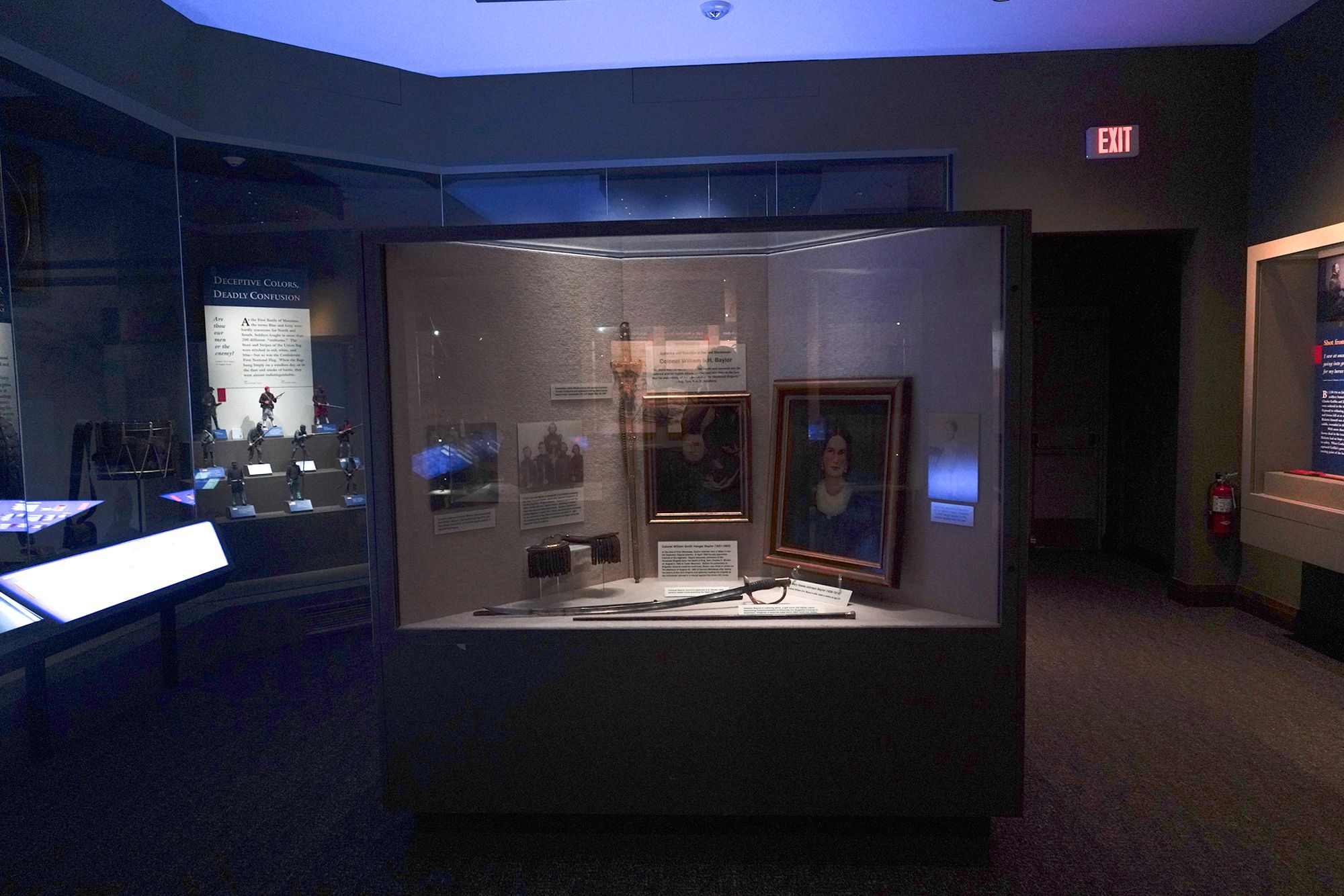
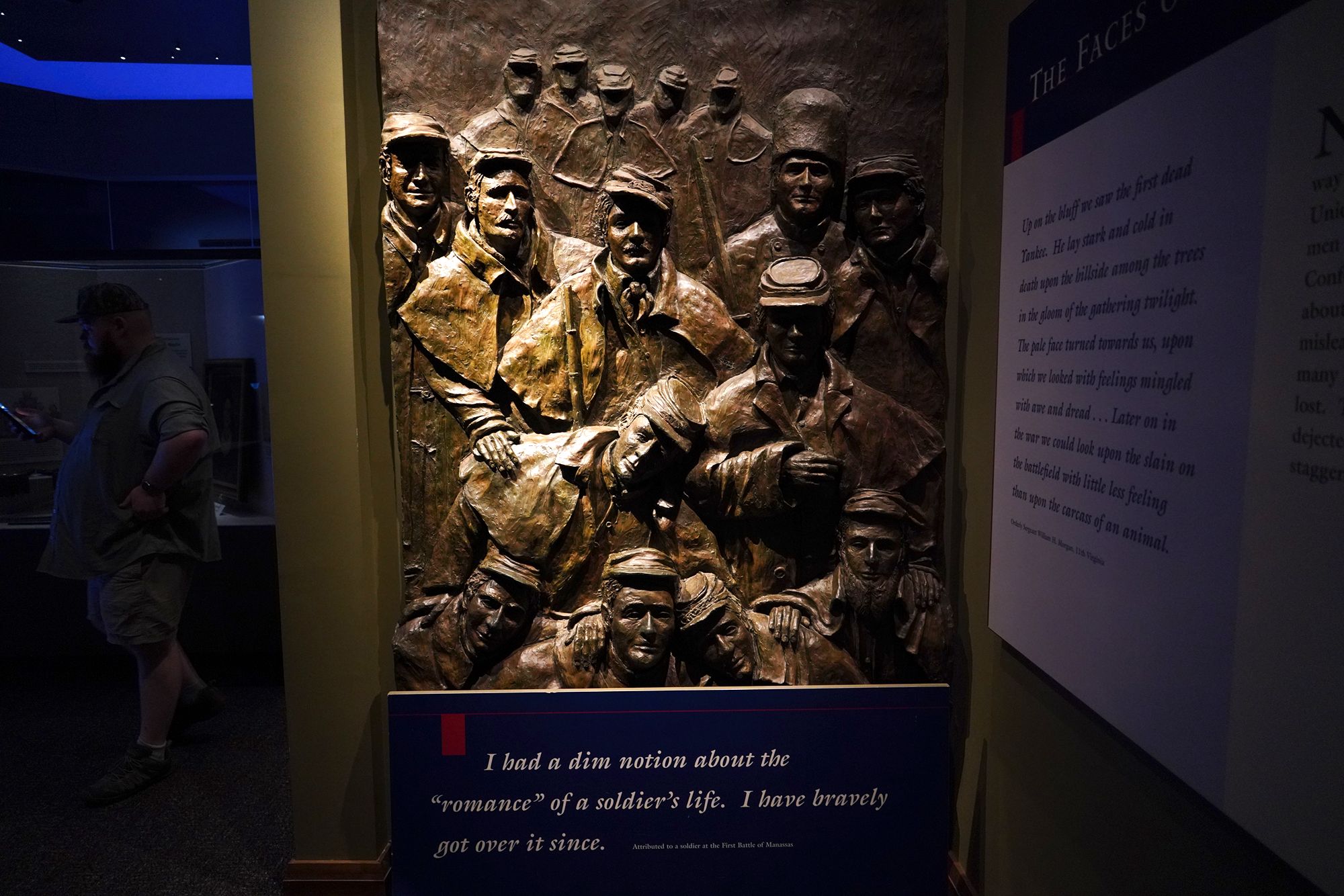
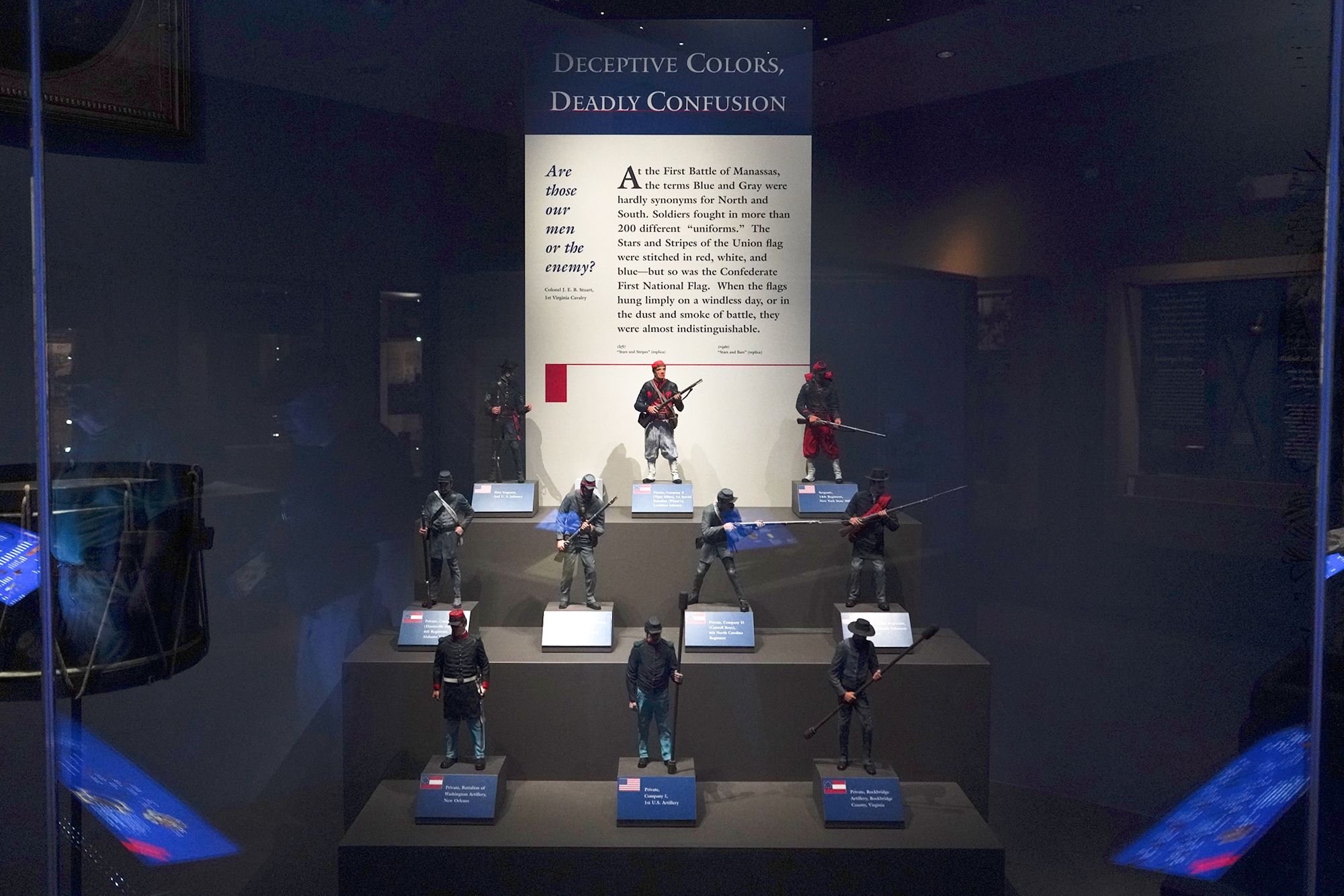
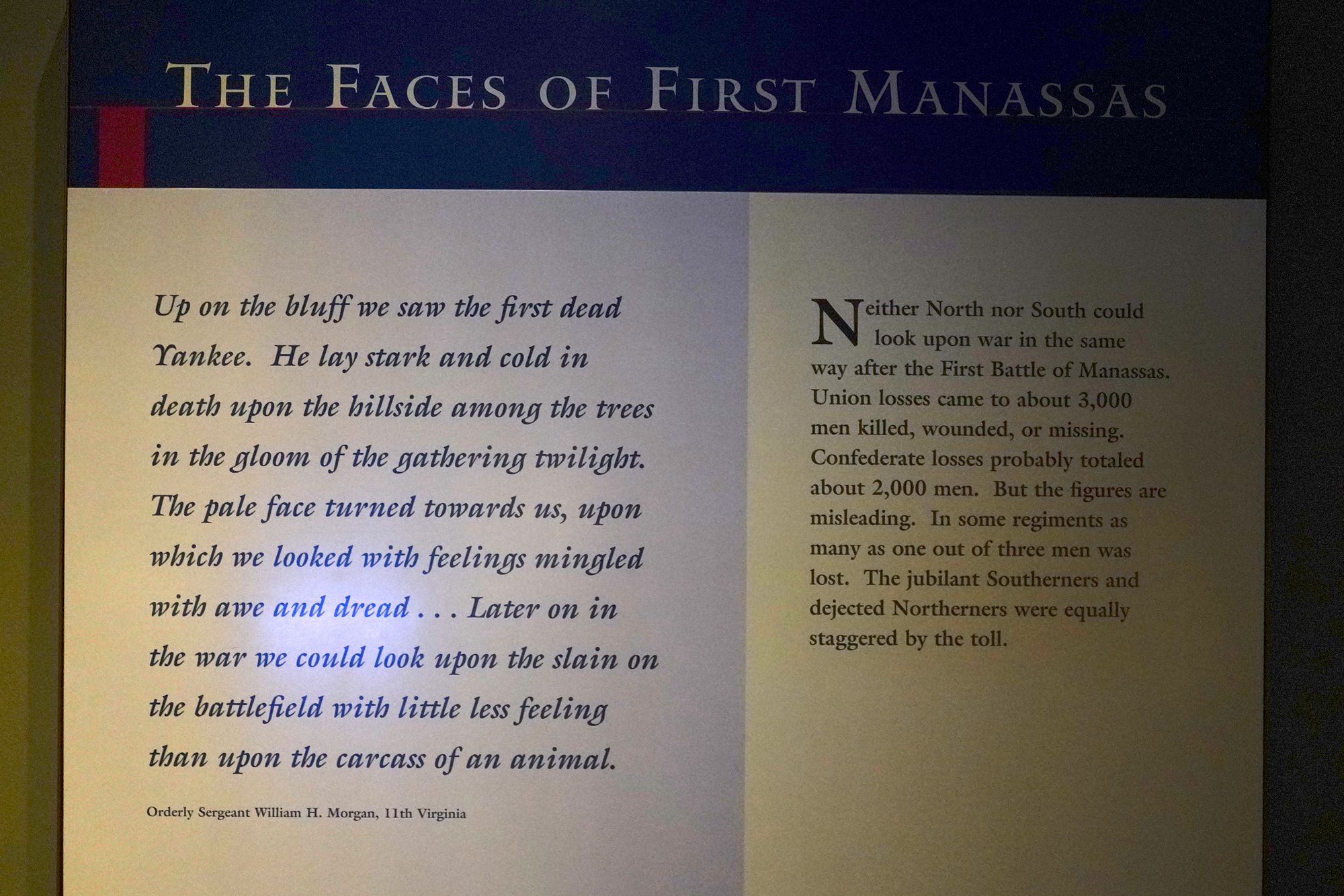
The faces of the First Manassas (Bull Run) were those of young, inexperienced soldiers — many fighting for the first time and still filled with patriotism and excitement.
They came from farms, towns, and cities across both the North and South, wearing new uniforms and carrying muskets they had barely learned to use. Some were confident, others nervous, but few understood what real battle meant.
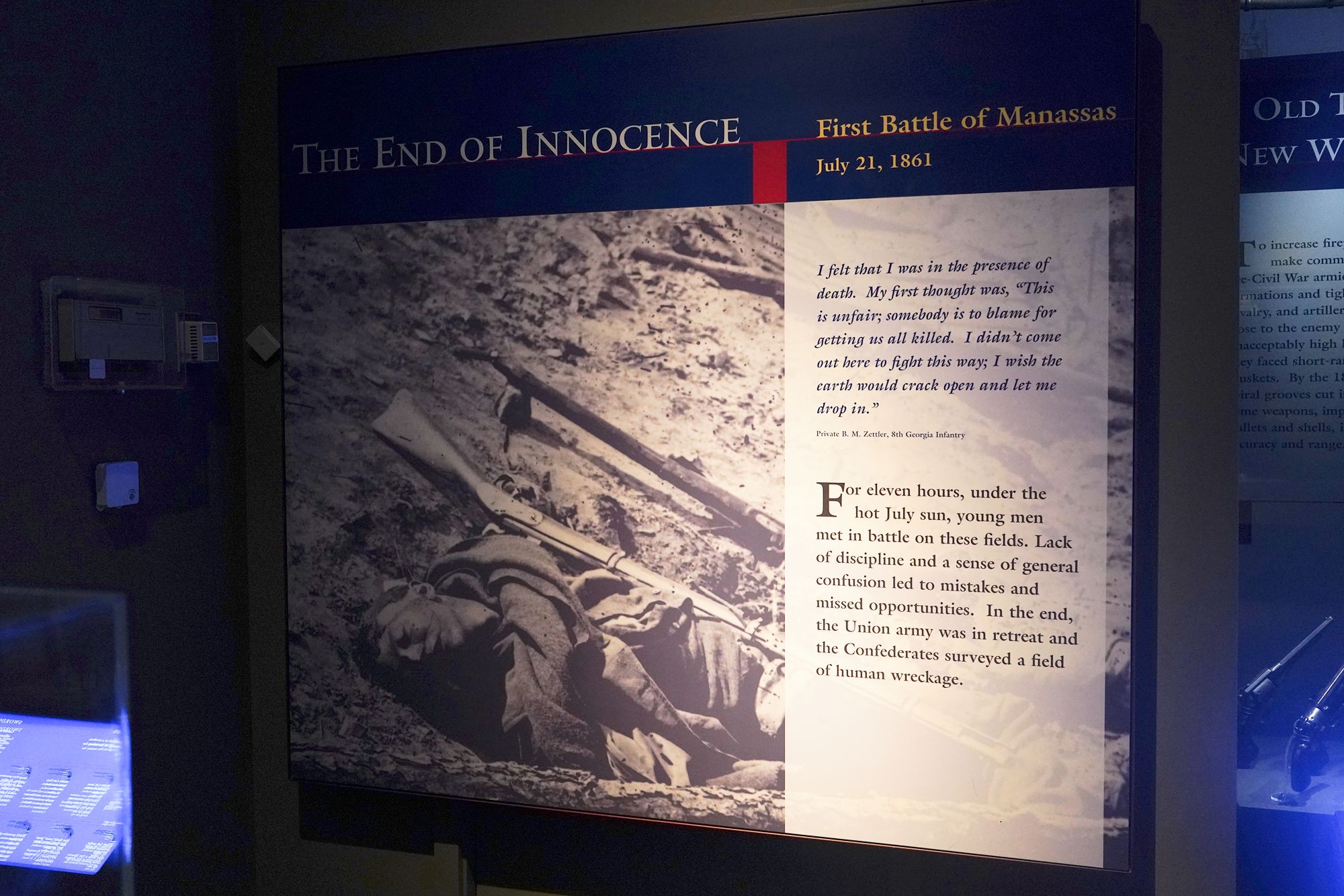
As the fighting unfolded, those eager faces quickly changed — from hope to shock and fear, as the reality of war set in. The chaos, noise, and sight of fallen comrades marked the end of innocence for both sides. After that day, Americans realized the Civil War would not be a short or glorious adventure, but a long and tragic struggle.
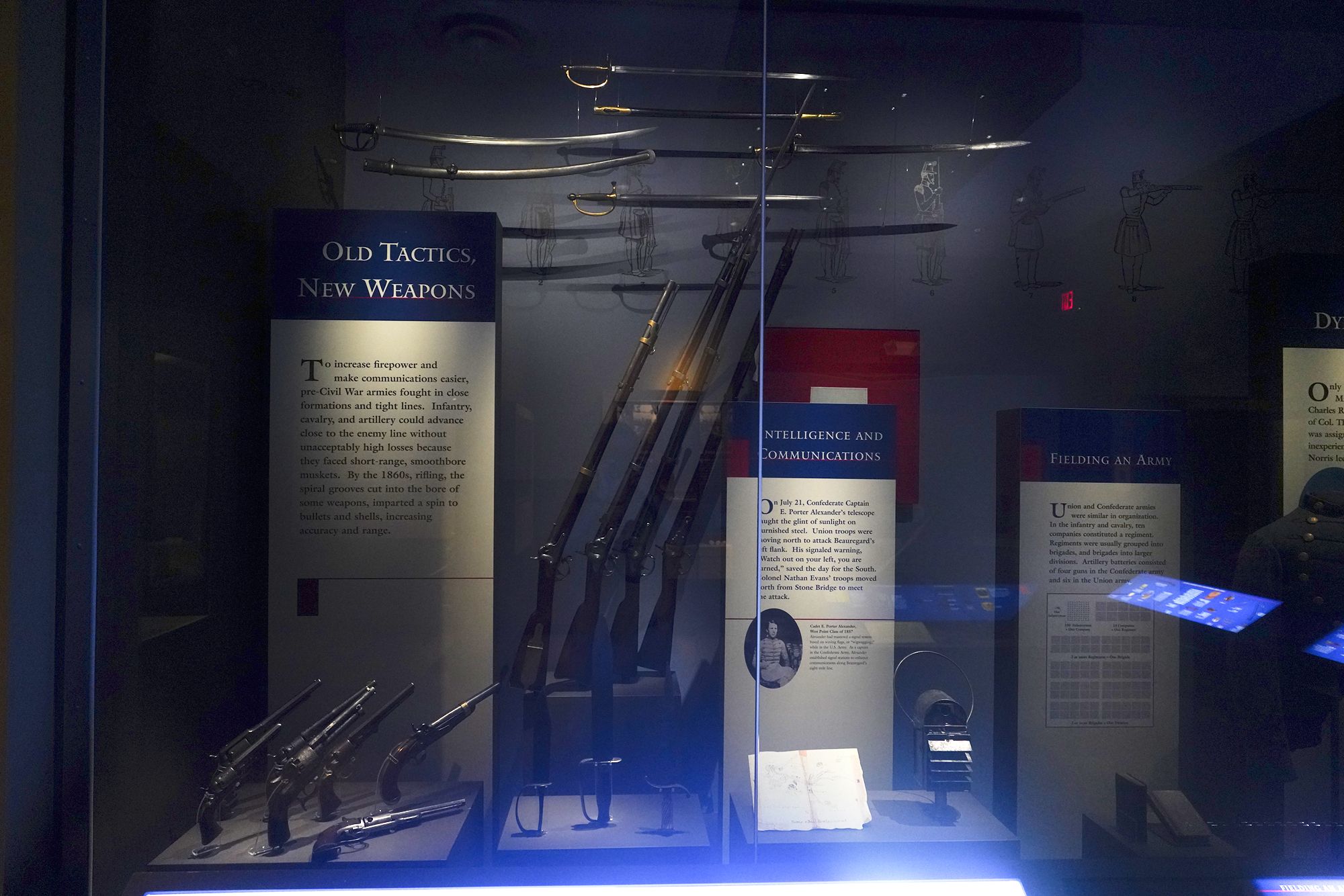
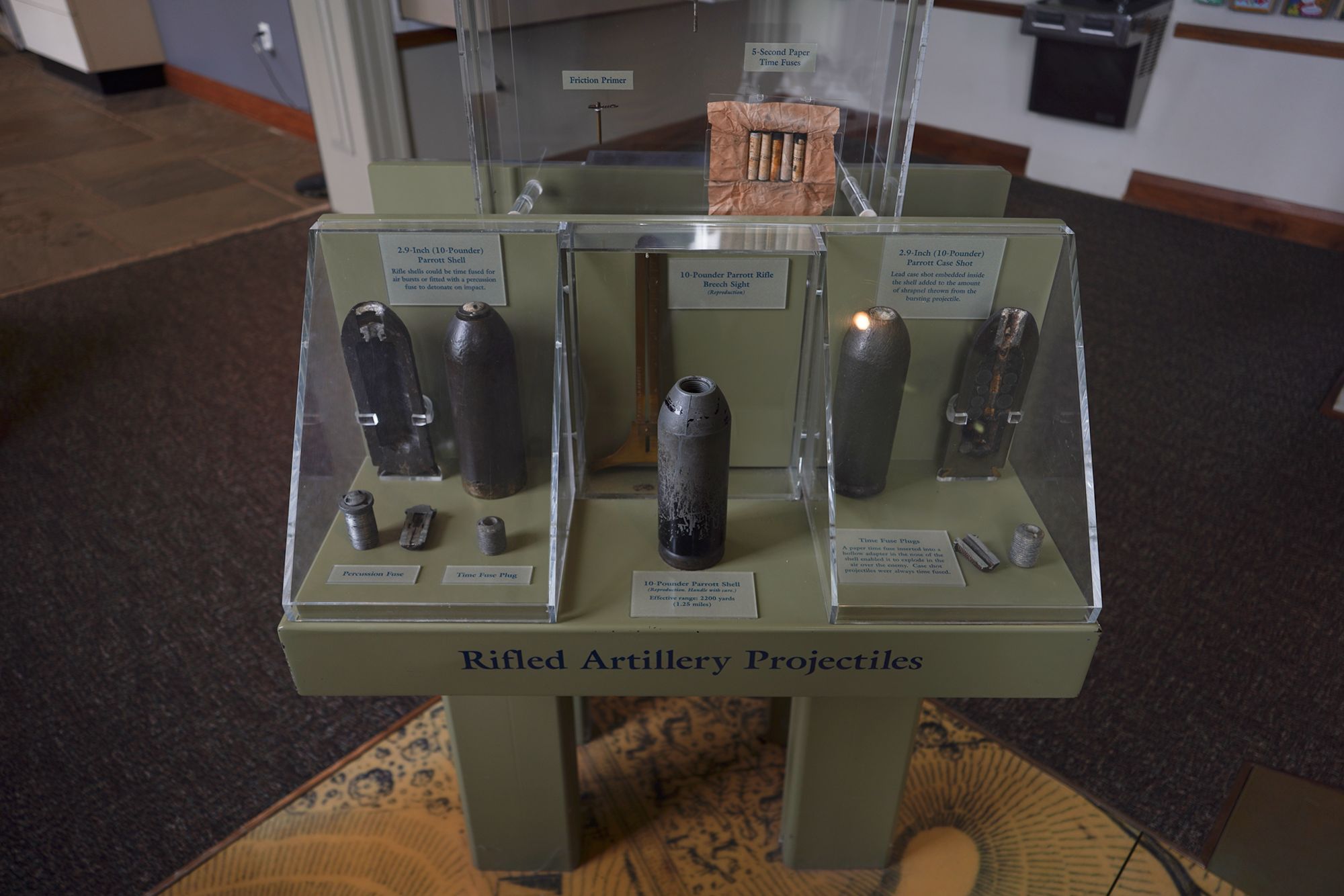
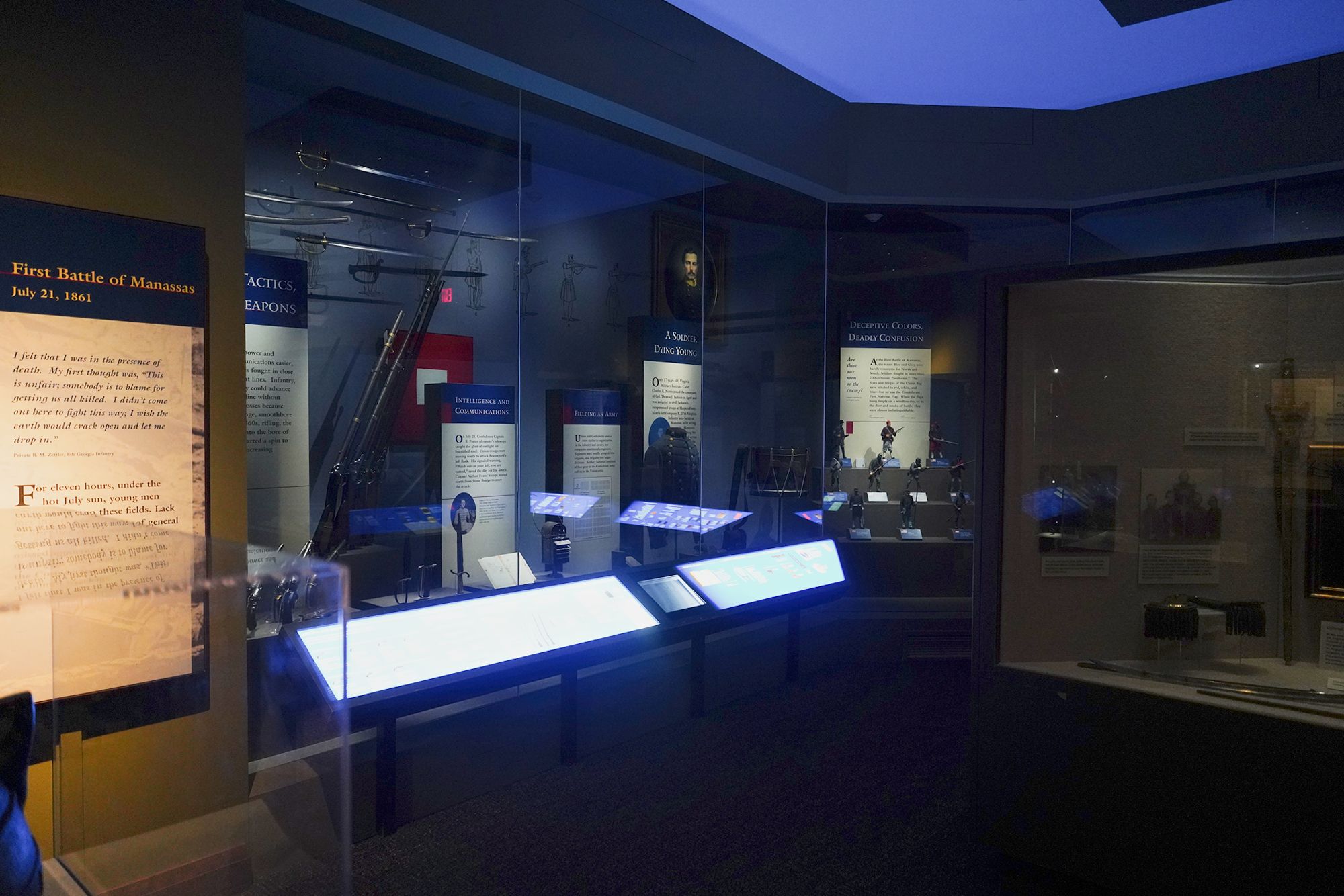
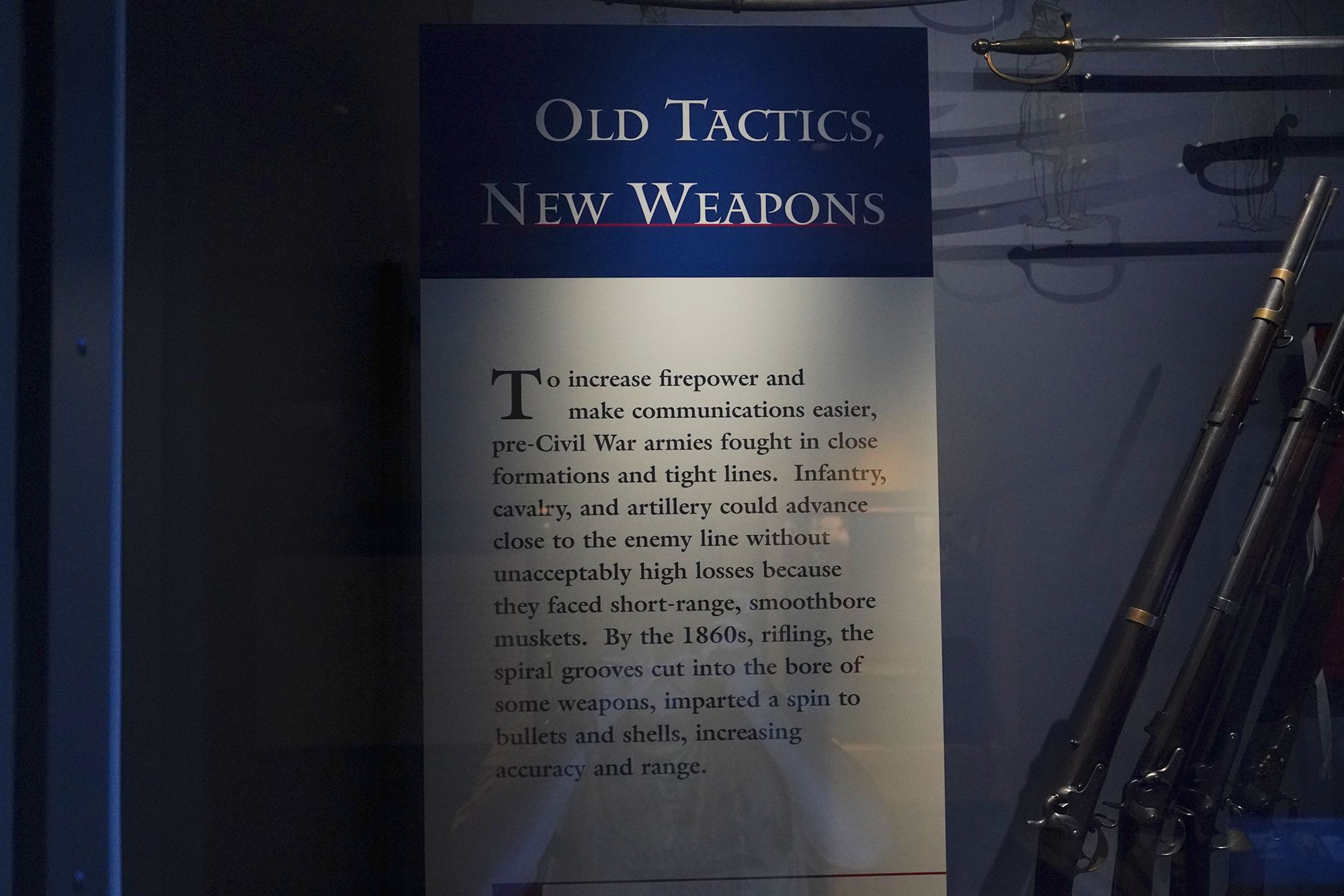
The weapon got more deadlier
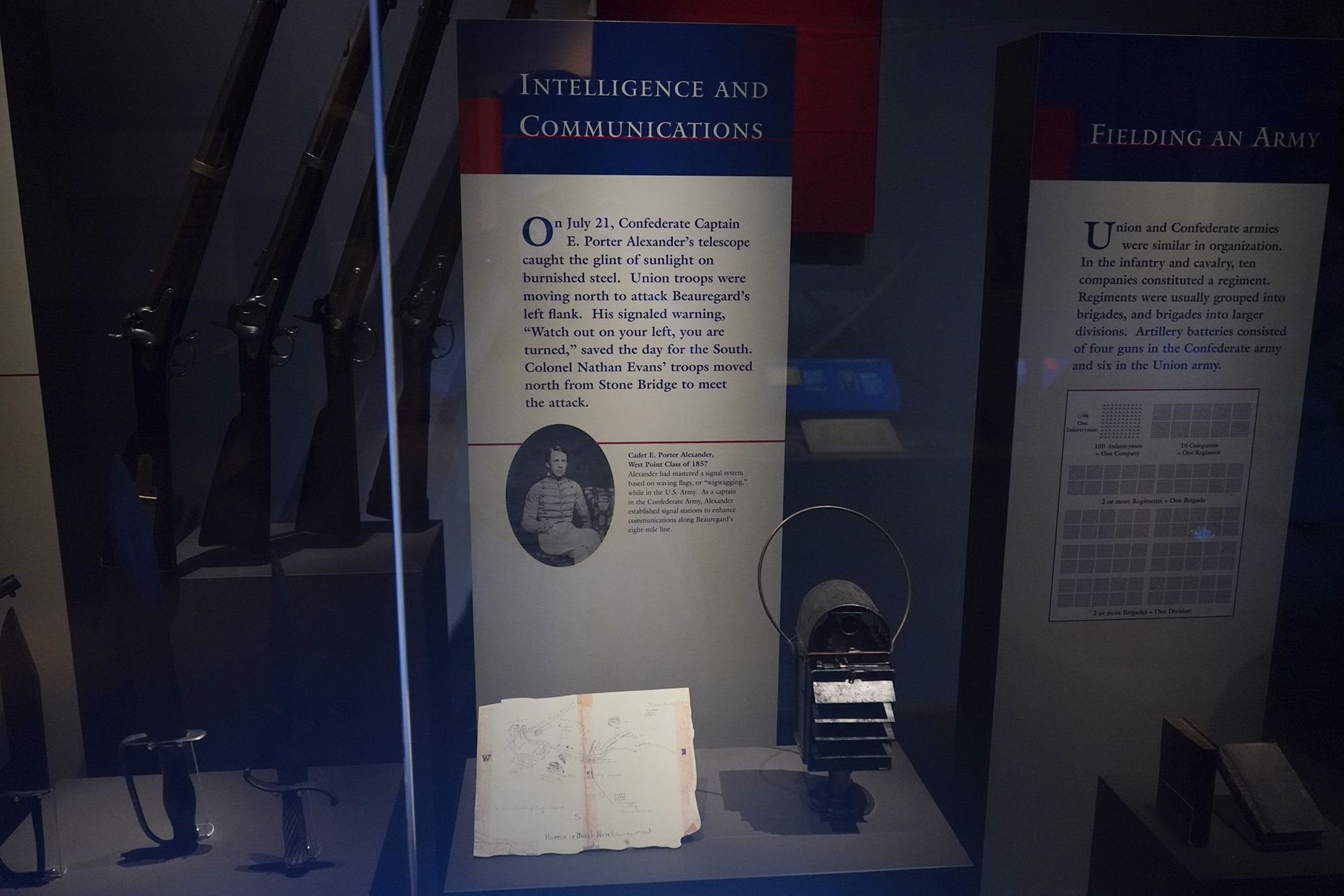
Communication Equipment
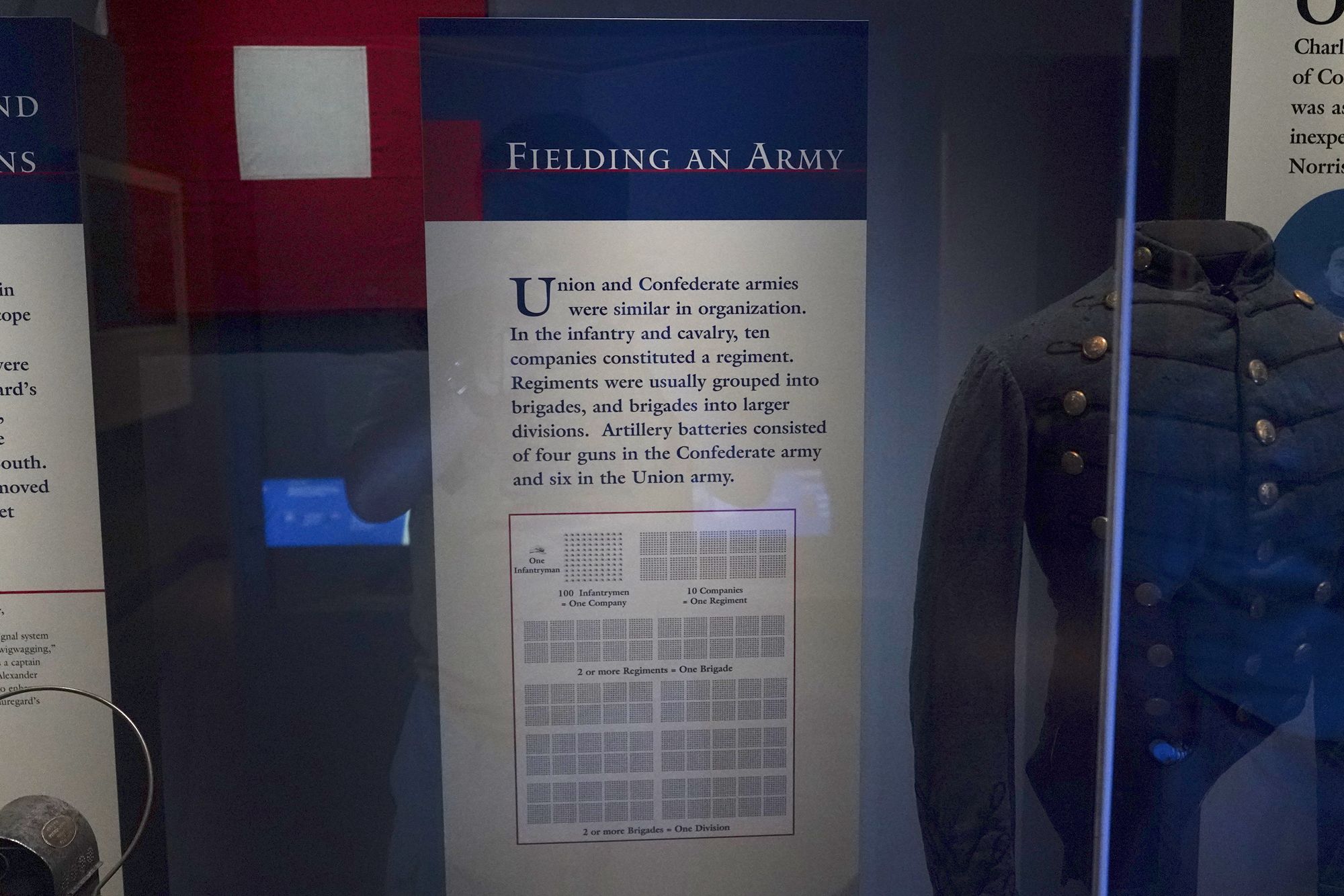
Army Orgainization
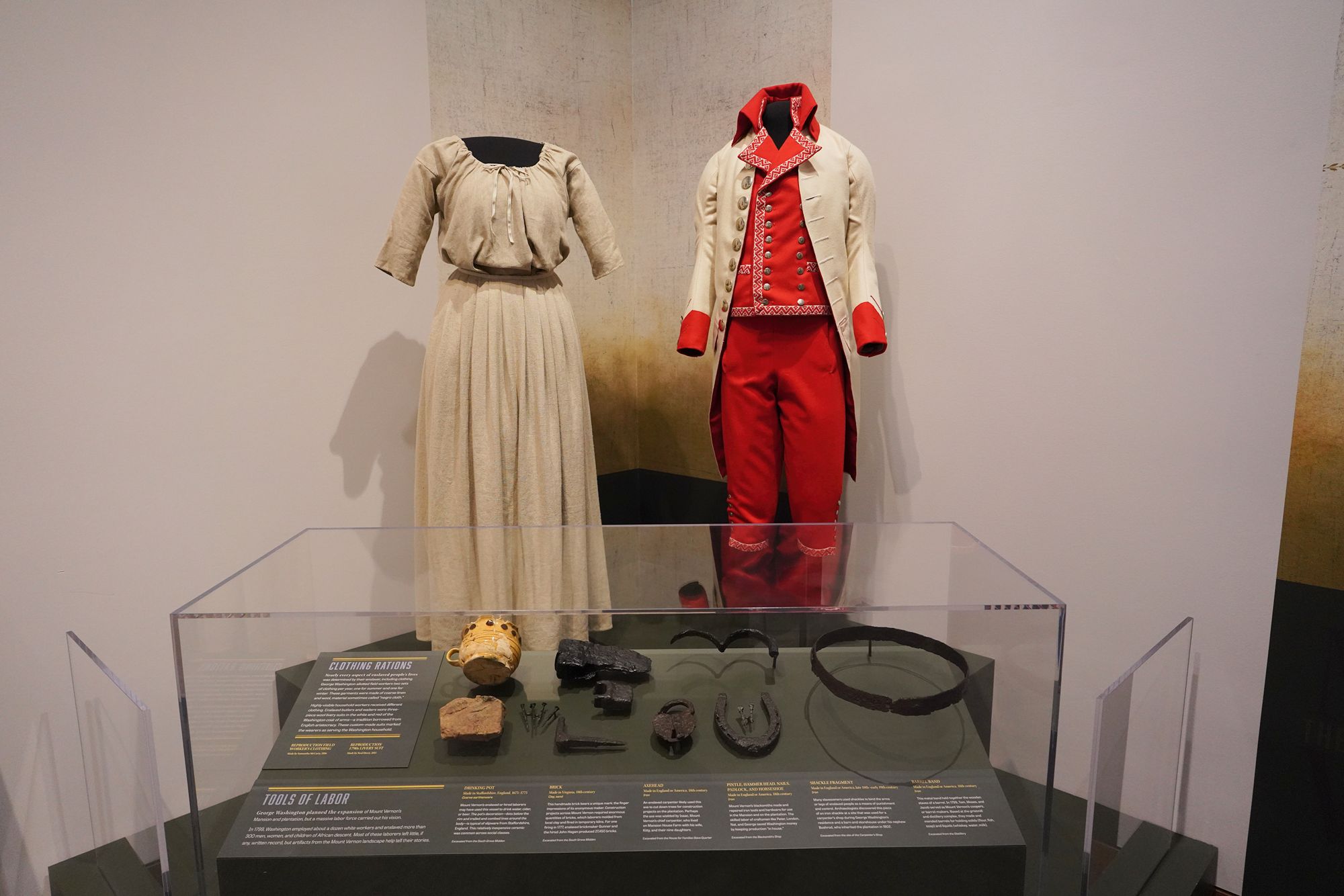
Clothing Rations
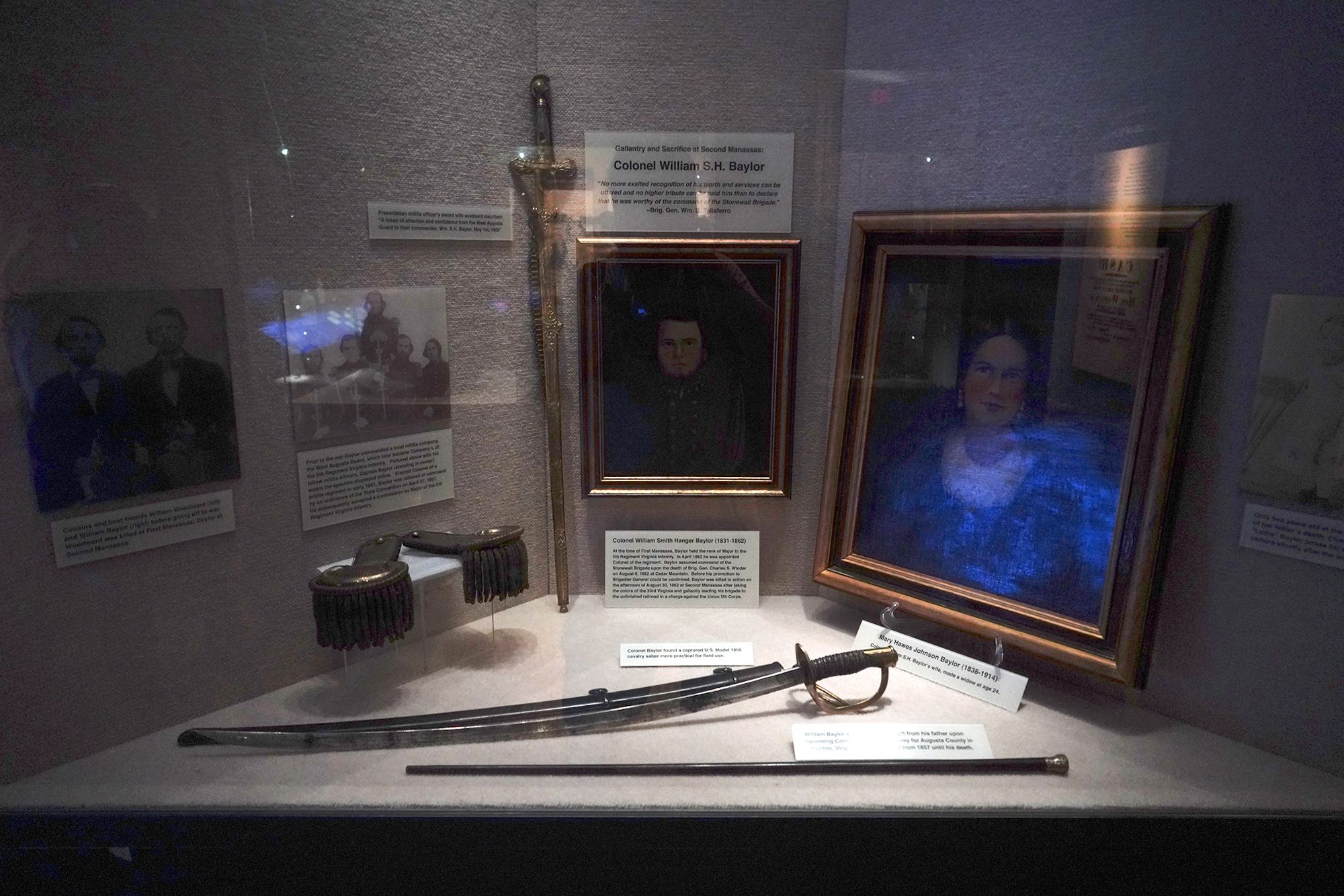
Shortage of Medicine
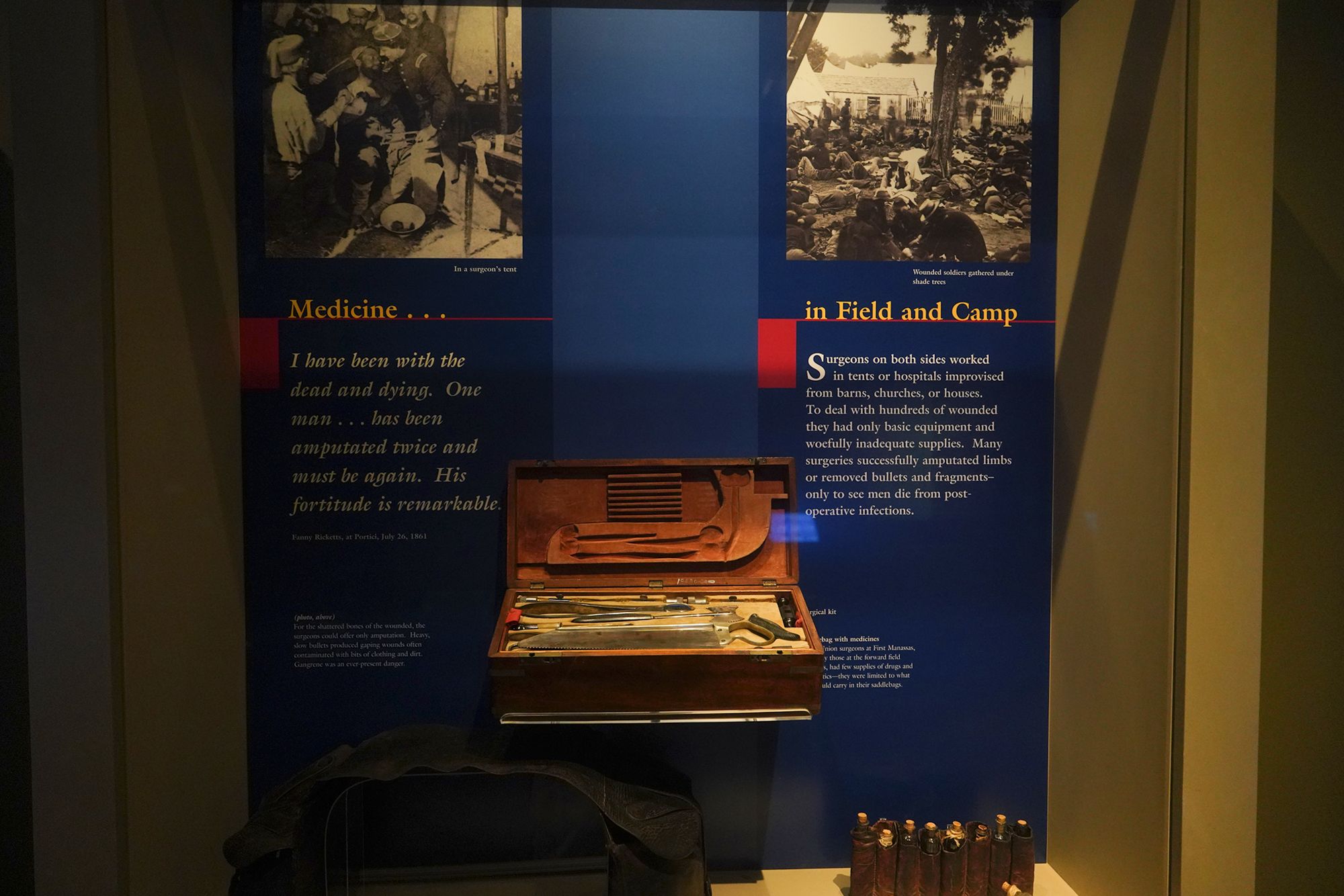
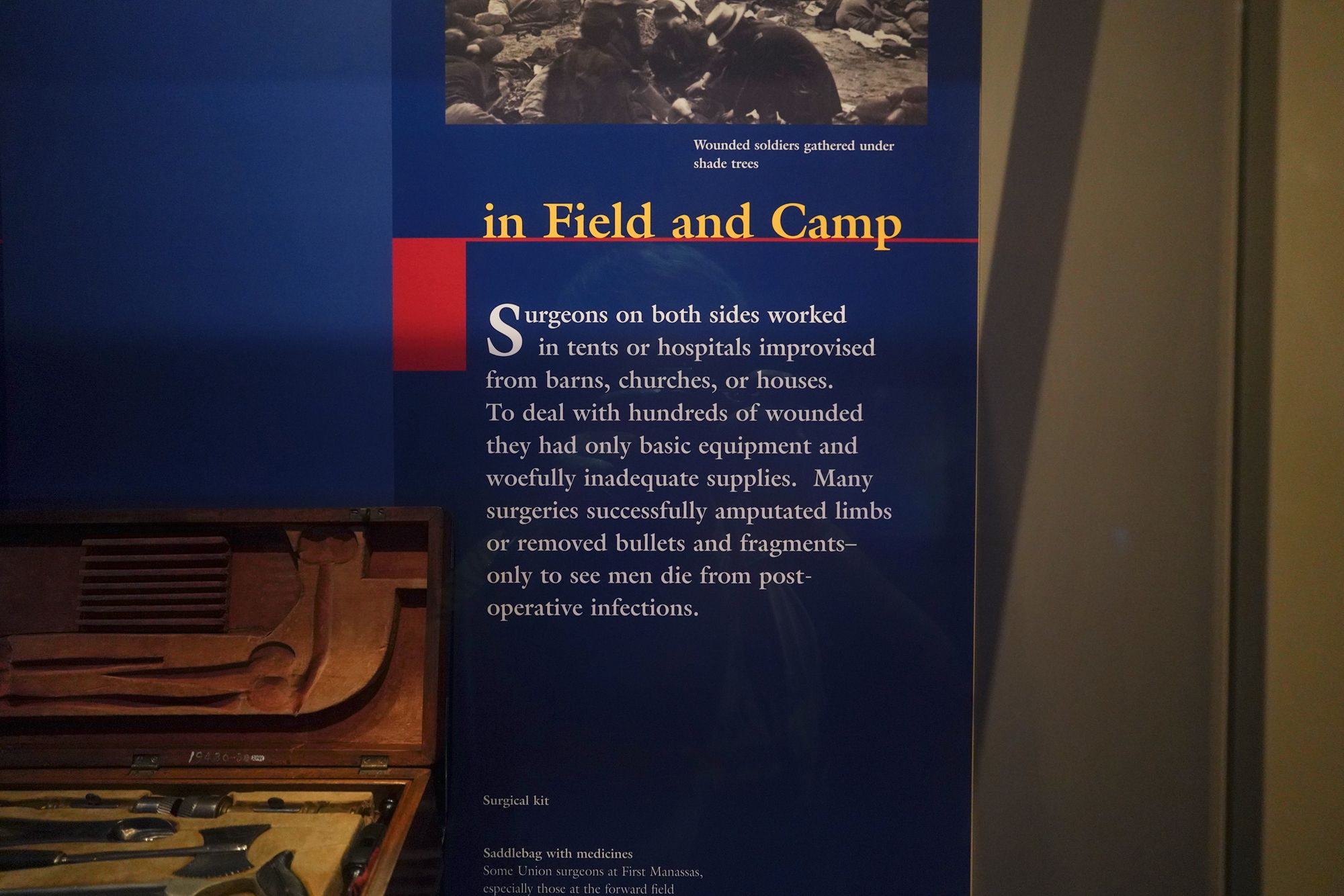
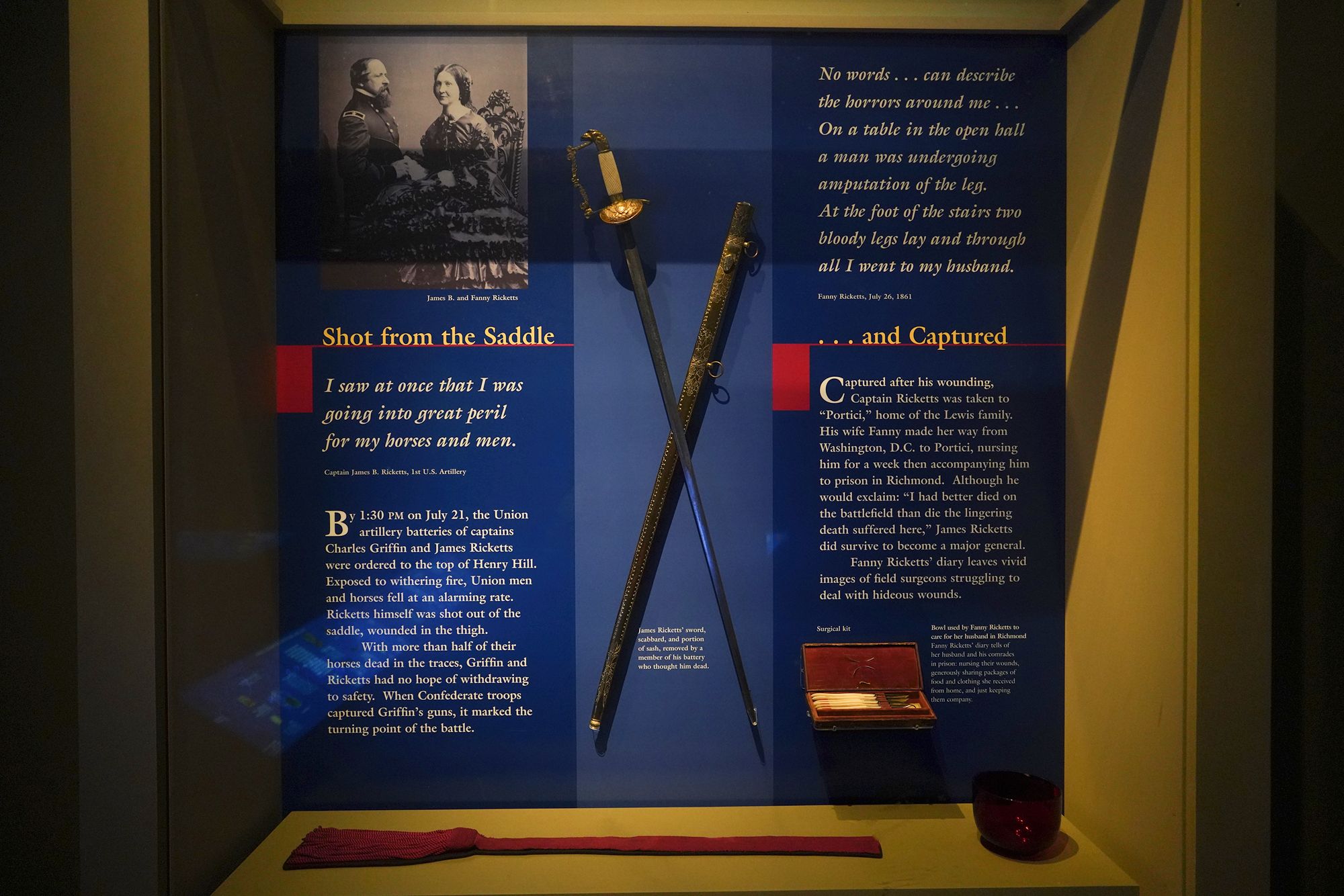
Soldiers faced the terror of real combat for the first time: deafening cannon fire, confusion, smoke, and the sight of the wounded and dead. Civilians who had come to watch fled in panic as the Union army retreated in chaos, revealing how unprepared both sides truly were.