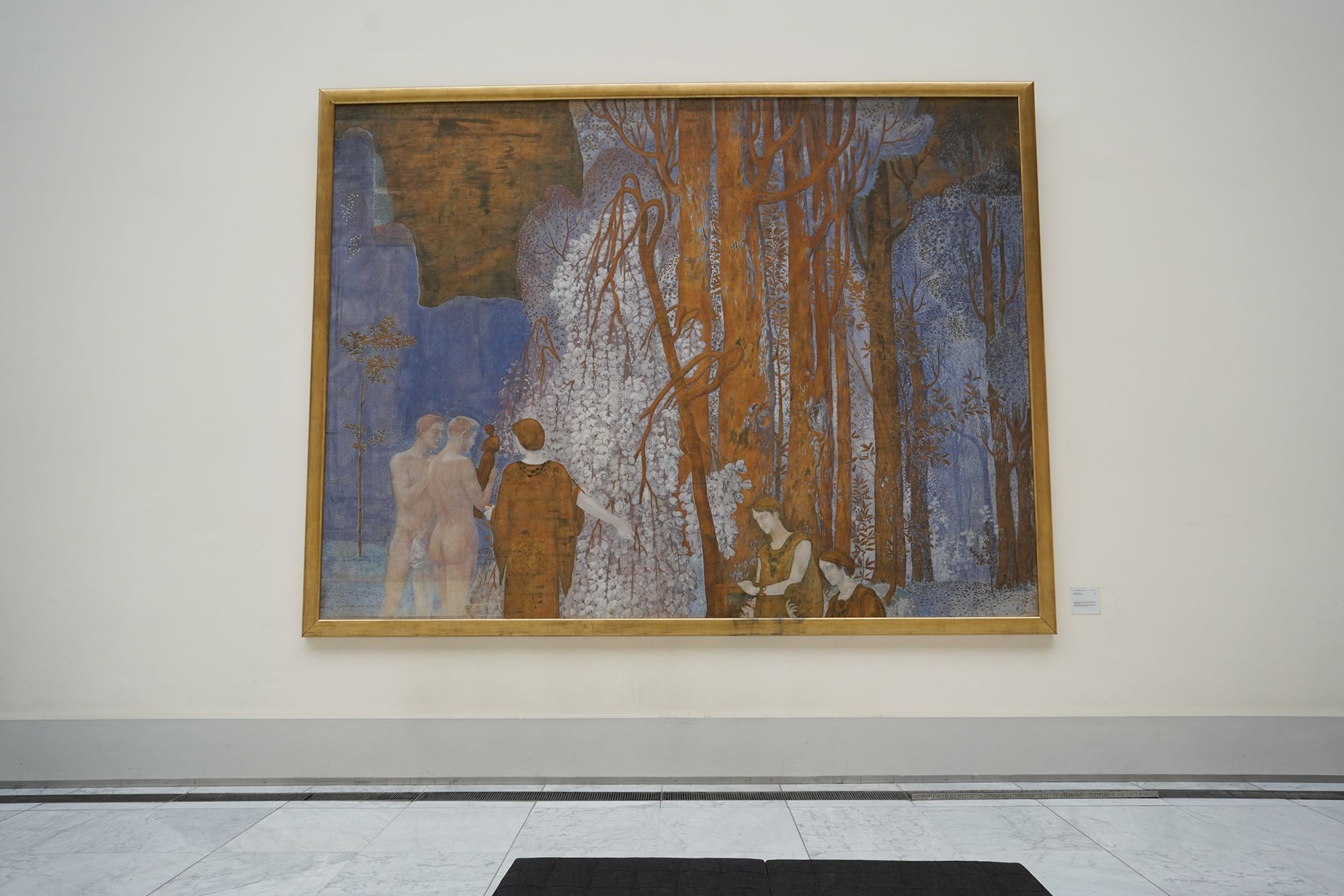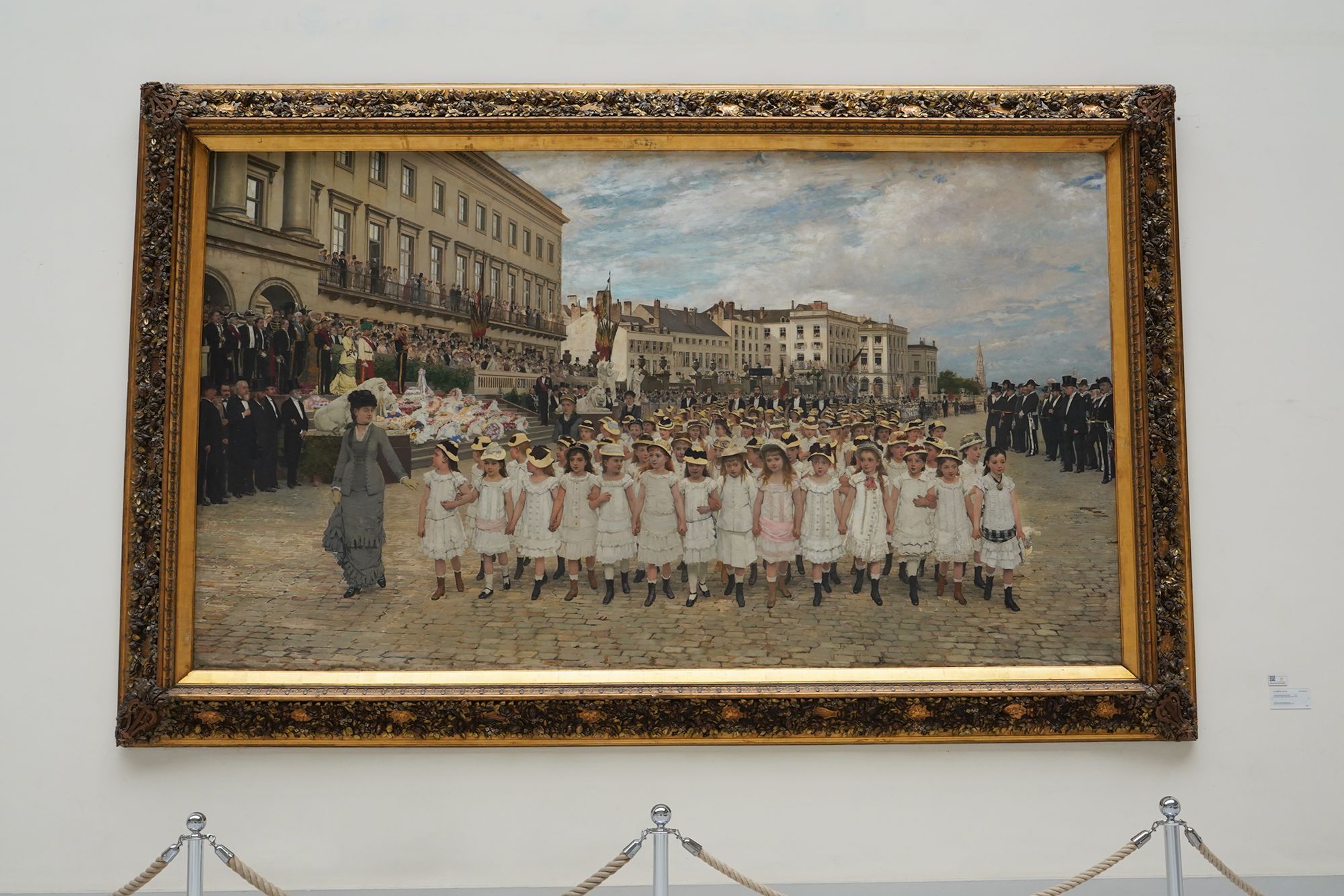
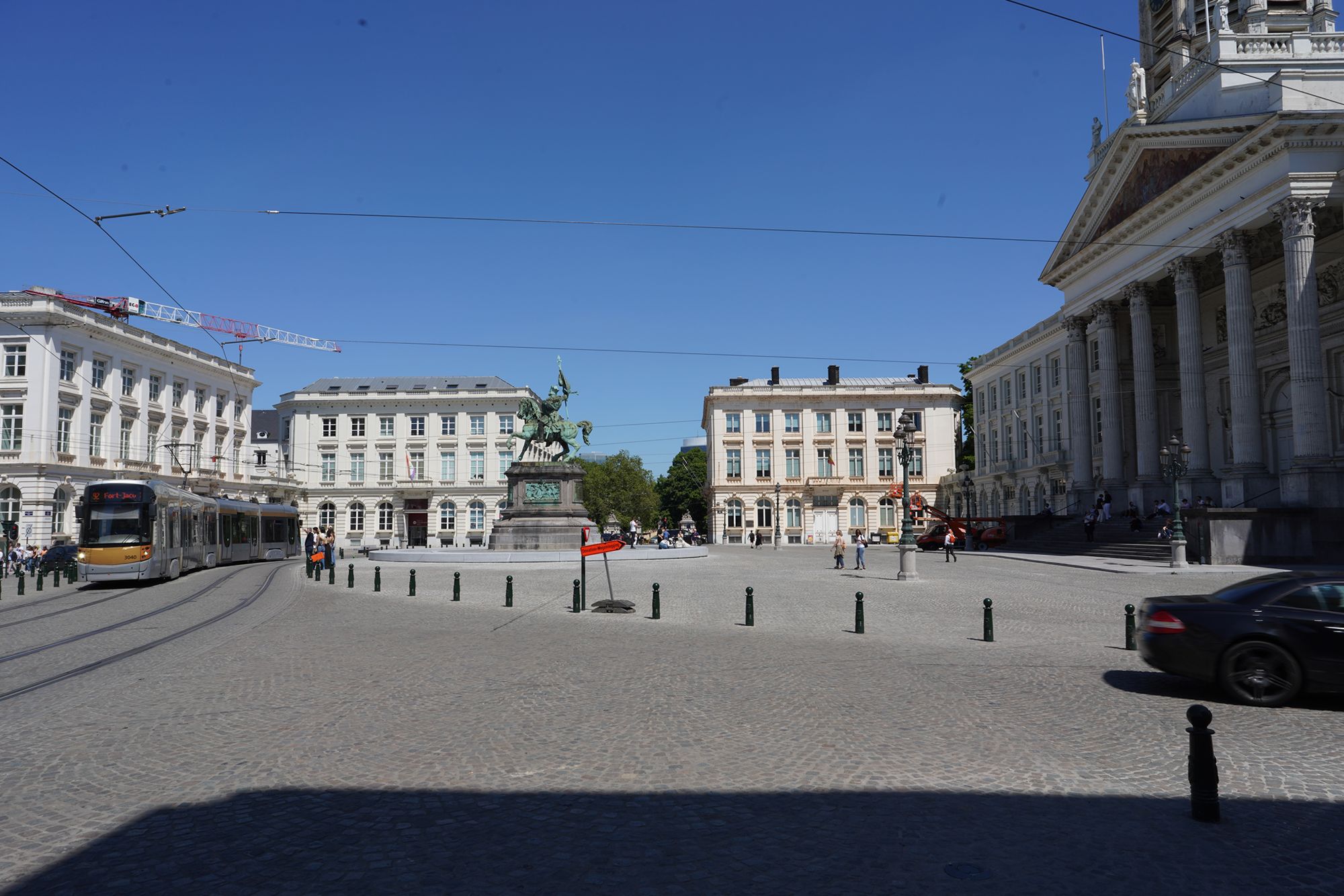
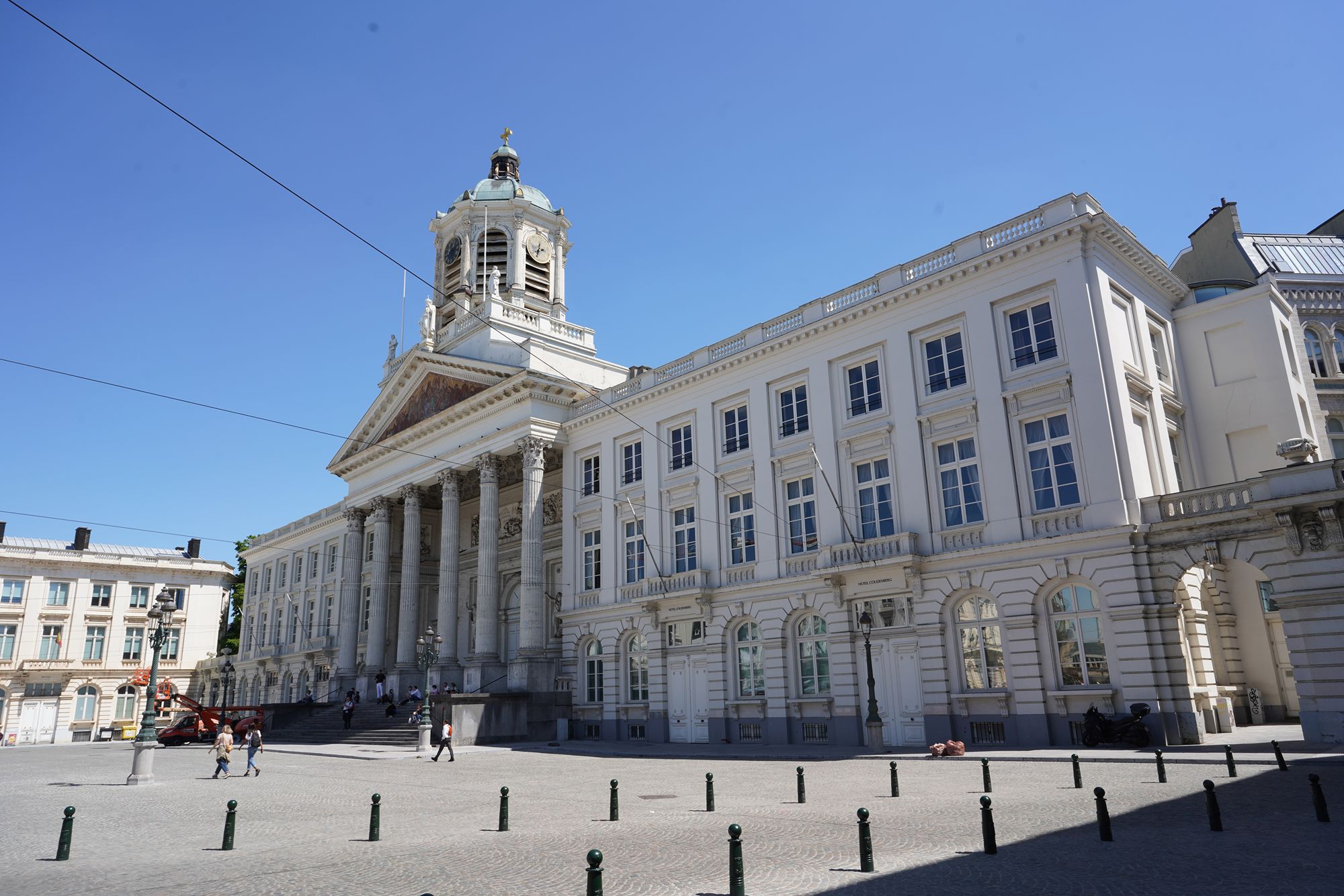
Belgium Royal Museums of Fine Arts, Brussels, Belgium
The Royal Museums of Fine Arts of Belgium in Brussels house outstanding European art, including masterpieces by Bruegel, Rubens, and Magritte. 1317
Royal Museums of Fine Arts: Rue de la Régence 3, 1000 Bruxelles, Belgium
Date Picture Taken: May, 2026
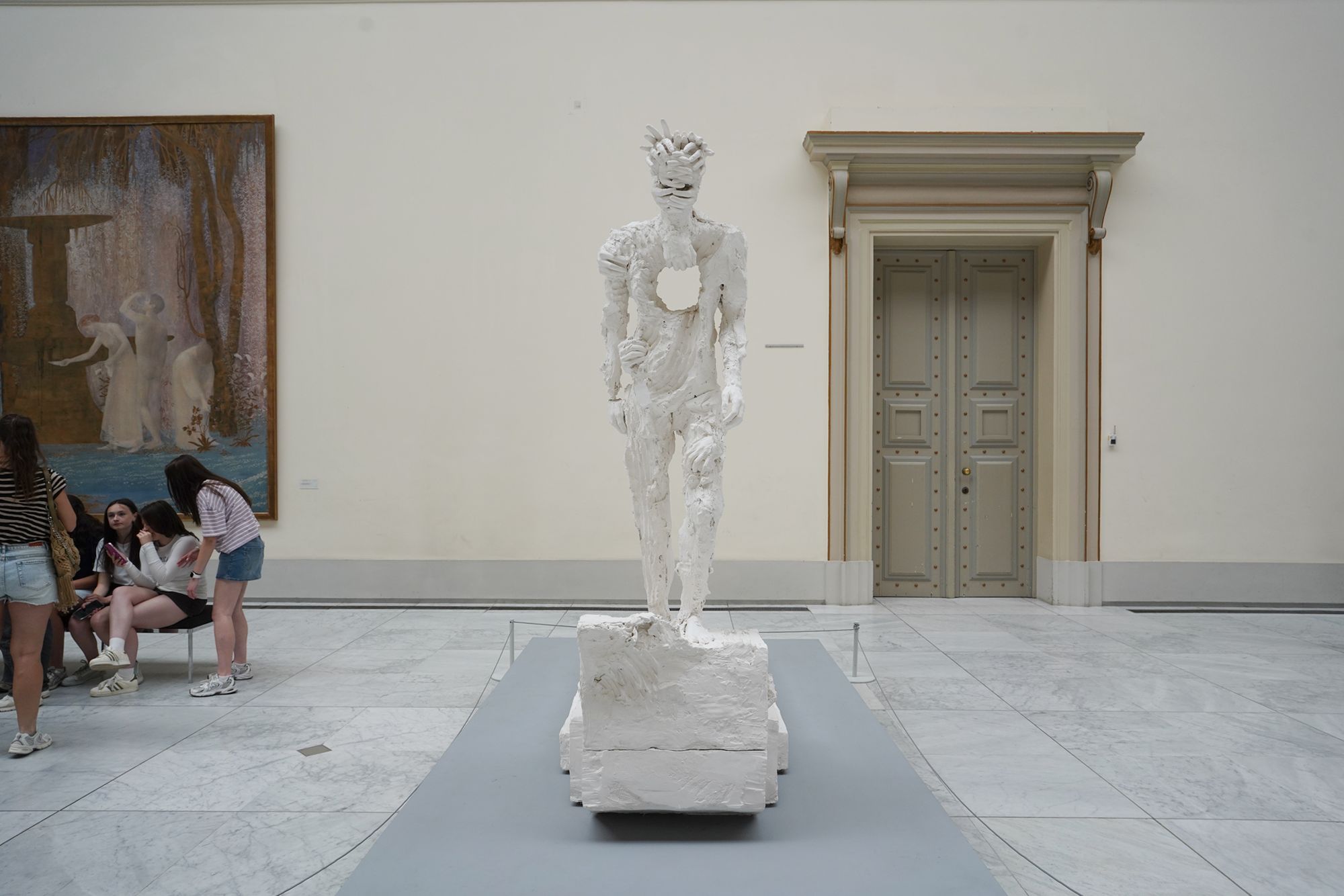
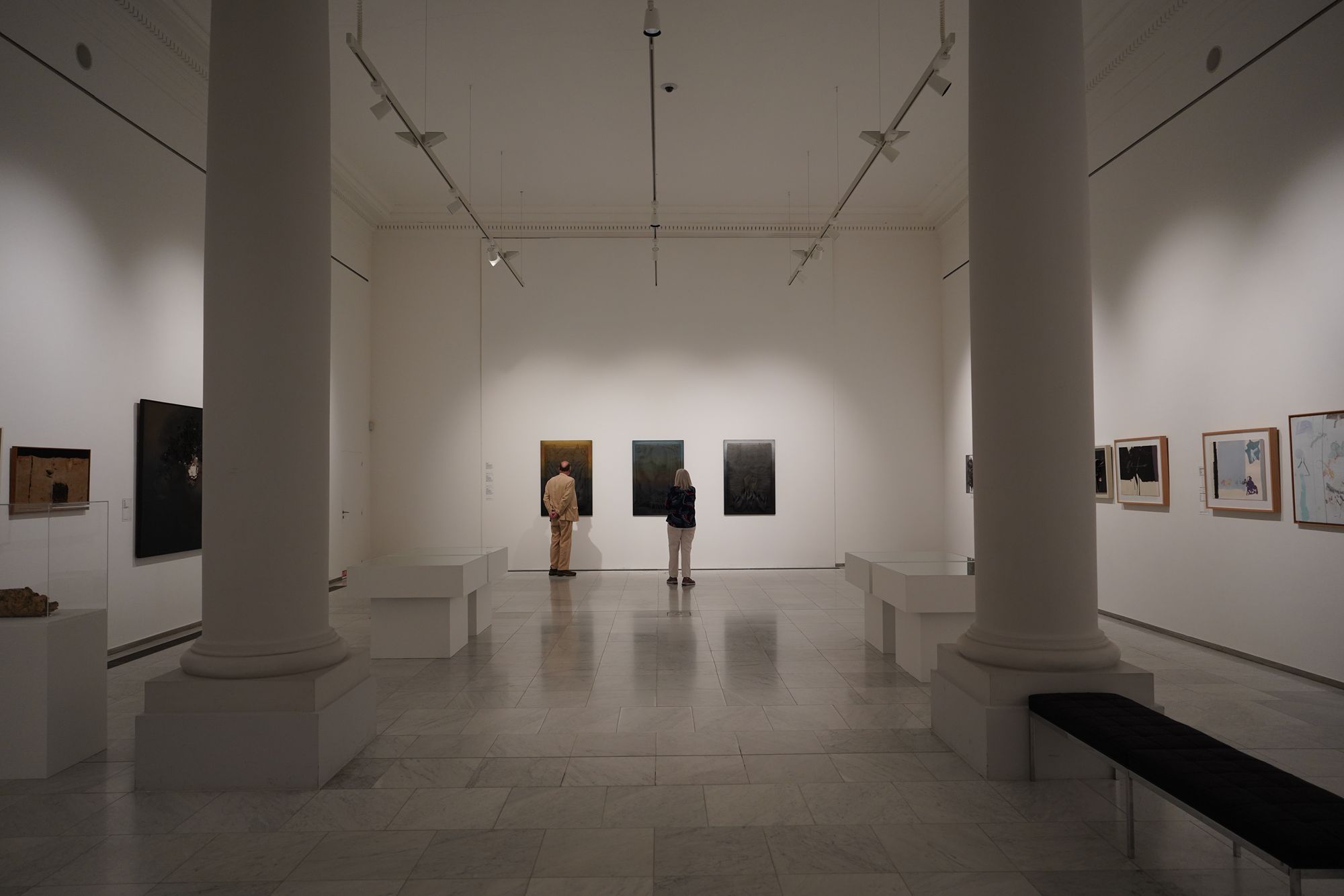
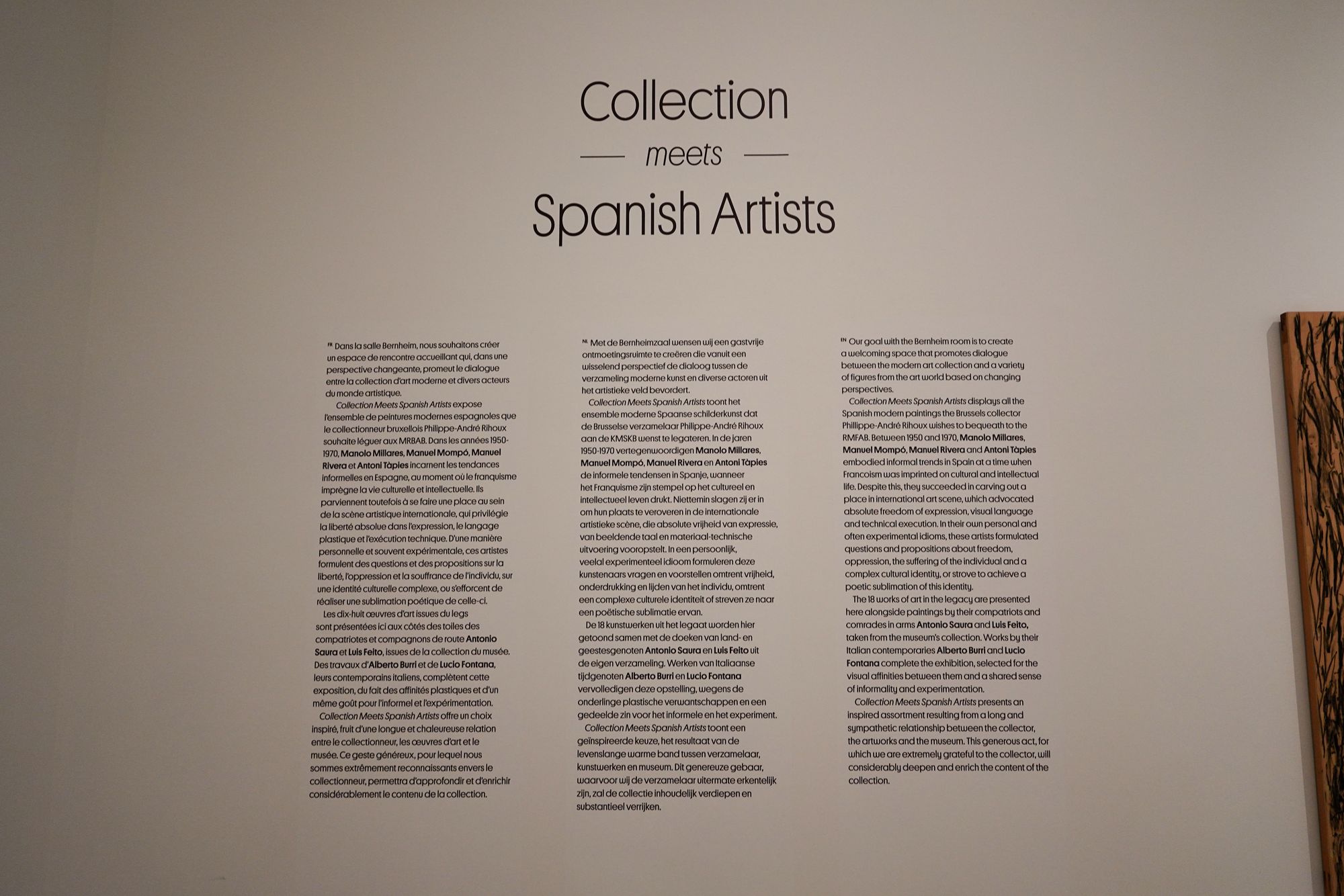
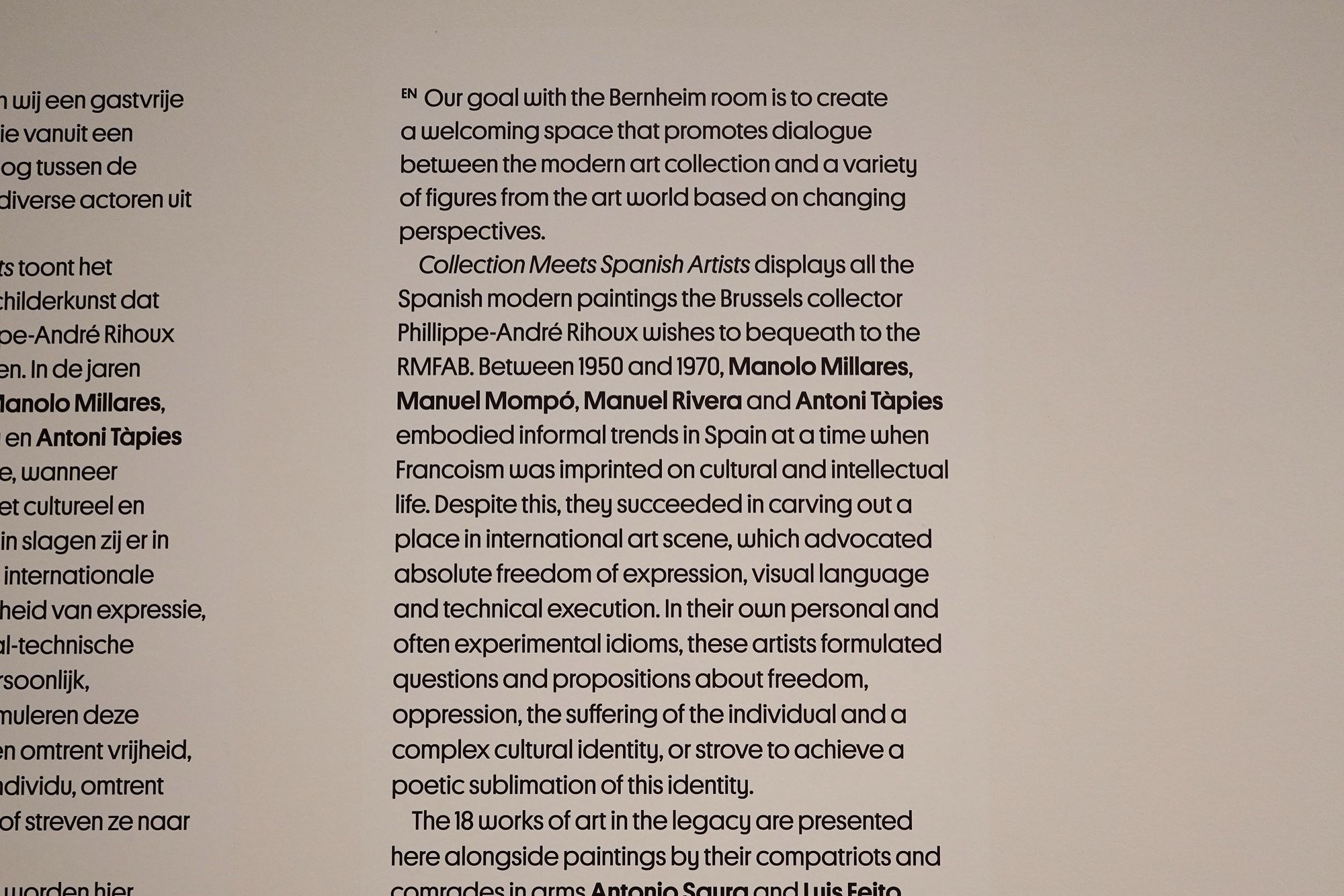
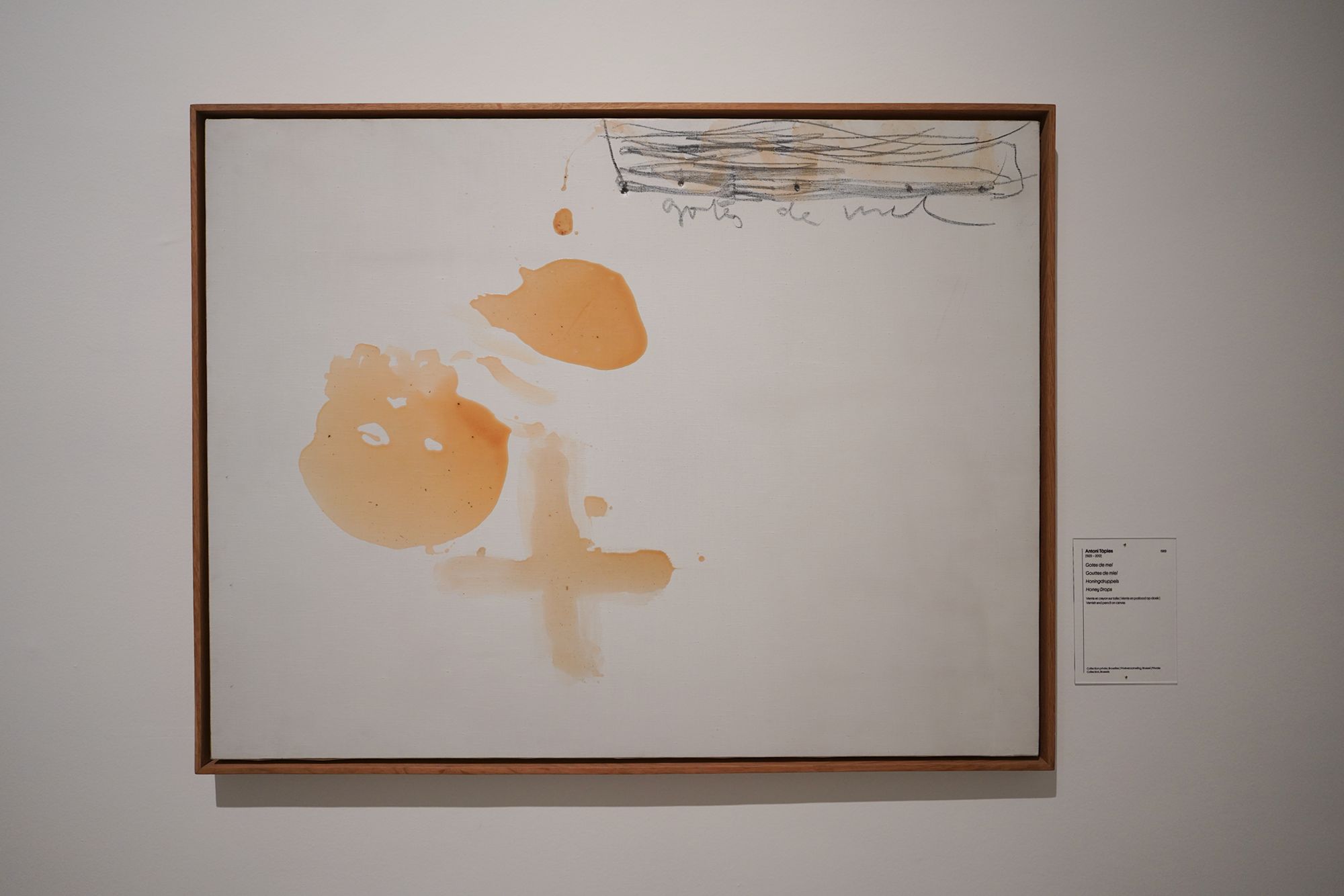
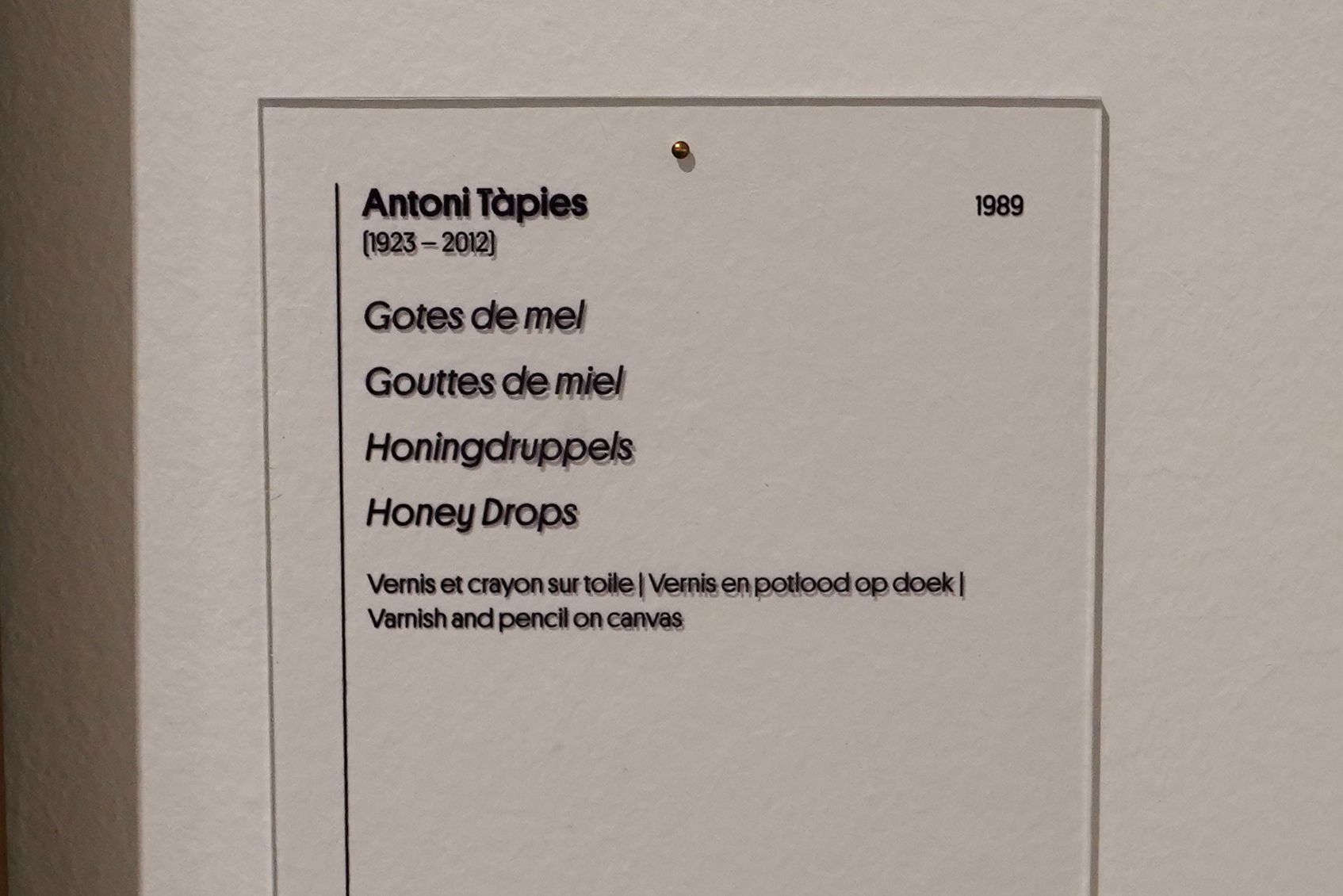
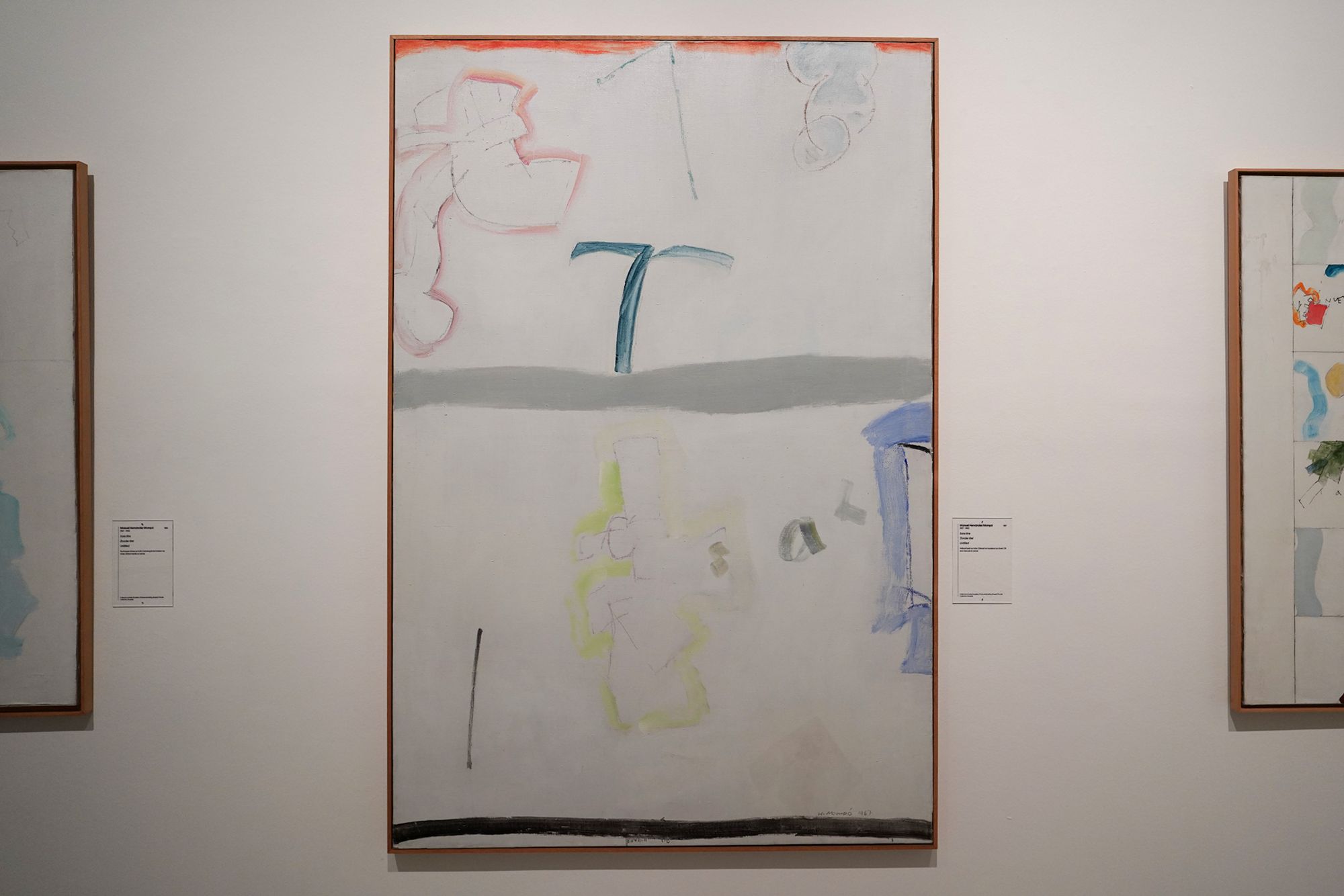
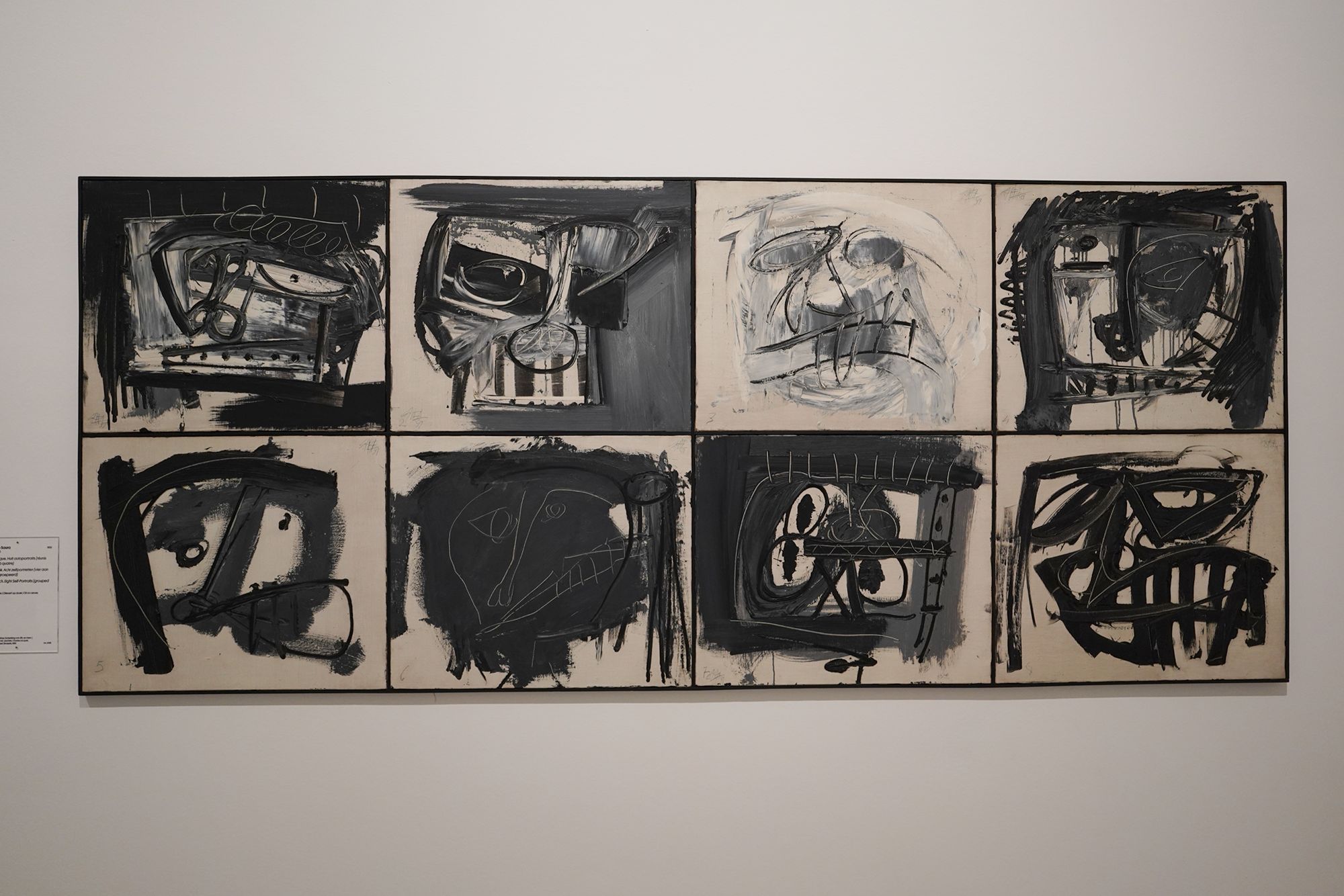
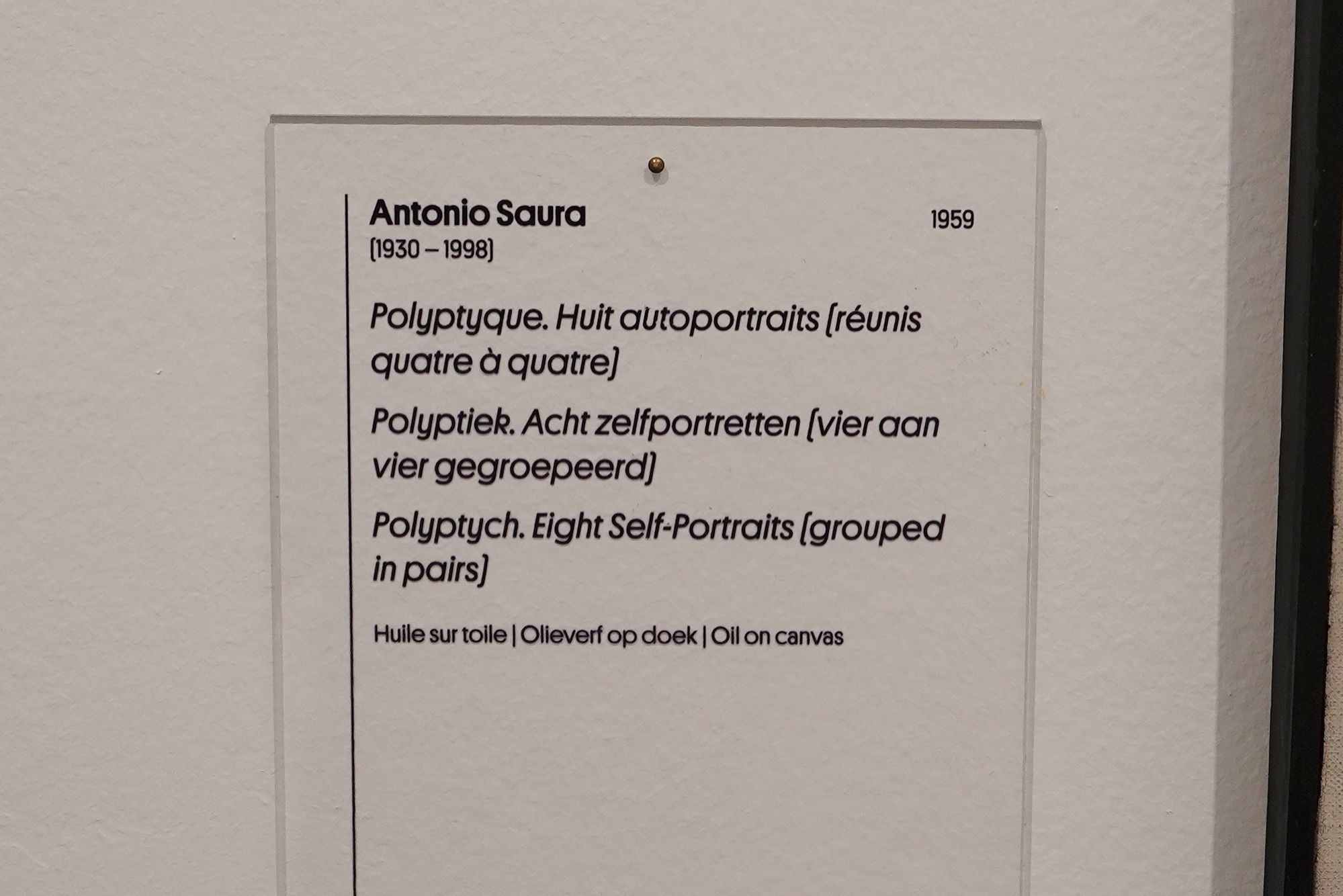
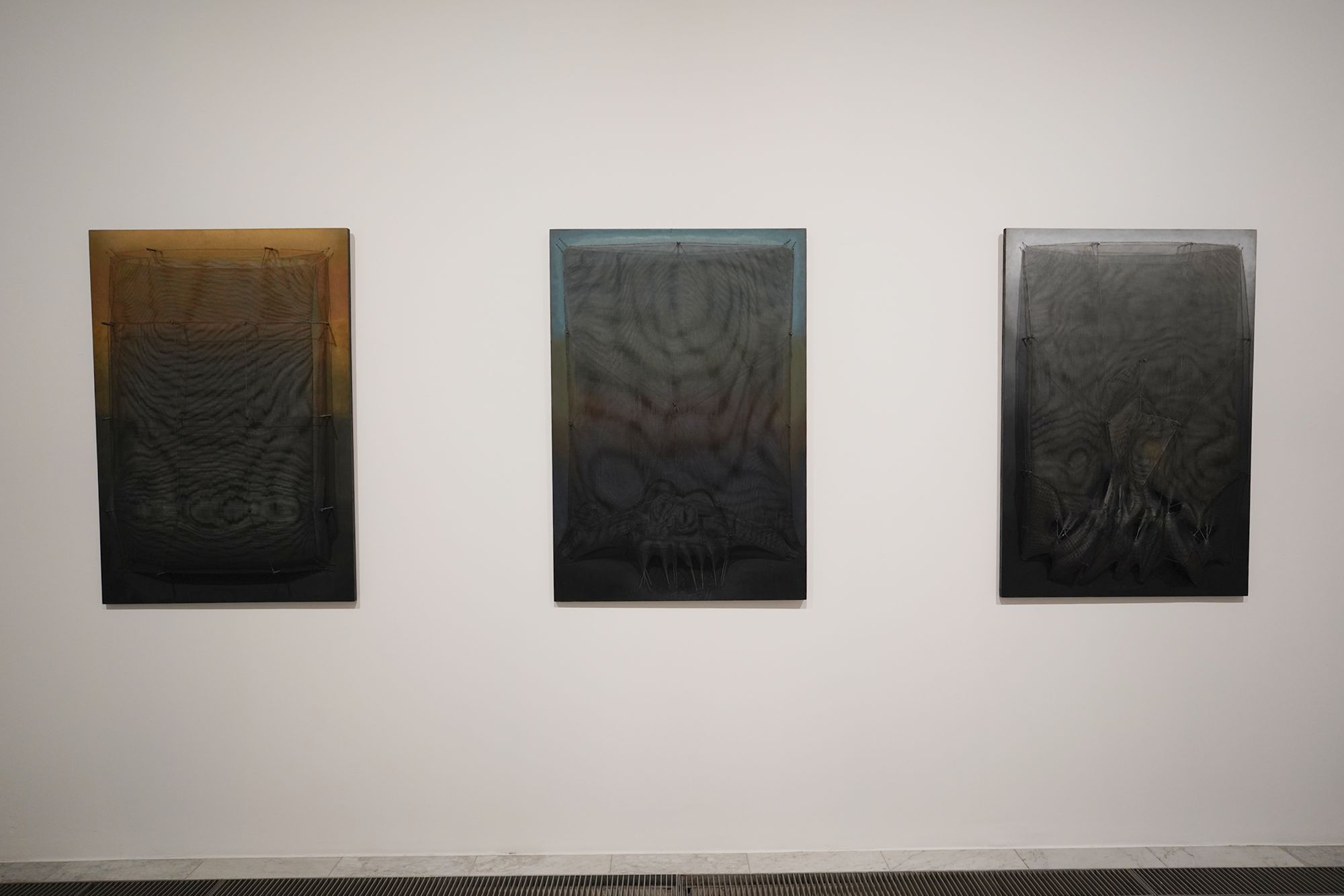
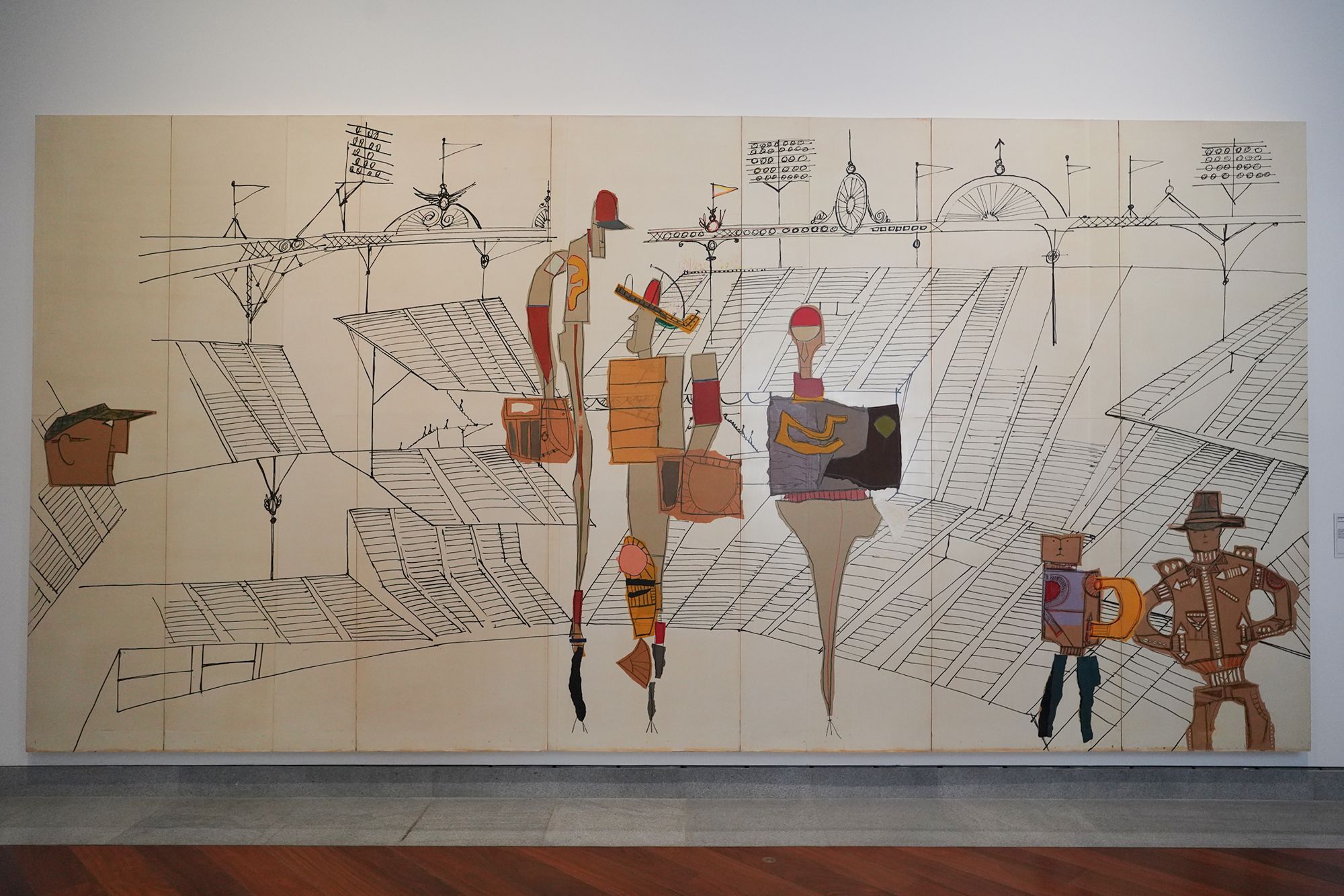
This gallery presented modern Spanish art from the 1950s to 1970s, when artists were working under the cultural restrictions of Franco’s Spain. Through abstract and experimental styles, artists such as Manolo Millares, Manuel Mompó, Manuel Rivera, and Antoni Tàpies explored ideas of freedom, oppression, suffering, and cultural identity while becoming part of the international modern art movement.
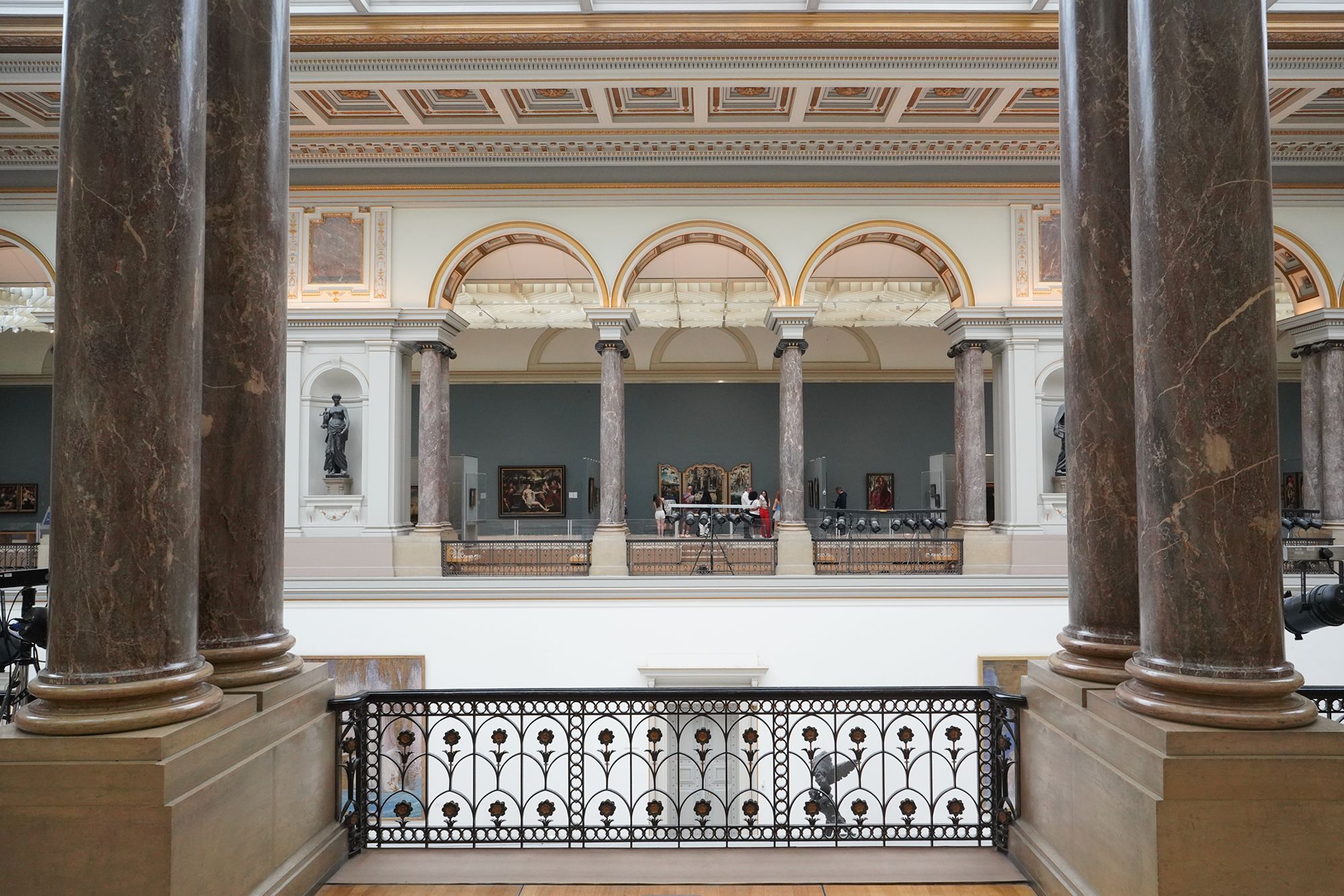
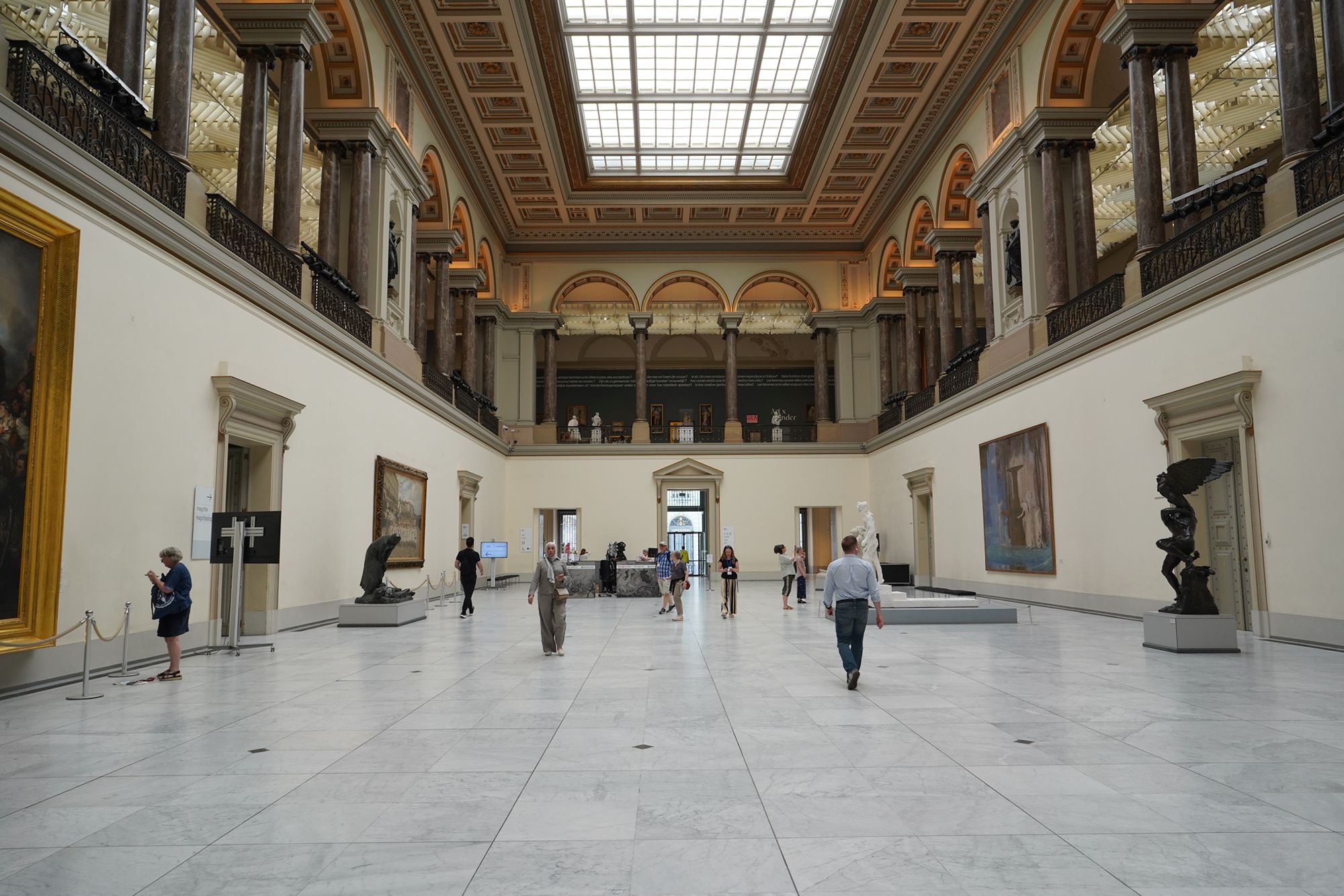
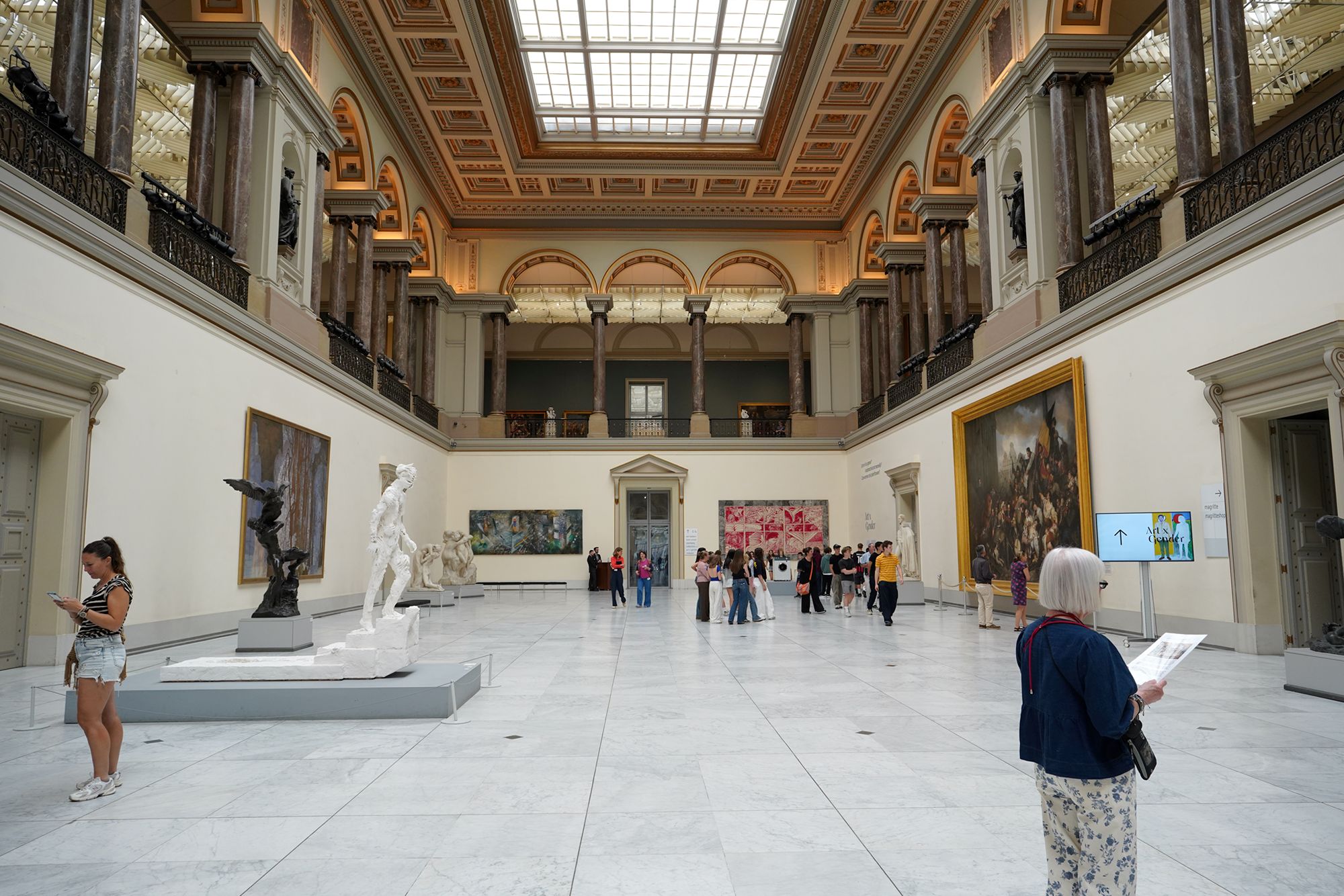
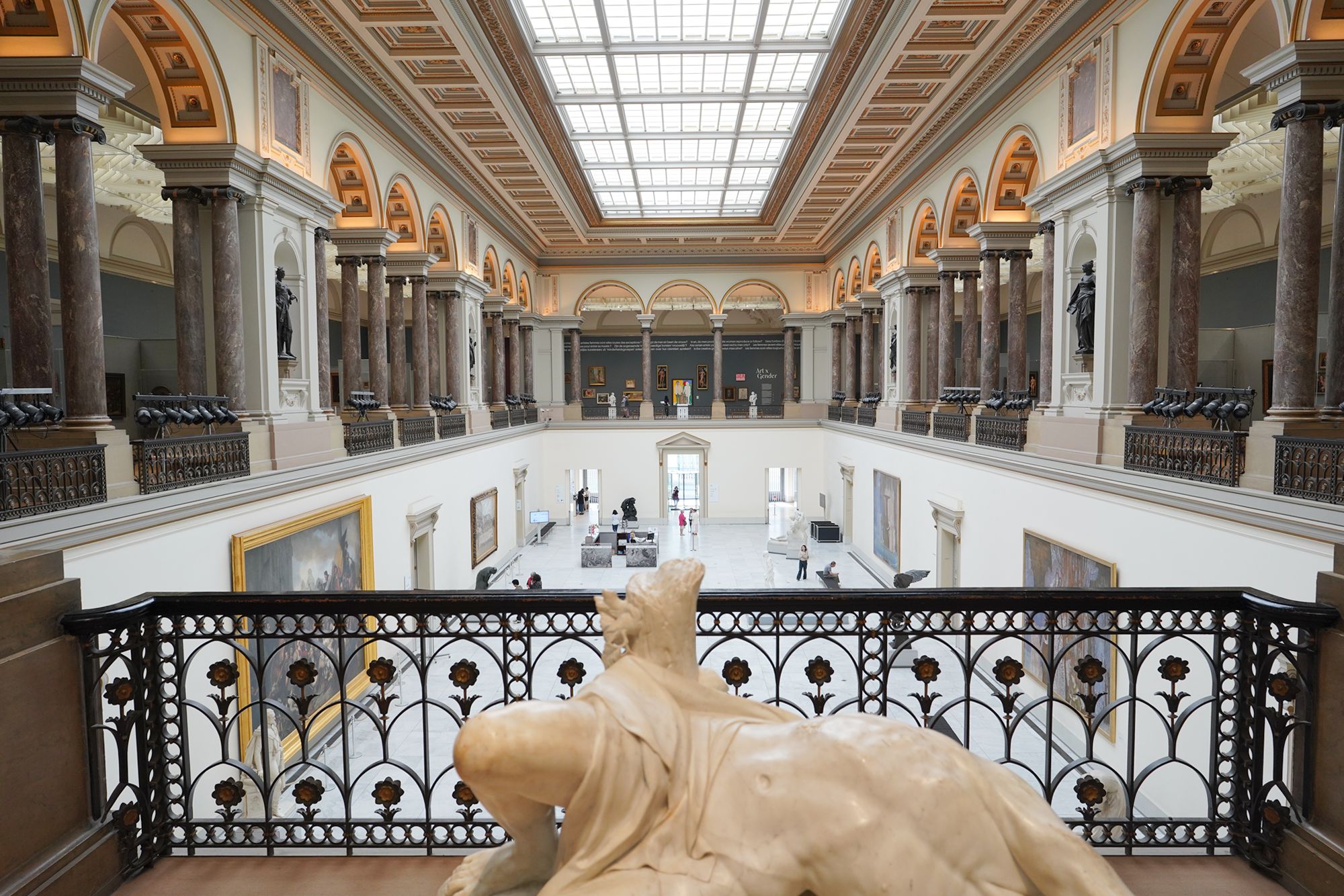
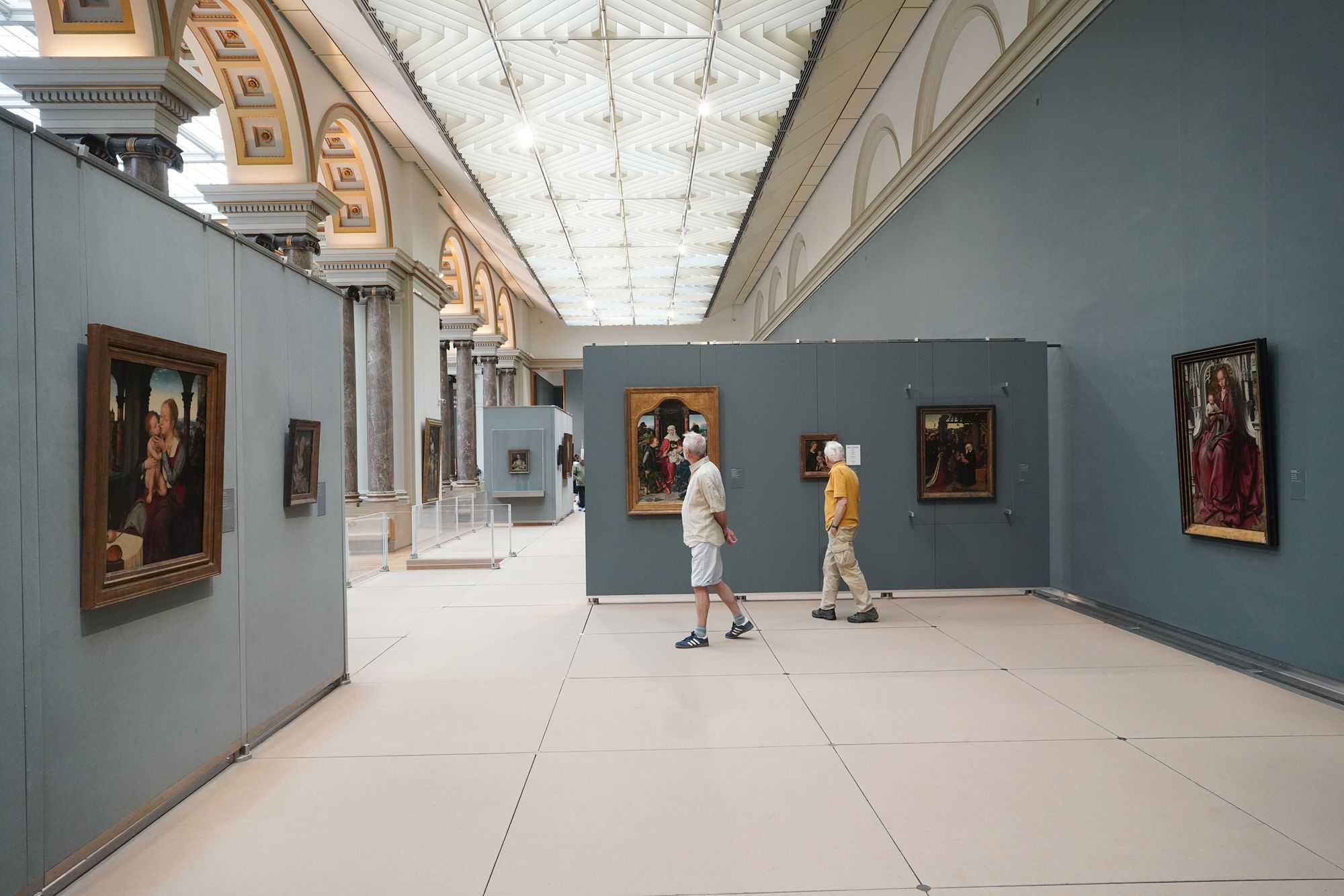
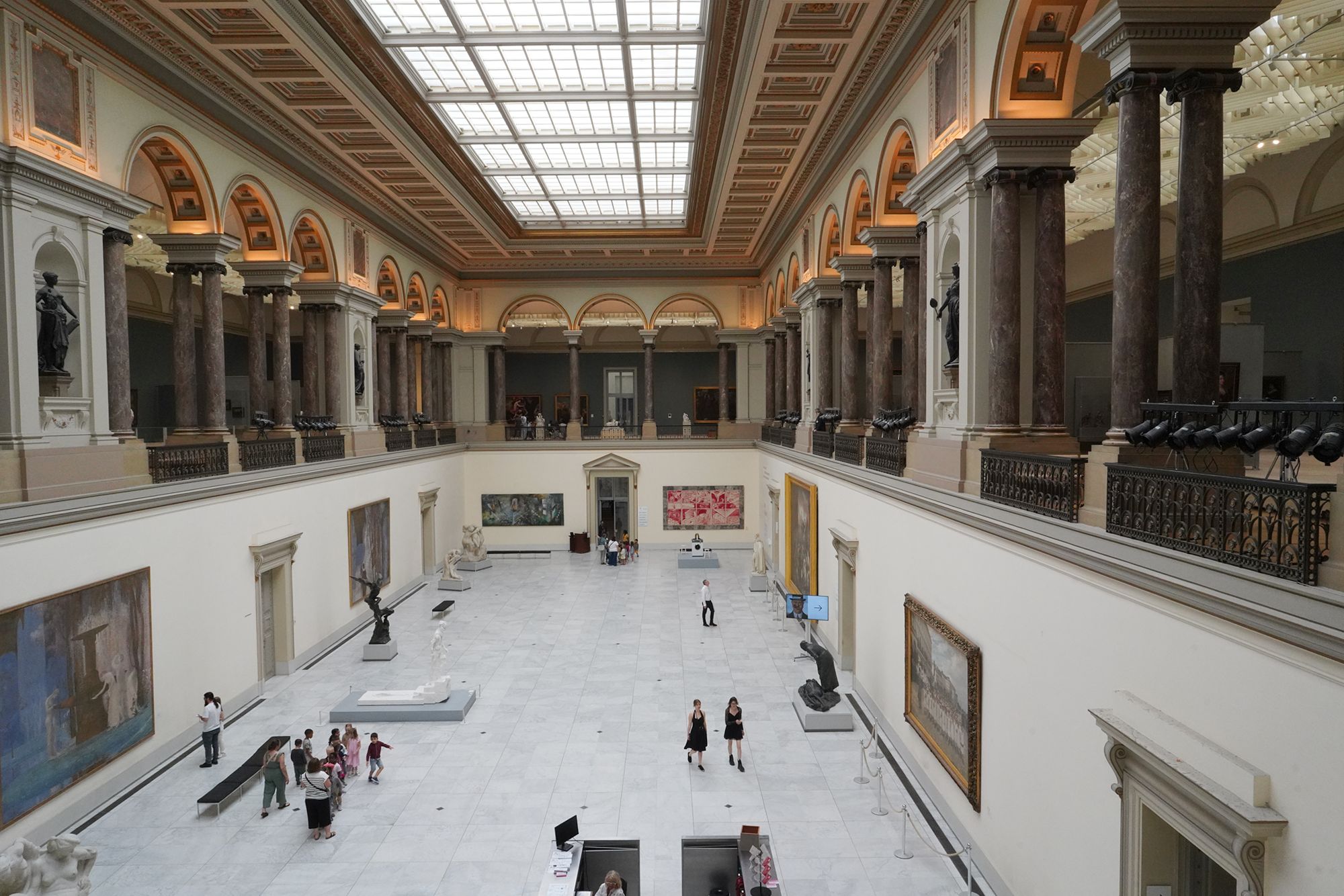
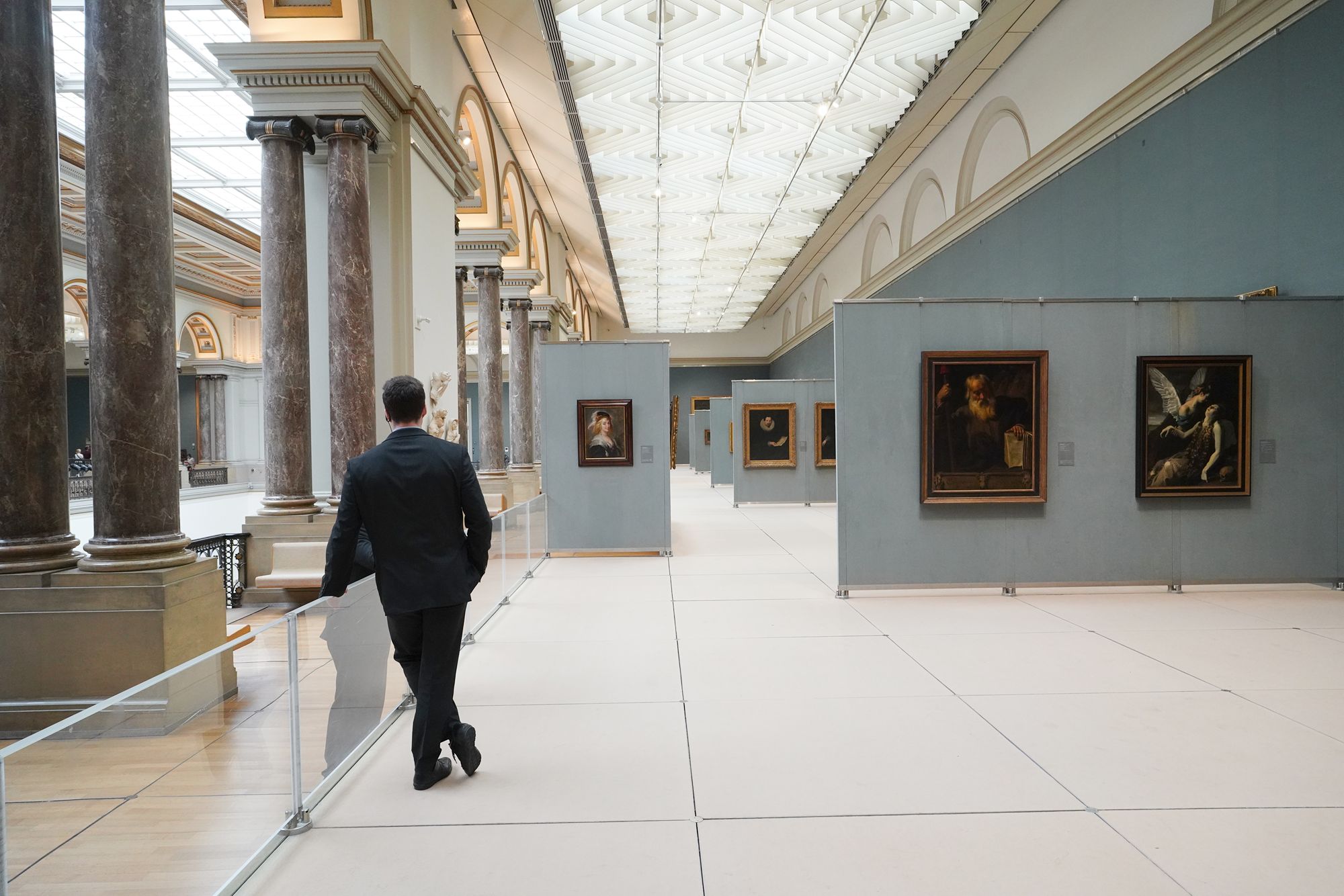
From the second floor, I had a nice view across the interior of the museum, giving me a better sense of its spacious galleries and impressive architecture.
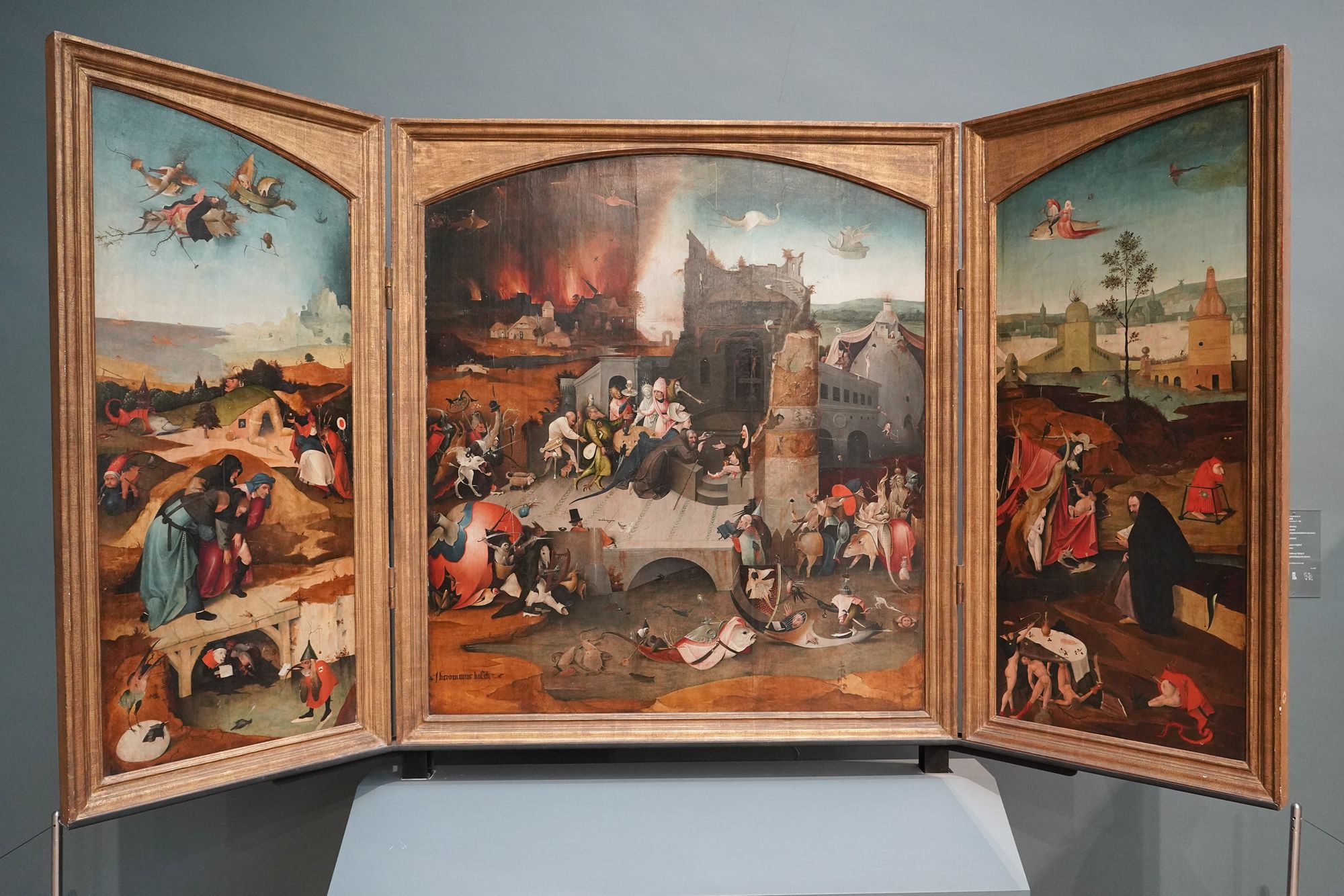
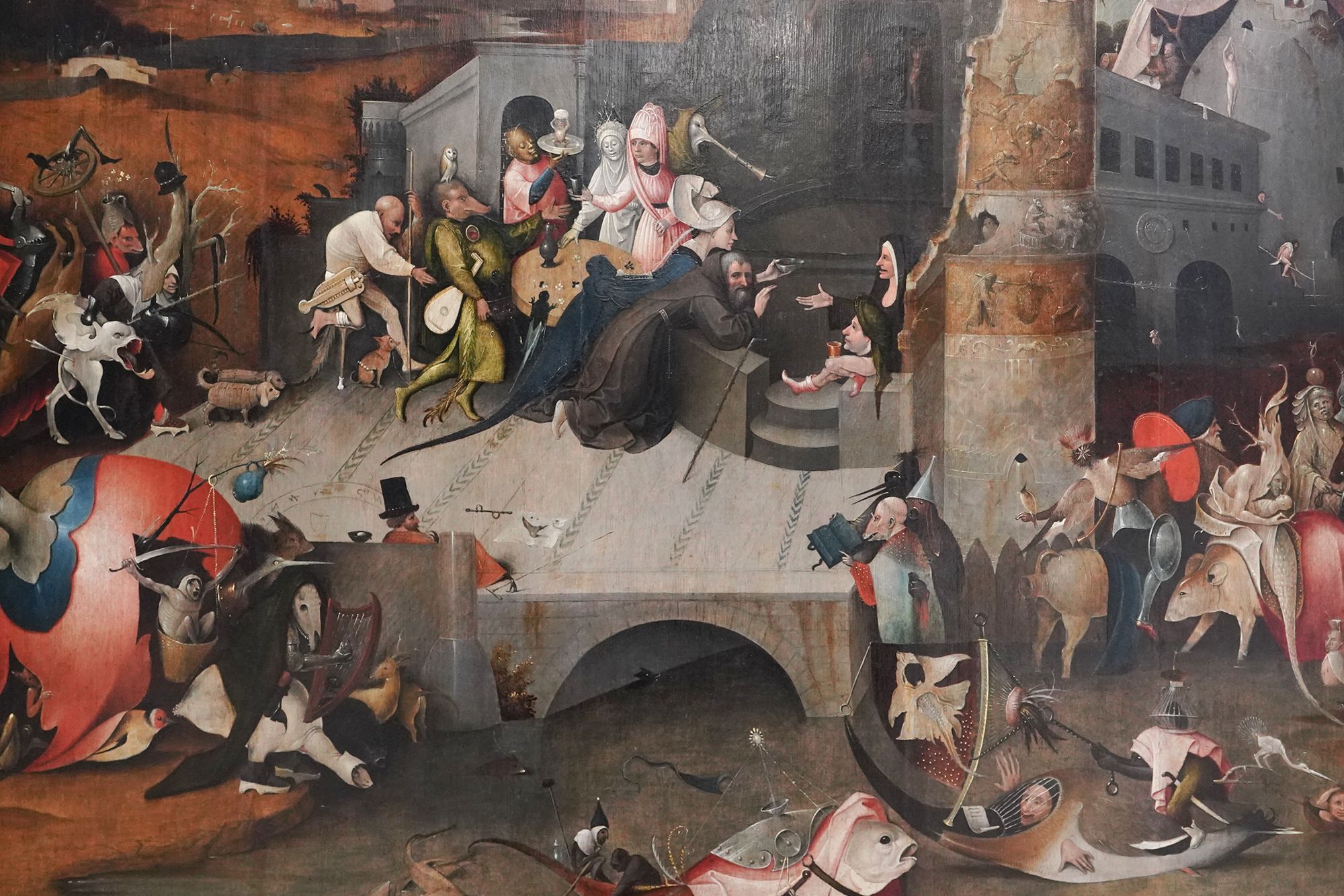
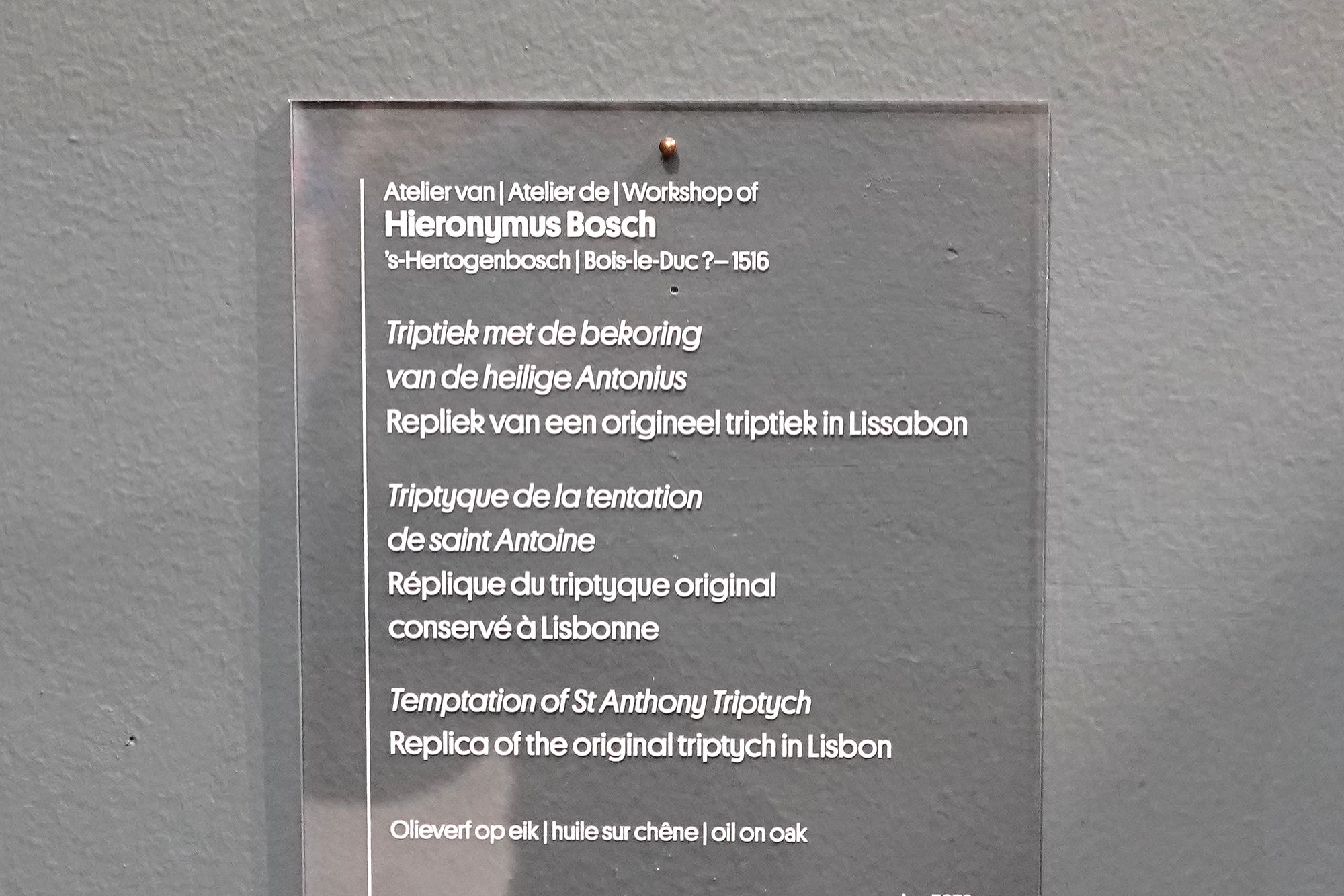
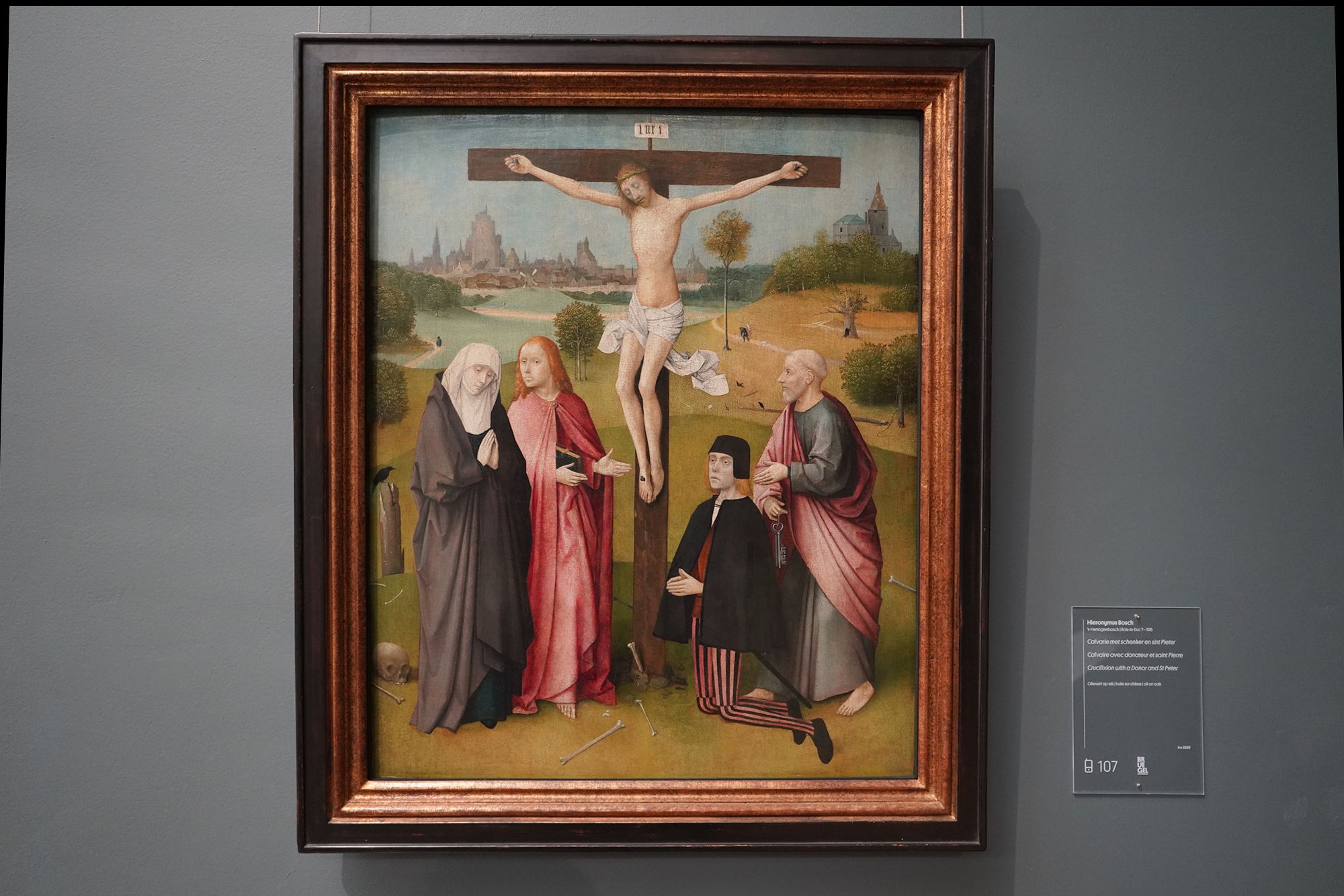
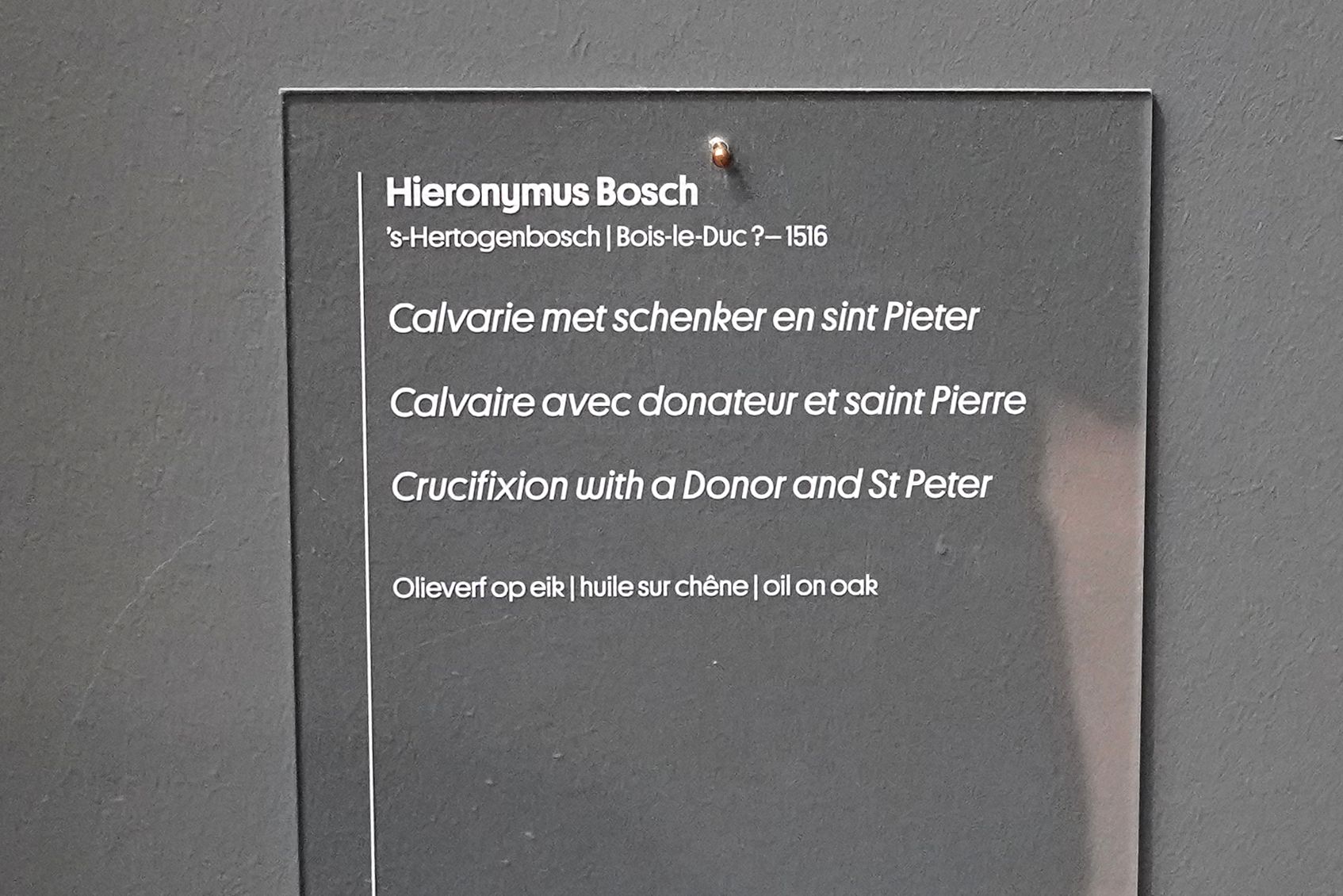
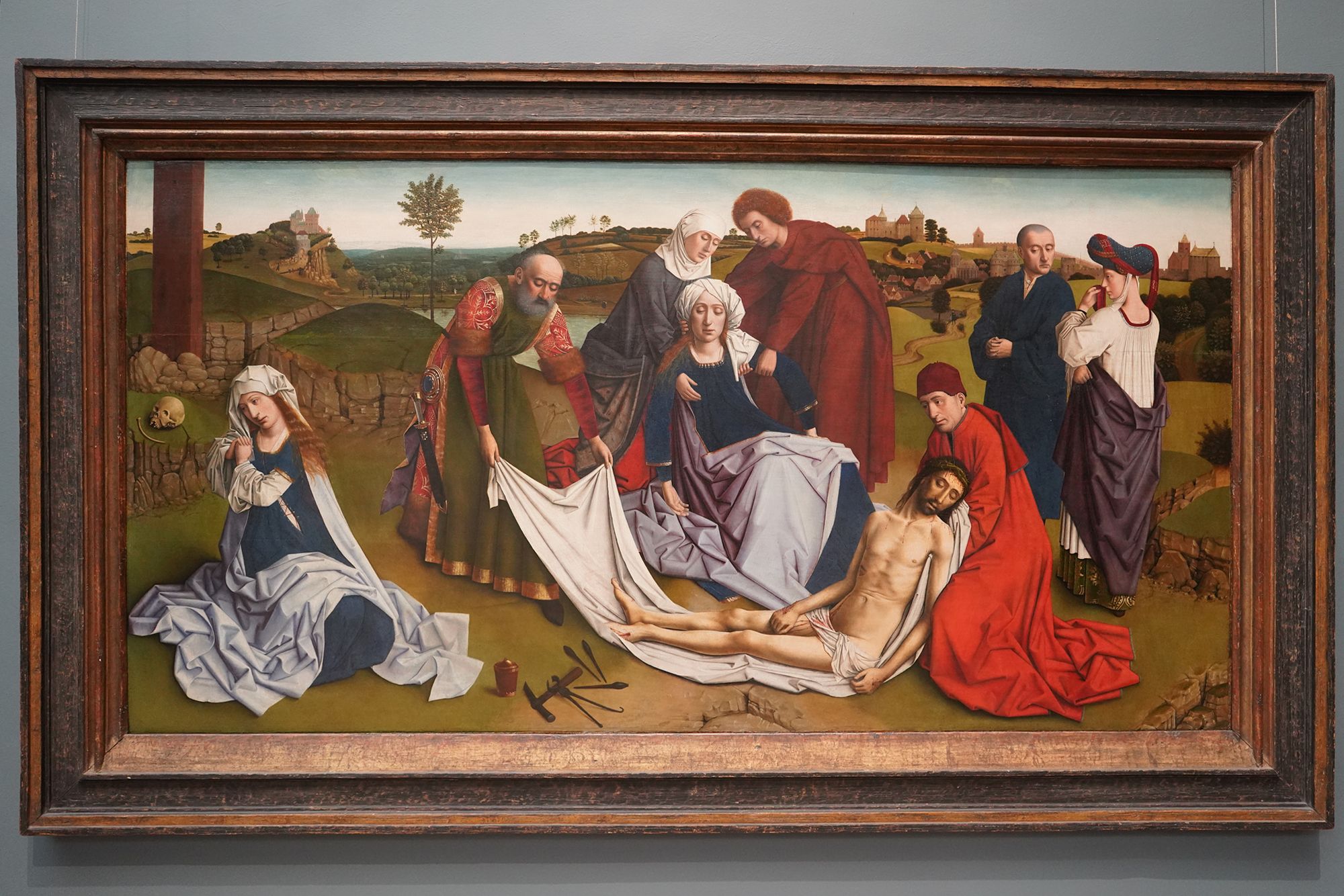
Hieronymus Bosch (c. 1450–1516) was one of the most distinctive painters of the Northern Renaissance. His works are famous for their fantastic creatures, strange landscapes, and elaborate scenes exploring sin, temptation, morality, heaven, and hell. His extraordinarily imaginative imagery makes his paintings look surprisingly modern despite being created more than five centuries ago.
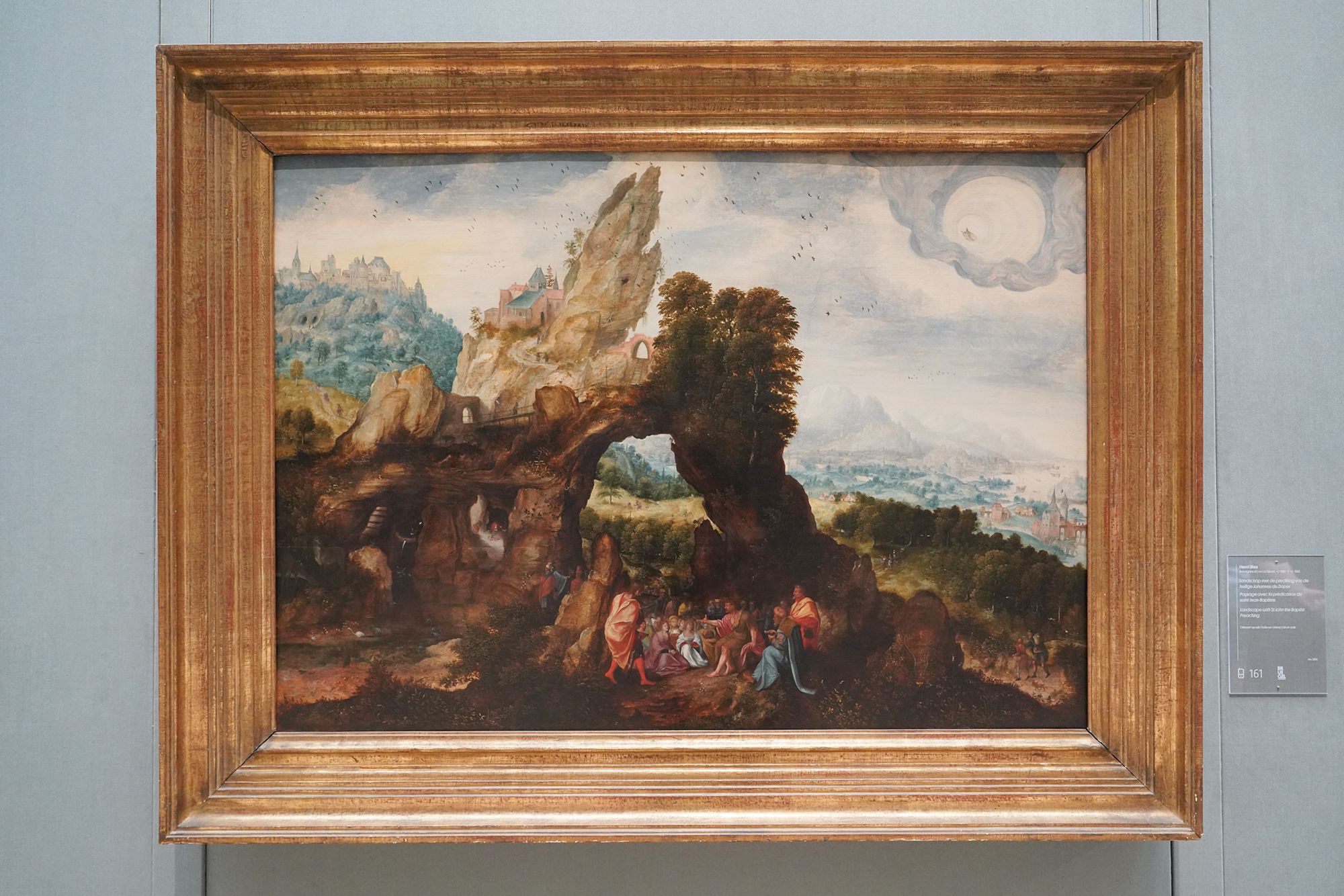
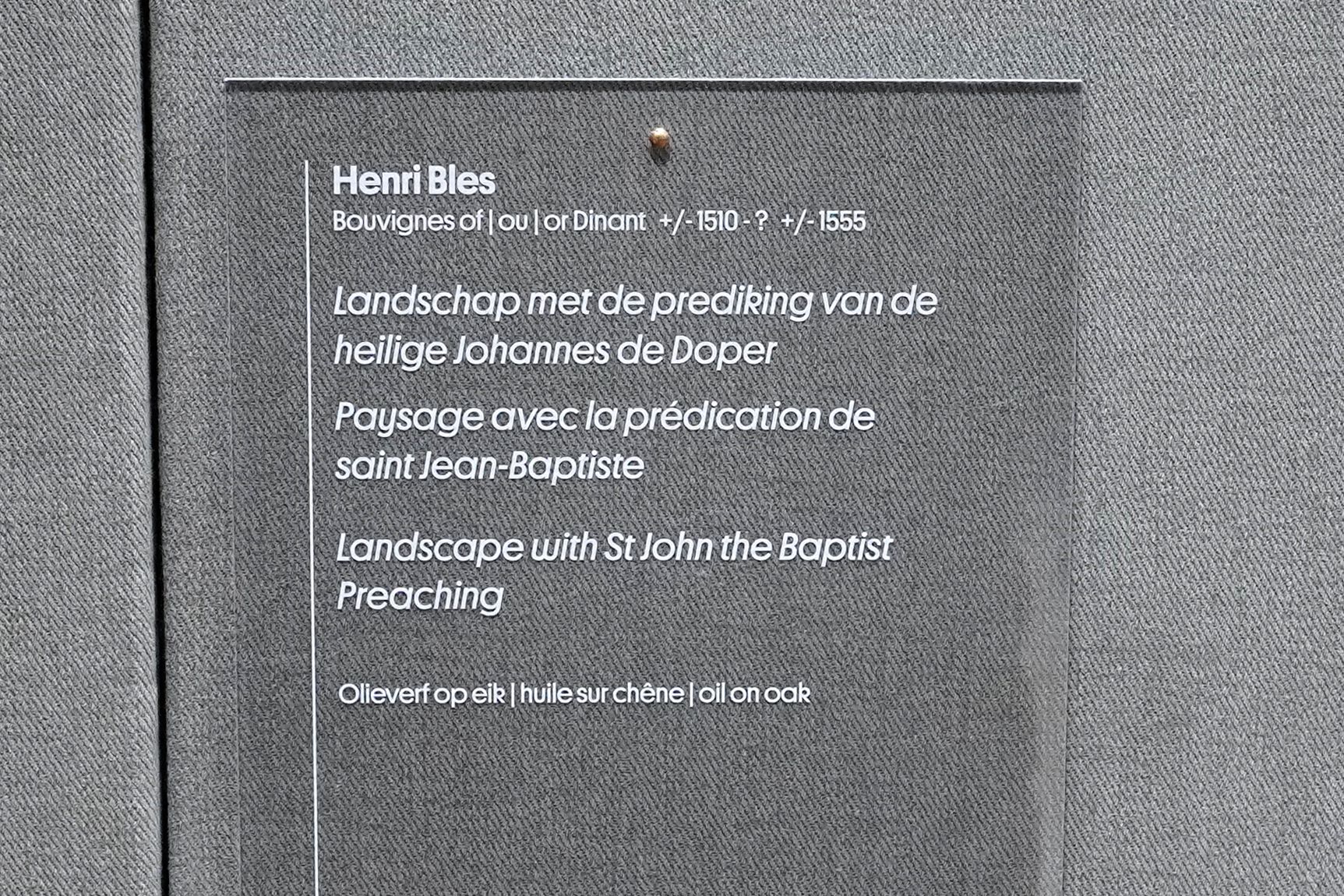
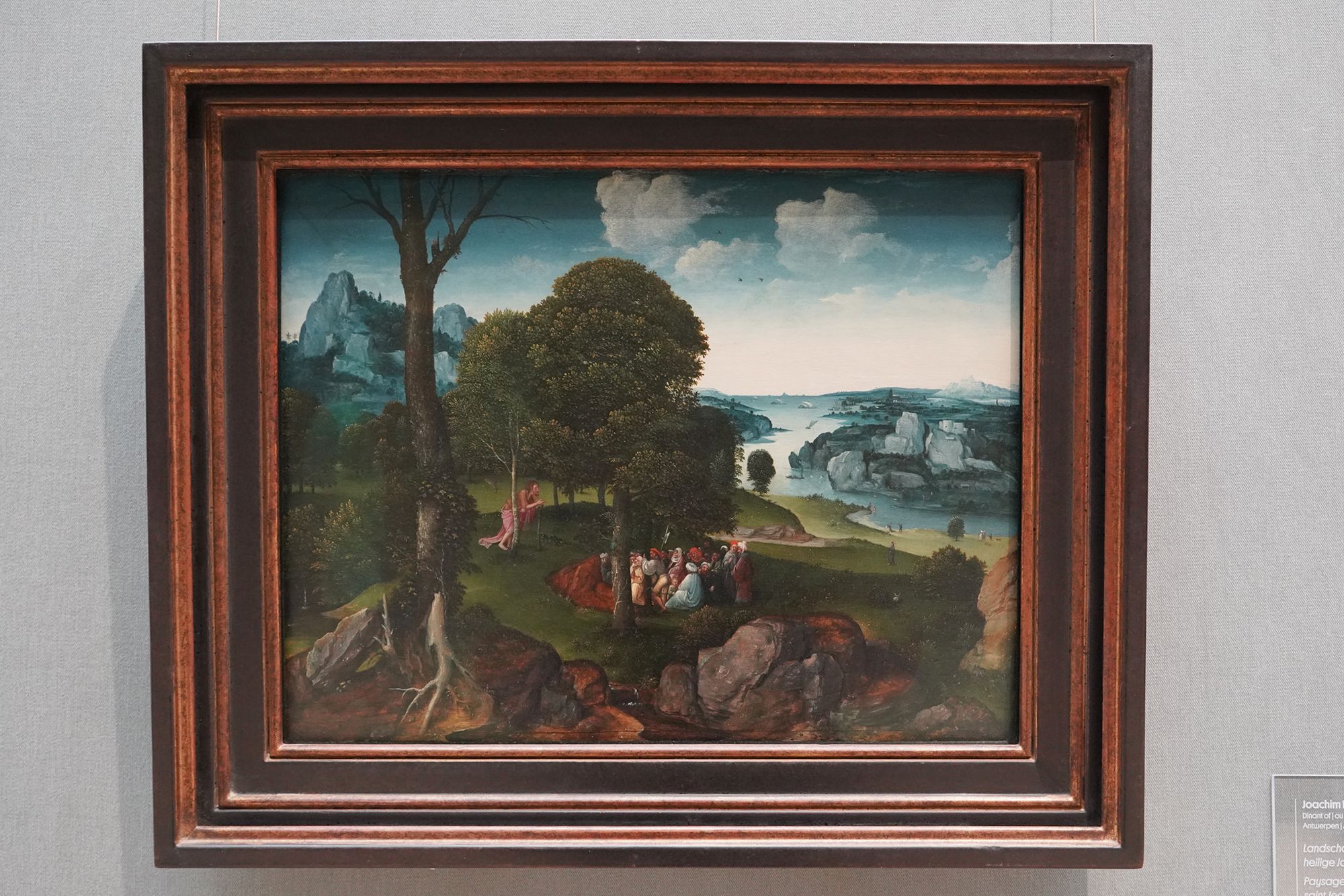
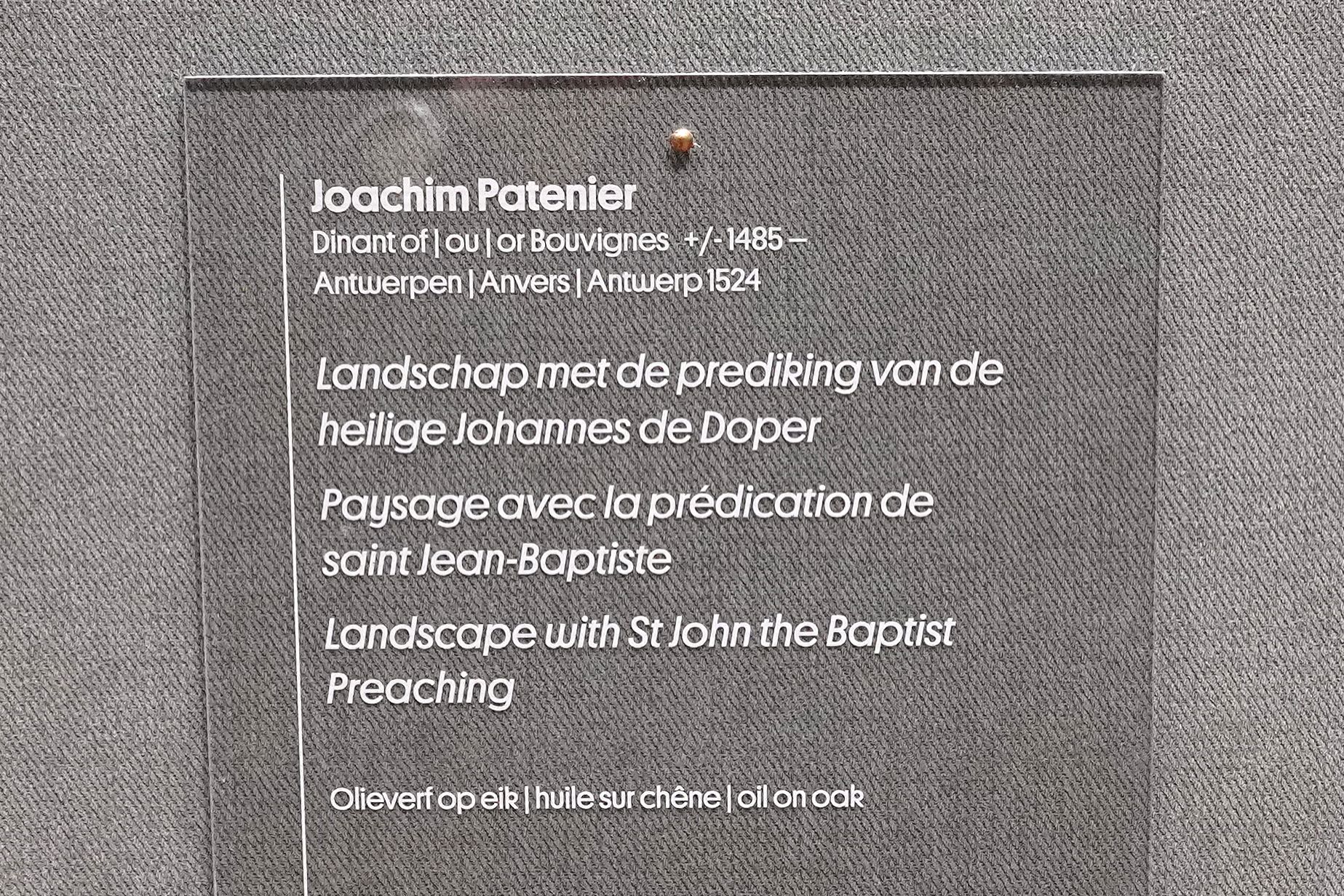
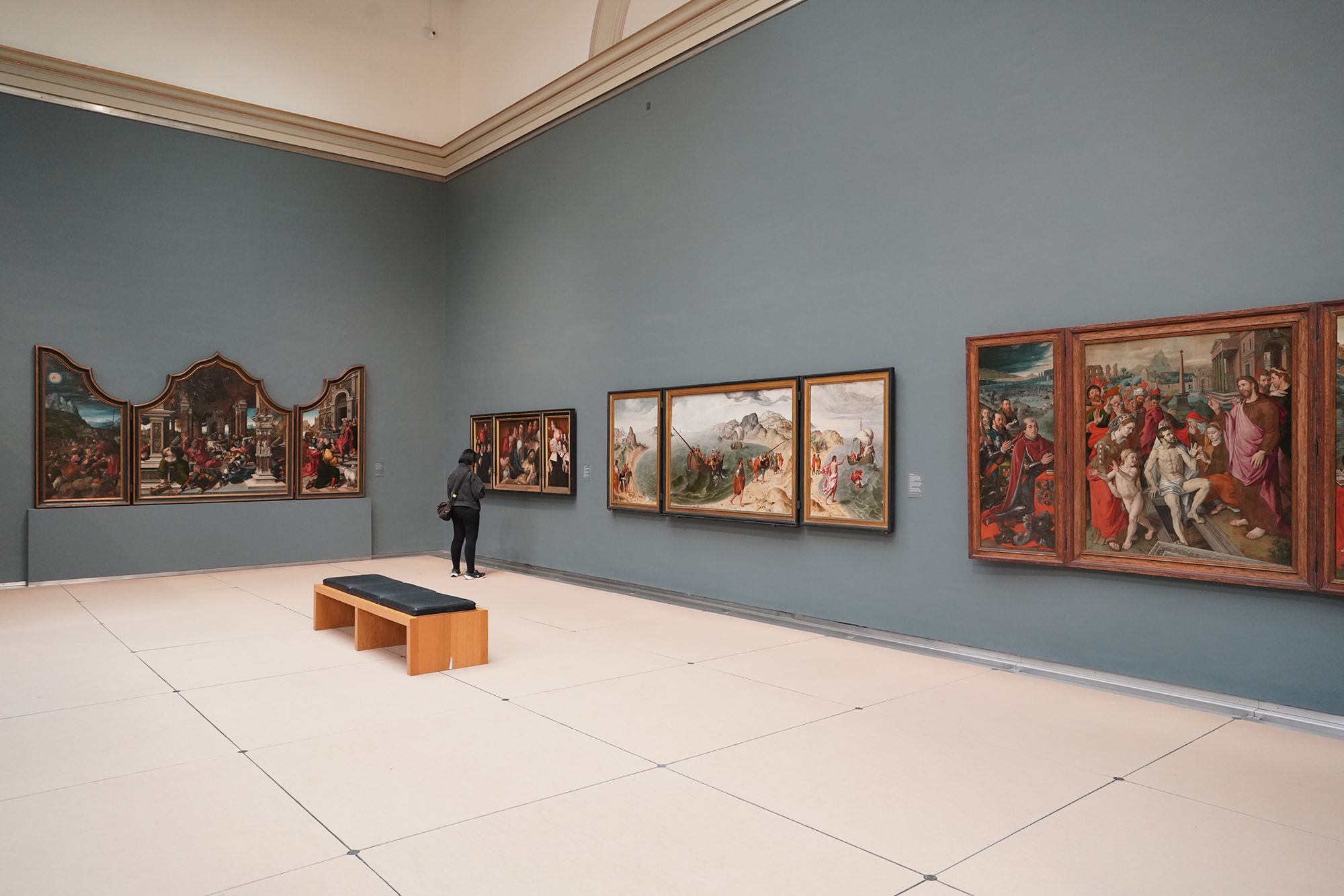
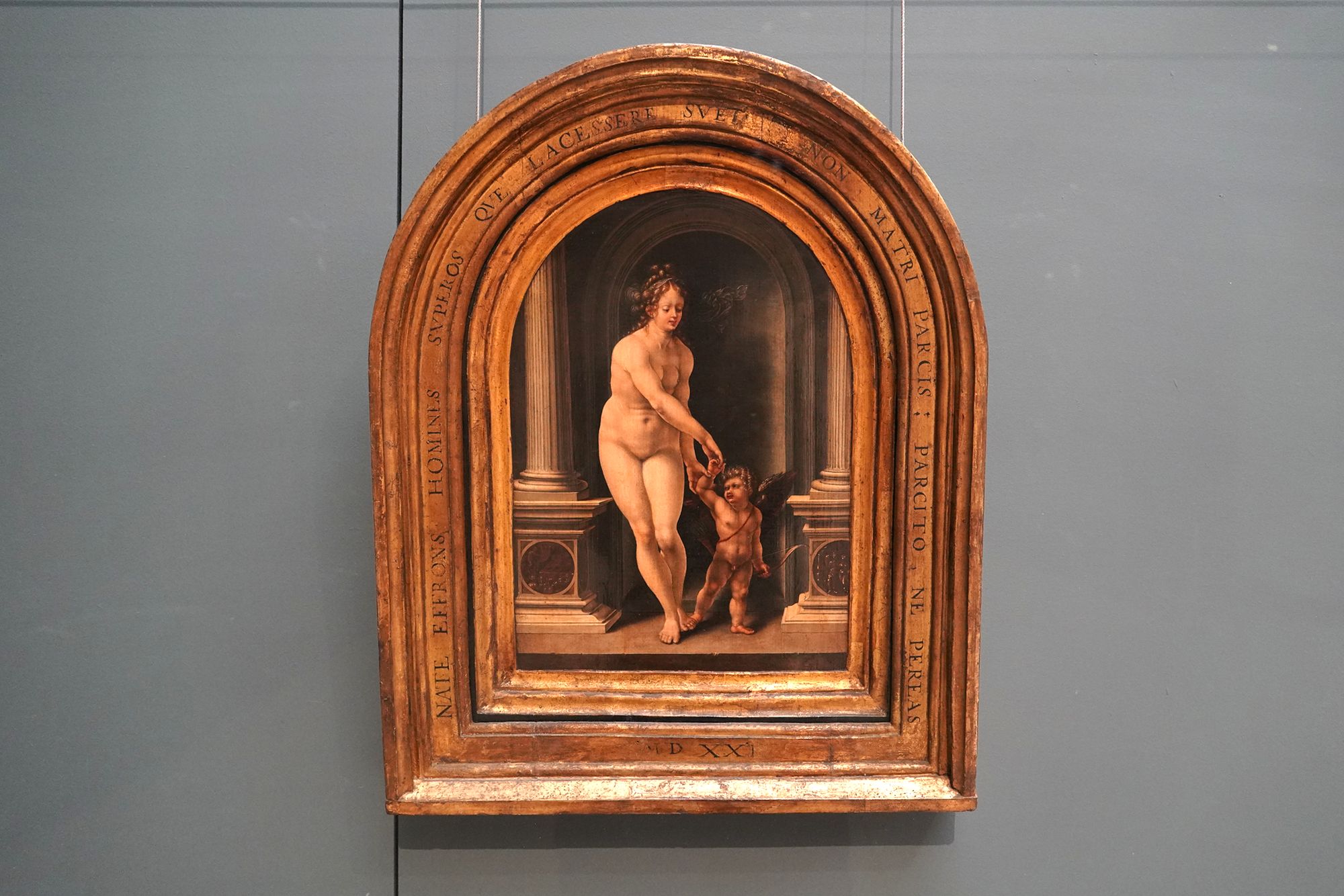
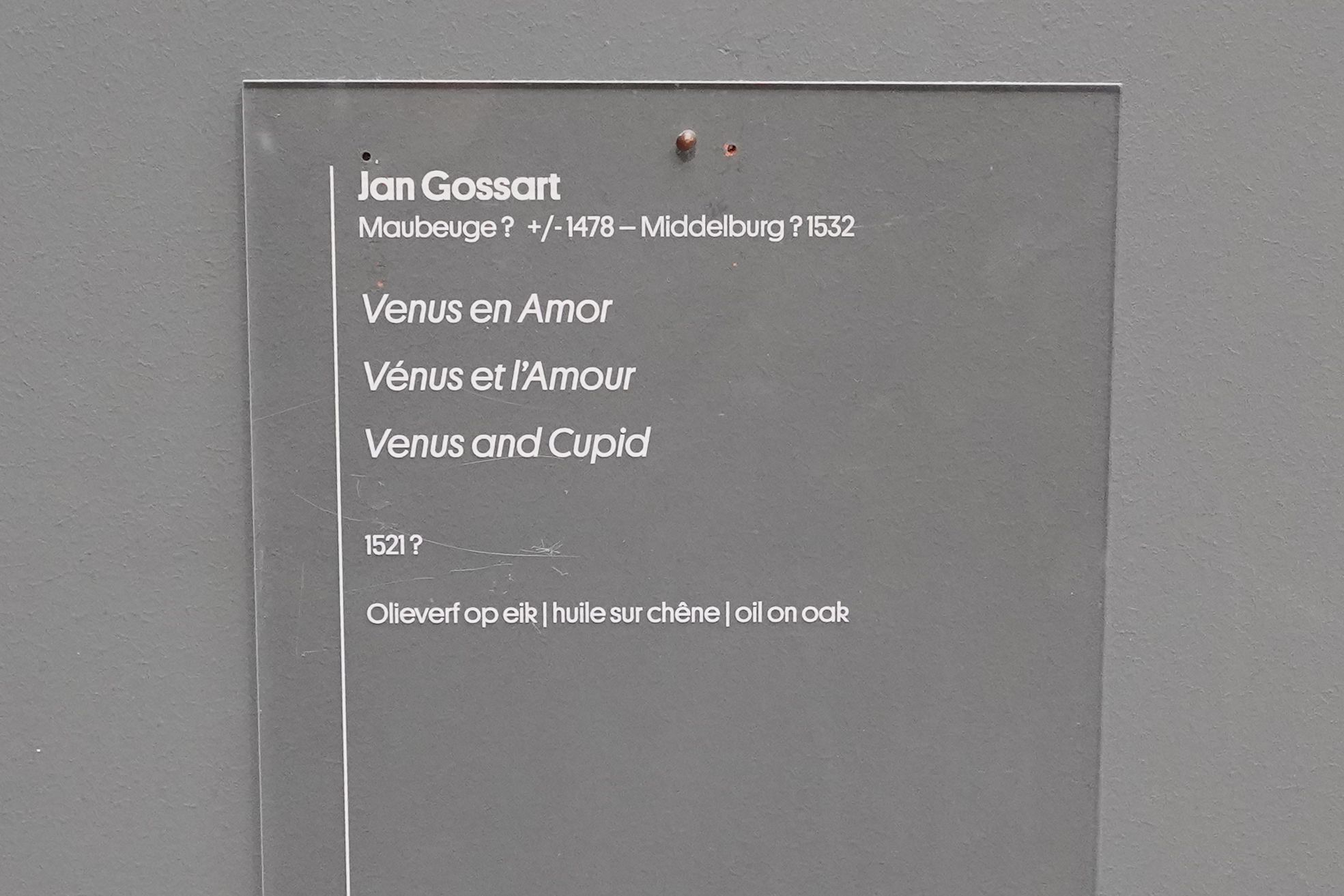
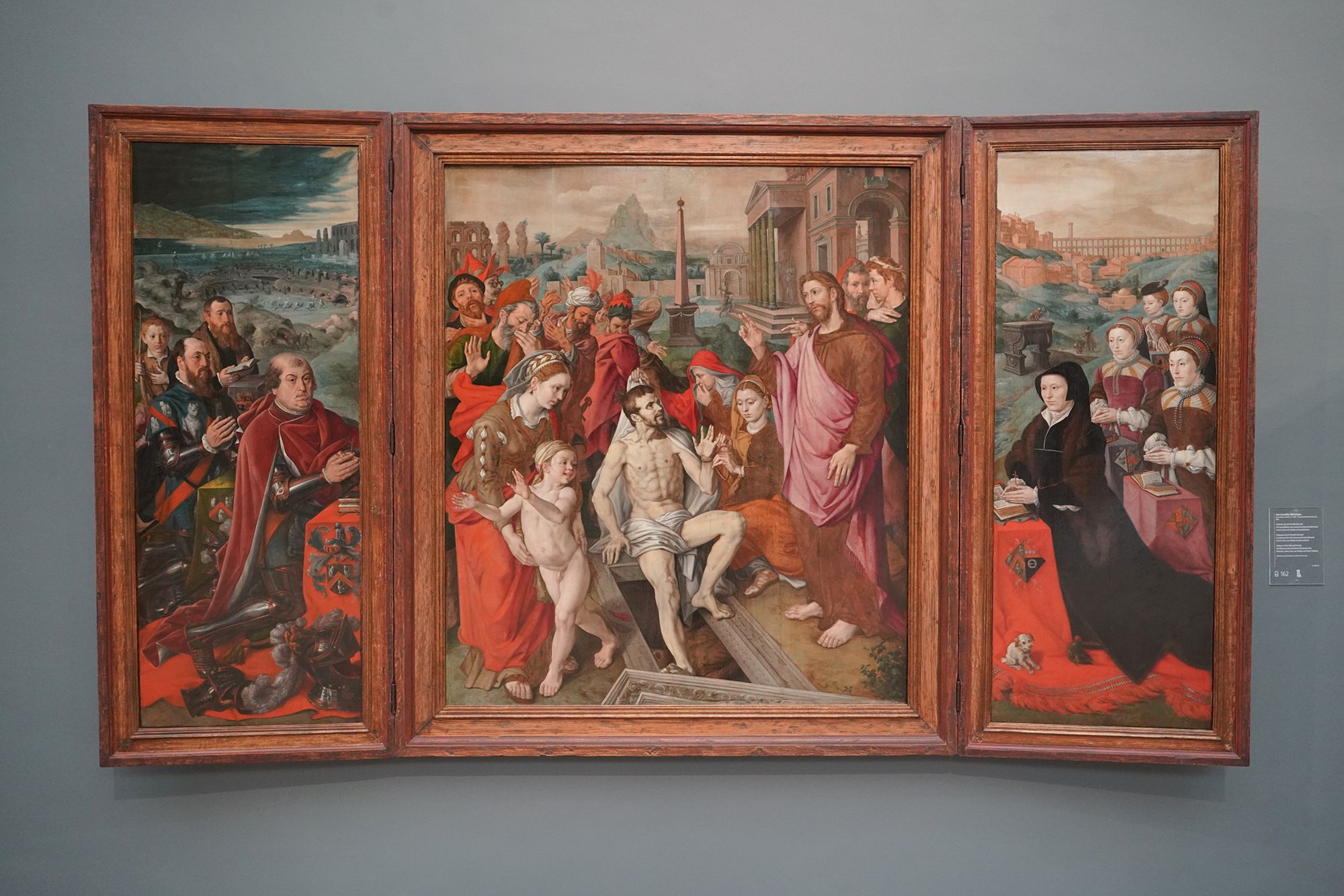
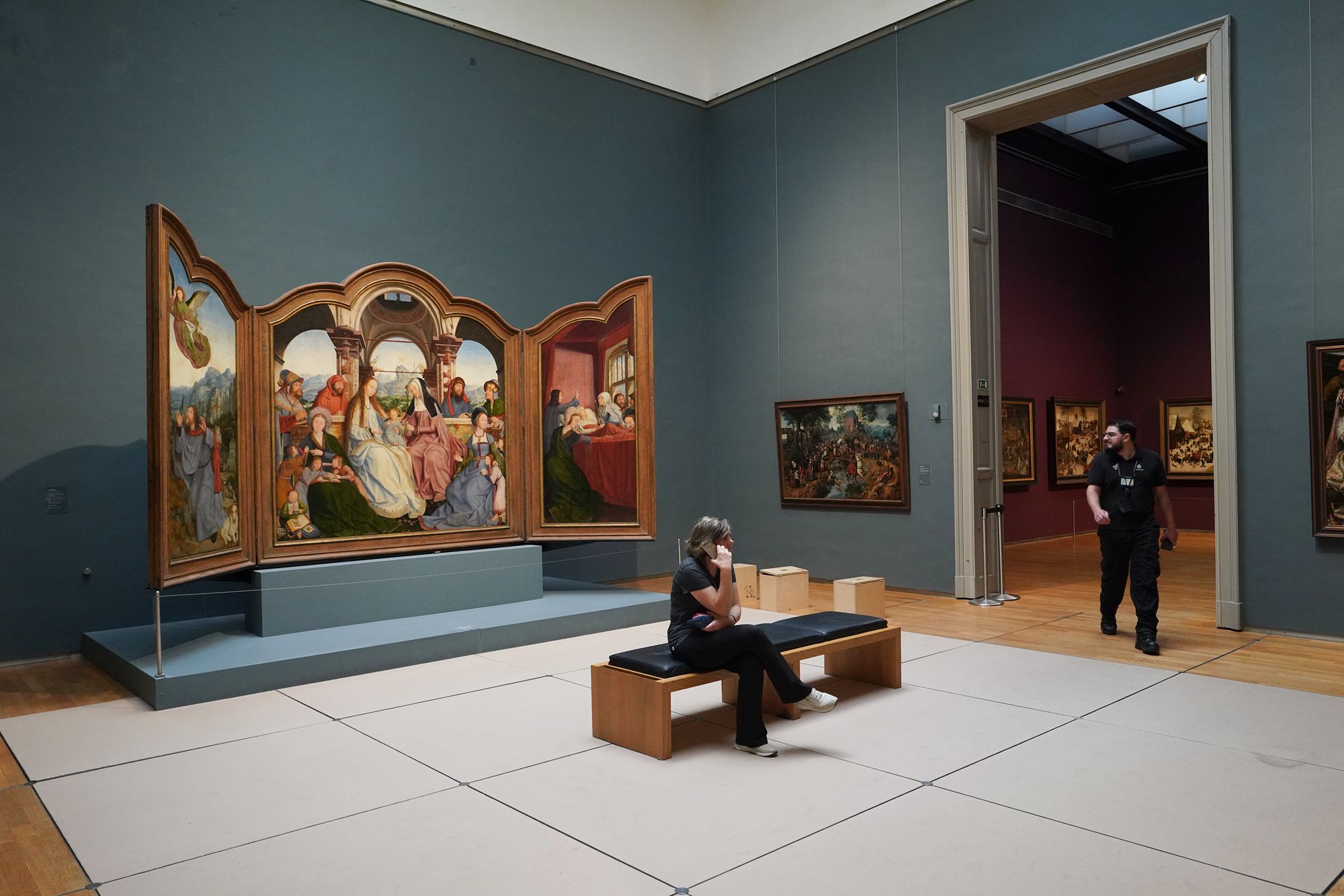
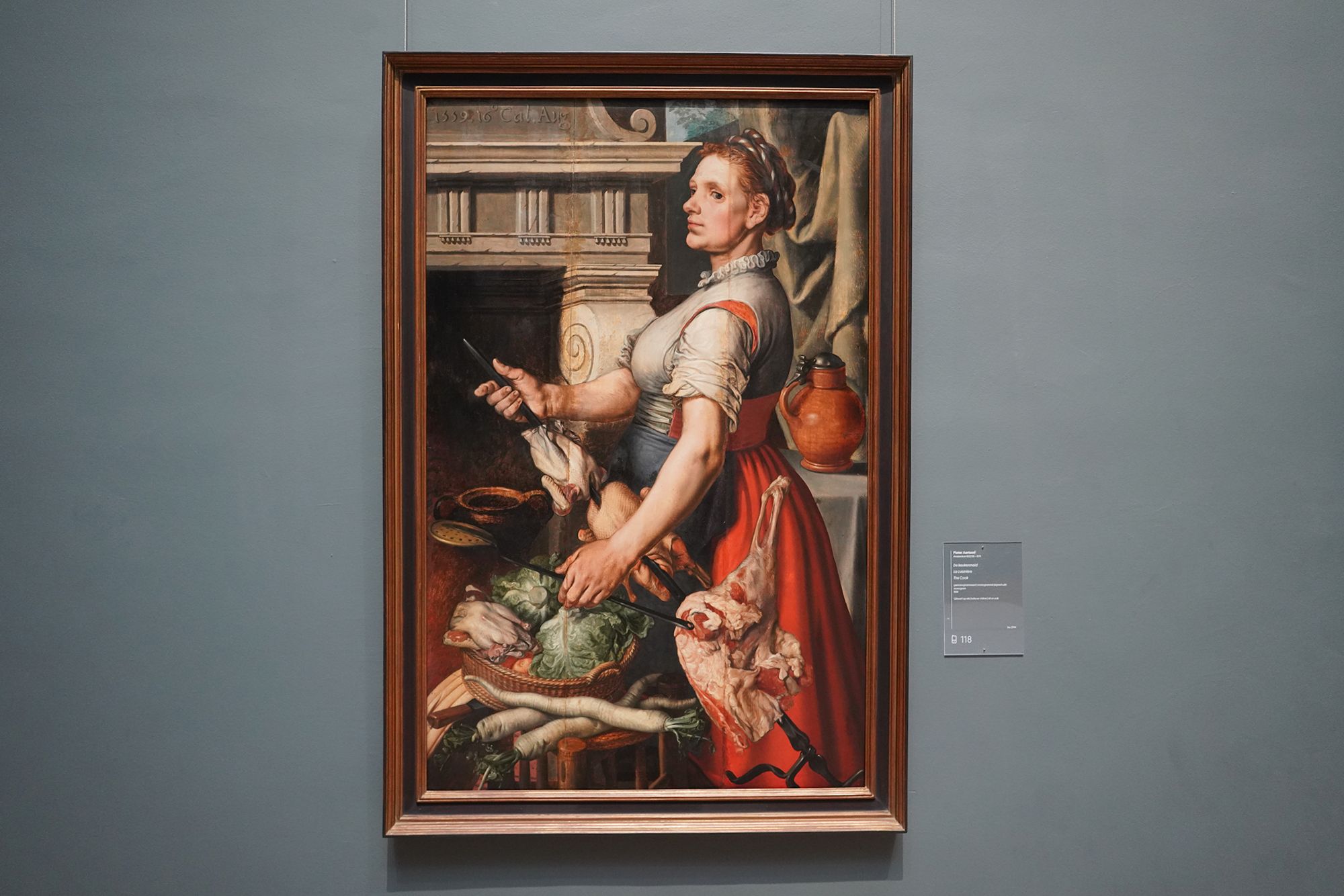
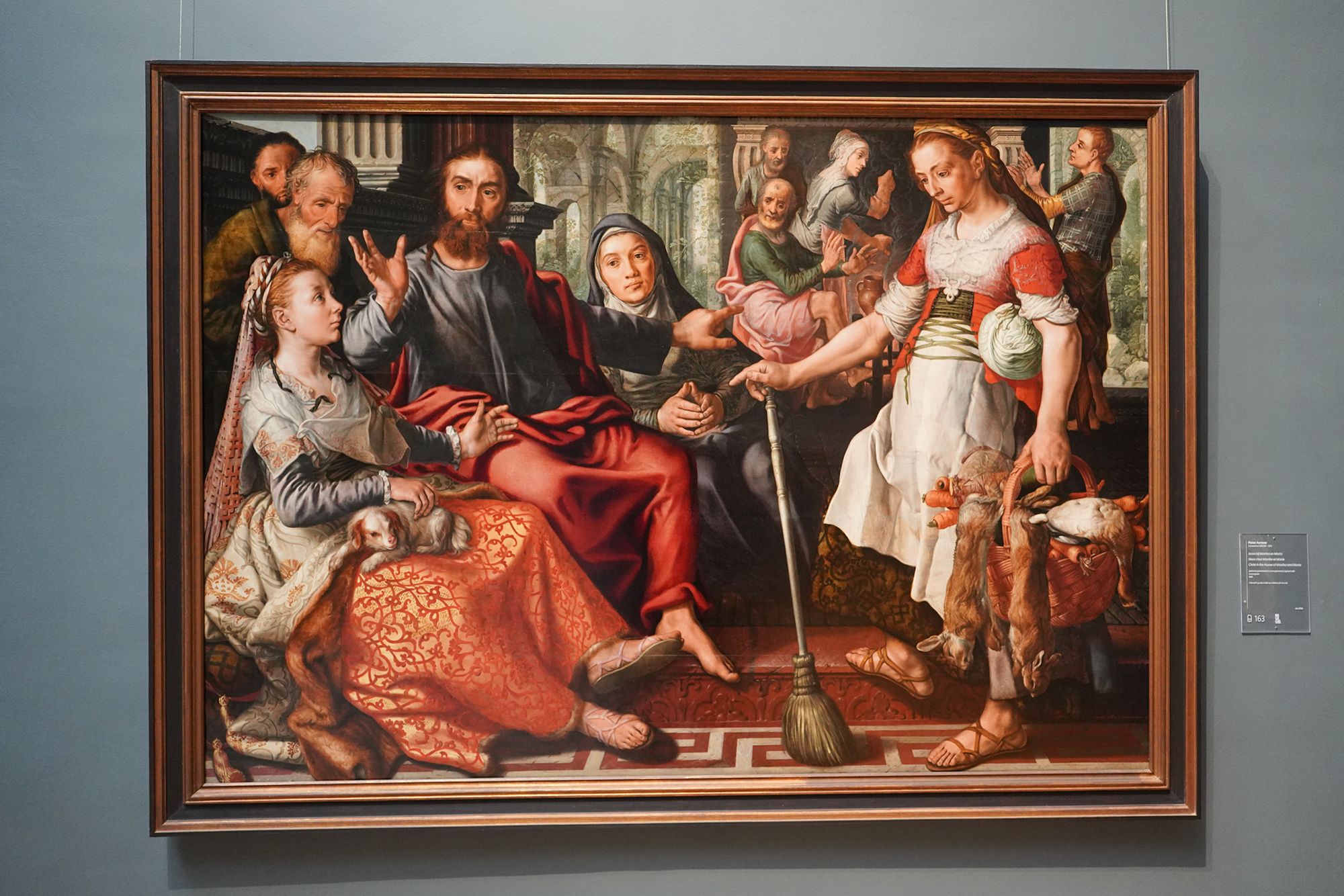
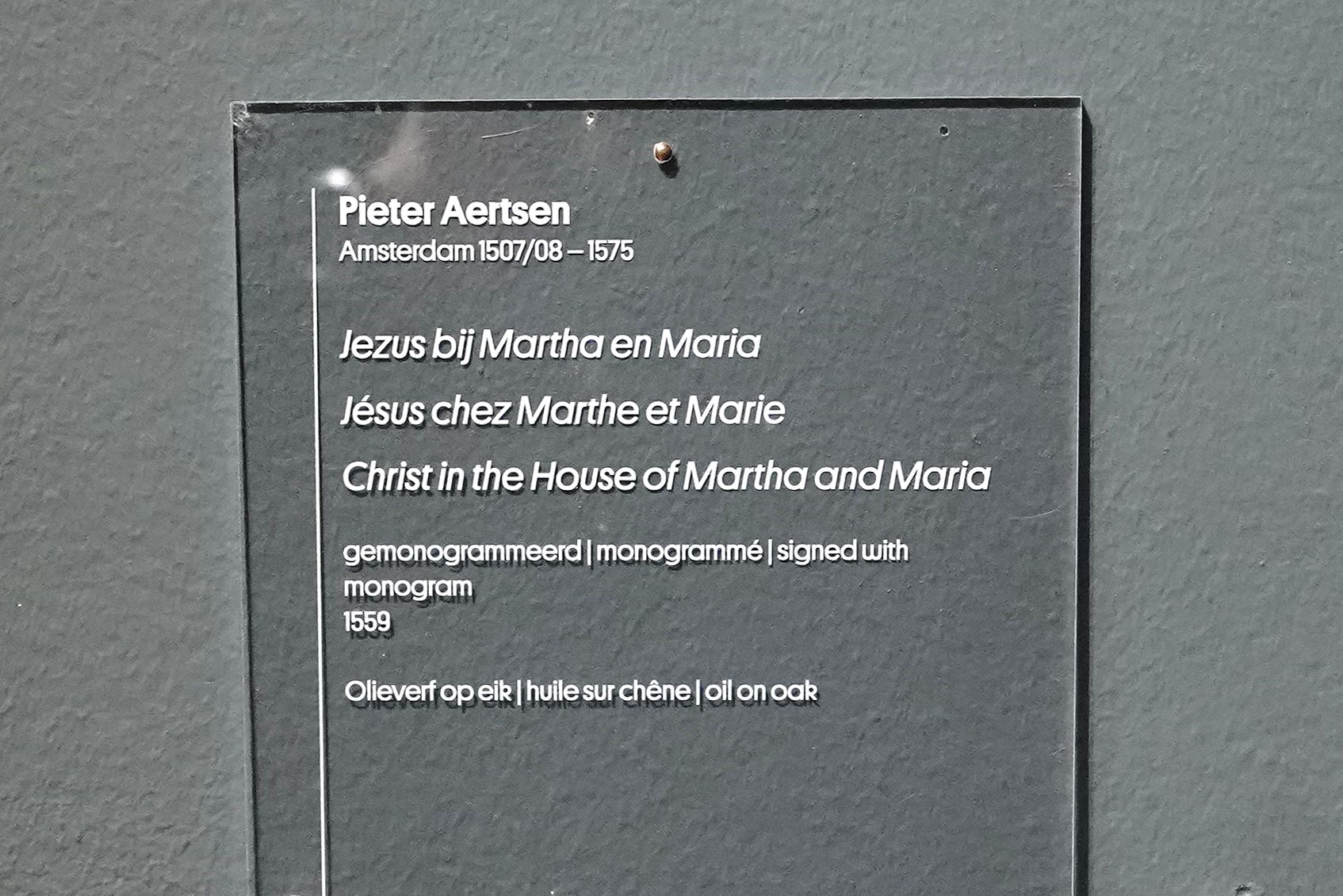
Pieter Aertsen (1508–1575) was known for colorful scenes of markets, kitchens, and everyday life, often filled with remarkably detailed food and household objects. Interestingly, he frequently placed a small religious scene in the background, combining sacred subjects with ordinary life. His work helped pave the way for later Dutch and Flemish still-life and genre painting.
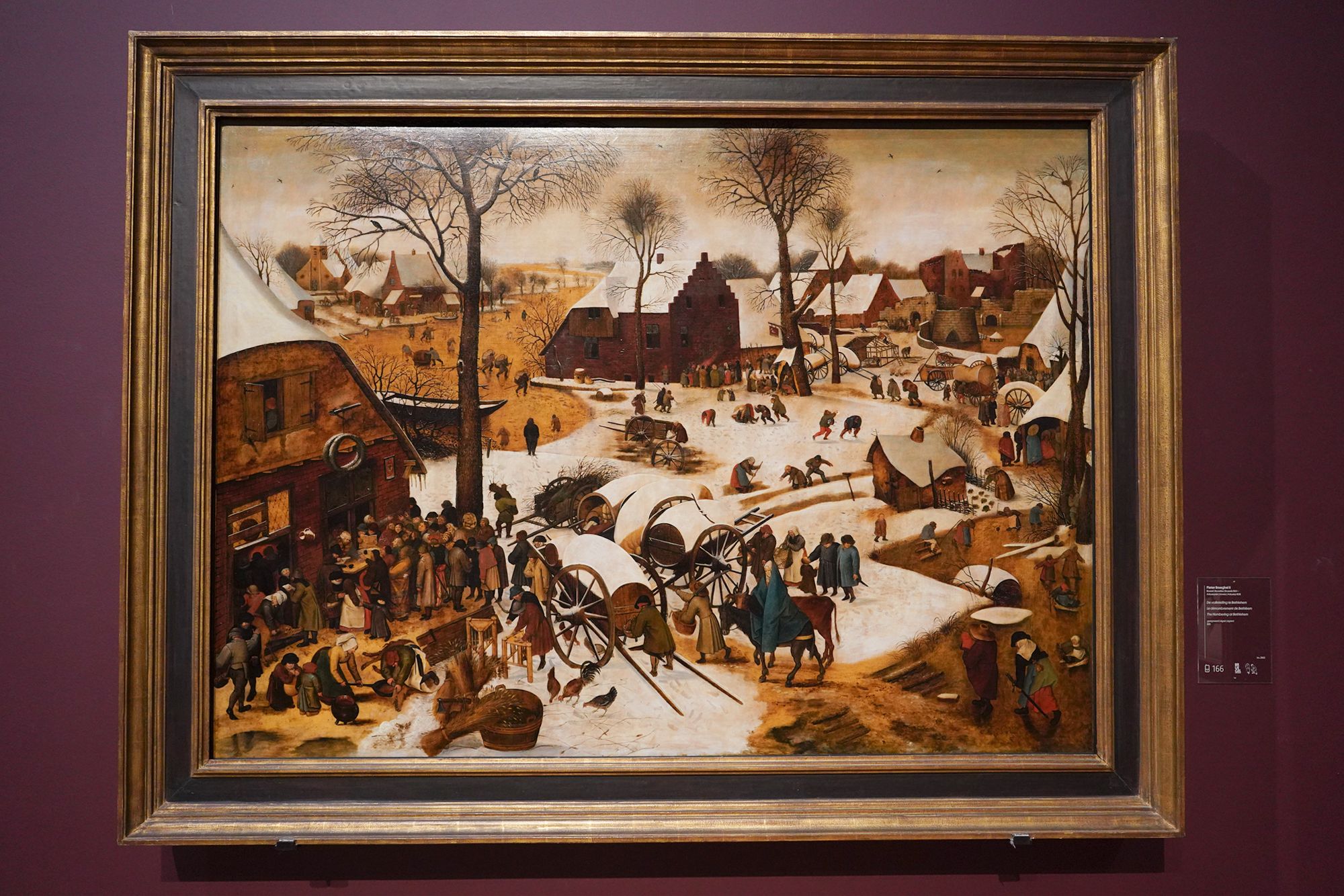
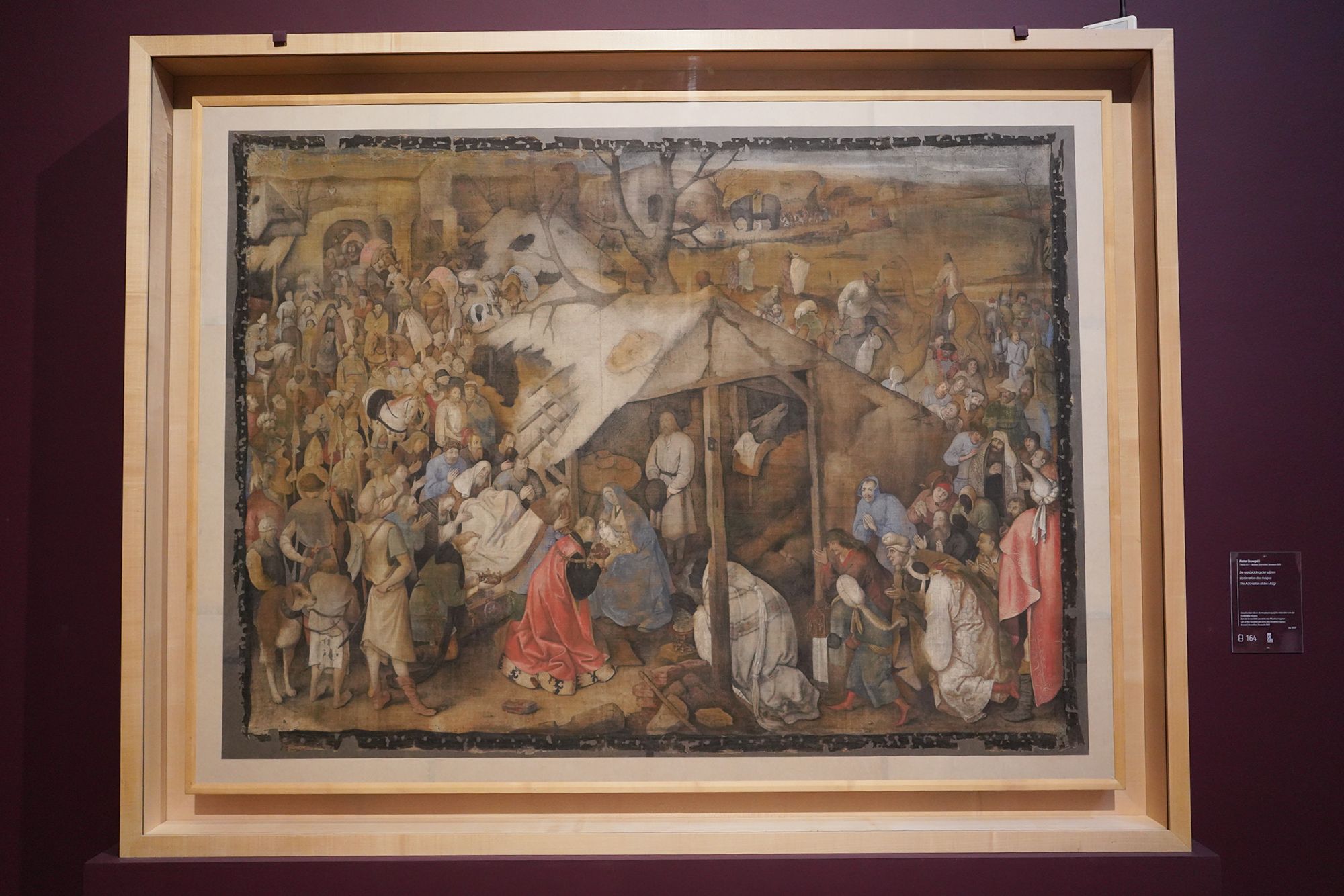
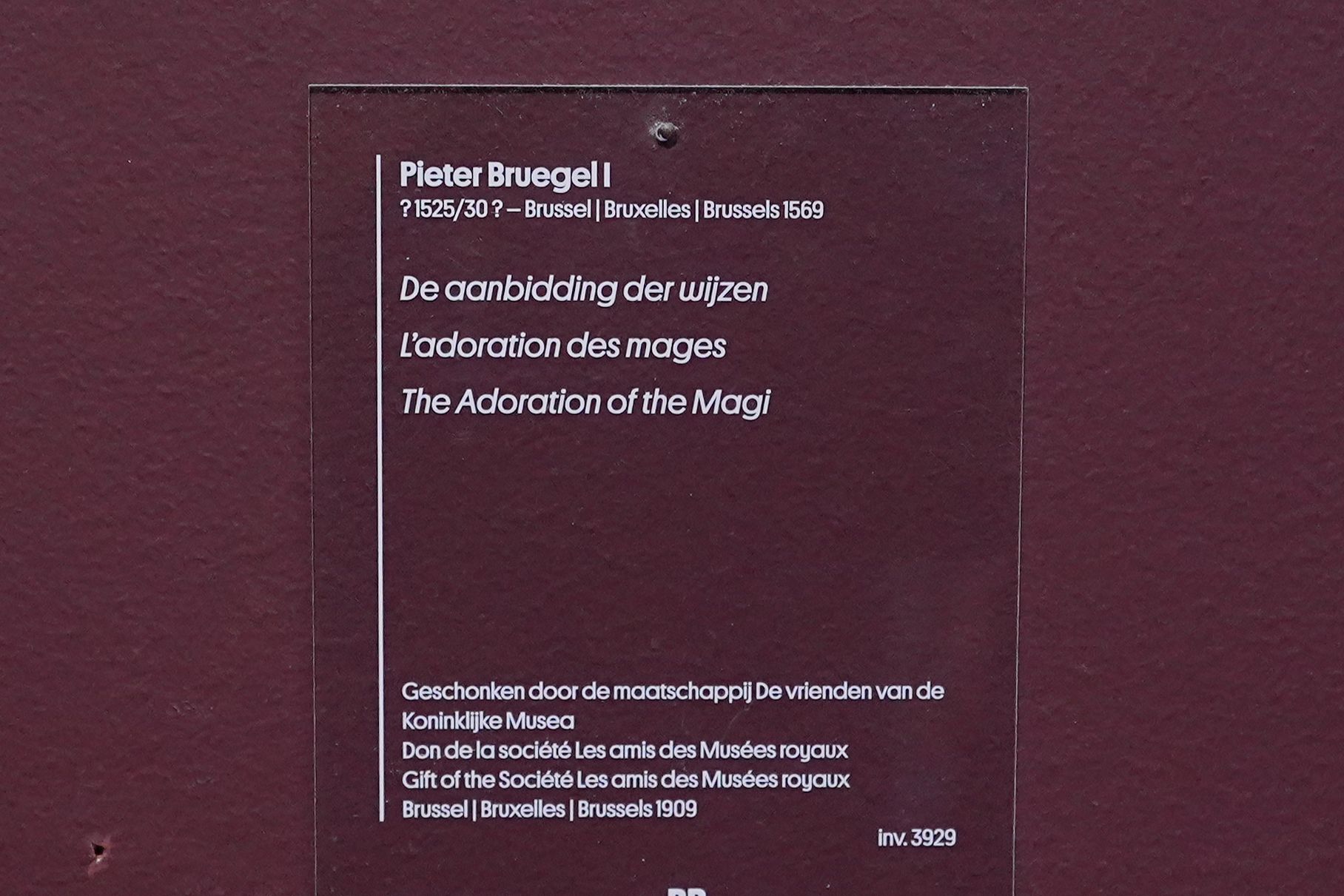
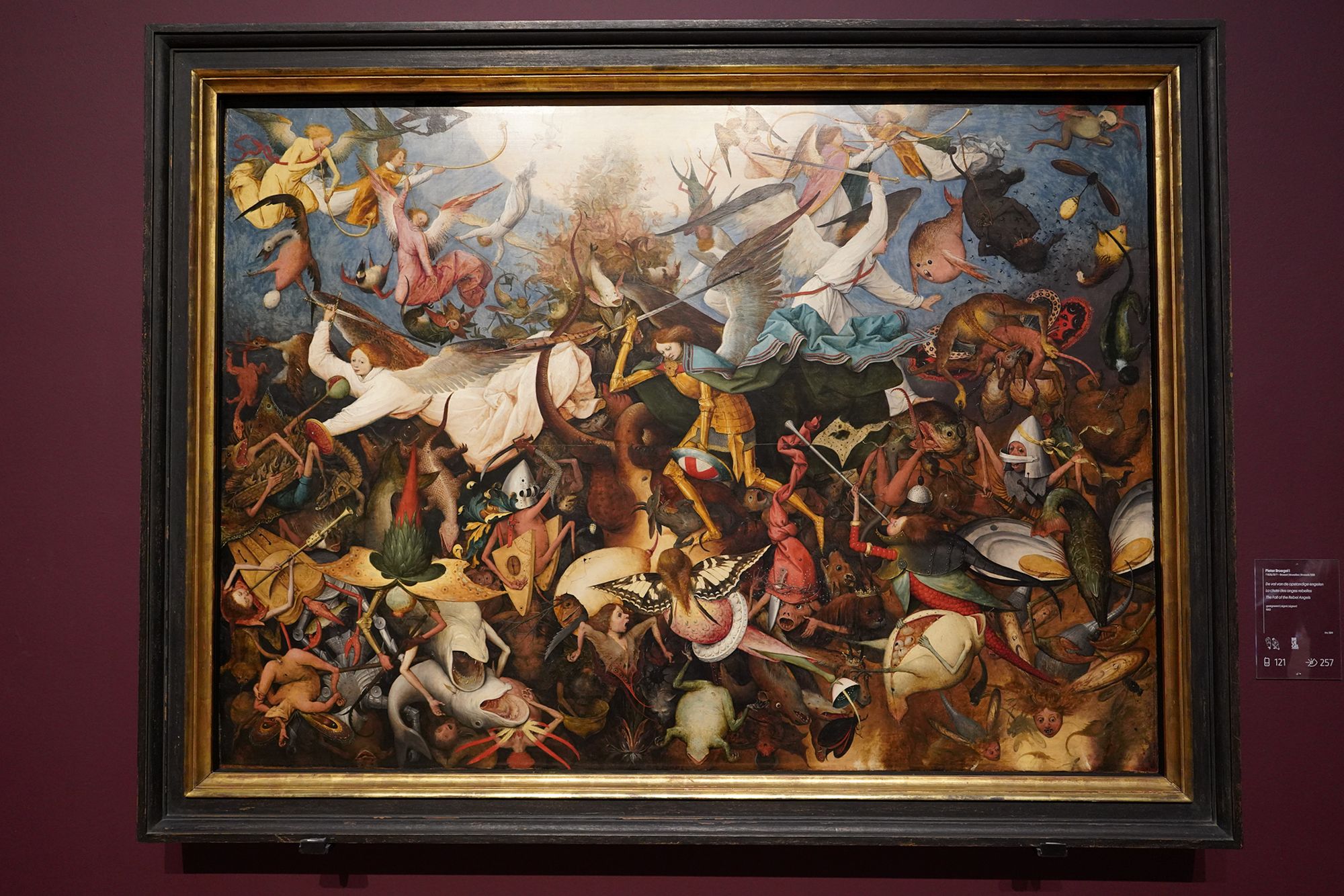
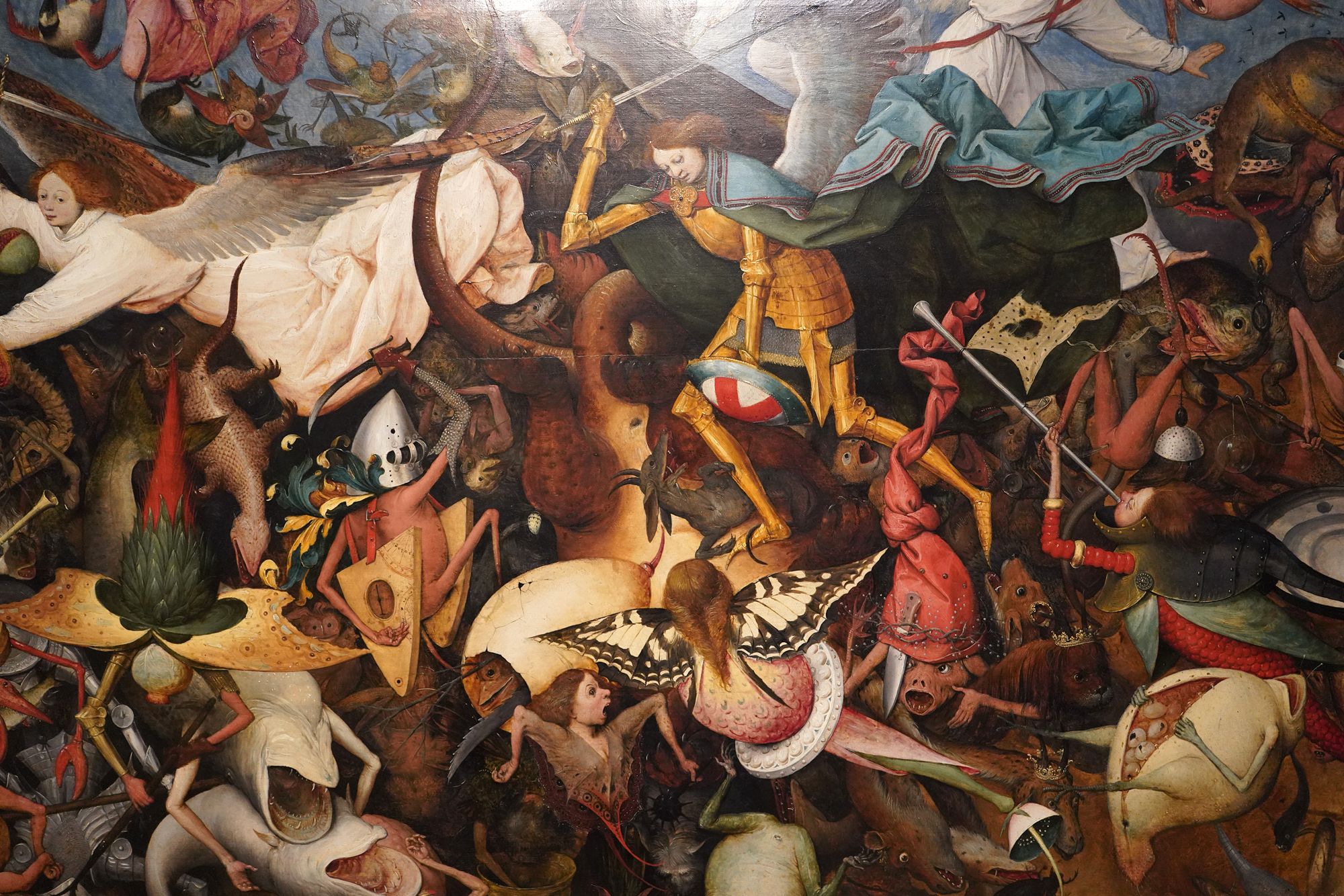
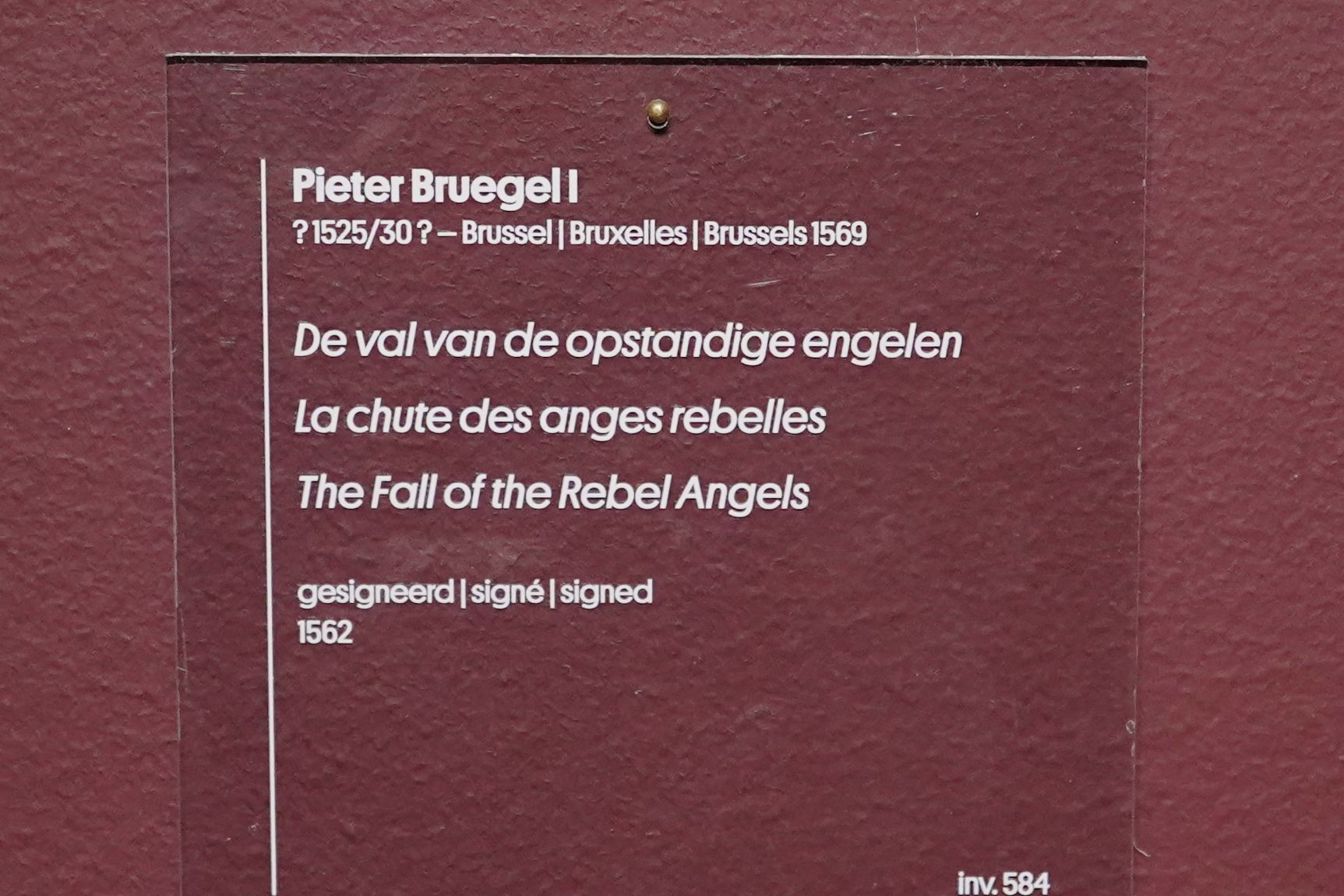
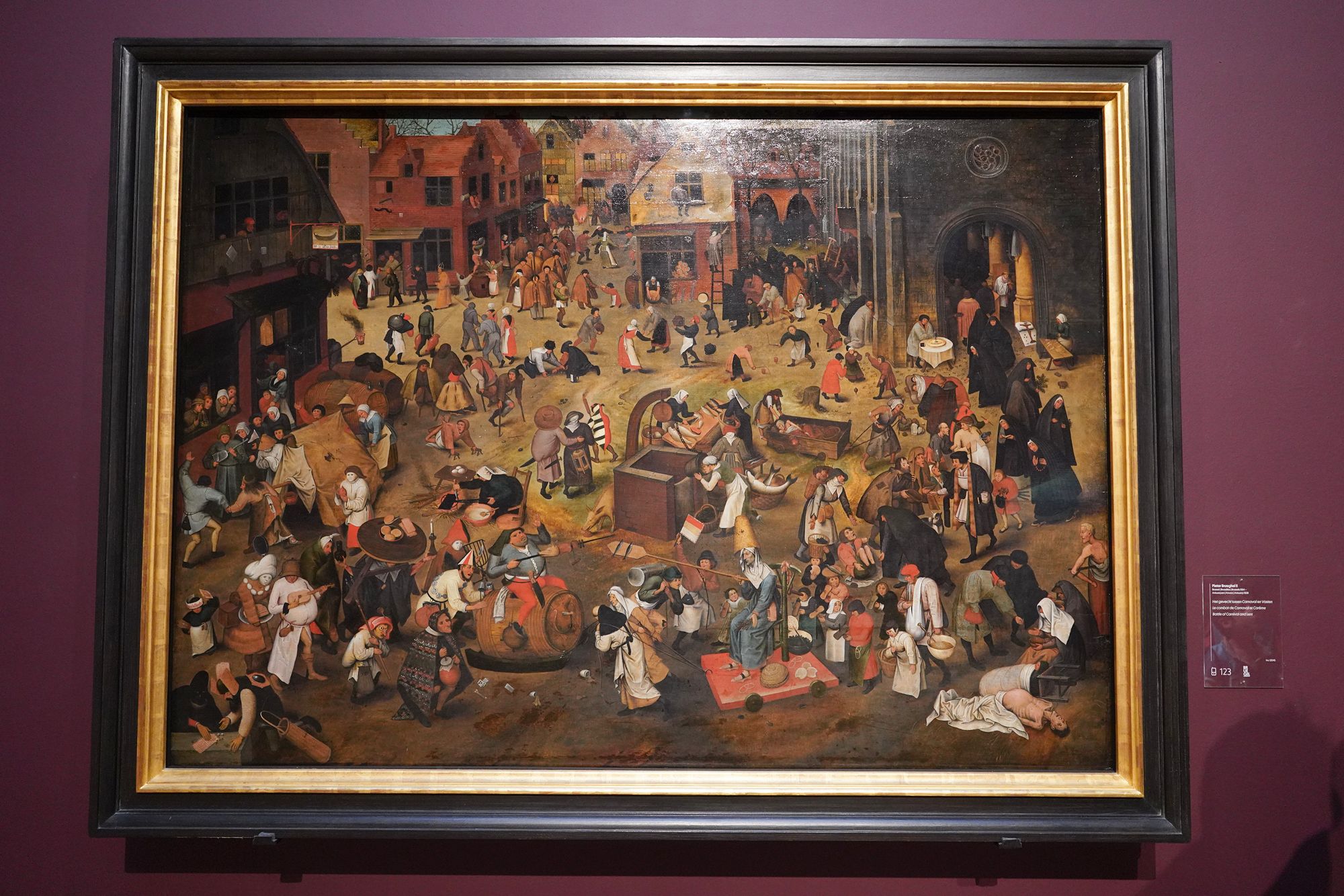
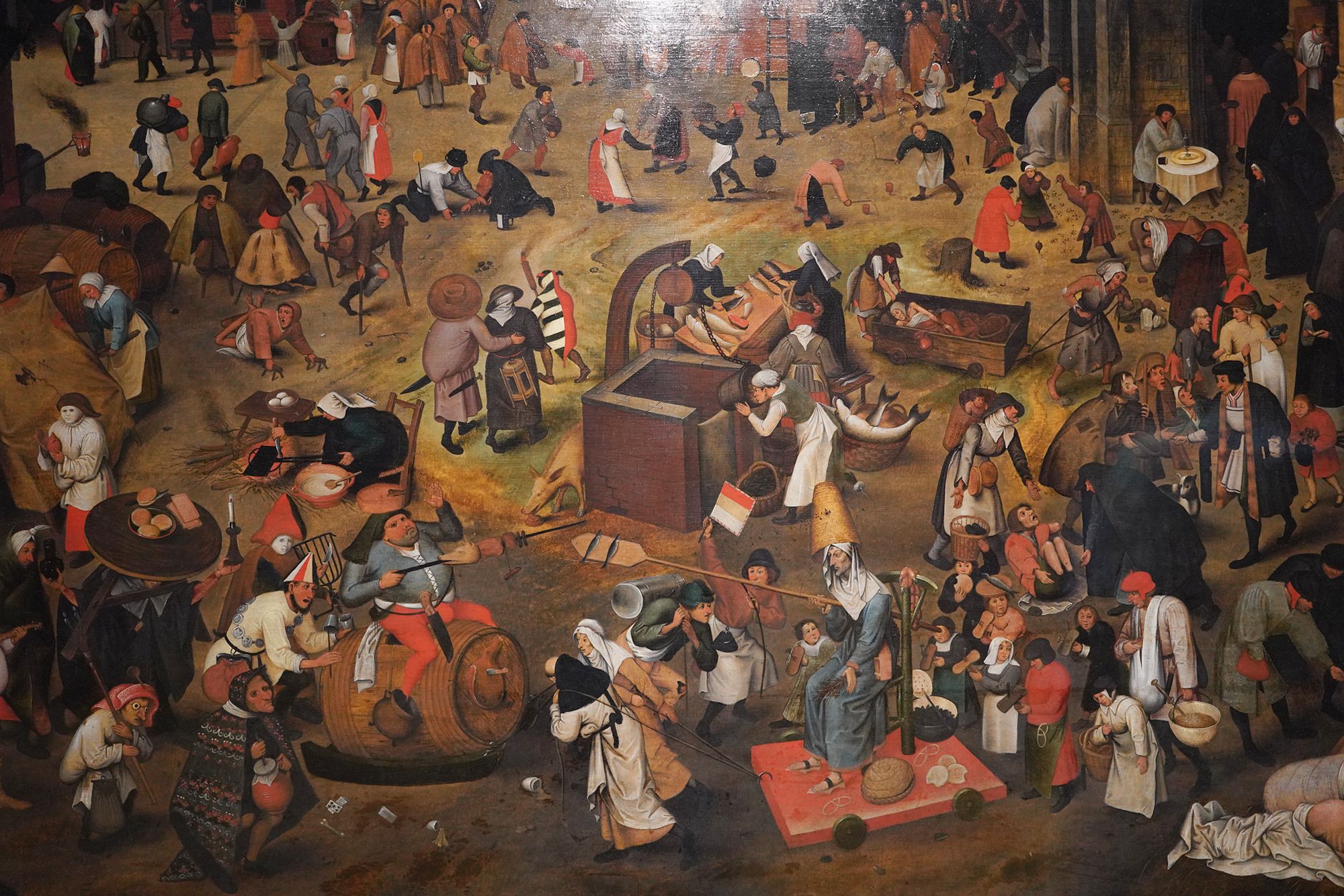
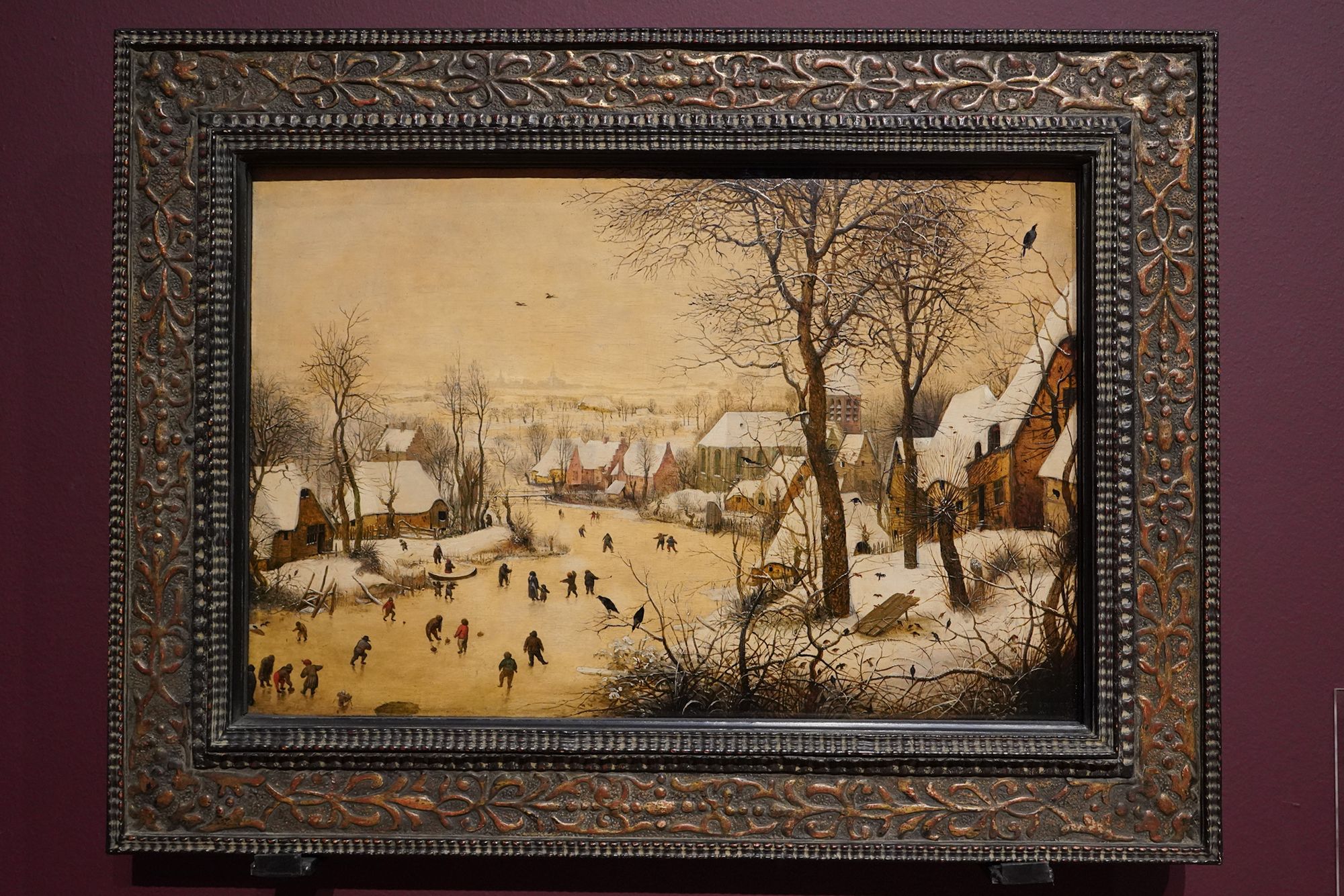
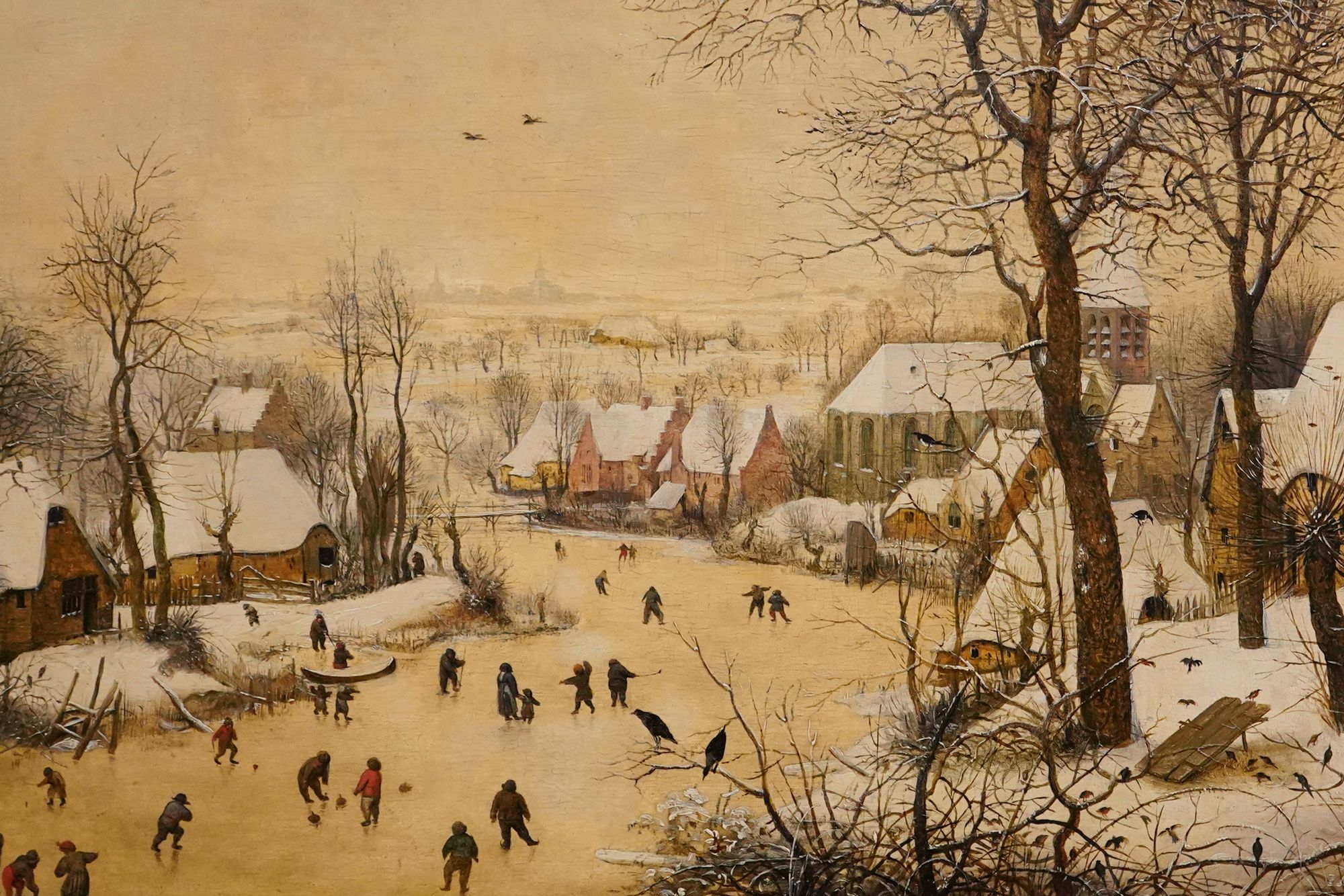
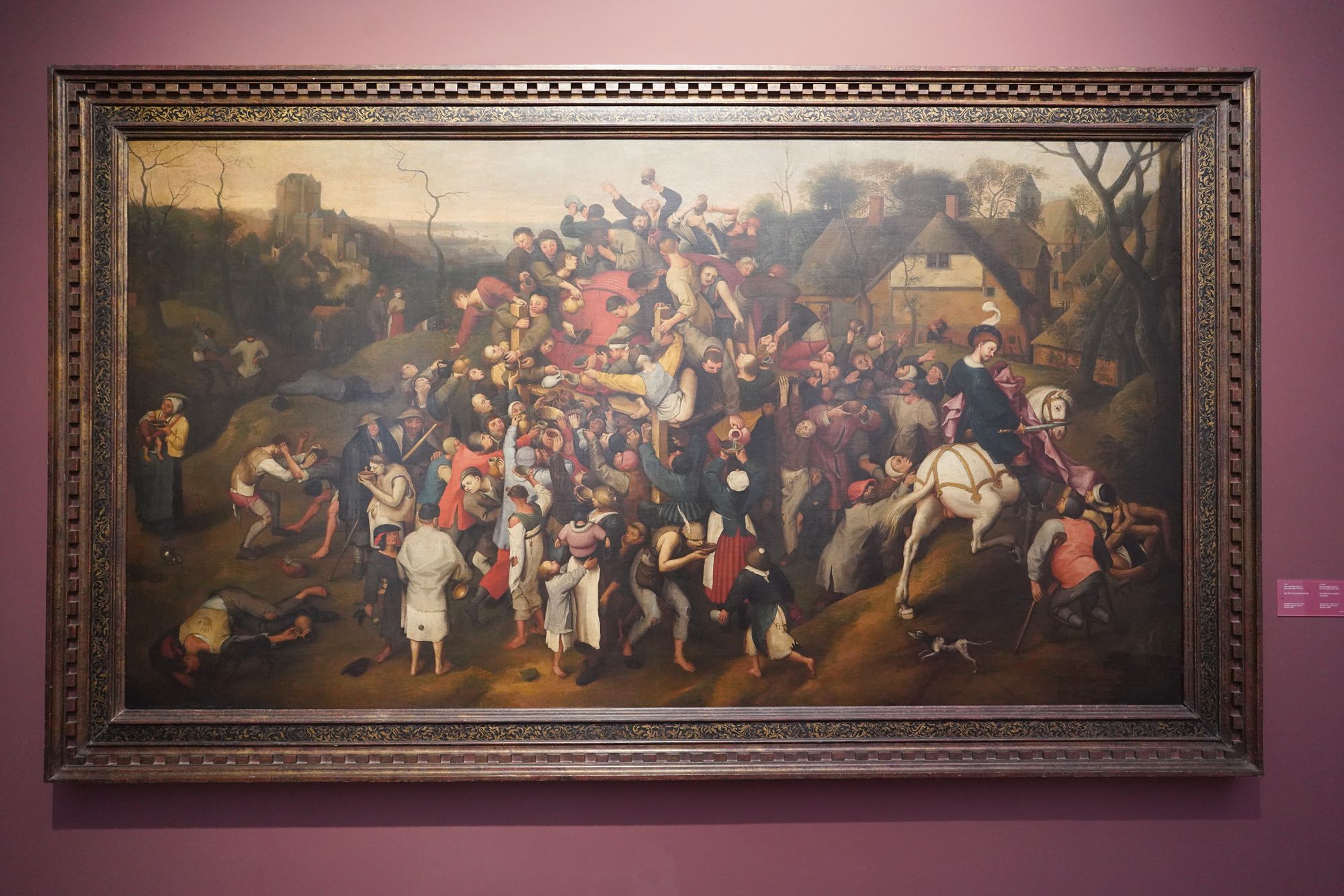
The museum contains an outstanding collection of works by Pieter Bruegel the Elder (c. 1525–1569), one of the great masters of Flemish Renaissance painting. Bruegel is famous for his remarkably detailed scenes of peasant life, landscapes, religious stories, and everyday society, often filling his paintings with dozens of small figures and activities. His works provide a fascinating glimpse into life and culture in the 16th-century Low Countries.
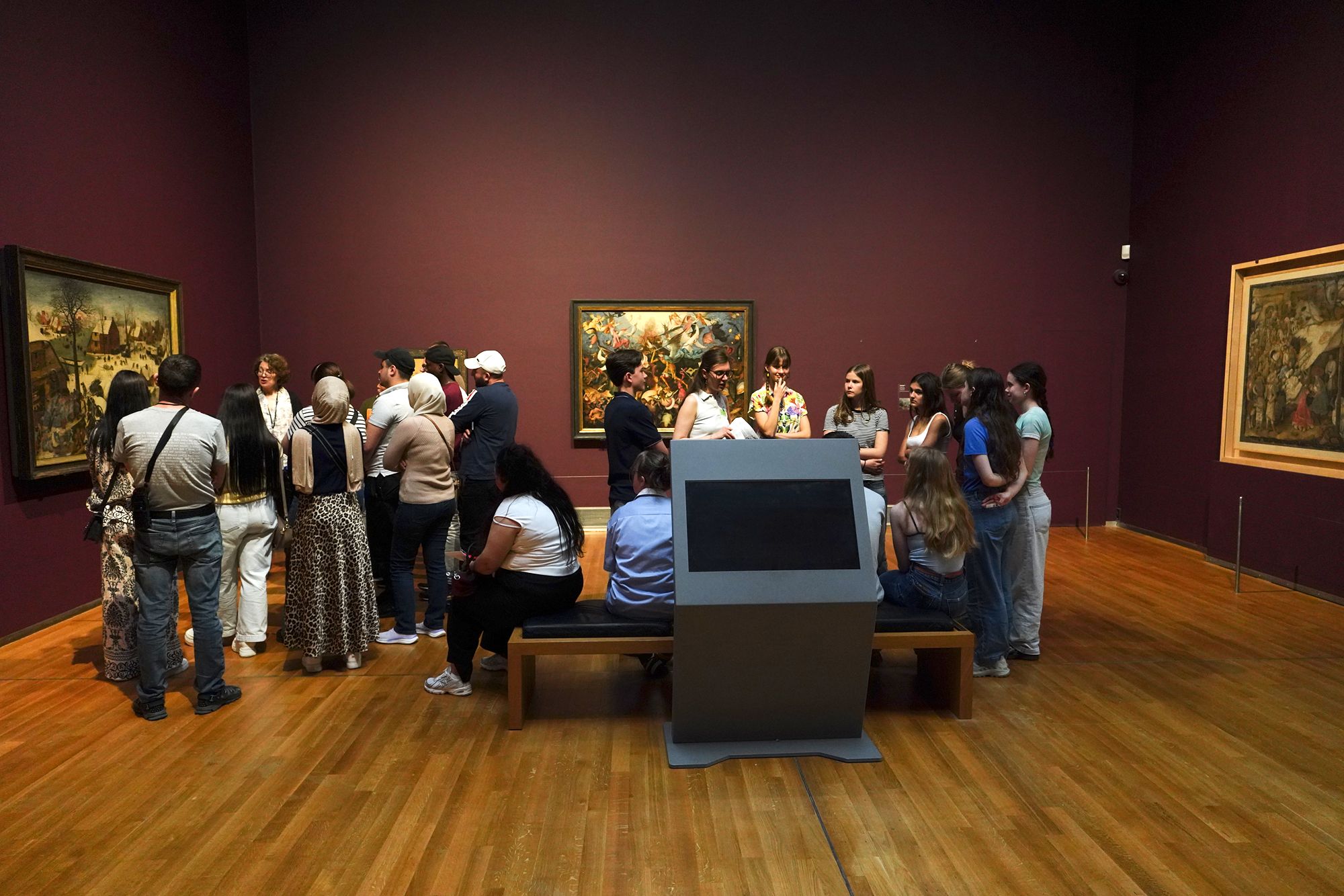
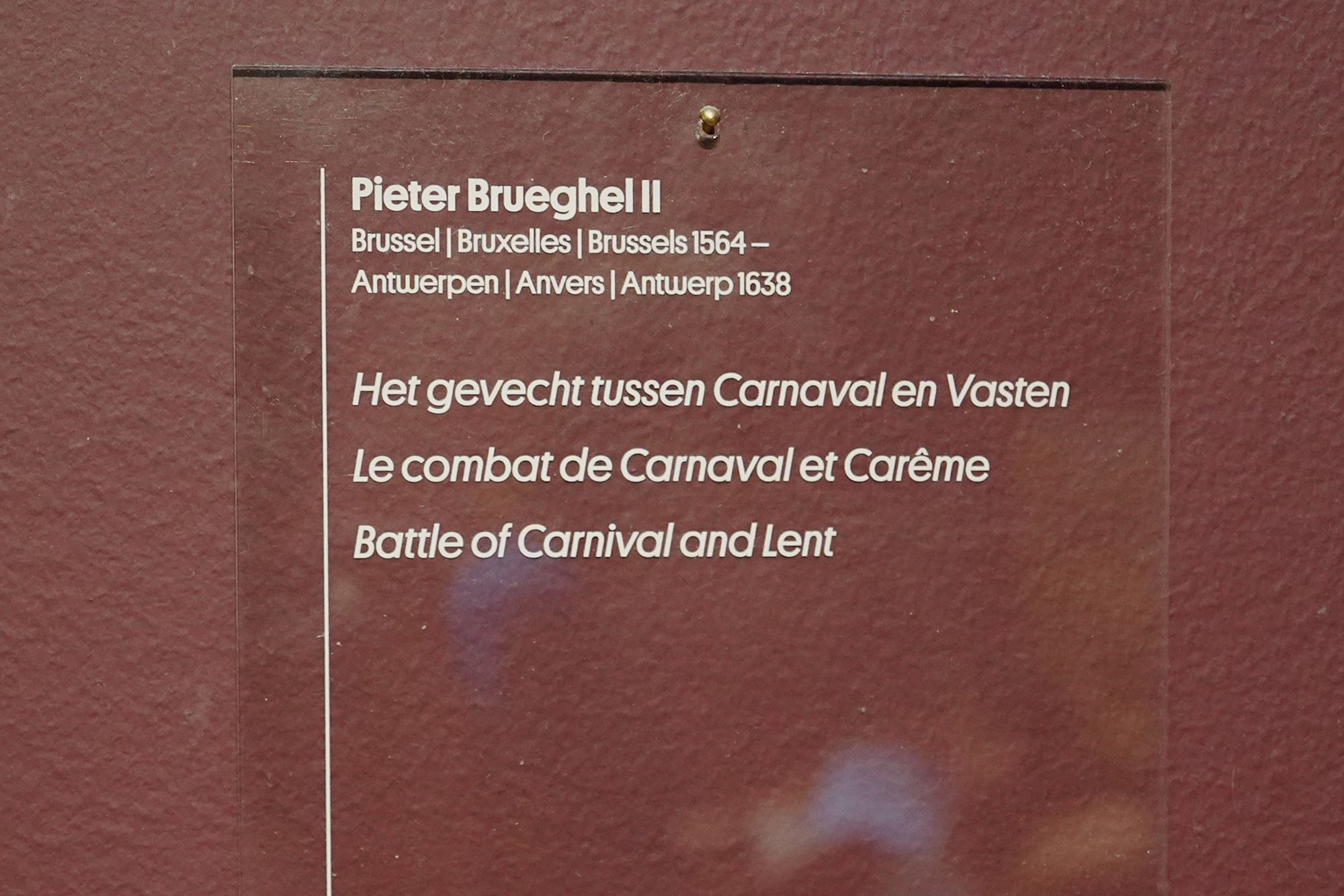
The names can be confusing because there were two important Pieter Brueghels, father and son:
- Pieter Bruegel the Elder (Bruegel I, c. 1525–1569) — the famous original master. He painted landscapes, peasant life, biblical scenes, and works such as The Census at Bethlehem (1566). He is generally the Bruegel people mean when they simply say “Bruegel.”
- Pieter Brueghel the Younger (Brueghel II, 1564–1637/38) — his son. He became a successful painter and produced many versions and adaptations of his father's compositions, helping preserve and spread his father's imagery.
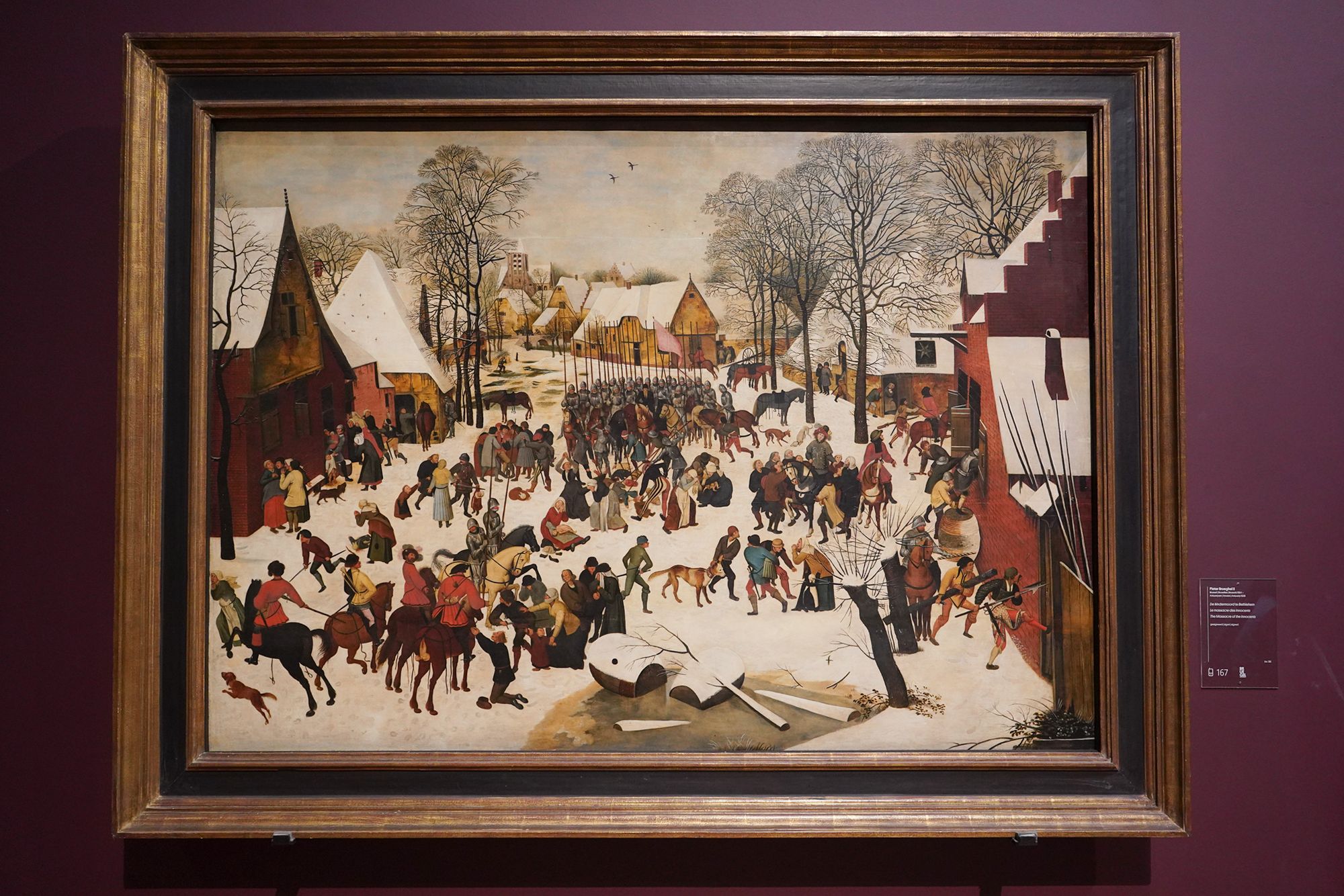
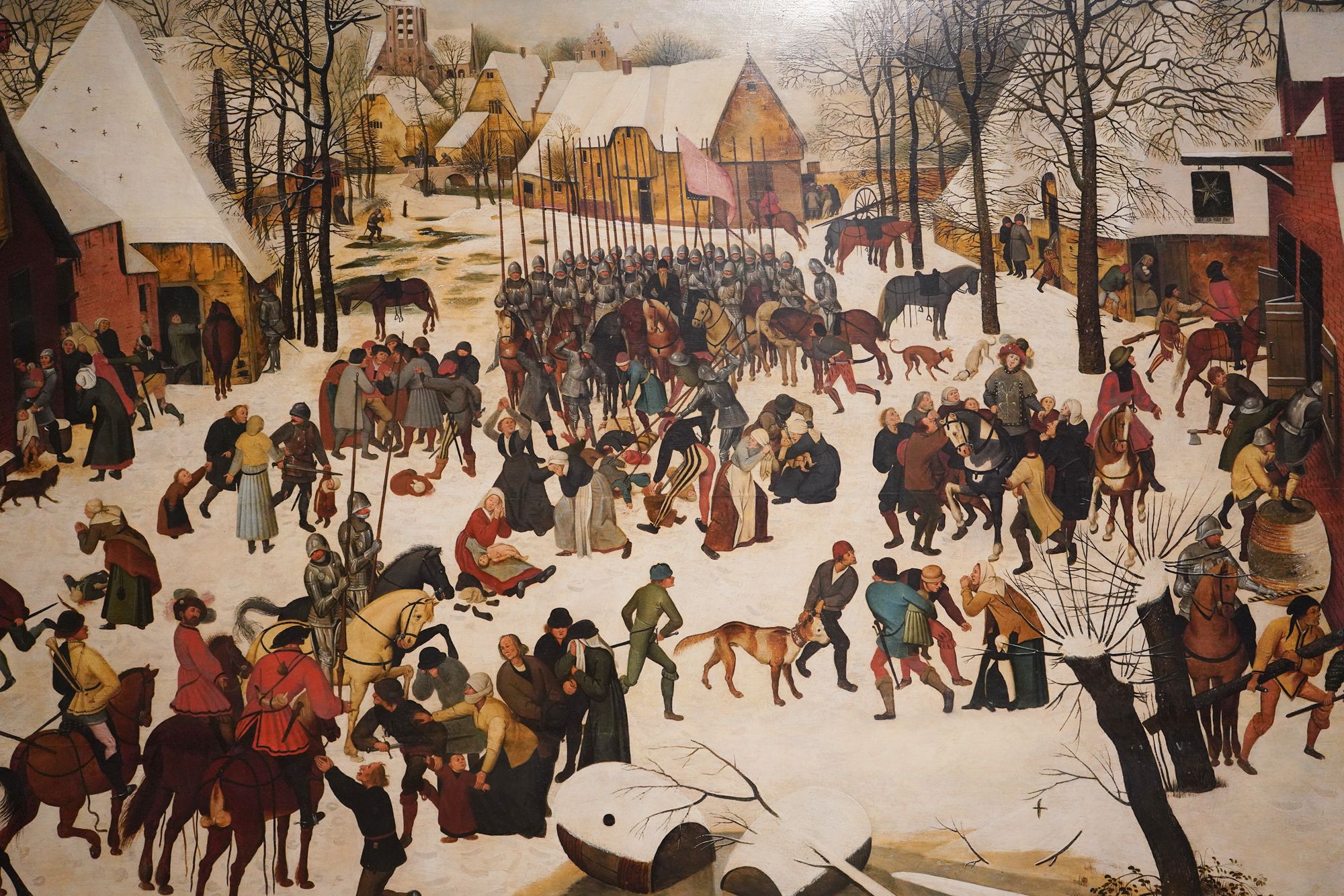
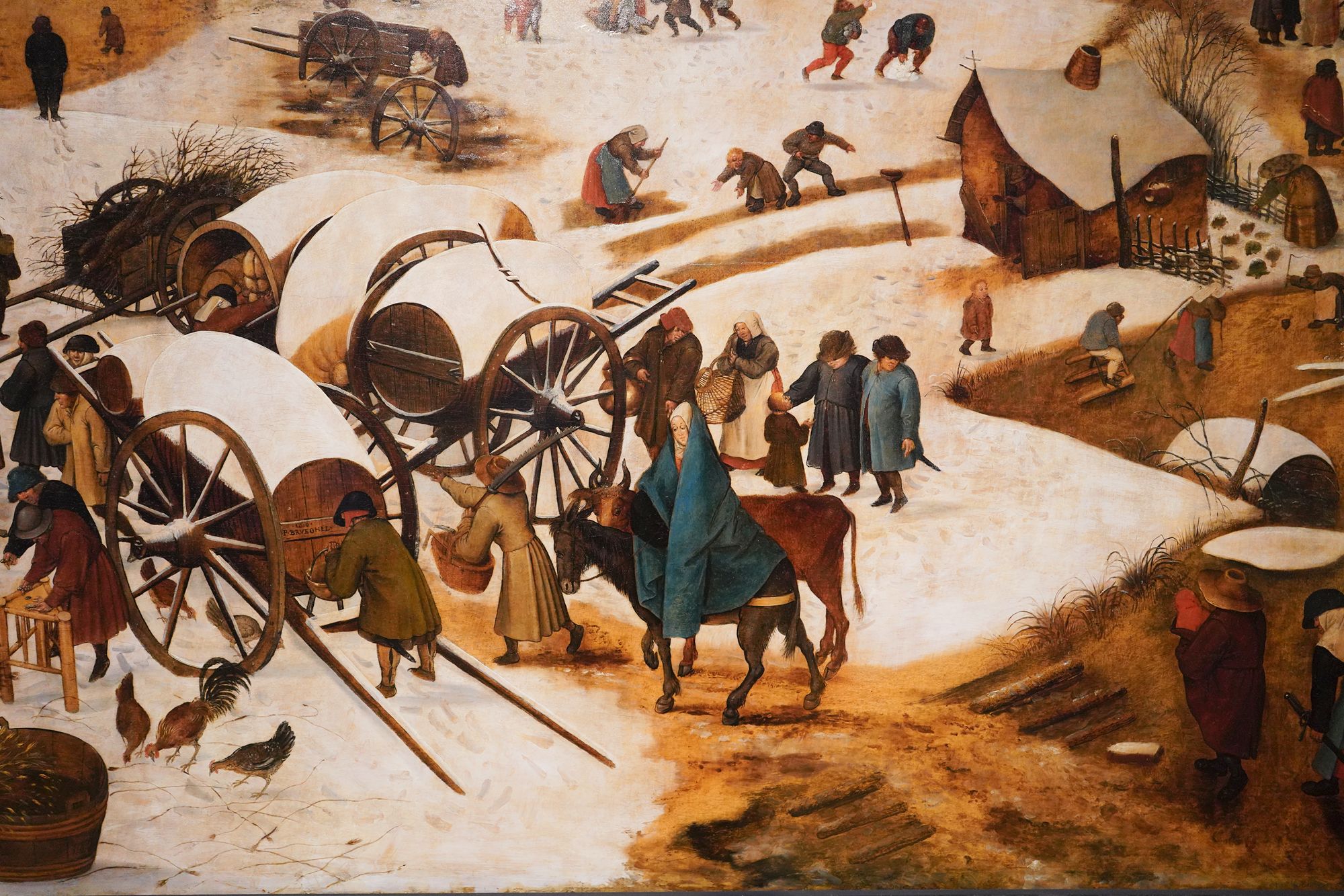
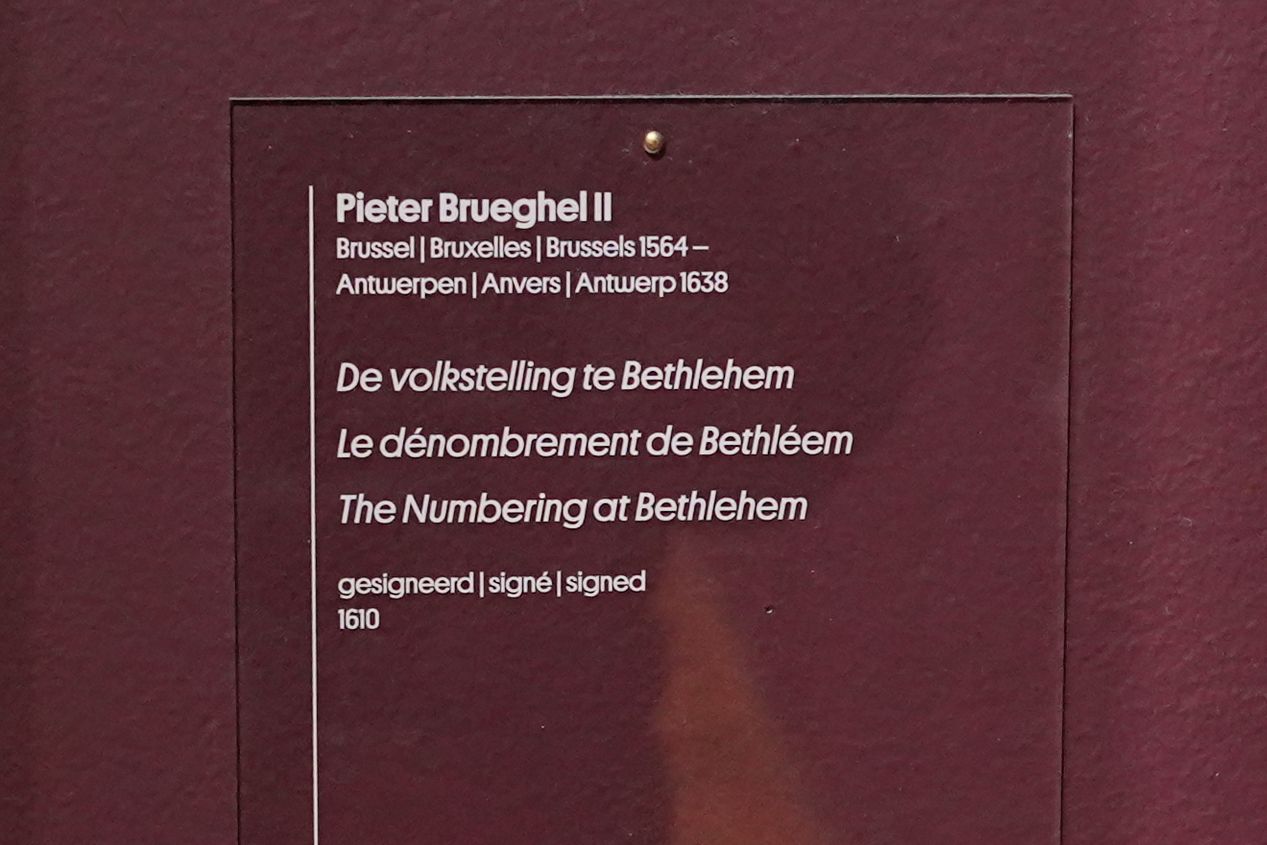
The Census at Bethlehem (1566) by Pieter Bruegel the Elder places the biblical story of Mary and Joseph in a snowy 16th-century Flemish village. The couple almost disappears among villagers working, playing, traveling, and gathering at the inn, combining a religious story with Bruegel’s wonderfully detailed observation of everyday life.
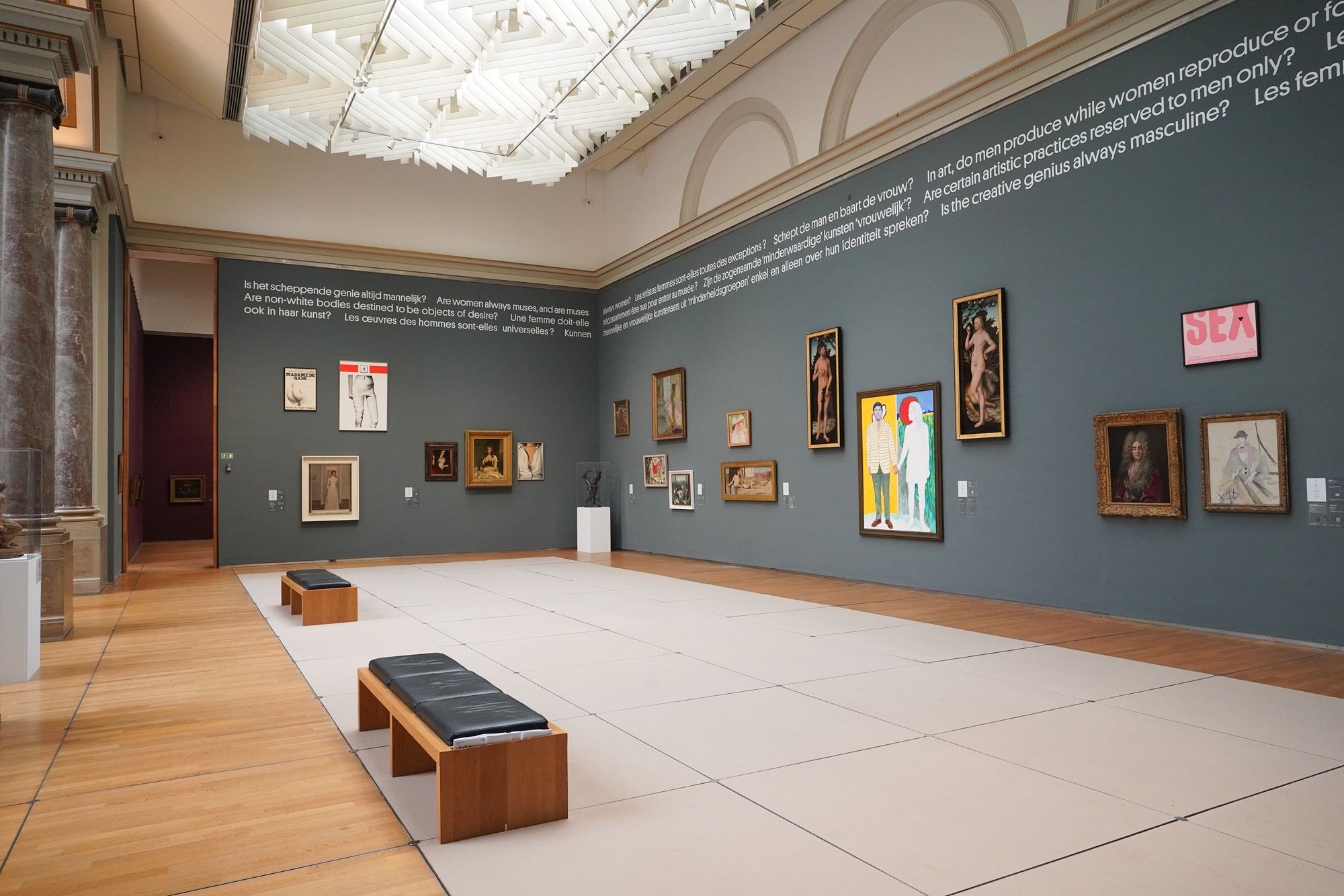
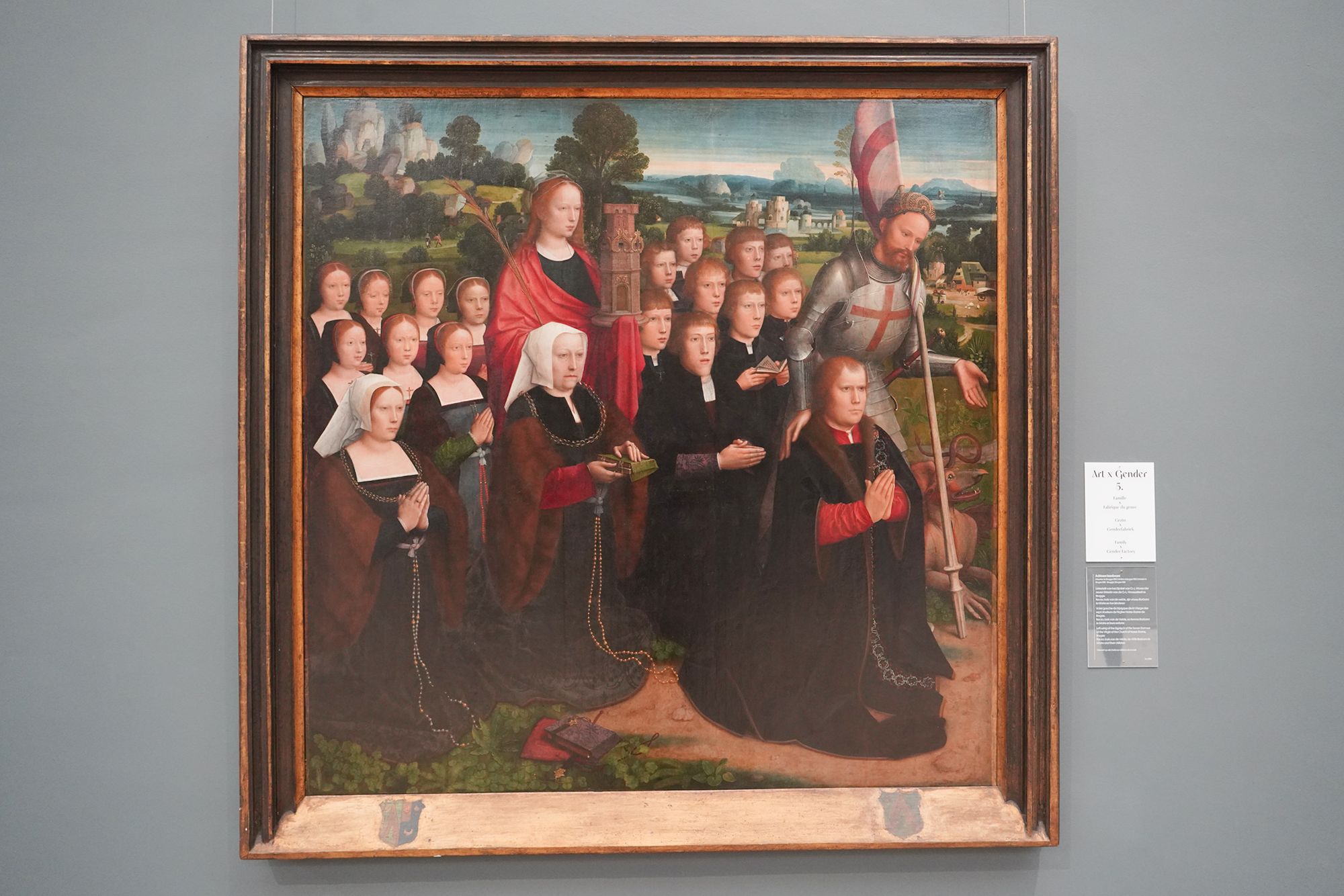
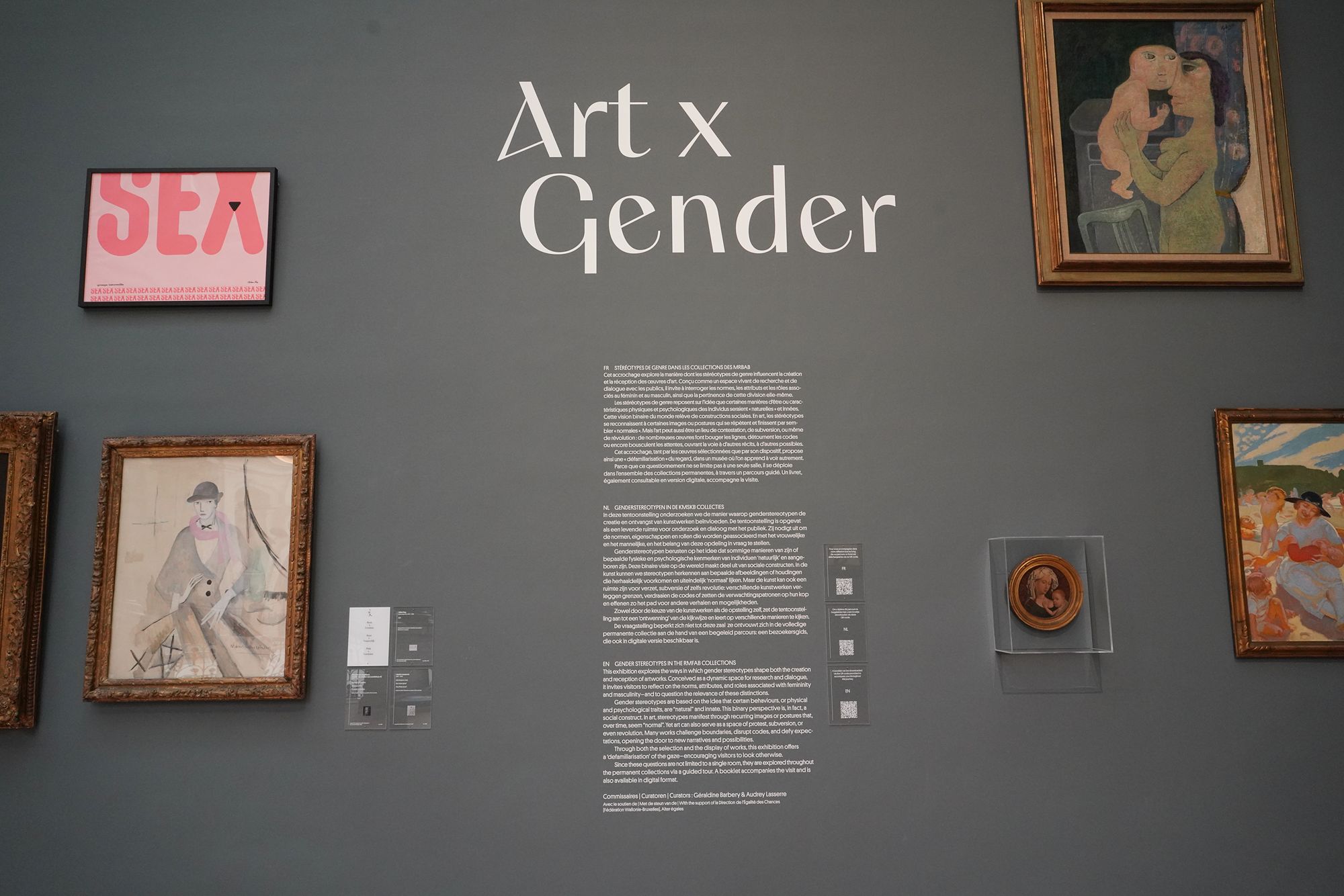
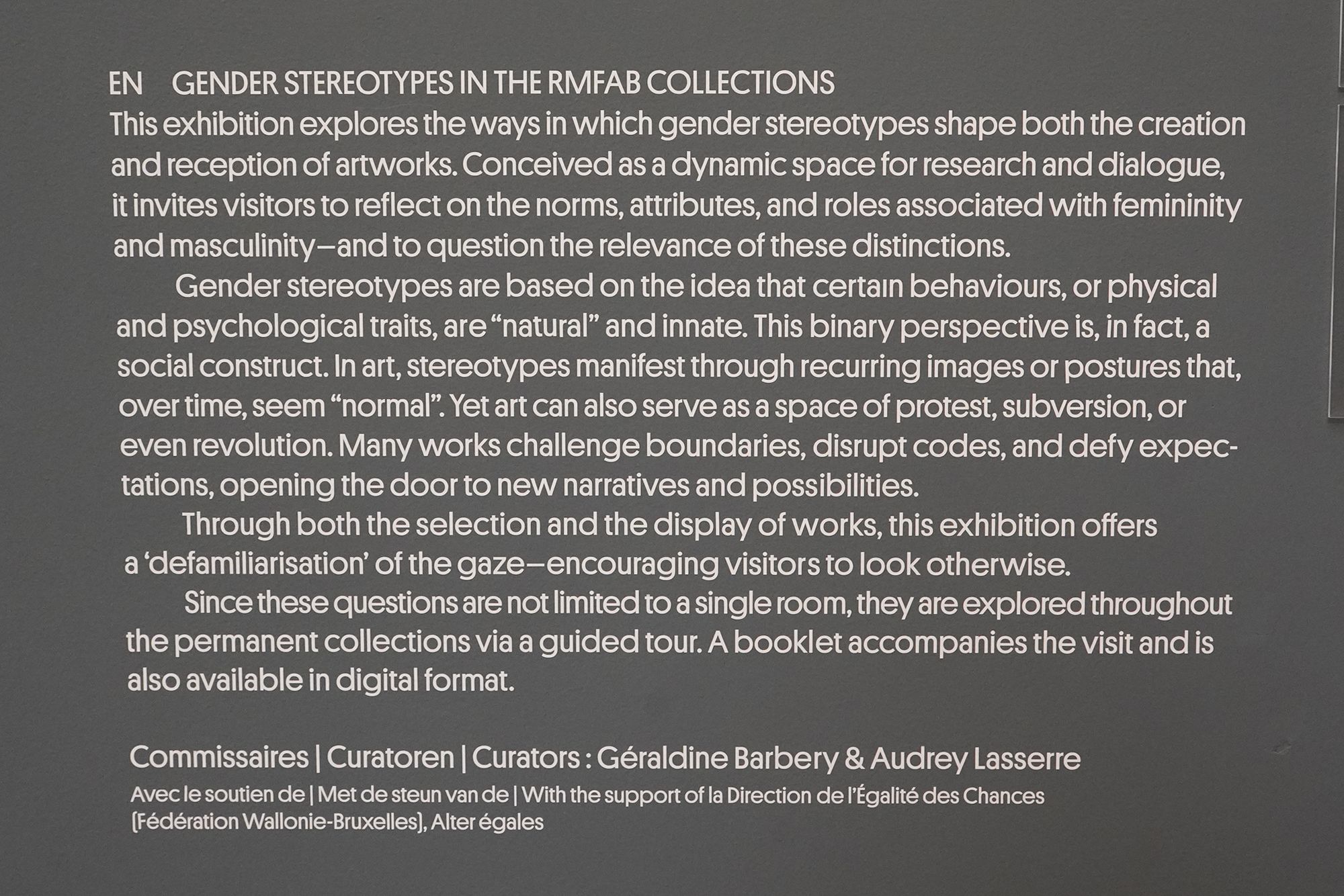
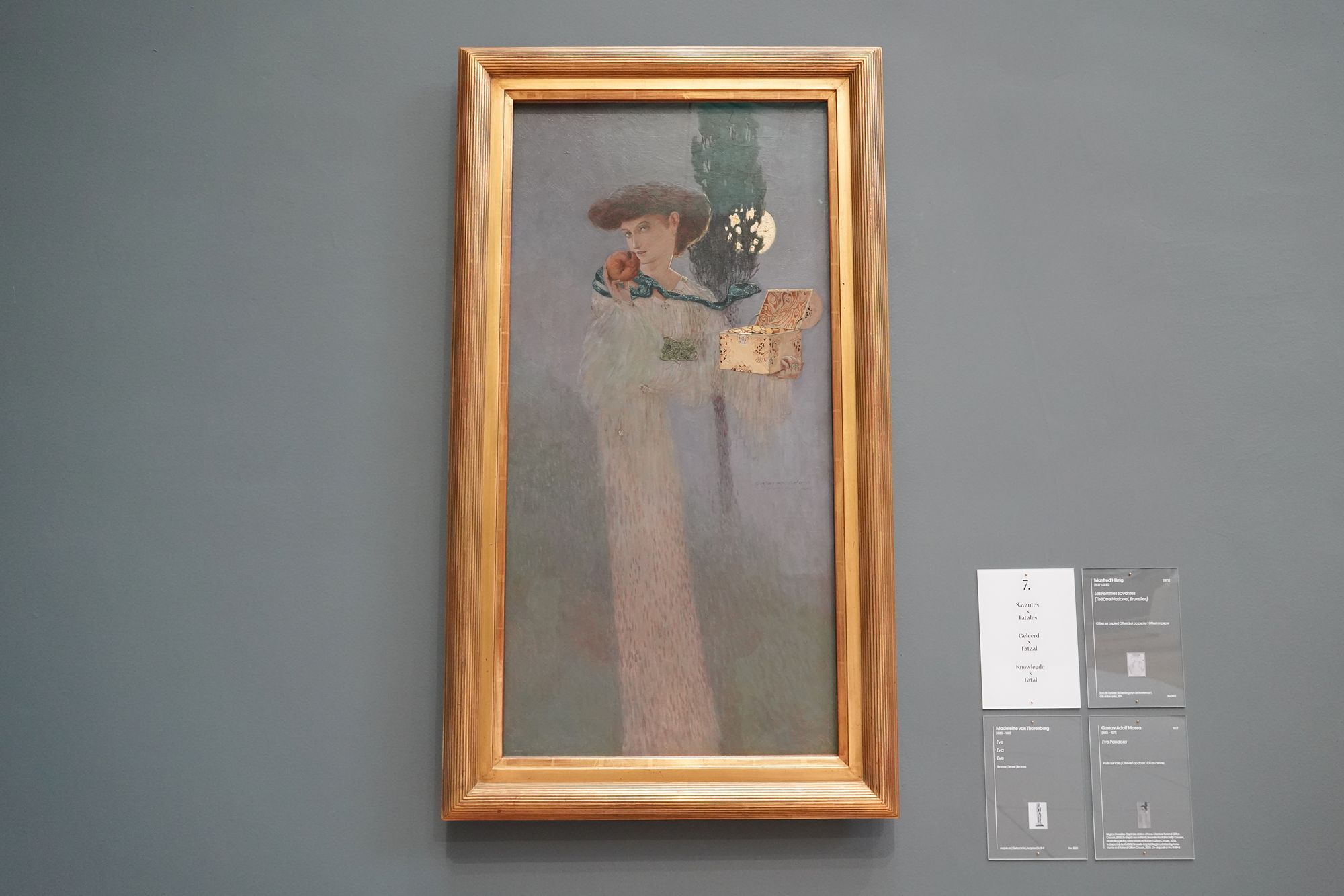
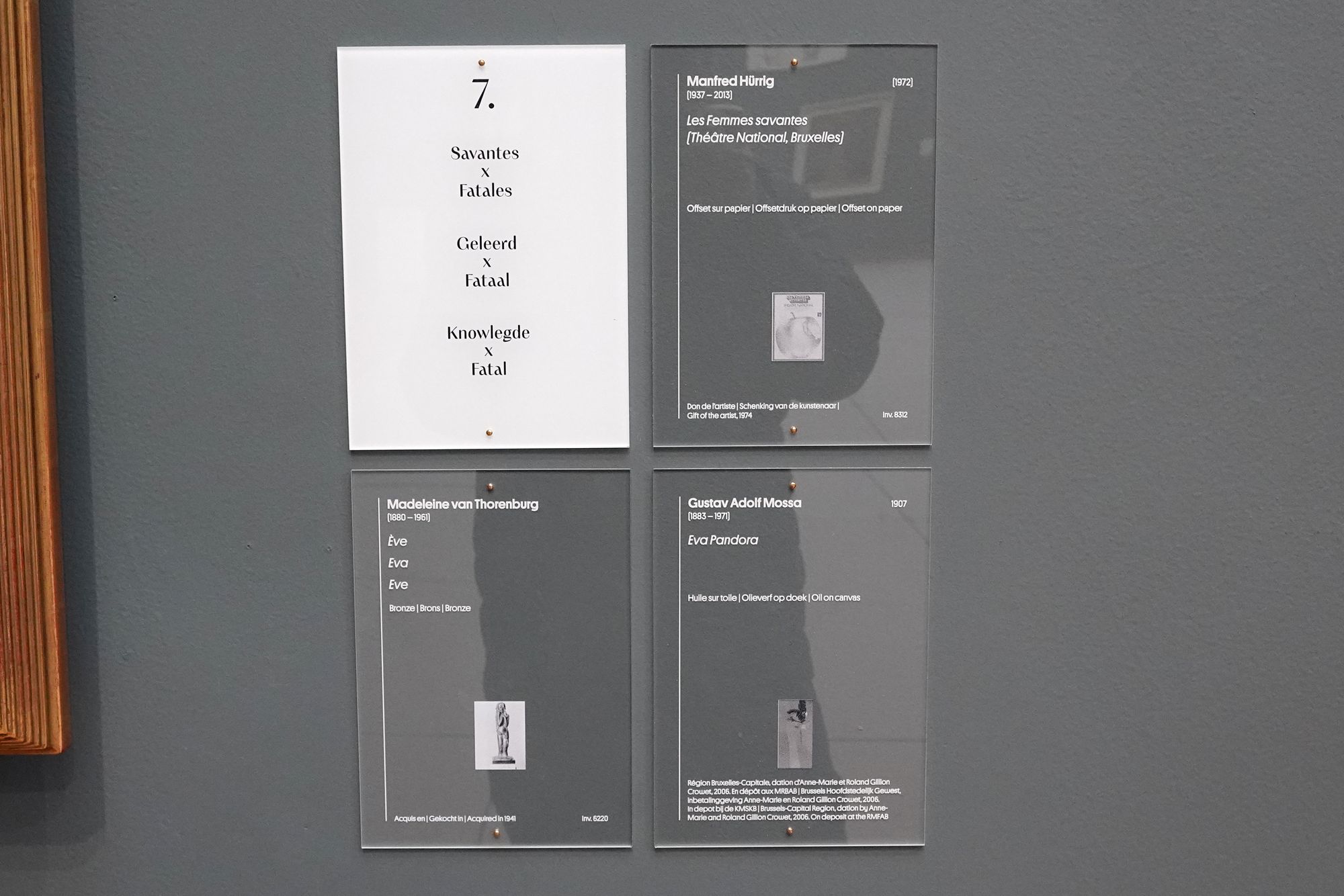
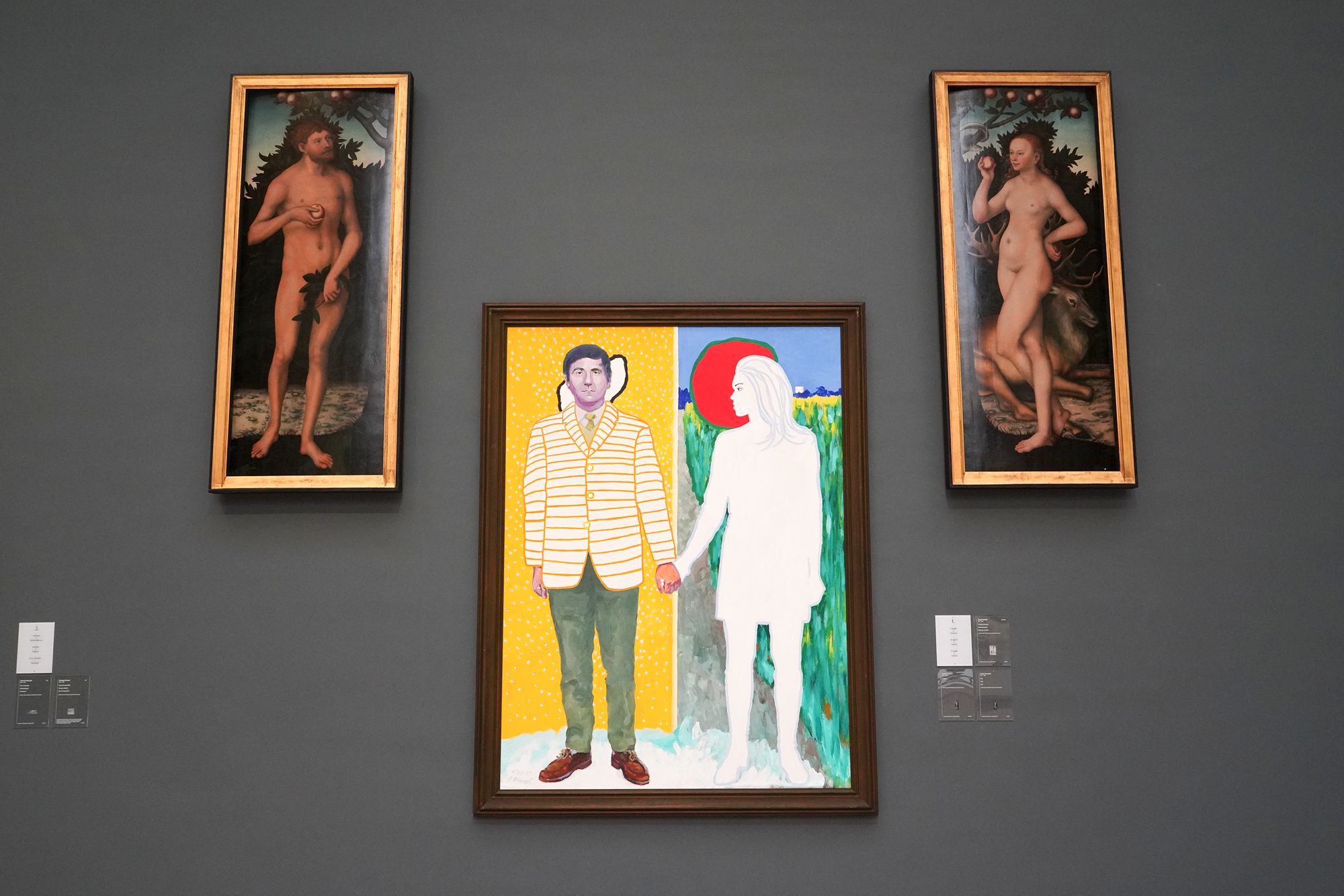
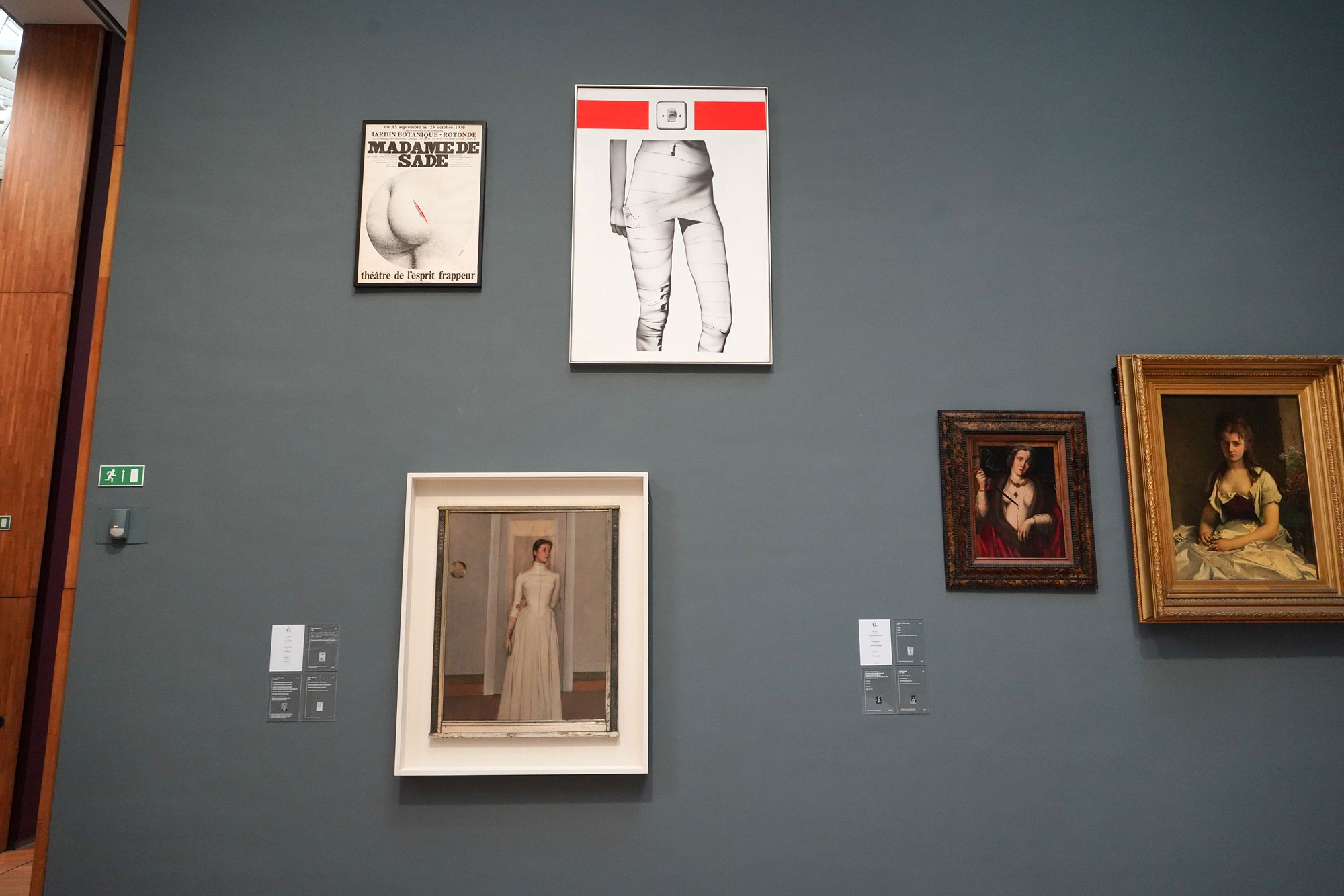
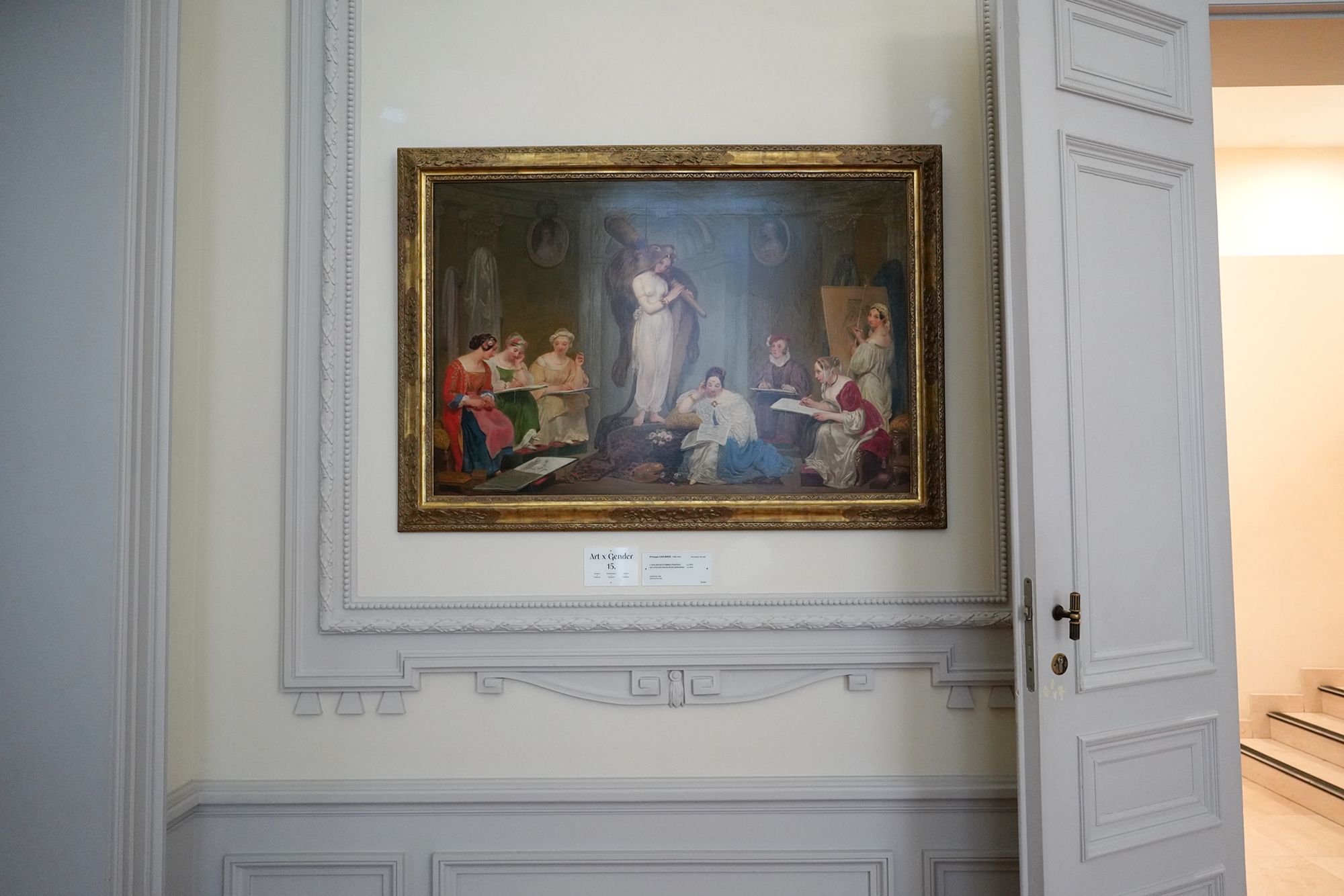
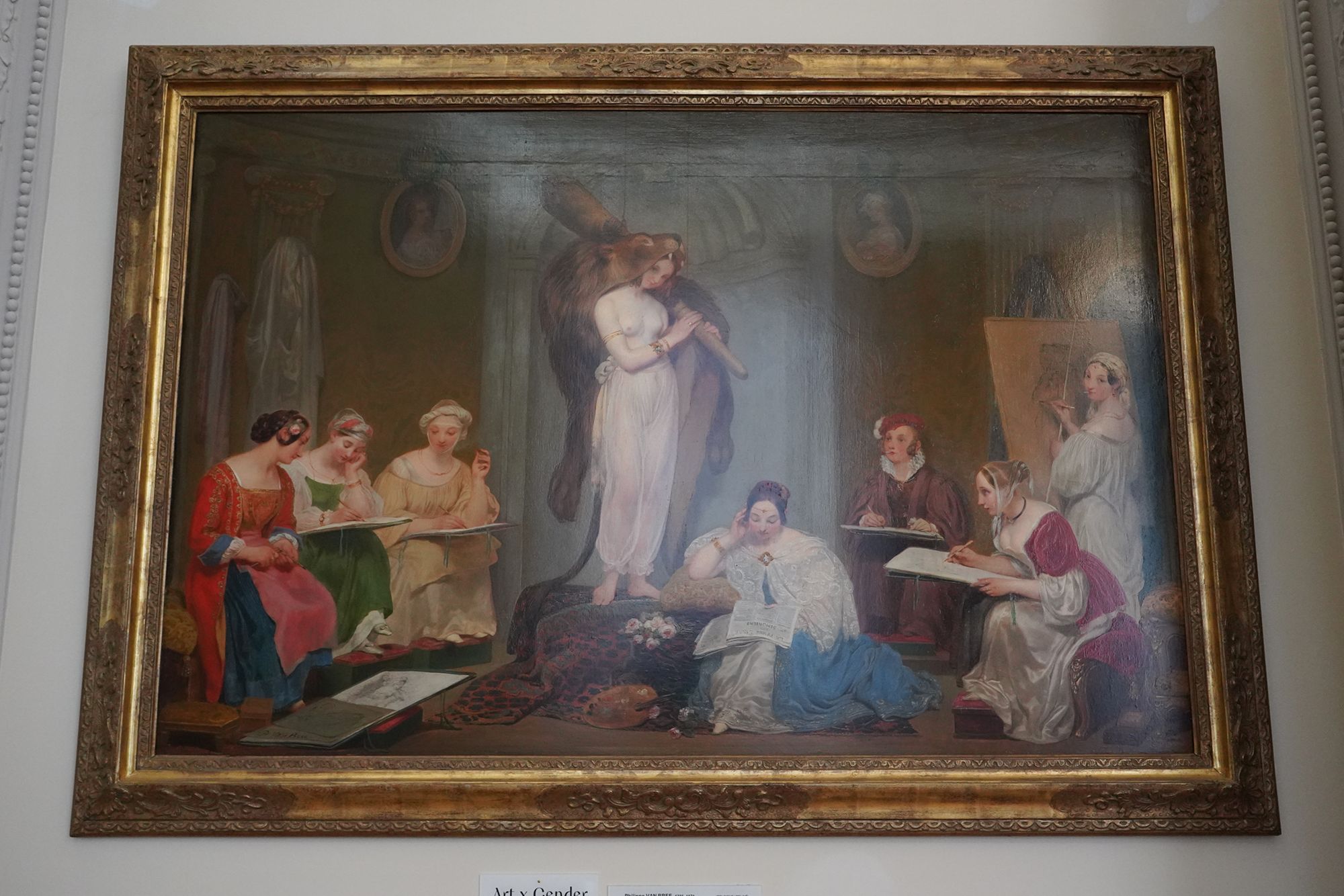
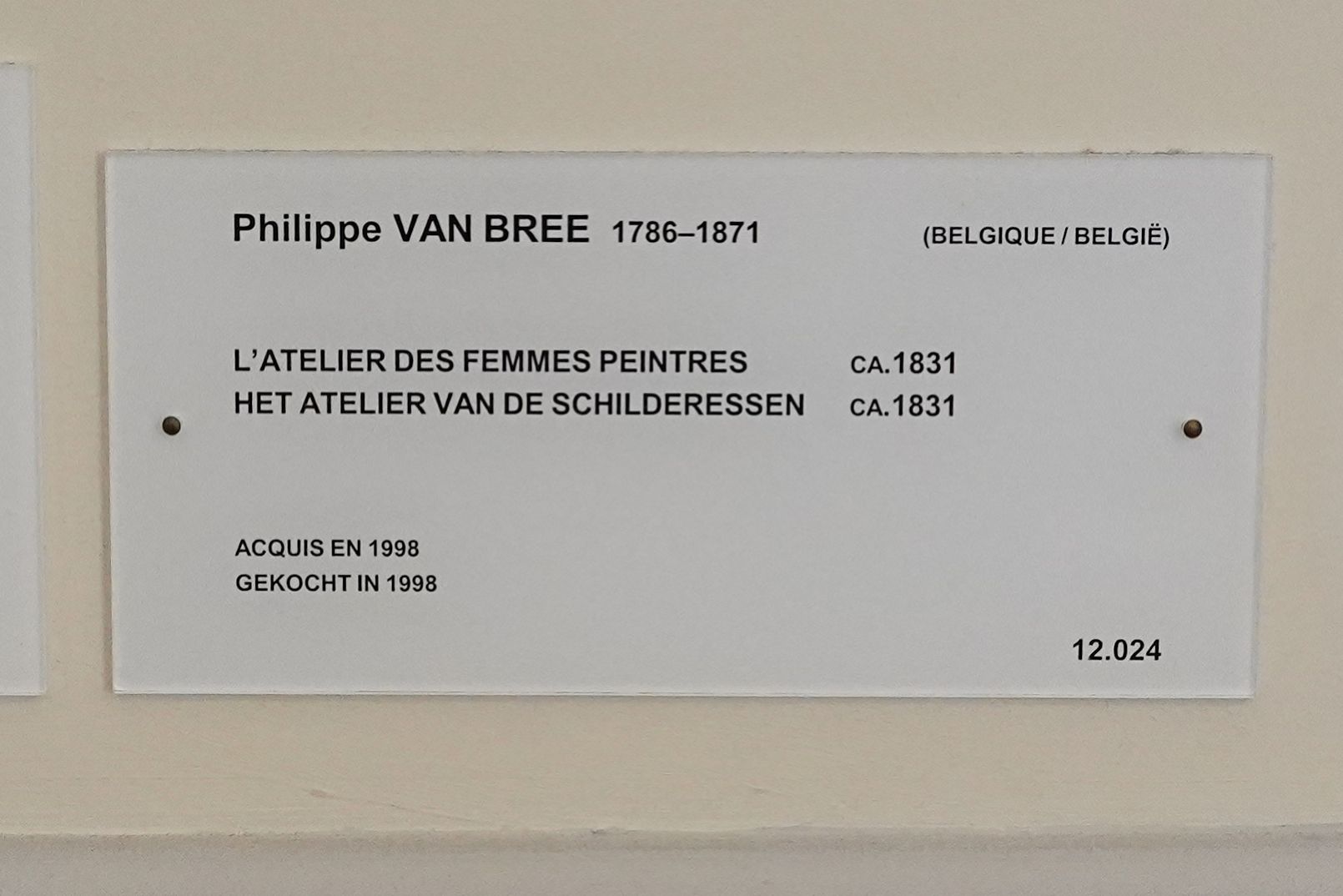
This exhibition explored how gender stereotypes have influenced both the creation and interpretation of art. Using works from the museum’s permanent collection, it examined traditional ideas about femininity and masculinity while showing how artists have sometimes challenged these conventions, questioned established social roles, and offered new ways of looking at gender and identity.
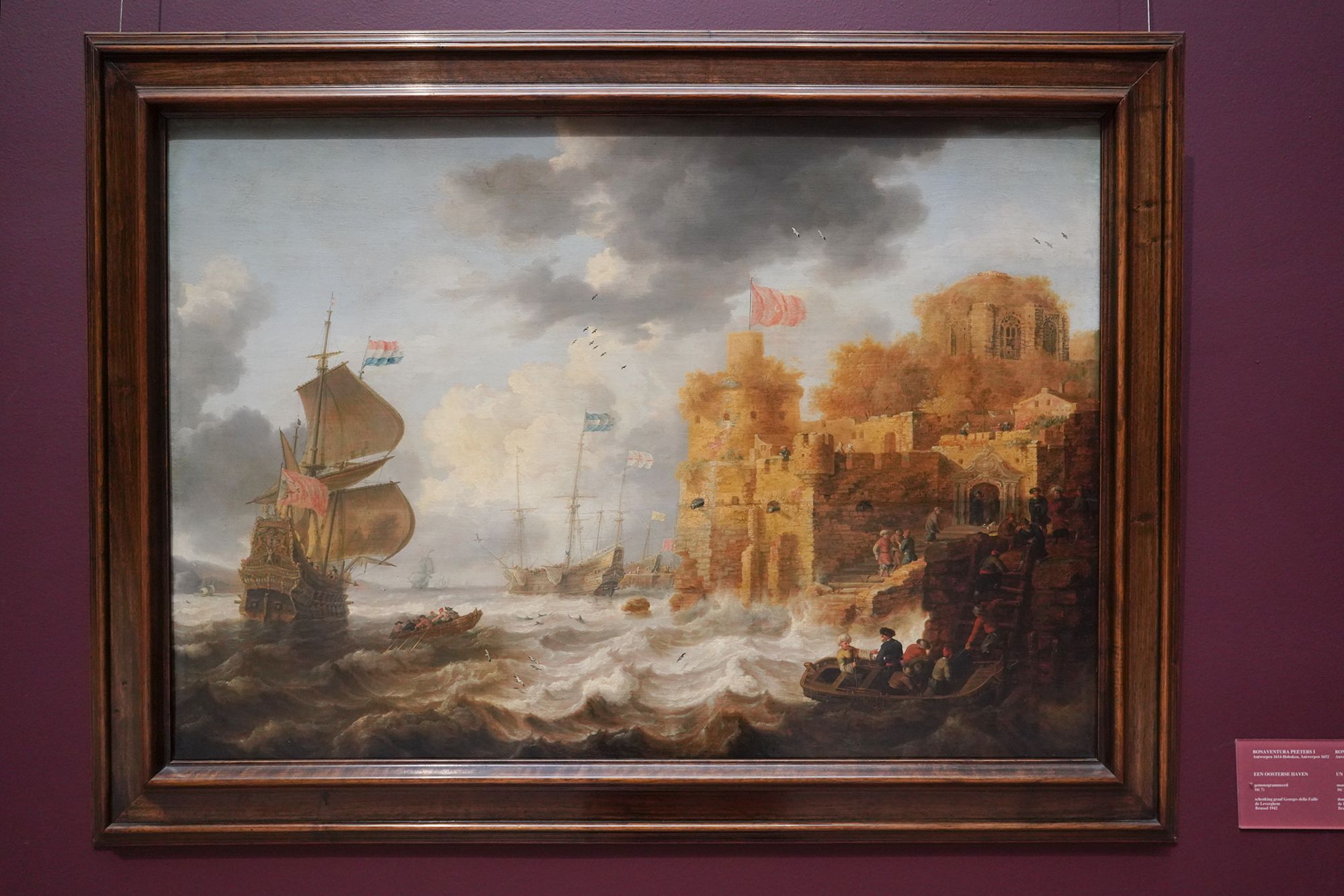
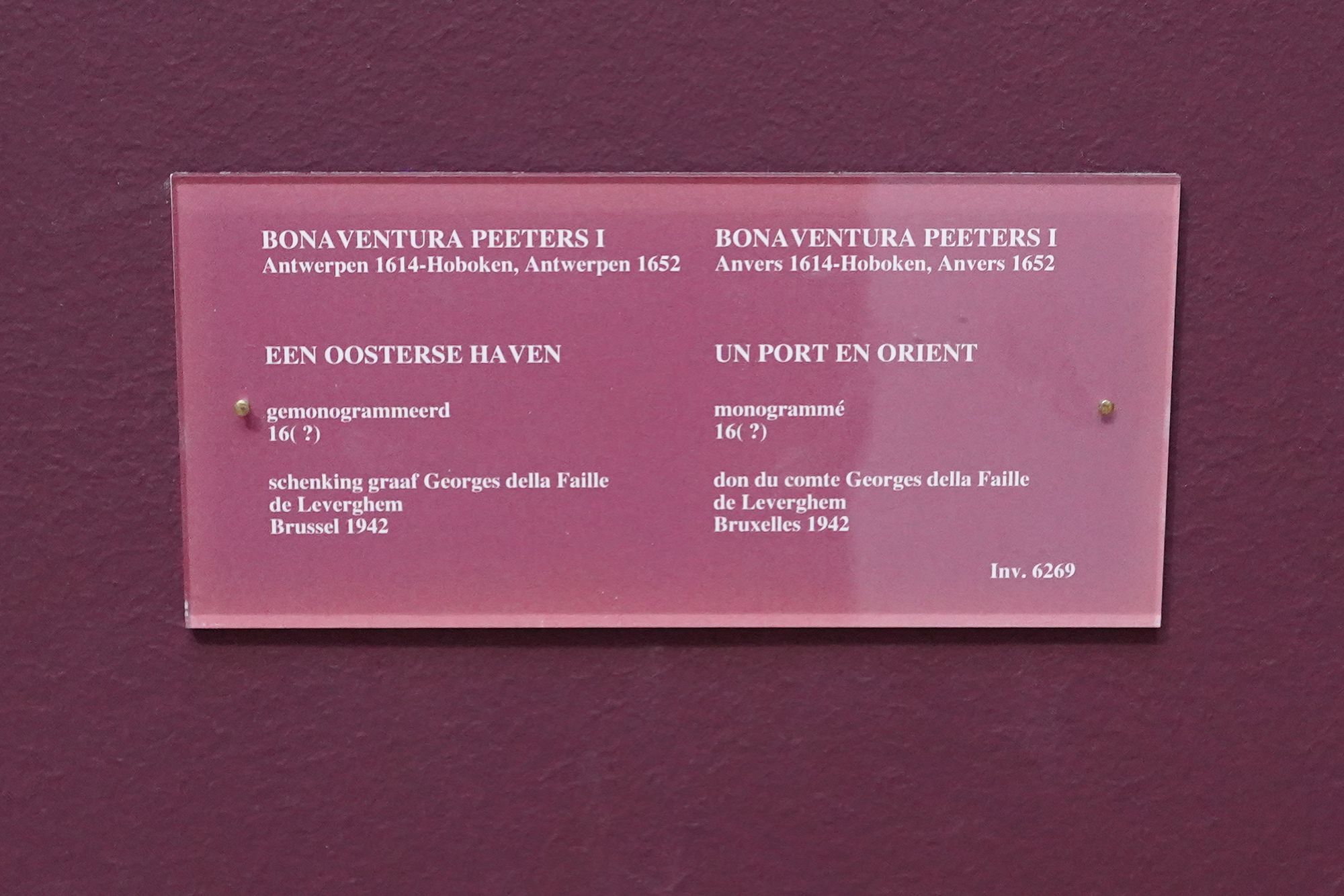
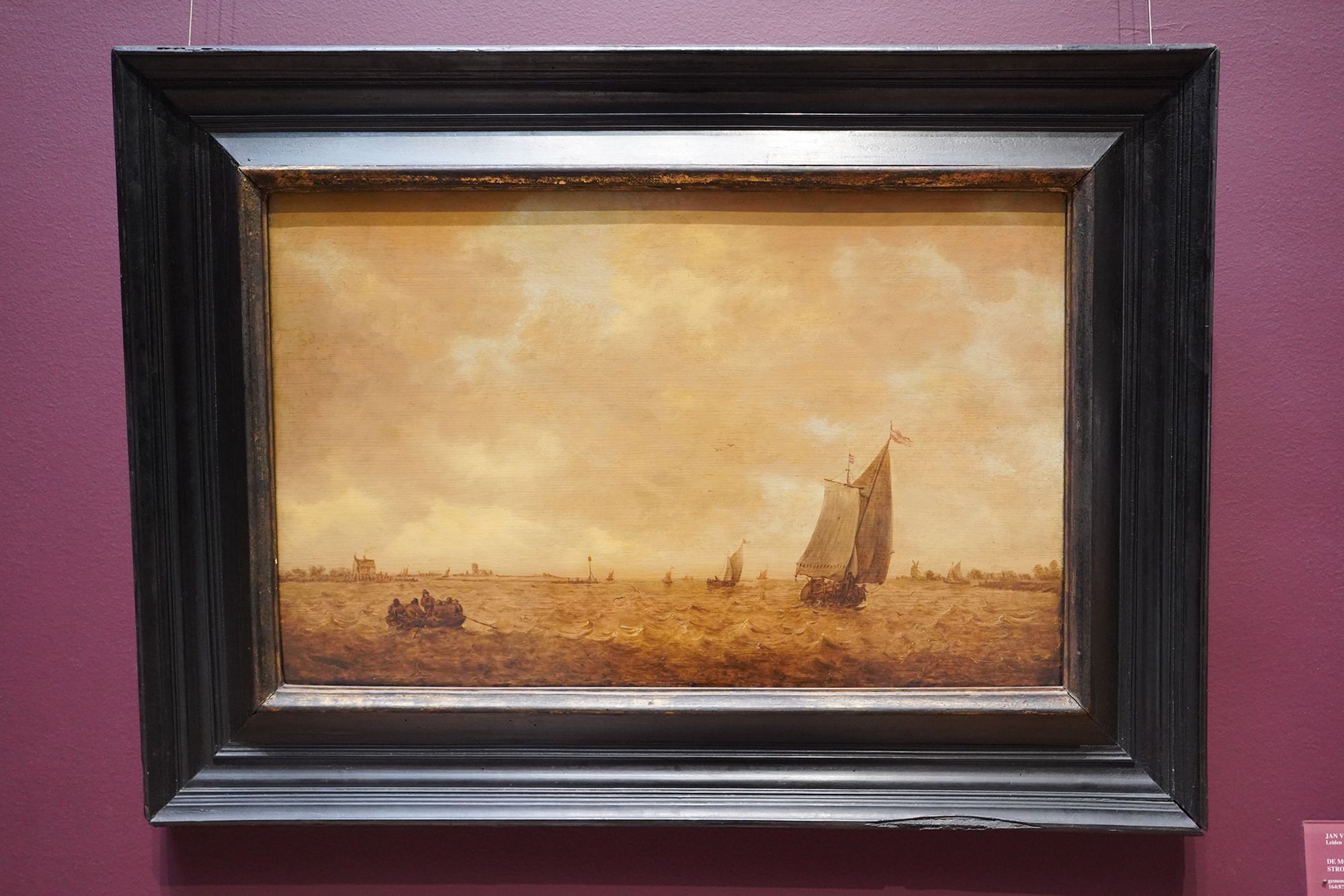
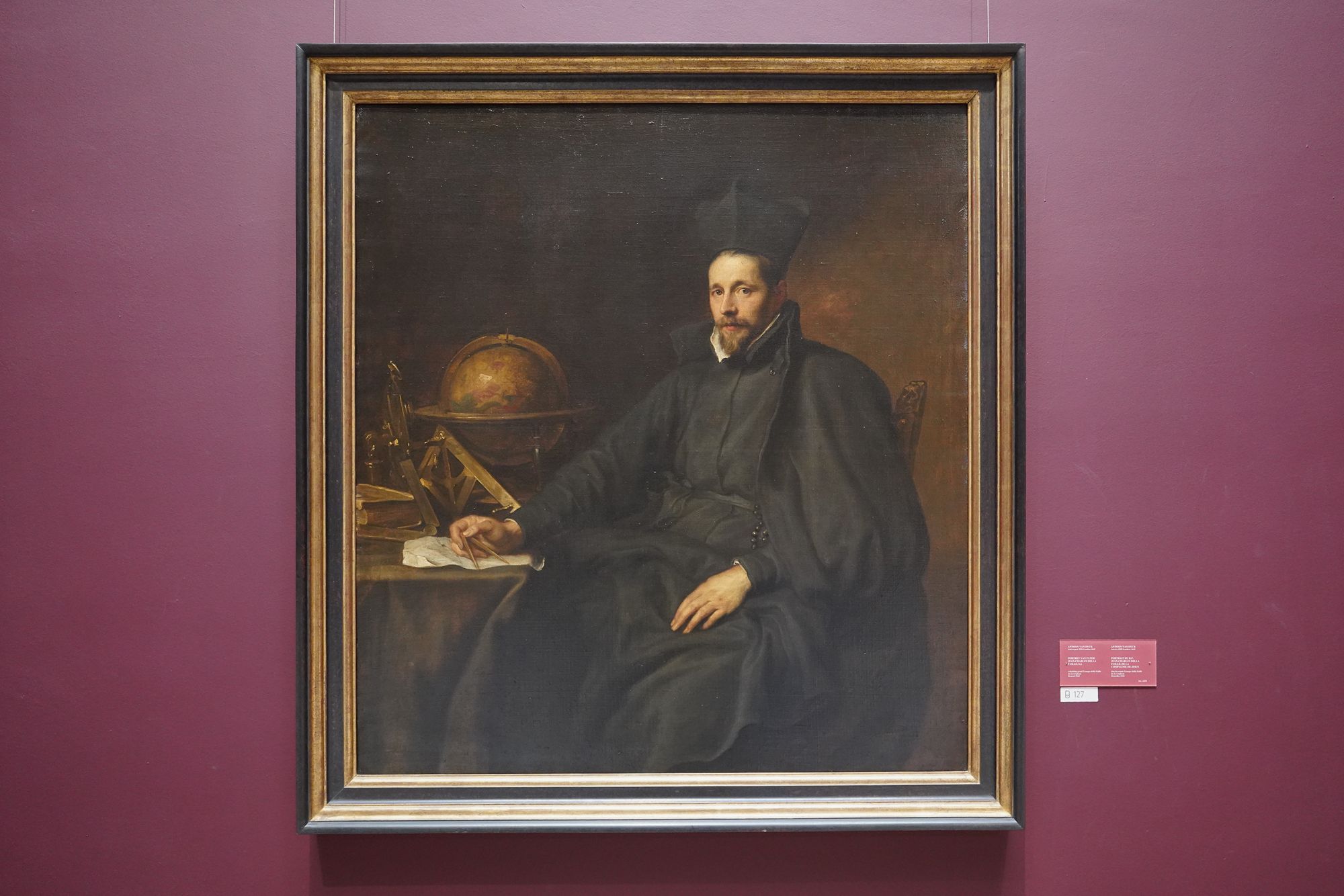
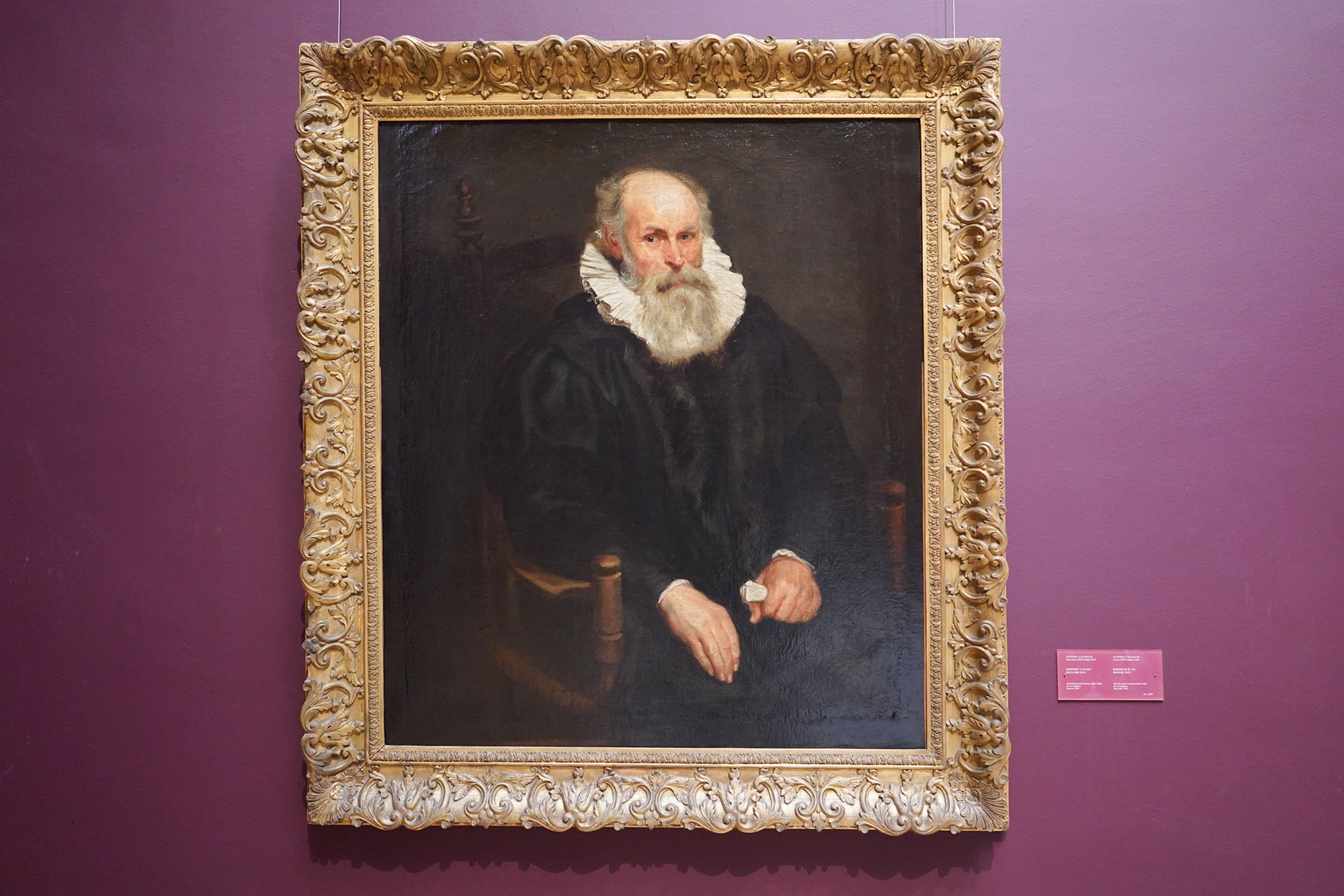
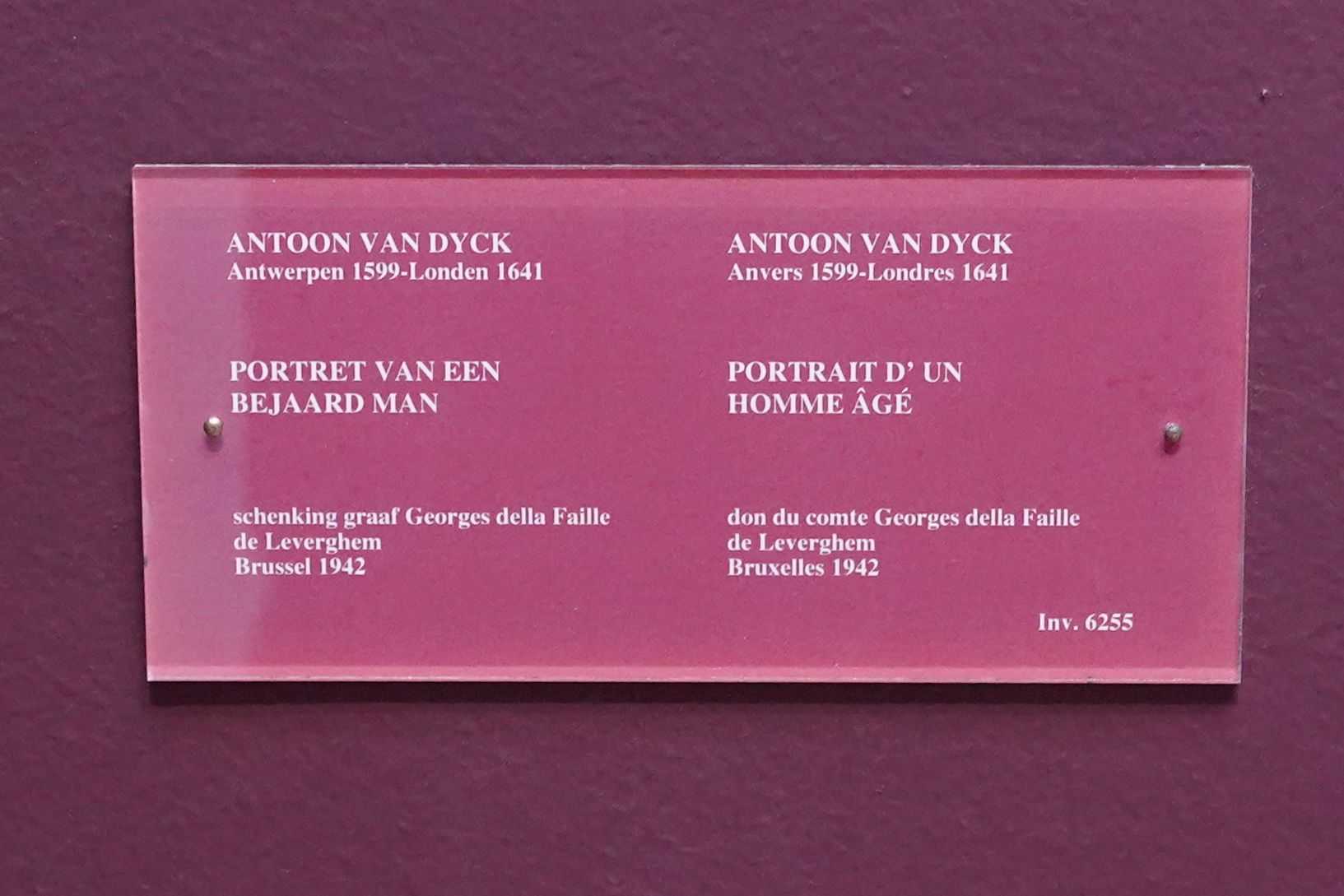
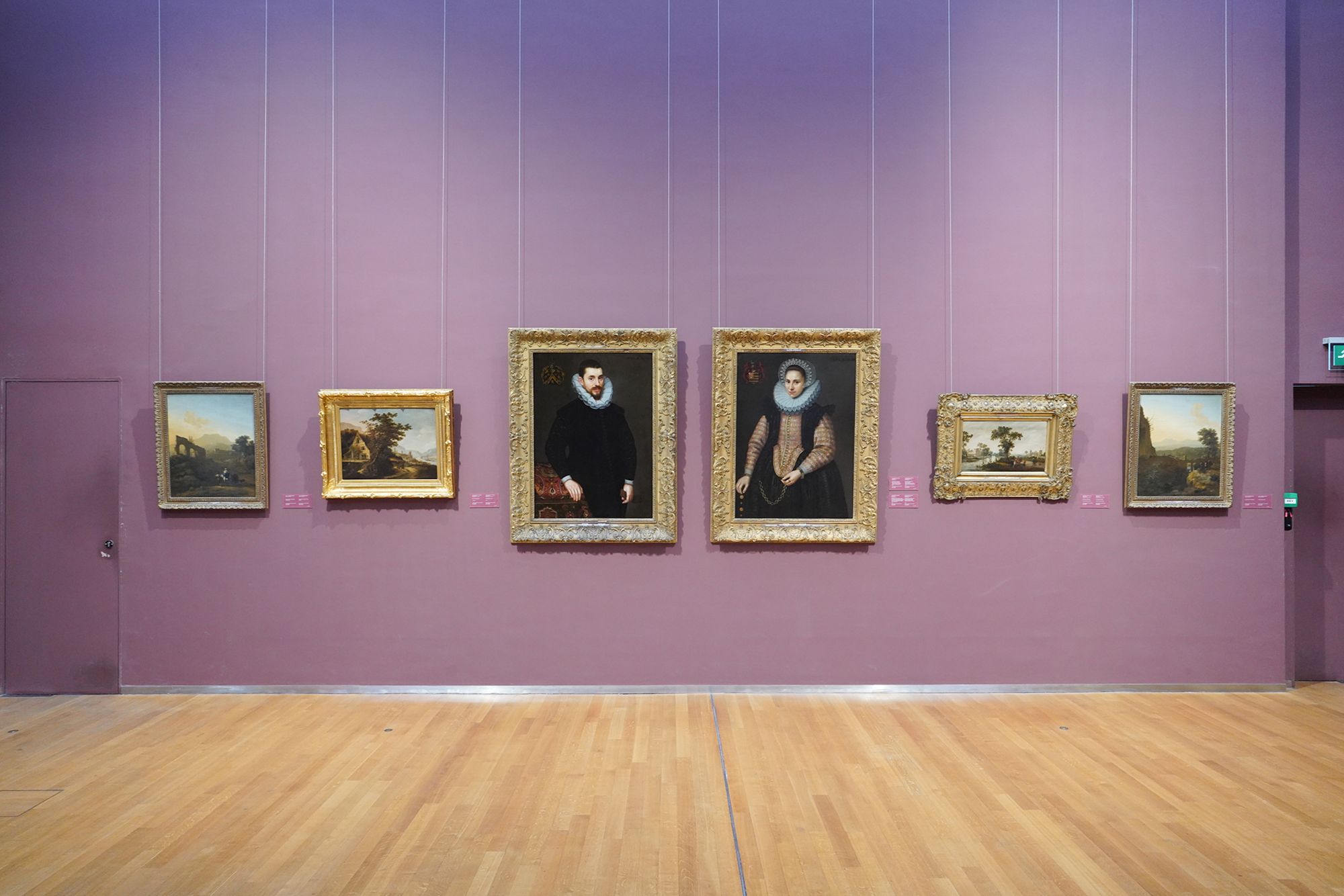
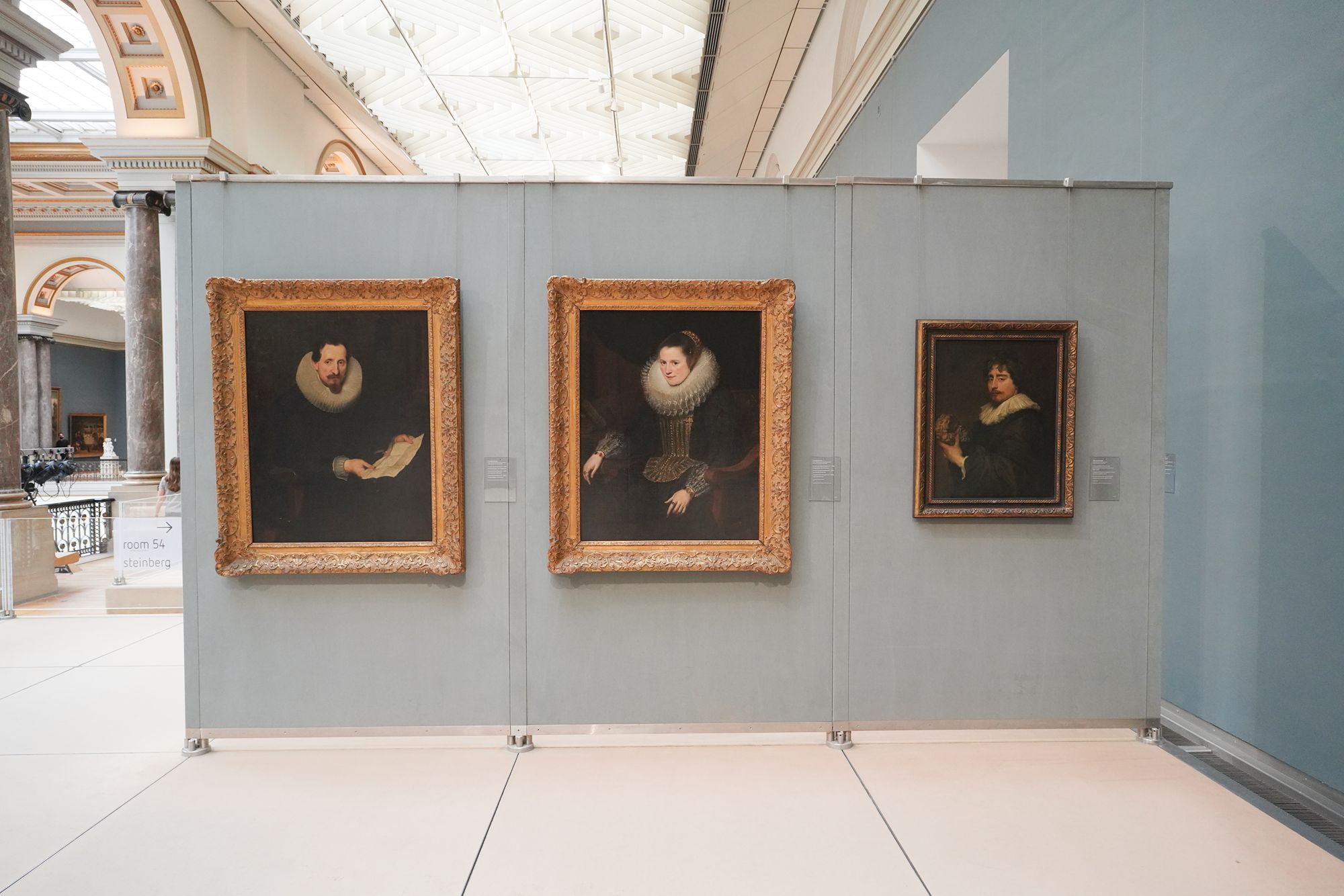
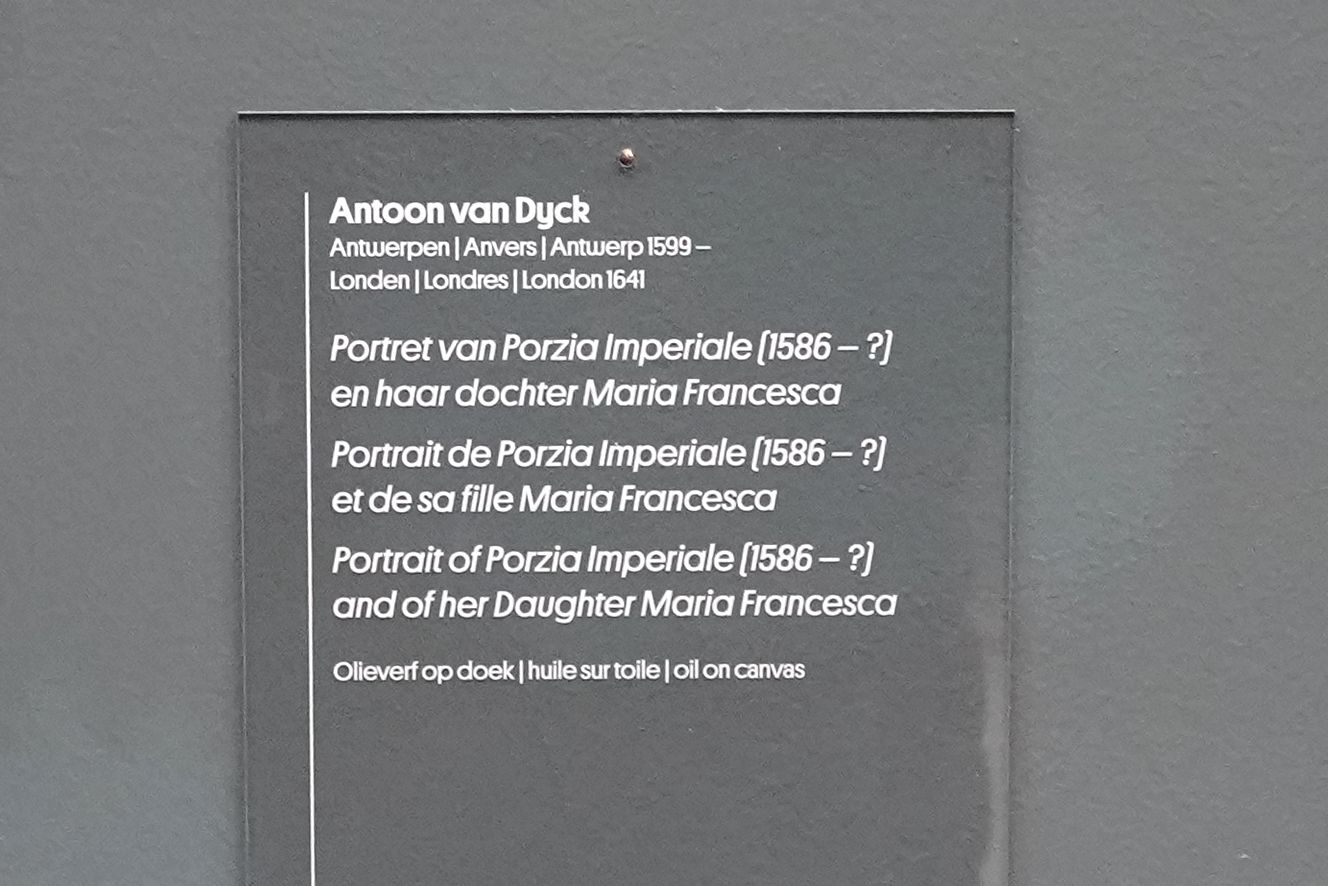
Antoon van Dyck (1599–1641) was a leading Flemish Baroque painter who worked with Peter Paul Rubens before developing his own elegant style. He became particularly famous for sophisticated portraits of European aristocrats and later served as court painter to King Charles I of England.
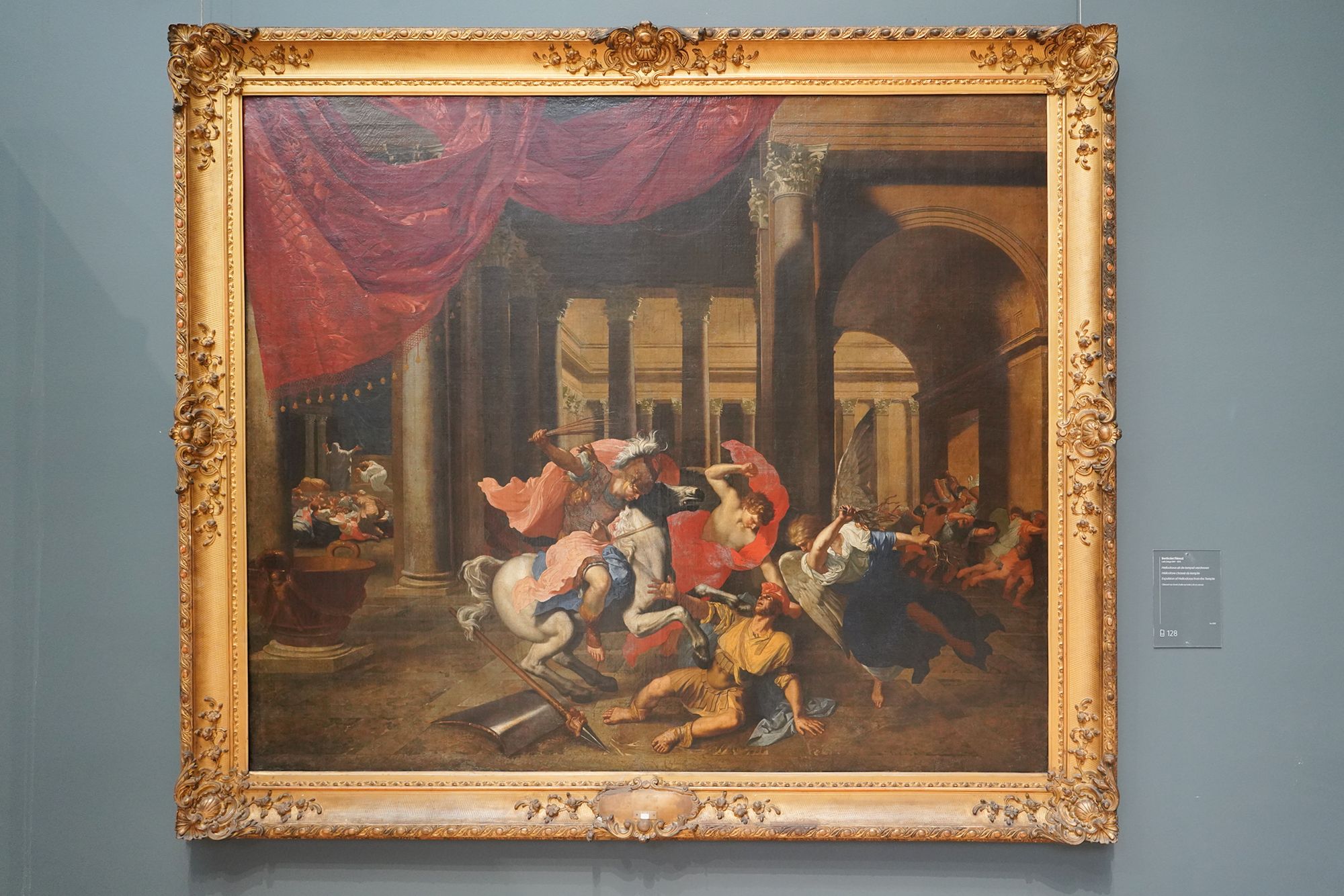
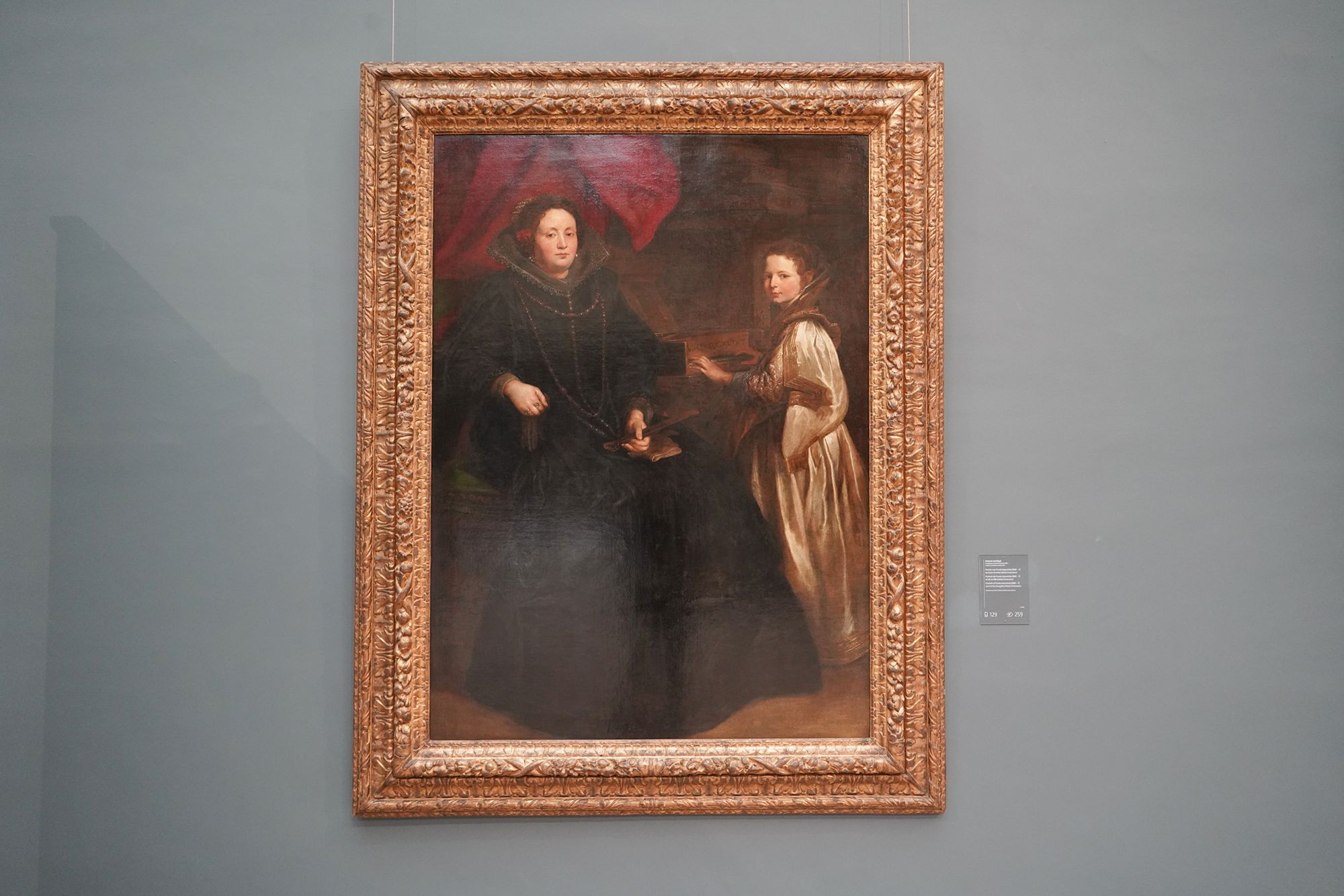
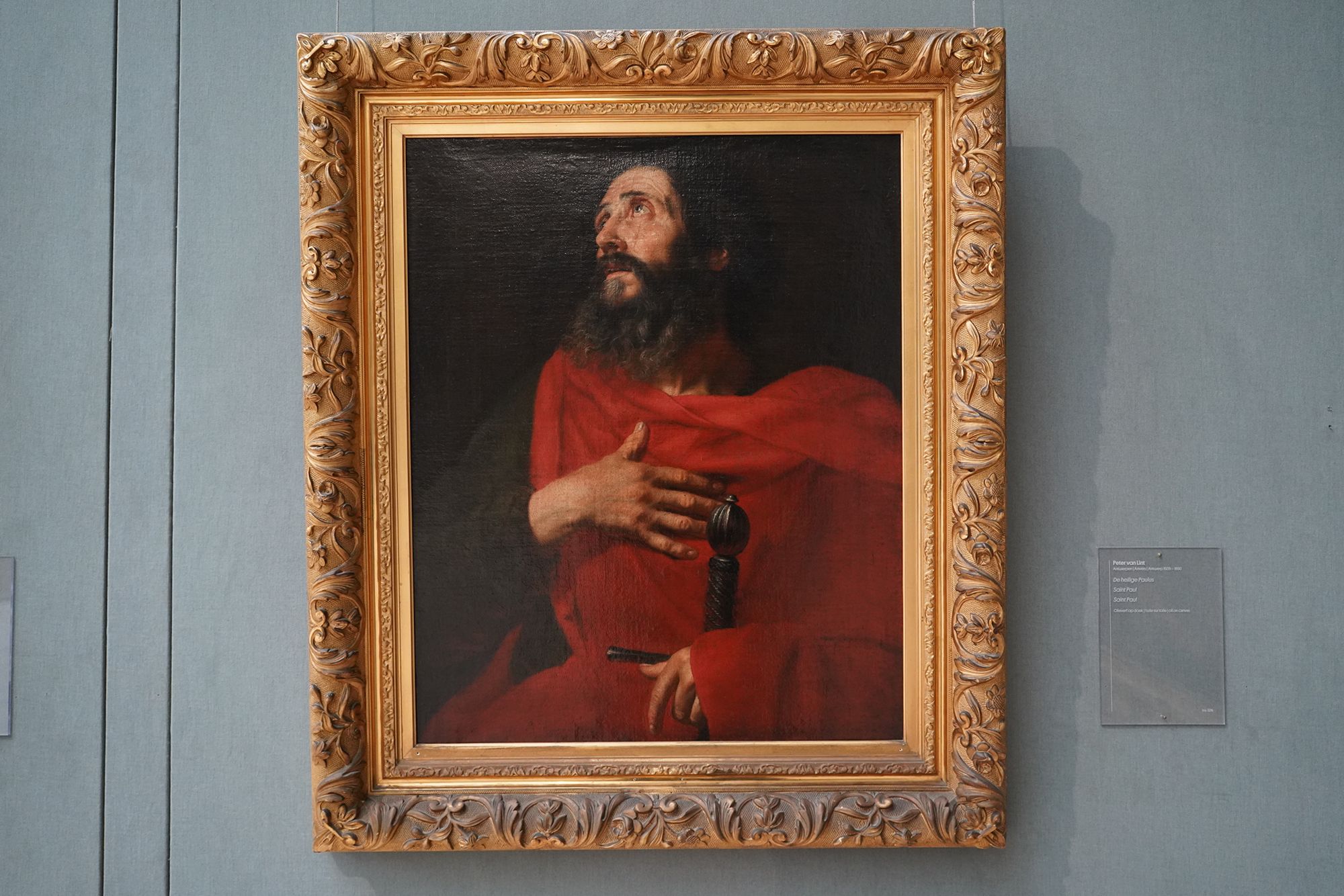
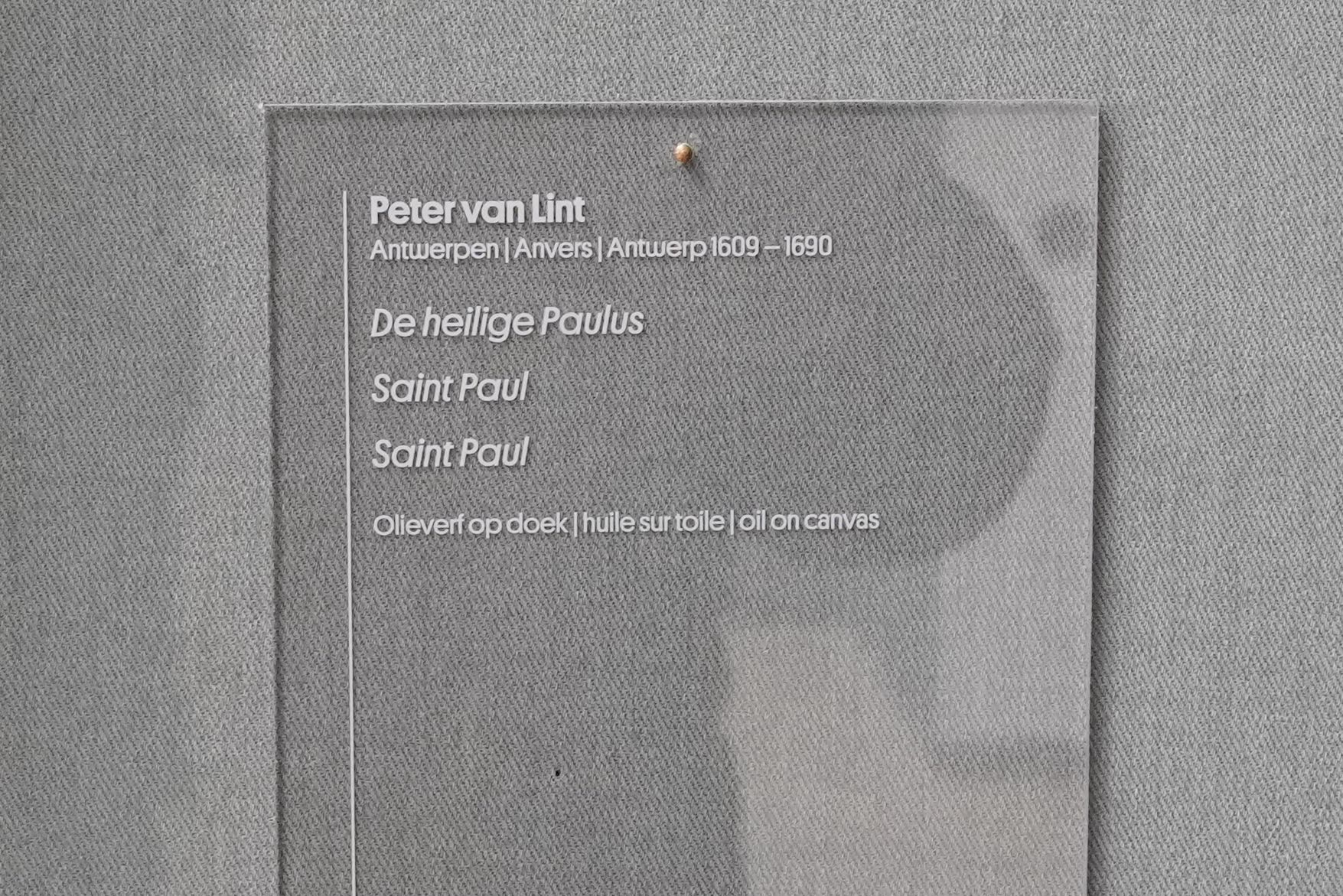
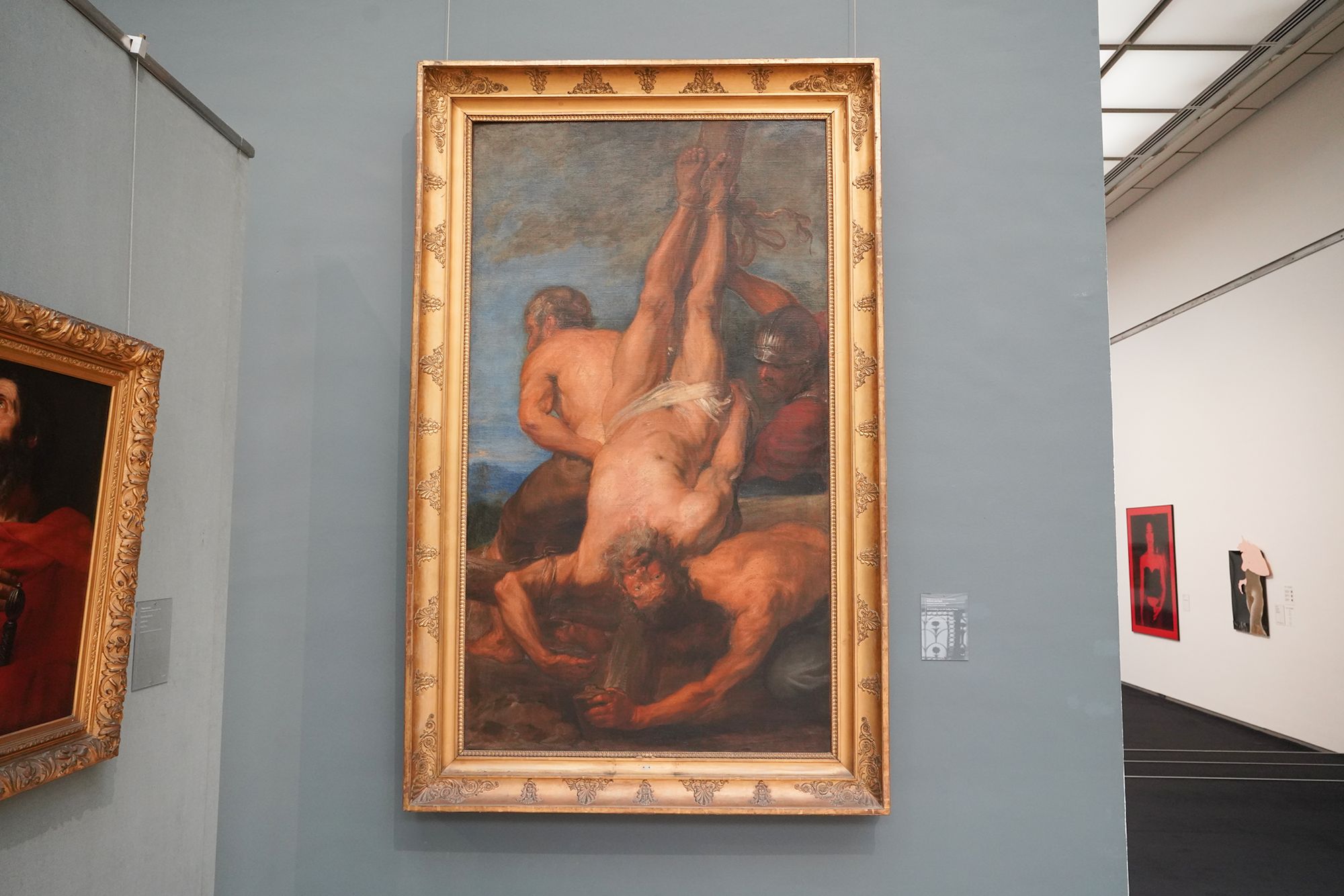
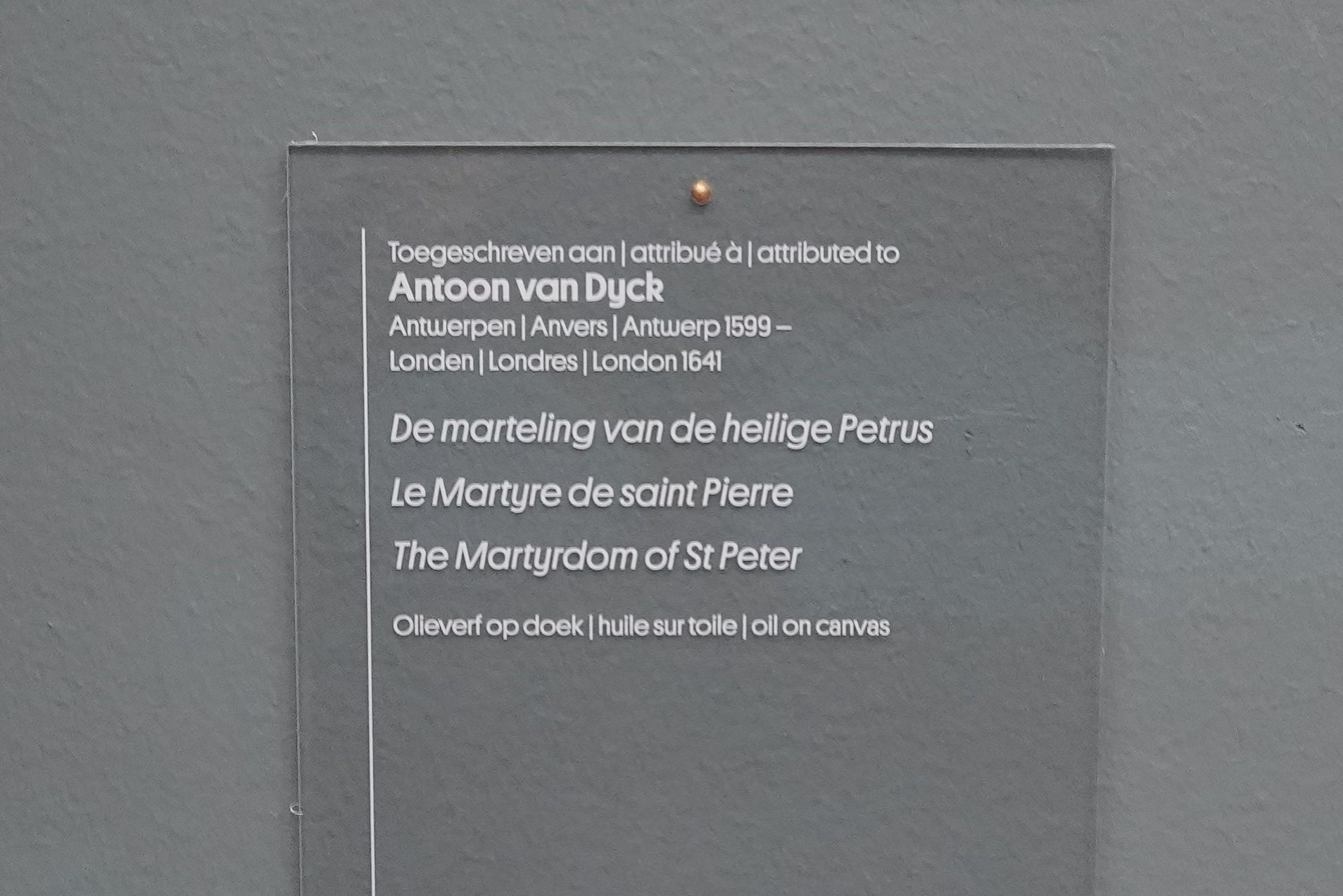
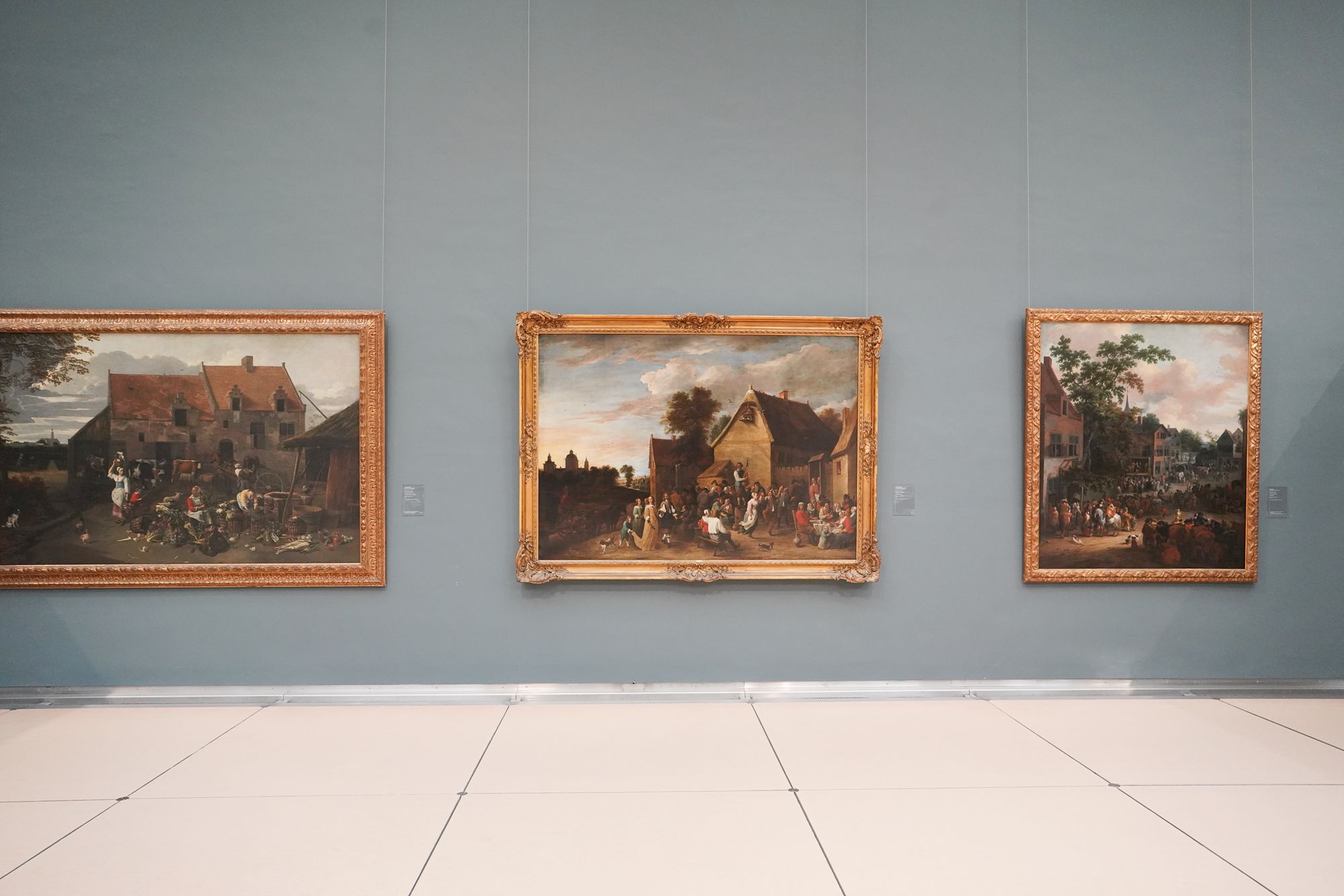
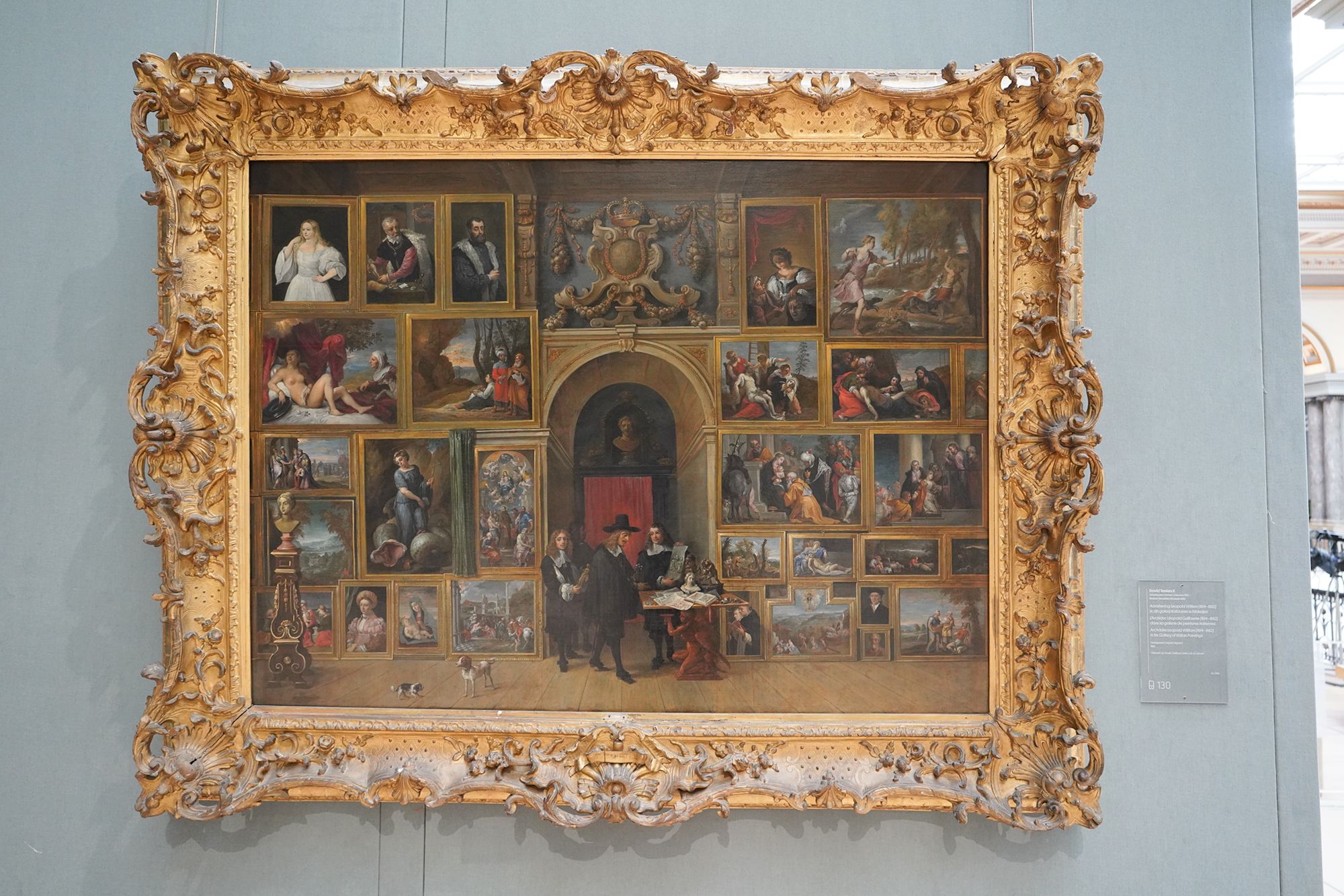
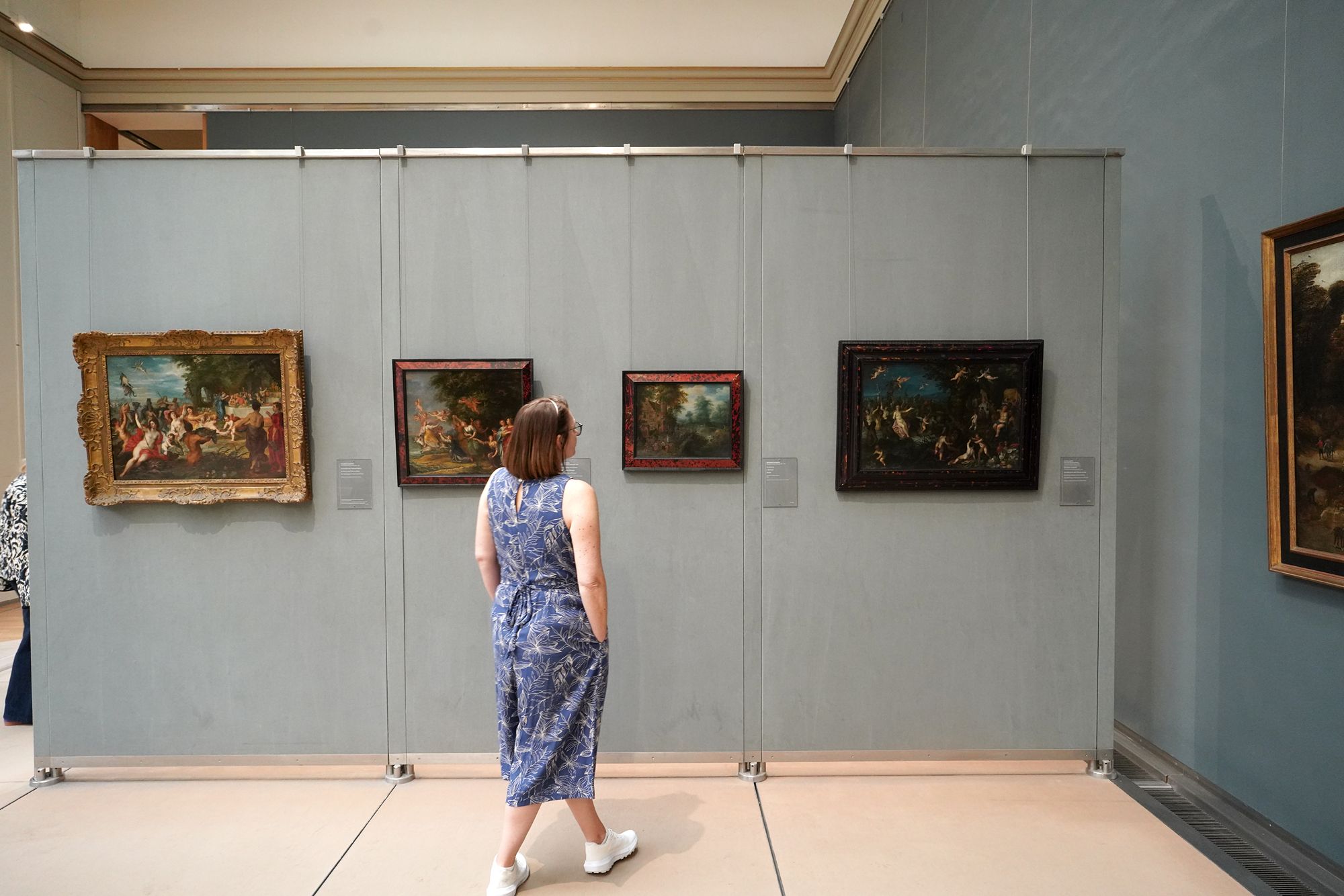
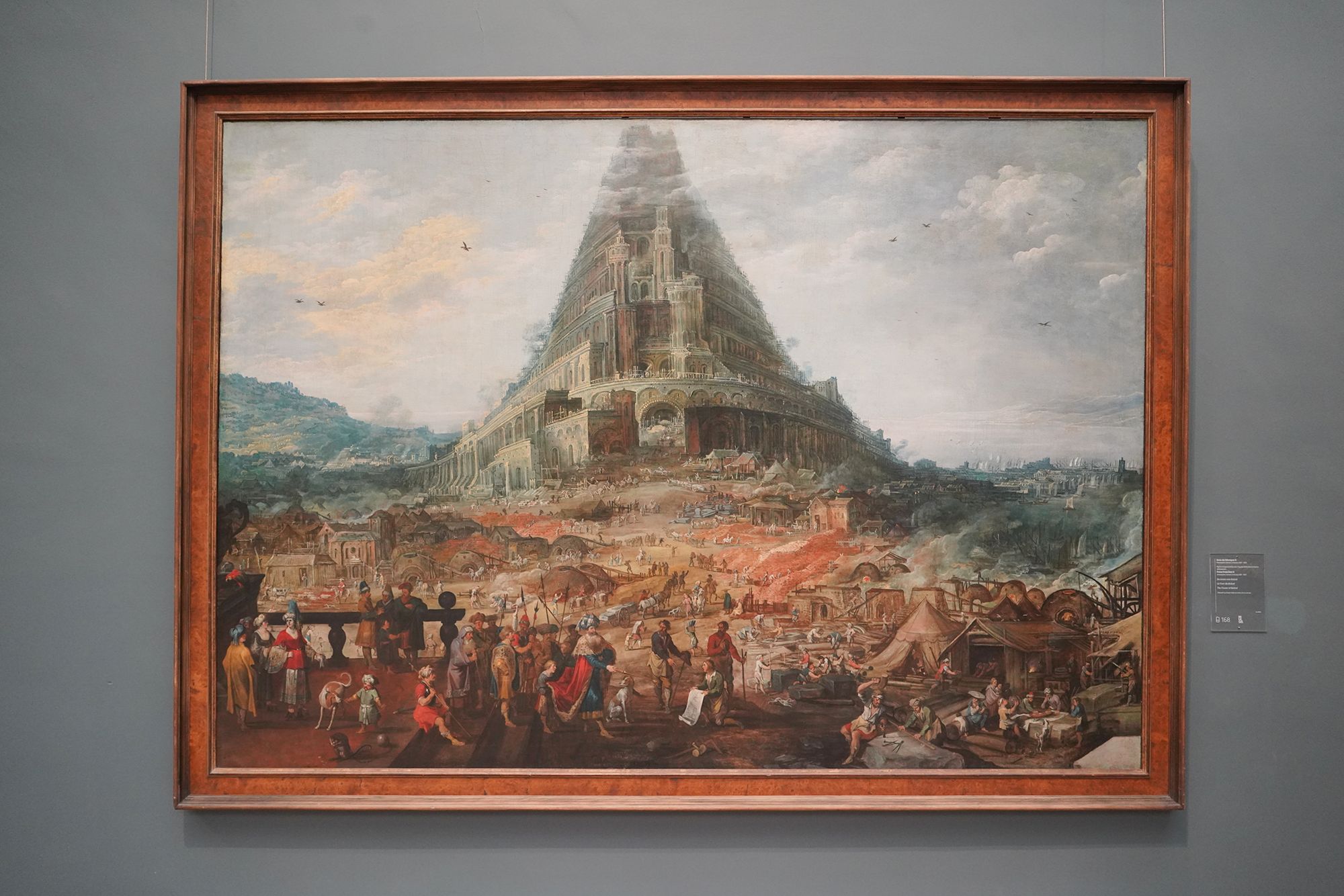
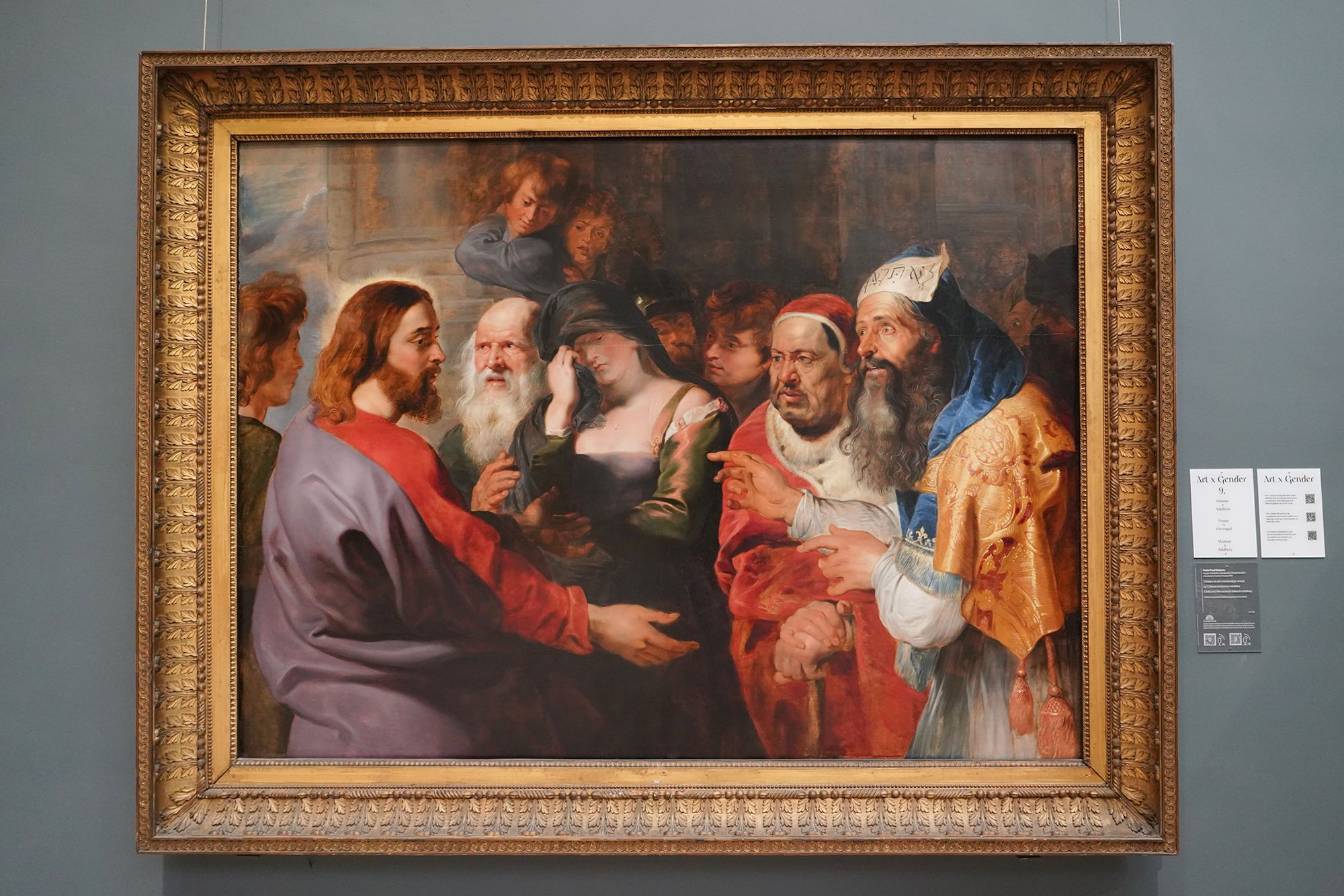
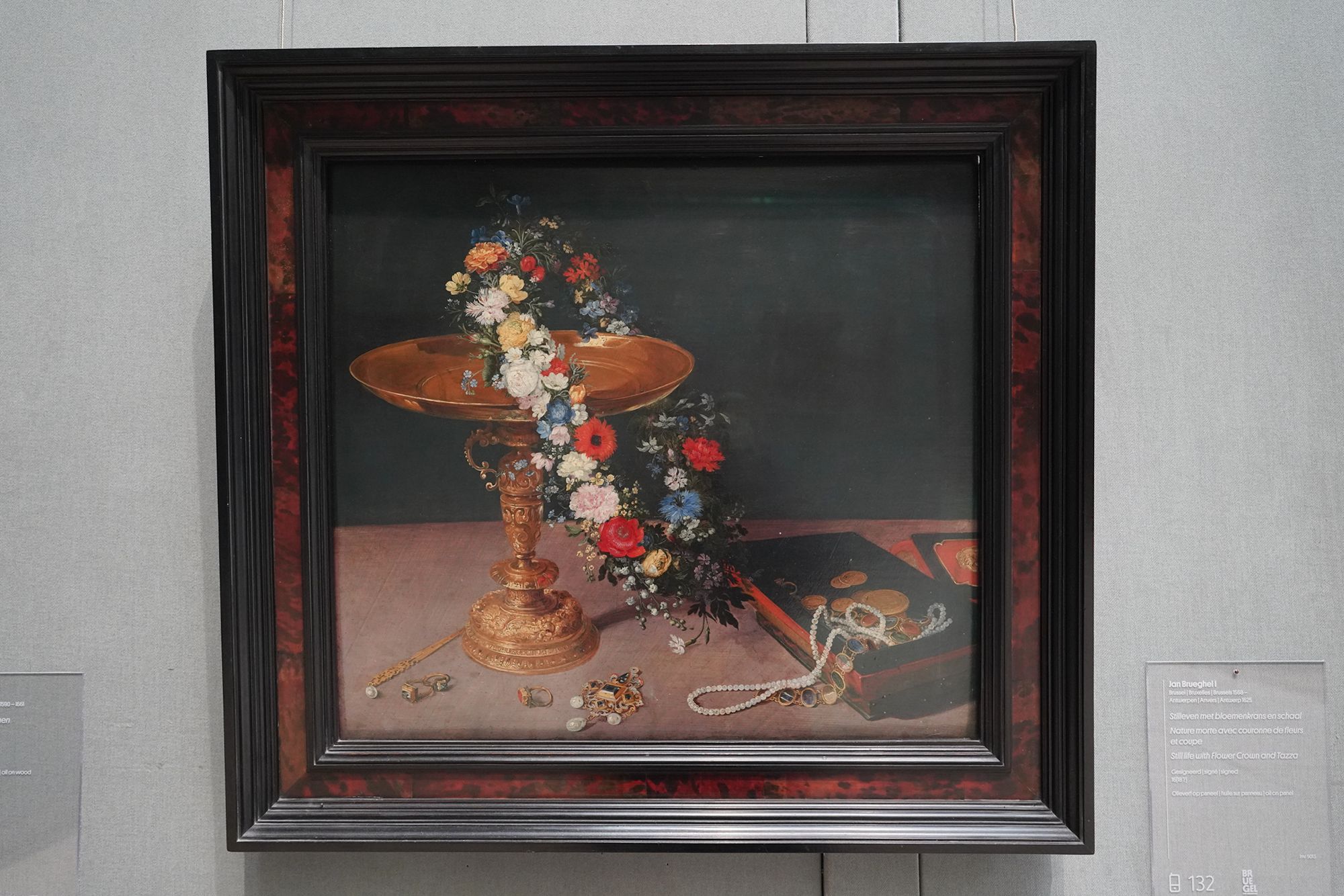
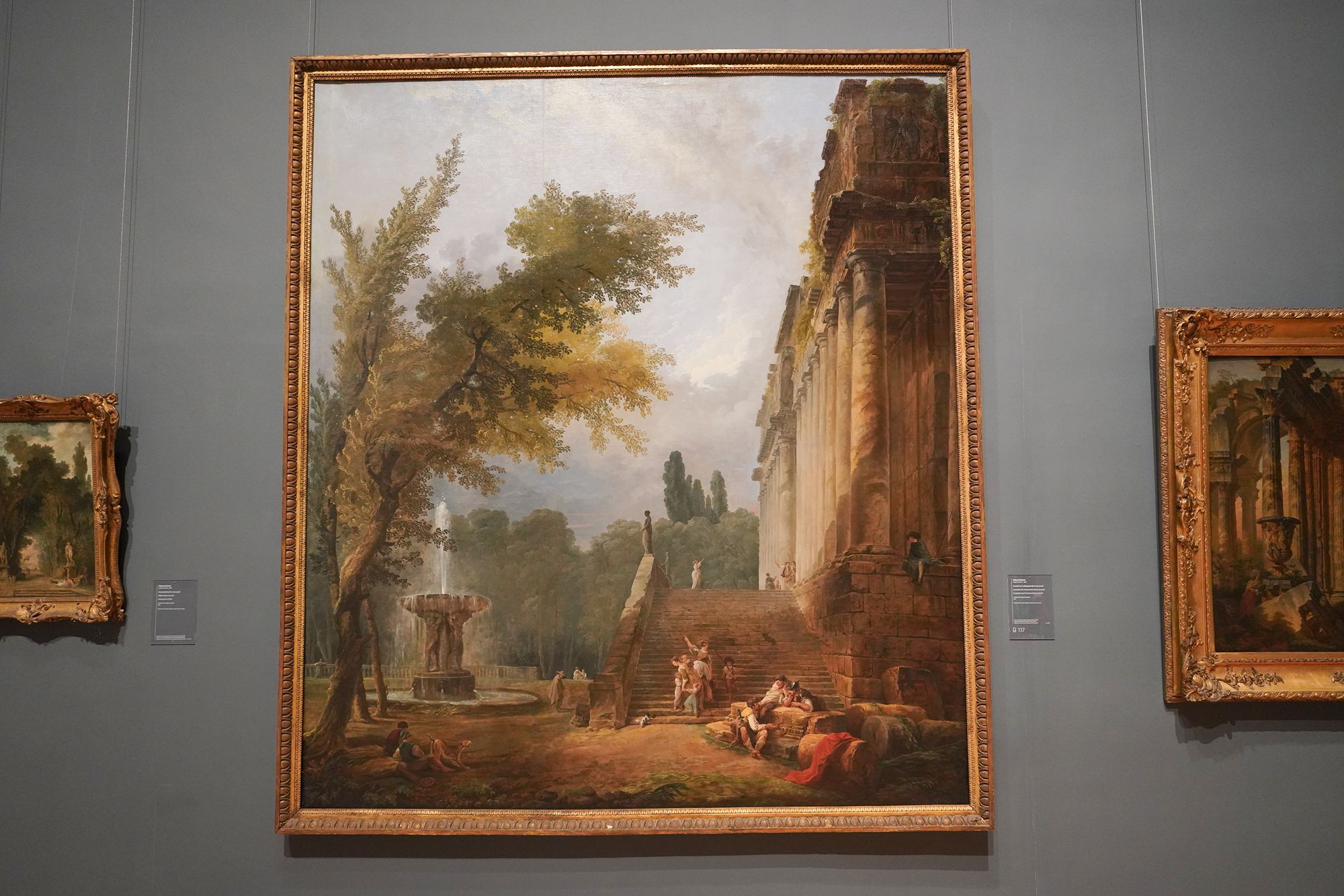
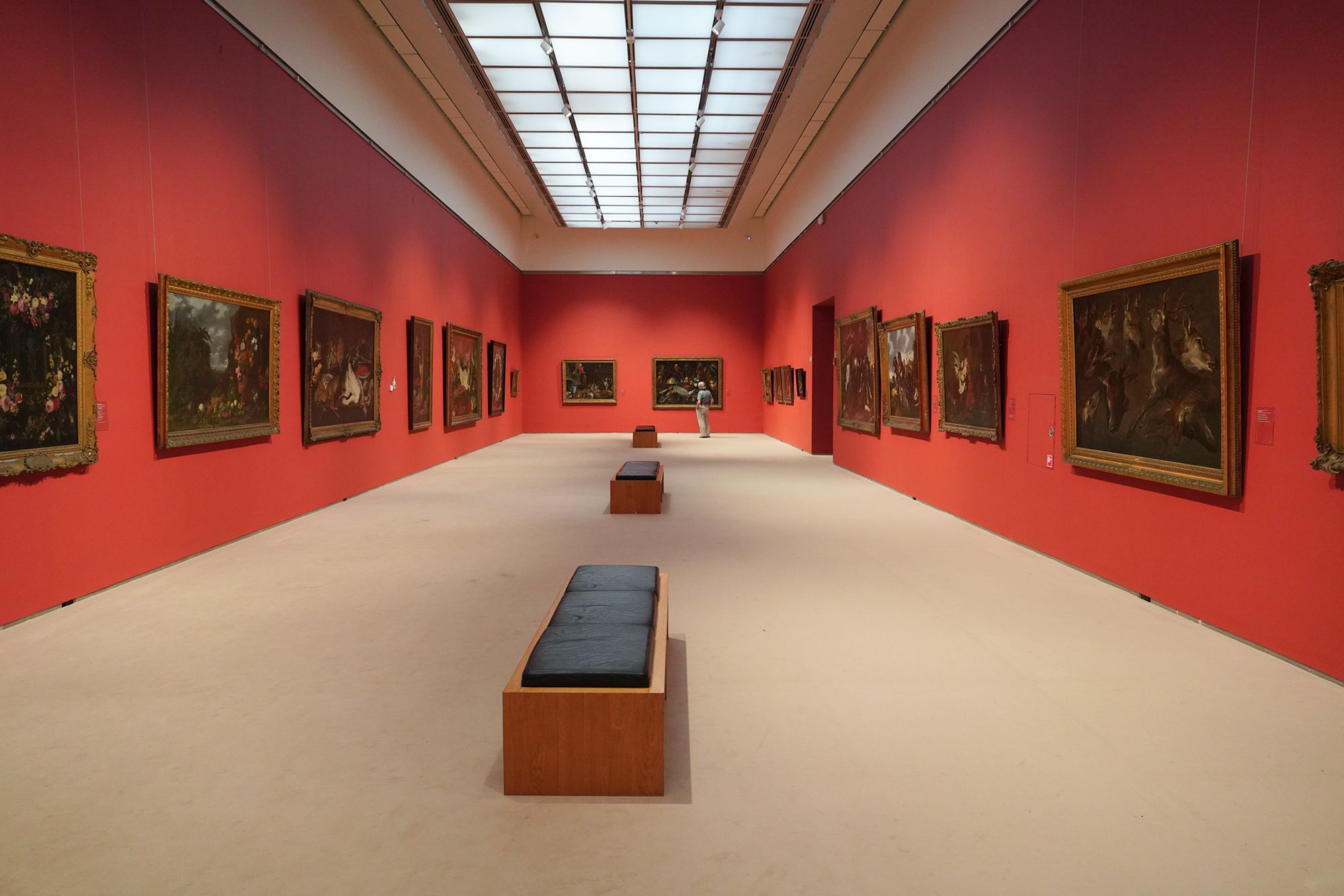
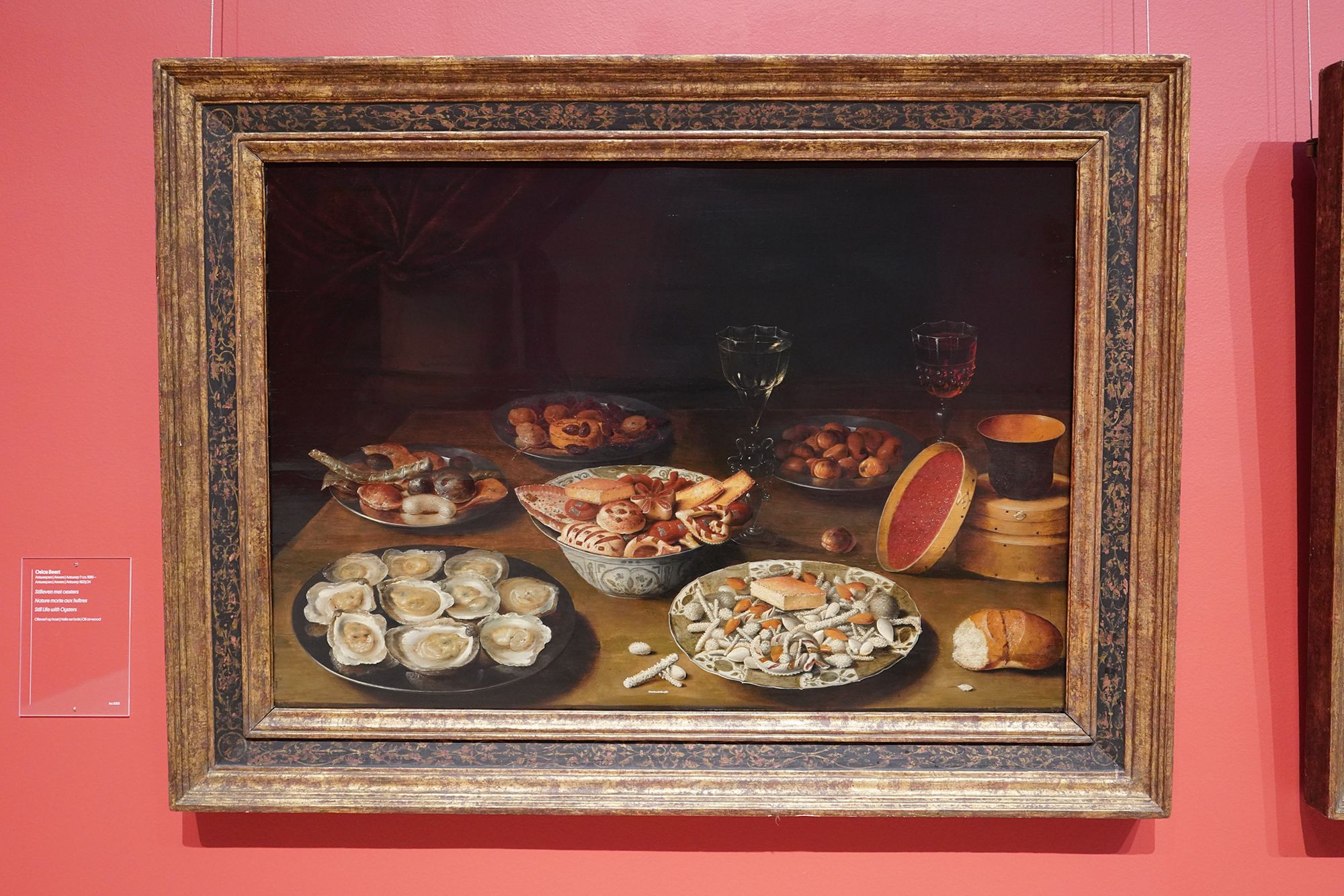
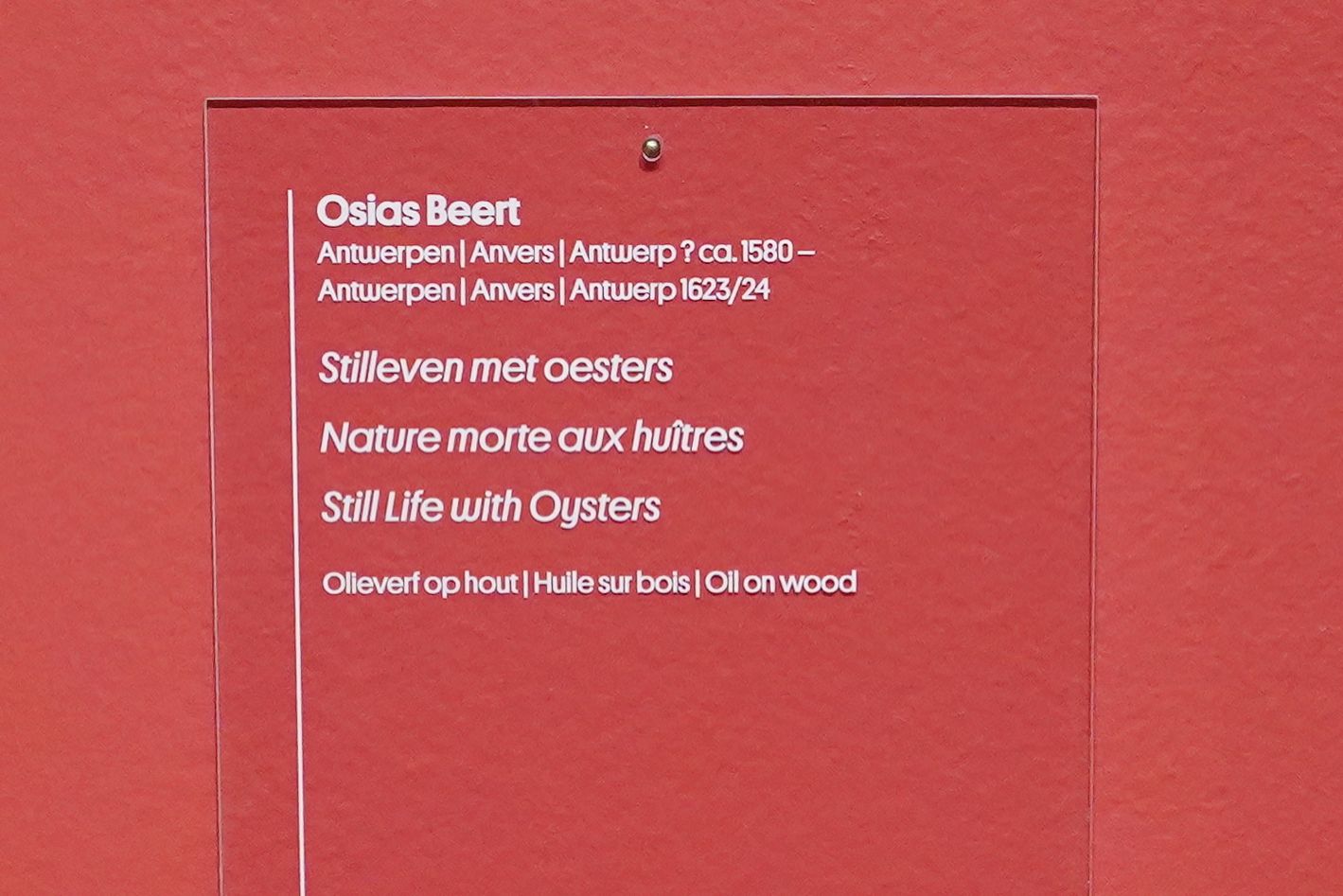
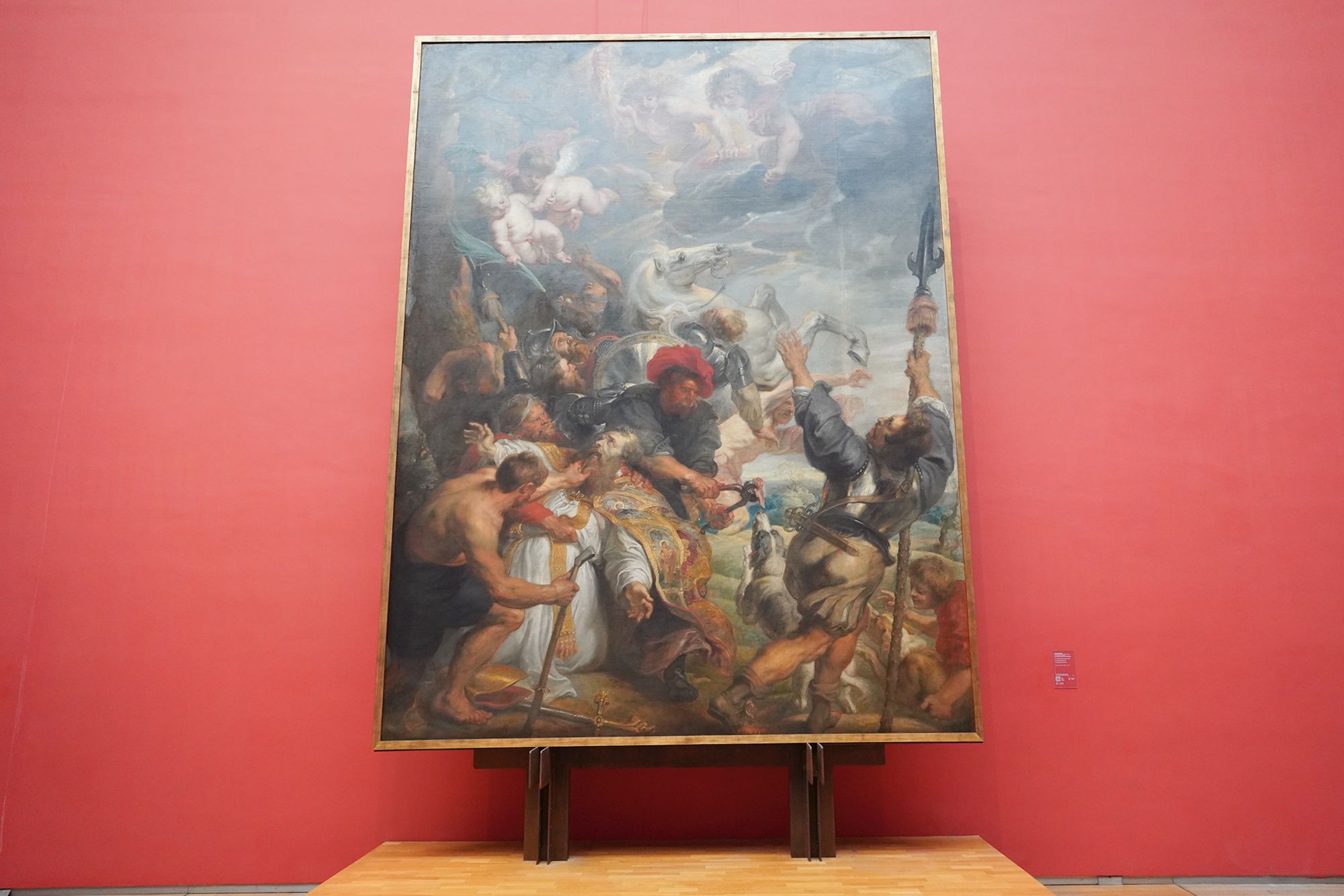
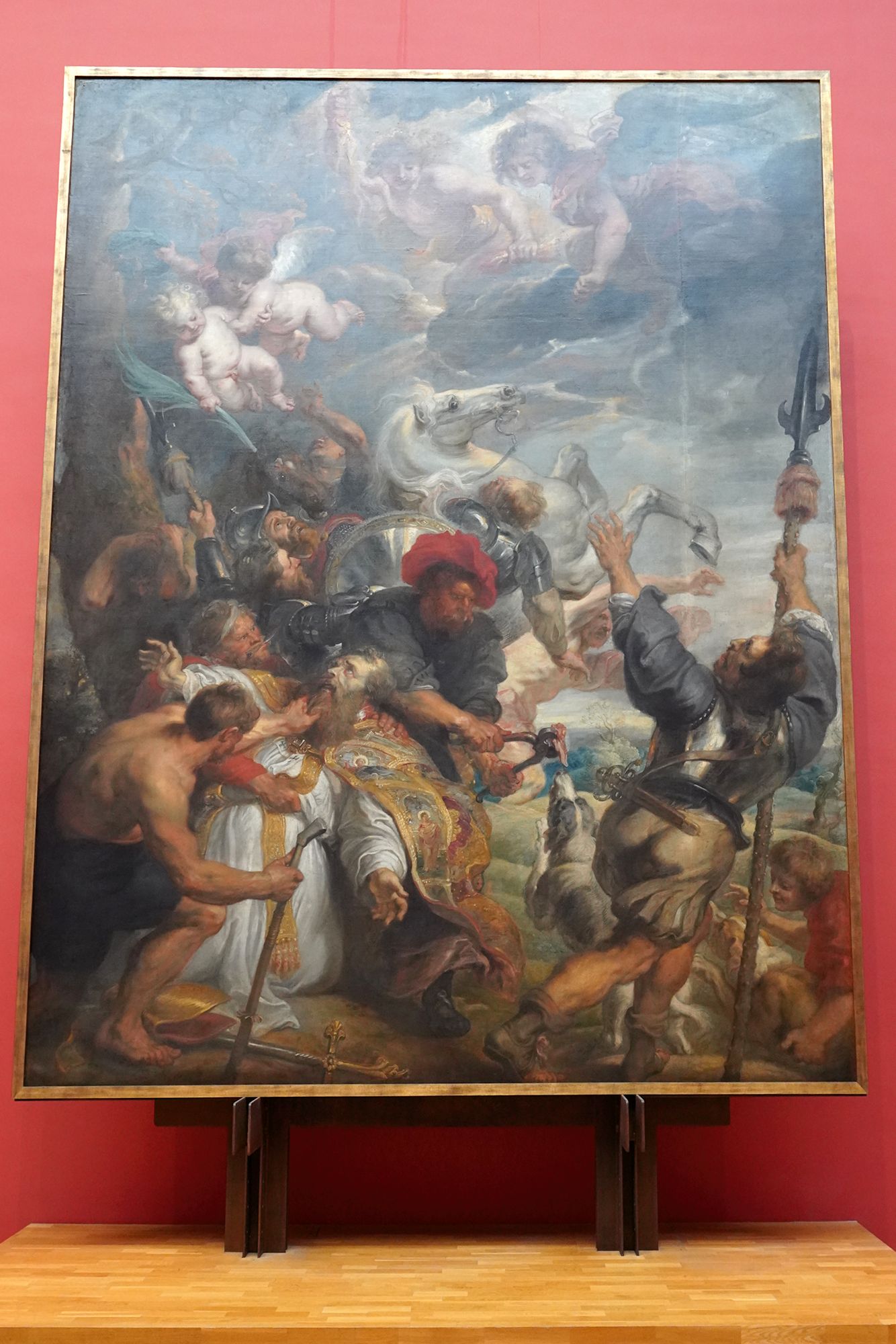
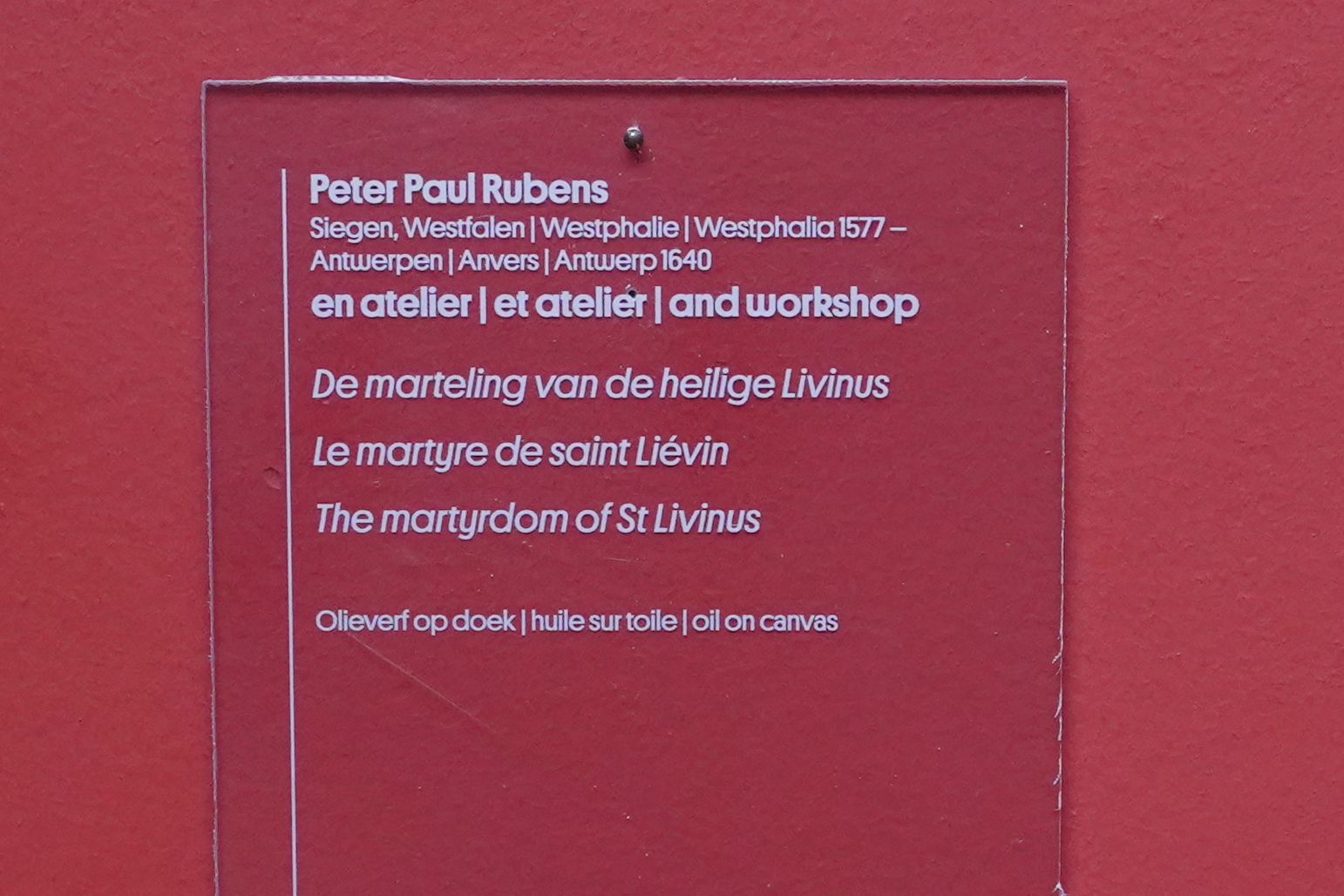
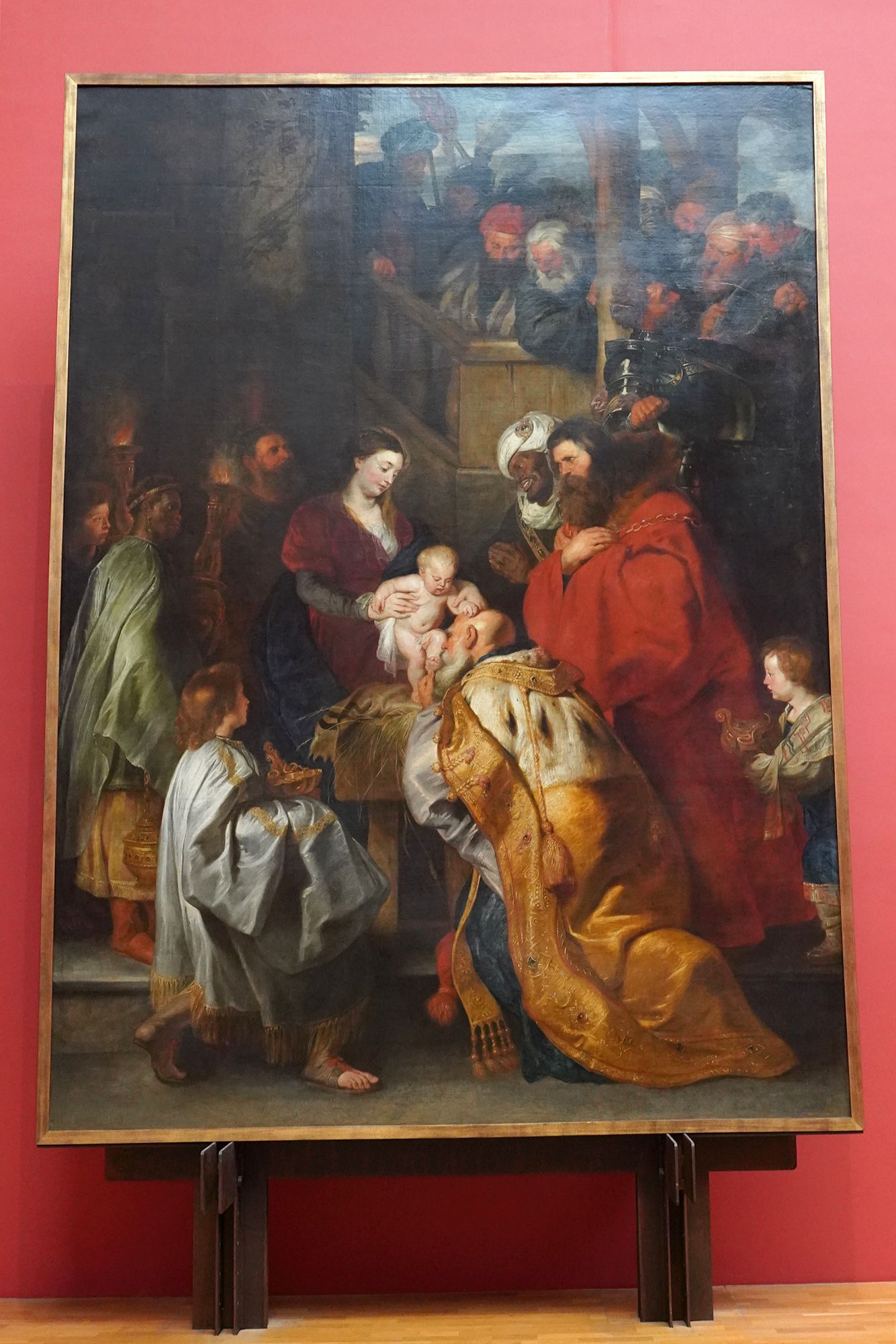
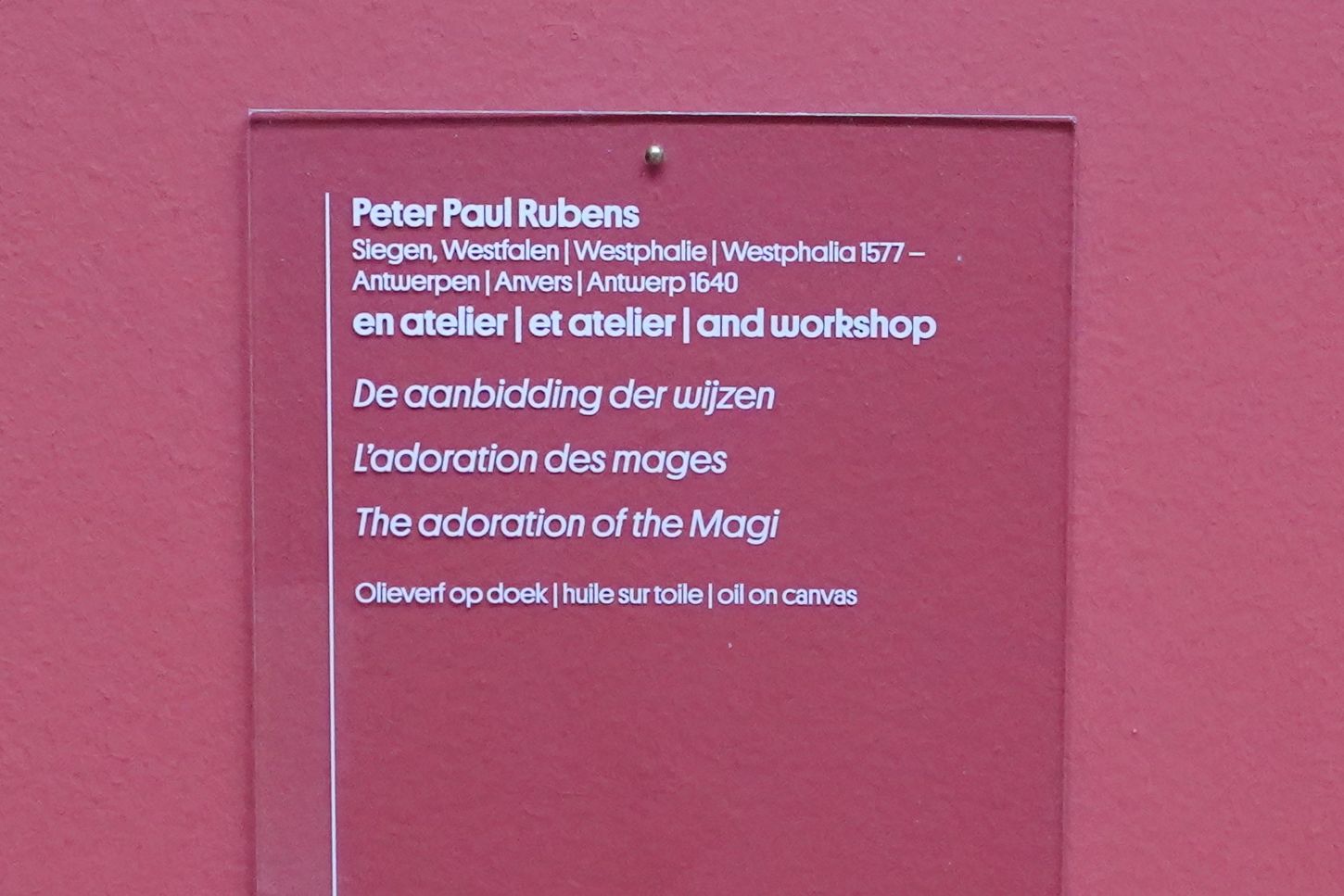
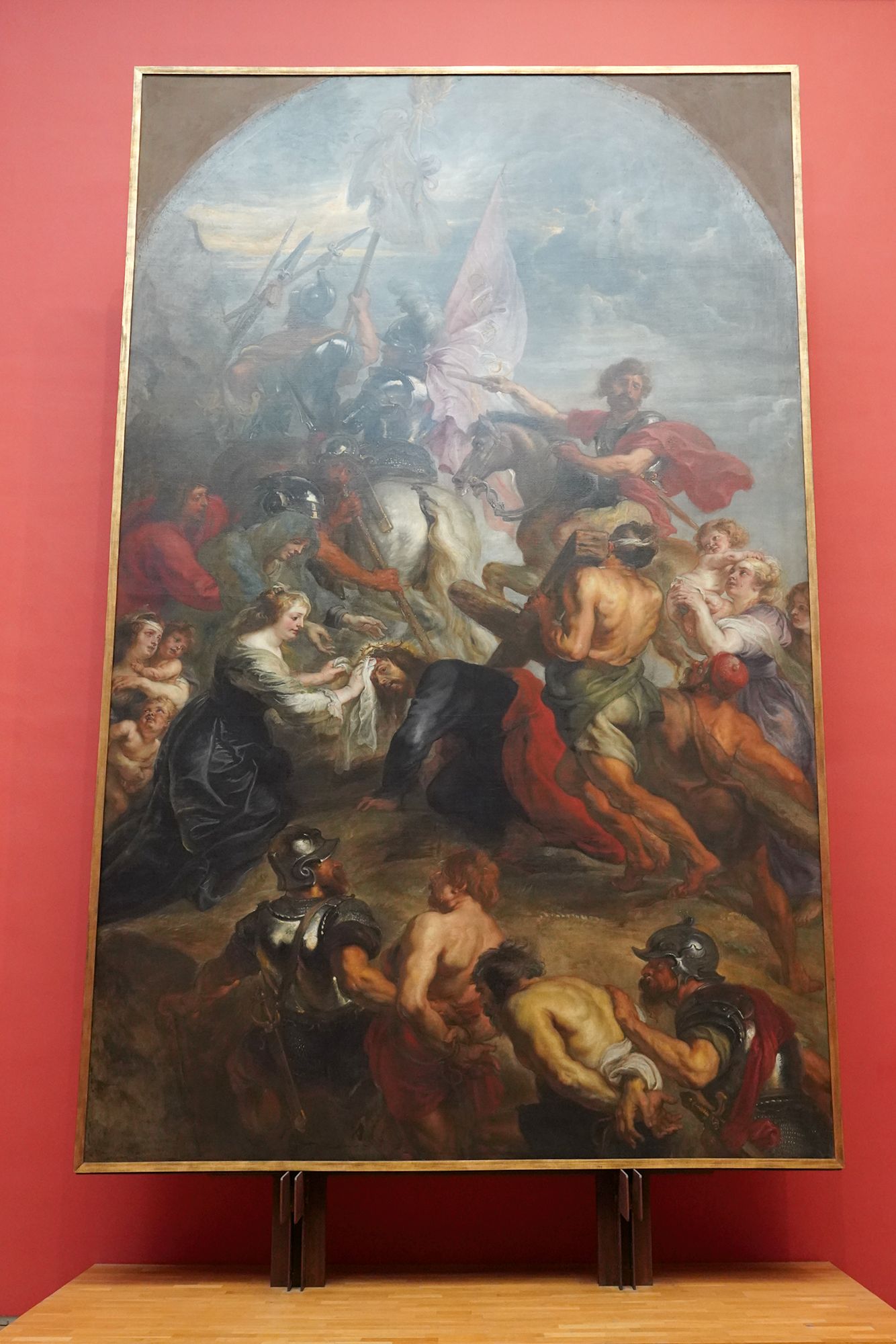
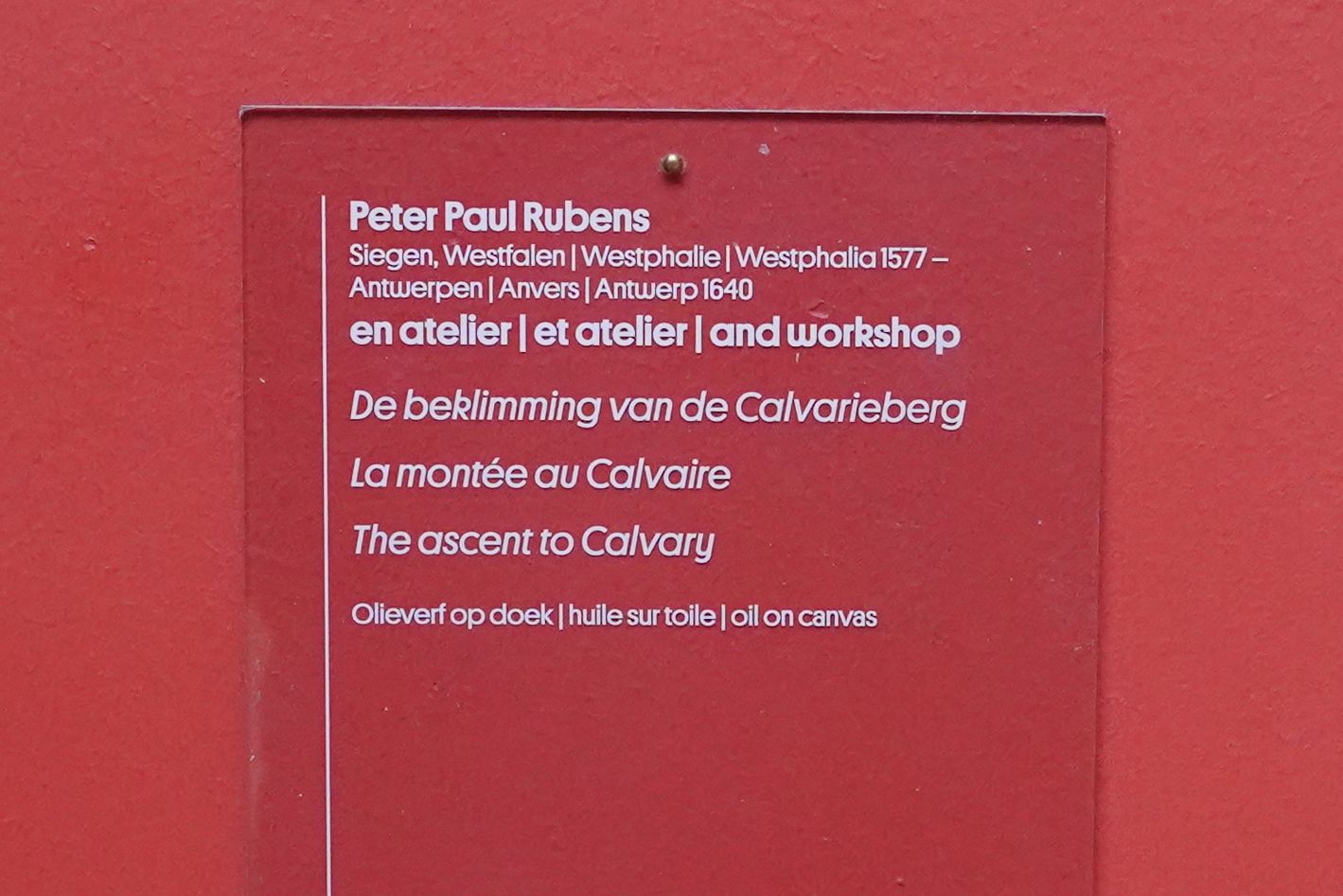
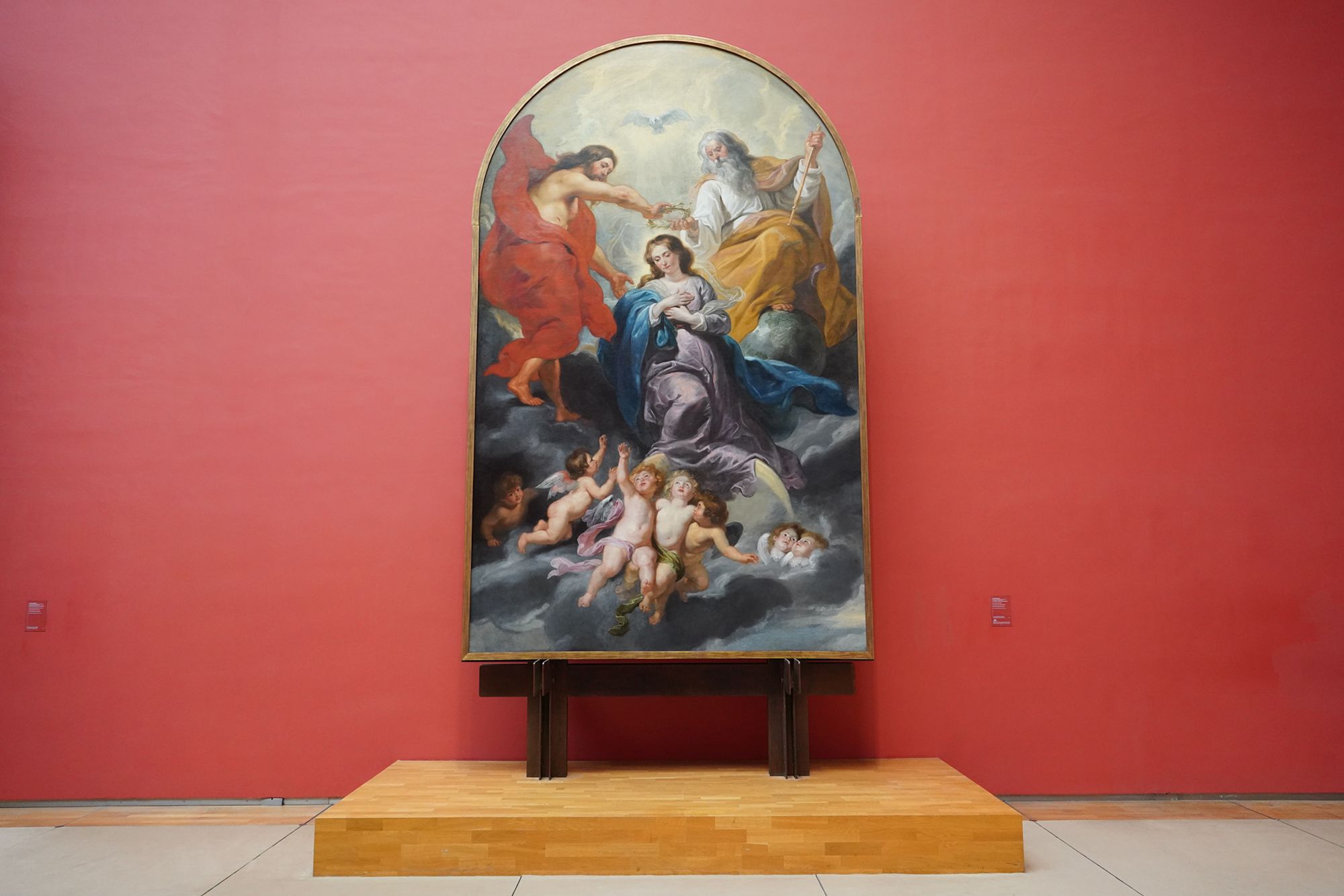
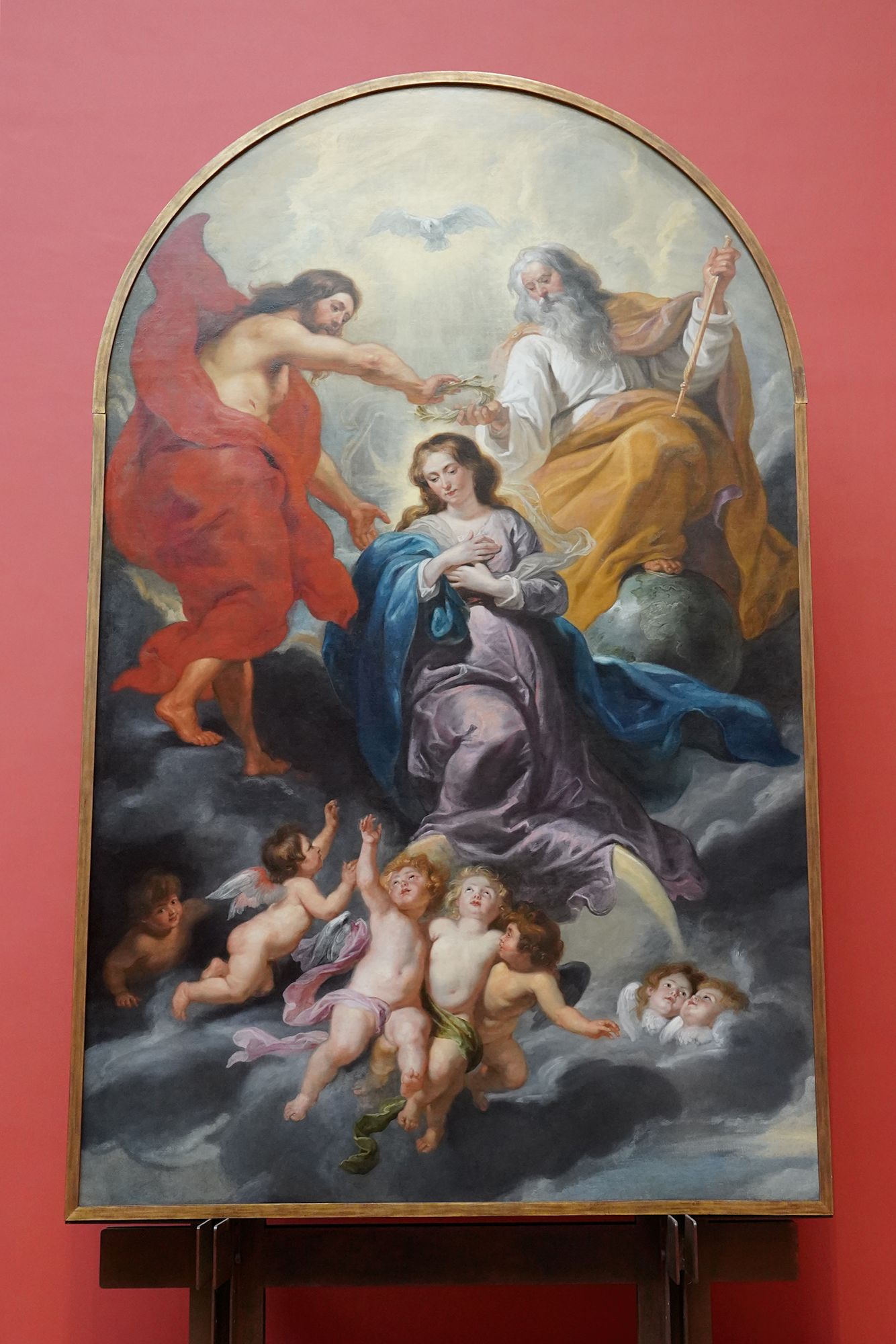
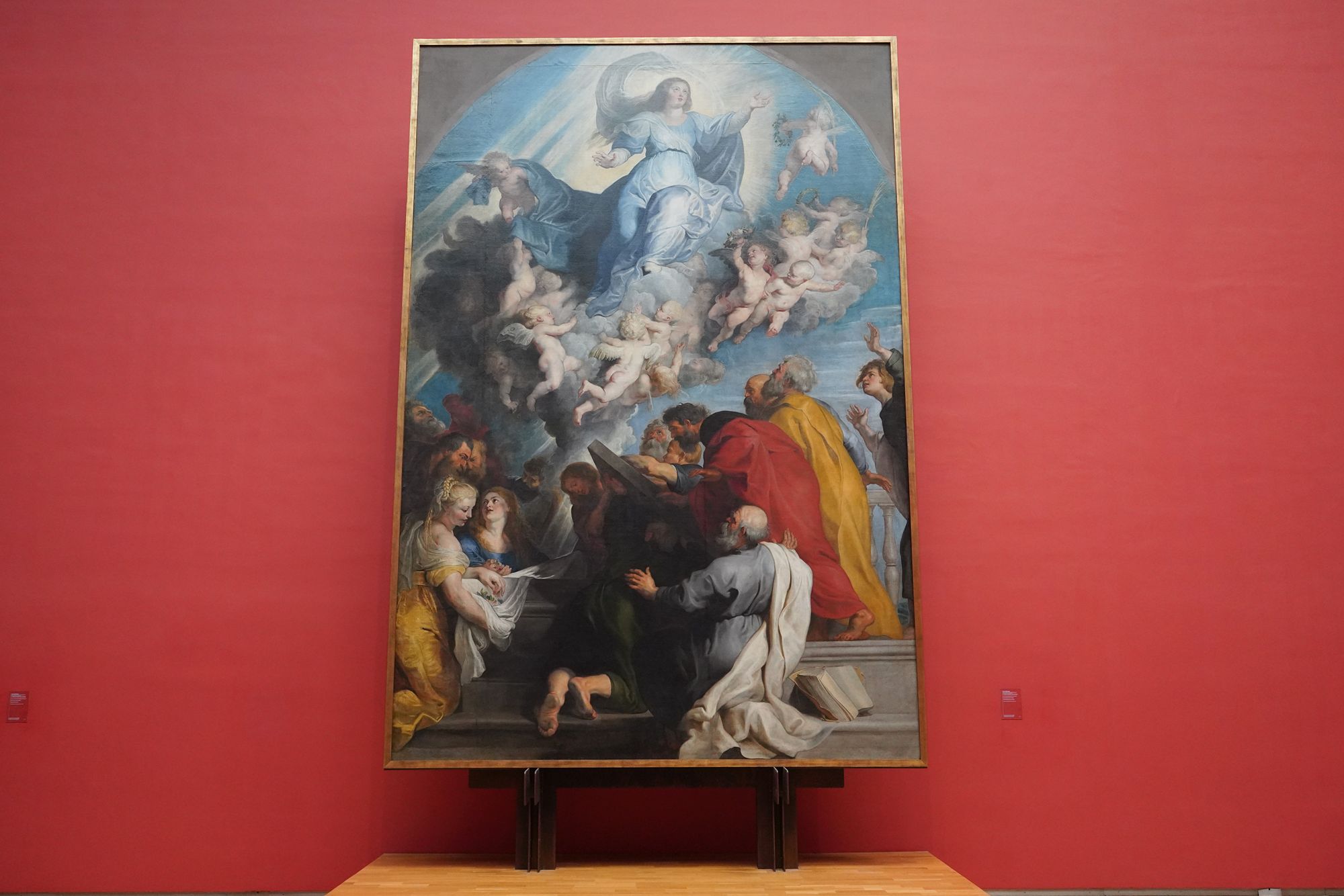
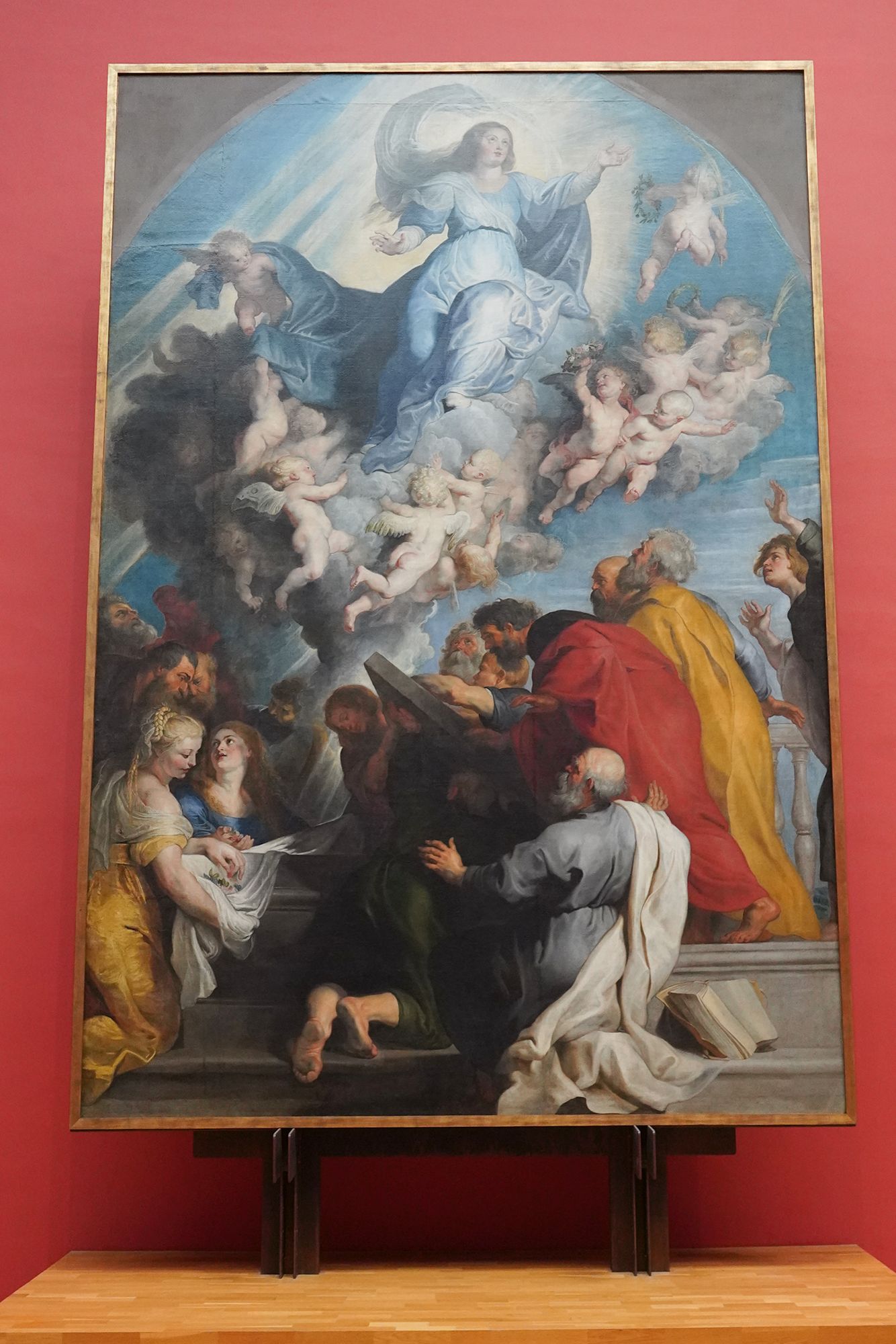
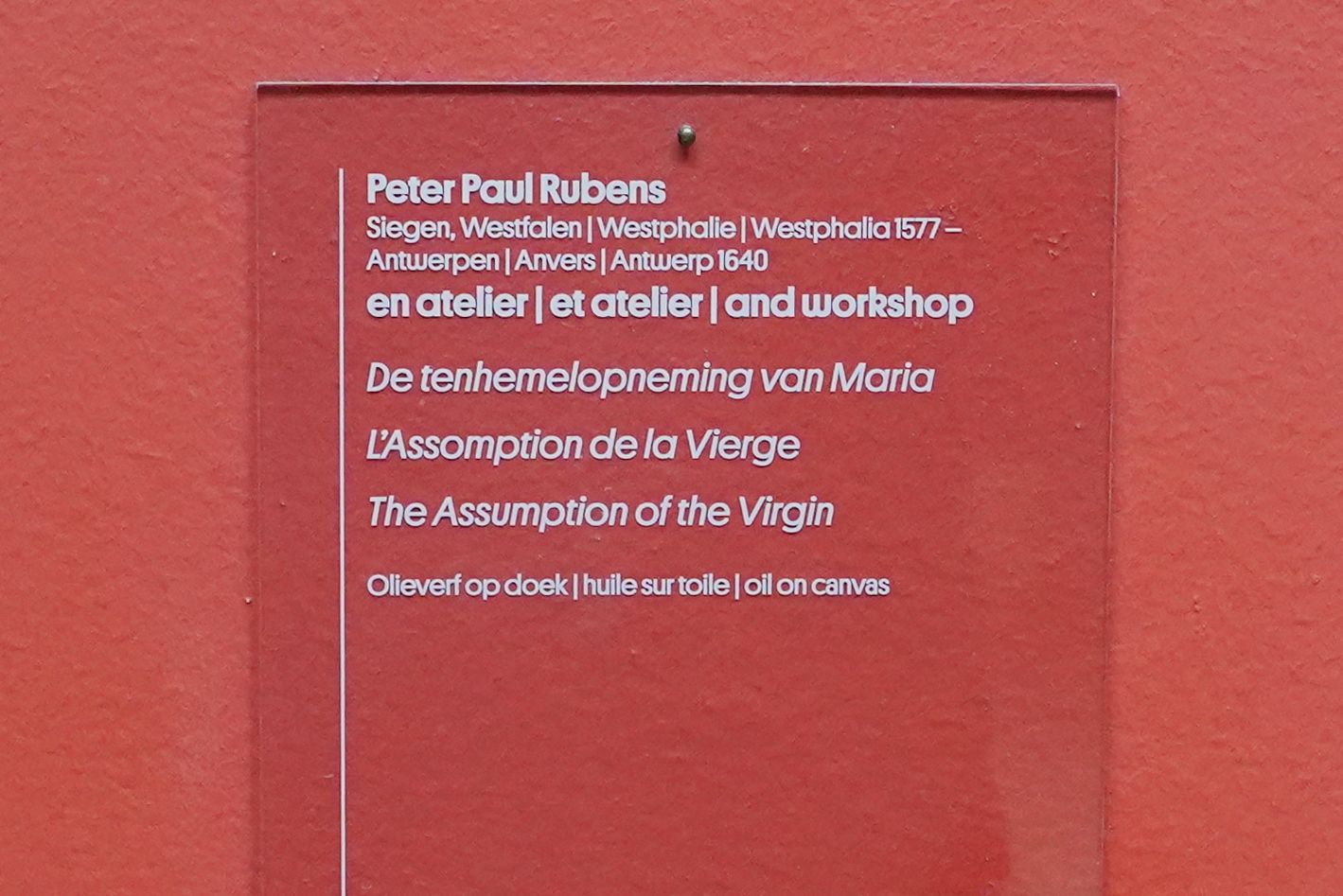
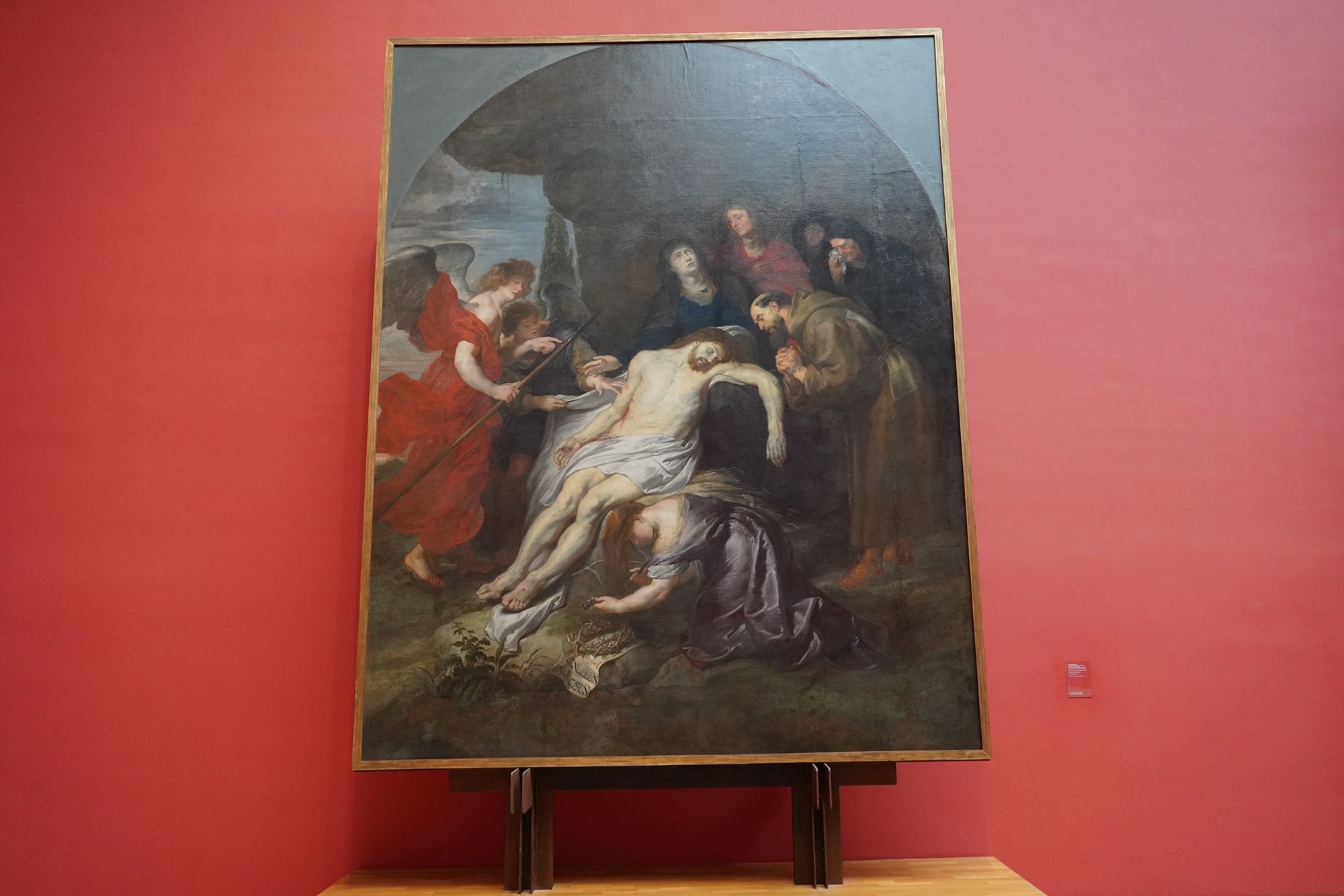
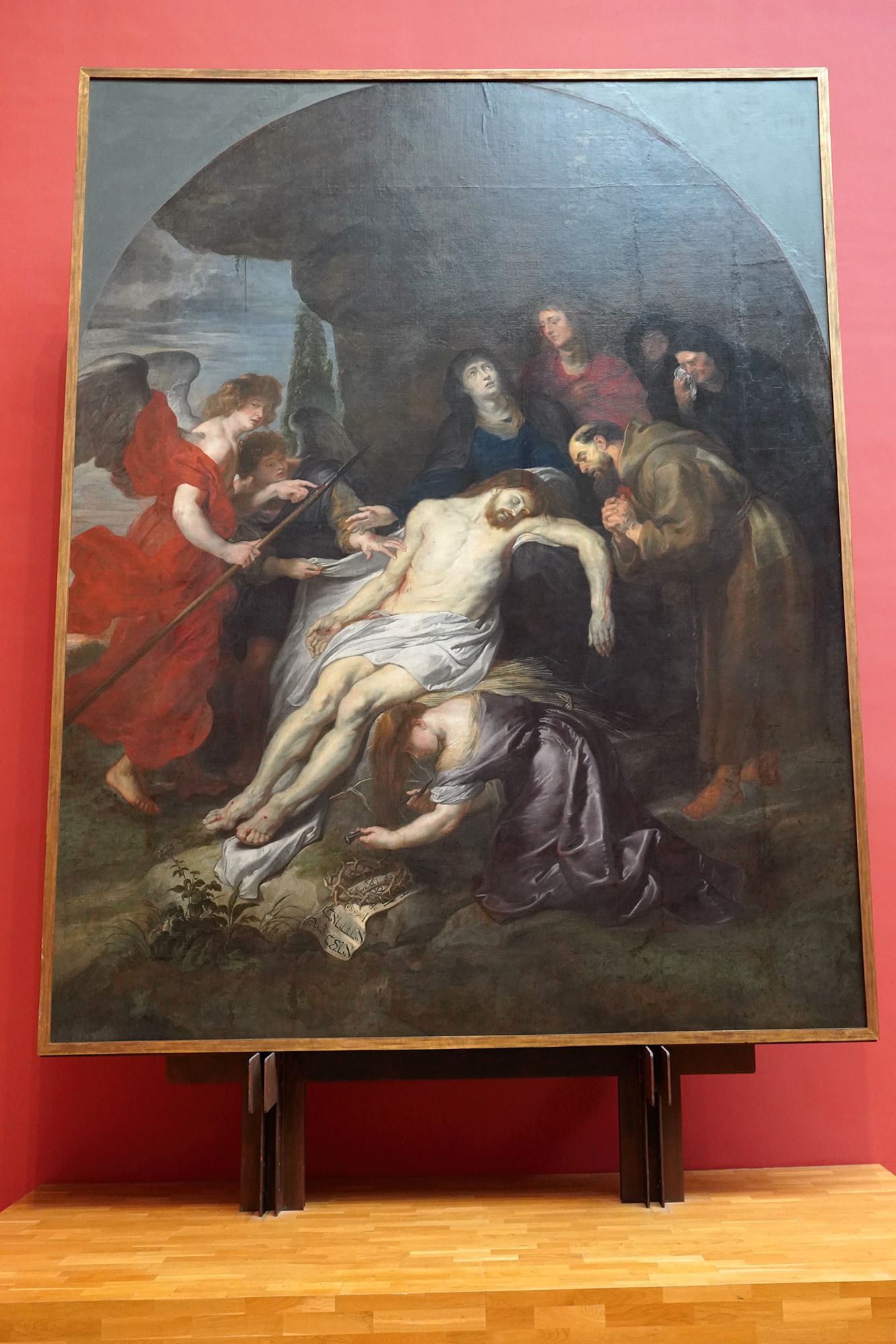
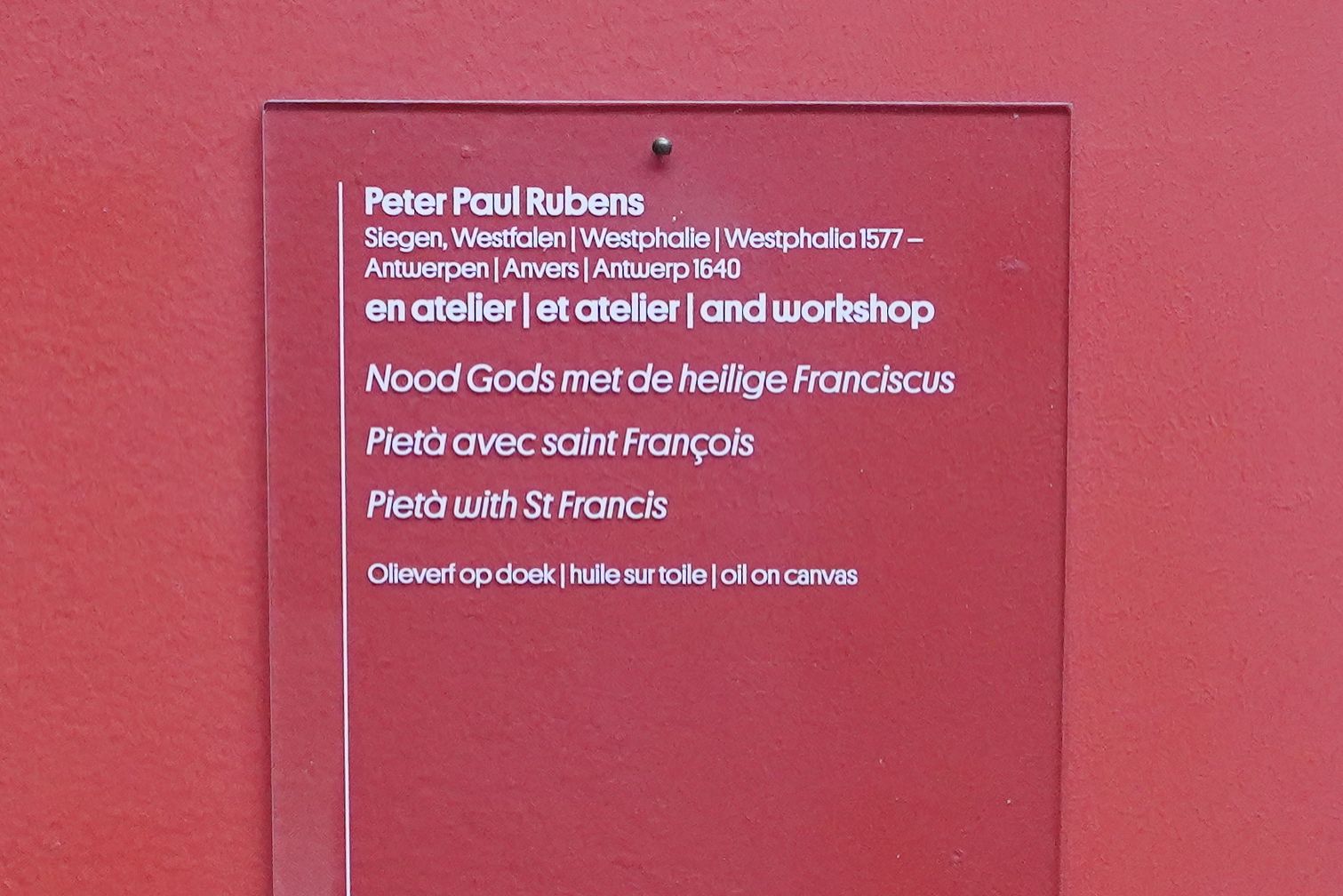
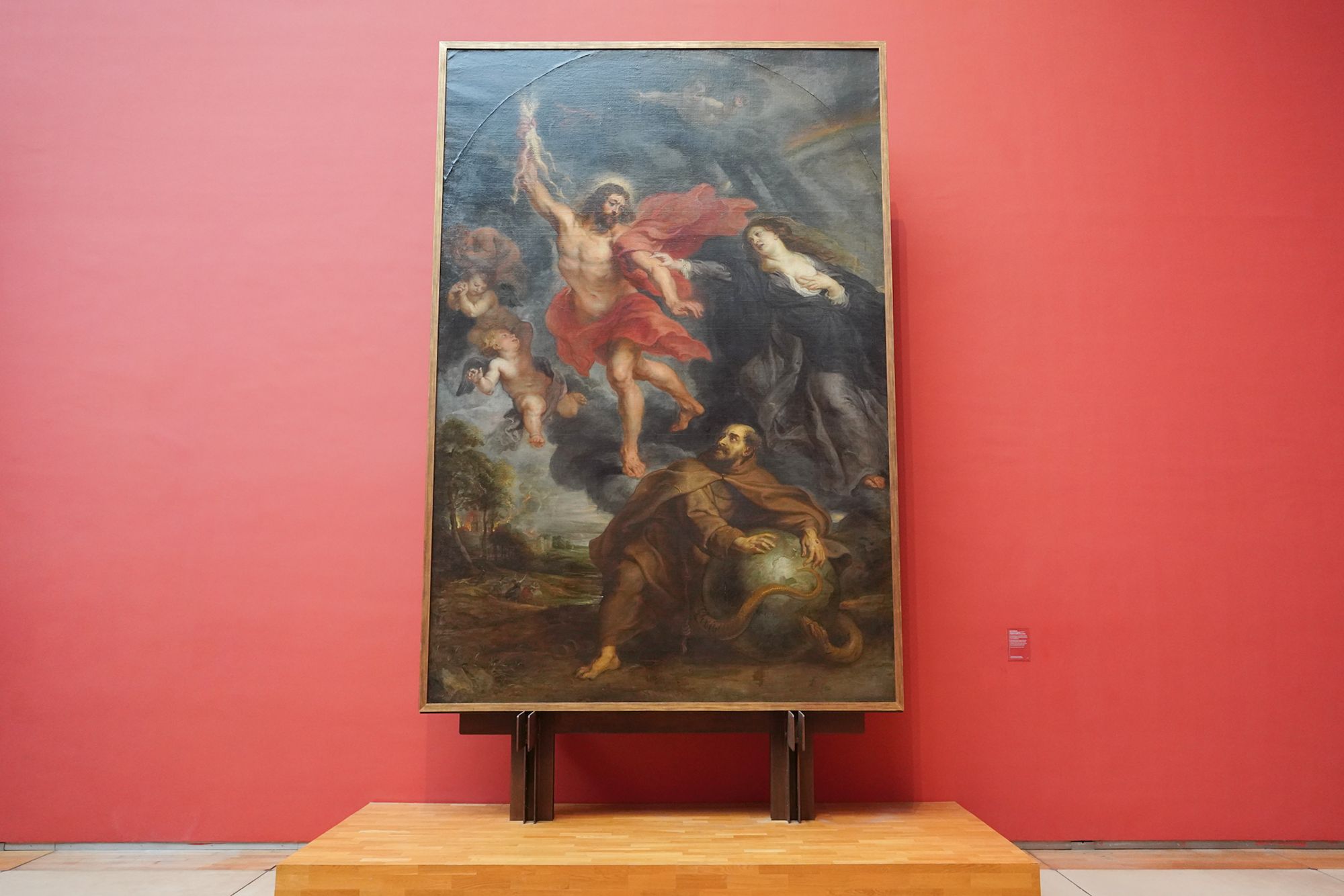
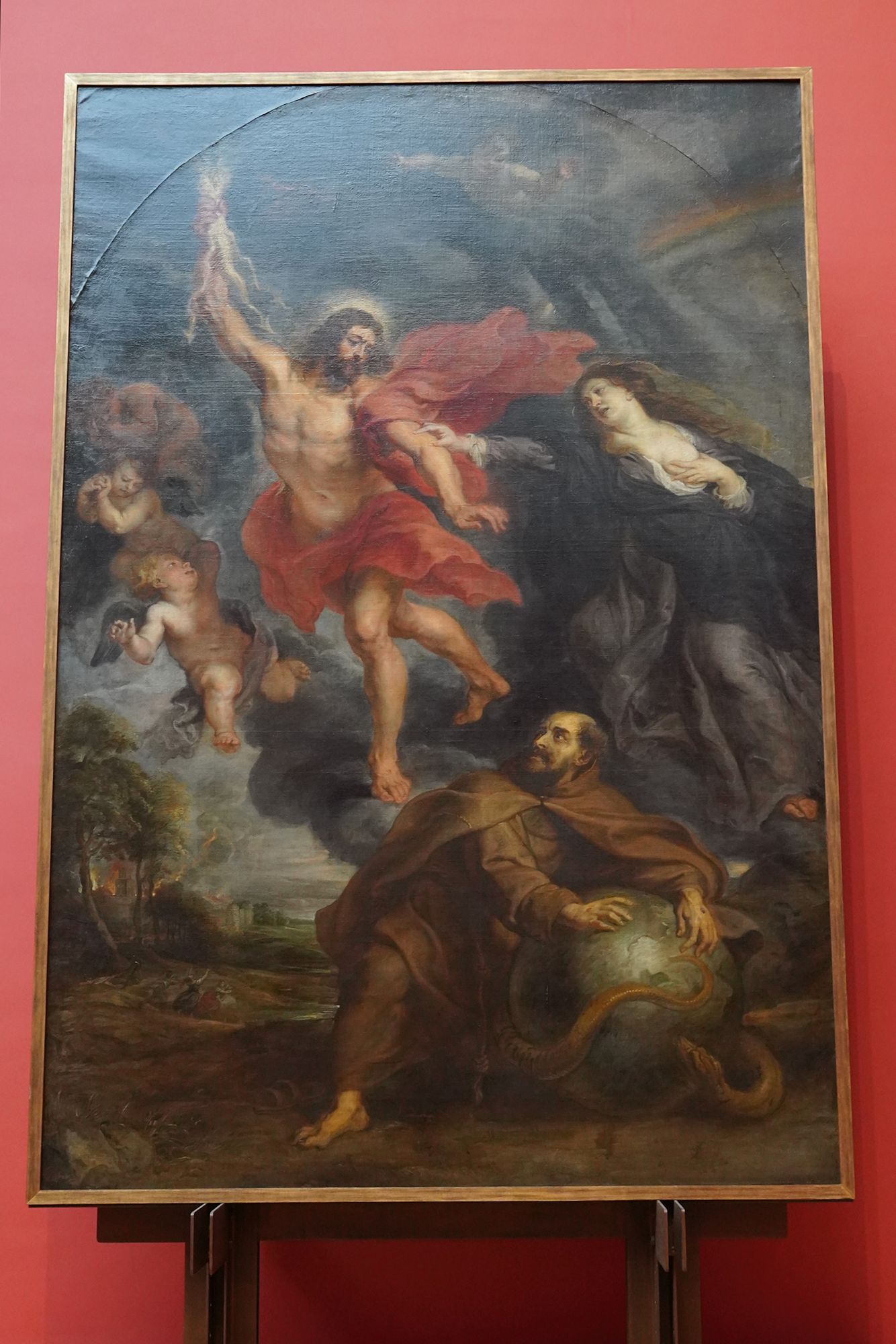
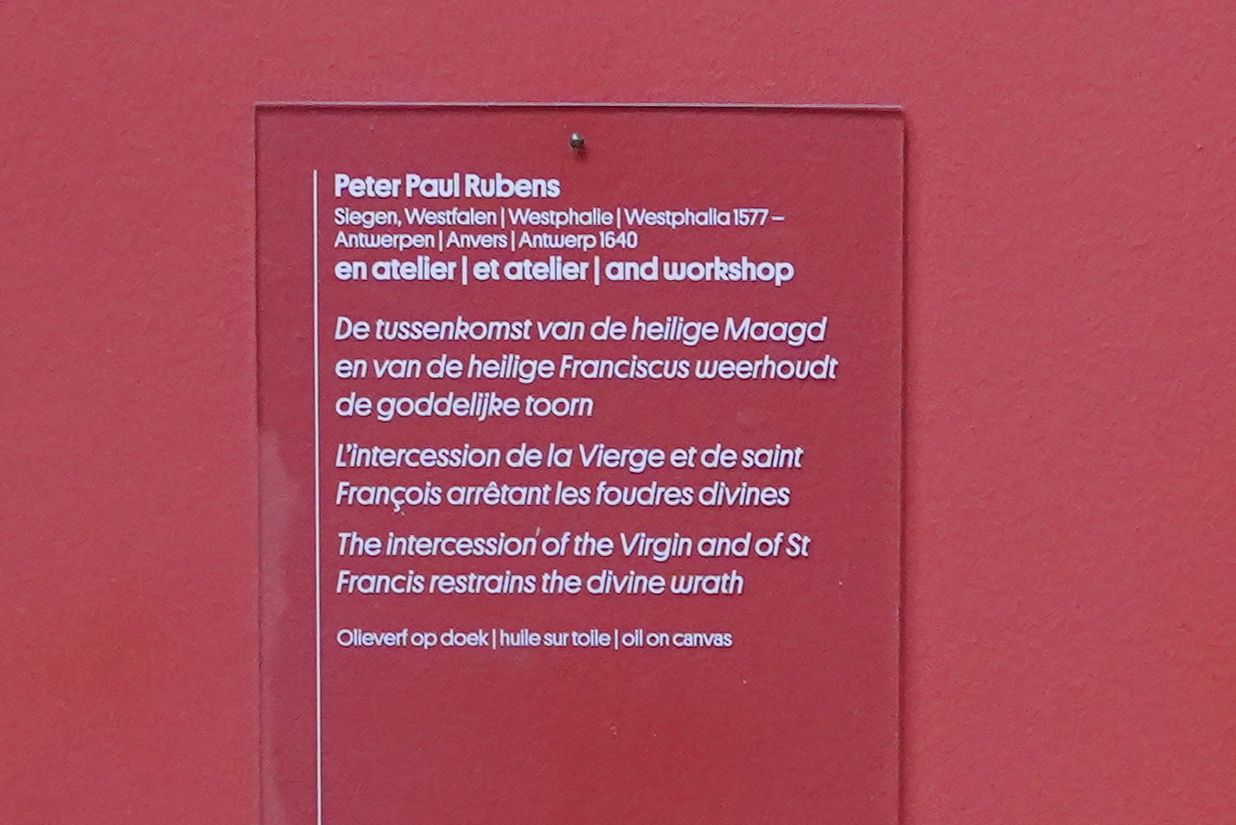
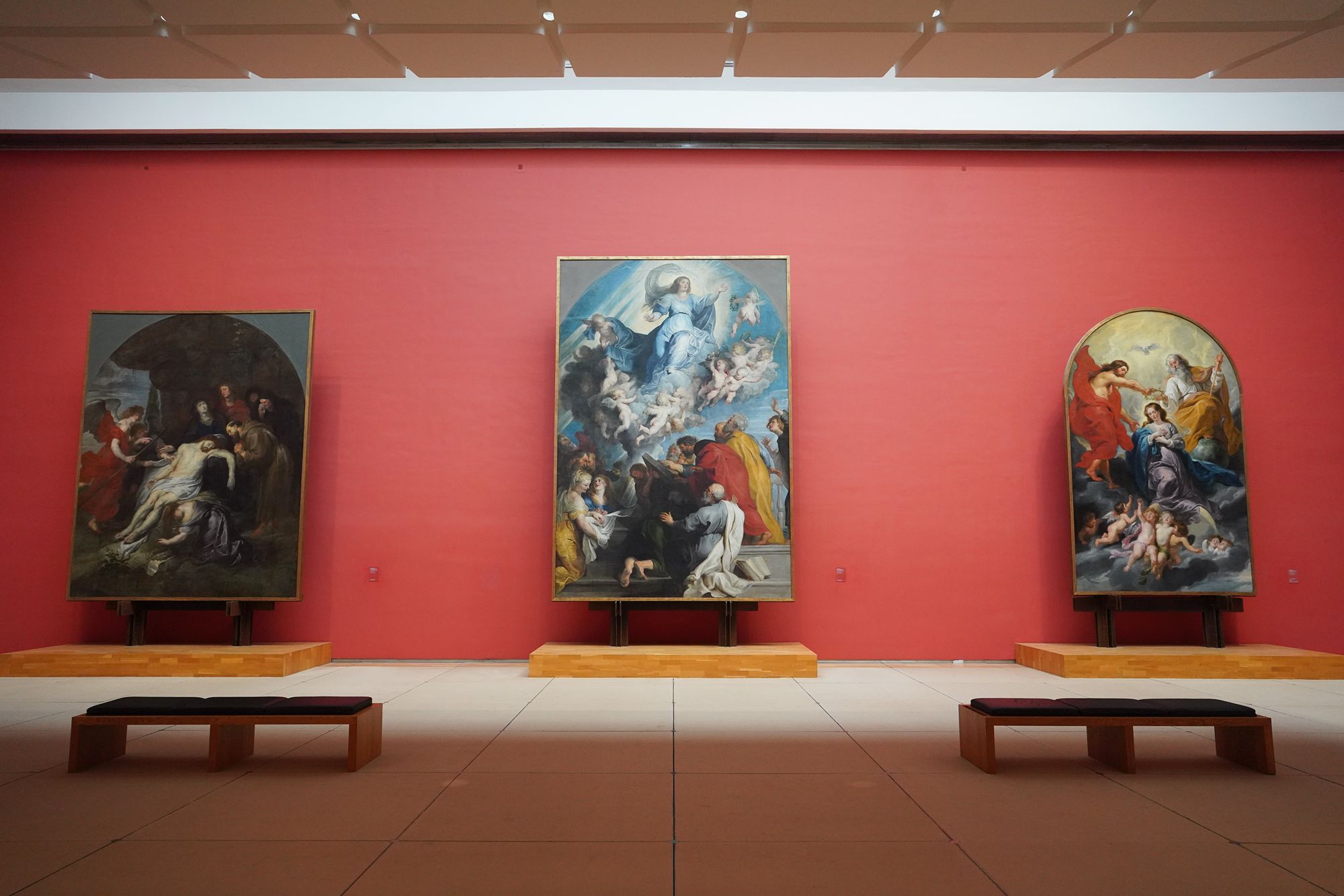
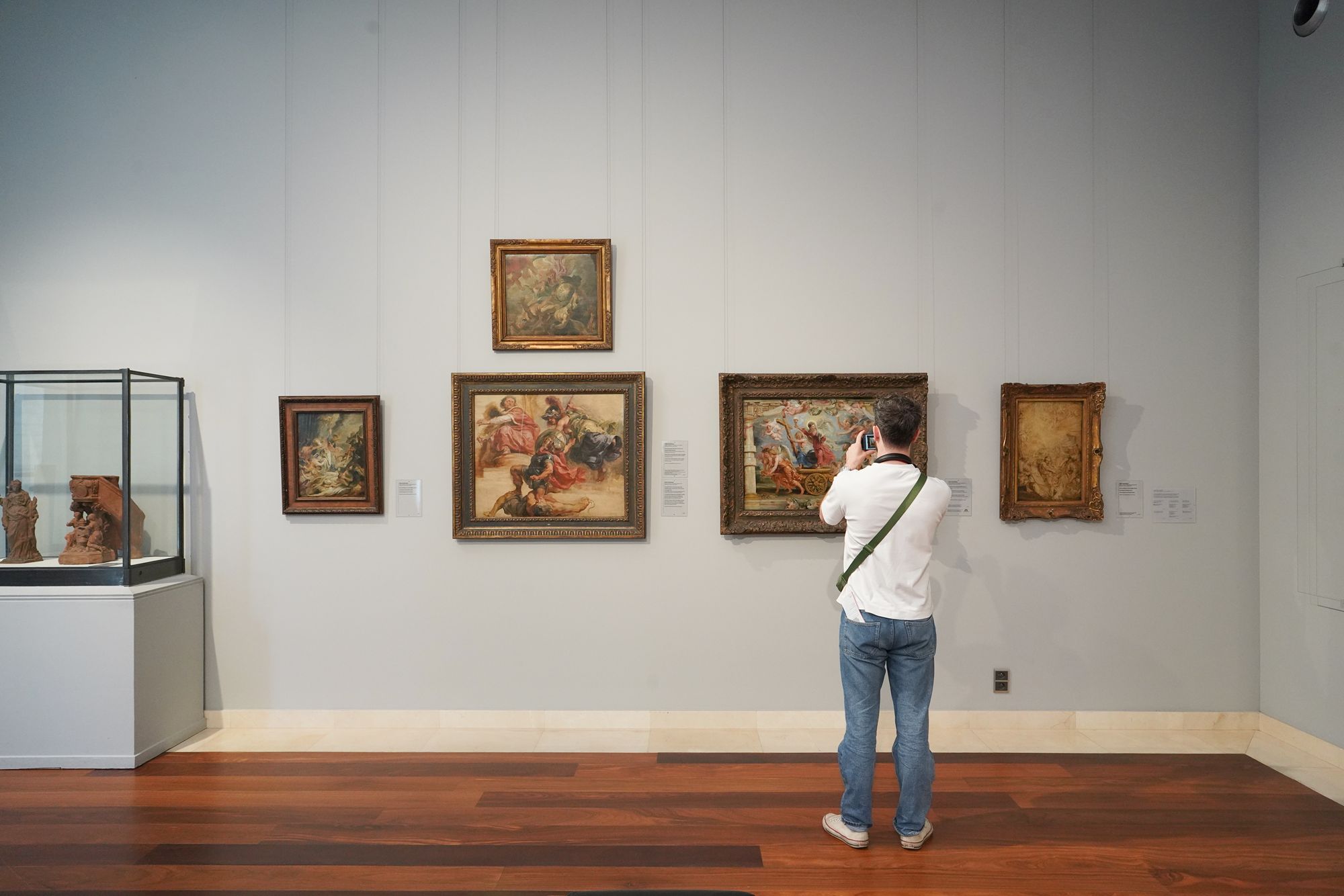
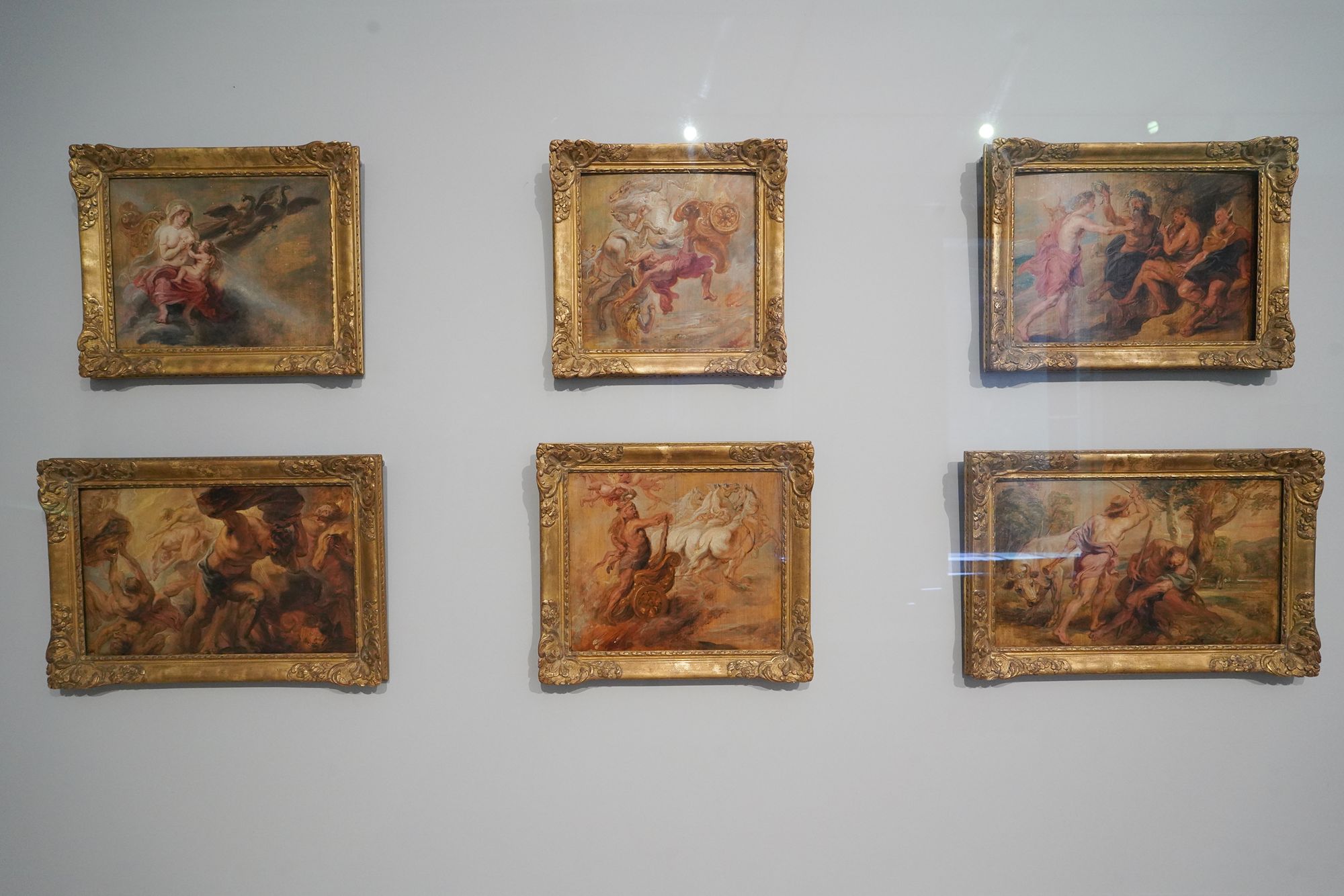
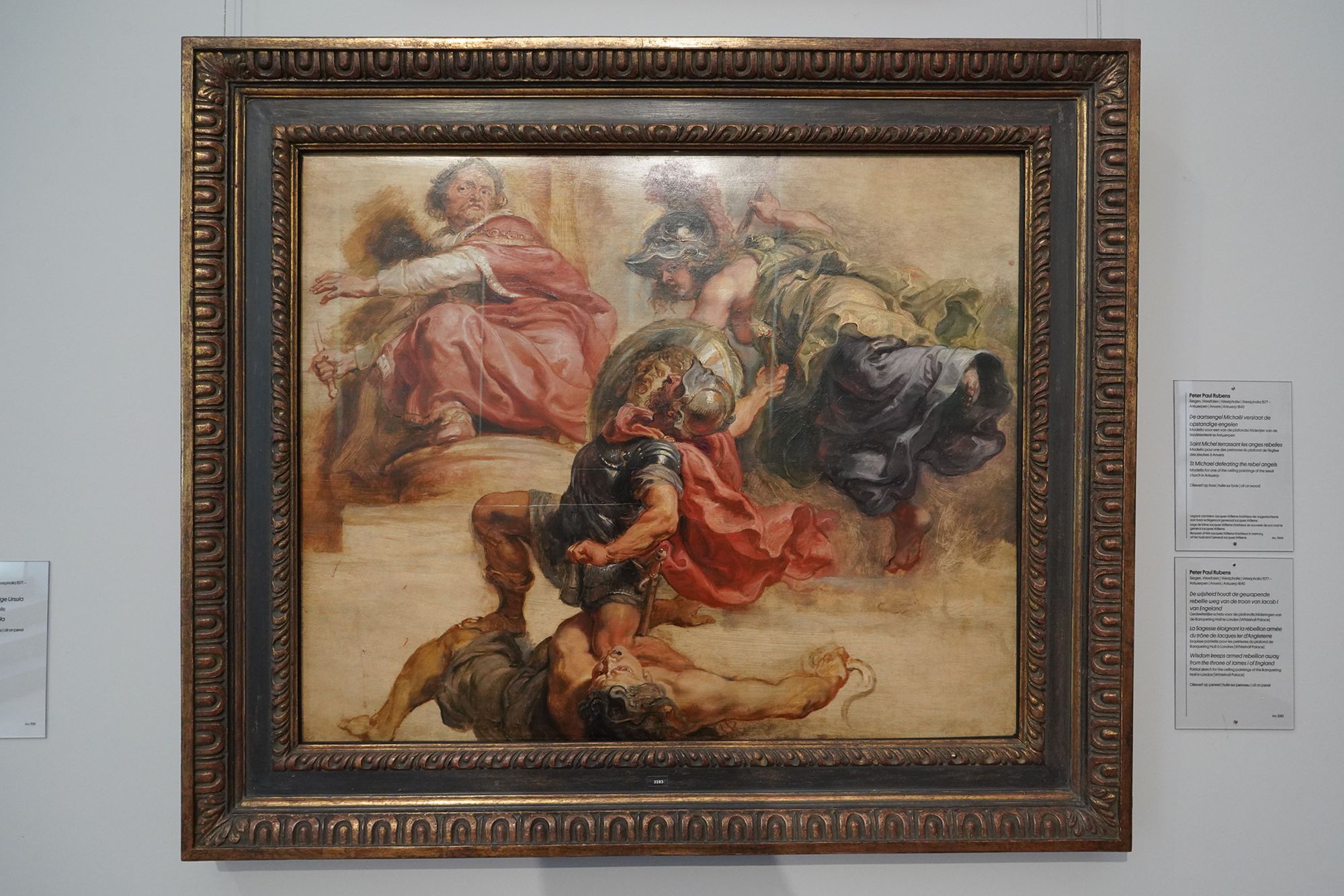
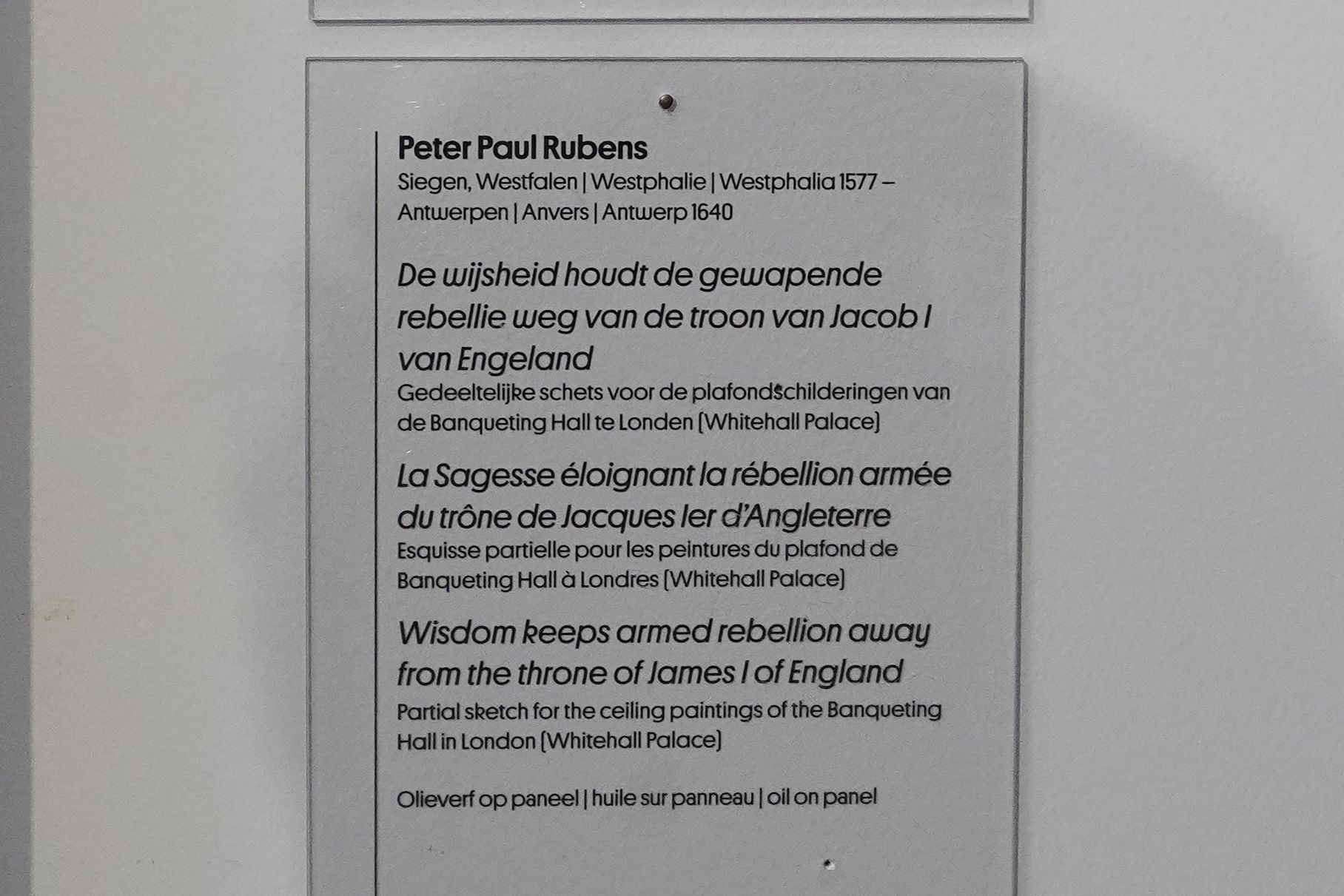
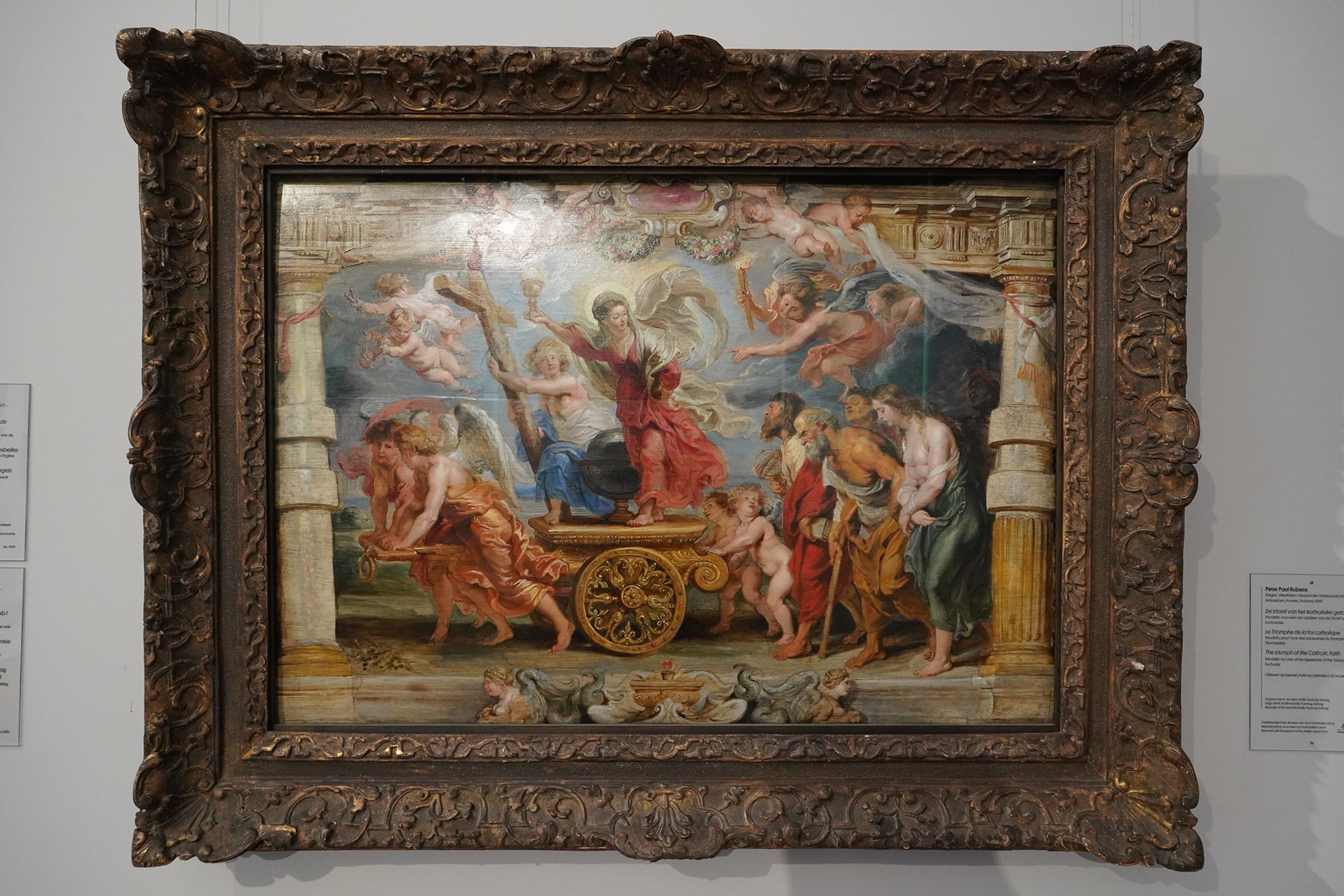
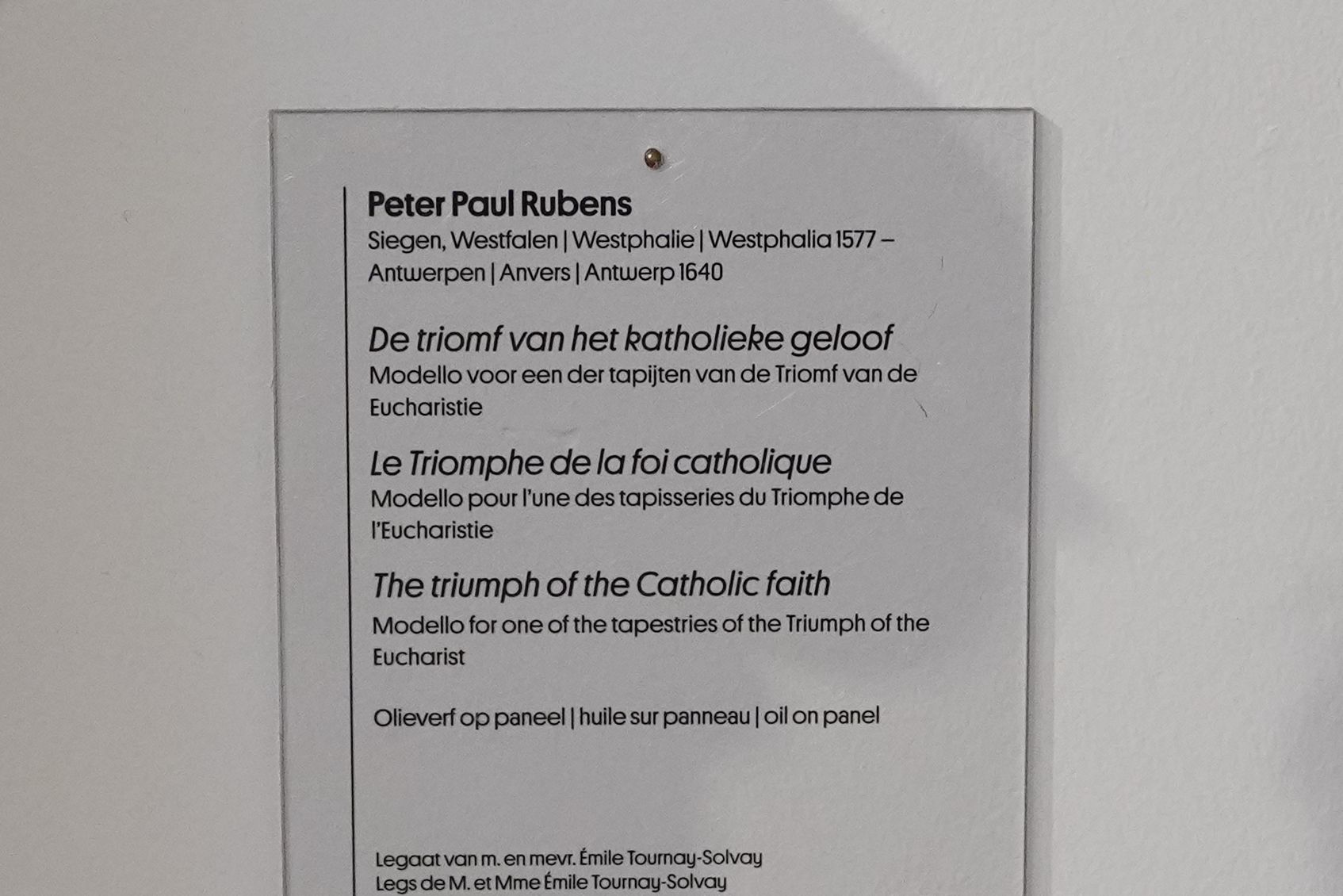
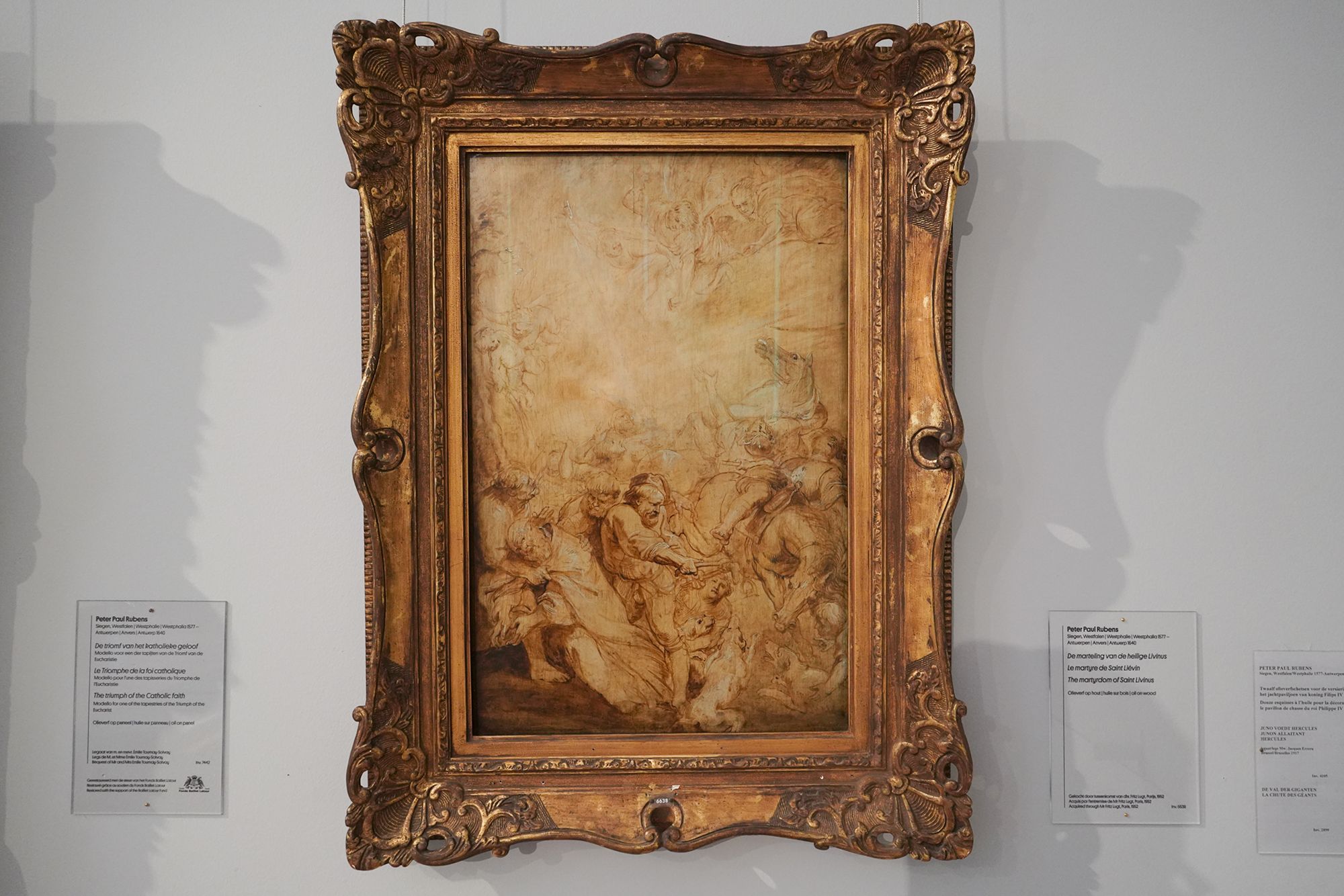
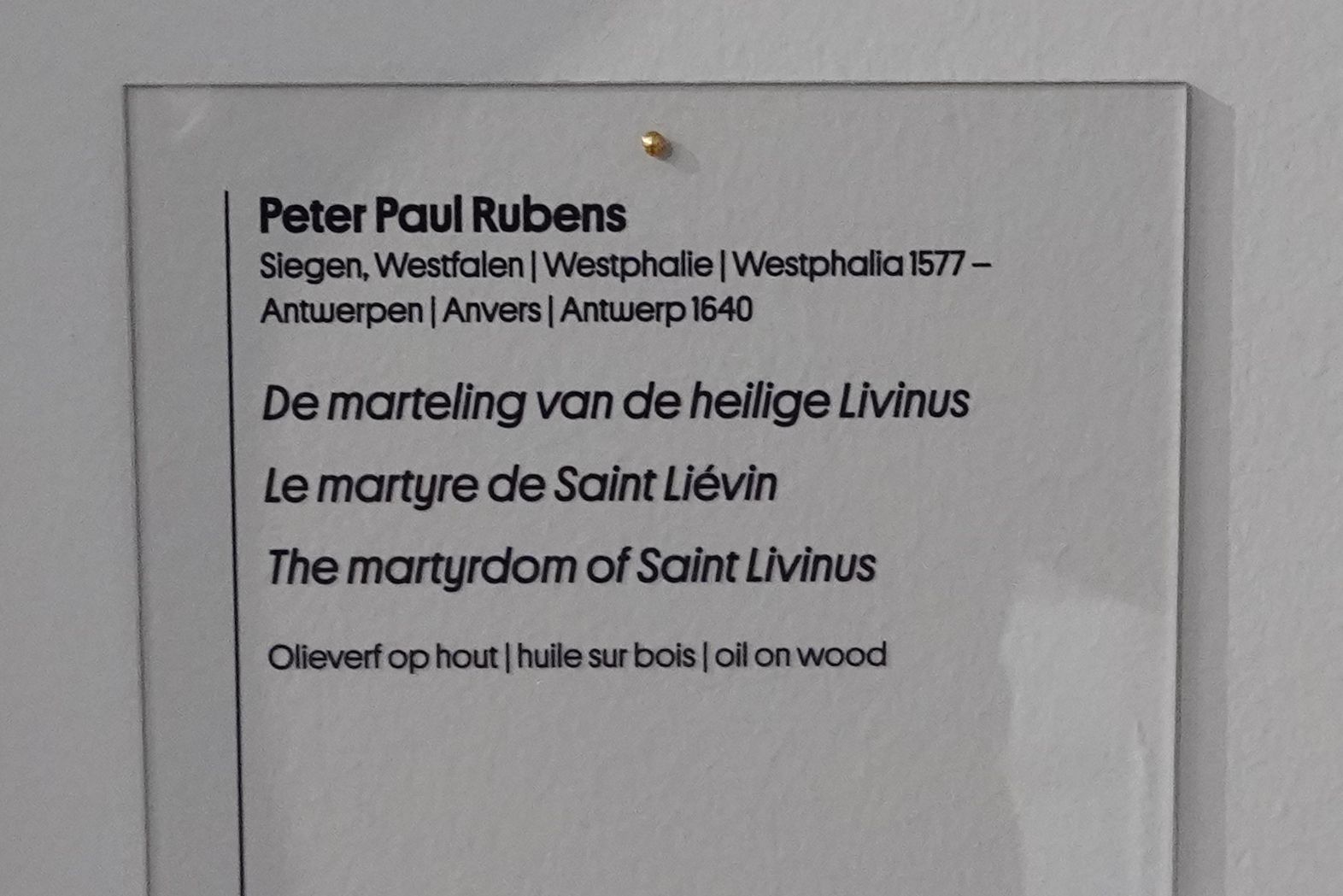
The museum has an important collection of paintings by Peter Paul Rubens (1577–1640), one of the greatest Flemish Baroque artists. Rubens was famous for his dramatic compositions, rich colors, energetic movement, and powerful human figures. His paintings often depicted religious and mythological subjects, reflecting the grandeur and emotion characteristic of 17th-century Baroque art.
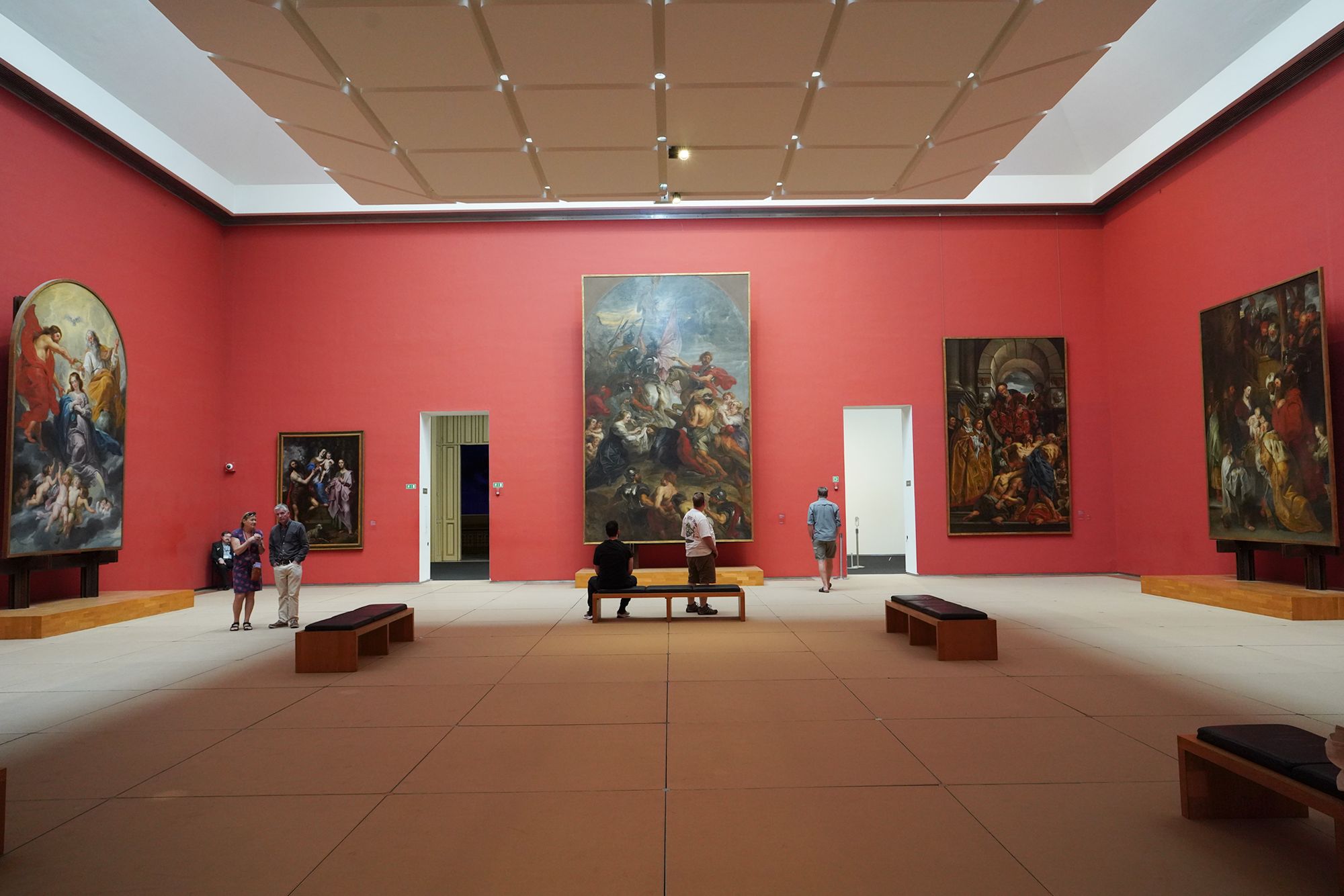
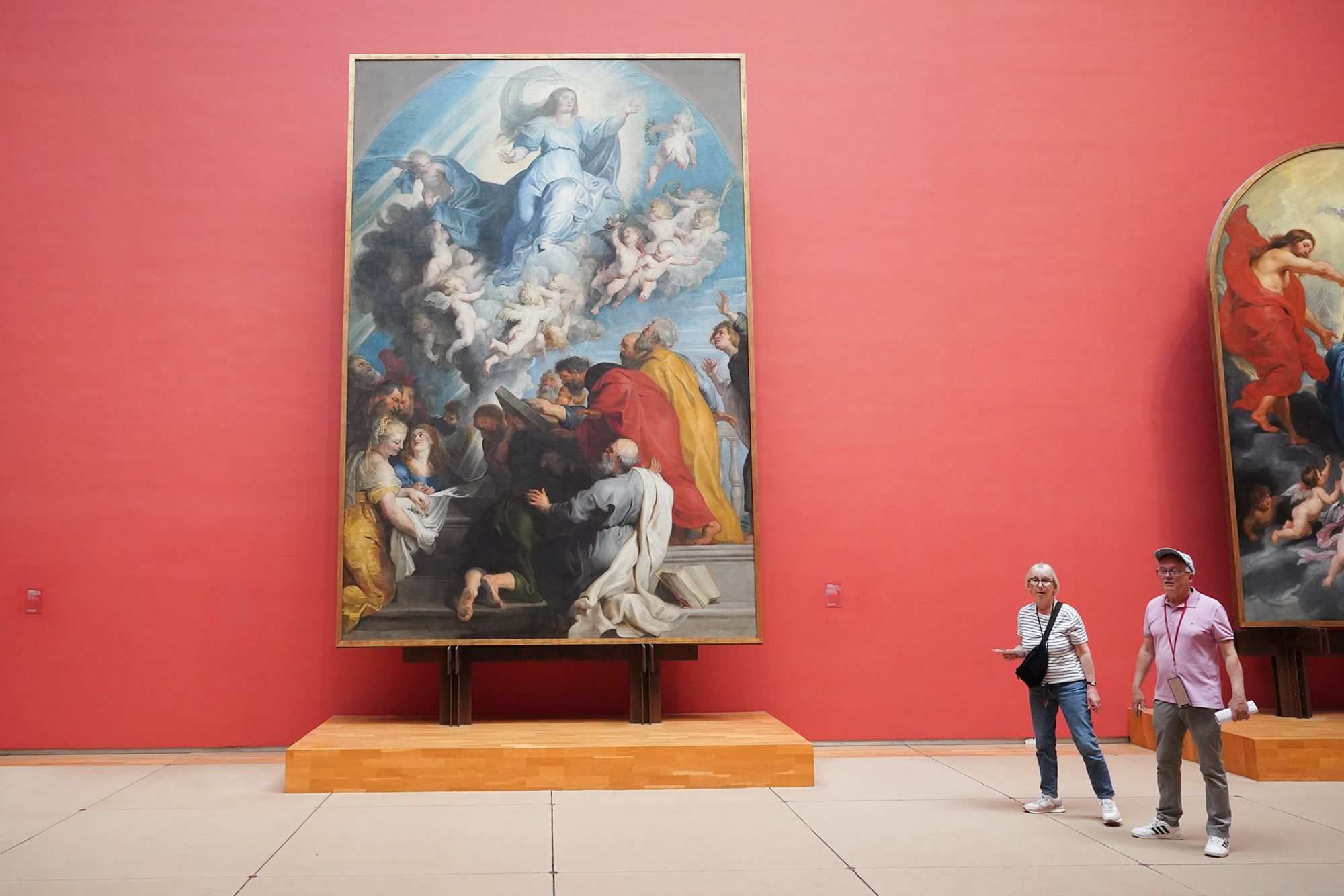
Peter Paul Rubens (1577–1640) matters enormously in Flemish art because he became the leading painter of the Flemish Baroque and one of the most influential European artists of the 17th century.
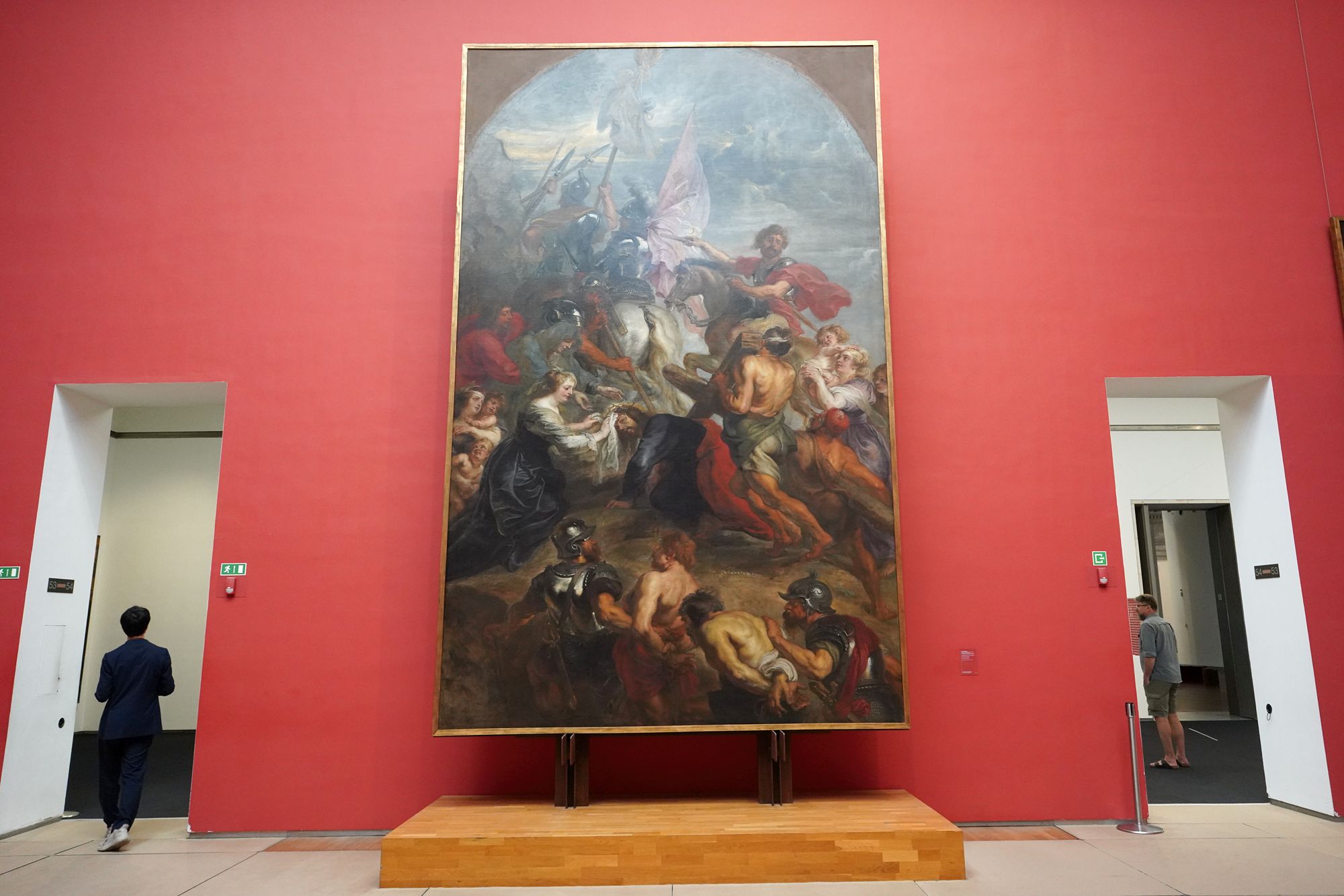
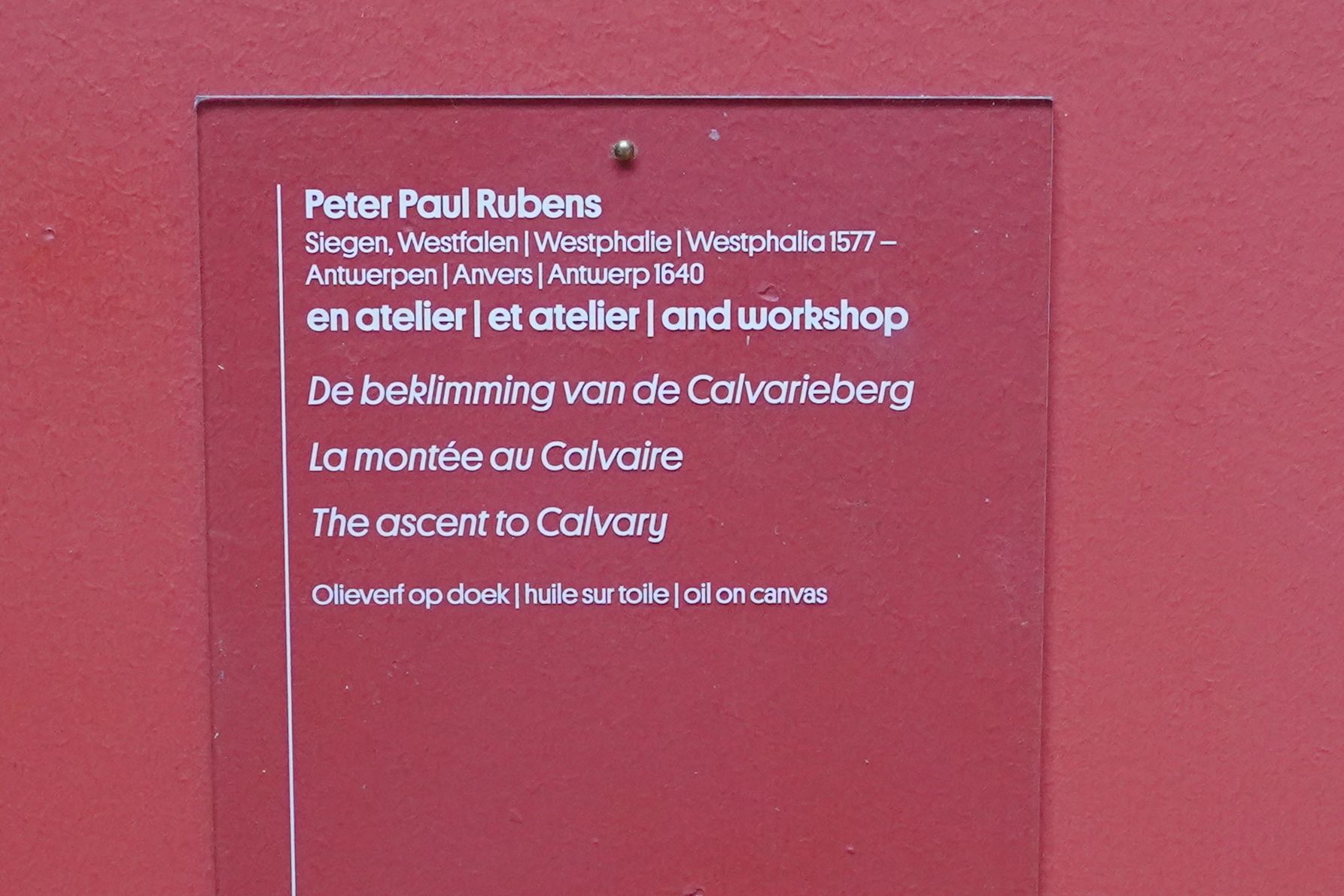
Working mainly in Antwerp, Rubens combined the realism and detail of the Flemish tradition with influences he absorbed in Italy, particularly from Michelangelo, Titian, and Caravaggio. The result was a dramatic new style characterized by movement, intense emotion, rich color, strong contrasts of light, and powerful human figures.
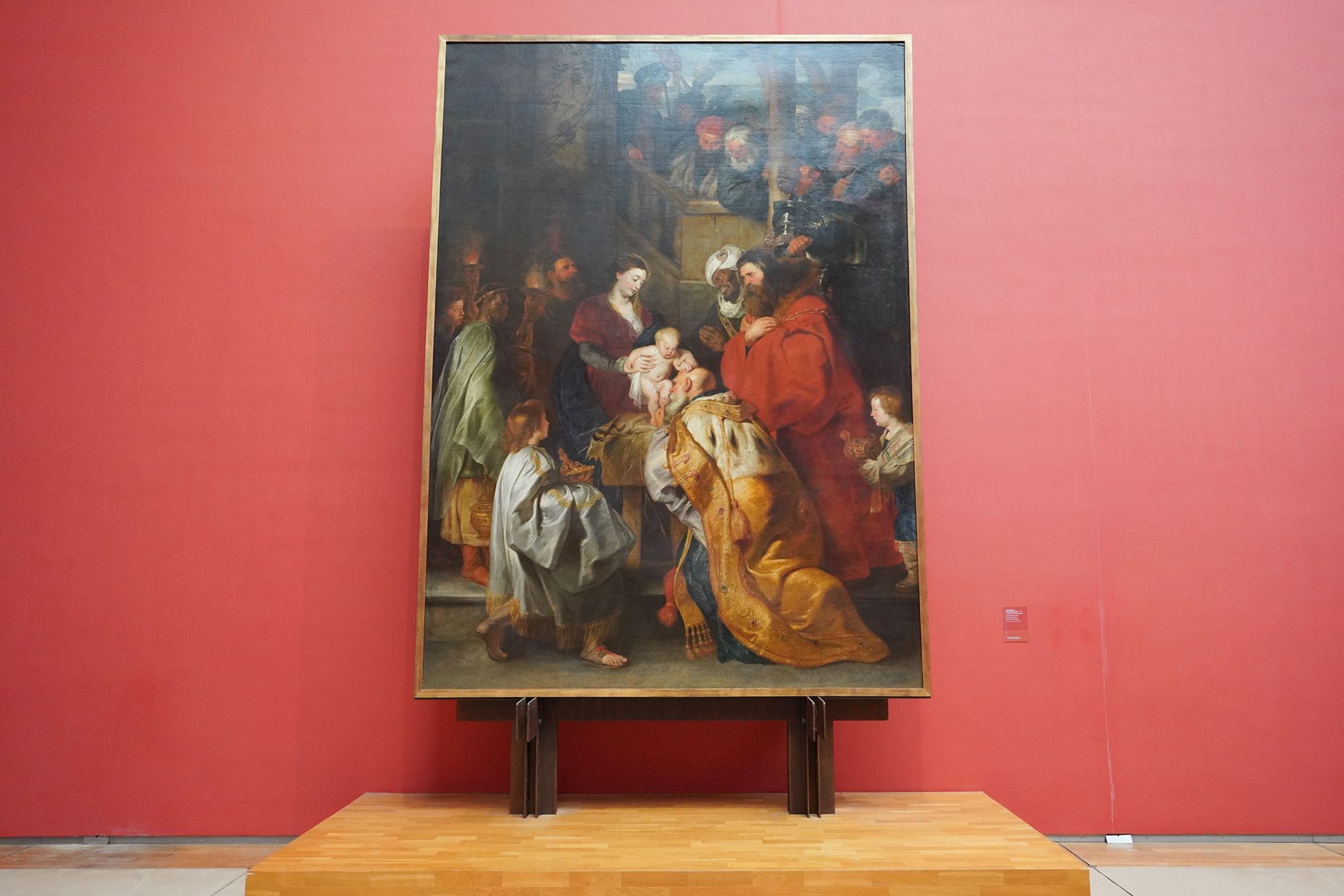
He also operated a large workshop, where assistants and younger artists helped produce major commissions for churches and royal courts throughout Europe. His influence therefore extended well beyond his own paintings and helped make Antwerp an important European artistic center.
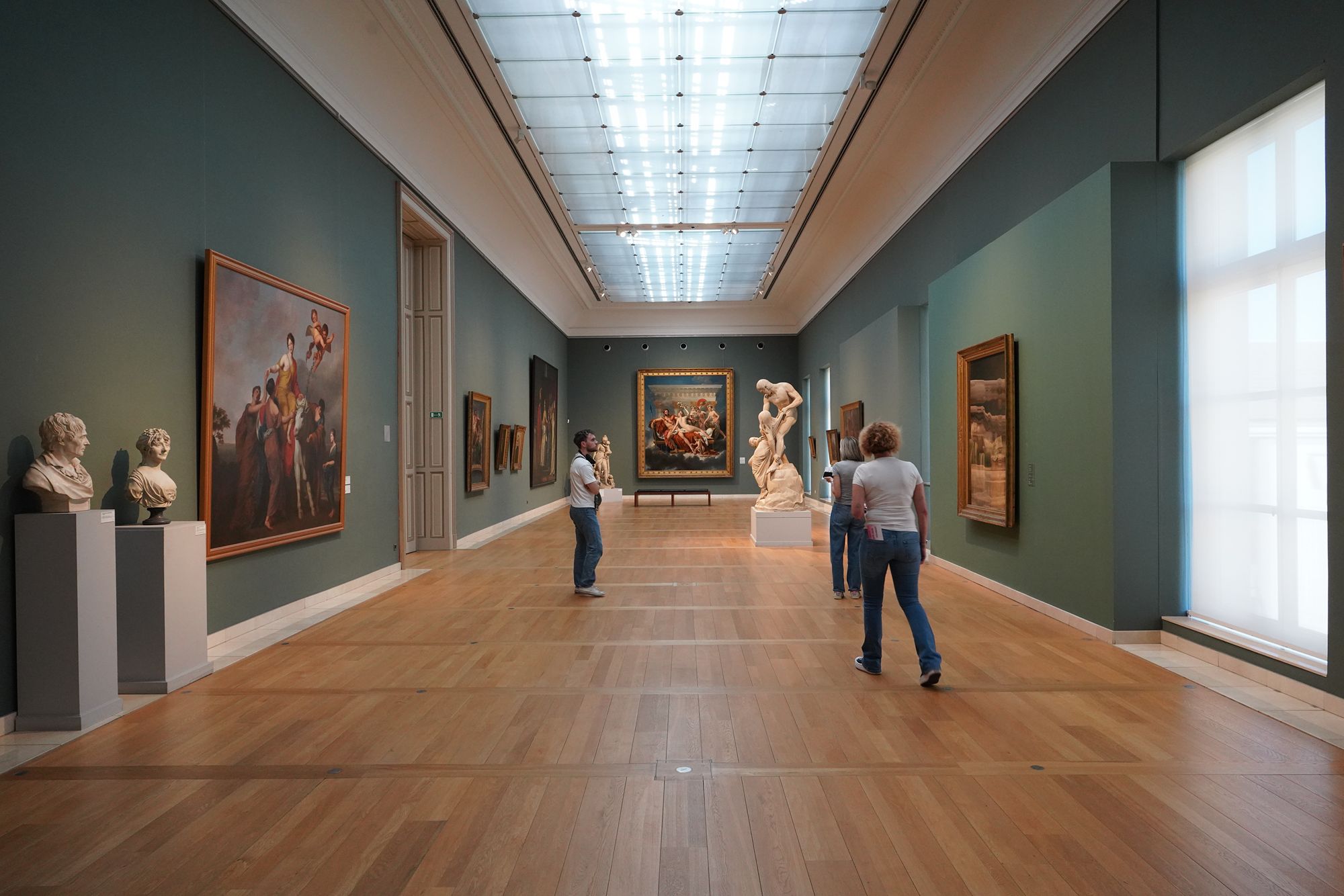
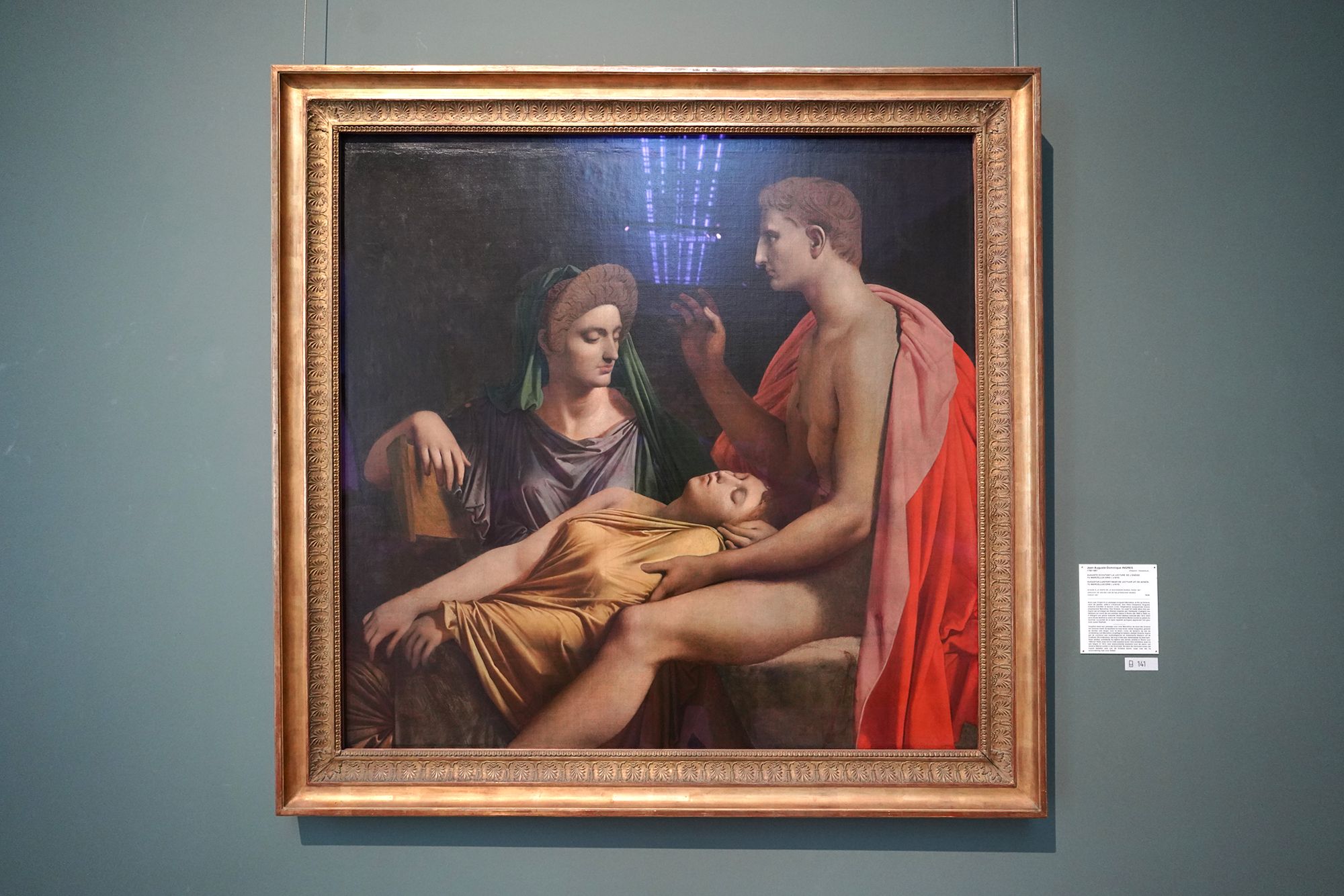
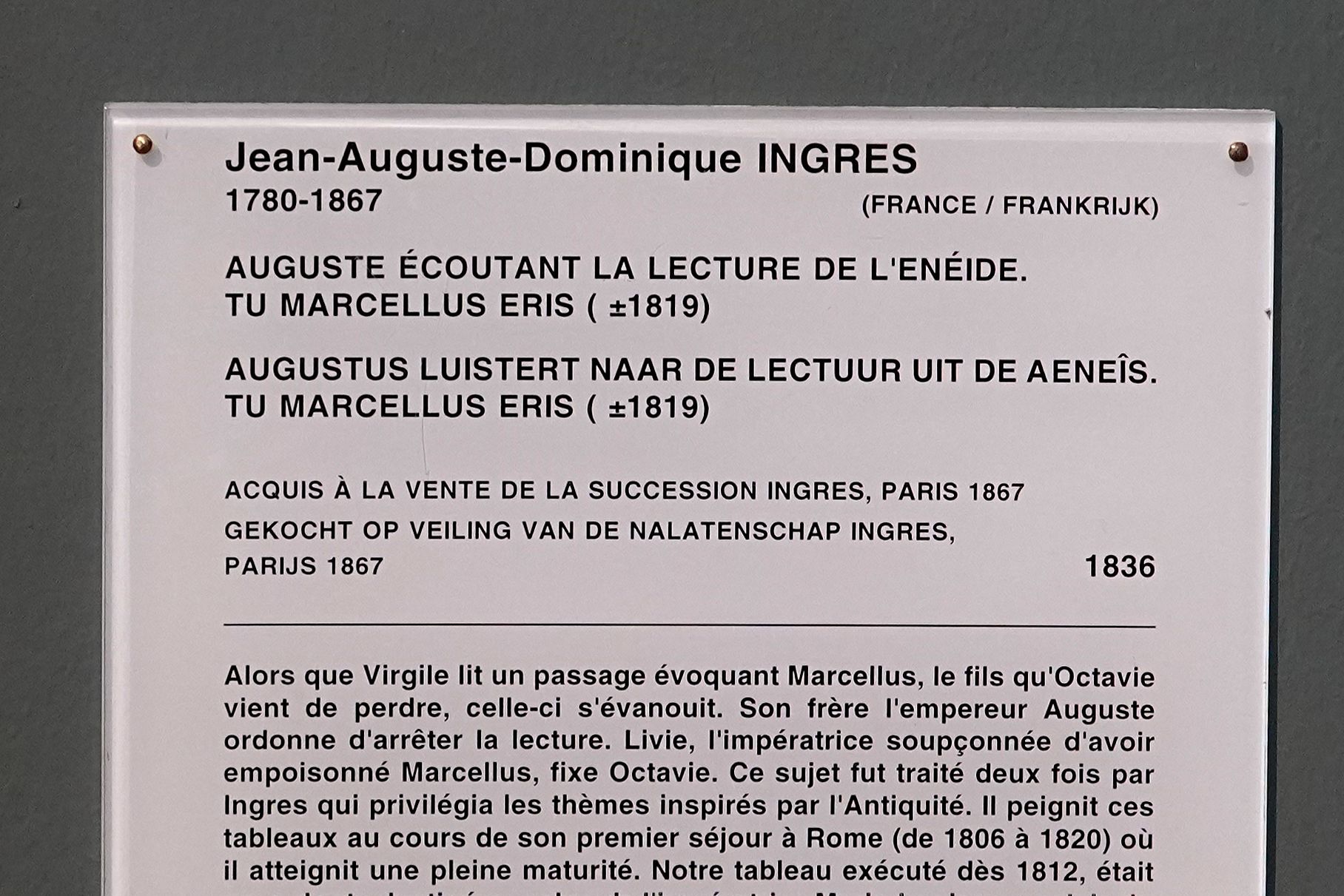
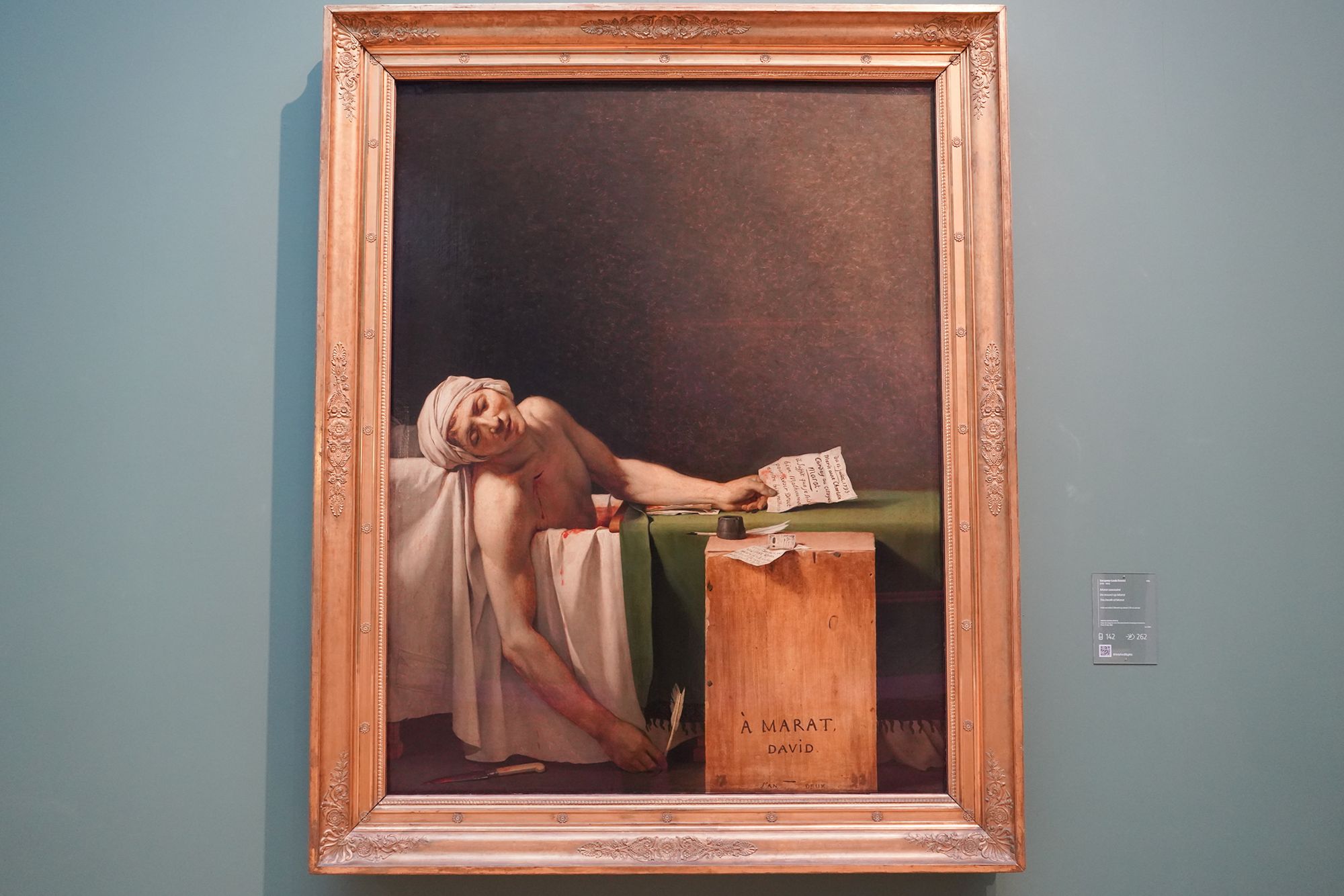
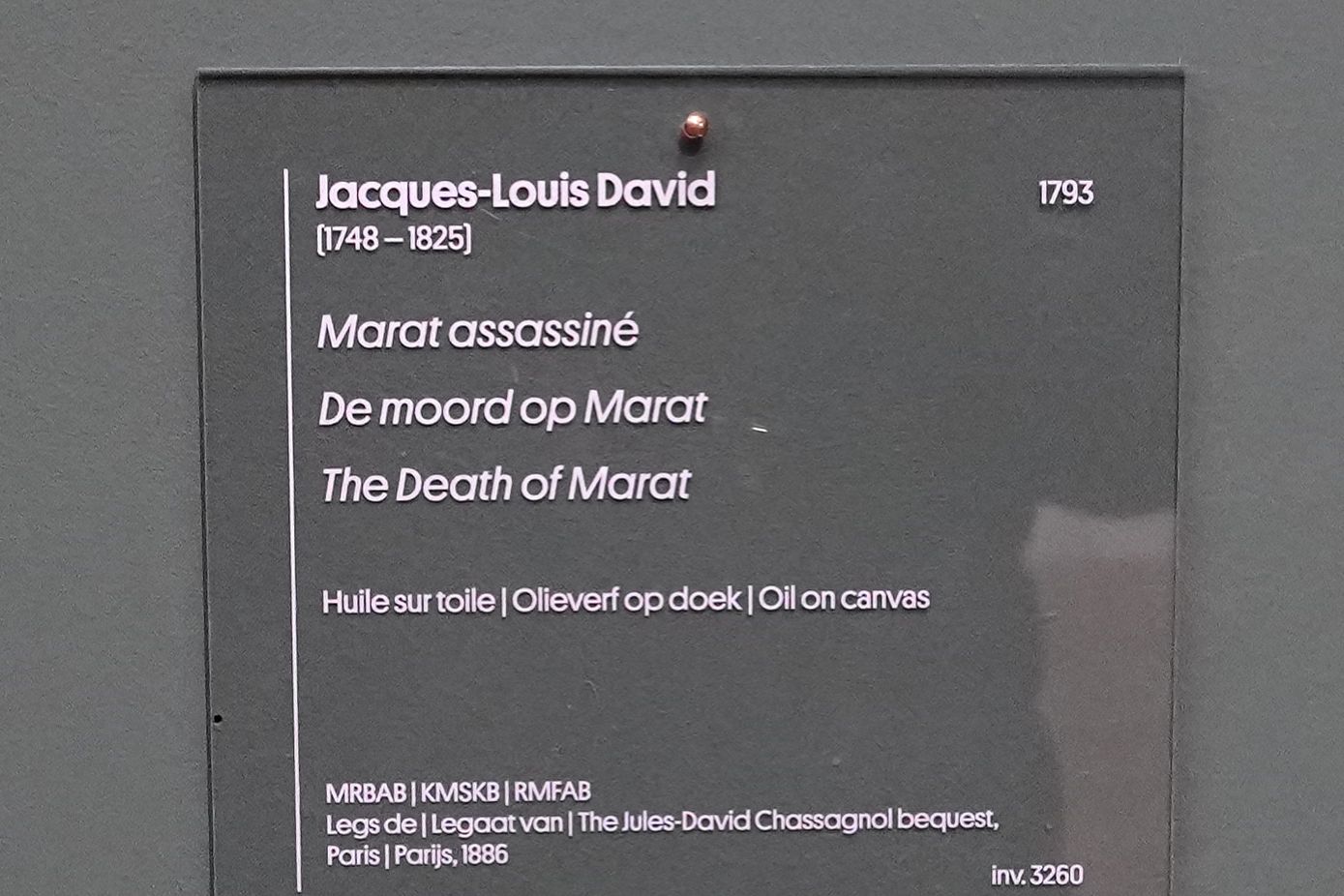
This is The Death of Marat (1793) by French Neoclassical painter Jacques-Louis David (1748–1825). It is one of the most famous images associated with the French Revolution.
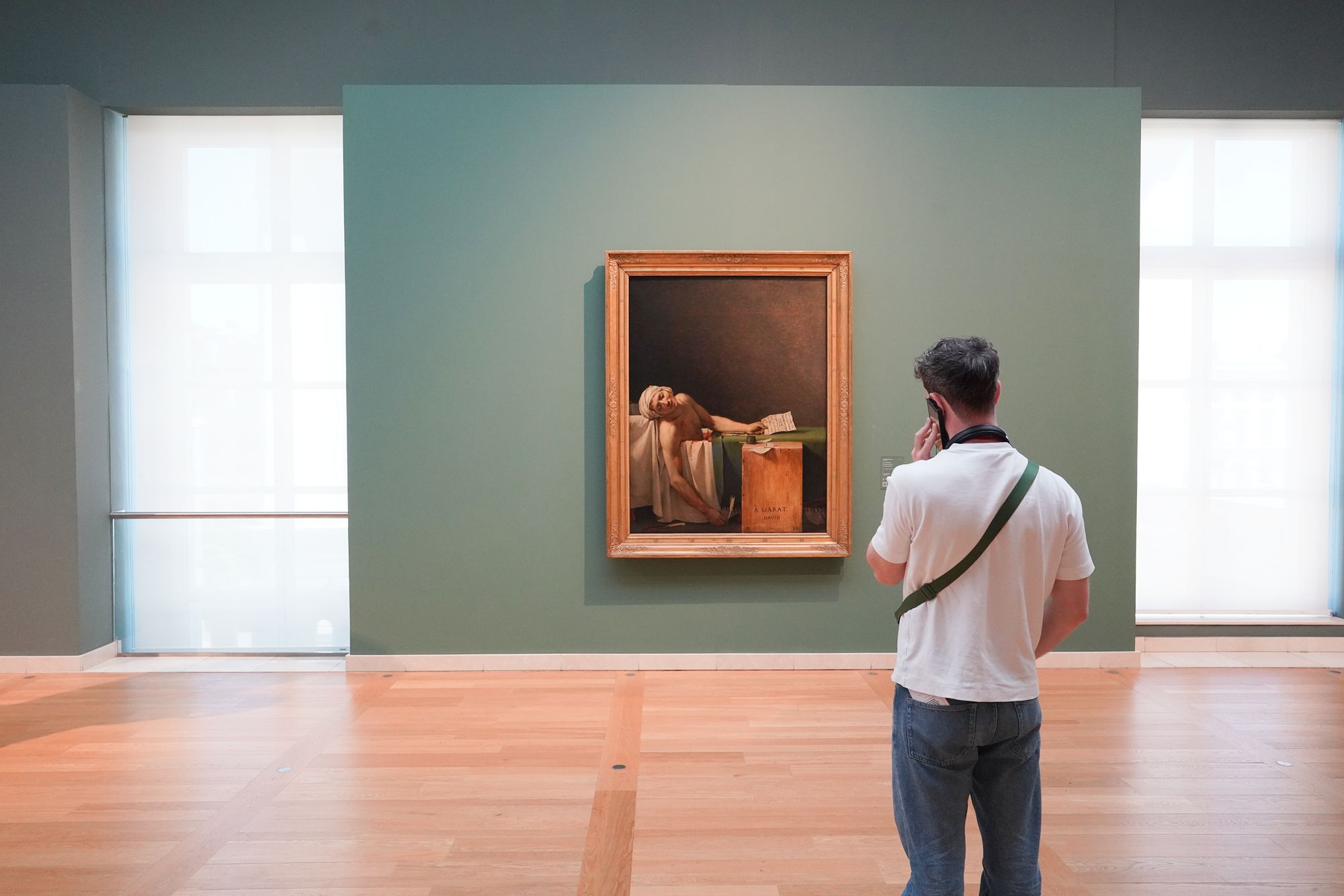
It depicts Jean-Paul Marat, a revolutionary journalist and politician who was assassinated in his bath on July 13, 1793, by Charlotte Corday. Marat suffered from a skin condition and often worked while soaking in a medicinal bath. David, who knew Marat and supported the Revolution, portrayed him as a heroic martyr rather than showing the violence of the murder realistically.
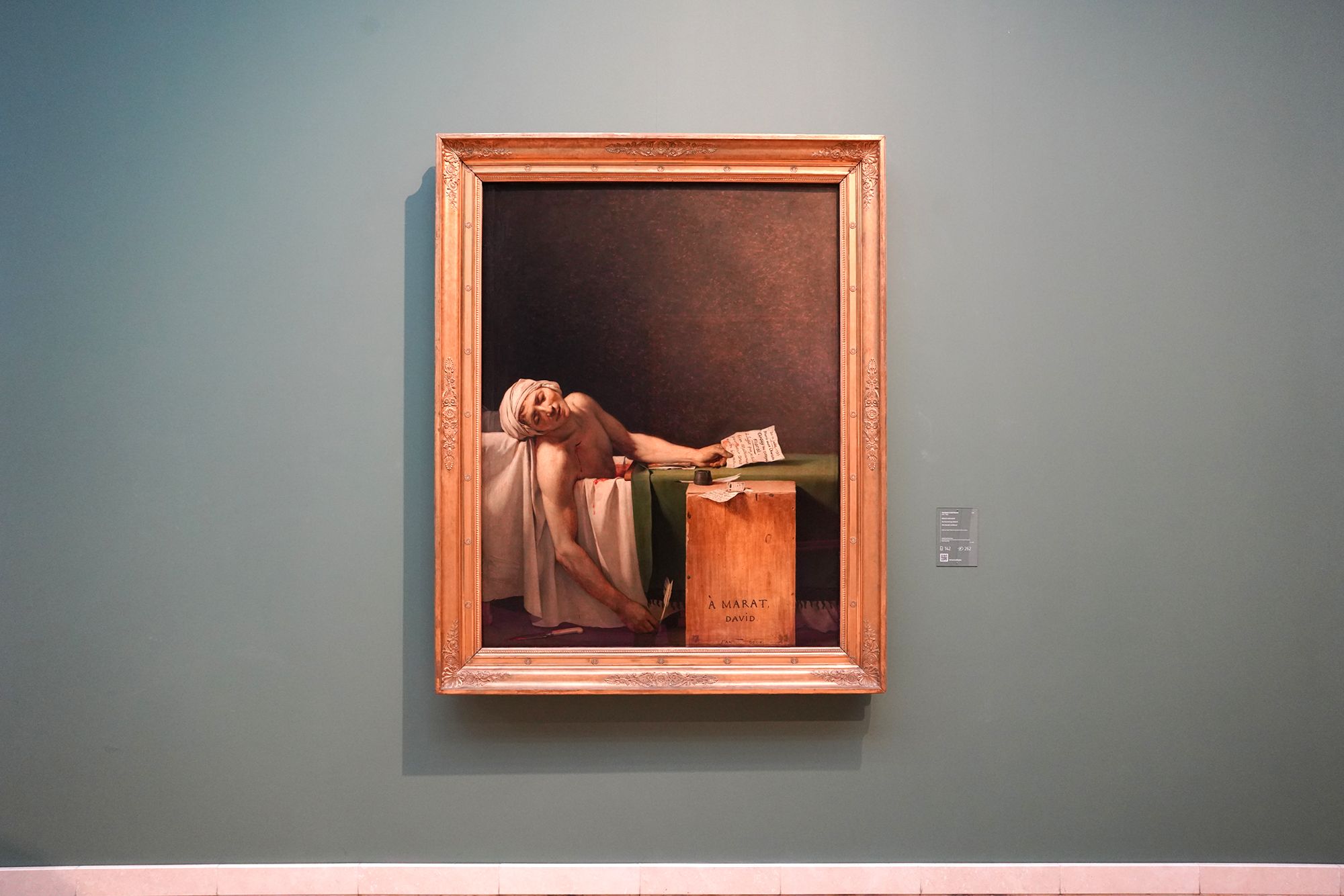
The simple composition, dramatic lighting, and Marat's peaceful pose give the painting an almost religious quality, recalling traditional images of Christian martyrs.