Brussels Grand-Place Square Walk, Belgium
I explored Brussels on foot, walking through its historic center to the magnificent Grand-Place, surrounded by ornate guild houses and landmarks. 1316
Stock Exchange: Bd Anspach 80, 1000 Bruxelles, Belgium
Grand-Place: 1000 Brussels, Belgium
Royal Galleries of Saint Hubert: Galerie du Roi, 1000 Bruxelles, Belgium
Rue des Bouchers: Rue des Bouchers 34, 1000 Bruxelles, Belgium
Manneken Pis: 1000 Brussels, Belgium
Date Picture Taken: May, 2026
Brussels, the capital of Belgium, combines grand historic architecture with the energy of a modern European city. Its heart is the magnificent Grand-Place, surrounded by ornate guild houses and the Gothic Town Hall. The city is also famous for Belgian chocolate, waffles, beer, comic art, and its international European institutions.
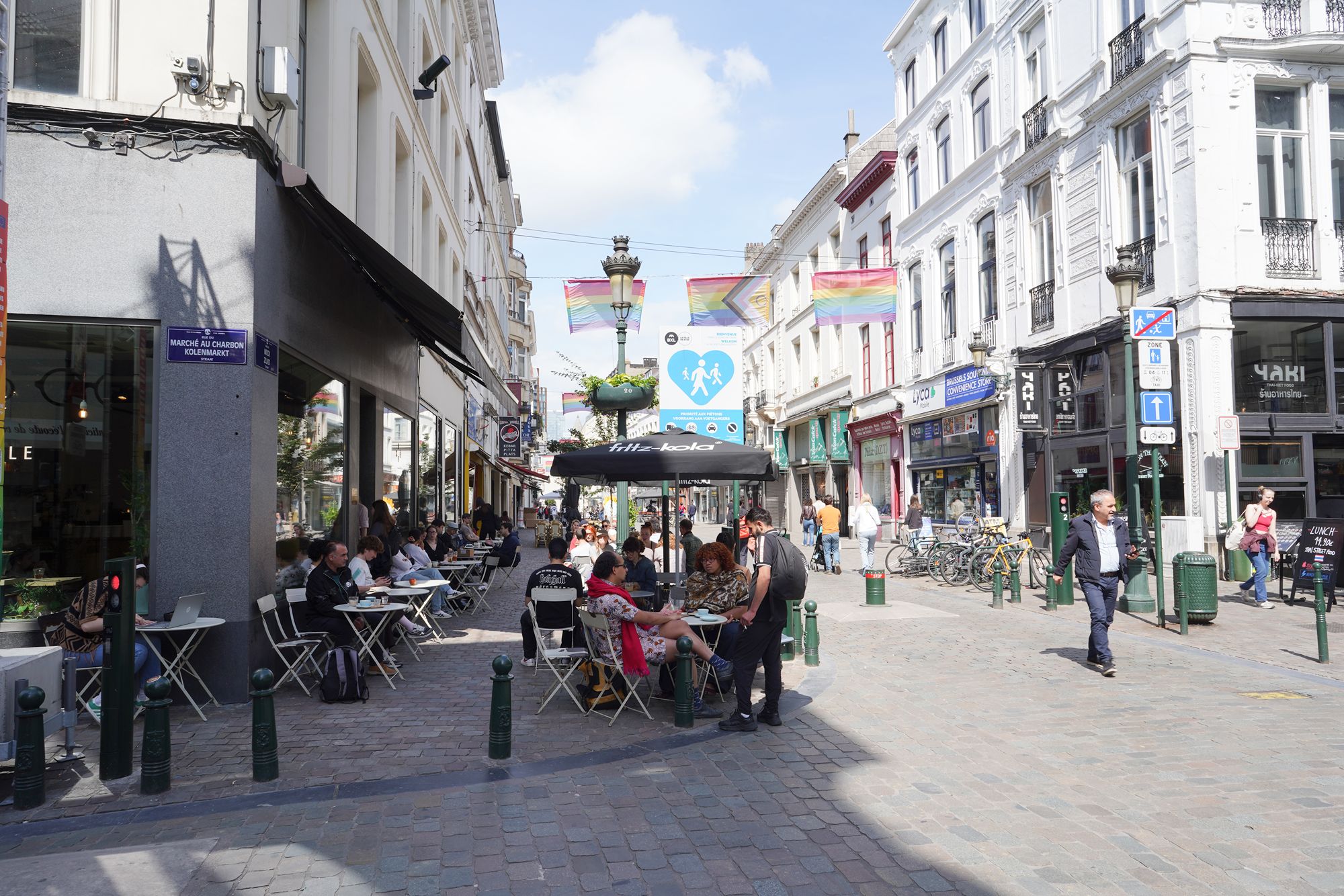
My stay in Brussels was within easy walking distance of the historic old town, making it convenient to explore the Grand-Place and many of the city’s major sights on foot.
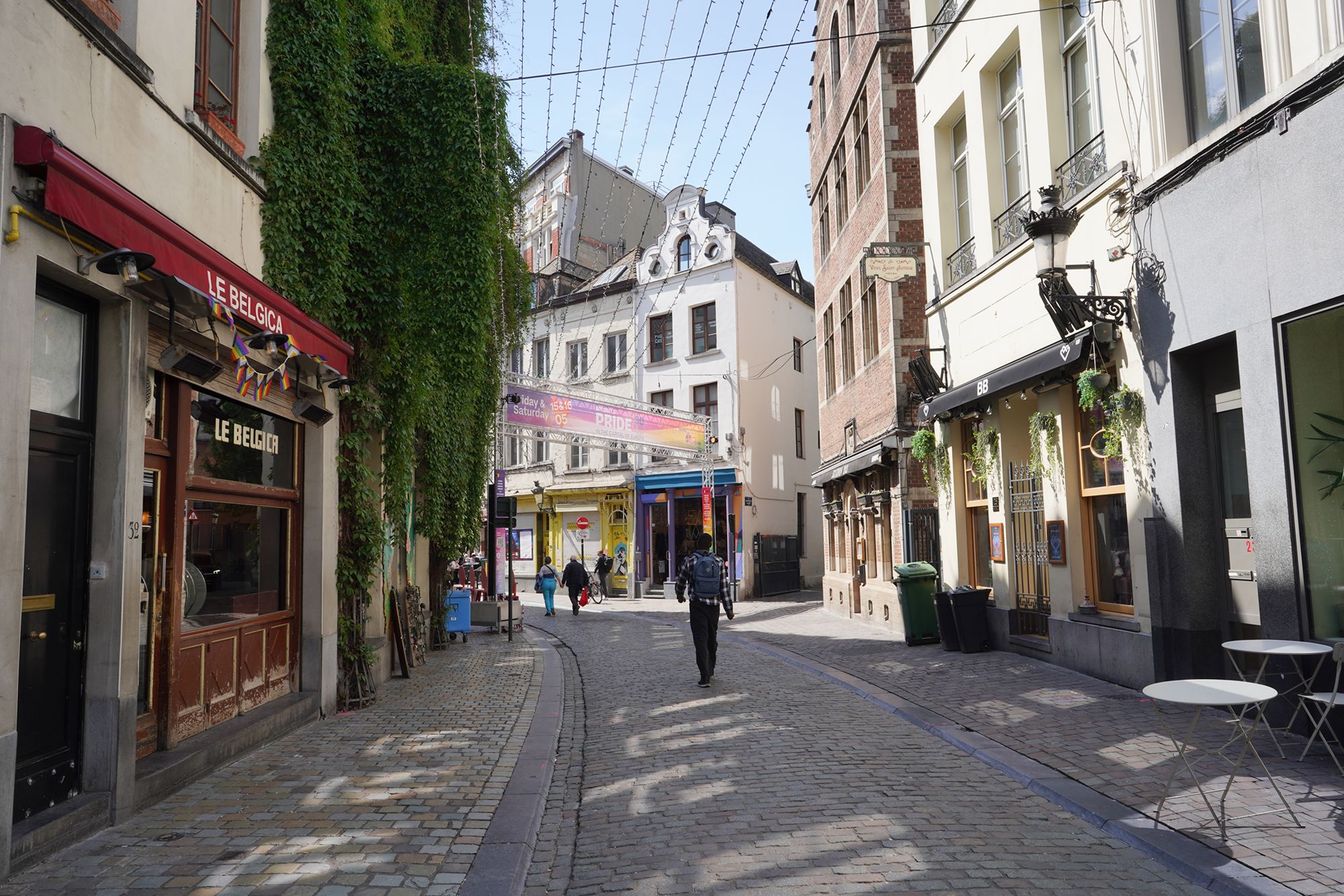
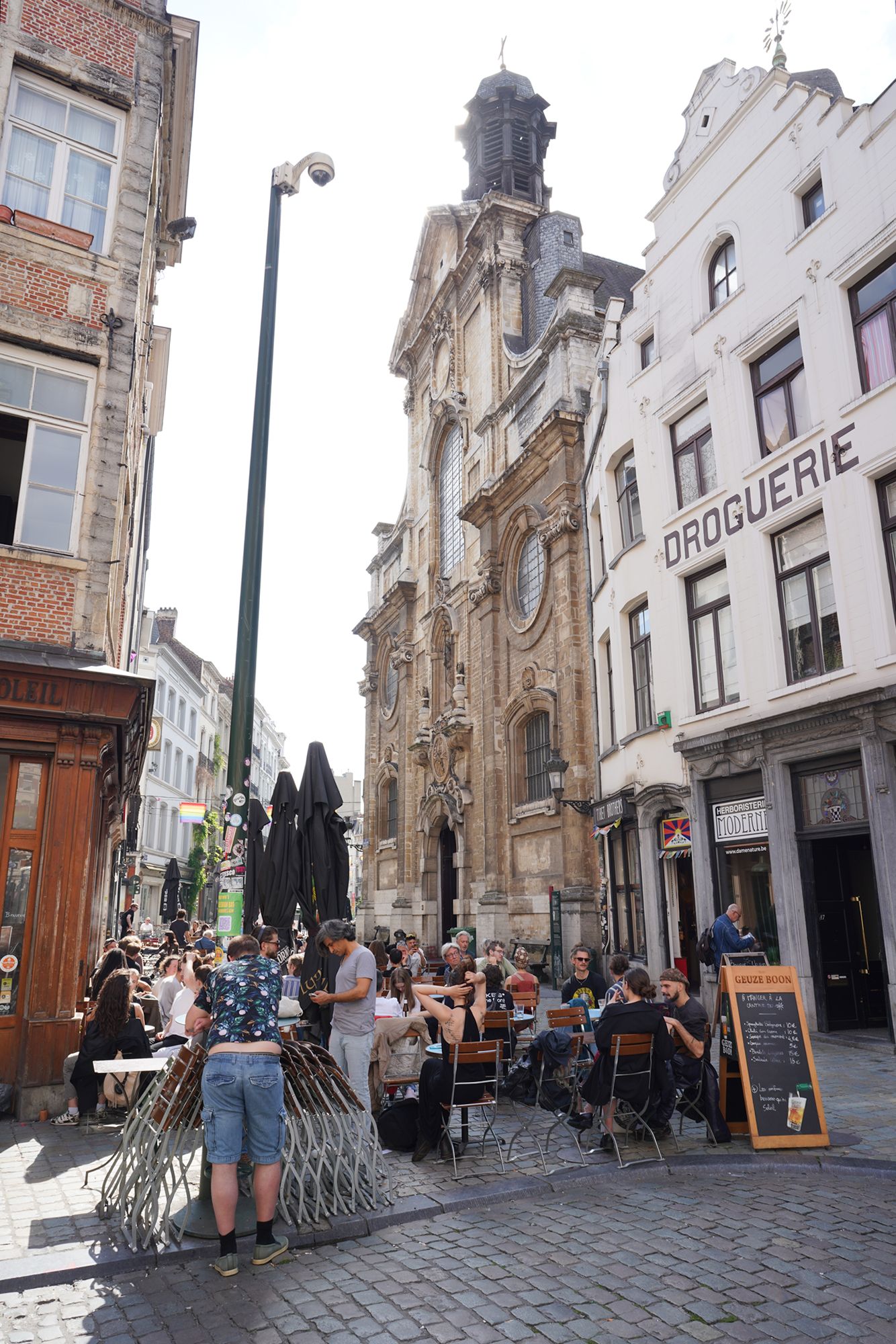
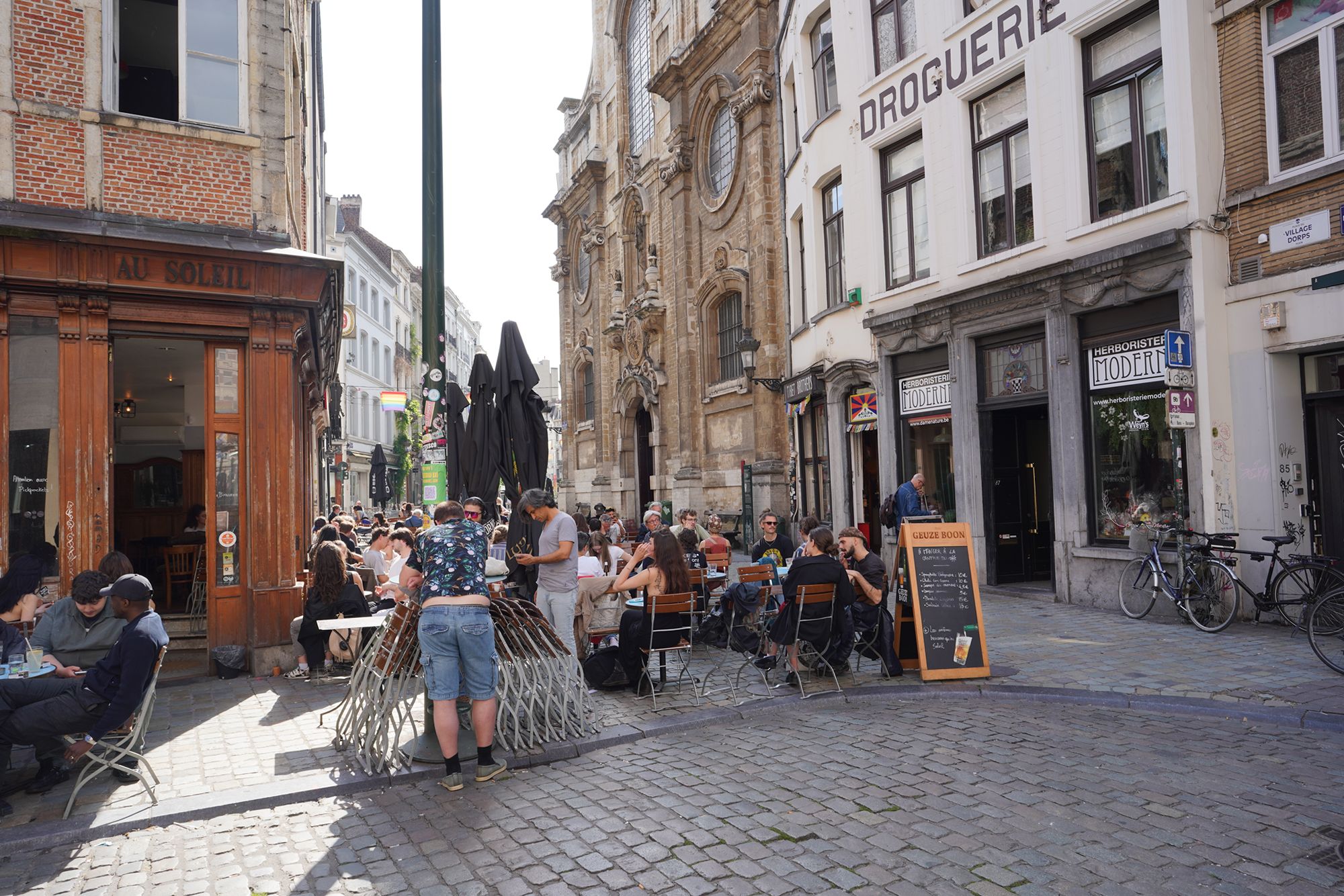
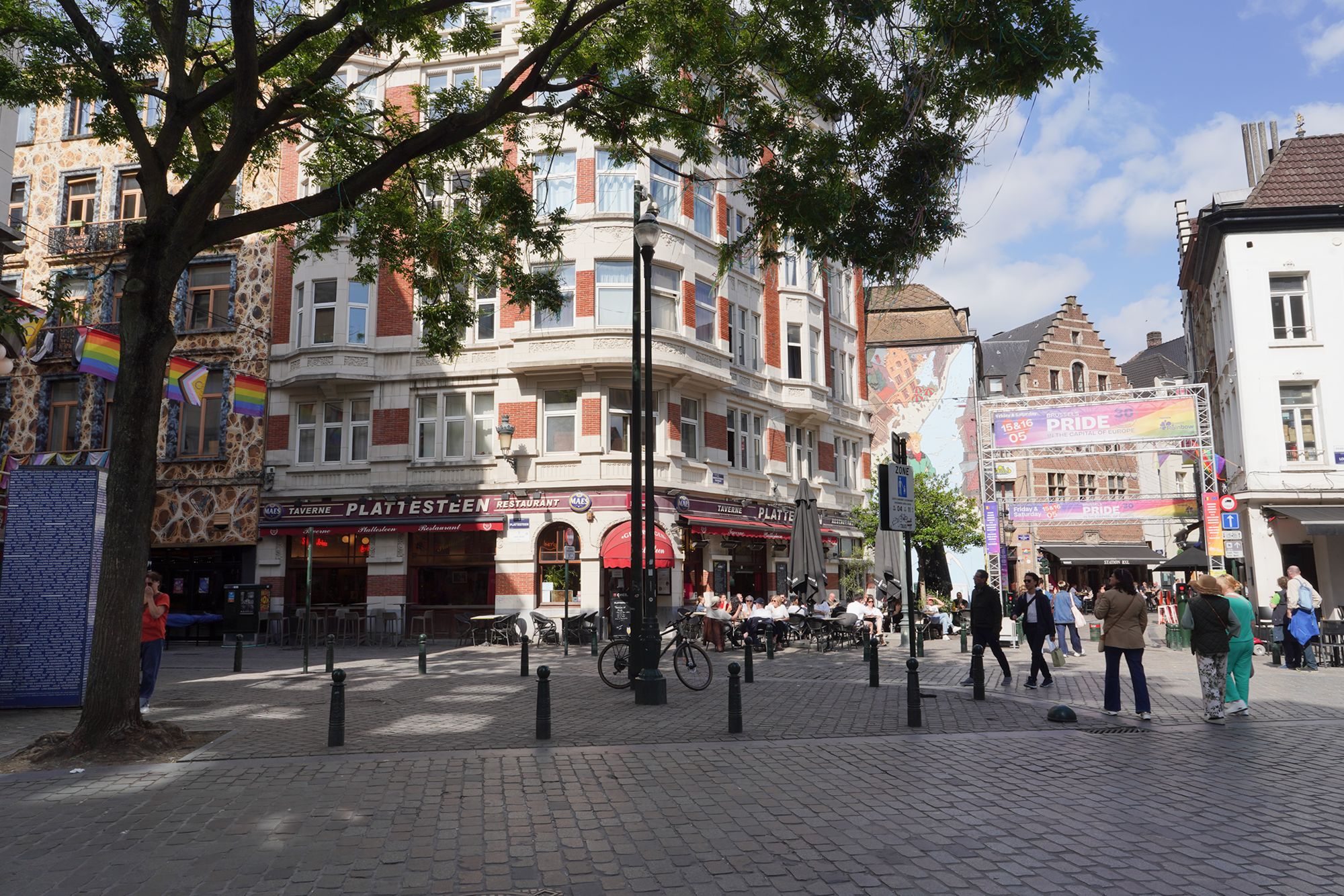
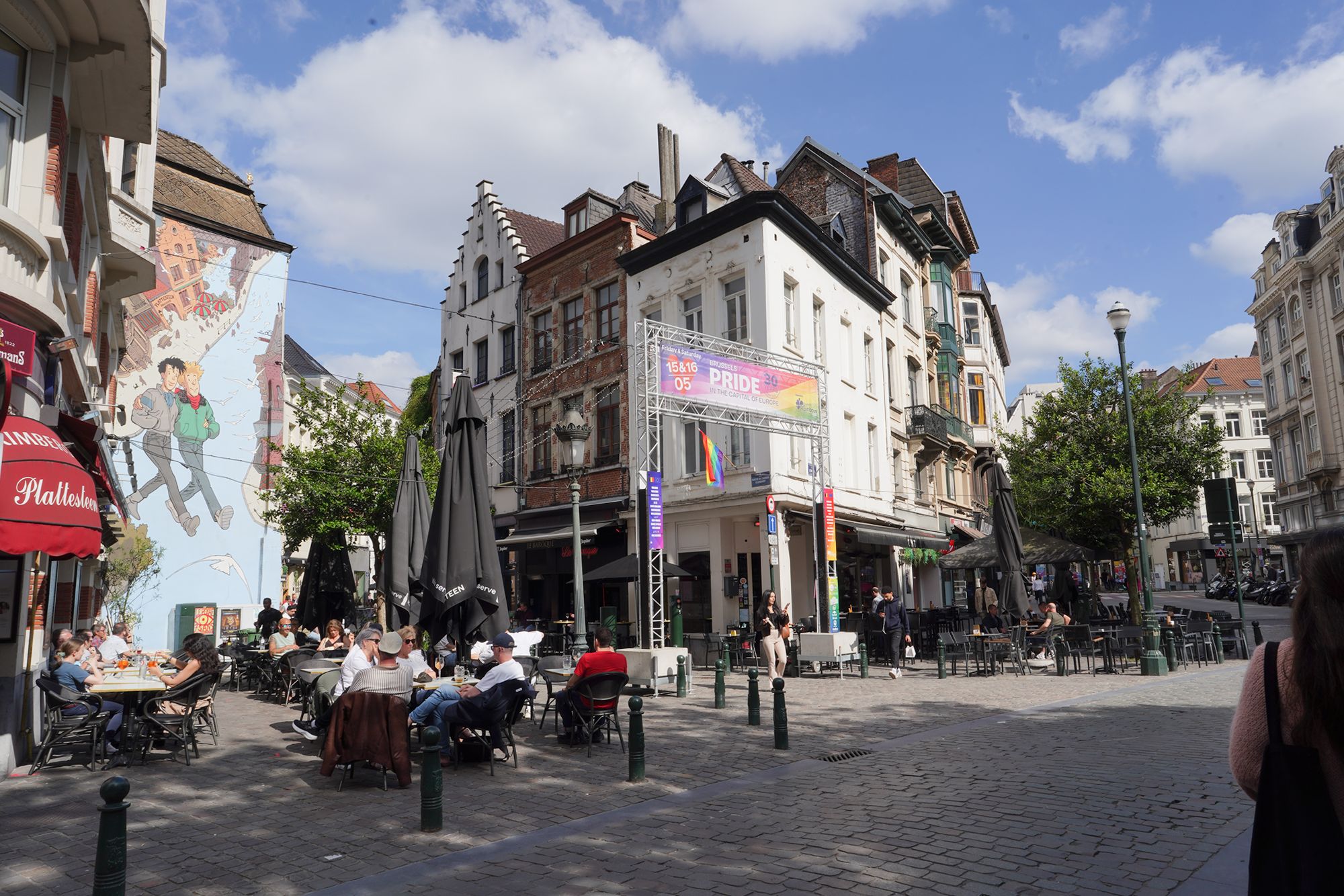
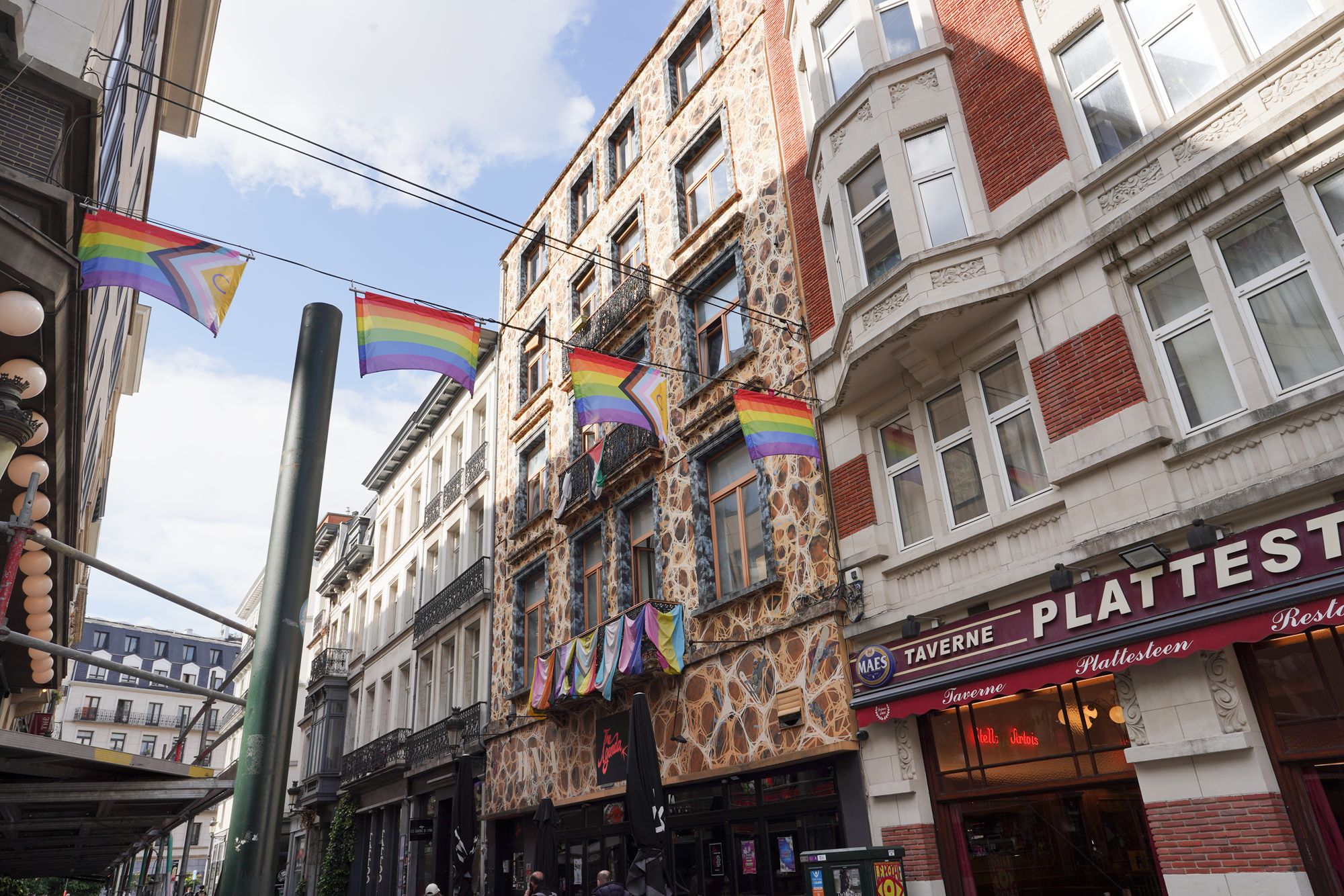
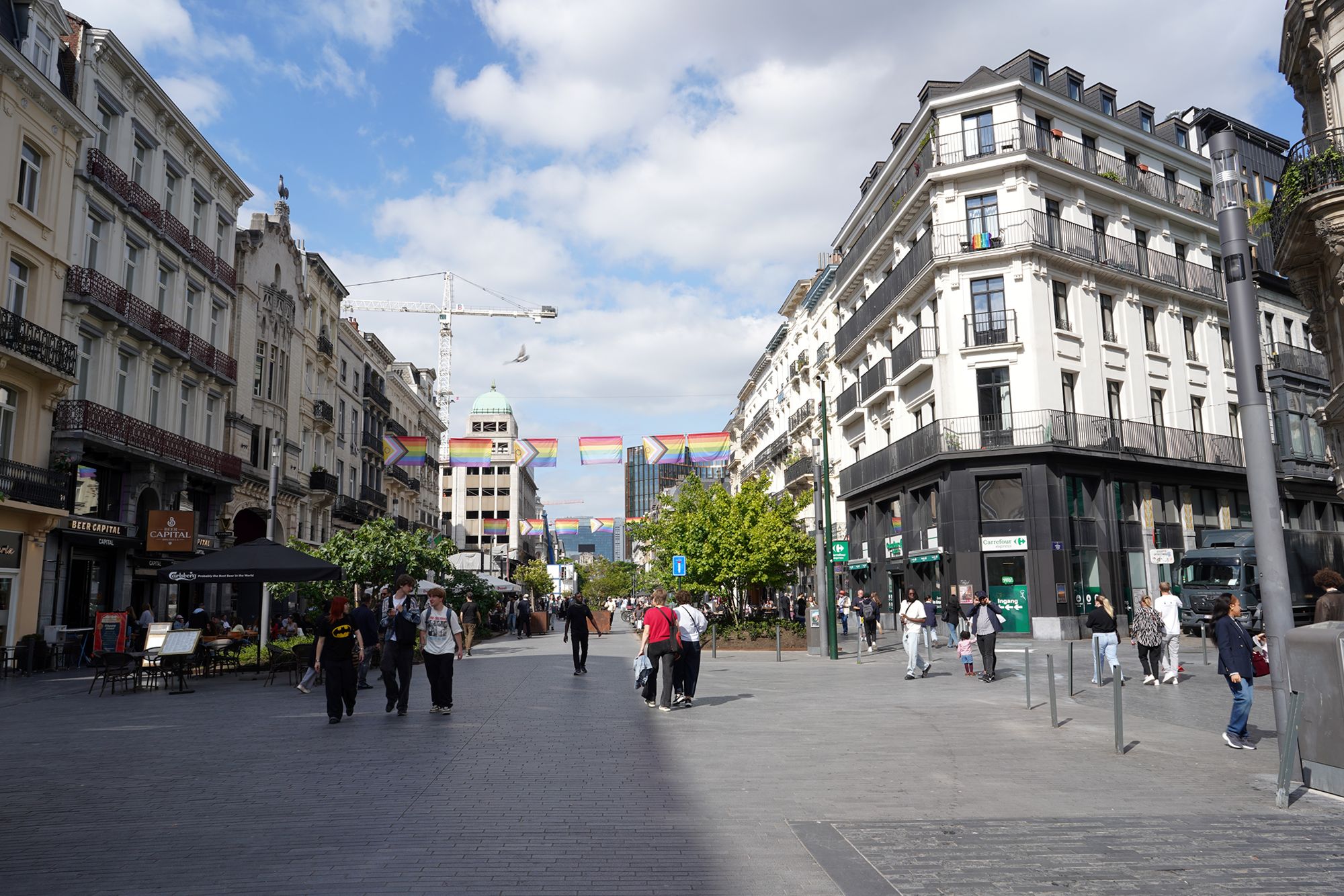
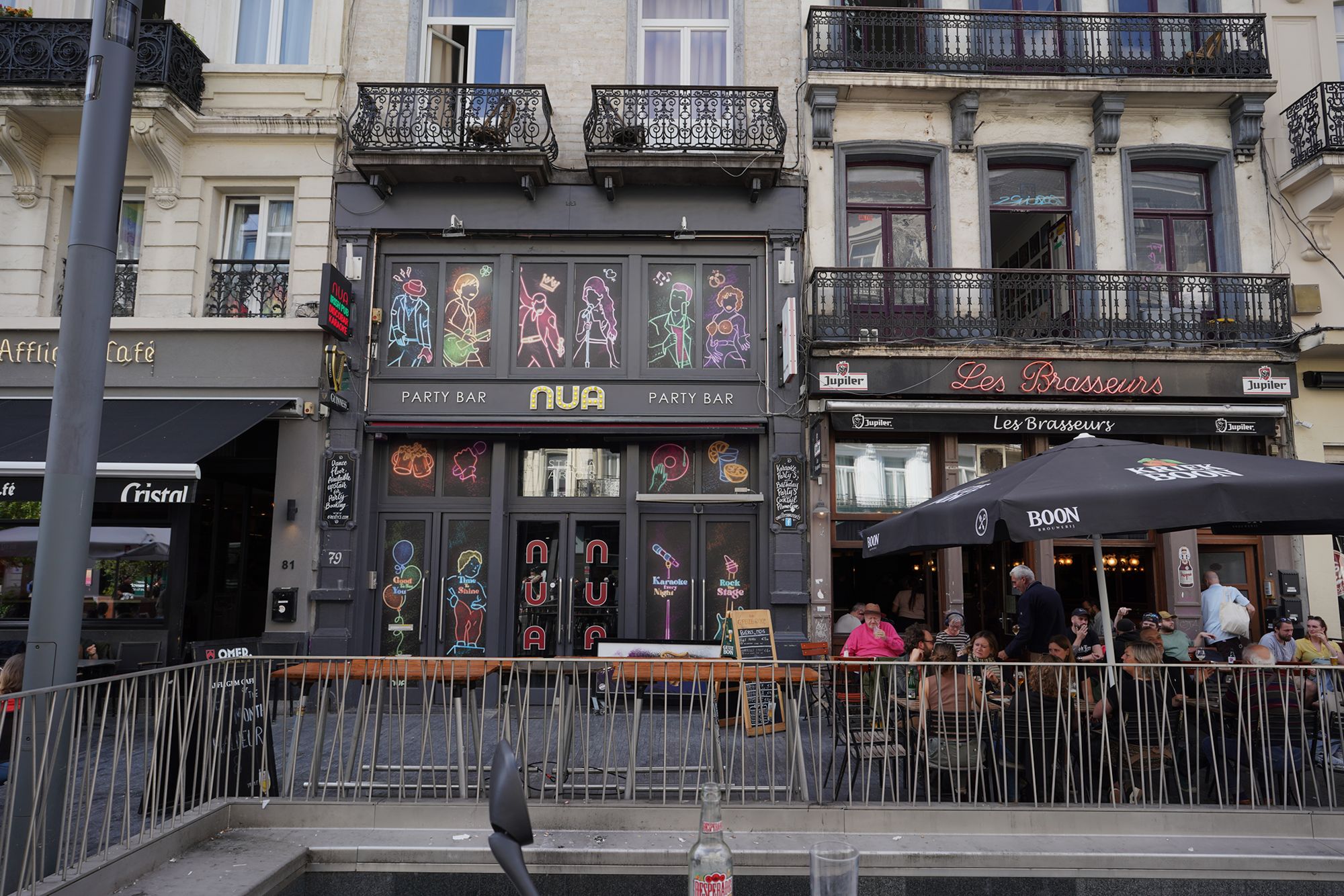
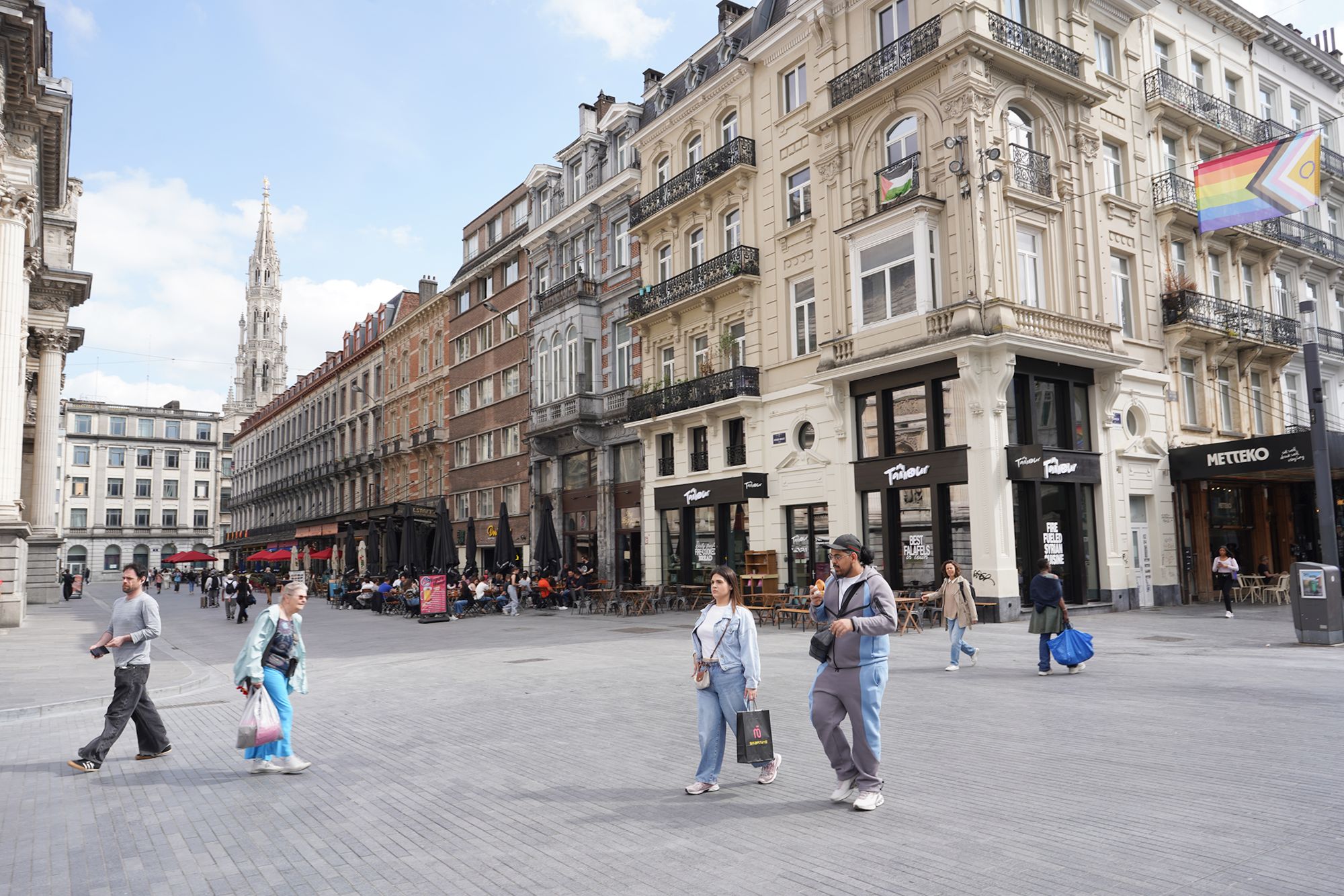
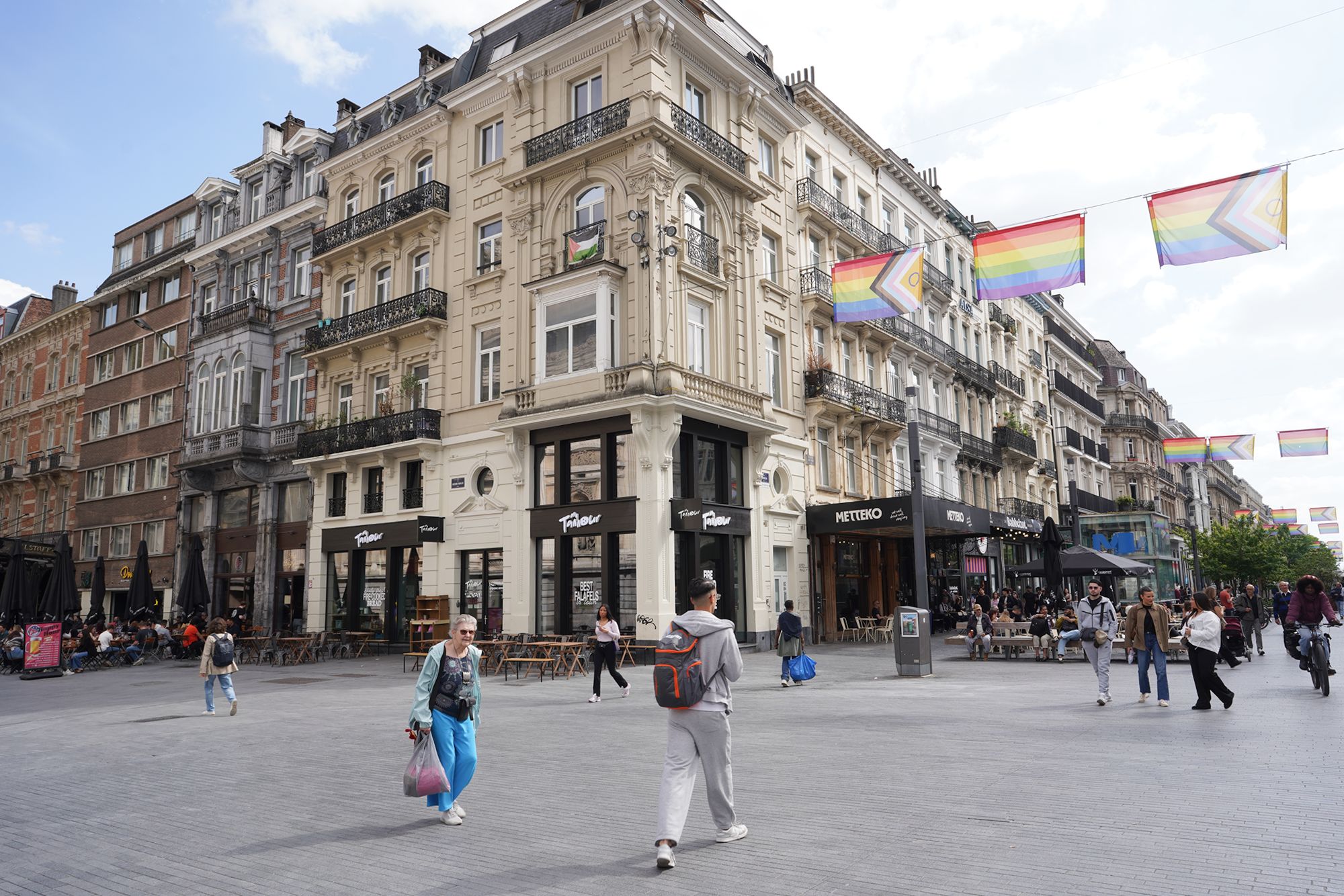
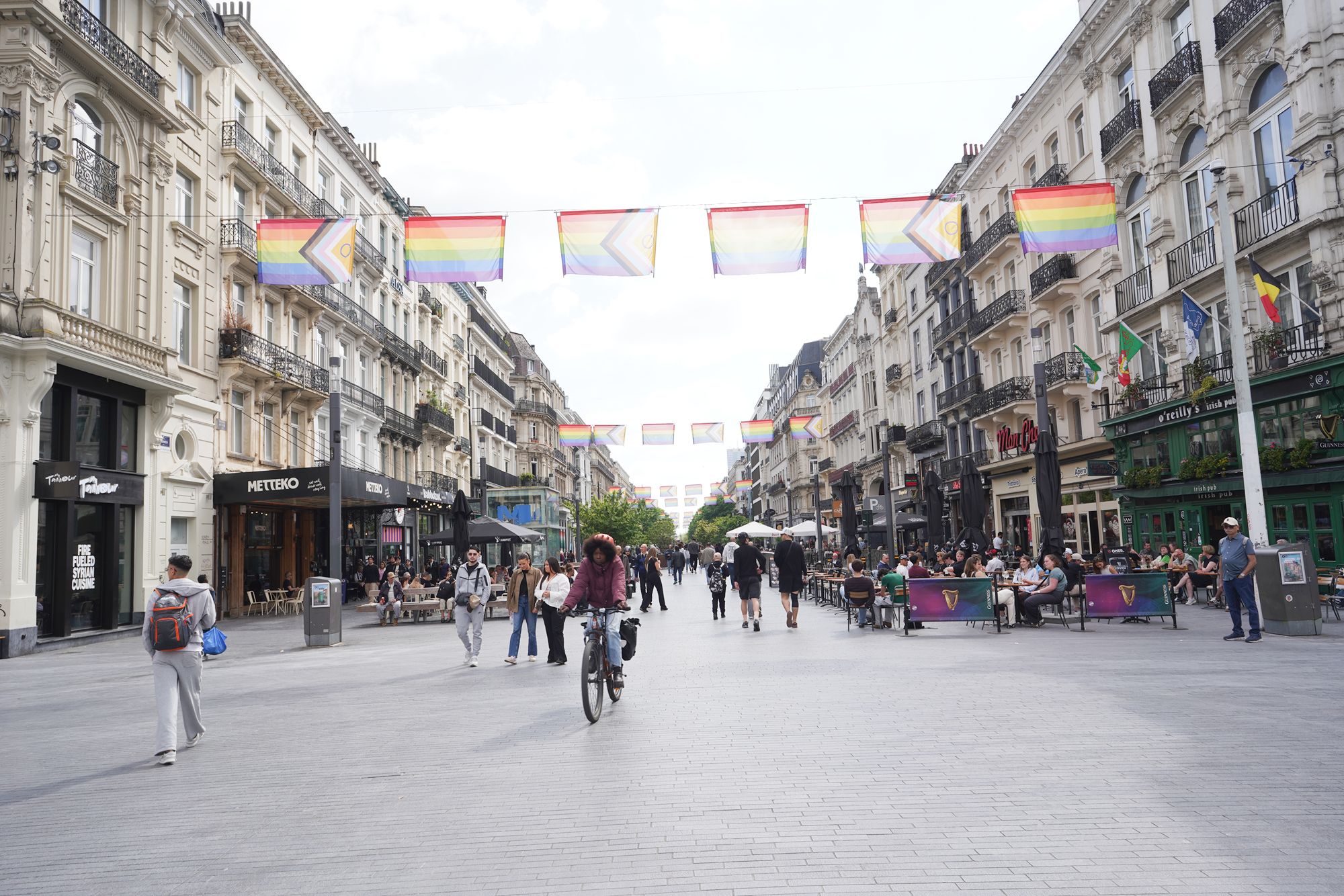
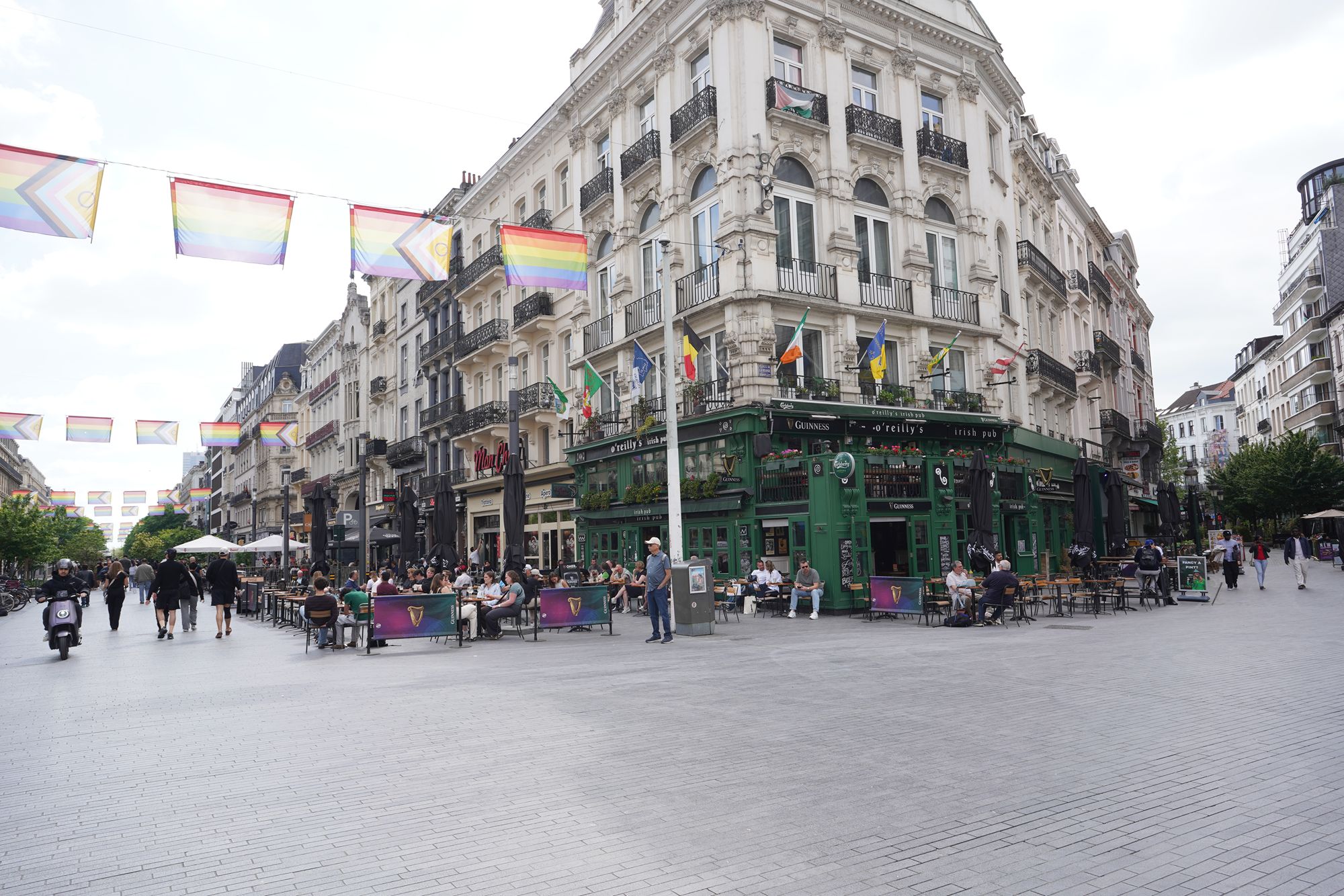
As I walked through central Brussels, I saw rainbow flags decorating the streets and displayed by local businesses. They were especially noticeable in this part of the old town, reflecting the presence and visibility of Brussels’ LGBTQ+ community.
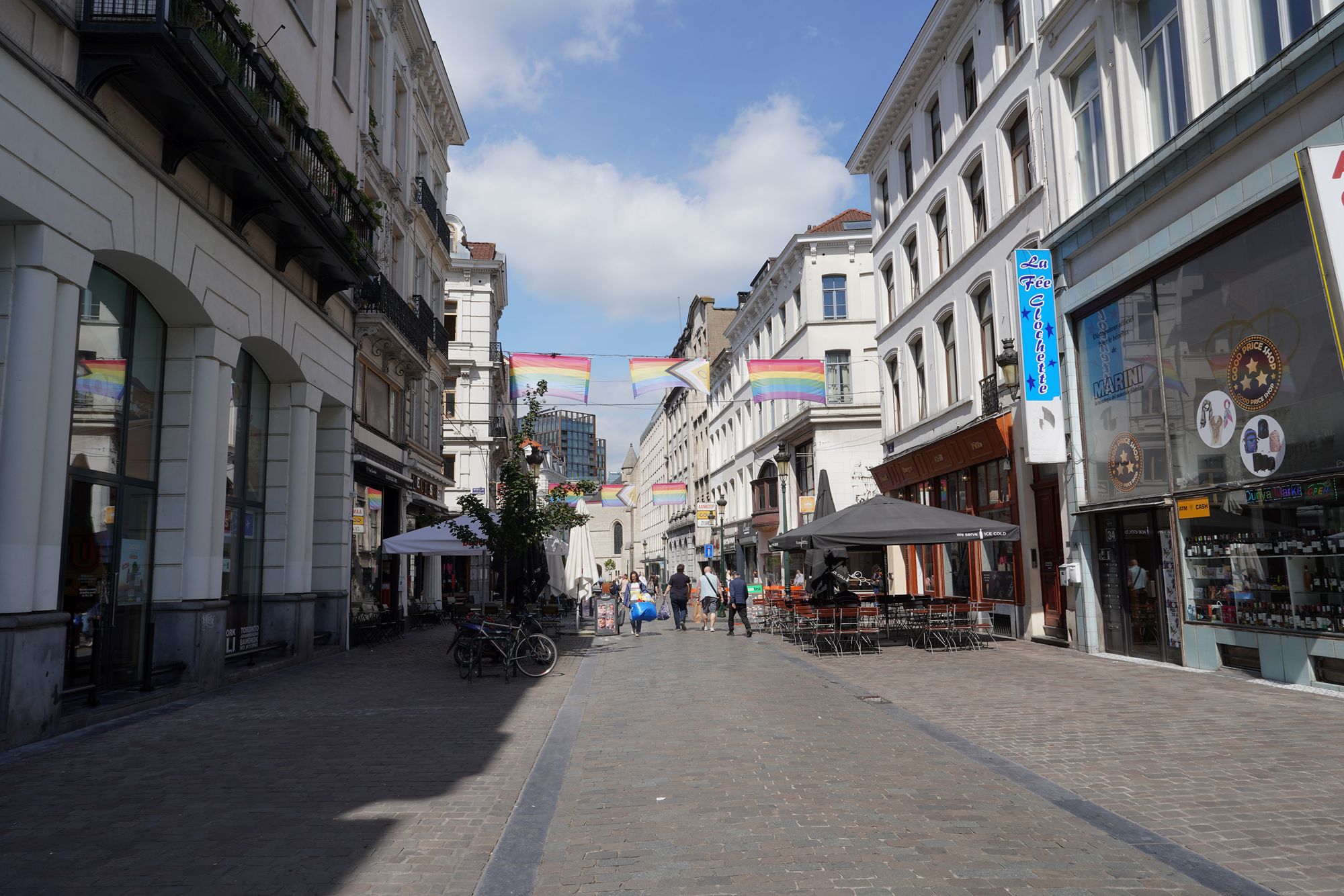
The rainbow flag has represented the LGBTQ+ community since the late 1970s, when artist Gilbert Baker created the first Pride flag in San Francisco. Its different colors came to symbolize diversity, pride, equality, and acceptance, and the flag has since become an internationally recognized LGBTQ+ symbol.
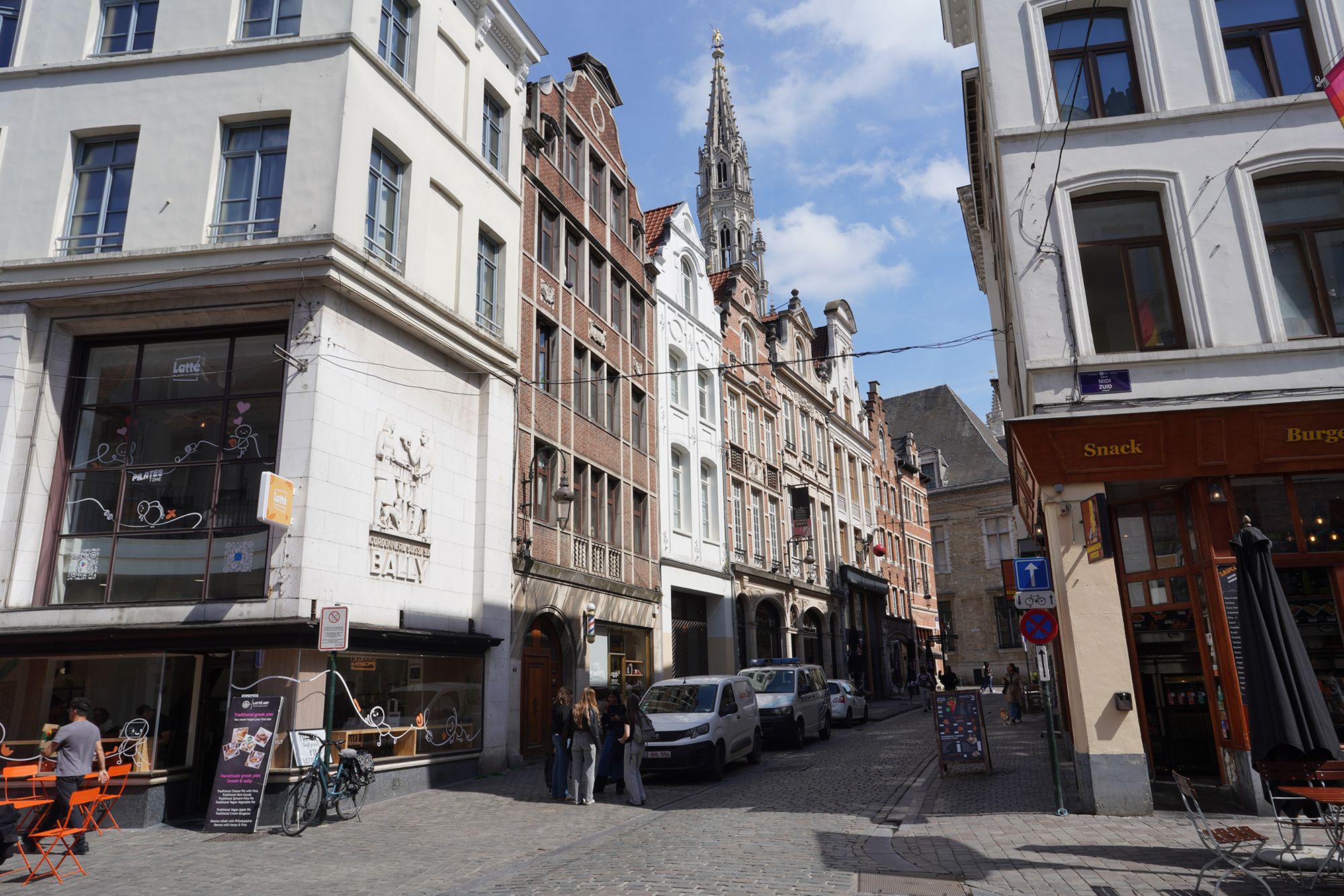
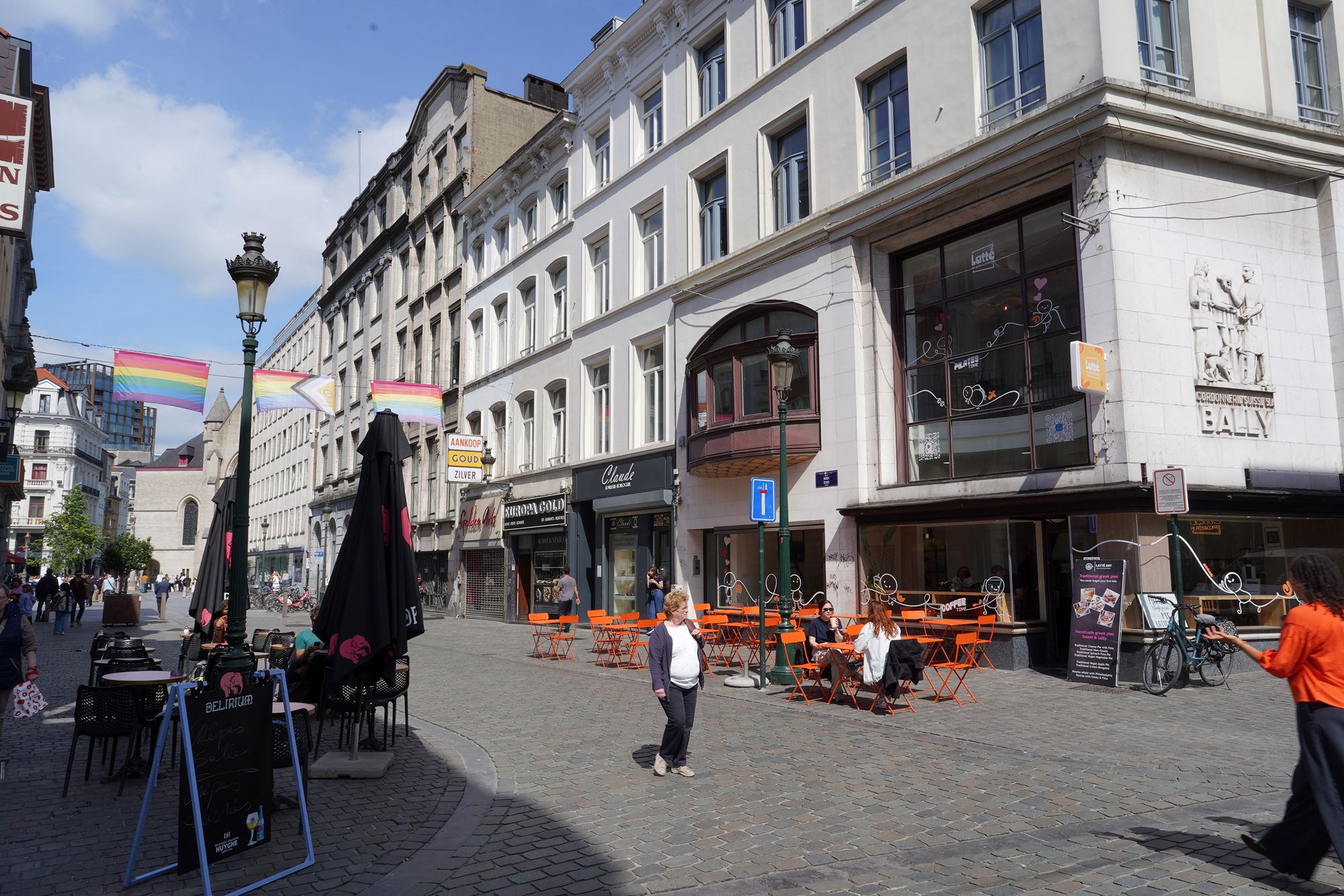
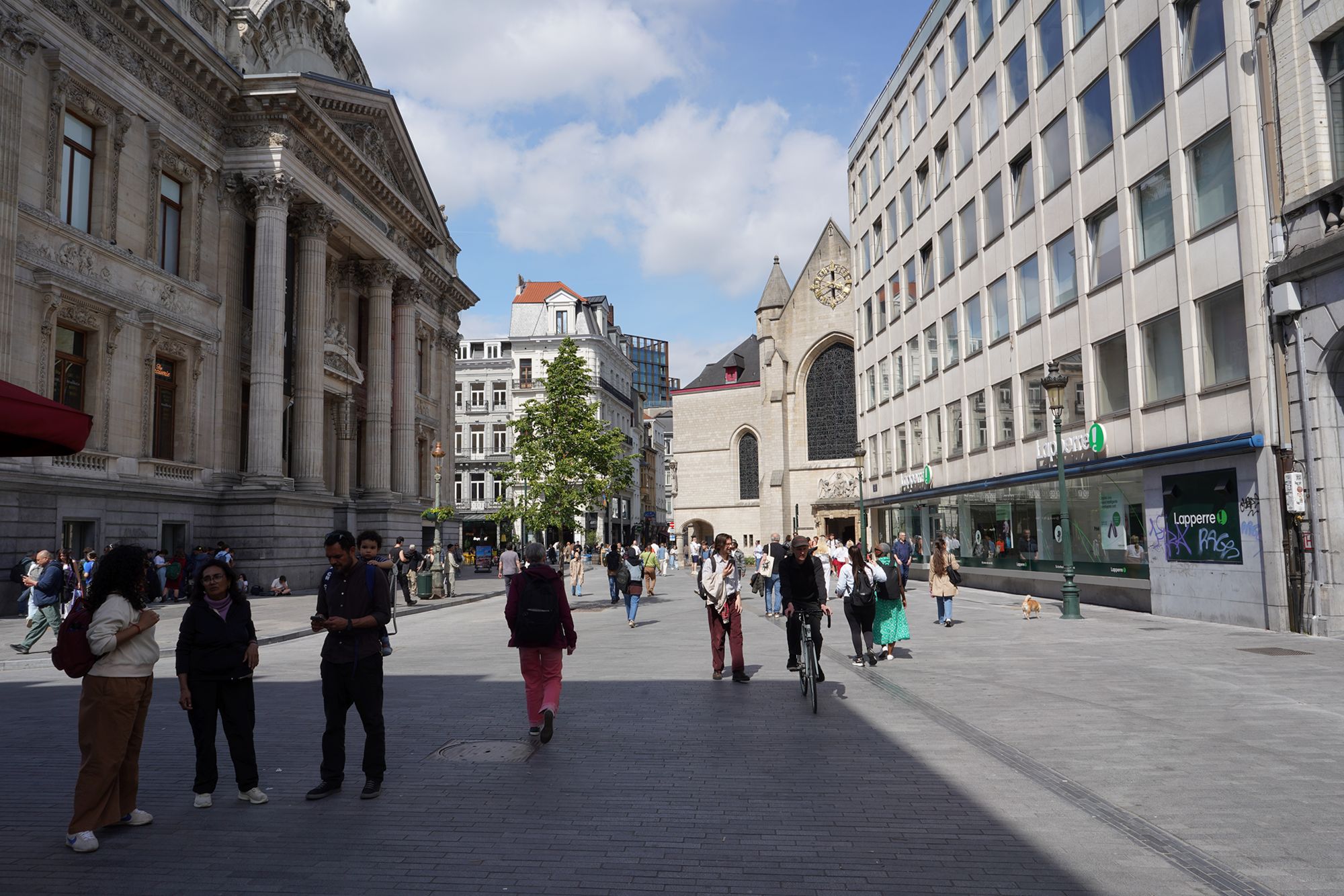
Brussels Stock Exchange Building
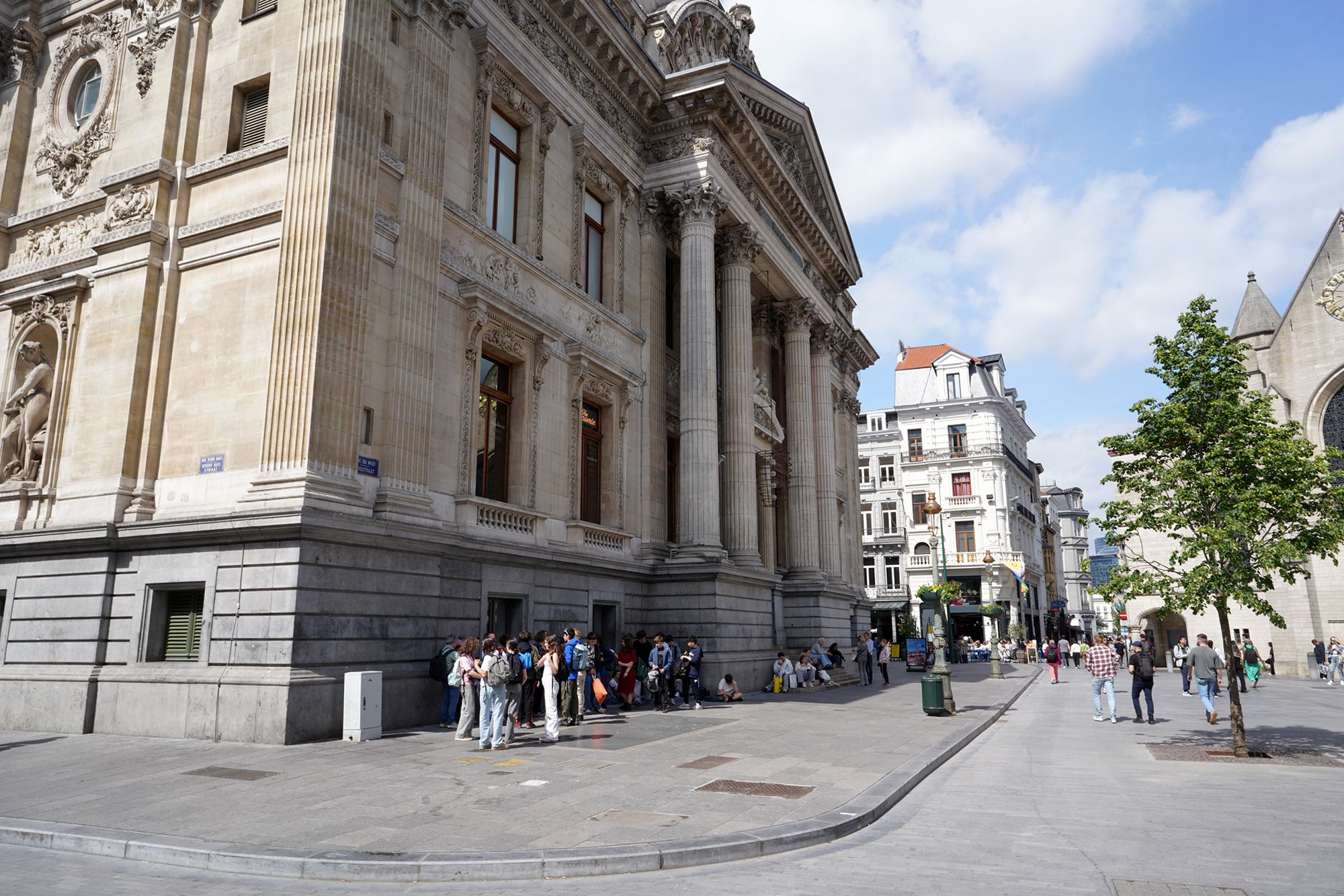
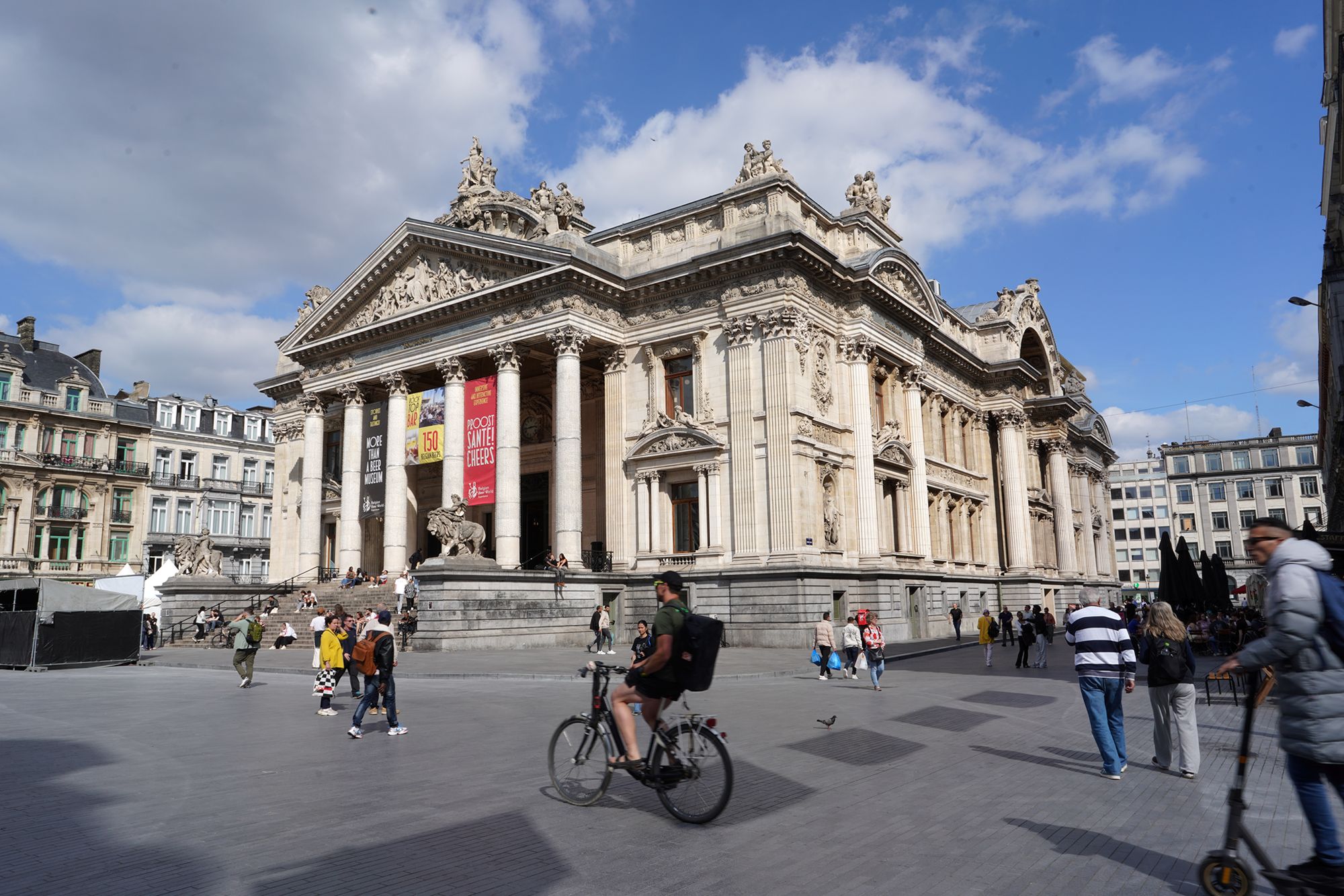
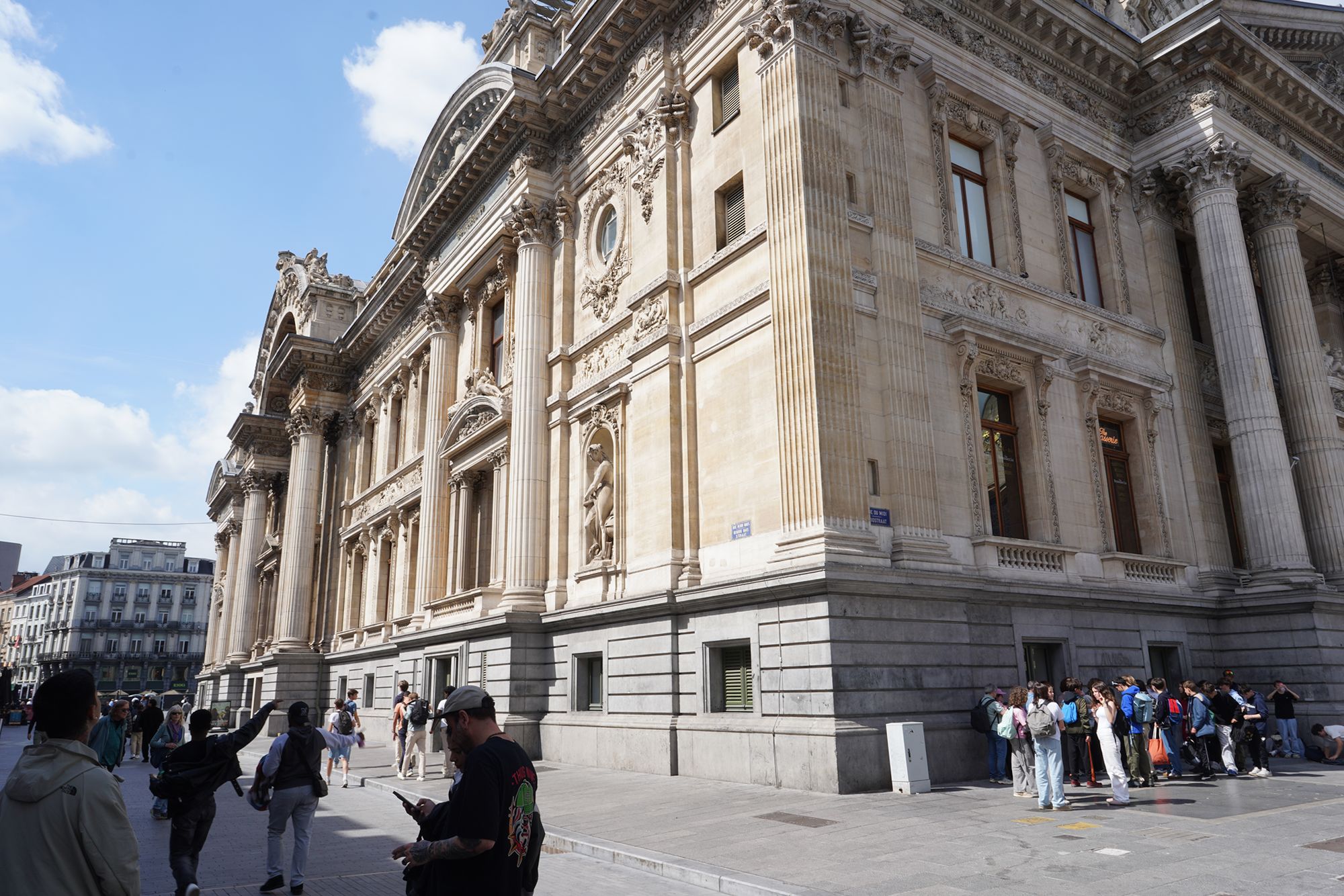
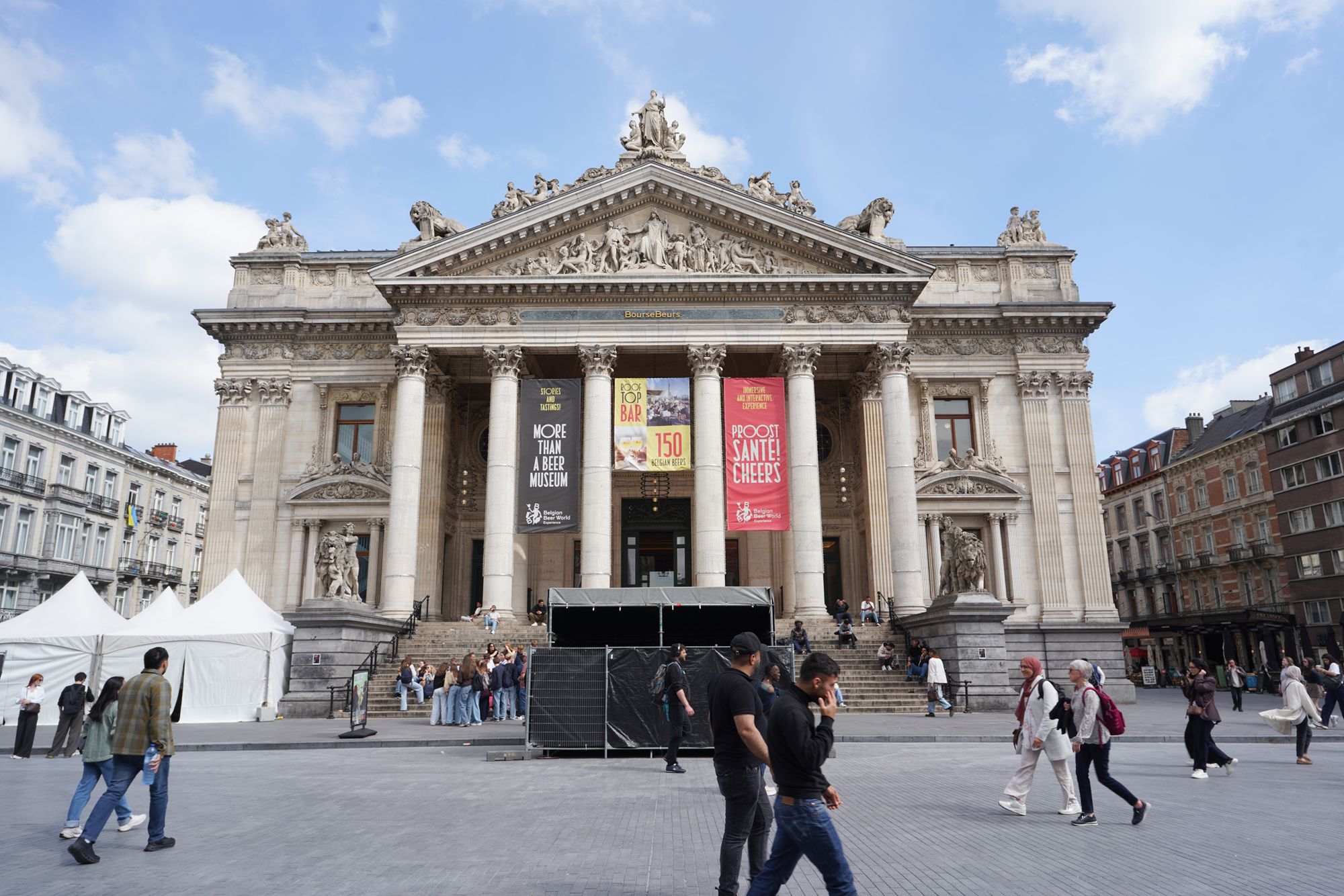
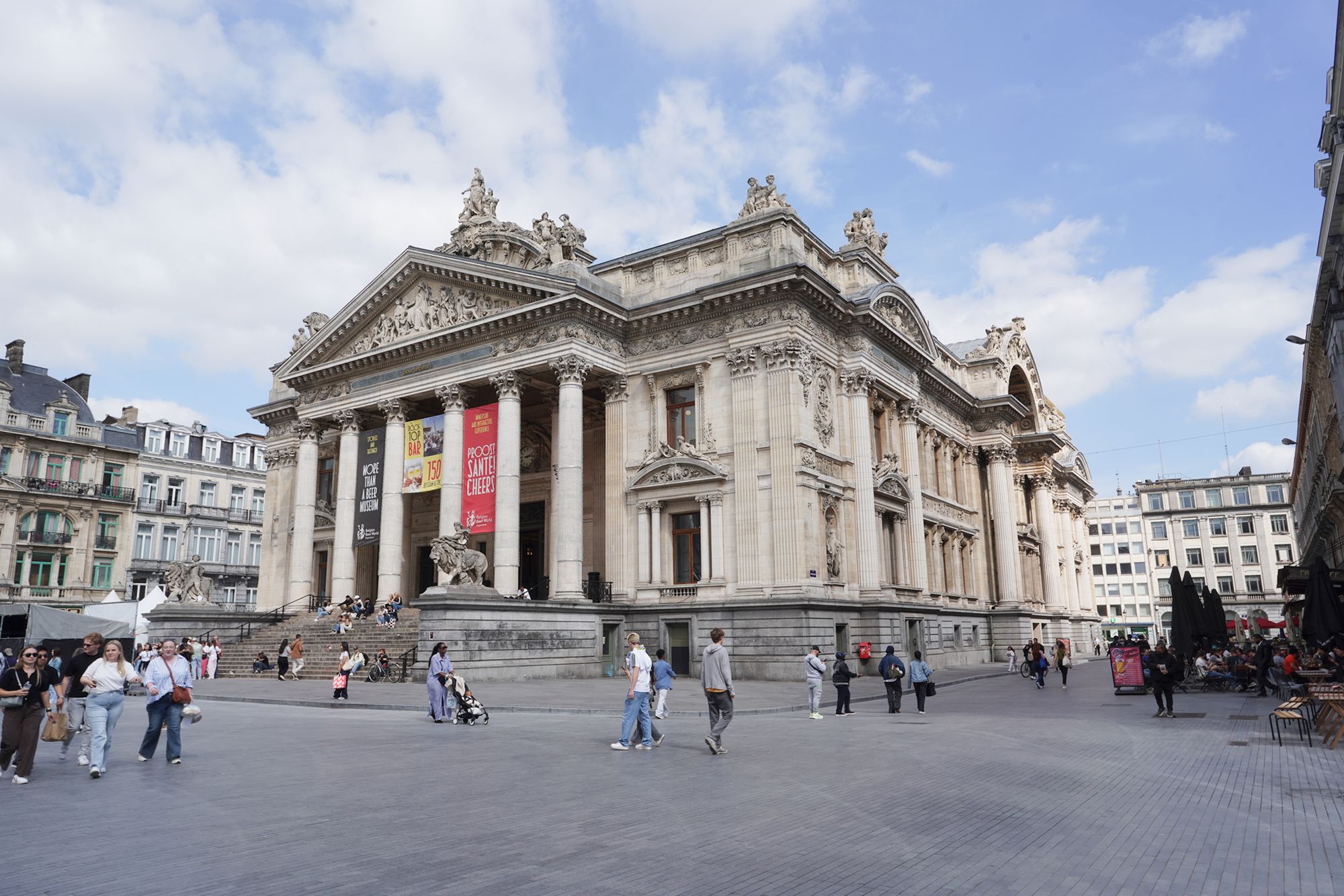
I came to the Brussels Stock Exchange (La Bourse/De Beurs), an imposing Neoclassical building constructed between 1868 and 1873. It originally housed the city’s stock exchange and reflected Brussels’ growing importance as a financial center. The building no longer functions as a stock exchange and has been transformed into a public cultural and exhibition space.
Saint Nicholas Catholic Church
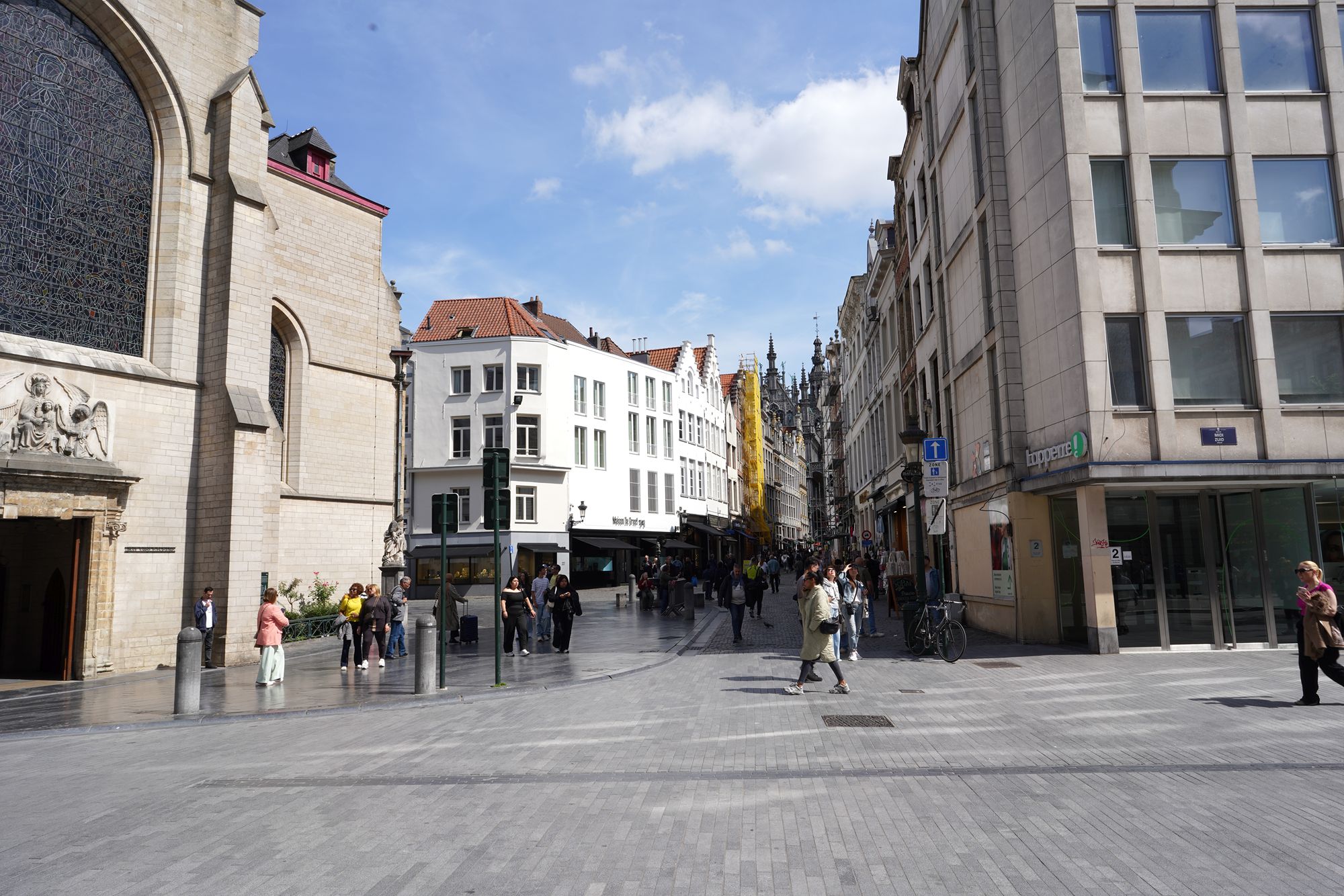
From here, the Grand-Place (Great Square) was in this direction, although I did not walk that way at this point and continued my walk in another direction.
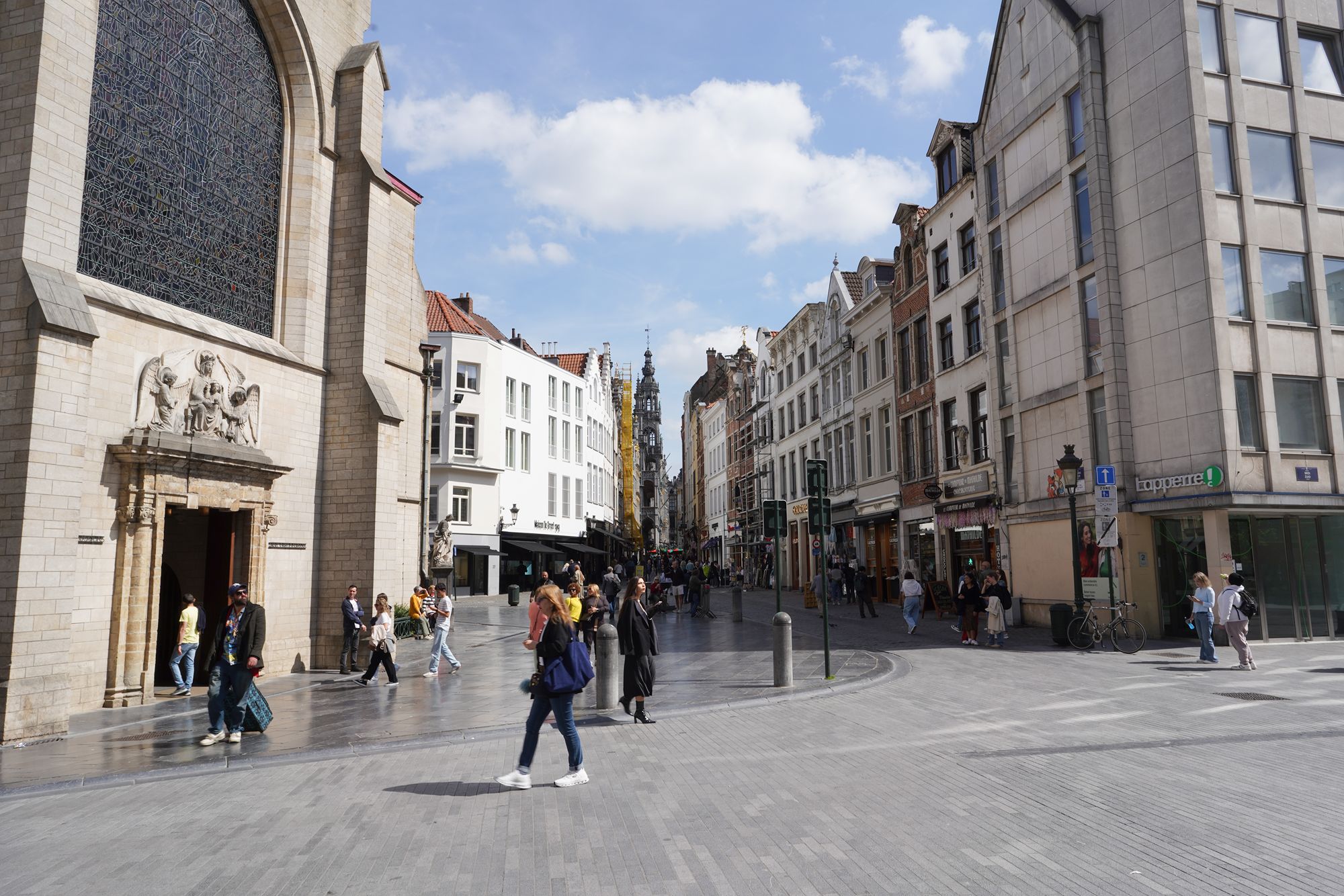
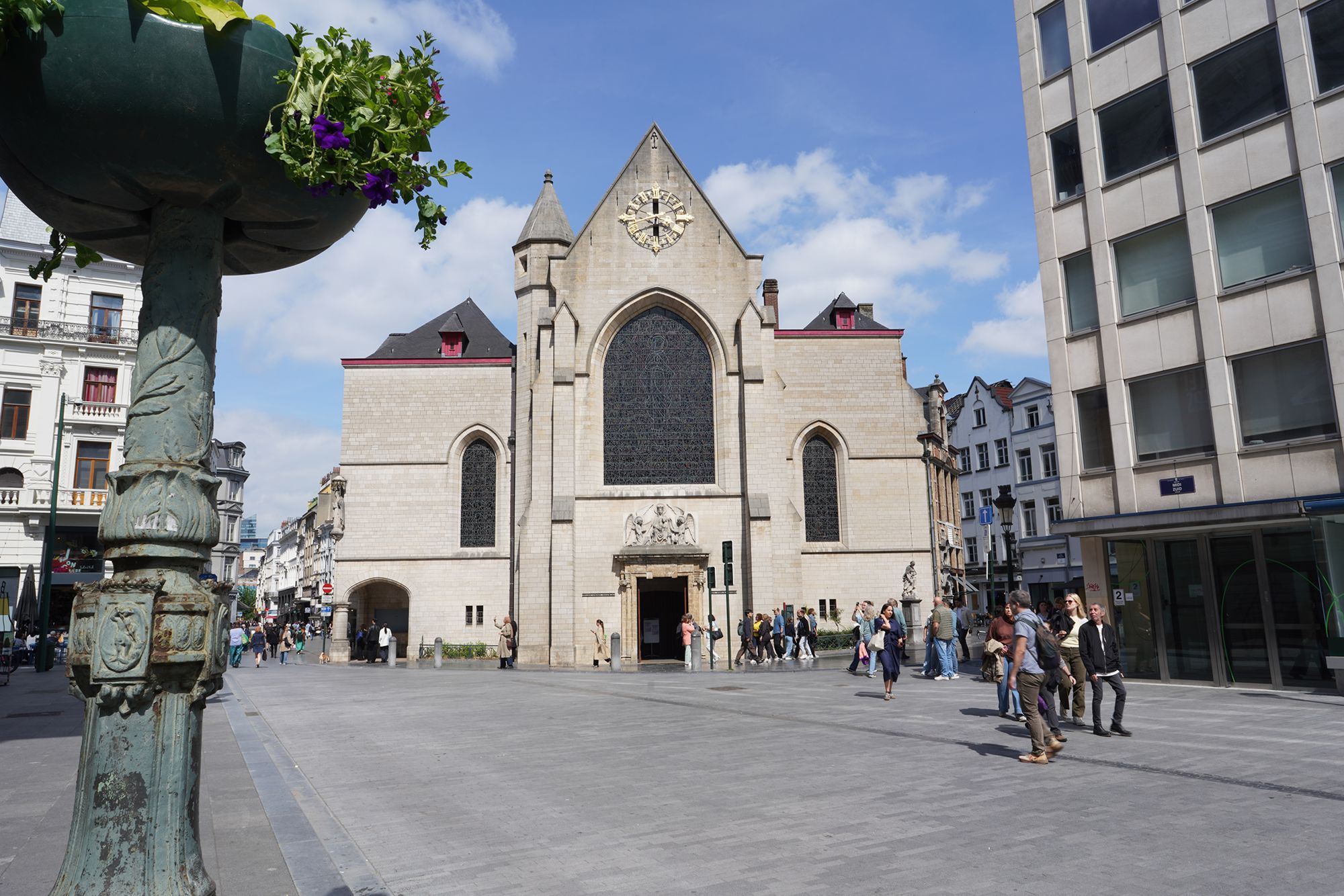
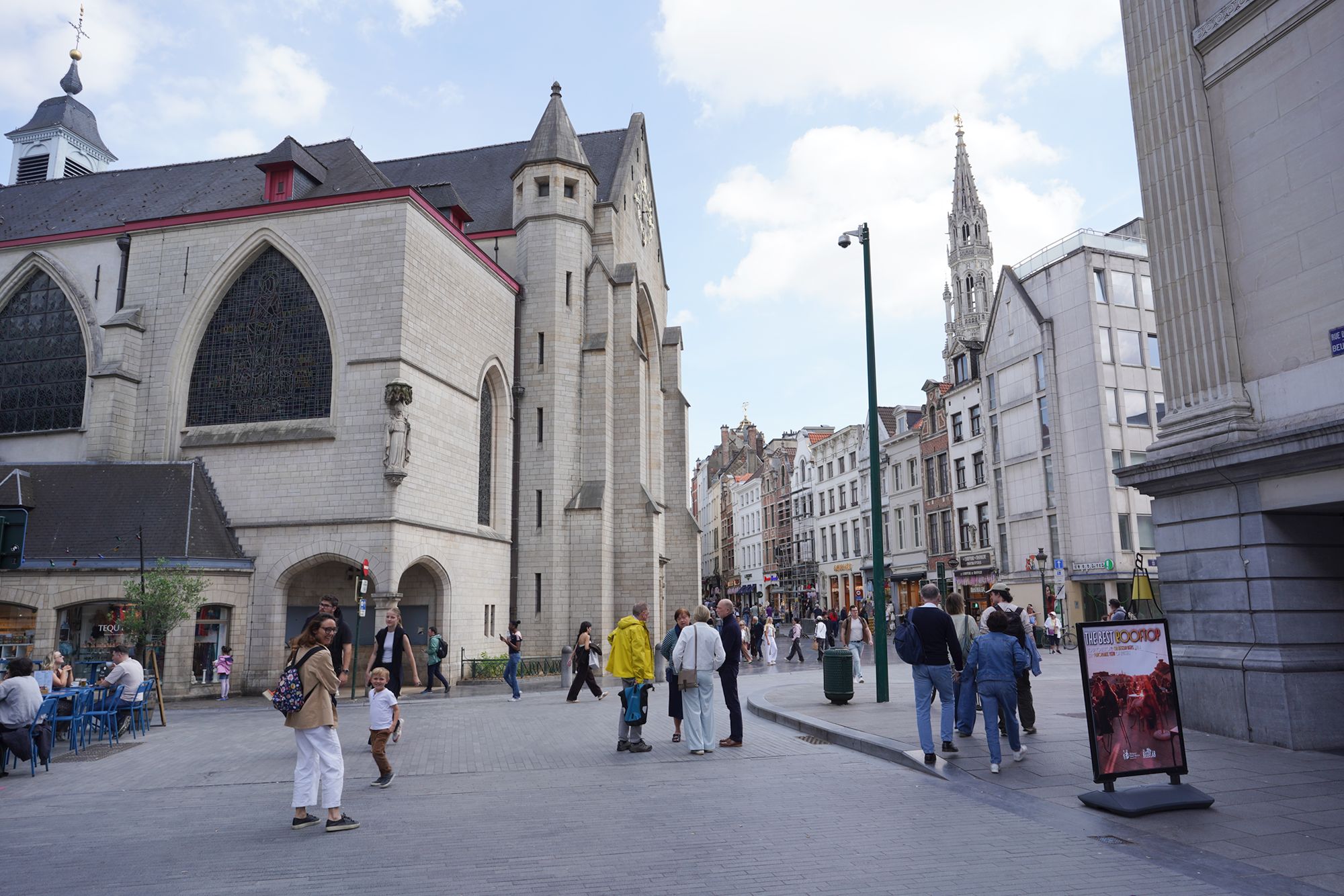
From the Brussels Stock Exchange, I could see Saint Nicholas Church nearby, its historic façade tucked among the surrounding buildings. One of the oldest churches in central Brussels.
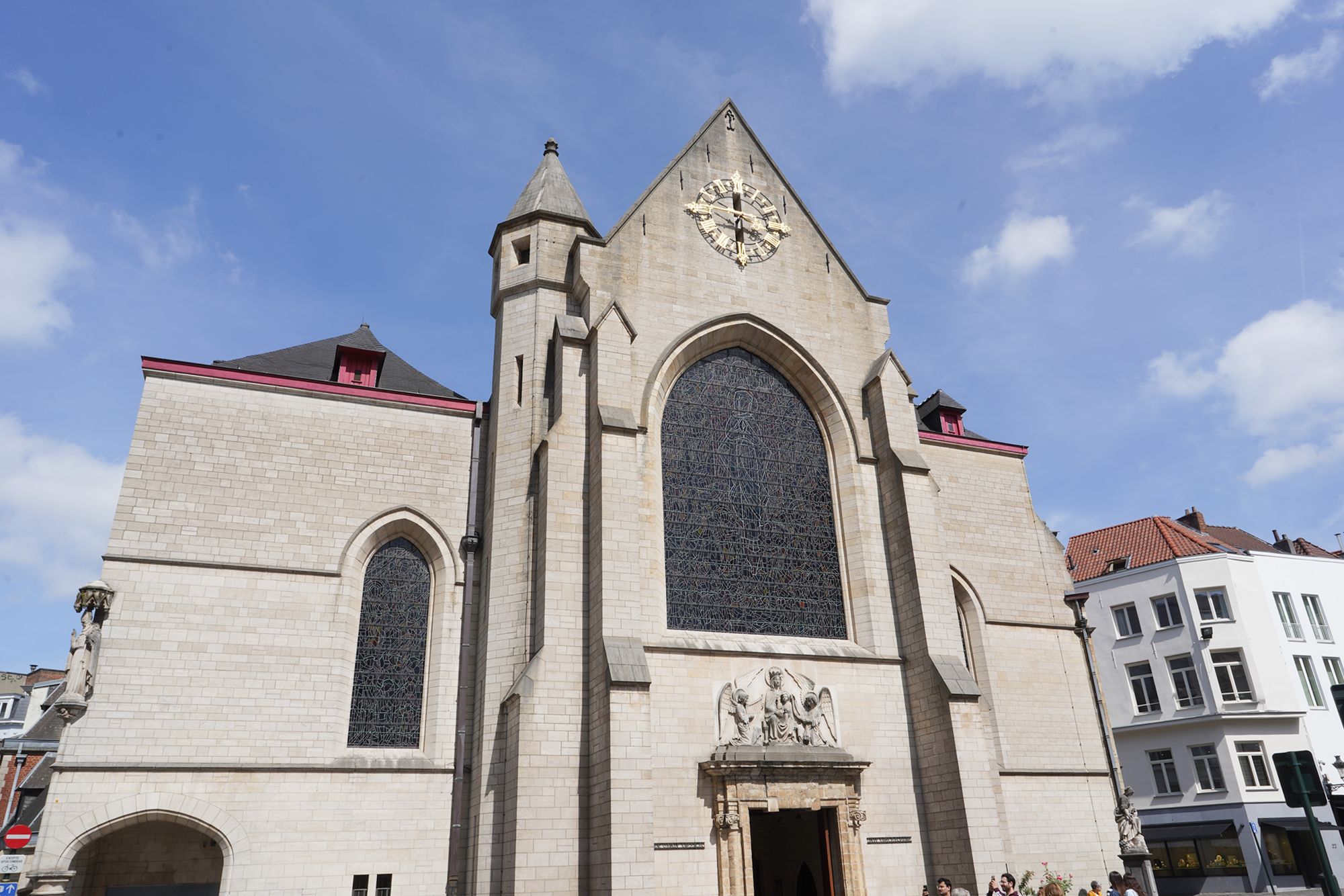
Saint Nicholas Church is one of the oldest churches in Brussels, with origins dating to the 12th century. Located in the busy commercial district near the Grand-Place, it was damaged and rebuilt several times over the centuries. Its mixture of architectural styles and close integration with the surrounding buildings reflect the long history of Brussels’ medieval center.
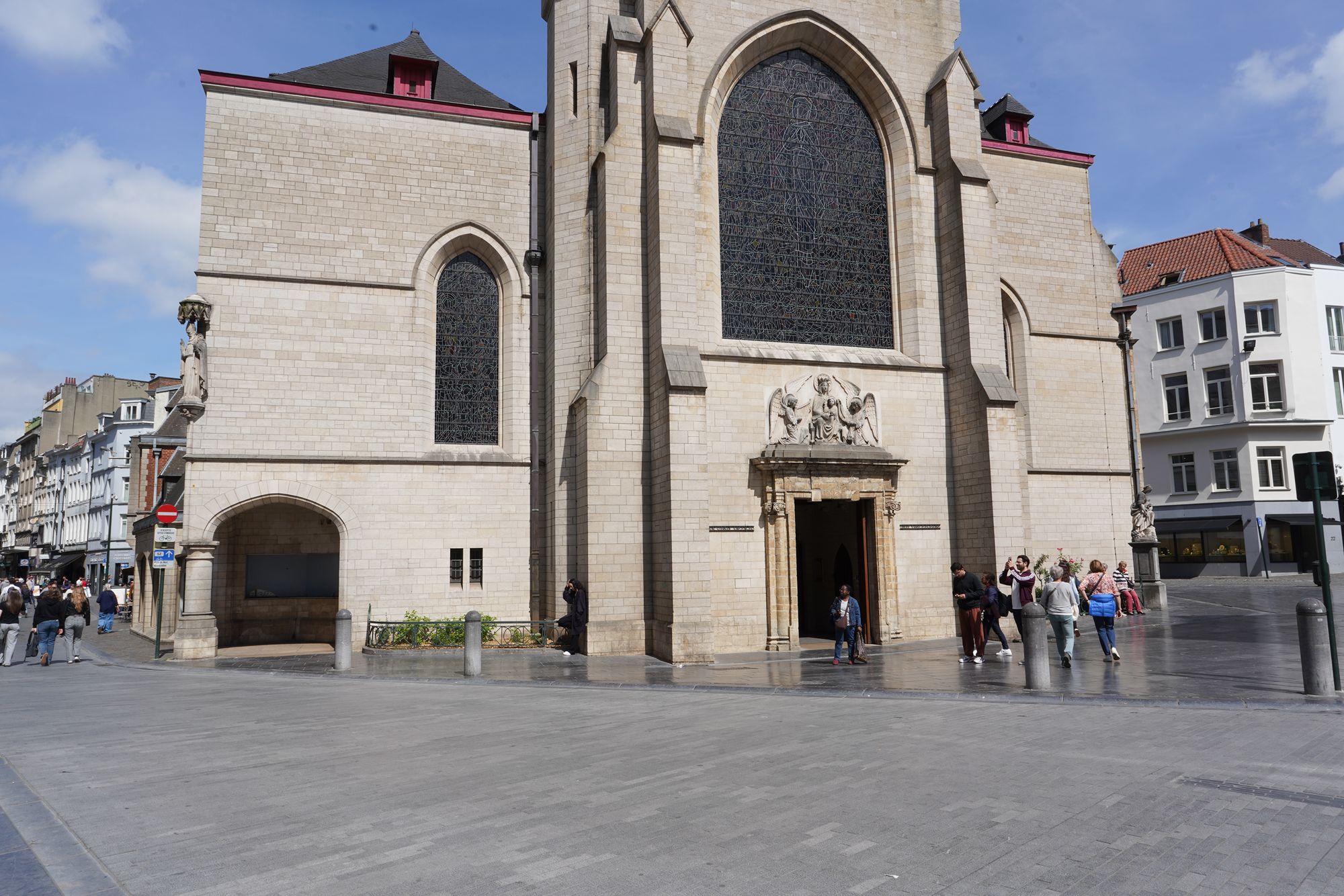
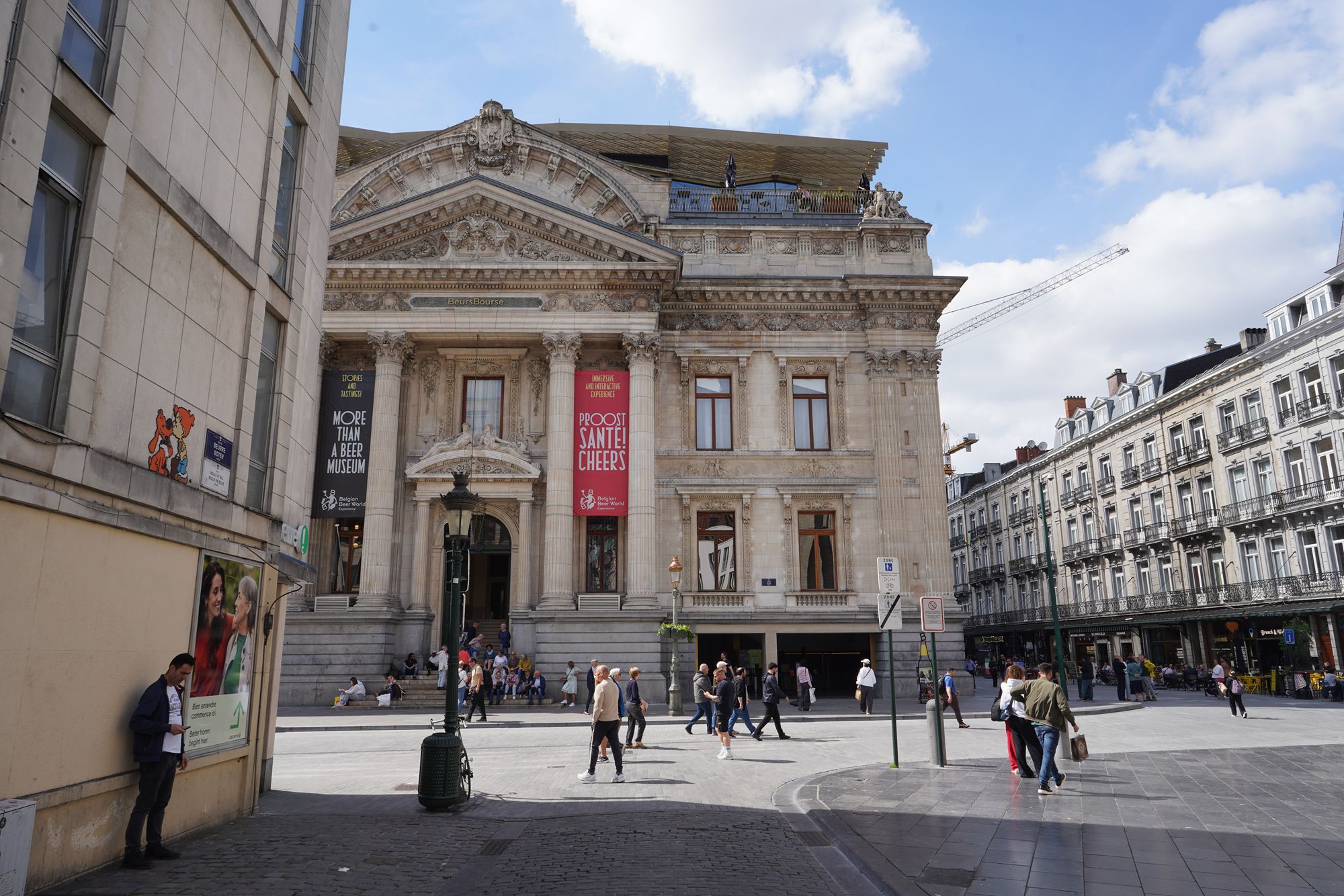
From the Brussels Stock Exchange, I walked around the building toward the back, continuing to explore the surrounding streets of the historic center.
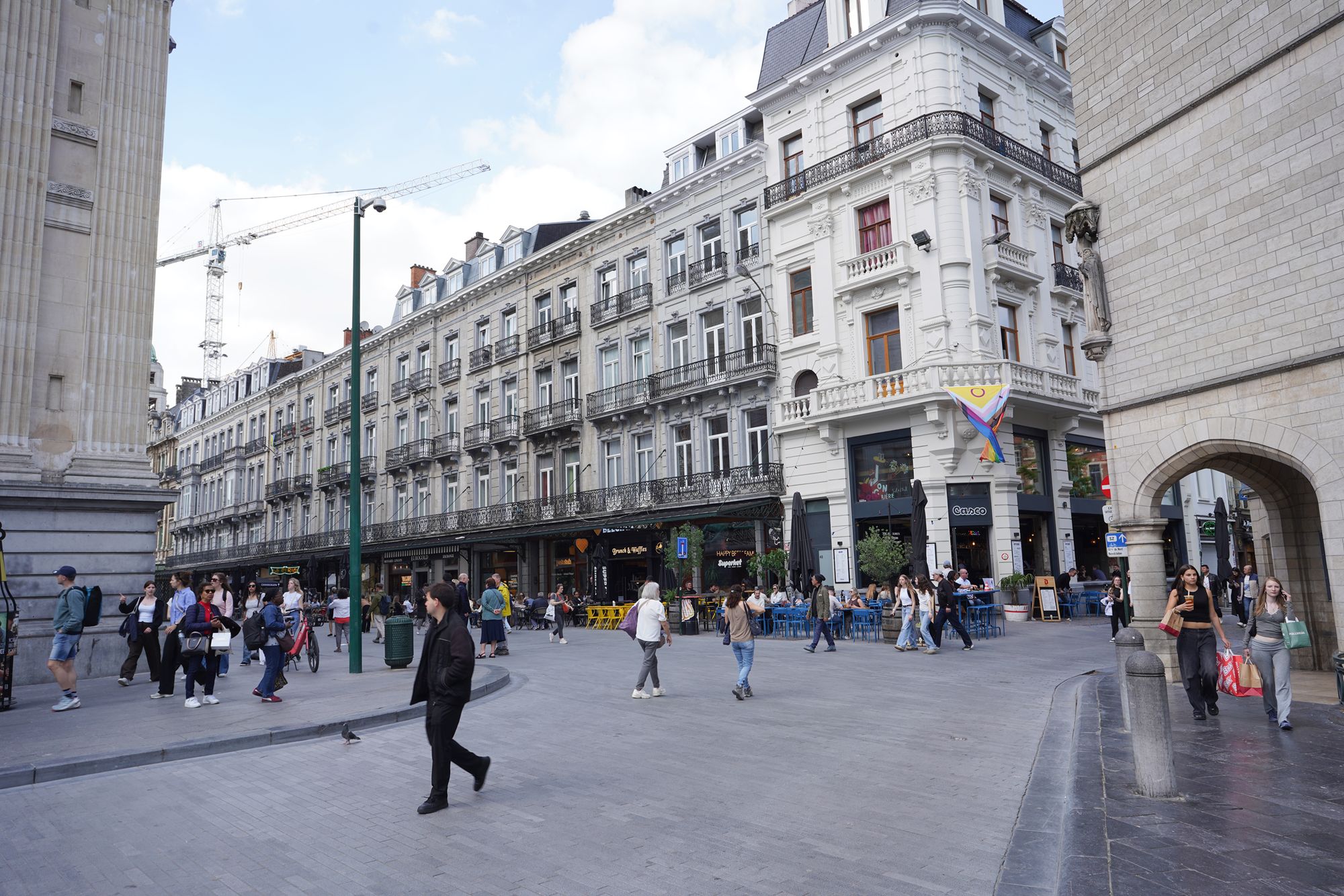
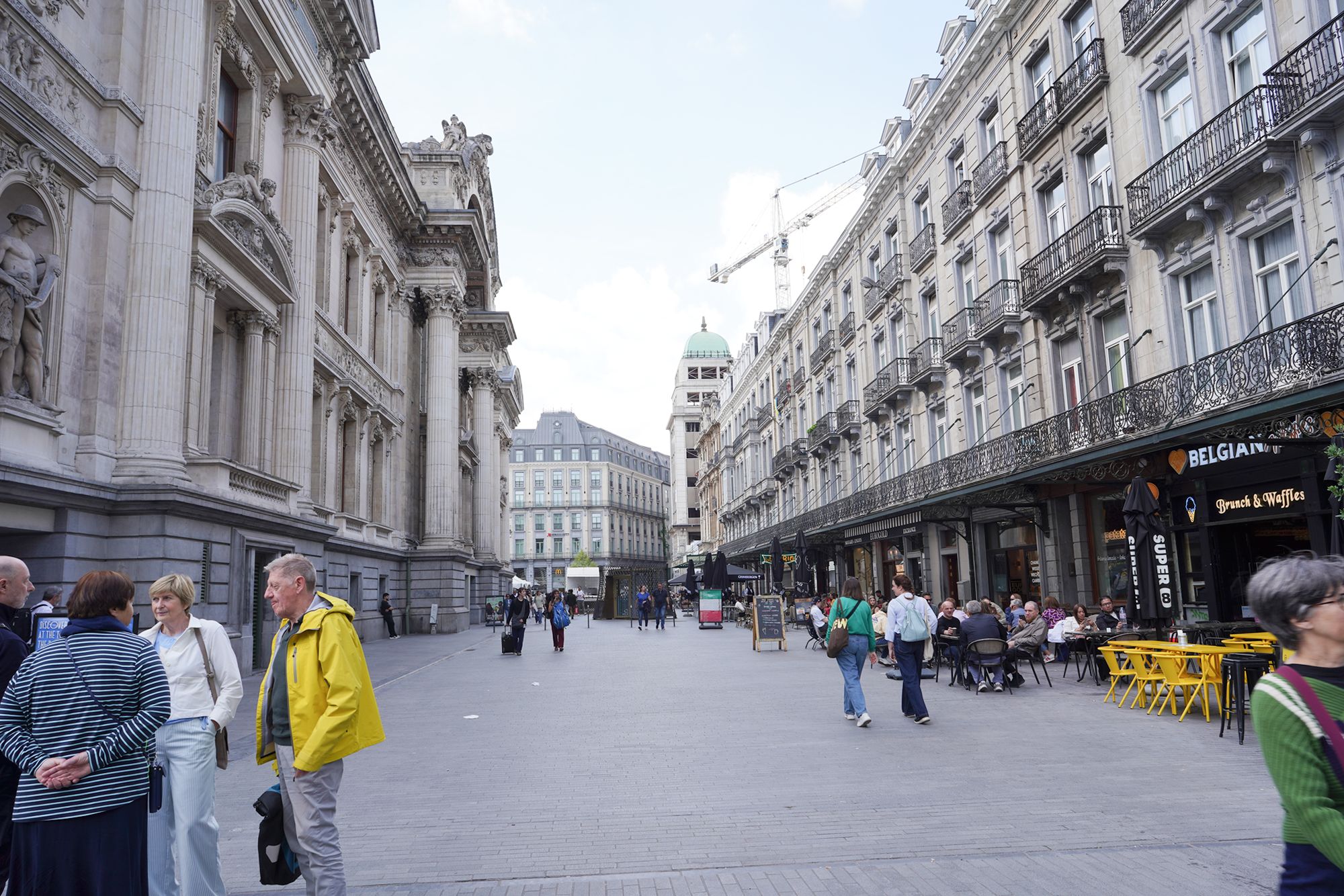
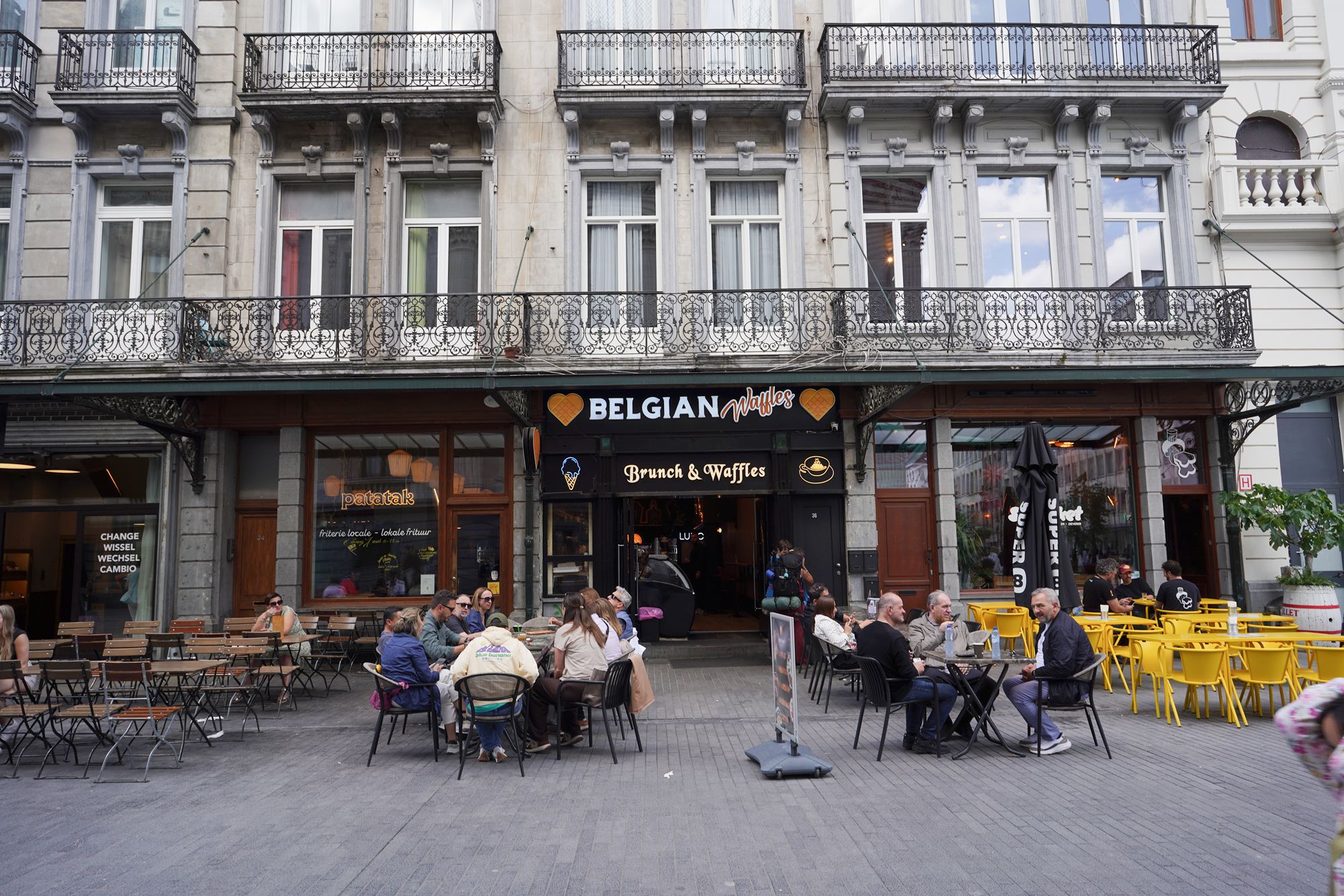
I initially walked around the Brussels Stock Exchange toward the back, but then changed my mind and turned around to visit the Grand-Place first.
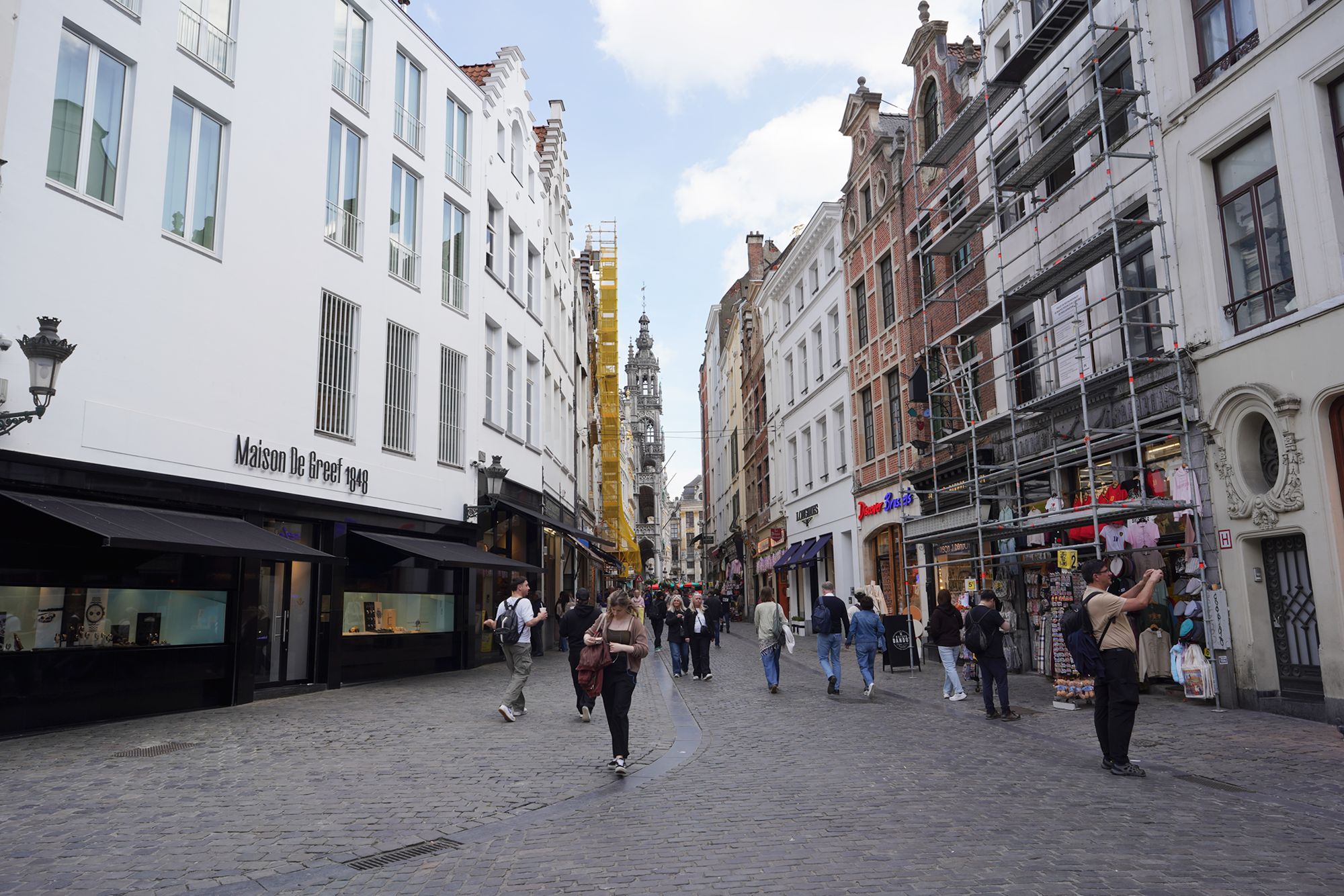
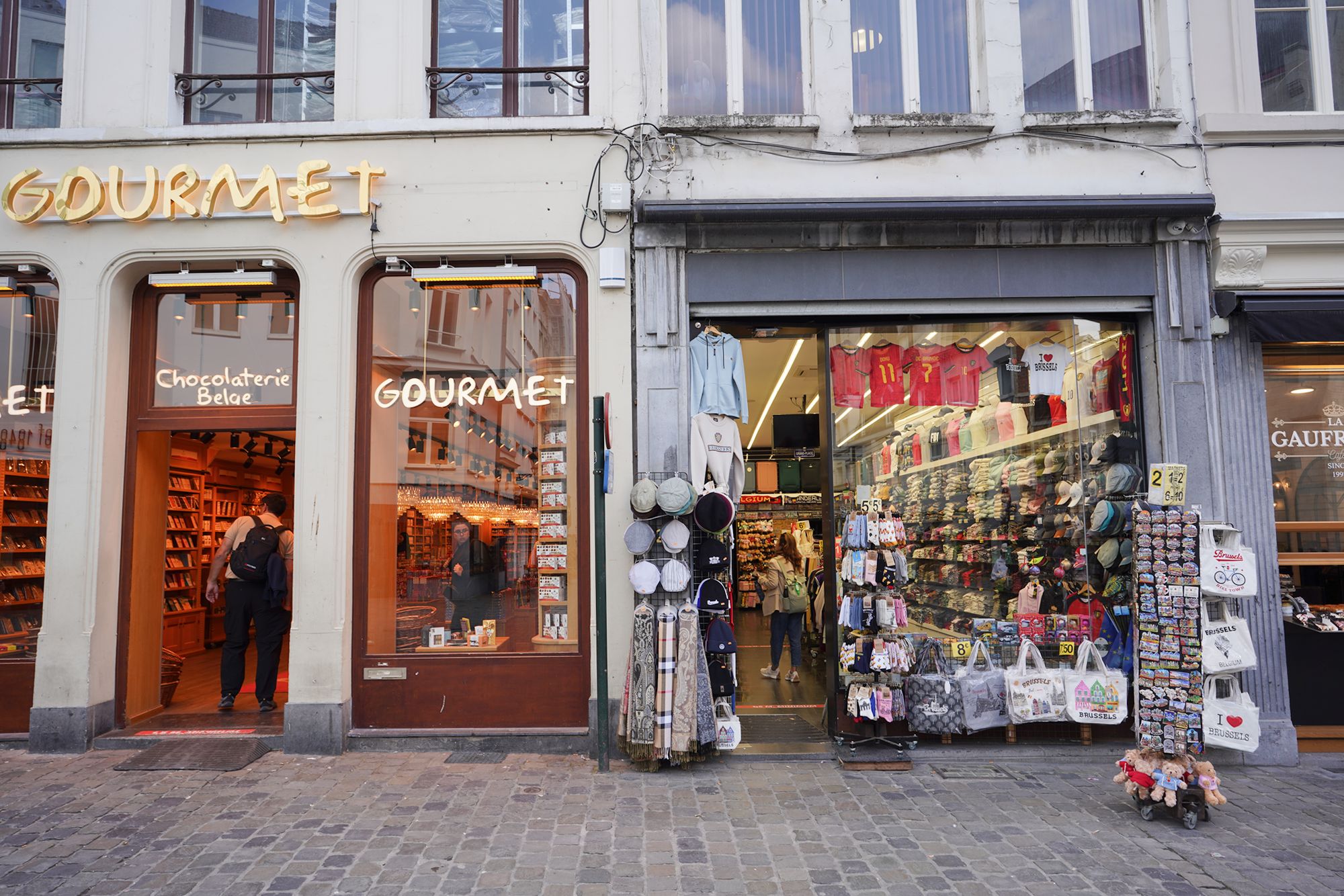
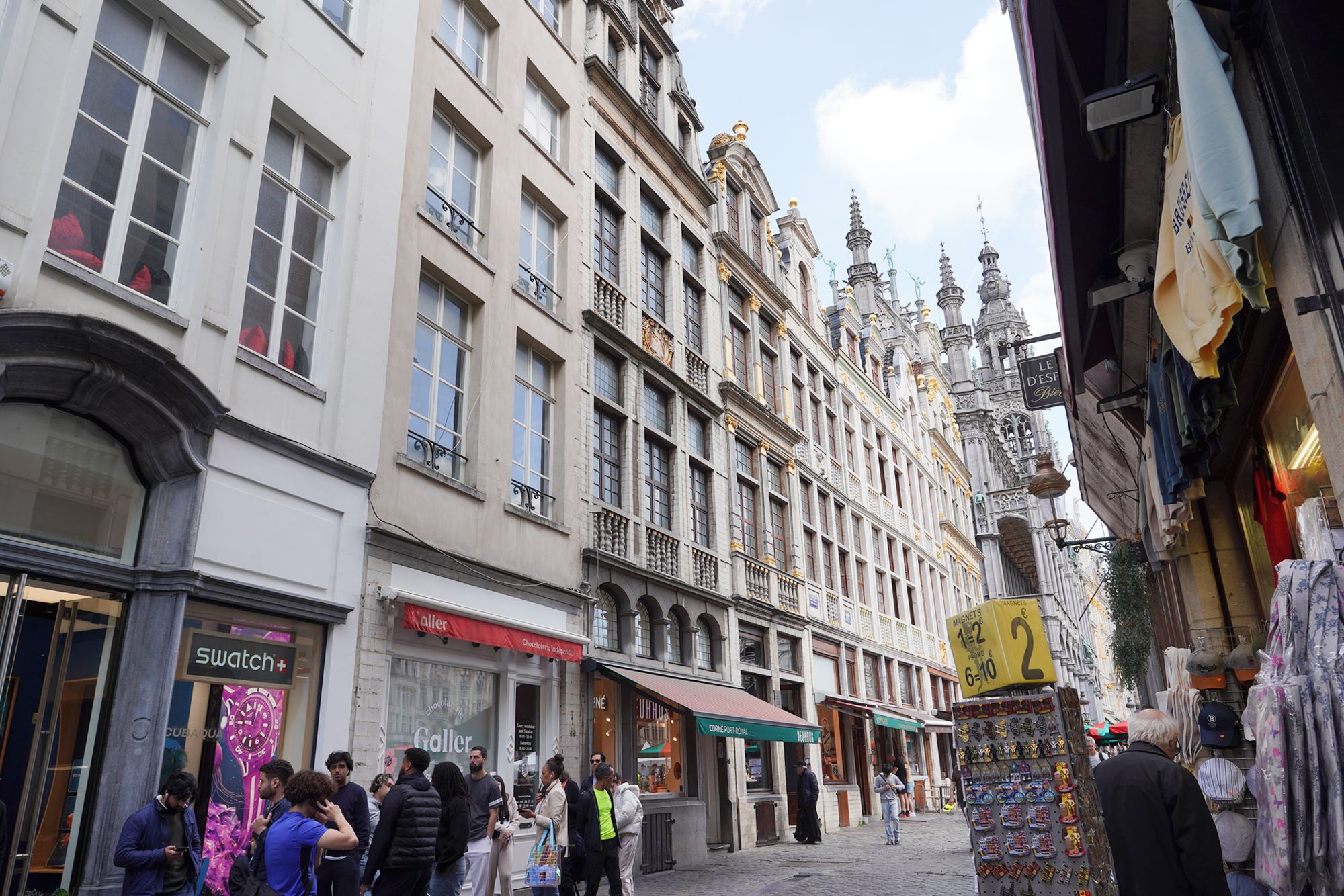
The Grand-Place
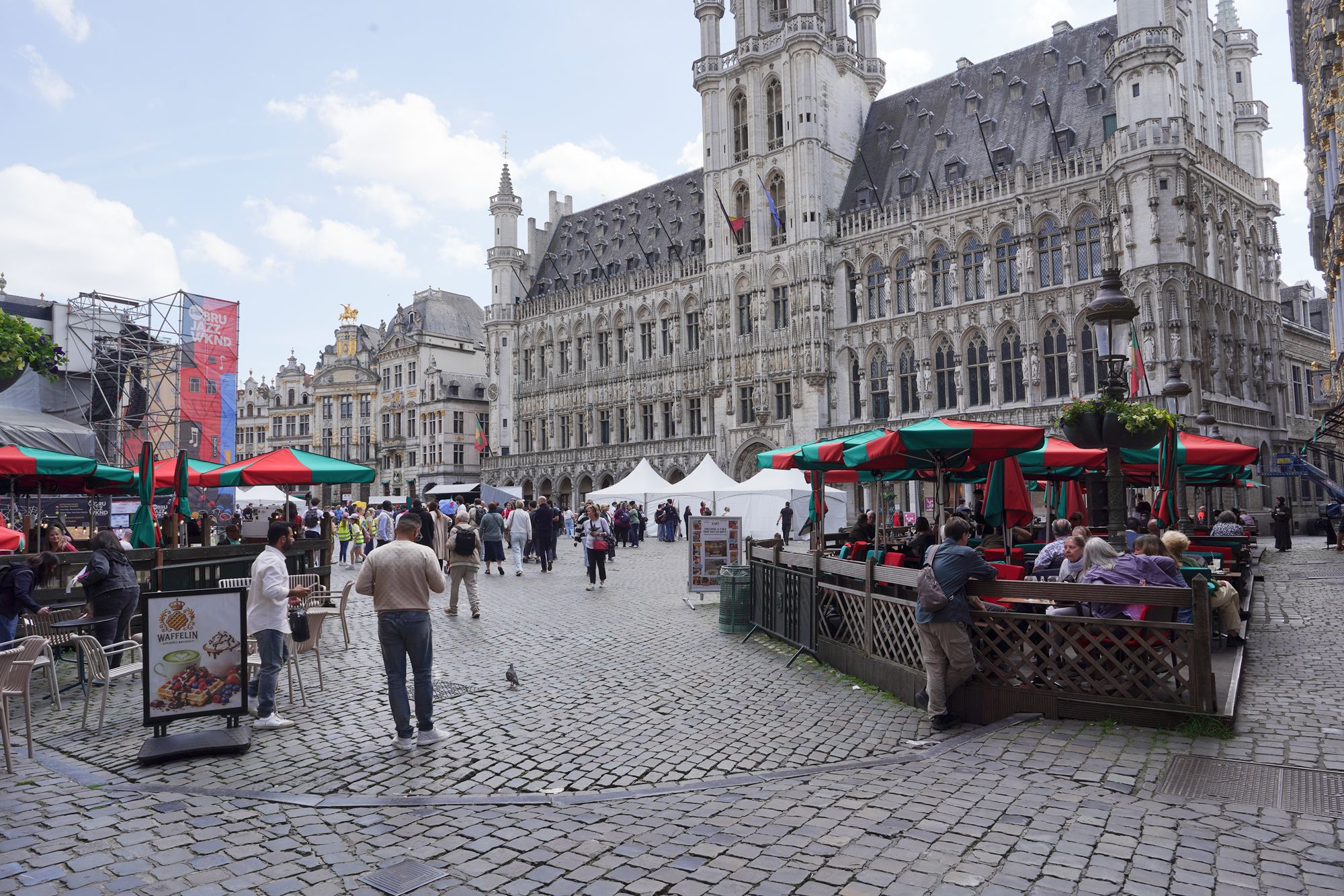
The Grand-Place (Grote Markt) is the historic heart of Brussels and one of the most spectacular city squares in Europe. It developed as an important marketplace and commercial center during the Middle Ages, surrounded by buildings belonging to the city government and powerful trade guilds.
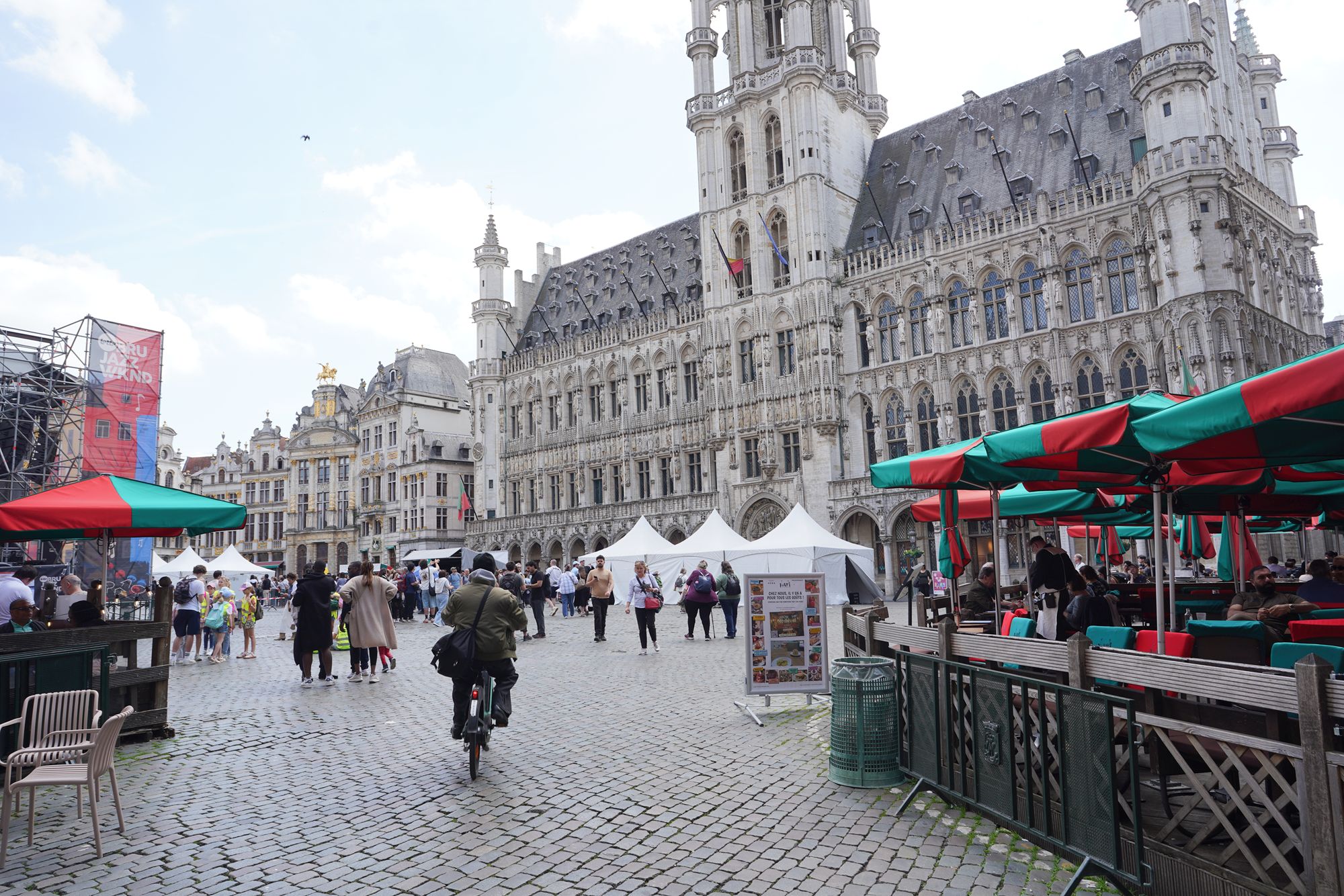
Much of the square was destroyed during the French bombardment of Brussels in 1695. The guilds quickly rebuilt their headquarters, creating the richly decorated Baroque and Flemish-style façades that give the square its remarkable appearance today.
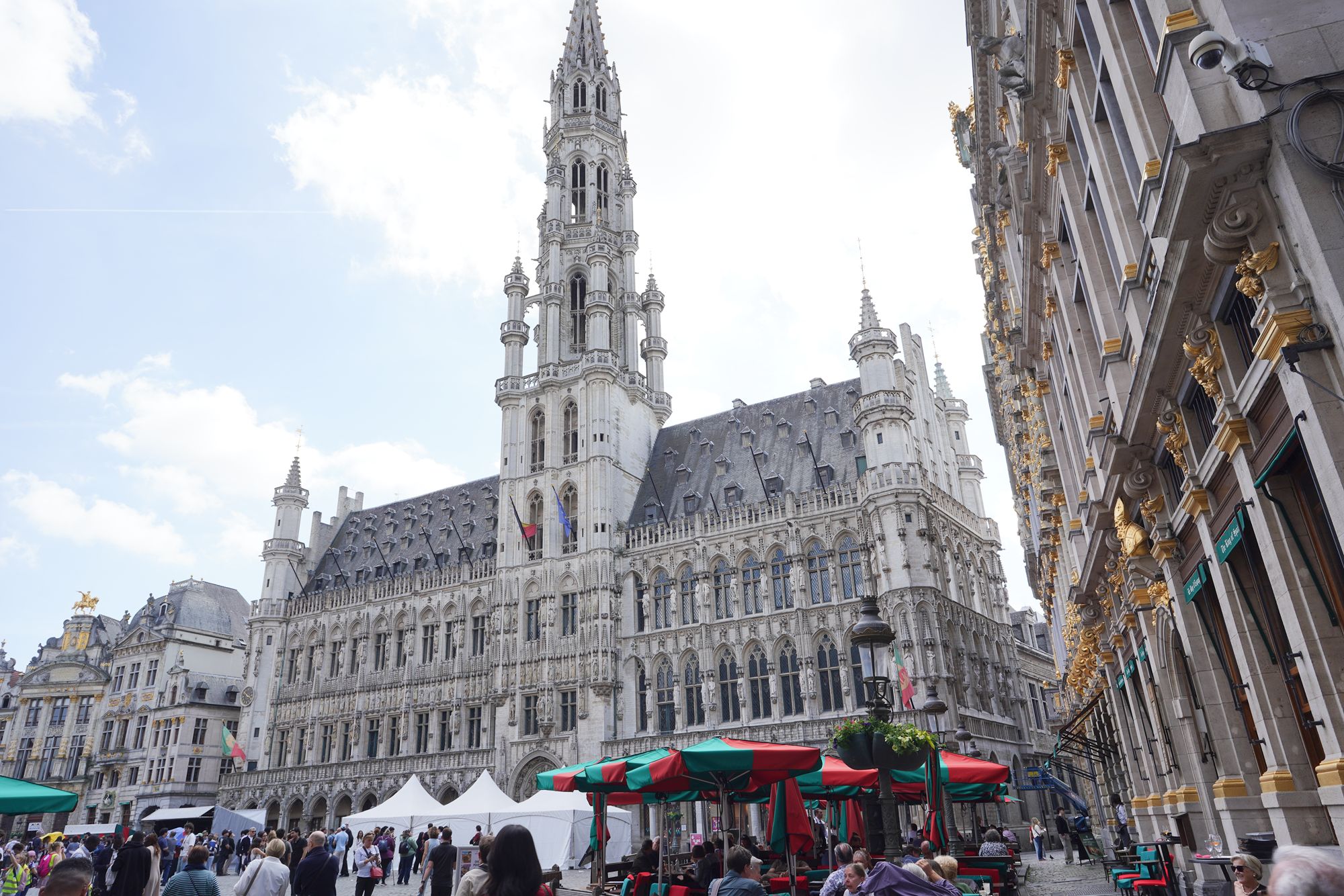
The entire Grand-Place was designated a UNESCO World Heritage Site in 1998.
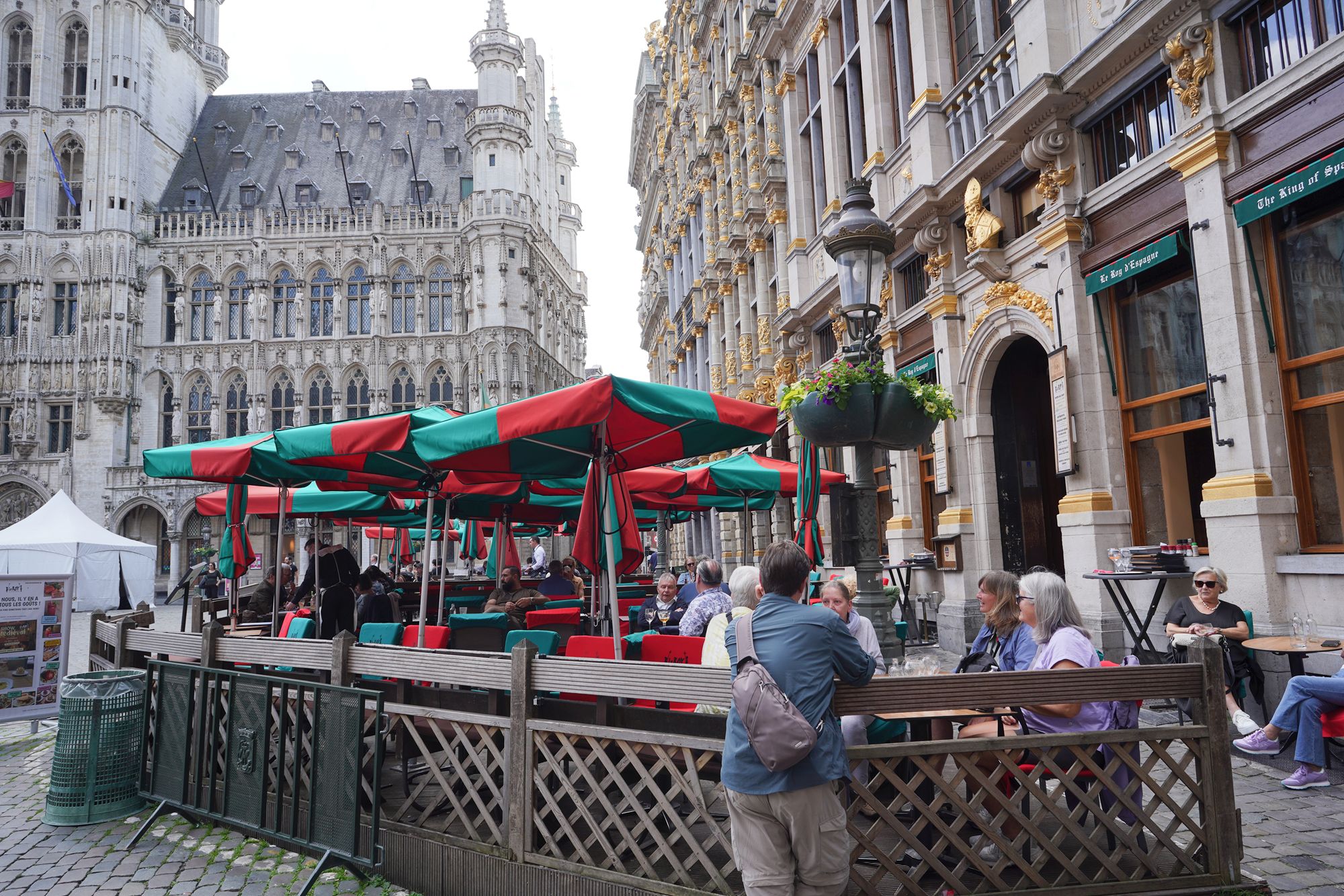
Dominating one side is the magnificent Brussels Town Hall, a Gothic masterpiece built mainly during the 15th century, with its tall tower and statue of Saint Michael. Across the square stands the King’s House (Maison du Roi/Broodhuis), now home to the Brussels City Museum.
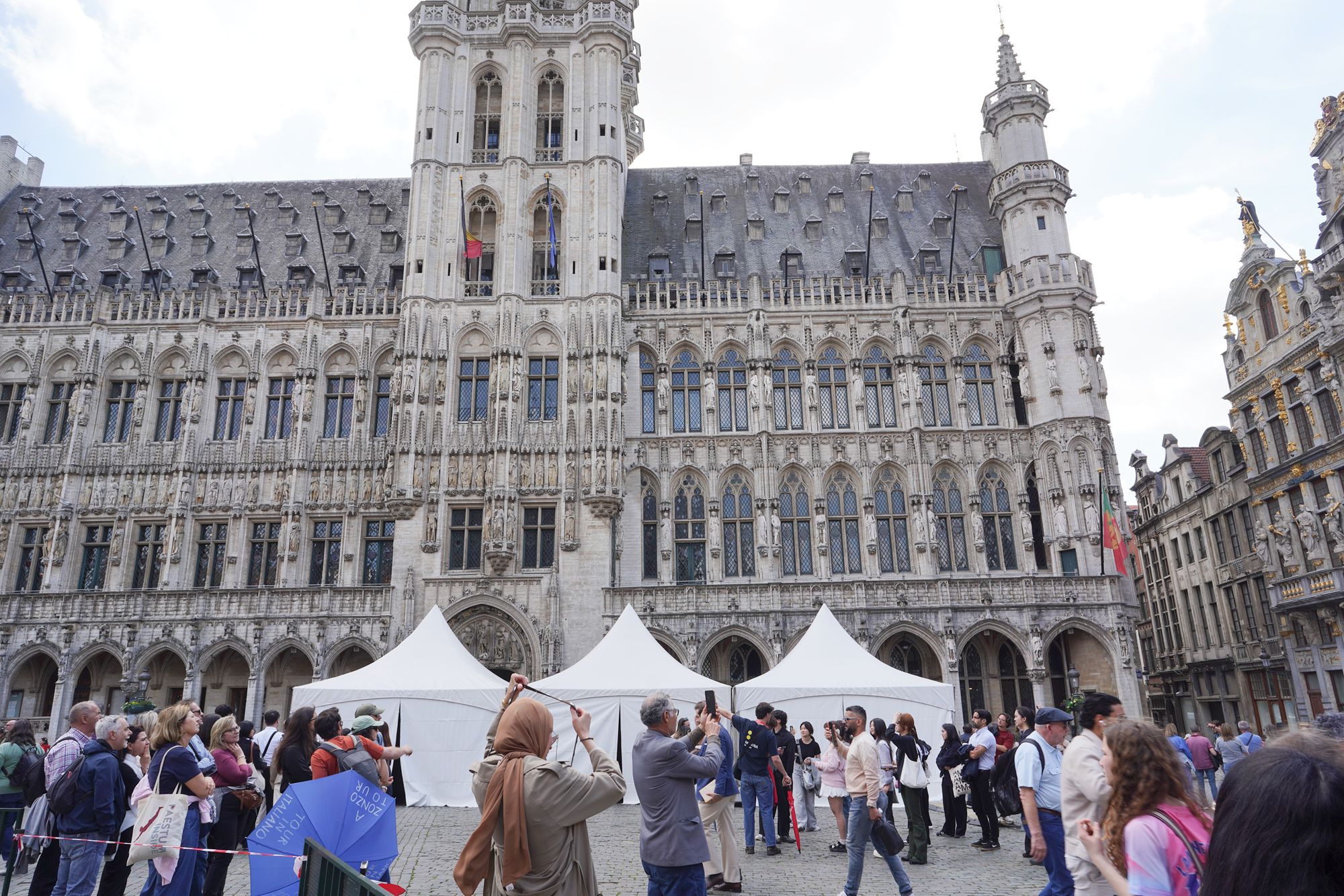
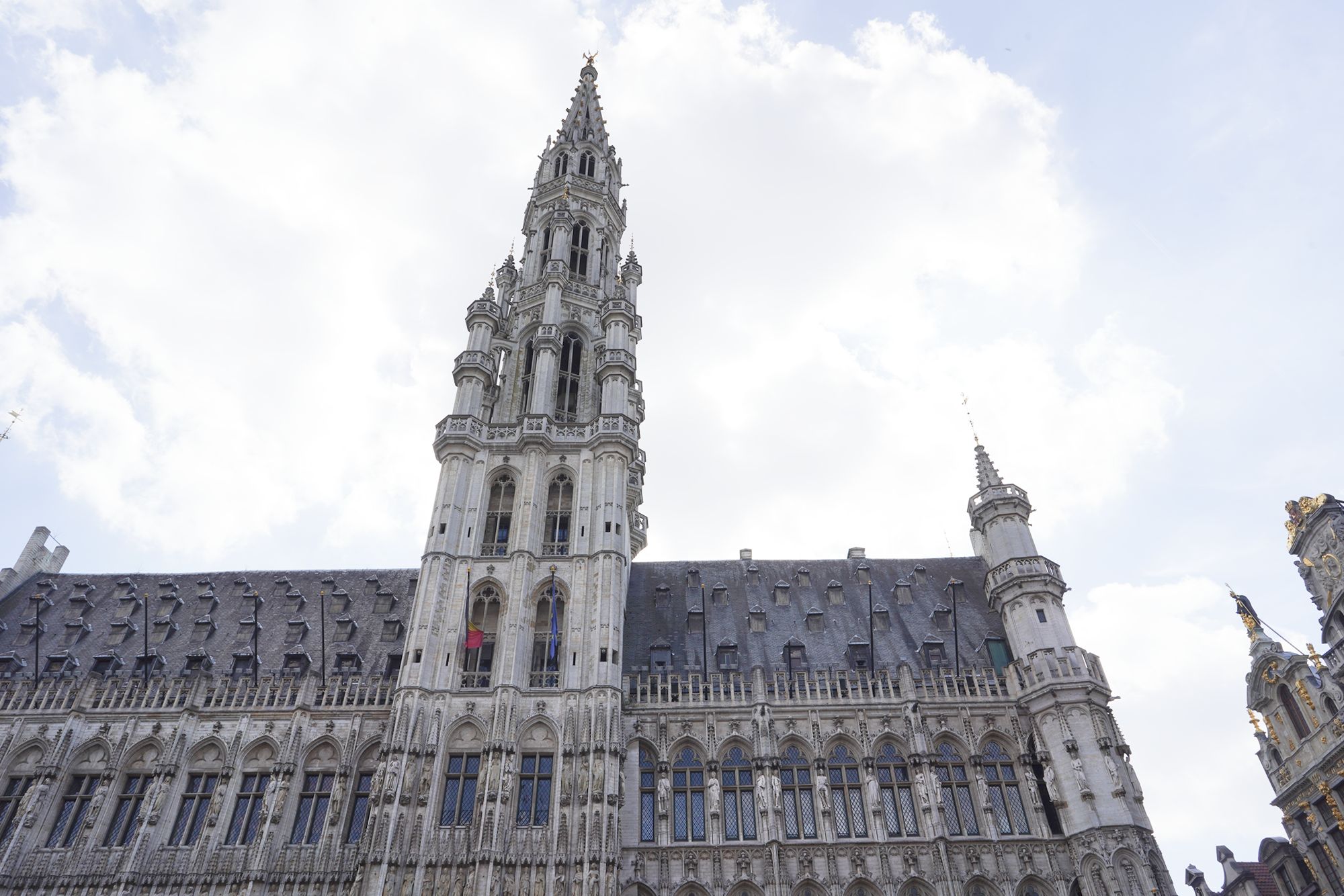
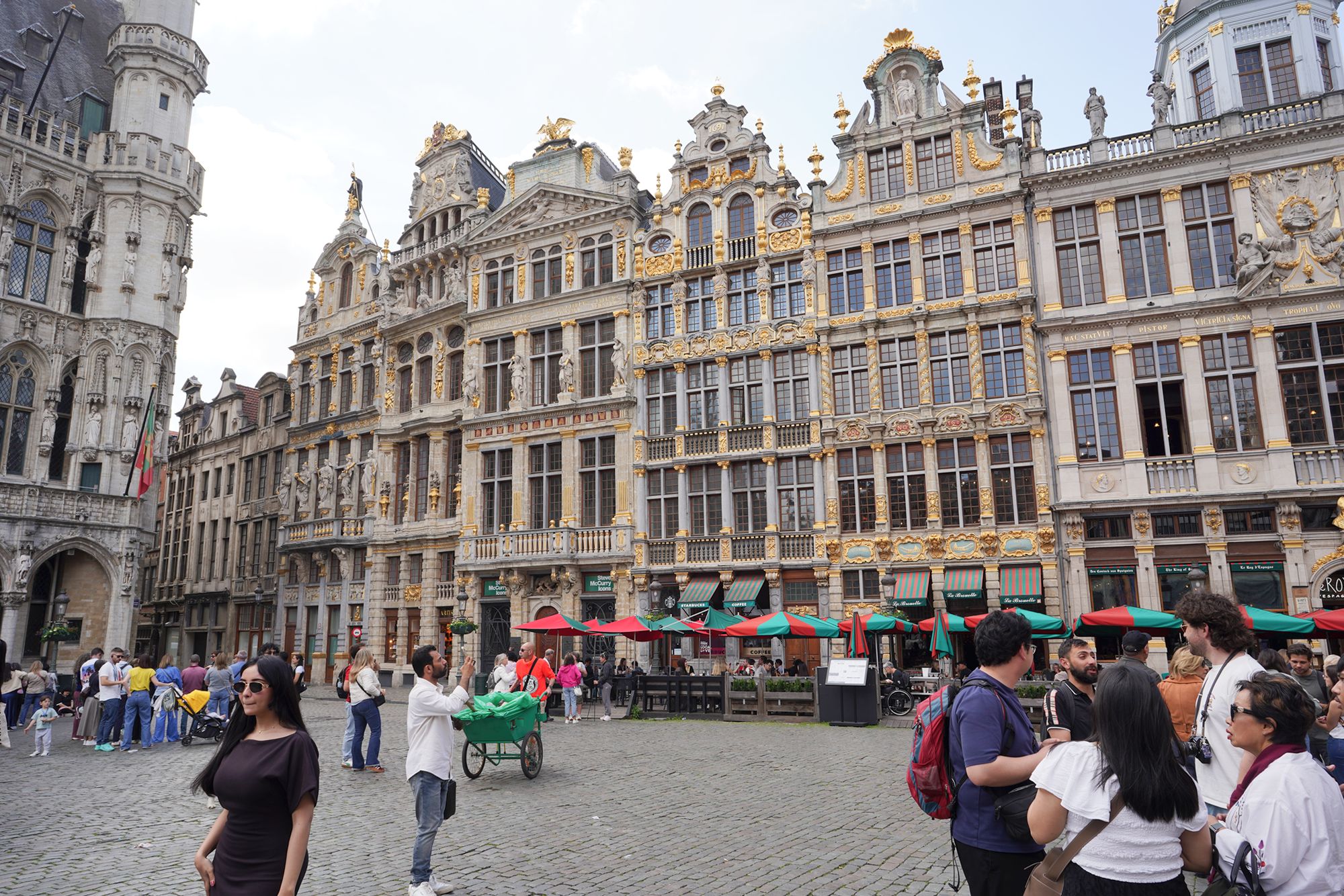
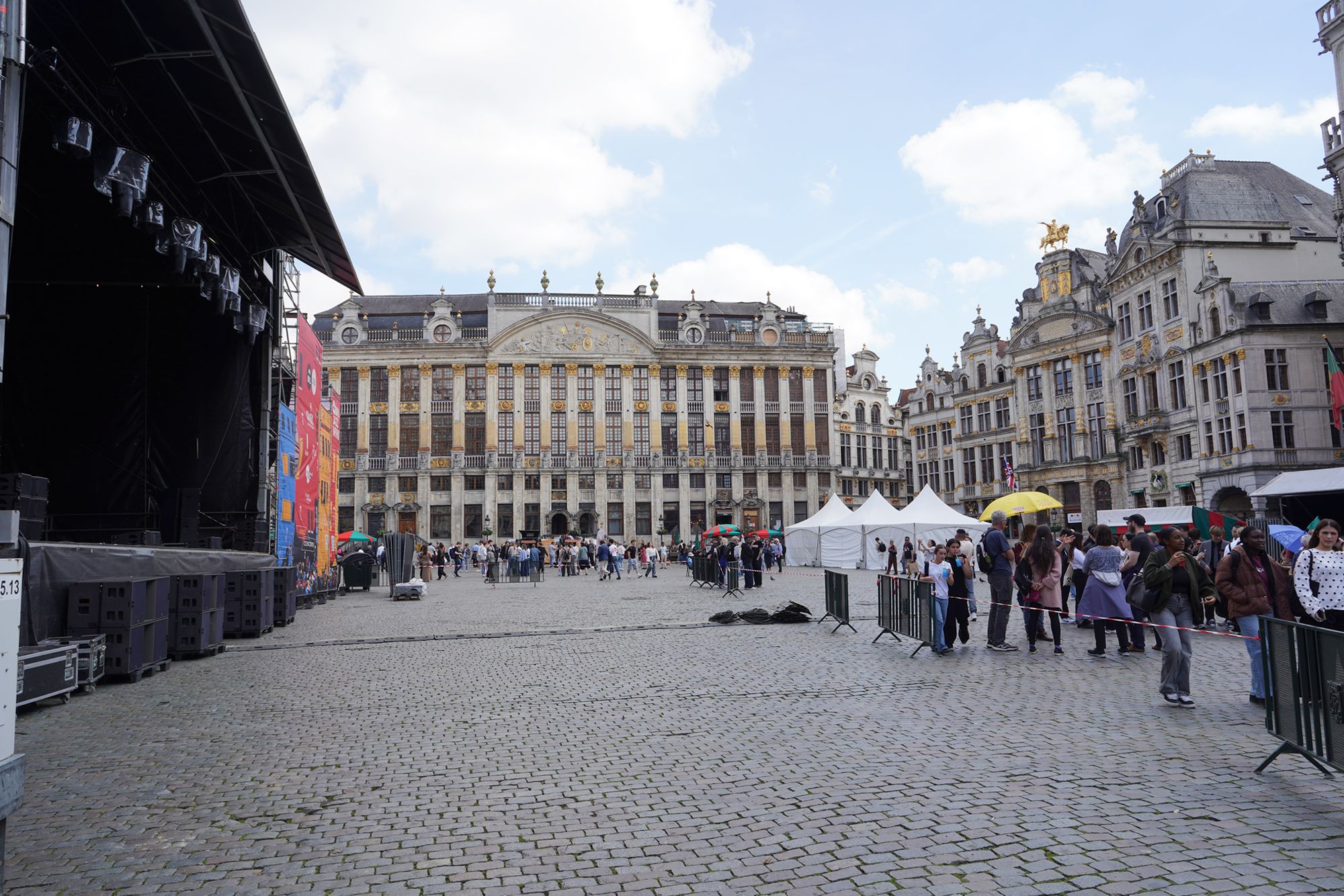
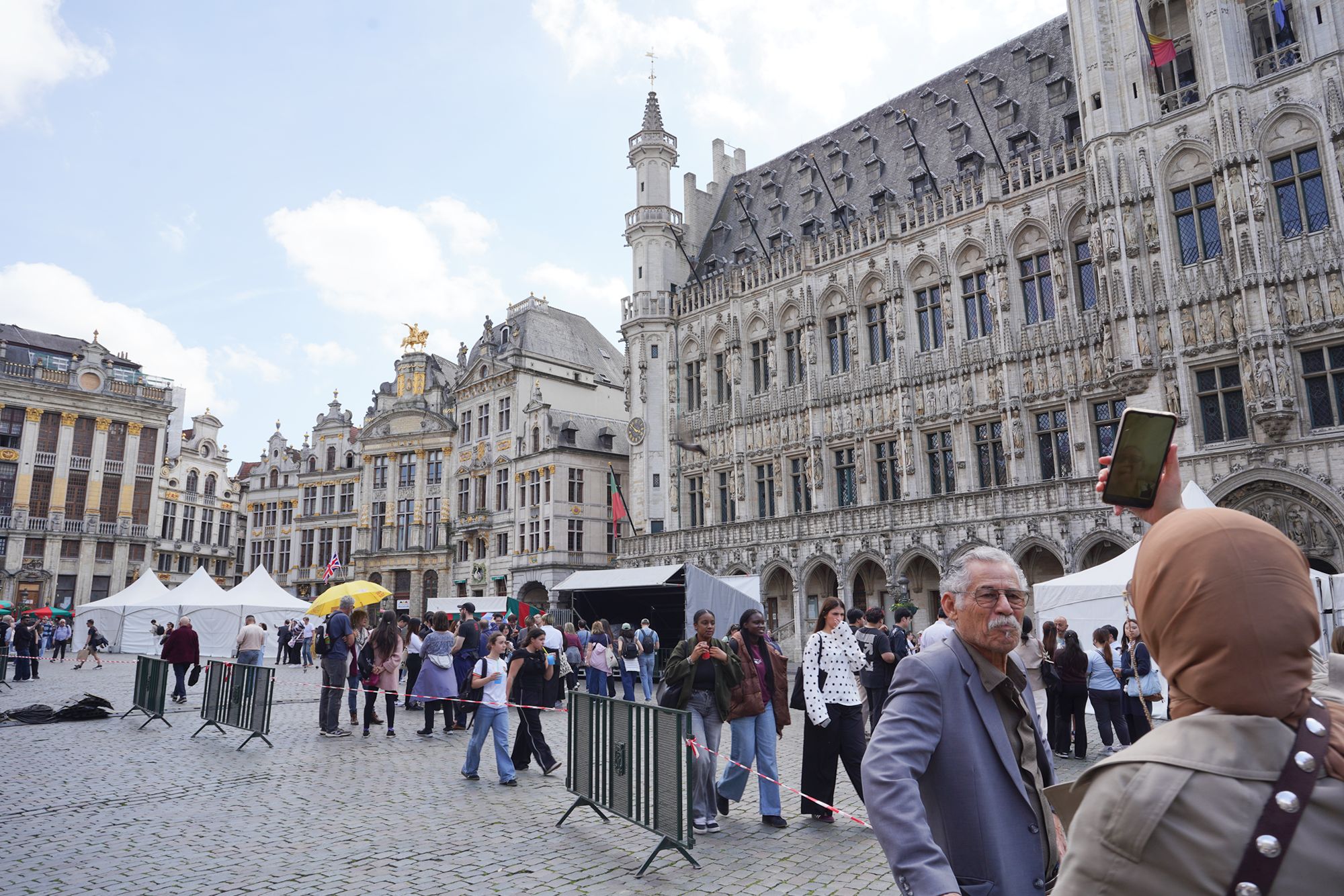
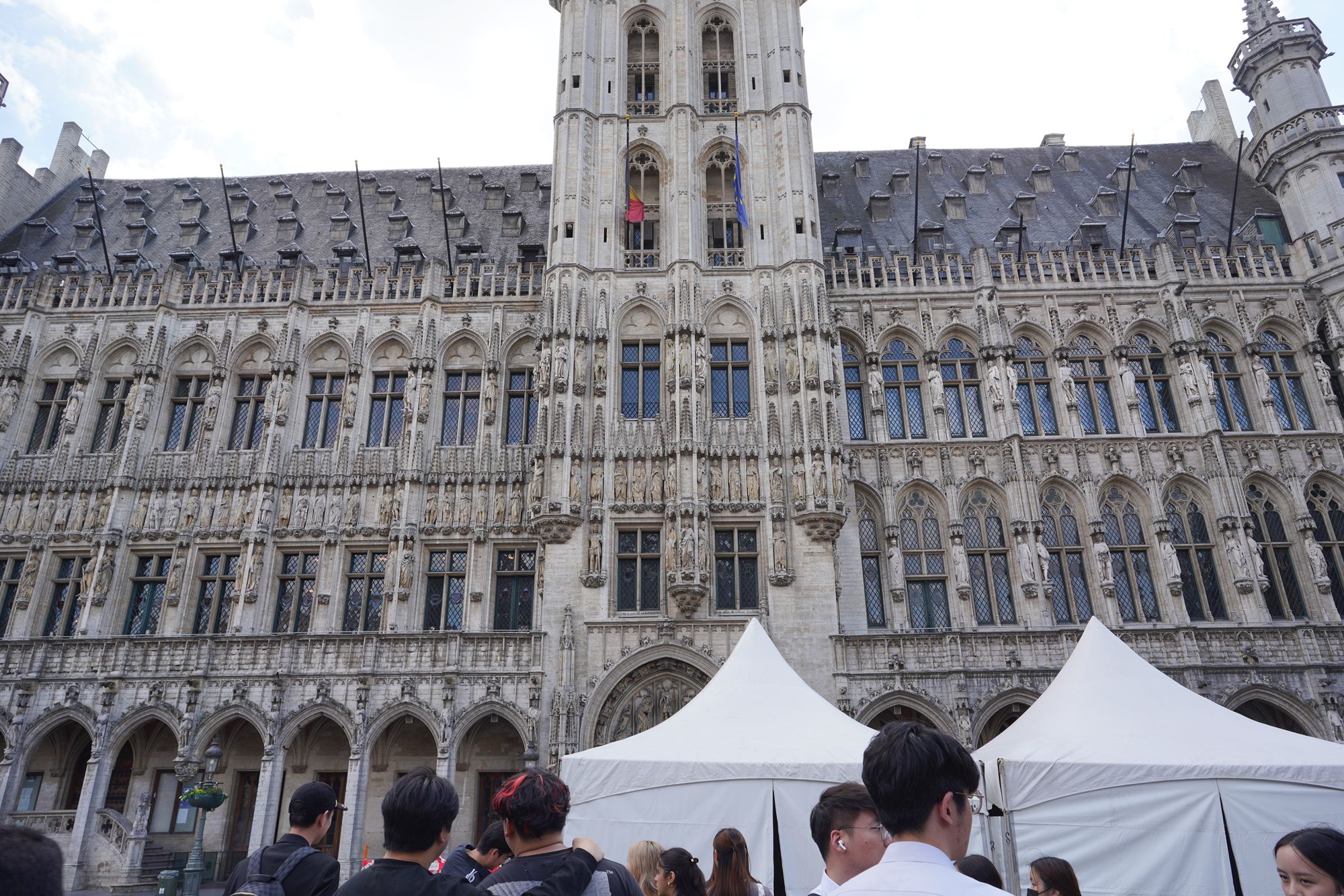
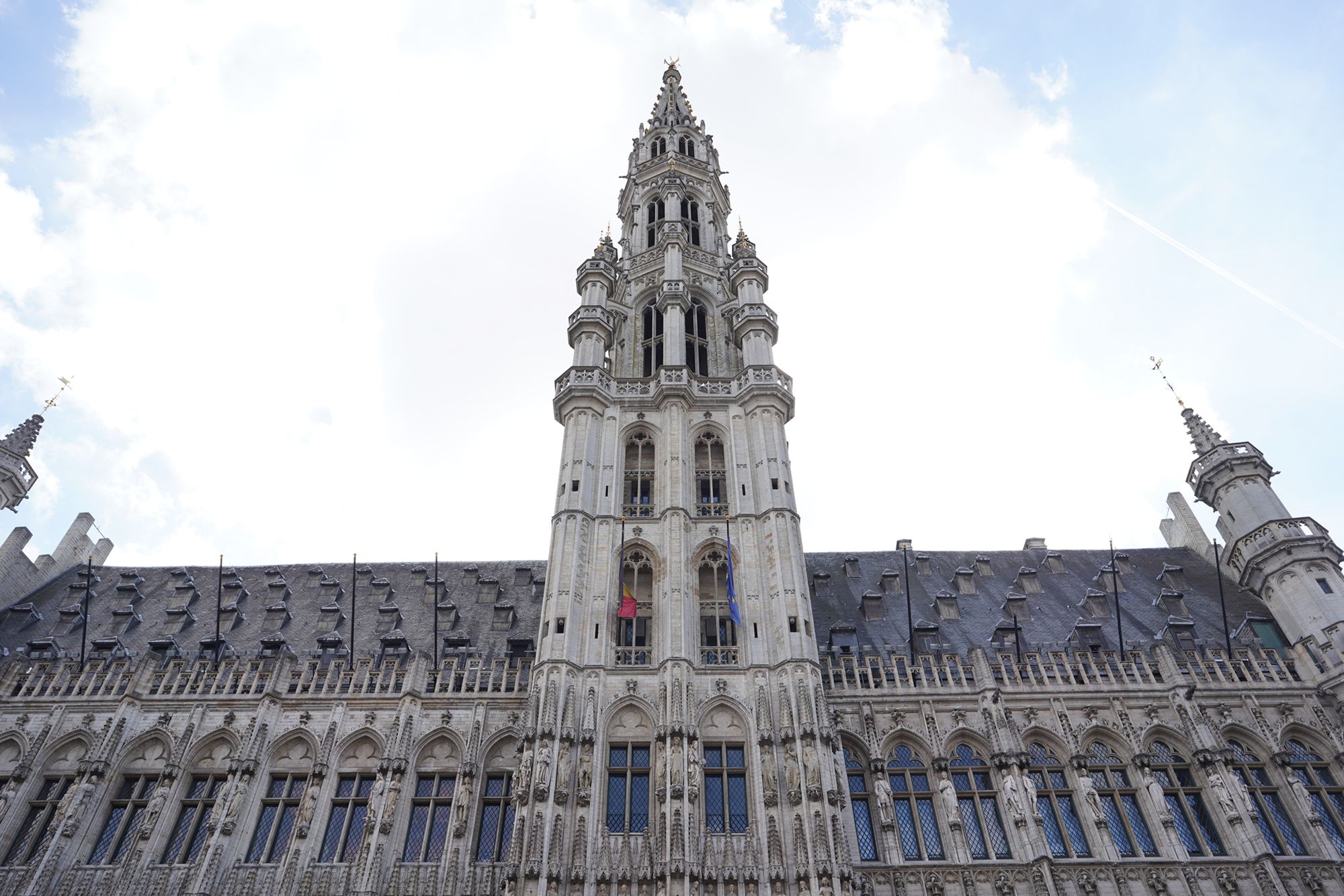
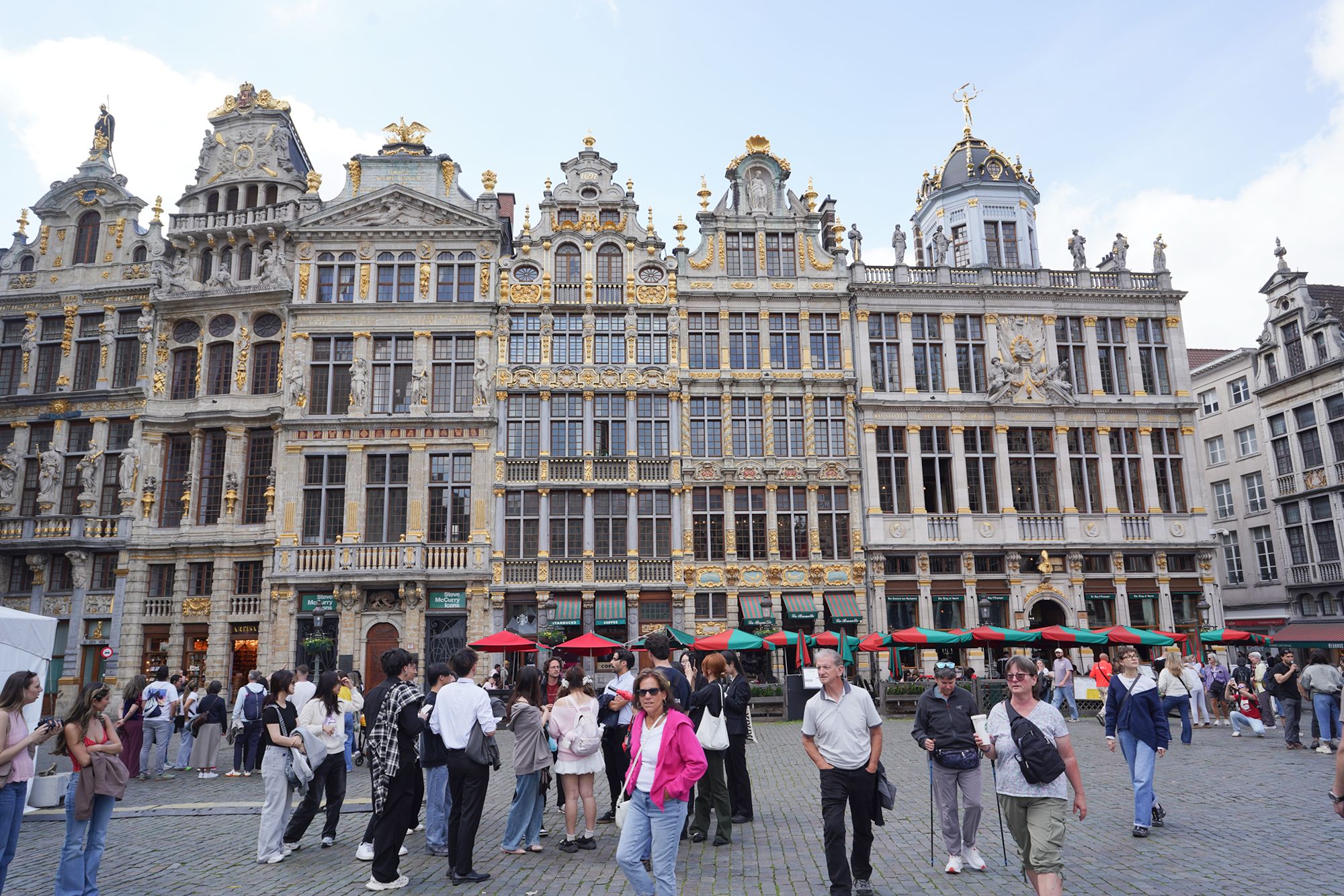
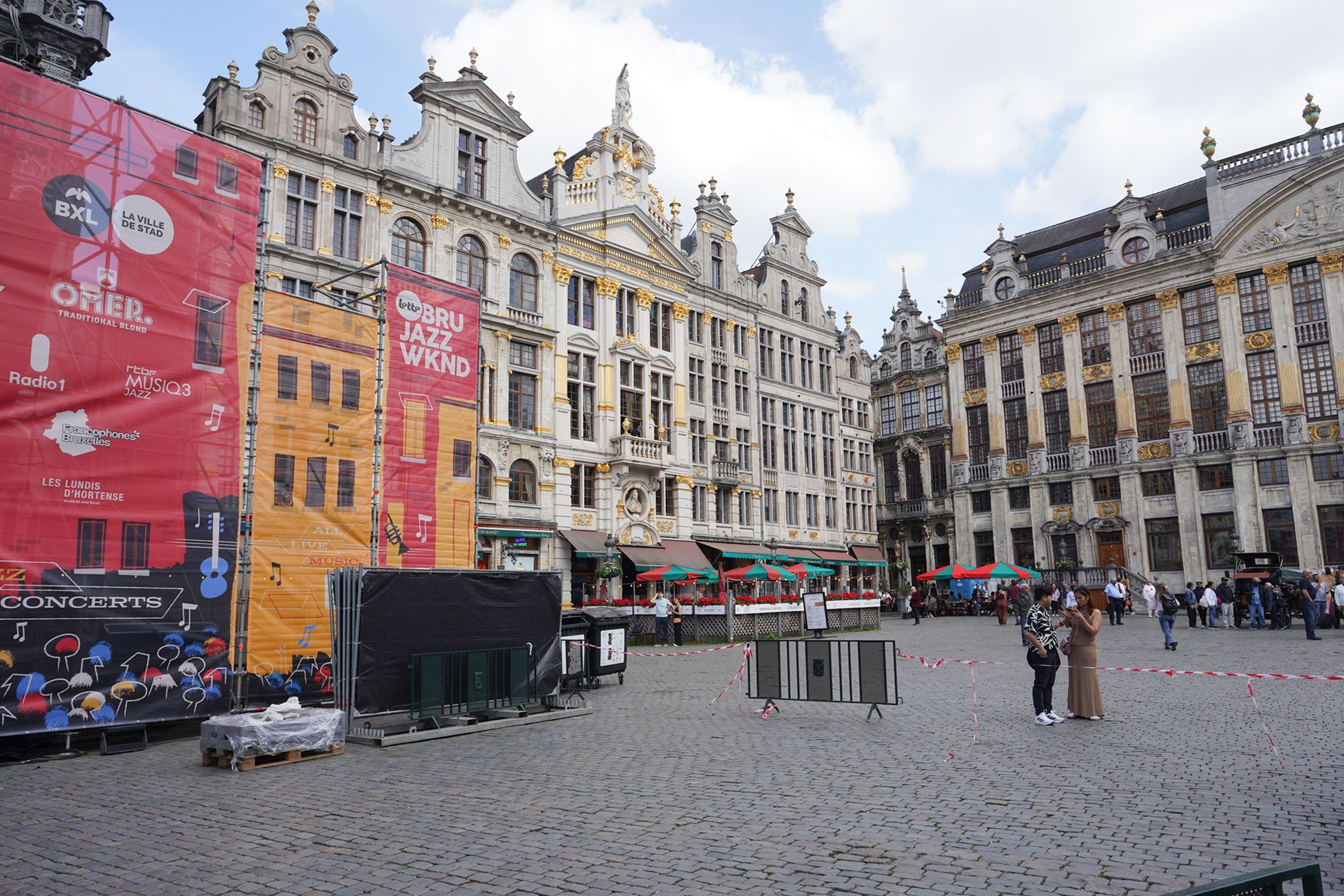
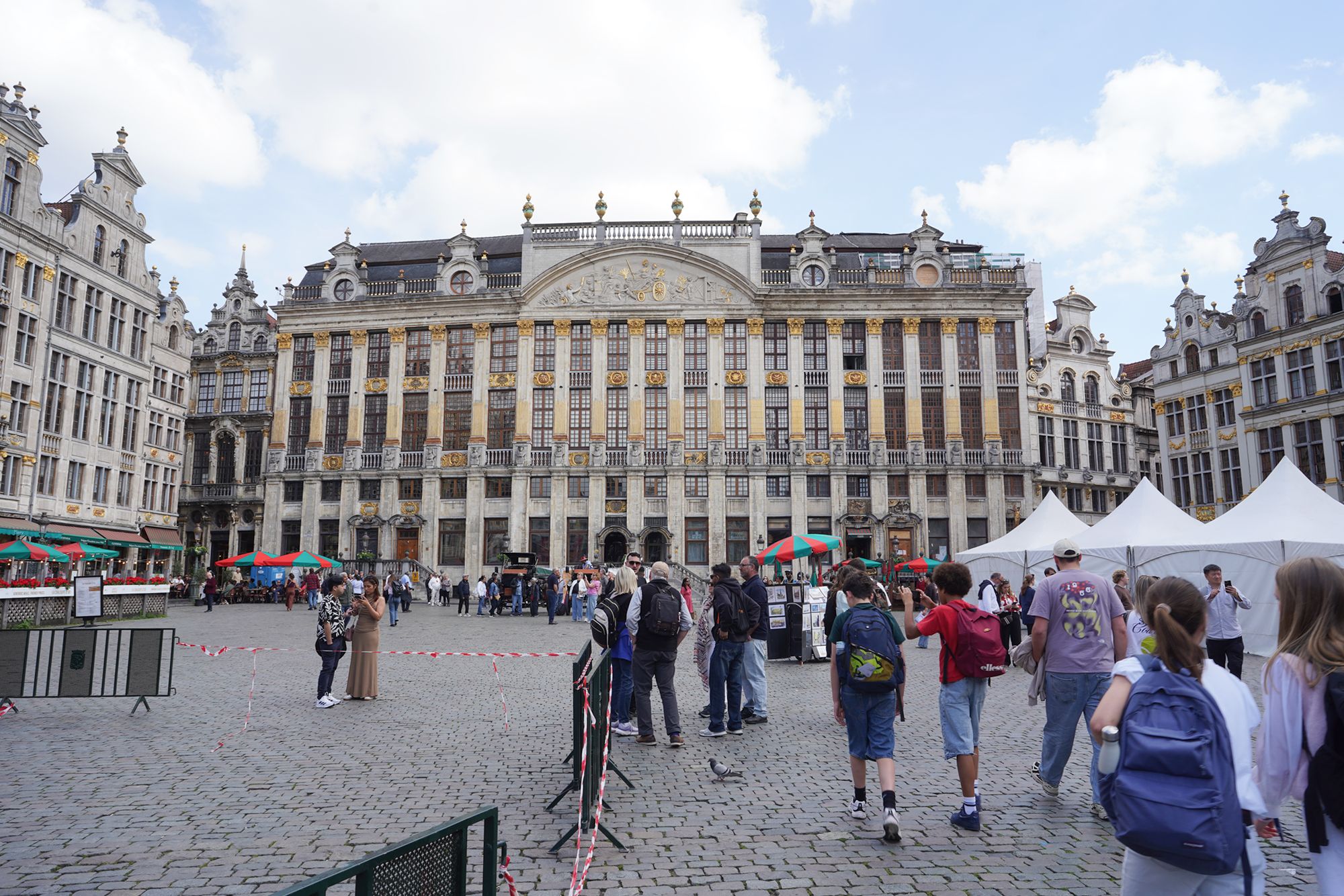
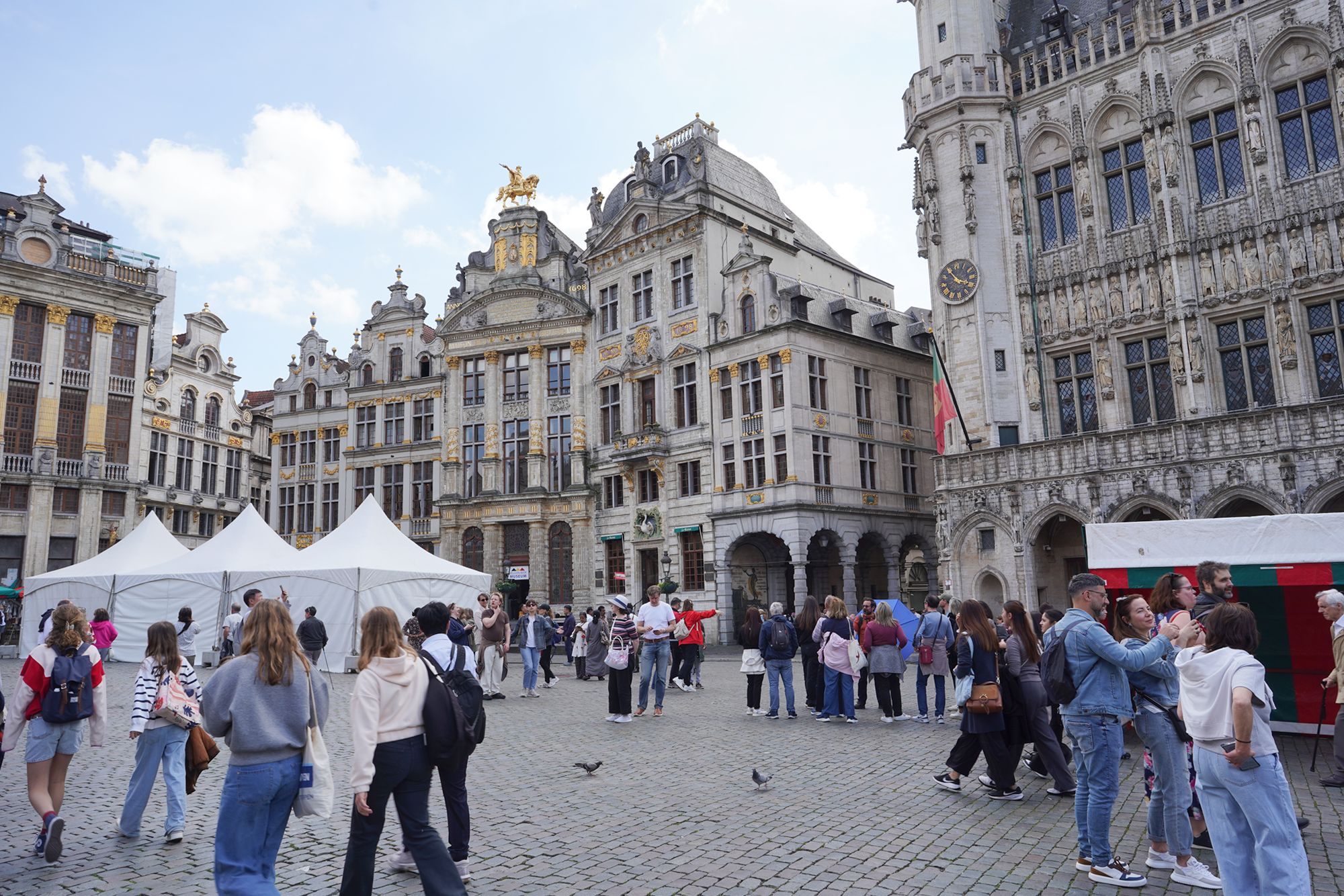
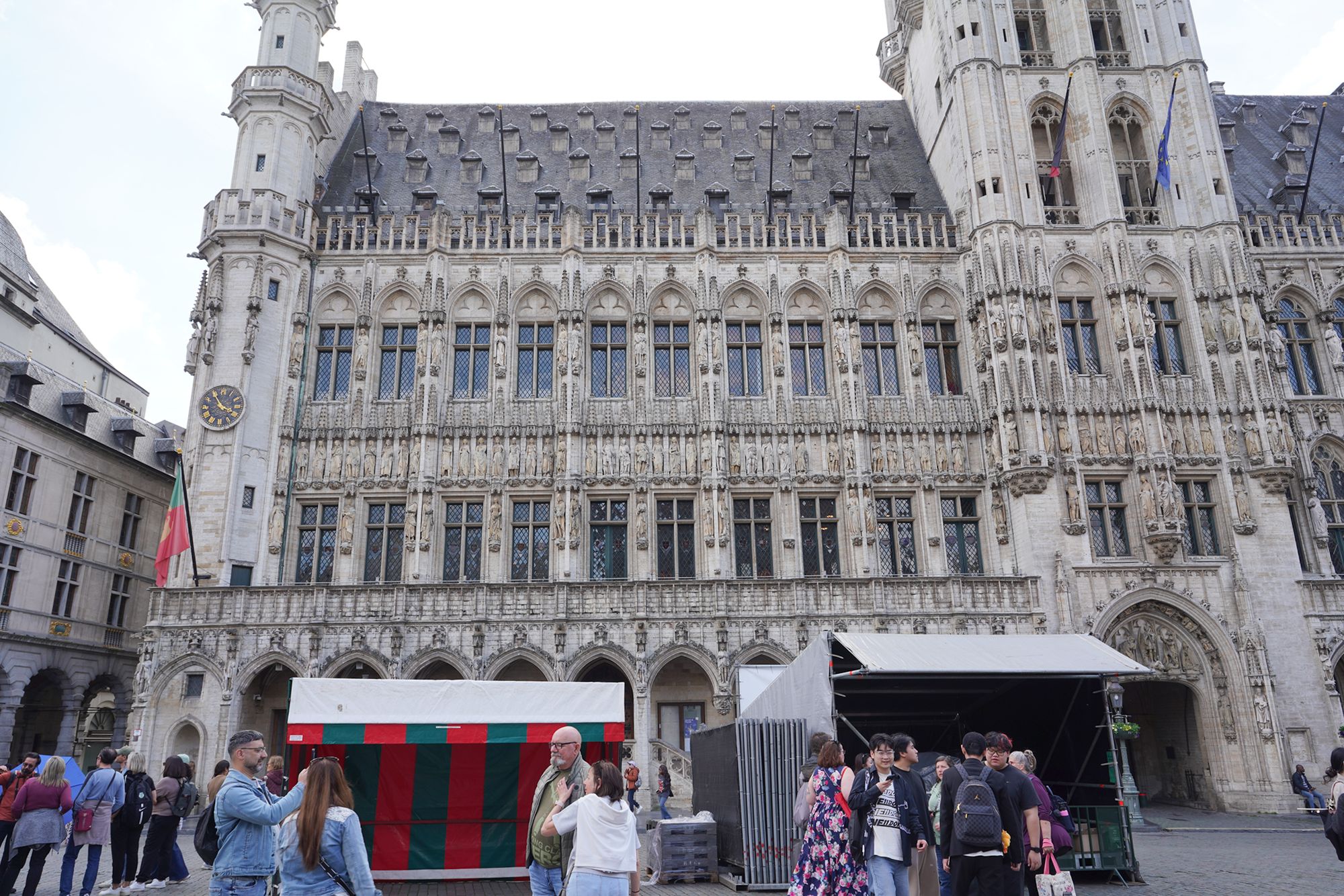
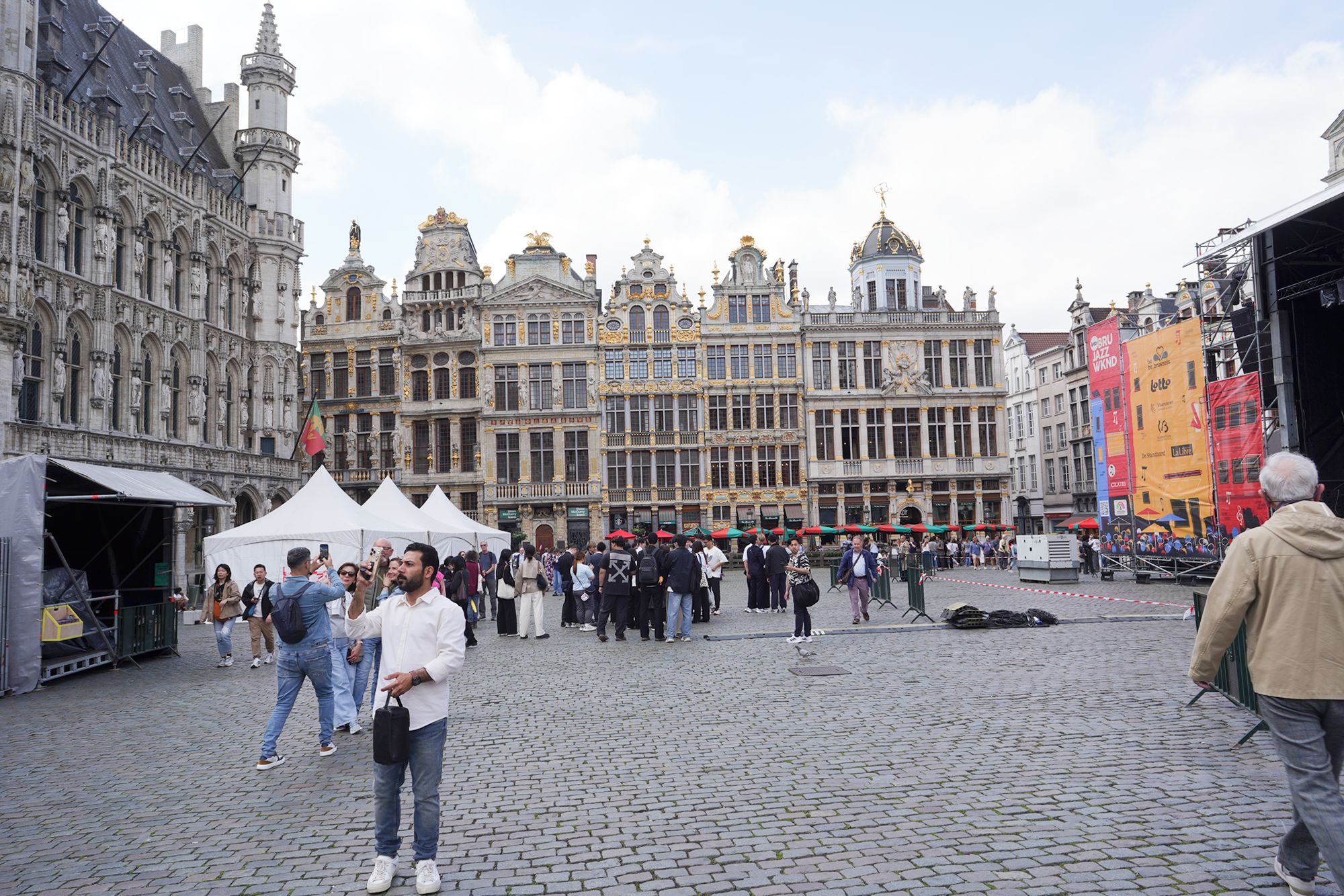
King’s House (Maison du Roi/Broodhuis), now home to the Brussels City Museum.
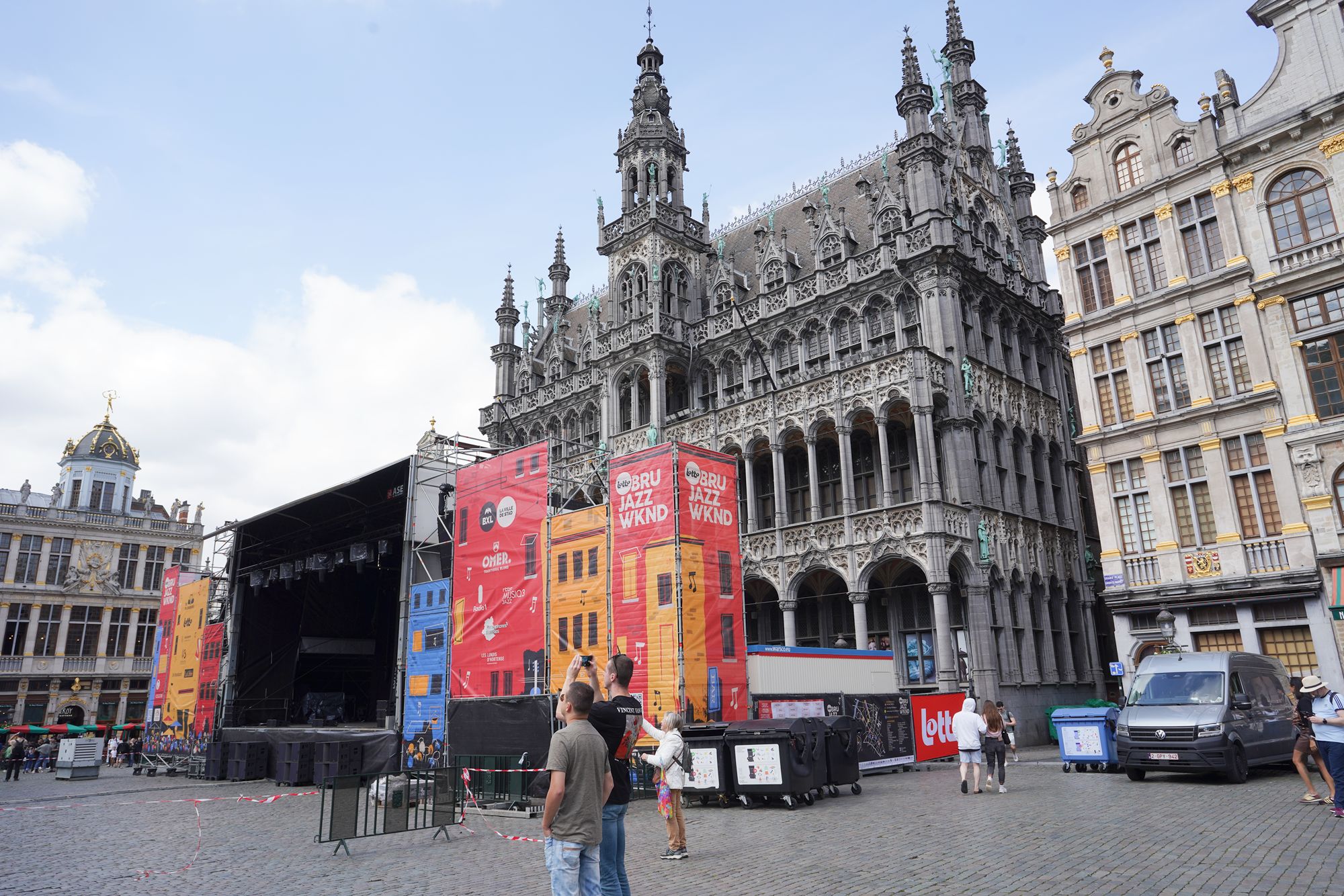
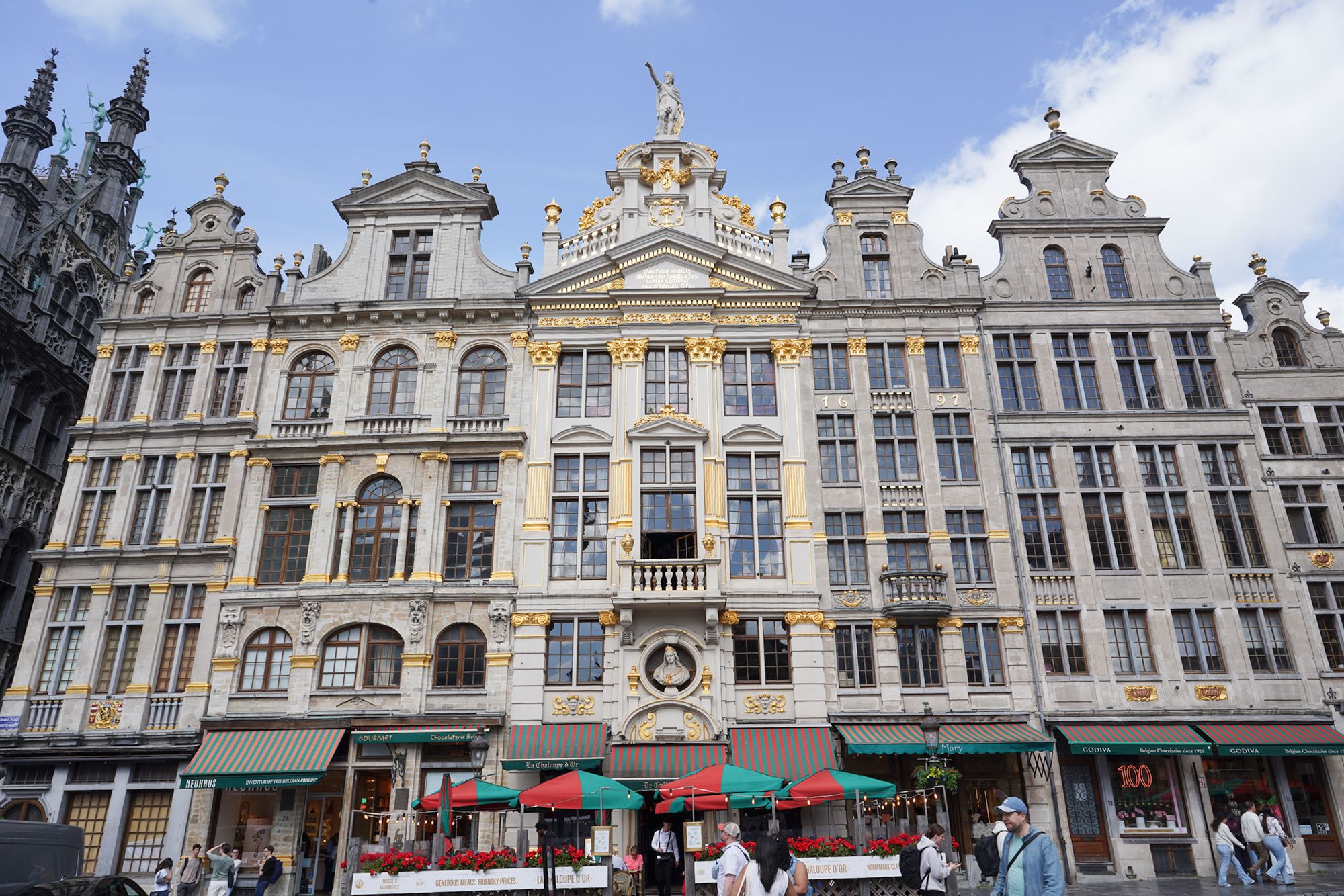
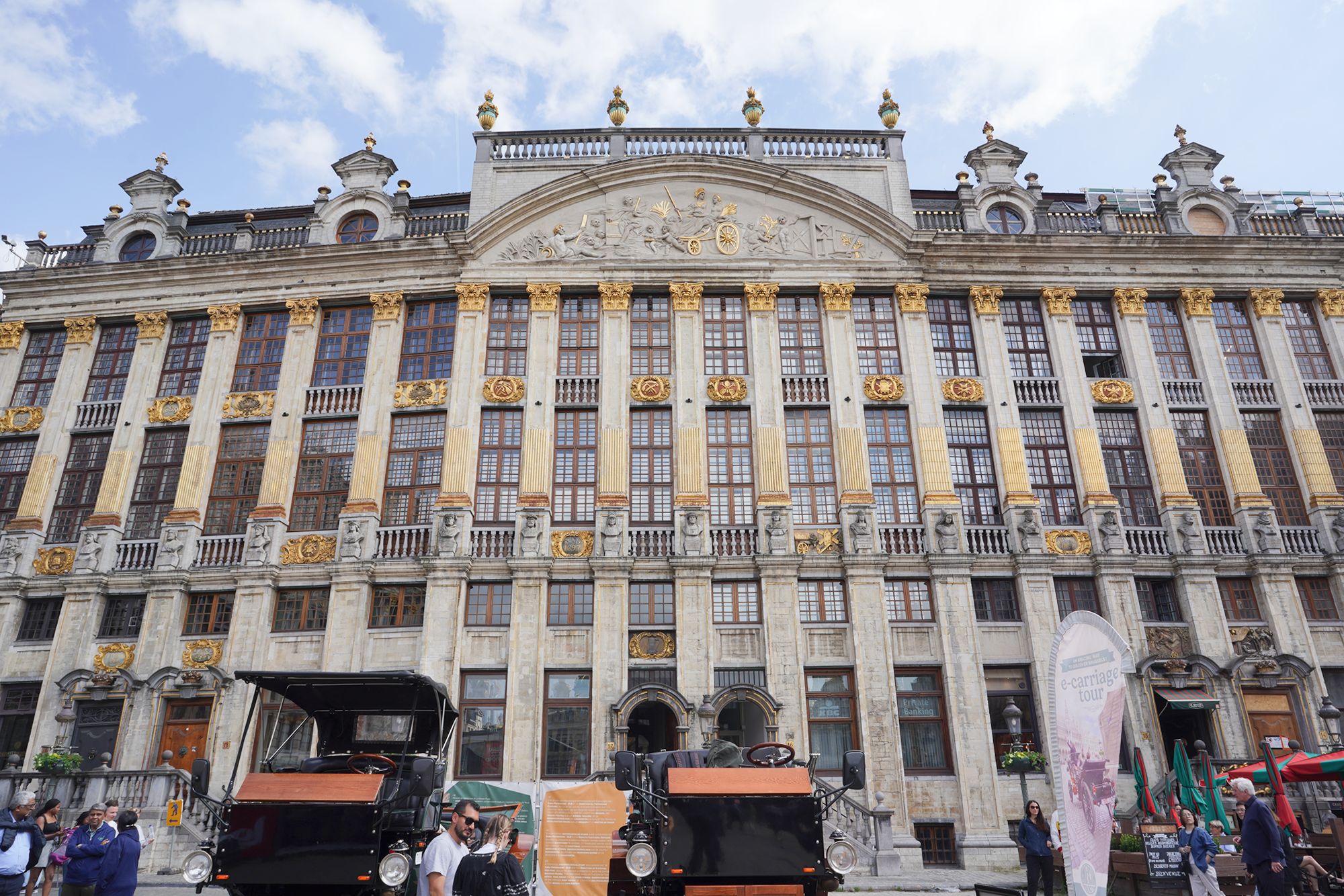
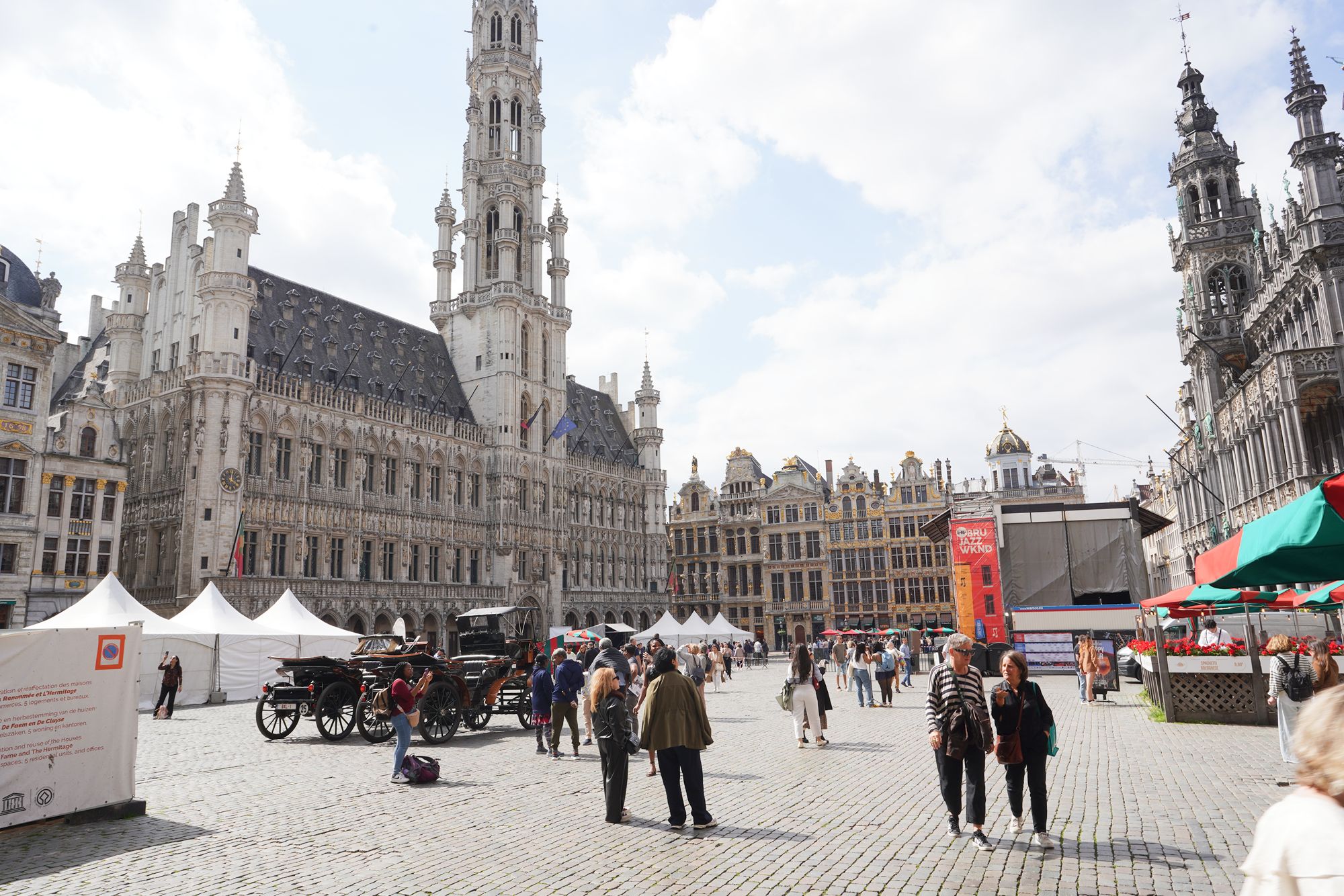
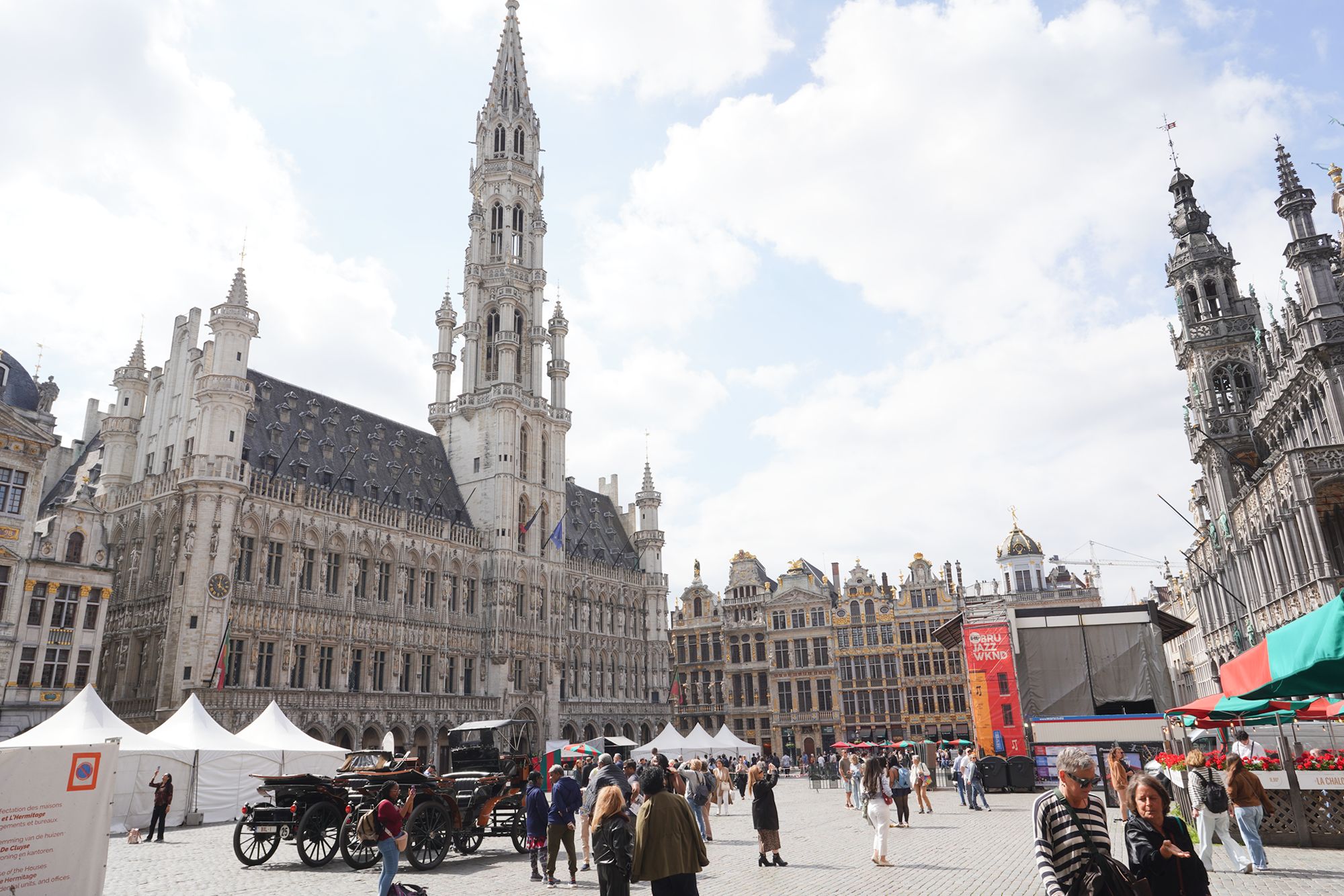
I left the Grand-Place through Rue de la Colline, one of the narrow streets leading away from the square, and continued my walk through the historic center of Brussels.
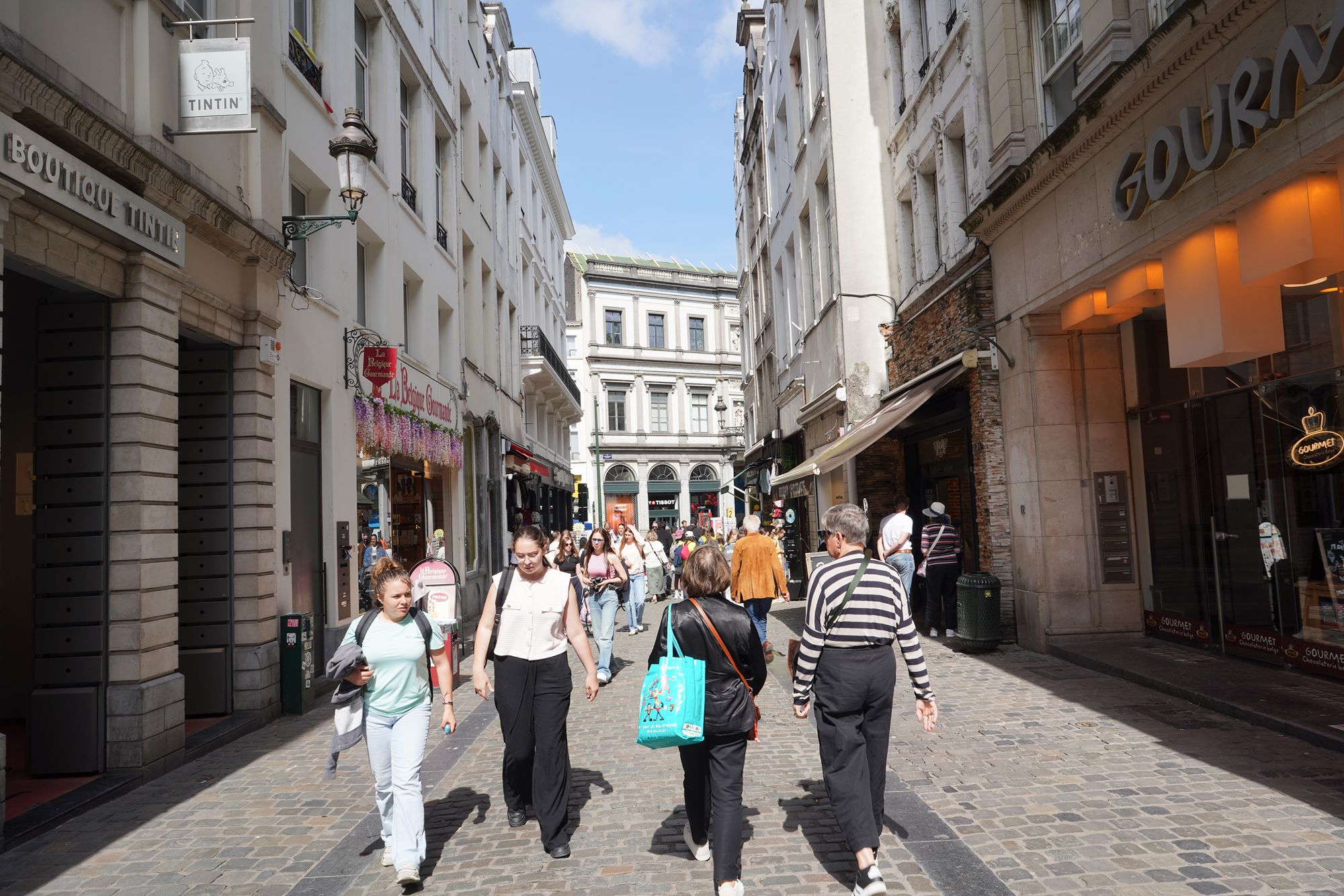
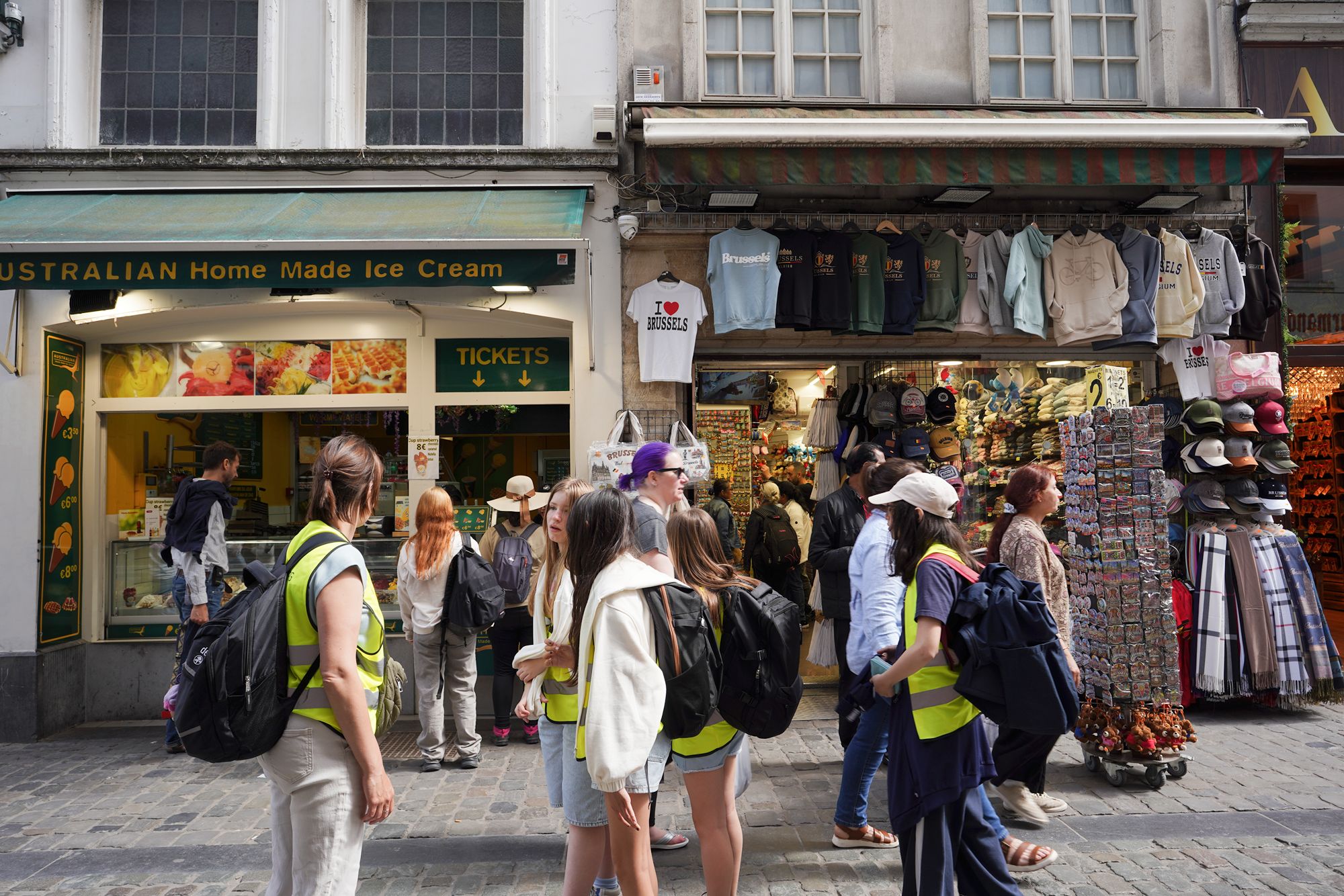
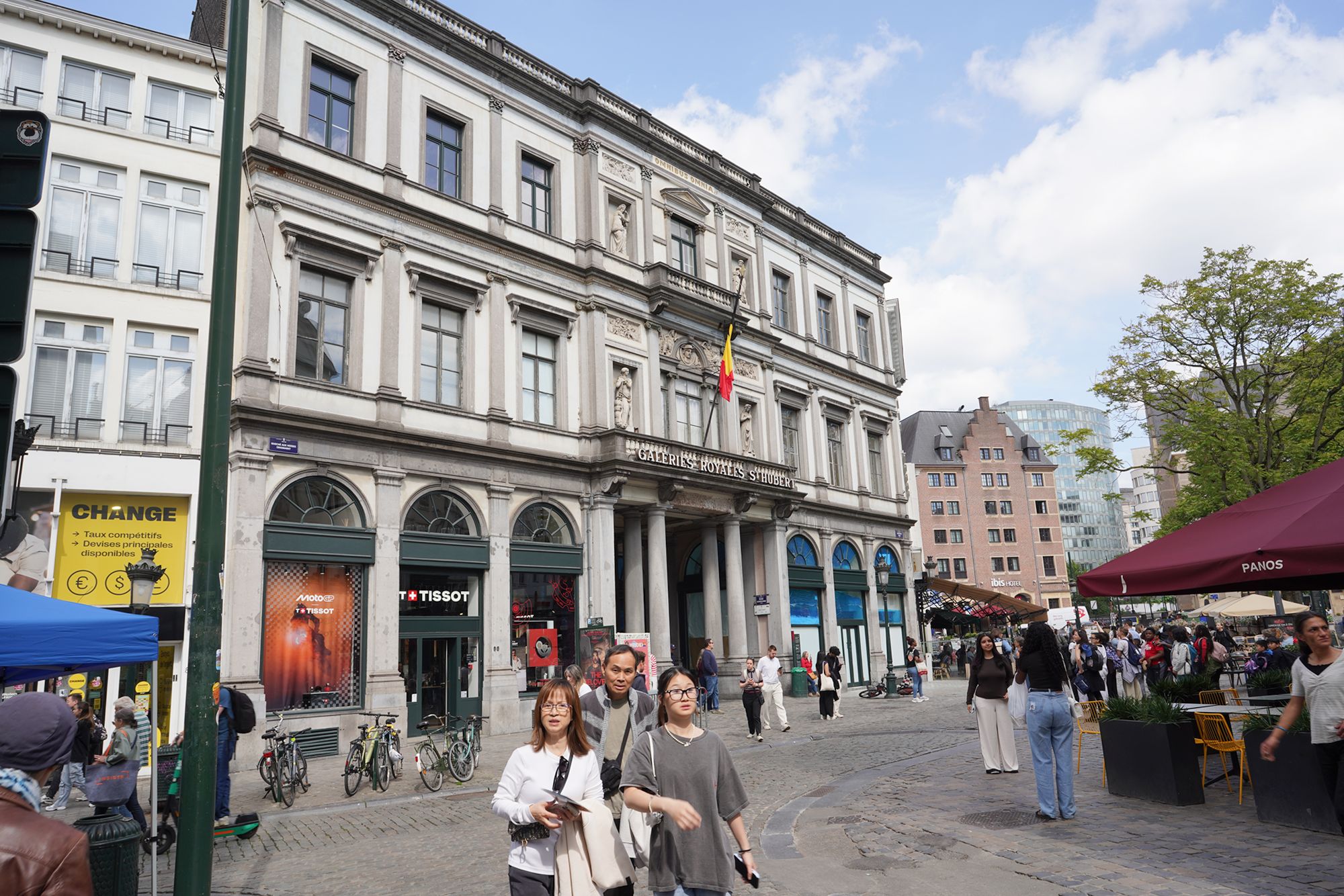
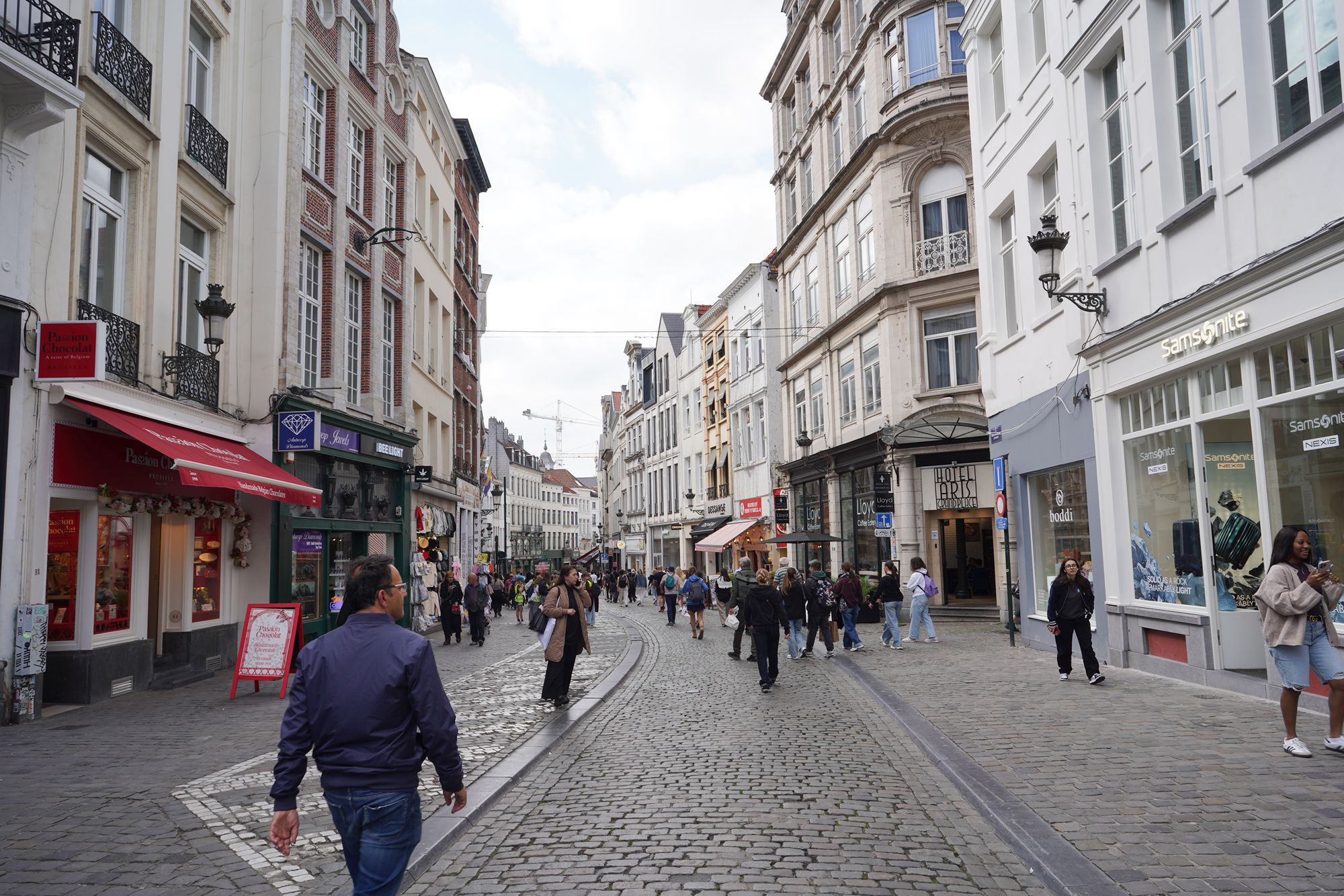
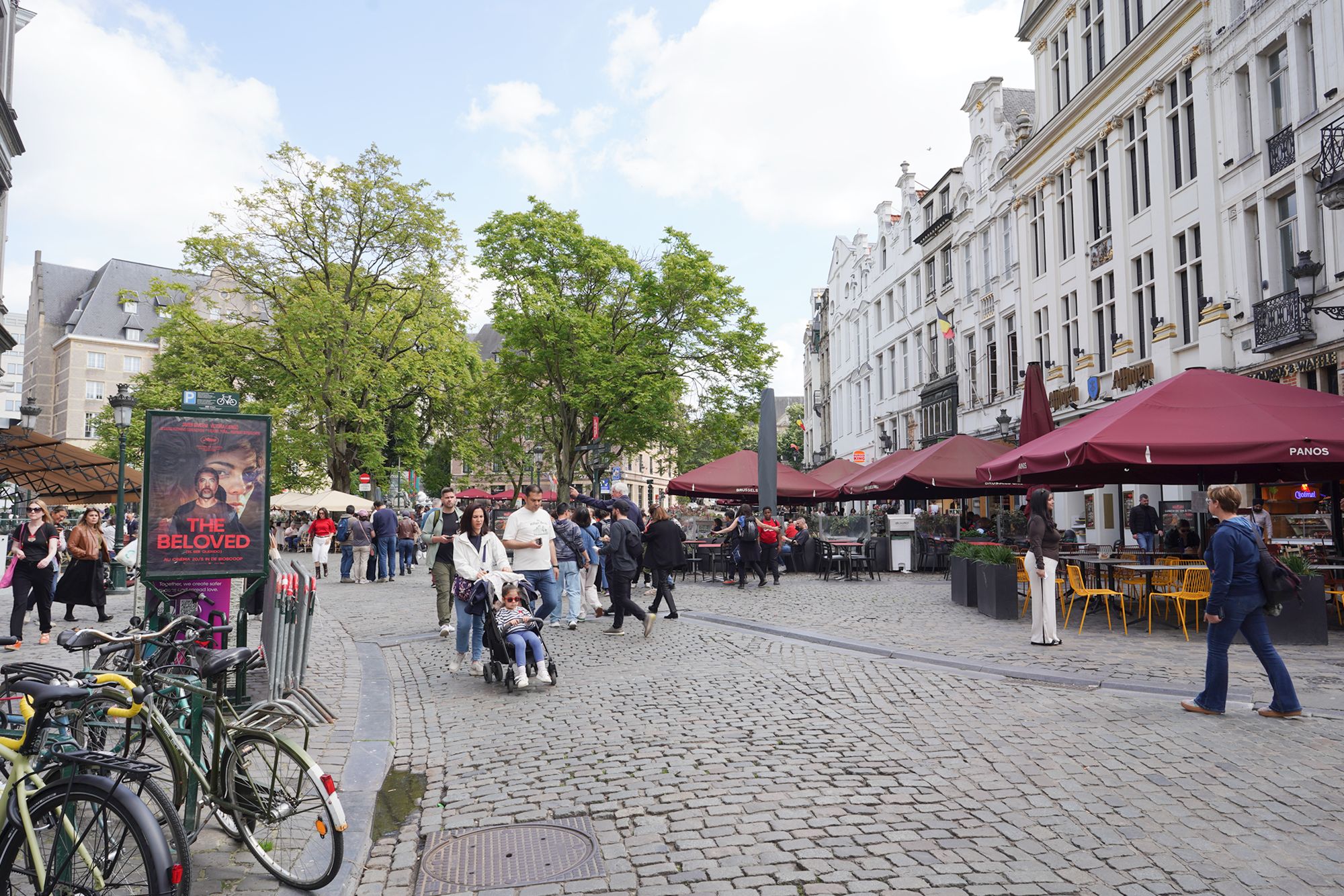
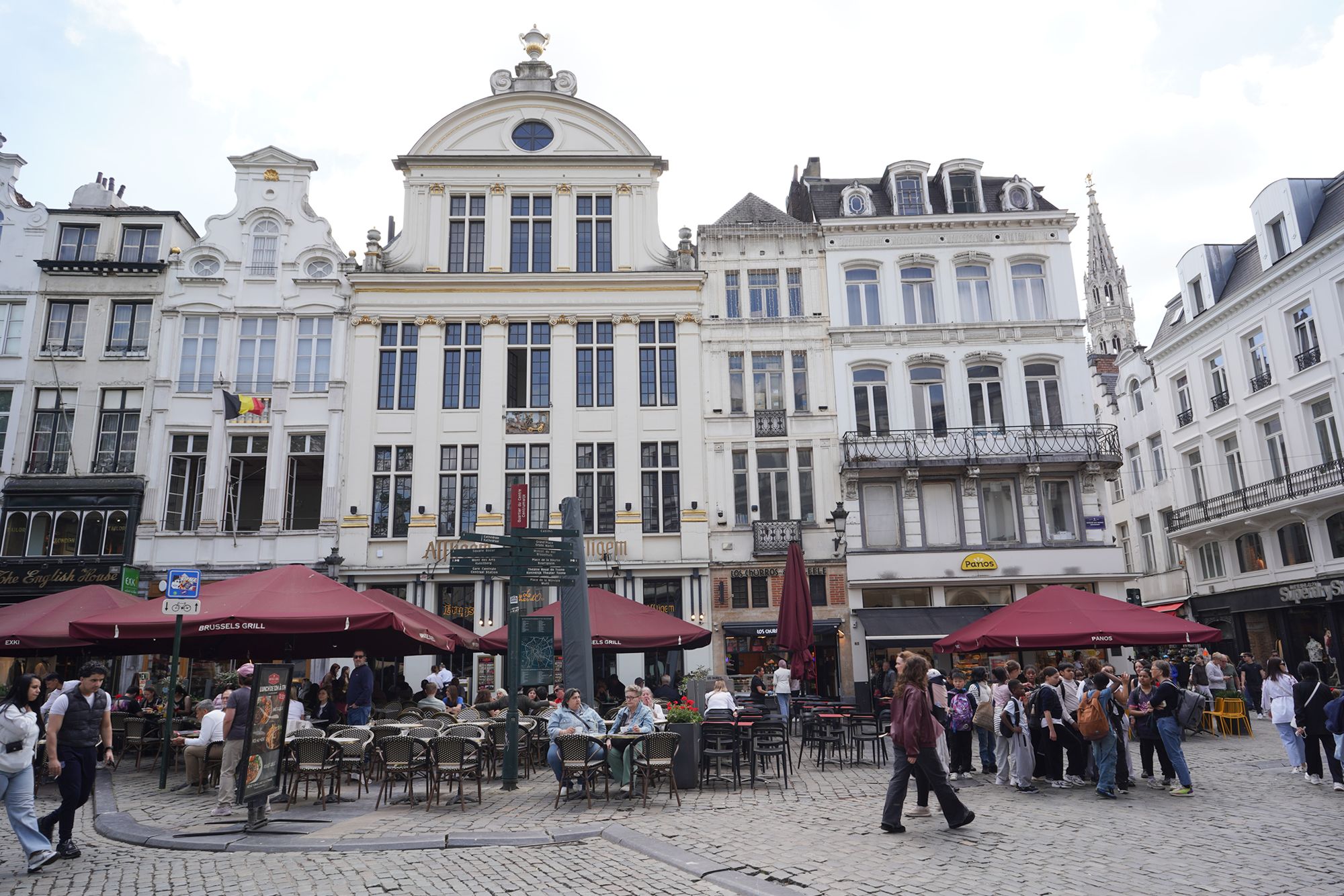
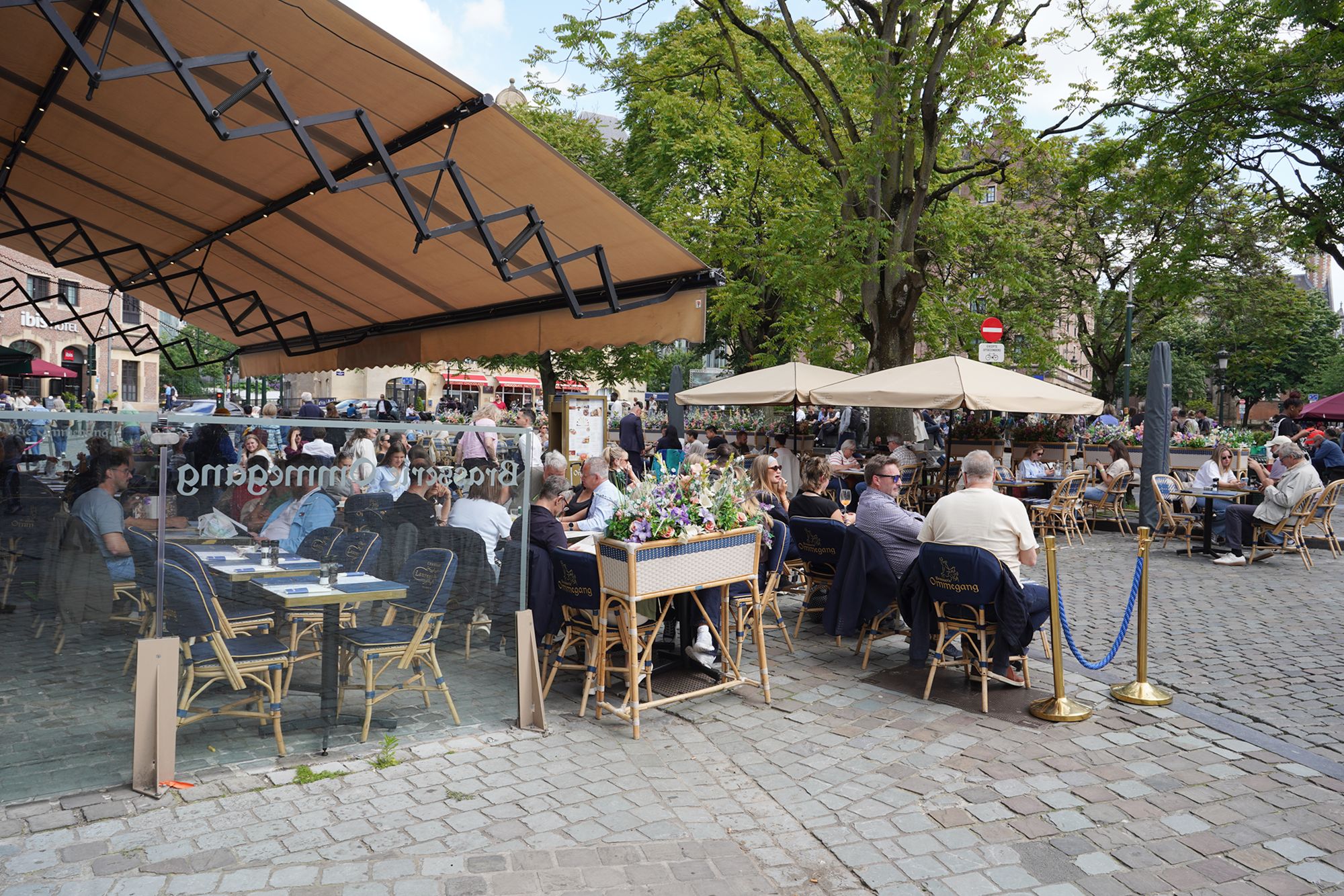
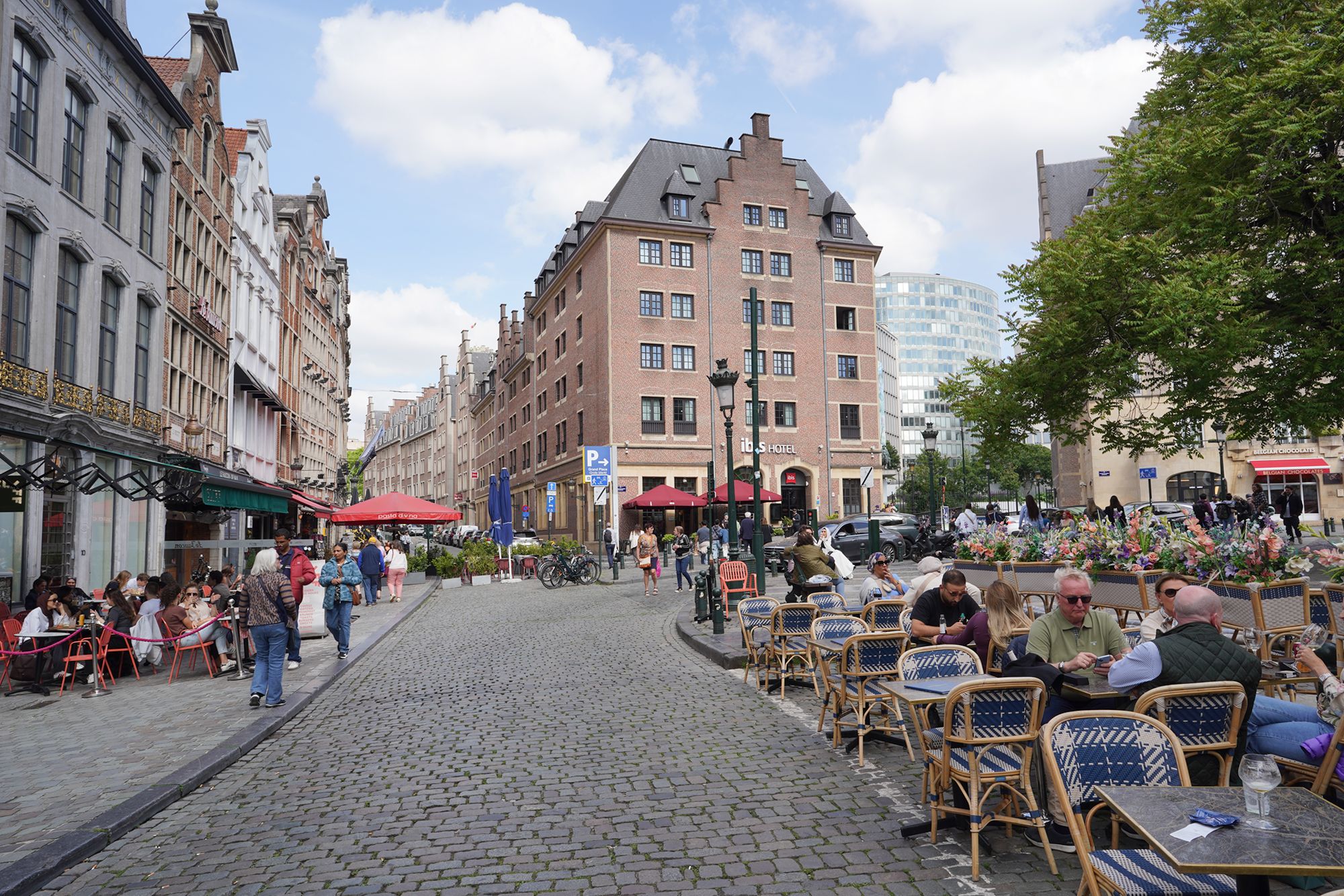
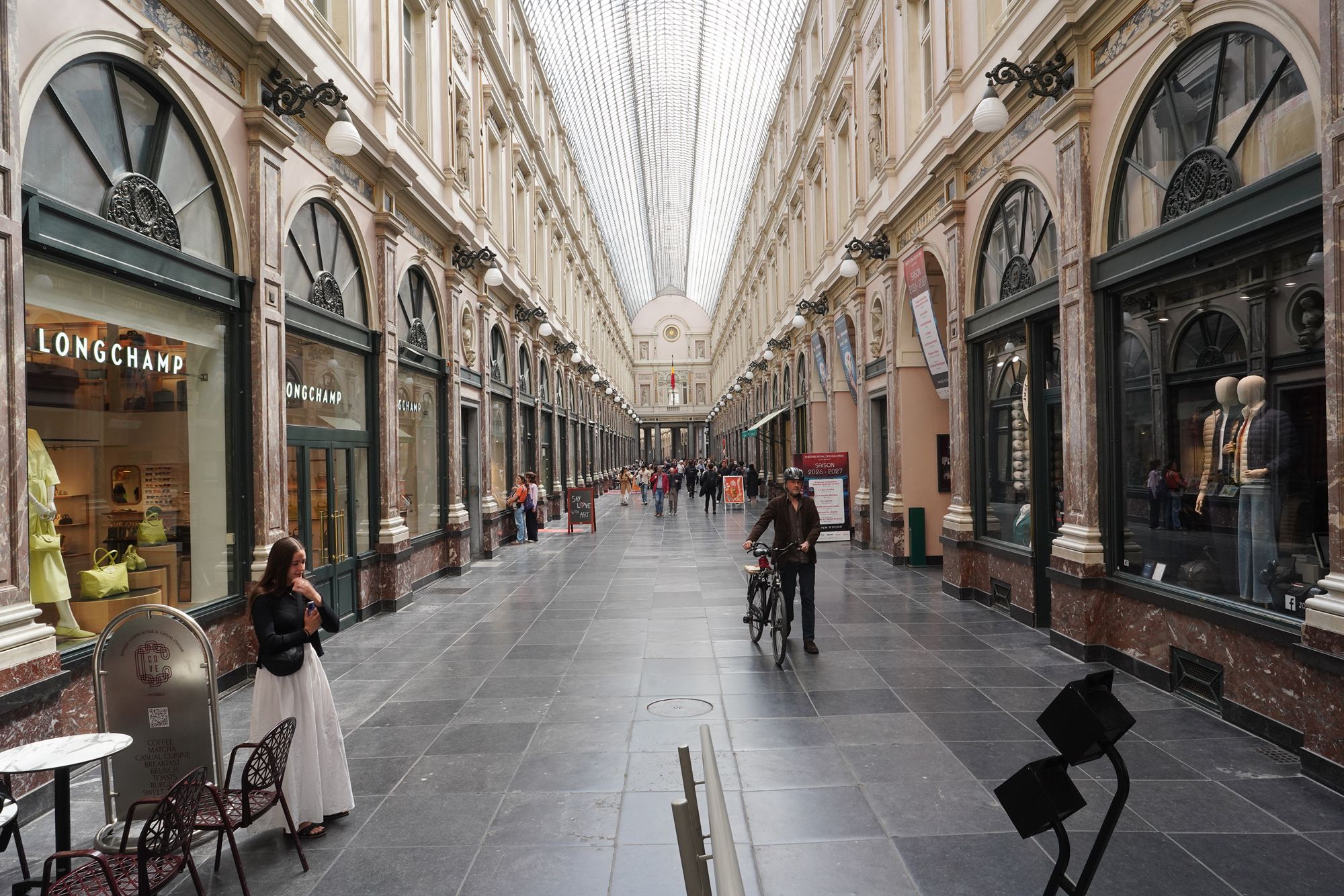
I entered the Royal Galleries of Saint Hubert. They are an elegant 19th-century shopping arcade in the heart of Brussels. Opened in 1847, the complex consists of the Galerie de la Reine, Galerie du Roi, and Galerie des Princes. Beneath its magnificent glass roof are historic cafés, chocolate shops, boutiques, restaurants, and cultural venues, creating one of Europe’s most beautiful covered shopping arcades.
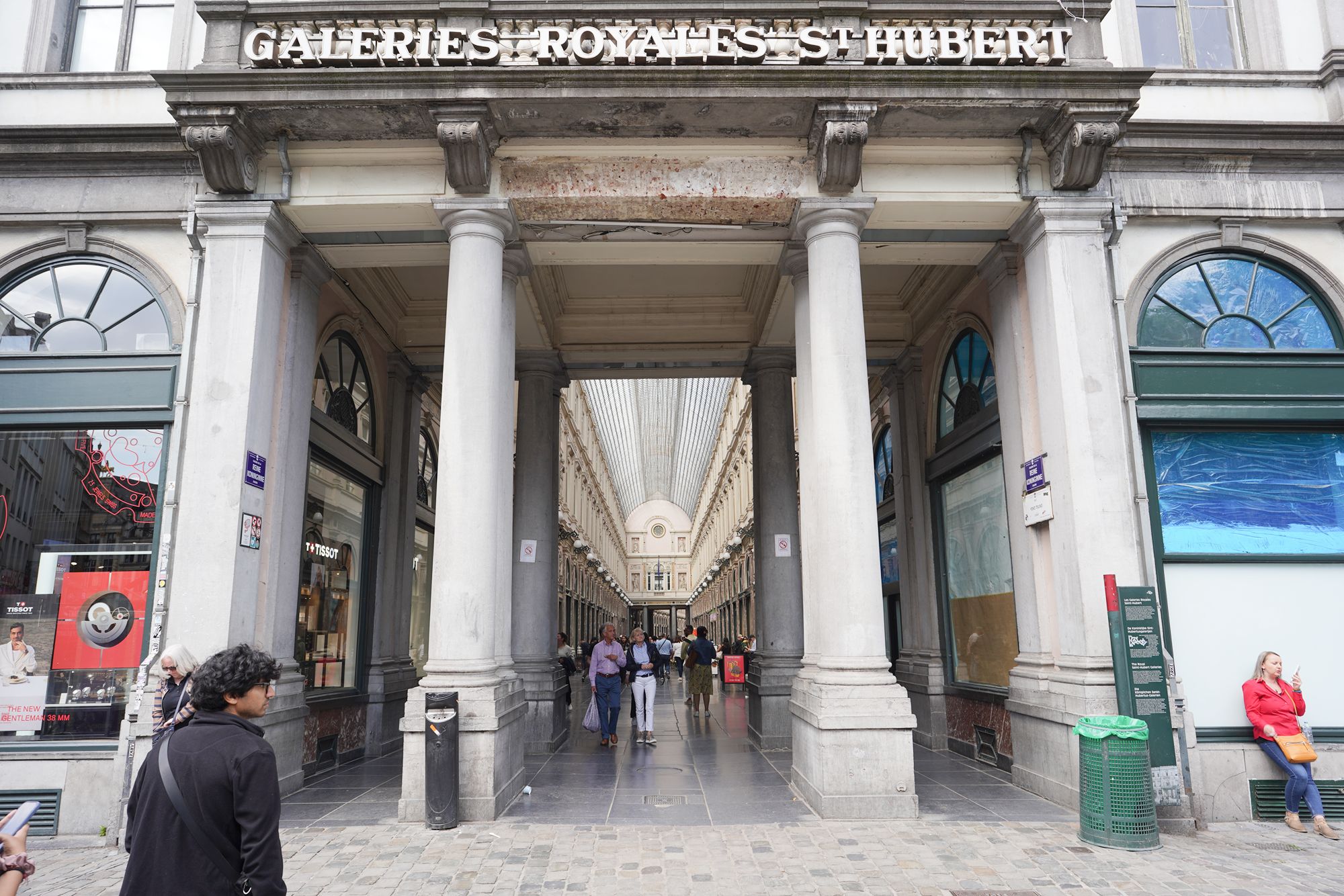
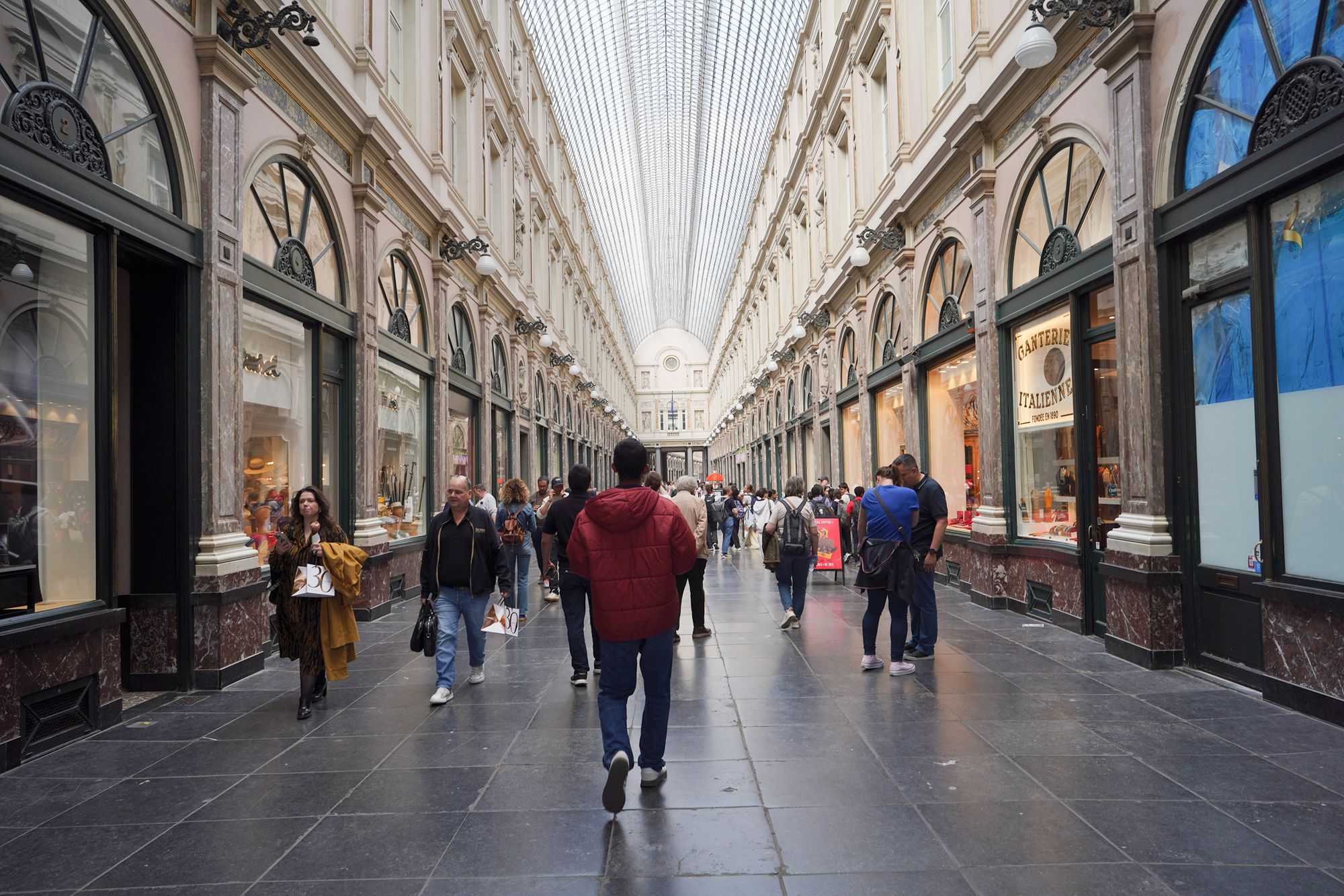
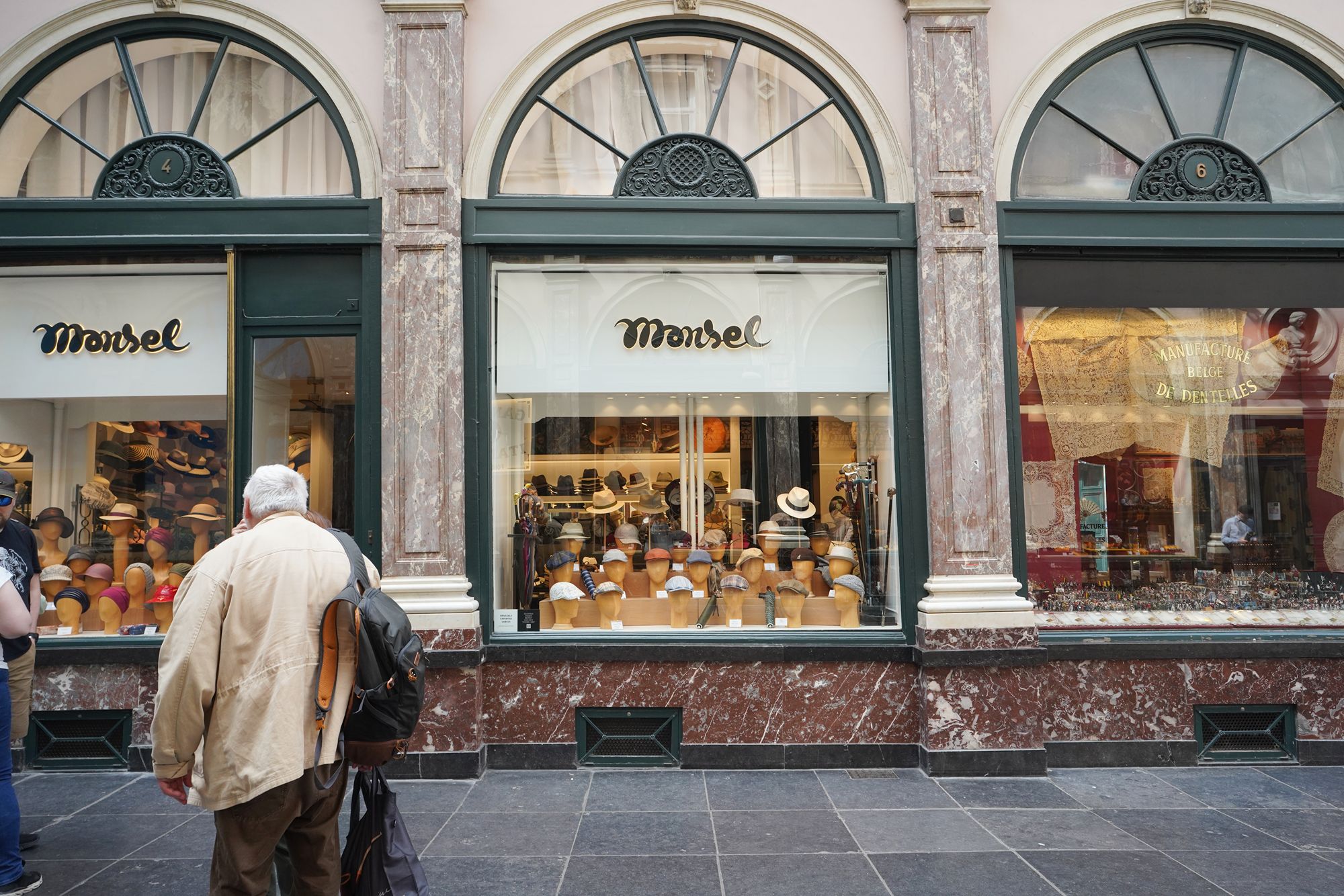
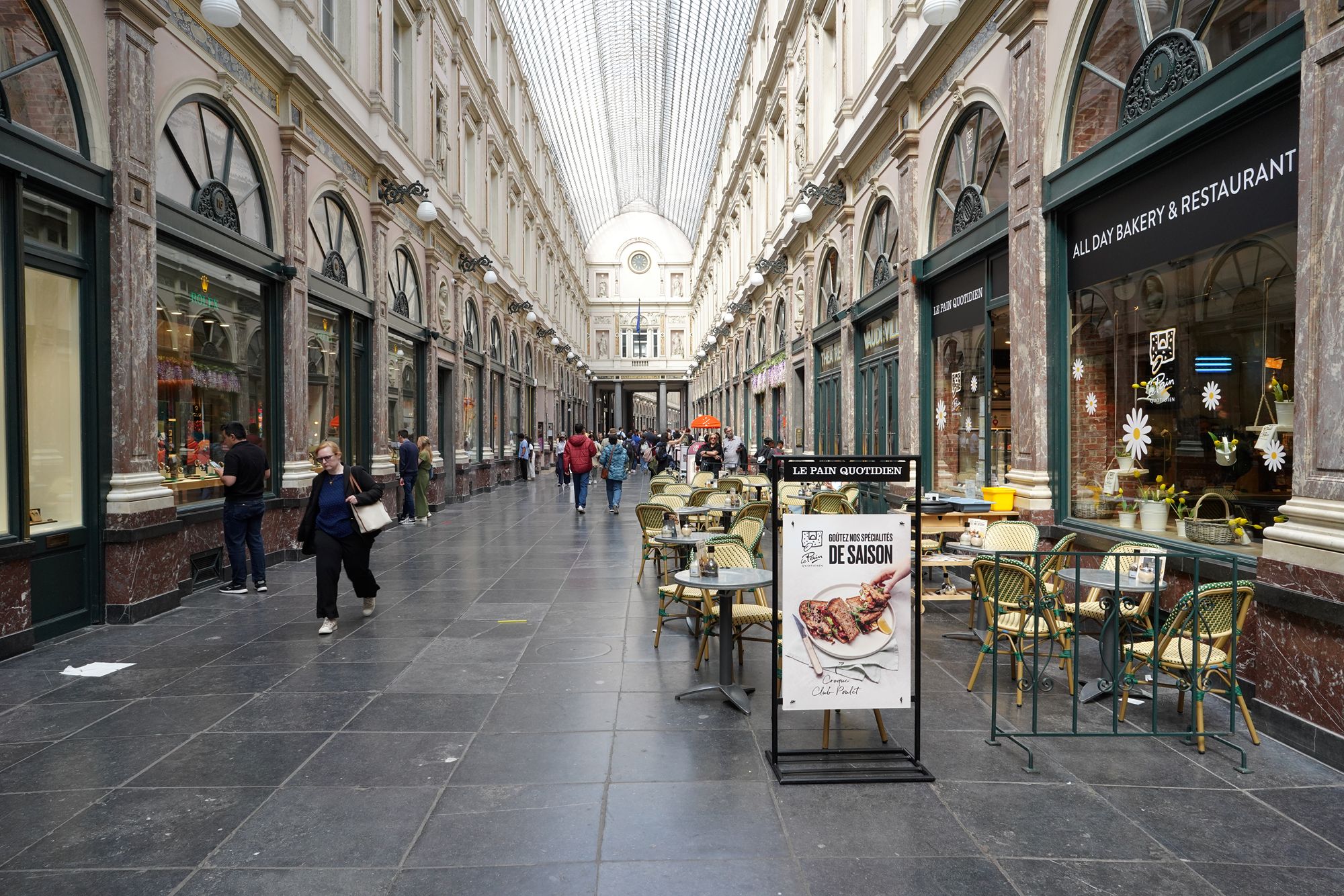
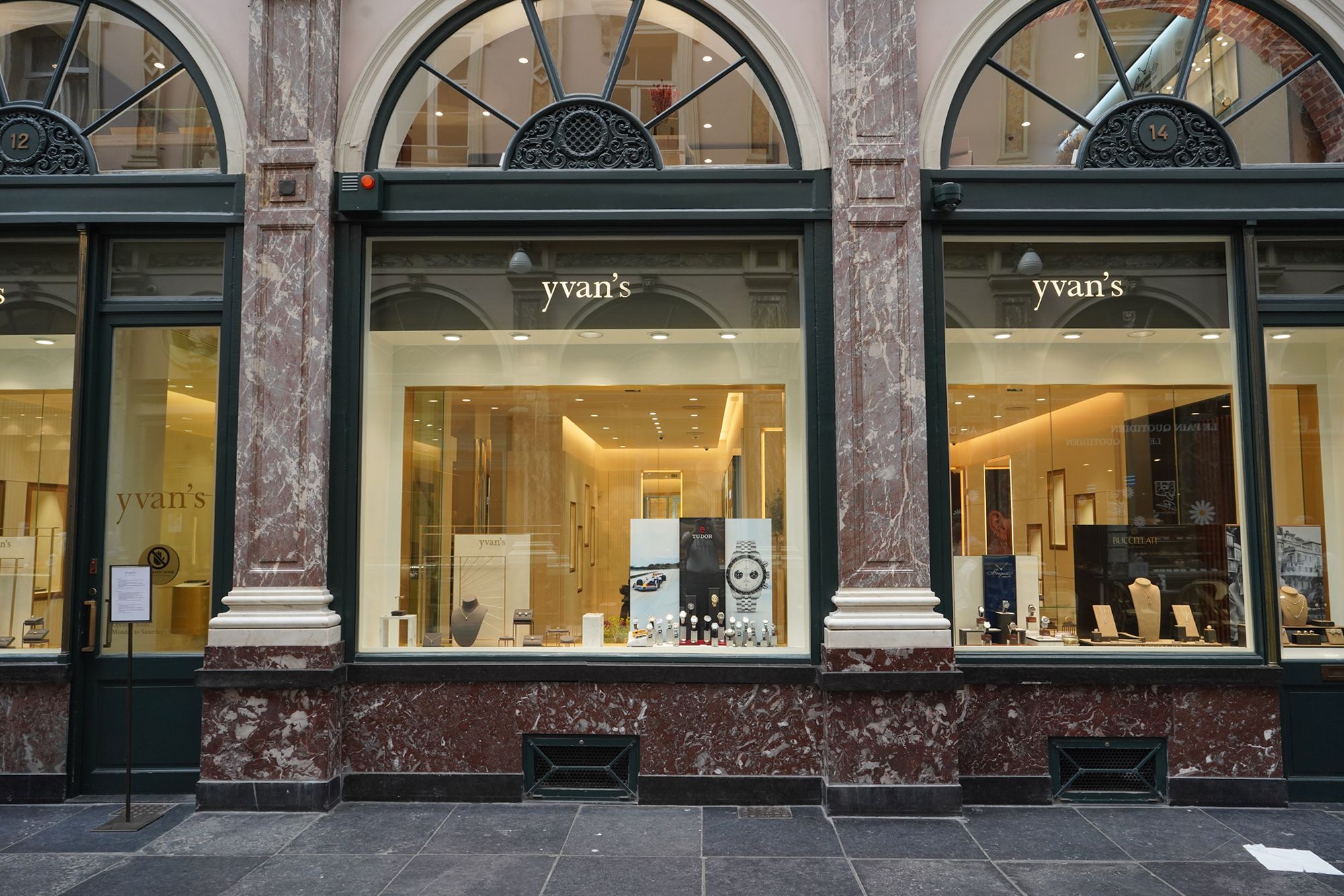
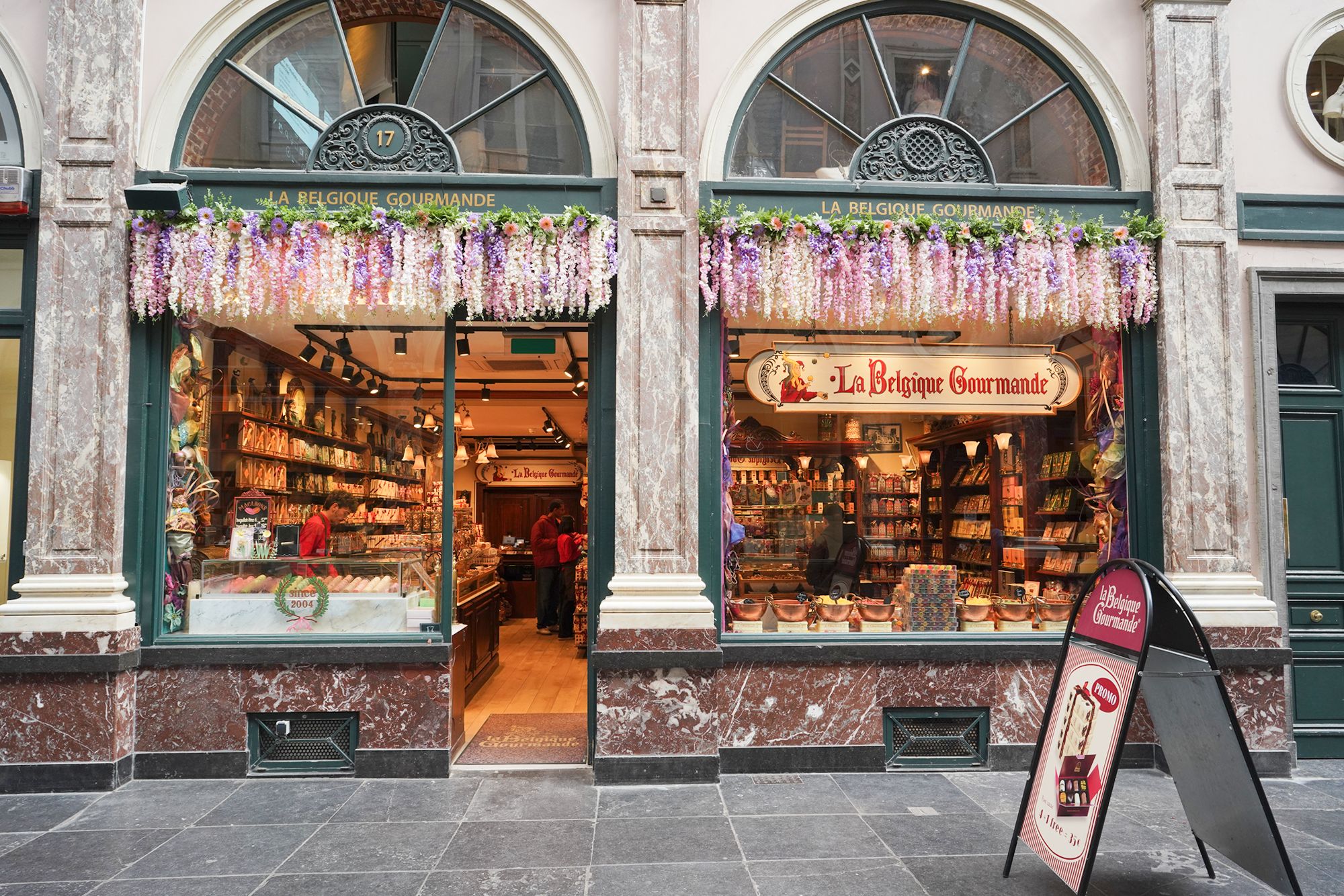
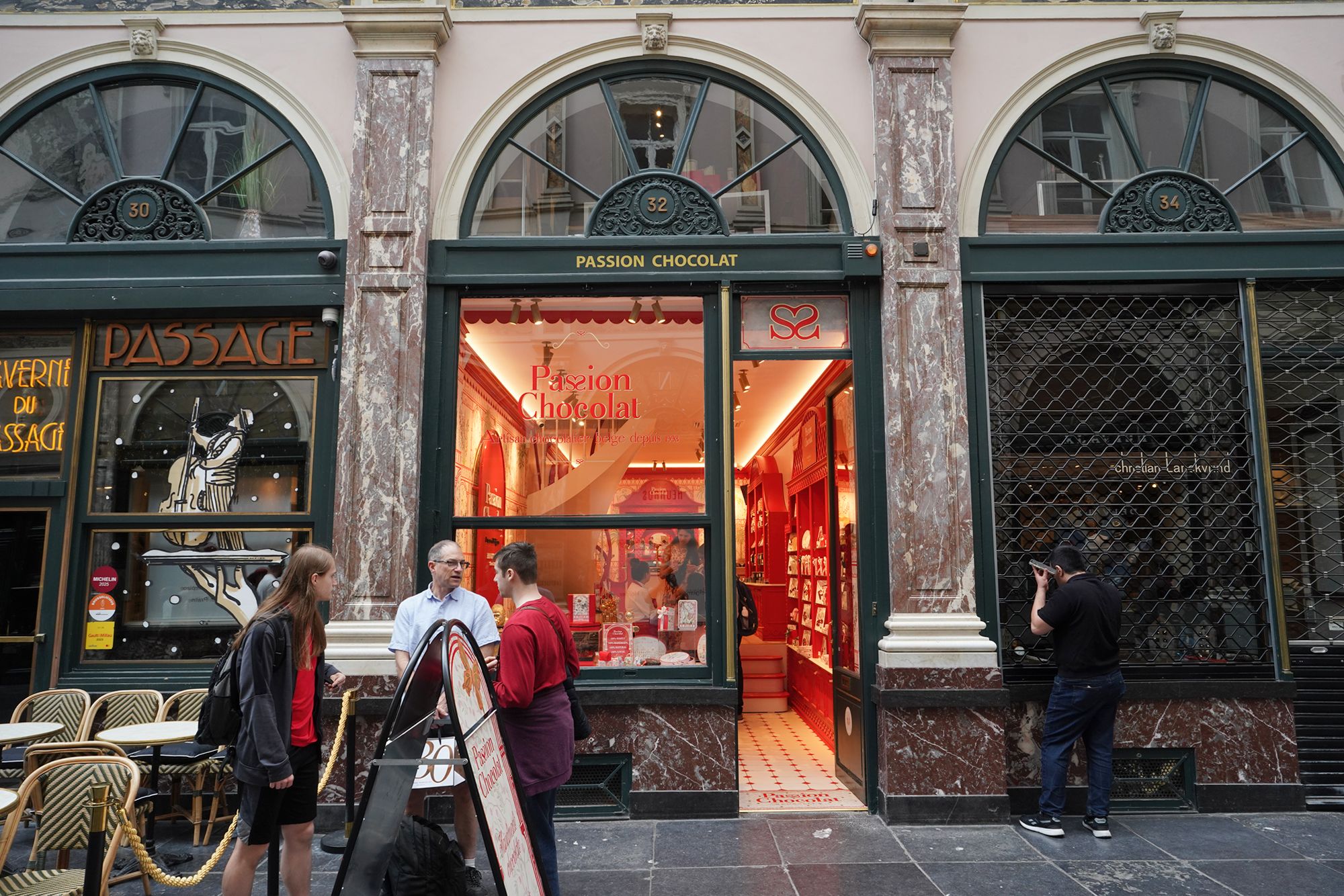
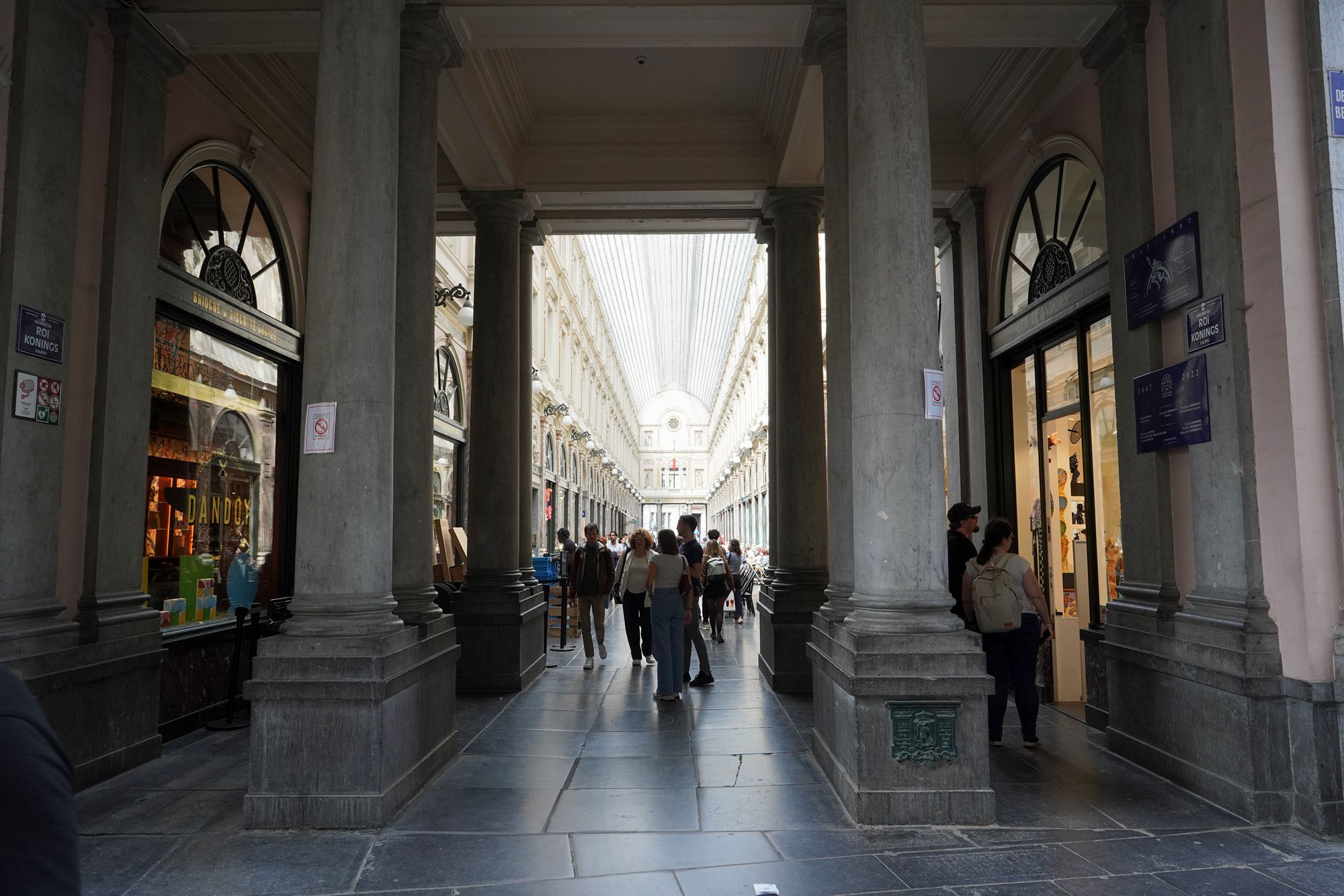
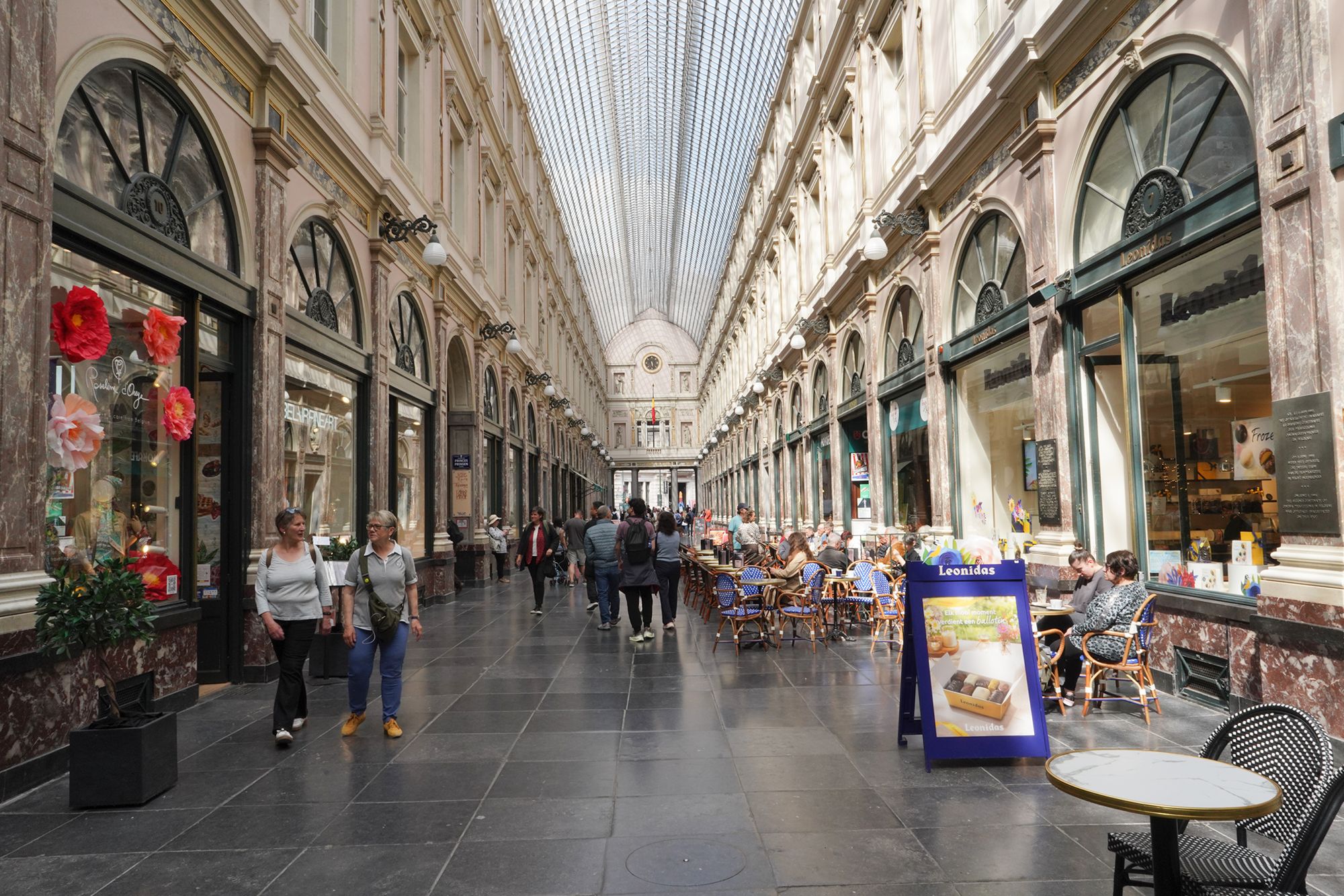
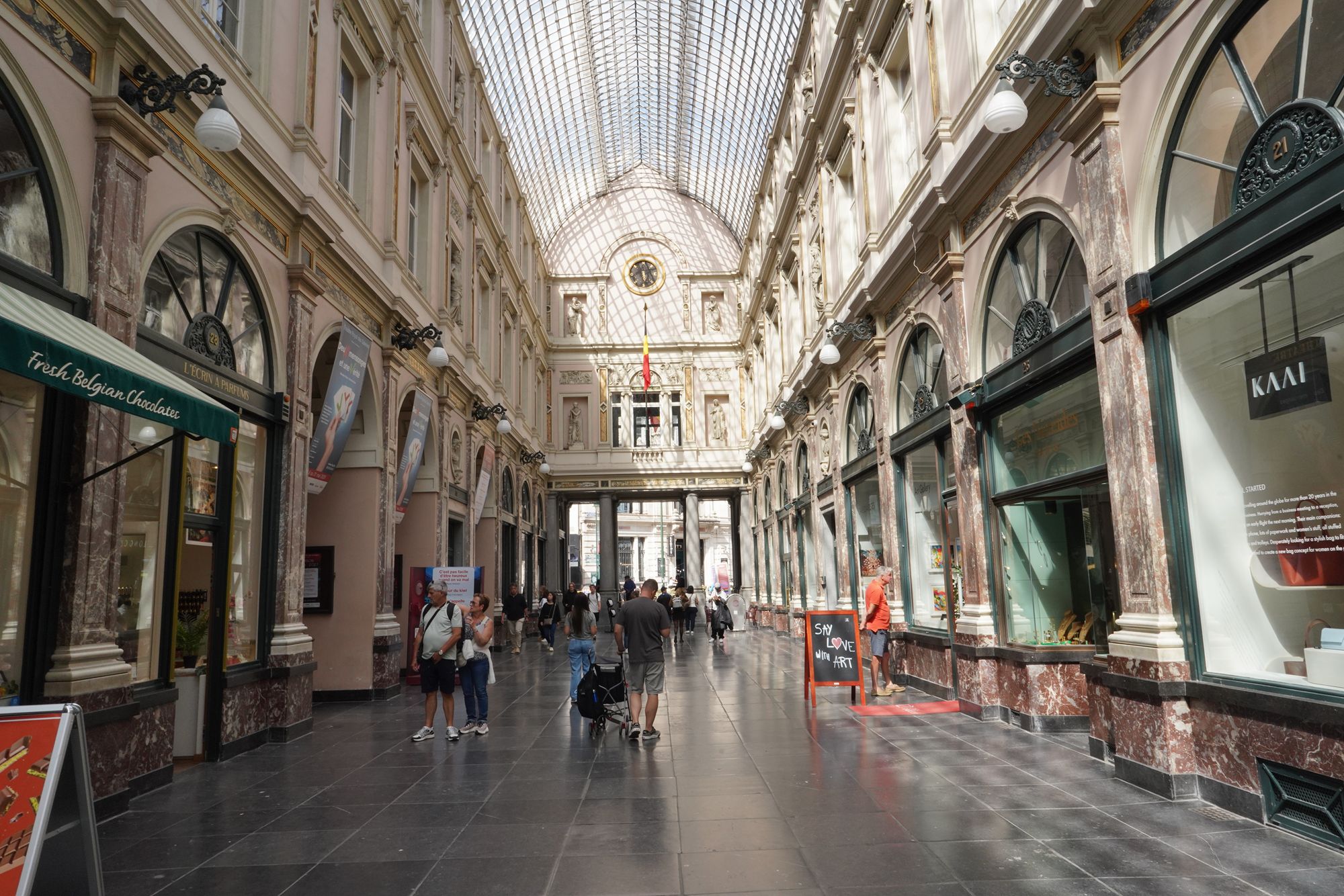
At the end of the Royal Galleries of Saint Hubert, I stepped back onto the streets of central Brussels. From here, I turned around and walked back through the galleries the way I had come.
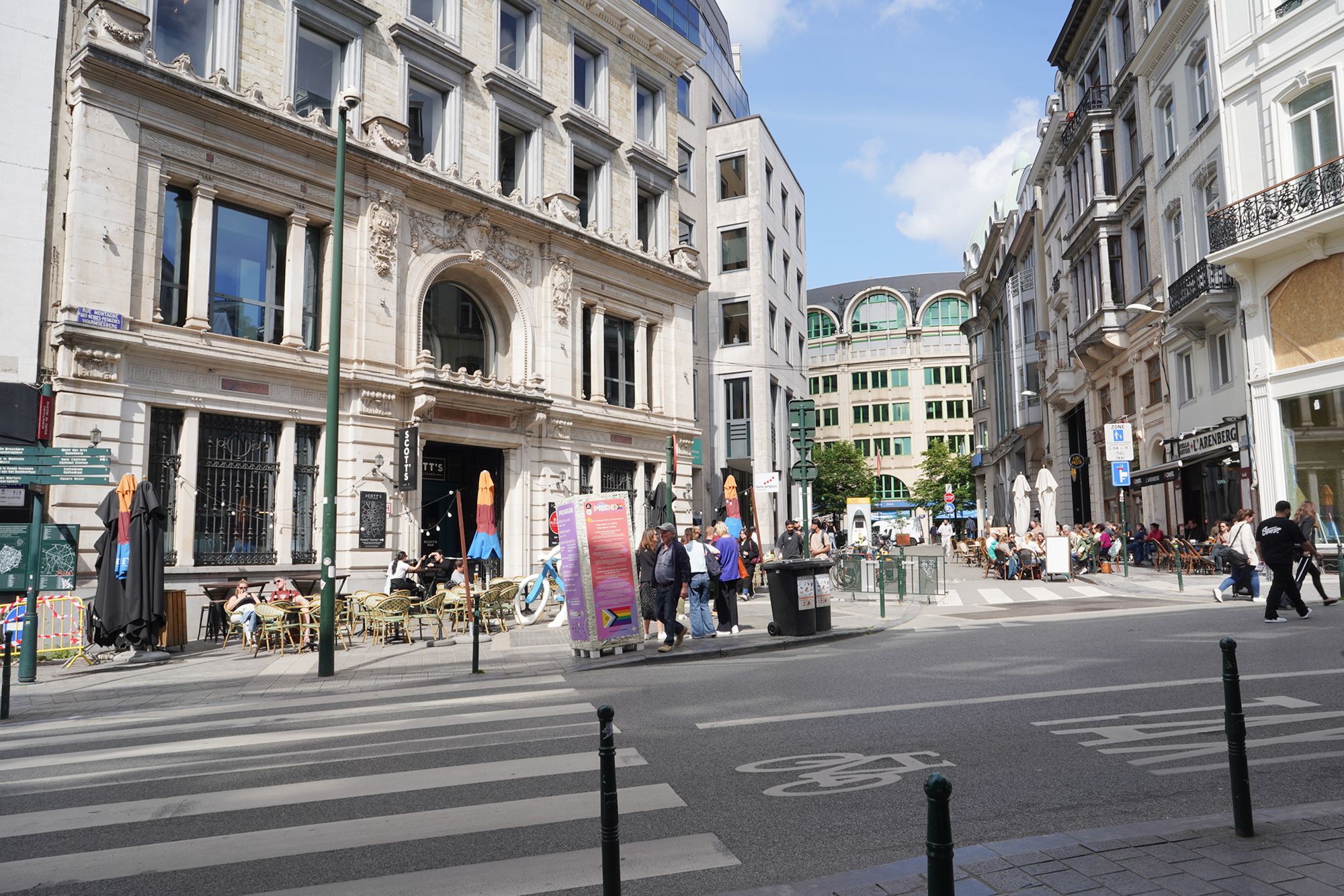
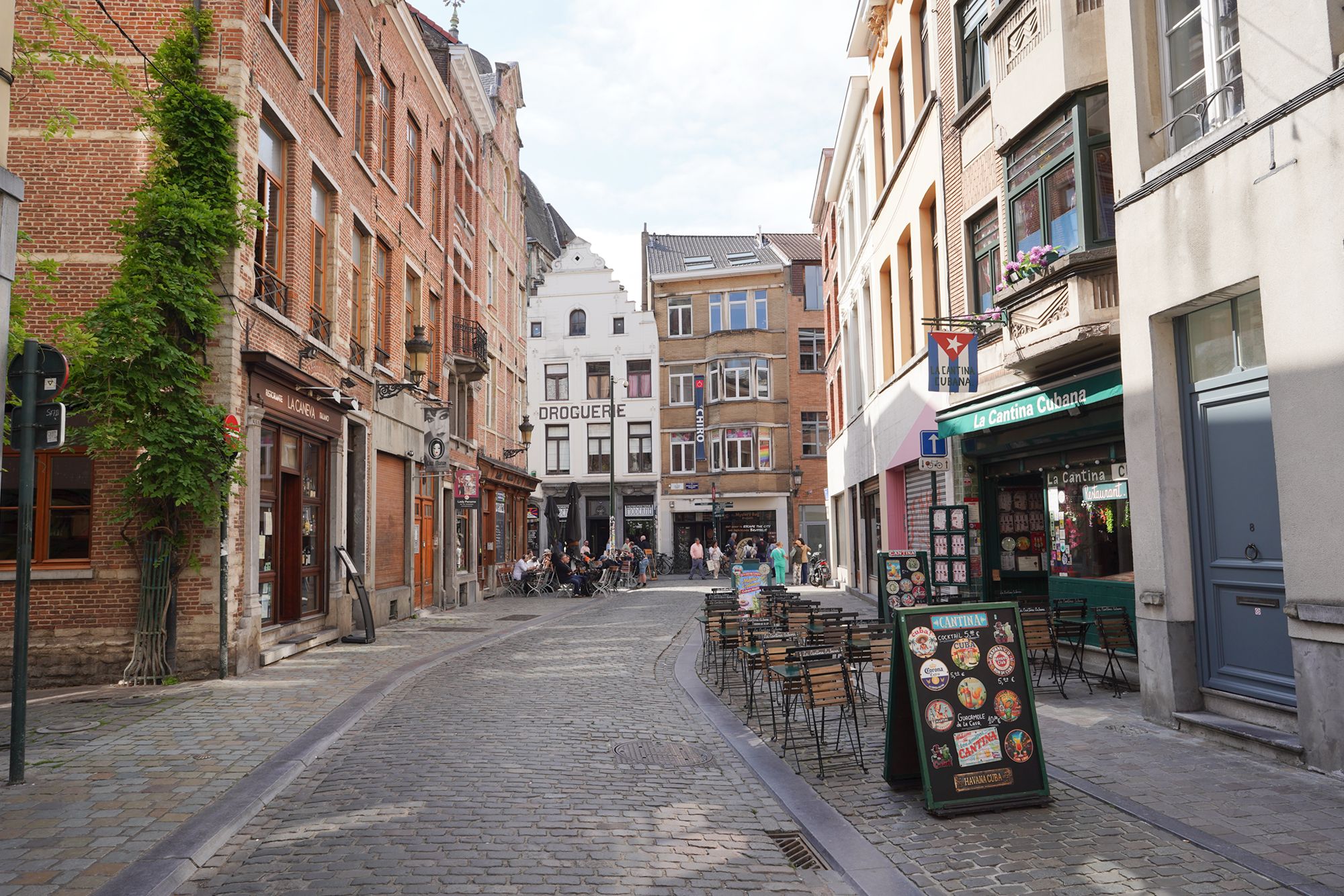
Walking back through the area, I turned onto Rue des Bouchers, a narrow pedestrian street in the historic center known for its many restaurants, cafés, and lively atmosphere.
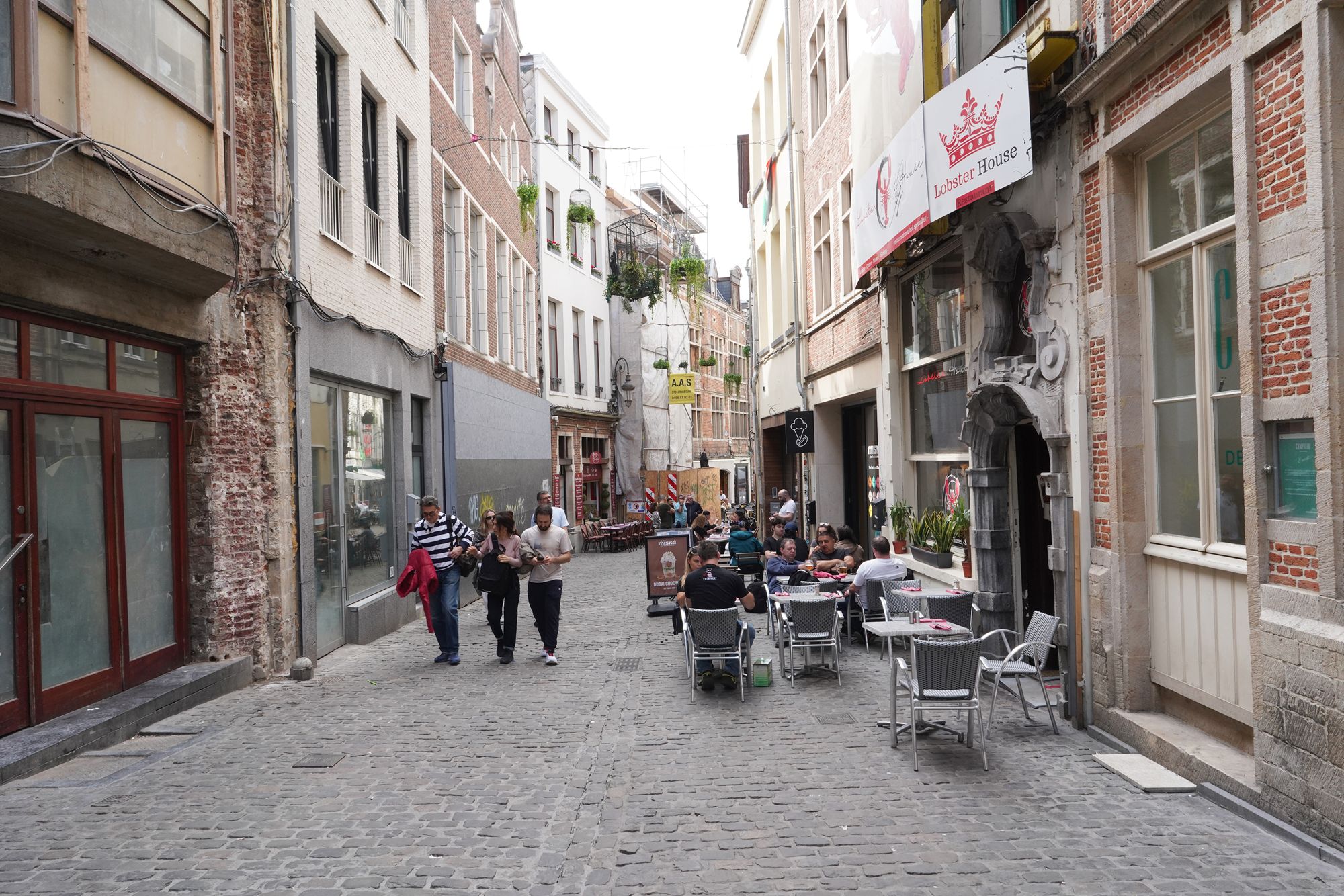
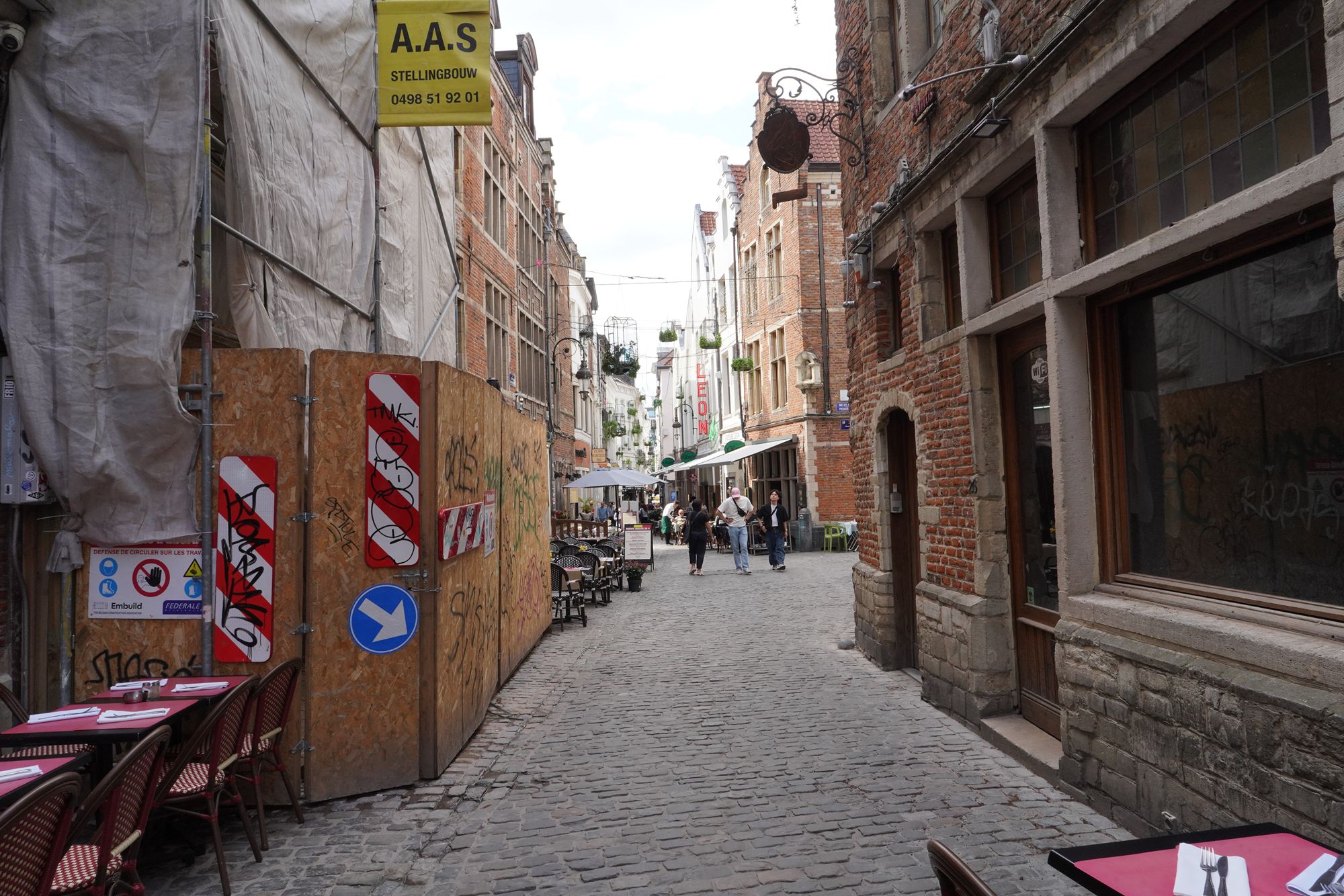
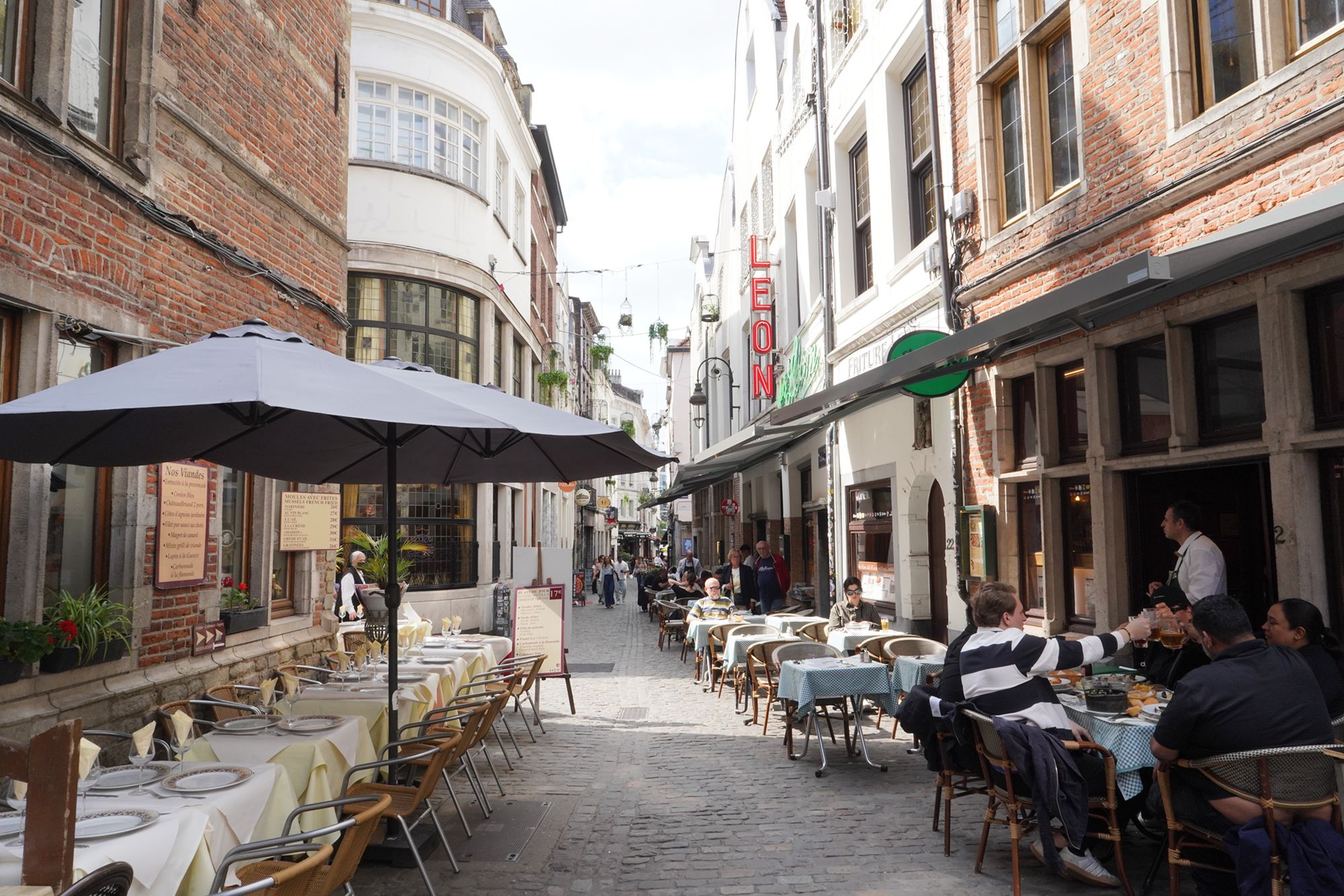
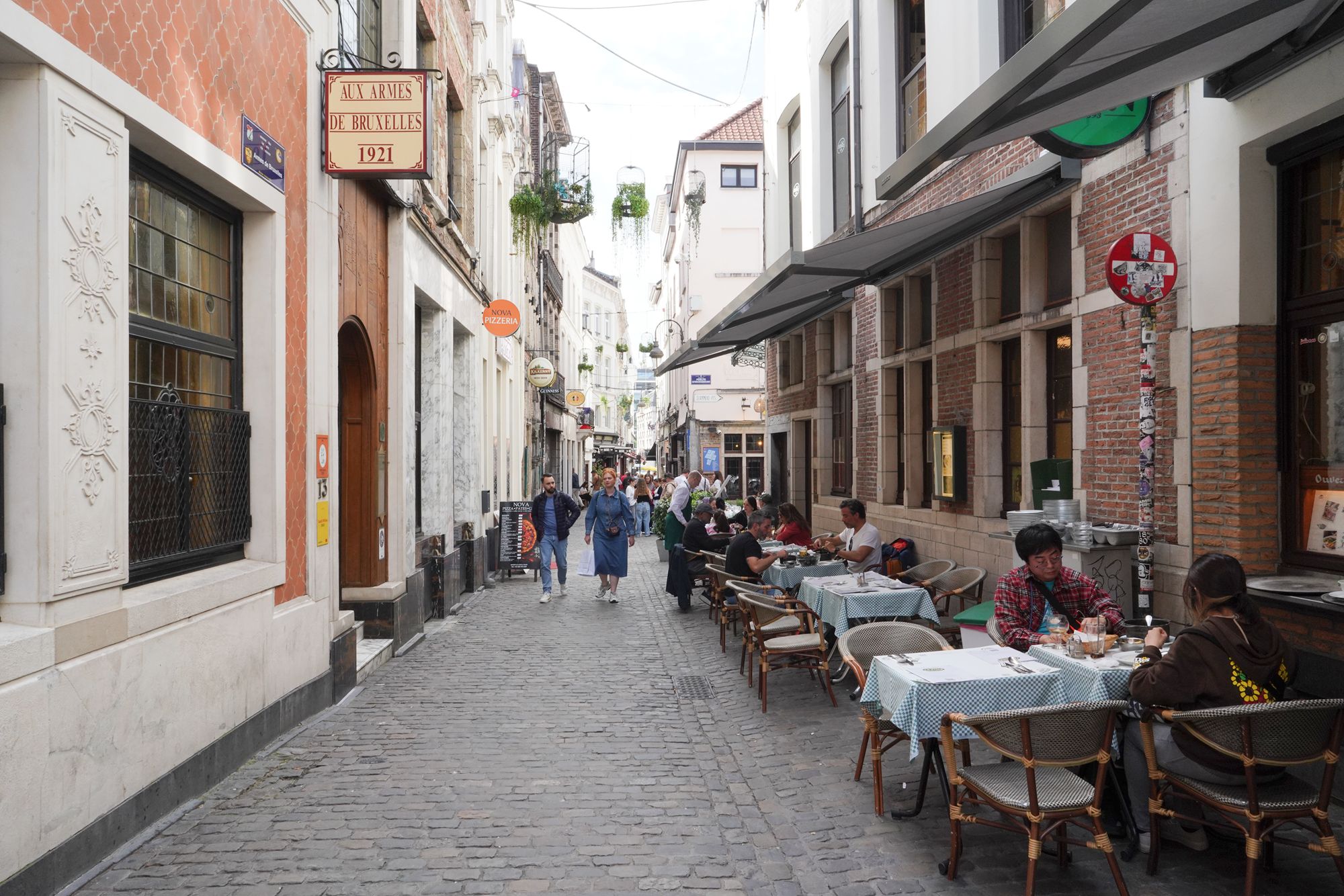
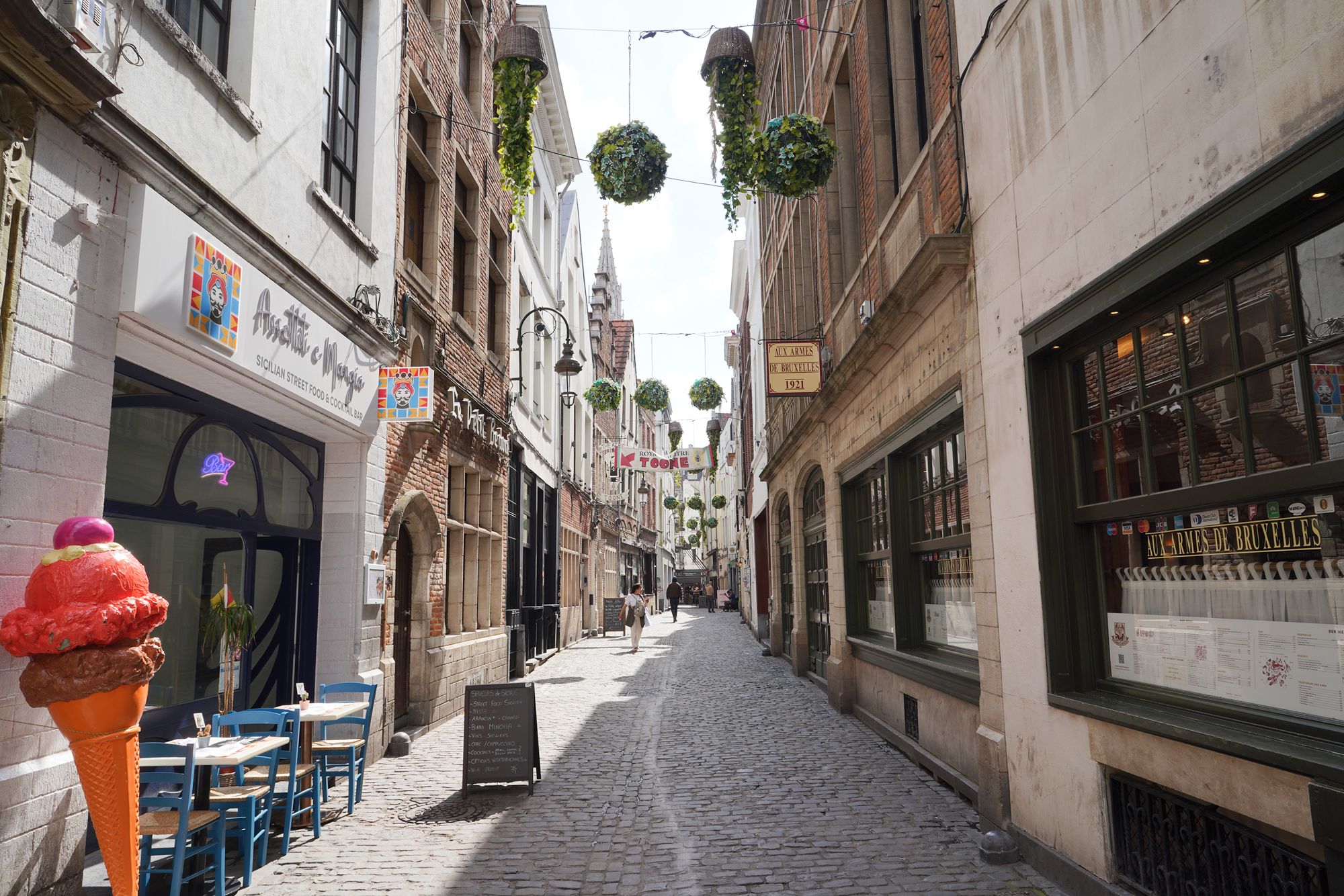
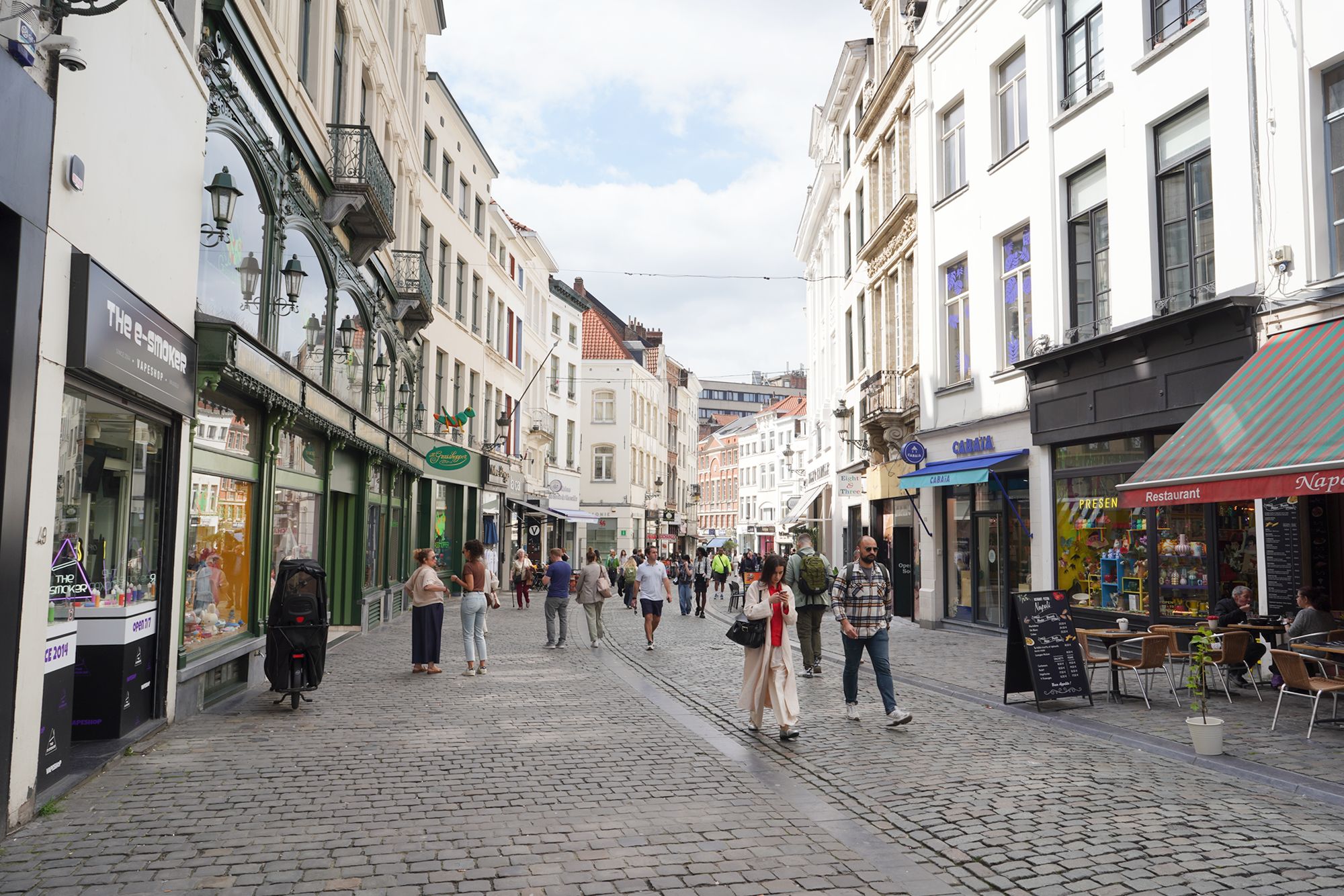
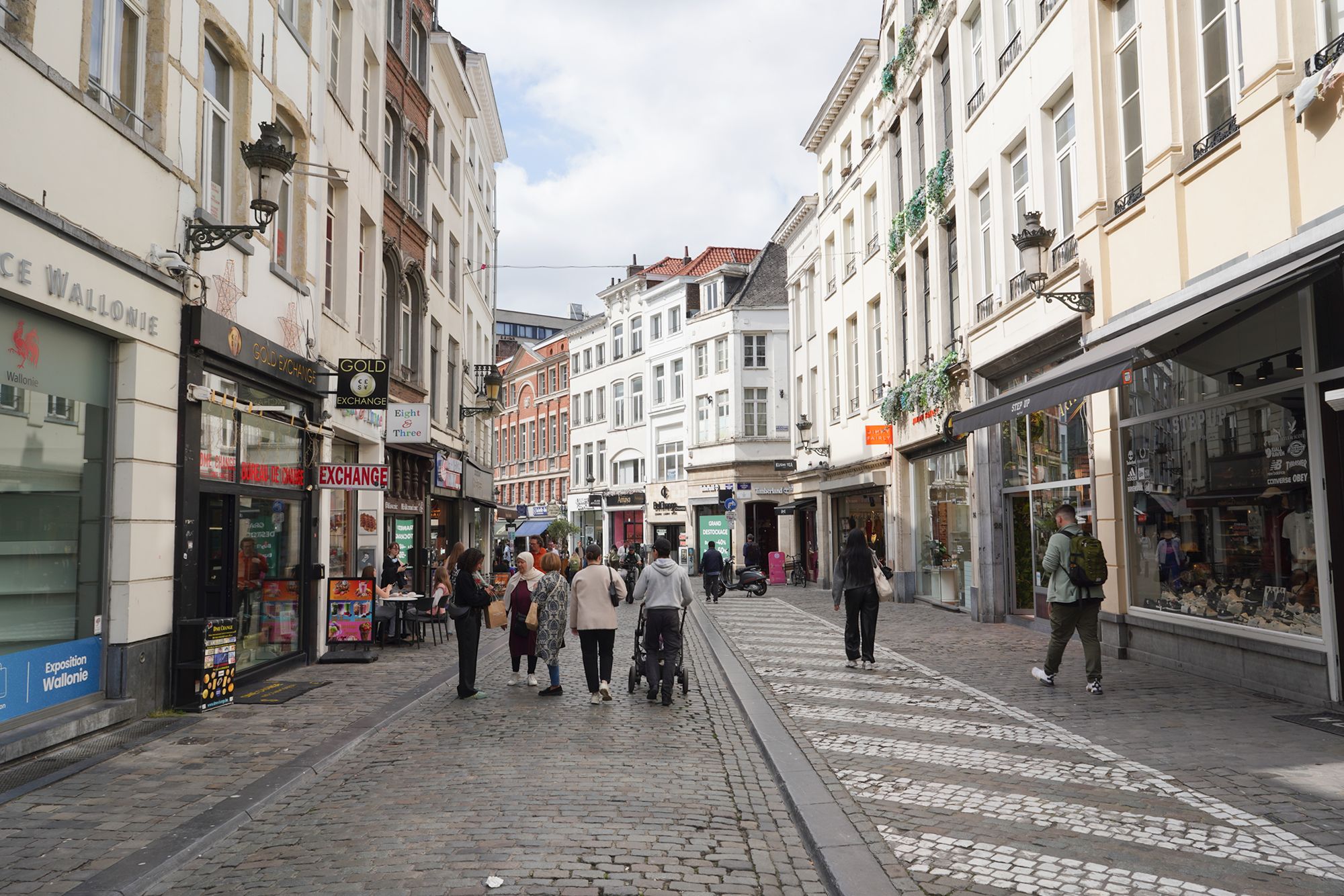
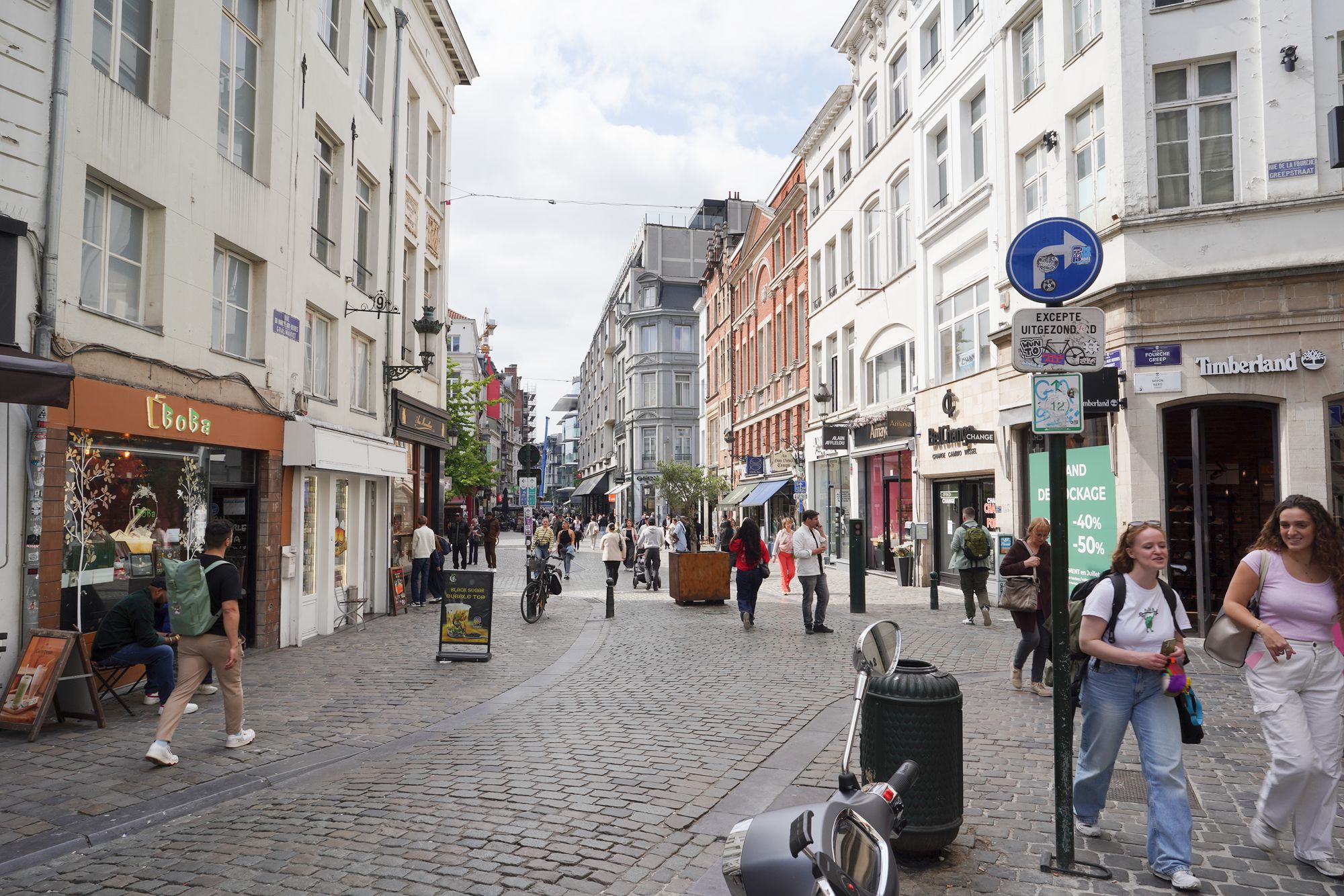
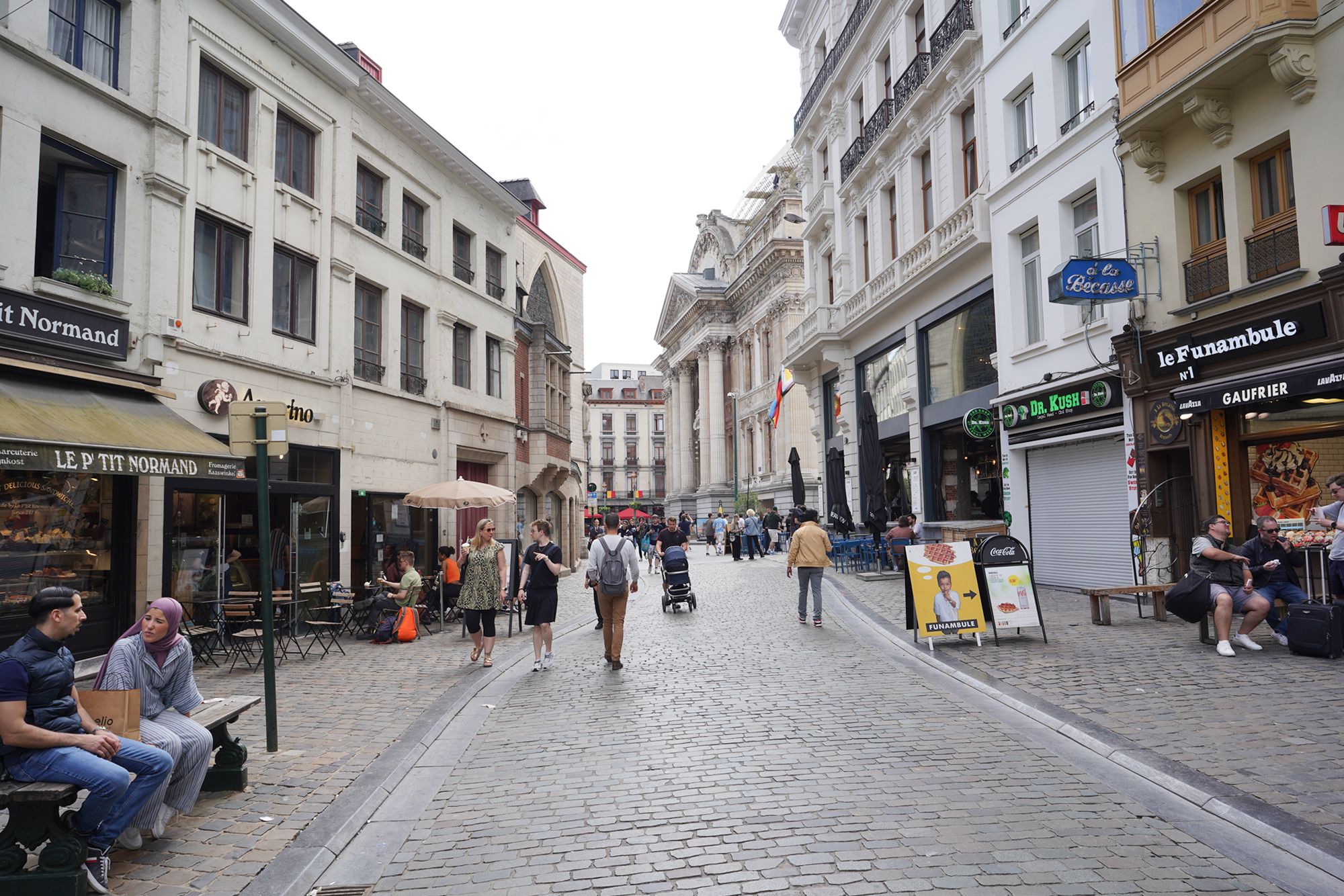
After walking along Rue des Bouchers and through the surrounding streets, I eventually came back to the Brussels Stock Exchange square, where I had been earlier in my walk.
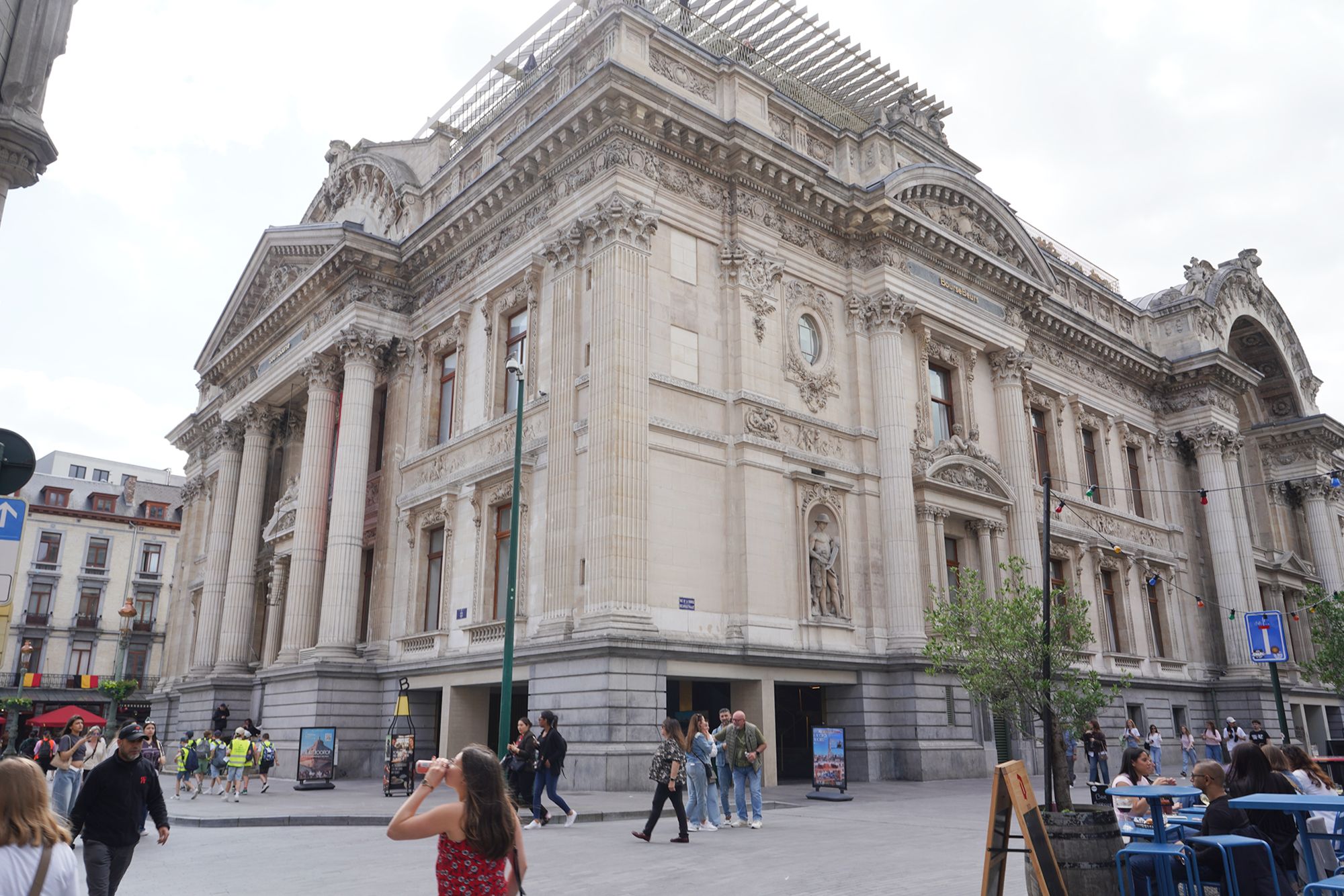
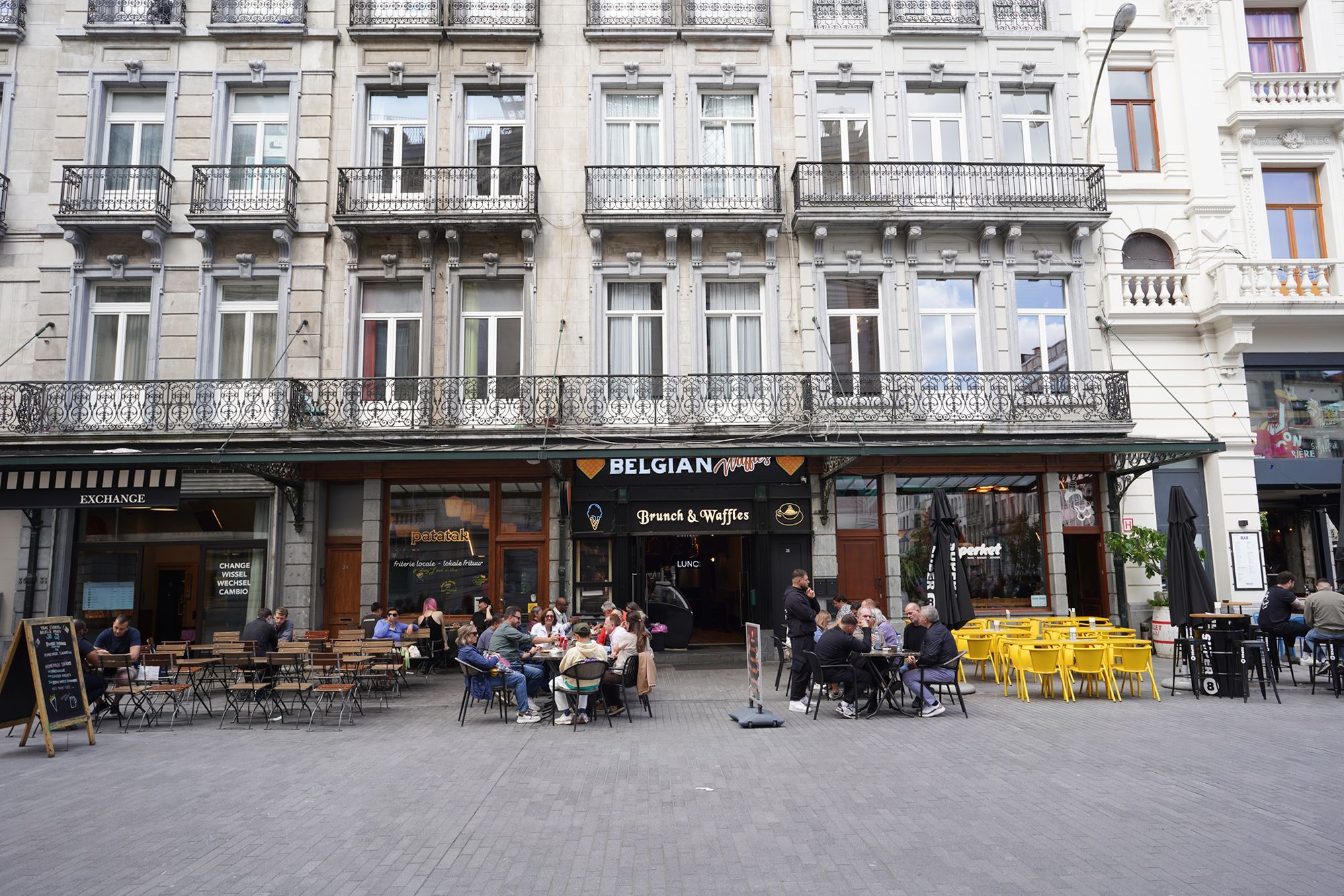
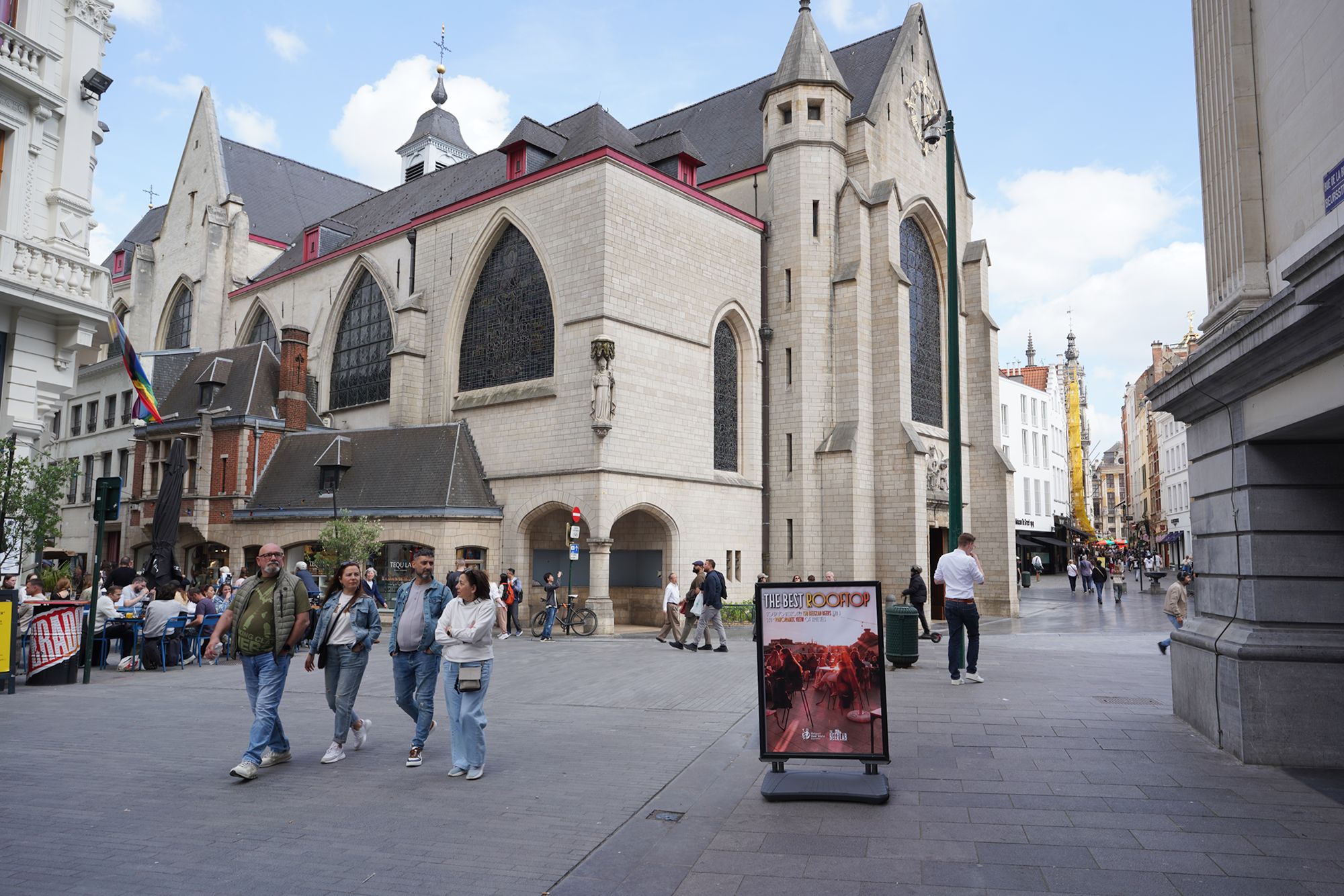
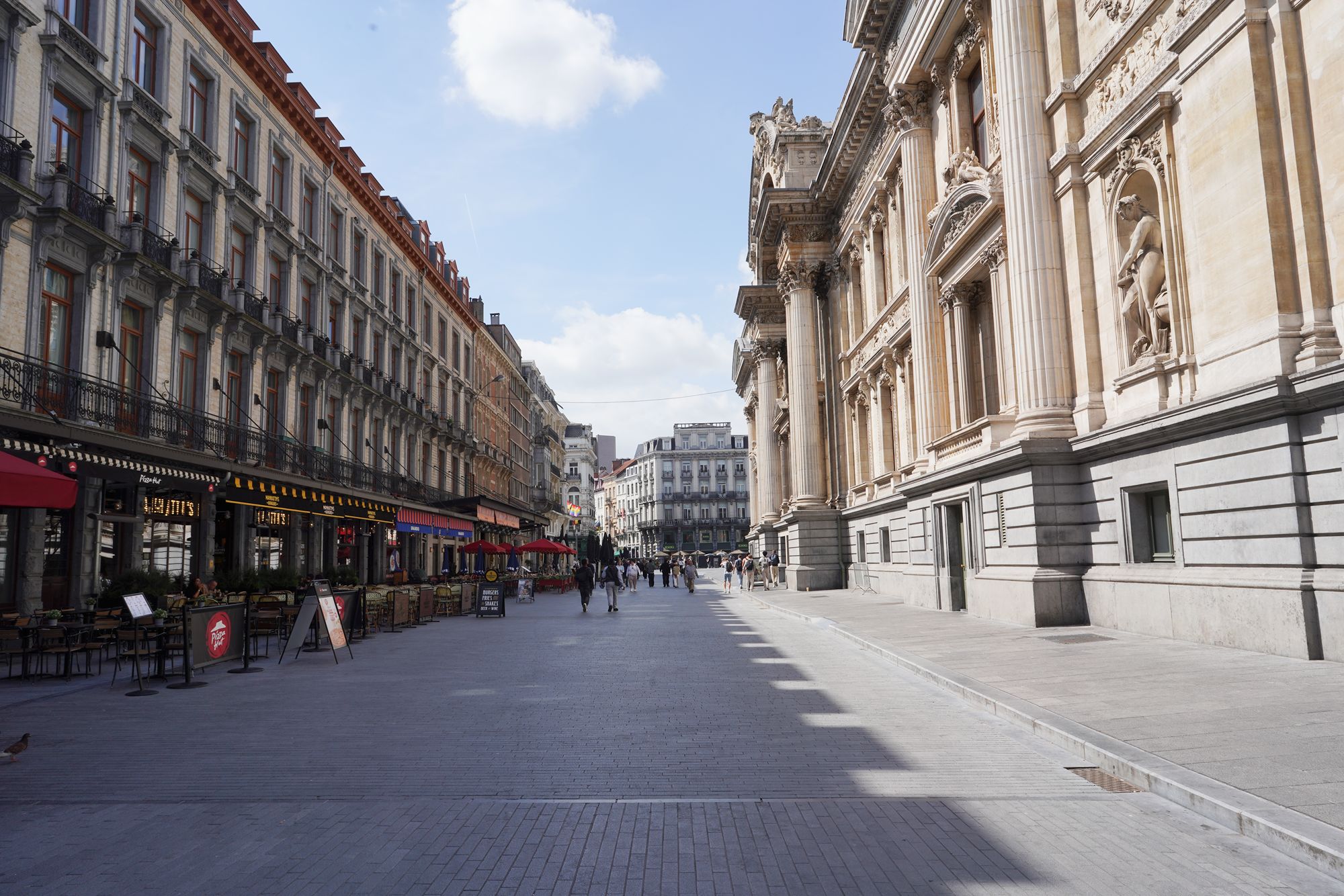
This time, I walked around the Brussels Stock Exchange building to explore the area behind it and see what I would find on the other side.
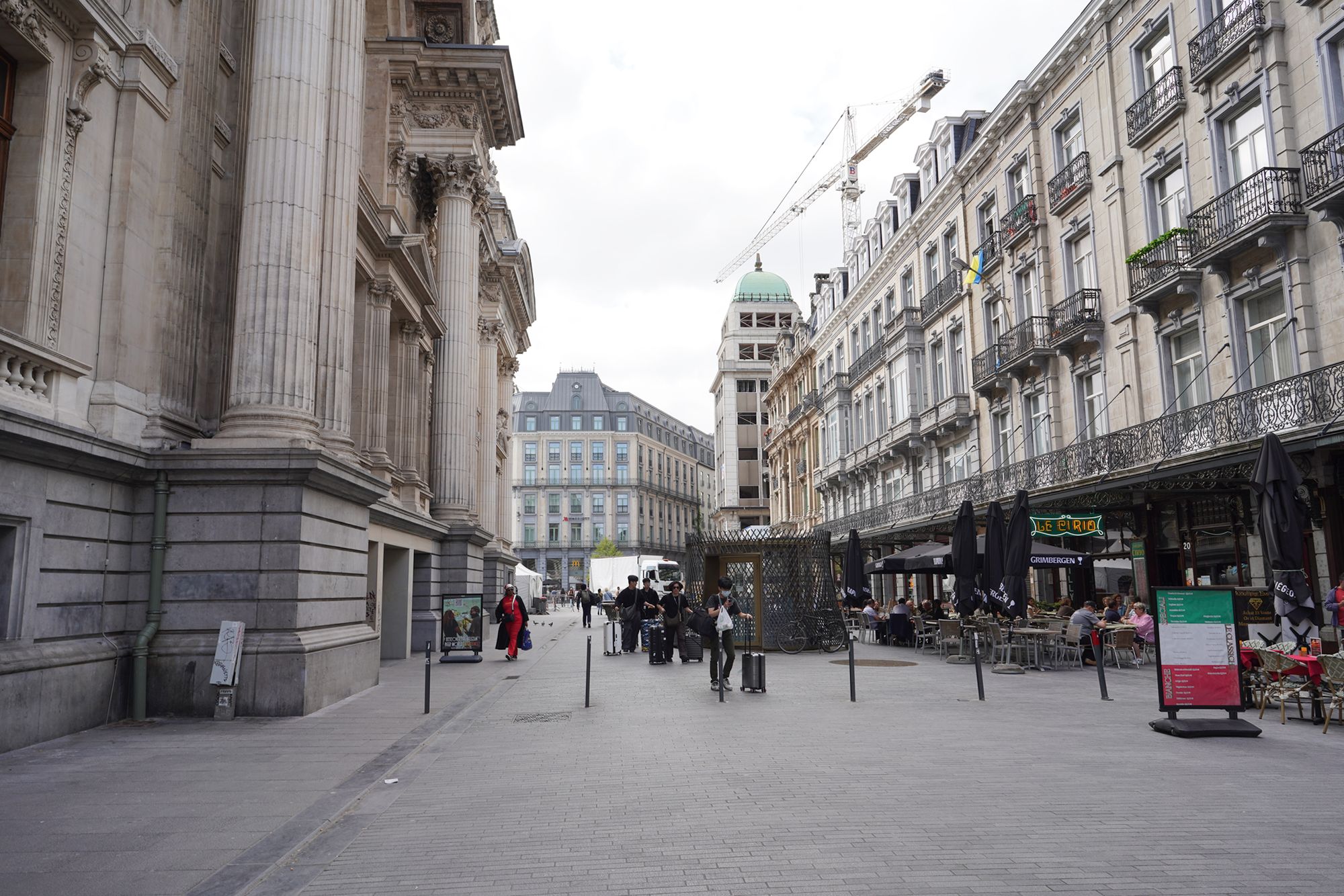
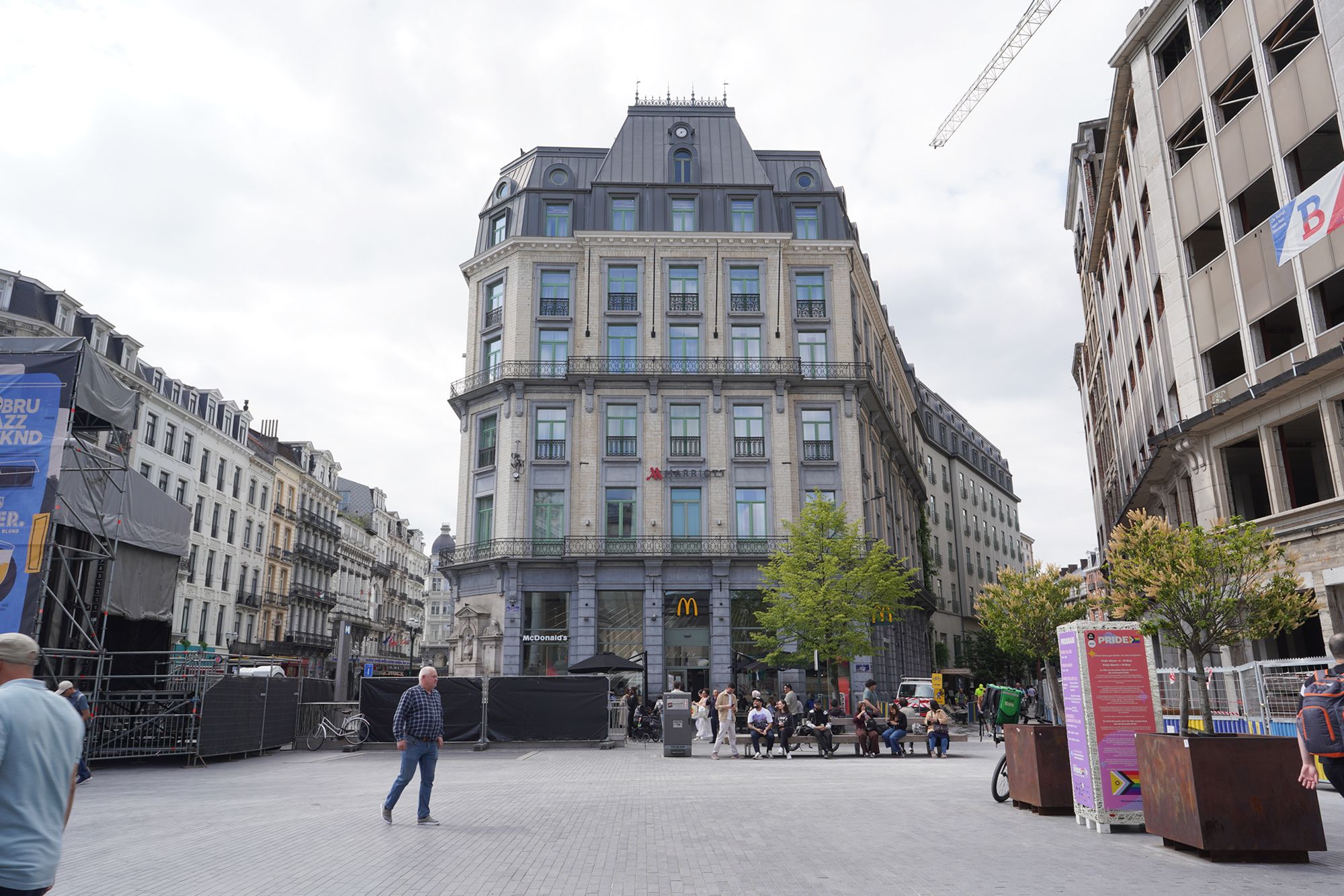
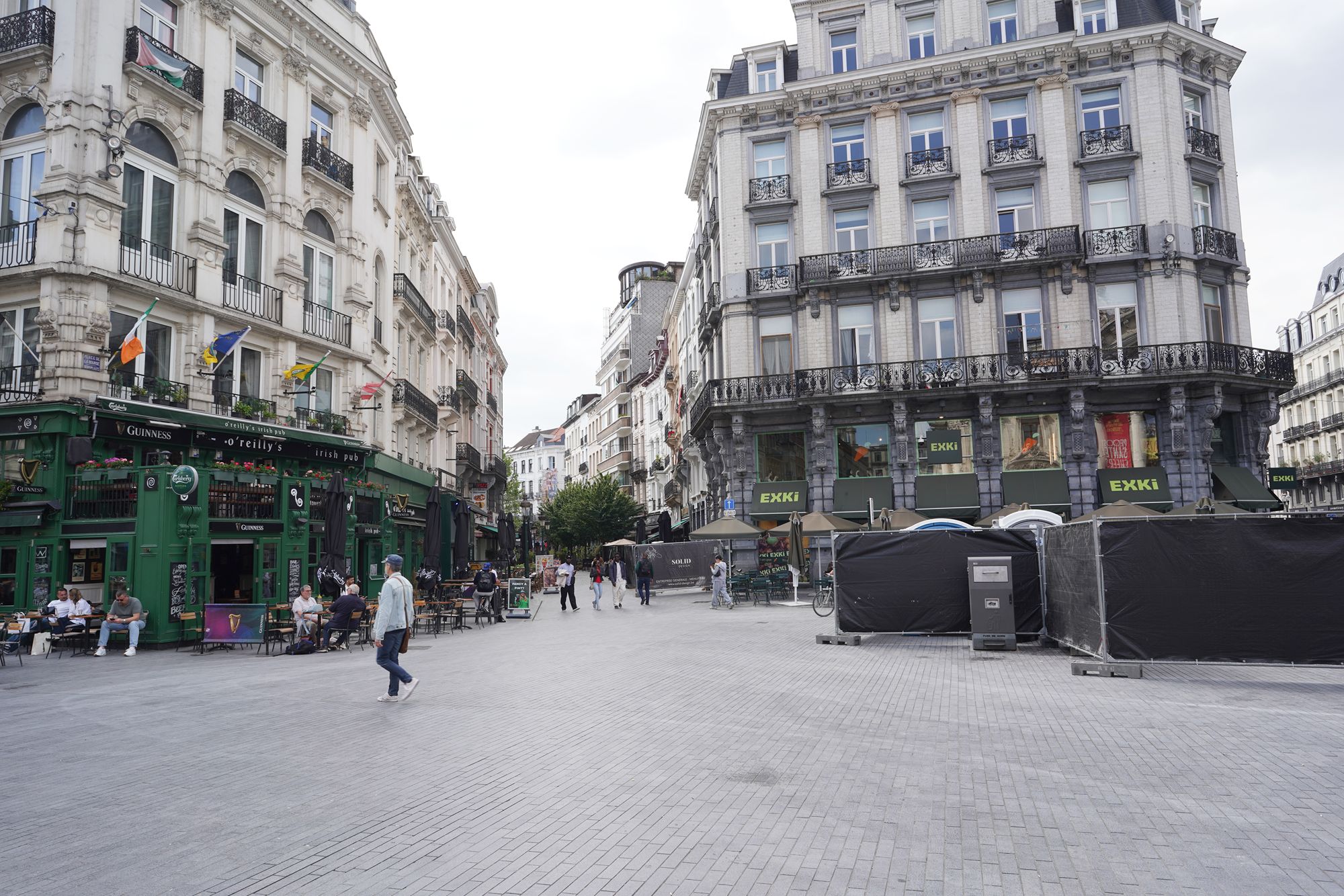
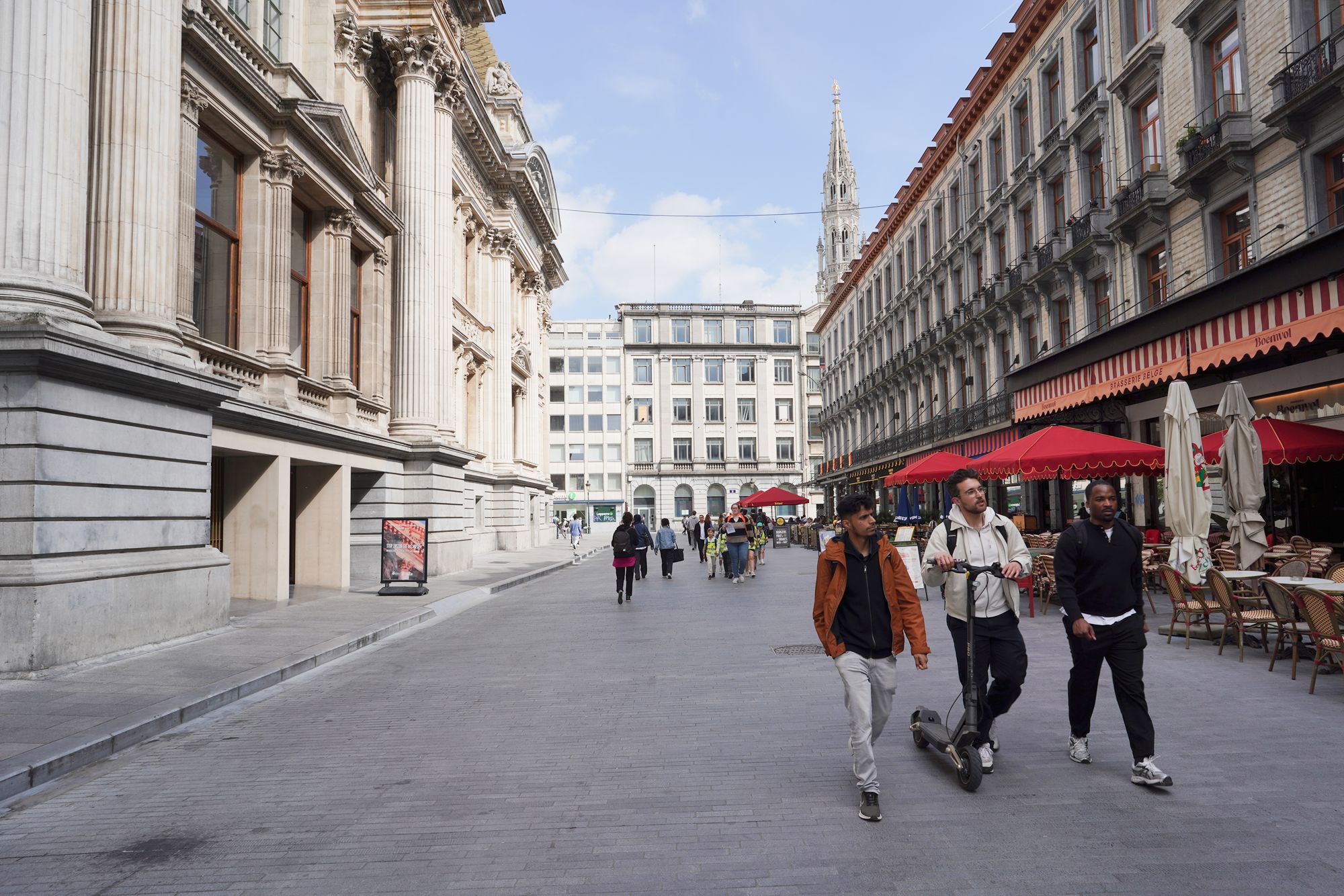
Behind the Stock Exchange, the narrow streets opened onto a broad pedestrian boulevard lined with elegant multi-story buildings, shops, cafés, and restaurants. This area felt much more spacious and modern than the tightly packed historic streets around the Grand-Place.
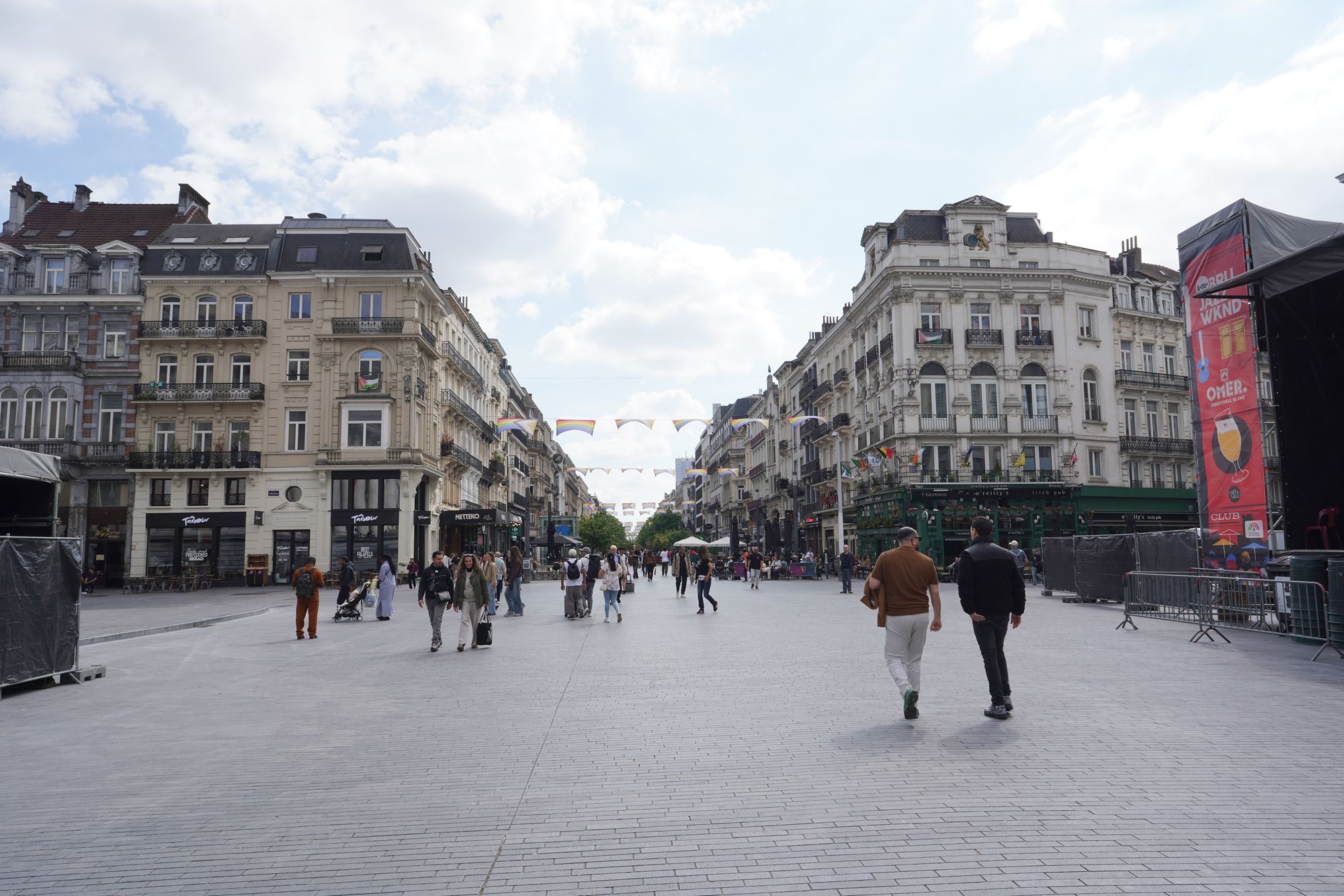
After walking around the Stock Exchange, I reached its grand main façade facing the broad Boulevard Anspach. With its monumental columns, sculptures, and wide staircase, this side clearly felt like the formal front of the building.
After exploring the area along Boulevard Anspach, I walked around the Stock Exchange building again, returning to the side where Saint Nicholas Church was located.
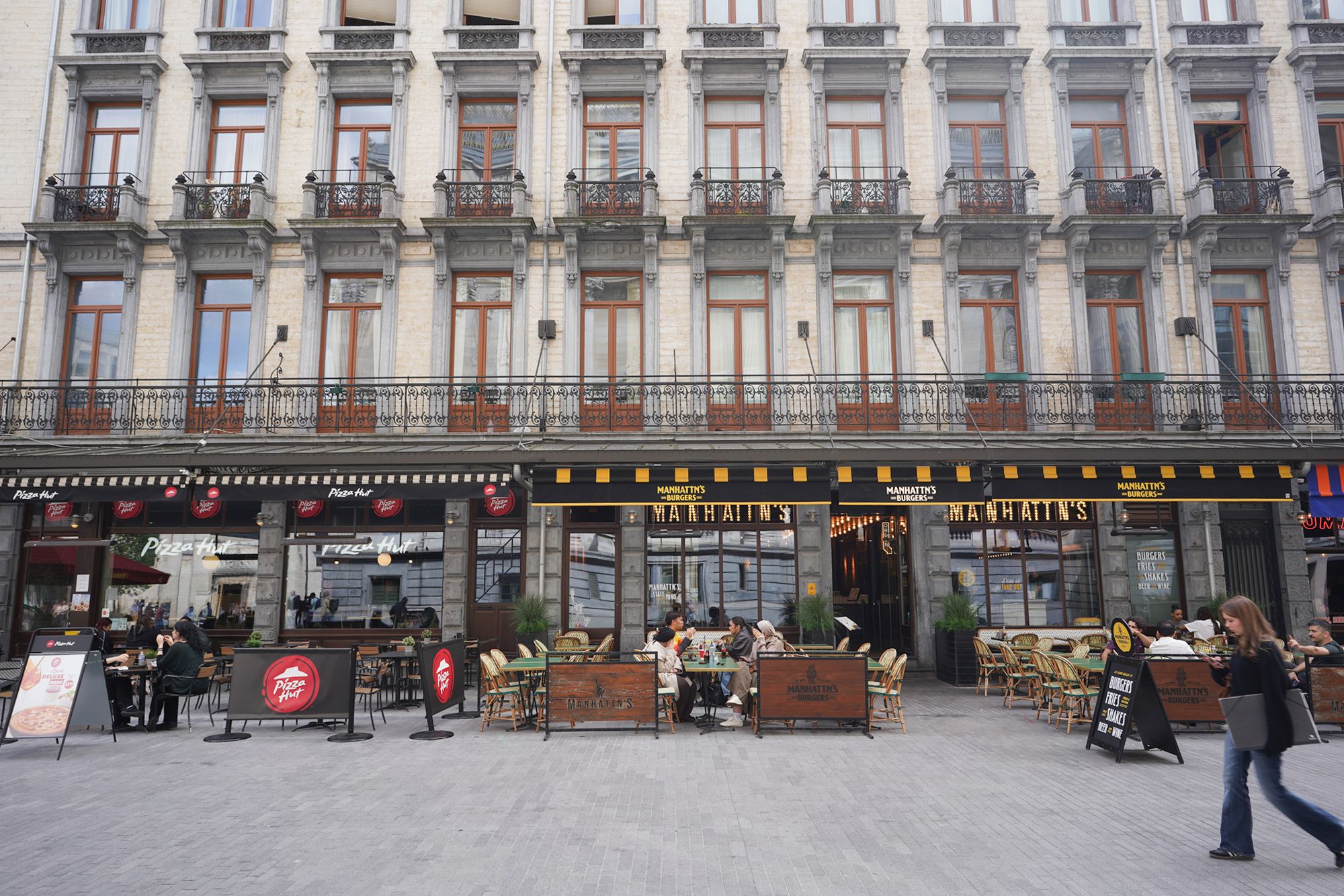
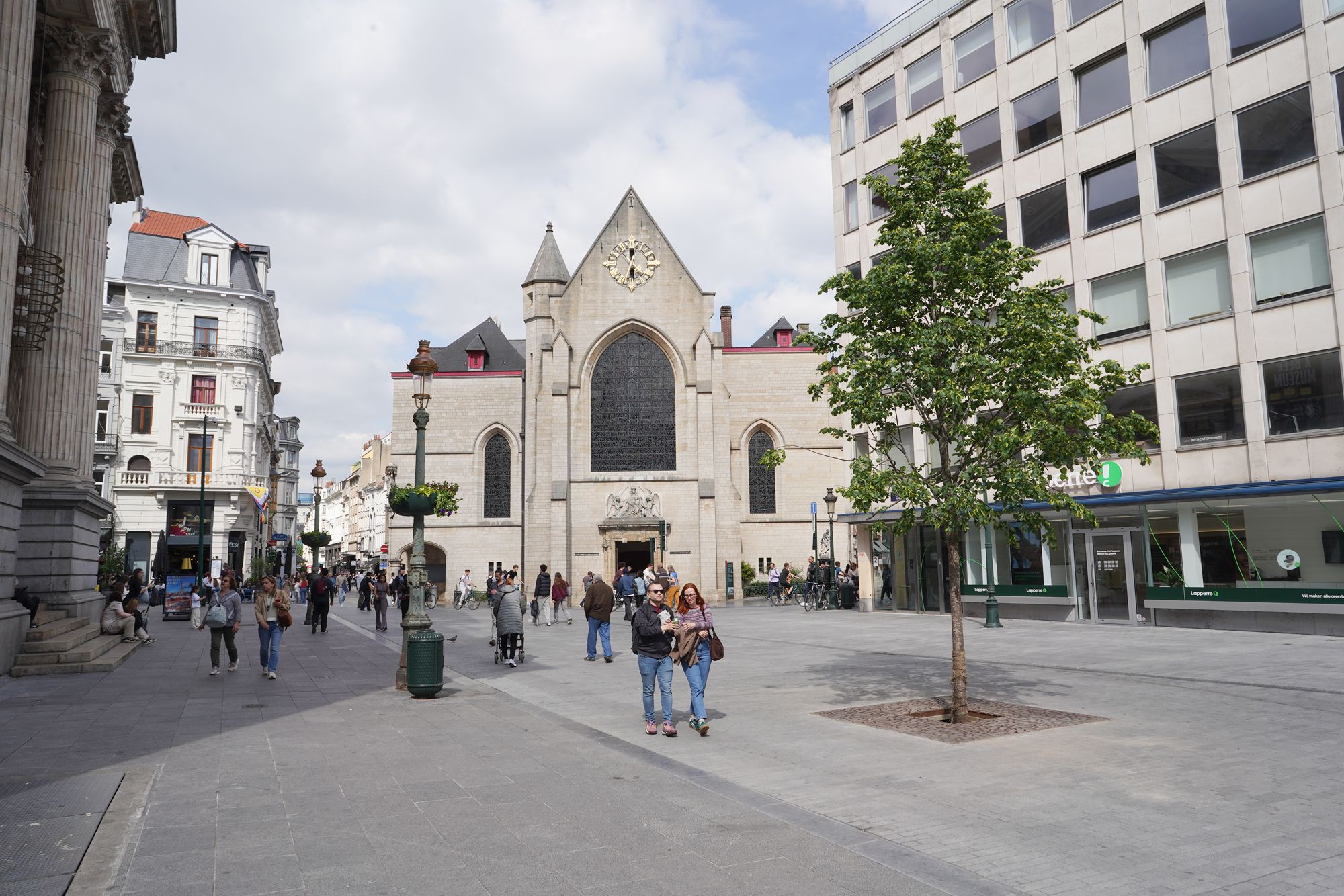
From Saint Nicholas Church, I walked back toward the Grand-Place once again, returning to the magnificent historic square at the heart of Brussels.
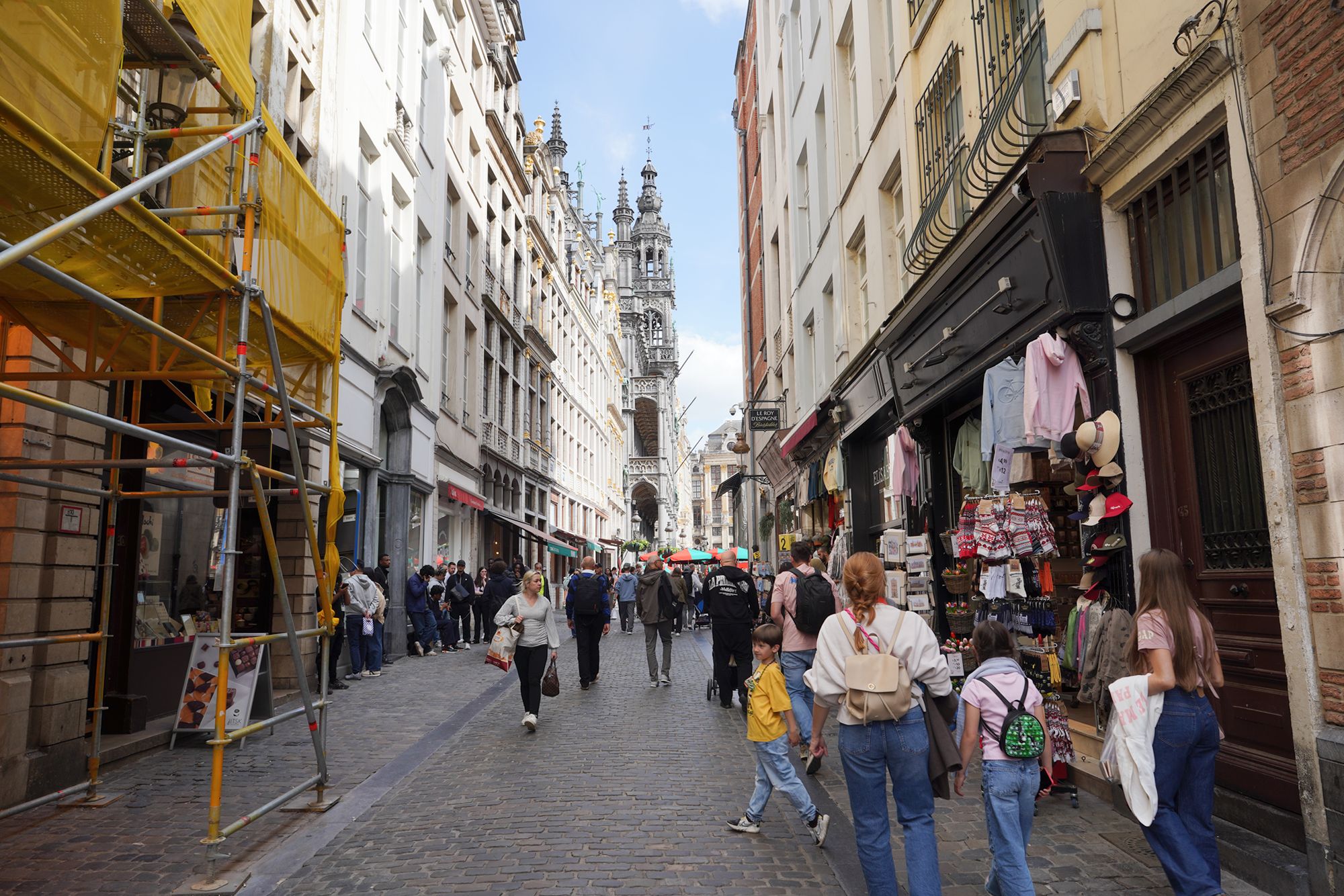
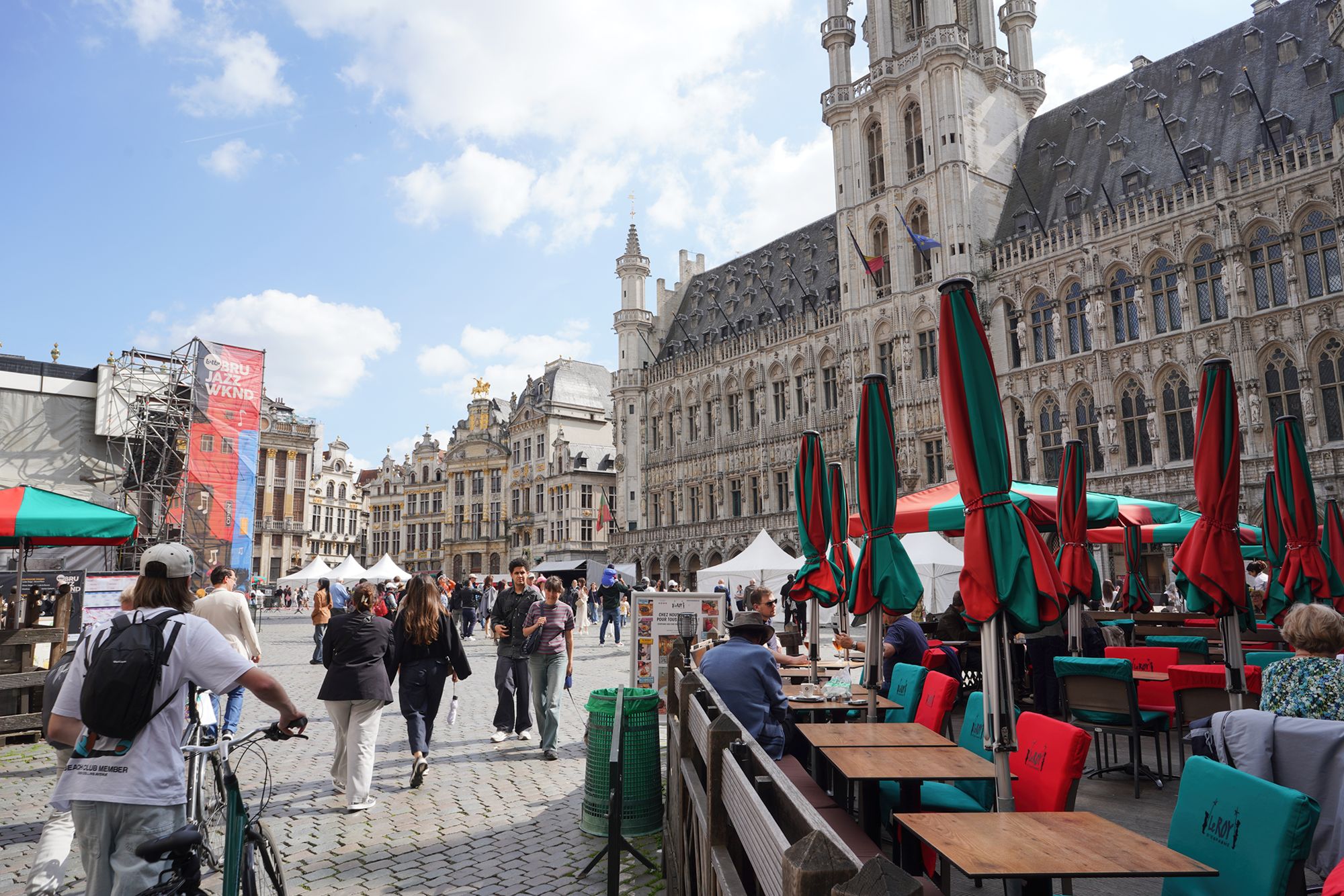
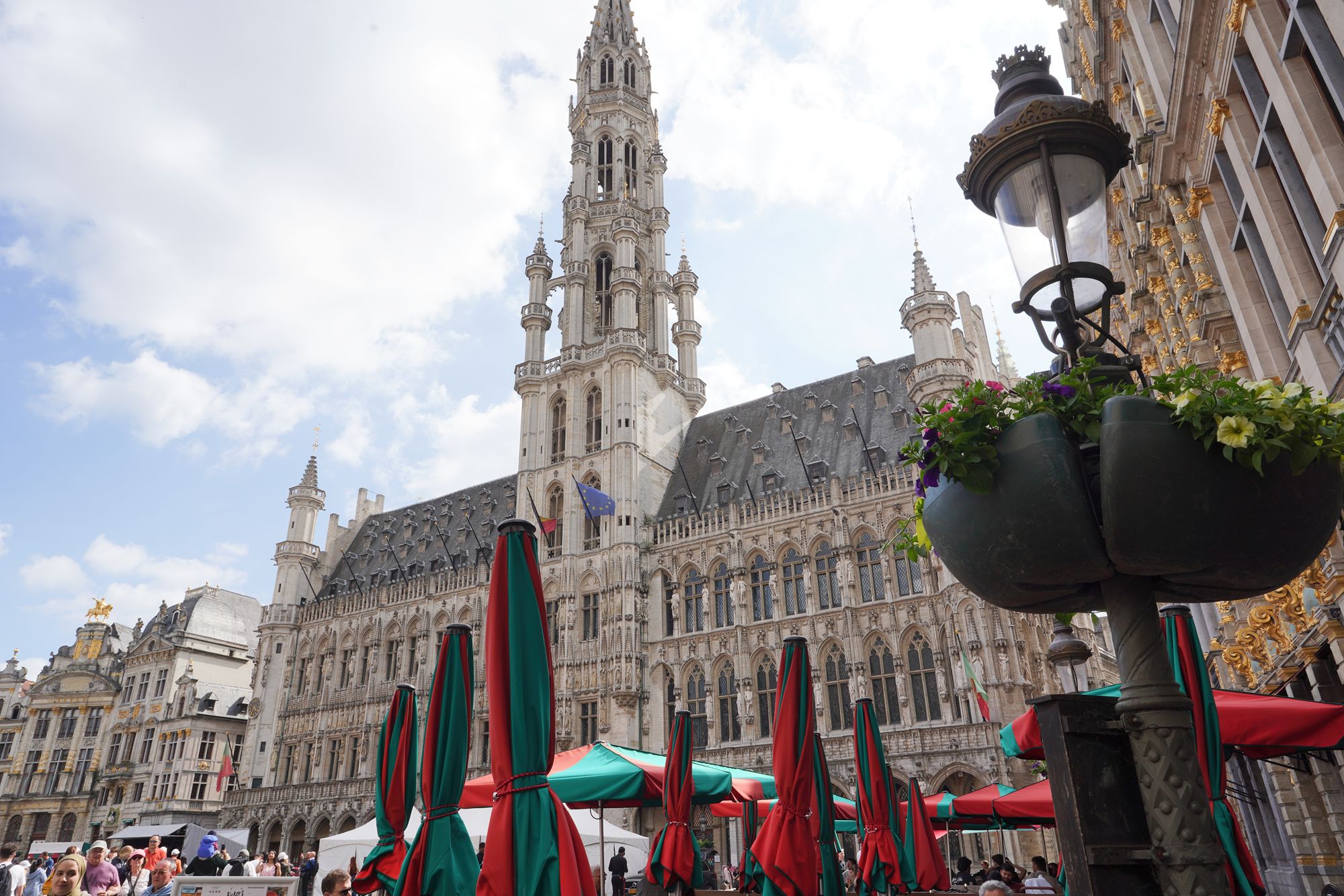
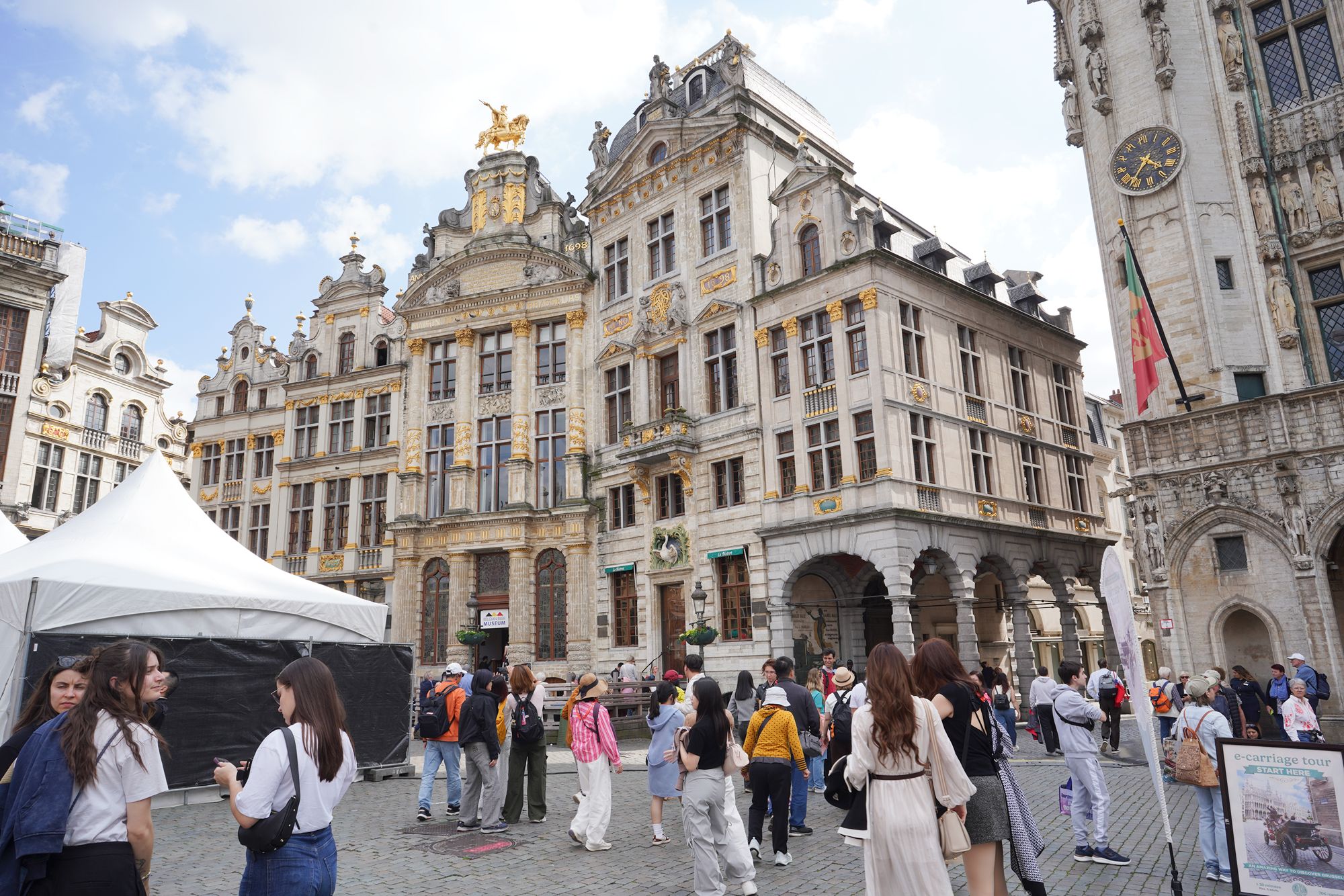
From the Grand-Place, I walked along Rue de la Tête d’Or, this time heading in the opposite direction from my earlier walk to explore another part of central Brussels.
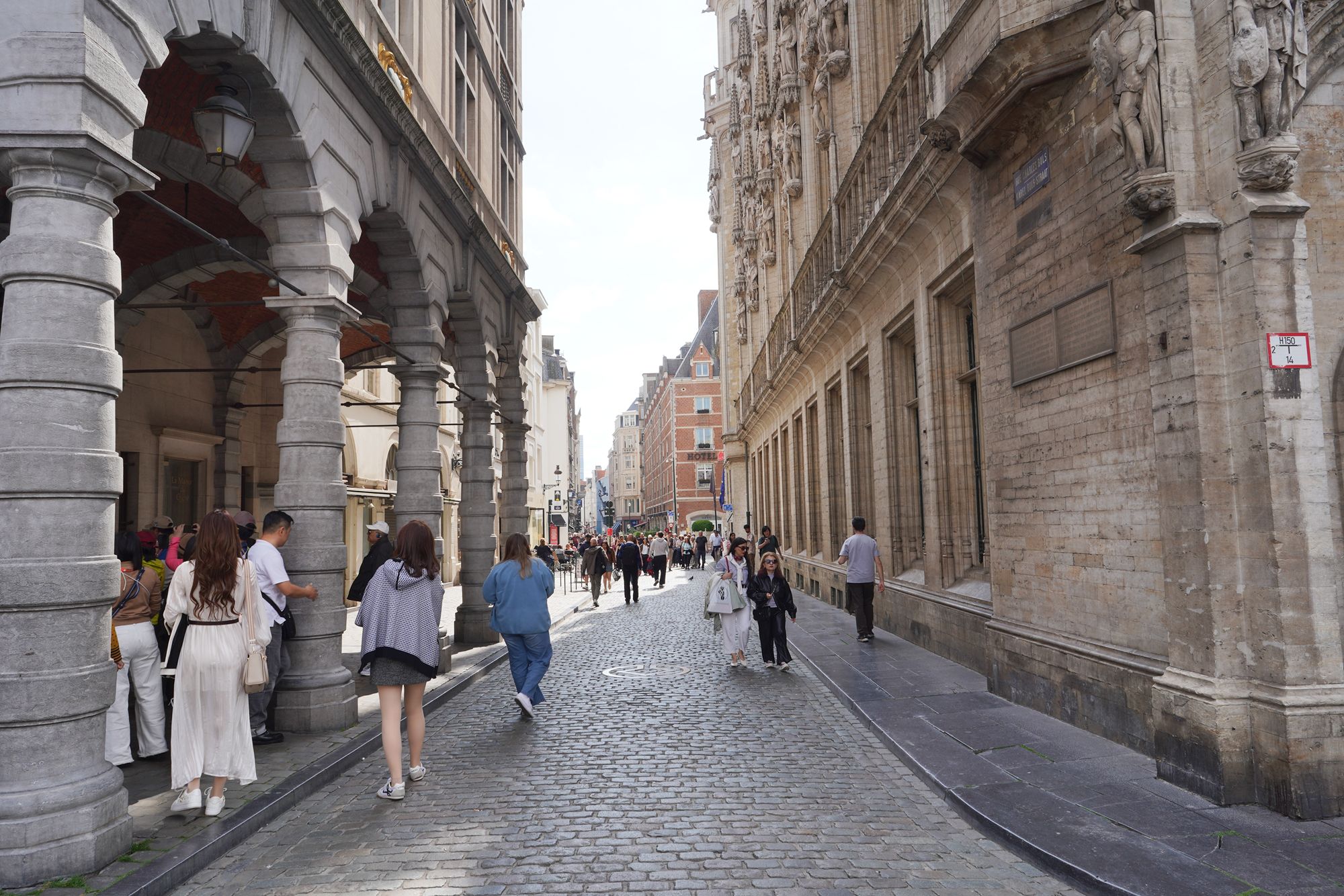
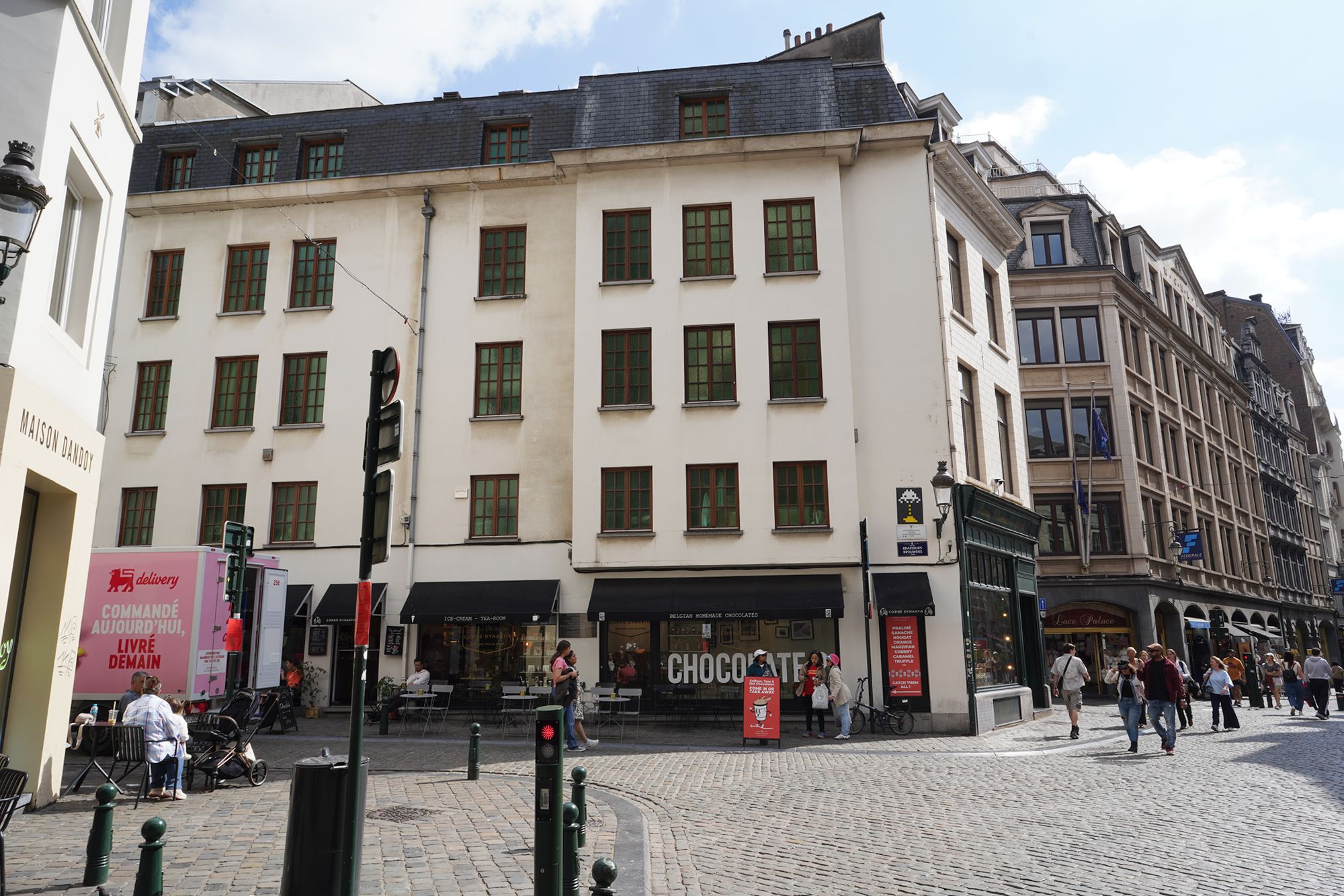
From here, I continued through the narrow streets of the historic center toward Manneken Pis, one of Brussels’ most famous and recognizable landmarks.
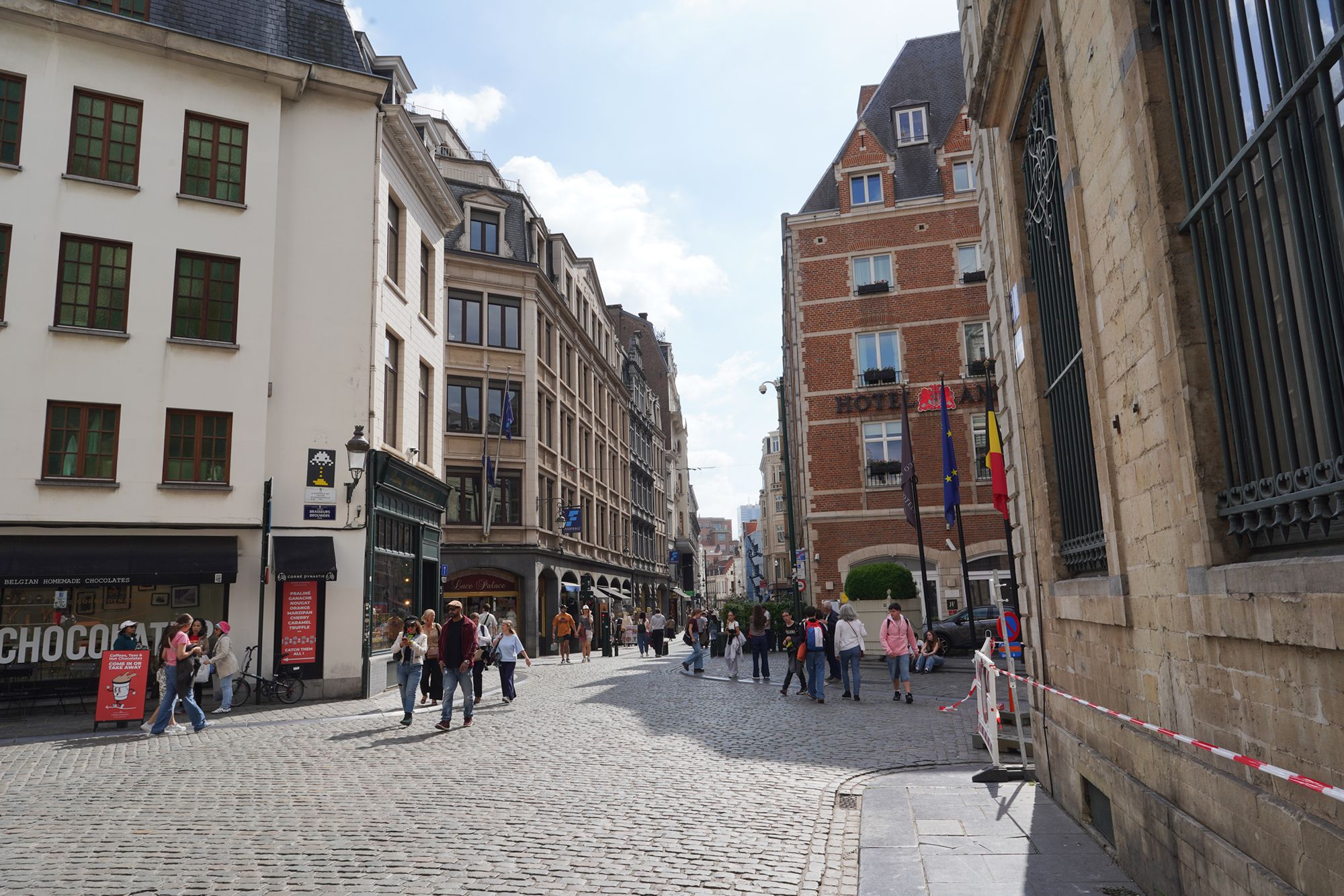
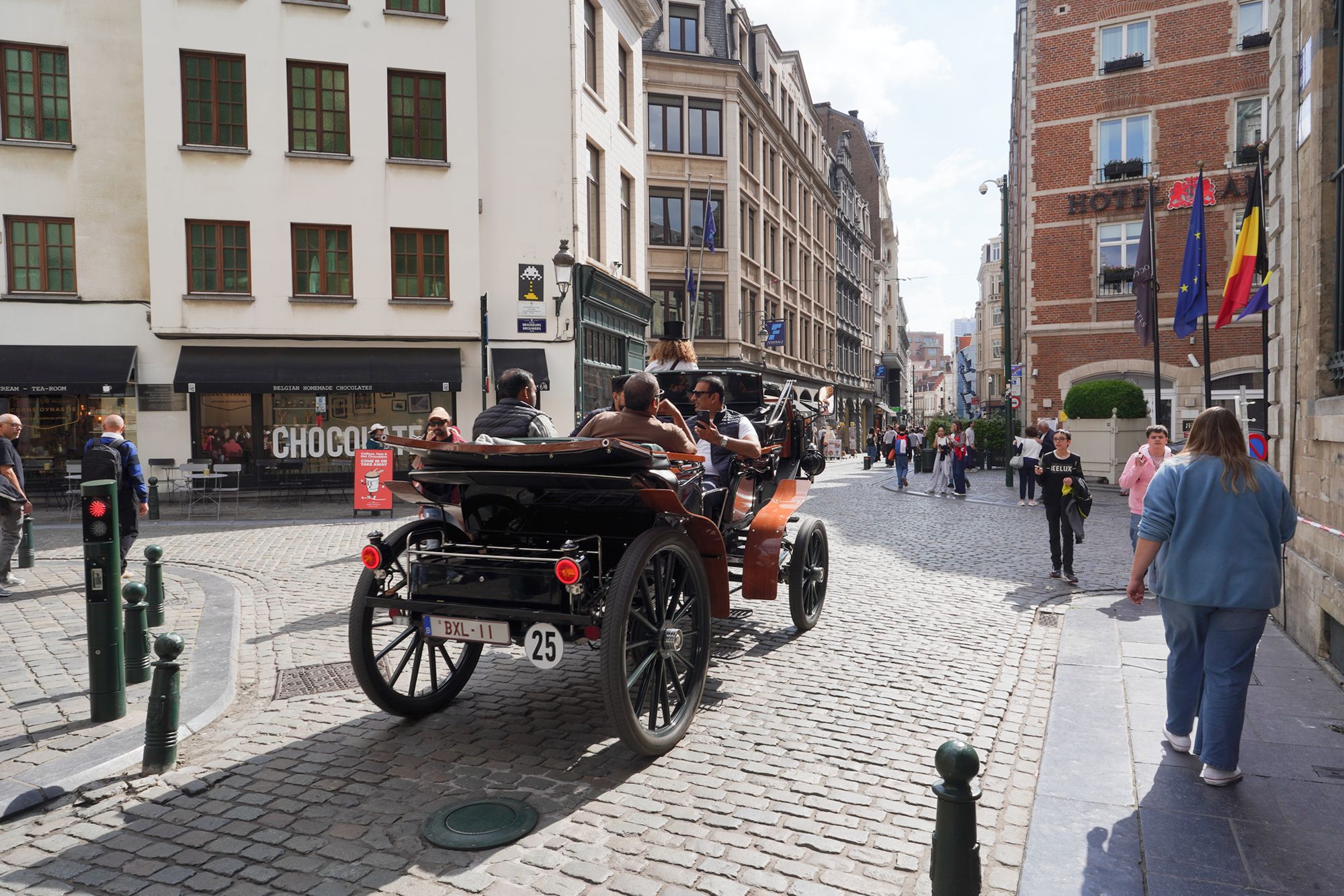
Brussels began as a small settlement along the Senne River, traditionally dating its origins to around the 10th century. Its location on important trading routes helped it grow into a prosperous commercial center during the Middle Ages.
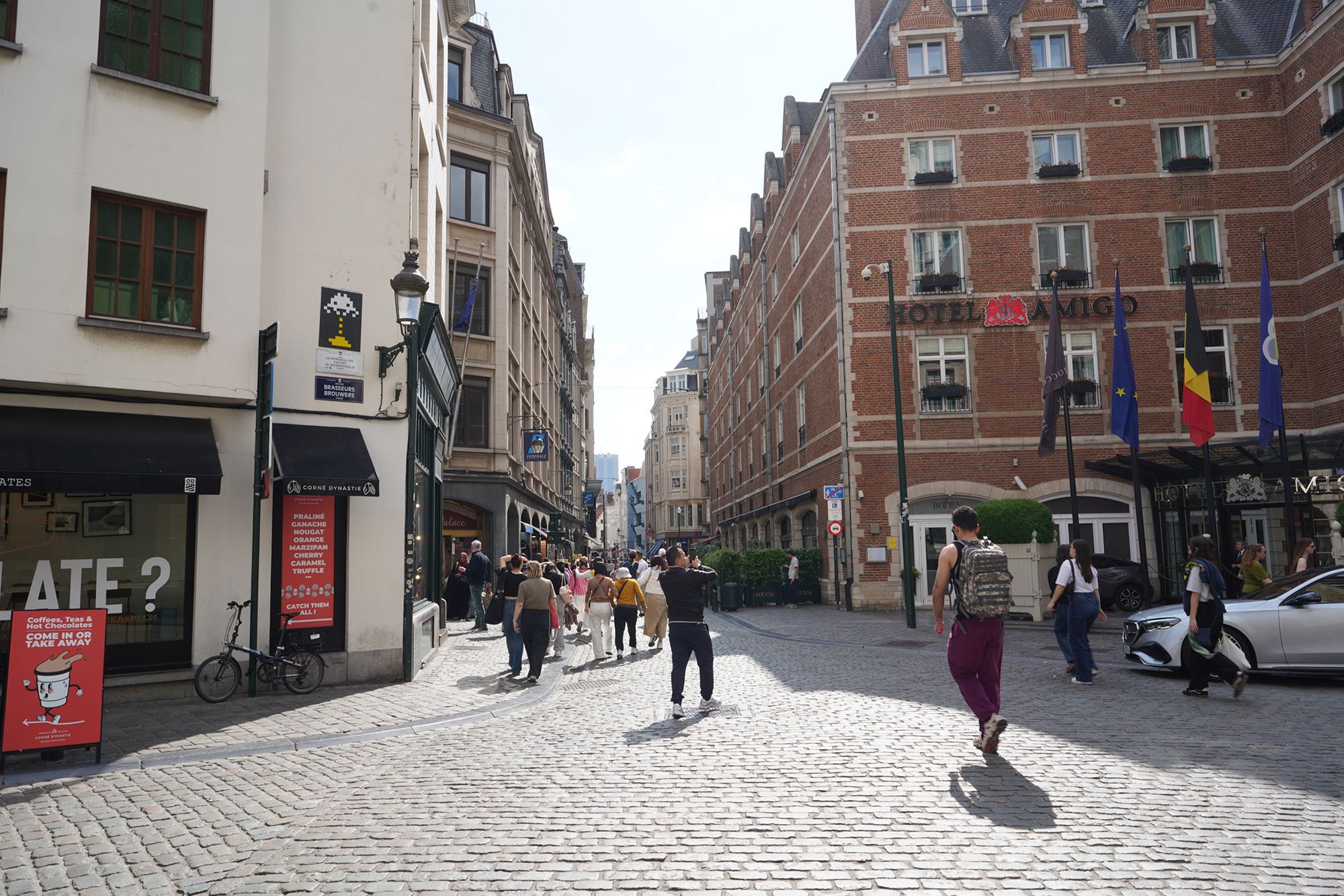
By the 13th and 14th centuries, Brussels had become an important city within the Duchy of Brabant. Merchants and powerful craft guilds contributed to its growing wealth, while the area around today’s Grand-Place developed into the center of commercial and civic life.
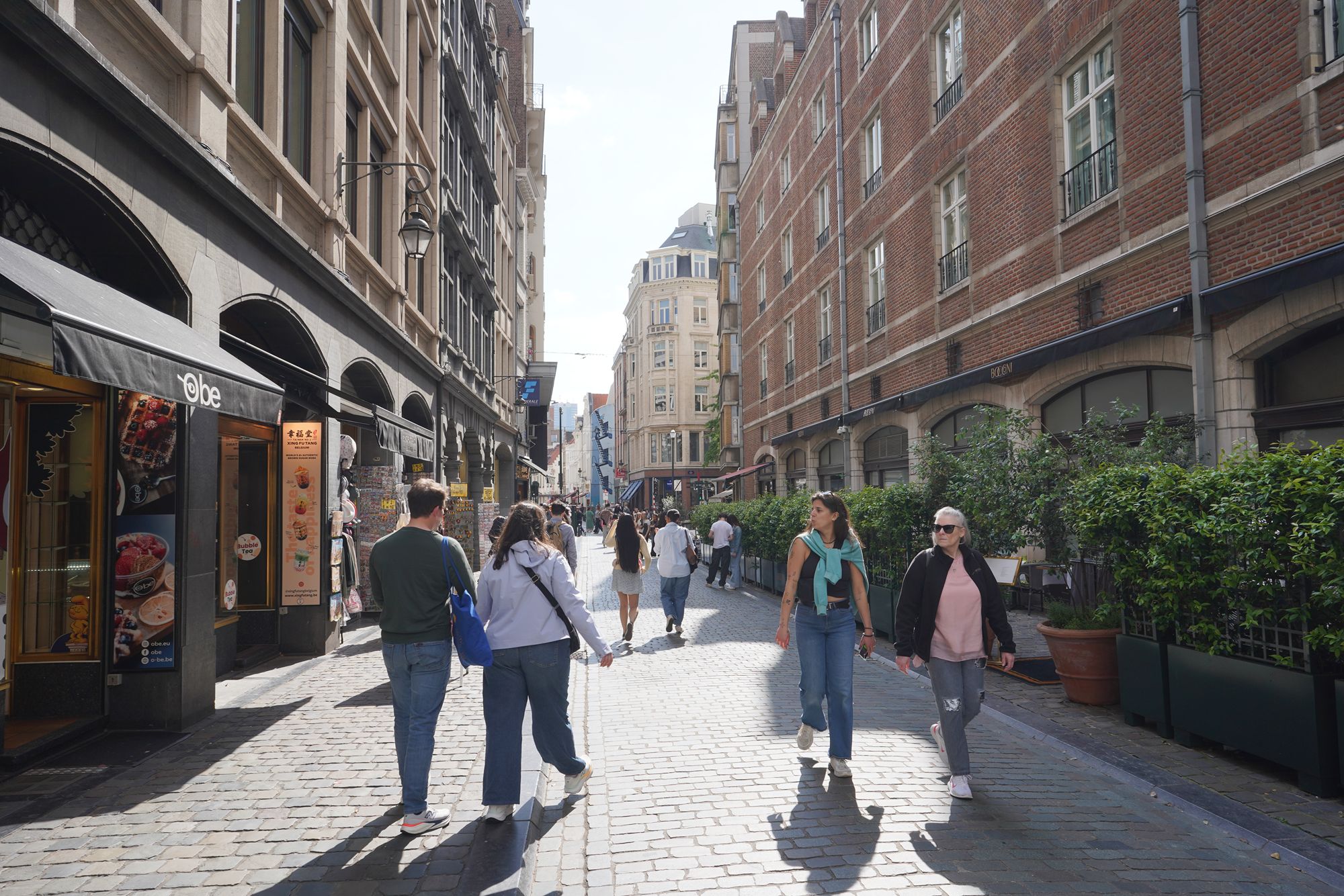
During the 15th century, Brussels became an important residence of the Dukes of Burgundy and later came under Habsburg rule. In 1695, French forces heavily bombarded the city, destroying much of the Grand-Place. The magnificent guild houses surrounding the square were rebuilt soon afterward.
Brussels became the capital of the newly independent Kingdom of Belgium in 1830. During the 19th century, the city expanded rapidly, with broad boulevards, monumental public buildings, and new residential districts replacing parts of the older city.
Today, Brussels is both the capital of Belgium and a major international political center, hosting key institutions of the European Union and NATO, while its historic center preserves reminders of its medieval and early-modern past.
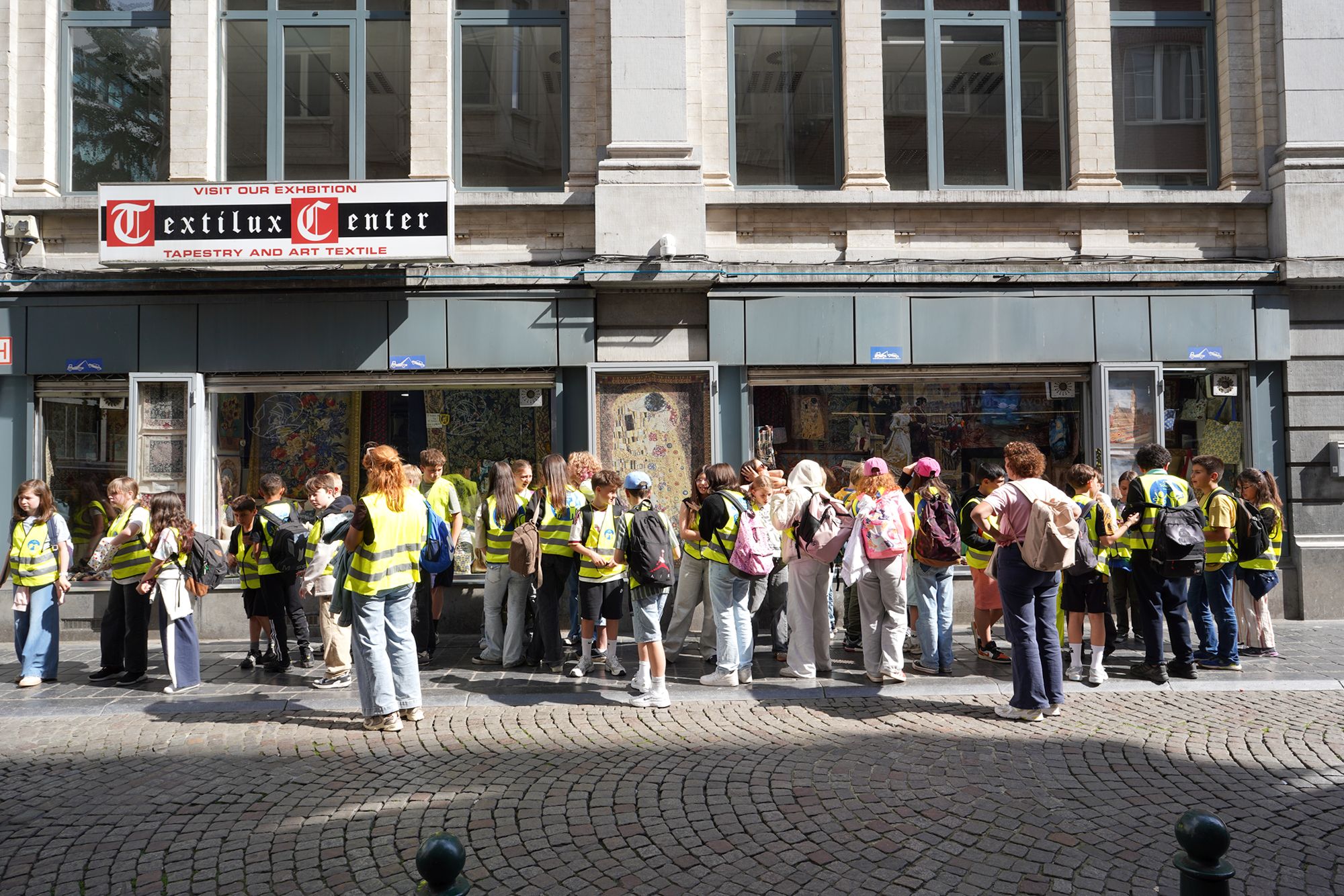
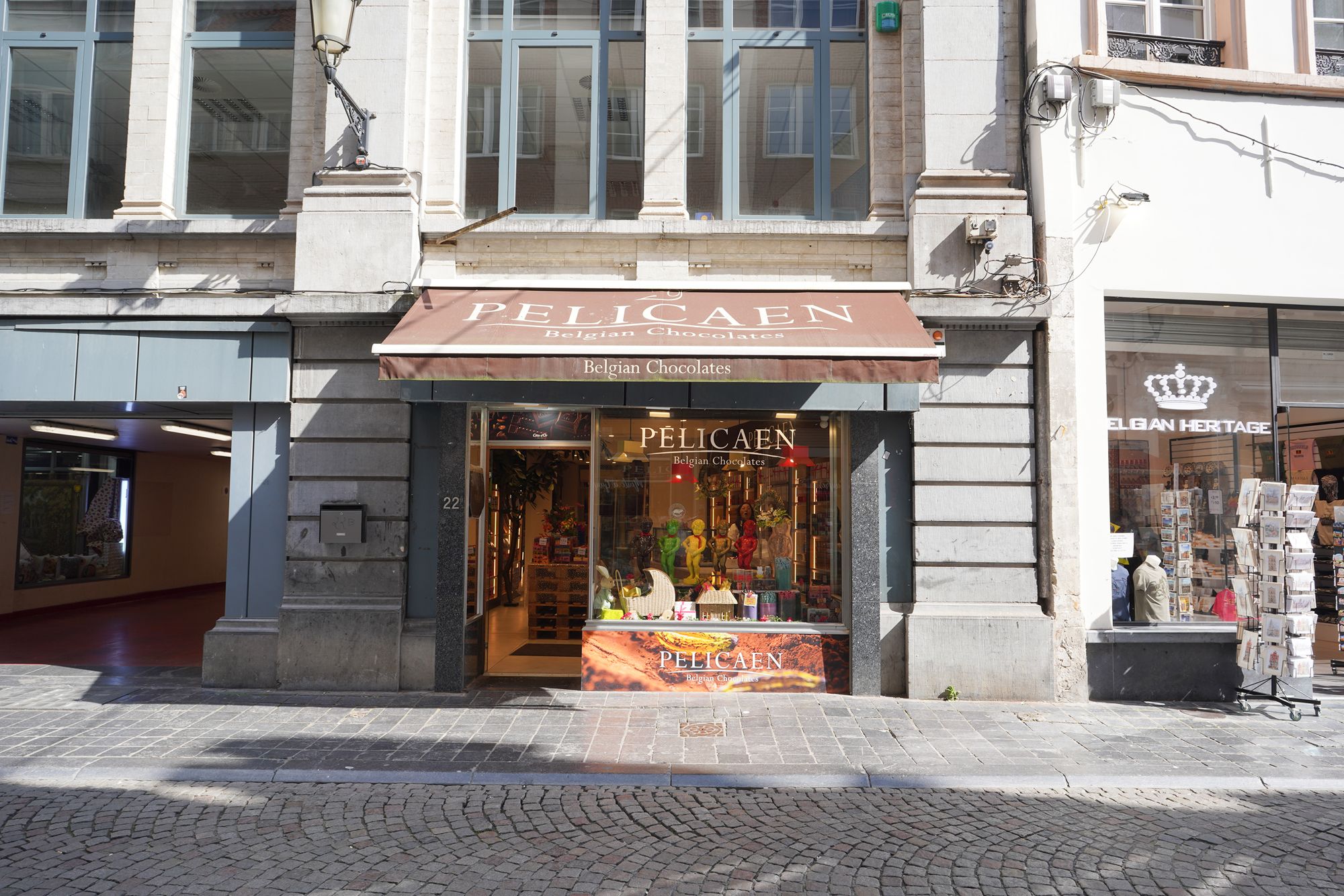
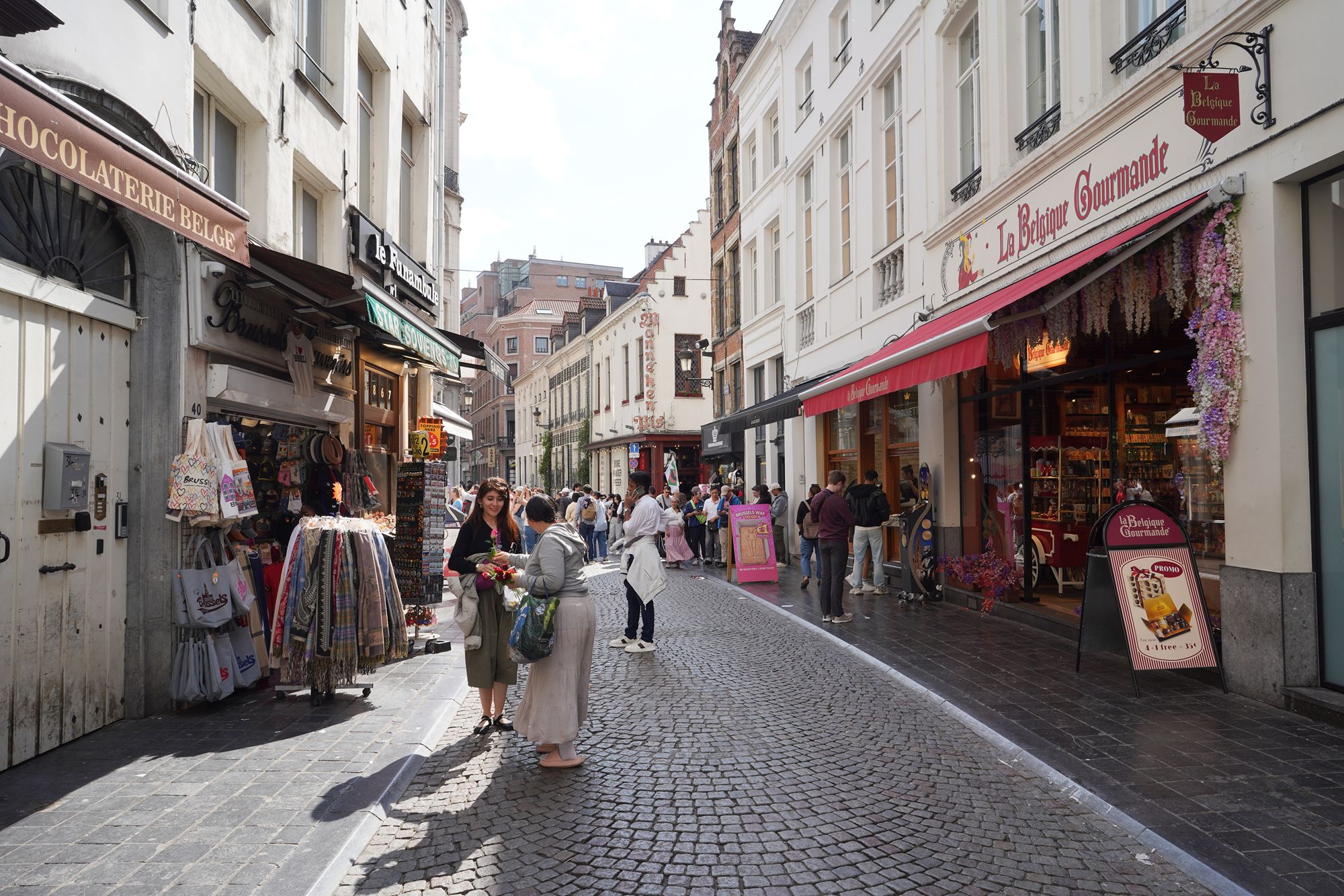
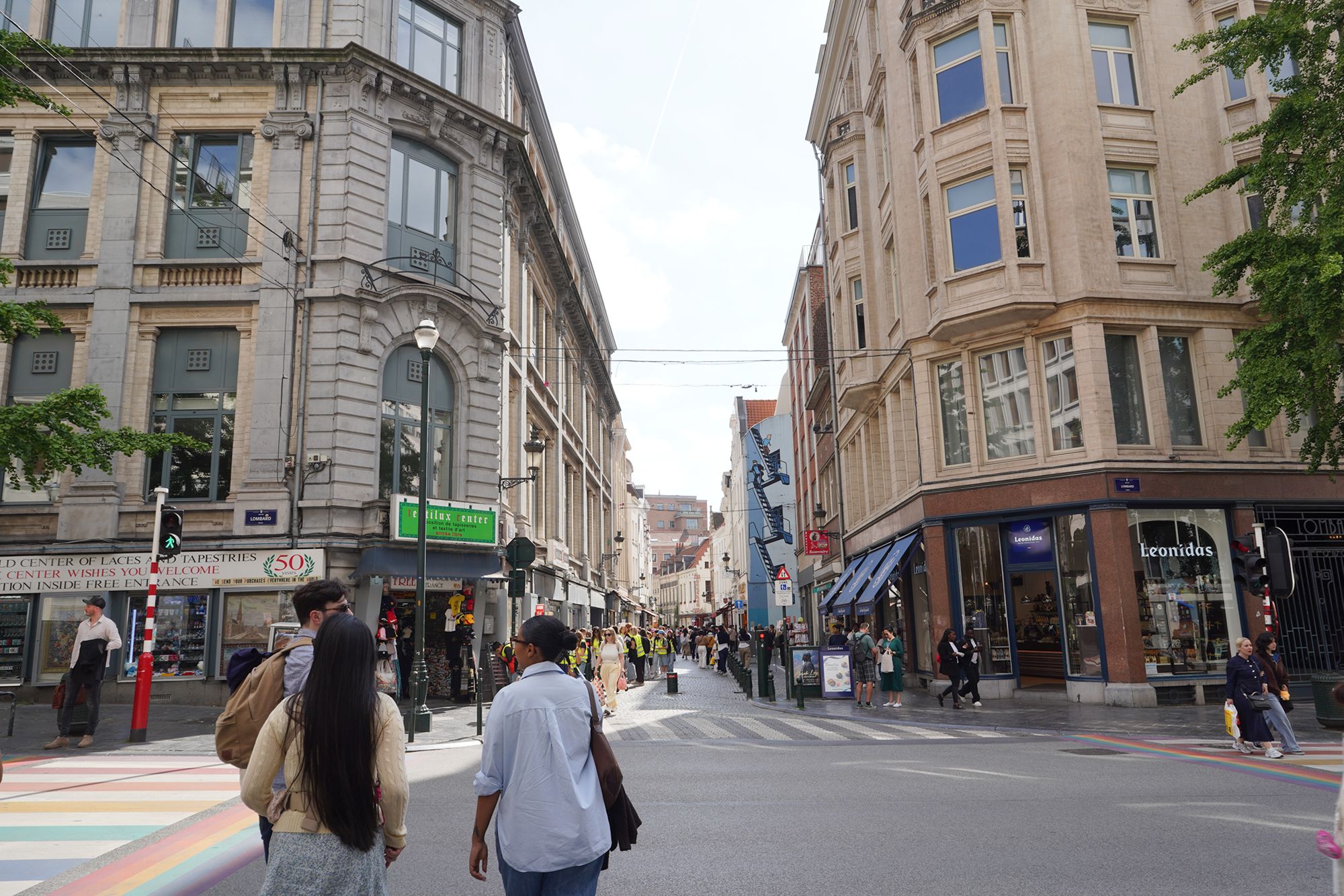
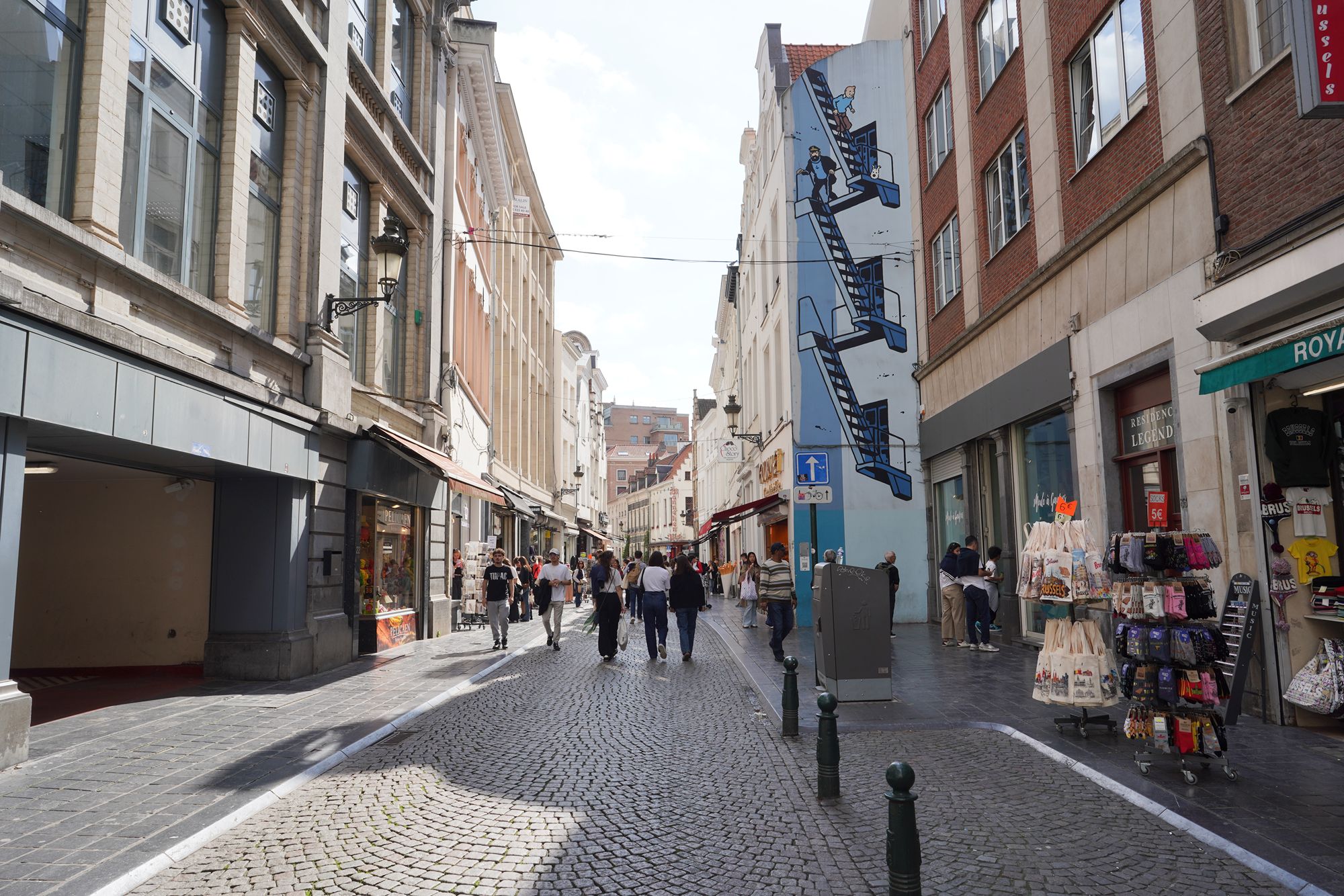
As I approached Manneken Pis, I found a group of visitors gathered around the small statue, taking photographs and watching one of Brussels’ most famous landmarks.
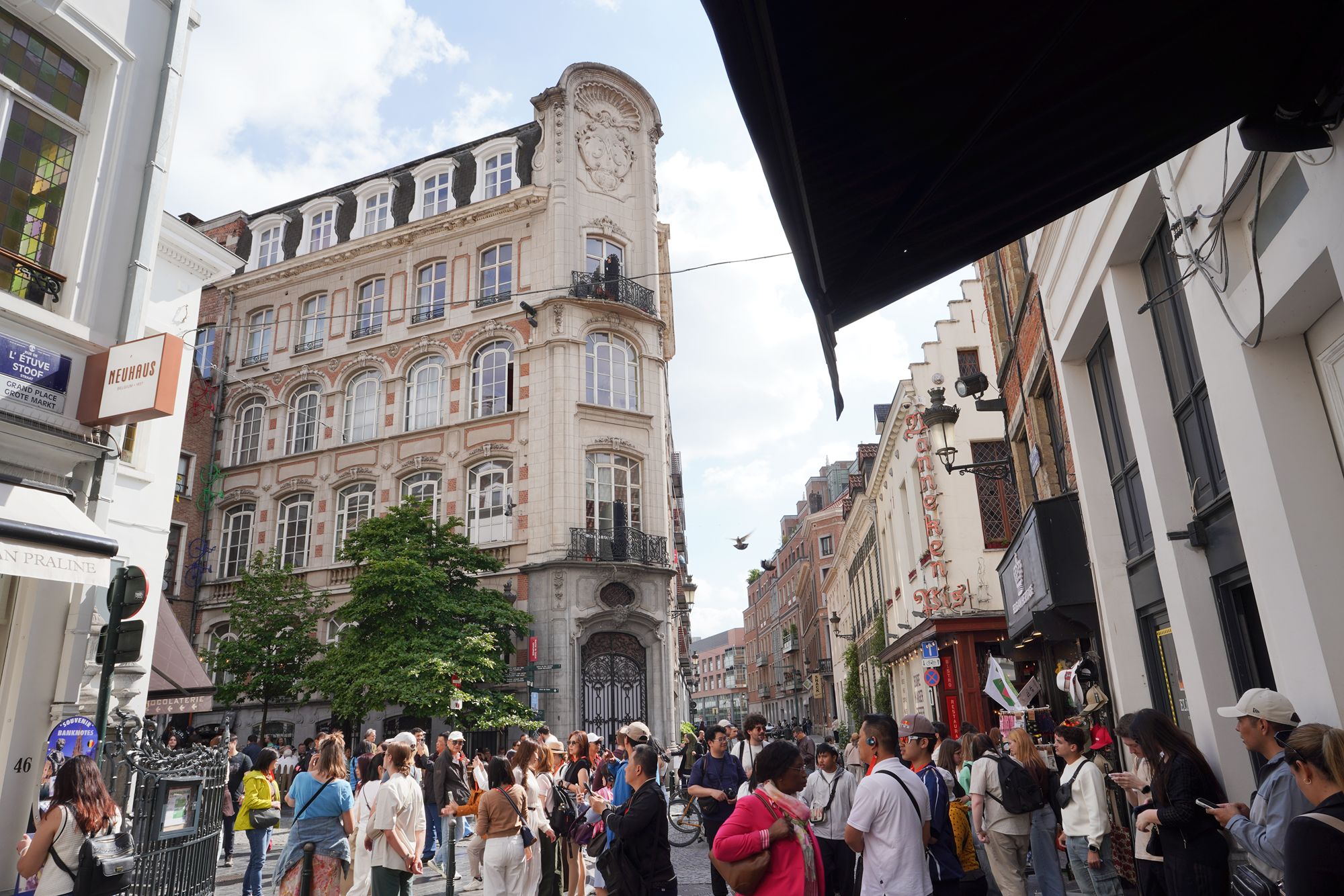
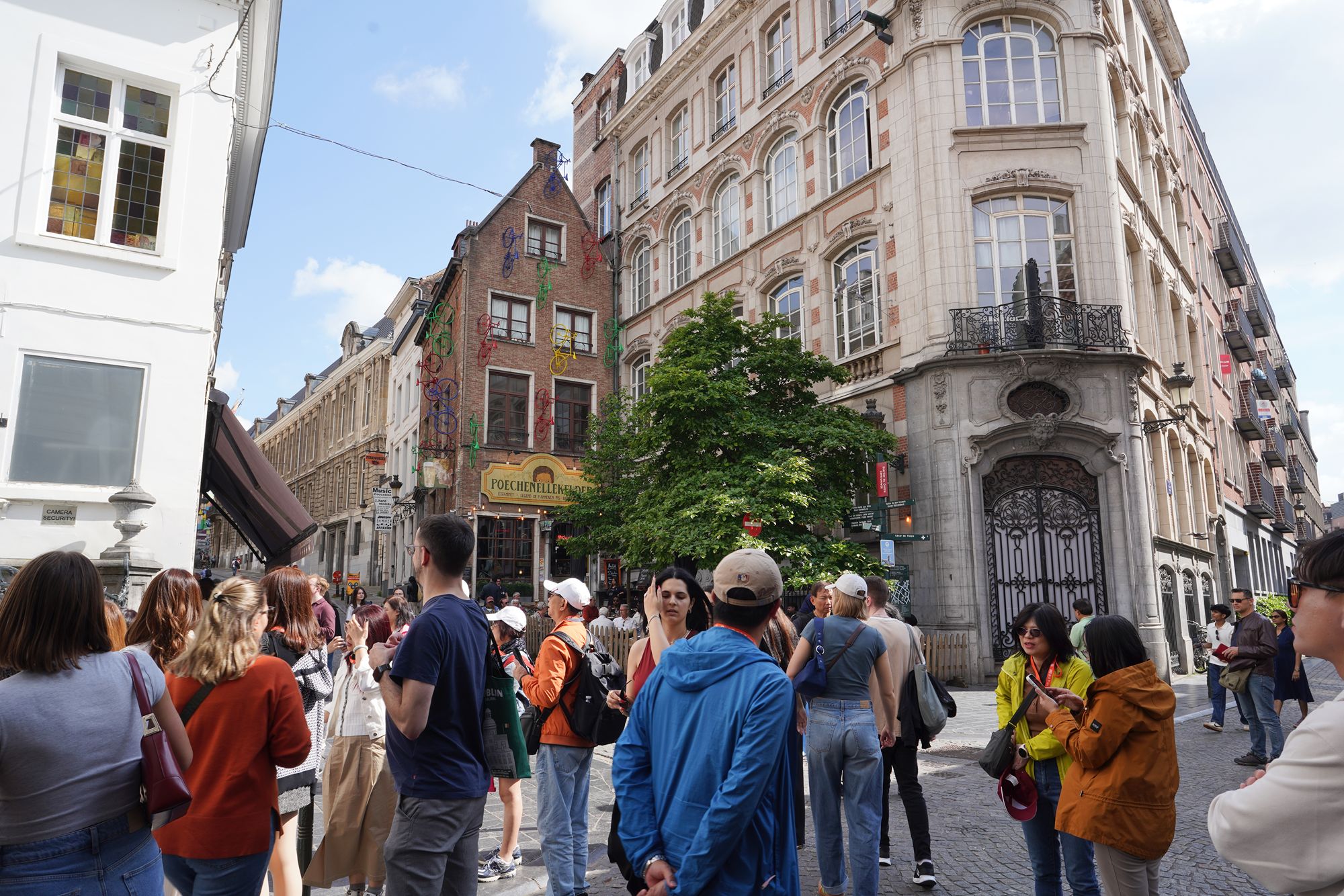
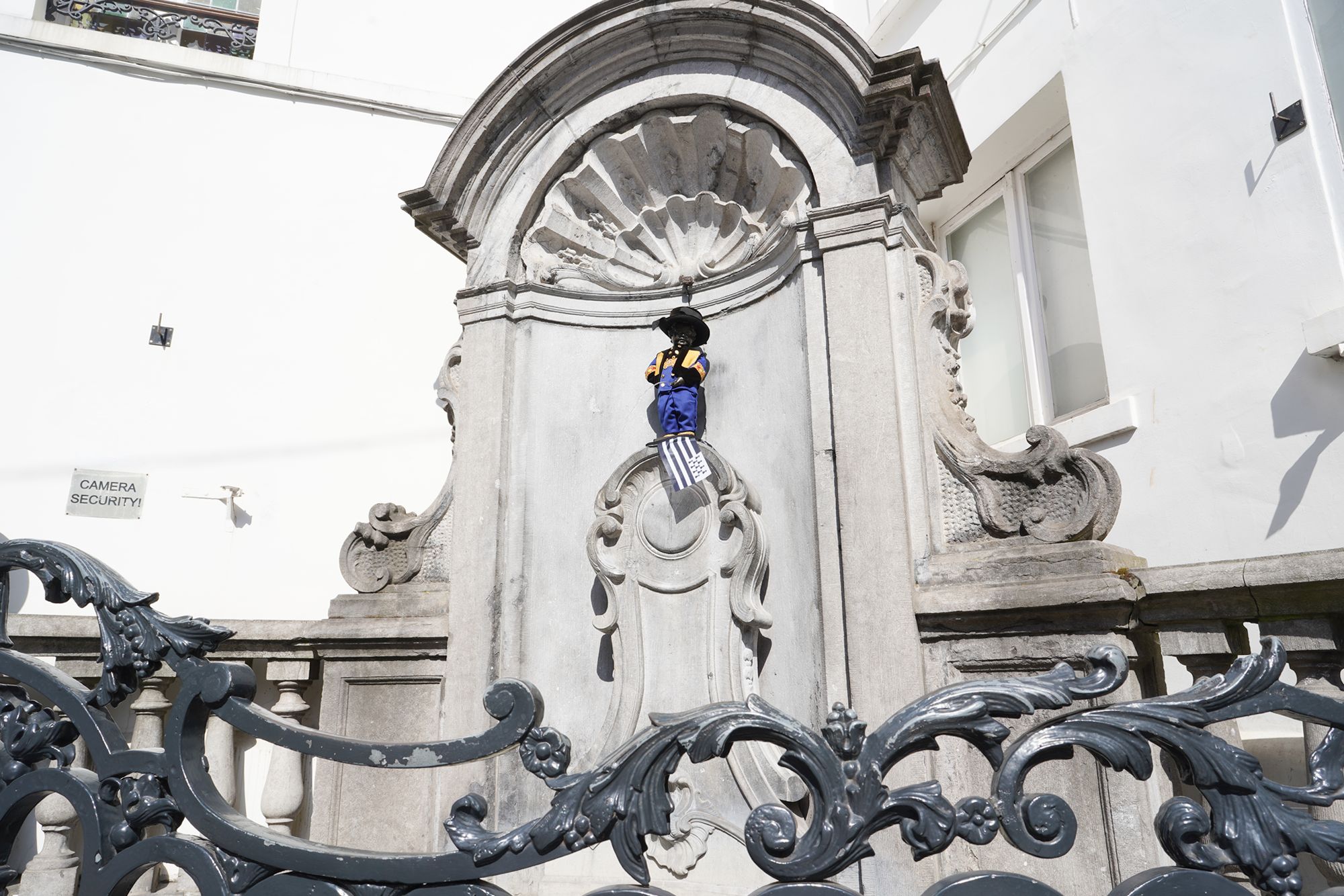
Manneken Pis is a surprisingly small bronze statue of a boy urinating into a fountain, created in 1619. Despite its modest size, it has become one of Brussels’ best-known symbols, representing the city’s playful and irreverent character. The statue is also famous for being dressed in hundreds of different costumes for special occasions.
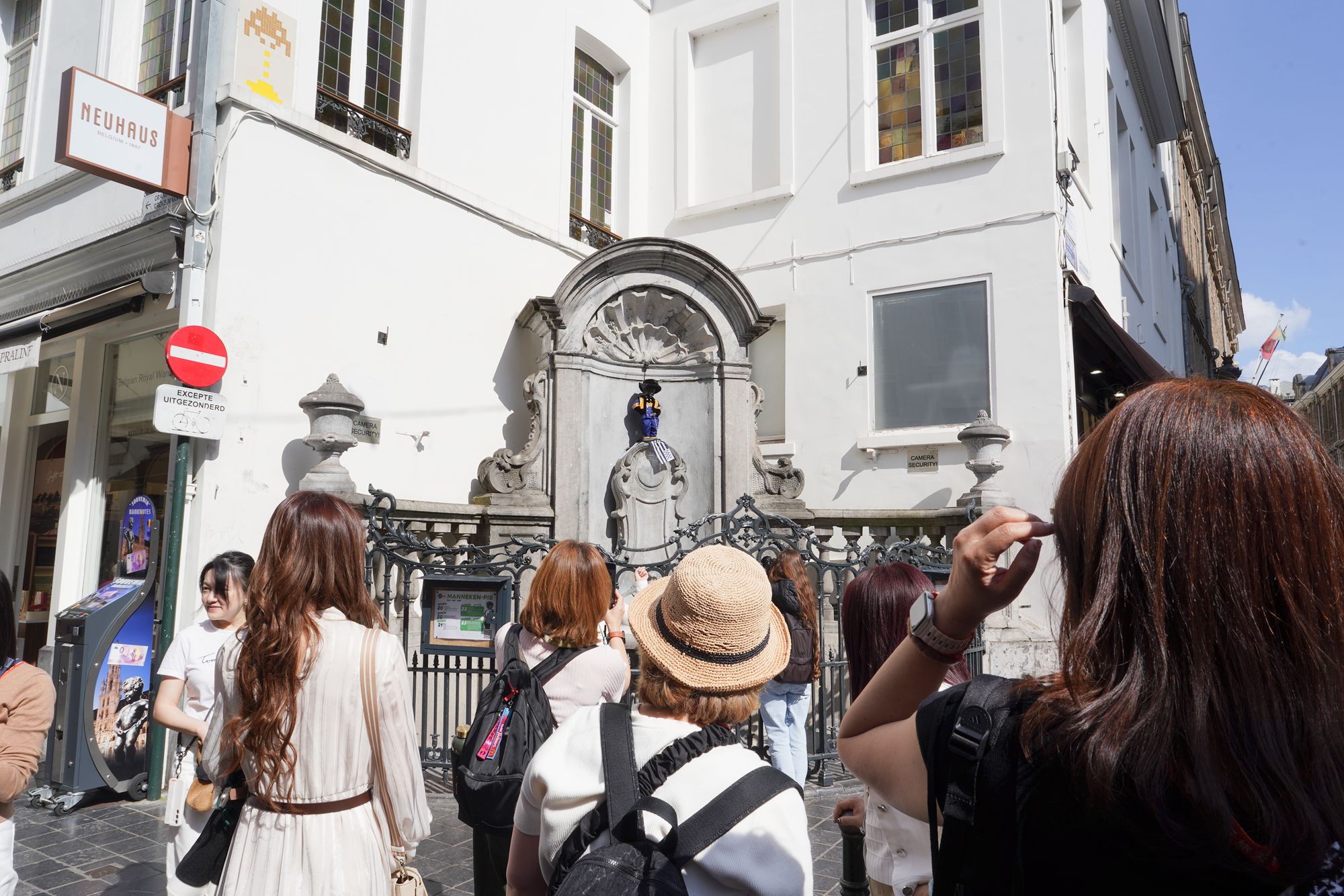
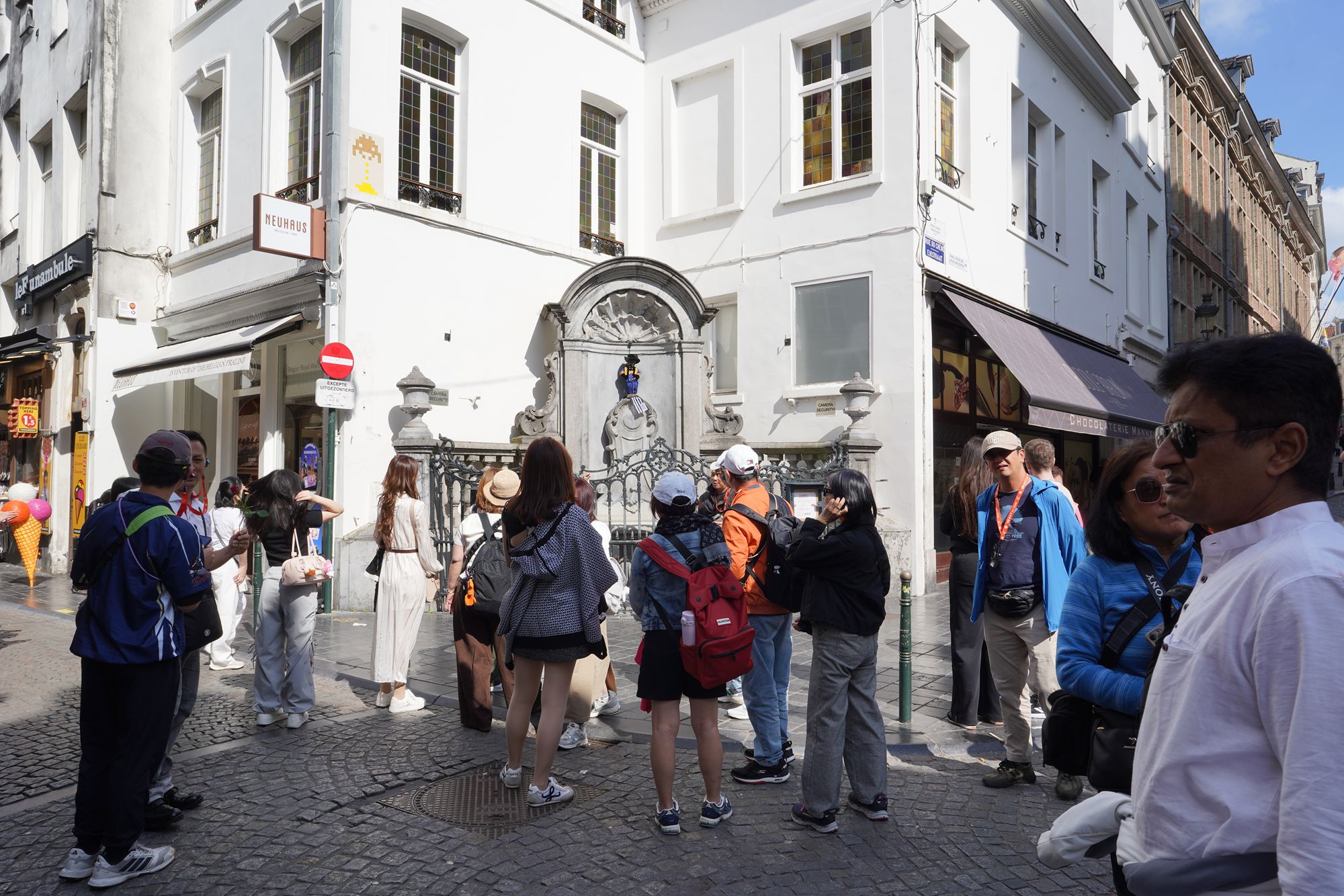
The statue you see outside is actually a replica; the original 17th-century sculpture is preserved by the City of Brussels.
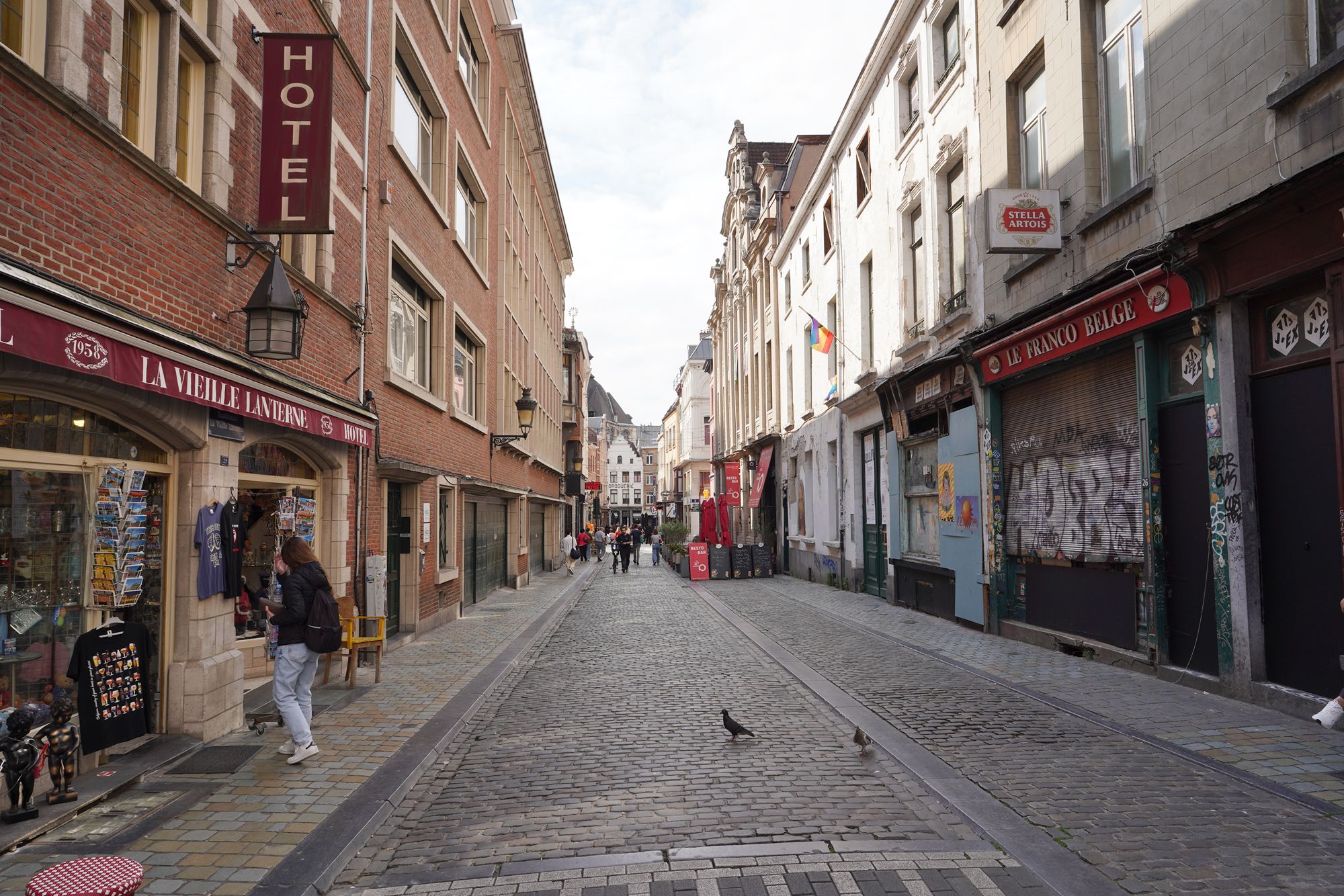
After visiting Manneken Pis, I ended my walk through the historic center of Brussels and made my way back to where I was staying.