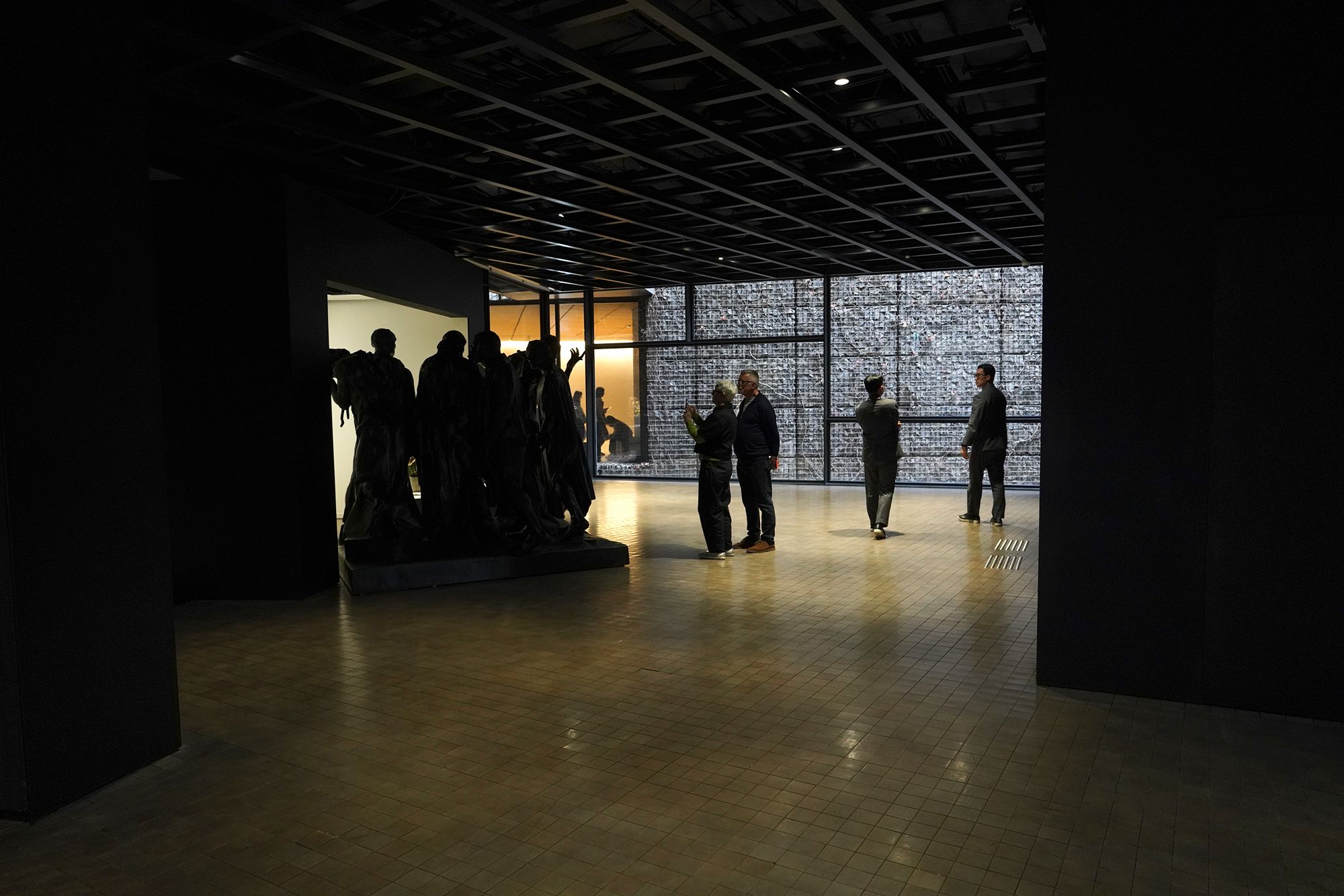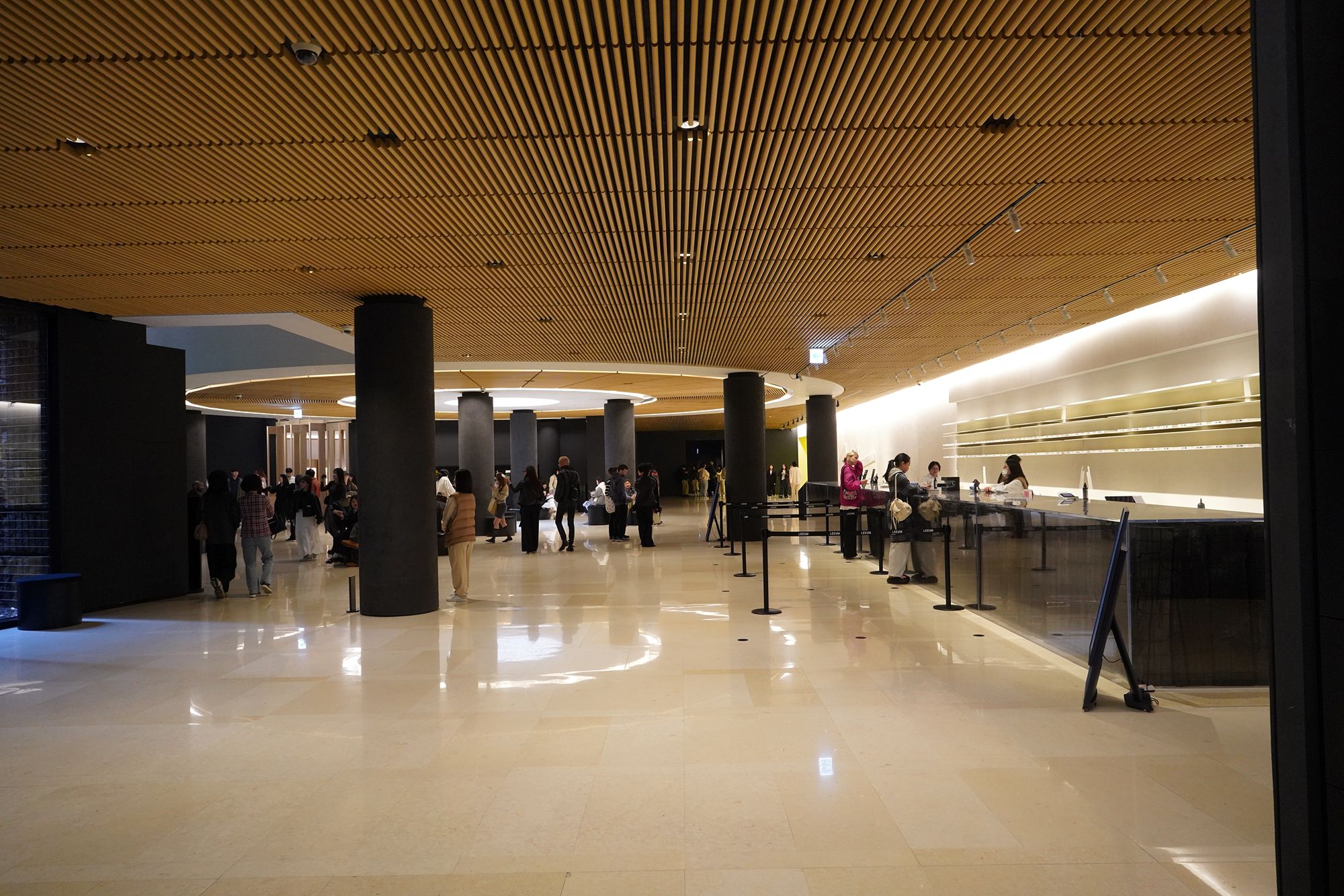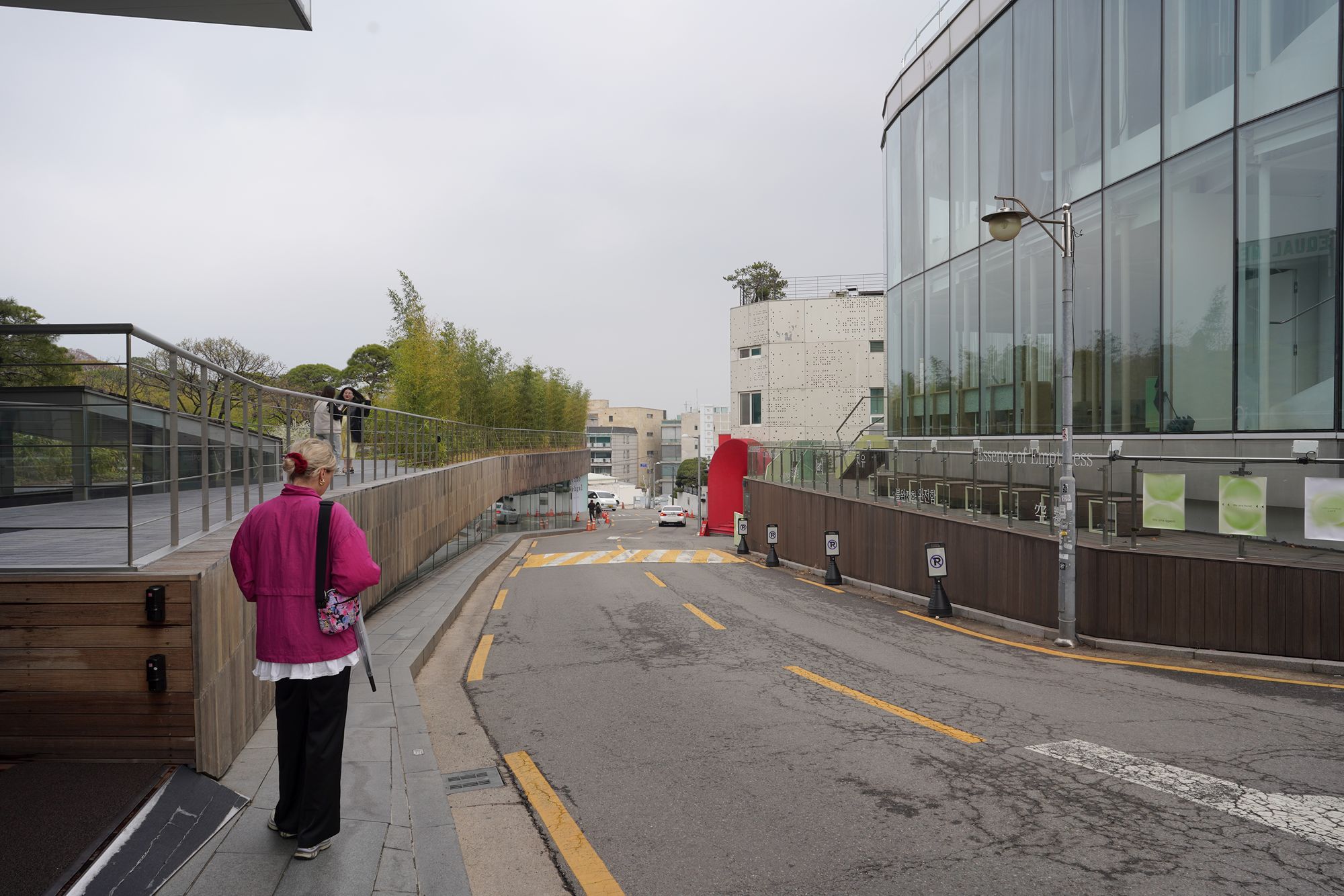
Leeum Museum of Art, Seoul, South Korea
The Leeum Museum of Art in Seoul is a renowned museum that brings together traditional Korean art and contemporary works in a striking modern architectural setting. 1280
Leeum Museum of Art: 60-16 Itaewon-ro 55-gil, Yongsan District, Seoul, South Korea
Date Picture Taken: Apr, 2026
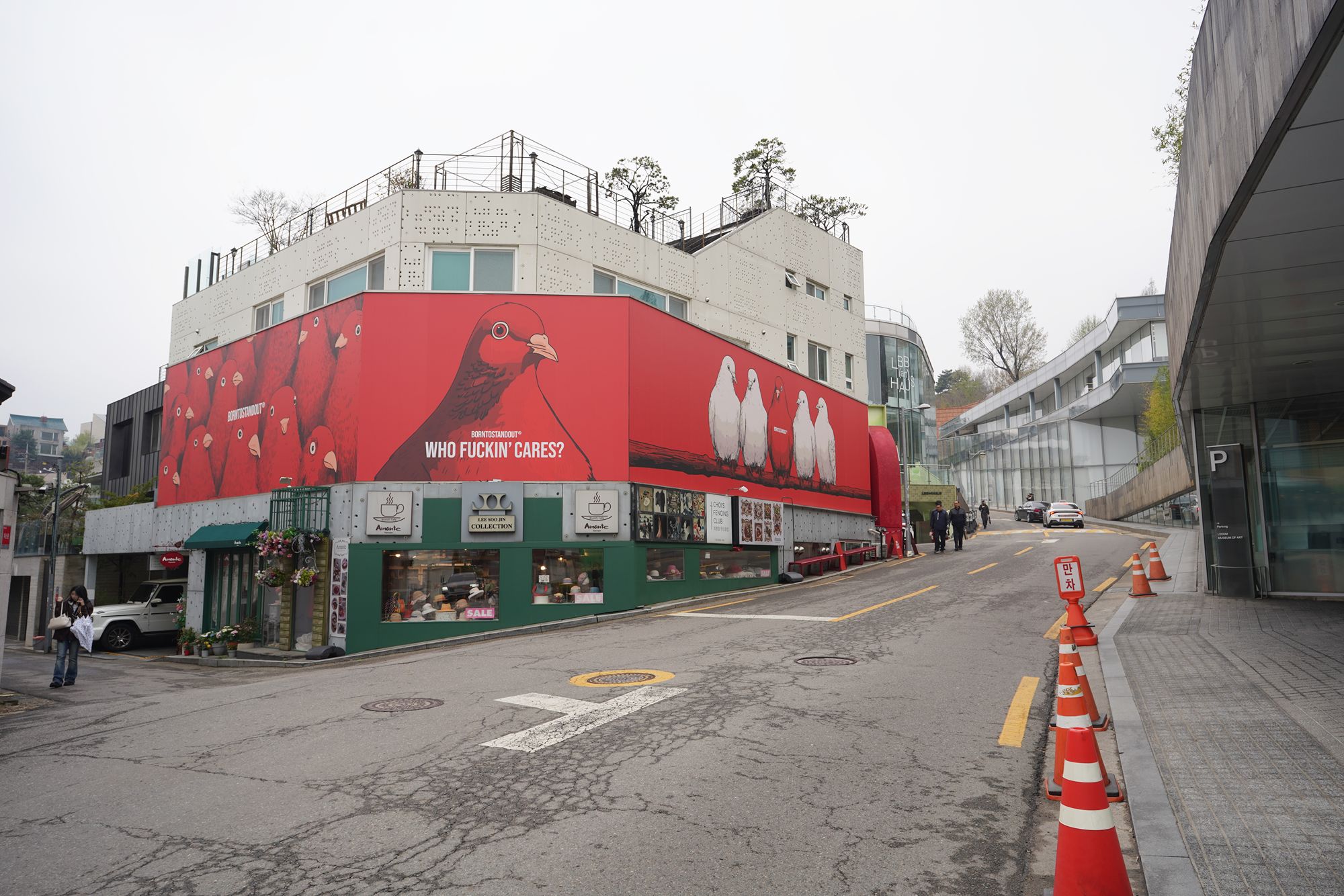
Walking through the streets of Hannam-dong on my way to the Leeum Museum of Art
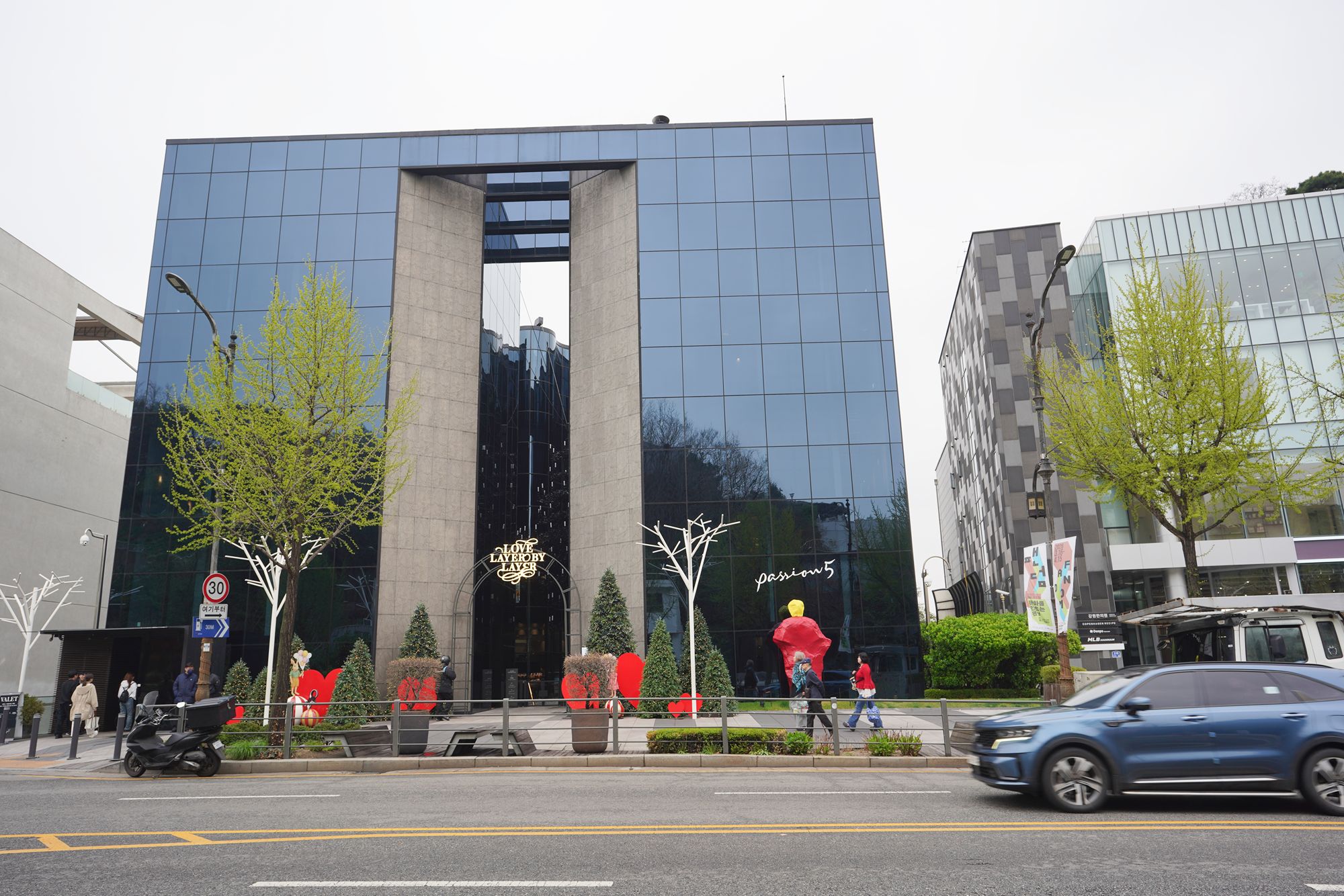
The building on the right is the Leeum Museum of Art, not the red building on the left.
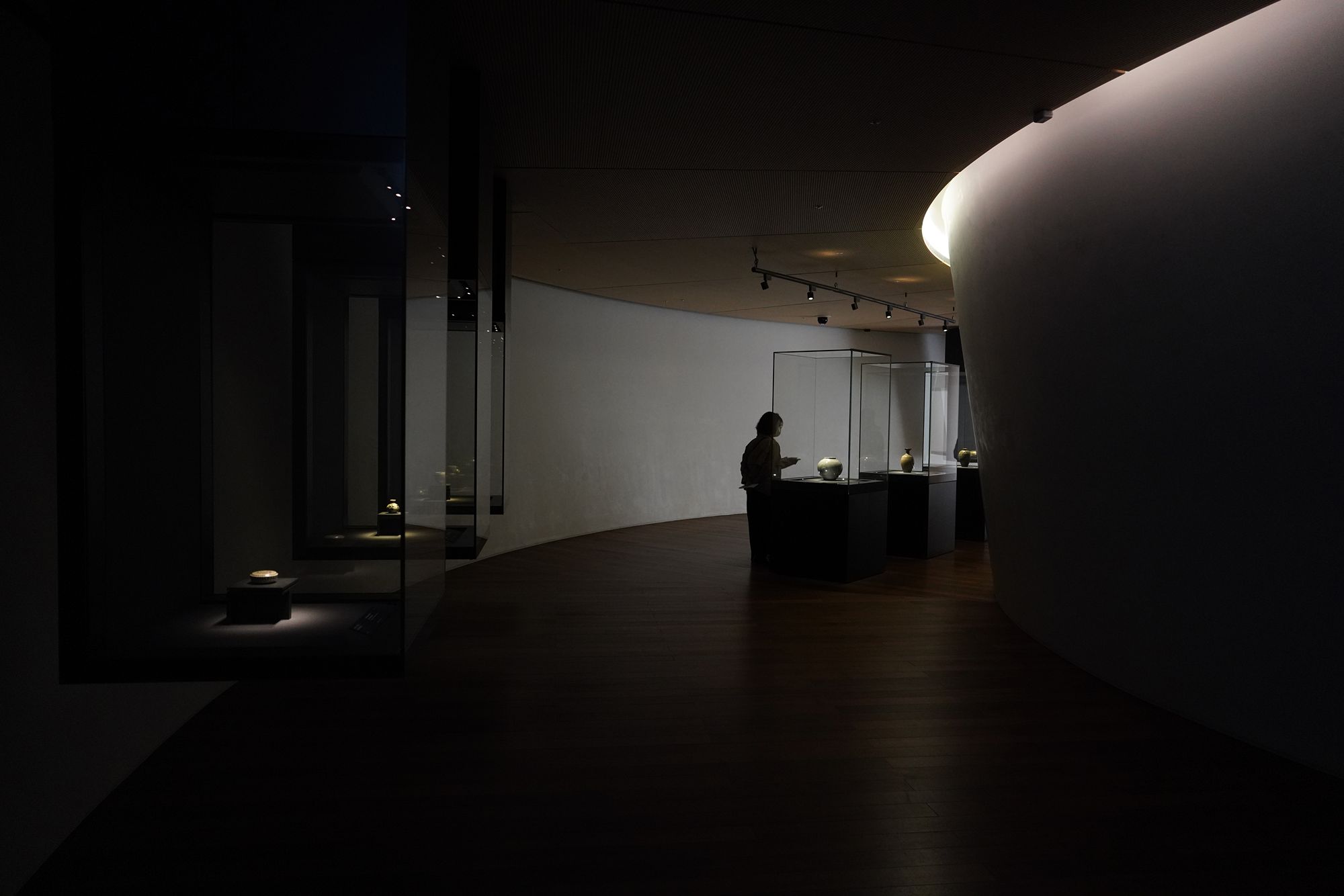
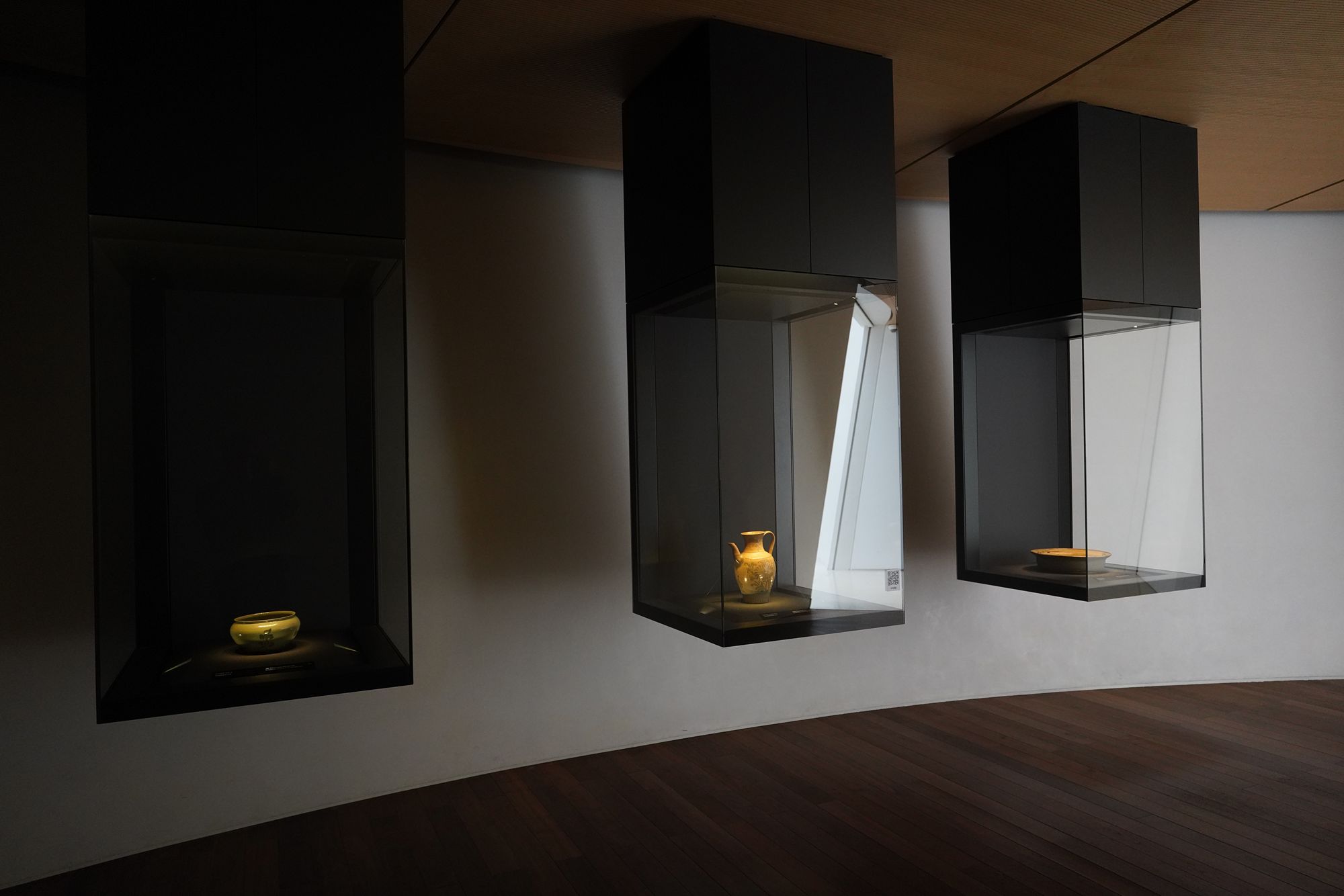
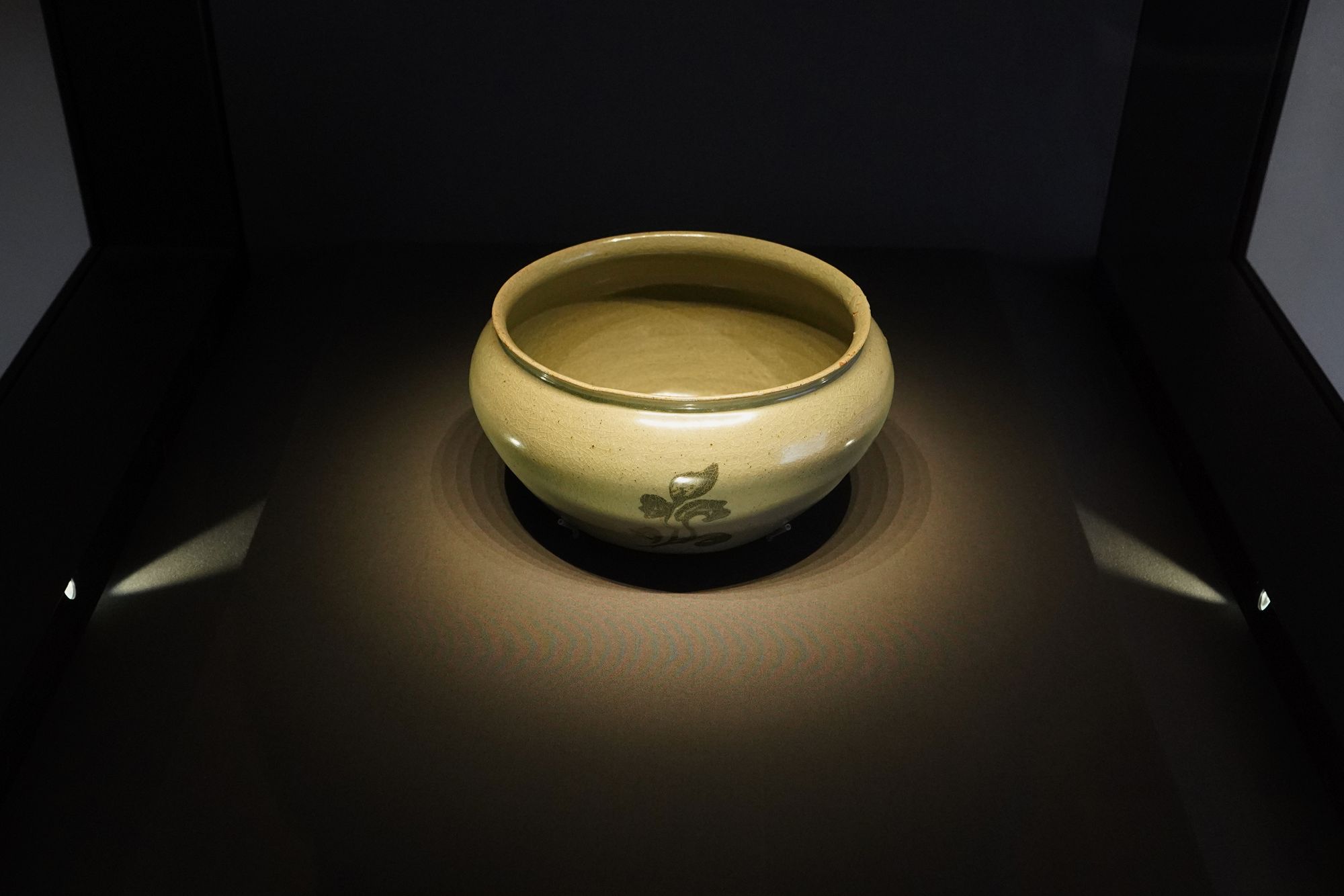
Many of the objects on display were traditional Korean ceramics, including ancient jars, bowls, and dishes.
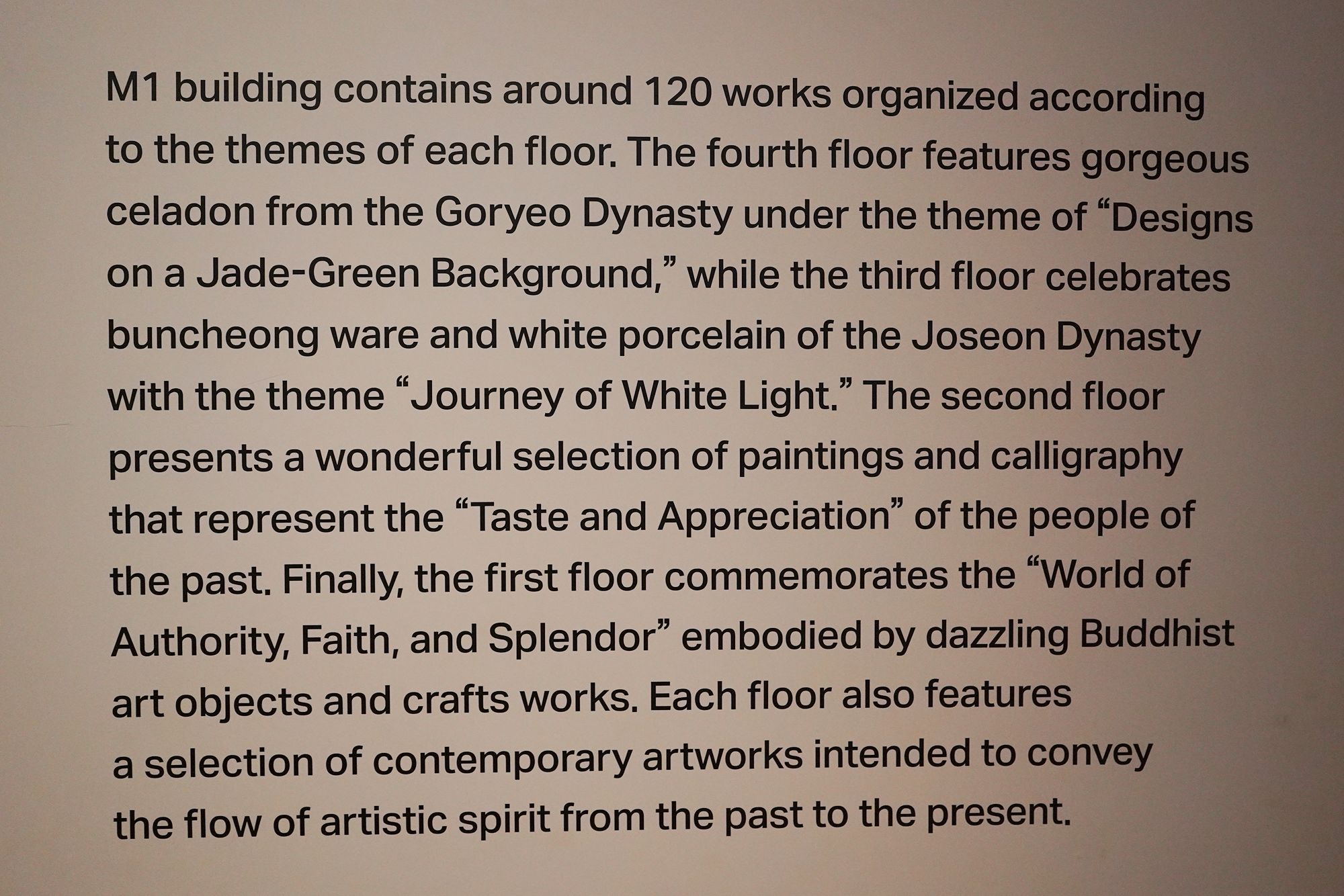
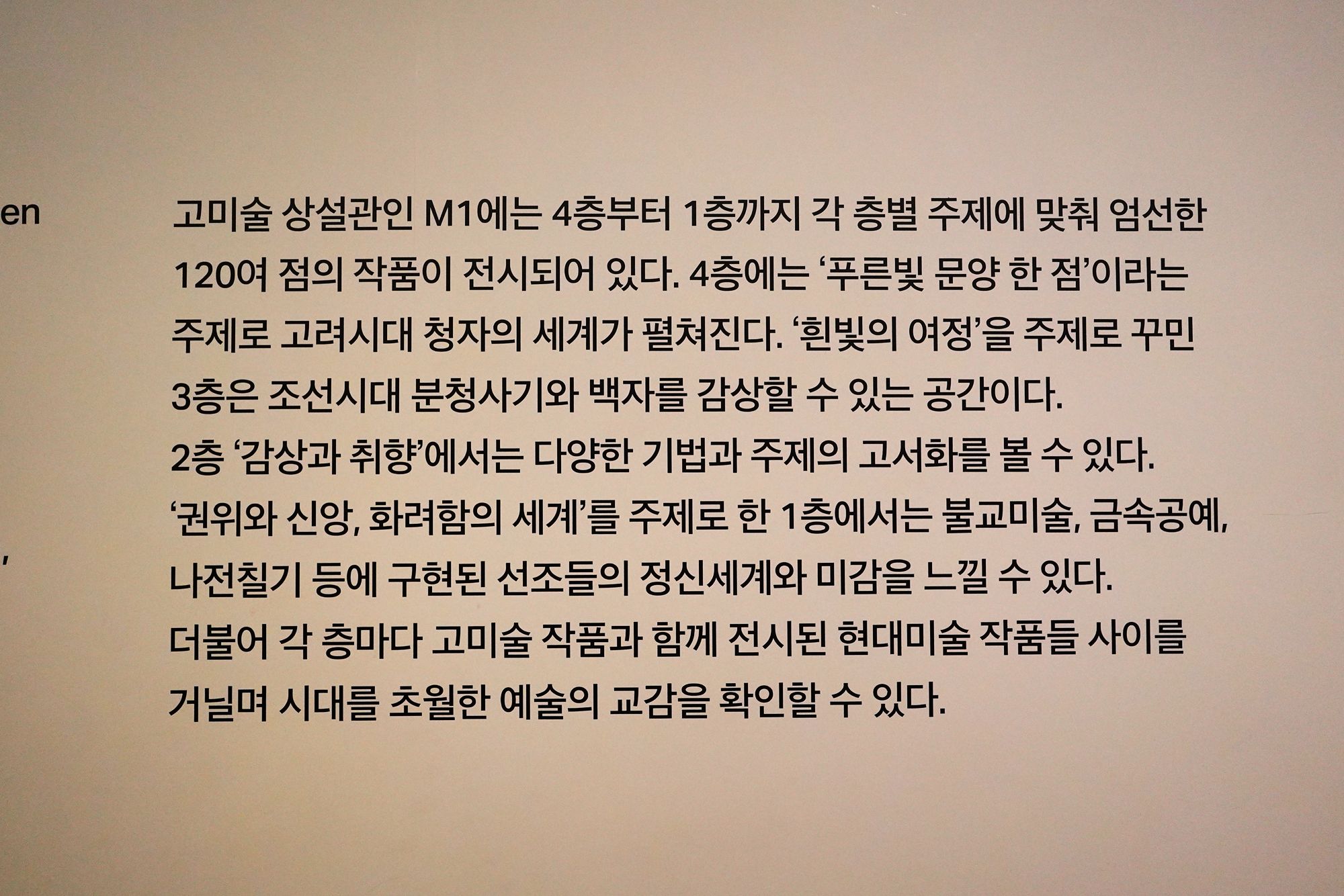
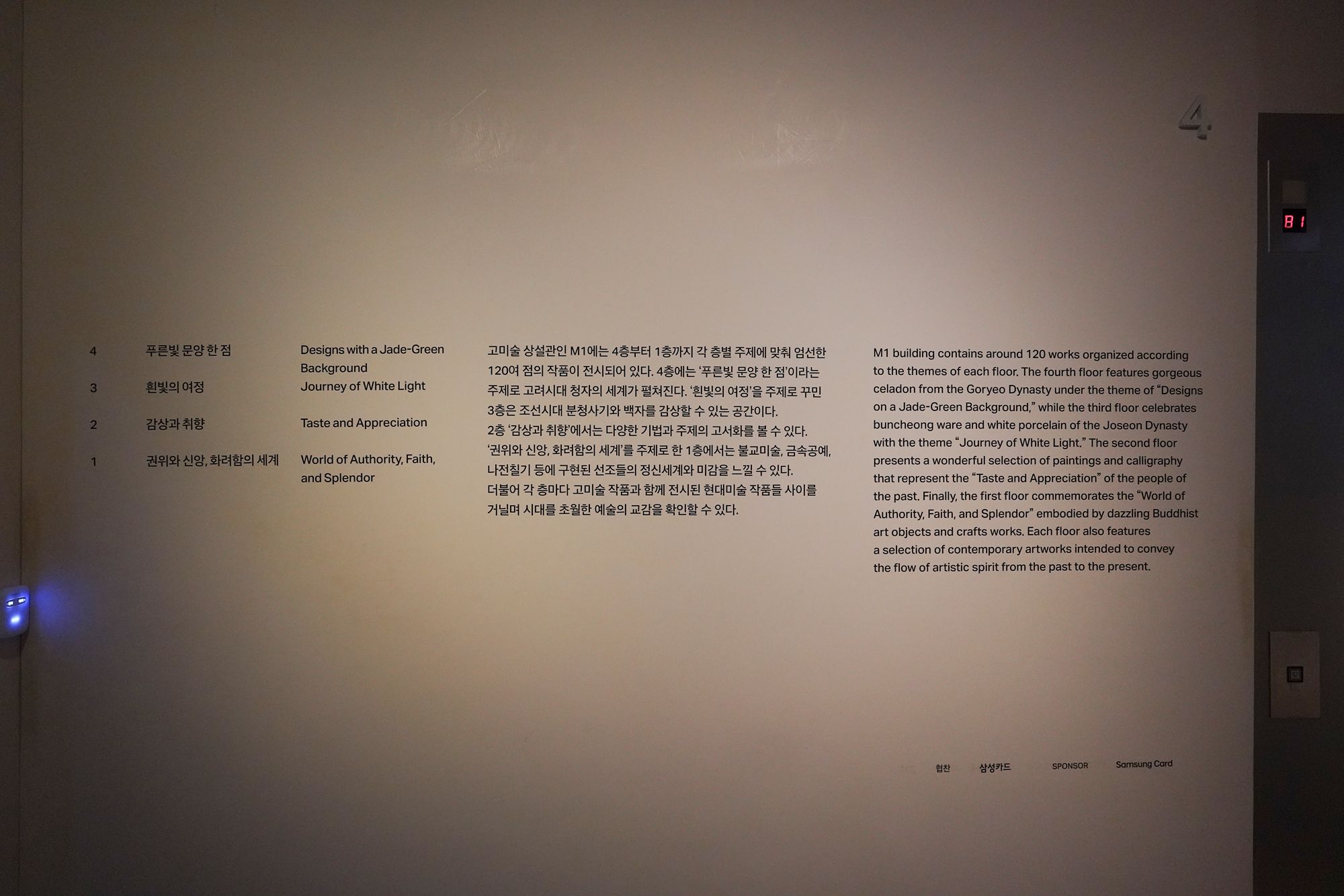
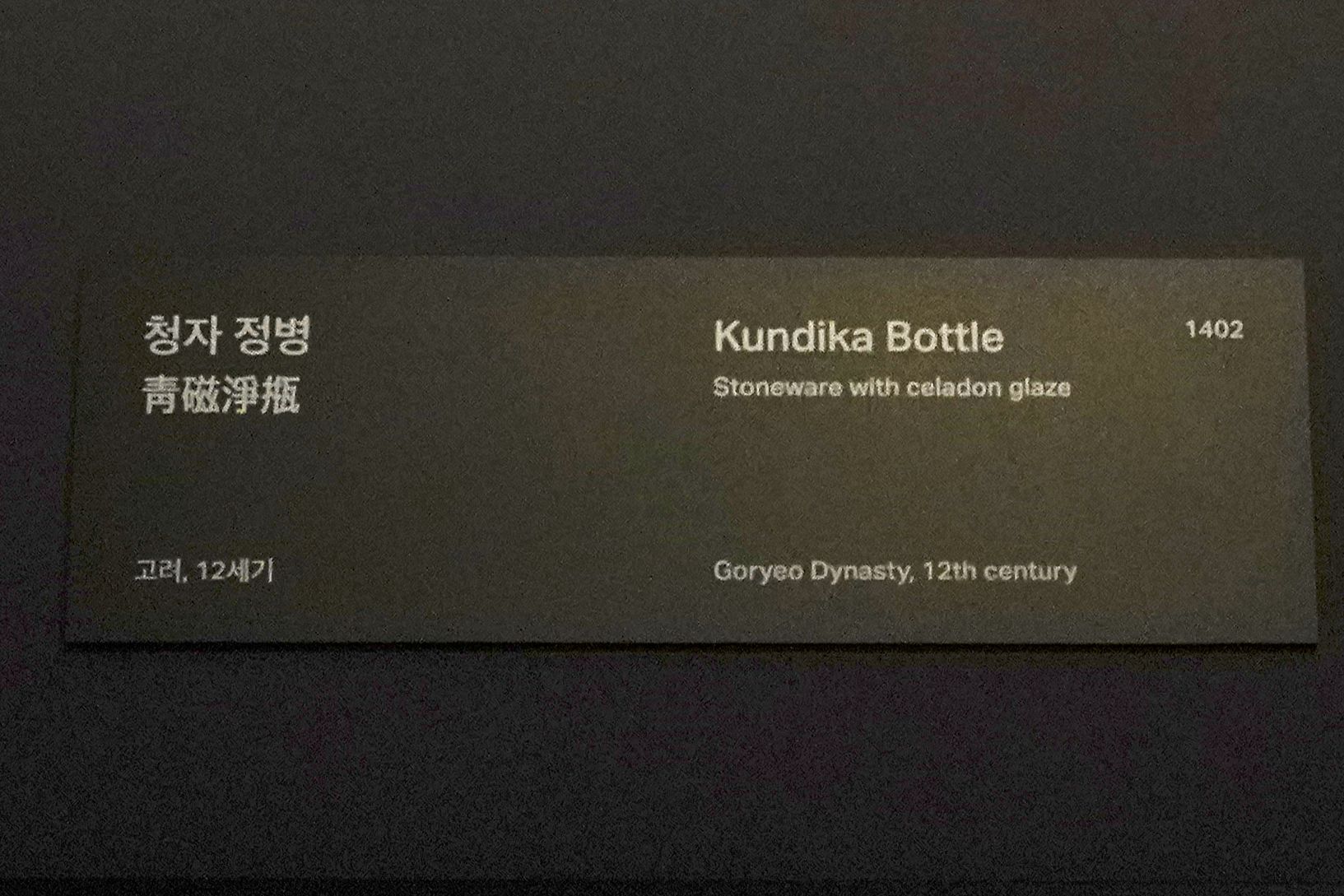
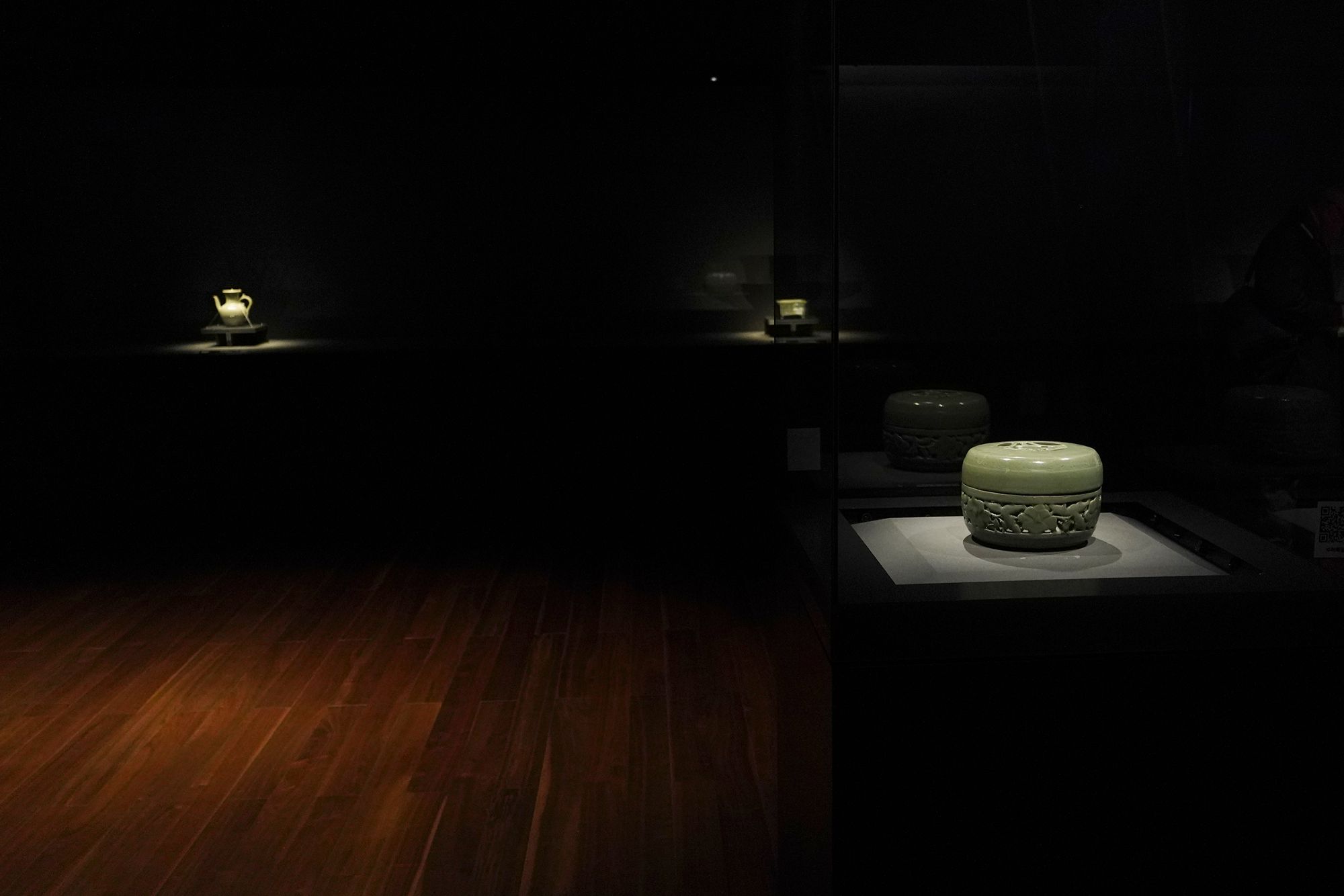
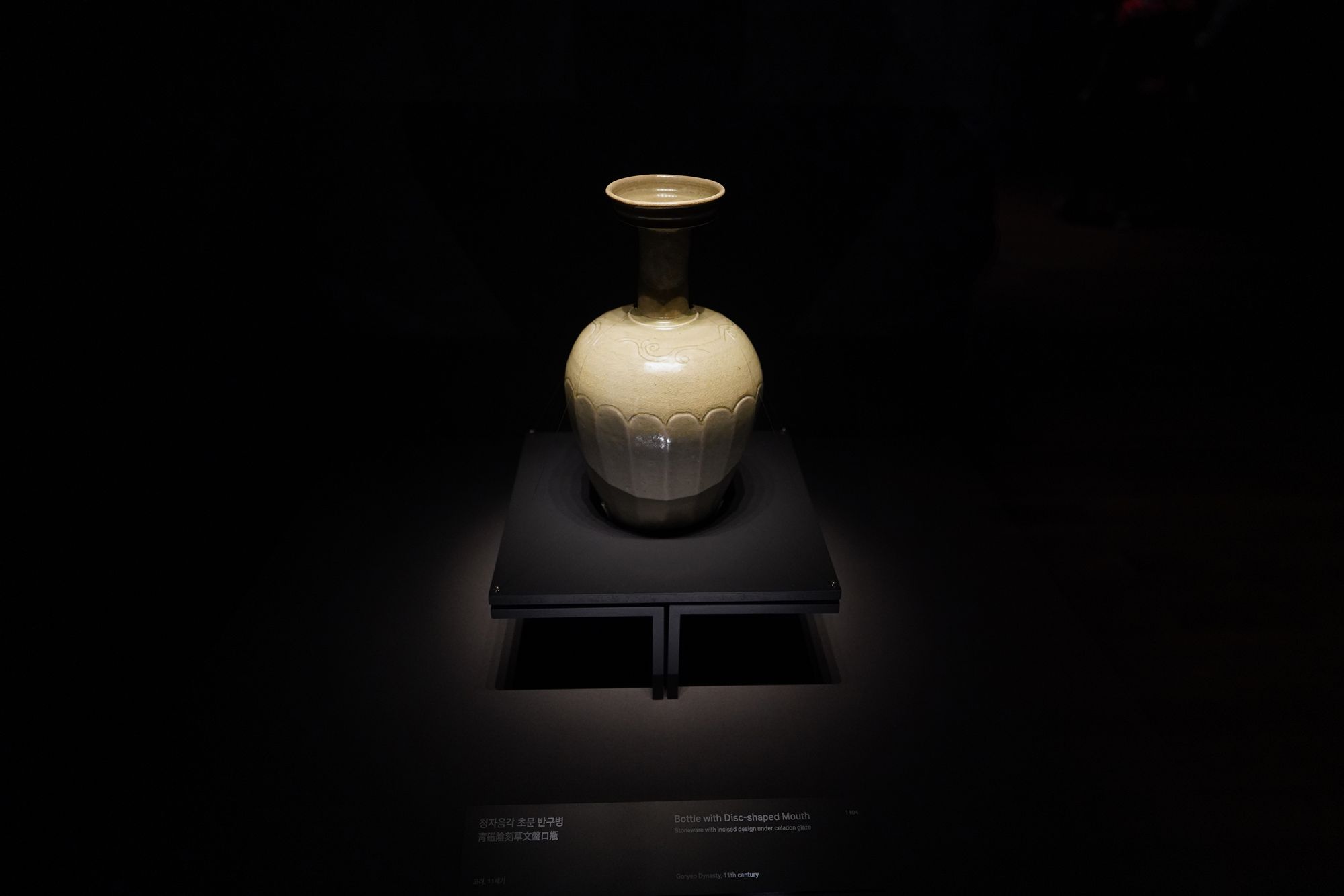
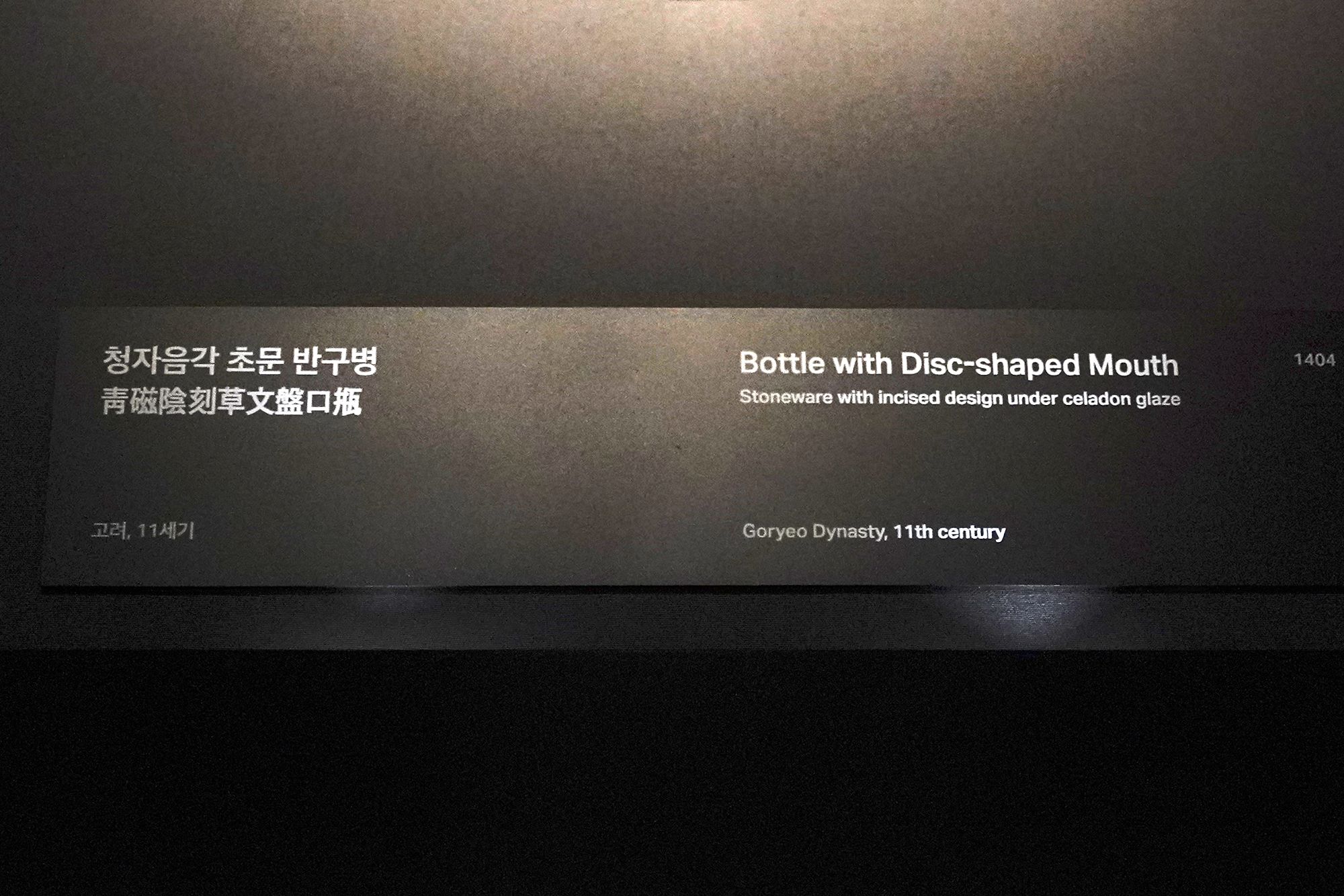
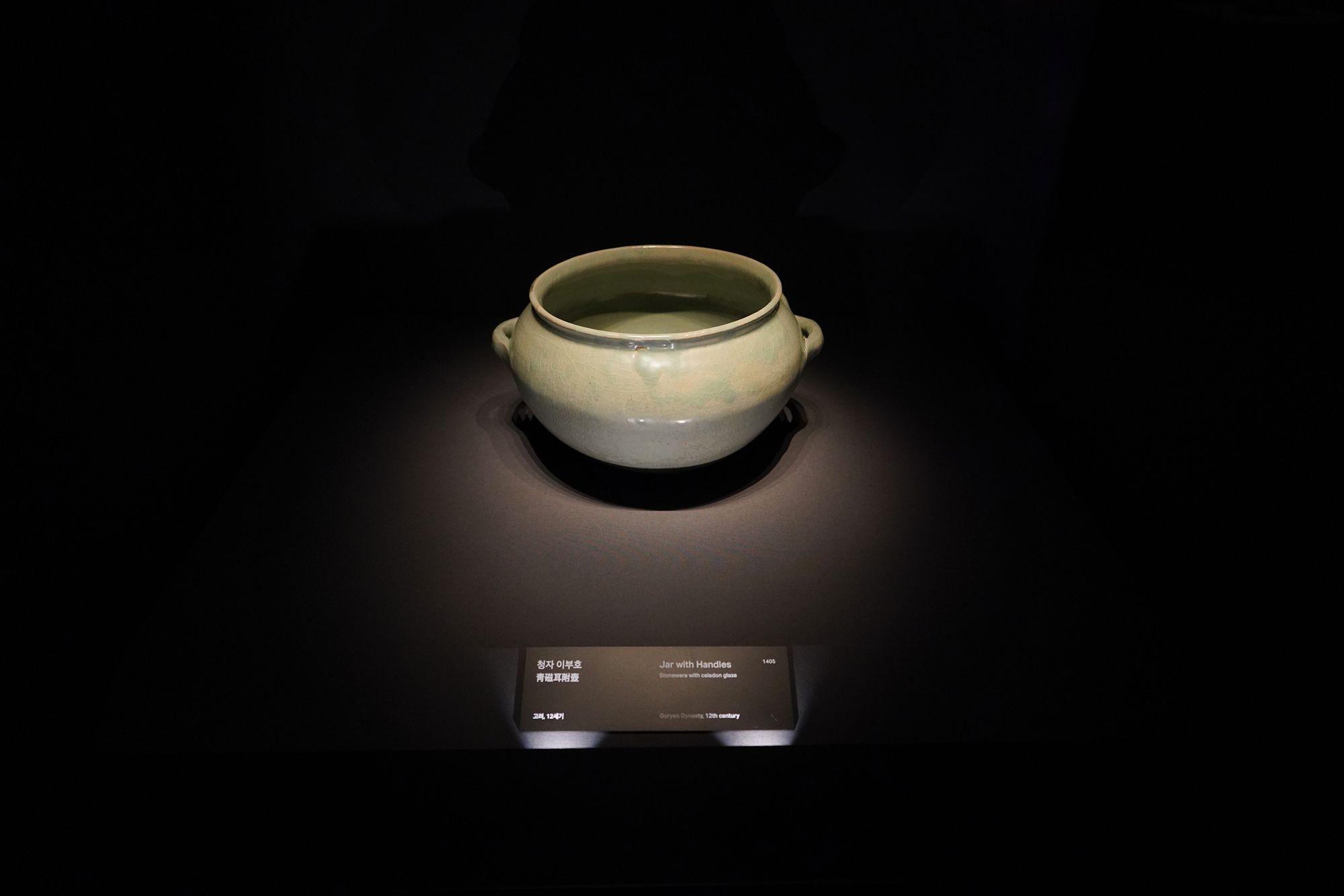
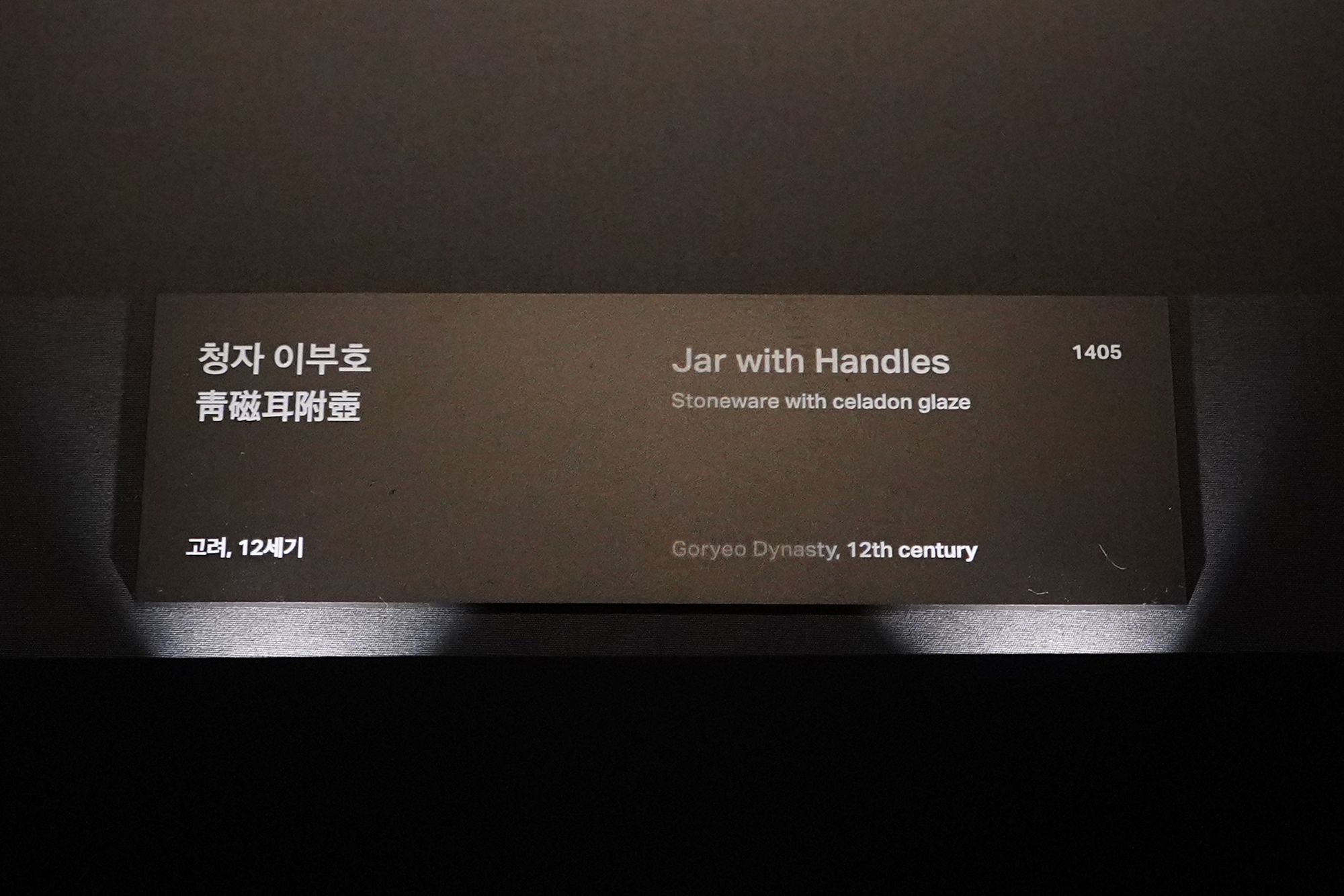
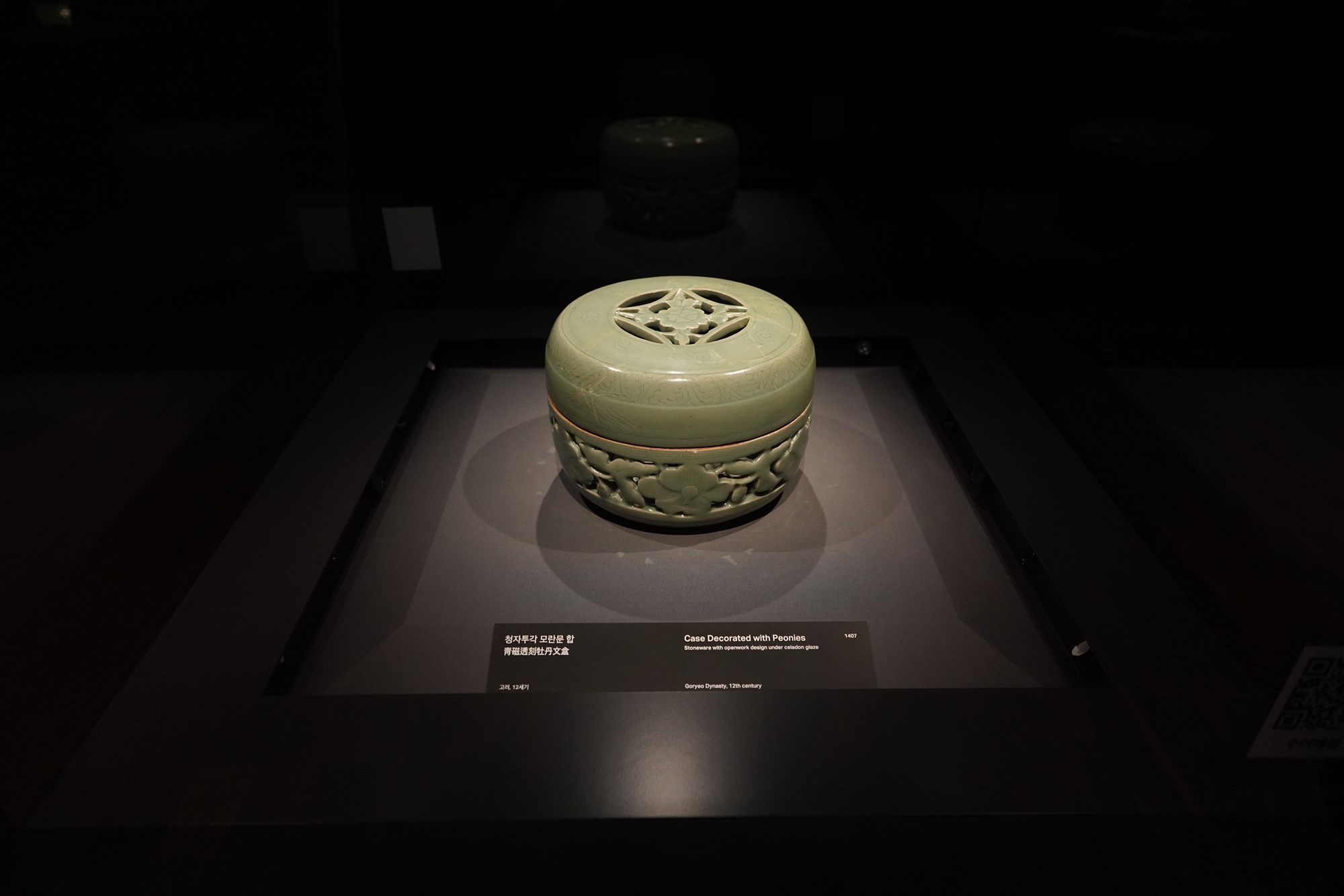
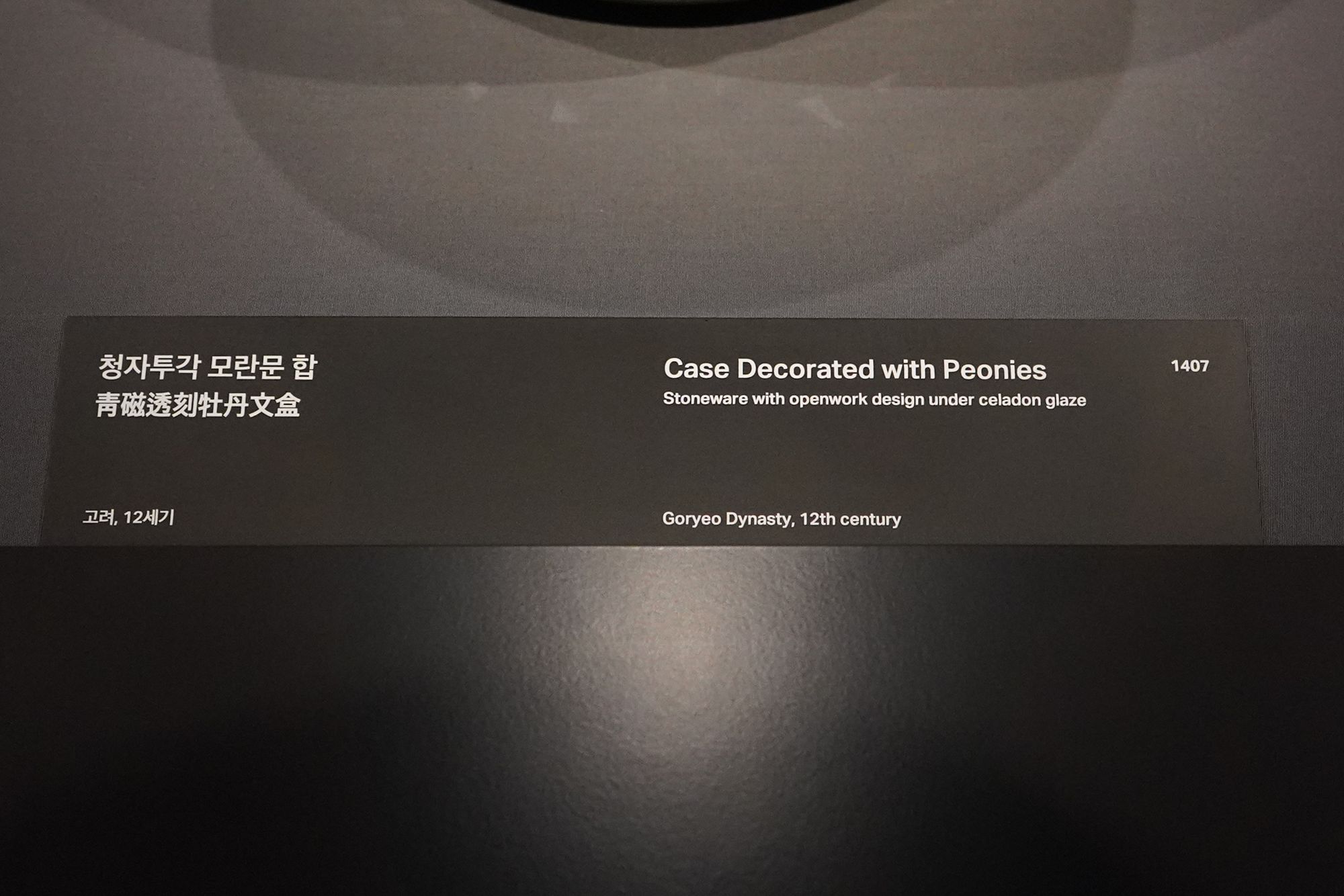
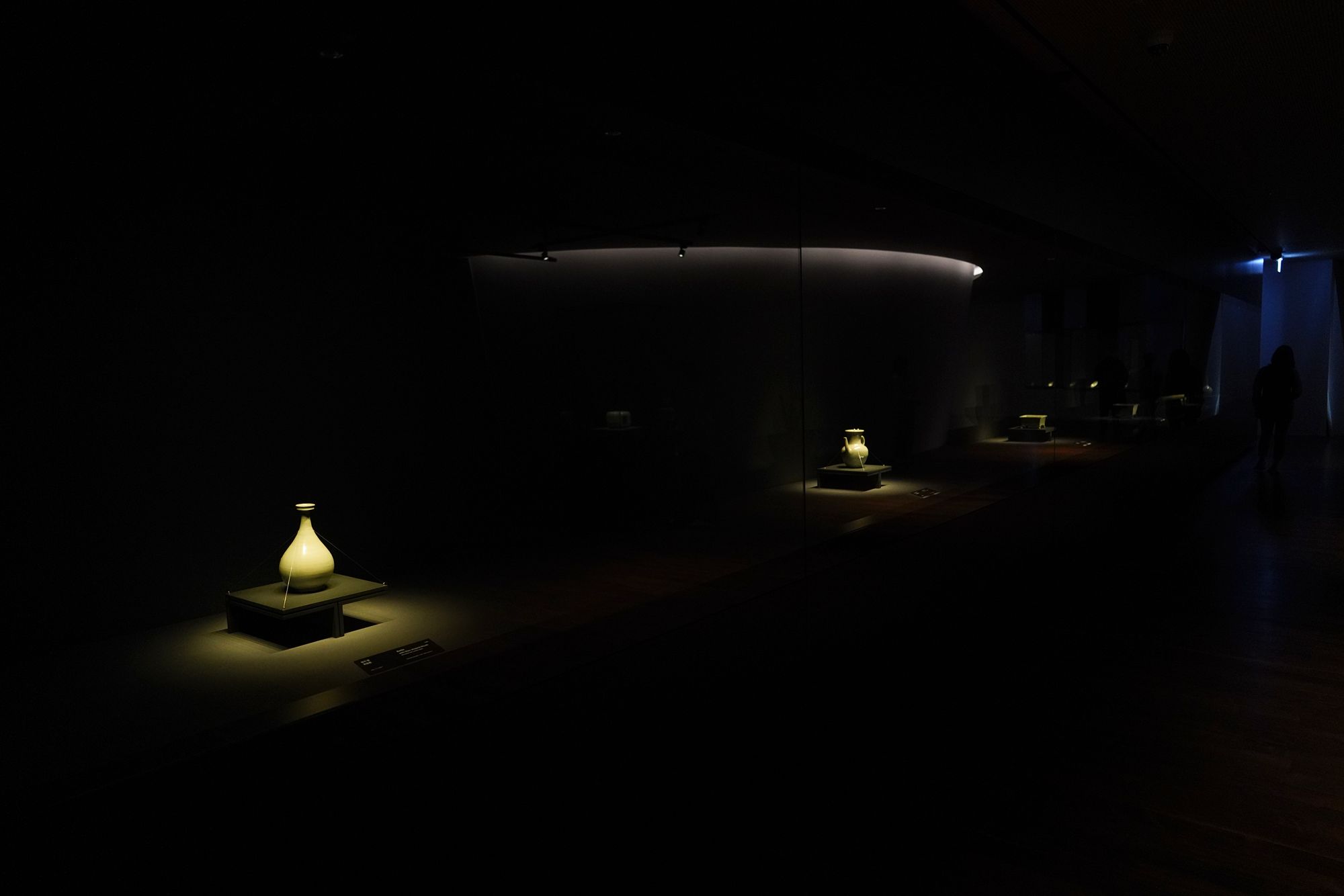
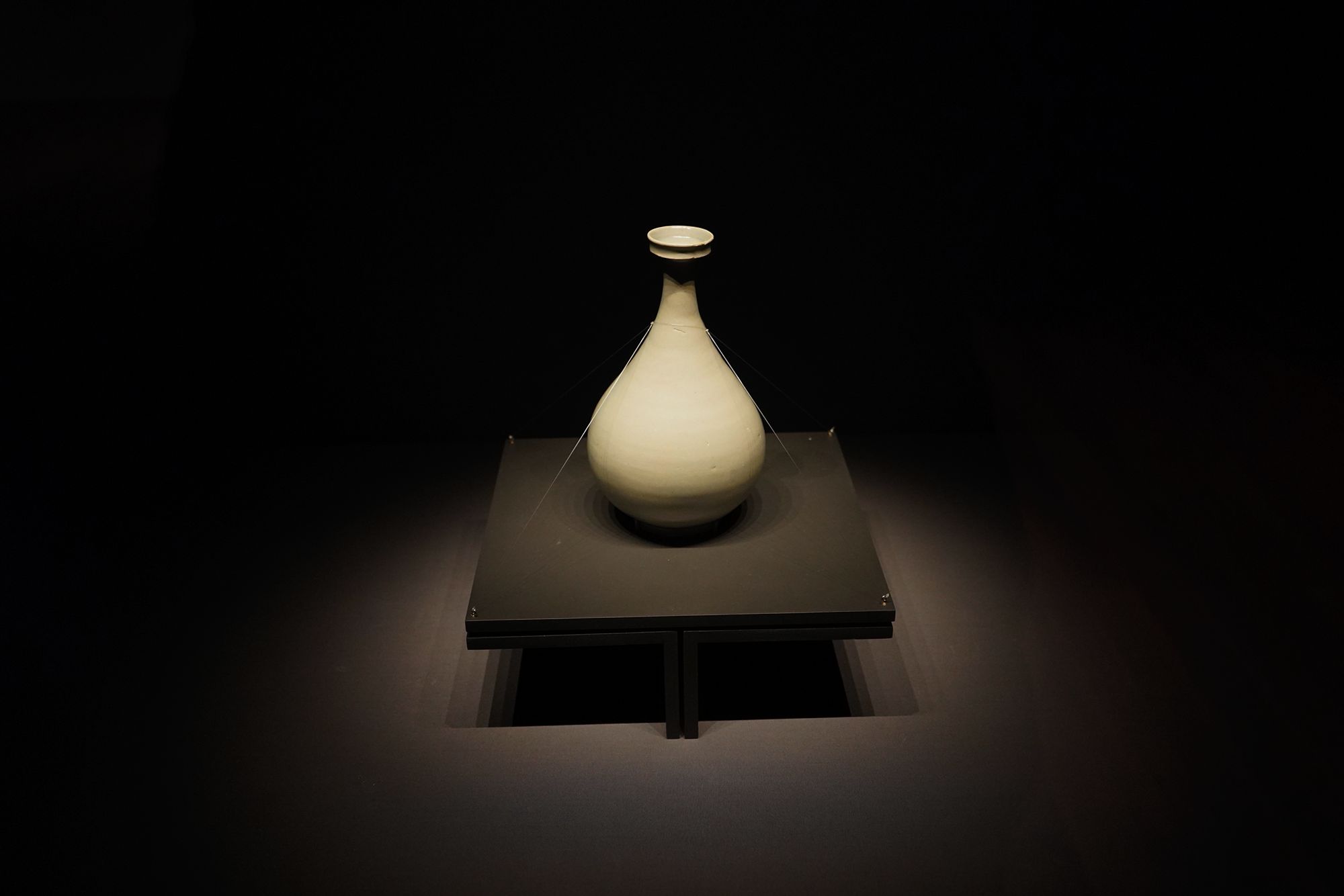
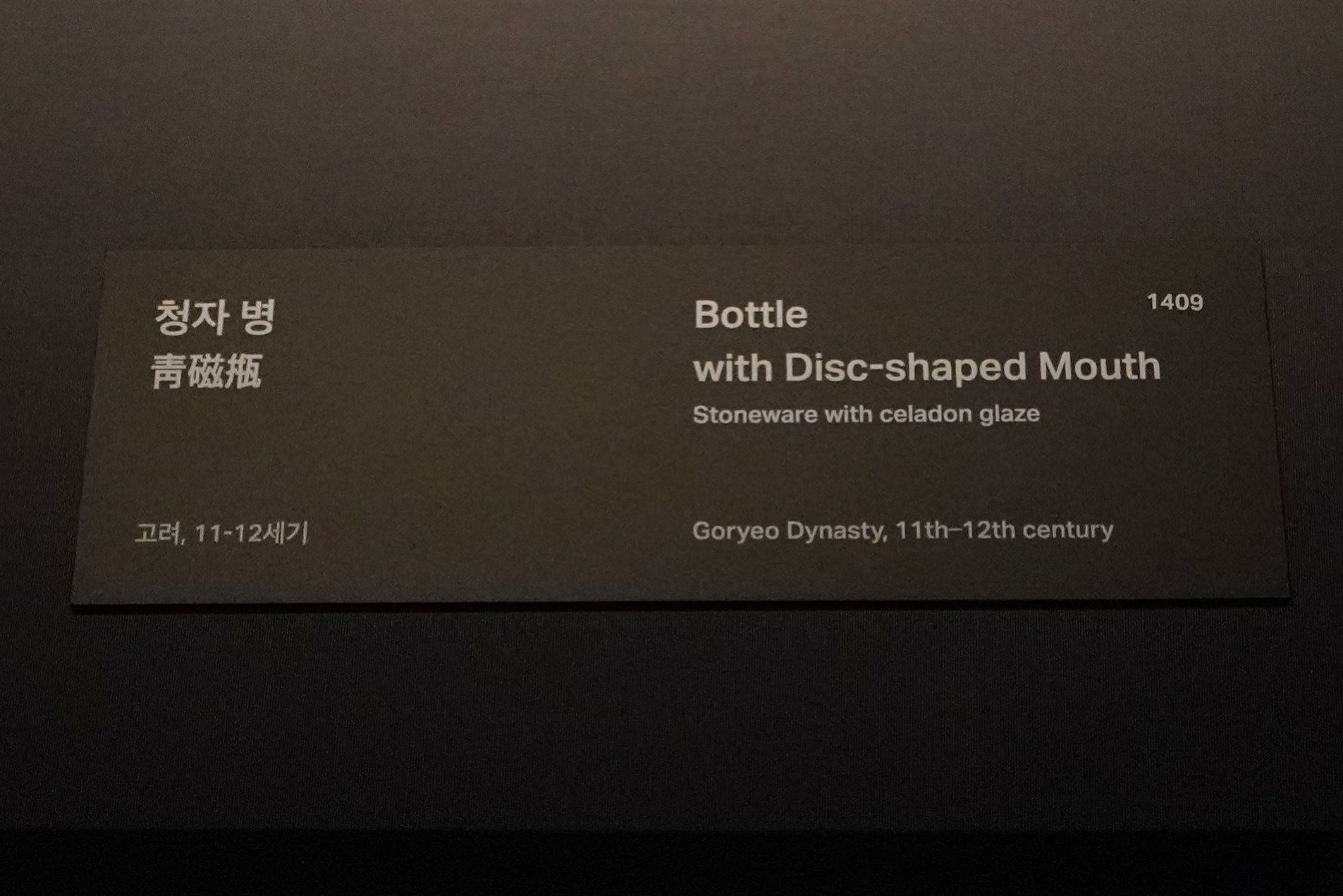
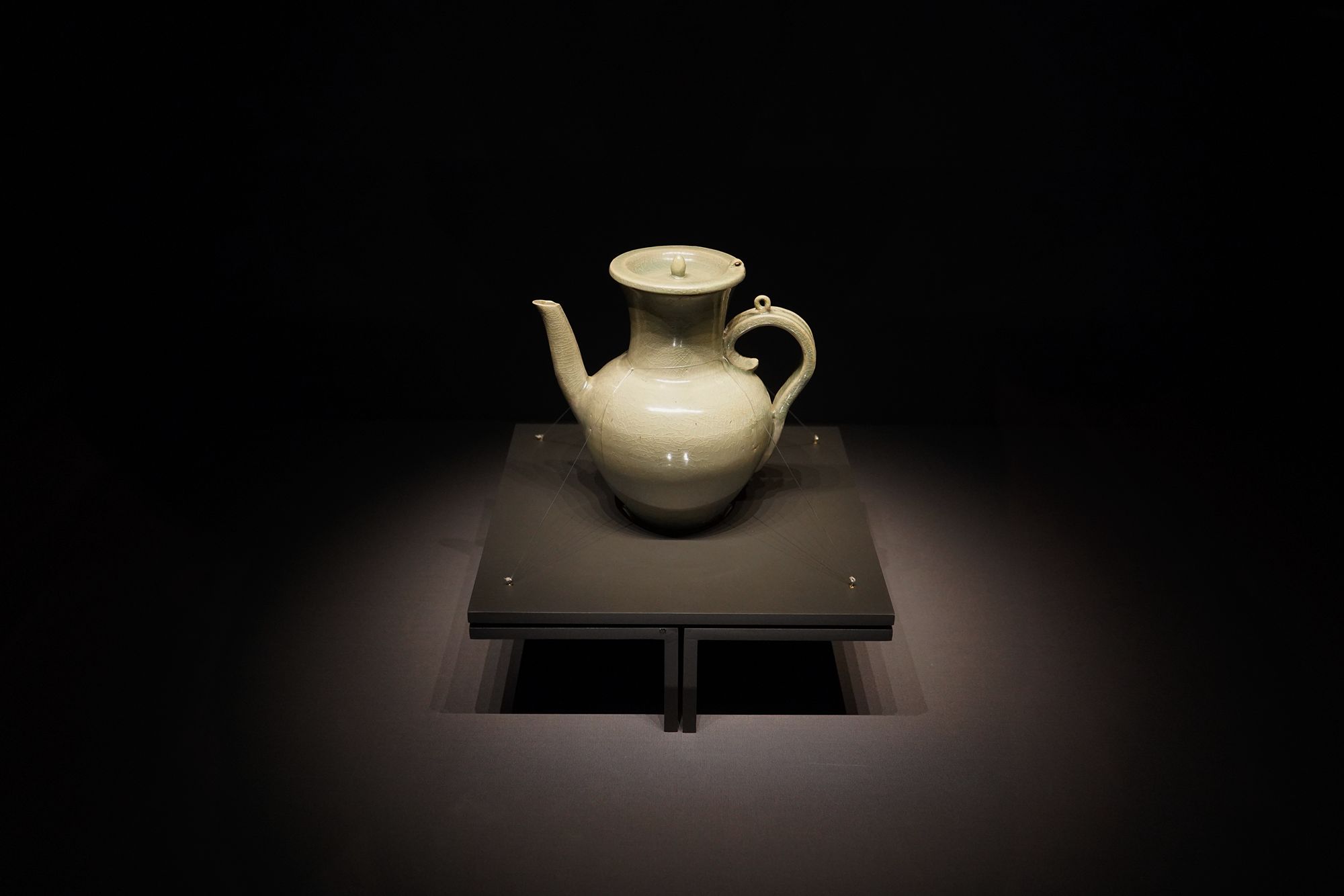
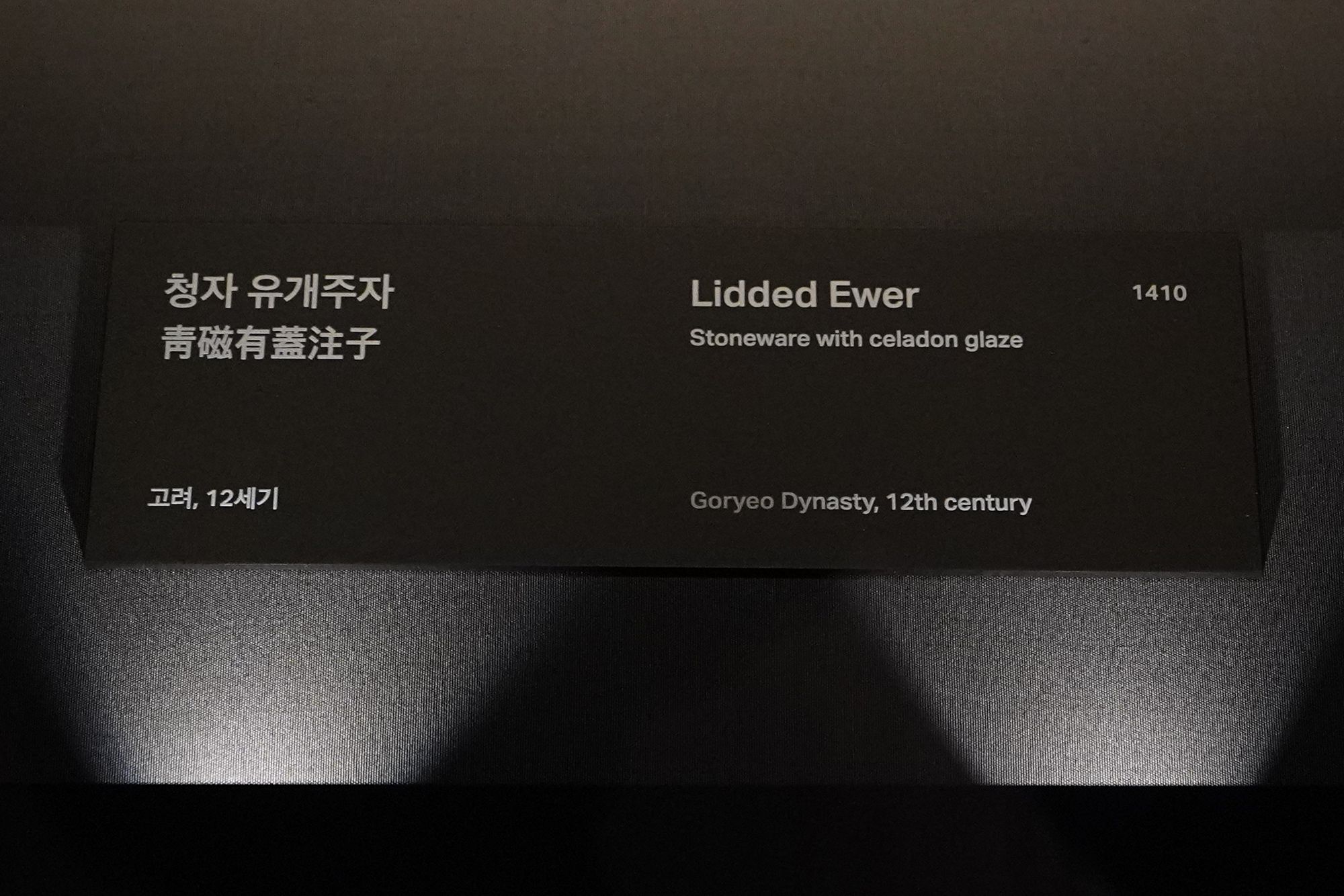
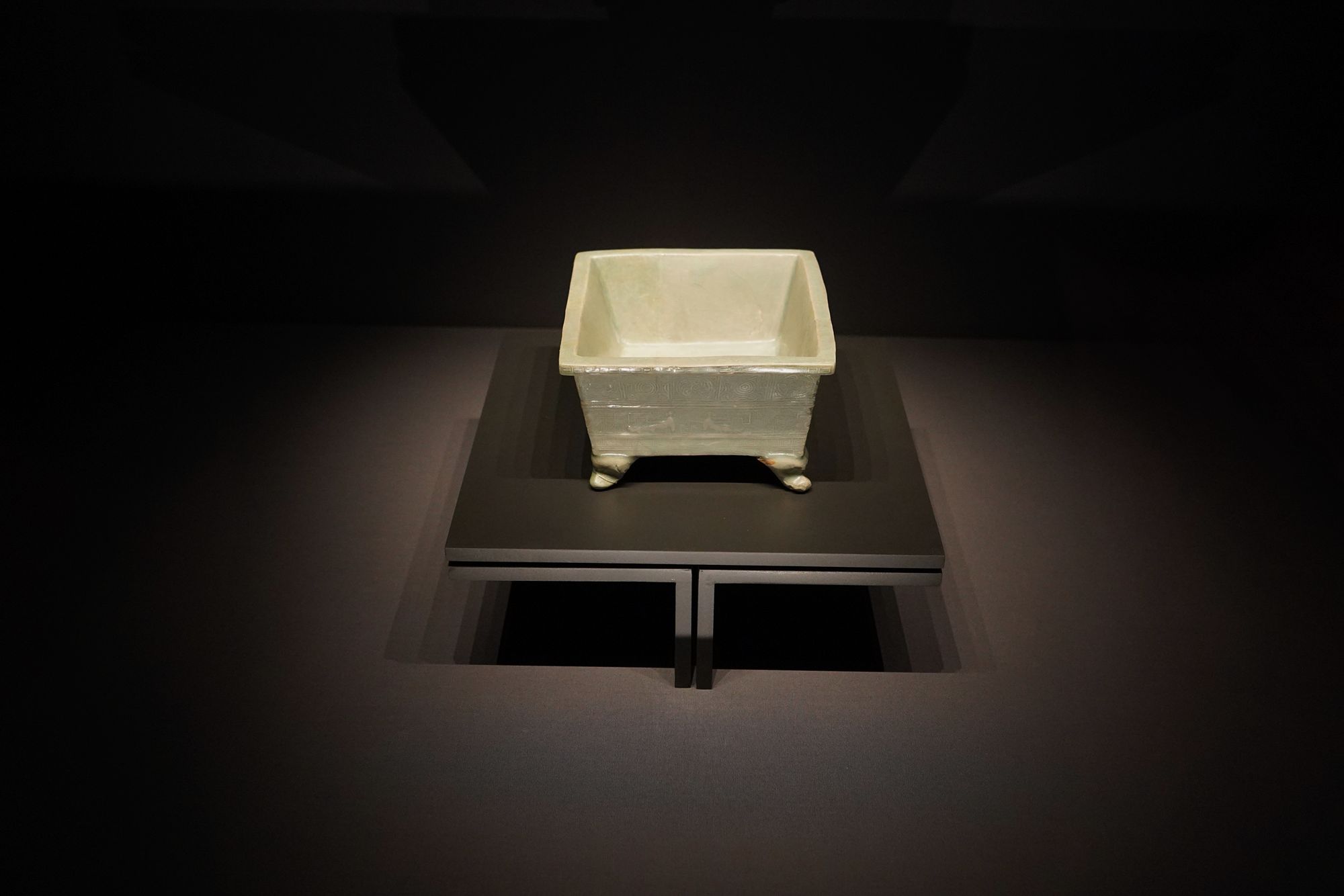
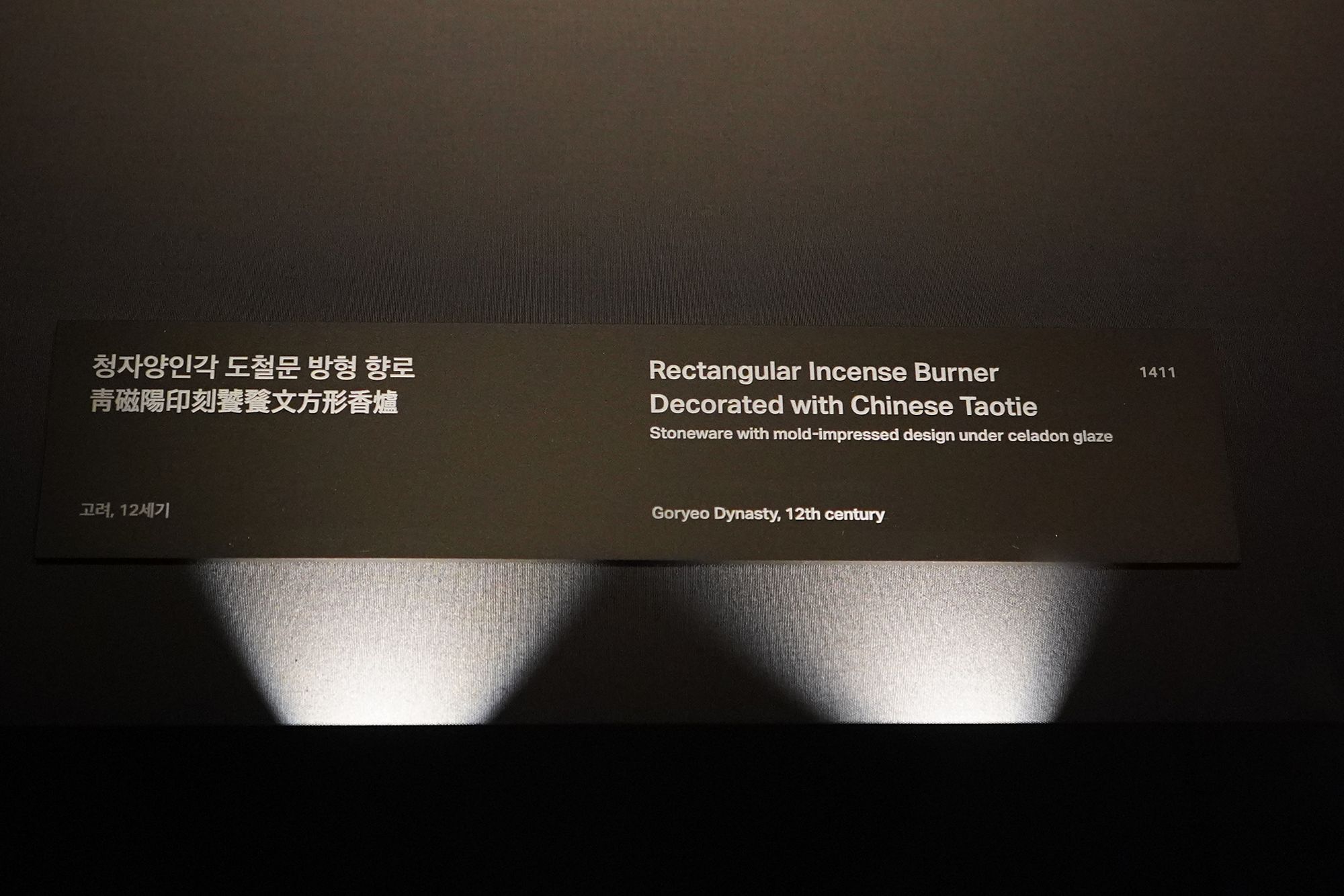
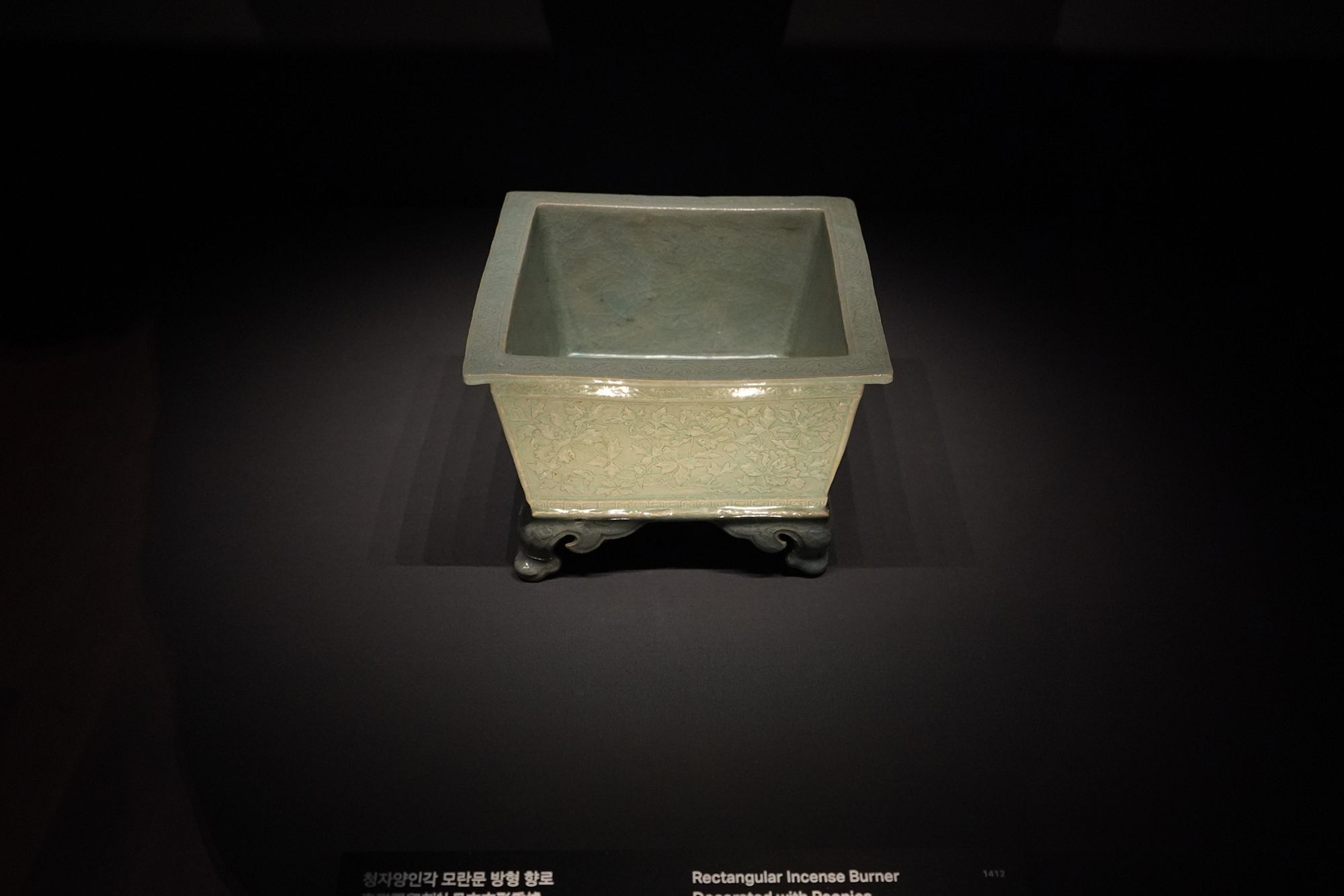
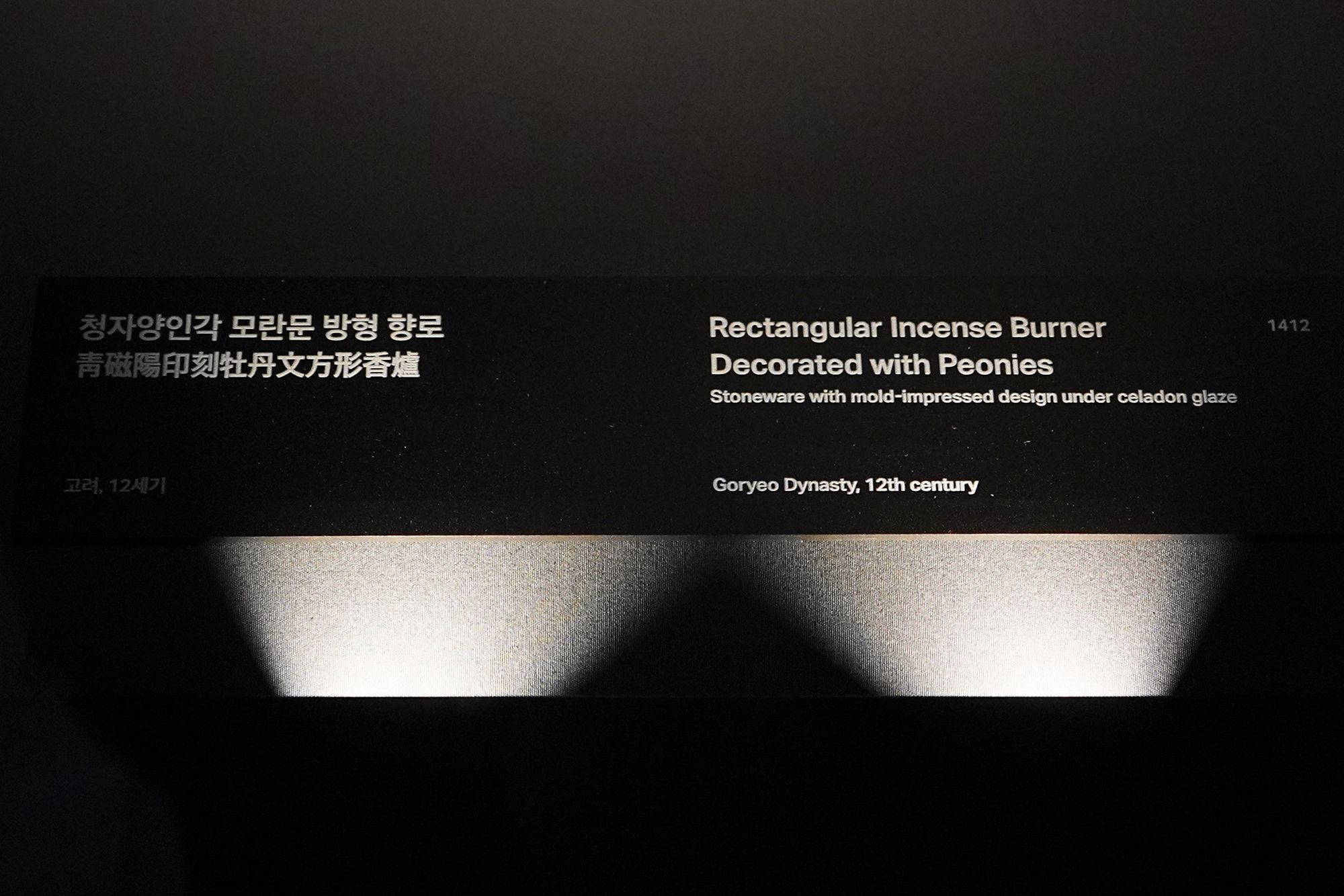
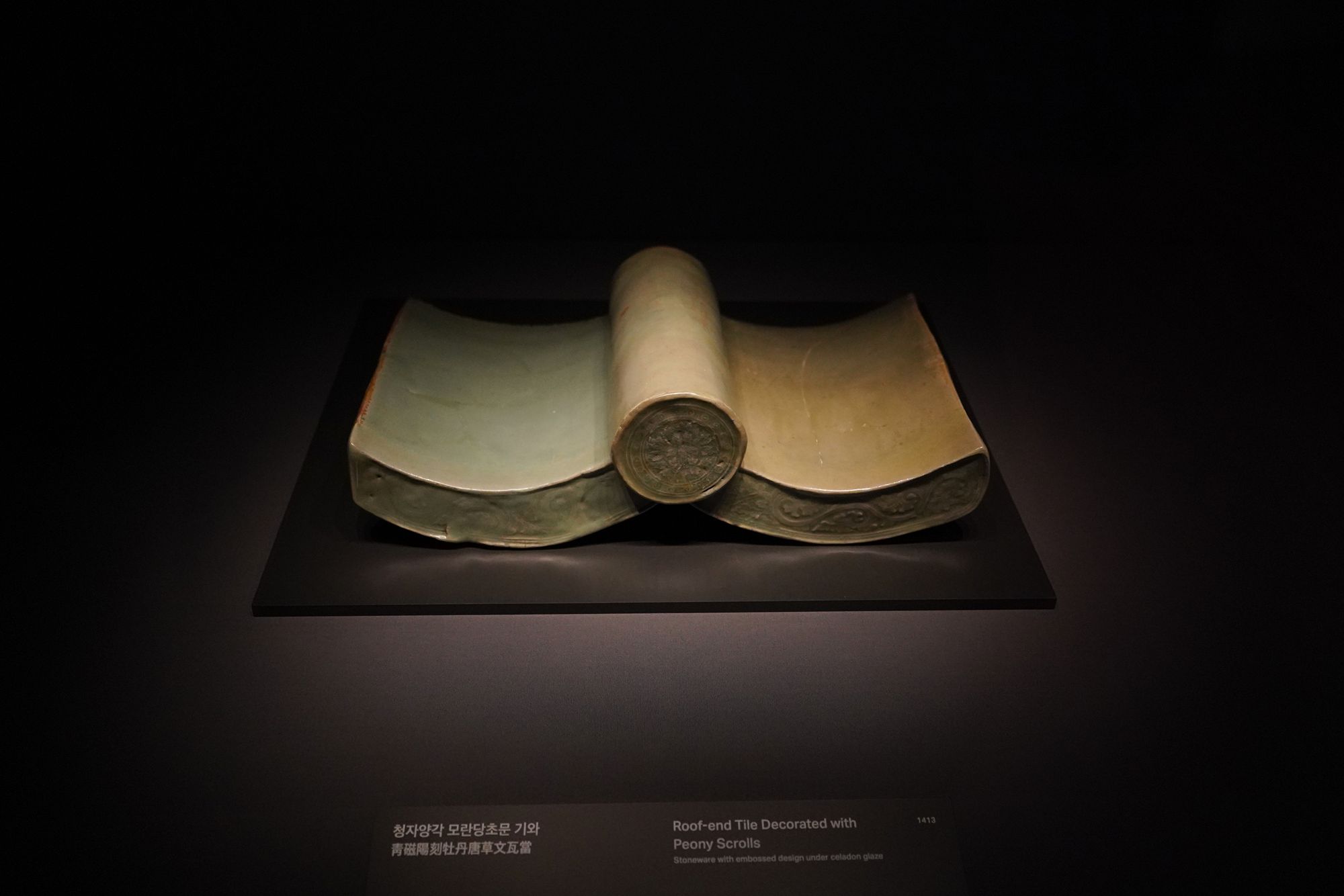
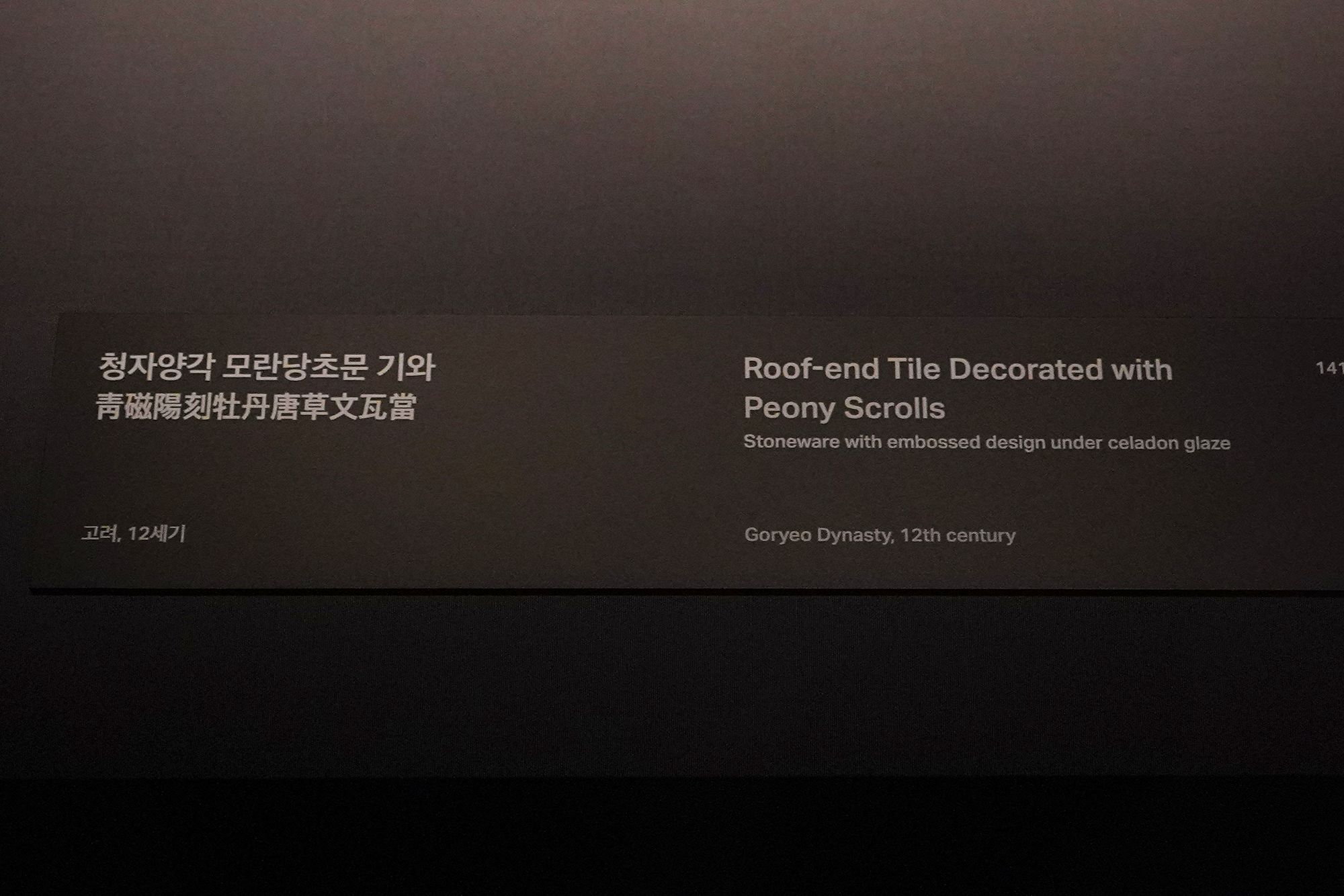
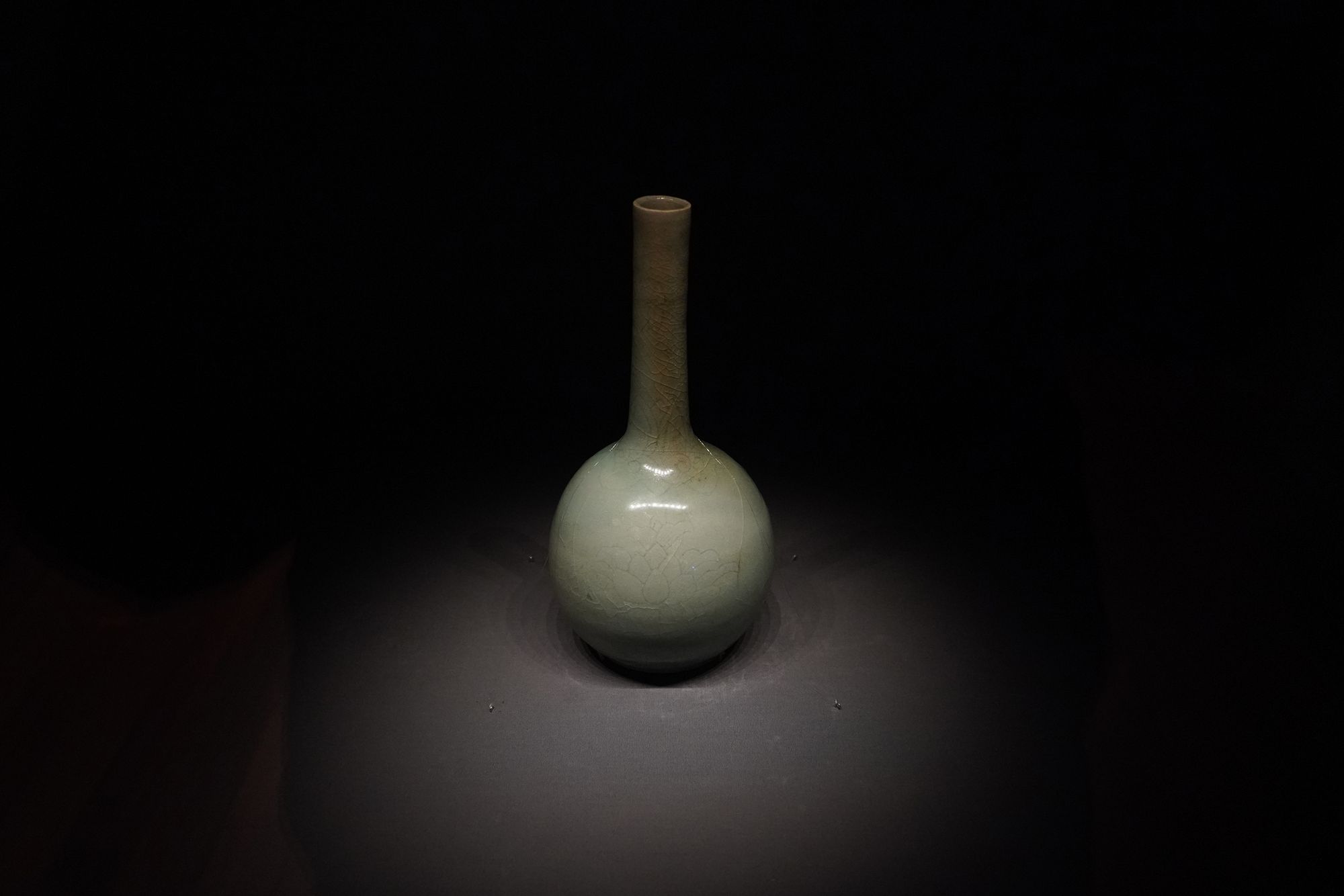
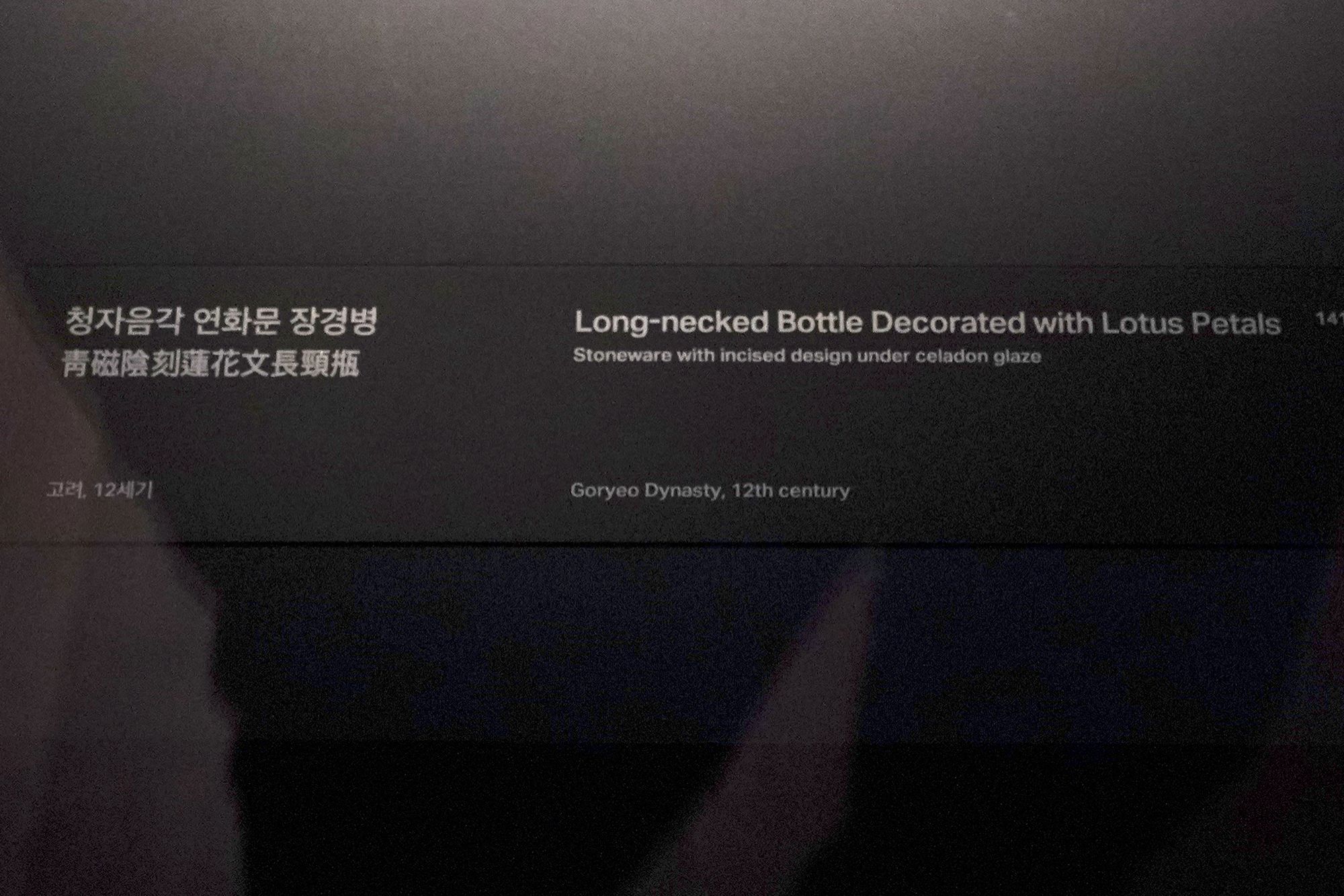
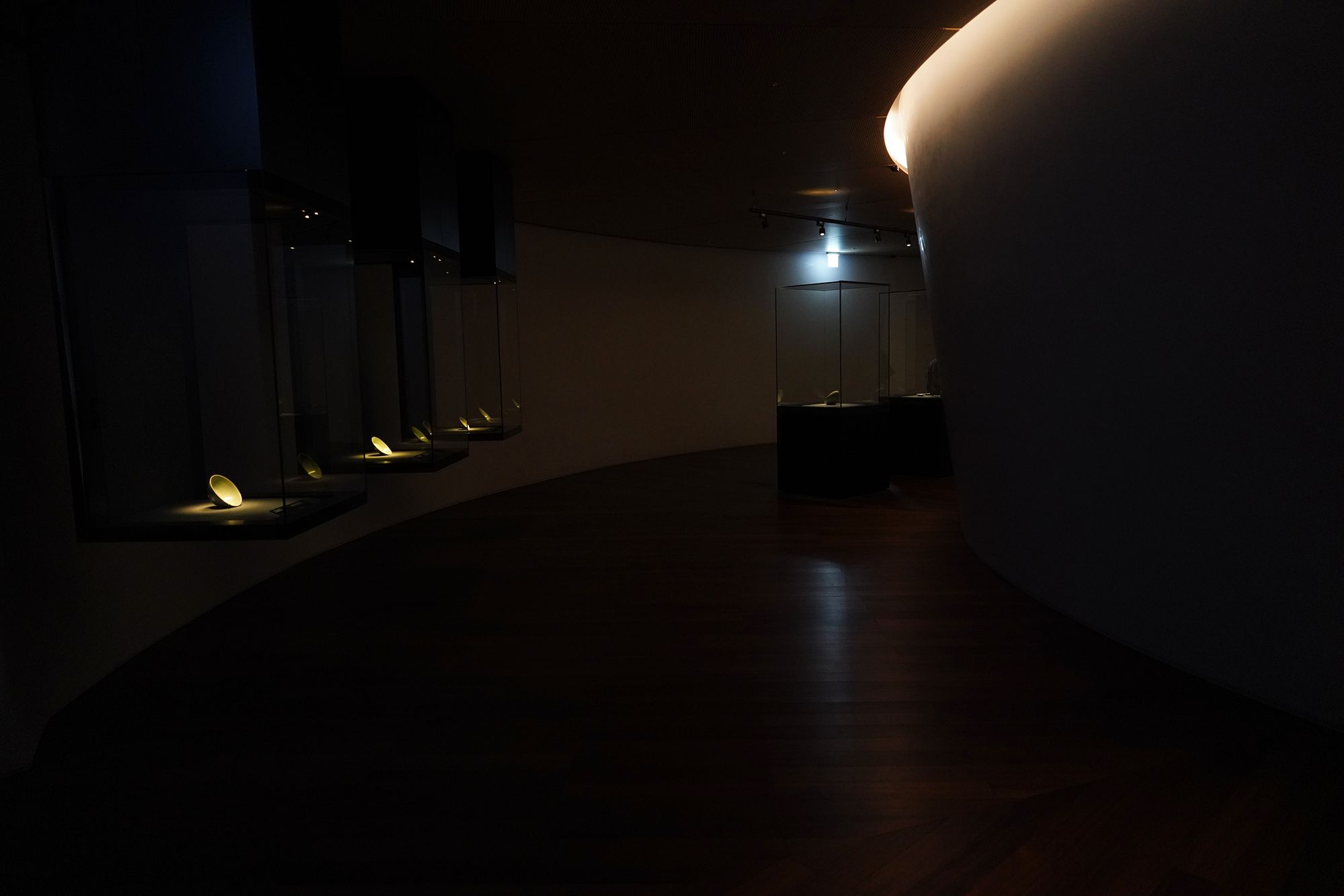
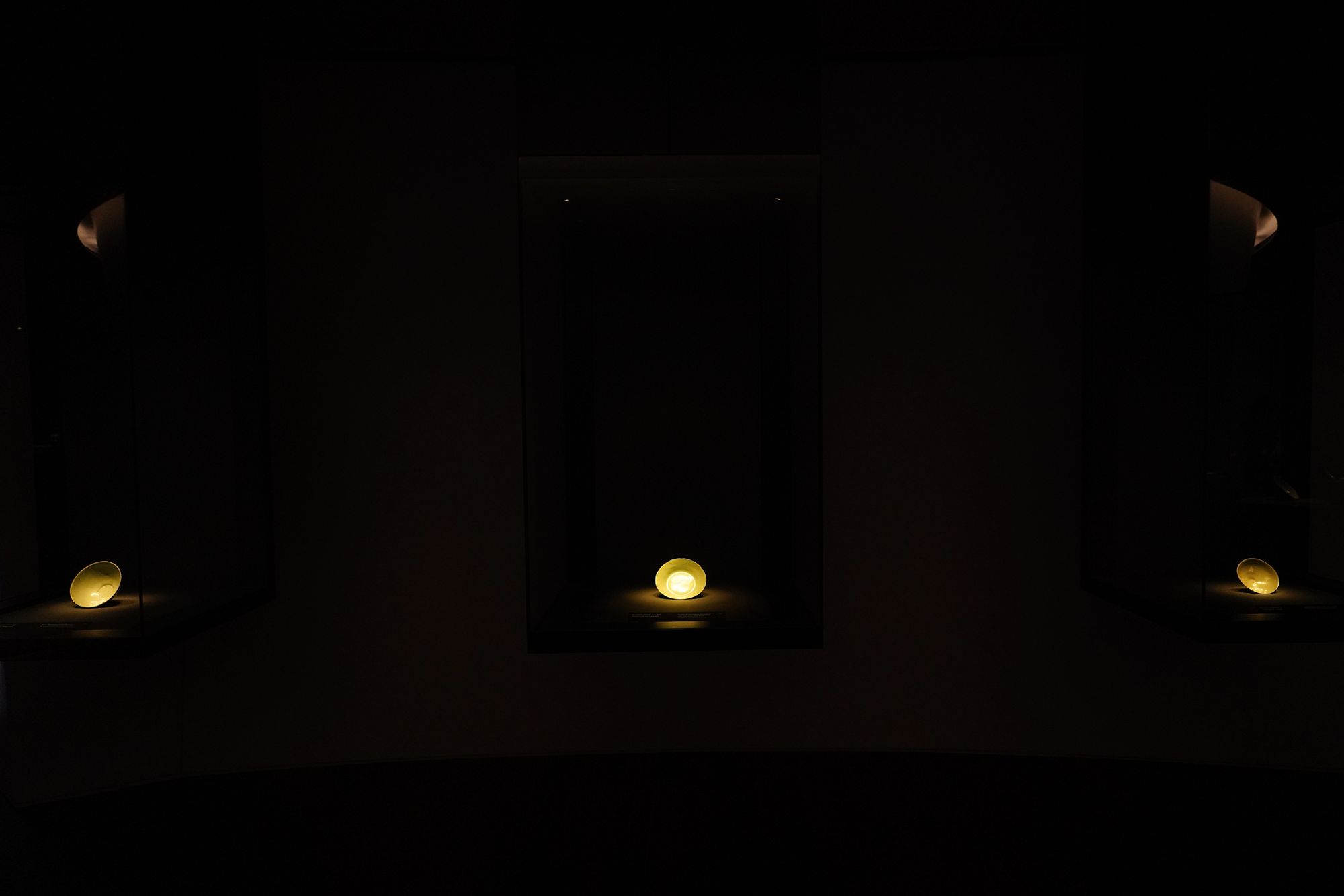
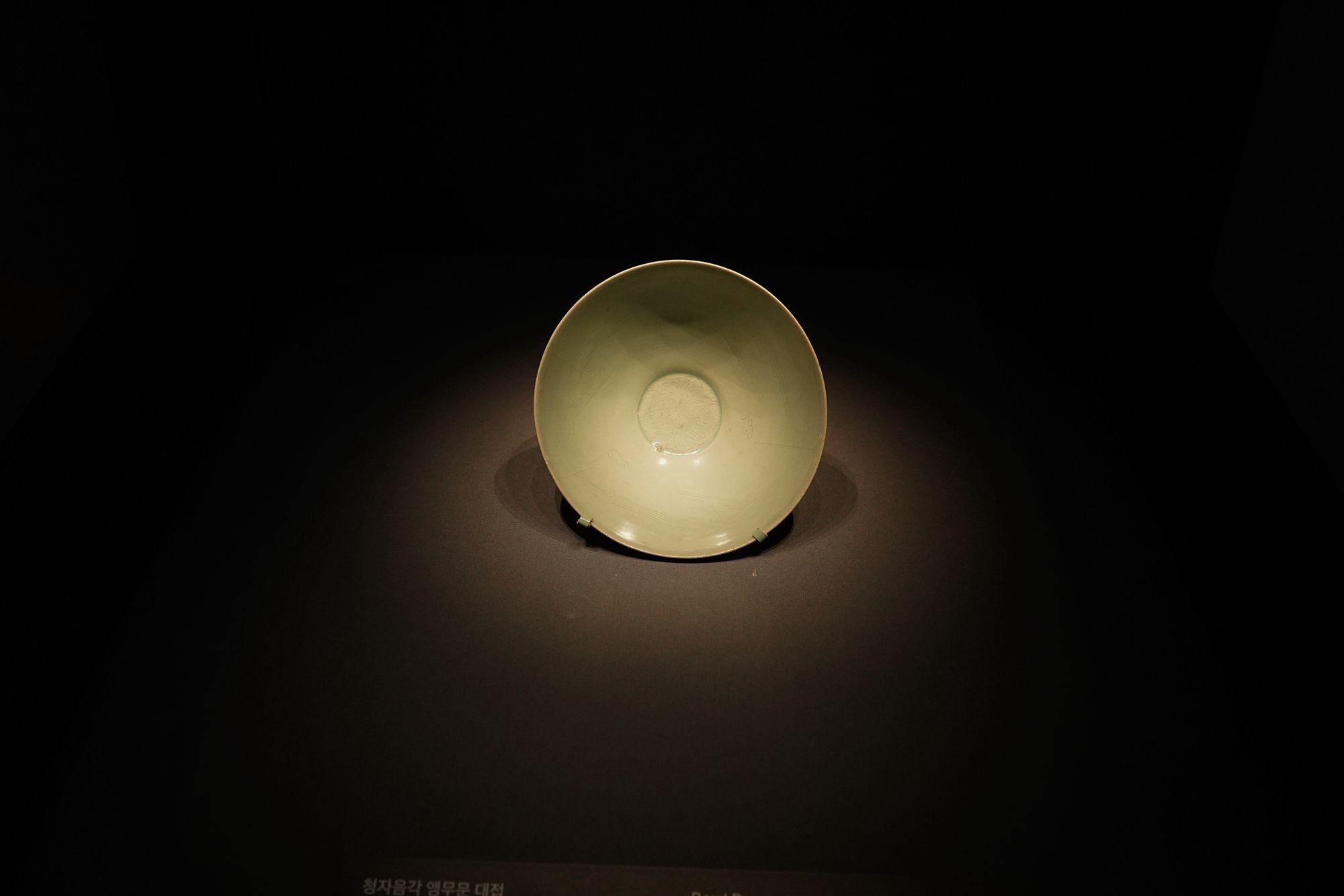
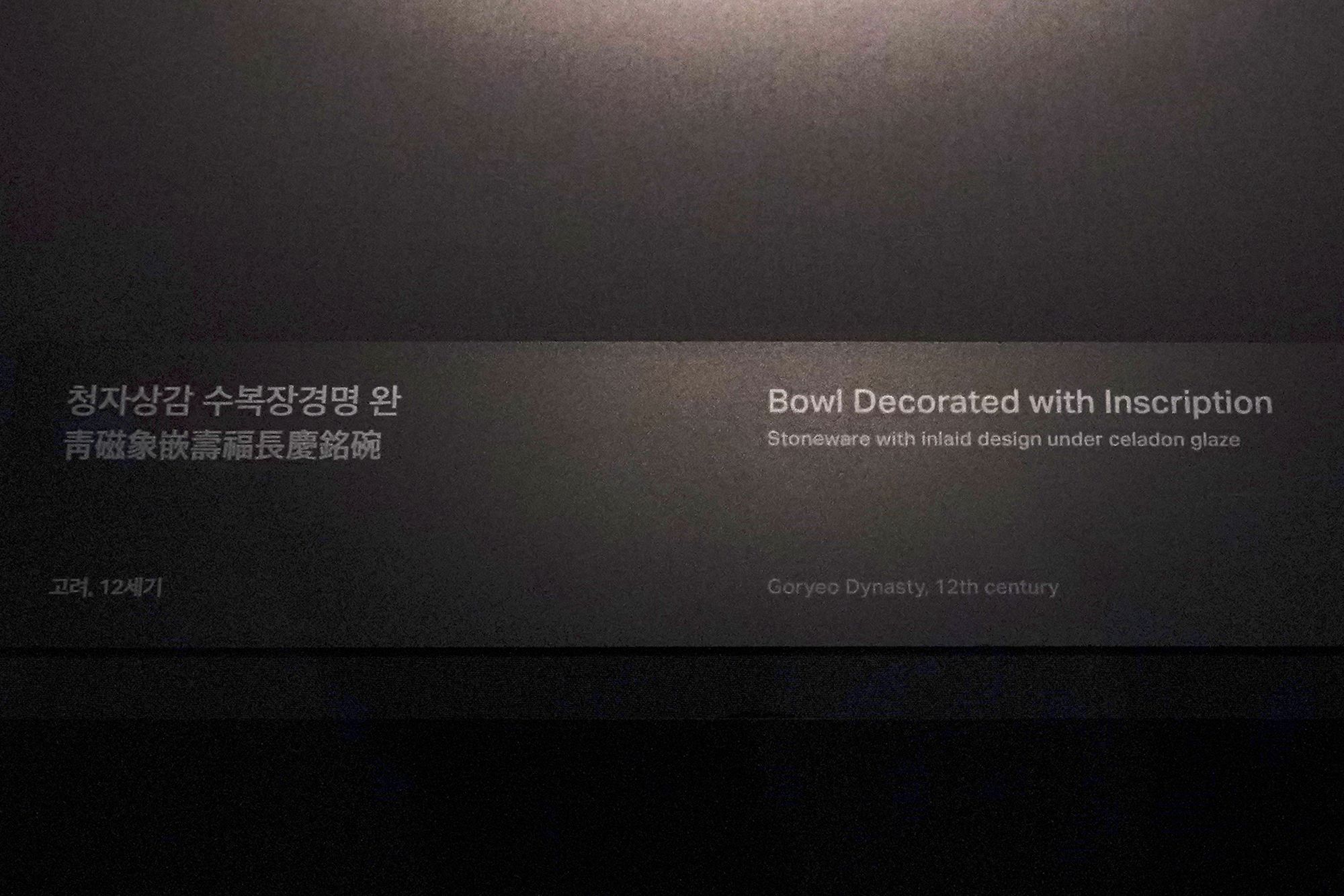
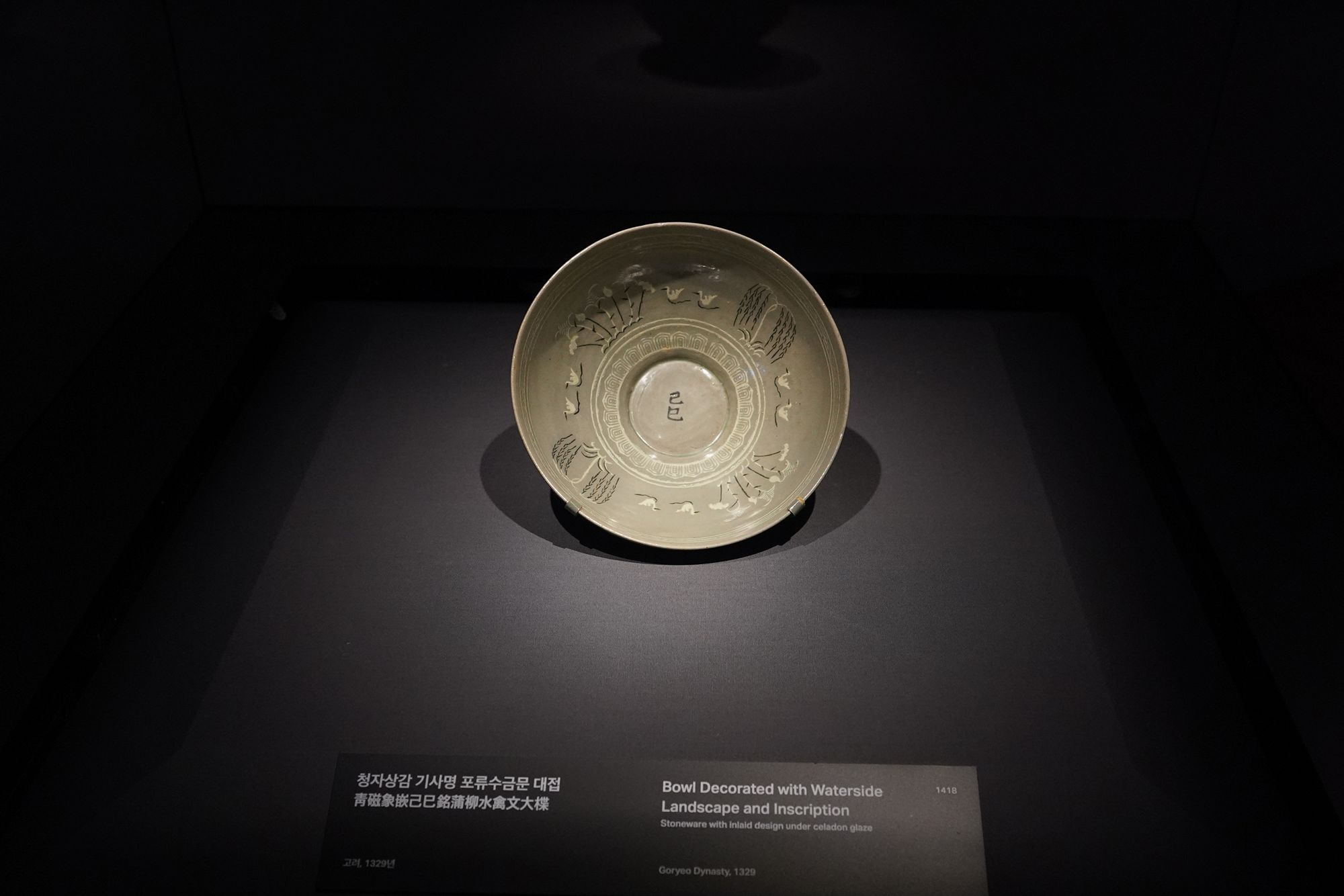
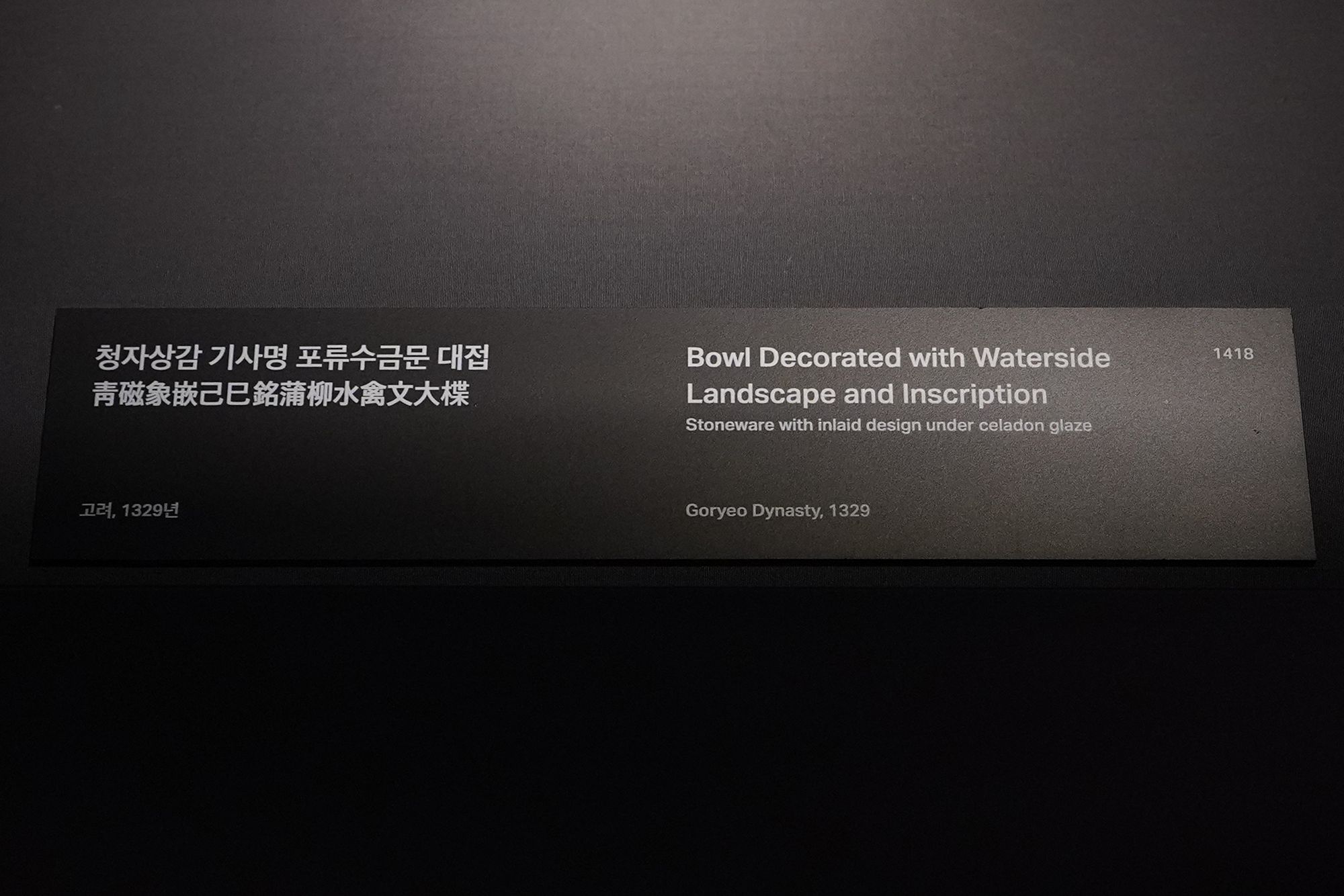
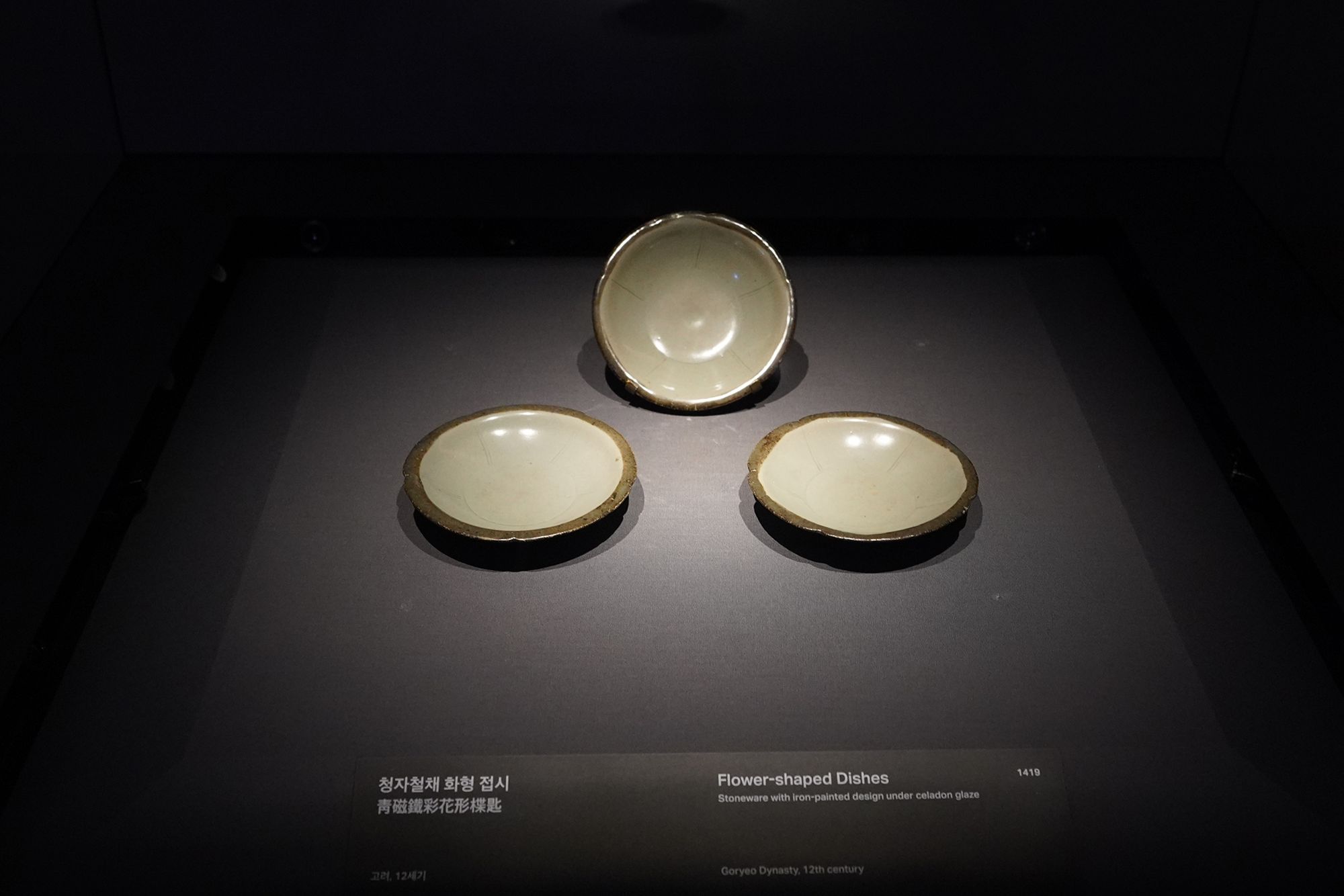
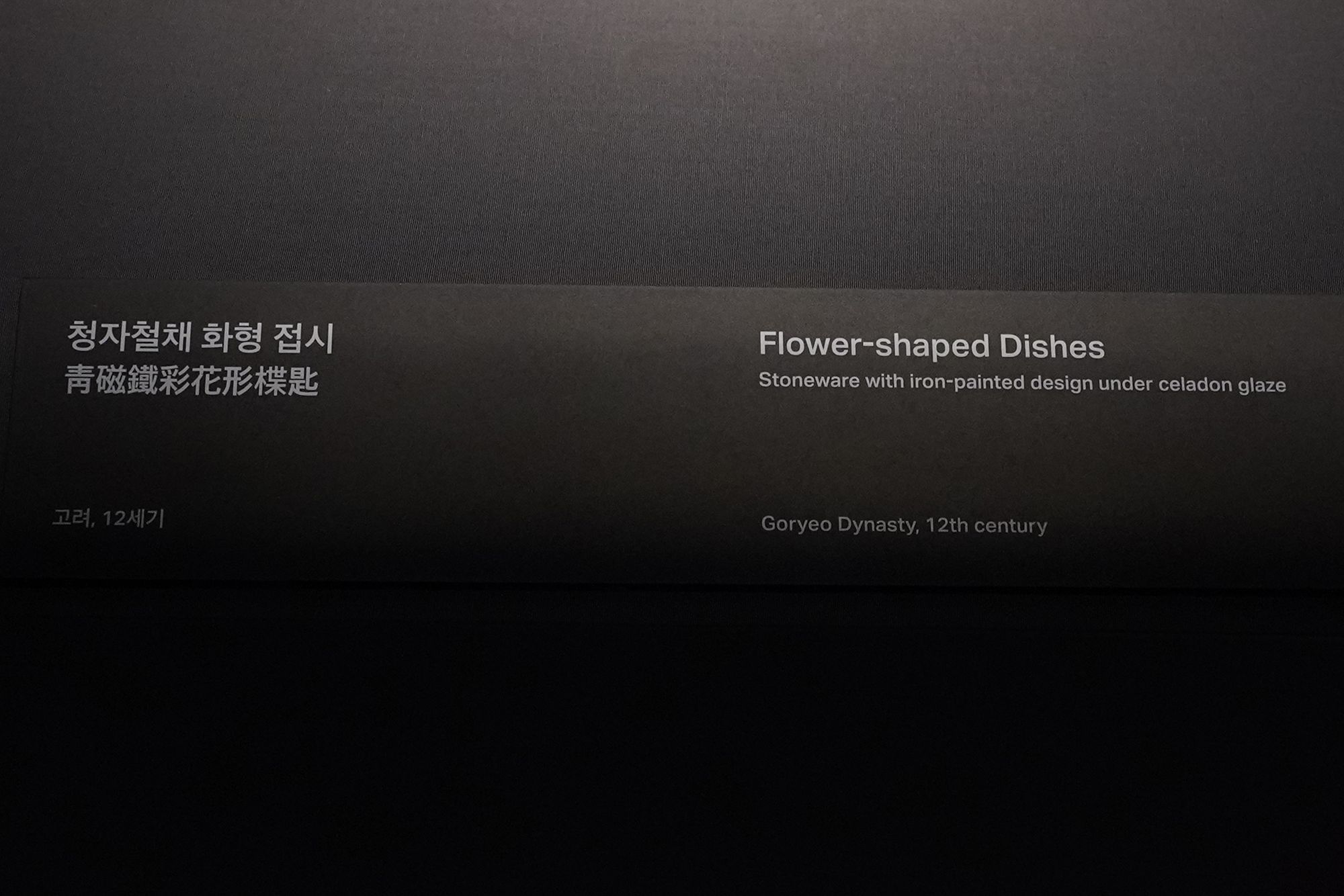
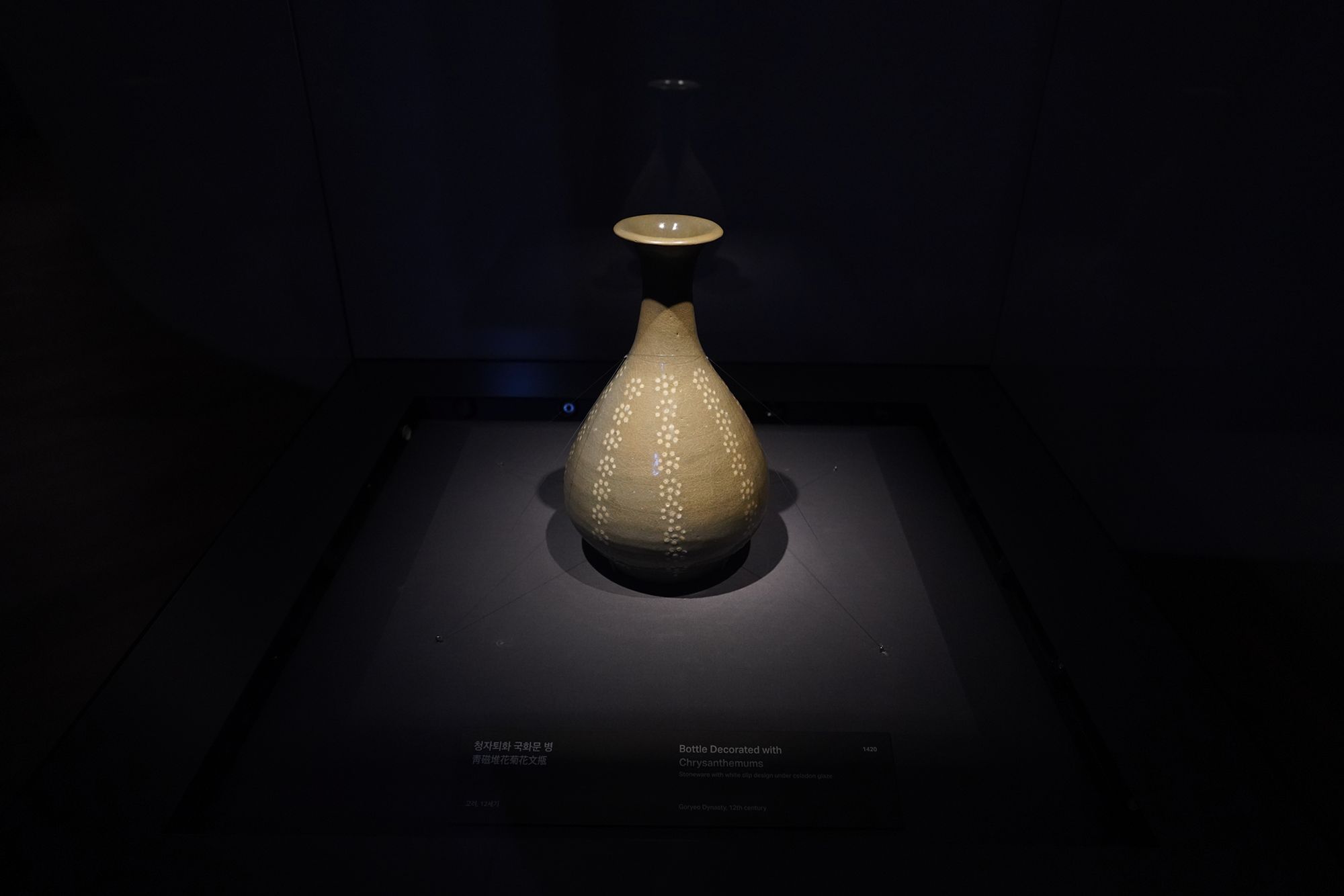
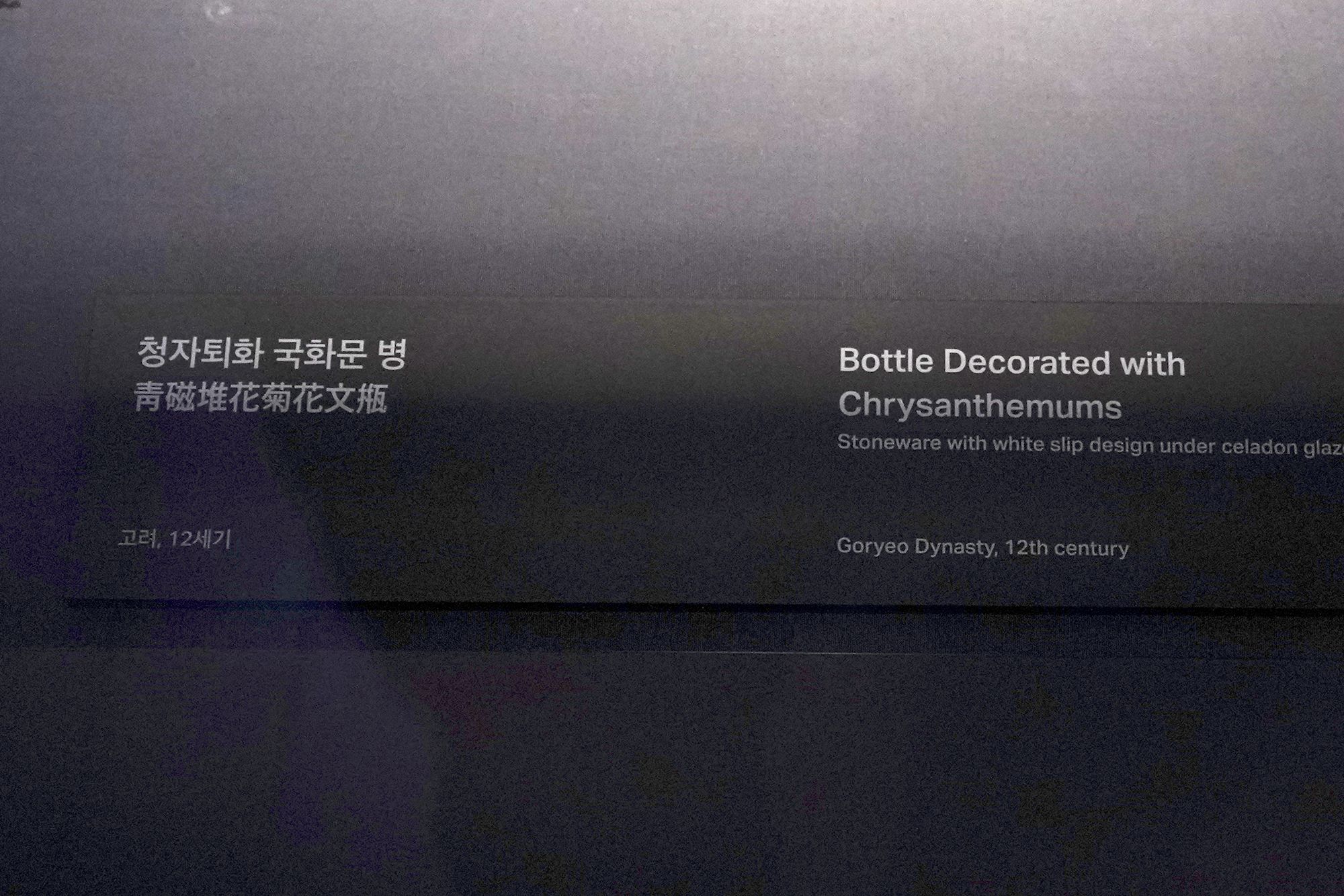
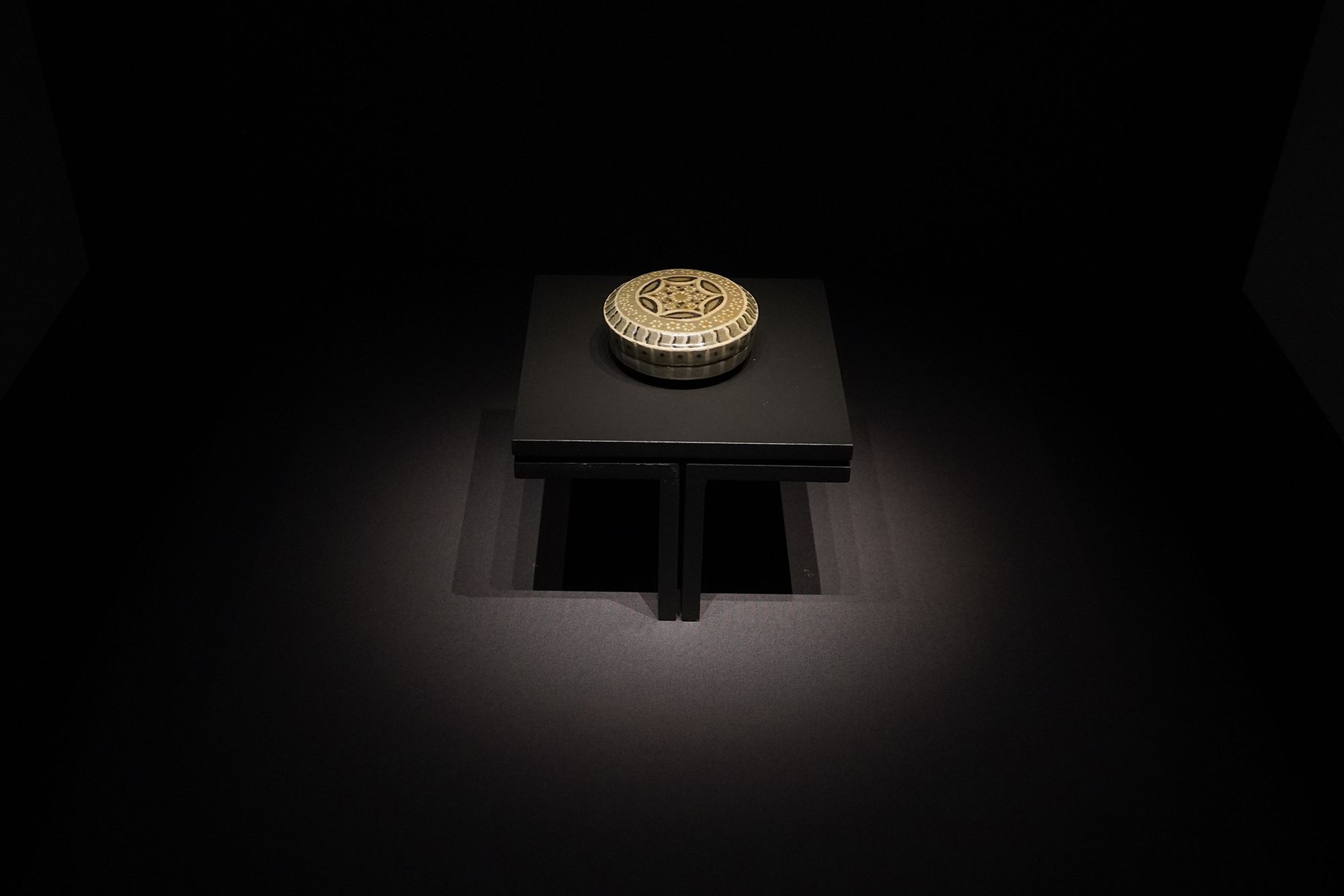
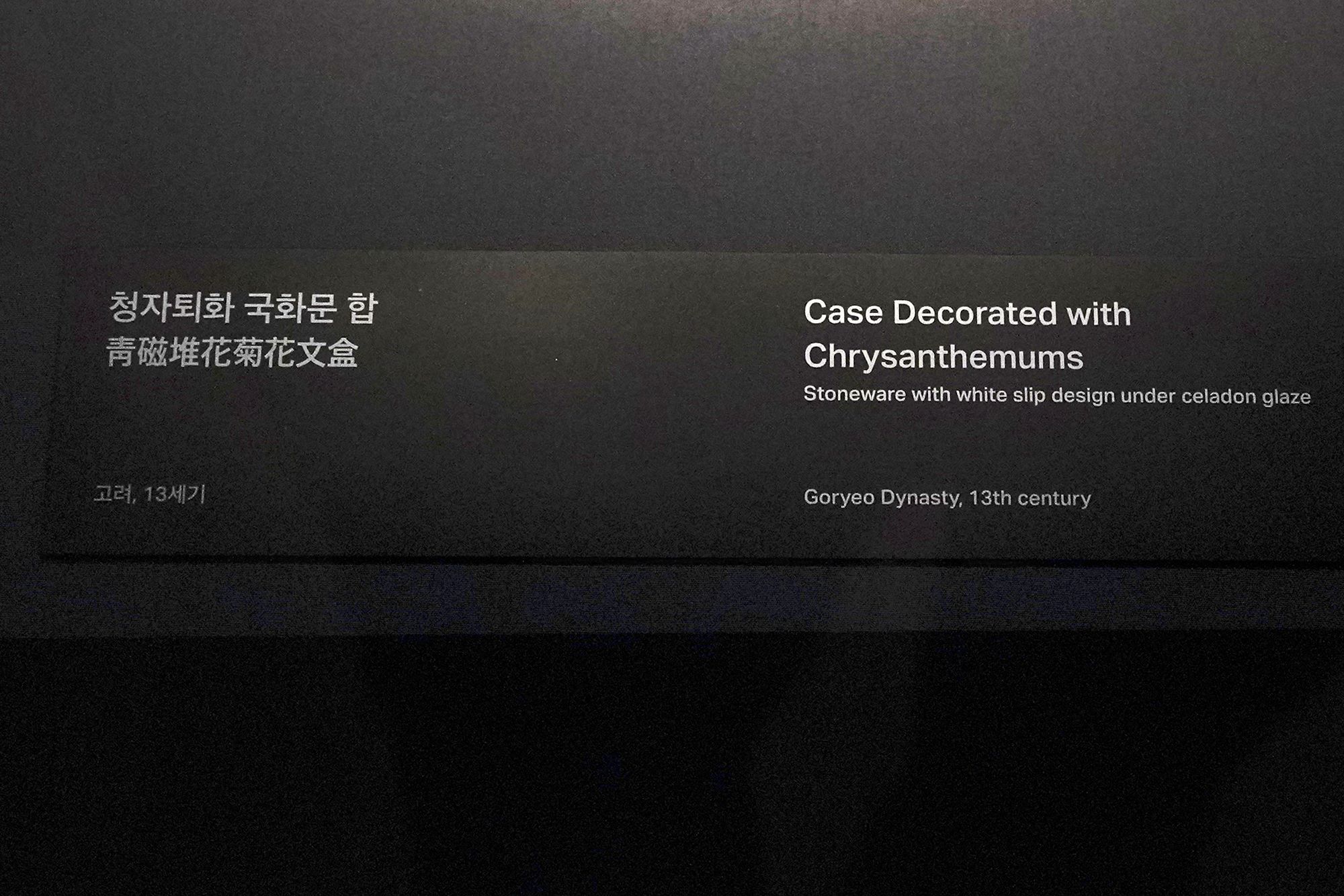
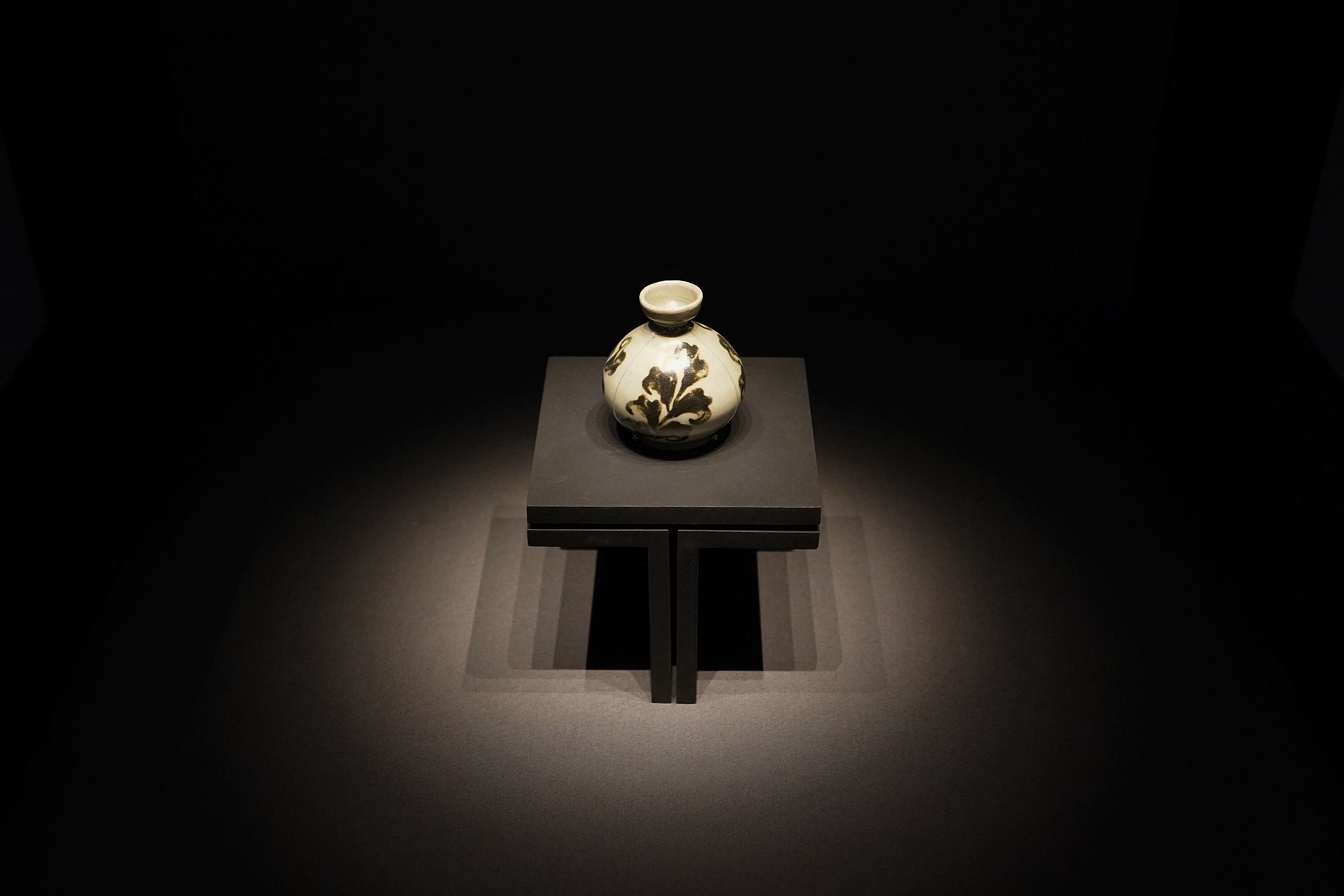
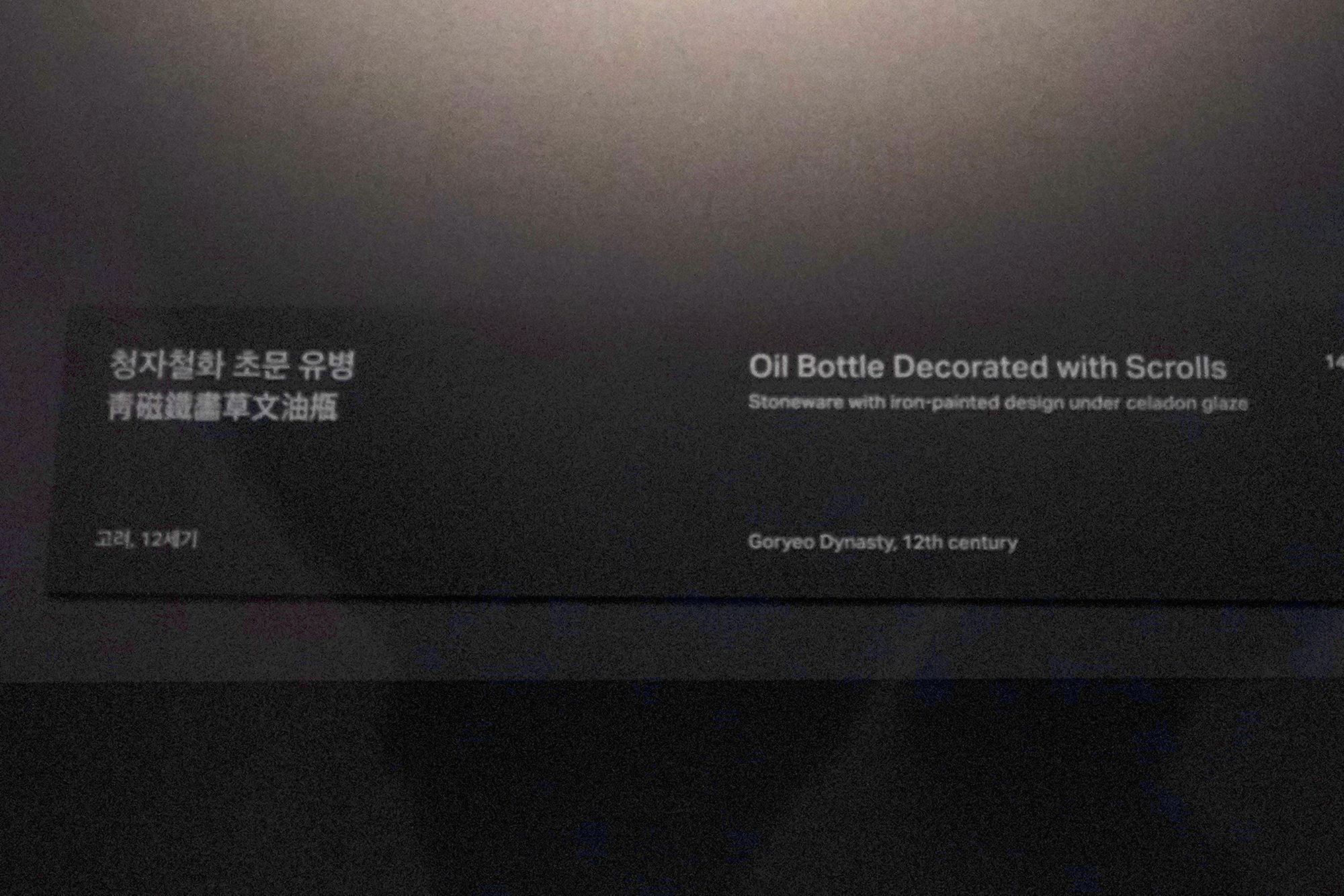
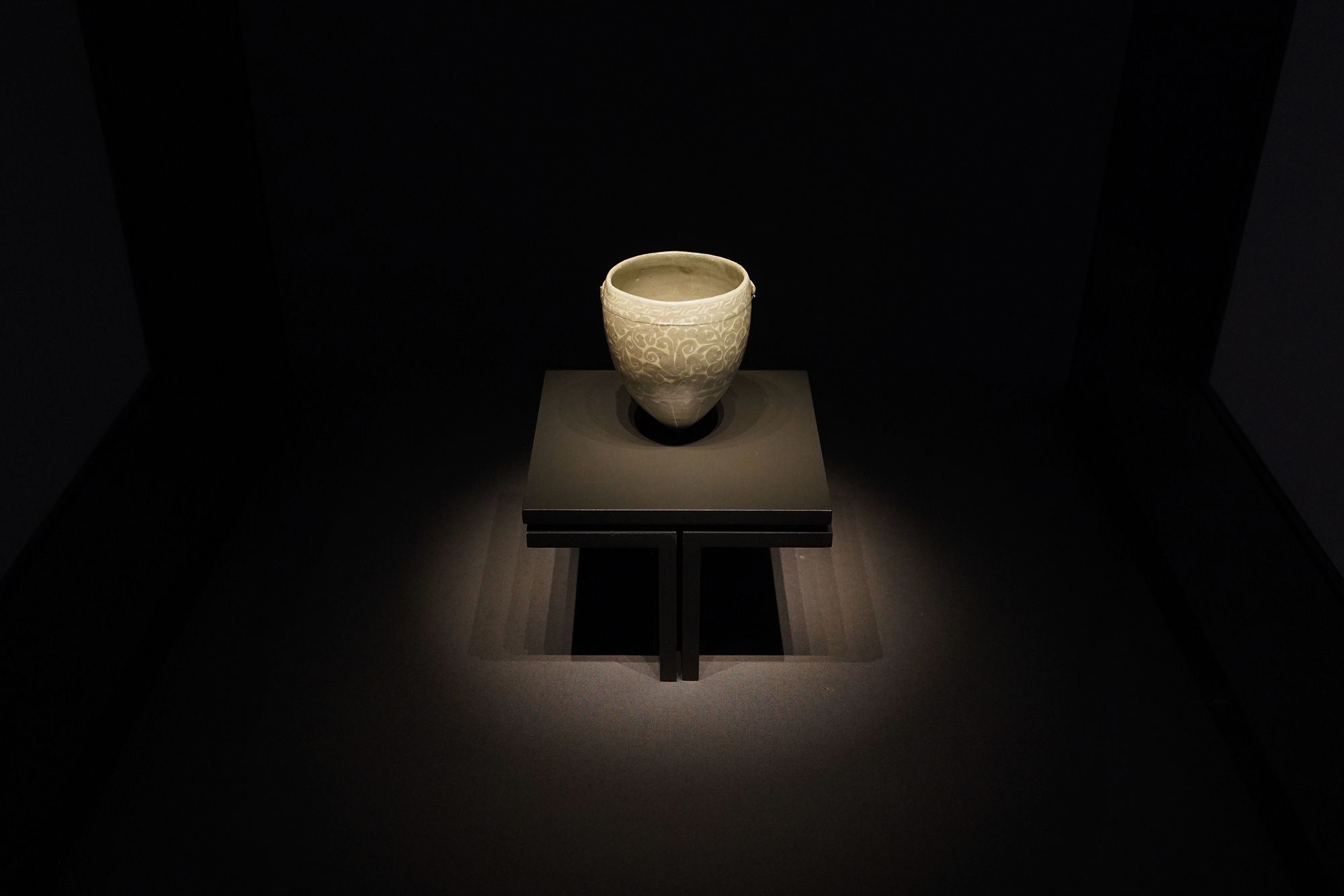
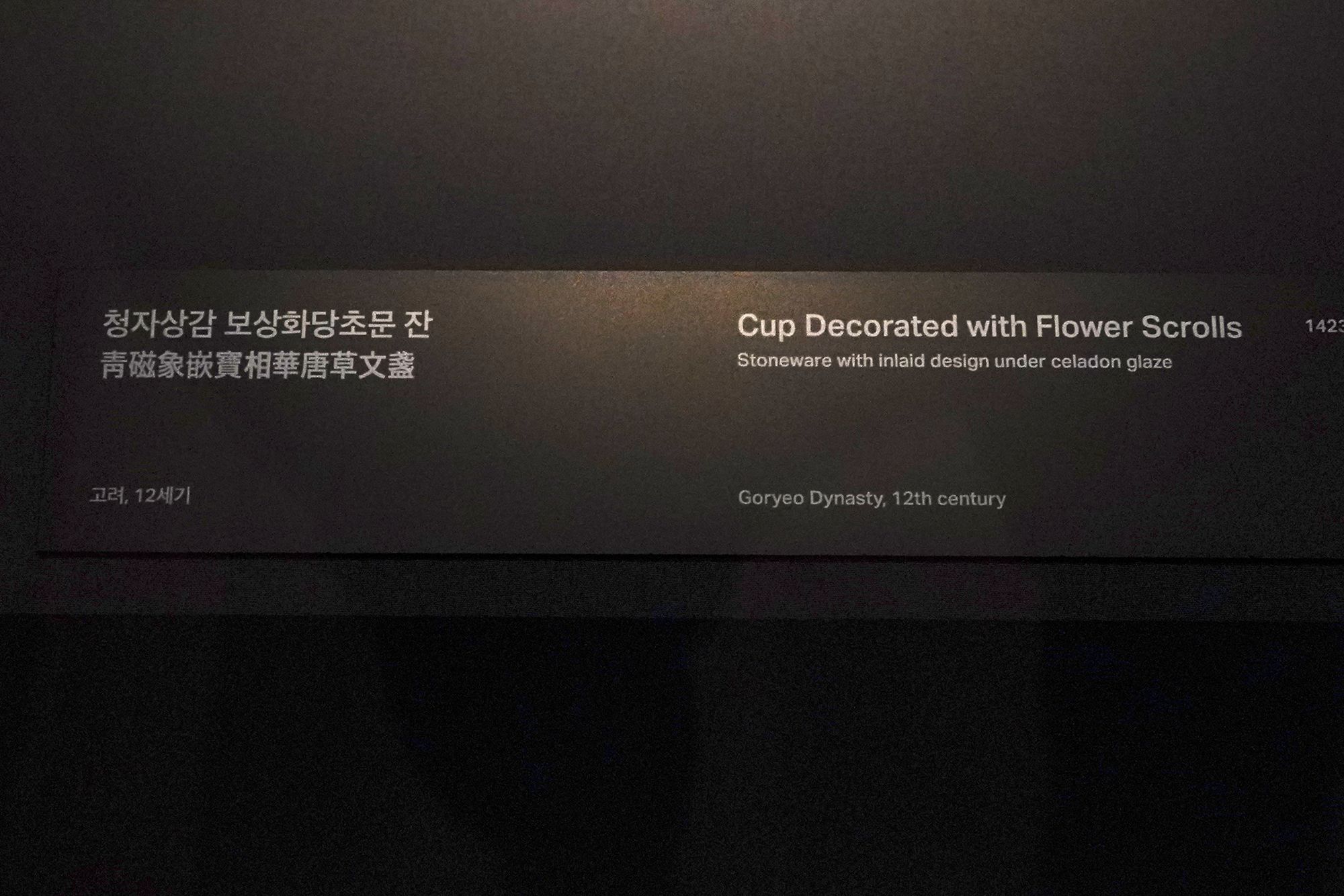
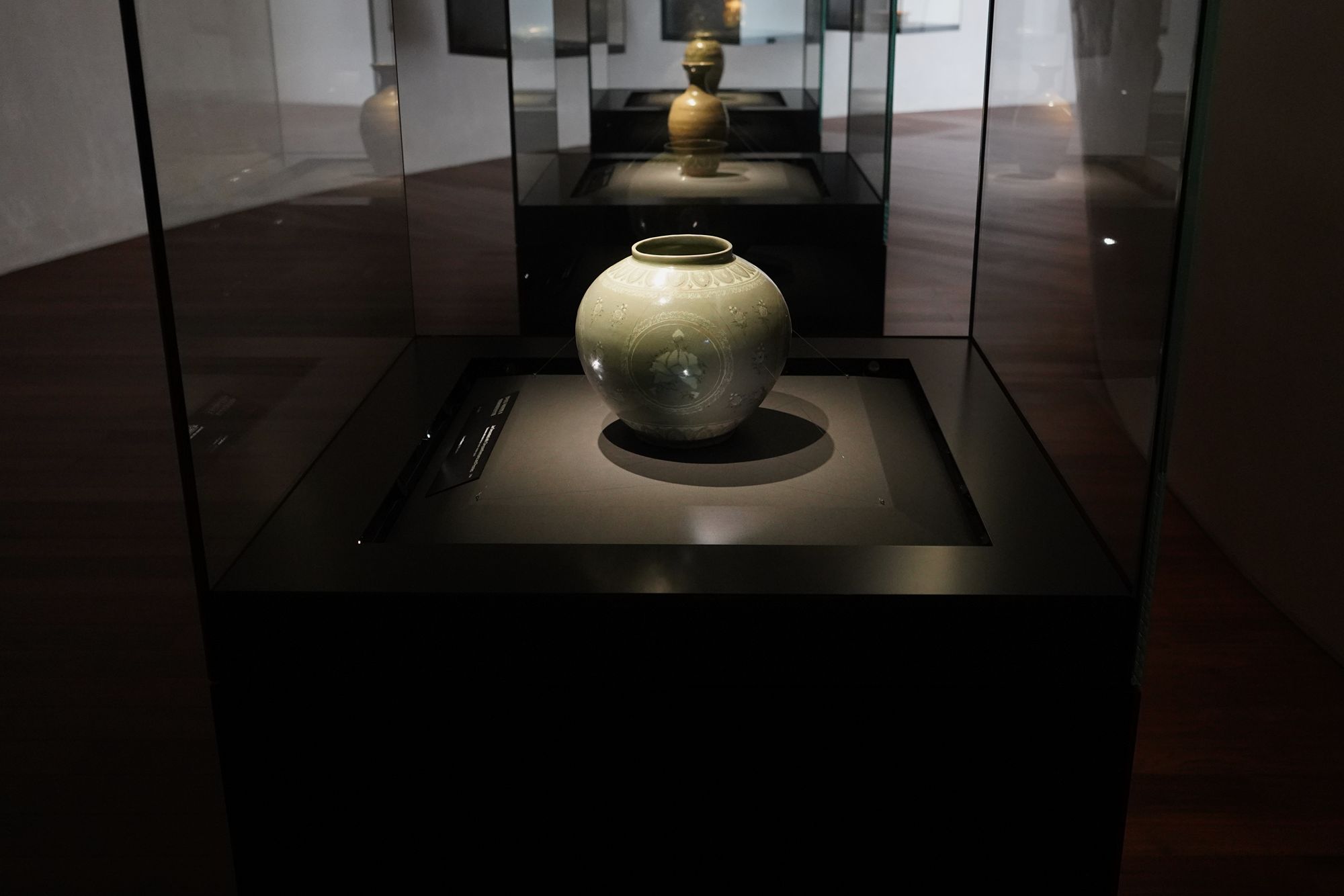
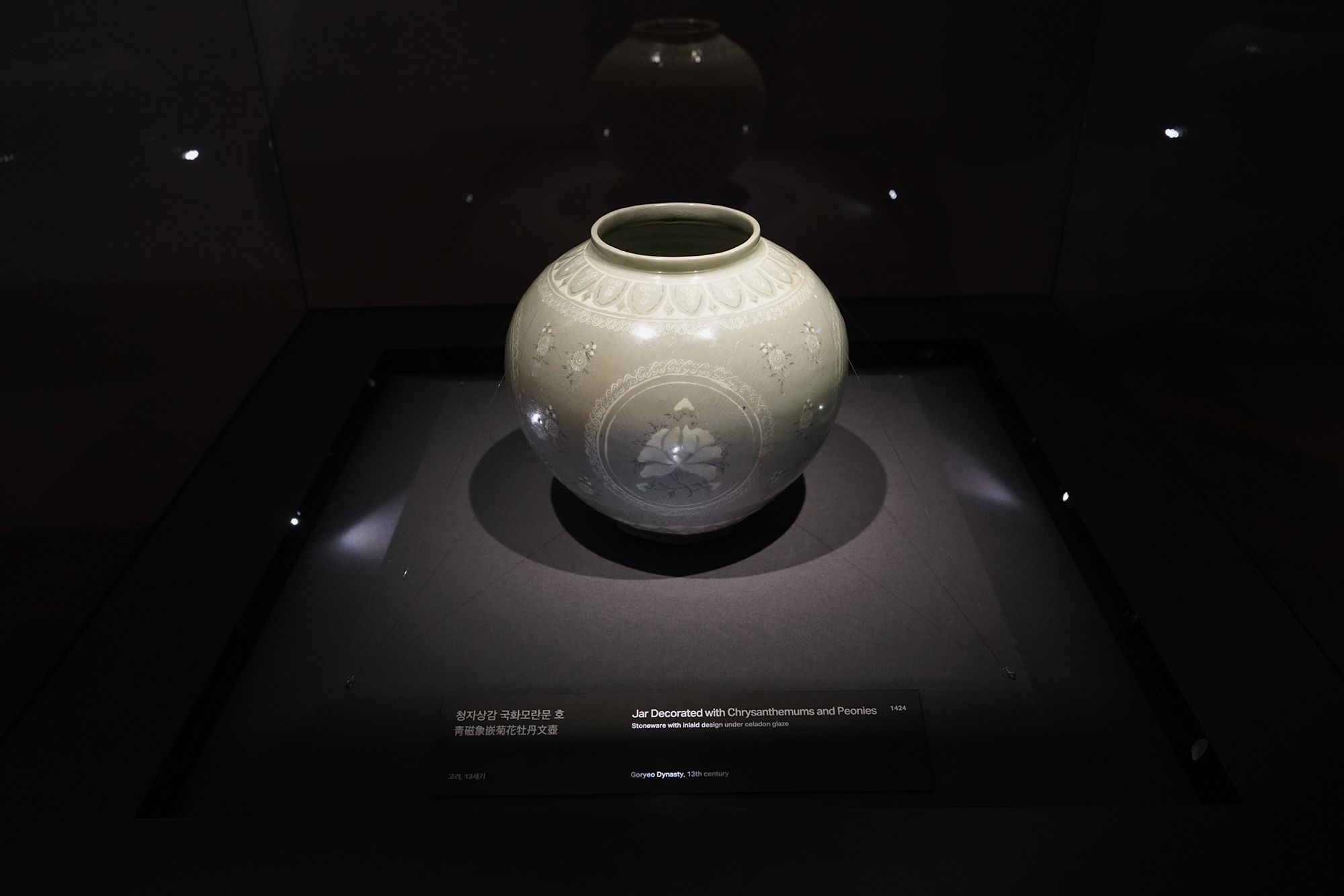
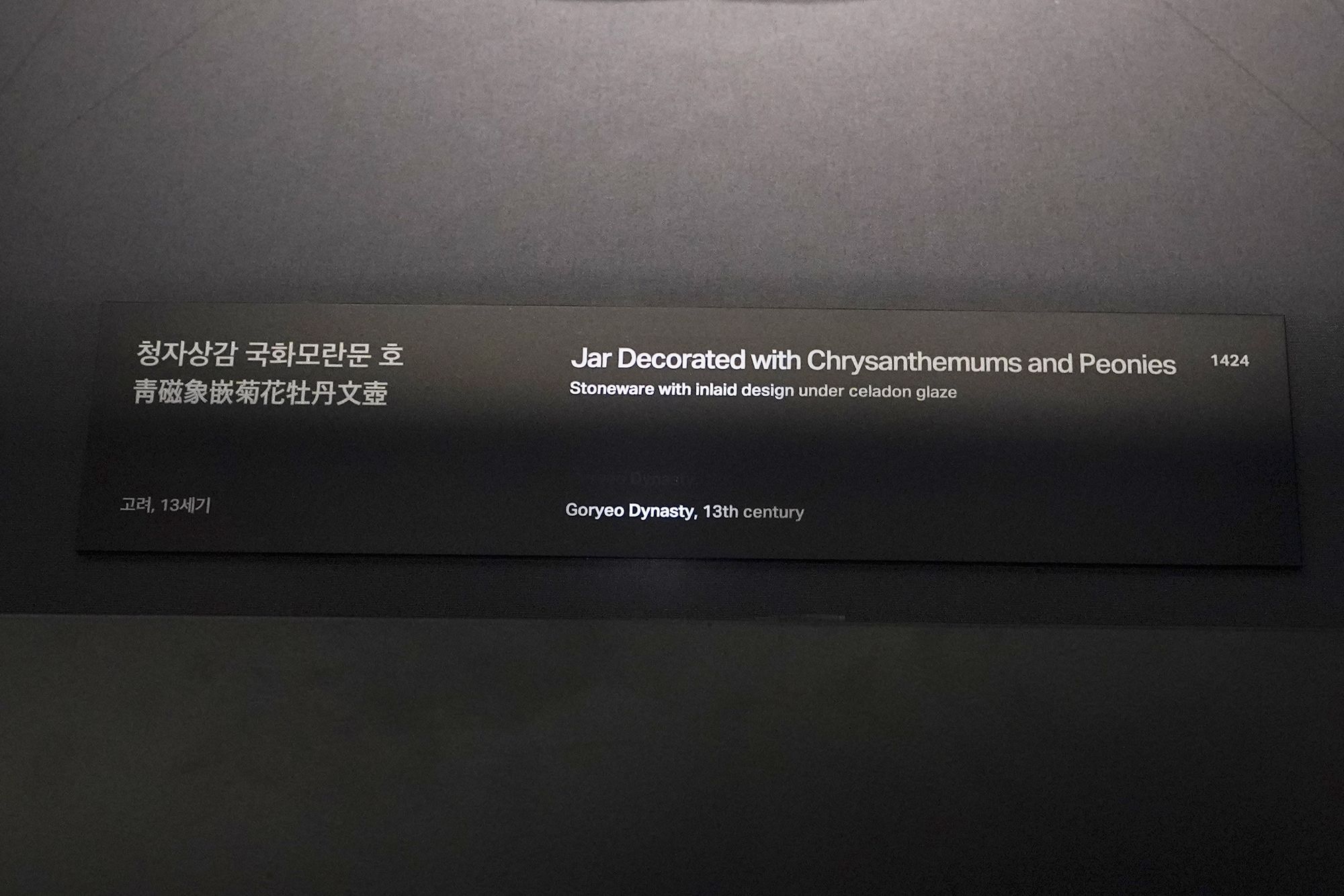
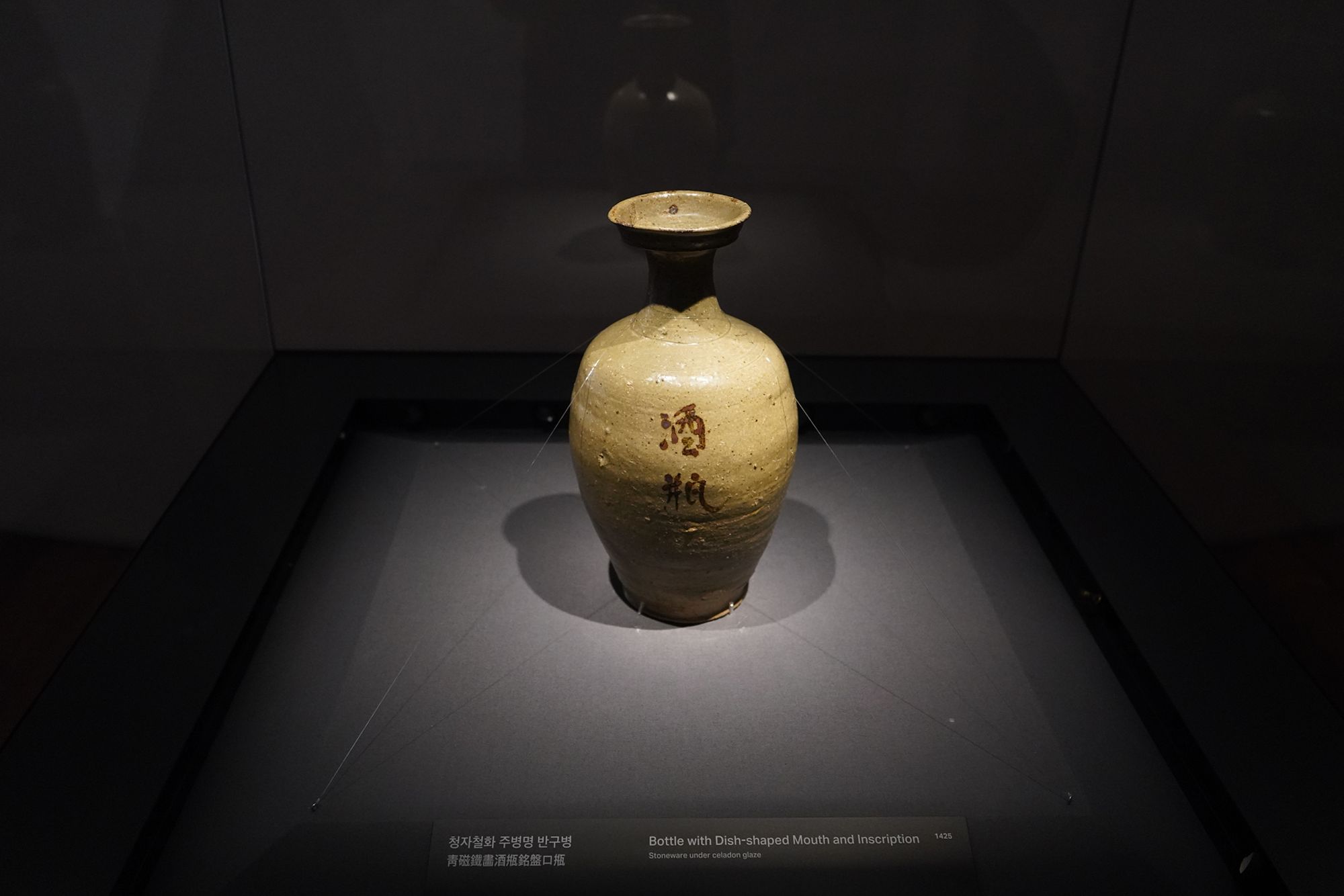
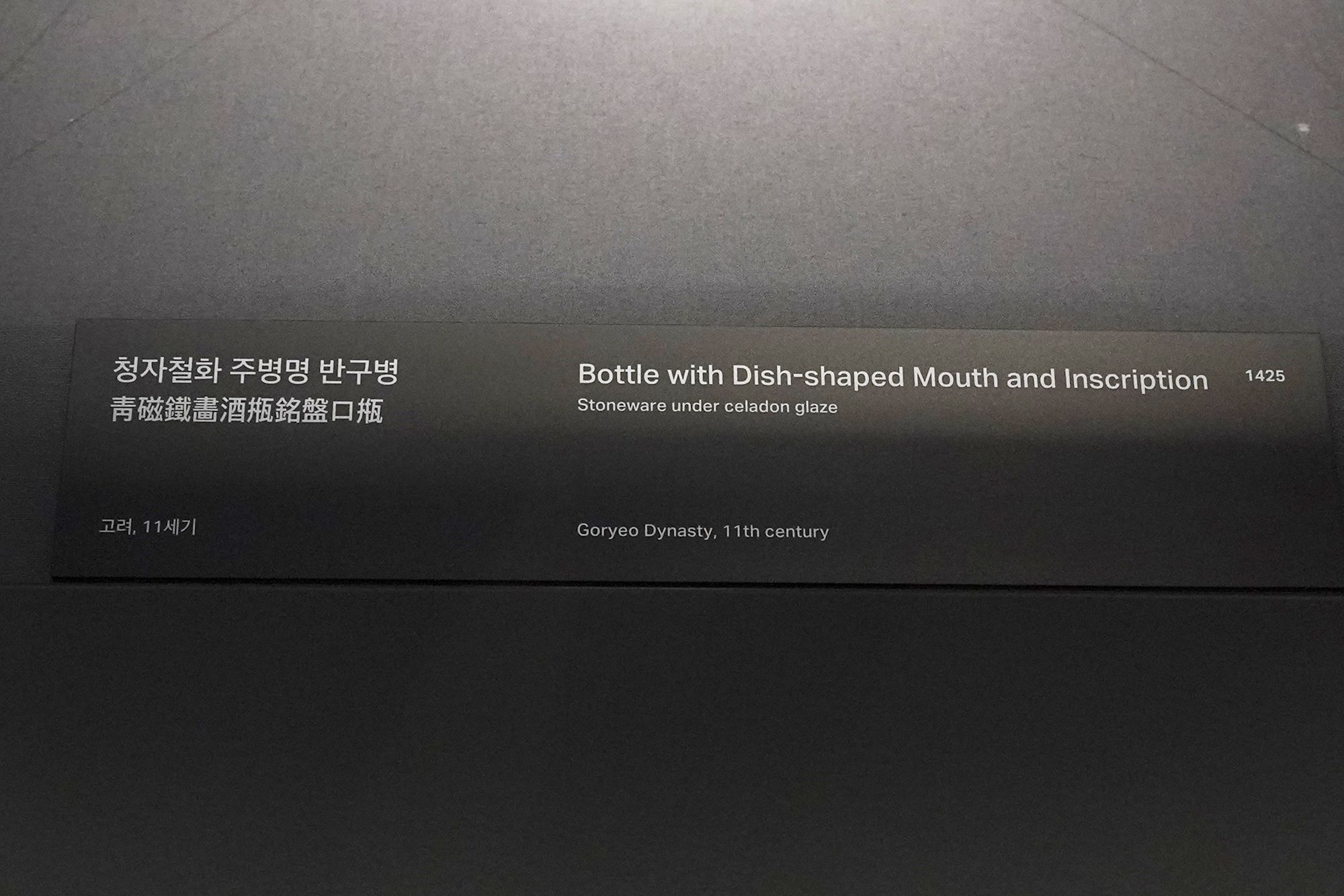
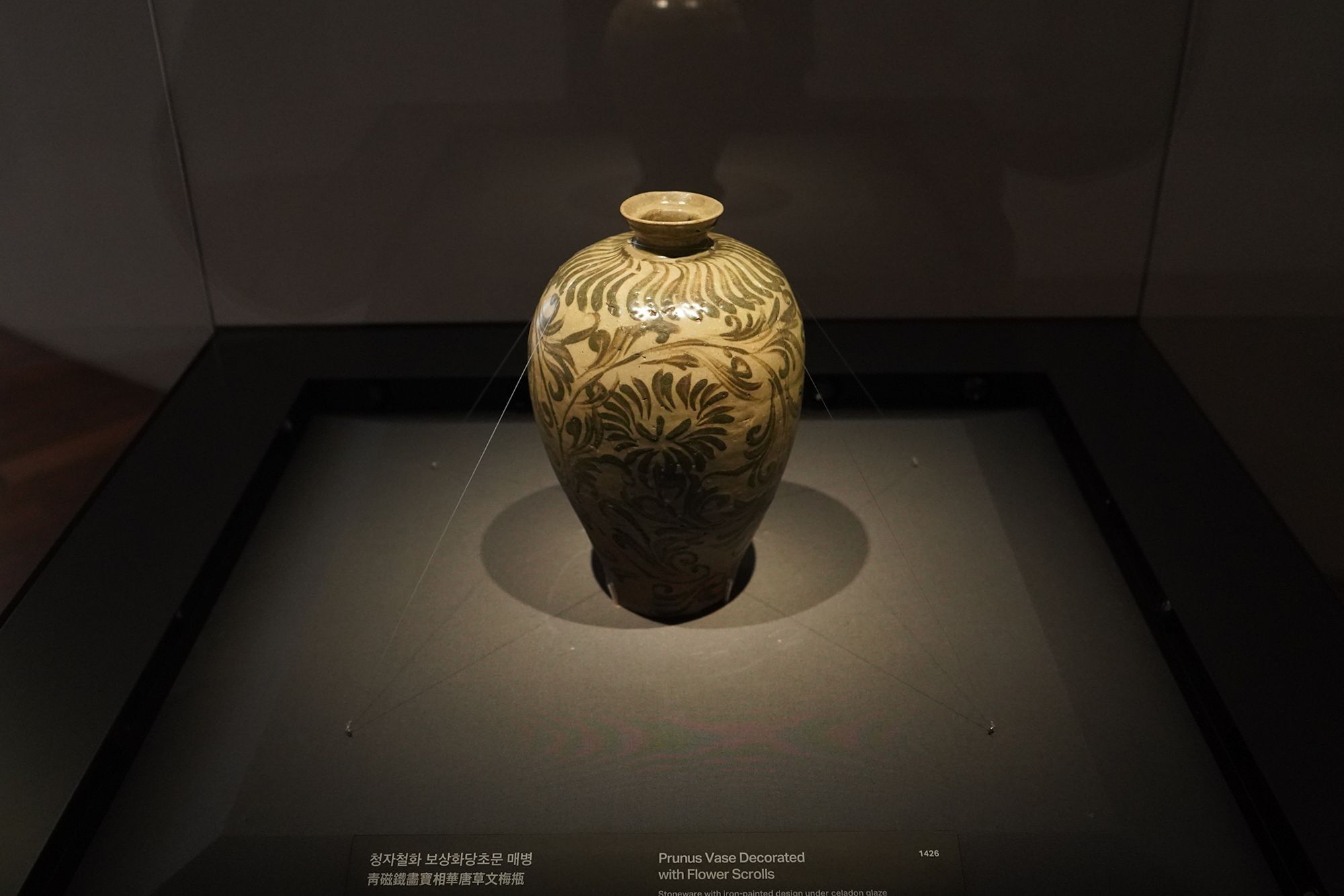
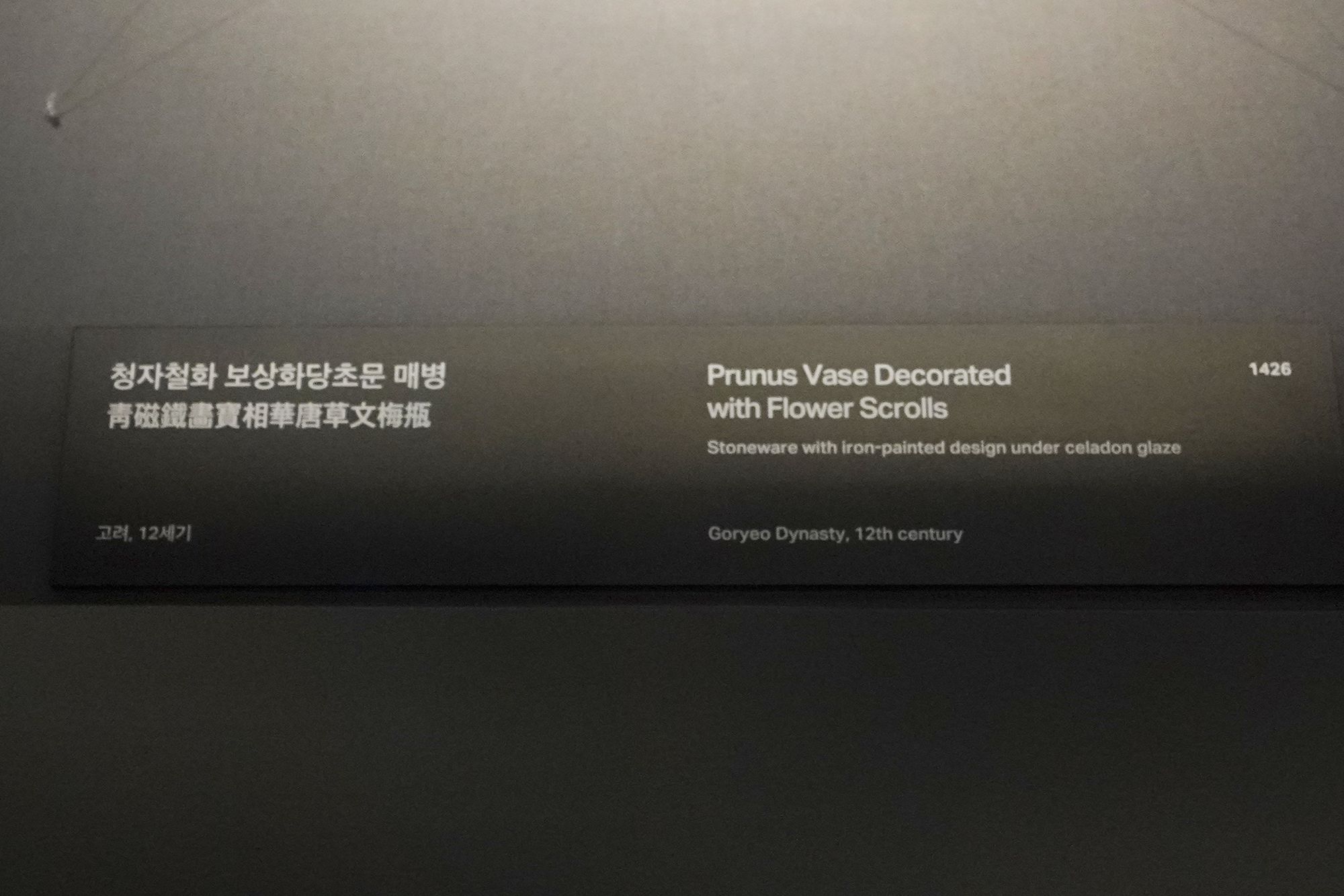
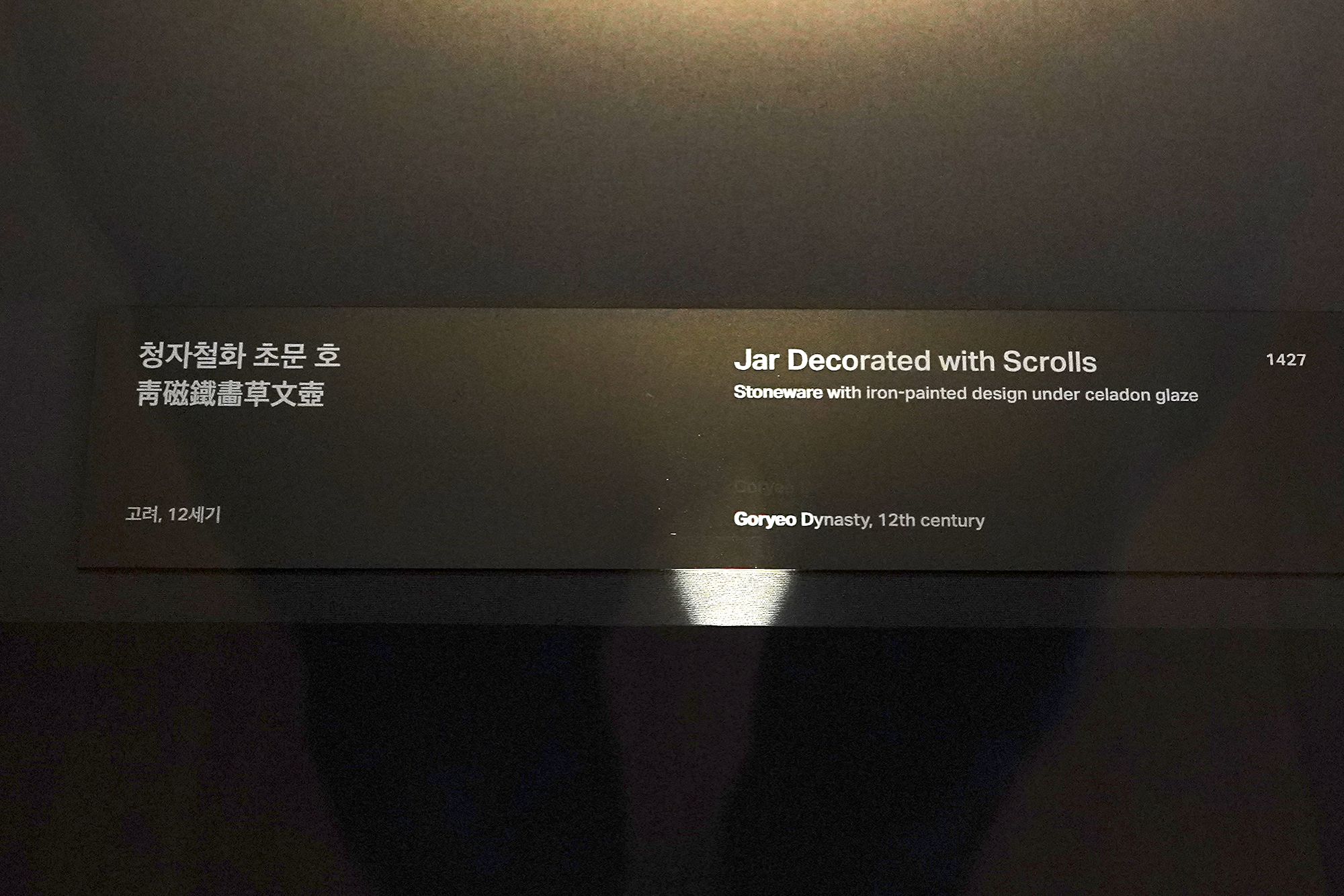
On this floor, most of the items on display were celadon ceramics from the Goryeo Dynasty.
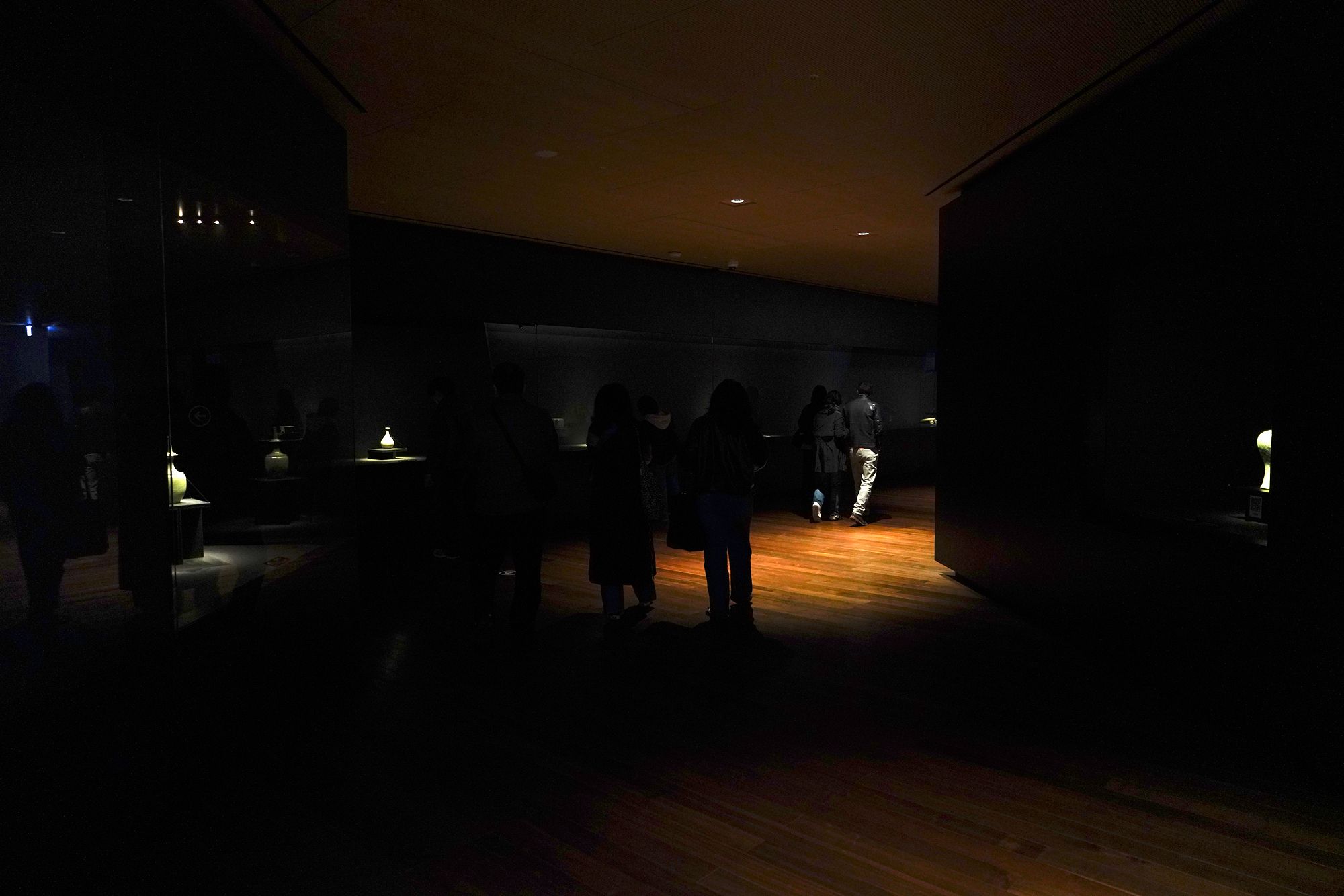
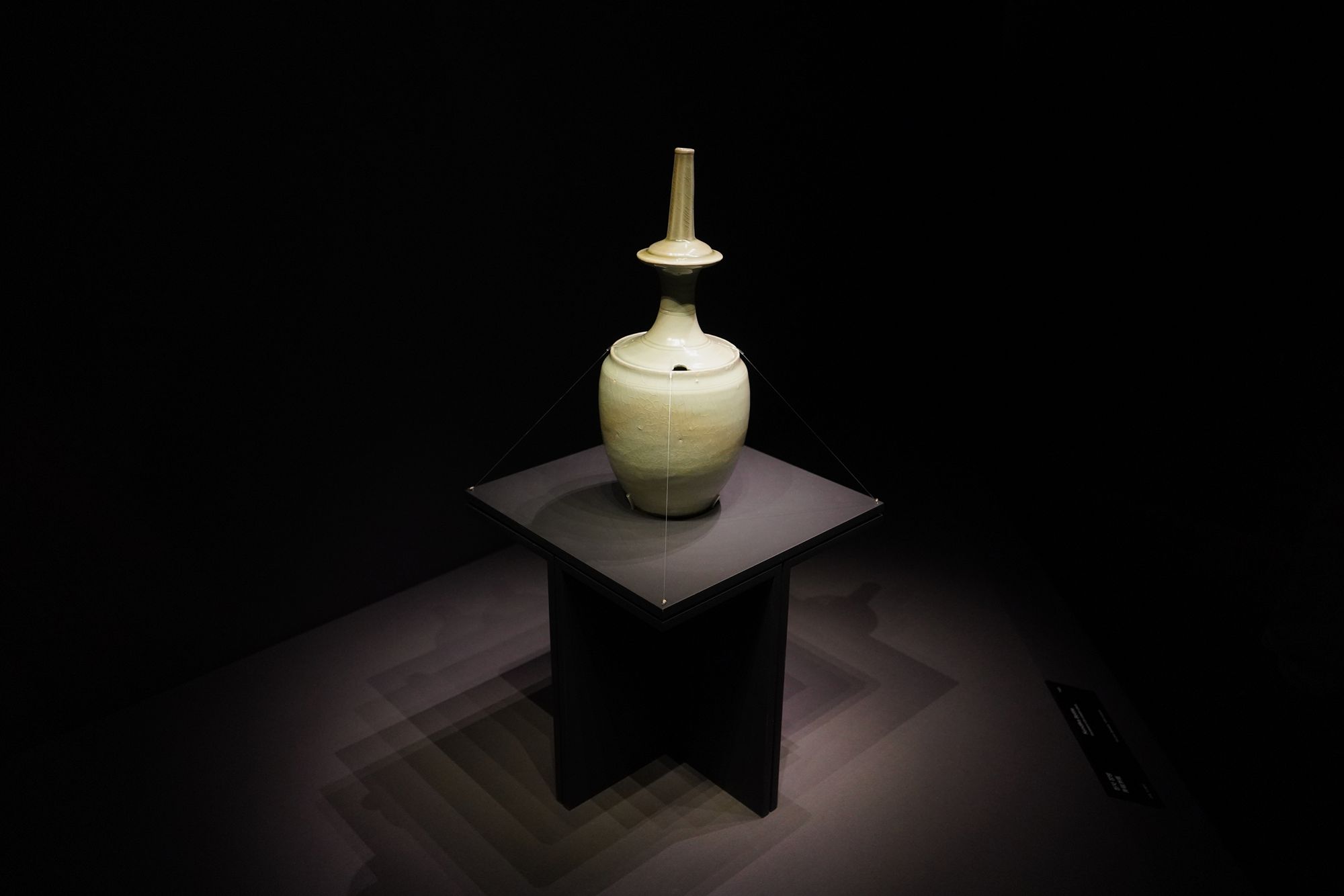
Goryeo celadon (고려청자) is one of Korea’s most celebrated artistic traditions. Produced mainly during the Goryeo Dynasty (918–1392), it is famous for its elegant shapes, delicate decoration, and distinctive blue-green glaze, often described as a jade-like color.
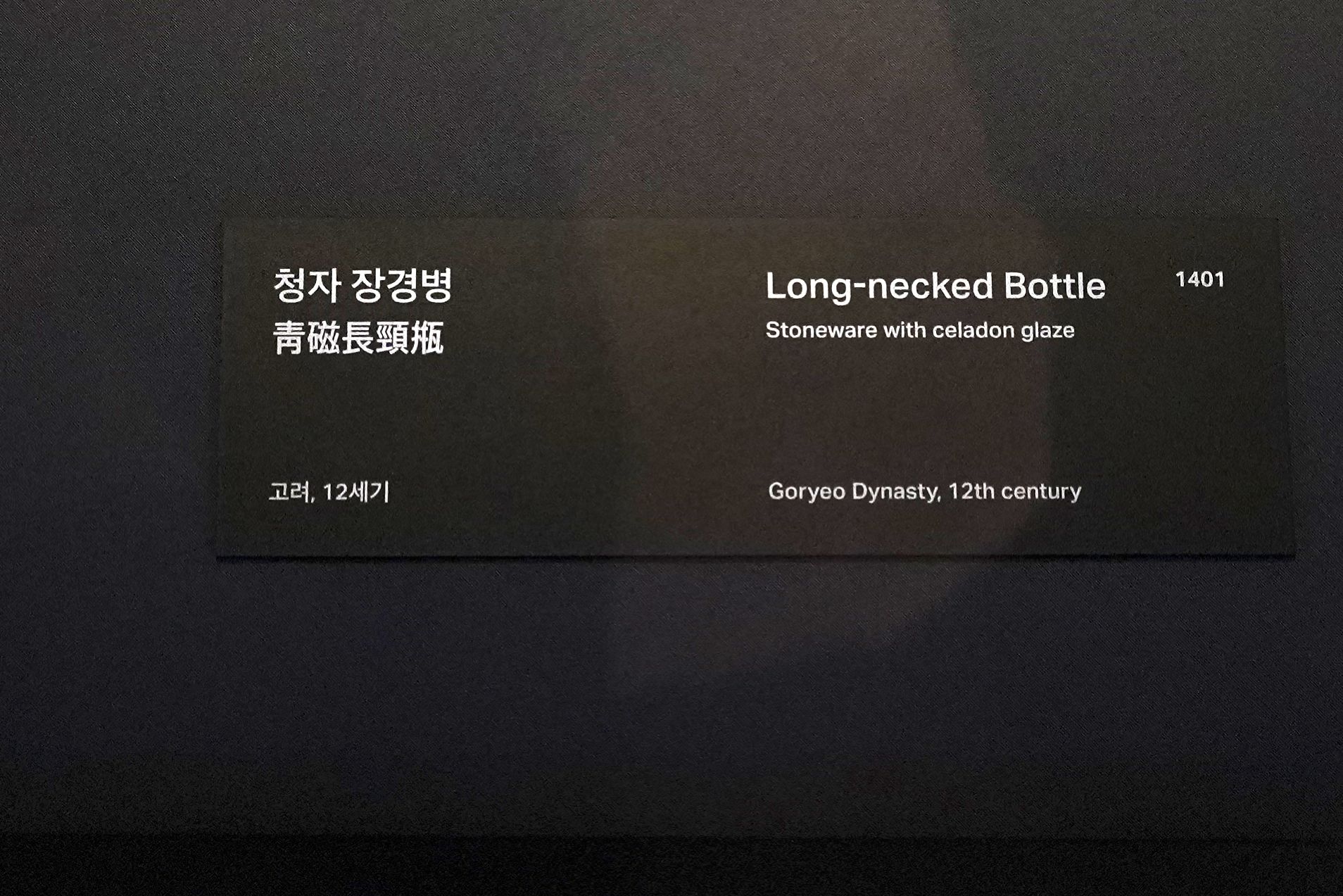
Korean potters initially learned celadon techniques from China, but by the 12th century, Goryeo craftsmen had developed their own highly refined style. One of their most important innovations was sanggam (상감), an inlay technique in which designs were carved into the clay and filled with contrasting white or black material before glazing and firing.
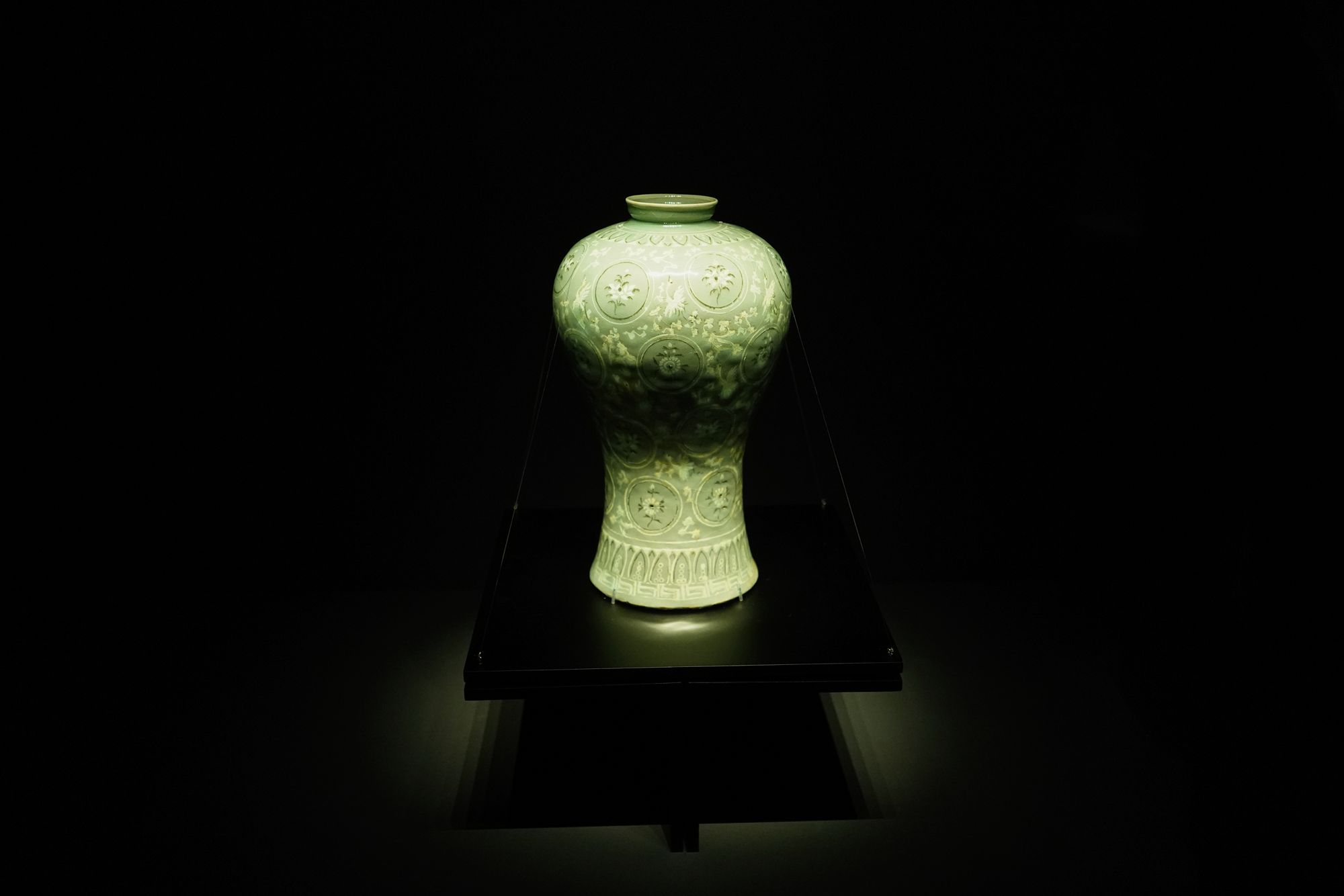
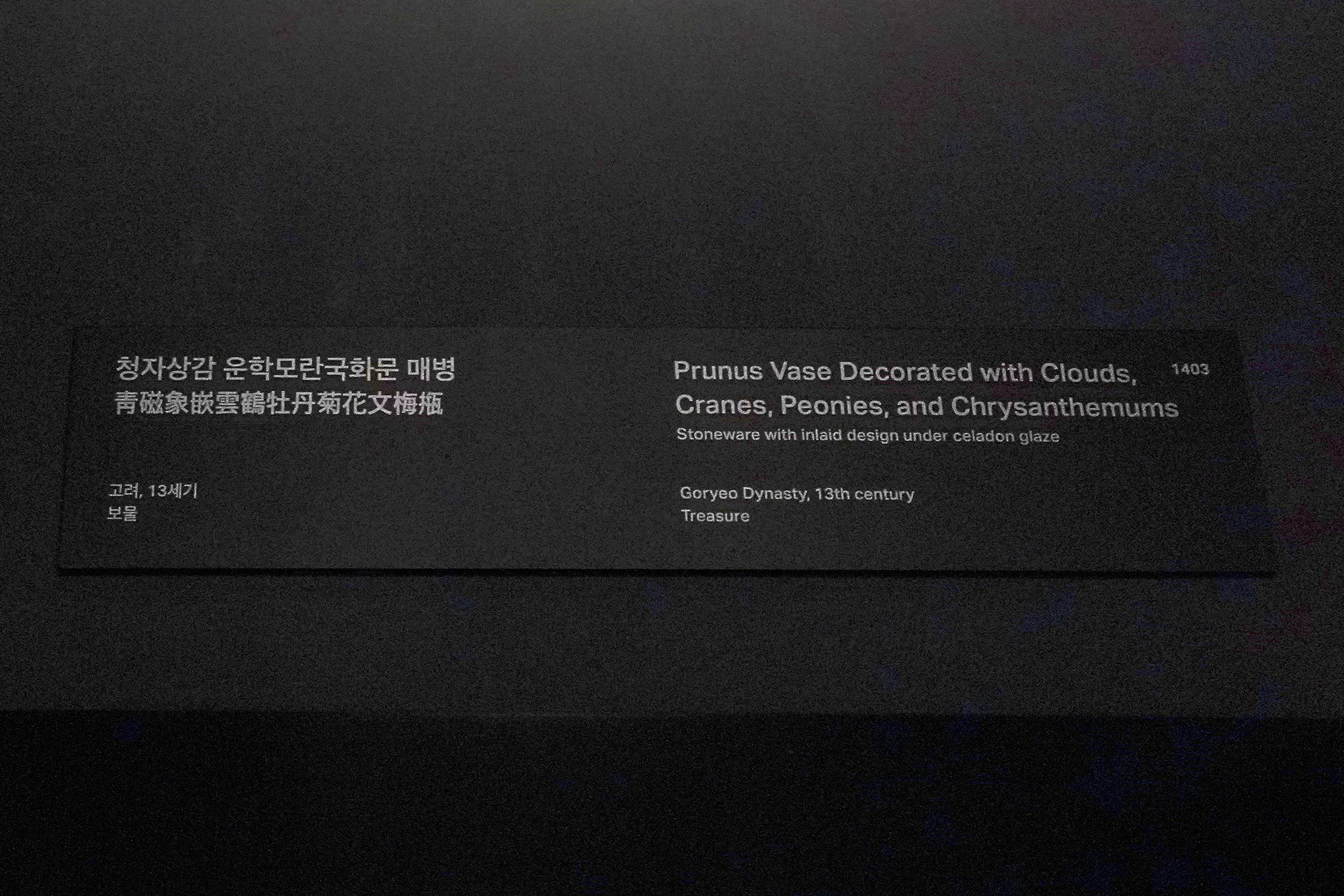
Common decorations included cranes, clouds, flowers, lotus blossoms, and geometric patterns. Many pieces were made for the royal court, aristocrats, and Buddhist institutions. Today, Goryeo celadon is considered one of the great achievements of traditional Korean art.
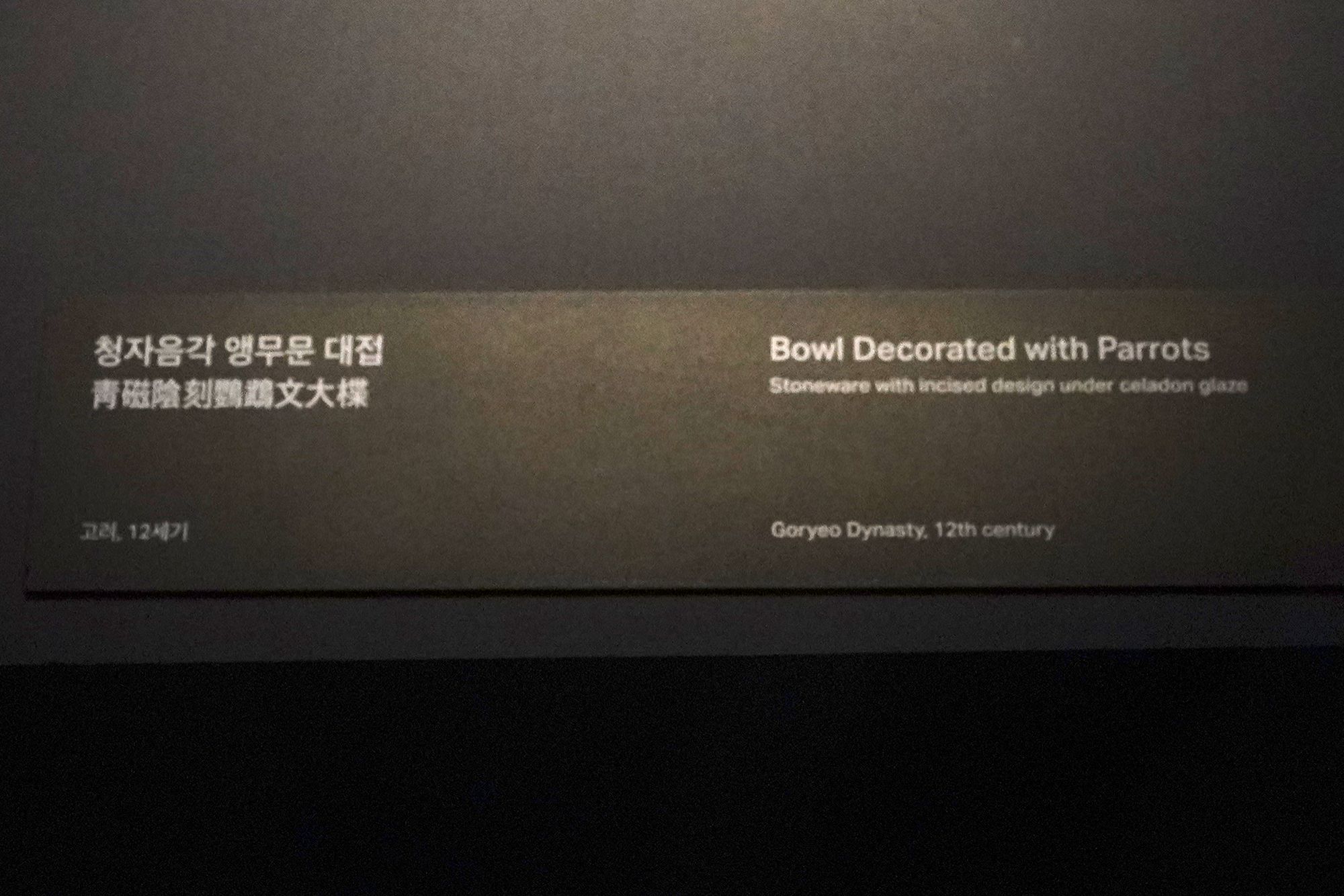
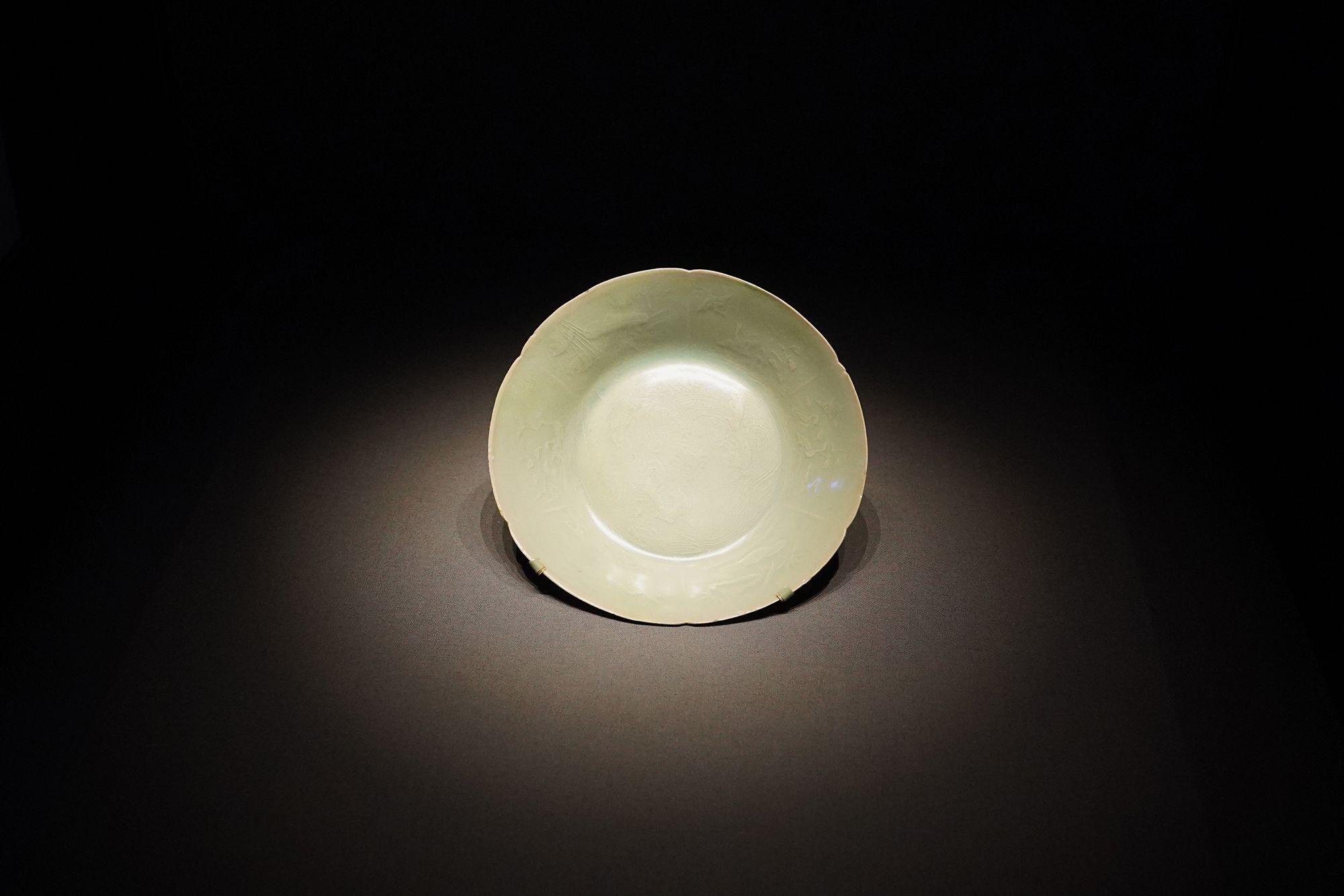
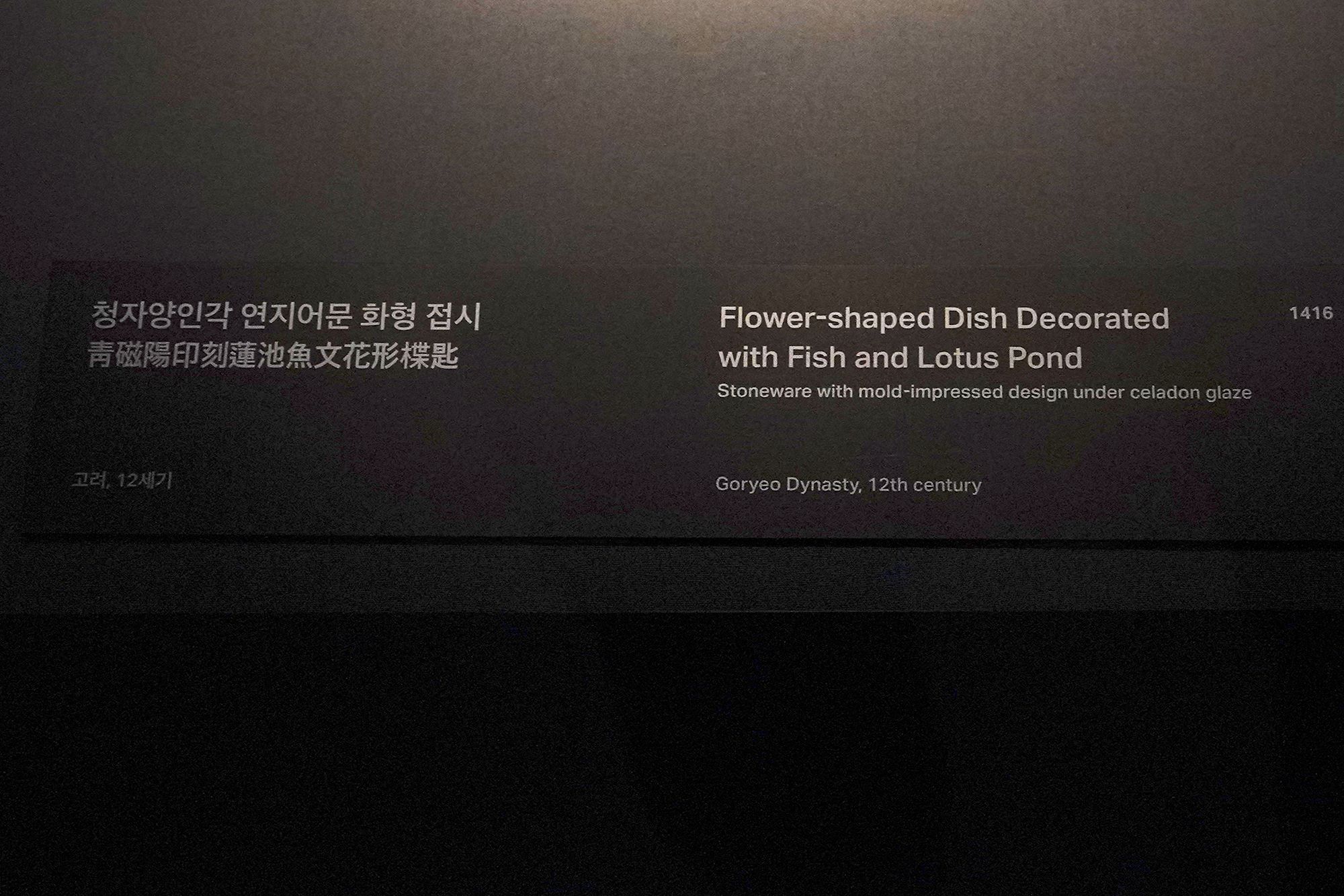
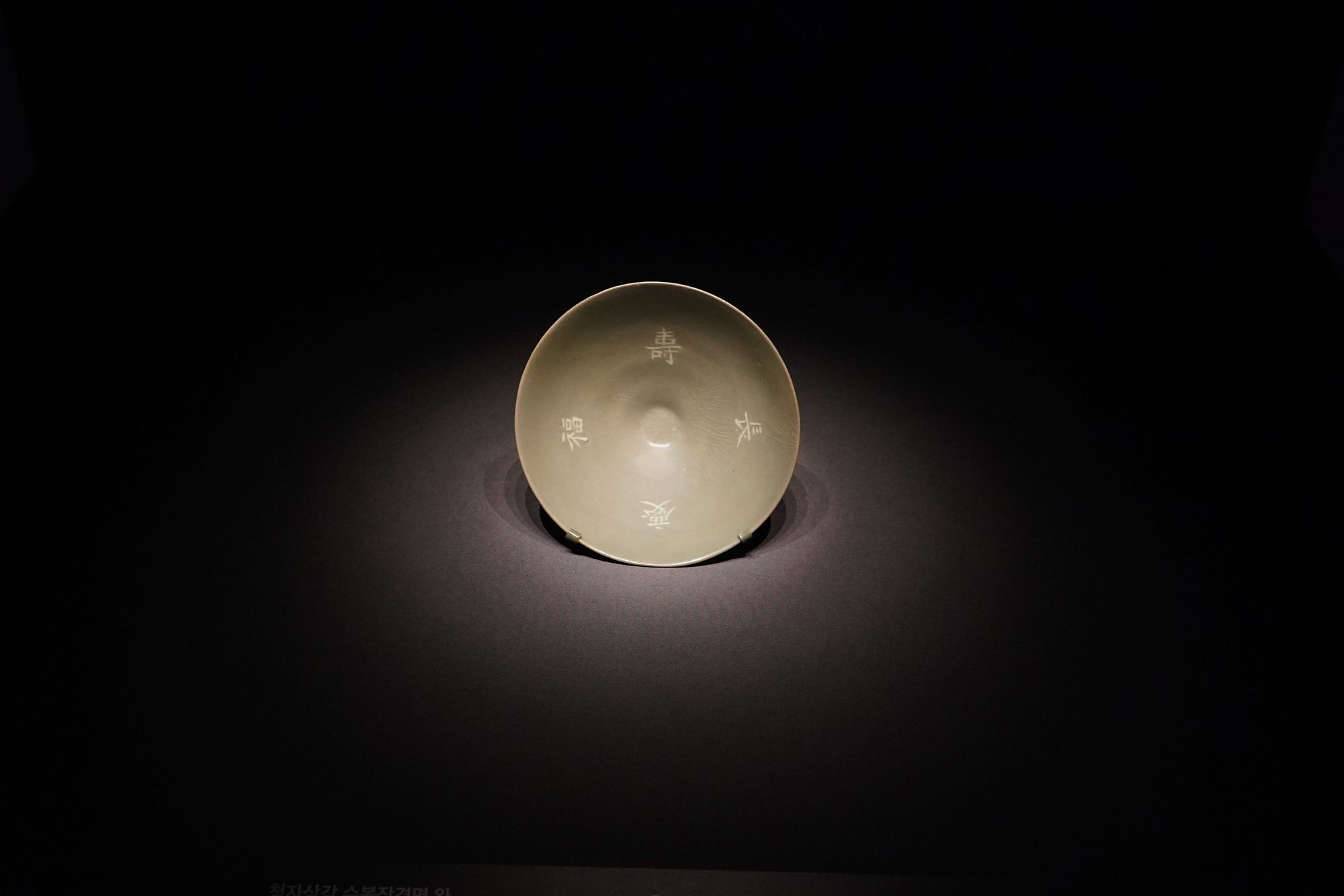
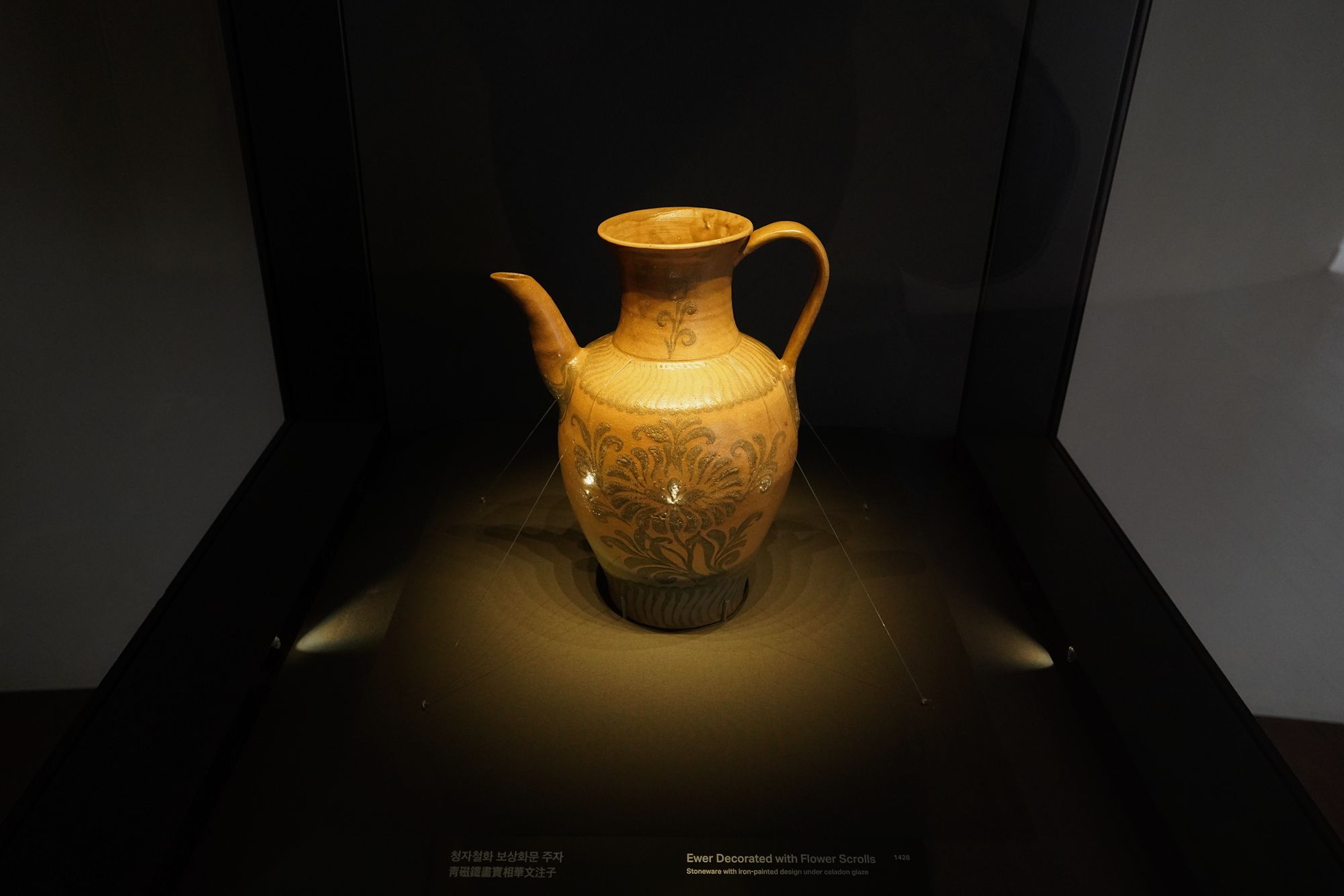
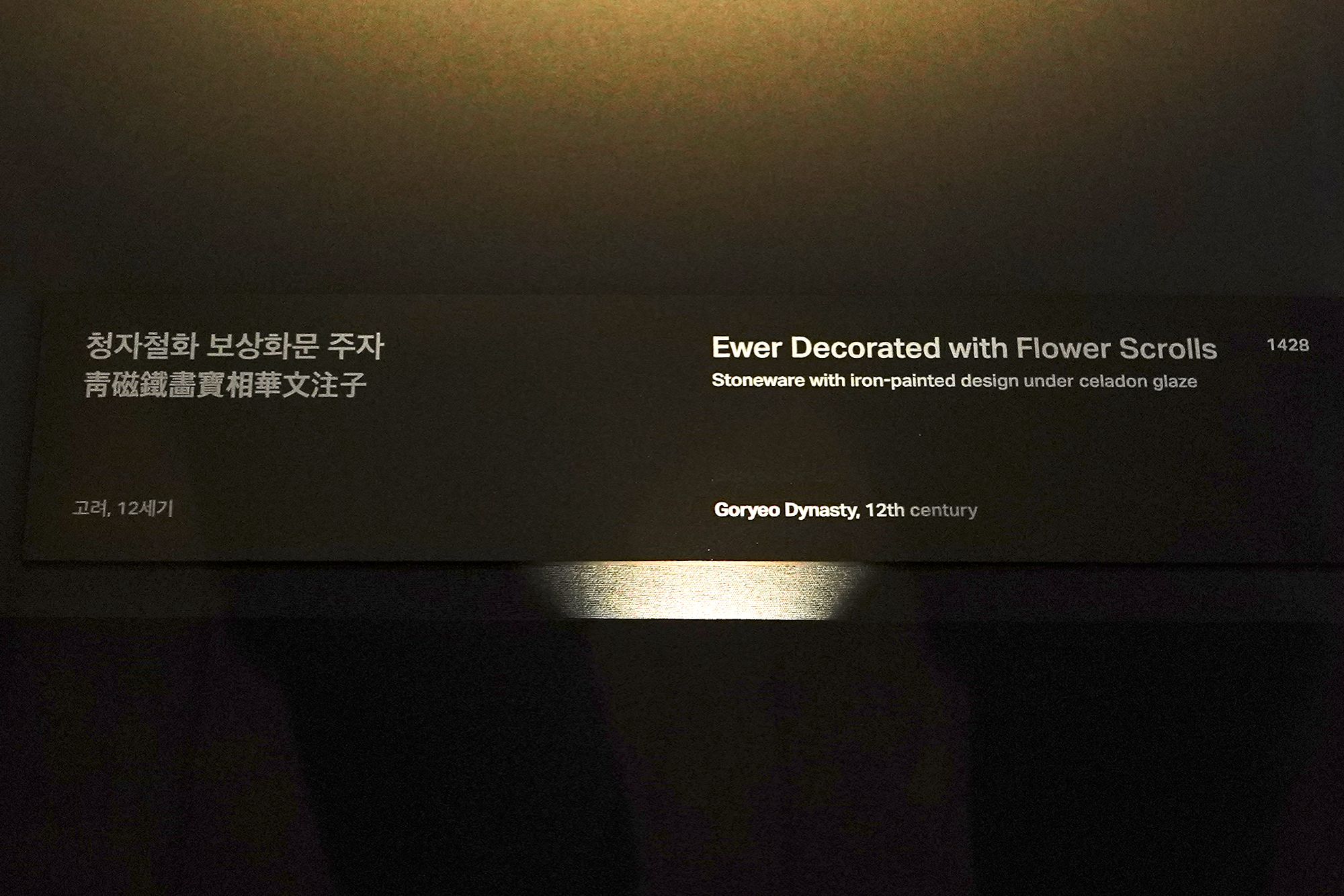
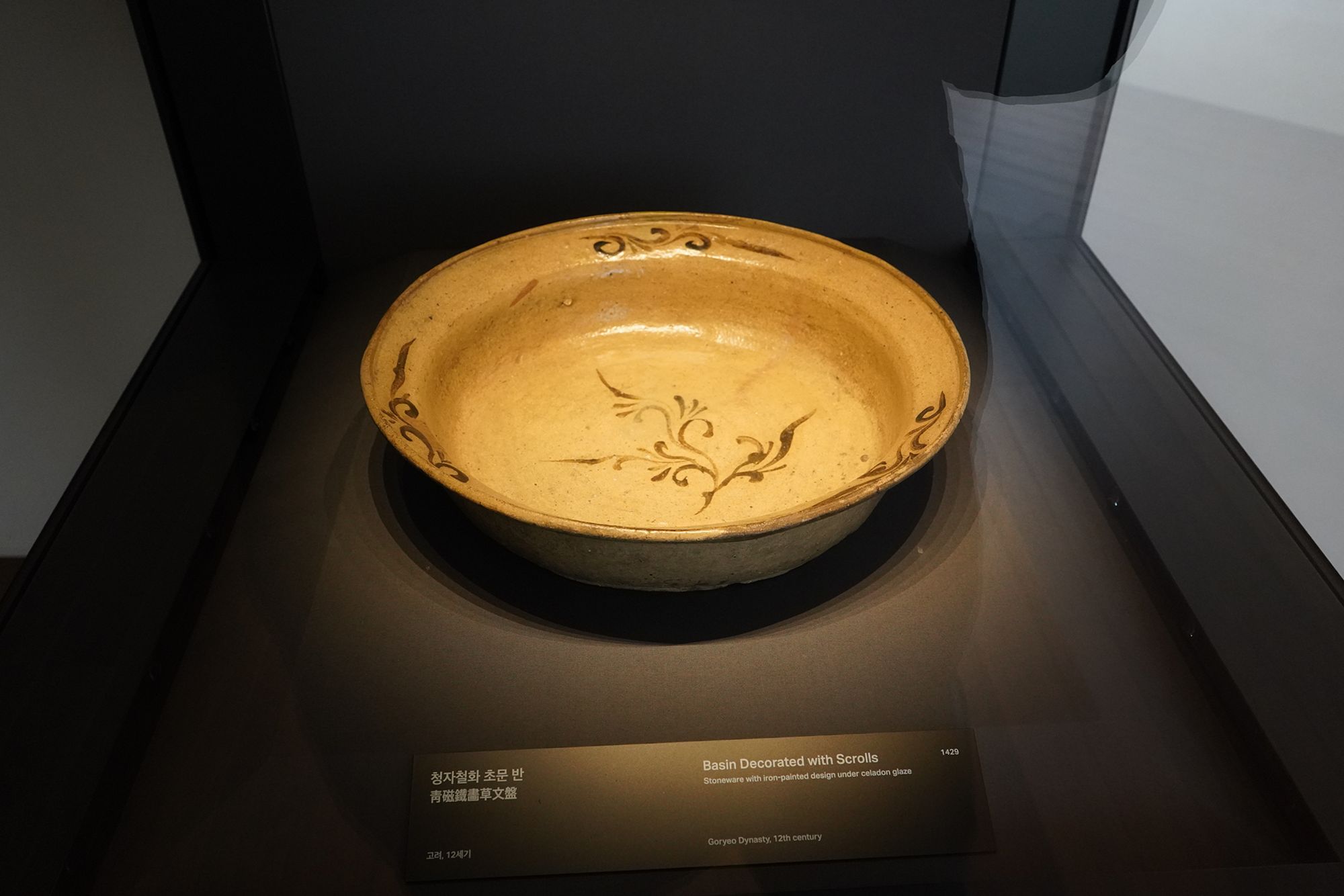
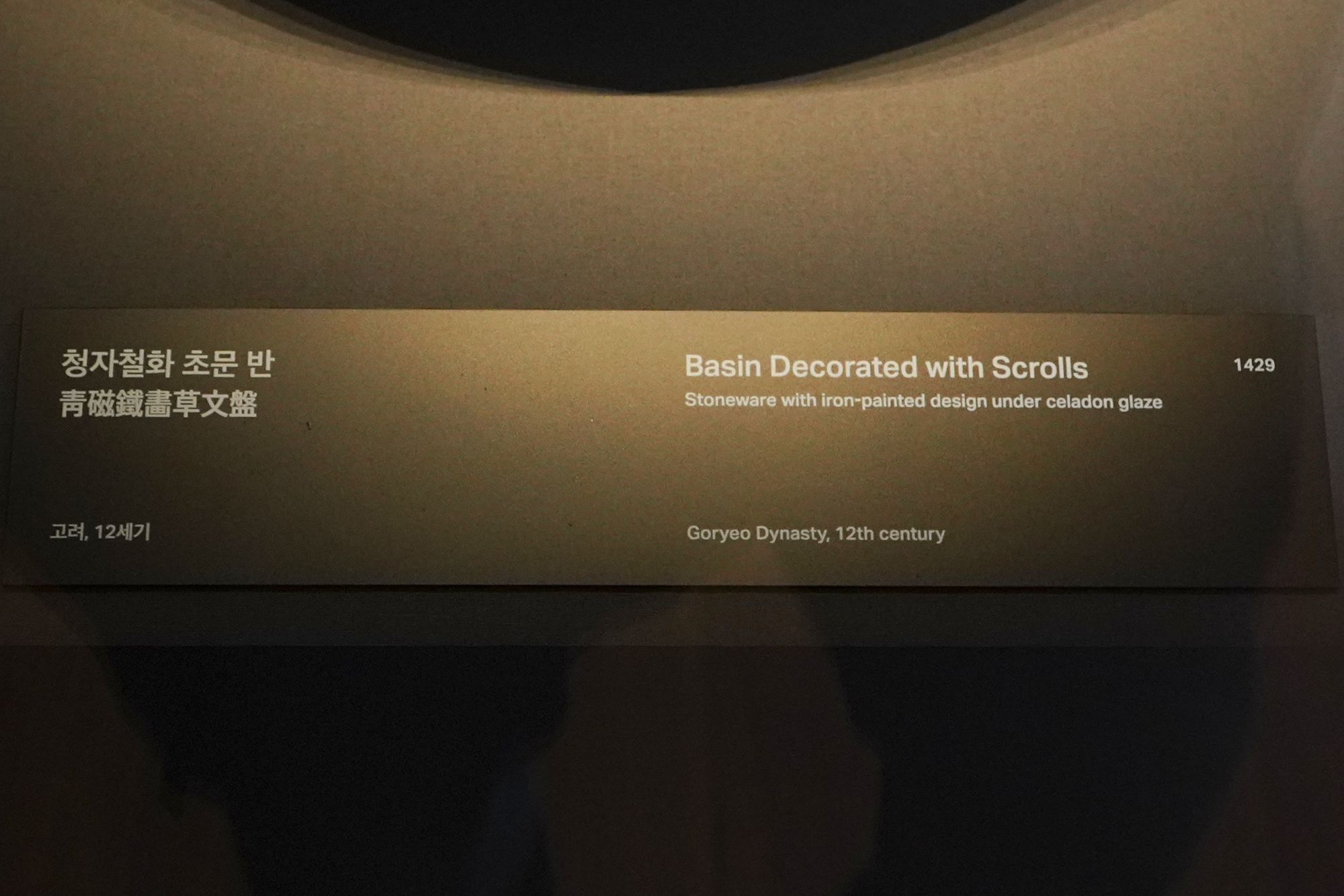
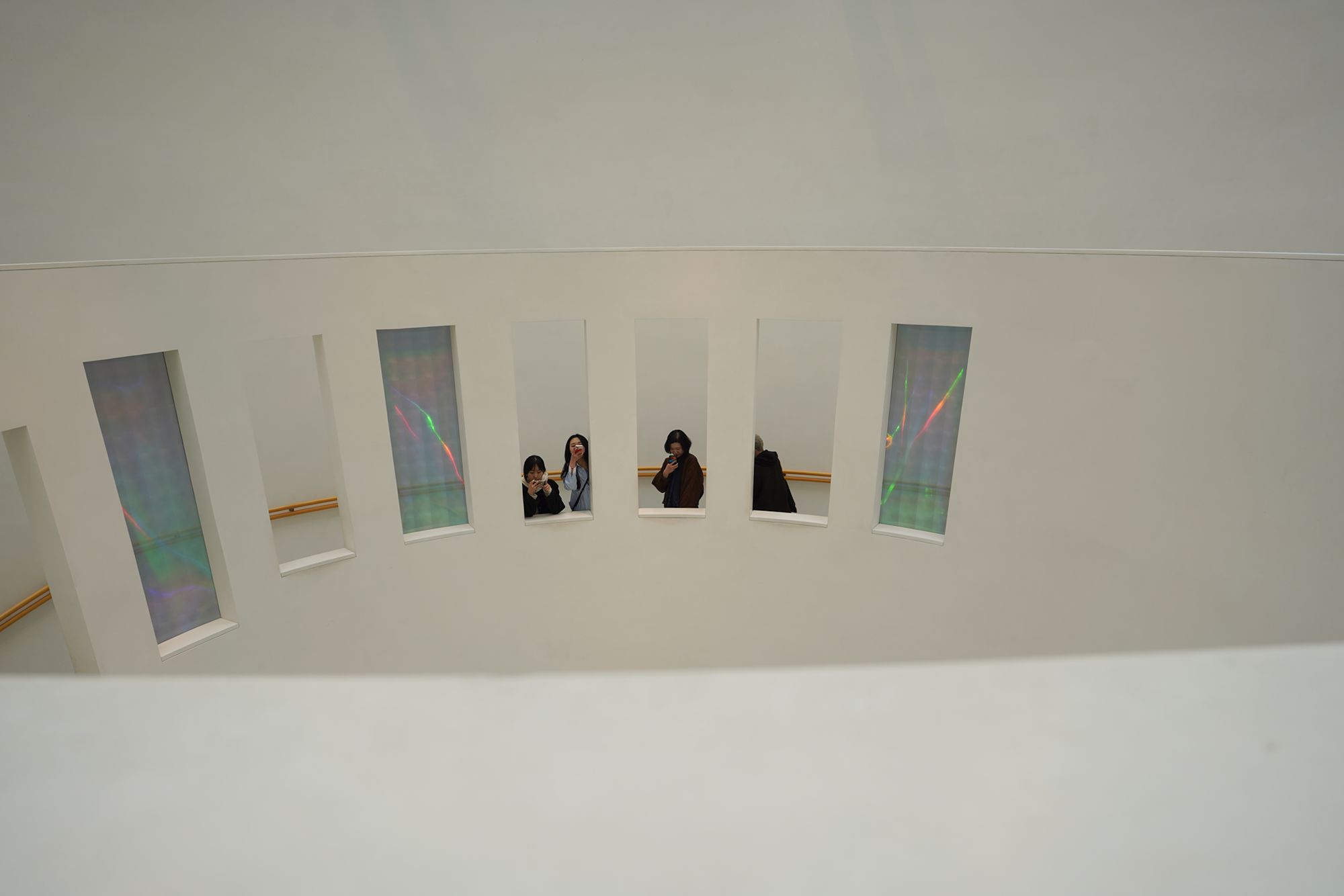
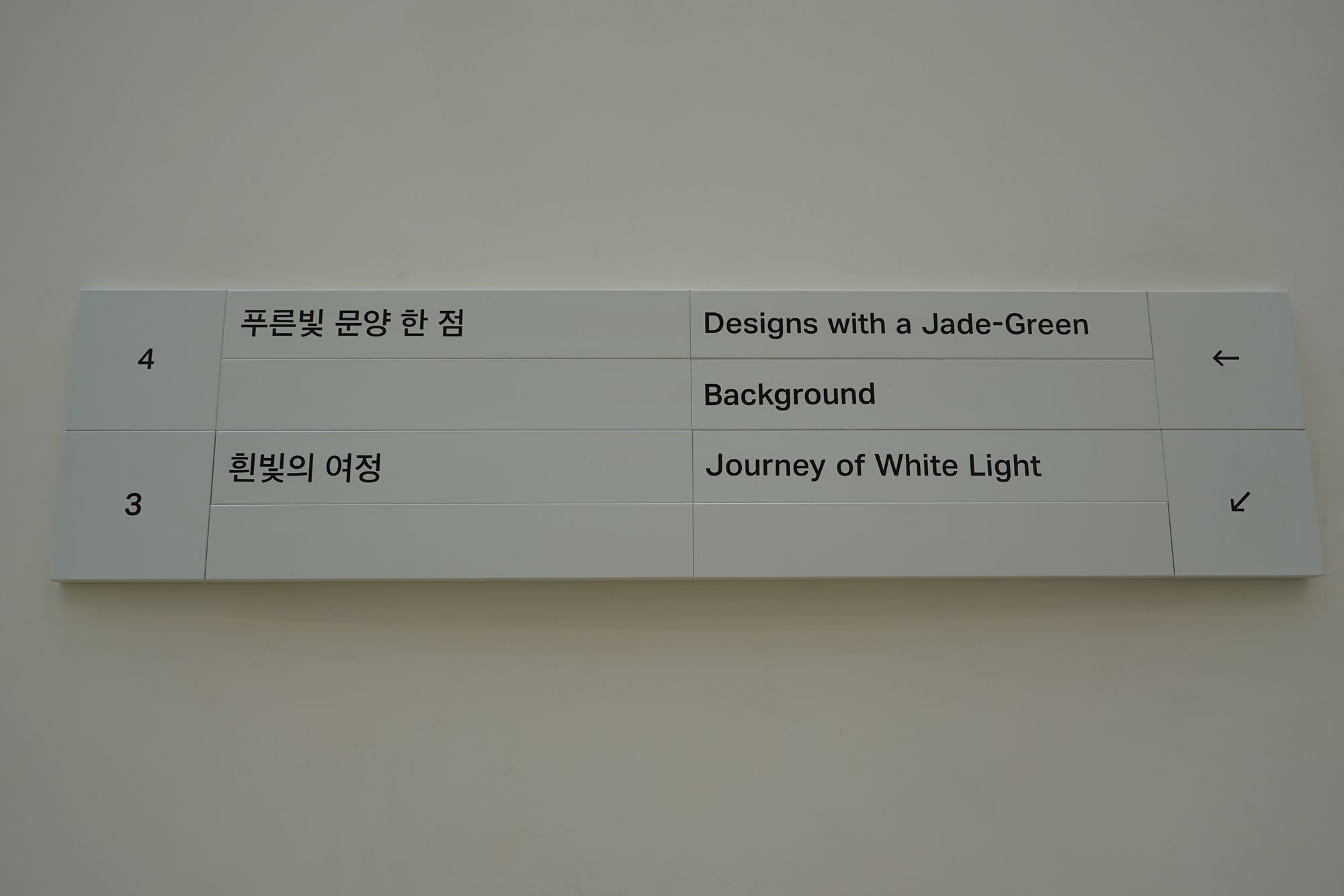
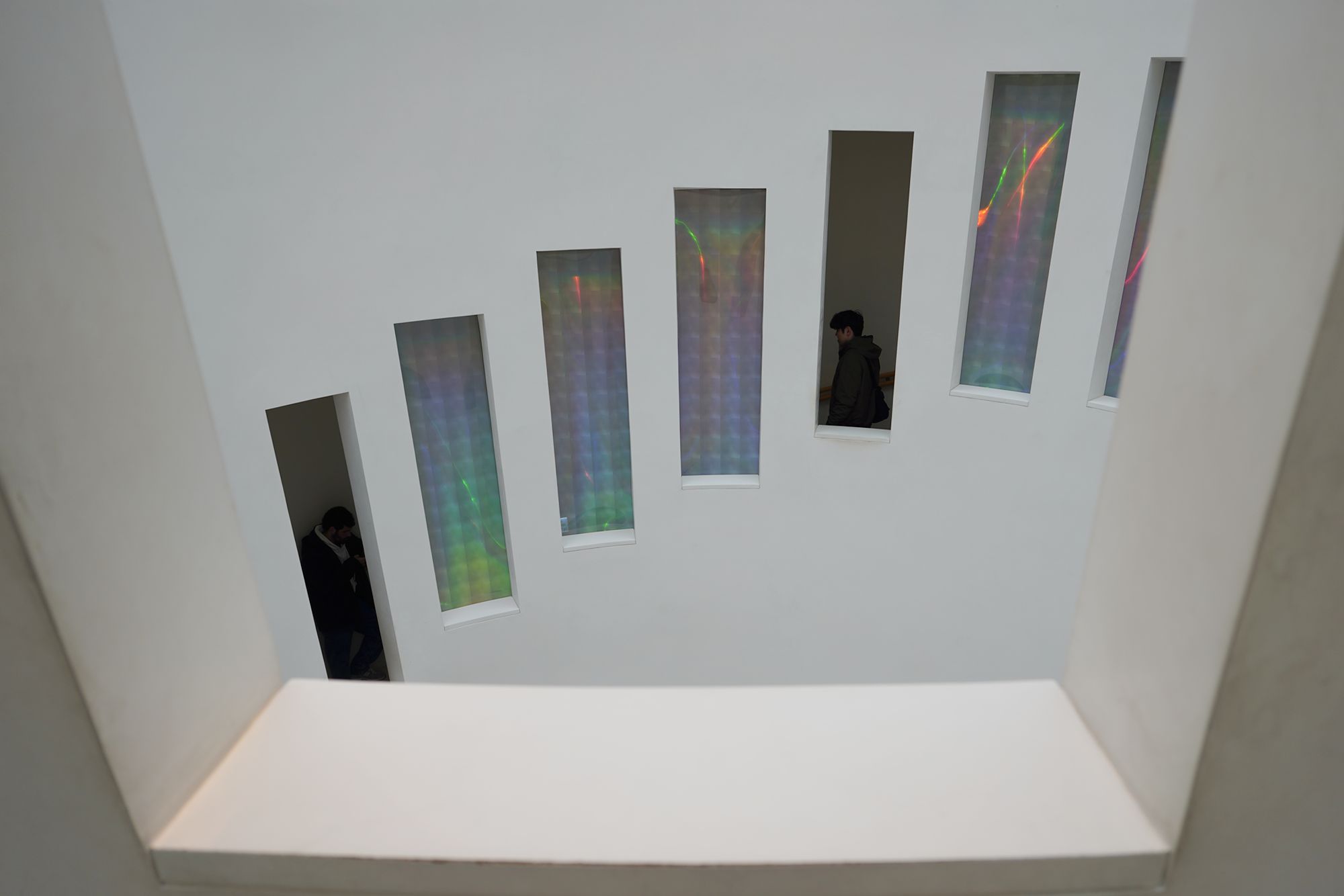
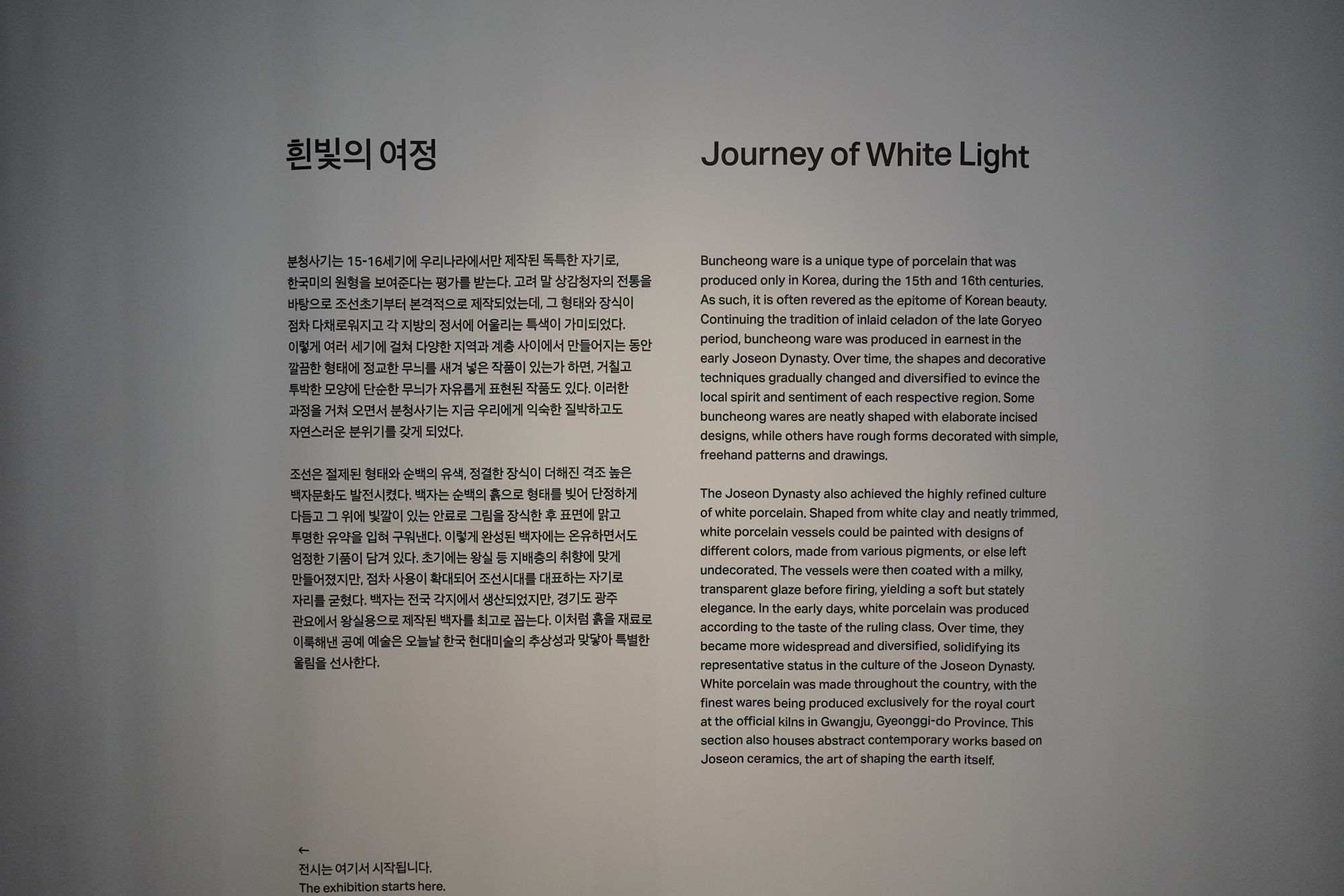
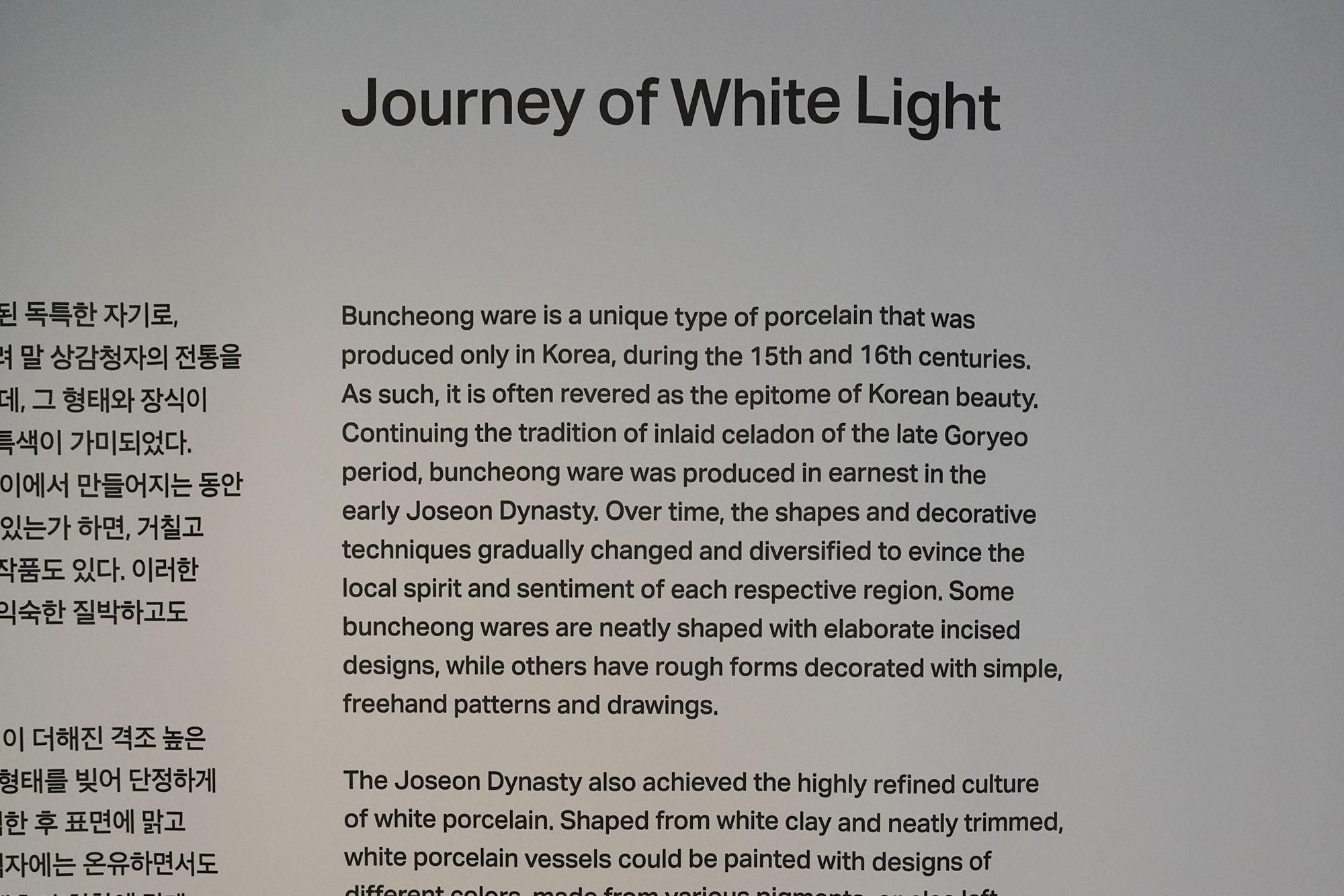
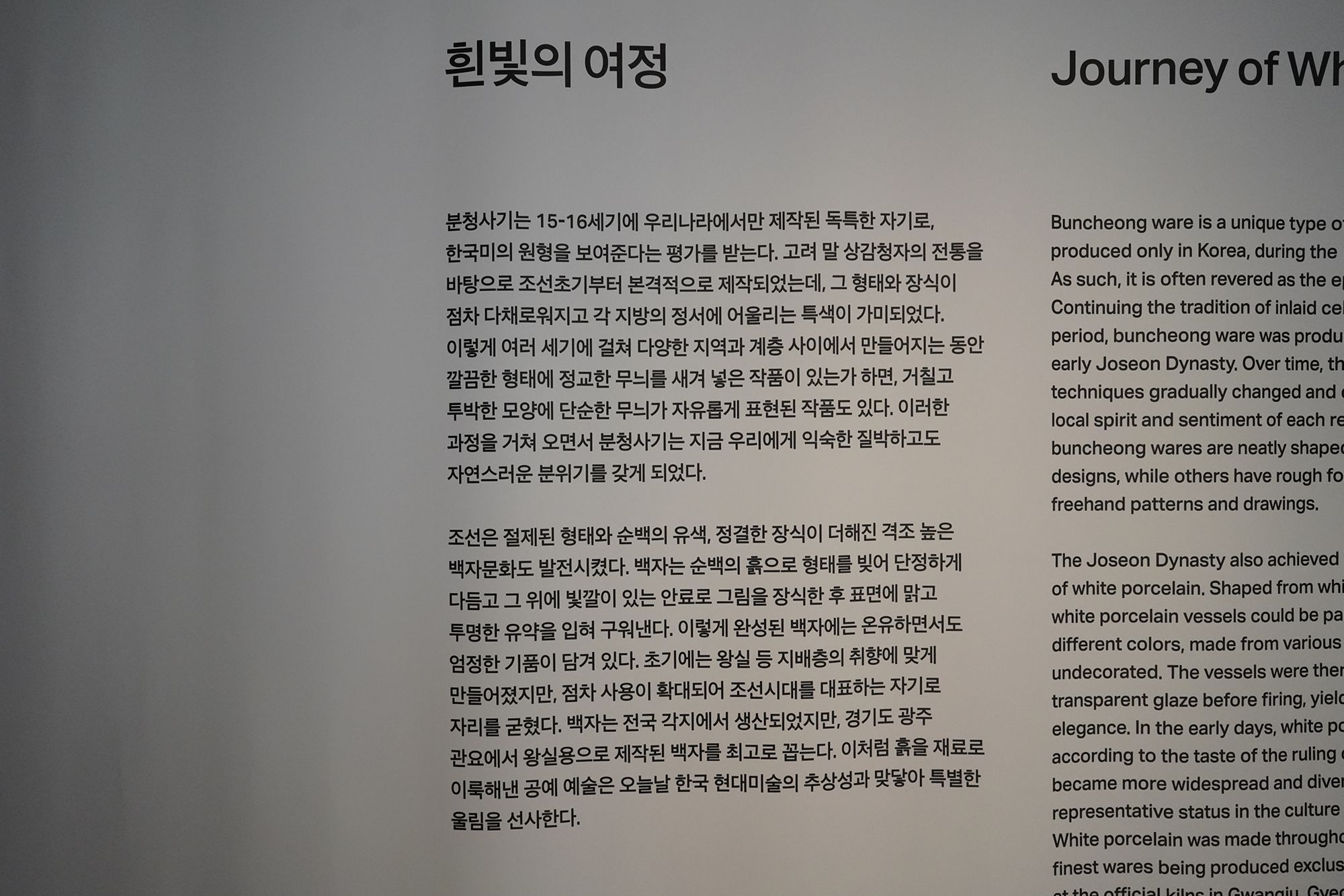
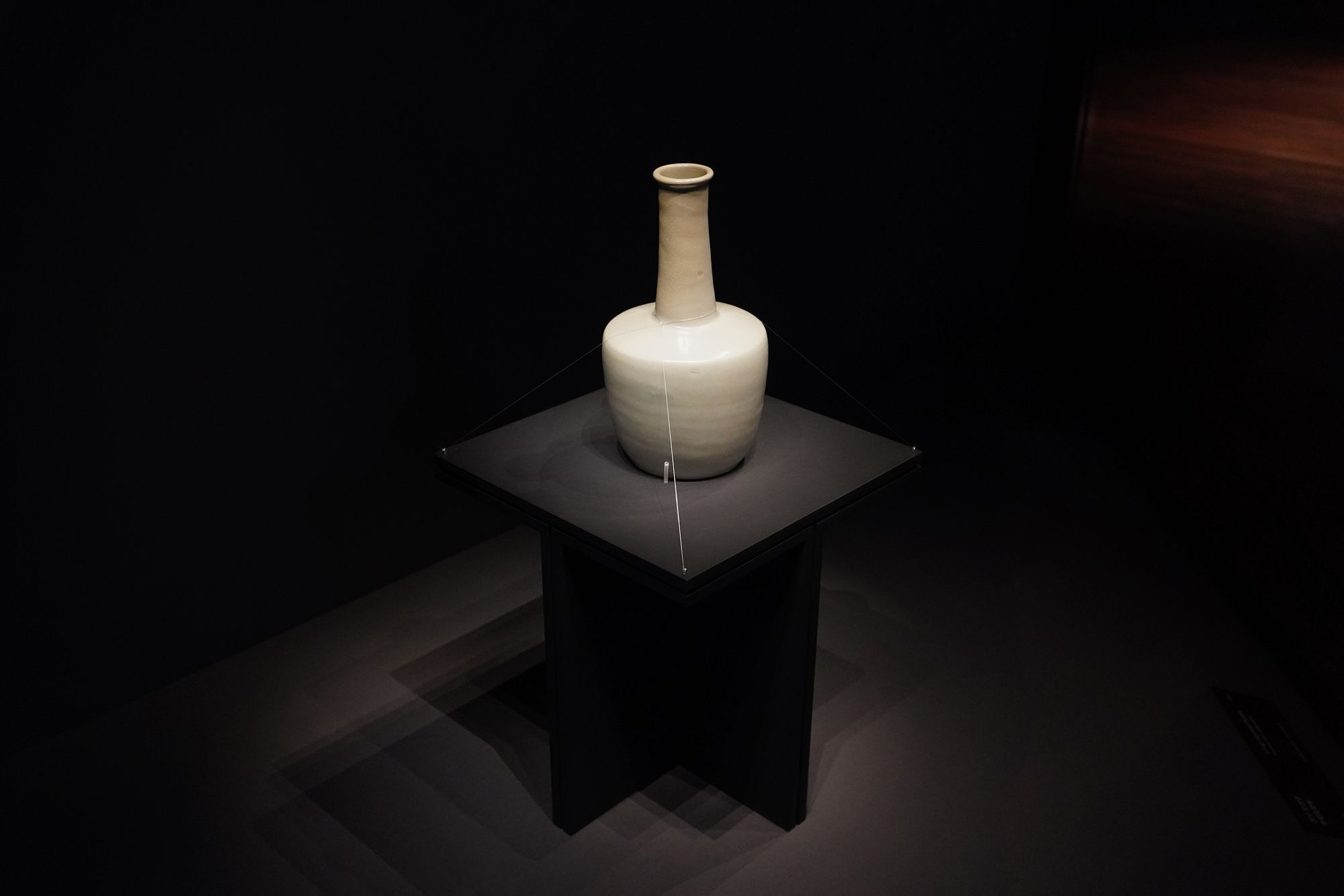
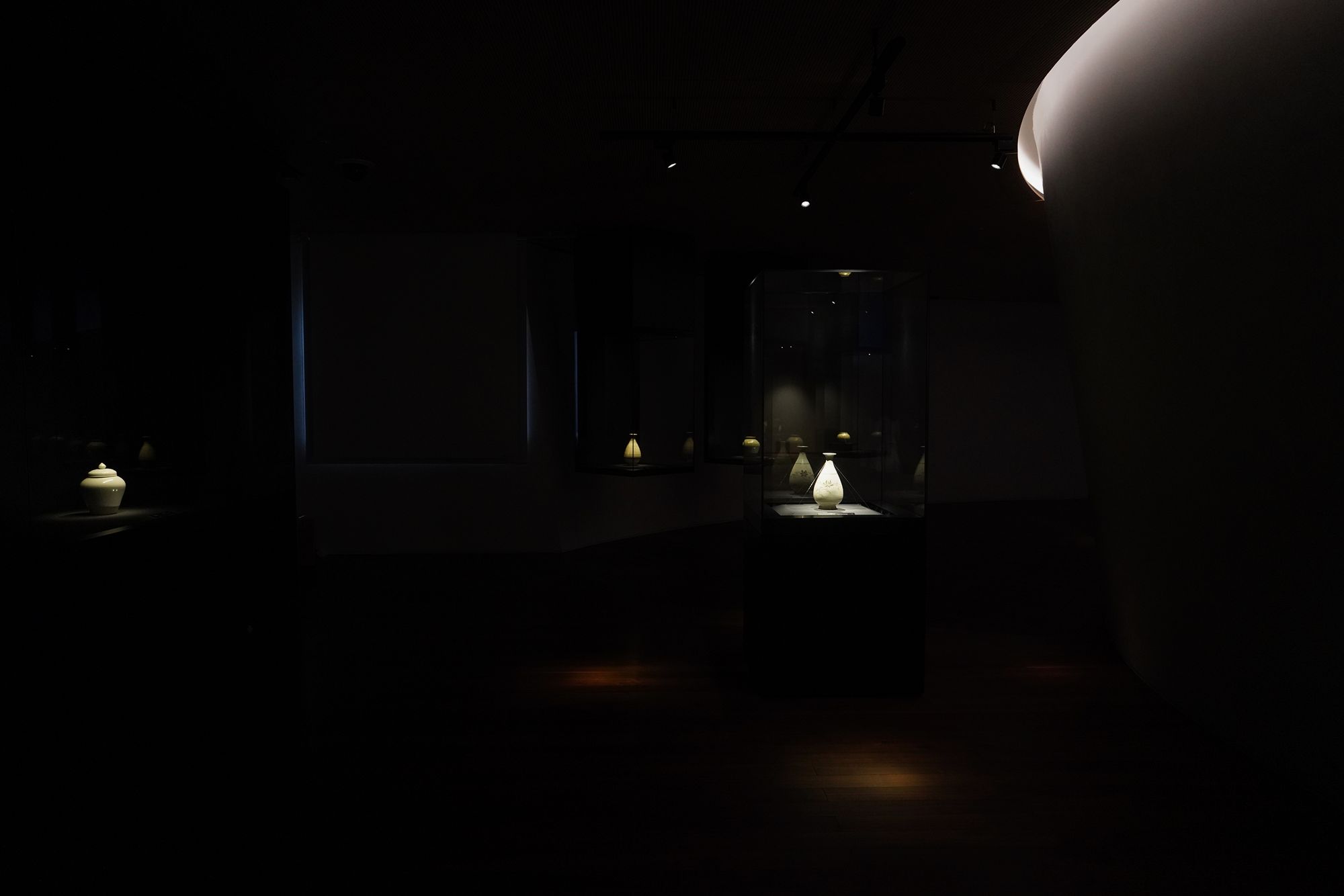
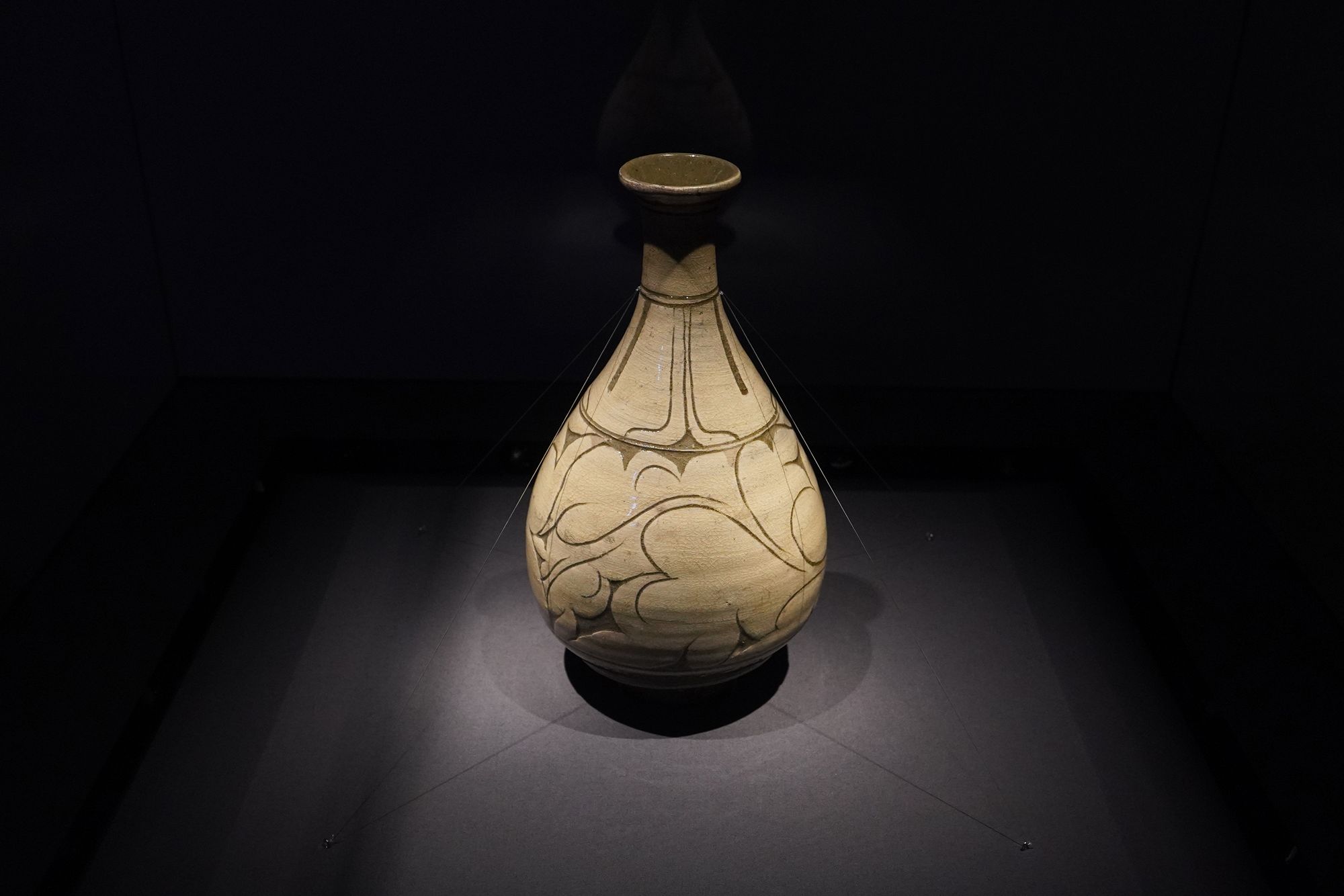
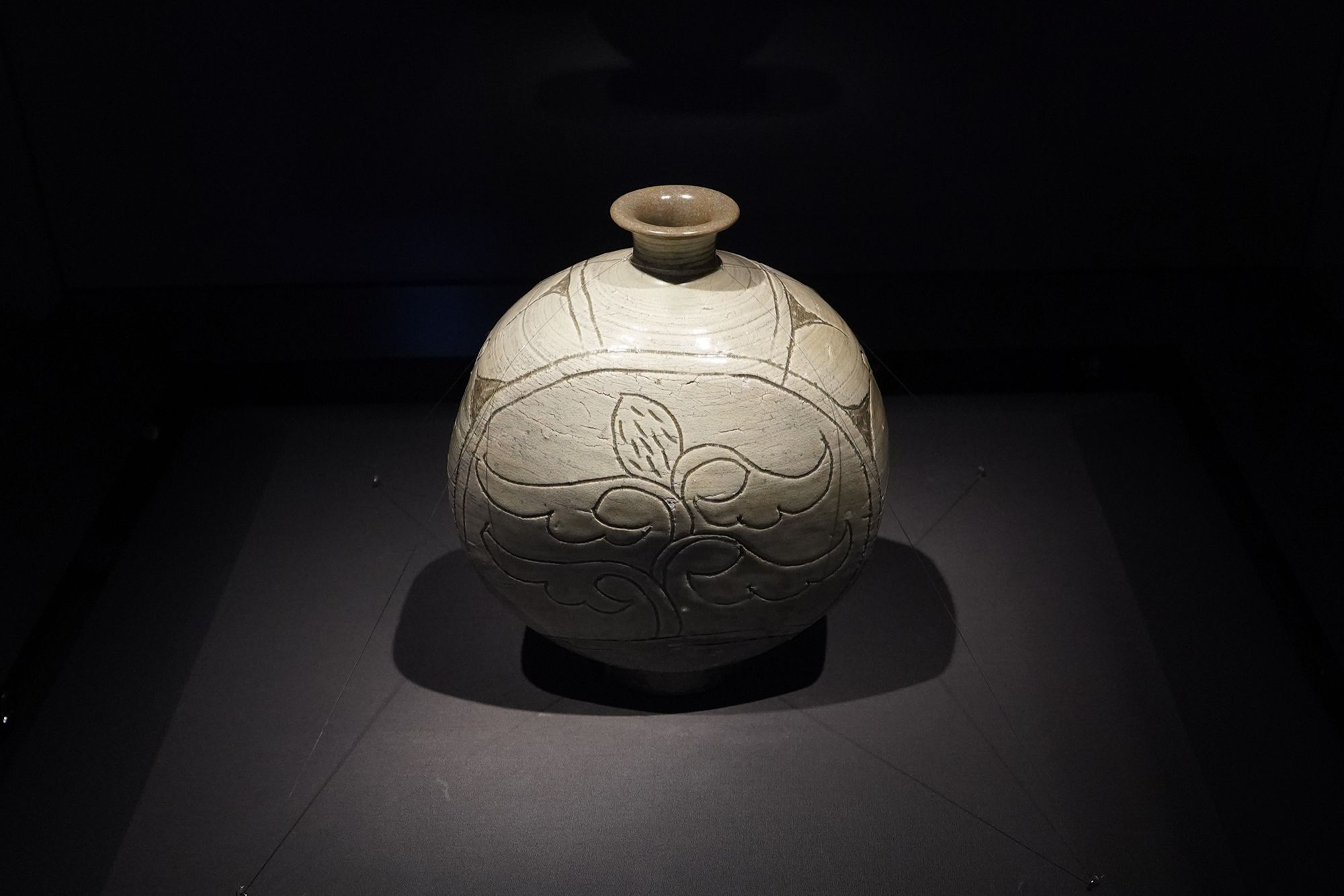
This floor was devoted mainly to Buncheong ware and White porcelain (백자, baekja).
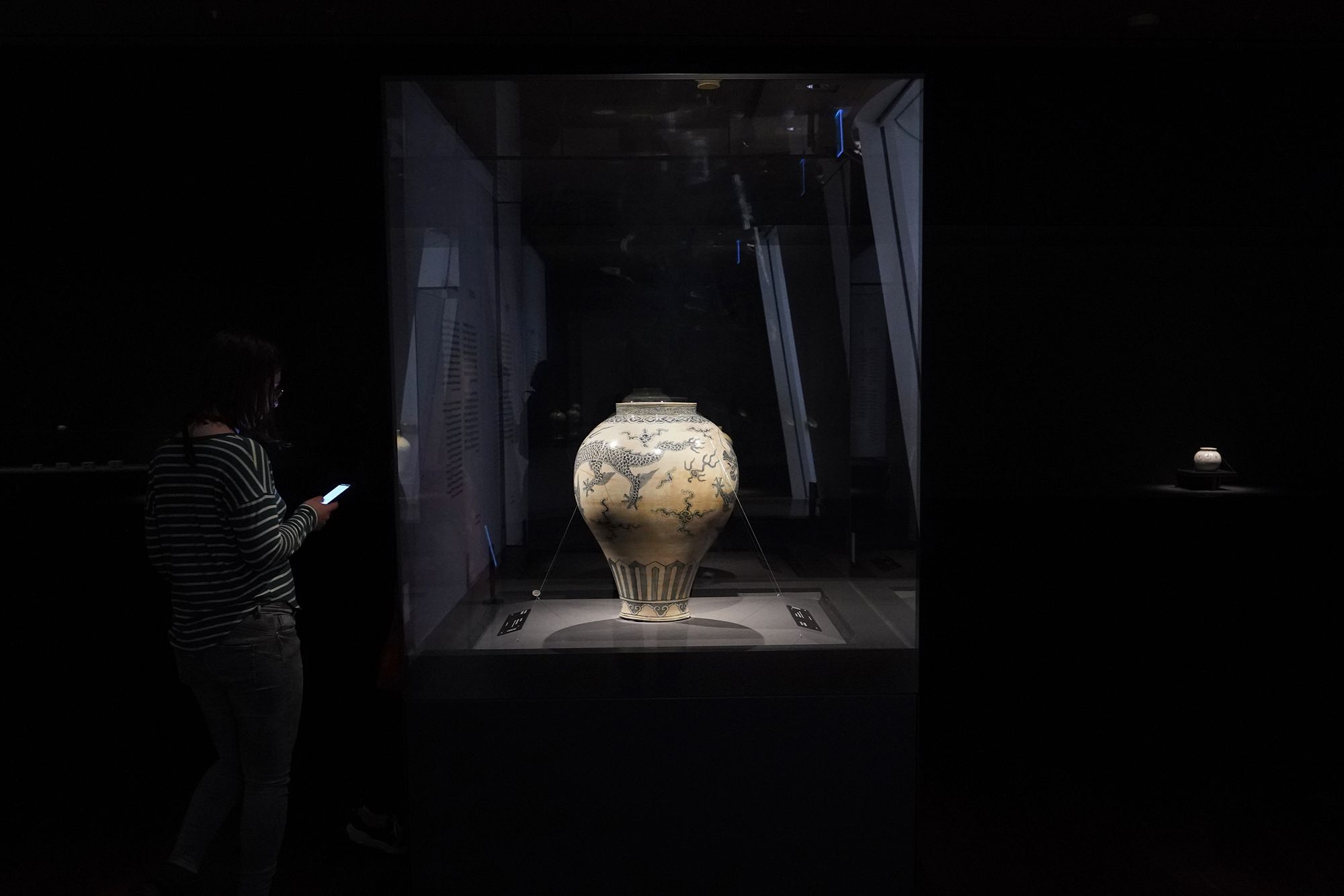
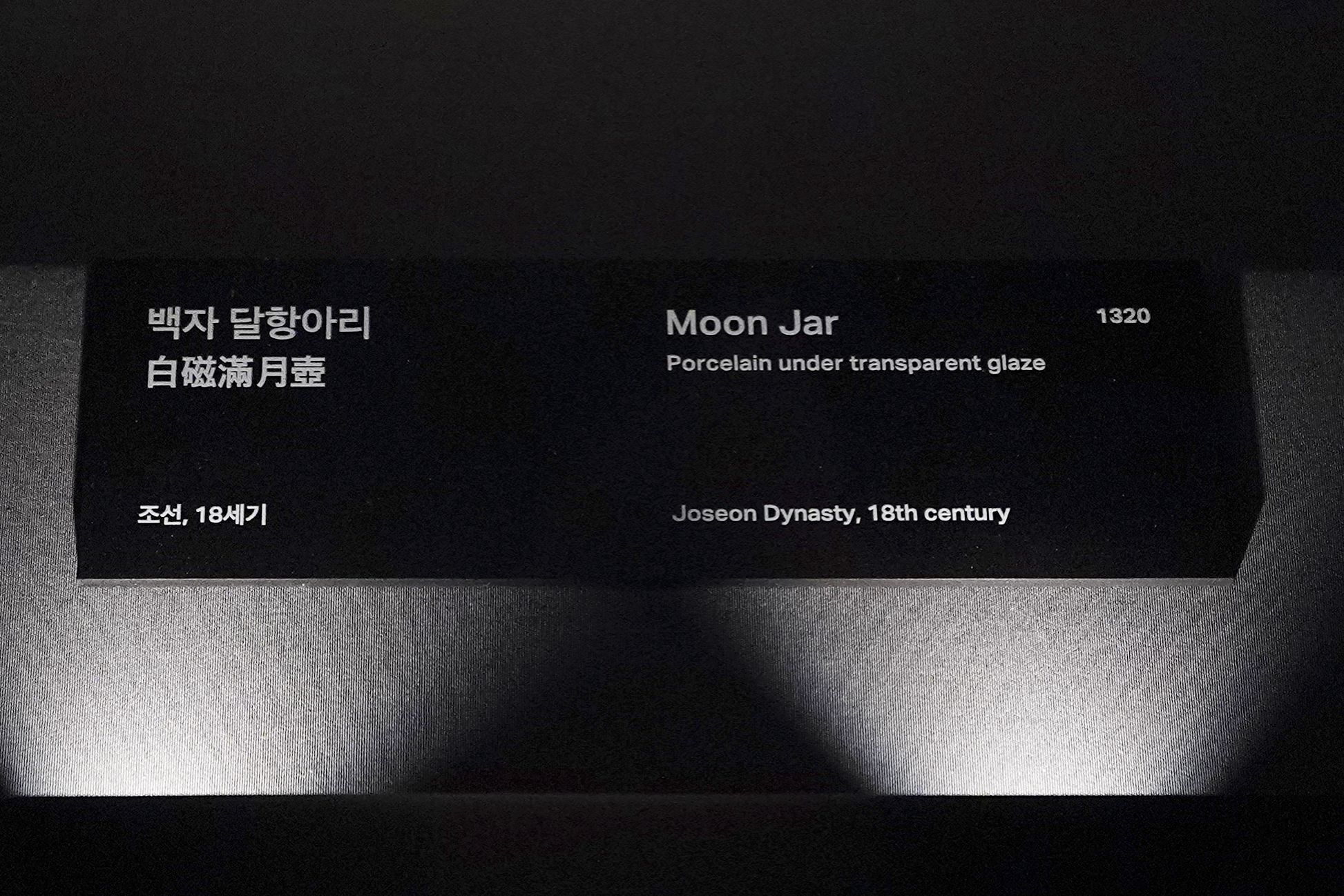
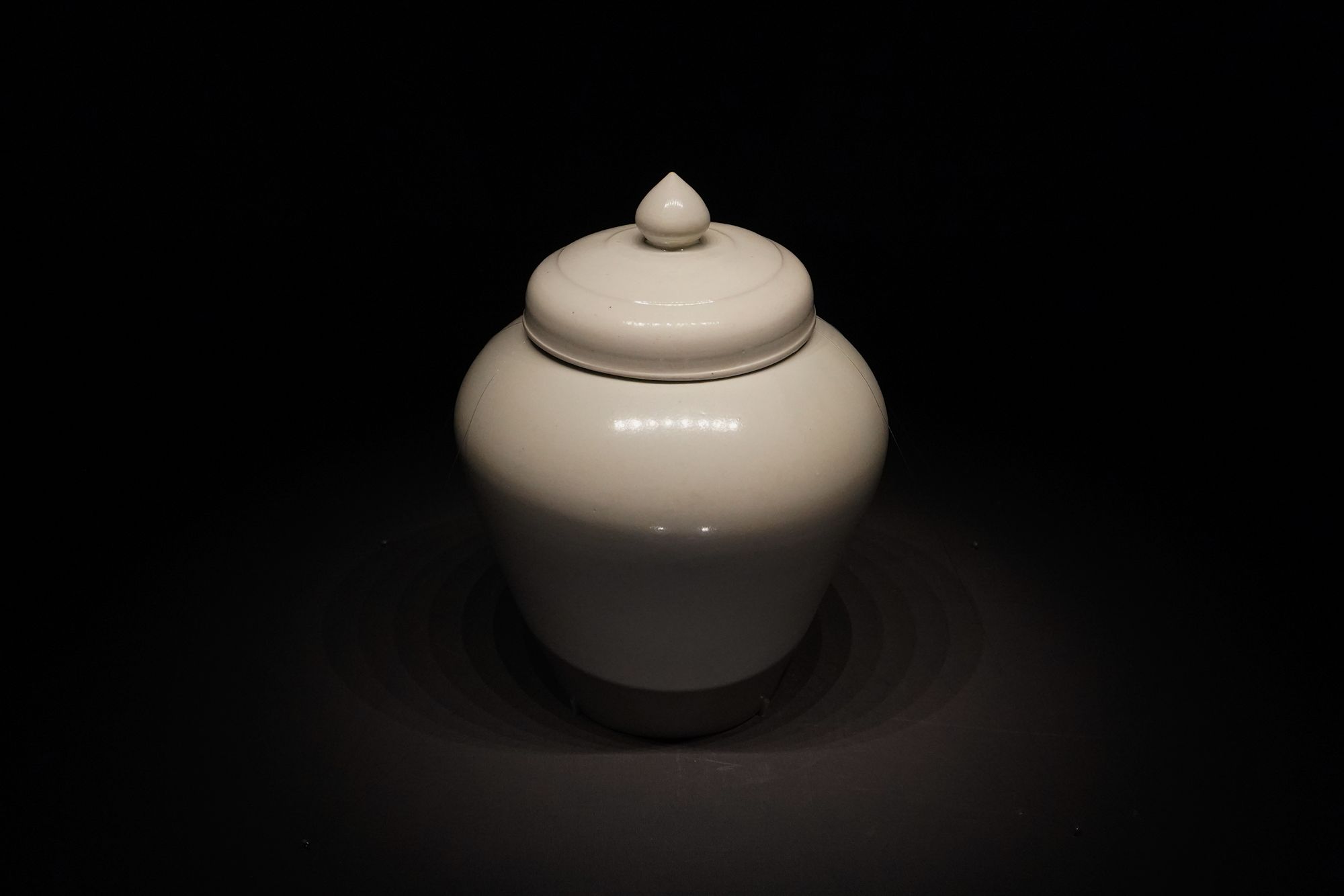
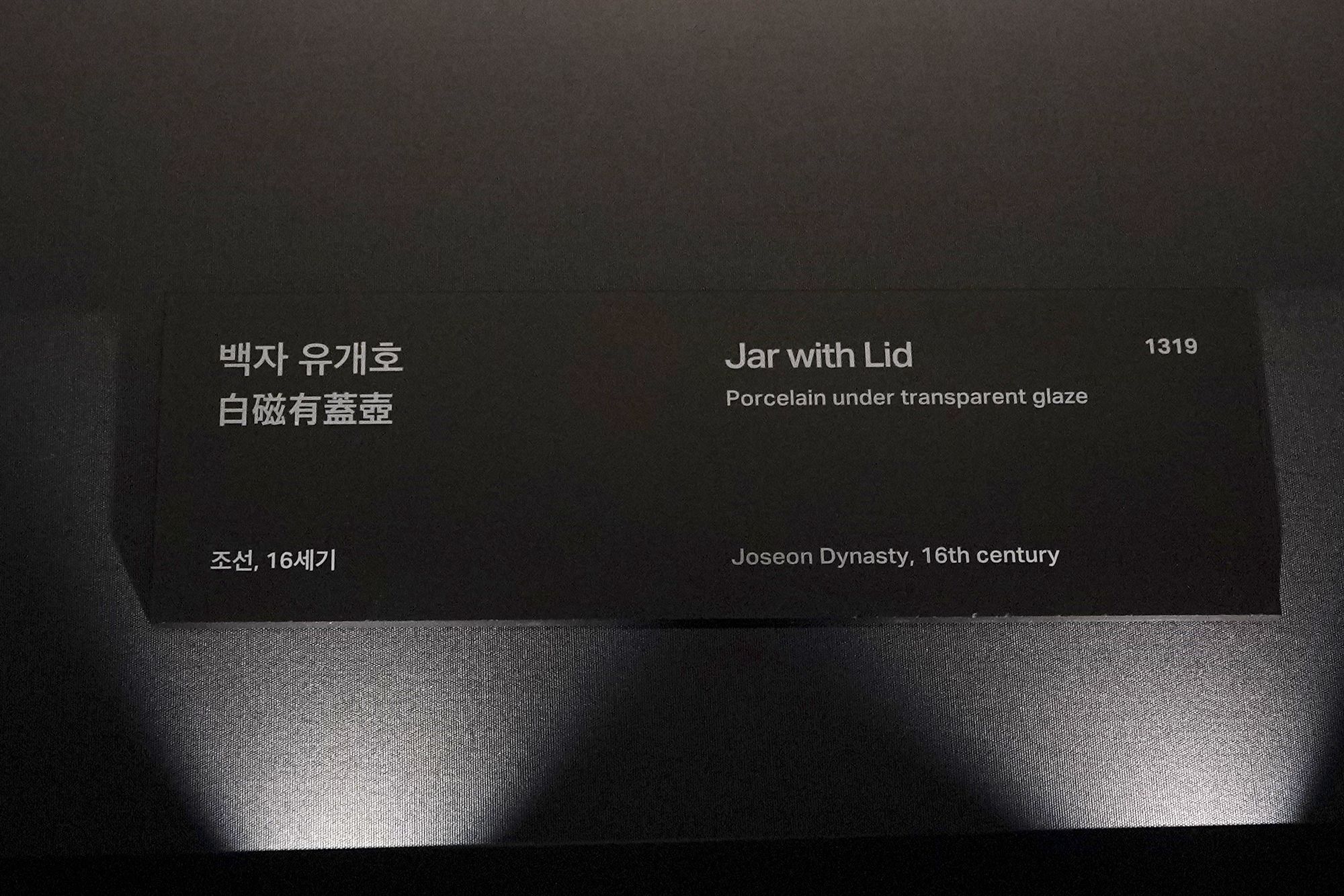
White porcelain (백자, baekja) is one of the most important forms of traditional Korean ceramics, particularly associated with the Joseon Dynasty (1392–1910).
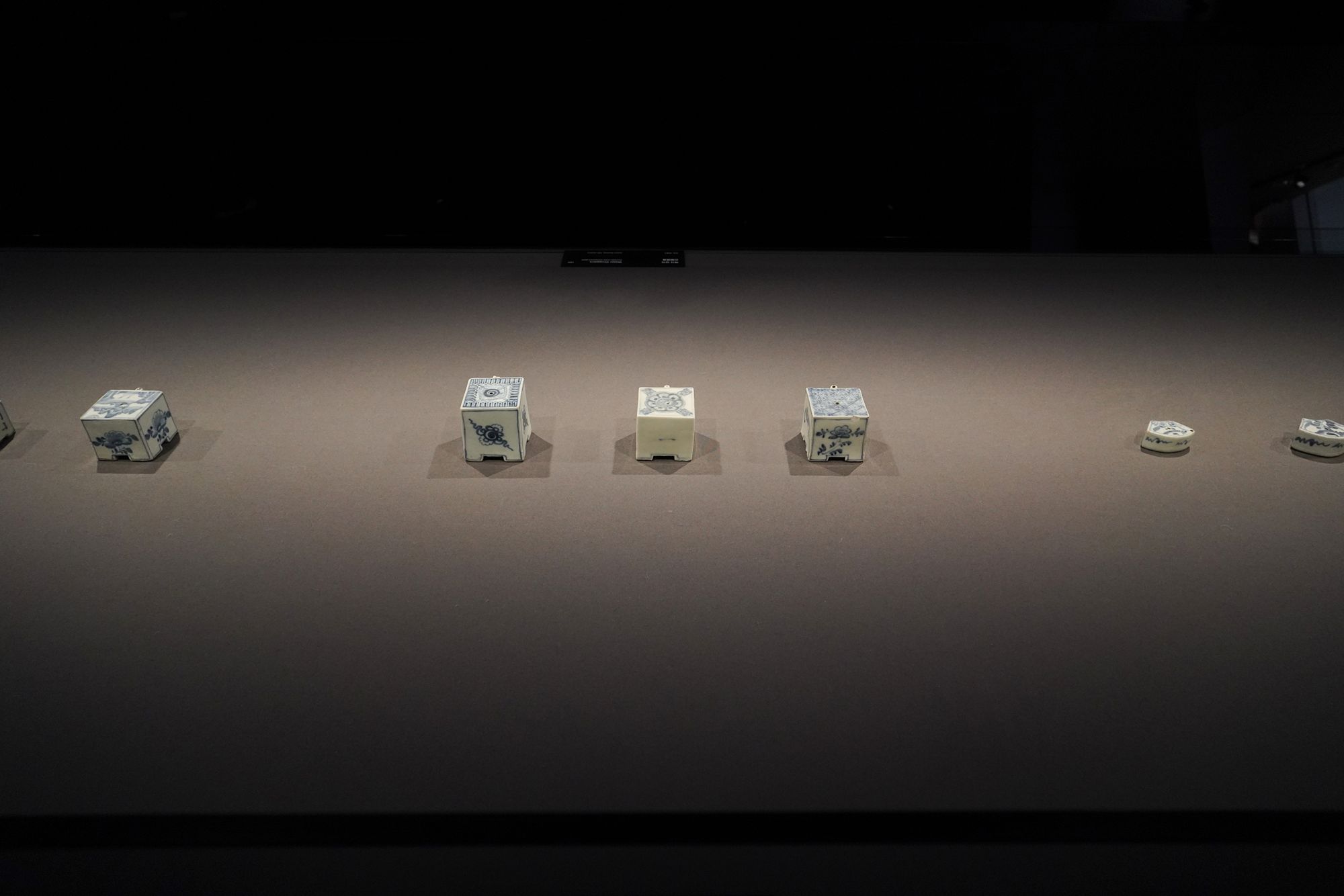
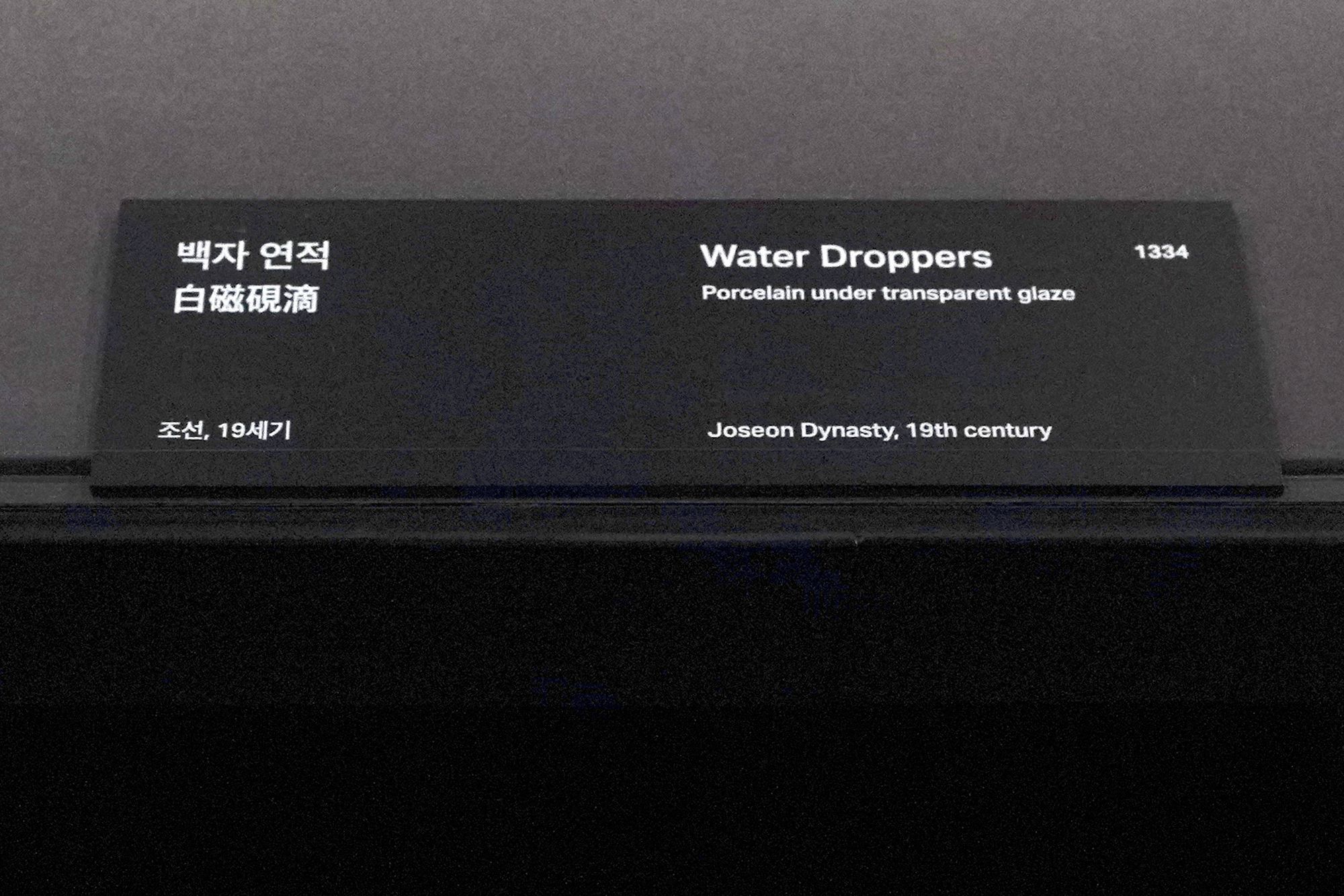
Unlike the blue-green Goryeo celadon or the more rustic Buncheong ware, white porcelain has a clean, simple, and restrained appearance. Its white surface reflected the Joseon elite's preference for simplicity and modesty, values strongly influenced by Neo-Confucianism.
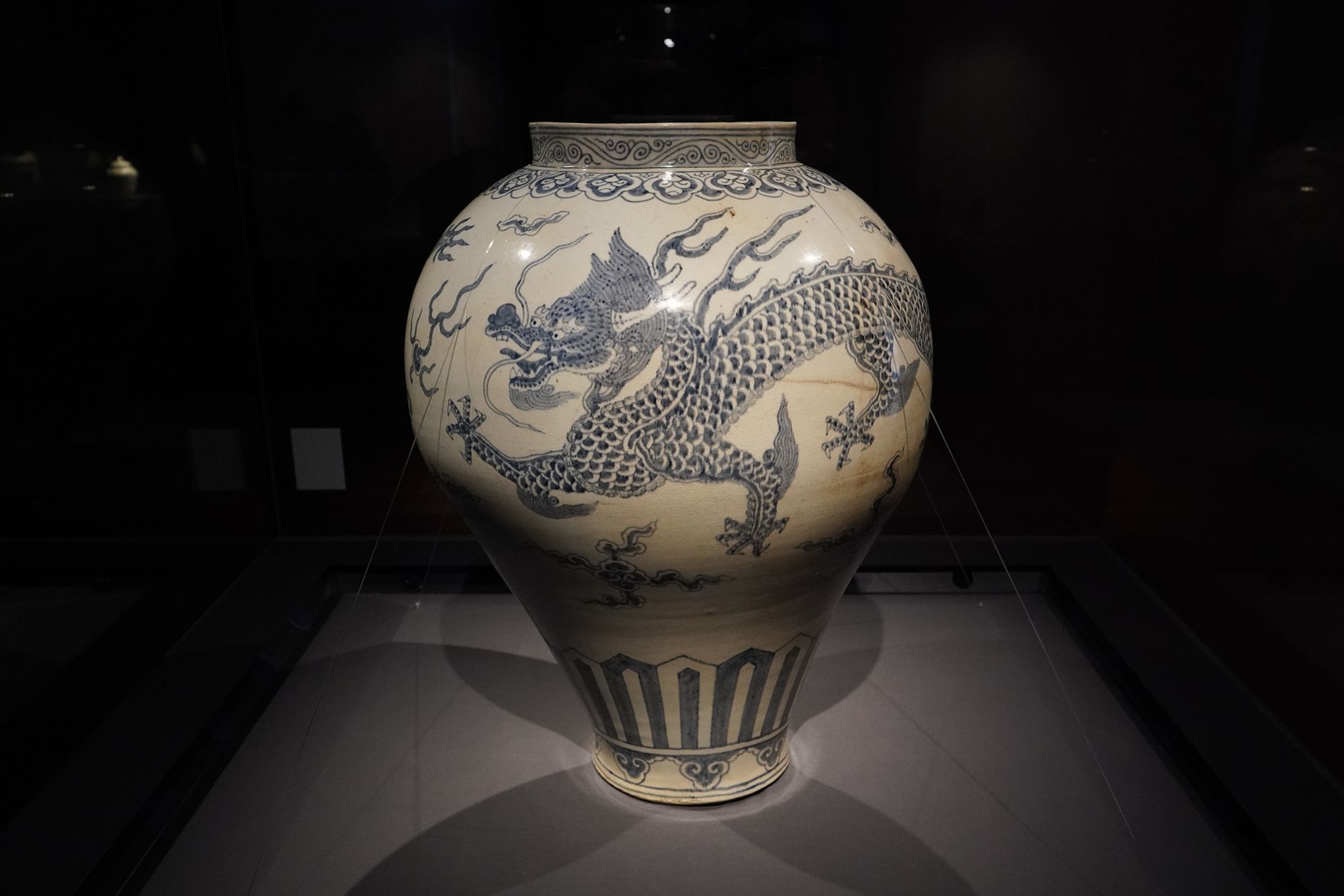
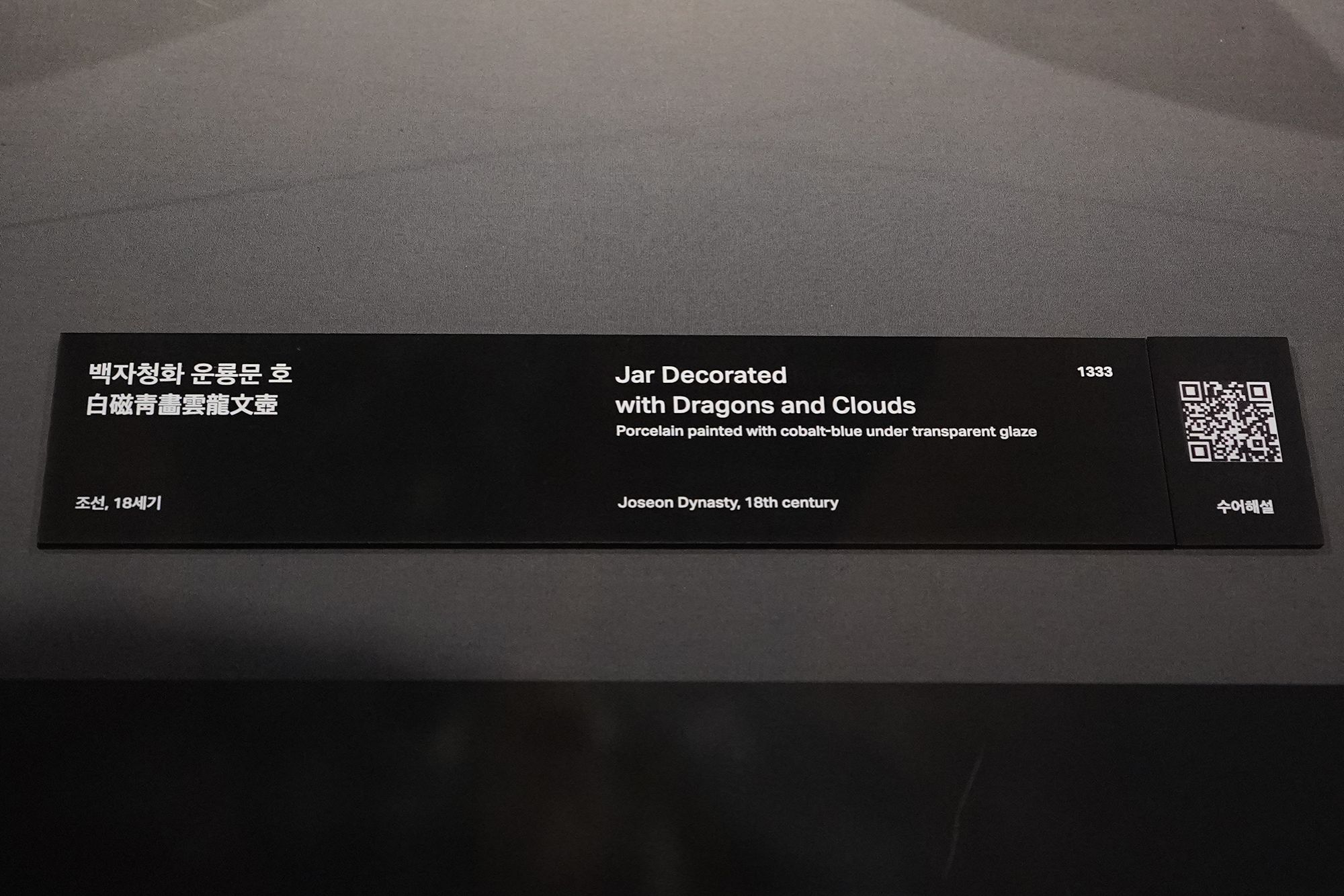
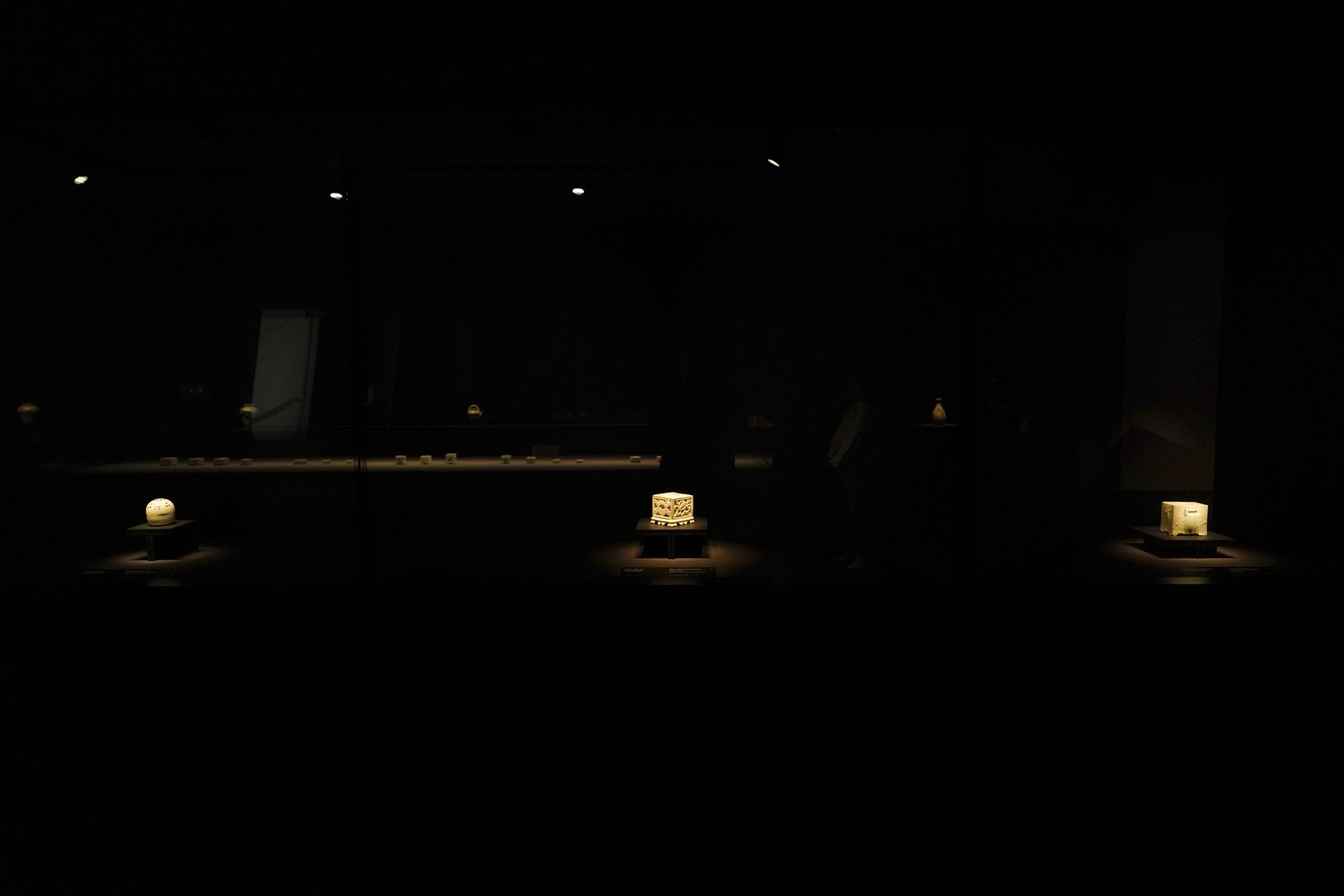
Joseon potters produced bowls, bottles, jars, dishes, and ritual vessels. Some pieces were left completely white, while others were decorated with designs painted in cobalt blue, iron brown, or copper red.
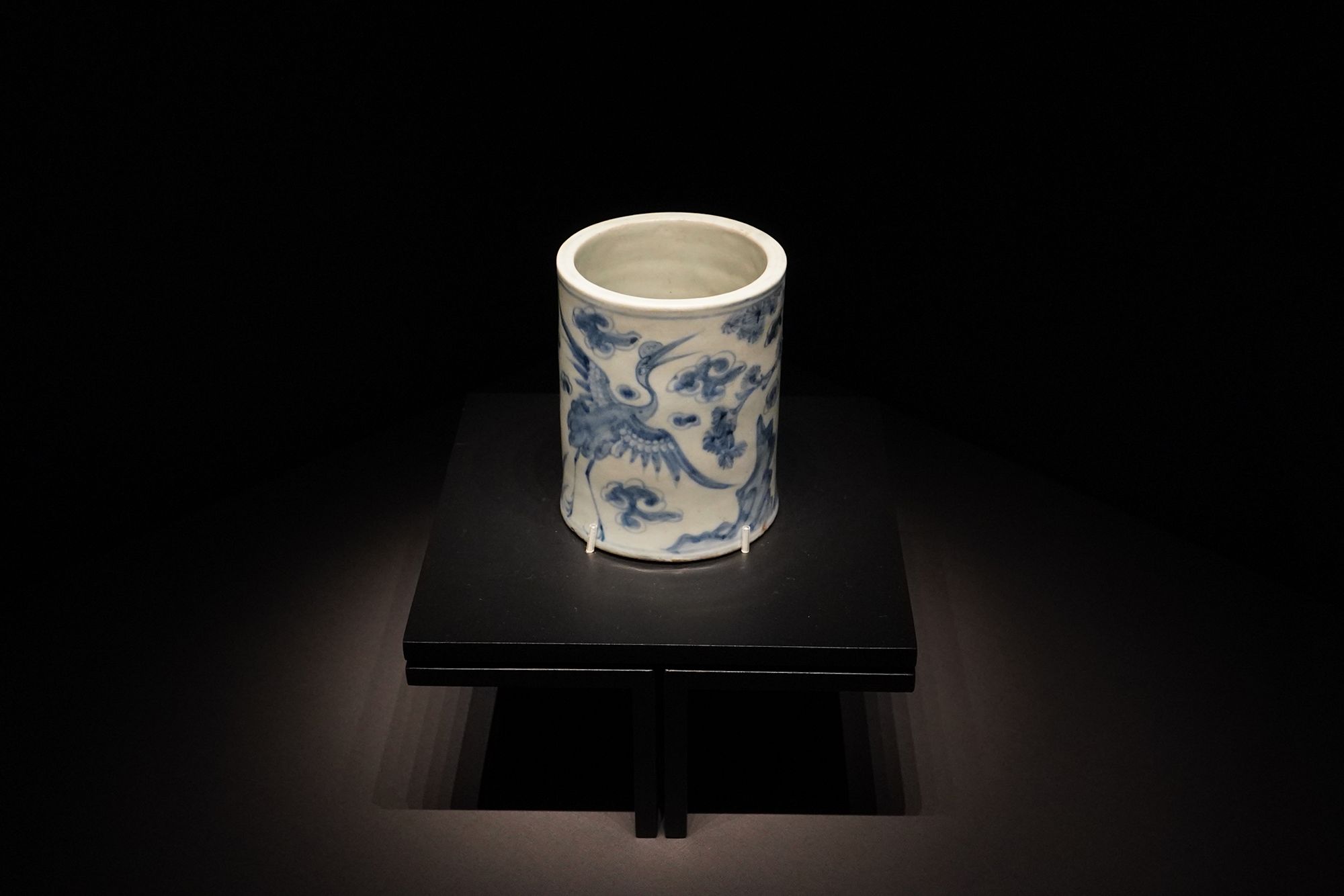
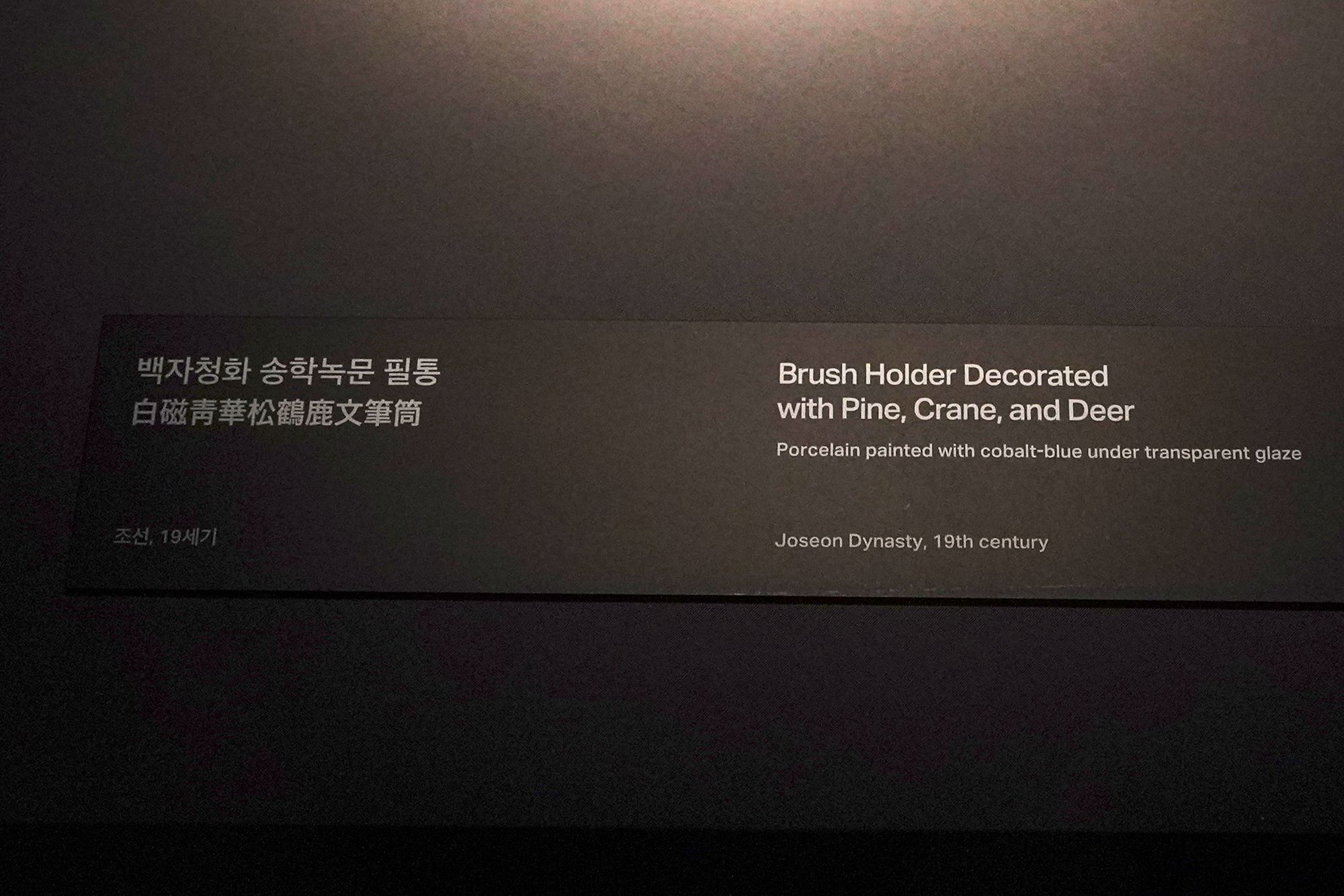
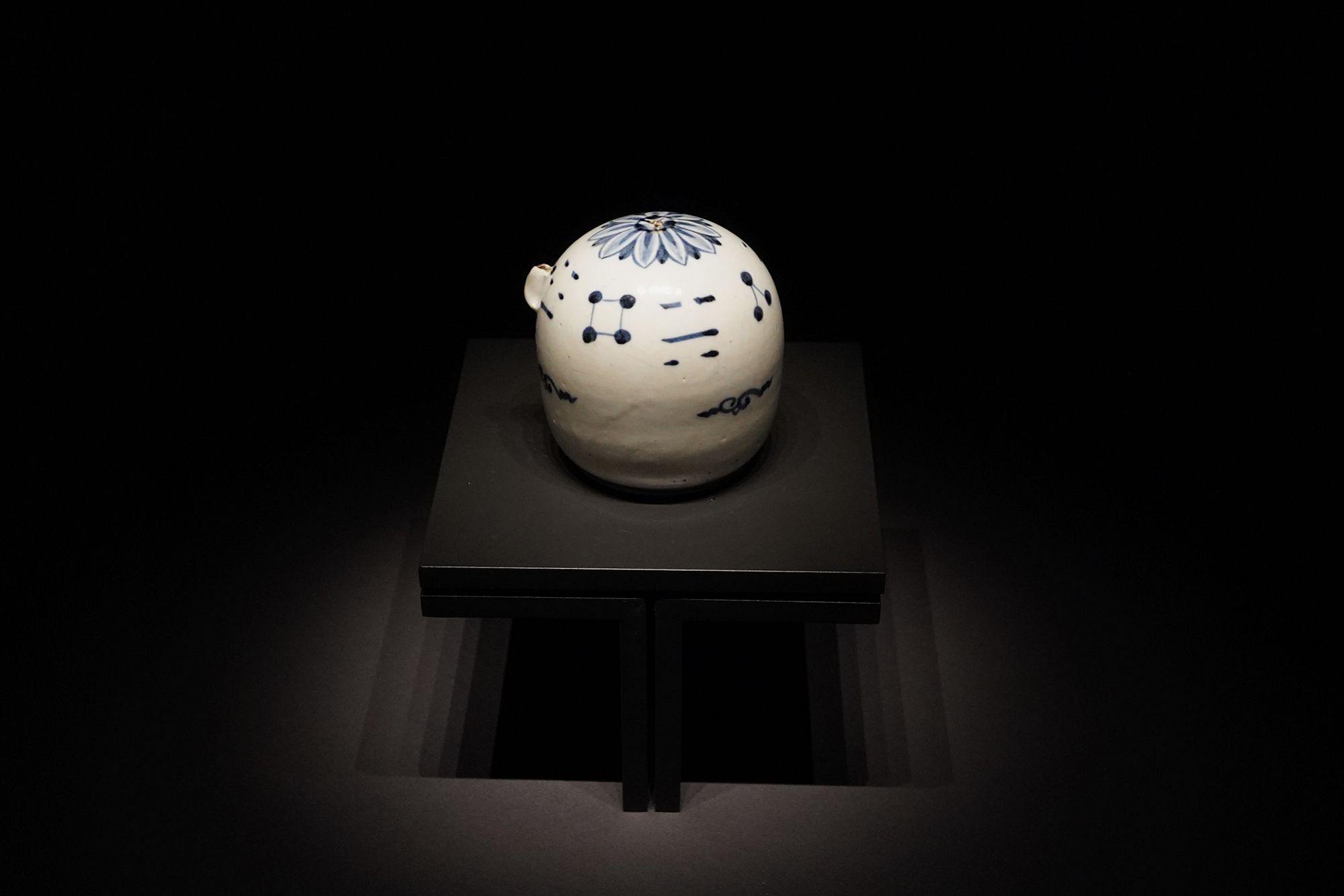
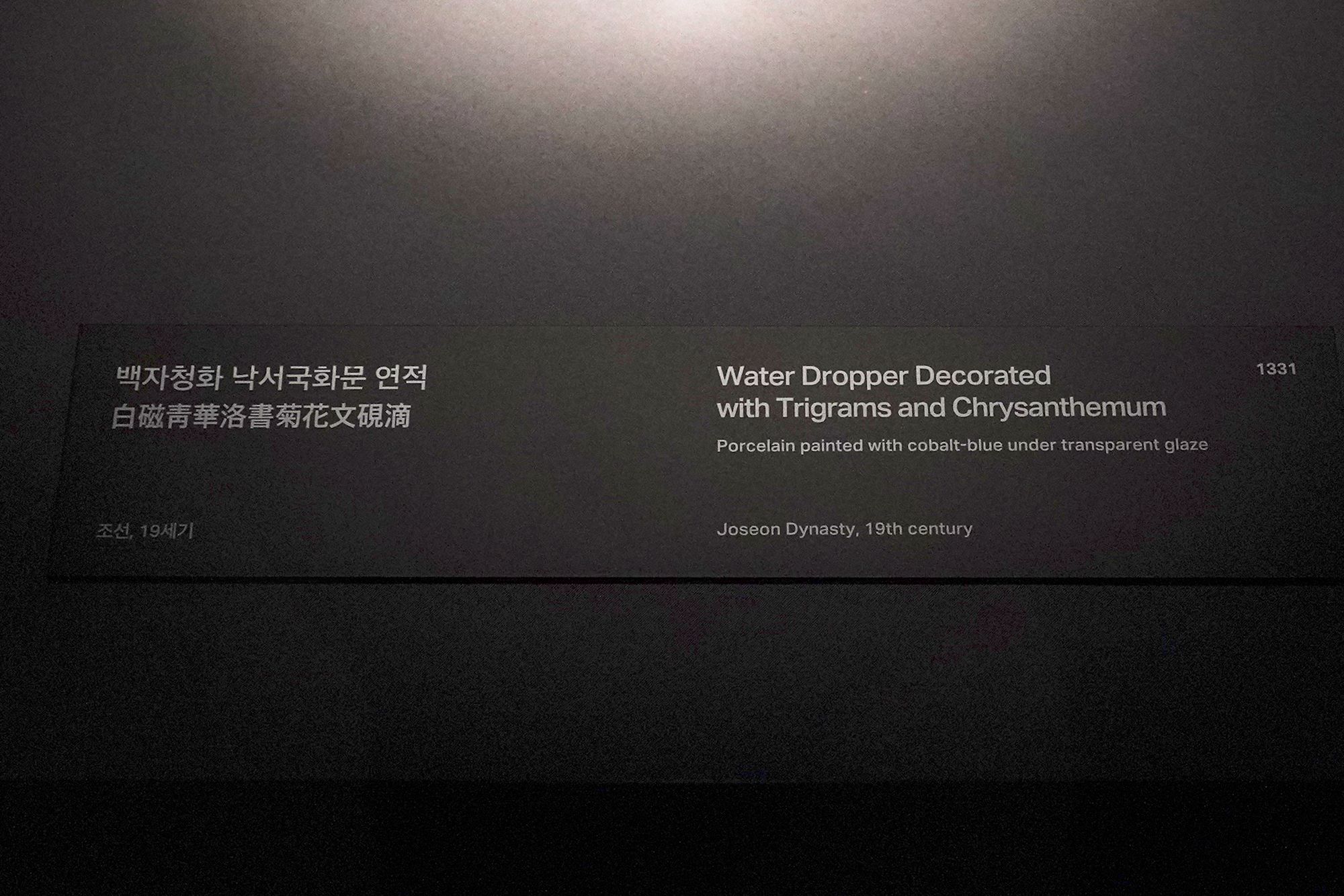
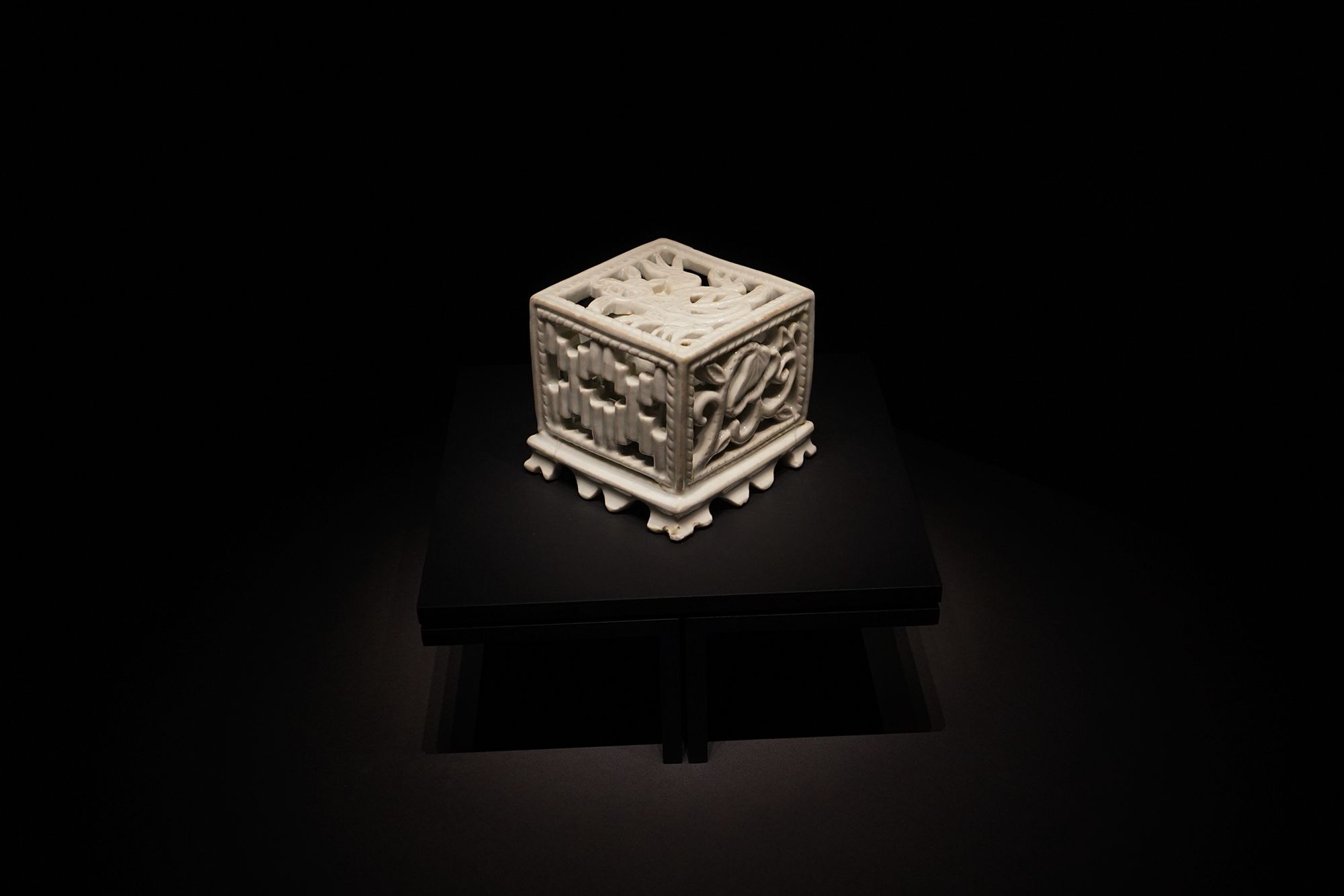
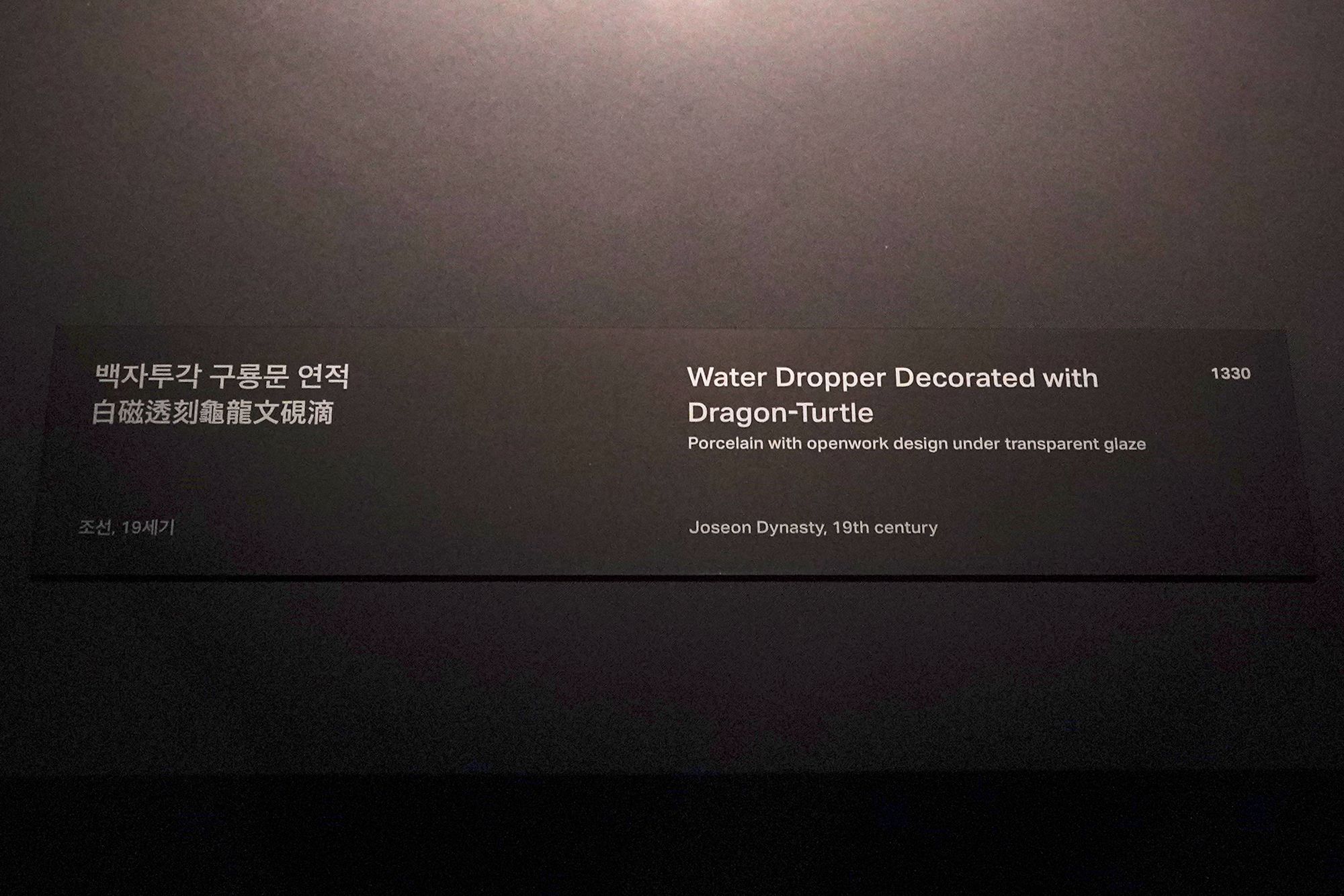
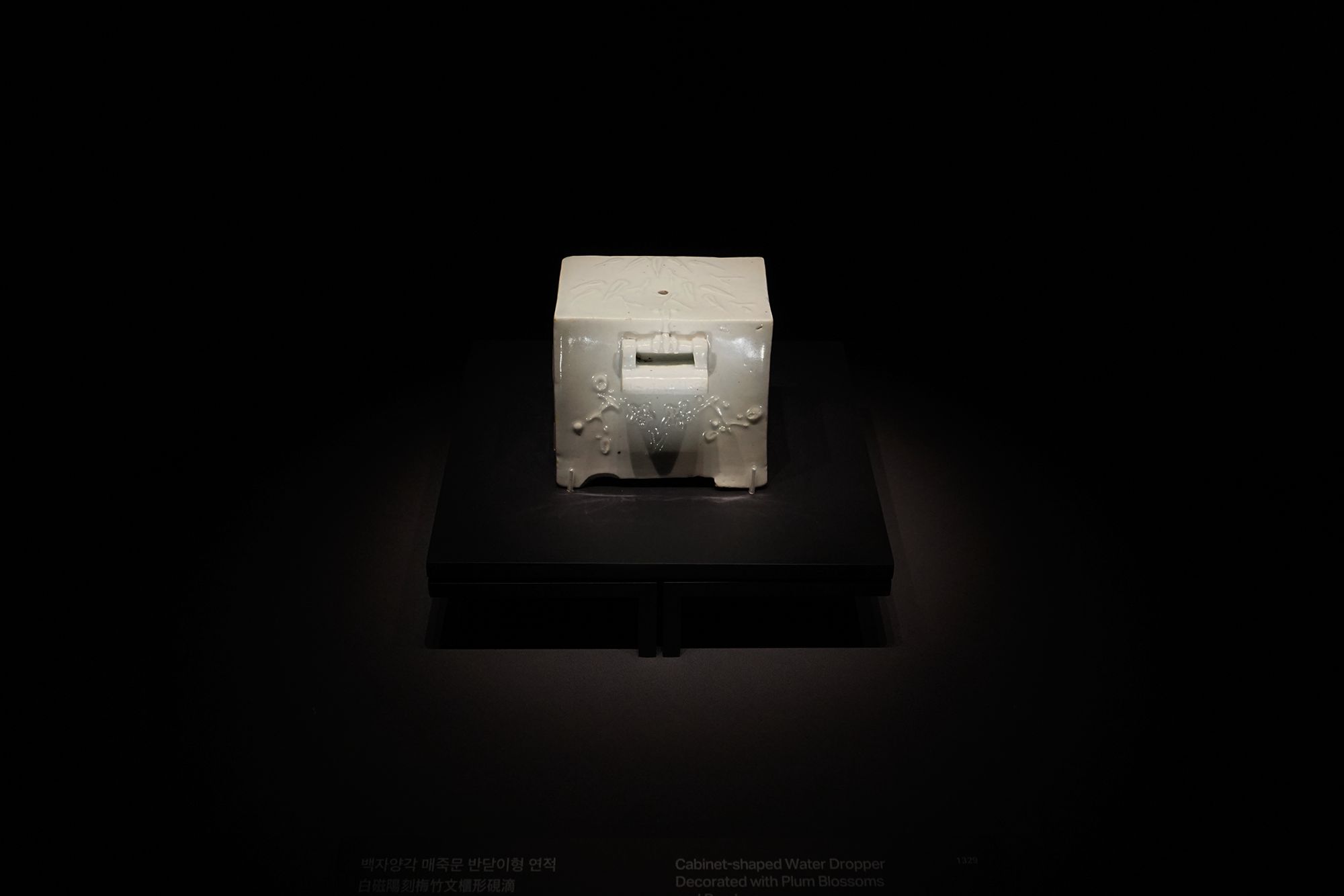
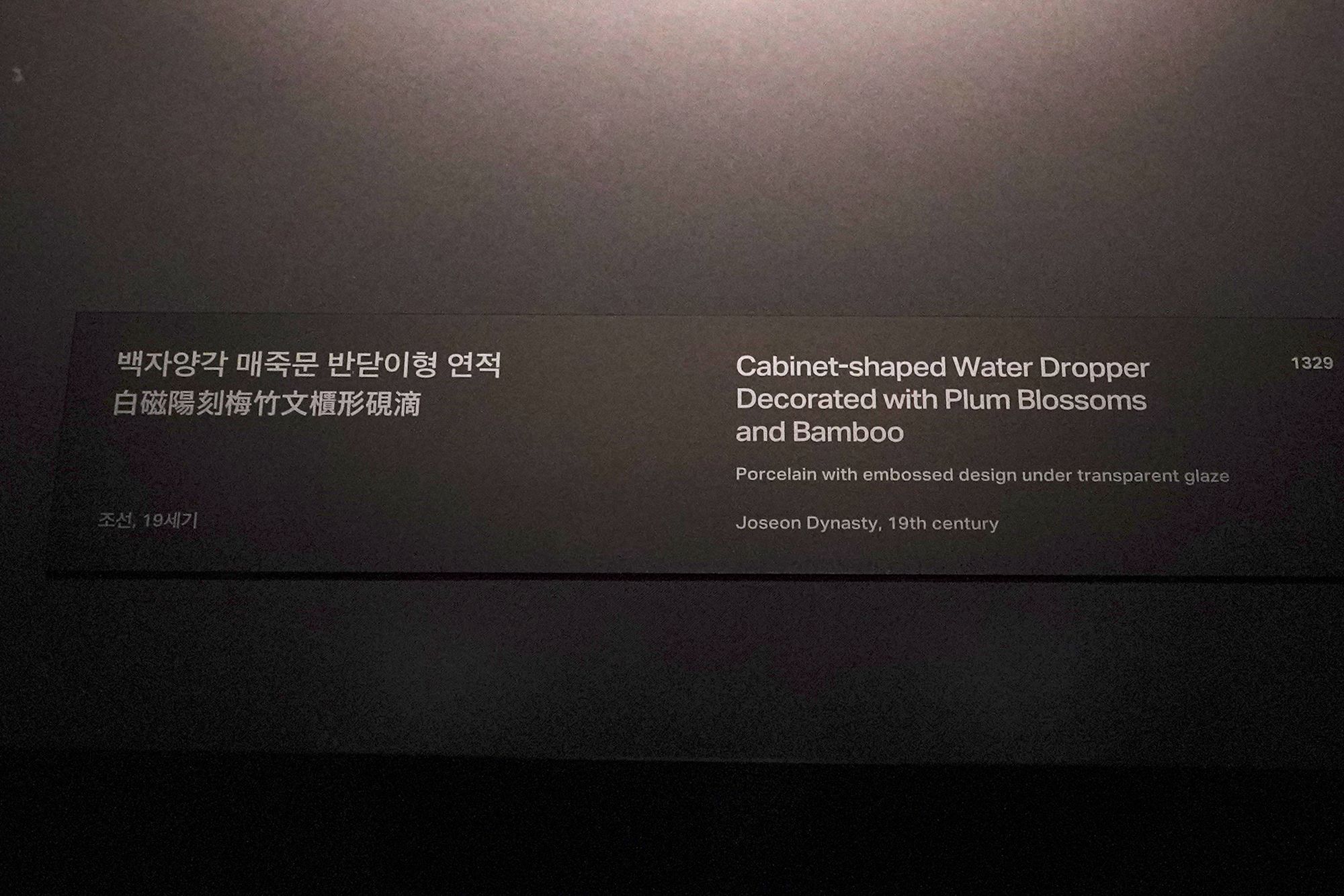
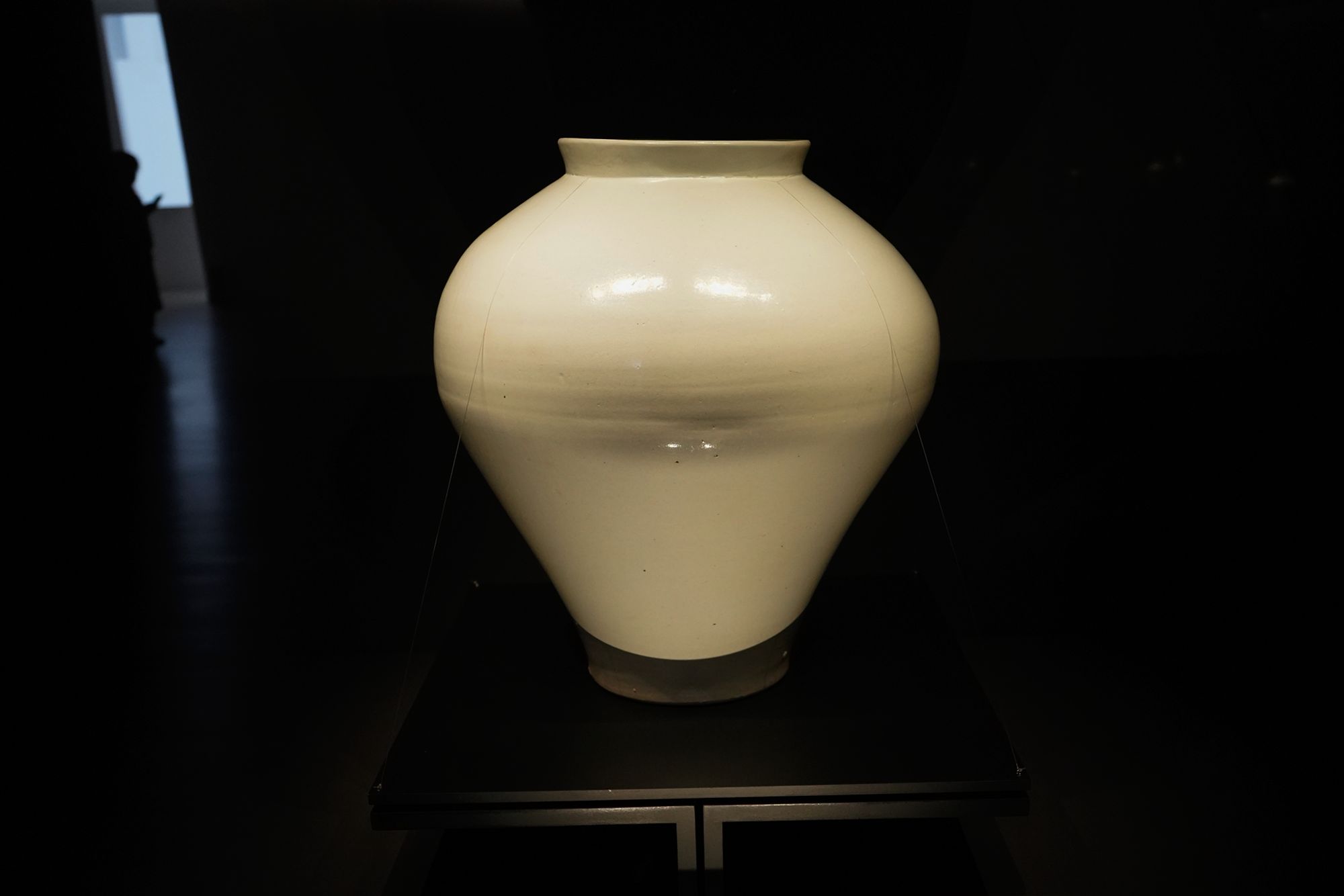
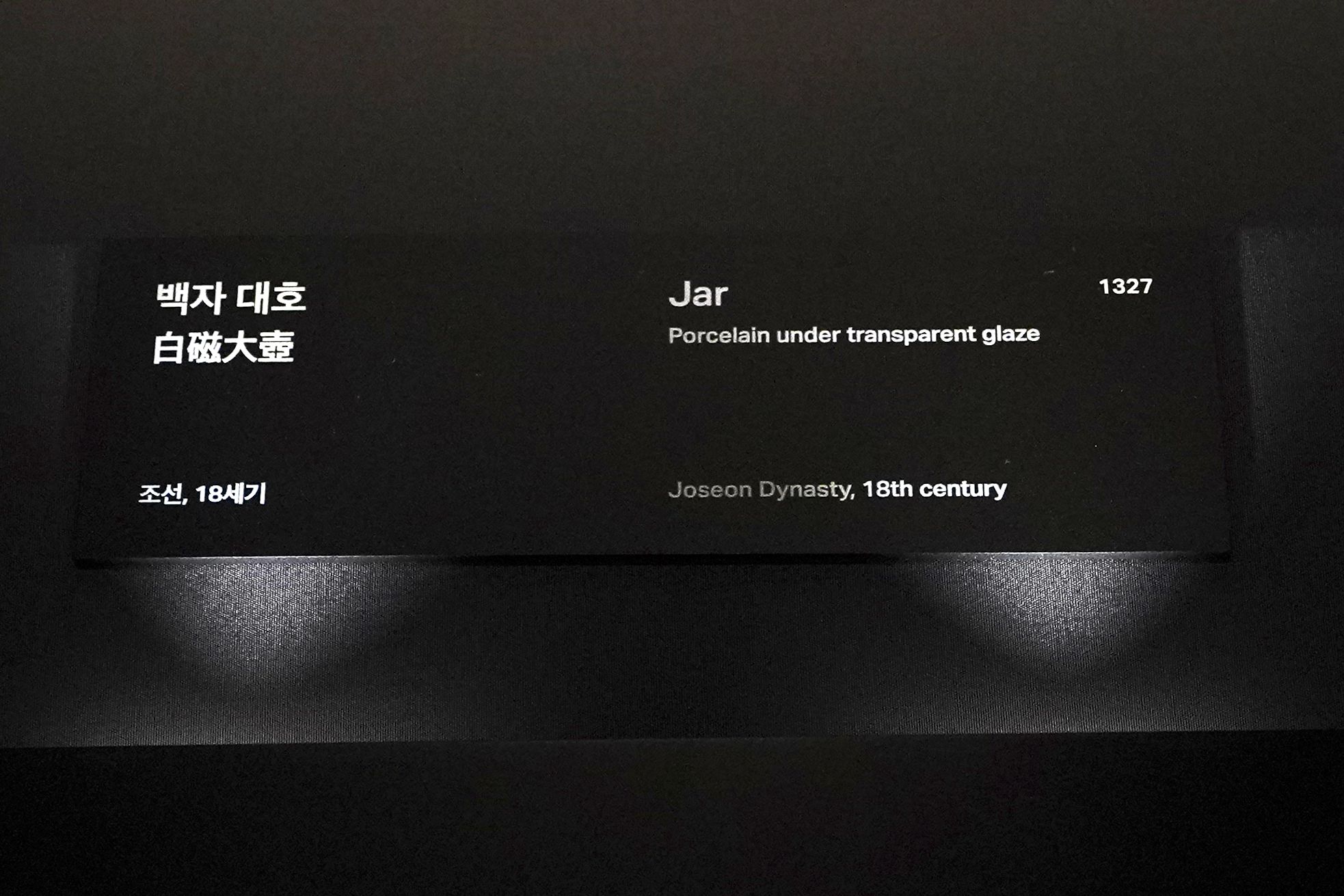
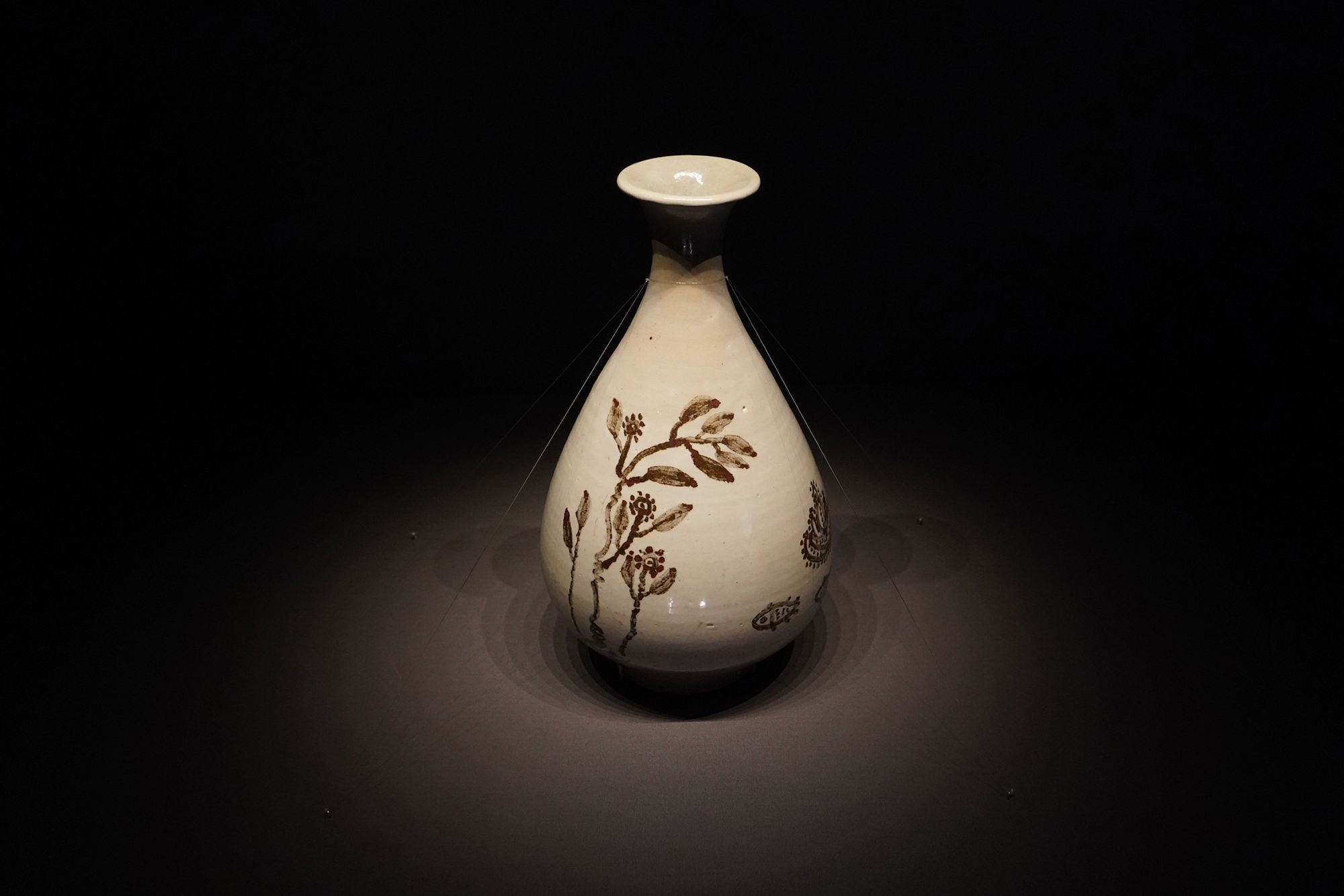
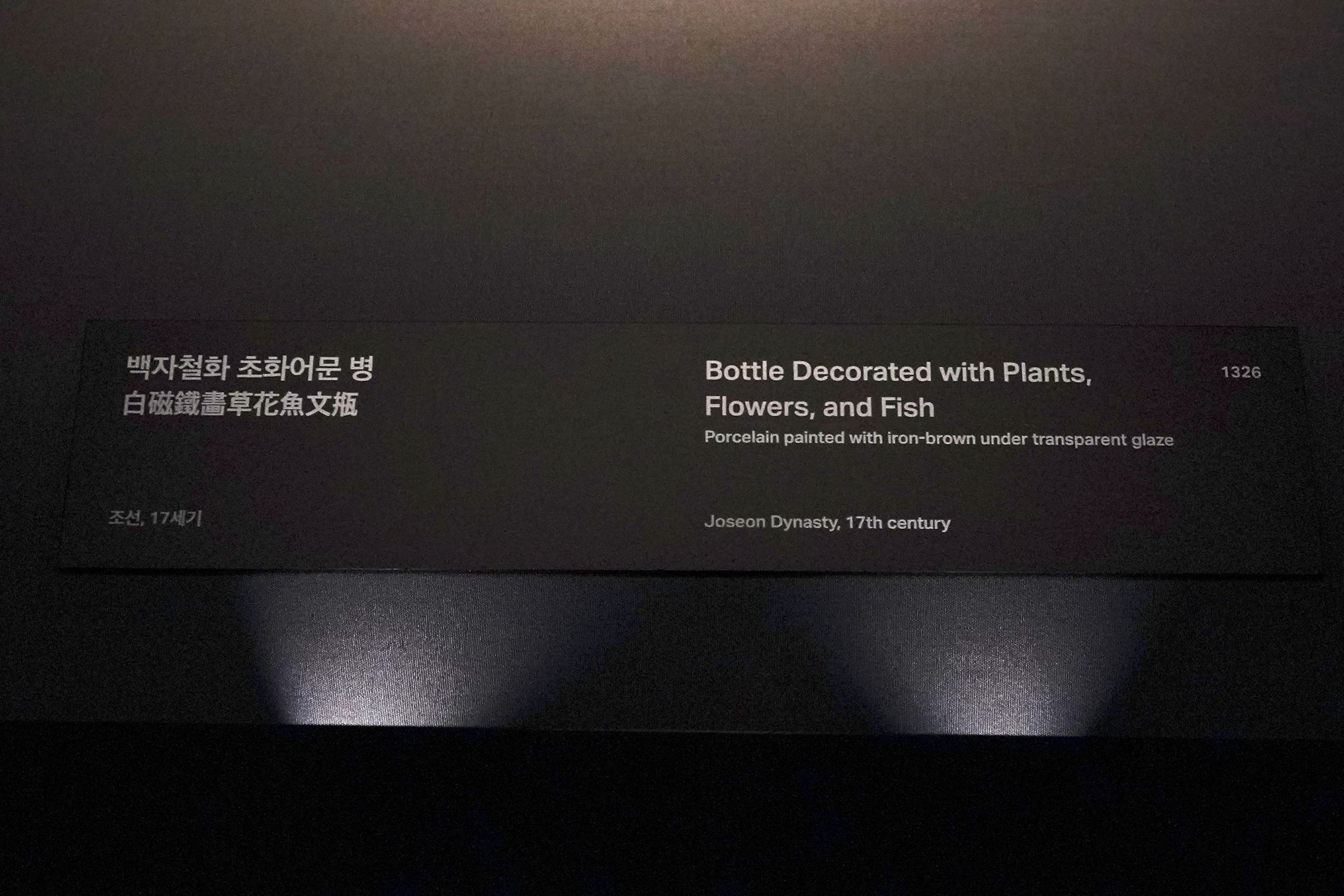
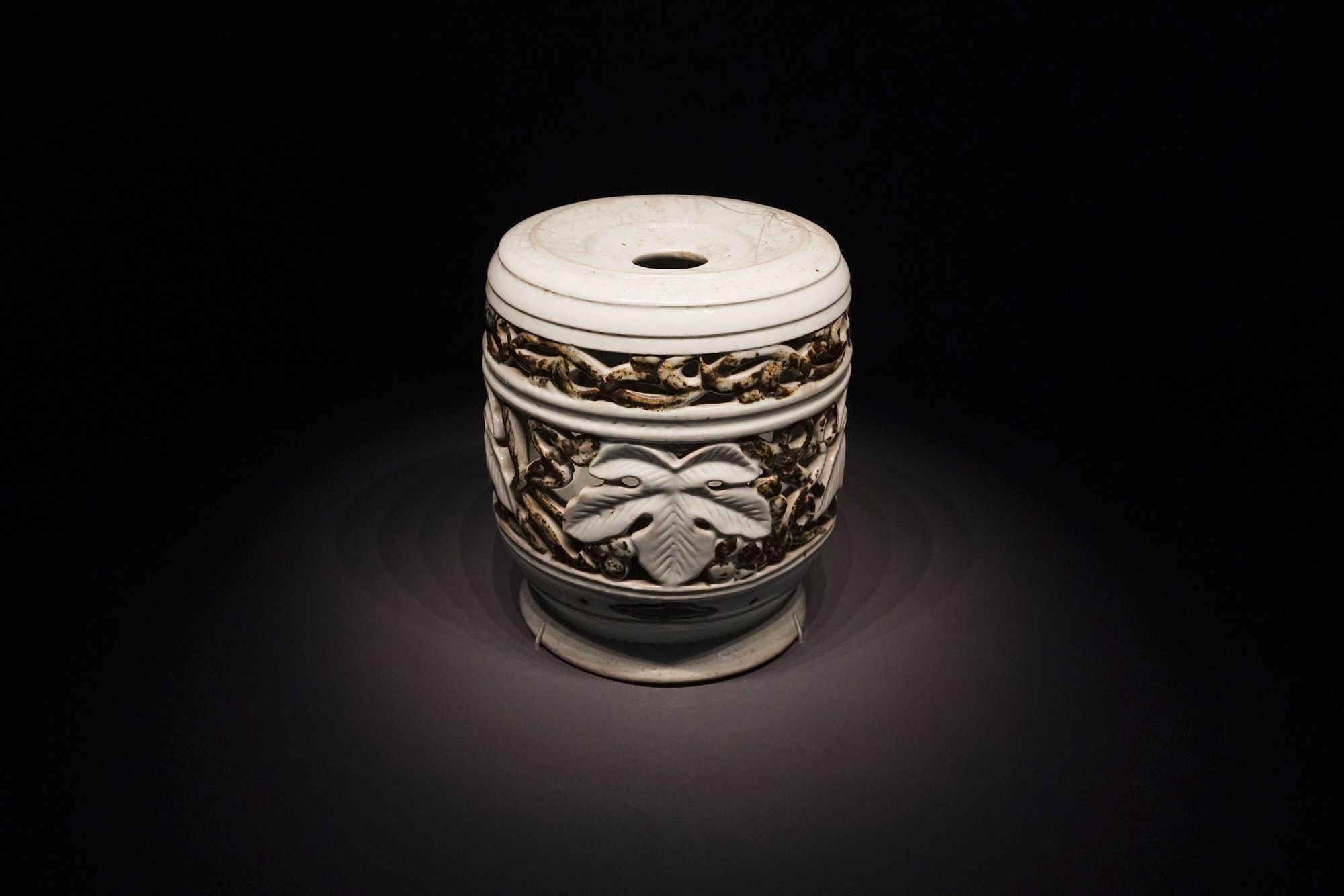
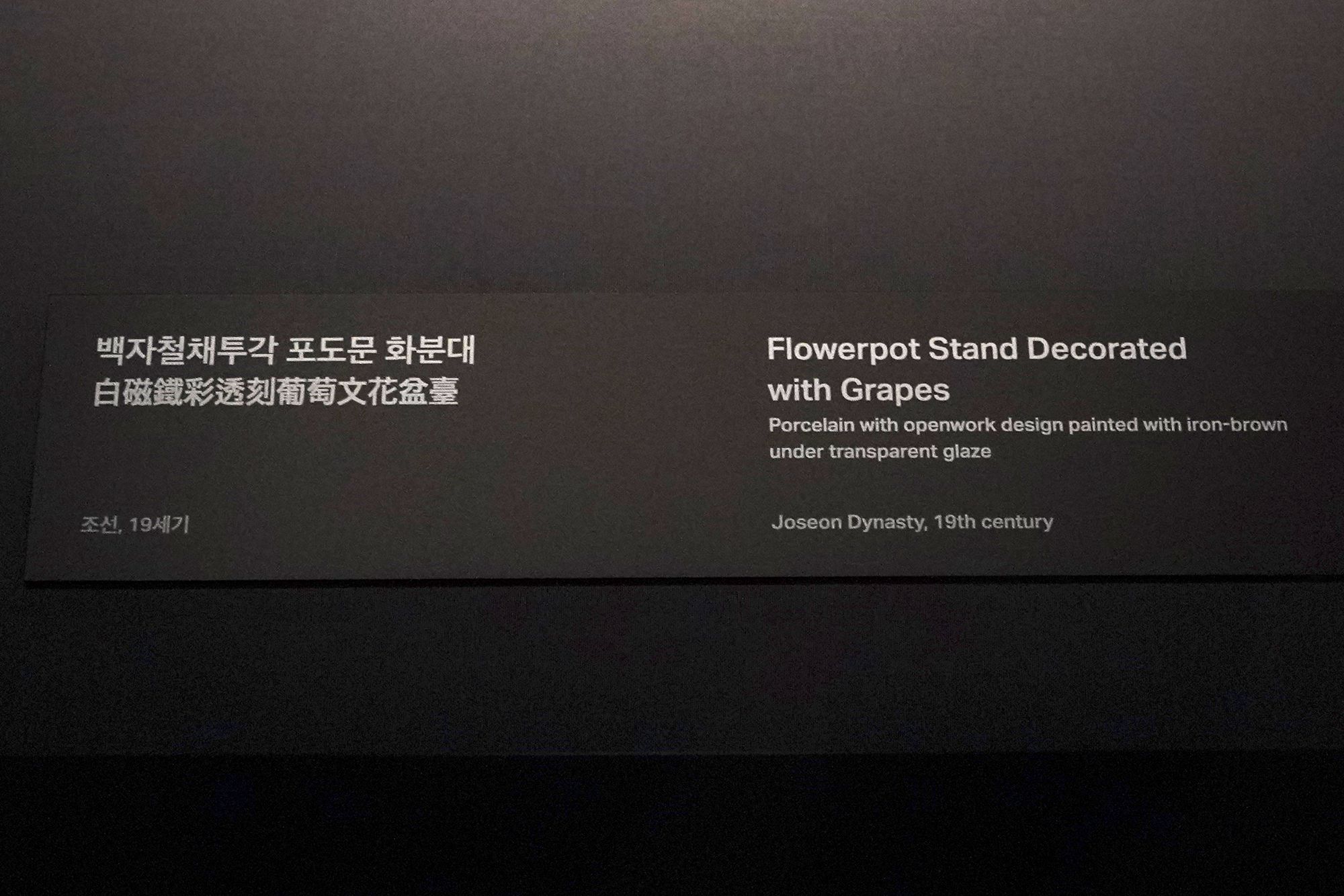
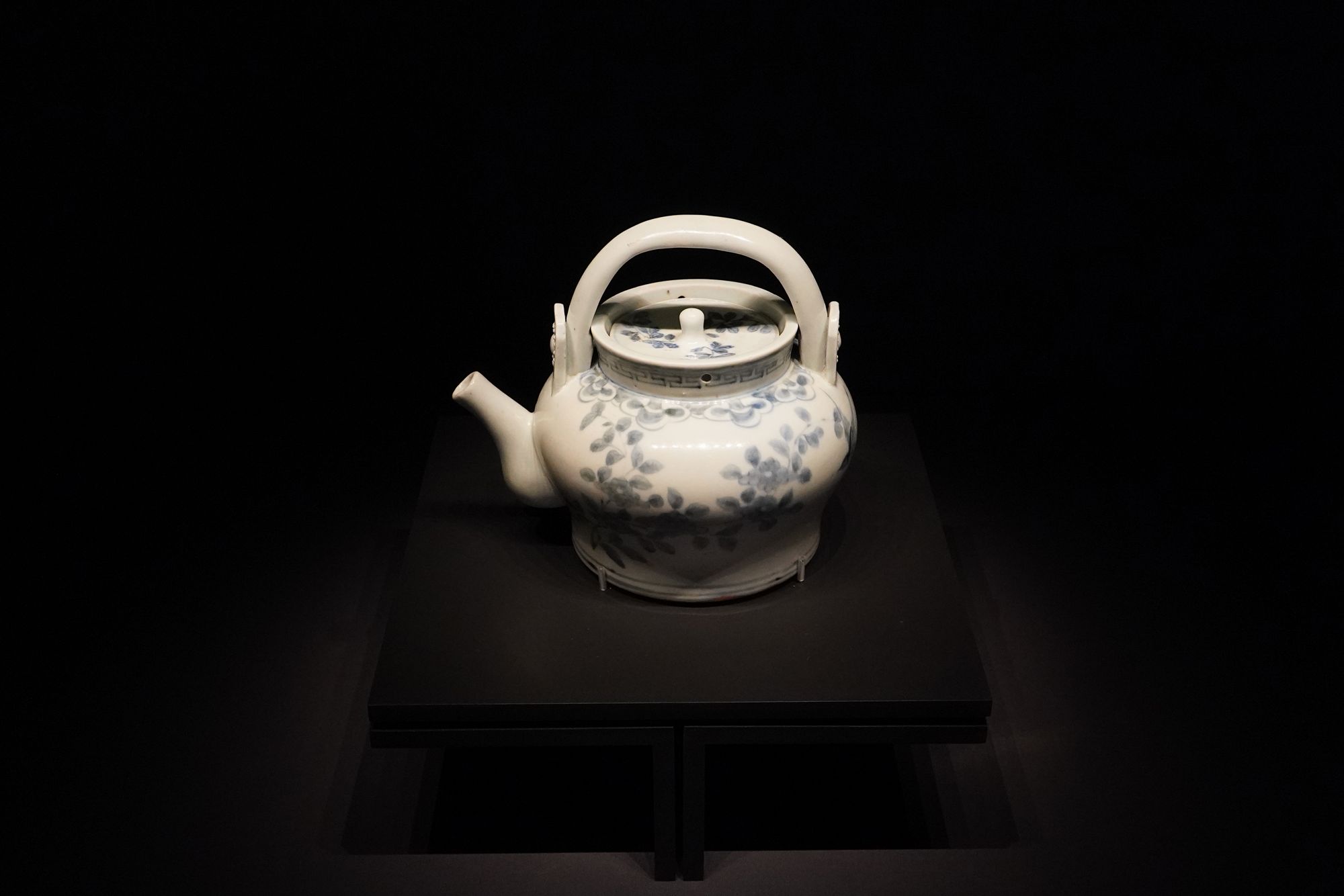
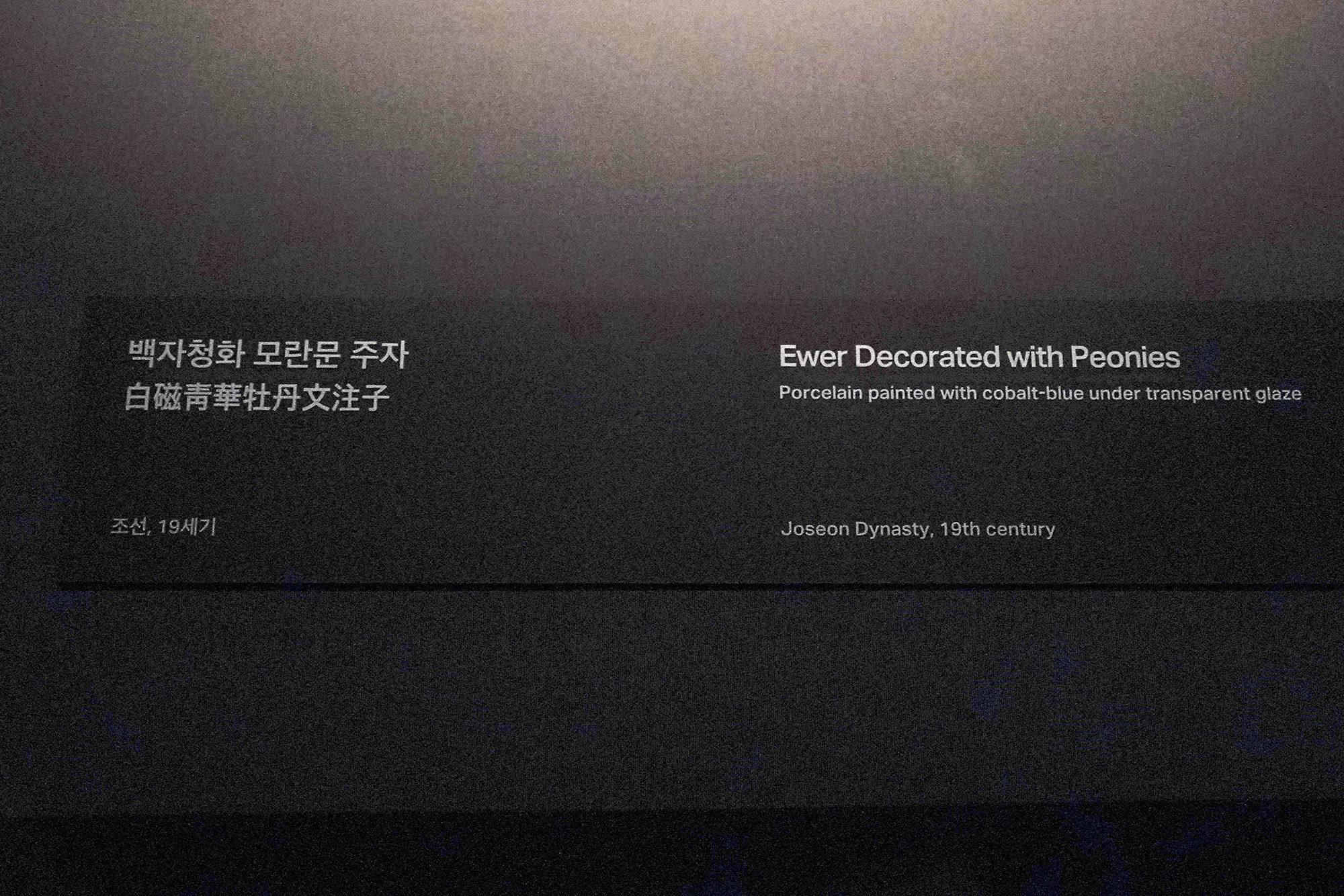
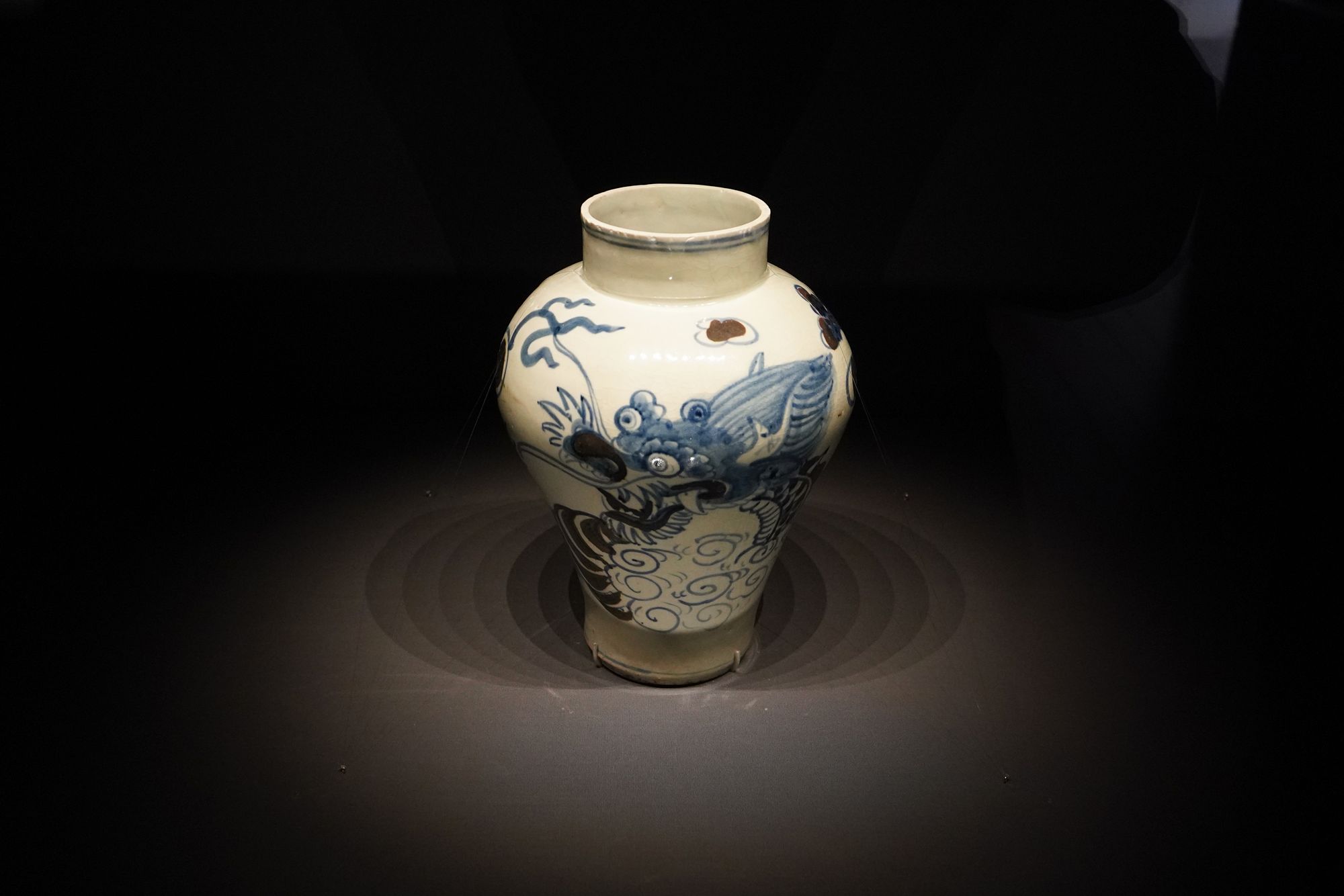
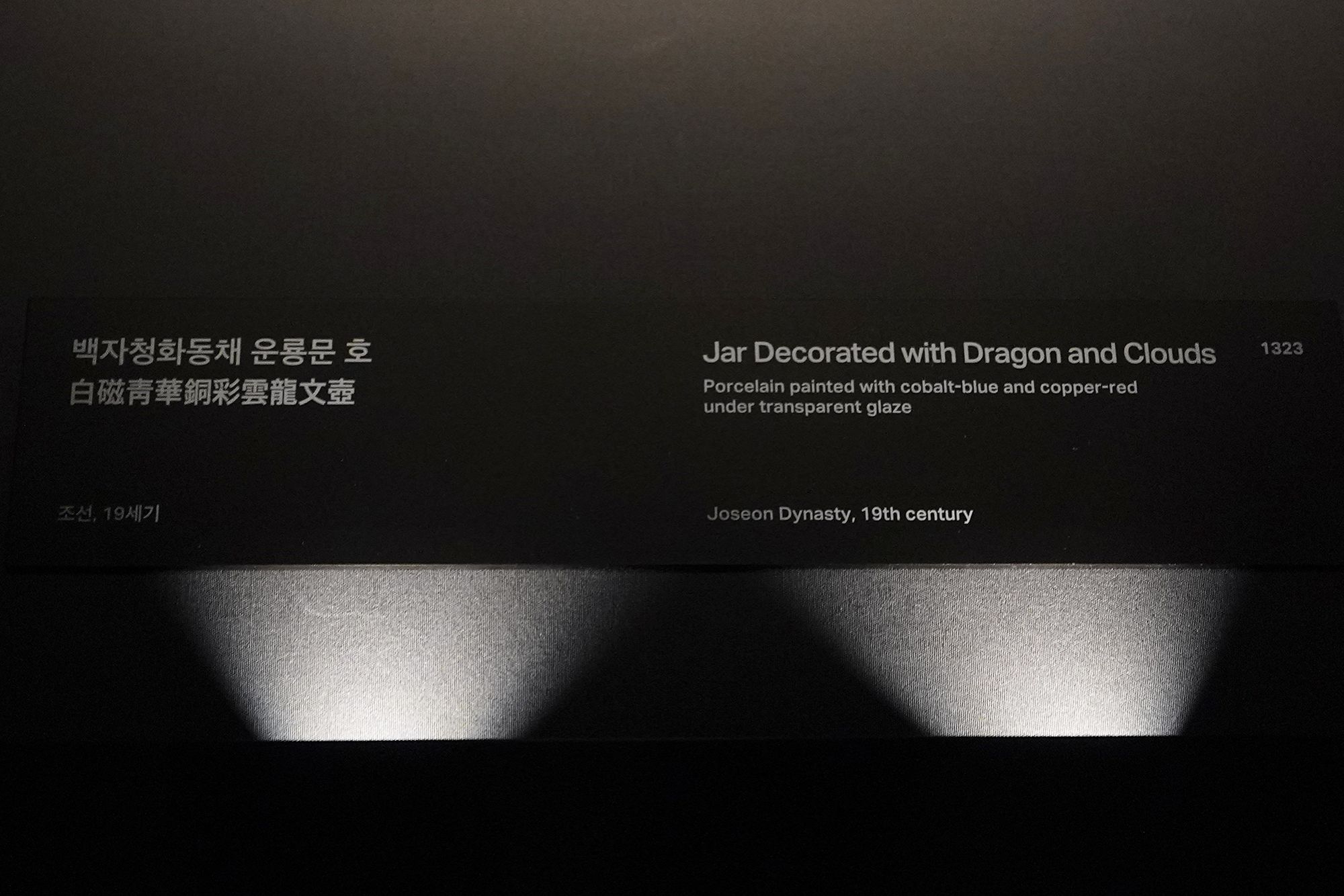
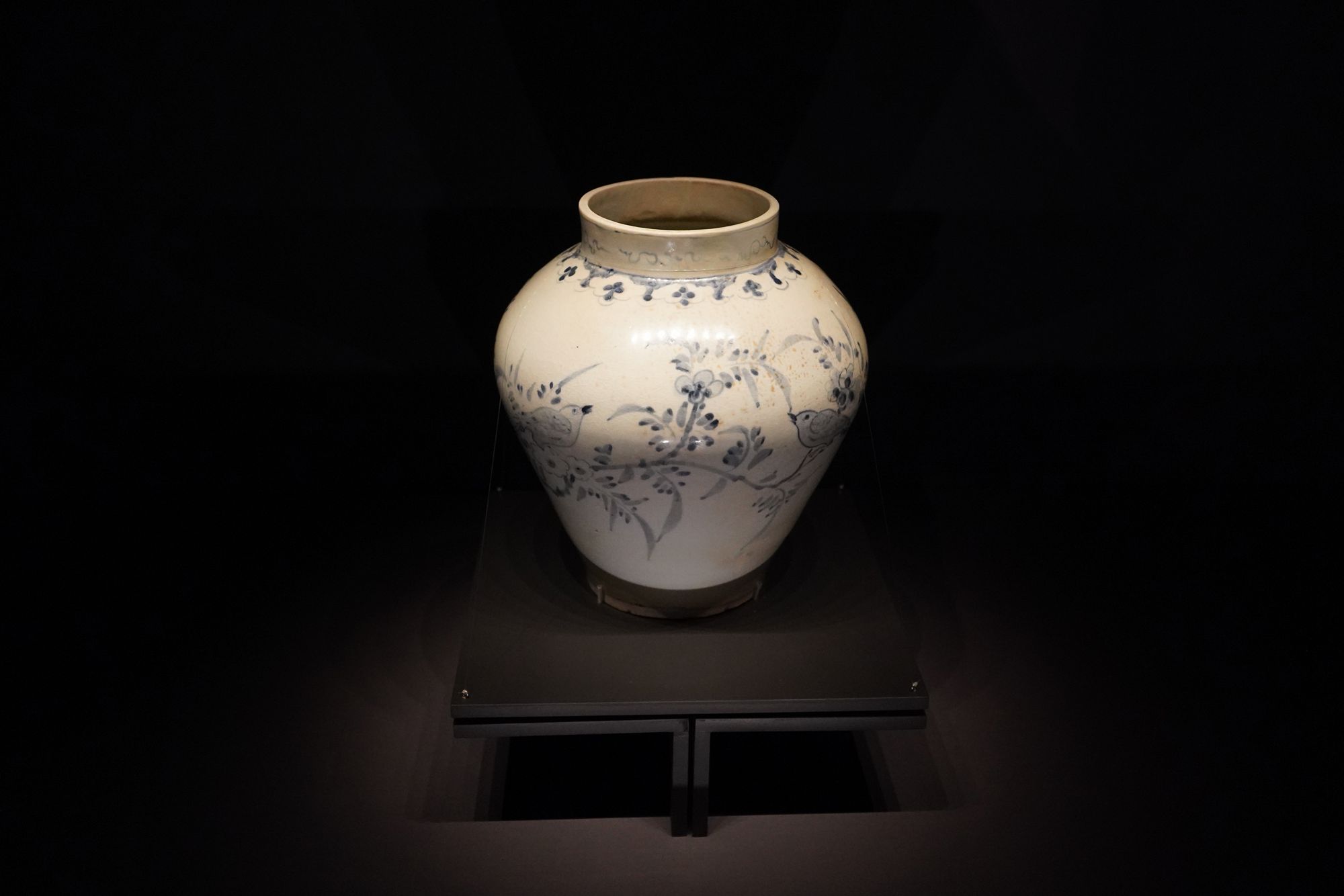
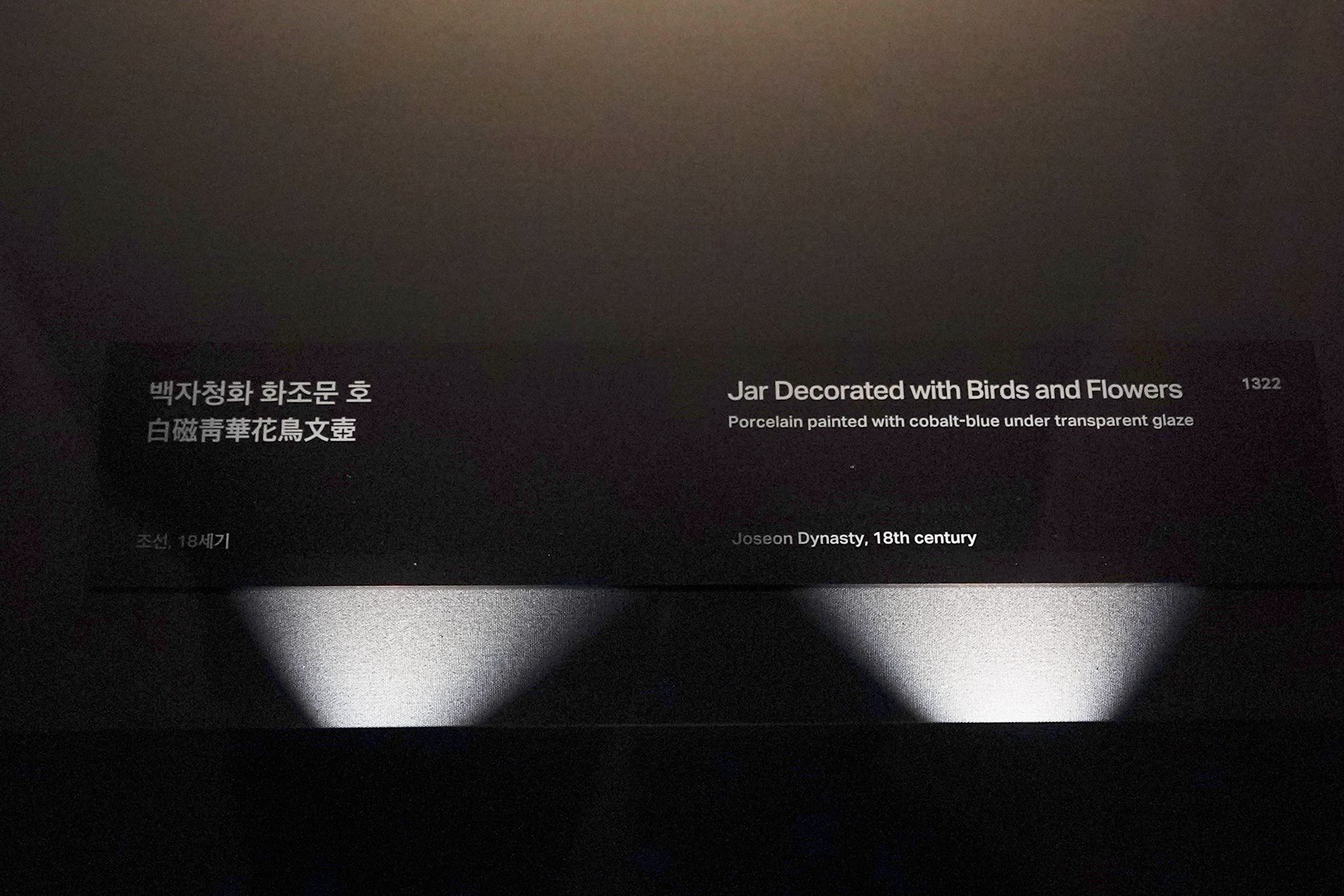
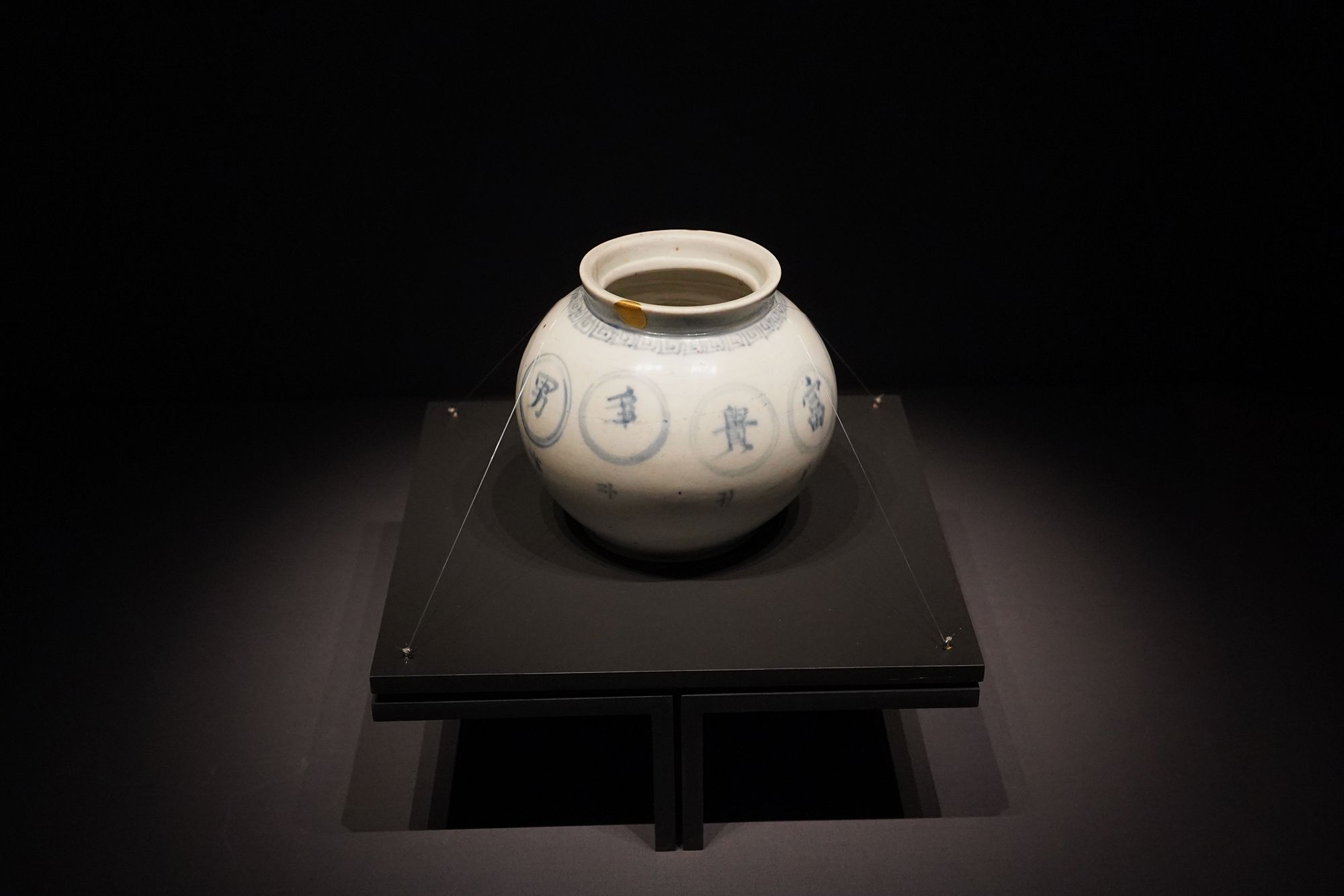
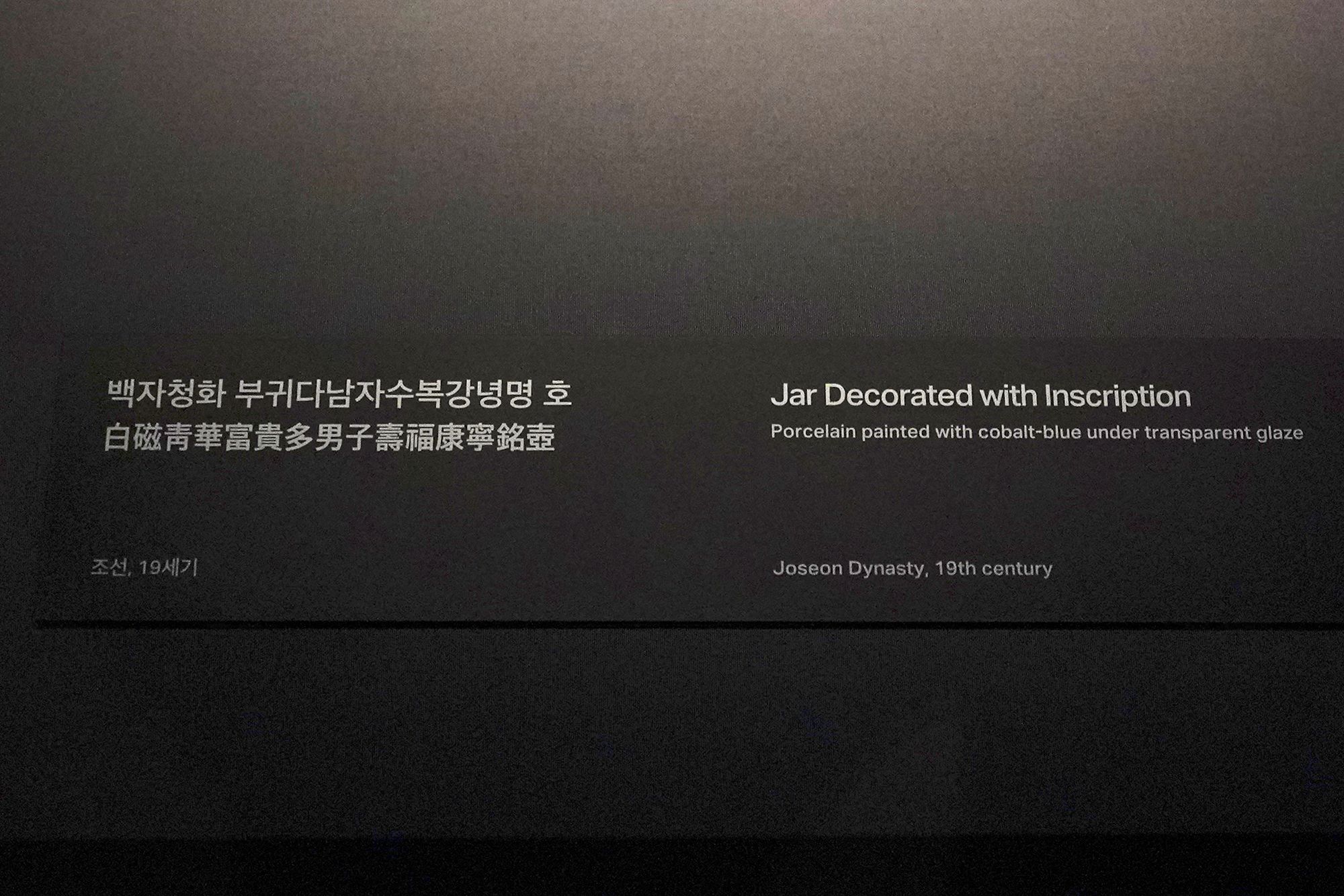
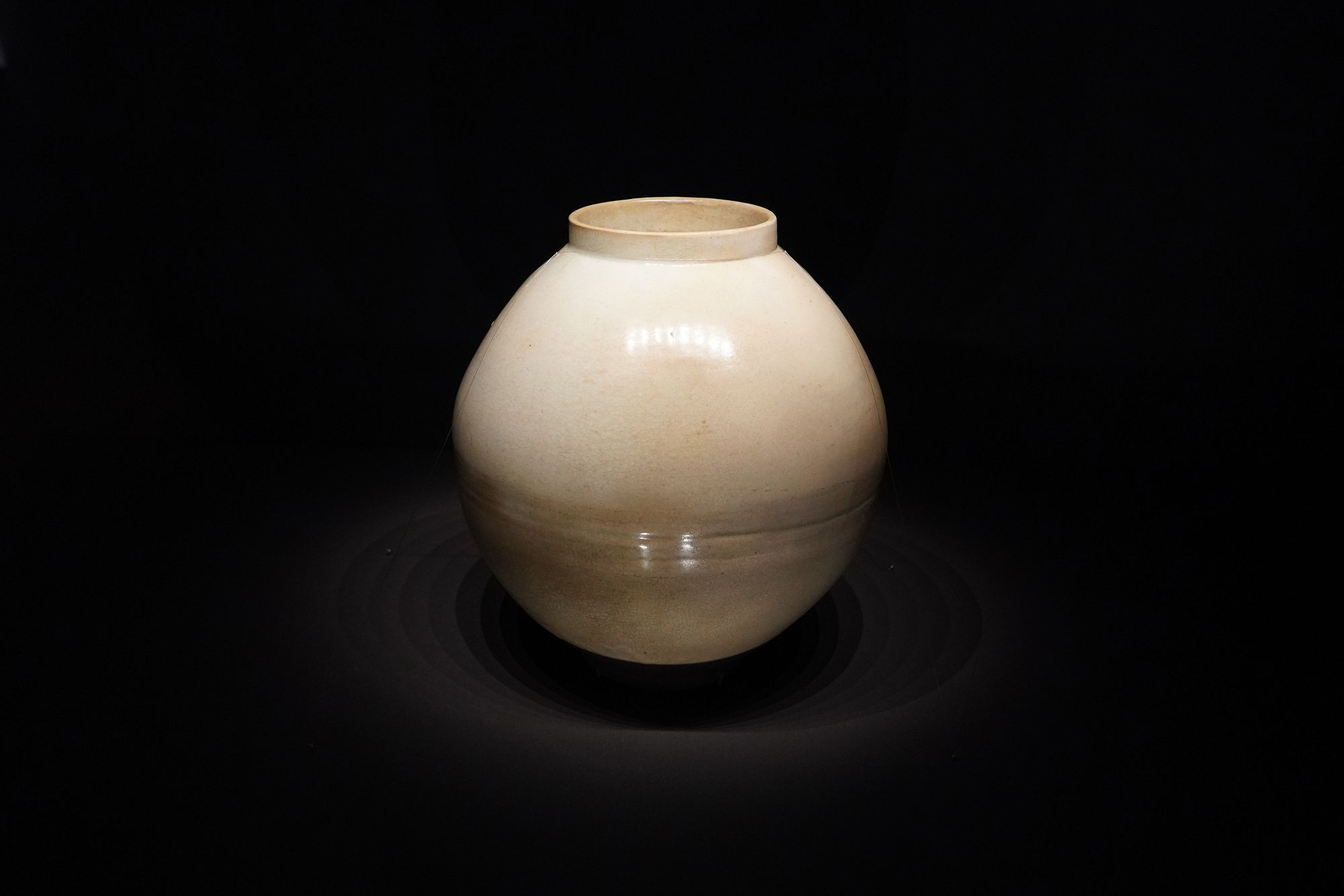
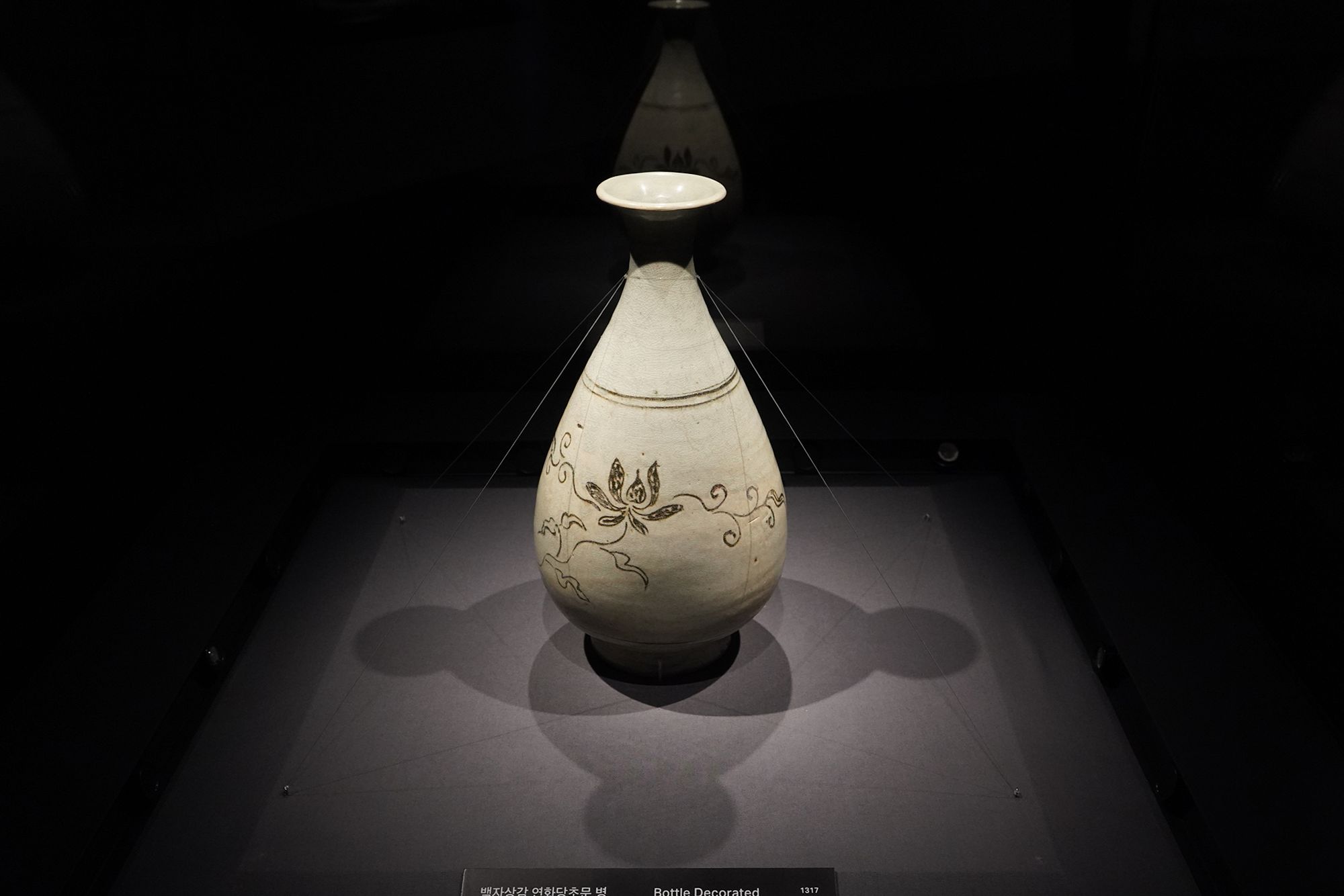
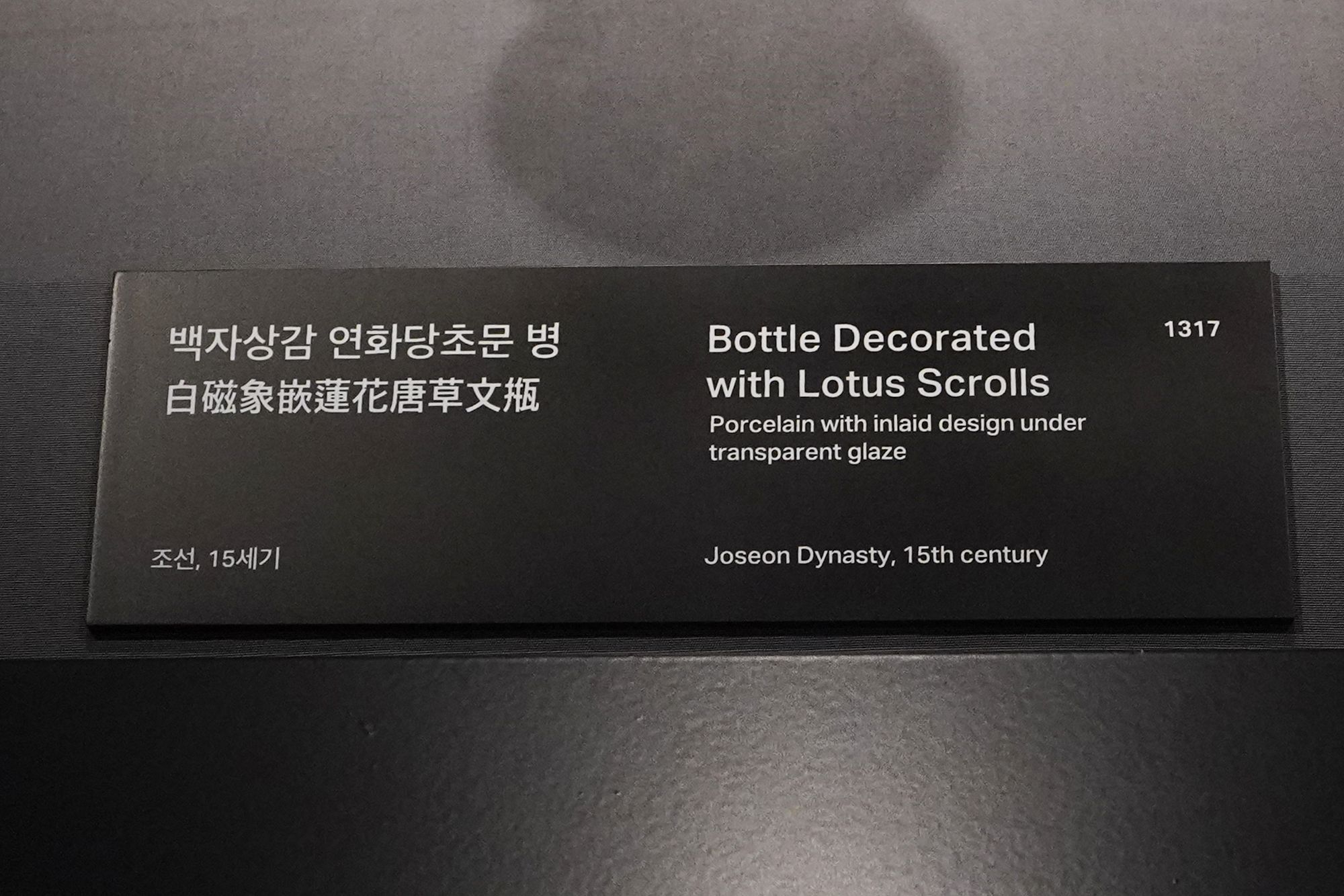
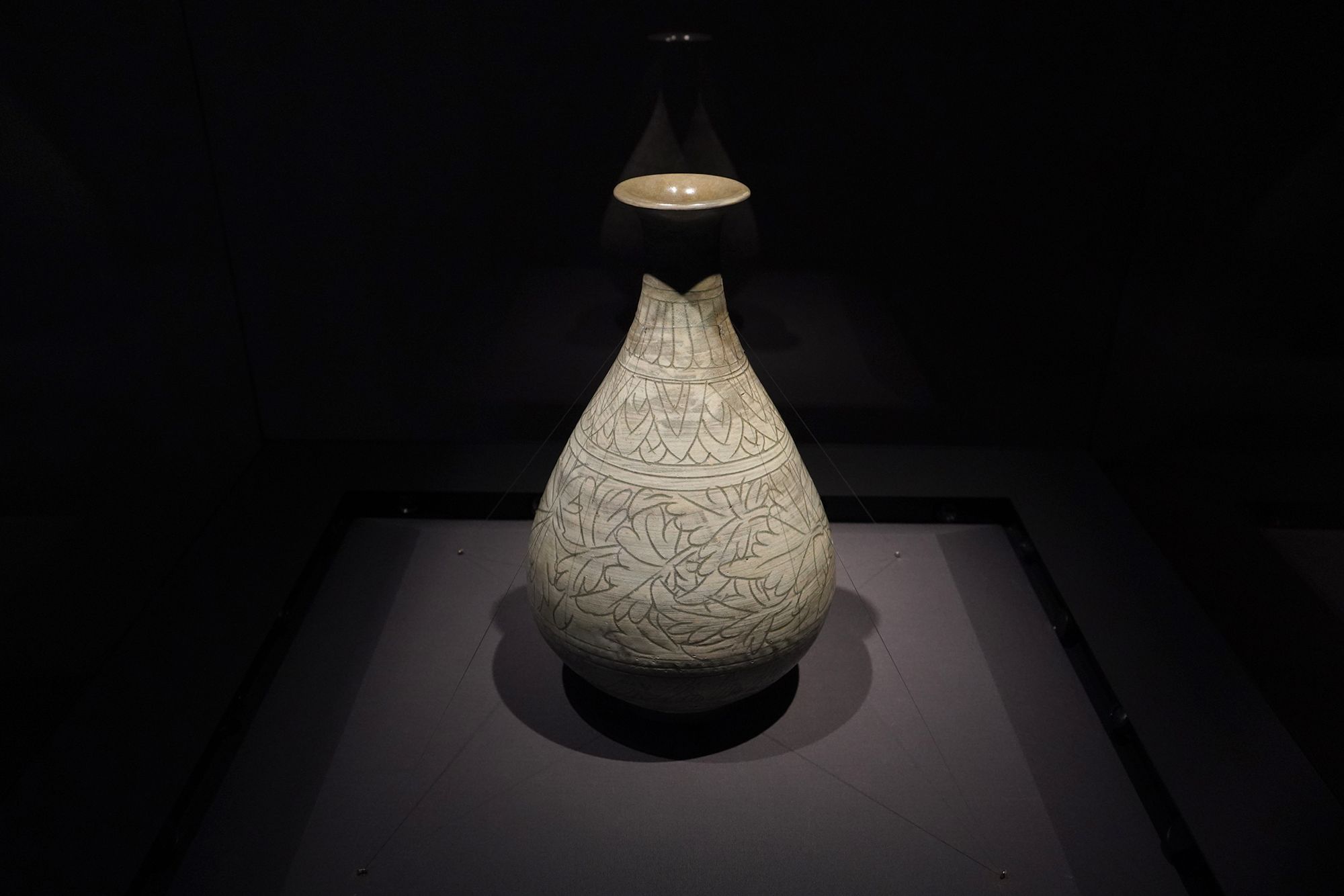
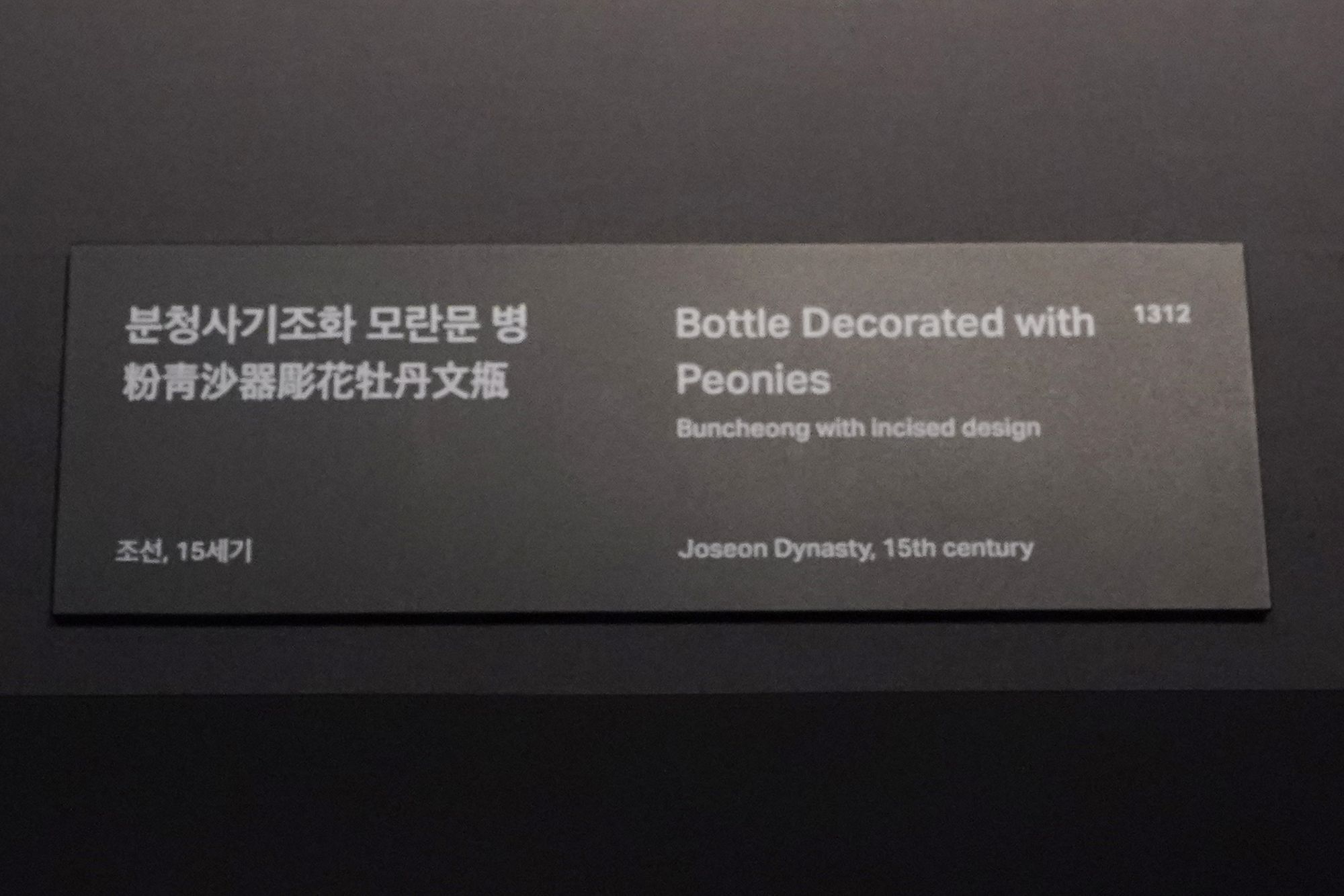
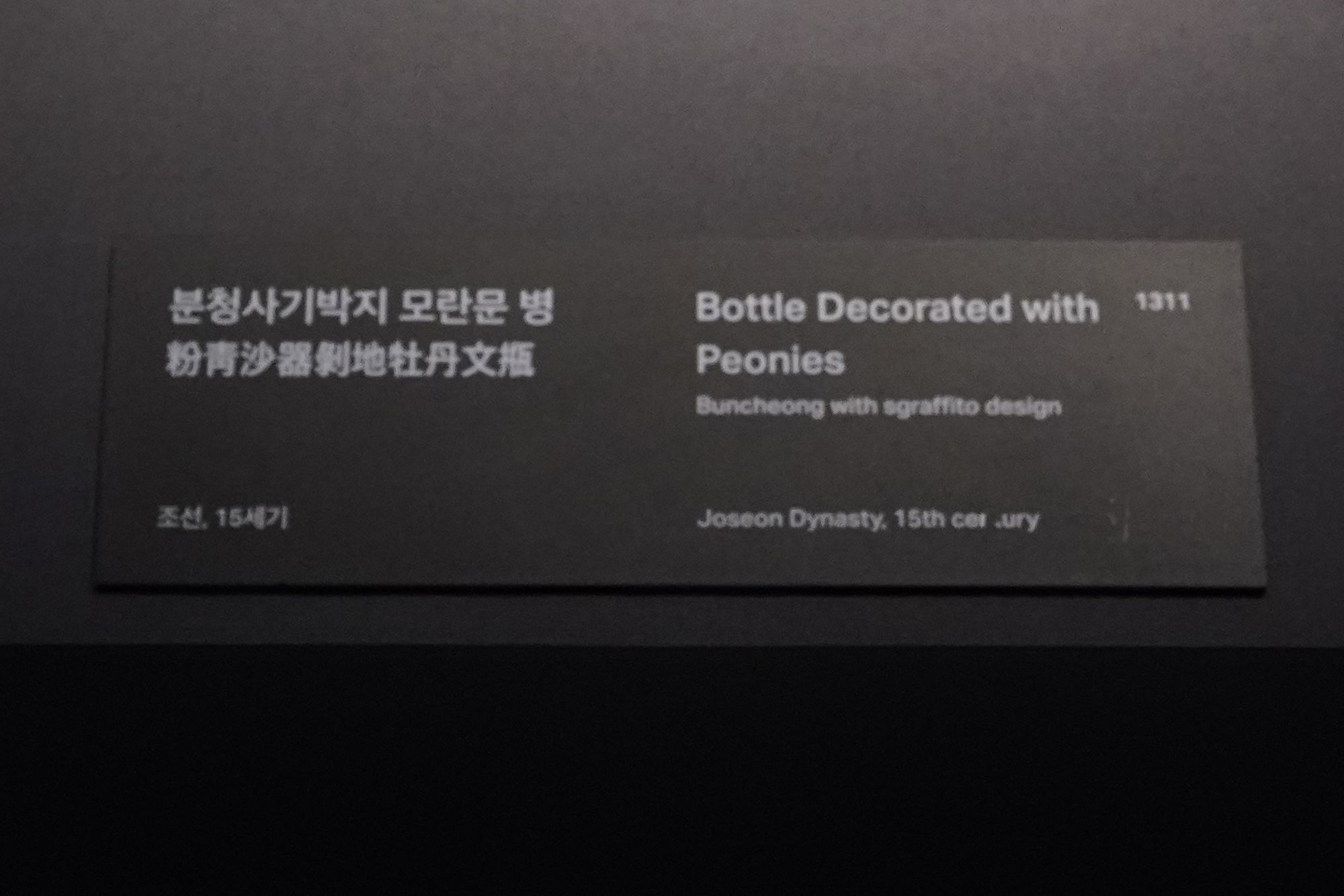
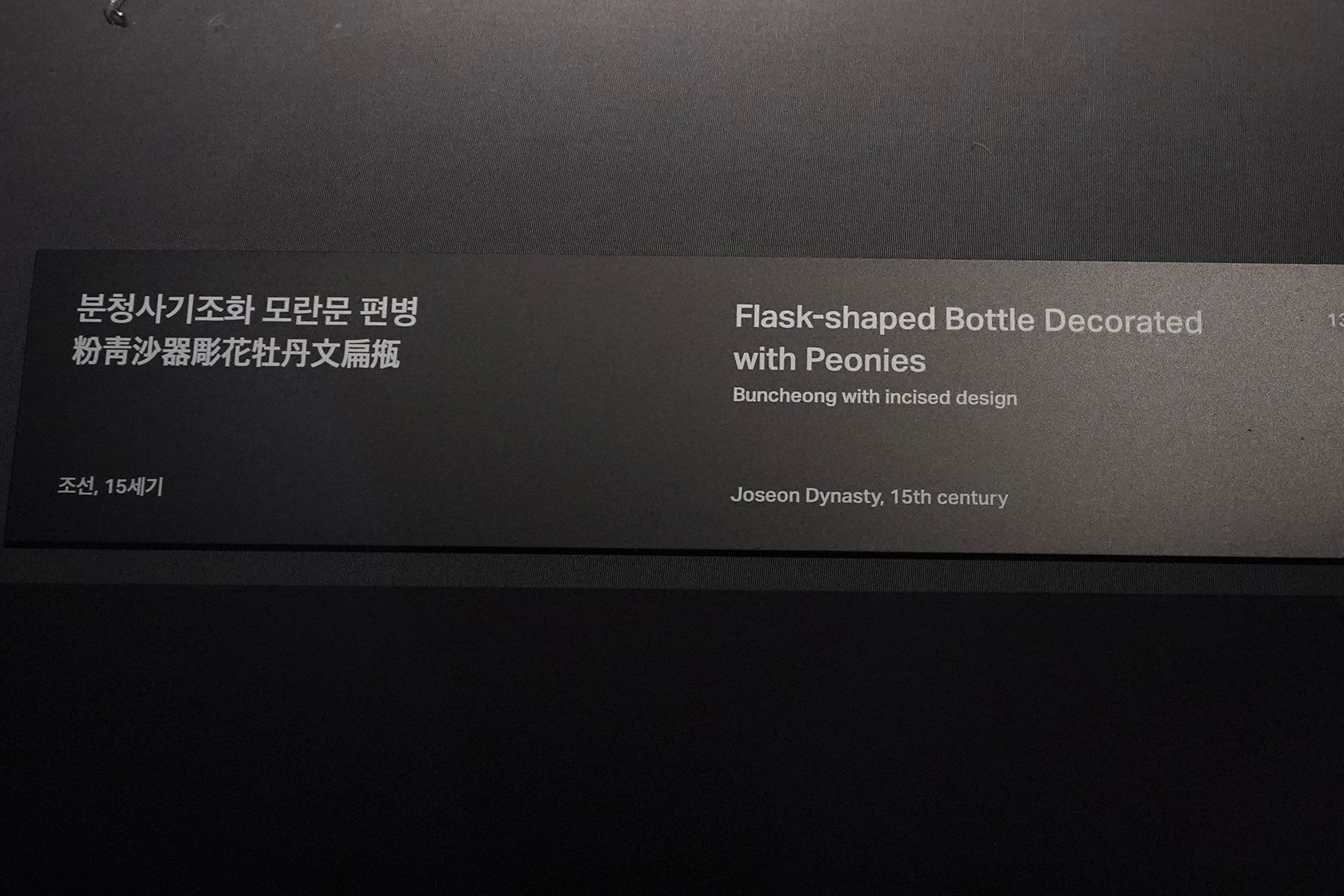
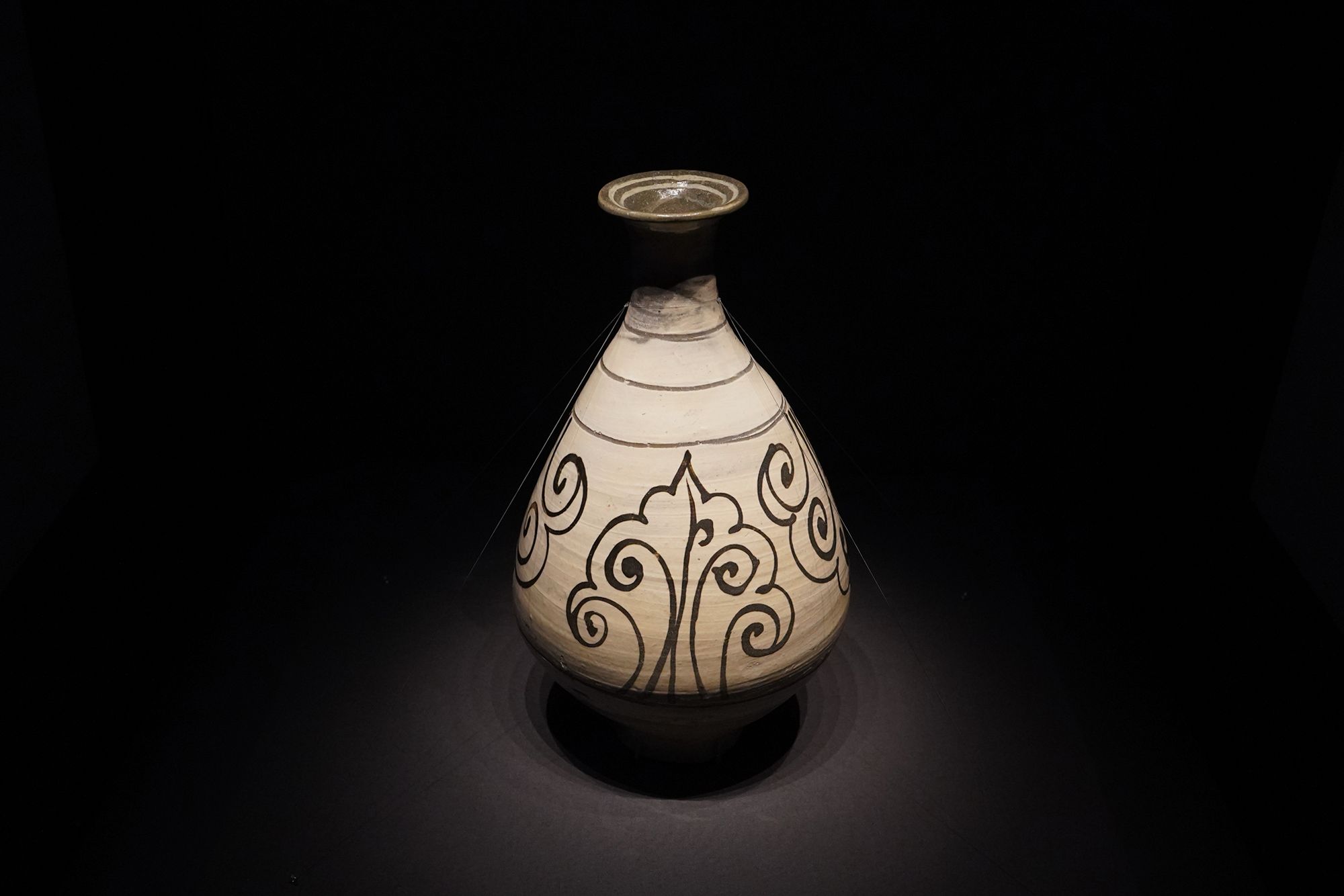
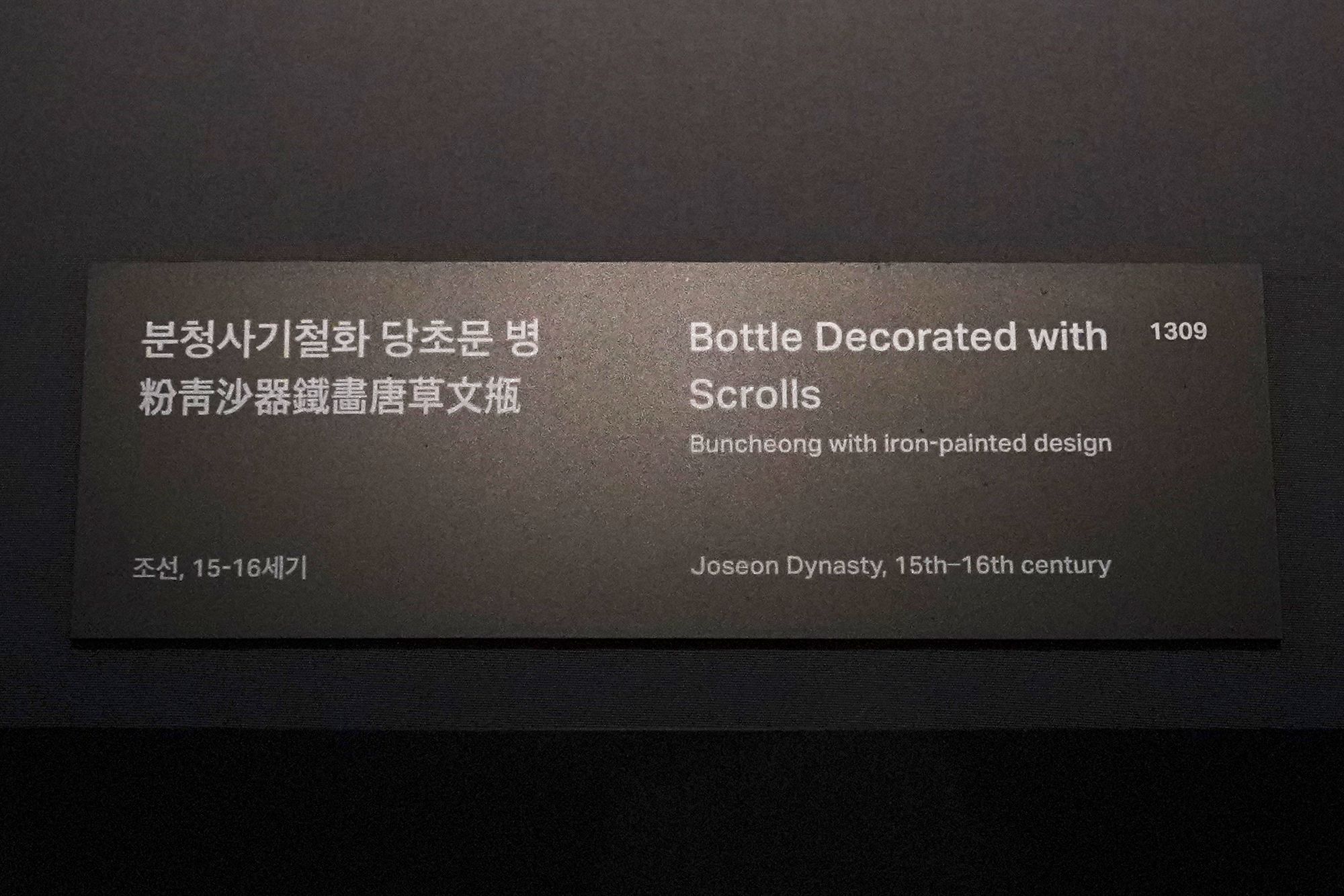
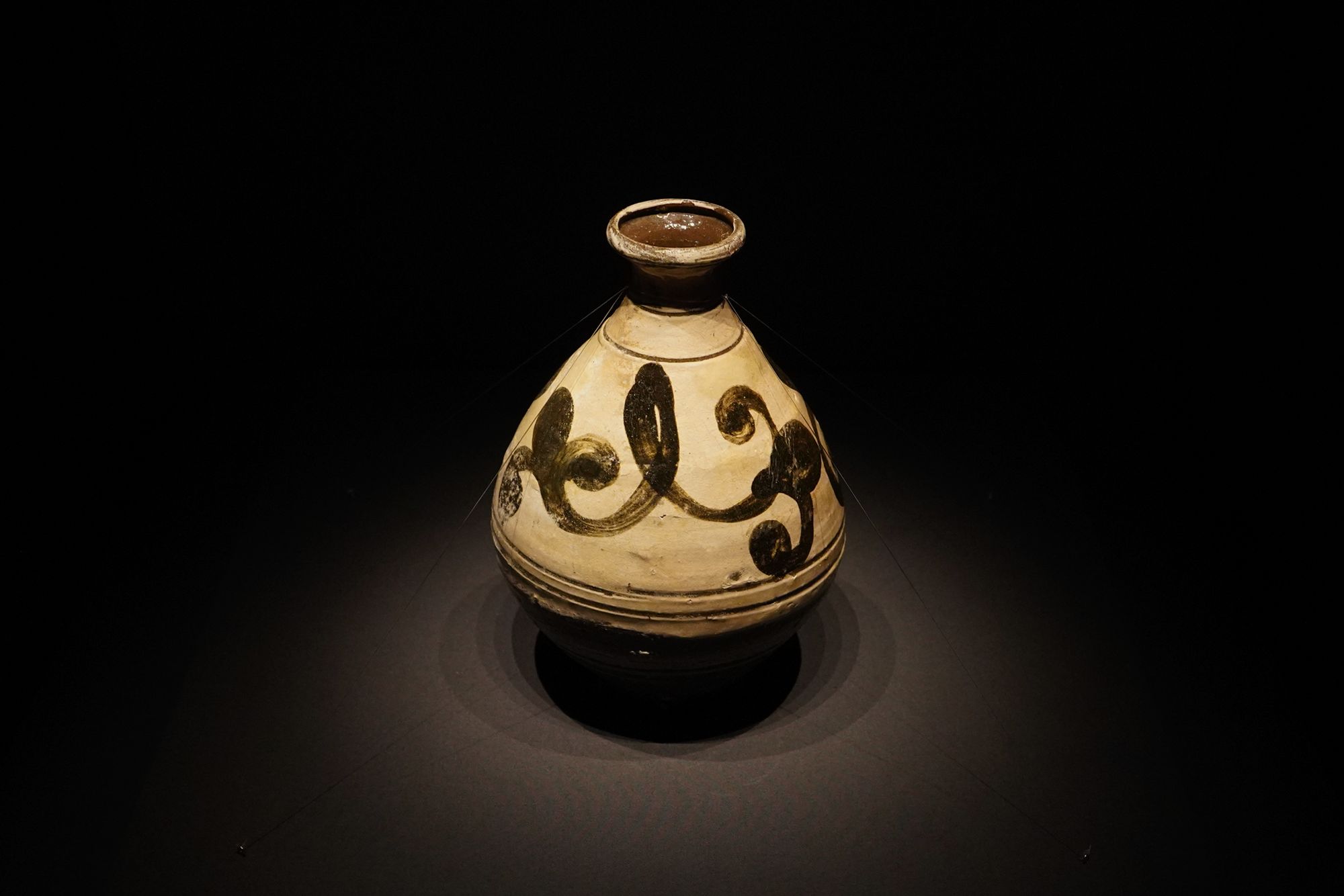
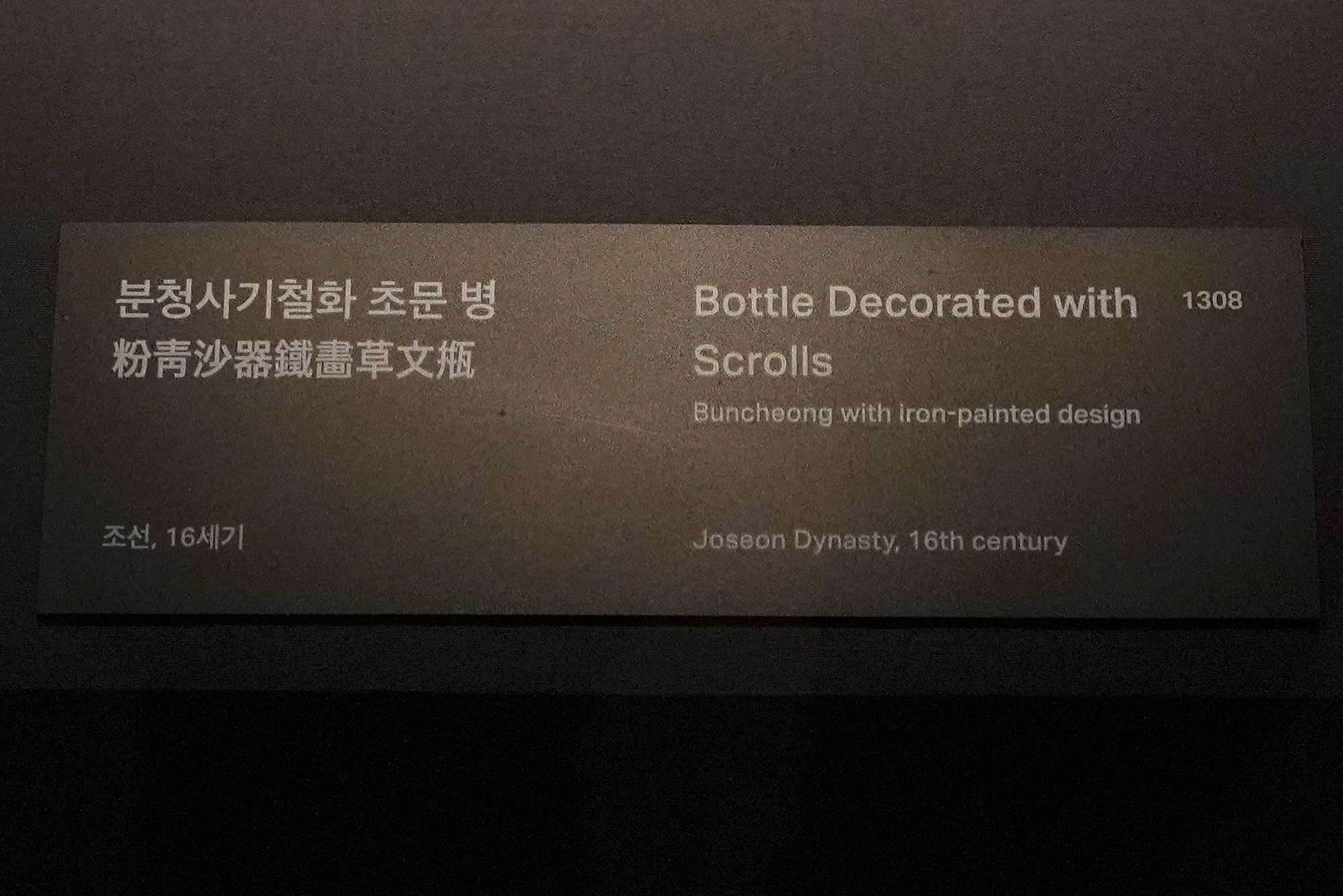
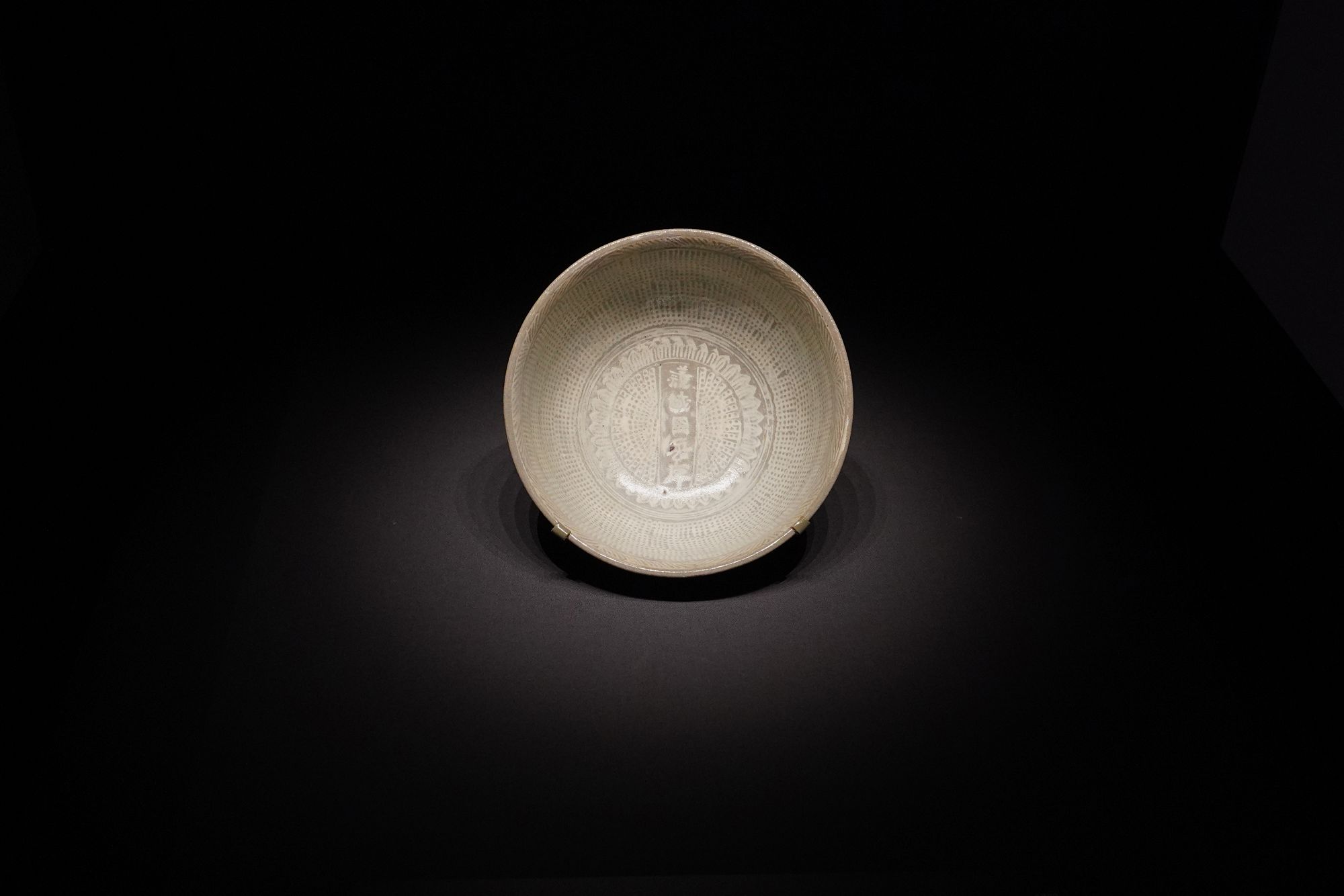
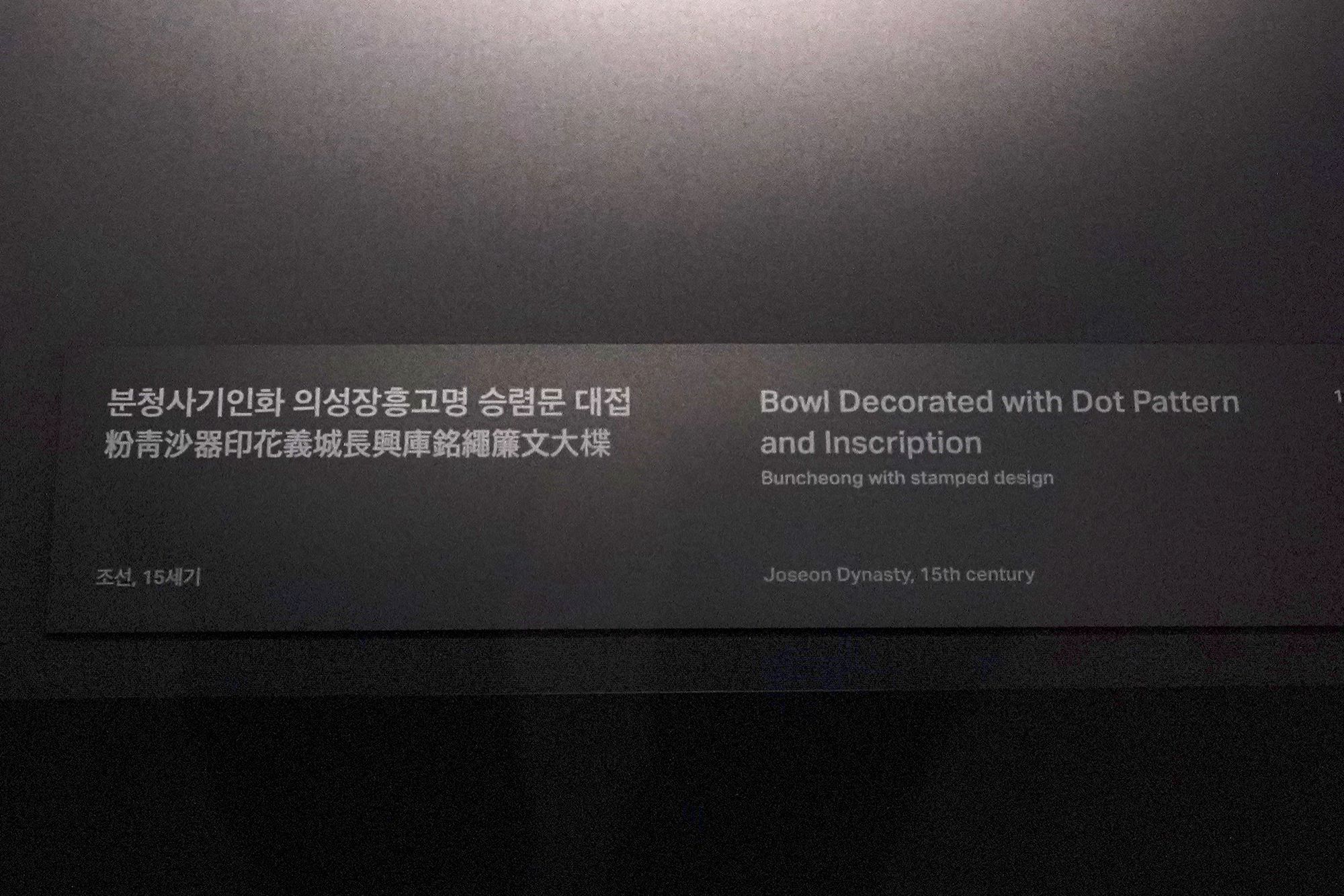
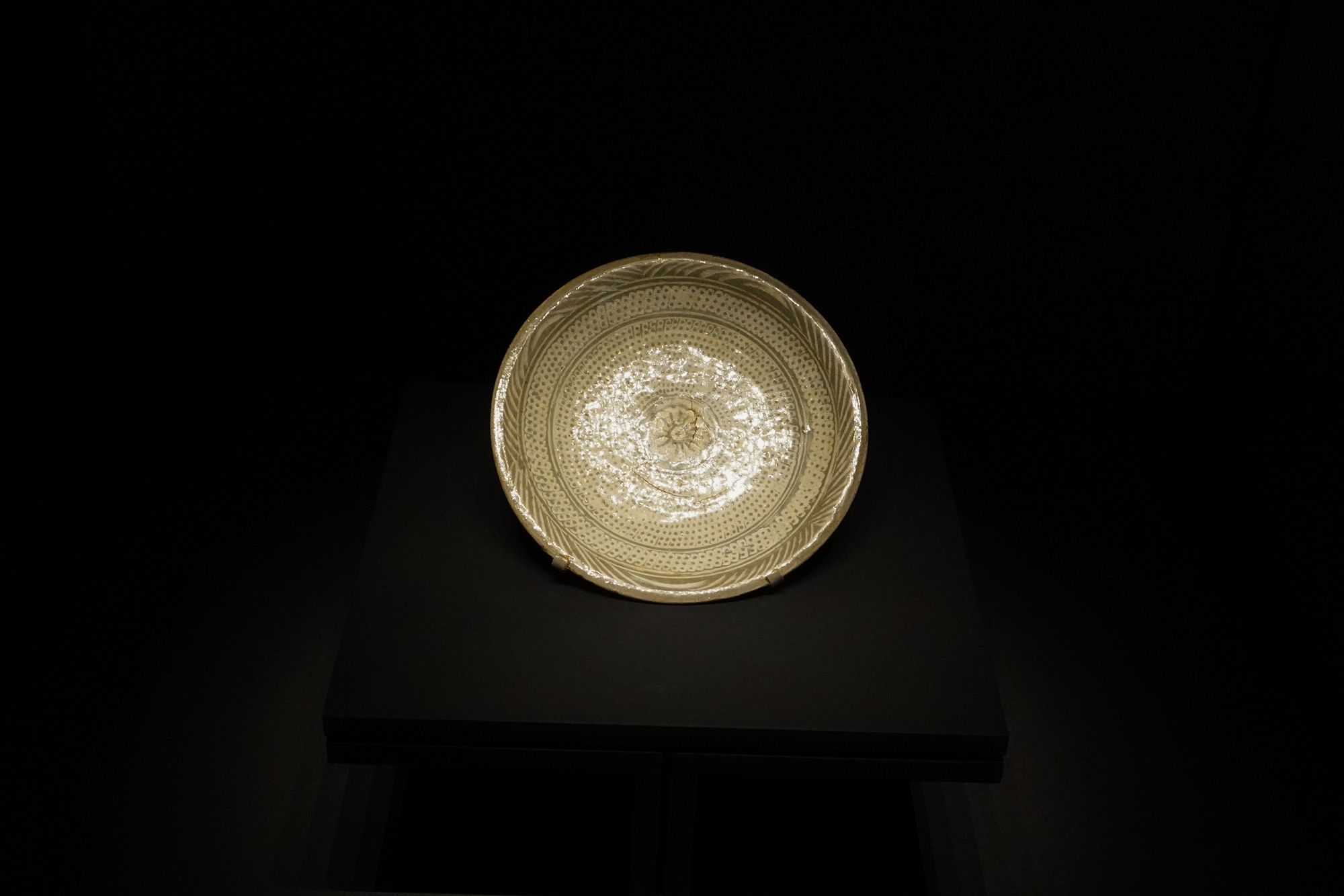
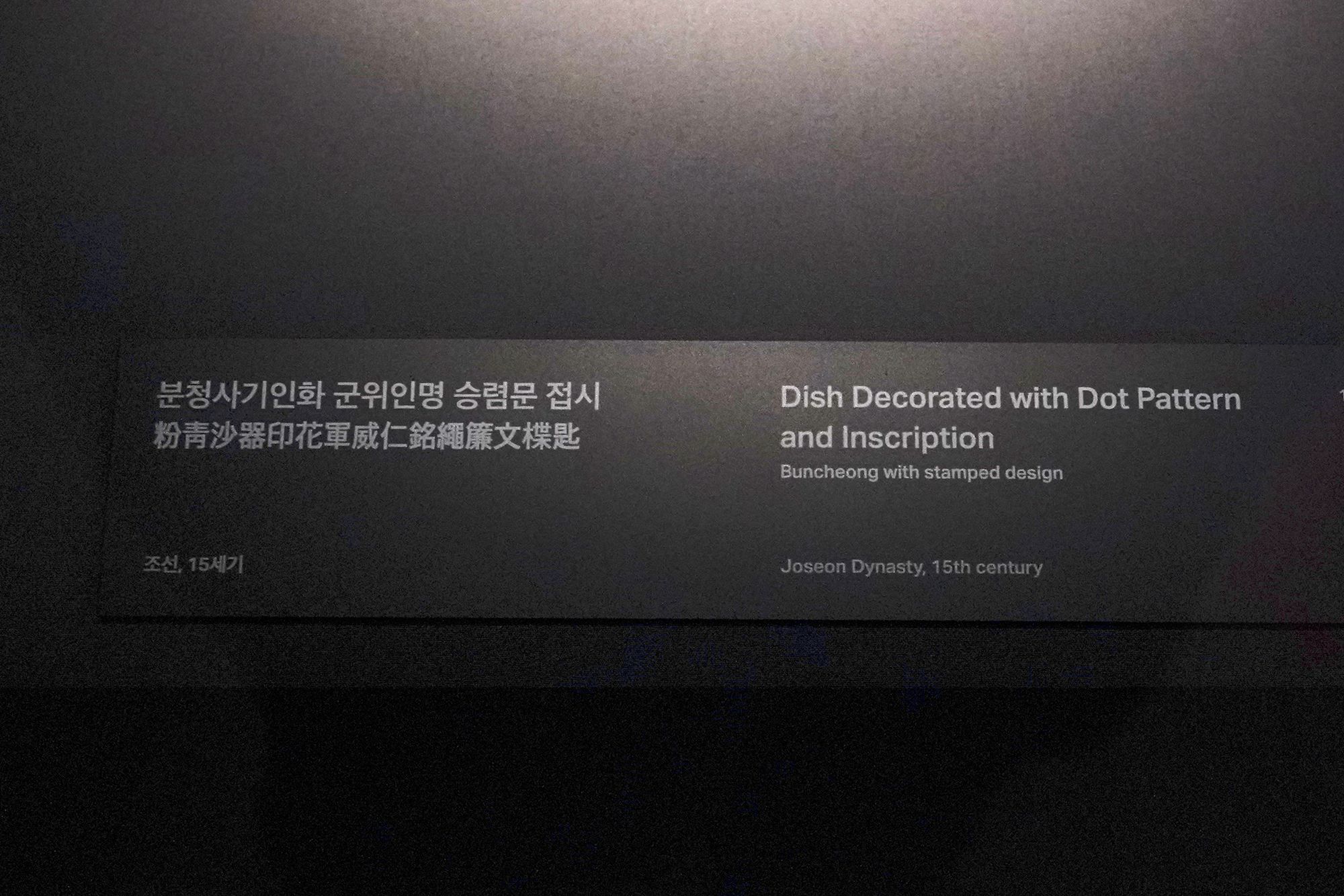
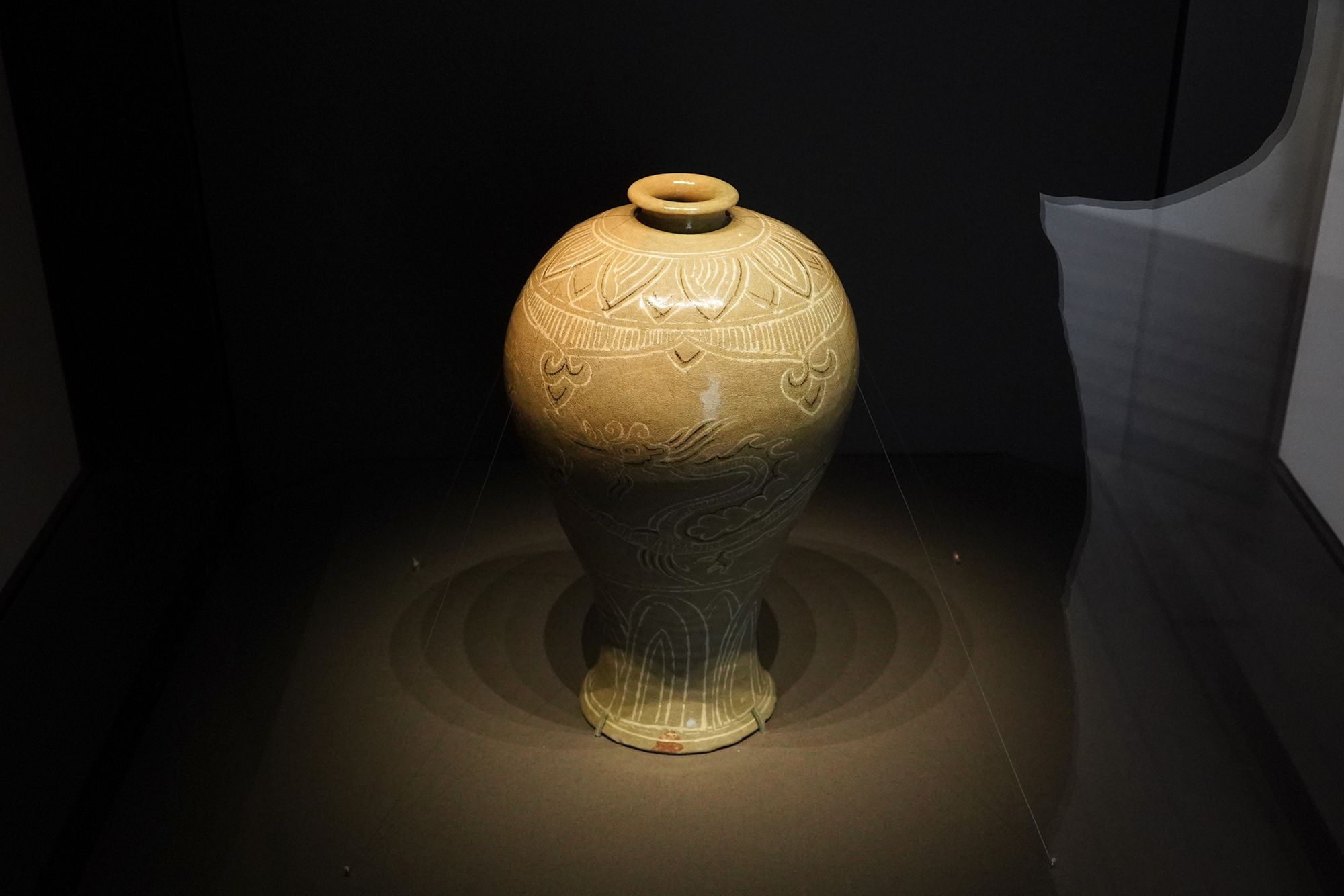
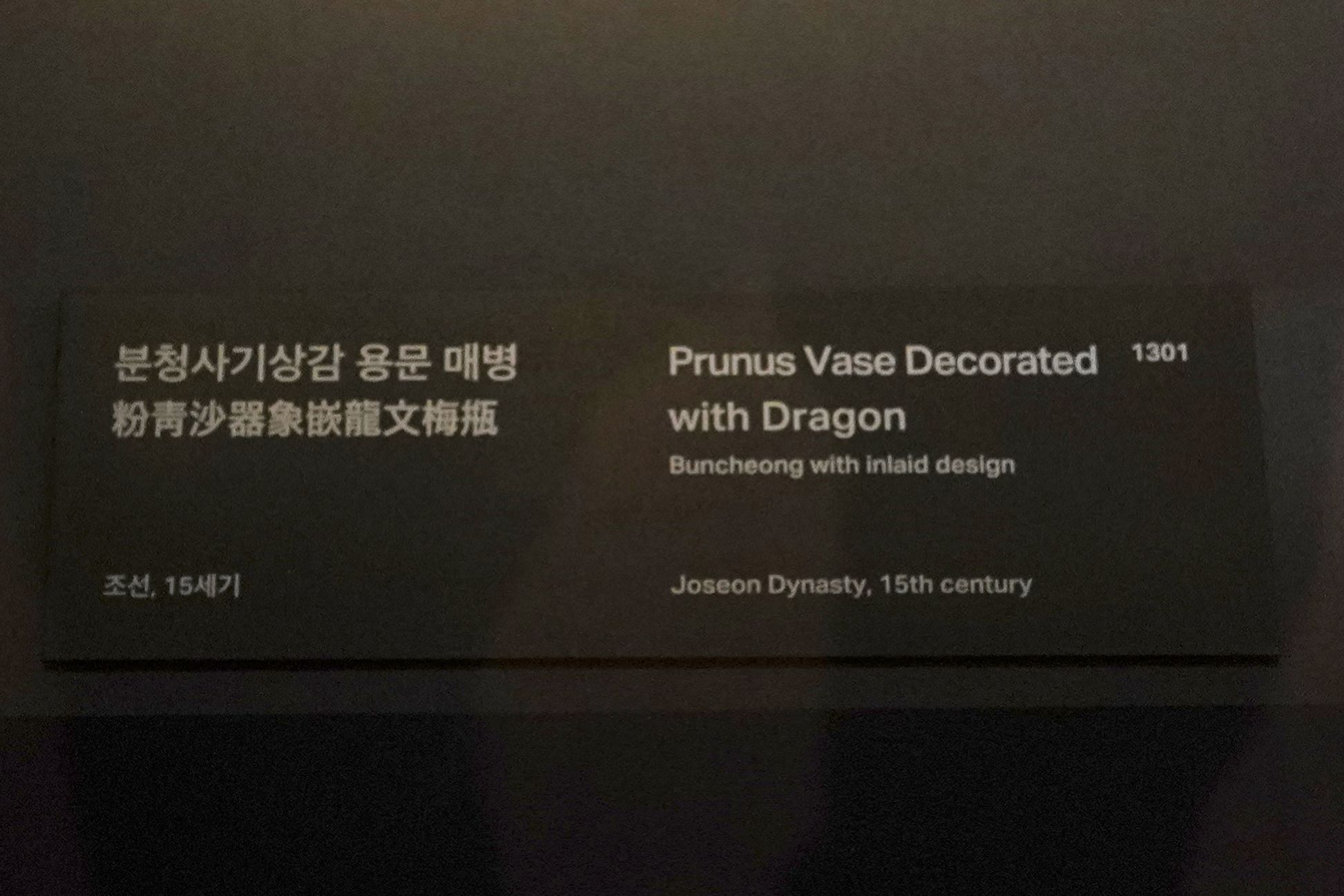
Buncheong ware (분청사기) is a distinctive type of Korean ceramic that became popular during the early Joseon Dynasty, especially in the 15th and 16th centuries. It developed from the celadon tradition of the preceding Goryeo Dynasty.
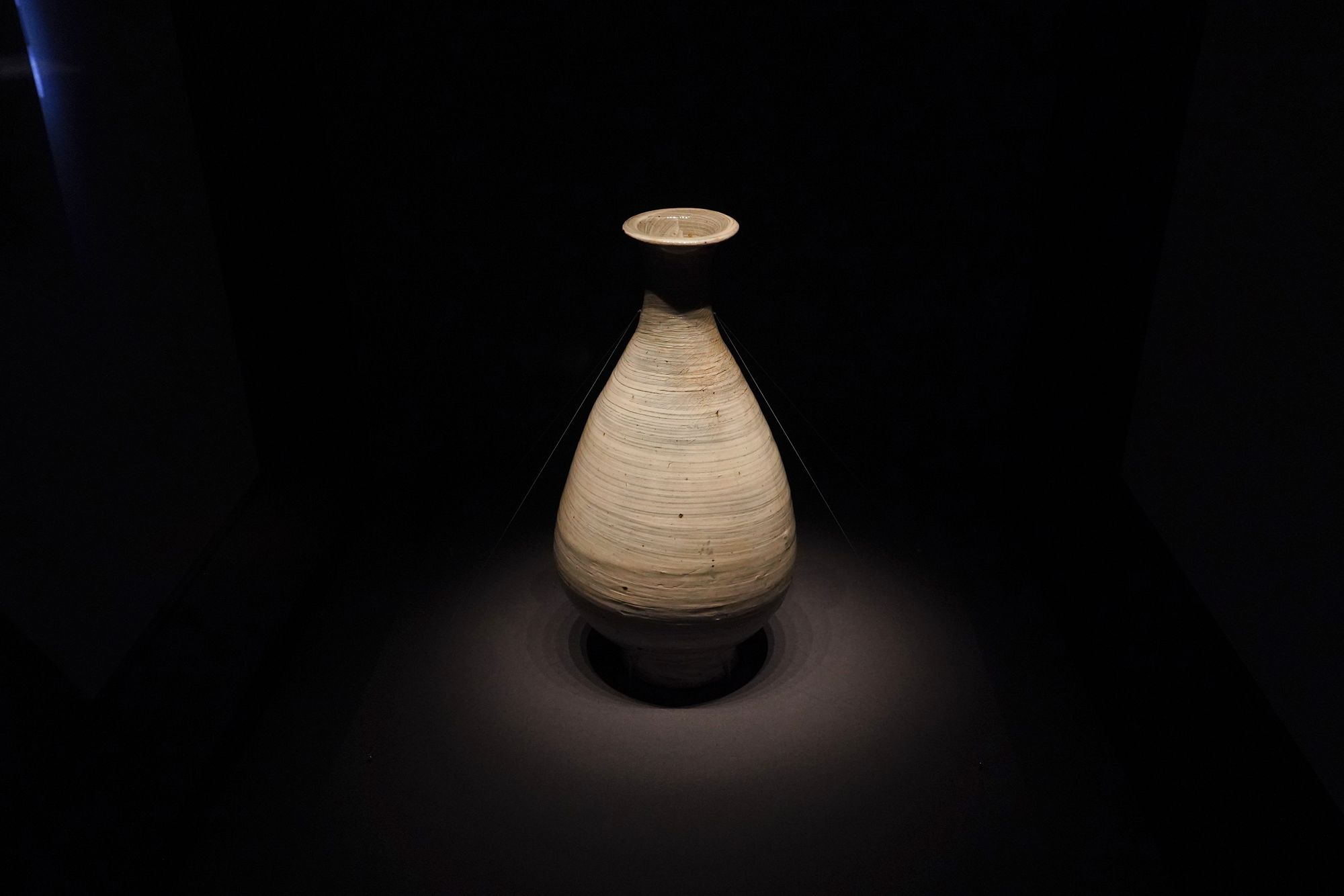
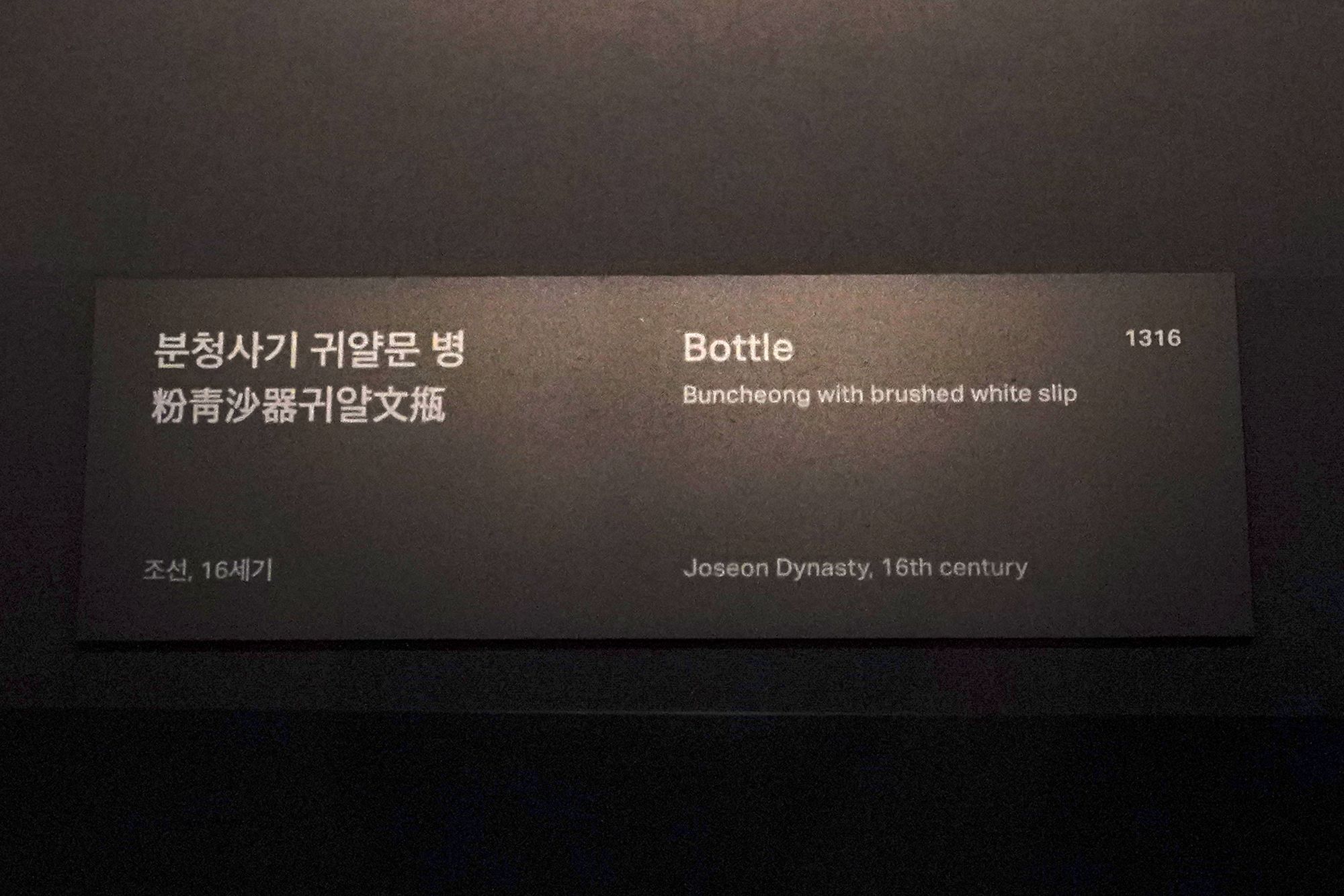
Unlike the refined, smooth appearance of Goryeo celadon, Buncheong ware often has a more spontaneous and rustic character. Potters covered gray stoneware with white slip and then decorated it using techniques such as stamping, brushing, carving, or scraping away portions of the white coating.
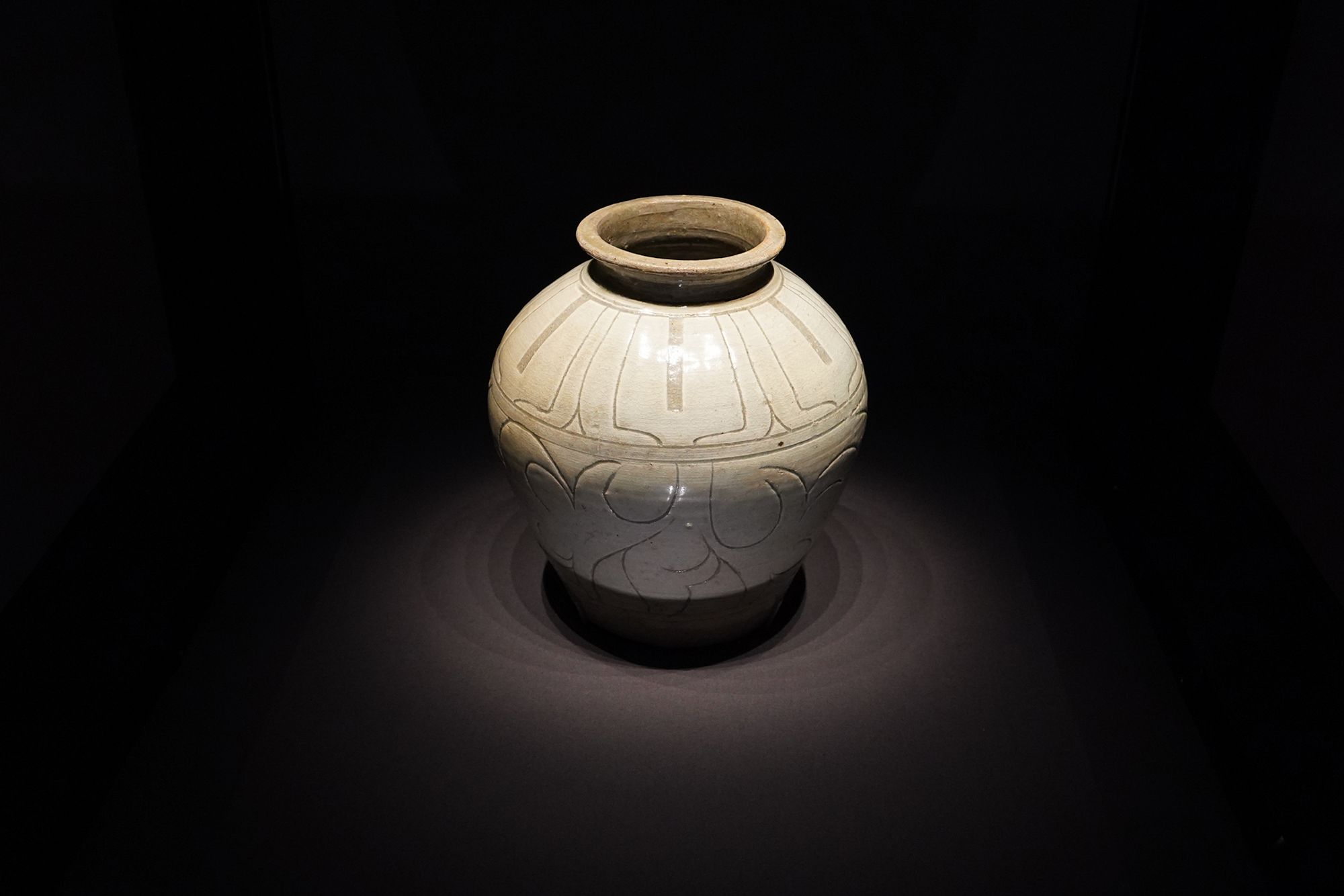
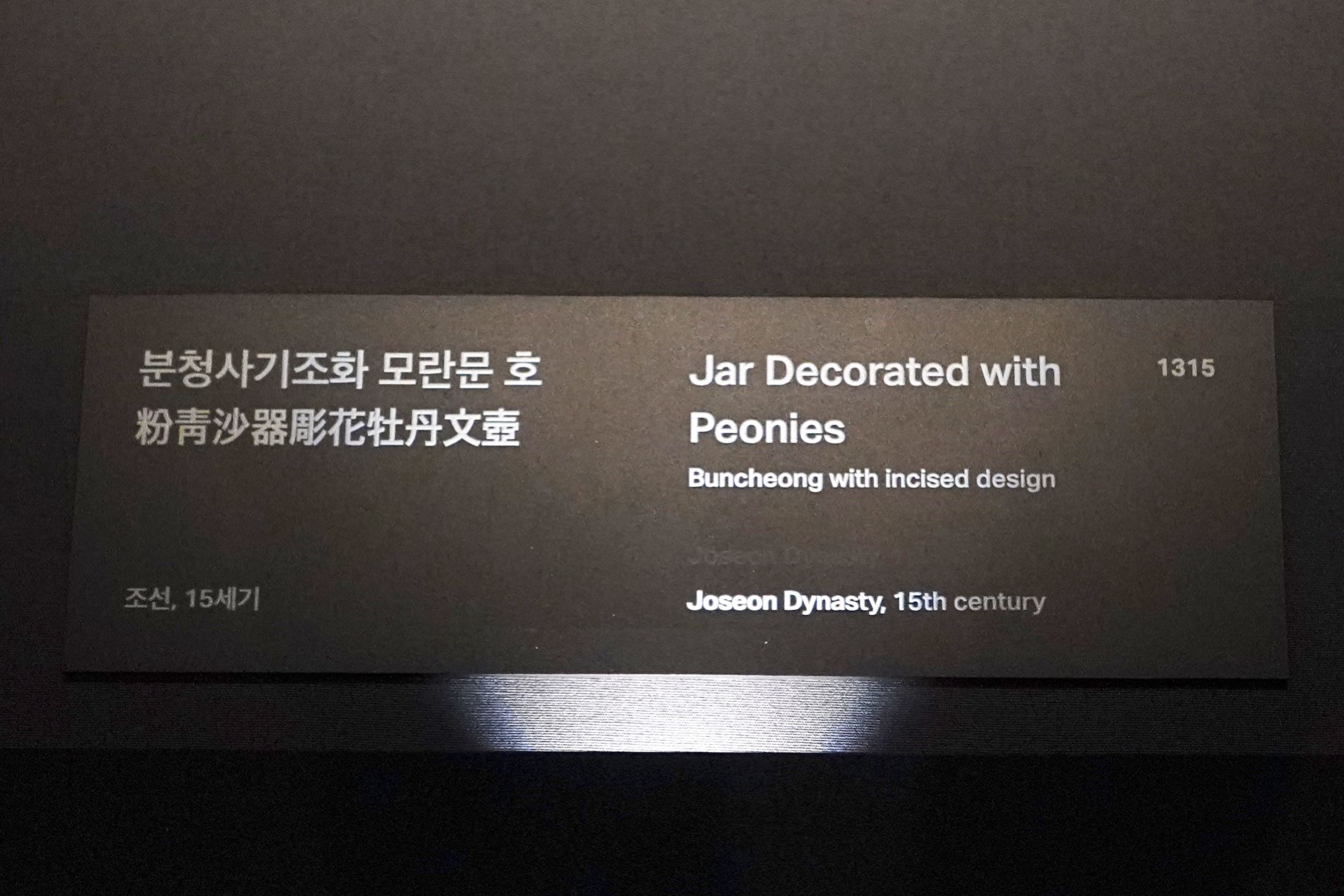
Its designs can look remarkably free and expressive, with simple flowers, fish, plants, and abstract patterns. This less formal style is one reason Buncheong ware can appear surprisingly modern.
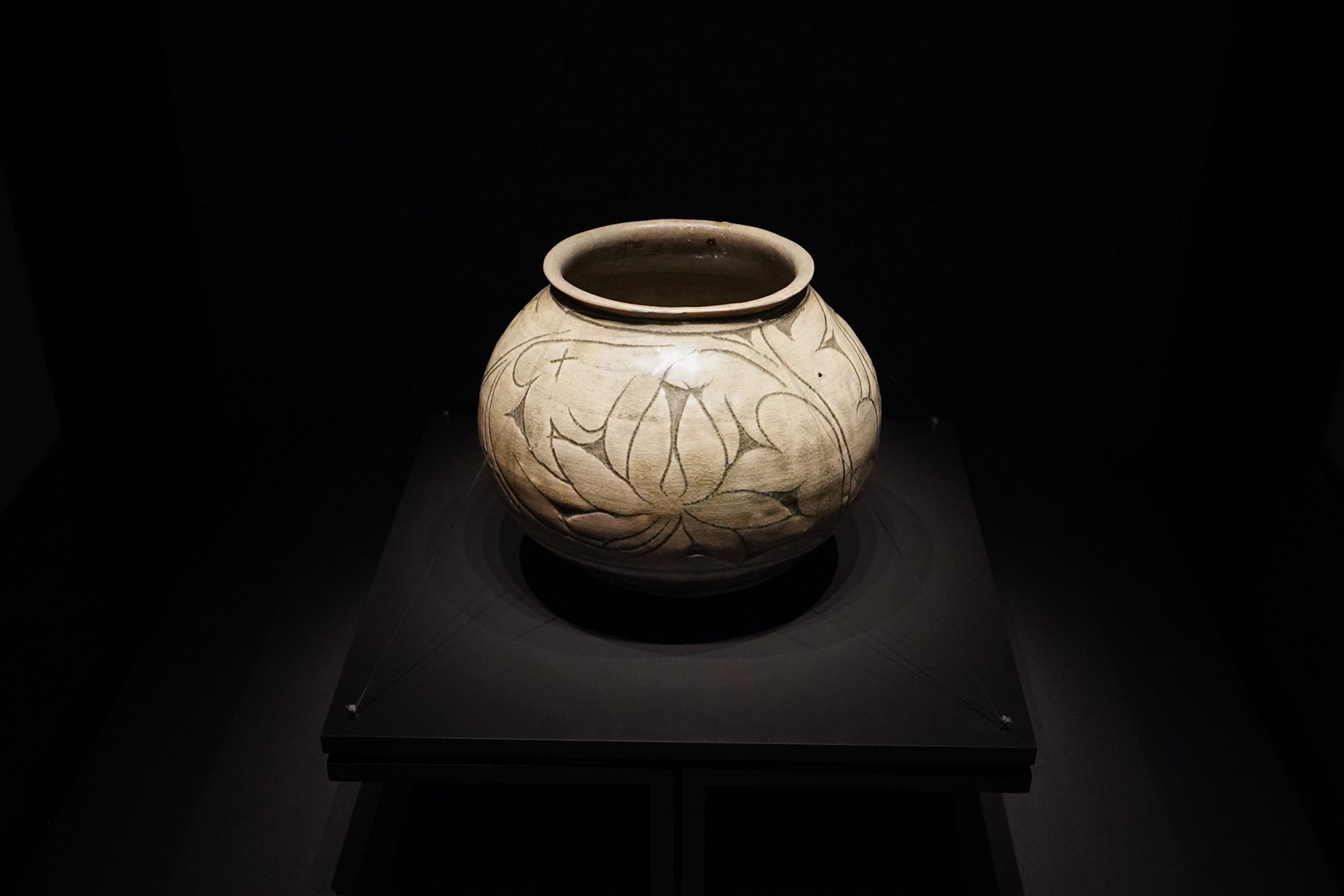
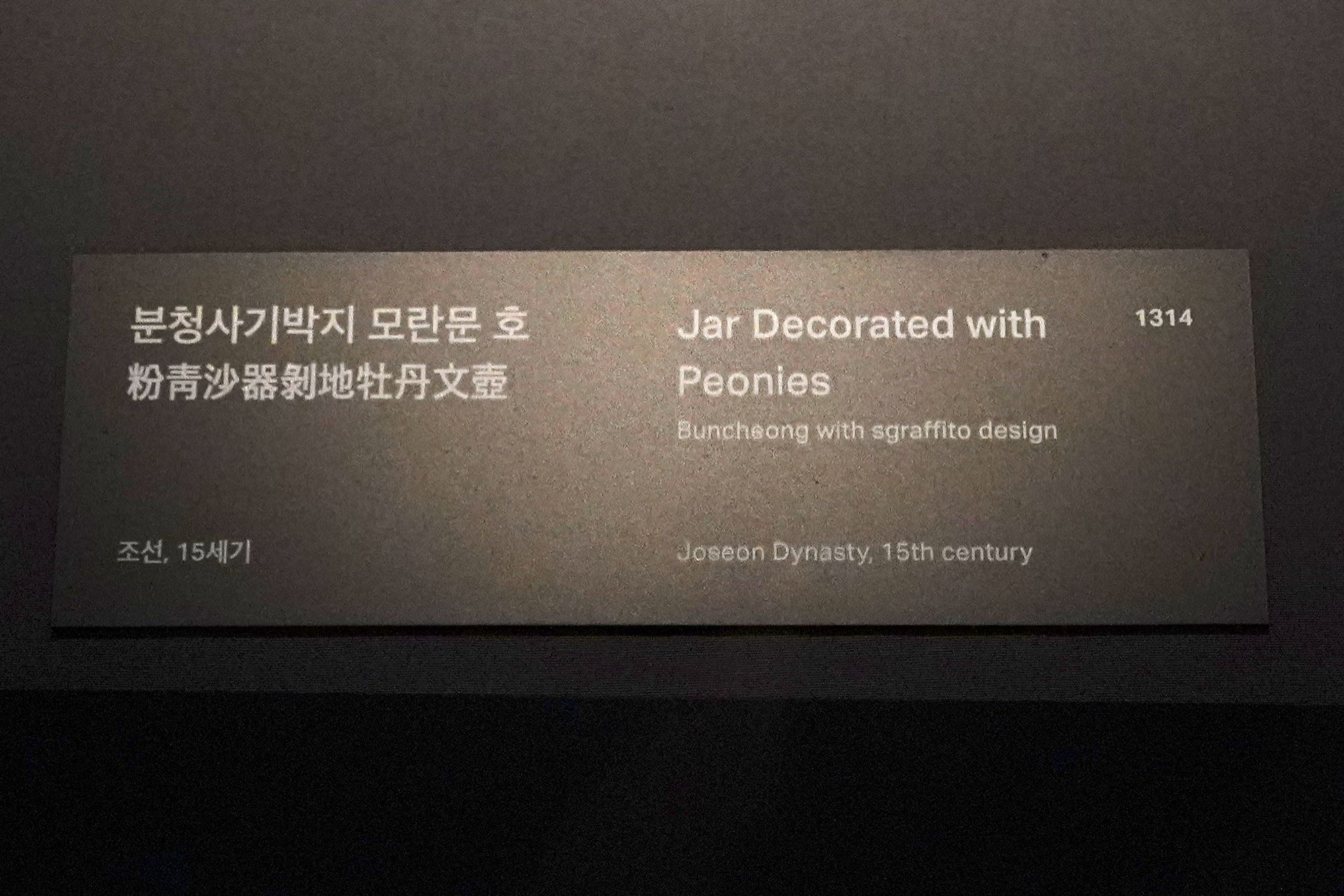
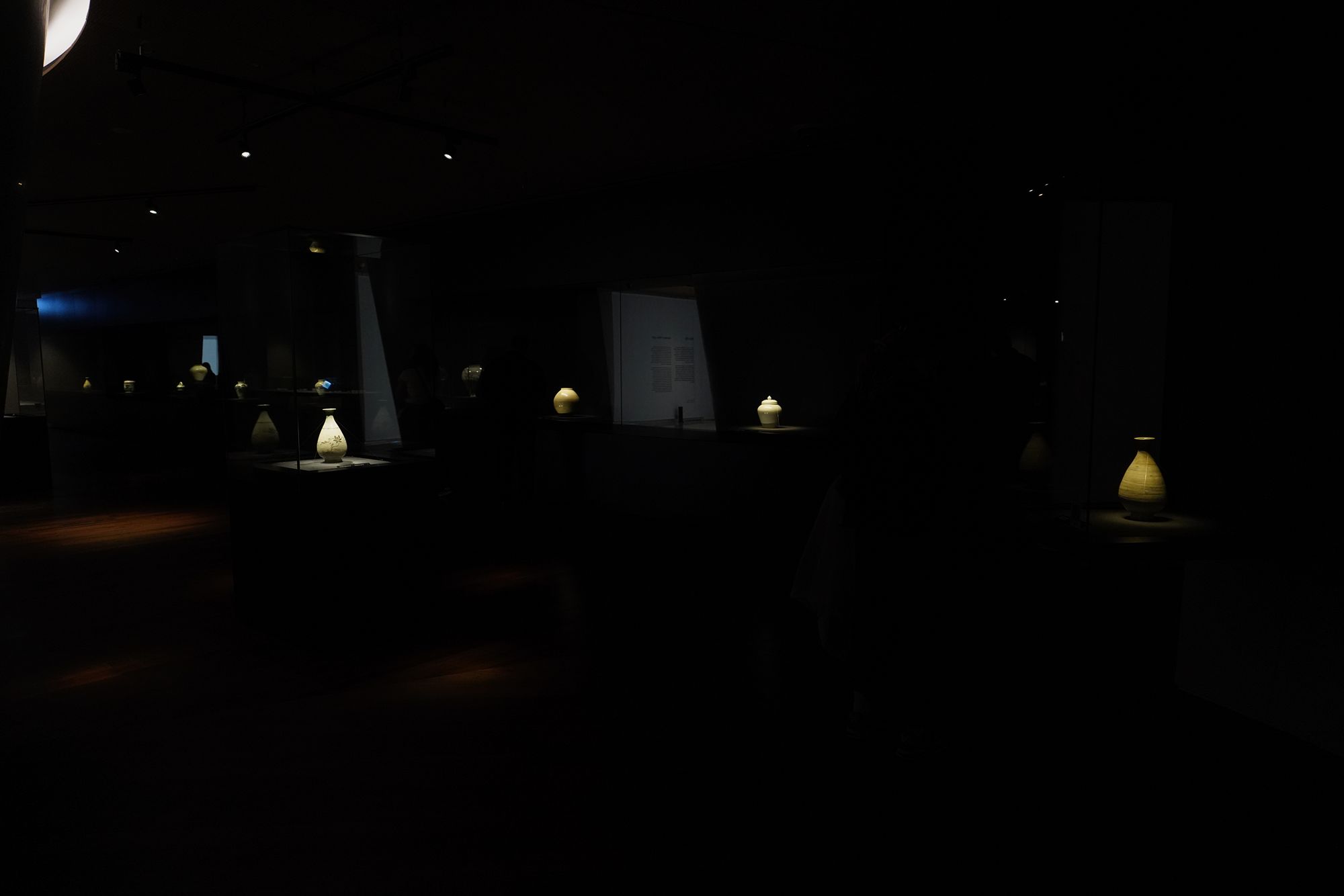
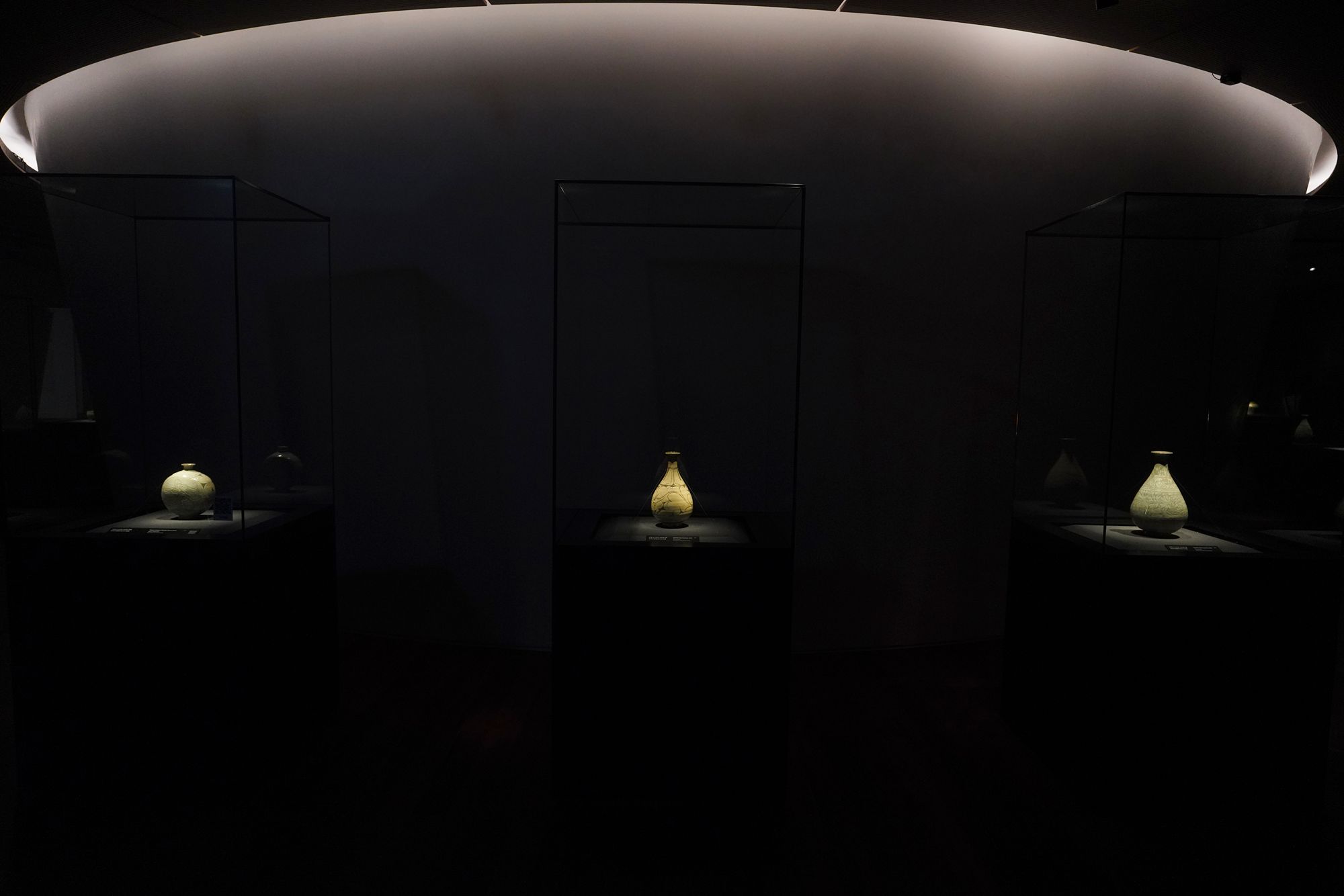
By the late 16th century, Buncheong production declined as white porcelain (백자) became increasingly favored during the Joseon Dynasty.
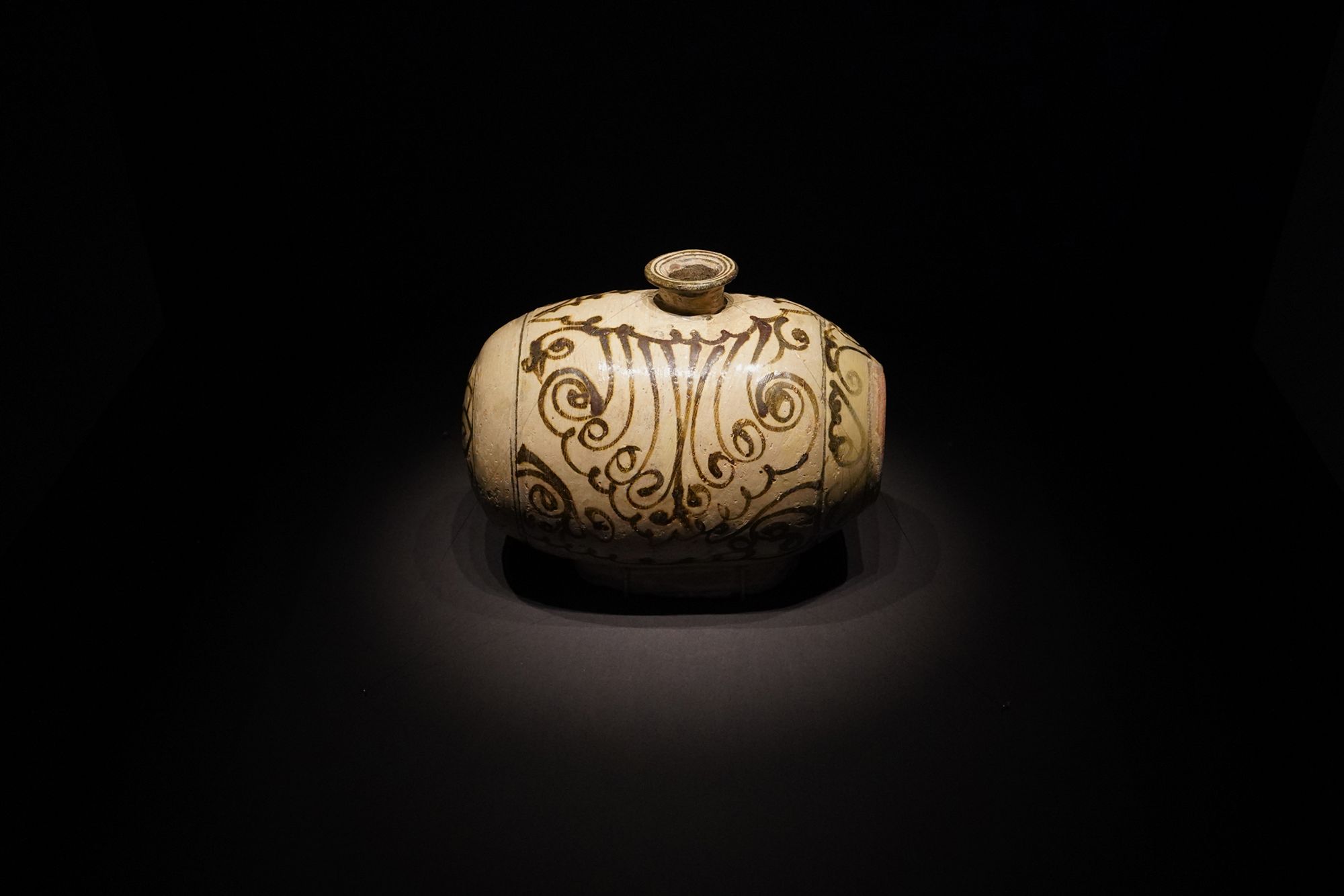
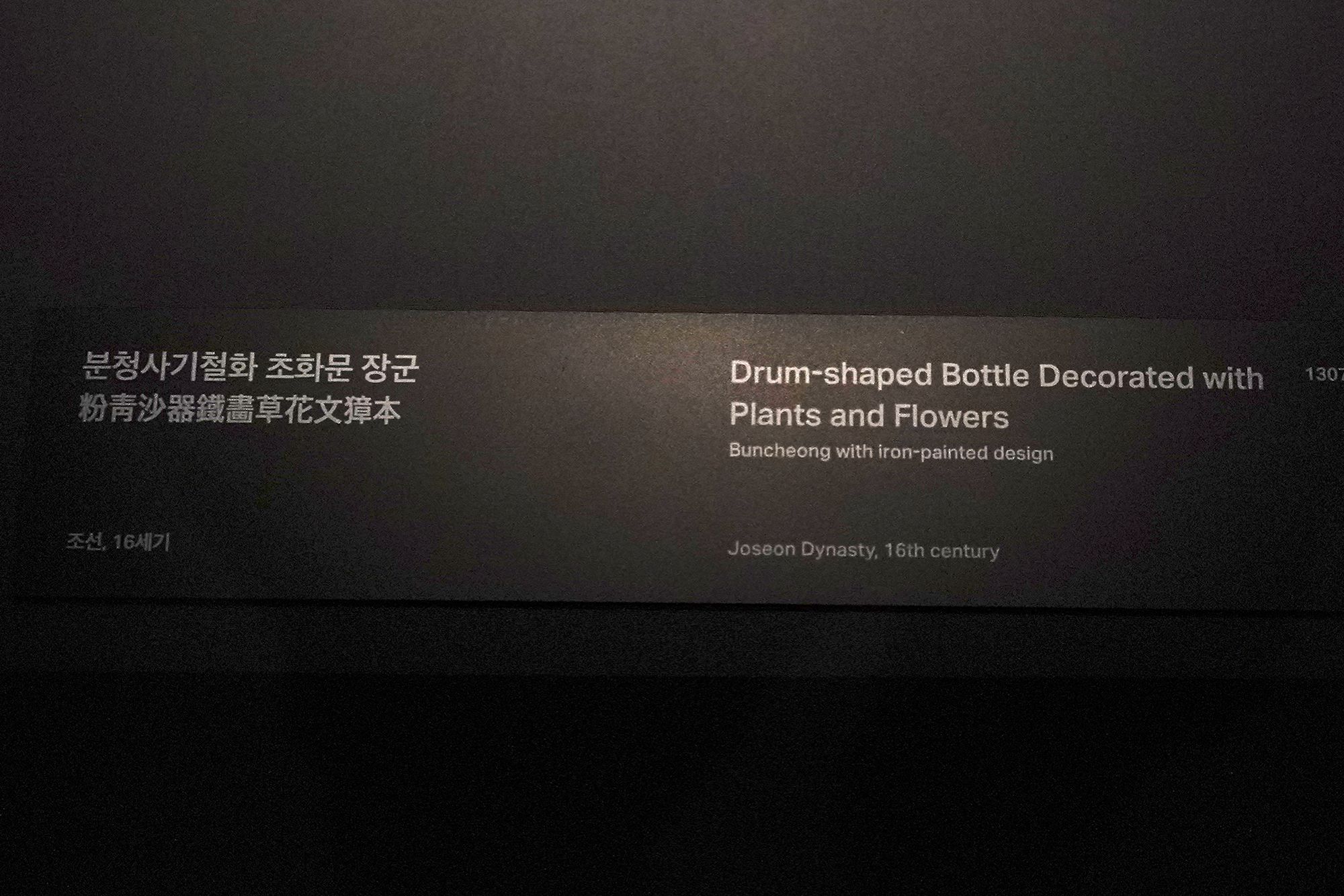
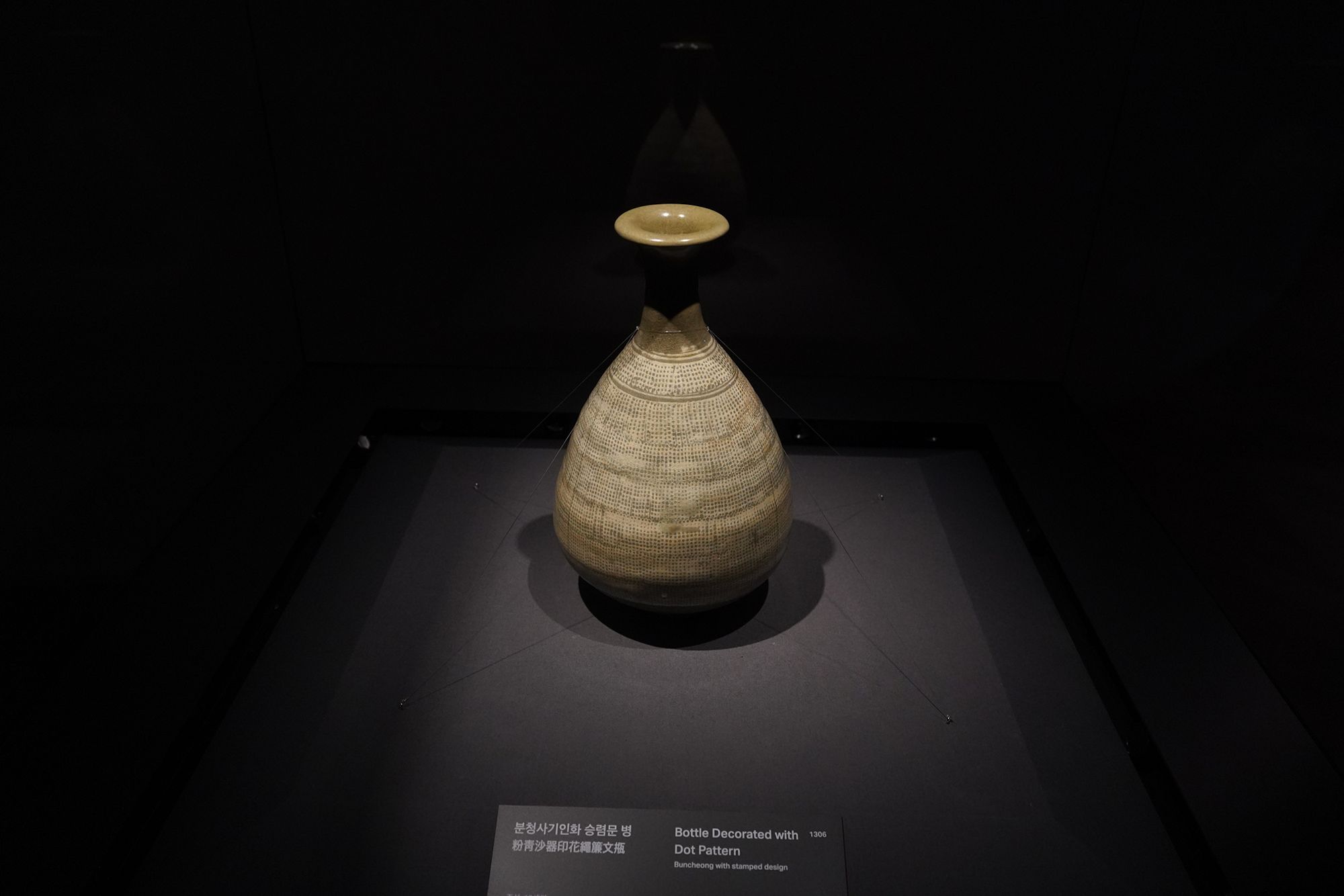
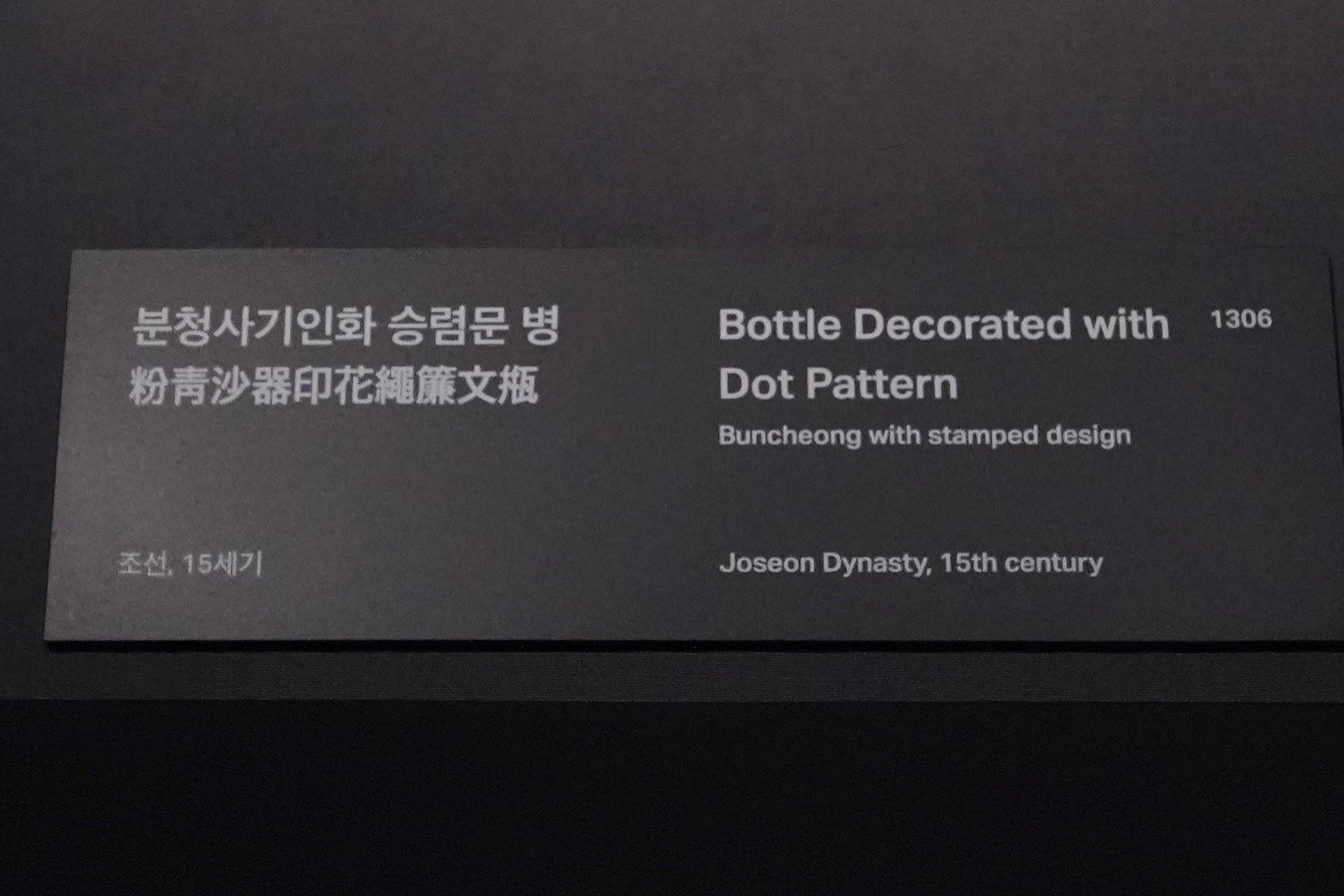
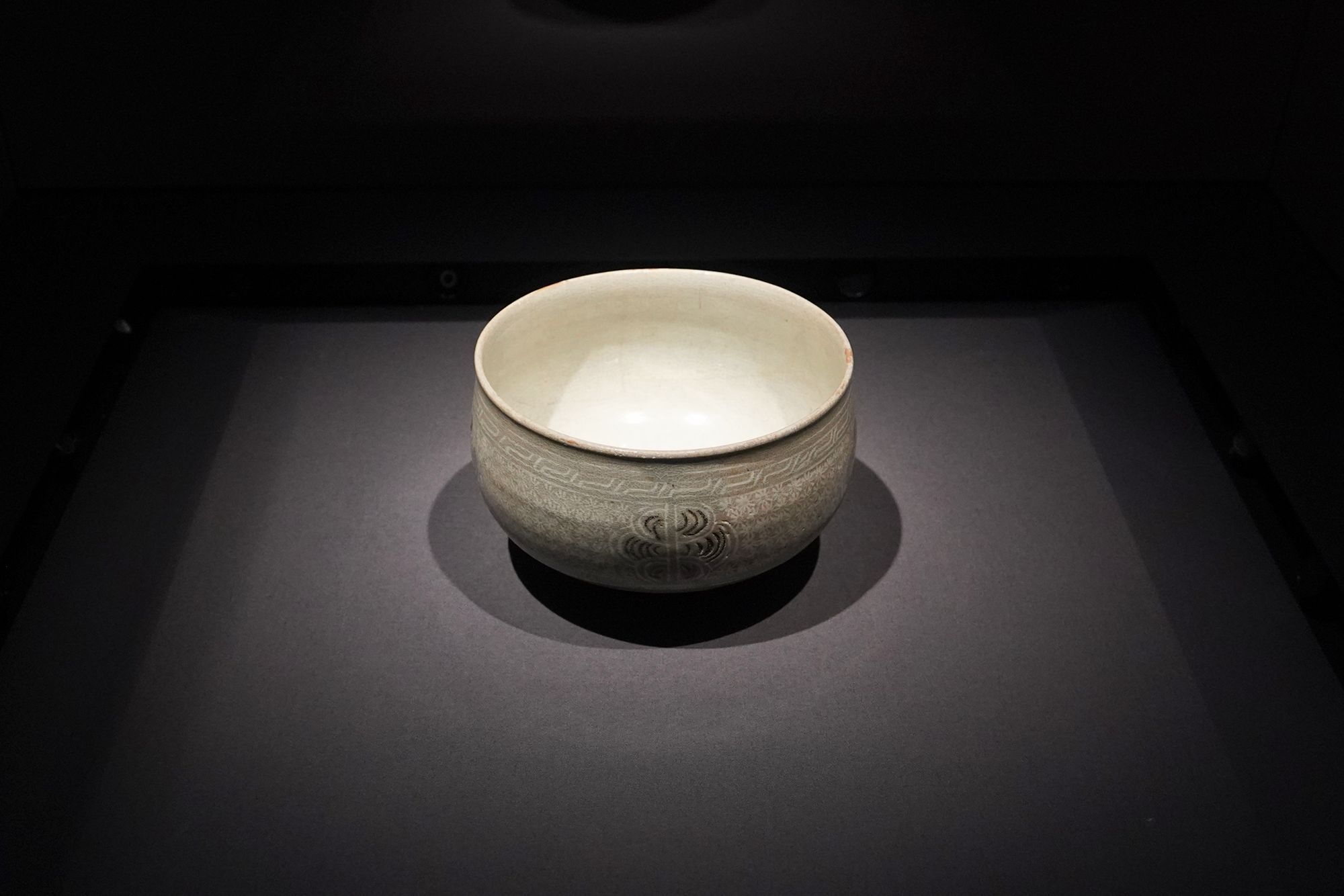
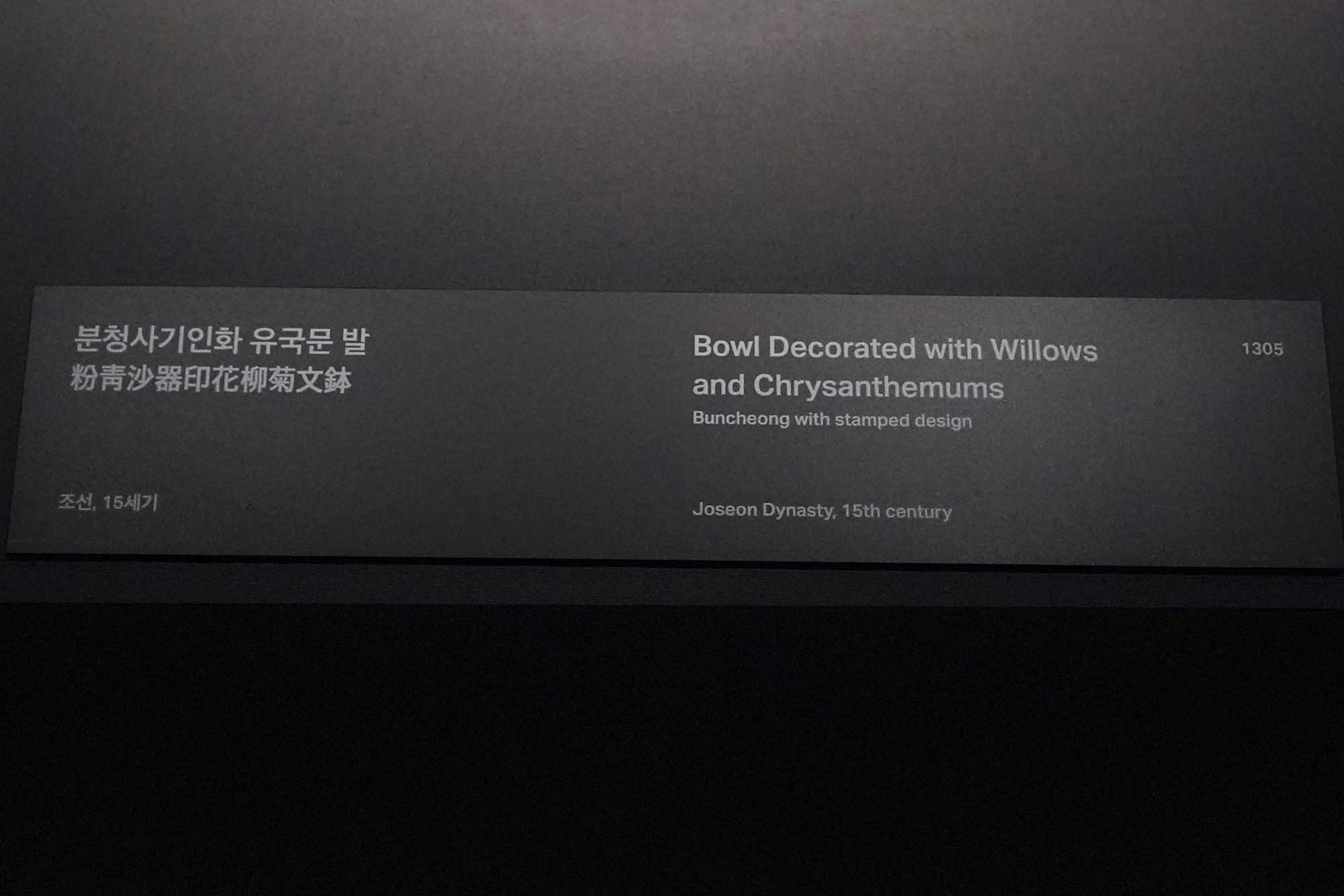
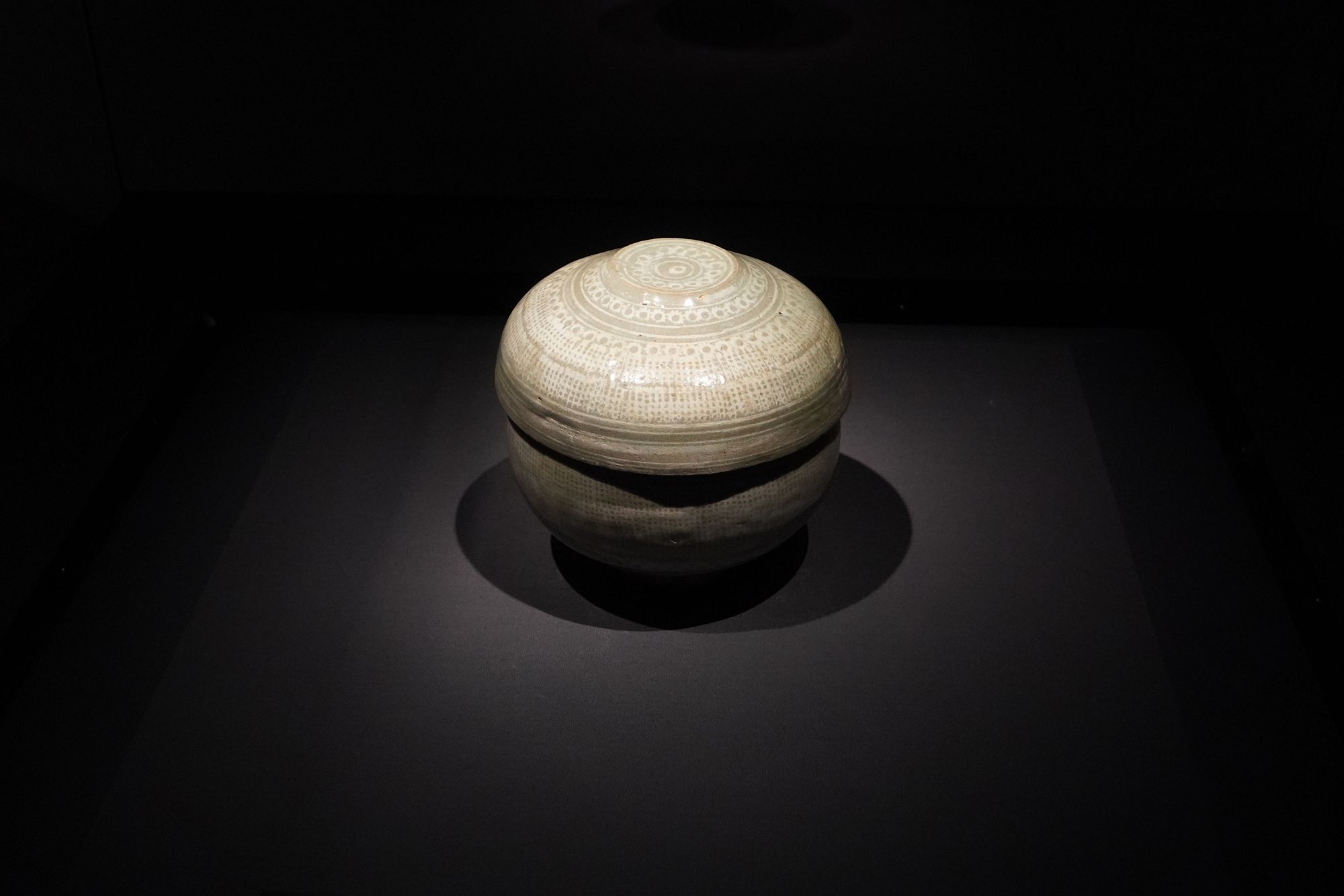
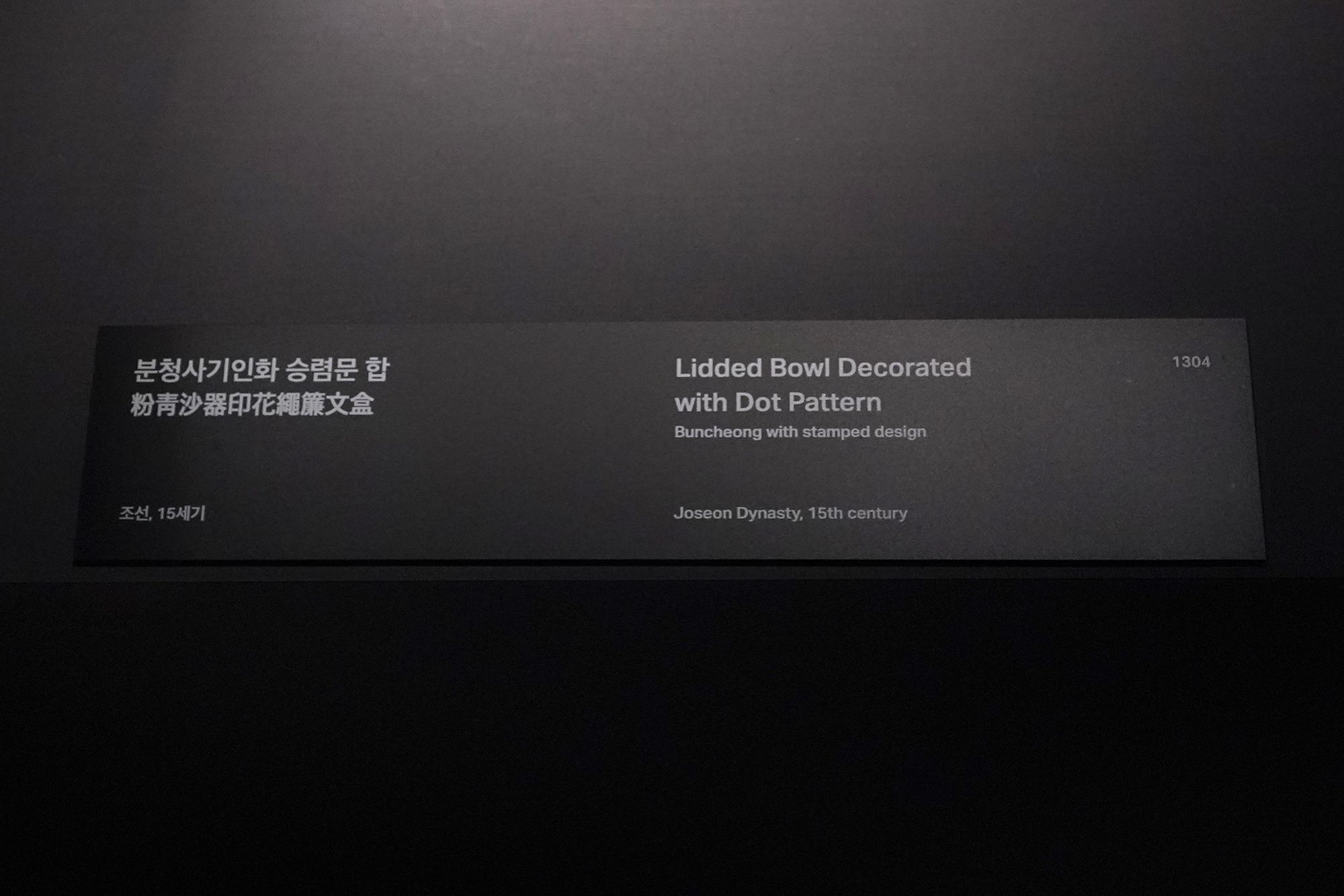
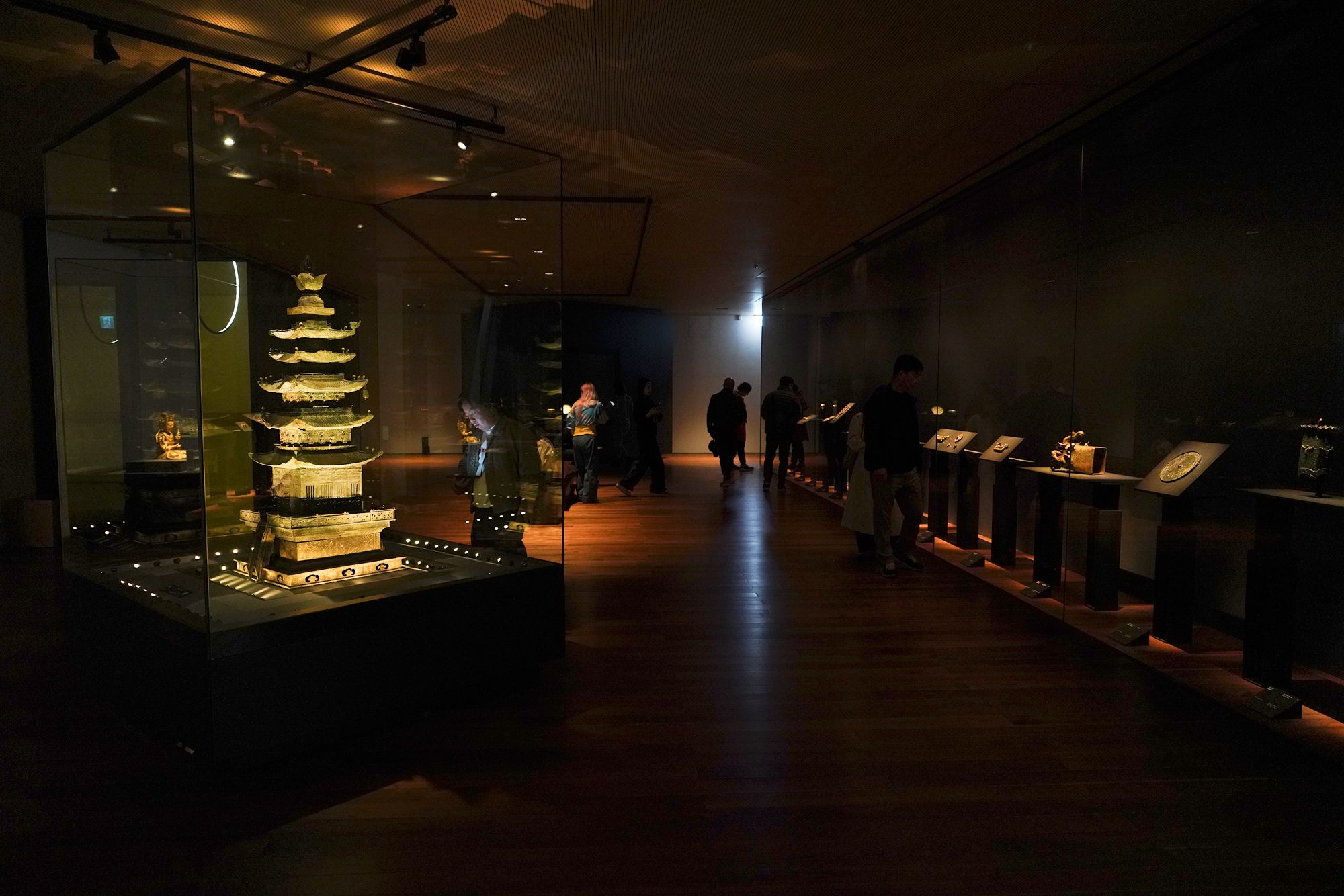
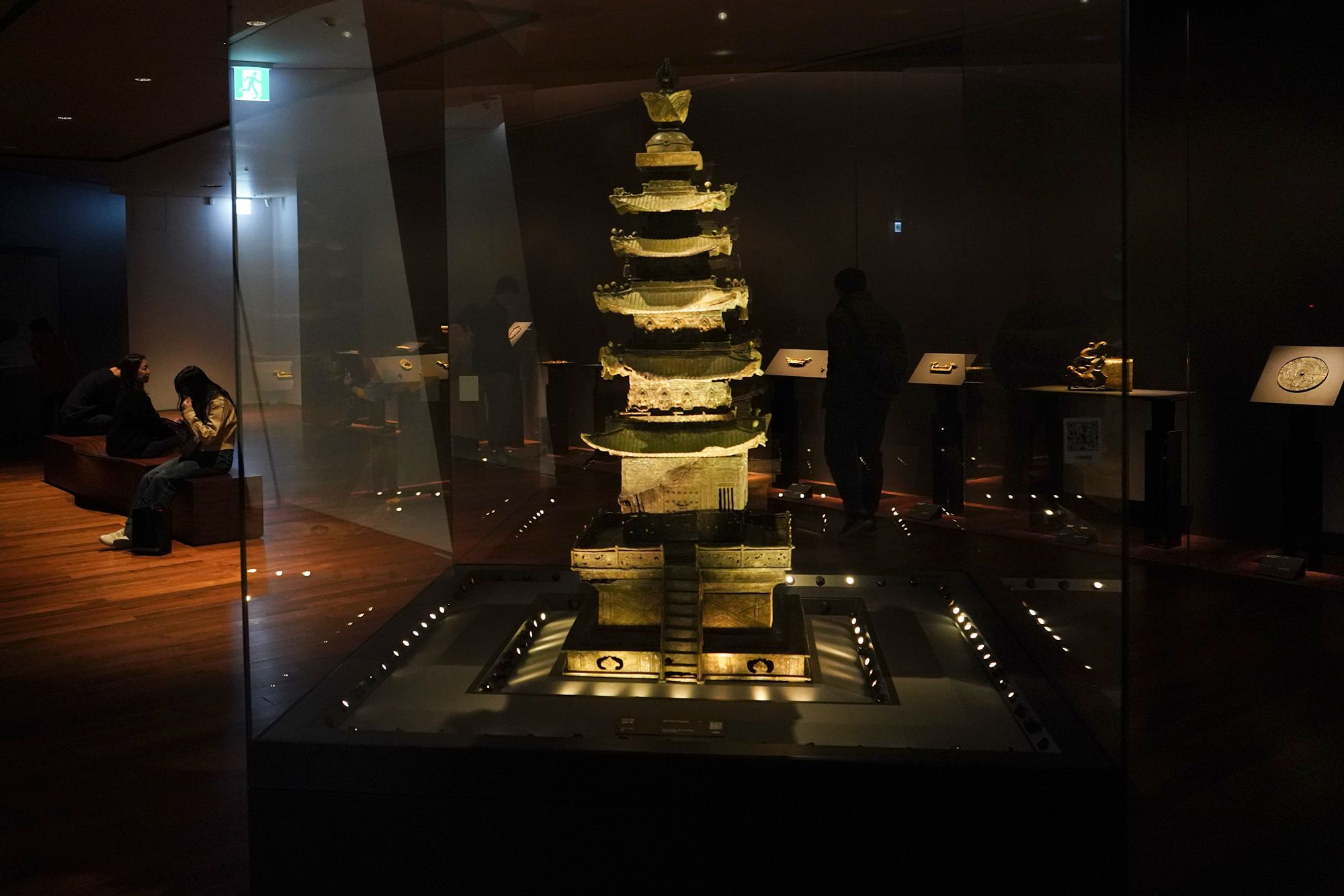
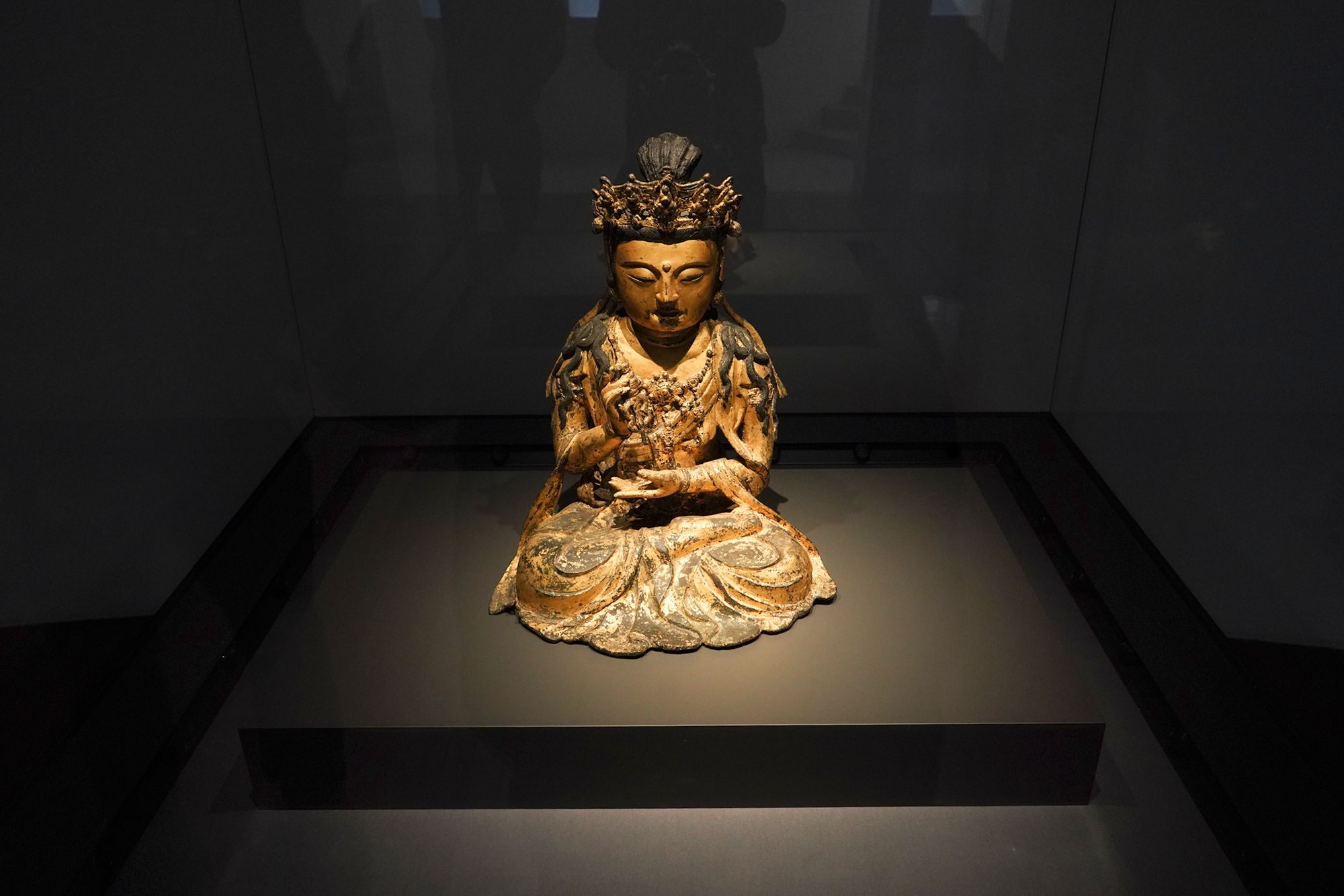
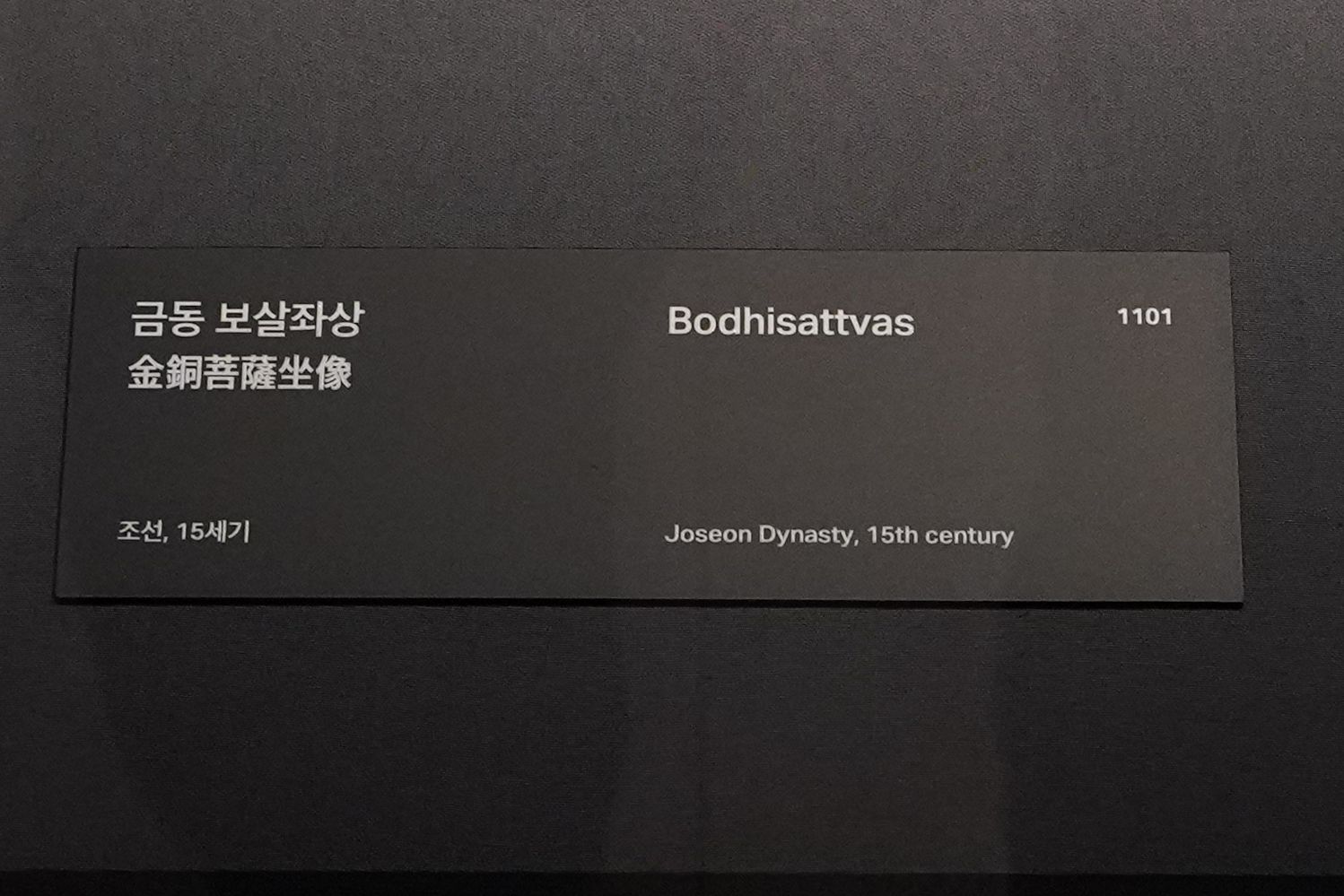
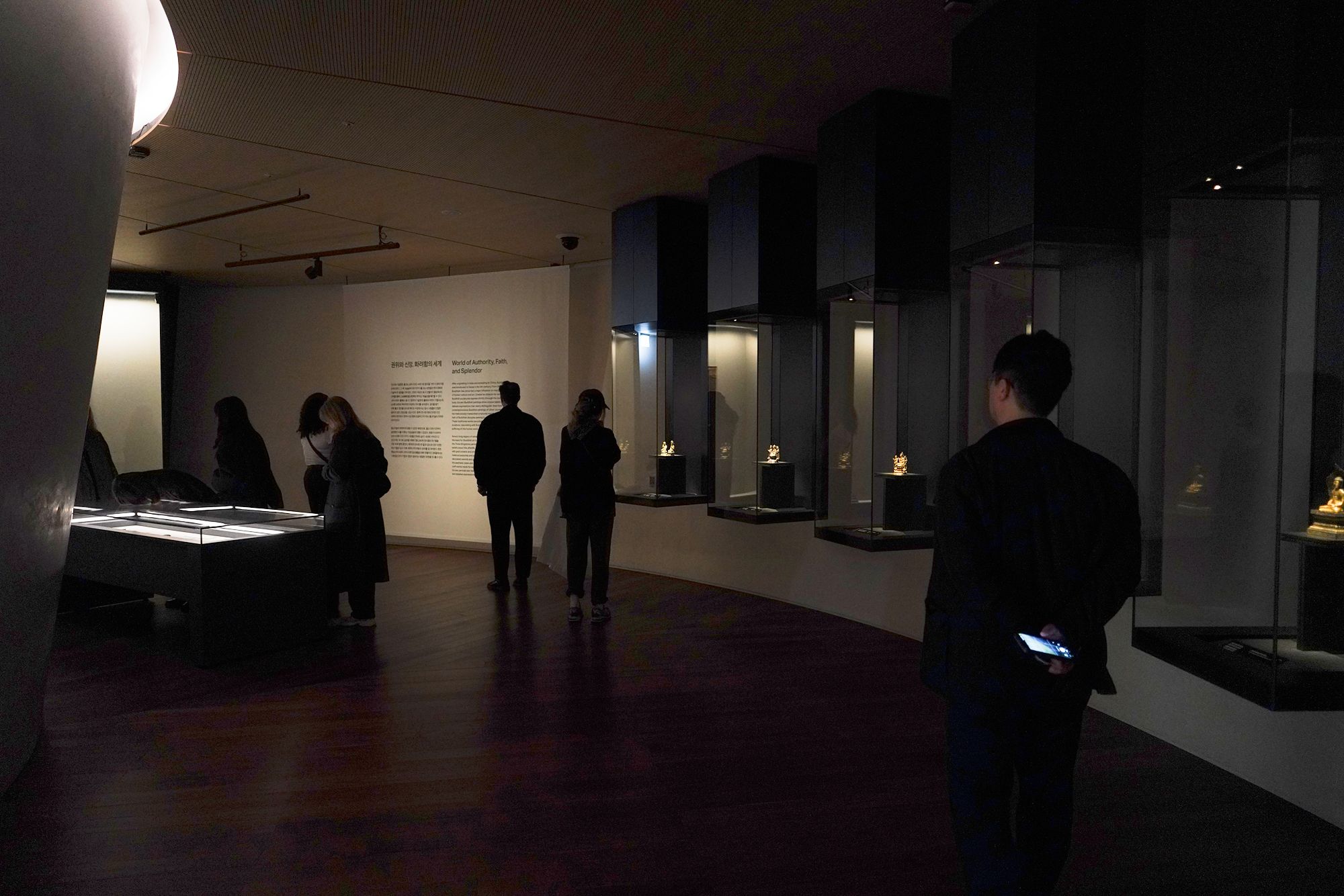
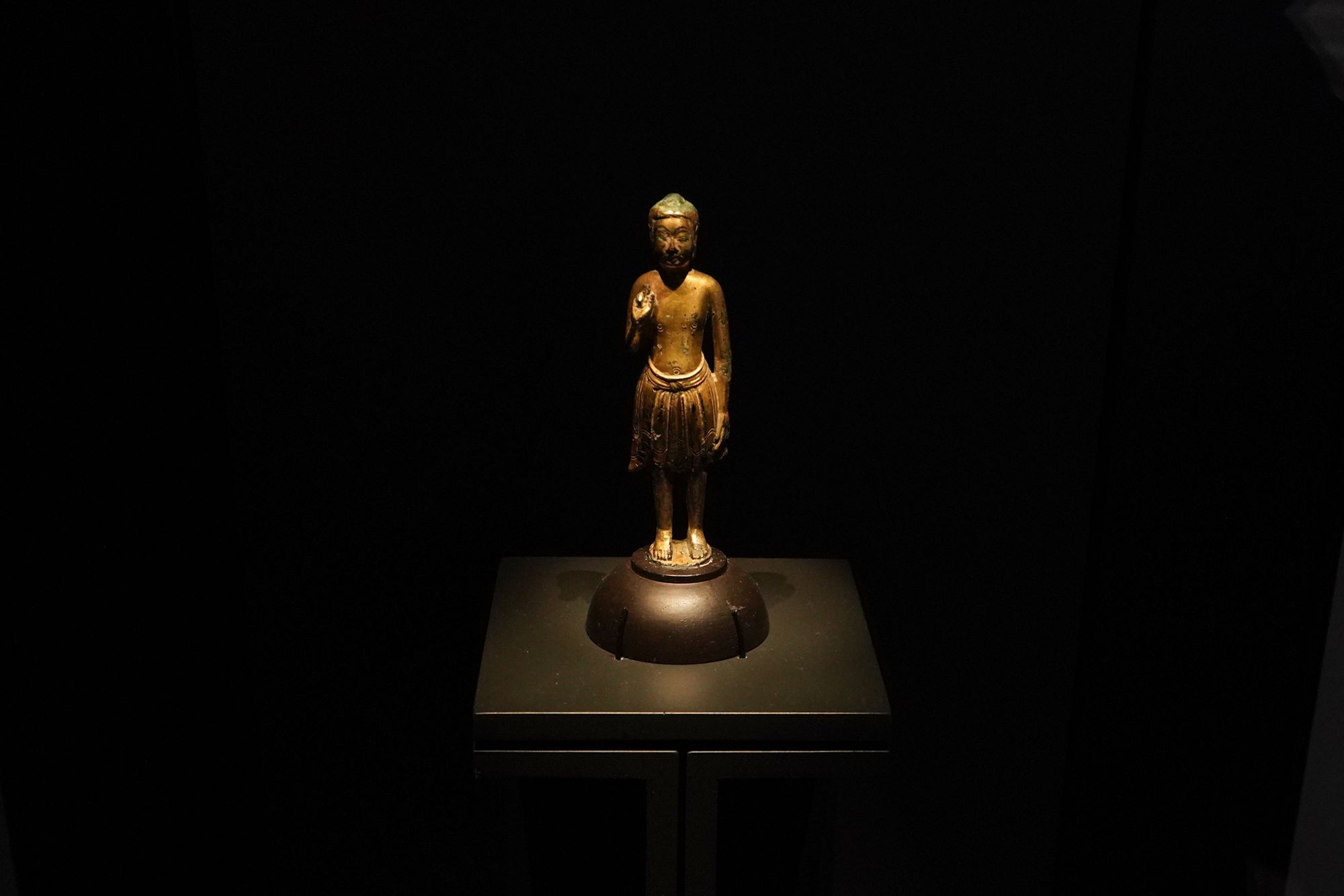
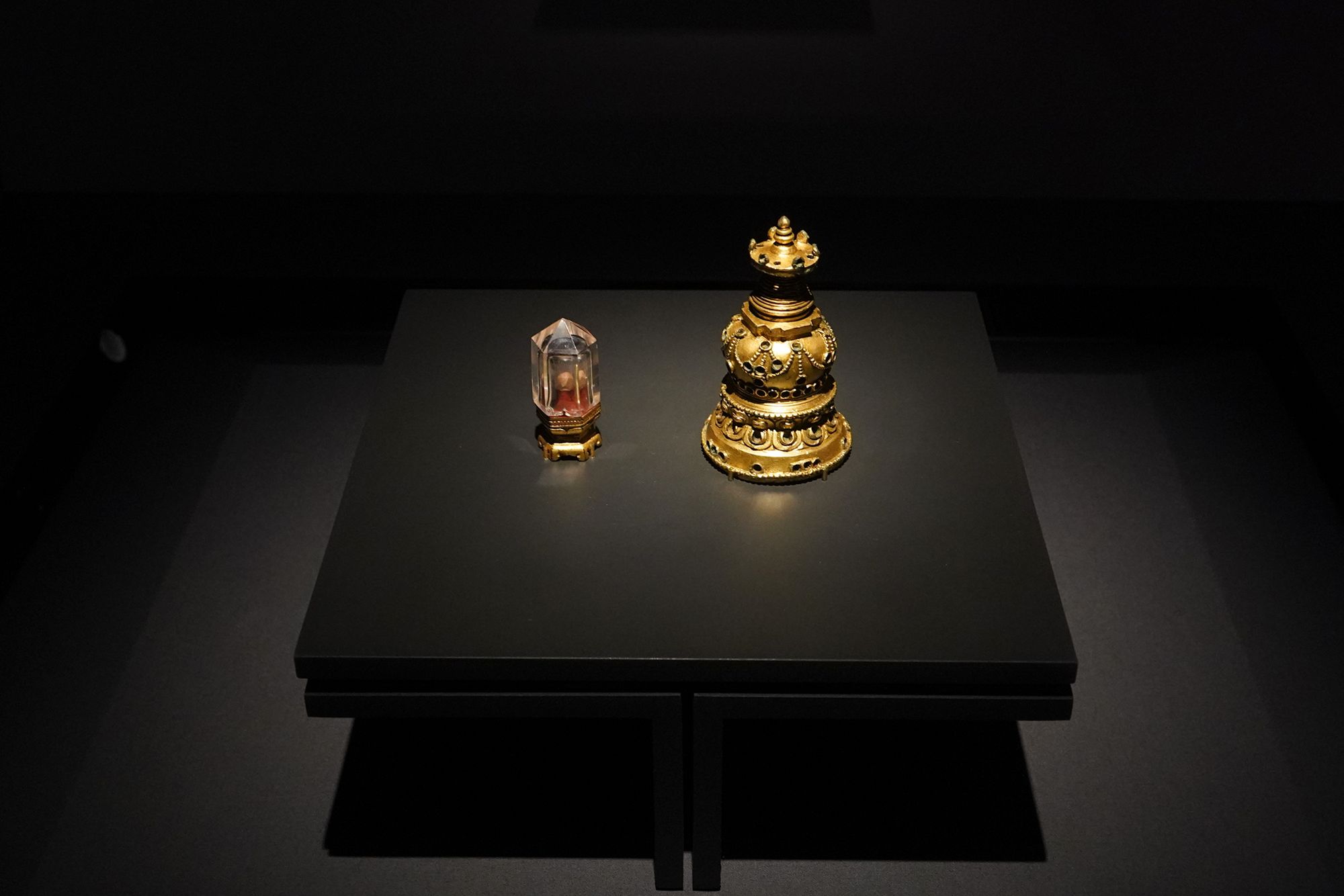
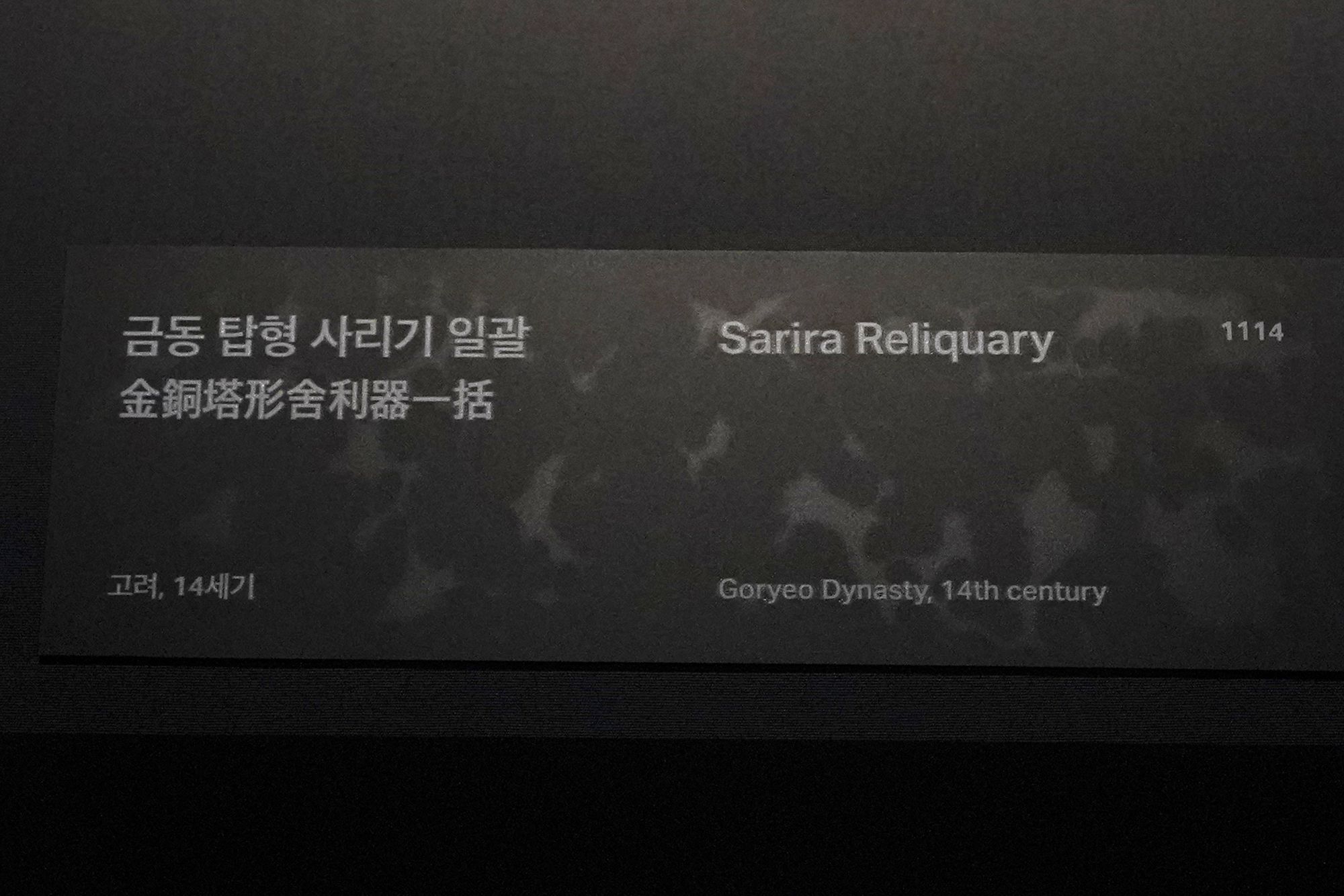
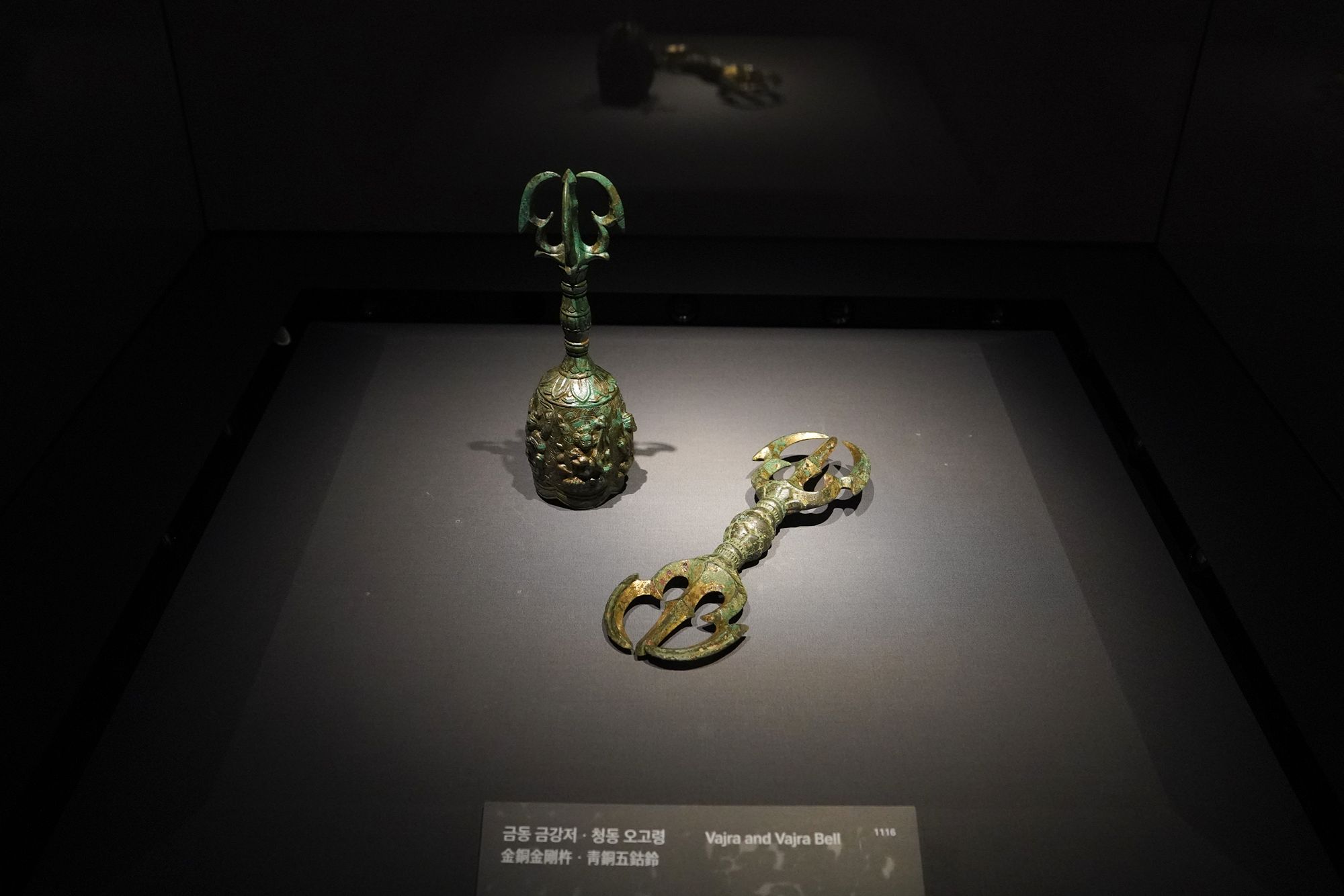
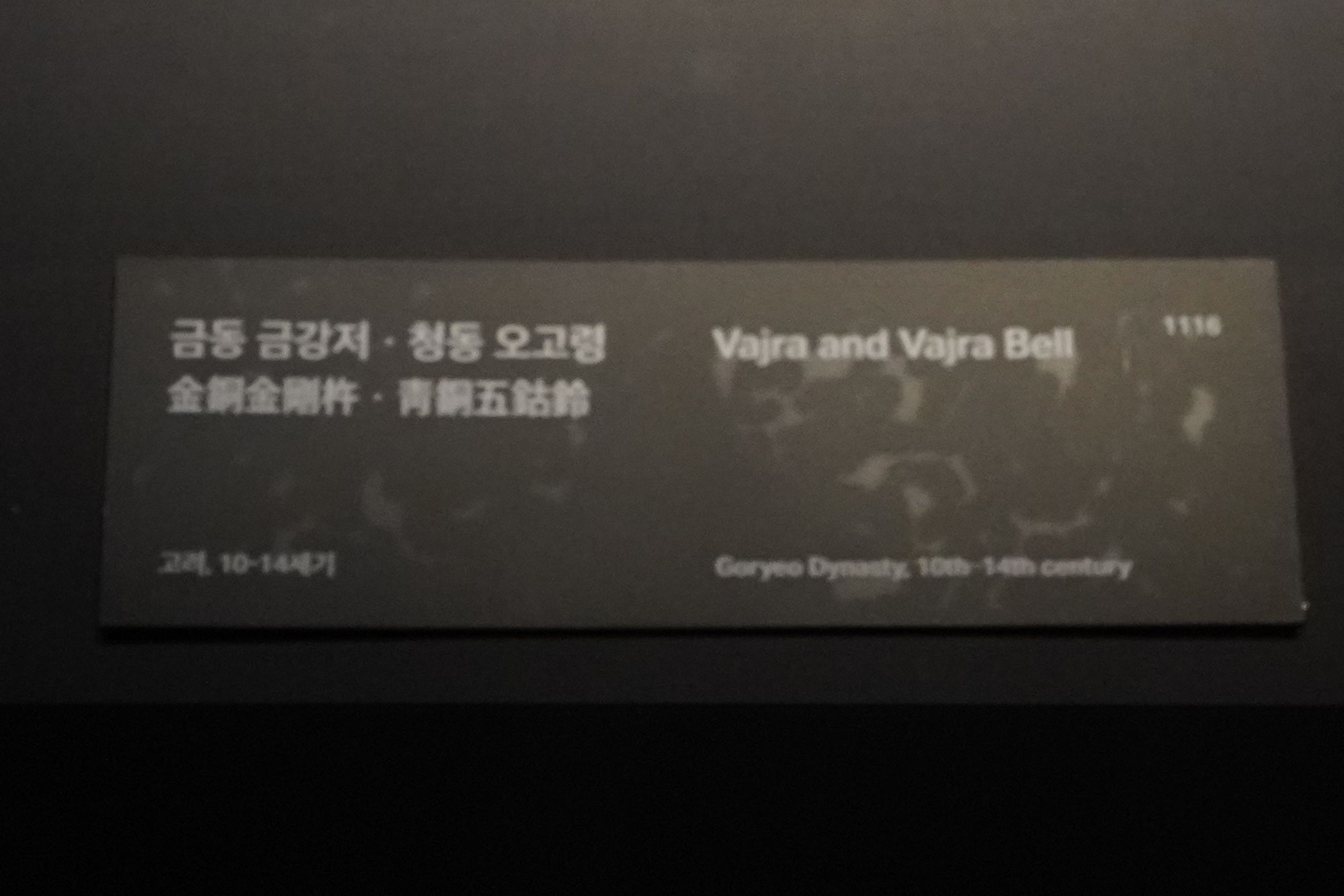
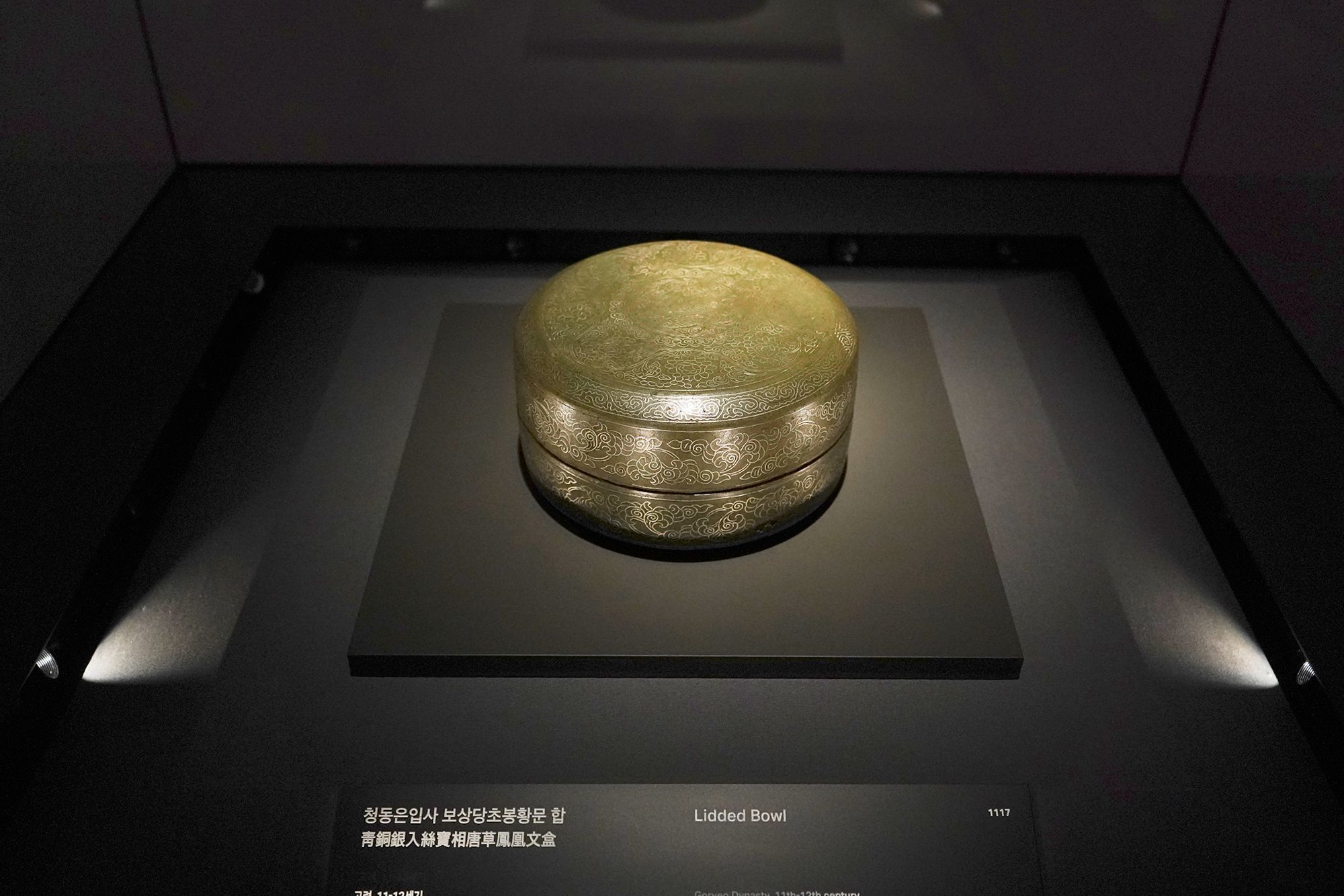
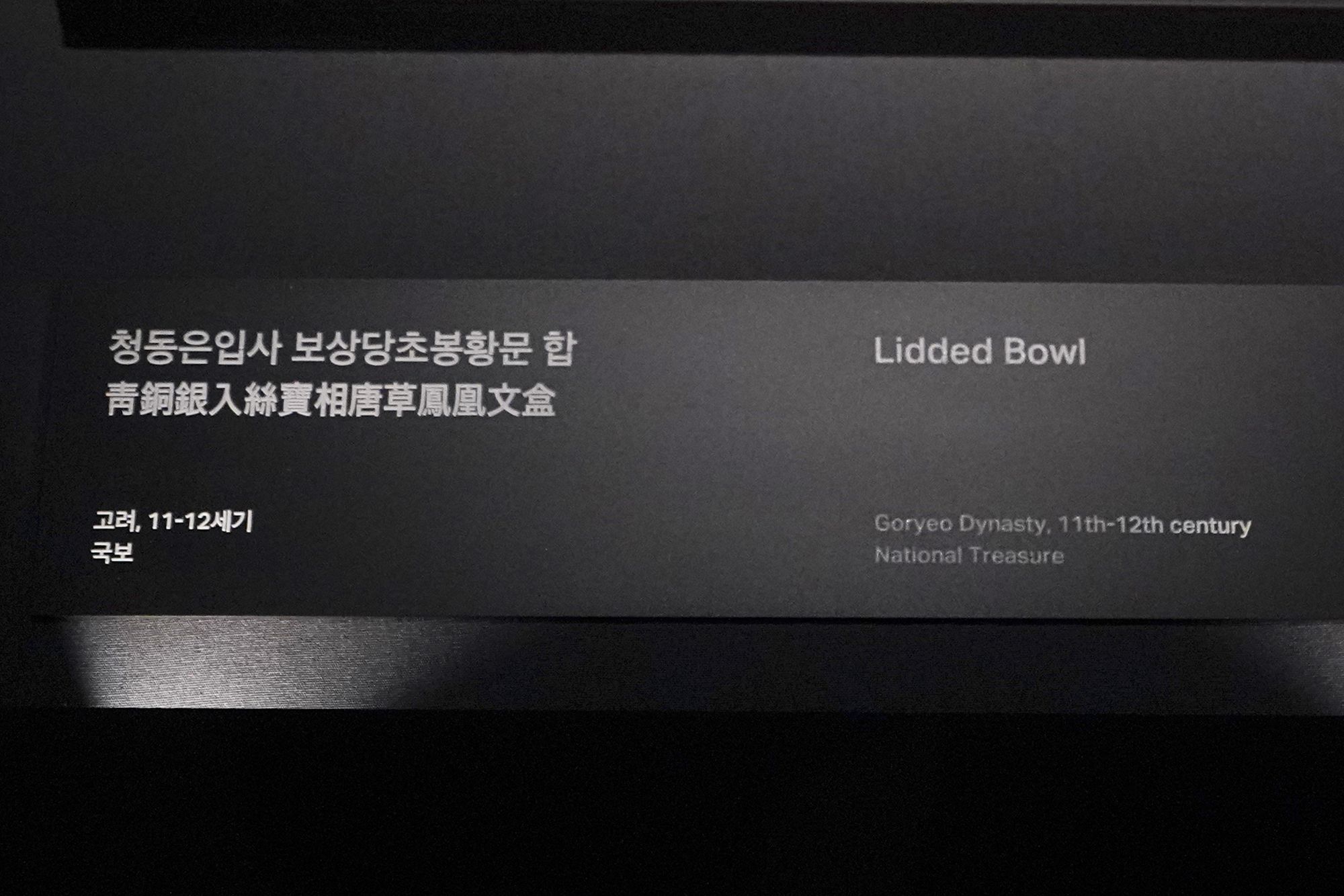
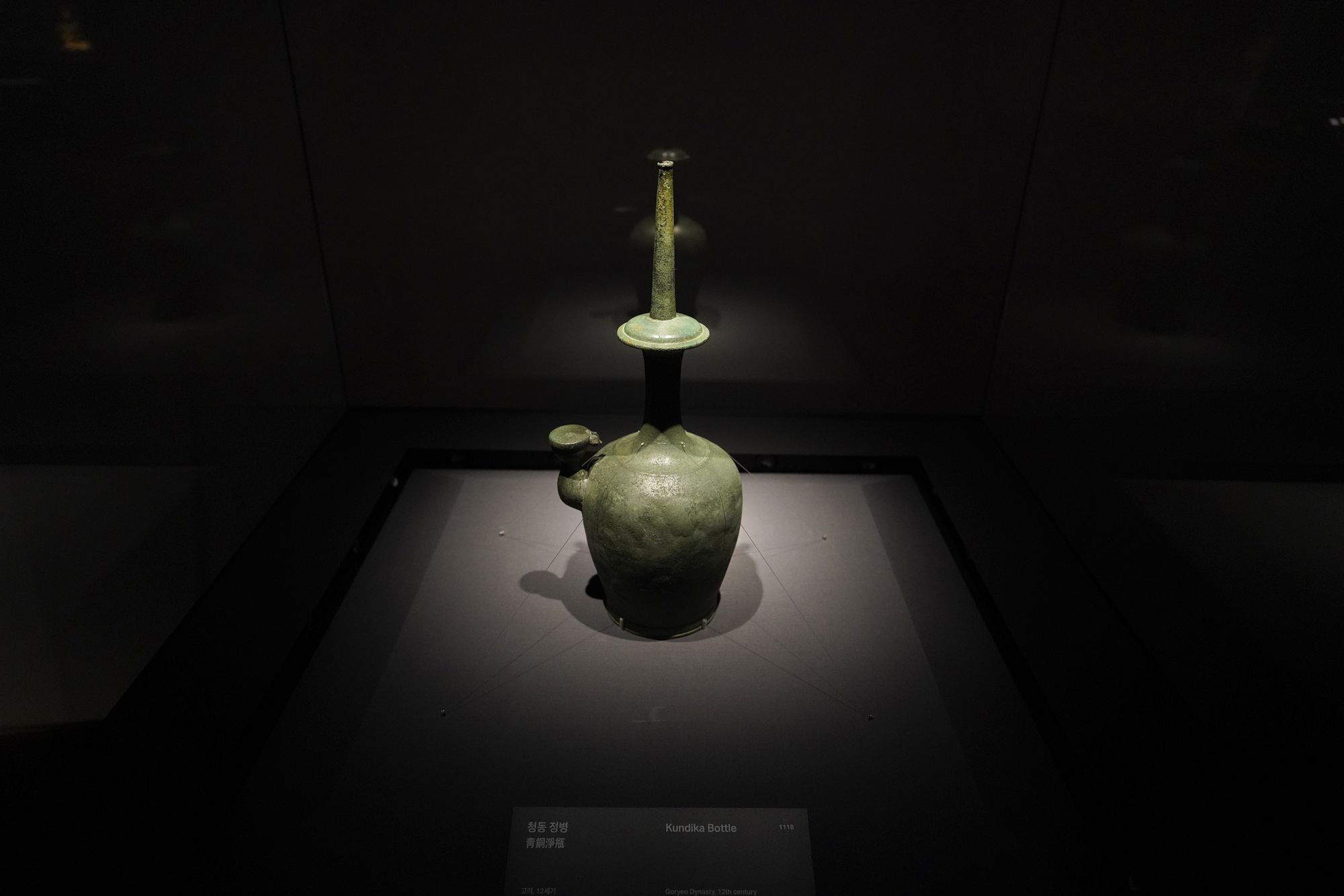
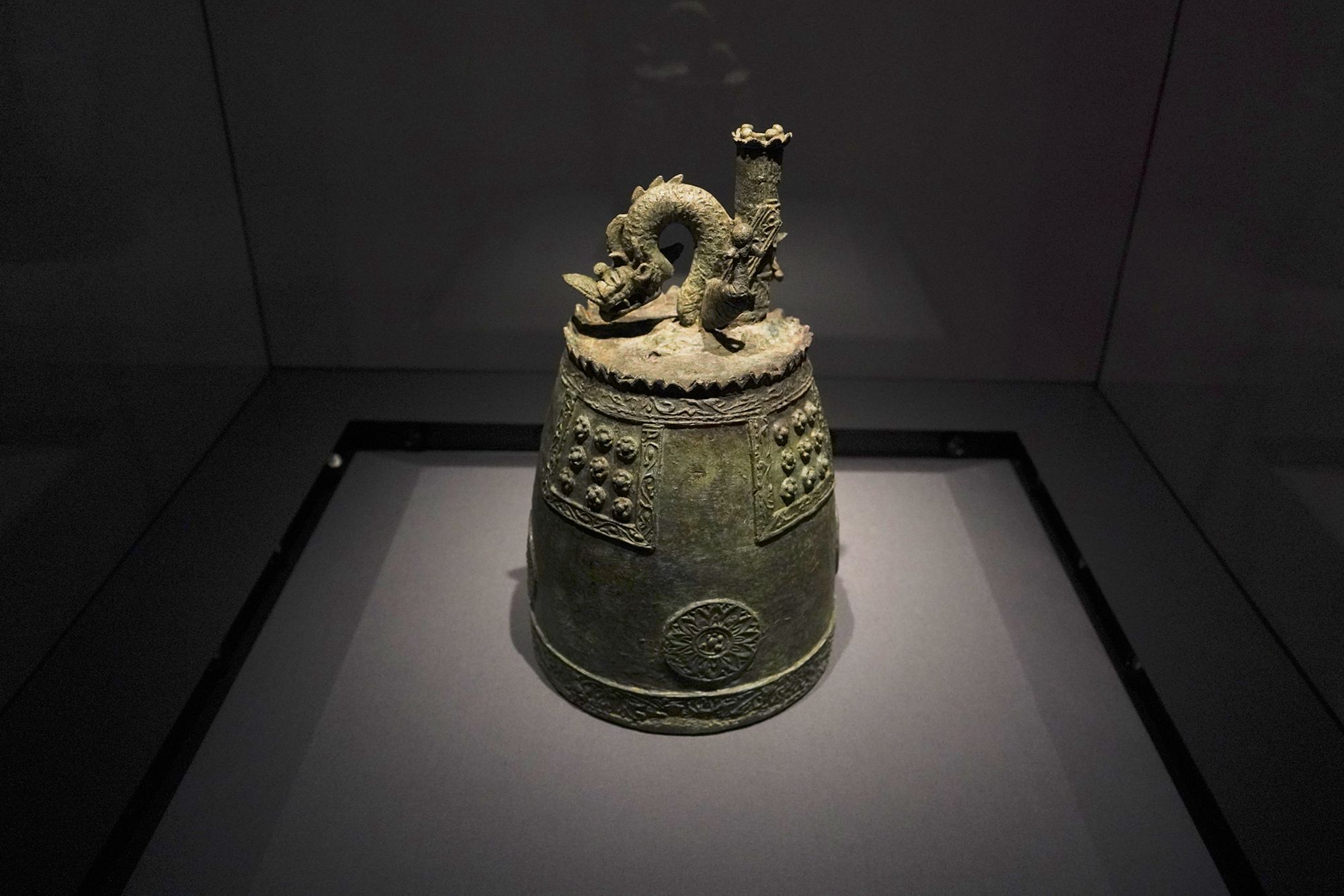
This section displayed Buddhist-related artifacts, including statues, ritual objects, and other works associated with Korea’s Buddhist tradition.
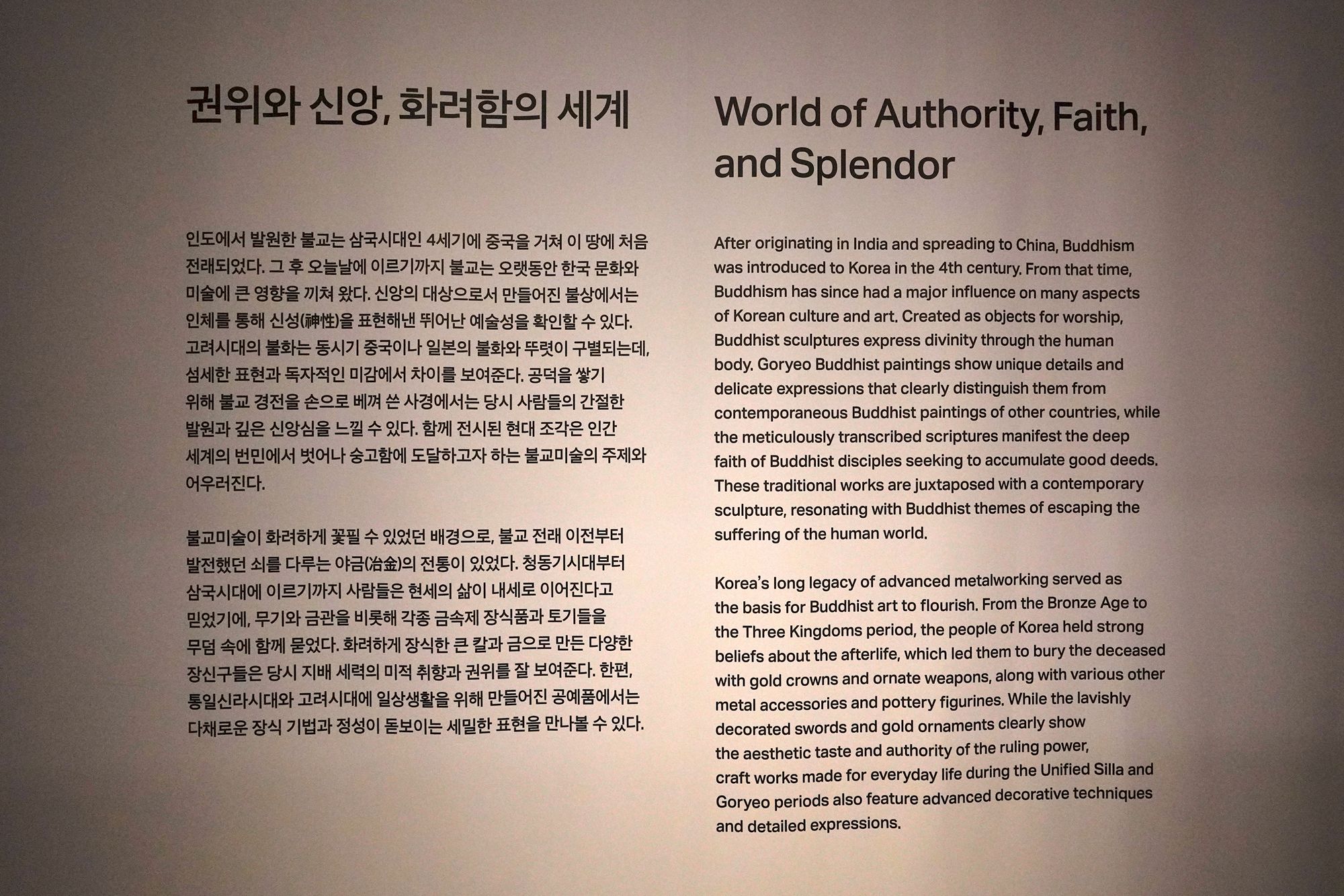
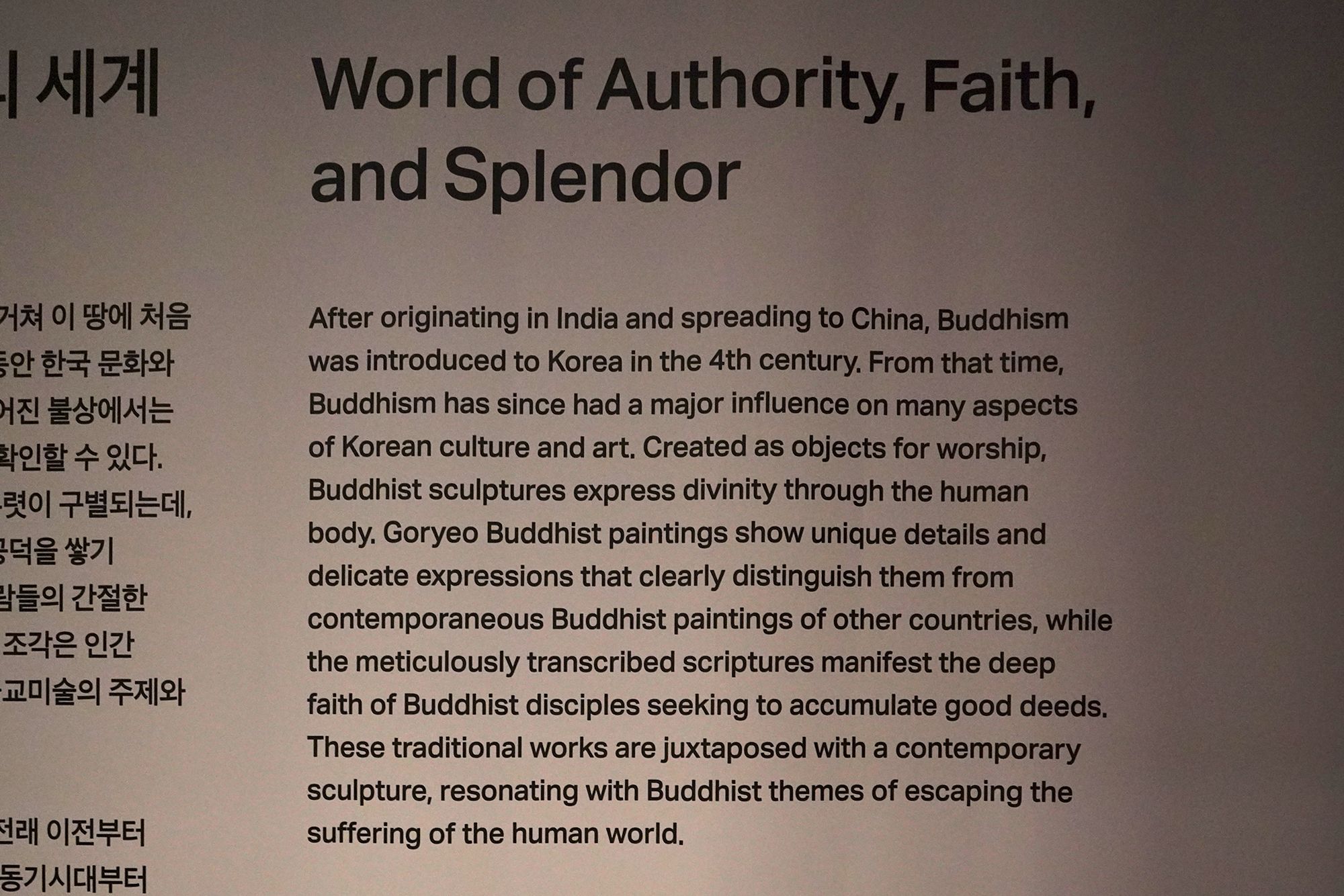
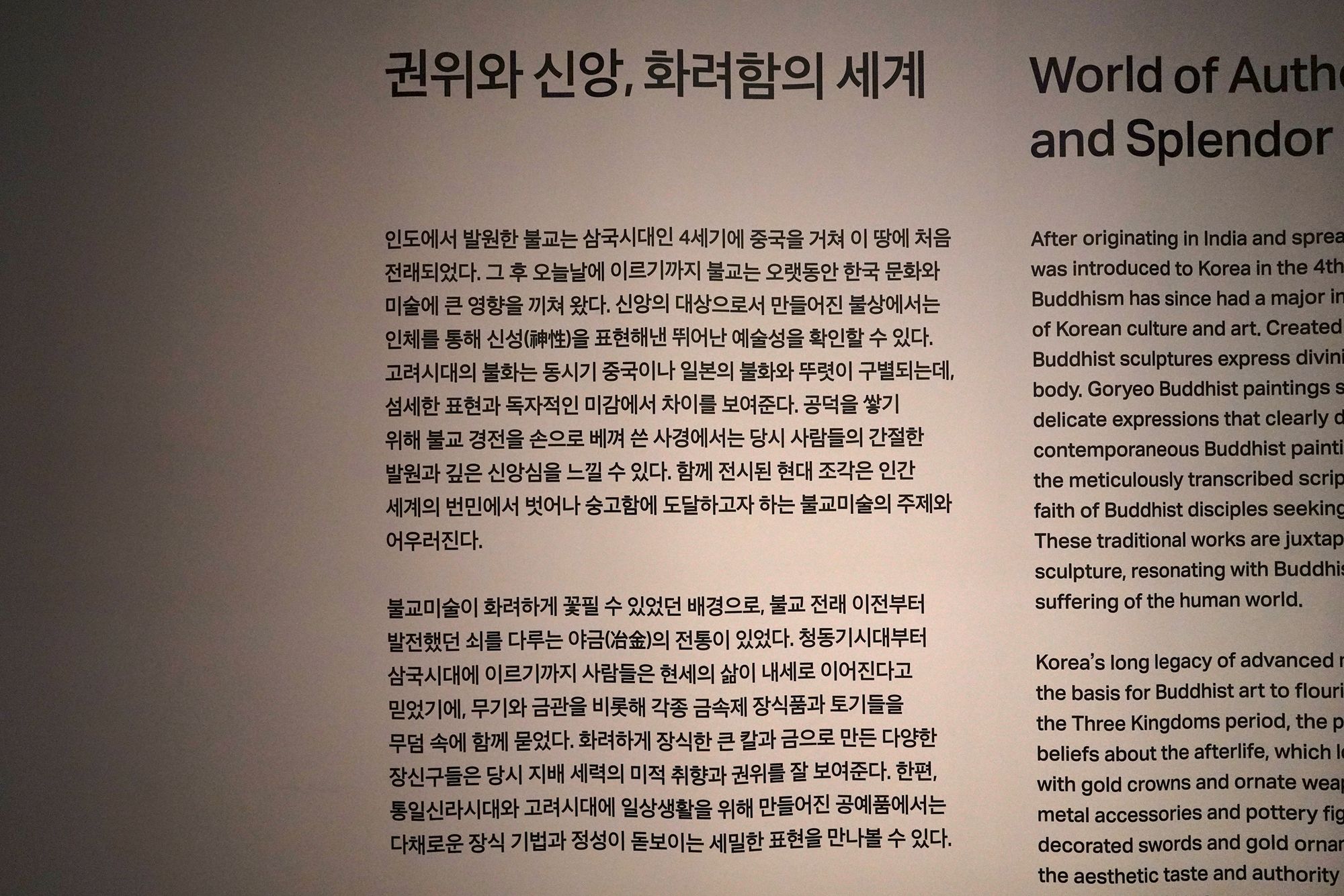
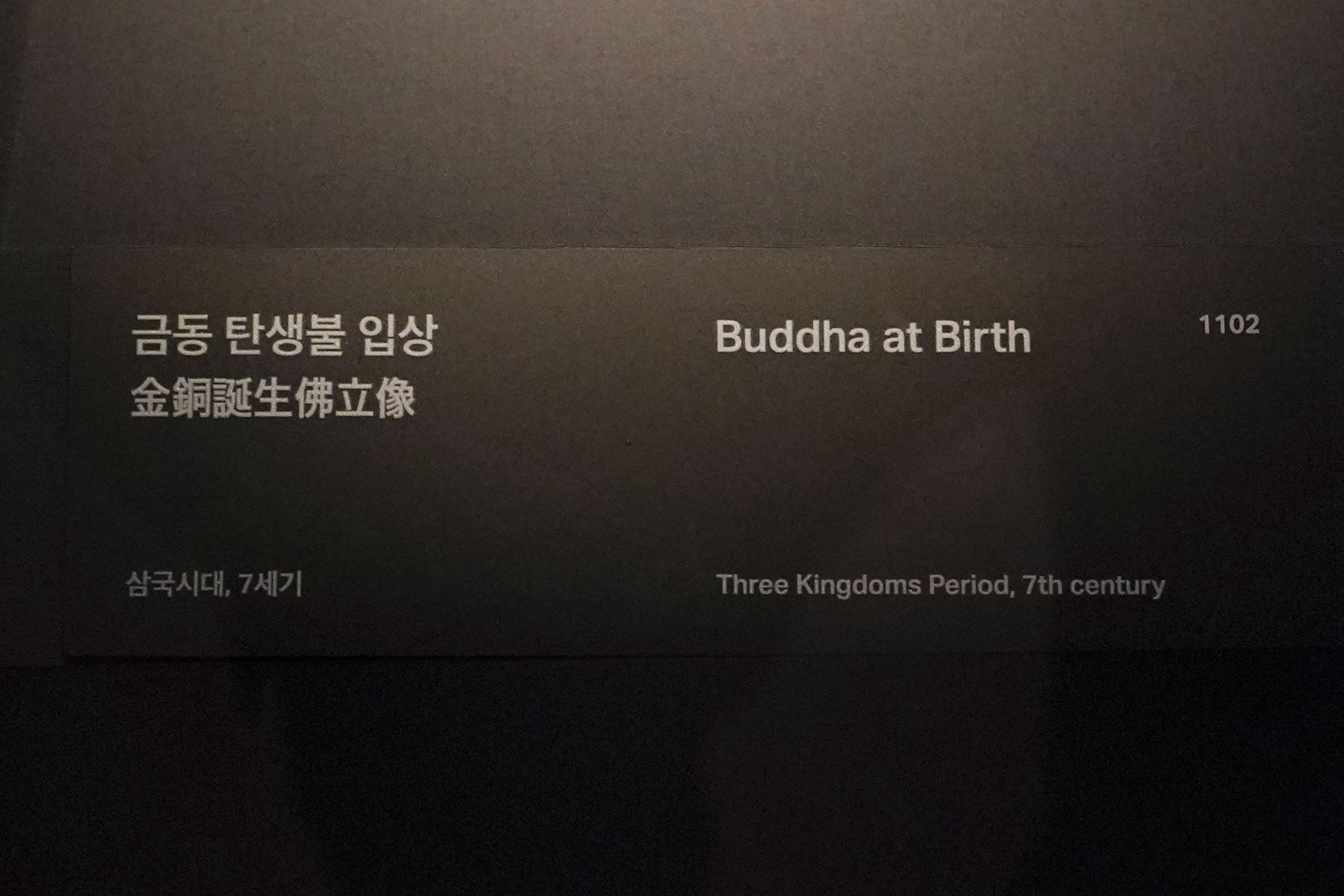
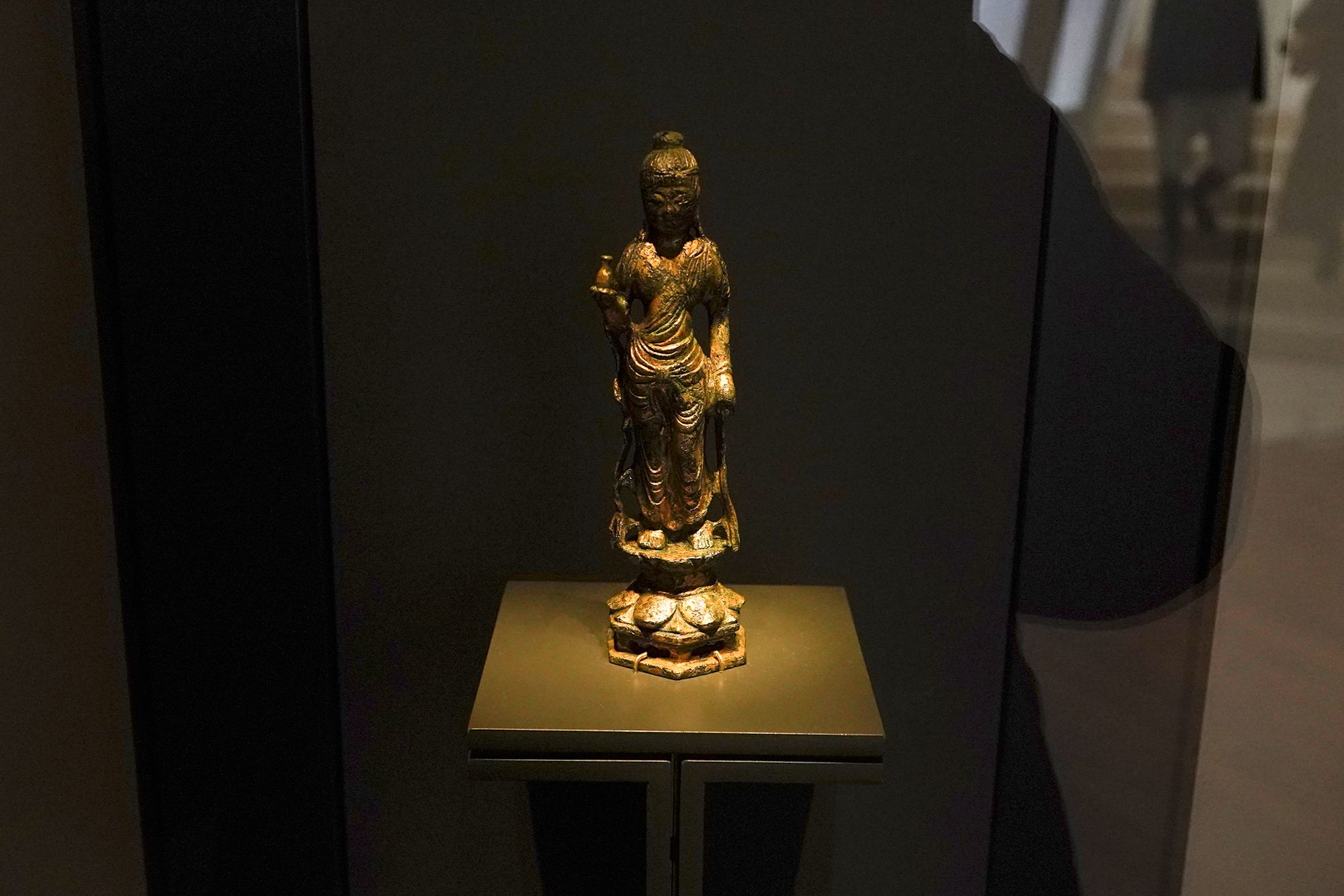
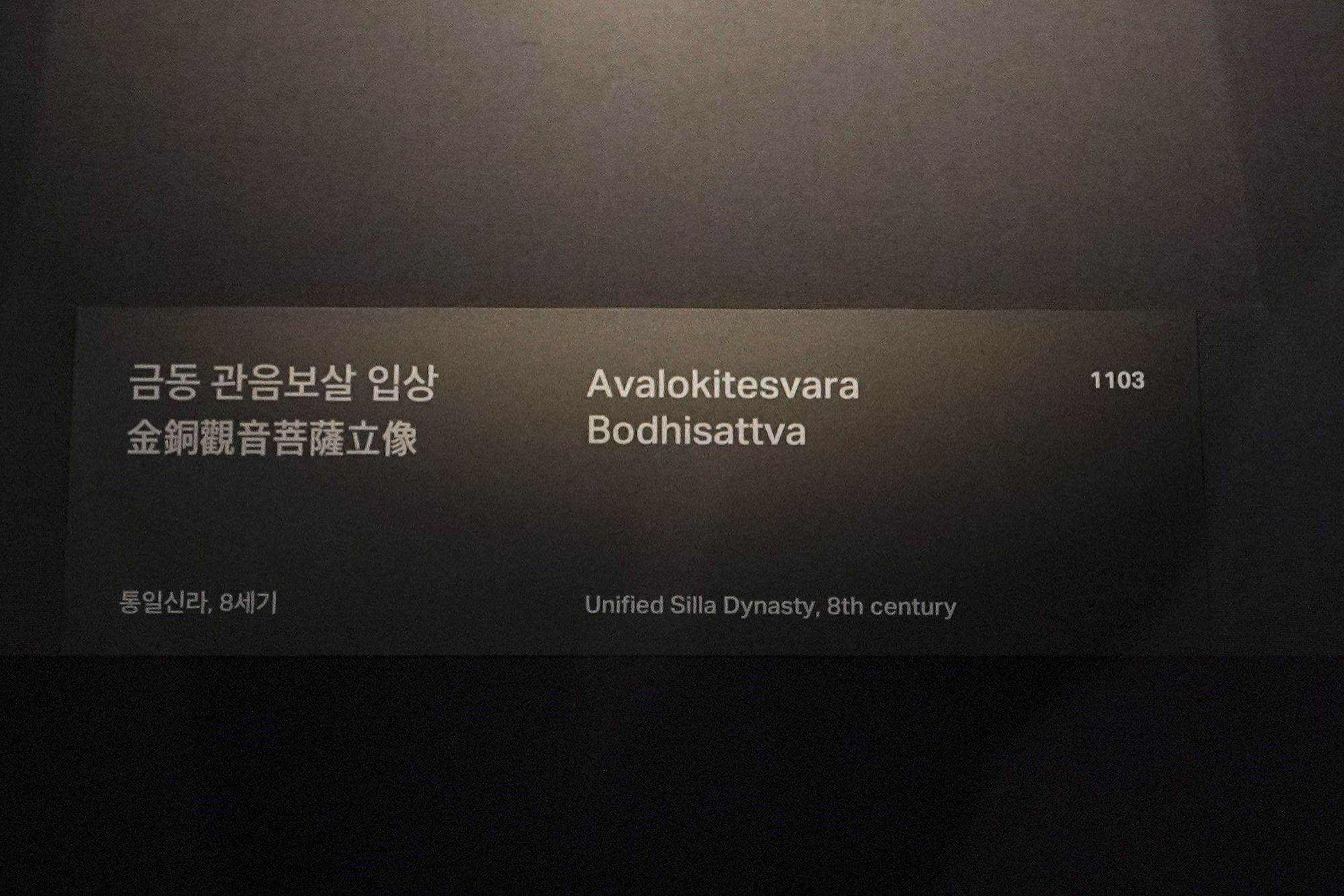
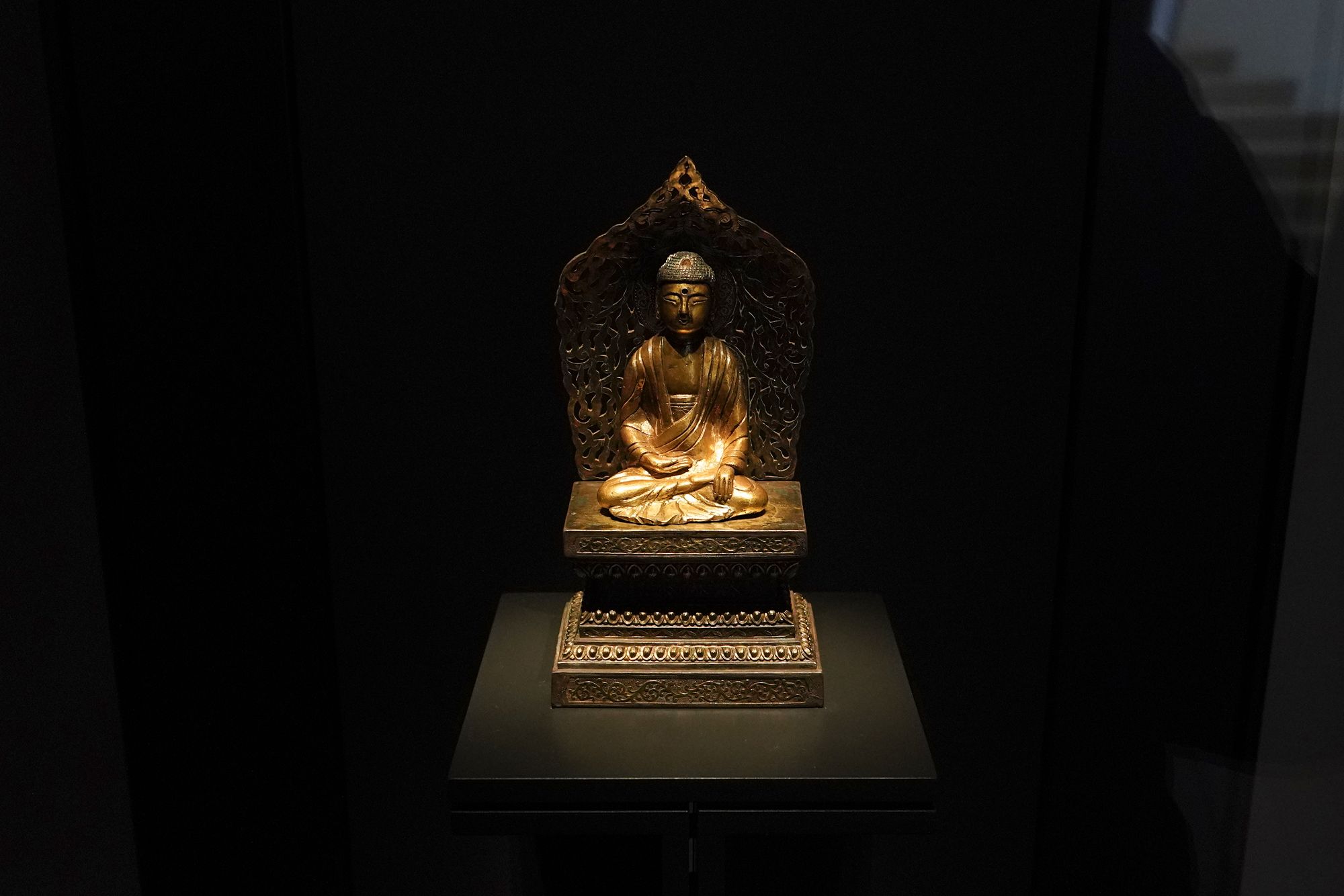
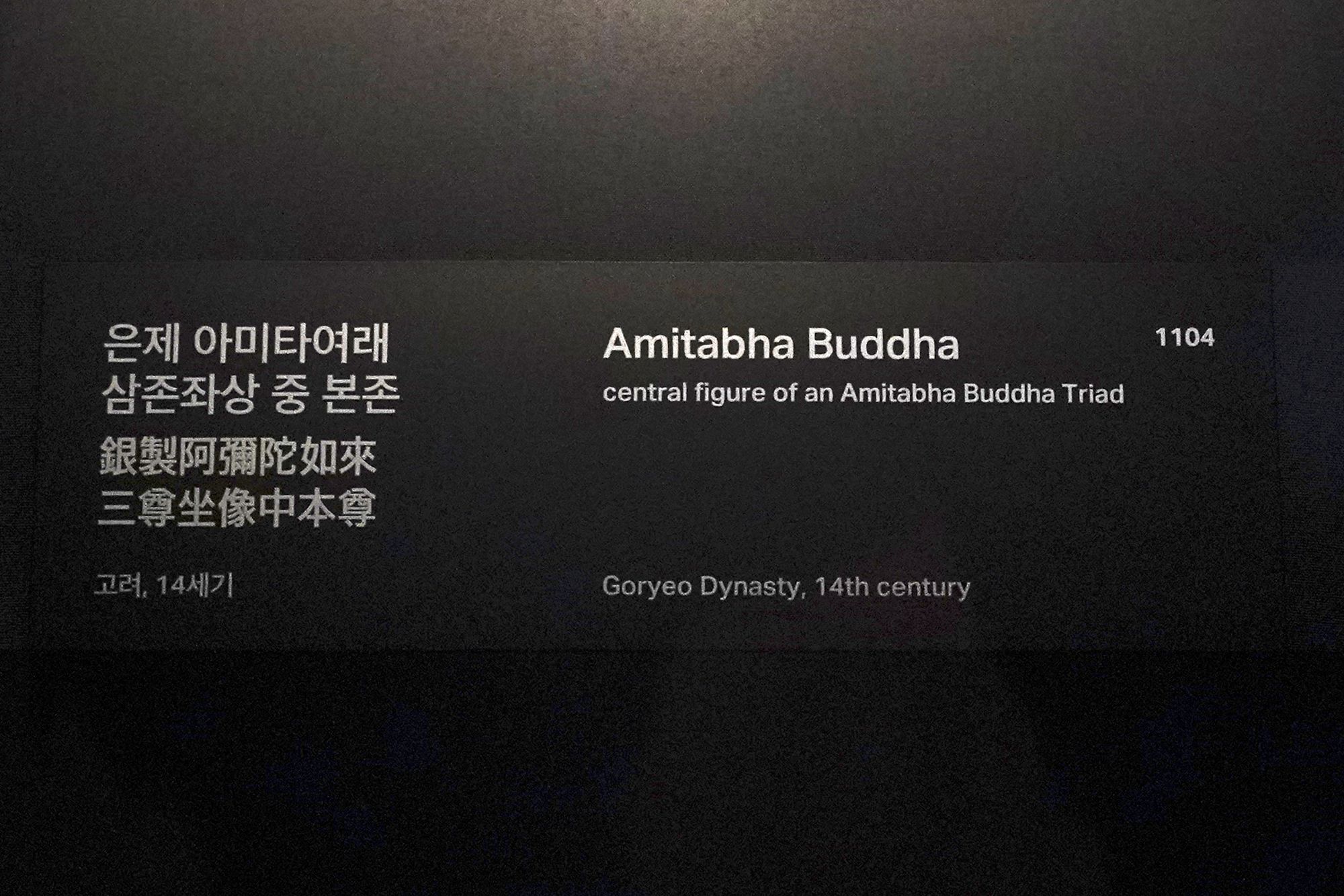
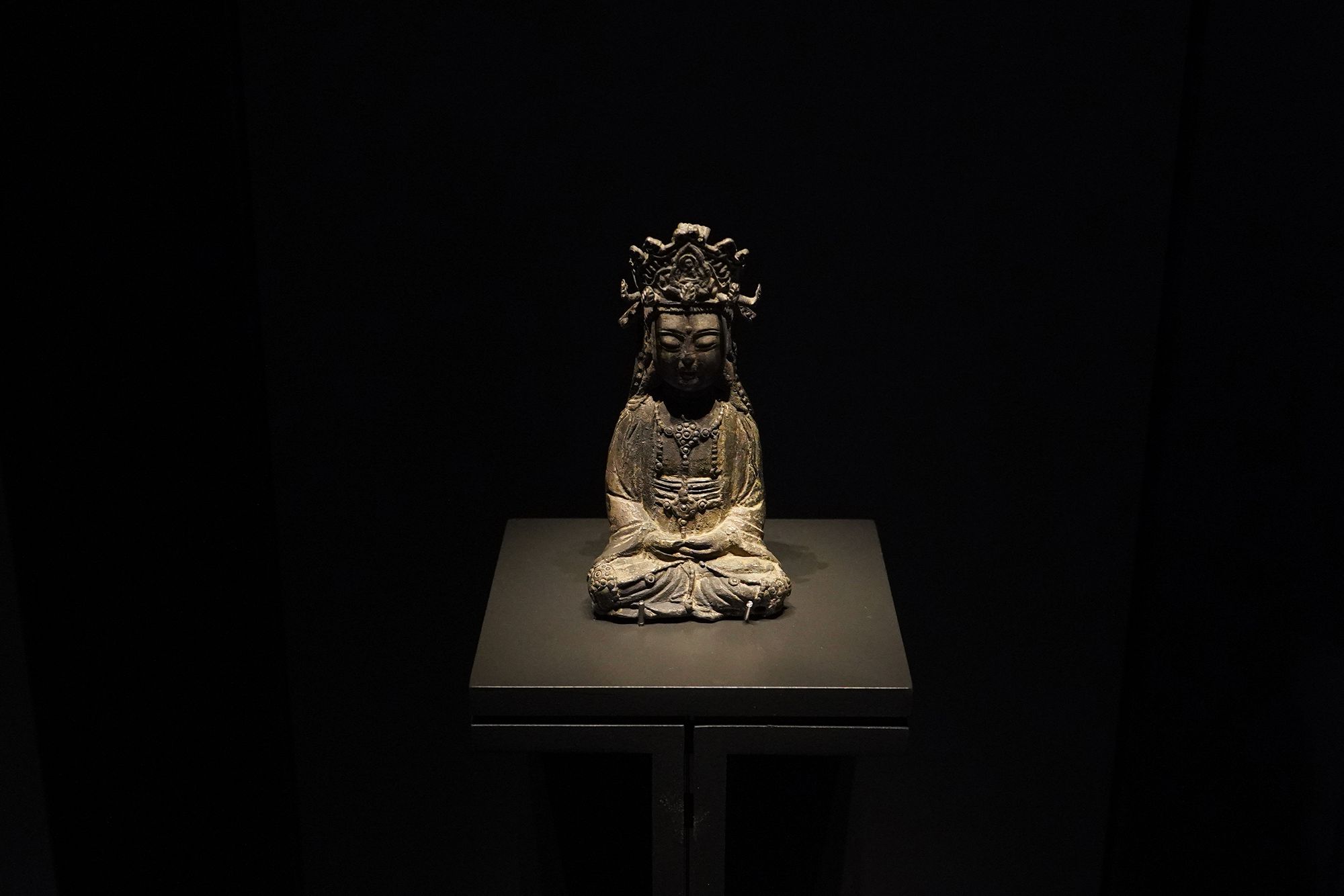
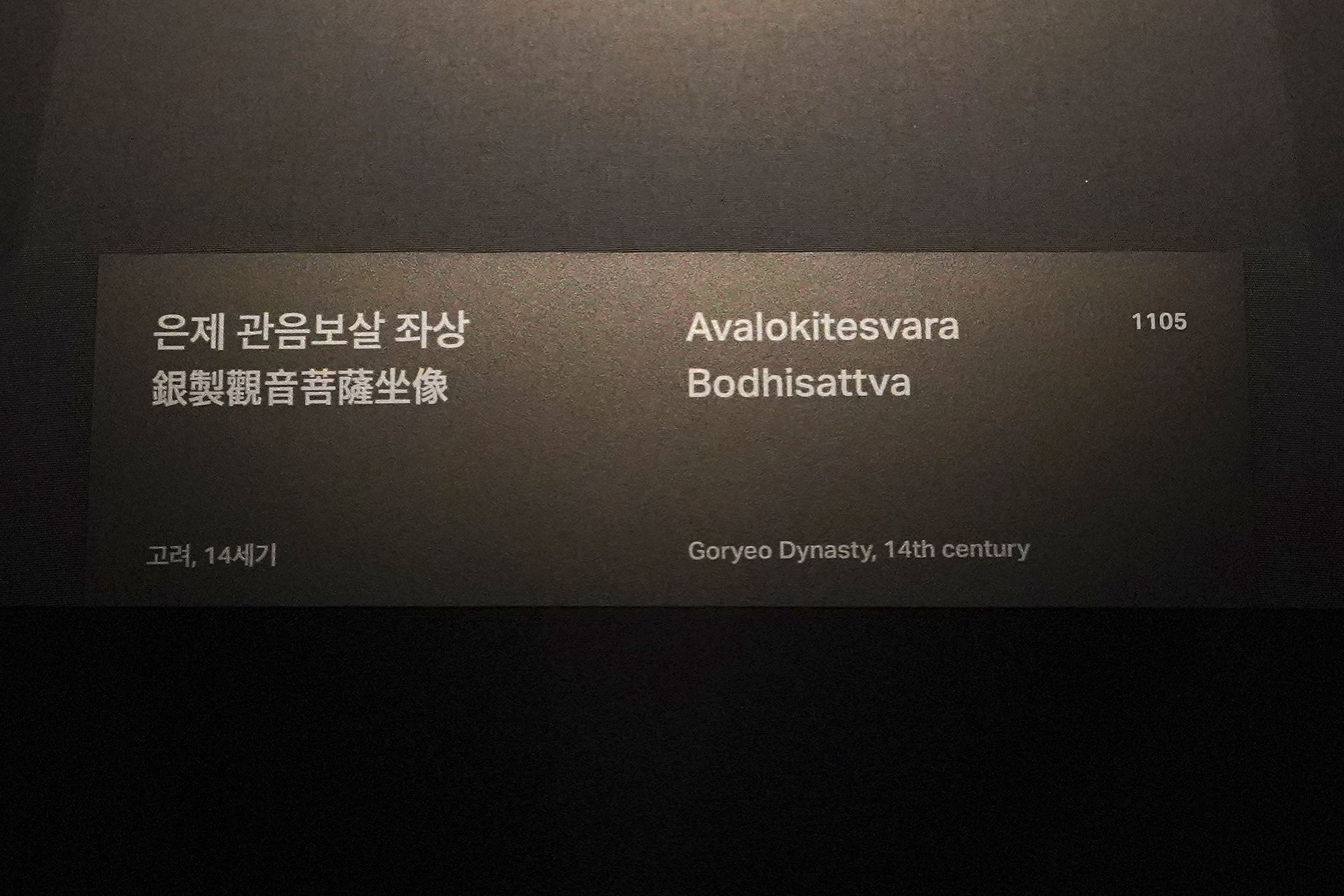
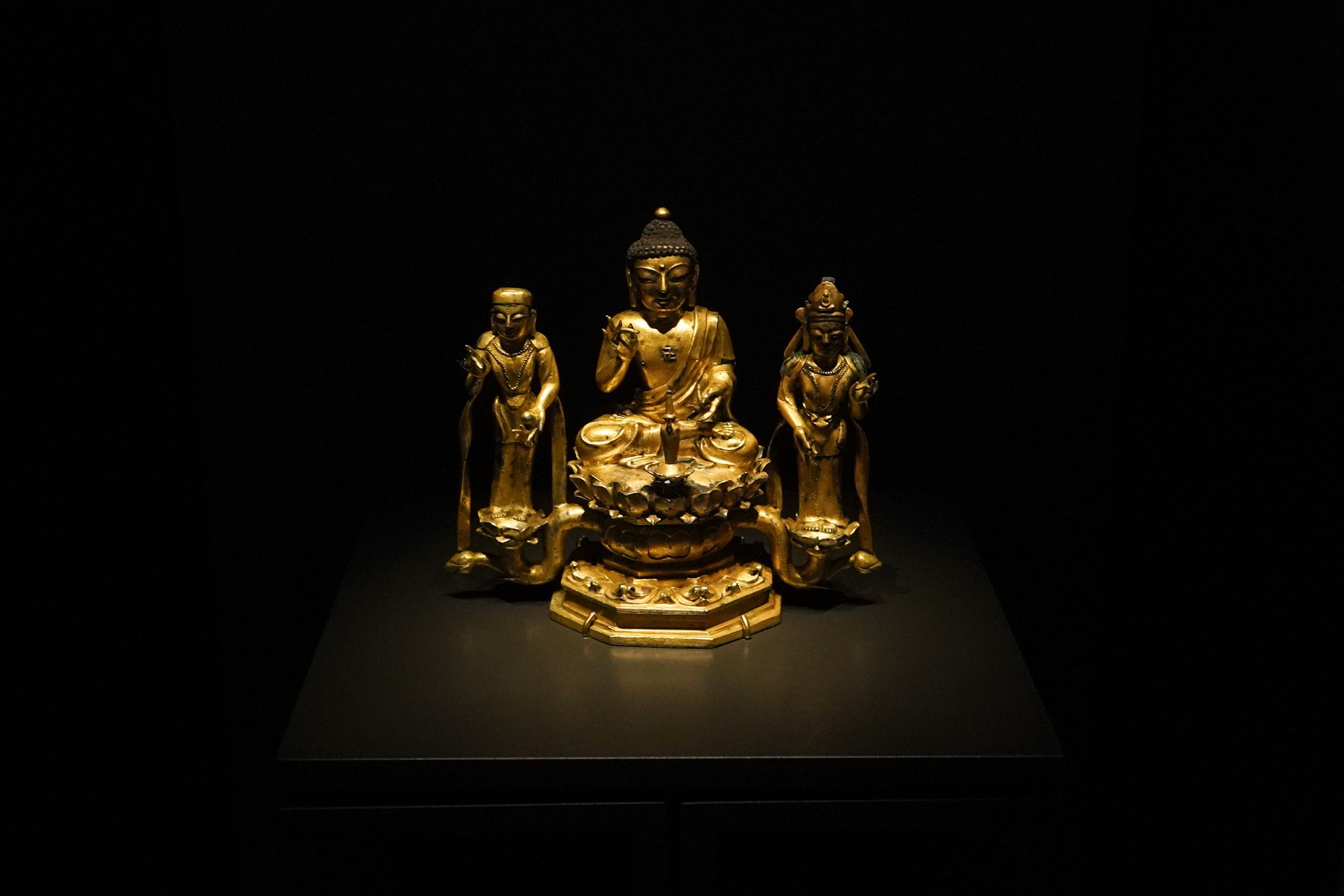
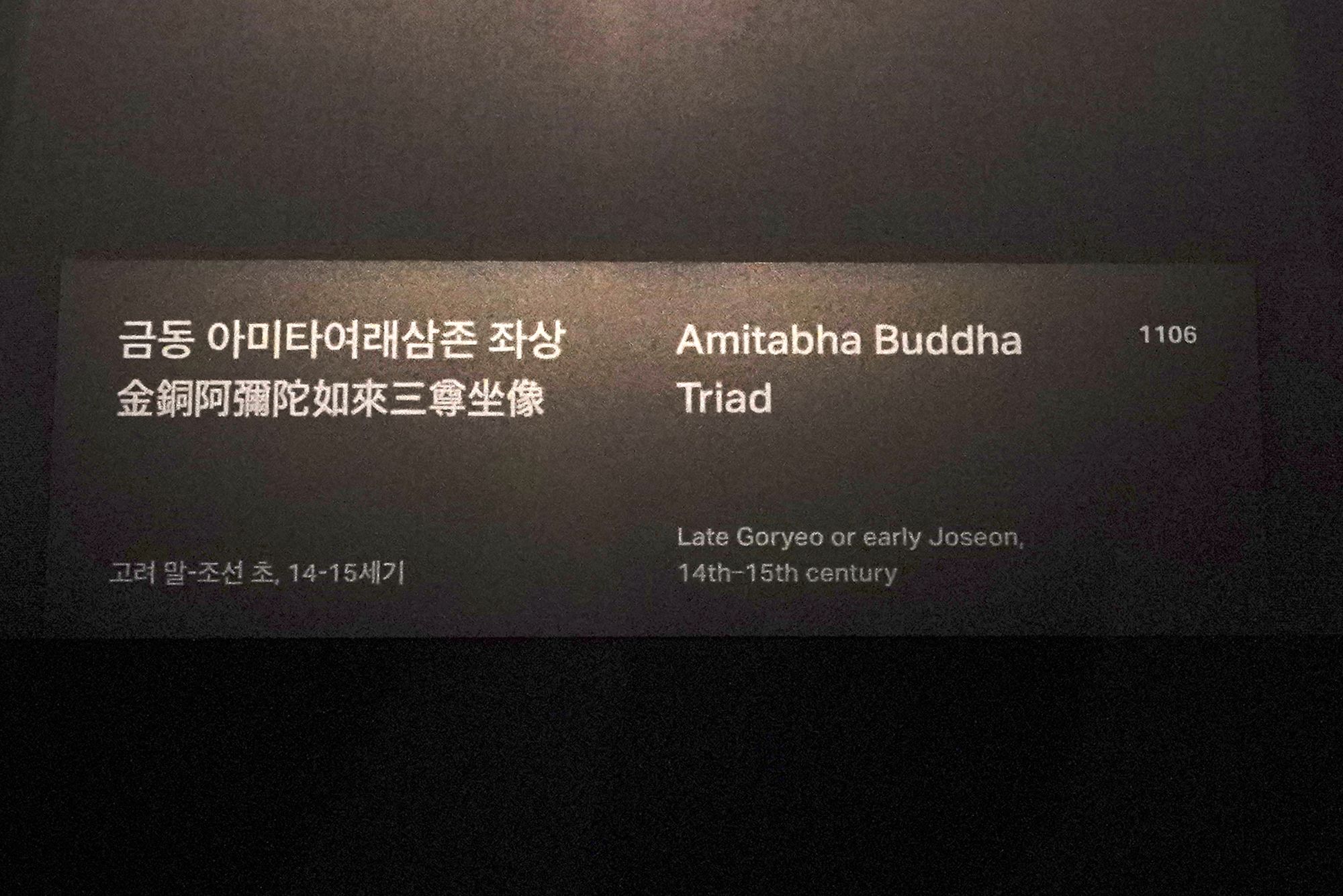
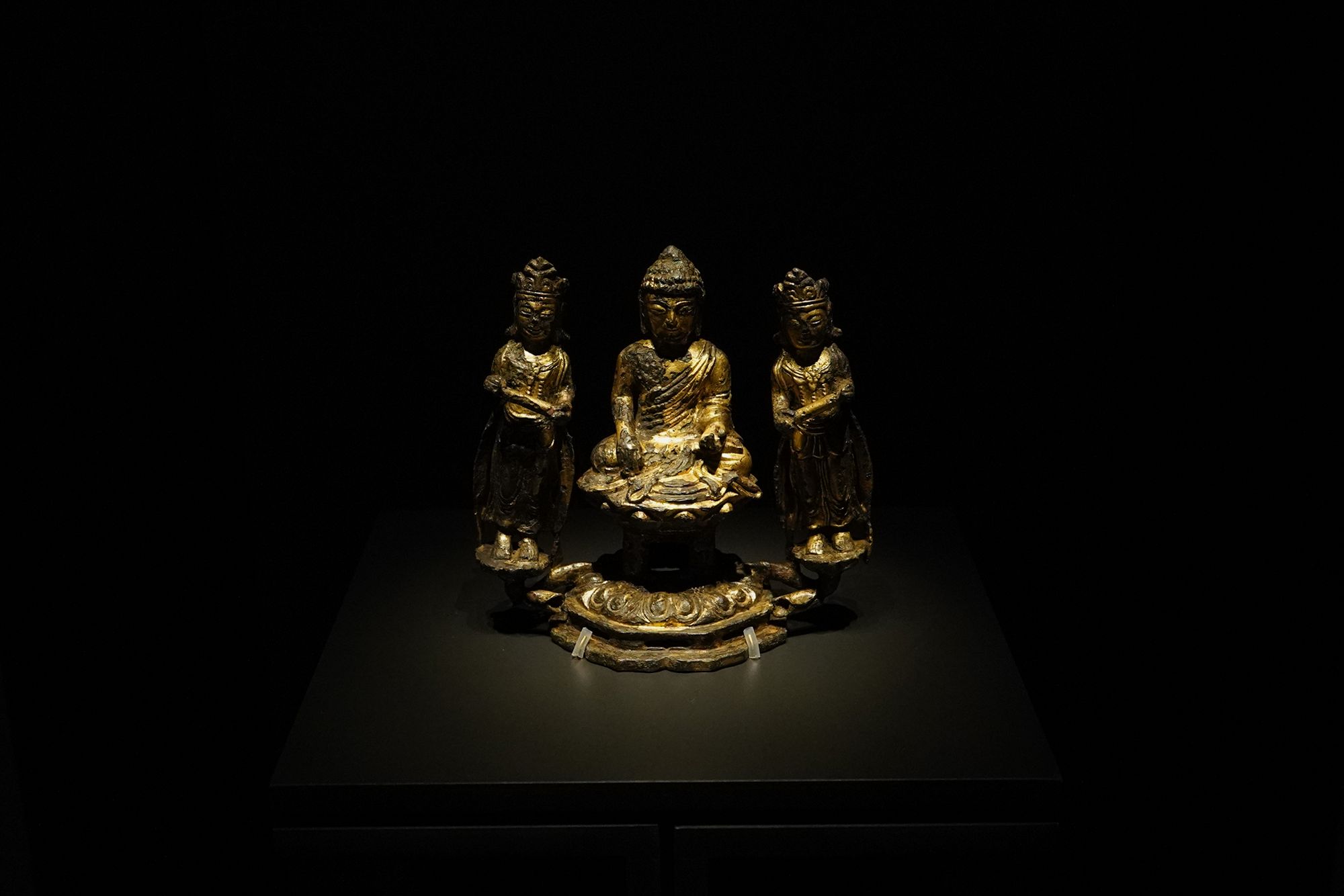
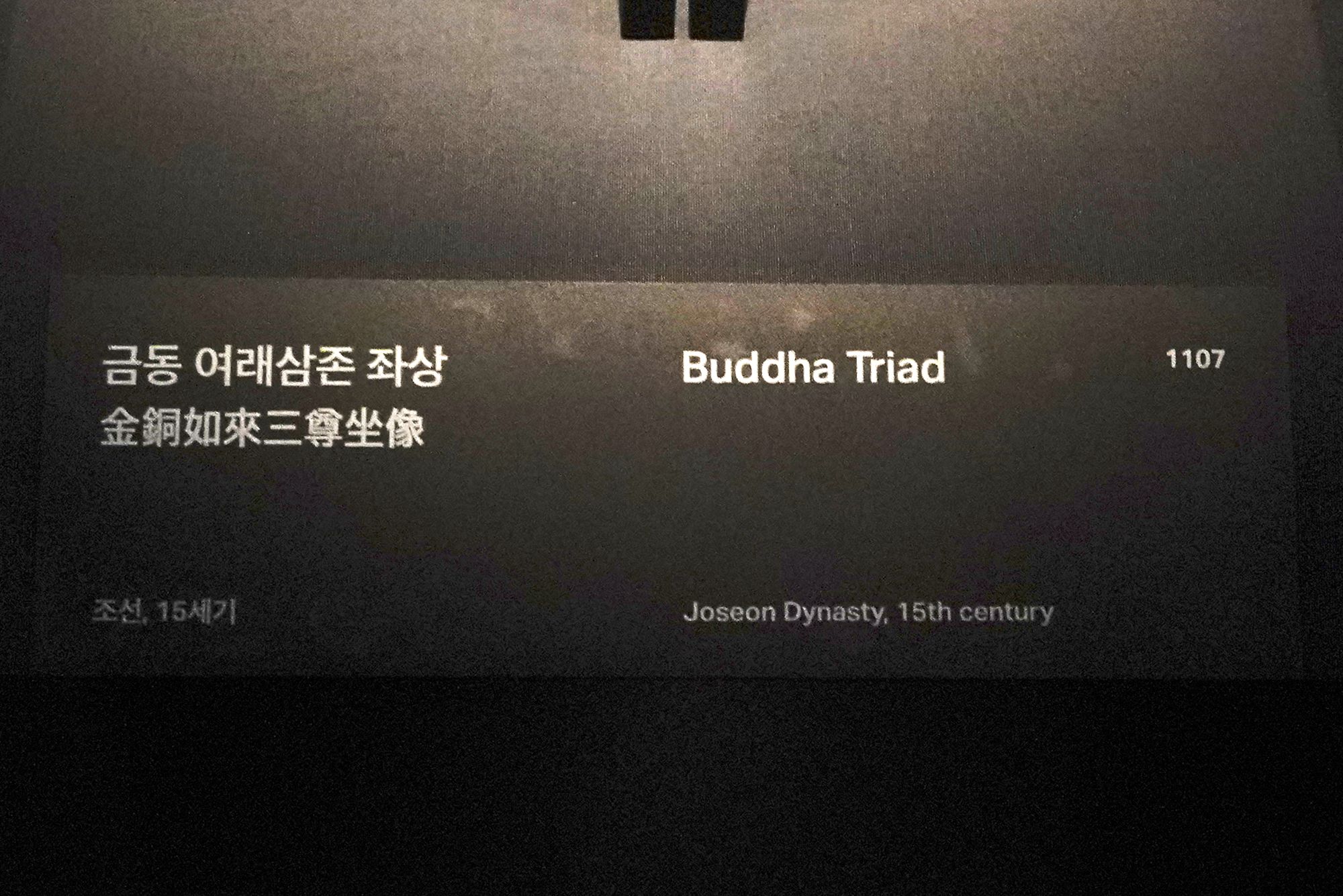
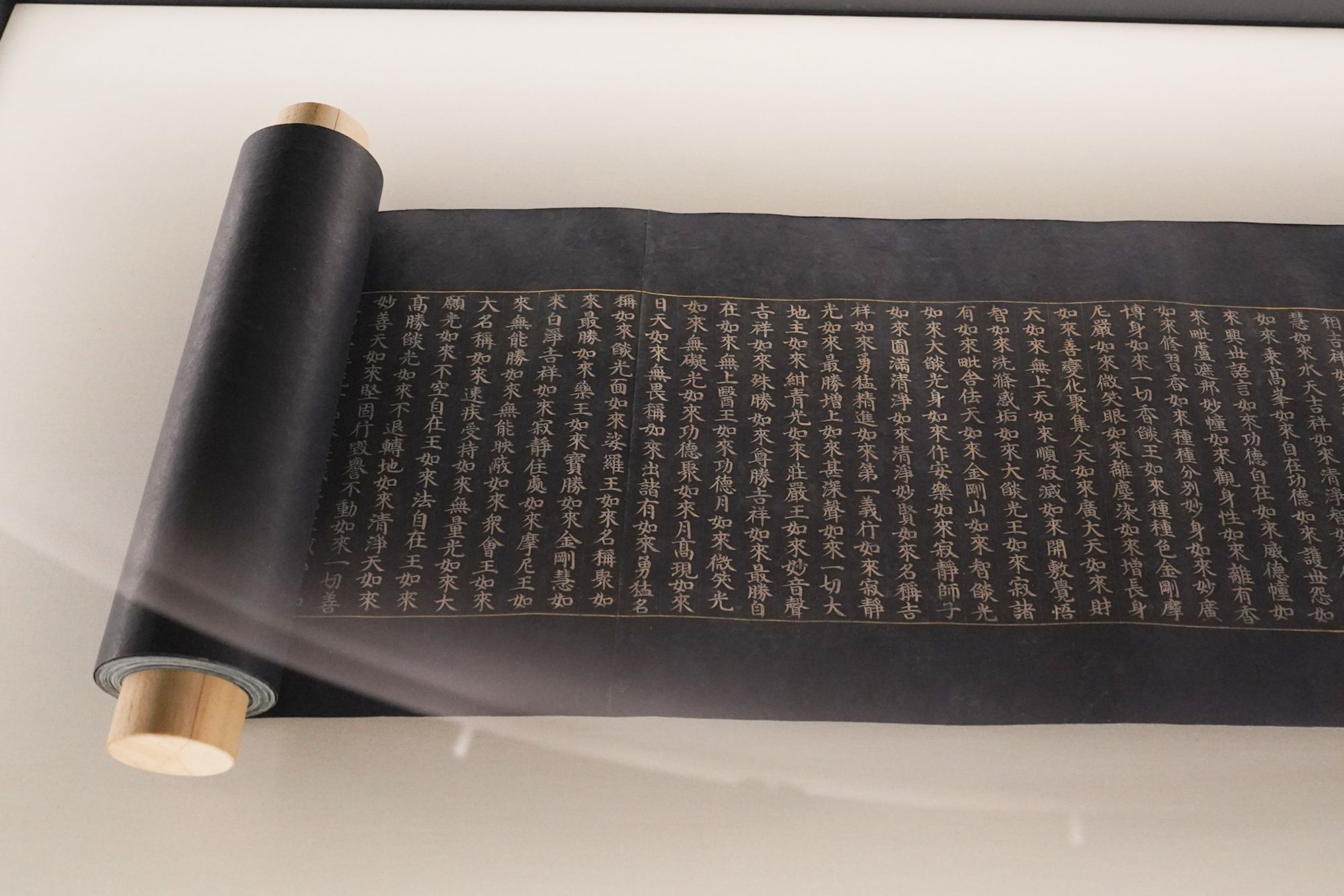
Buddhist manuscripts from the Goryeo Dynasty were also on display, reflecting the important role Buddhism played in Korean culture during this period.
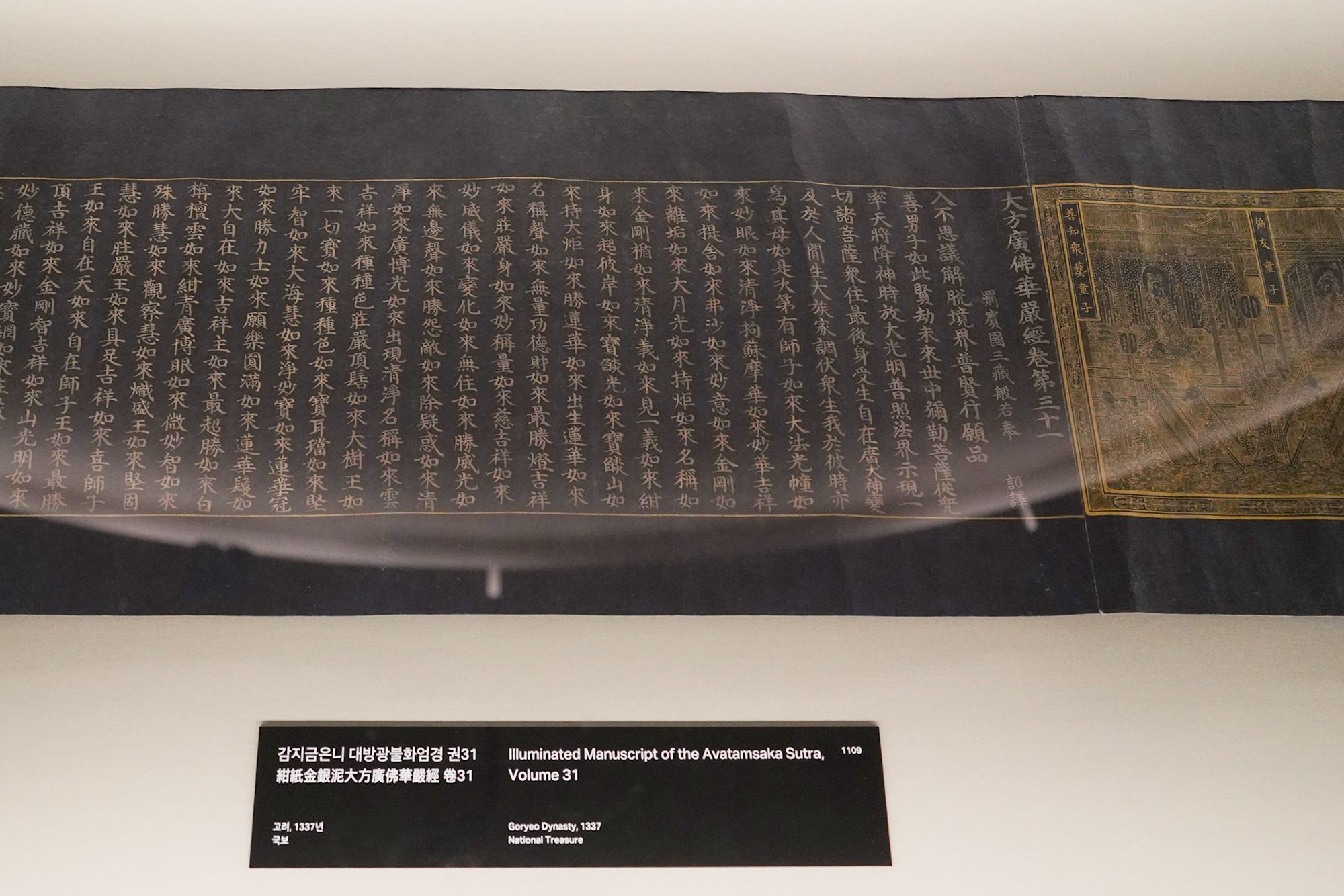
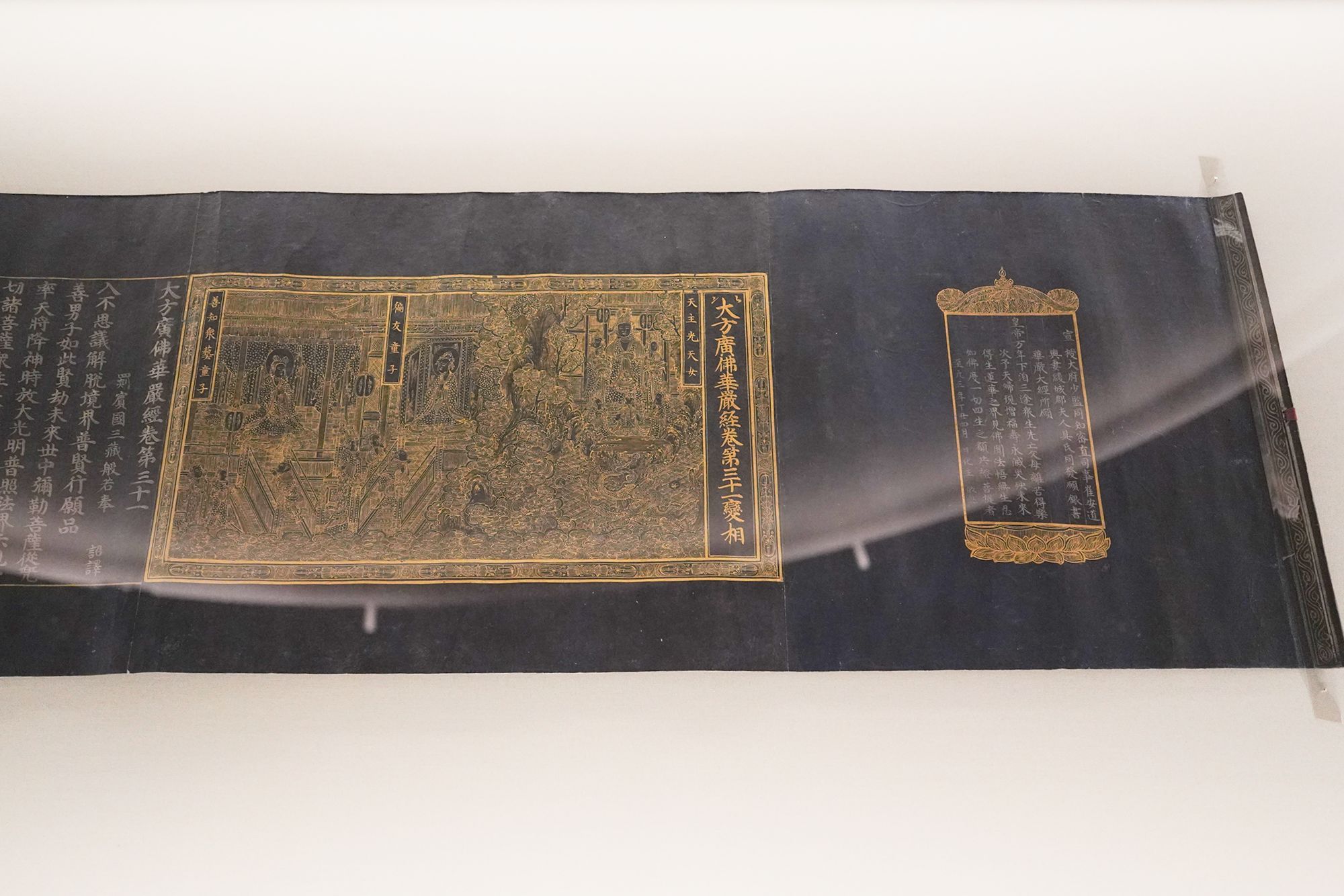
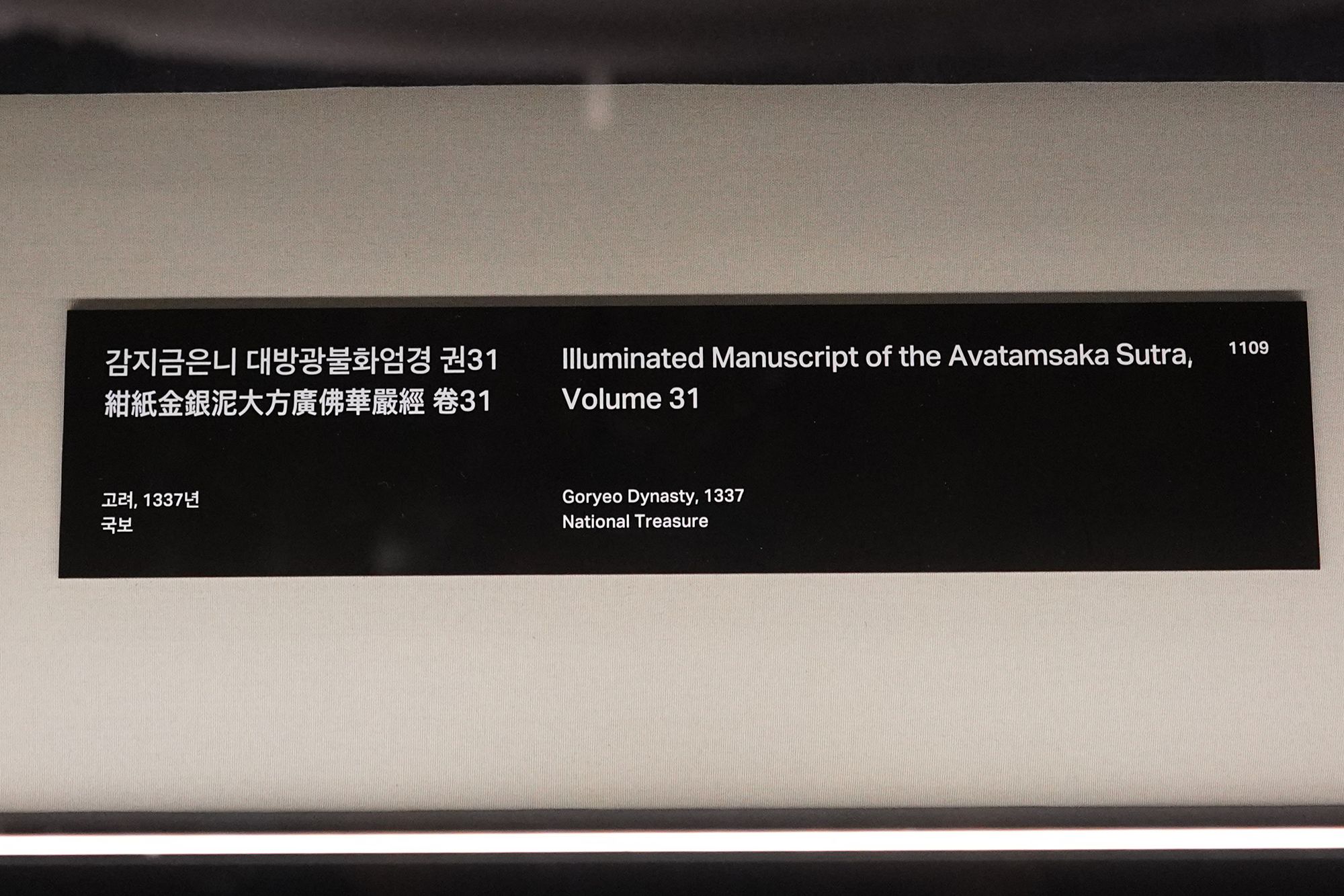
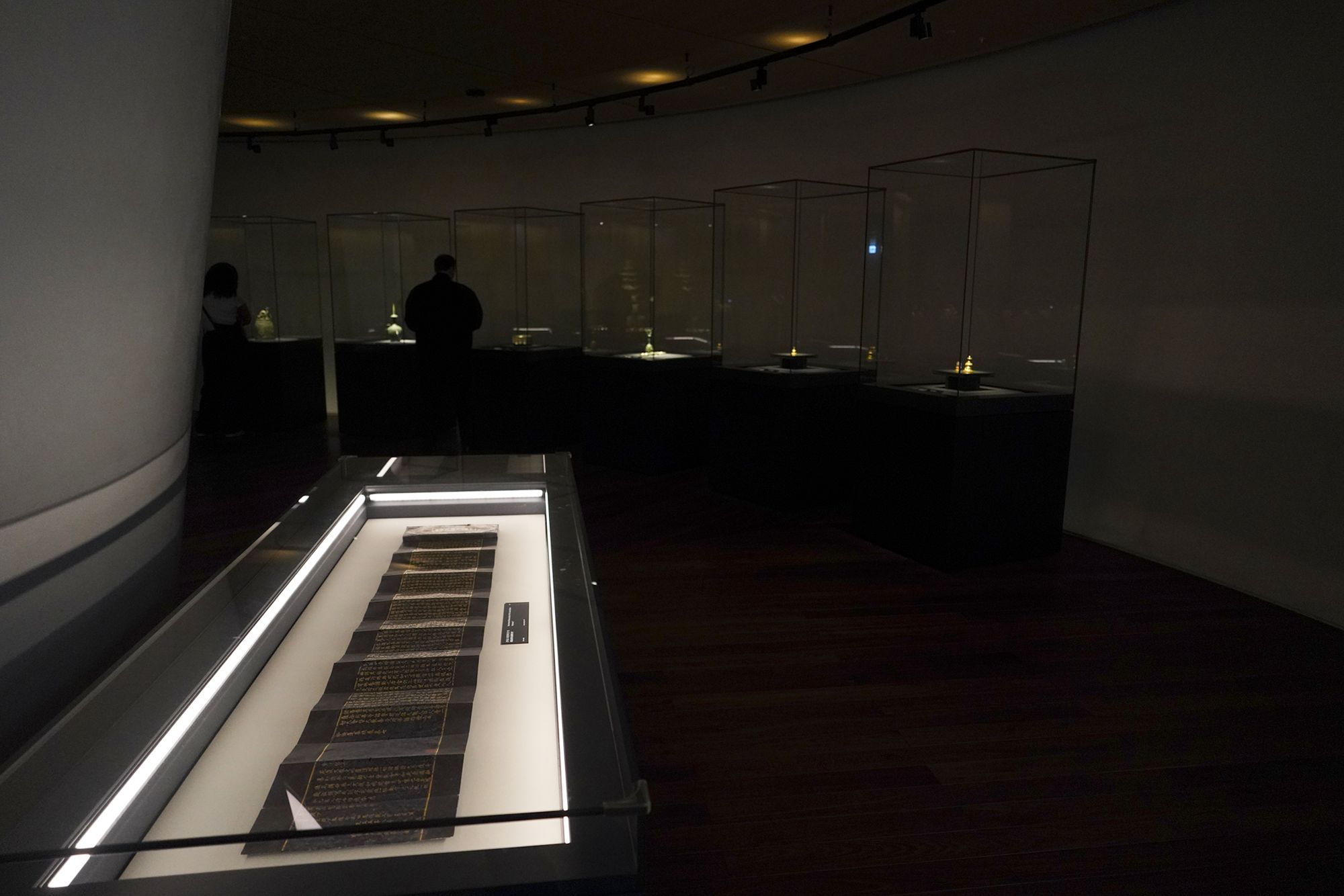
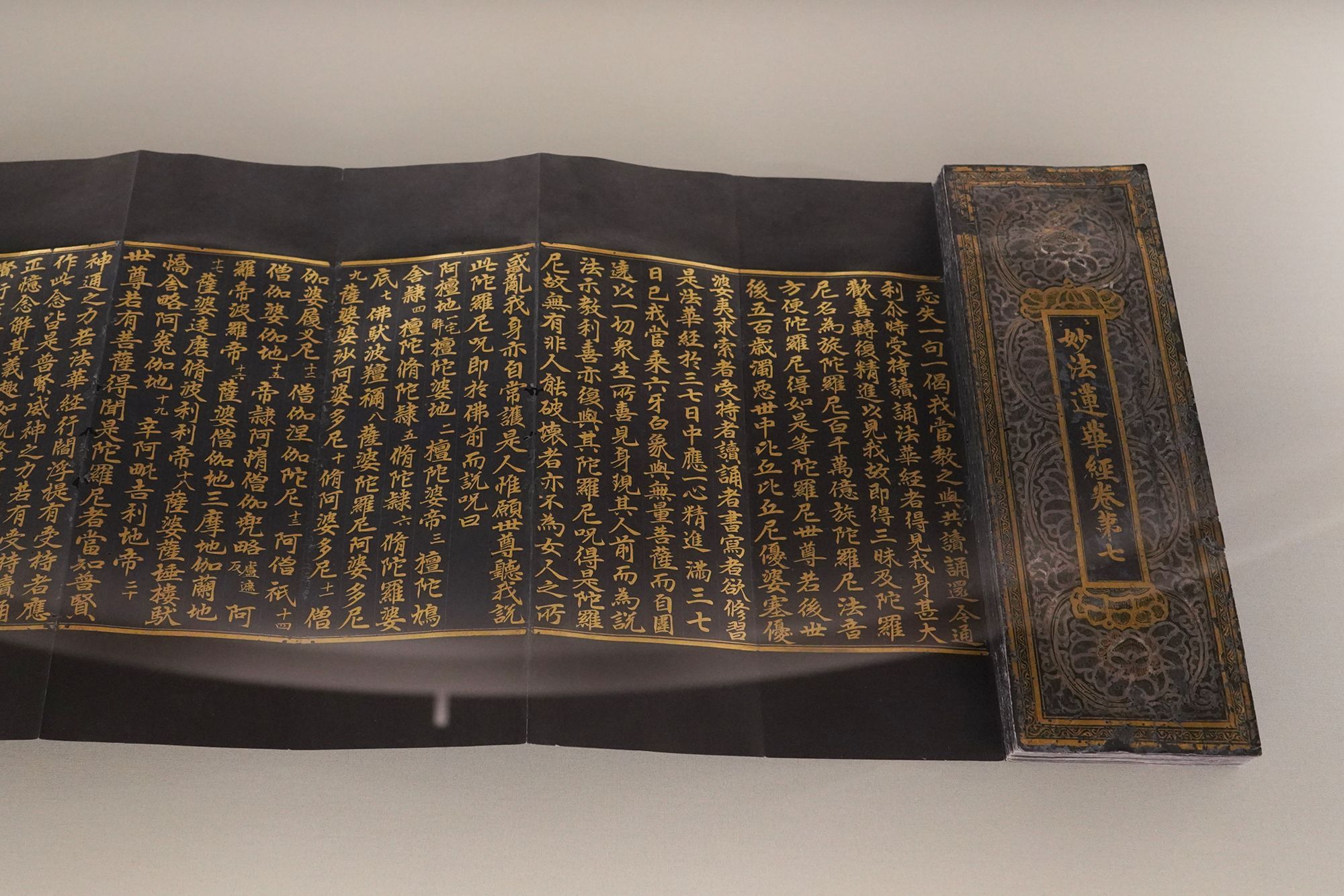
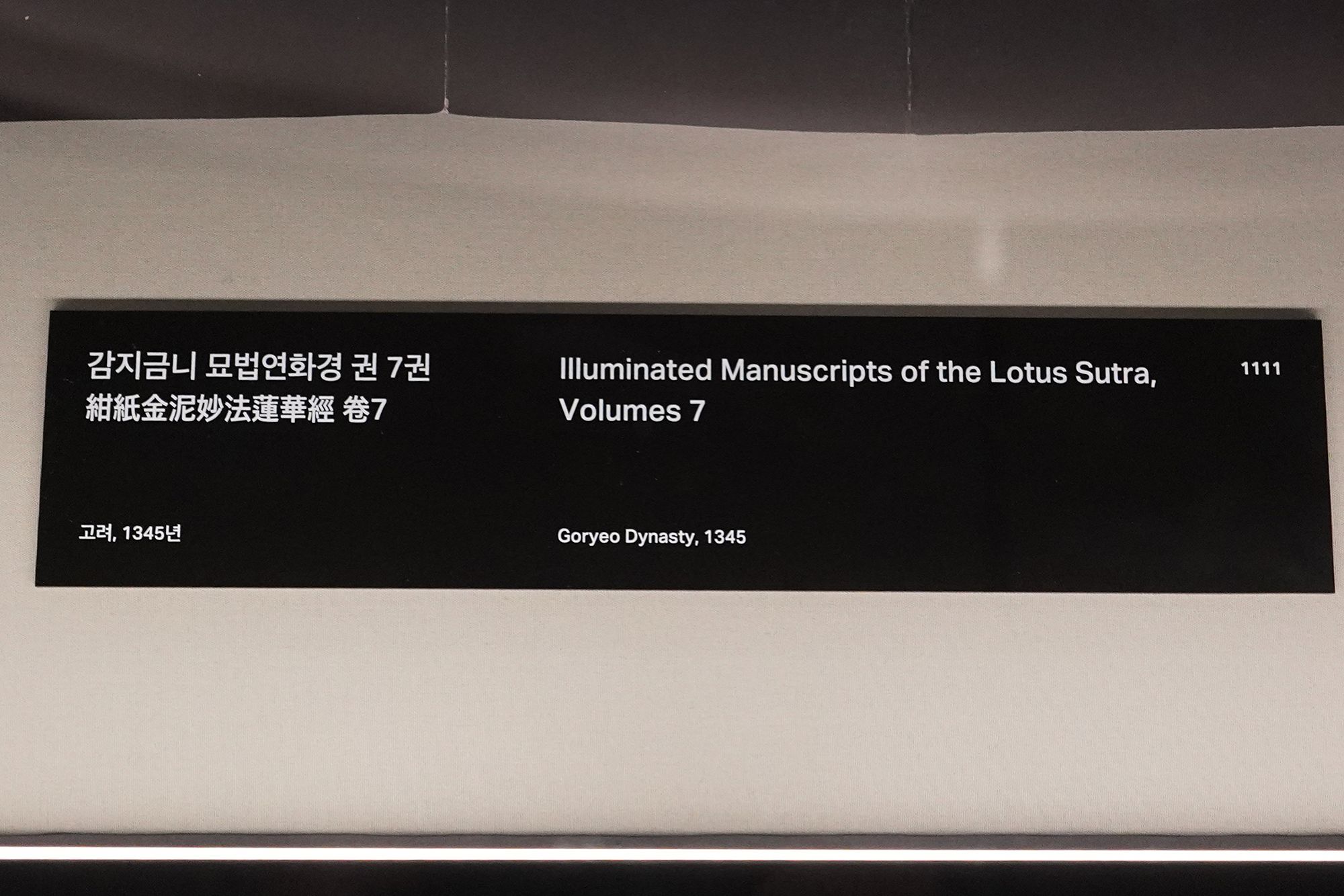
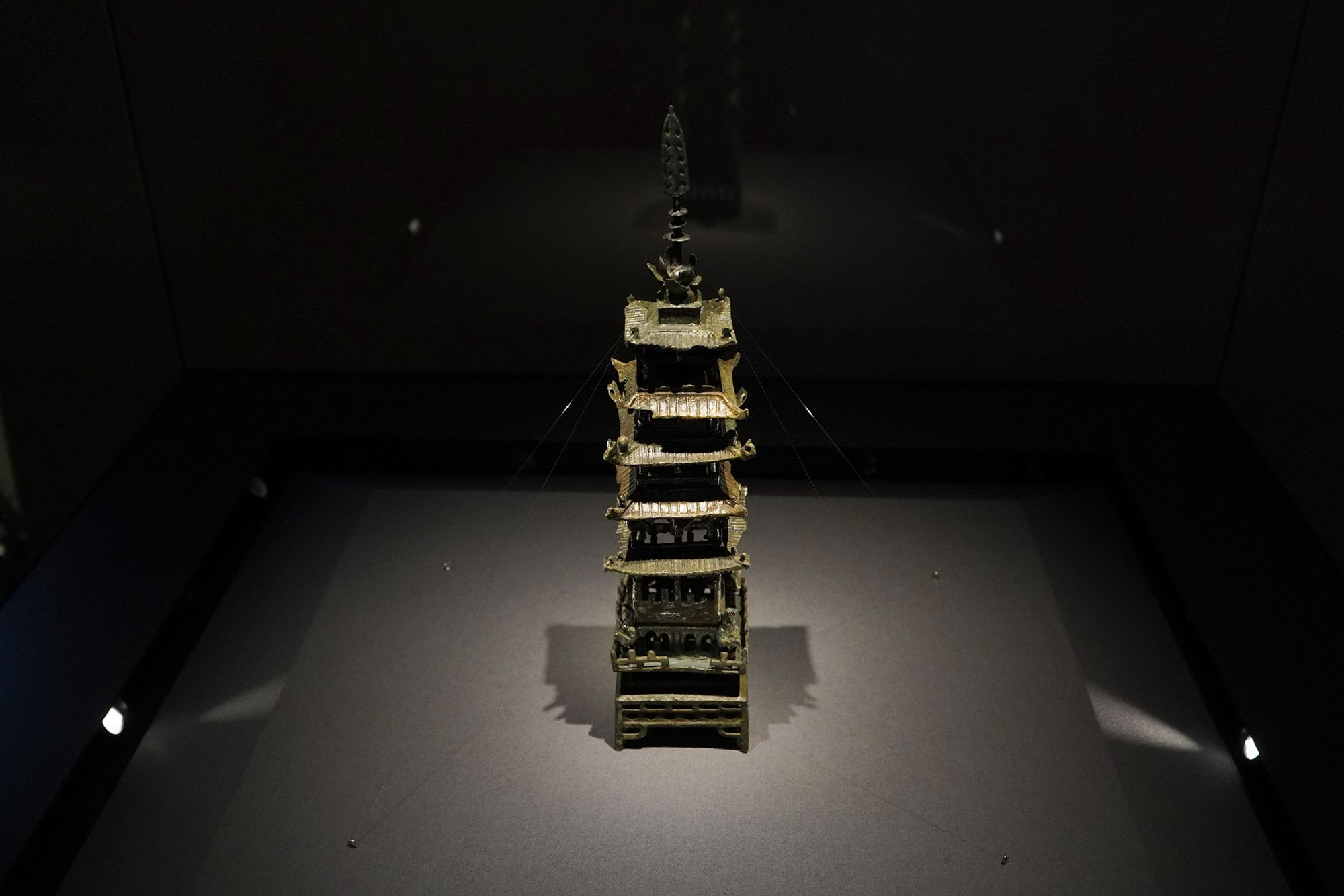
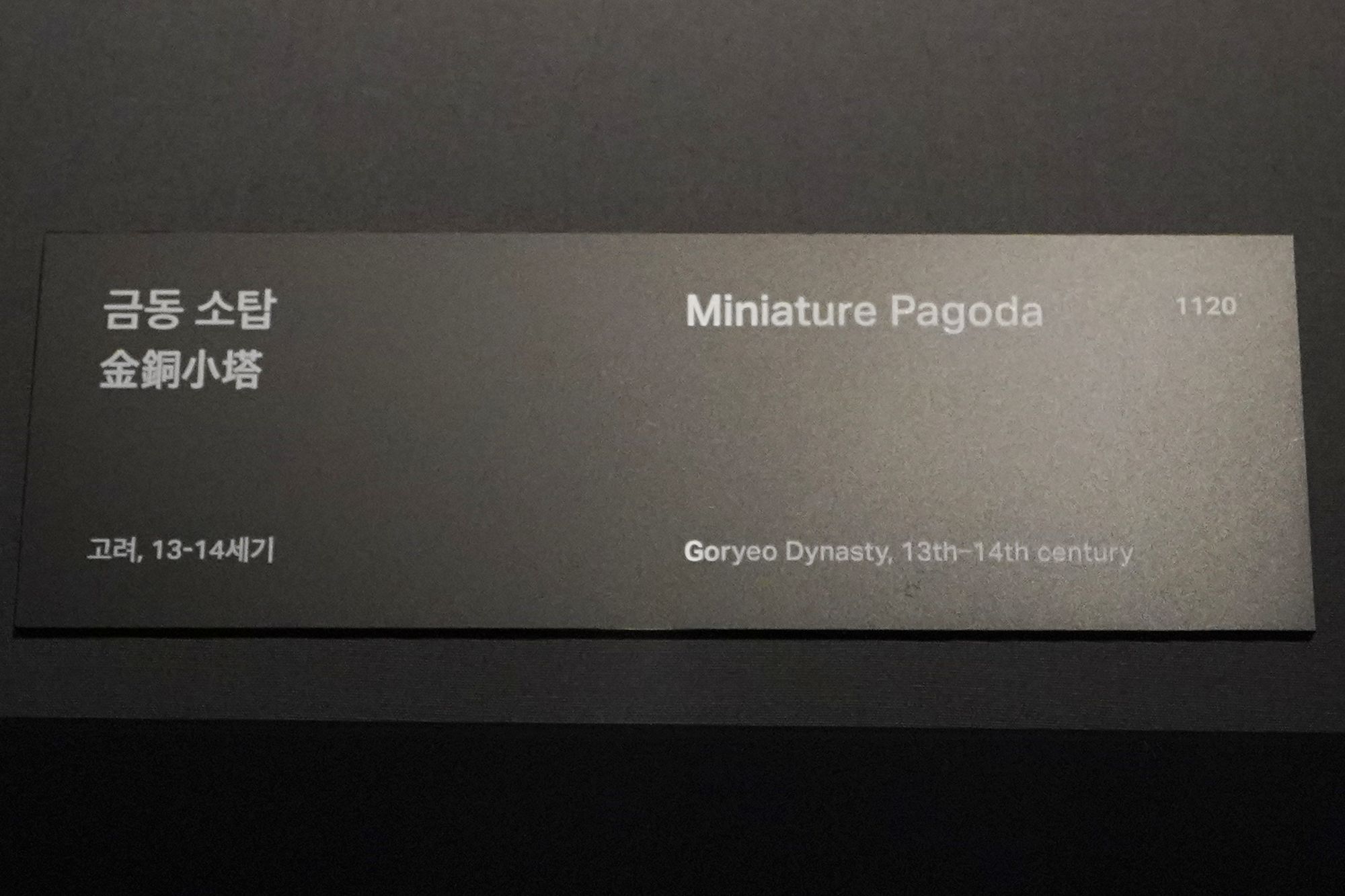
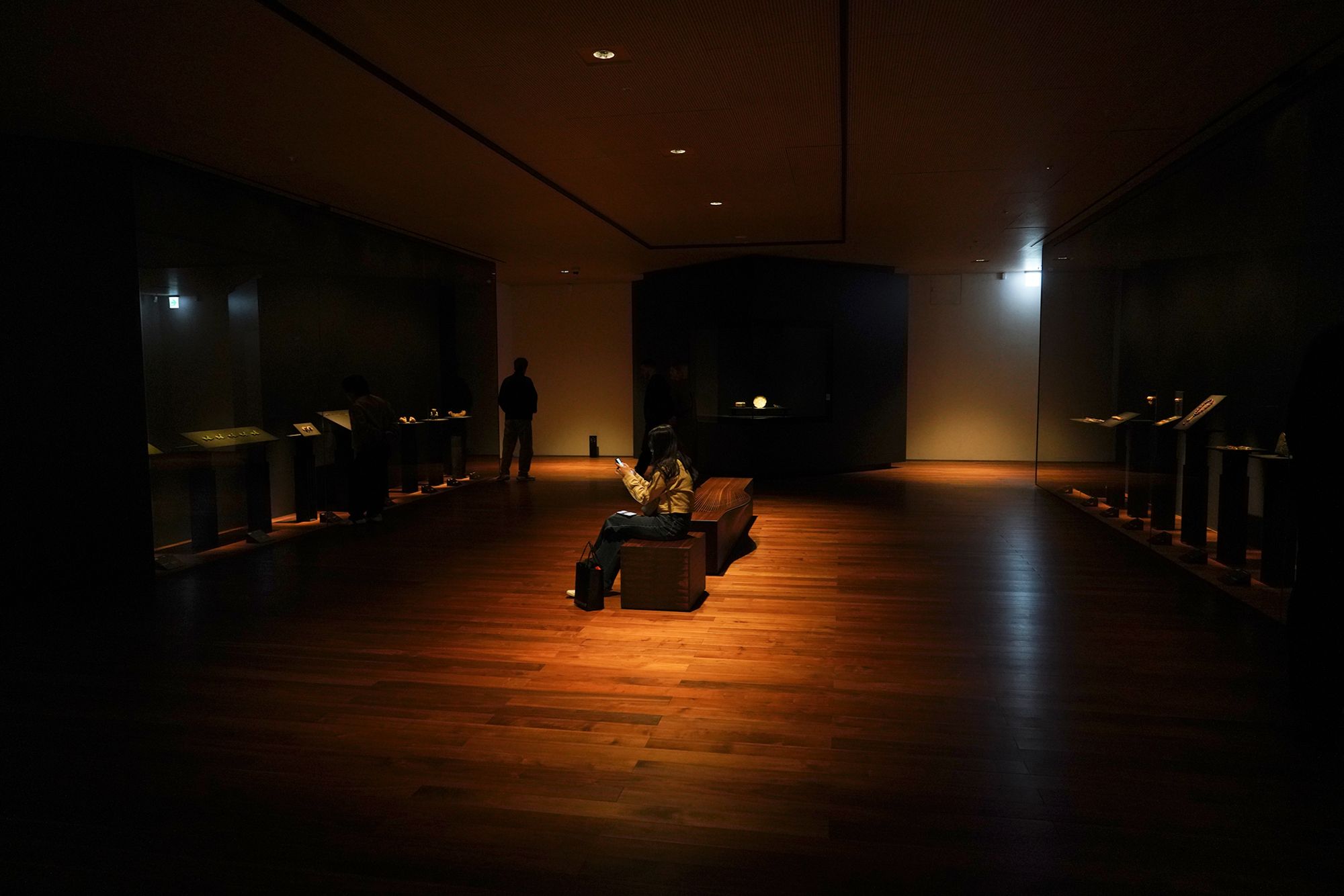
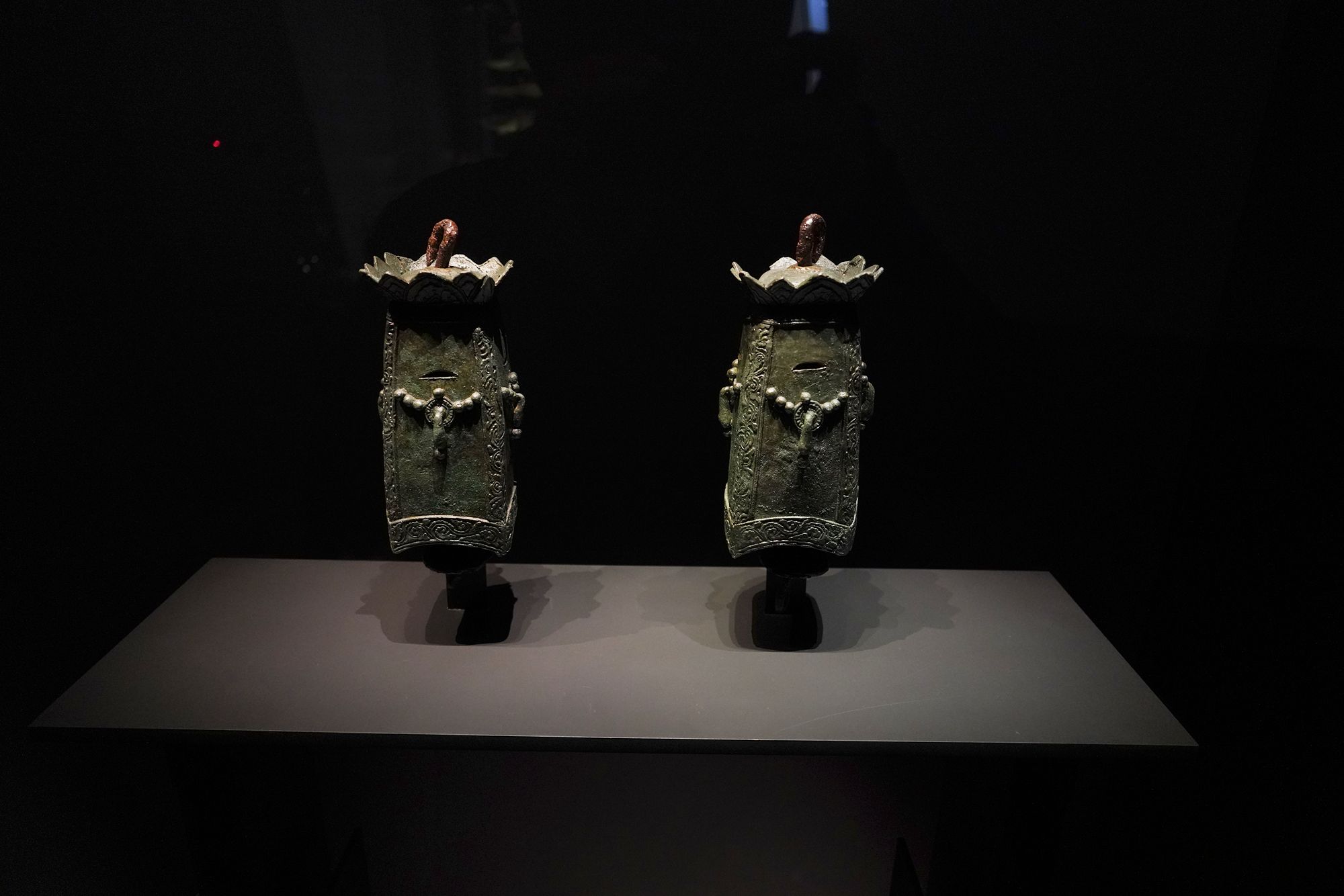
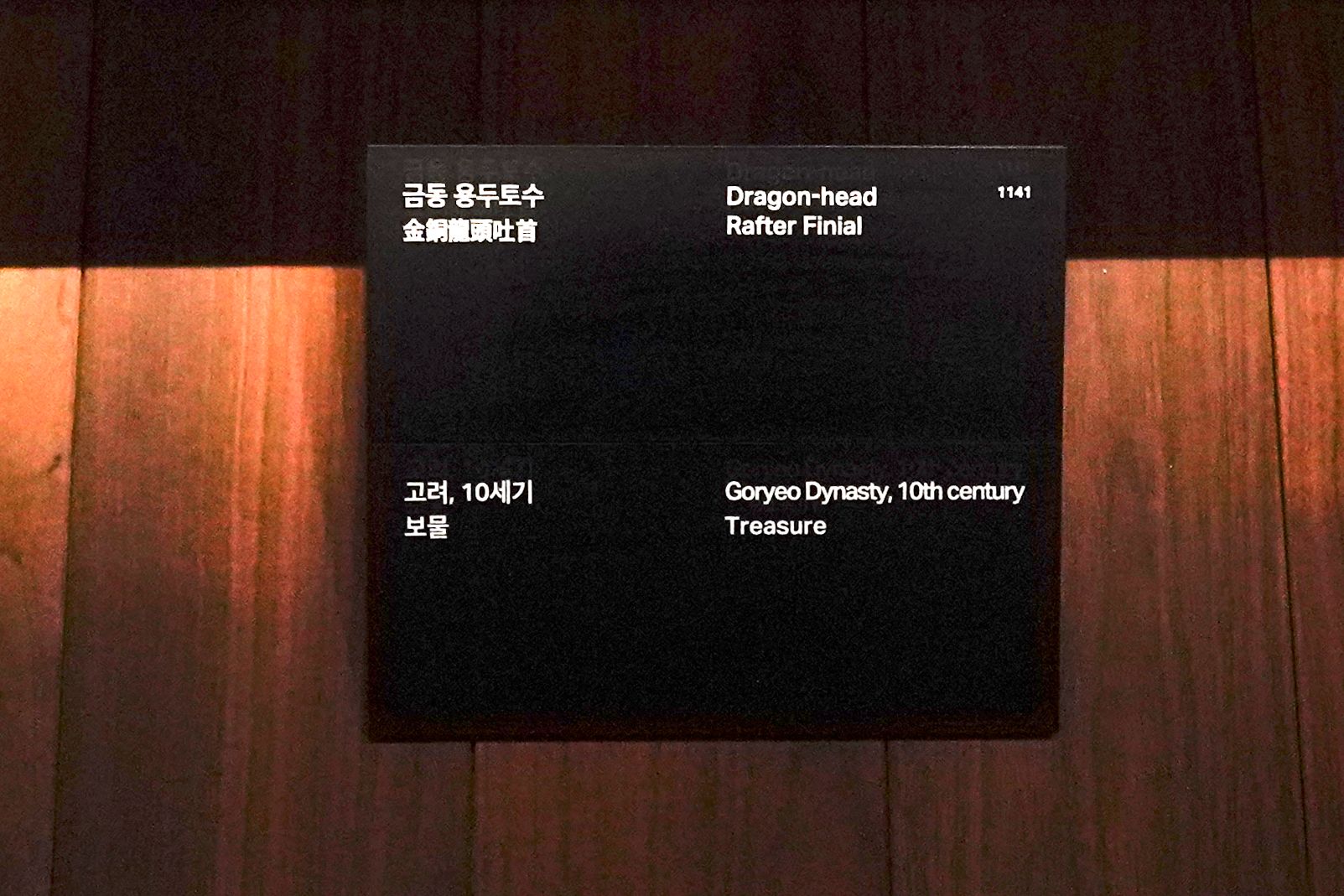
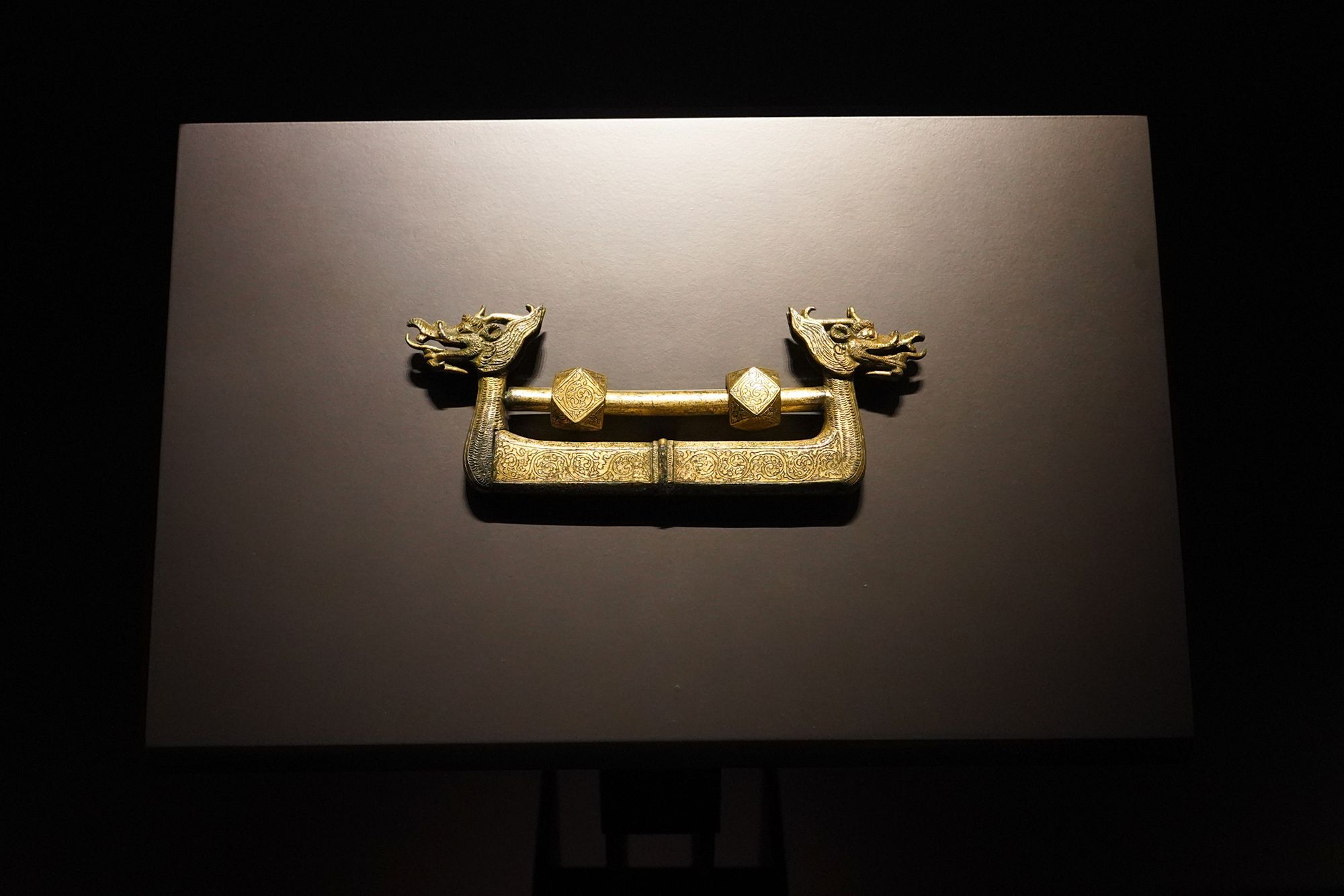
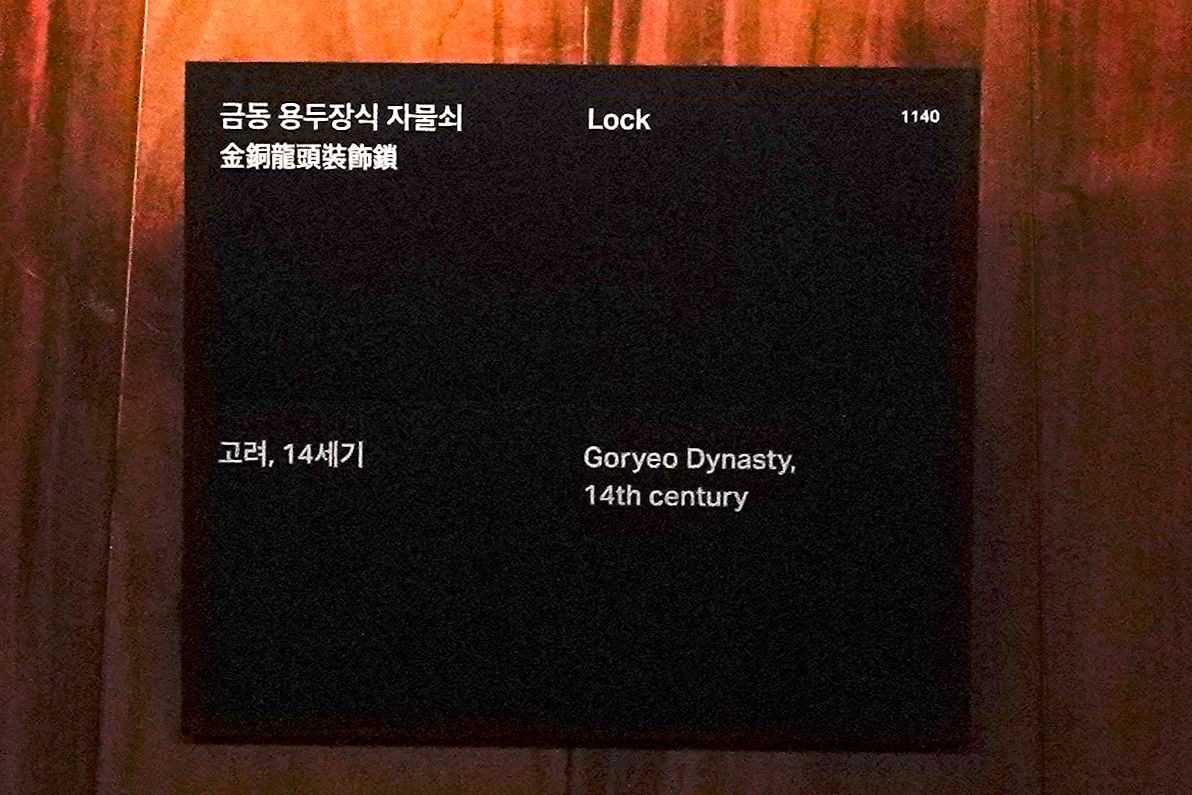
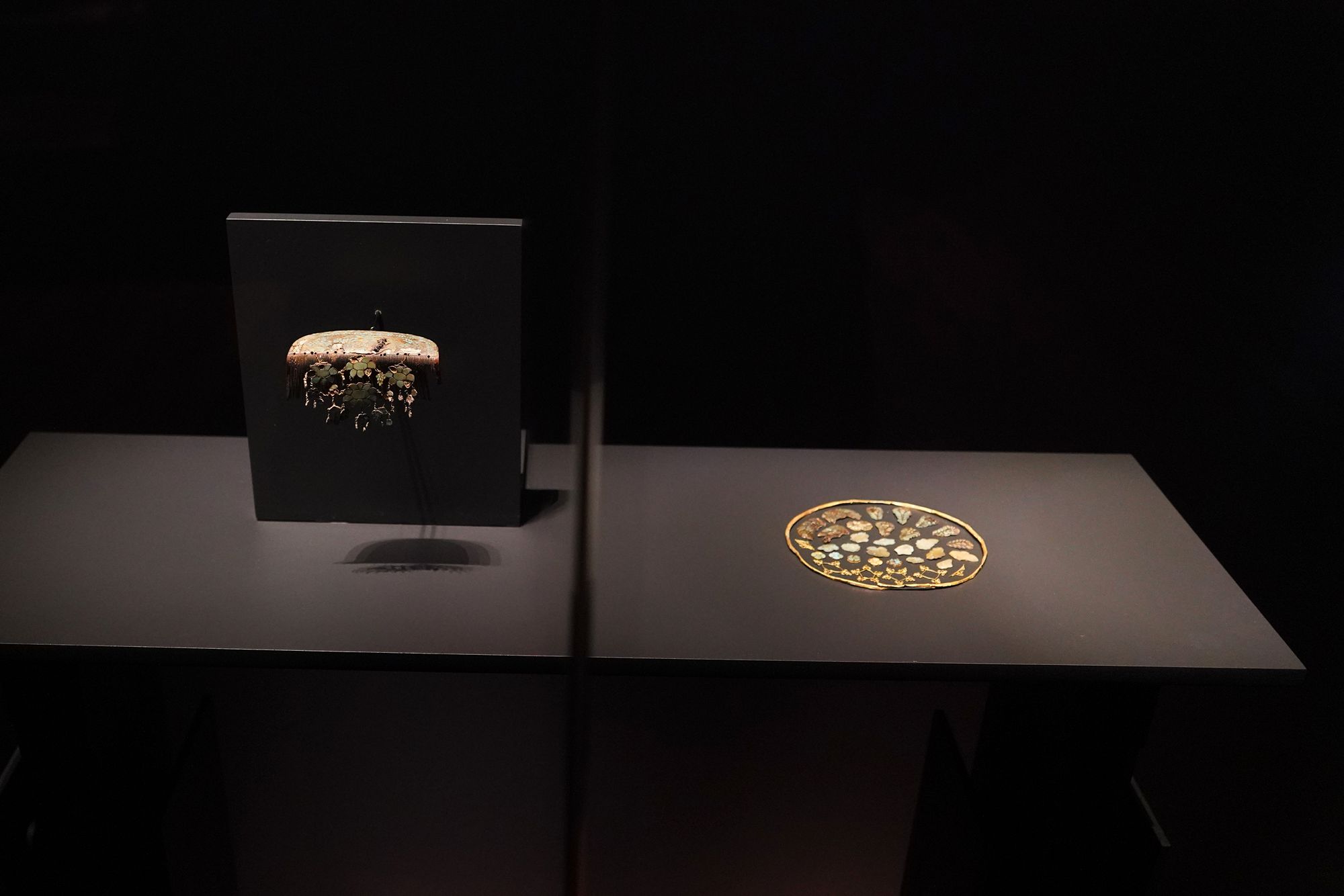
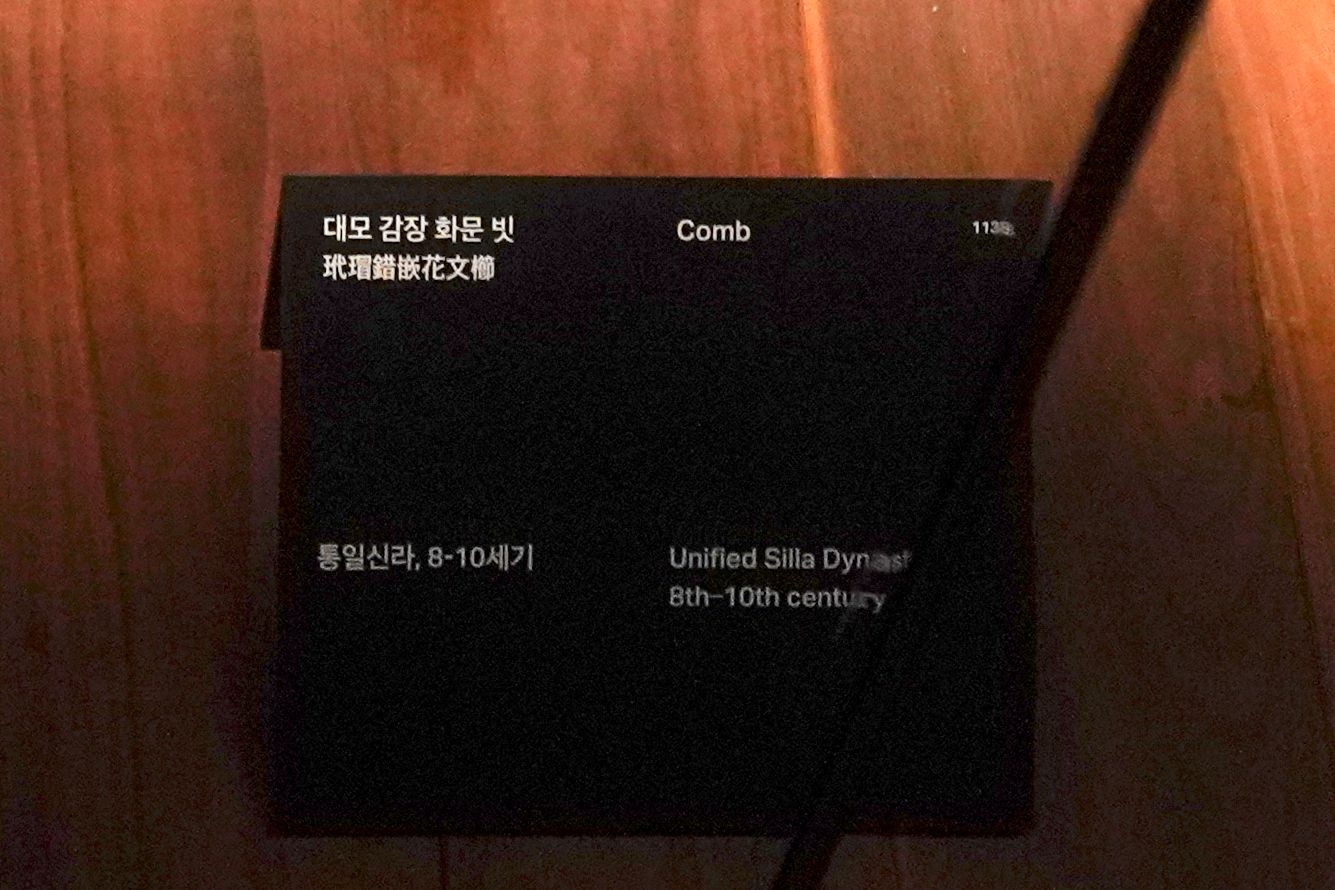
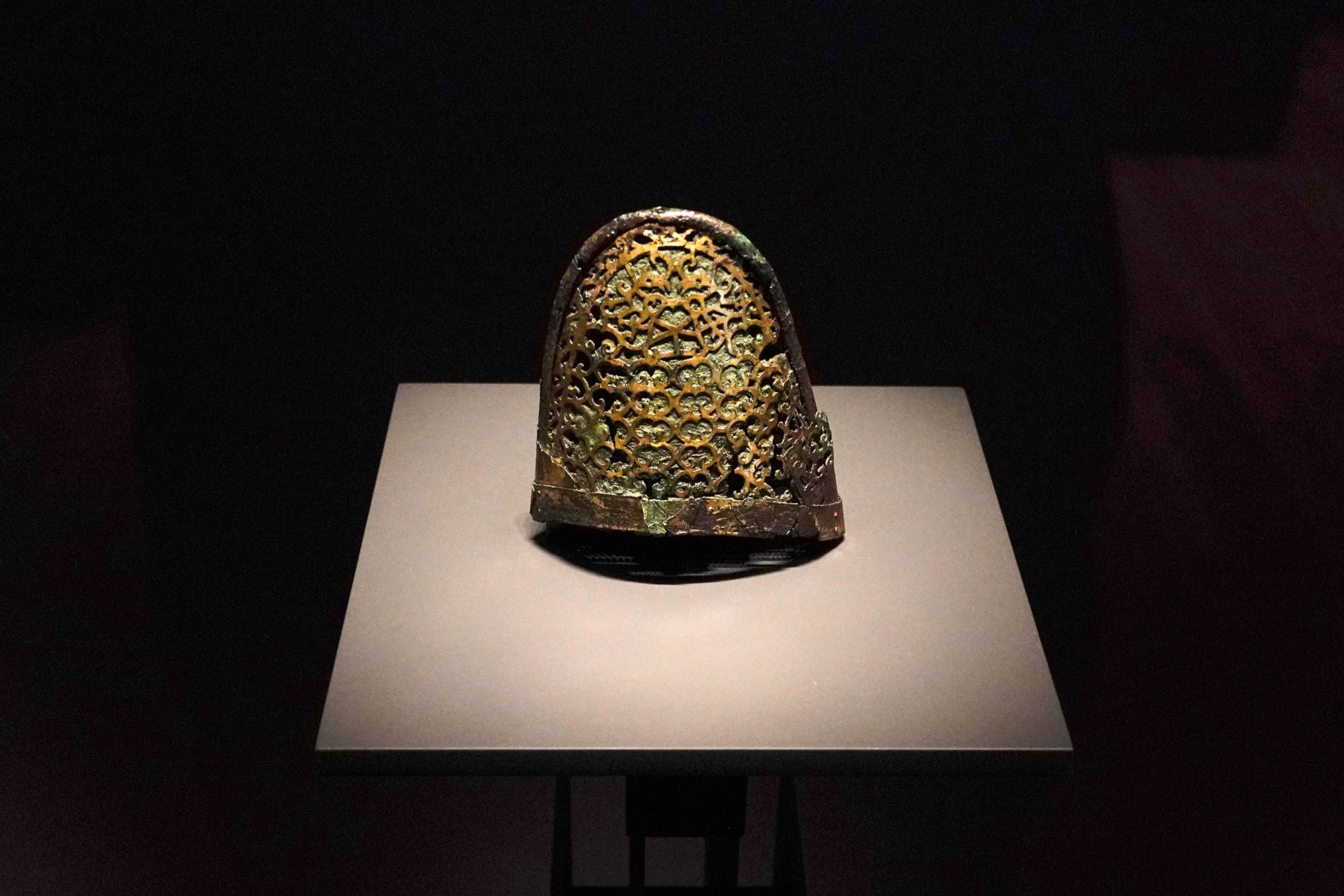
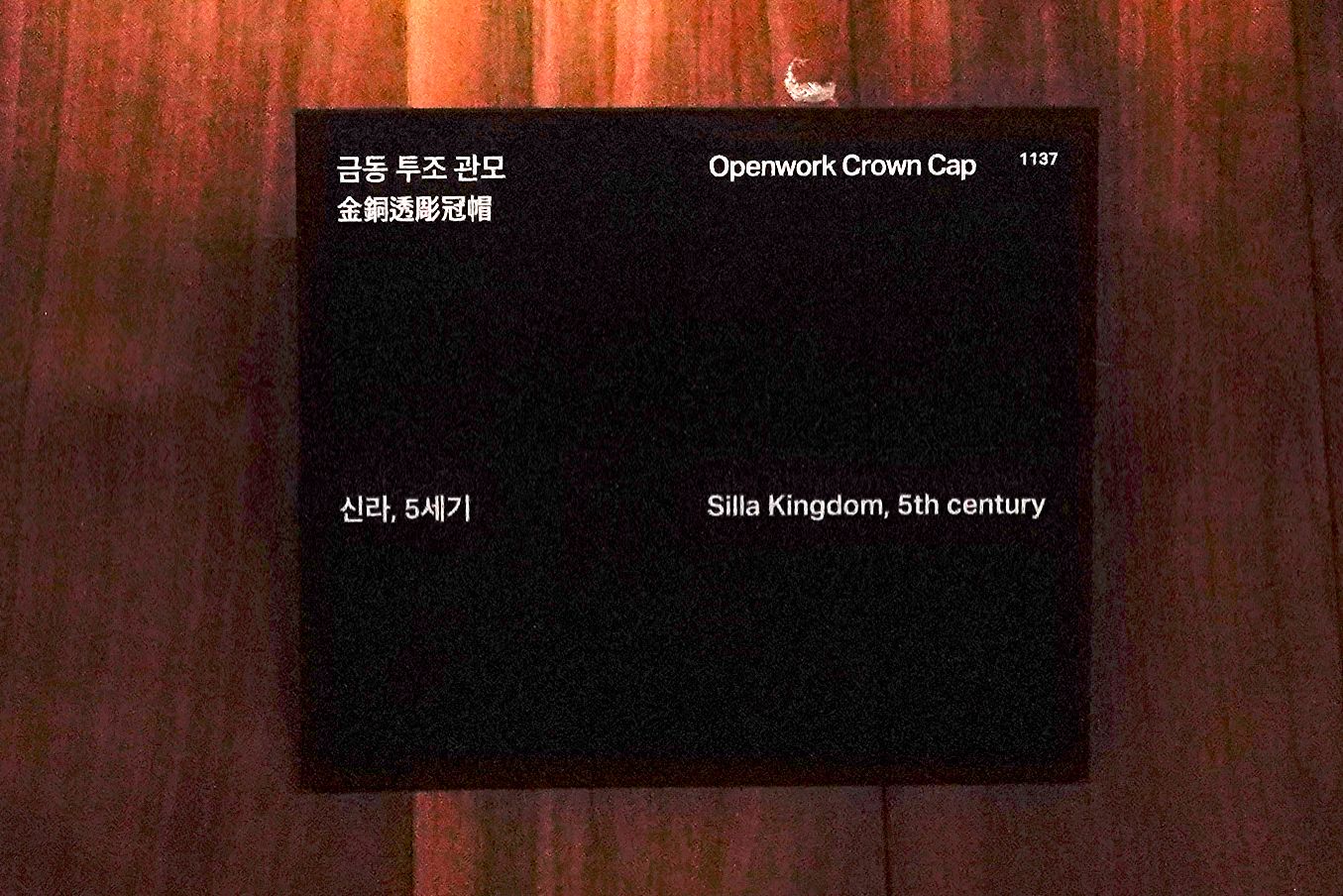
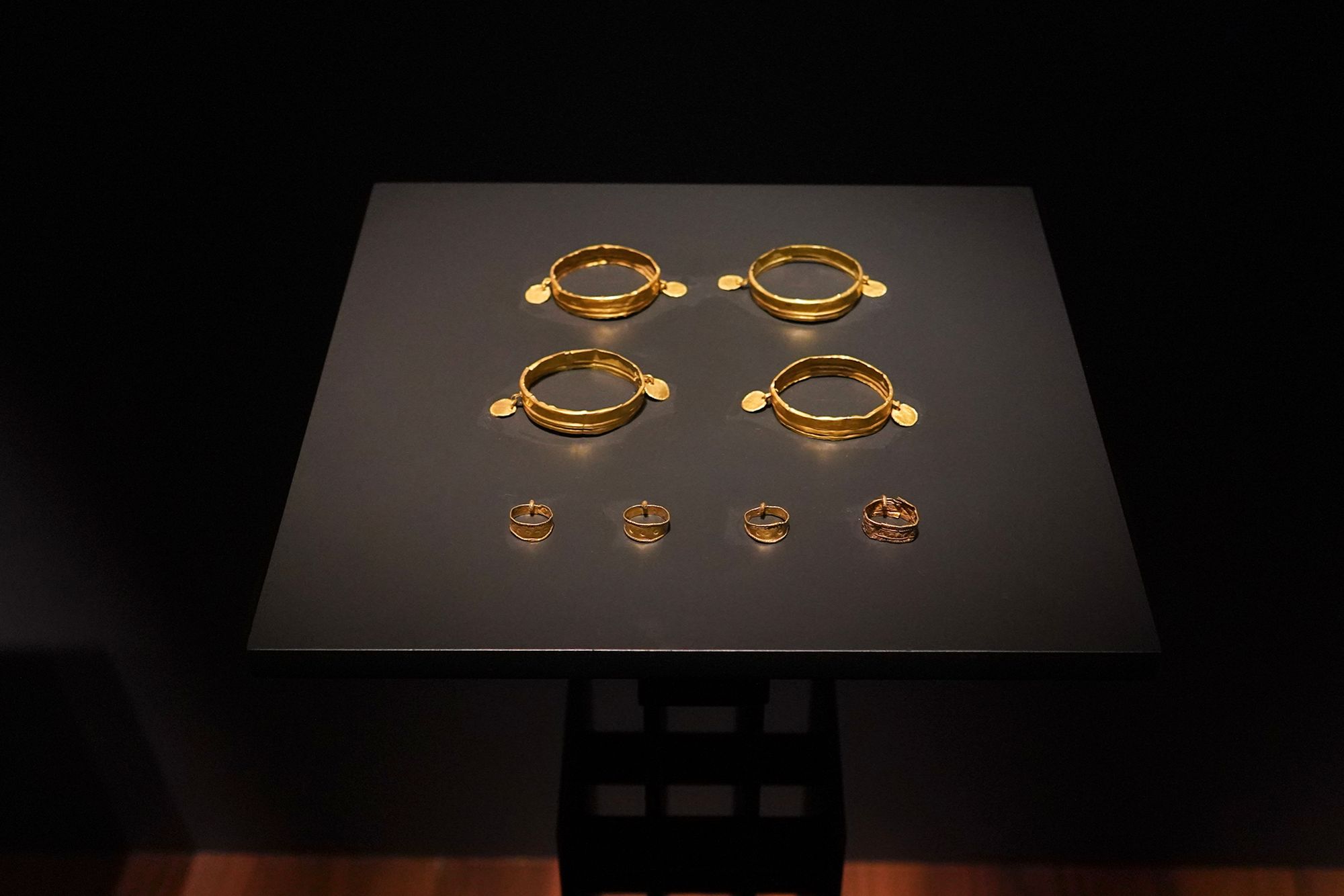
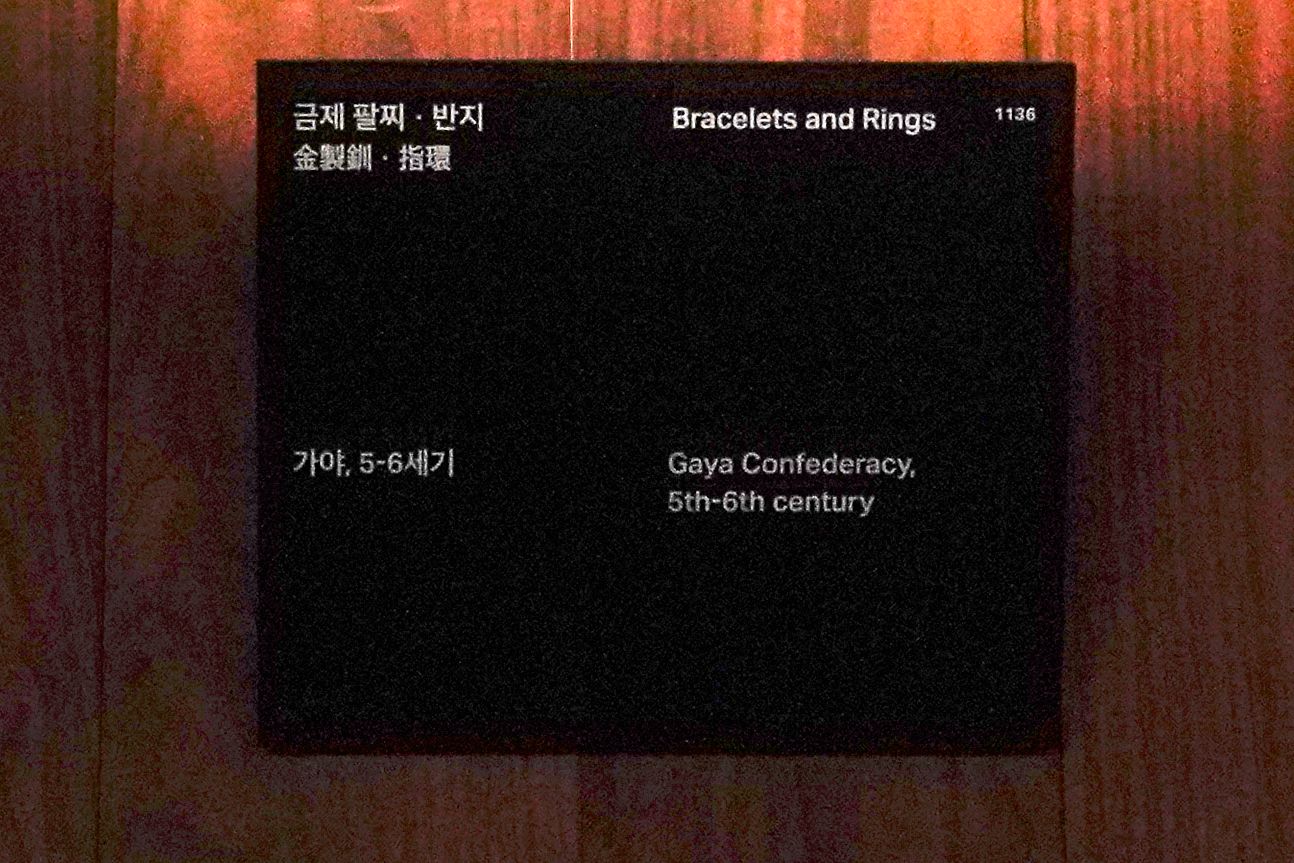
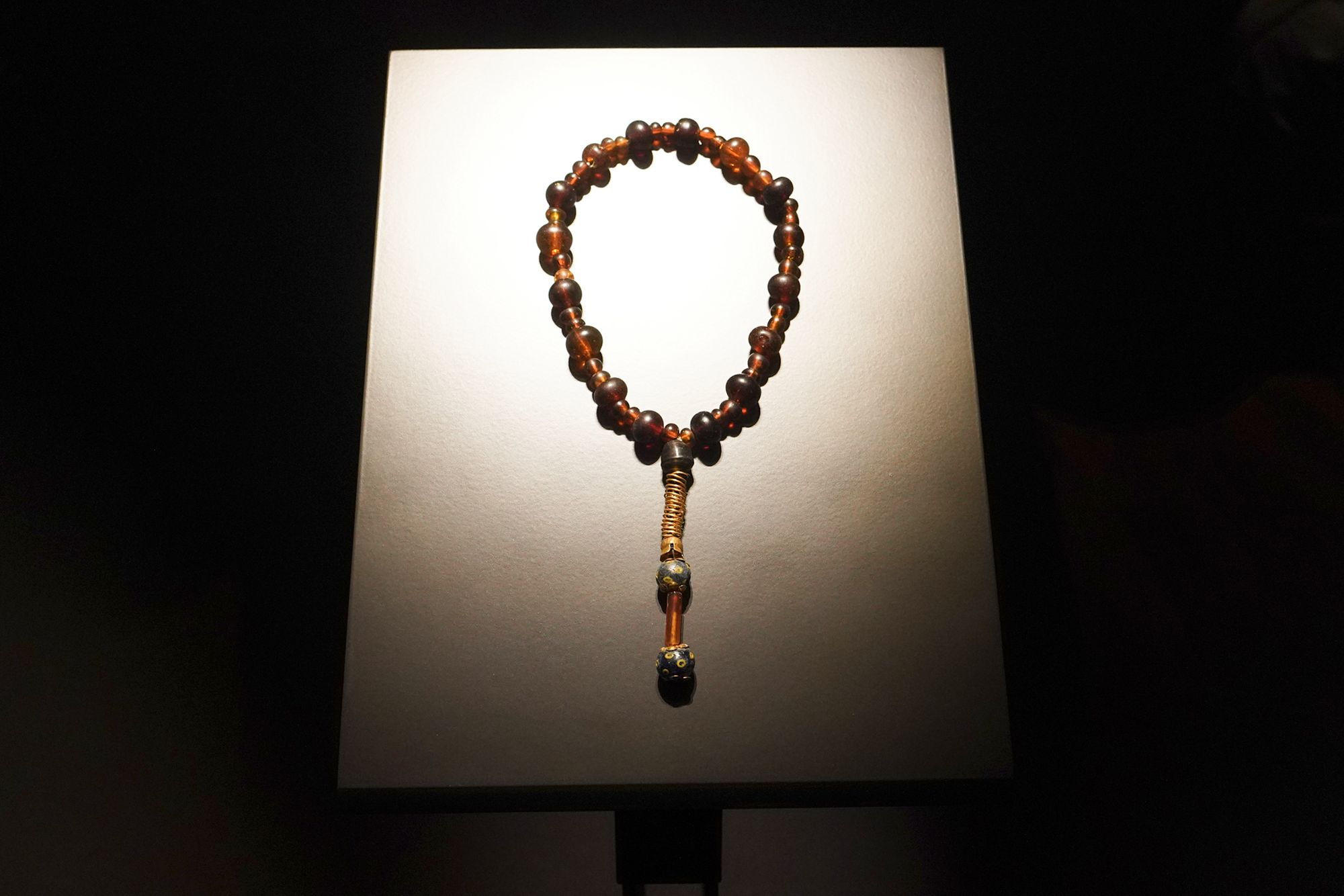
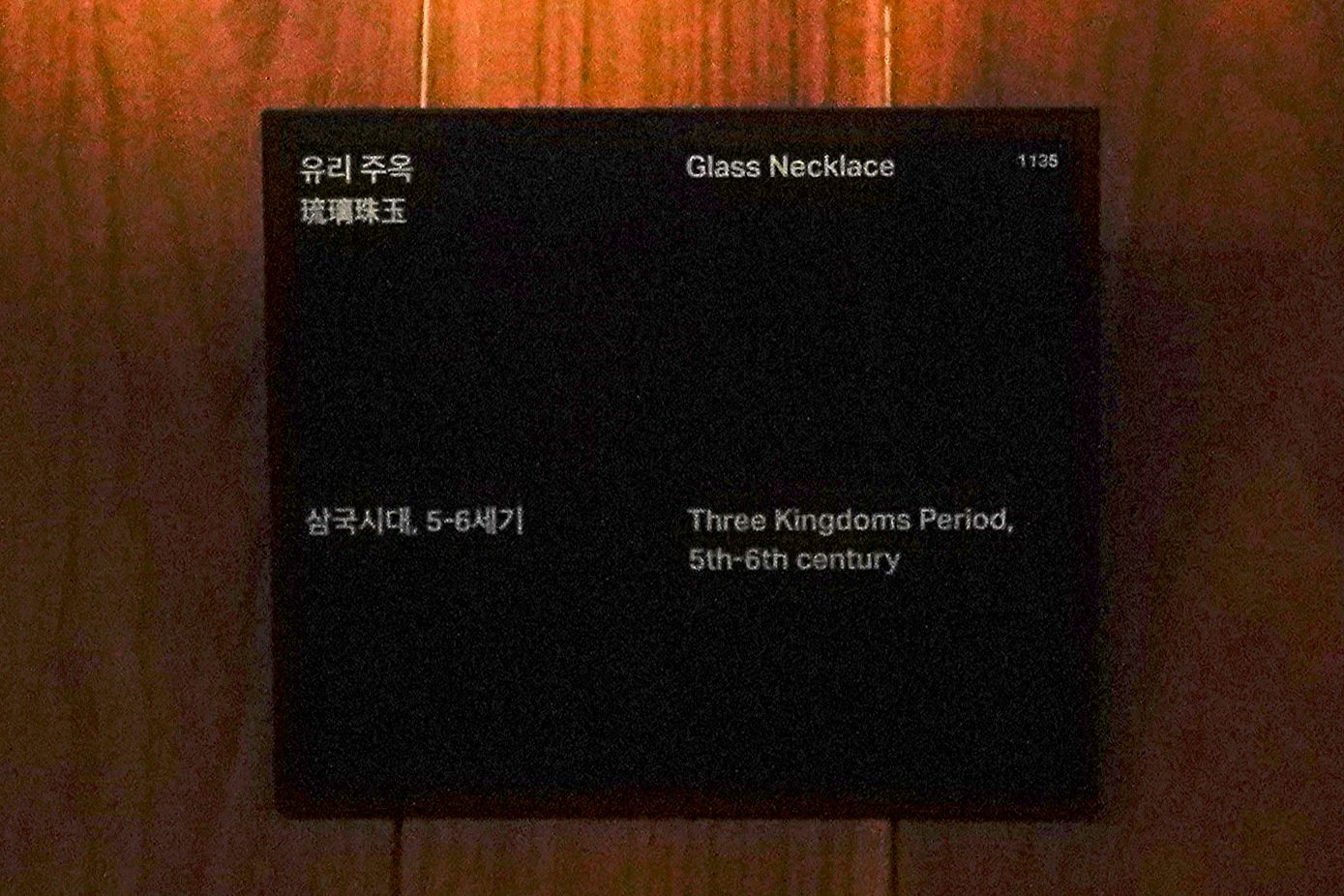
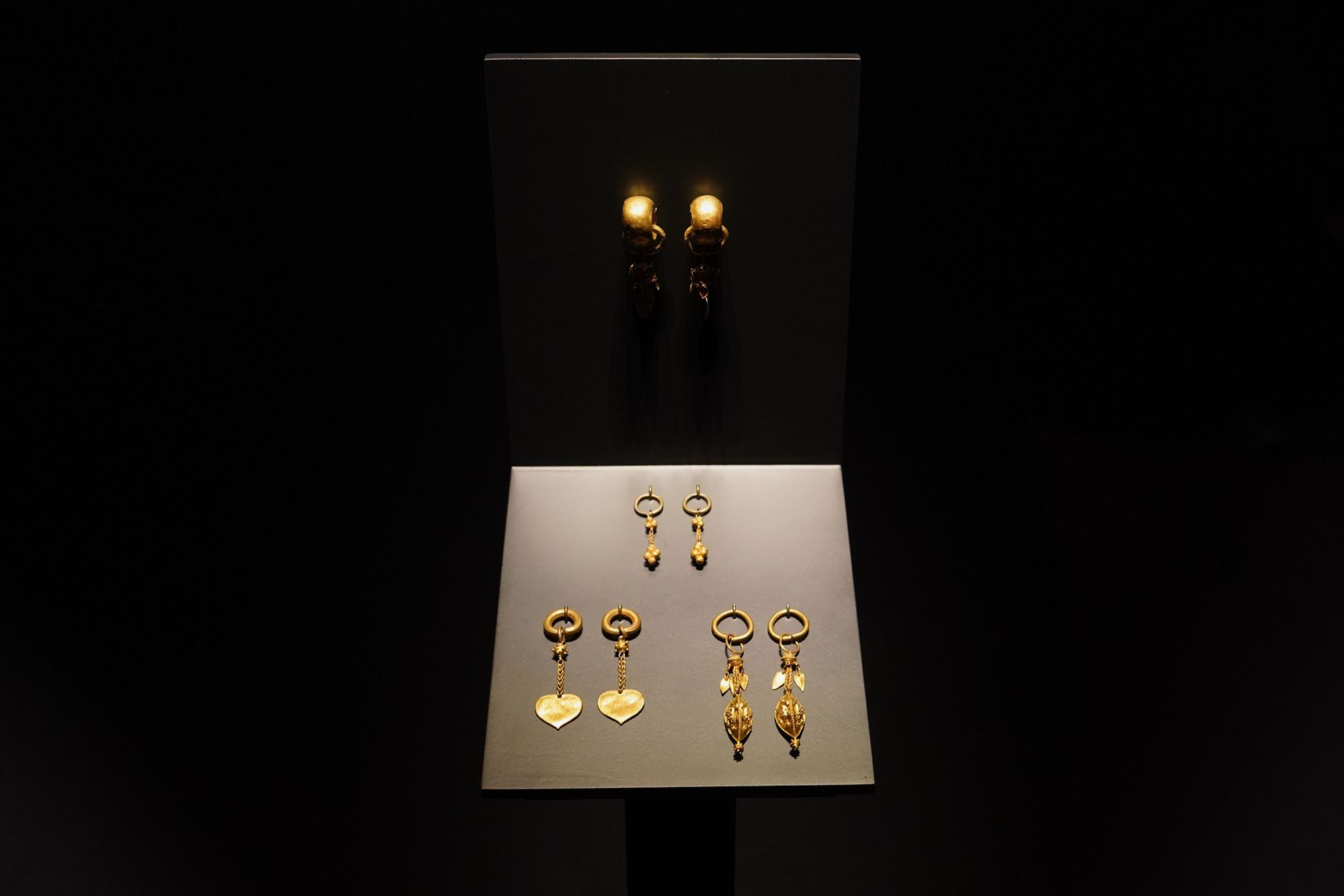
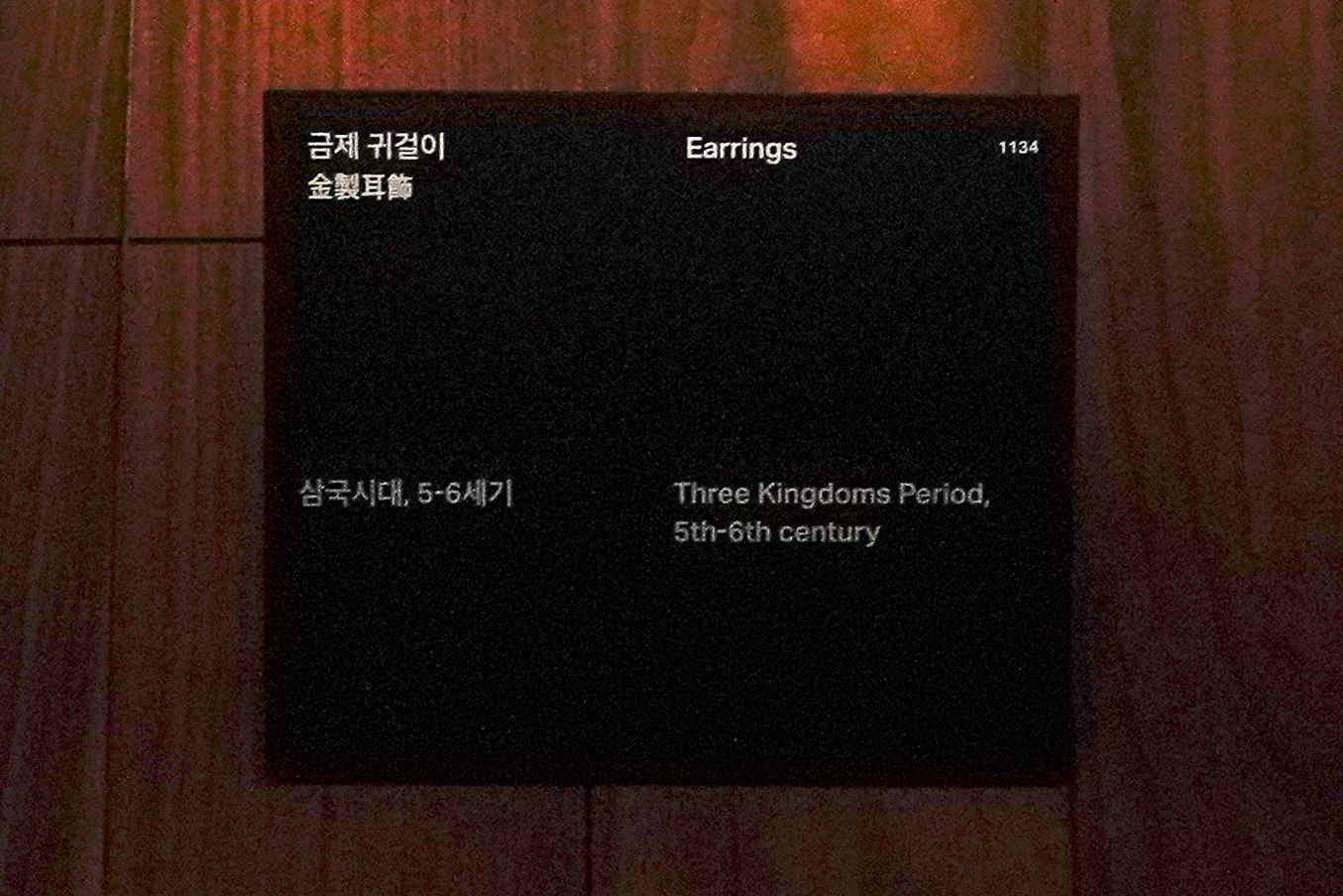
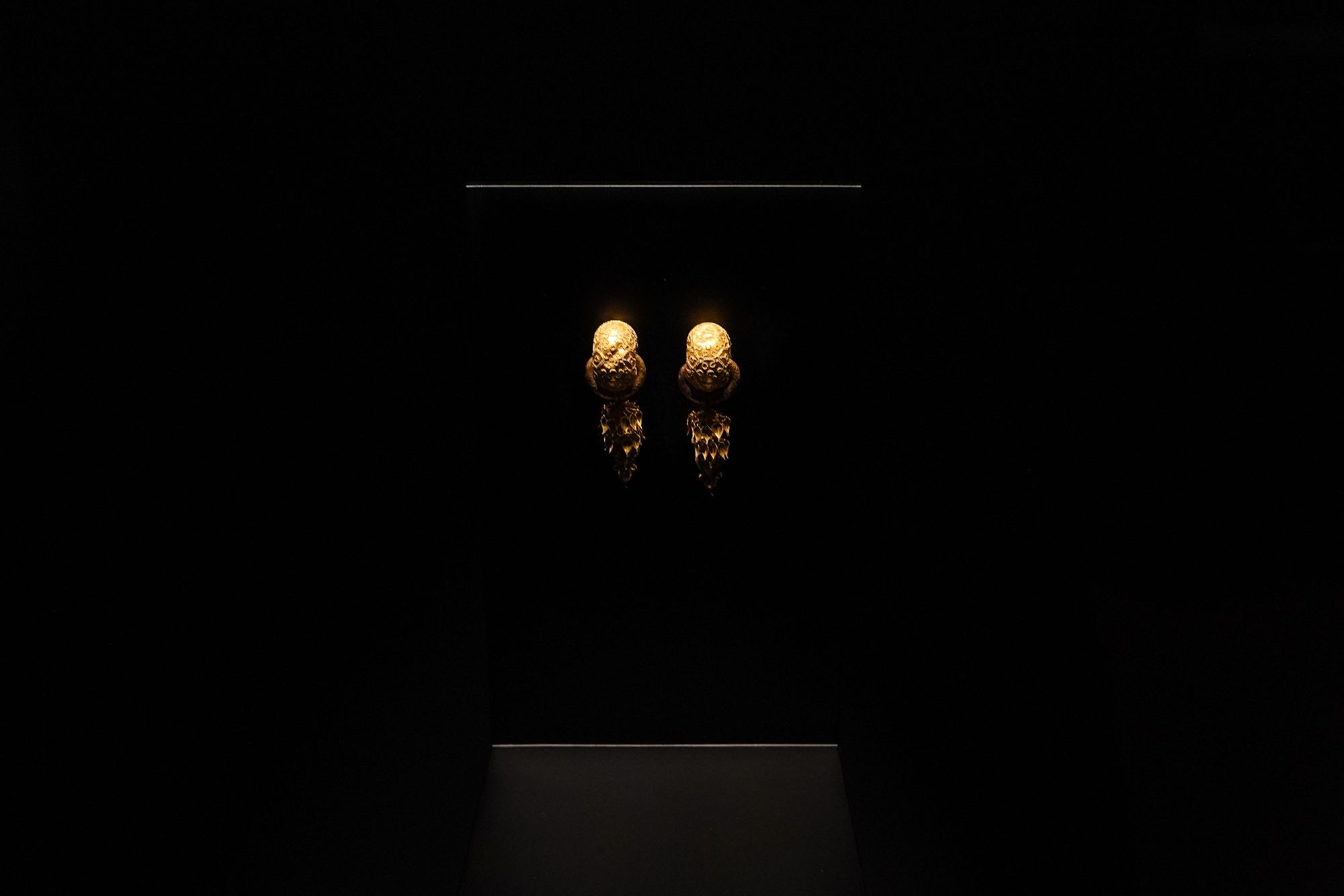
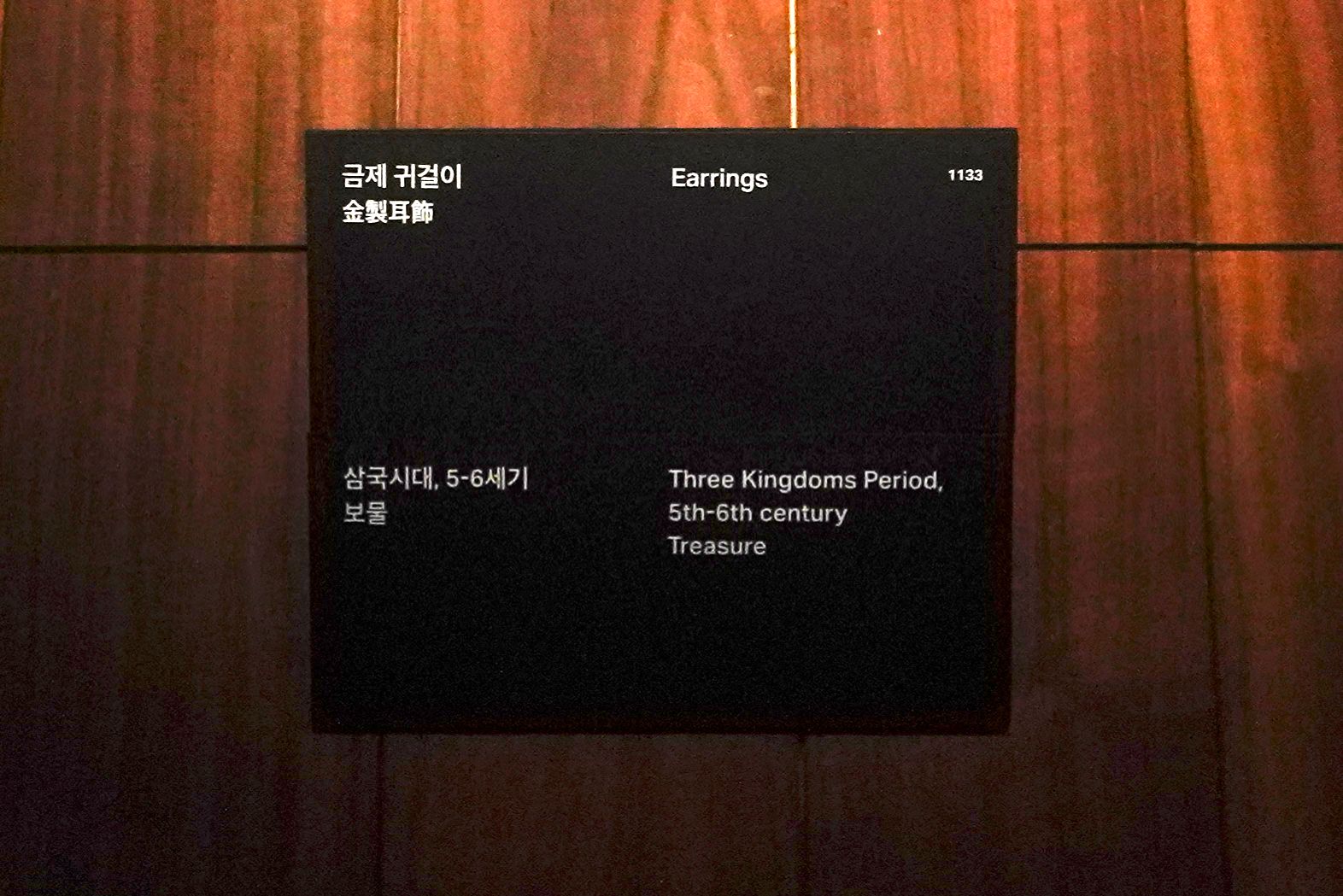
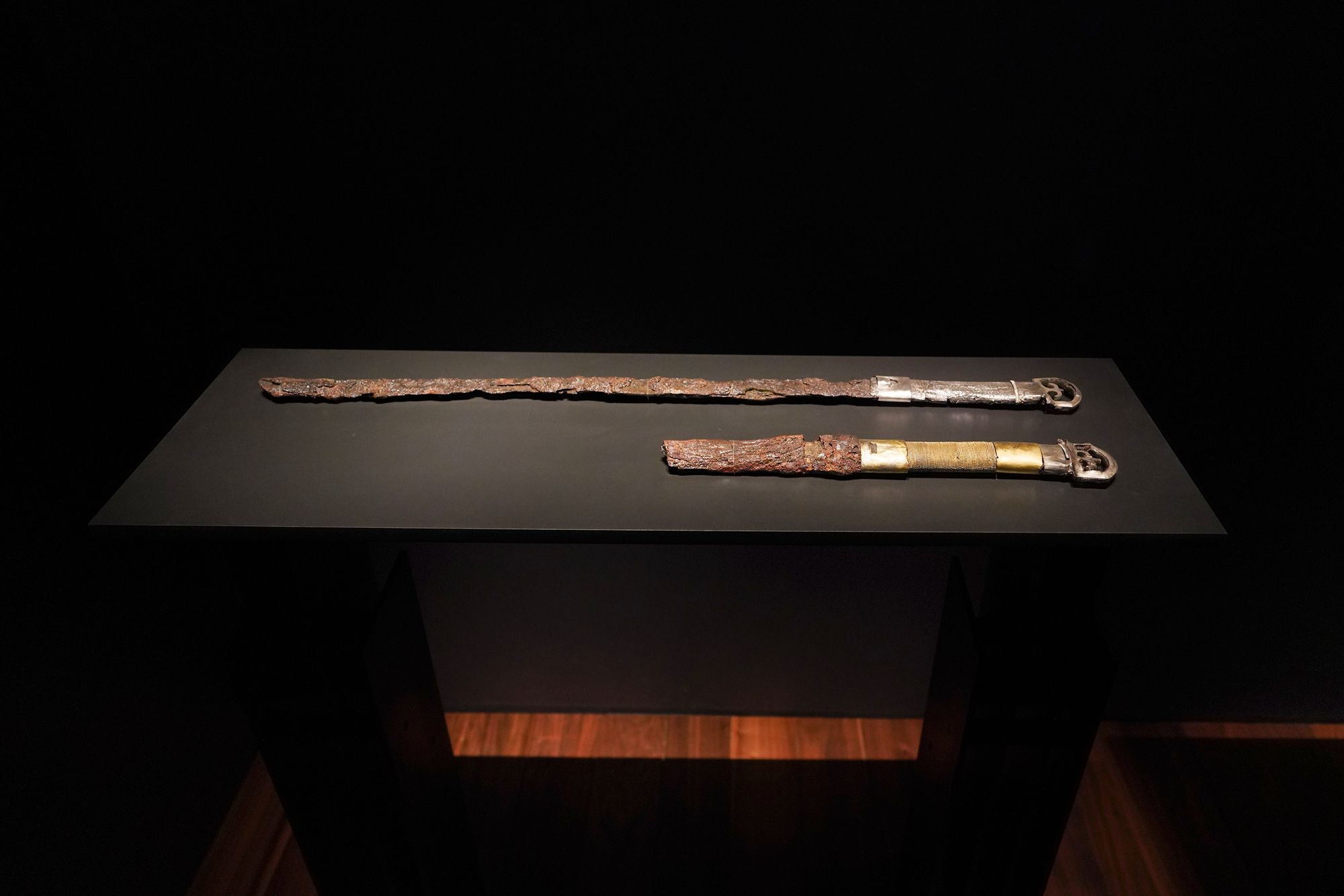
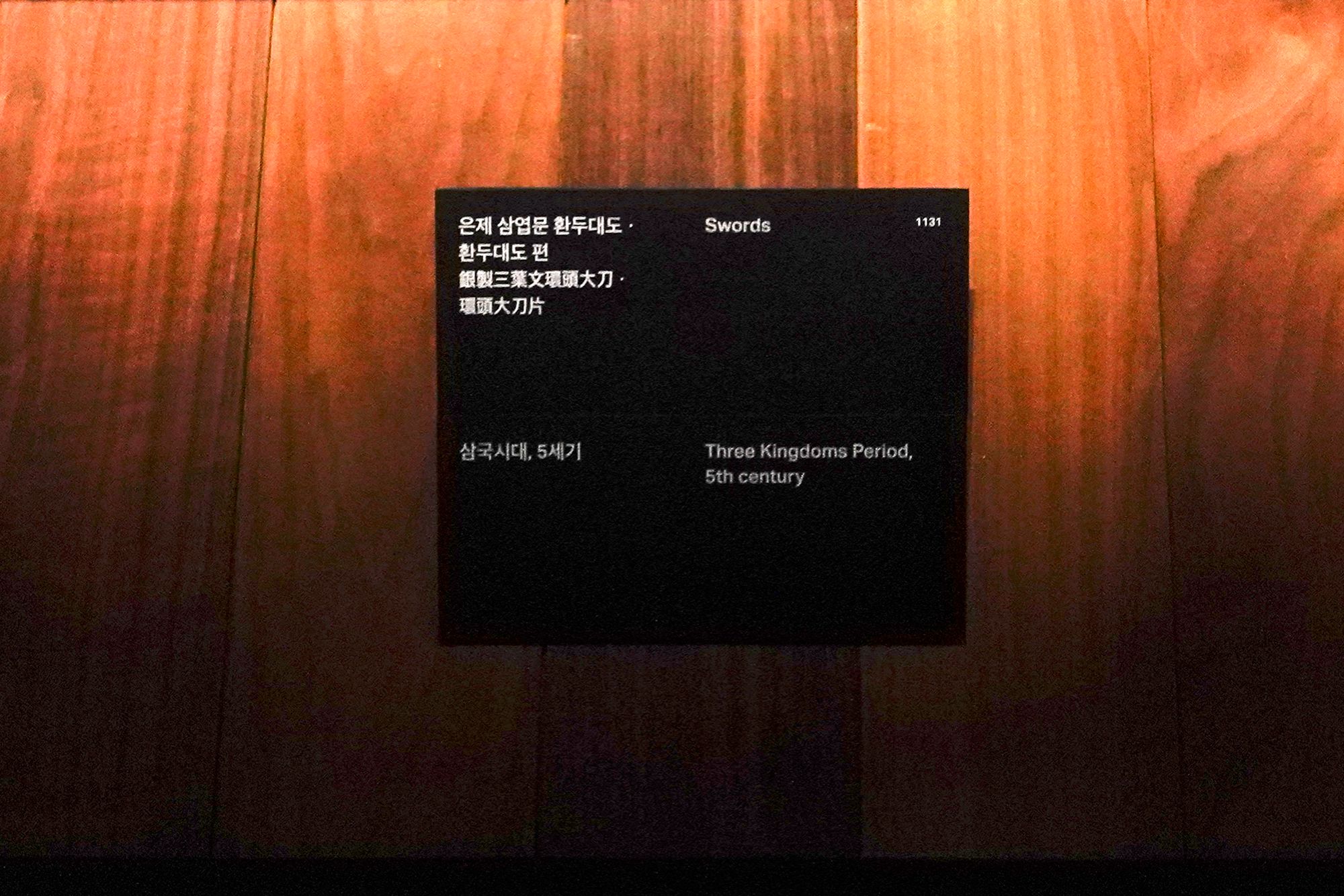
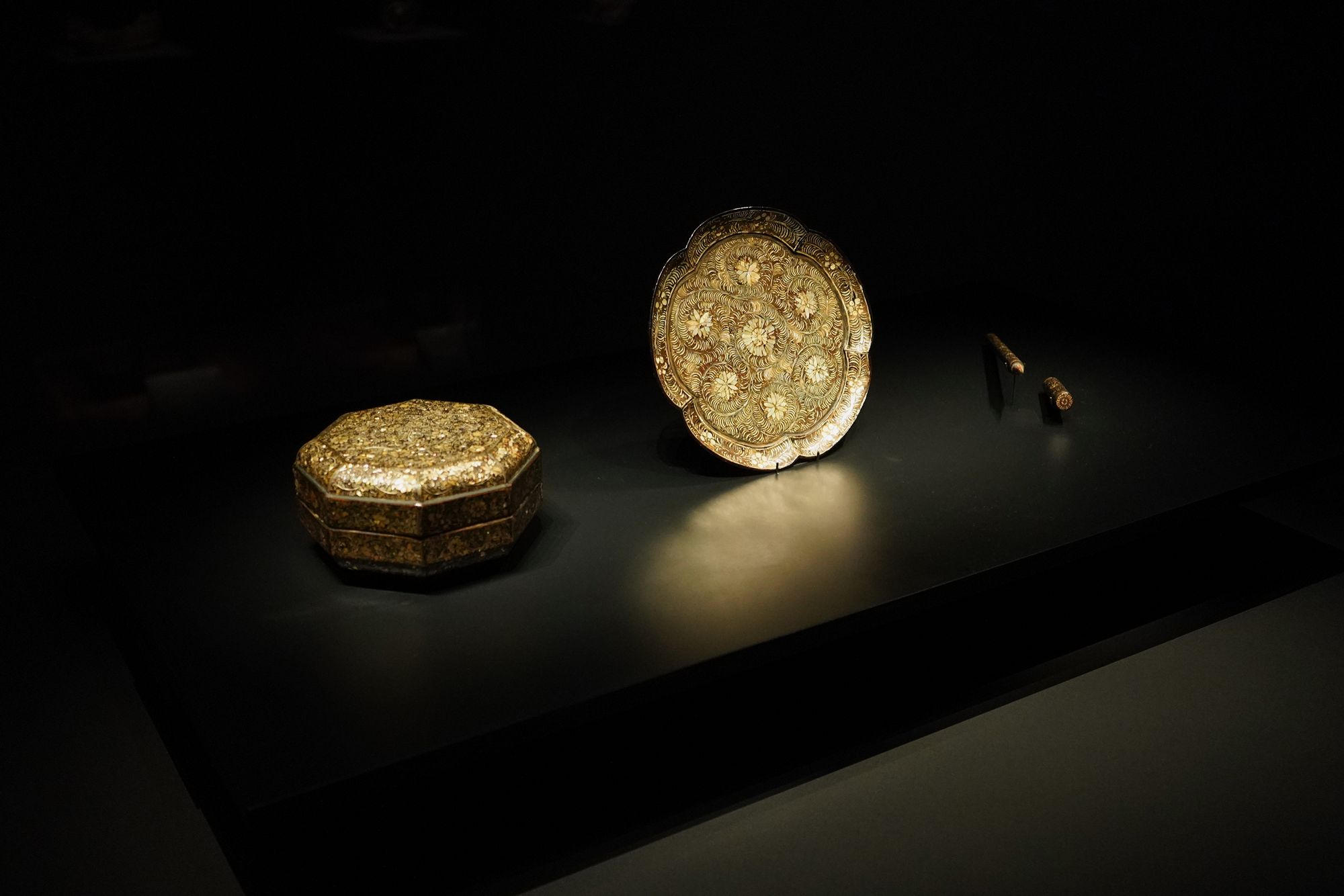
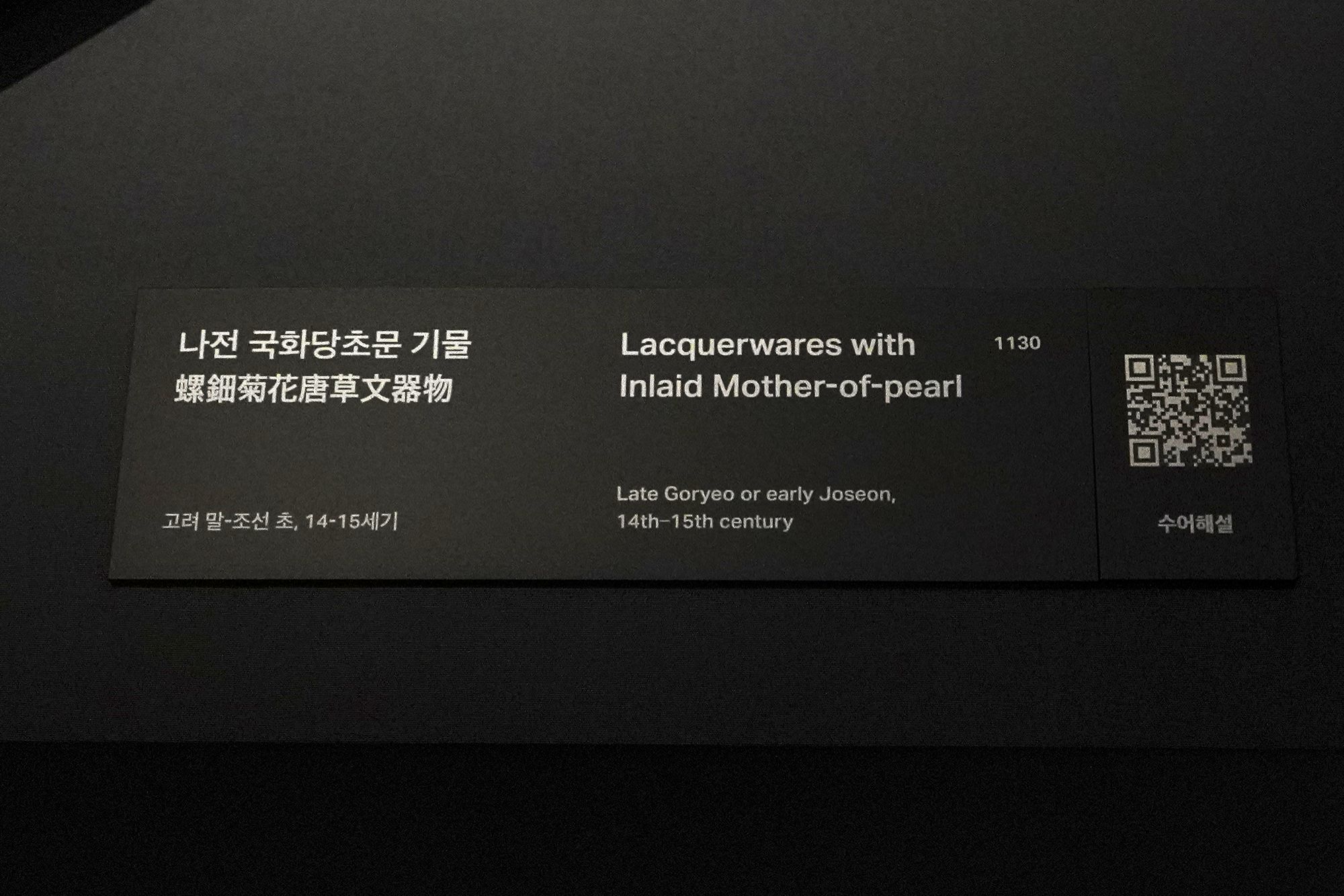
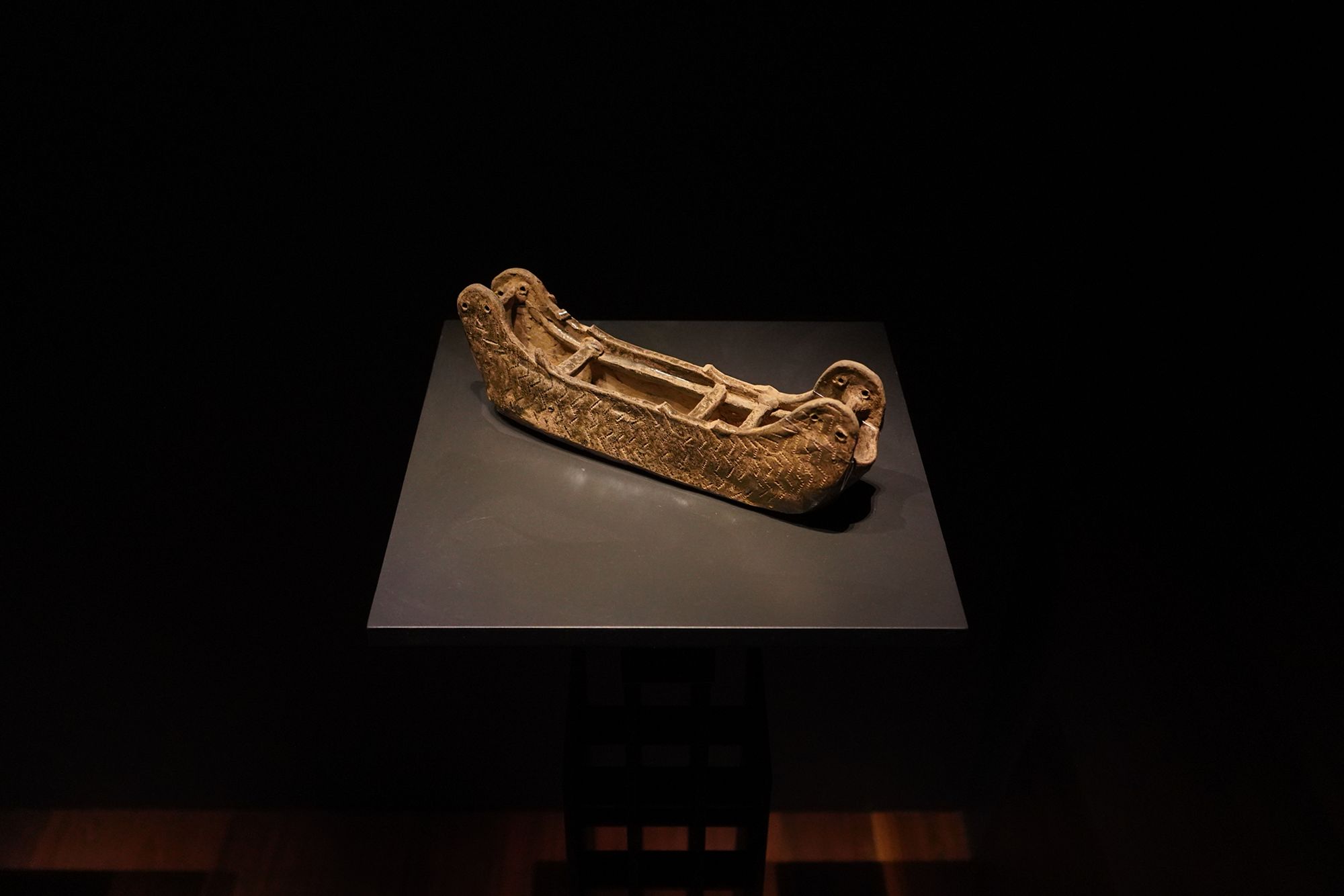
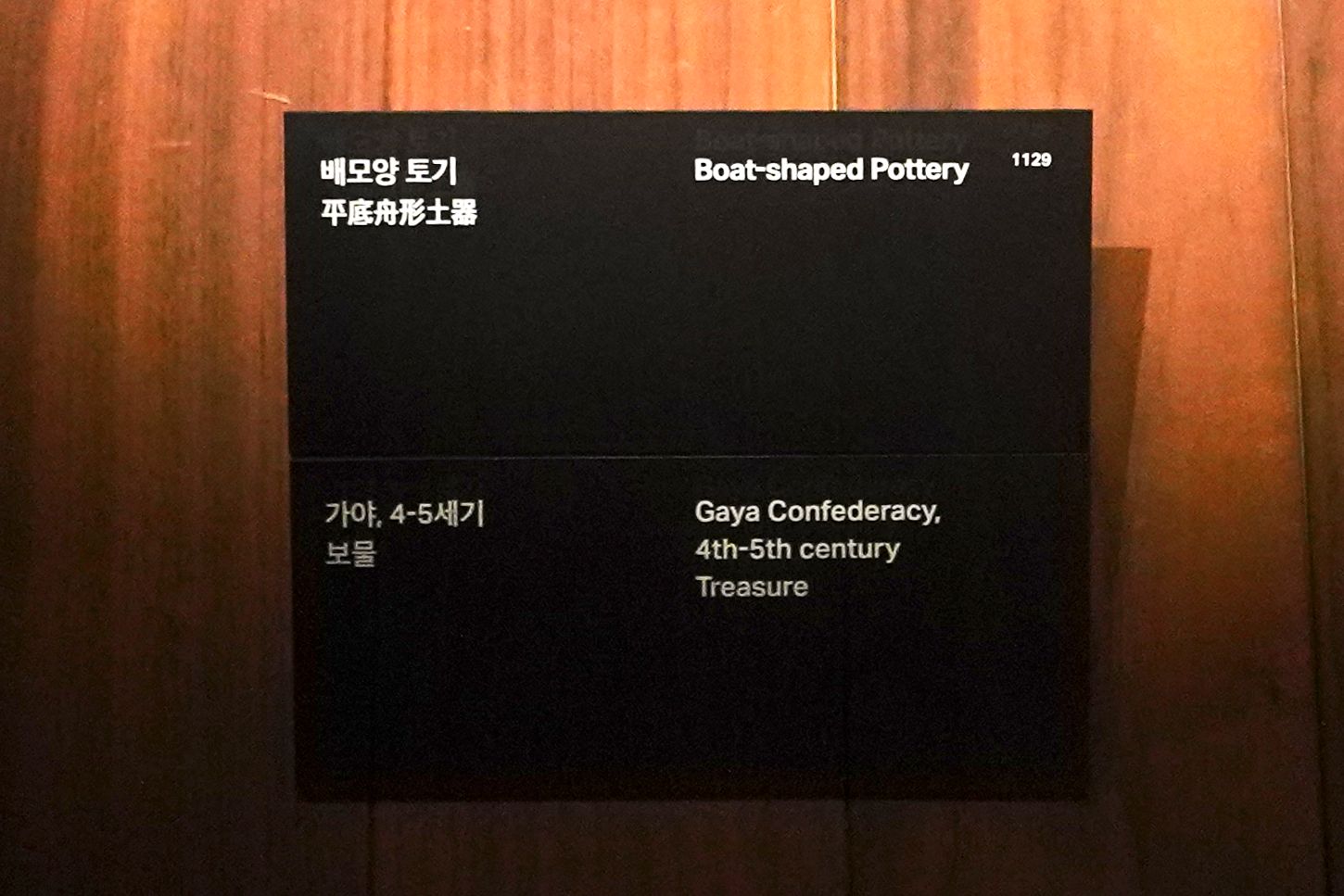
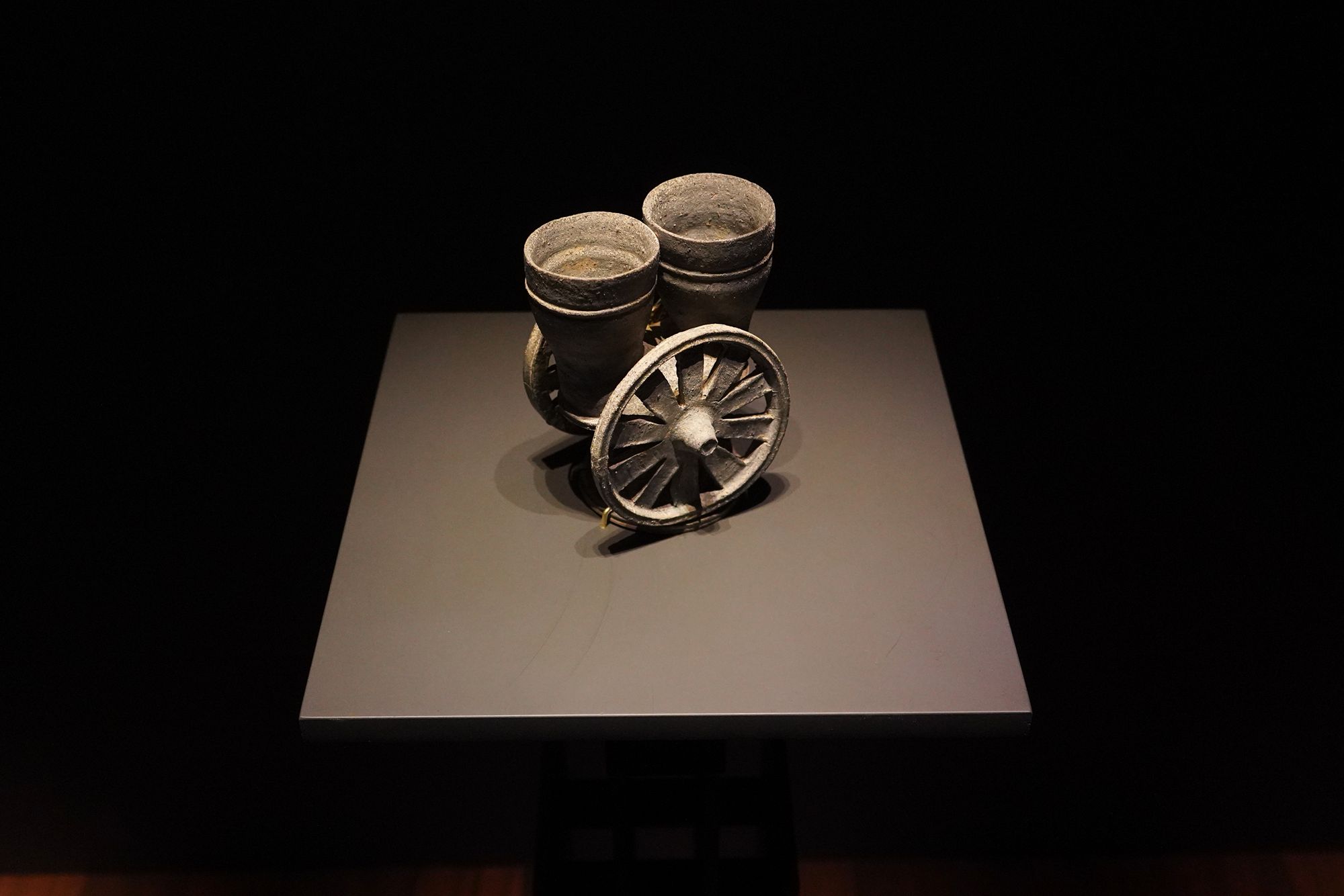
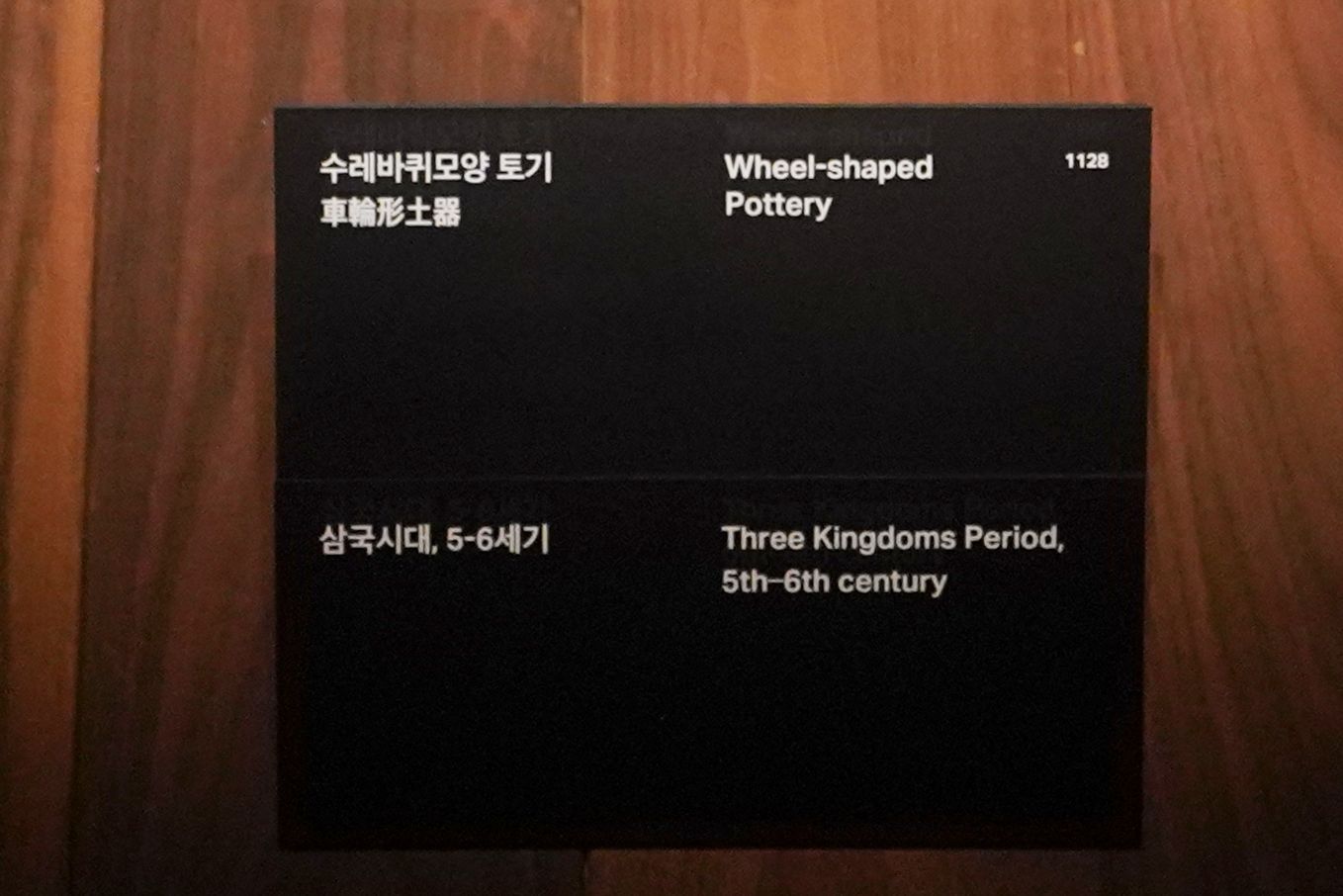
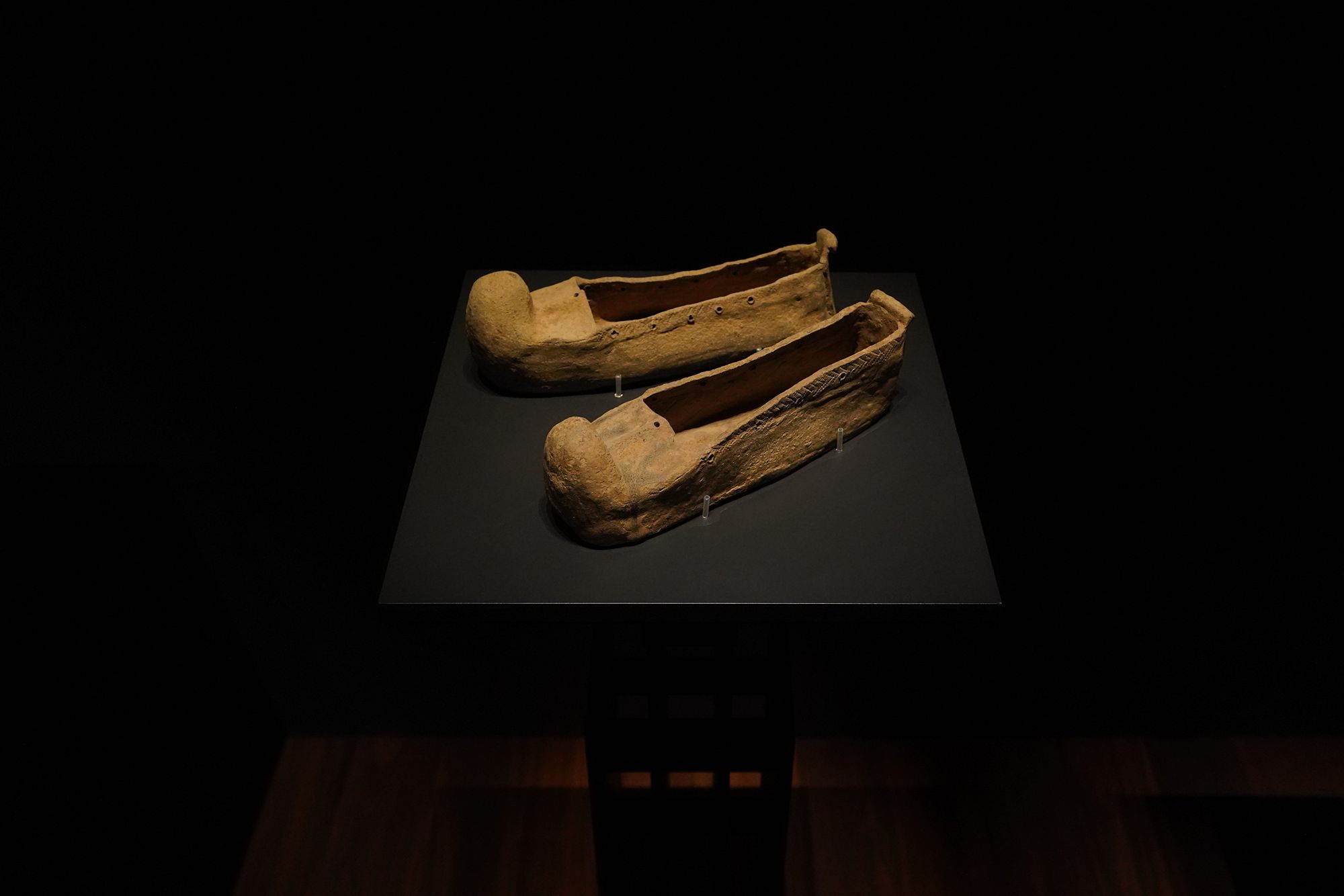
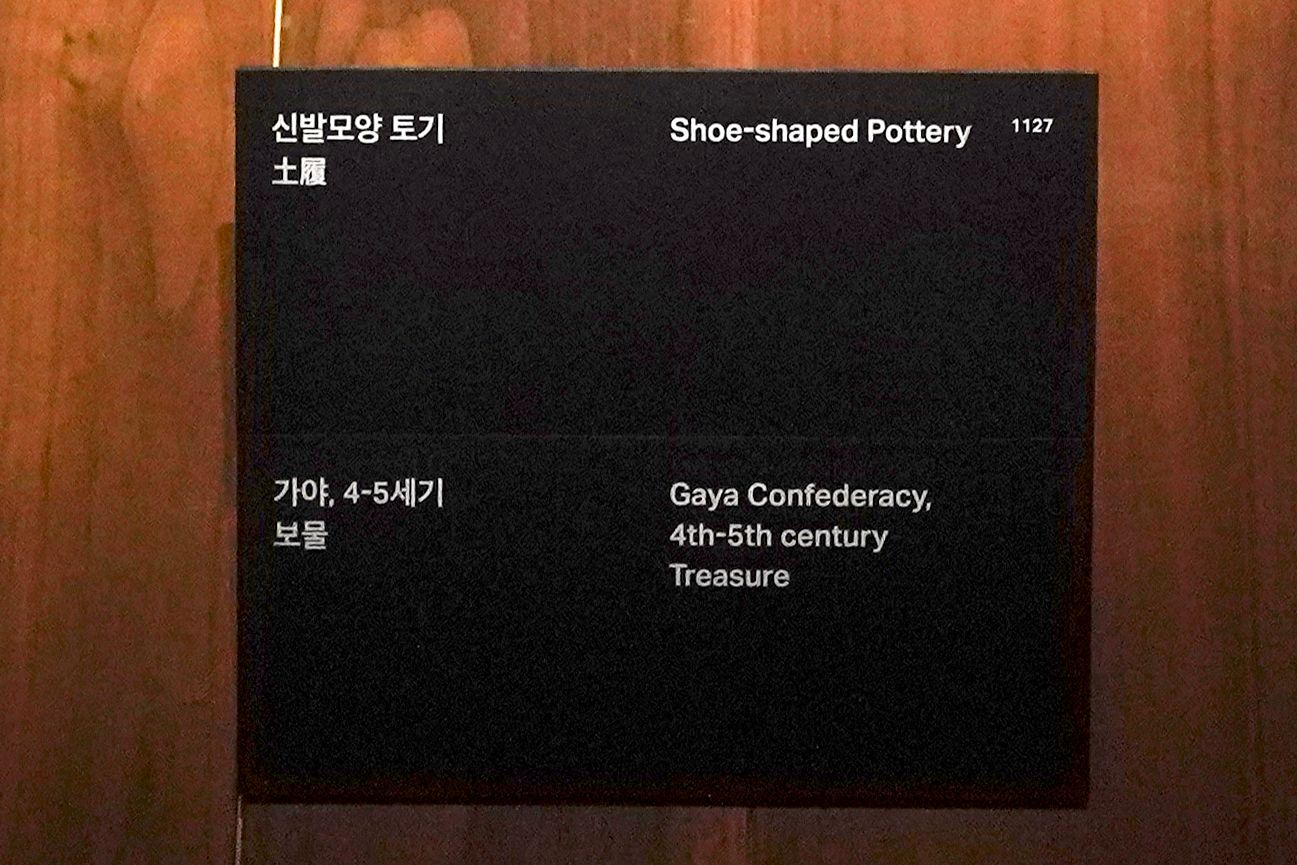
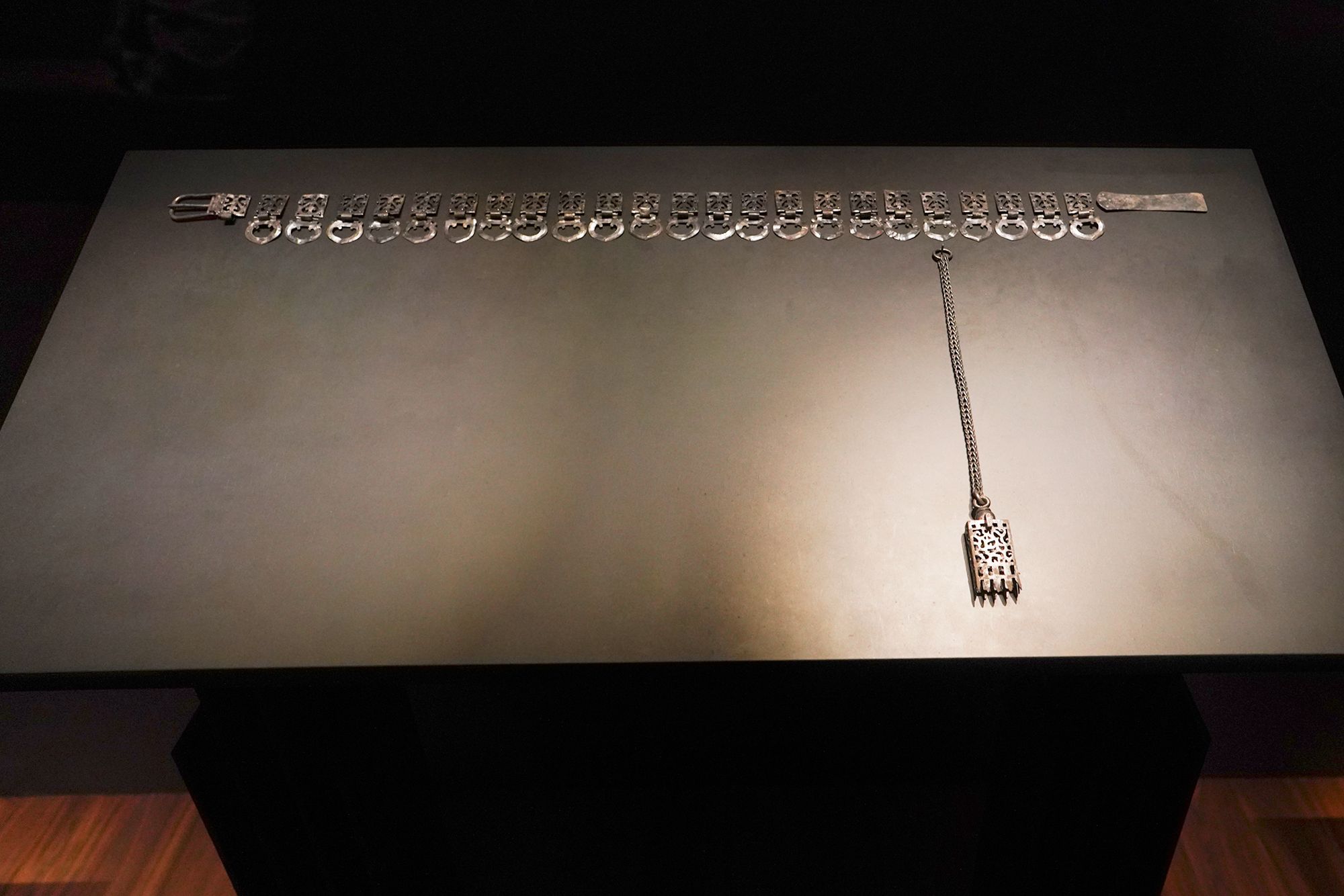
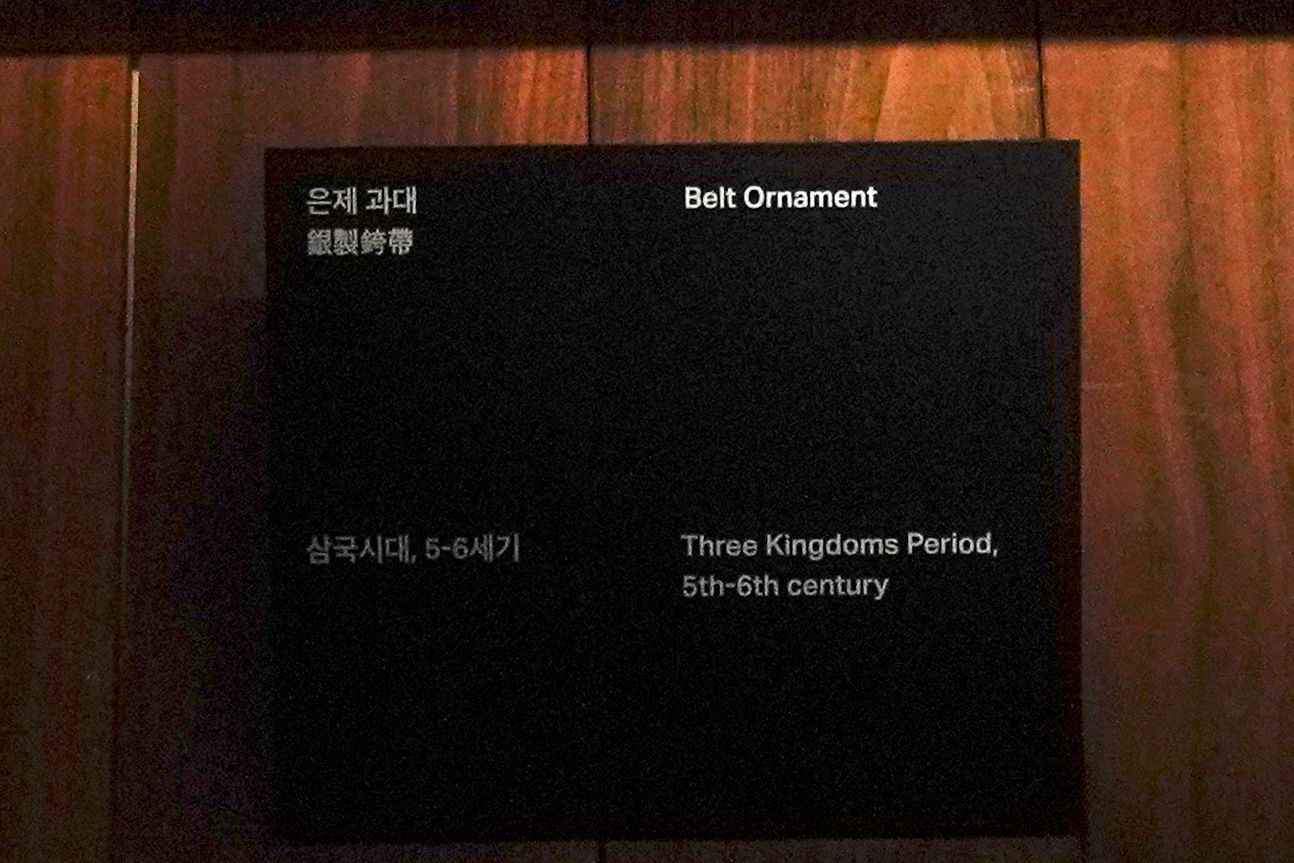
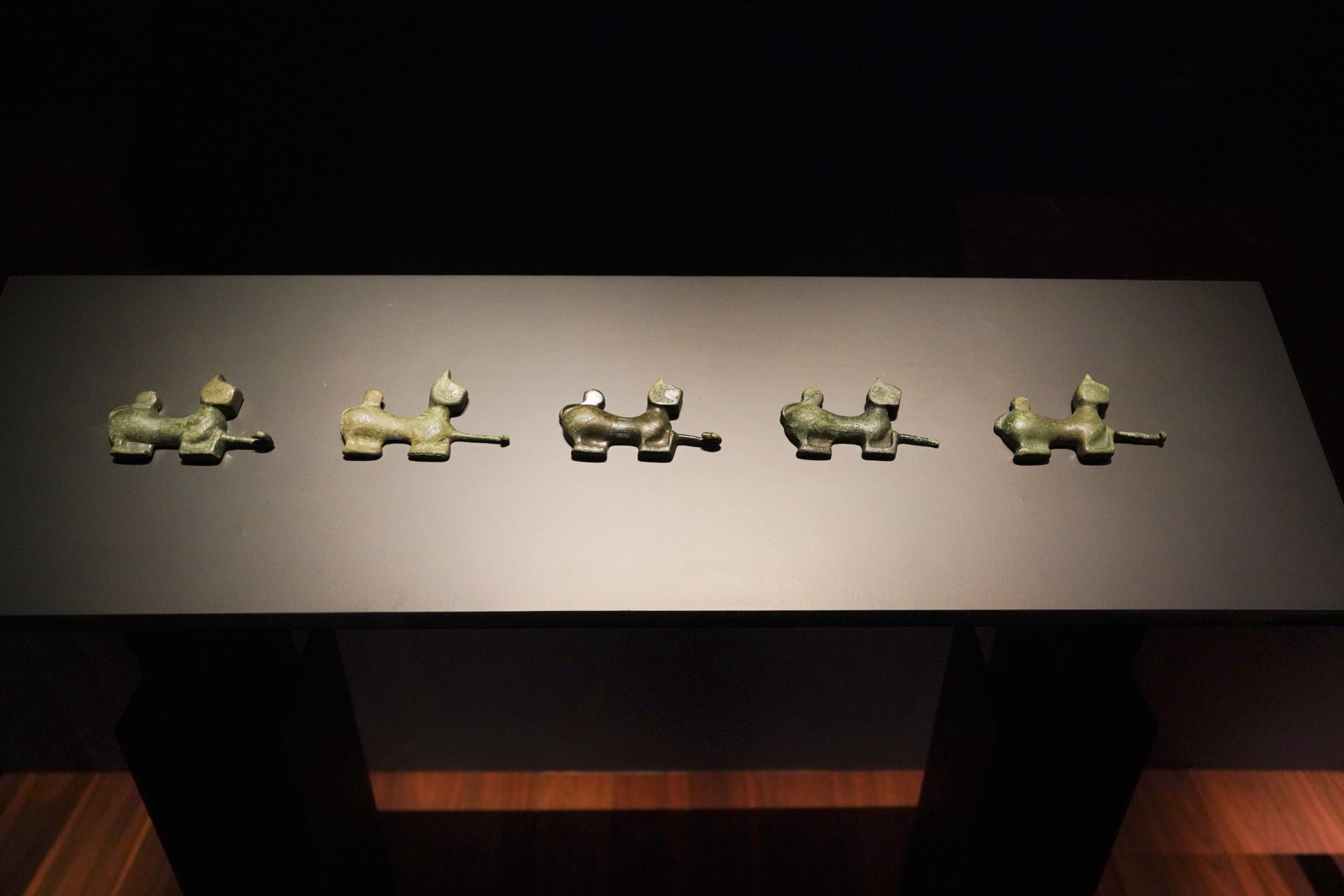
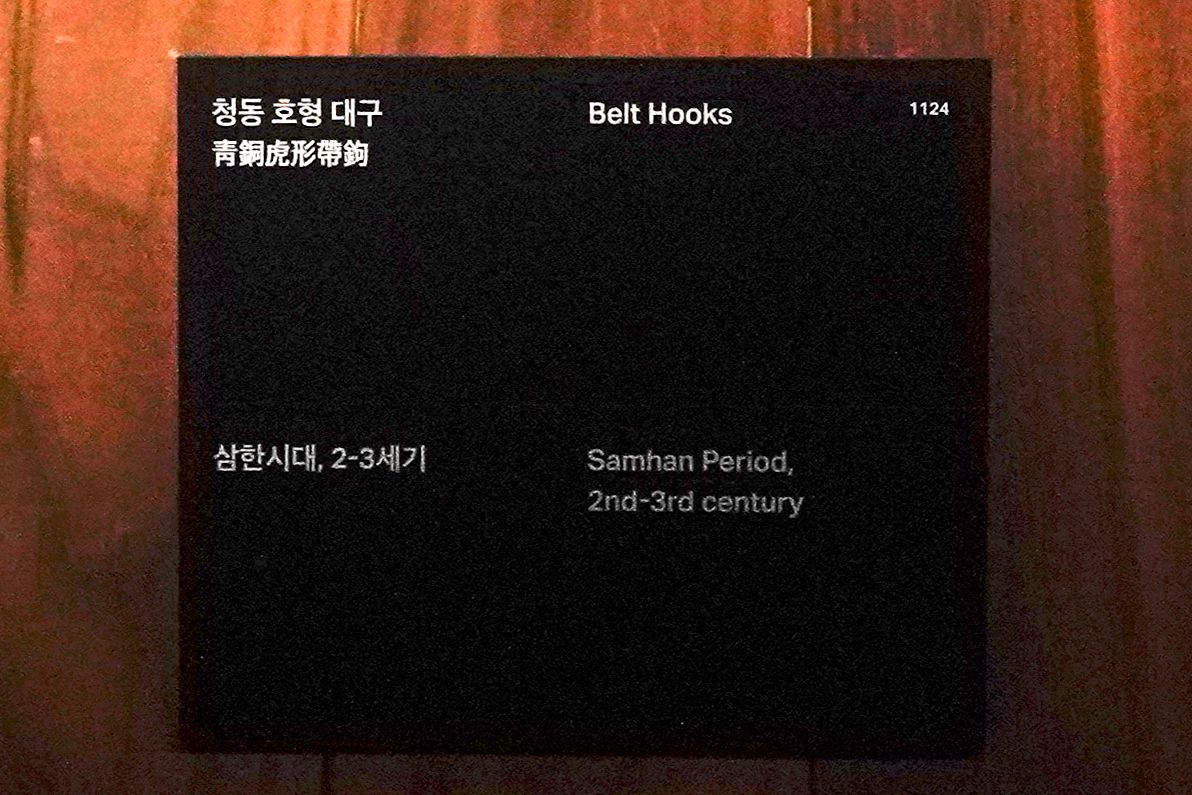
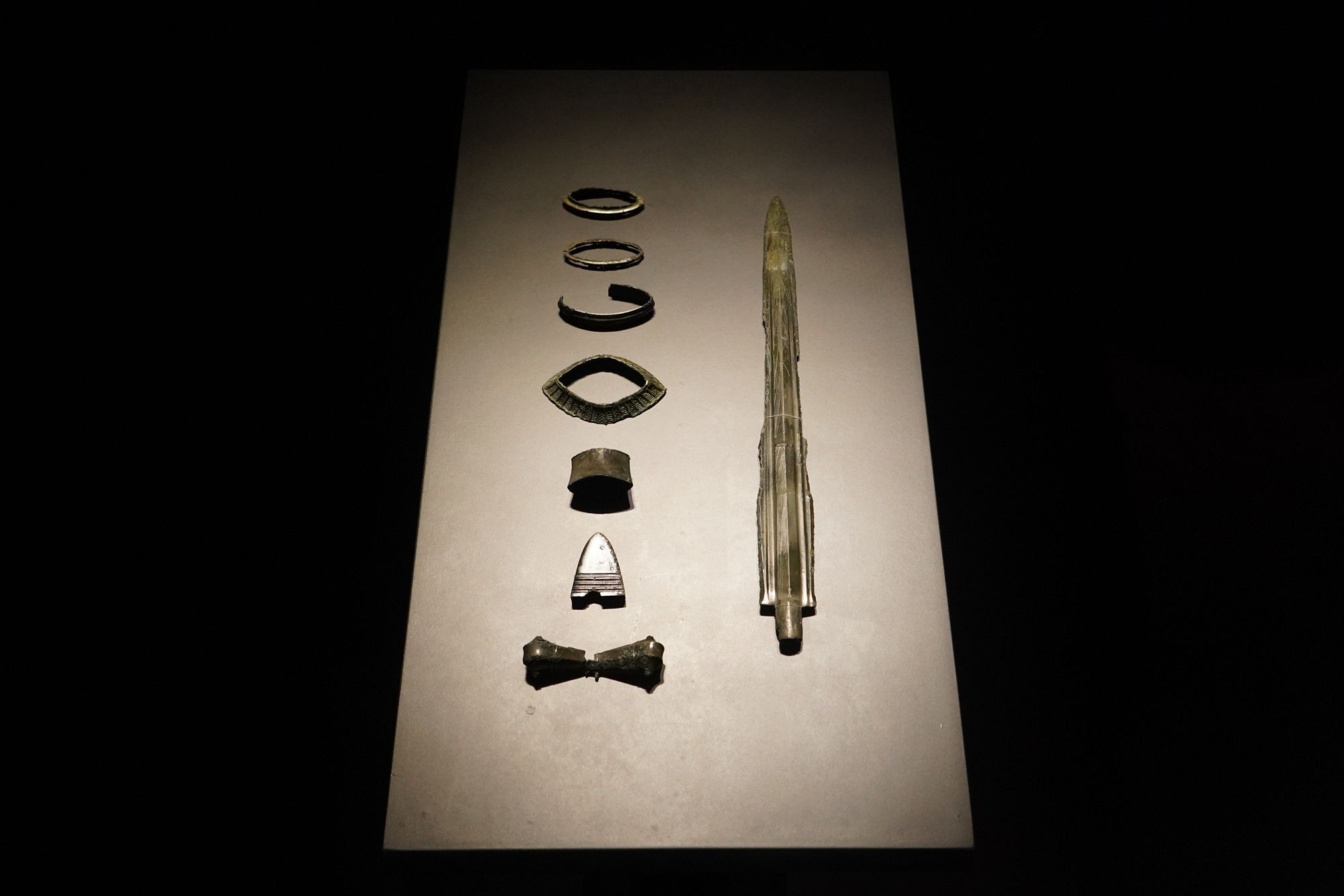
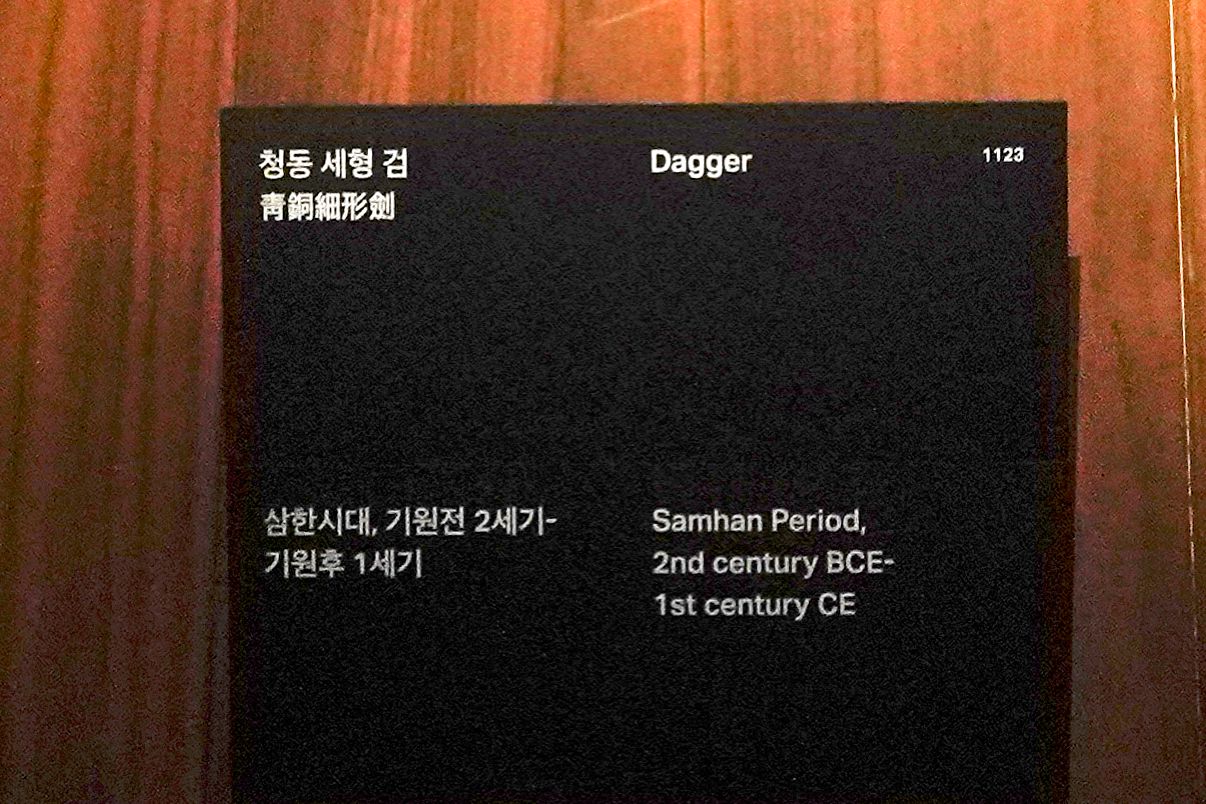
This section displayed artifacts from various periods of ancient Korean history, dating from around the 1st to the 14th centuries.
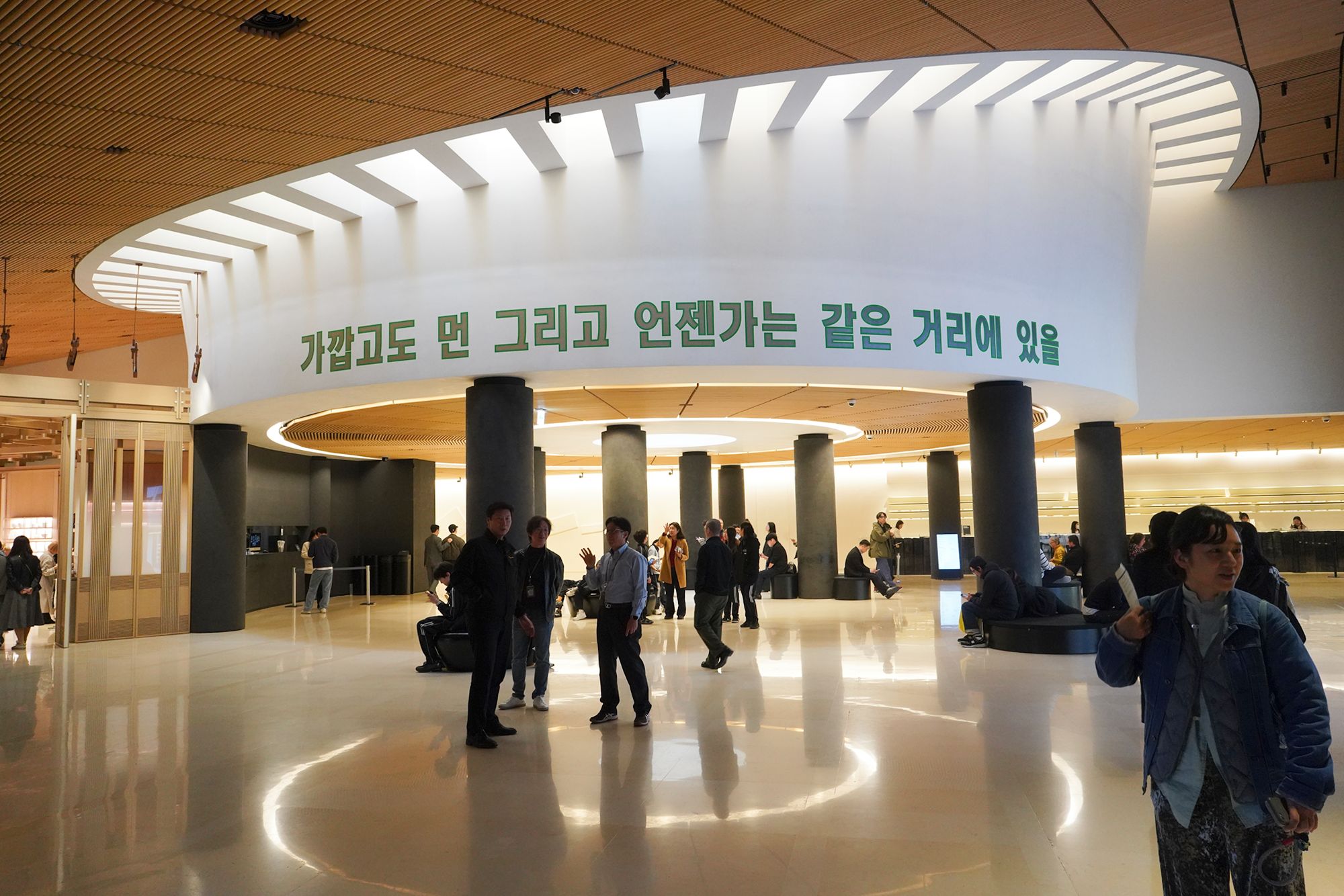
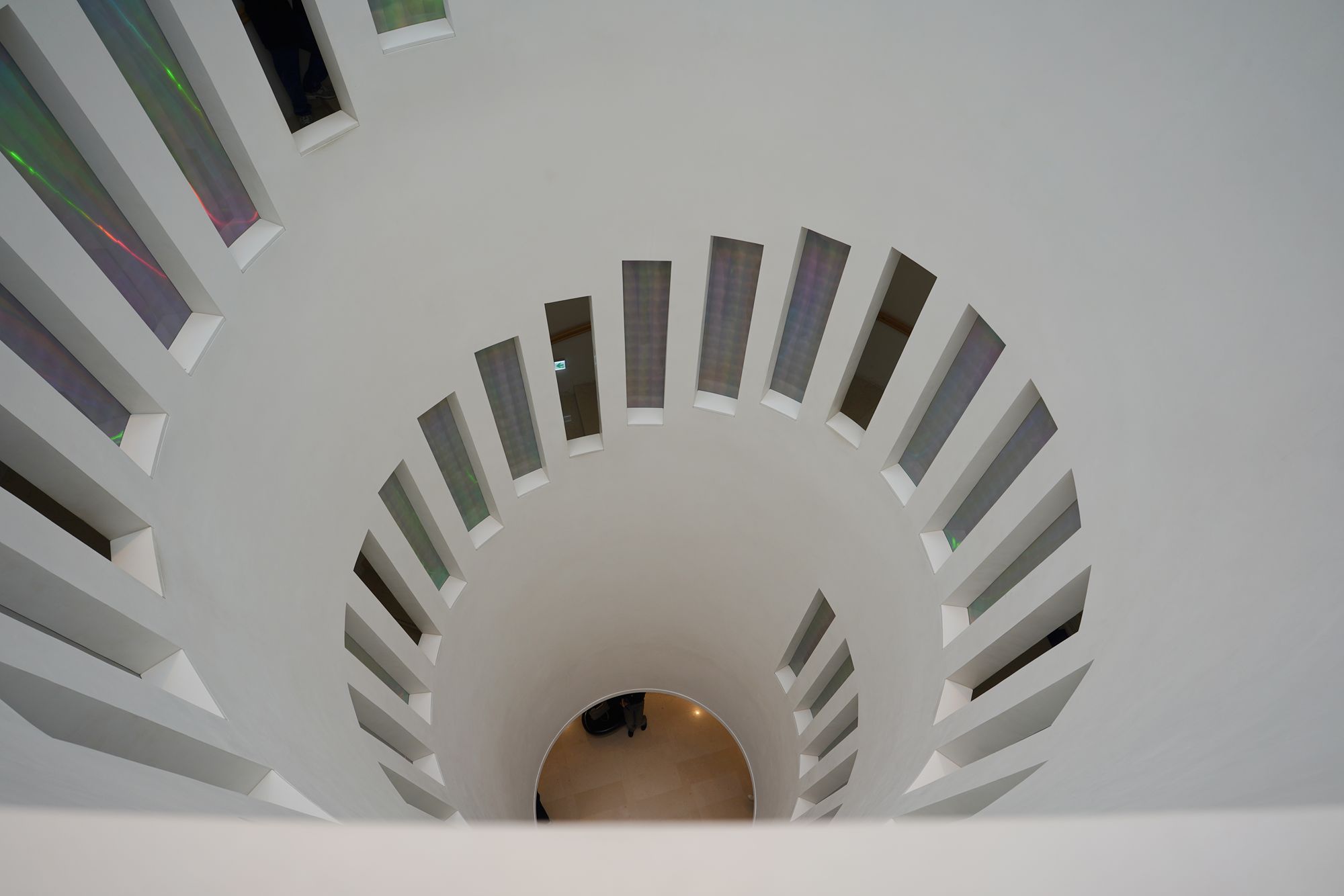
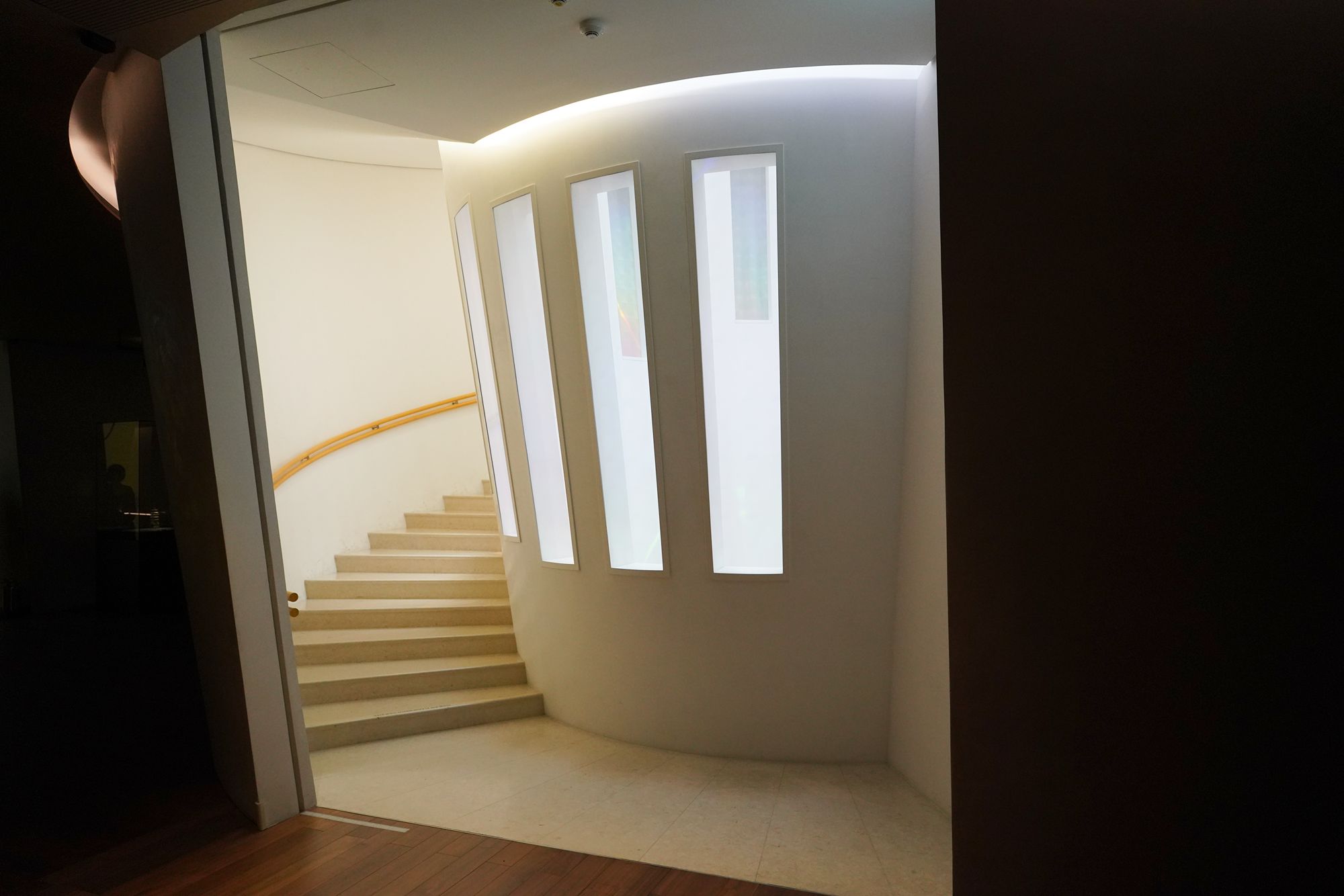
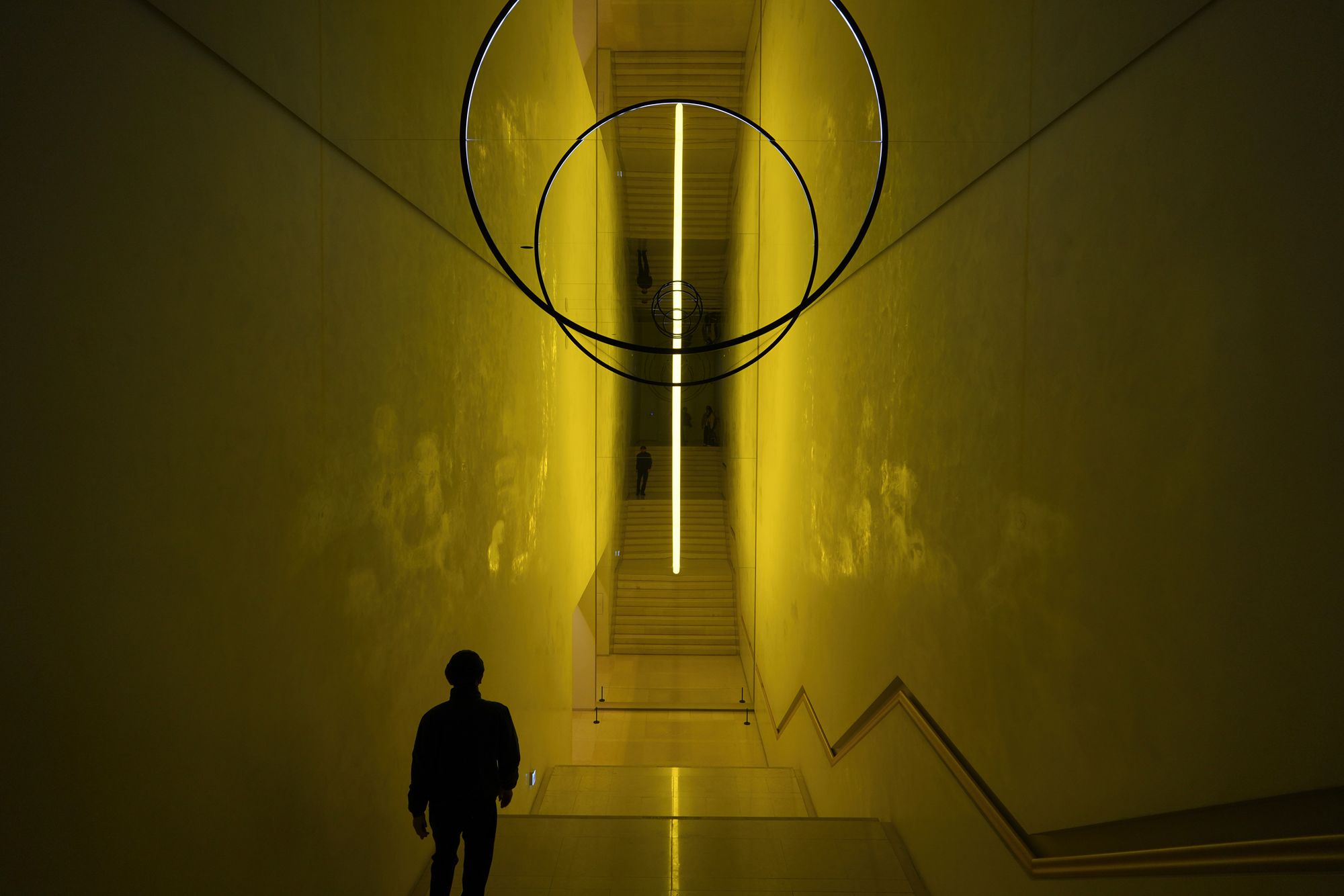
I walked downstairs toward the museum’s main hall.
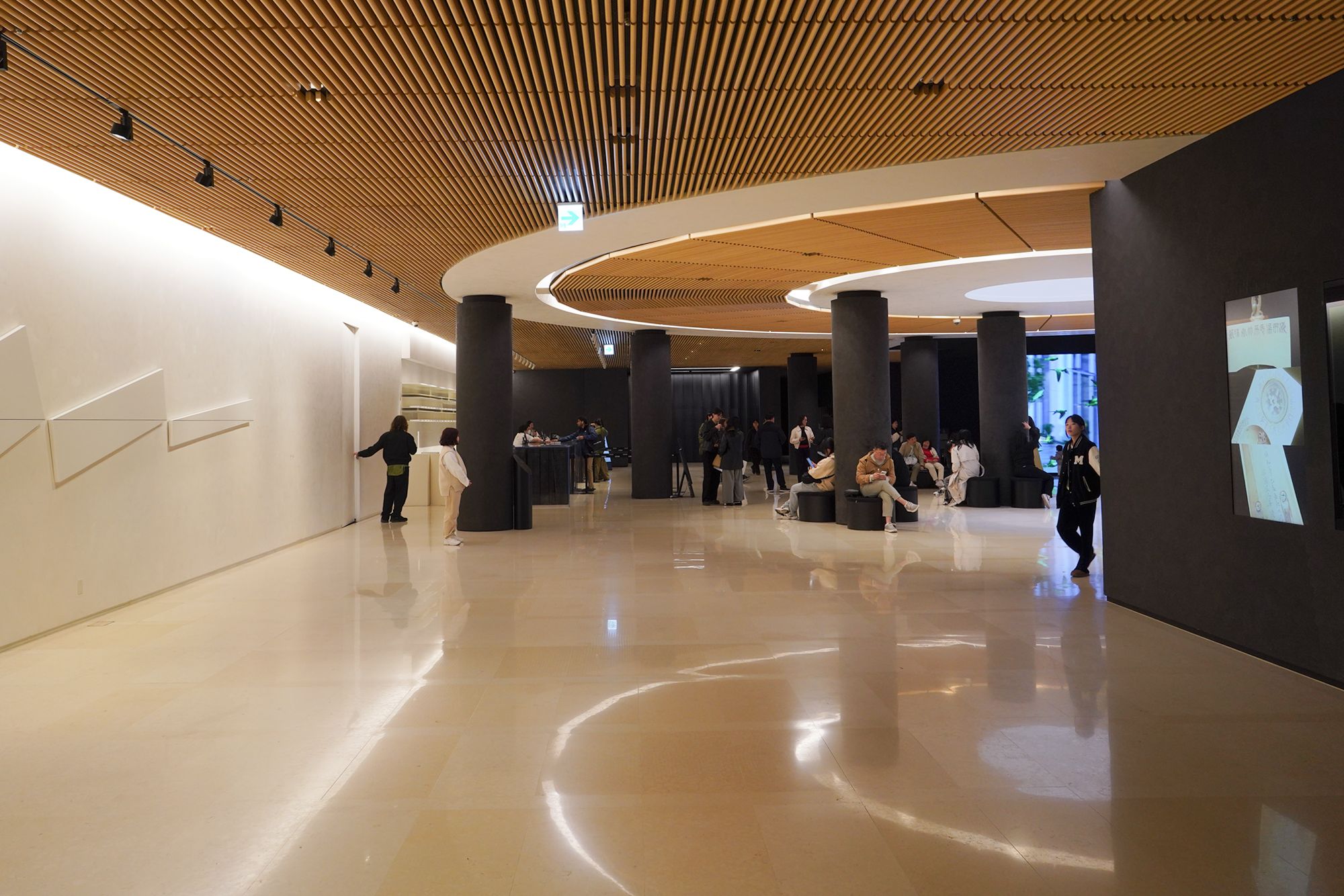
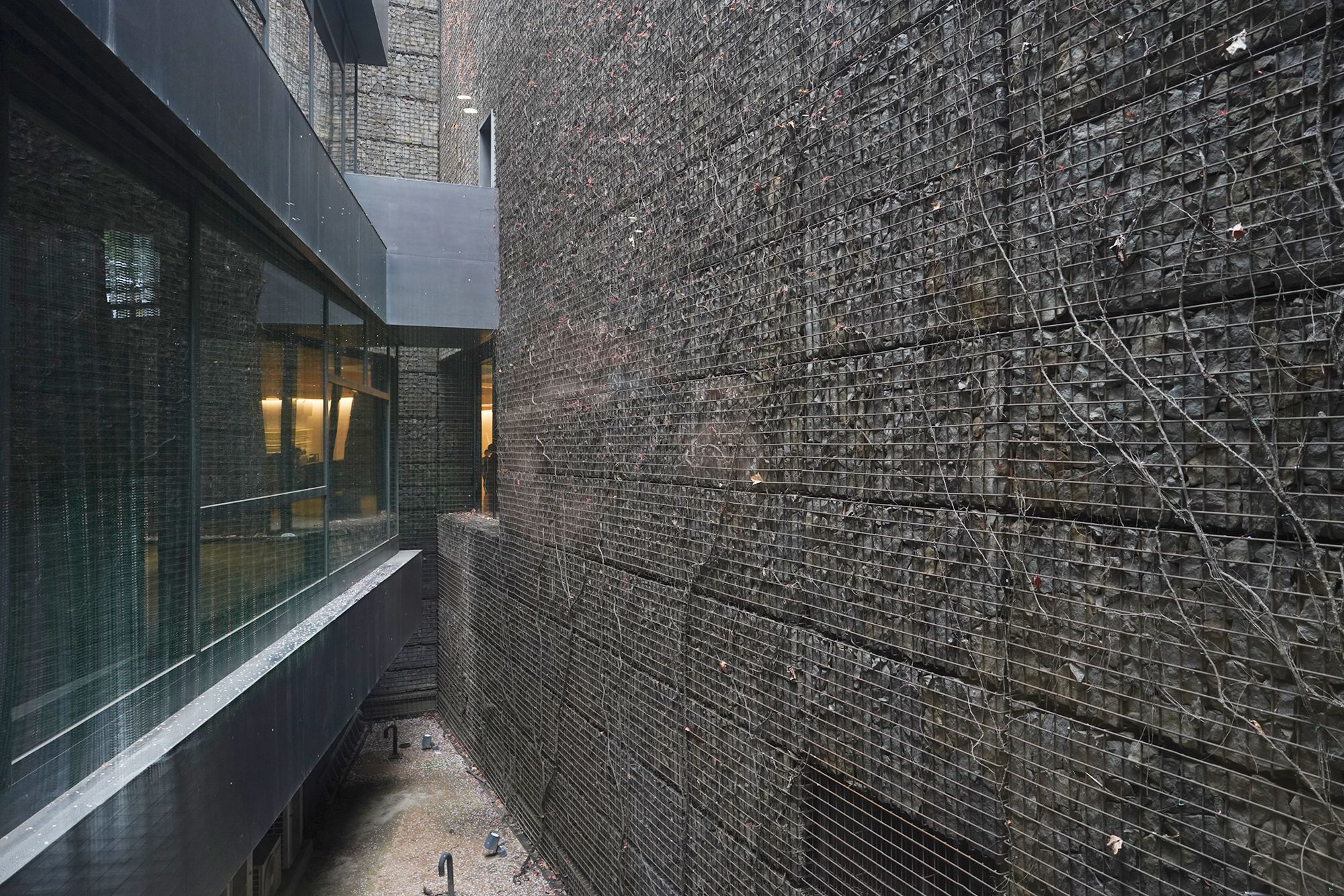
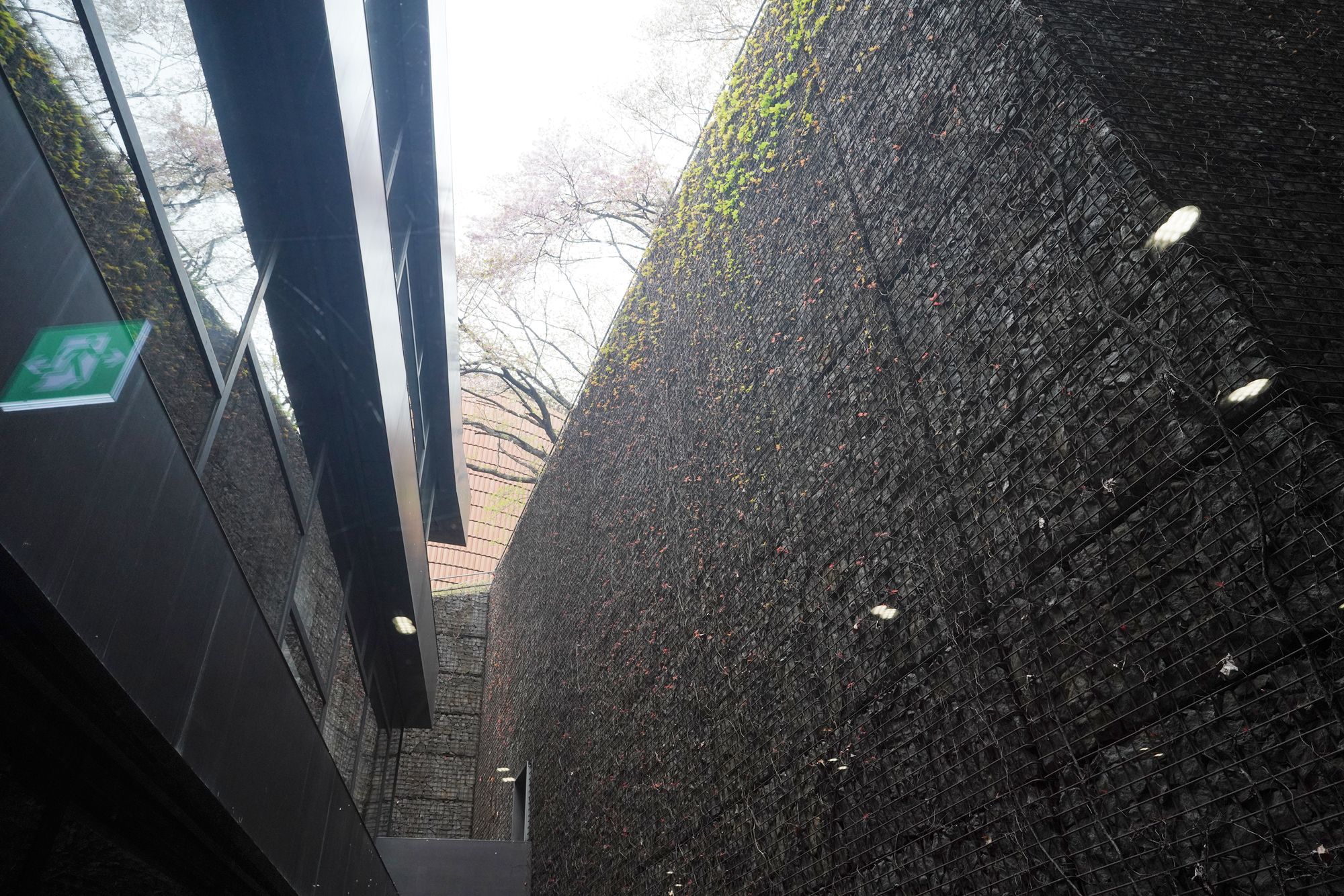
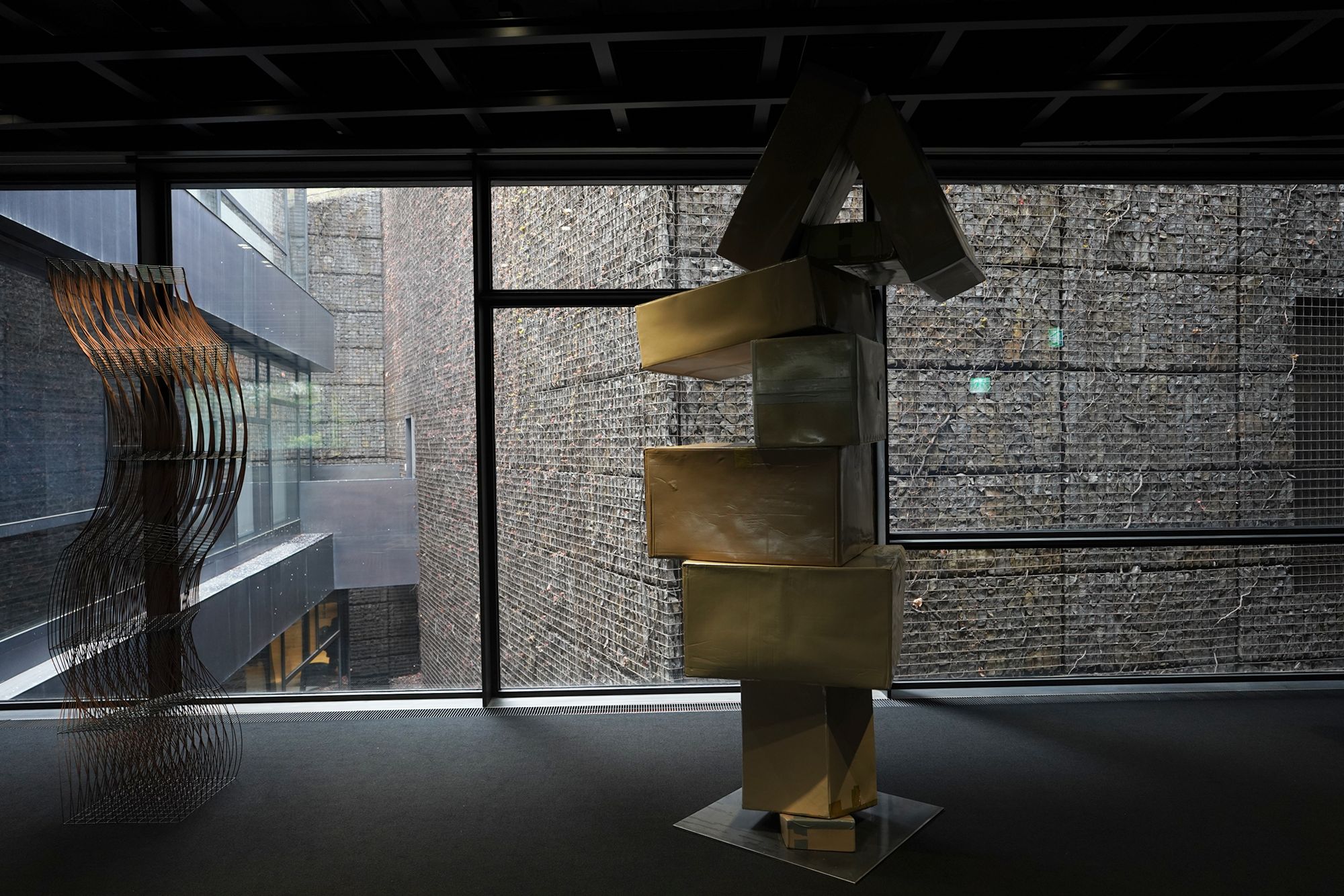
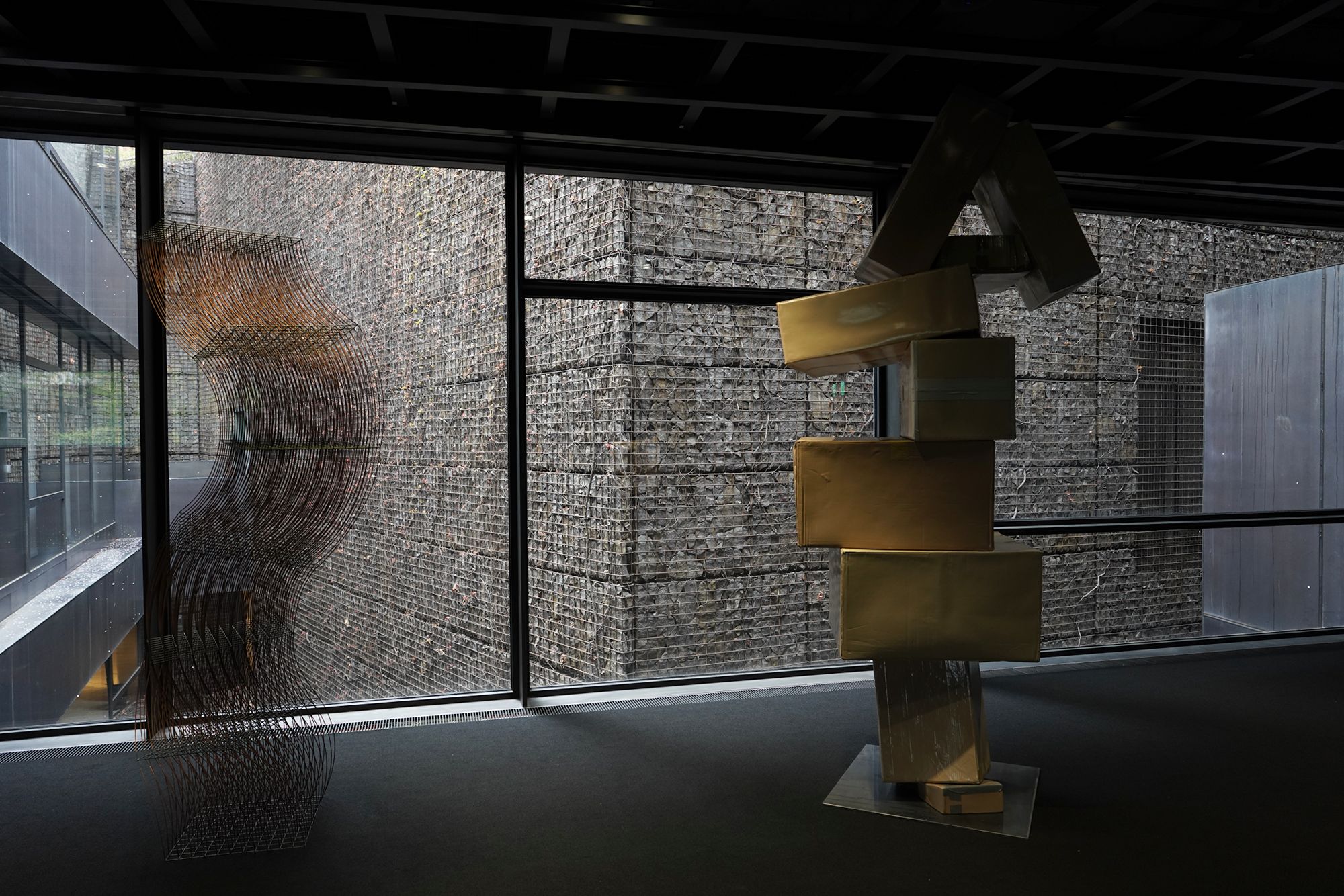
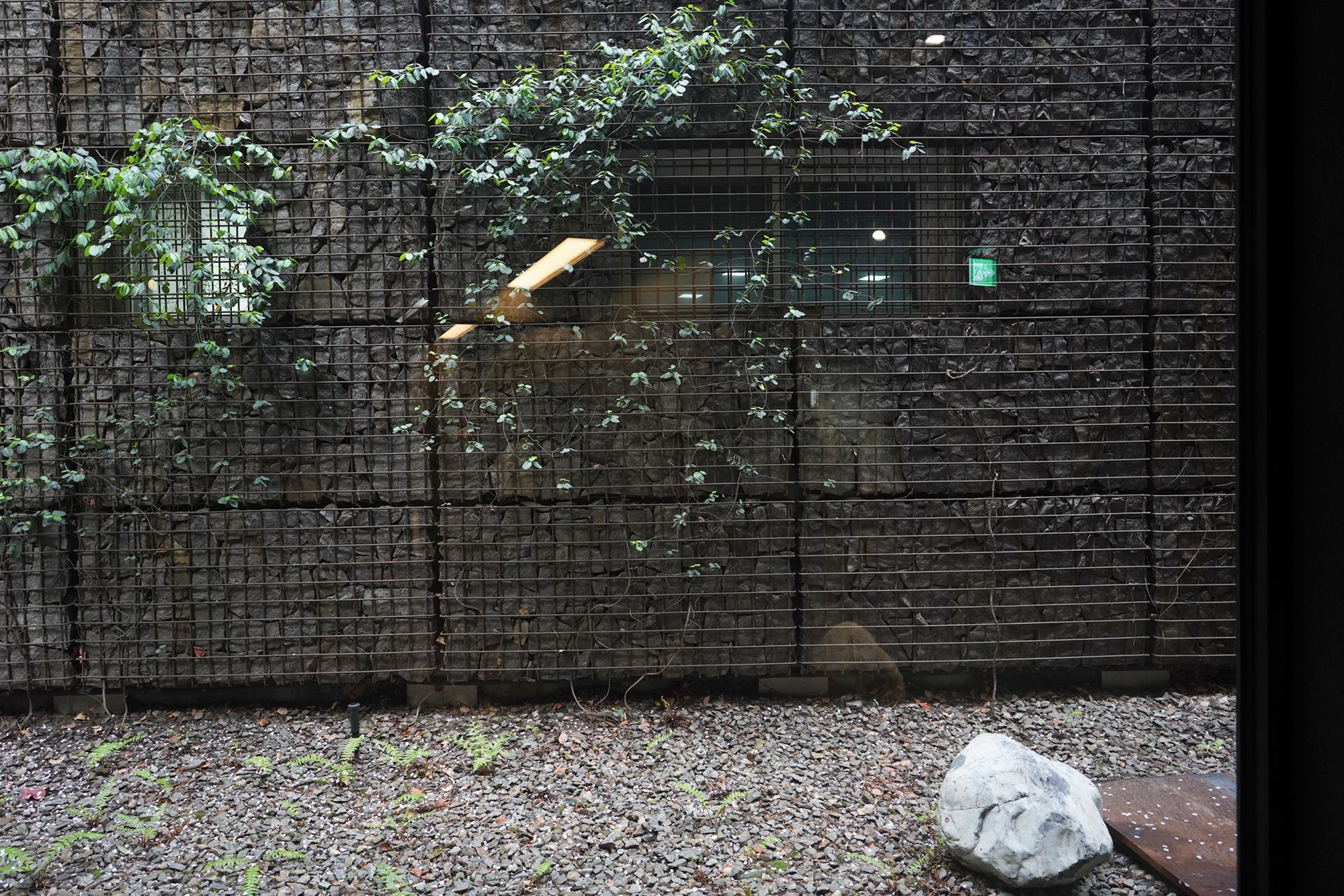
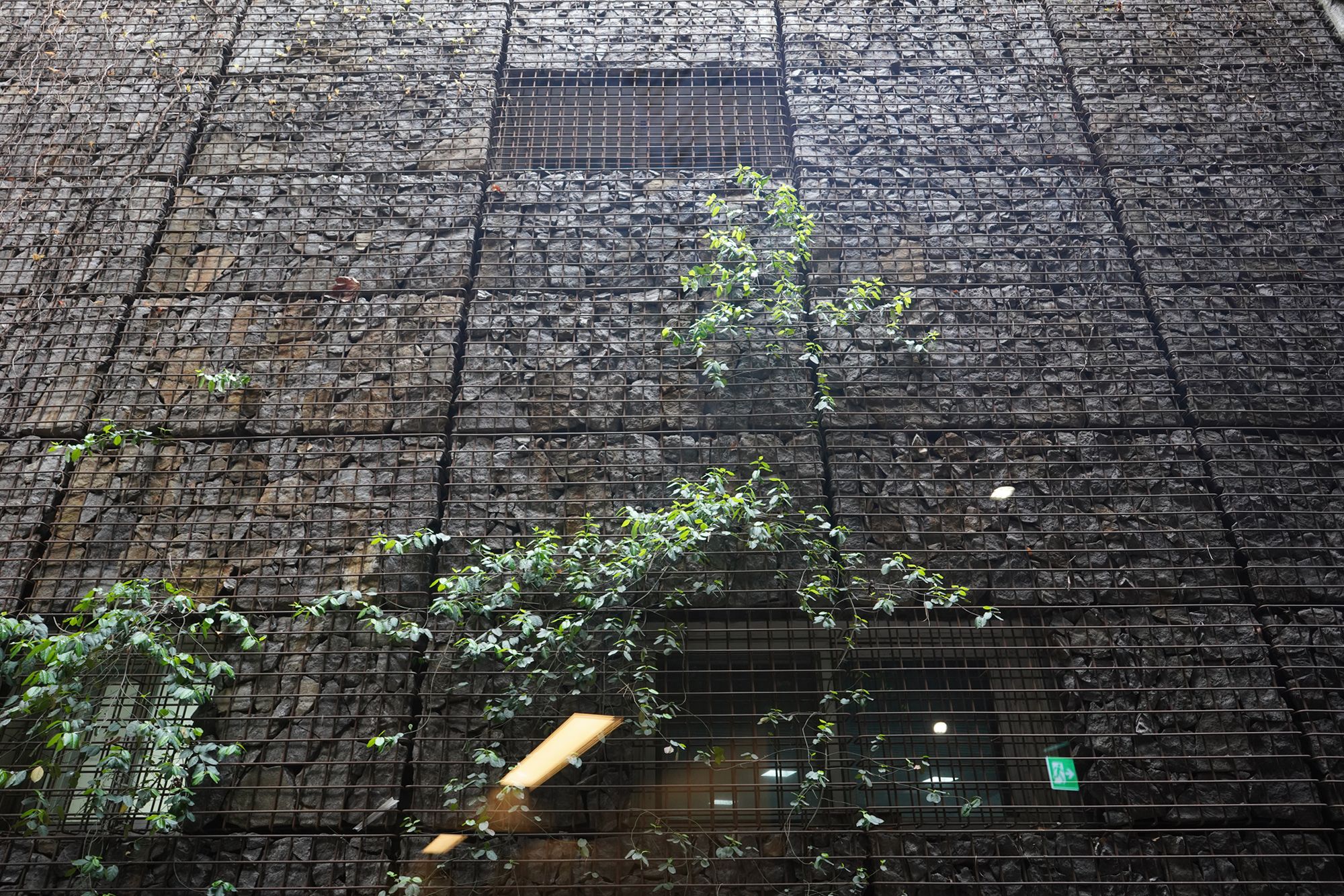
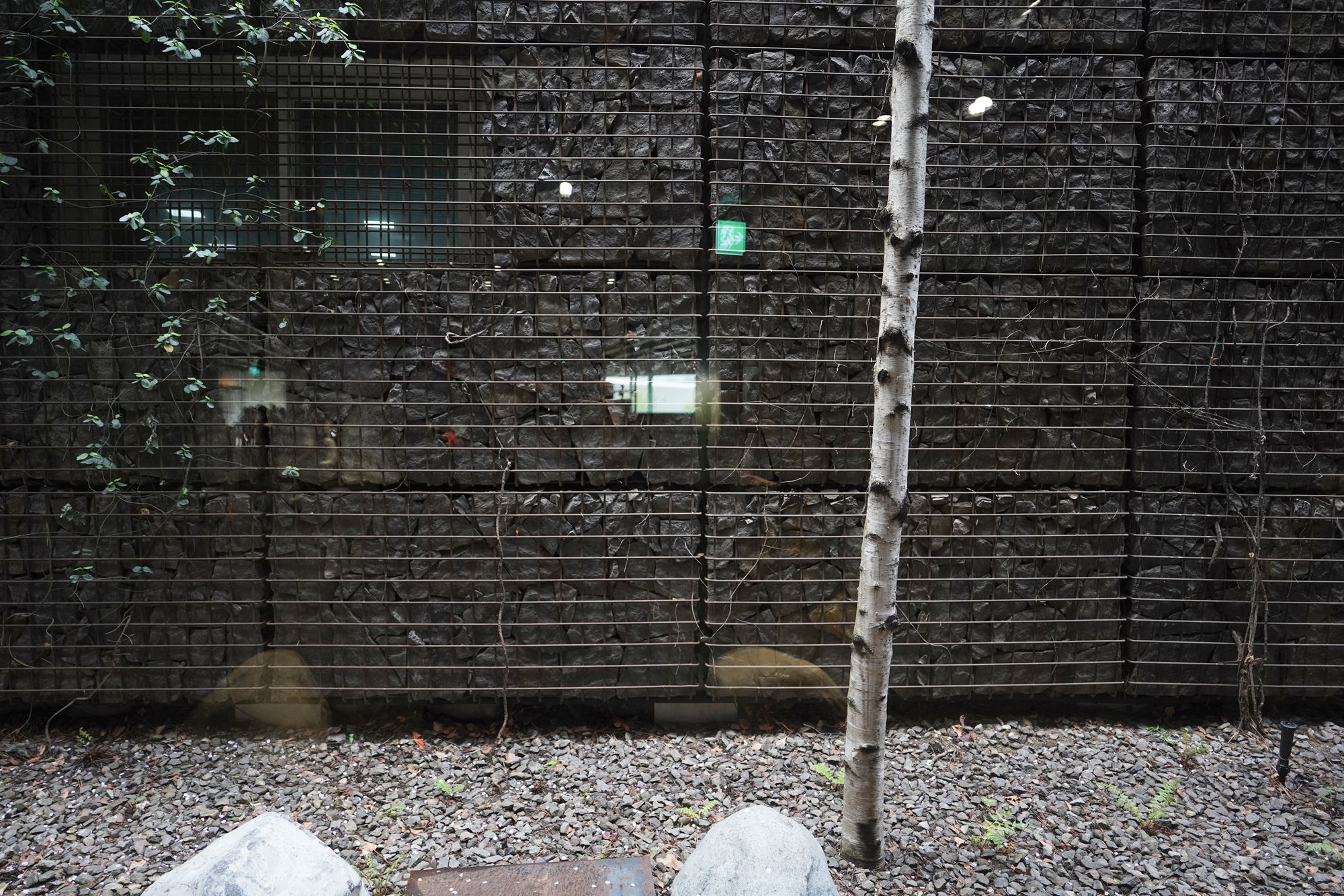
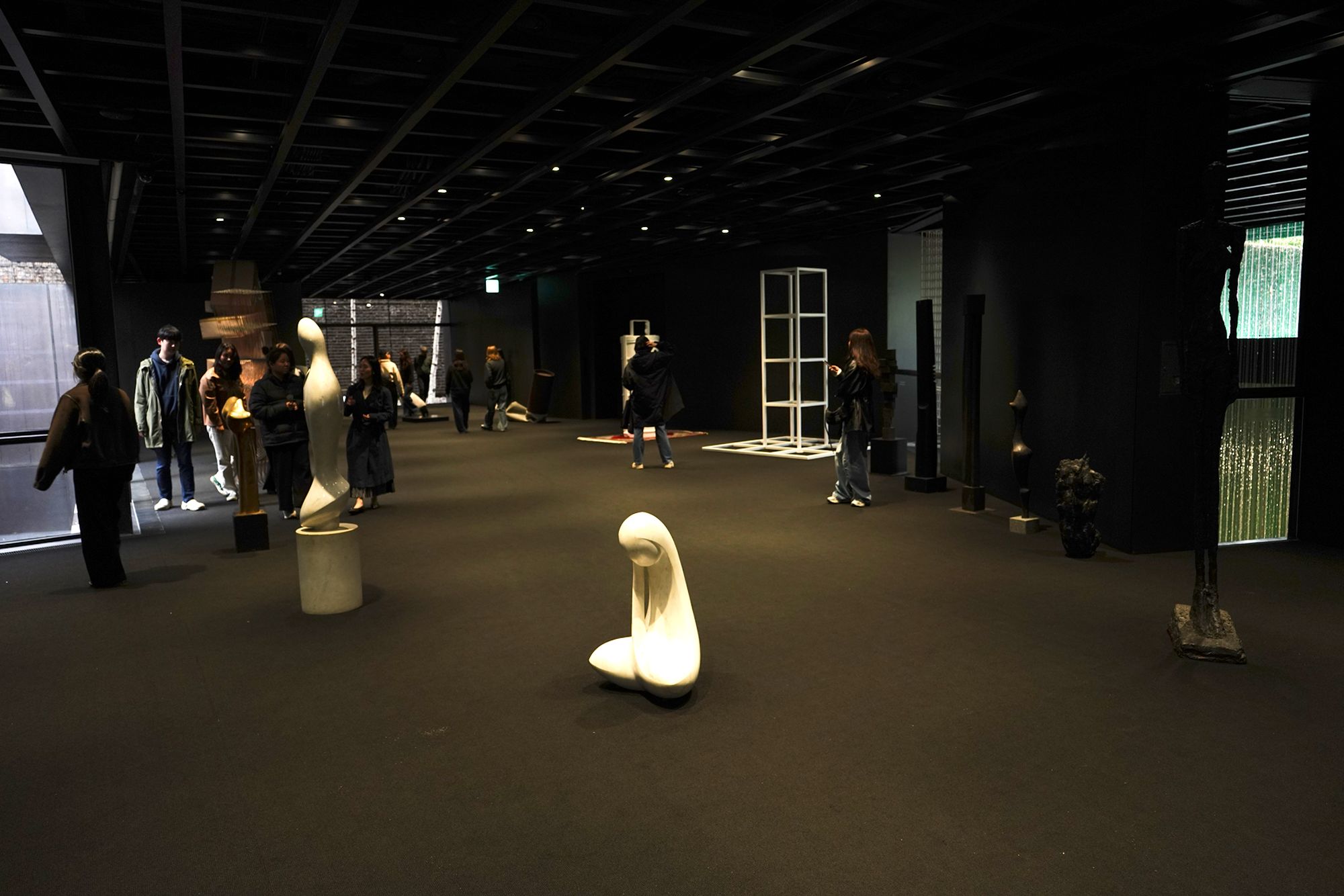
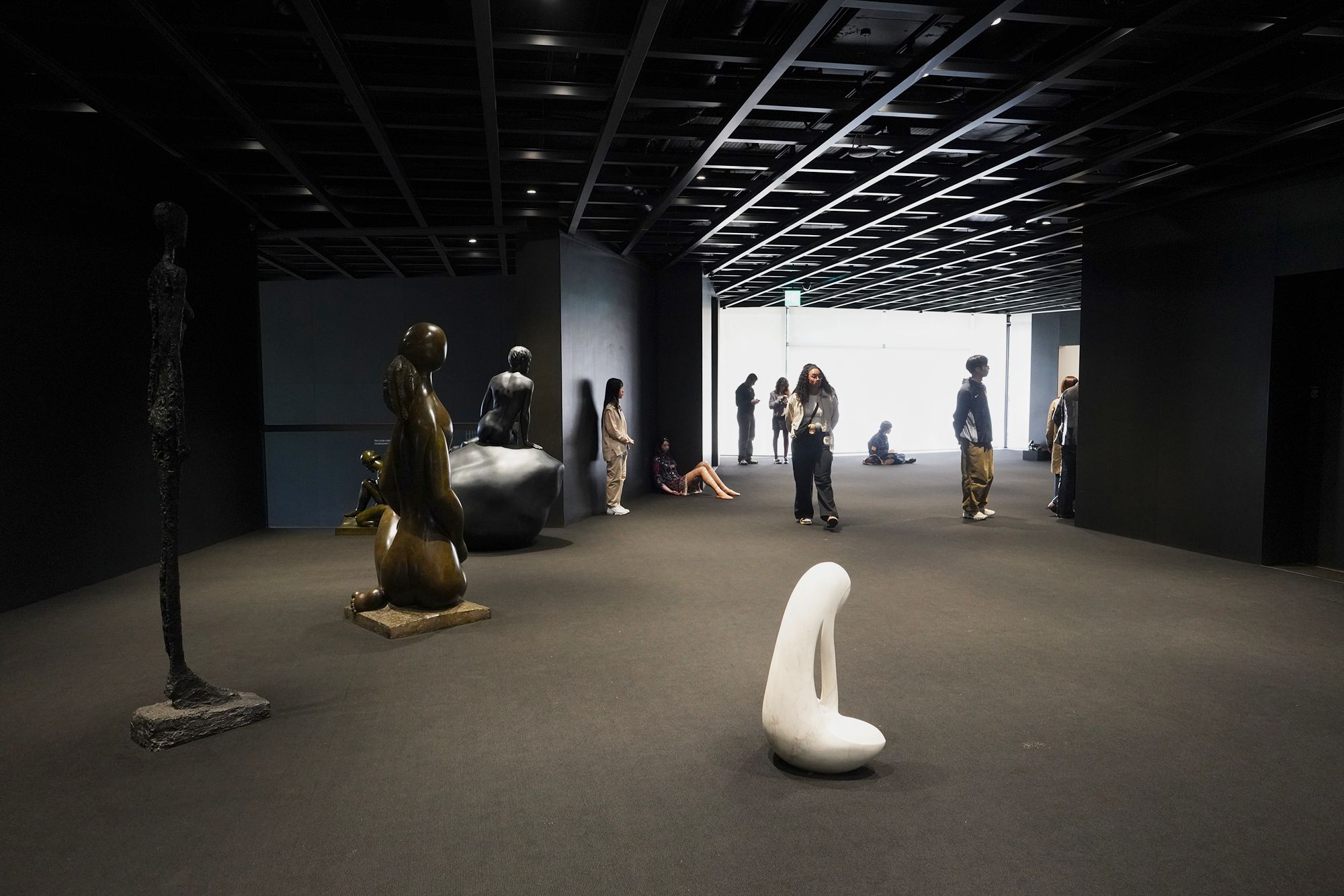
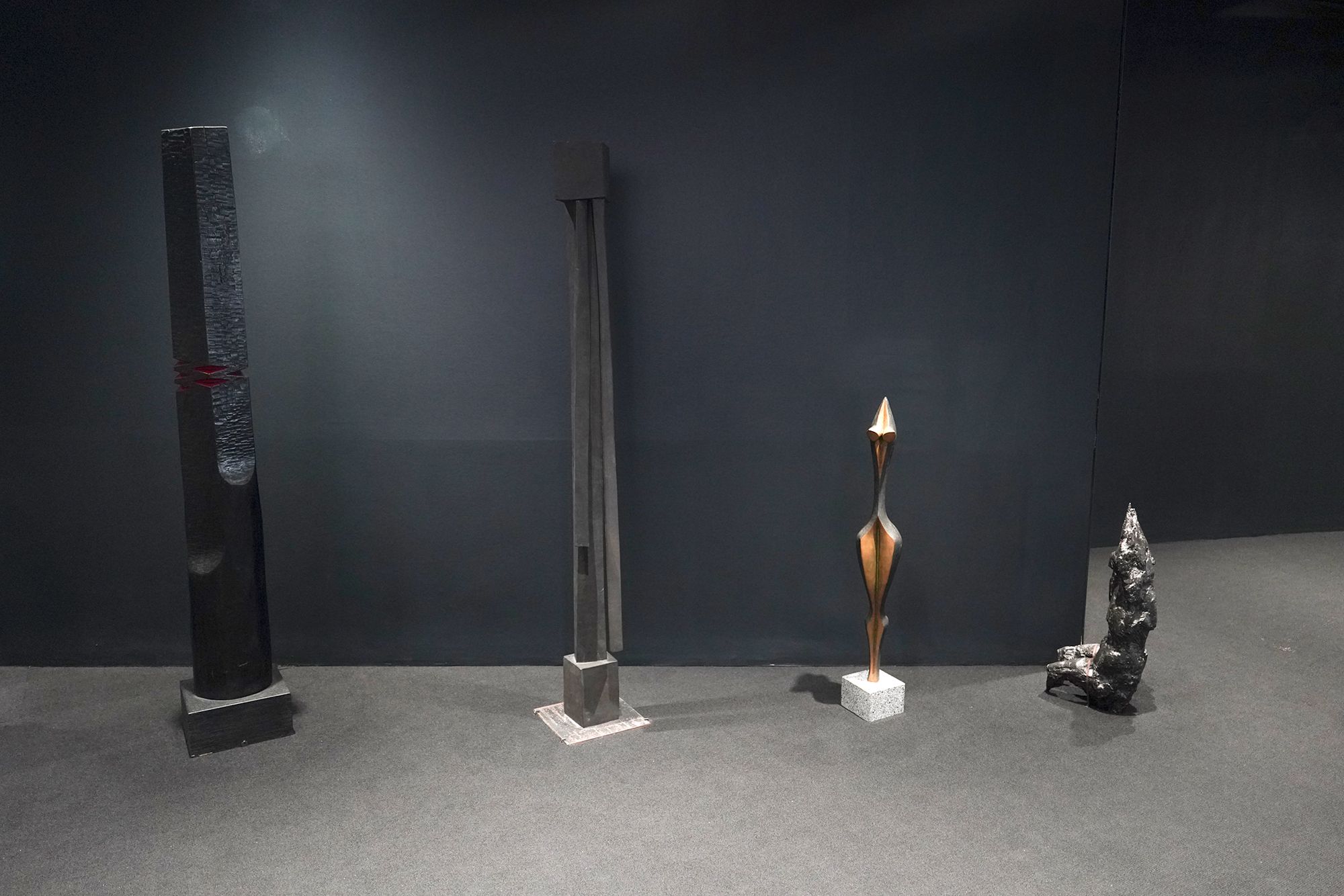
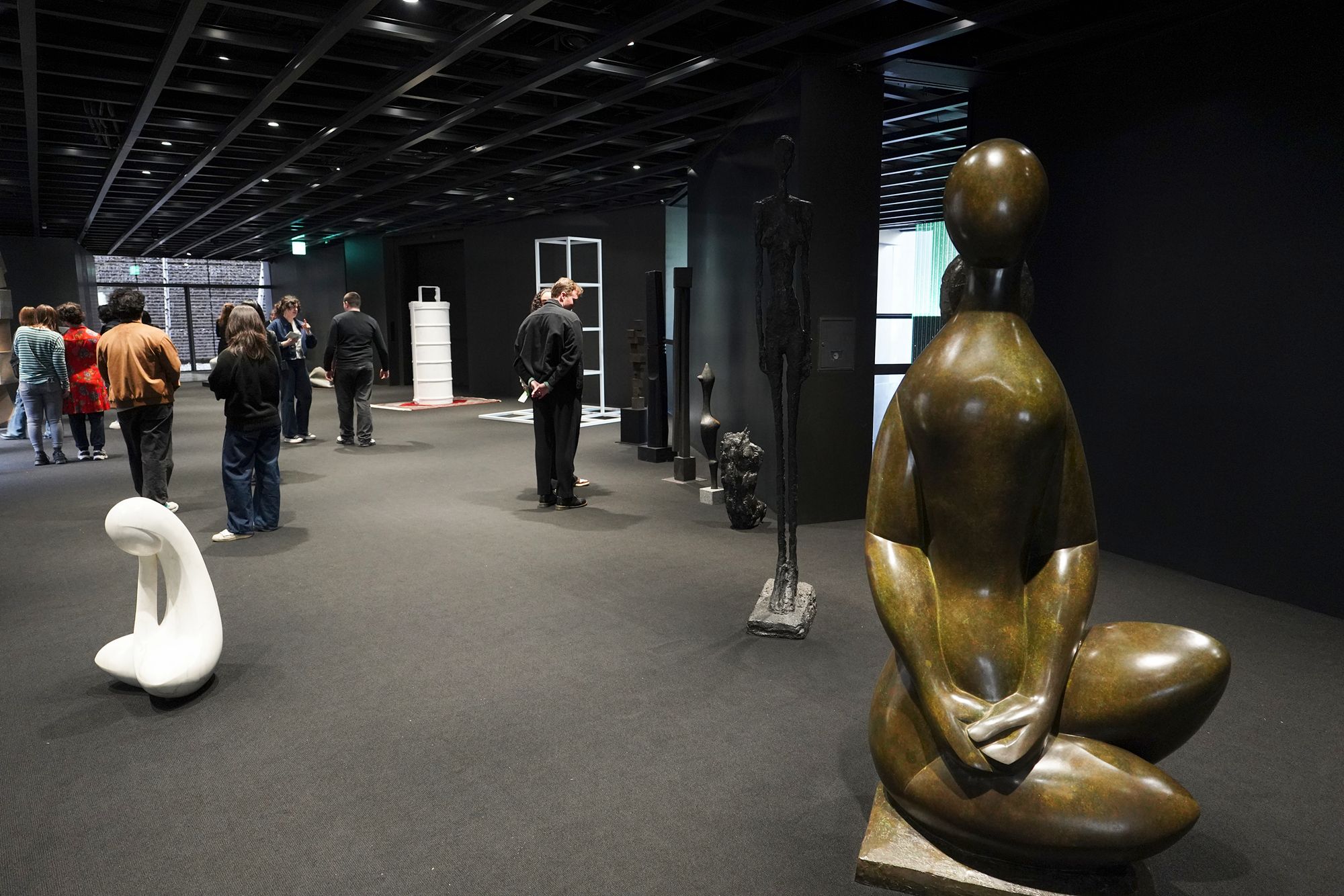
The other side of the museum exhibited modern and contemporary art.