National Museum – Religion and Ancient Relics, New Delhi, India
This blog features the National Museum in New Delhi, with a focus on religion, ancient artifacts, and India’s rich cultural heritage. 1244
National Museum, New Delhi: Janpath Rd, Central Secretariat, Kartavya Path, New Delhi, Delhi 110011, India
Date Picture Taken: Feb, 2026
The National Museum in New Delhi houses an extensive collection of ancient Indian relics, religious sculptures, and sacred art representing Hinduism, Buddhism, Jainism, and other traditions.
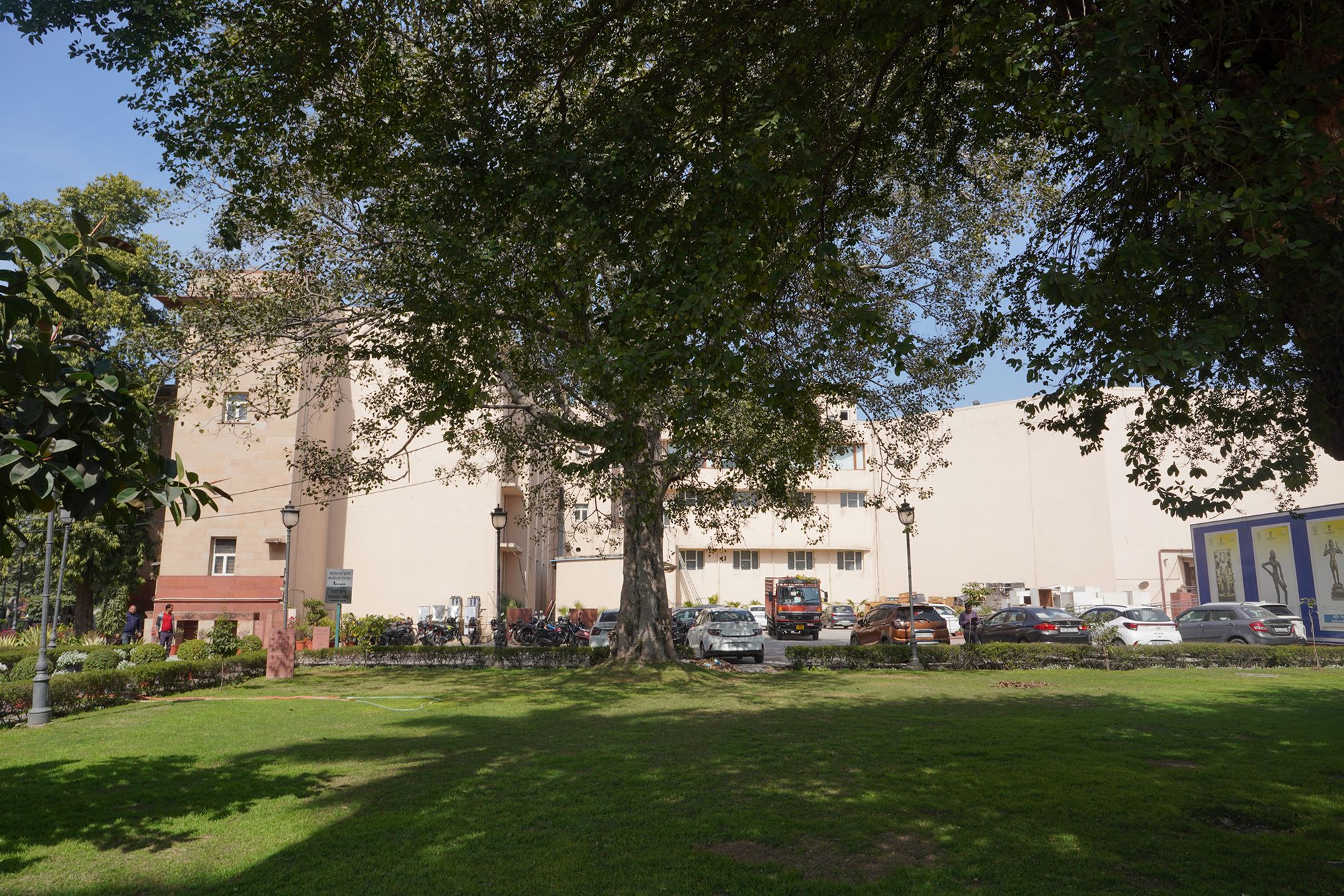
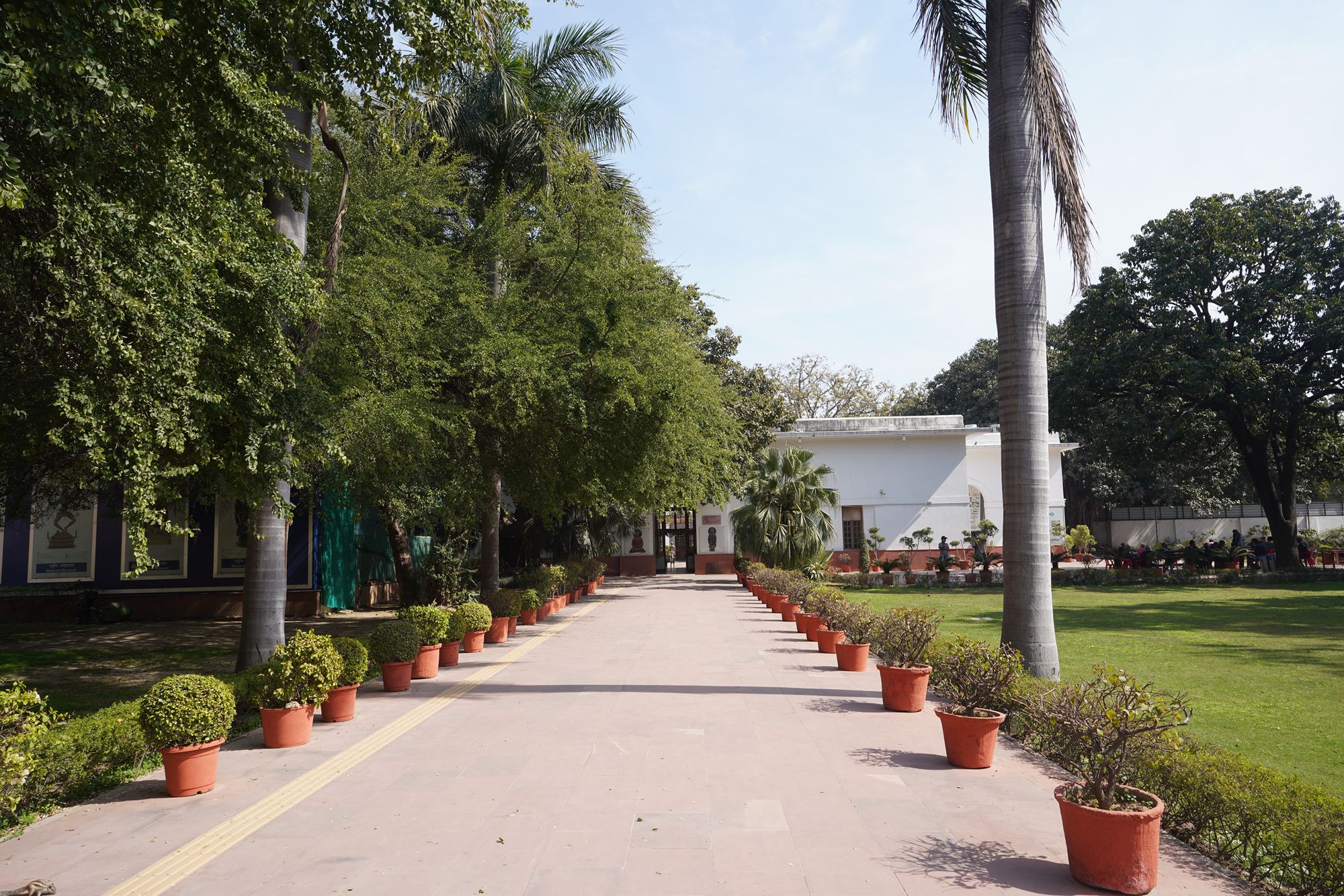
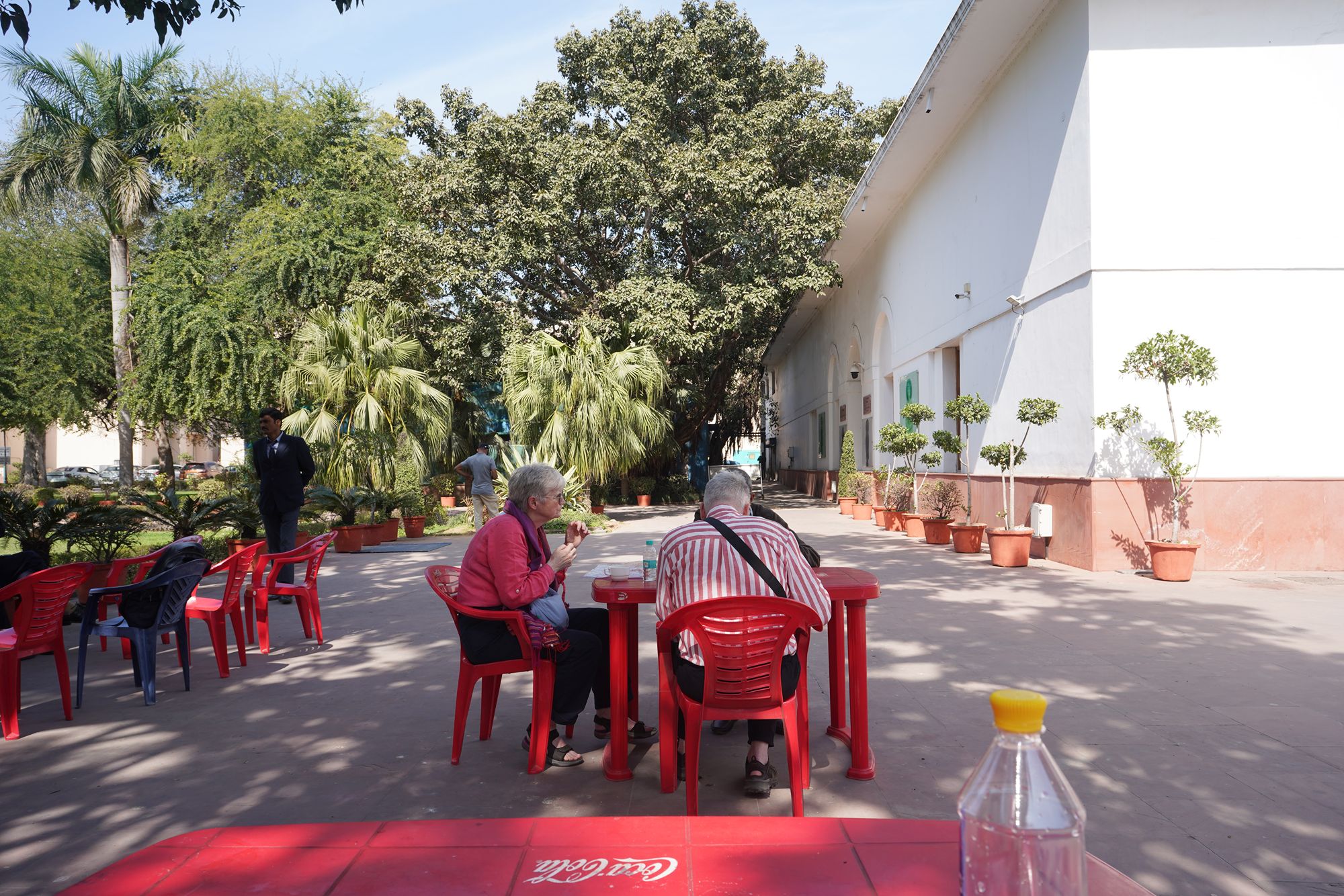
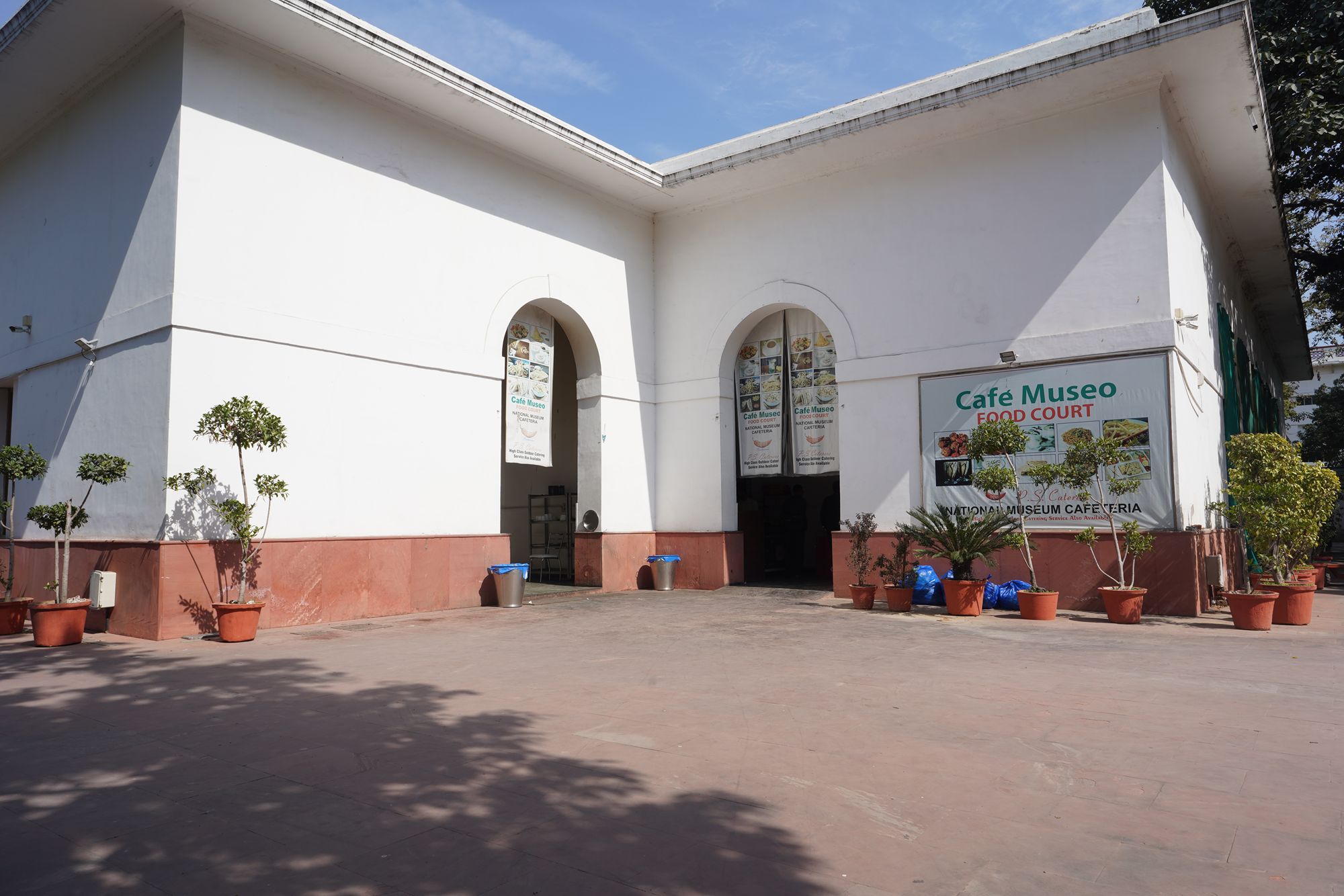
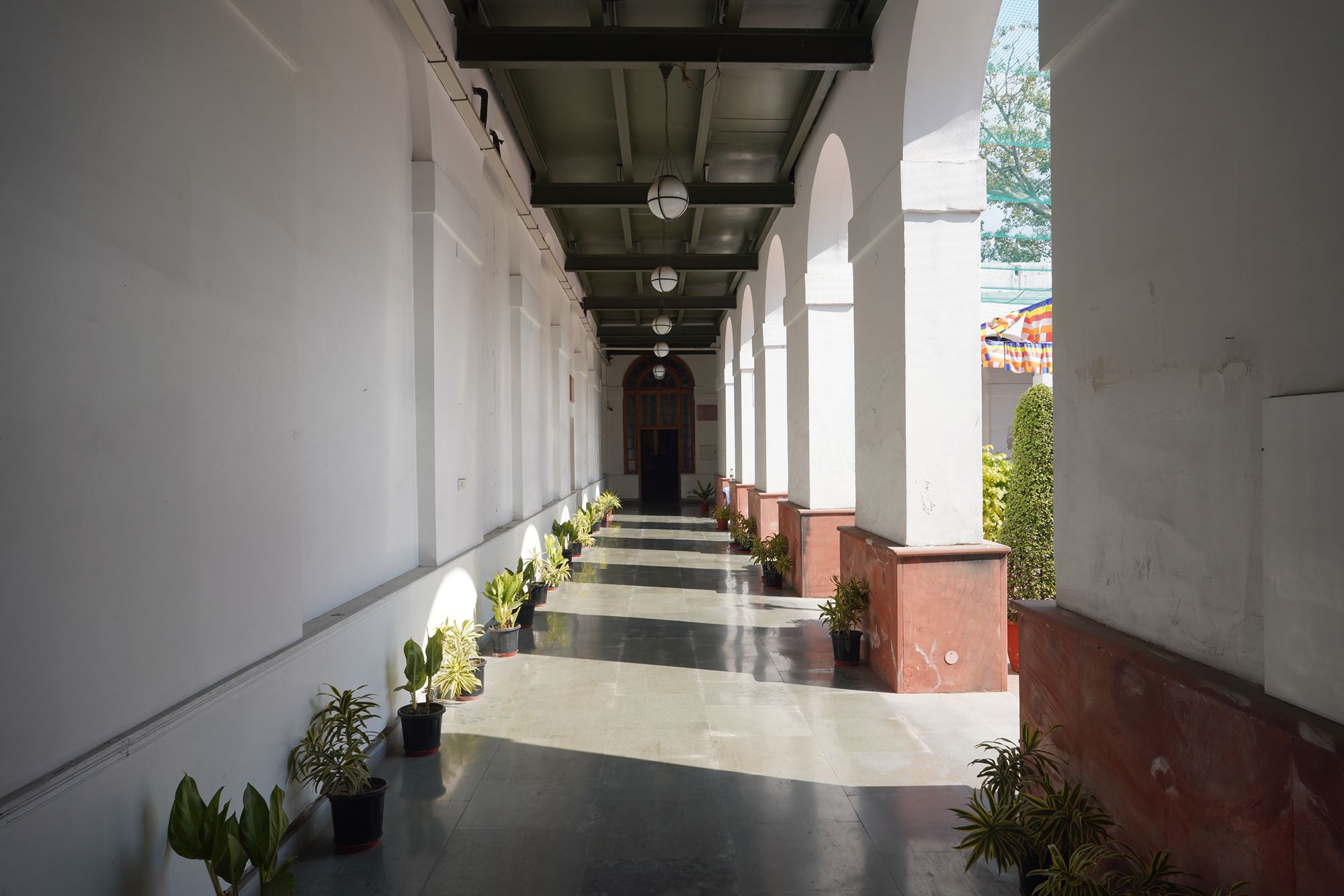
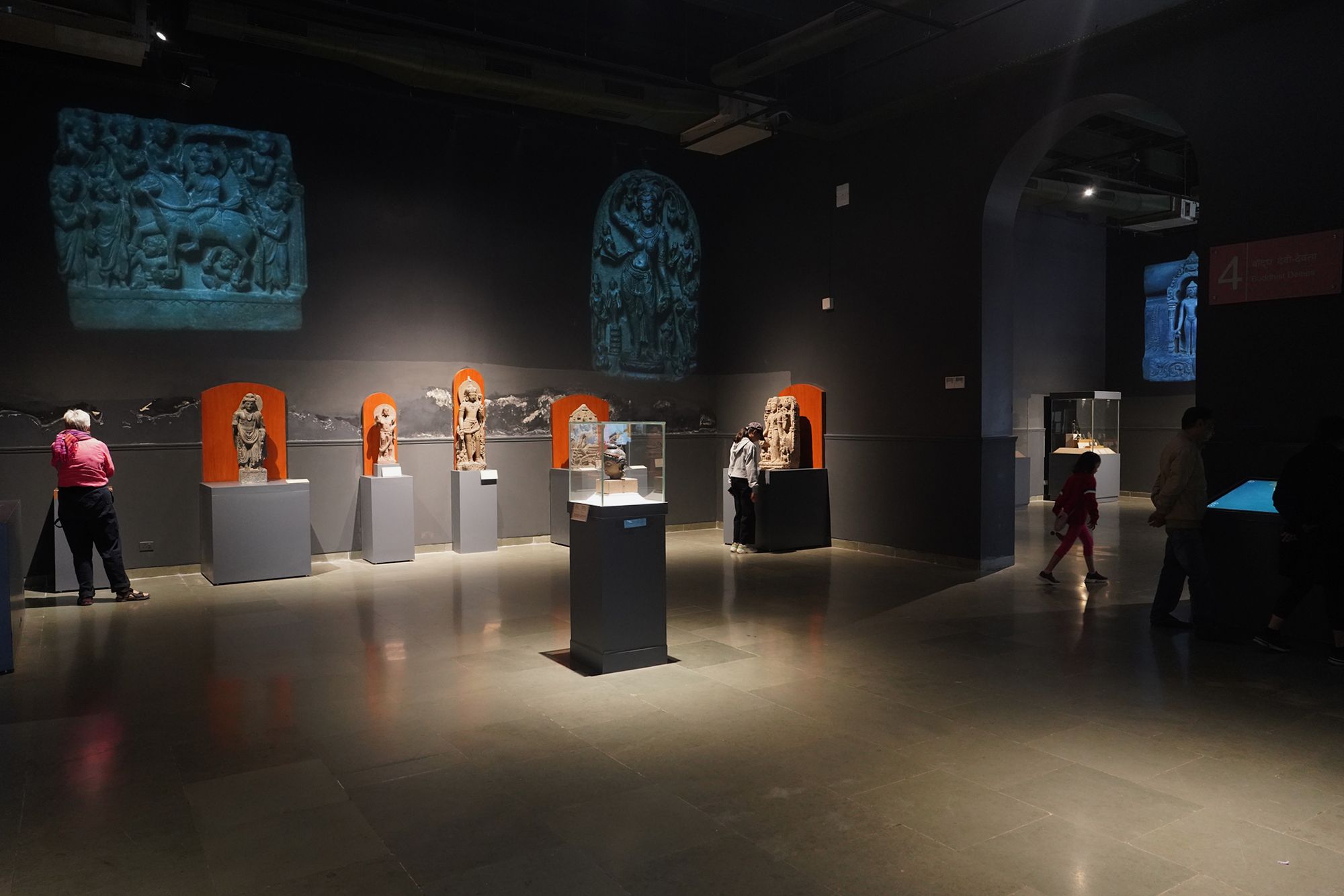
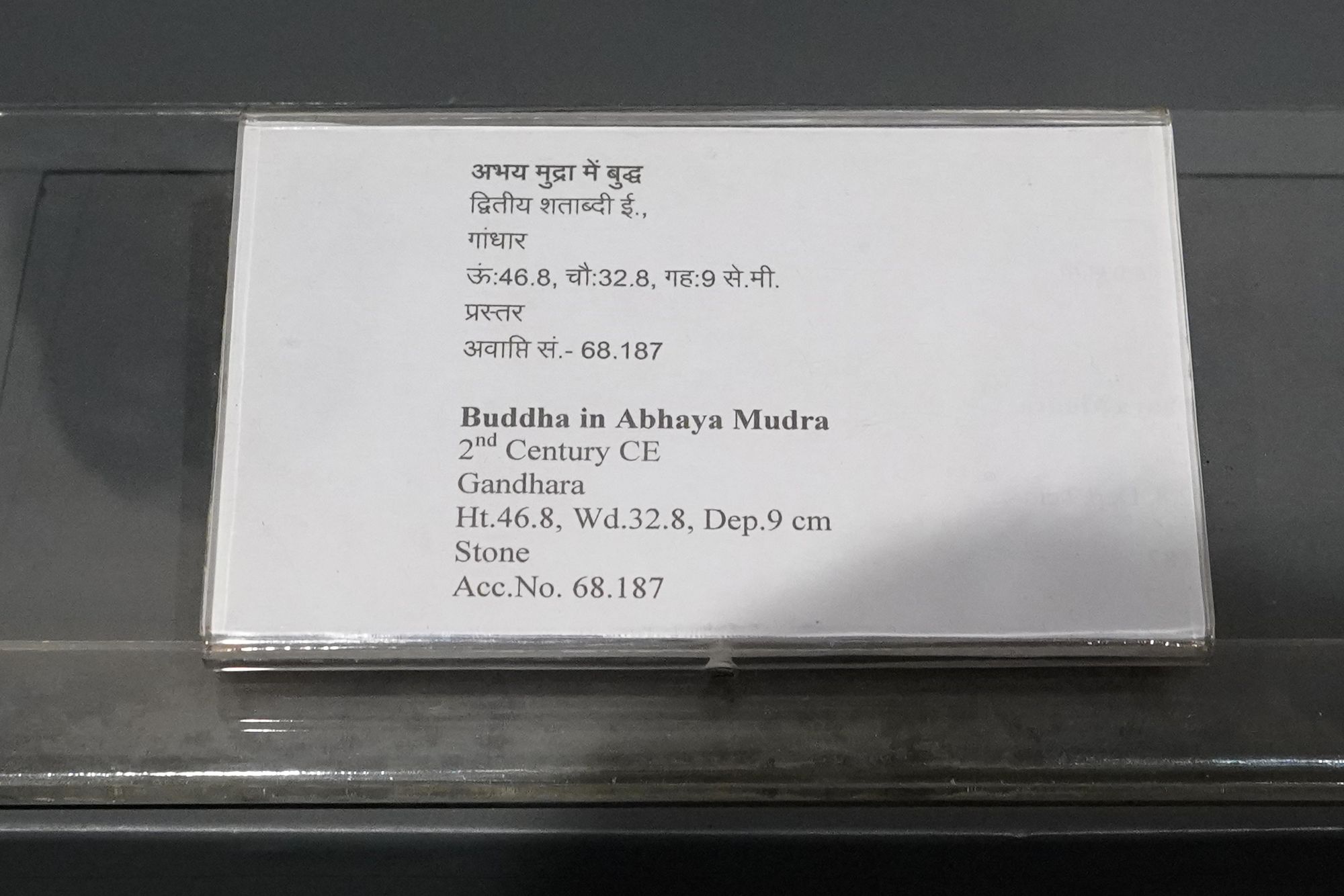
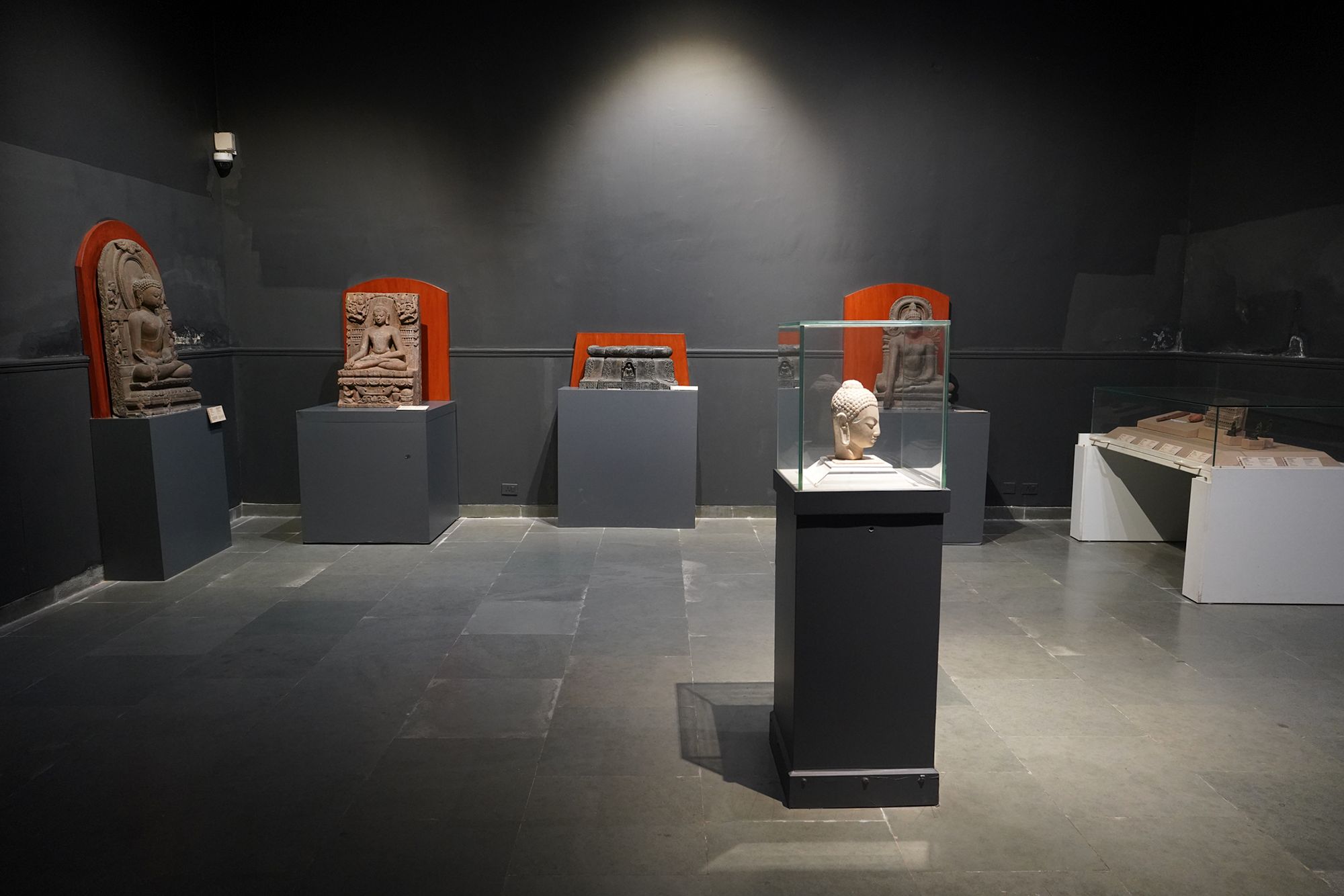
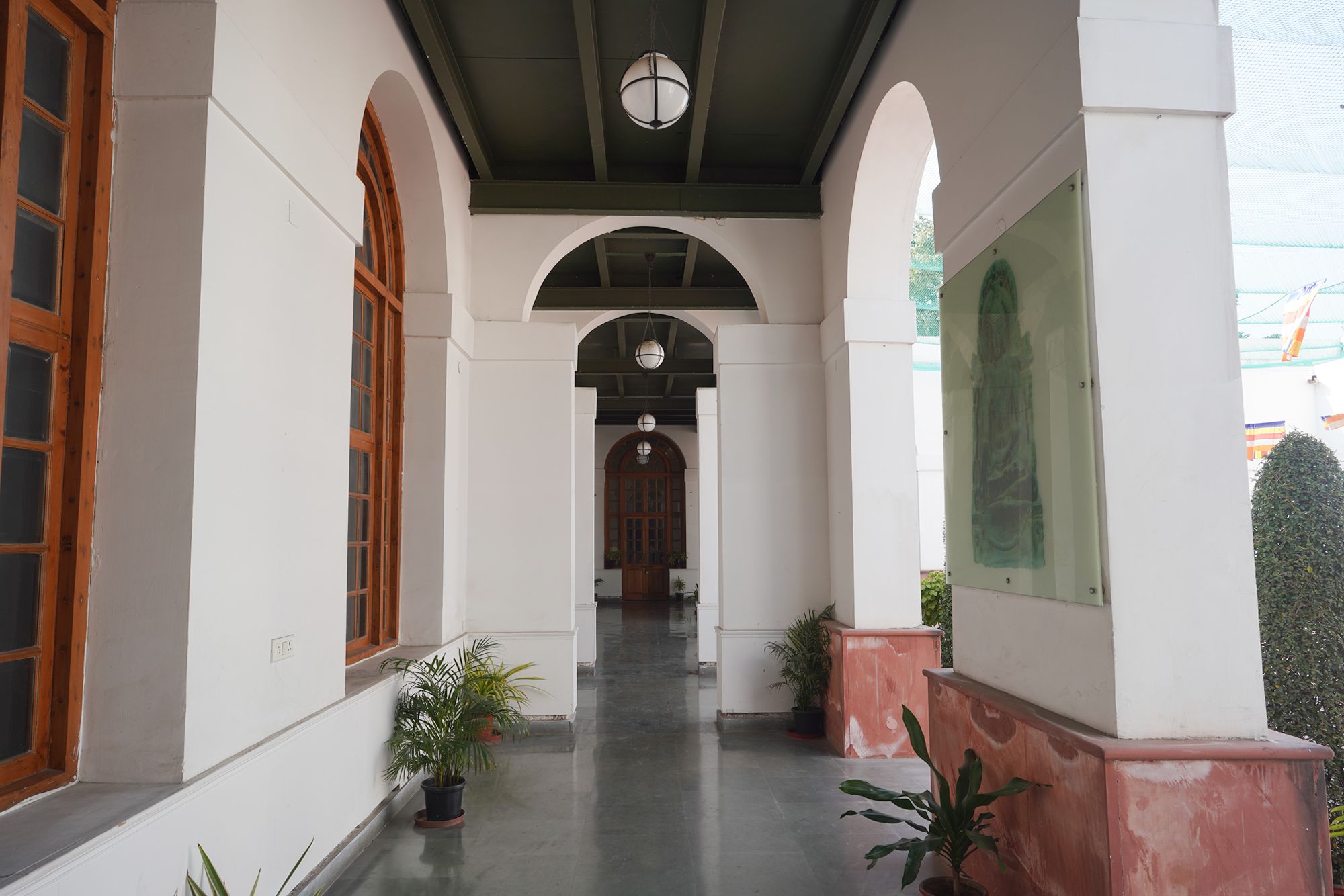
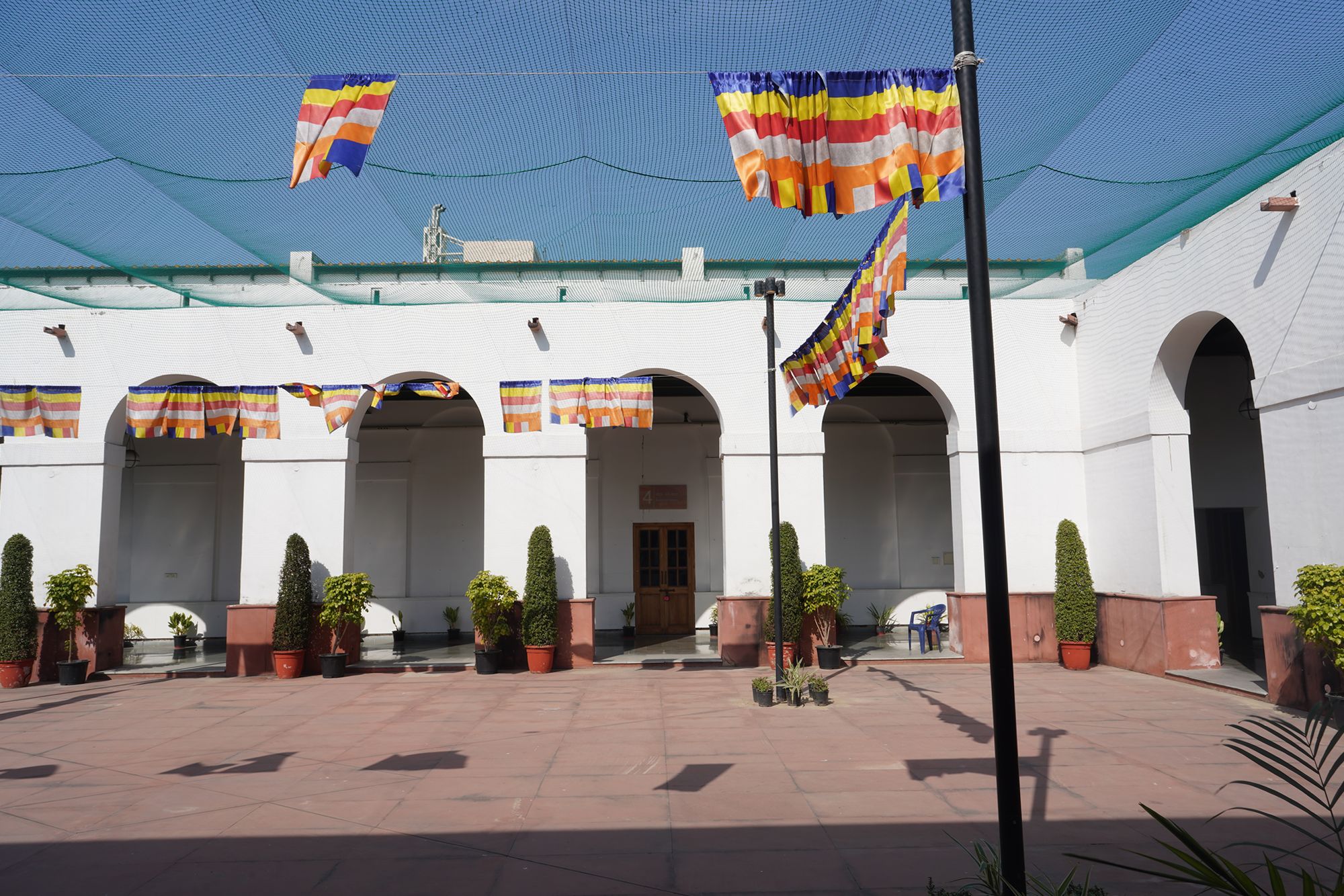
The museum’s collection of Buddhist art and artifacts is housed in this separate building from the main museum.
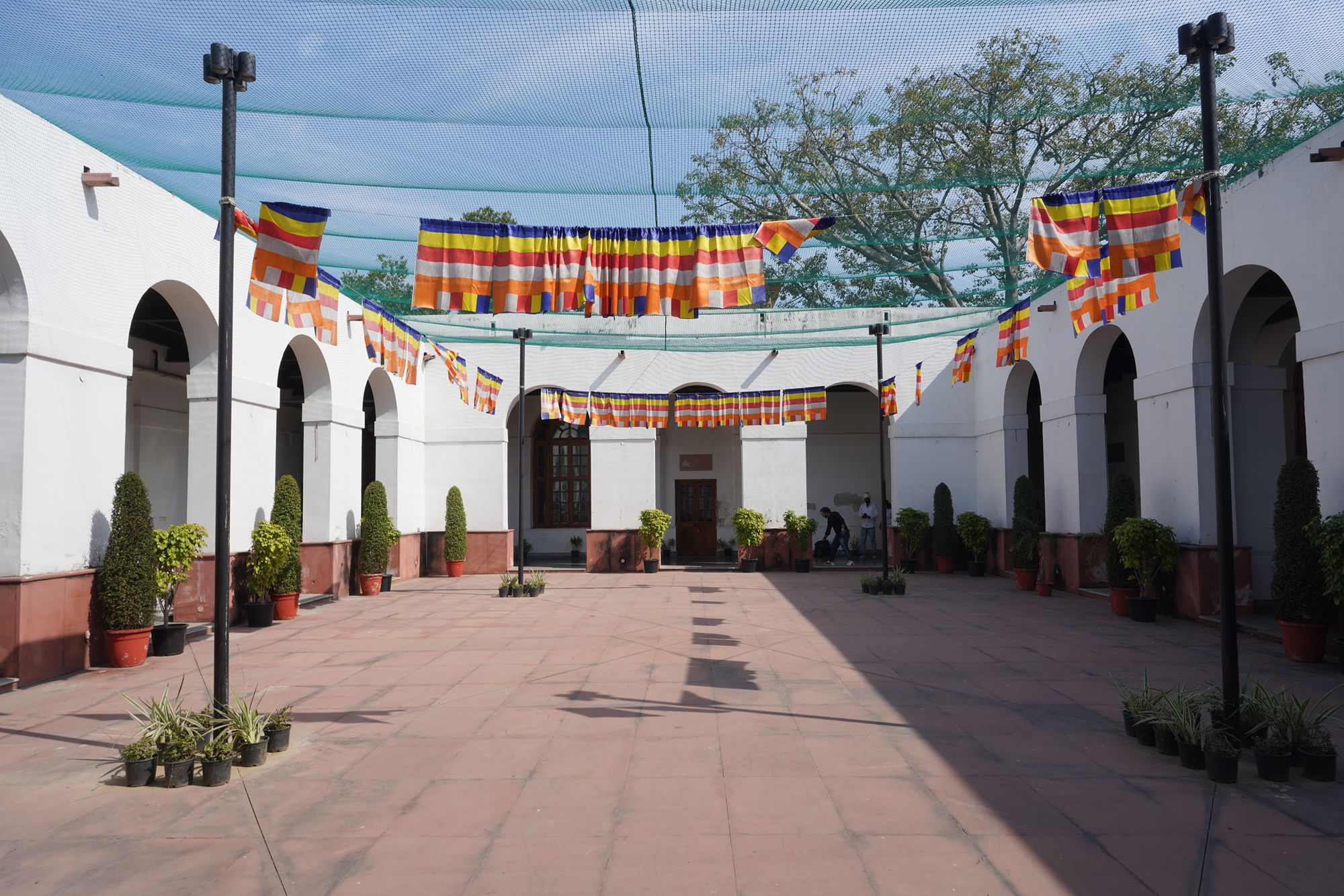
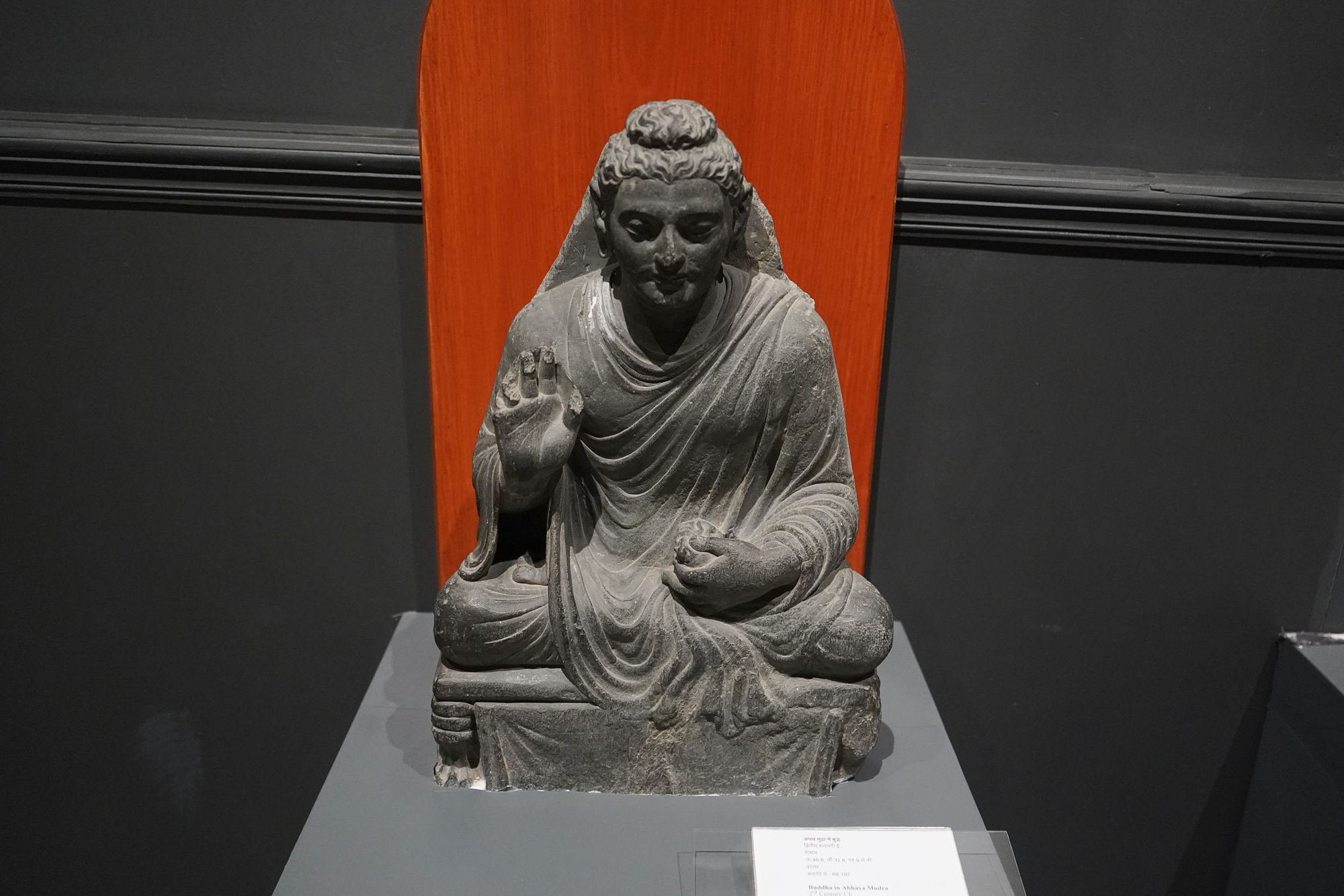
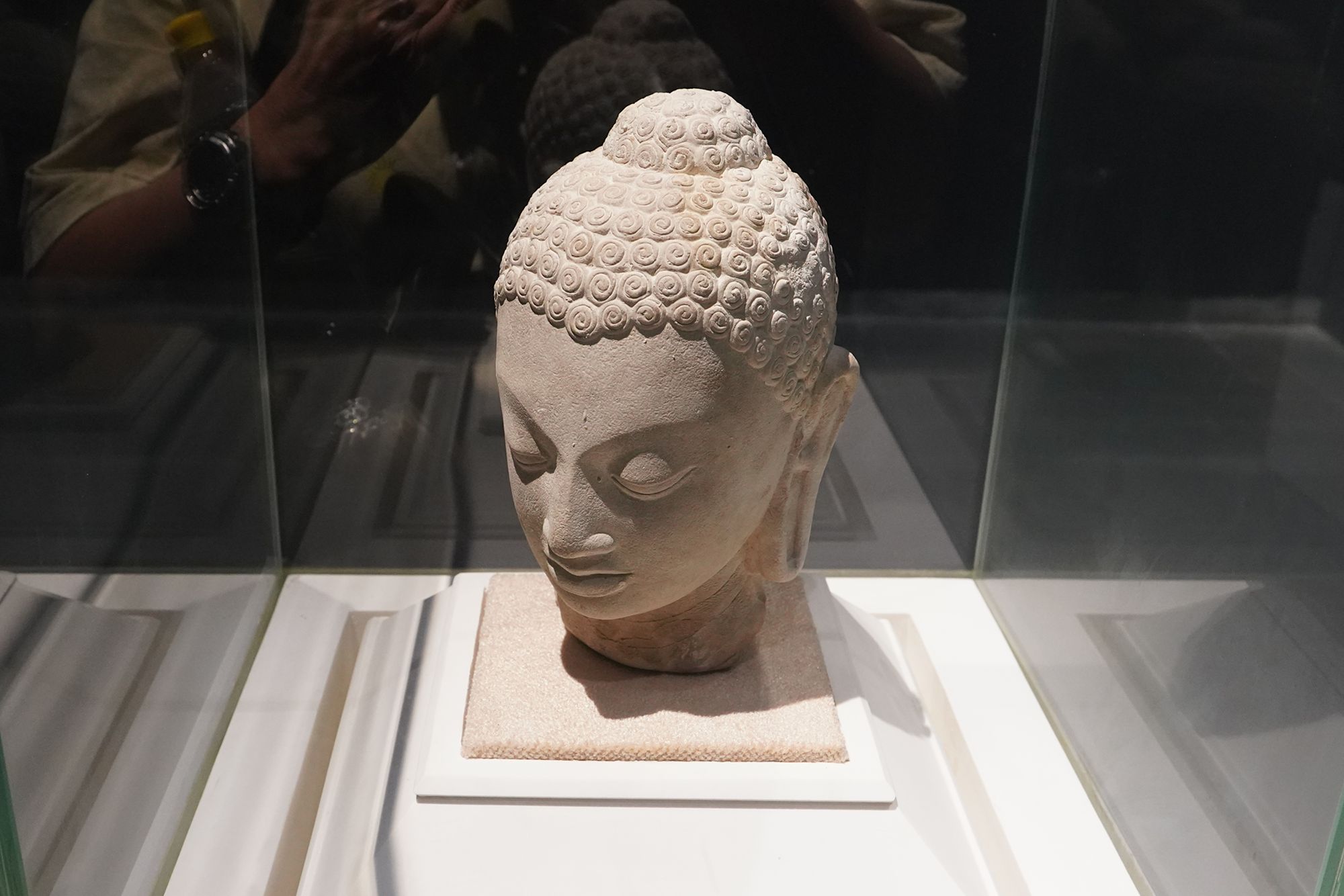
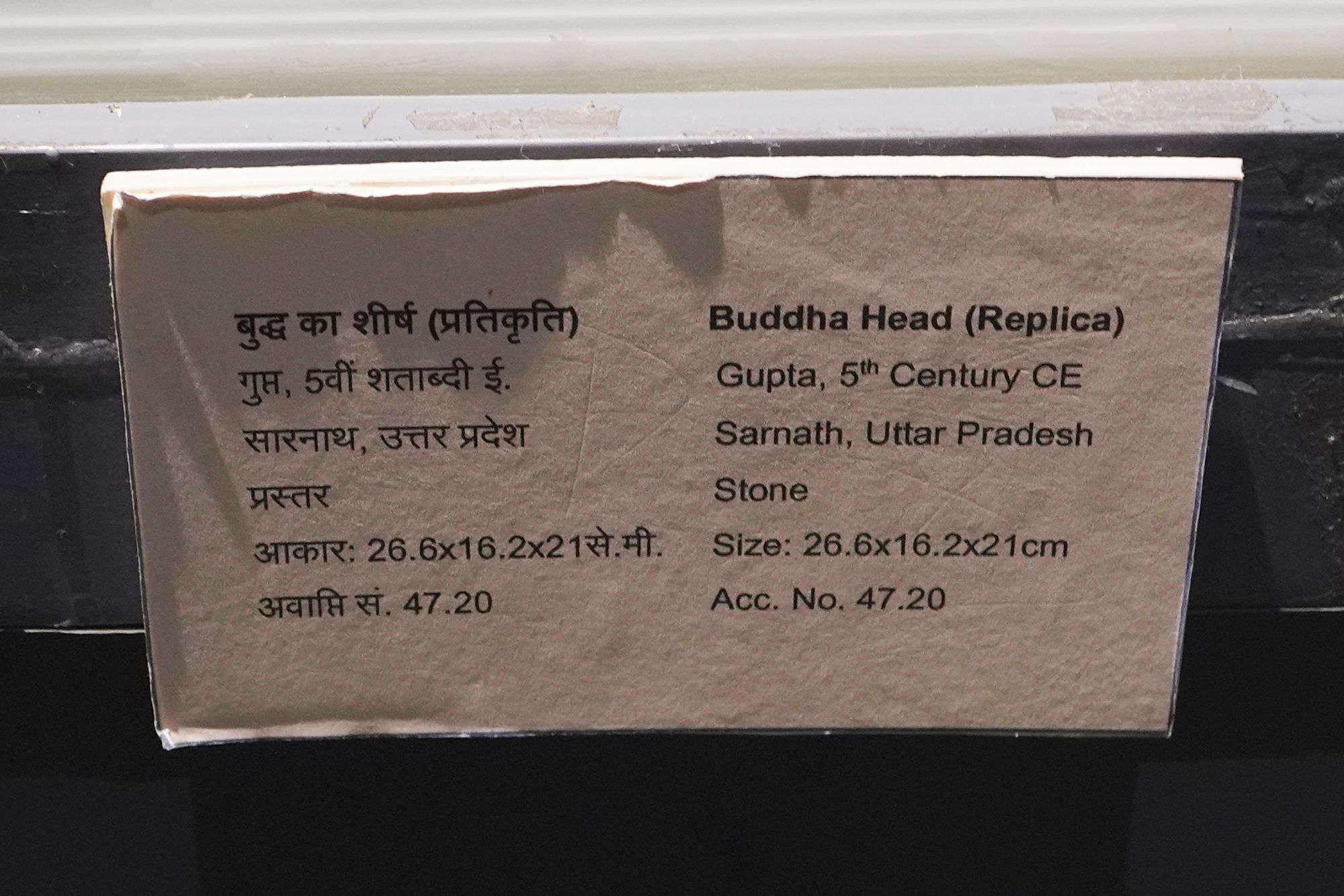
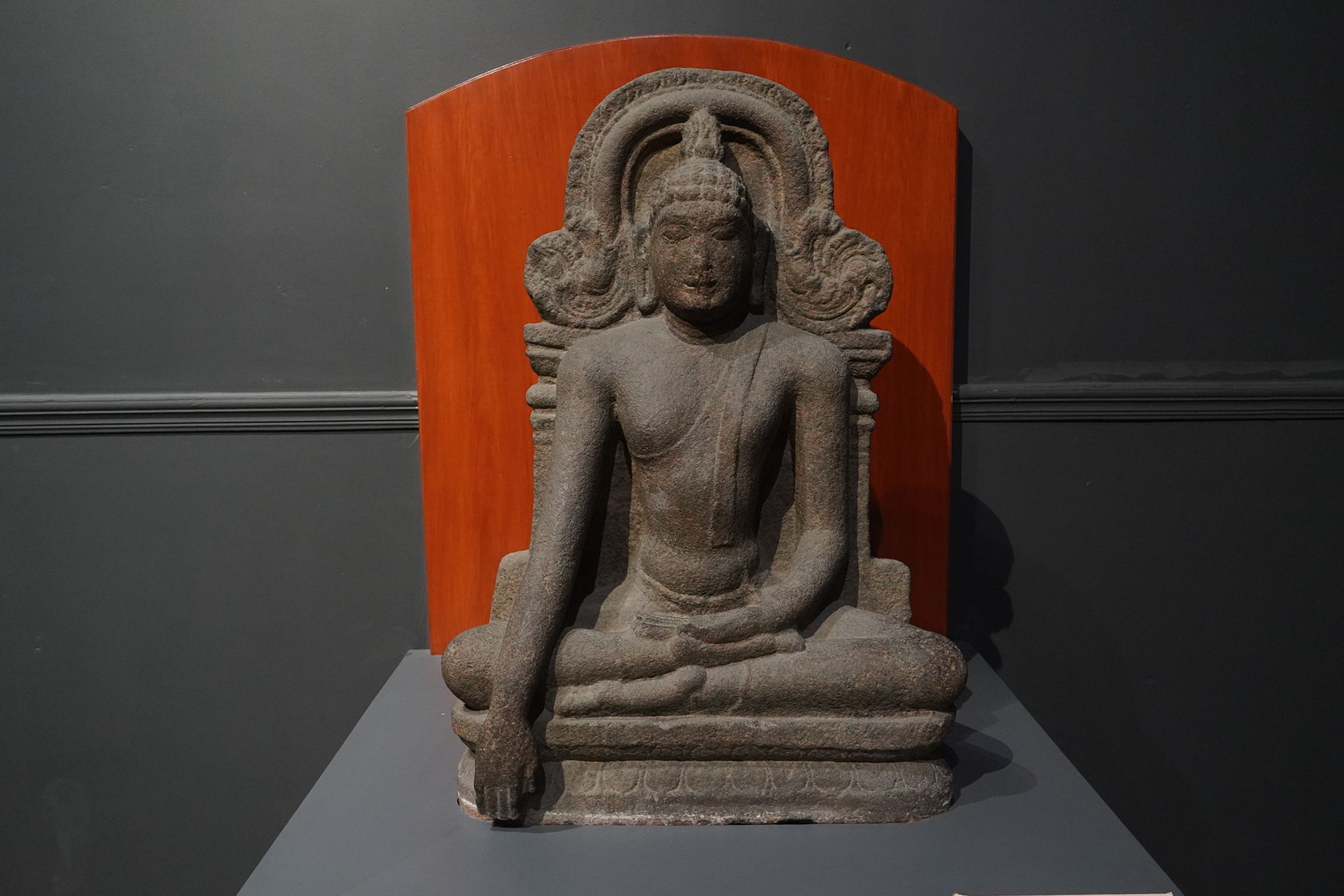
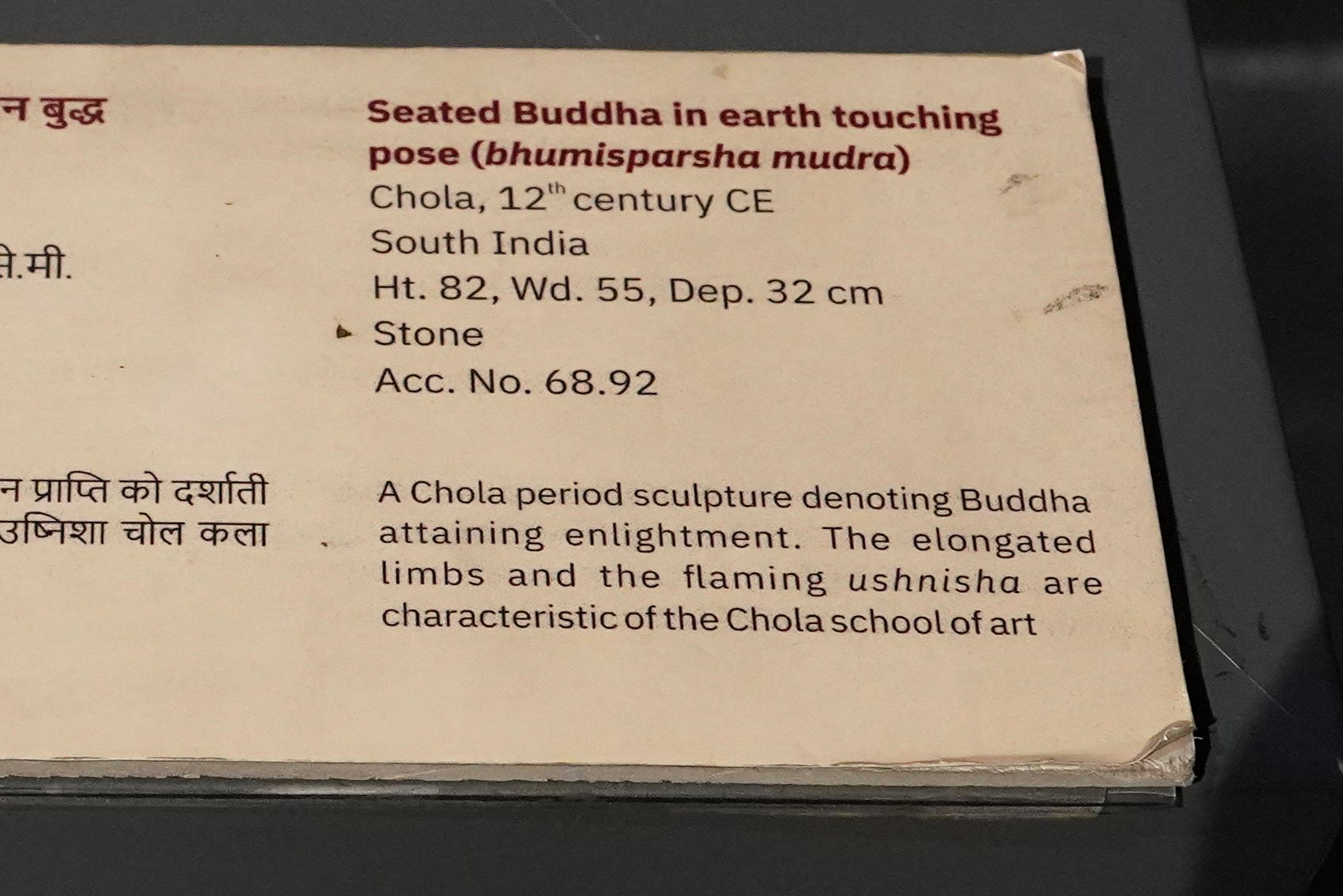
The museum has an important collection of Buddhist art and relics, including ancient sculptures, images of the Buddha, manuscripts, and sacred objects that trace the development and spread of Buddhism across India.
Homage to Gautama Buddha
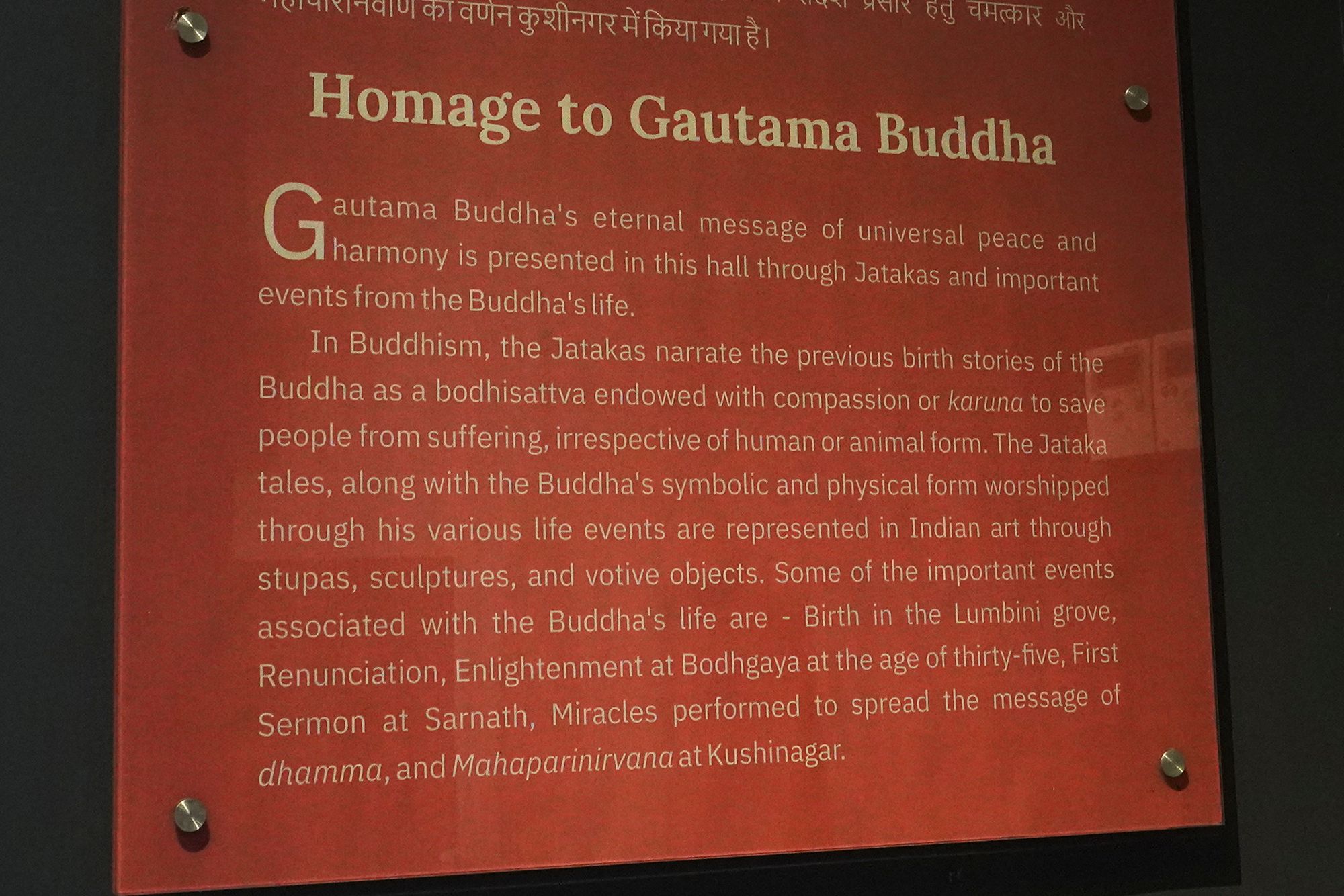
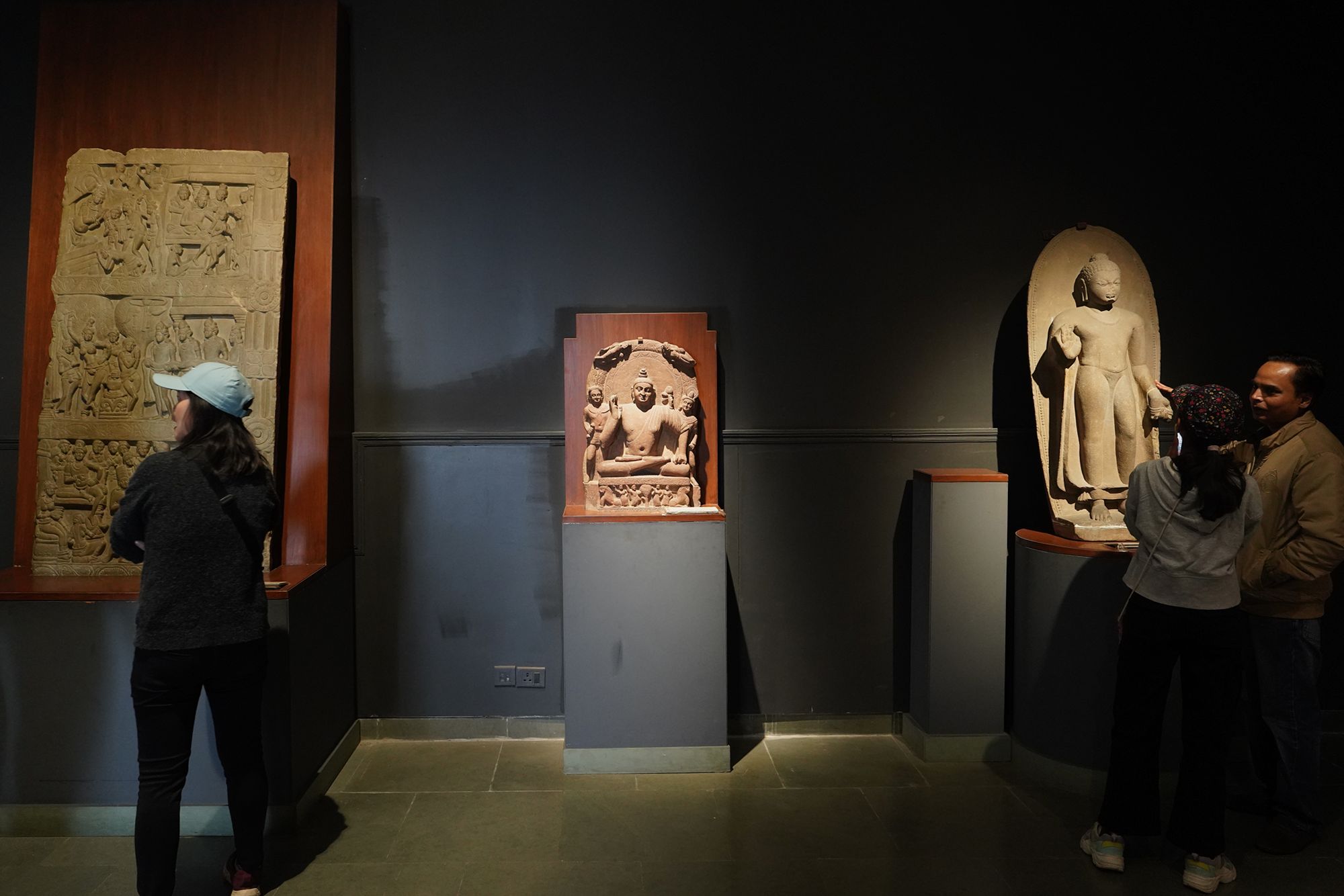
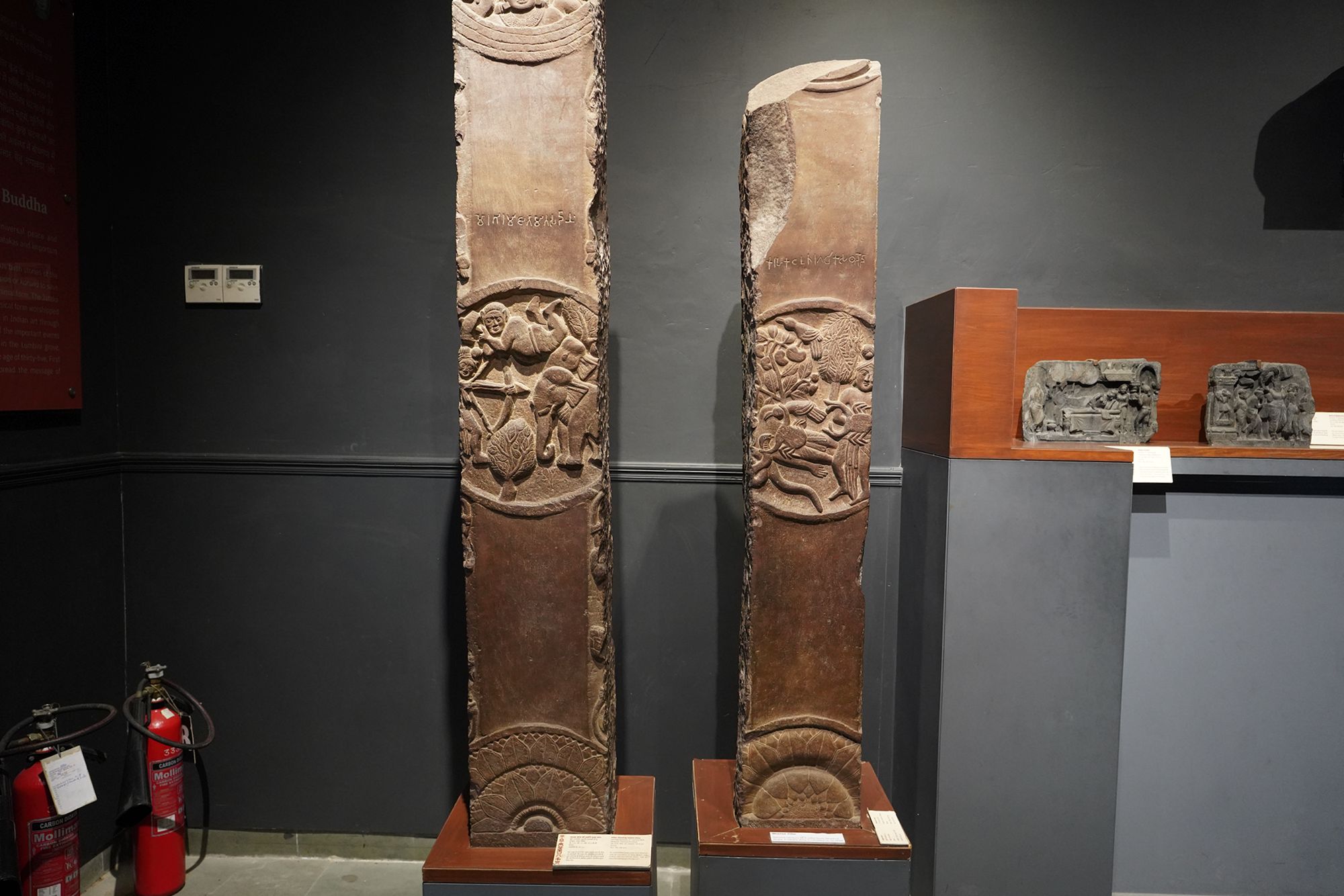
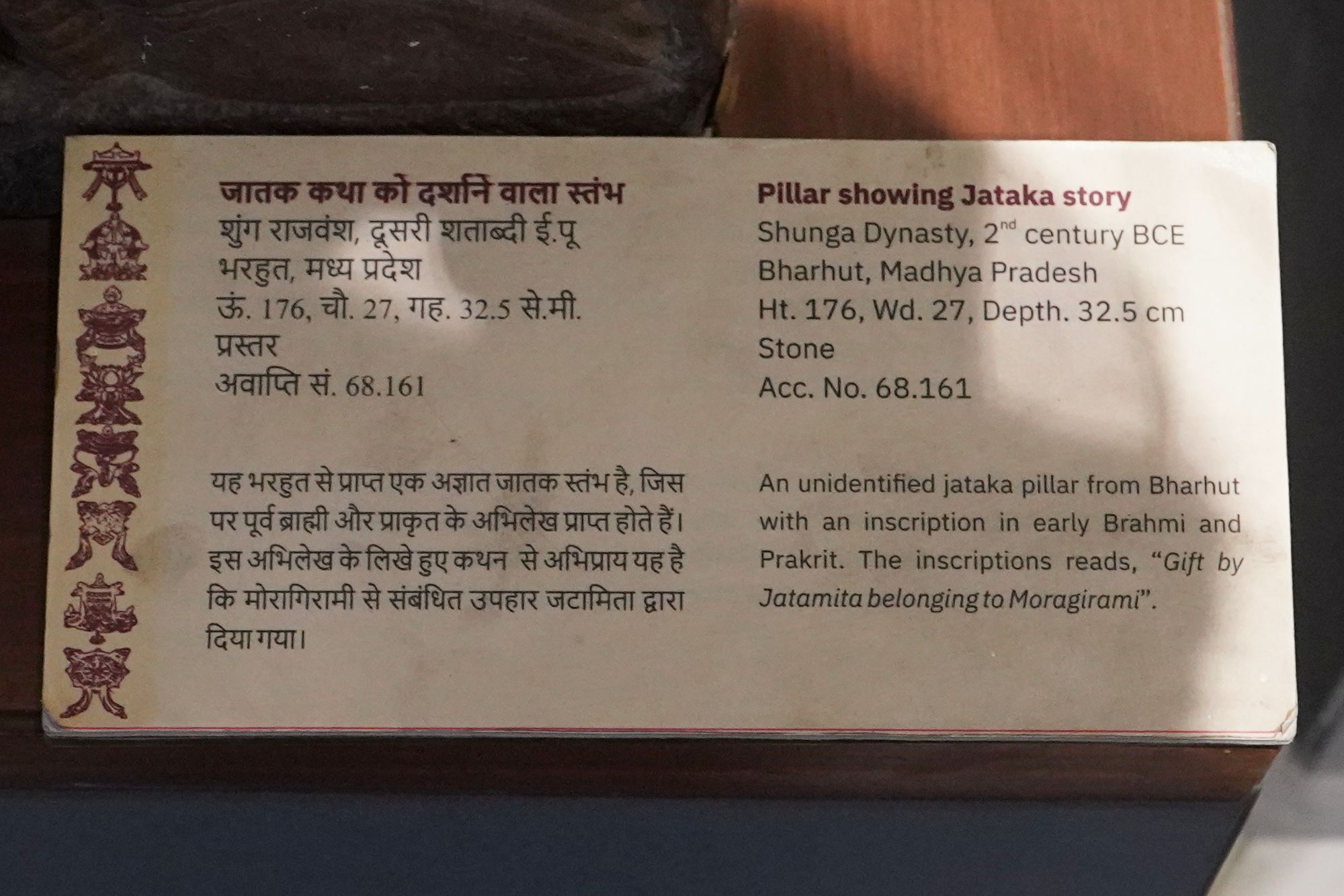
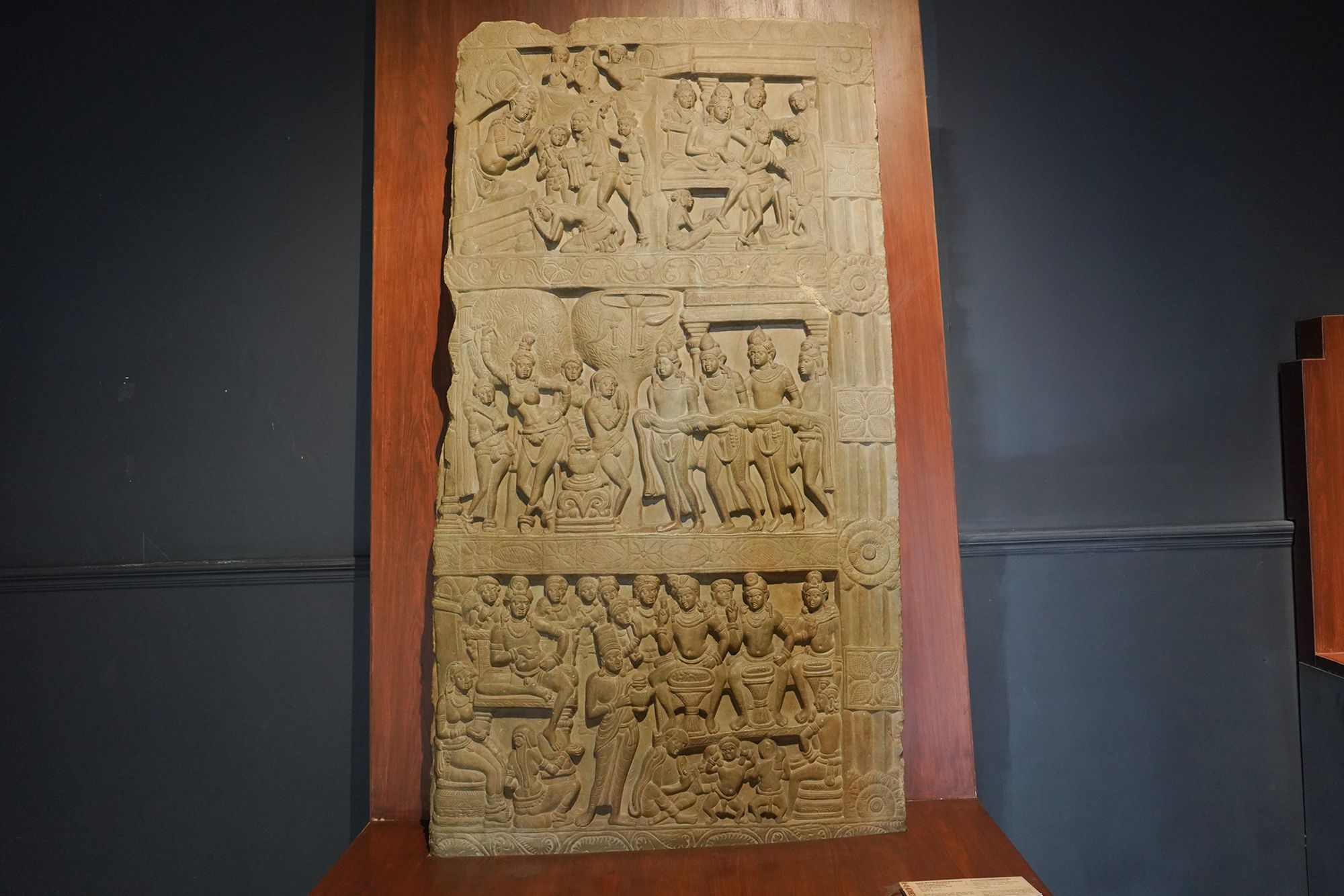
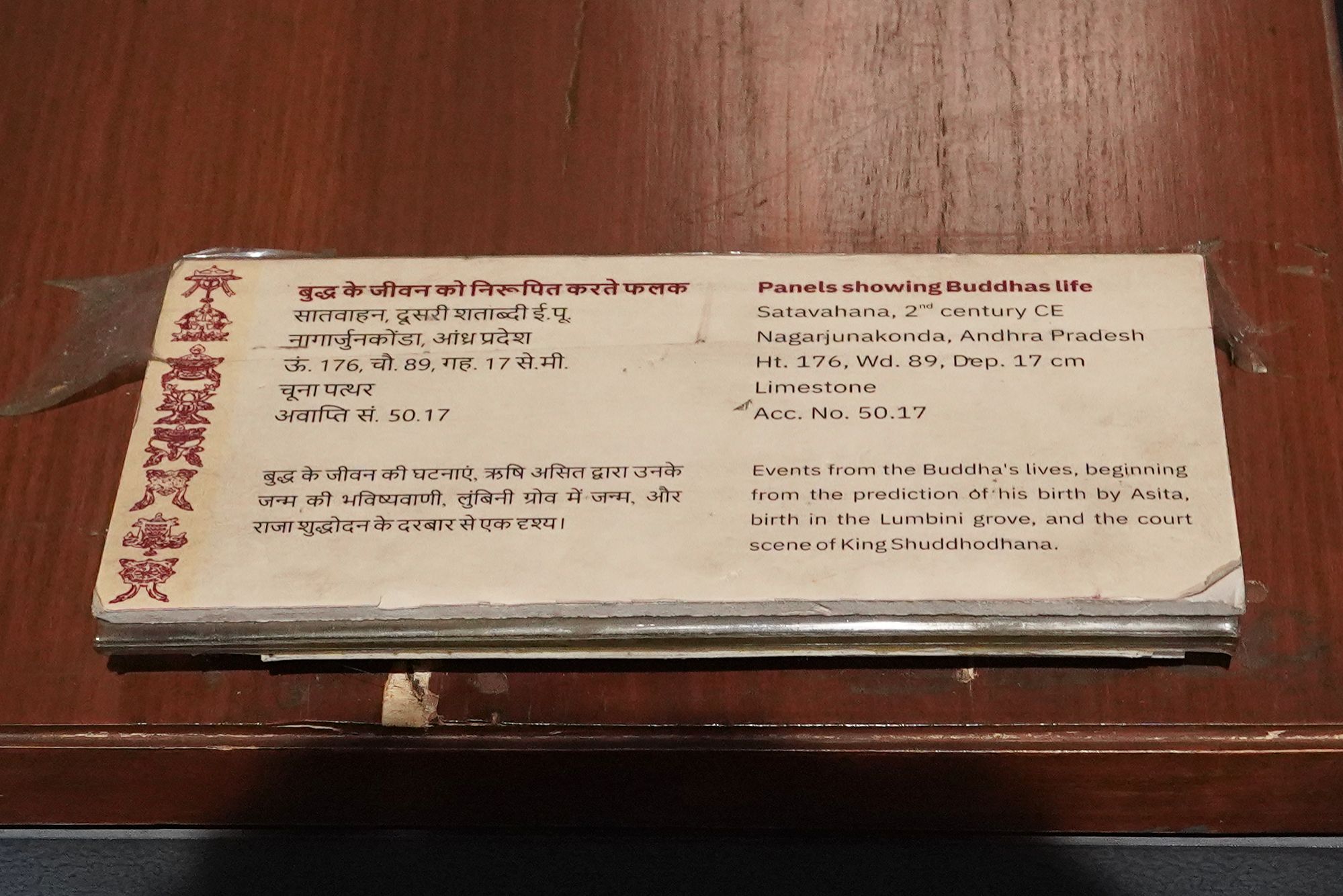
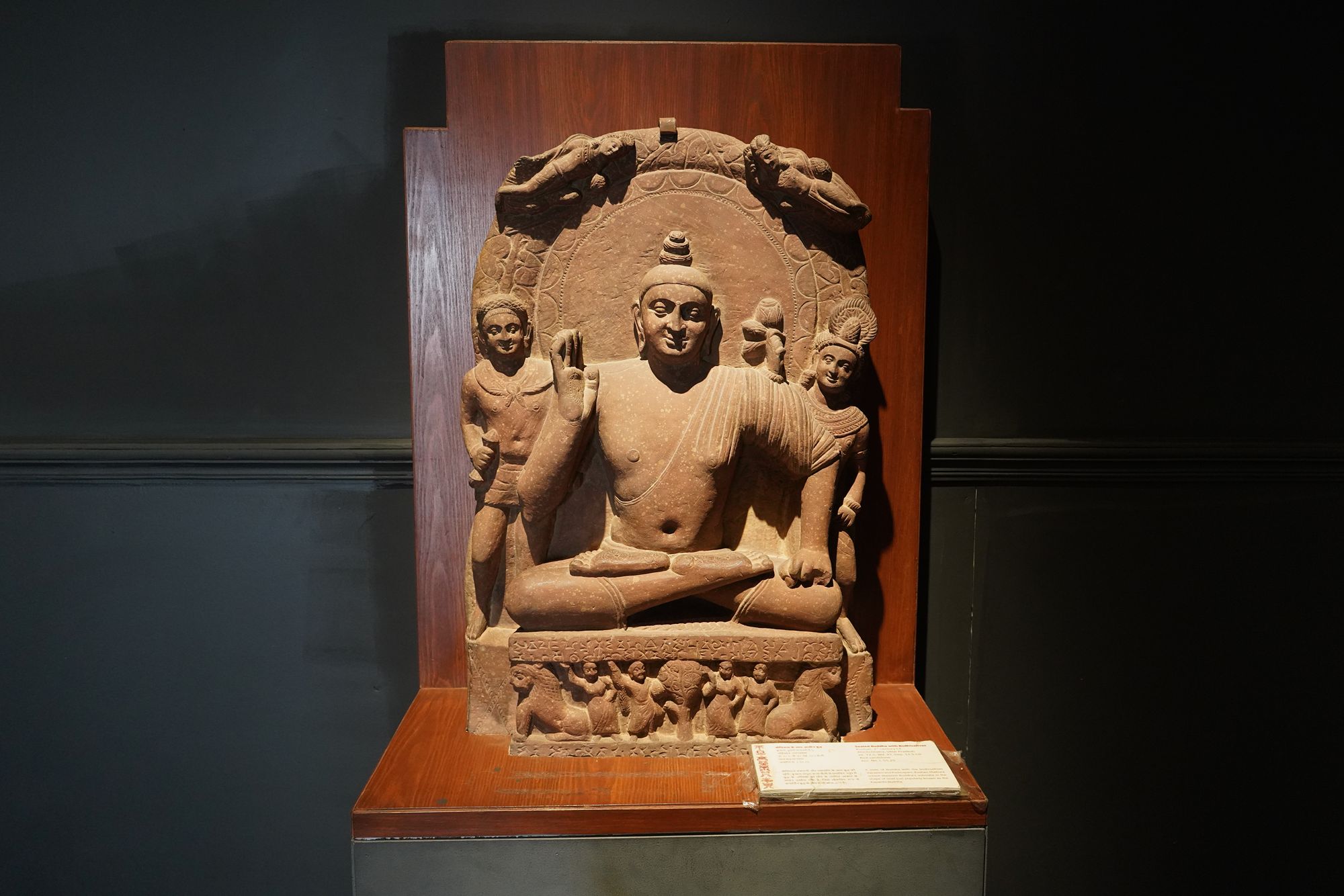
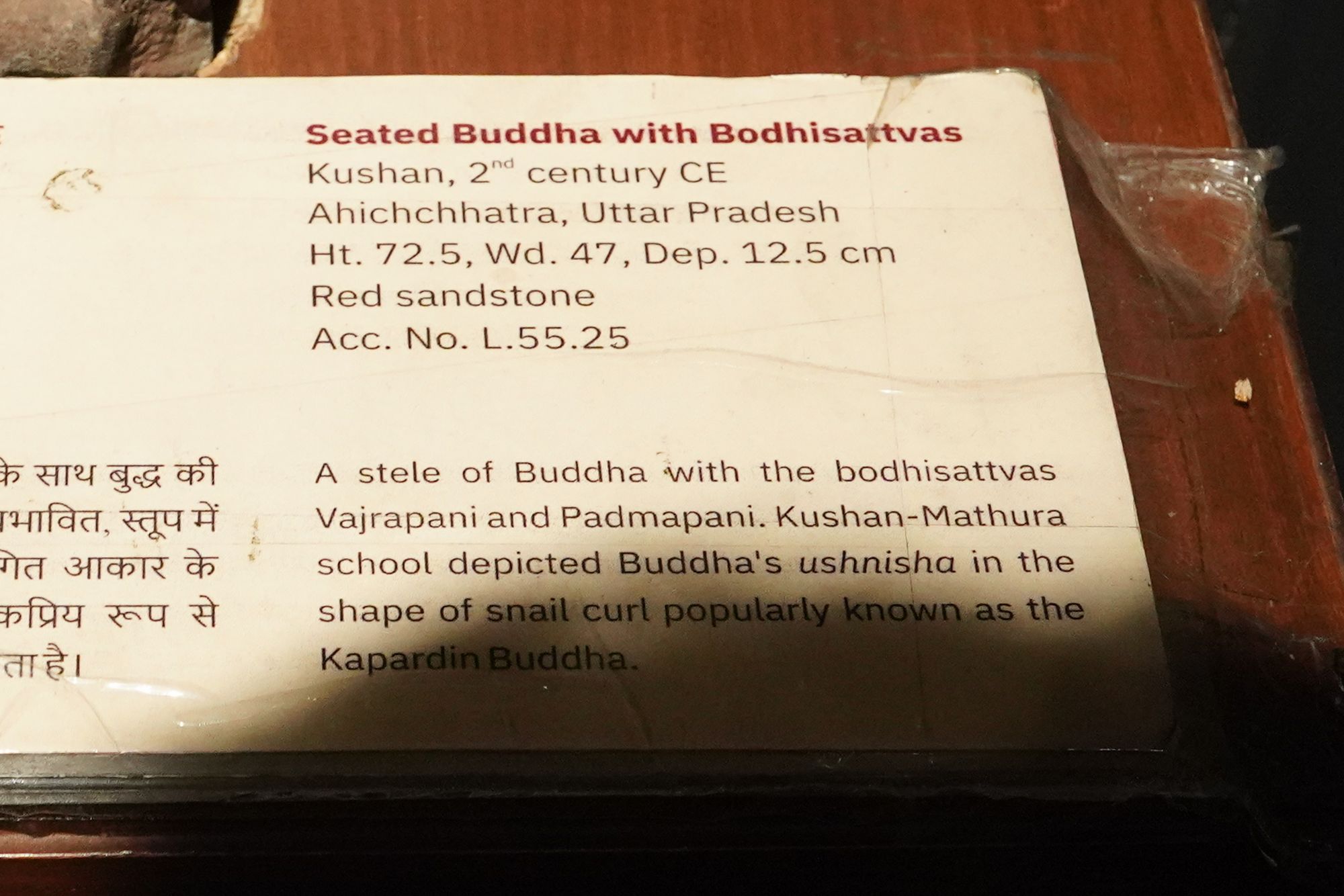
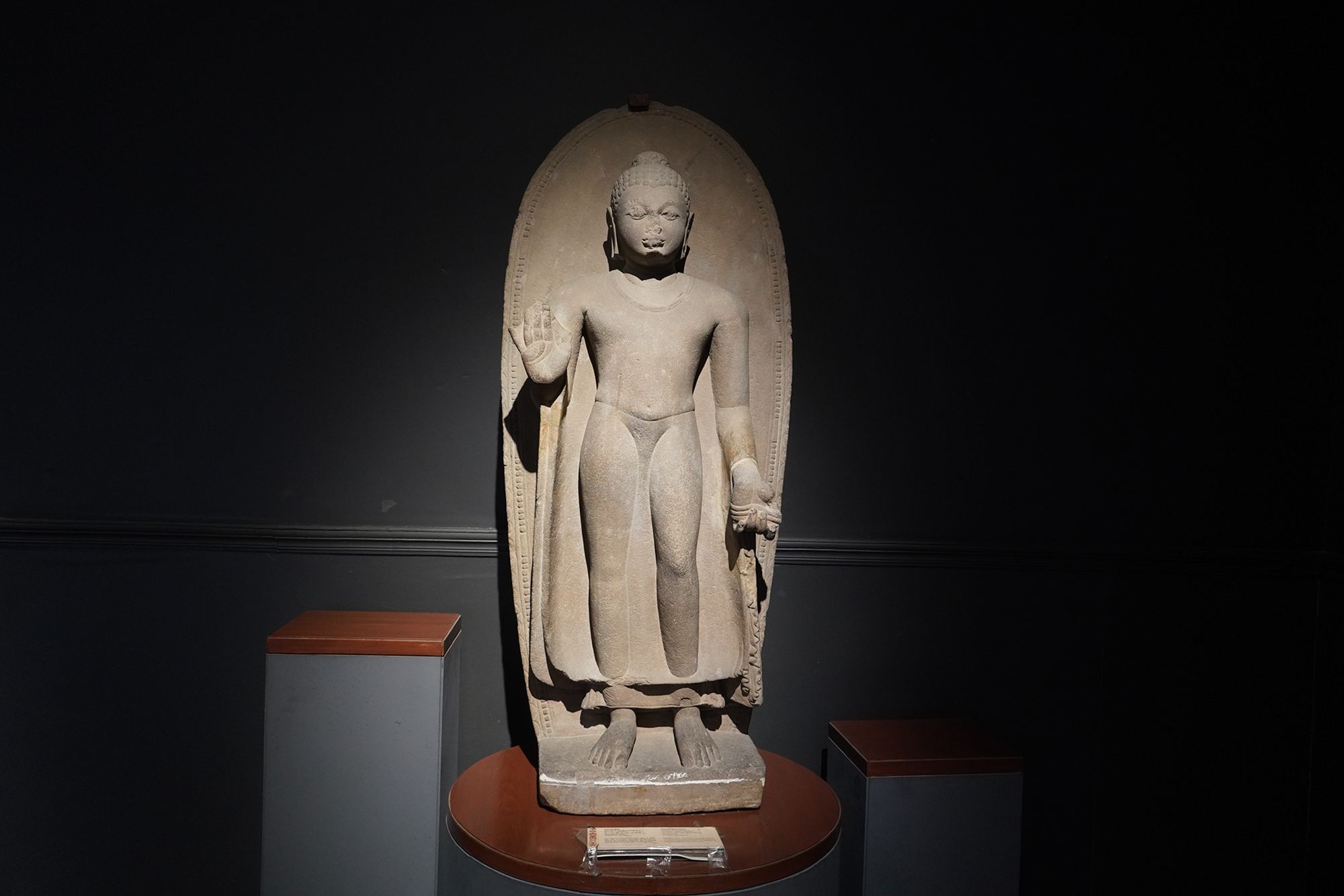
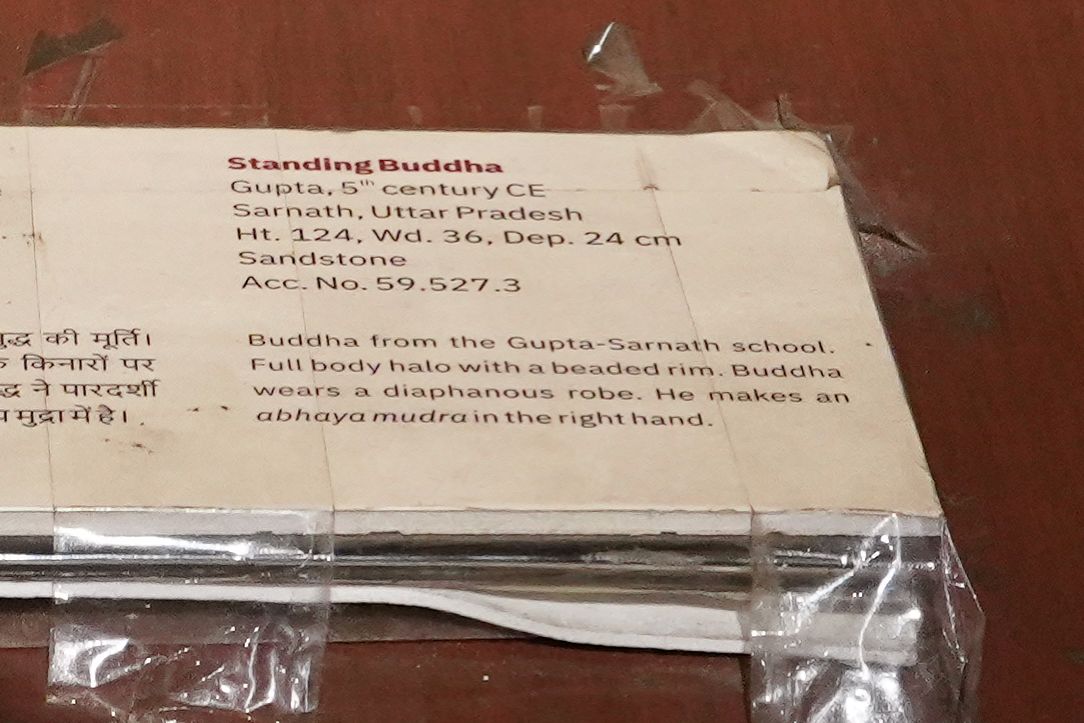
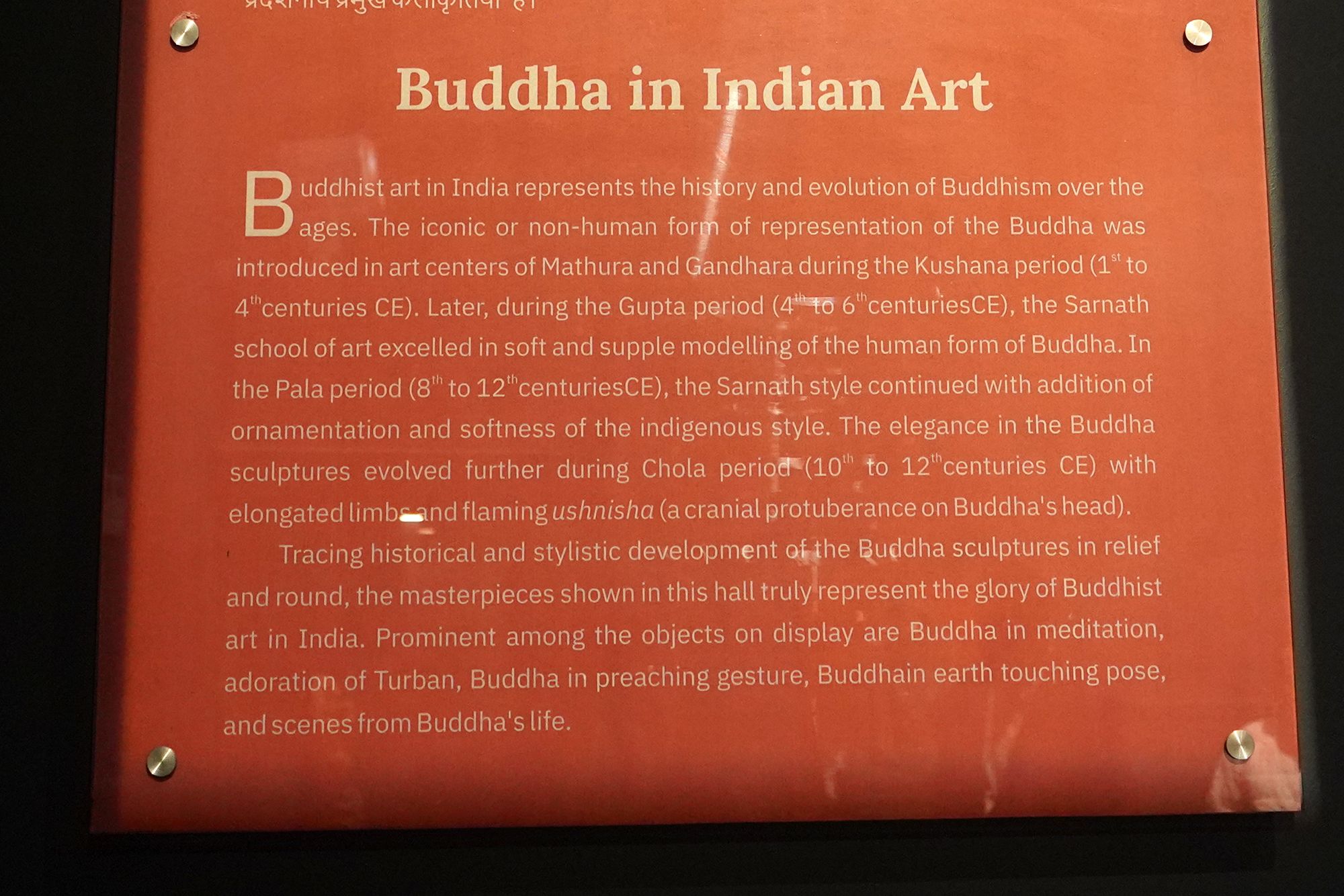
Buddha in Indian Art
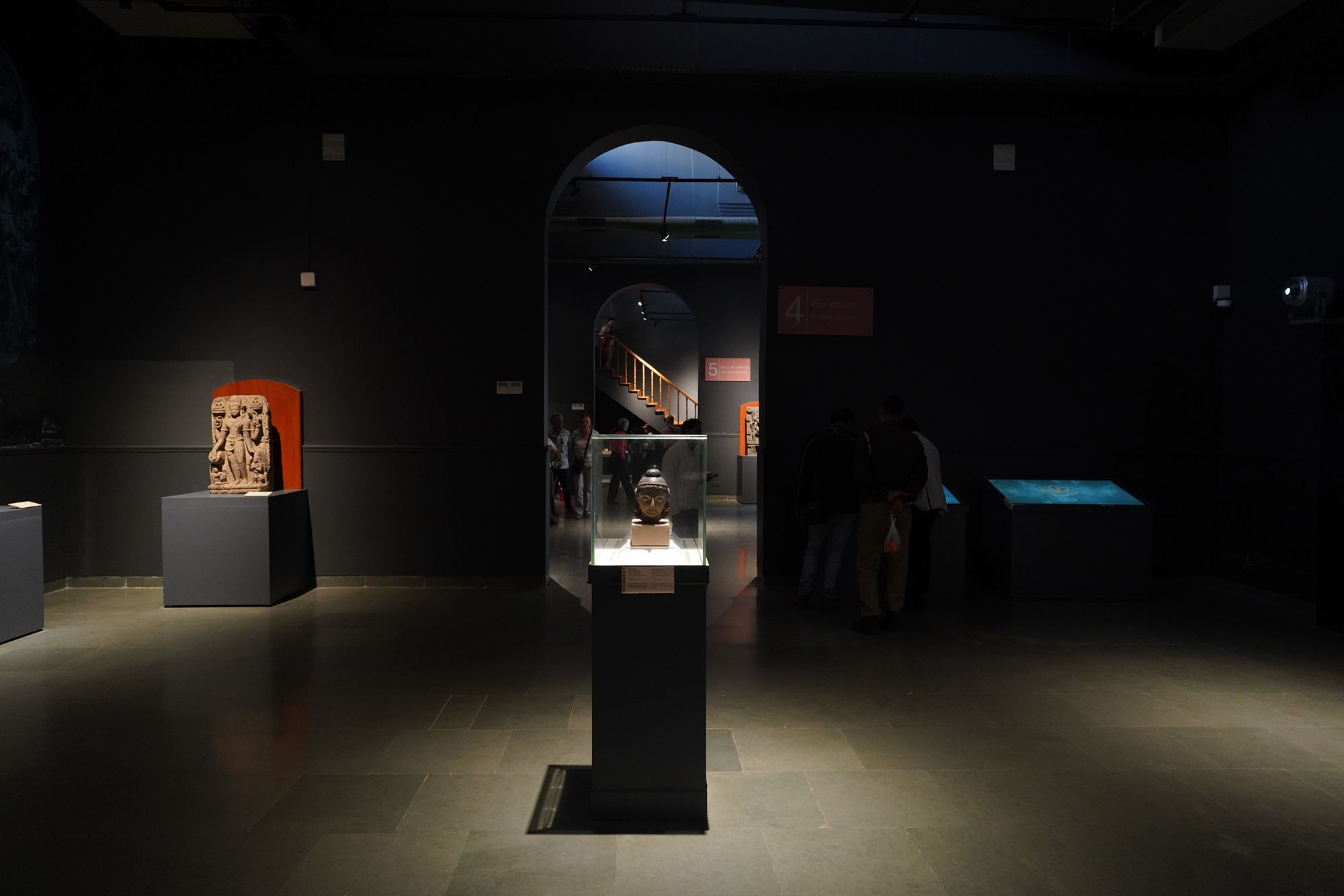
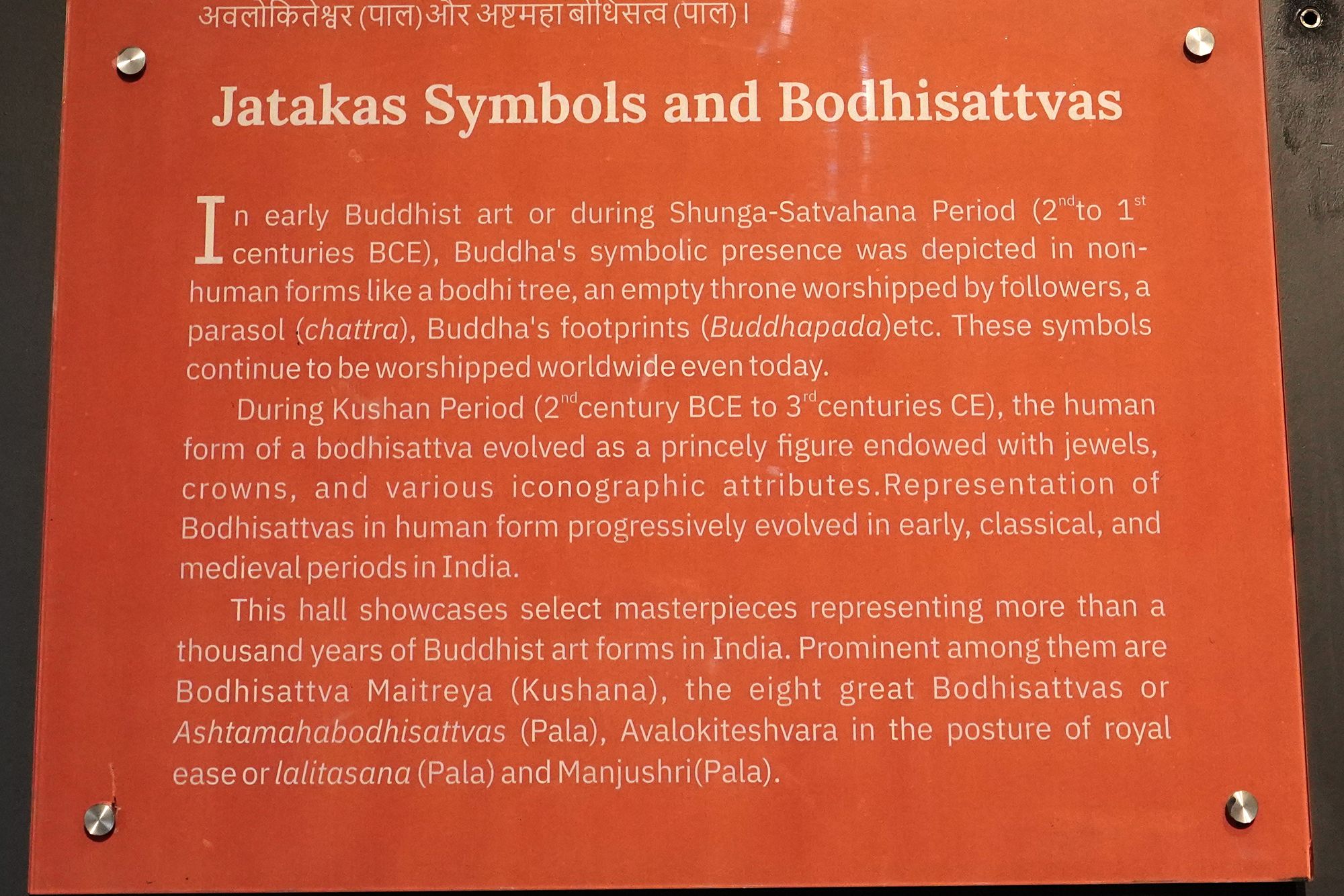
Jatakas Symbols and Bodhisattavas
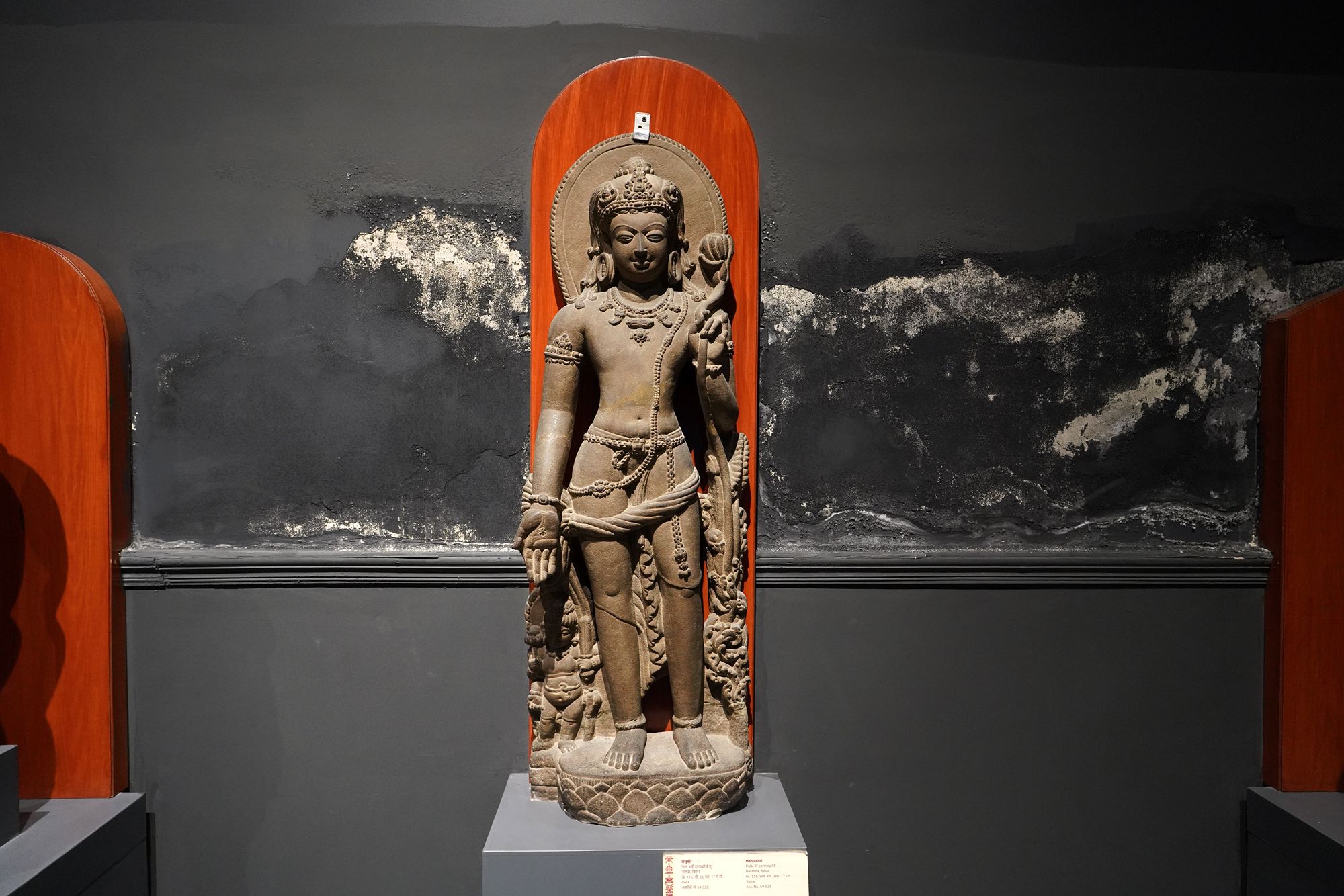
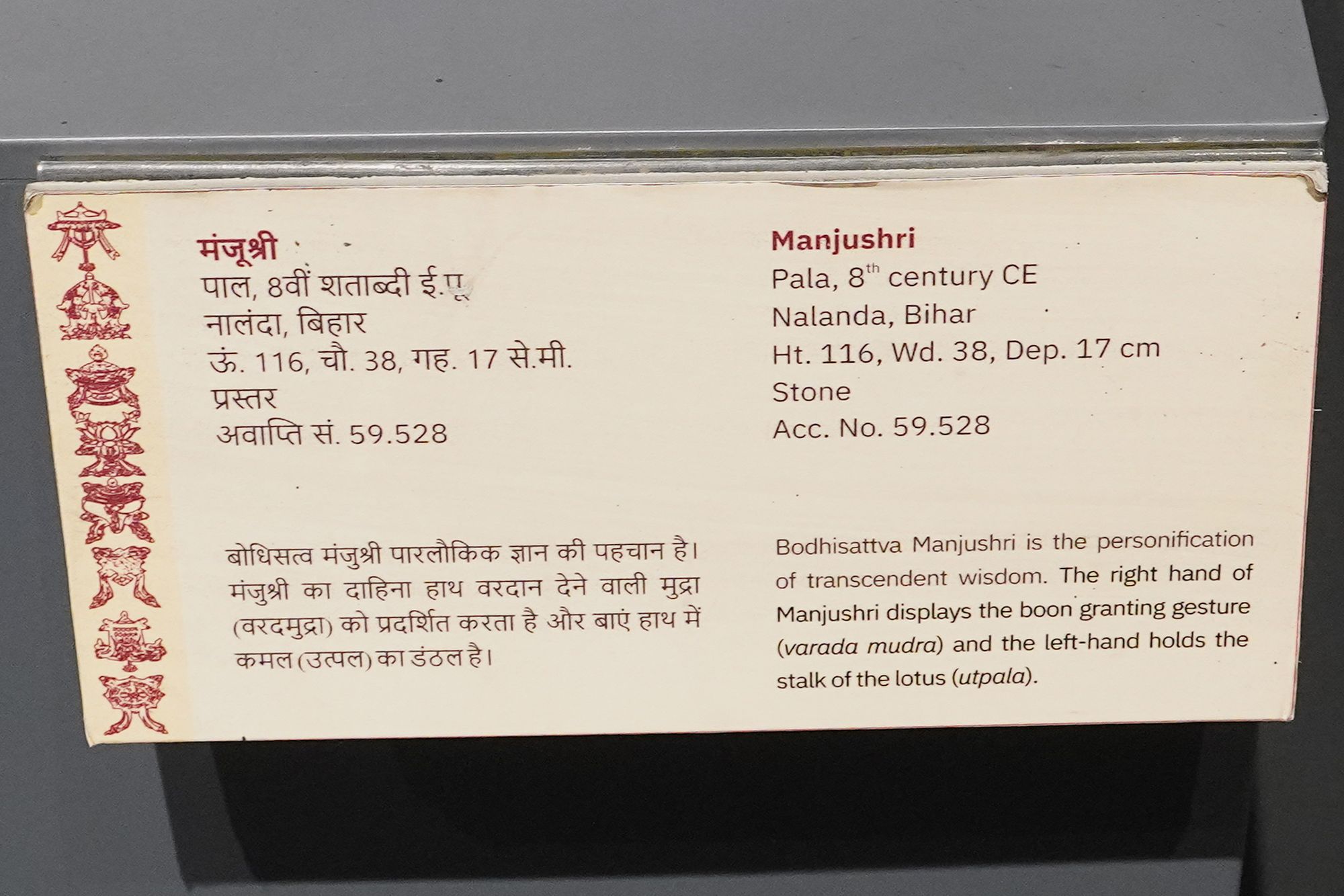
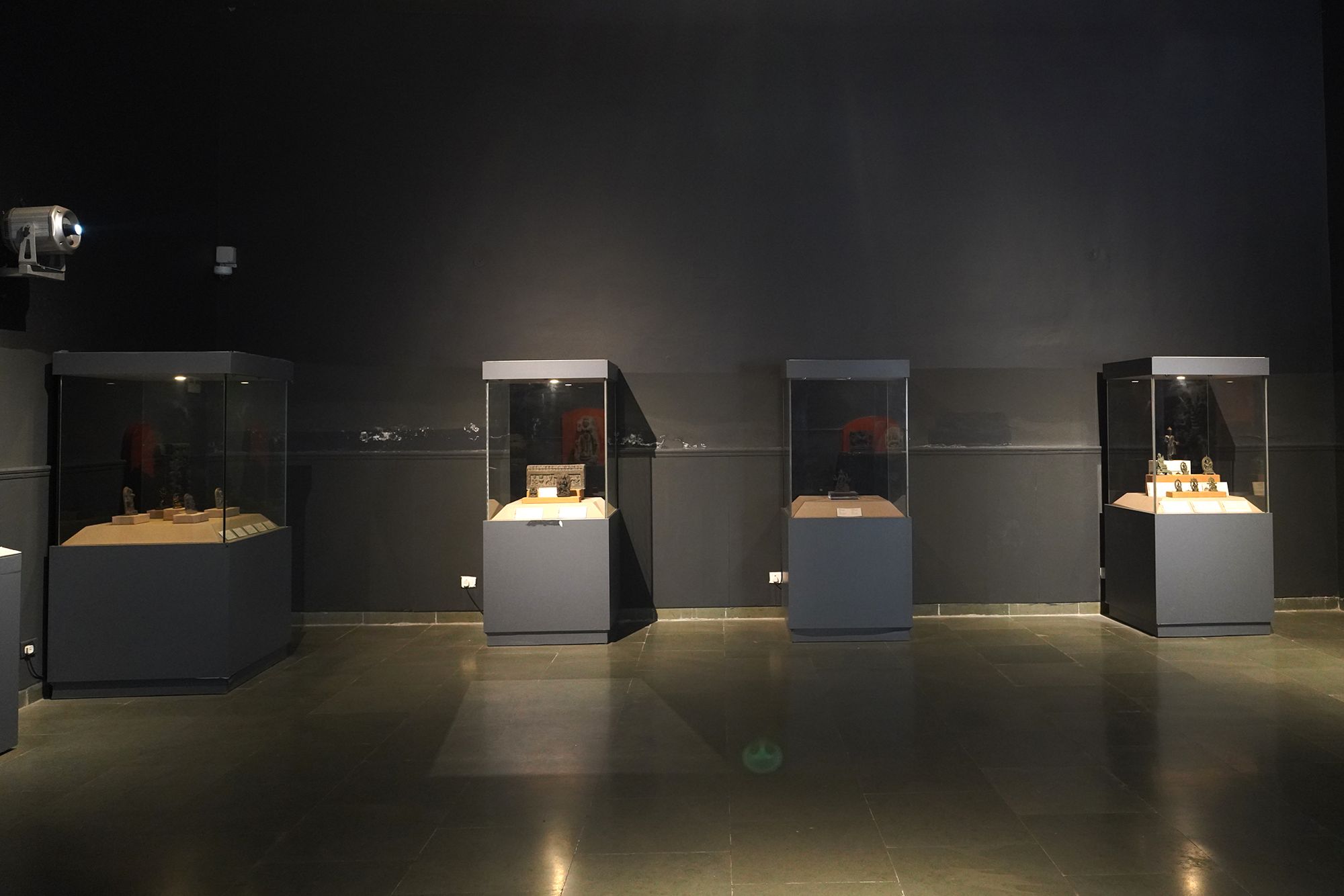
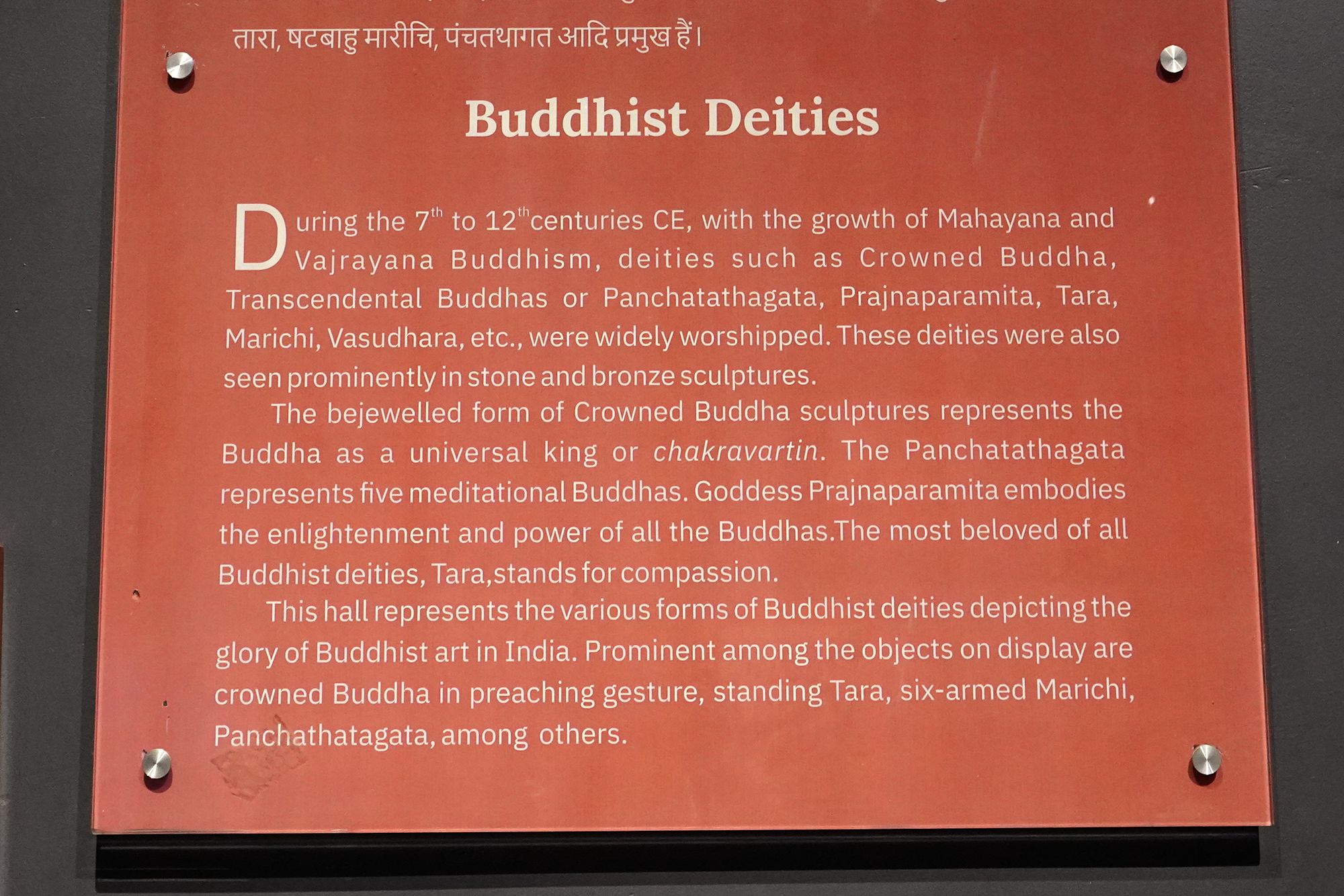
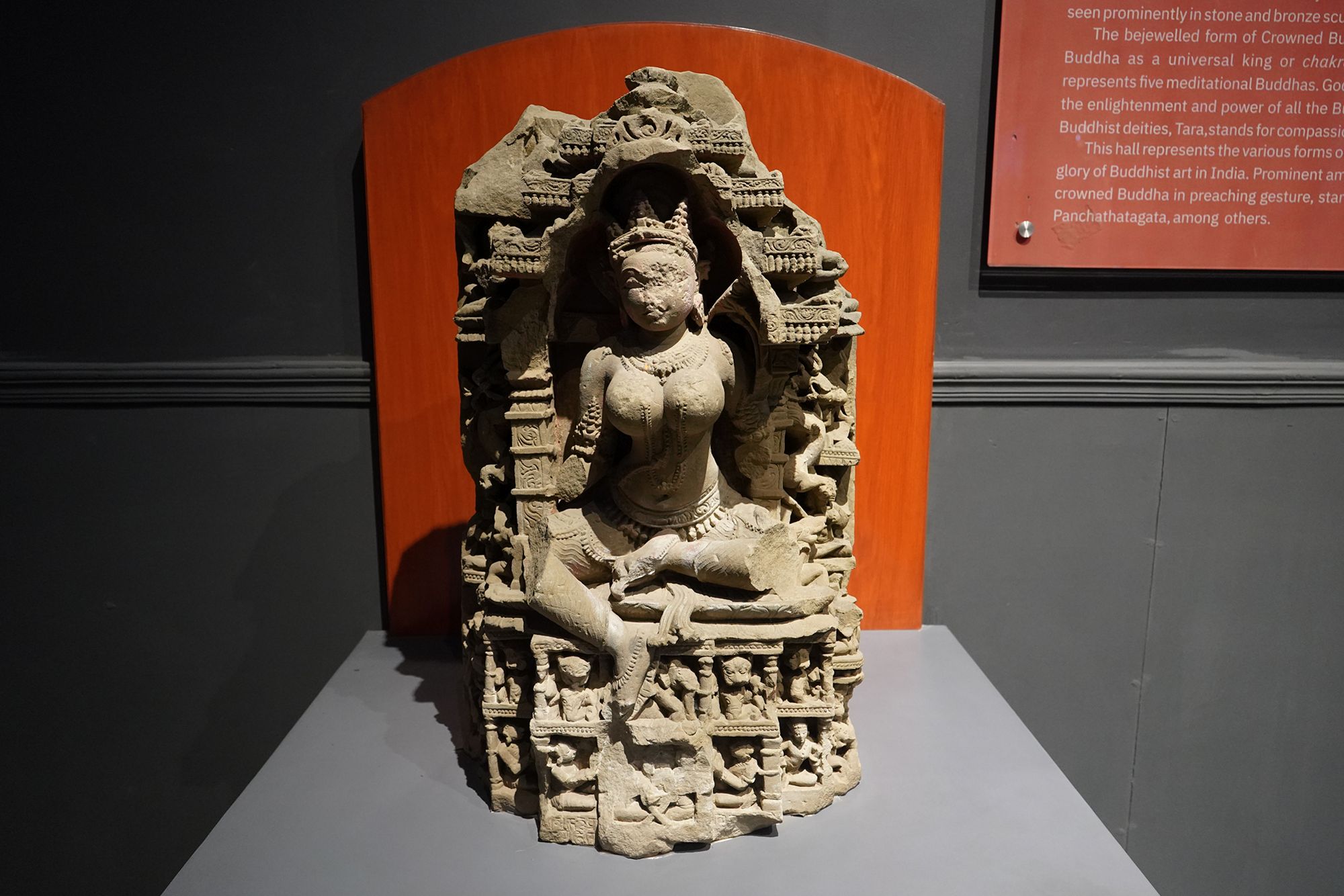
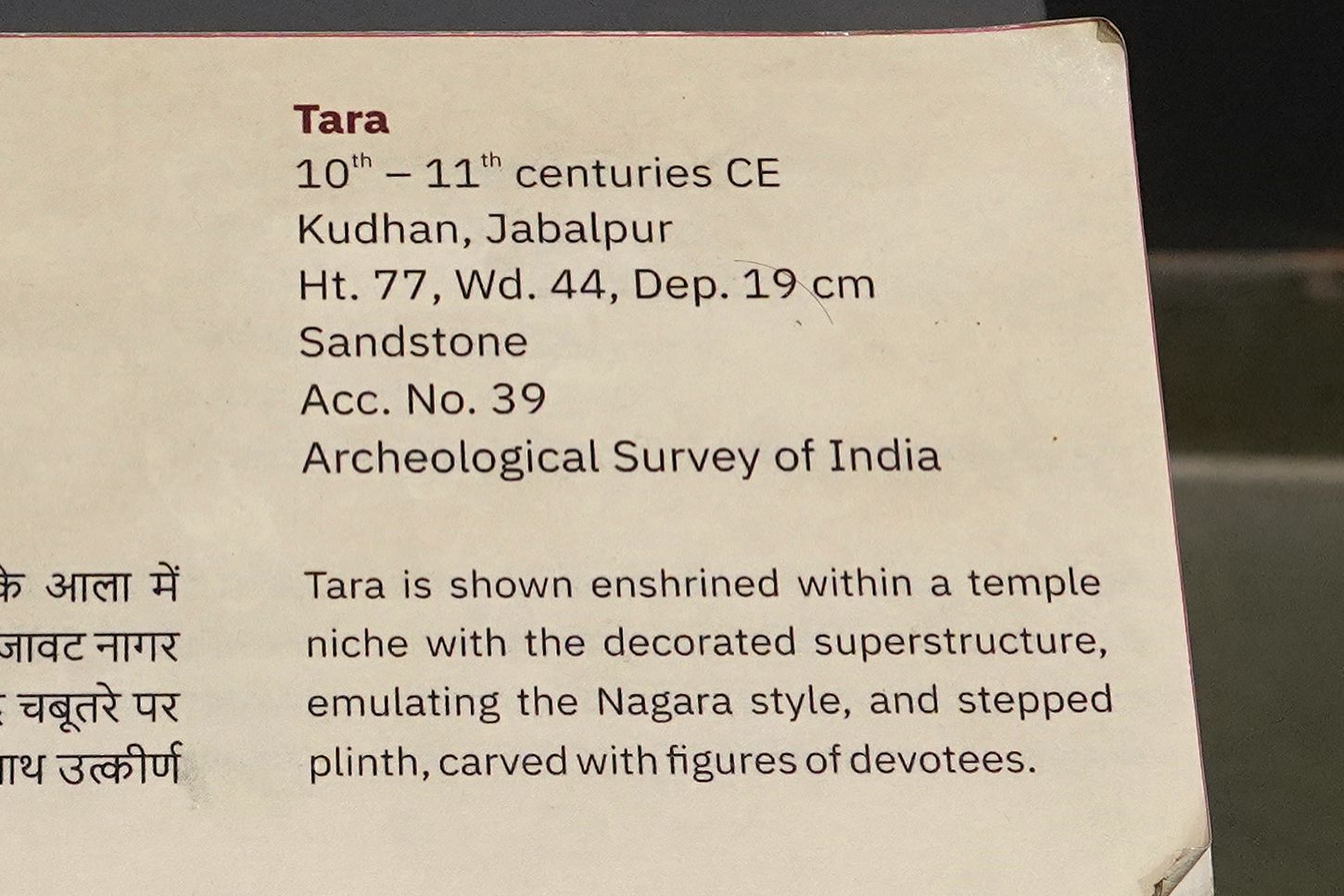
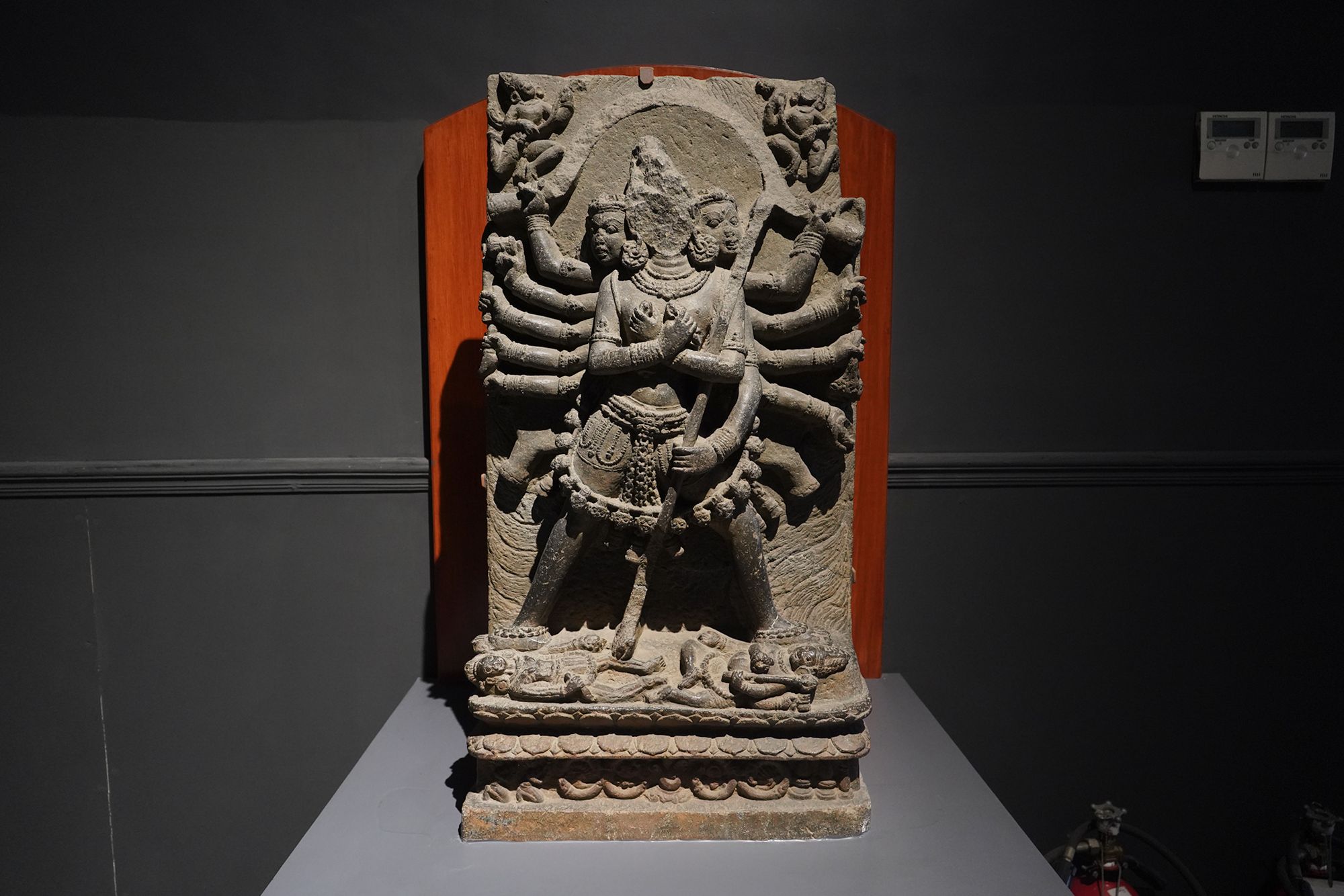
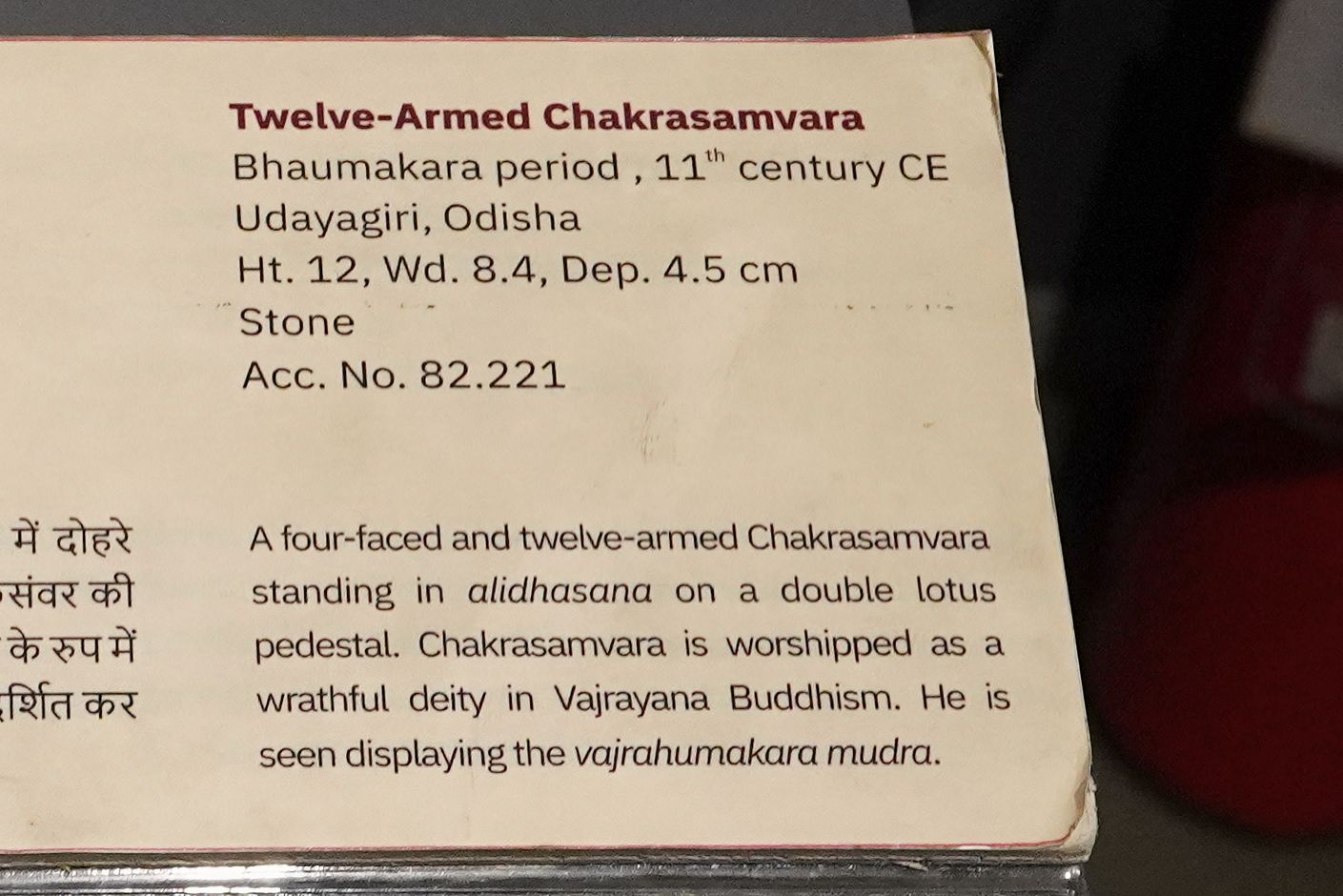
Buddhist Deities
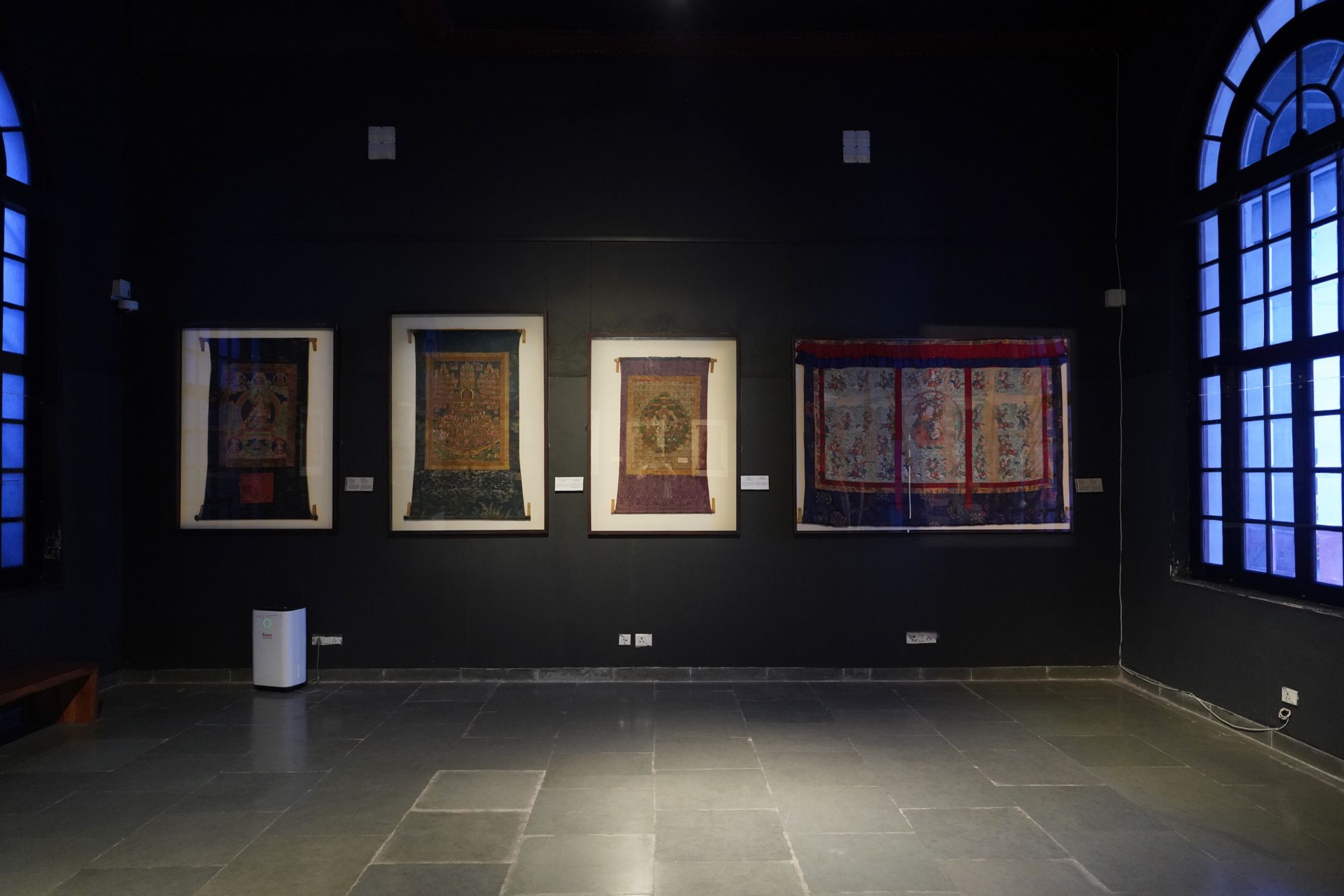
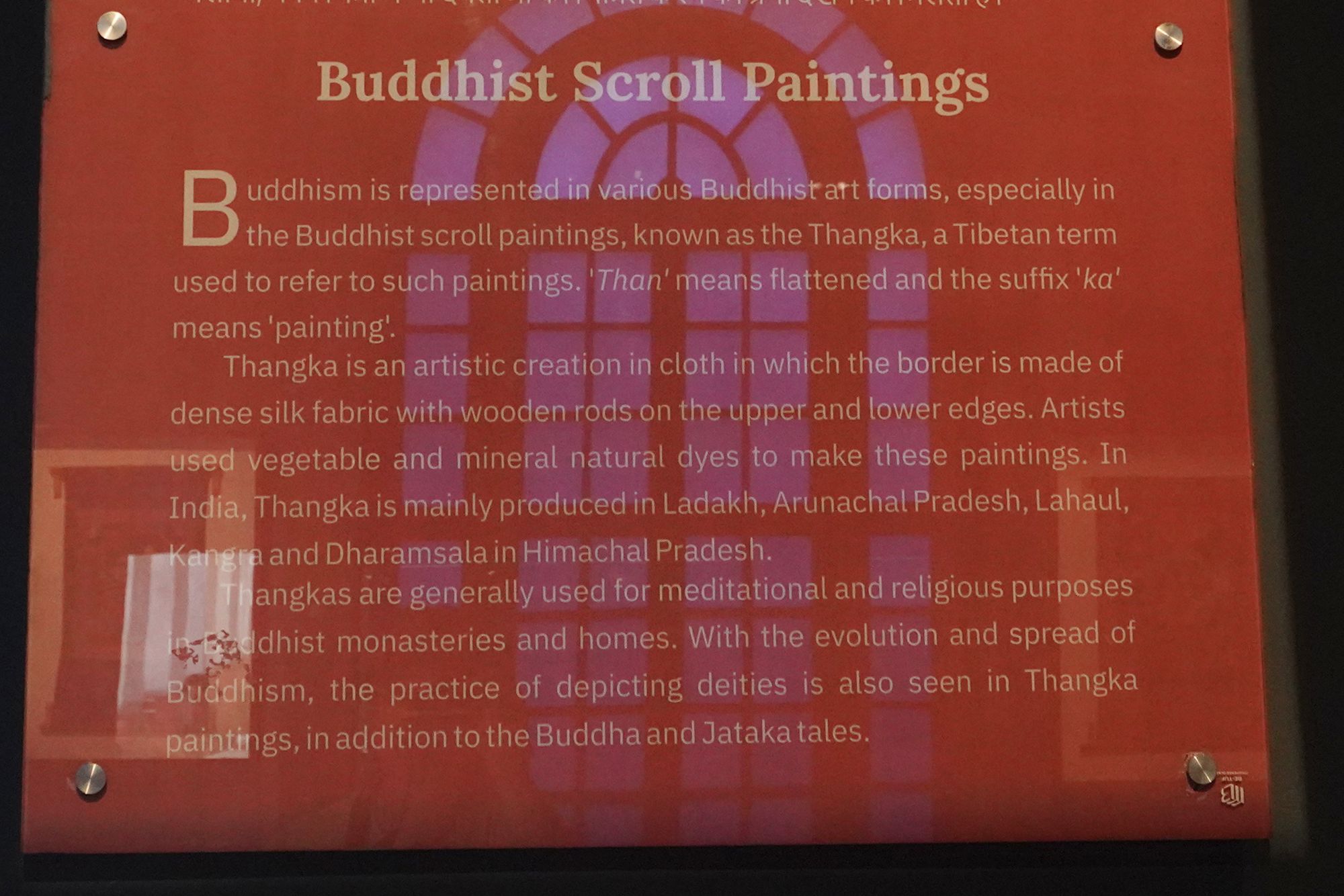
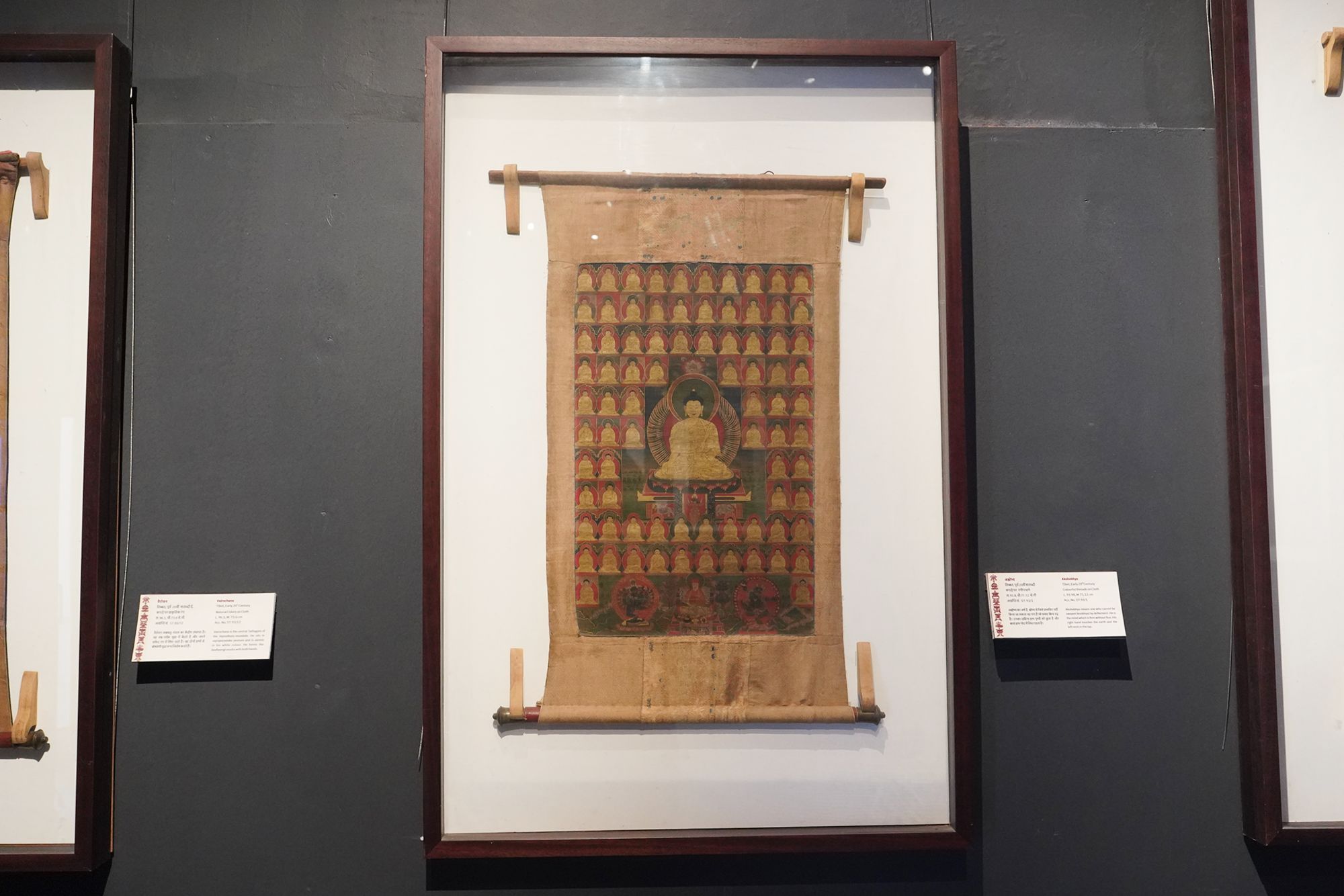
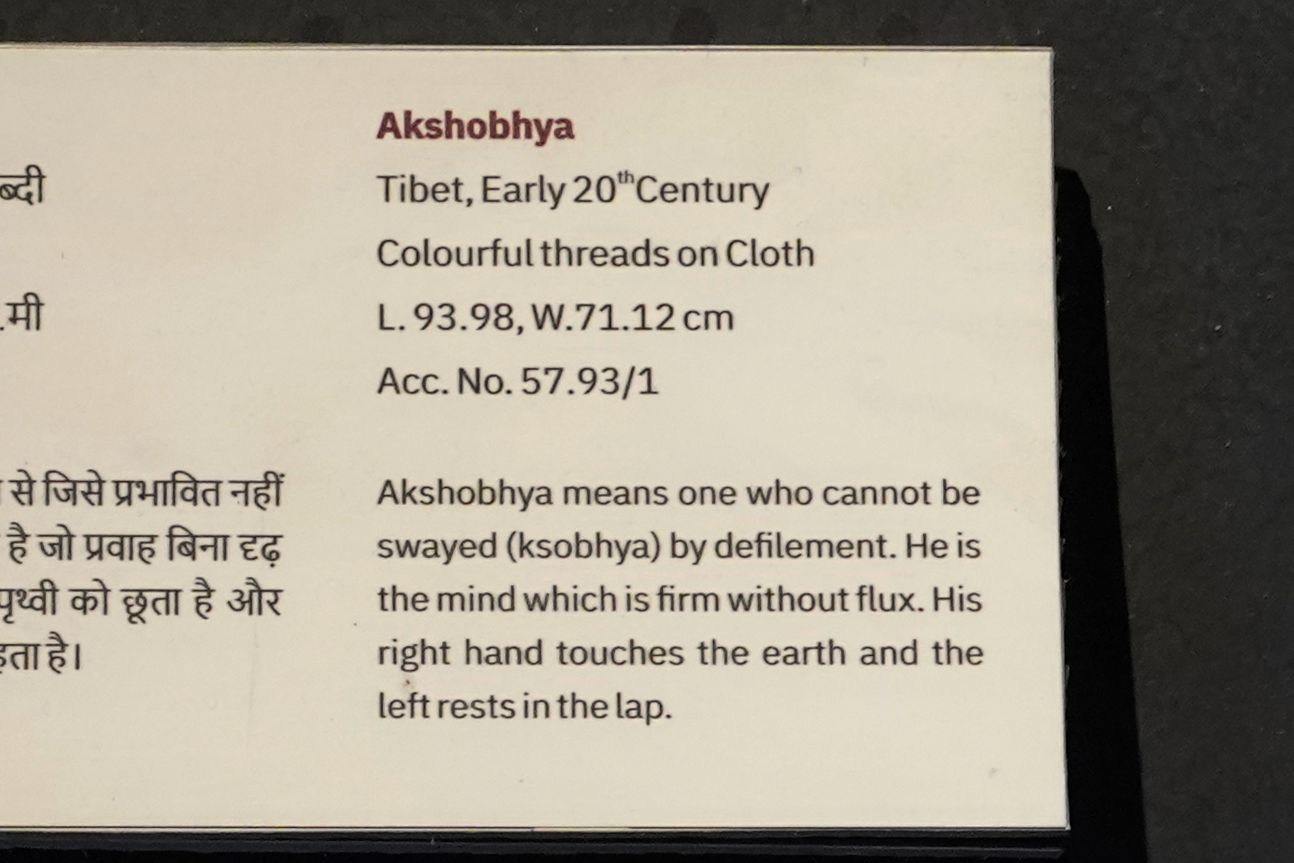
Buddhist Scroll Paintings
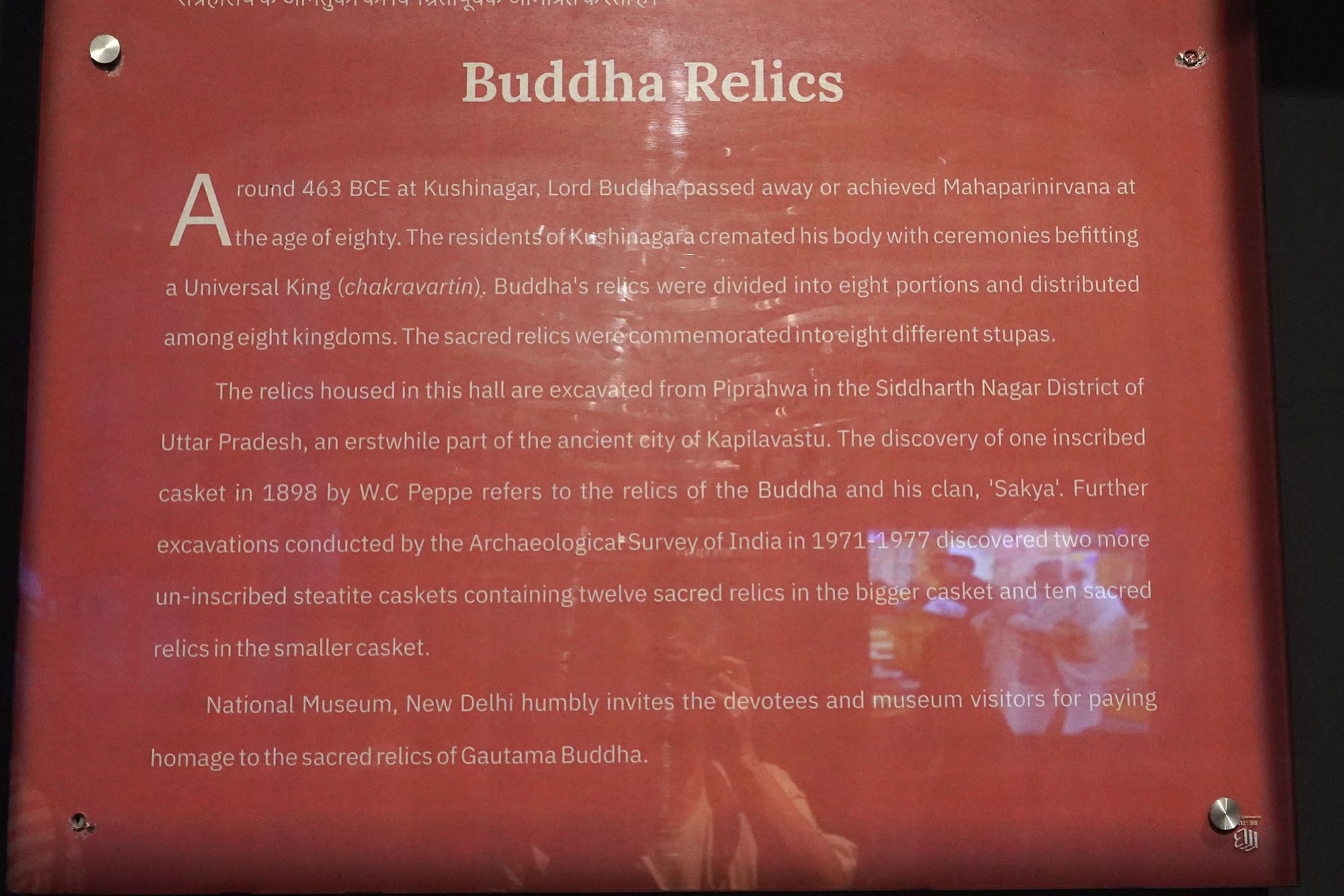
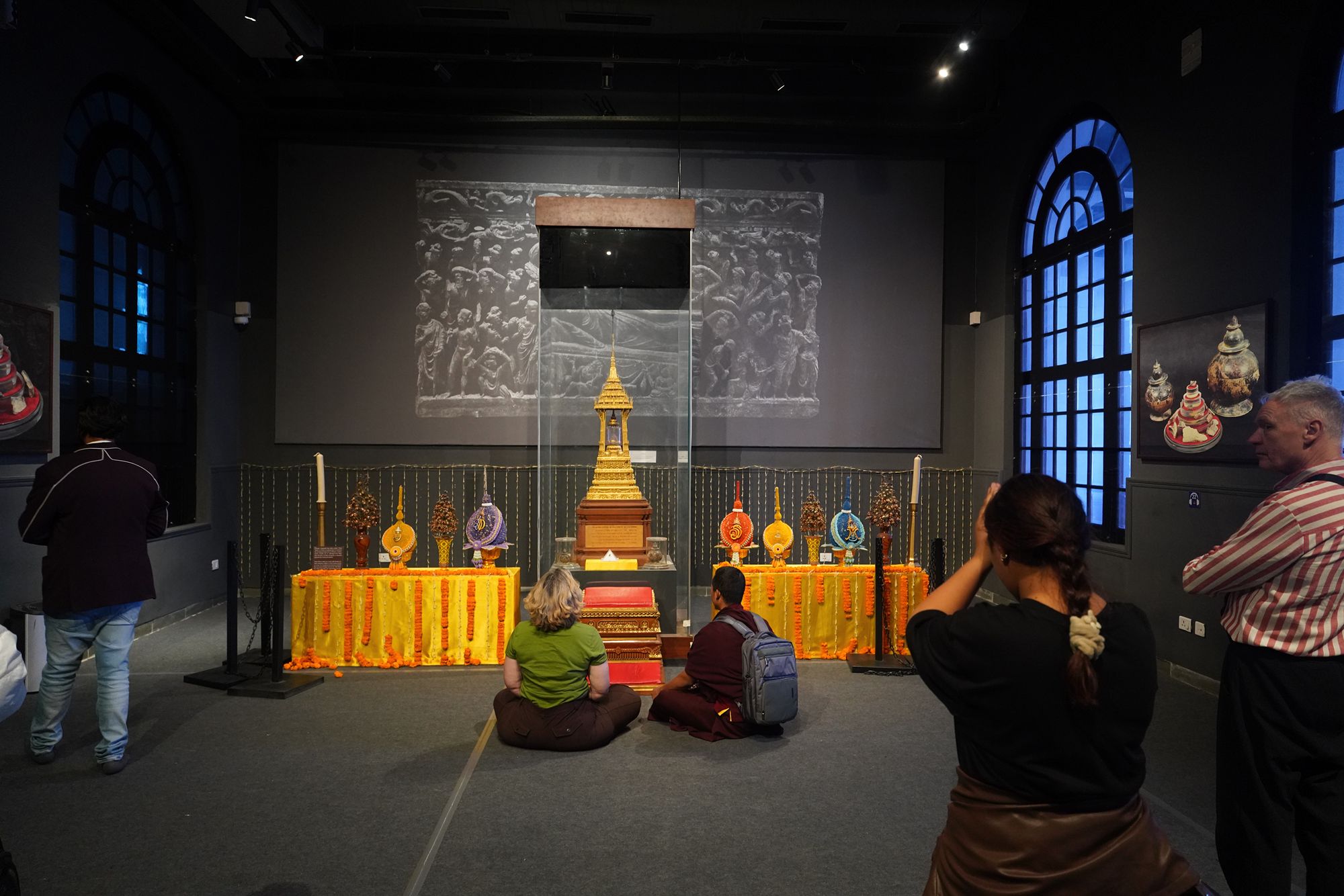
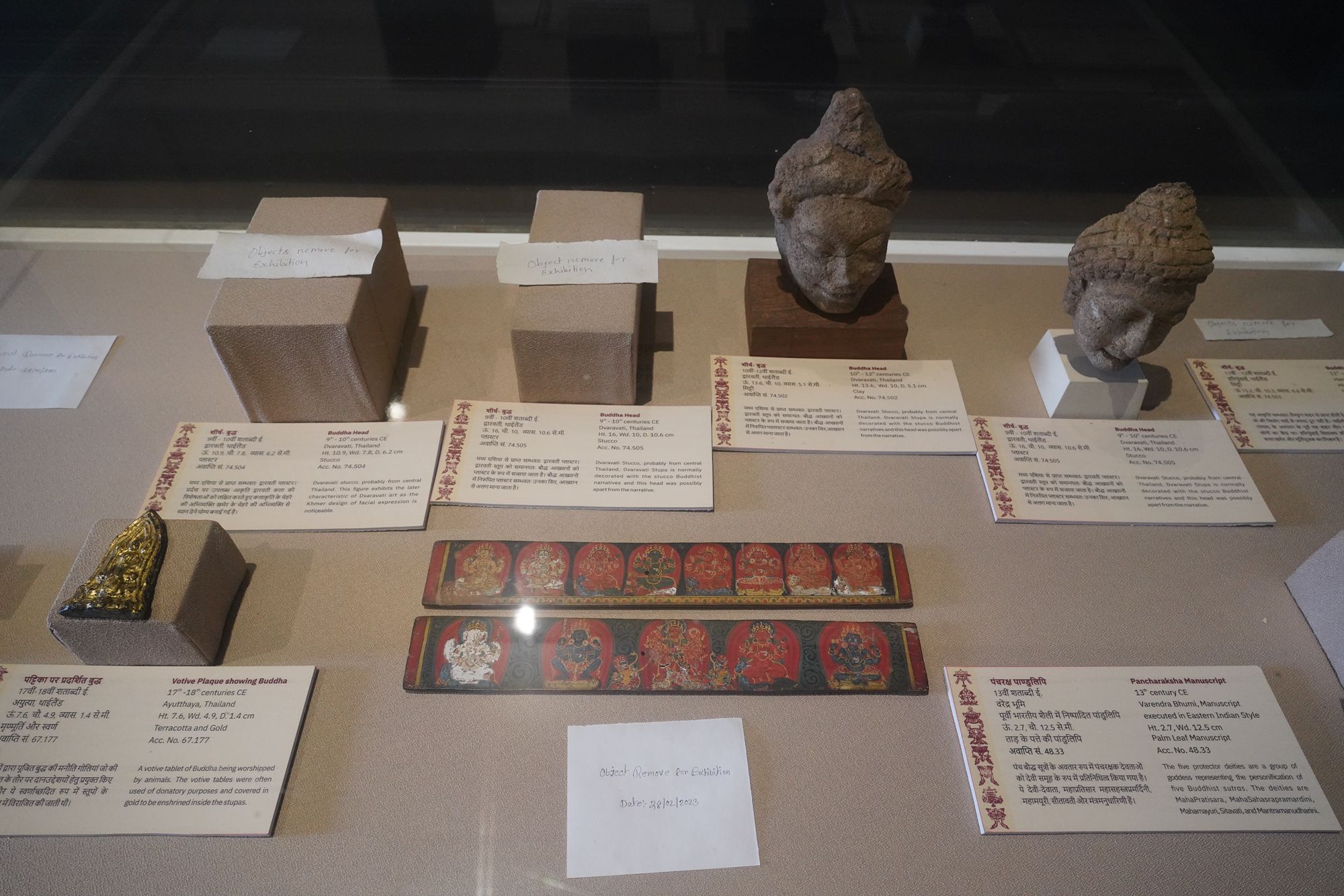
Buddha Relics
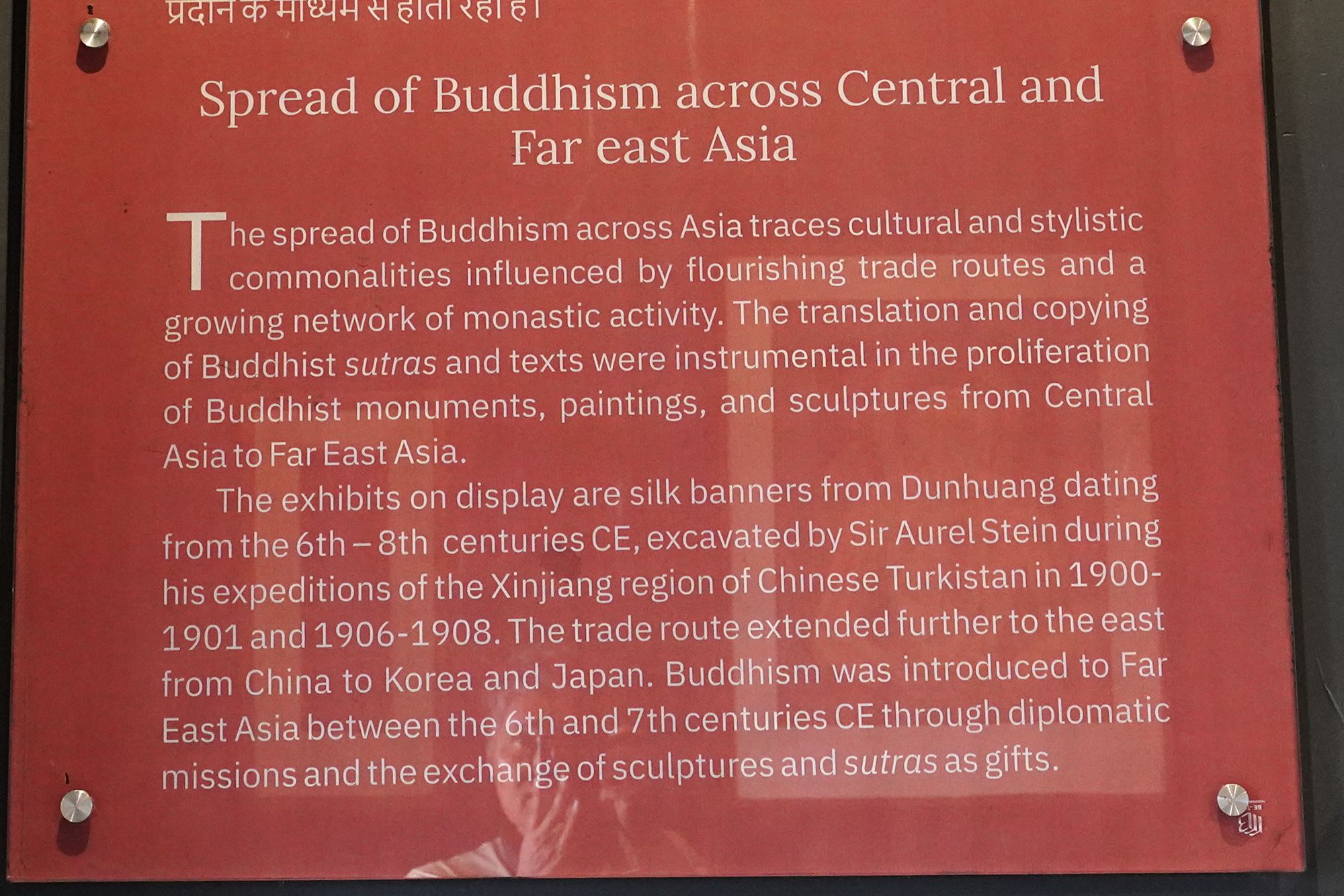
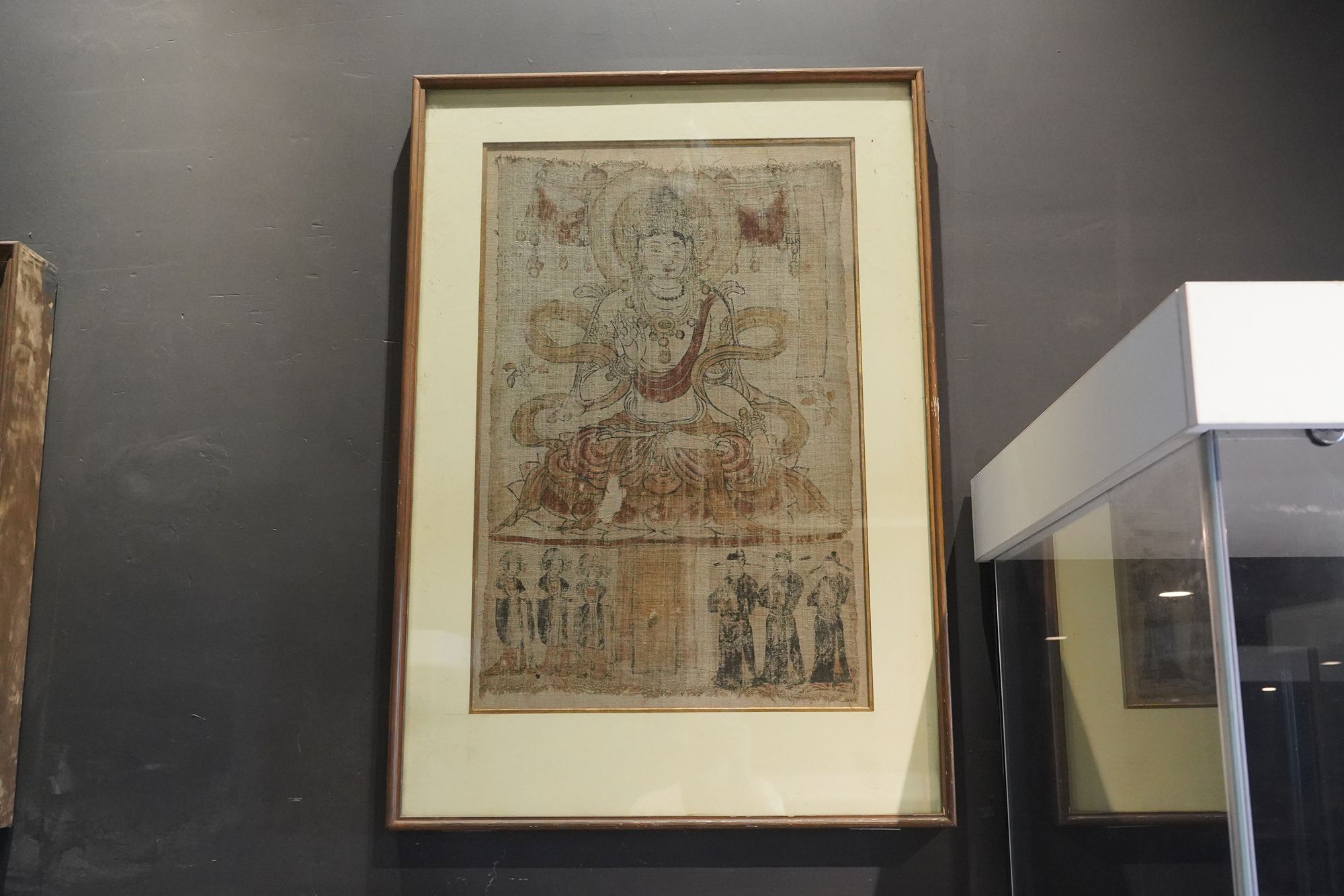
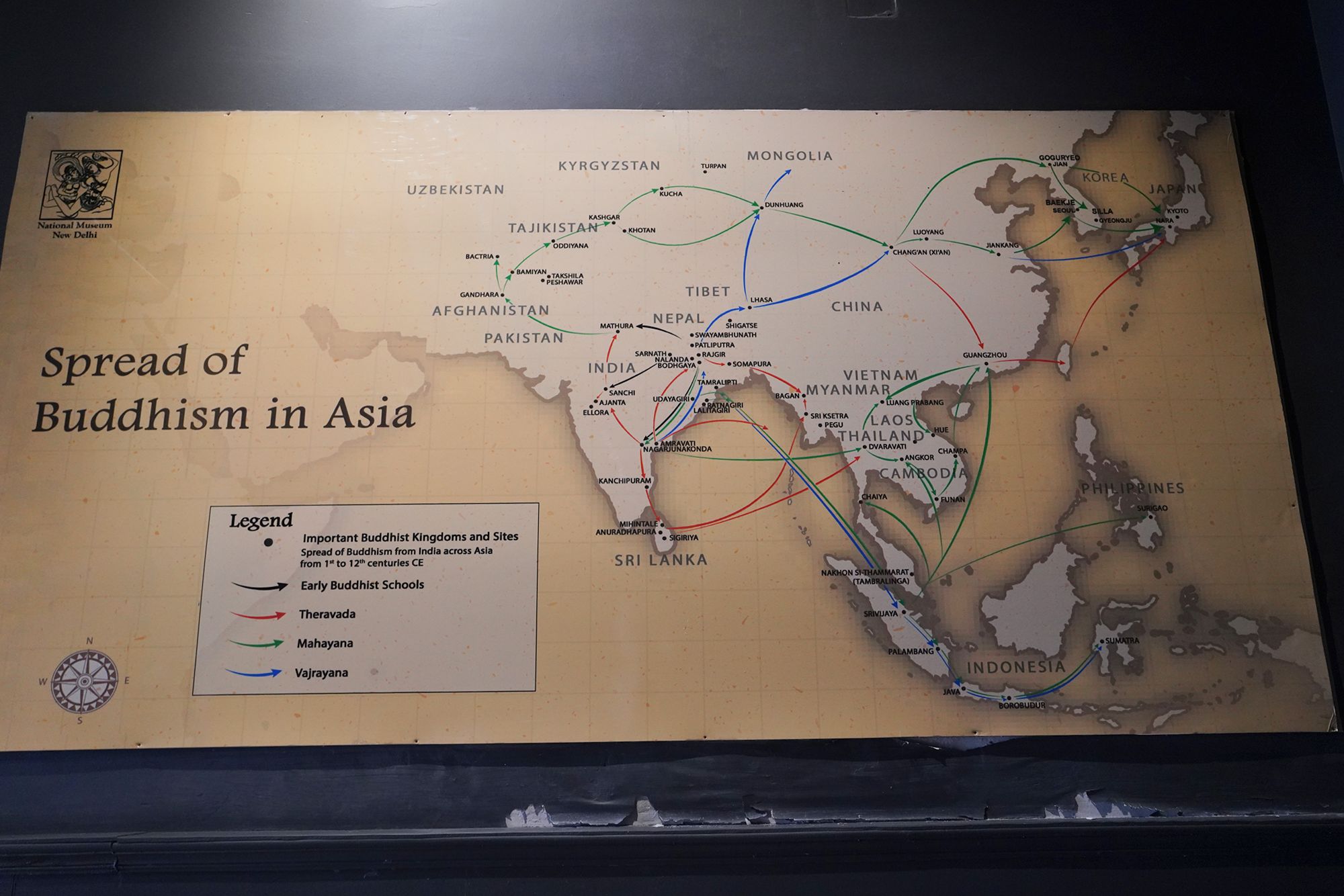
Spread of Buddhism across Central and Far east Asia
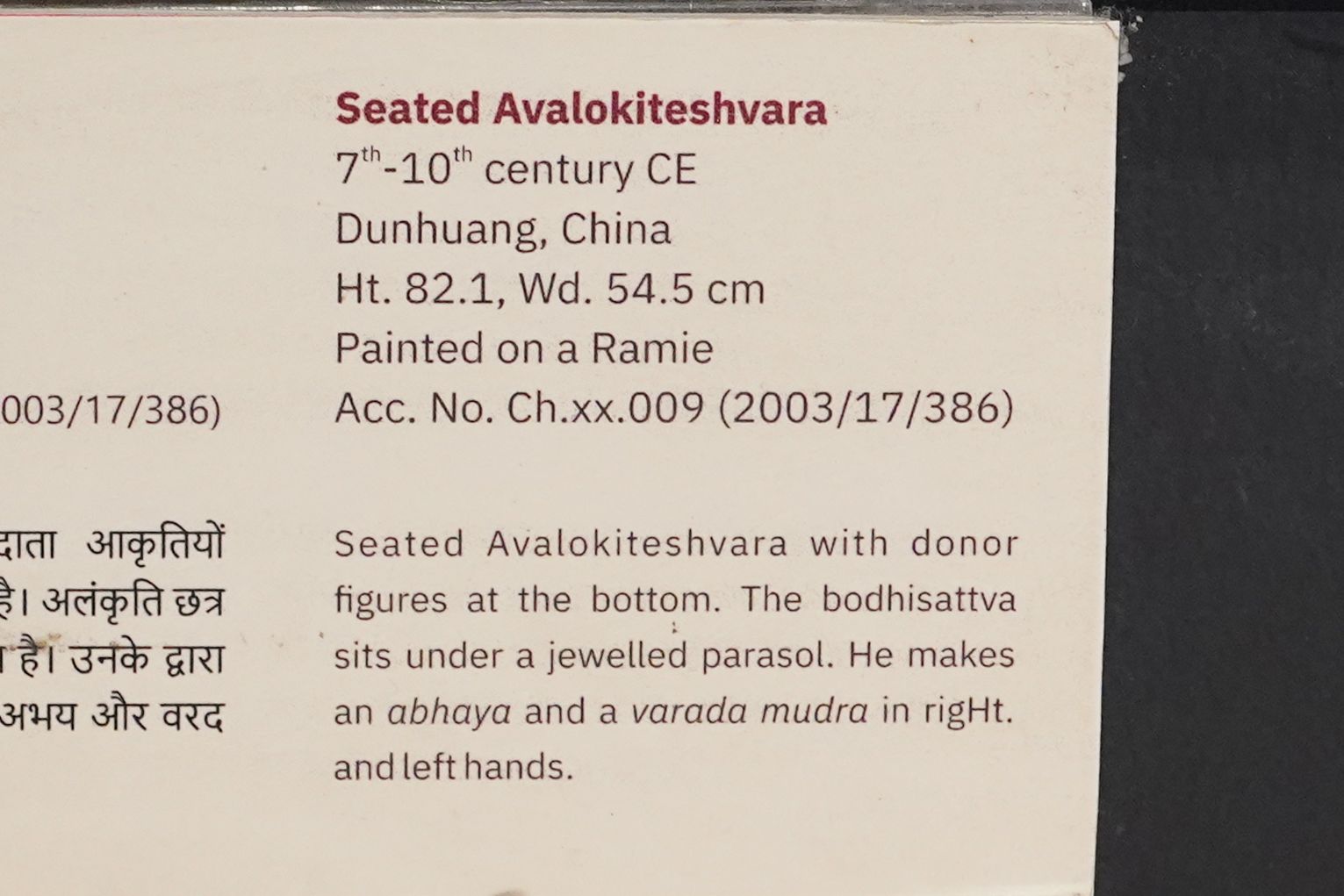
Spread of Buddhism in South Asia and Southeast Asia
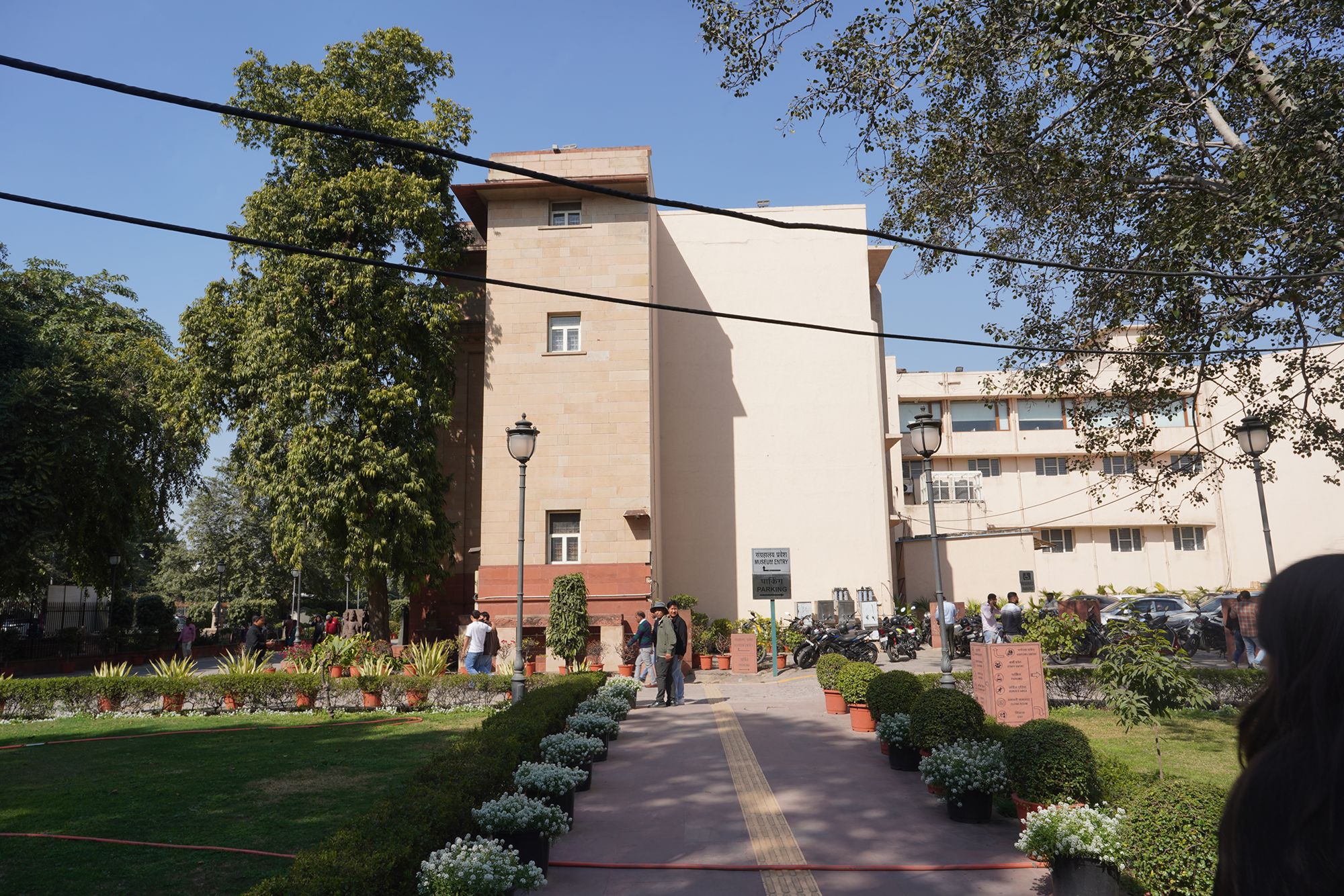
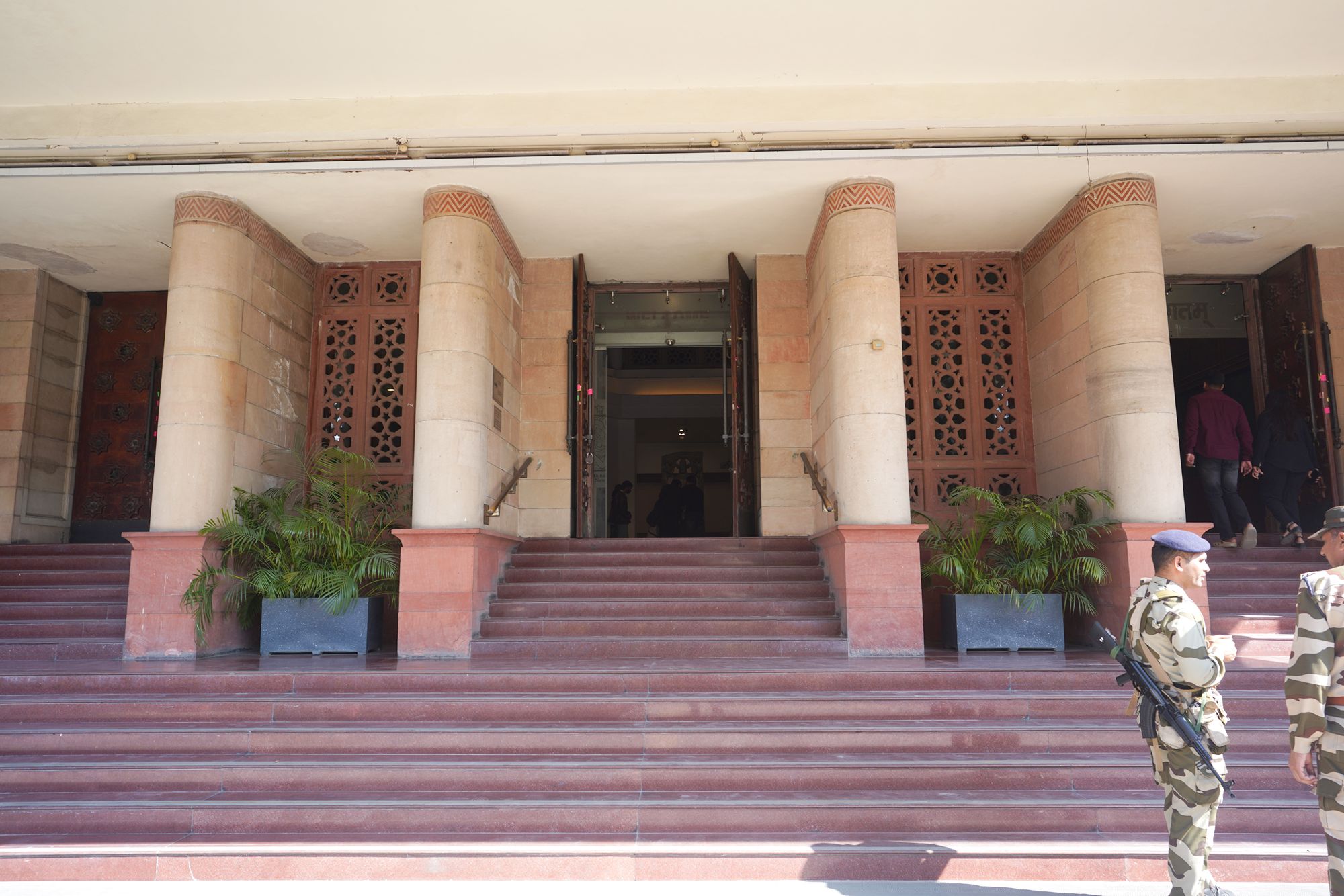
This is the main entrance to the museum, which houses its extensive collections of ancient artifacts, religious art, and cultural treasures.
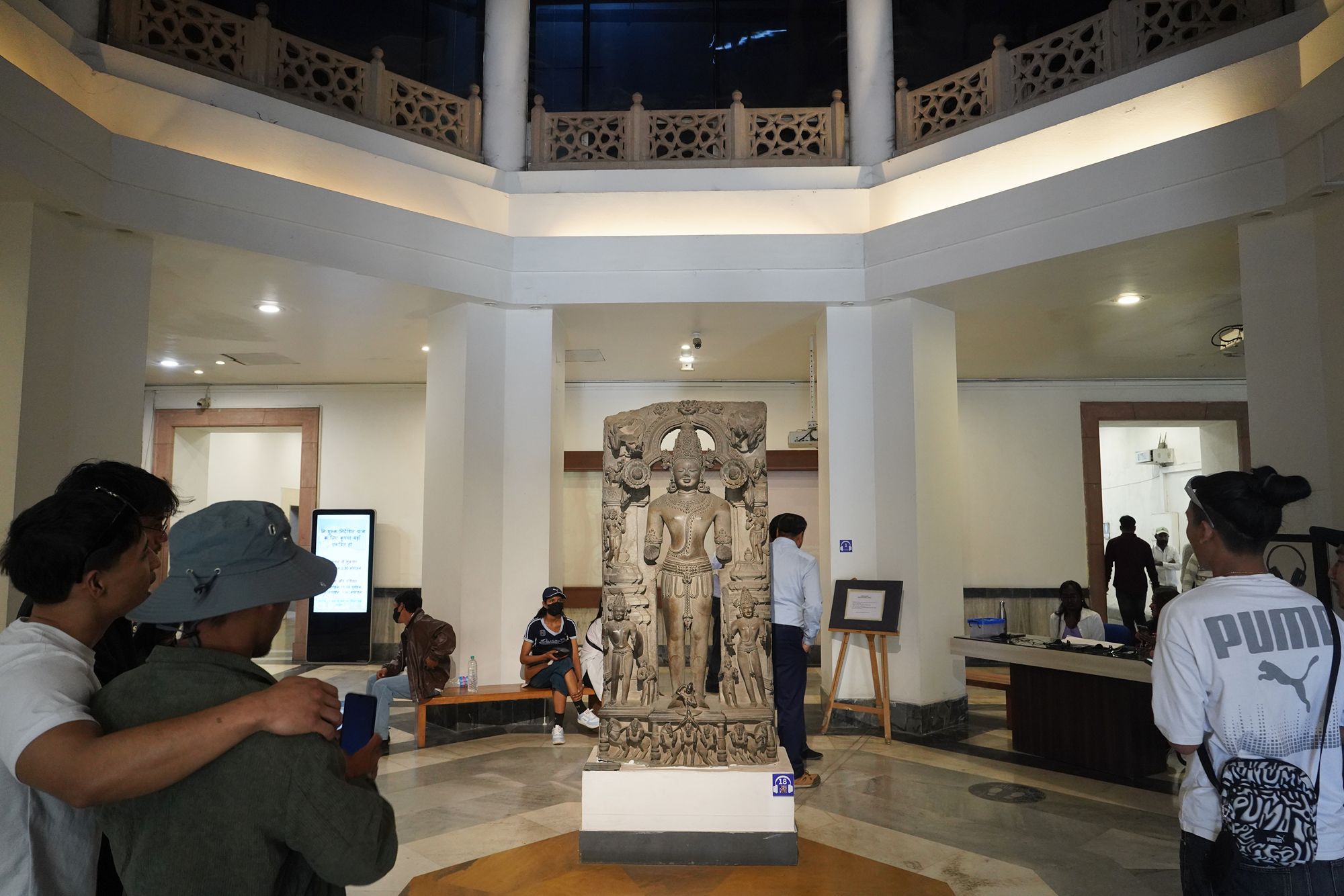
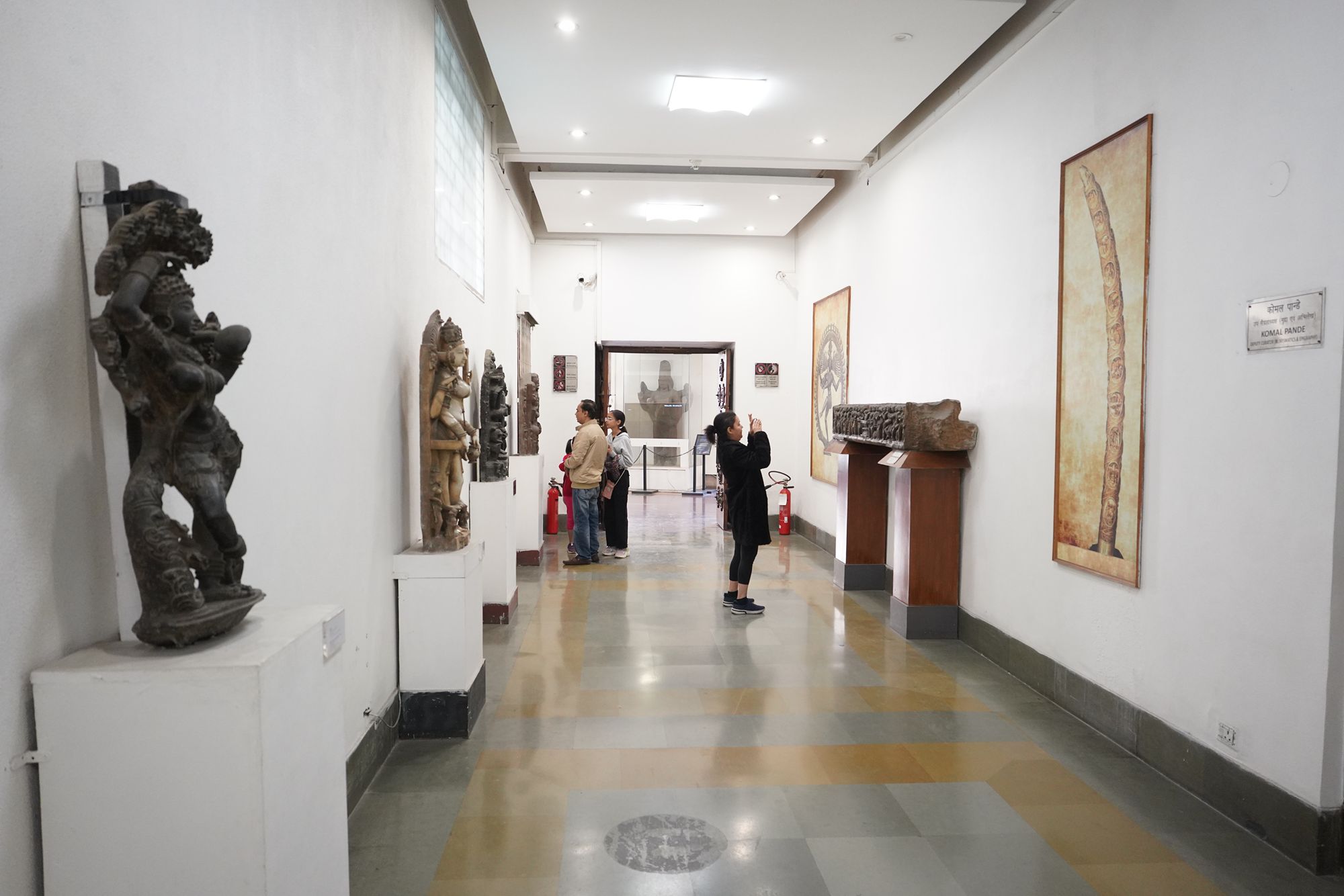
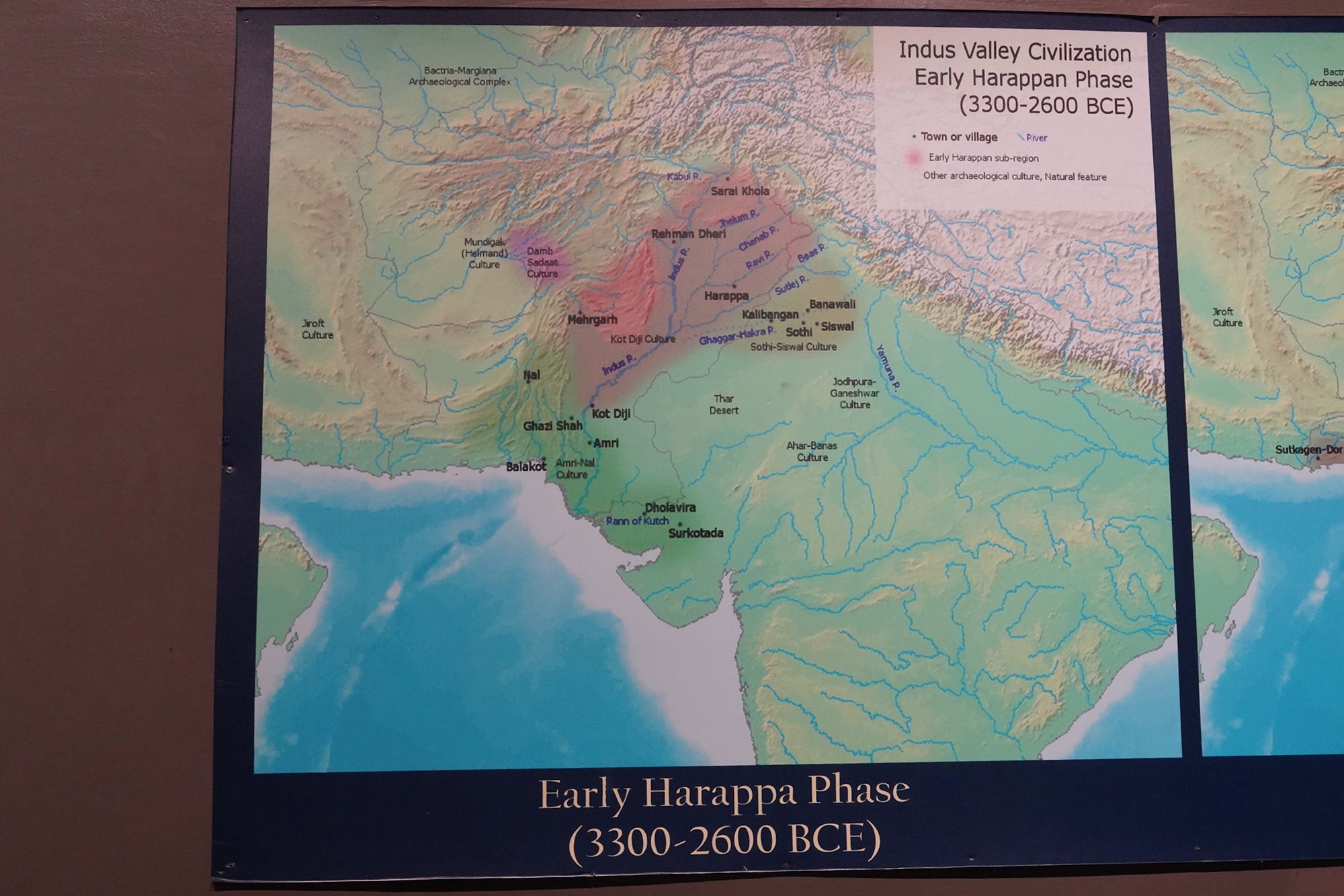
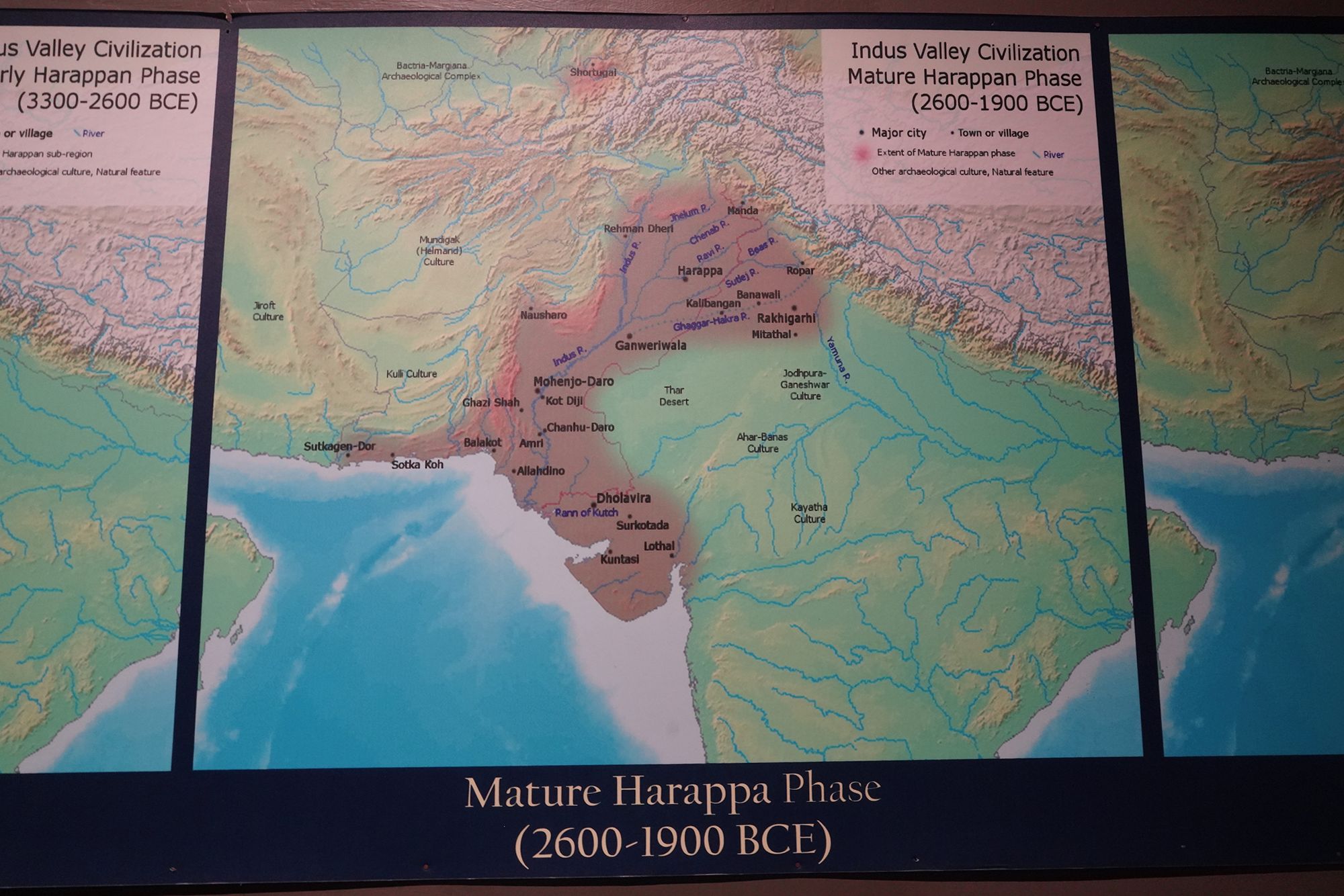
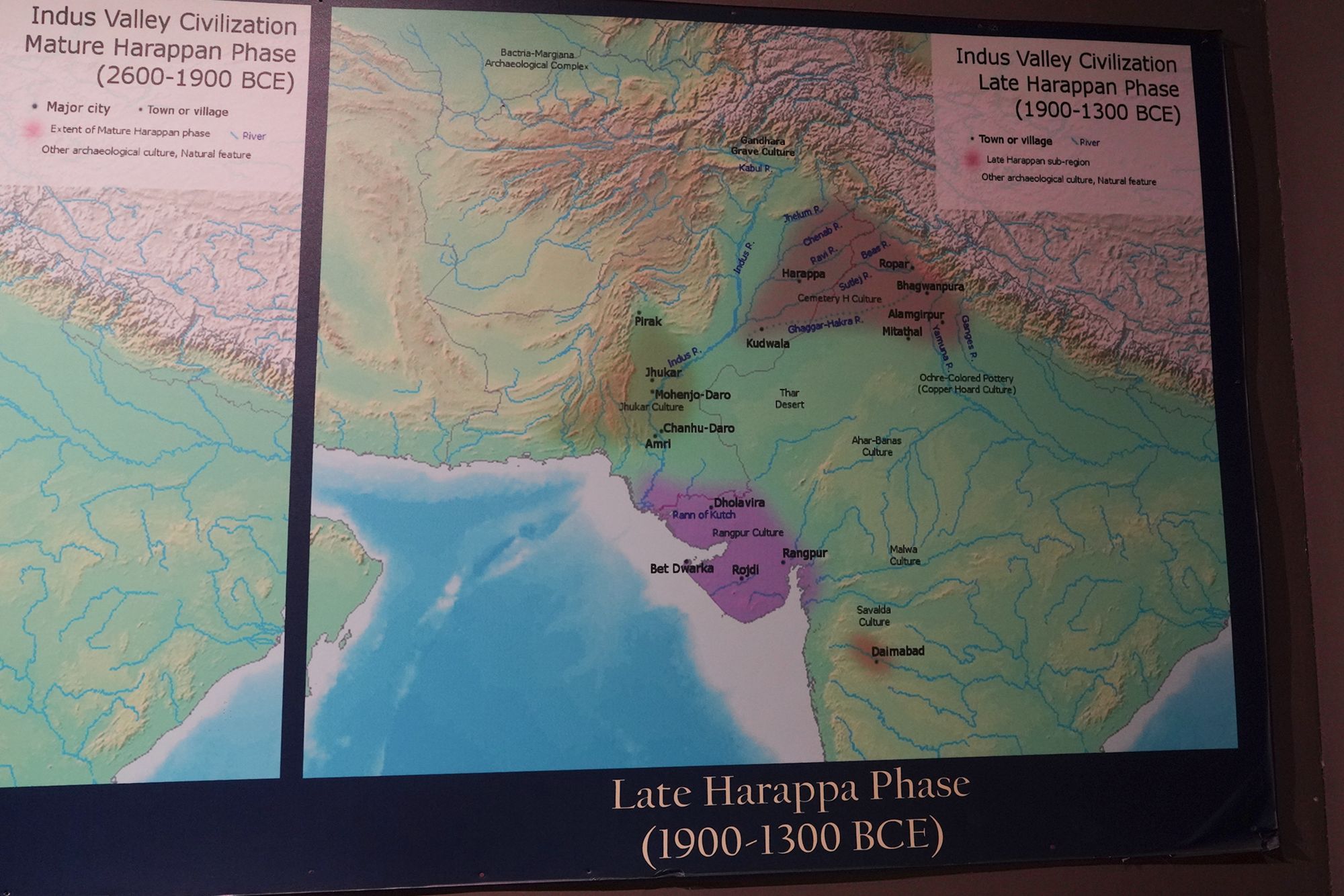
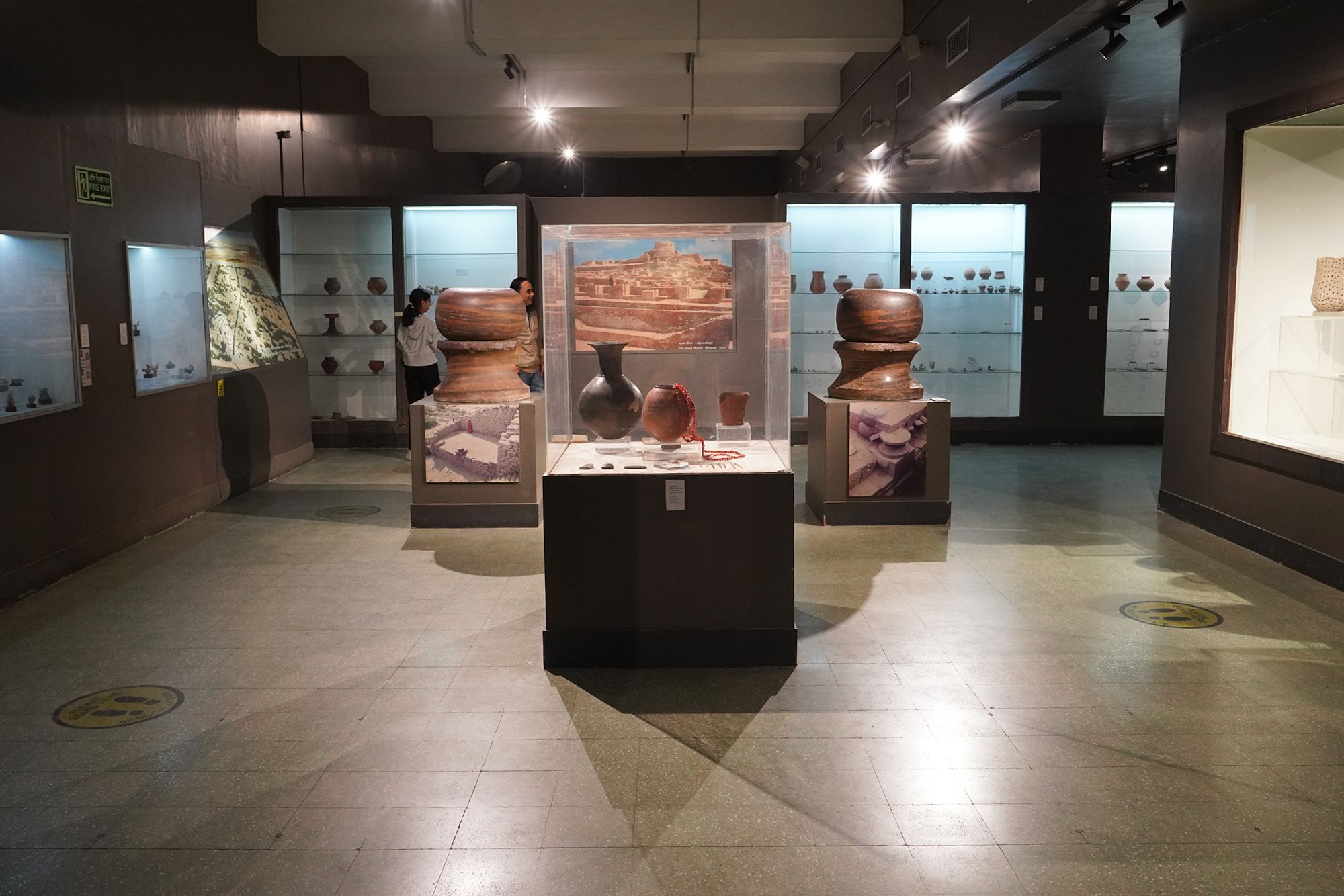
The Harappan Civilization, also known as the Indus Valley Civilization, was an advanced urban civilization that flourished more than 4,000 years ago in what is now India and Pakistan.
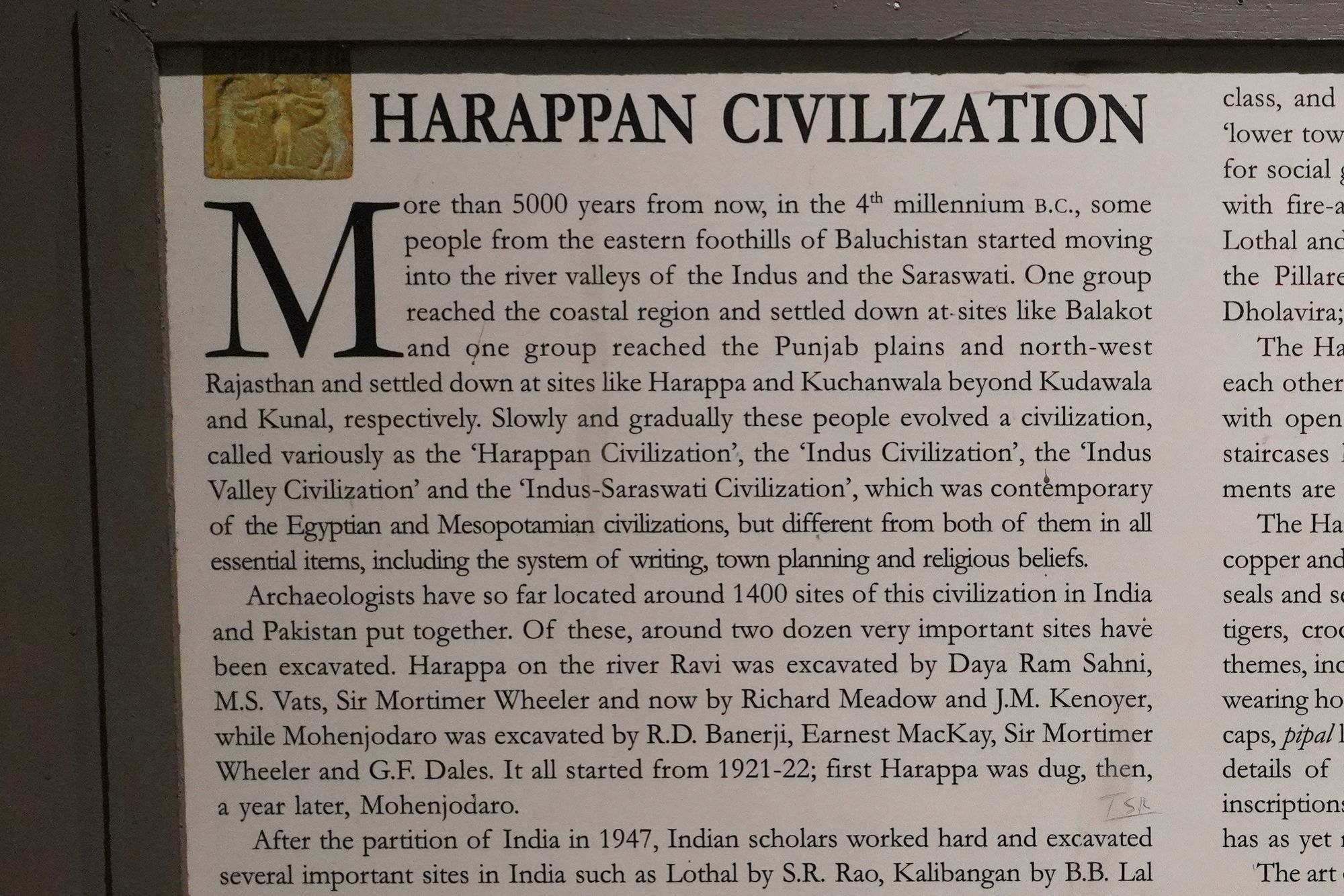
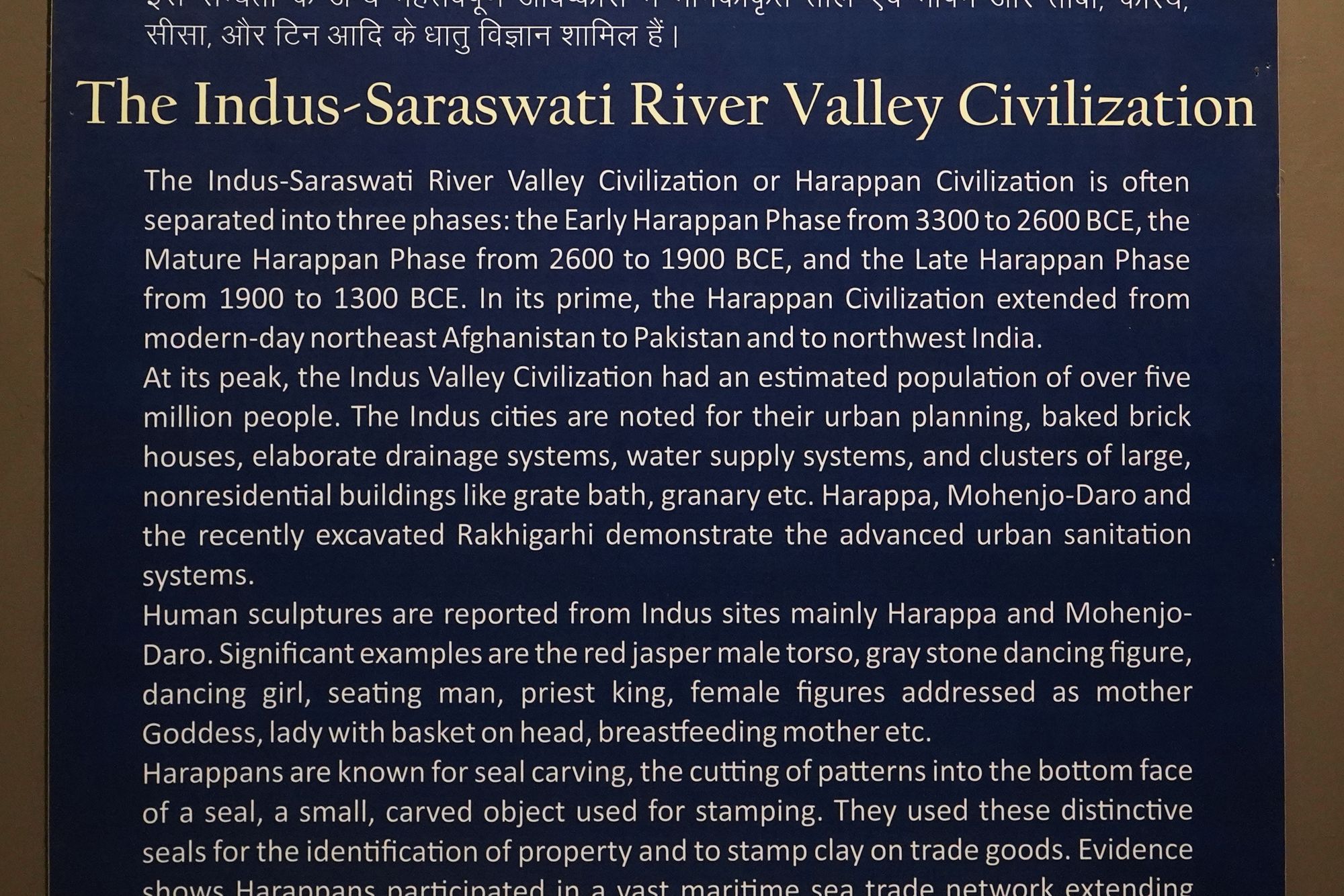
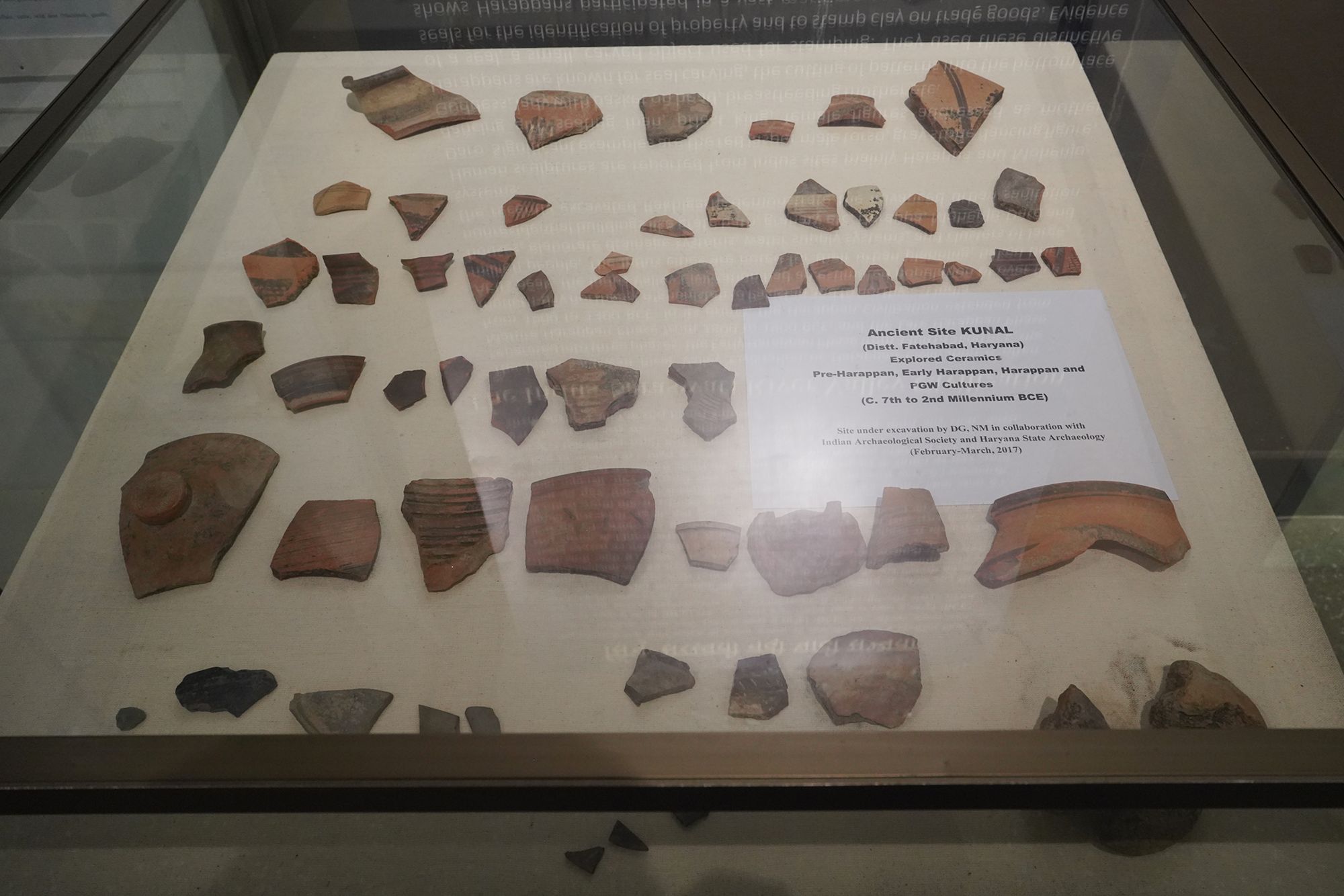
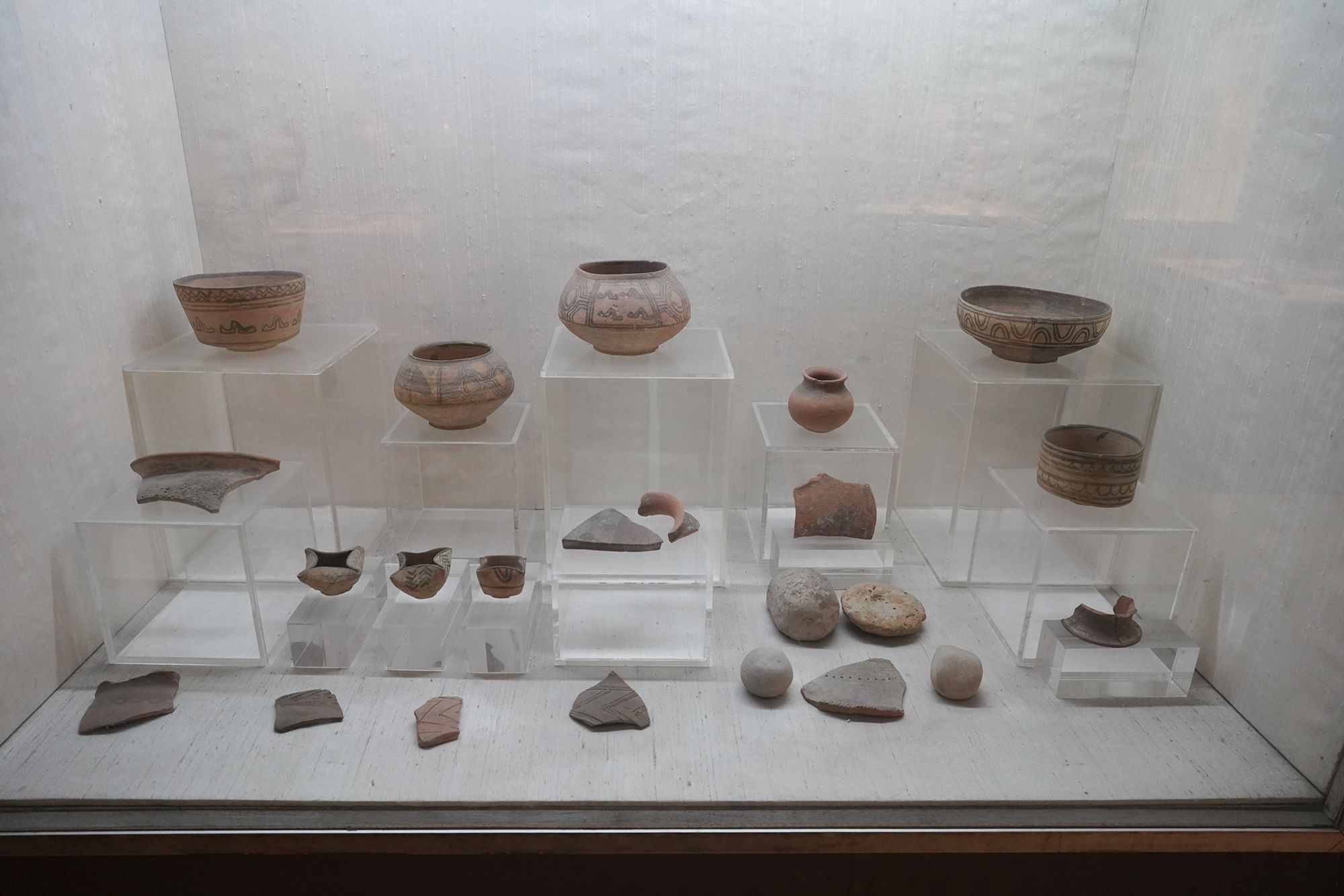
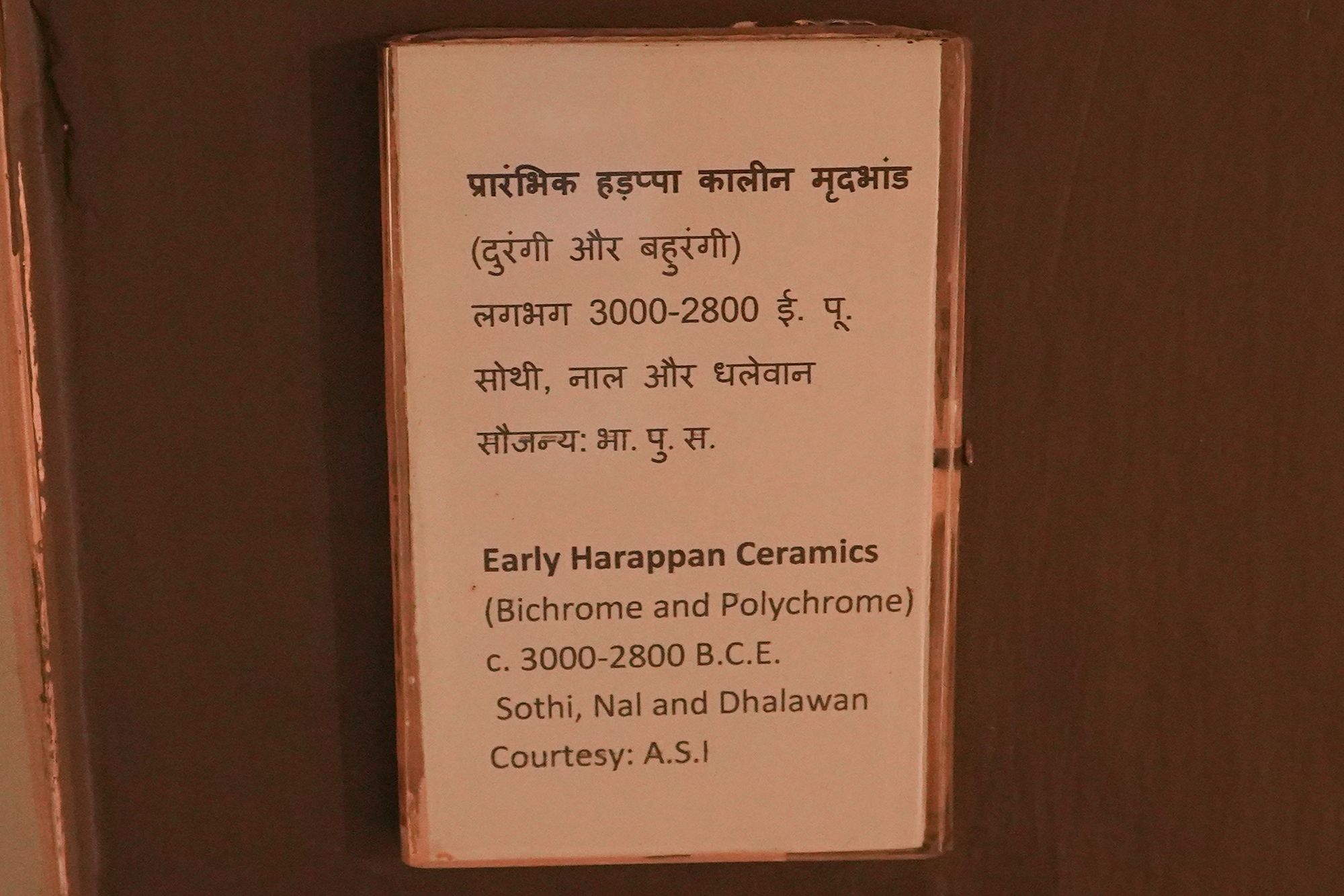
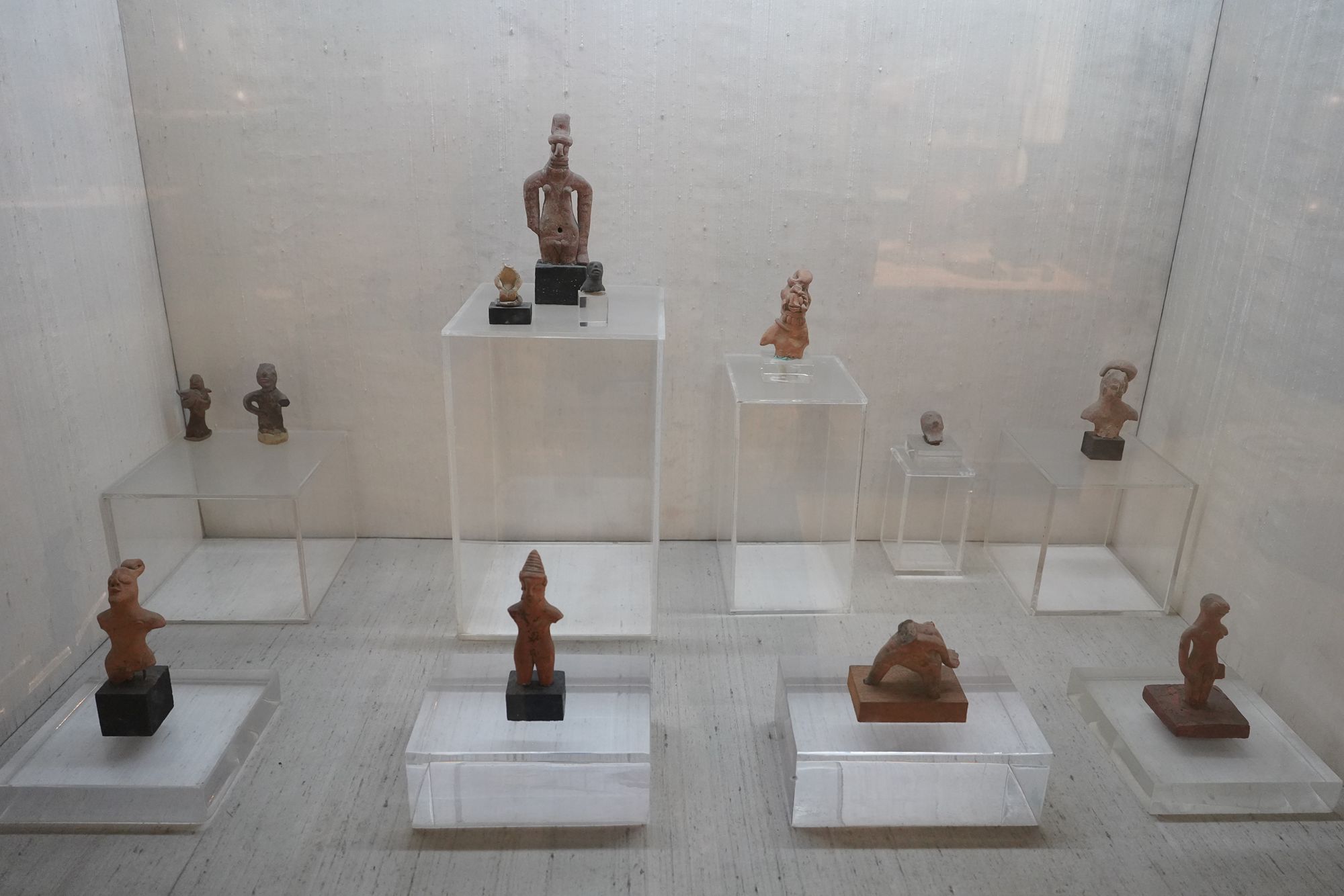
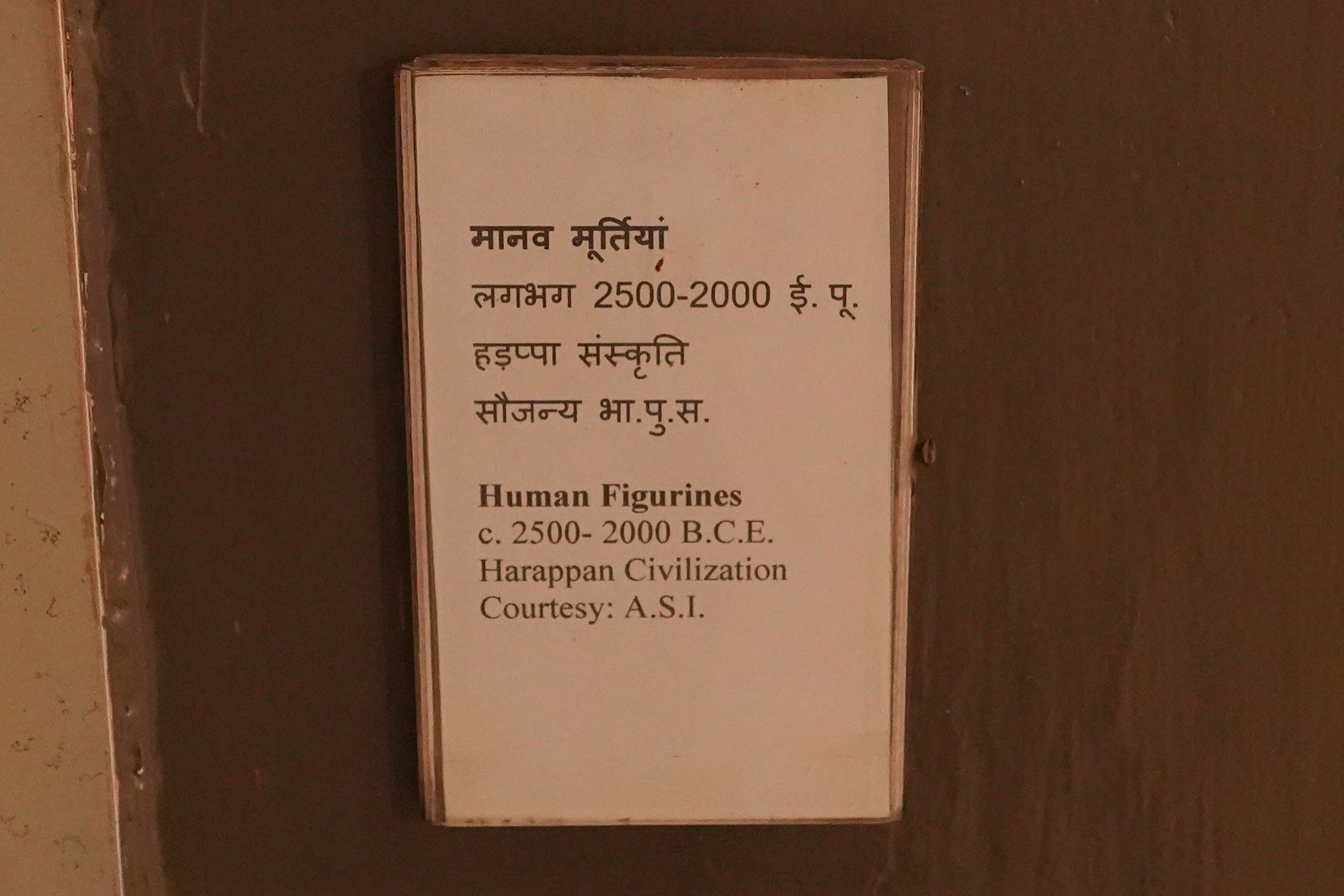
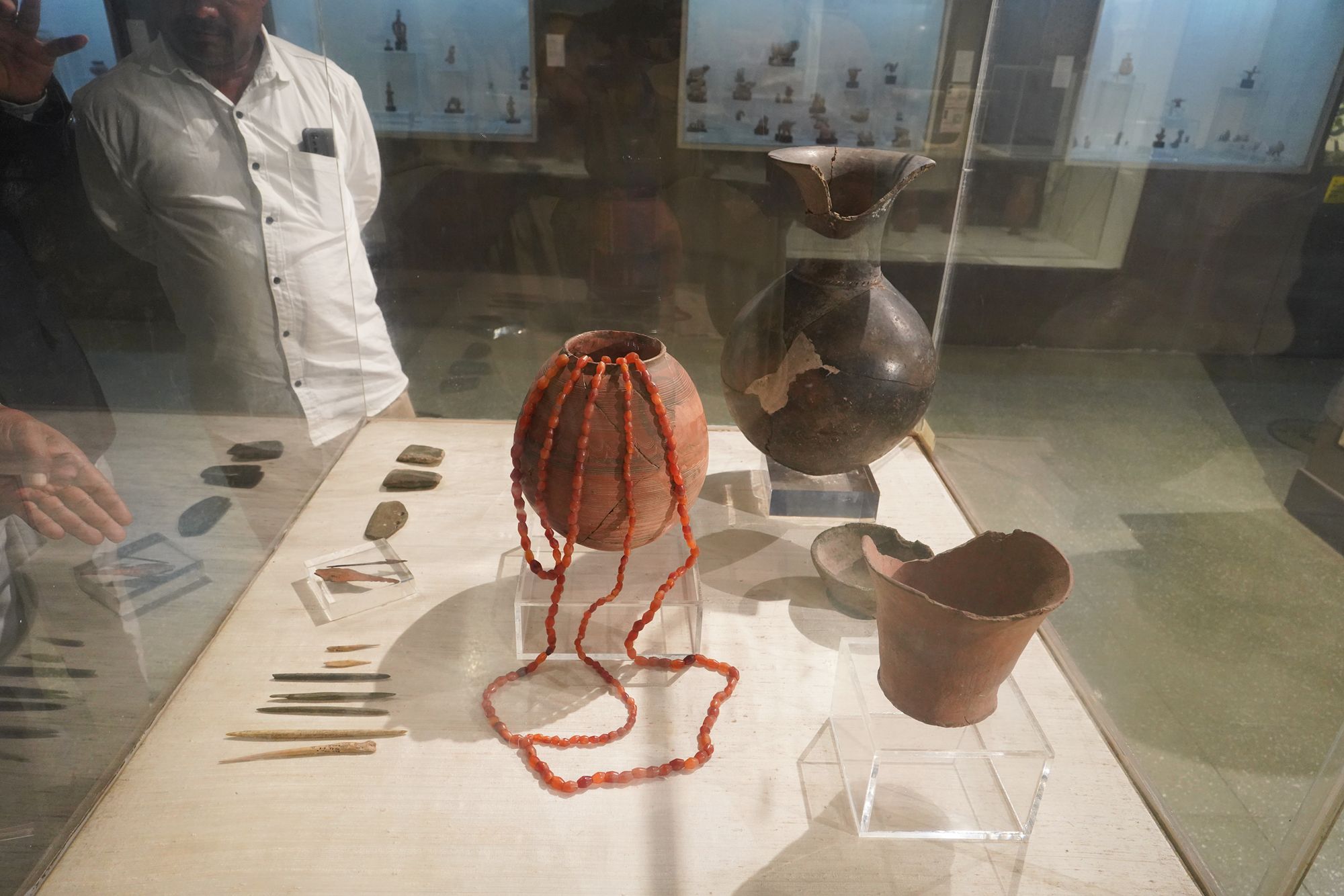
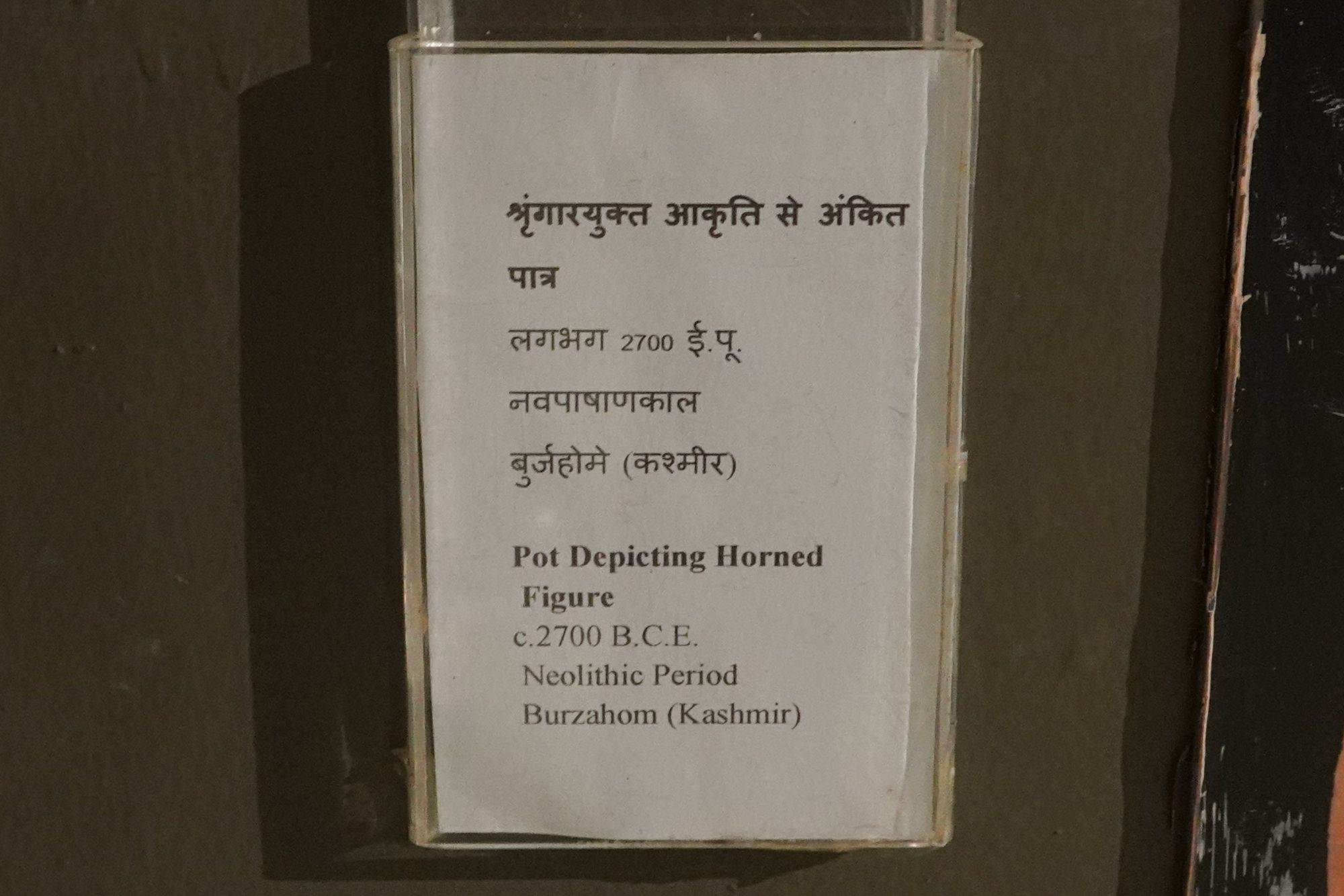
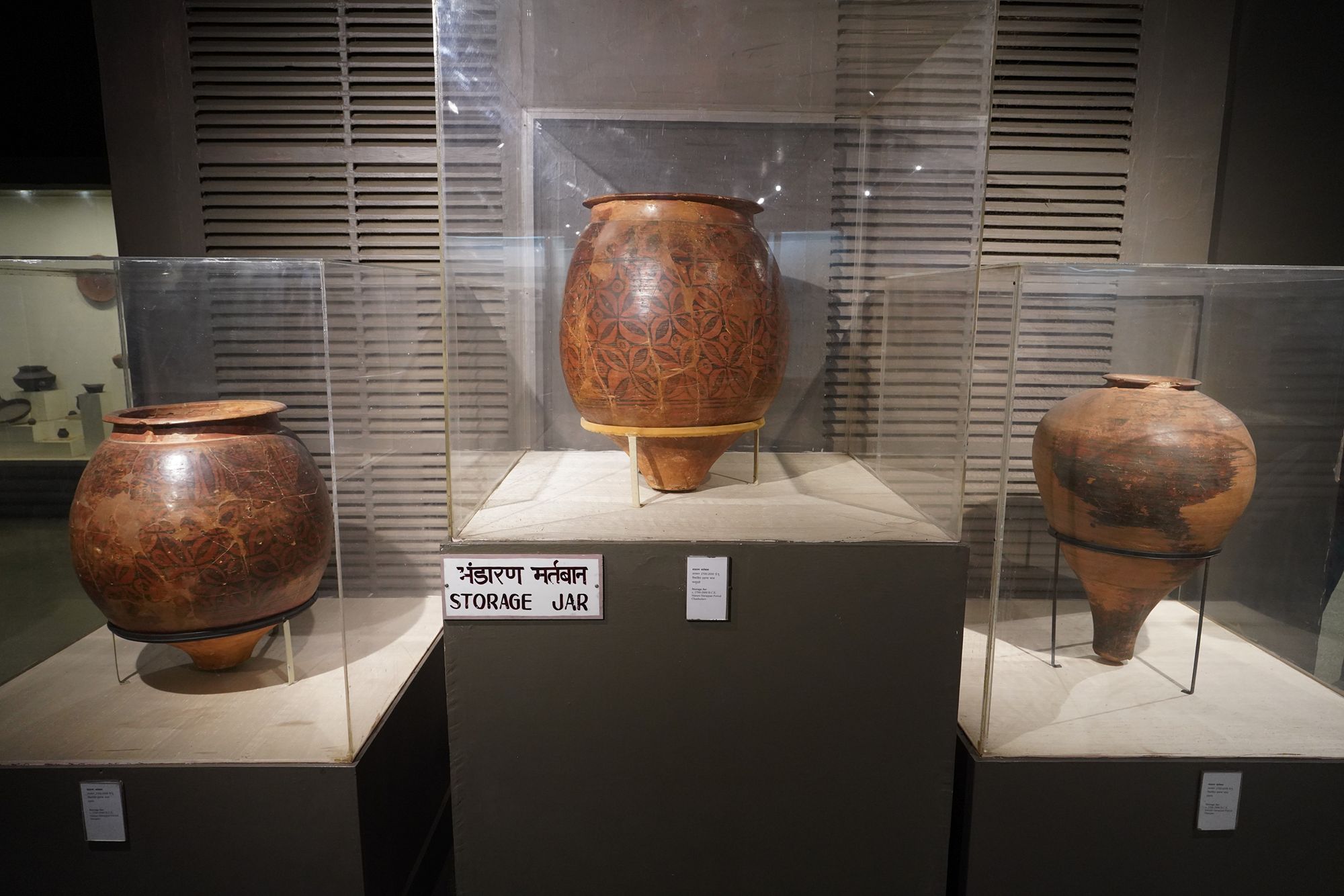
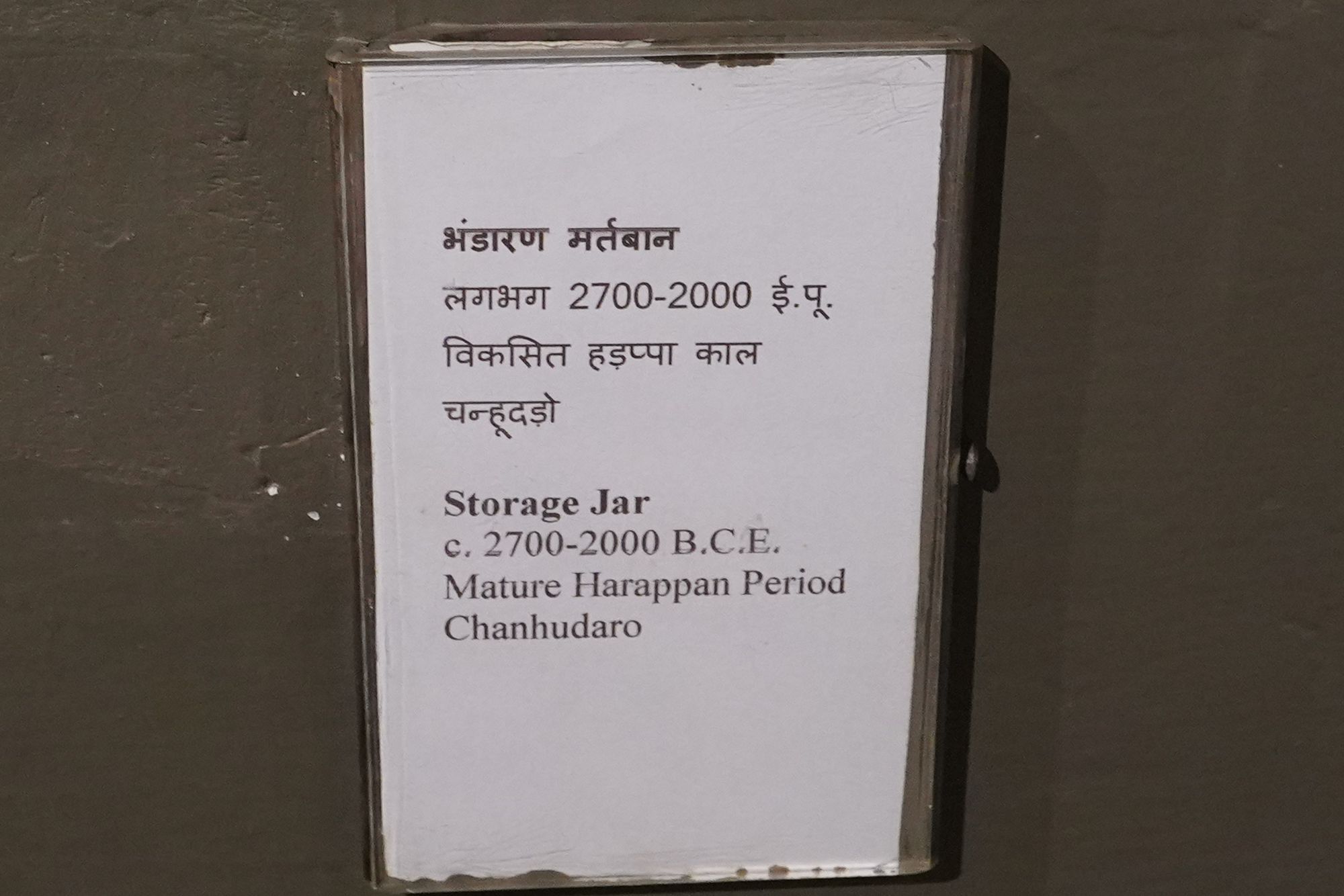
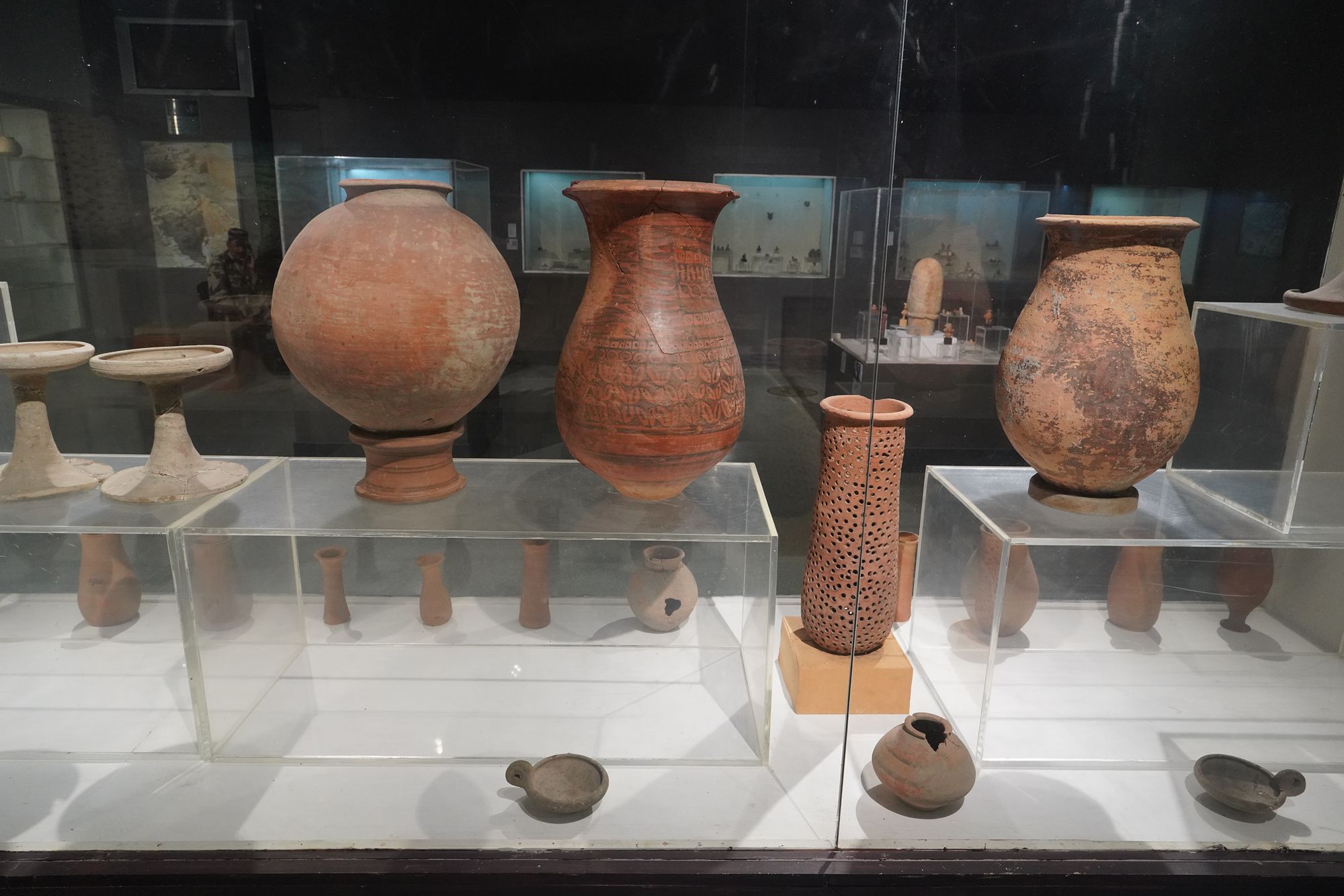
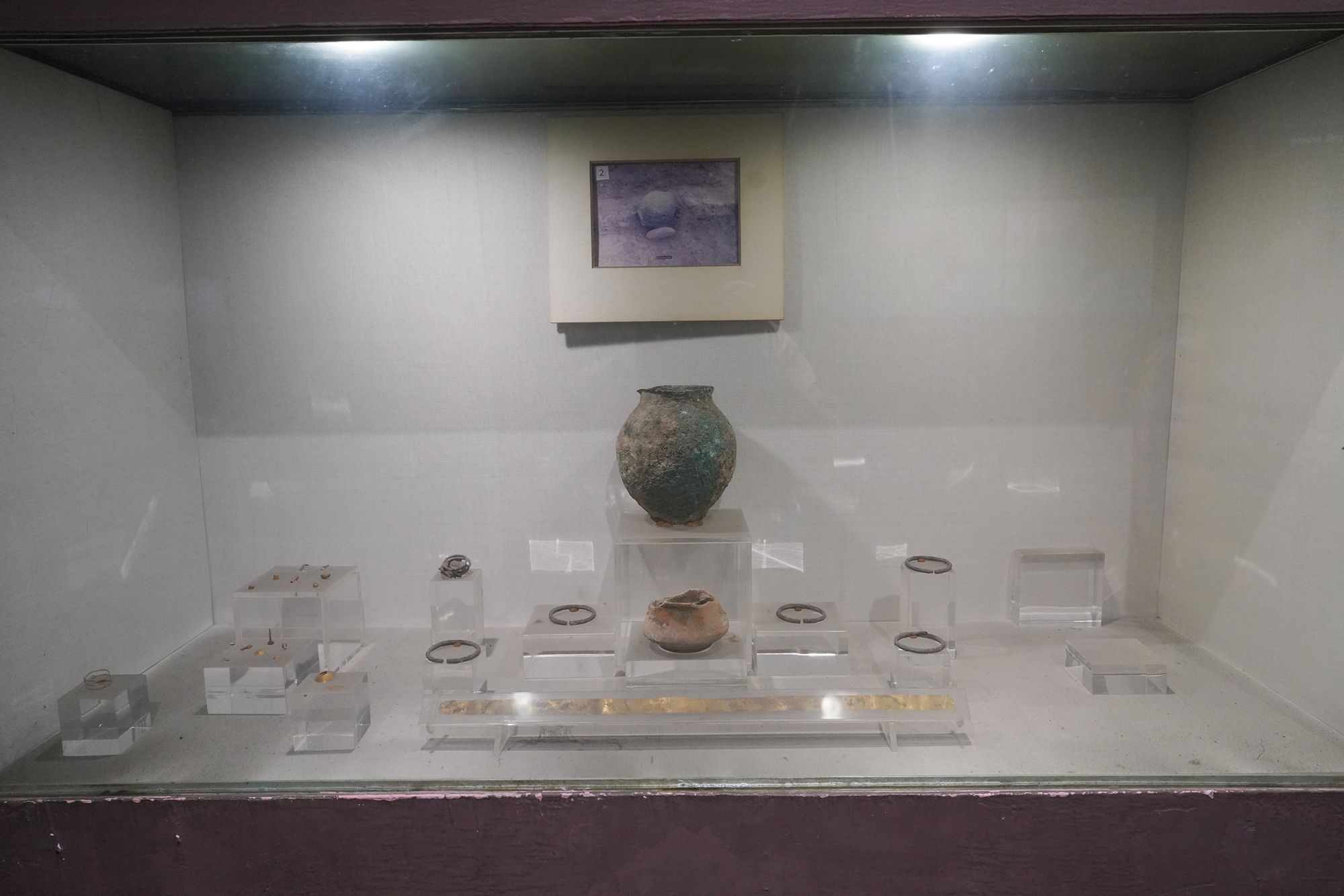
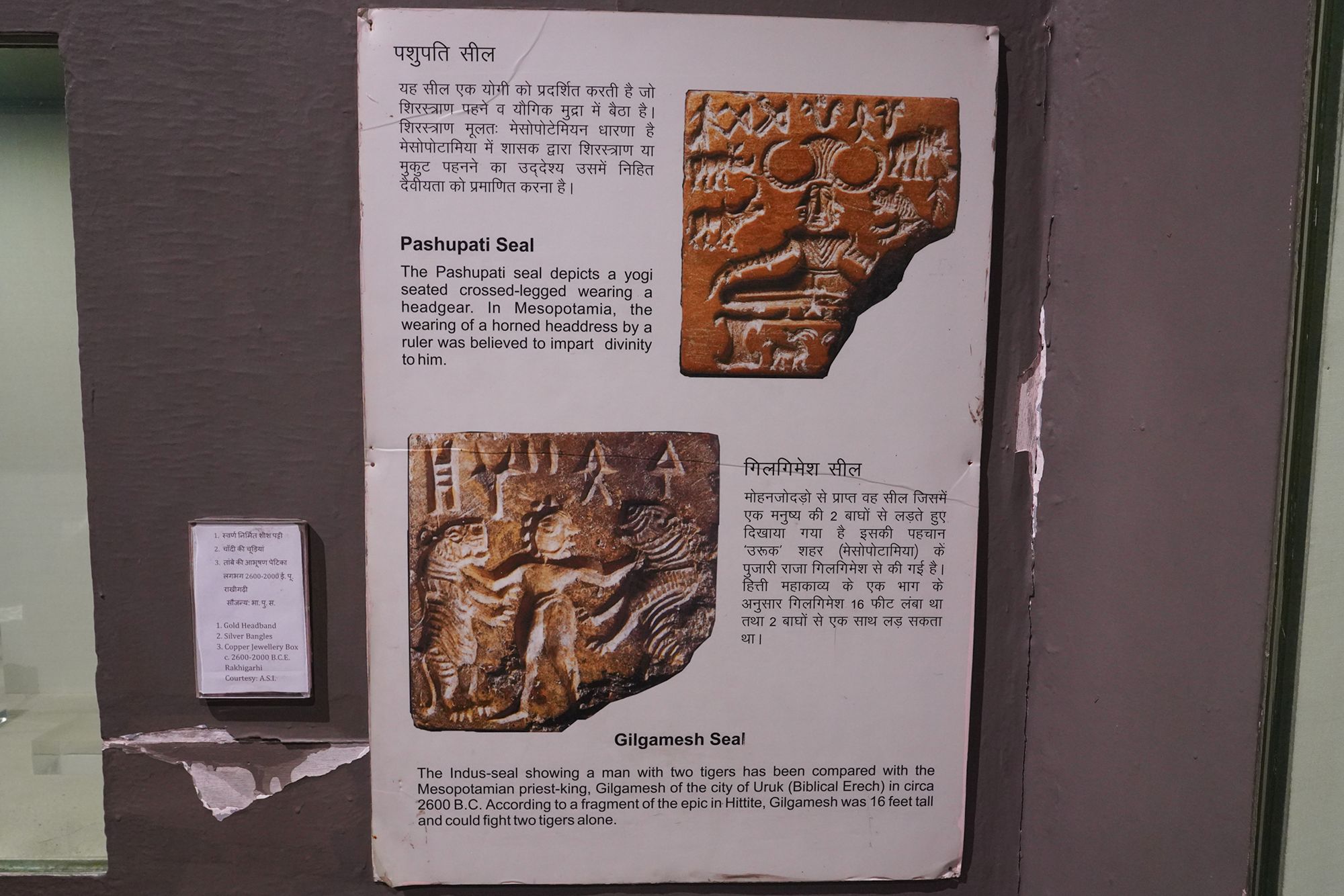
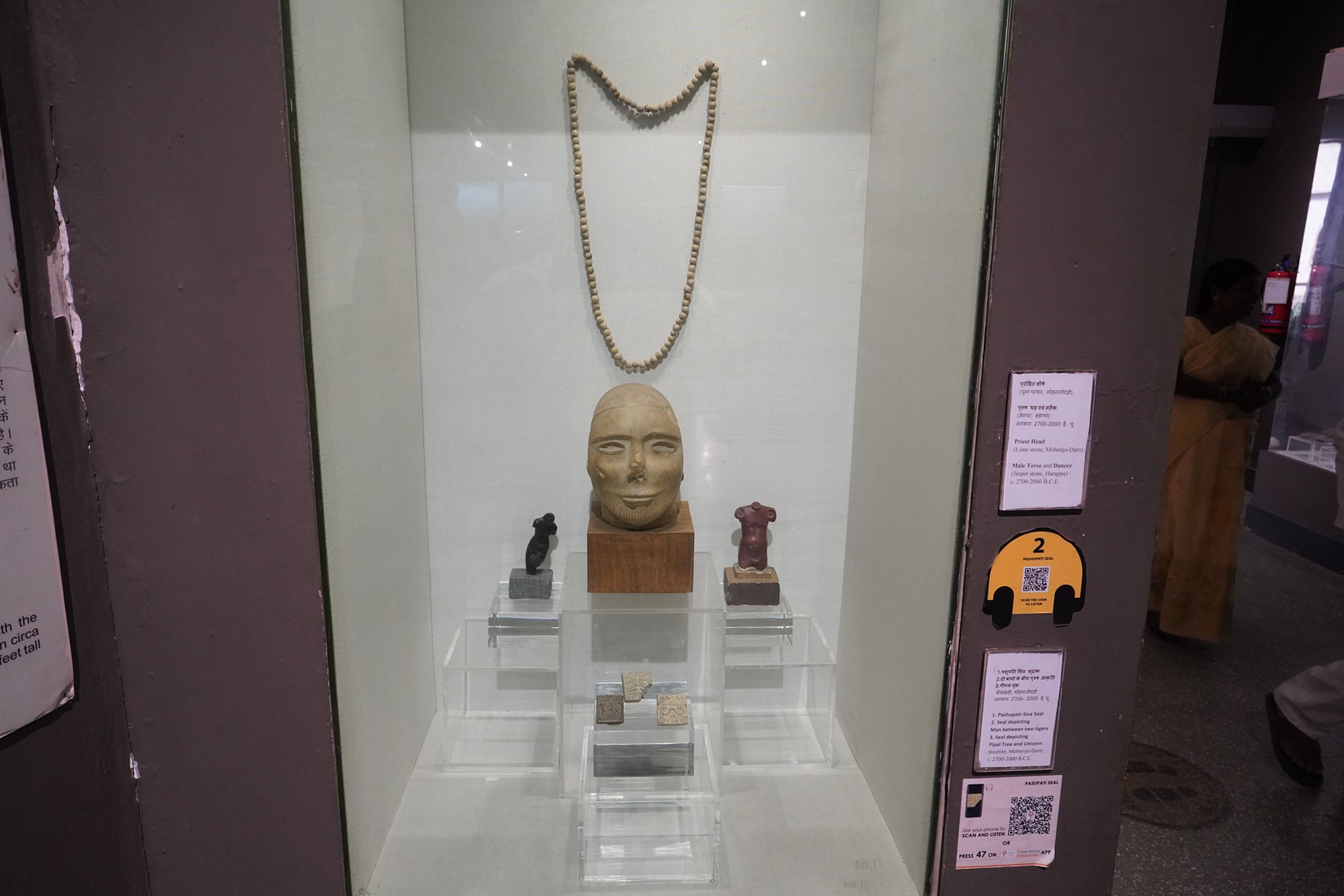
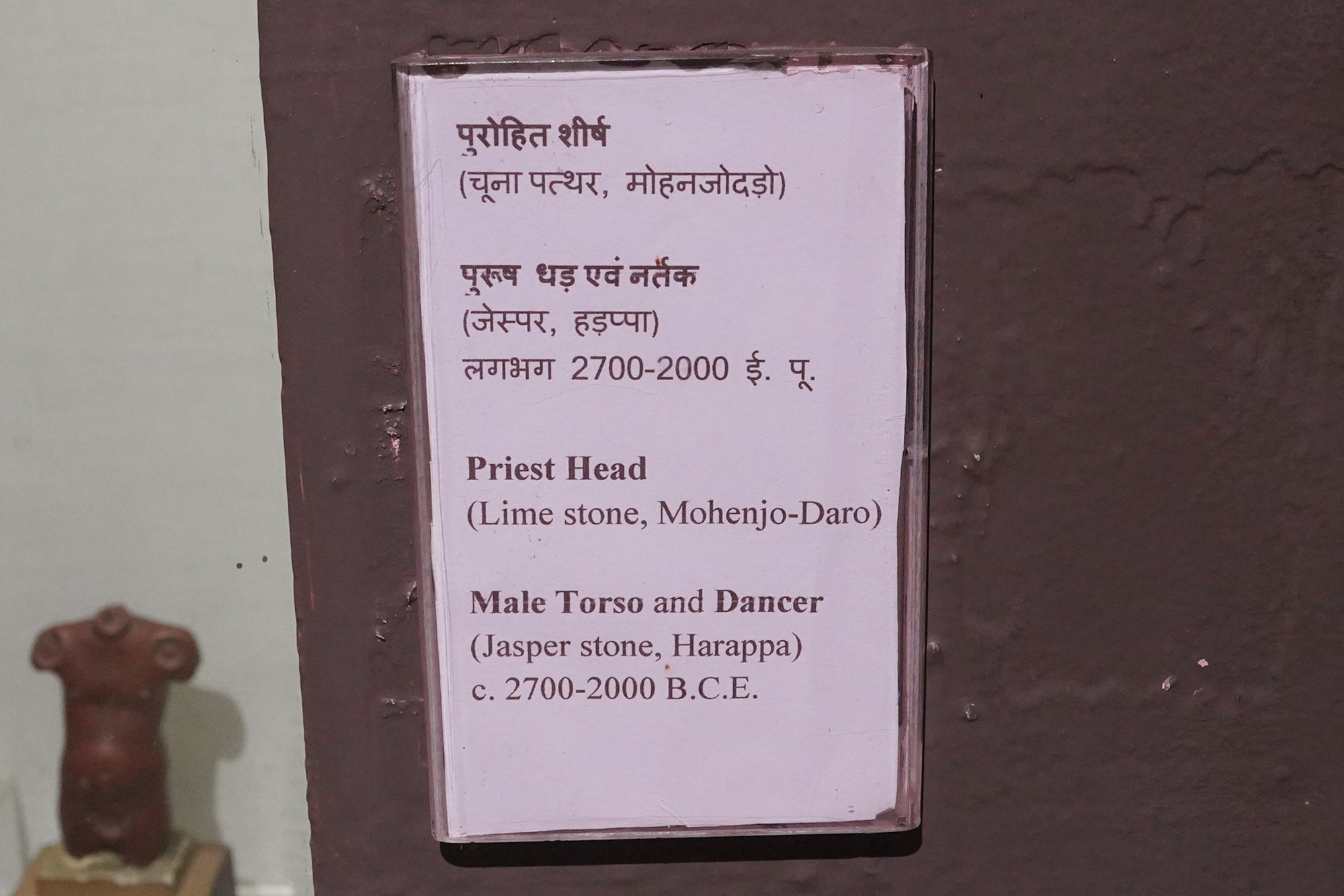
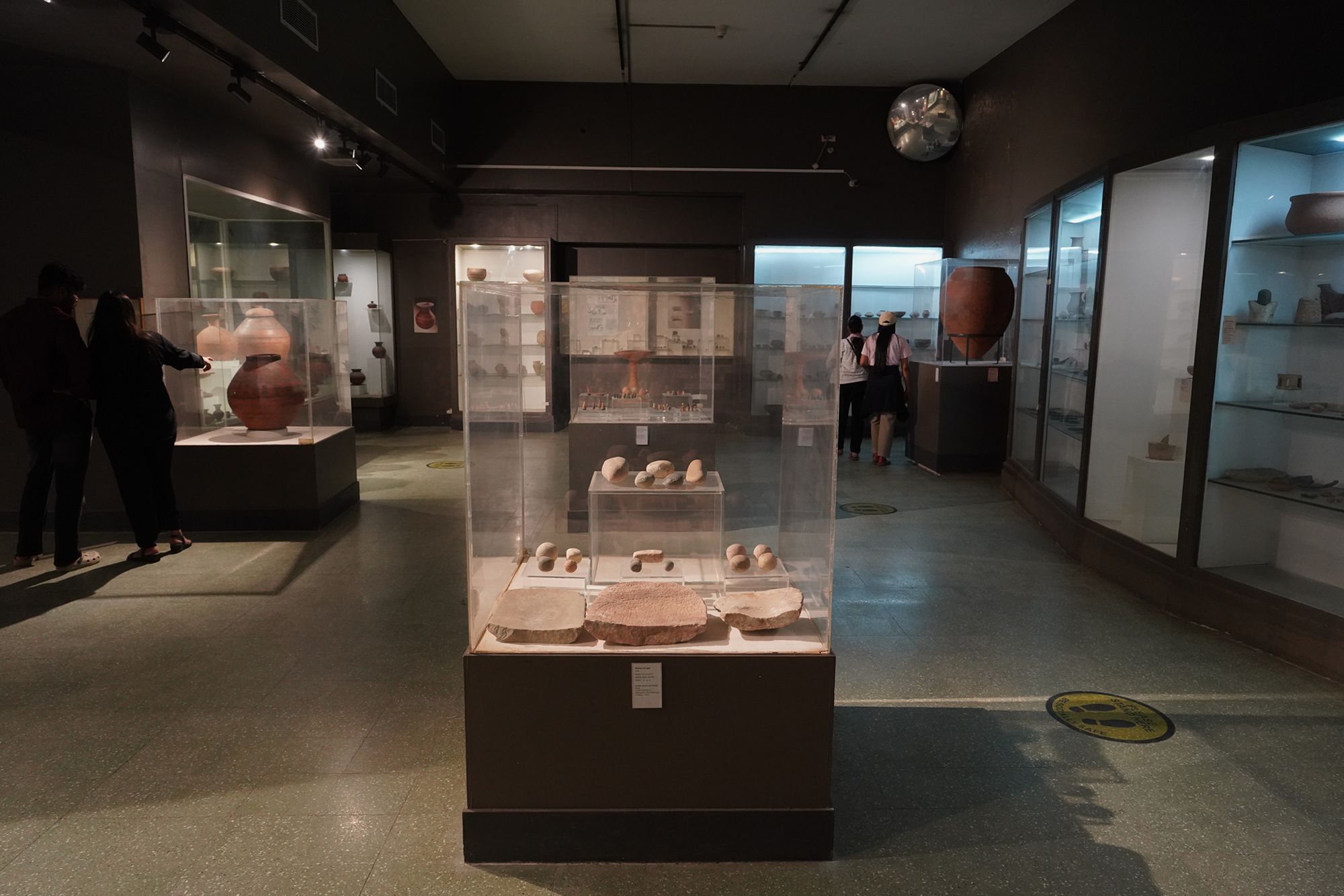
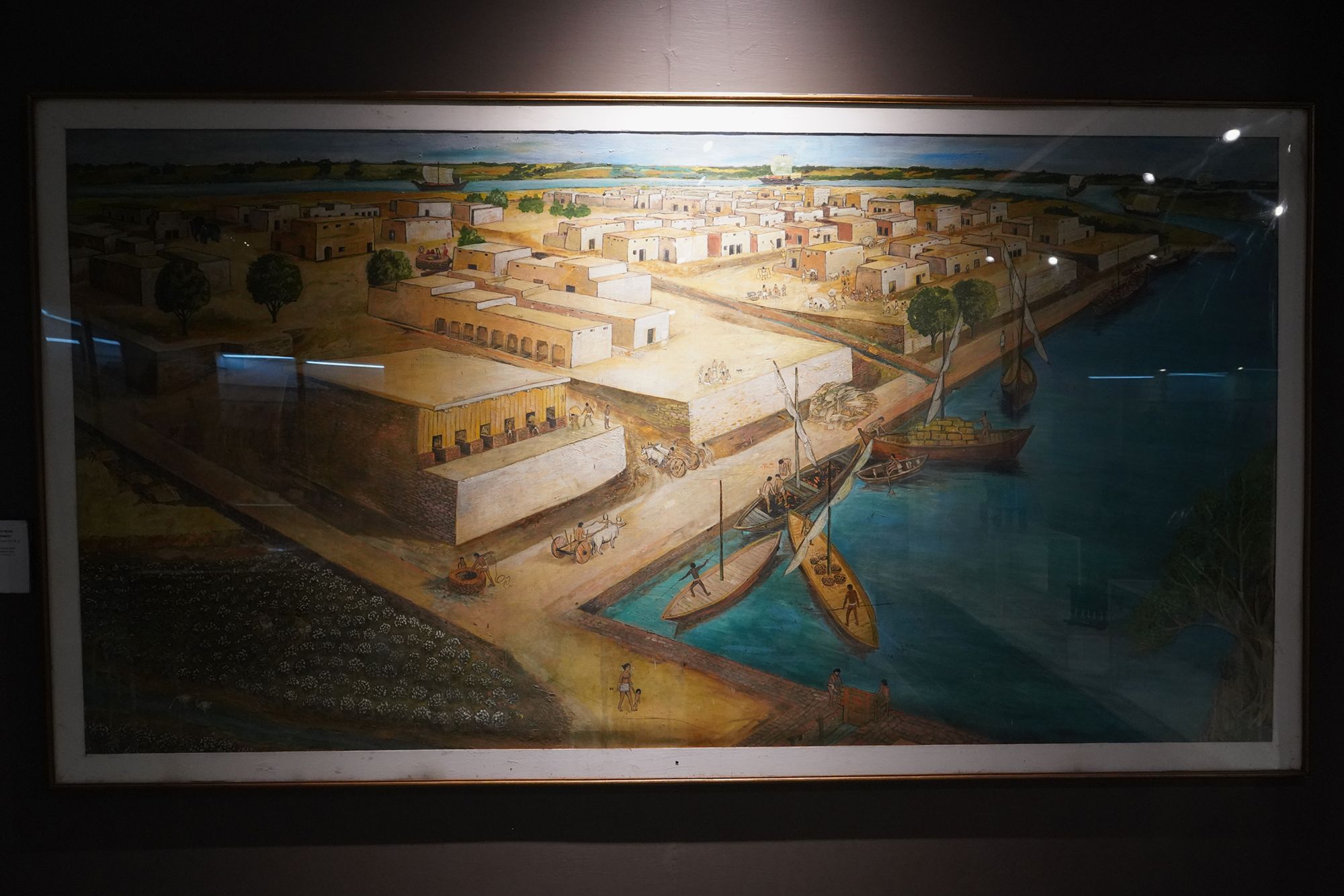
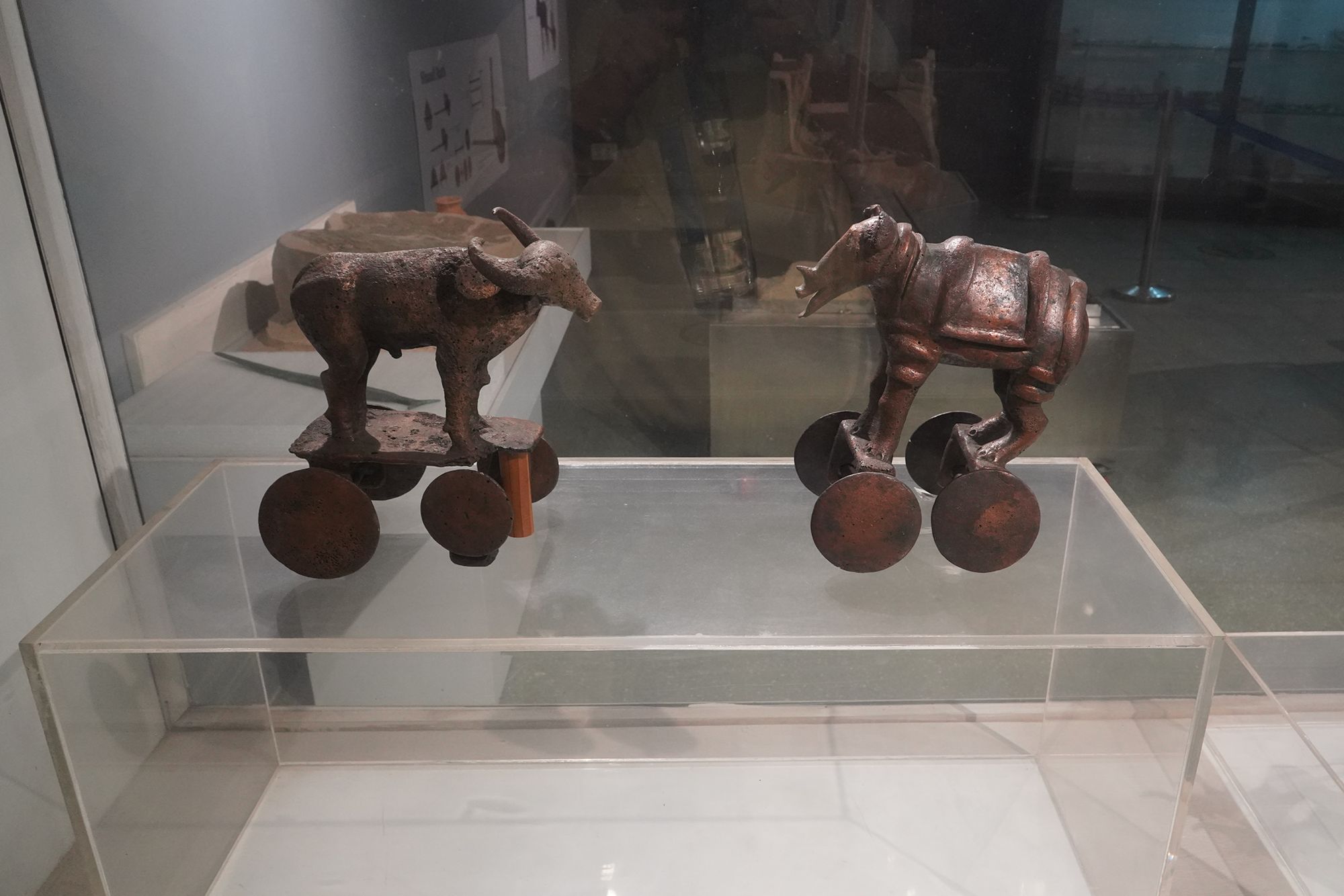
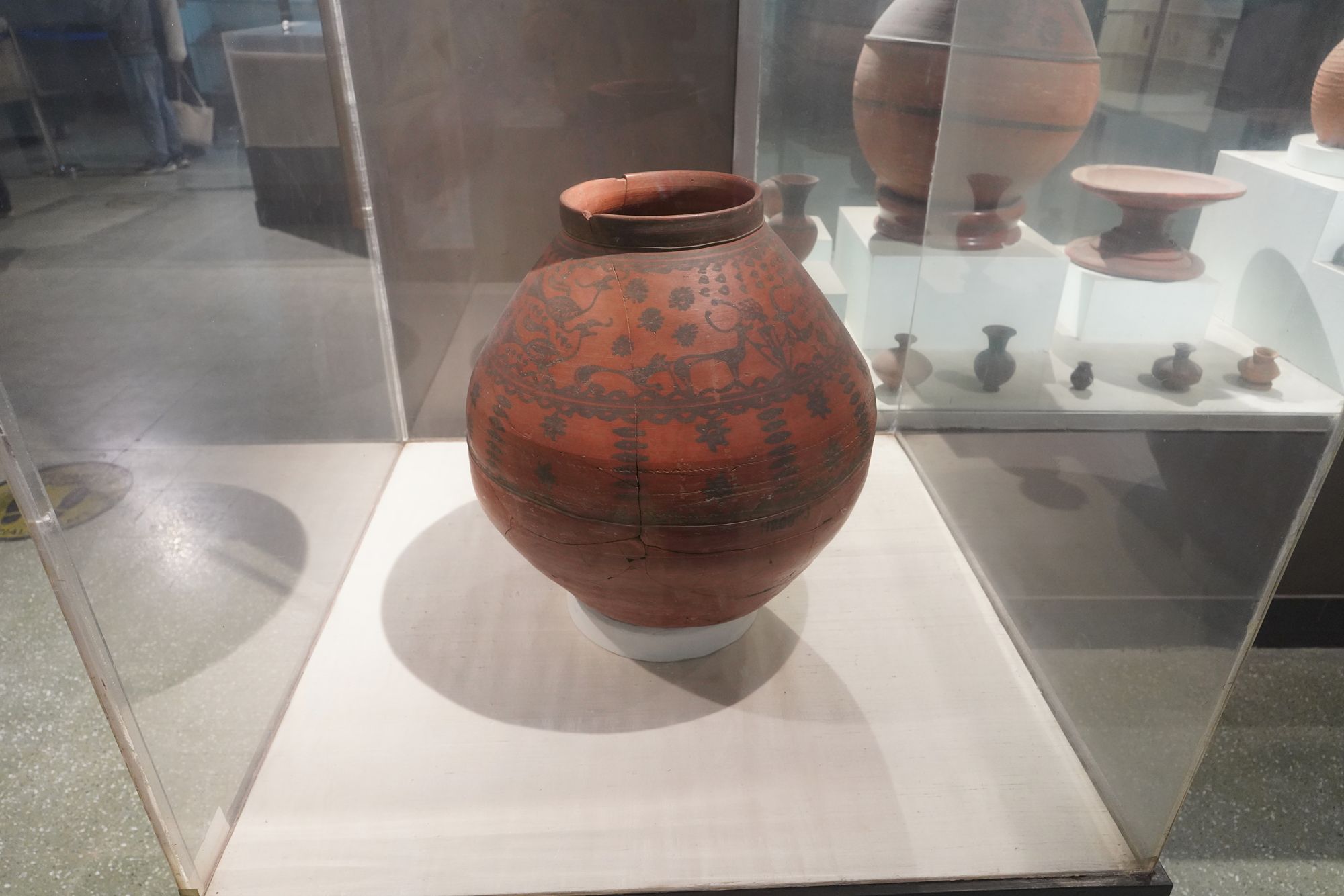
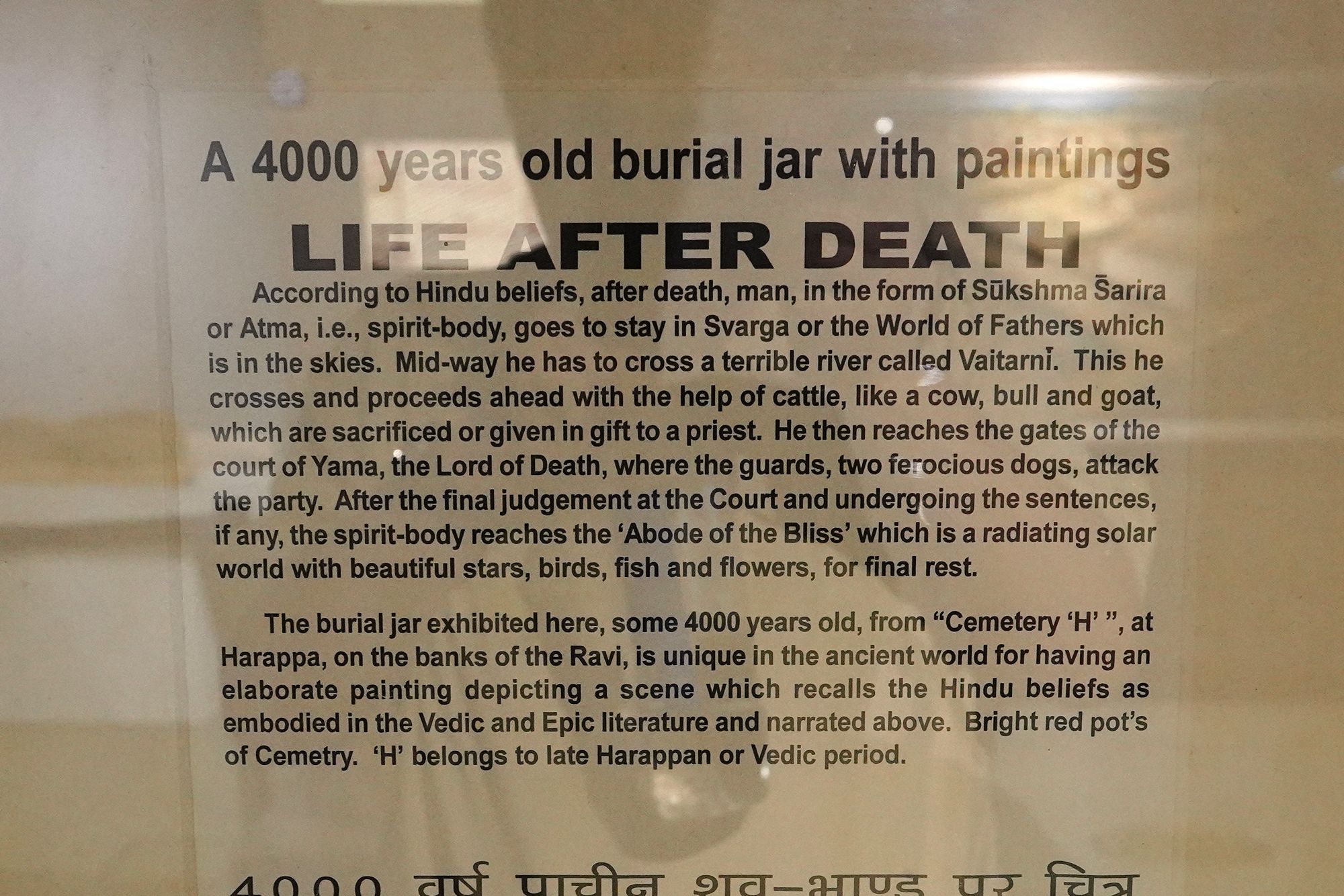
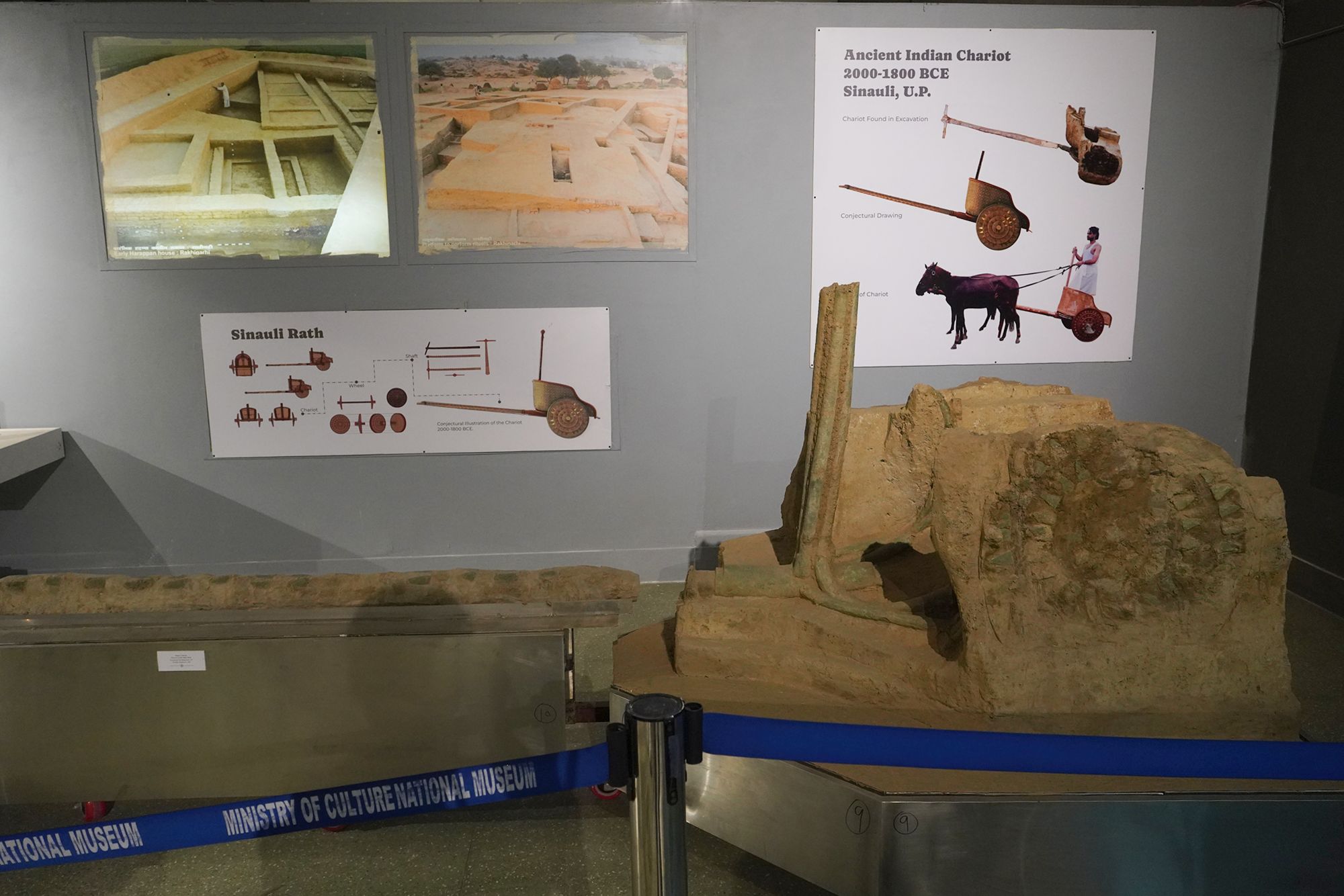
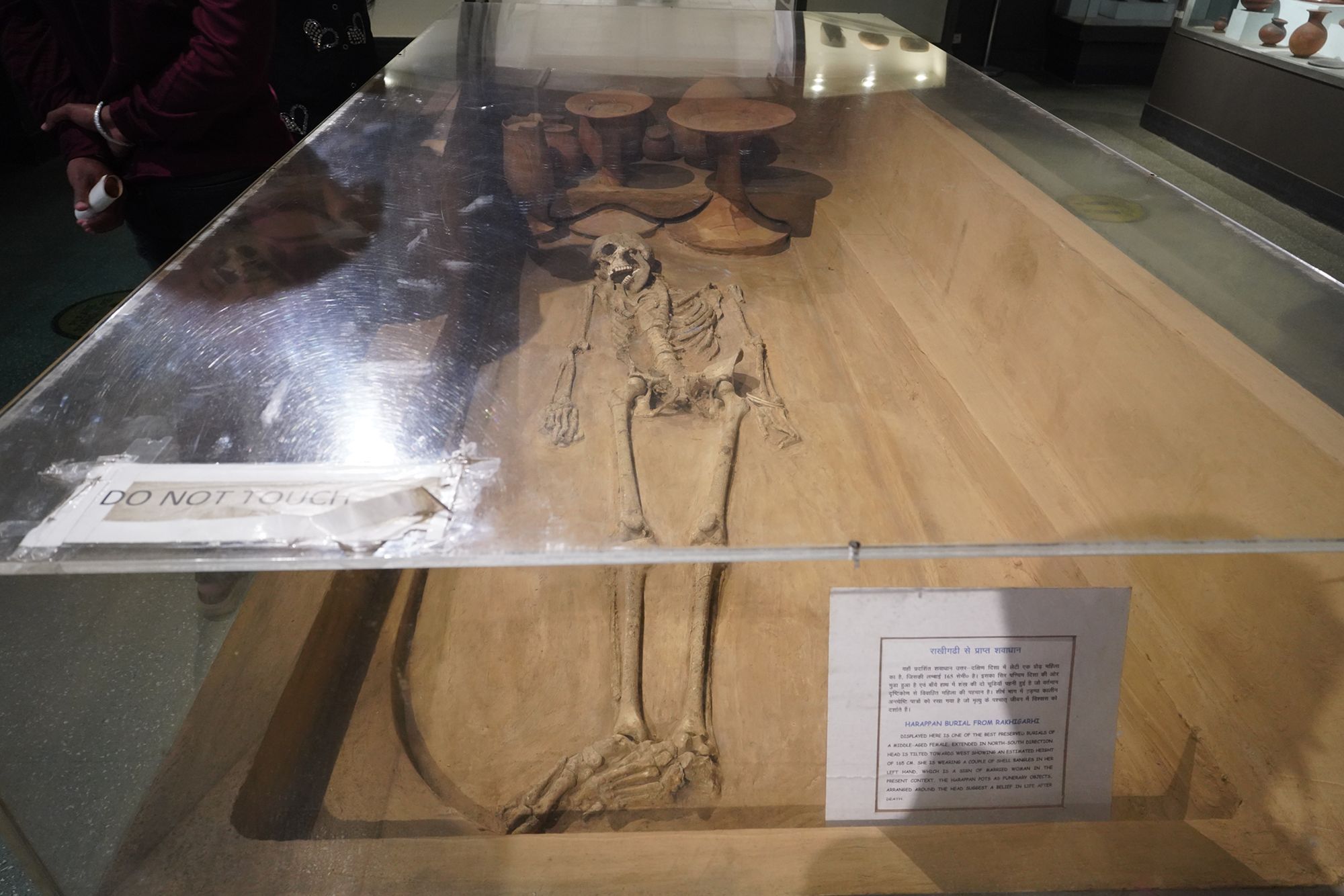
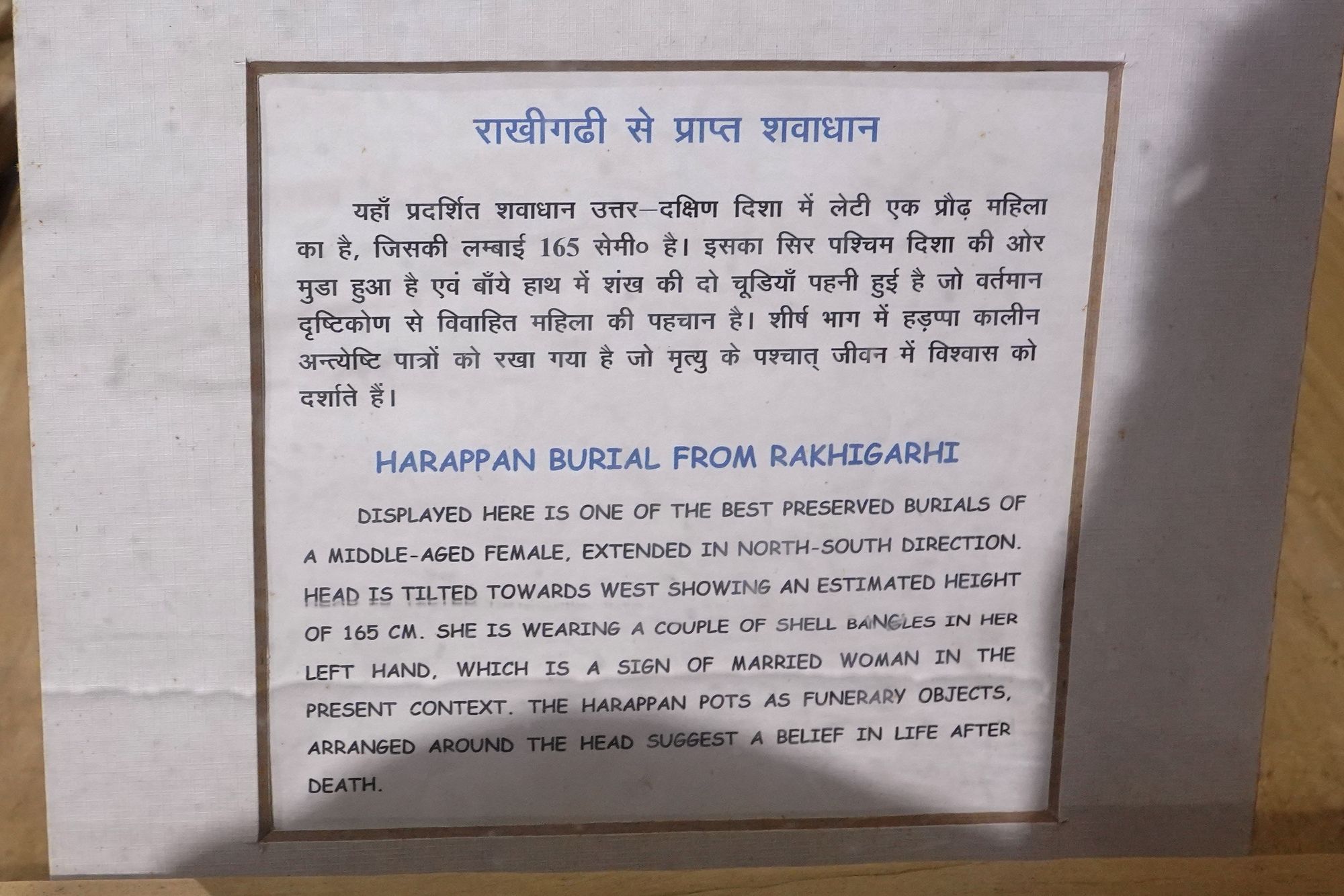
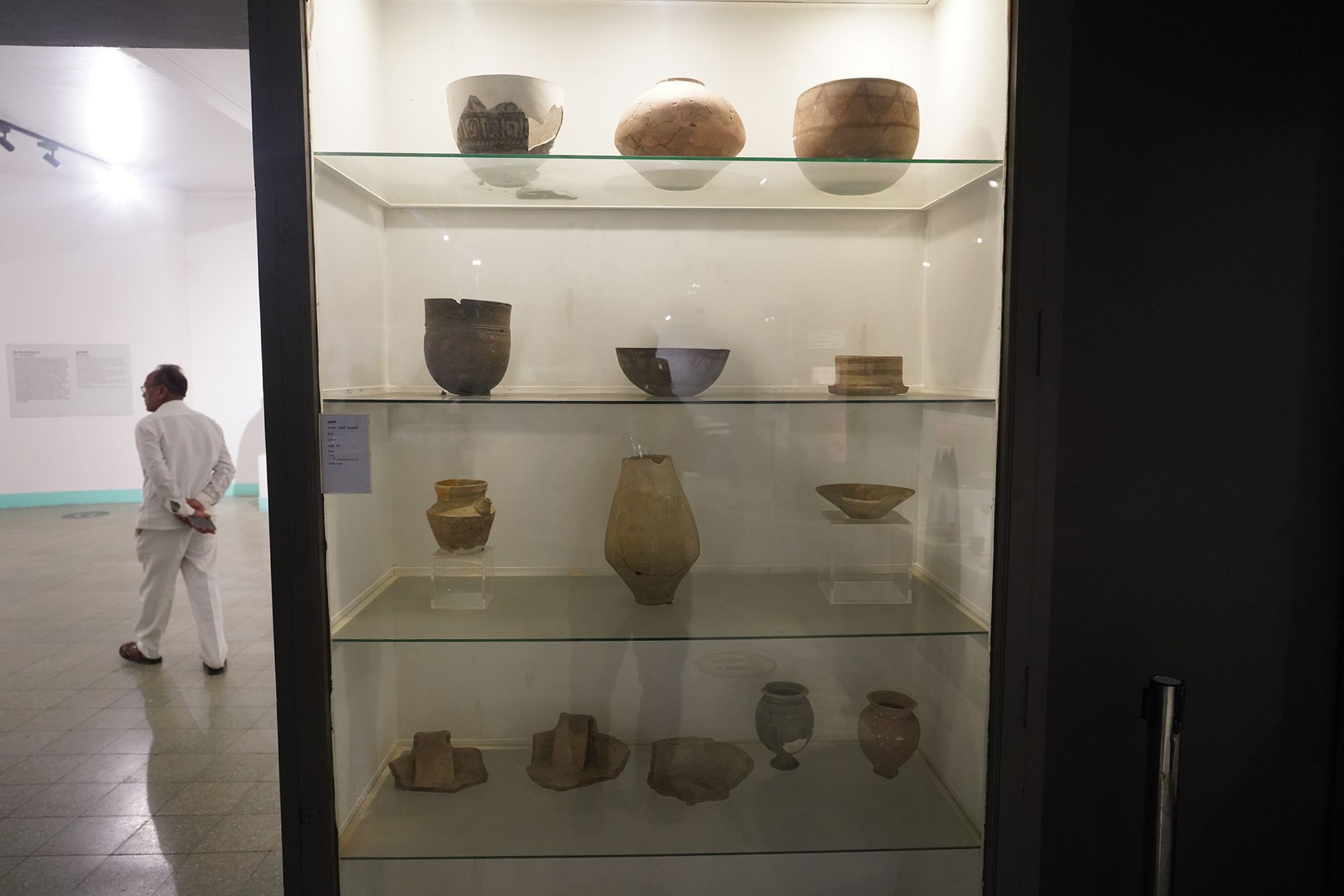
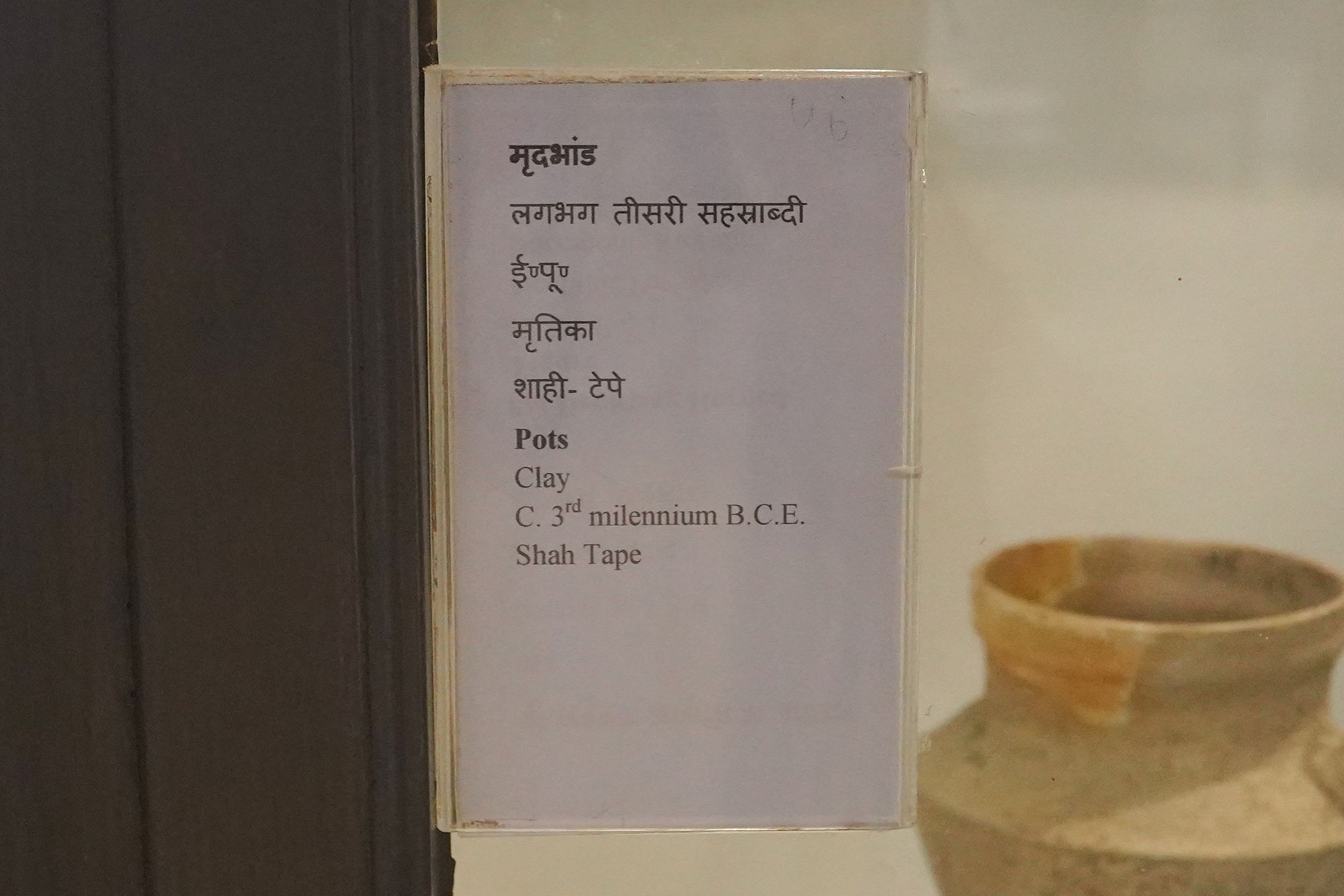
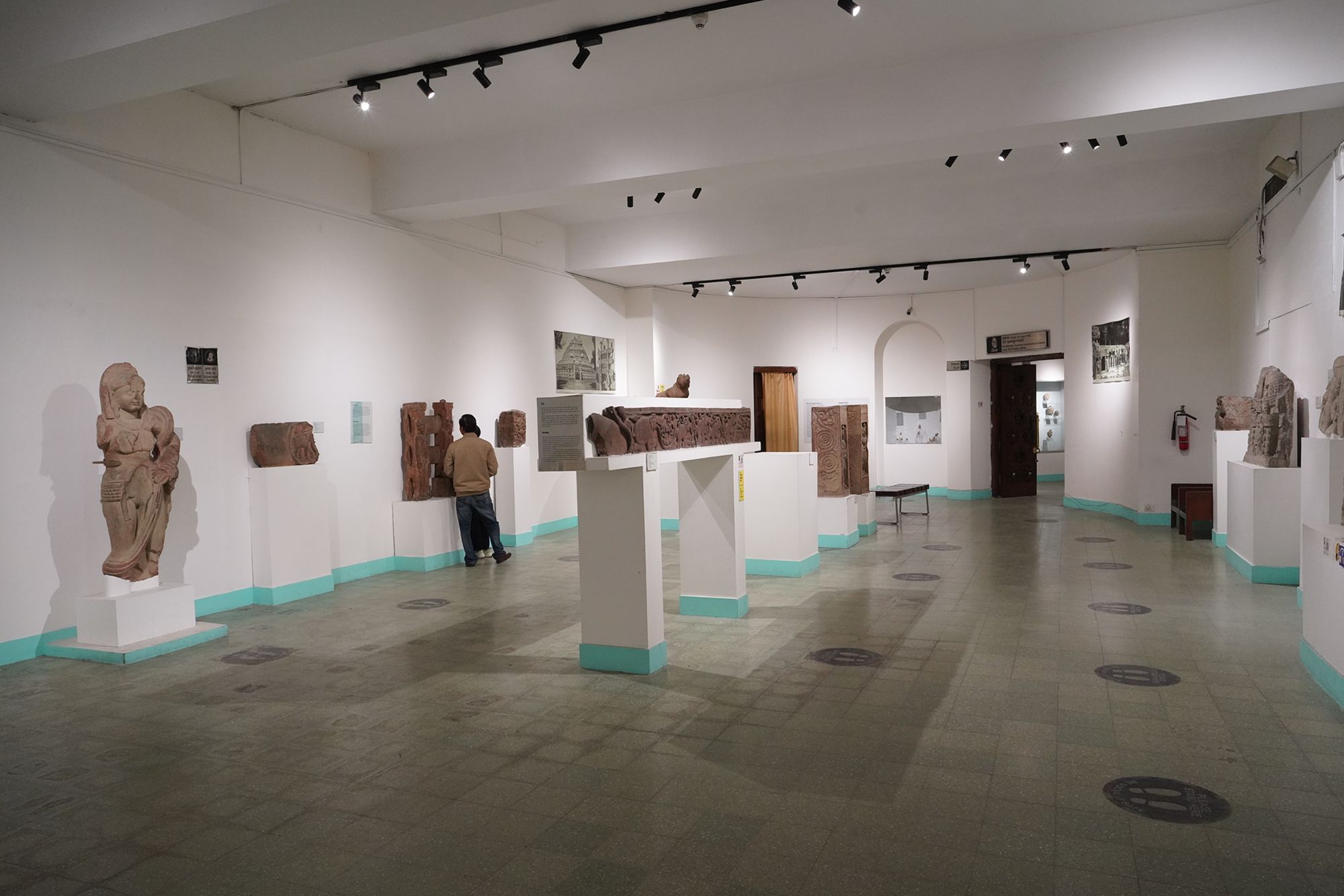
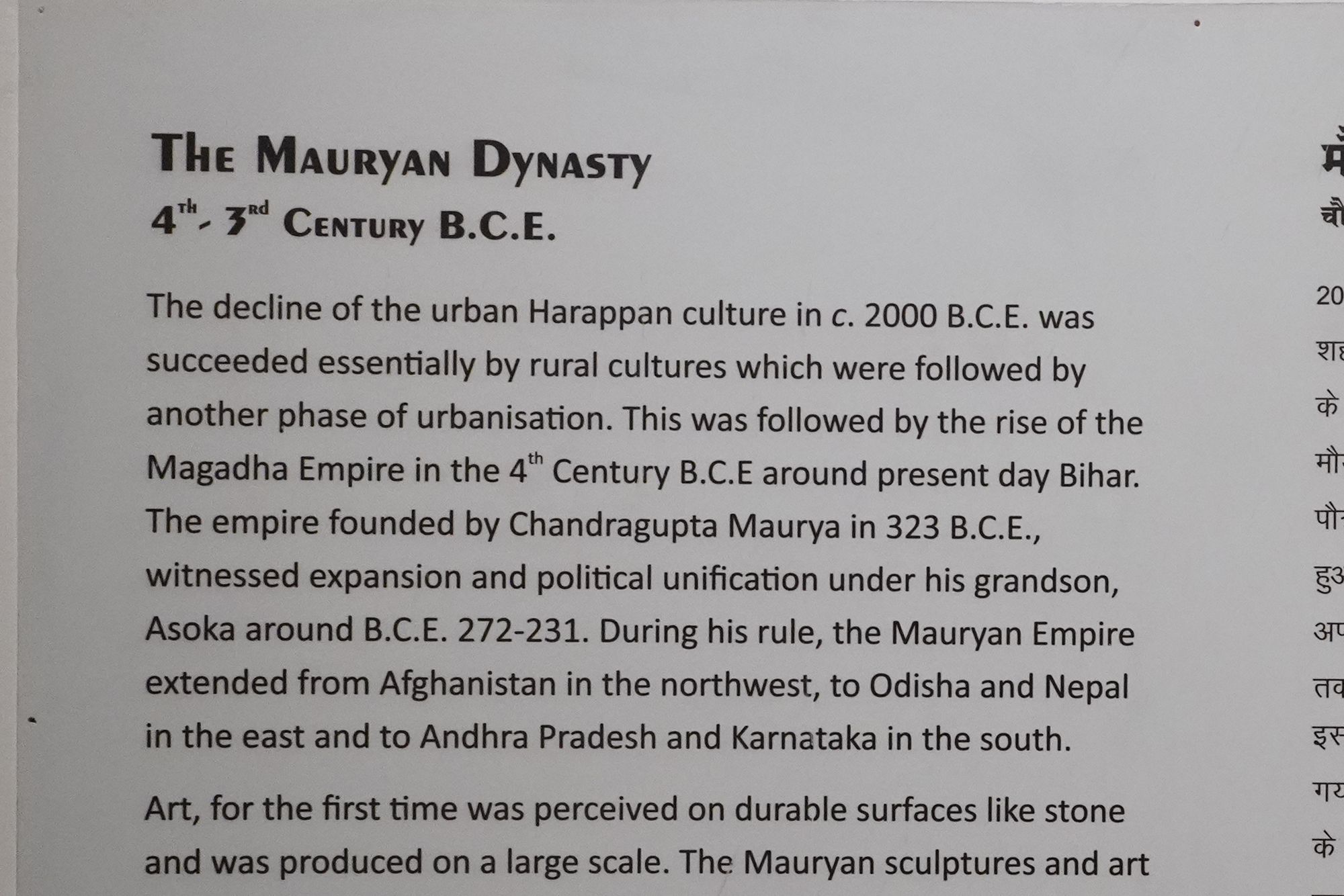
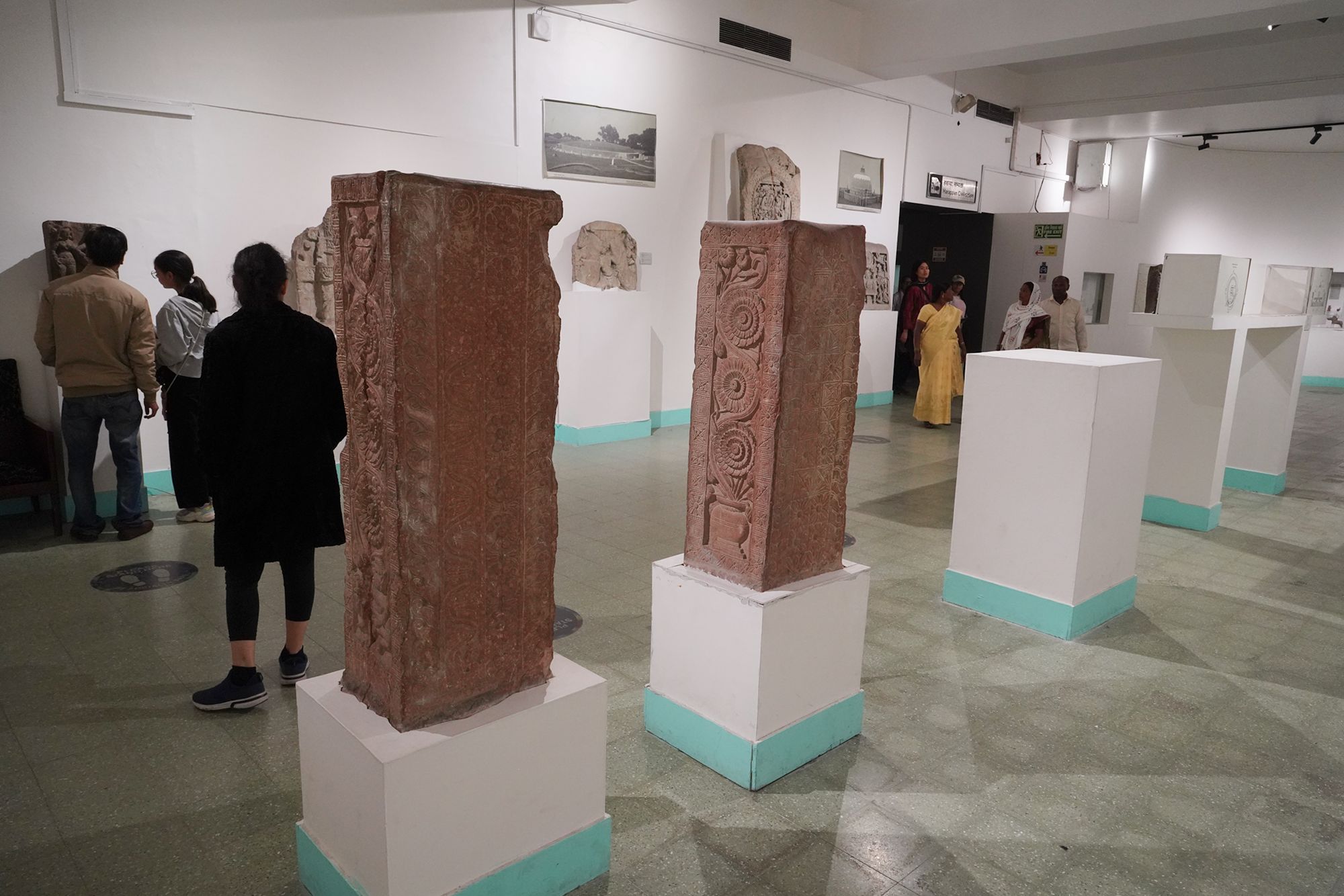
The Mauryan Dynasty ruled much of ancient India from the 4th to 2nd centuries BCE and is especially remembered for Emperor Ashoka and the spread of Buddhism.
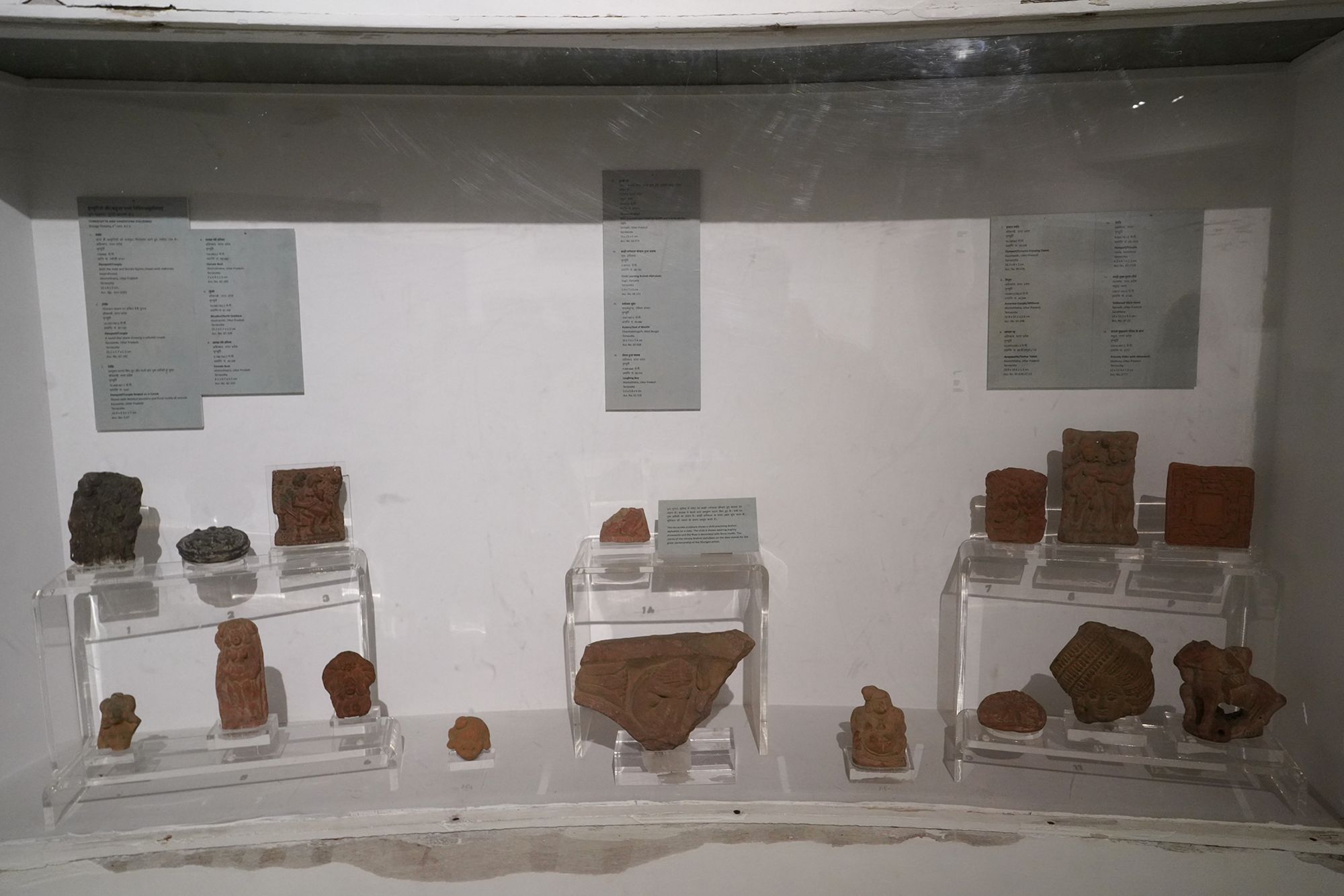
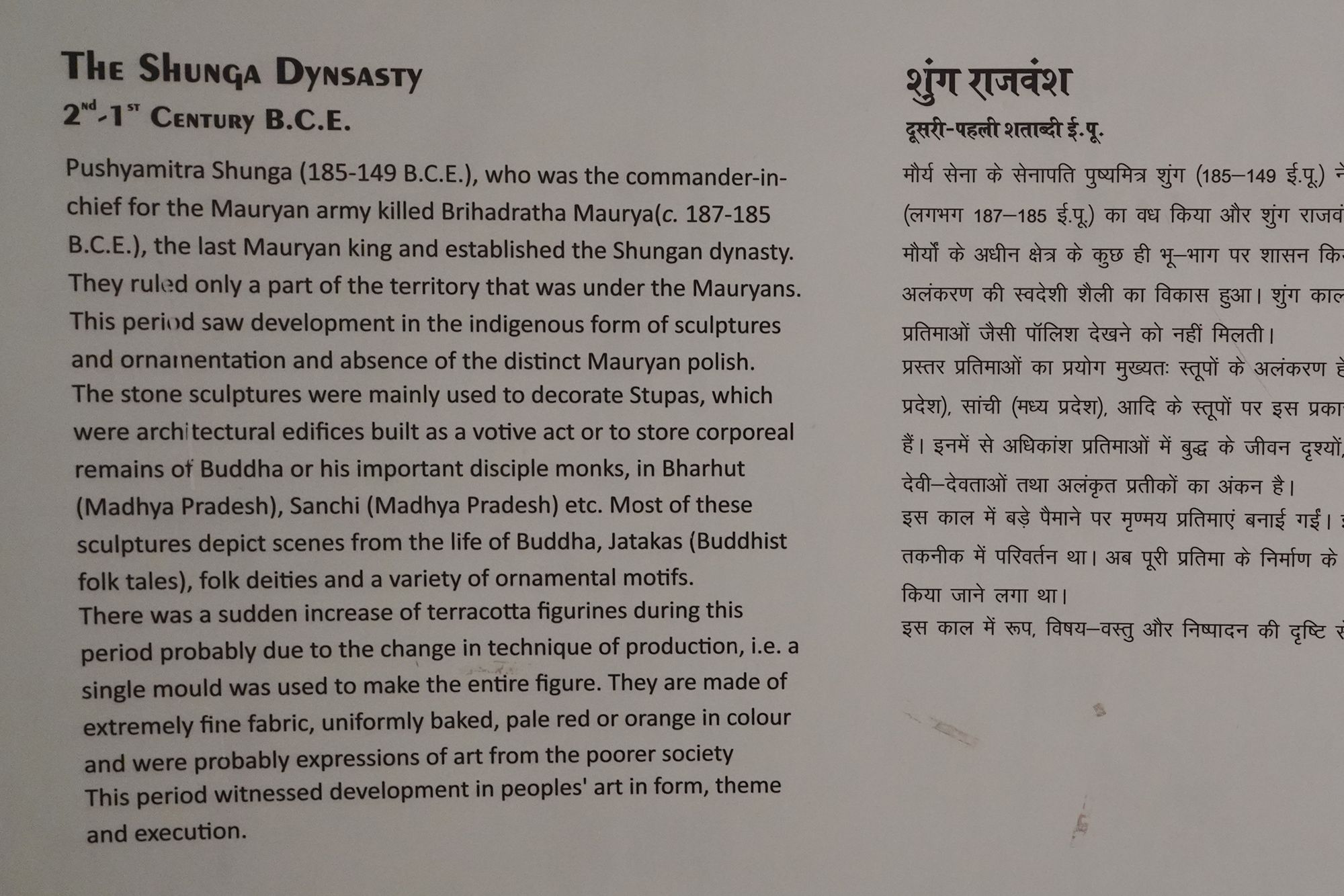
The Shunga Dynasty ruled parts of India after the Mauryan Empire and contributed to the development of both Hindu and Buddhist art and architecture.
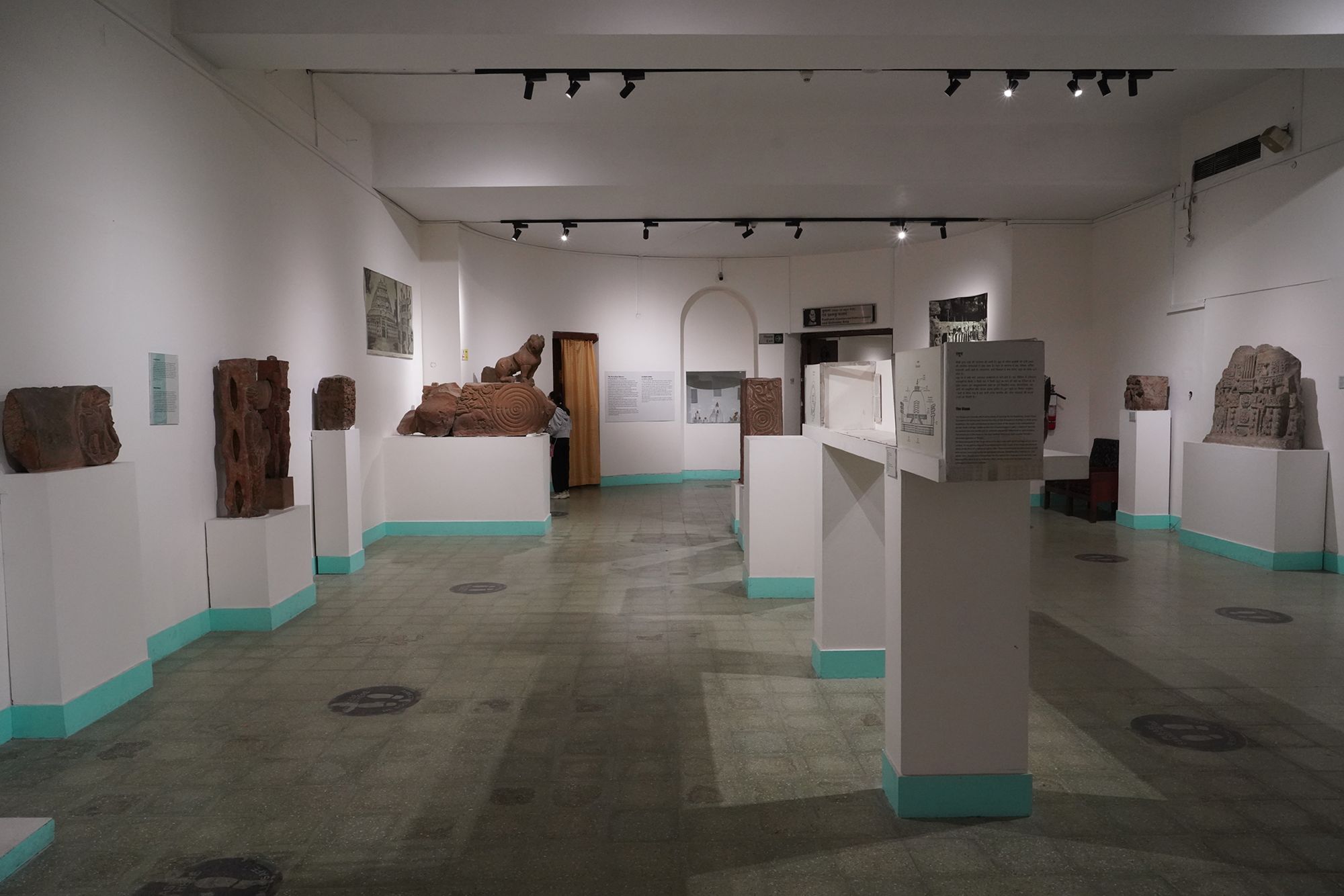
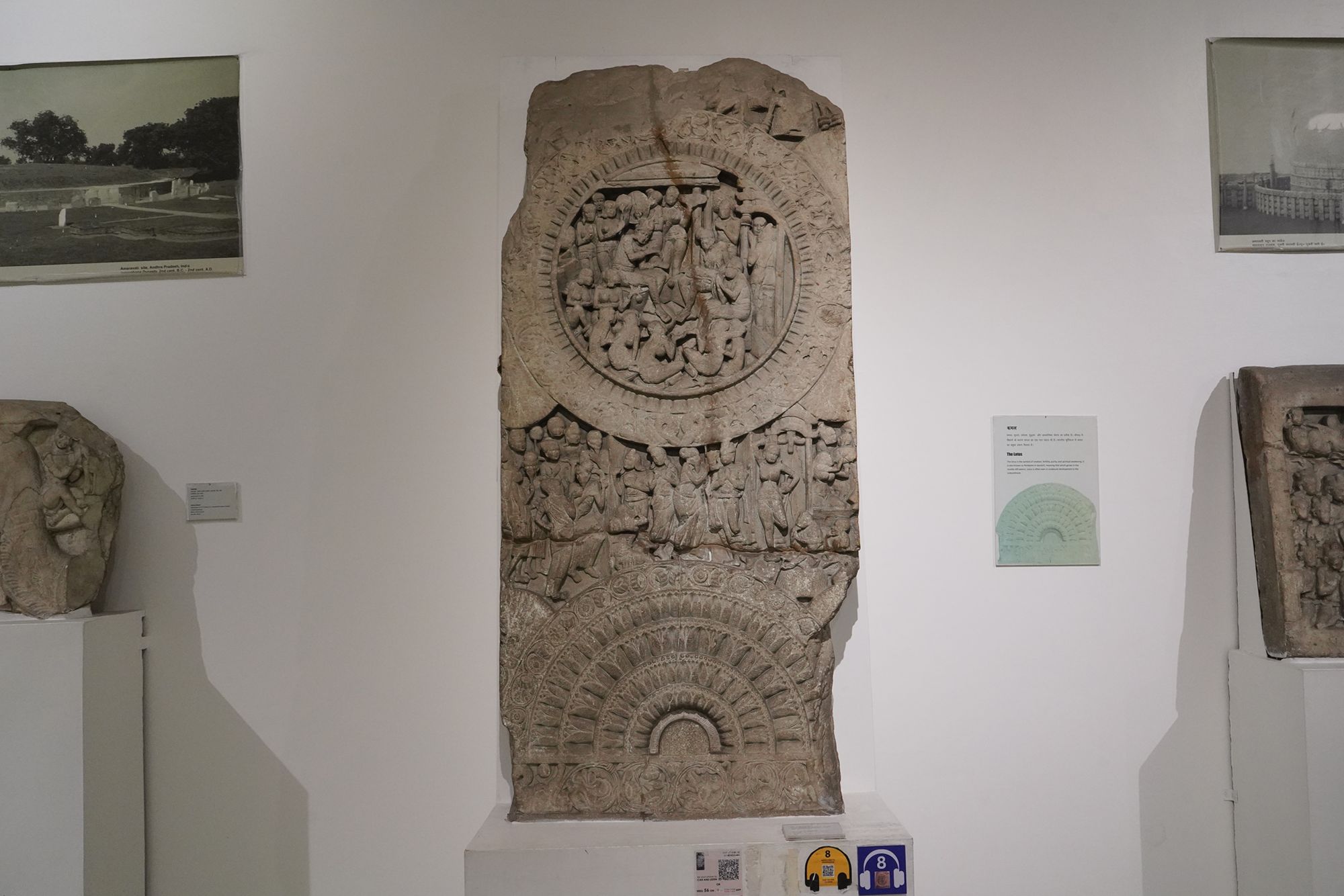
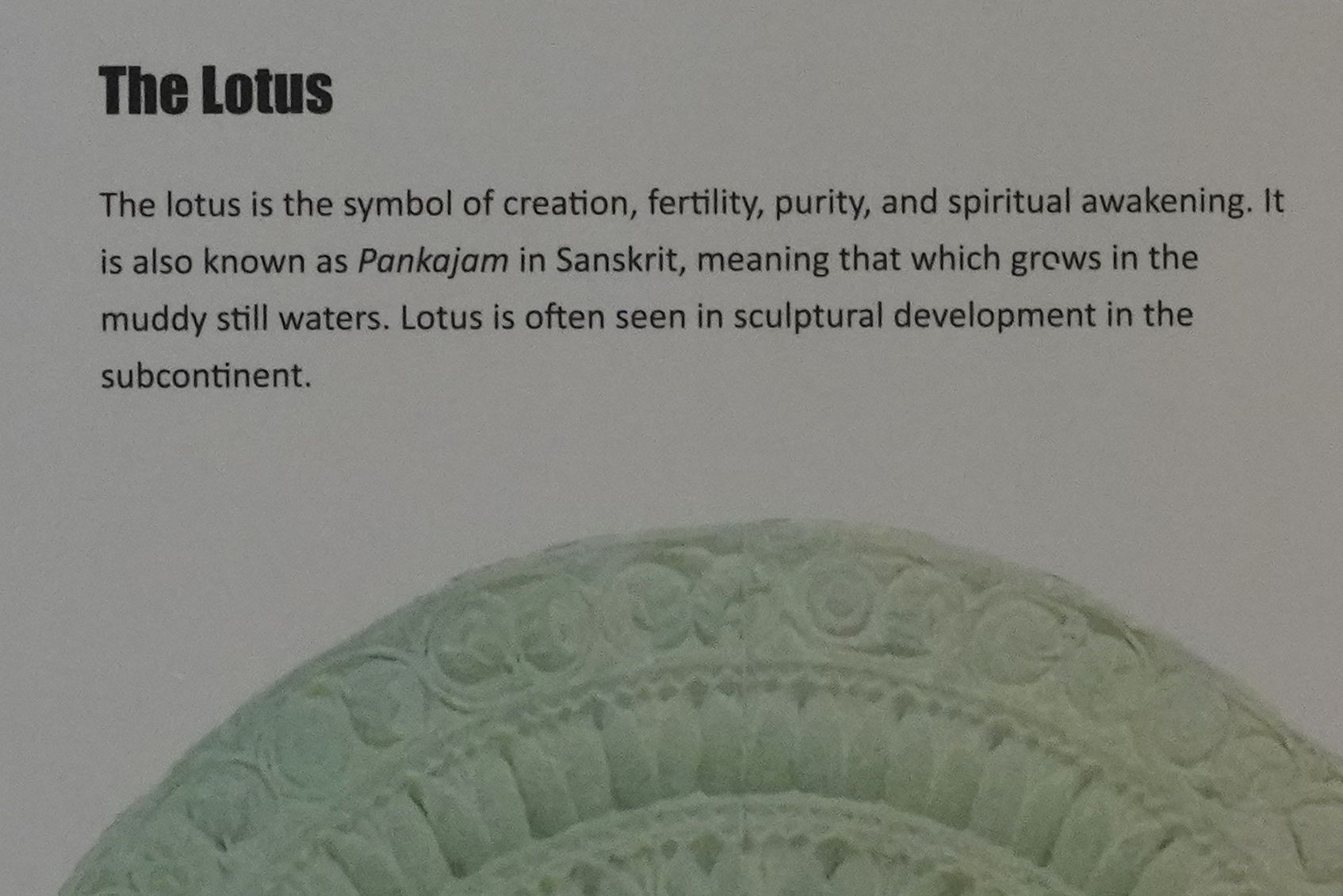
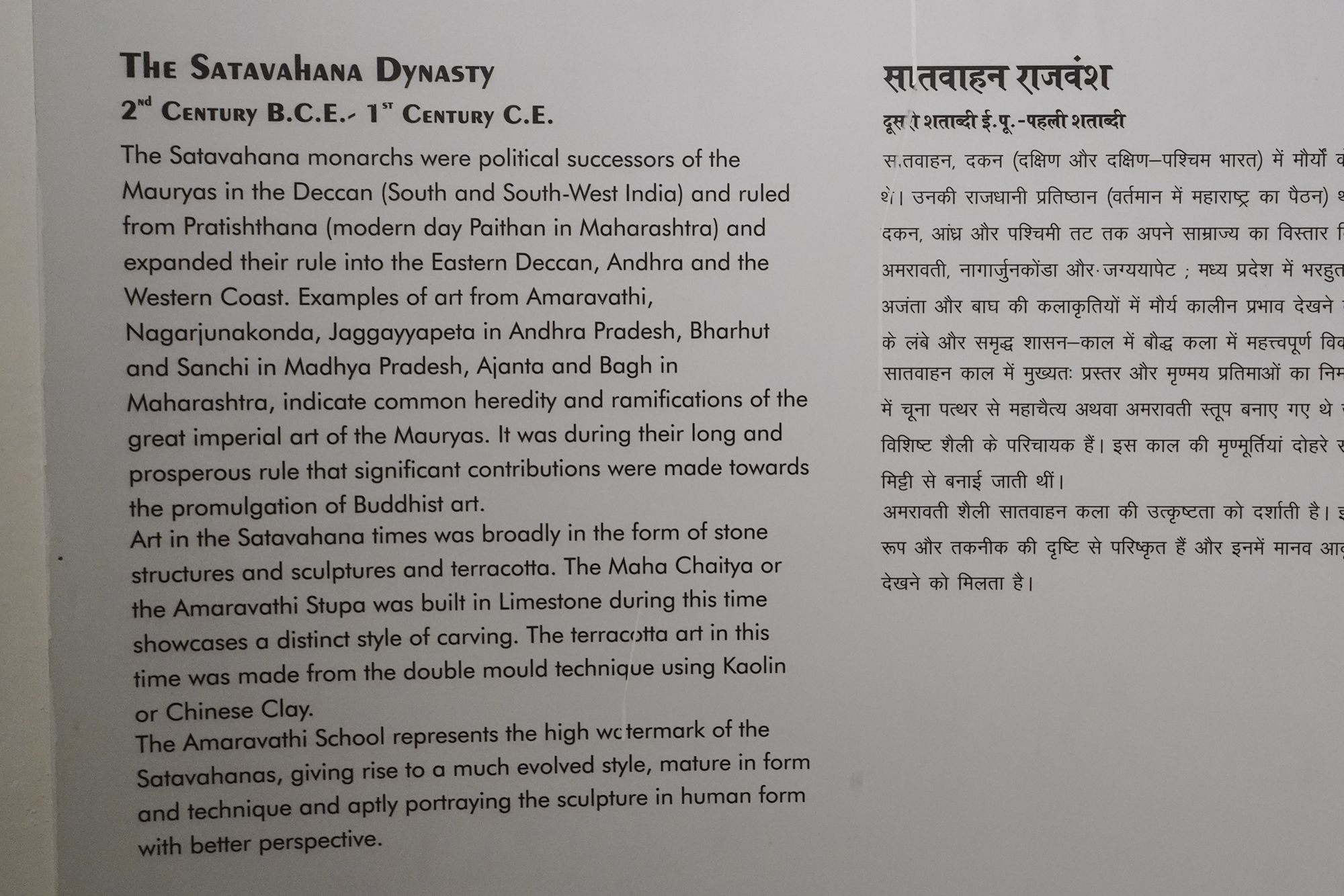
The Satavahana Dynasty ruled large parts of central and southern India, particularly the Deccan region, from roughly the 1st century BCE to the 3rd century CE. The period was important for trade, art, and the development of both Hindu and Buddhist traditions.
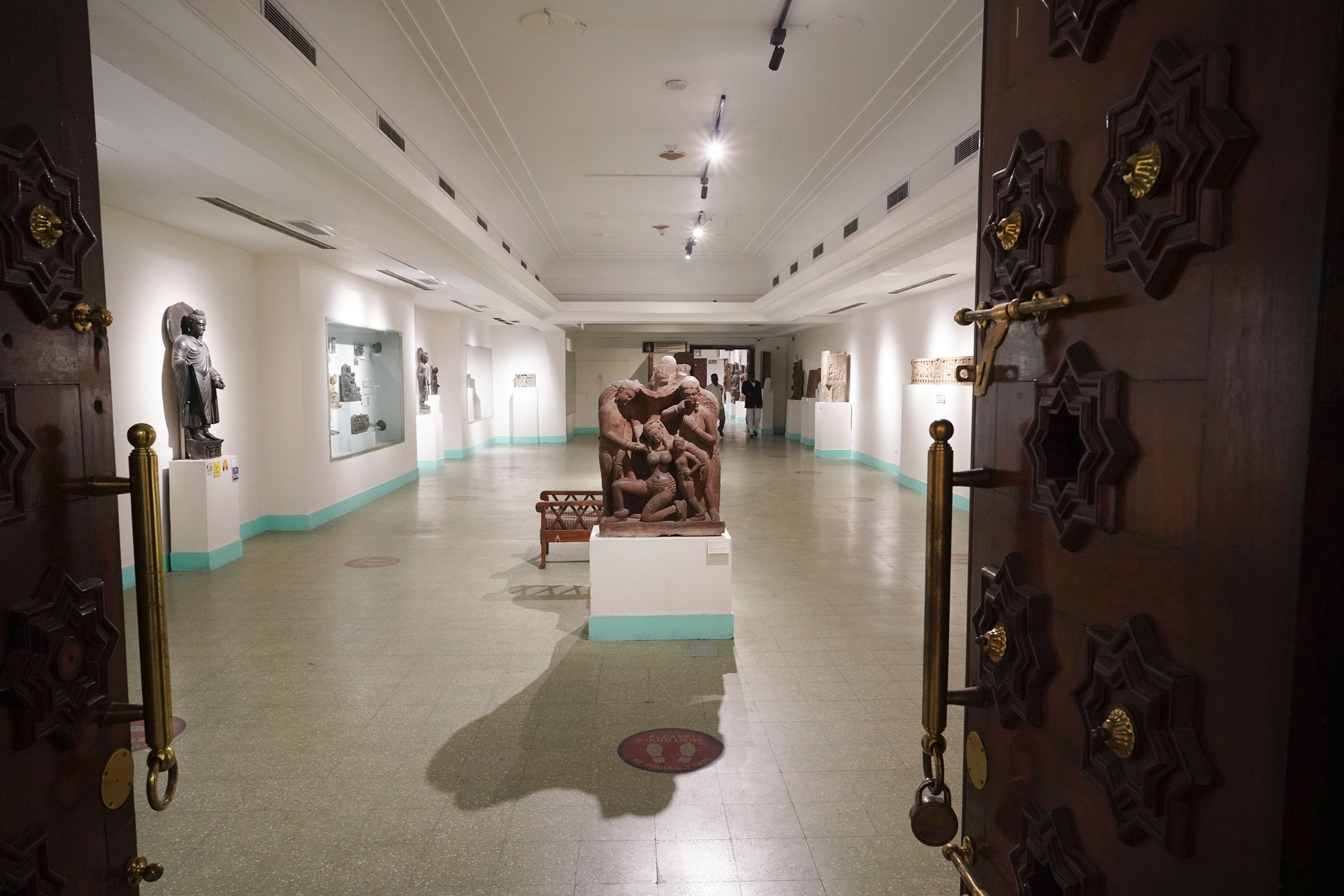
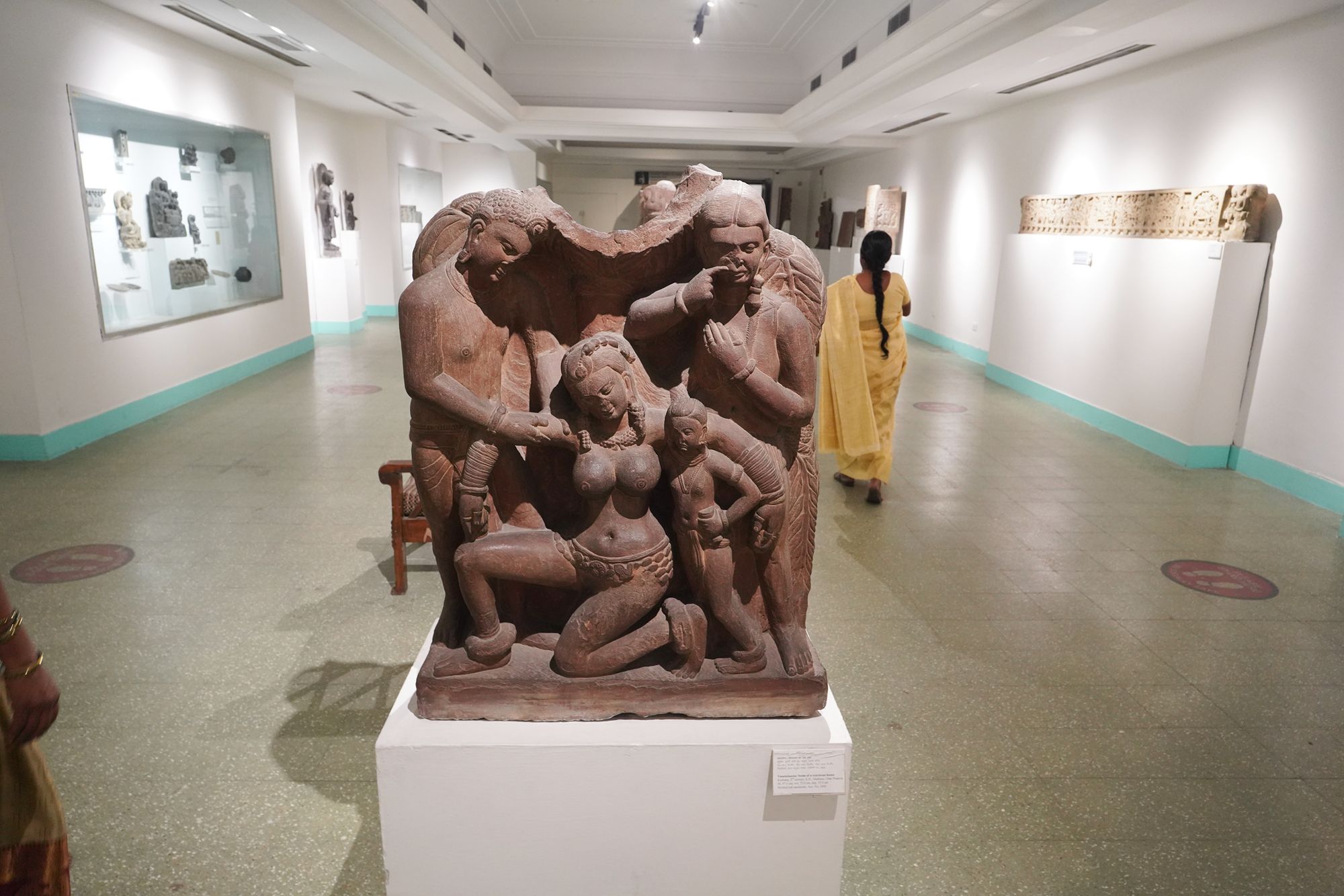
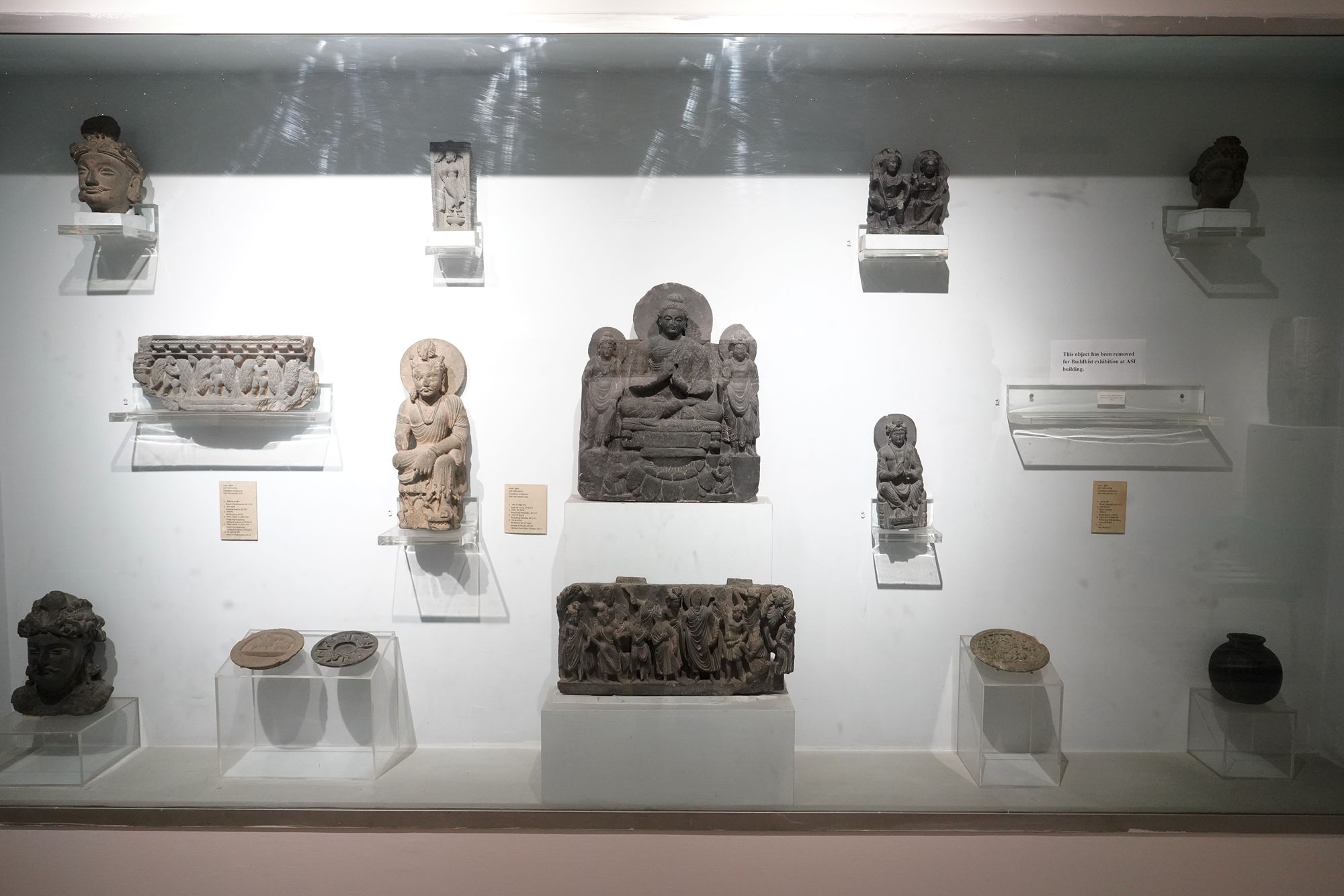
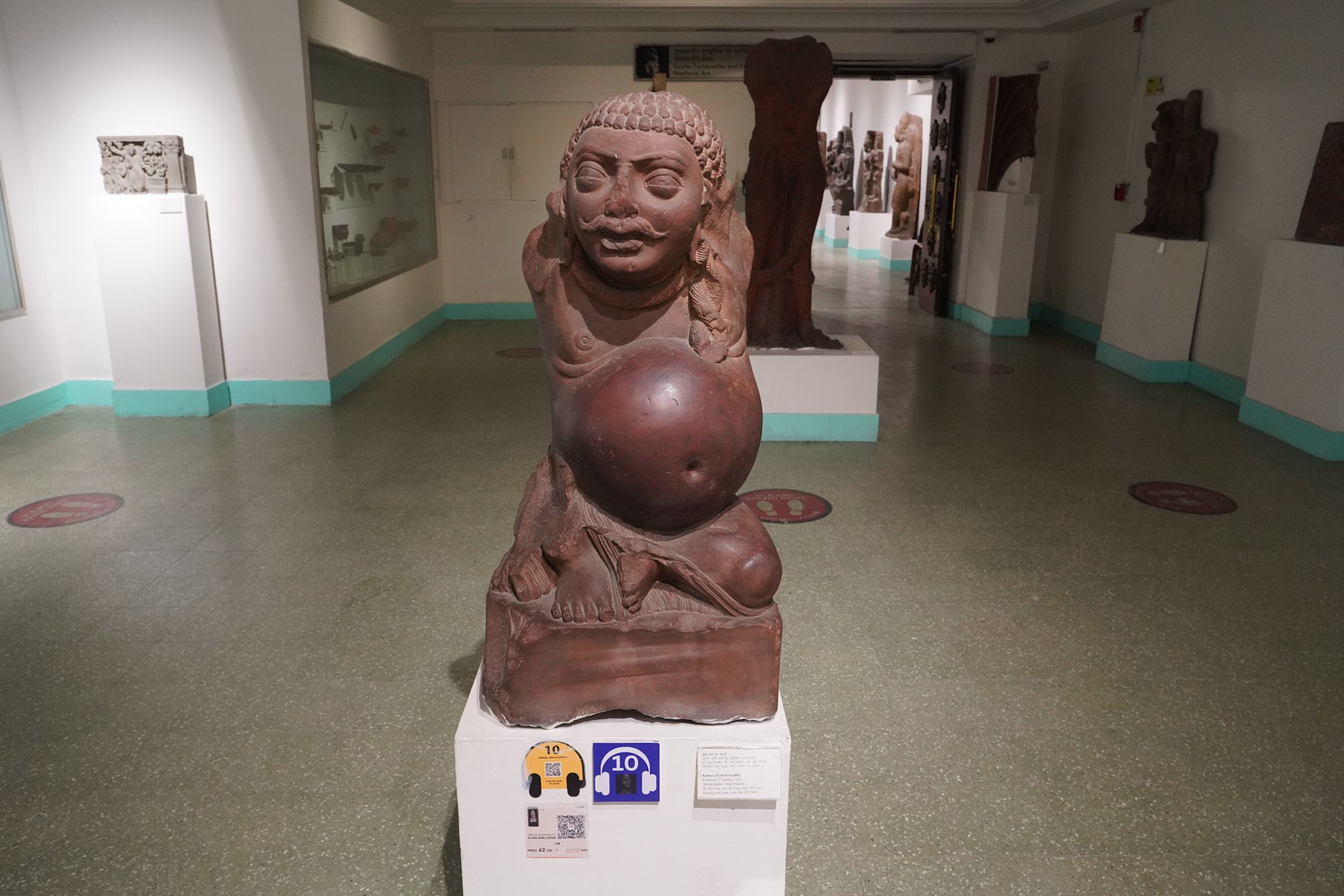
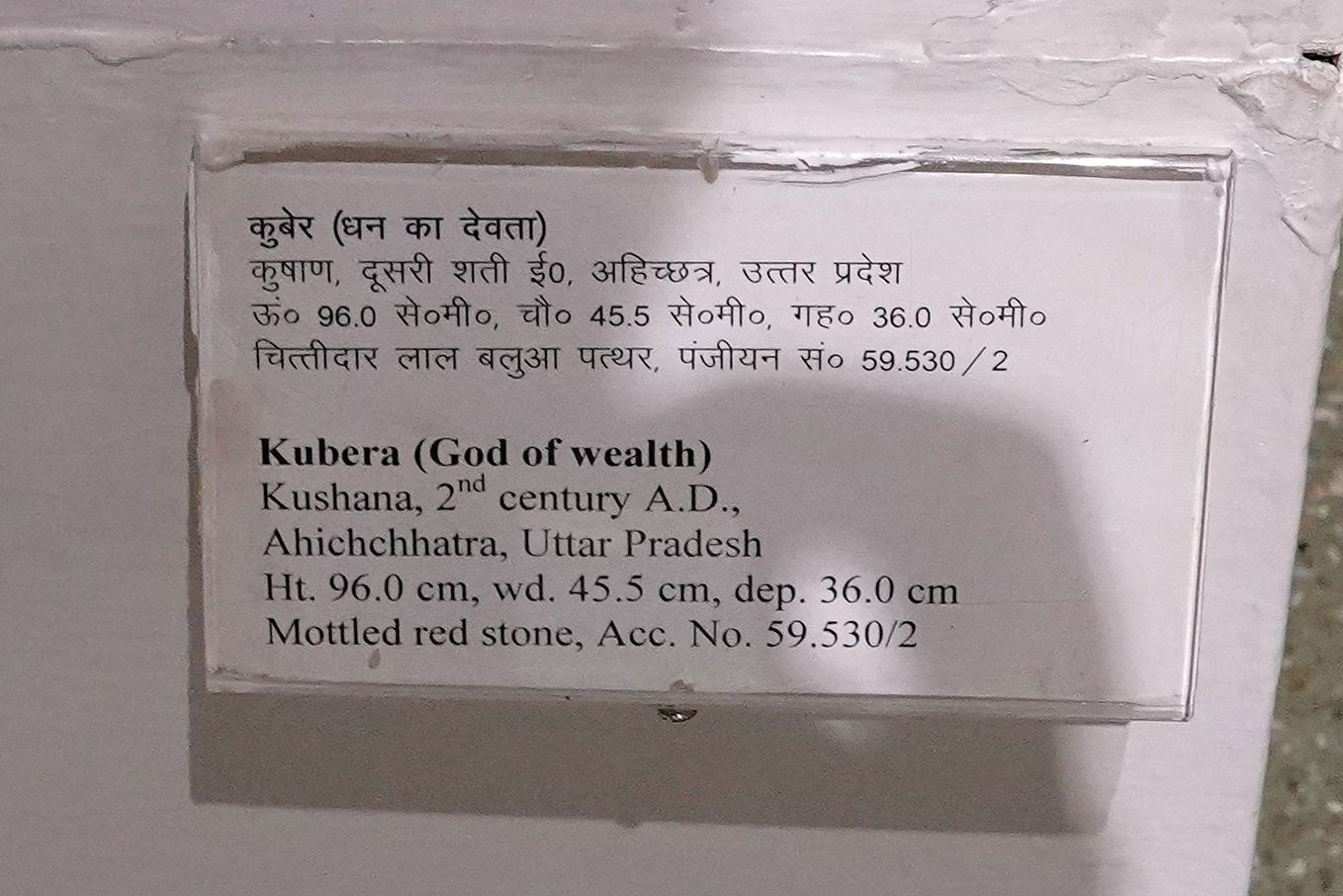
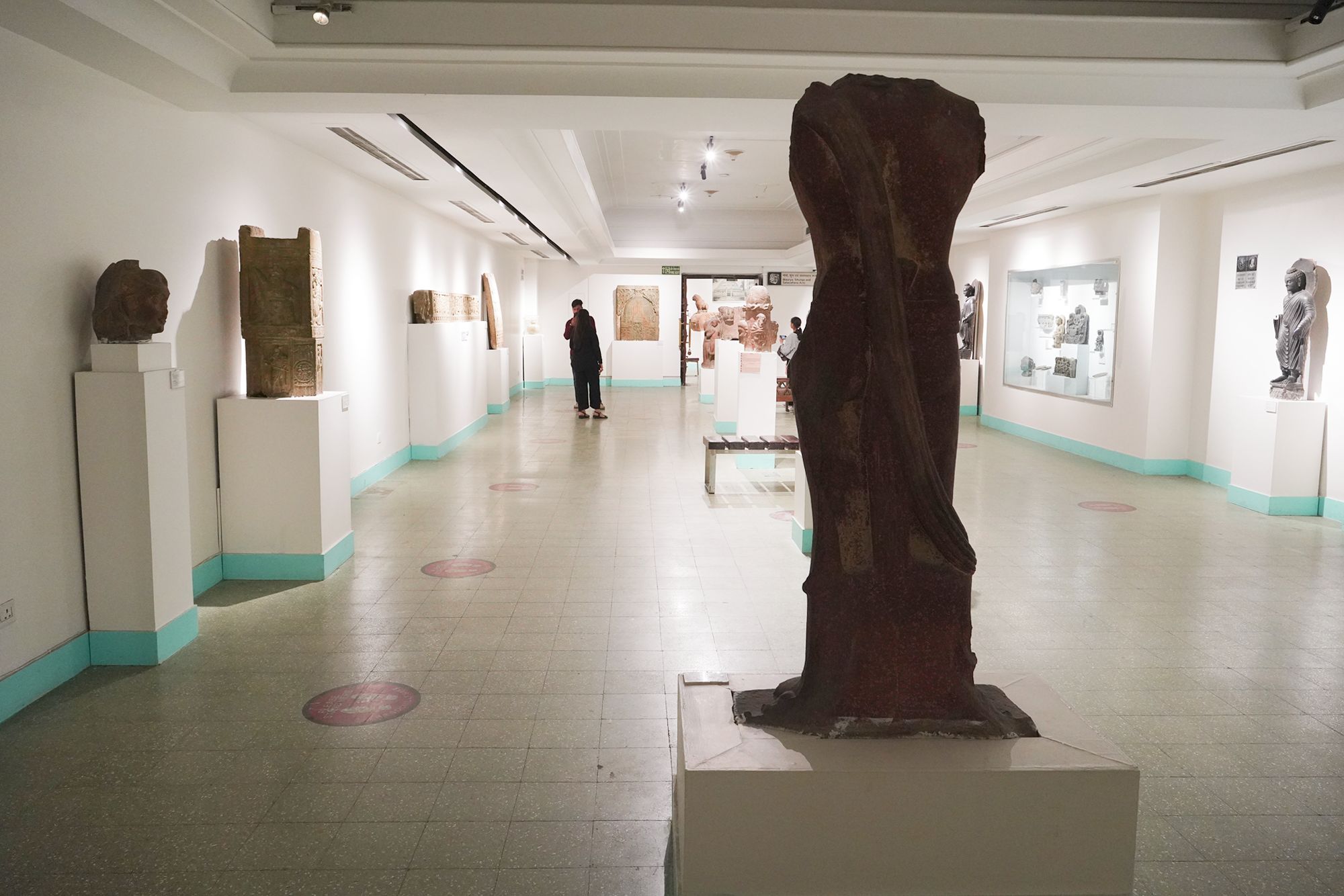
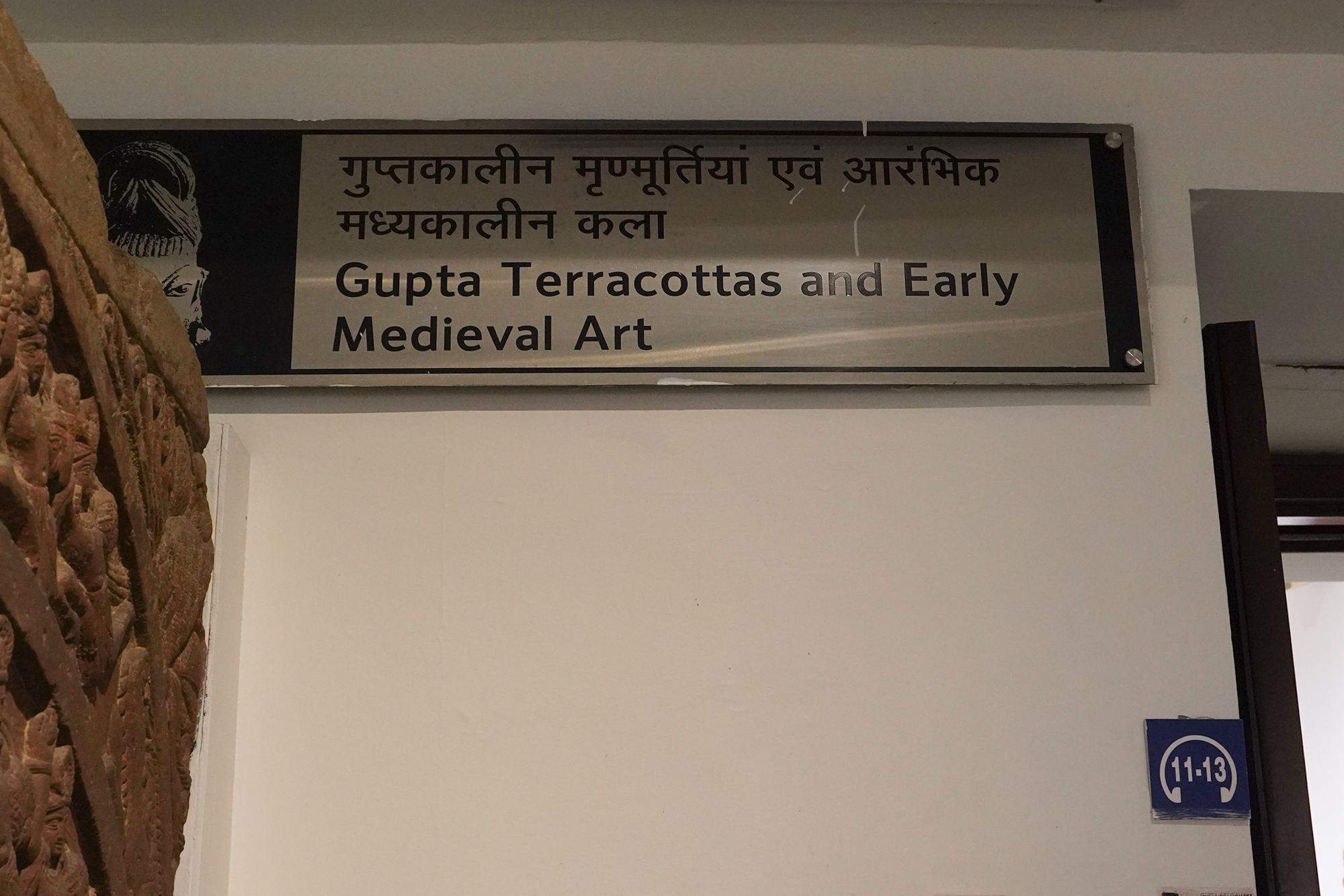
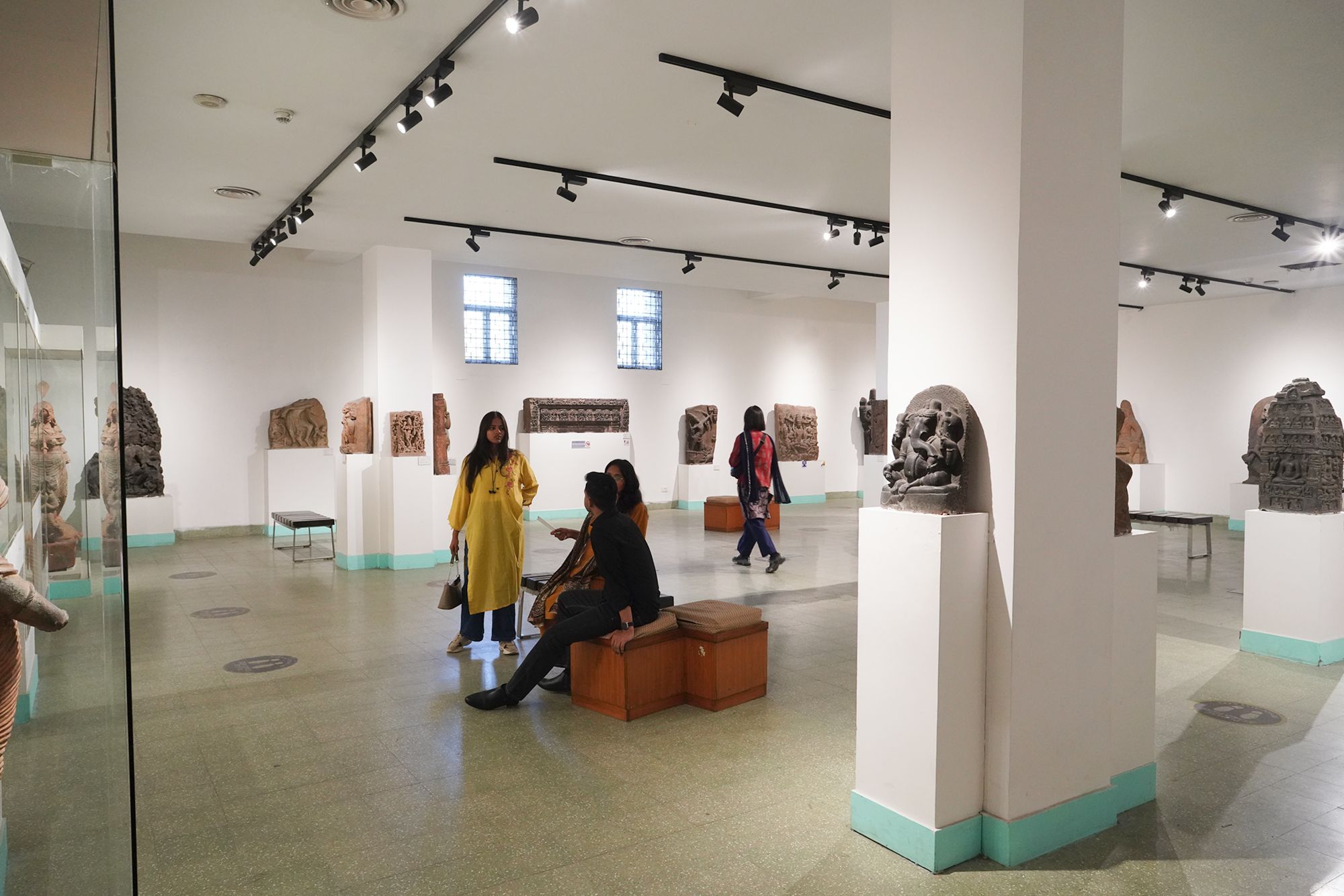
Gupta Terracottas and Early Medieval Art represent an important period of Indian art from roughly the 4th to 12th centuries CE. Gupta artists created finely detailed terracotta figures, sculptures, and religious images, particularly depicting Hindu and Buddhist deities. The artistic traditions developed during this period strongly influenced later Hindu, Buddhist, and Jain temple art throughout India.
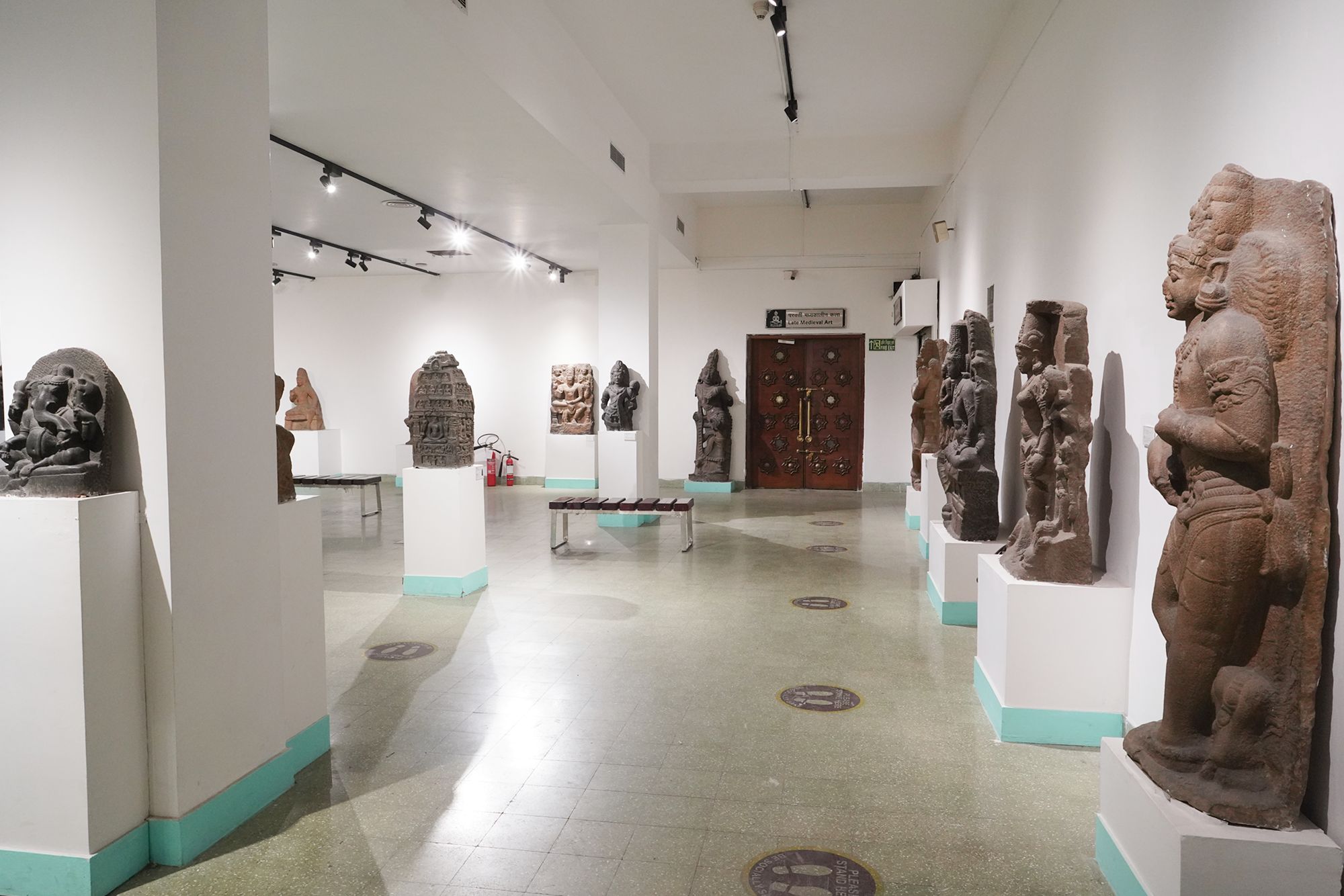
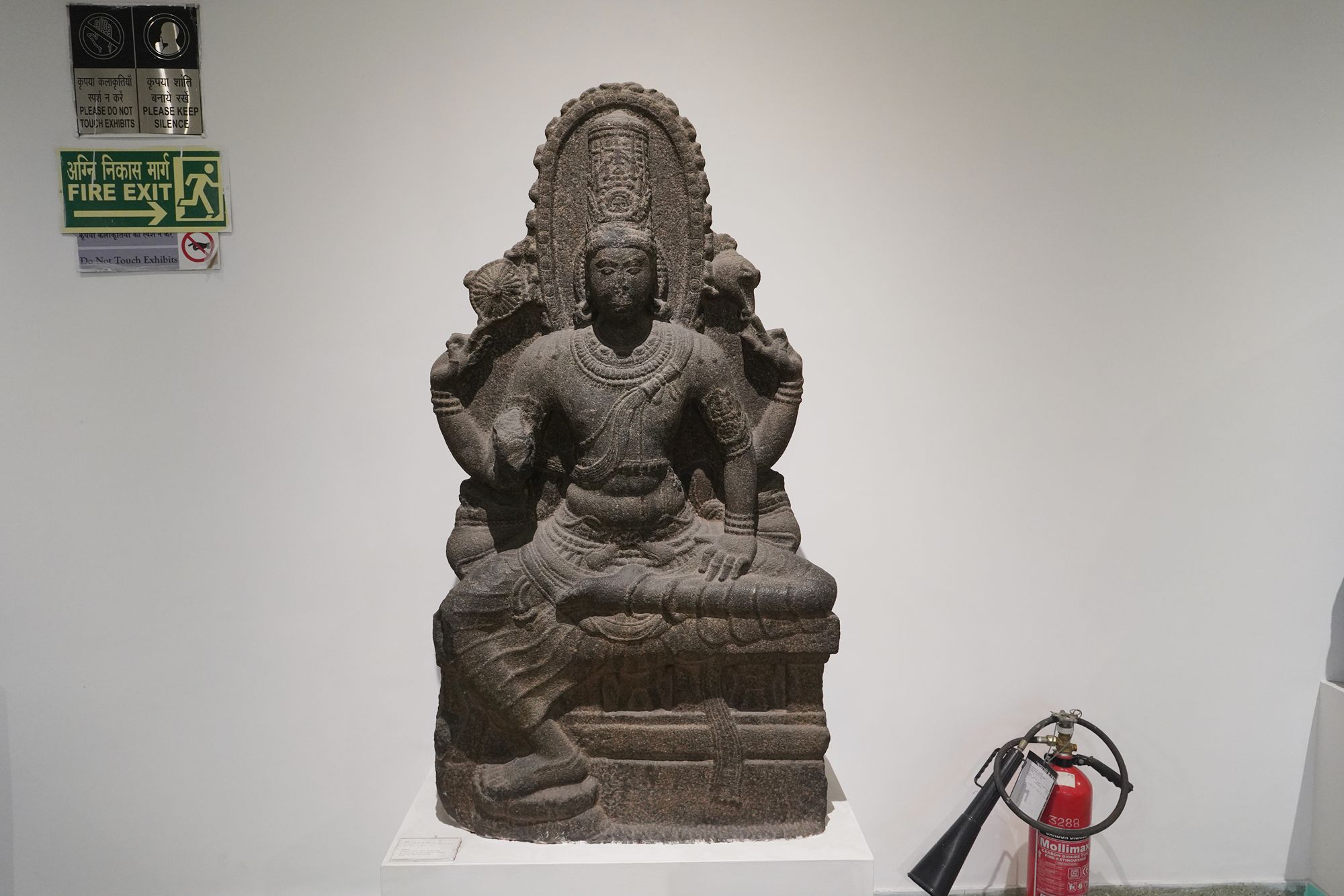
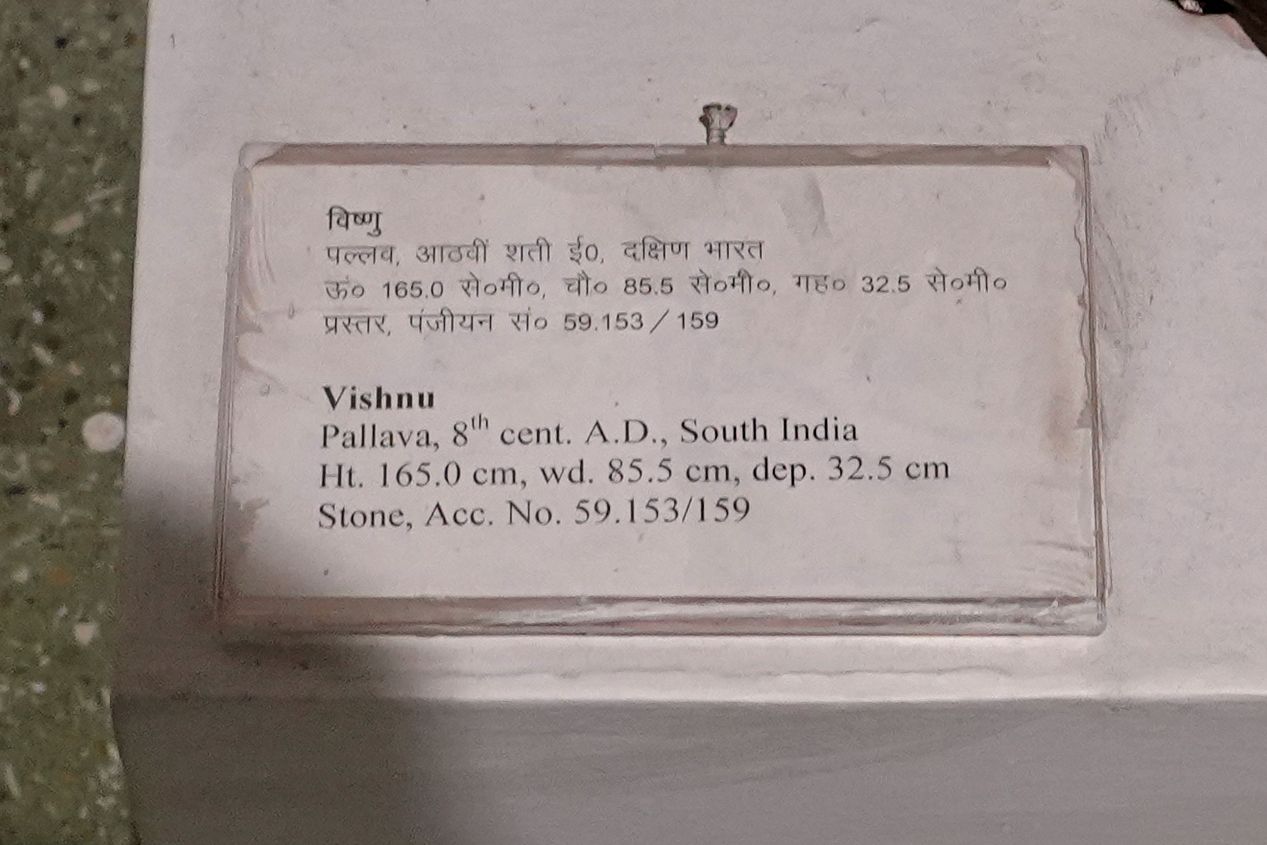
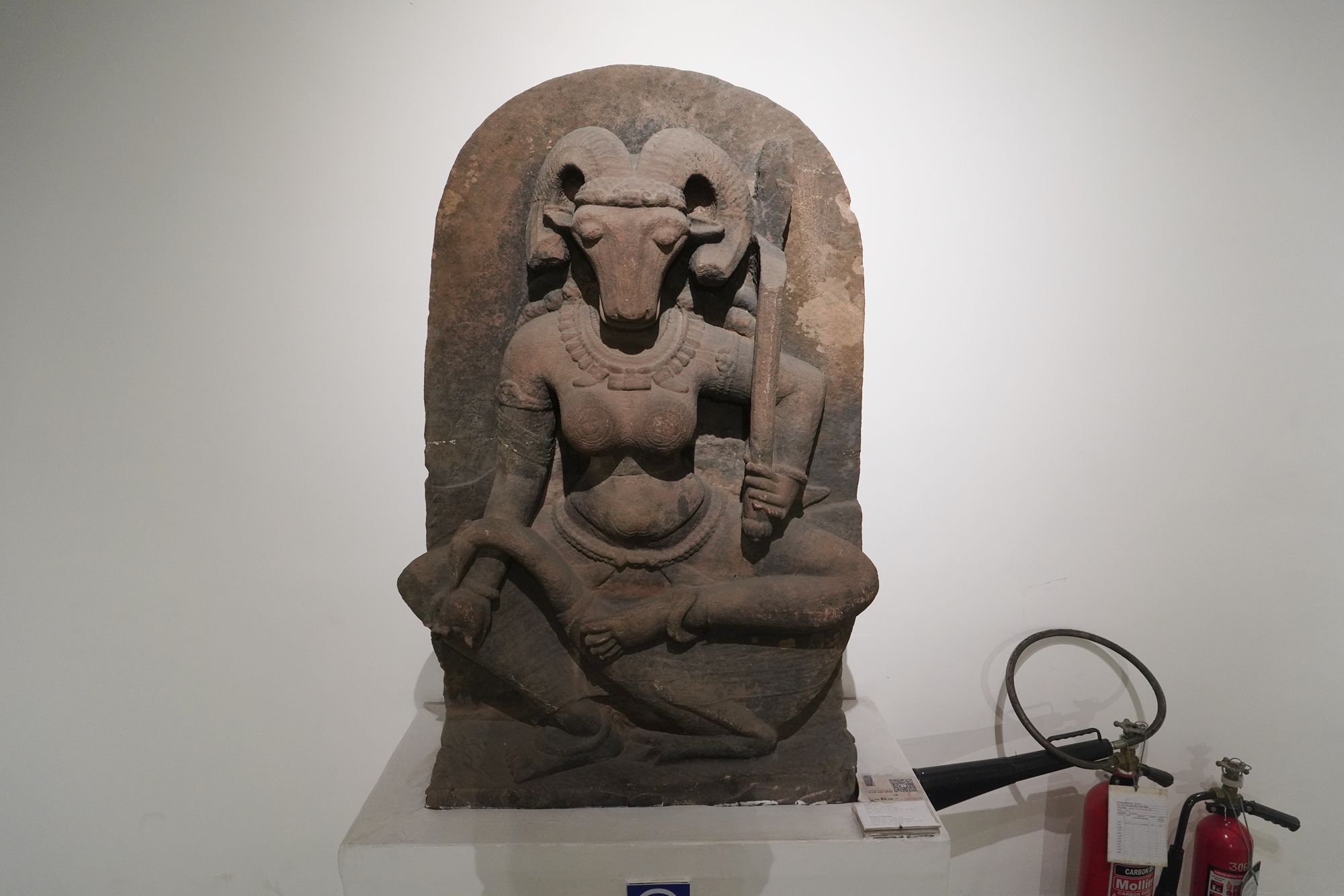
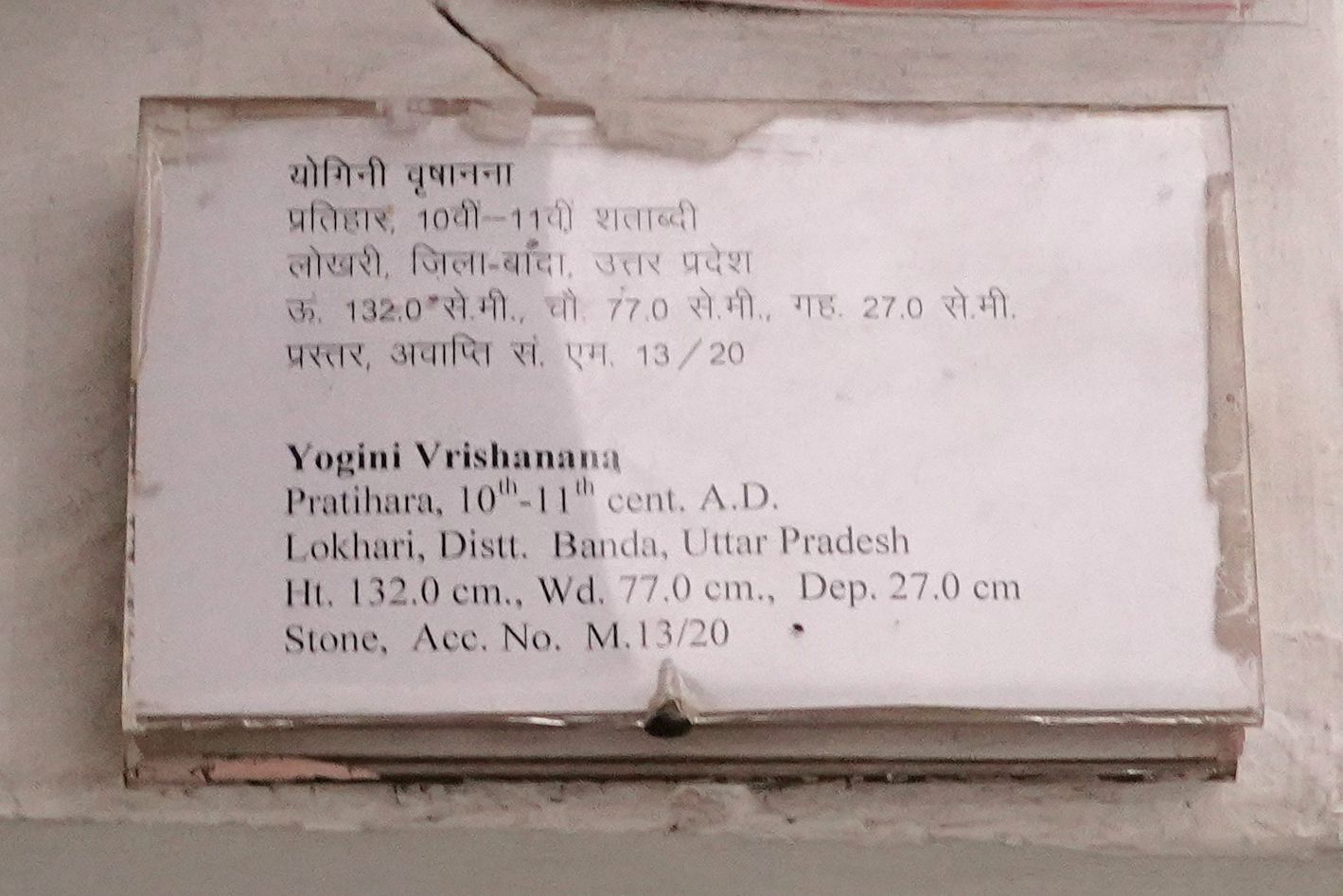
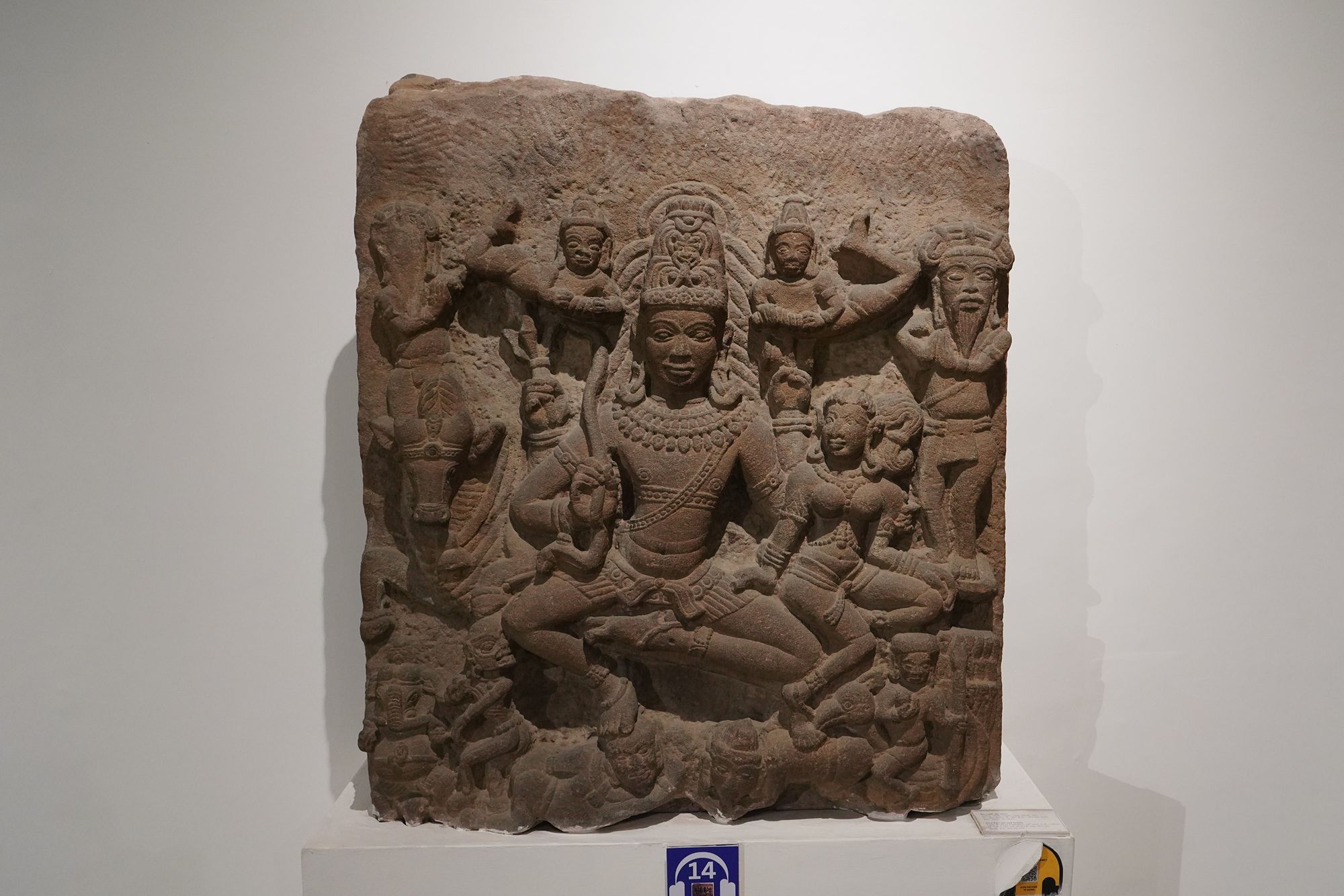
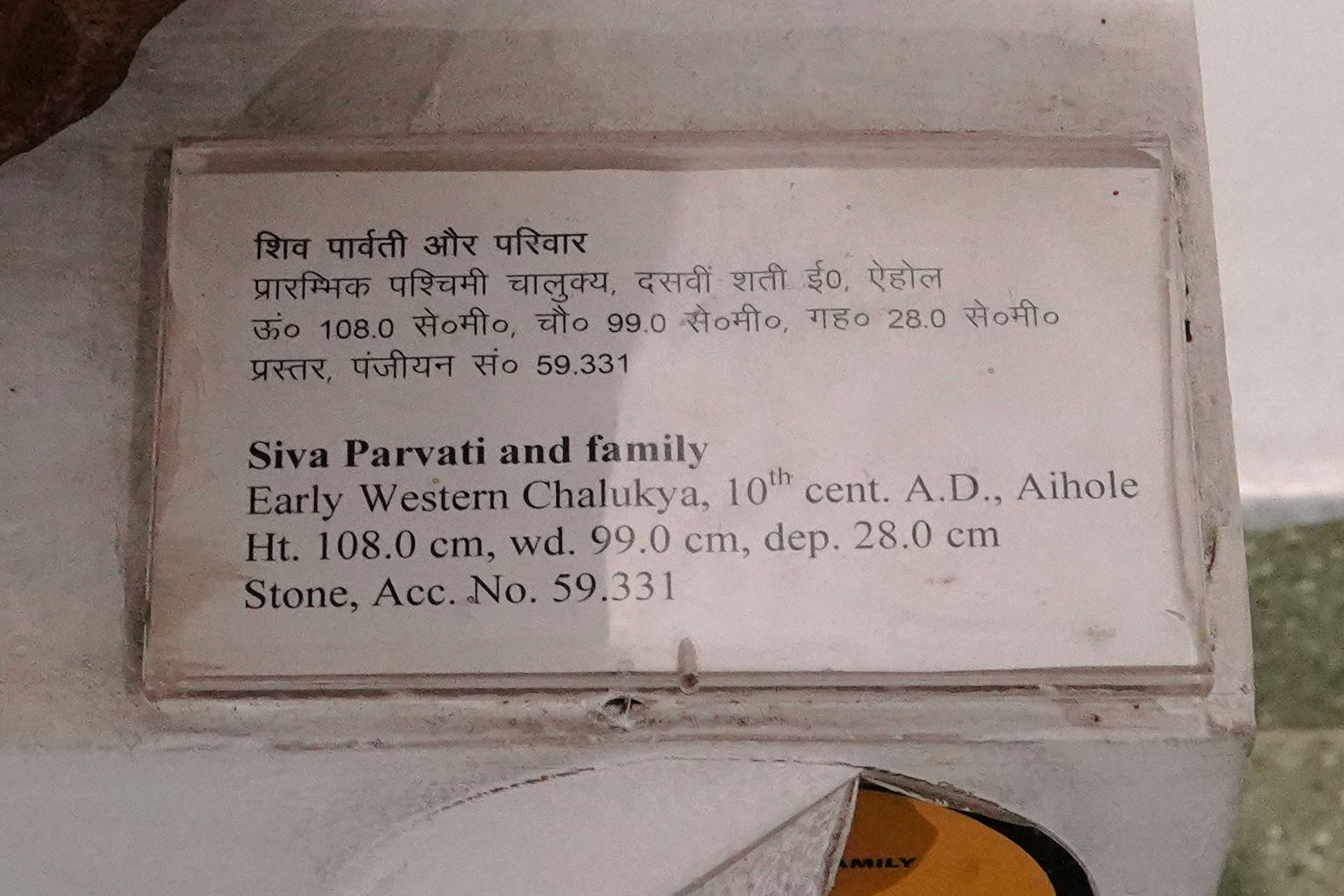
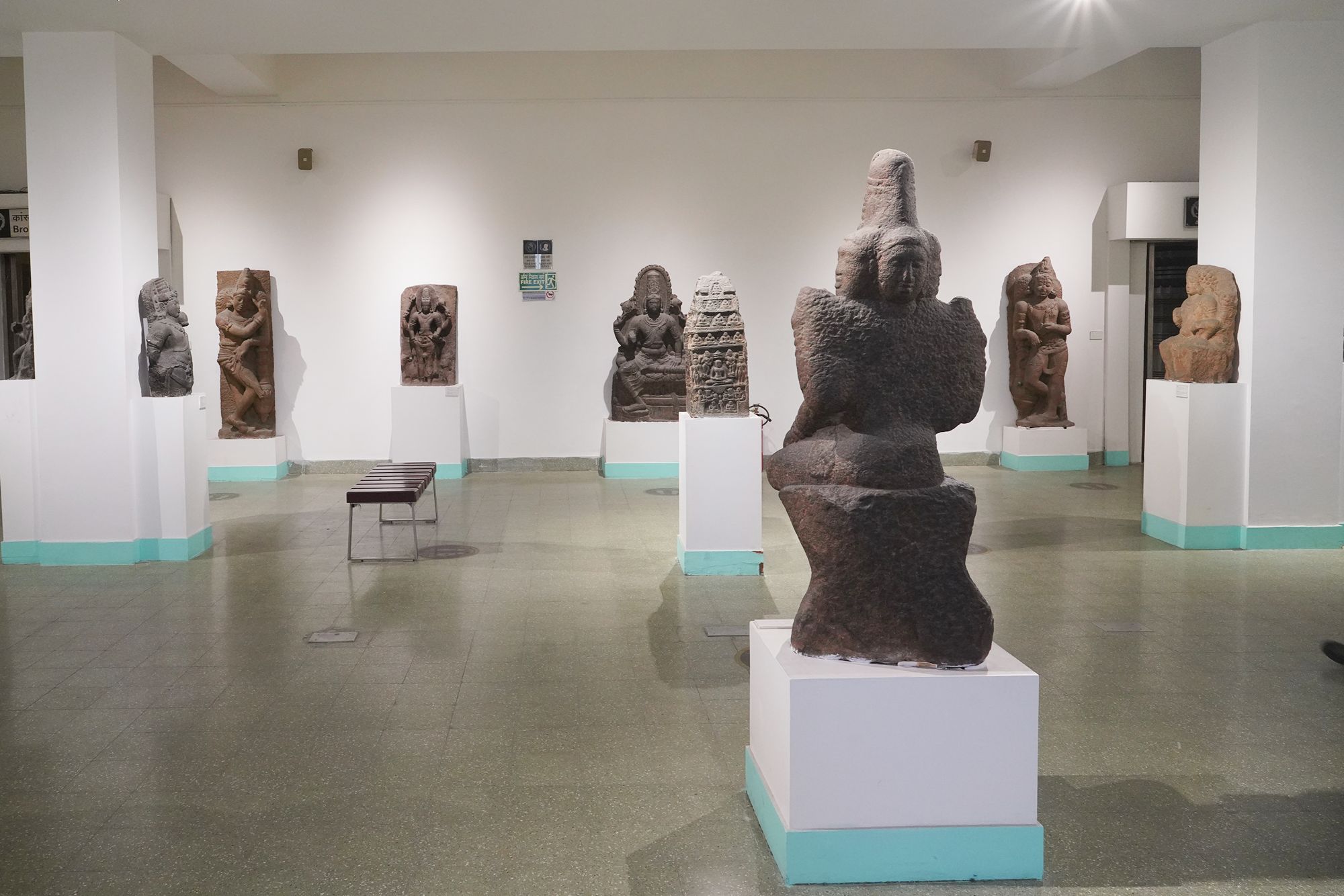
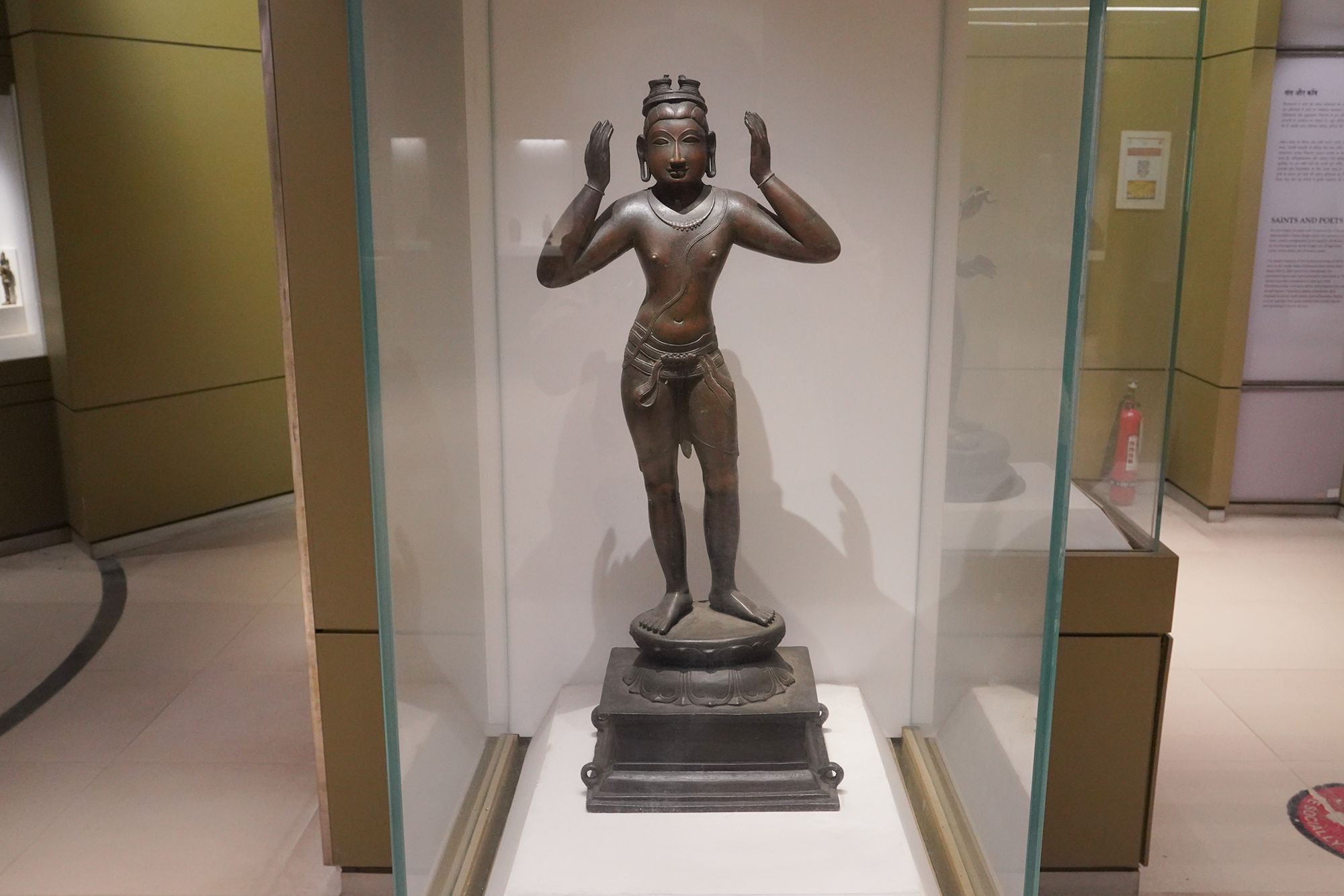
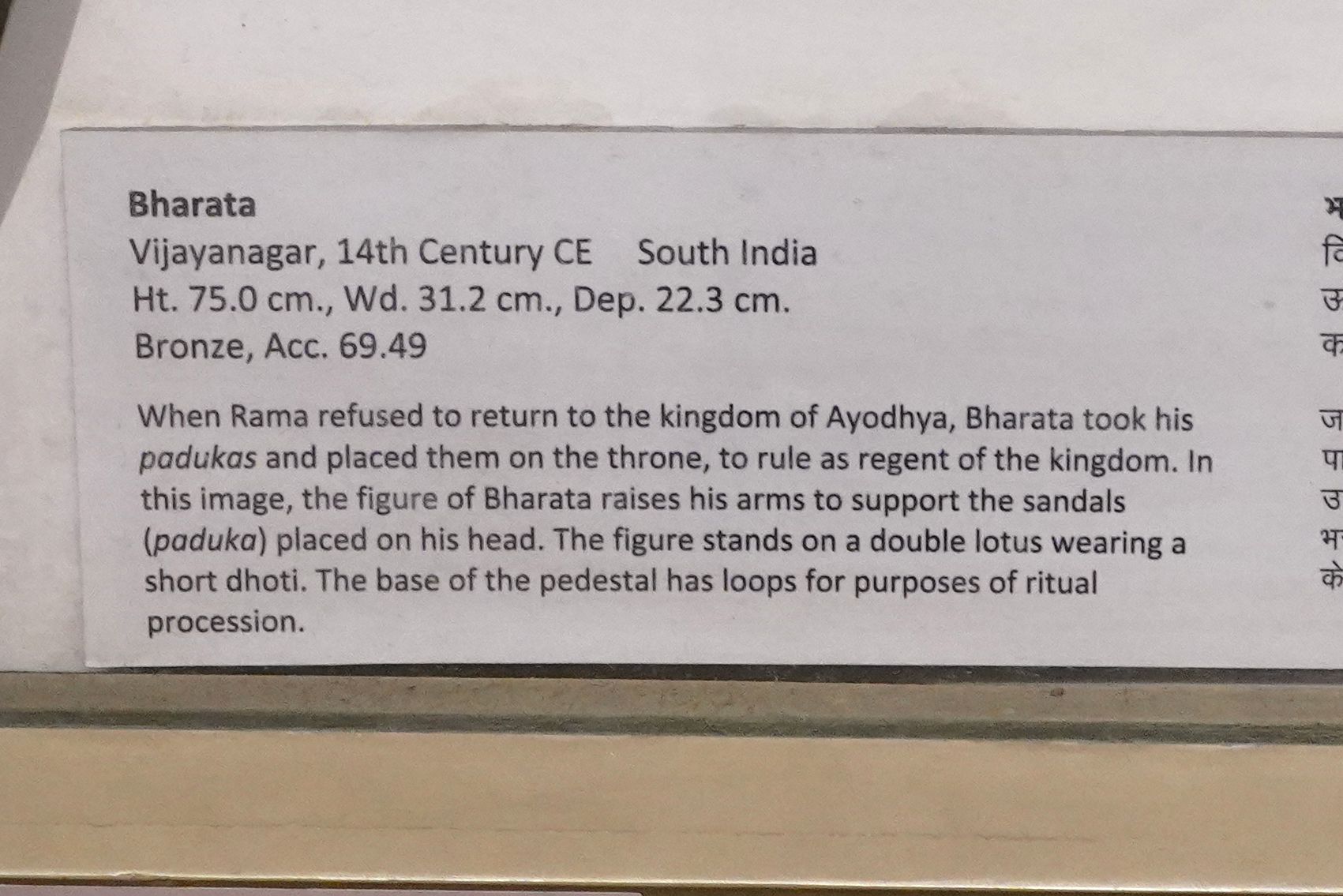
Bronze Sculptures
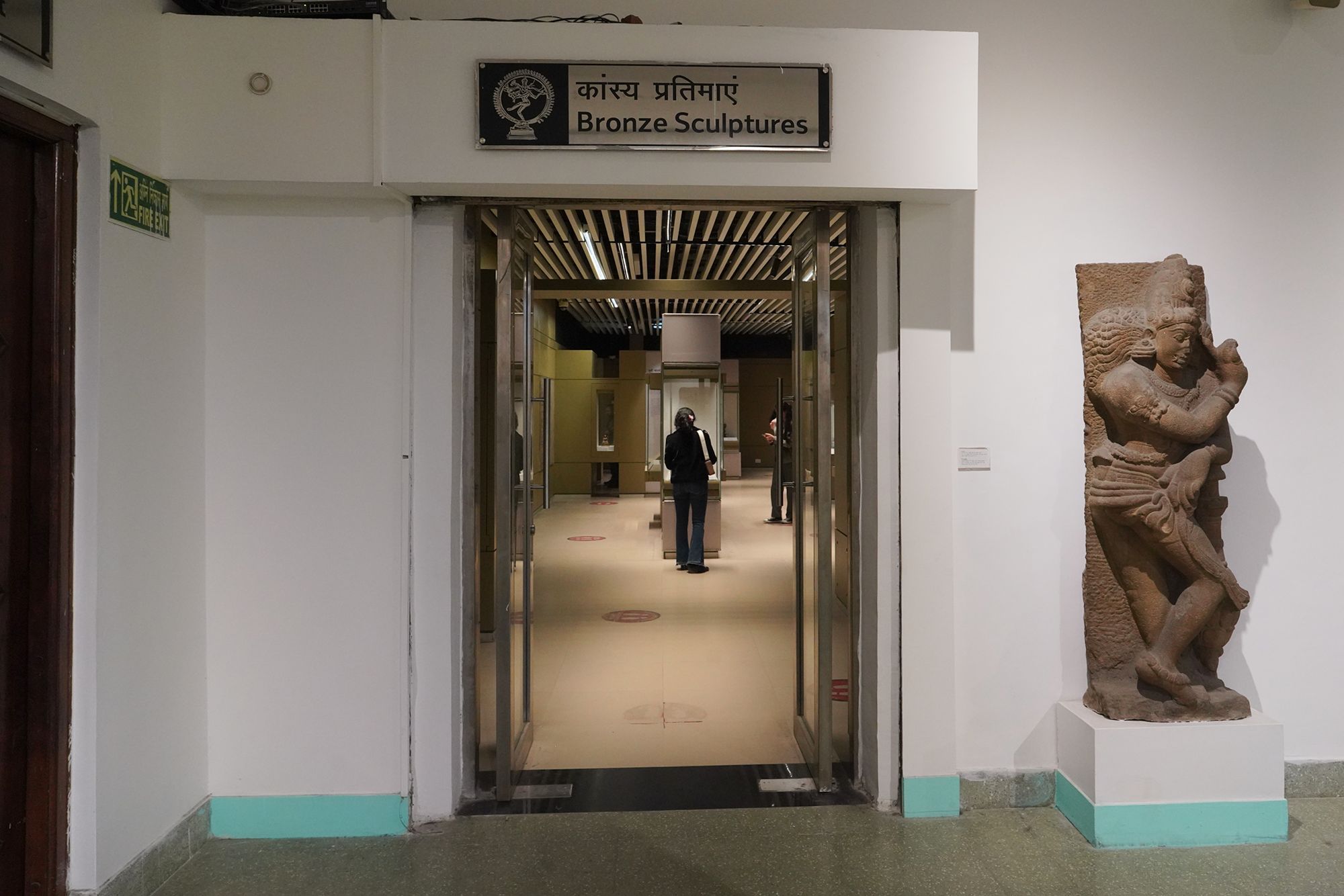
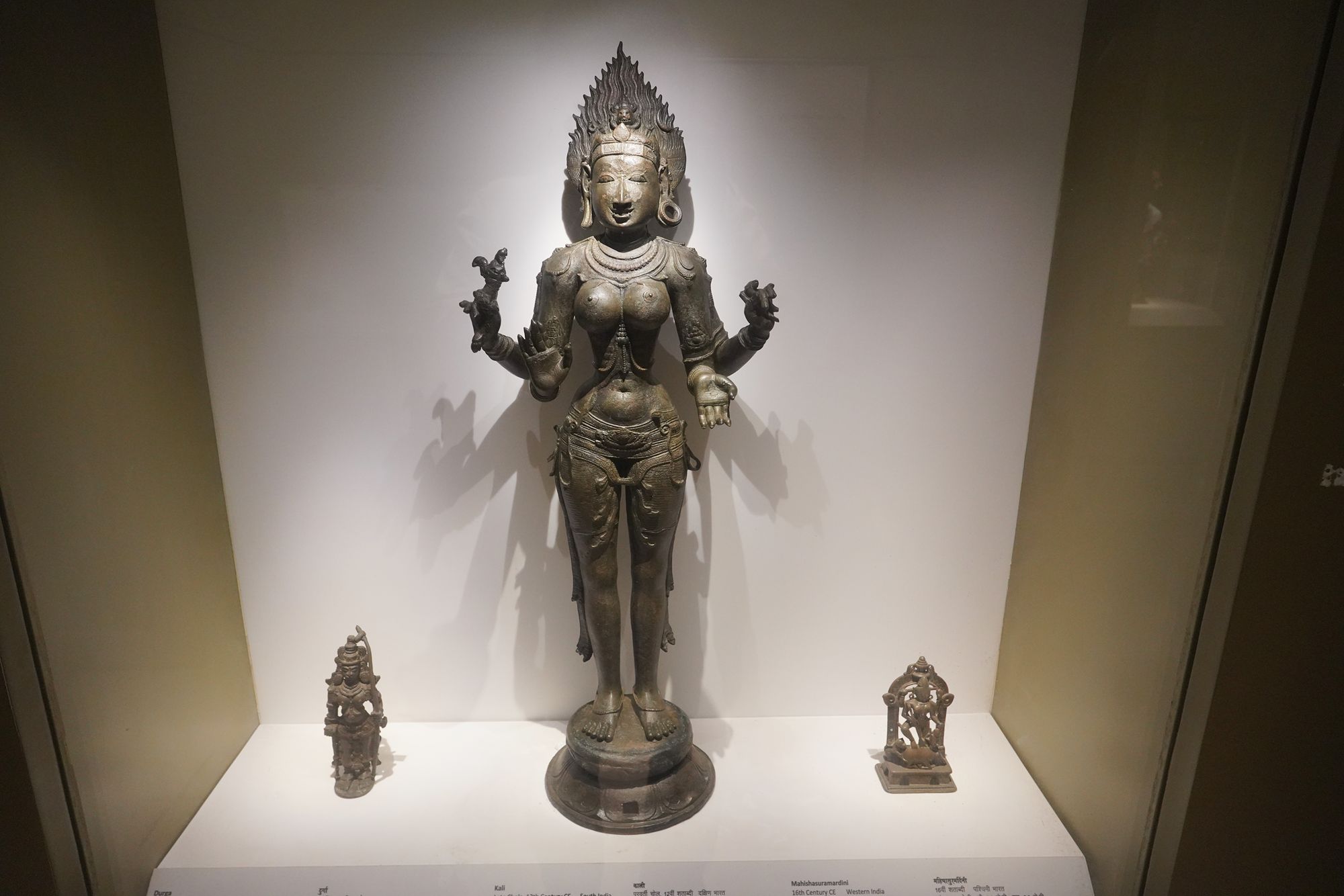
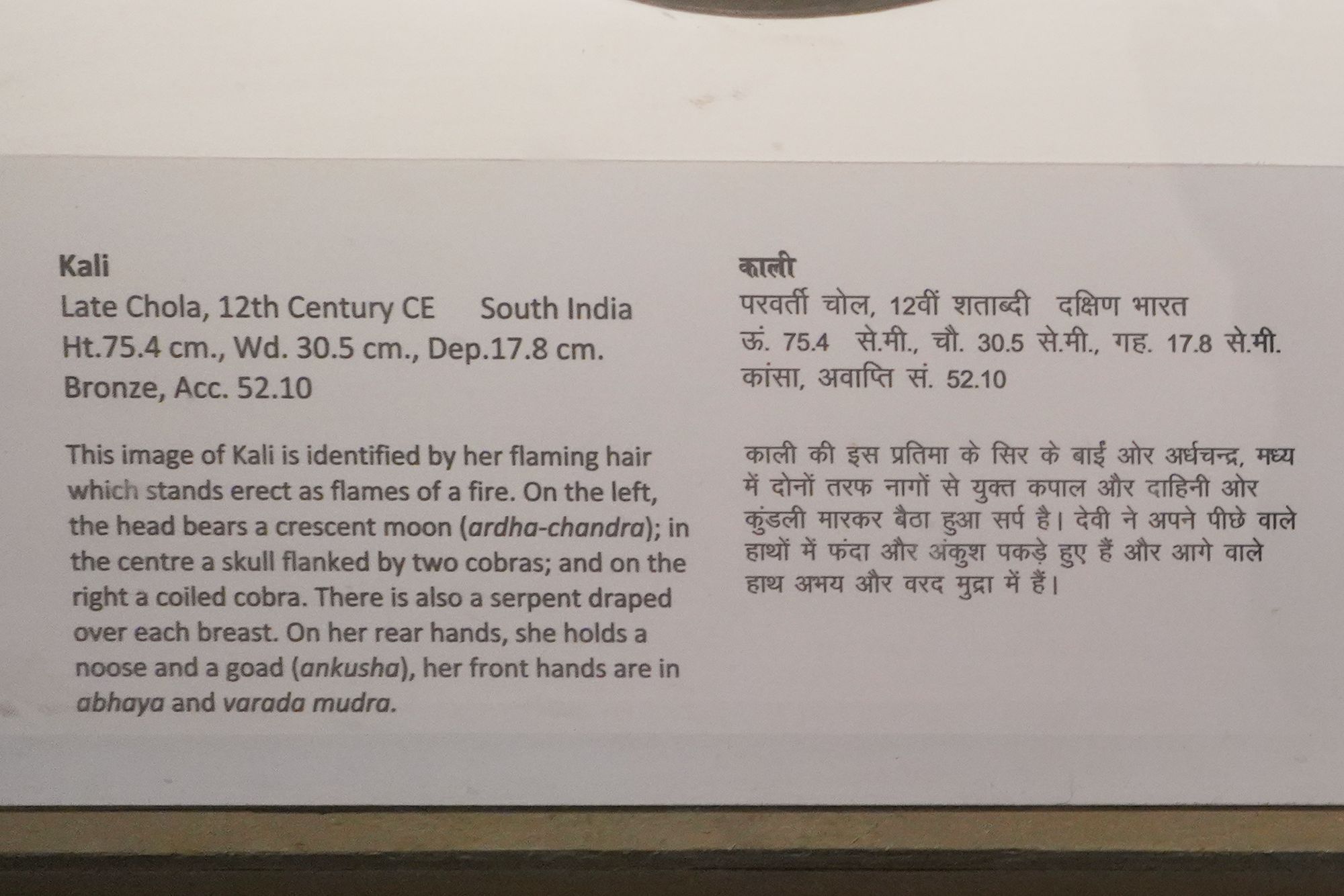
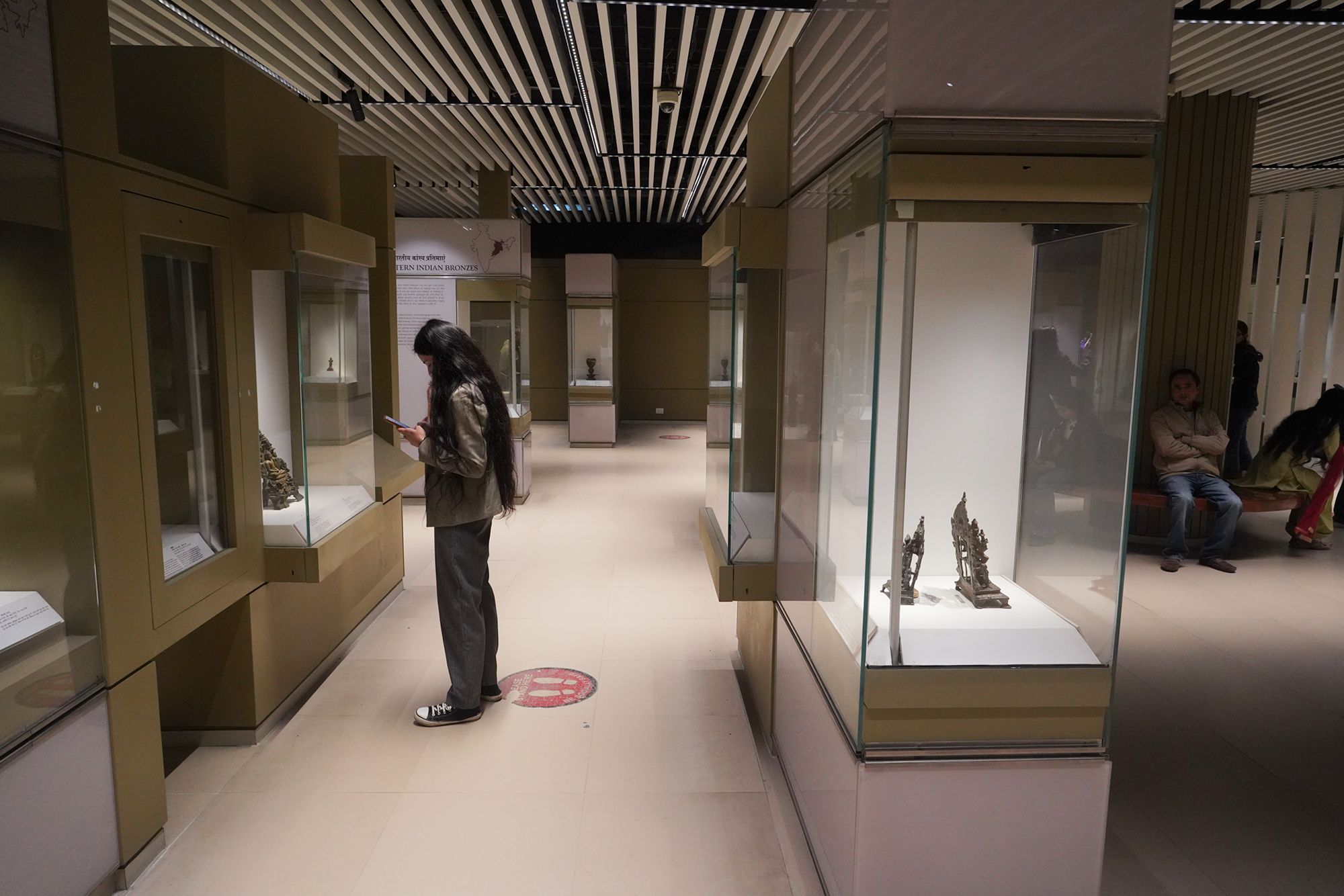
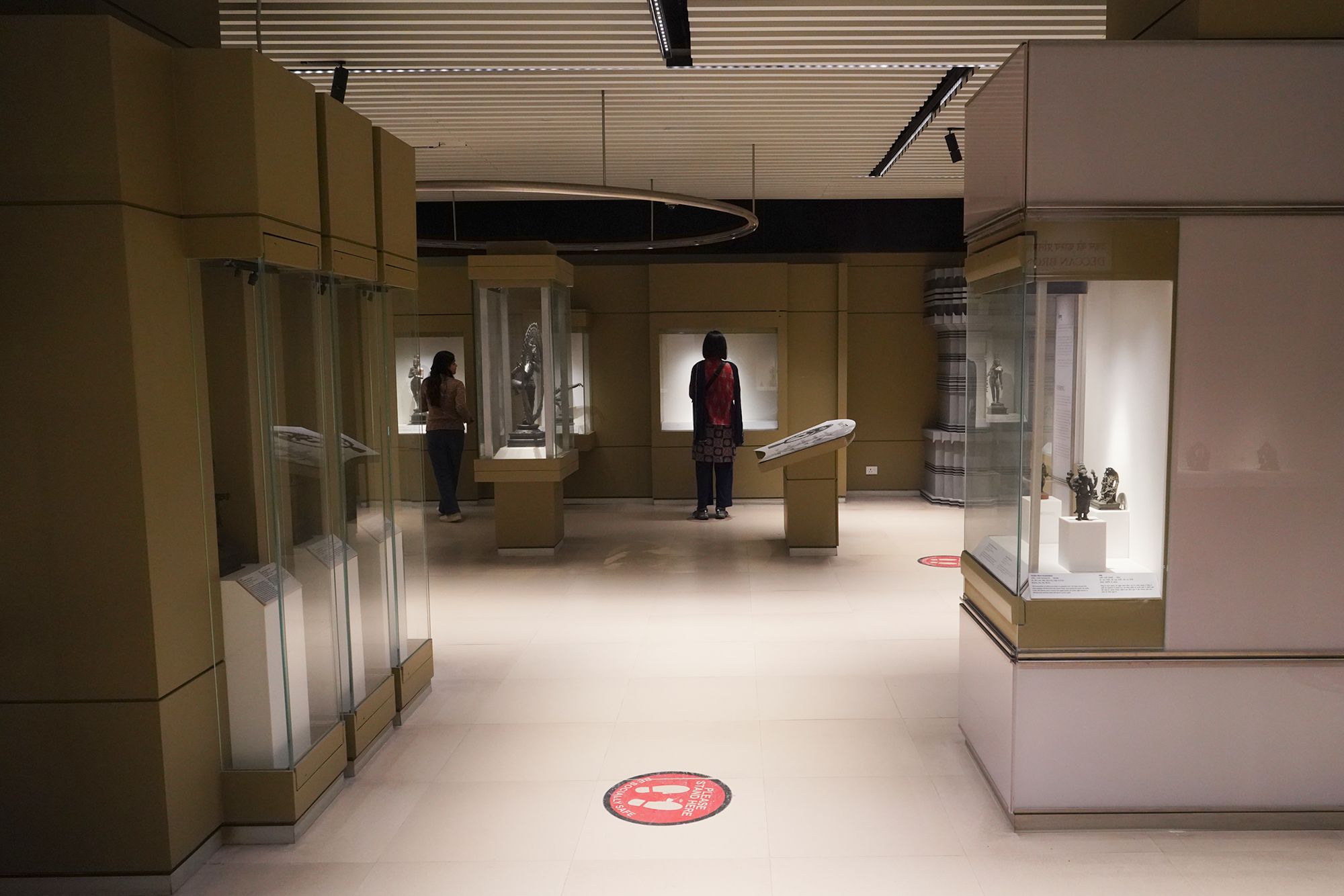
Deccan Bronzes are metal sculptures produced in the Deccan region of central and southern India, often depicting Hindu and Jain deities. Known for their detailed craftsmanship, these bronze figures were created primarily for religious worship and reflect the artistic traditions of the region’s medieval kingdoms.
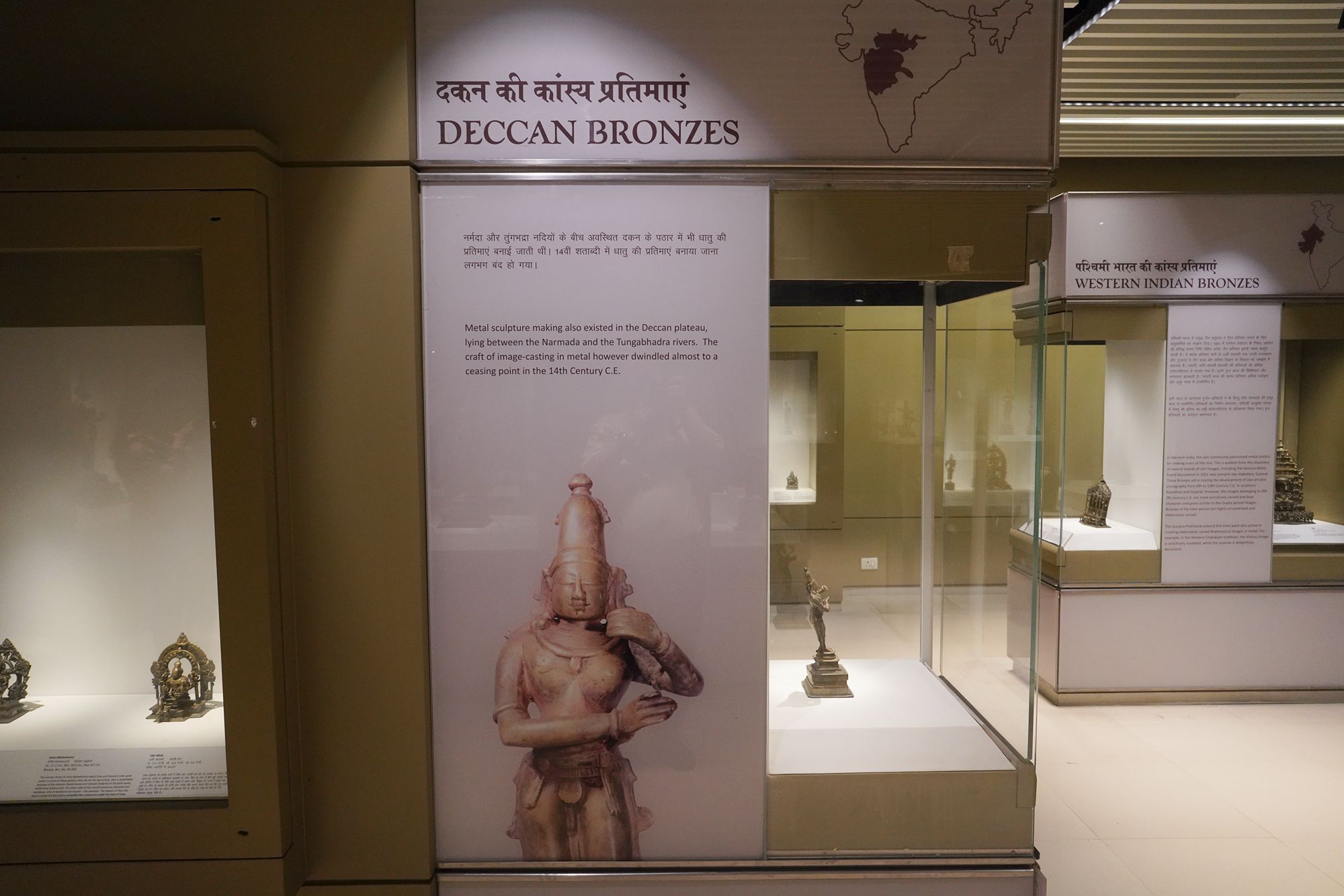
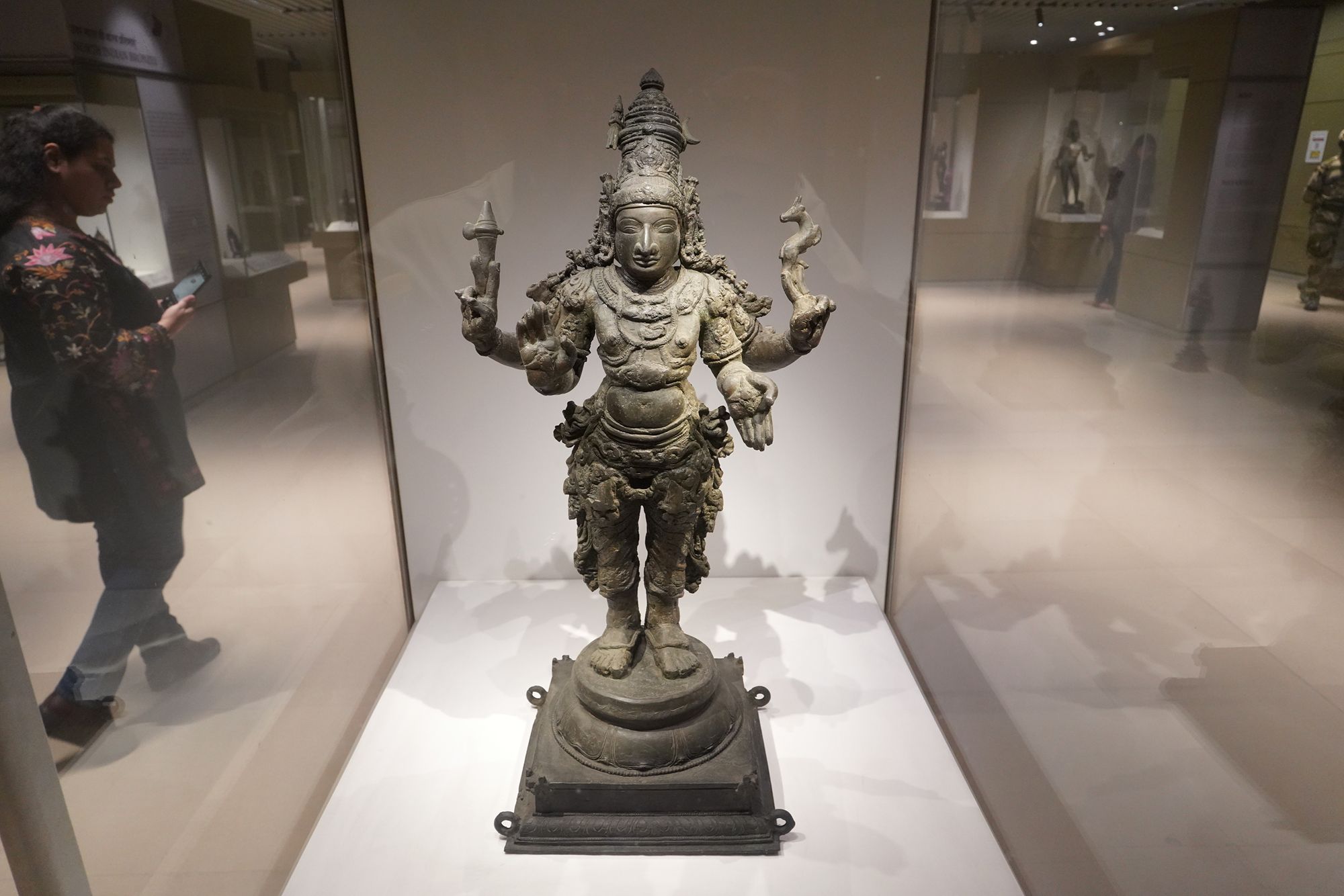
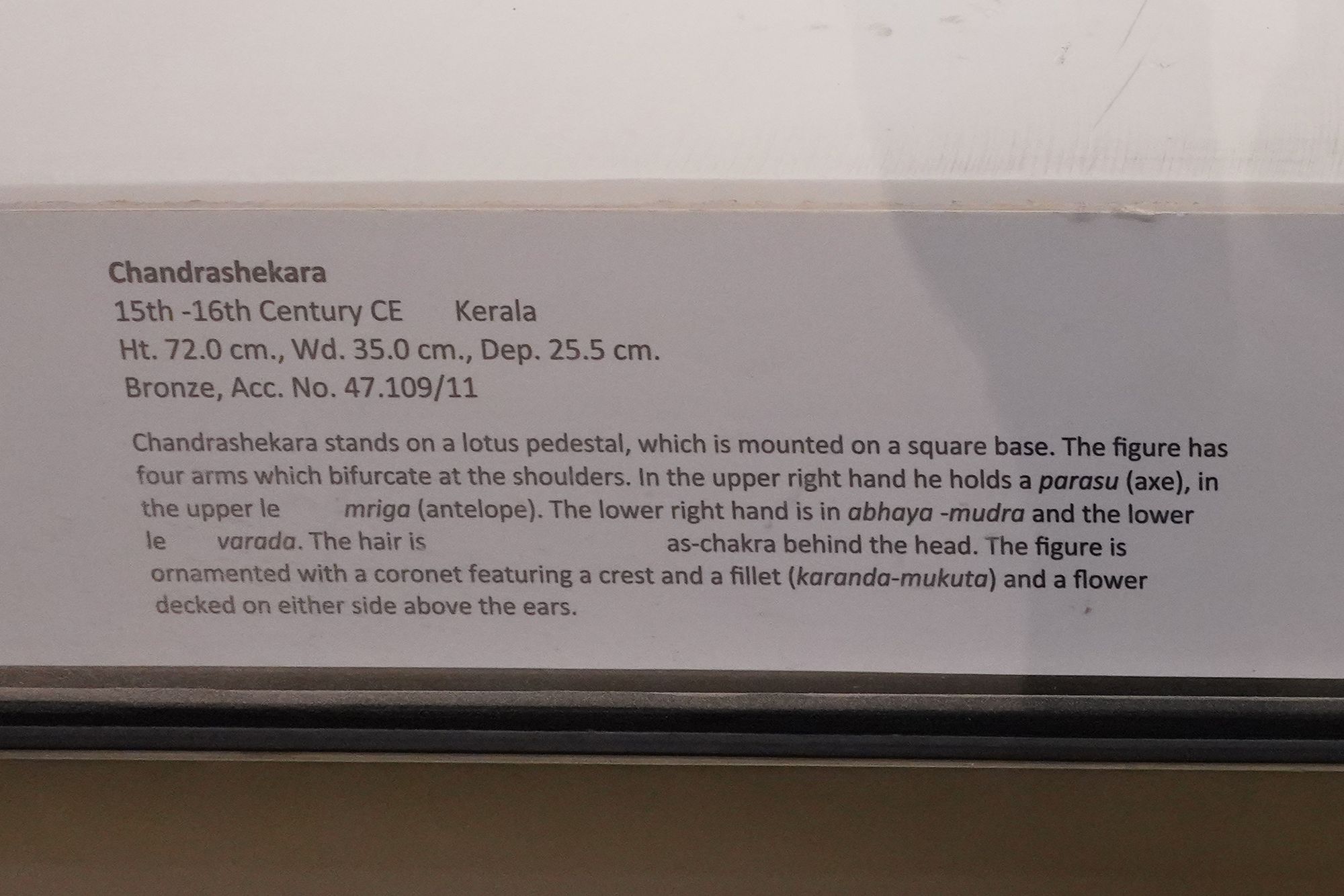
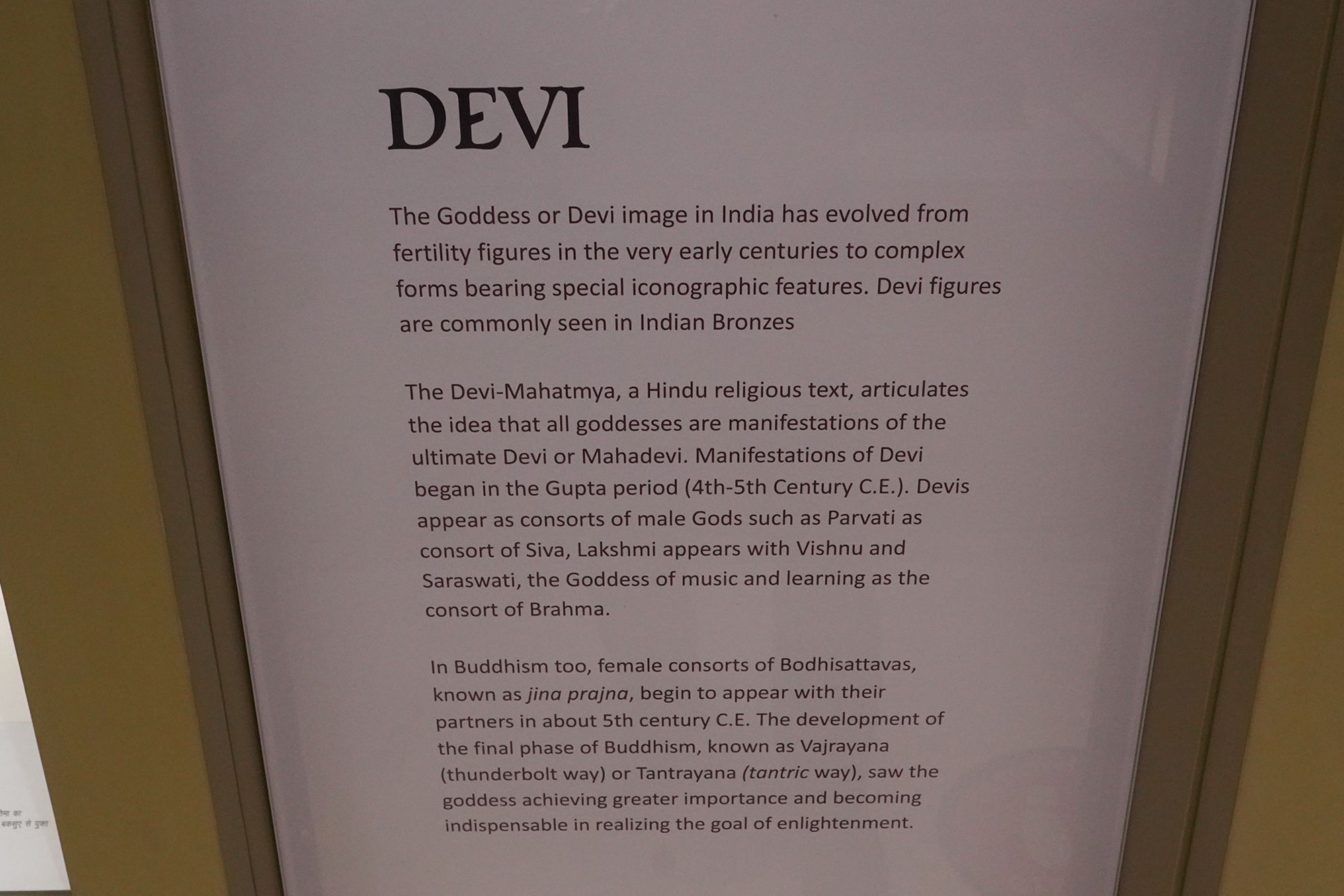
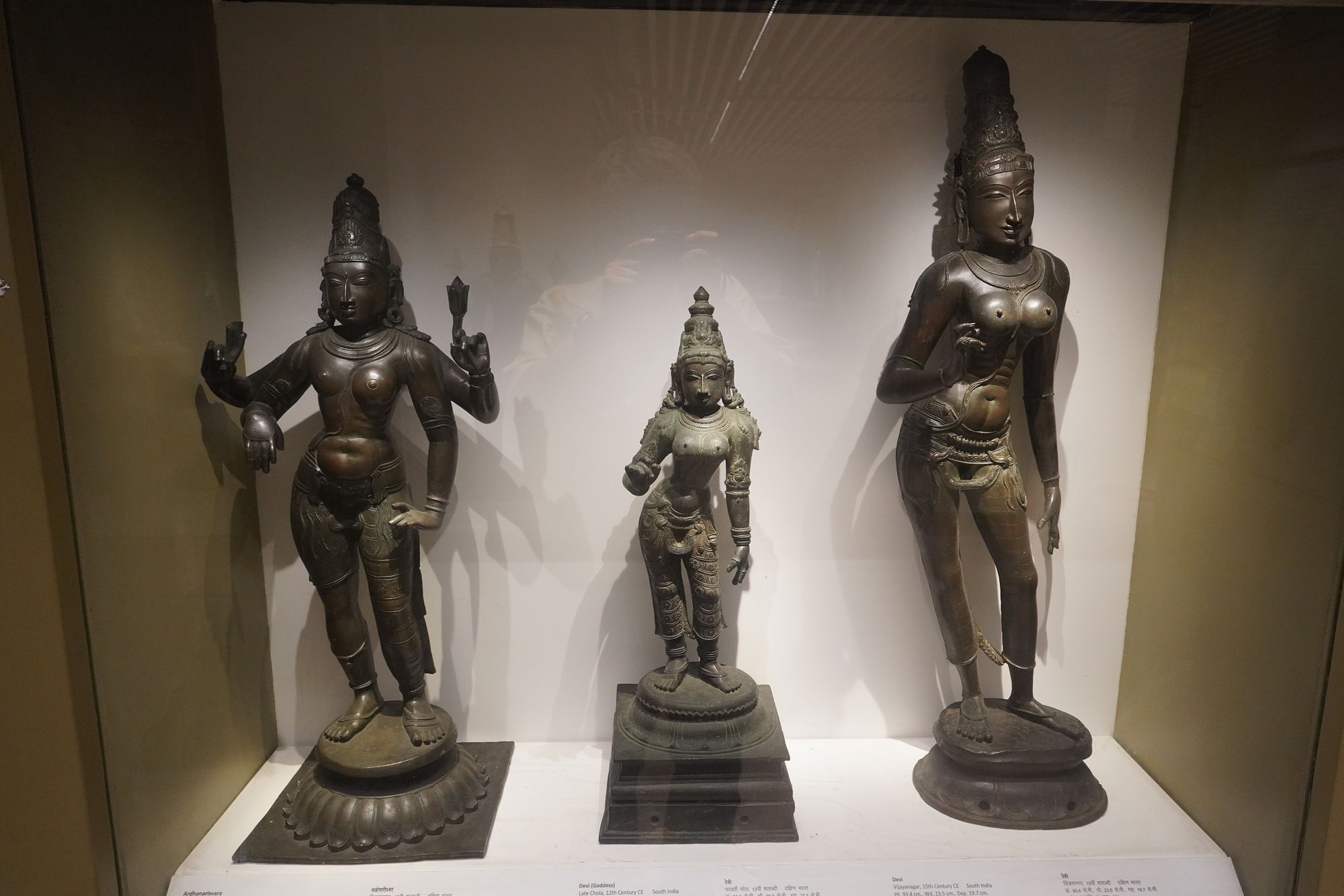
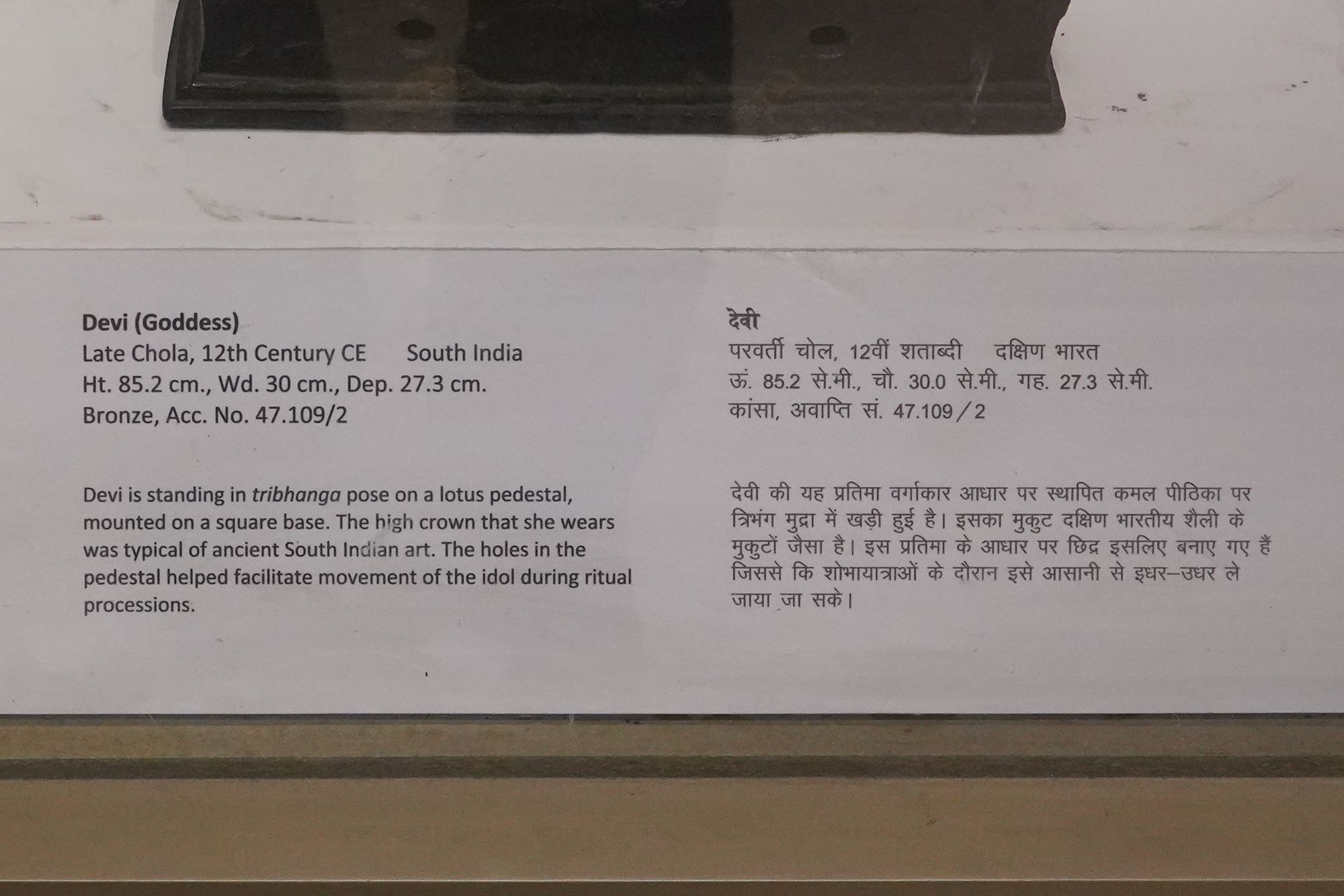
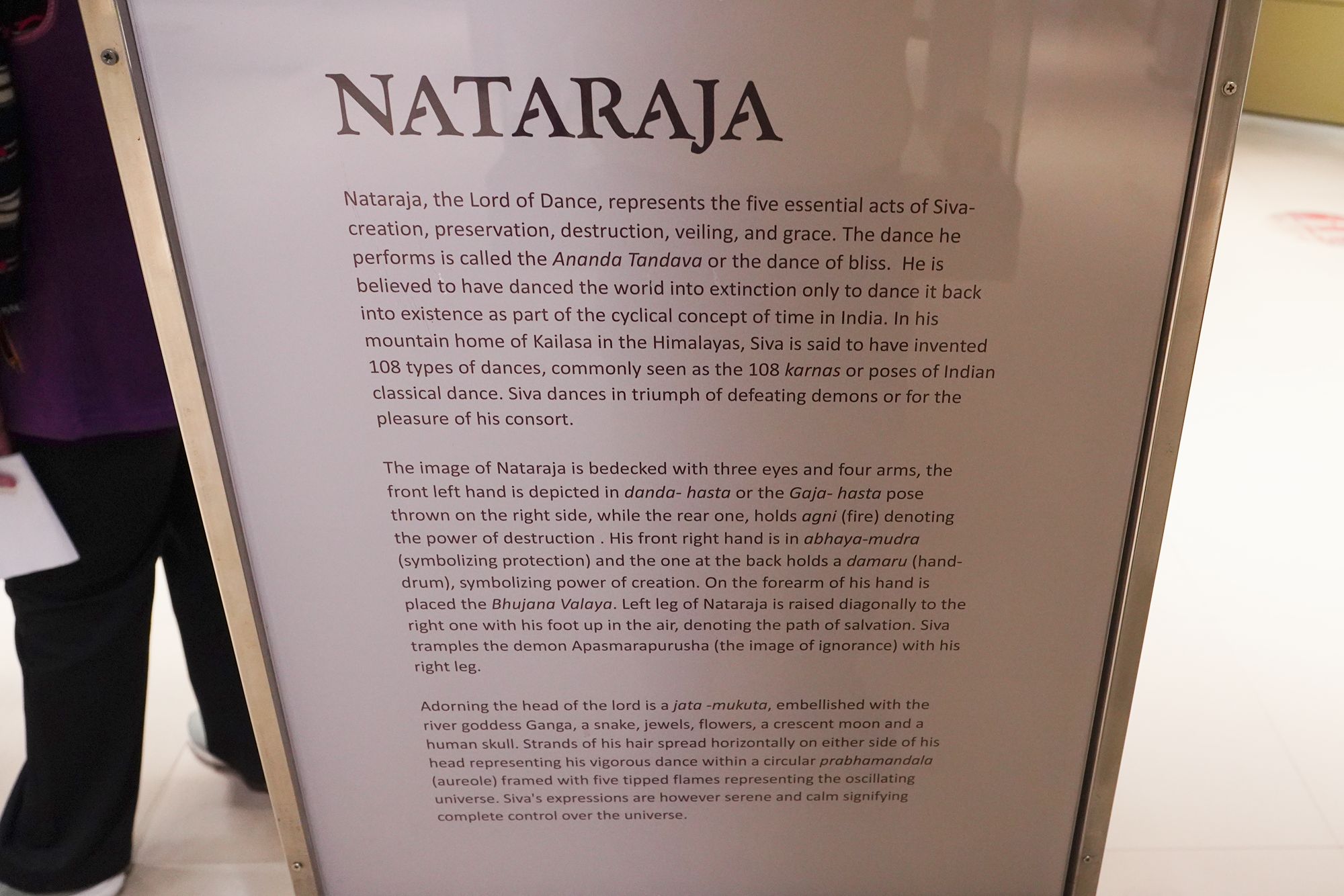
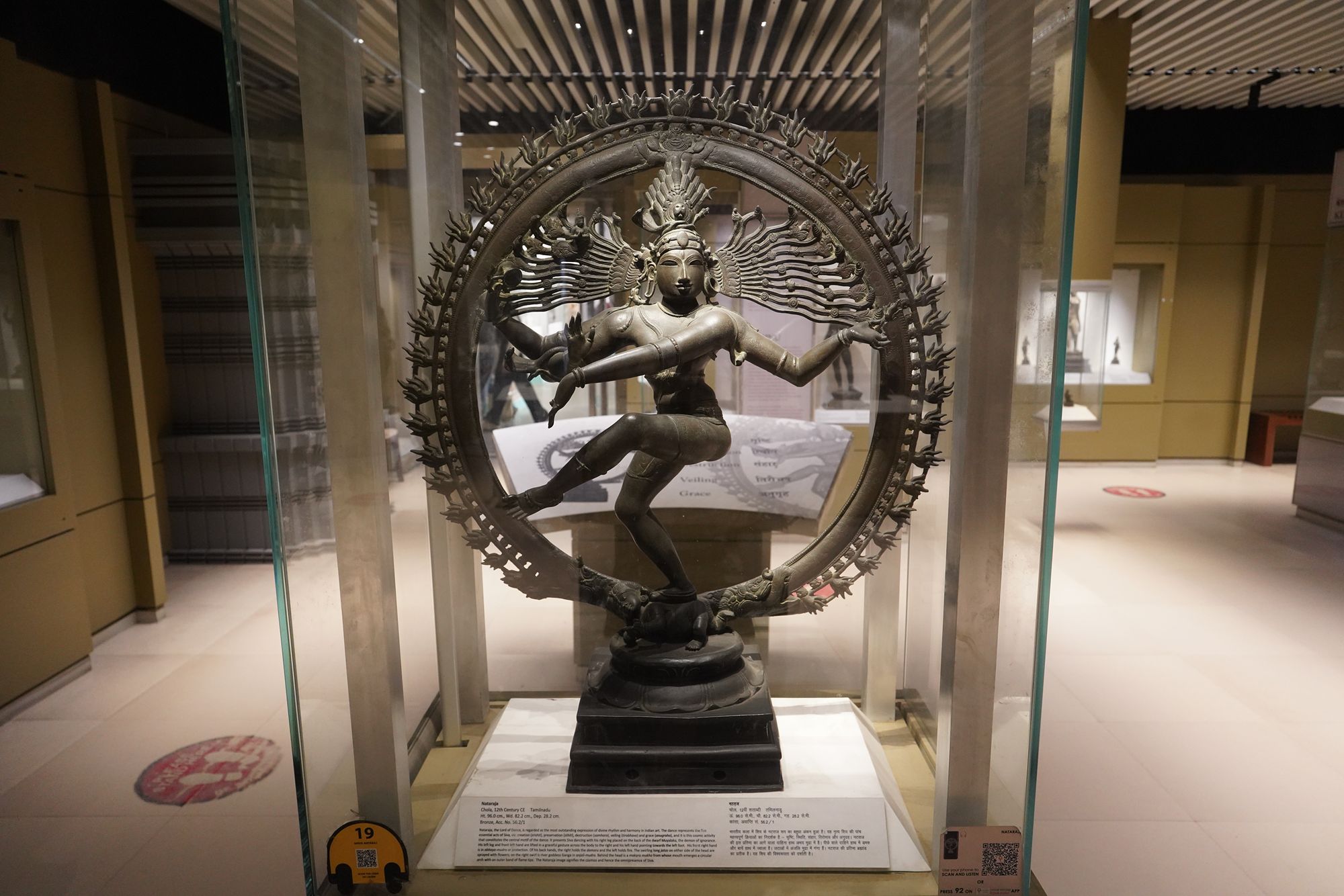
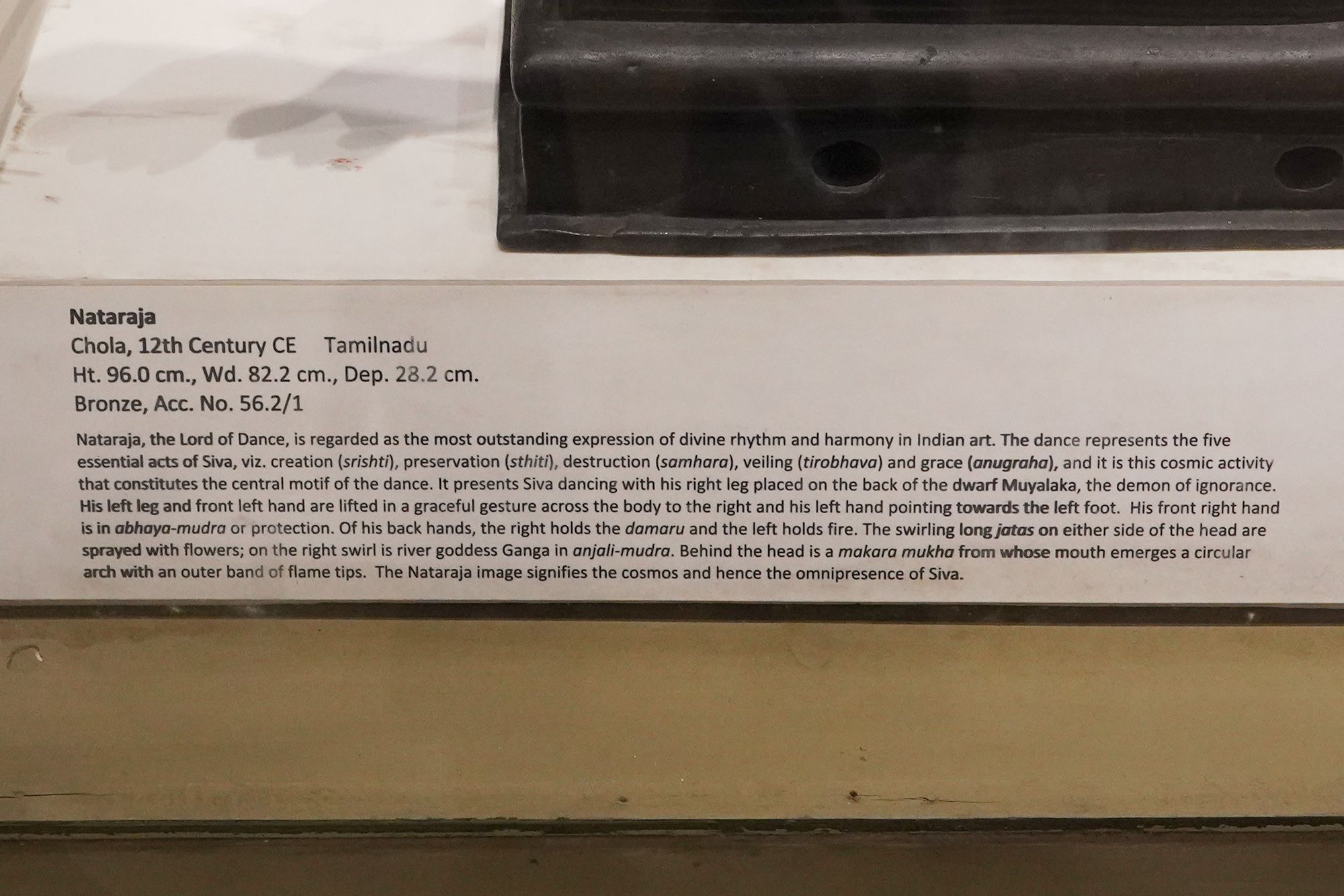
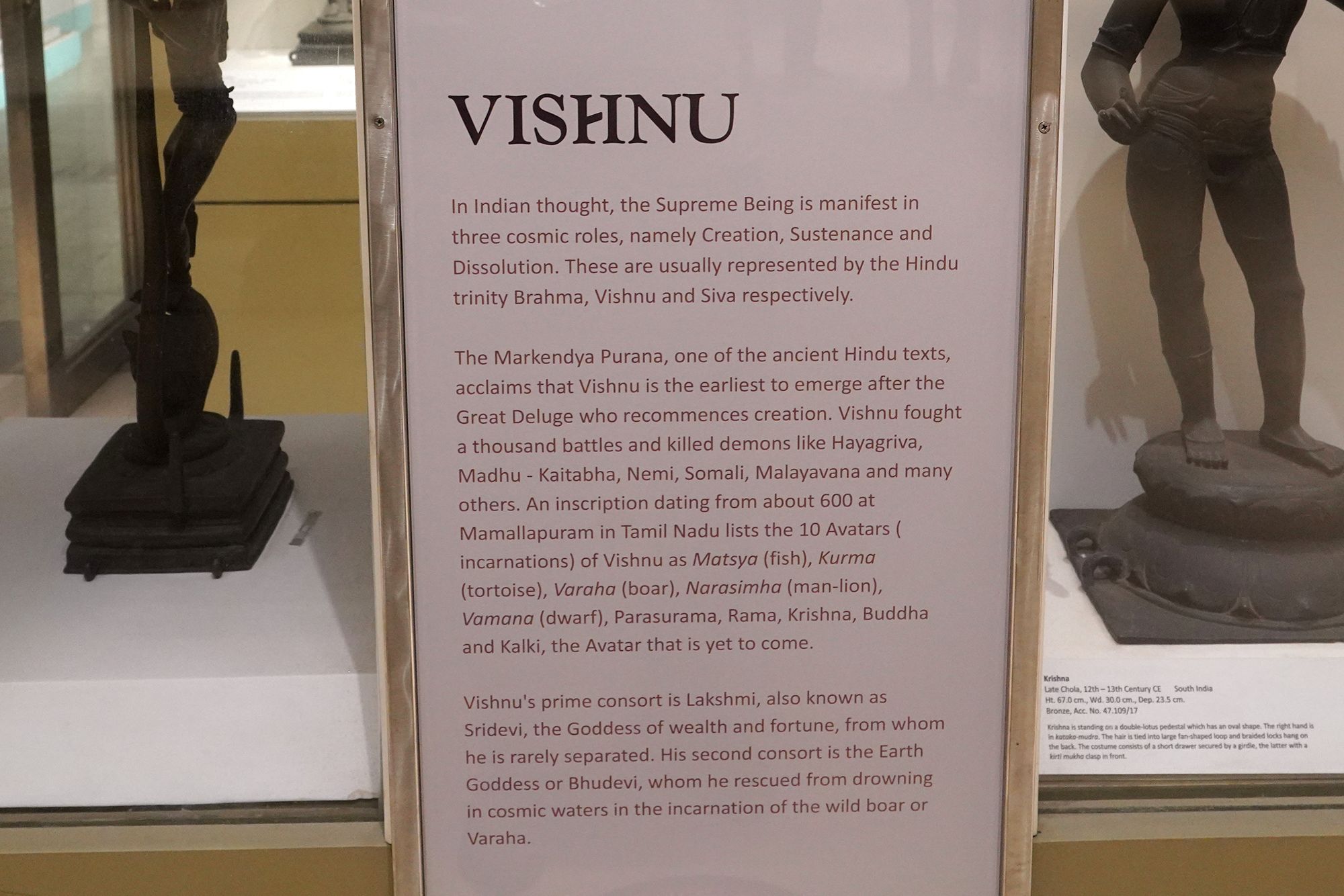
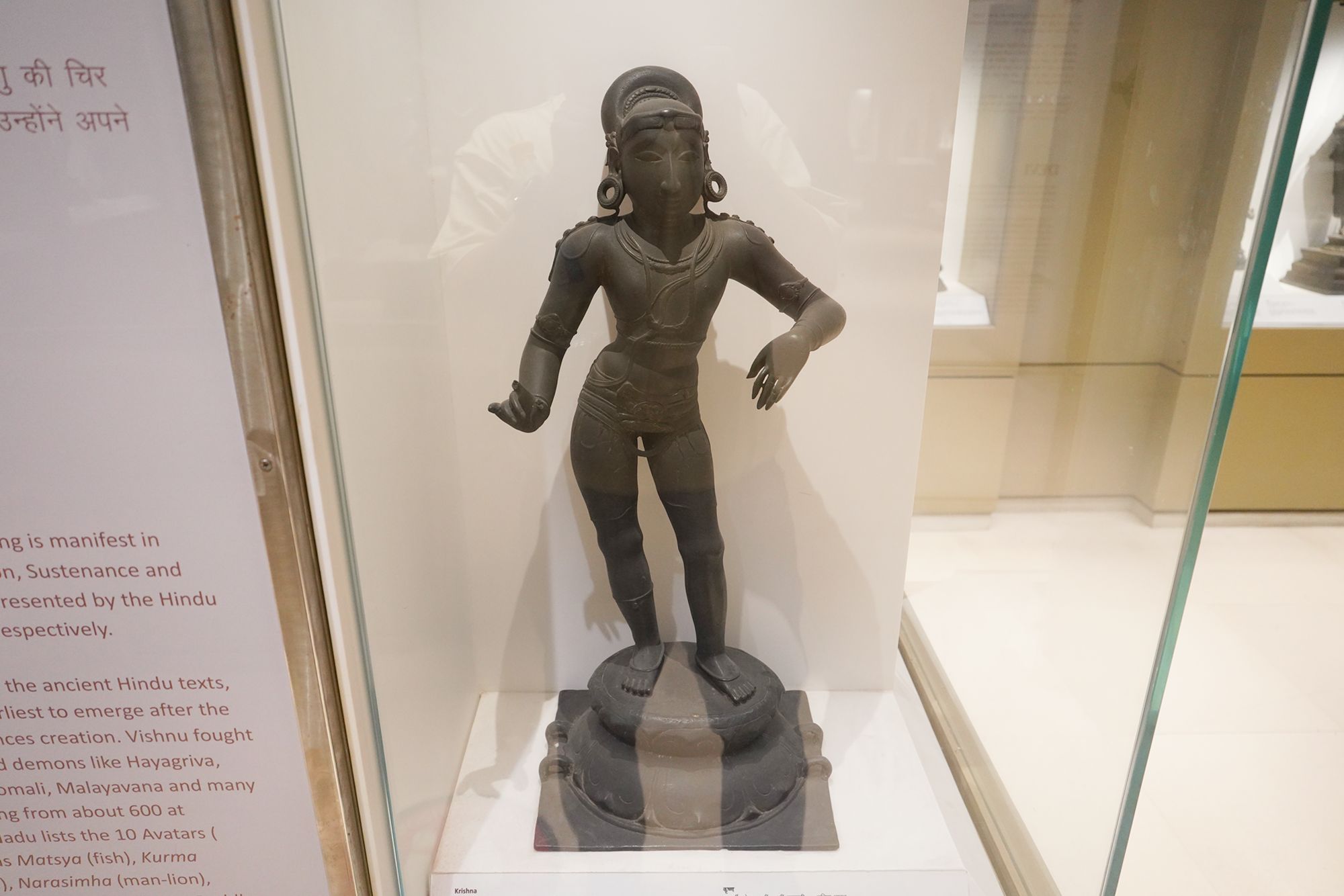
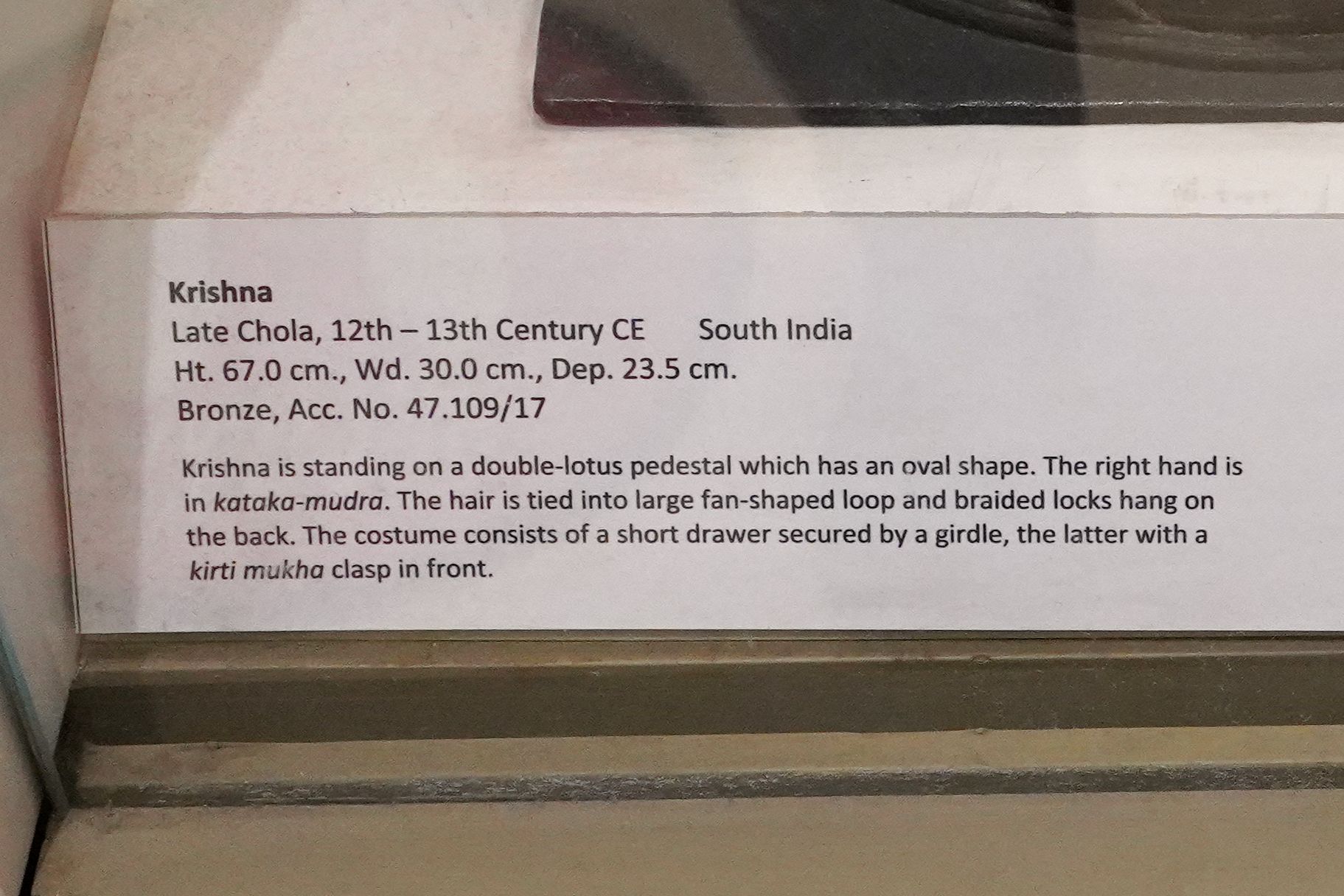
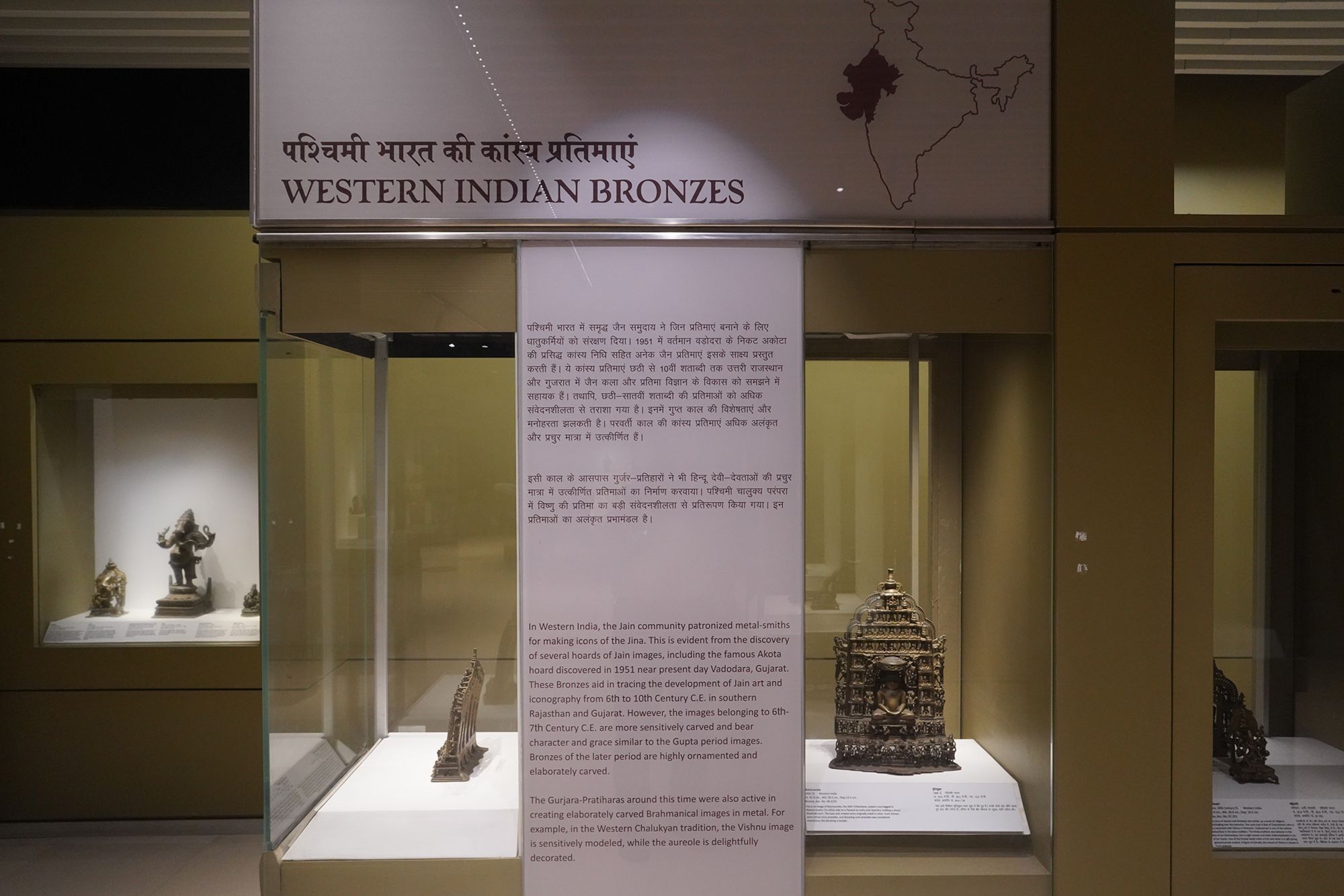
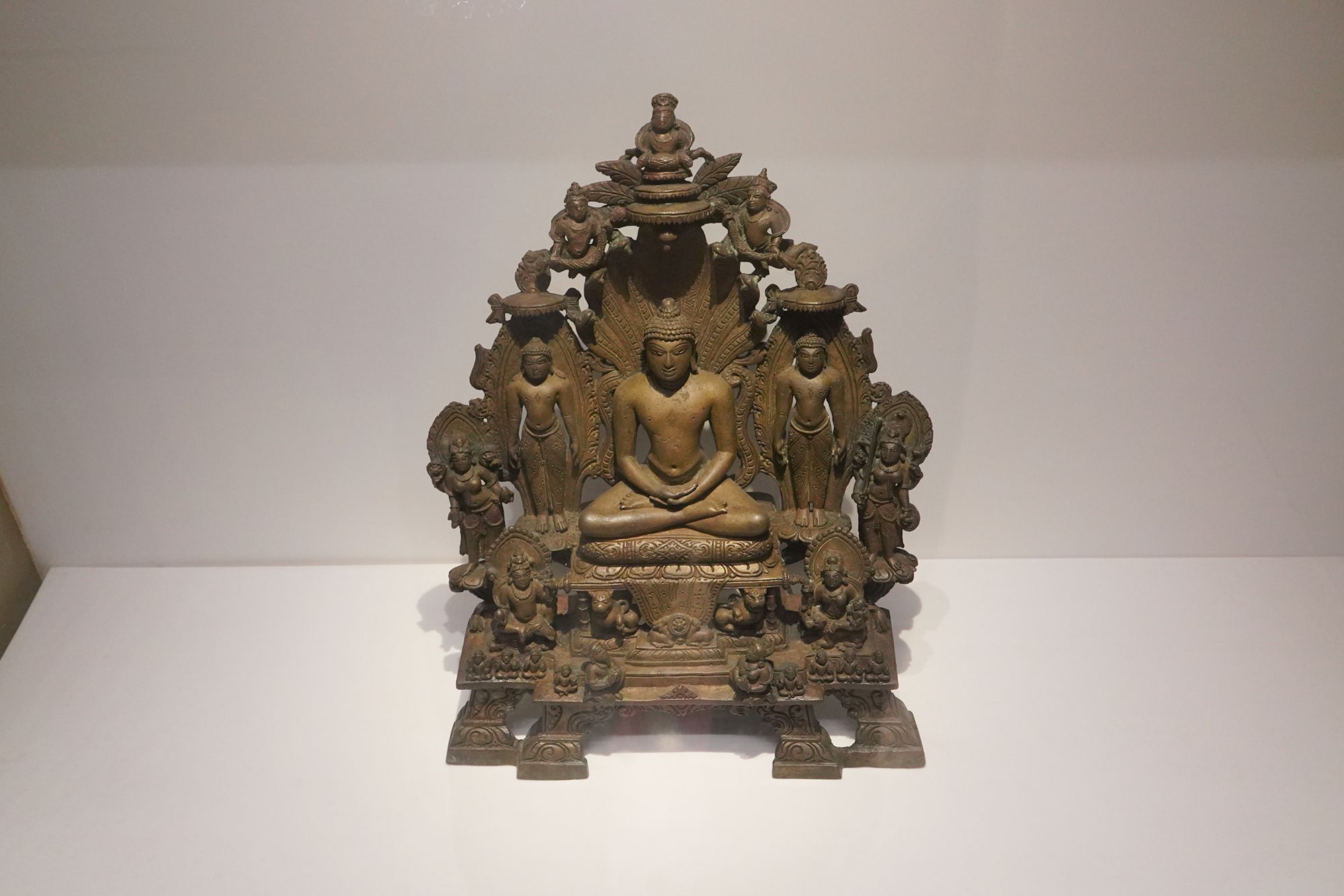
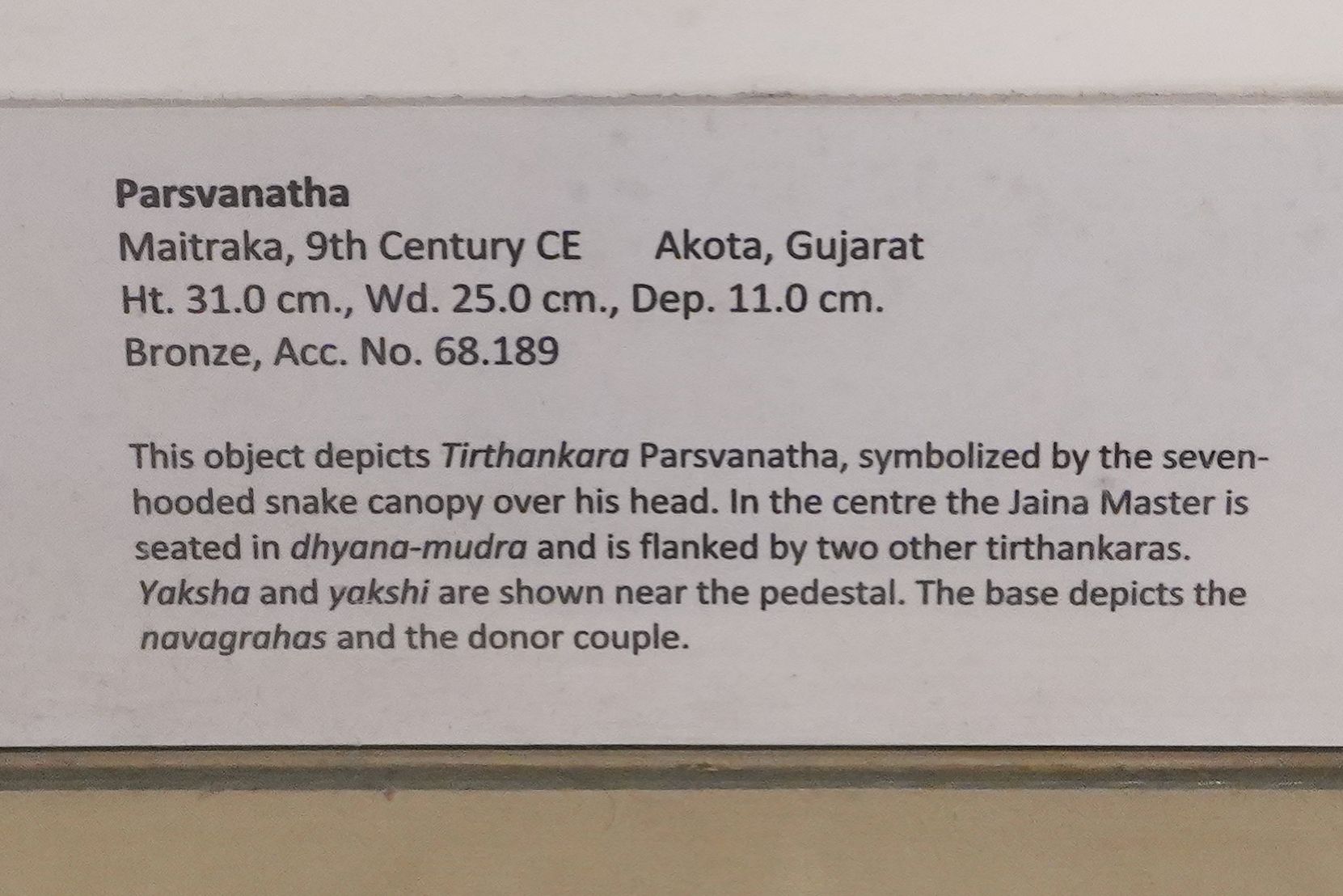
Western Indian Bronzes are metal sculptures produced mainly in Gujarat and Rajasthan, particularly during the medieval period. Many depict Jain Tirthankaras and Hindu deities and were created for worship in temples and private shrines.
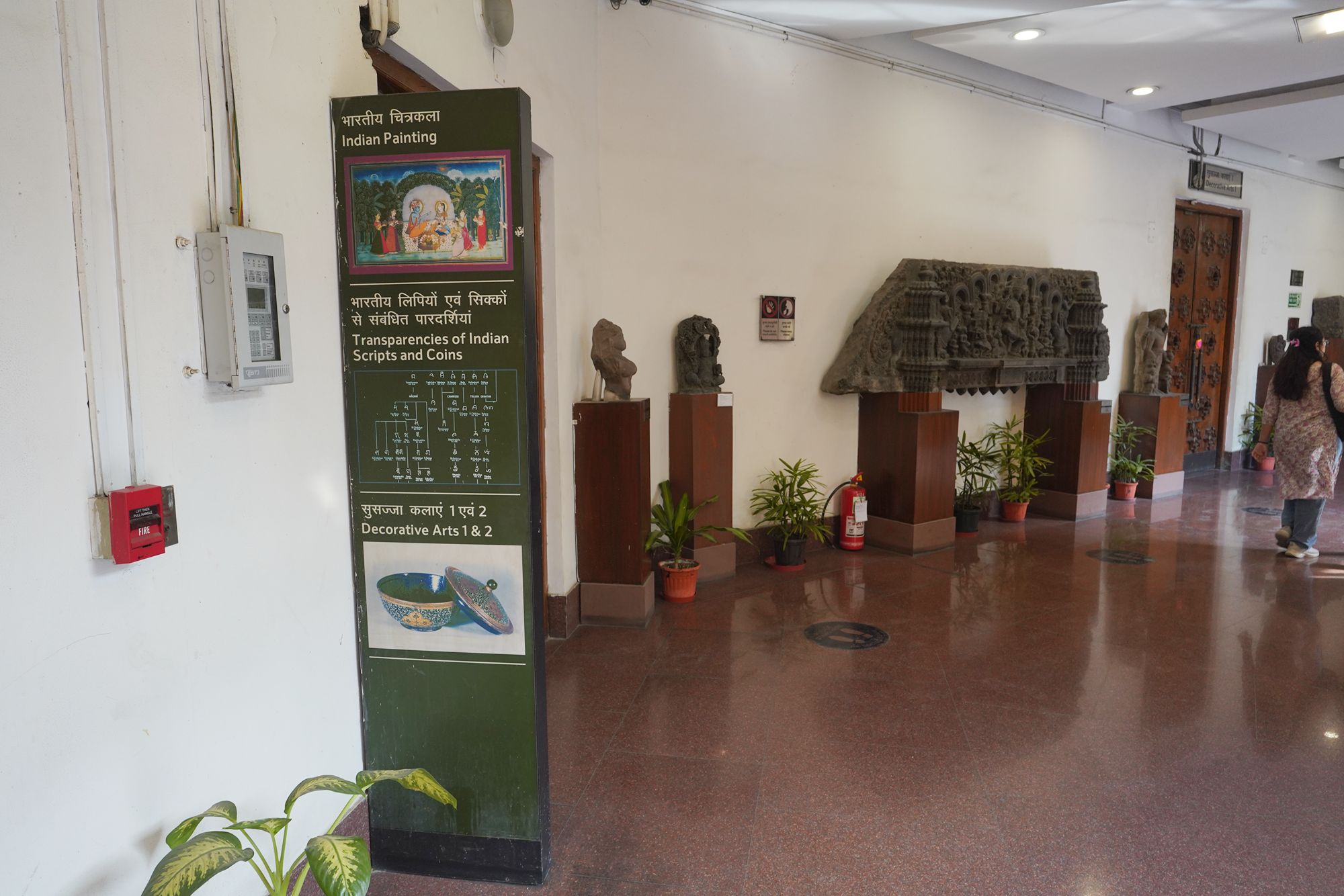
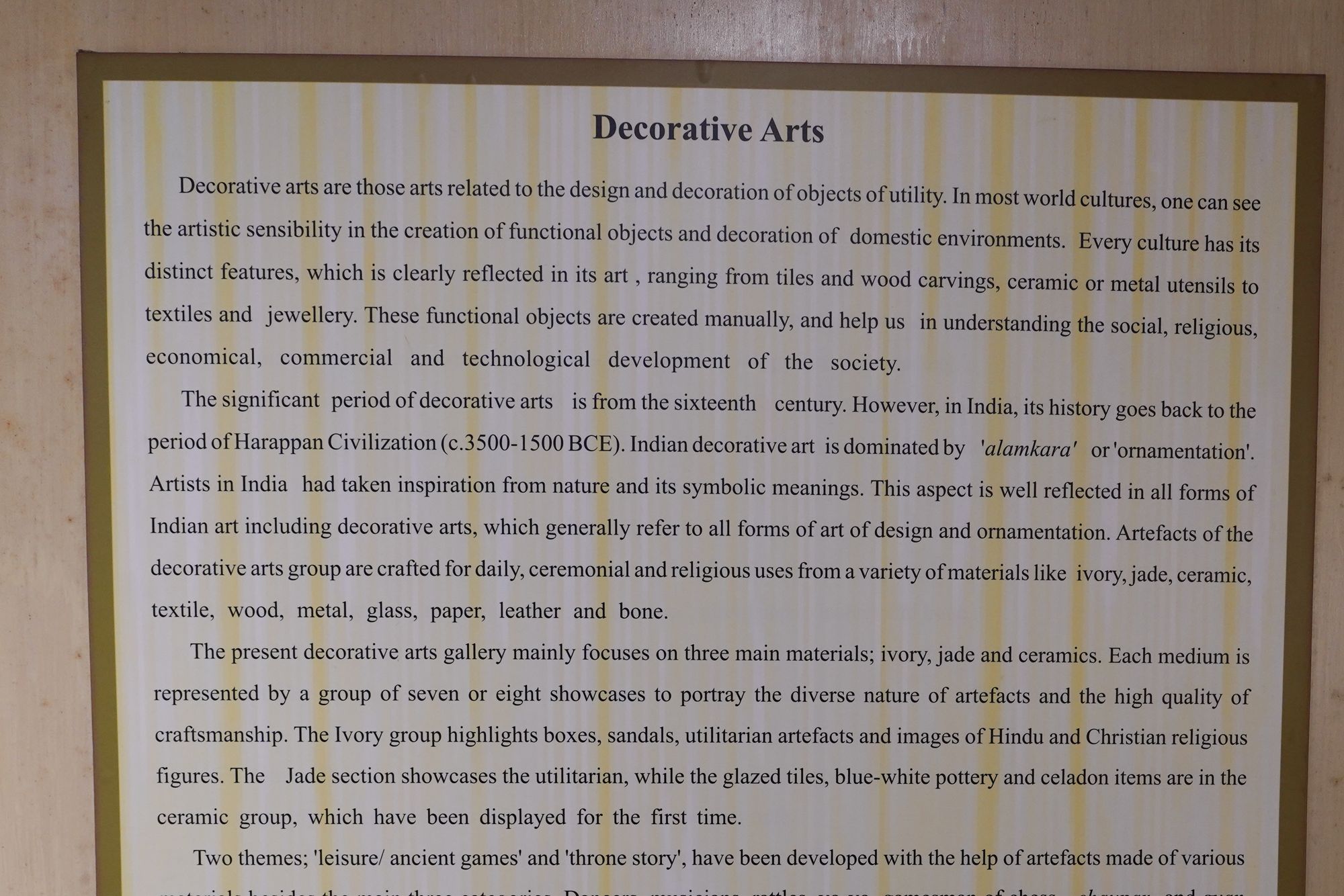
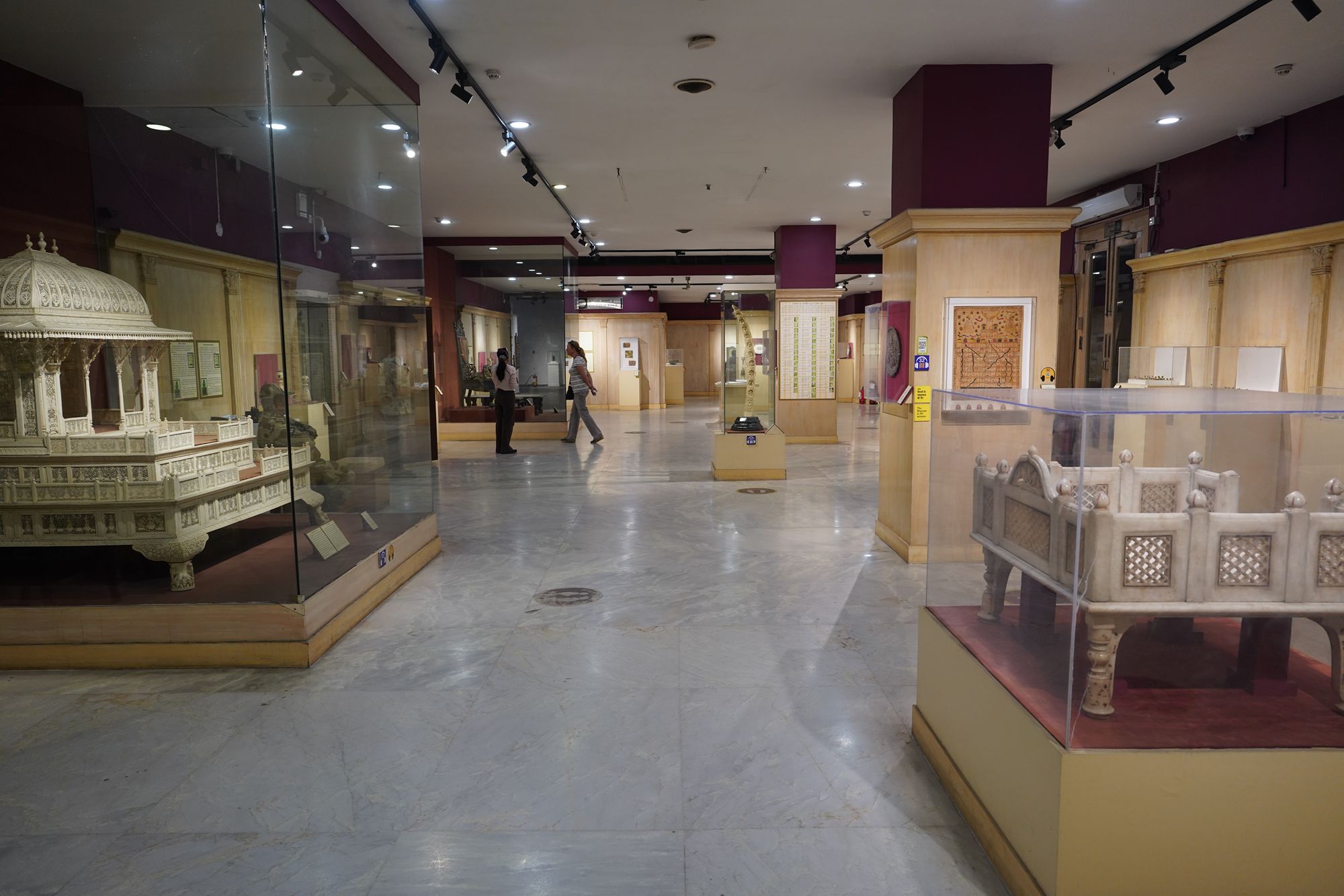
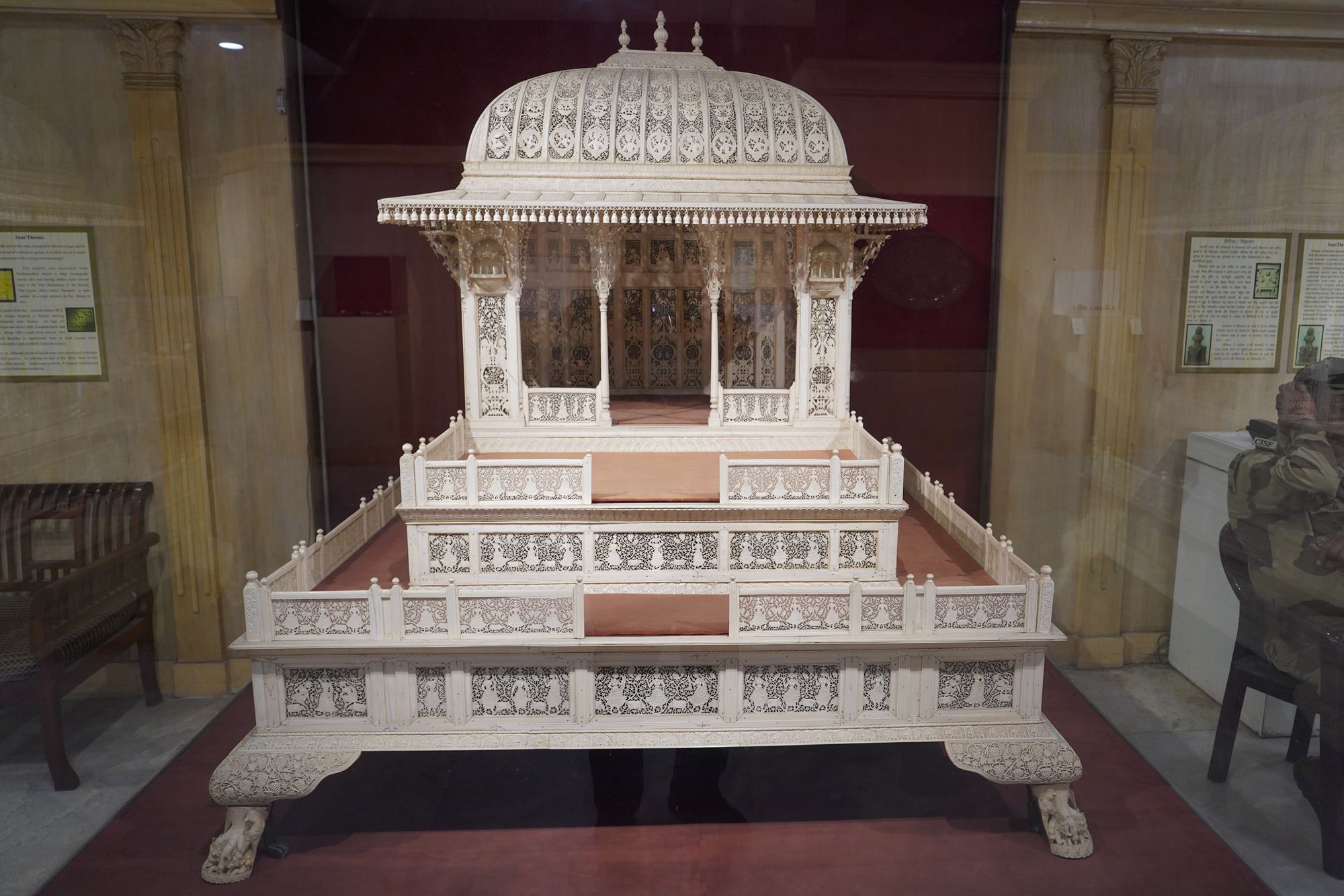
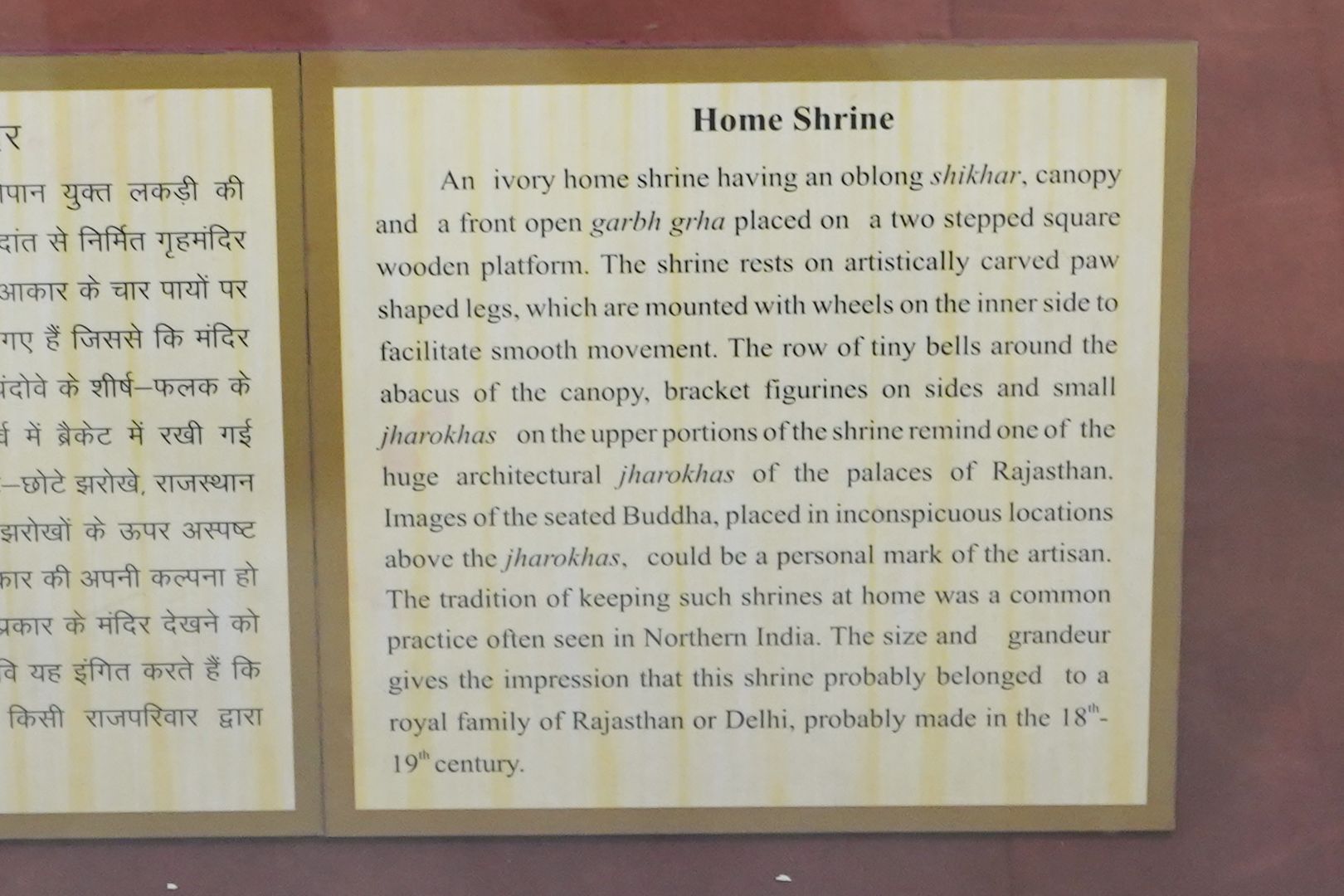
Decorative Arts