Red Fort and Jama Masjid Mosque, Delhi, India
The Red Fort and Jama Masjid are two of Old Delhi’s most famous Mughal-era landmarks, both built under Emperor Shah Jahan in the 17th century. 1243
Red Fort: Netaji Subhash Marg, Old Delhi, Lal Qila, Chandni Chowk, New Delhi, Delhi, 110006, India
Jama Masjid: Old Delhi, Jama Masjid, Chandni Chowk, Delhi, 110006, India
Date Picture Taken: Feb, 2026
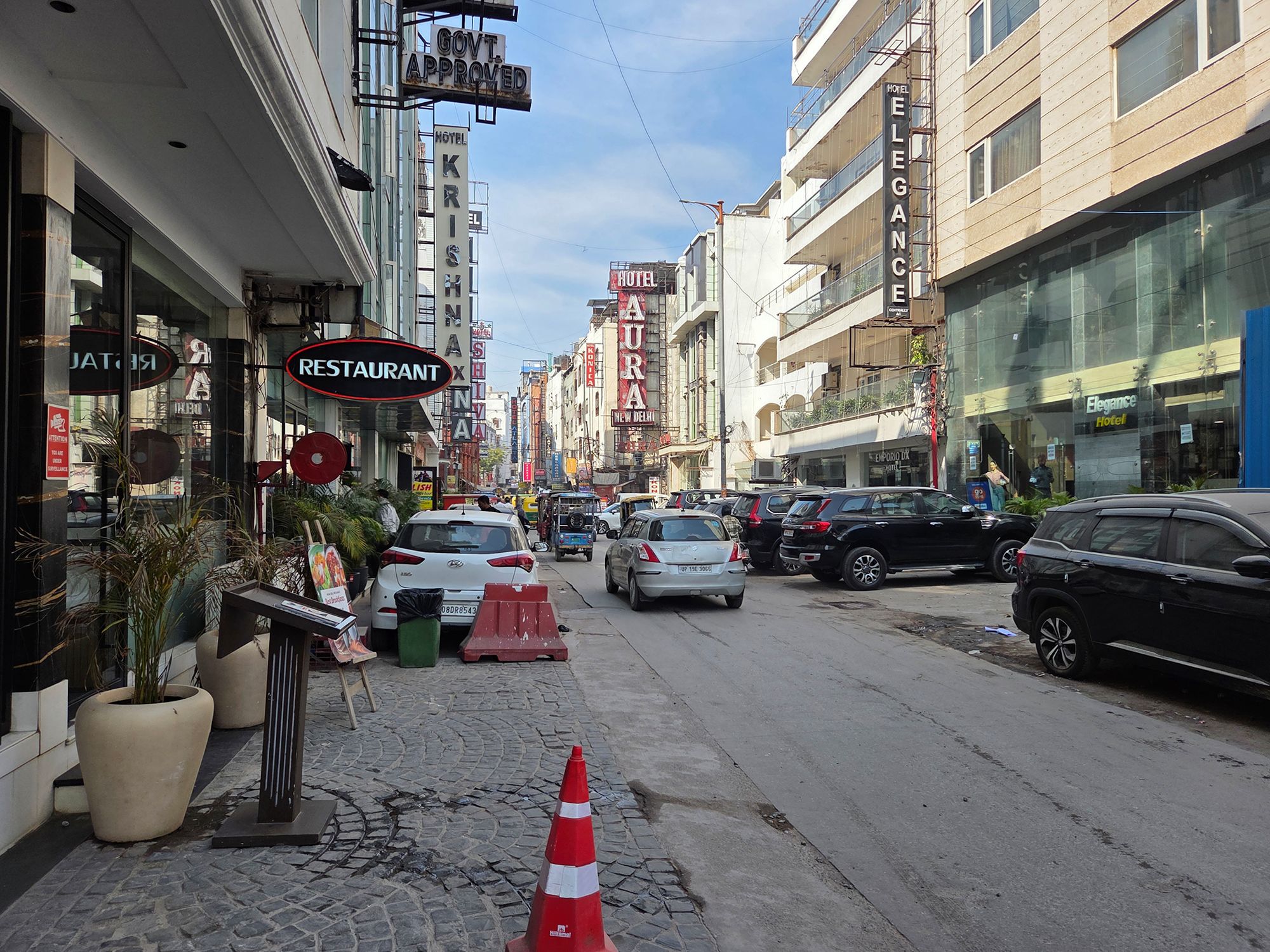
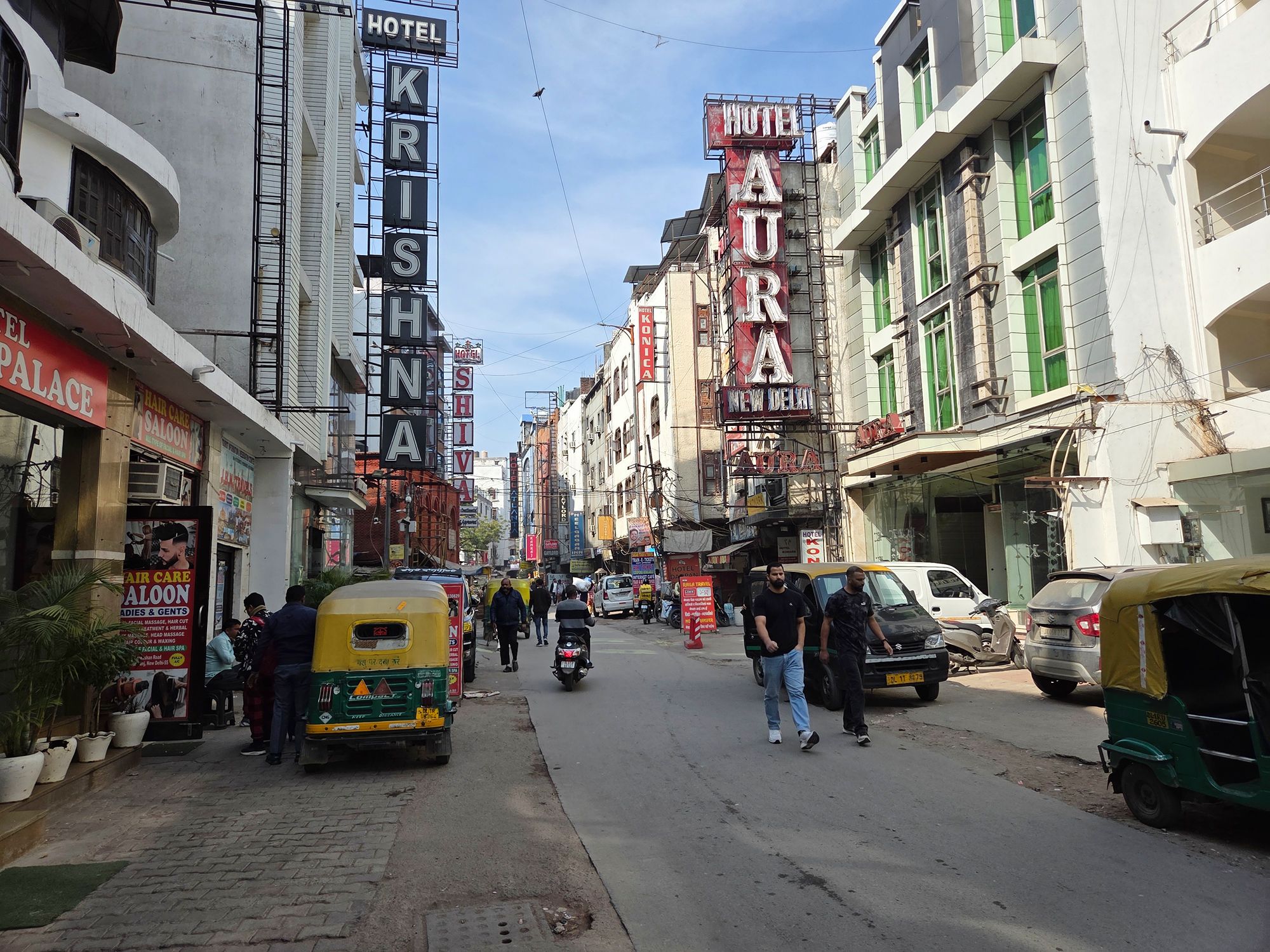
Finally, I arrived in New Delhi. This is the area in front of my hotel in Paharganj, a lively and bustling neighborhood filled with people, traffic, shops, and constant activity.
I took an Uber from my hotel and arrived at the Red Fort in Old Delhi.
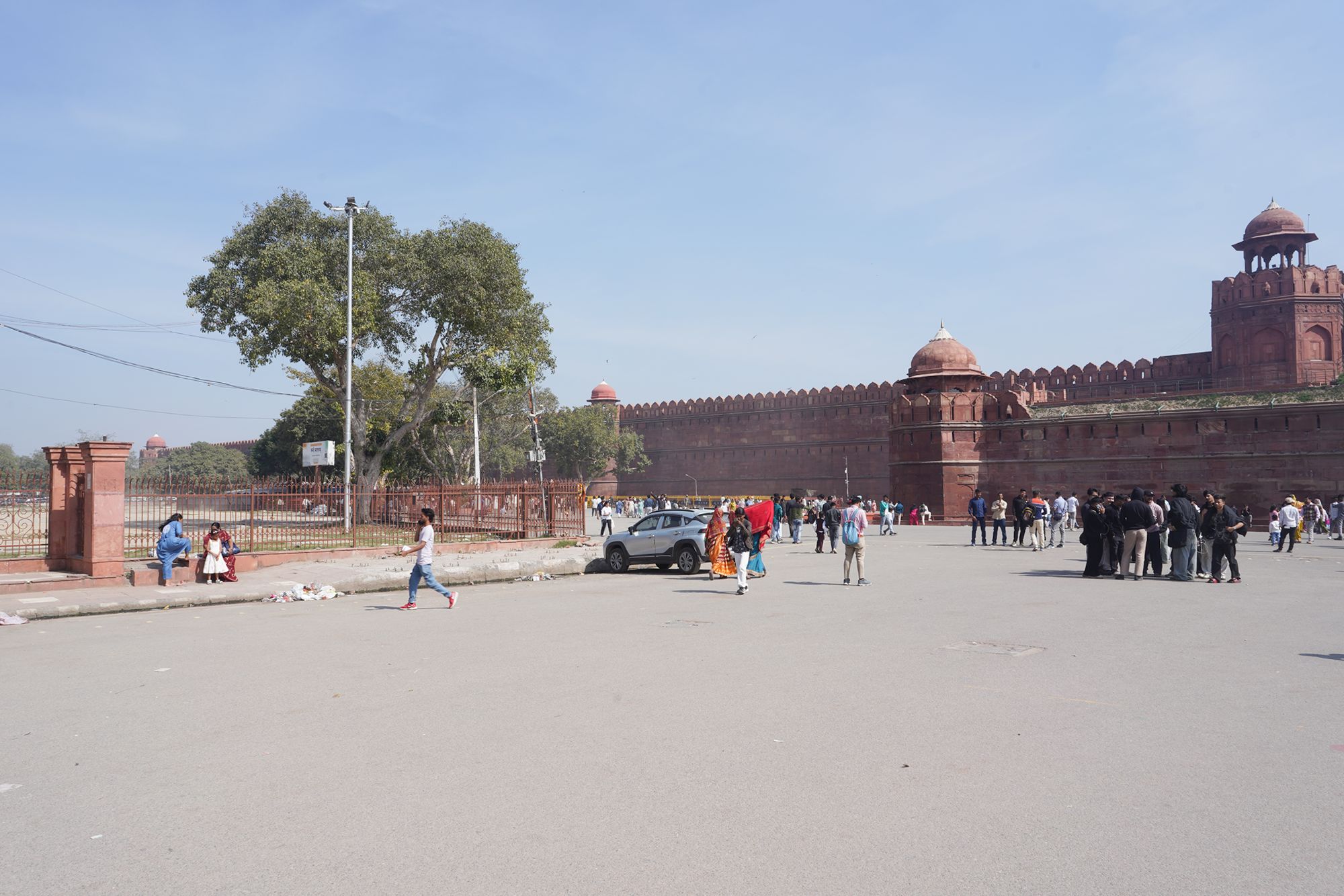
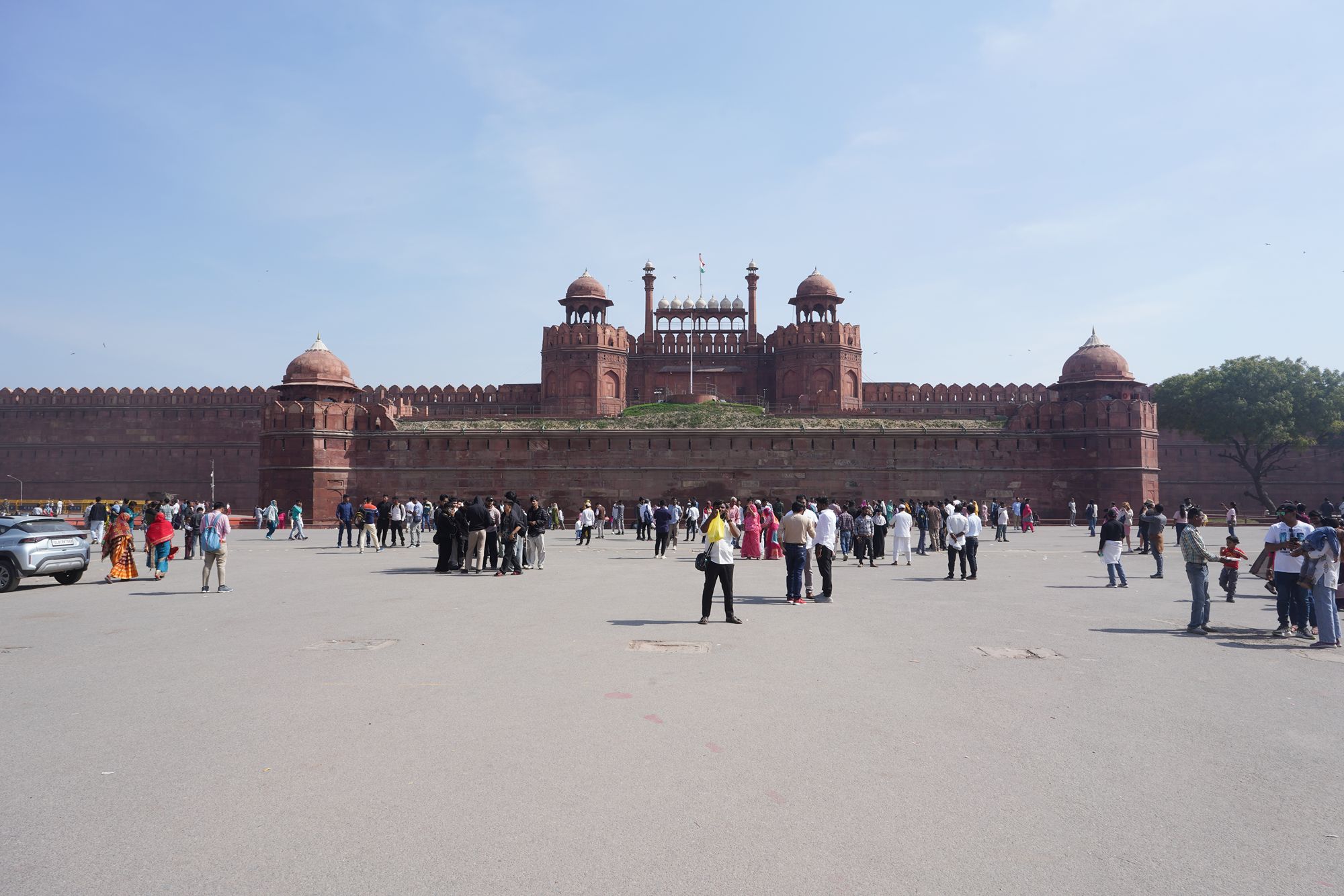
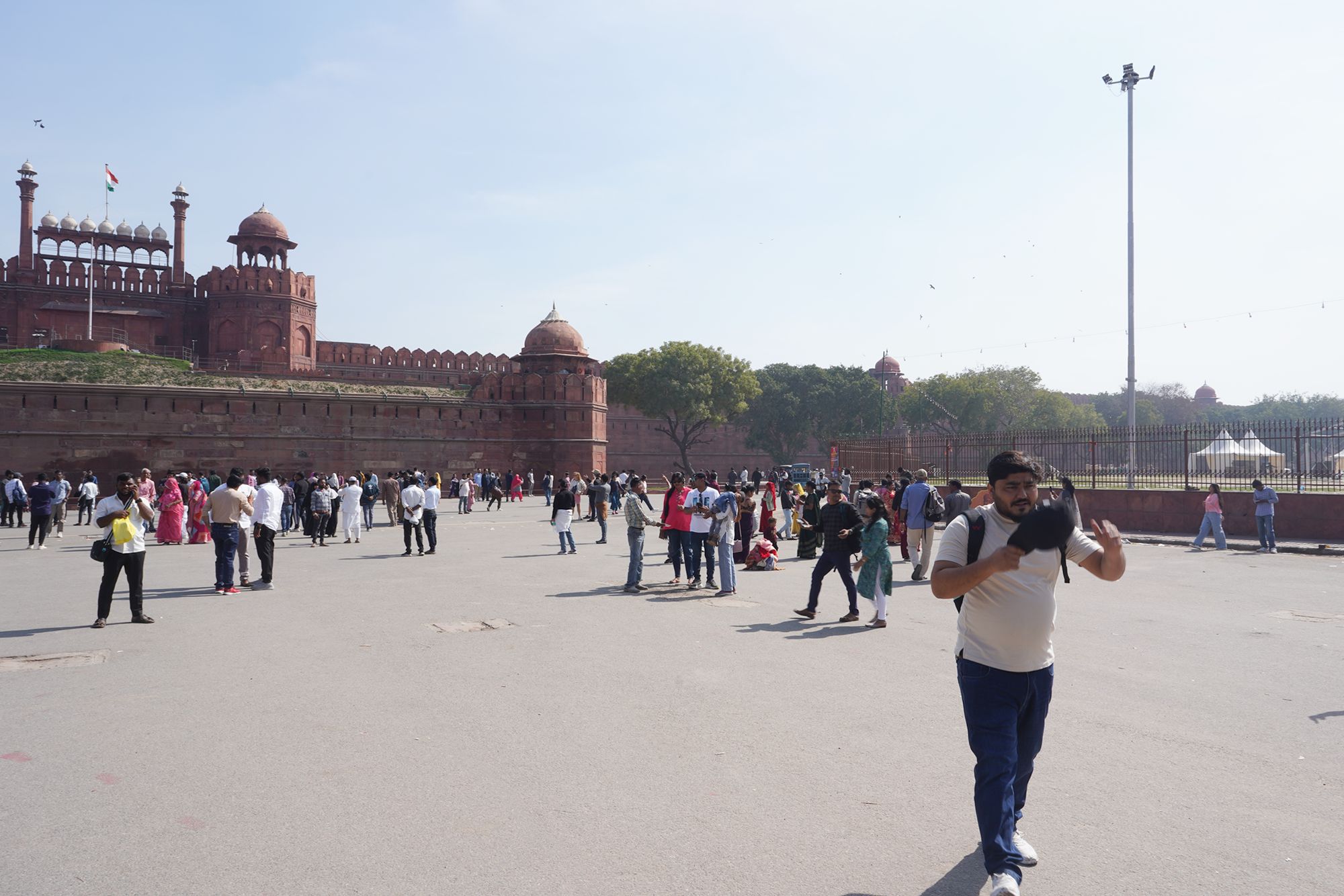
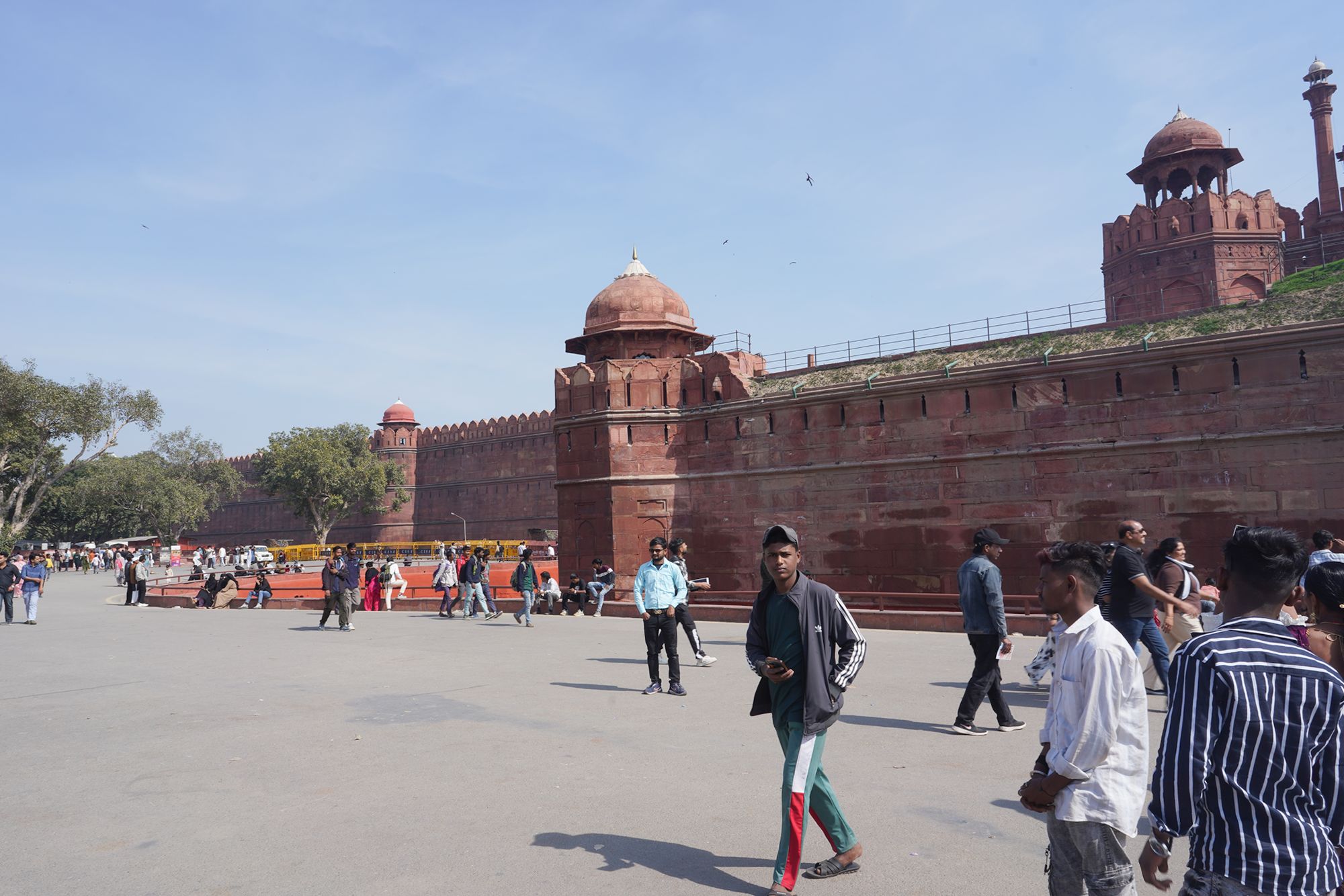
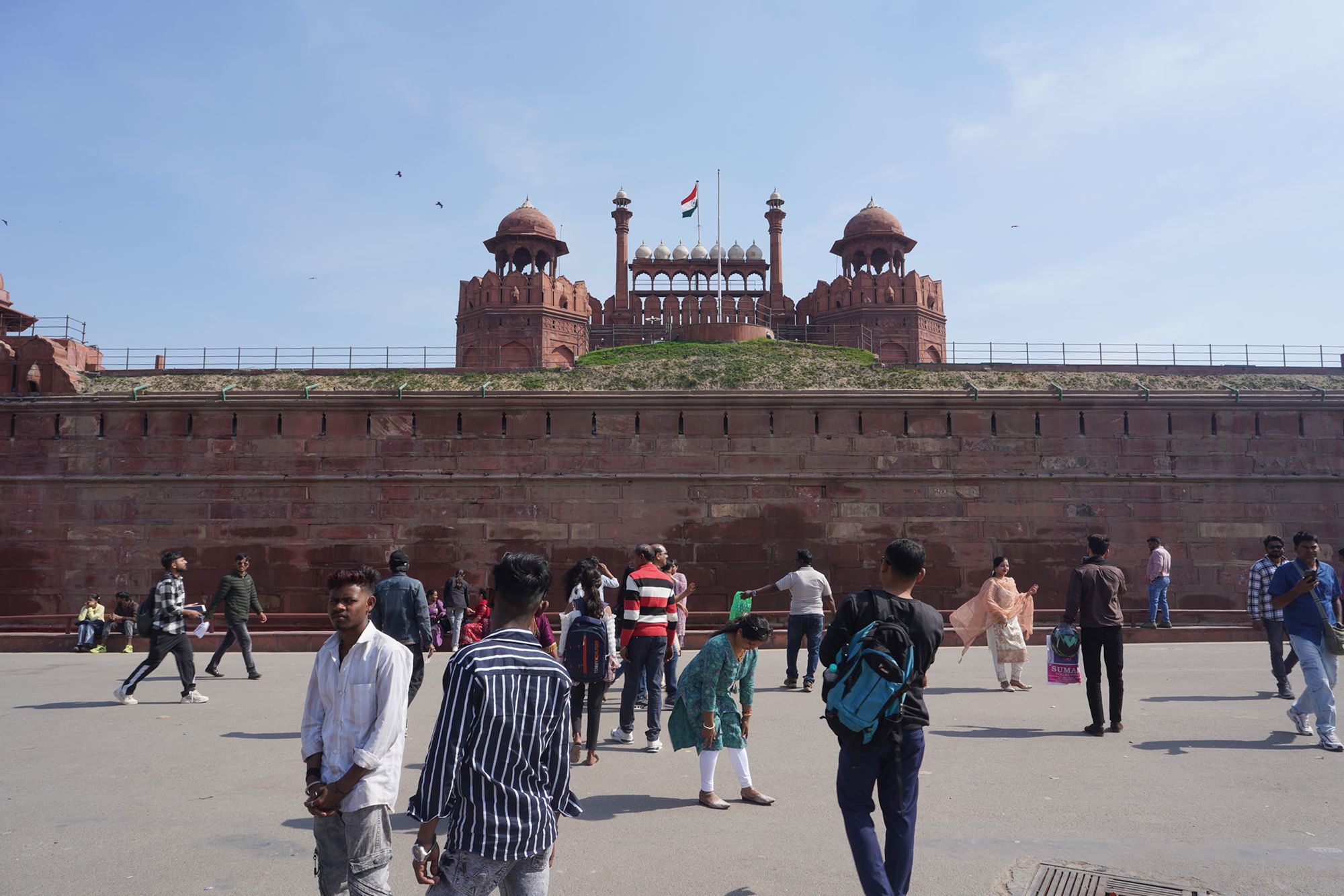
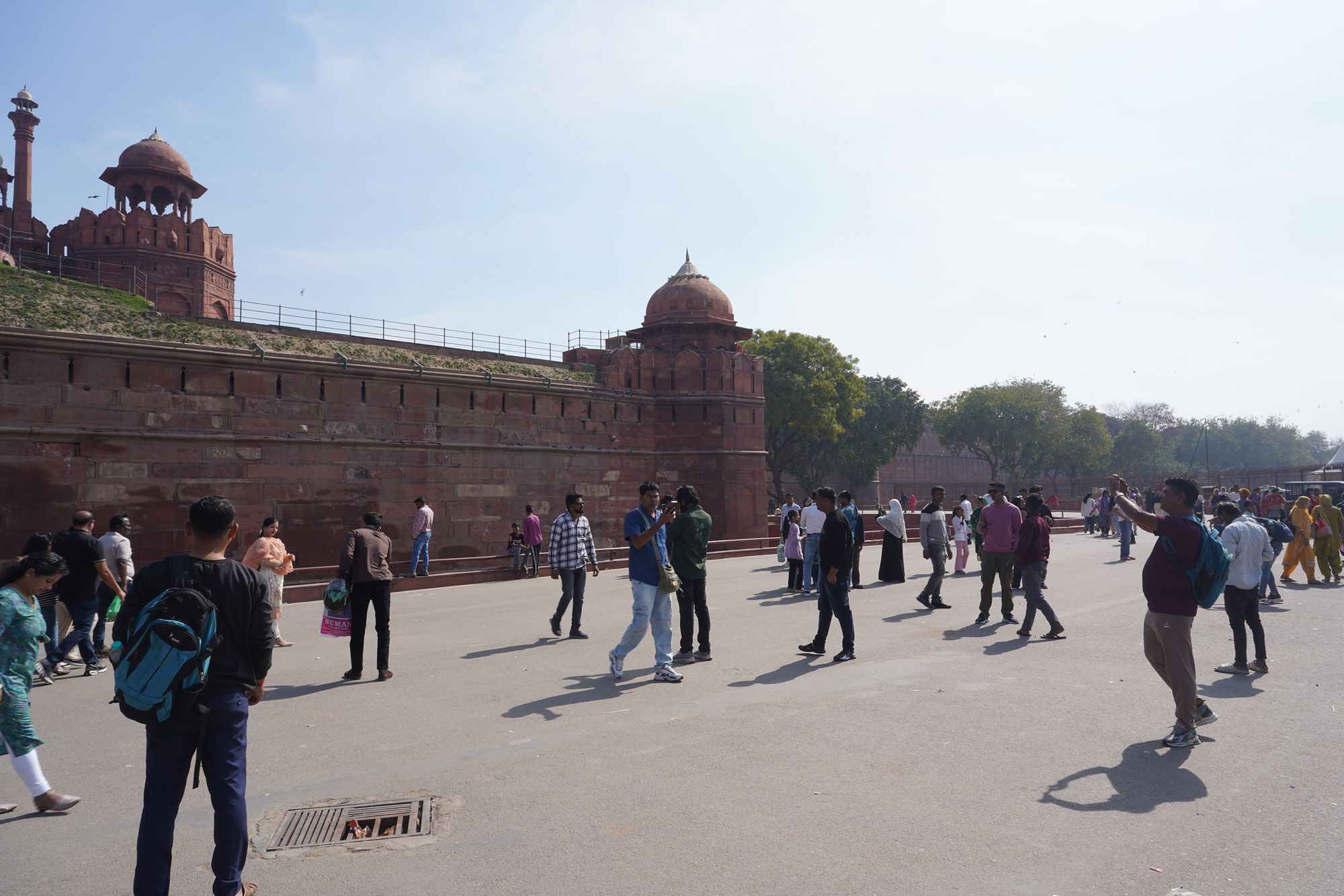
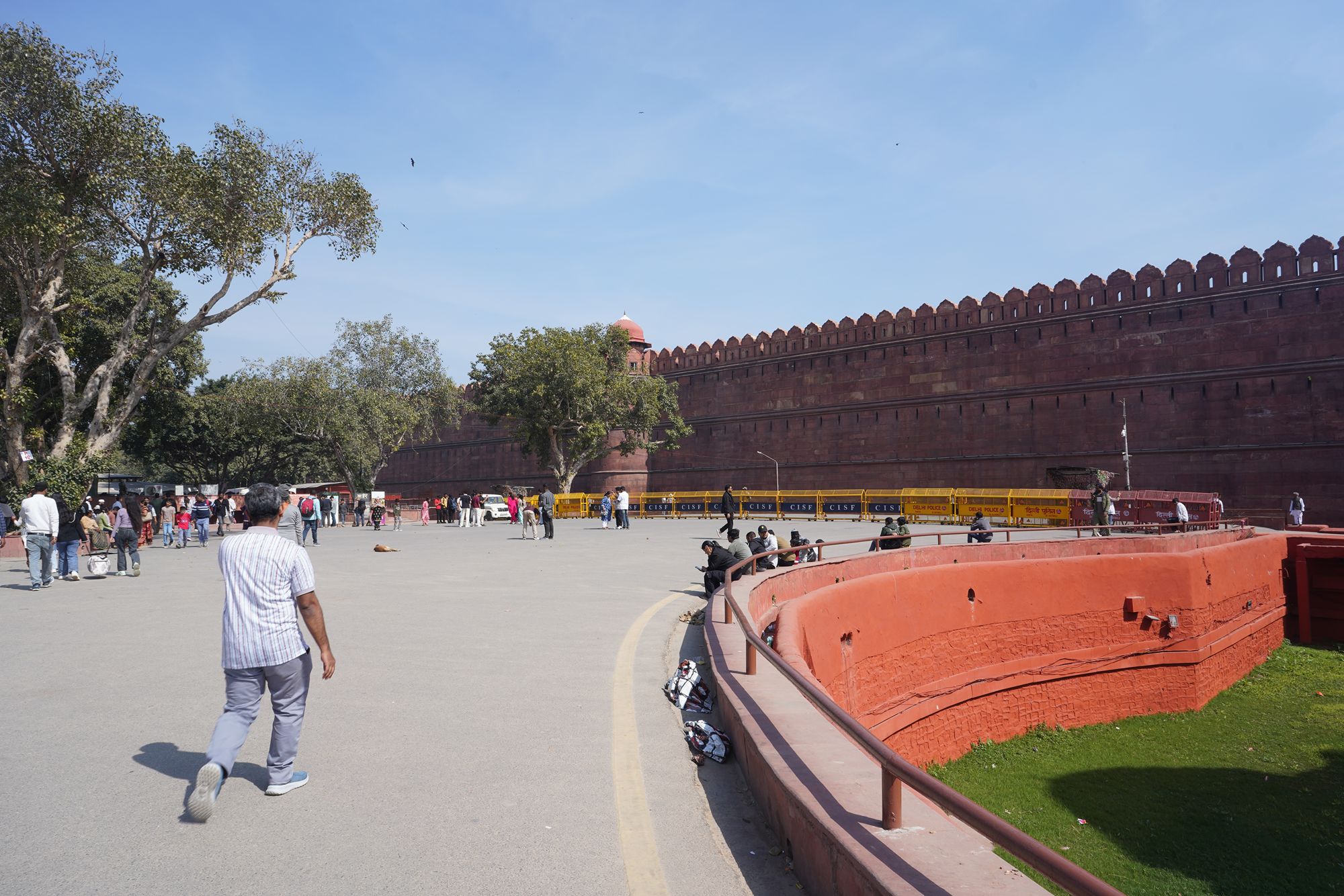
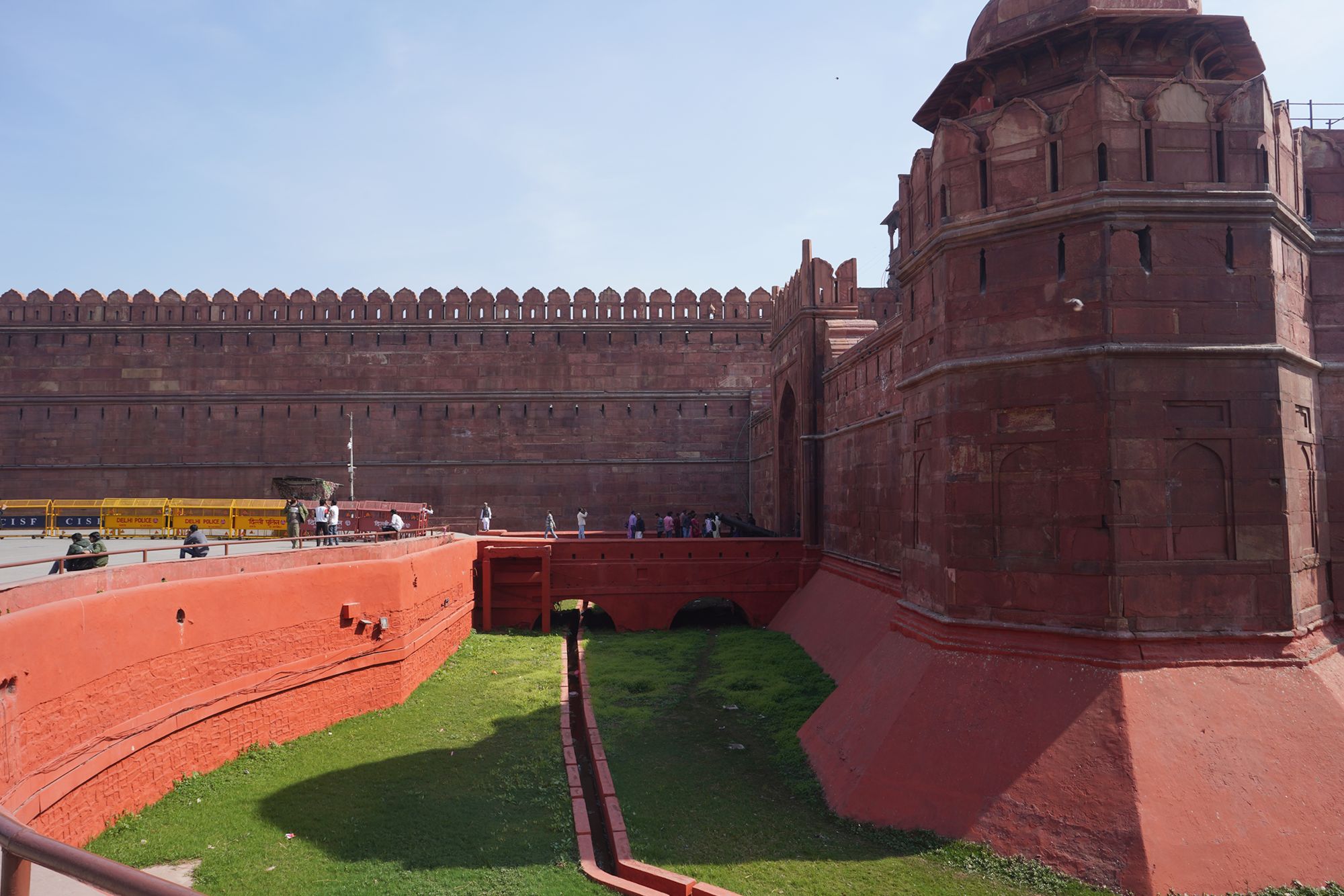
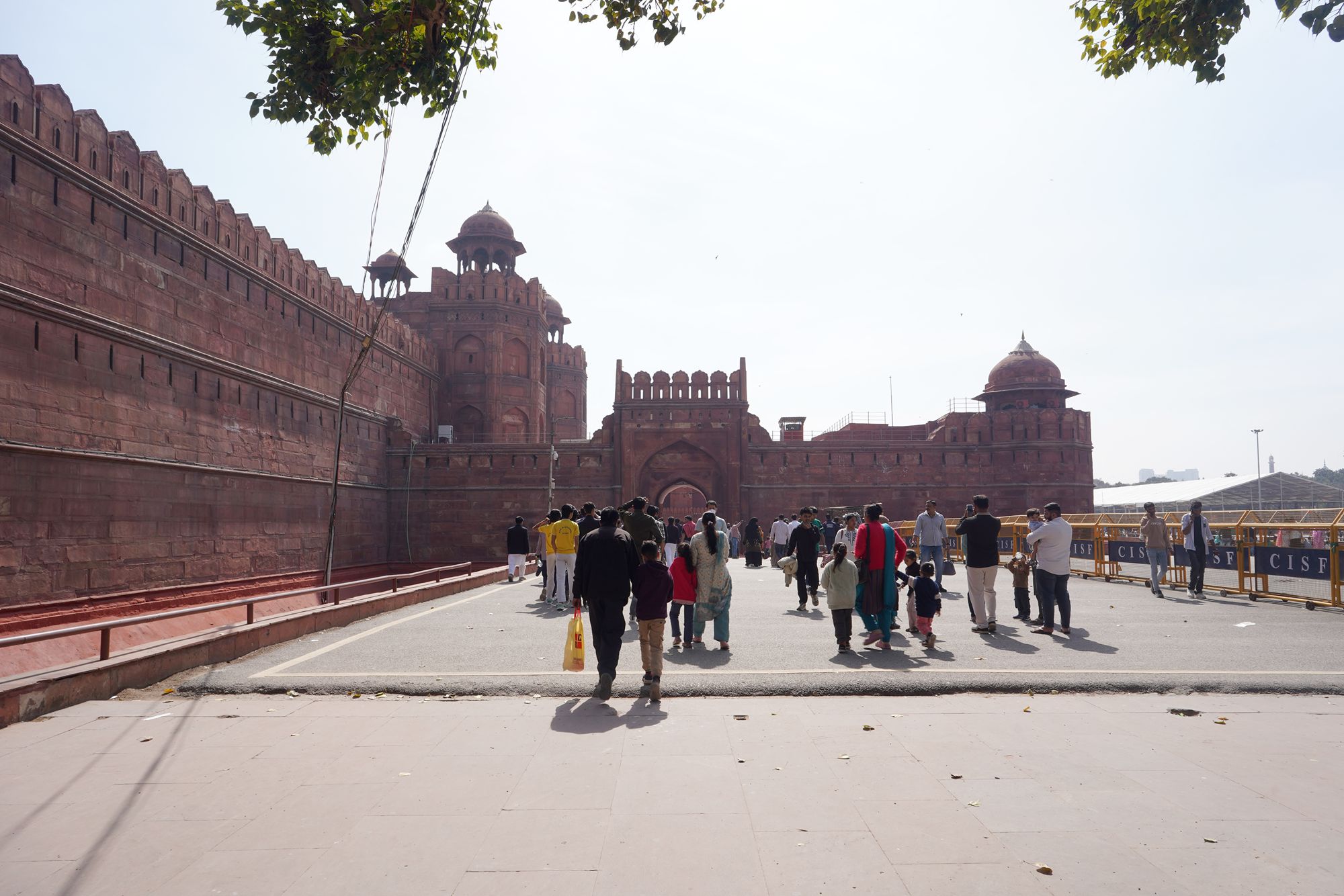
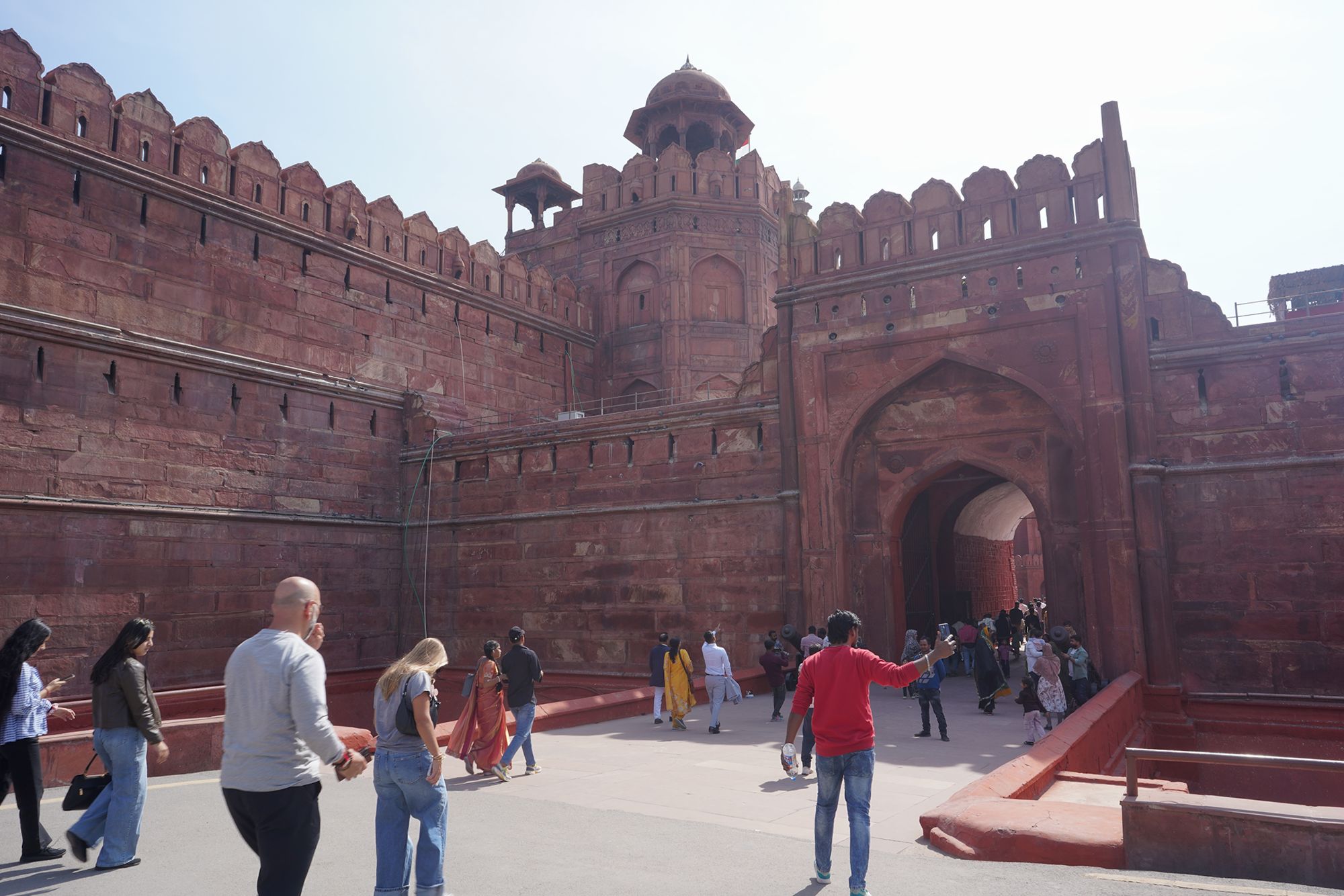
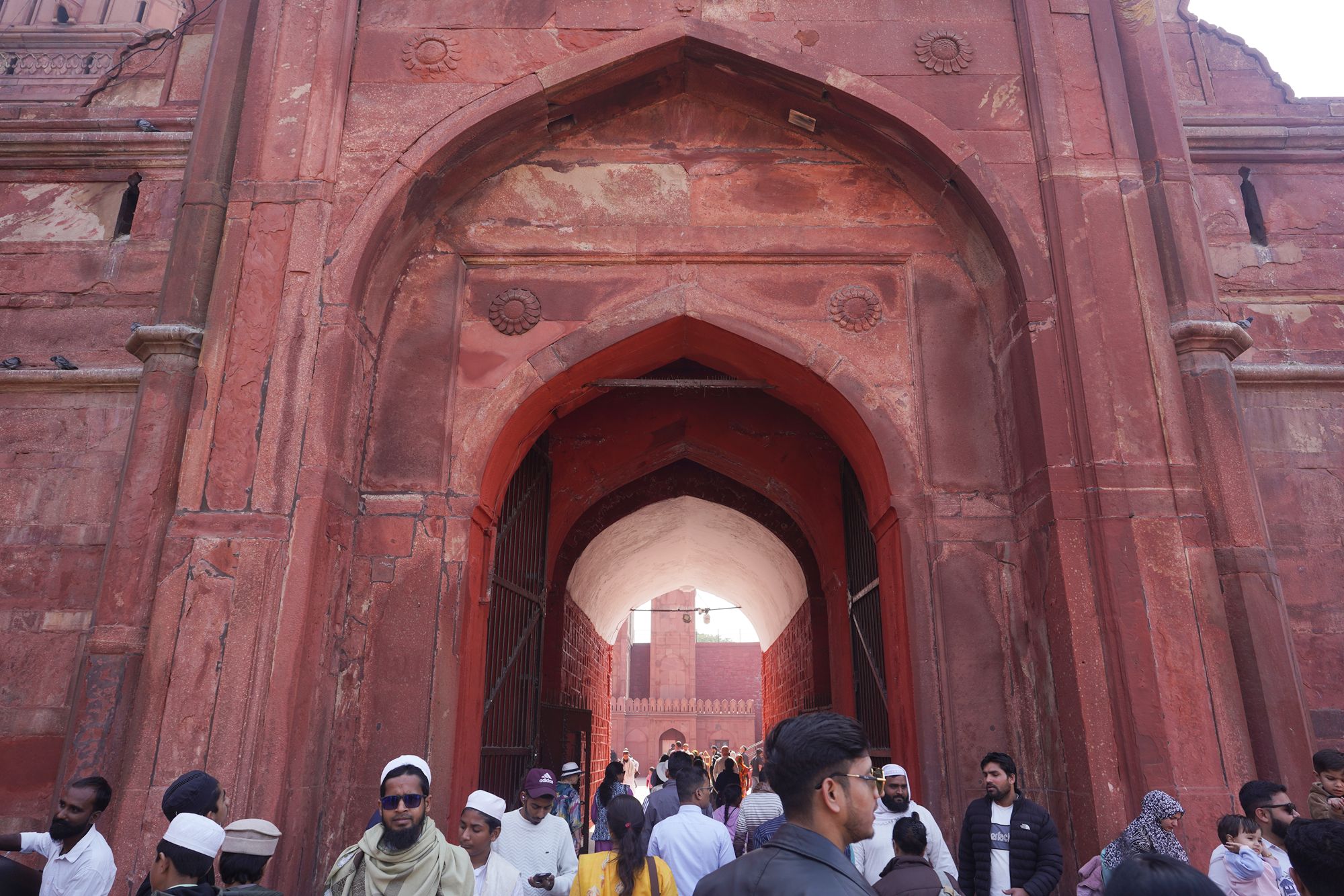
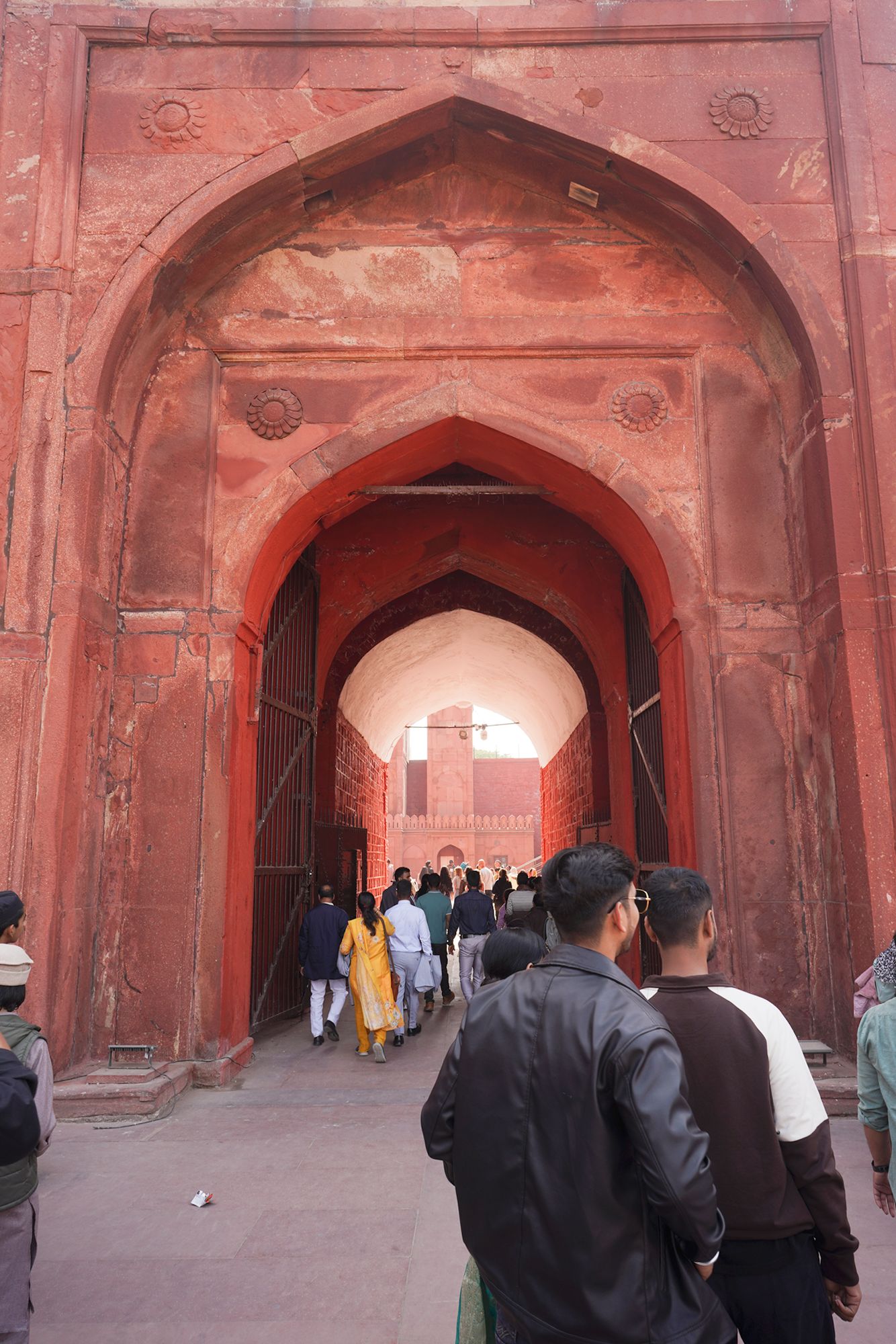
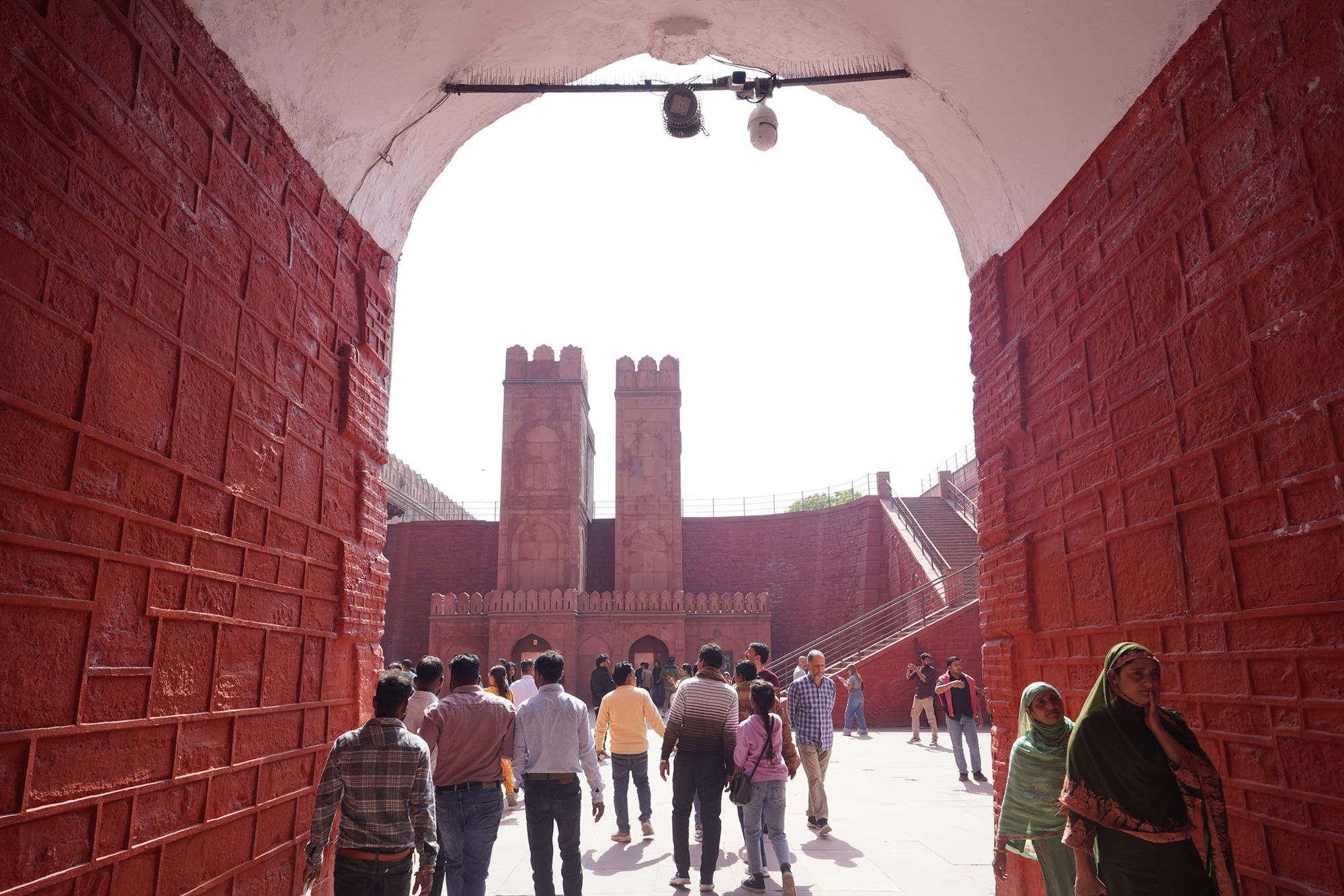
The Red Fort is a massive 17th-century Mughal fortress built by Emperor Shah Jahan when he moved his capital to Delhi.
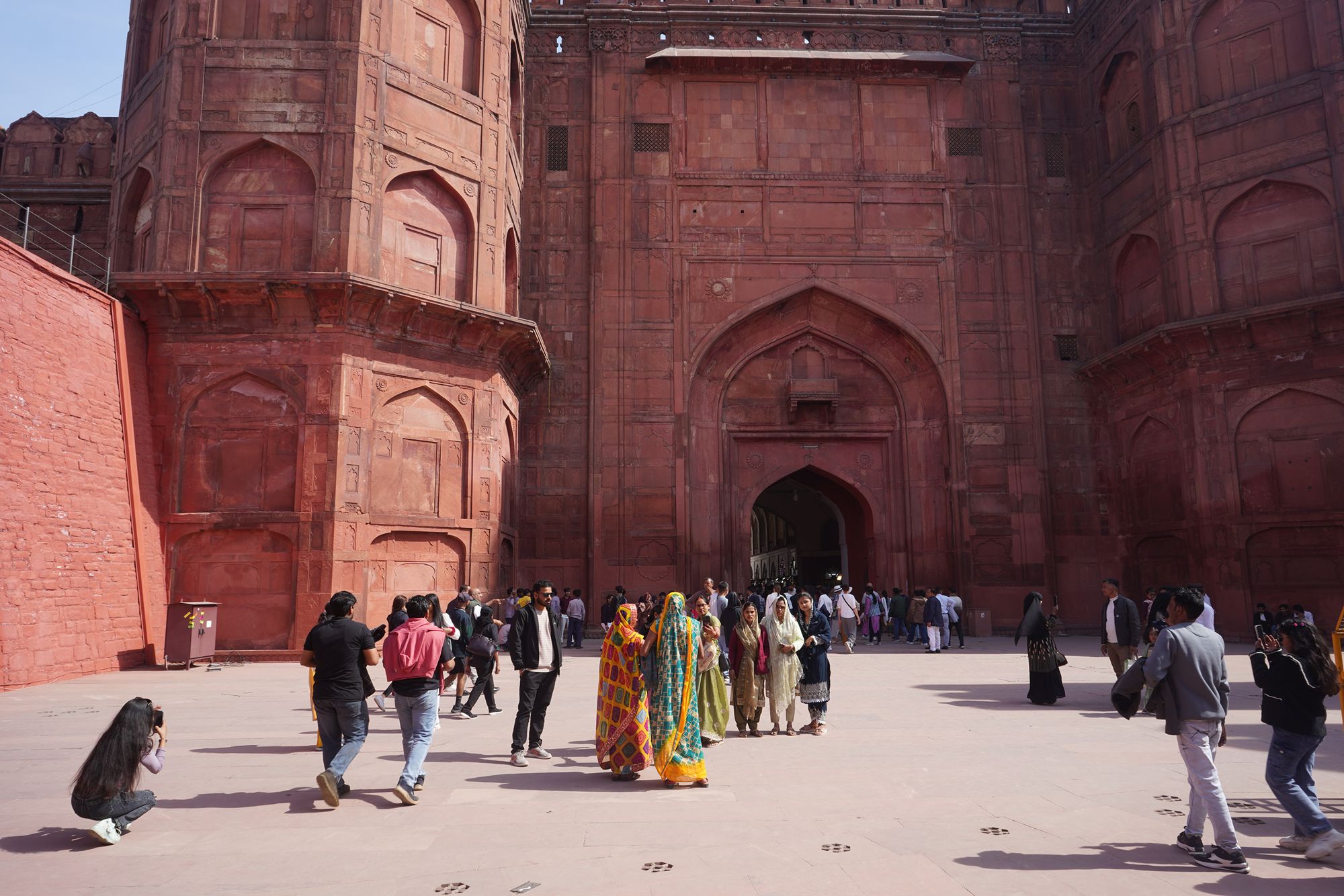
Constructed mainly of red sandstone, the fort contains grand gates, palaces, audience halls, gardens, and other structures that once formed the heart of the Mughal imperial capital.
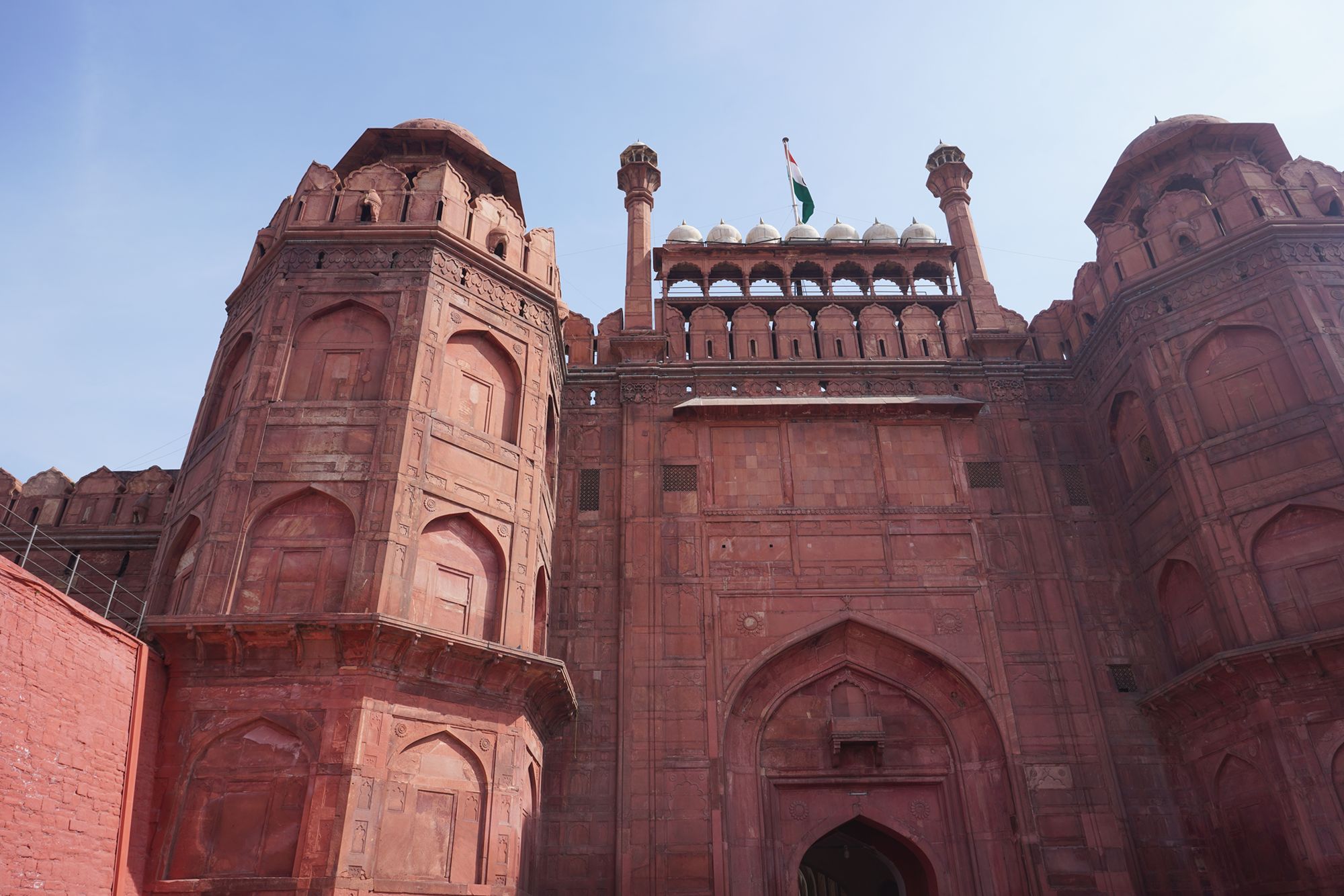
Today, it is one of Delhi’s most important historic landmarks and a UNESCO World Heritage Site.
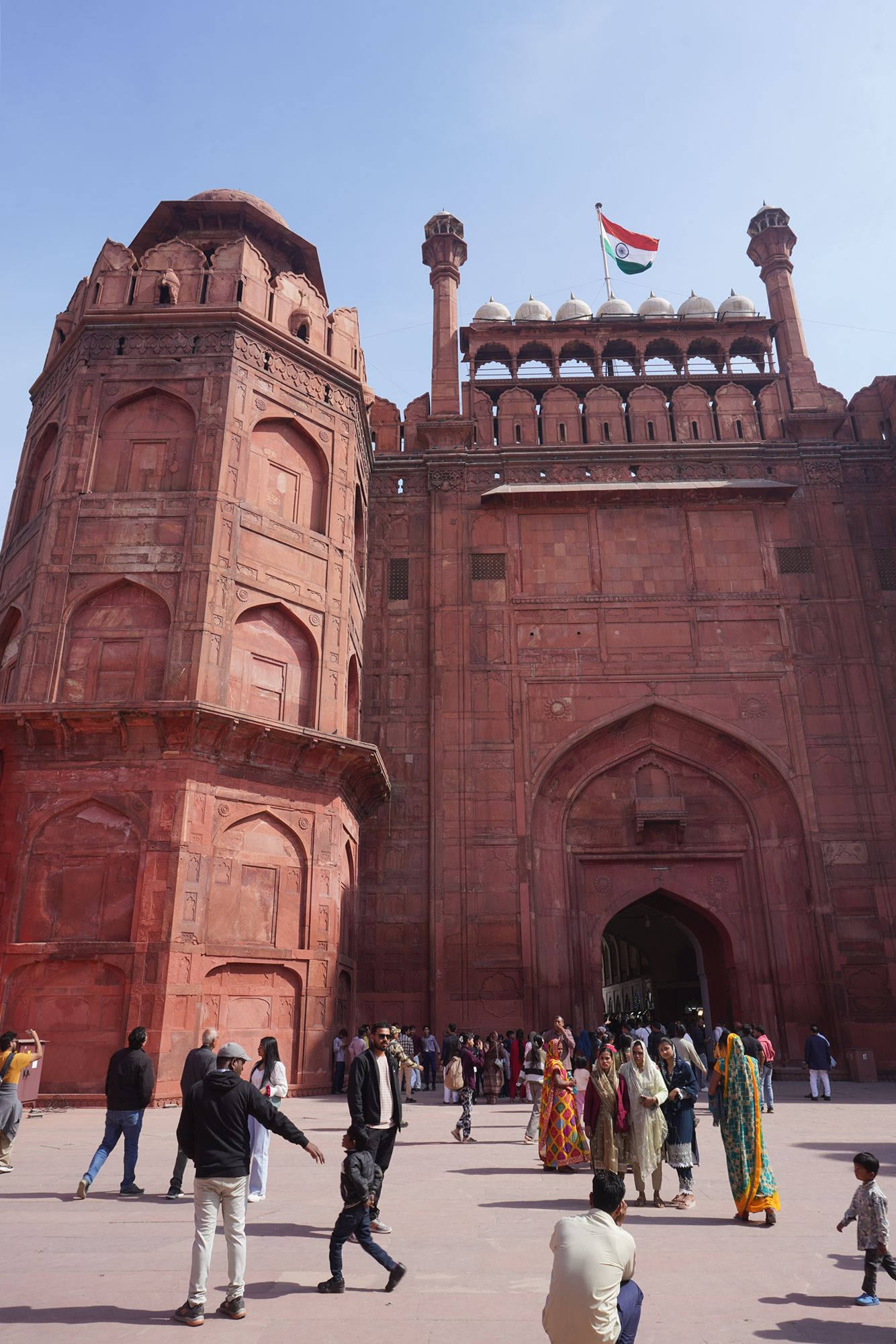
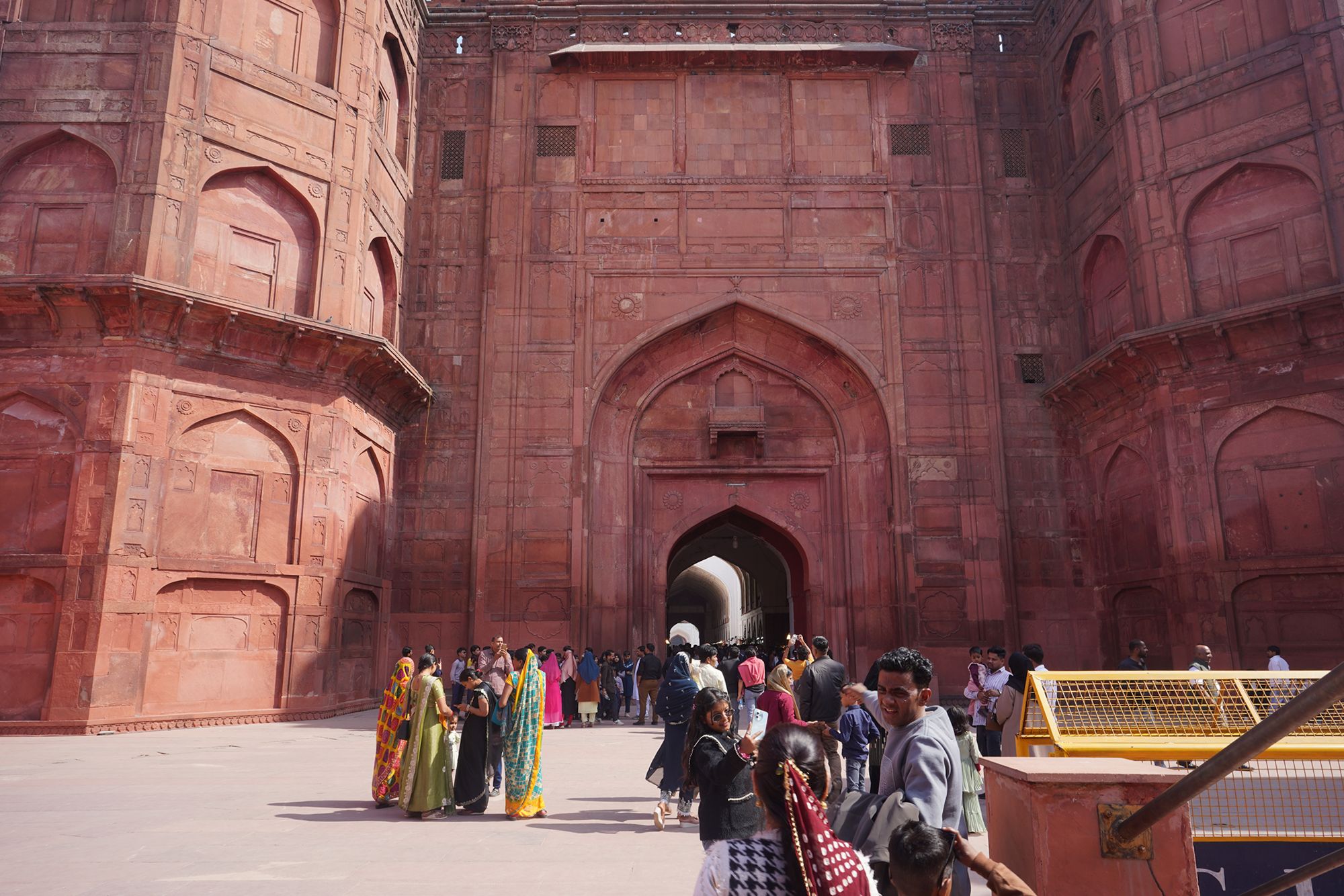
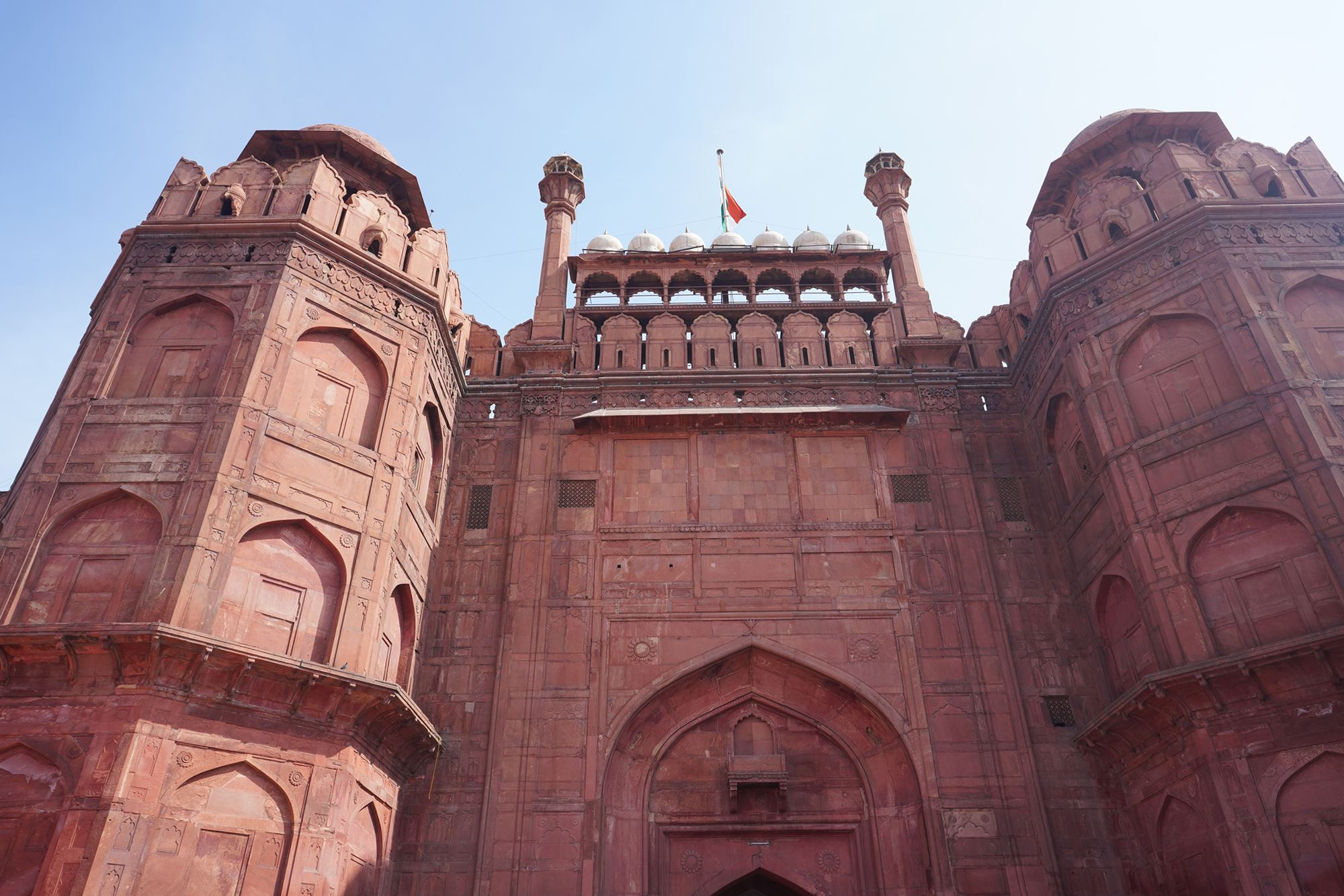
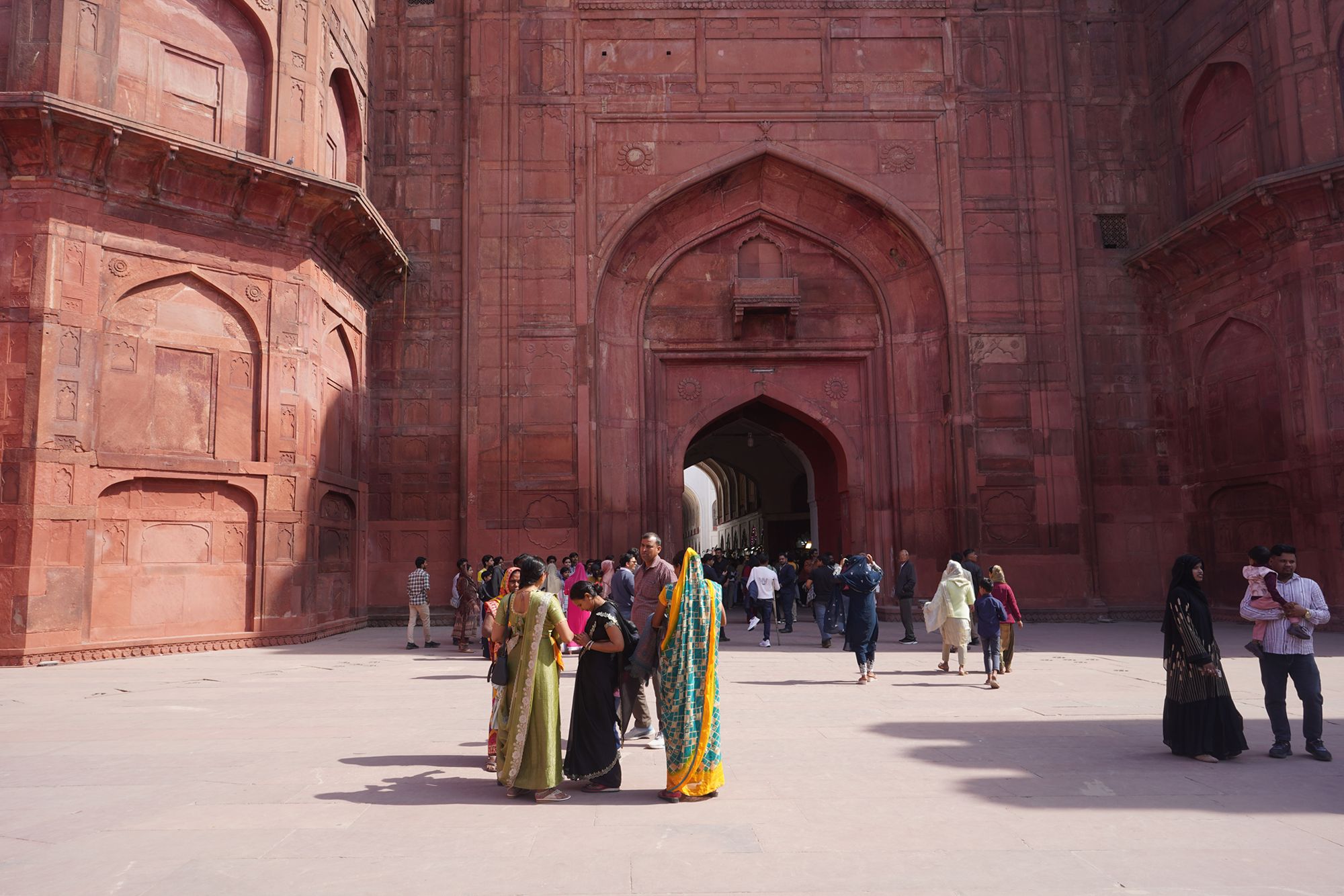
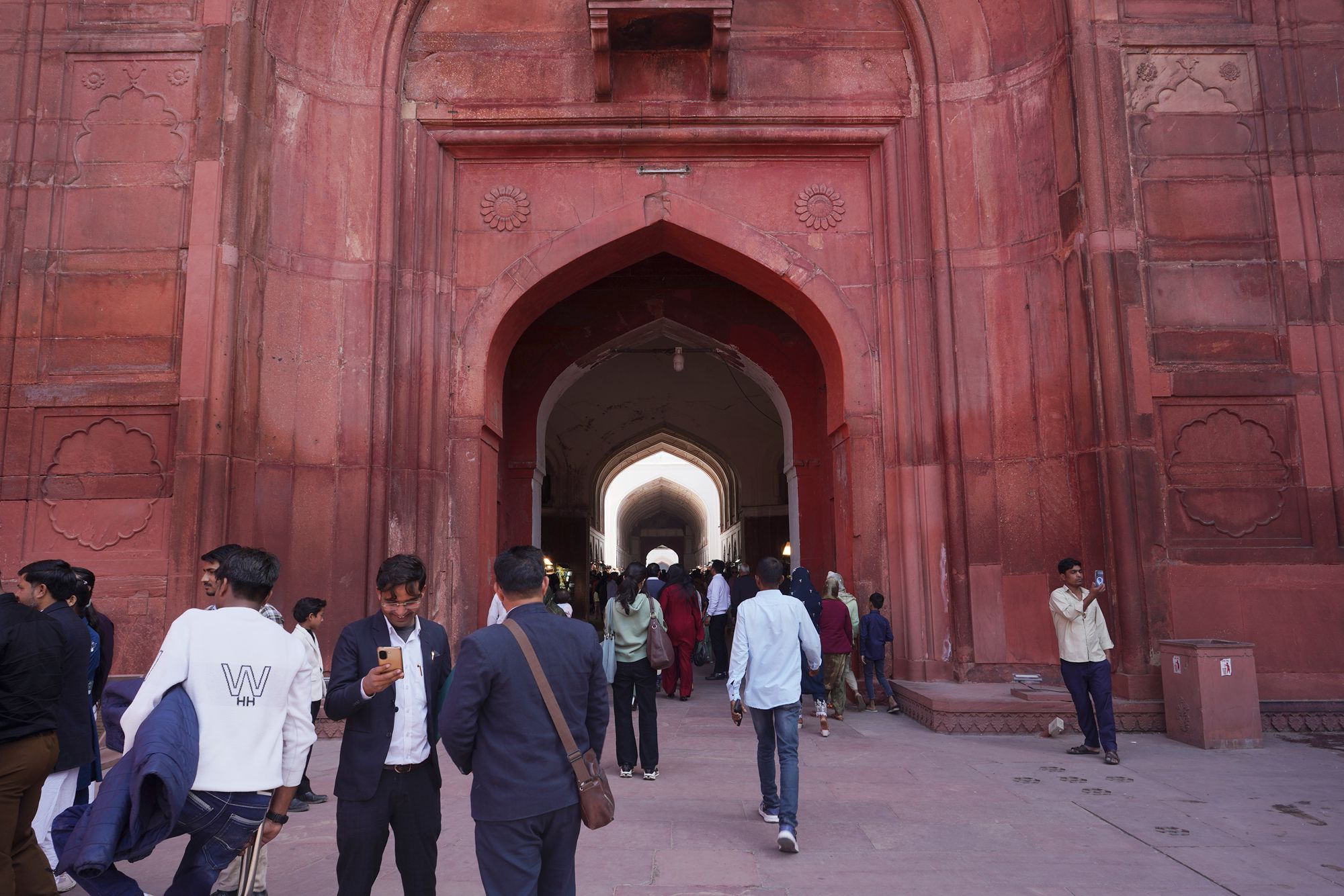
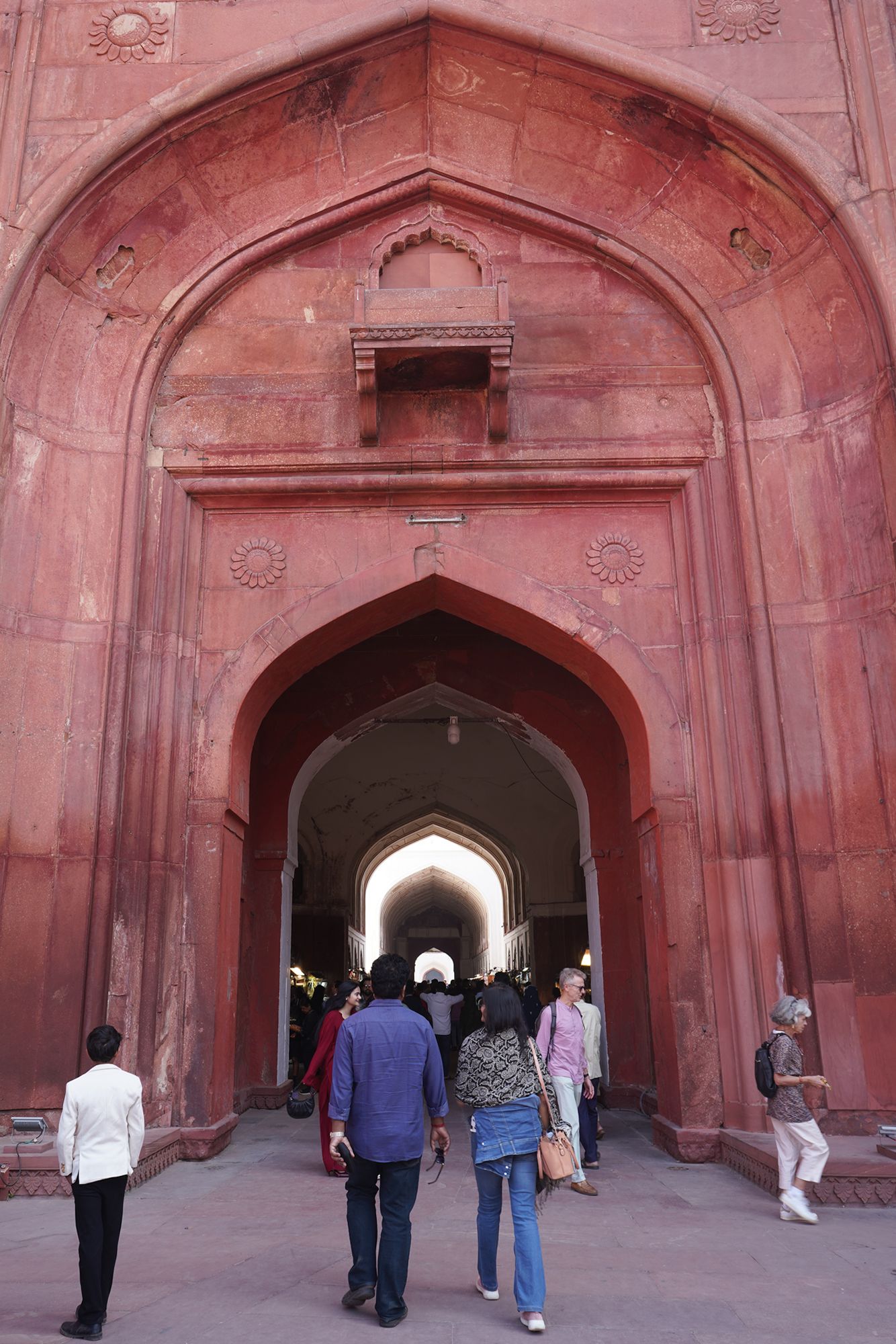
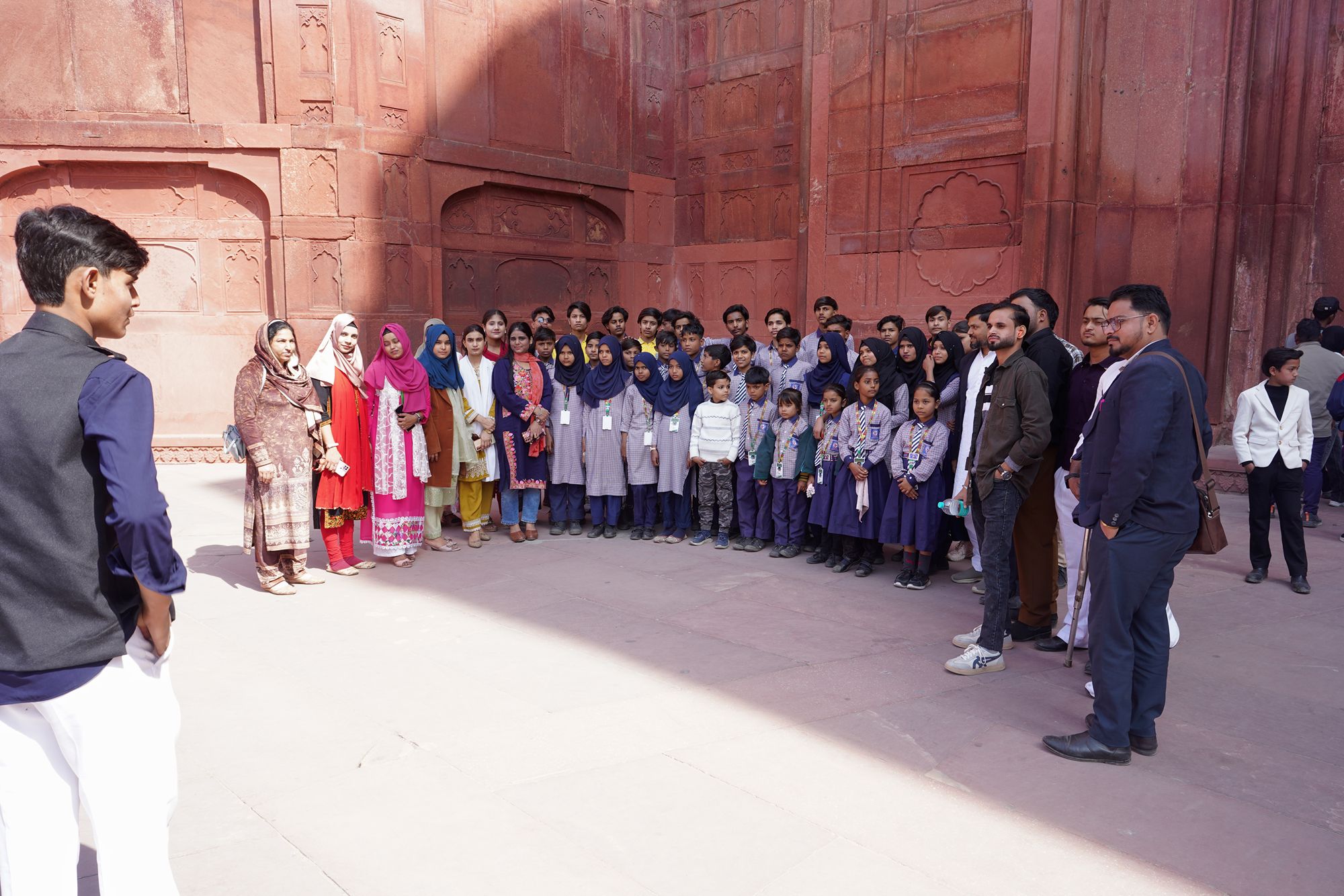
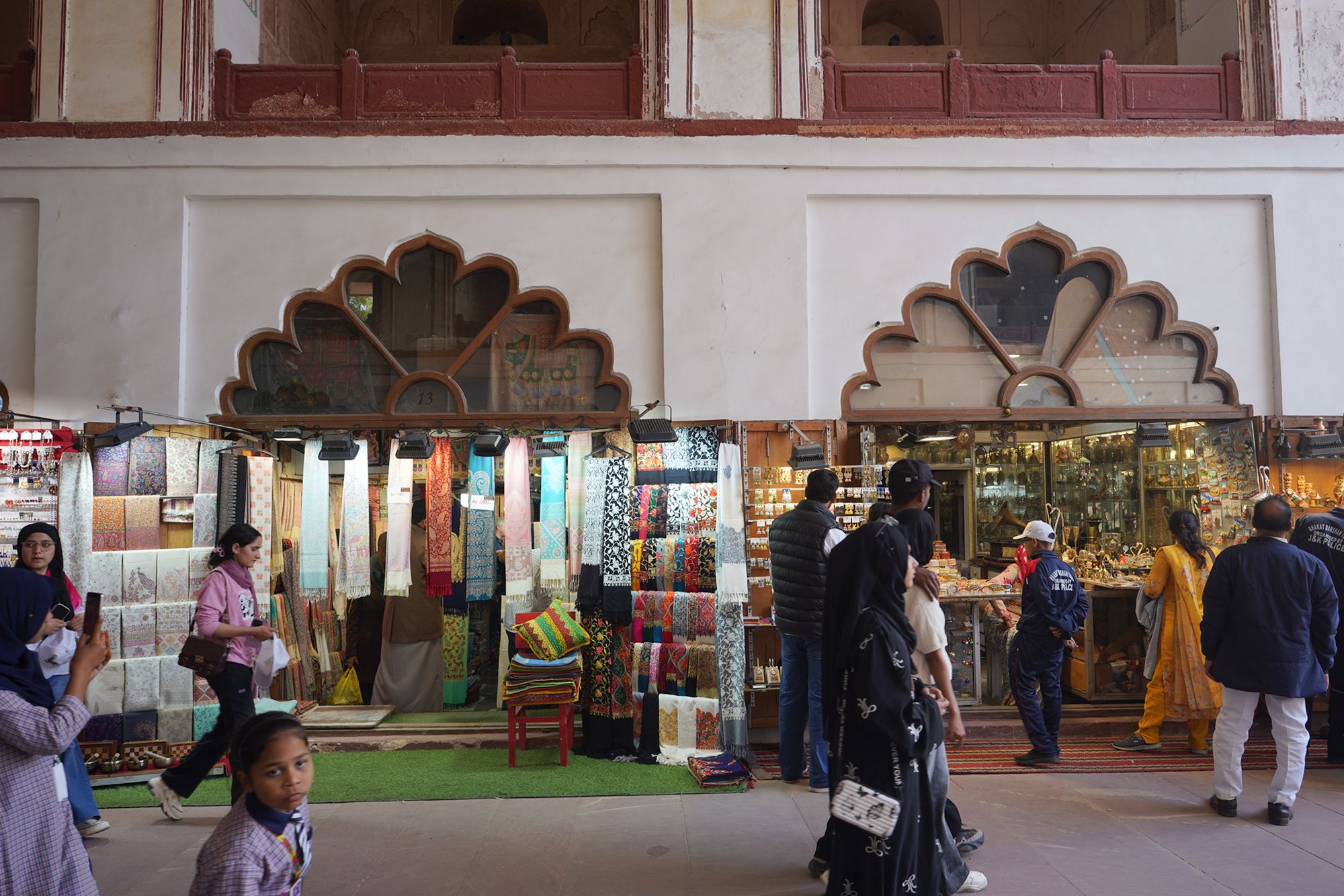
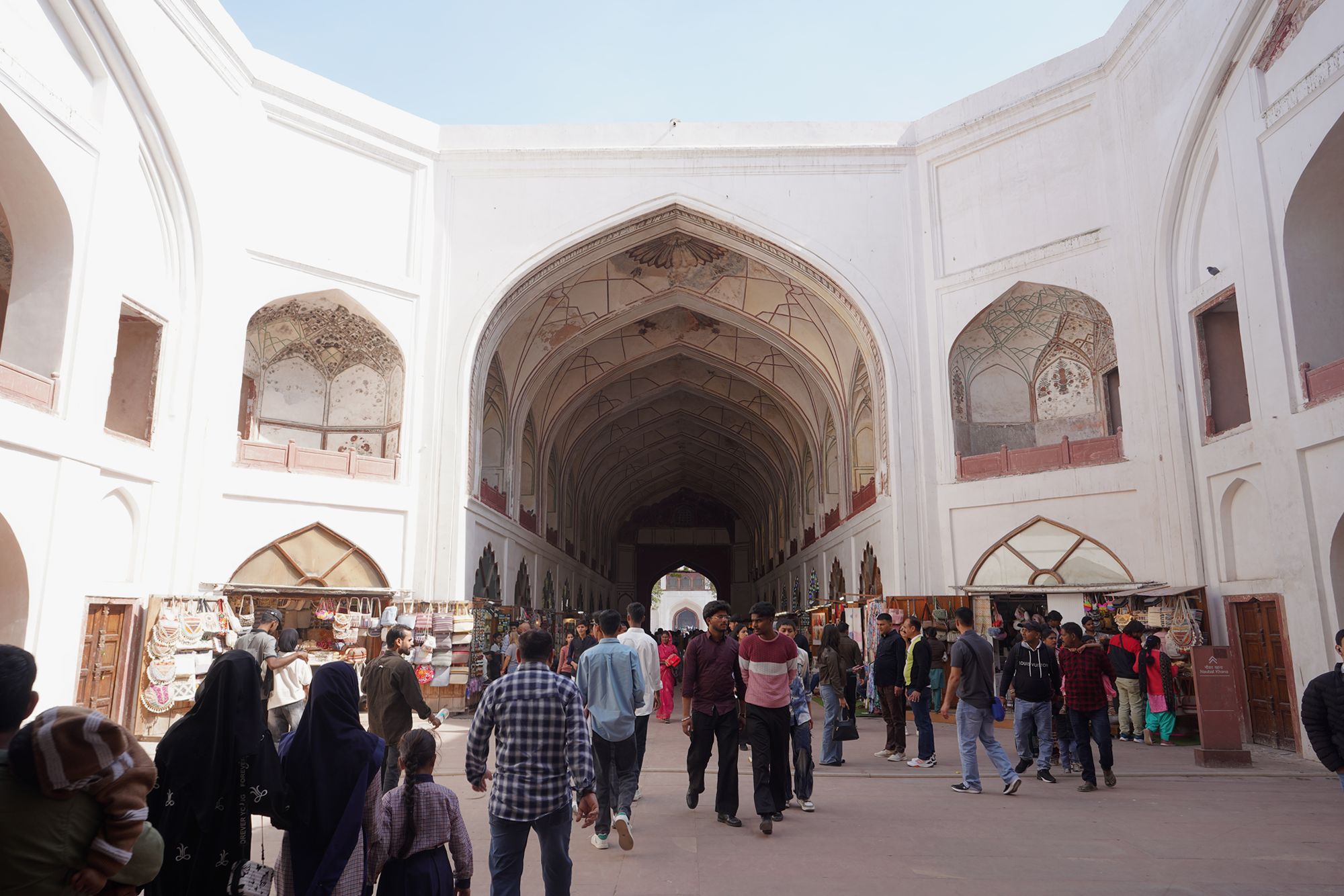
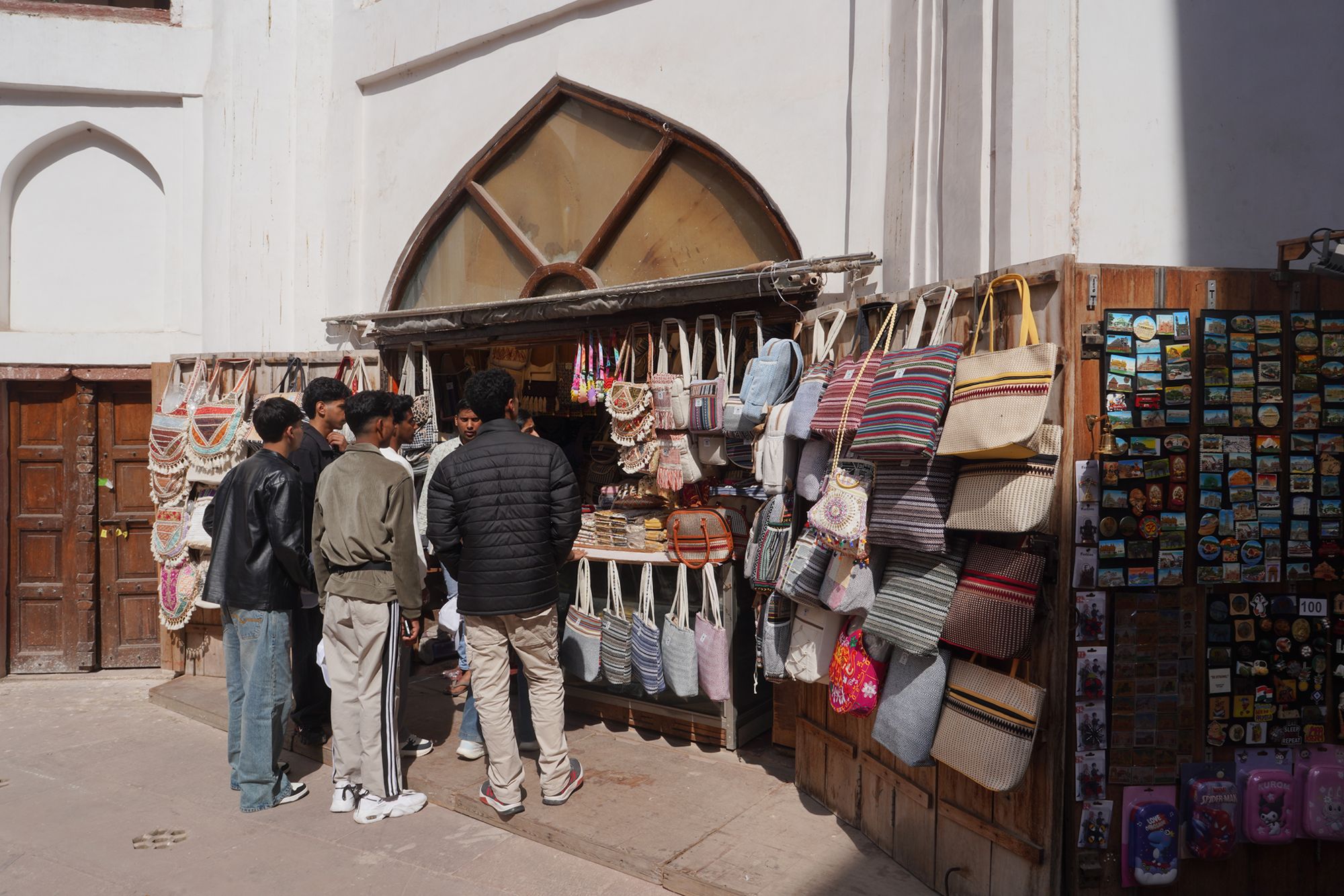
Just inside the main gate is a long covered passage lined with small shops selling souvenirs, handicrafts, and other goods.
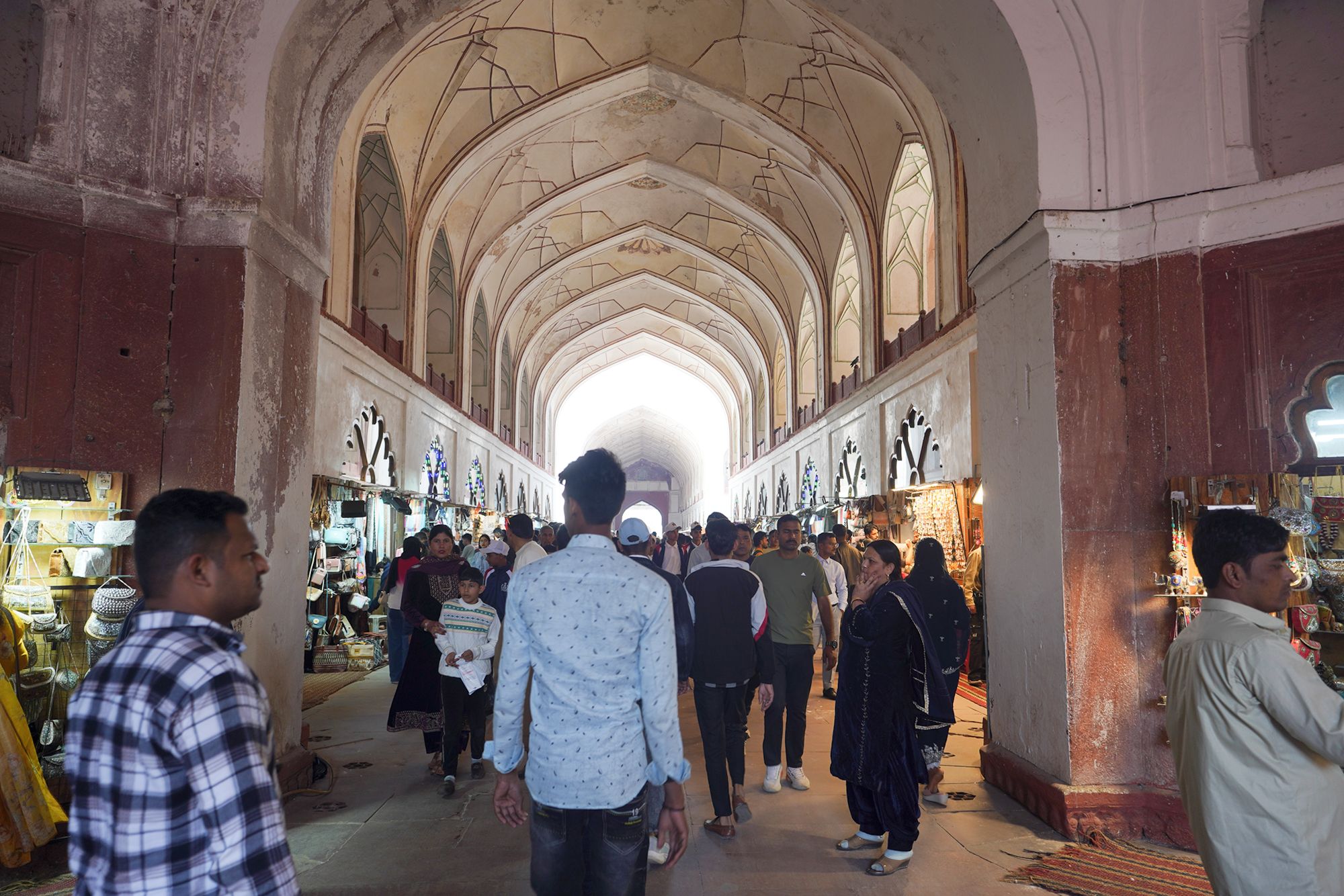
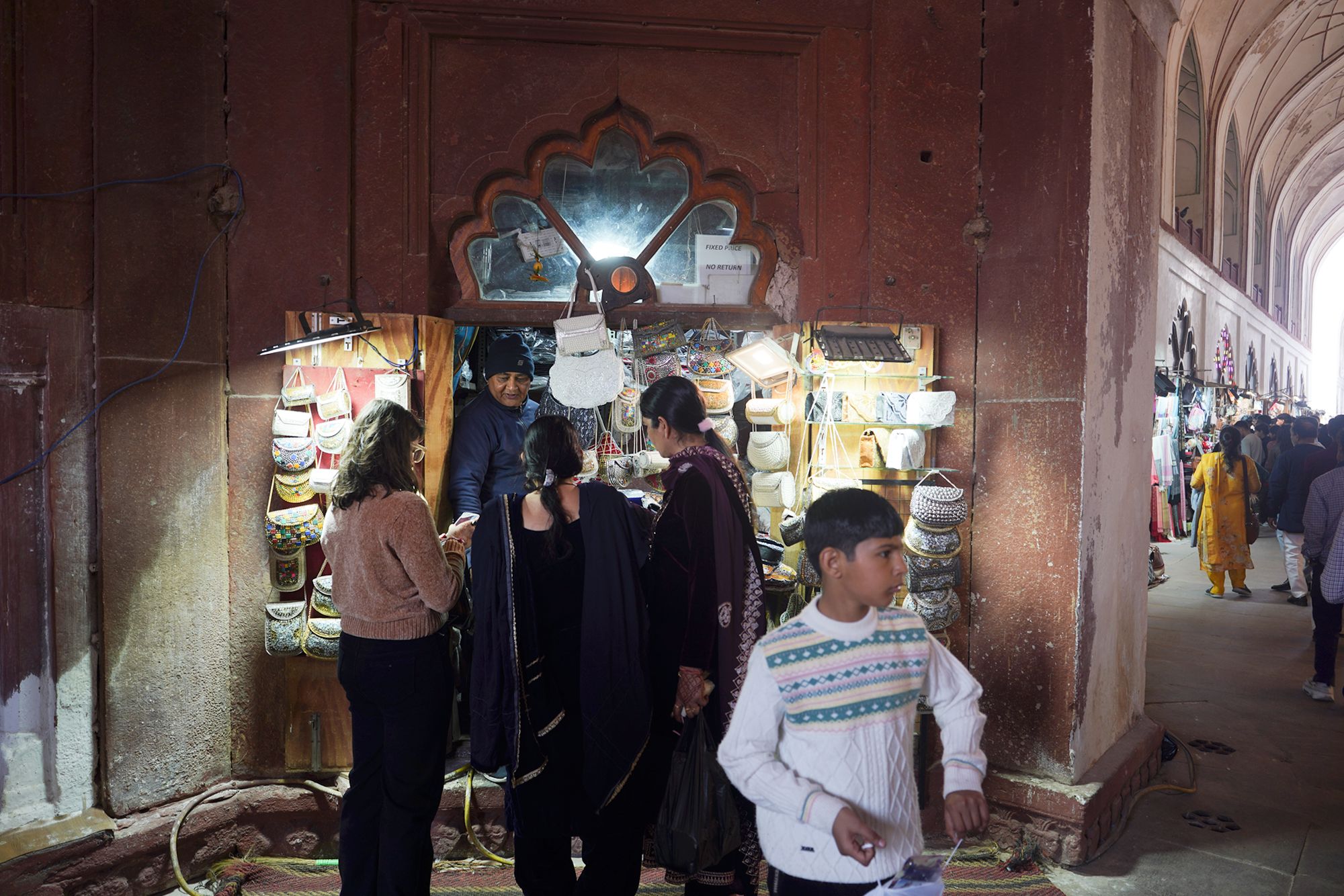
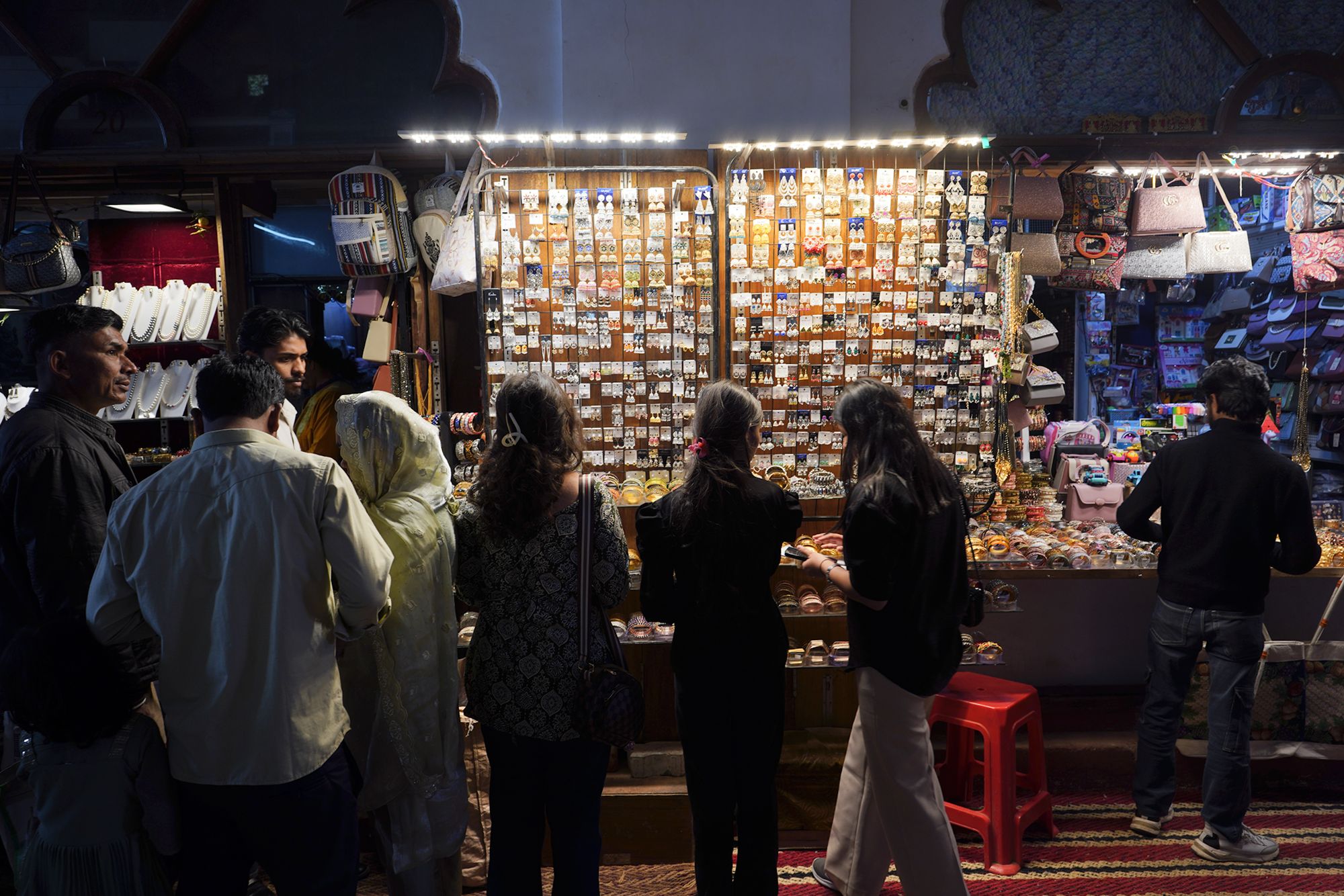
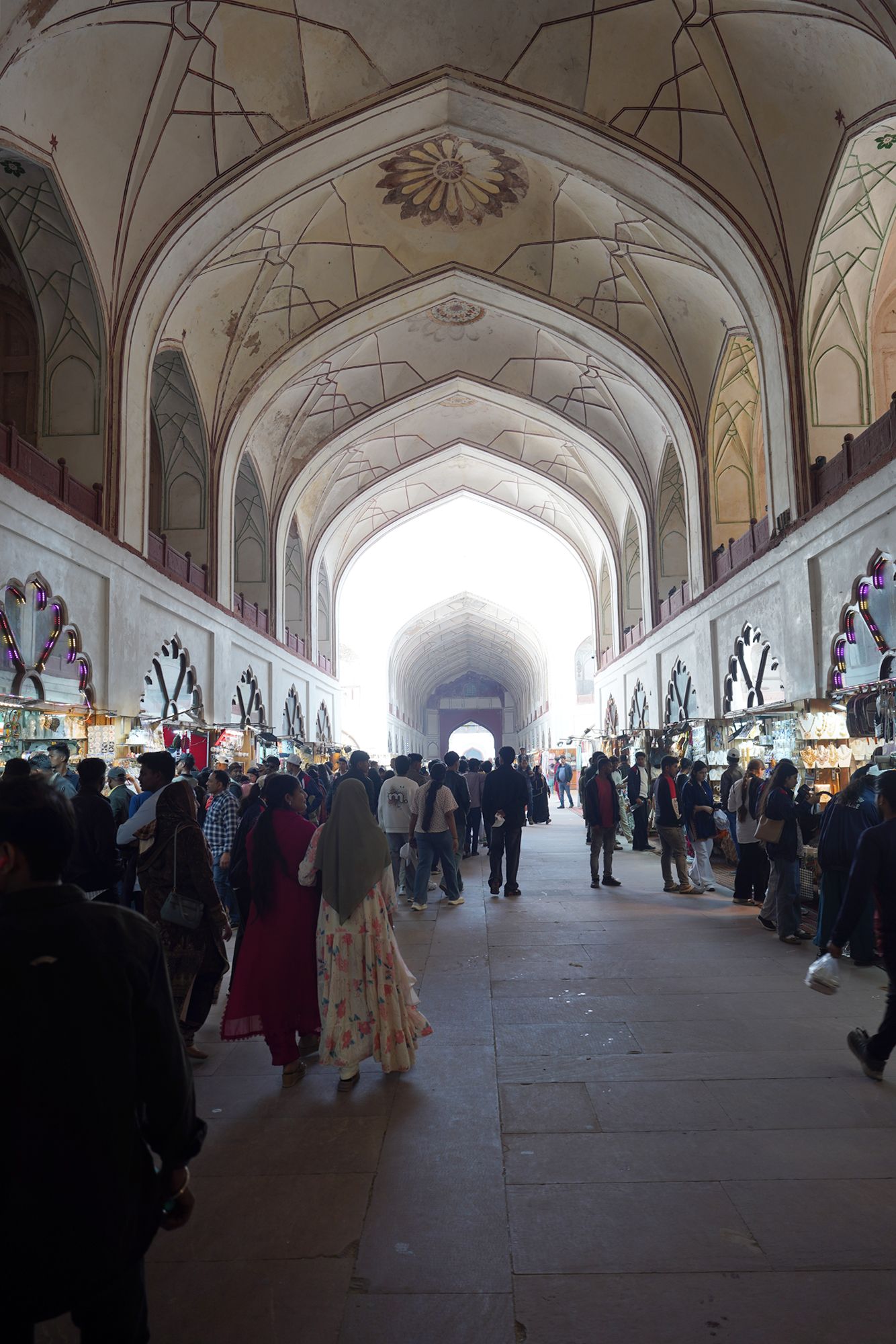
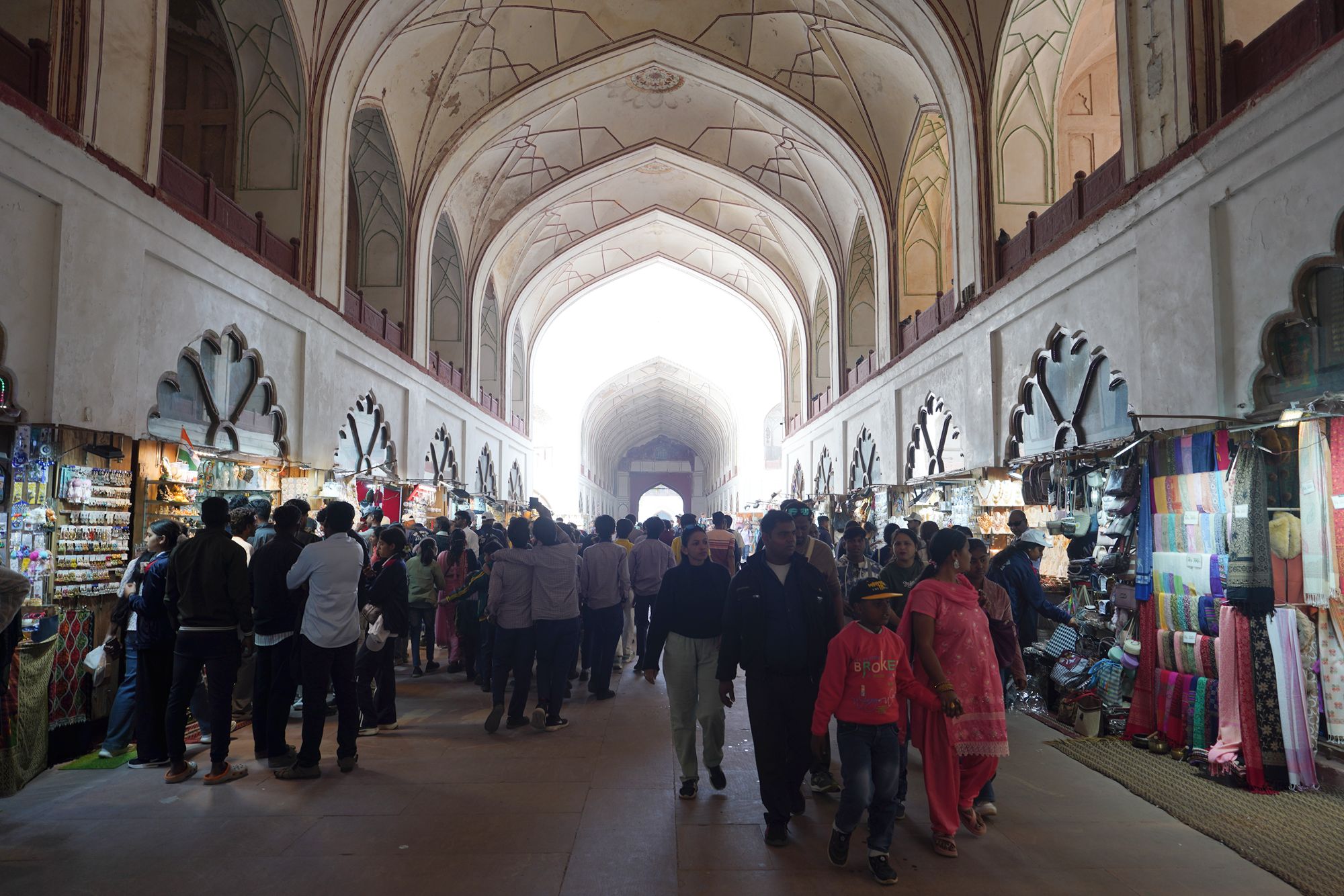
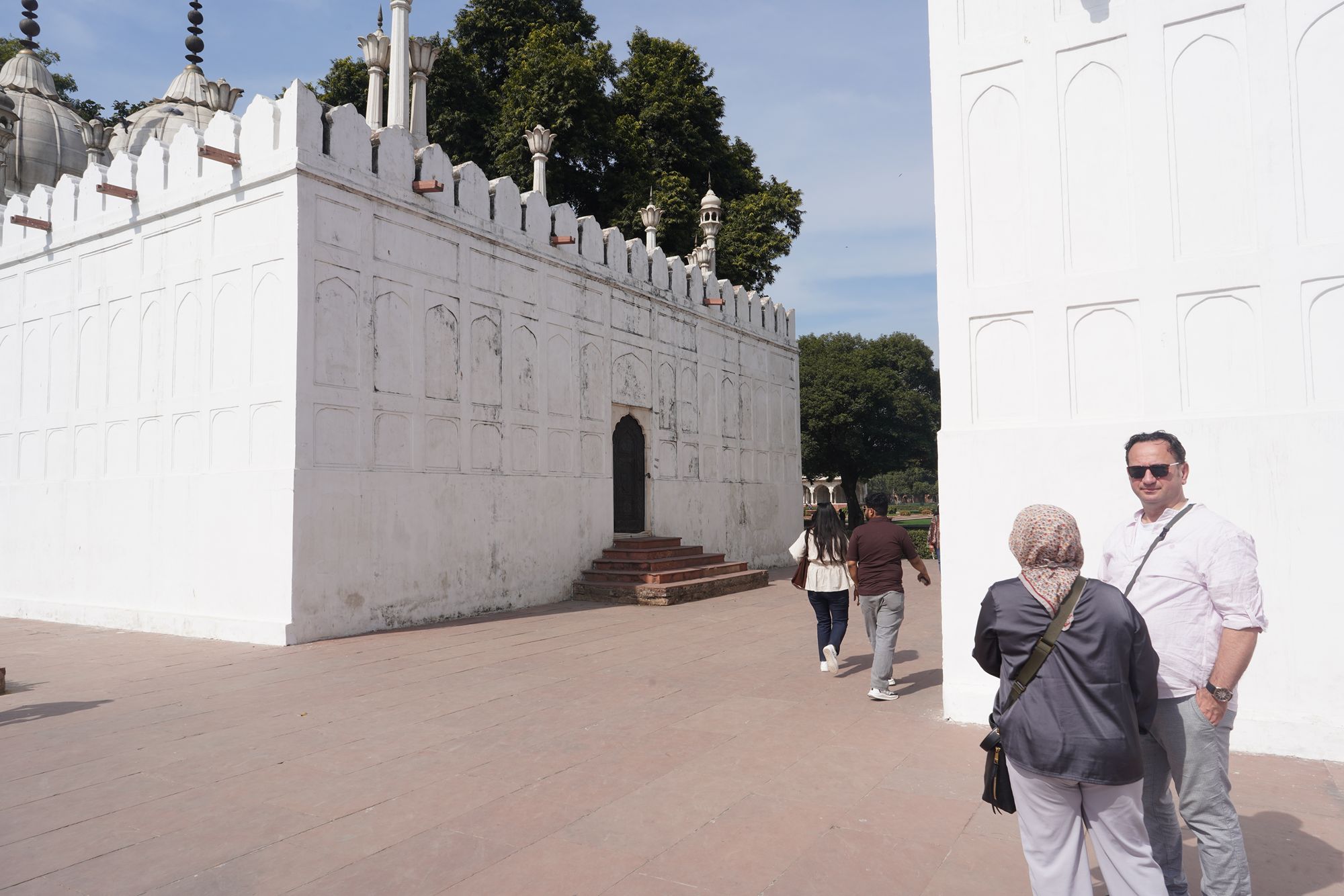
A side door
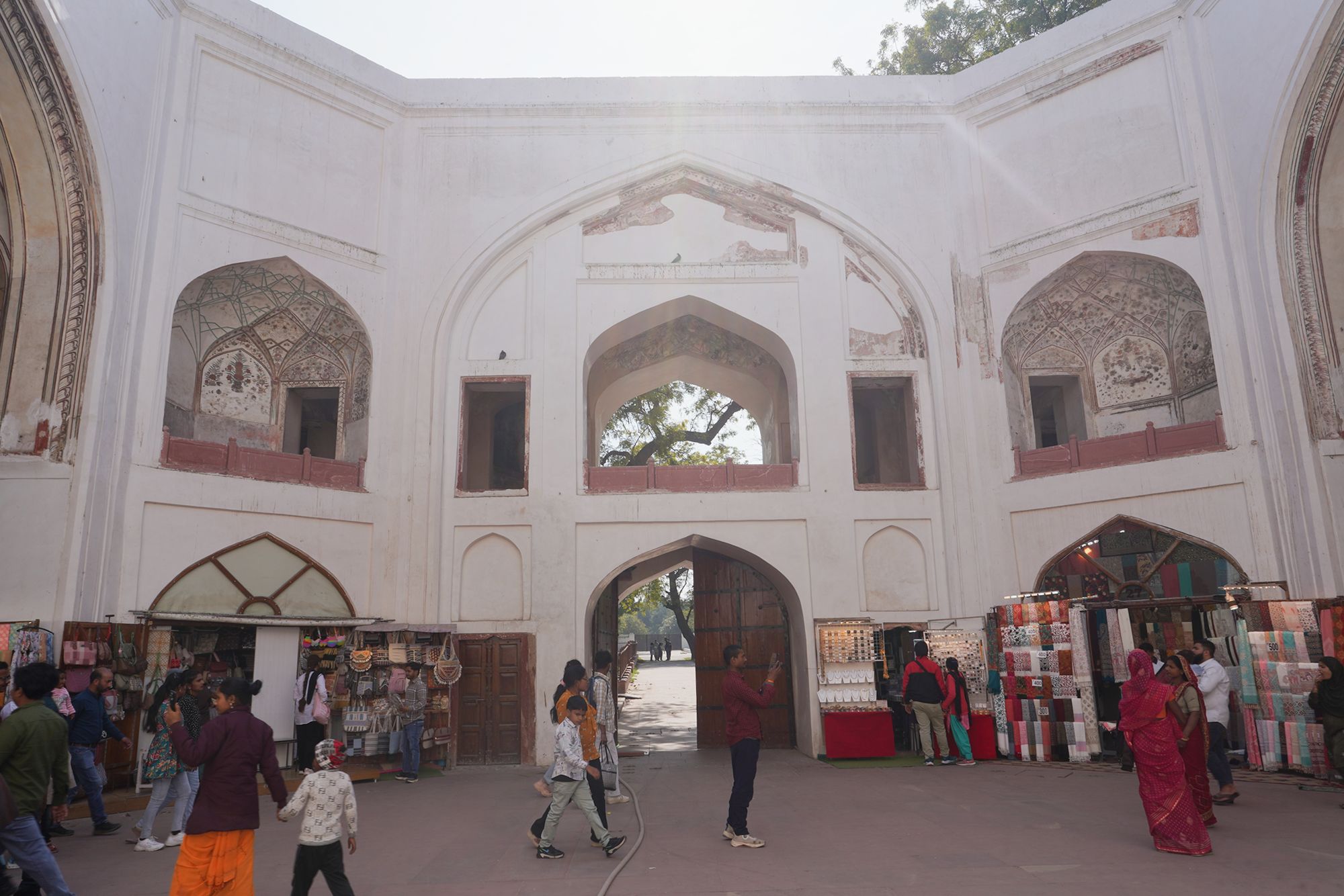
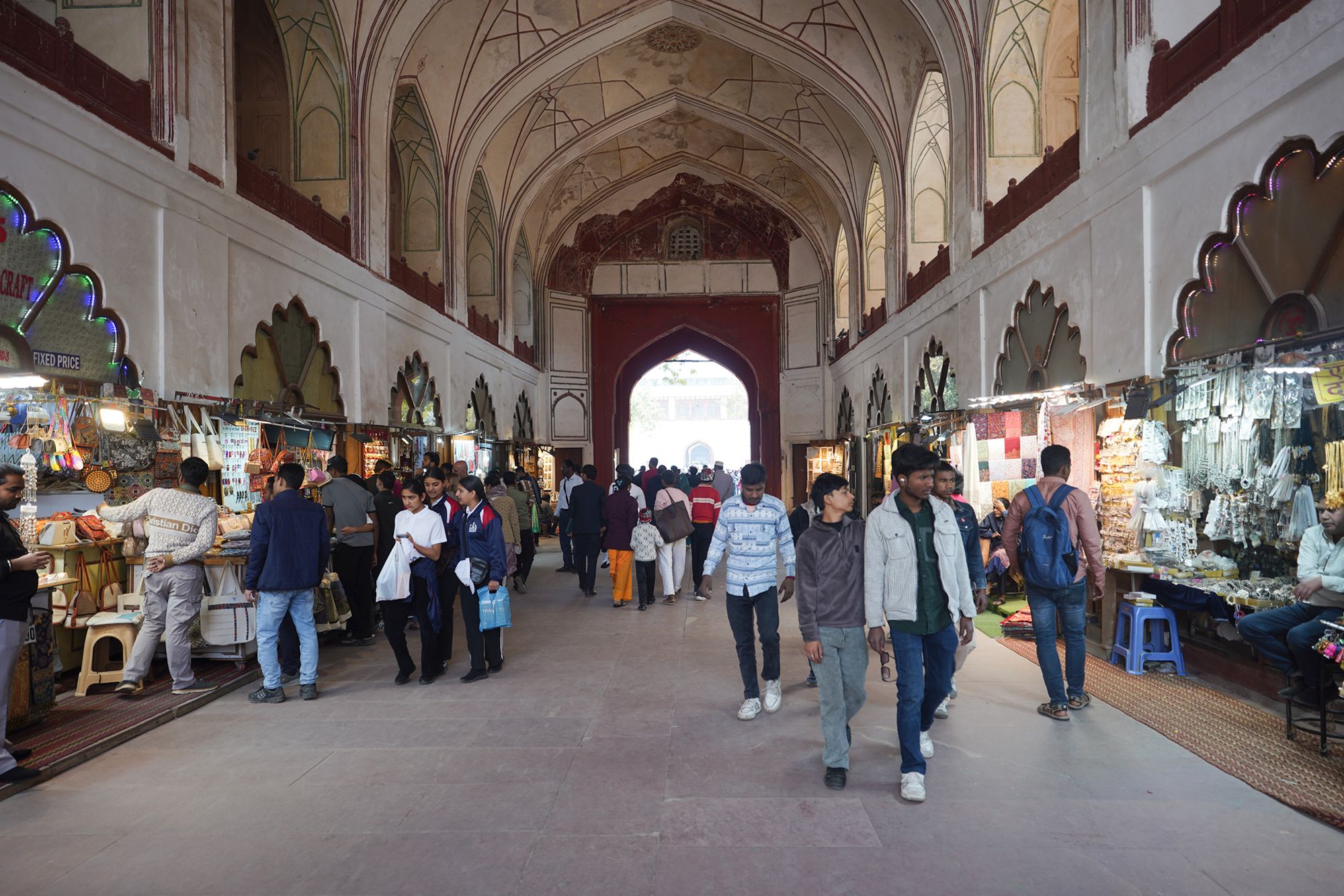
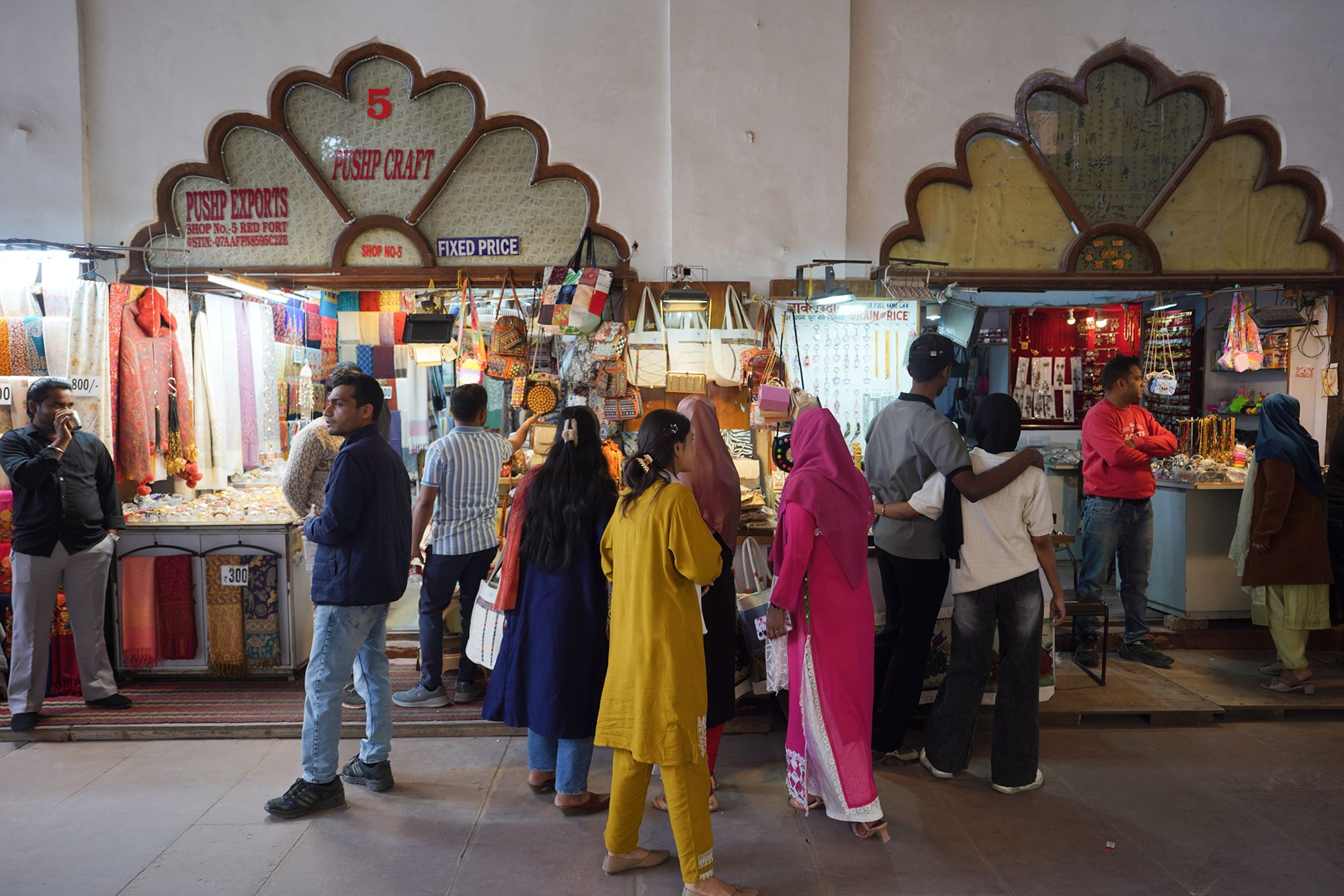
Coming out of the long shopping corridor, I entered the main grounds of the Red Fort.
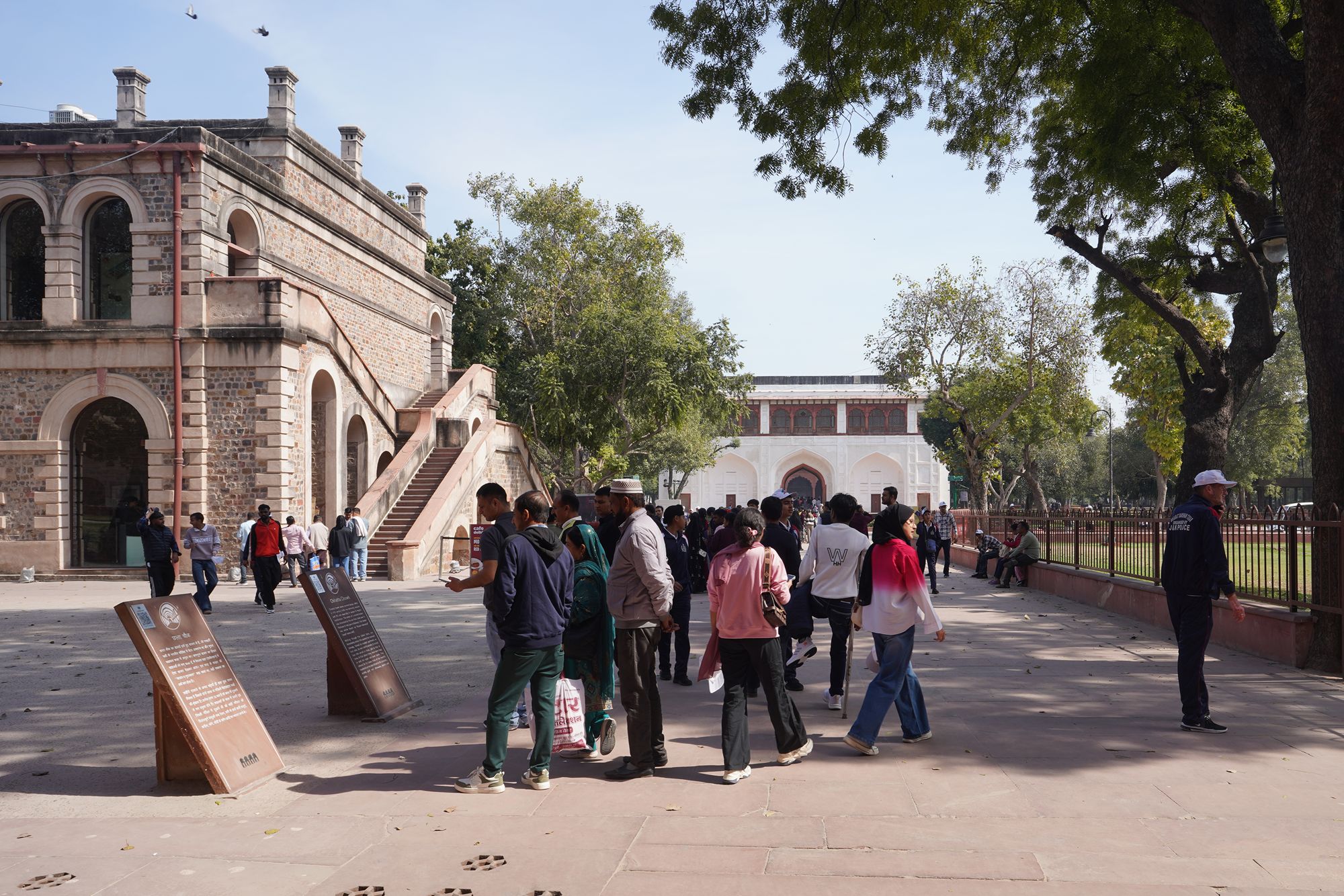
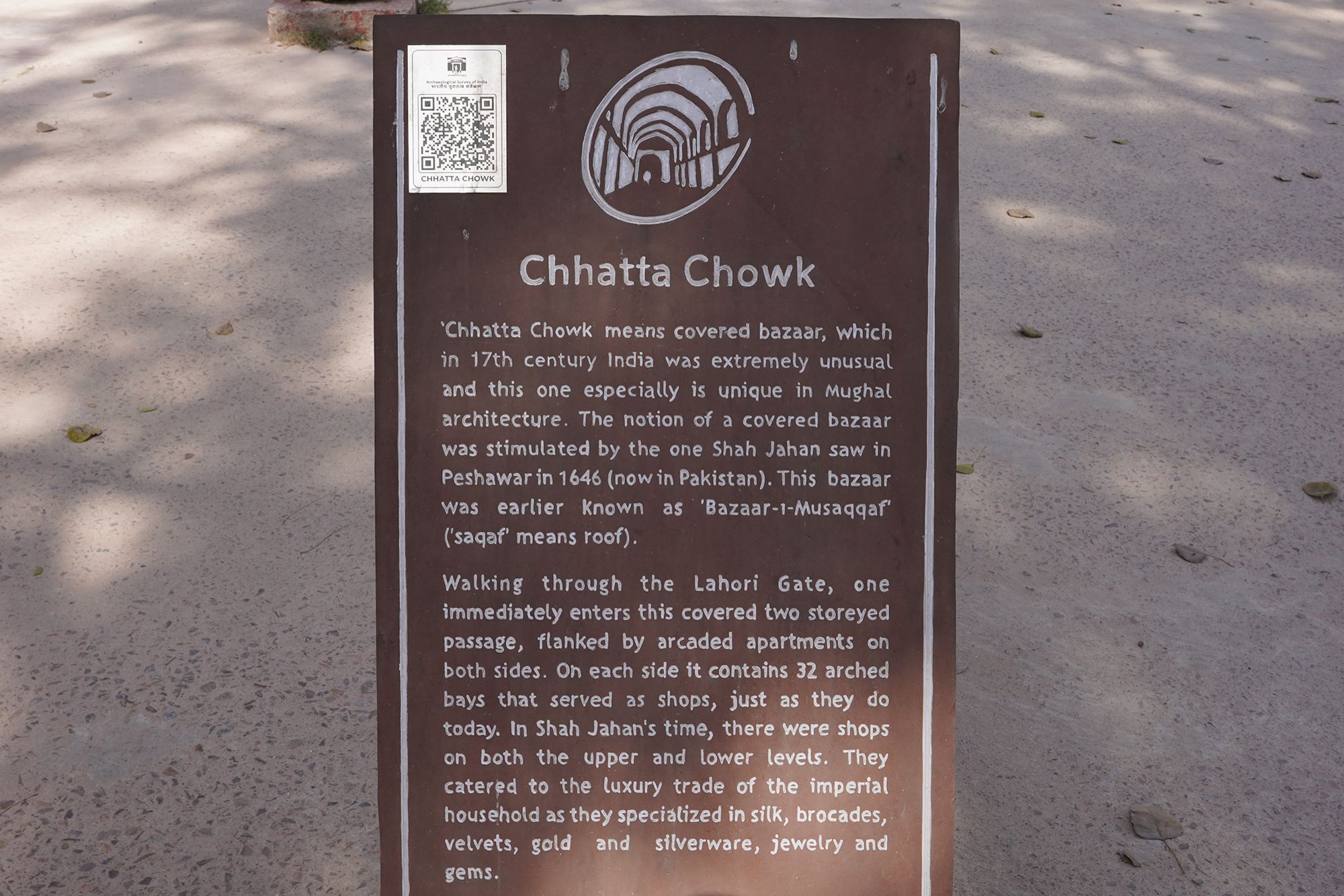
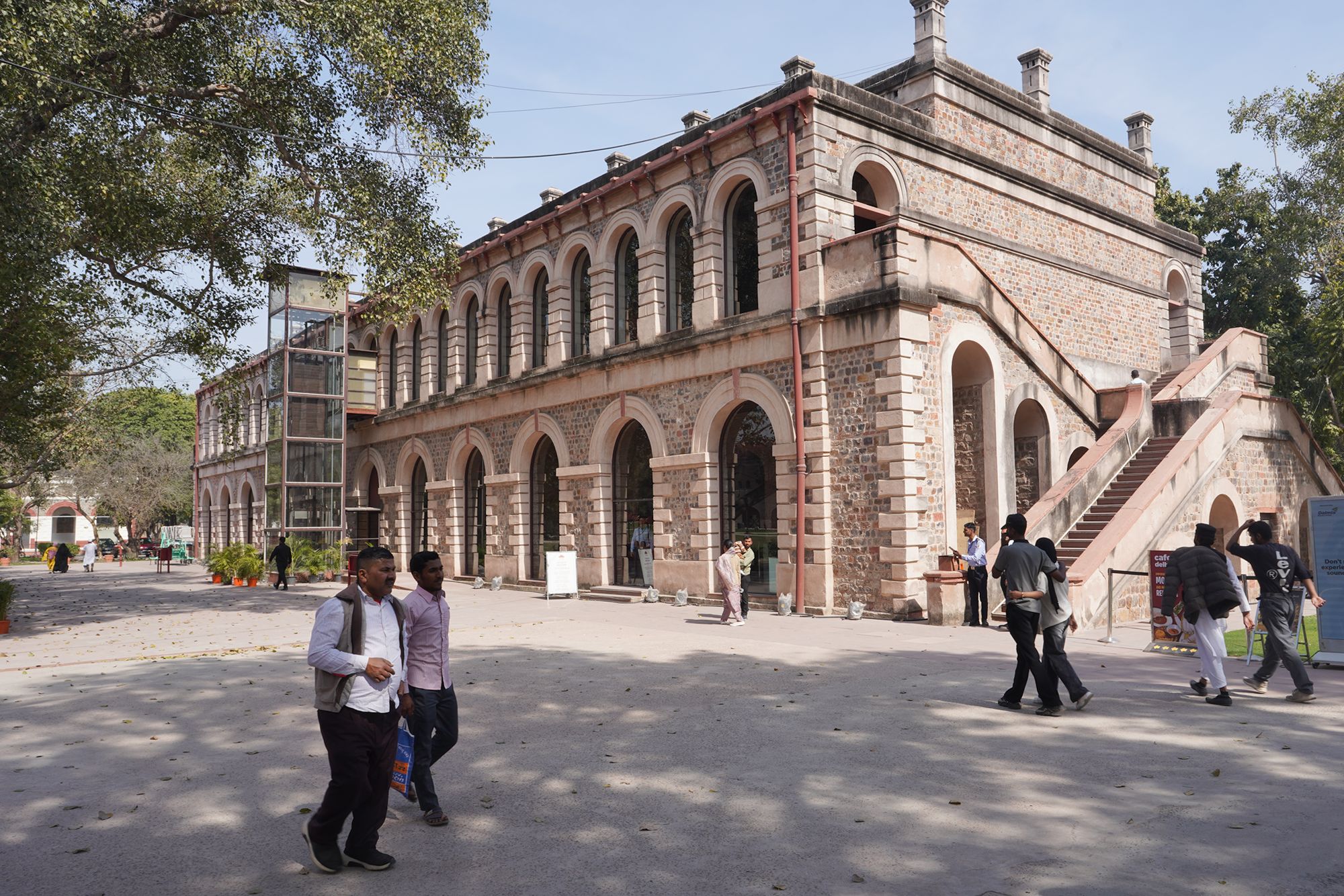
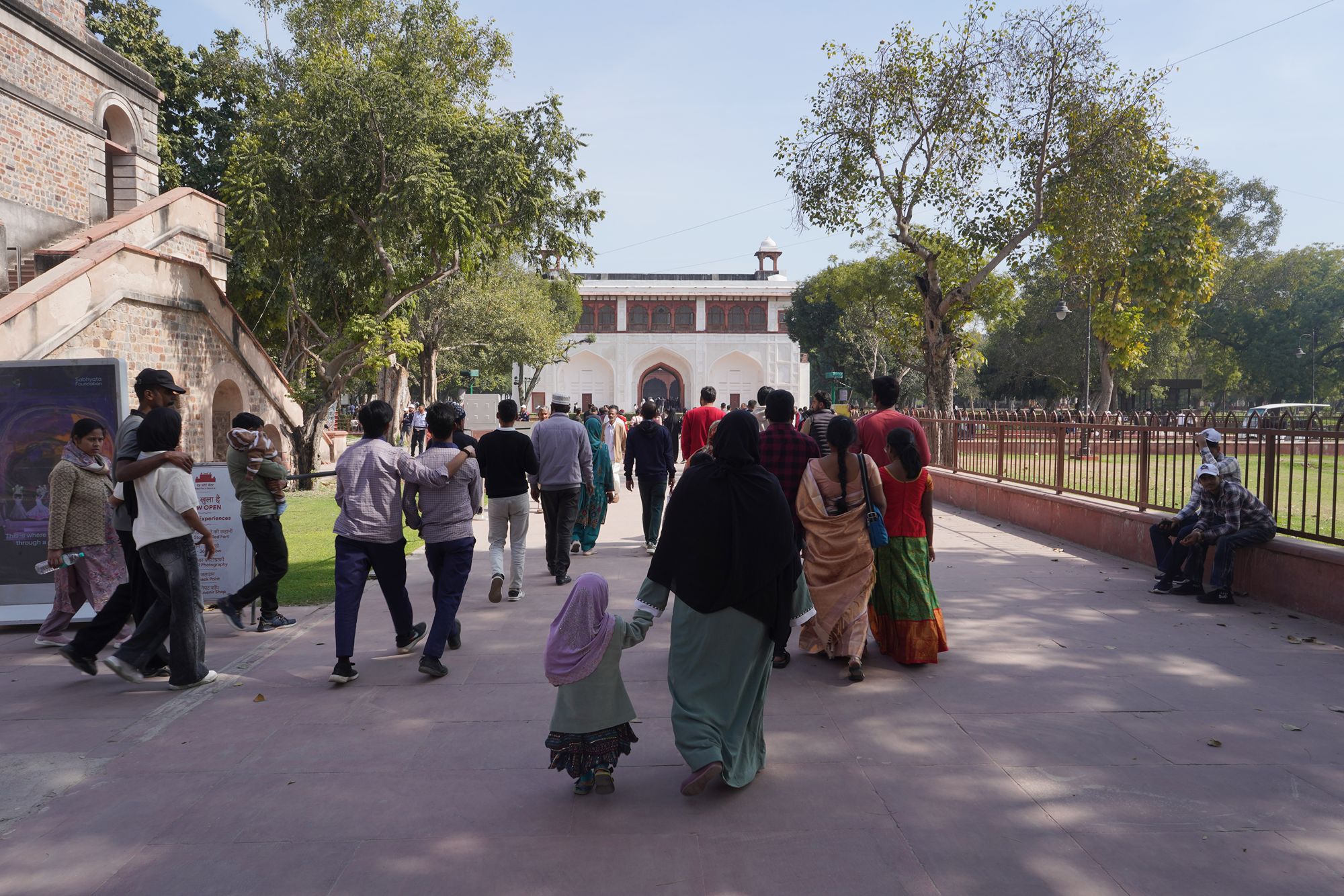
The Naubat Khana, or Drum House, where musicians once played to announce the arrival of the Mughal emperor.
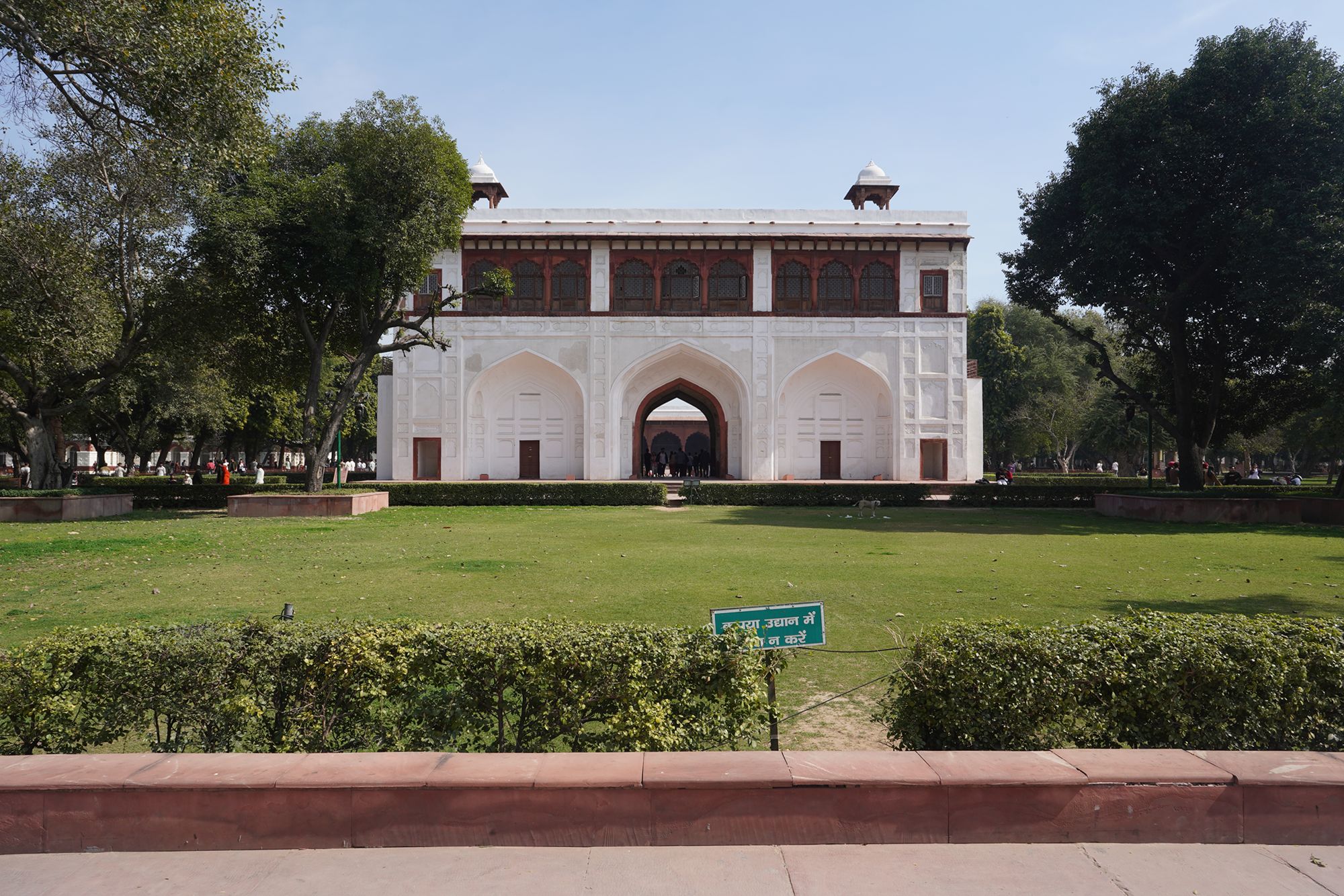
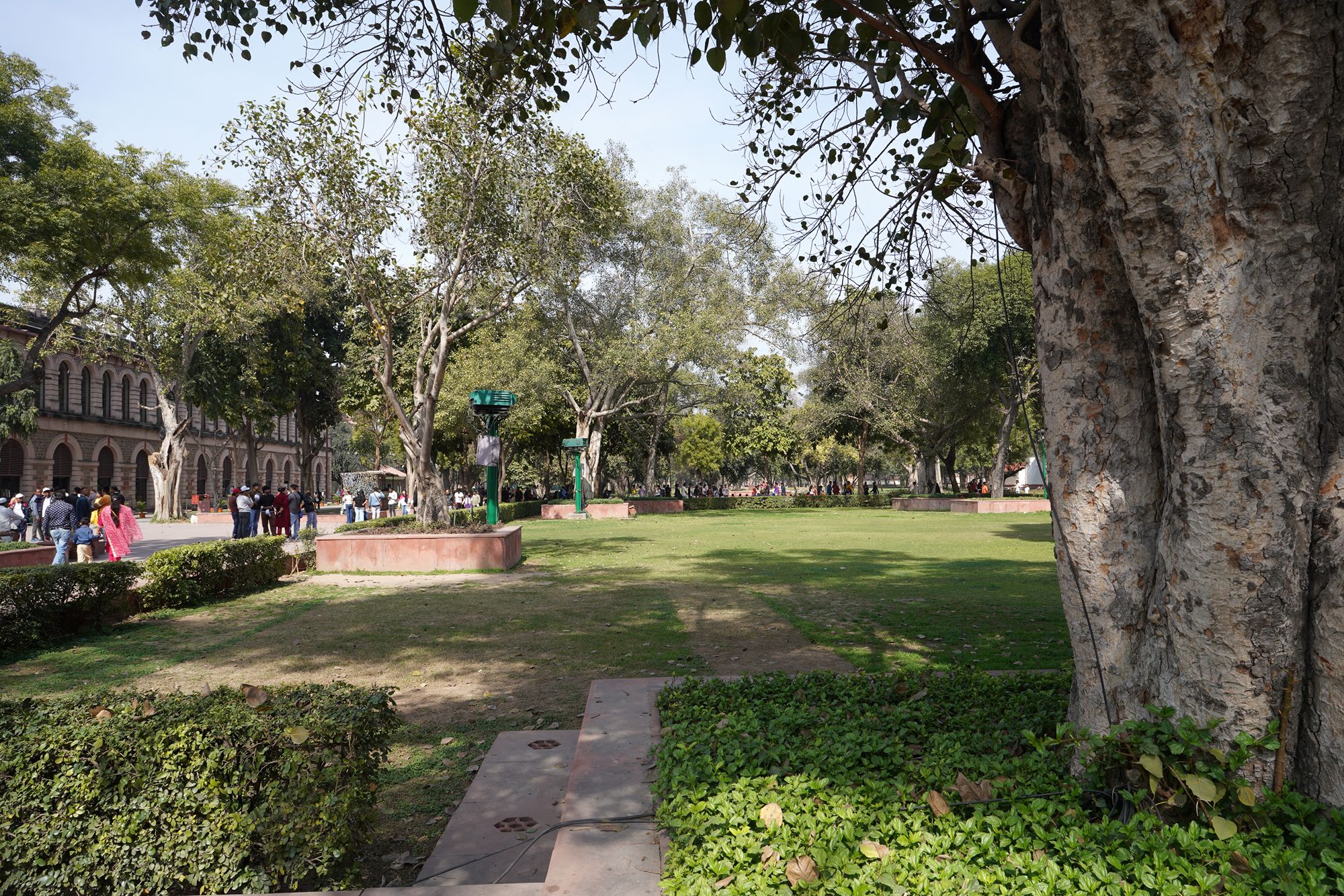
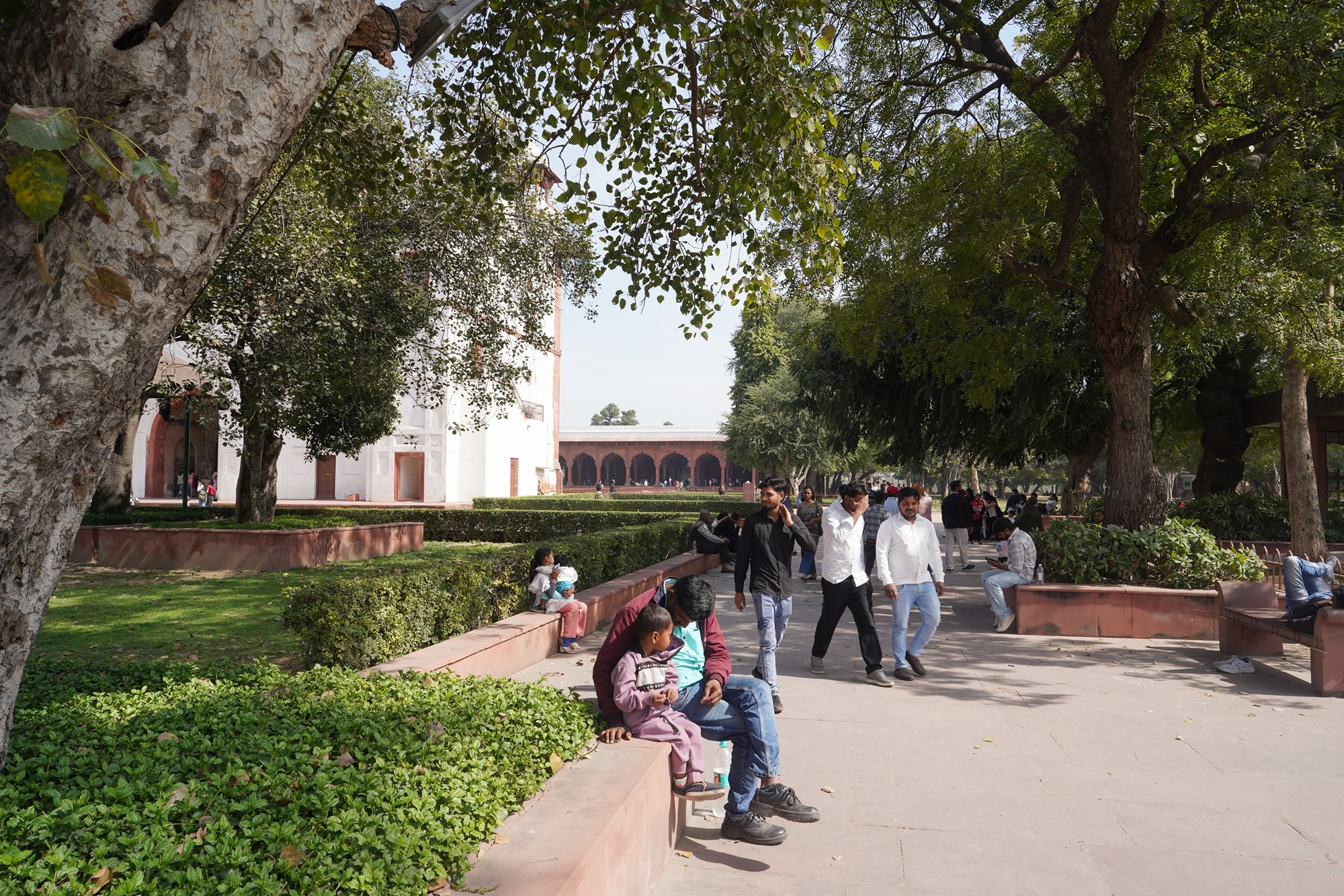
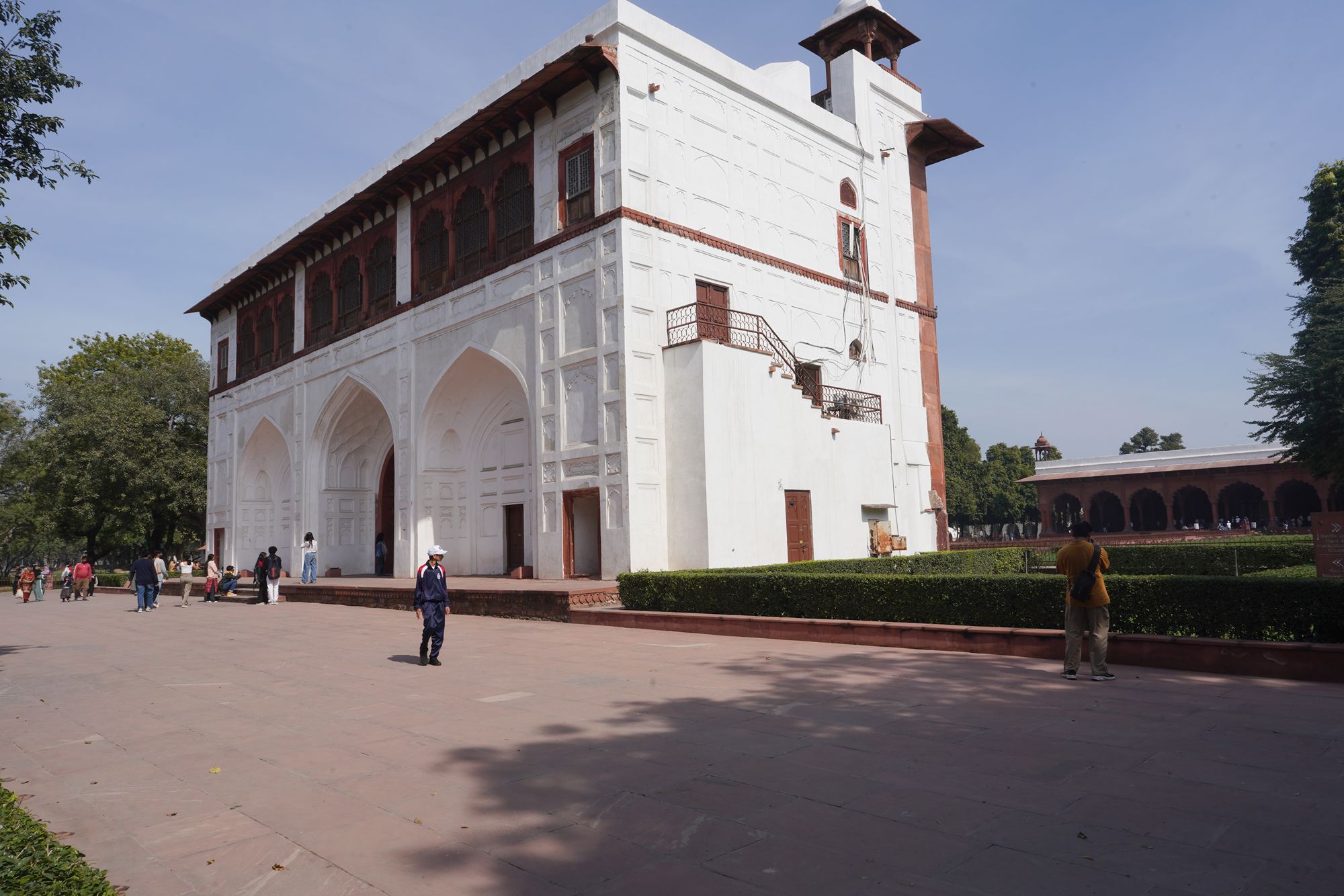
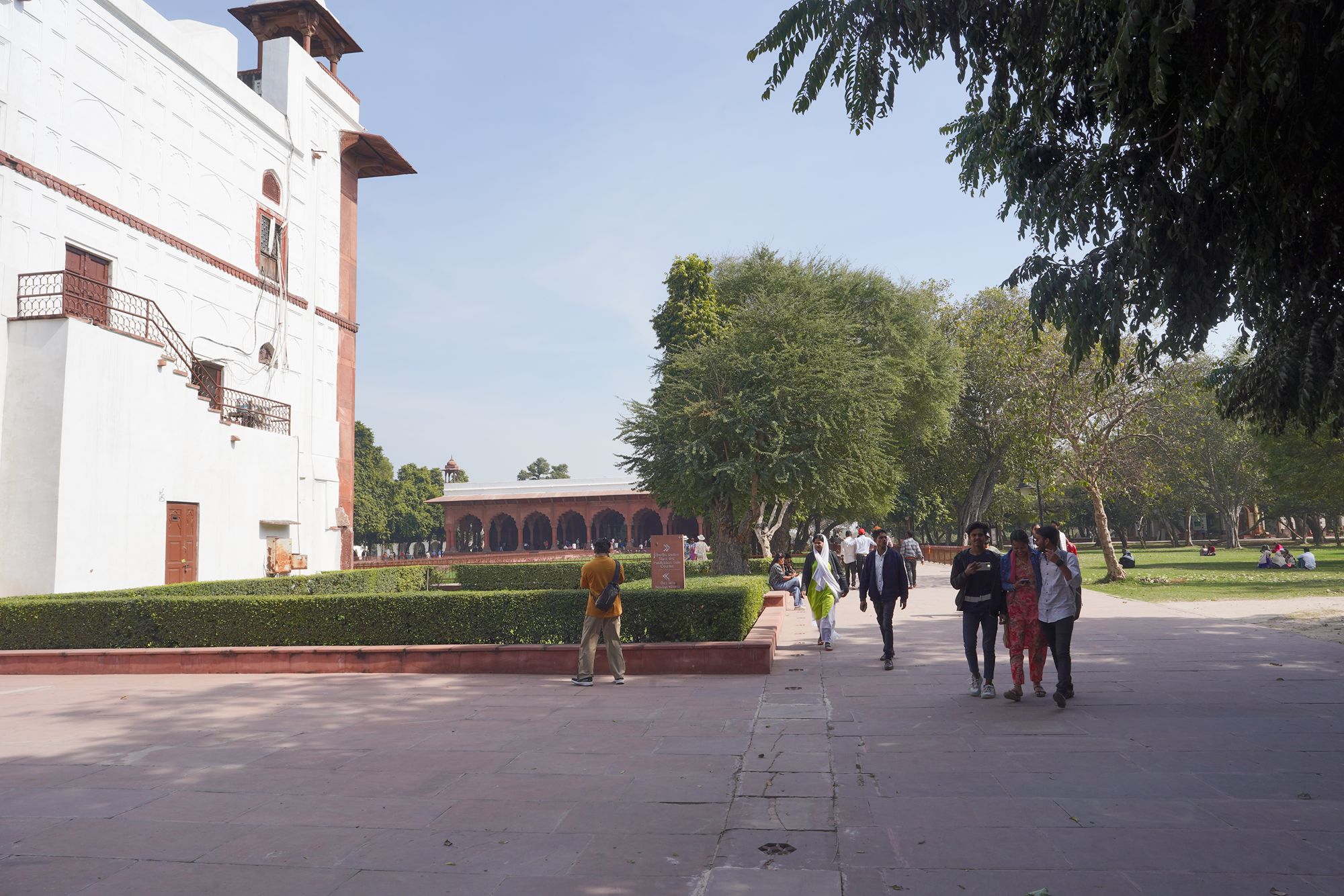
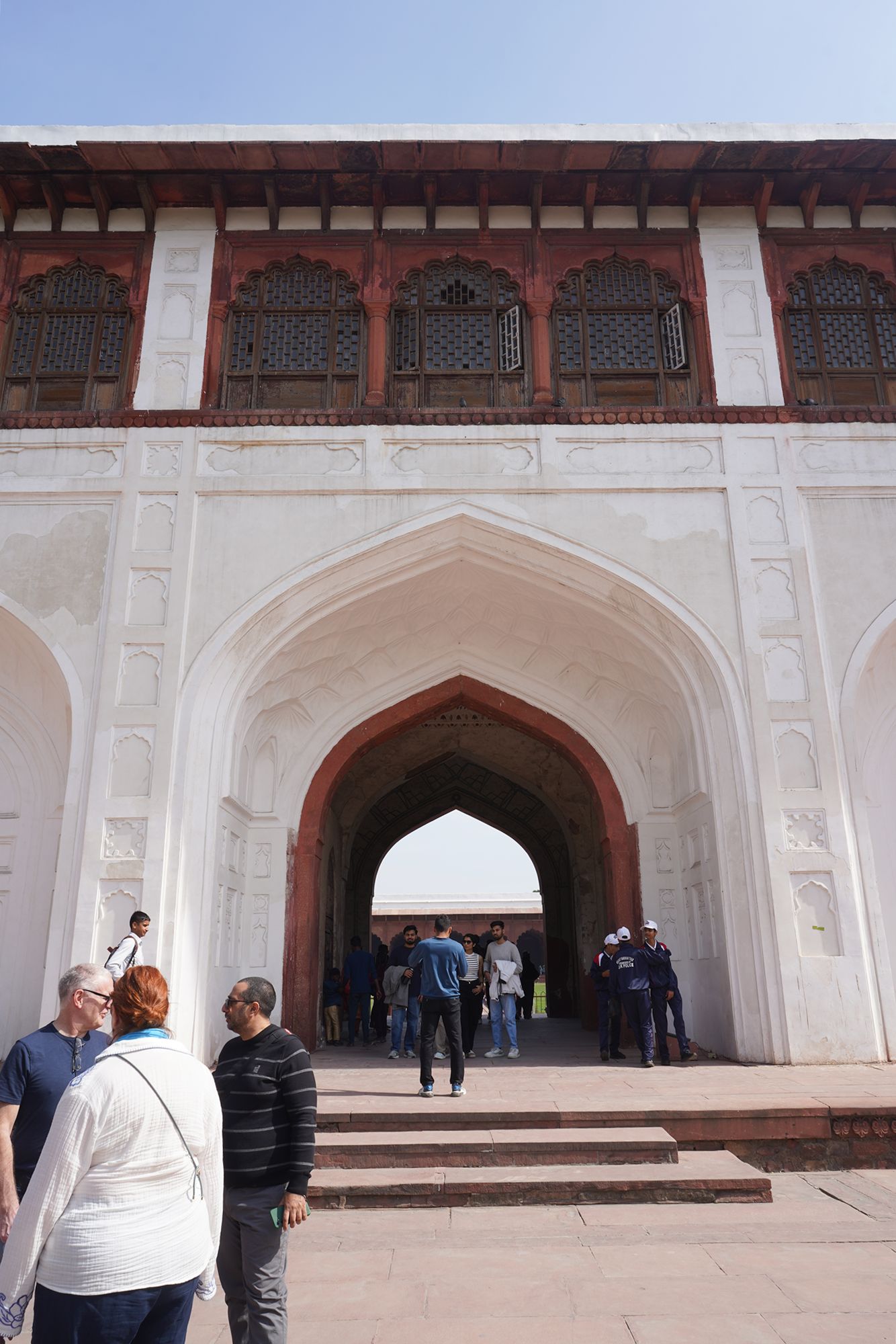
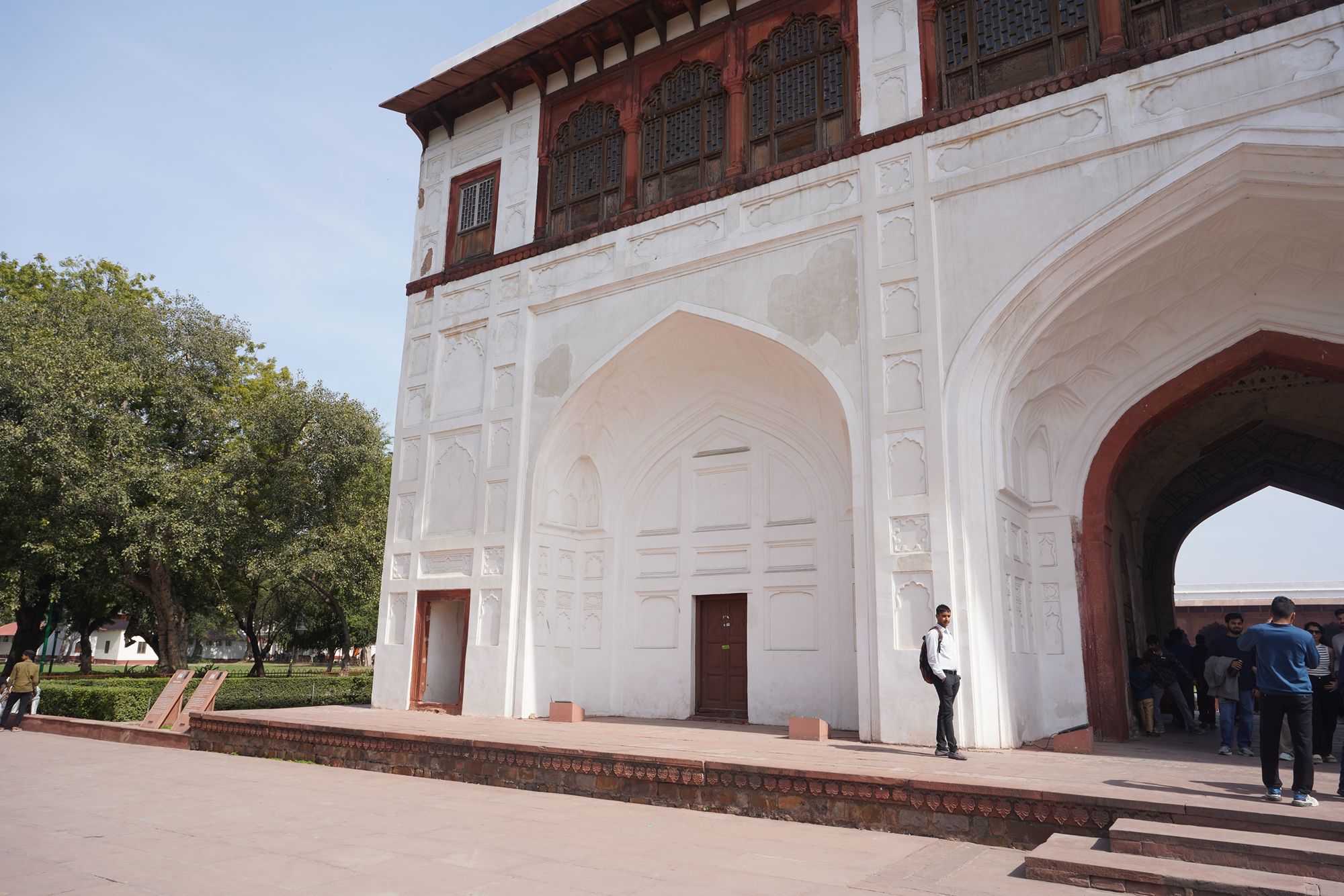
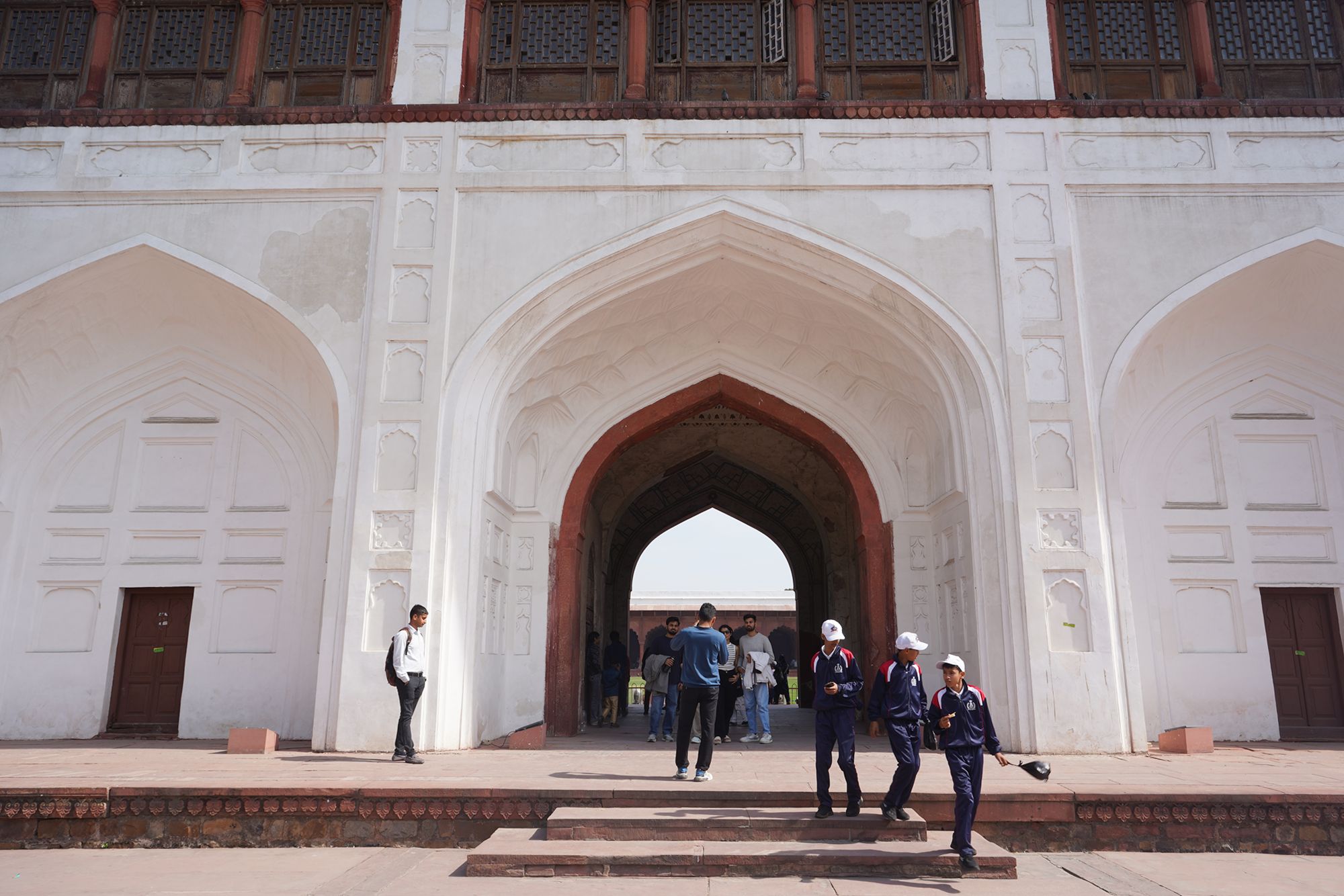
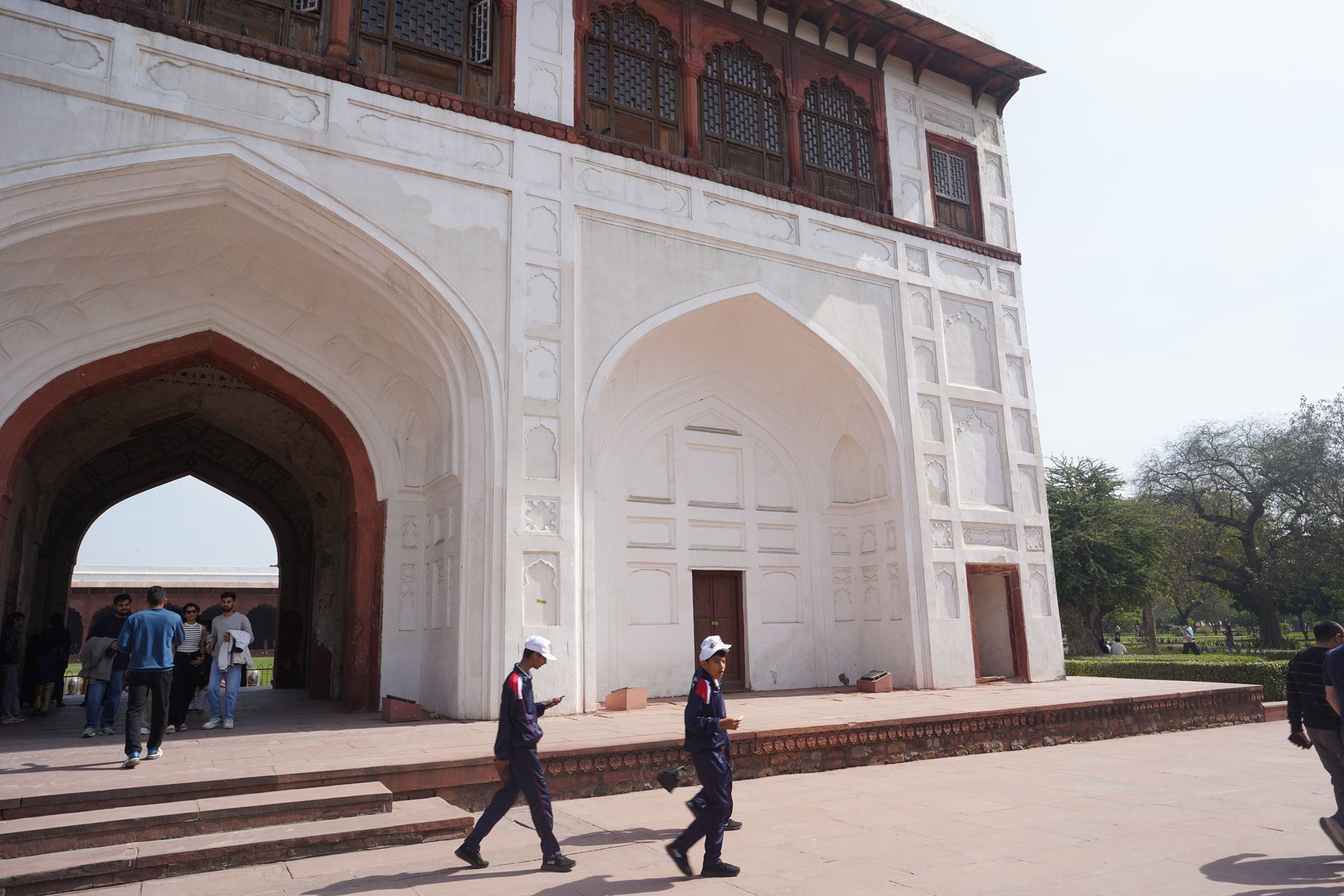
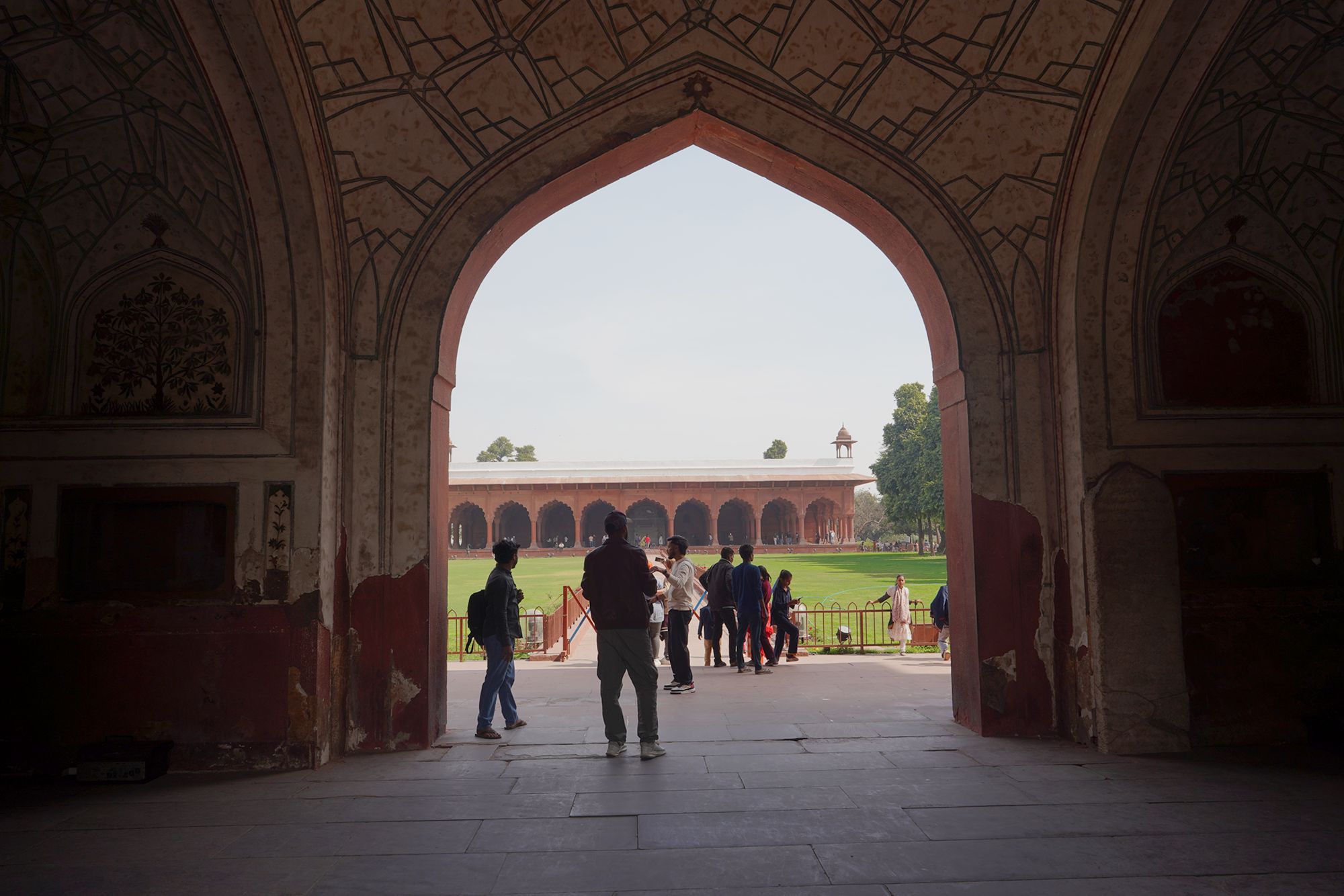
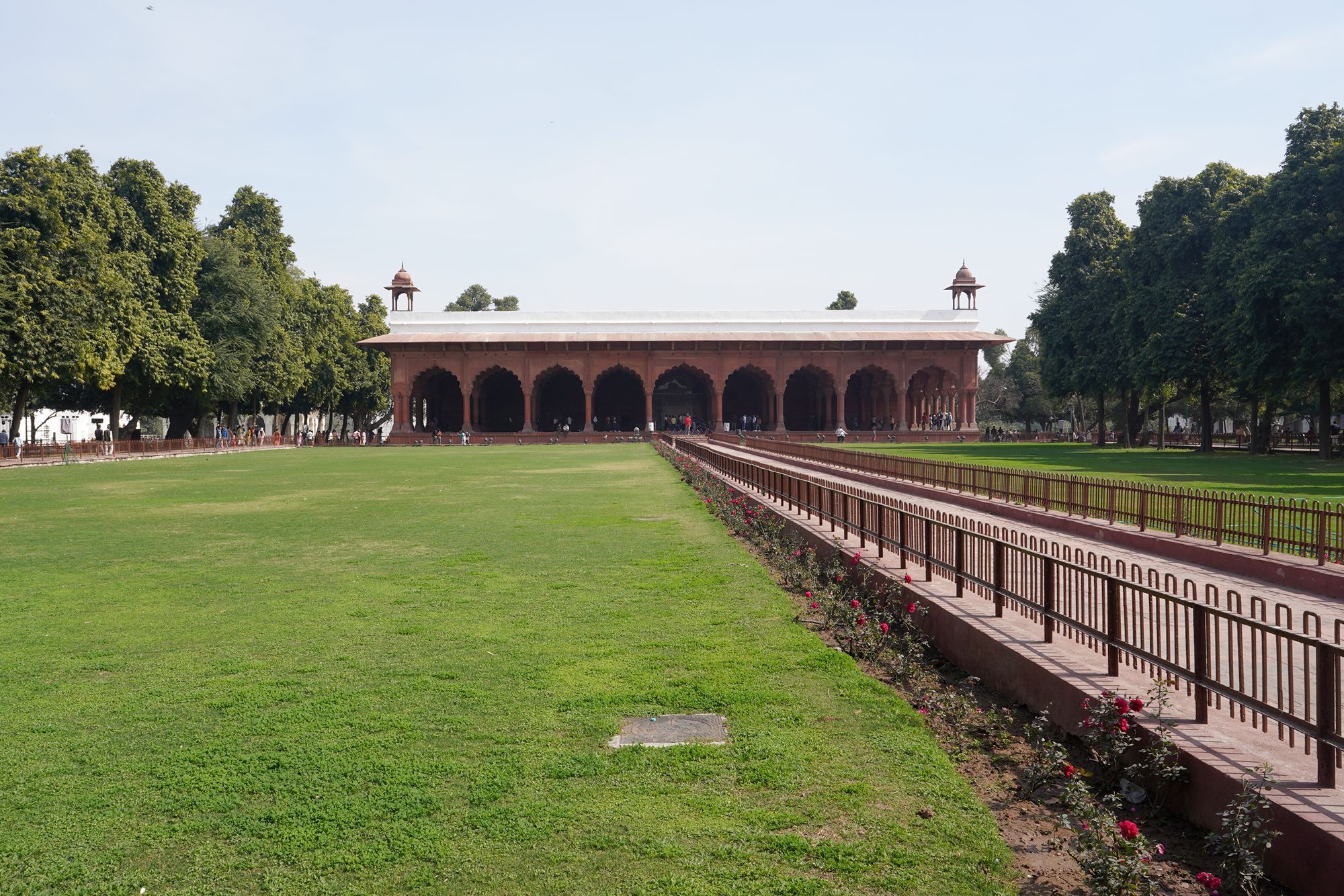
The back side of the Naubat Khana, or Drum House.
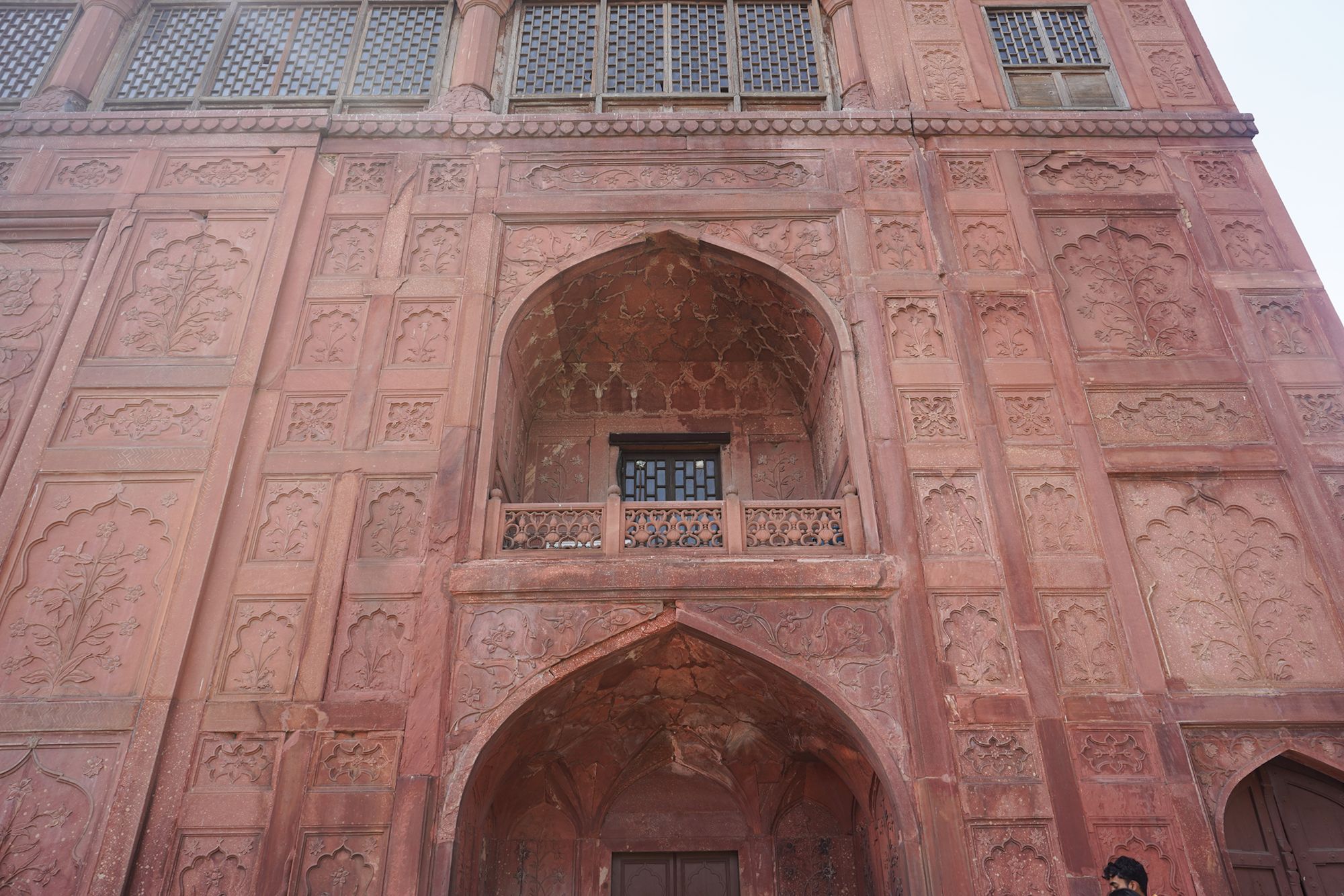
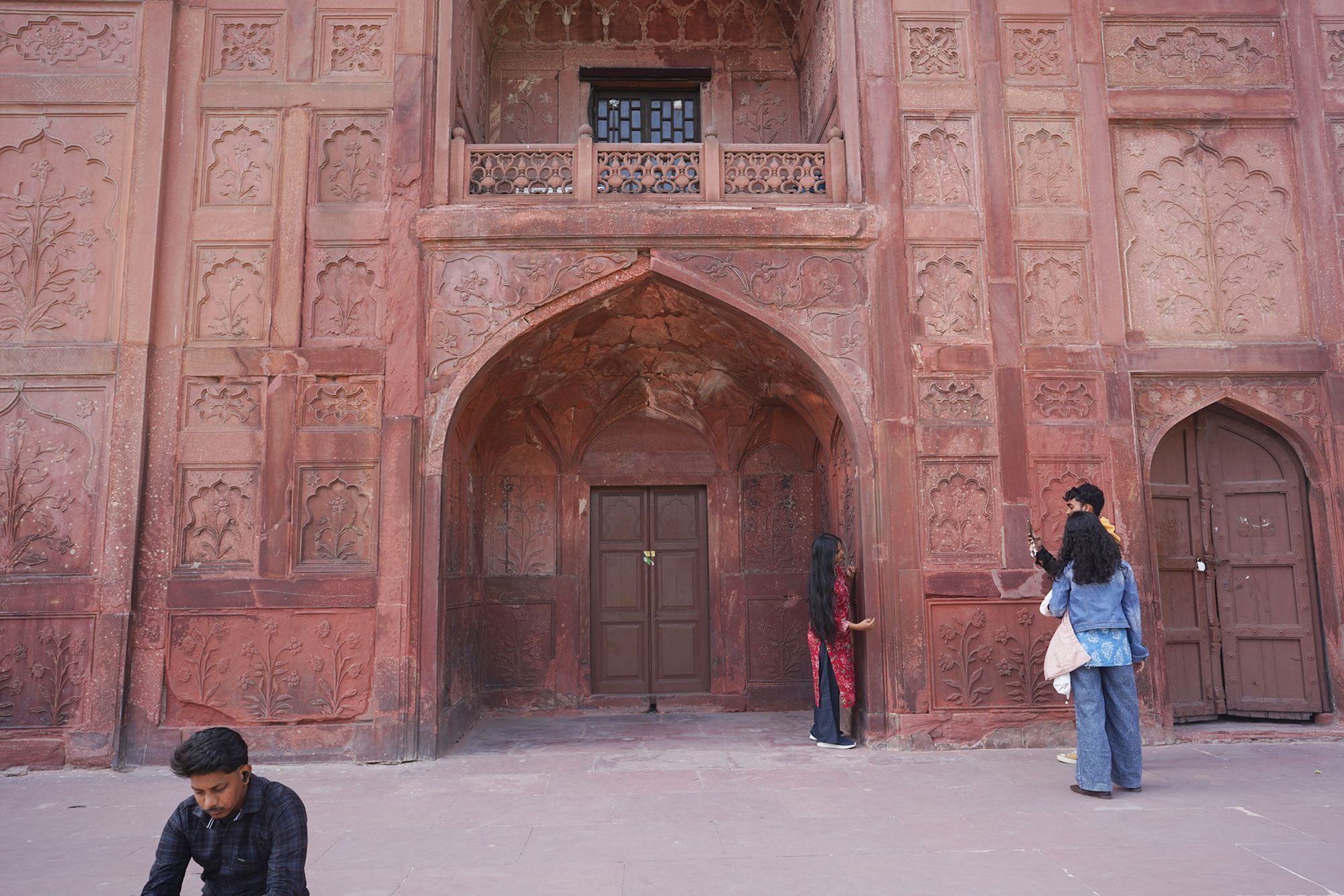
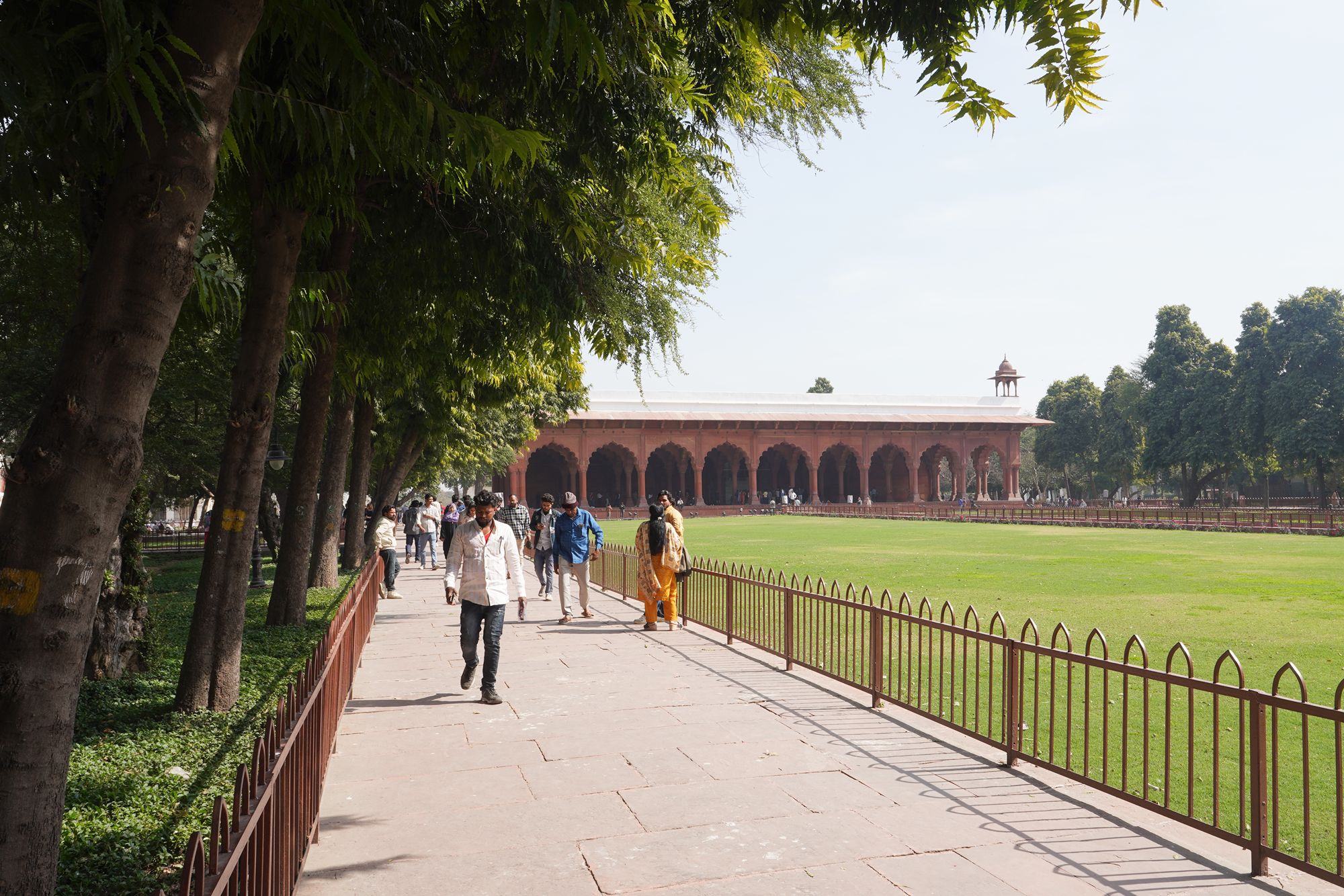
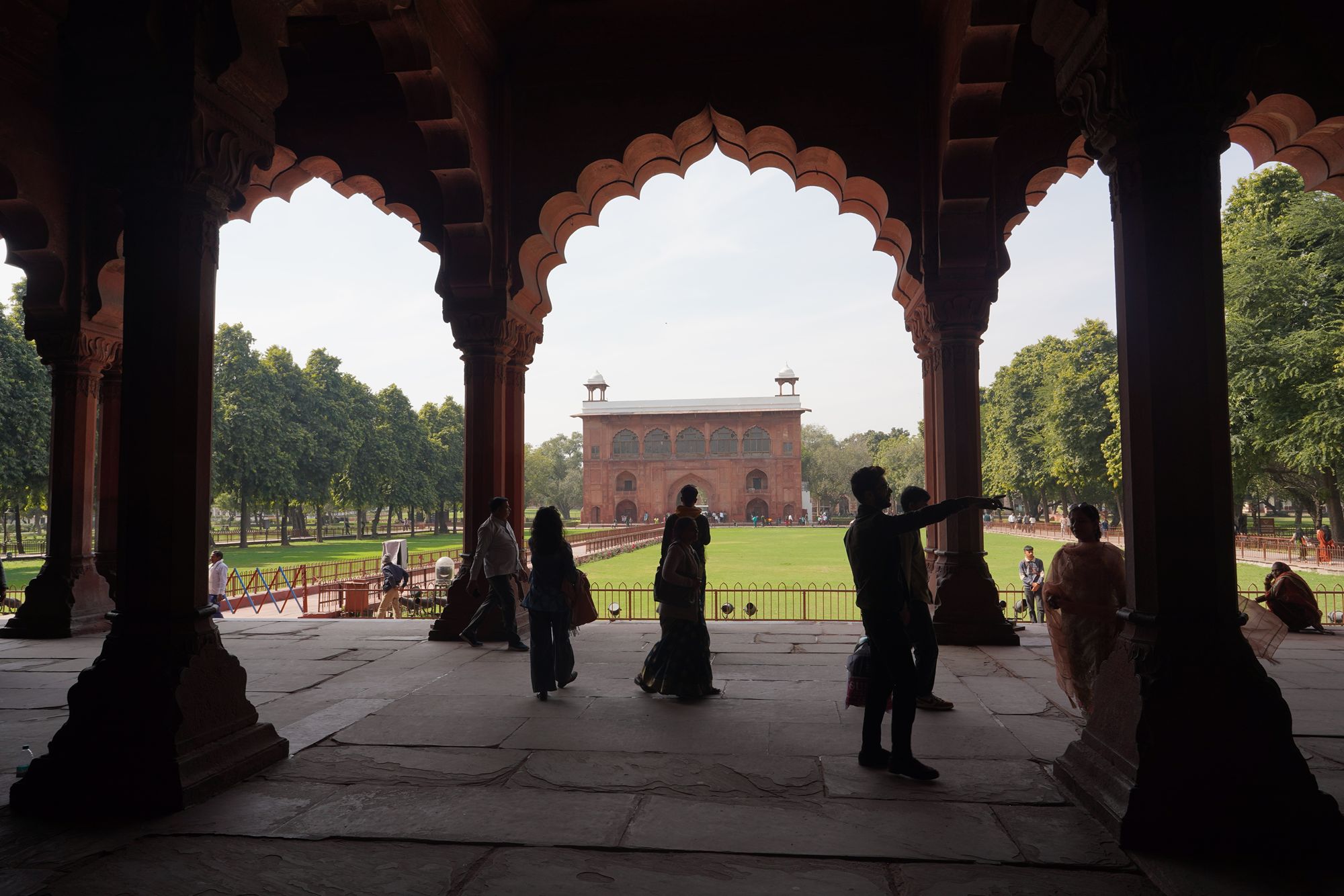
The Diwan-i-Am, or Hall of Public Audience, where the Mughal emperor met with the public and heard their petitions.
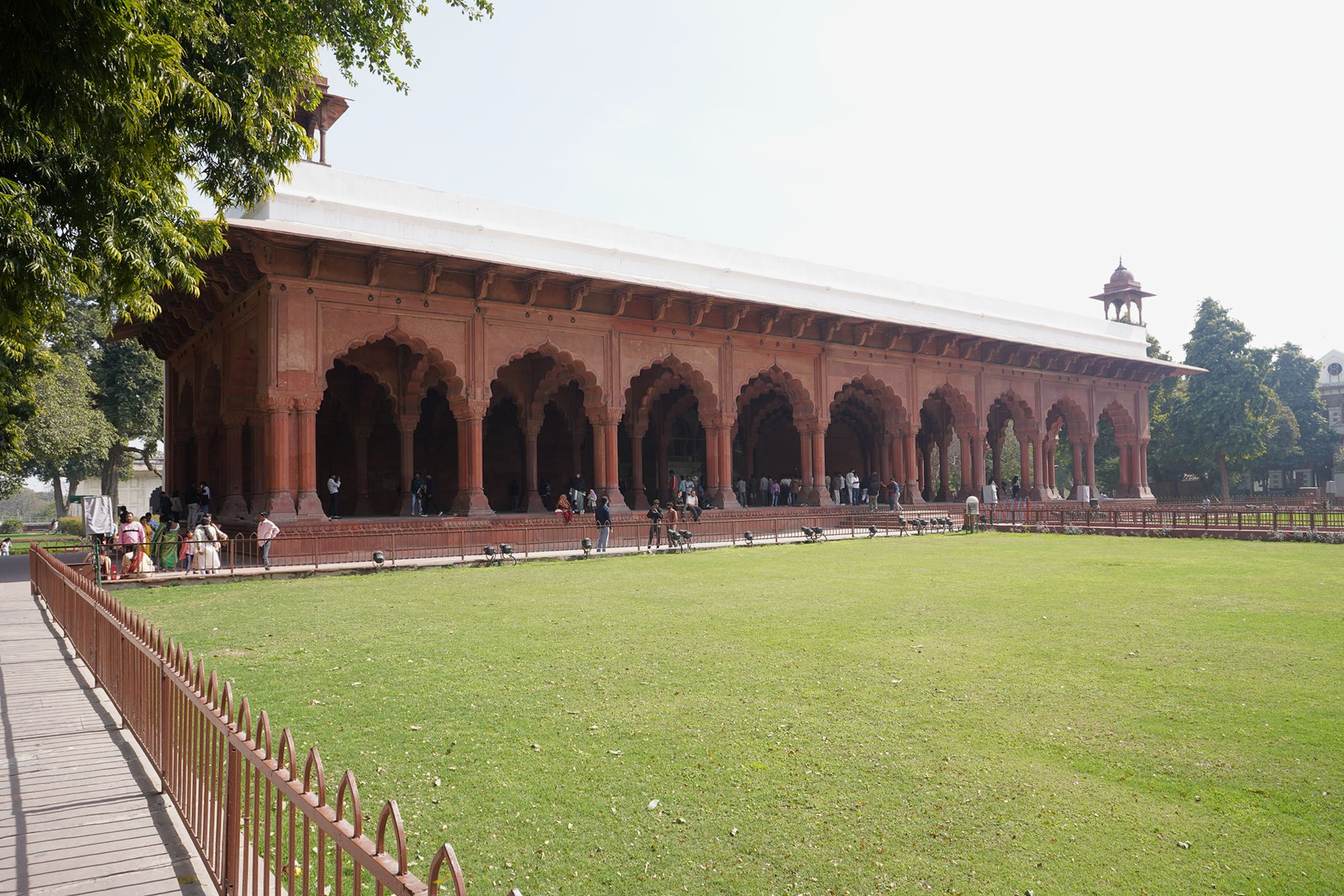
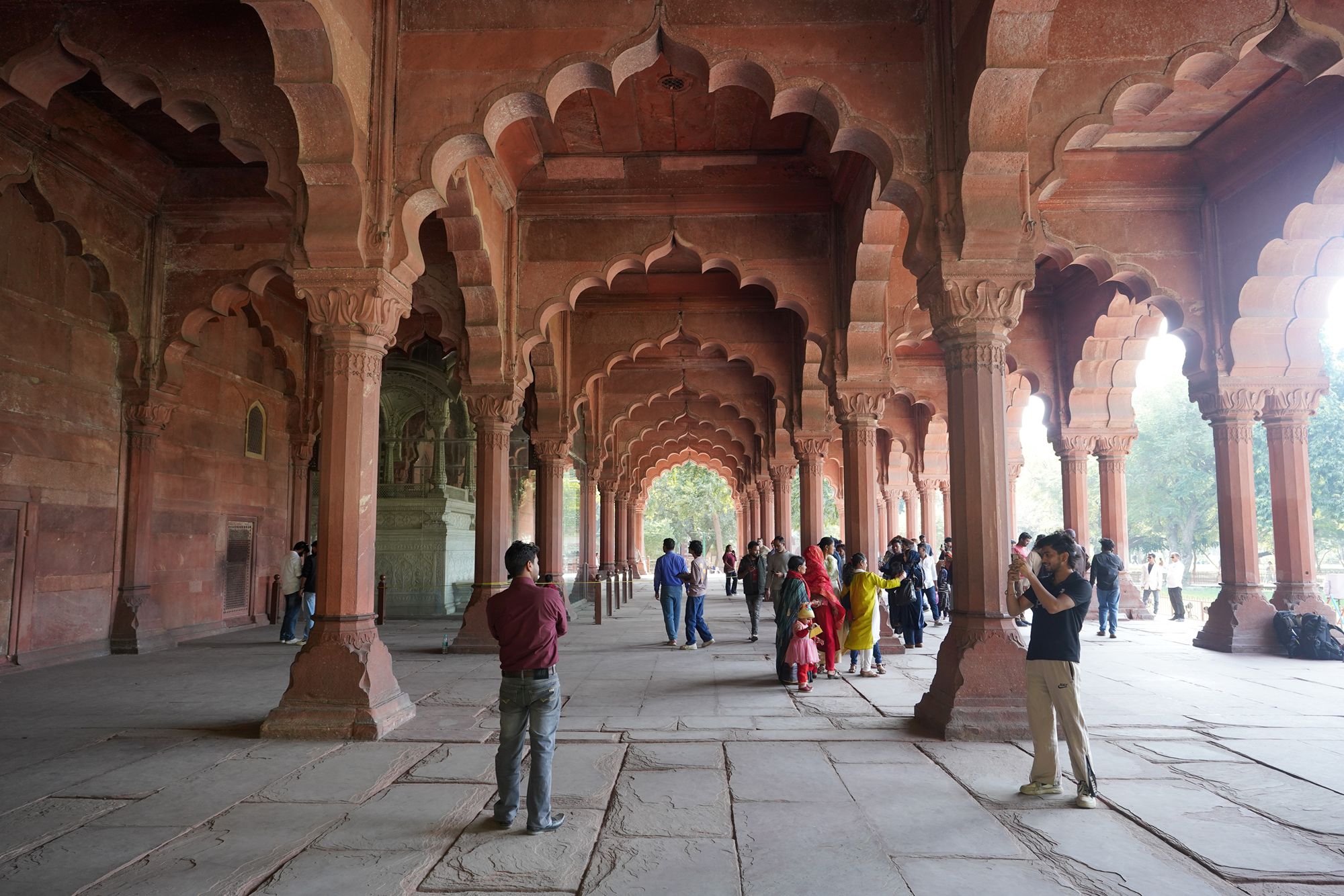
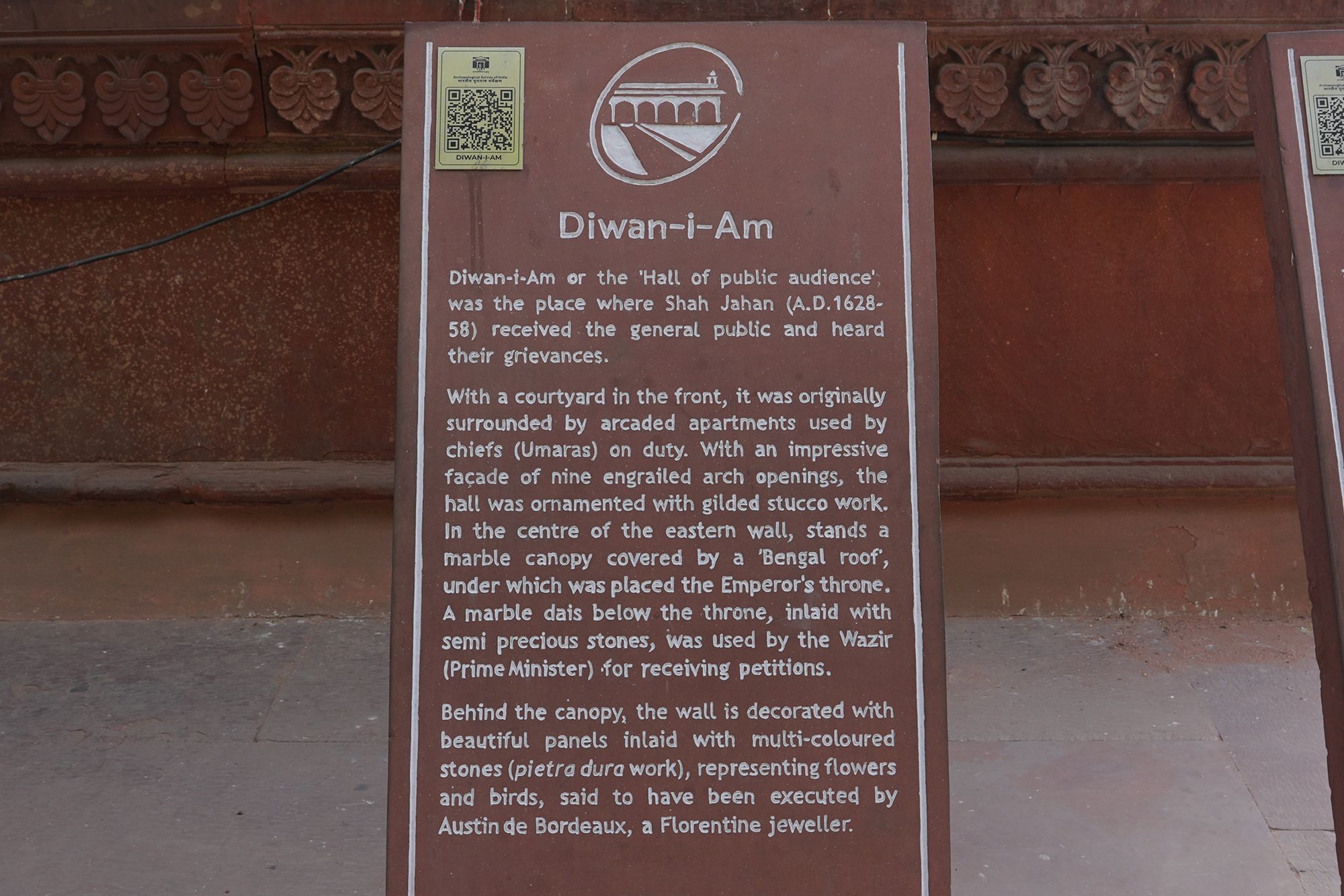
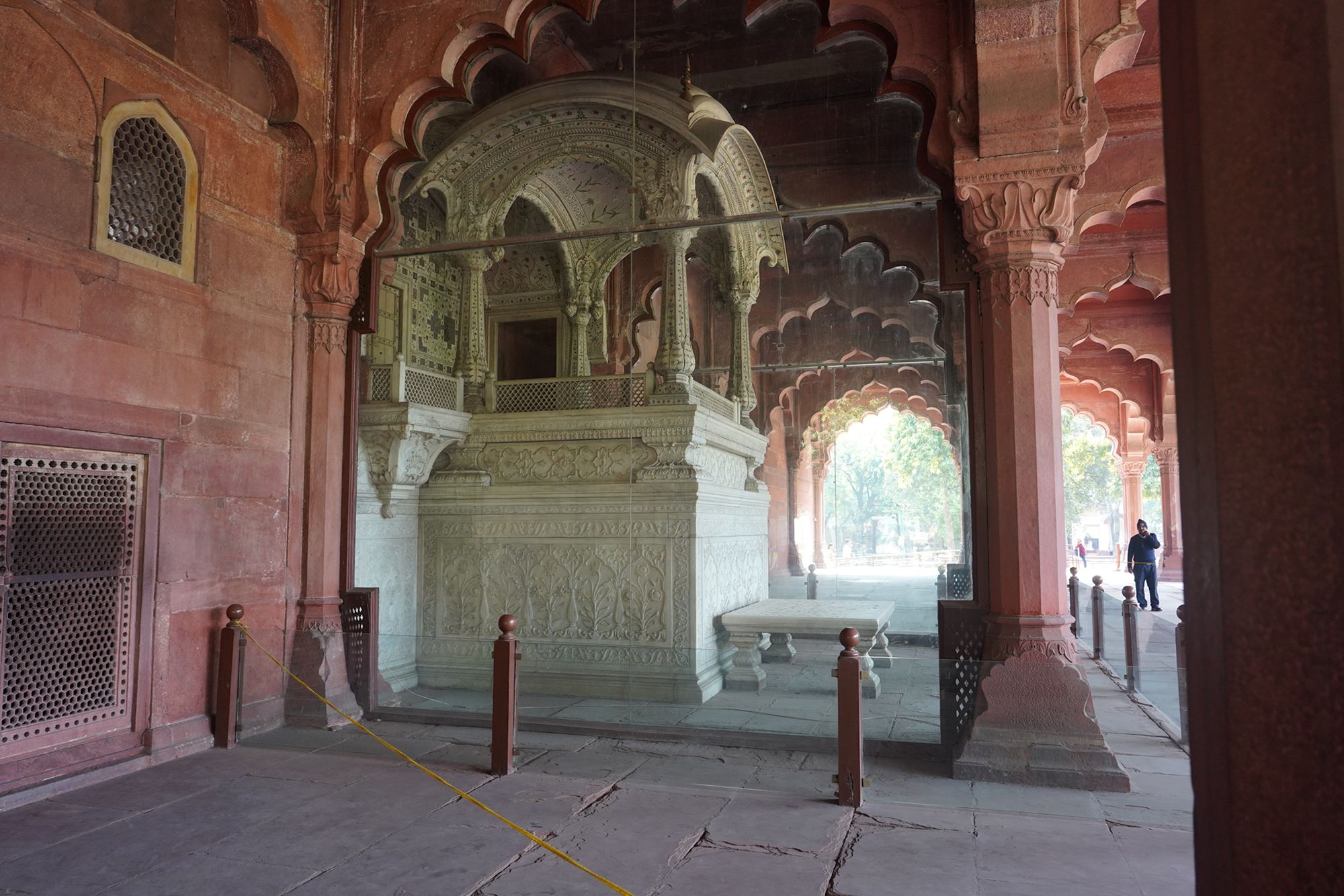
Looking back at the Drum House
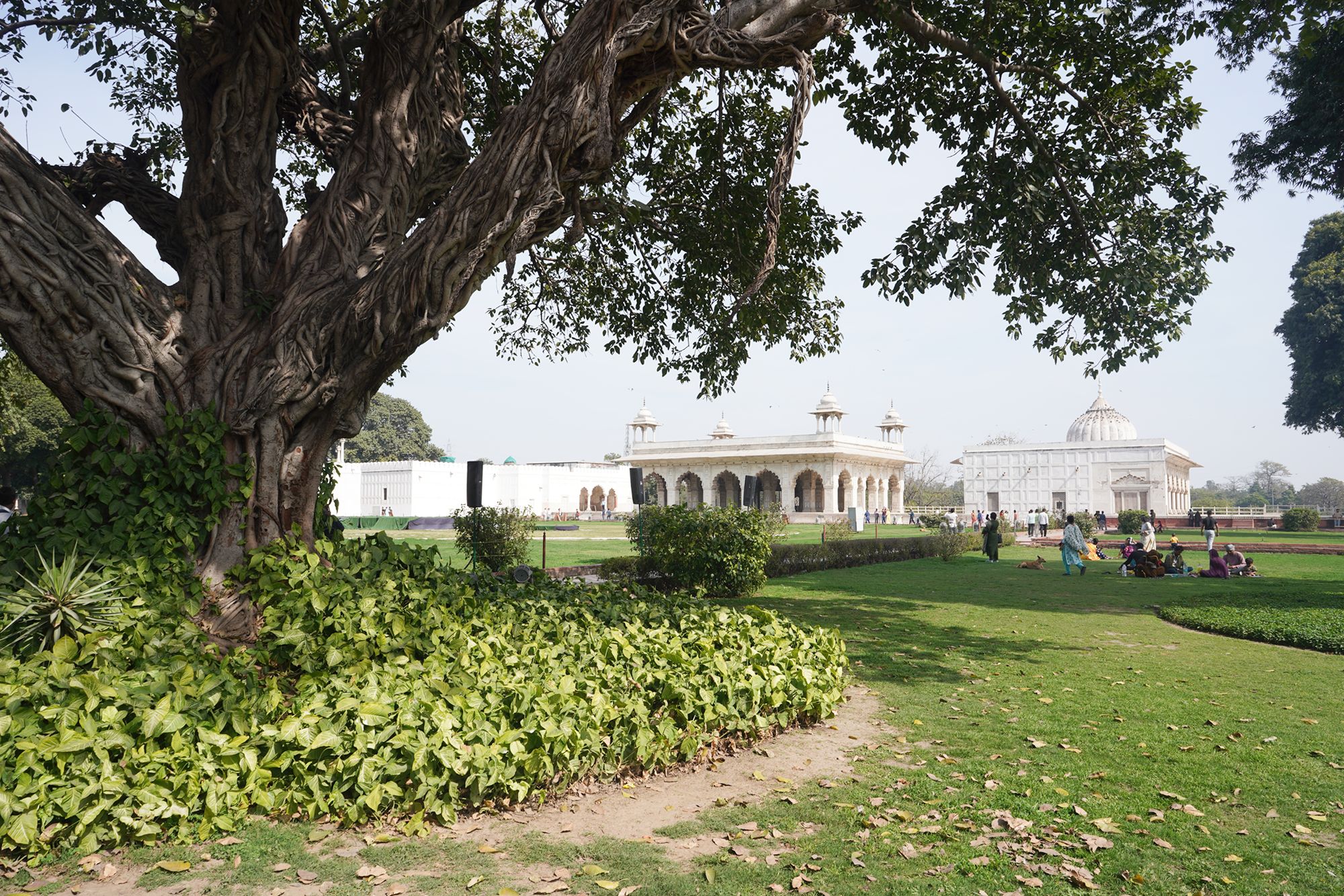
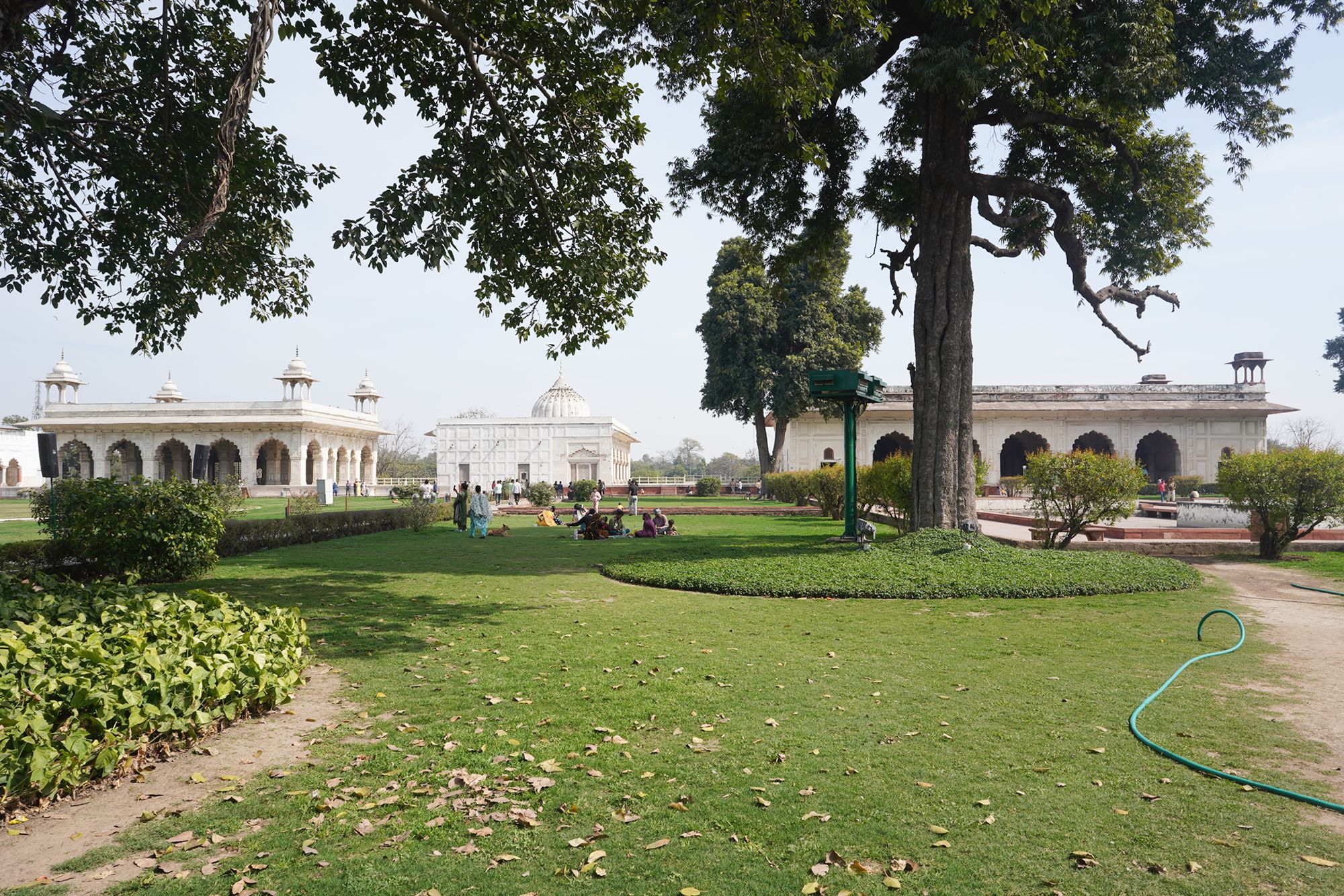
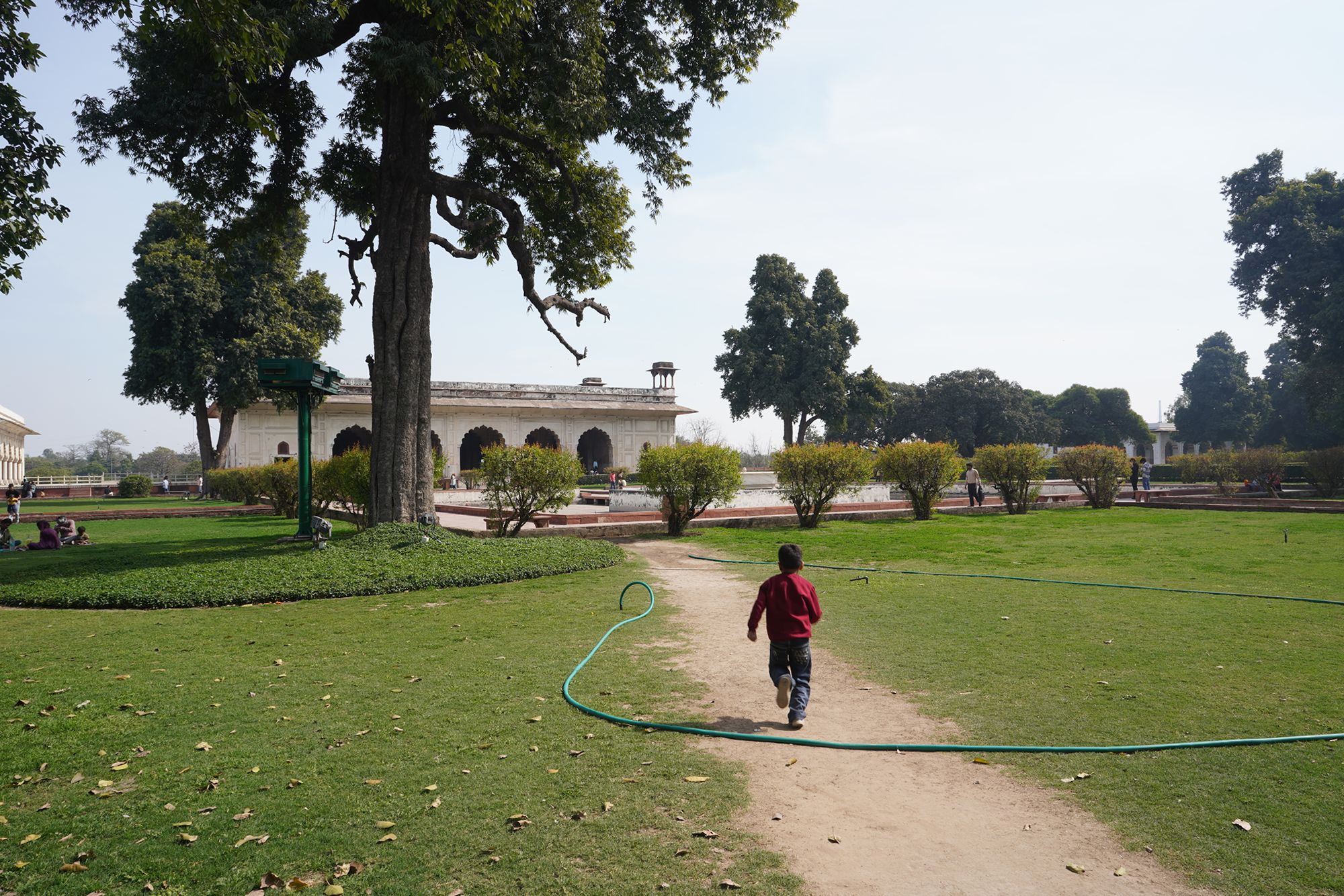
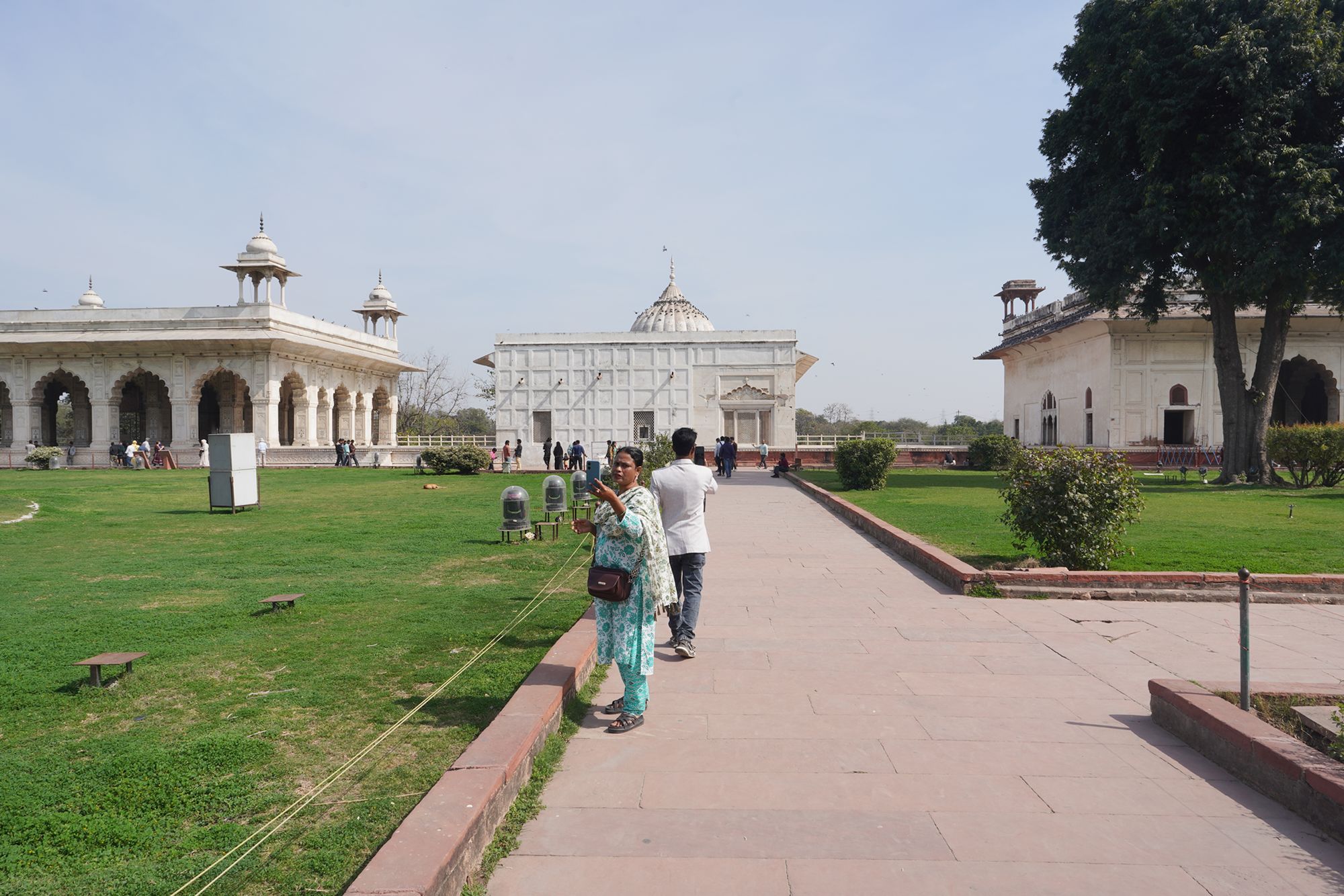
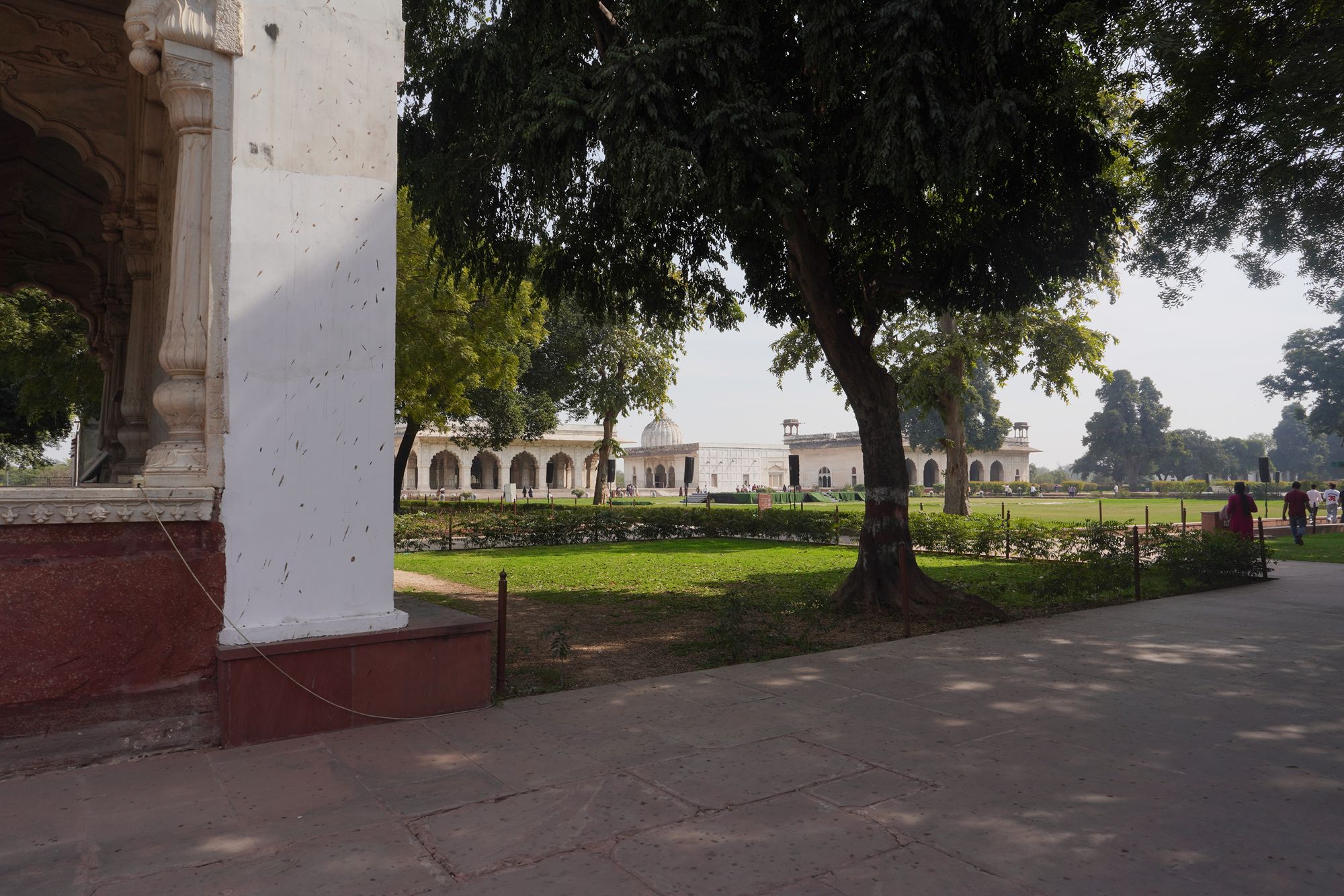
Behind the Diwan-i-Am are the elegant marble buildings of the Mughal imperial palace, including the Diwan-i-Khas, Royal Baths, and Khas Mahal.
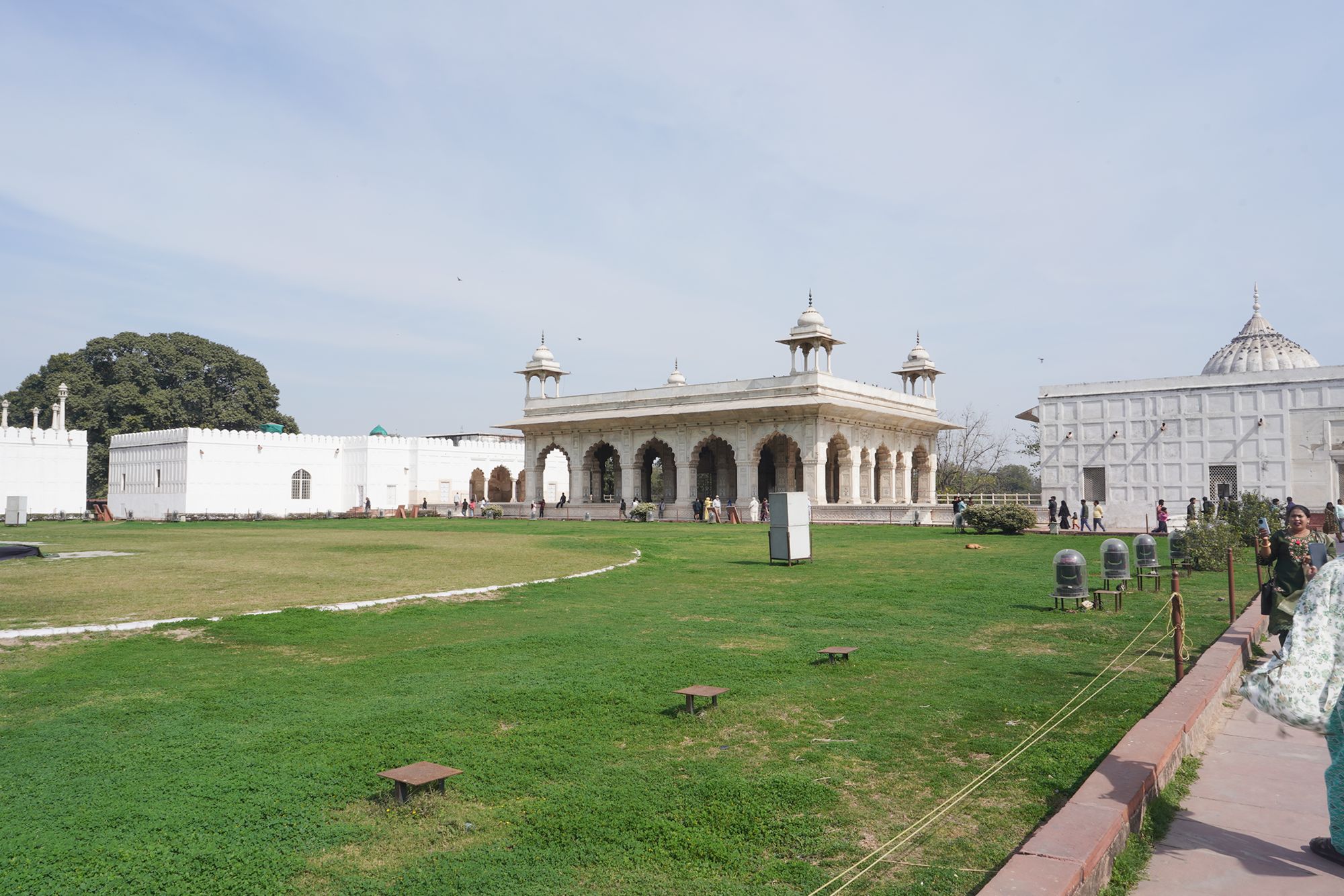
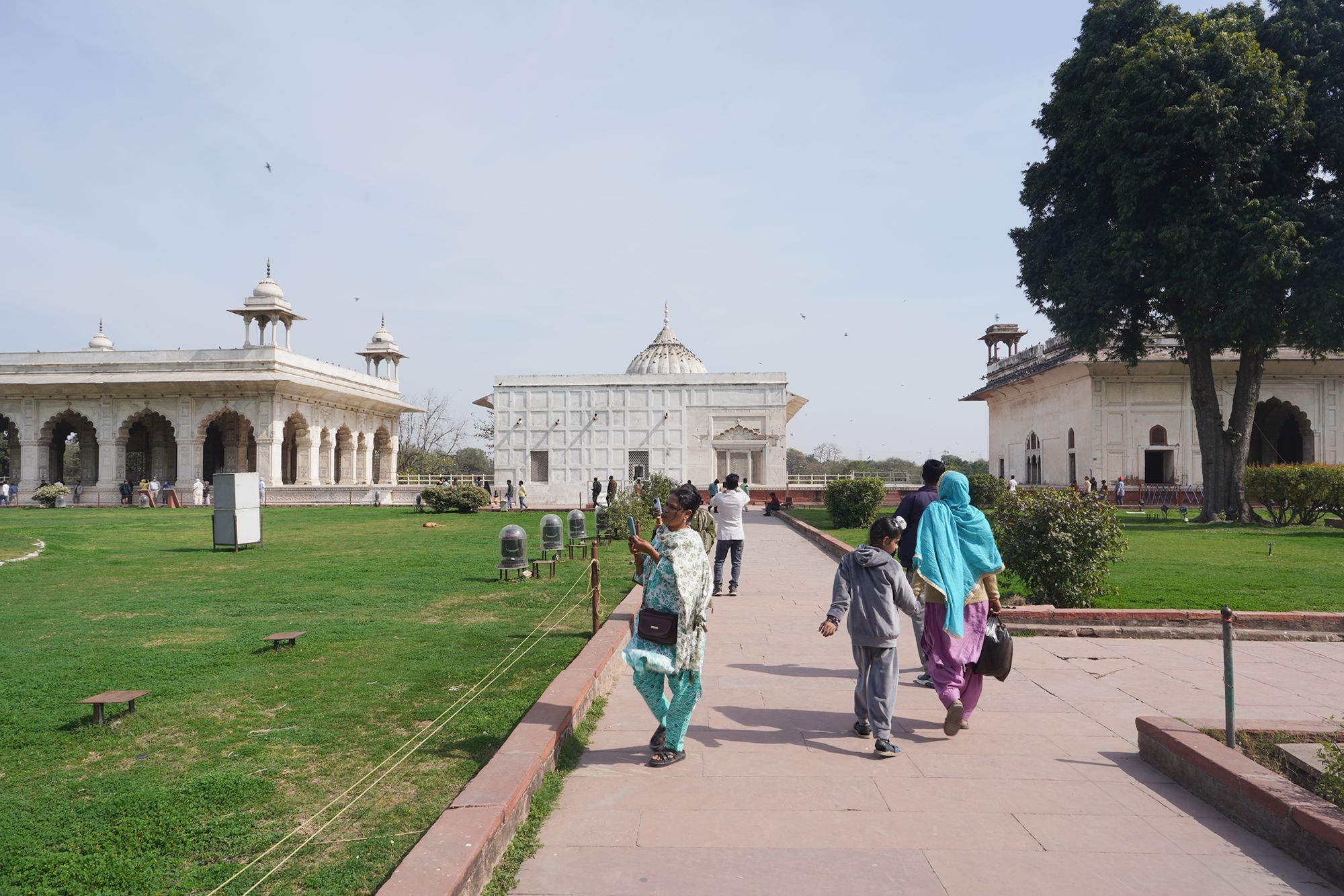
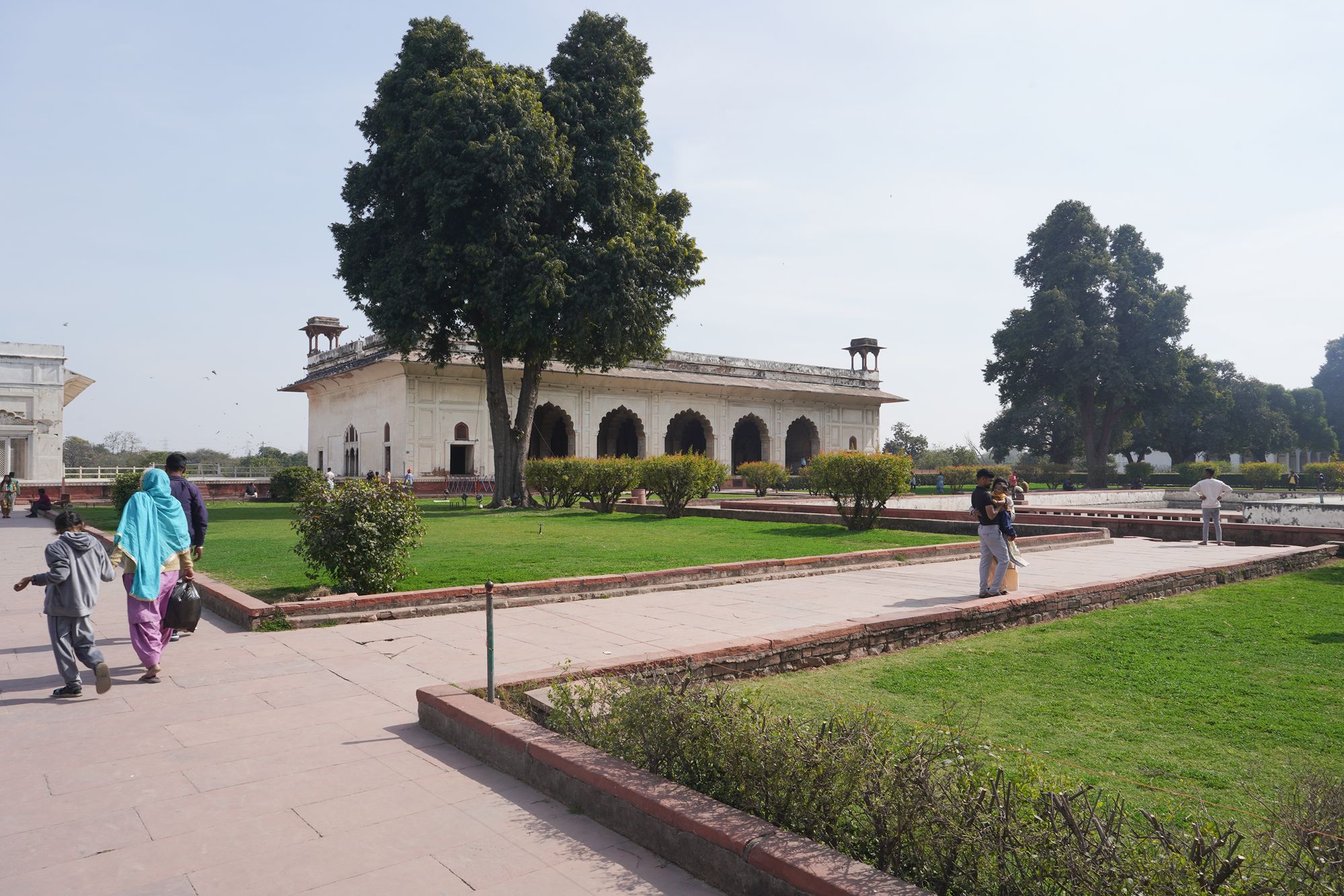
Left: Diwan-i-Khas (Hall of Private Audience) — where the emperor received important officials and distinguished guests.
Center: Hammam (Royal Baths) — the private bathing rooms used by the Mughal emperor.
Right: Khas Mahal — part of the emperor’s private residential quarters.
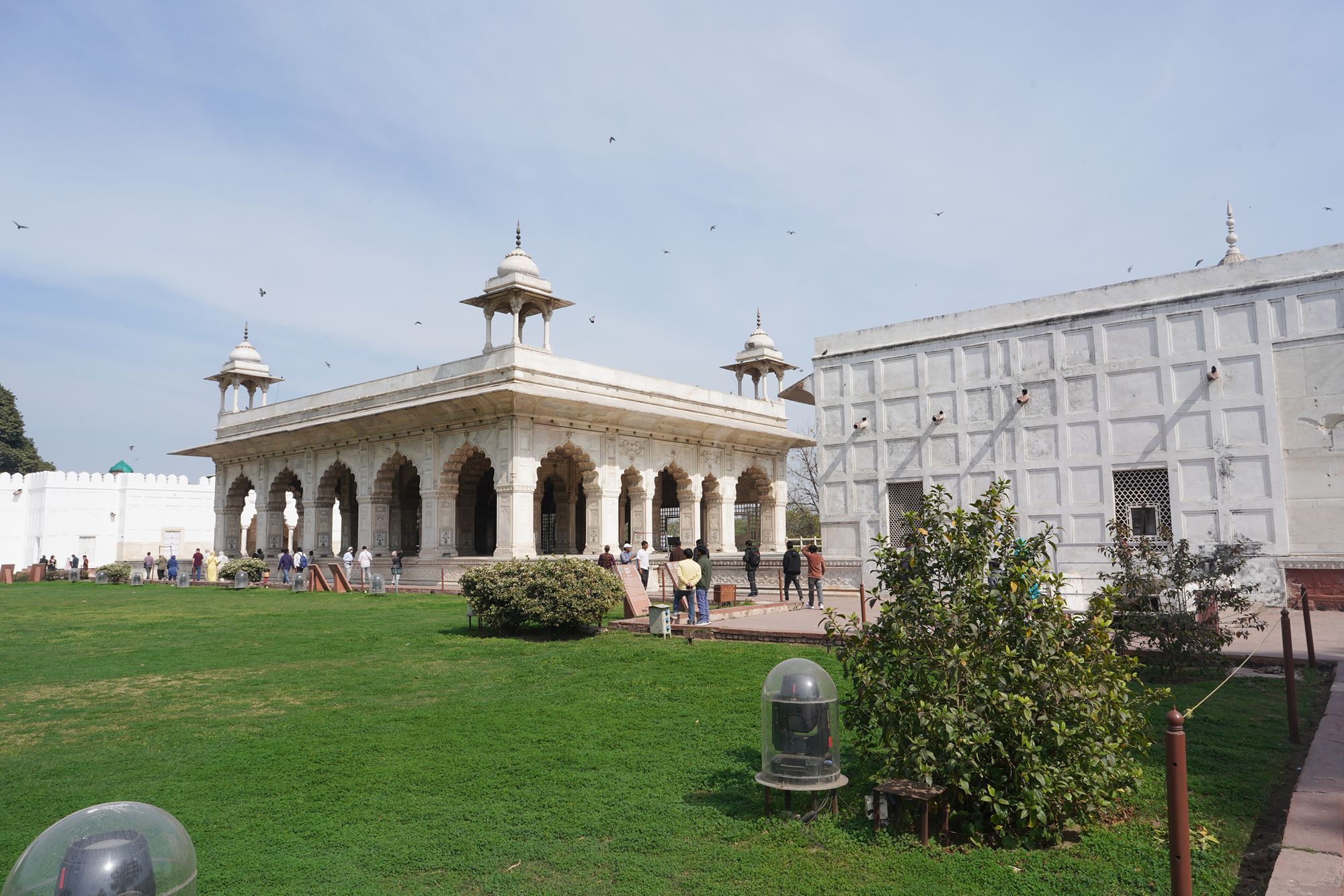
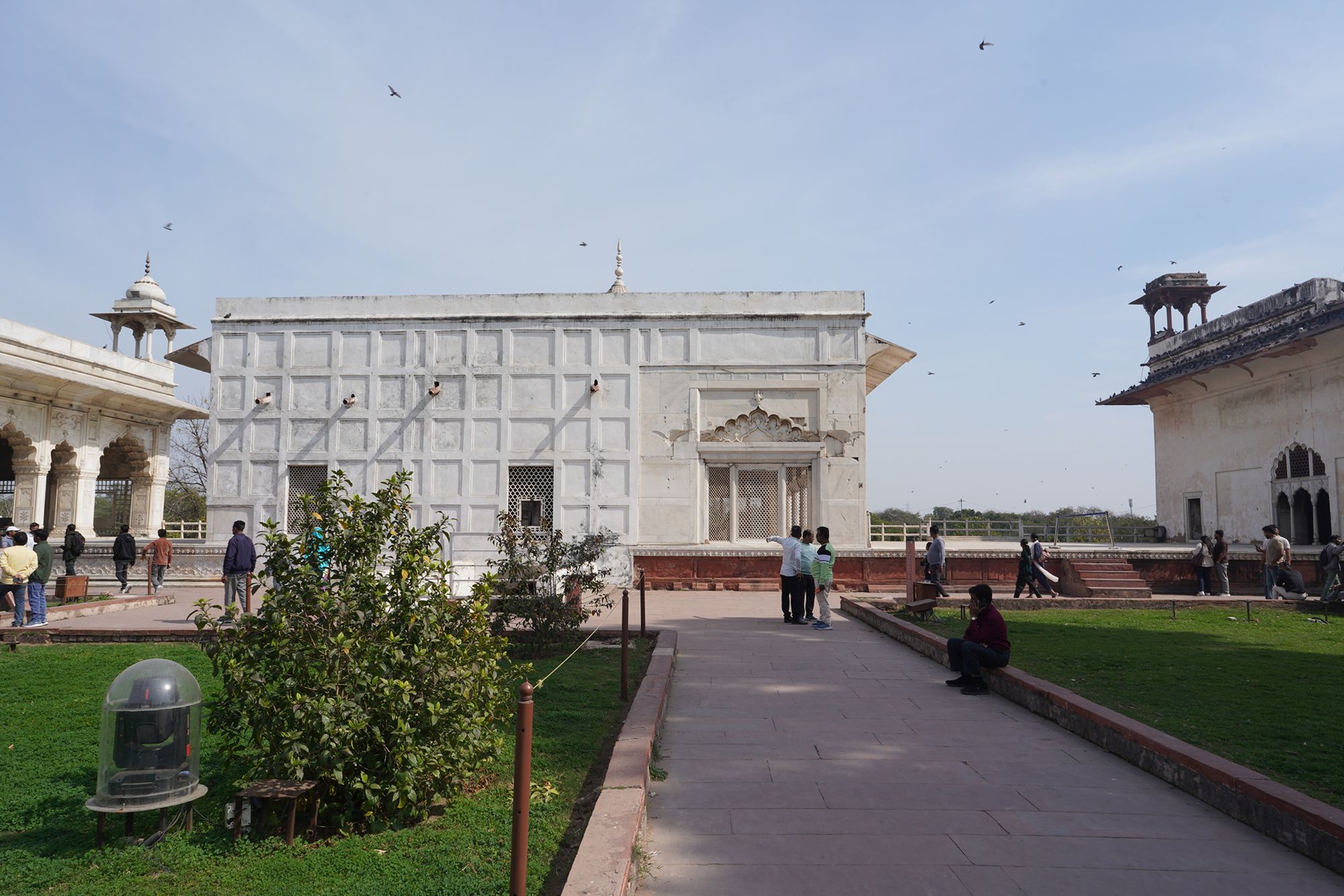
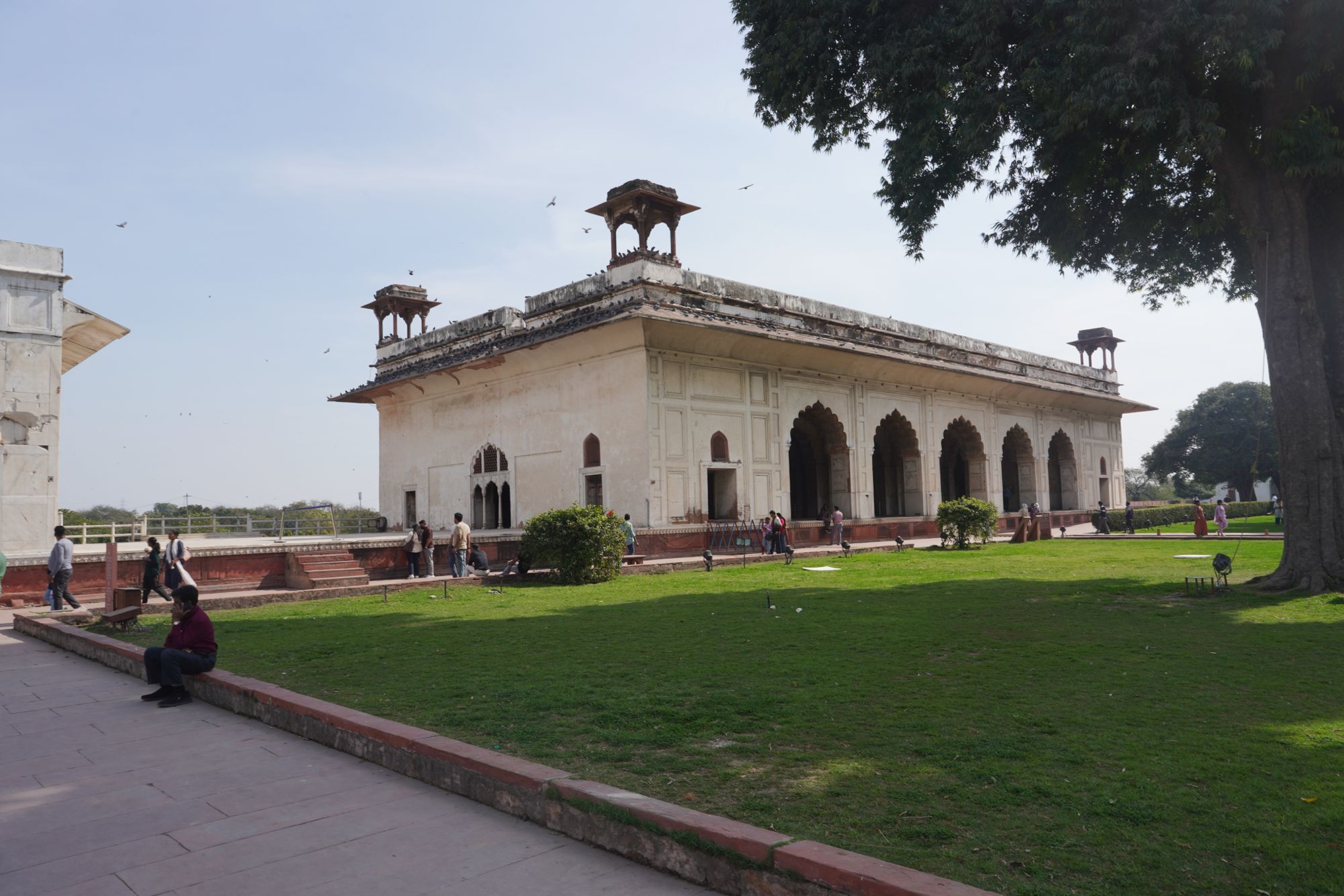
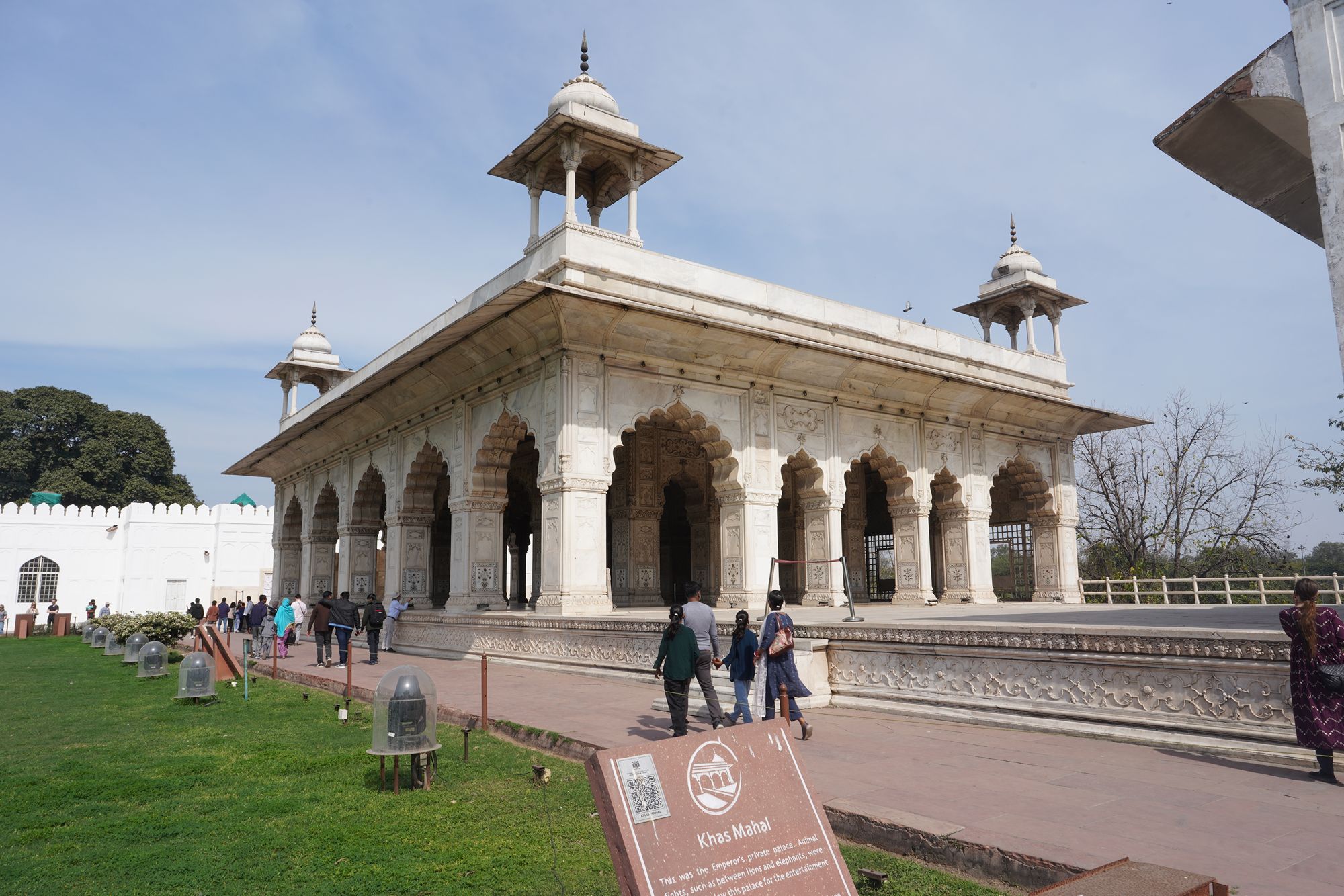
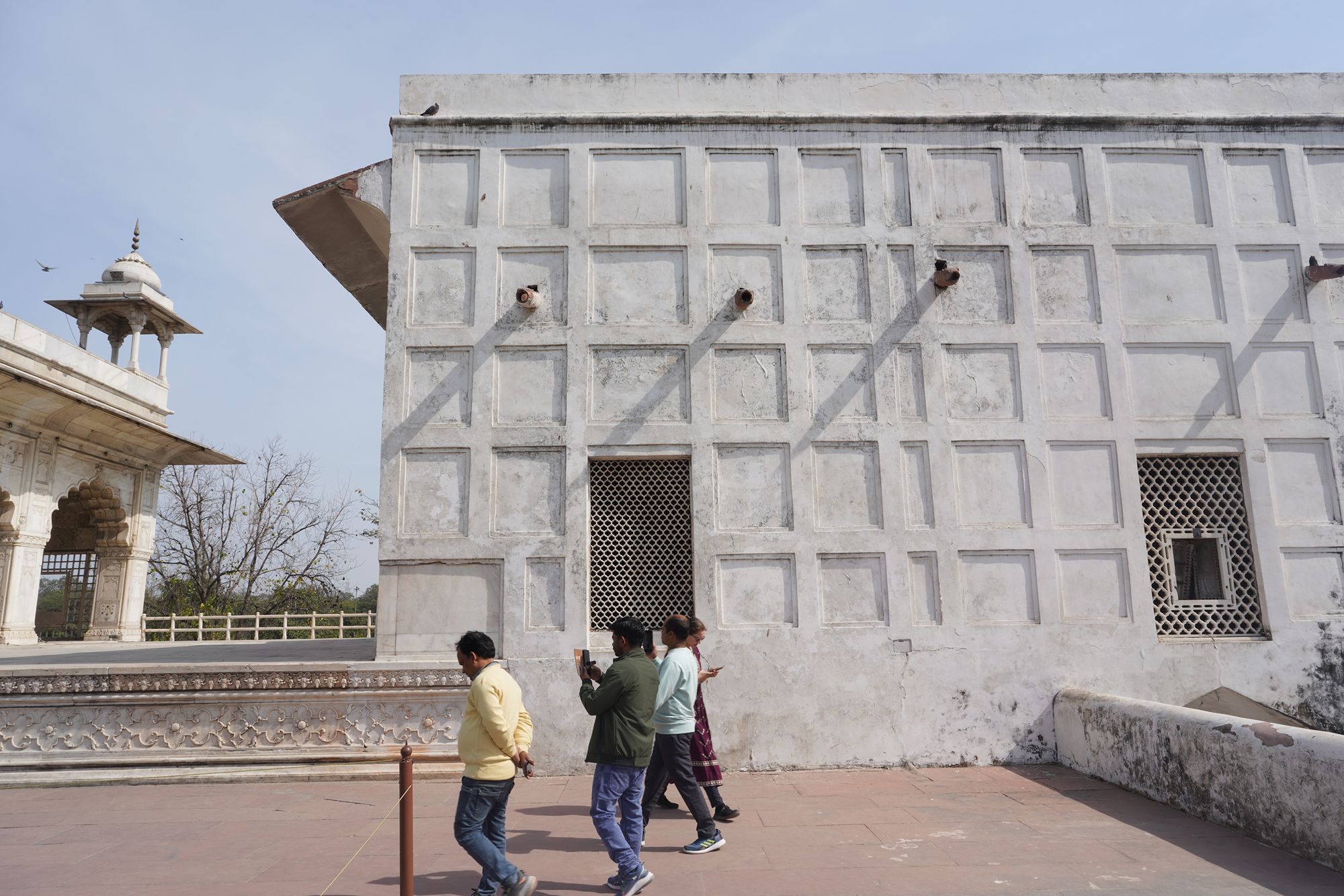
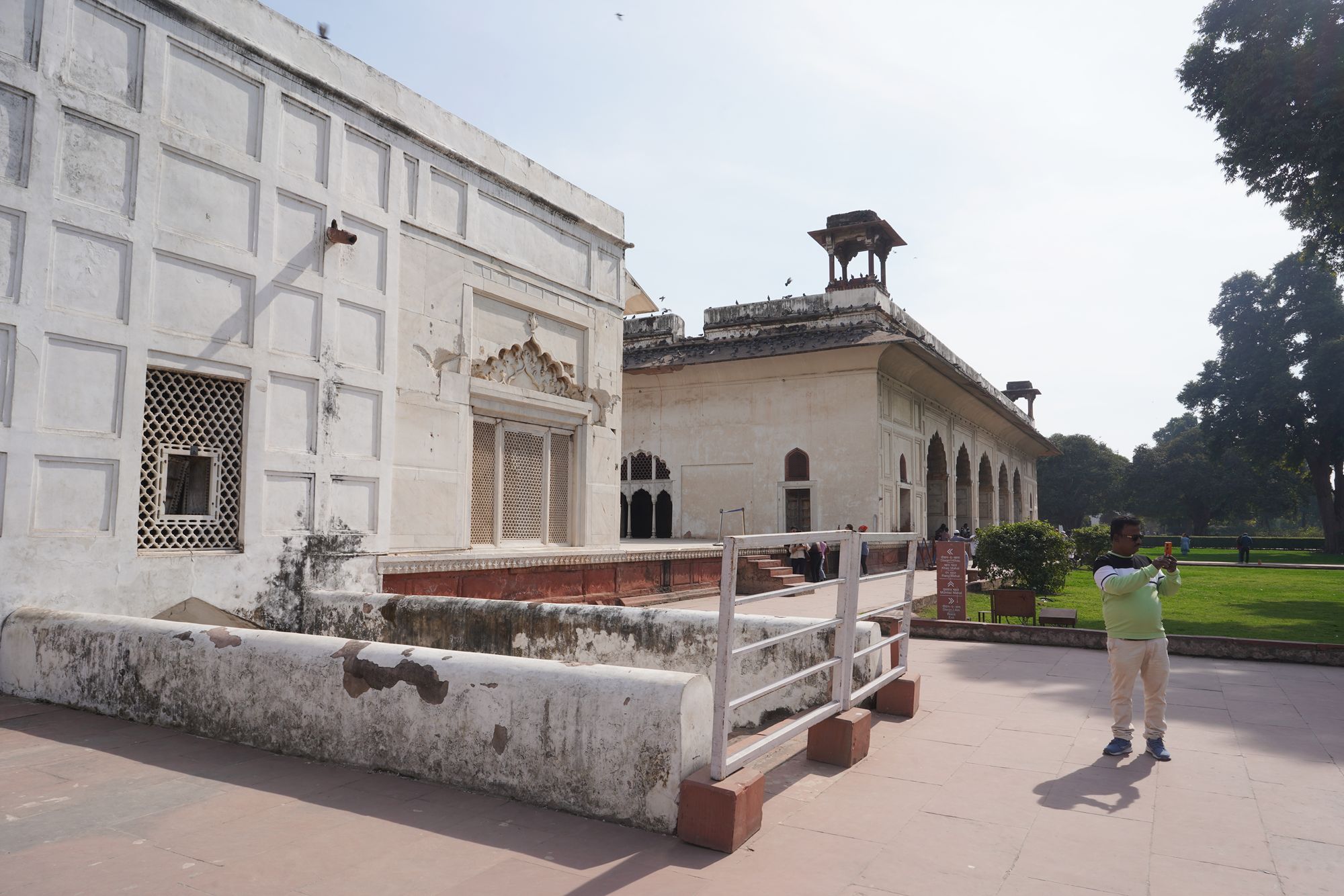
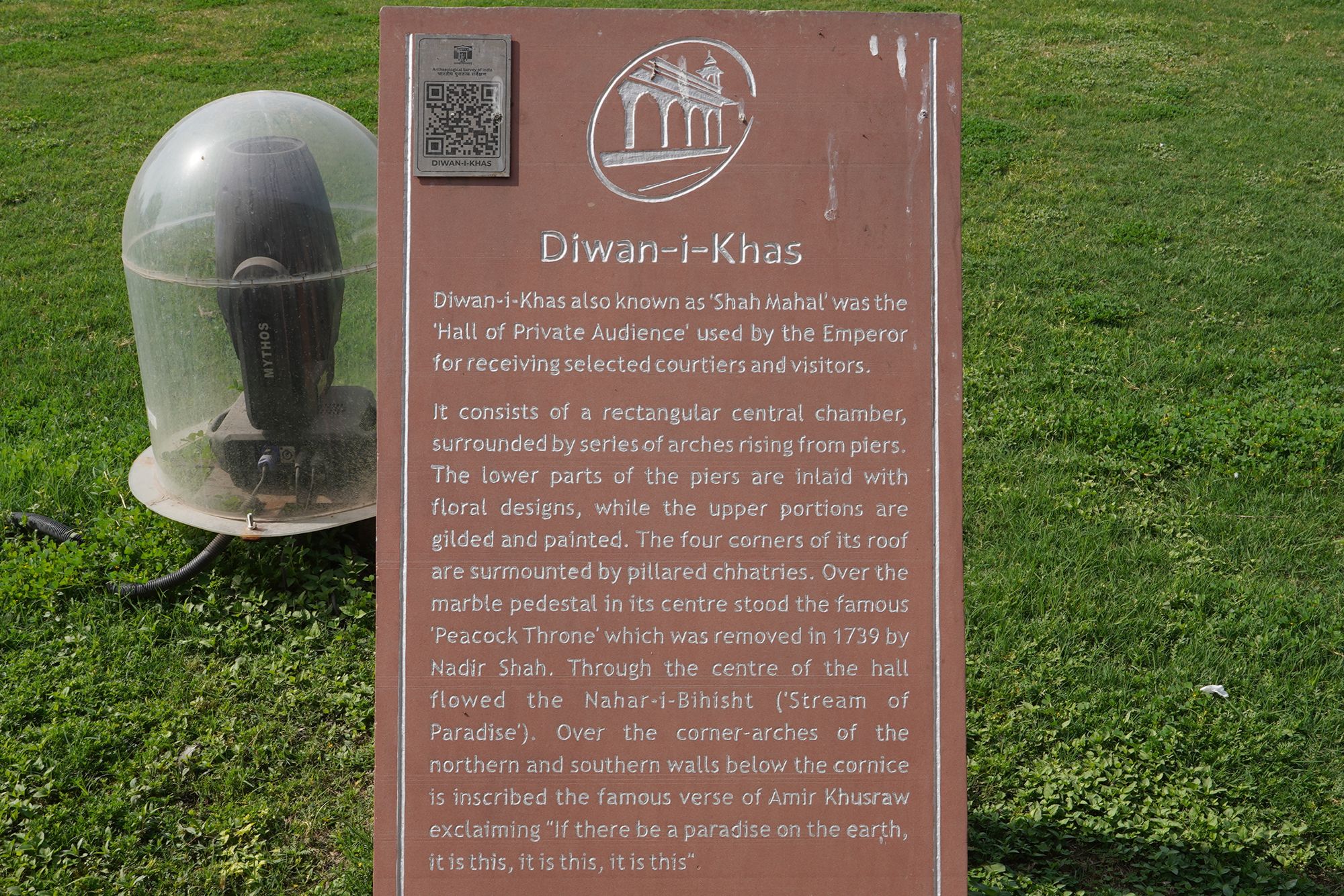
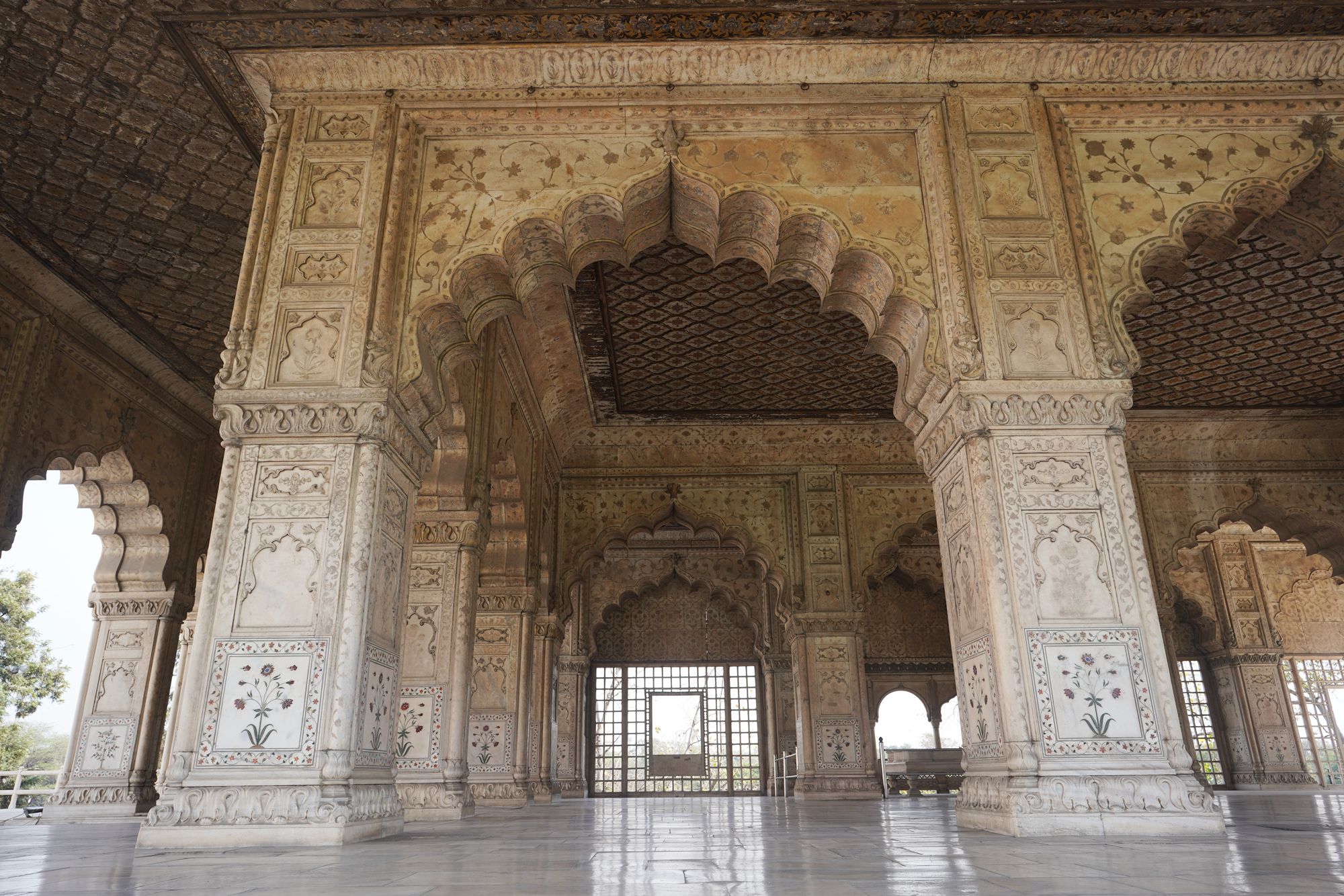
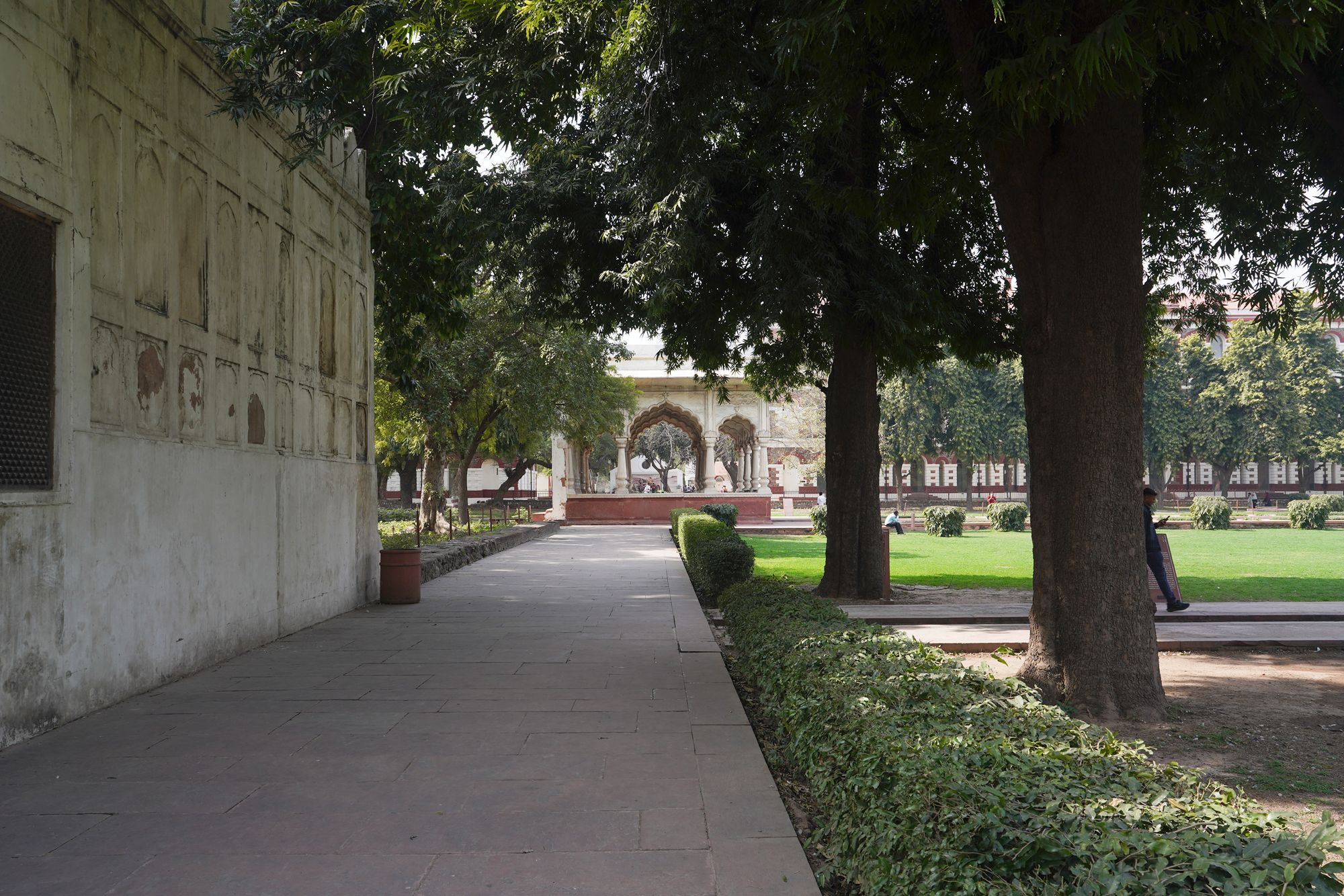
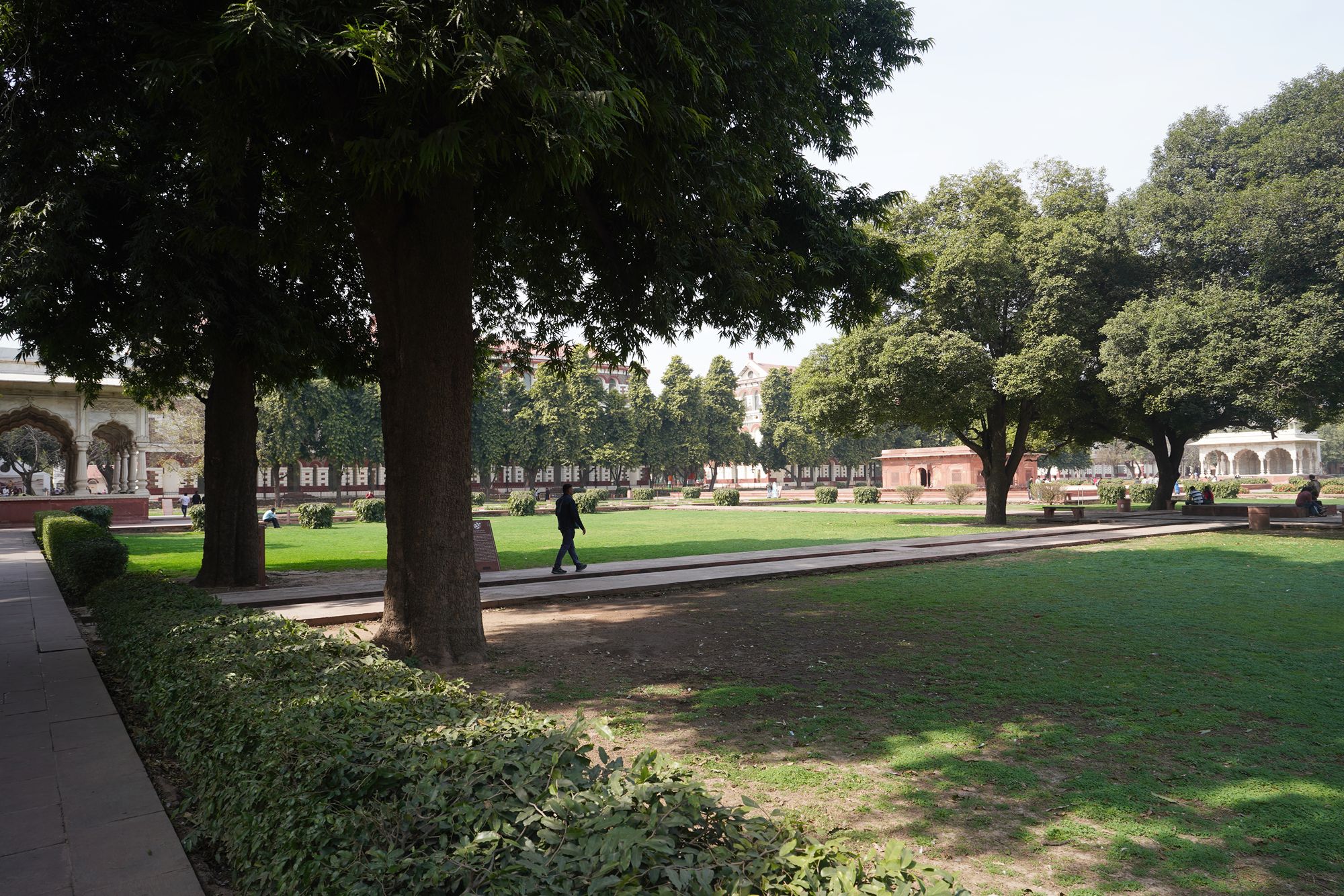
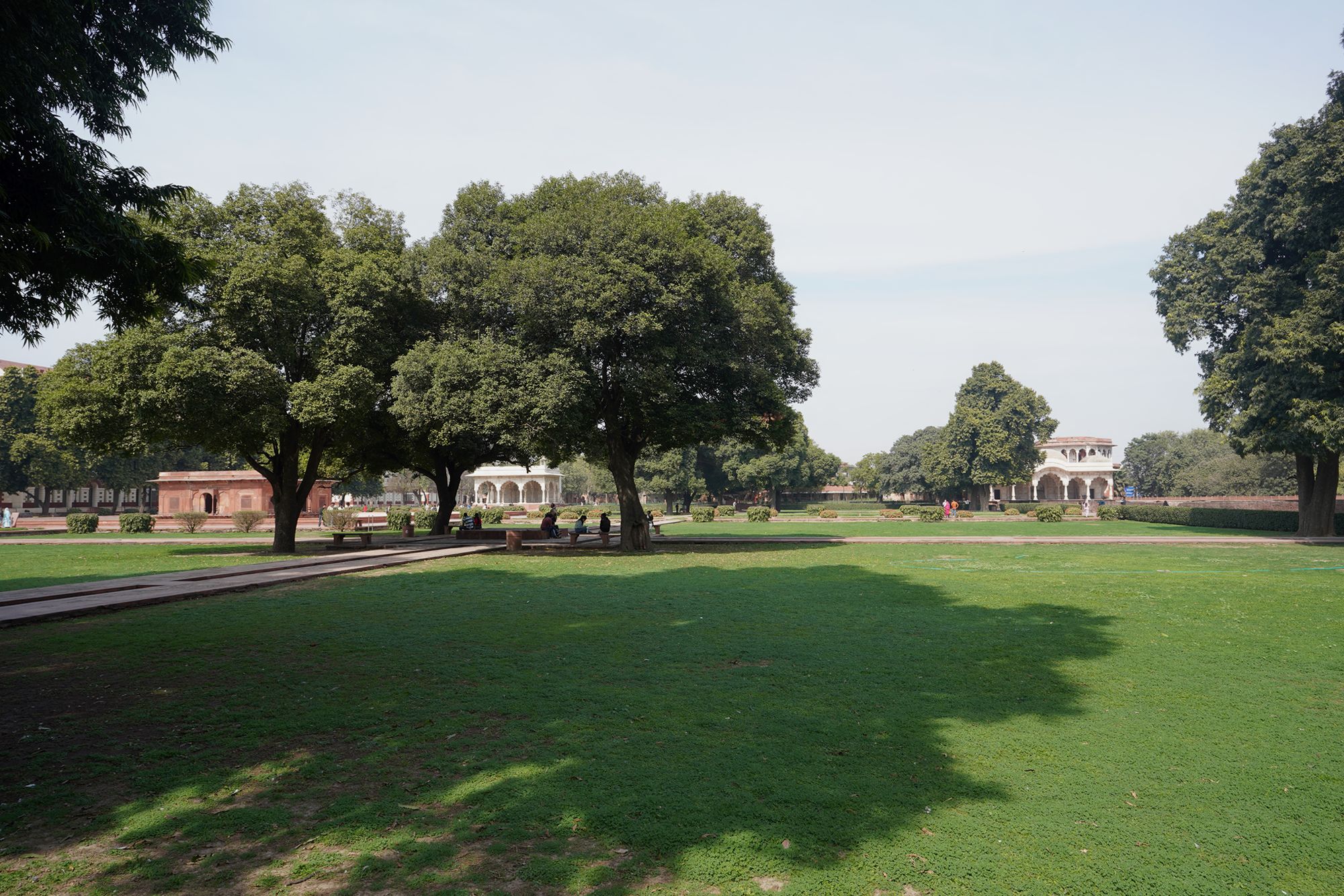
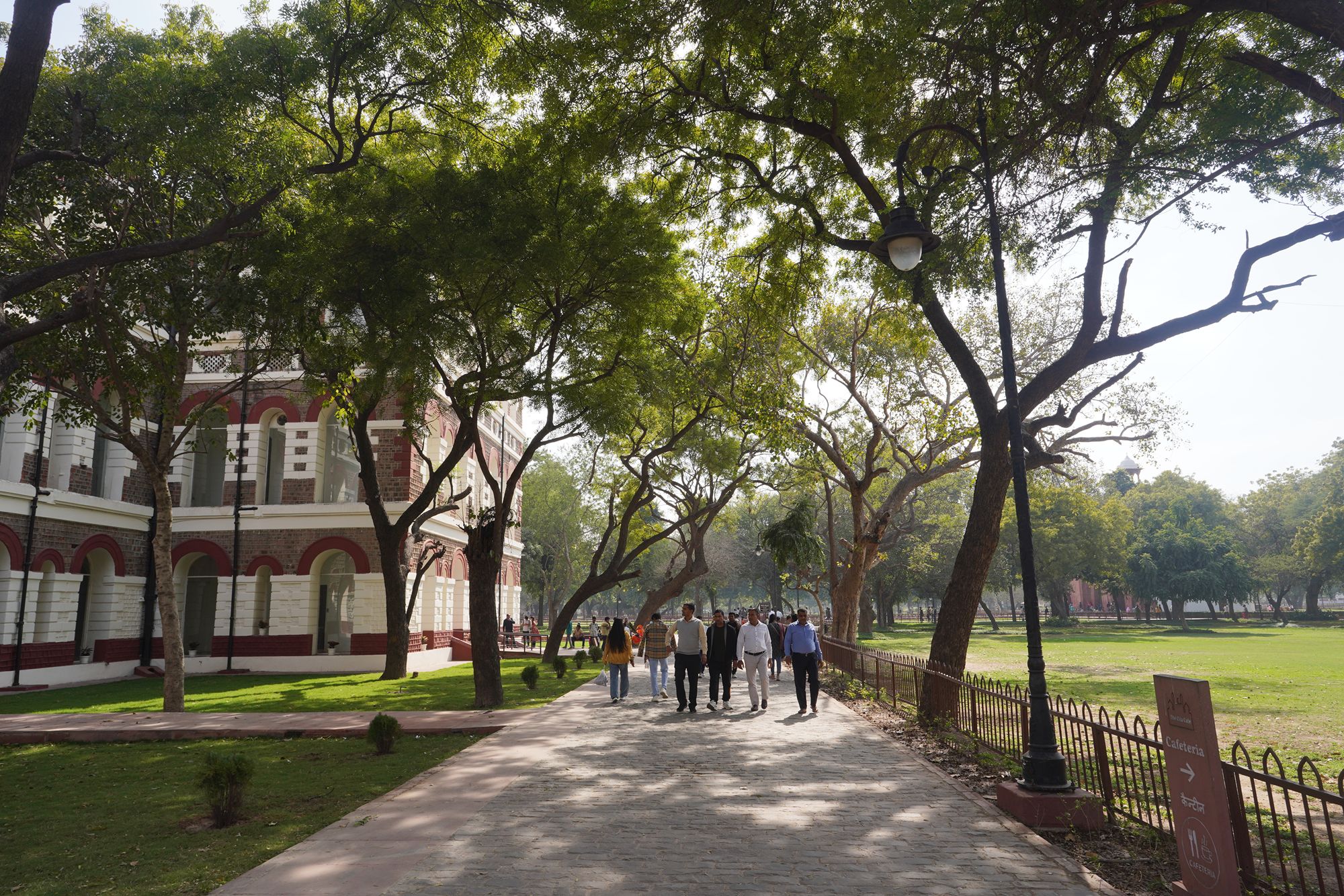
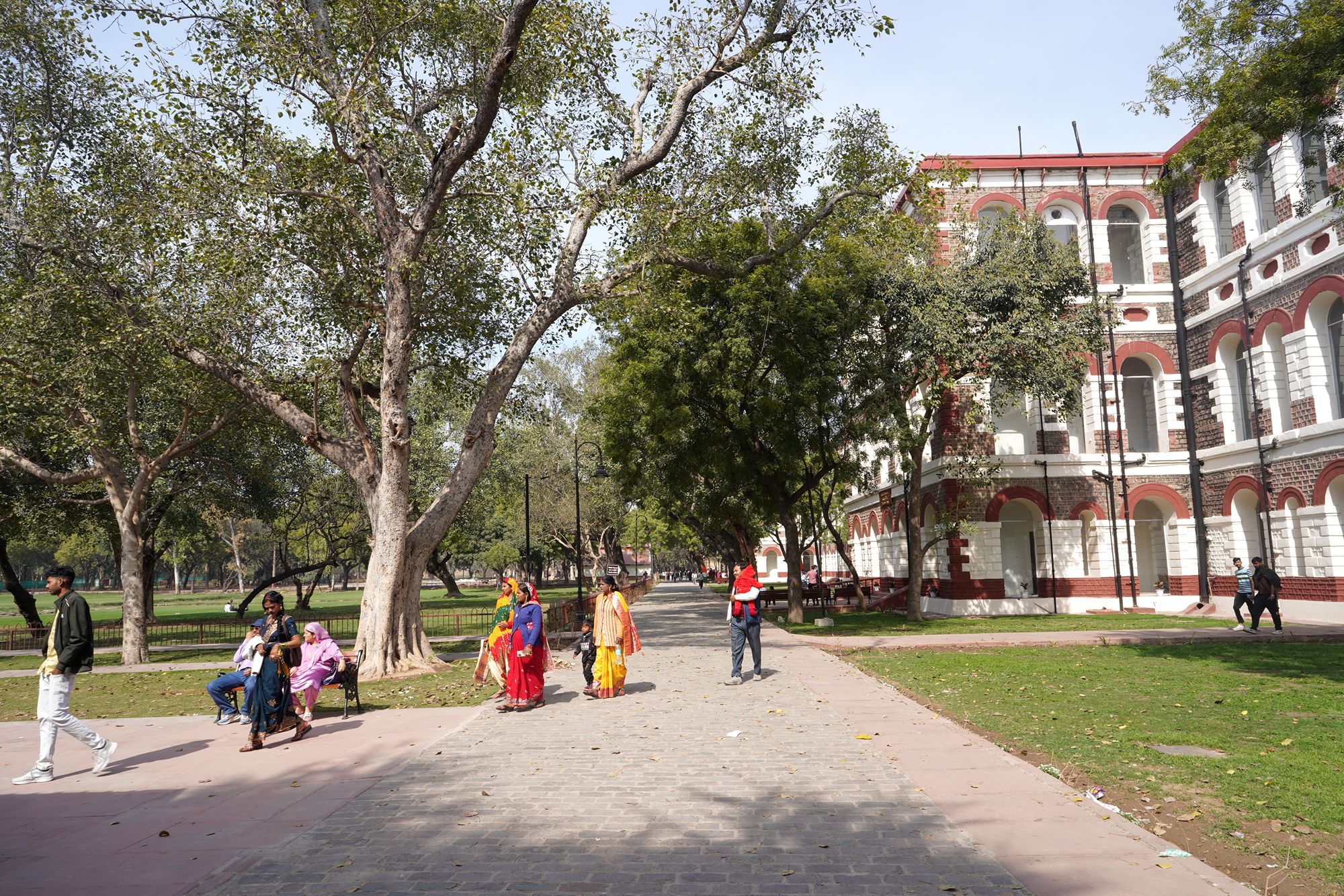
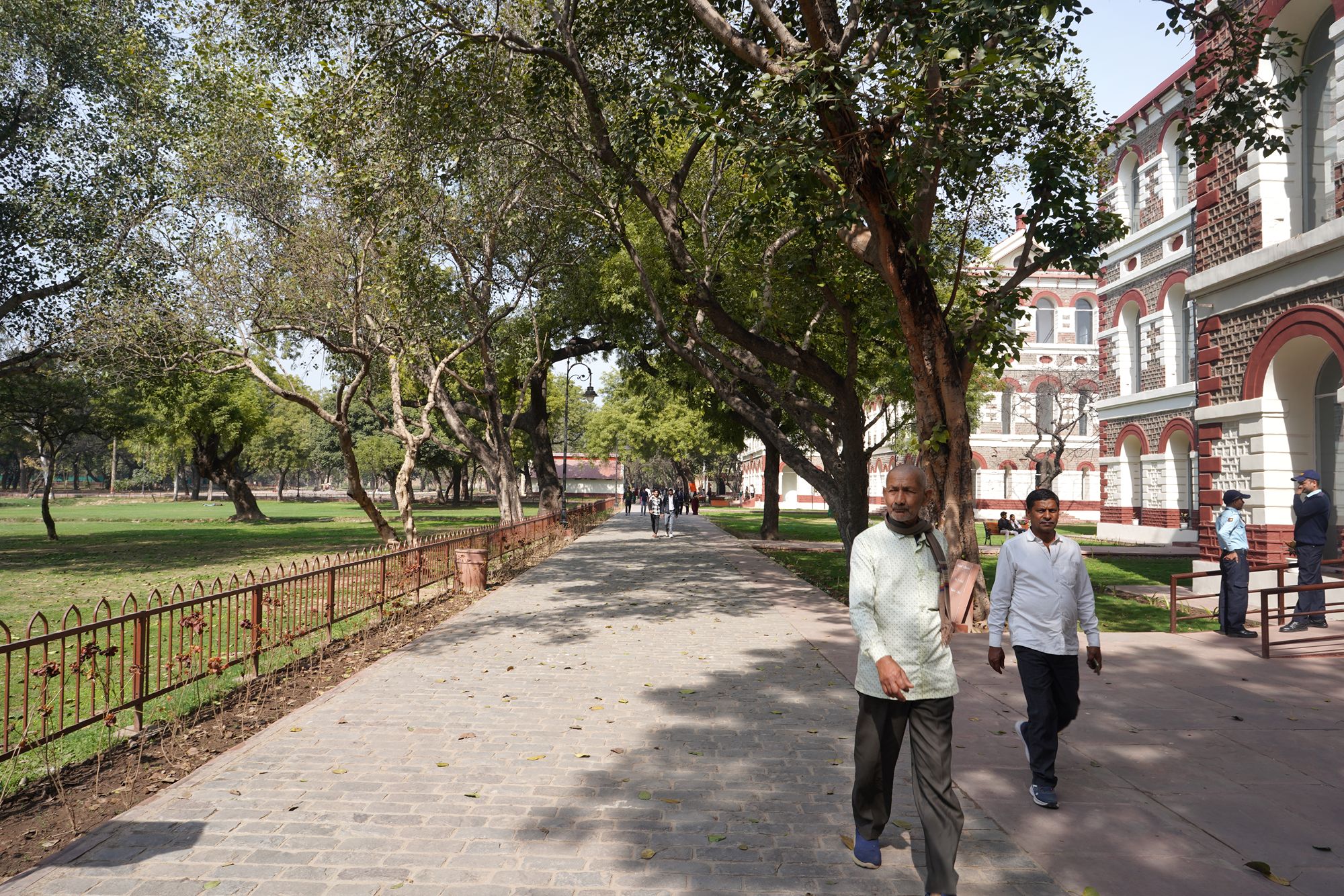
A row of elegant palace buildings extends along this side of the Red Fort, once forming the private residential quarters of the Mughal imperial family.
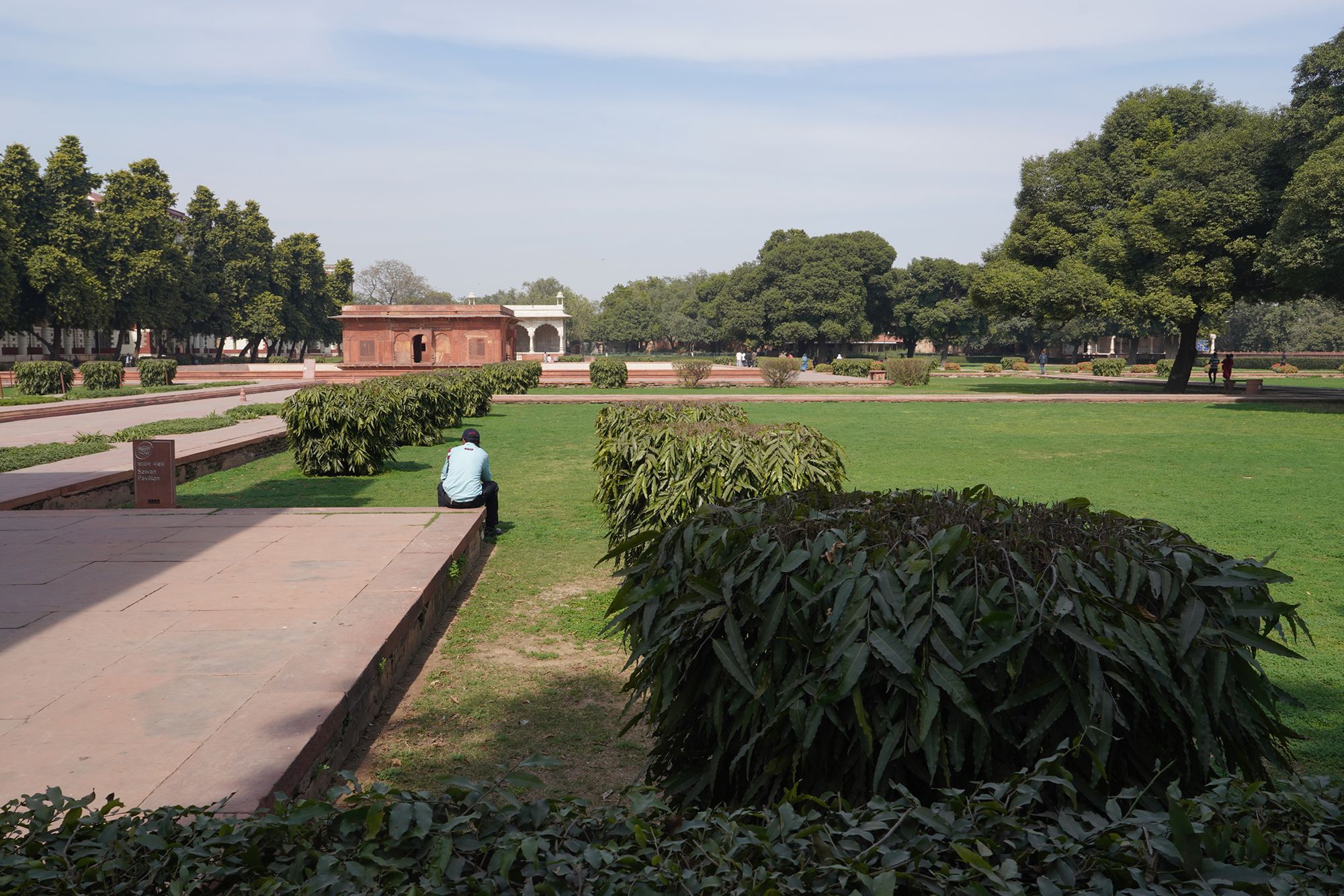
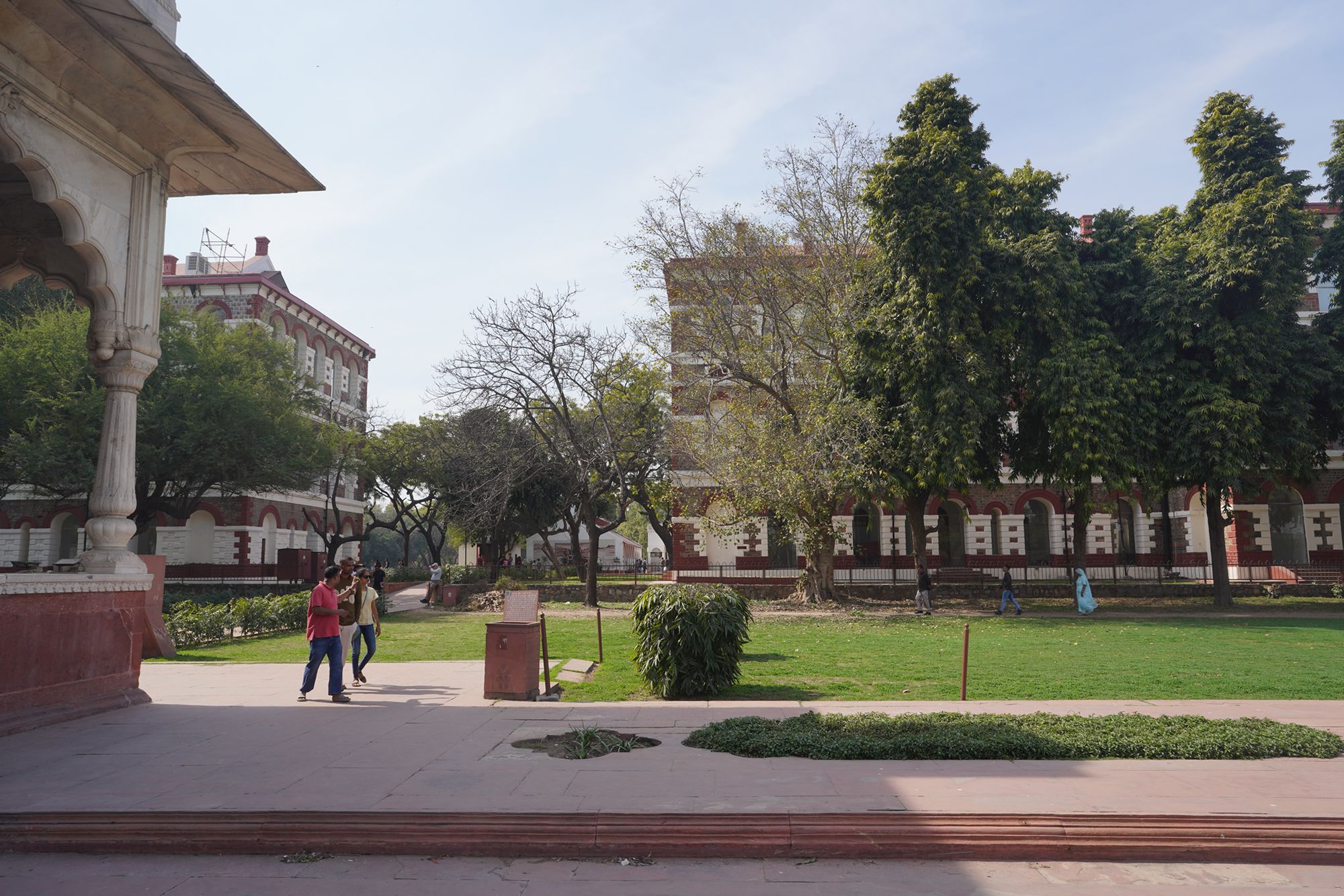
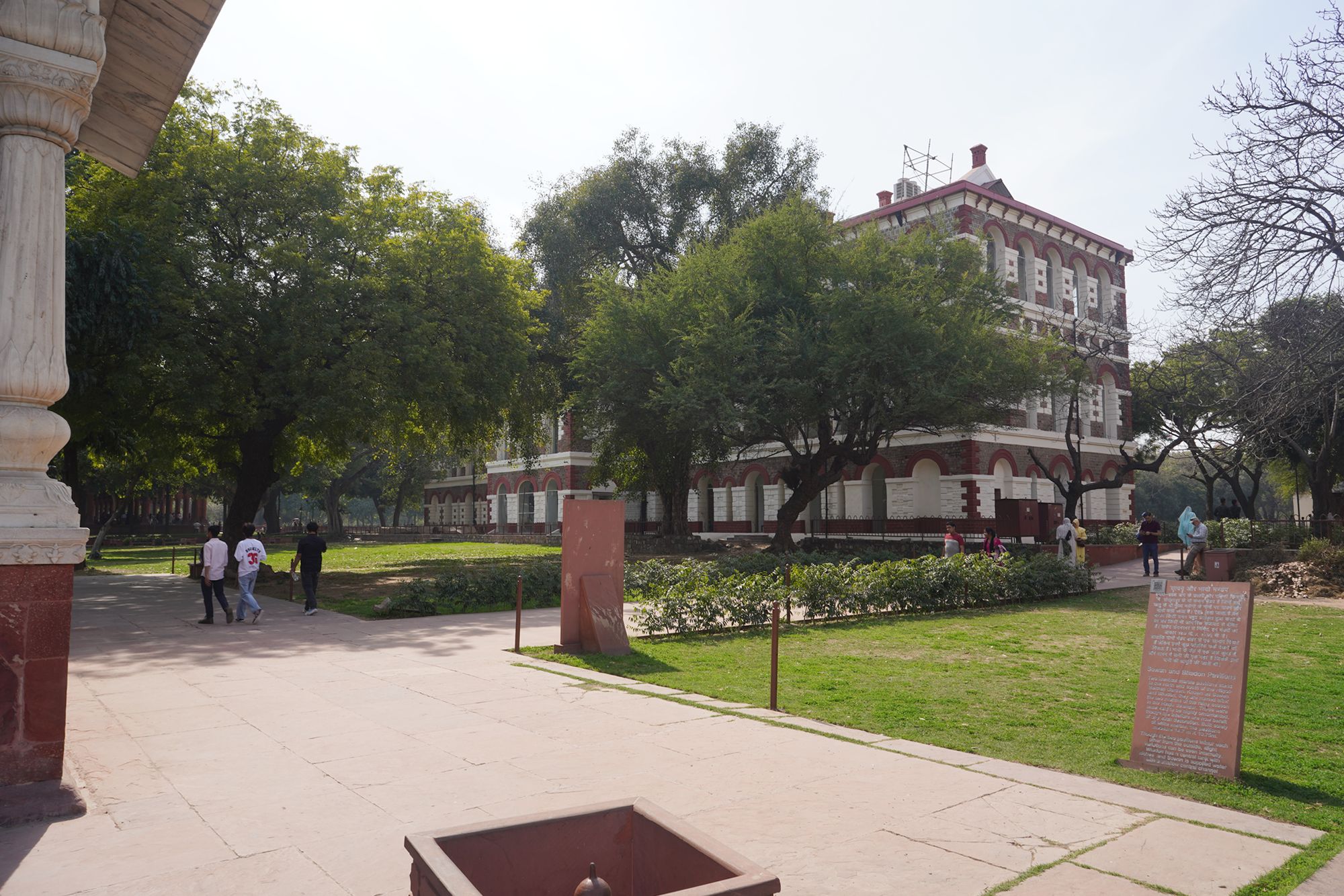
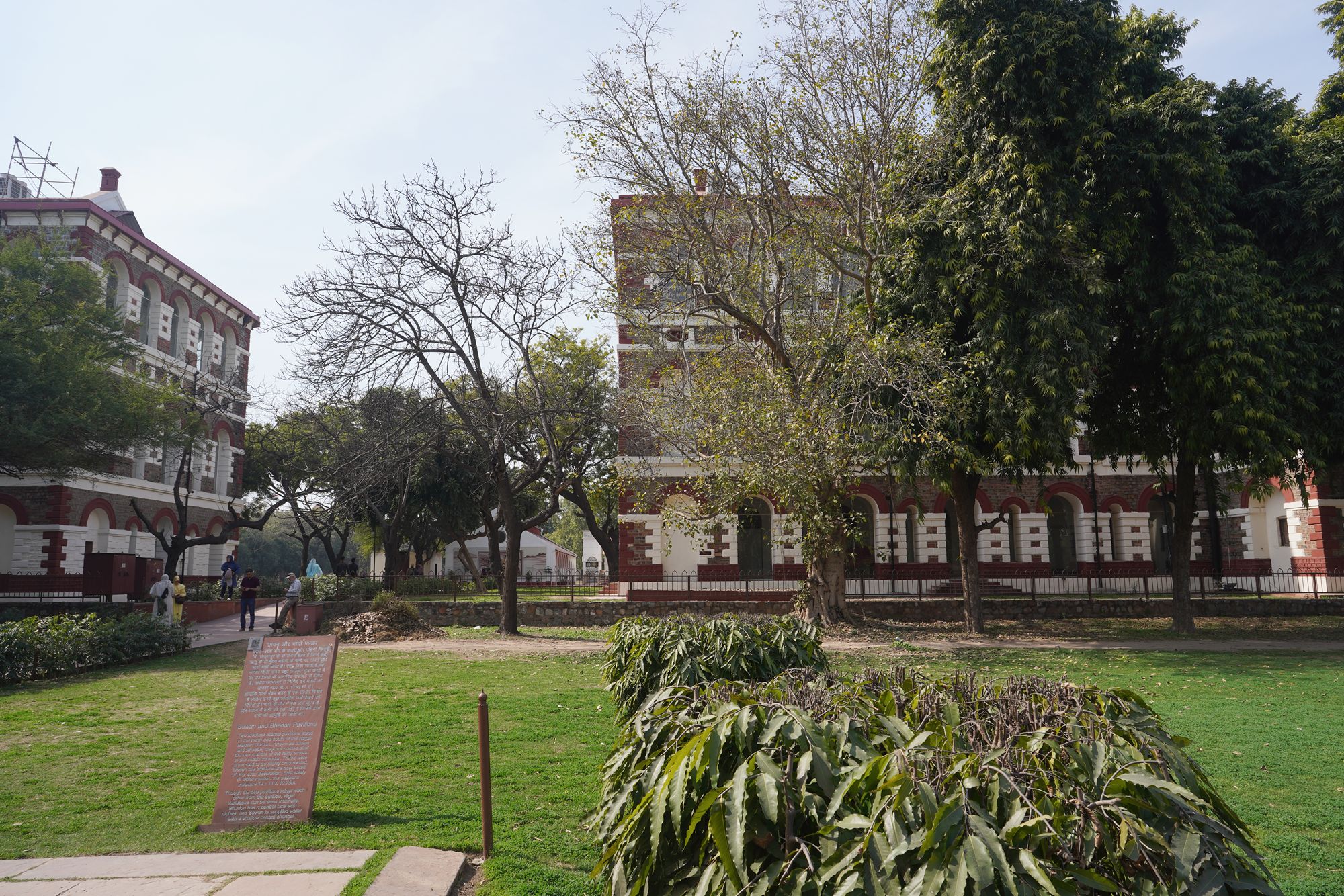
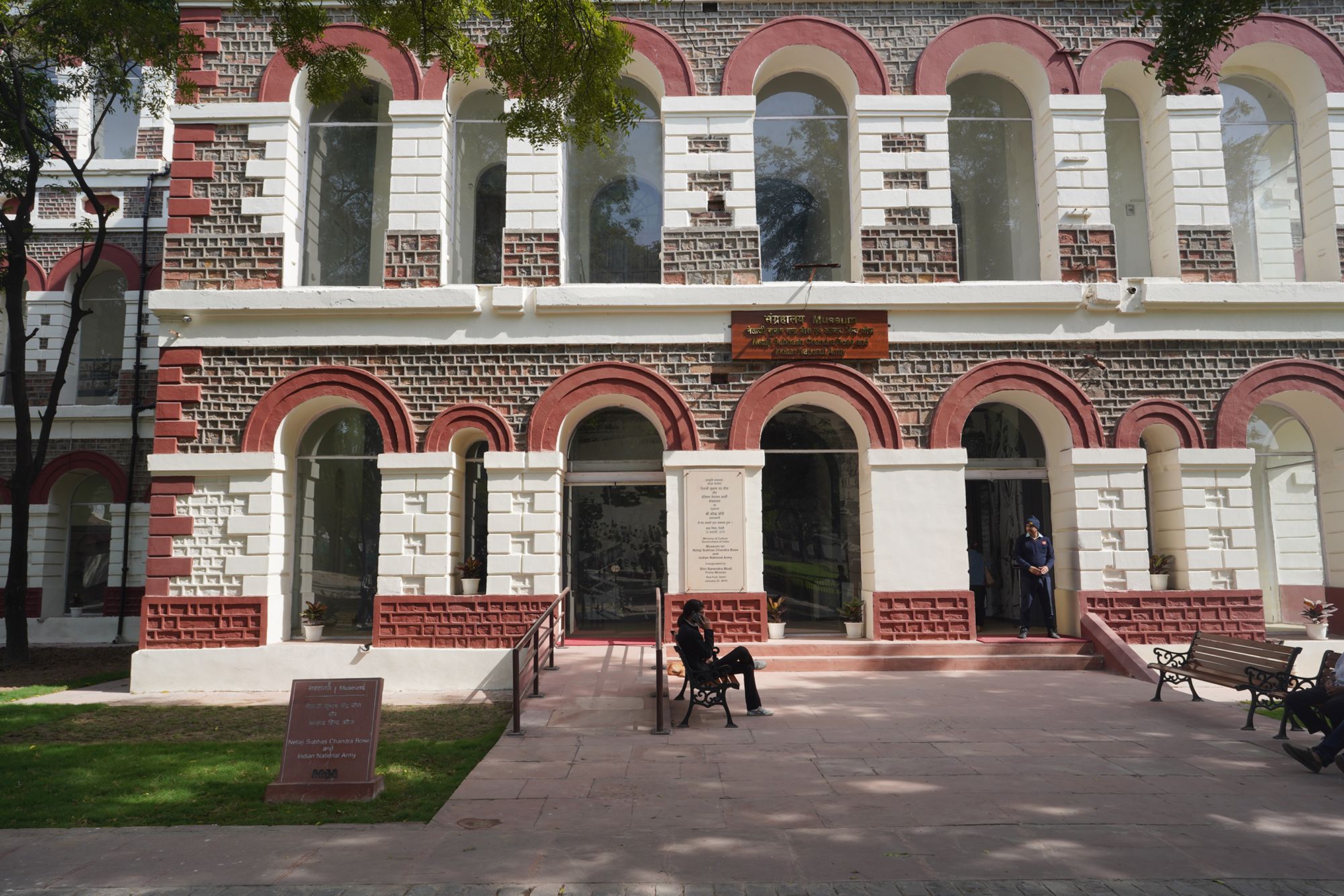
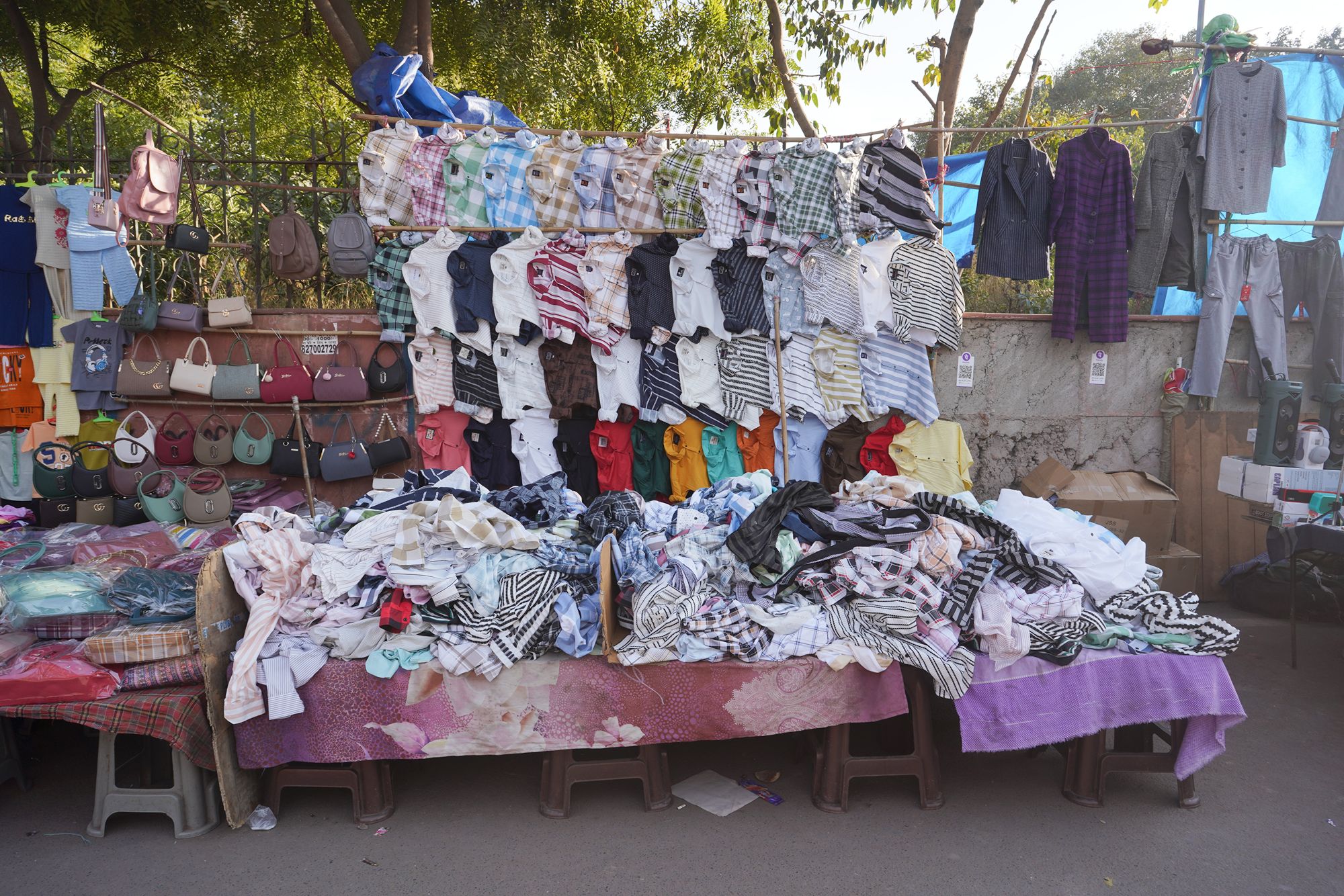
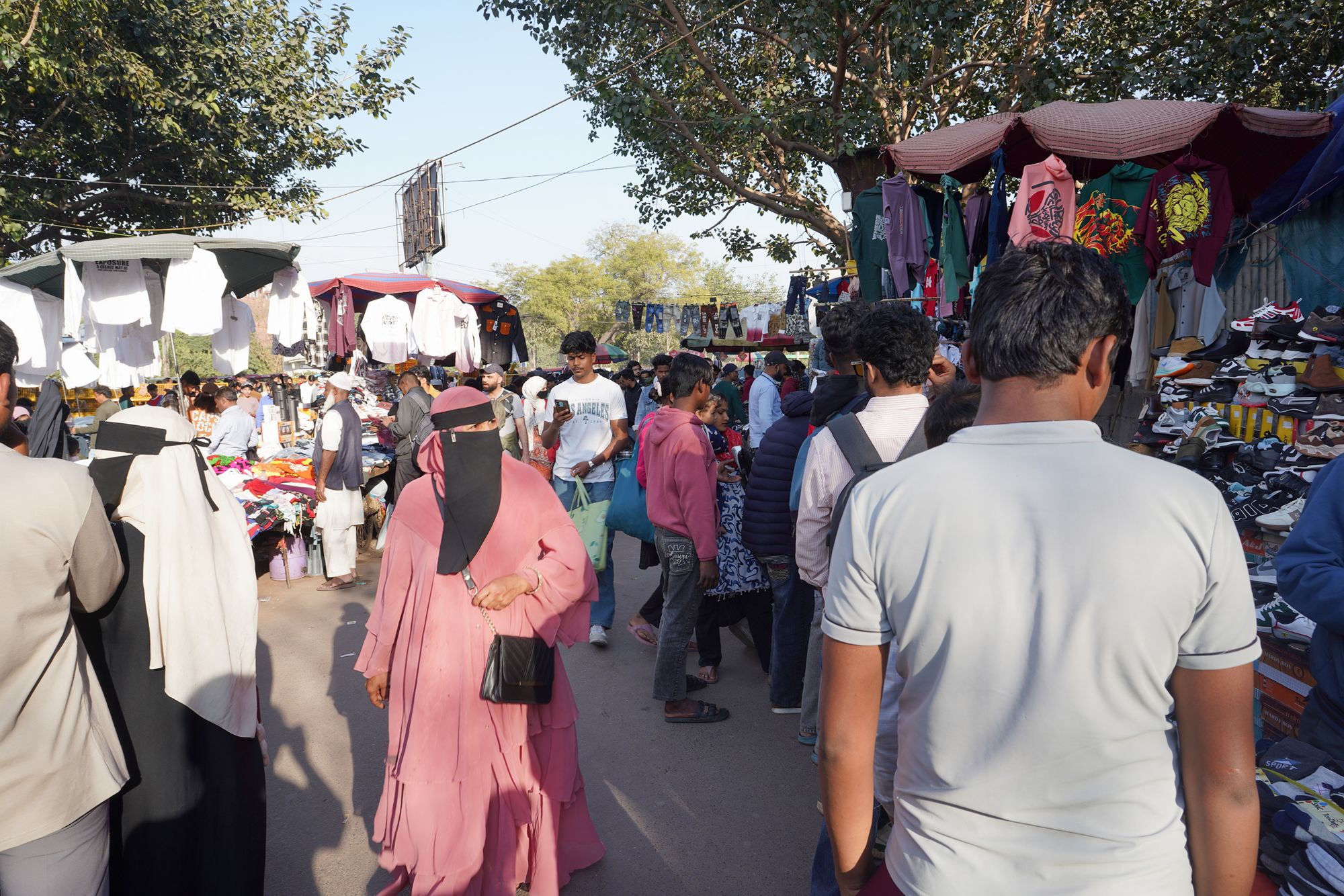
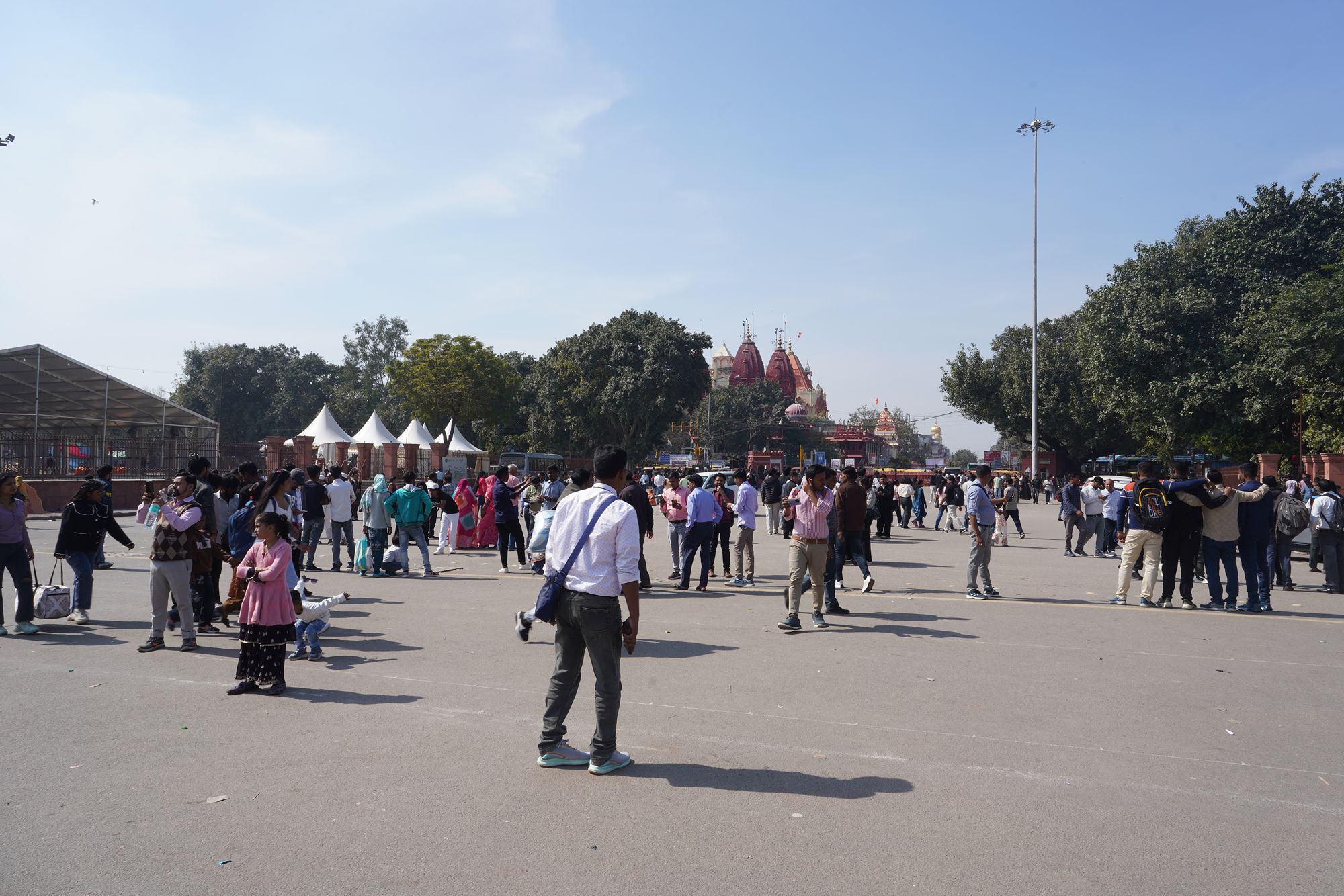
After leaving the Red Fort, I walked onto the bustling street in front of it, crowded with people, traffic, and countless shops.
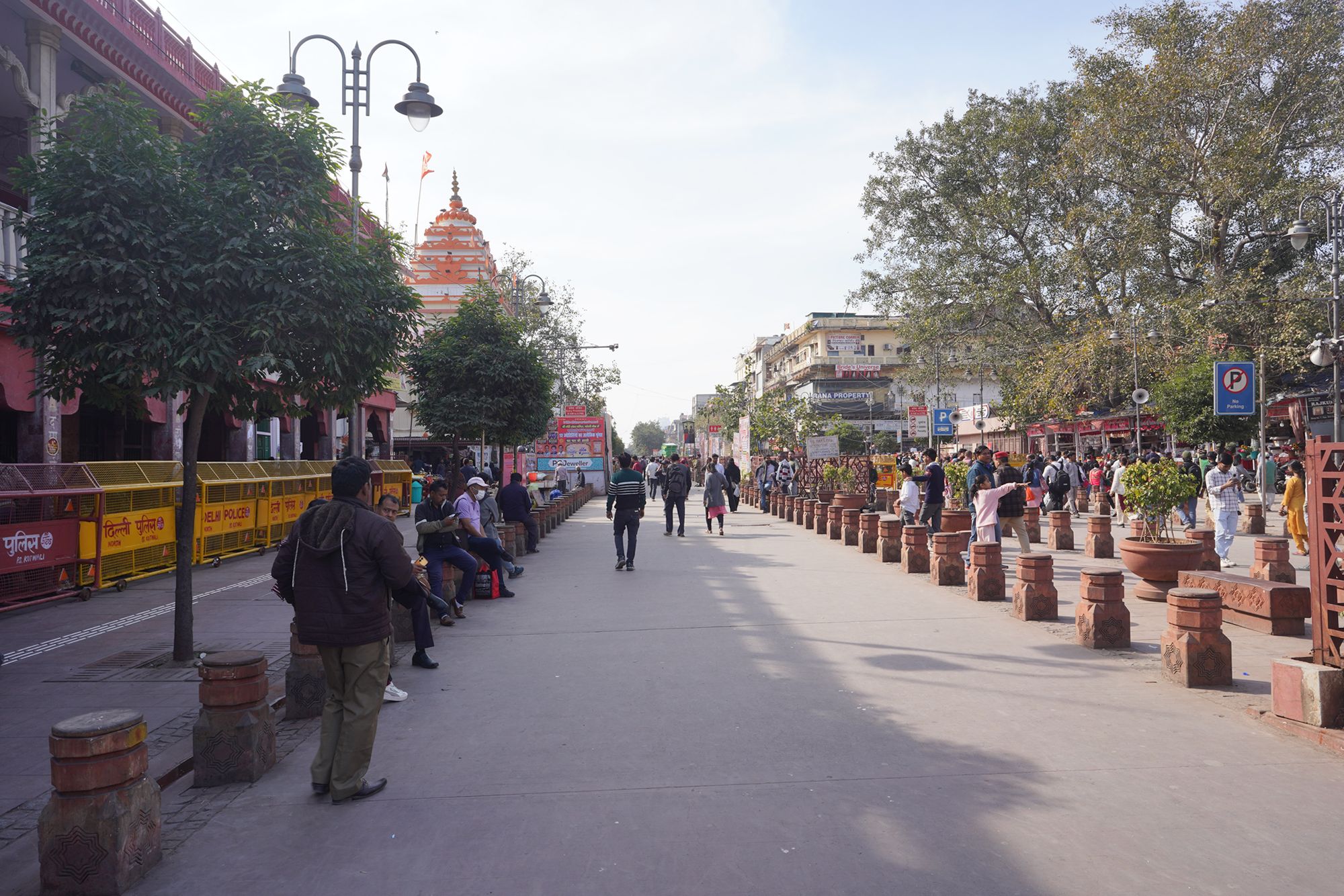
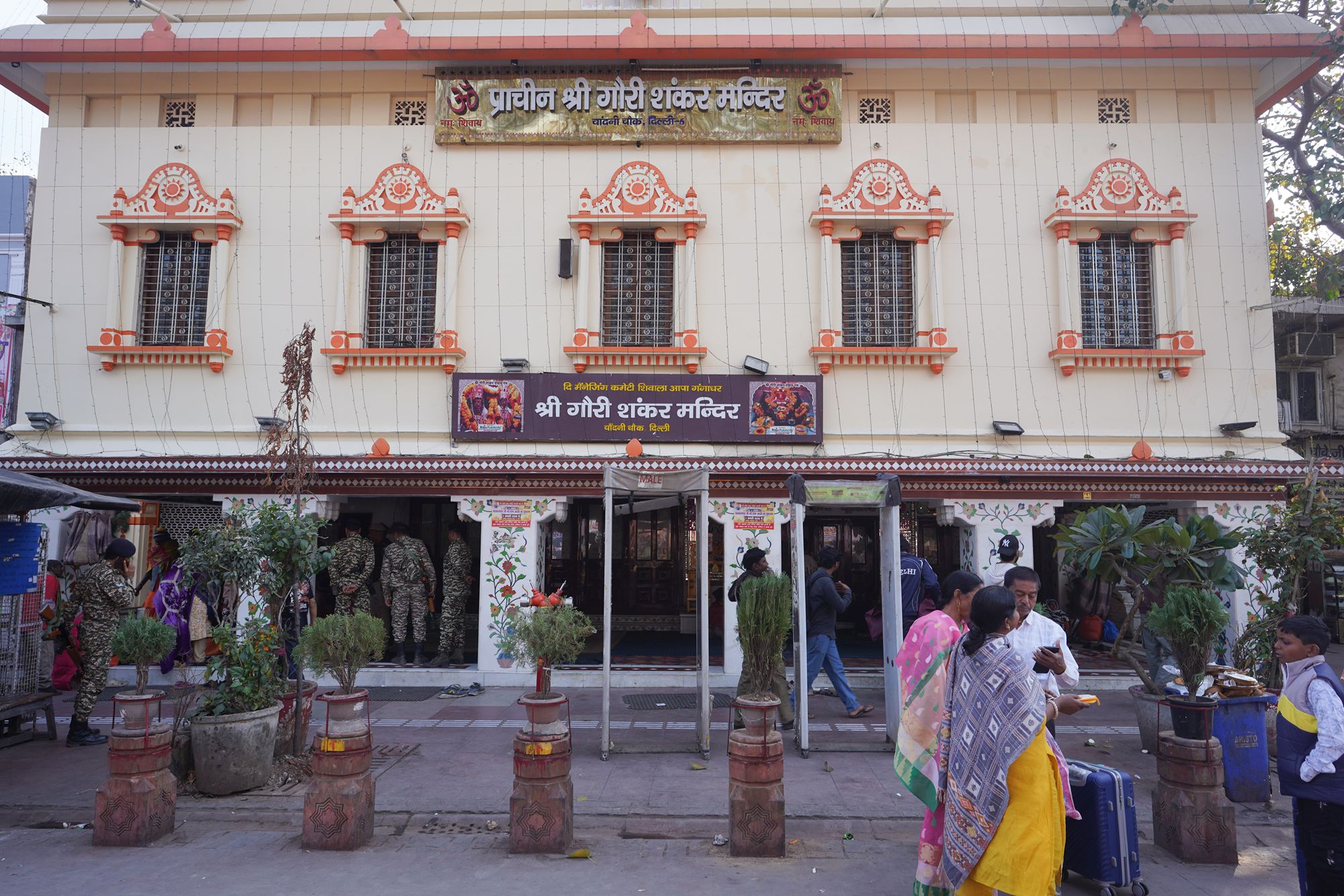
Looking back at the Fort
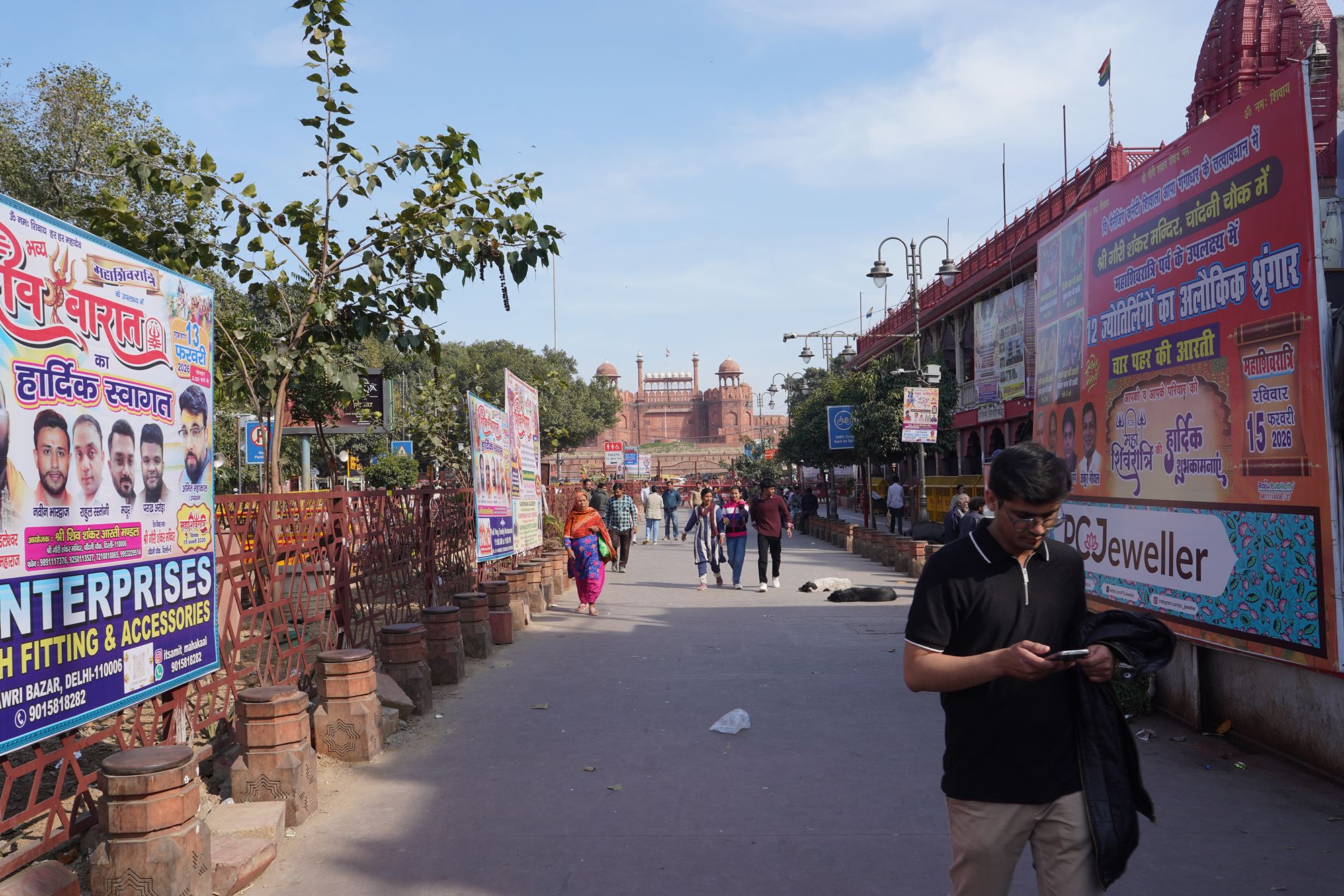
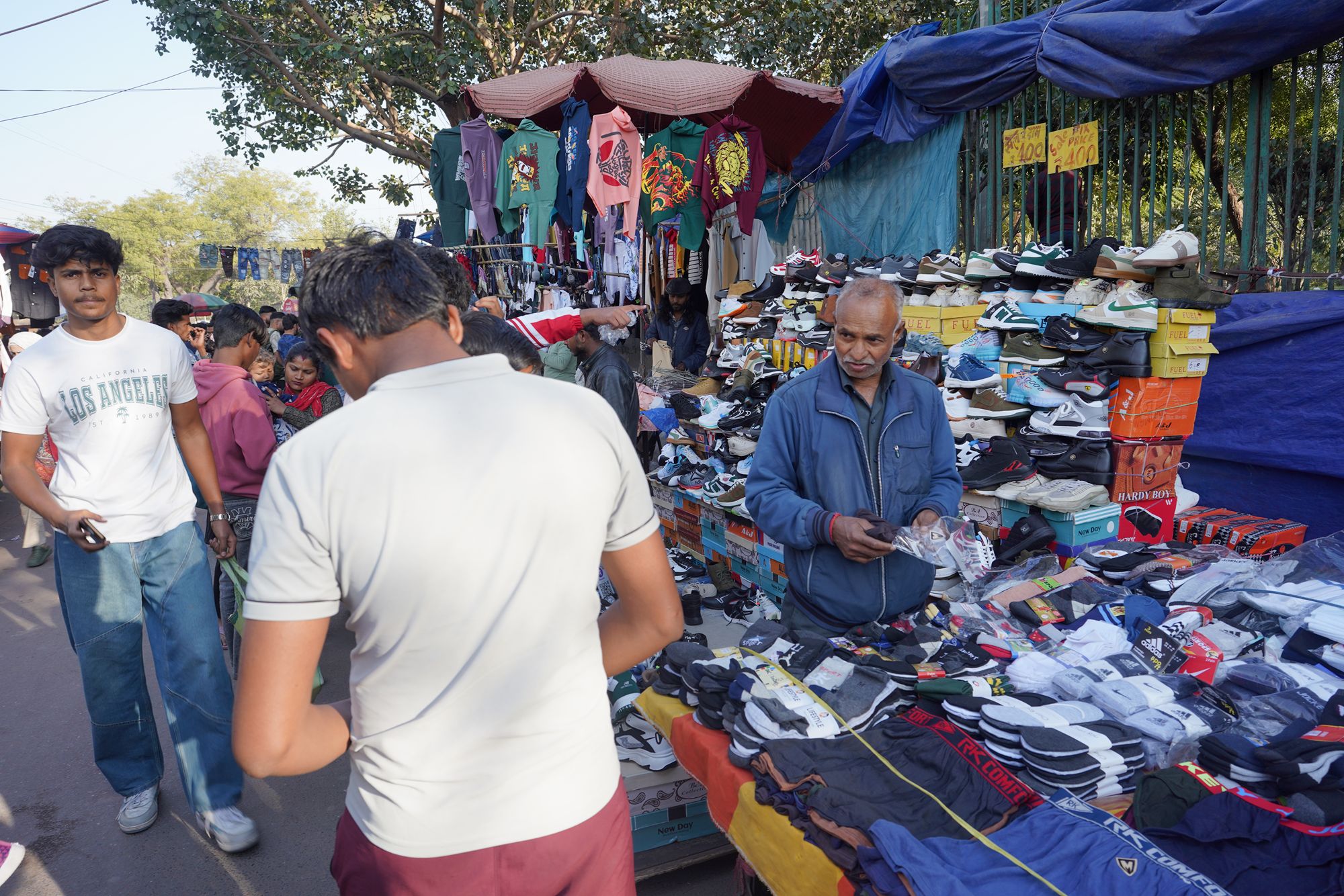
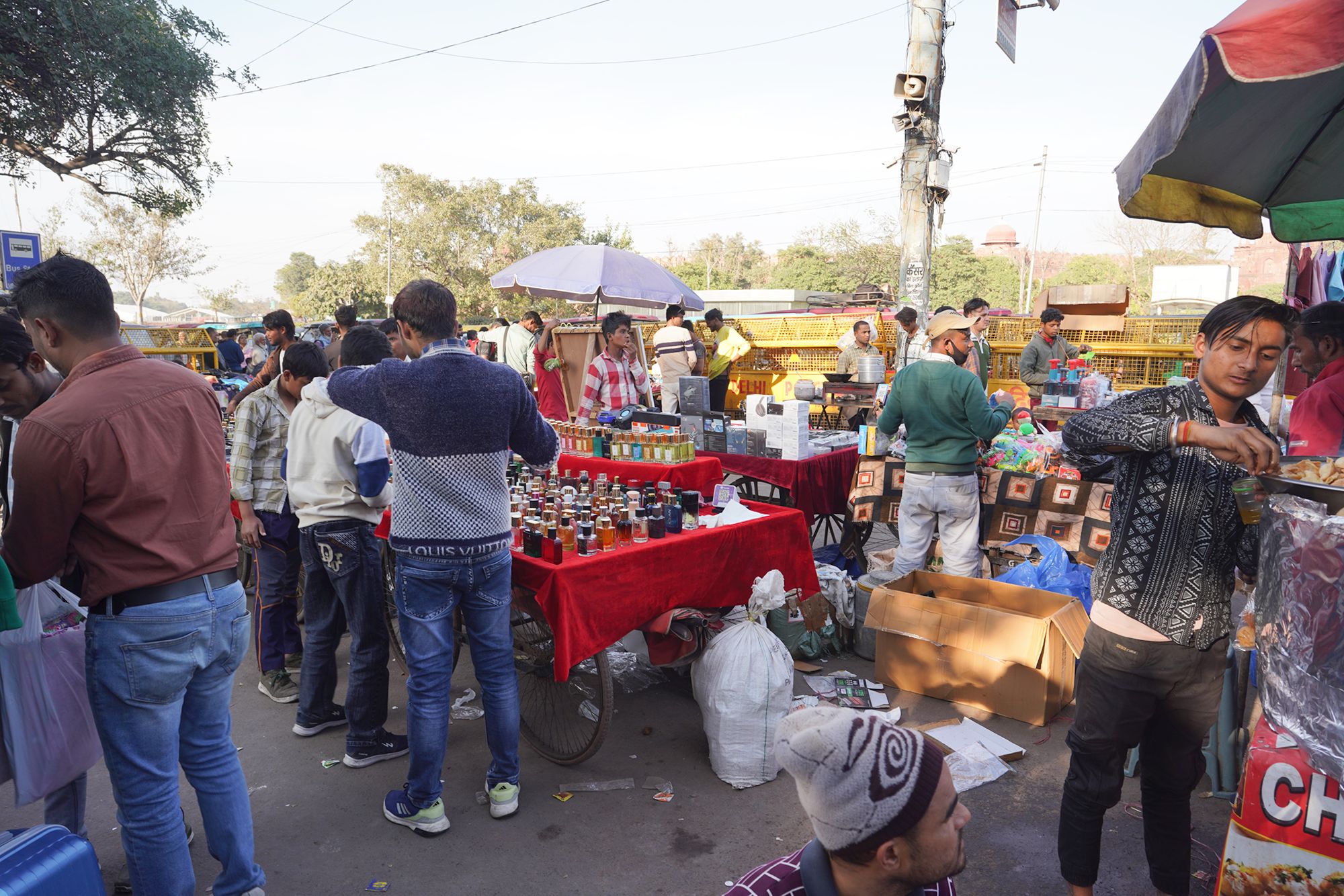
This is Chandni Chowk, a bustling market street in the heart of Old Delhi, filled with people, shops, street vendors, and constant activity.
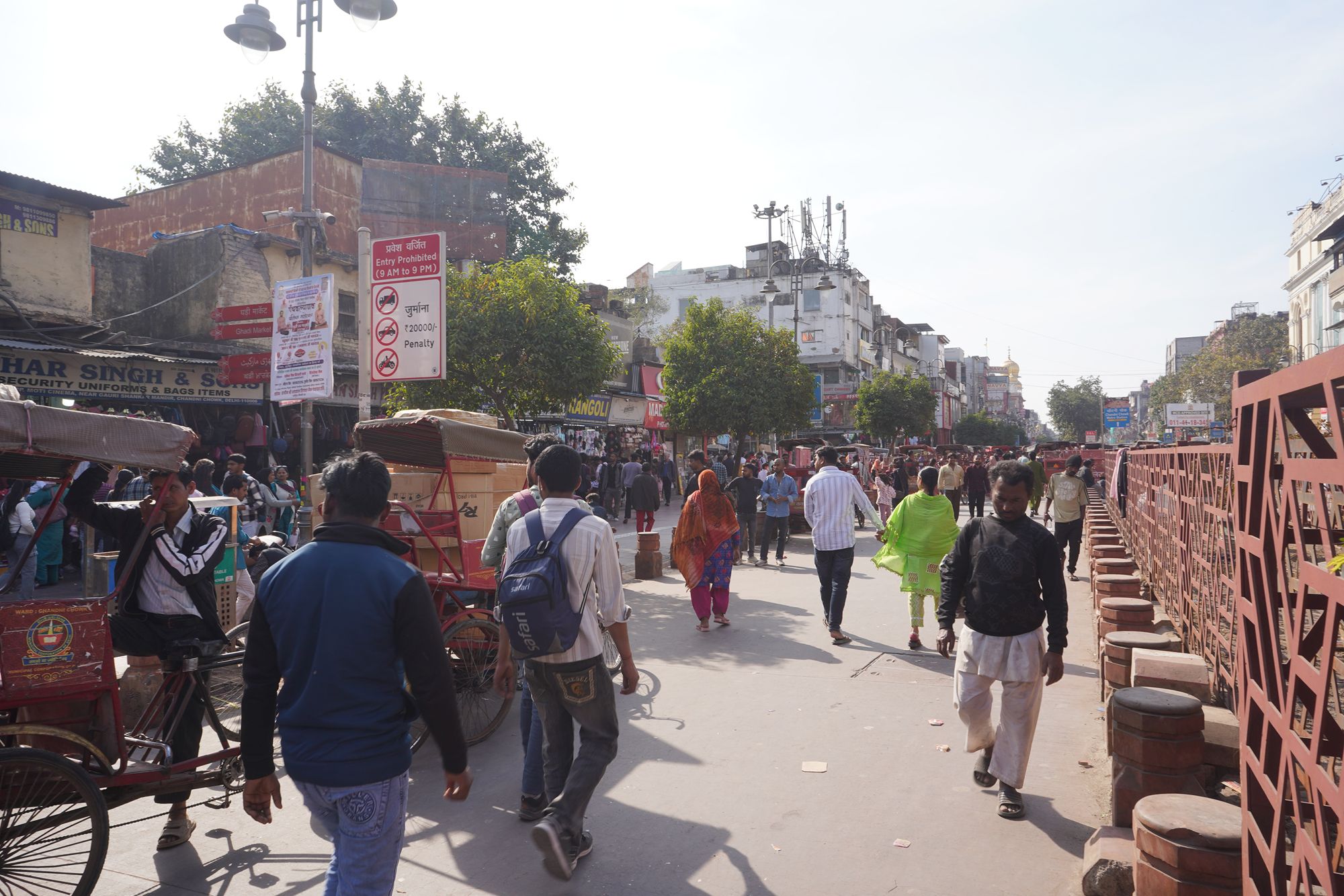
Chandni Chowk is one of Old Delhi’s oldest and busiest commercial areas, established in the 17th century during the reign of Mughal emperor Shah Jahan.
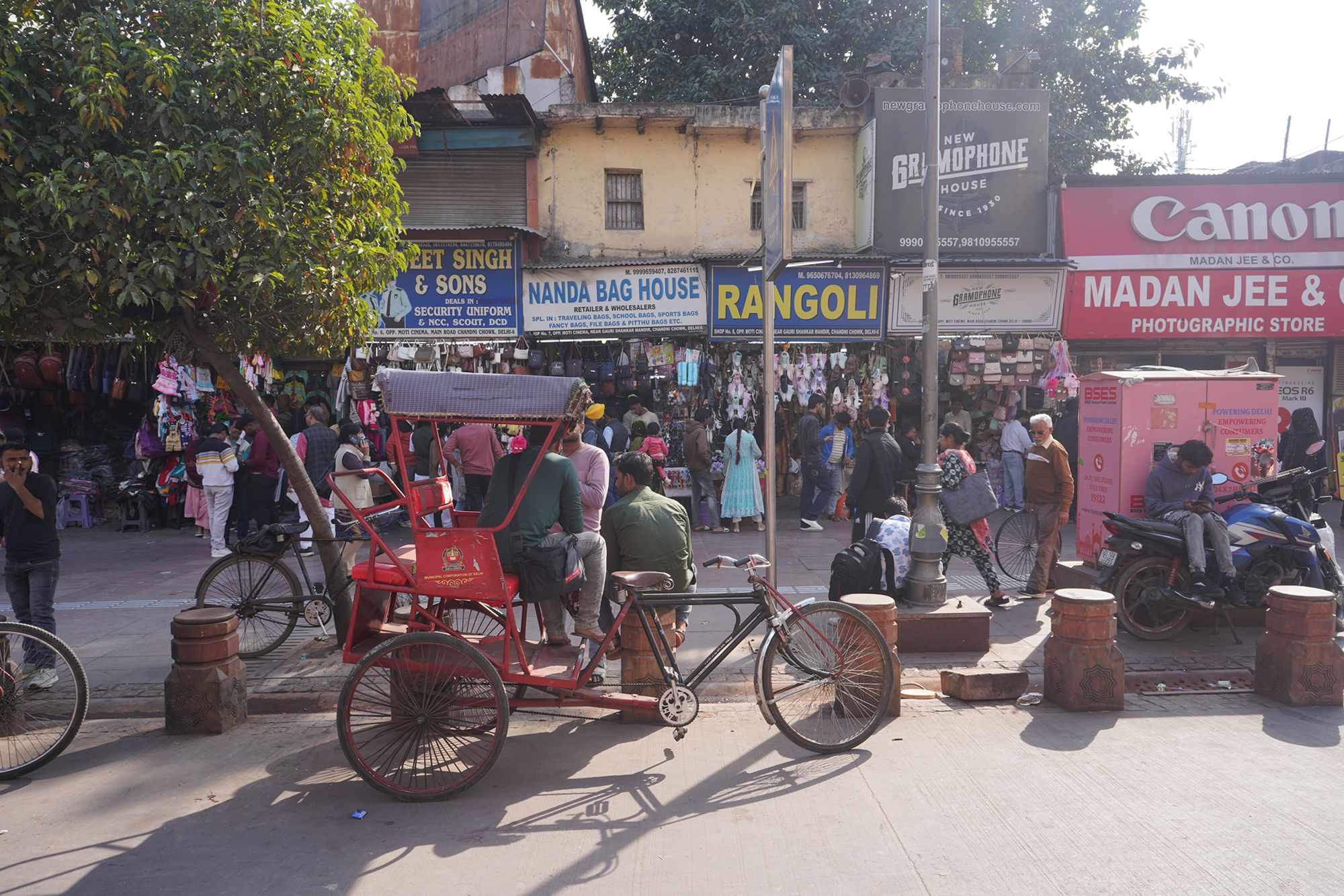
Stretching from the Red Fort through the heart of Old Delhi, its crowded streets and narrow lanes are packed with shops and vendors selling clothing, jewelry, spices, electronics, sweets, and street food.
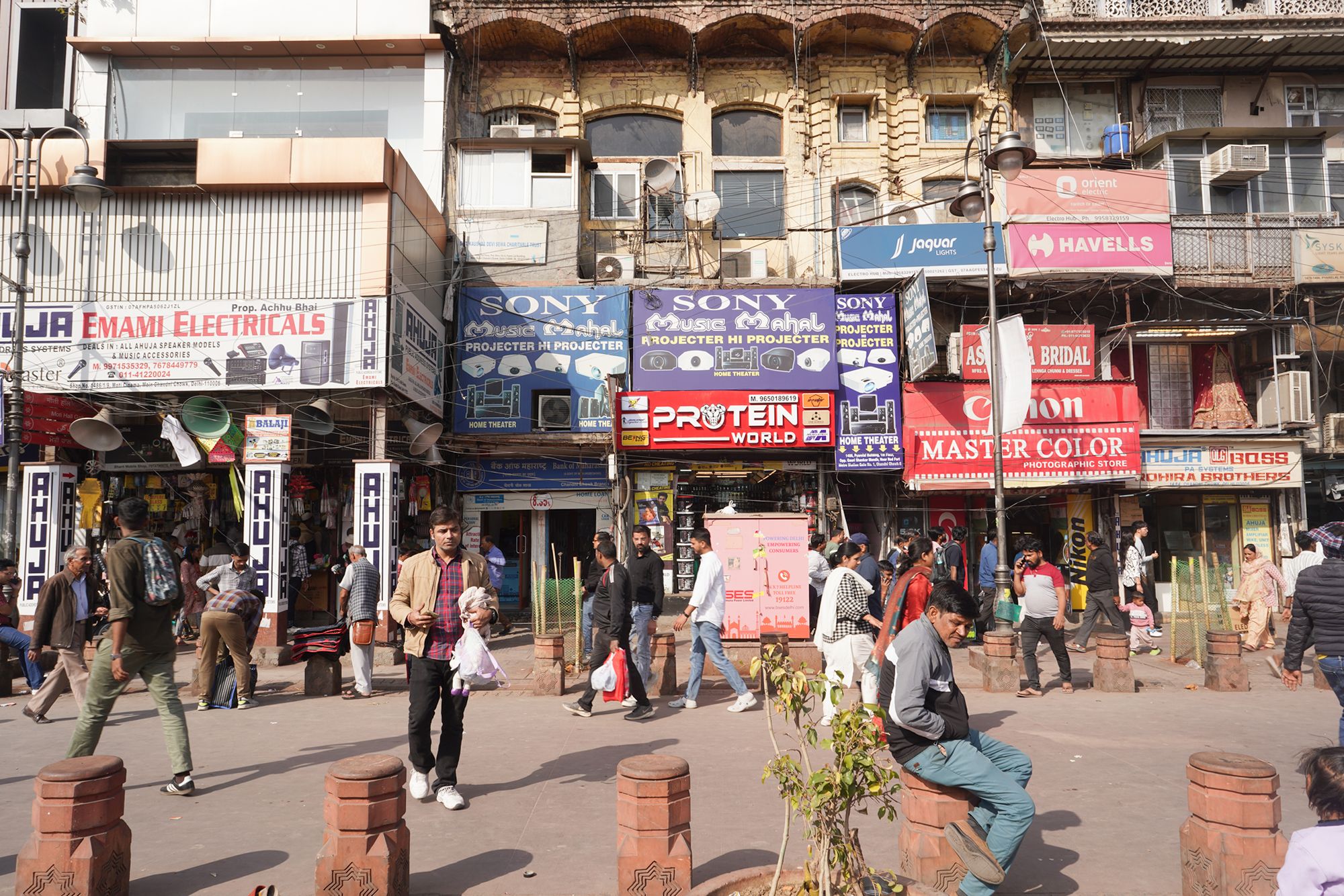
For centuries, it has been an important center of trade and remains one of the best places to experience the lively atmosphere of Old Delhi.
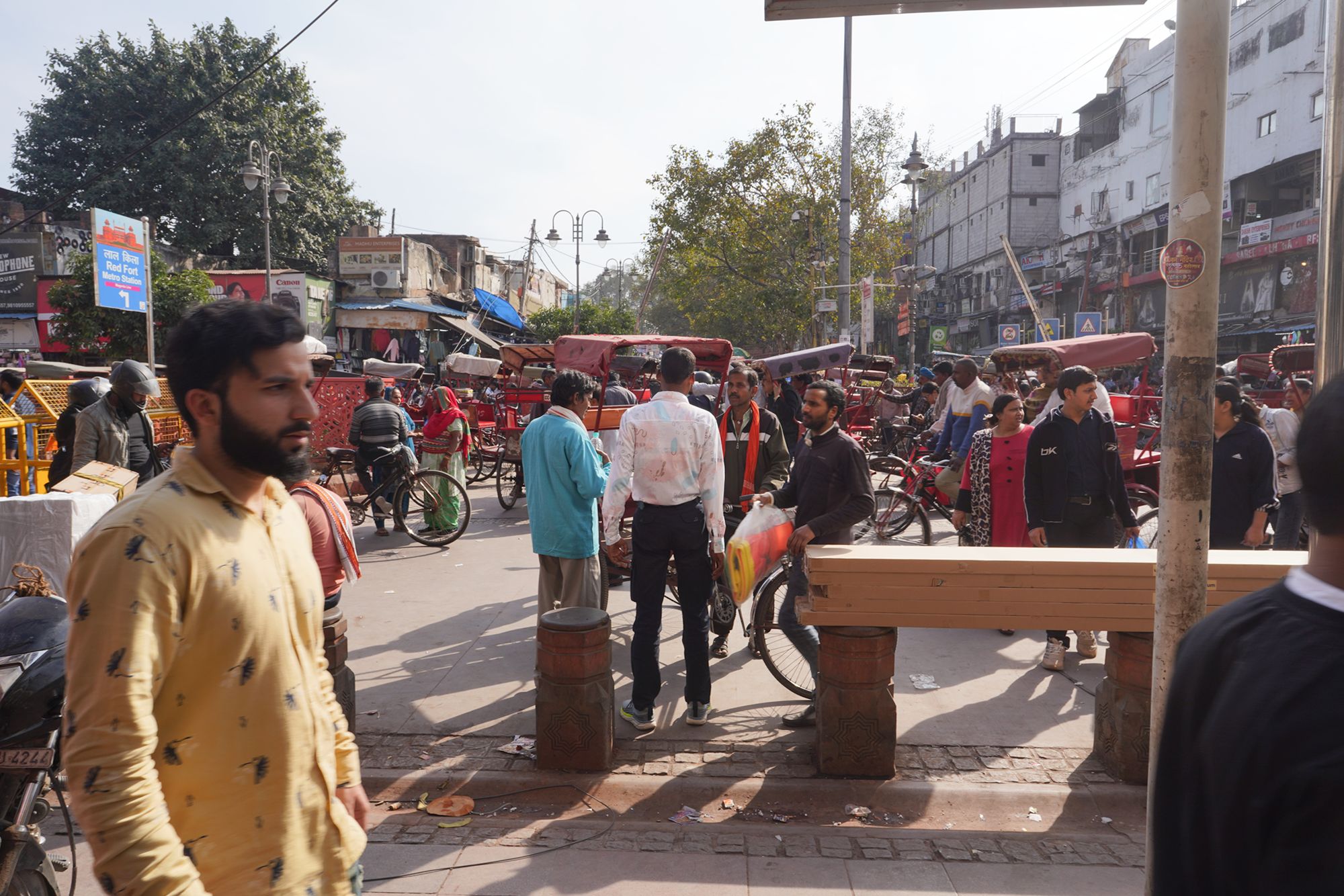
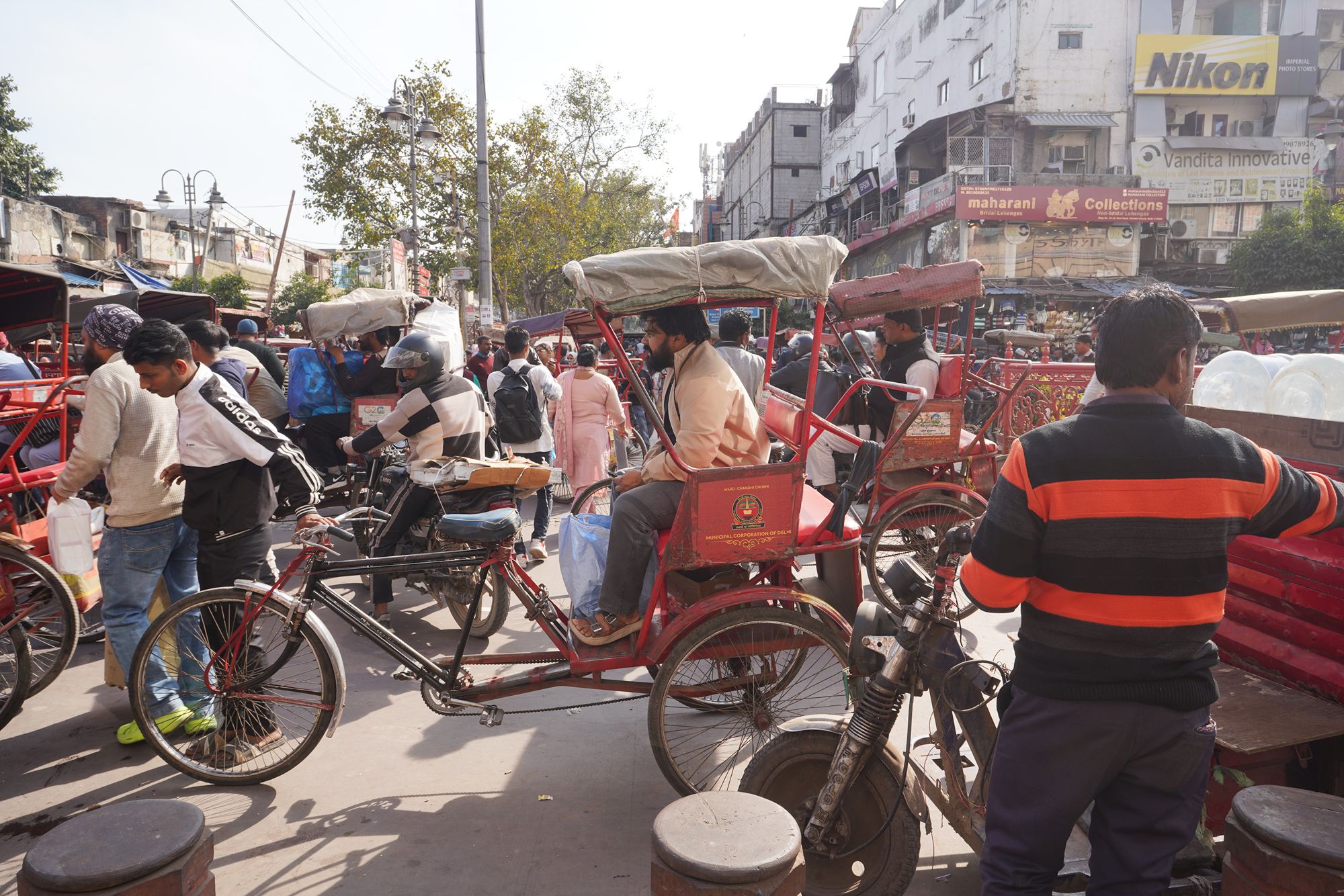
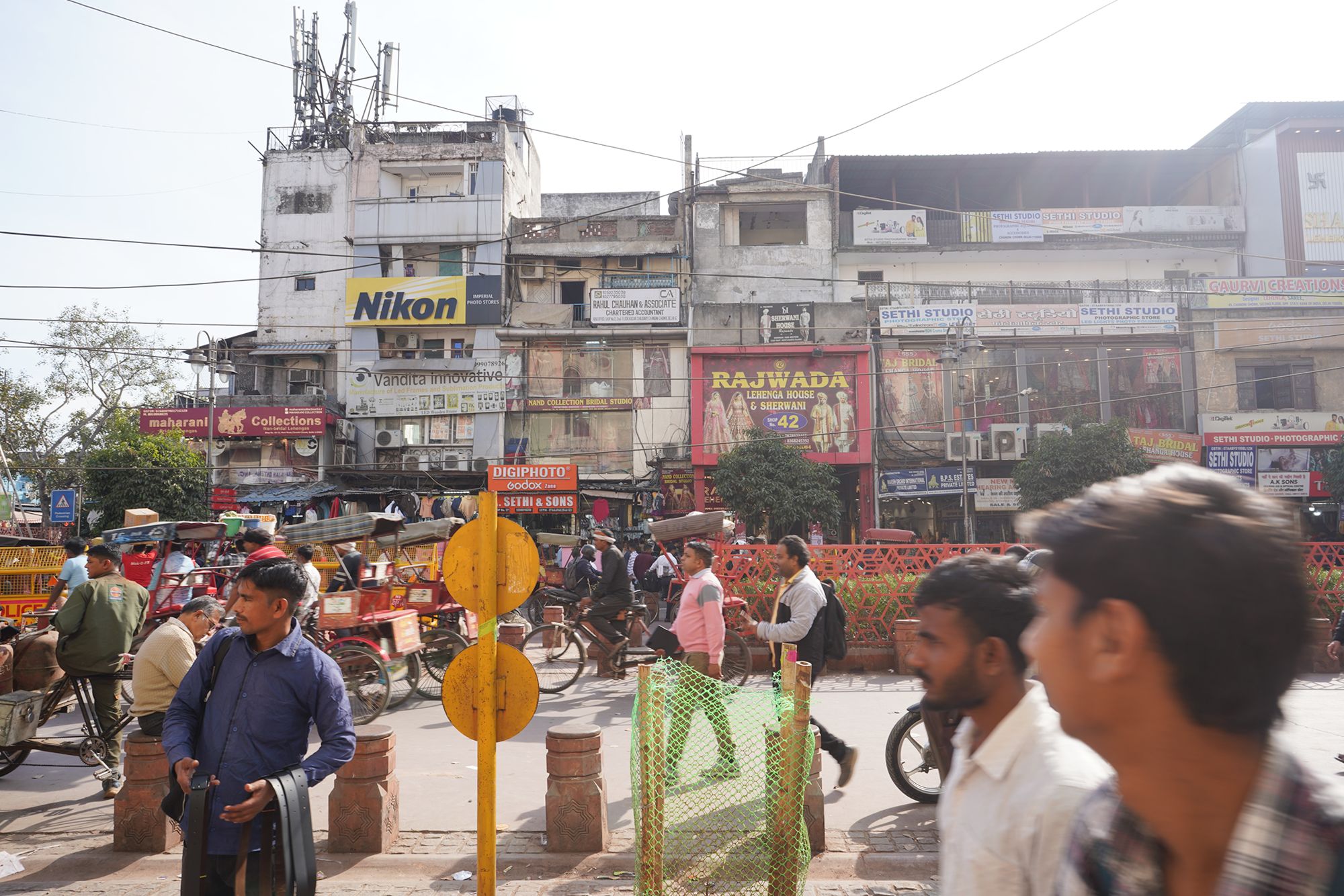
View of a side street
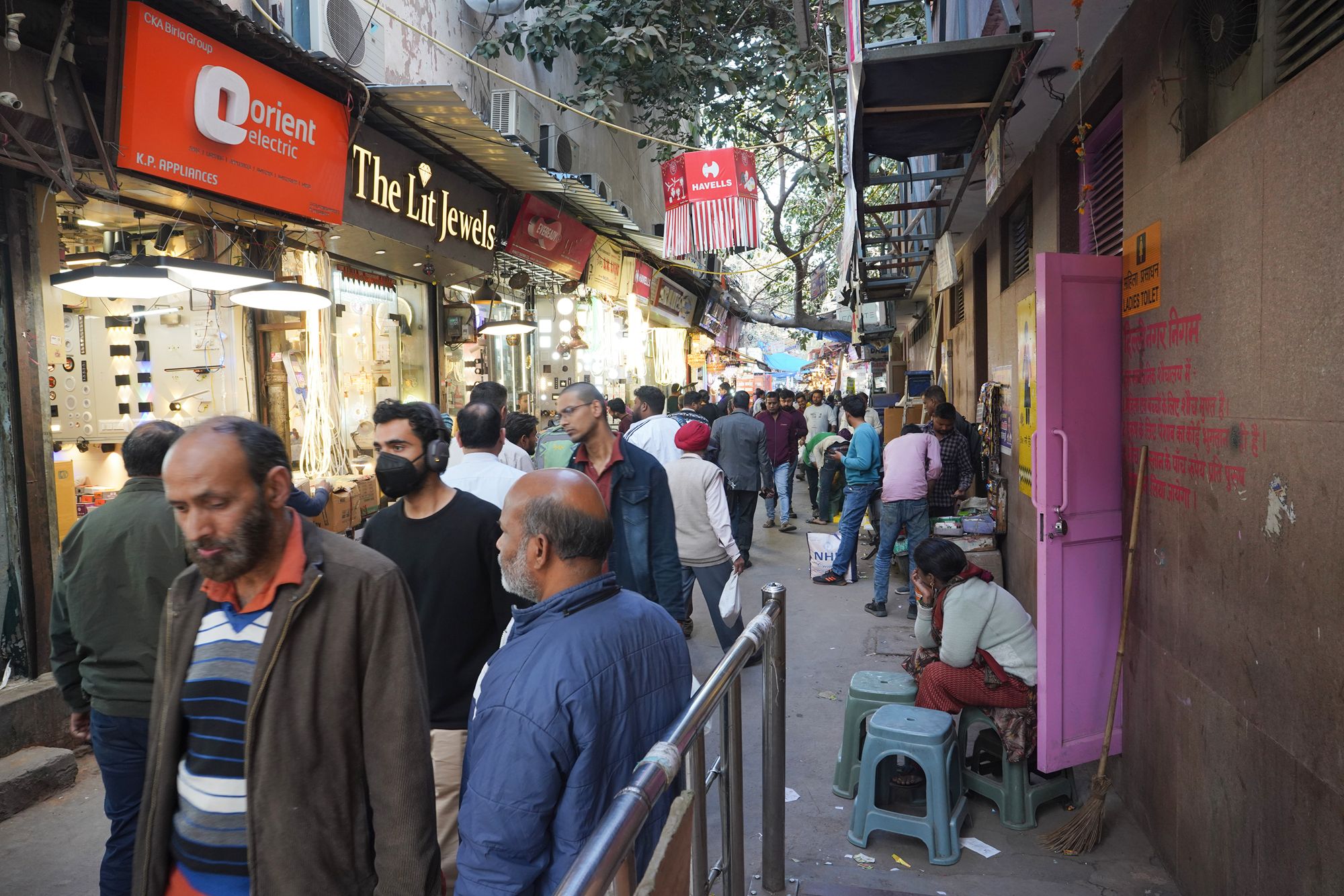
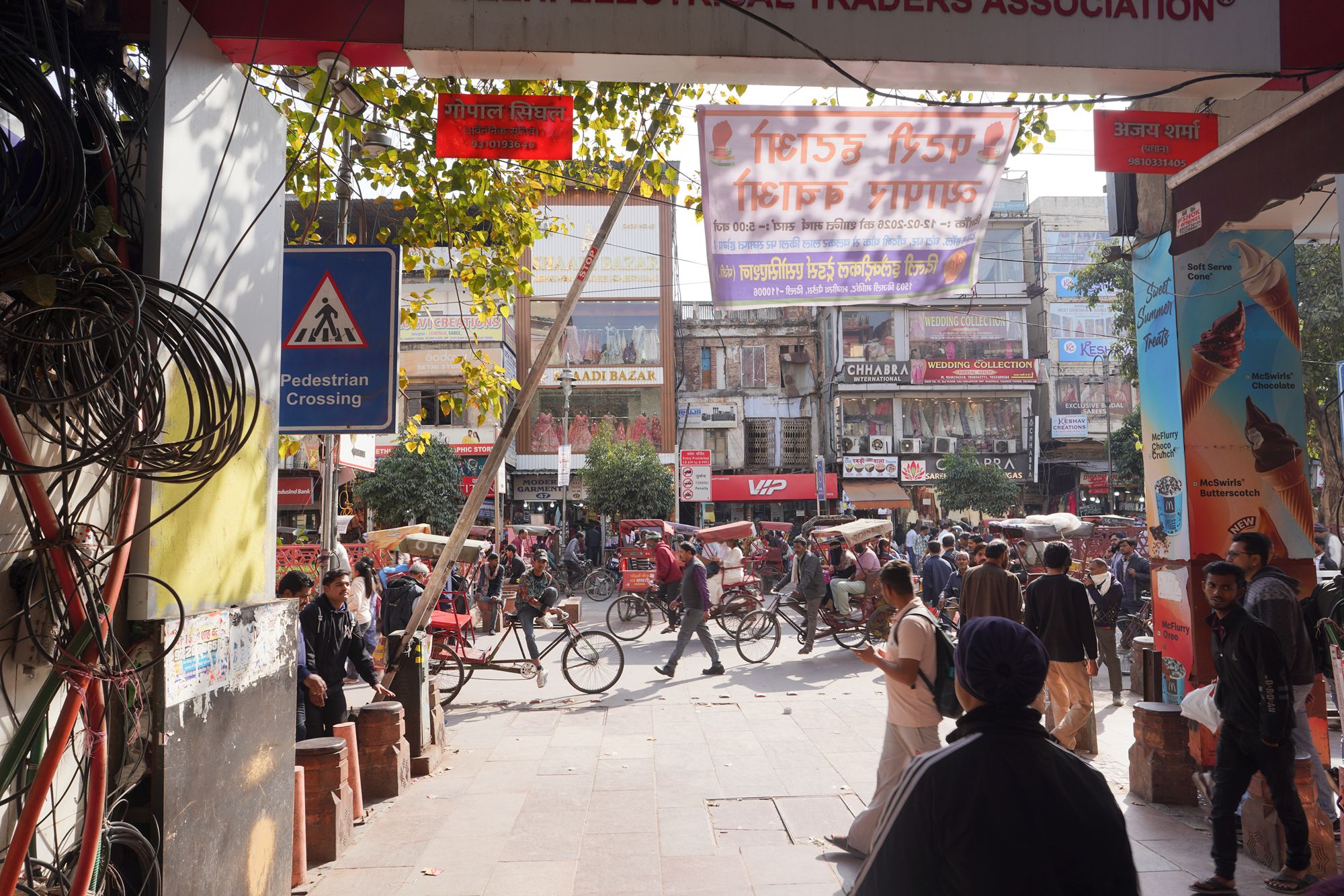
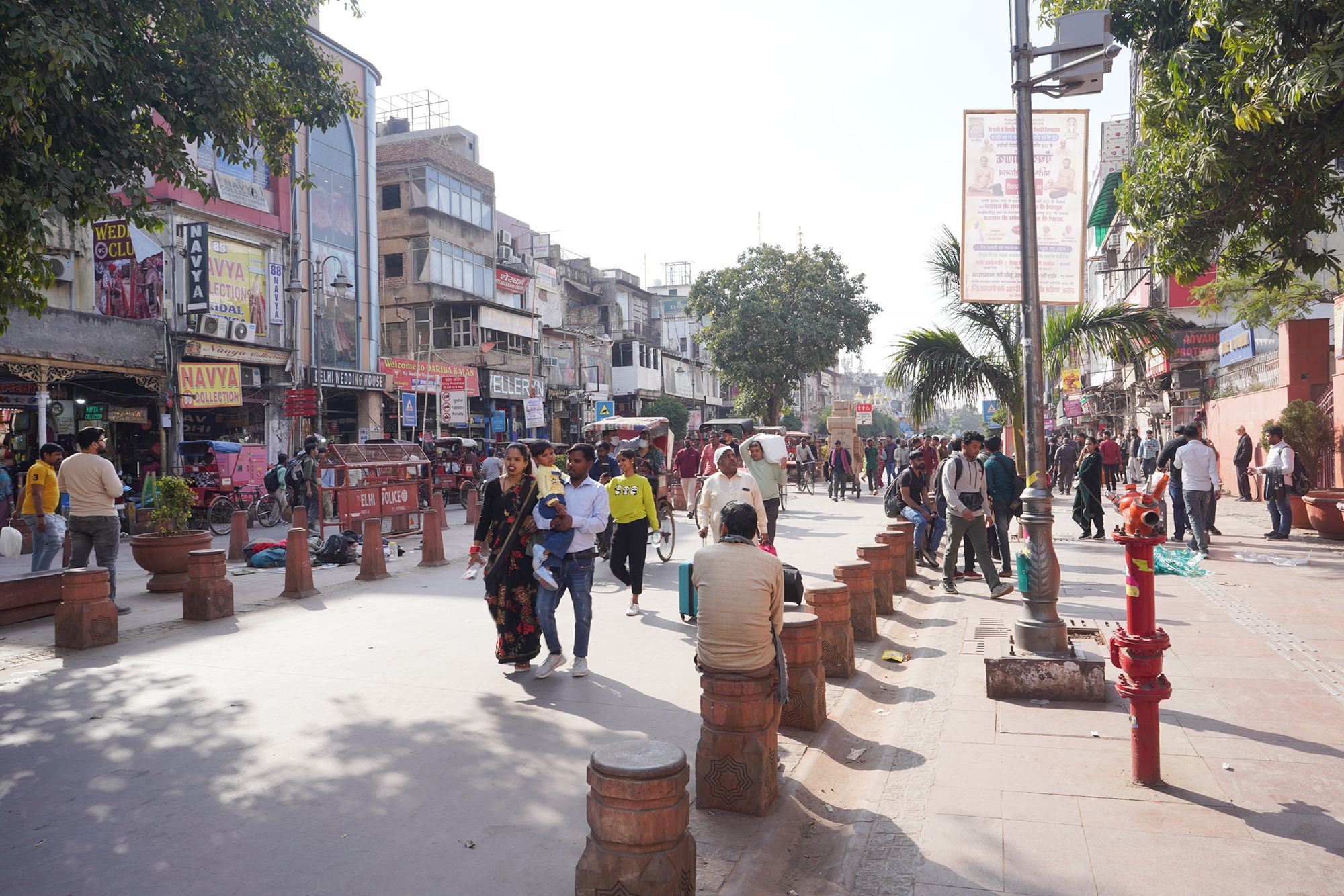
There were no cars on this part of the street, and people traveled mainly by bicycle and cycle rickshaw.
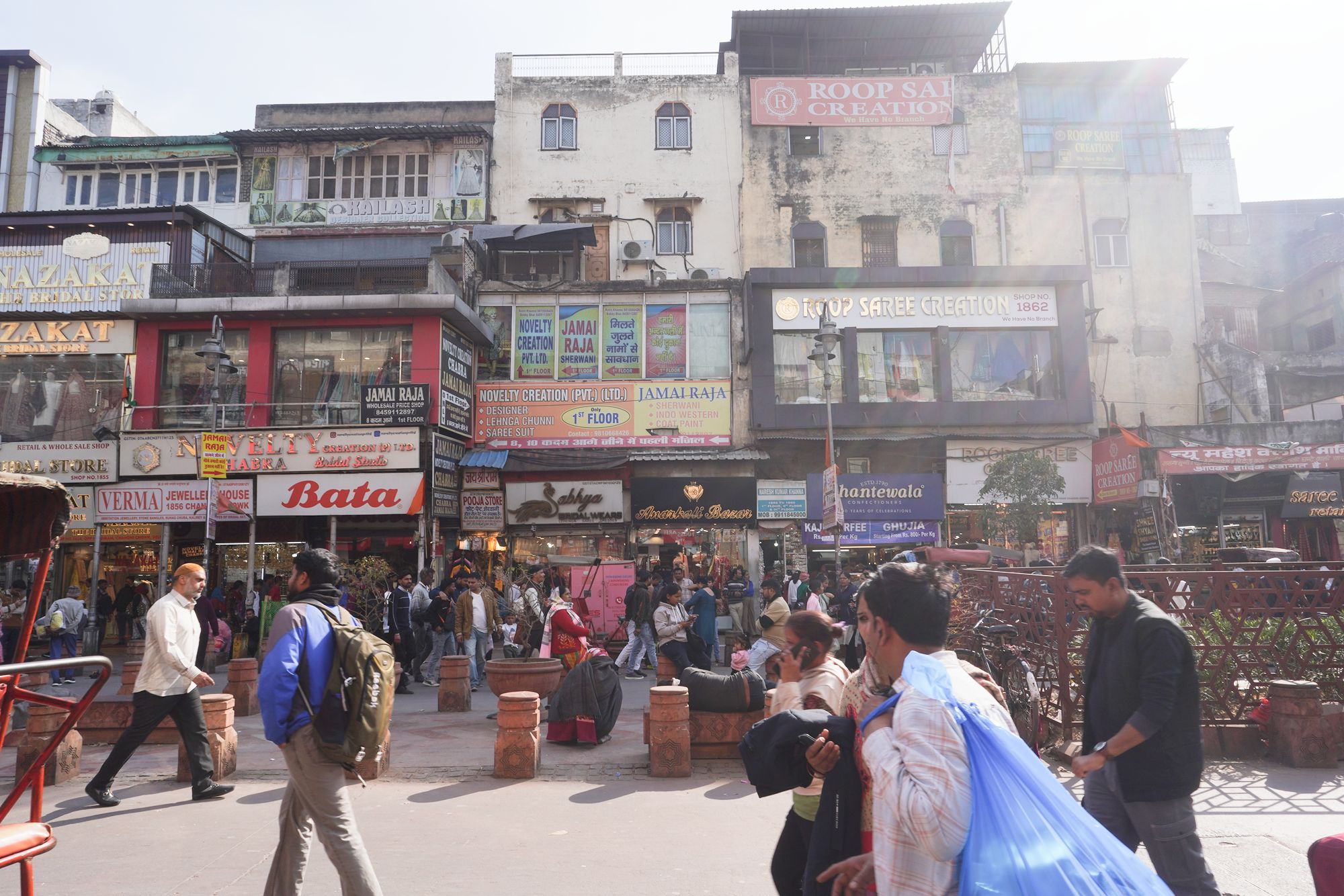
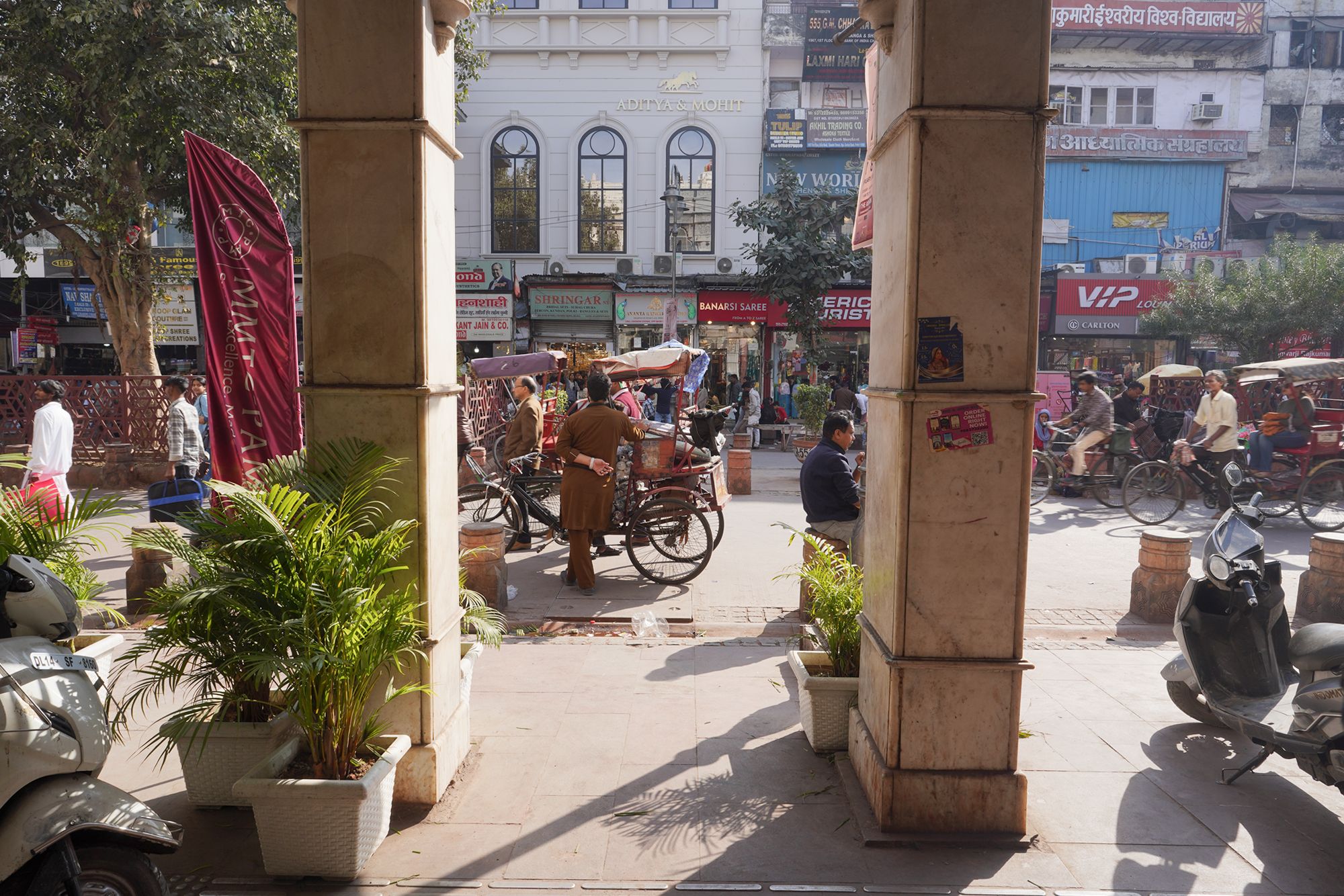
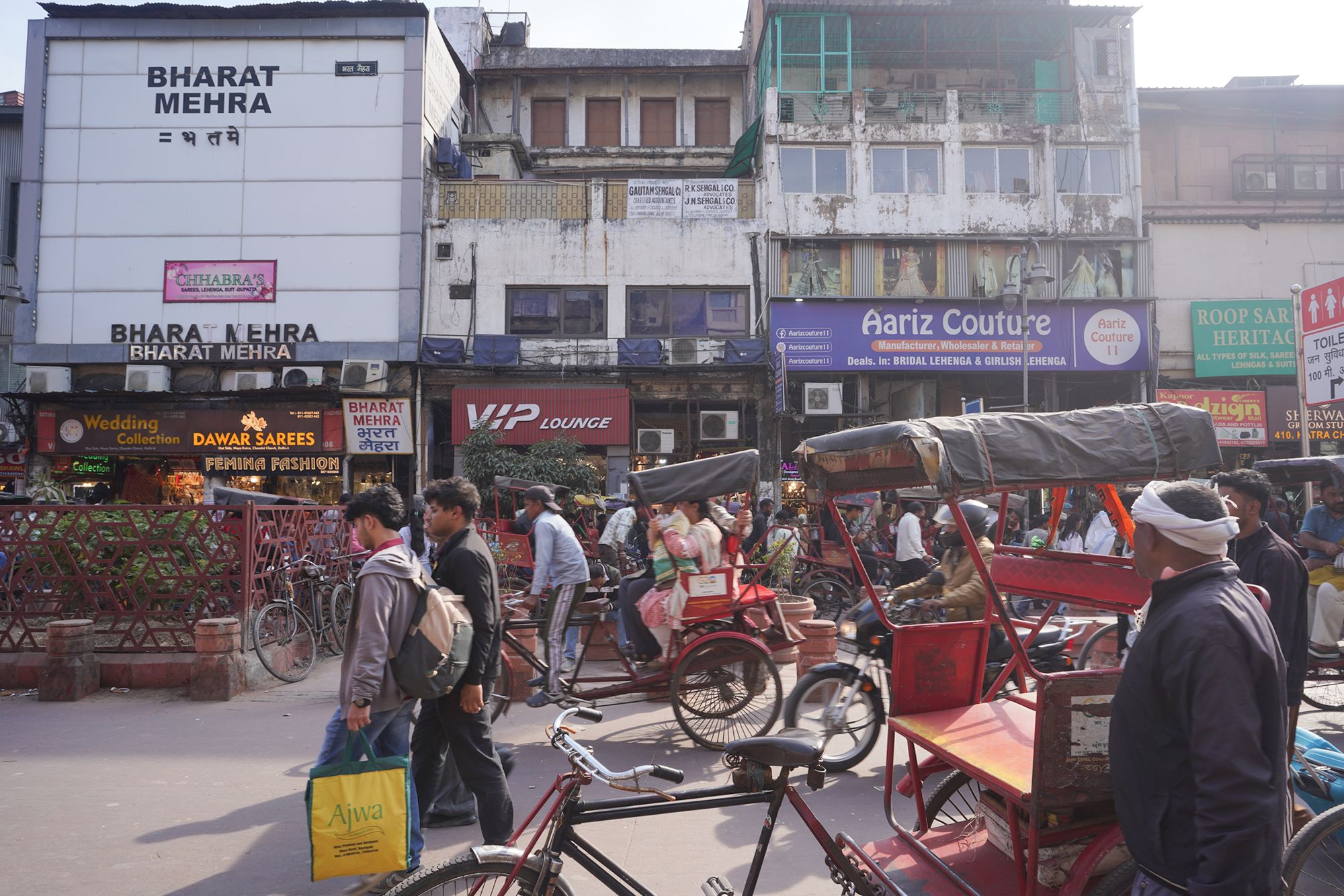
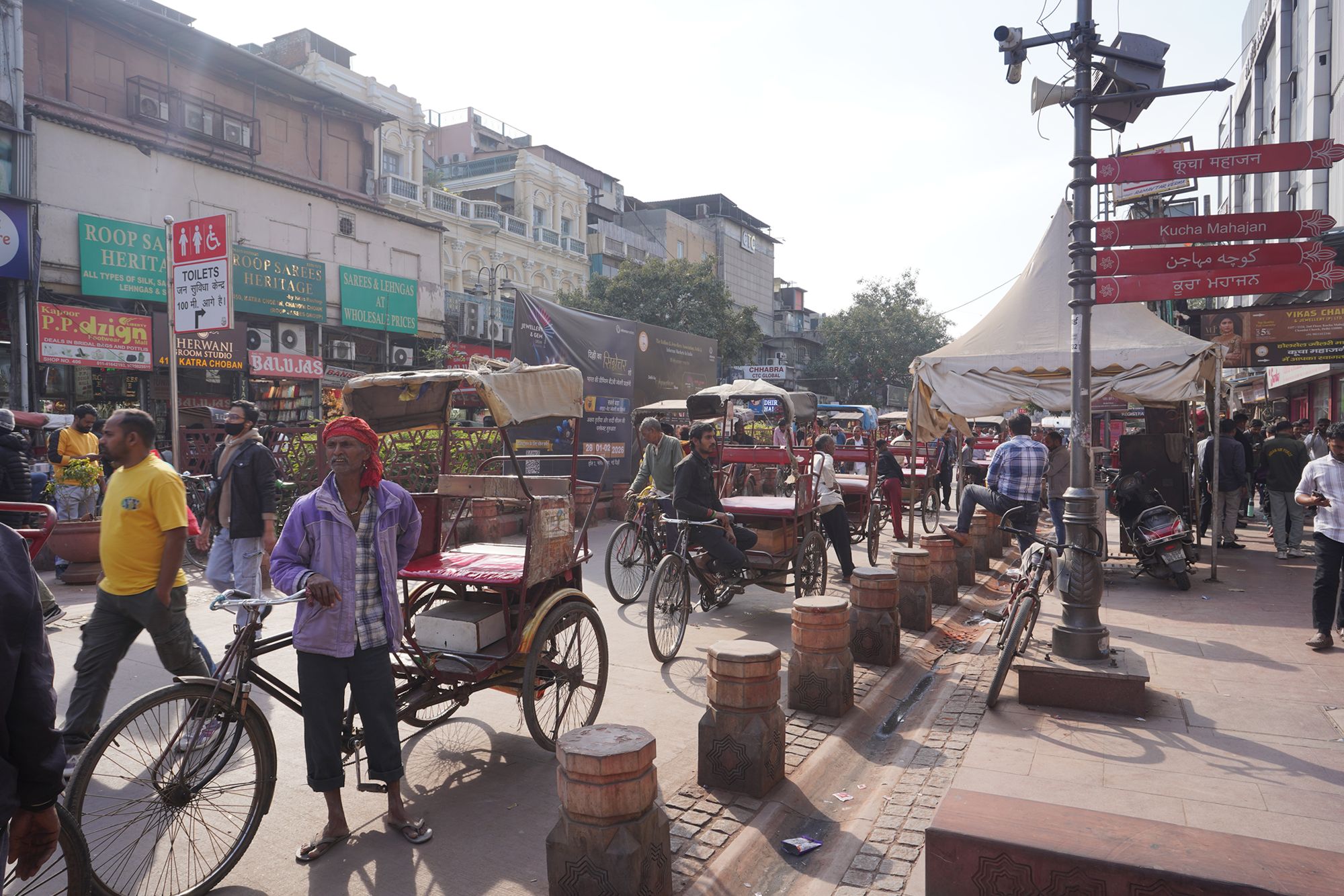
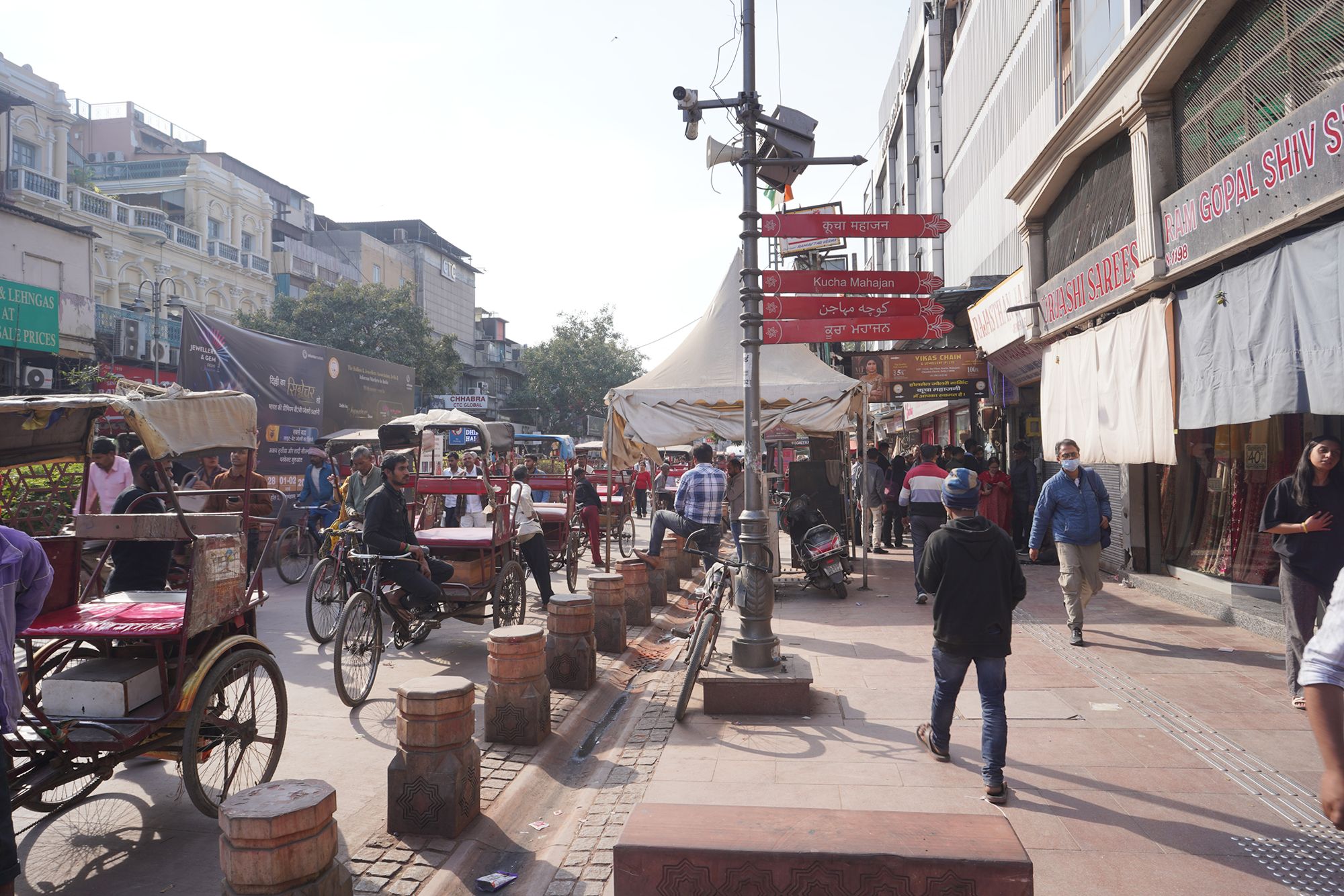
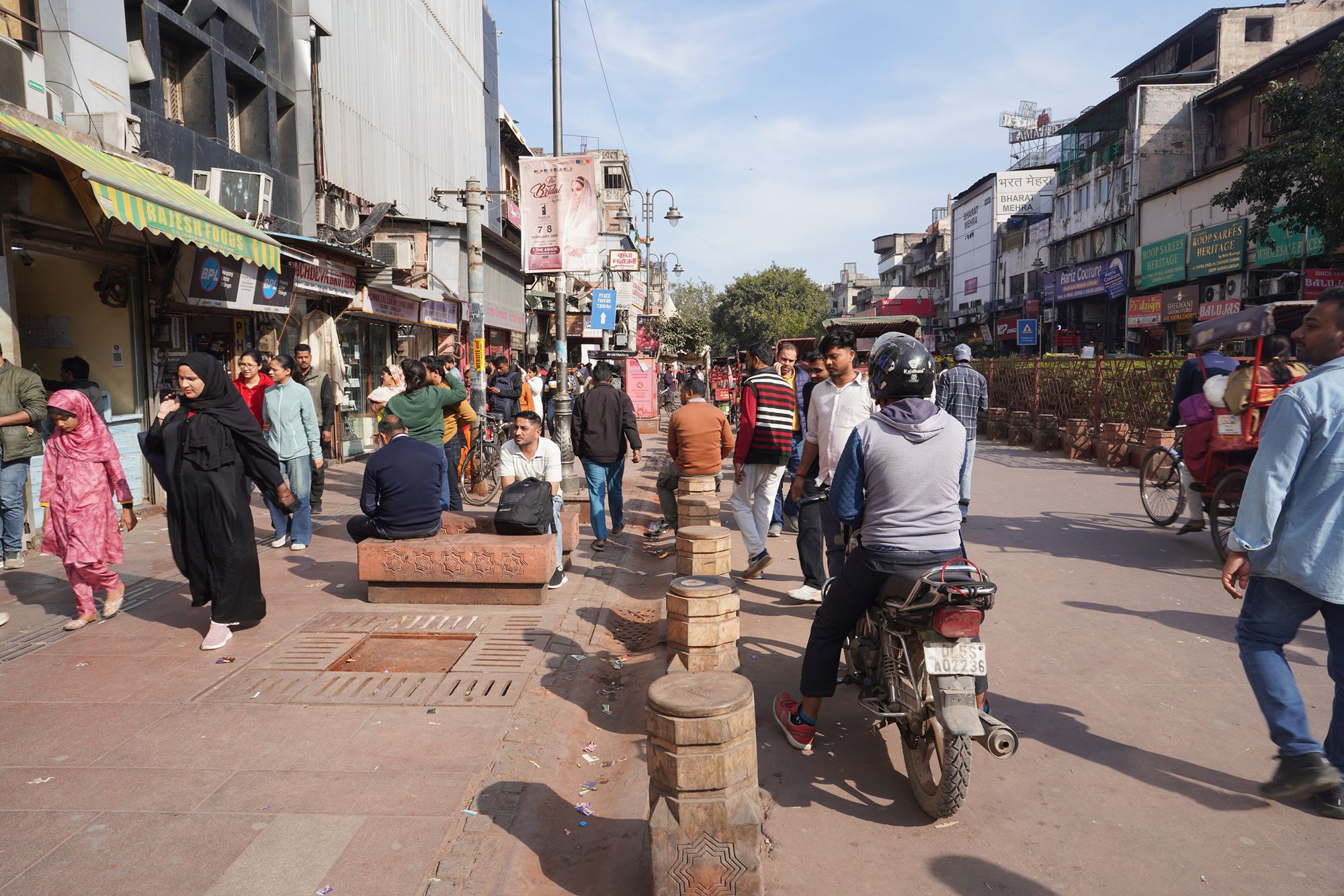
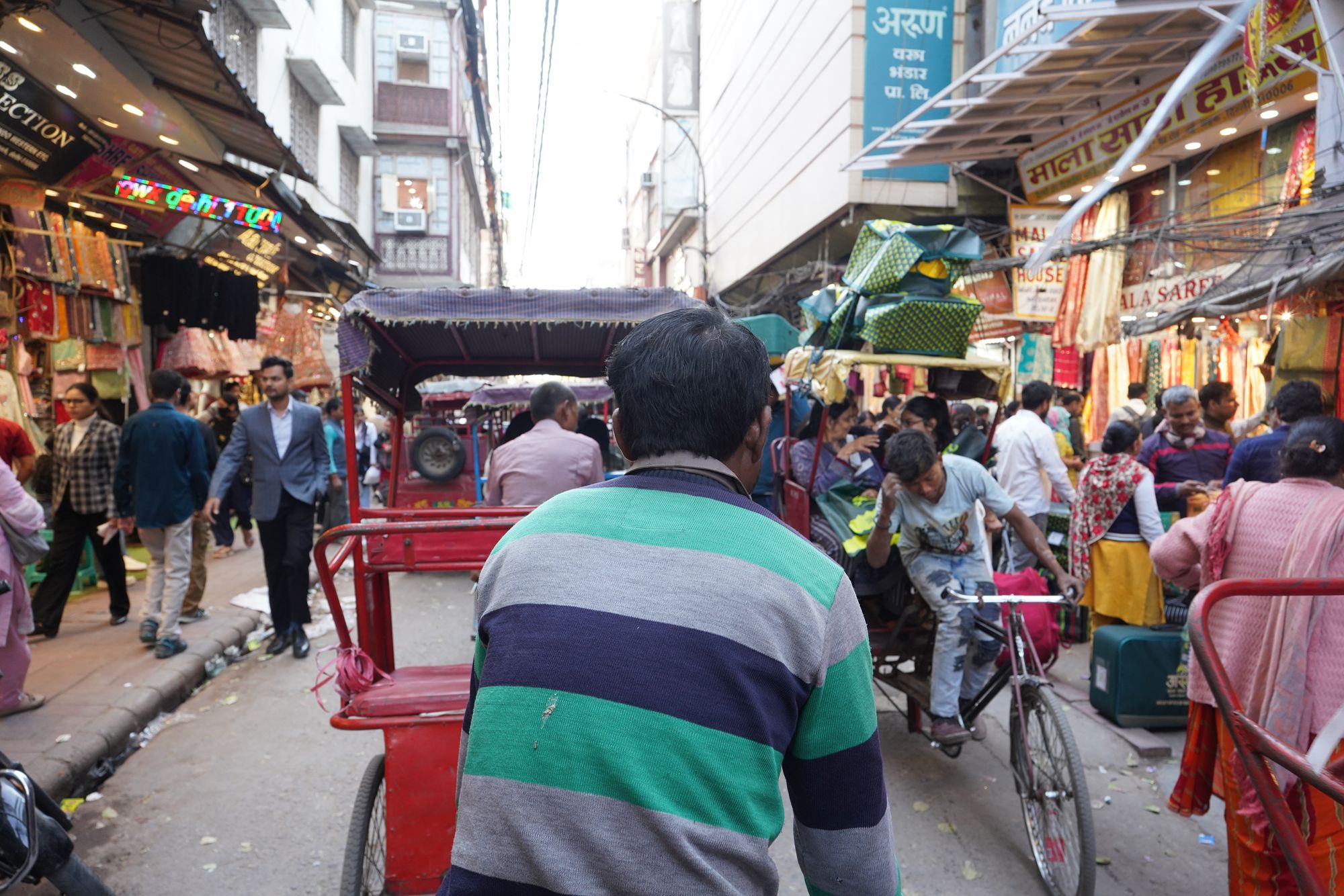
So, I hired a cycle rickshaw and rode through the busy streets of Old Delhi to Jama Masjid.
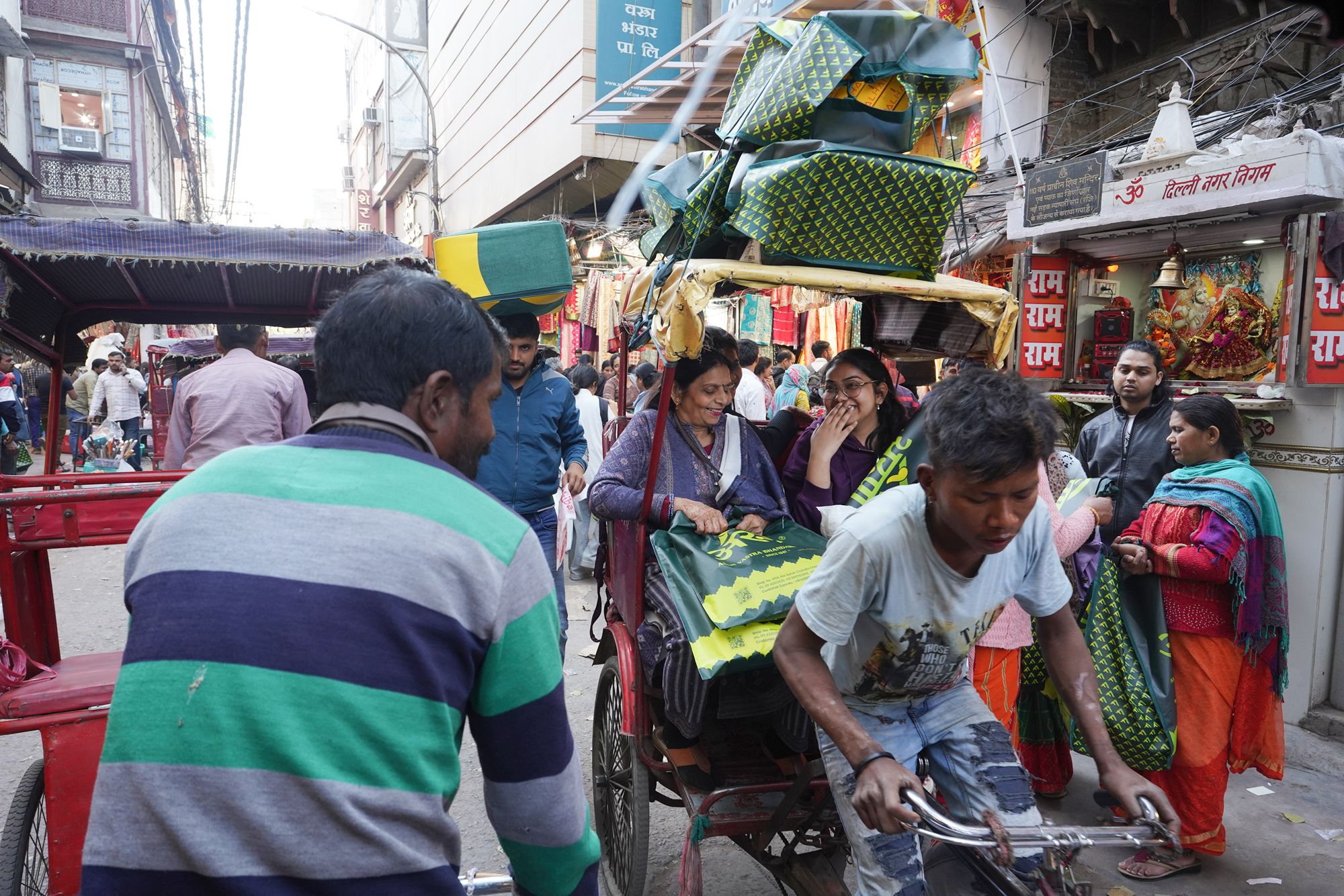
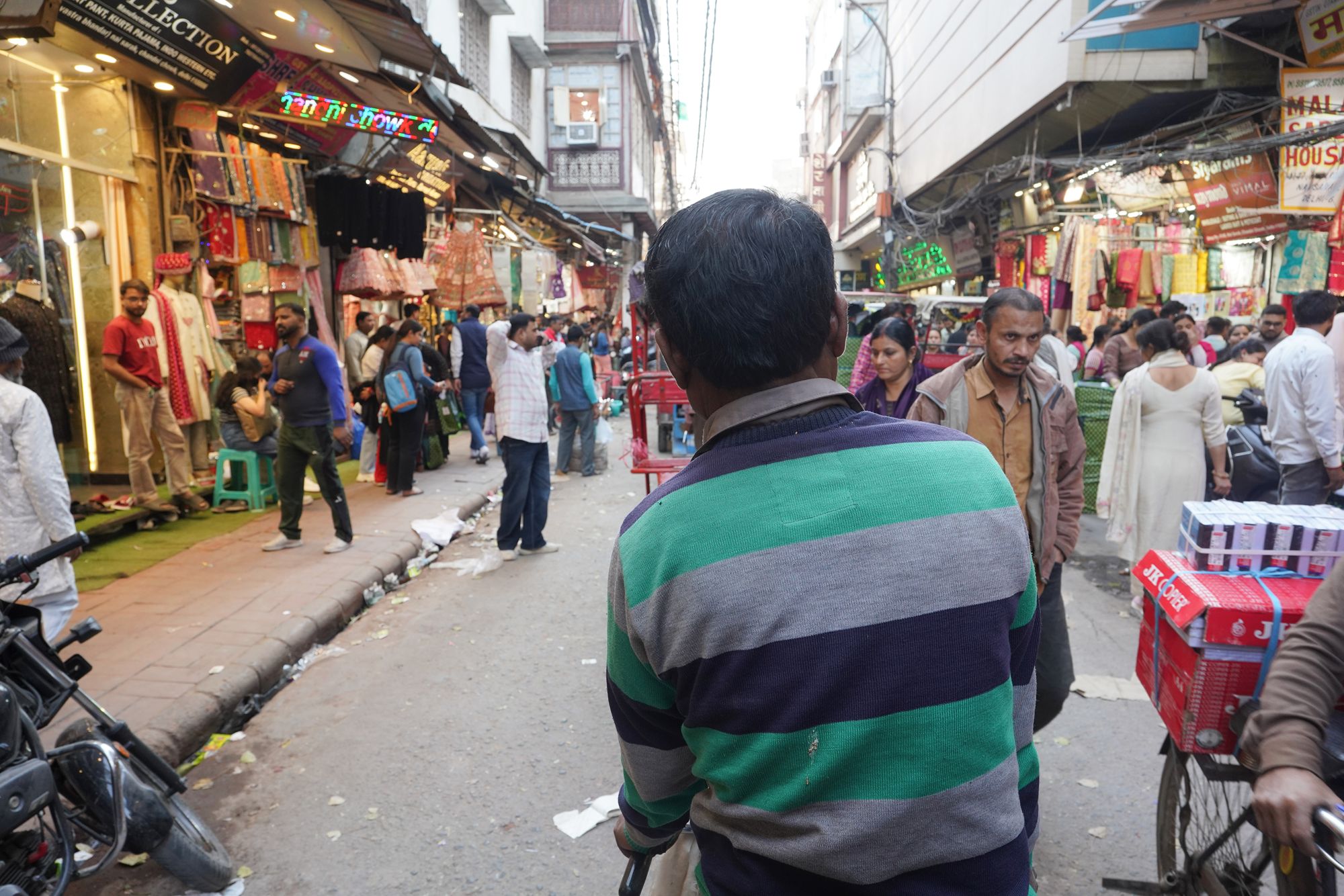
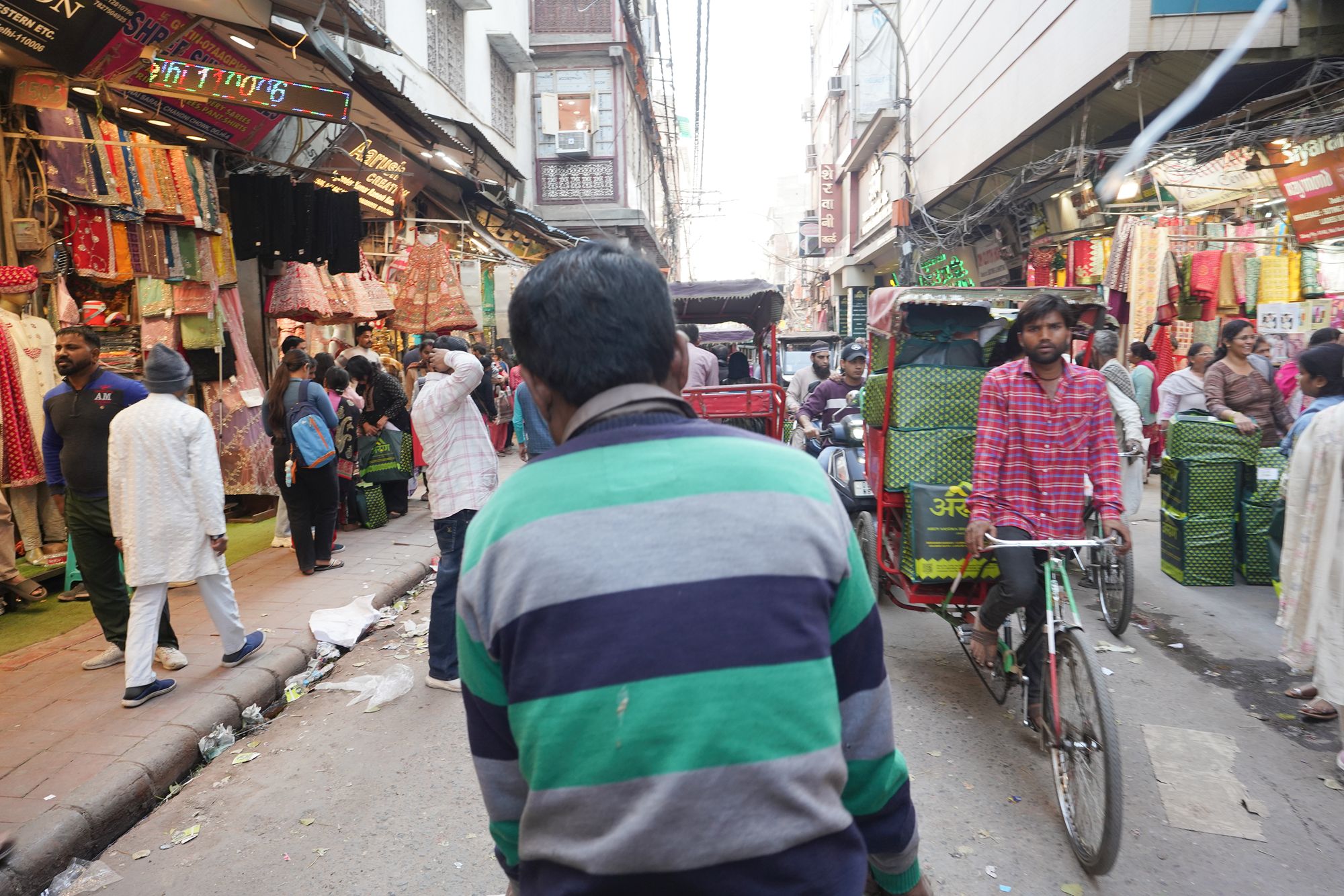
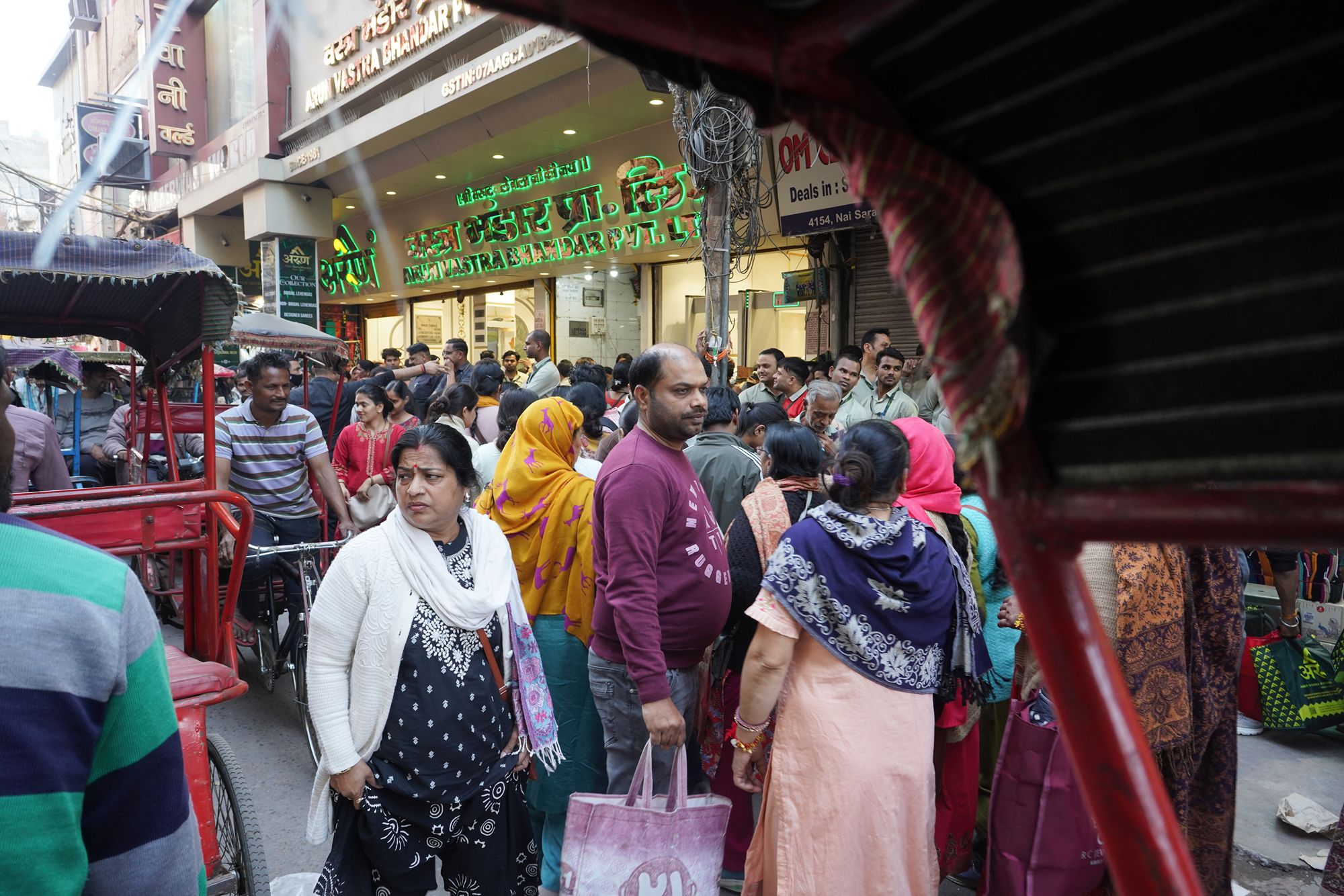
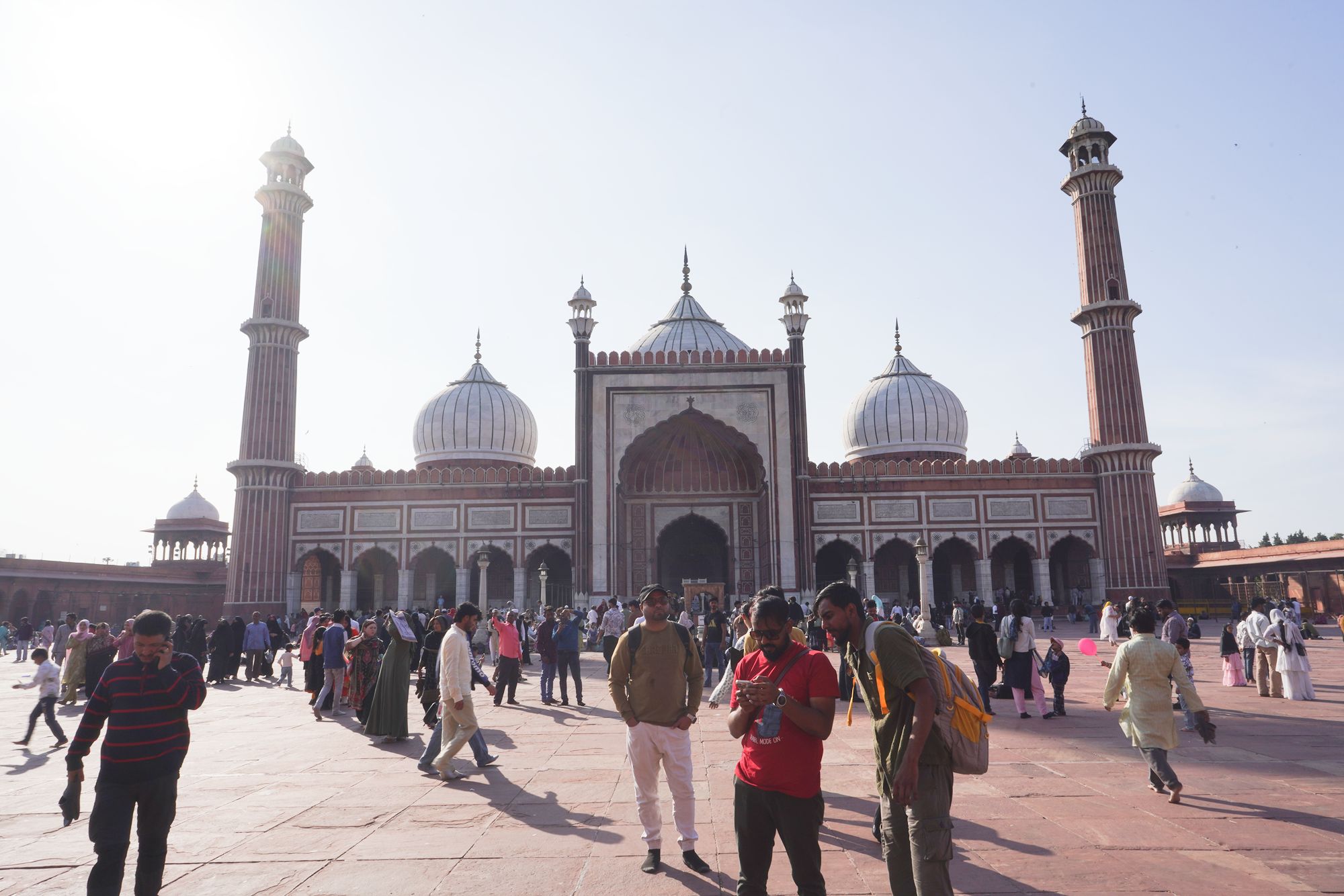
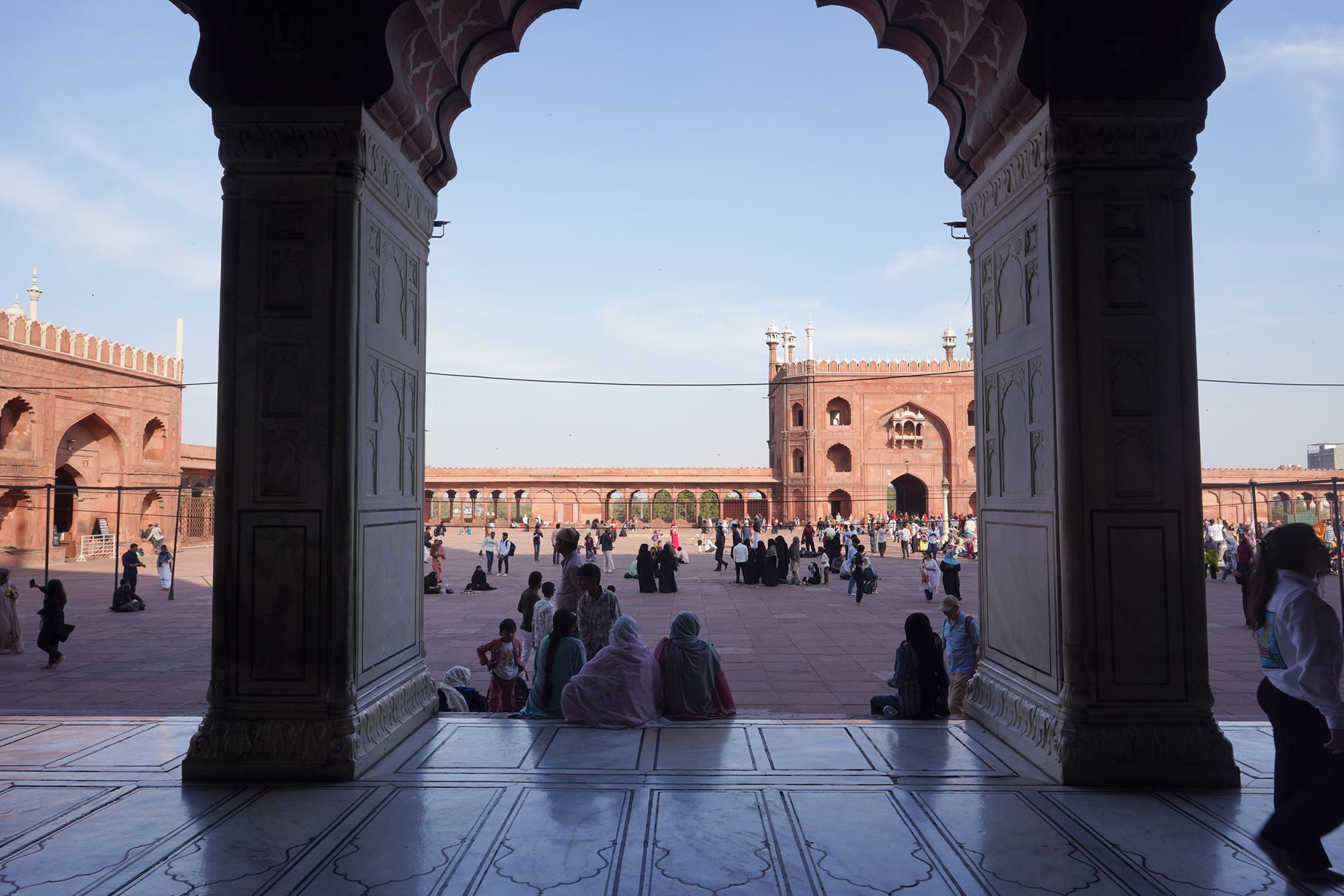
And I arrived at Jama Masjid, looking down at the crowds from the top of the mosque steps.
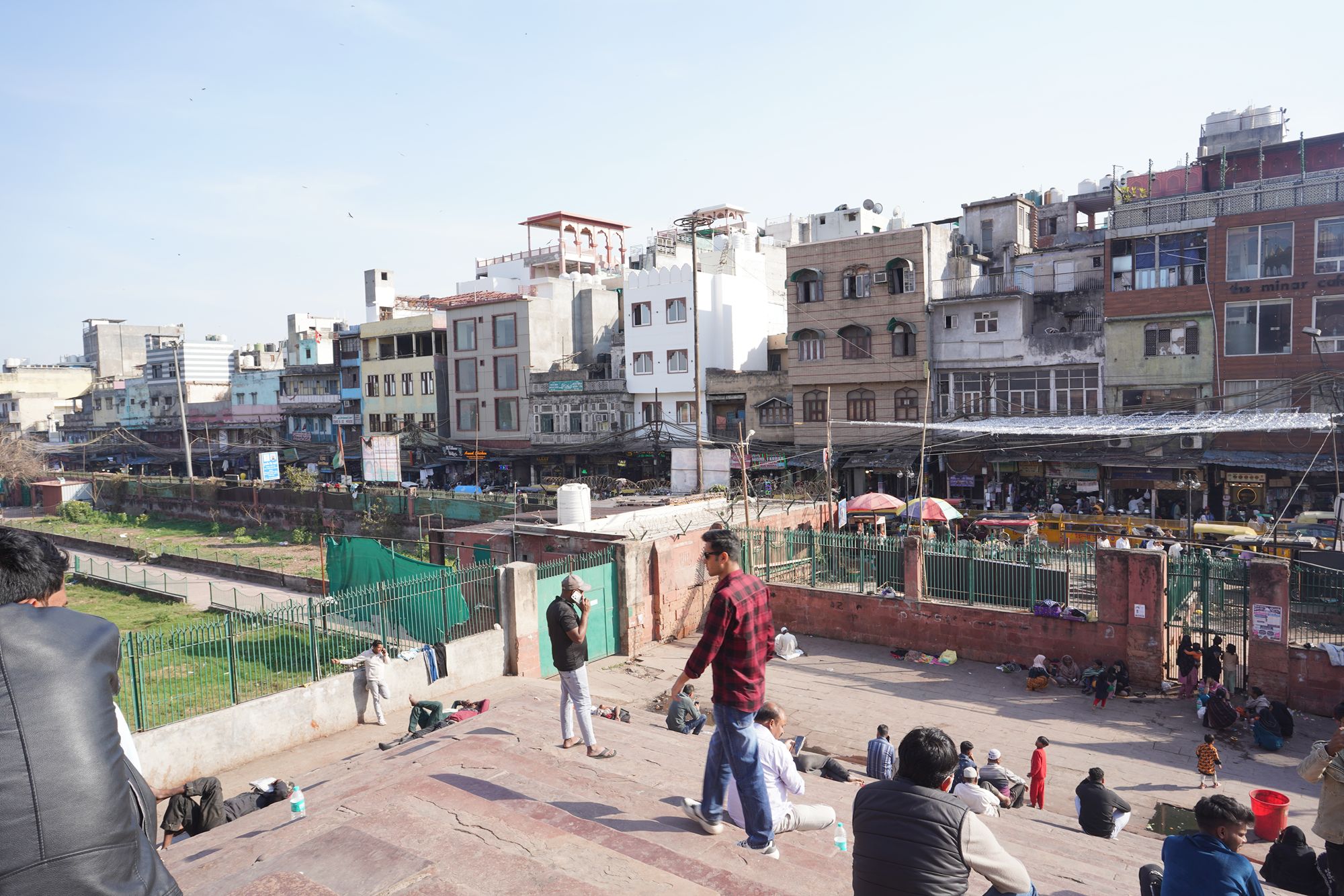
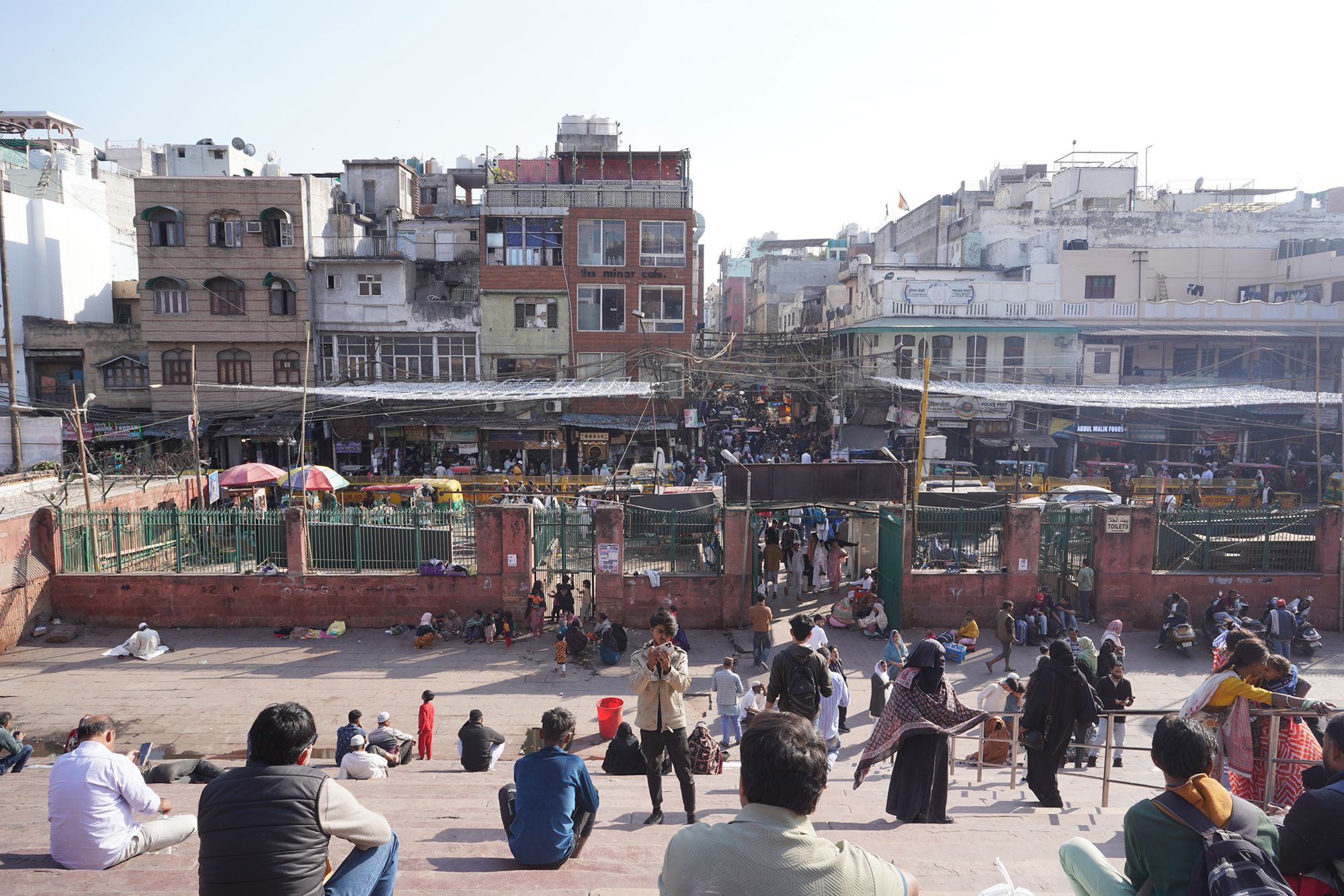
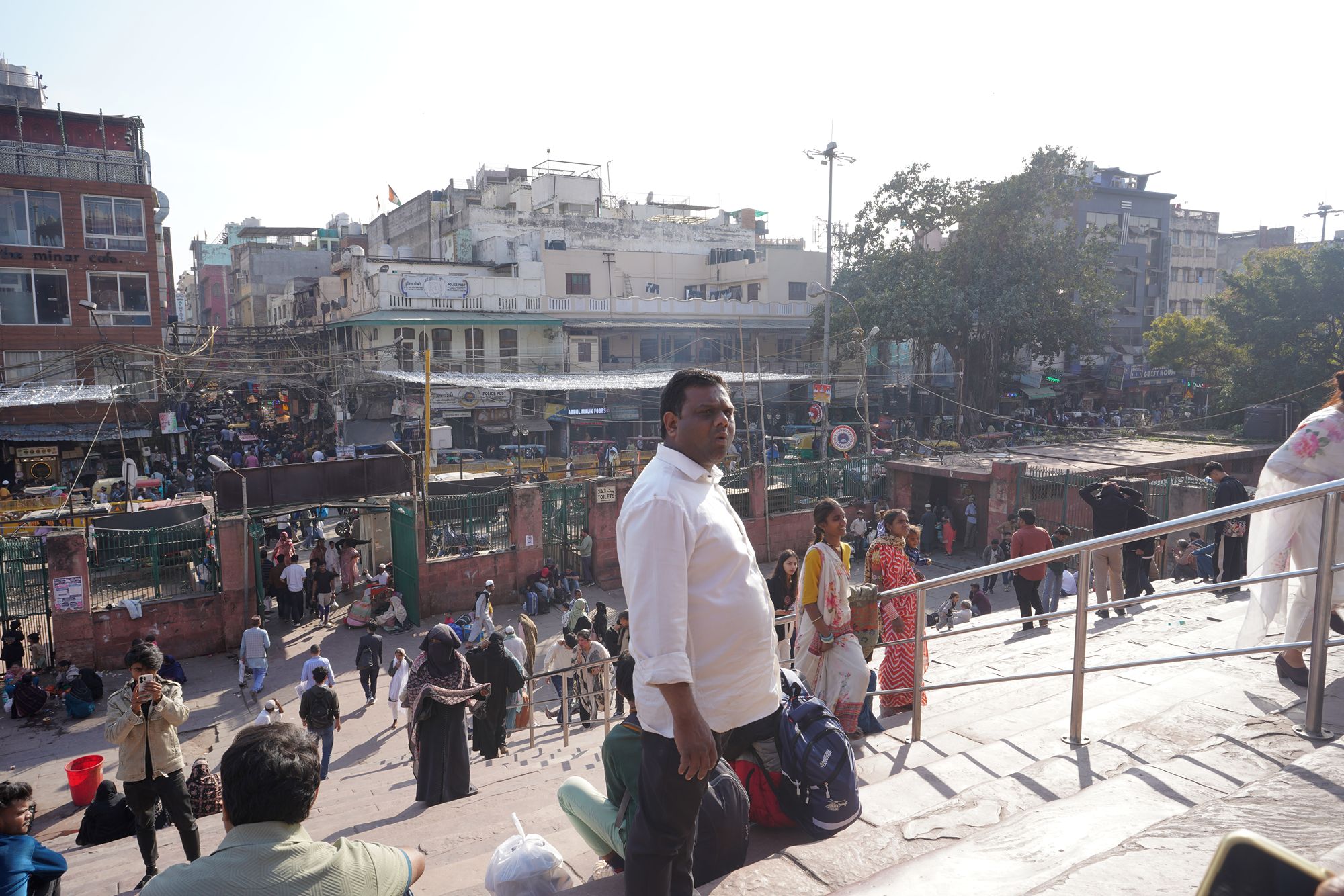
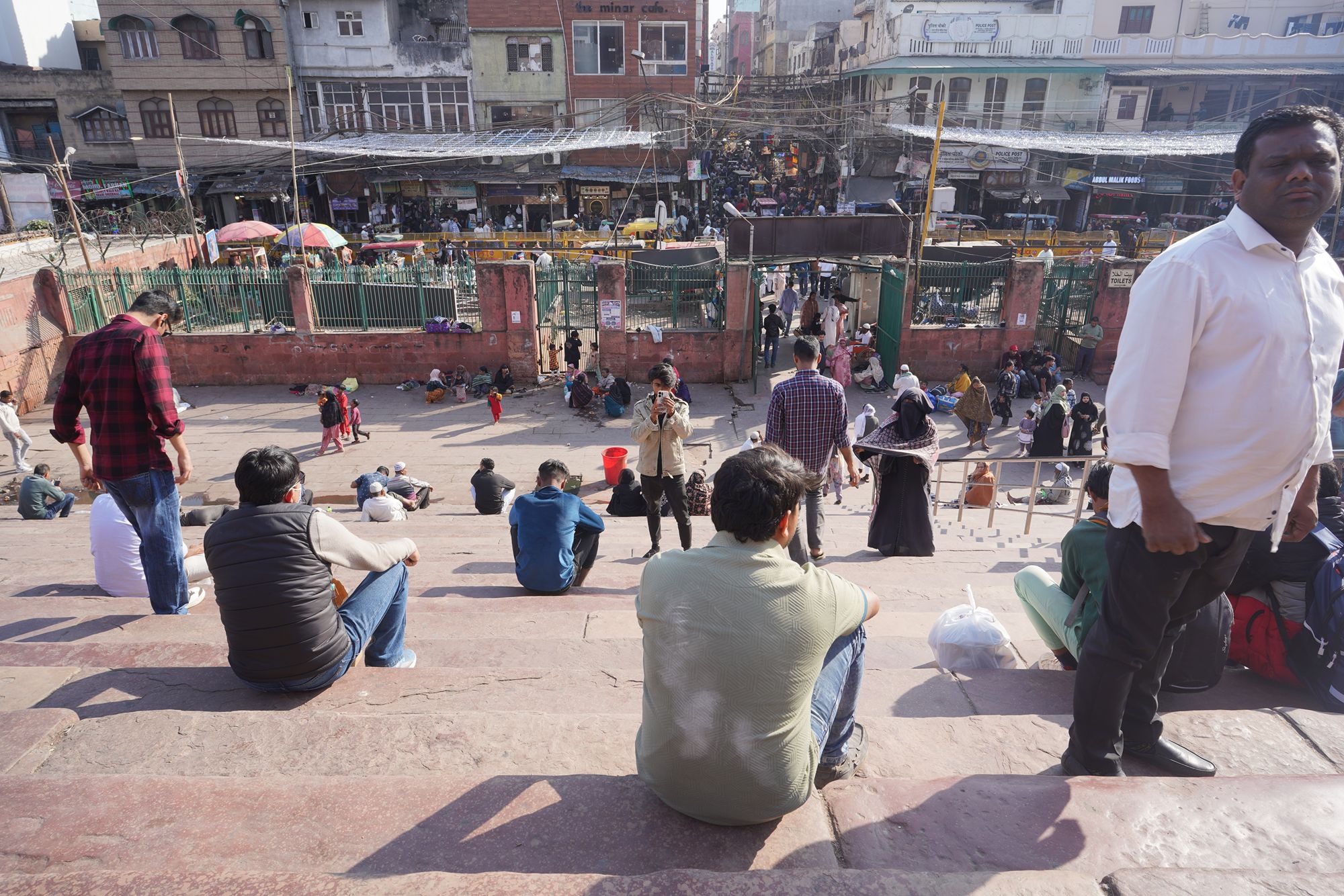
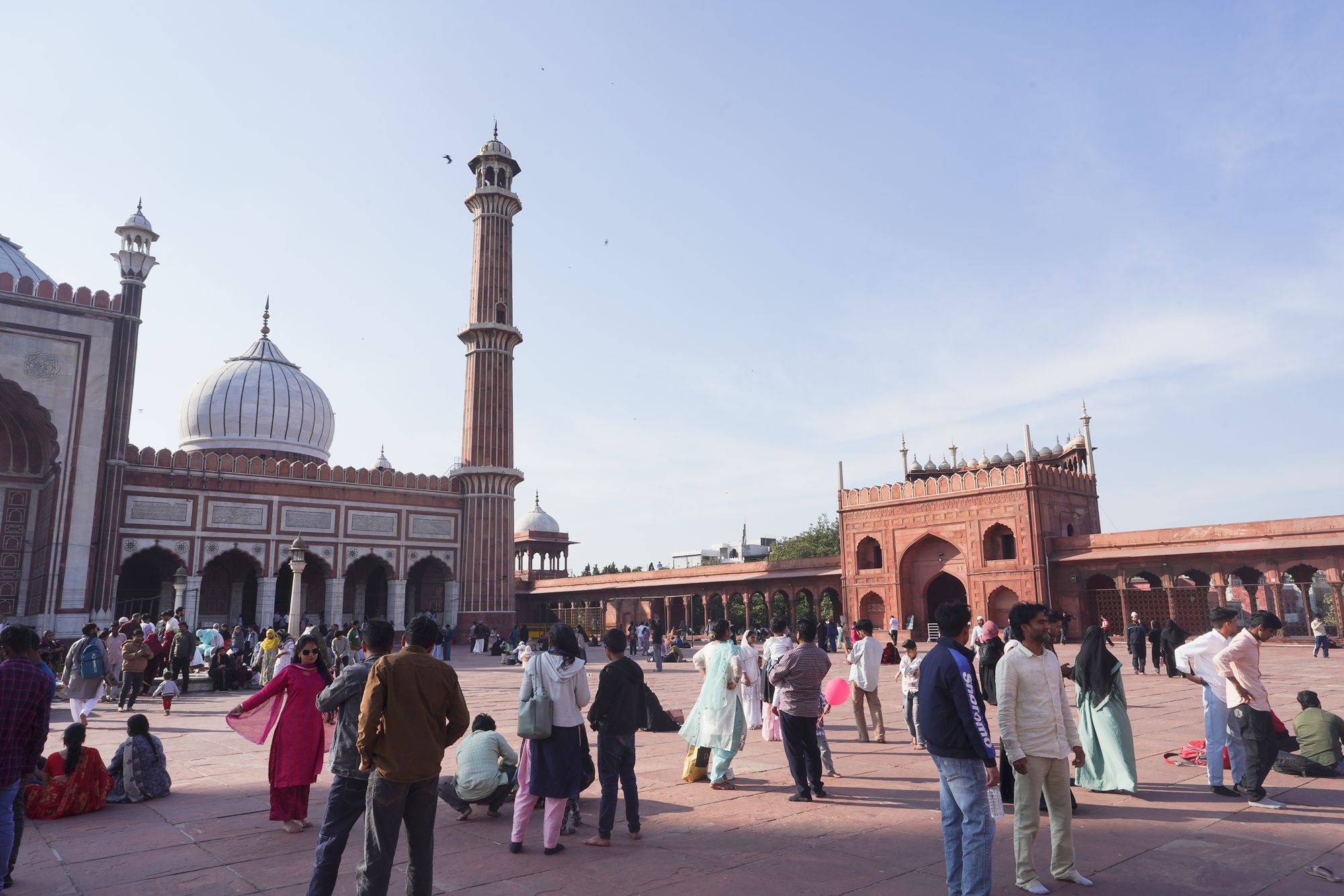
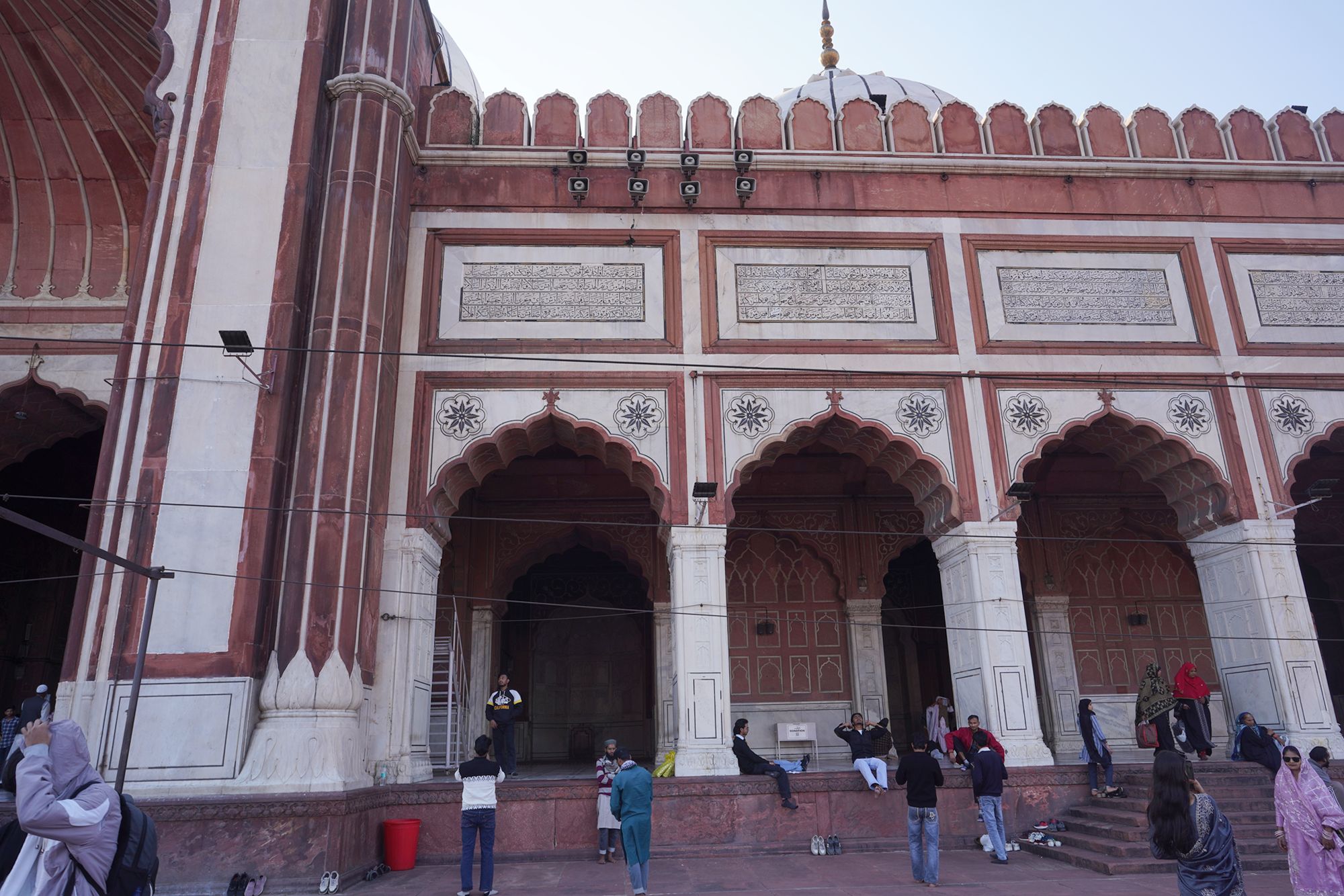
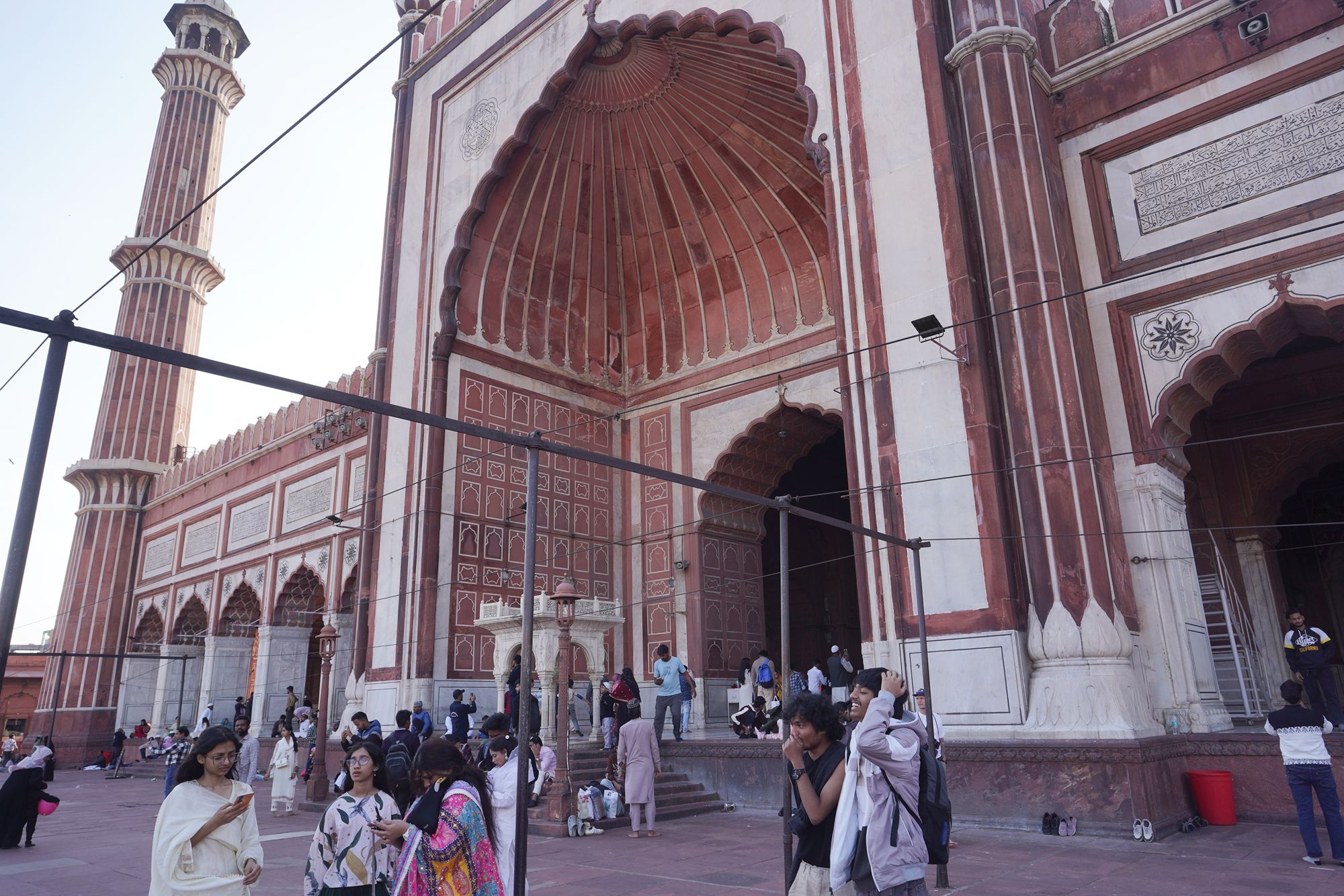
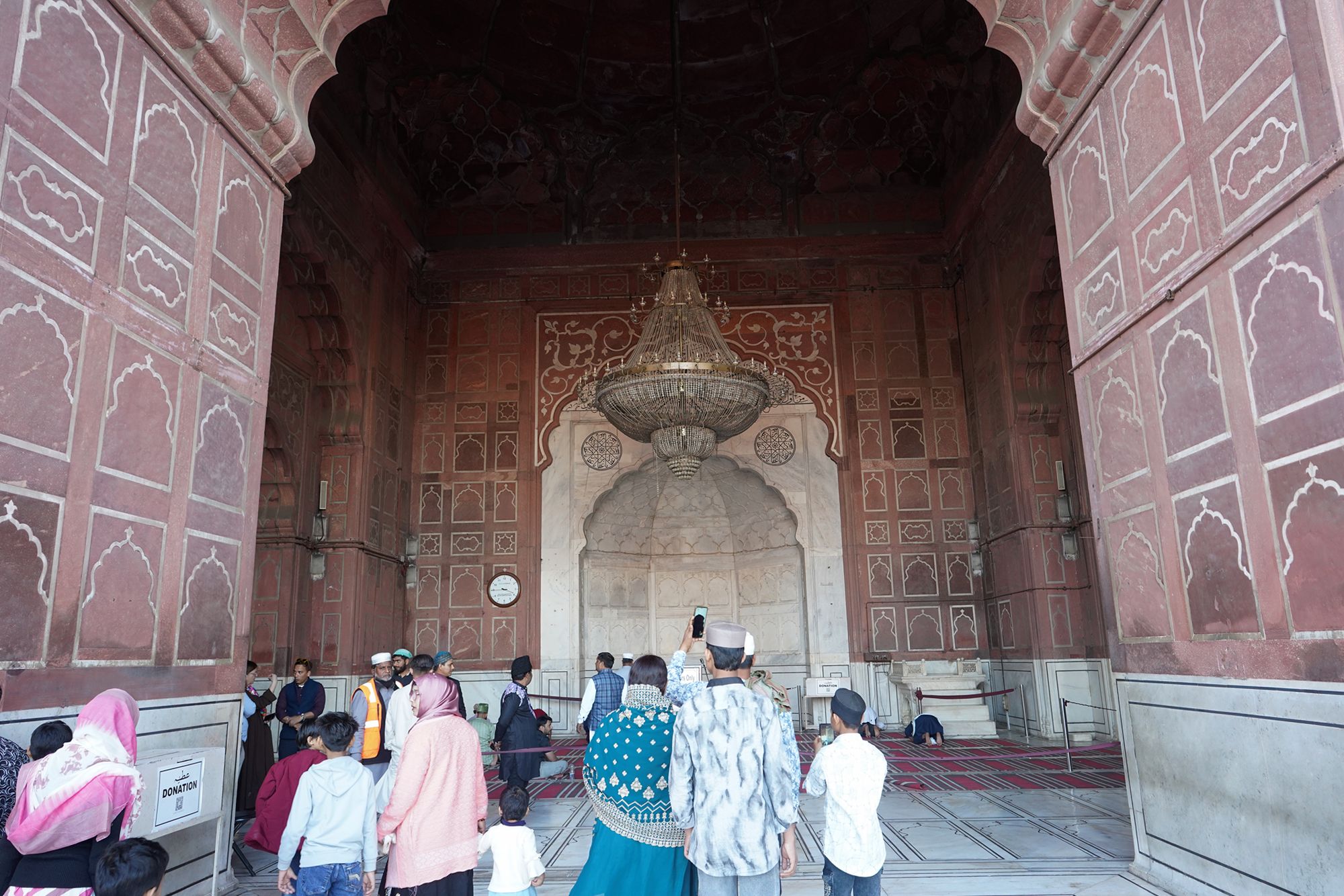
Jama Masjid Mosque
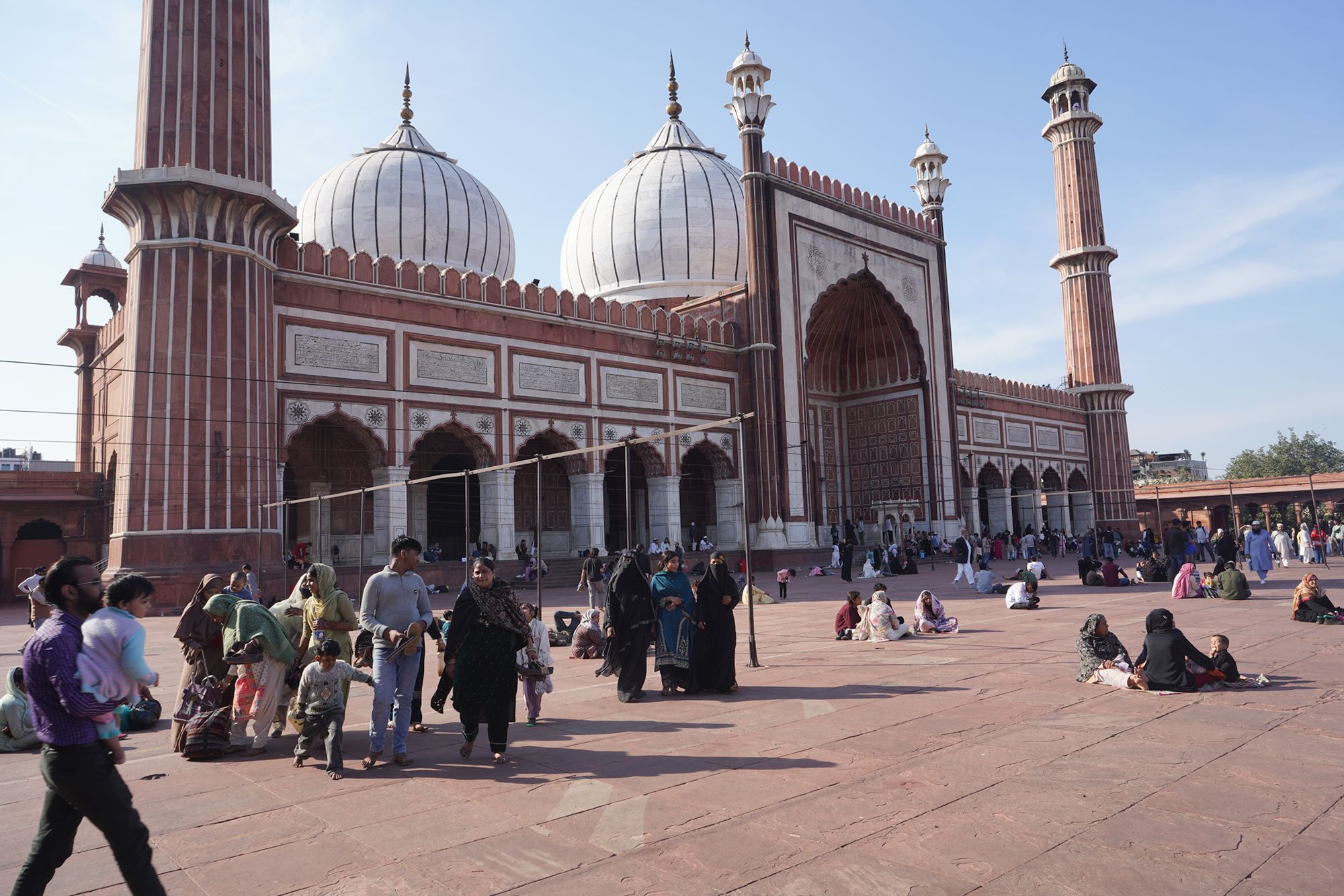
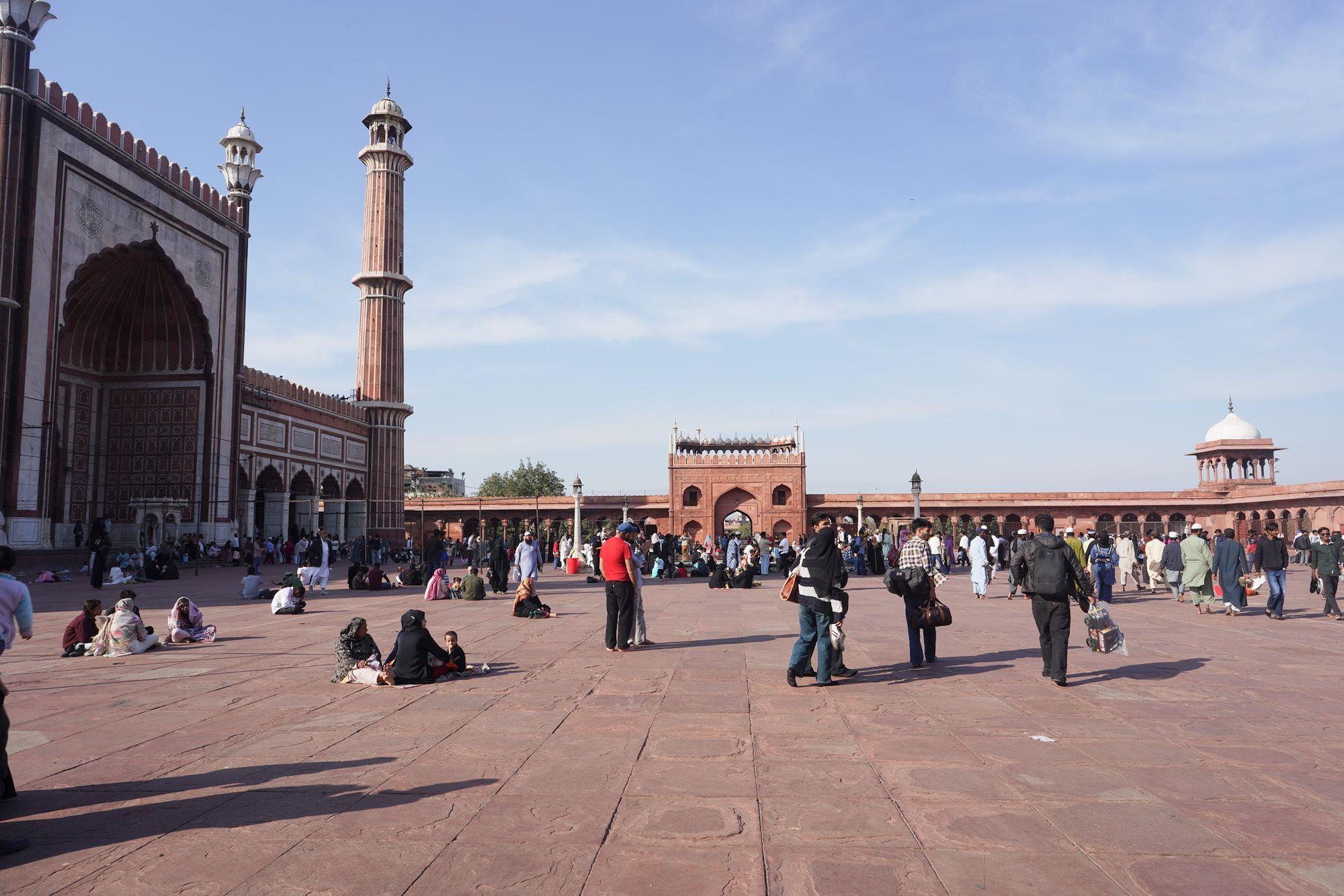
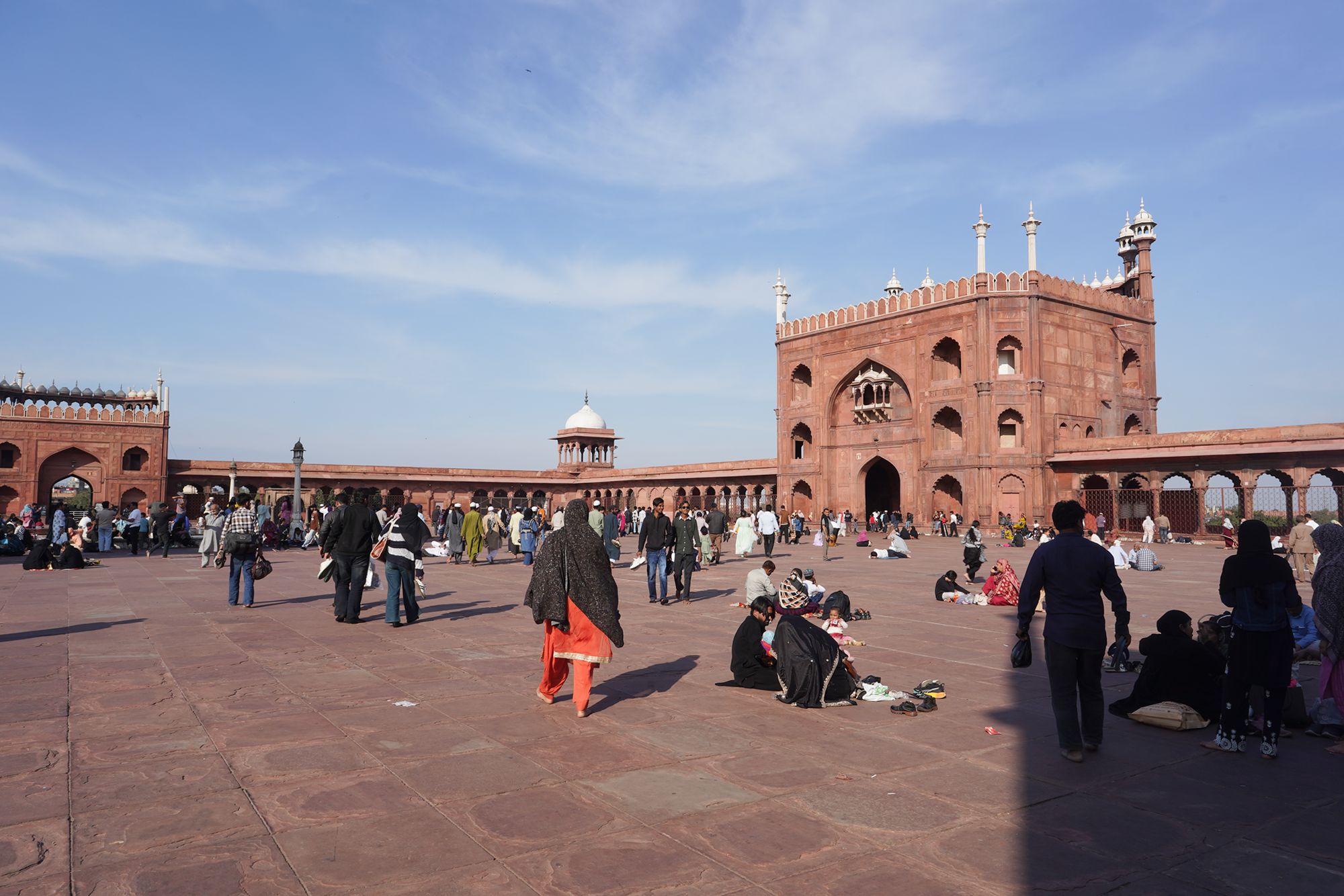
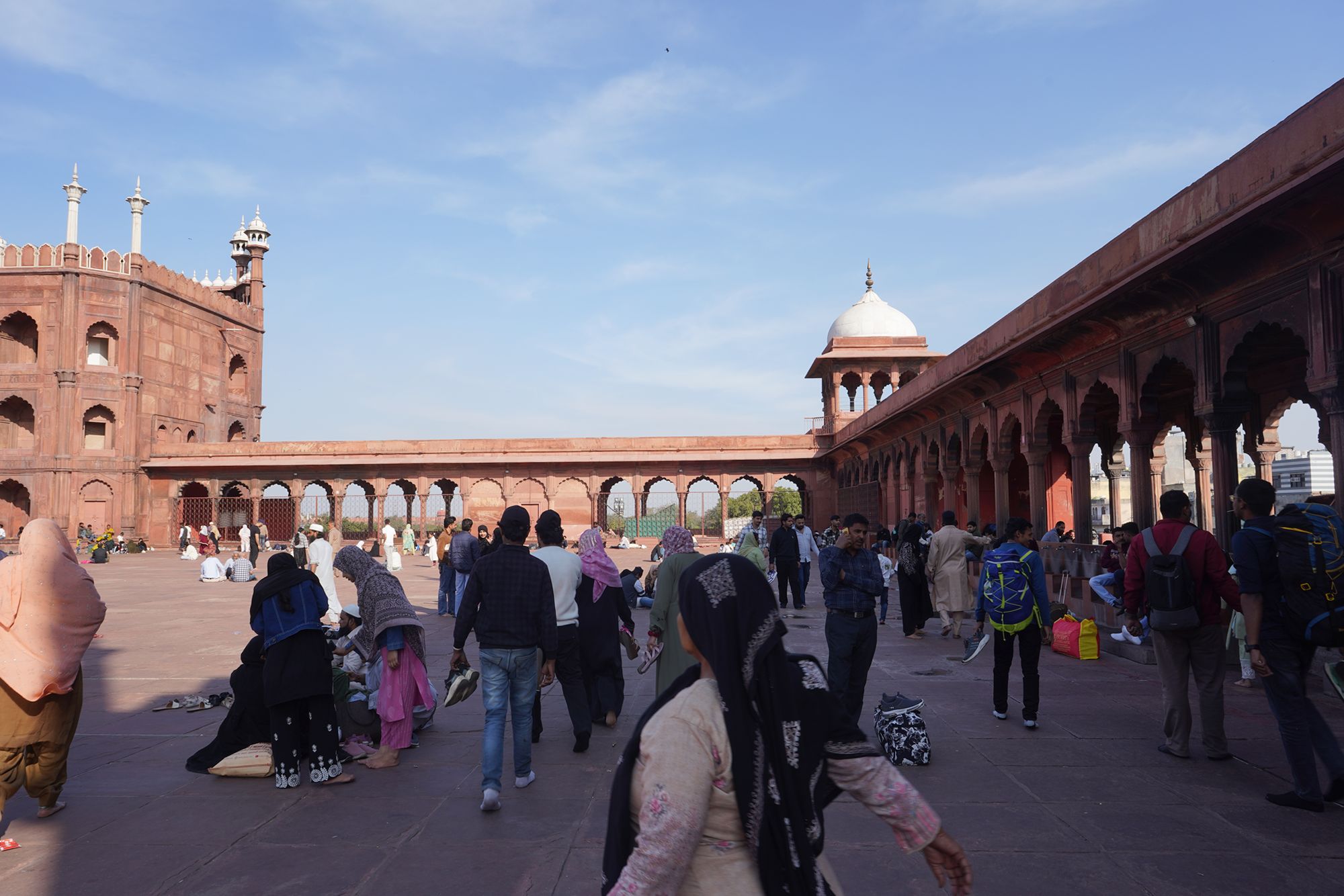
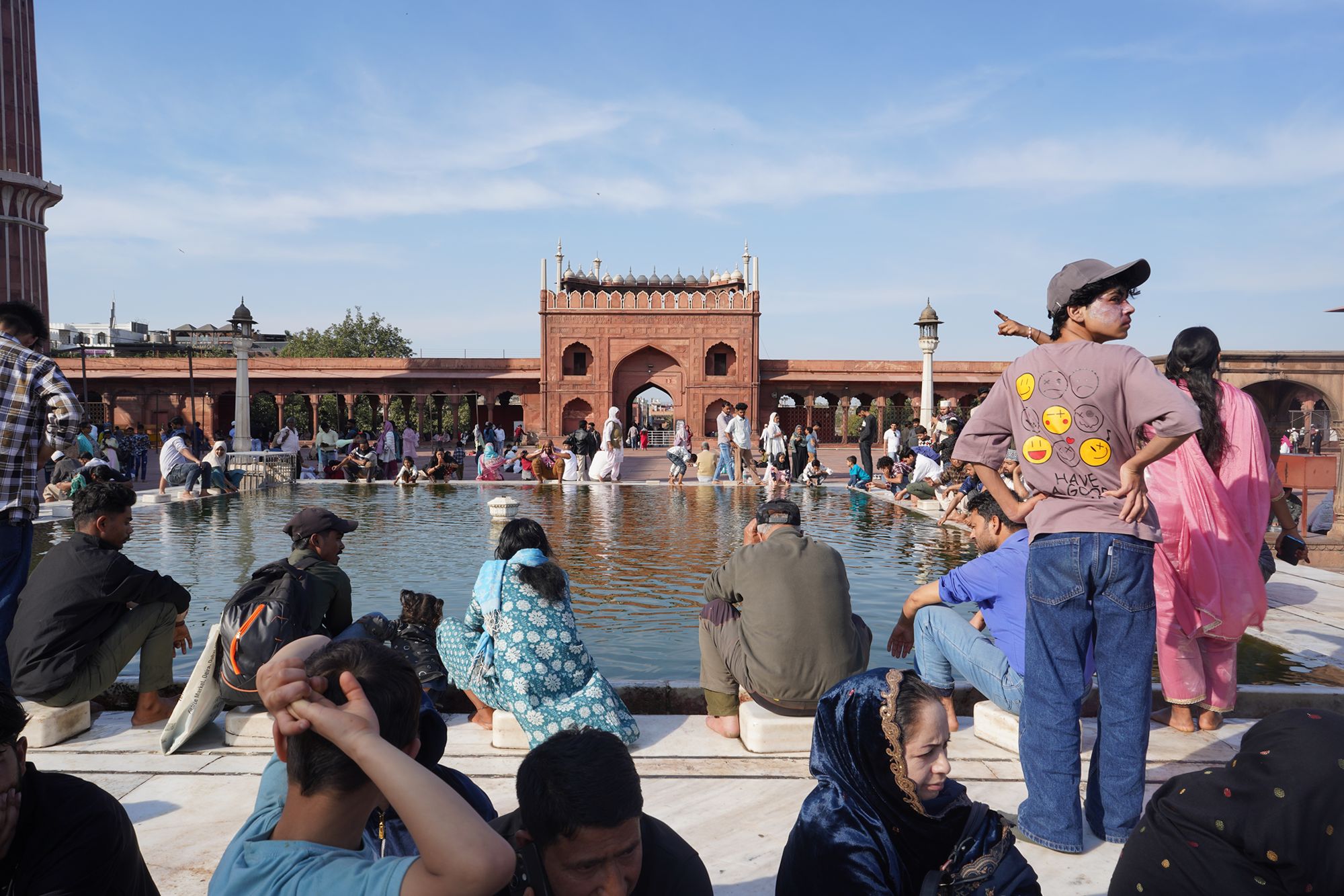
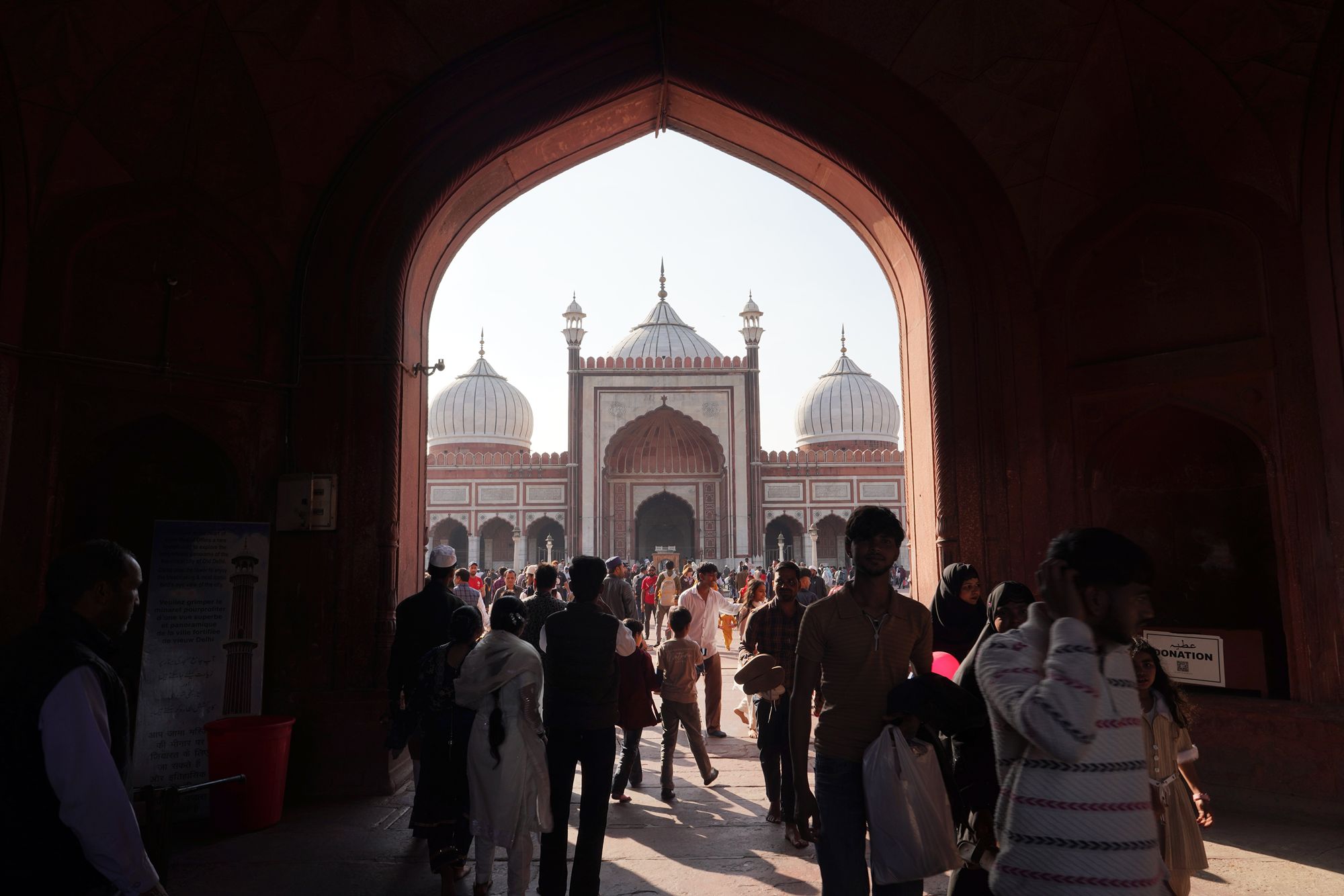
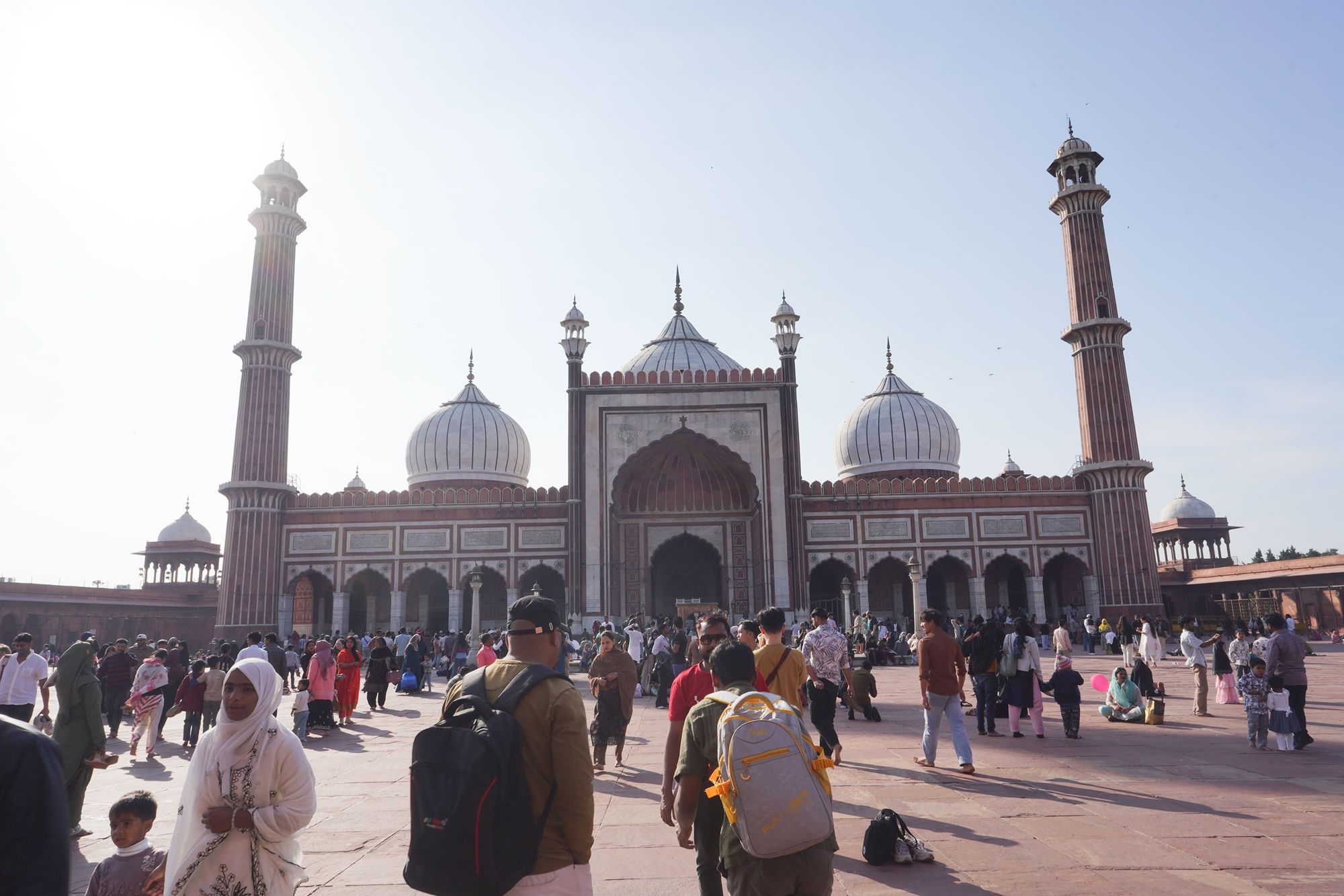
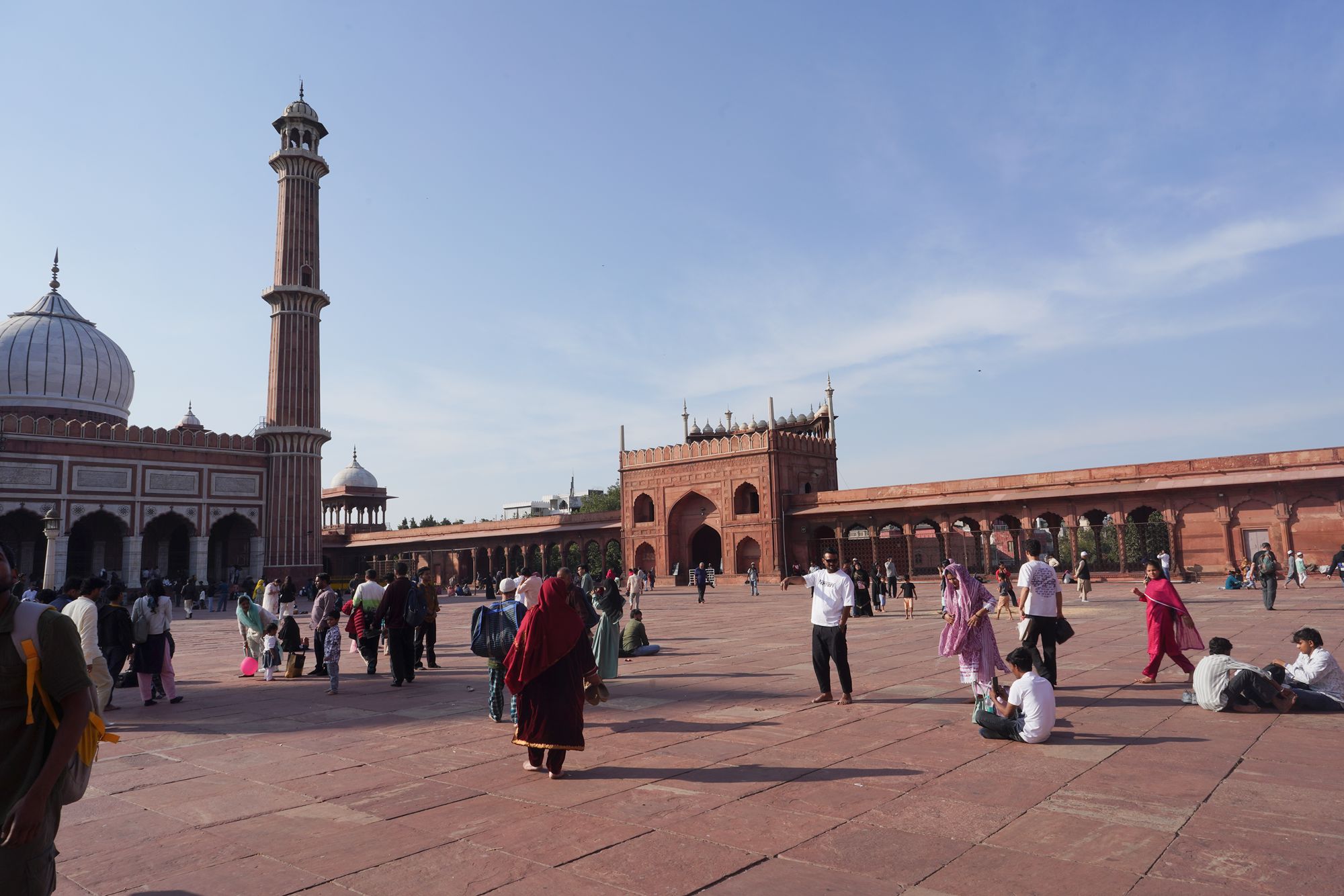
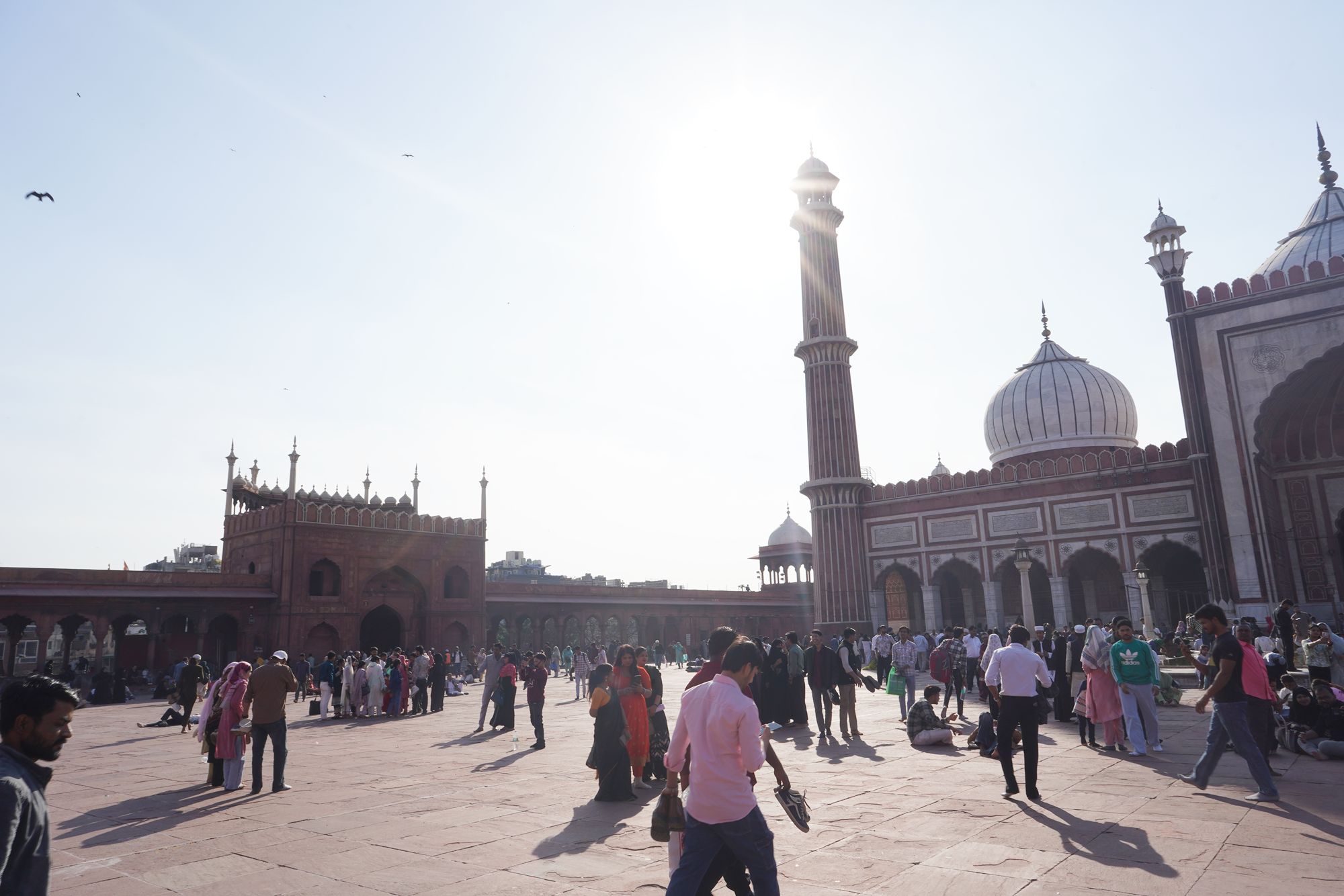
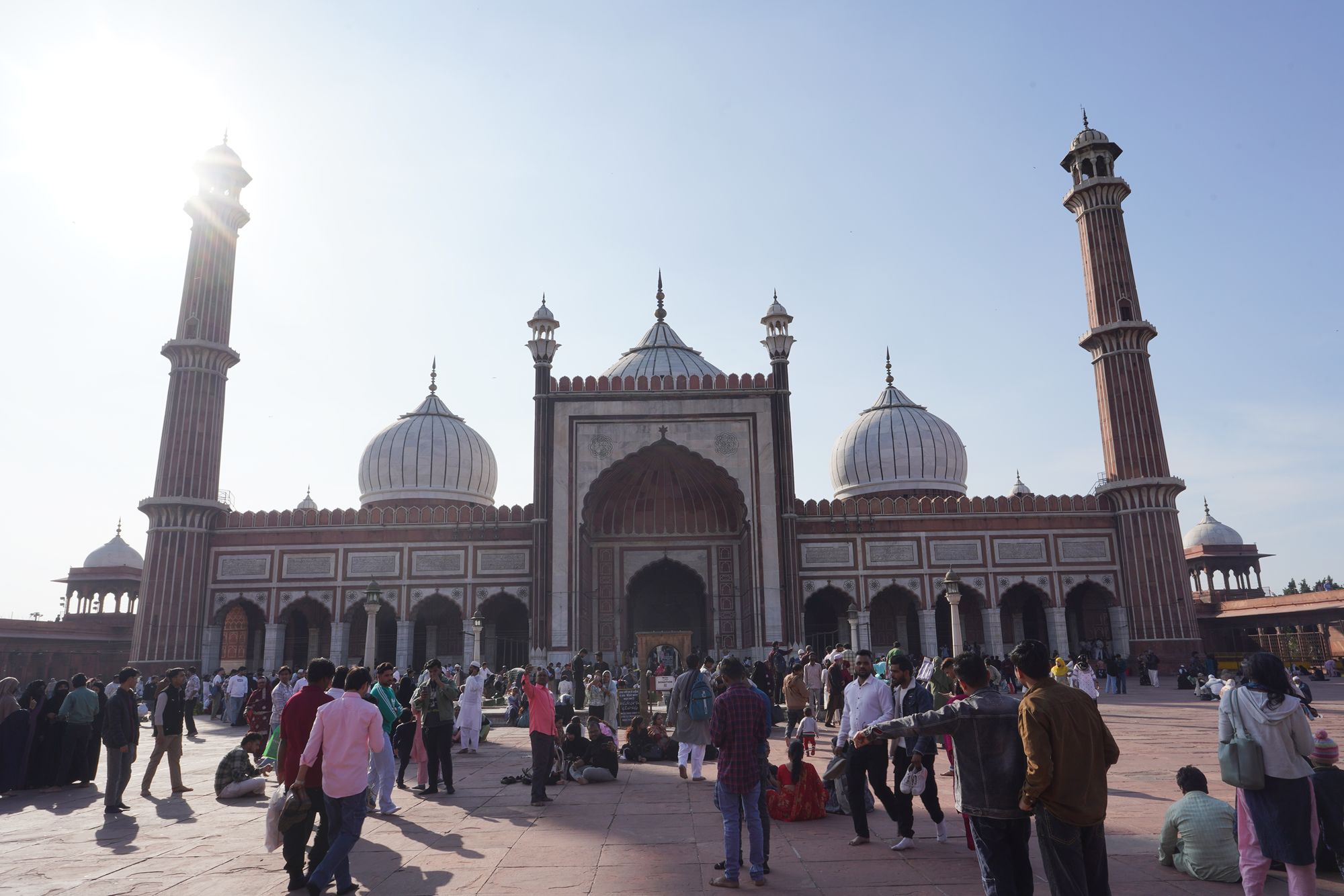
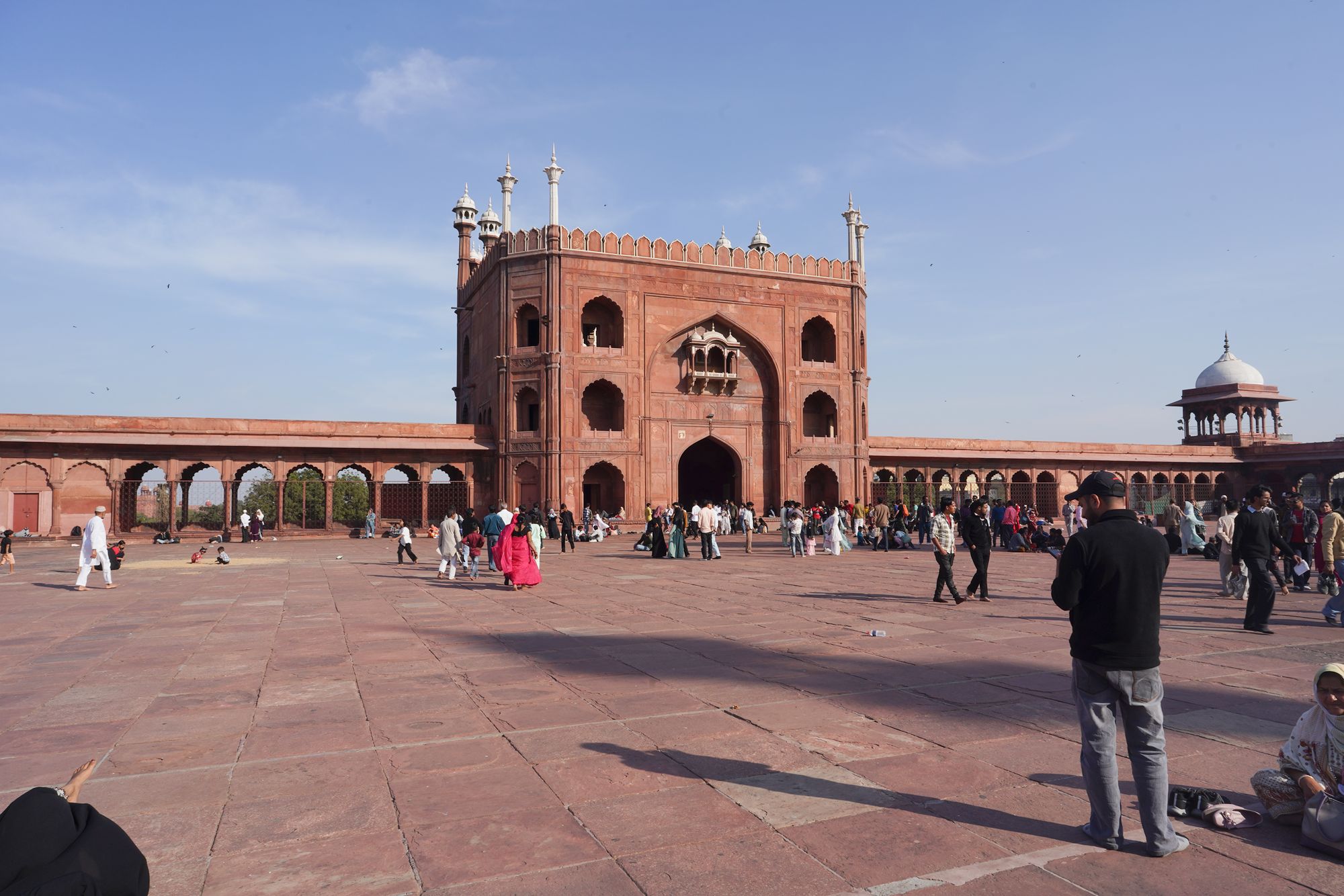
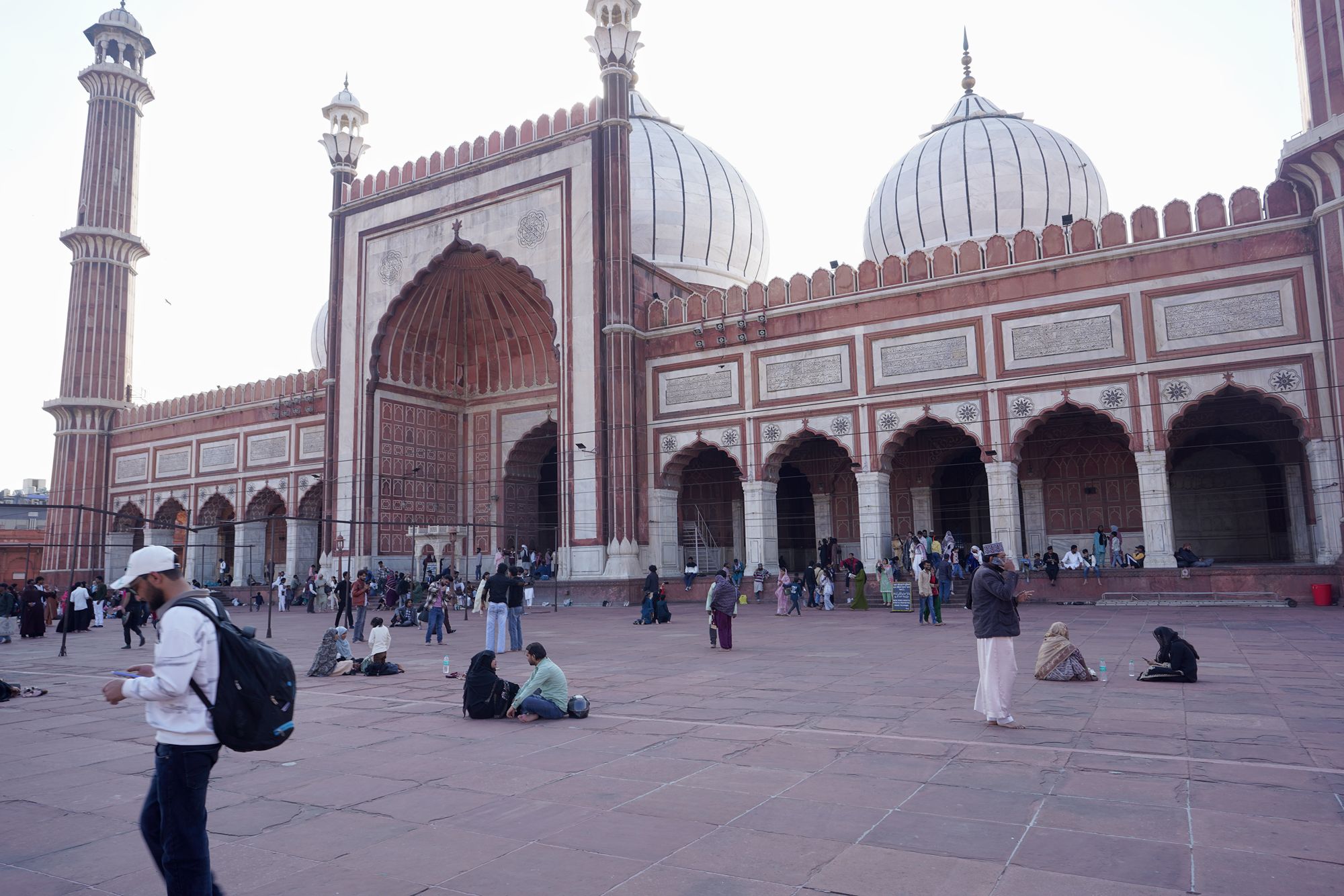
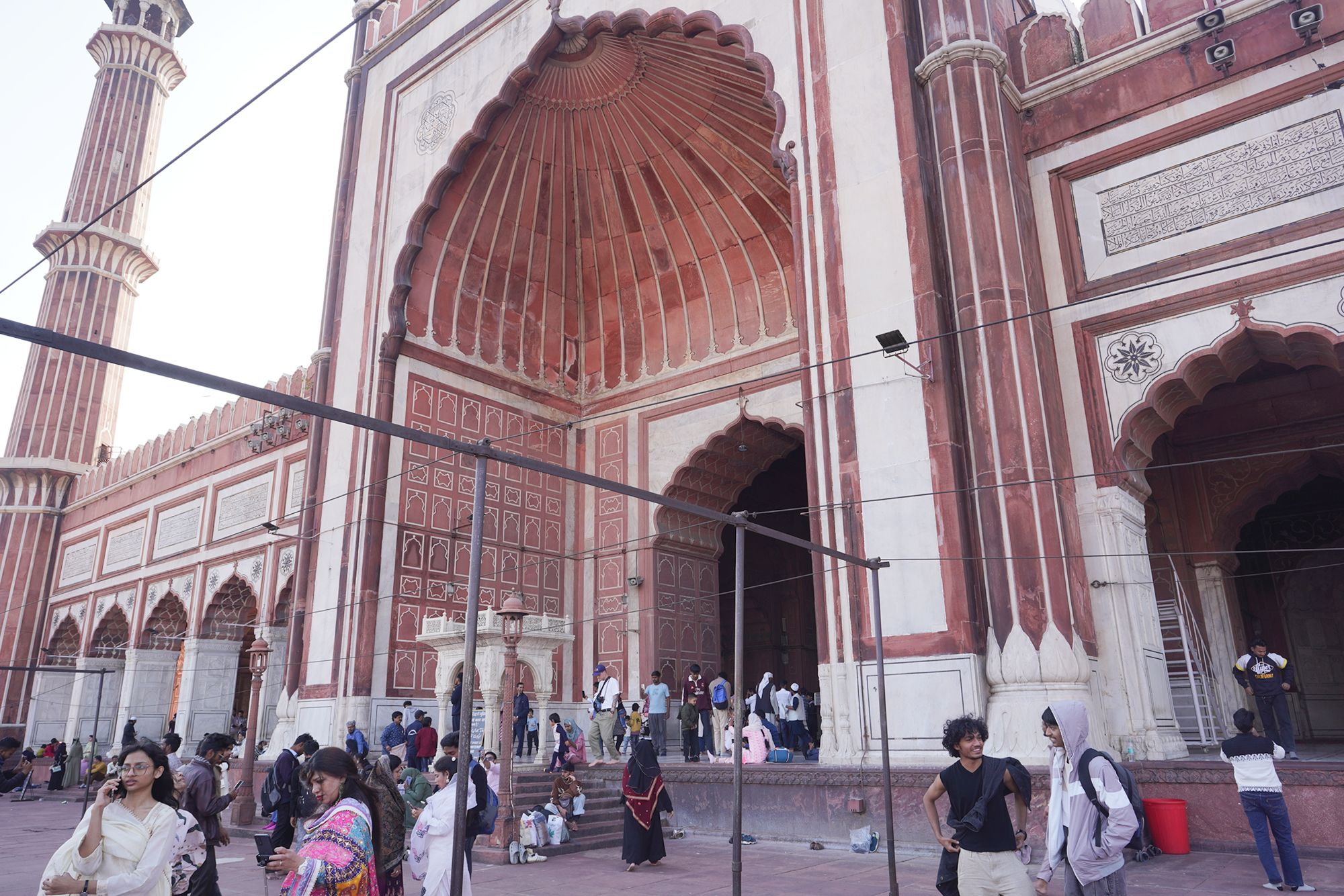
Jama Masjid is one of India’s largest and most famous mosques. Built by Mughal Emperor Shah Jahan between 1650 and 1656, it was constructed mainly of red sandstone and white marble.
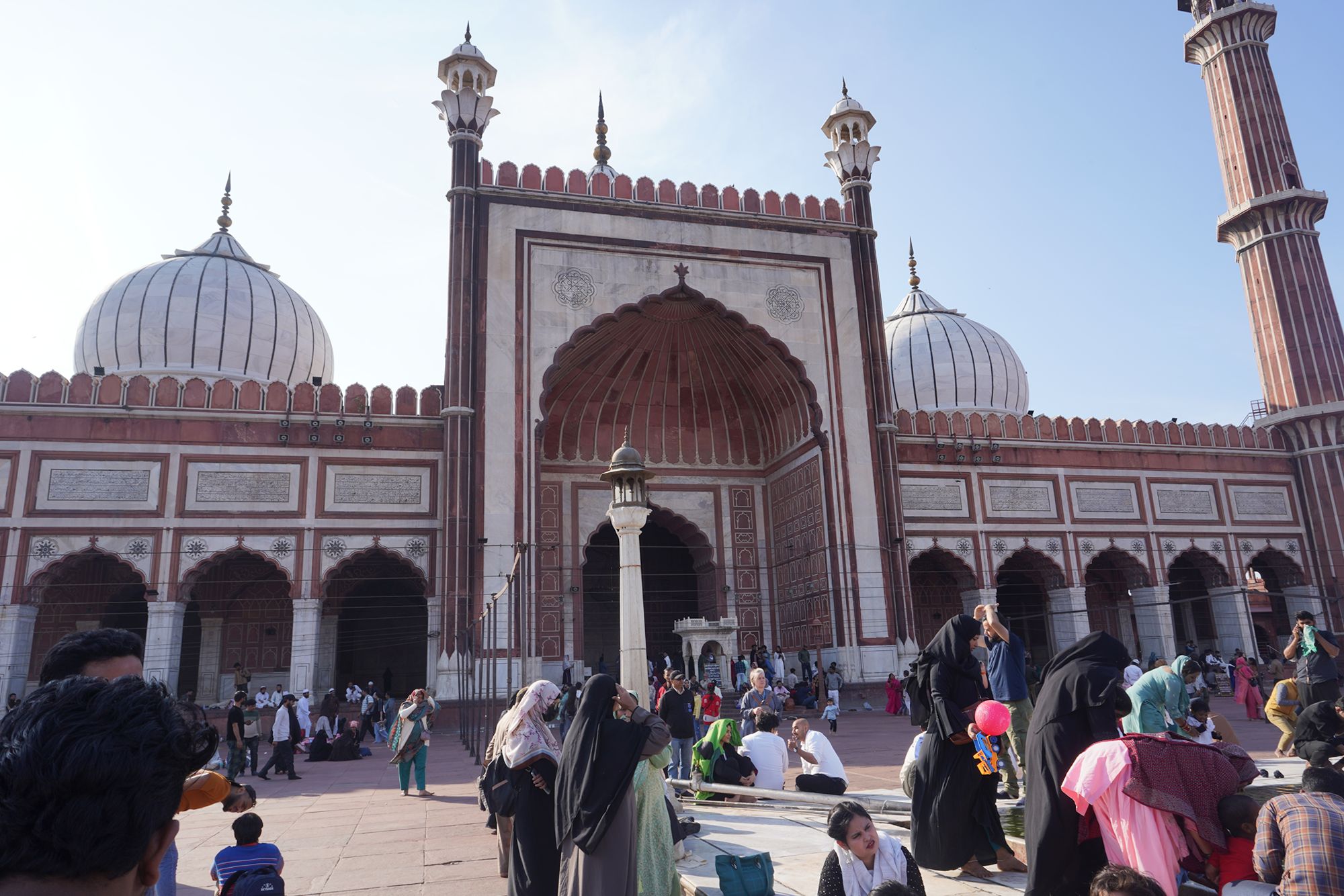
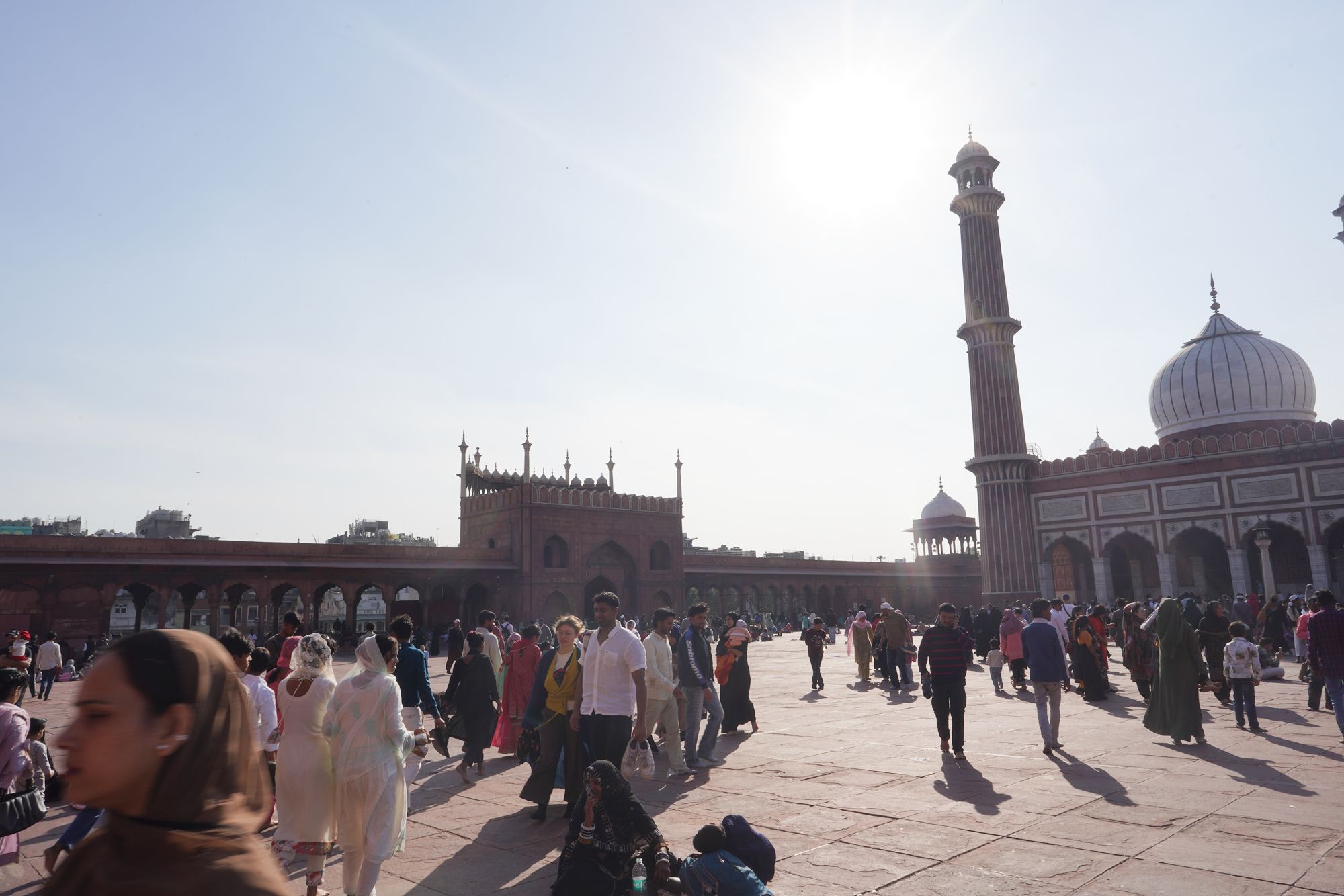
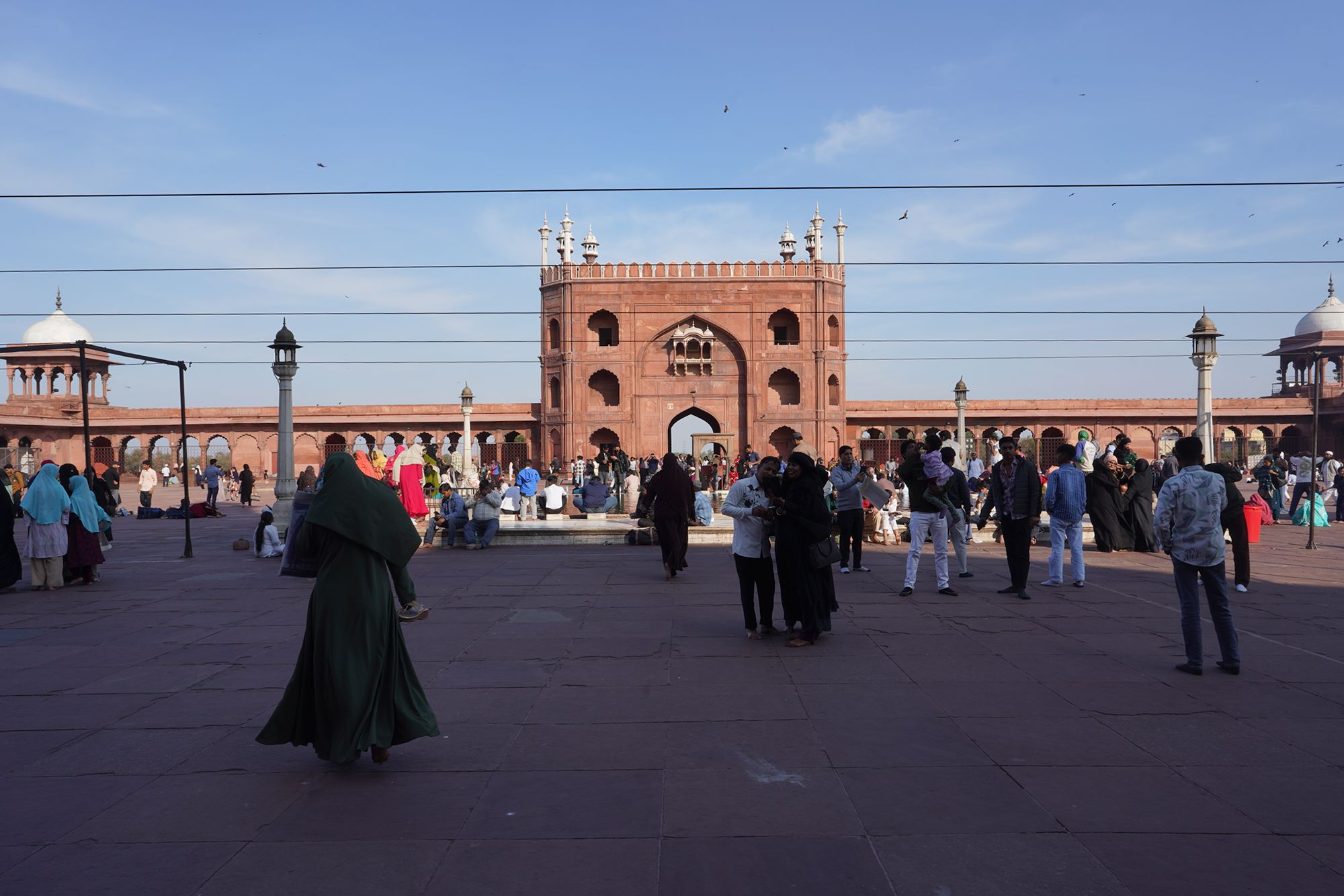
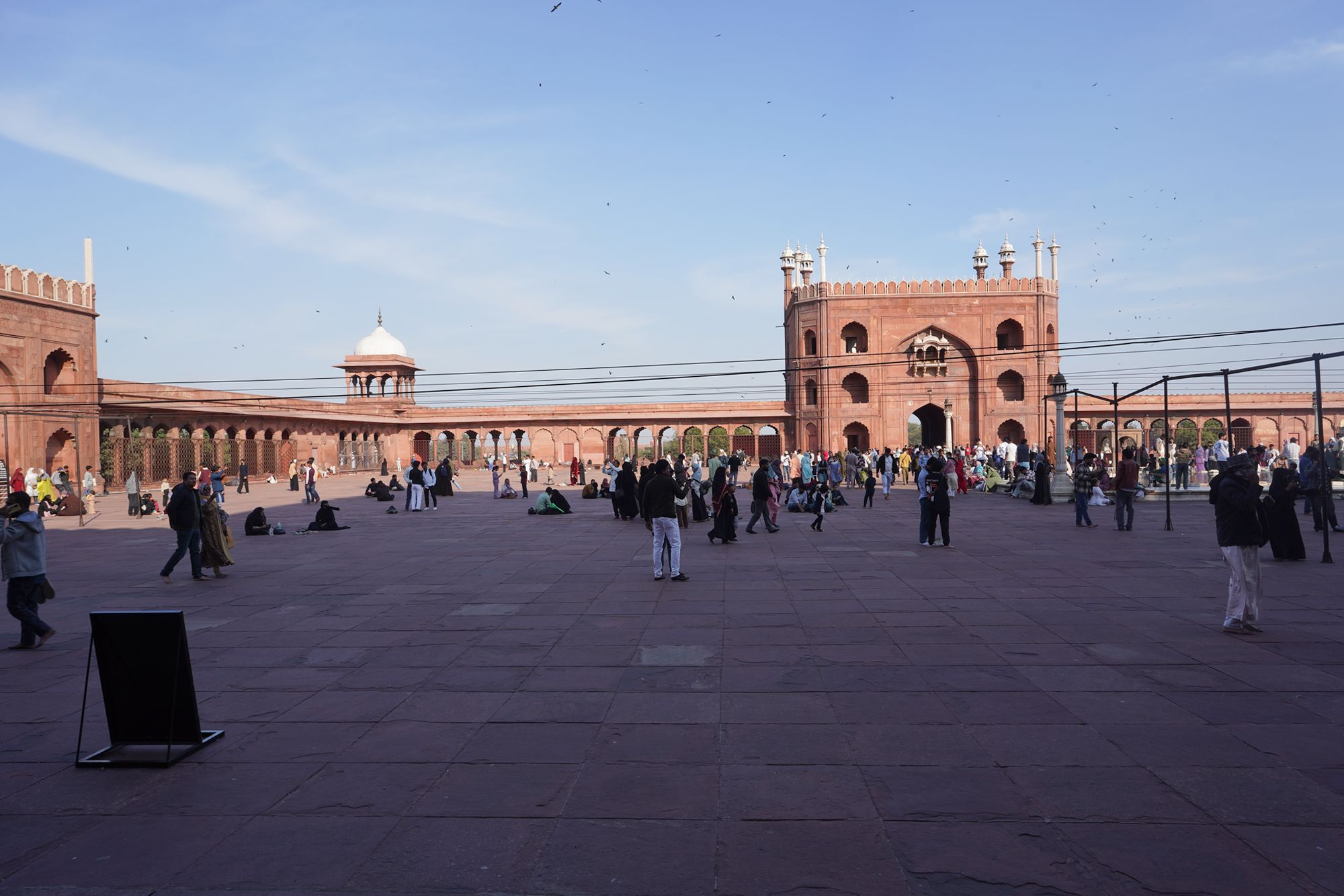
Its enormous courtyard can accommodate about 25,000 worshippers, and the mosque is distinguished by three large gateways, two tall minarets, and three marble domes.
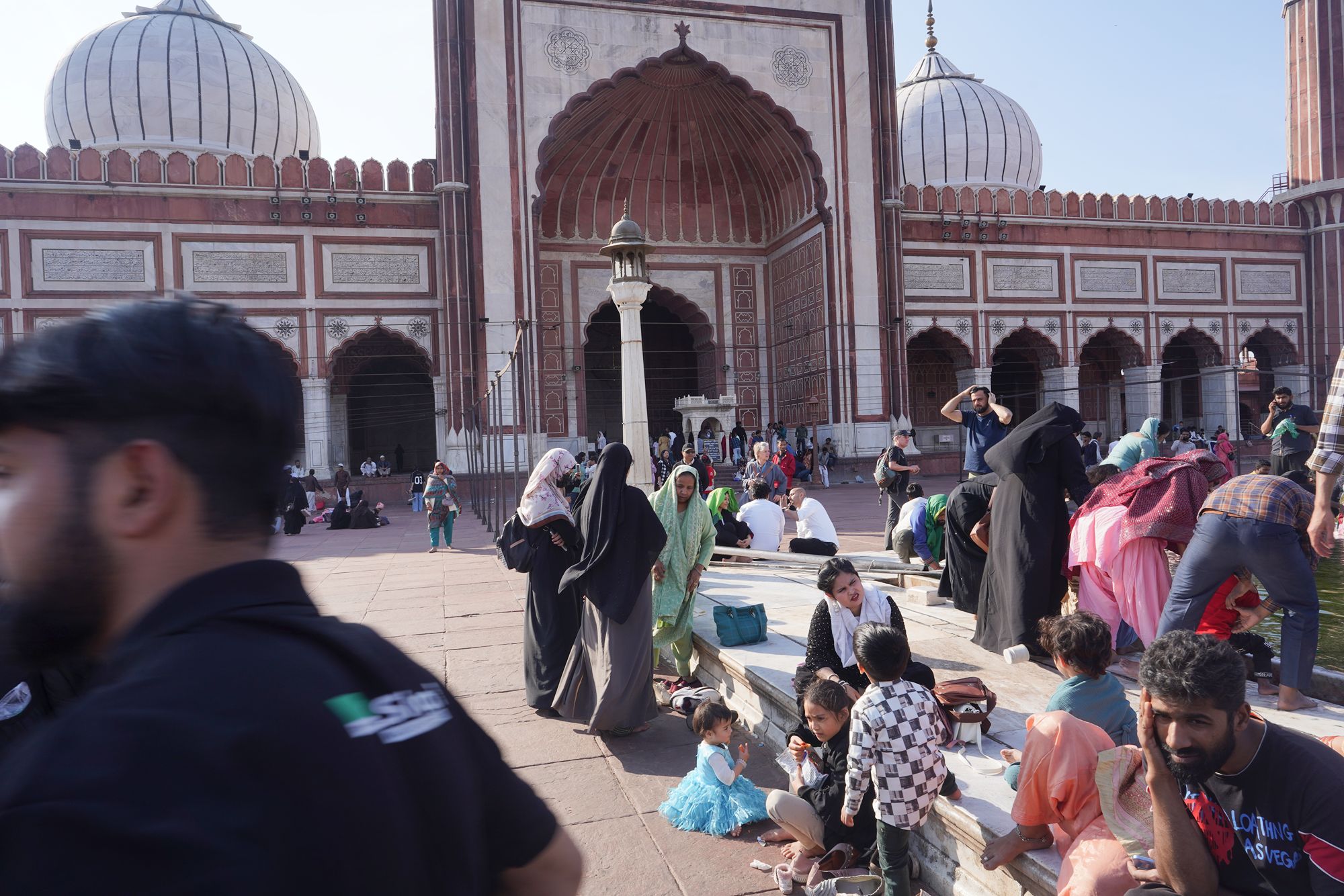
Located in the heart of Old Delhi near the Red Fort and Chandni Chowk, it remains an important place of Muslim worship and a major landmark of the Mughal era.
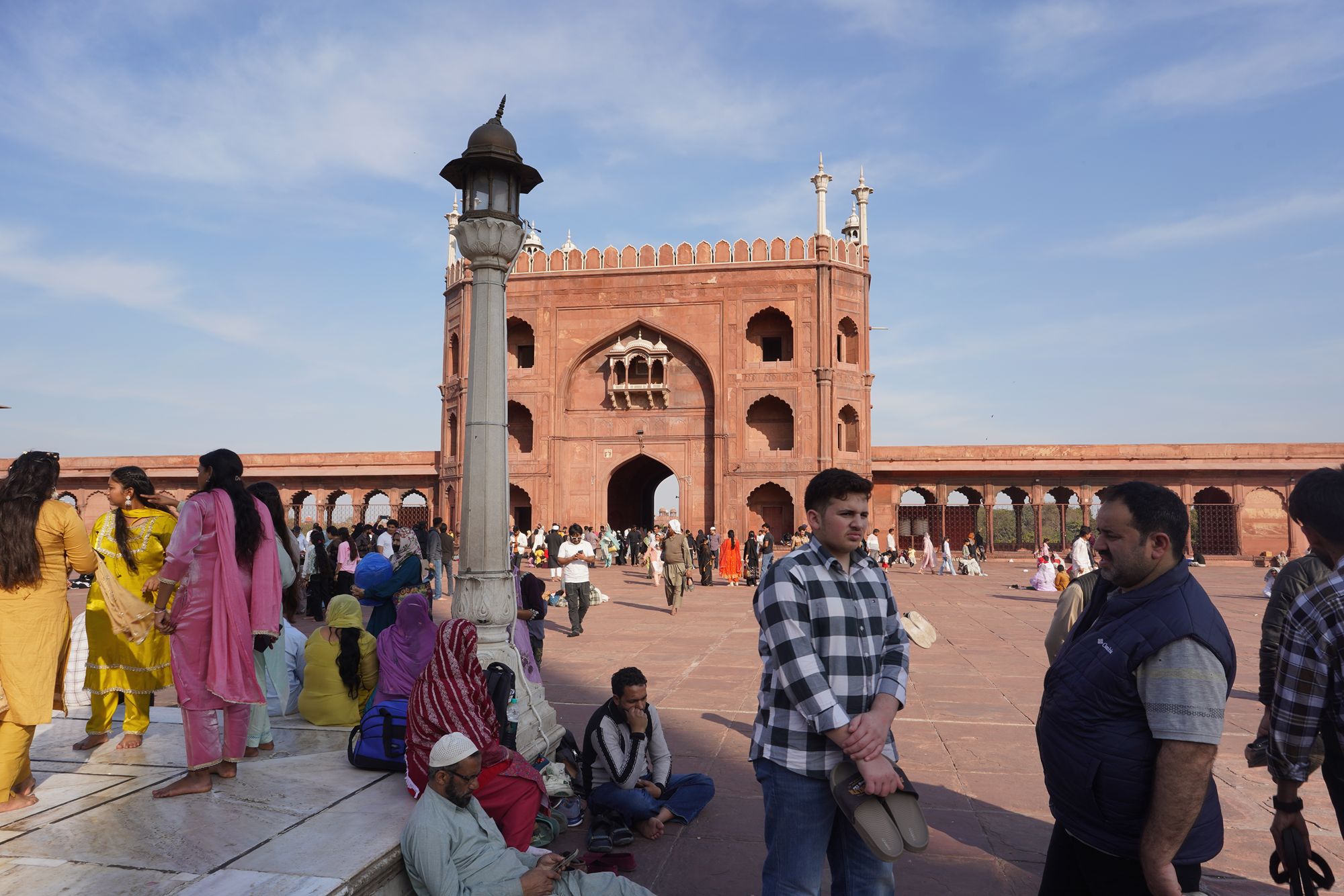
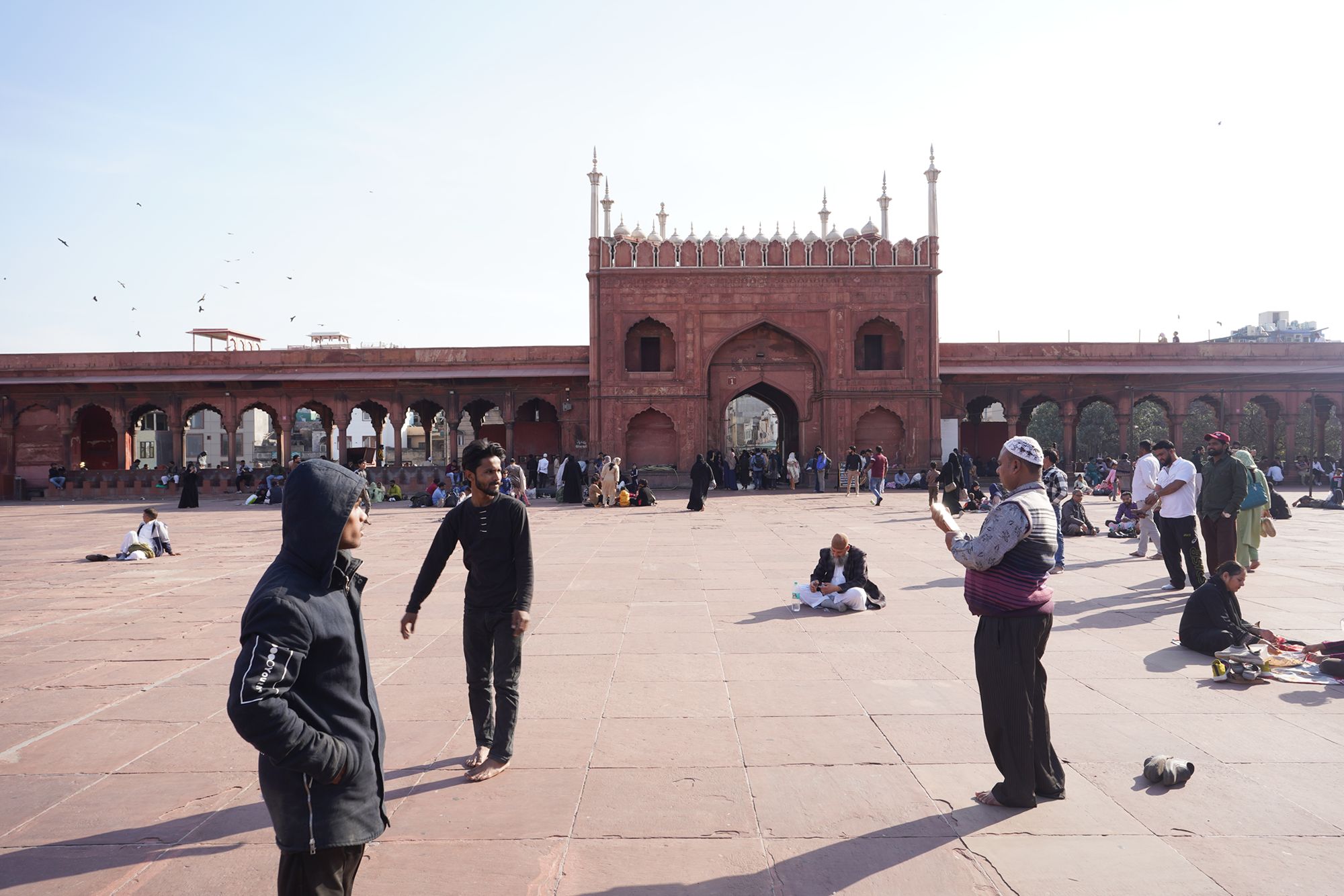
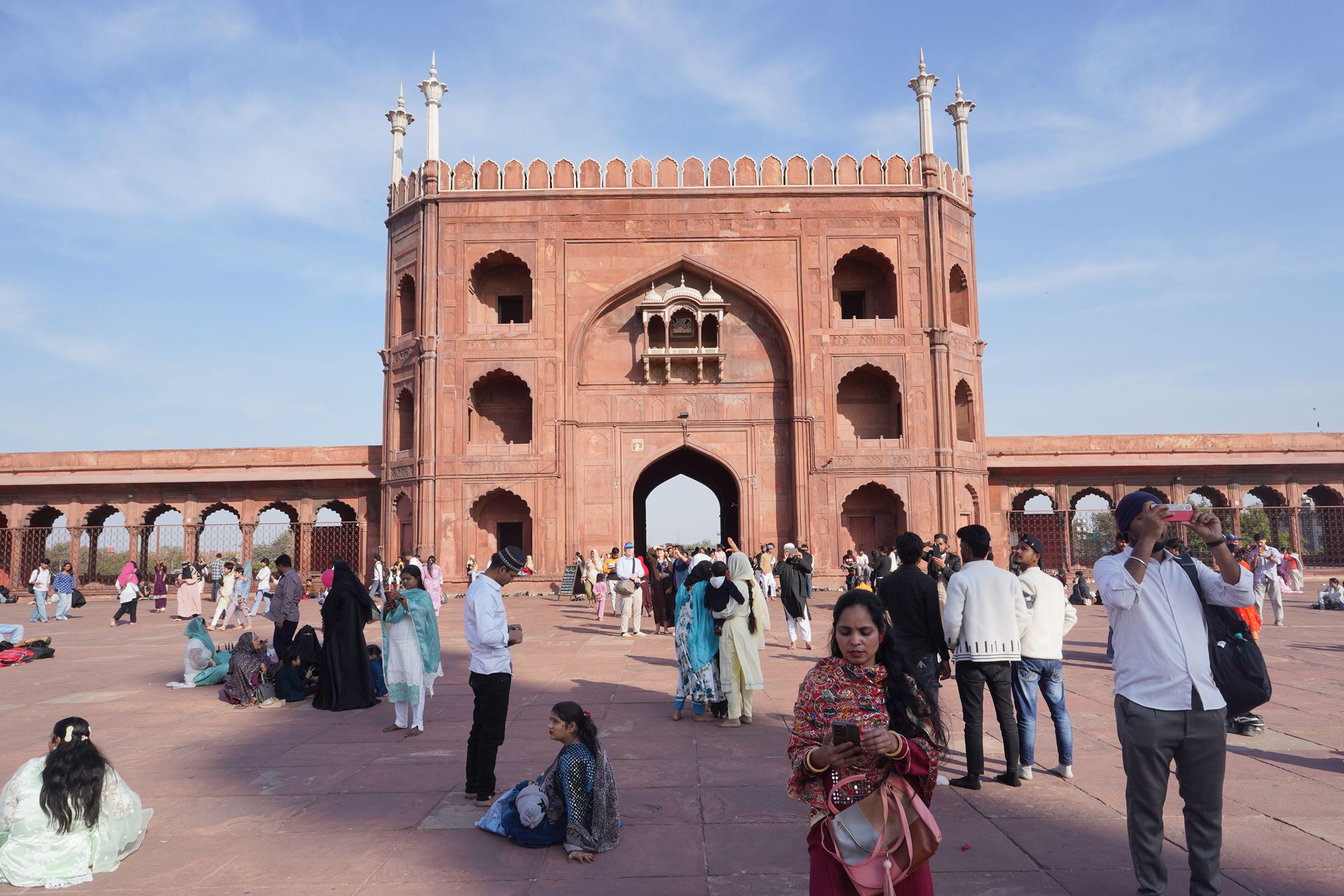
Walking out the mosque area through this gate
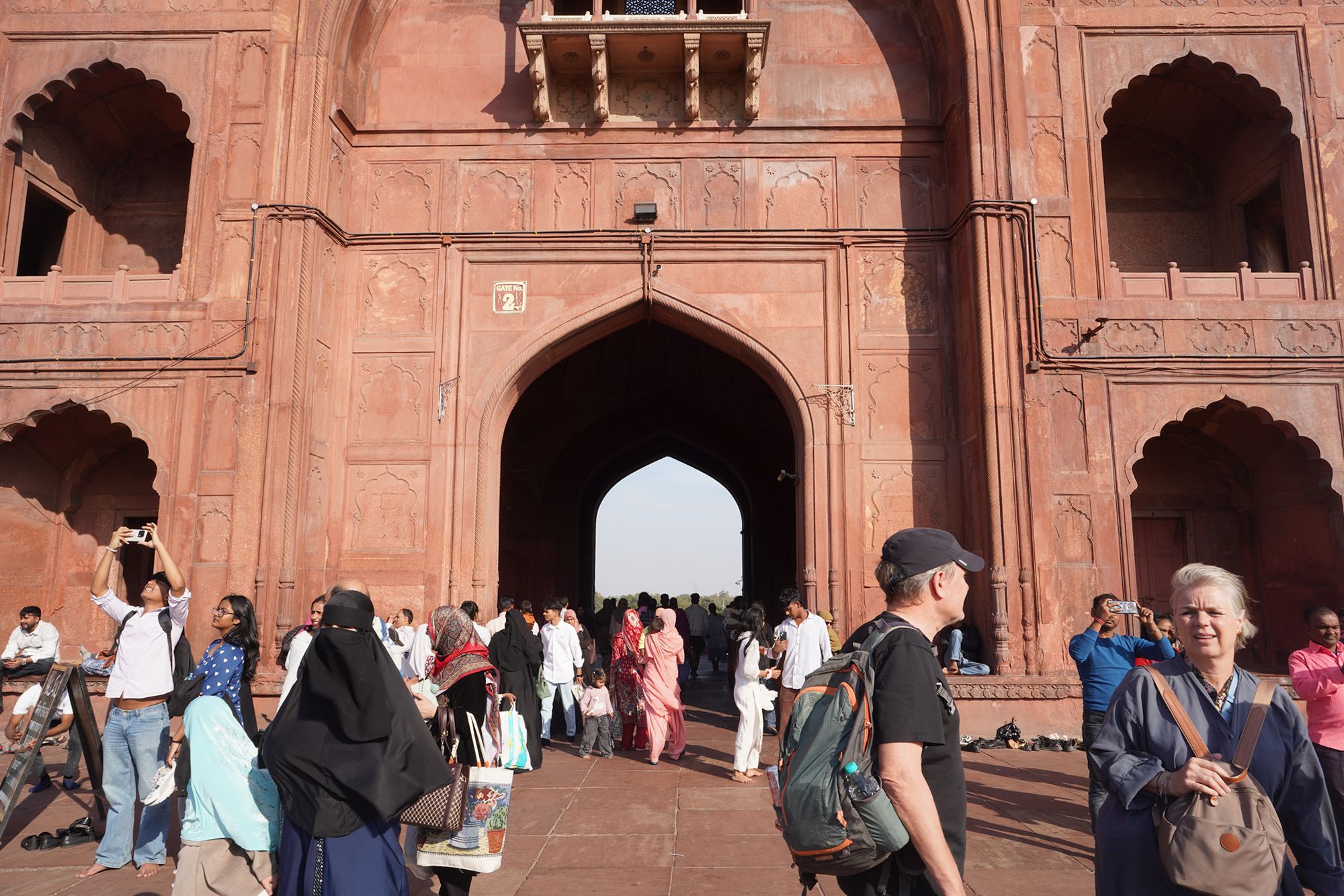
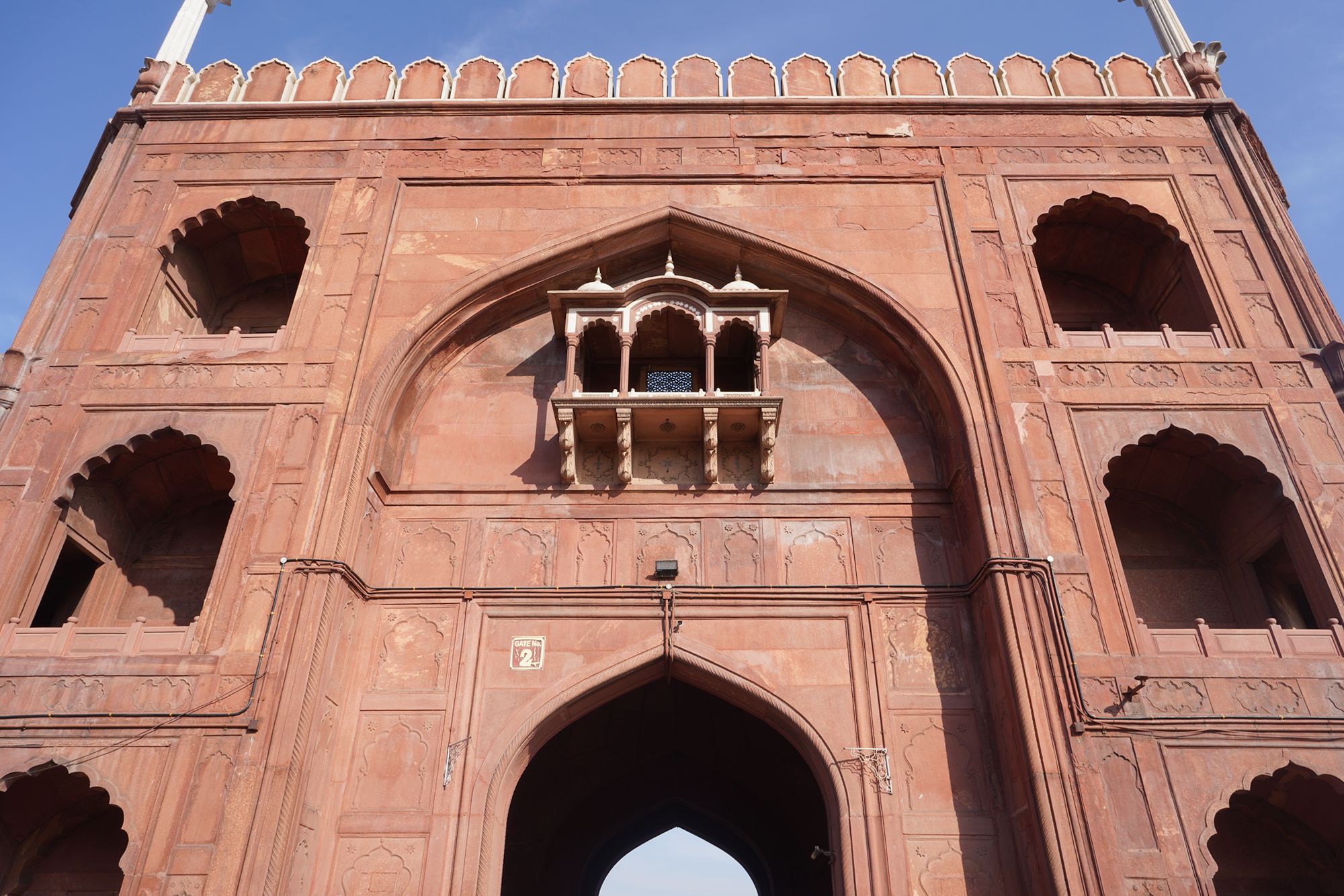
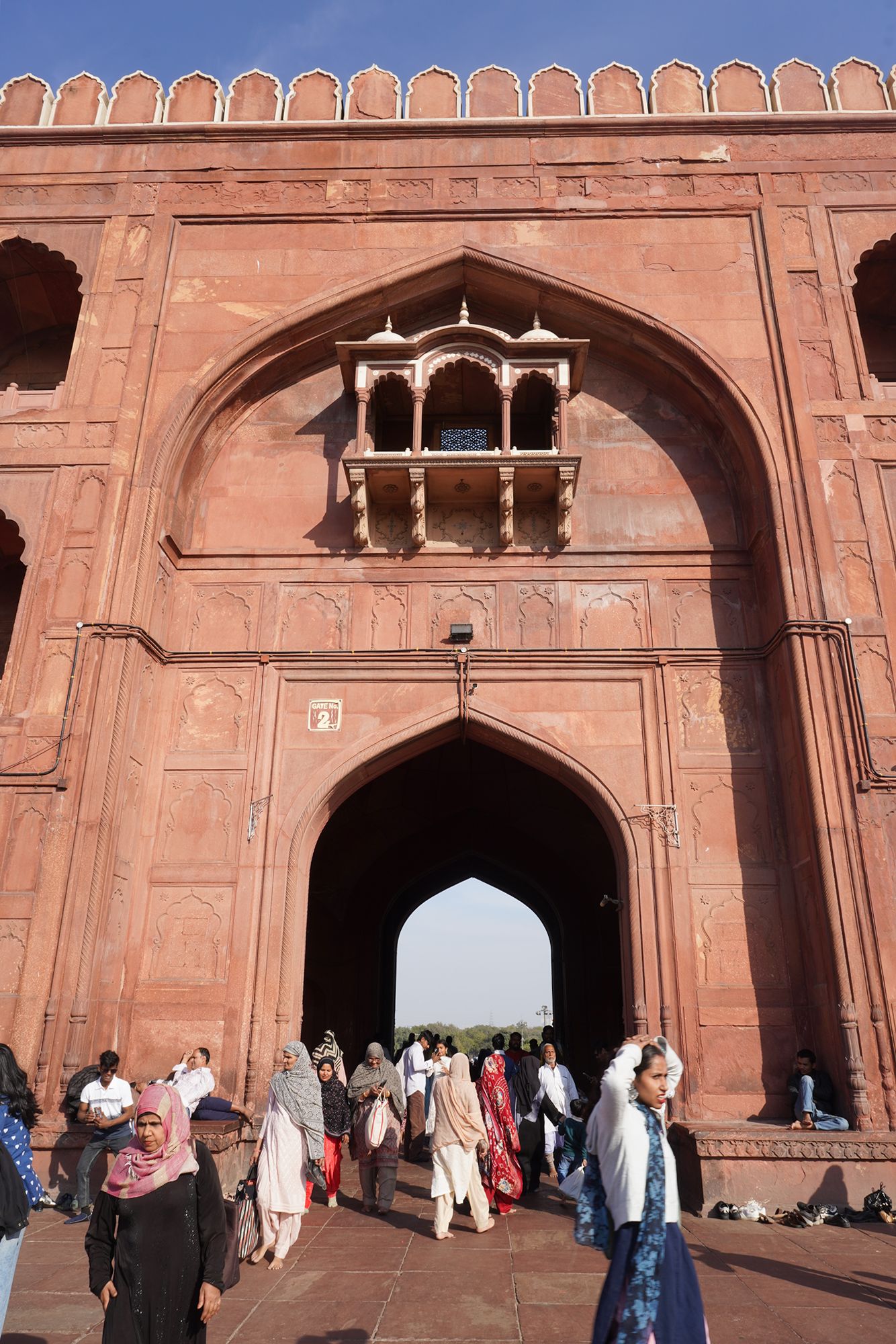
Turned back and looked at the mosque
The Mughal Empire was one of the most powerful empires in Indian history, ruling much of the Indian subcontinent from 1526 until the 18th century, with the dynasty formally ending in 1857.
It was founded by Babur, a Central Asian ruler who defeated the Sultan of Delhi in 1526. The empire reached its greatest extent under rulers such as Akbar, Jahangir, Shah Jahan, and Aurangzeb.
The Mughals developed a wealthy and sophisticated empire that blended Persian, Central Asian, Islamic, and Indian traditions in government, art, architecture, and culture.
The founders of the Mughal Empire came from outside India, but the picture changes over time.
The founder, Babur, came from Central Asia, in what is now Uzbekistan. He was descended from Timur (Tamerlane) on his father’s side and from Genghis Khan’s family on his mother’s side. Babur invaded northern India and established the Mughal Empire in 1526.
However, subsequent Mughal emperors were born and raised in the Indian subcontinent, and the dynasty increasingly became integrated into Indian society. Mughal rulers married into Indian royal families, particularly Rajput families, and their court culture blended Persian, Central Asian, and Indian traditions.
So it is reasonable to say that the Mughal dynasty had foreign Central Asian origins, but the Mughal Empire developed into an Indian empire over generations.
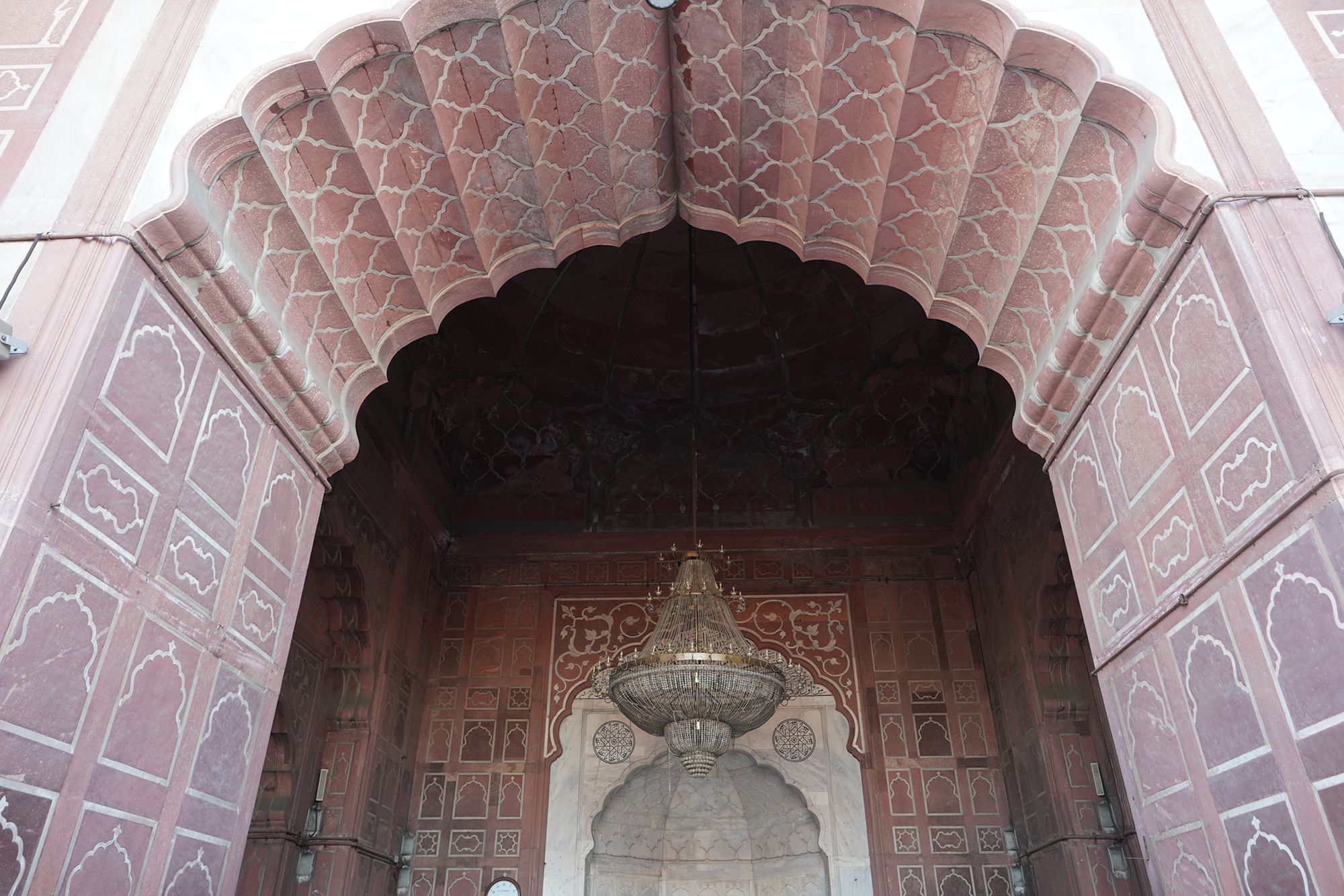
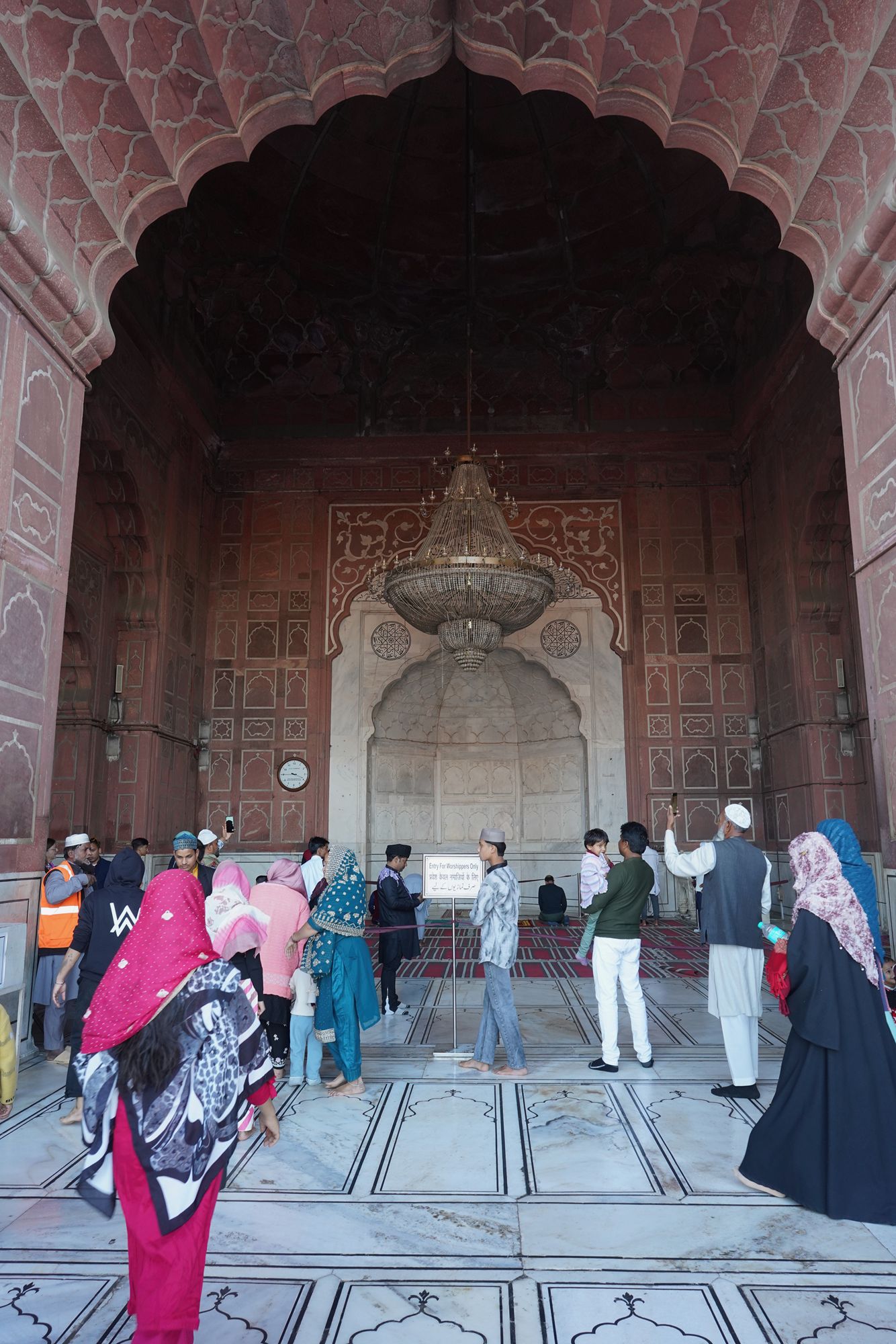
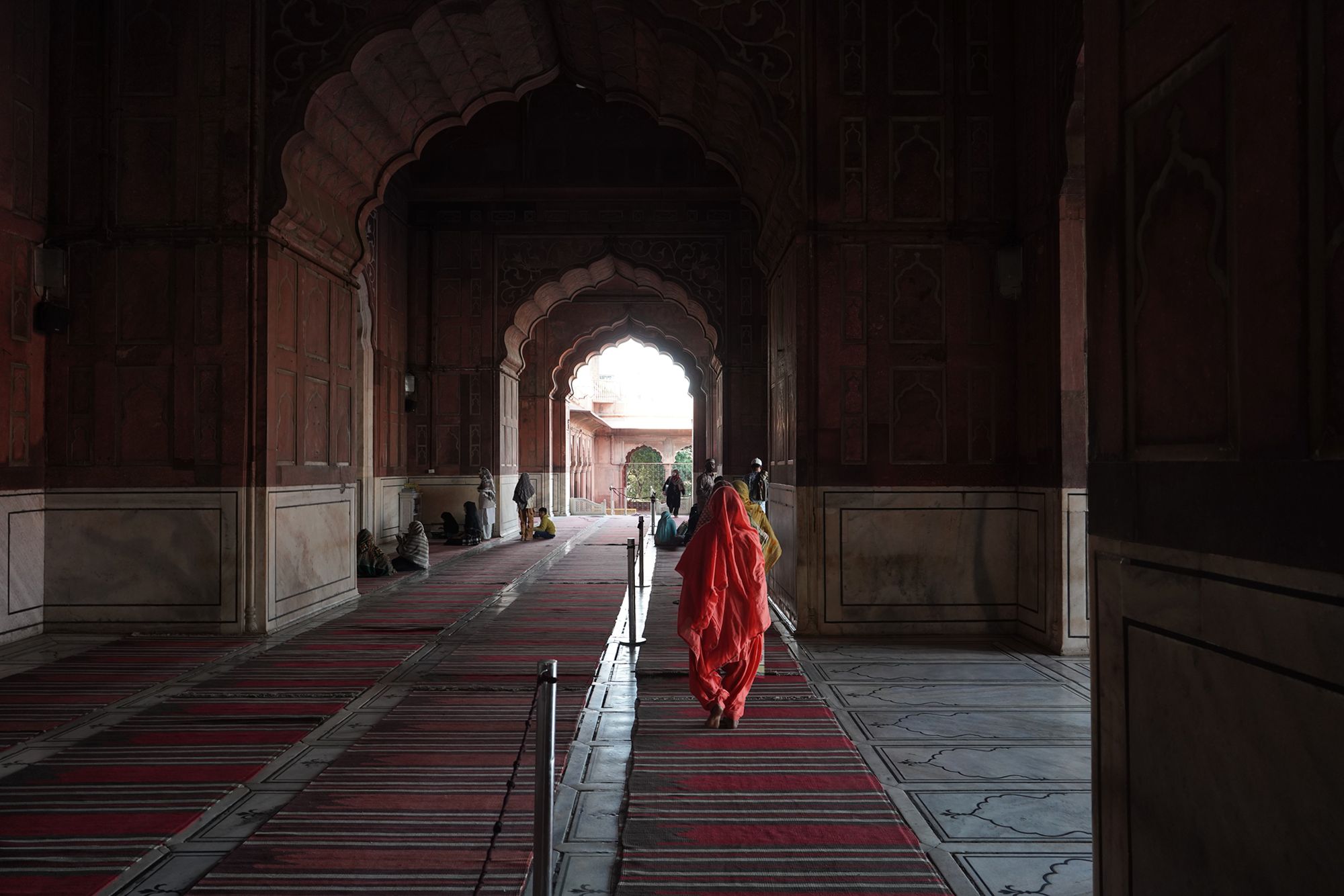
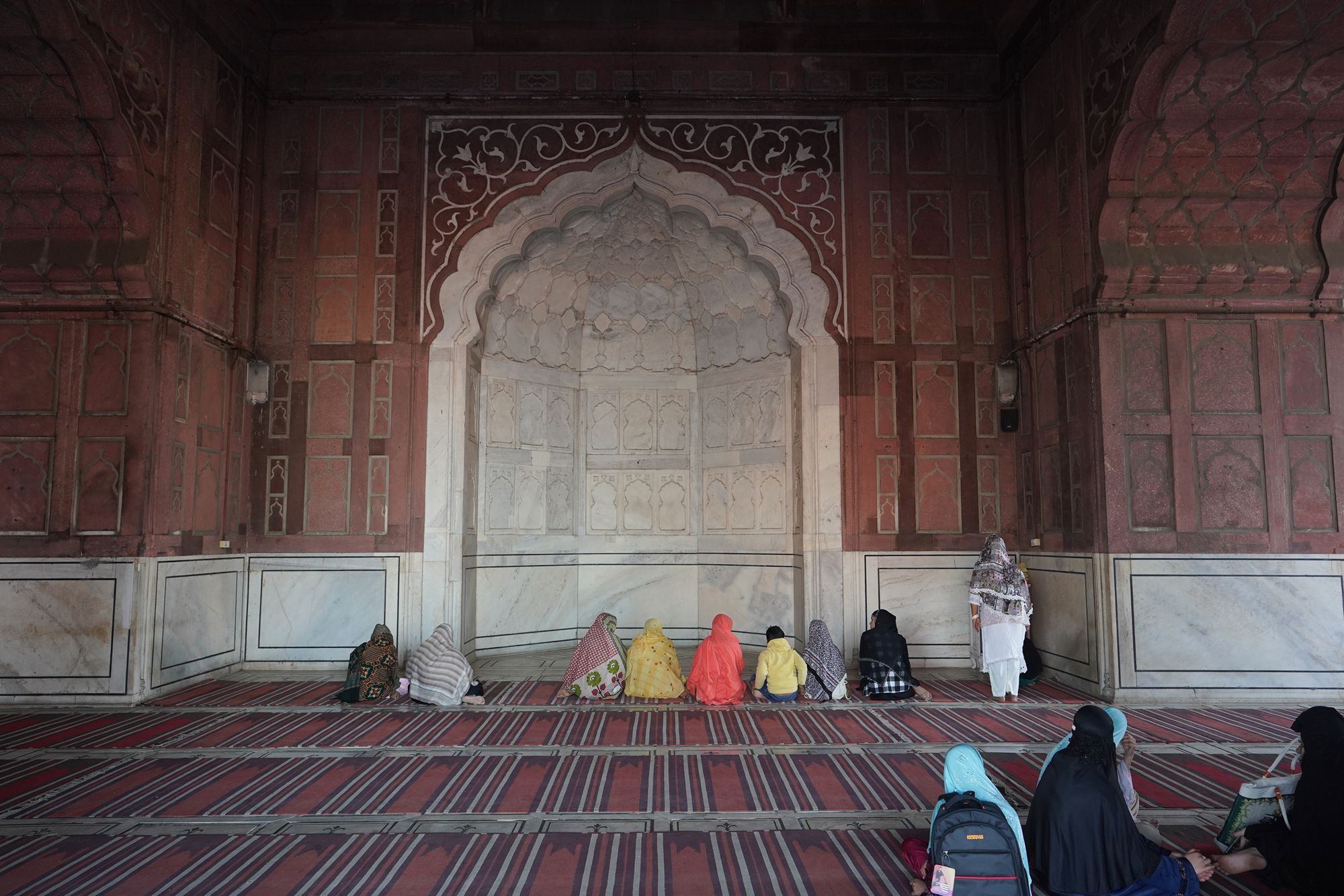
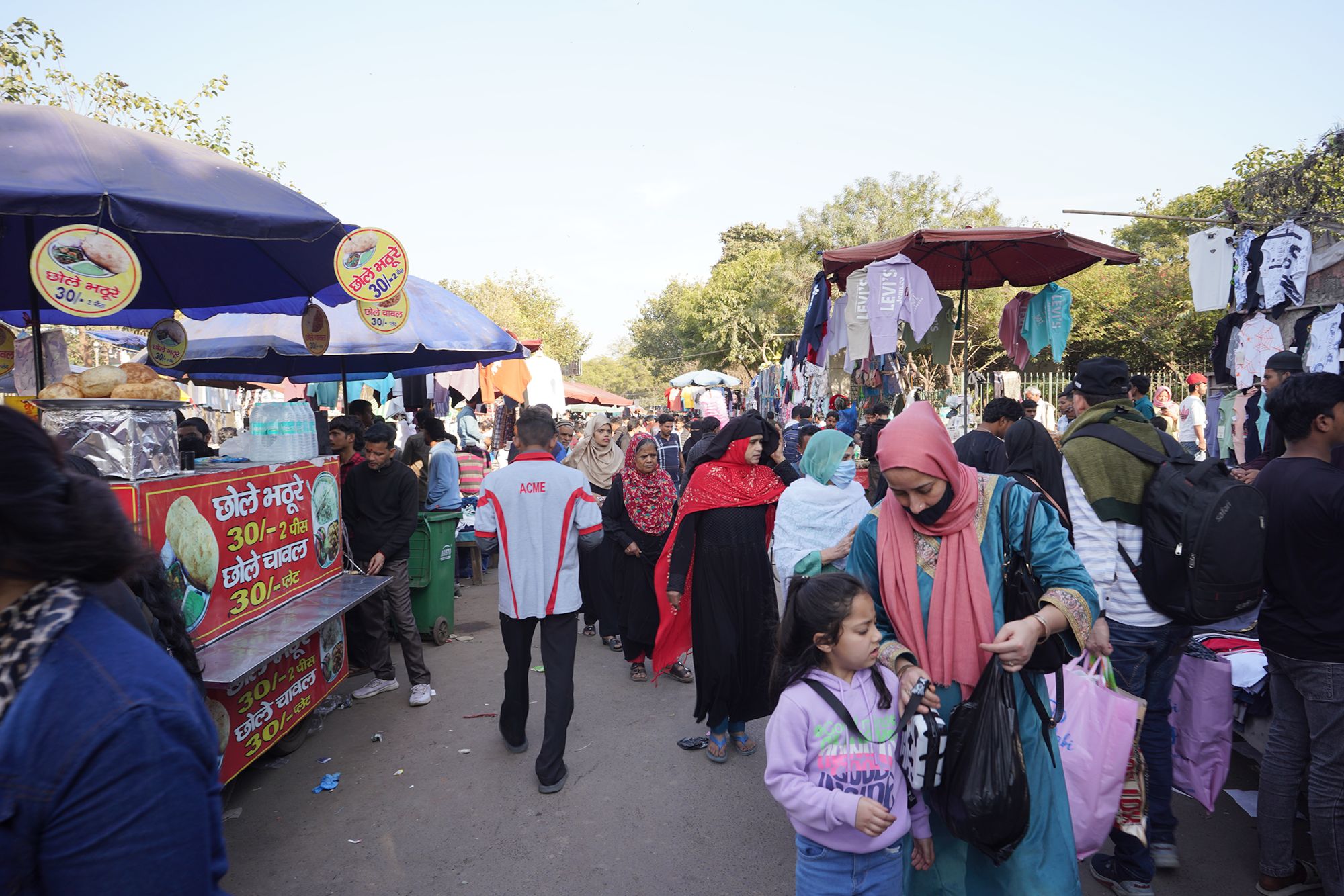
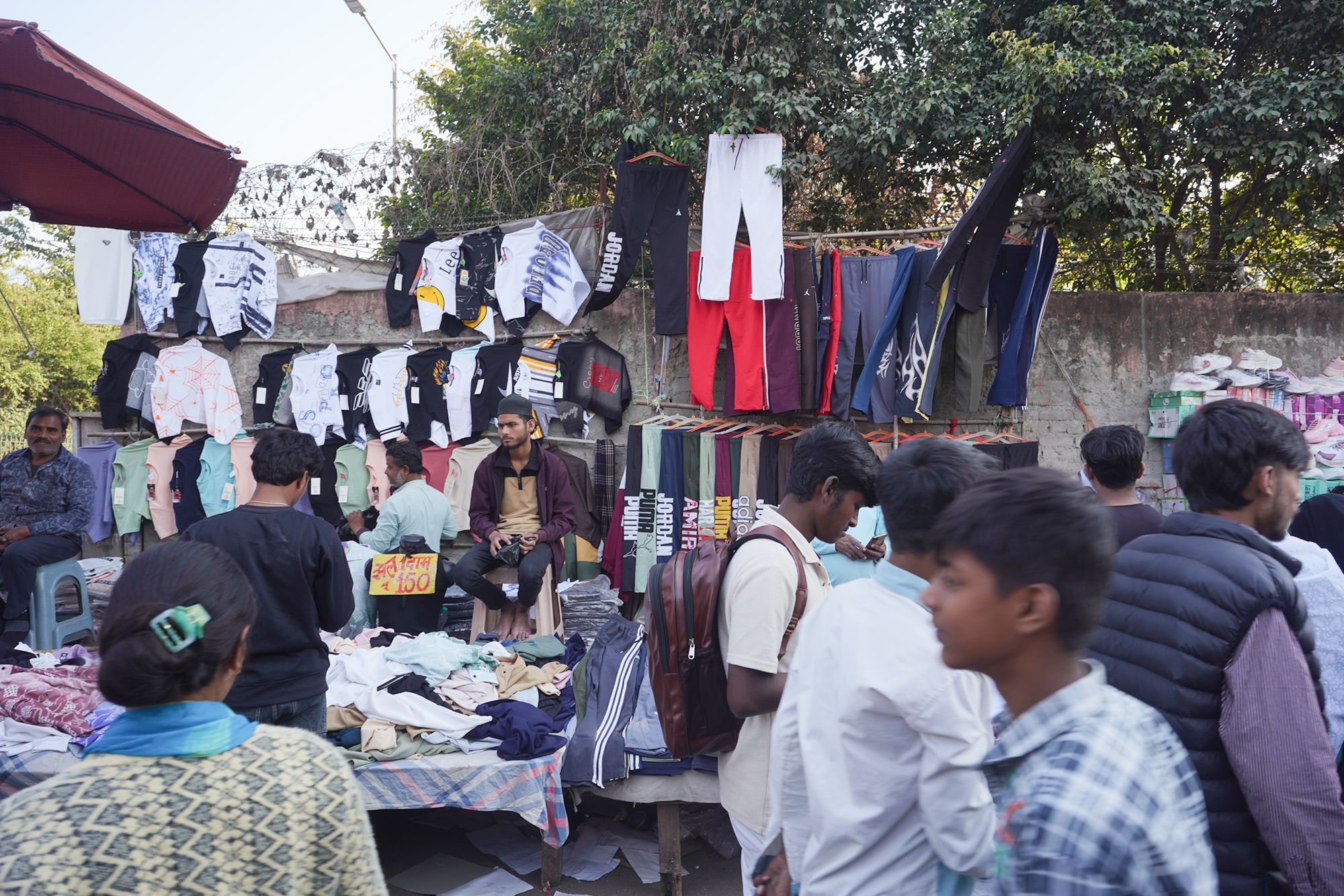
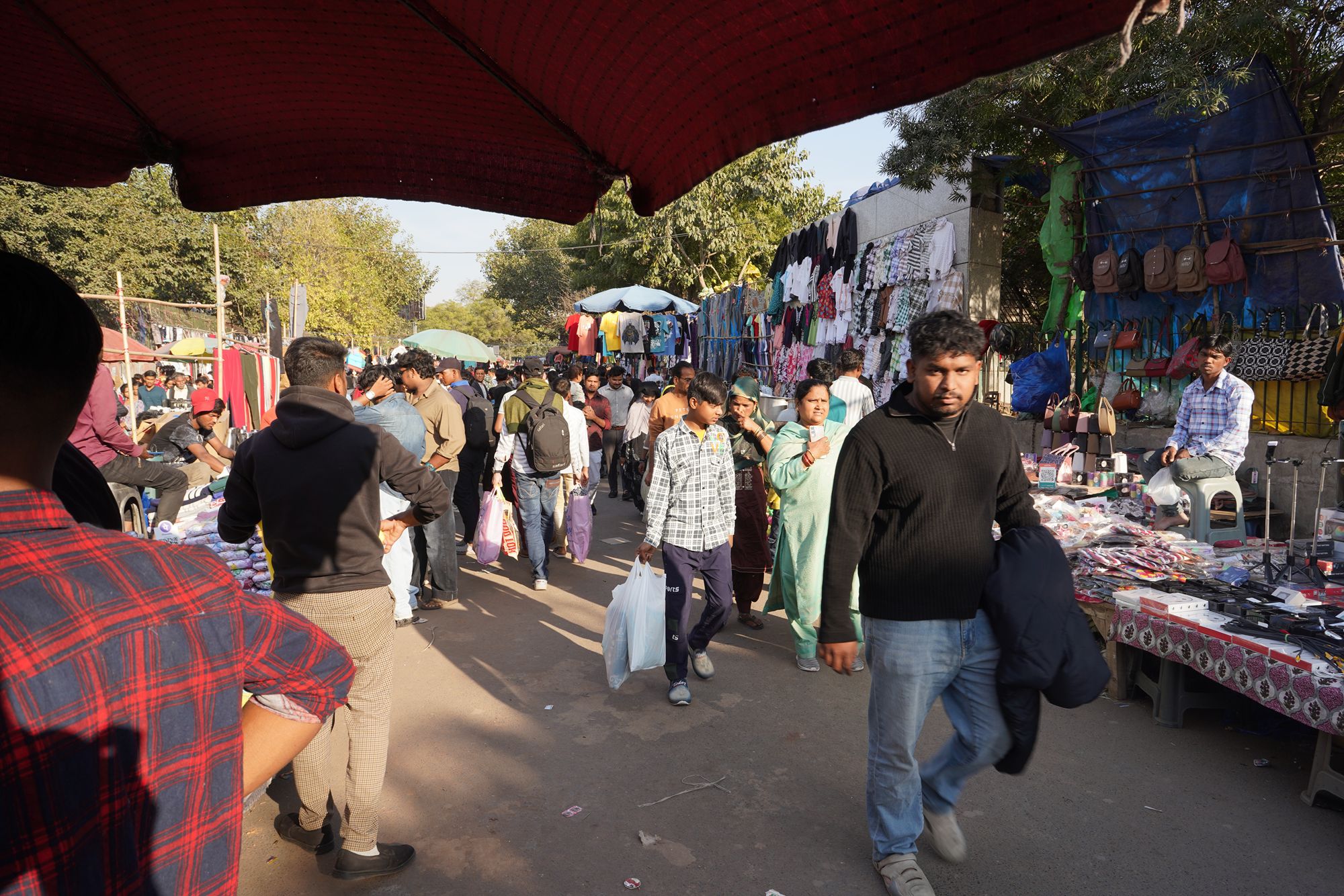
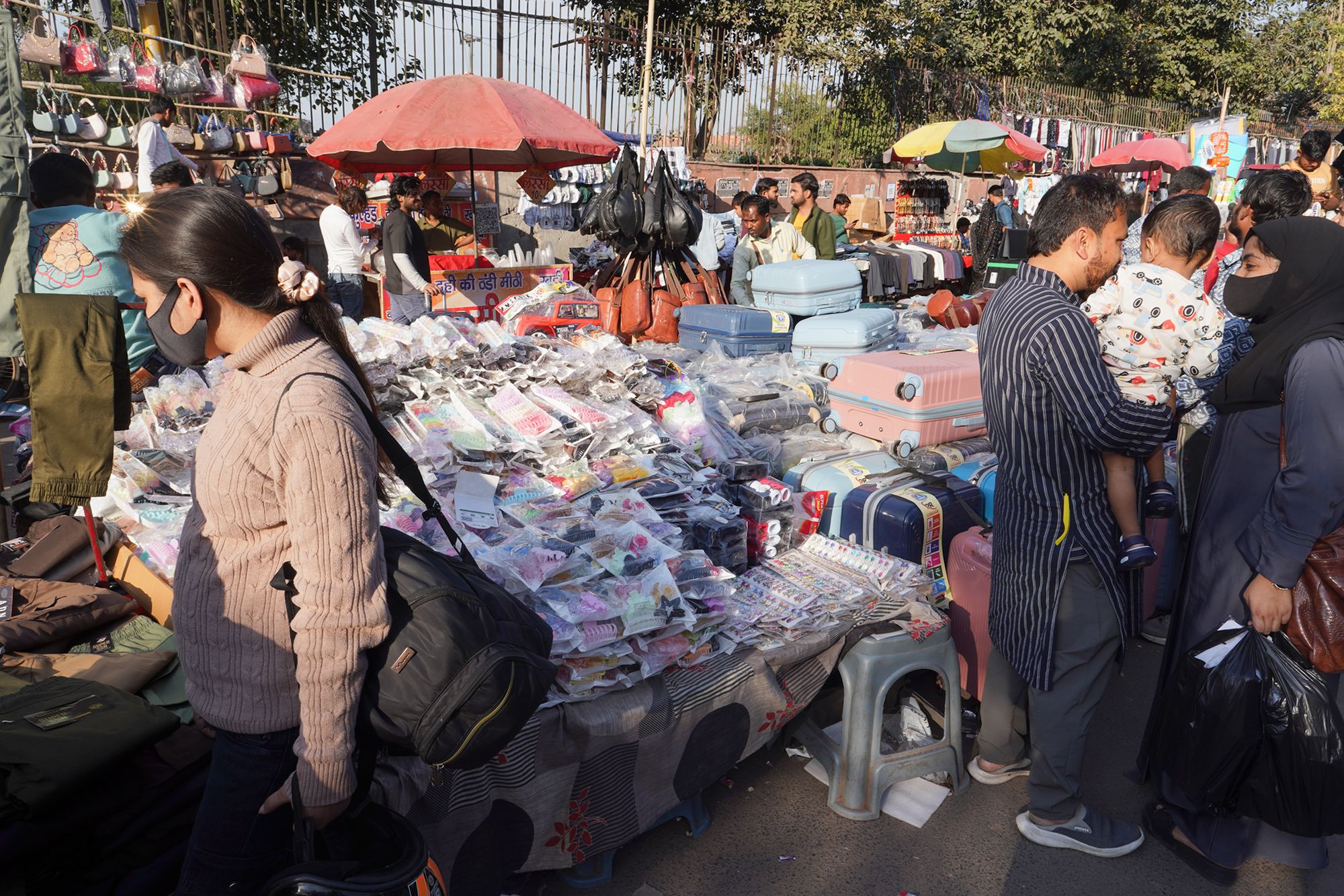
After leaving the mosque, I walked through the long, bustling market street in front of it.