Bhaktapur Durbar Square and Changu Narayan Temple, Bhaktapur, Nepal
Bhaktapur Durbar Square is a historic royal plaza filled with traditional Newari temples and palaces, while nearby Changu Narayan Temple is one of Nepal’s oldest Hindu temples. 1266
Bhaktapur Durbar Square: Durbar square, Bhaktapur, Bagmati Province 44800, Nepal
Changu Narayan Temple: PC8H+H38, Changunarayan, Bagmati Province 44600, Nepal
Date Picture Taken: Mar, 2026
Bhaktapur Durbar Square is the historic royal center of Bhaktapur, one of the three ancient royal cities of the Kathmandu Valley. The square developed around the palace of the Malla kings and is filled with beautifully preserved Newari architecture, Hindu temples, courtyards, statues, and intricately carved wooden buildings.
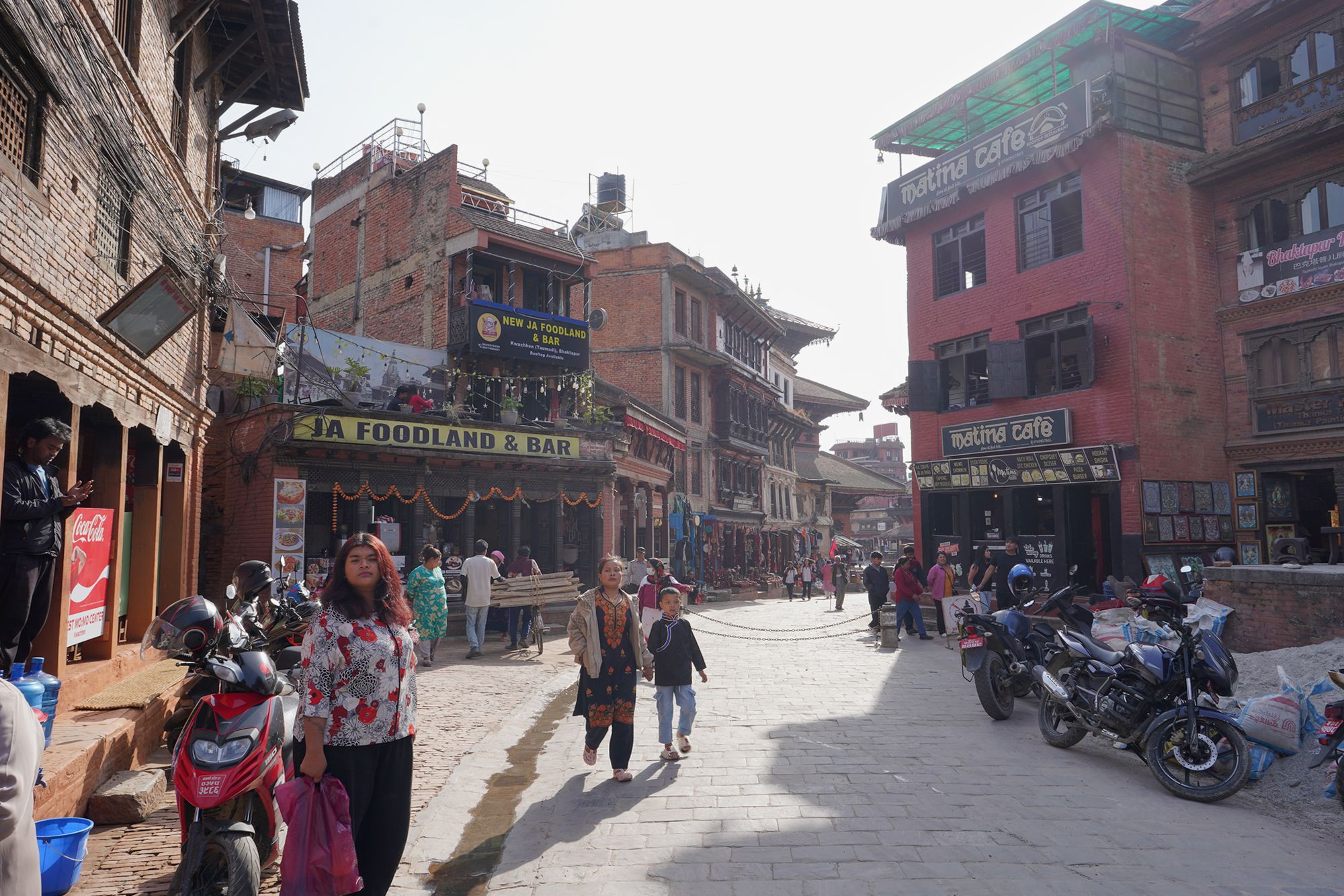
I walked through the old streets of Bhaktapur toward Durbar Square.
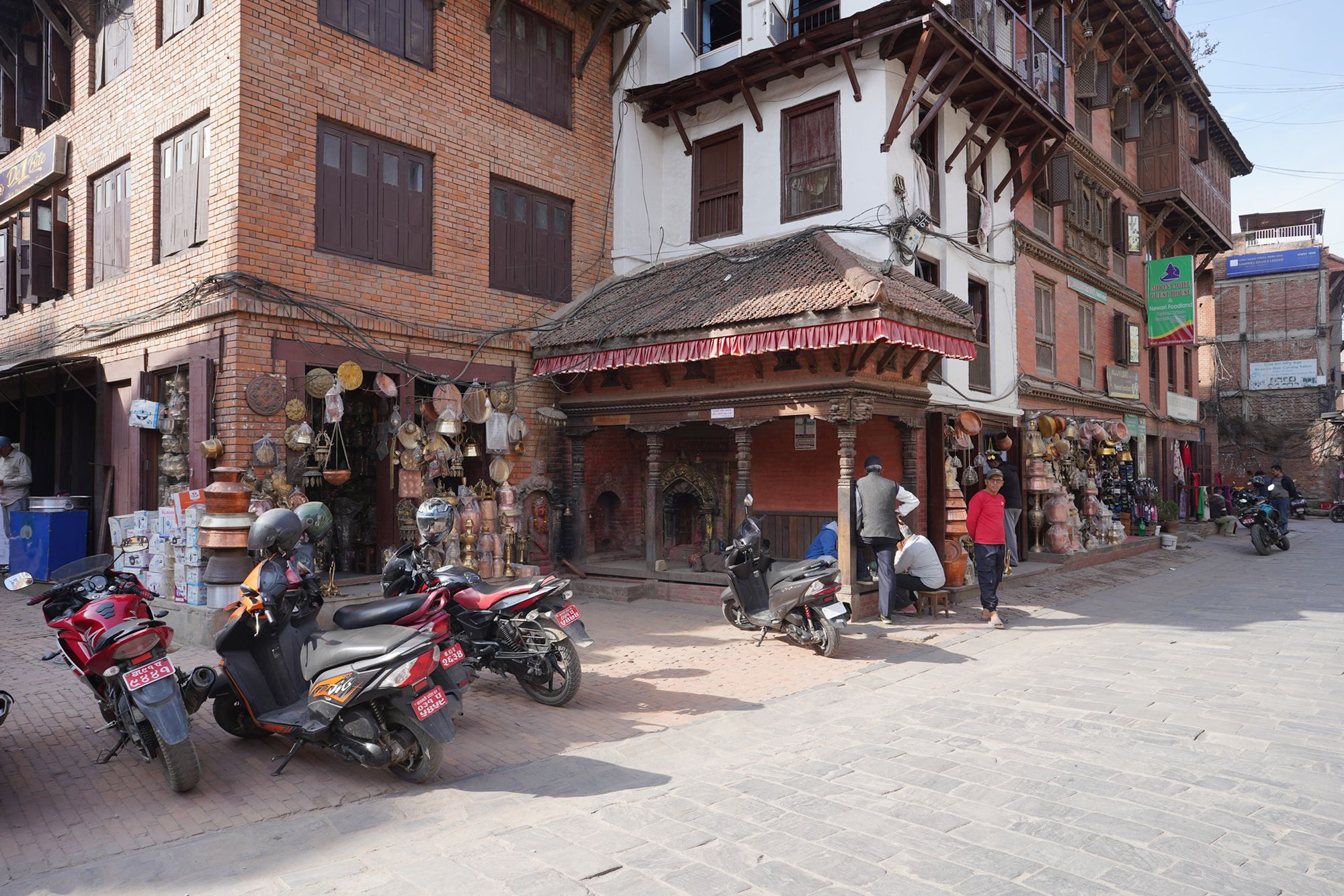
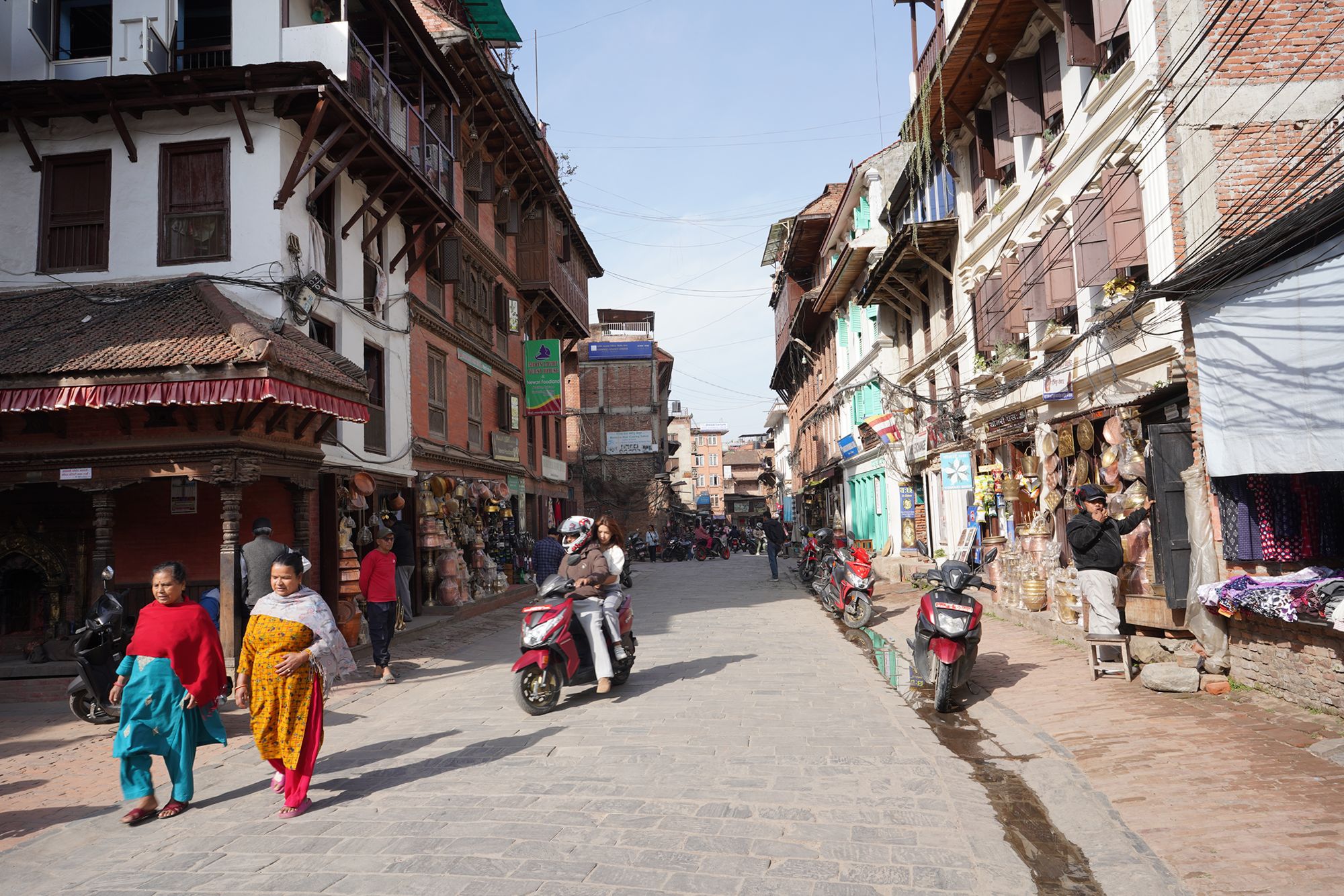
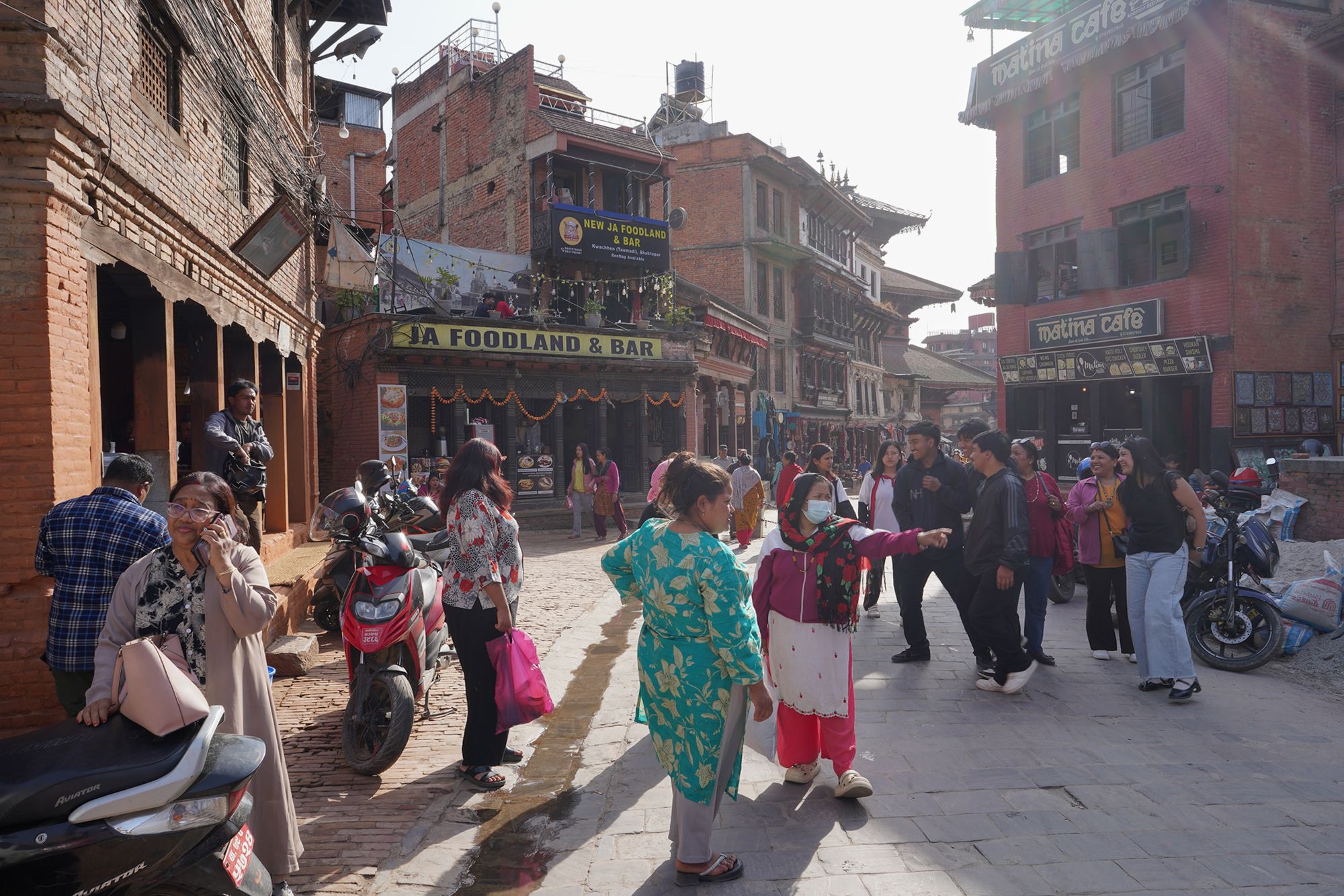
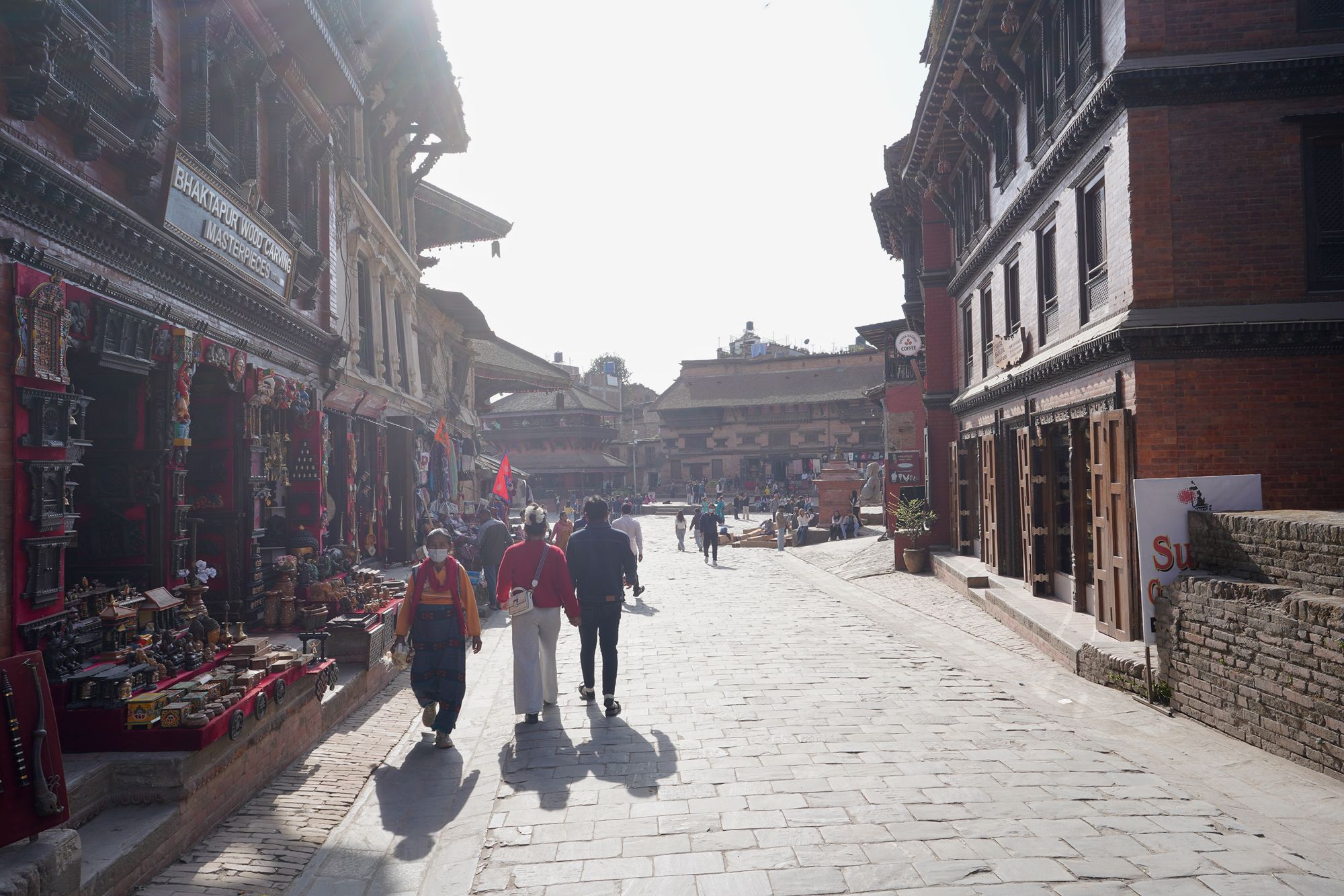
As I walked through the old city of Bhaktapur, I first arrived at Taumadhi Square, before continuing on to Bhaktapur Durbar Square.
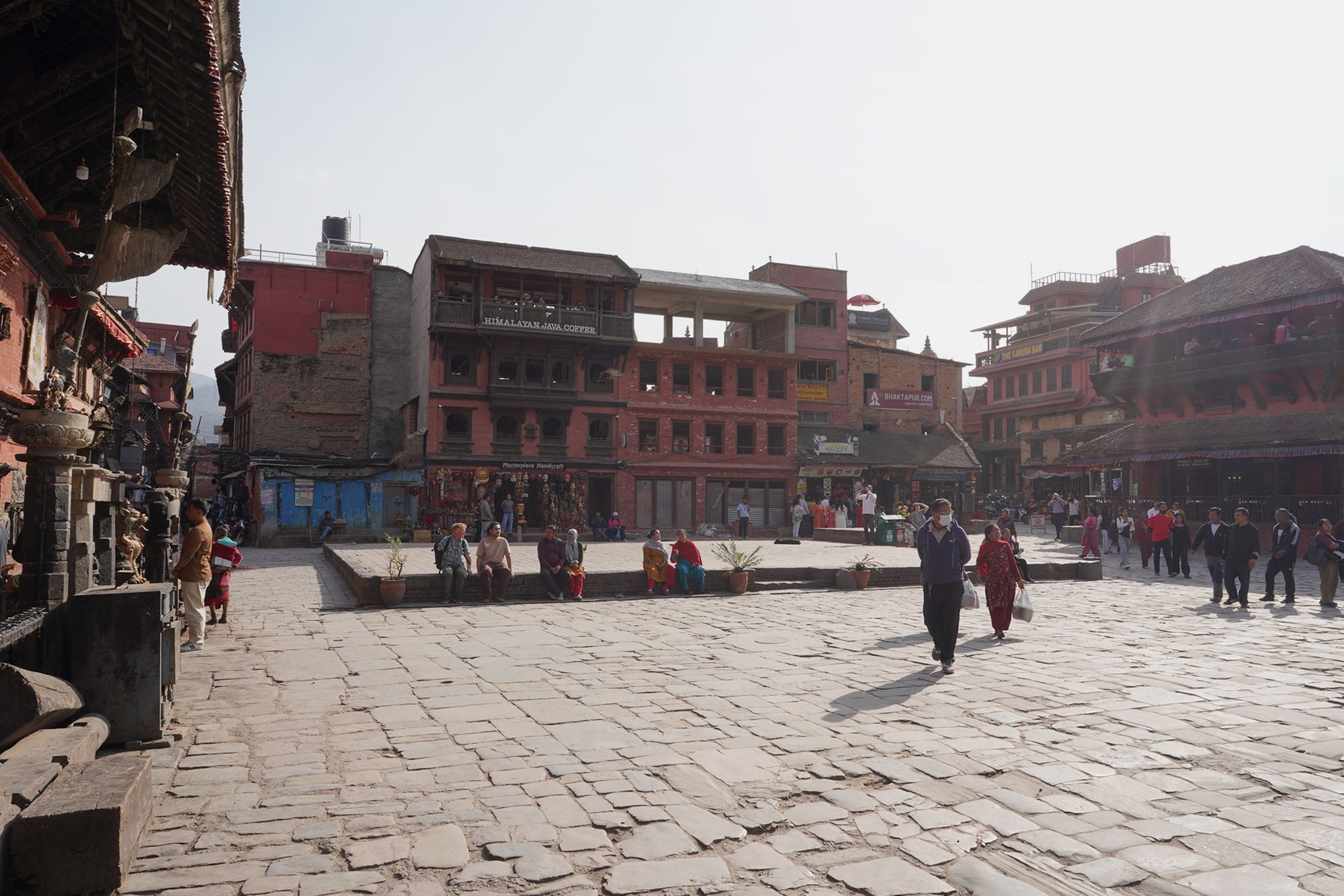
Taumadhi Square
Taumadhi Square is one of the most impressive historic squares in Bhaktapur, located only a short walk from Bhaktapur Durbar Square. It has long been an important religious and social center of the old city.
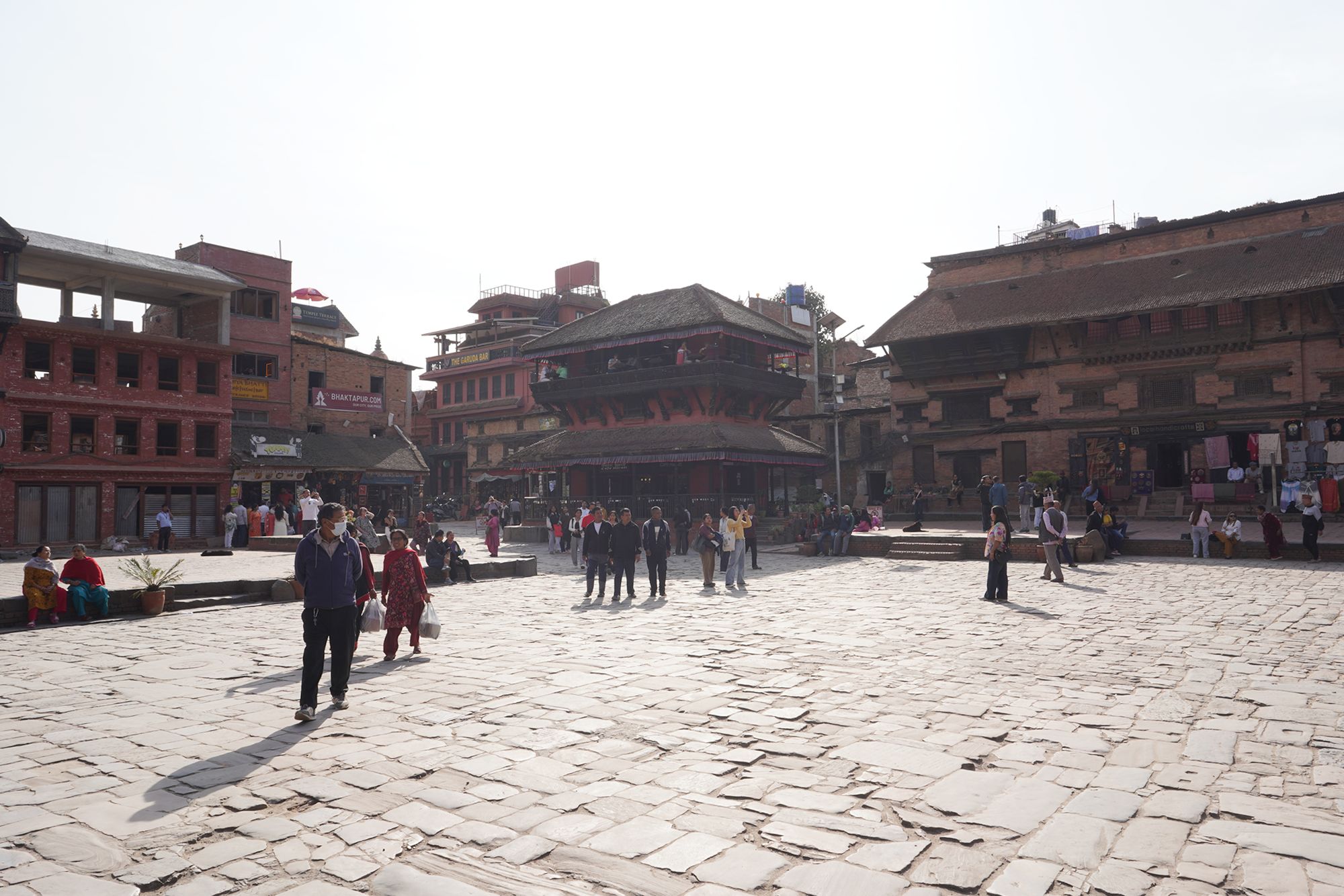
Unlike Kathmandu and Patan, Bhaktapur’s historic center is spread across several distinct squares—including Taumadhi Square, Pottery Square, Bhaktapur Durbar Square, and Dattatreya Square—connected by the narrow streets of the old city.
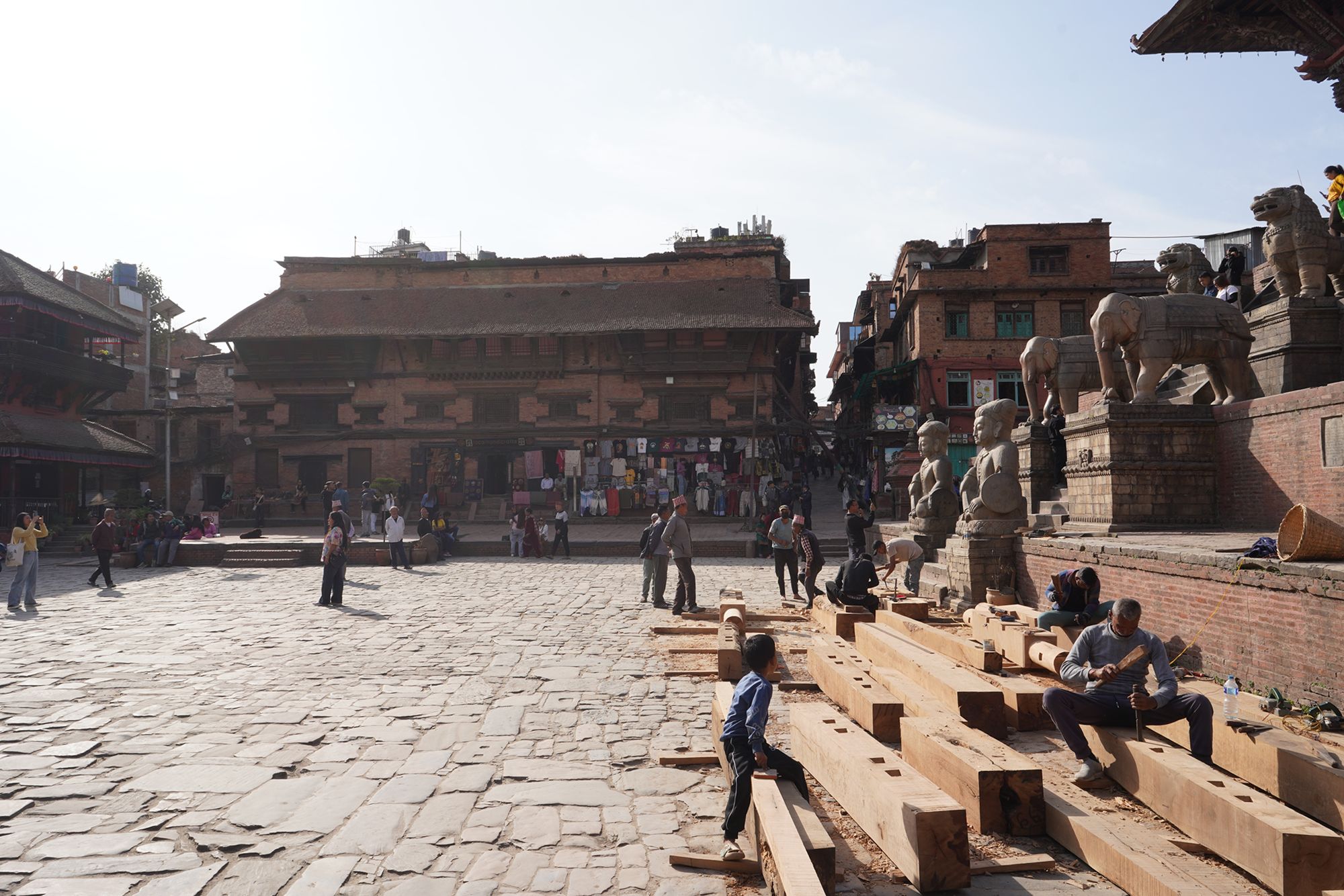
Compared with the other two famous Durbar Squares—Kathmandu and Patan—Bhaktapur Durbar Square feels more spacious, quieter, and more like a preserved historic town rather than a busy urban center.
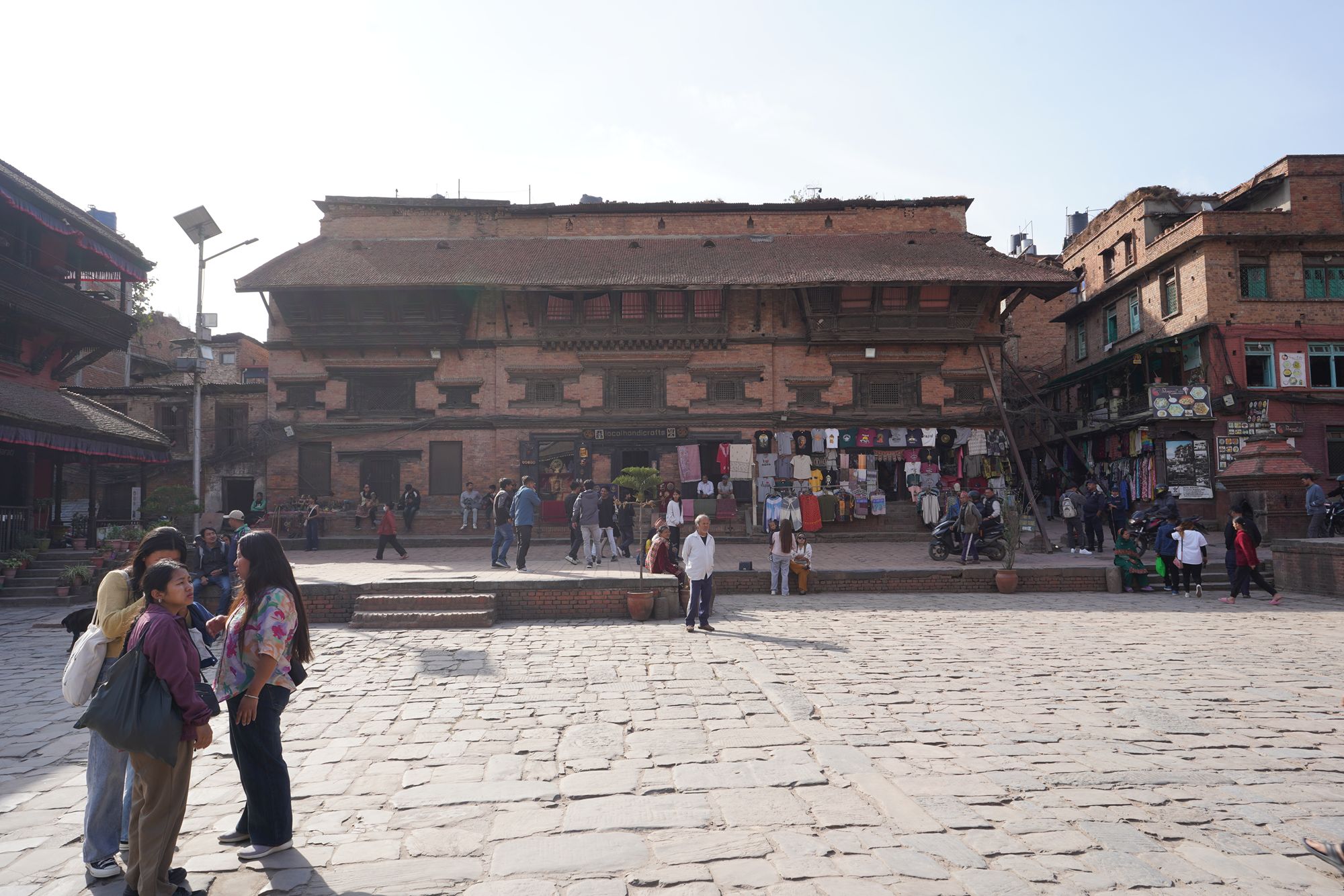
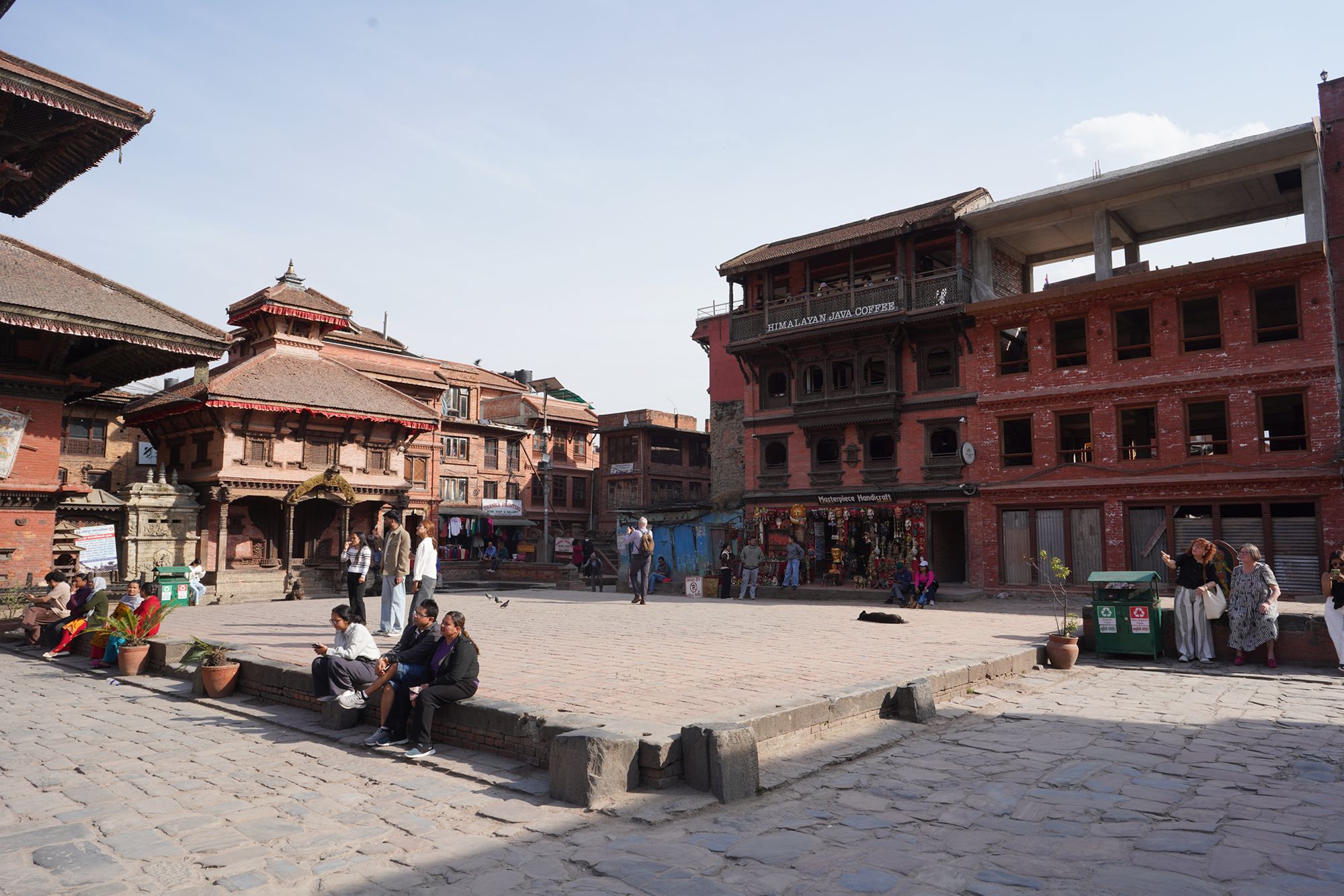
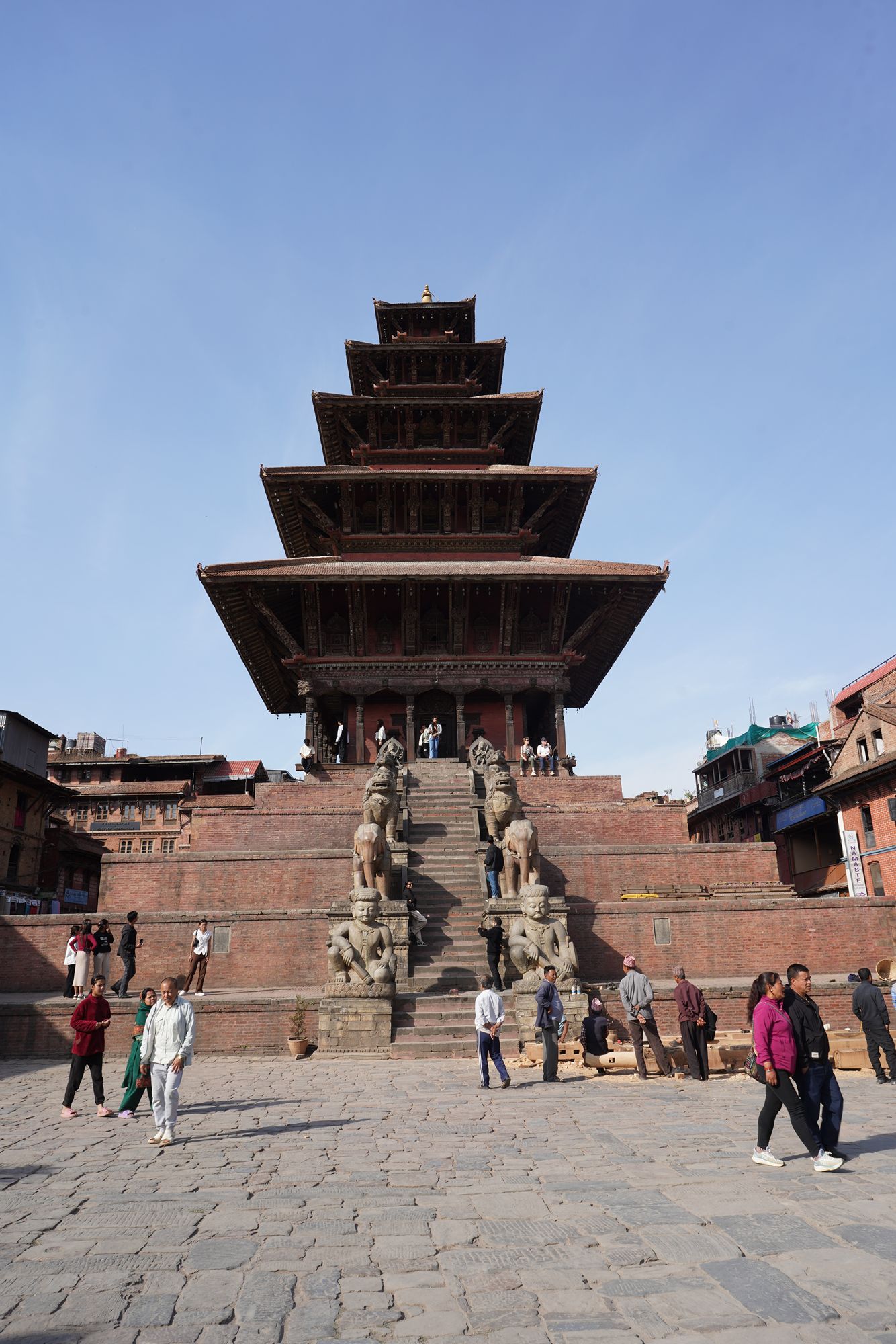
Taumadhi Square has a stronger temple-centered character, with the towering Nyatapola Temple immediately dominating the view.
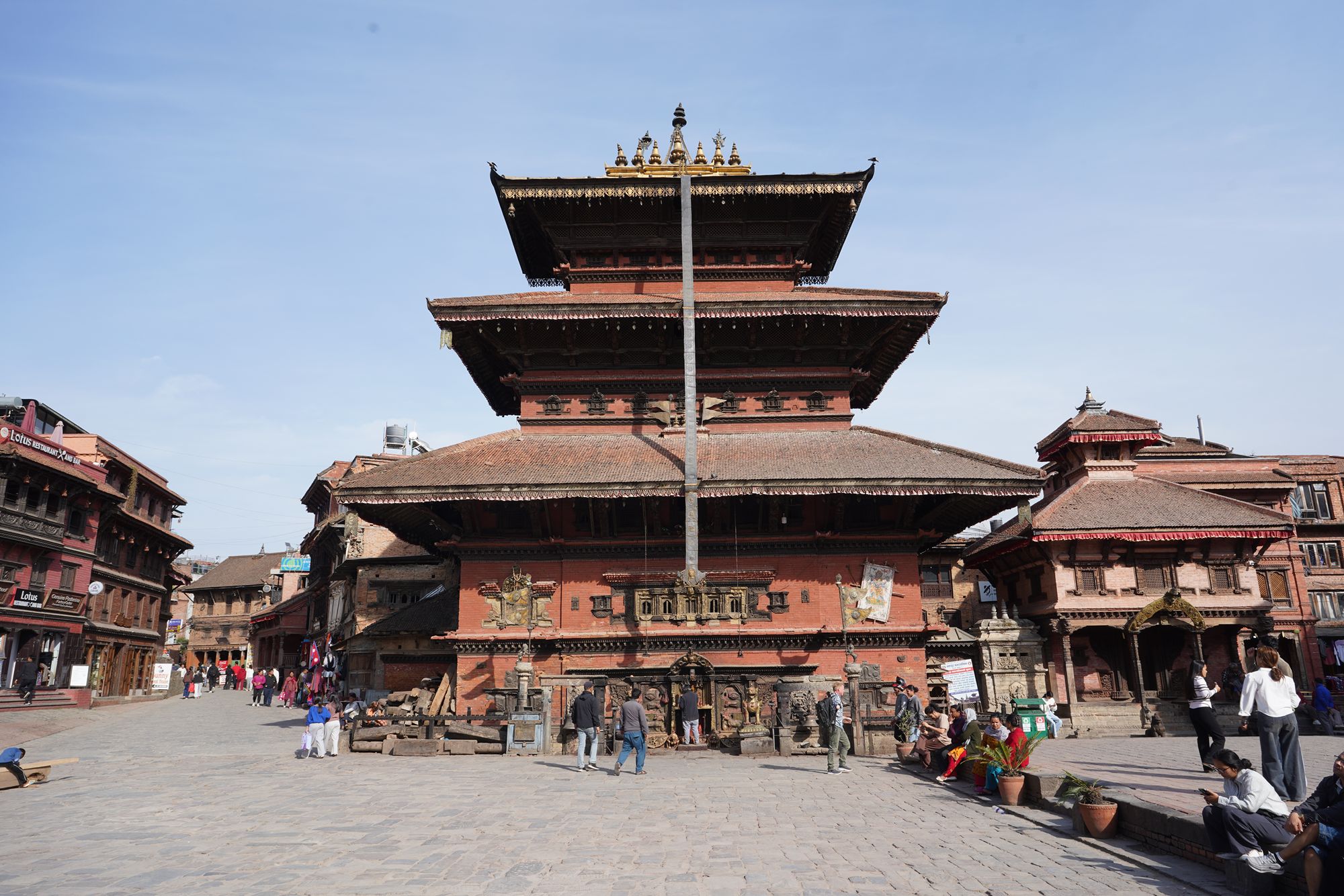
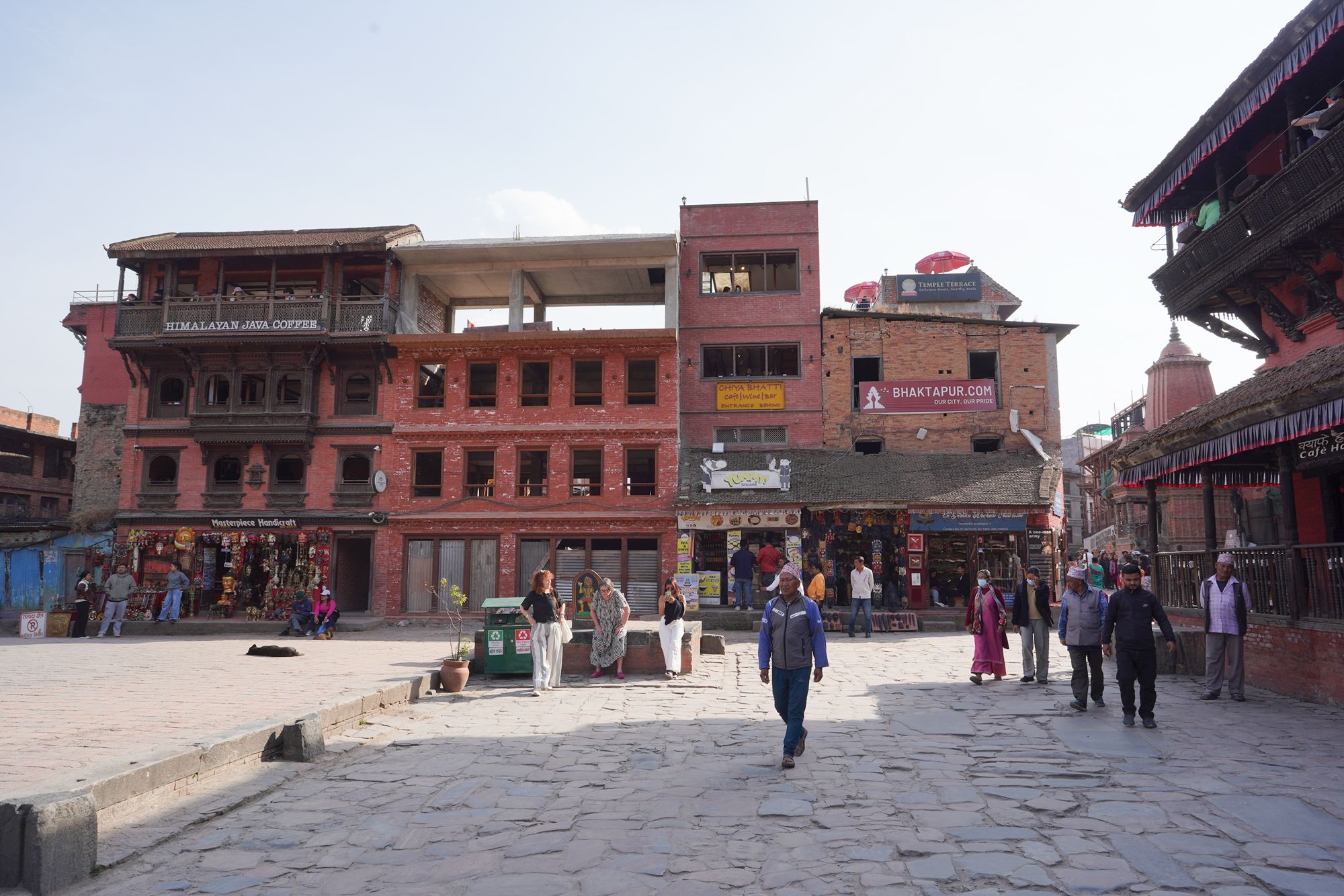
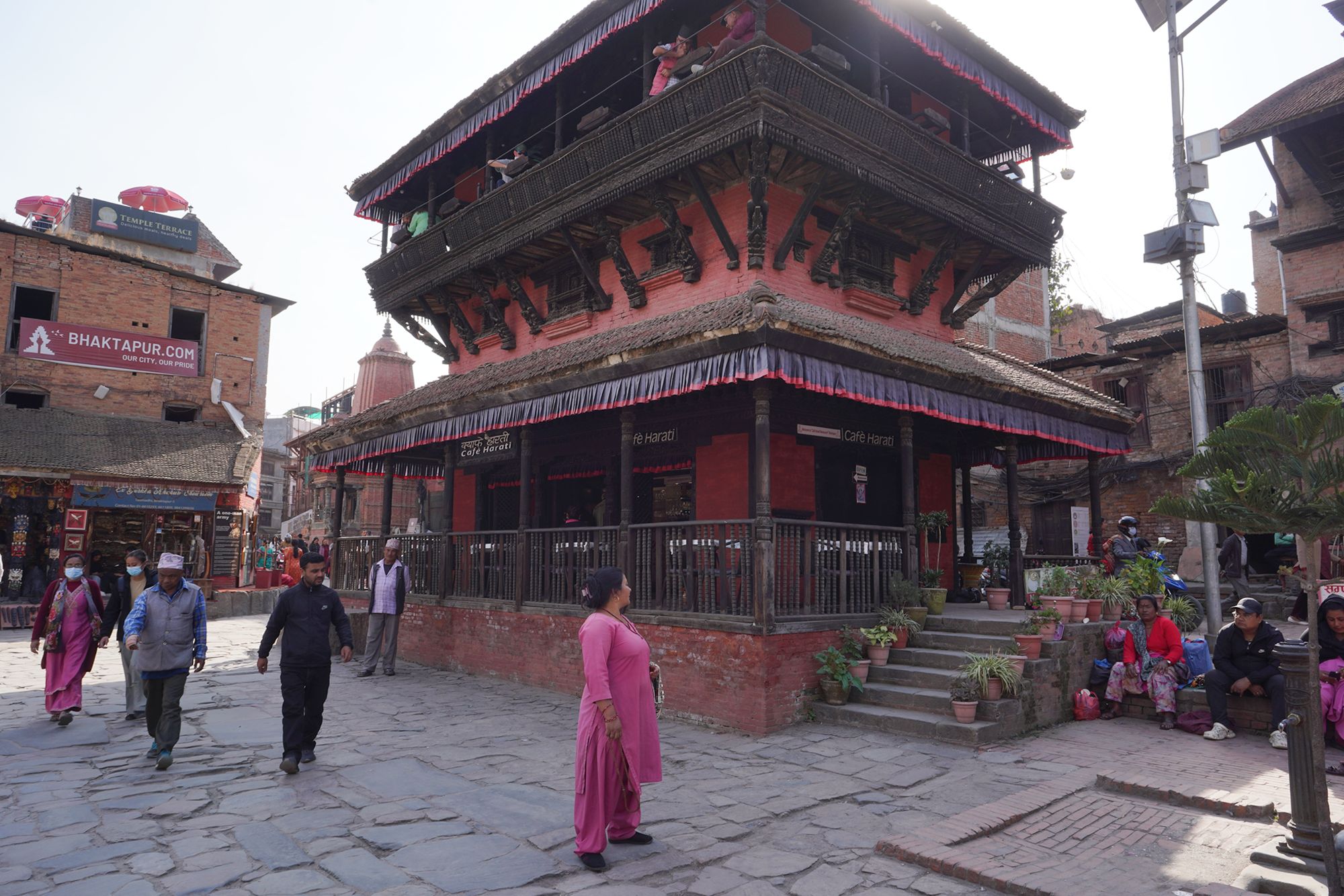
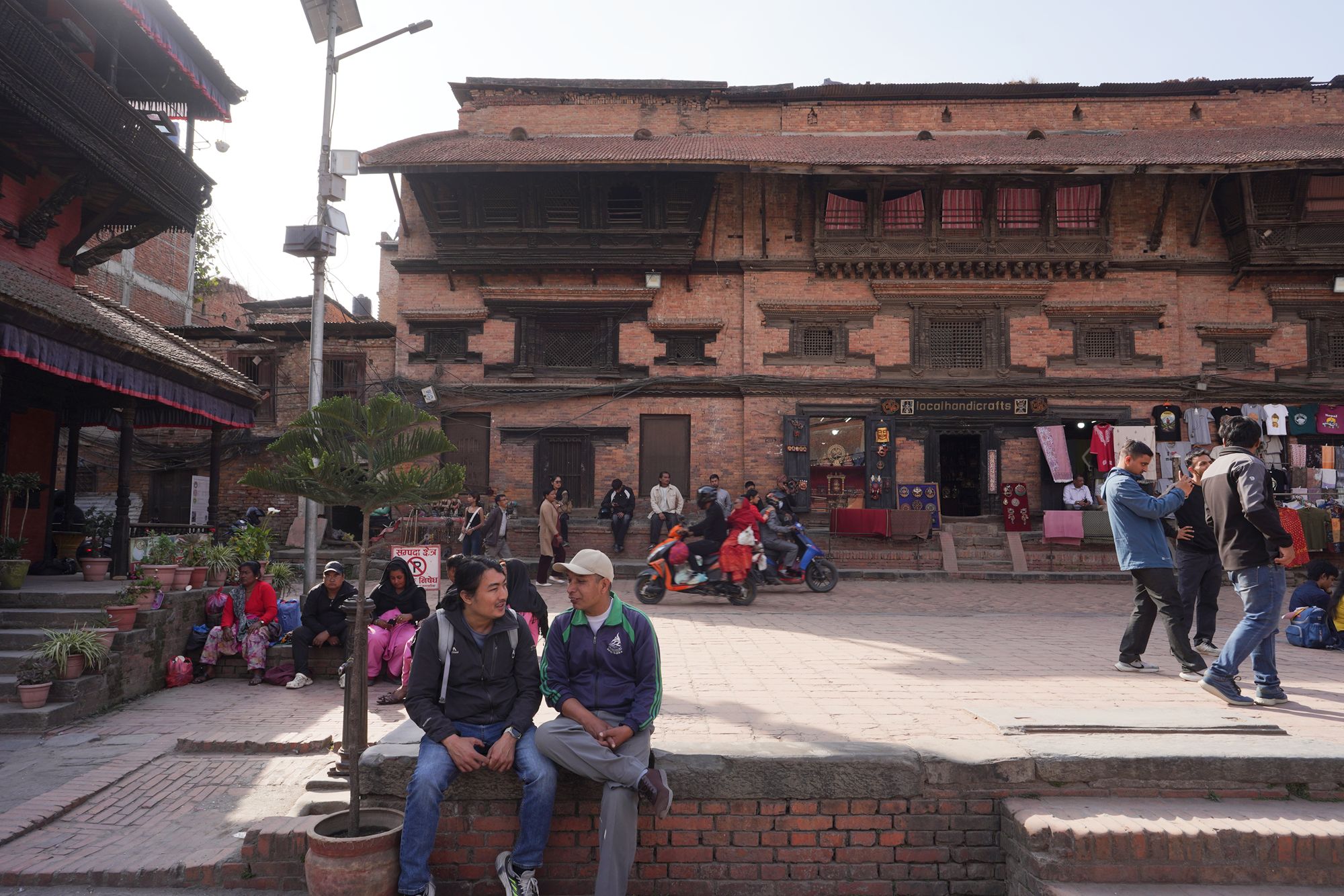
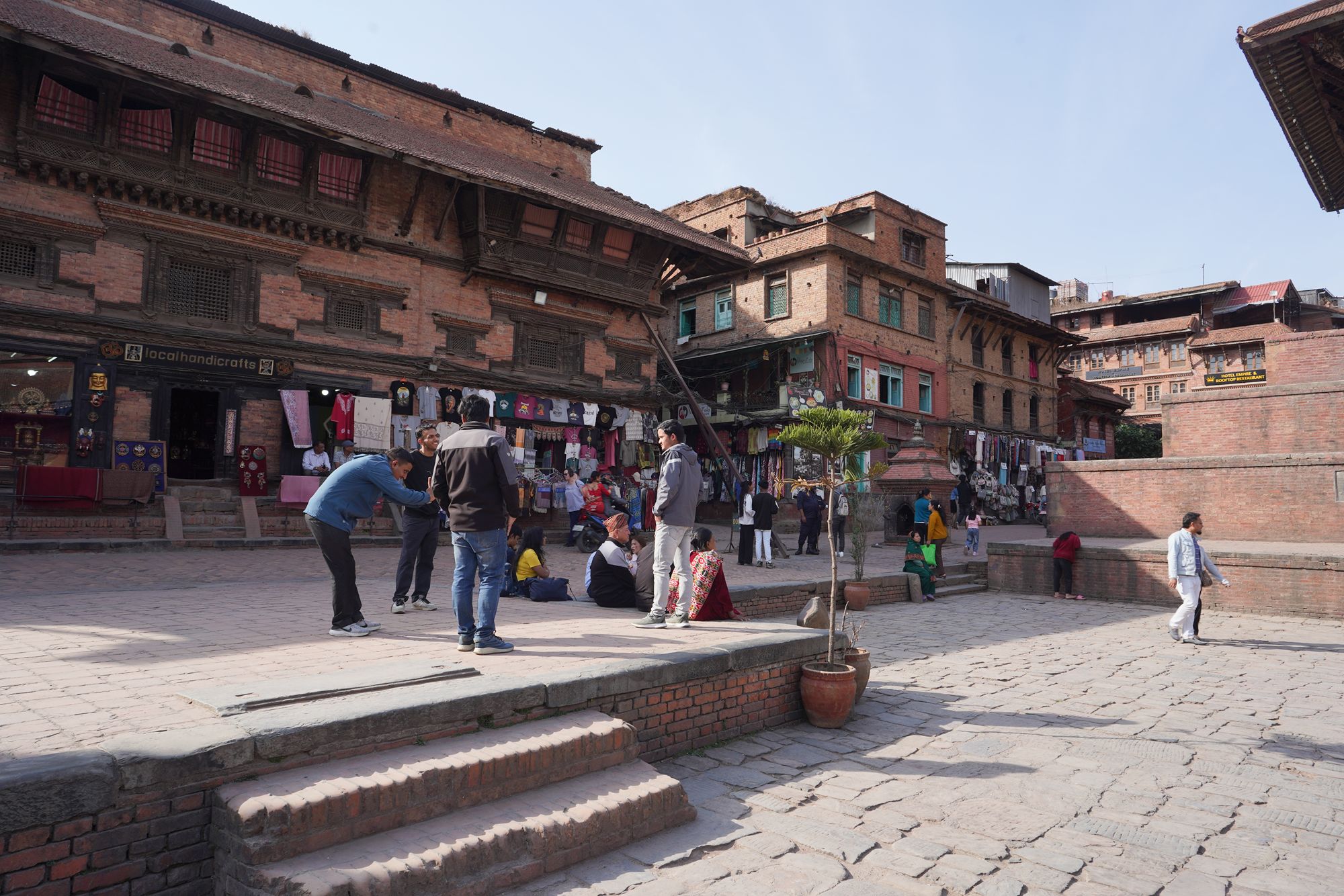
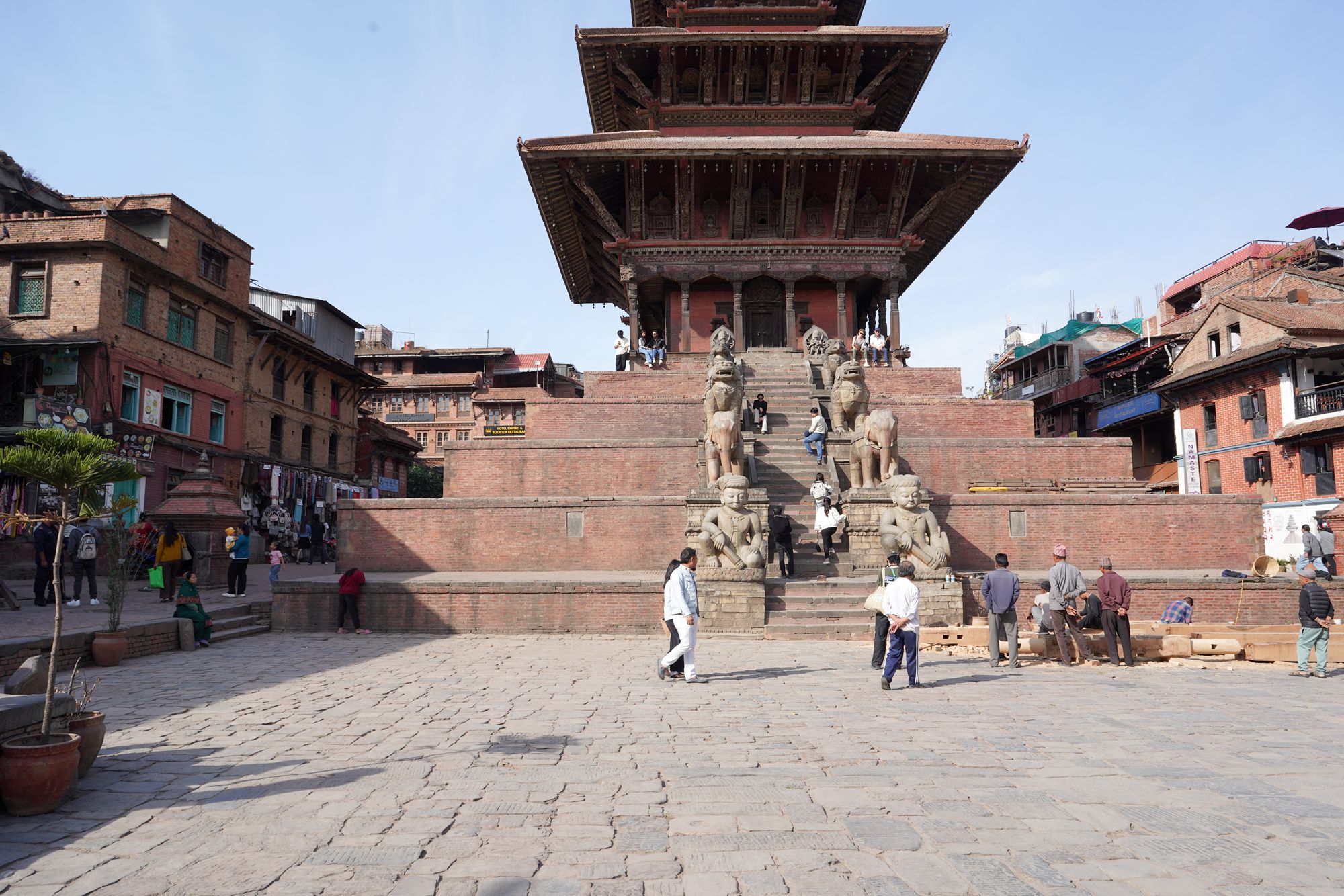
Its dominant landmark is the Nyatapola Temple, a magnificent five-story pagoda built in 1702 during the reign of King Bhupatindra Malla. Rising above the surrounding buildings, it is the tallest traditional pagoda-style temple in Nepal. A steep staircase leads to the temple, guarded by pairs of progressively more powerful figures.
Nearby stands the Bhairavnath Temple, dedicated to Bhairava, a fierce manifestation of Shiva. Traditional red-brick Newari buildings, shops, cafés, and local homes surround the square.
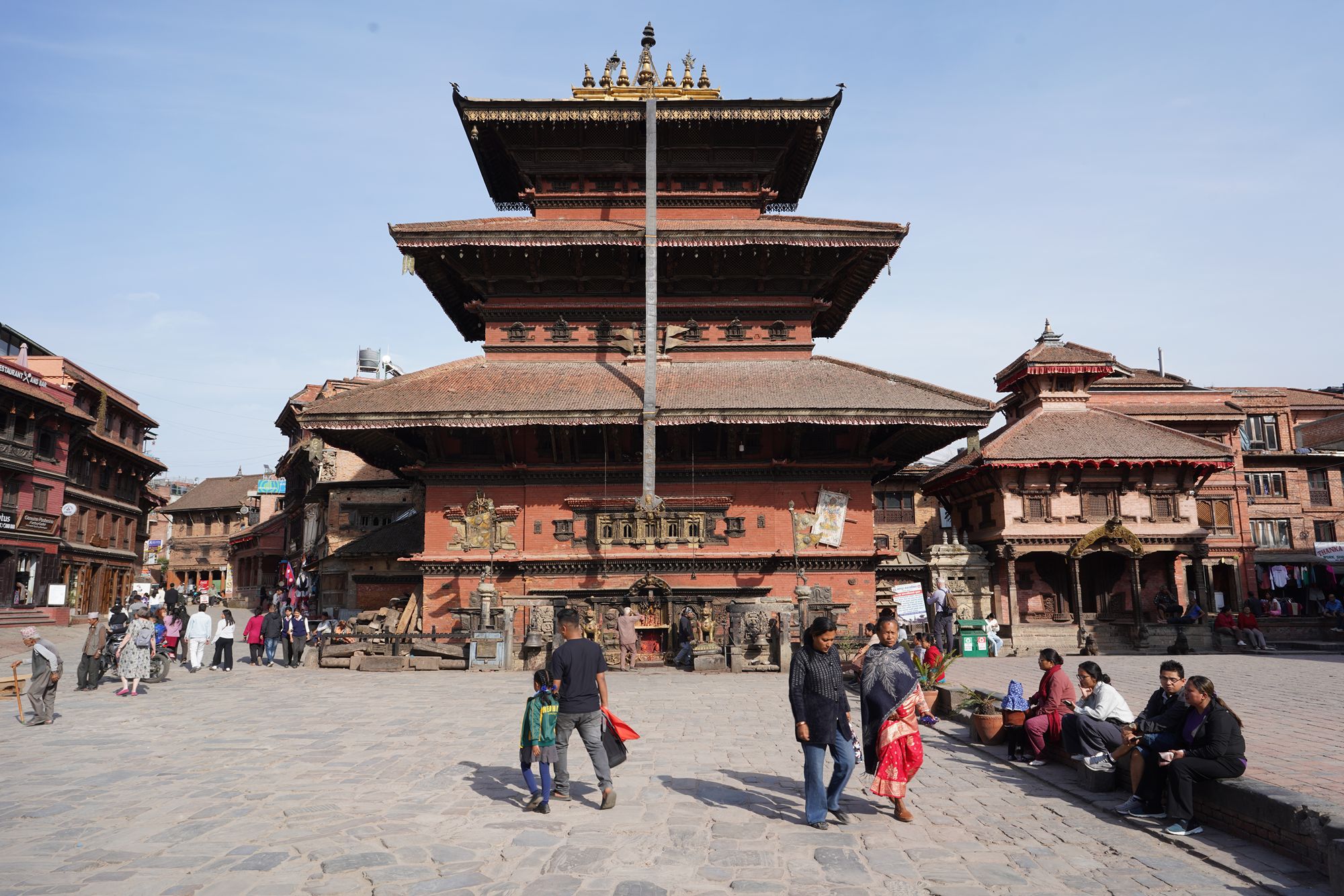
I left one square behind and continued through the old streets toward the next.
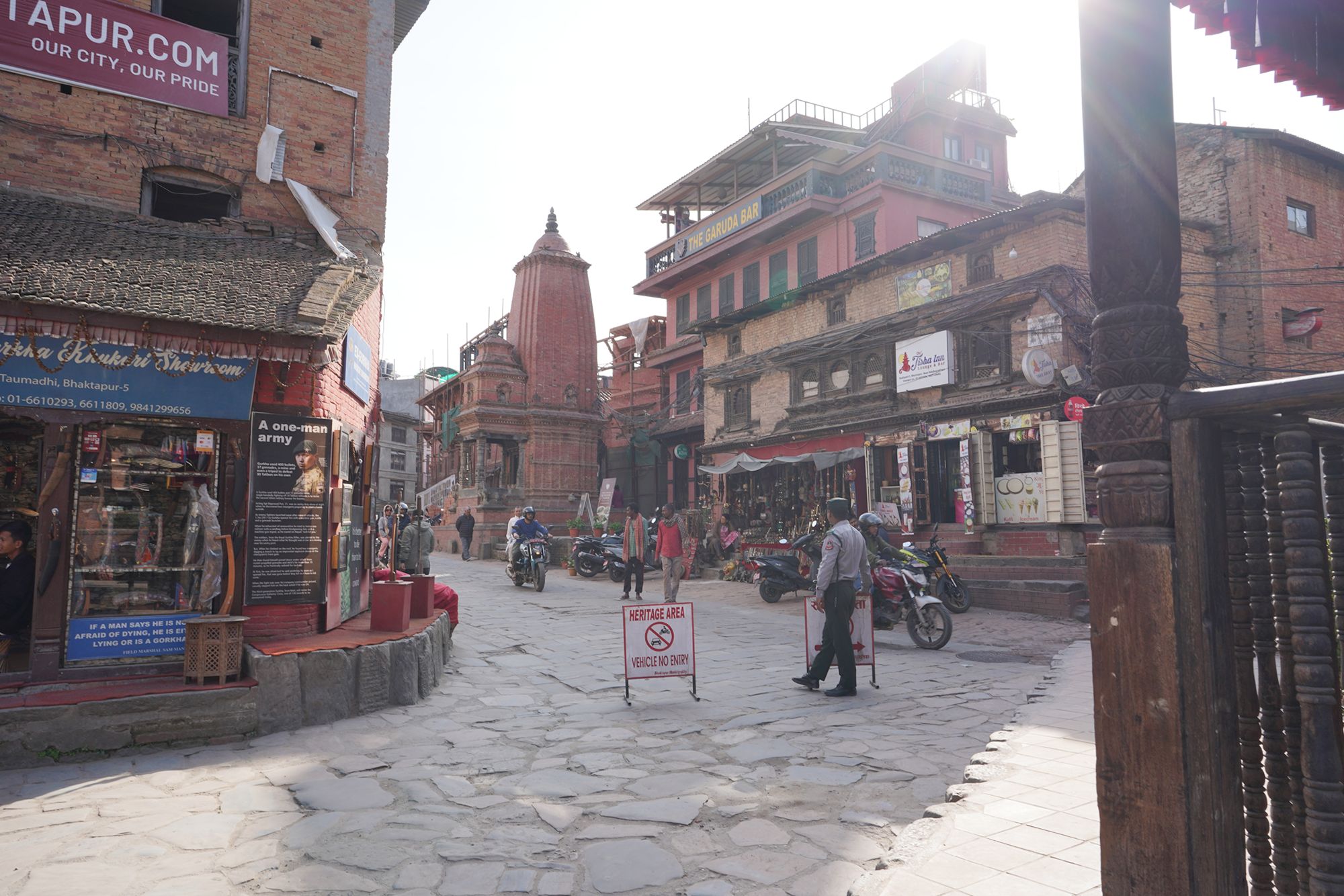
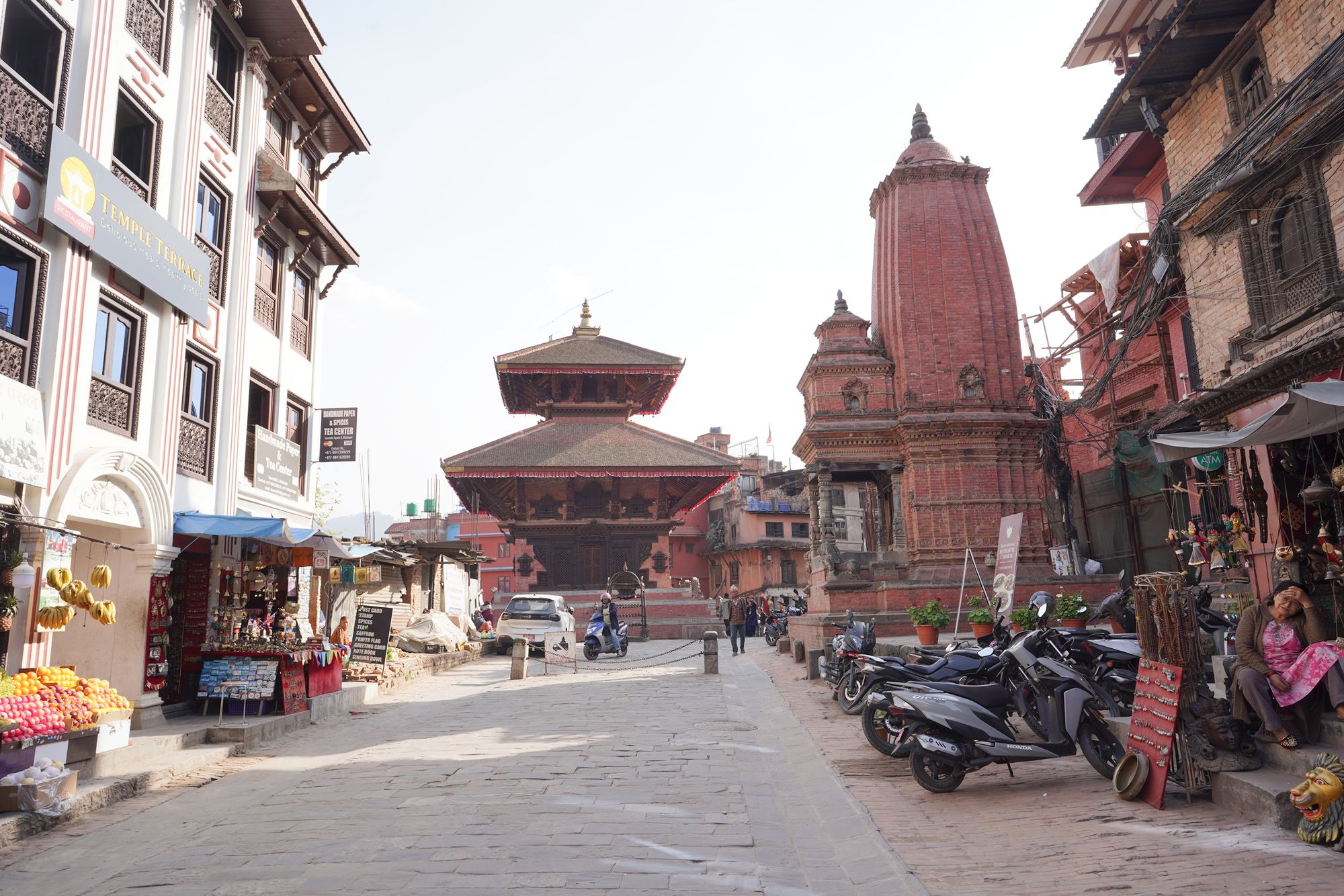
I looked back at the square I had just left.
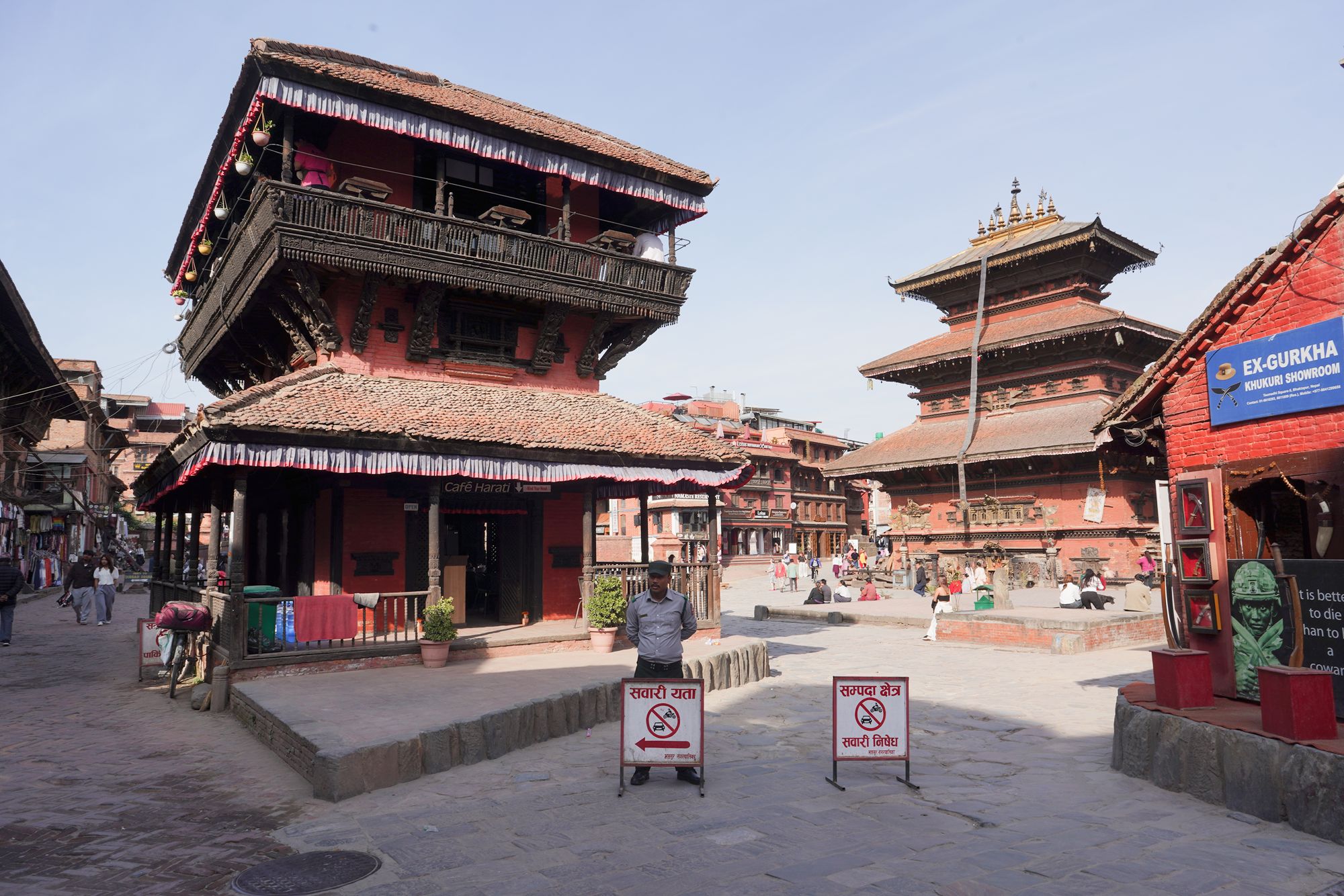
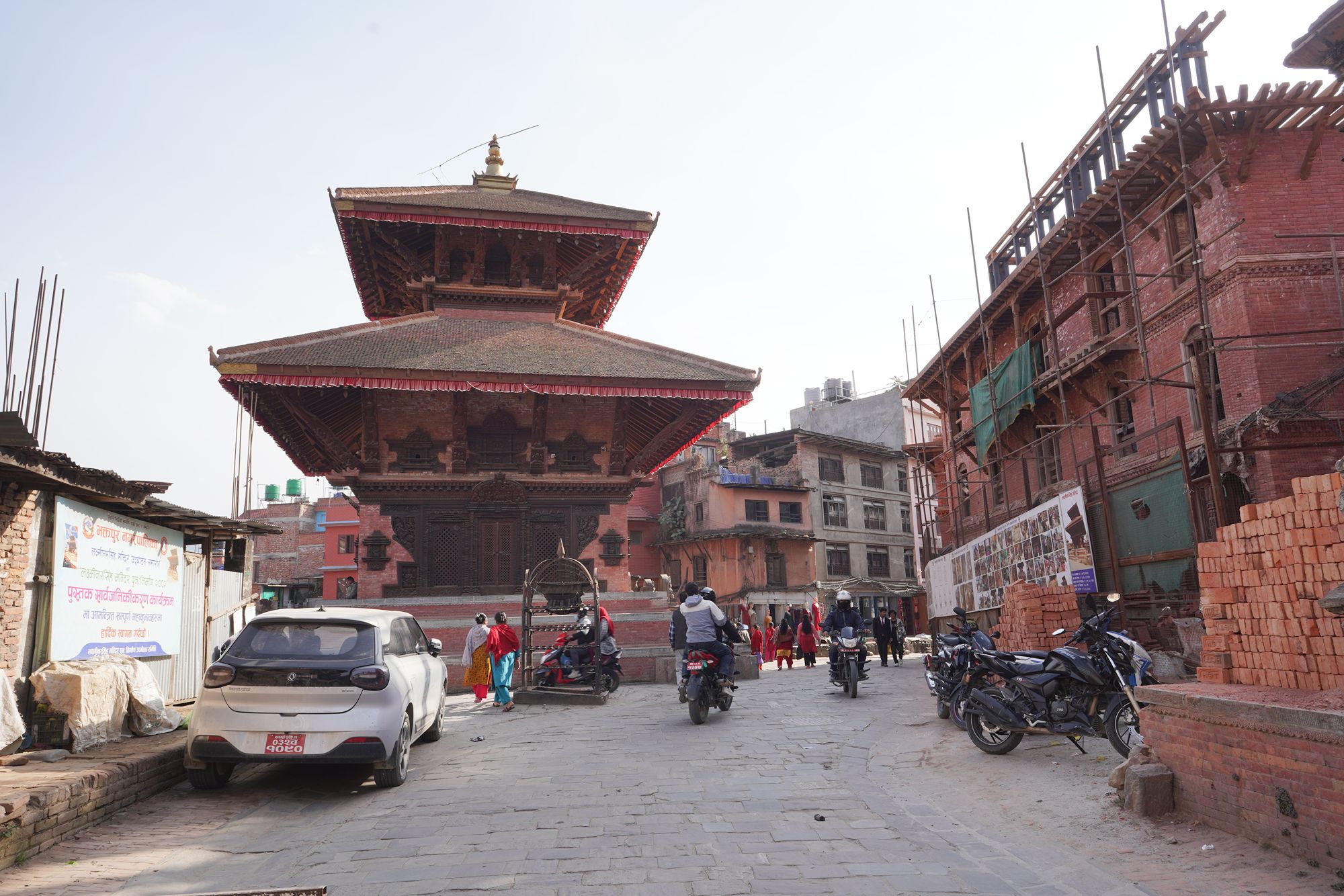
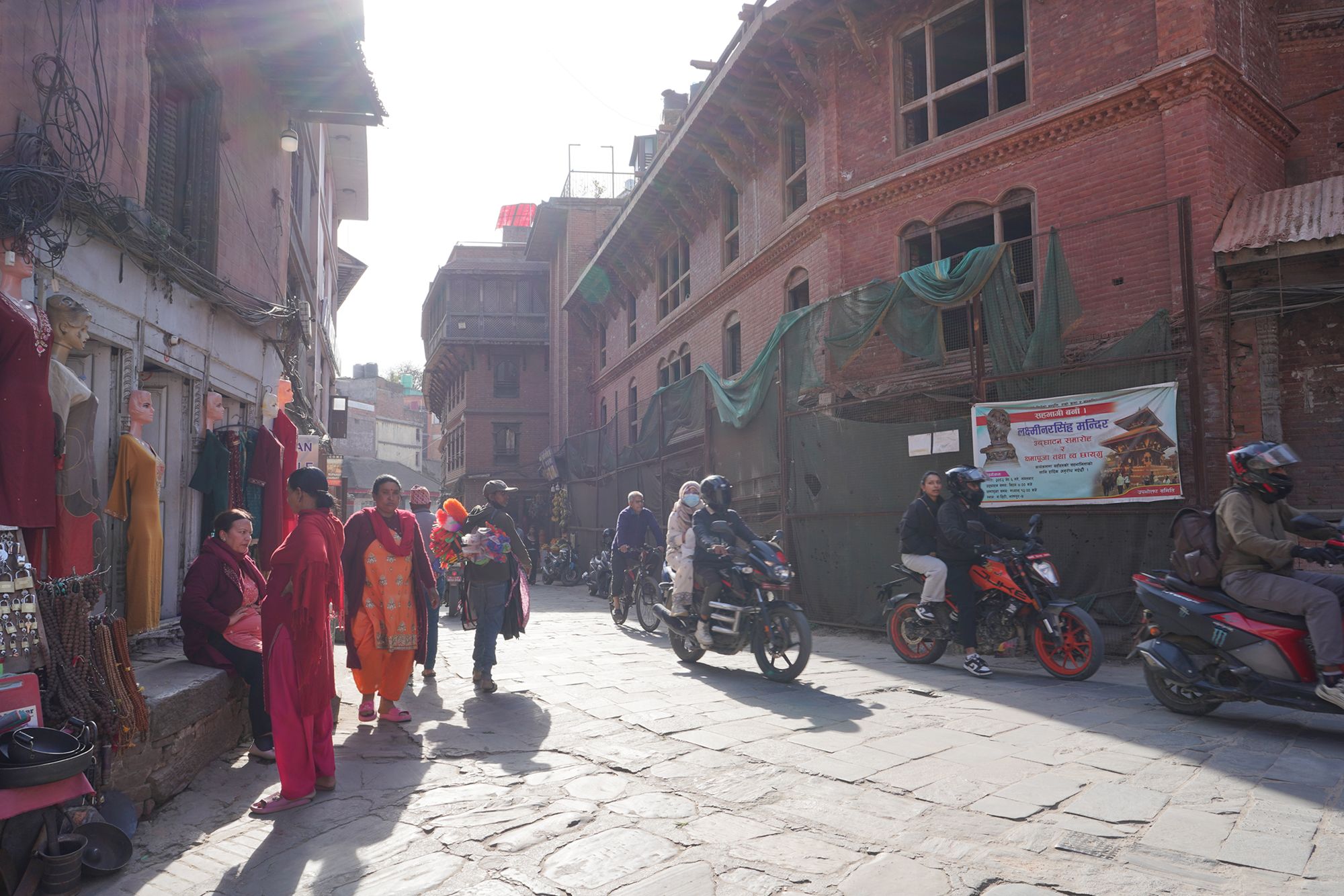
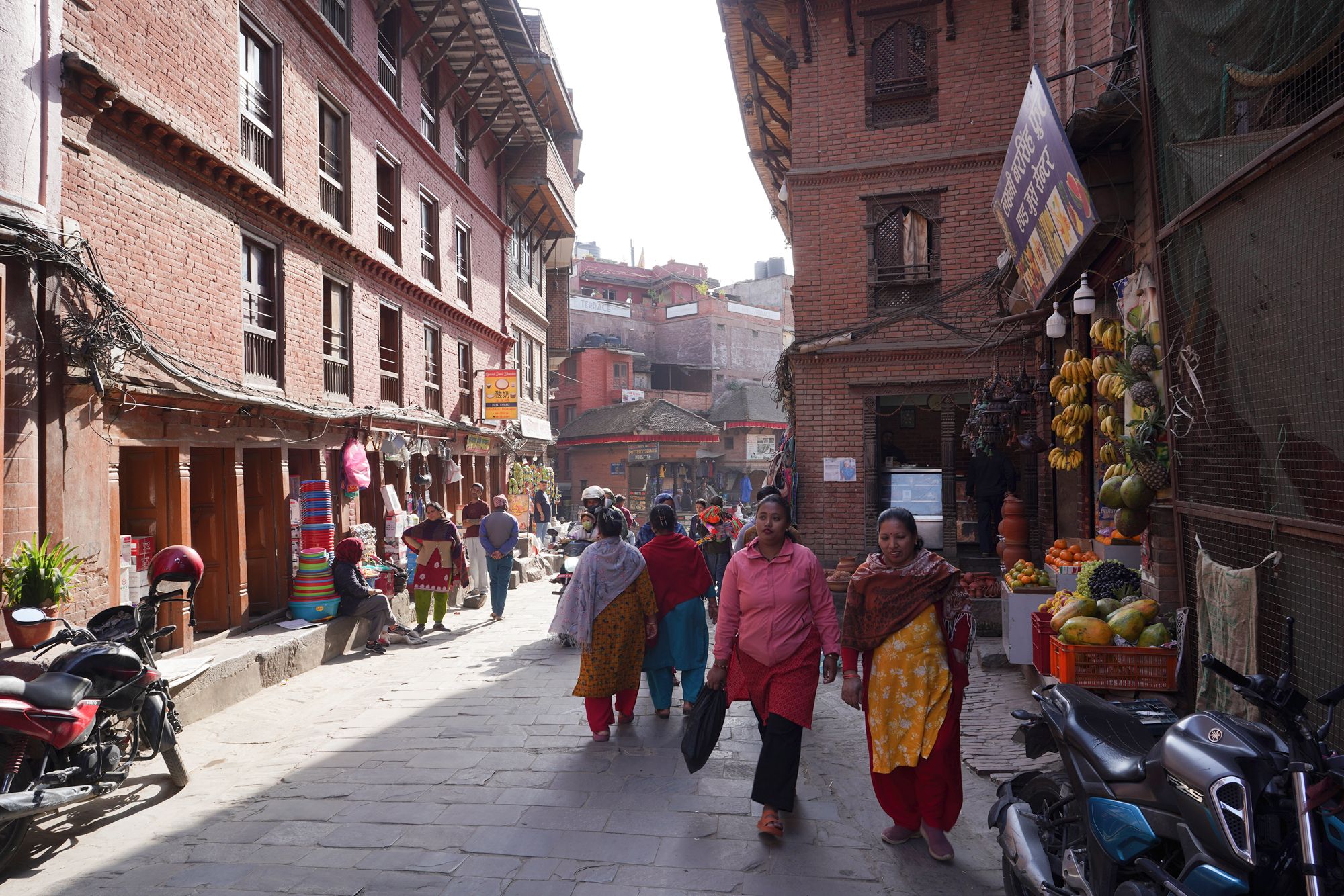
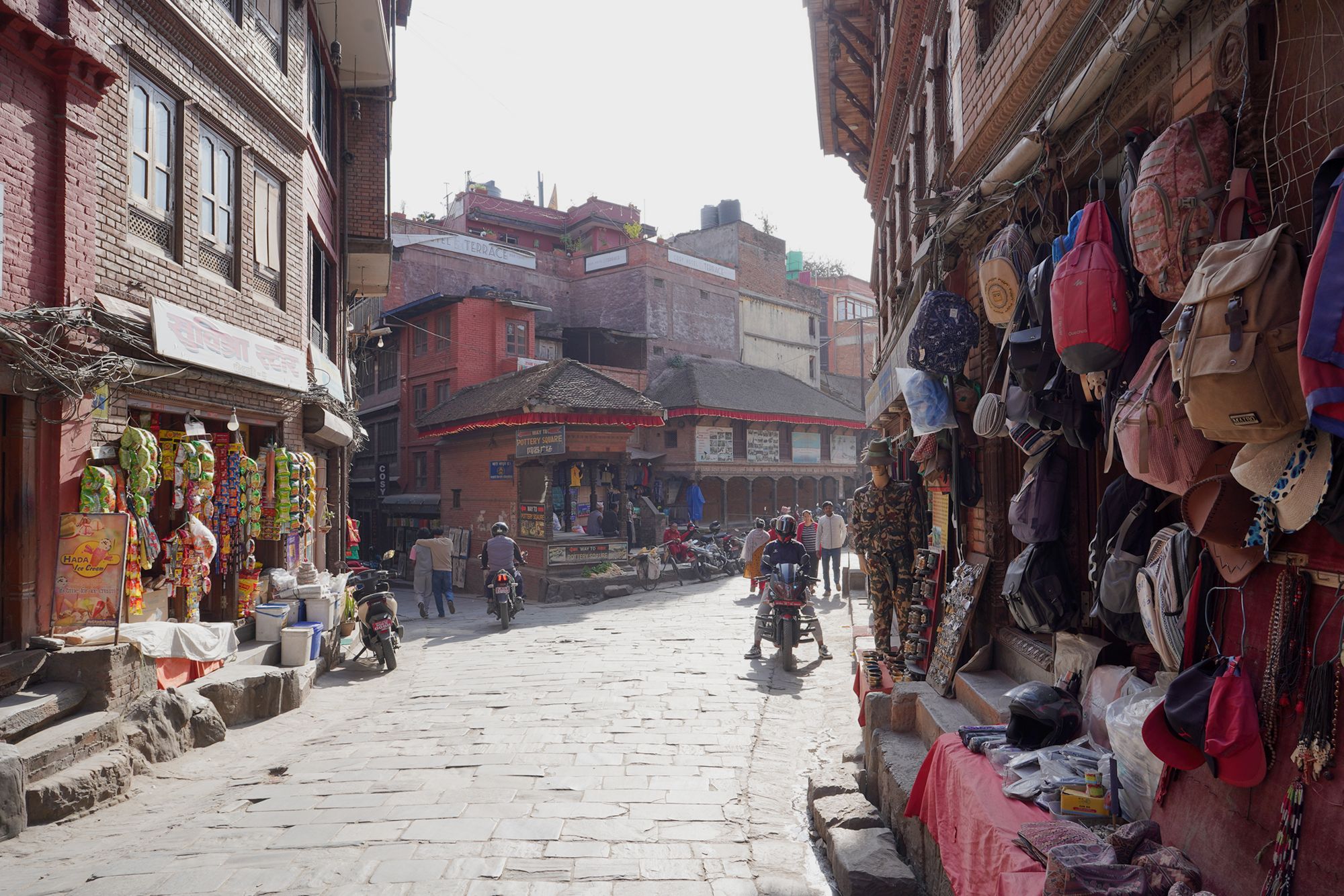
A view behind me
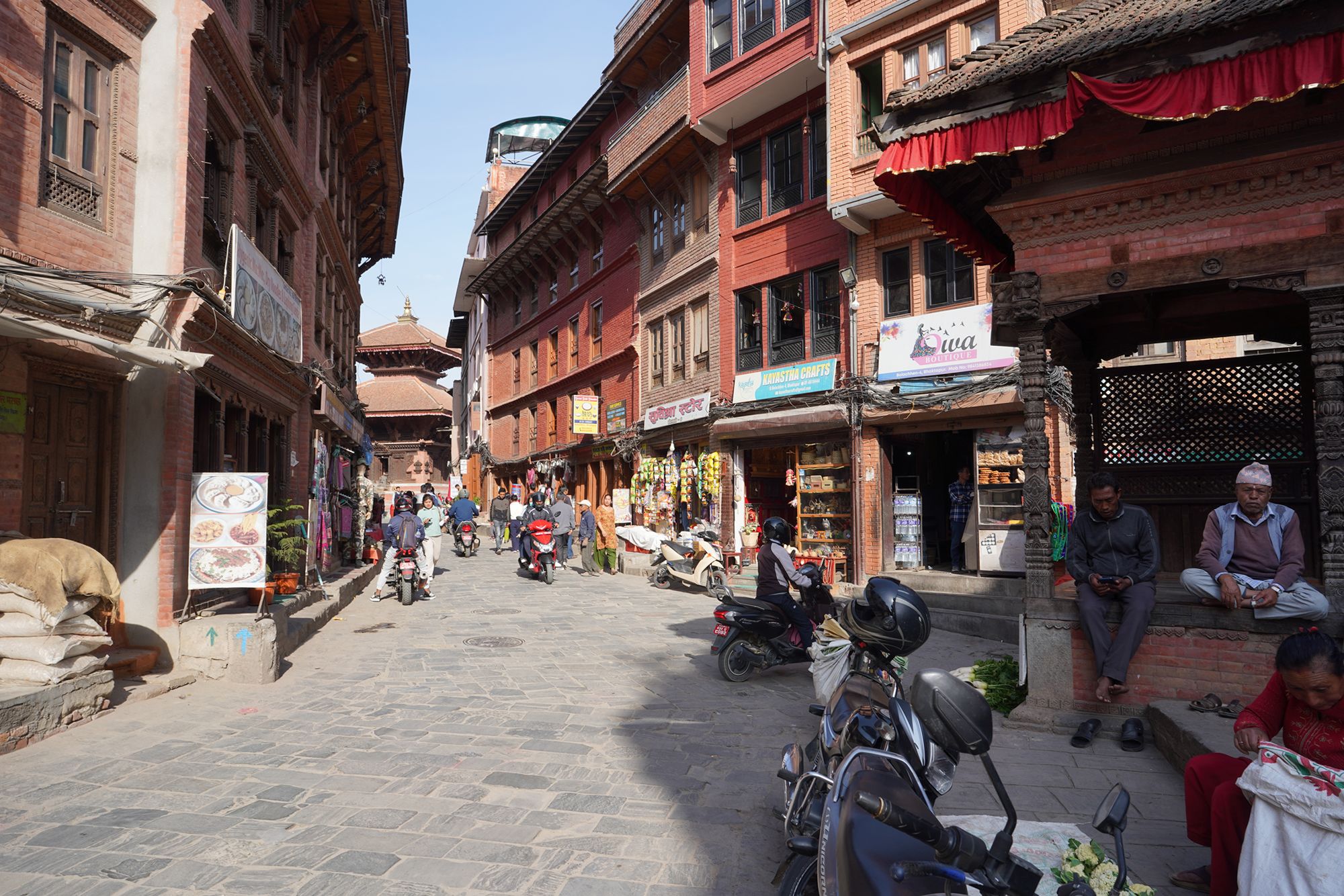
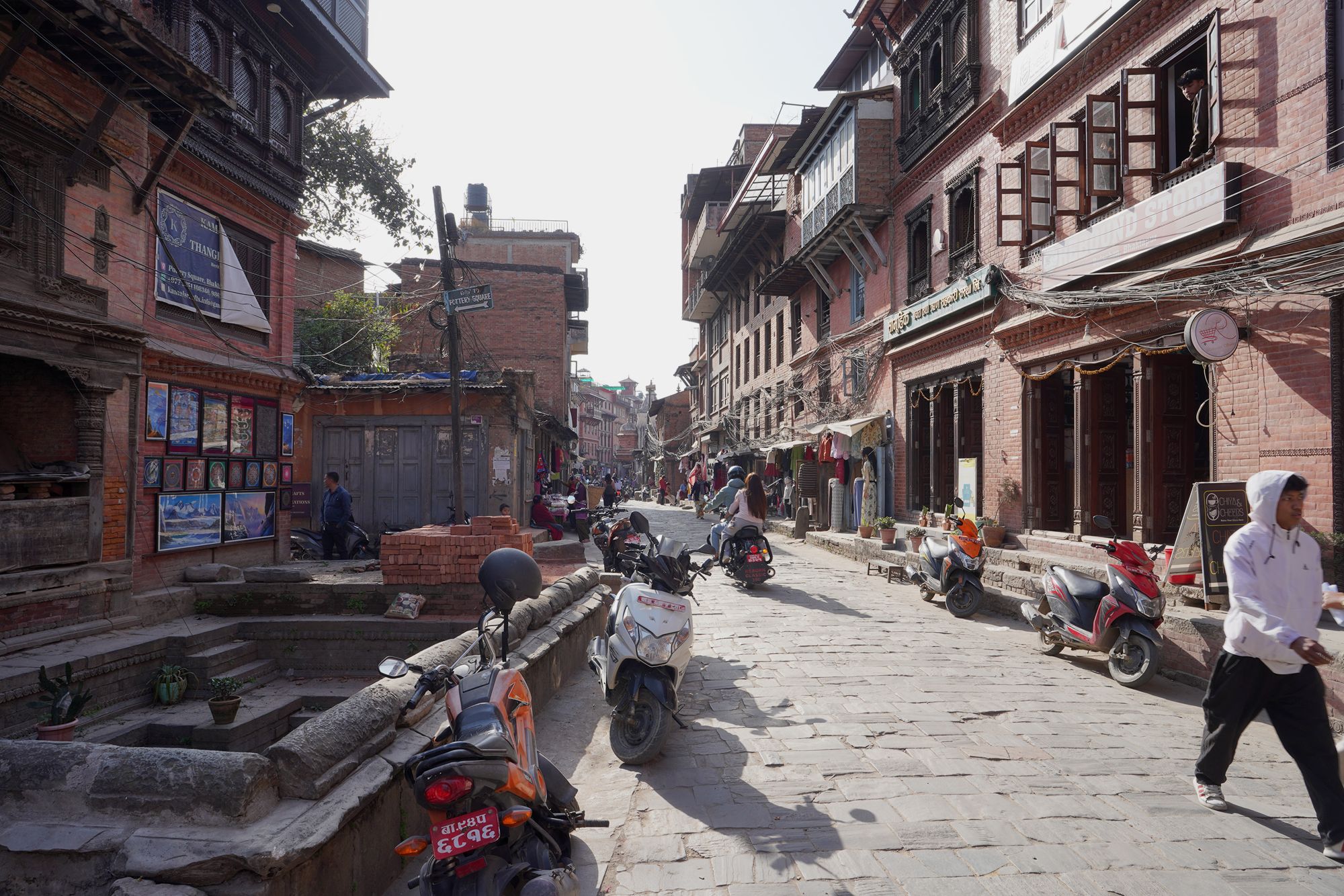
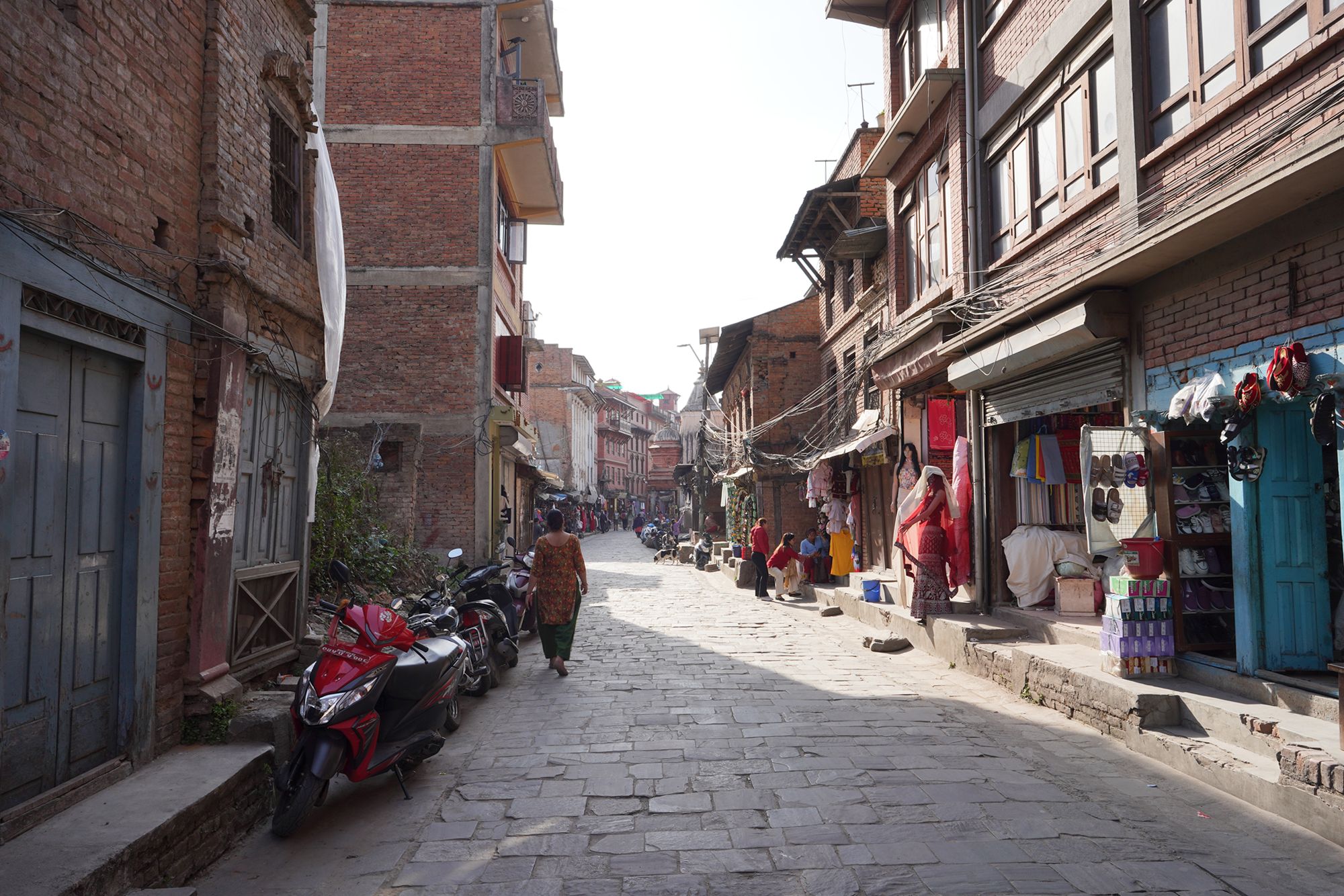
I made a left turn here and headed toward Pottery Square.
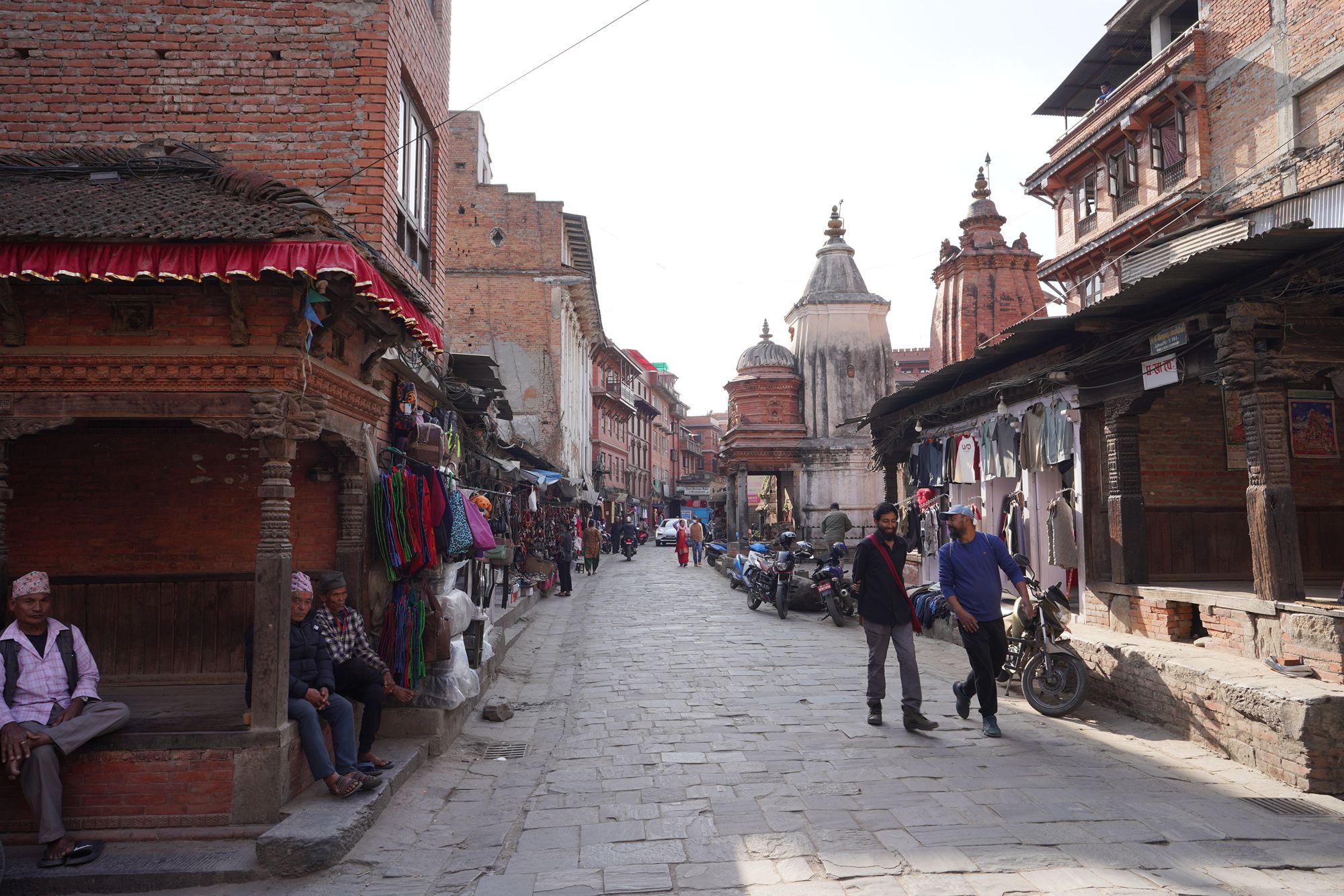
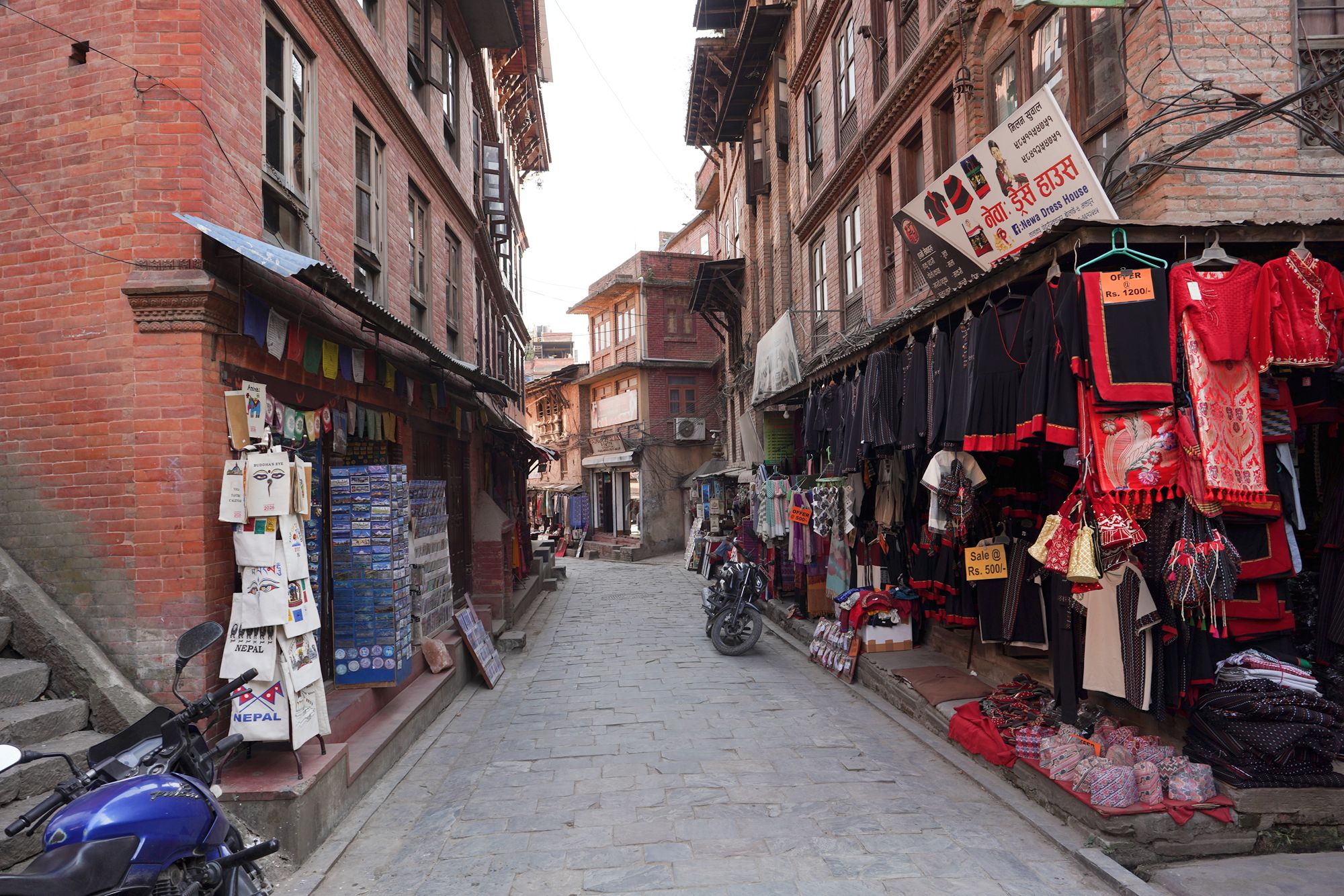
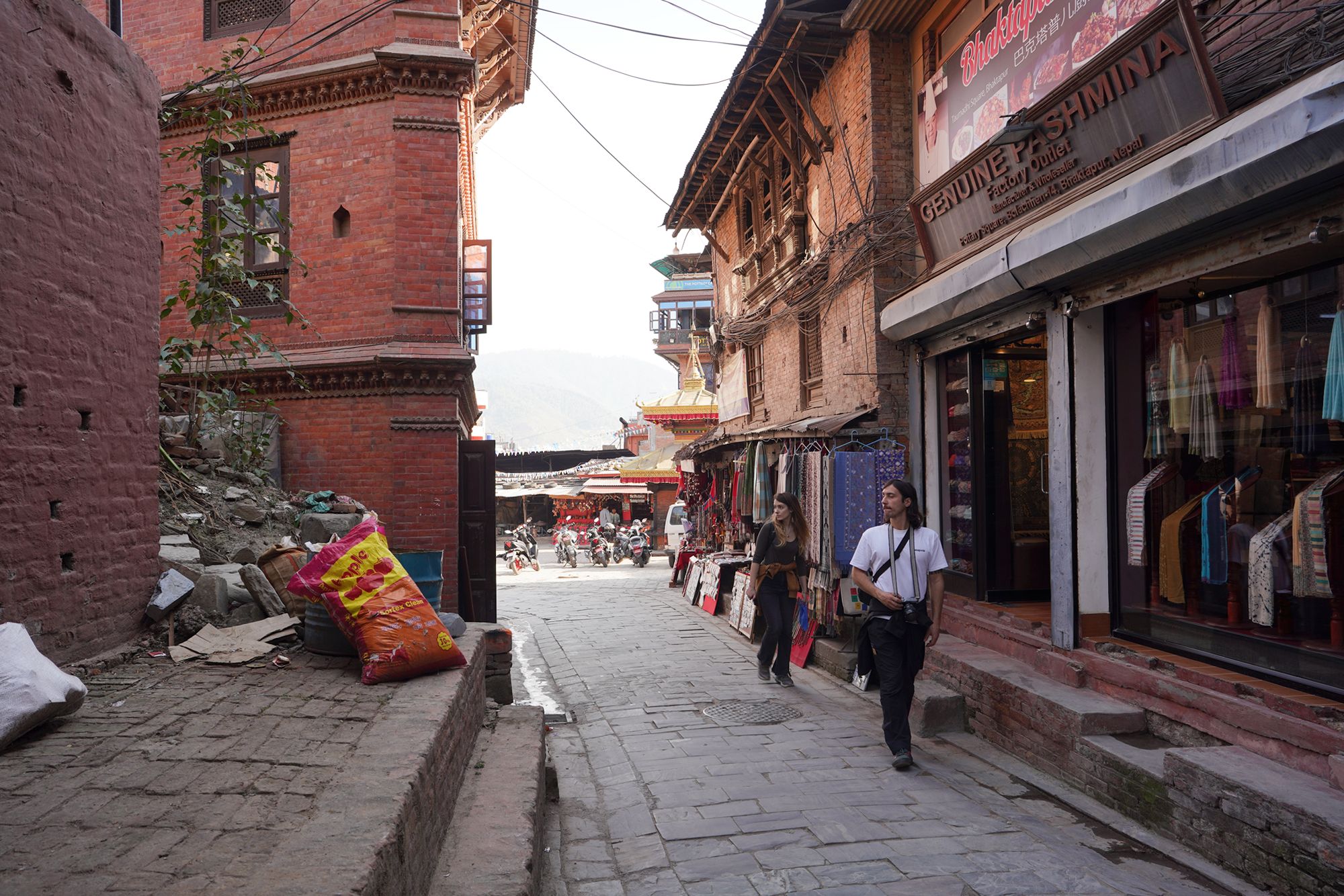
Pottery Square
Pottery Square is one of Bhaktapur’s traditional working neighborhoods, famous for the Newari pottery craft that has been practiced there for generations. Unlike the more monumental Durbar and Taumadhi Squares, it feels more like a place of everyday local life.
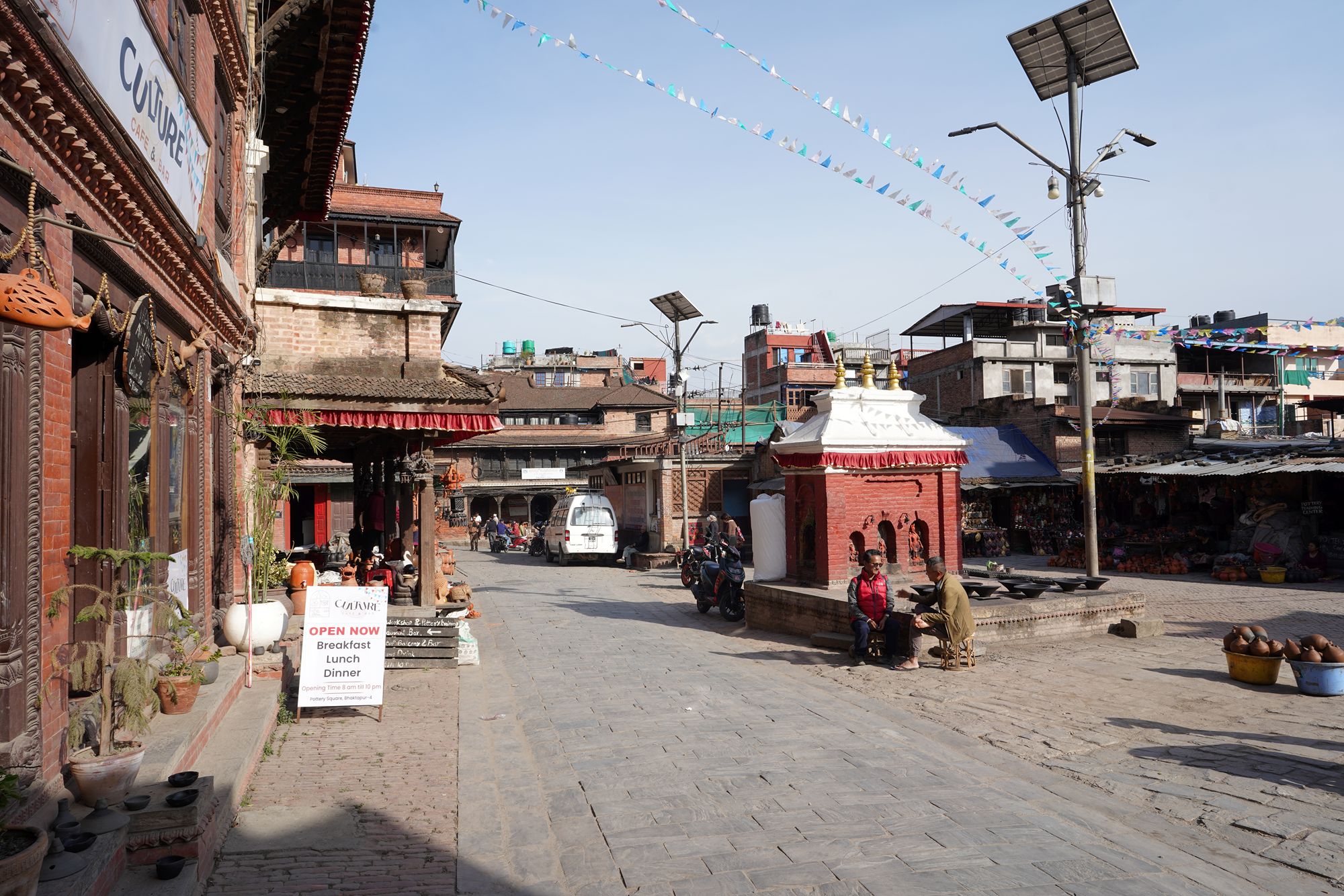
After visiting Pottery Square, I walked back toward the main road again.
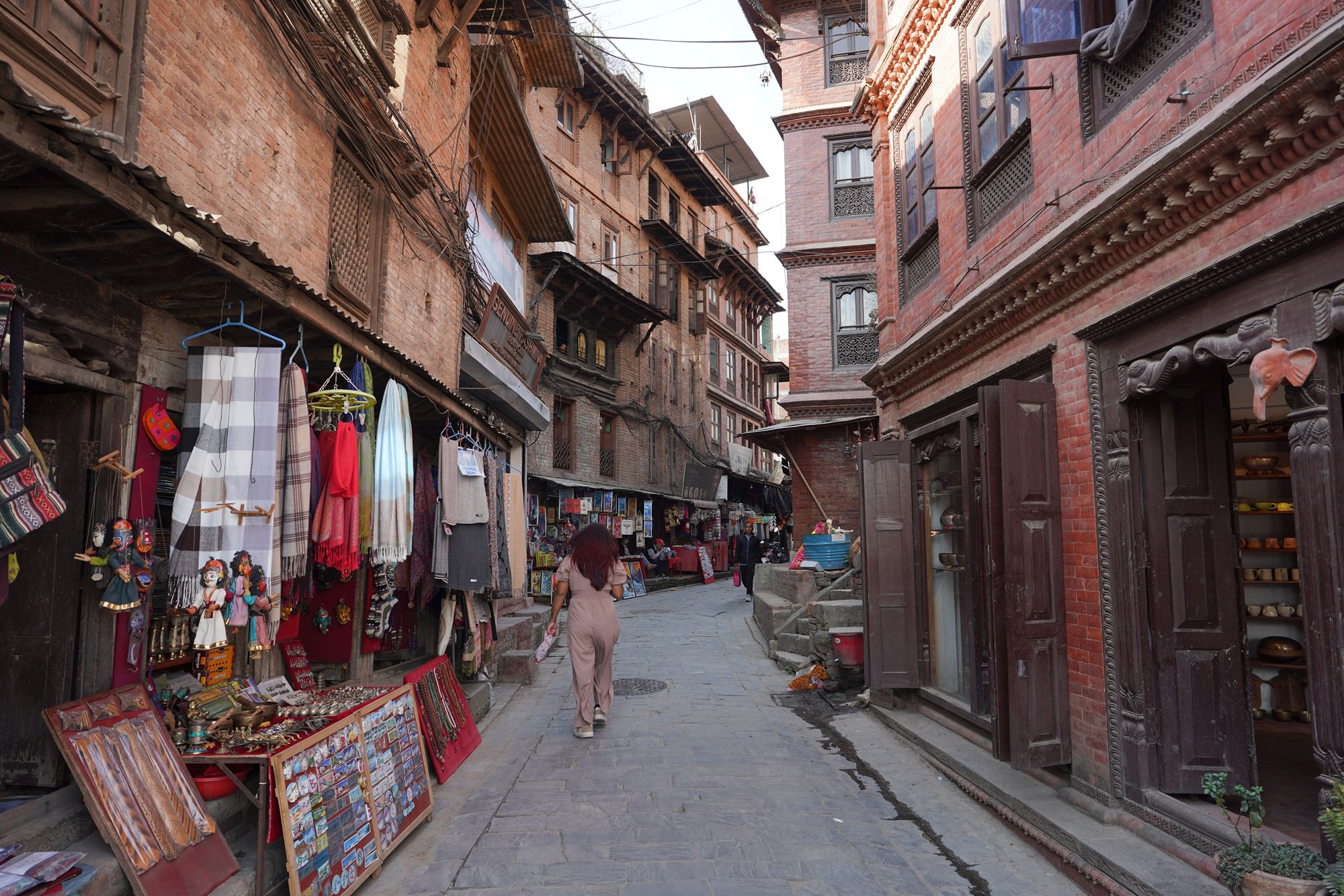
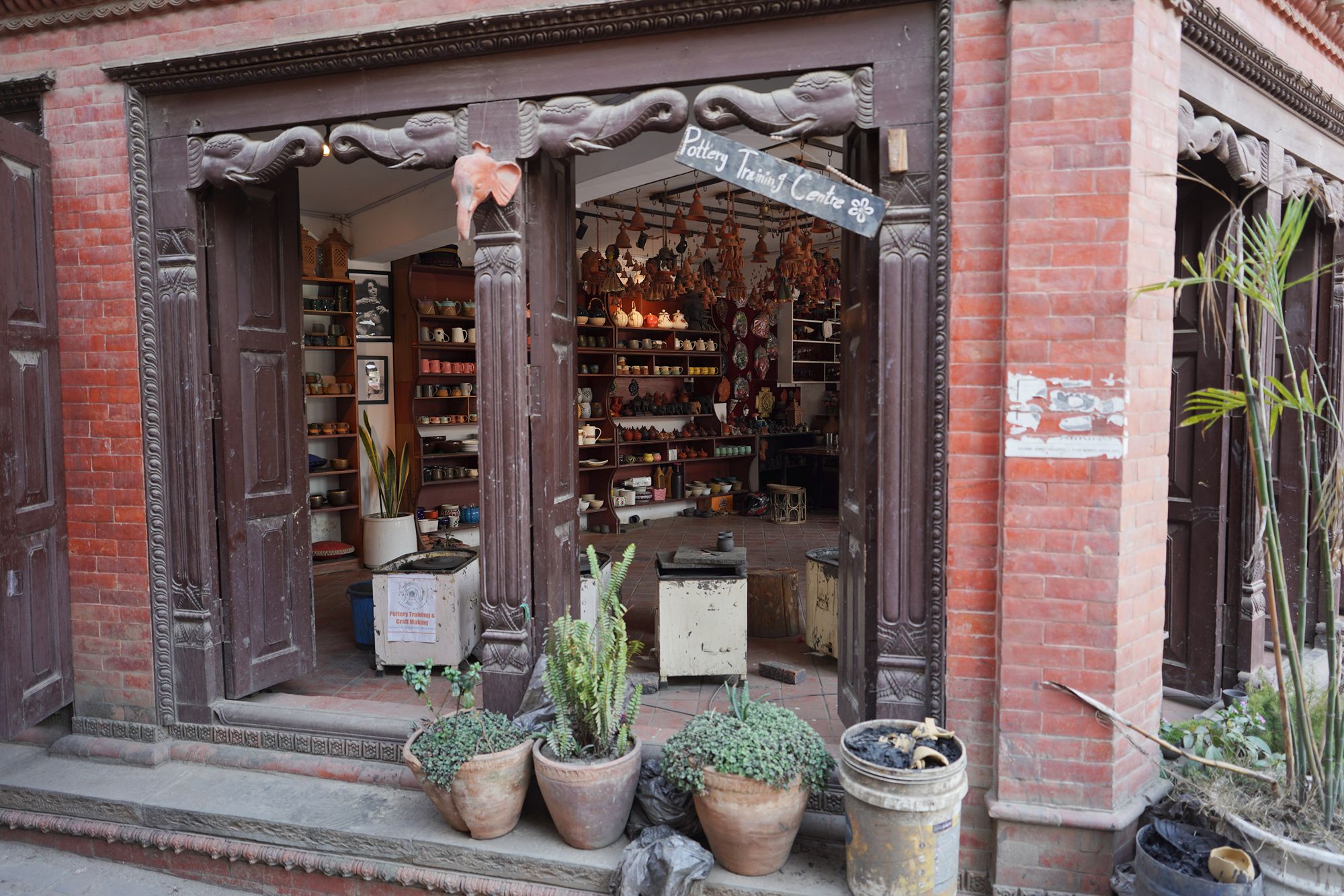
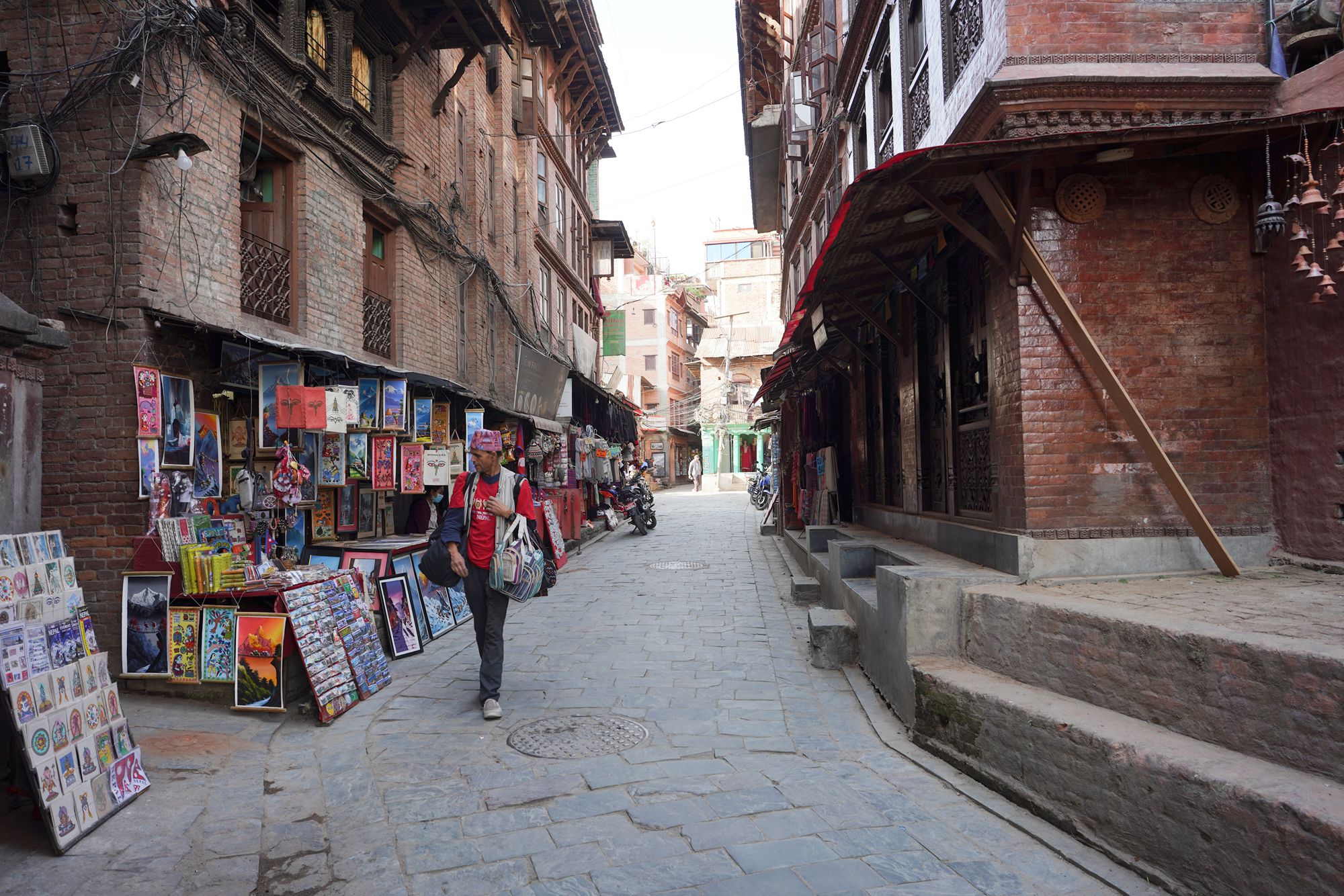
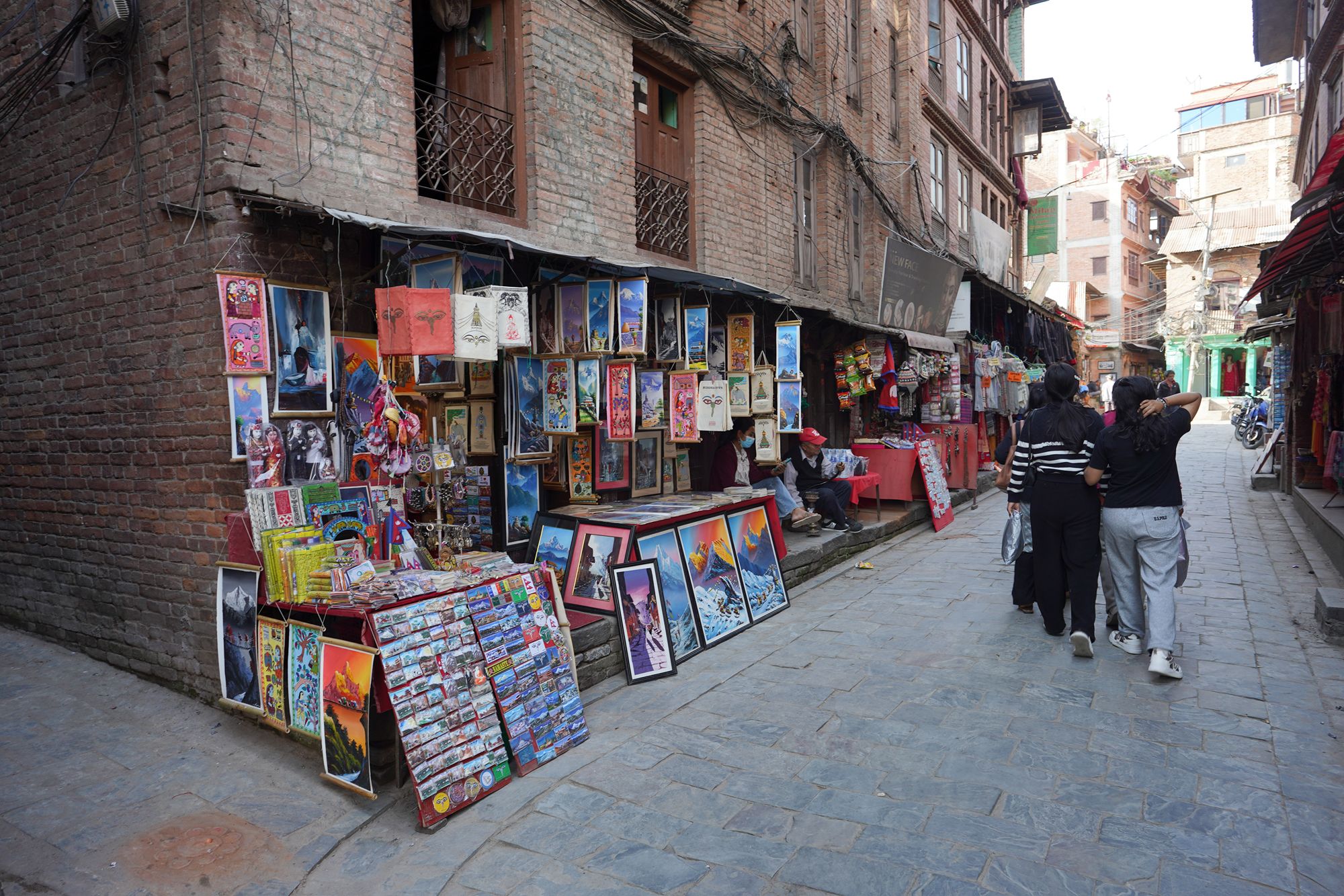
I came back to the same spot where I had turned left toward Pottery Square.
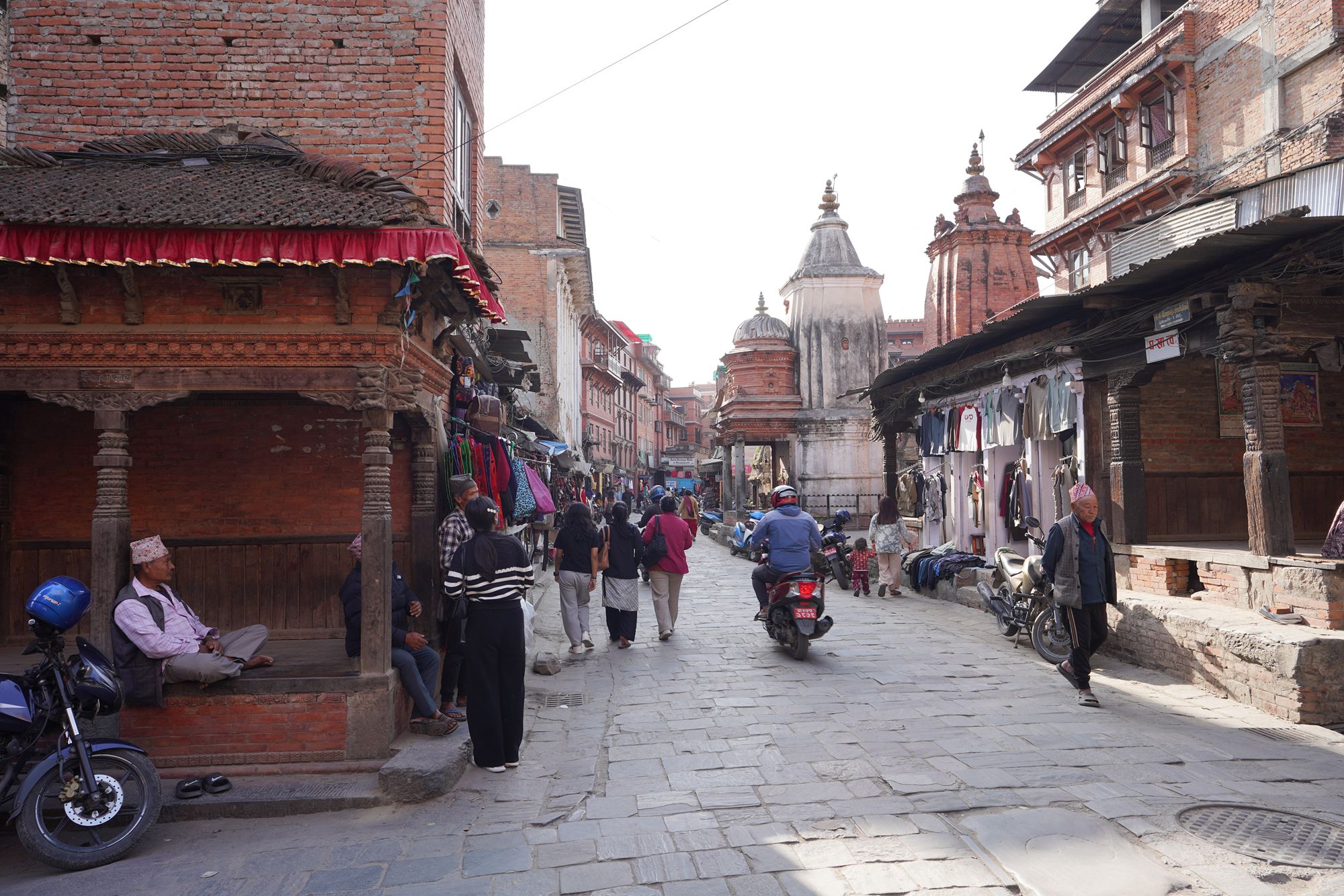
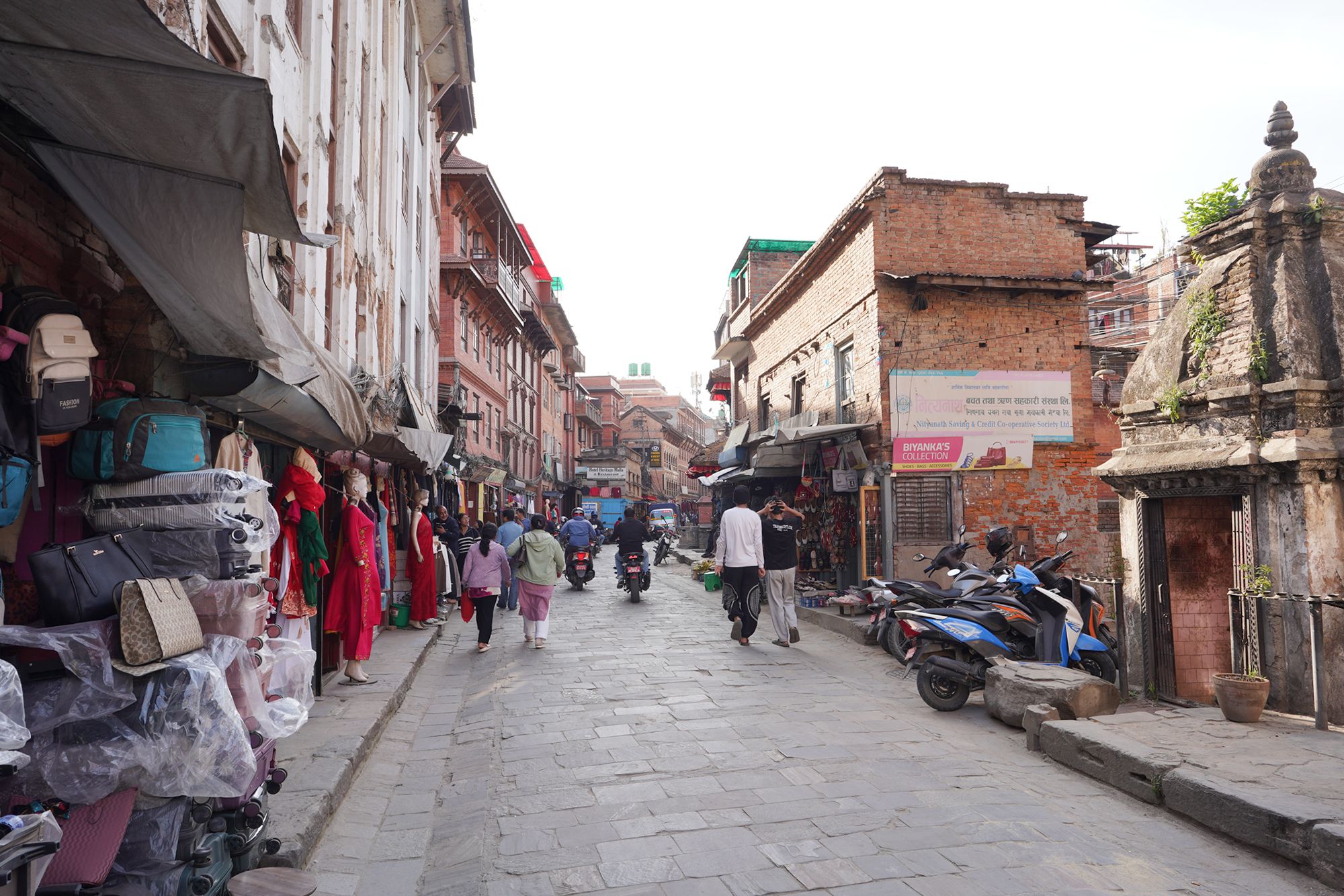
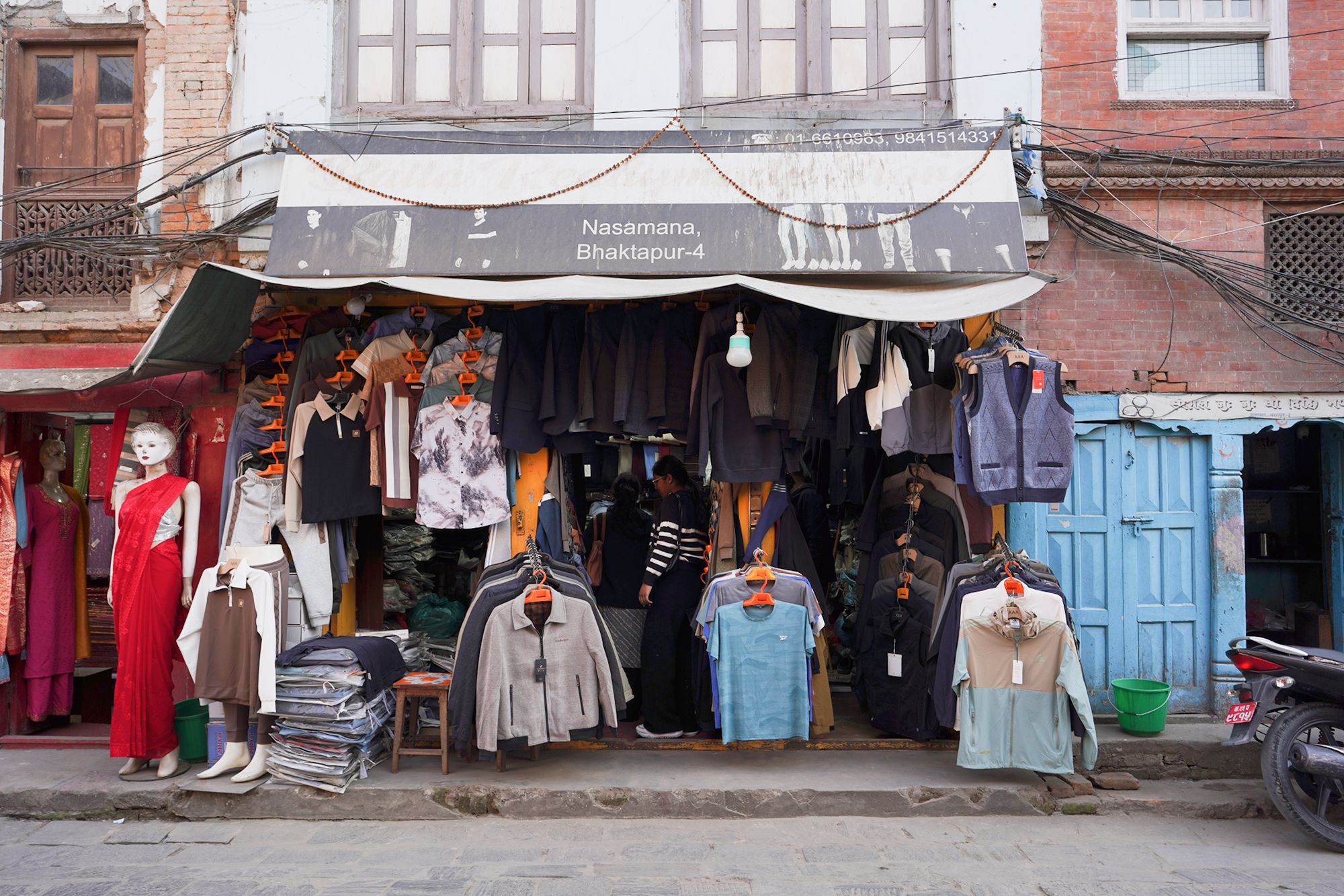
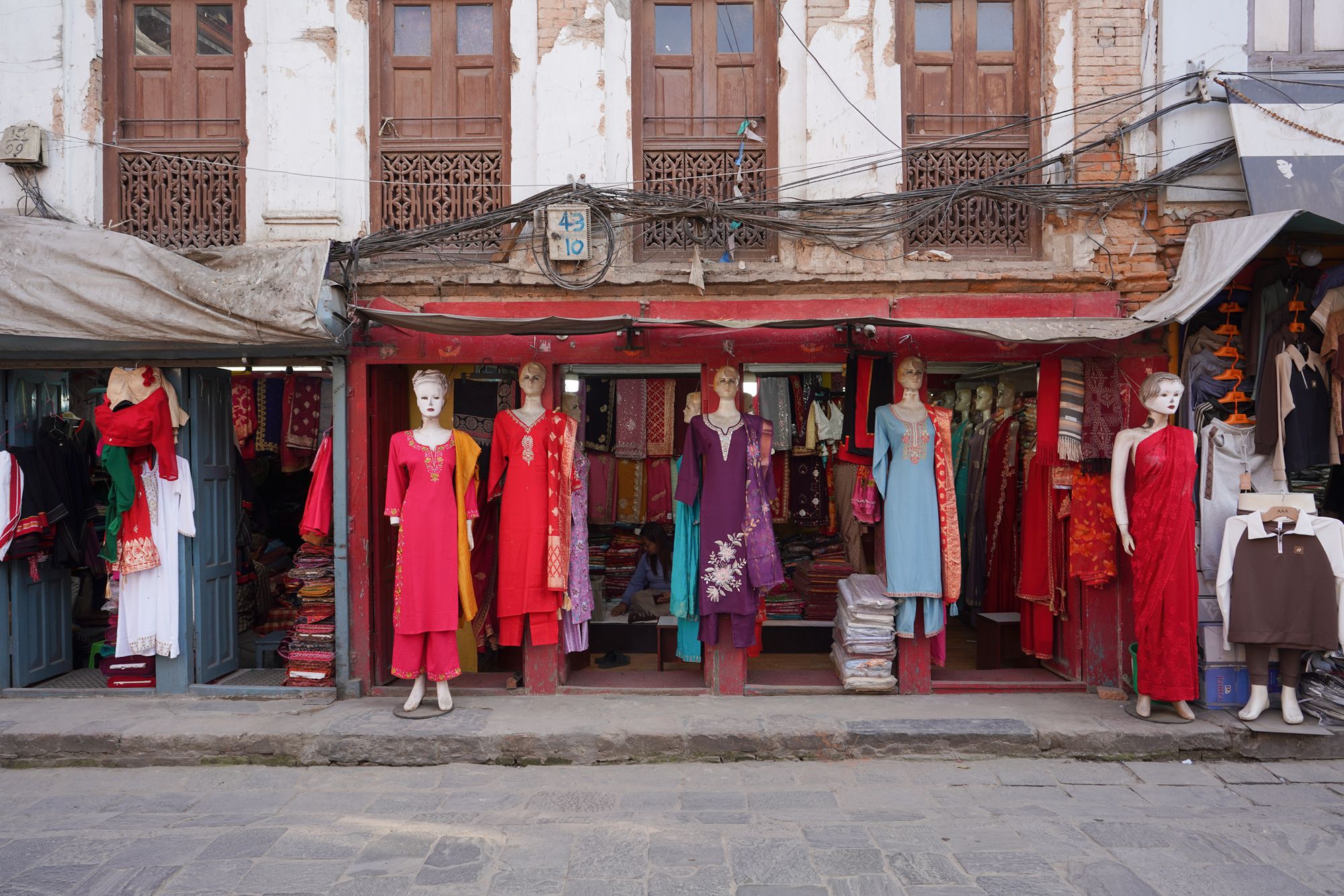
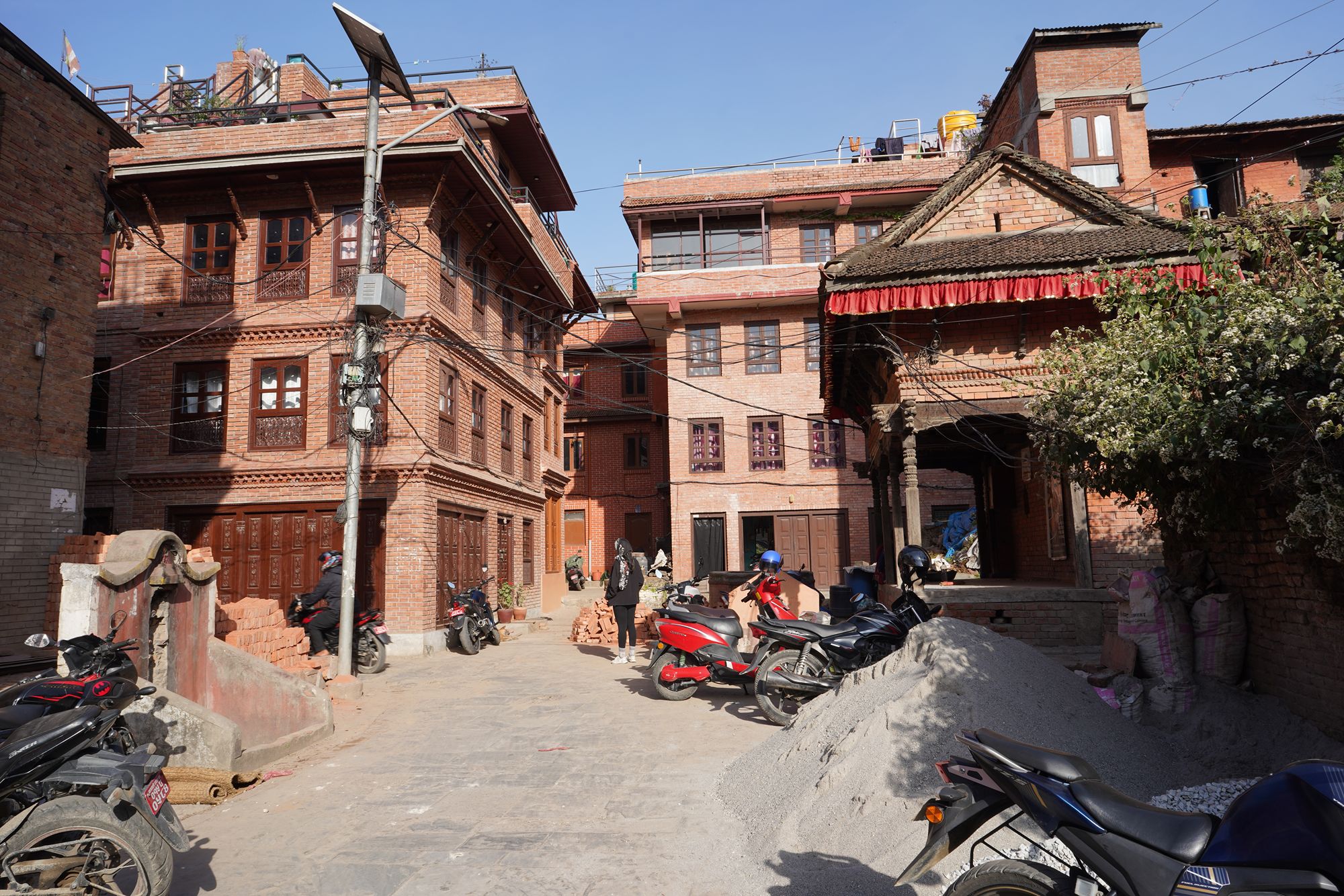
I took a small alley as a shortcut to Bhaktapur Durbar Square.
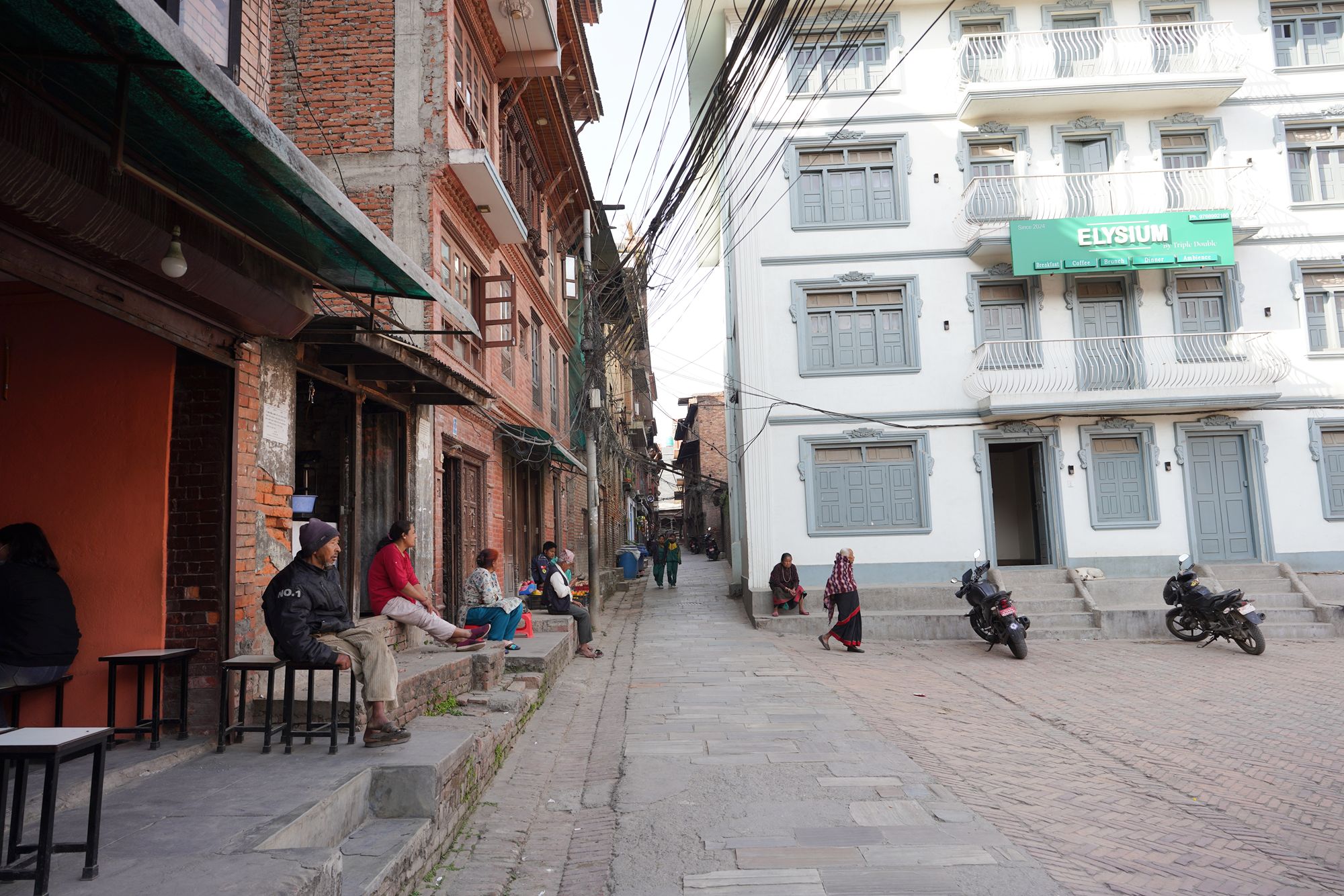
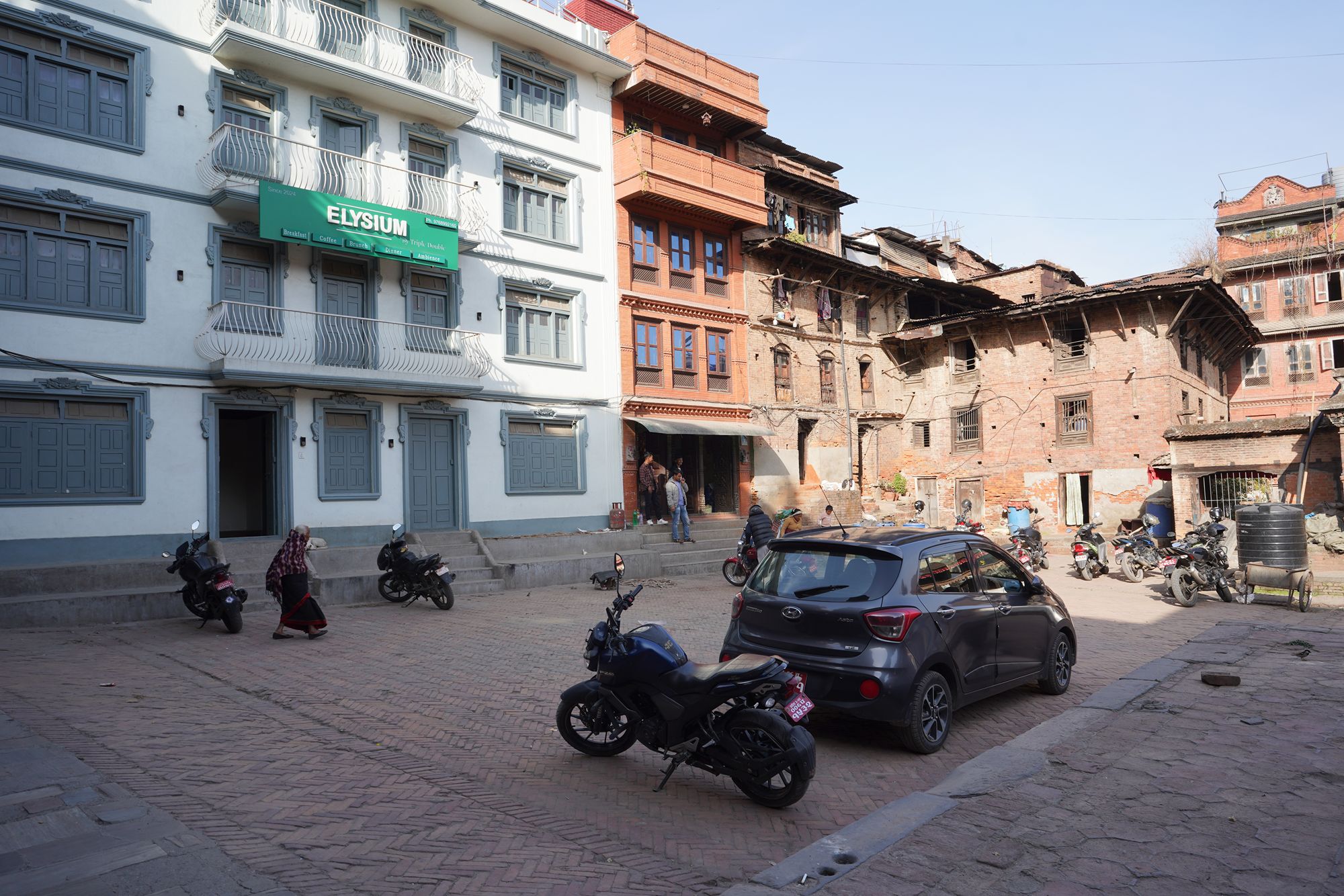
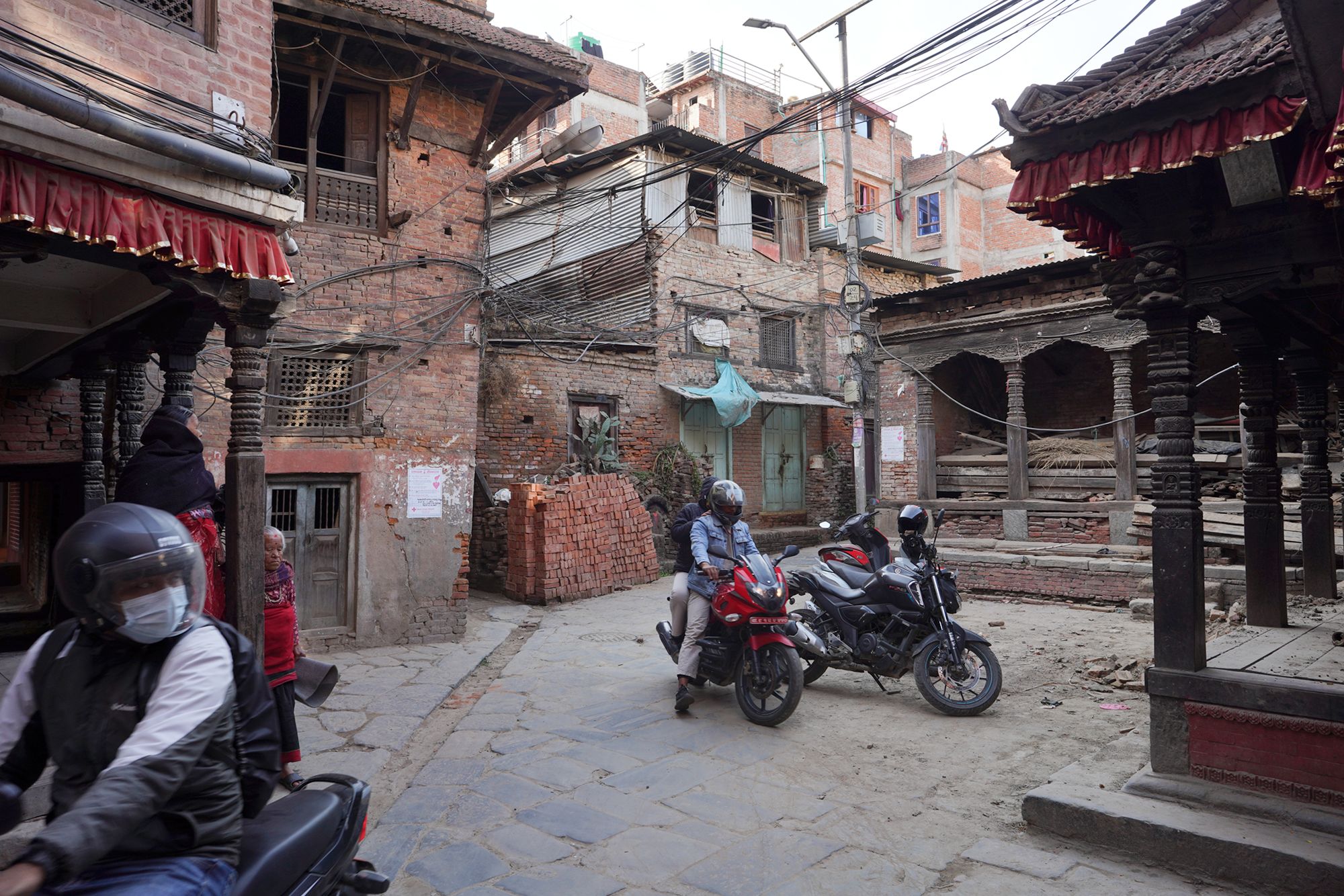
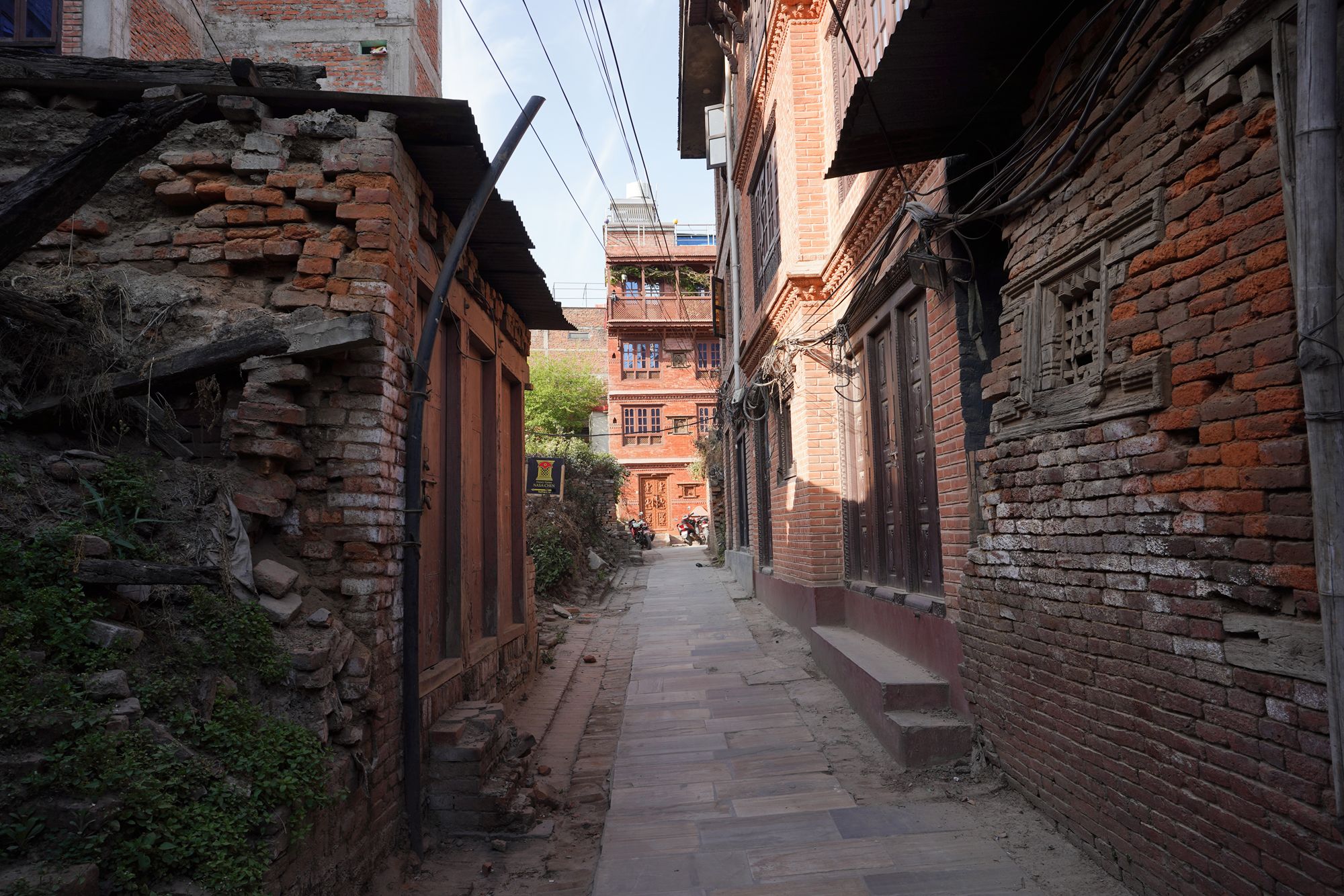
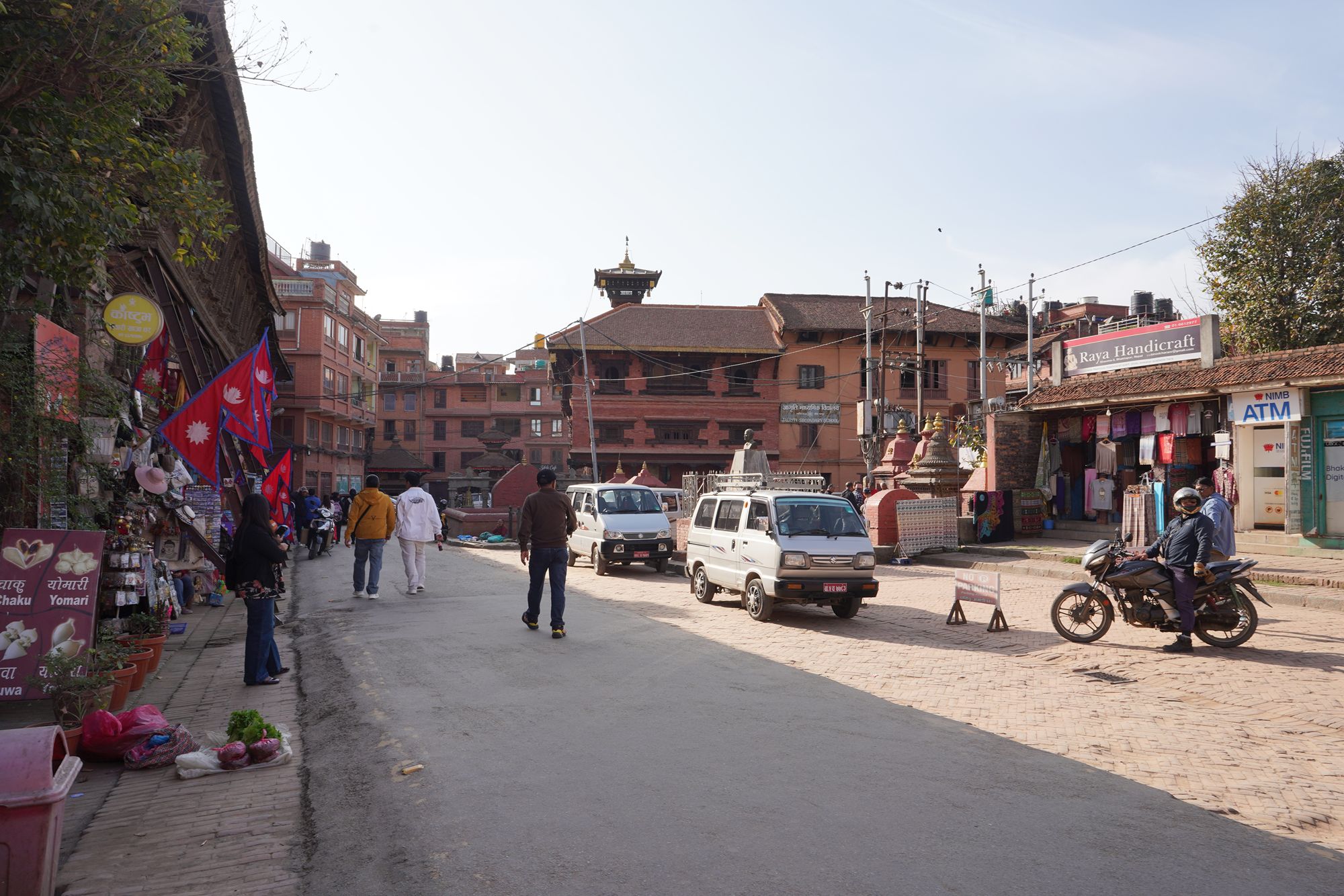
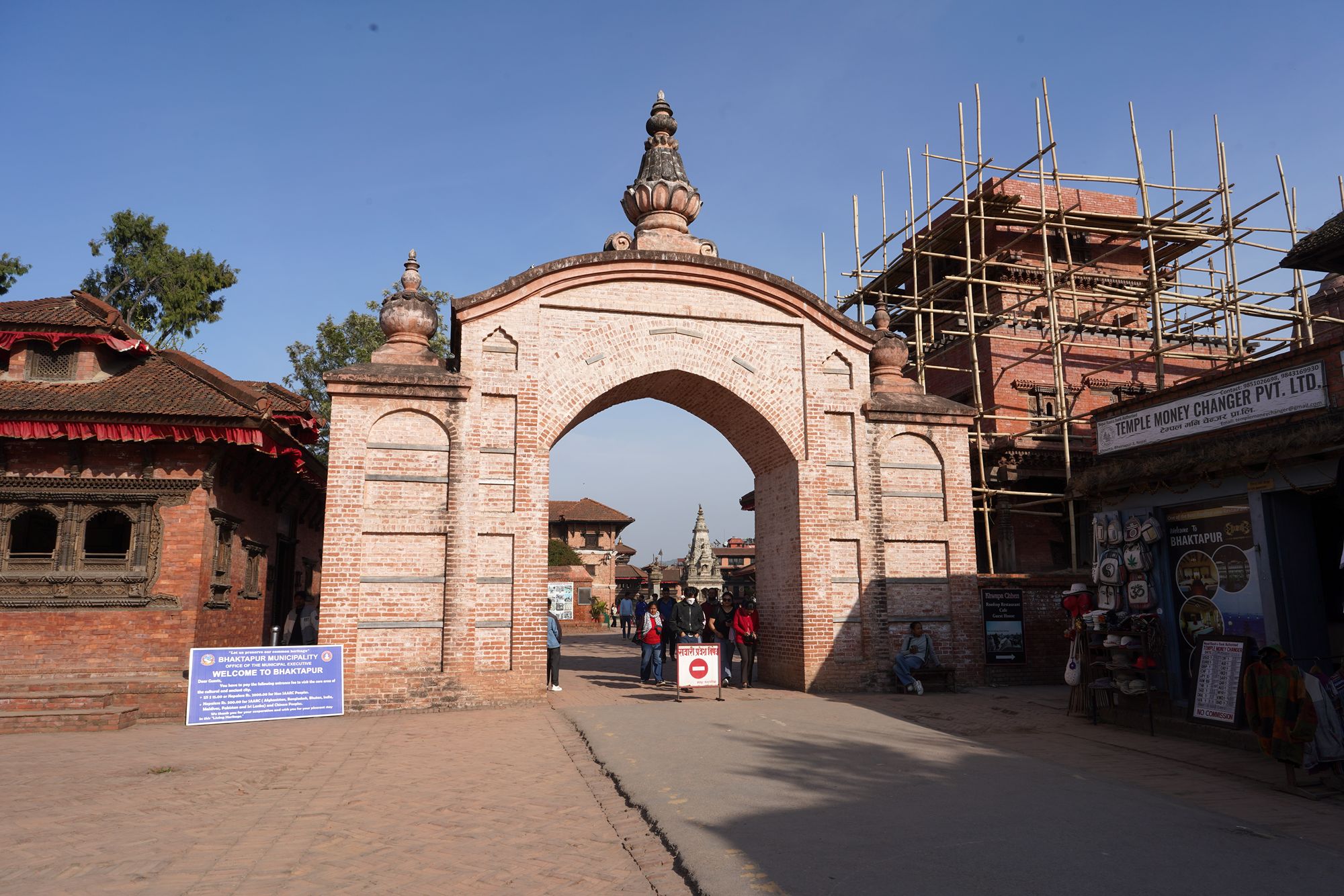
I reached one of the entrances to Bhaktapur Durbar Square.
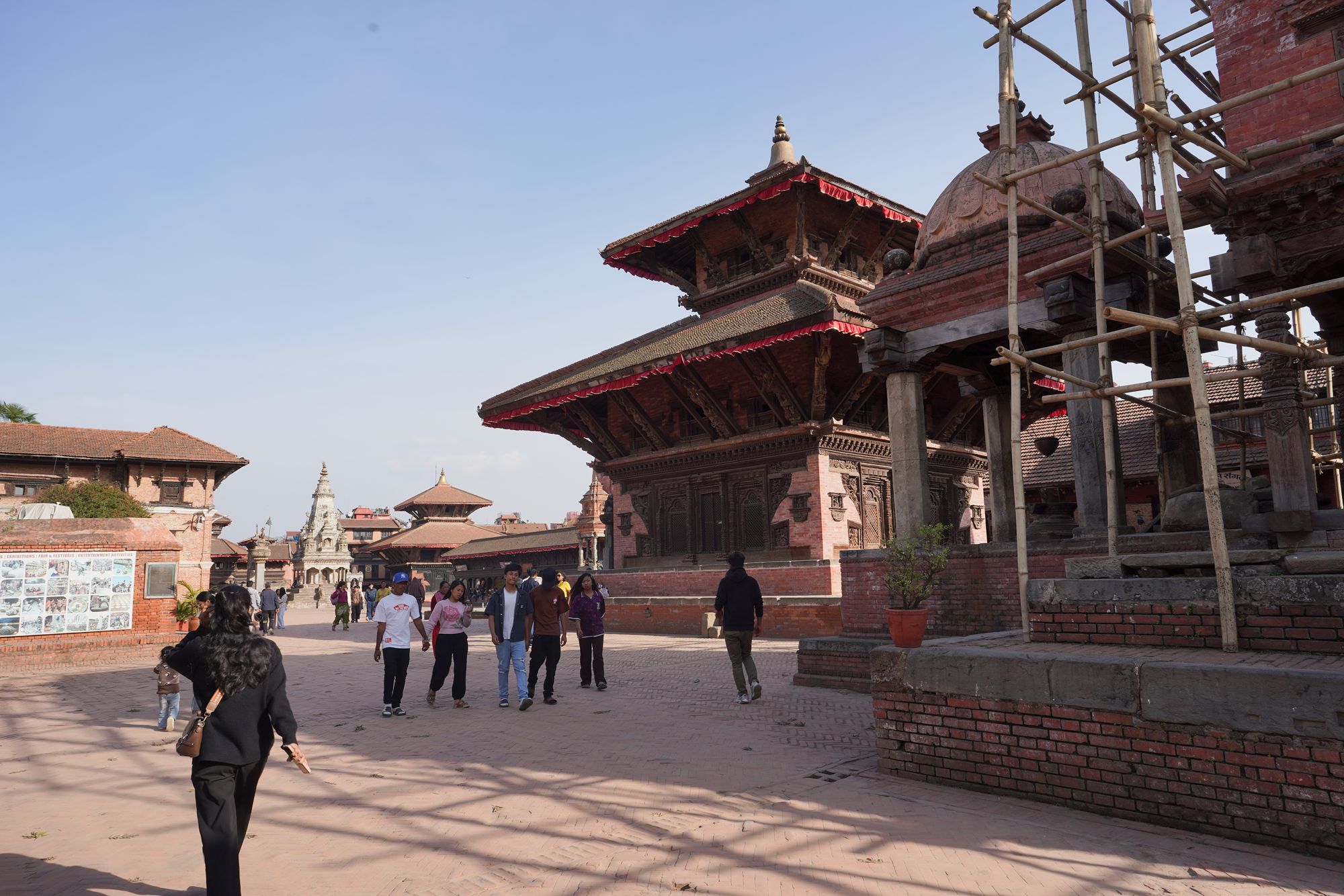
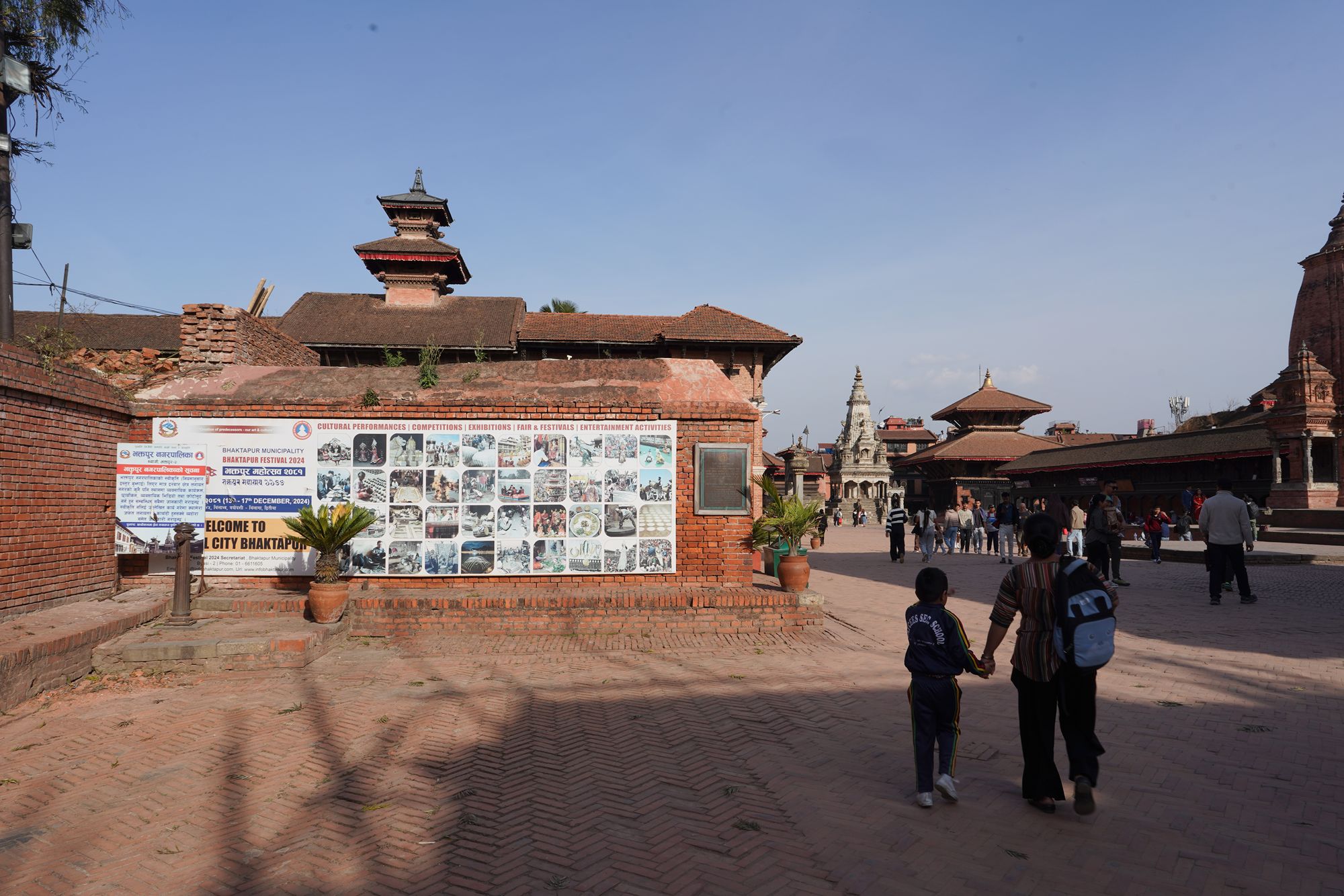
Bhaktapur Durbar Square
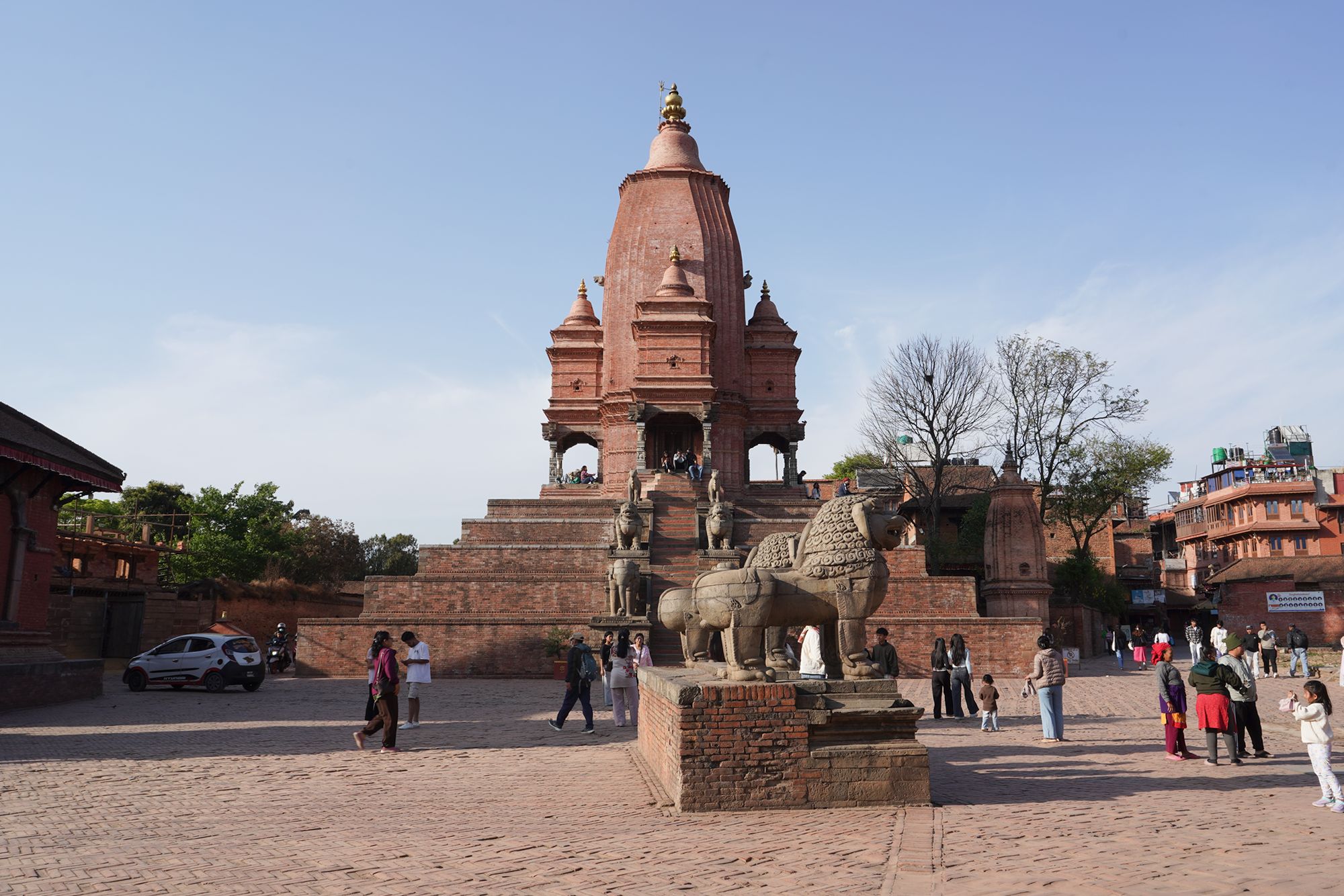
Bhaktapur Durbar Square is the historic royal heart of Bhaktapur and one of the finest examples of Newari architecture in the Kathmandu Valley. It served as the center of the Malla kingdom of Bhaktapur, particularly during the period when the valley was divided among the kingdoms of Kathmandu, Patan, and Bhaktapur.
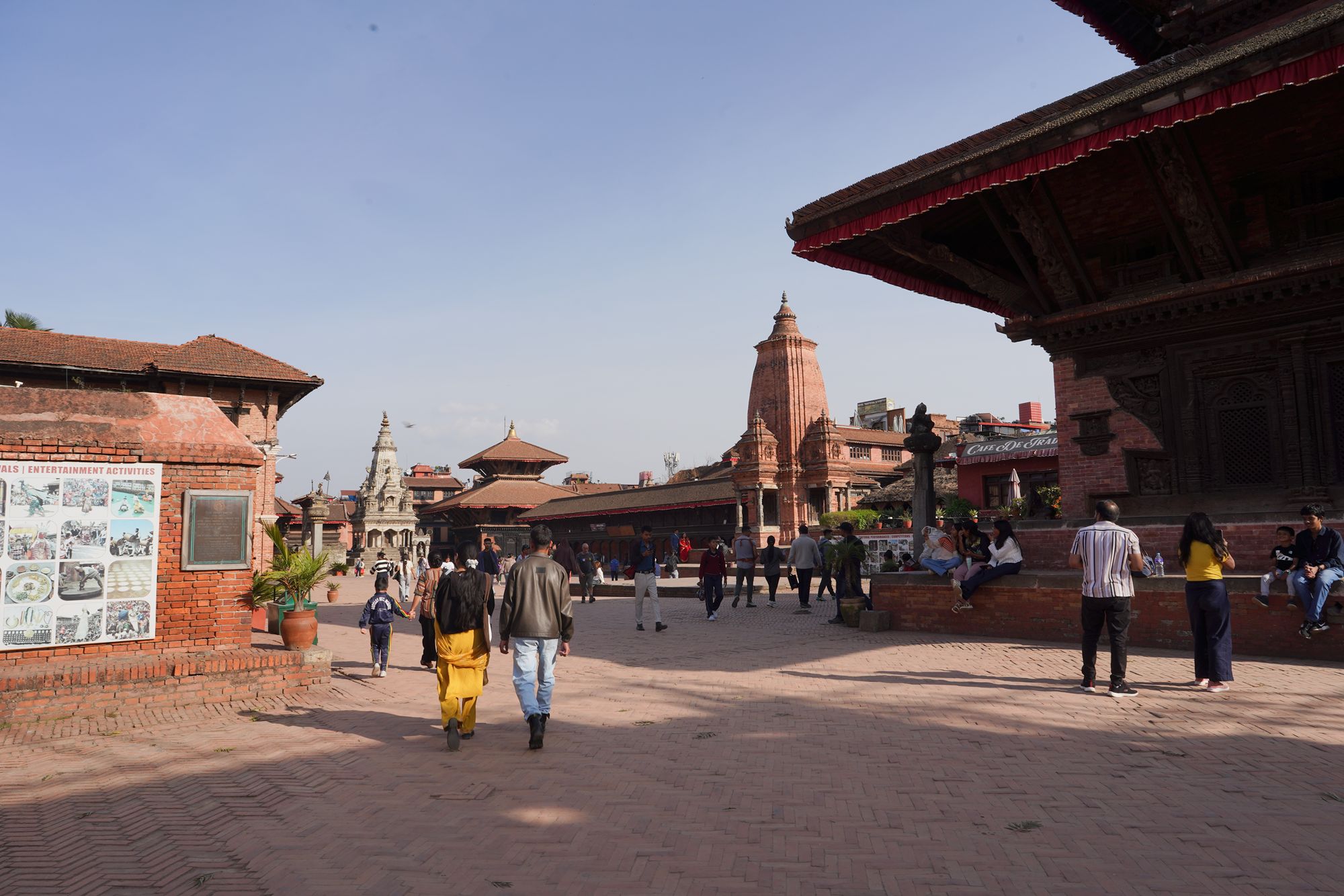
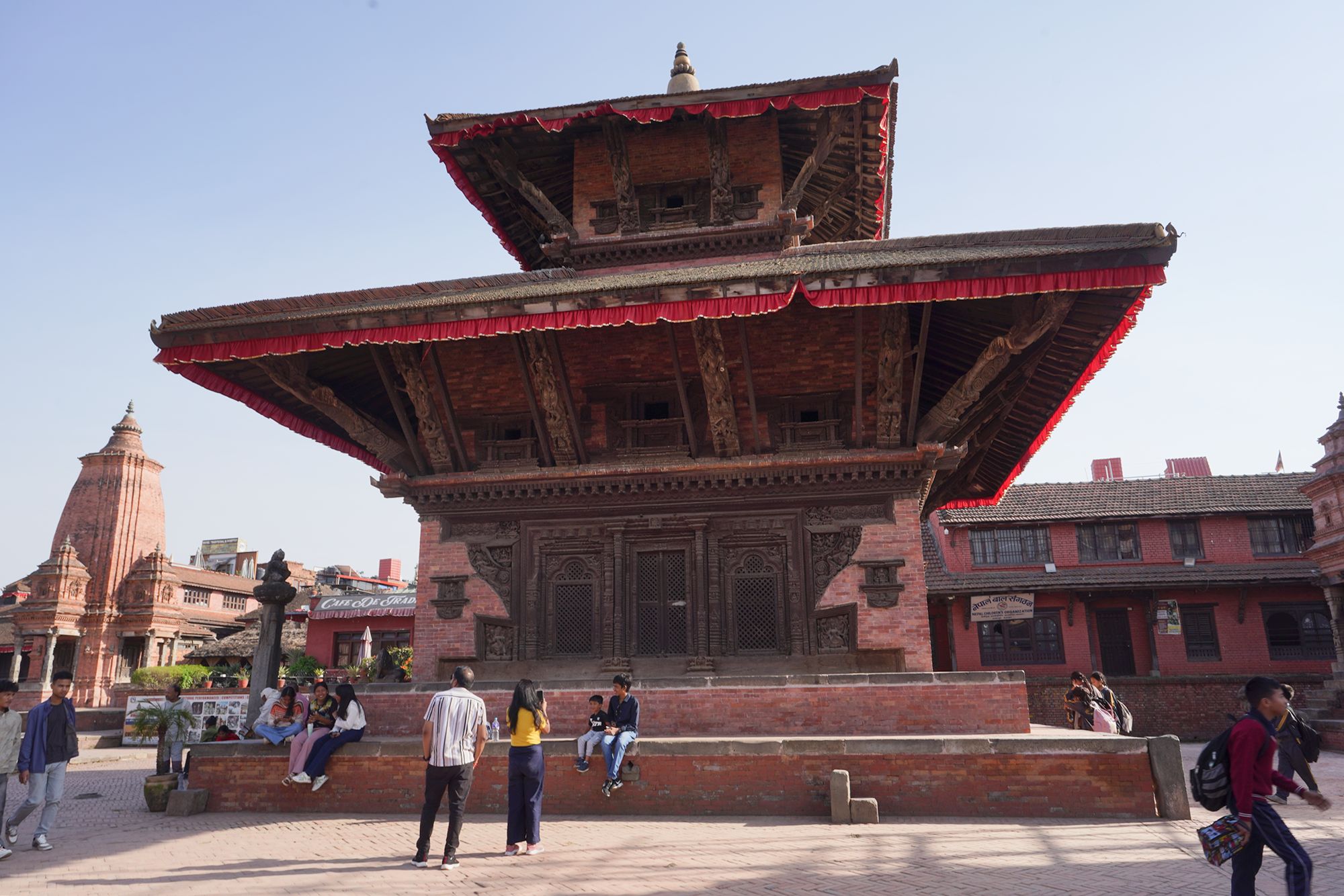
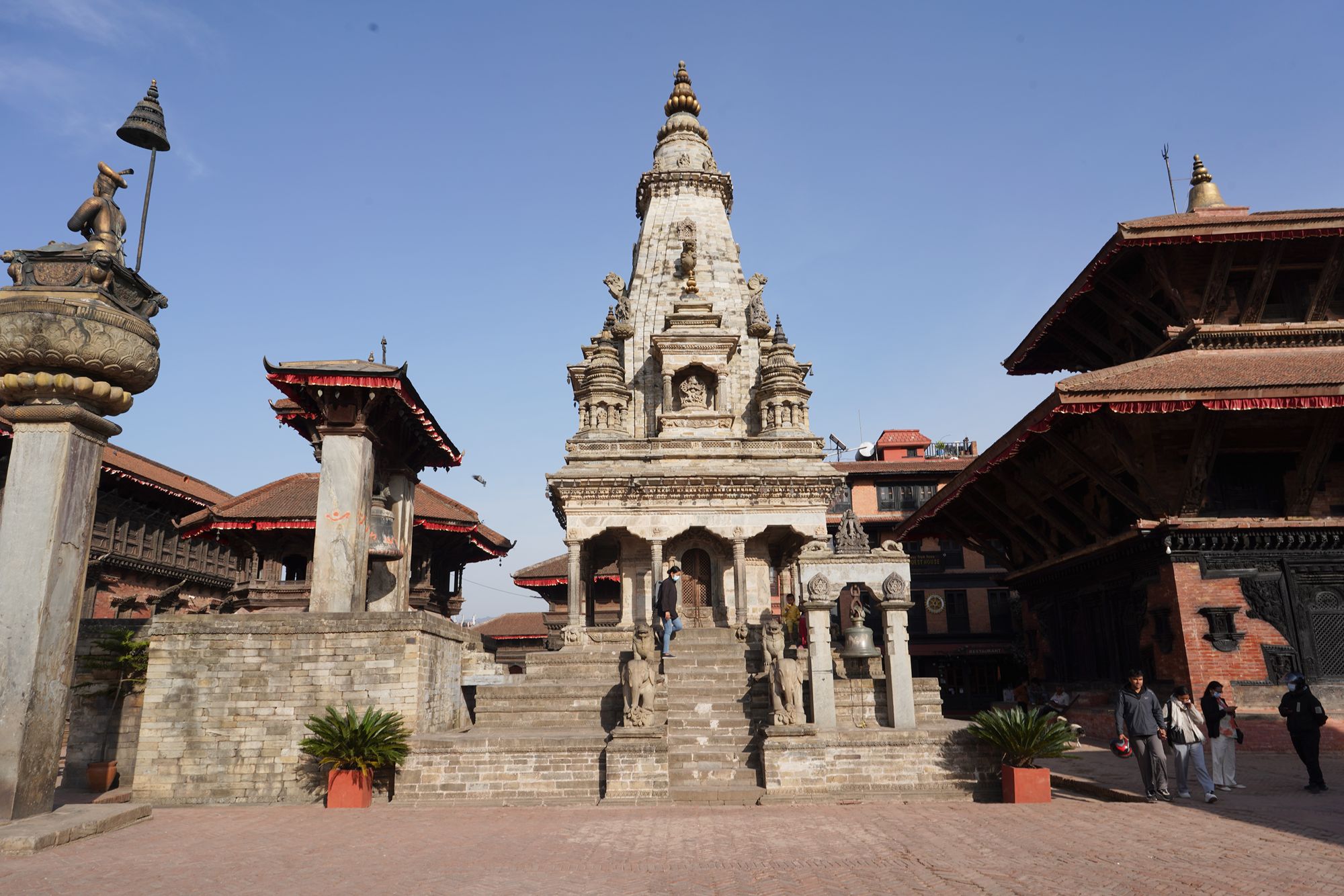
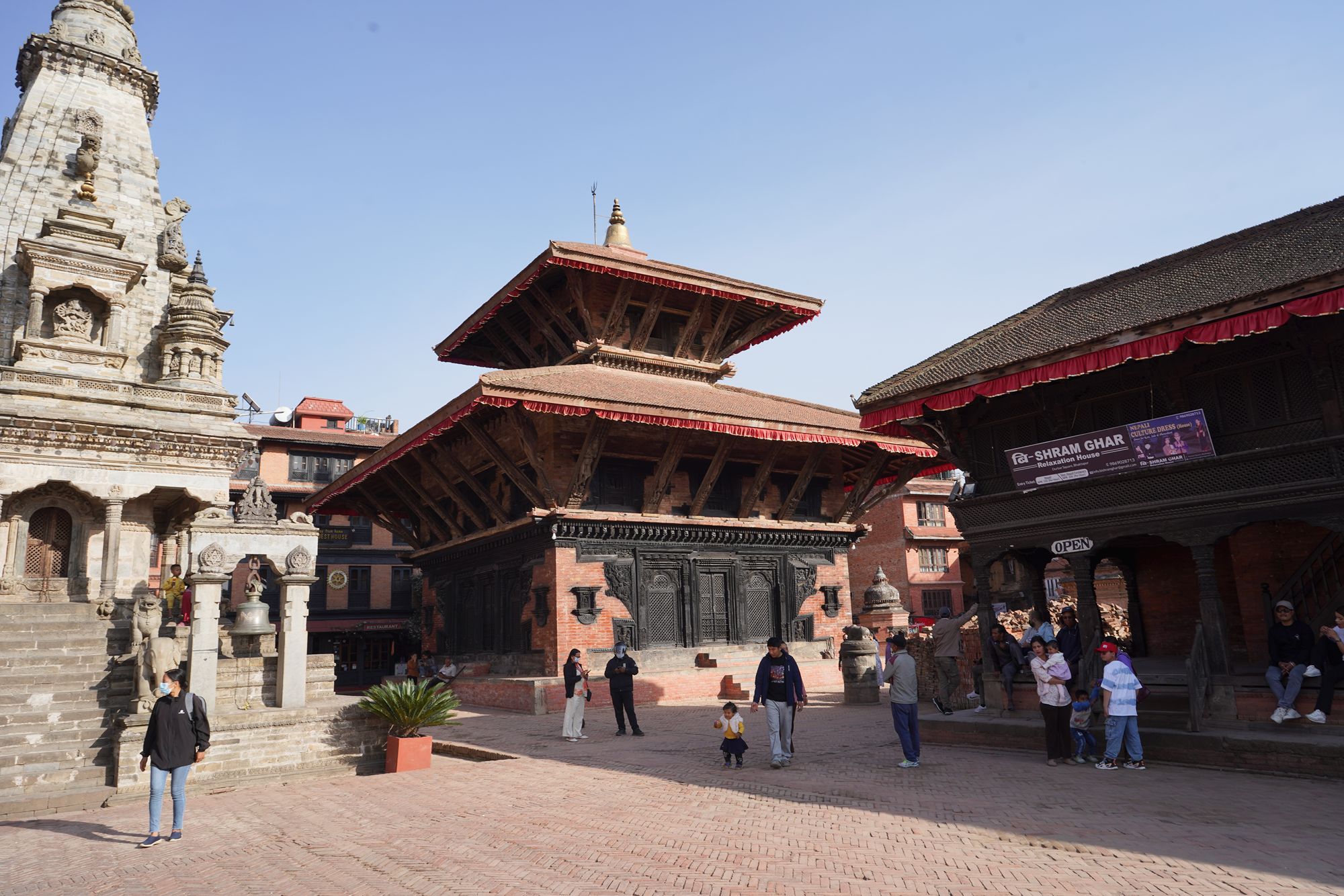
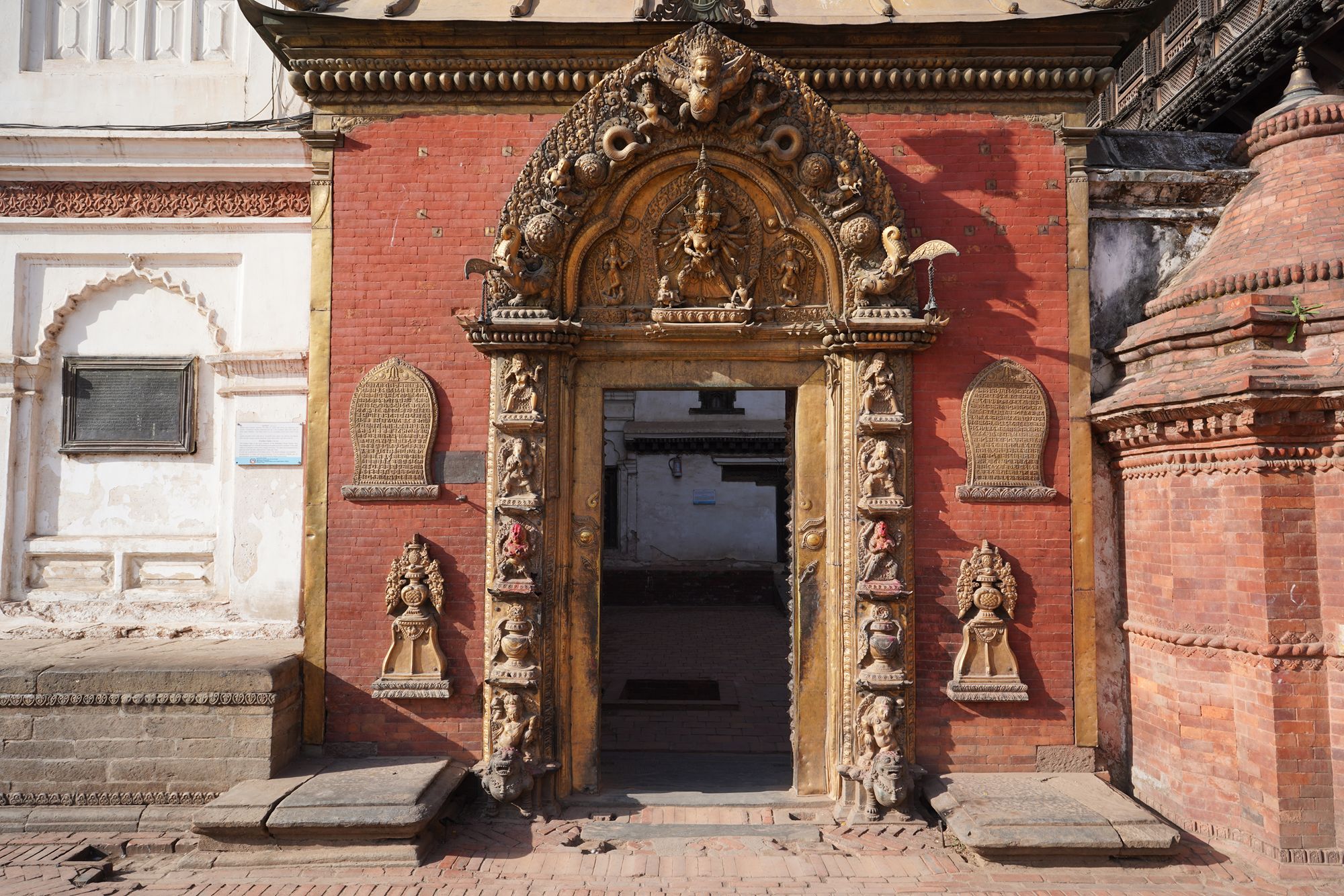
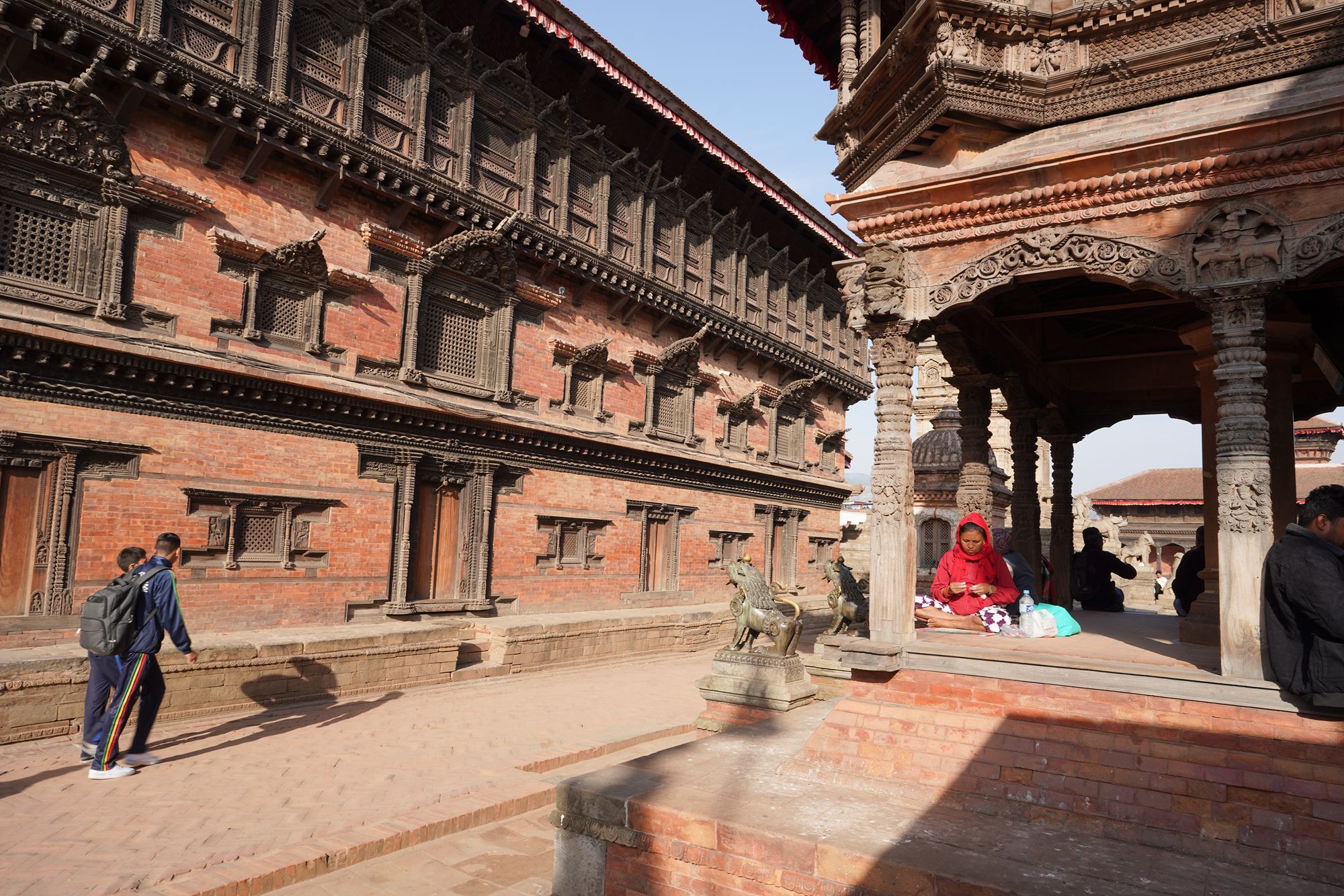
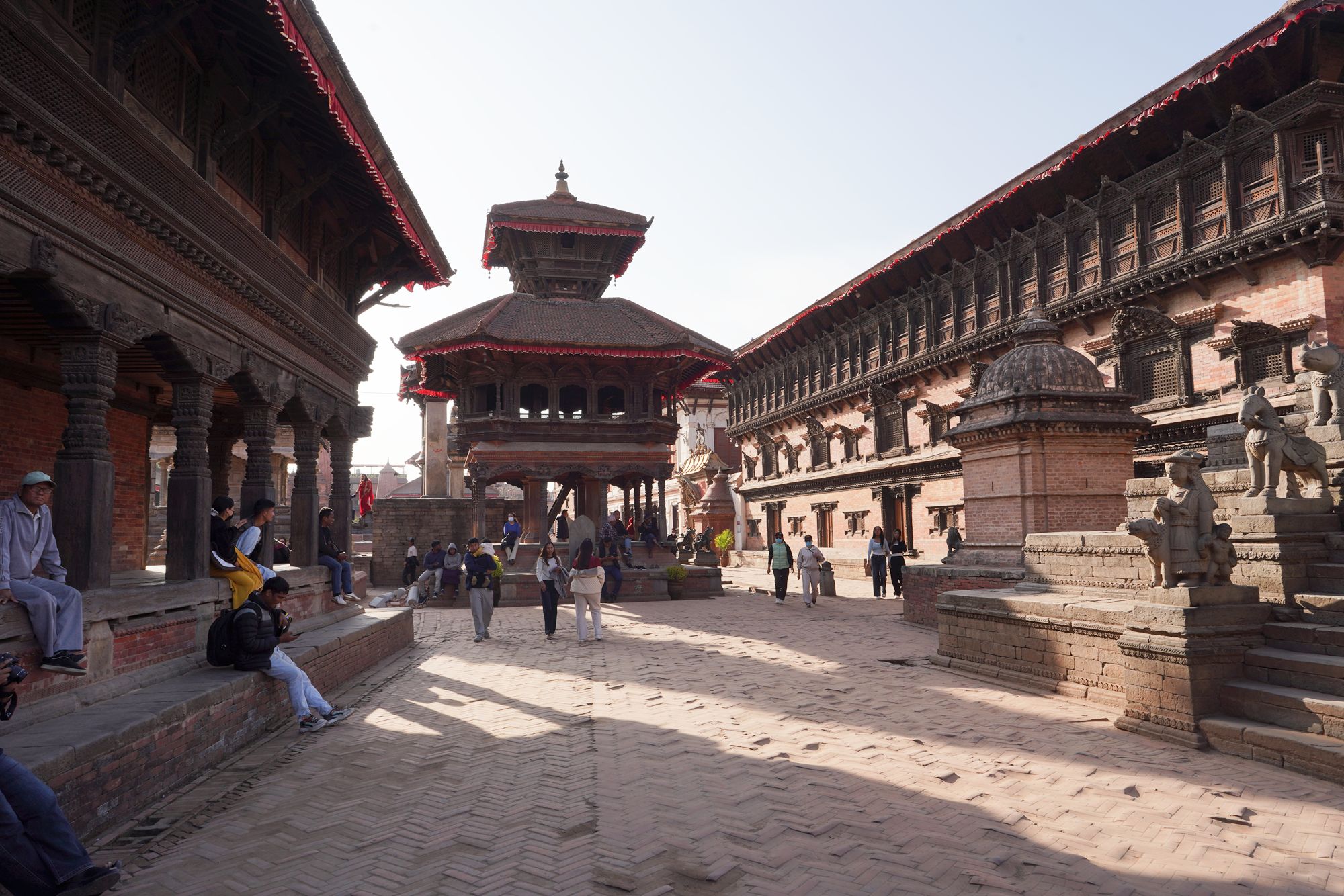
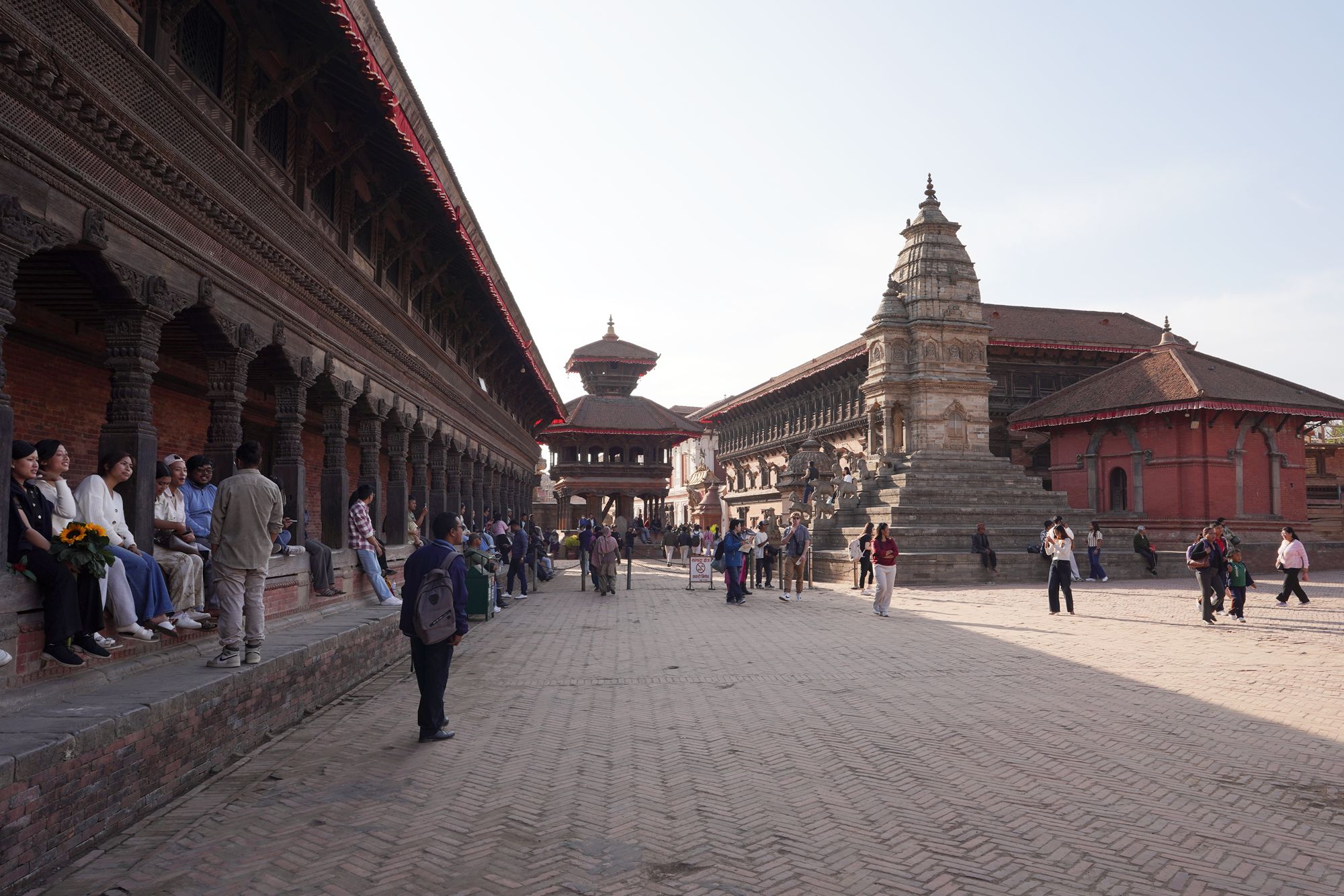
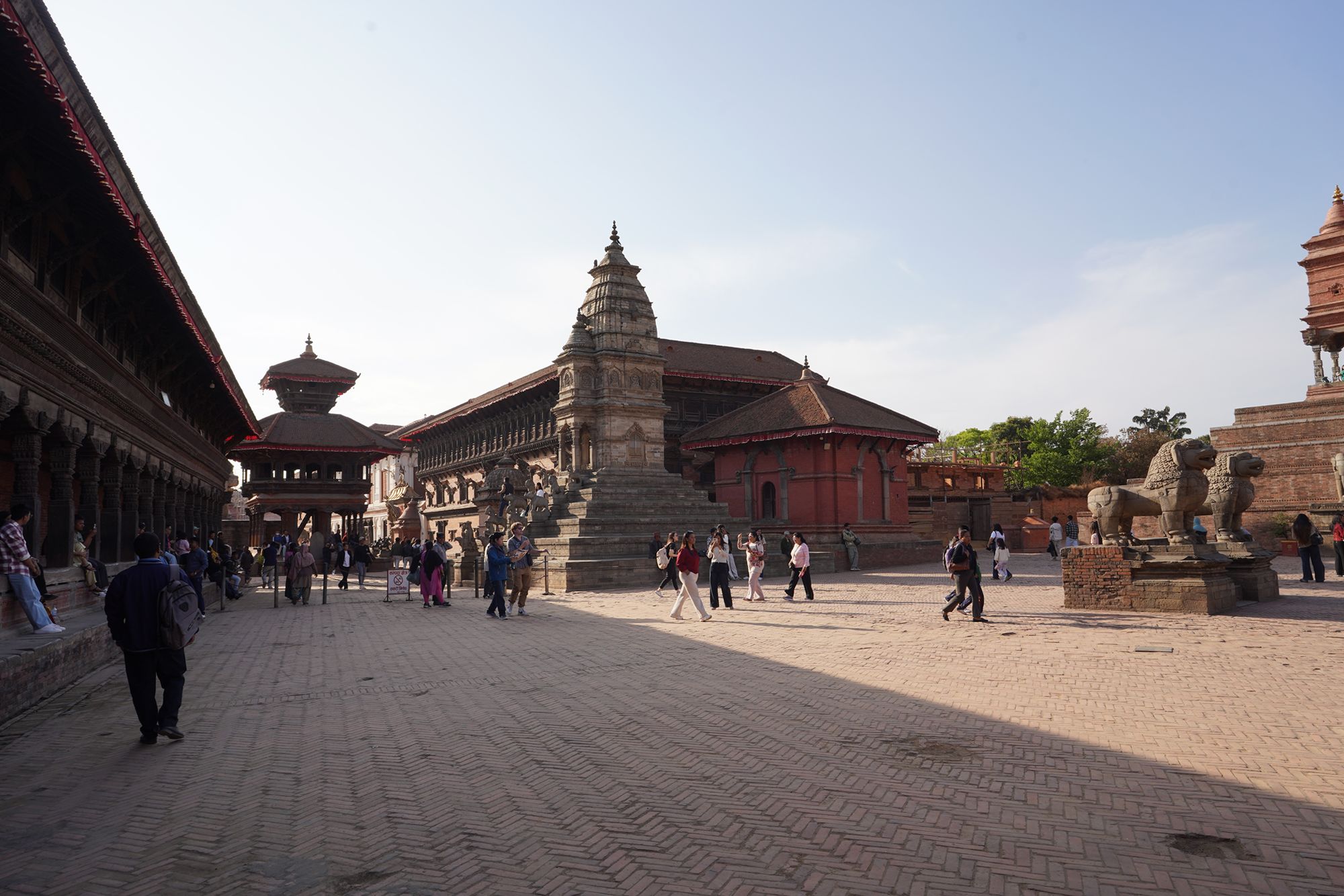
The square is relatively broad and open, surrounded by red-brick palaces, temples, courtyards, and buildings decorated with elaborate wood and stone carvings. Among its most important landmarks are the 55-Window Palace, the ornate Golden Gate, and the Vatsala Temple.
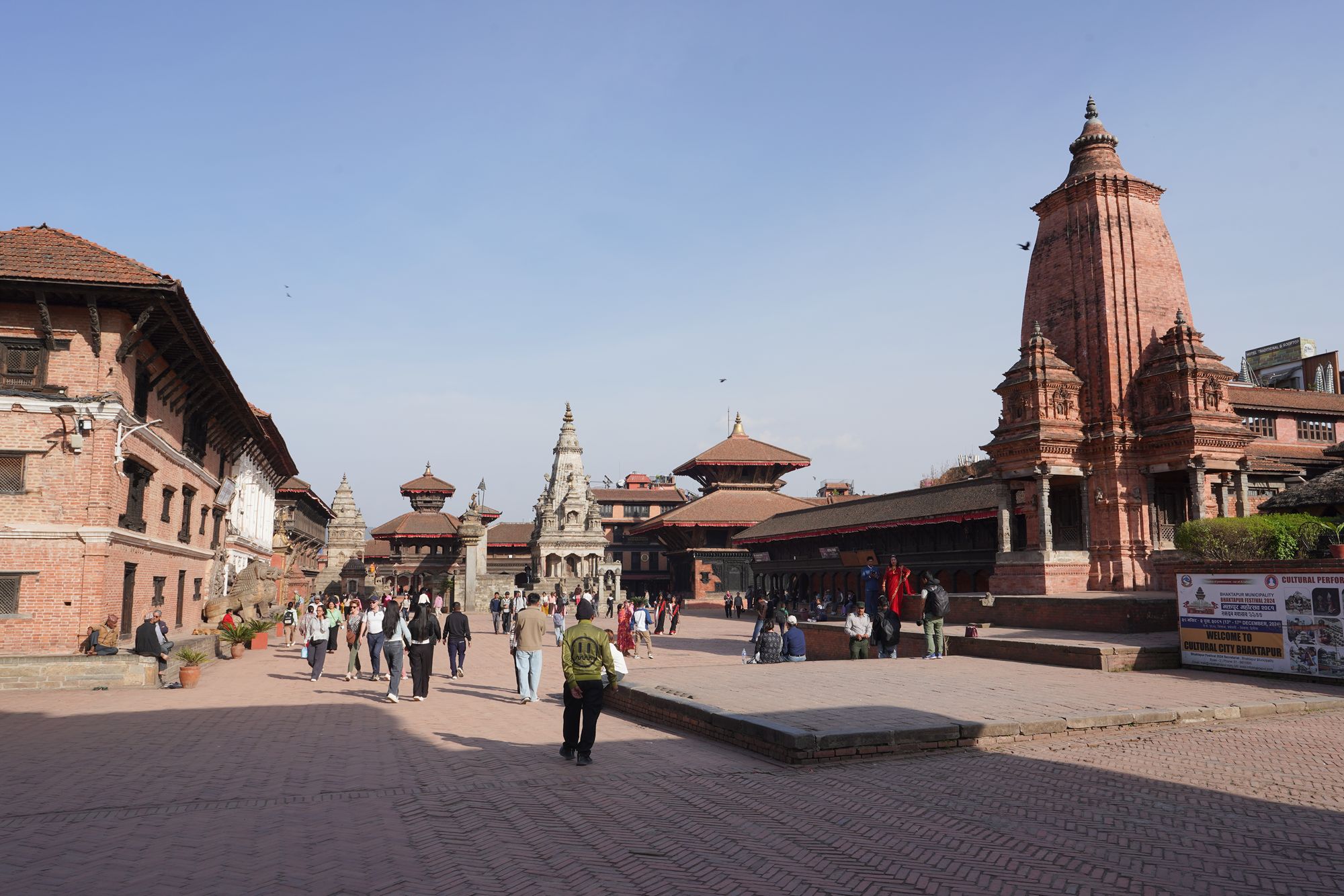
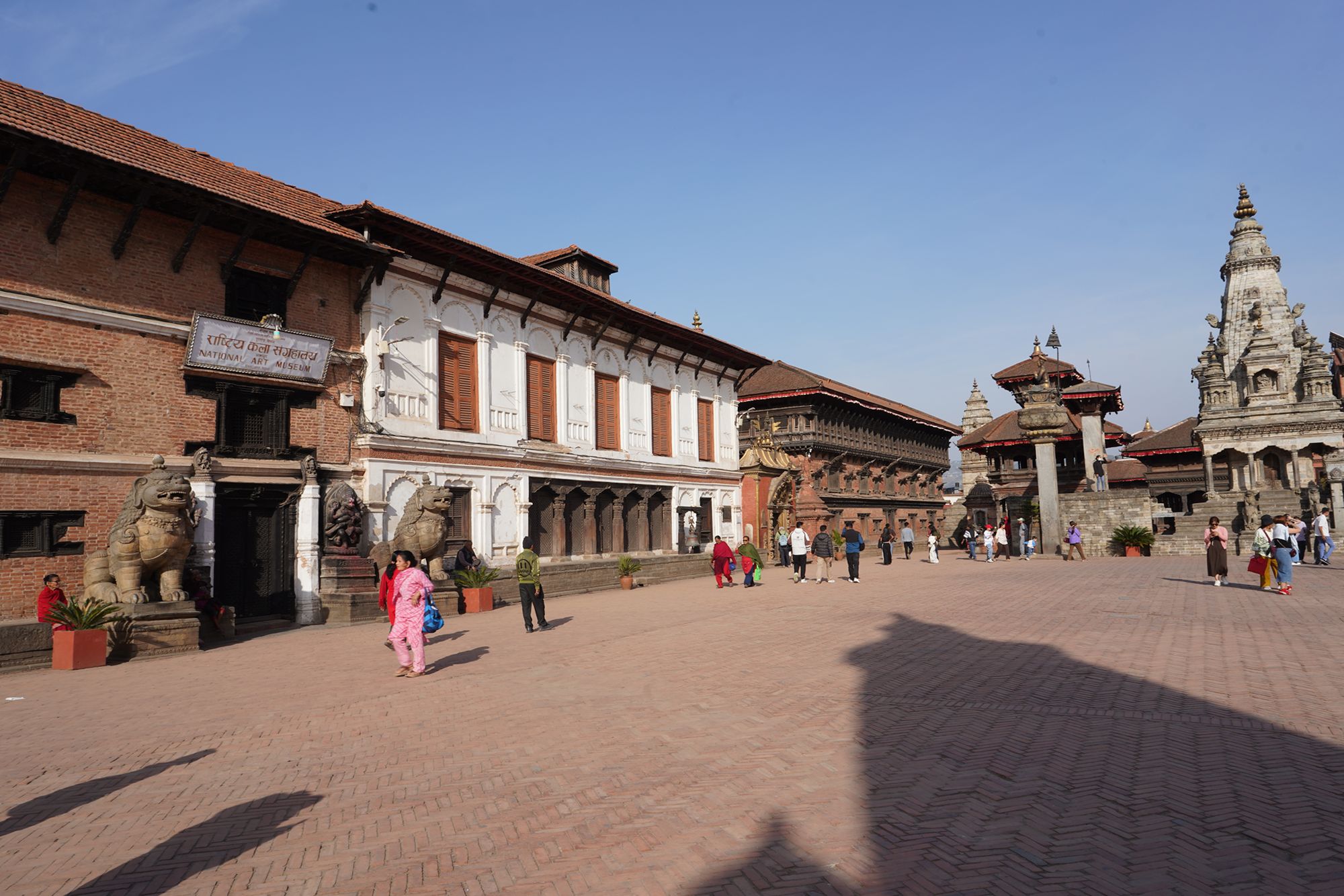
One thing that distinguishes Bhaktapur from Kathmandu Durbar Square is its atmosphere. With much of the historic center restricted to regular traffic, it can feel quieter and more cohesive as an old city, allowing you to walk among the monuments and surrounding traditional streets without the same intensity of modern city traffic.
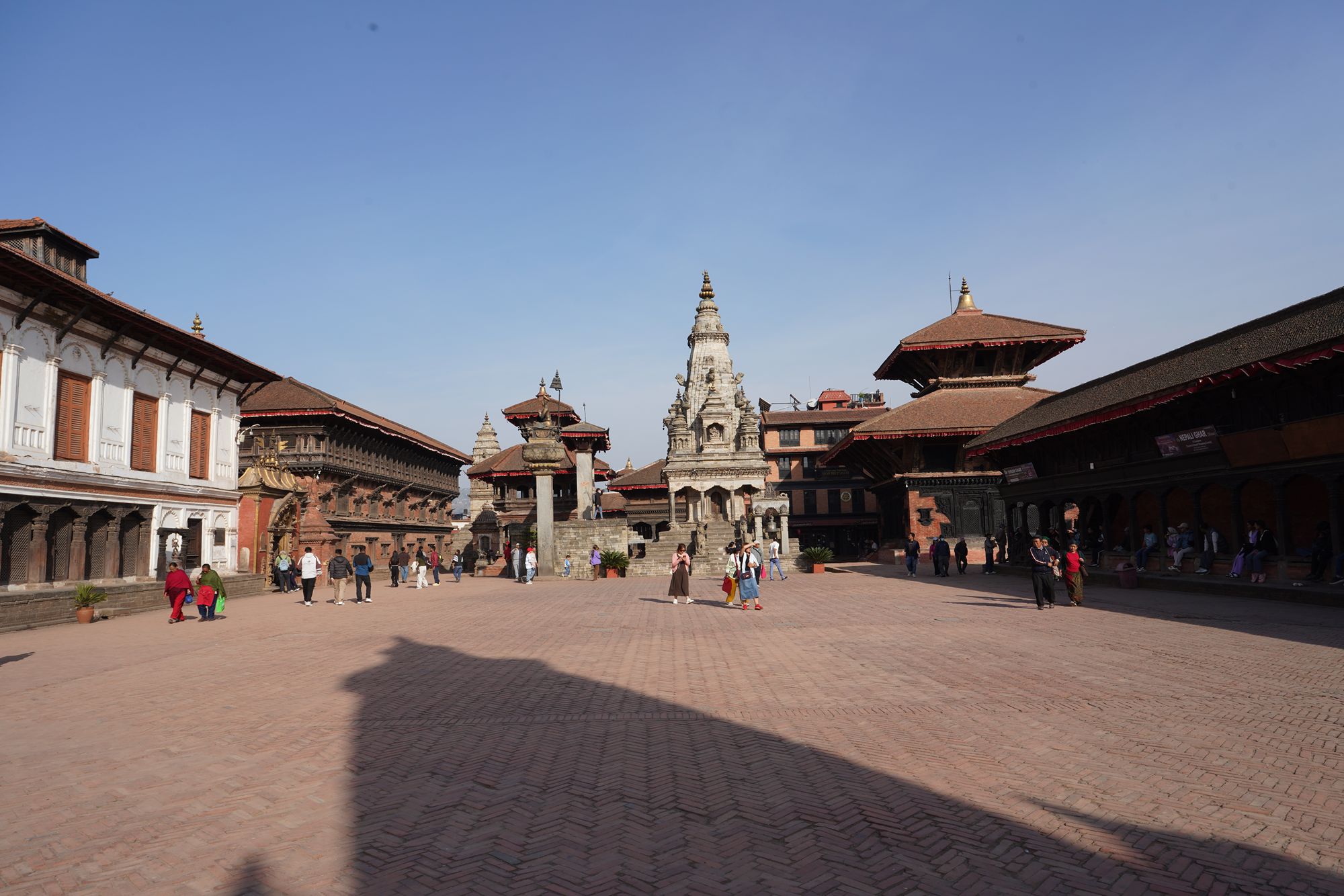
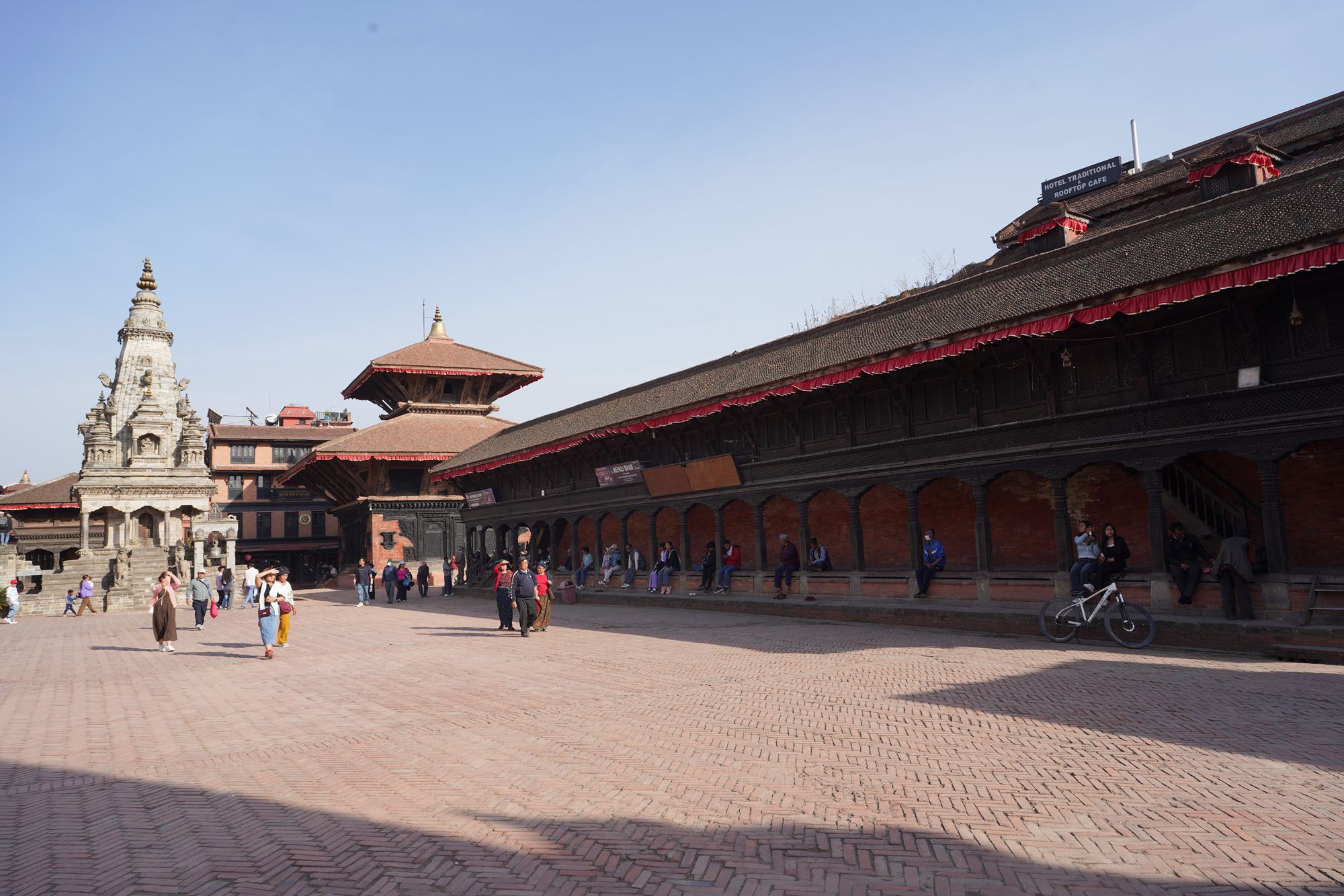
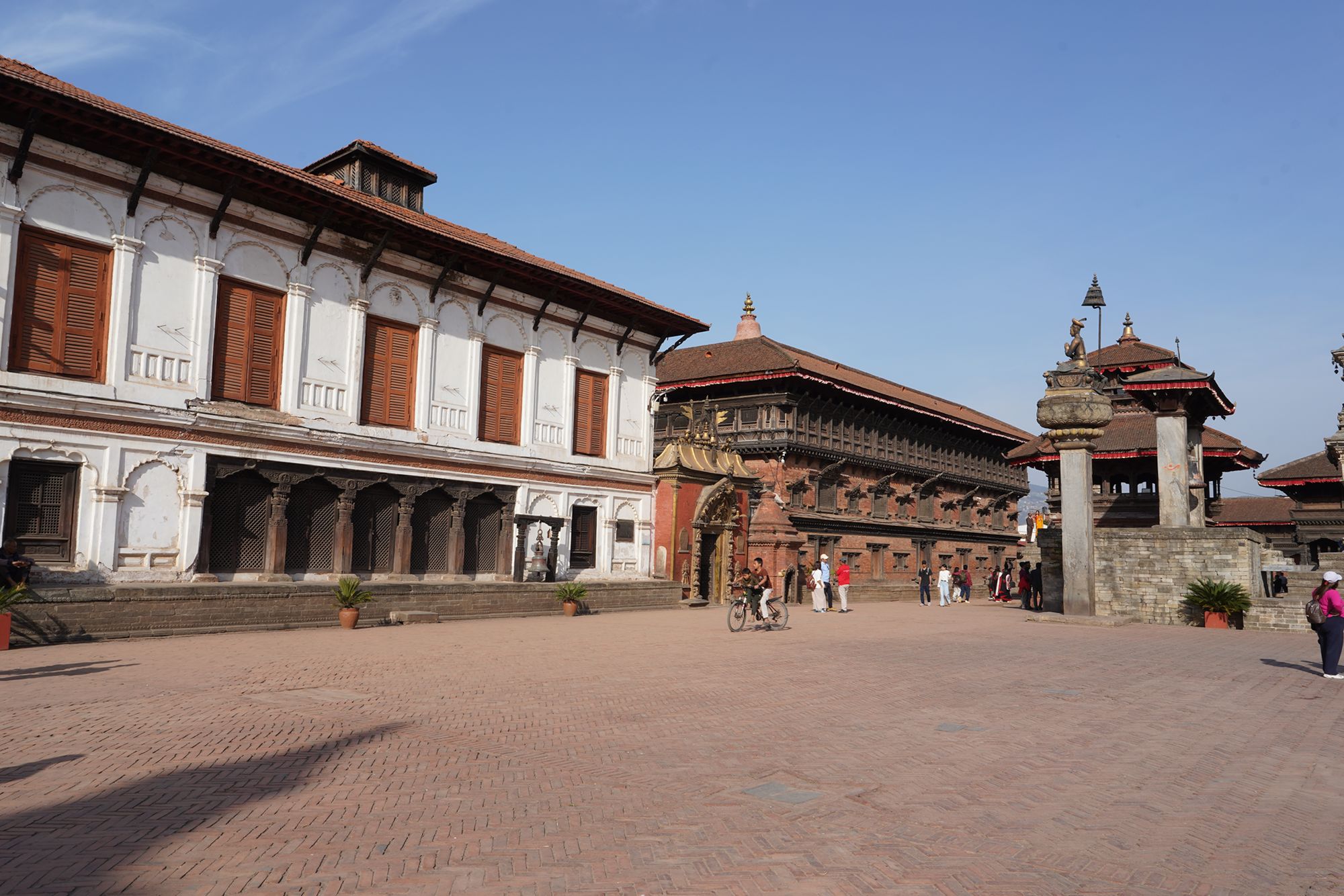
The square and surrounding monuments are part of the Kathmandu Valley UNESCO World Heritage Site and remain closely connected to the everyday religious and cultural life of Bhaktapur.
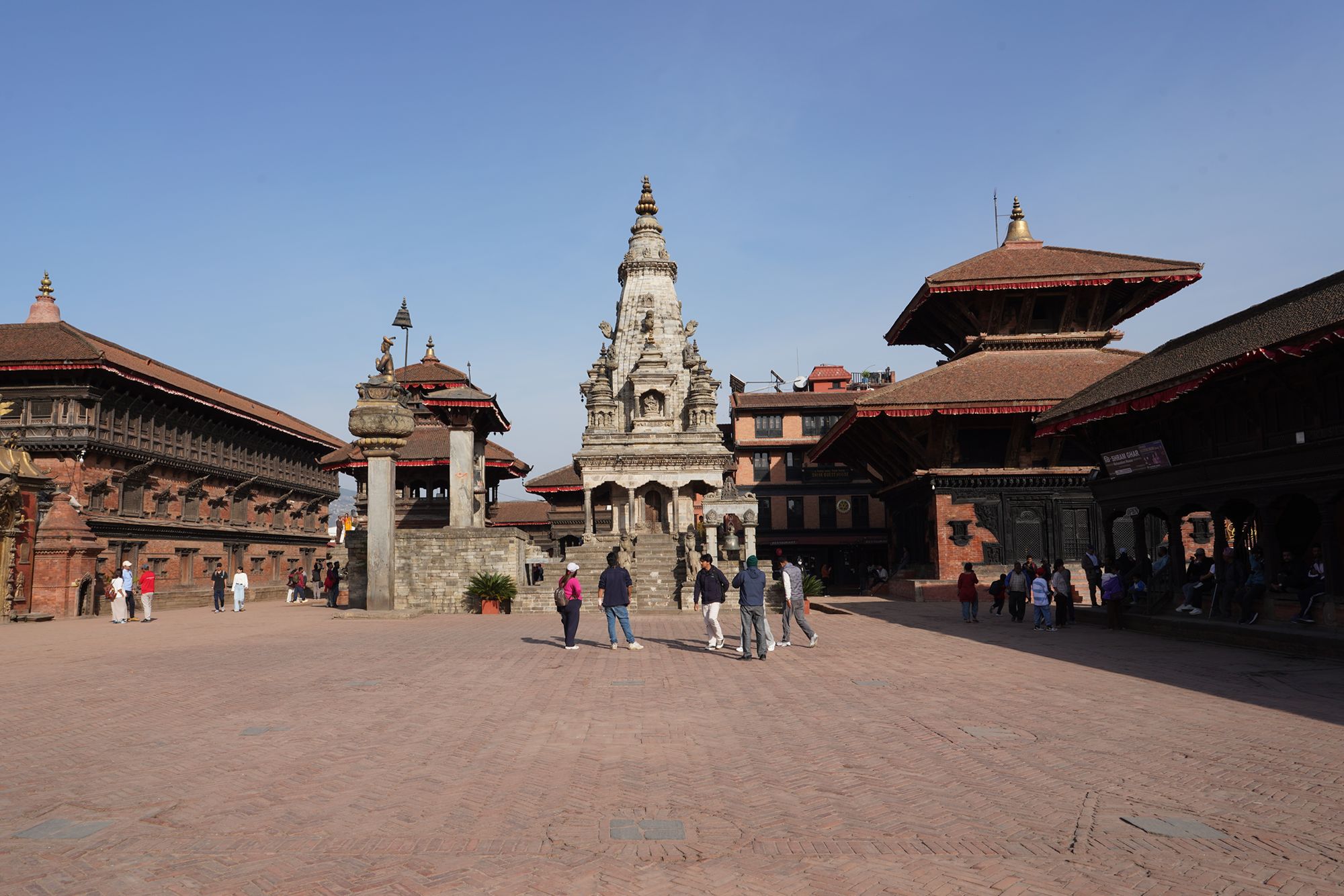
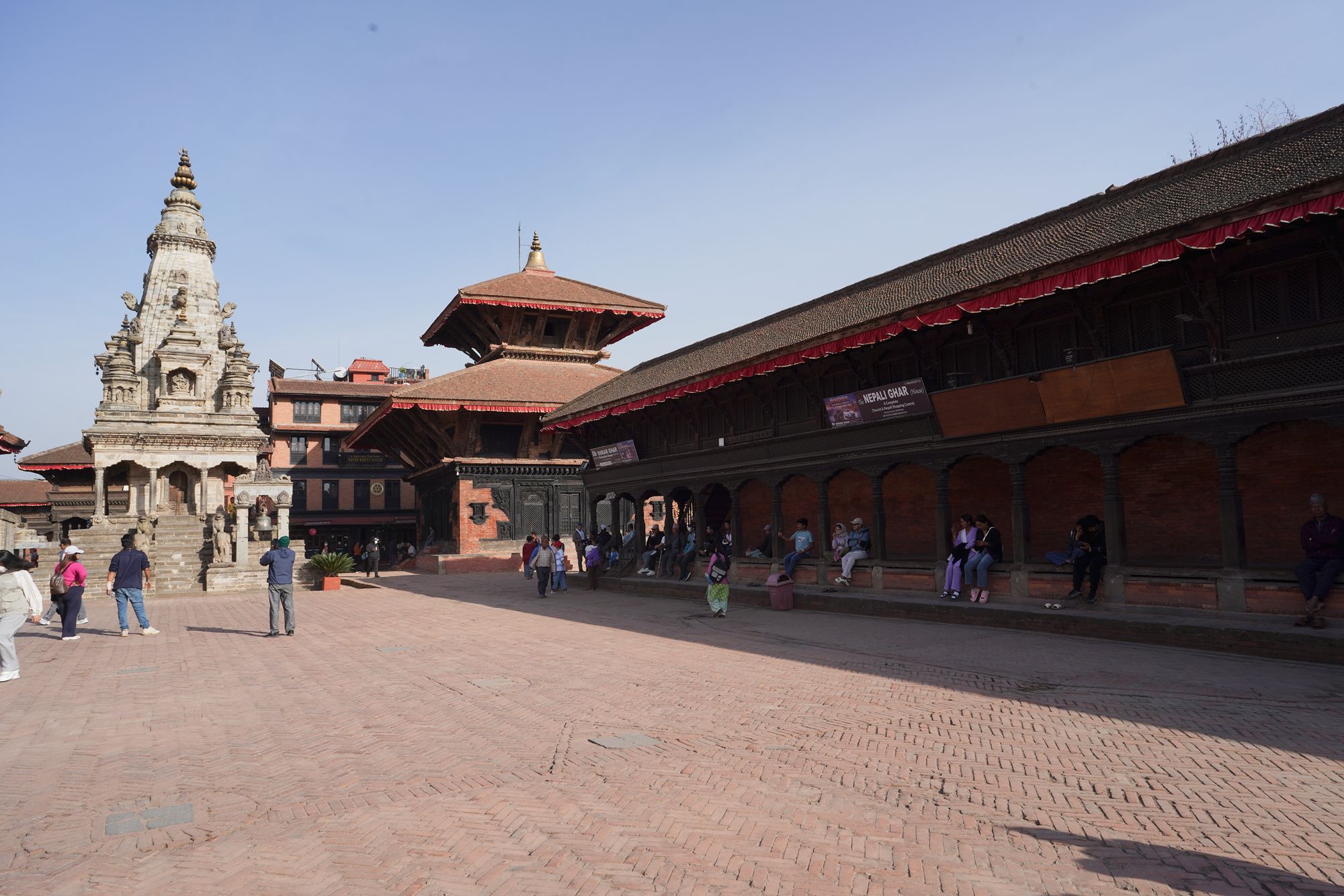
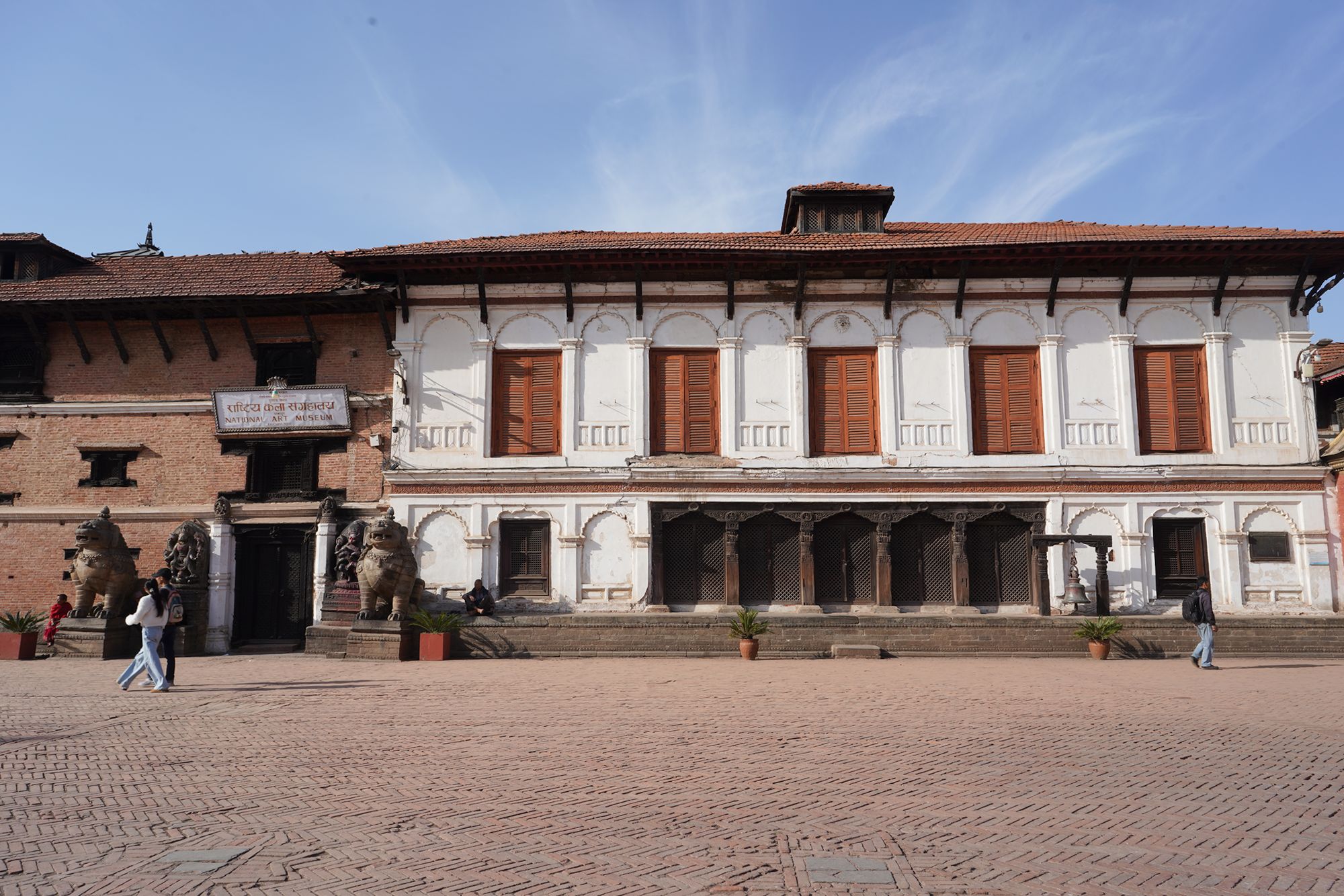
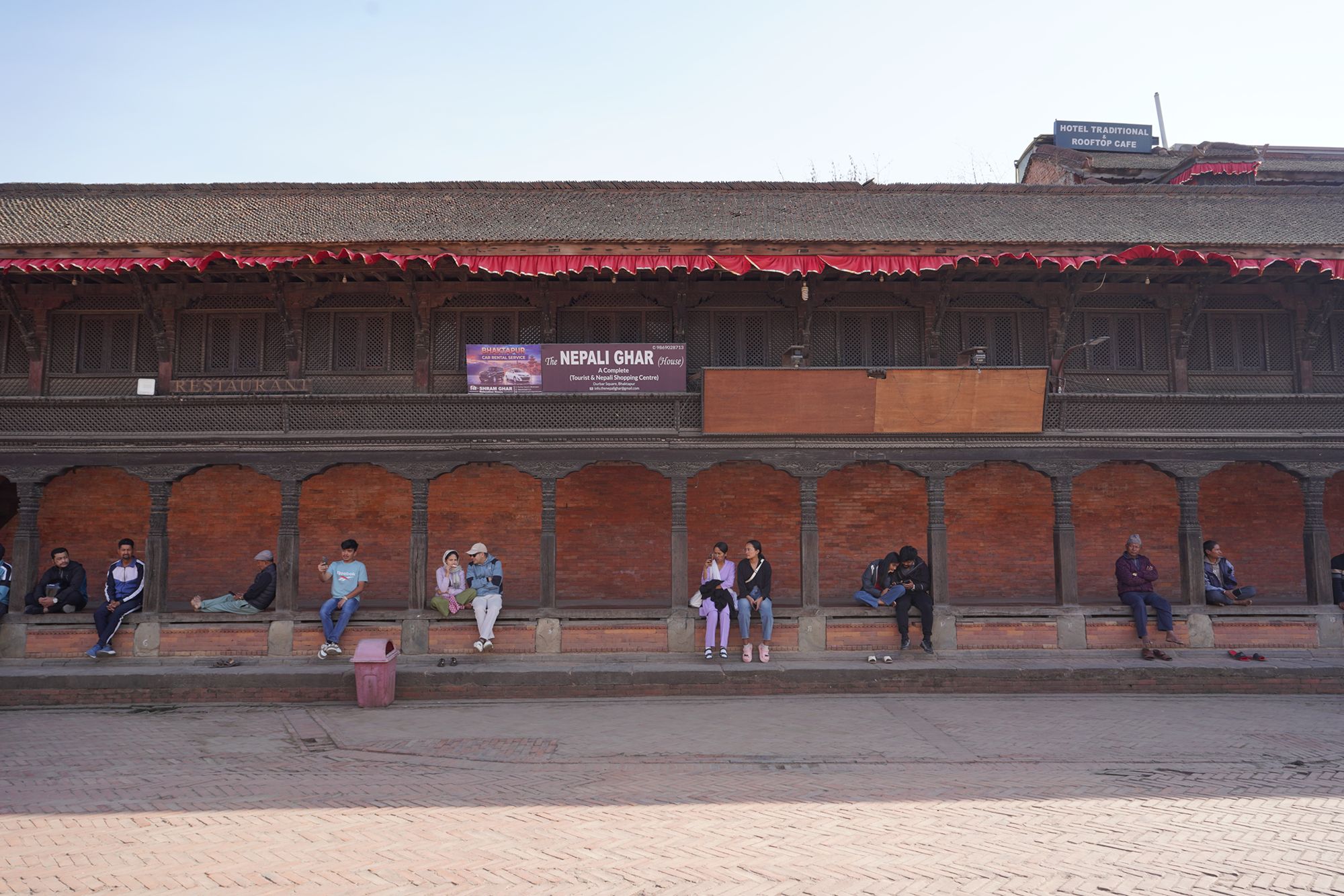
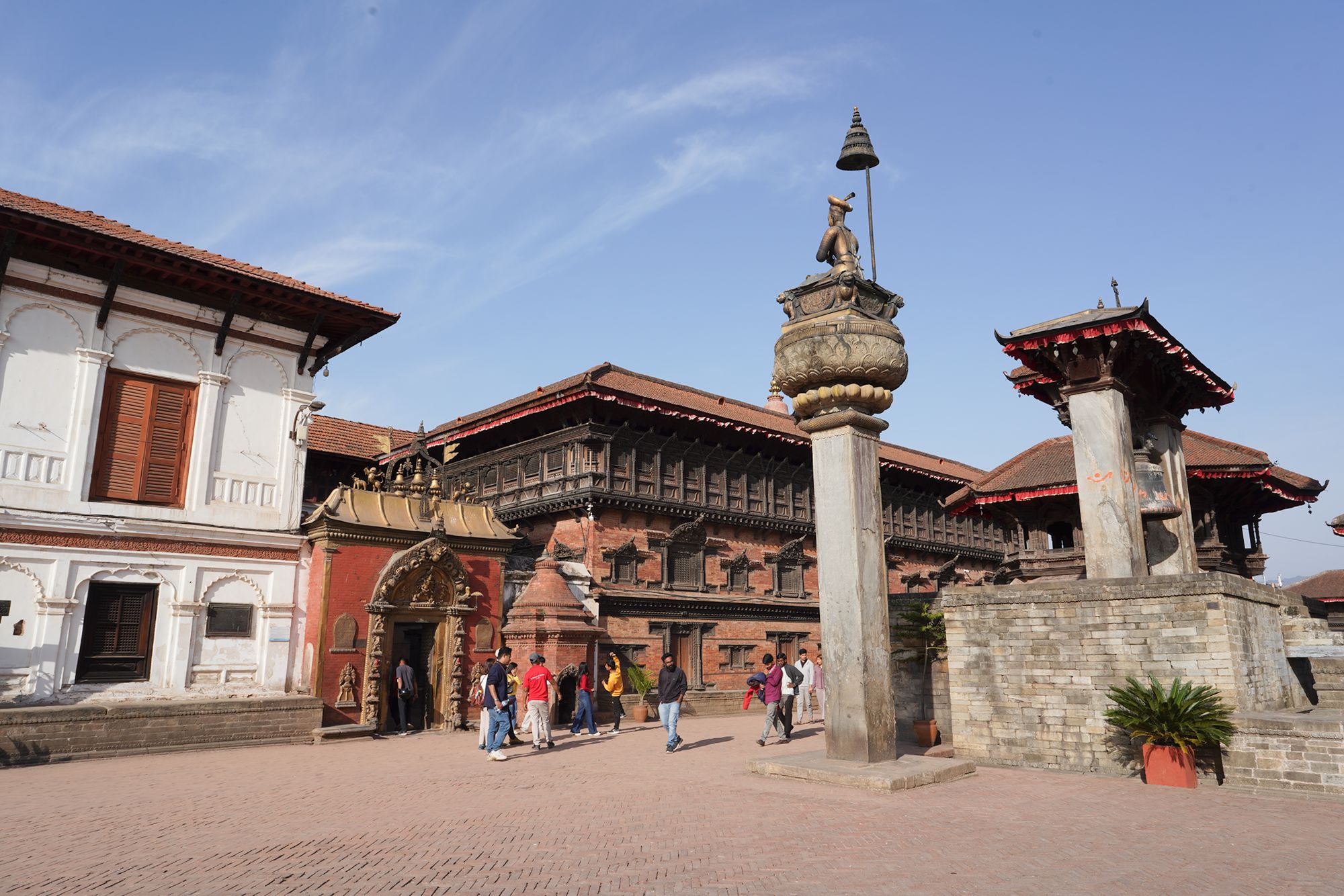
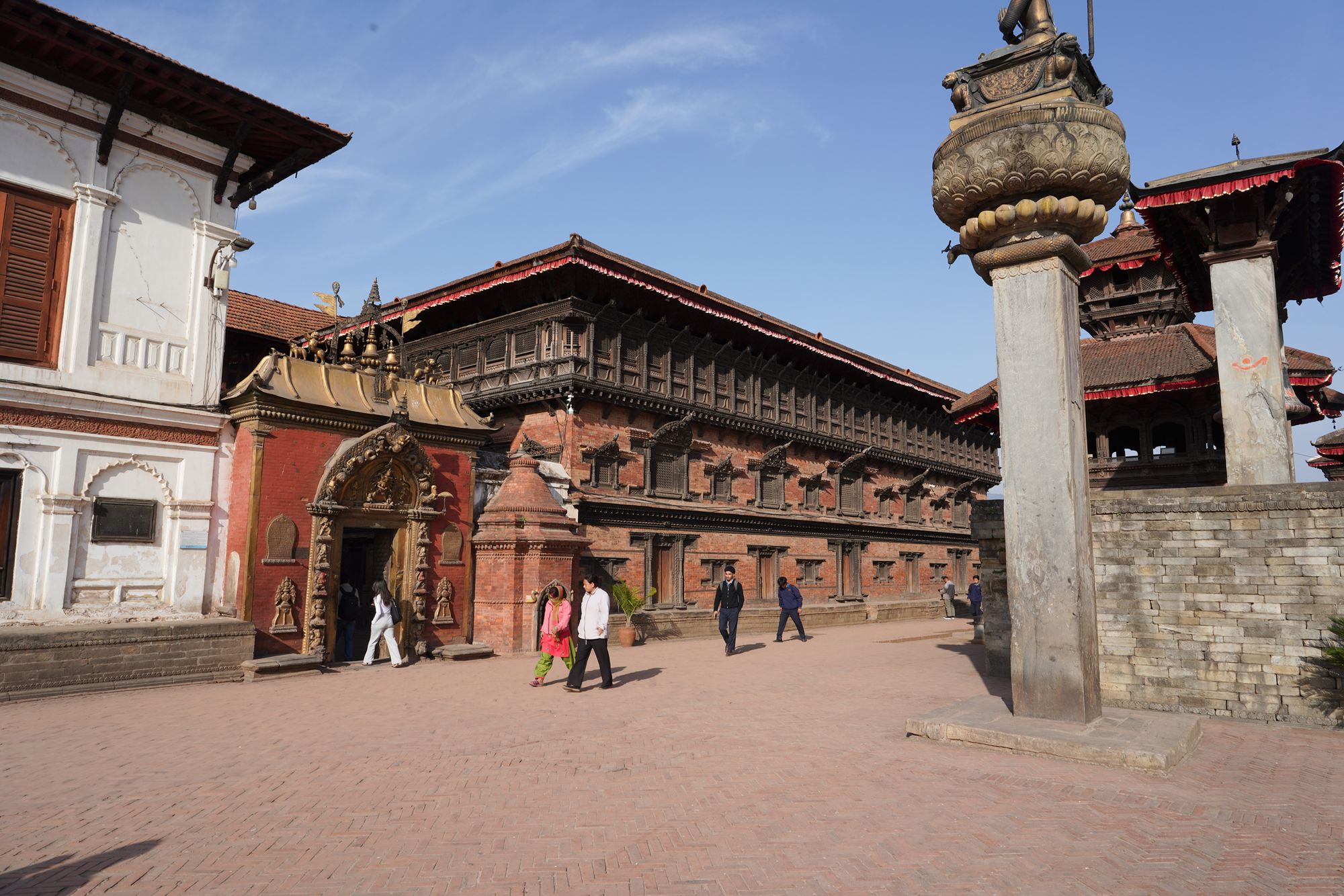
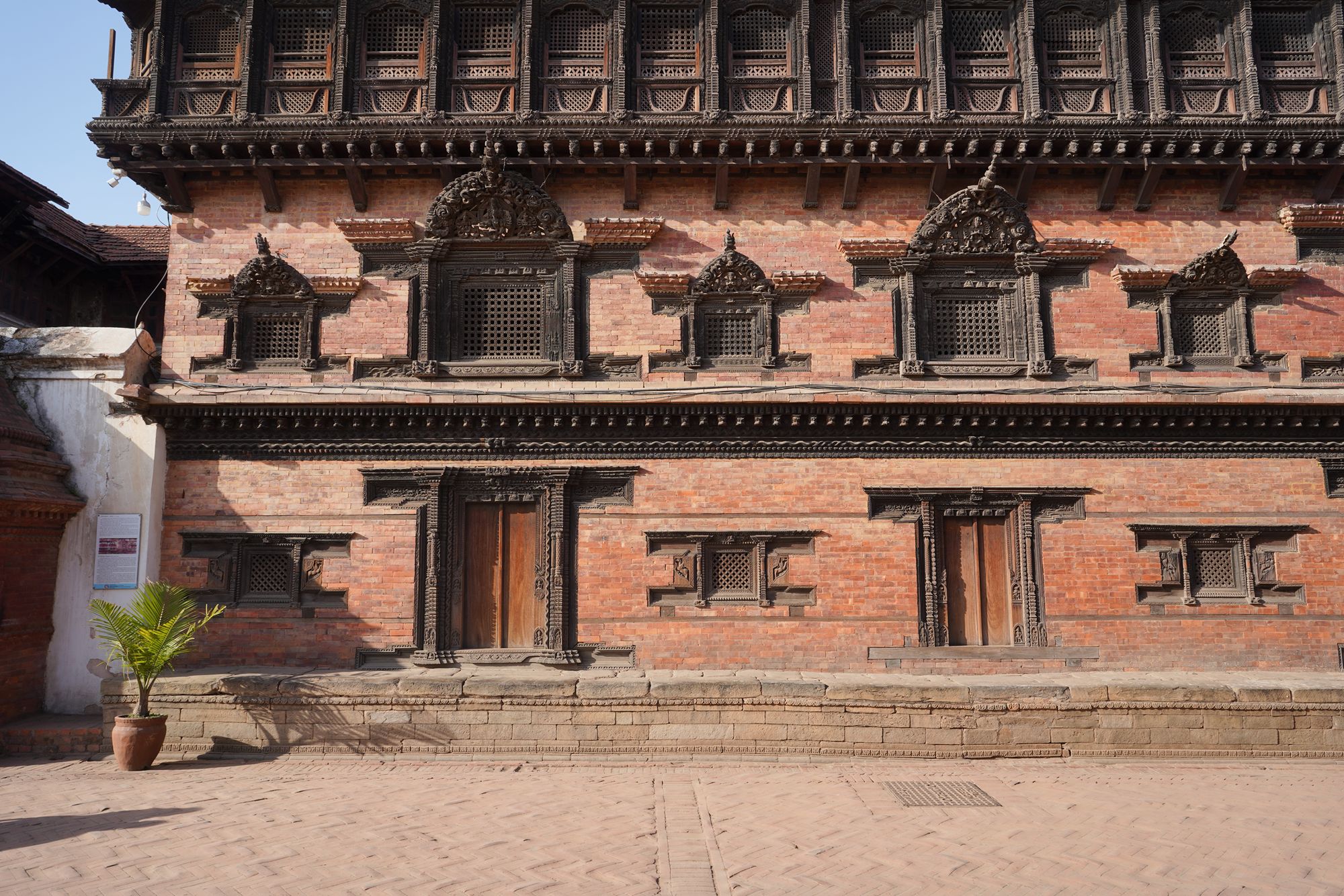
The red building with many windows on the upper floor is the palace building of Bhaktapur Durbar Square. The red-brick palace is known as the 55-Window Palace, named for the row of intricately carved wooden windows along its upper floor.
There was a small doorway next to the palace.
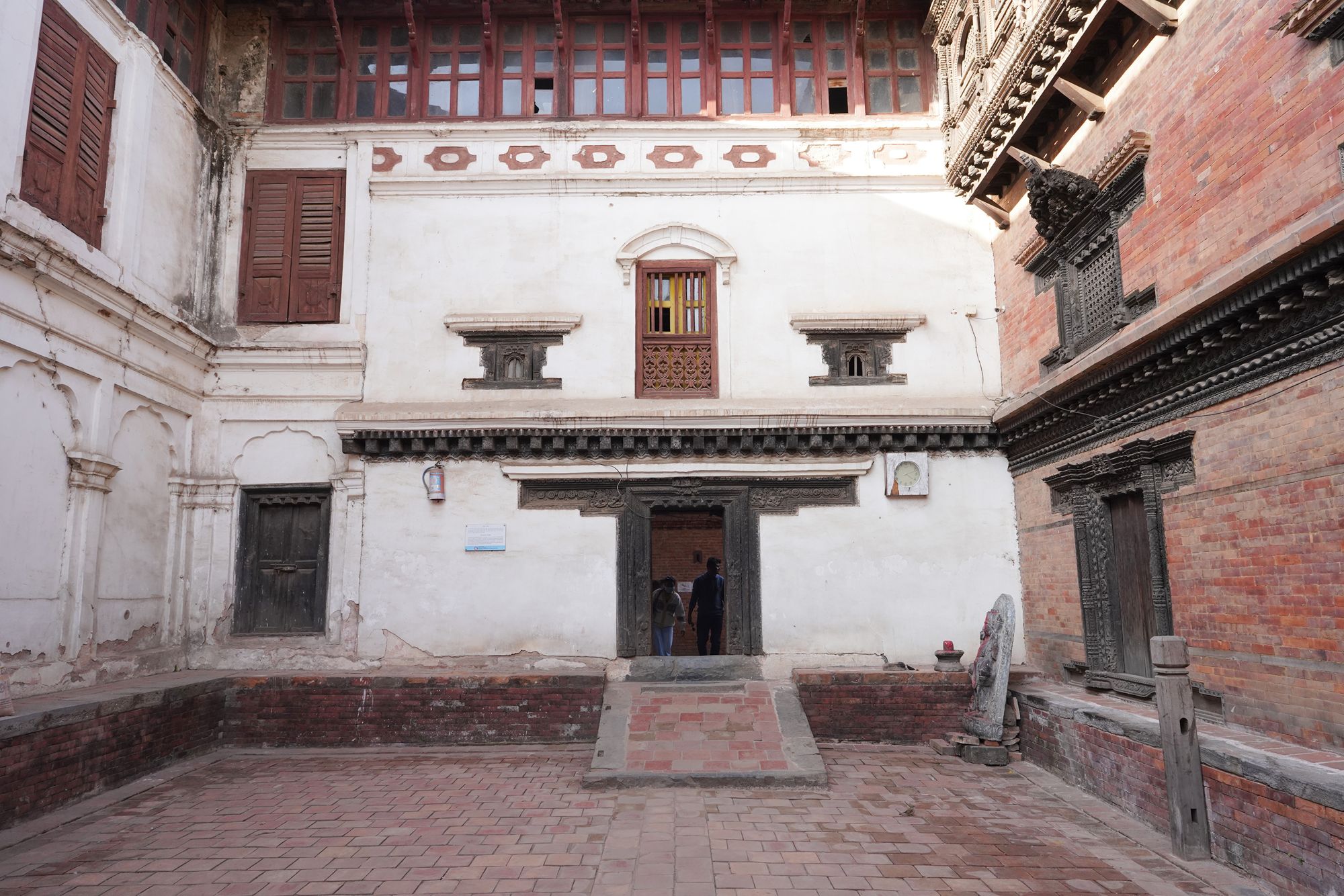
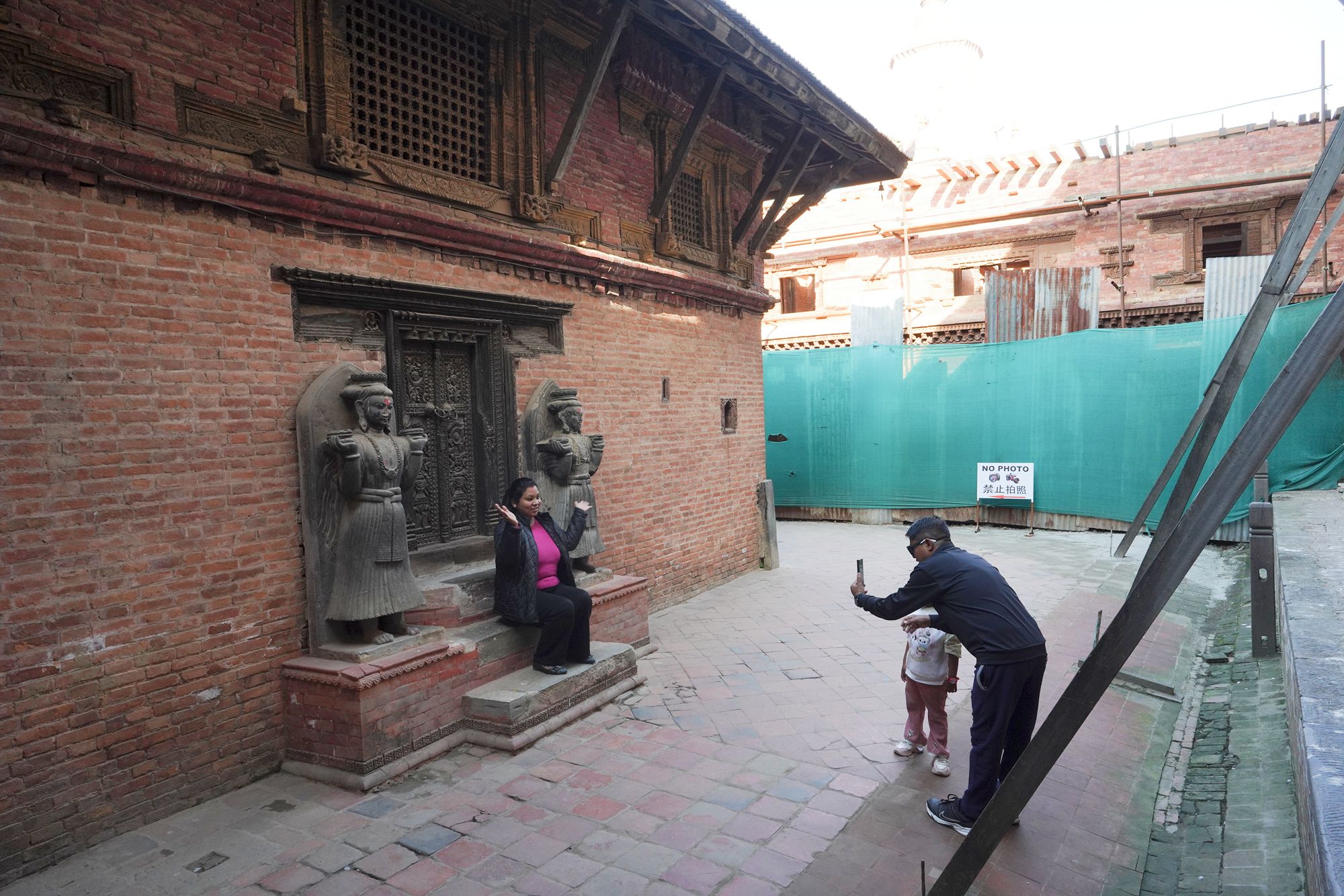
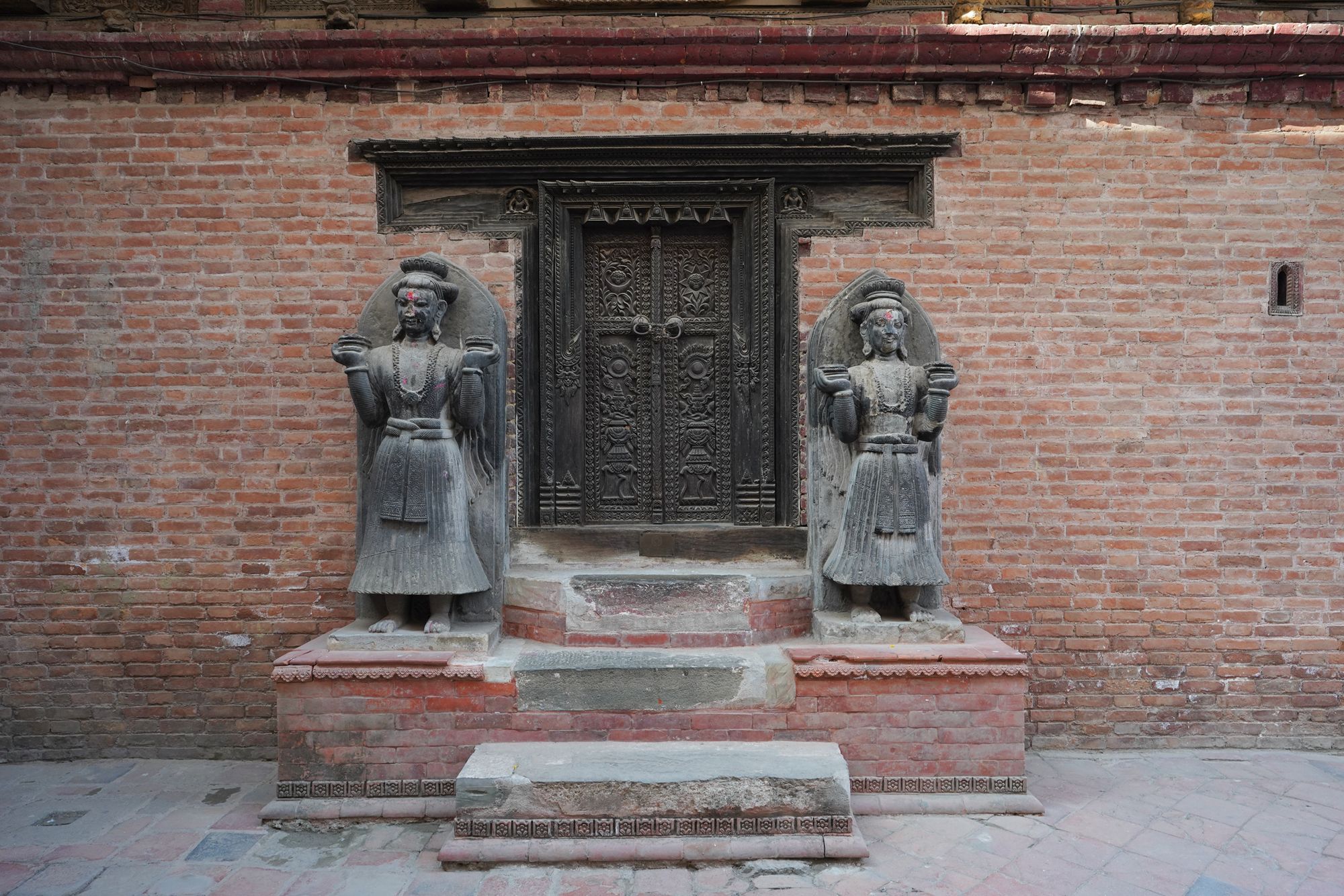
Inside was a small courtyard that looked like a small temple or shrine.
I came back out into the main square.
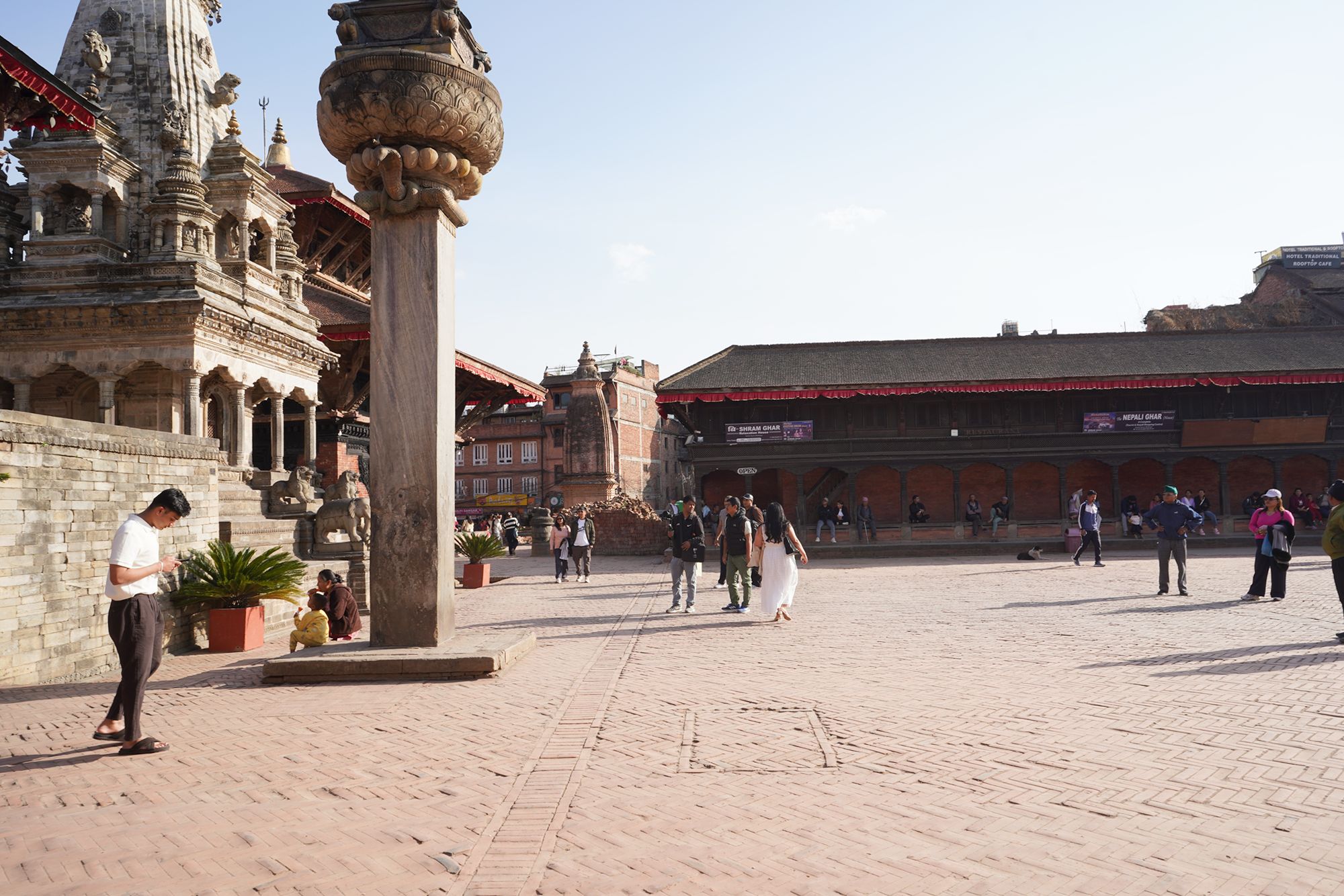
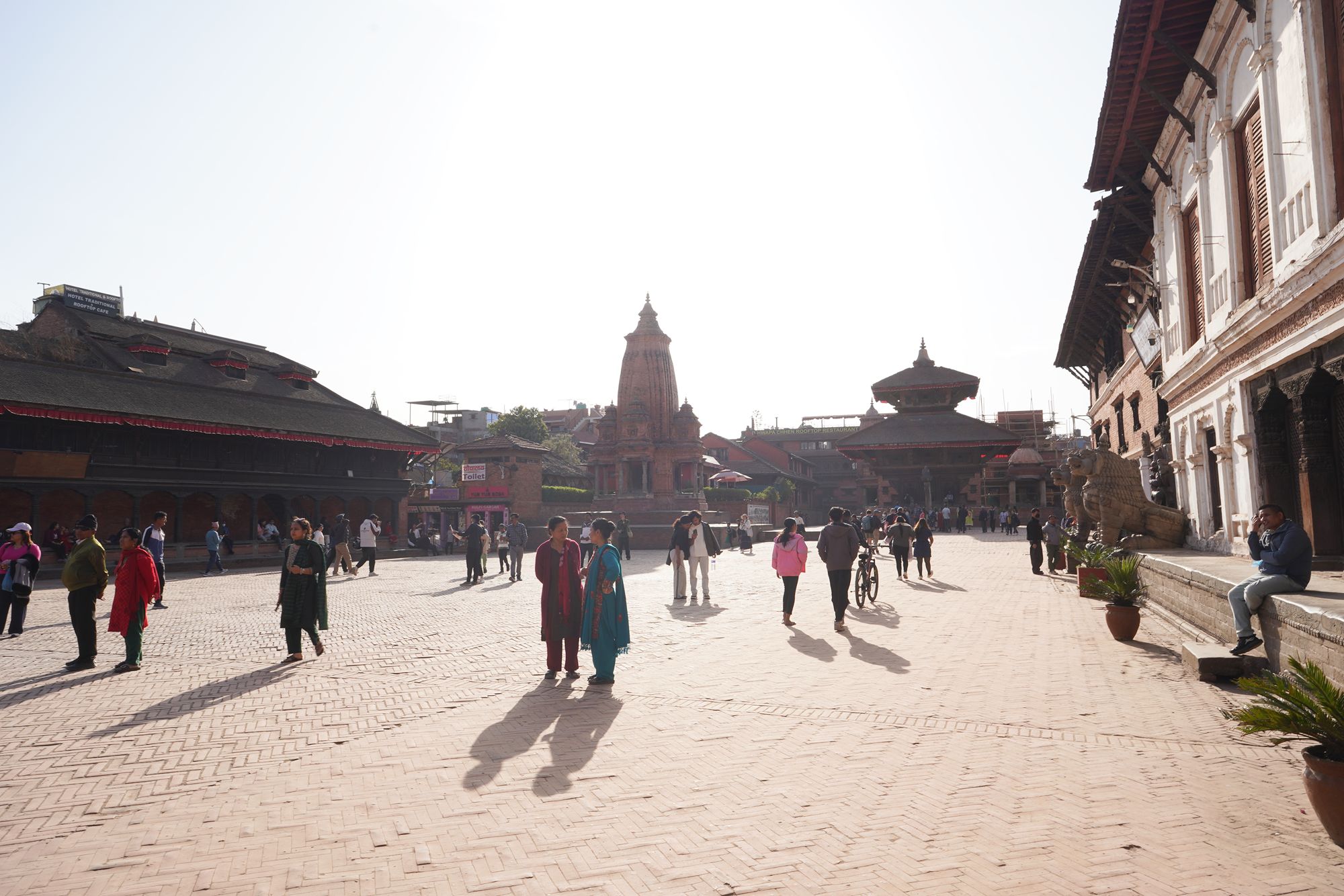
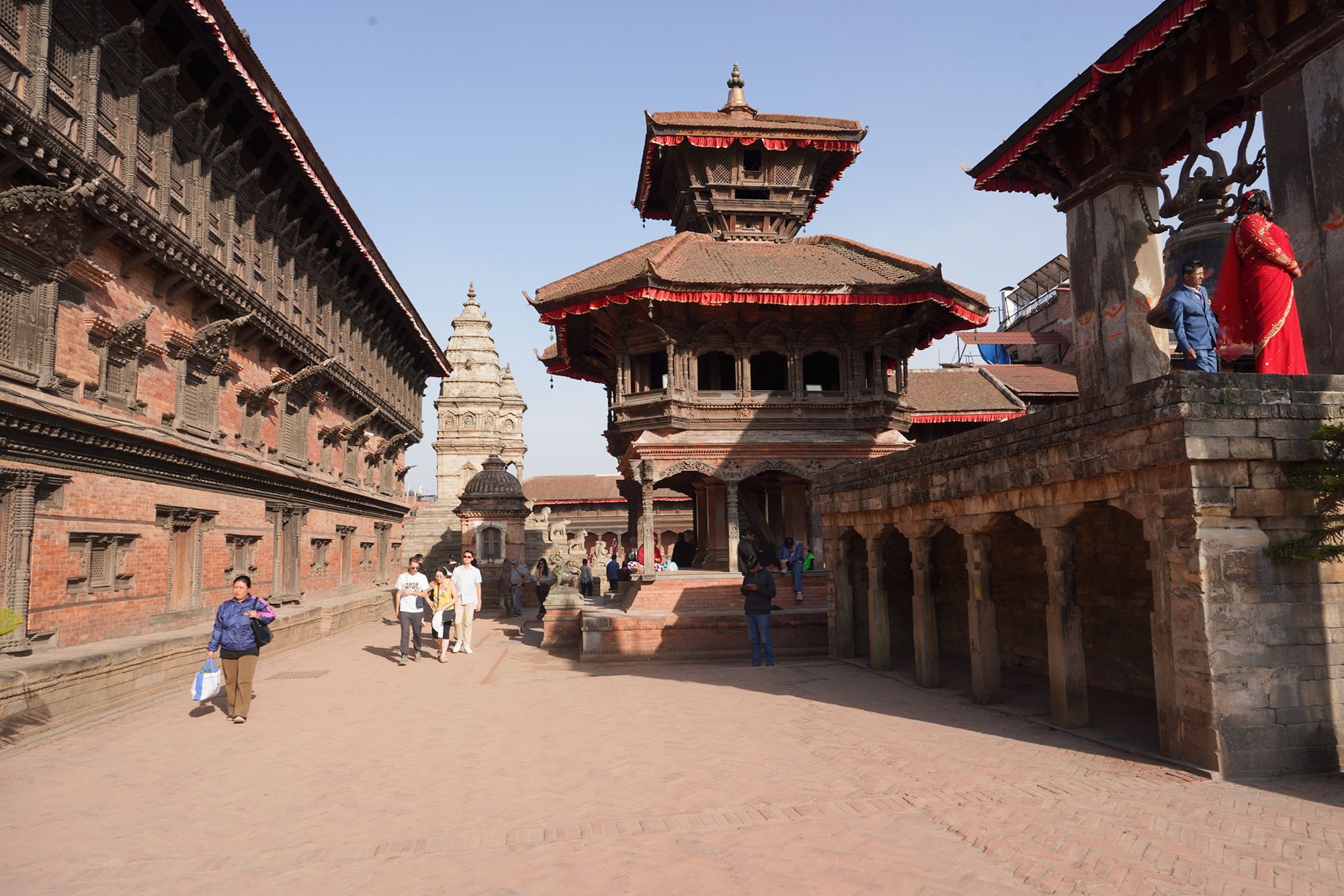
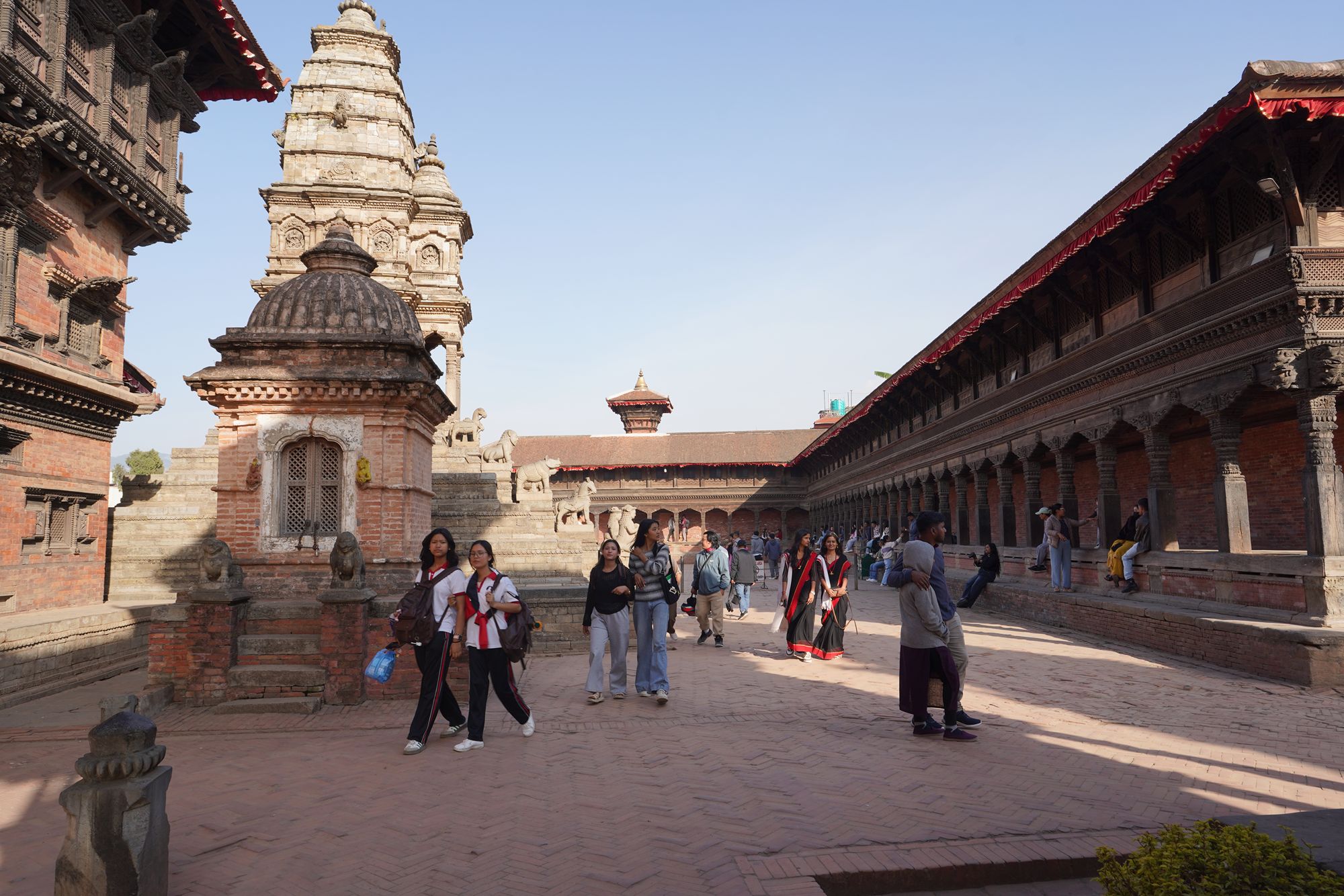
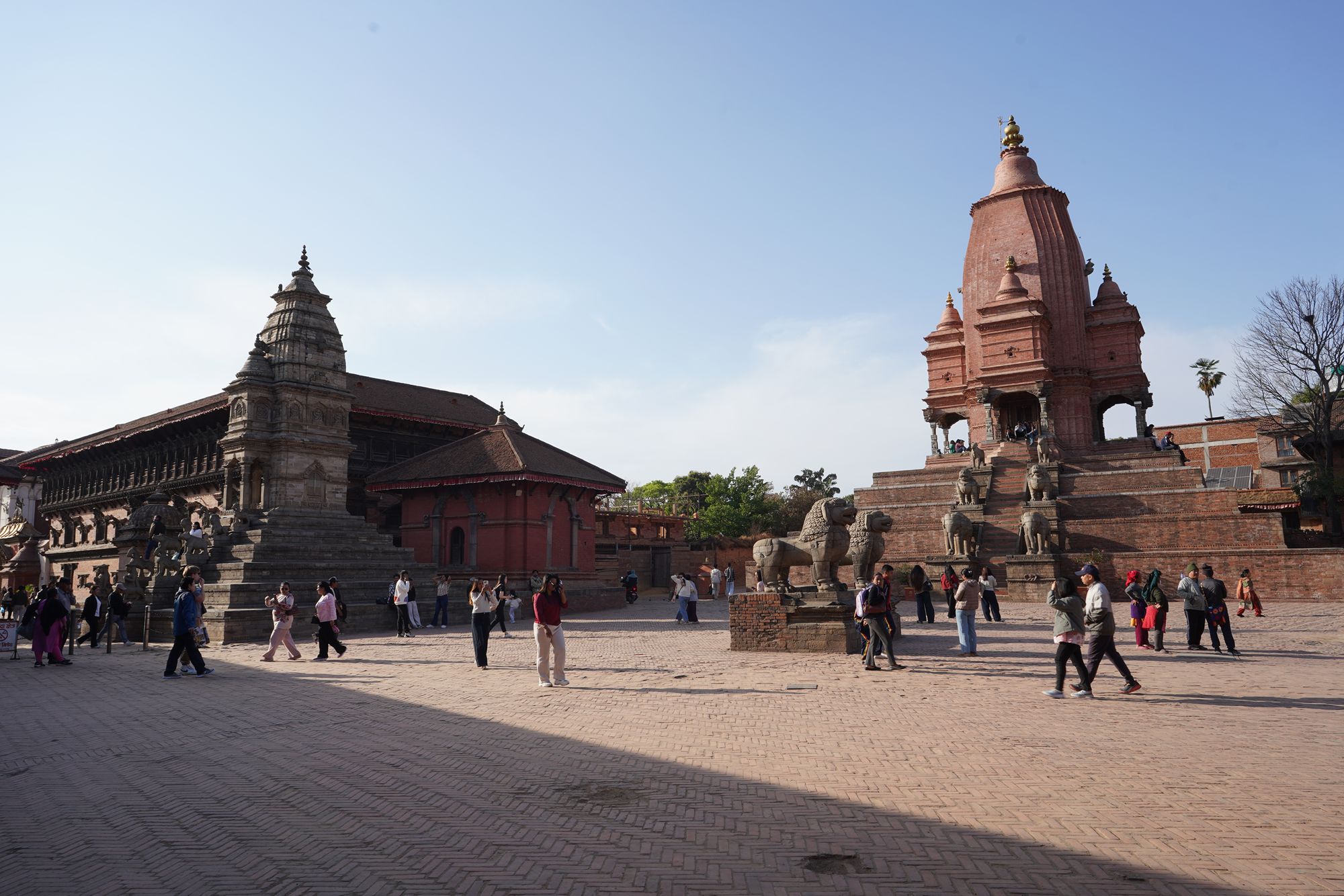
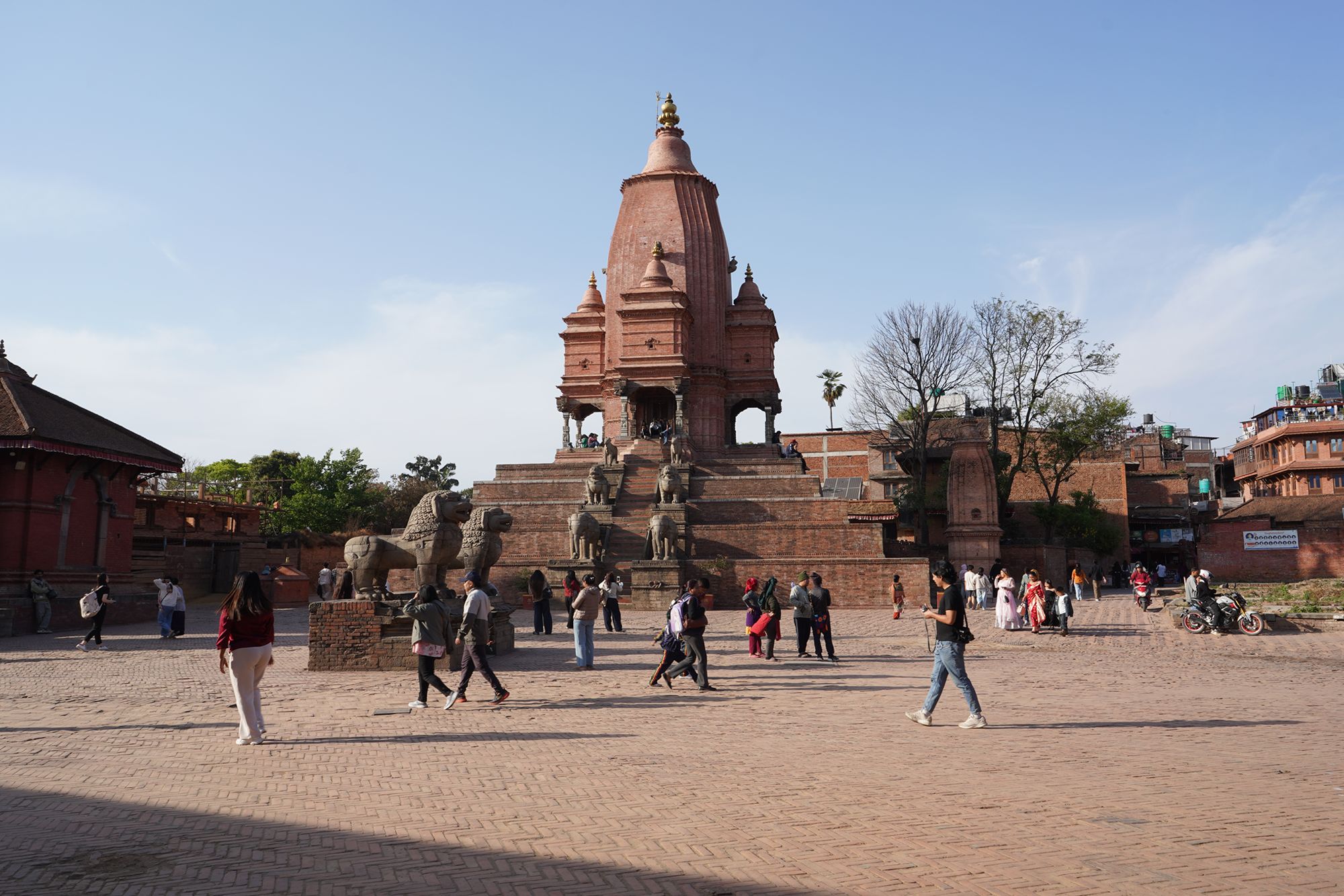
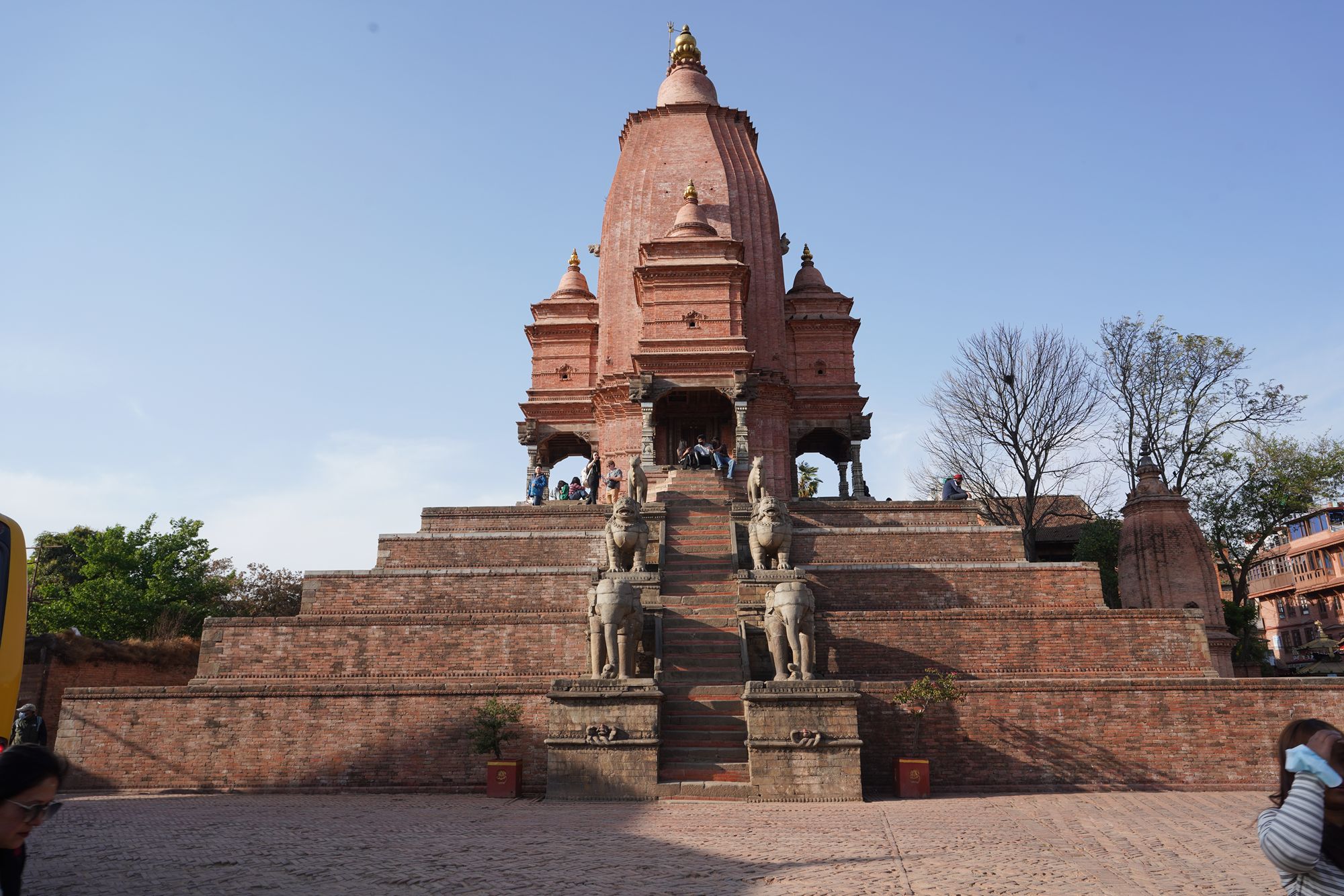
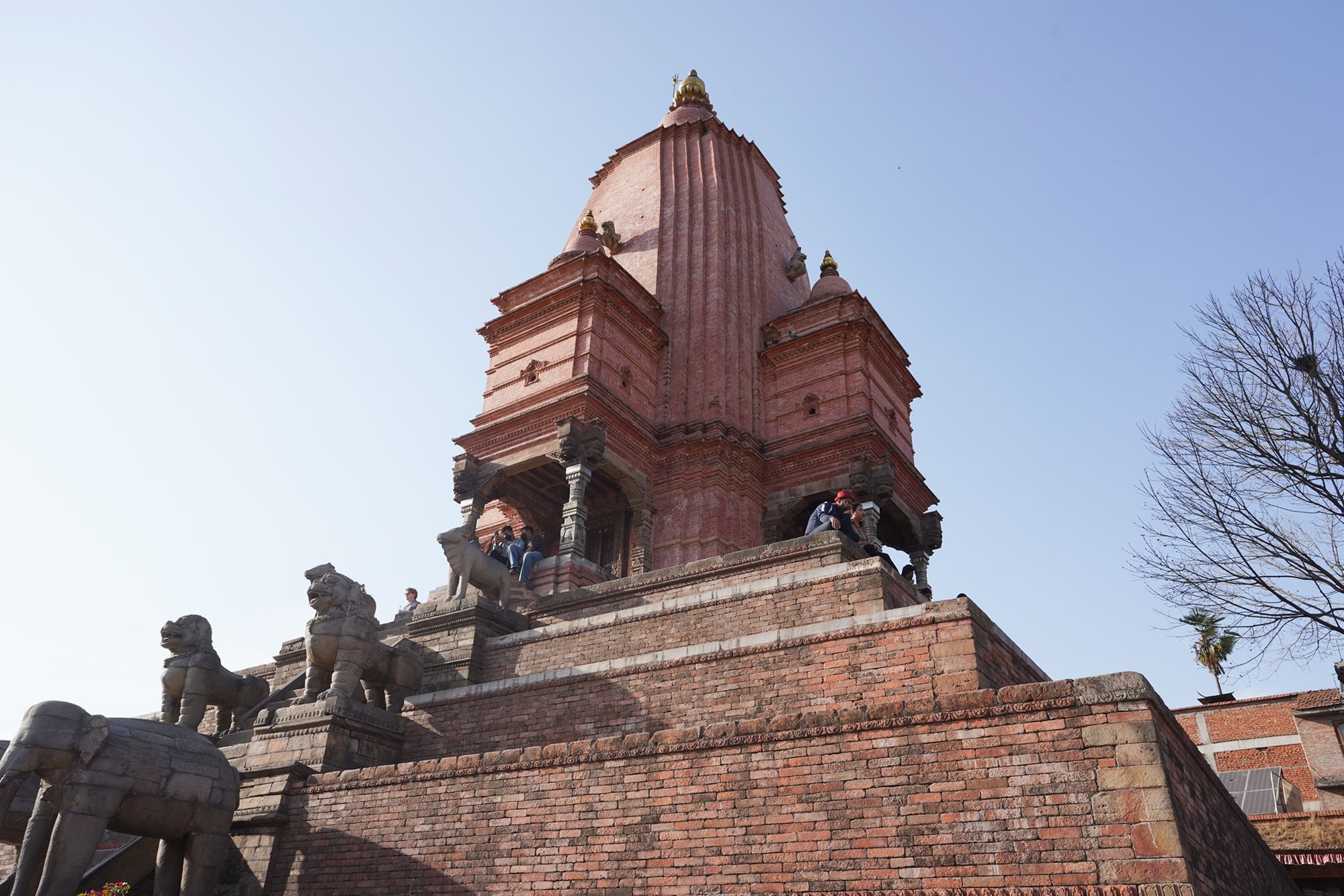
I looked back at the square I had just walked through.
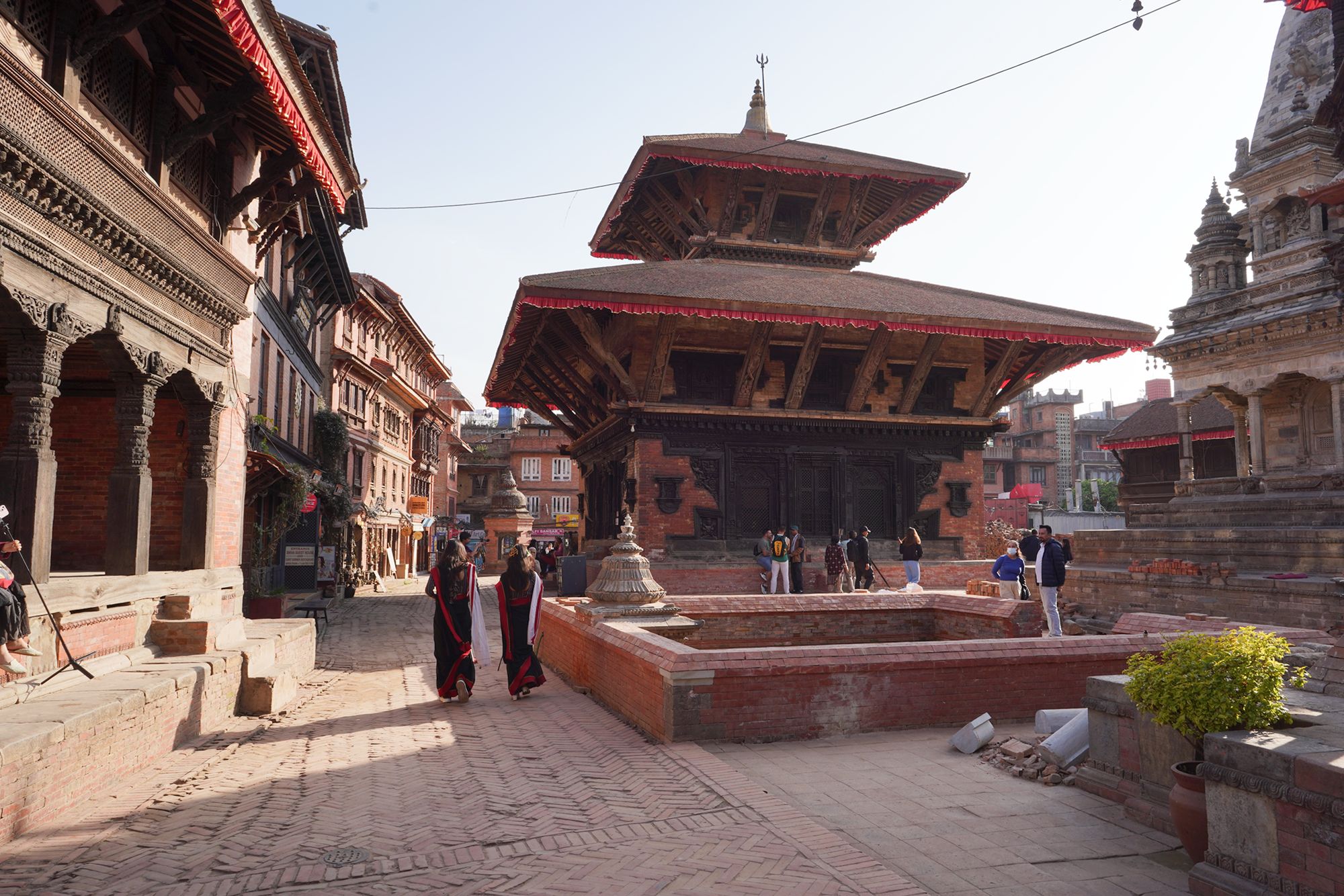
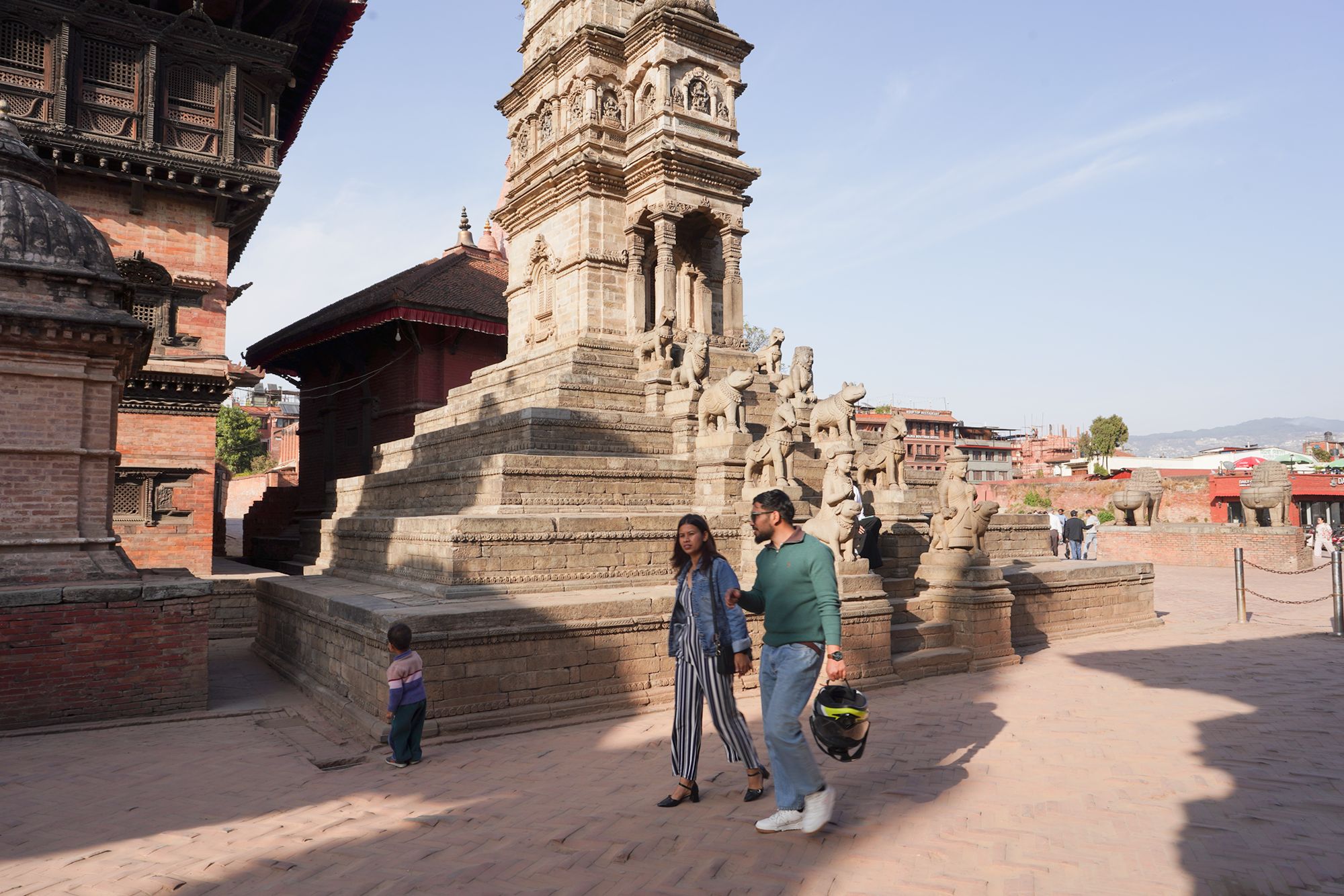
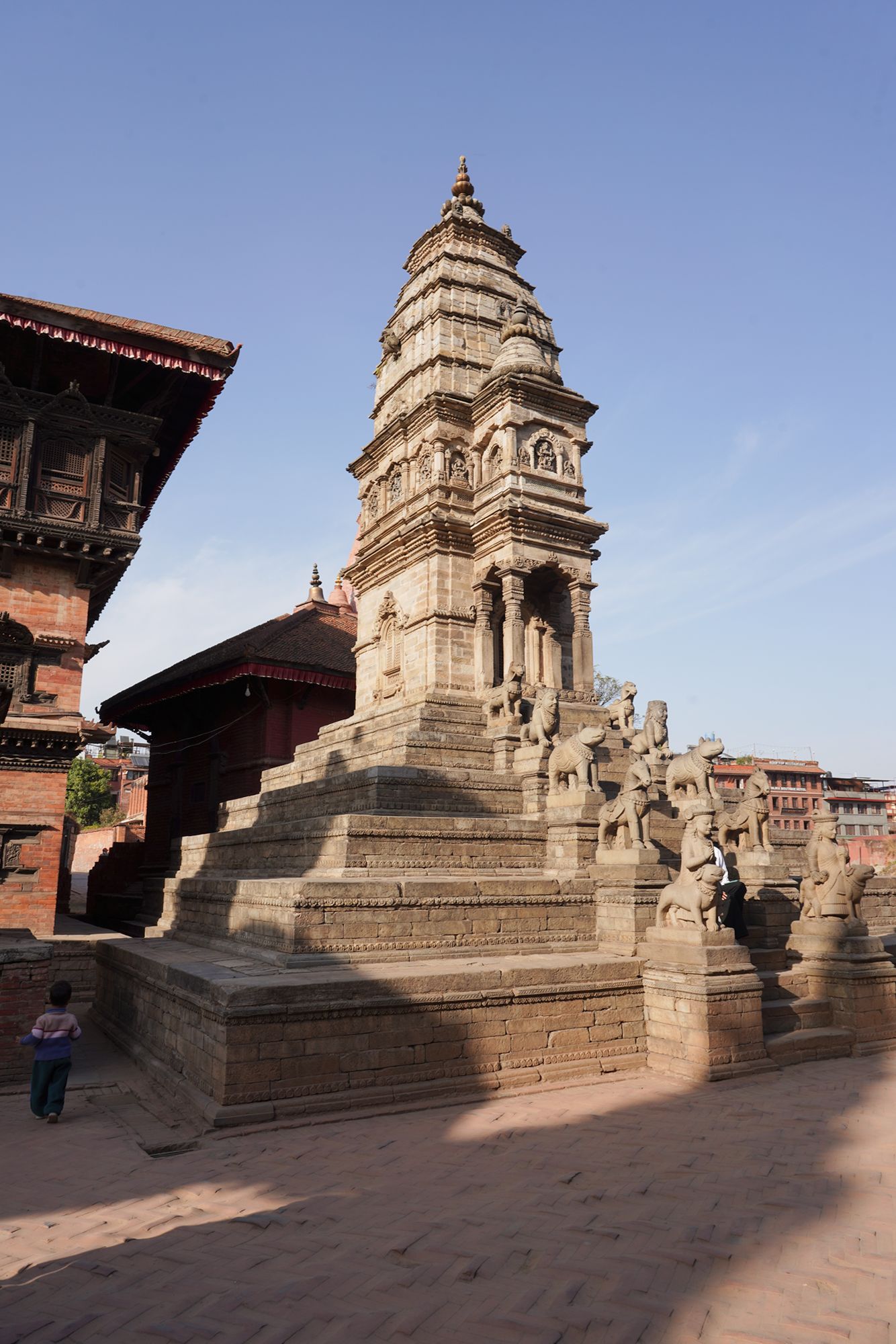
I looked back for a closer view of one of the nearby buildings.
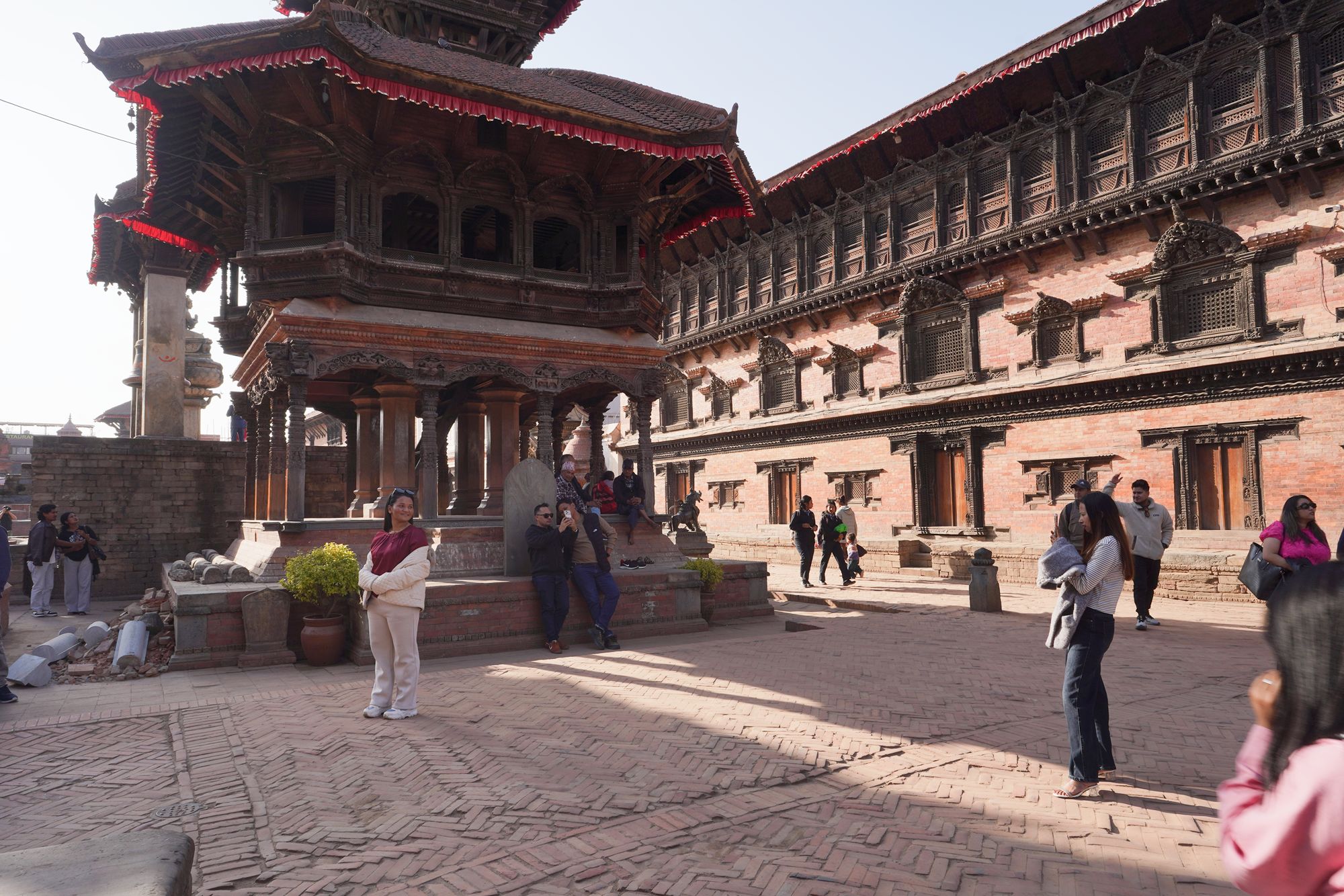
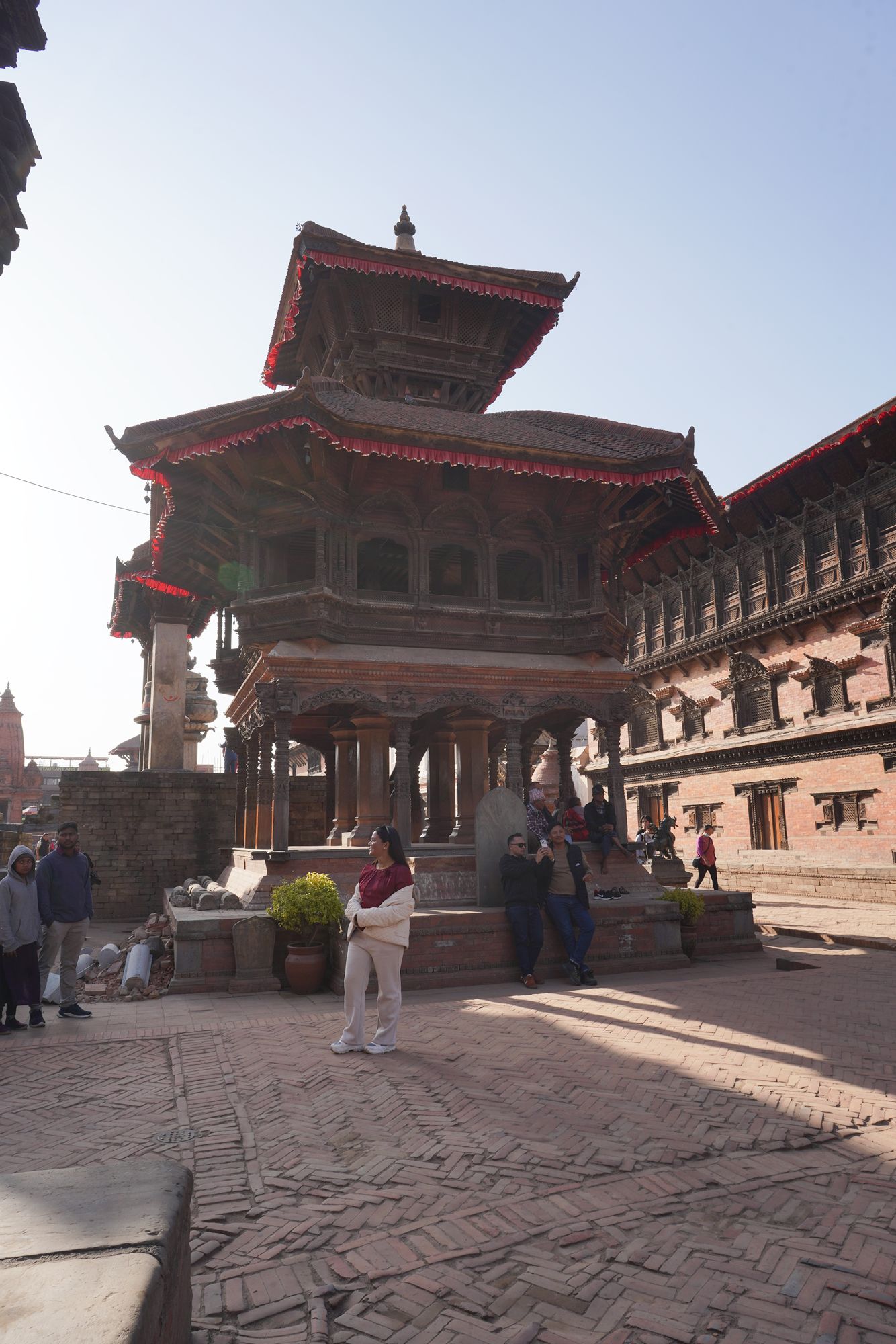
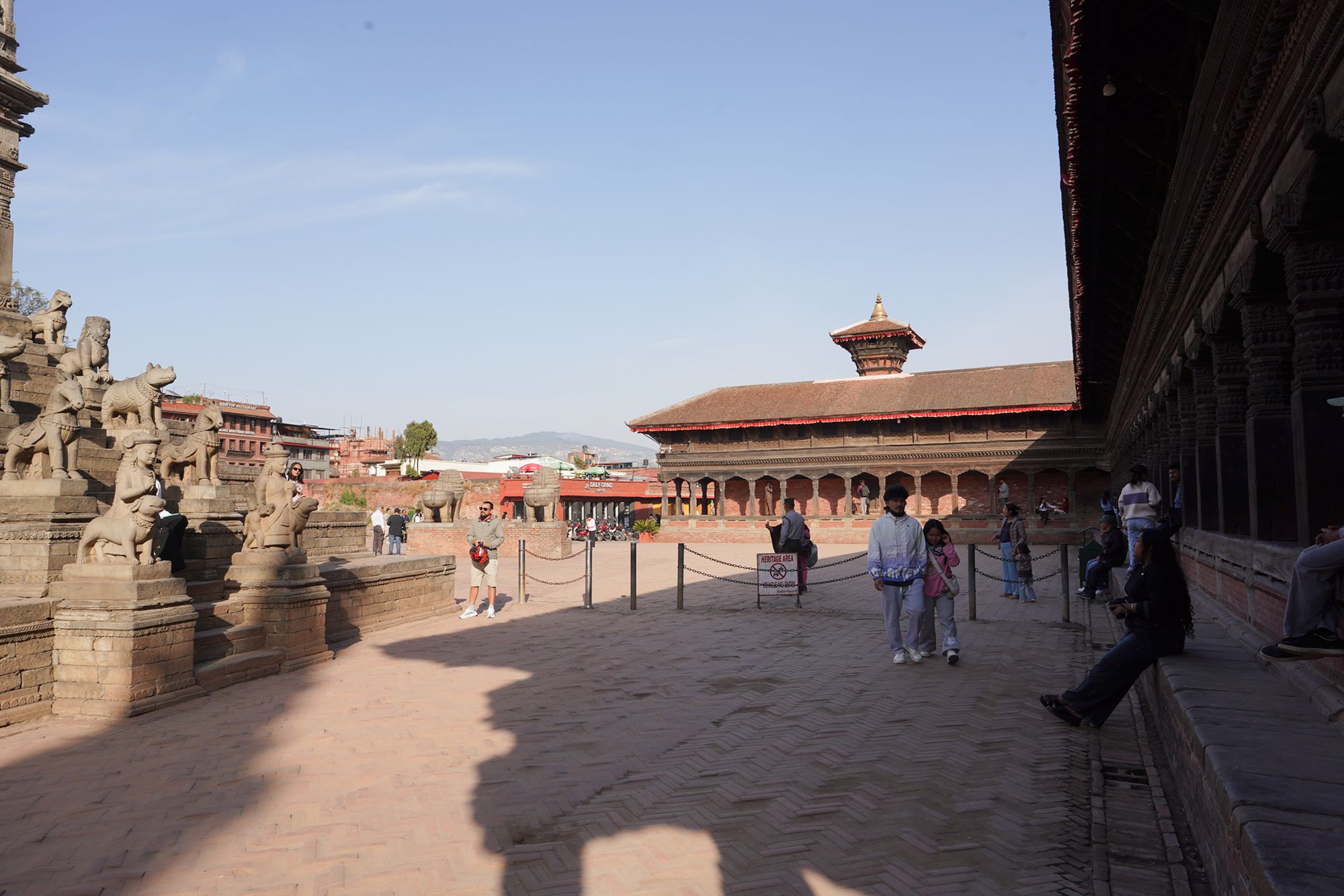
A broad and spacious section of Bhaktapur Durbar Square, surrounded by historic temples and traditional Newari buildings.
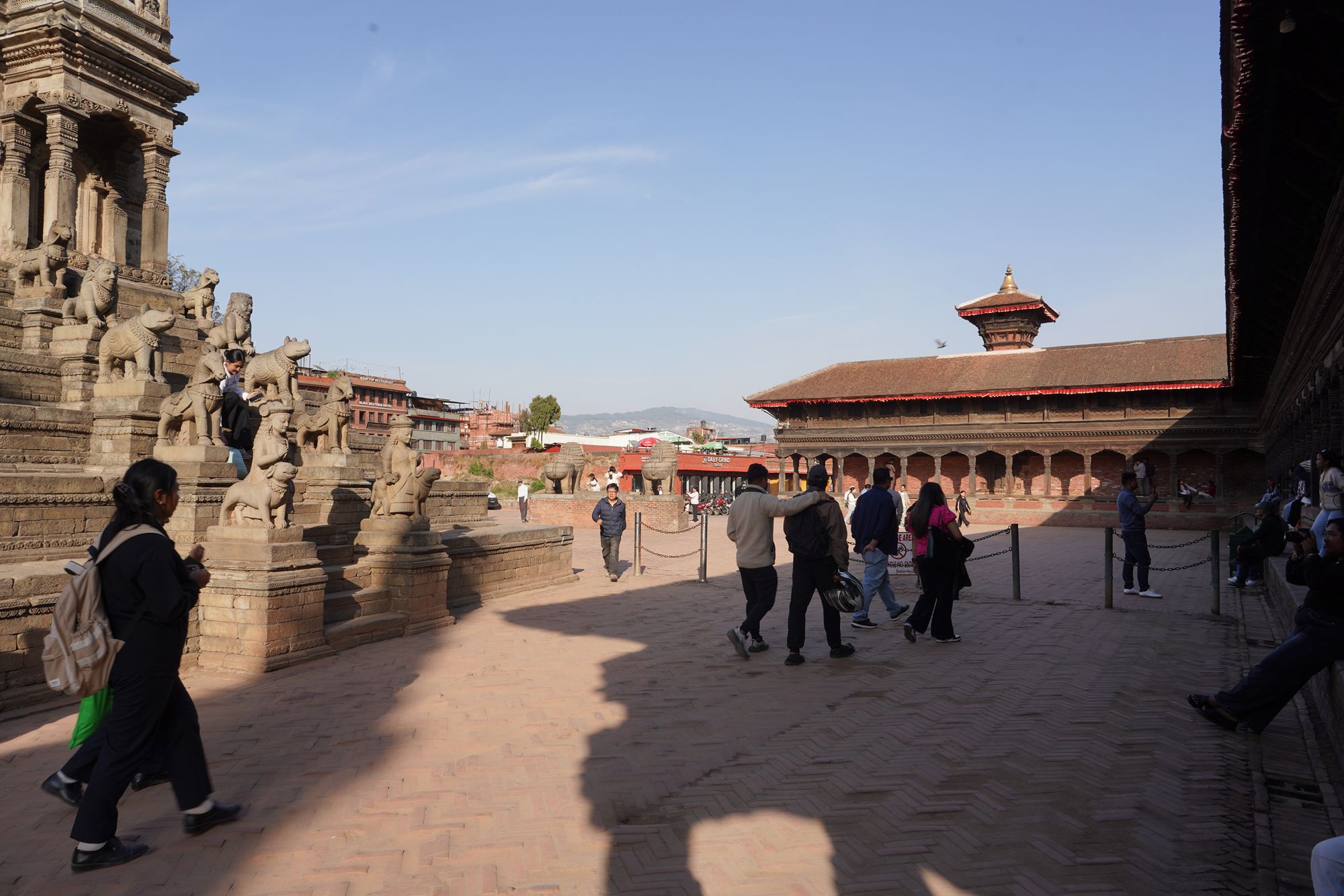
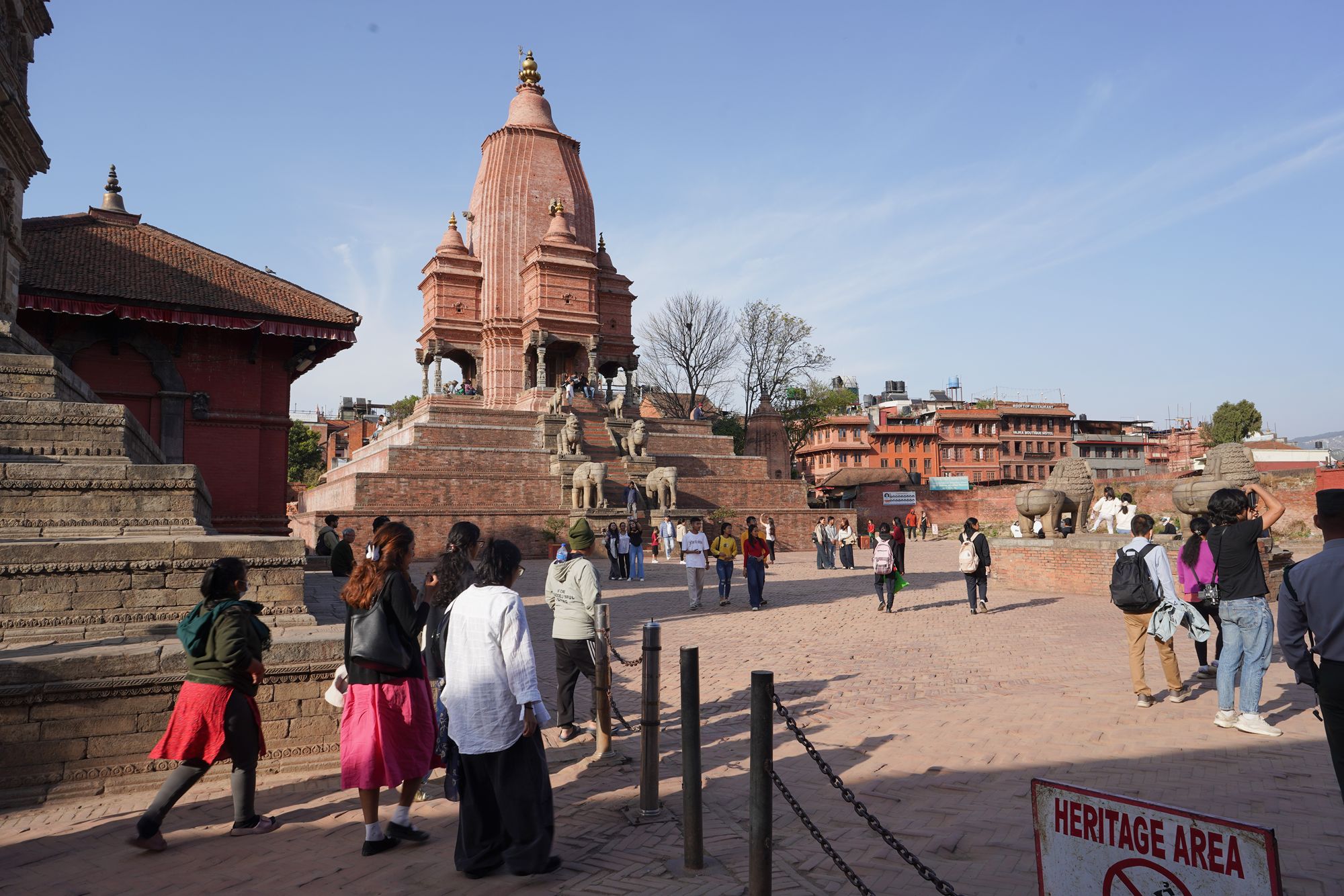
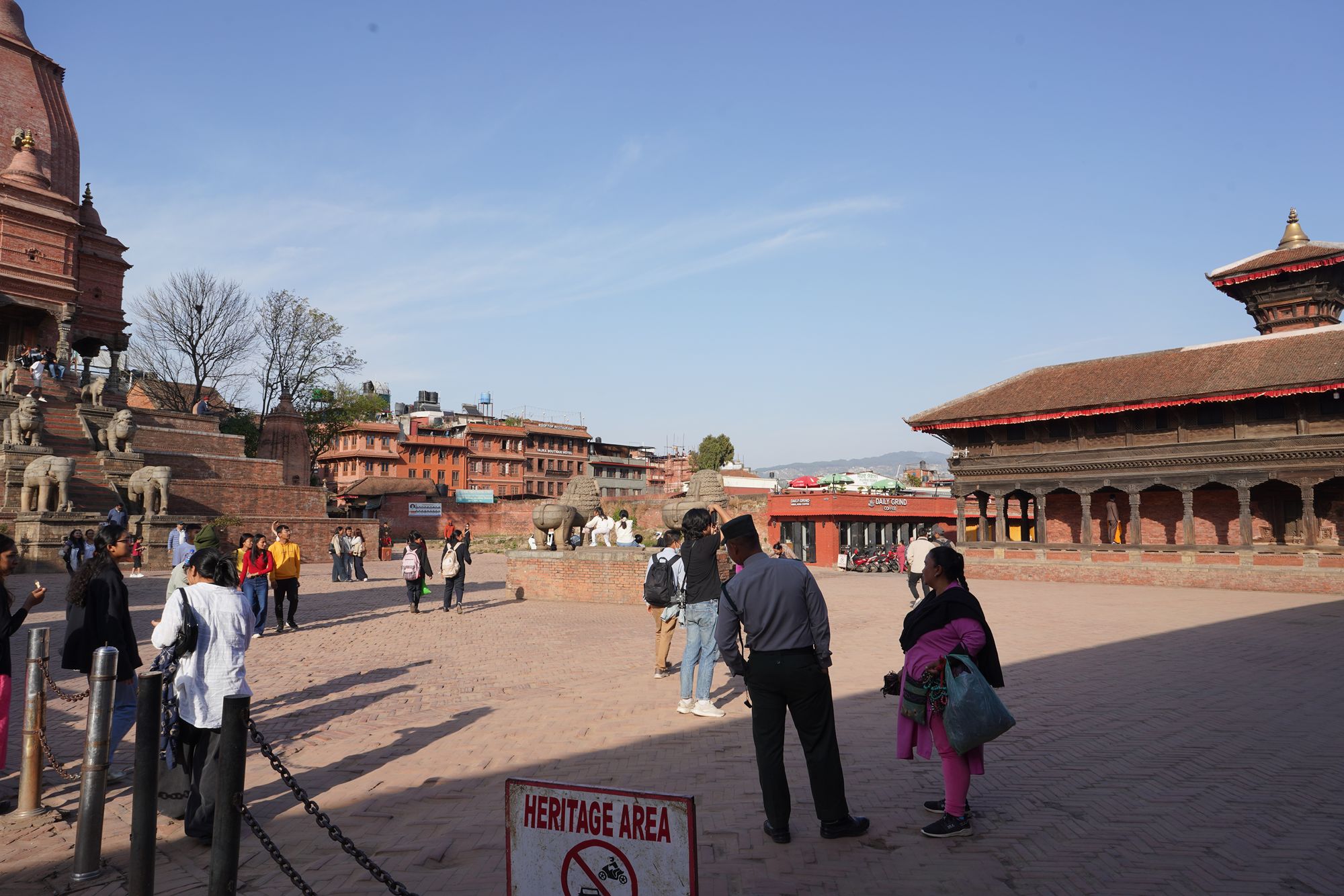
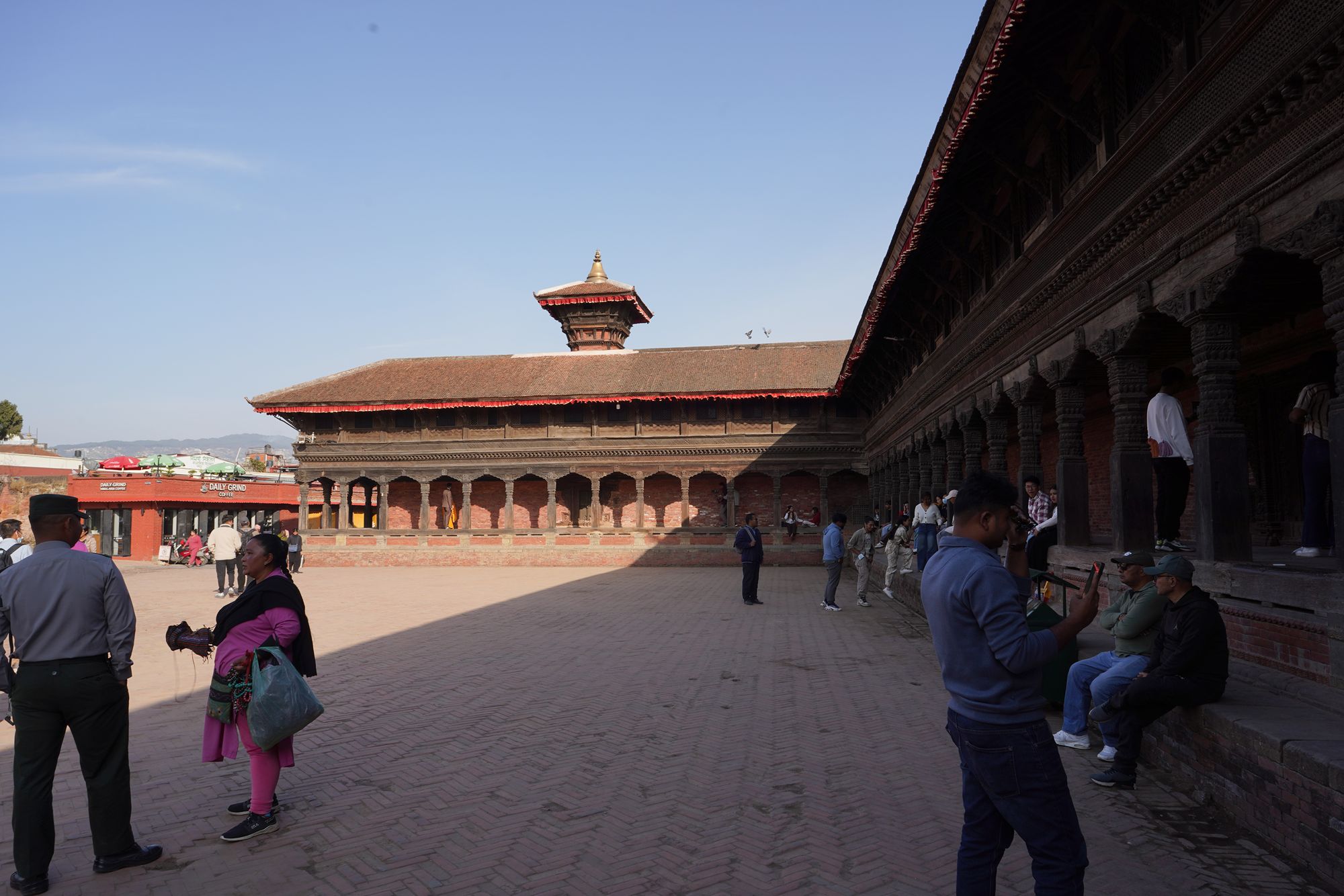
A view behind me.
I left Bhaktapur Durbar Square and continued through the old city toward Dattatreya Square.
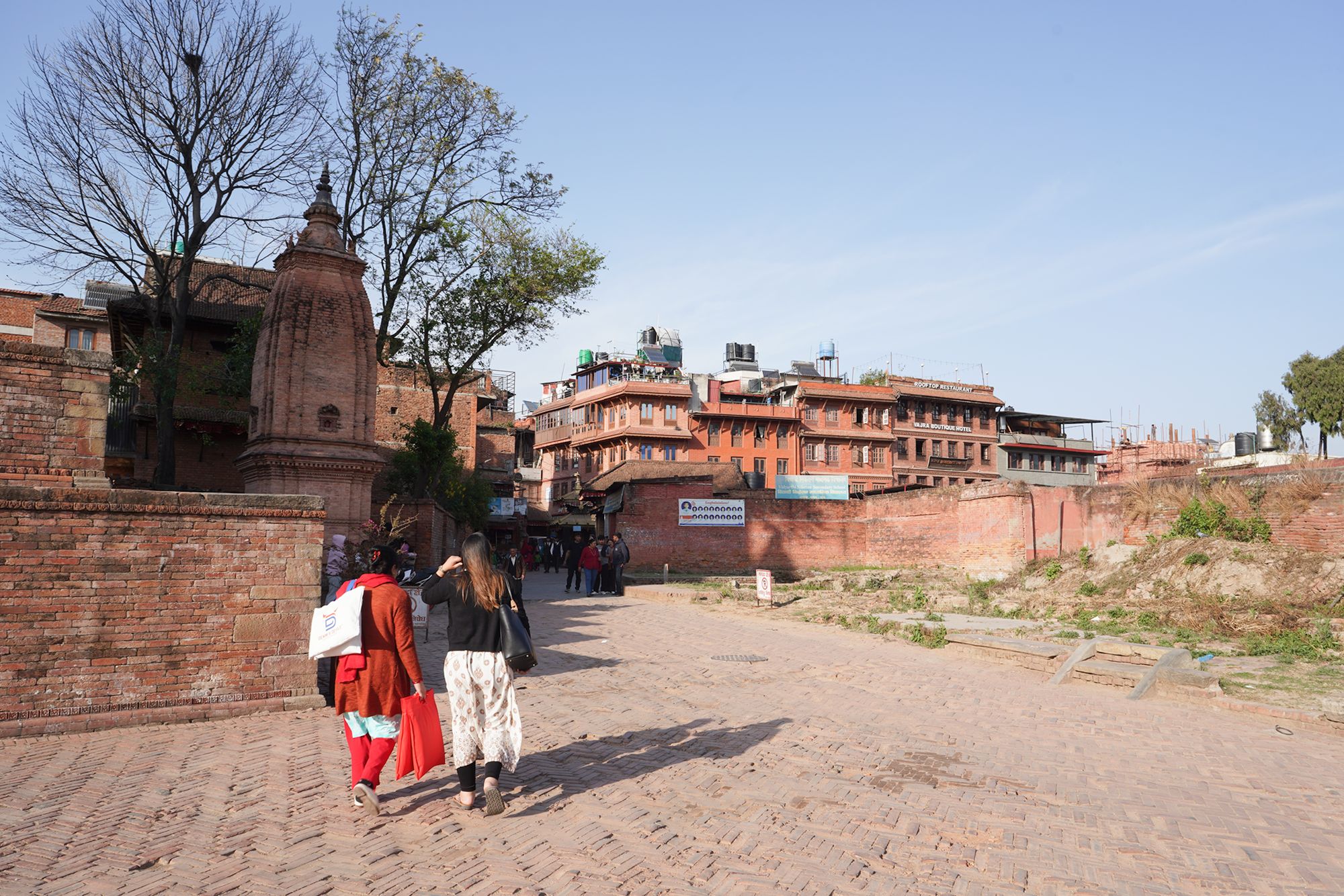
Dattatreya Square was a little farther away, so I followed a long street through the old city before reaching it.
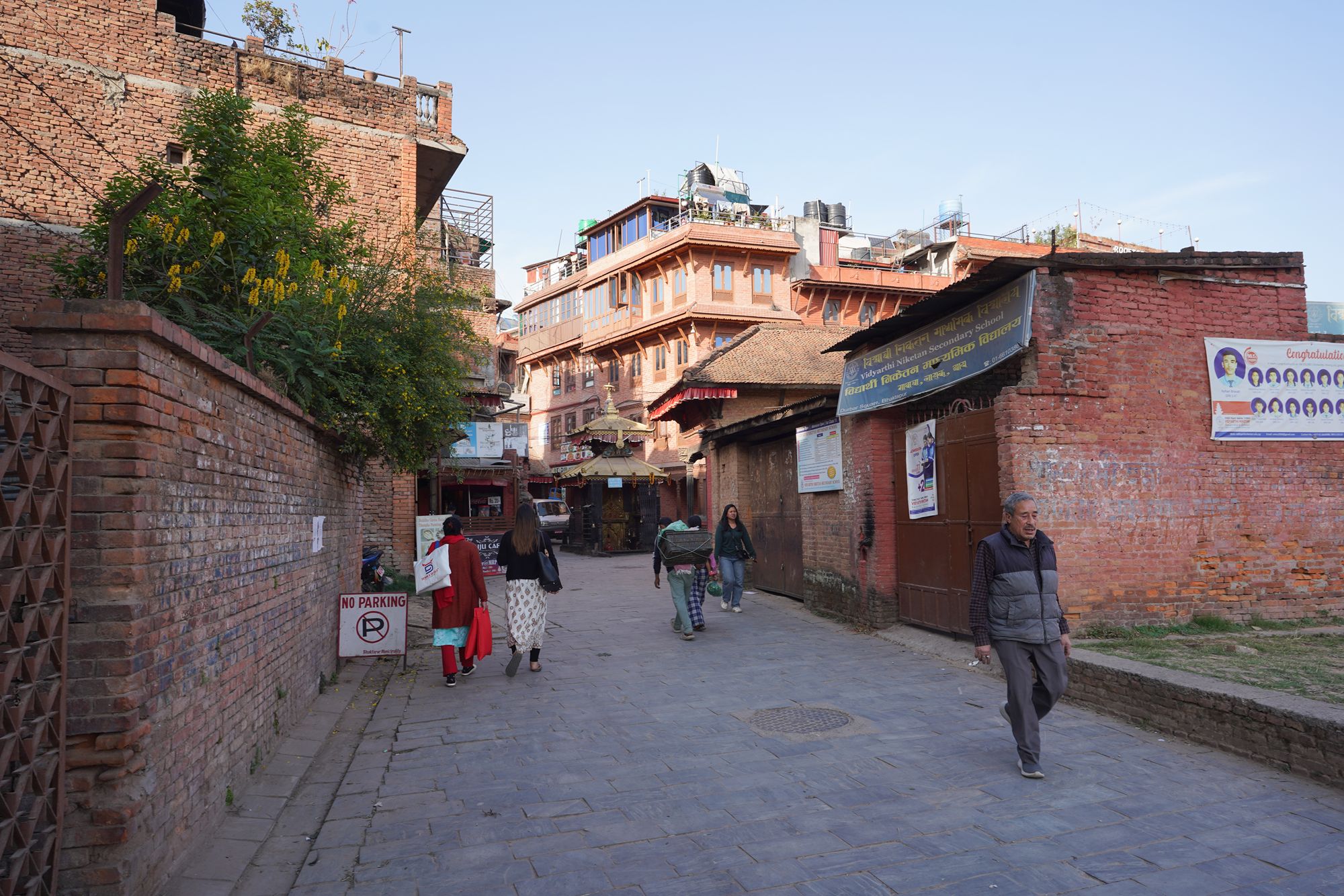
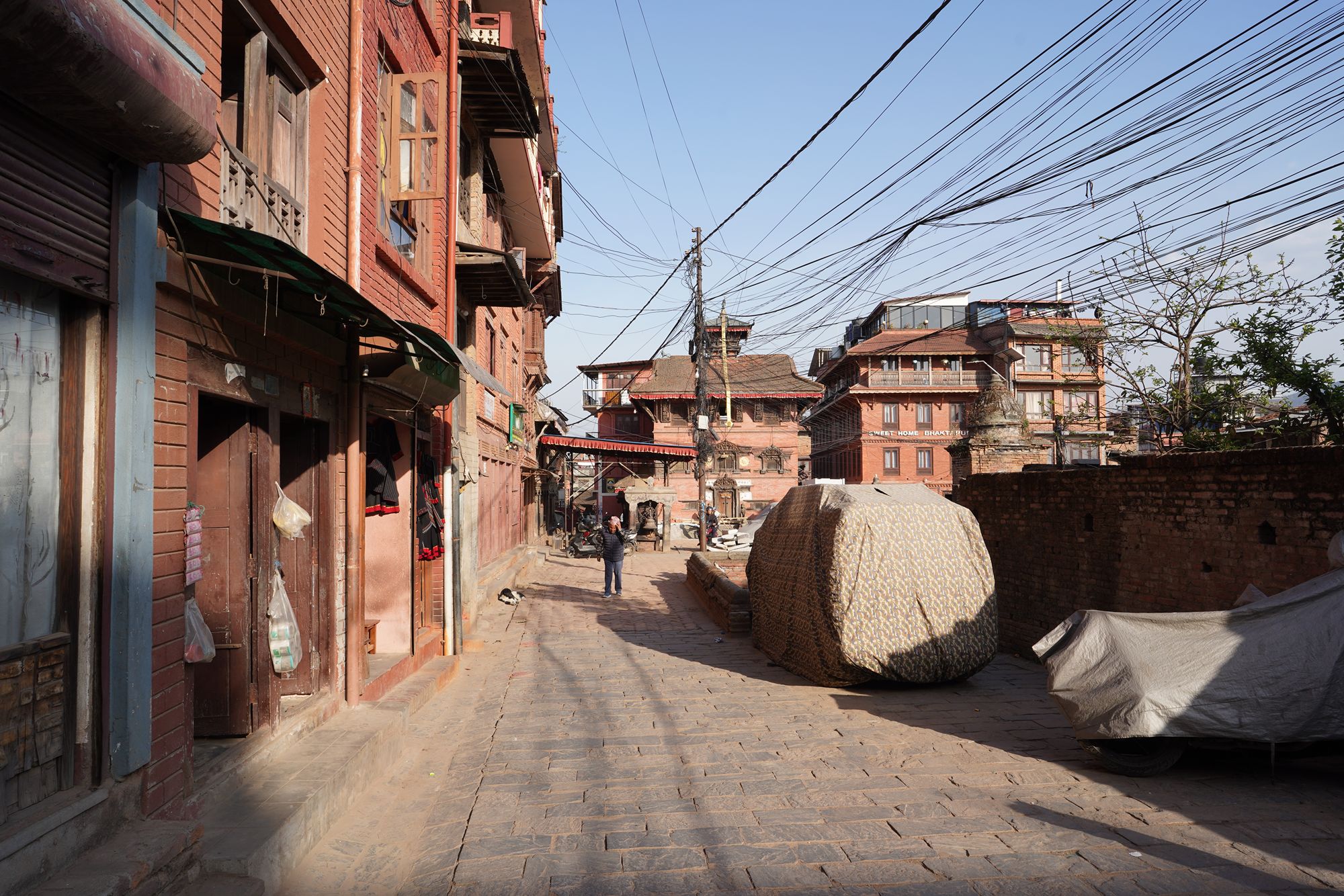
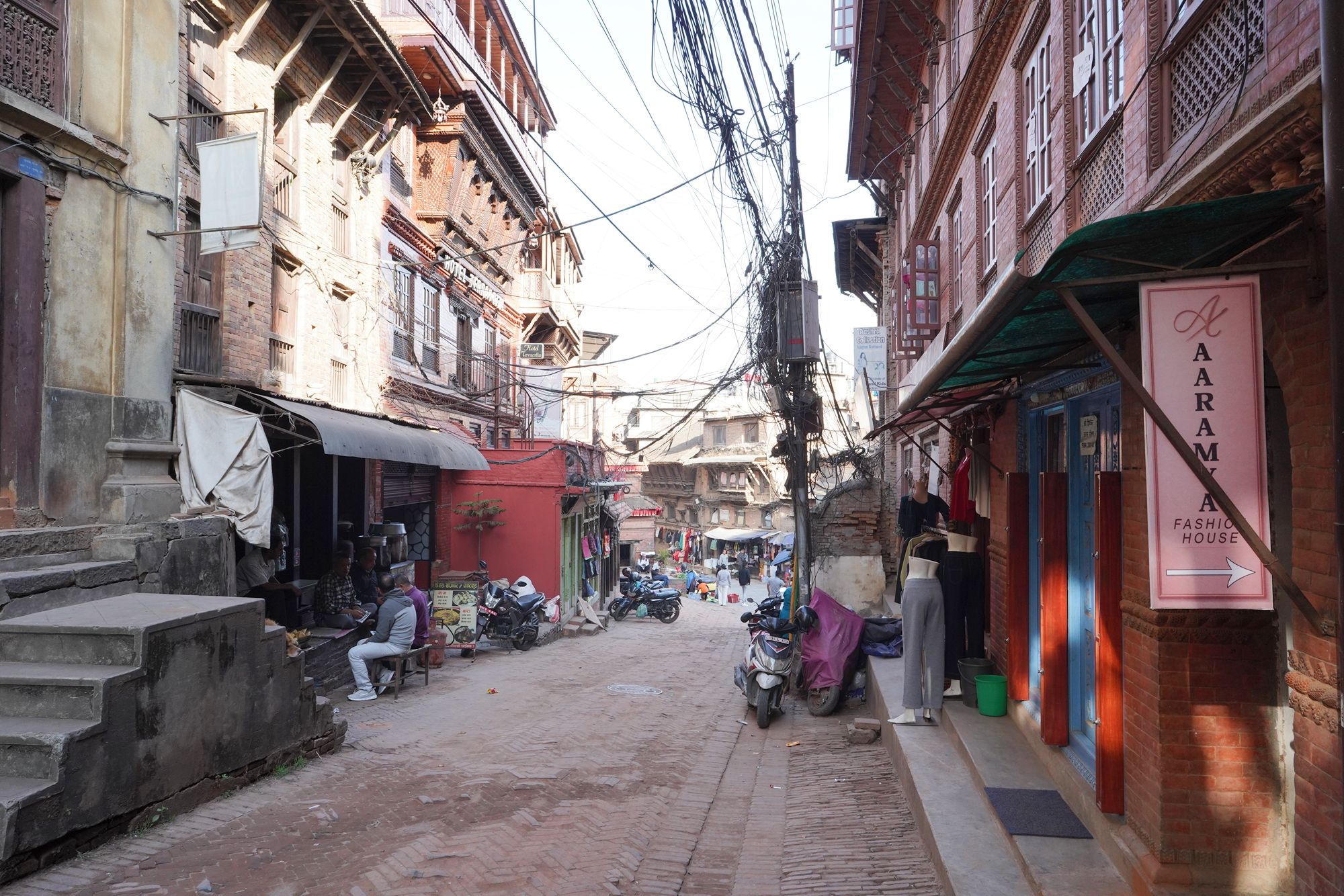
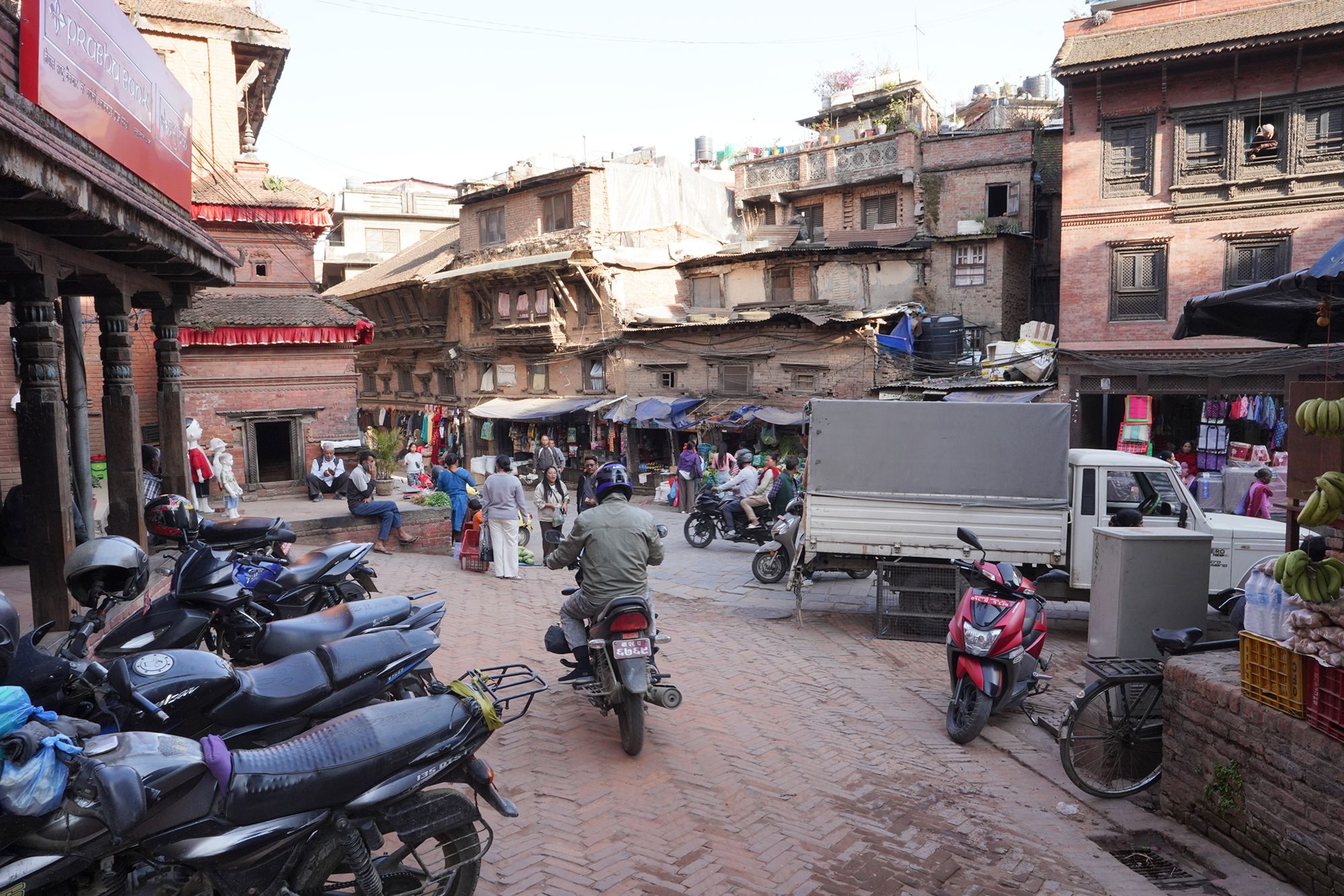
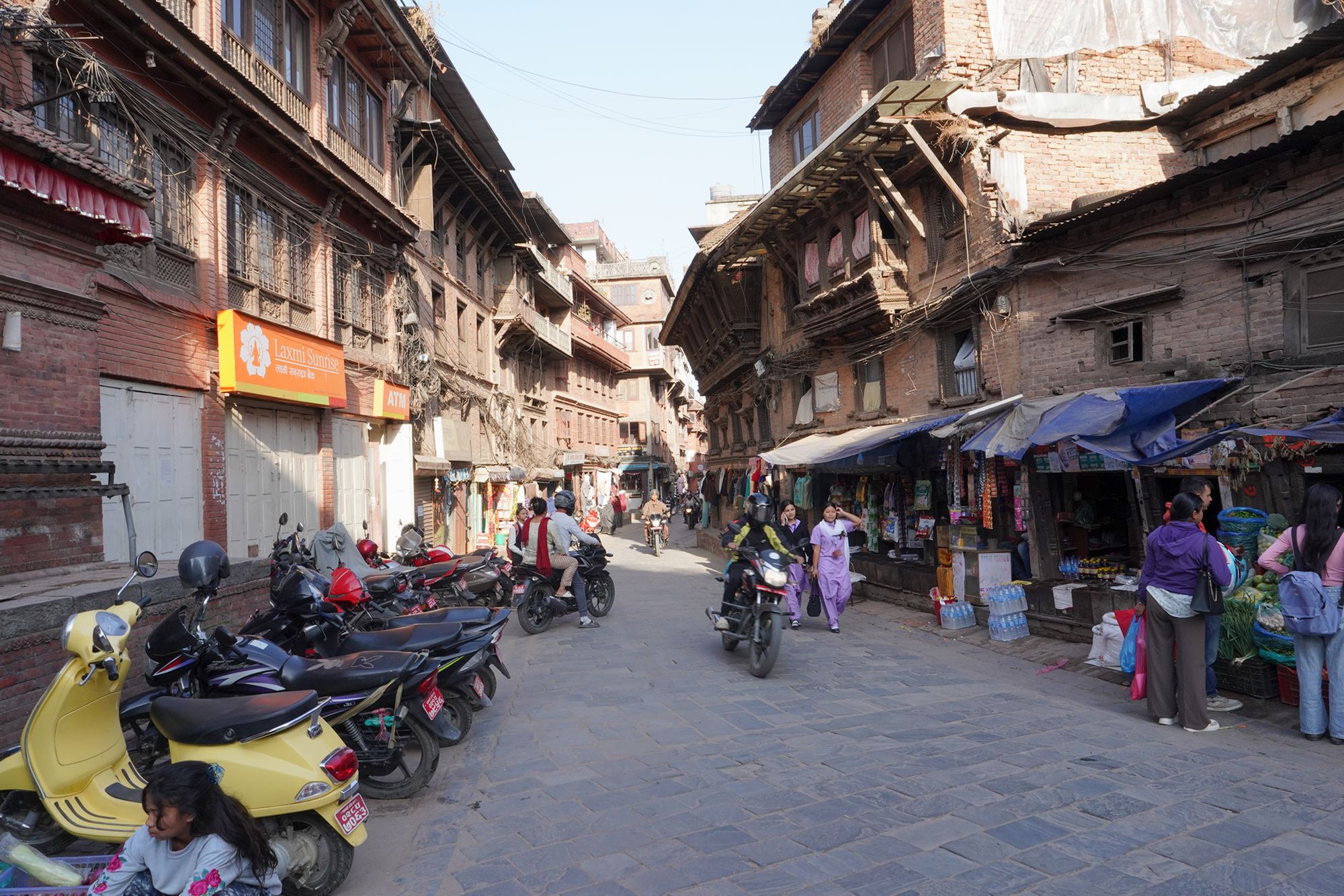
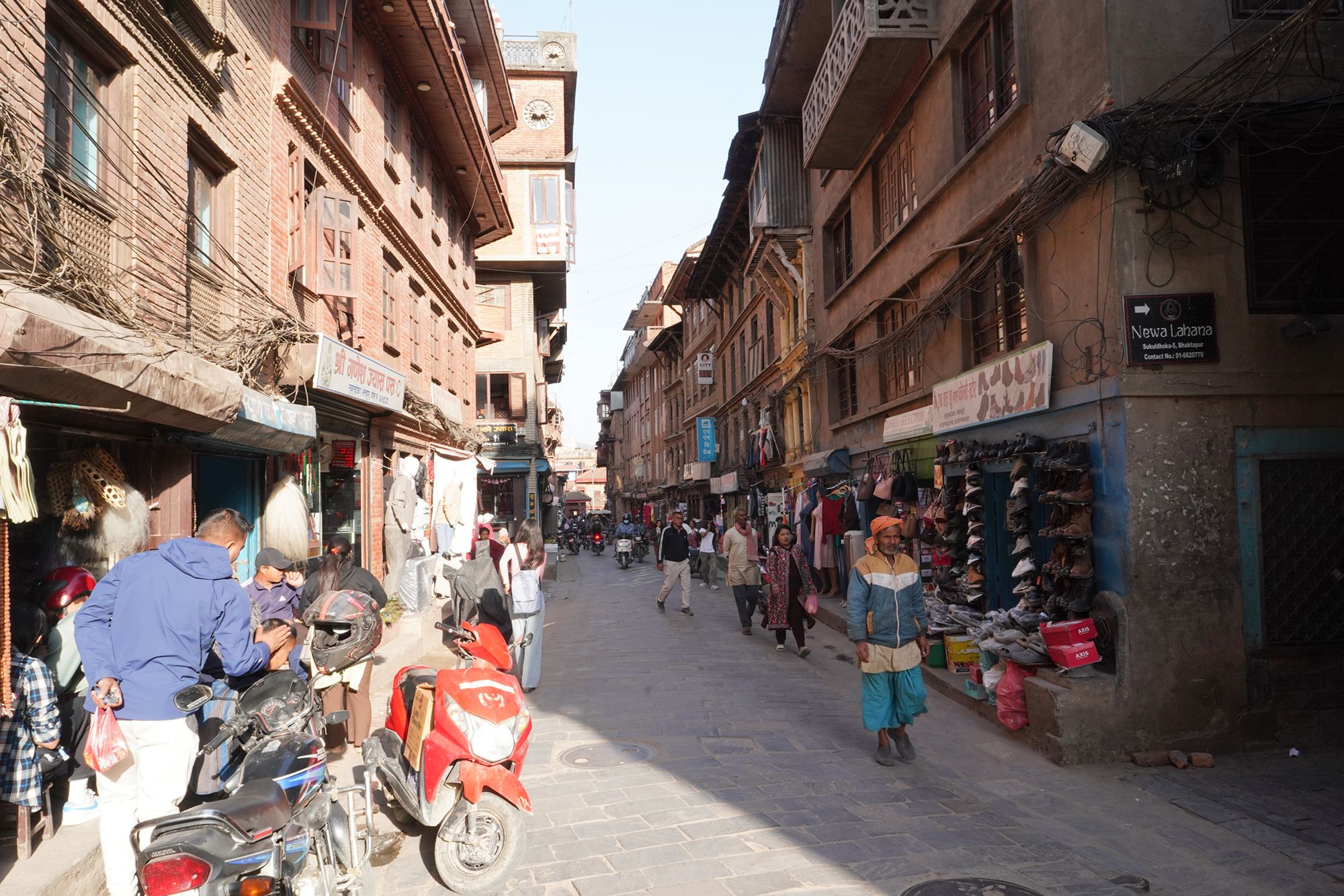
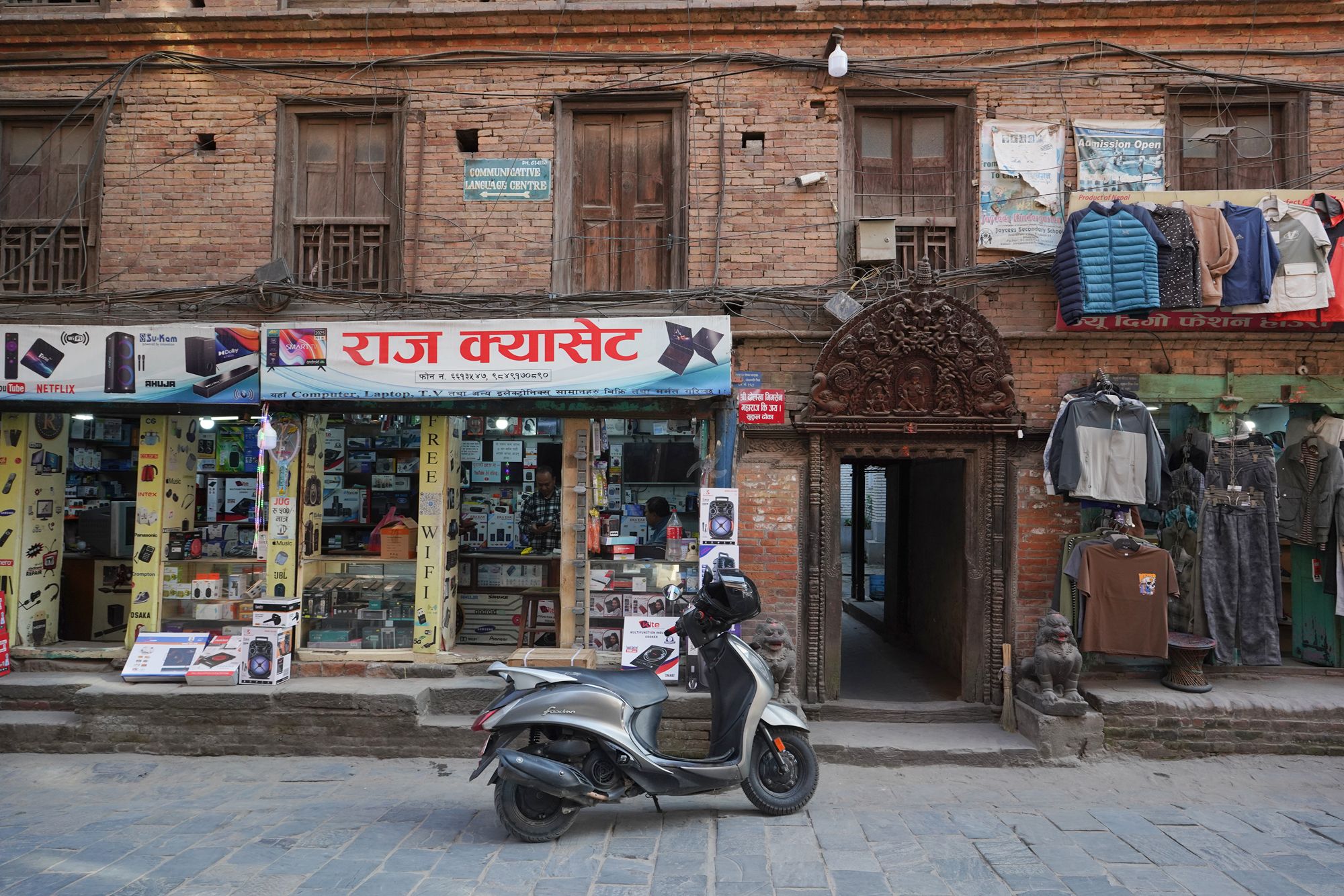
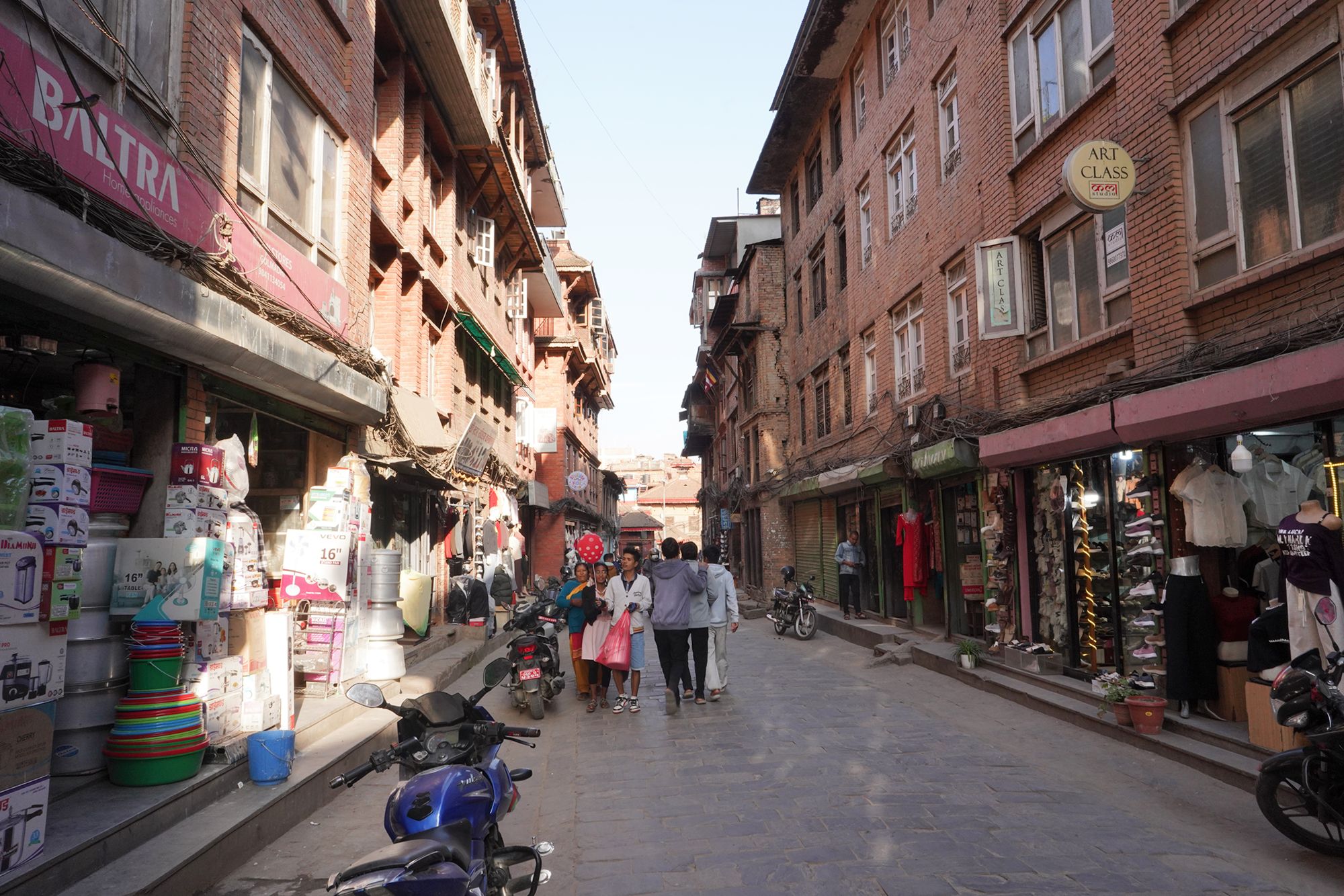
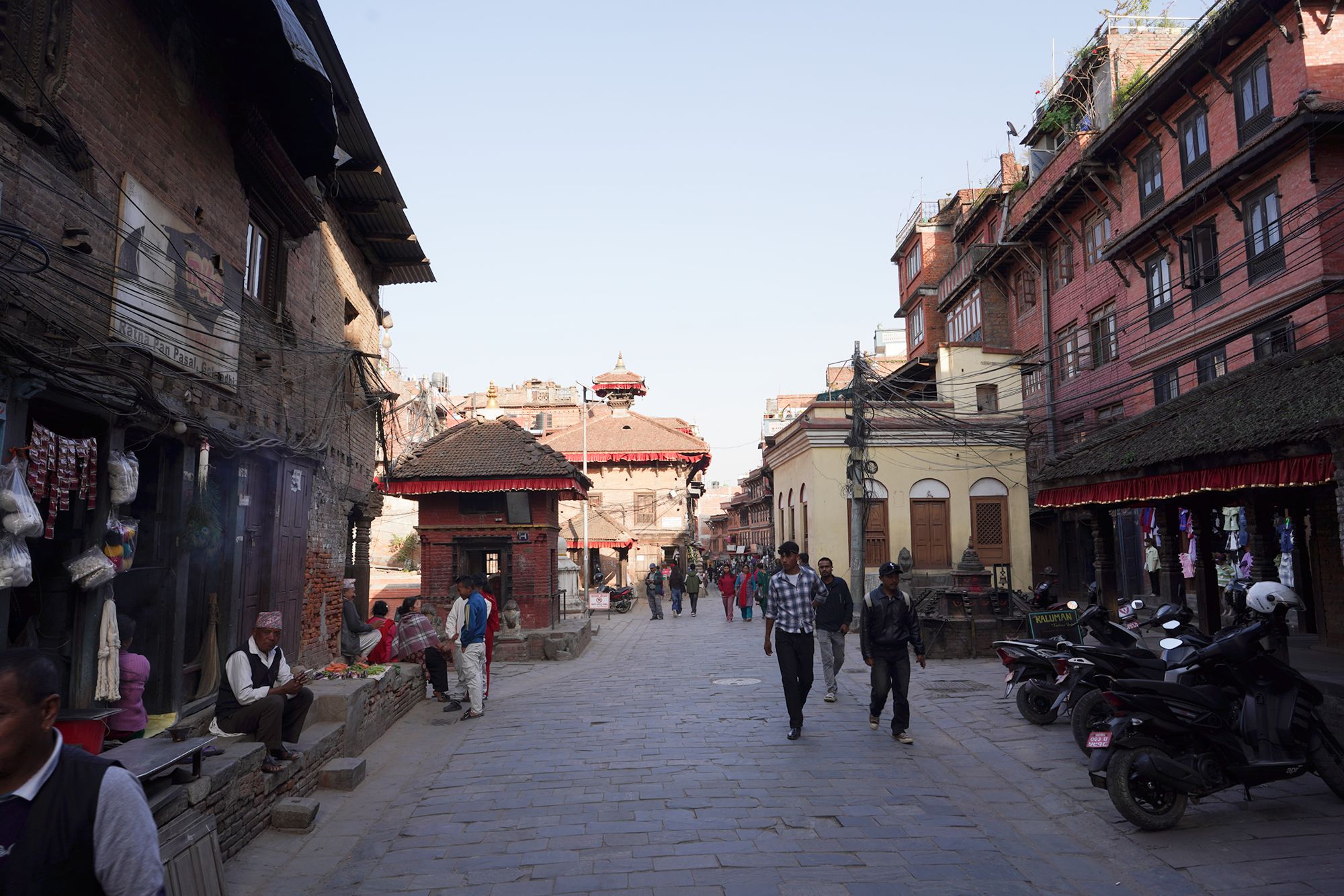
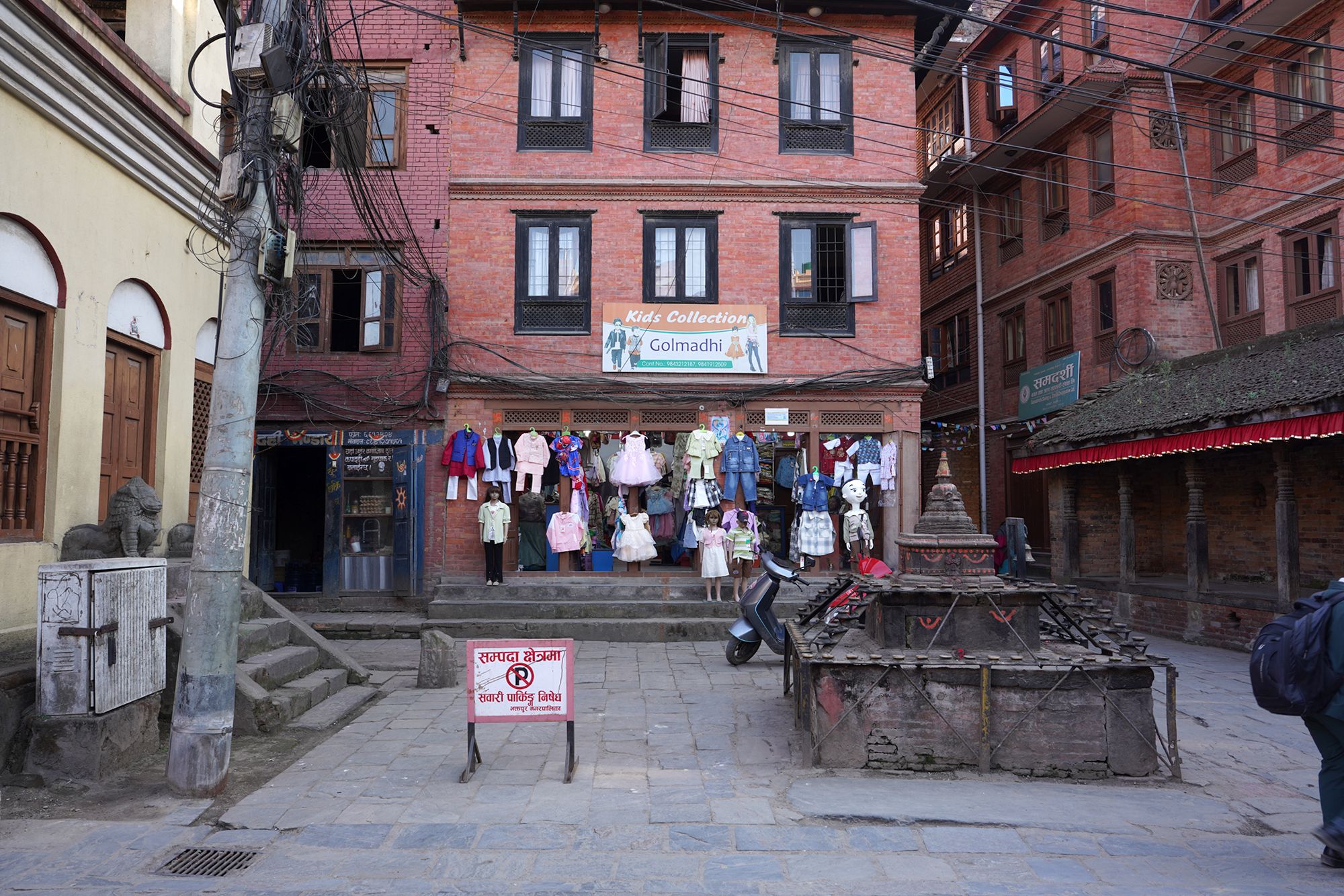
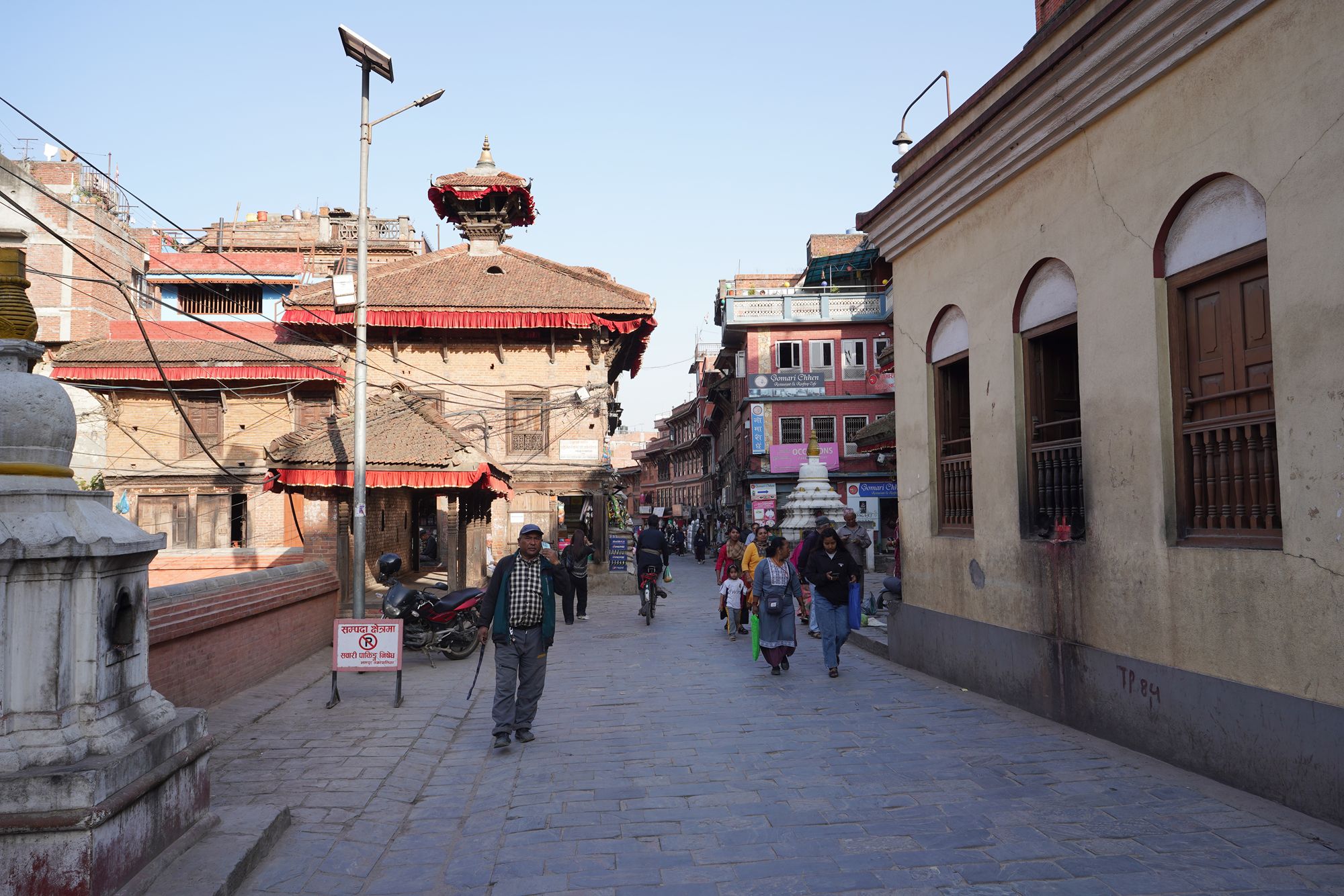
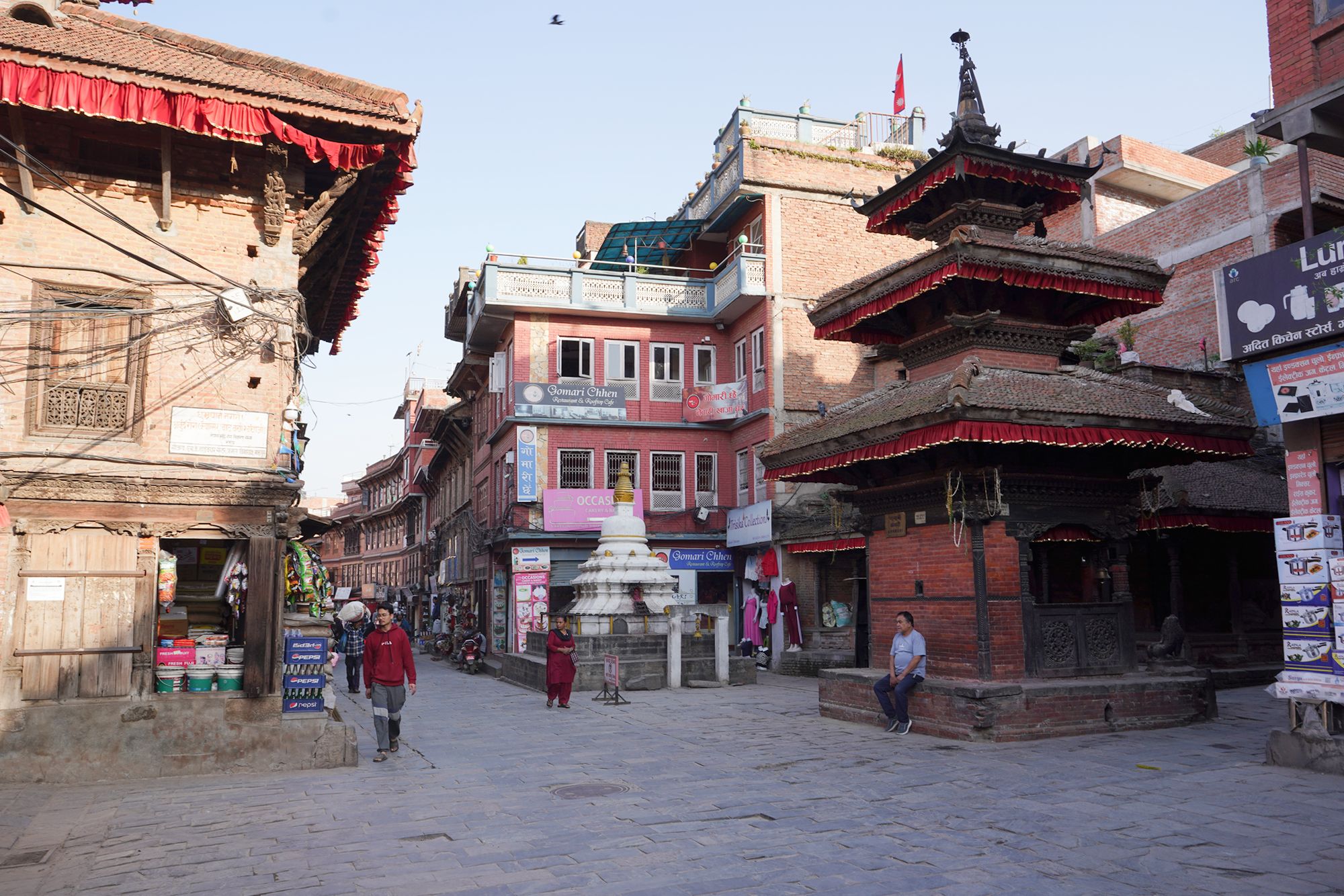
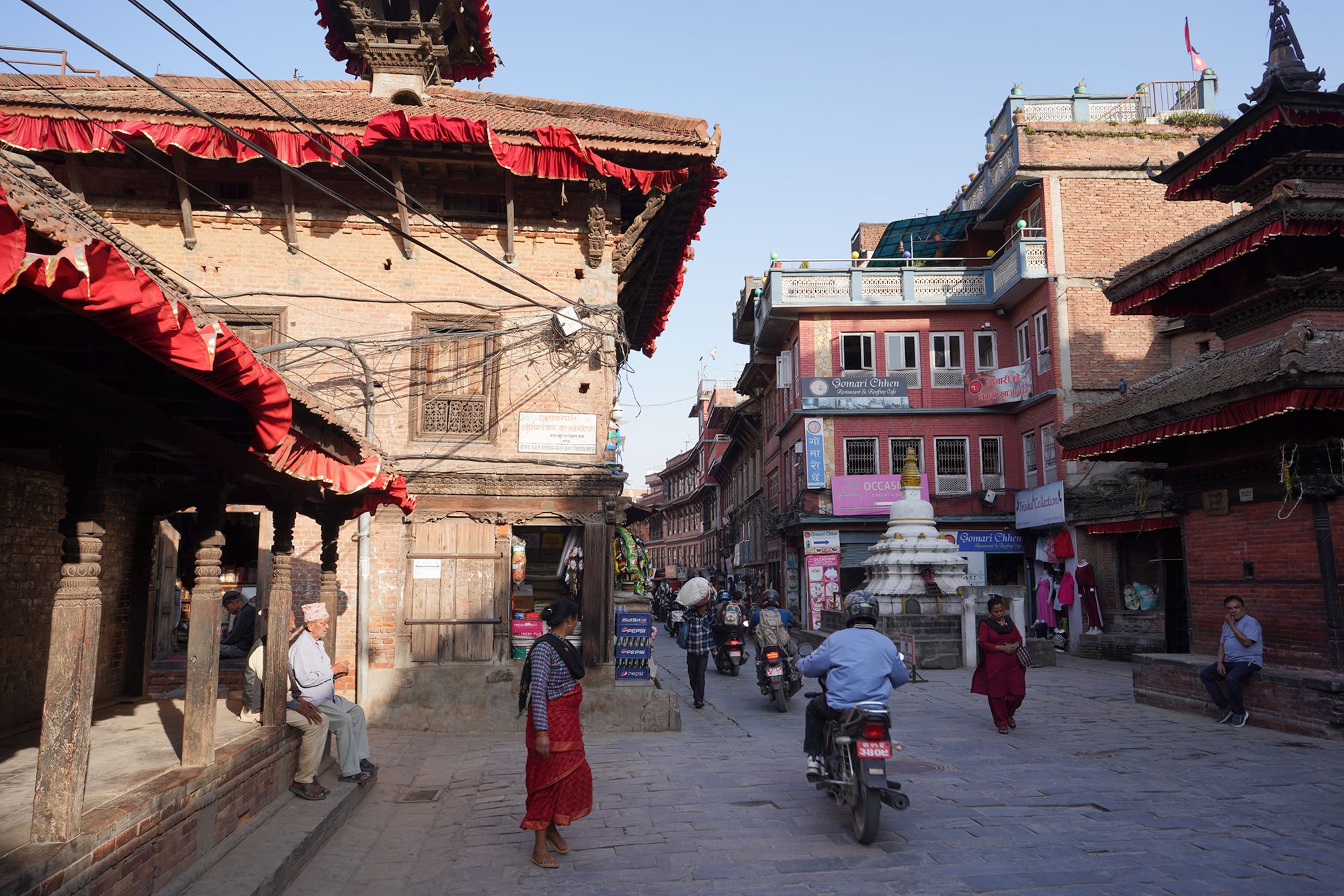
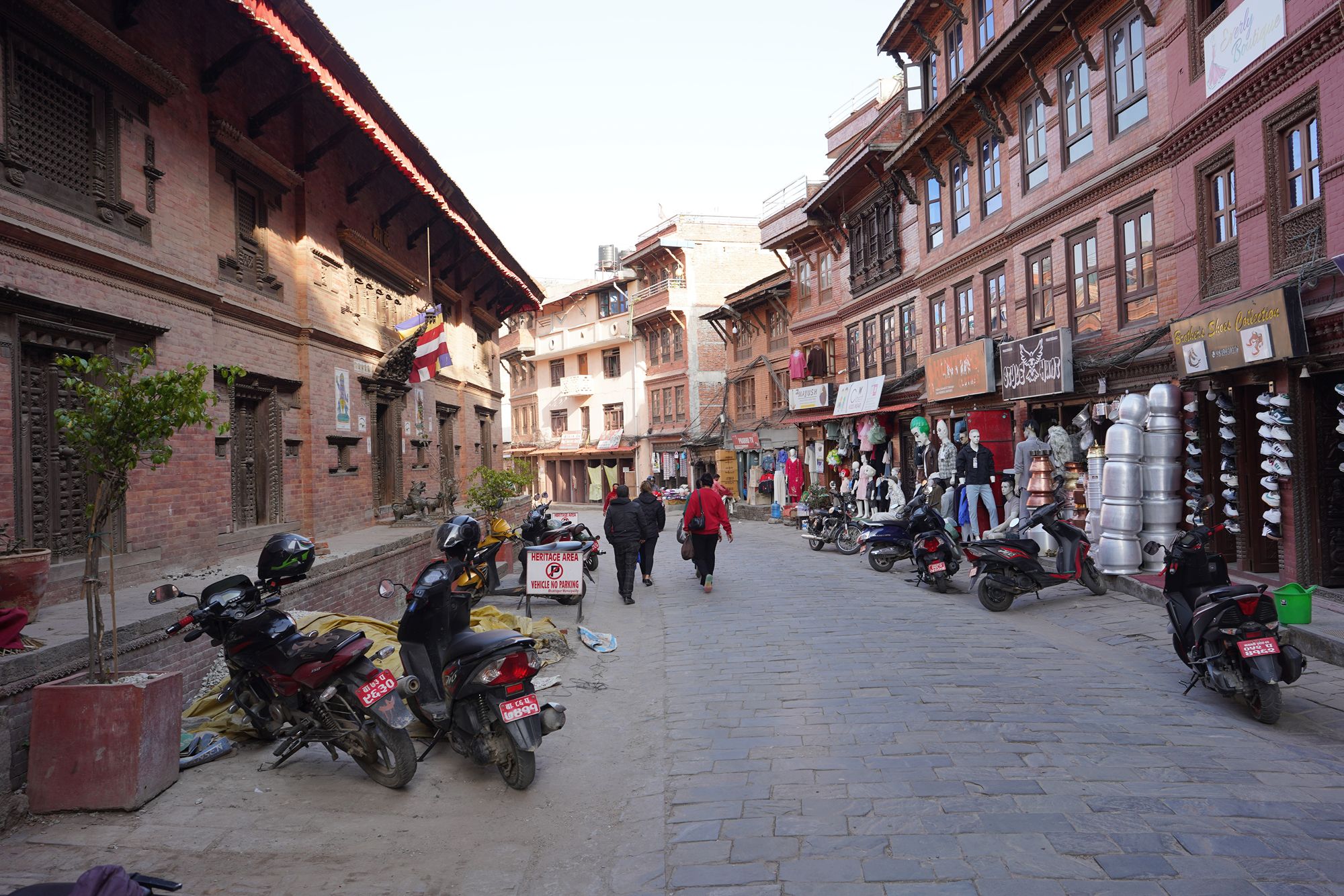
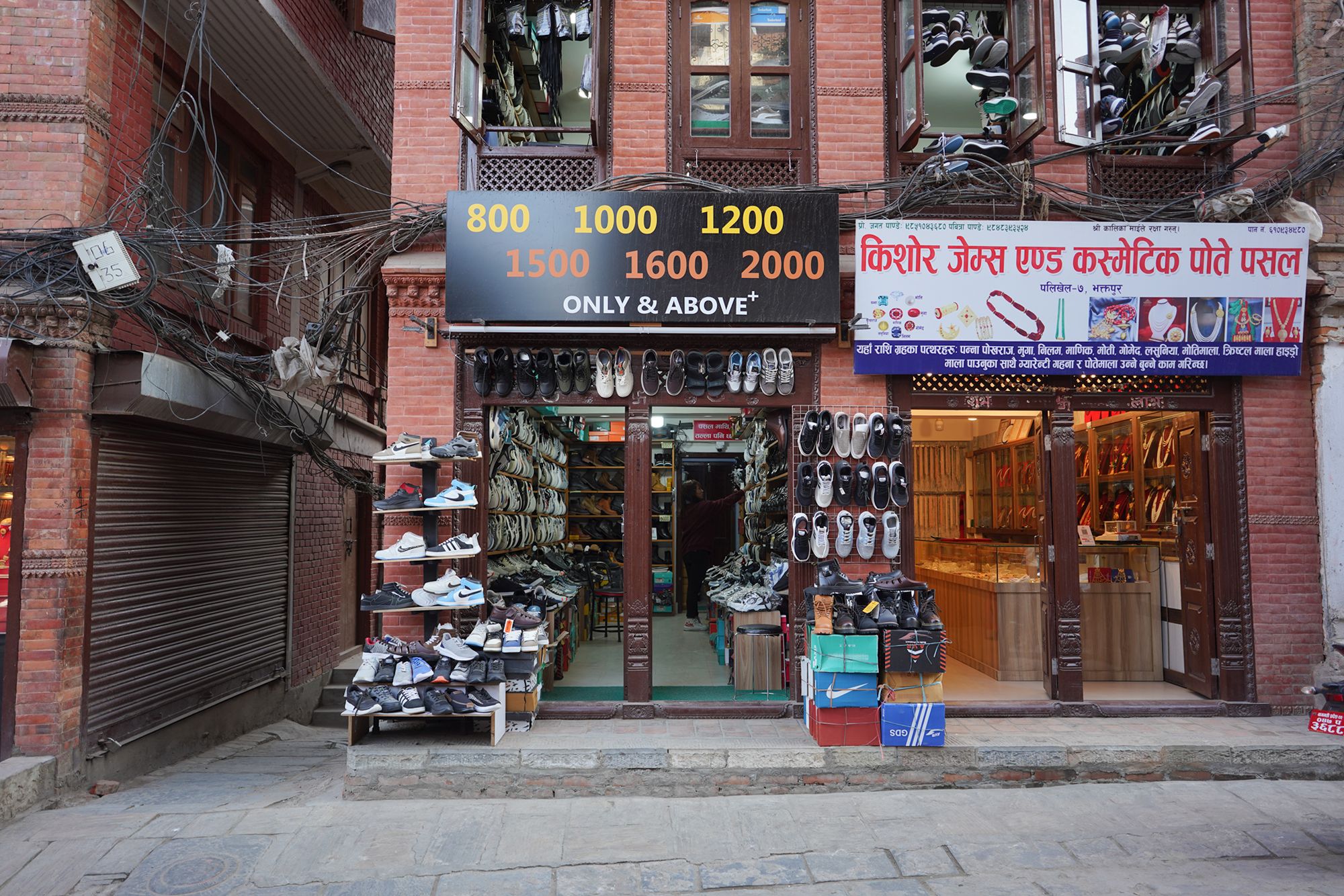
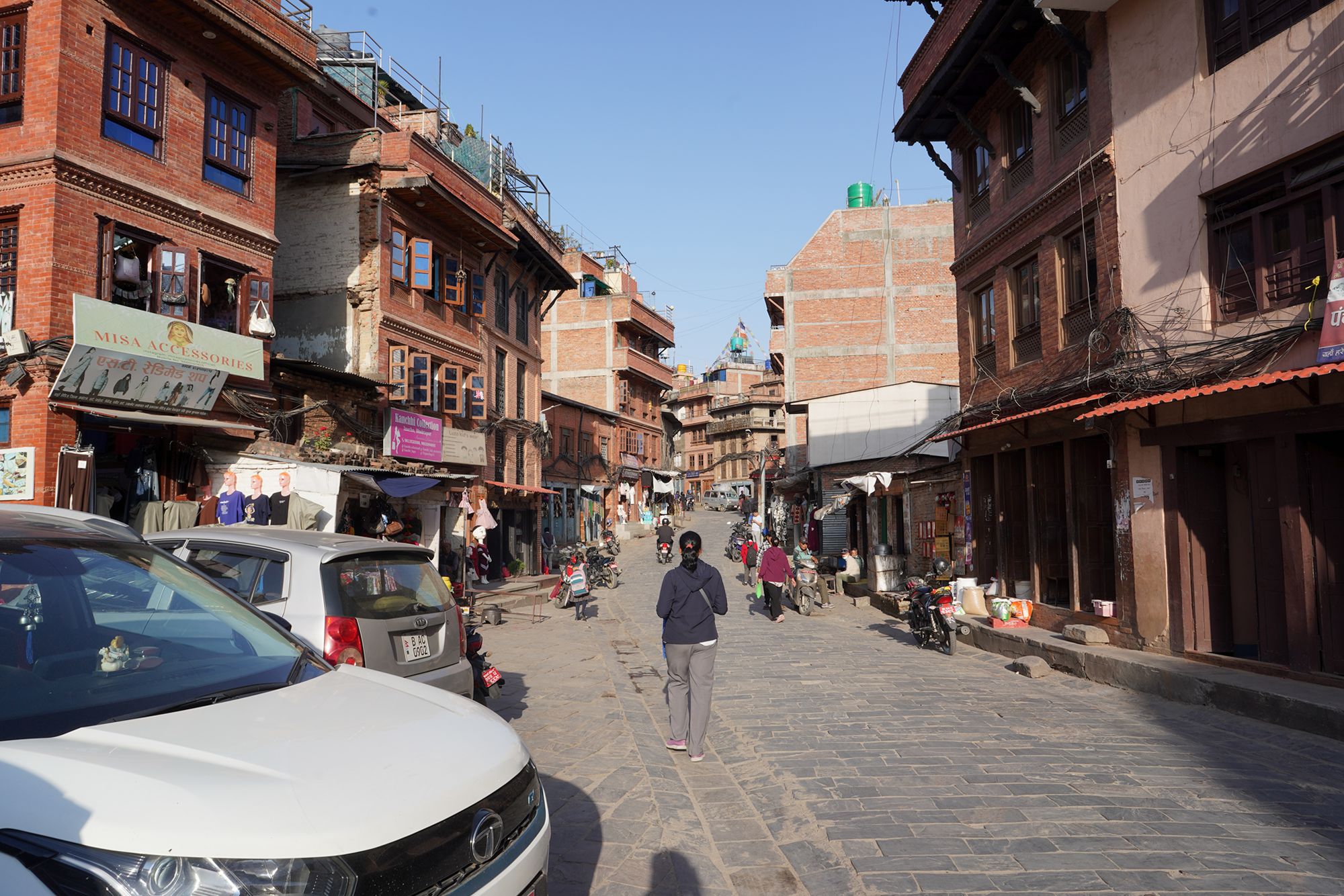
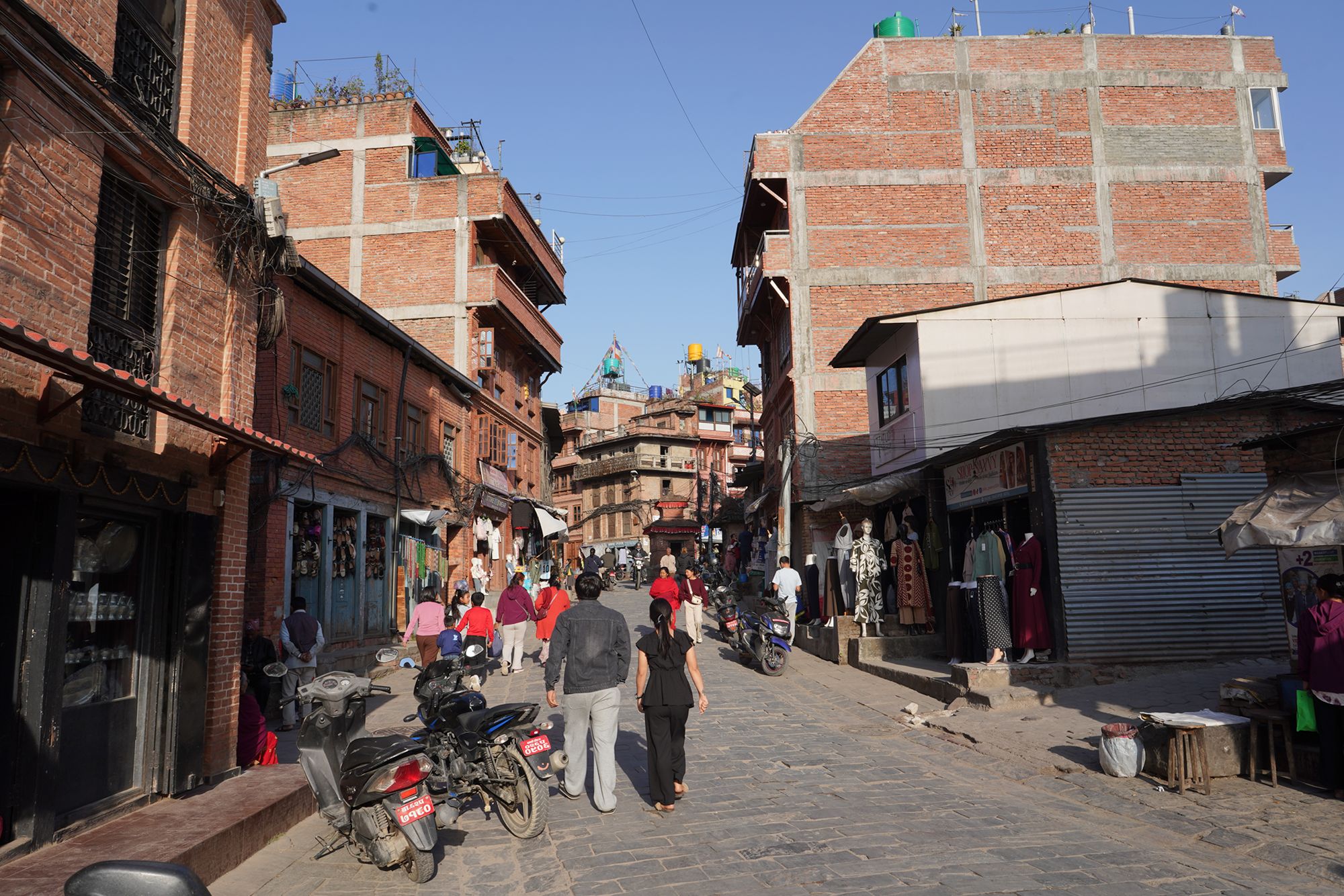
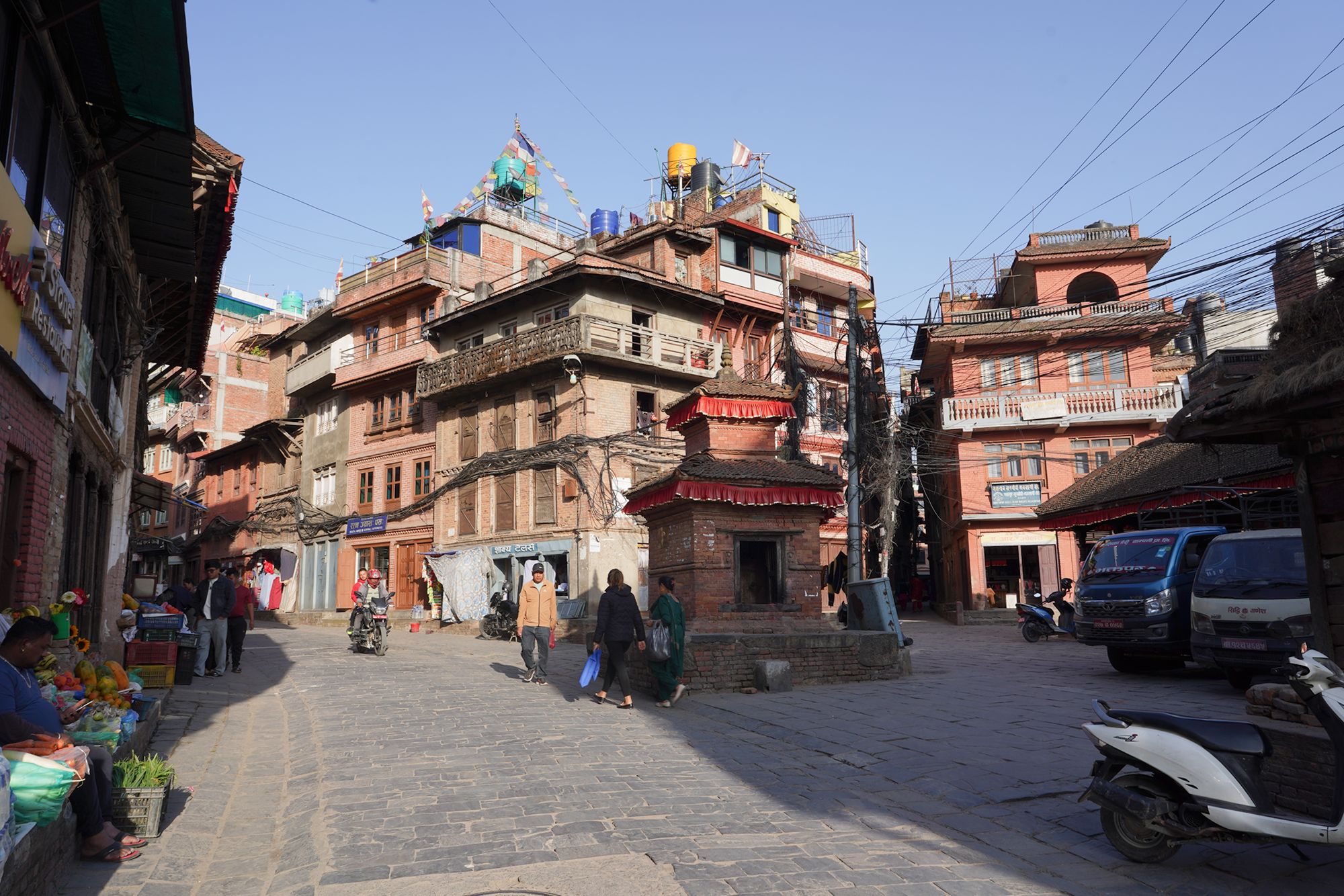
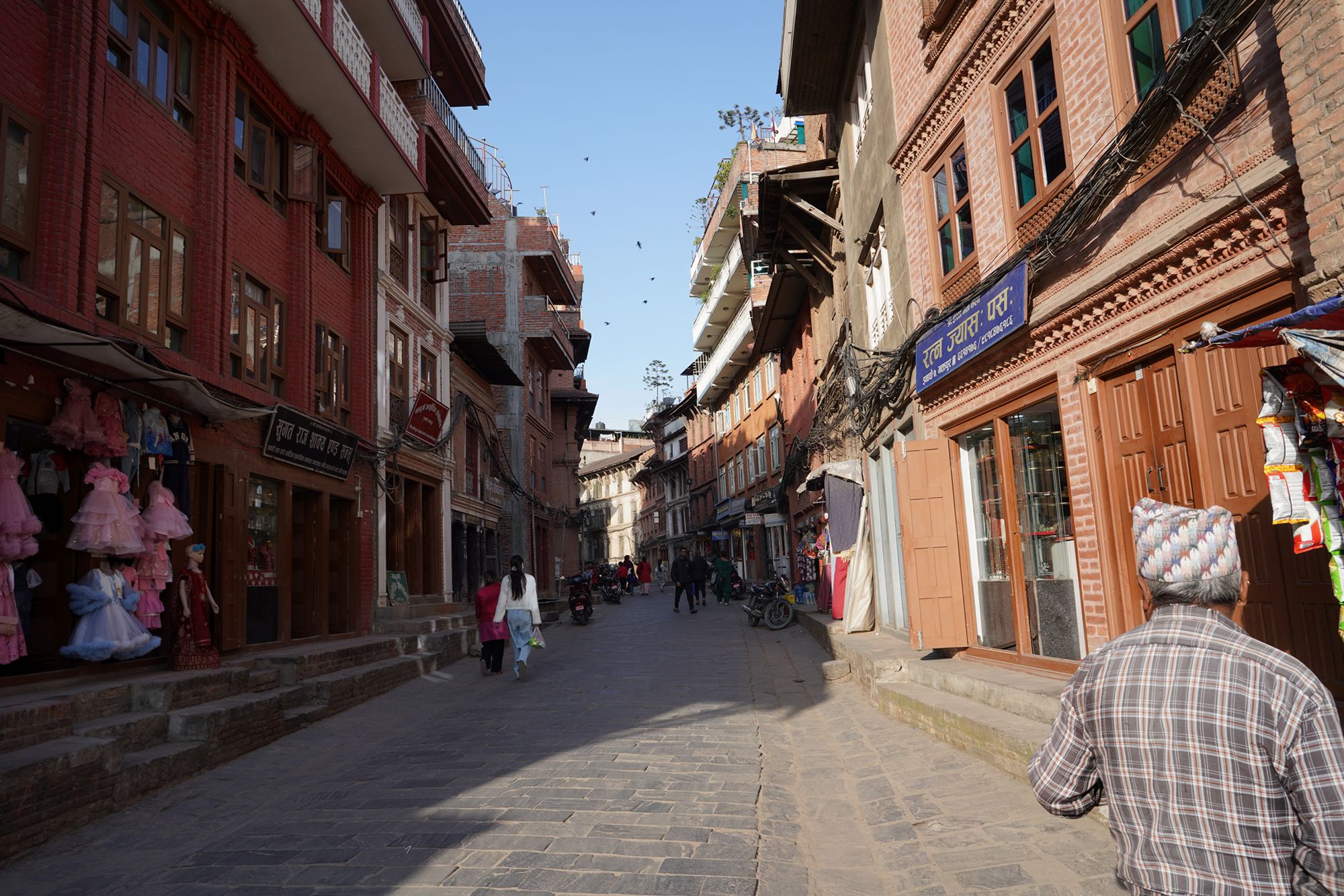
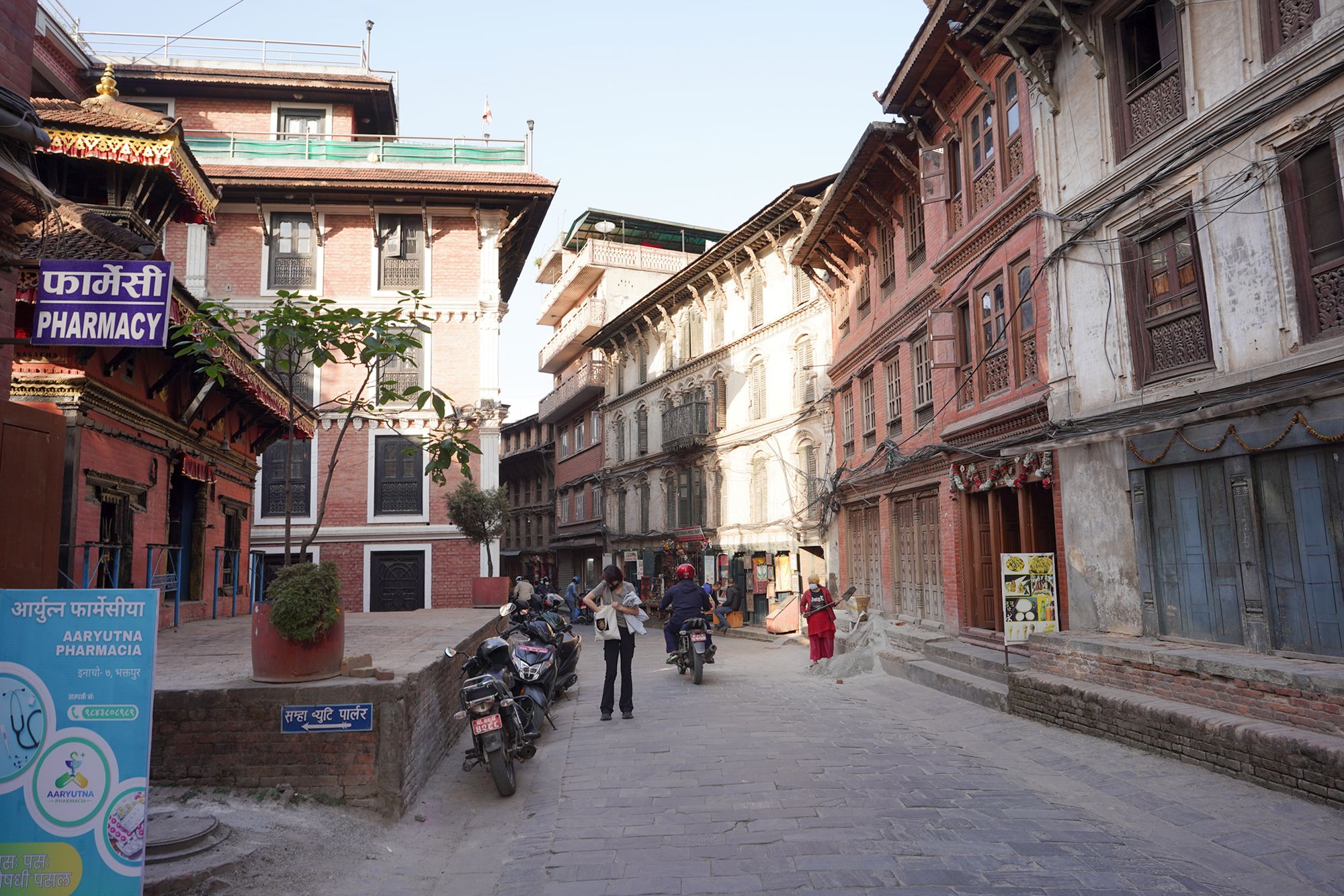
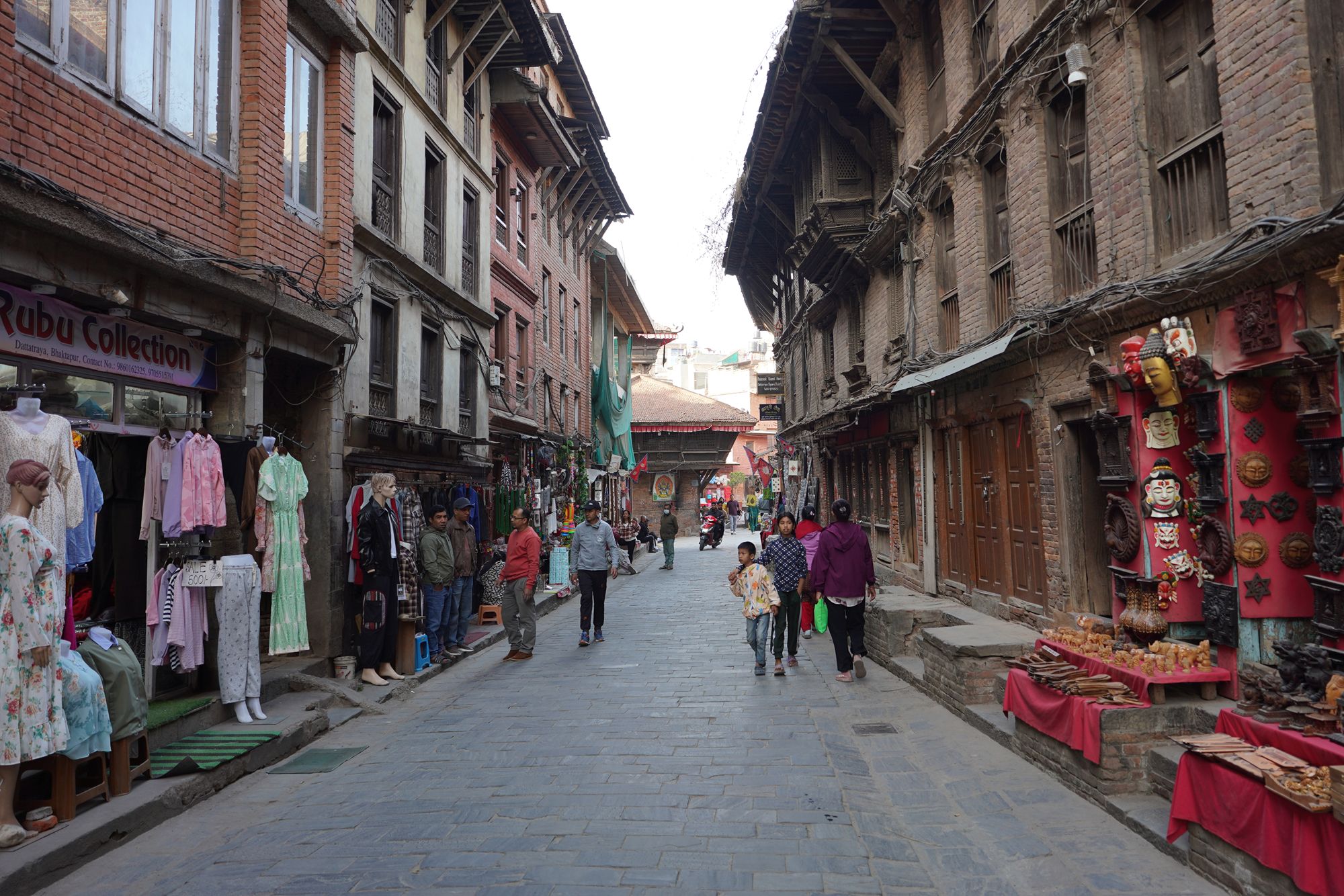
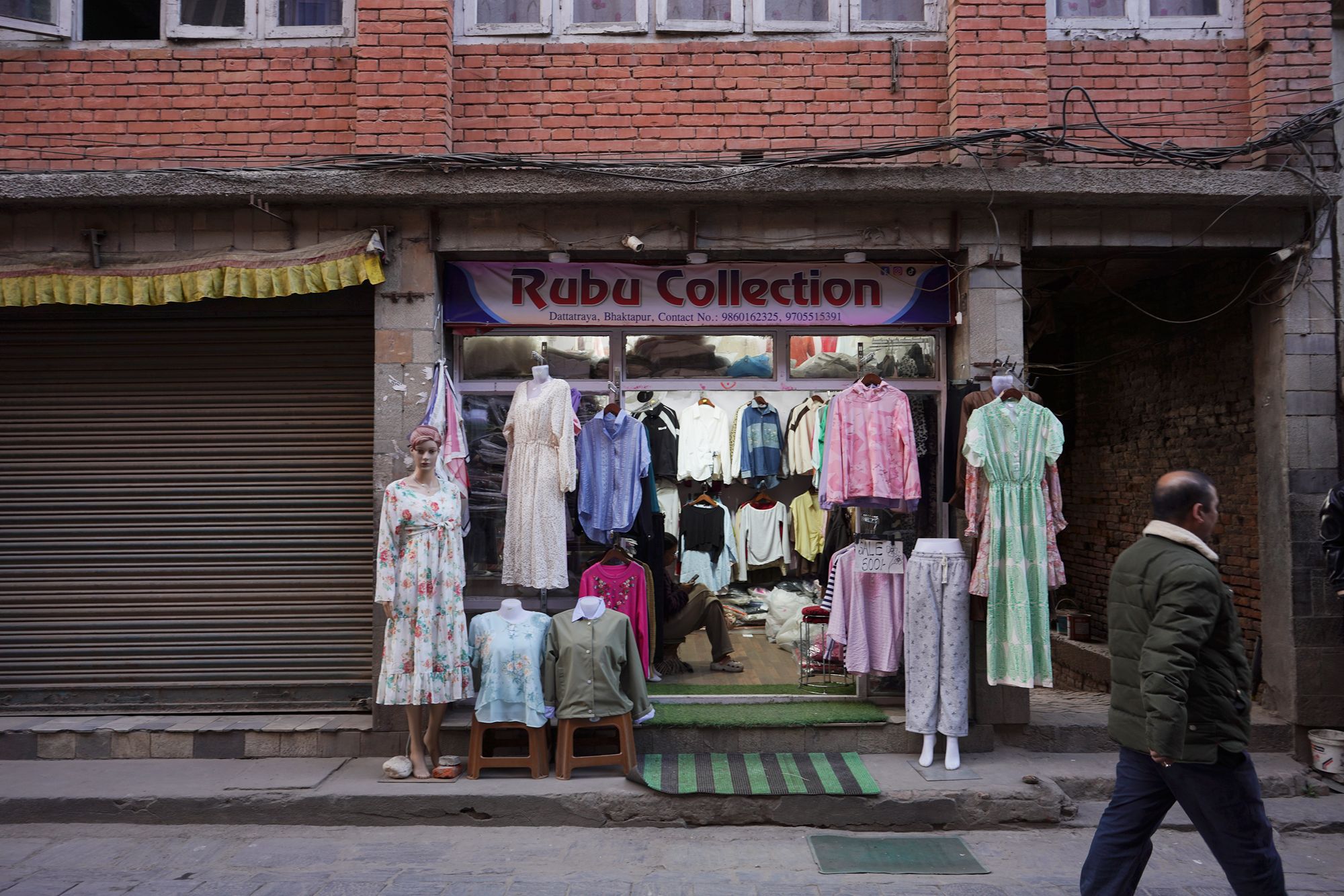
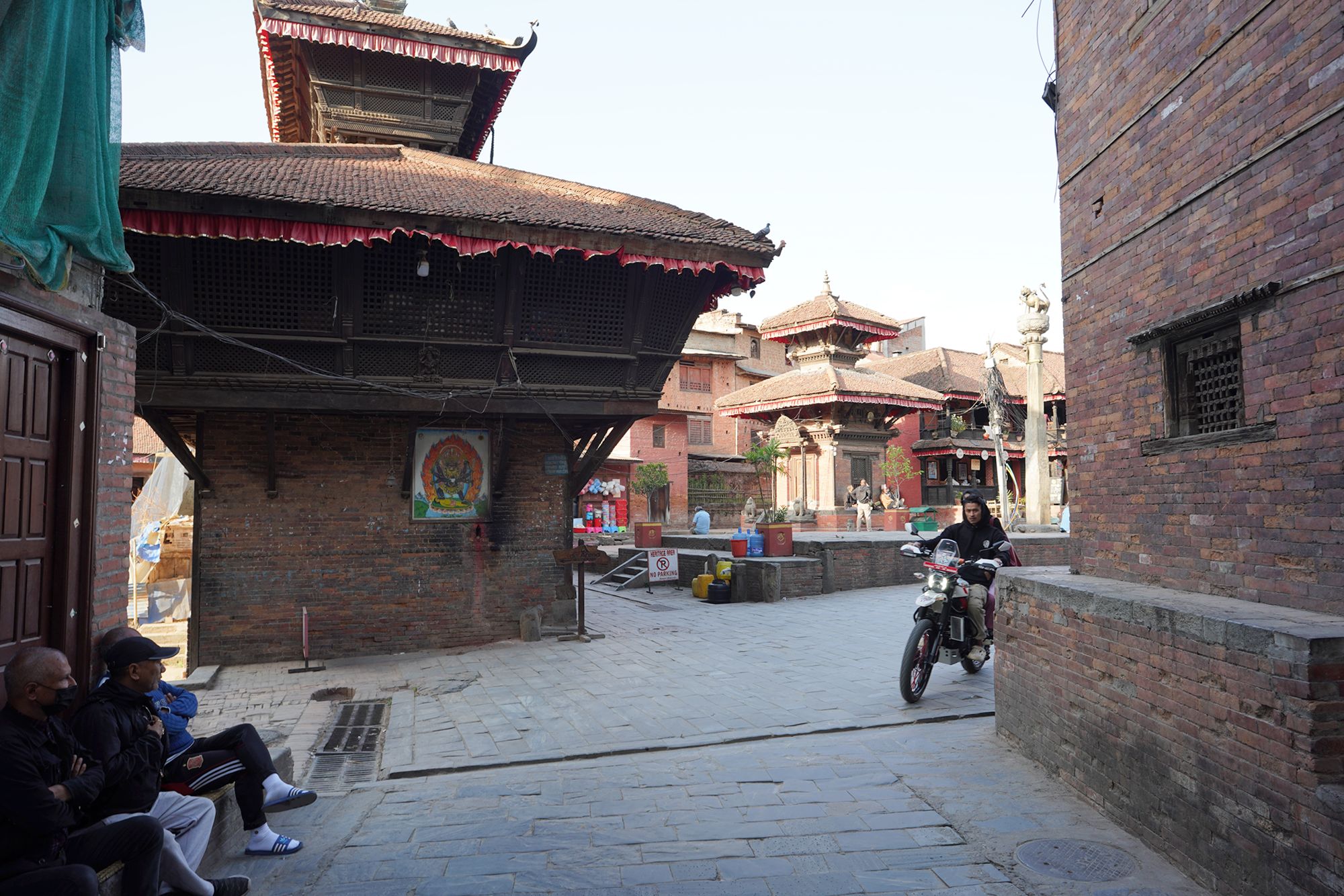
After walking along the long street through the old city, I finally arrived at Dattatreya Square.
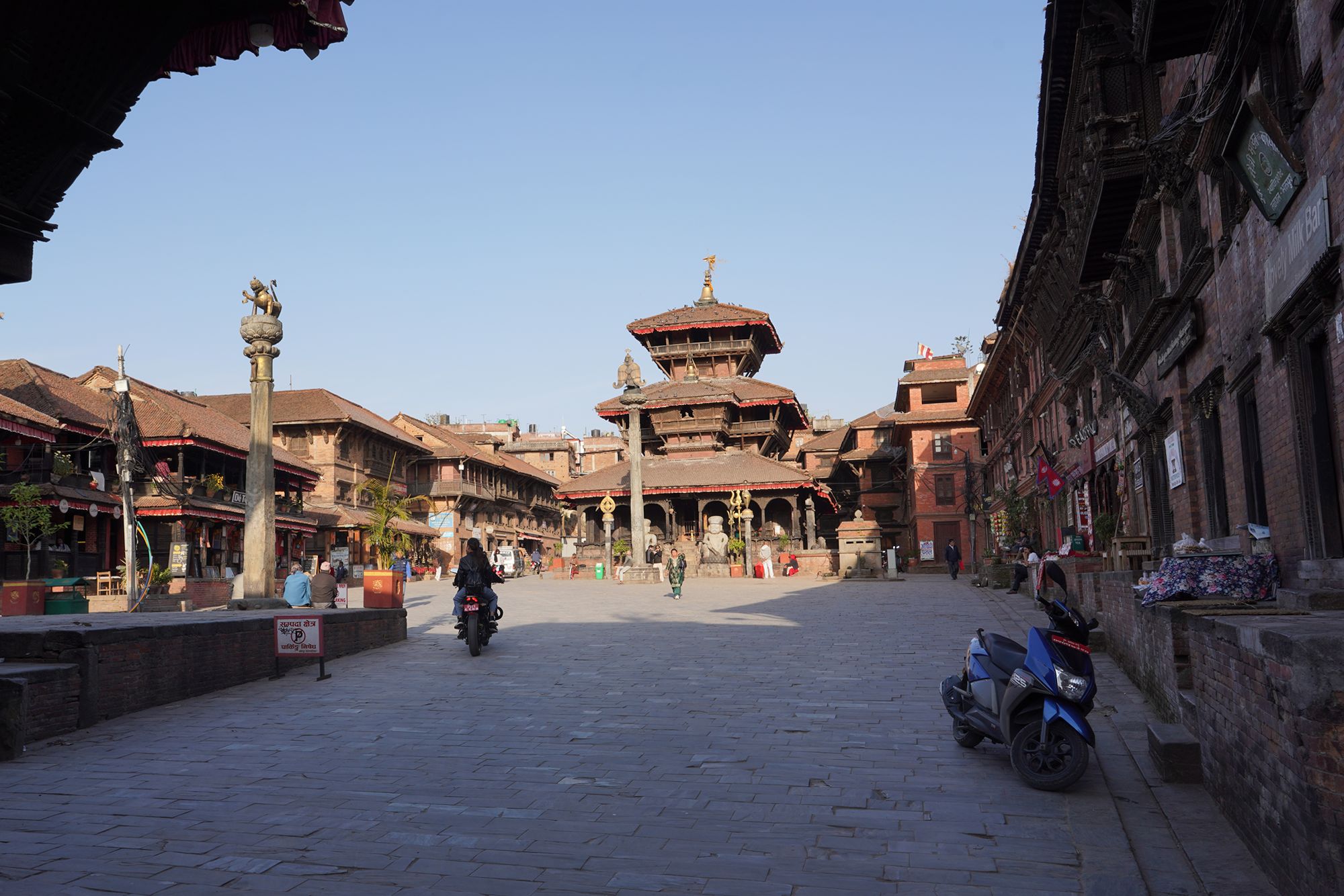
Dattatreya Square
Dattatreya Square is one of the oldest historic areas of Bhaktapur, located east of the main Durbar Square. Compared with the grand royal setting of Durbar Square and the towering temples of Taumadhi Square, Dattatreya Square has a smaller, more intimate neighborhood atmosphere.
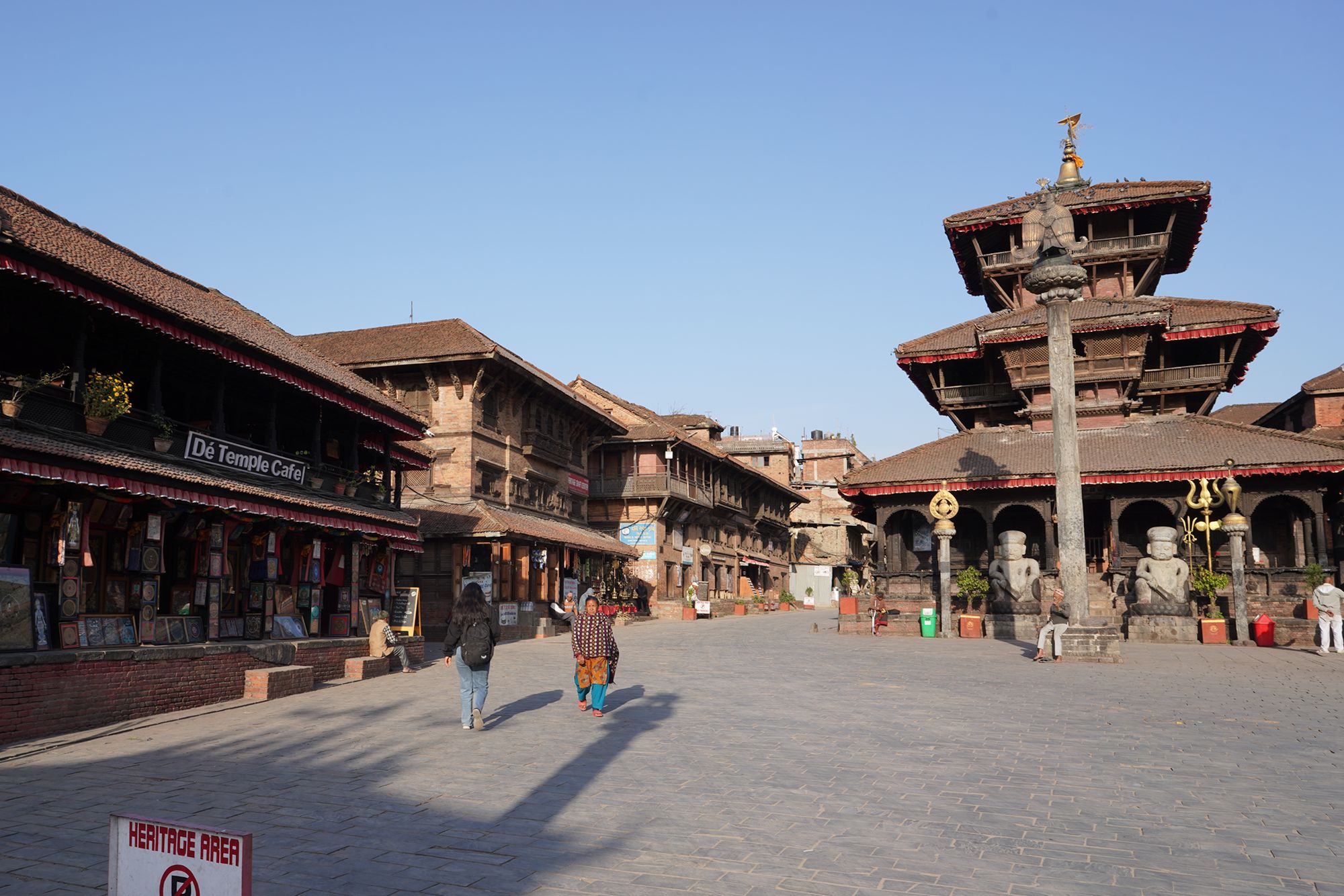
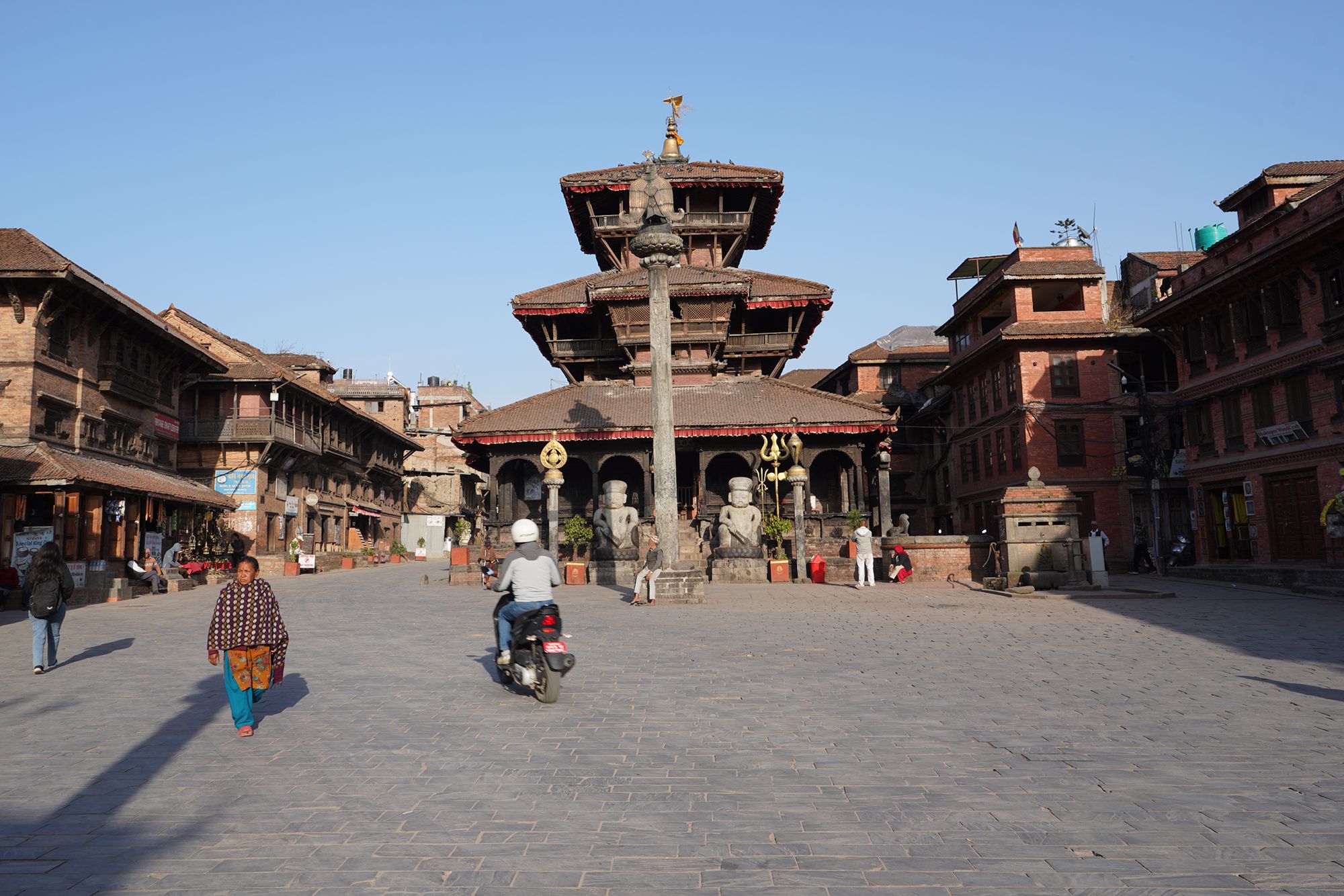
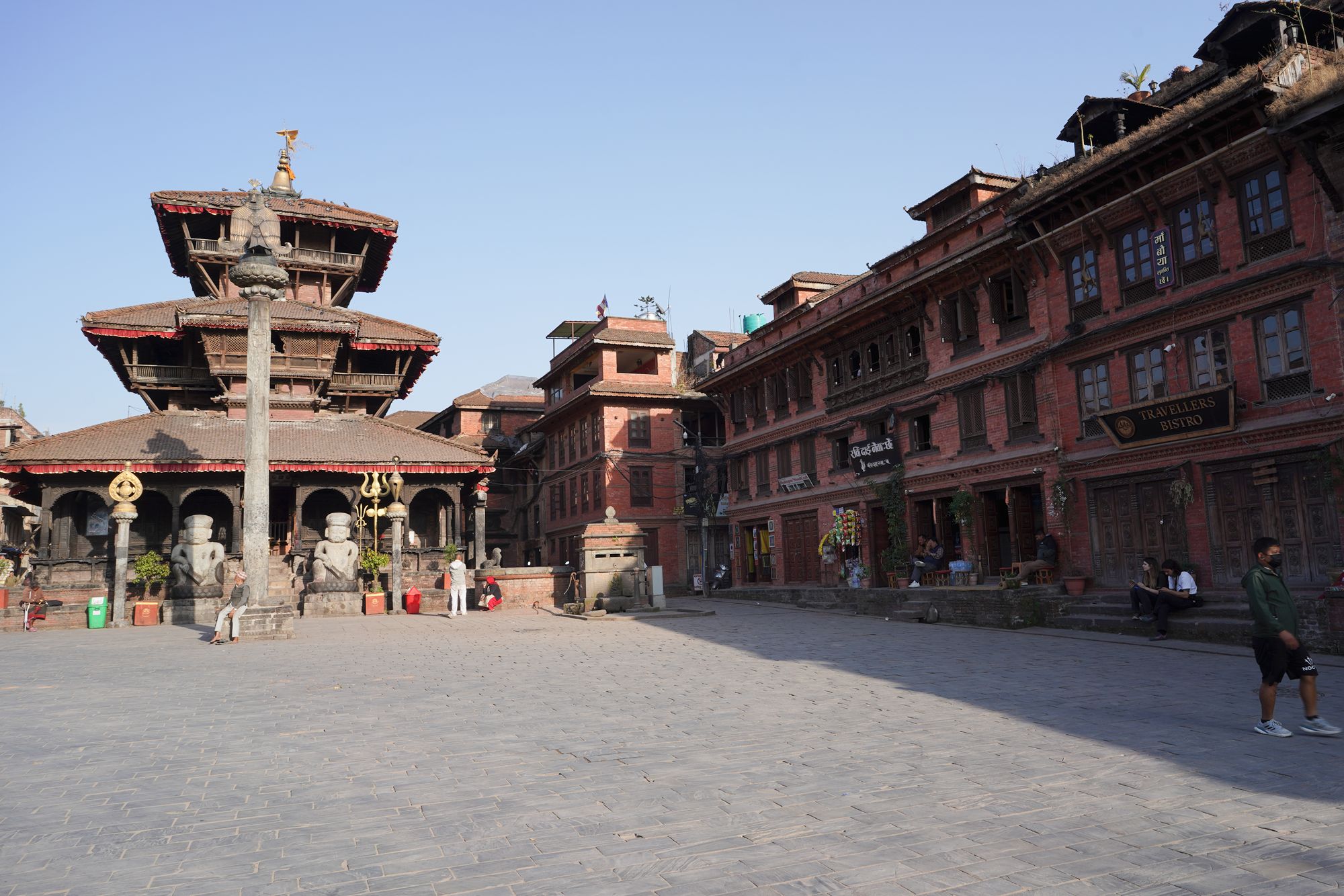
Its main landmark is the Dattatreya Temple, traditionally dated to the 15th century and associated with King Yaksha Malla. The temple is dedicated to Dattatreya, a Hindu deity traditionally regarded as embodying the three major gods Brahma, Vishnu, and Shiva.
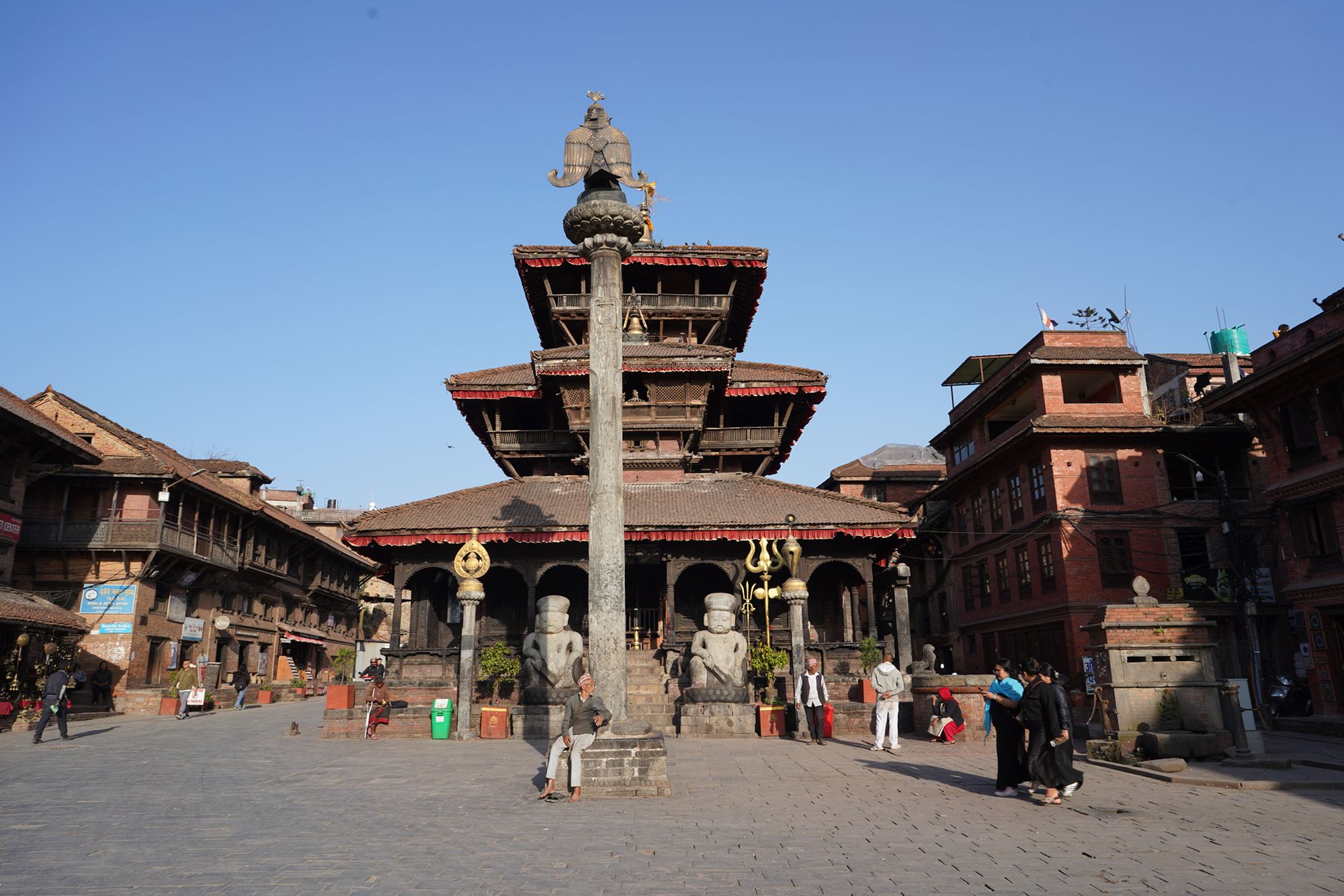
Because it lies farther from the main Durbar Square, Dattatreya Square can feel more like part of a living historic neighborhood, making the walk there through Bhaktapur's old streets part of the experience.
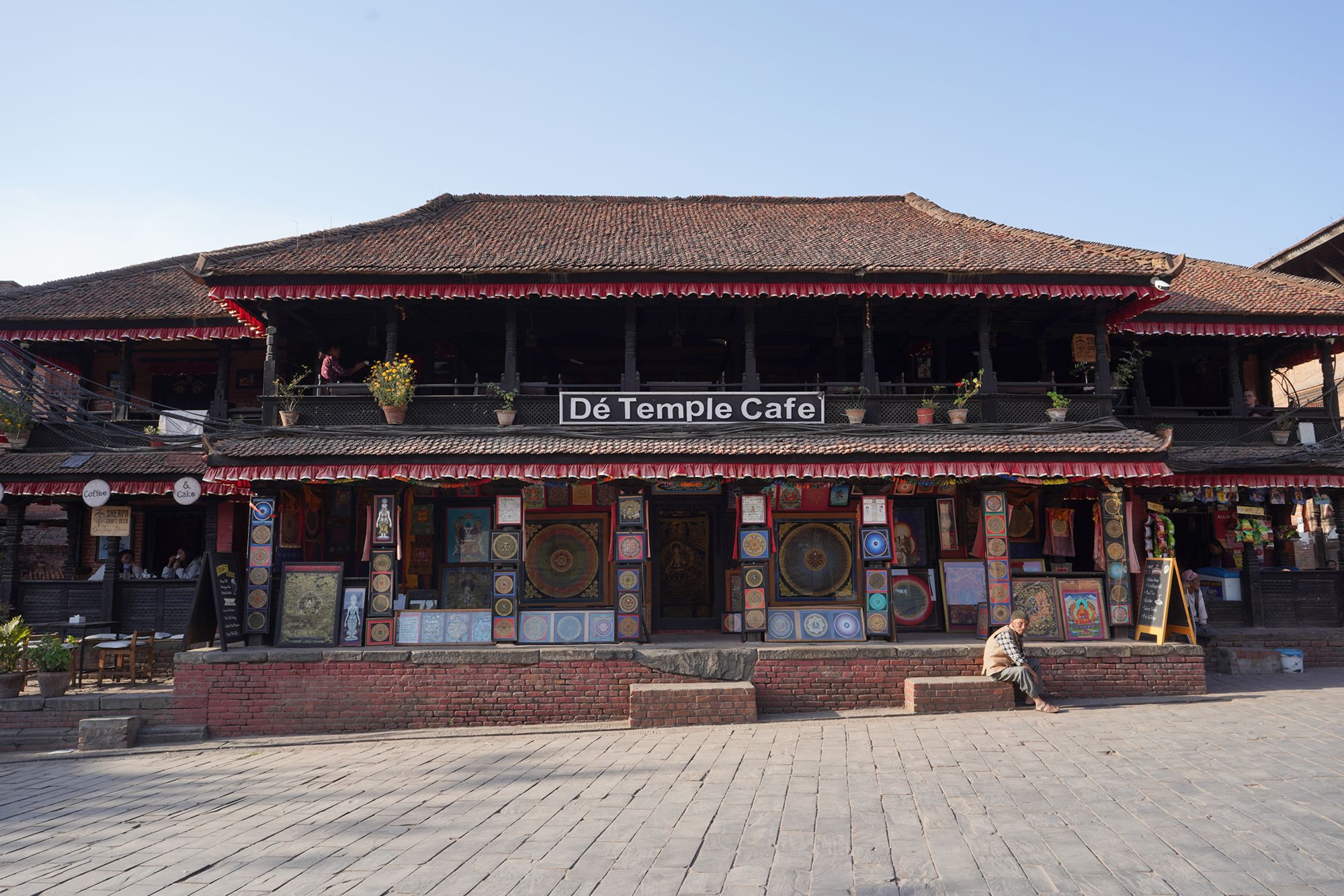
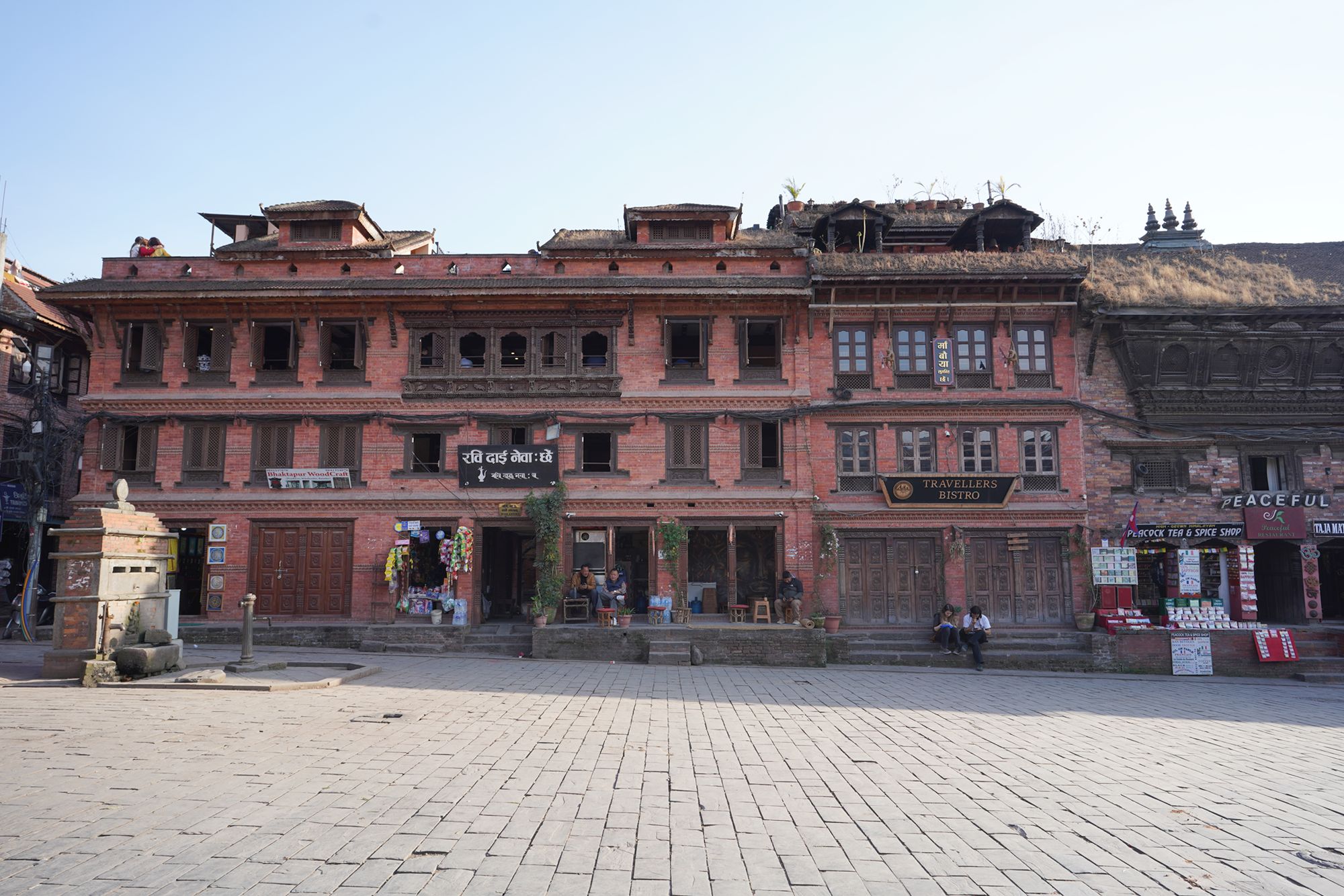
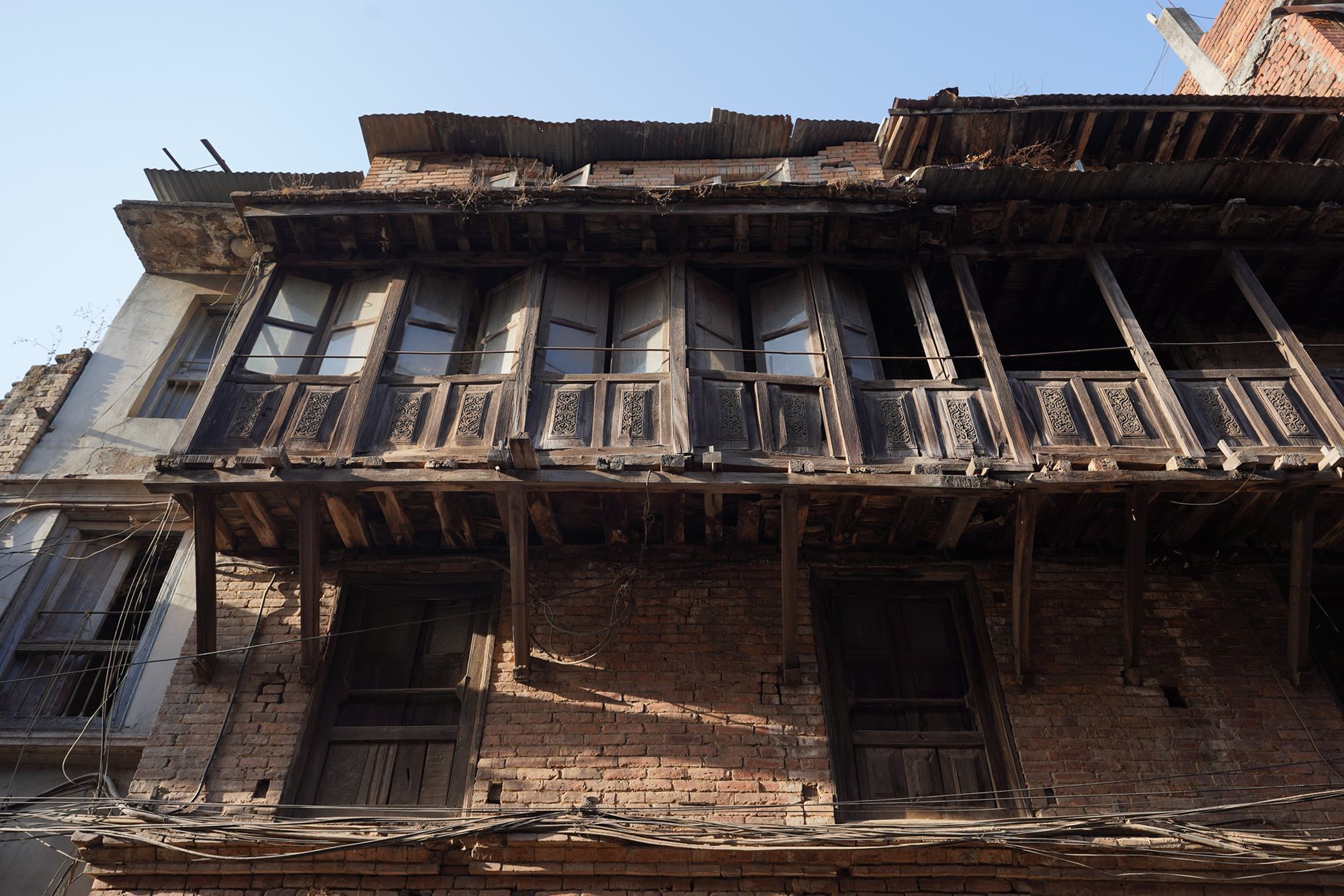
The square is surrounded by traditional Newari brick-and-timber buildings, carved wooden windows, small shrines, shops, and narrow streets.
A view of a narrow side street next to Dattatreya Square.
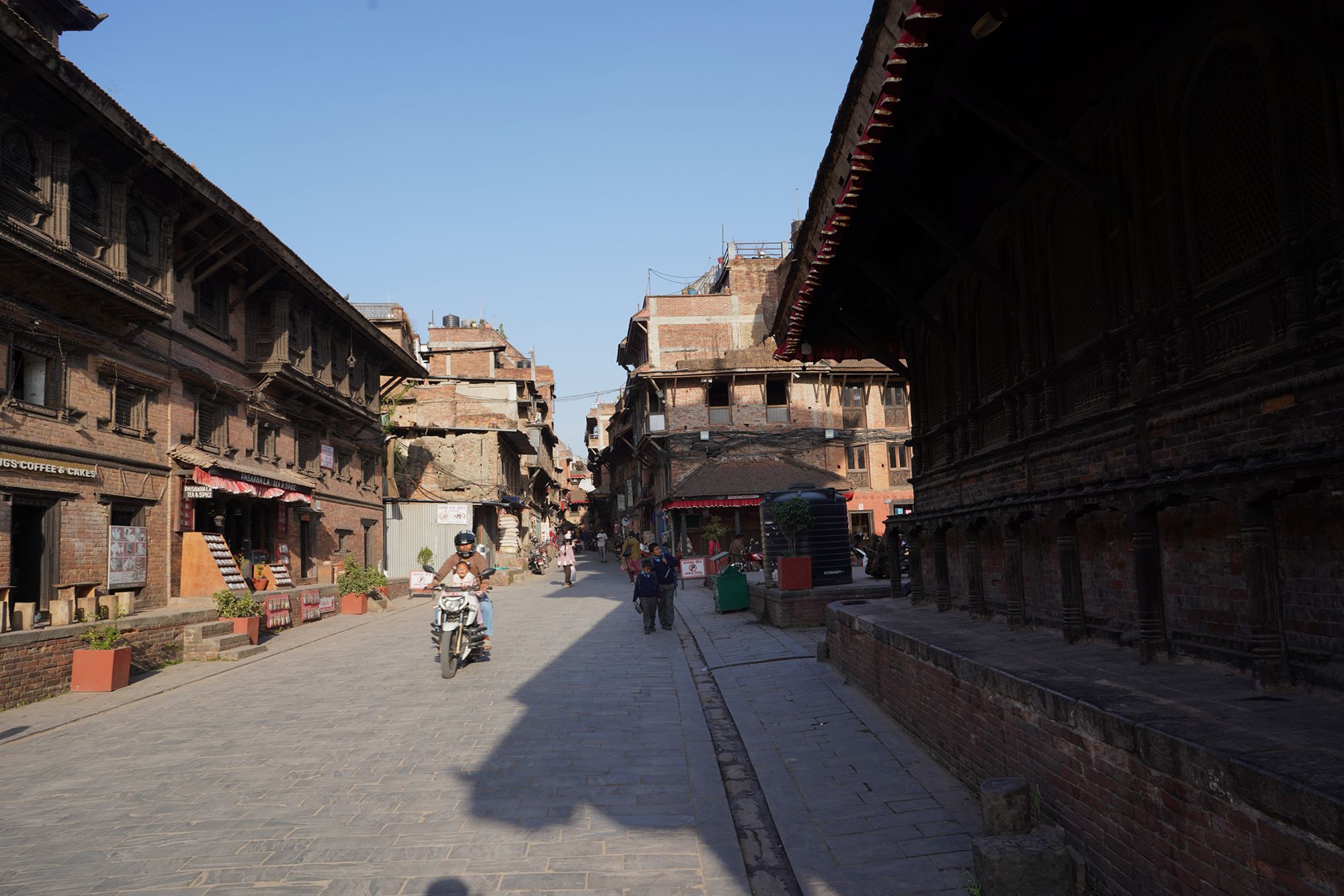
A view behind me
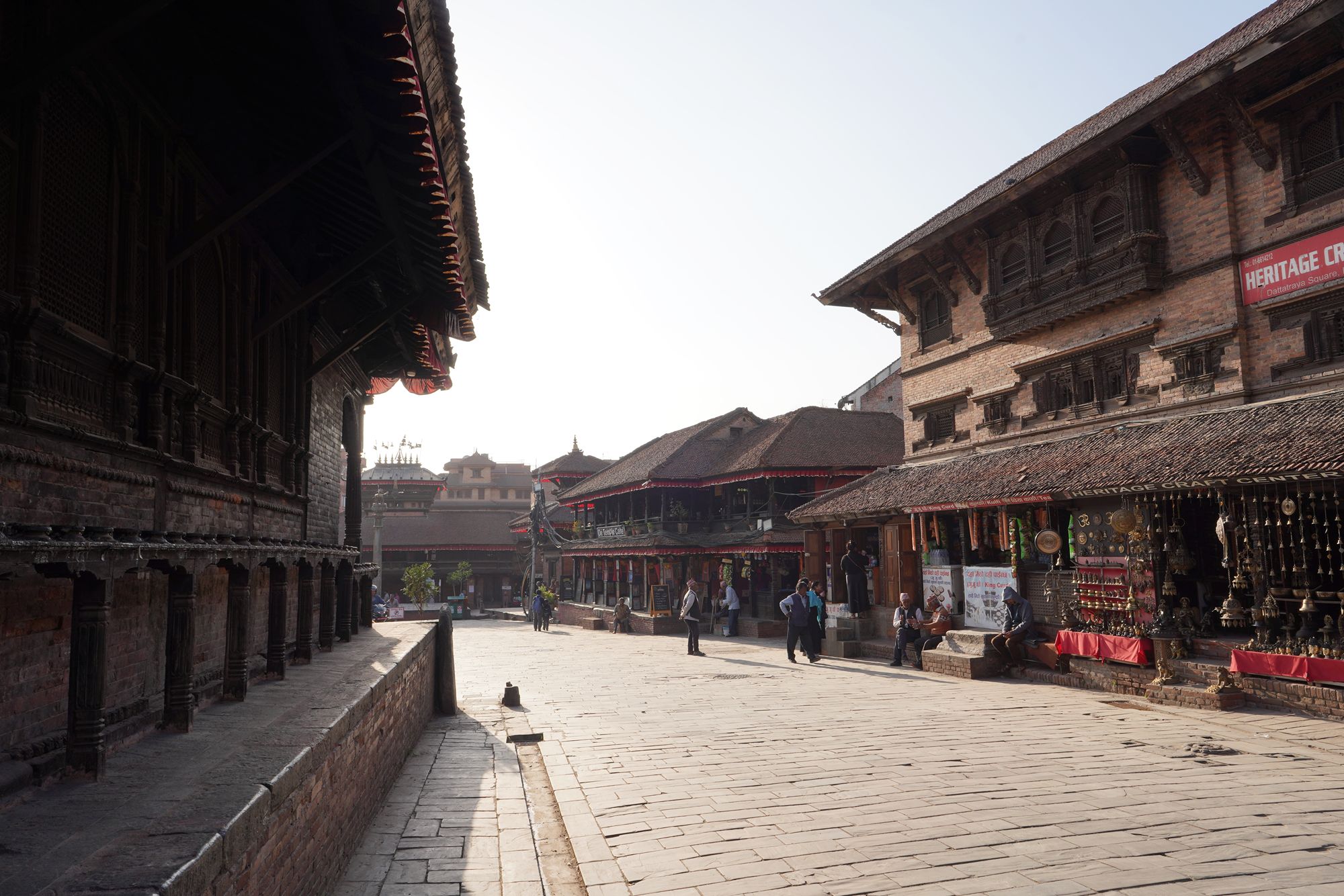
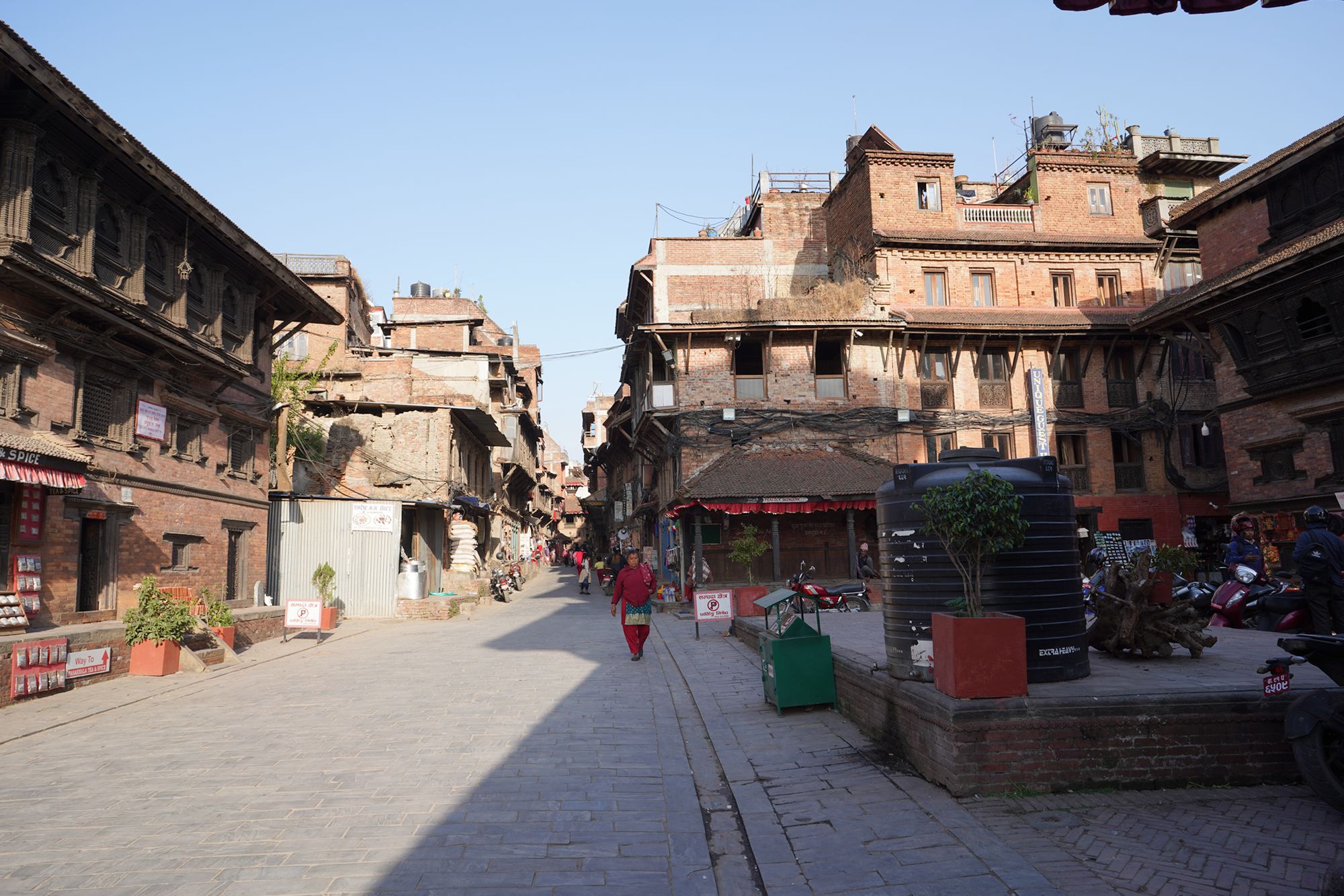
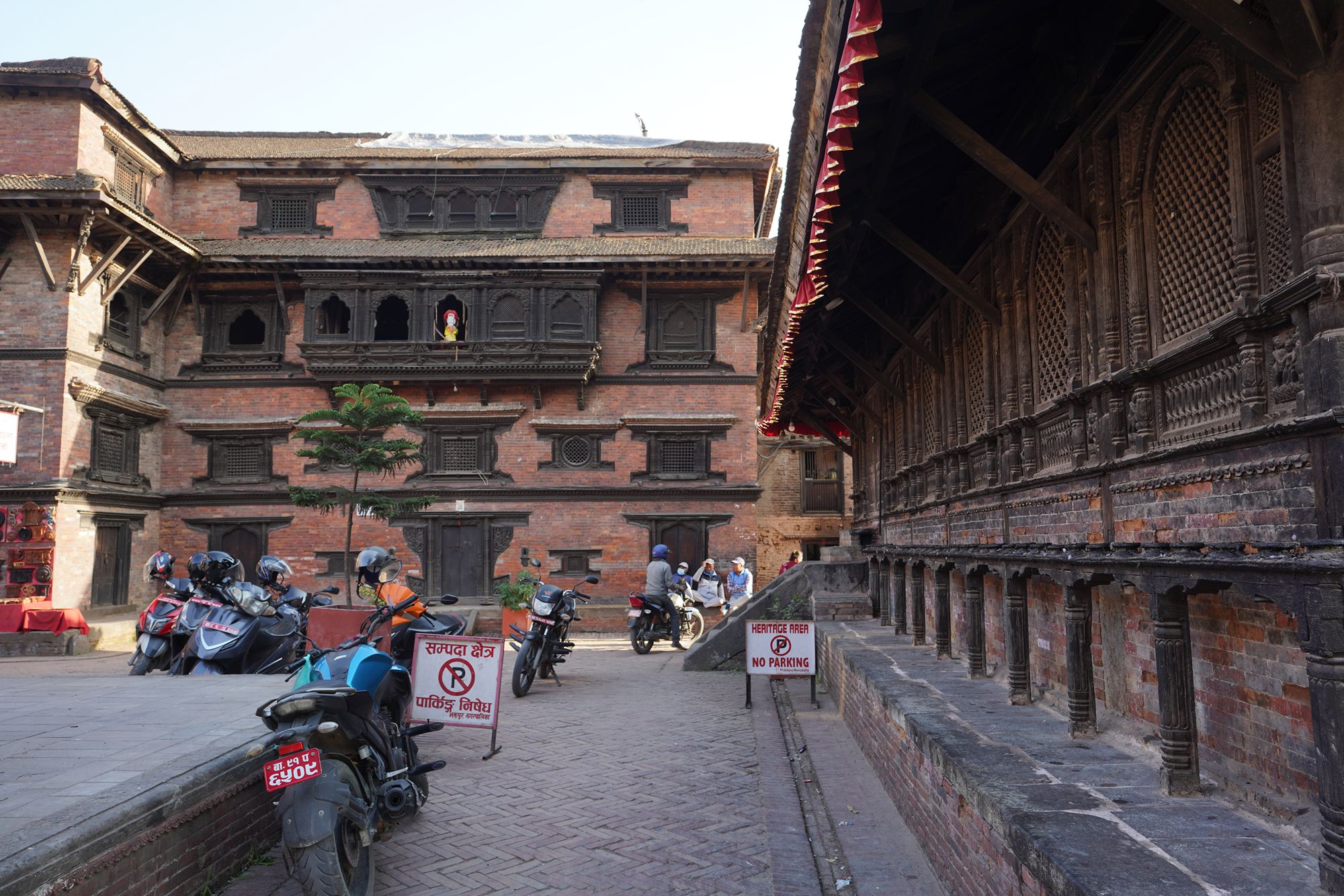
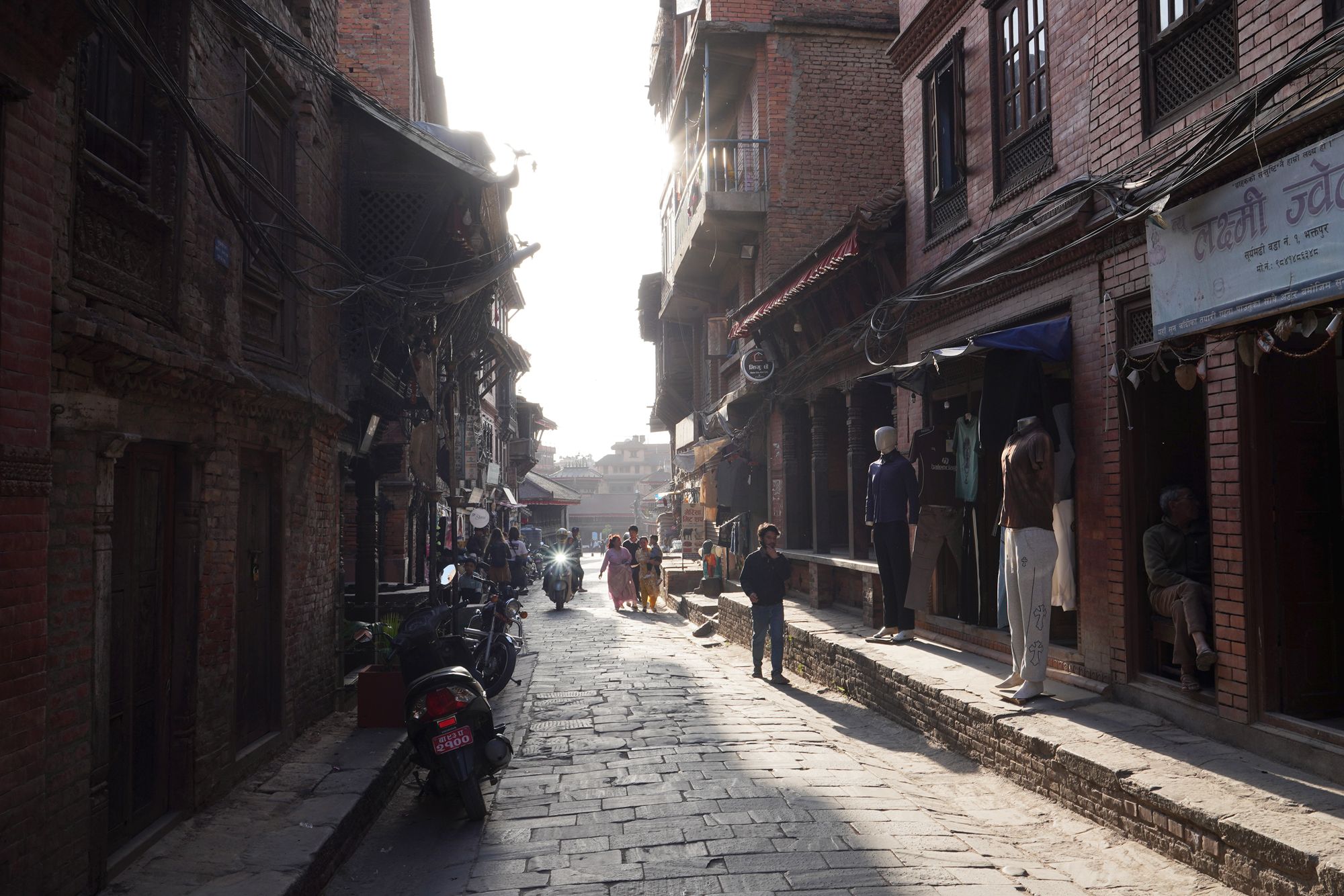
I decided to walk along the street because it was lined with traditional Newari buildings on both sides.
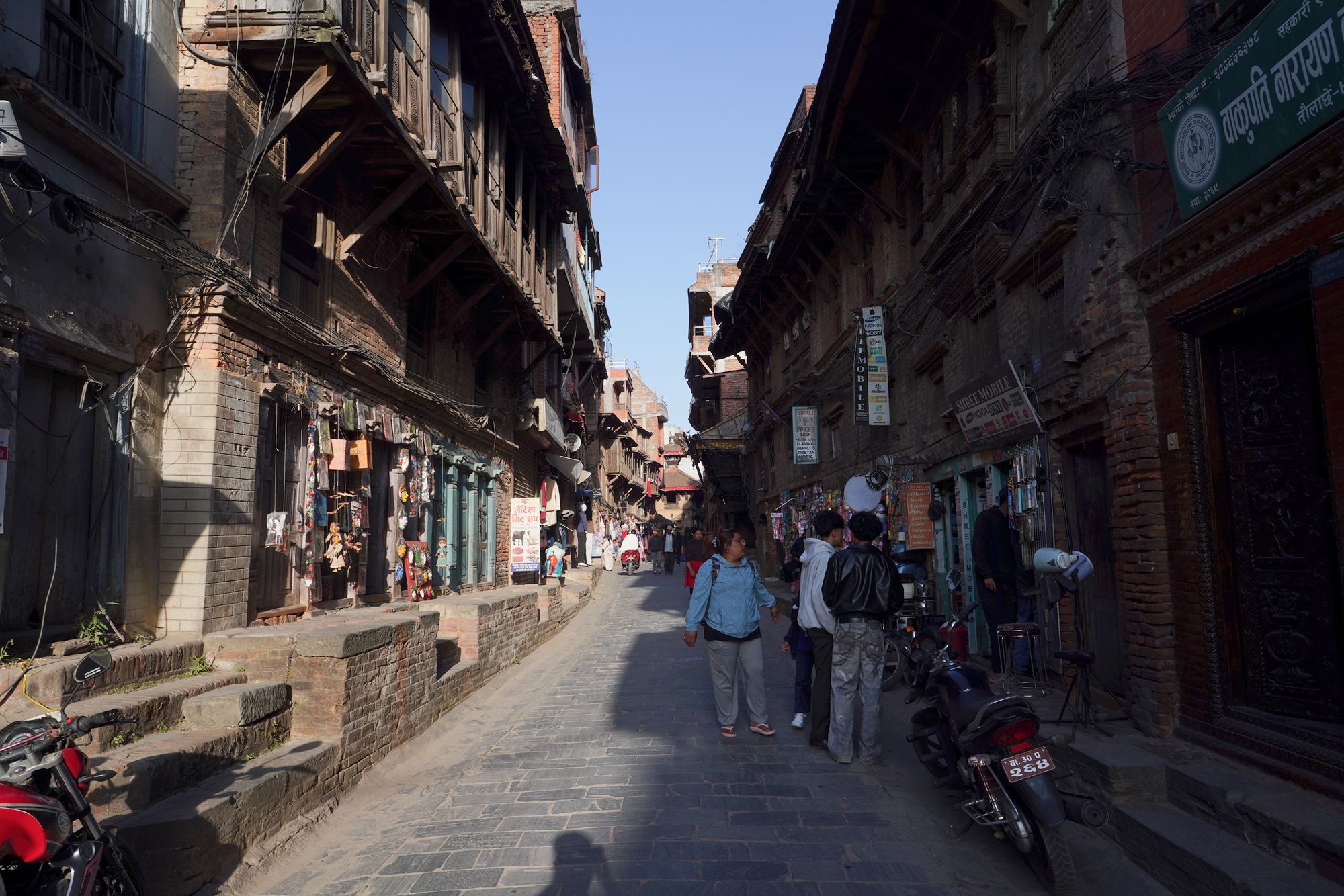
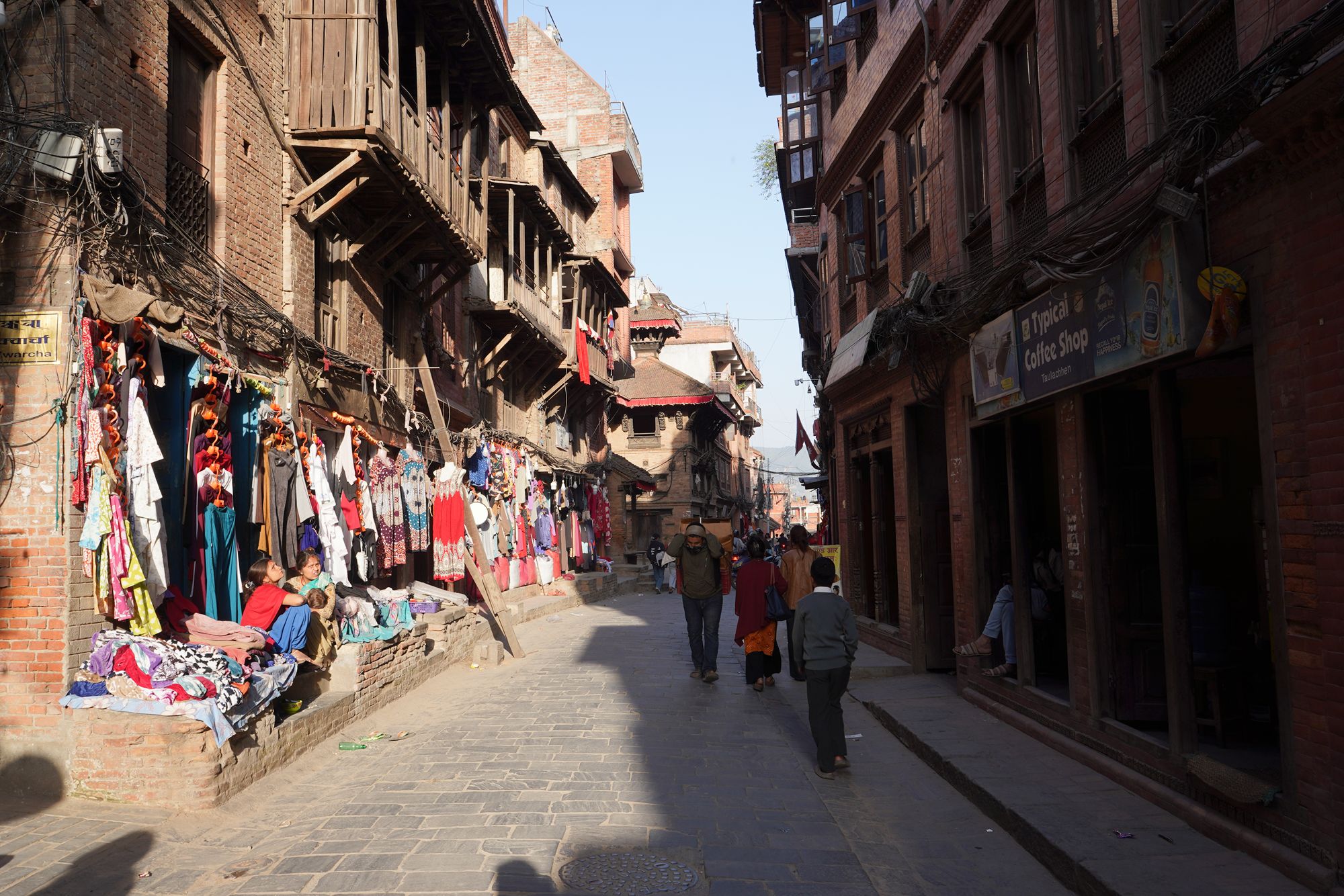
A view behind me
From Dattatreya Square, I took an Uber to visit Changu Narayan Temple.
A view behind me
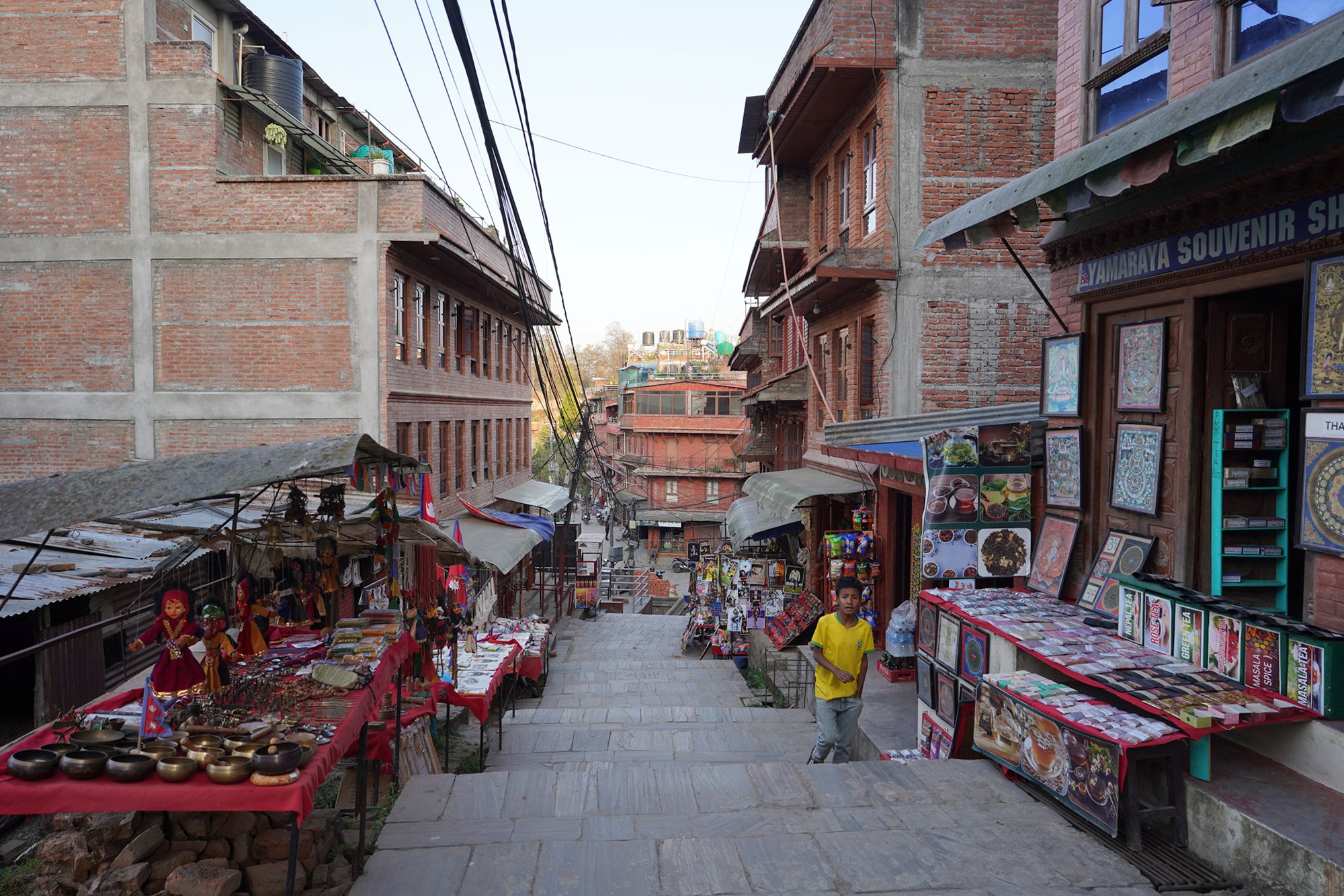
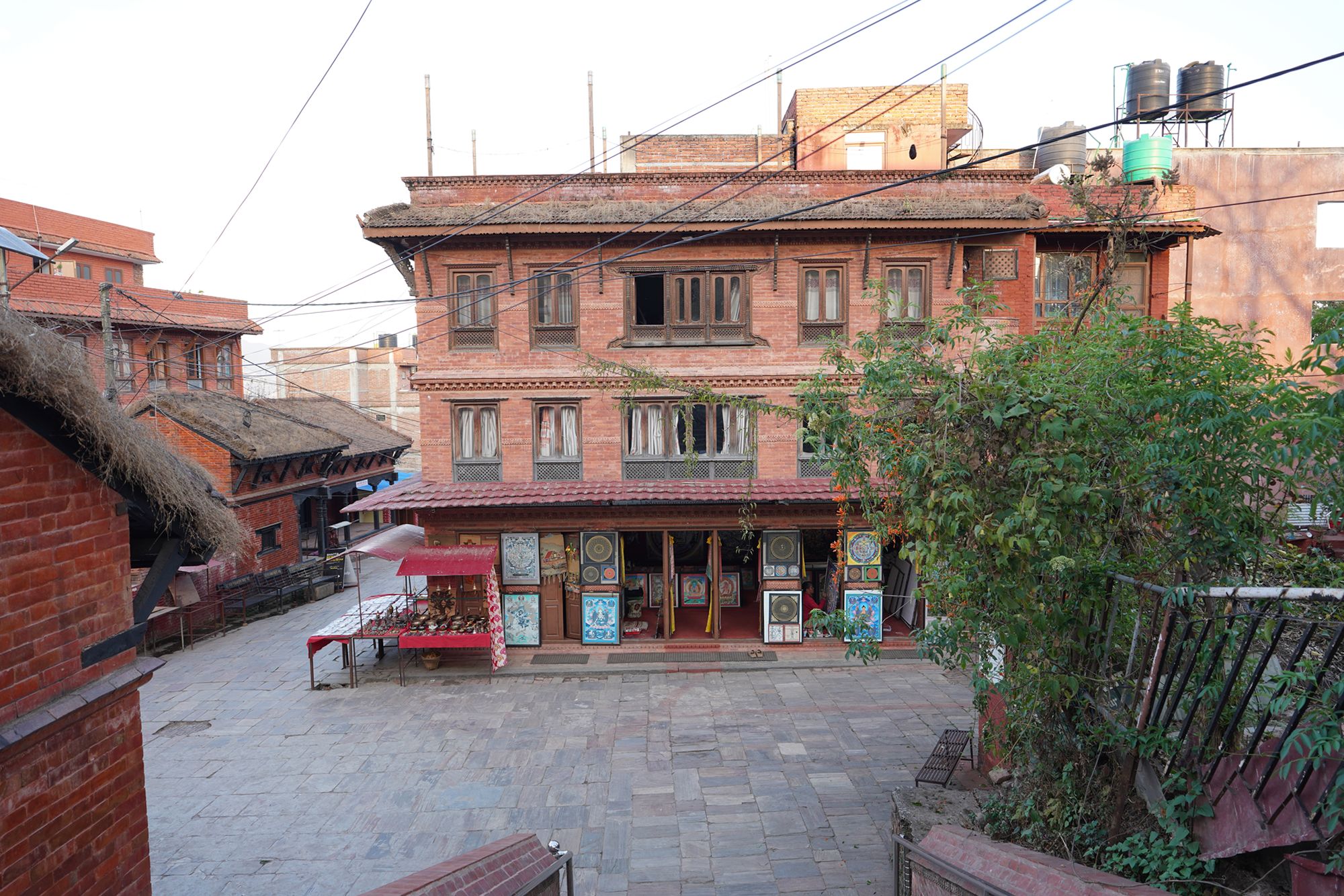
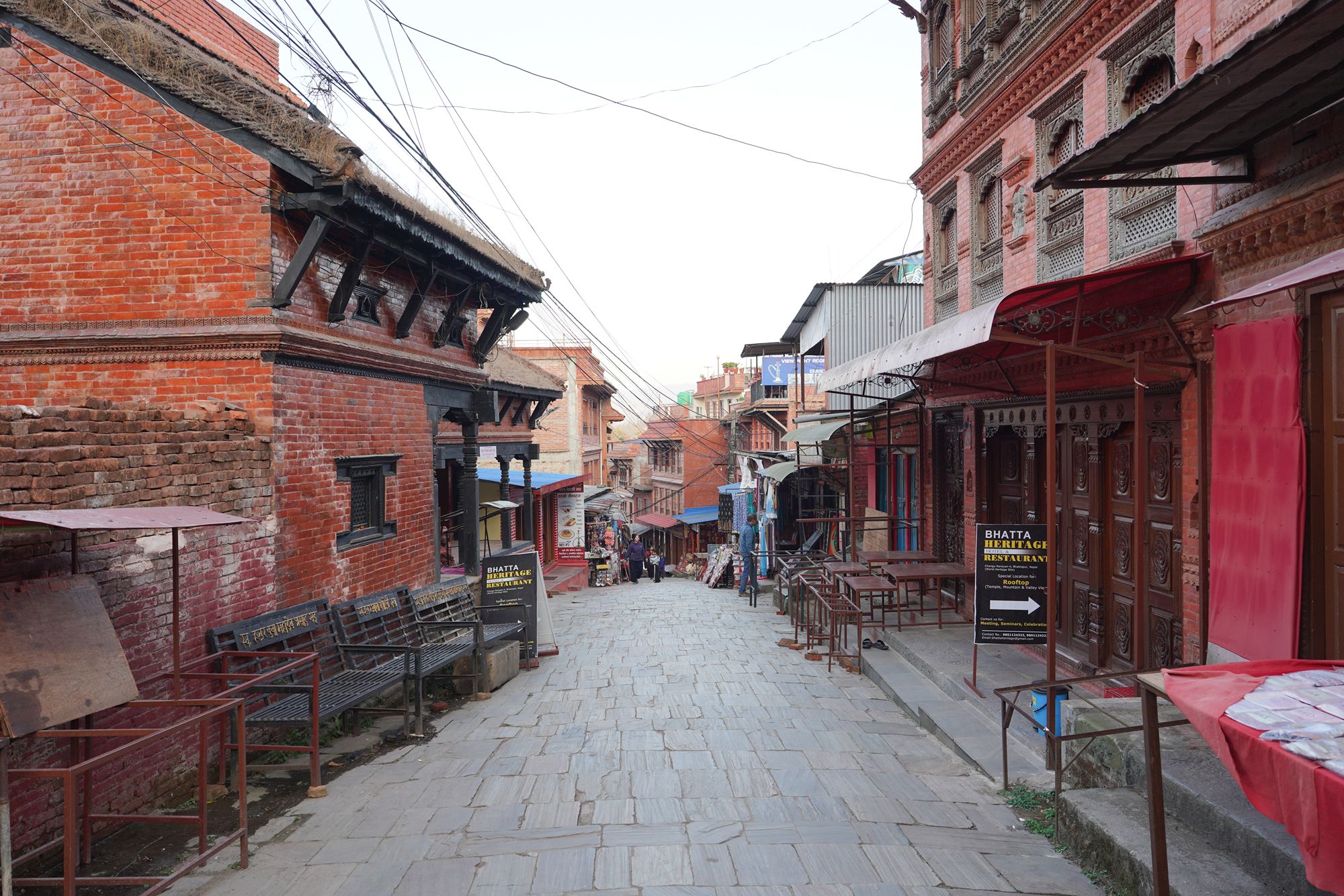
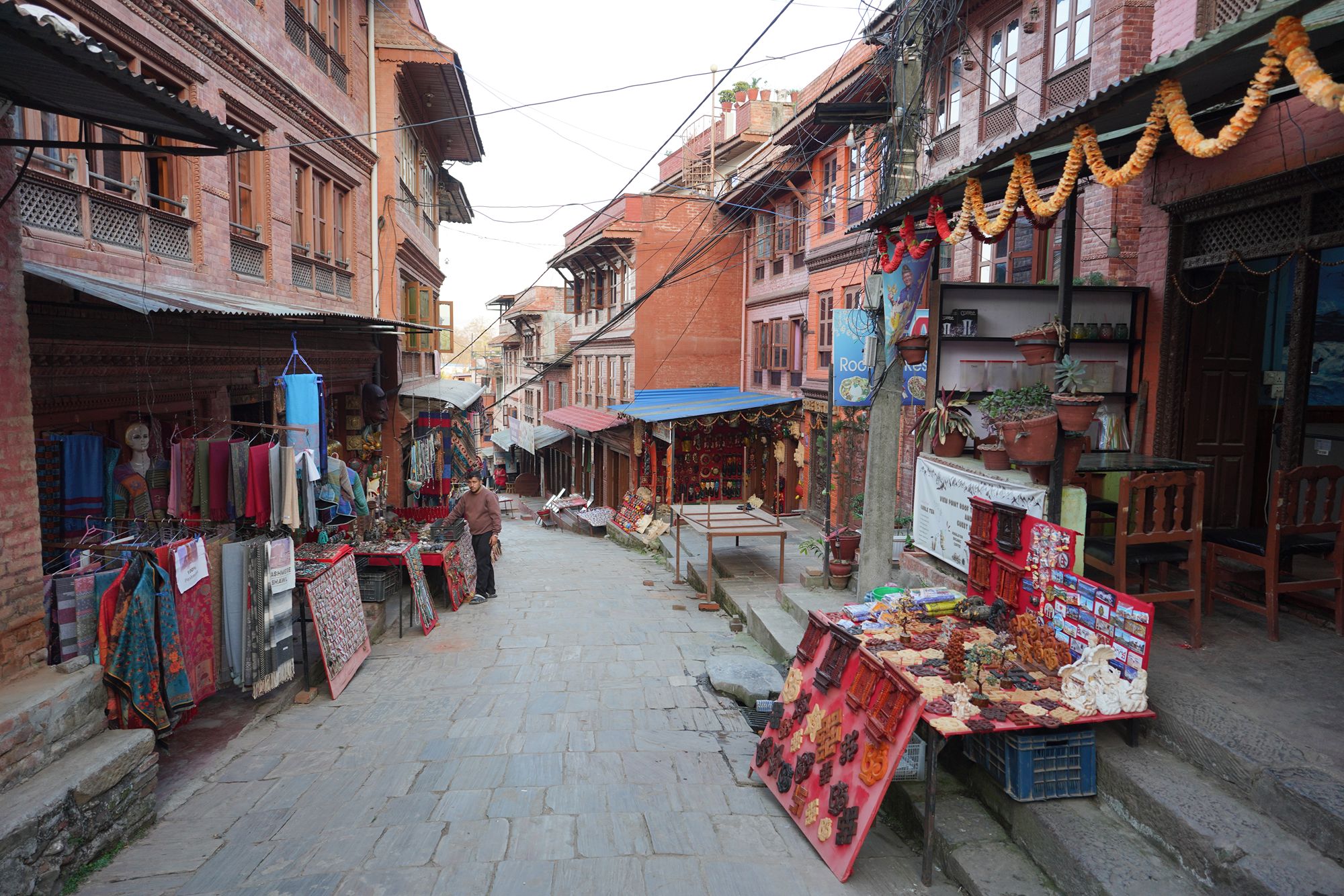
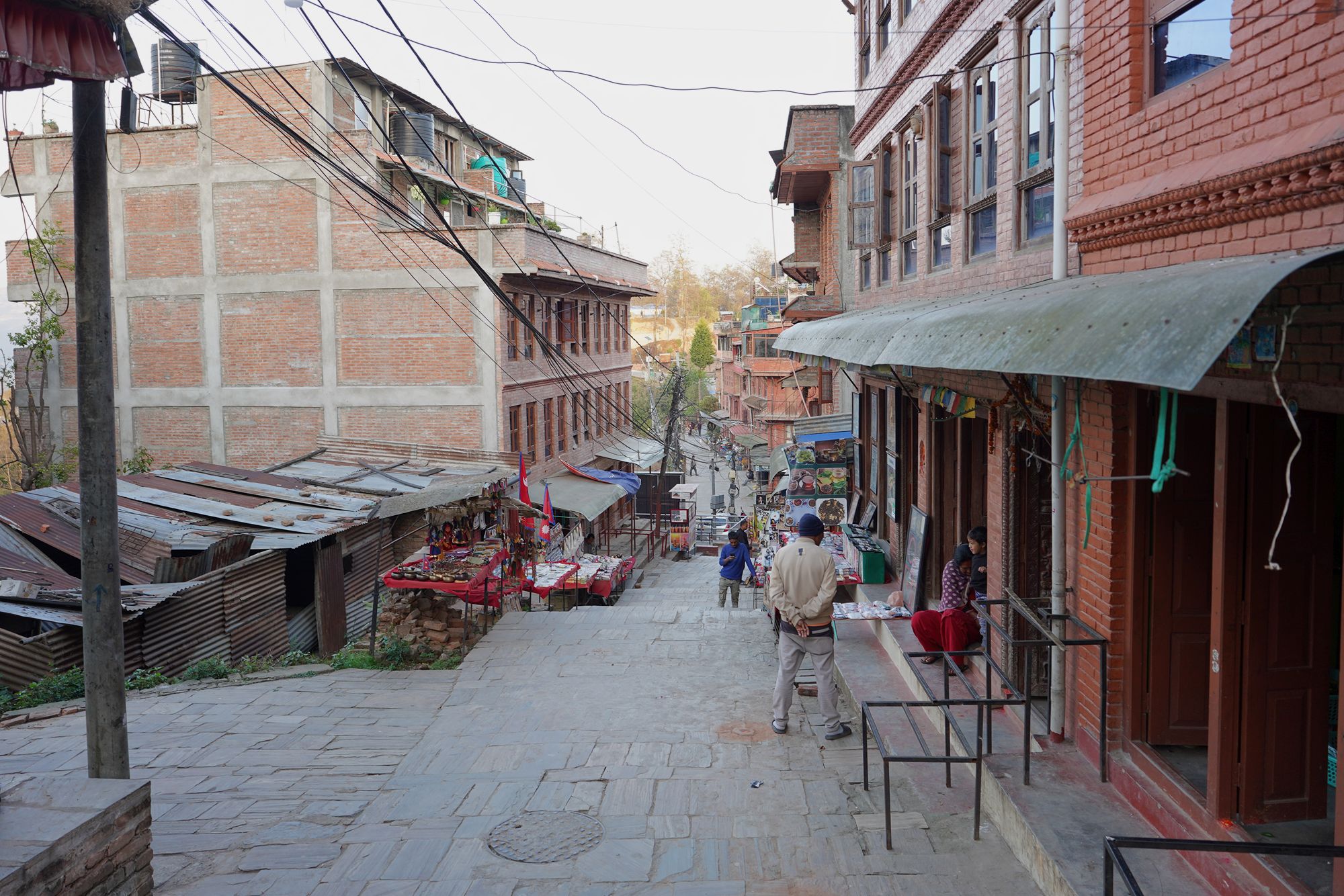
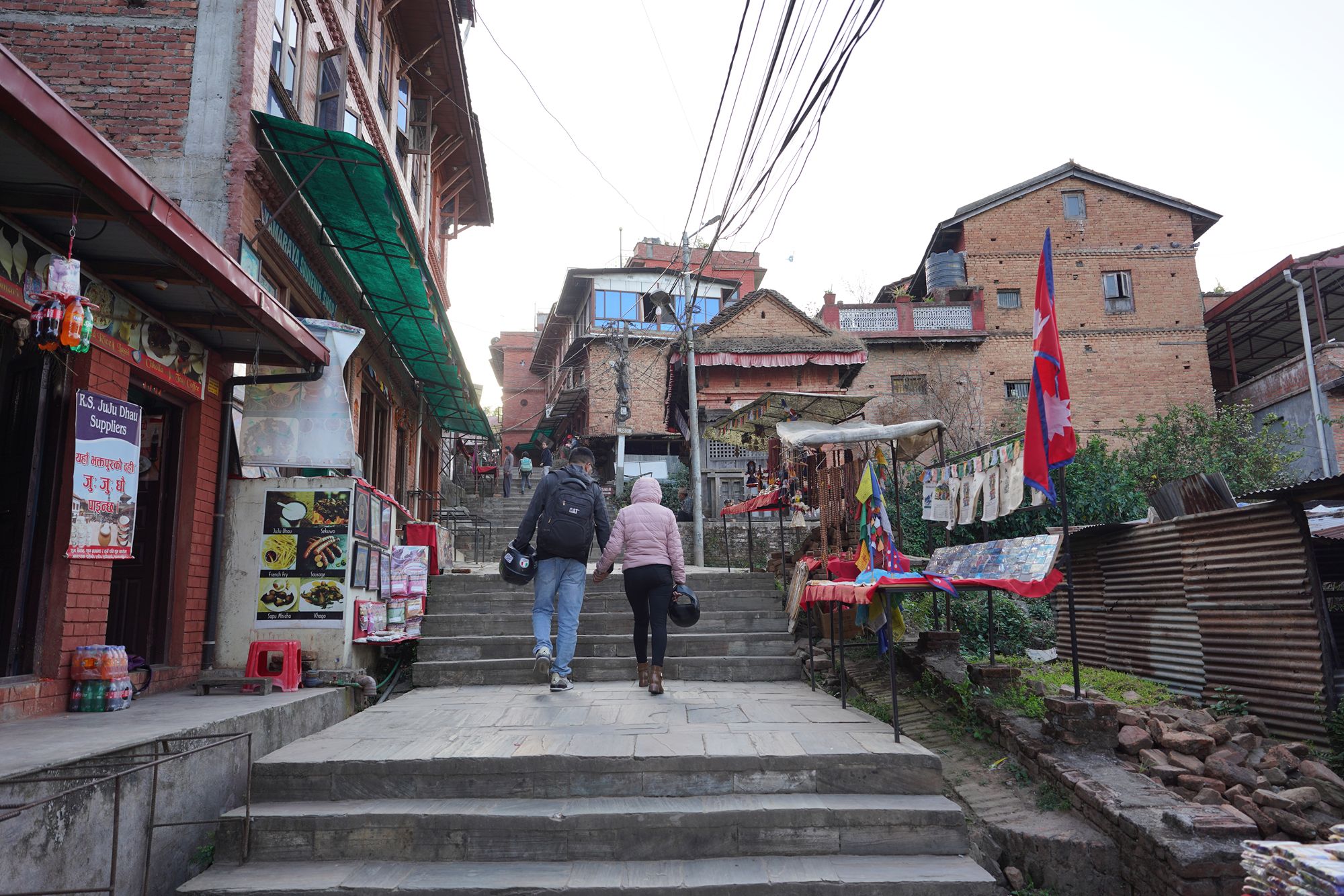
Changu Narayan Temple was located on a hill, so I walked up a sloping street lined with small shops and souvenir stores on both sides.
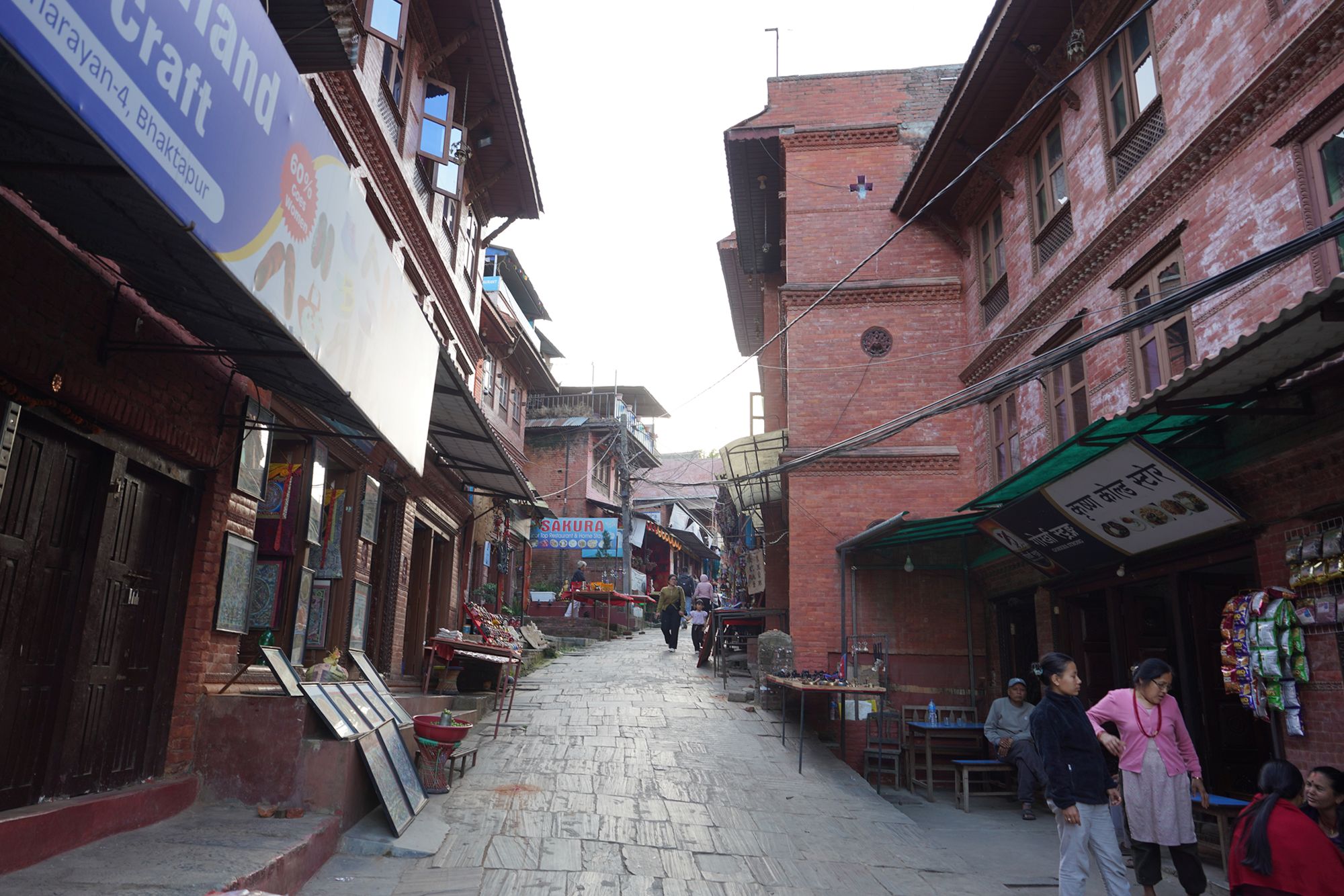
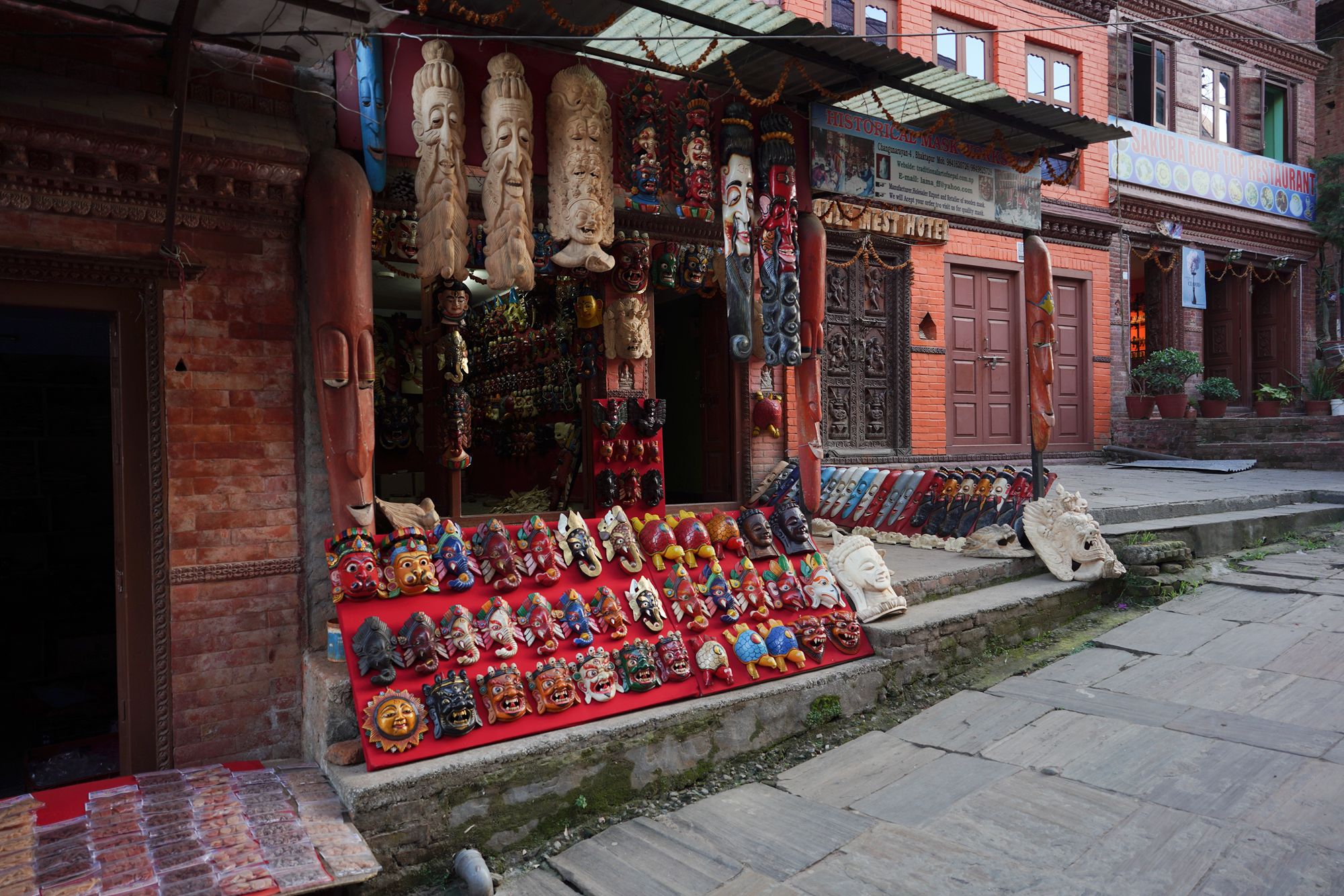
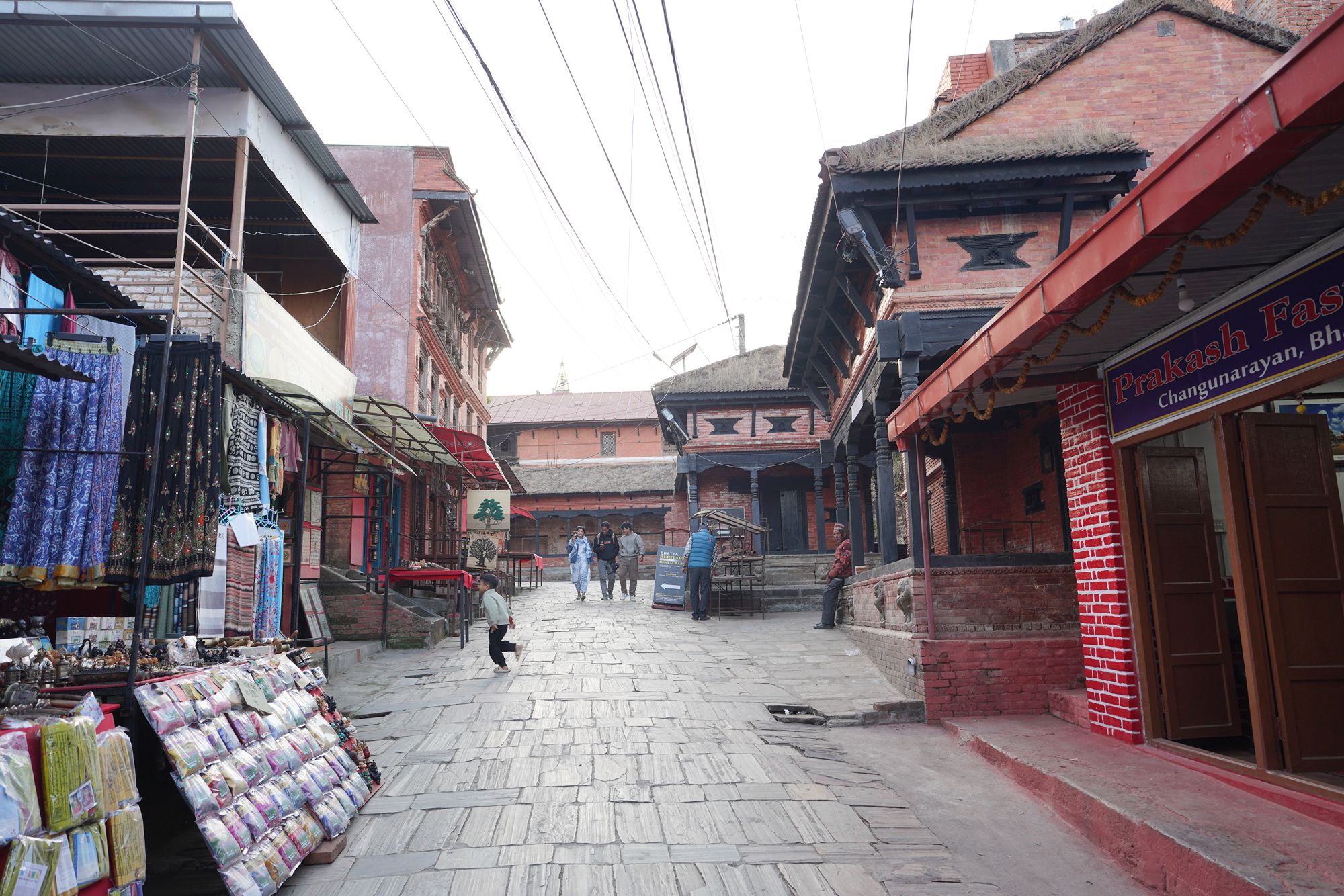
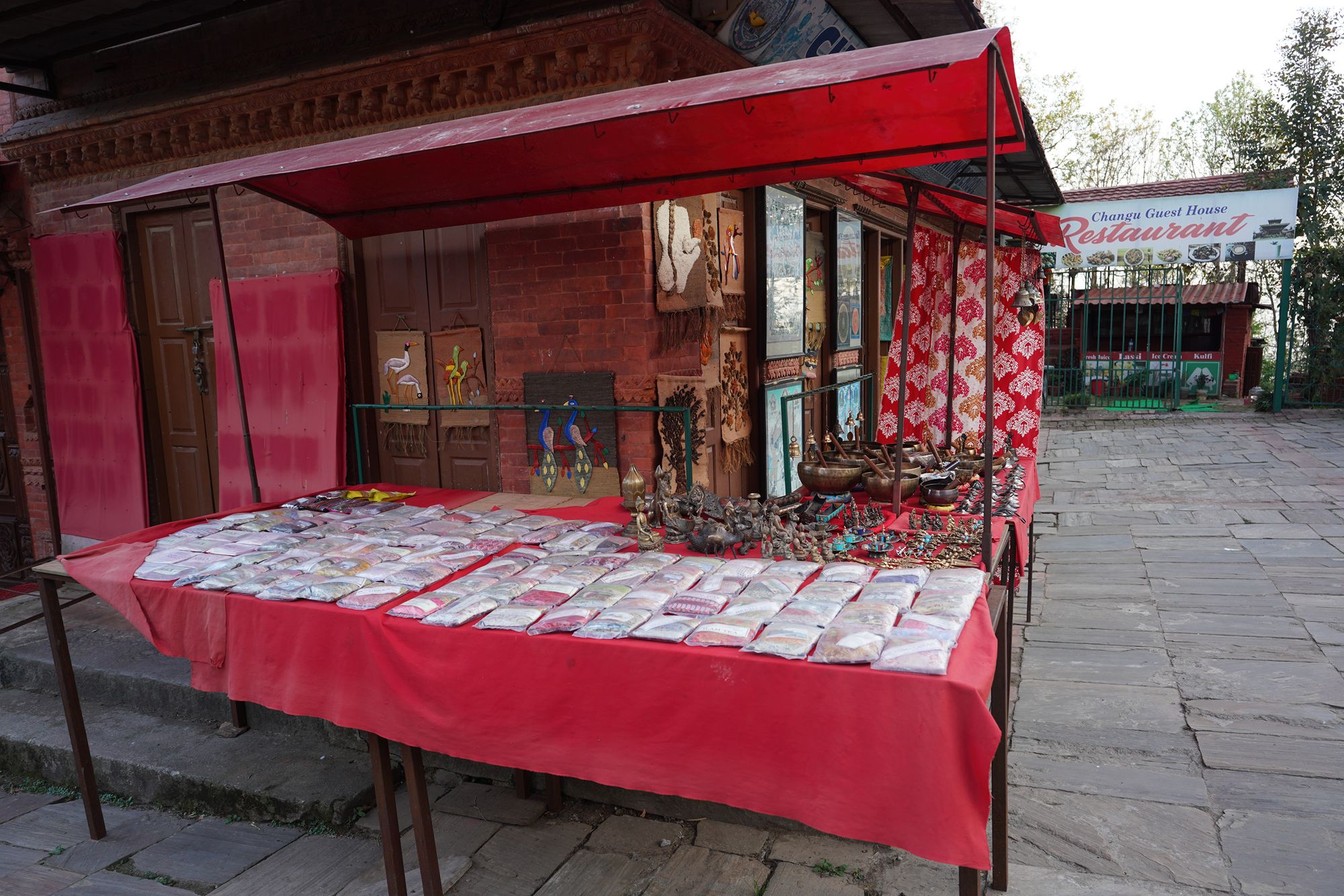
The entrance to Changu Narayan Temple at the top of the hill.
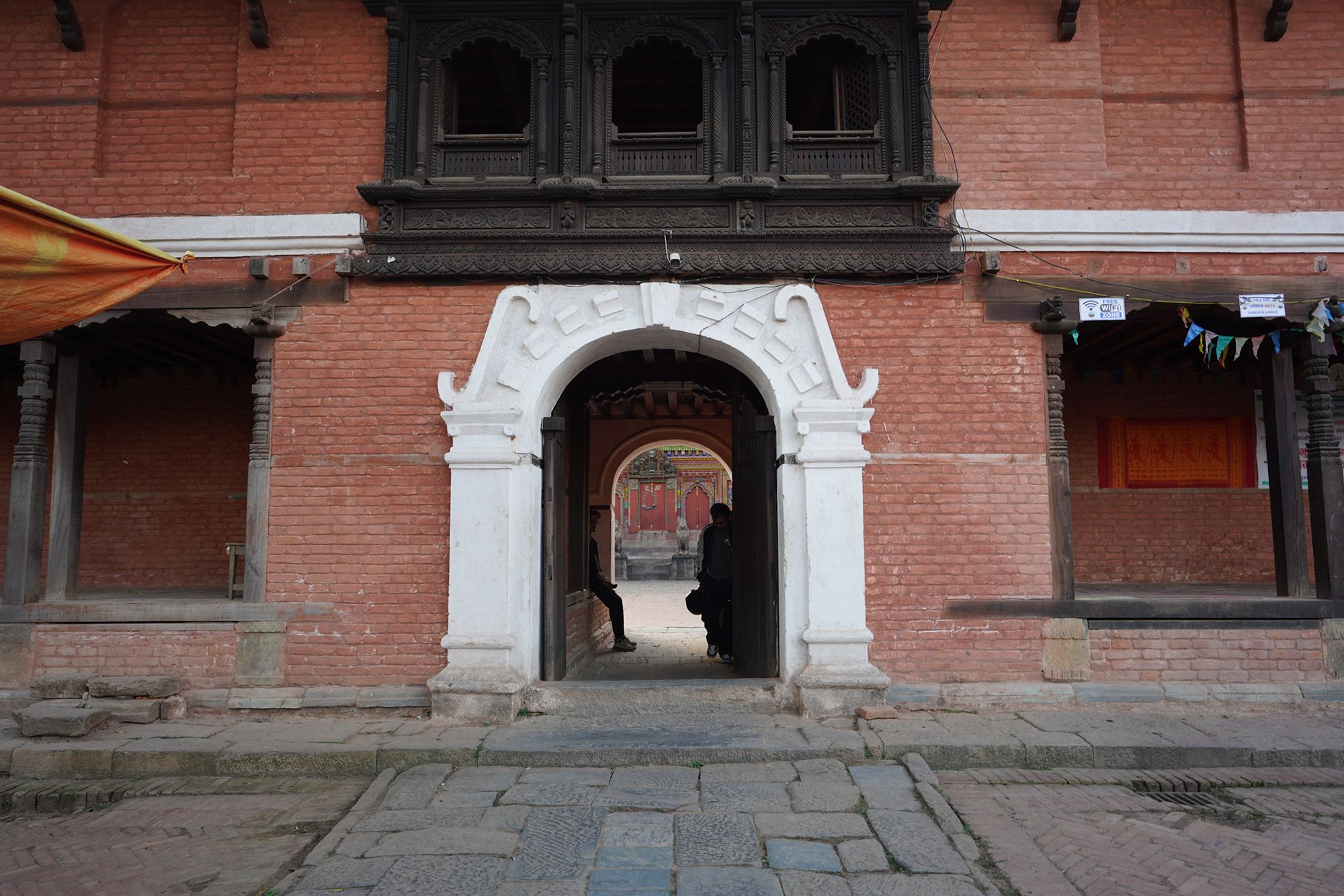
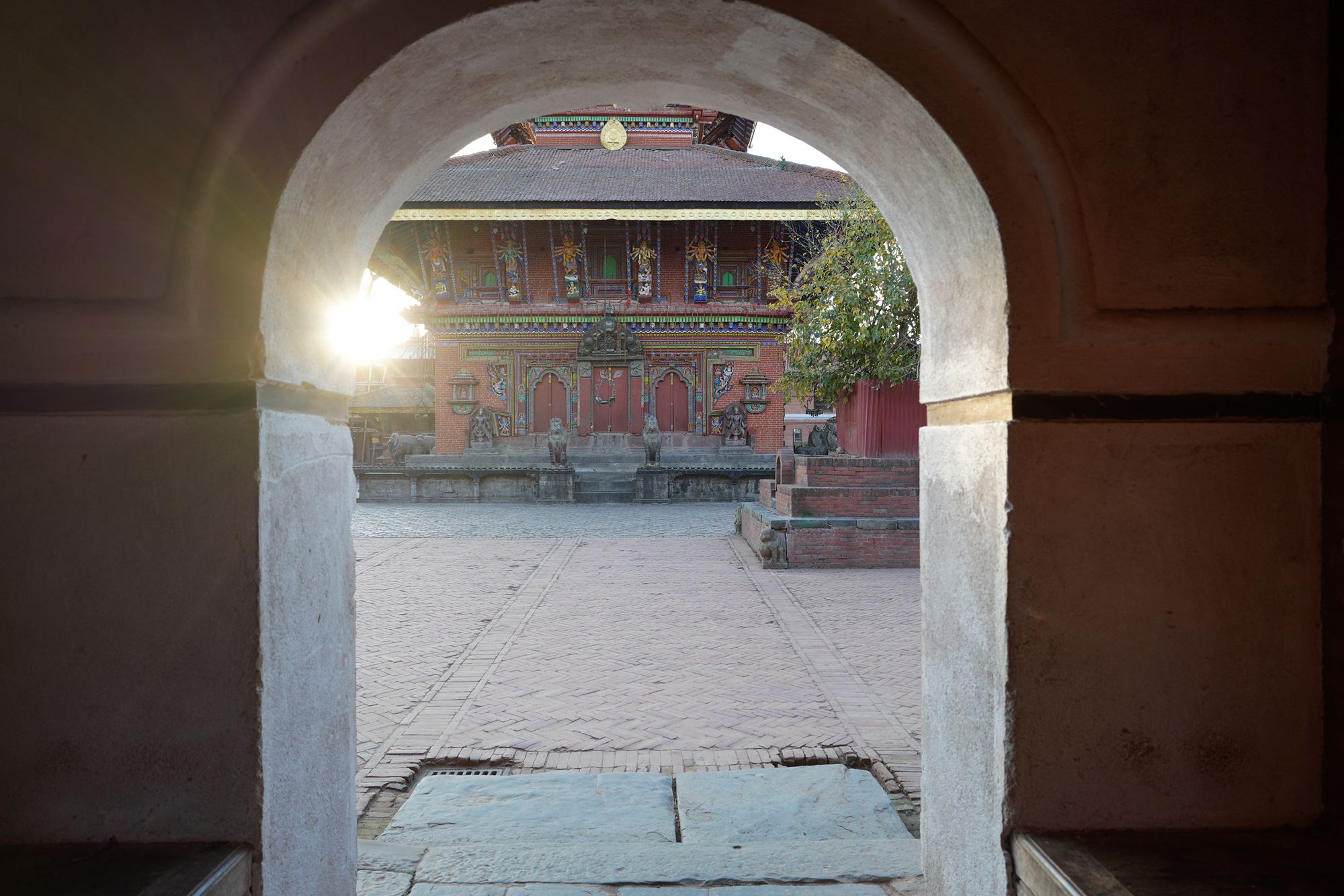
It was close to closing time, so I had to explore the temple rather quickly.
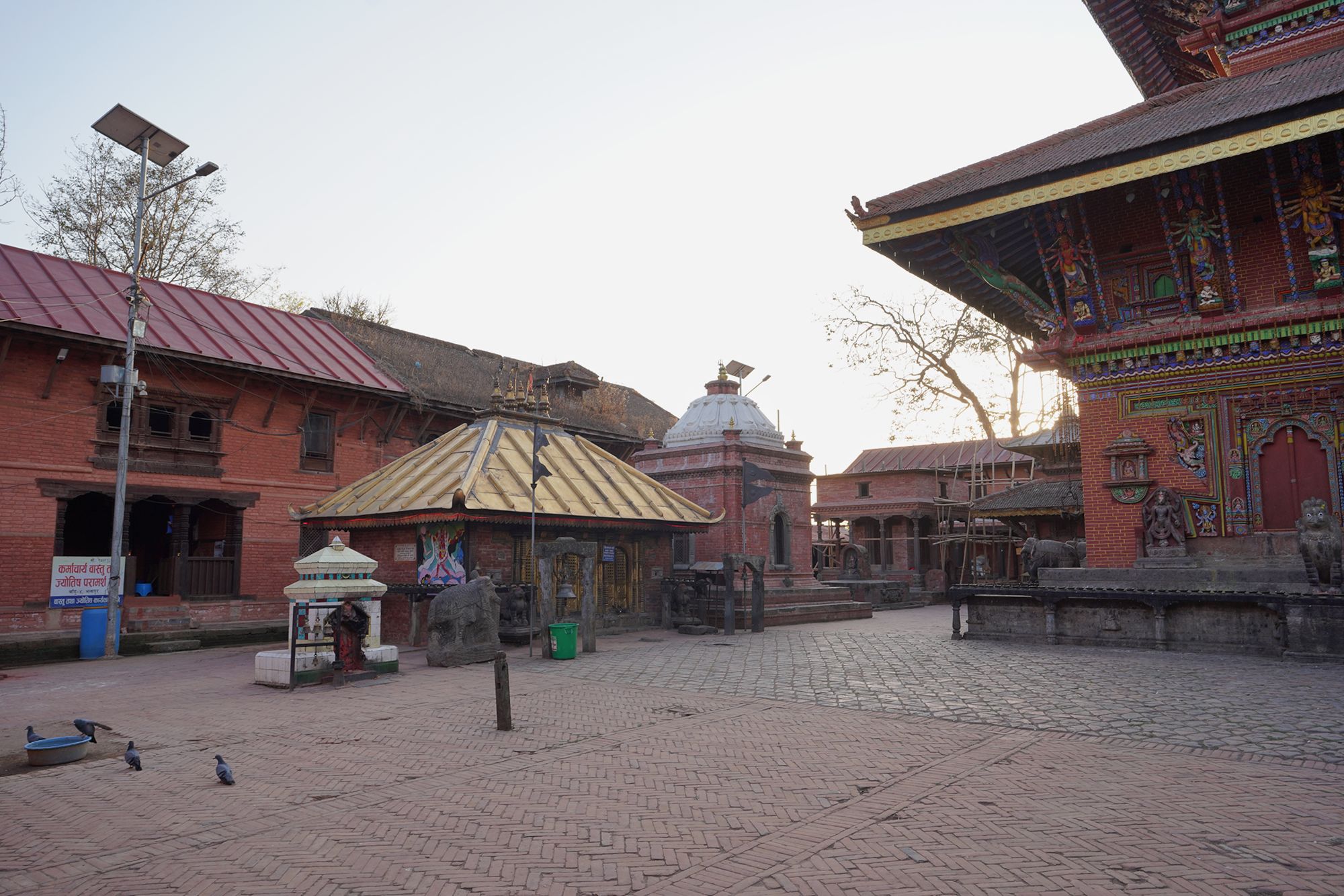
Changu Narayan Temple
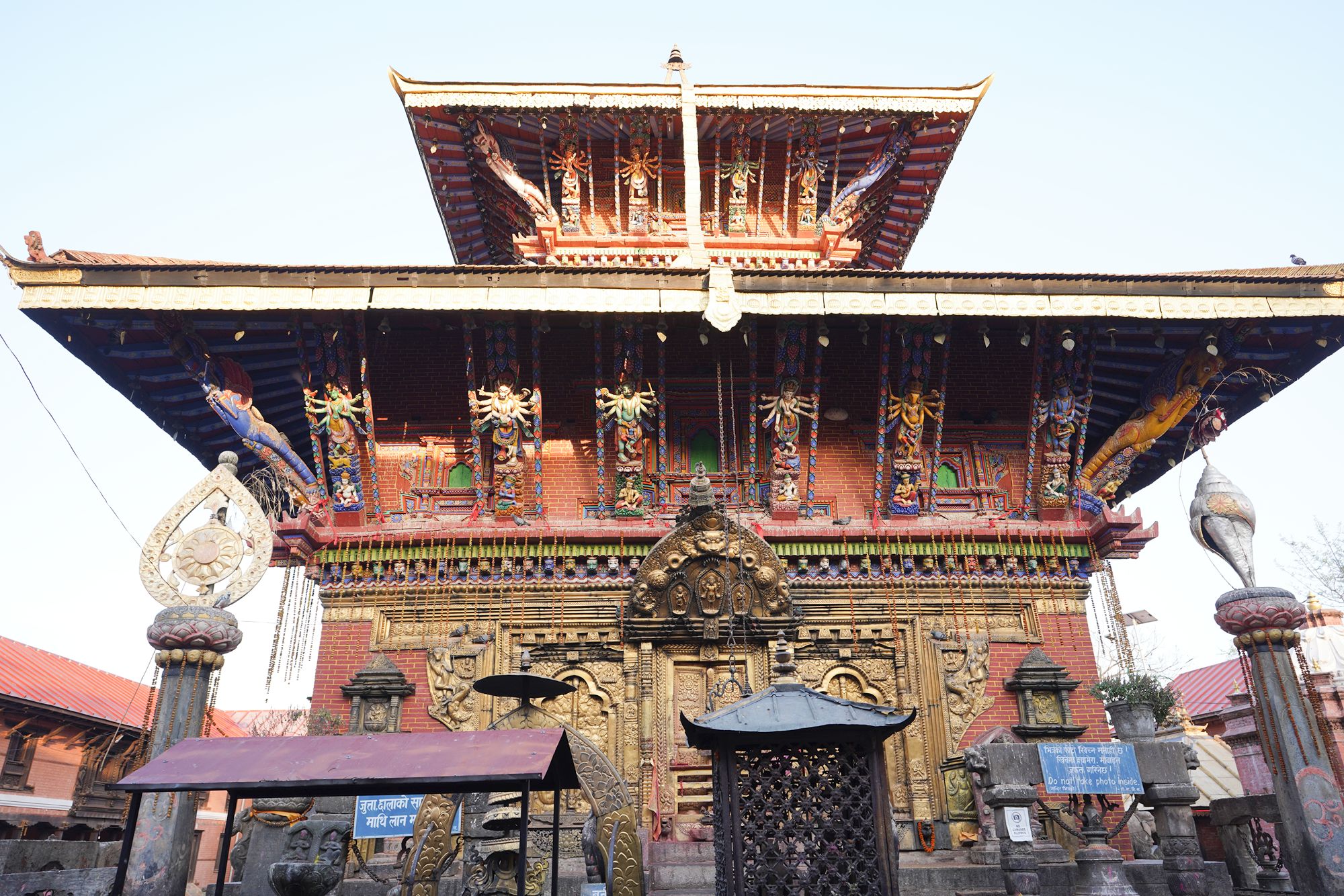
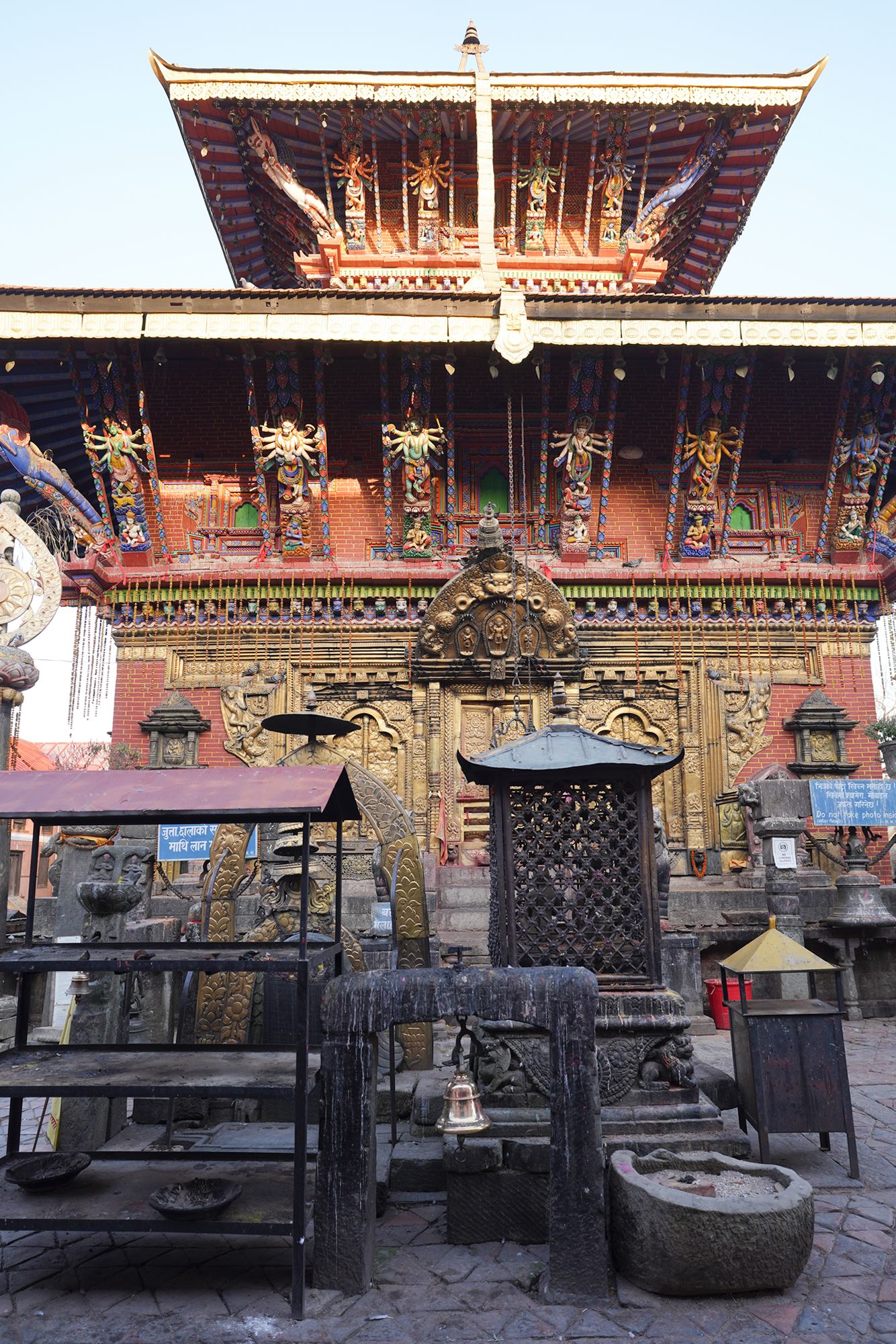
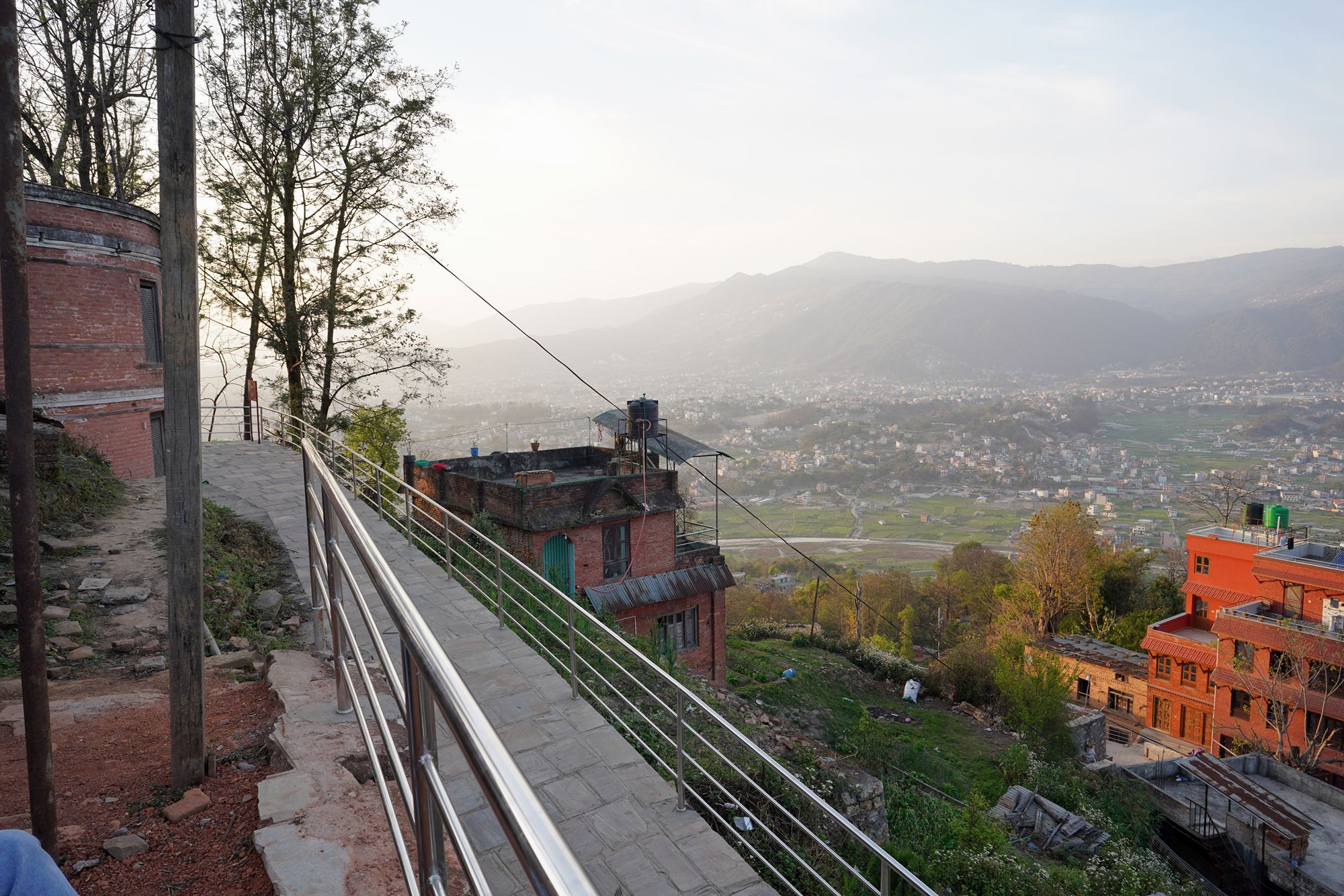
Changu Narayan Temple is one of the oldest Hindu temples in Nepal, standing on a hill overlooking the Kathmandu Valley near Bhaktapur. The temple is dedicated to Lord Vishnu, worshipped here as Narayan.
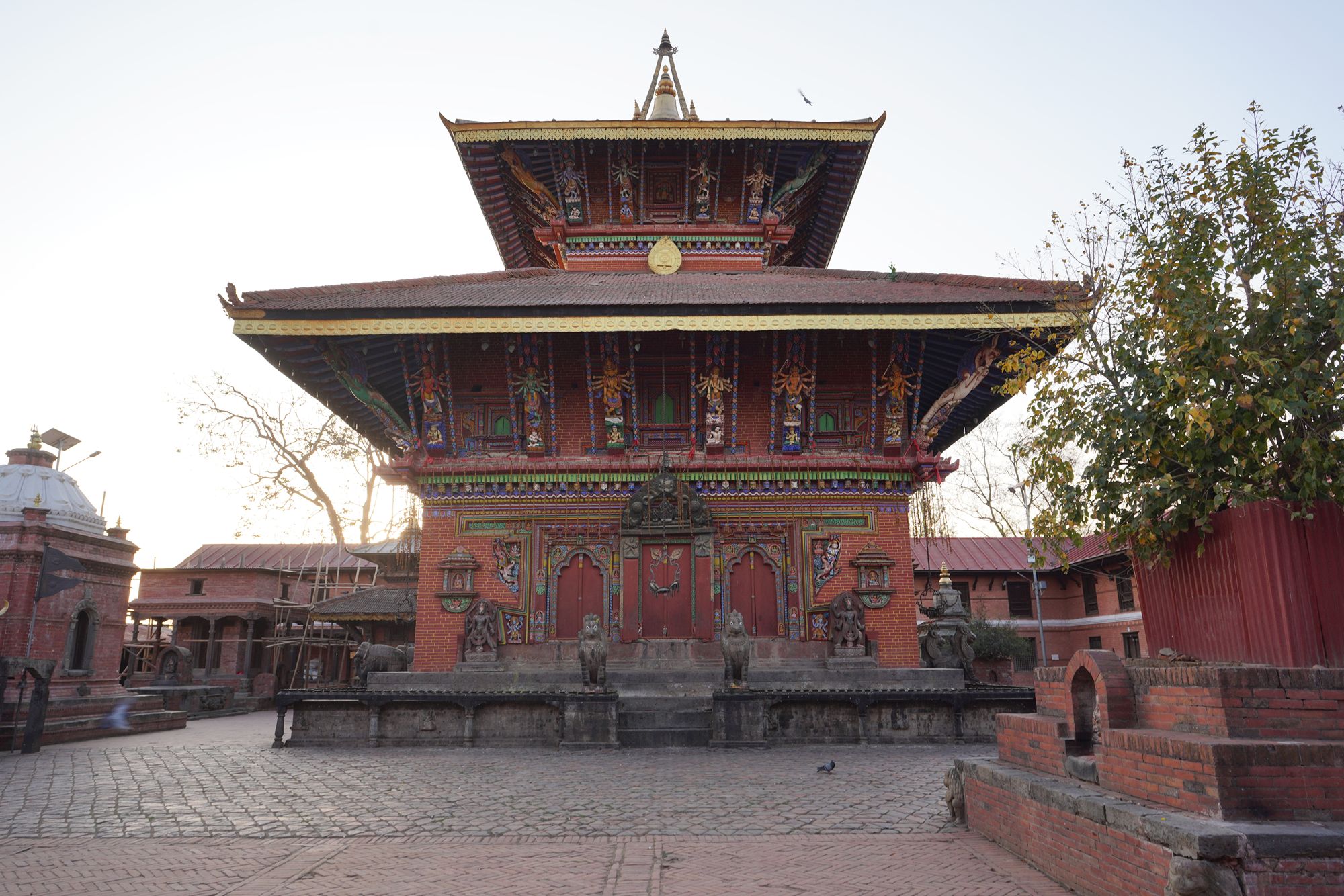
The site has a history extending back at least to the 4th–5th century, and an inscription associated with King Manadeva, dated to 464 CE, is among the oldest known stone inscriptions in Nepal. The temple buildings seen today have been rebuilt and restored over the centuries following fires and earthquakes.
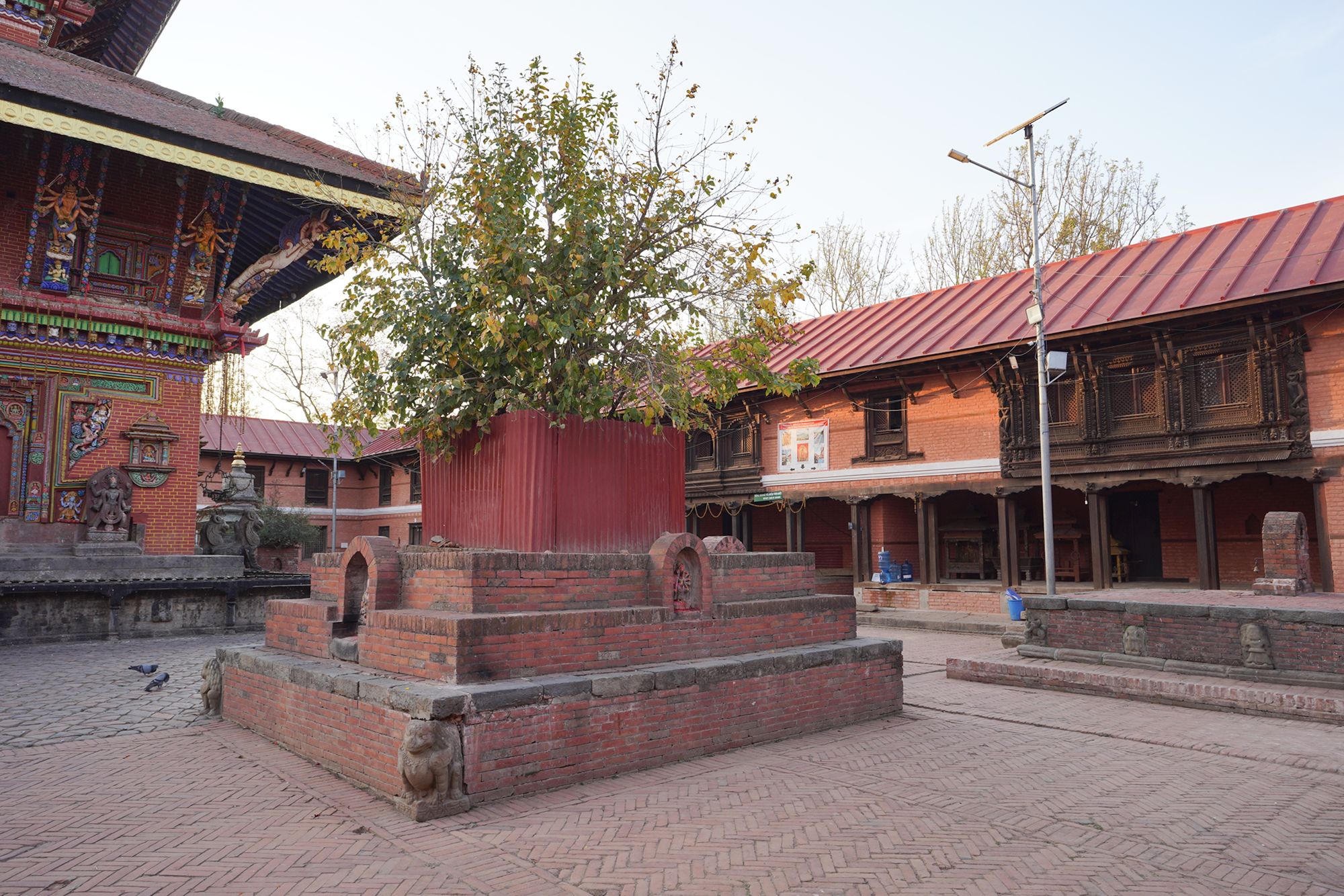
Changu Narayan is part of the Kathmandu Valley UNESCO World Heritage Site and is particularly significant because it preserves some of the earliest surviving evidence of Nepalese Hindu art, religion, and history.
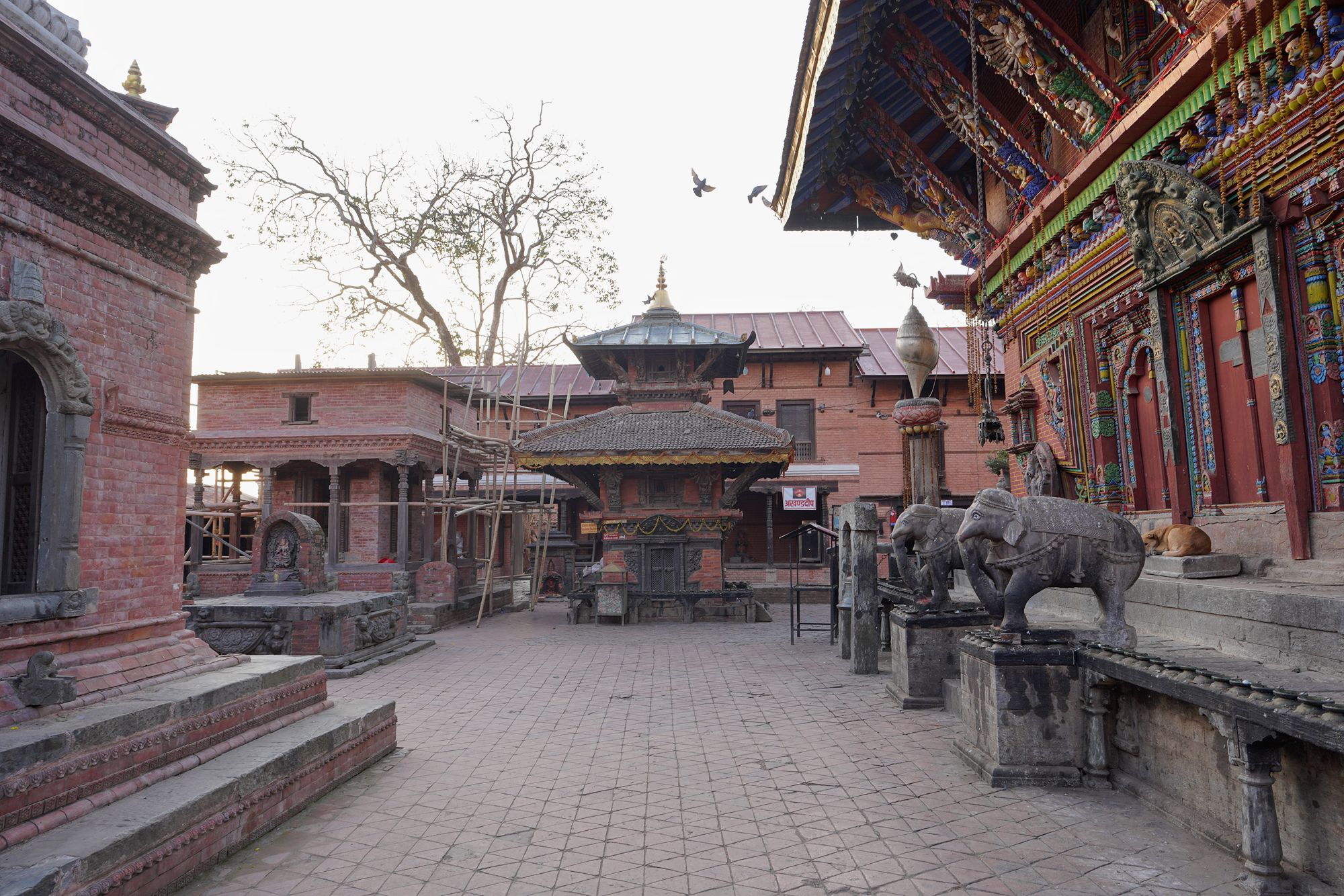
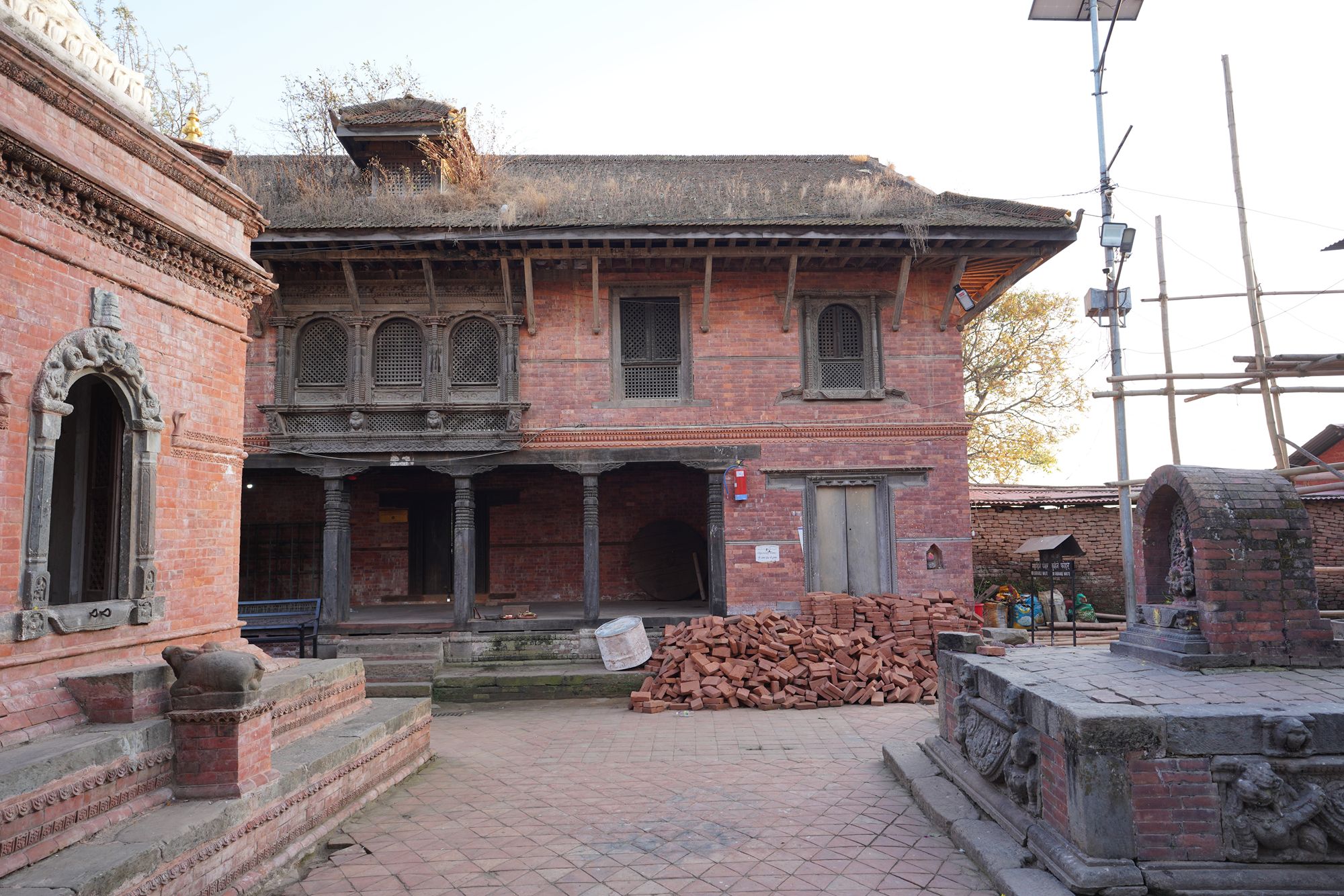
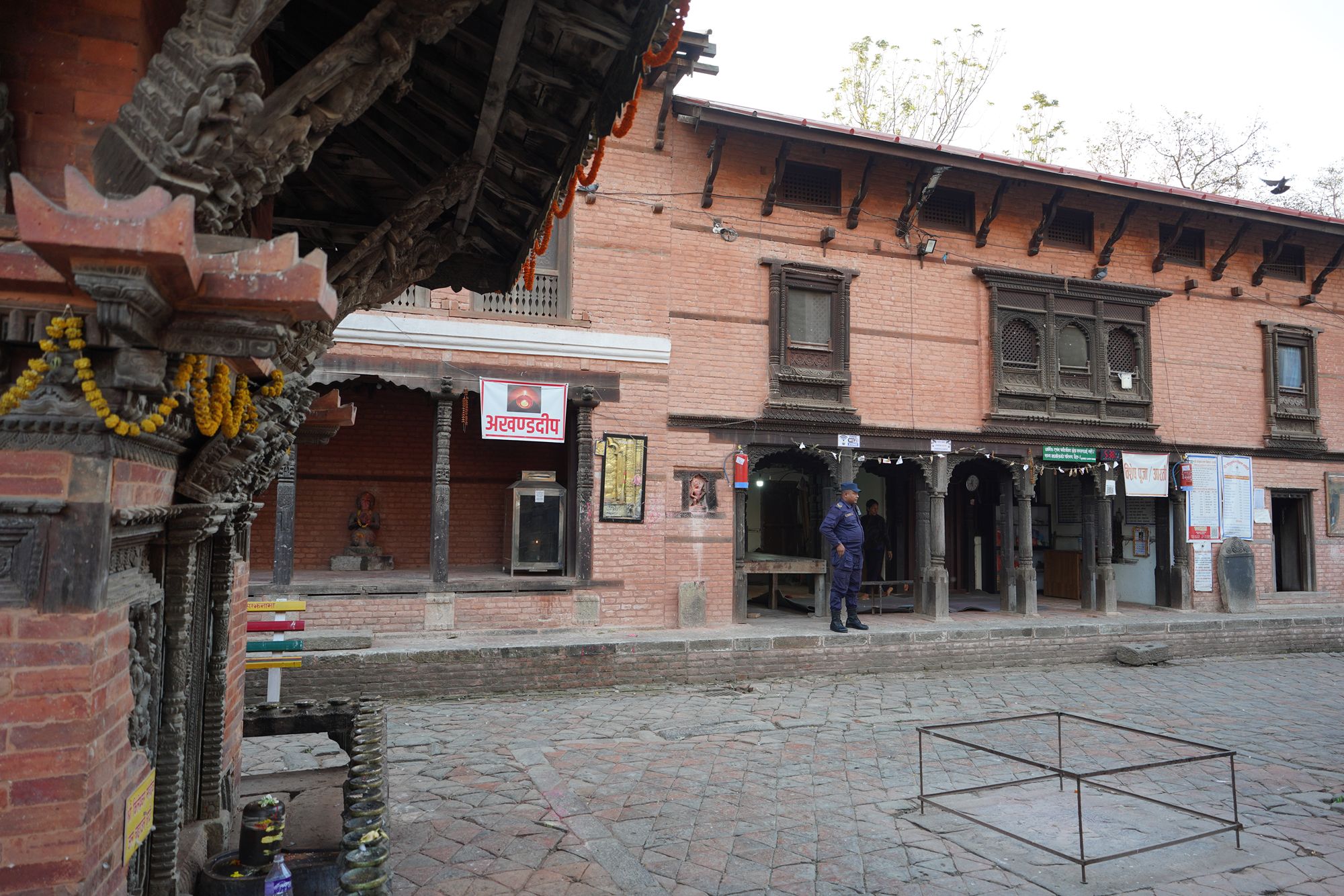
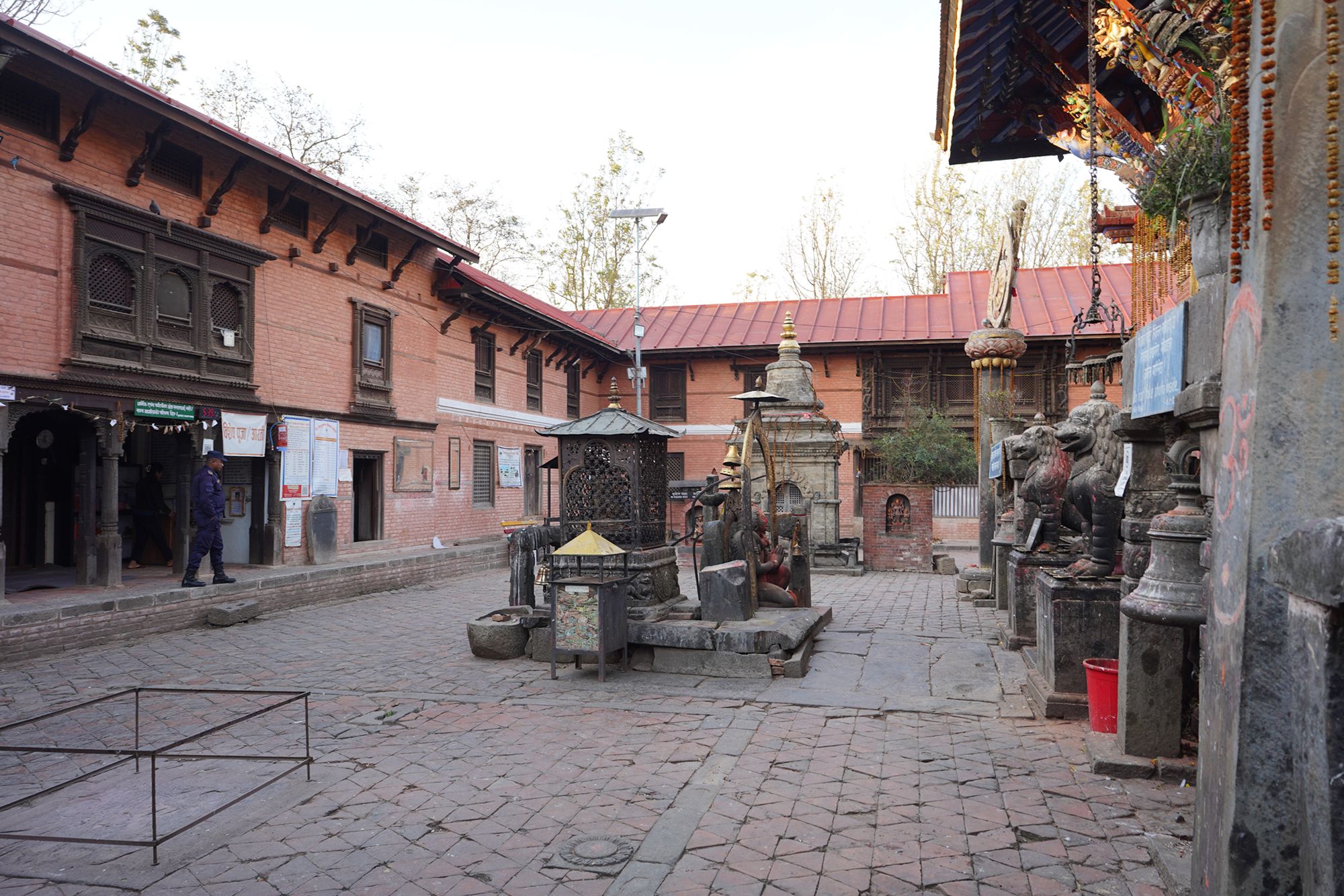
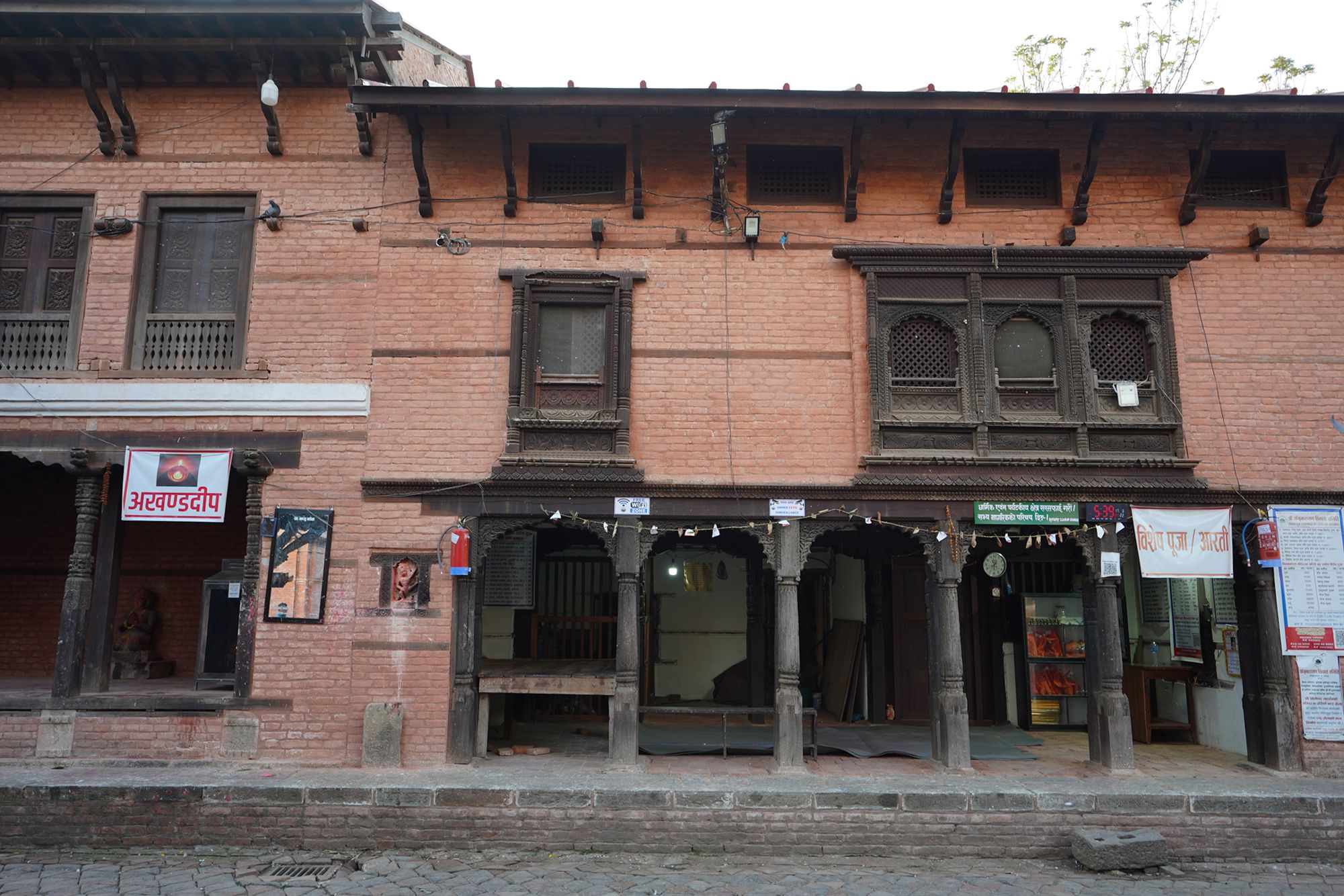
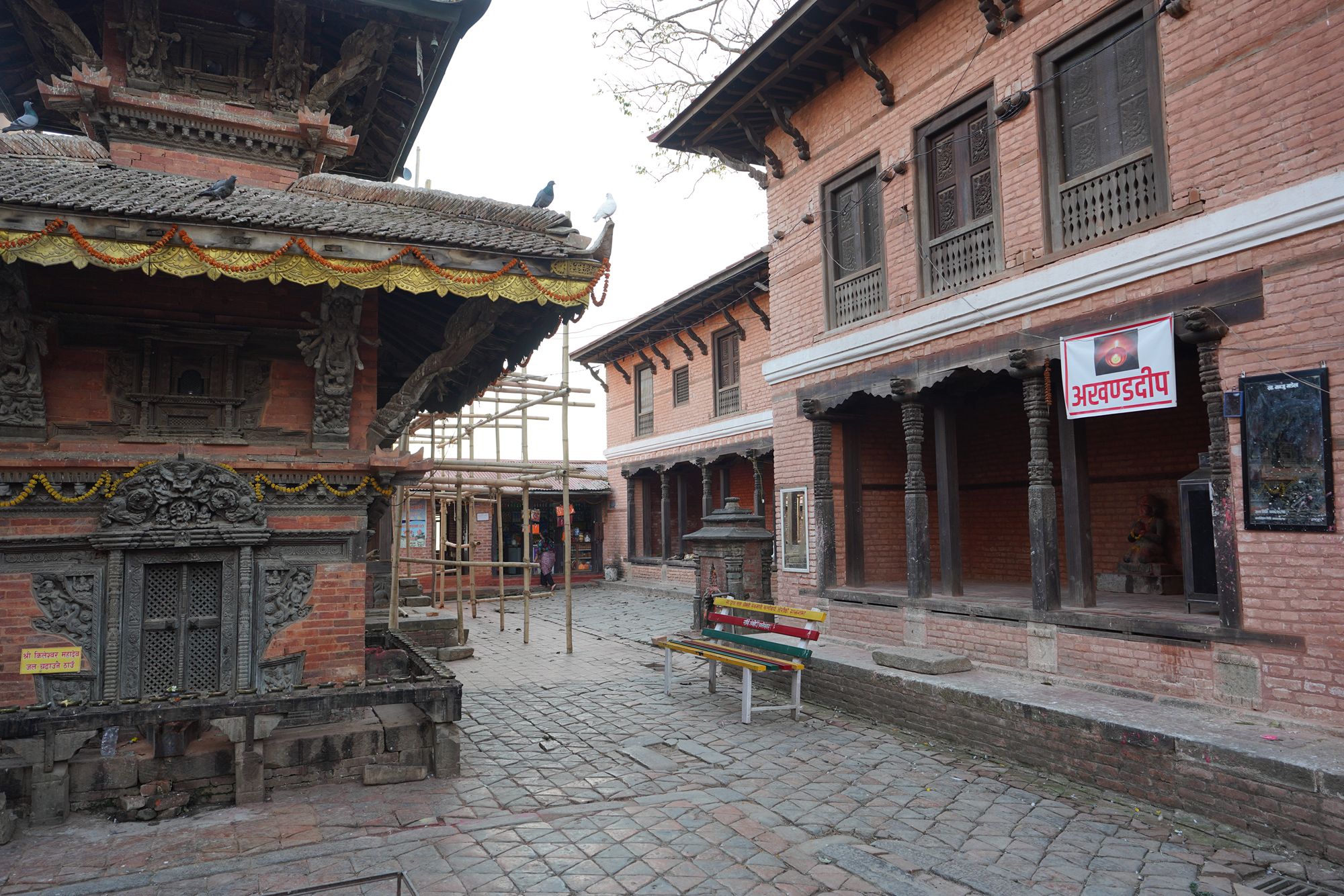
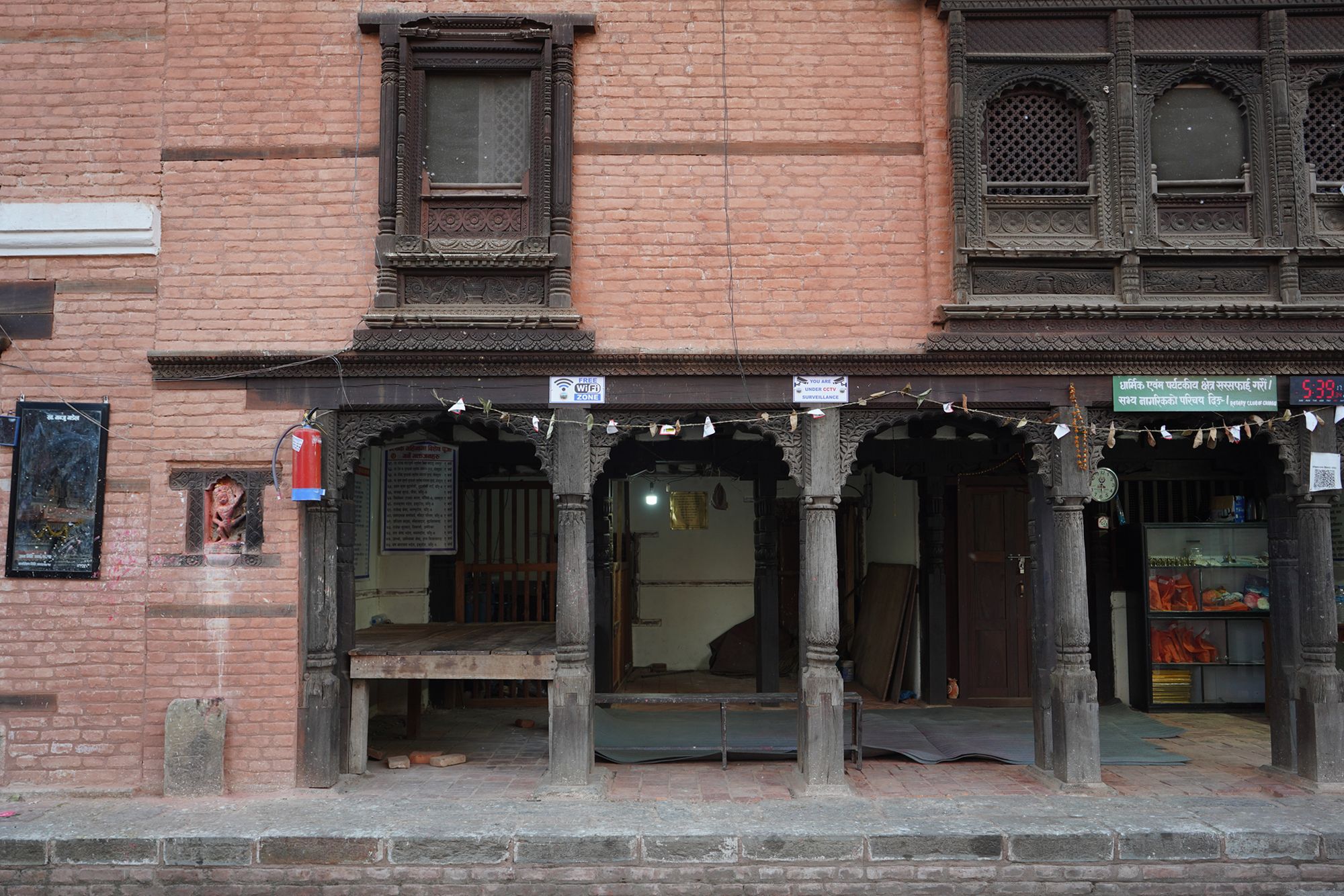
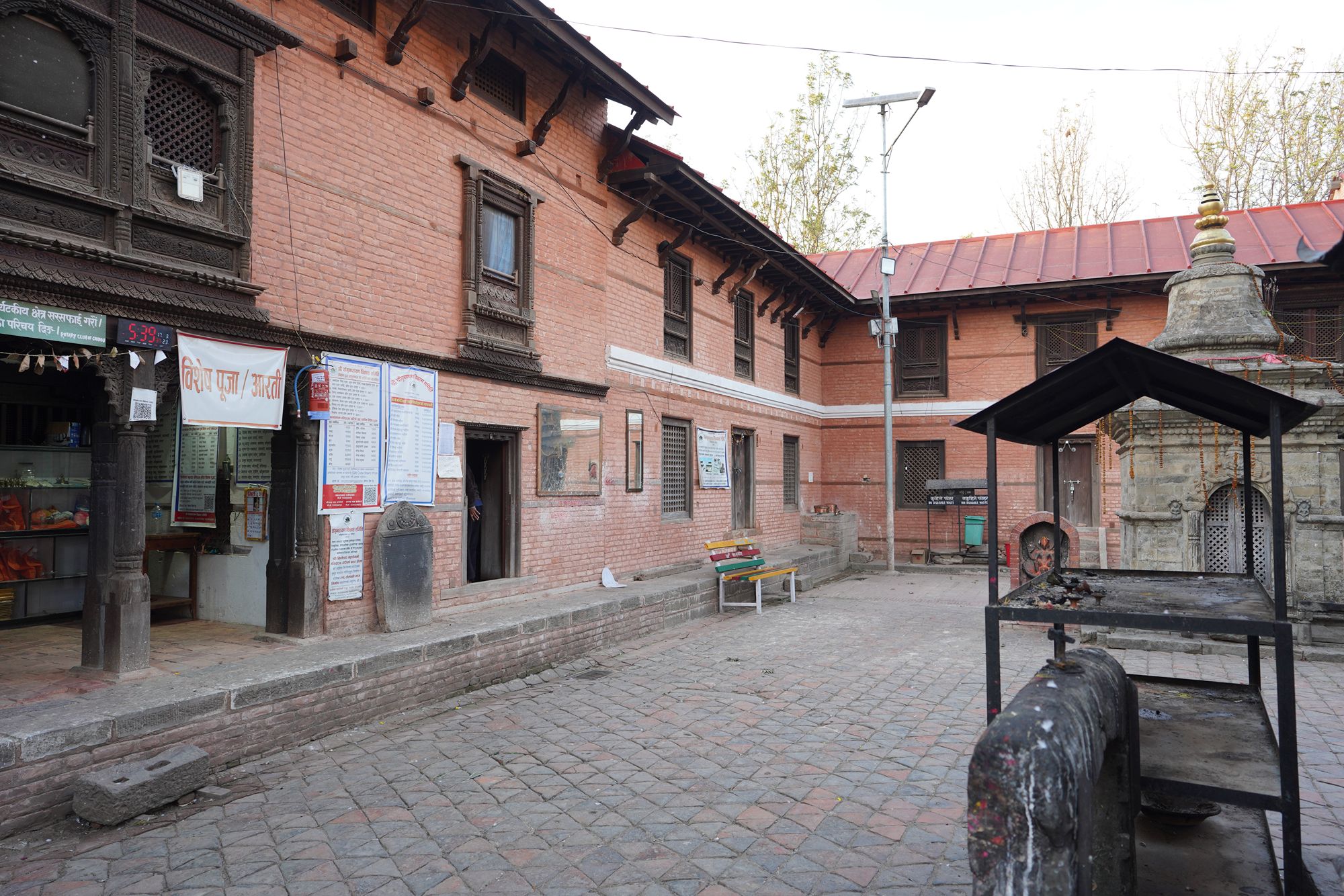
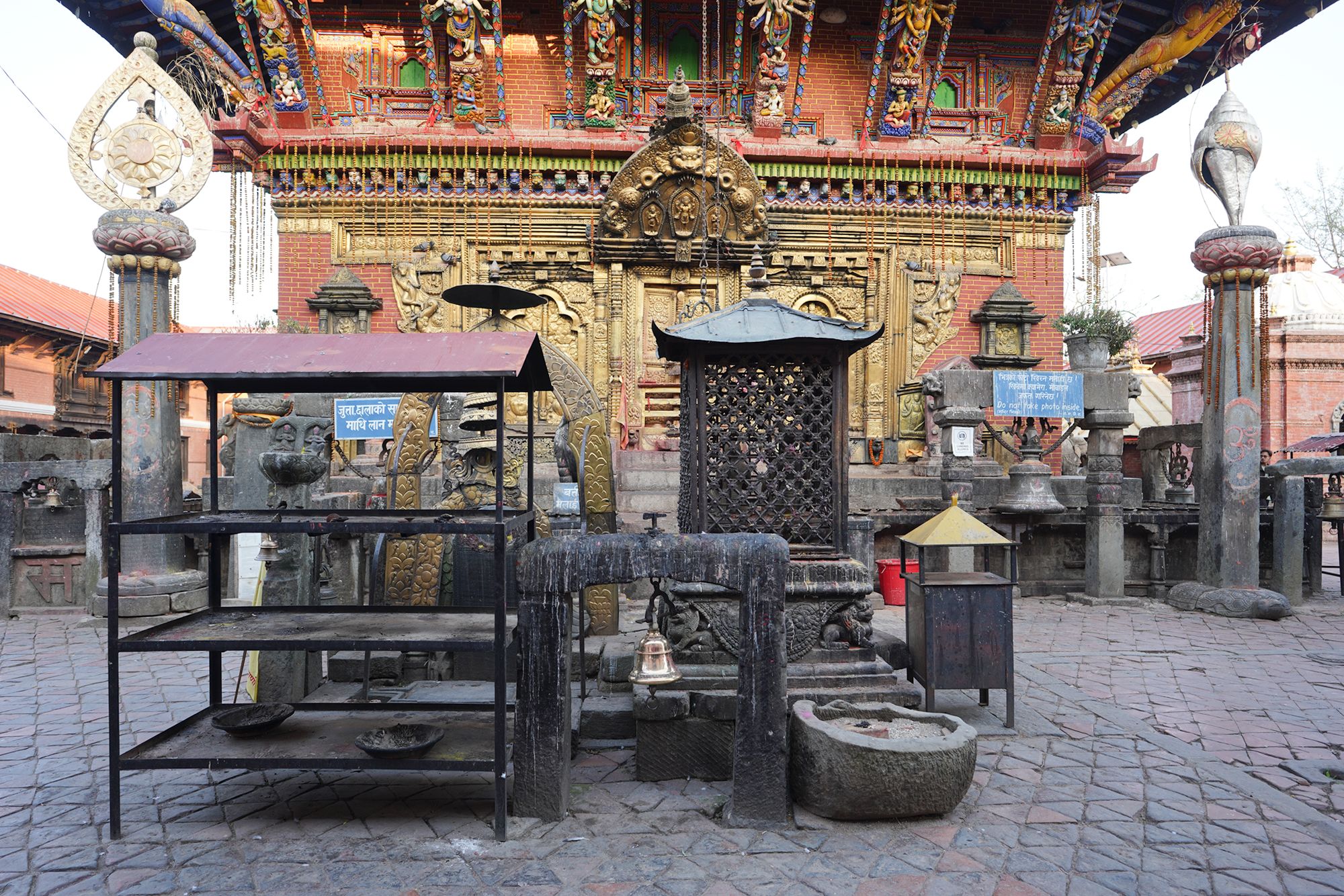
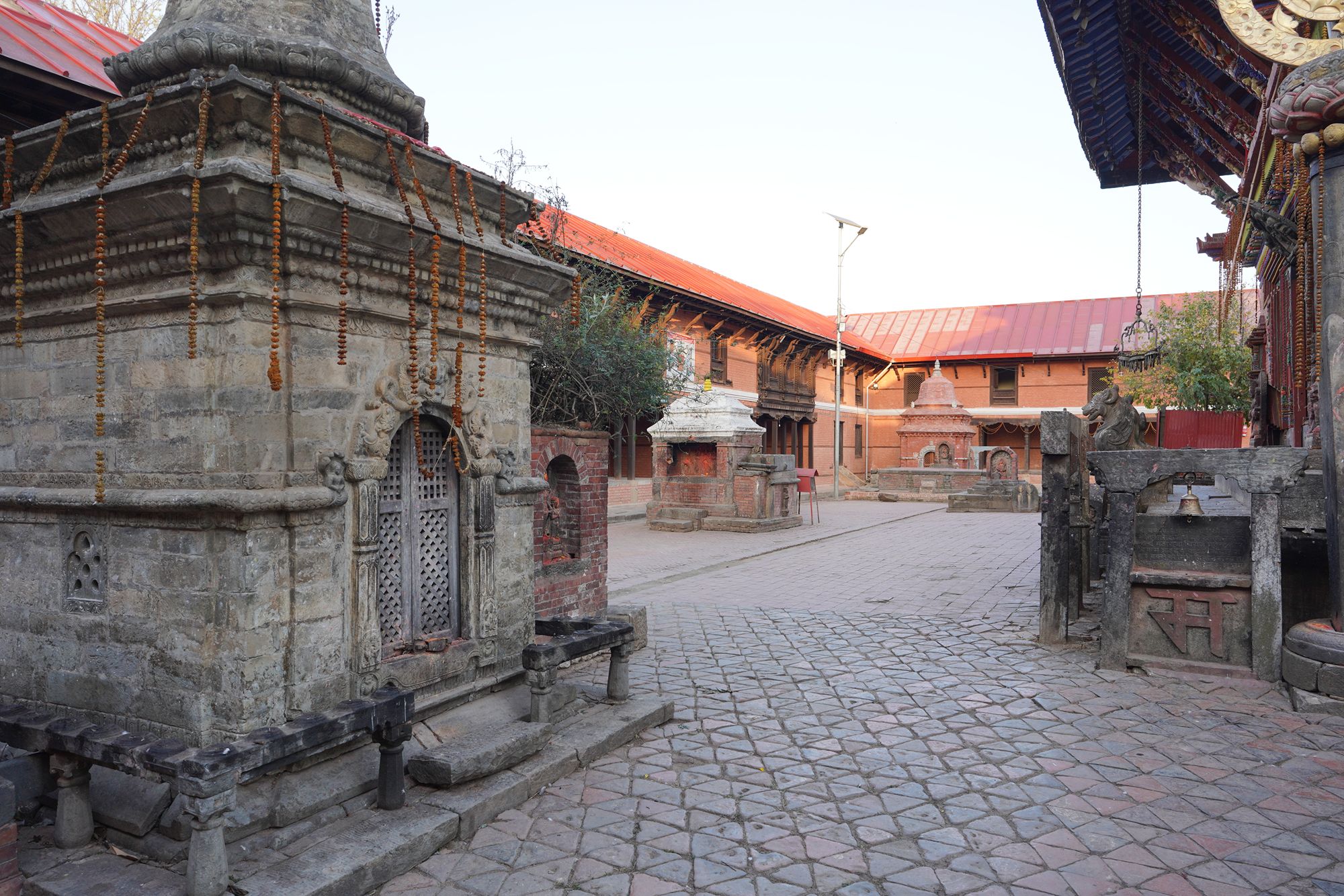
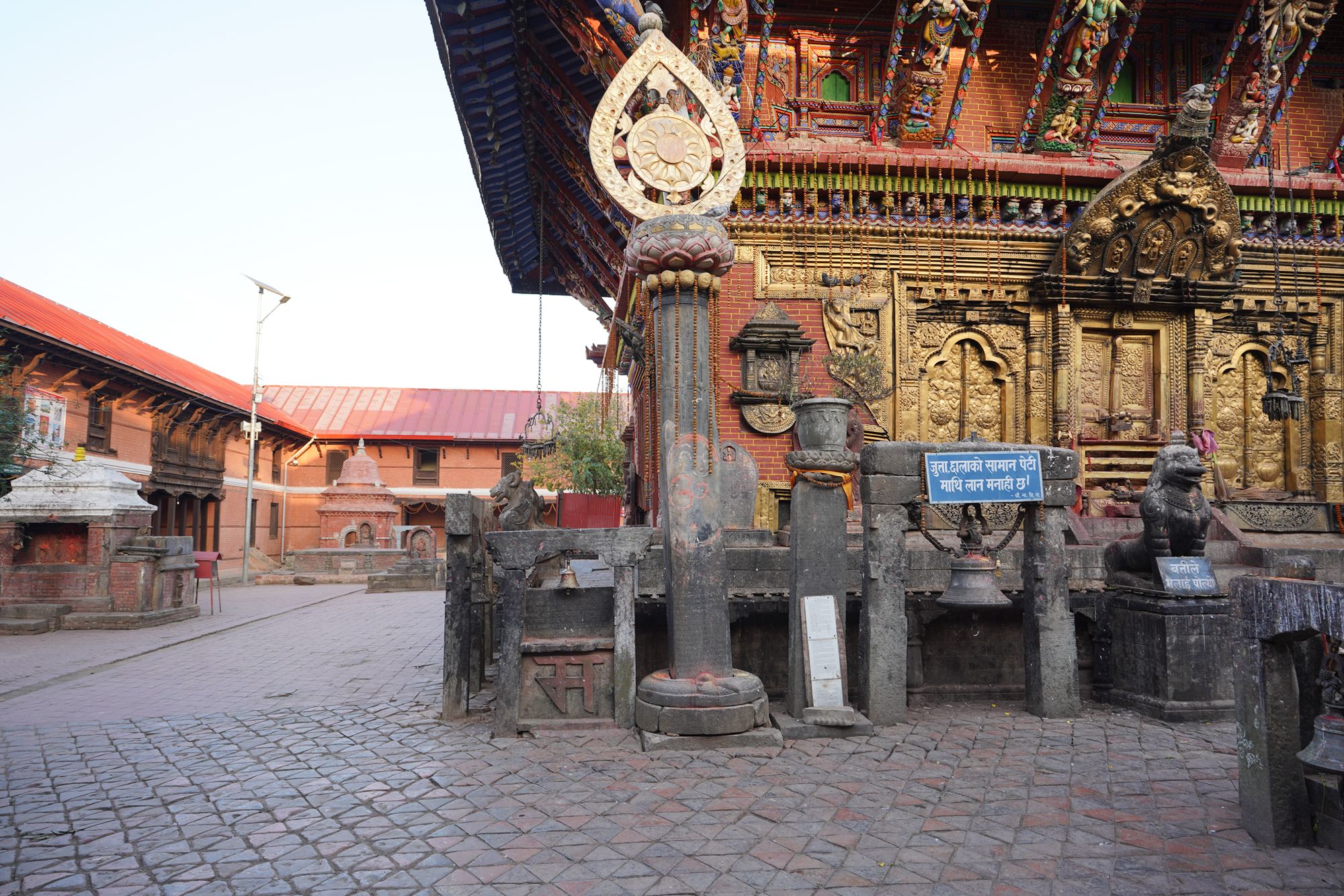
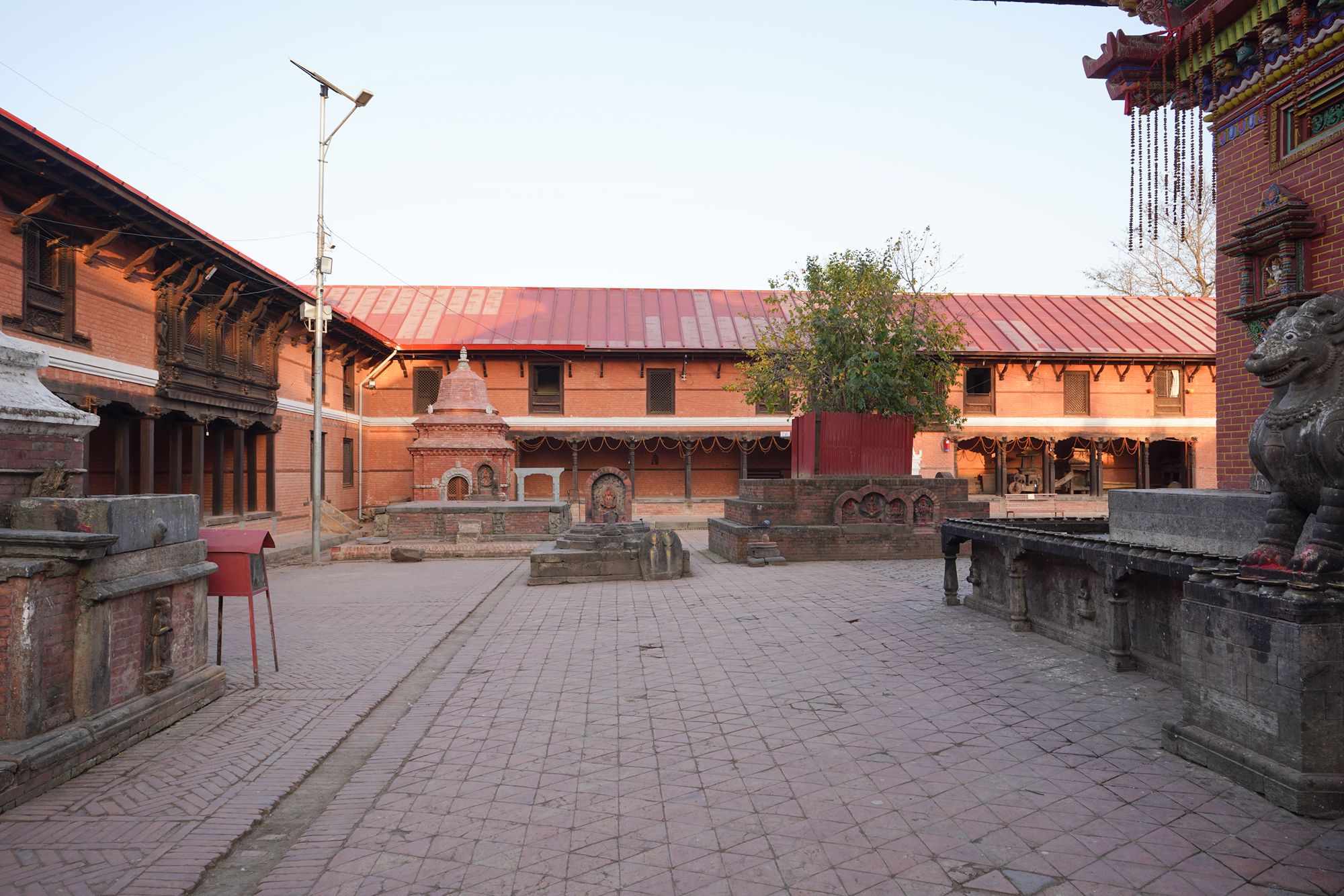
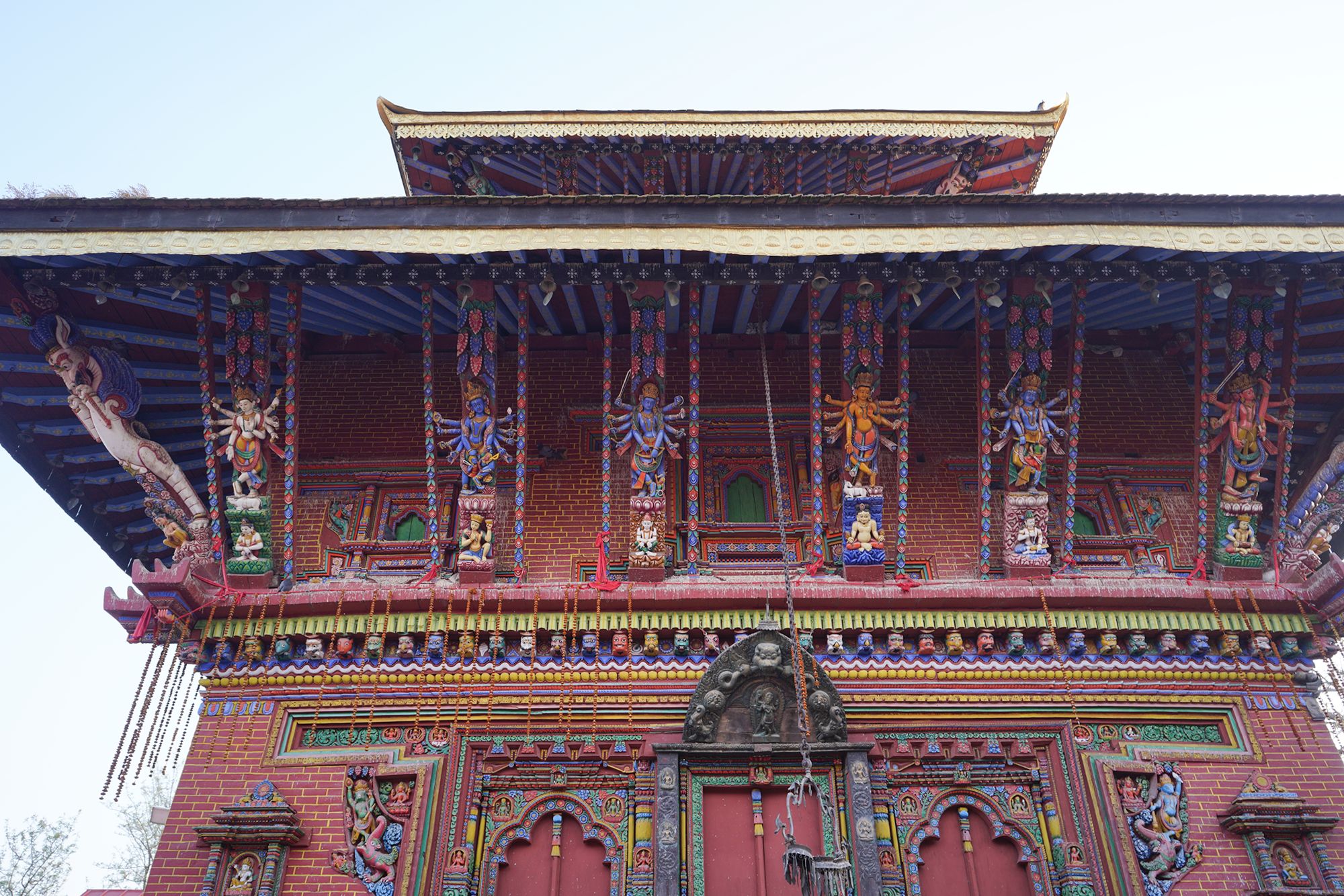
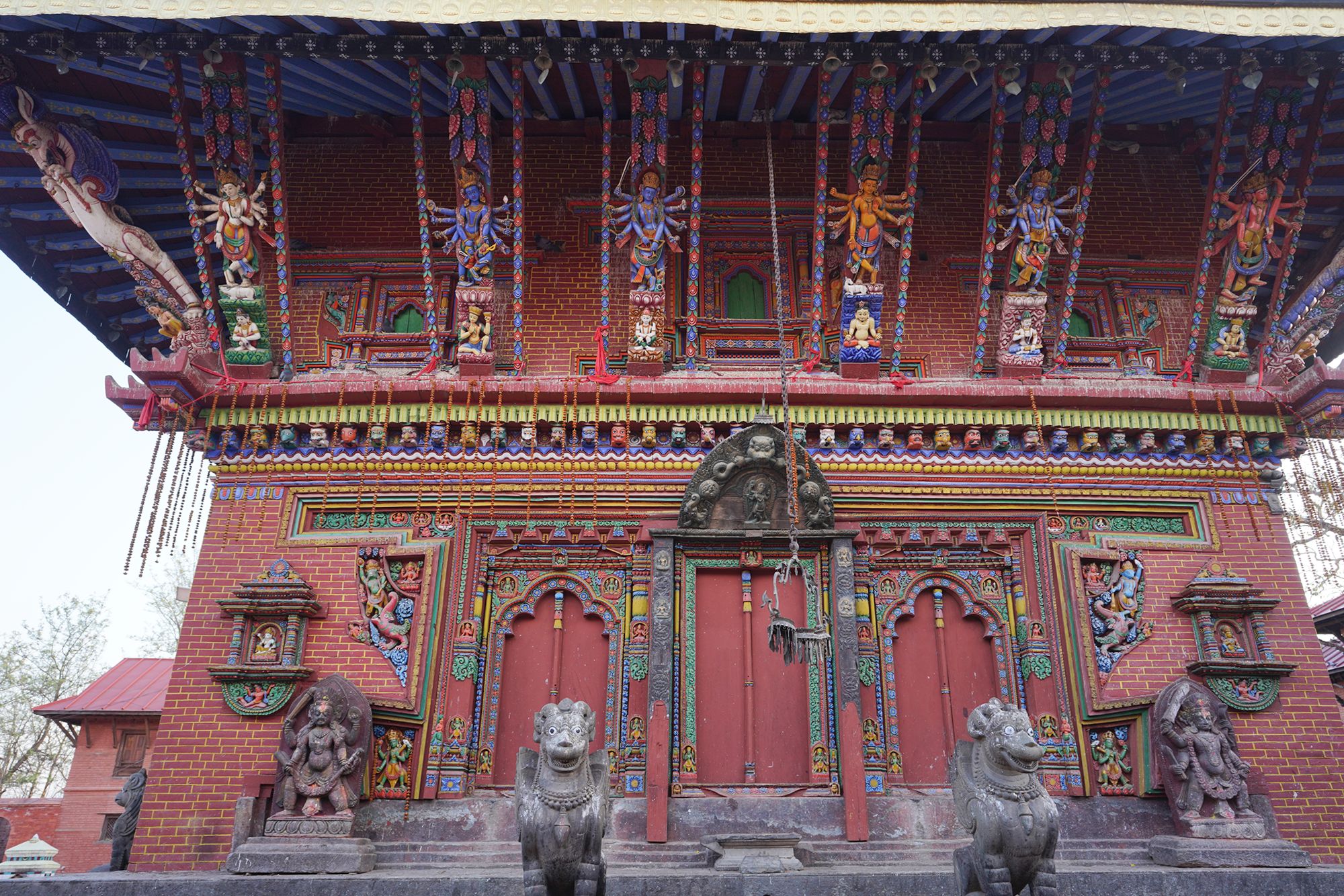
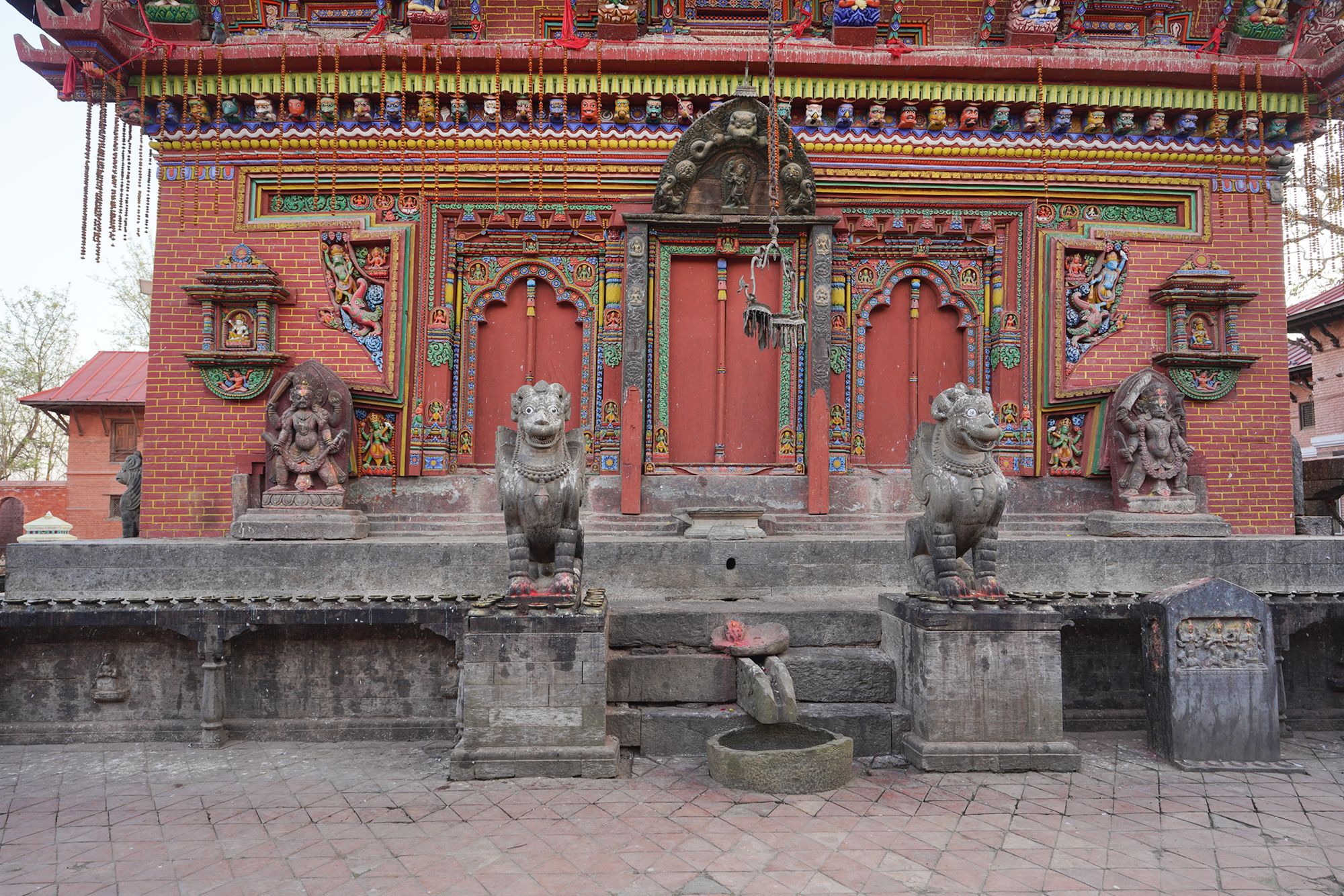
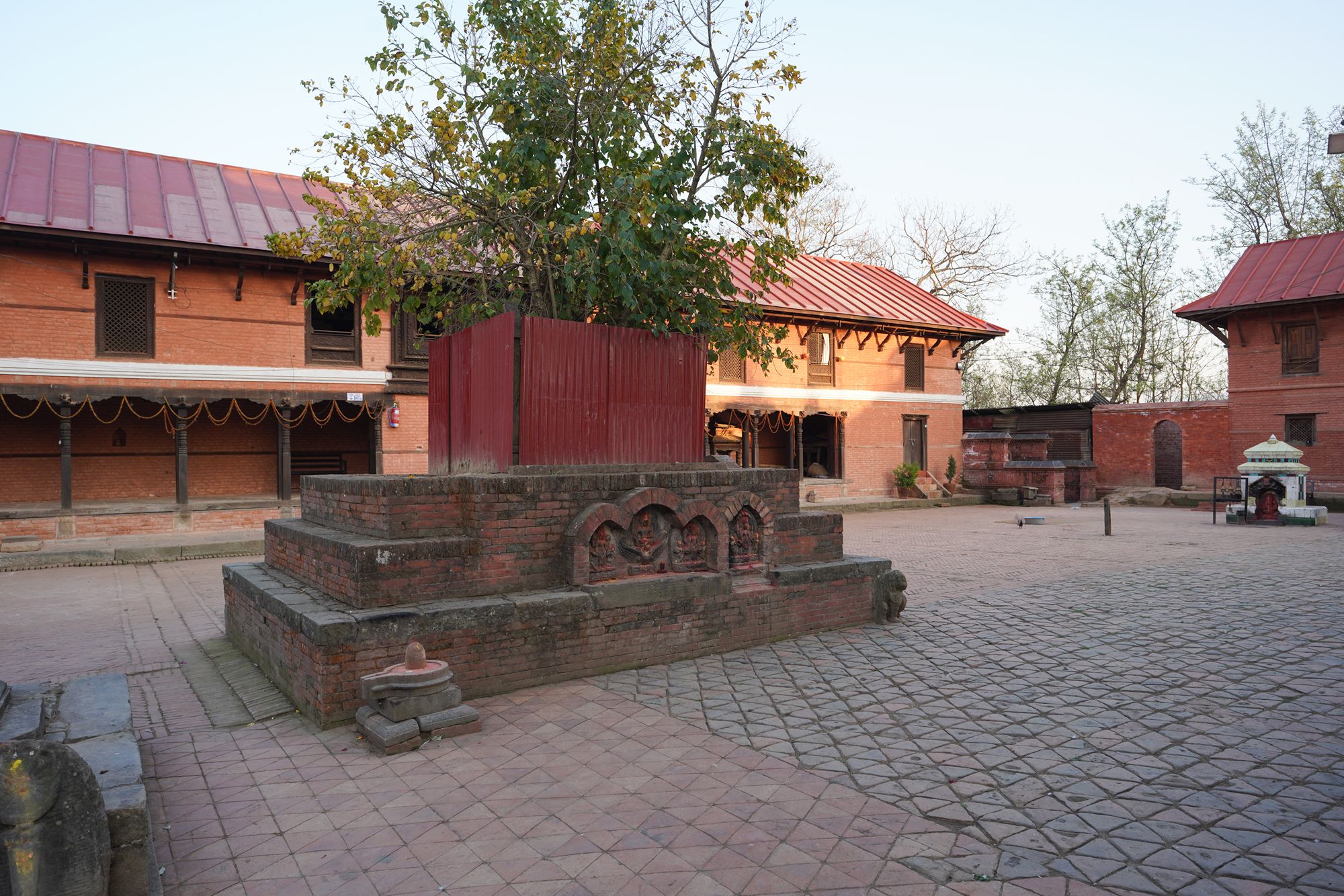
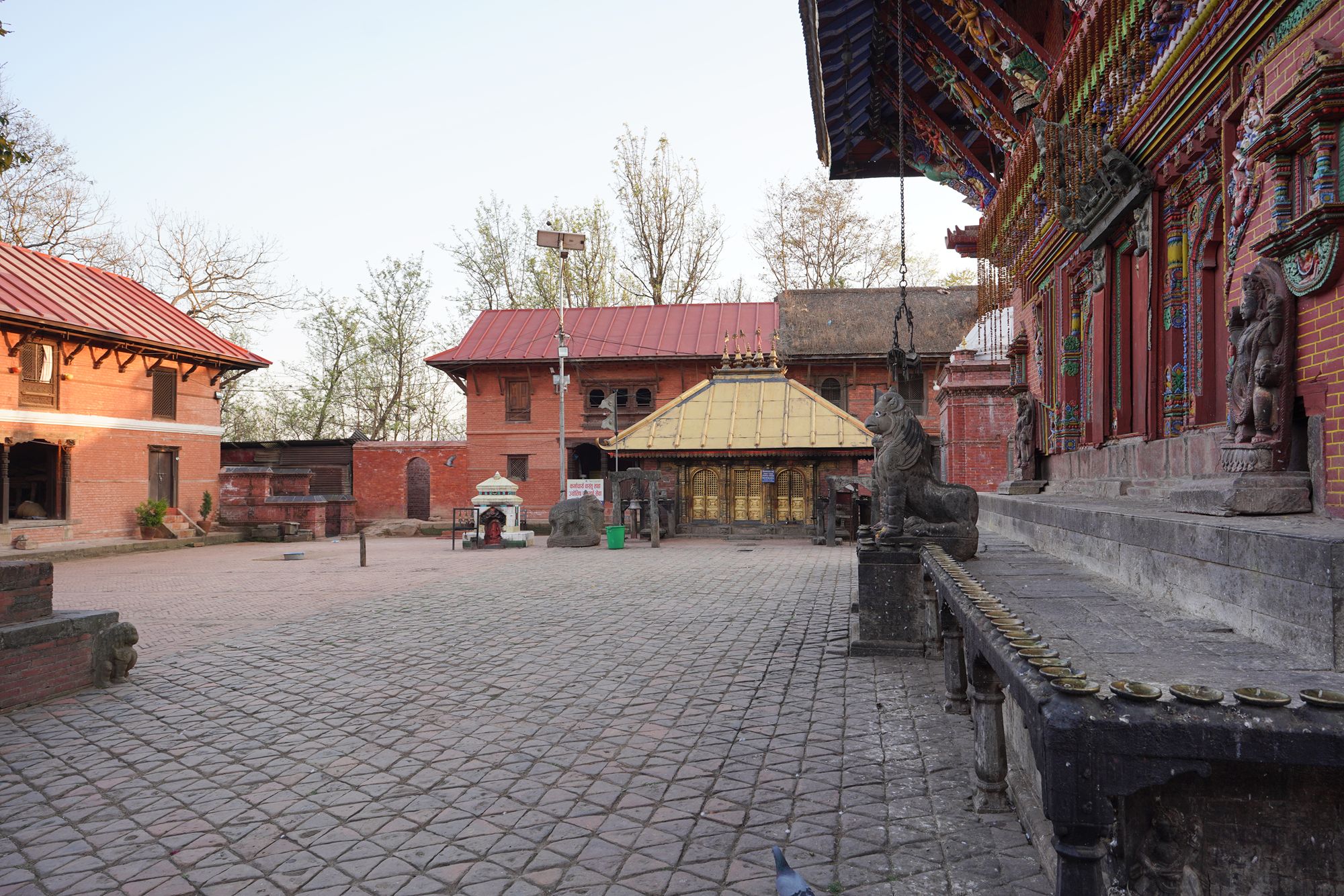
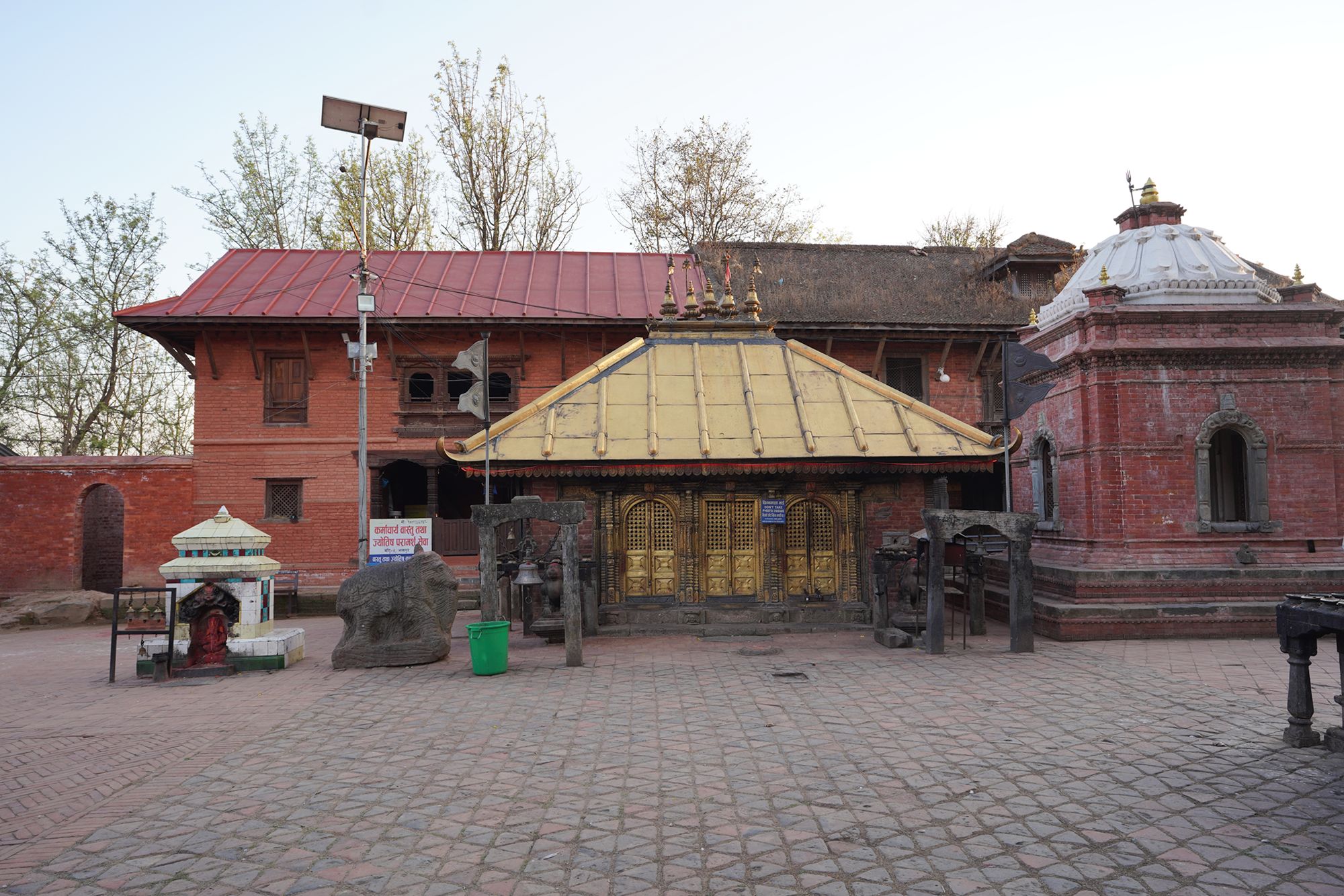
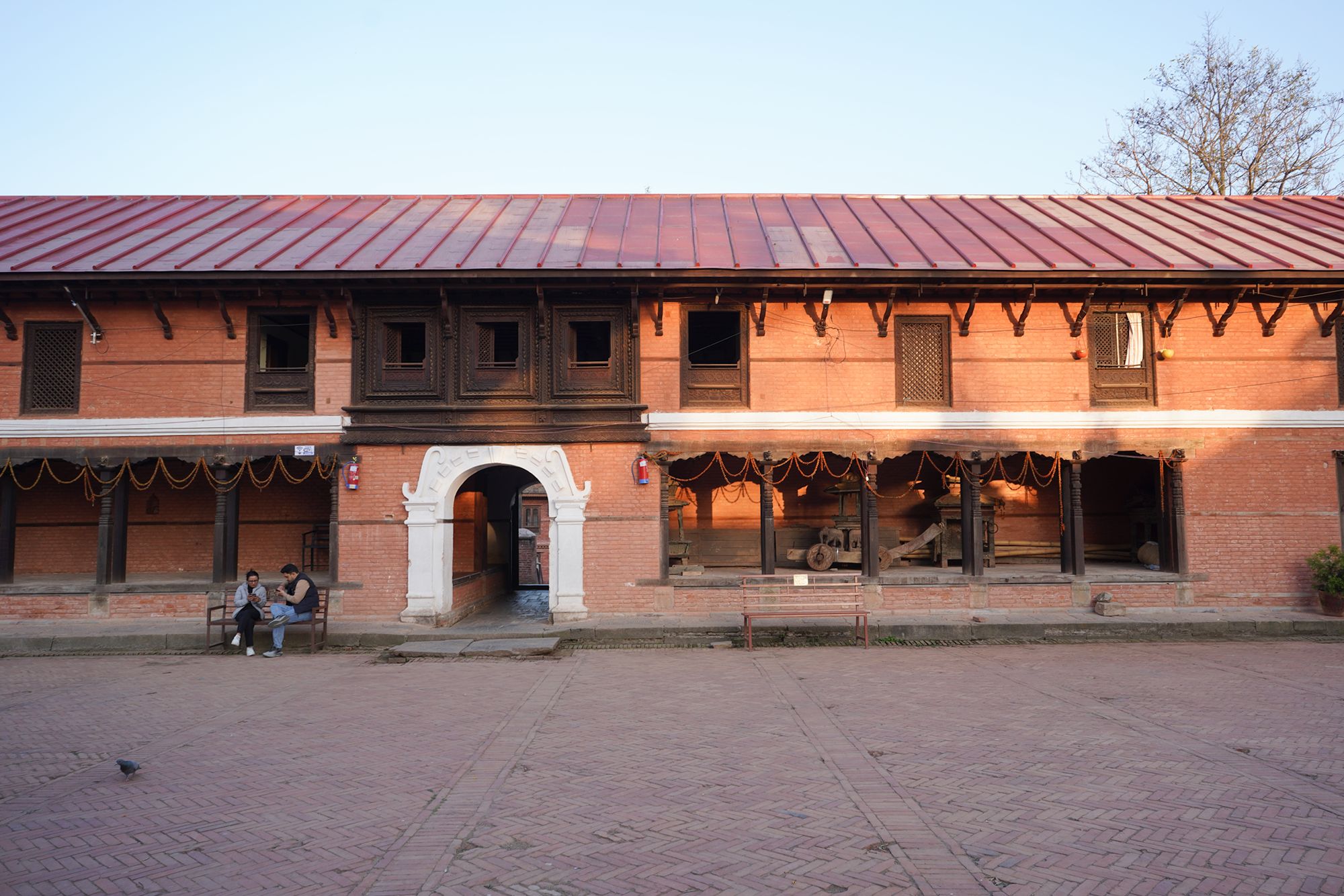
The main temple is a beautiful two-tiered pagoda-style structure, surrounded by a courtyard containing ancient stone sculptures and shrines. It is especially known for its elaborate wood, stone, and metal carvings, including important early representations of Vishnu in different forms.
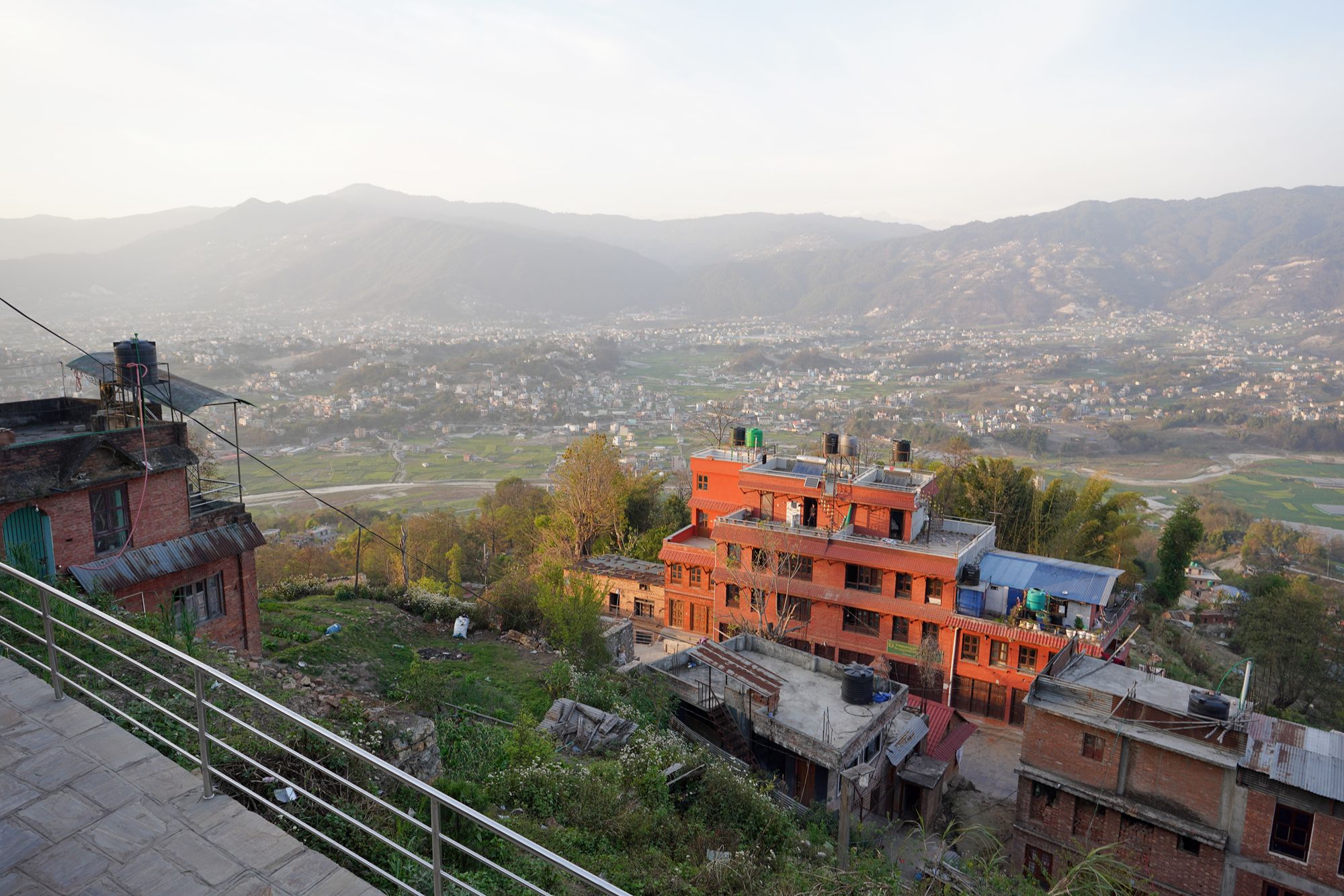
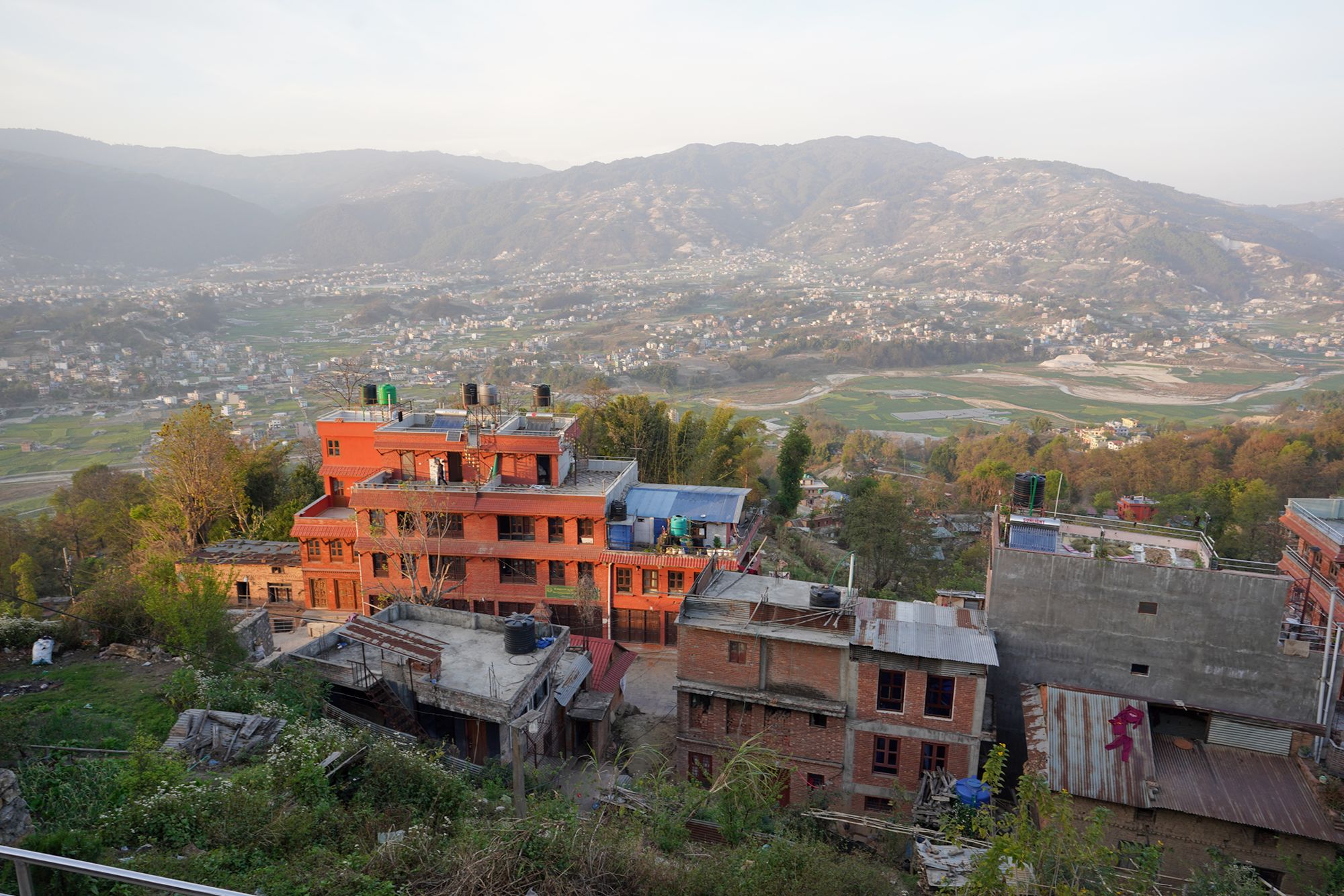
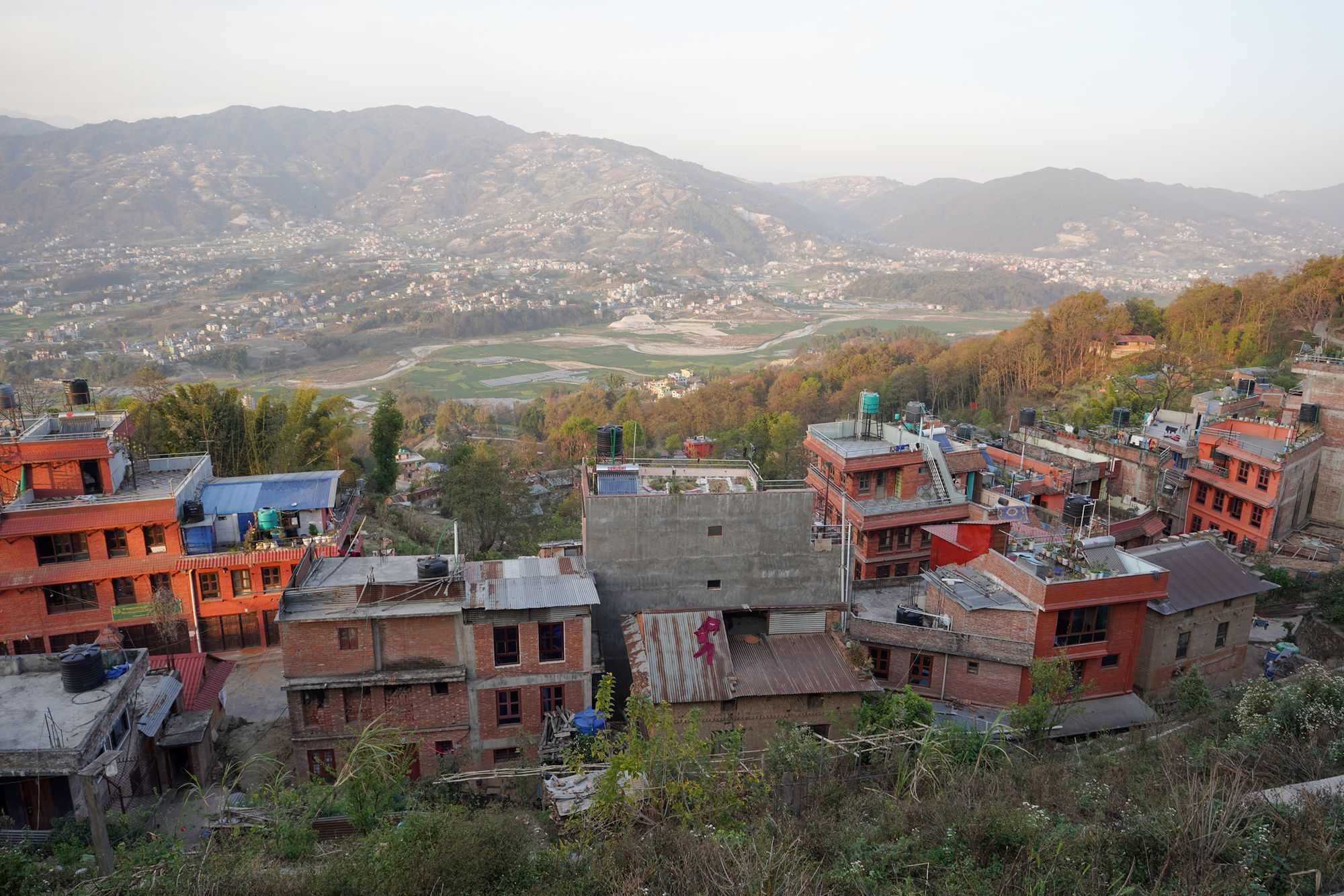
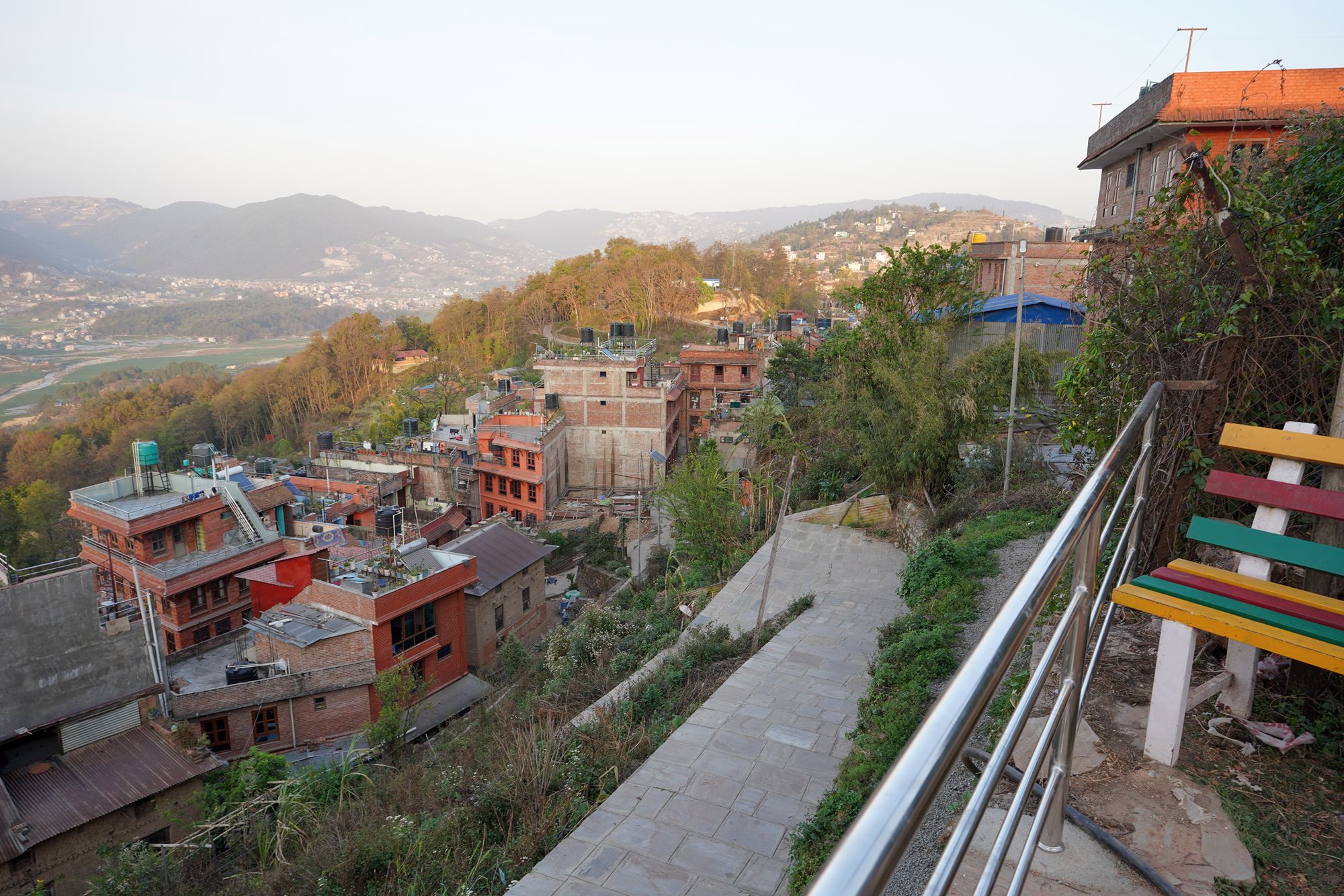
After visiting the temple, I walked back down the hill toward the main road.