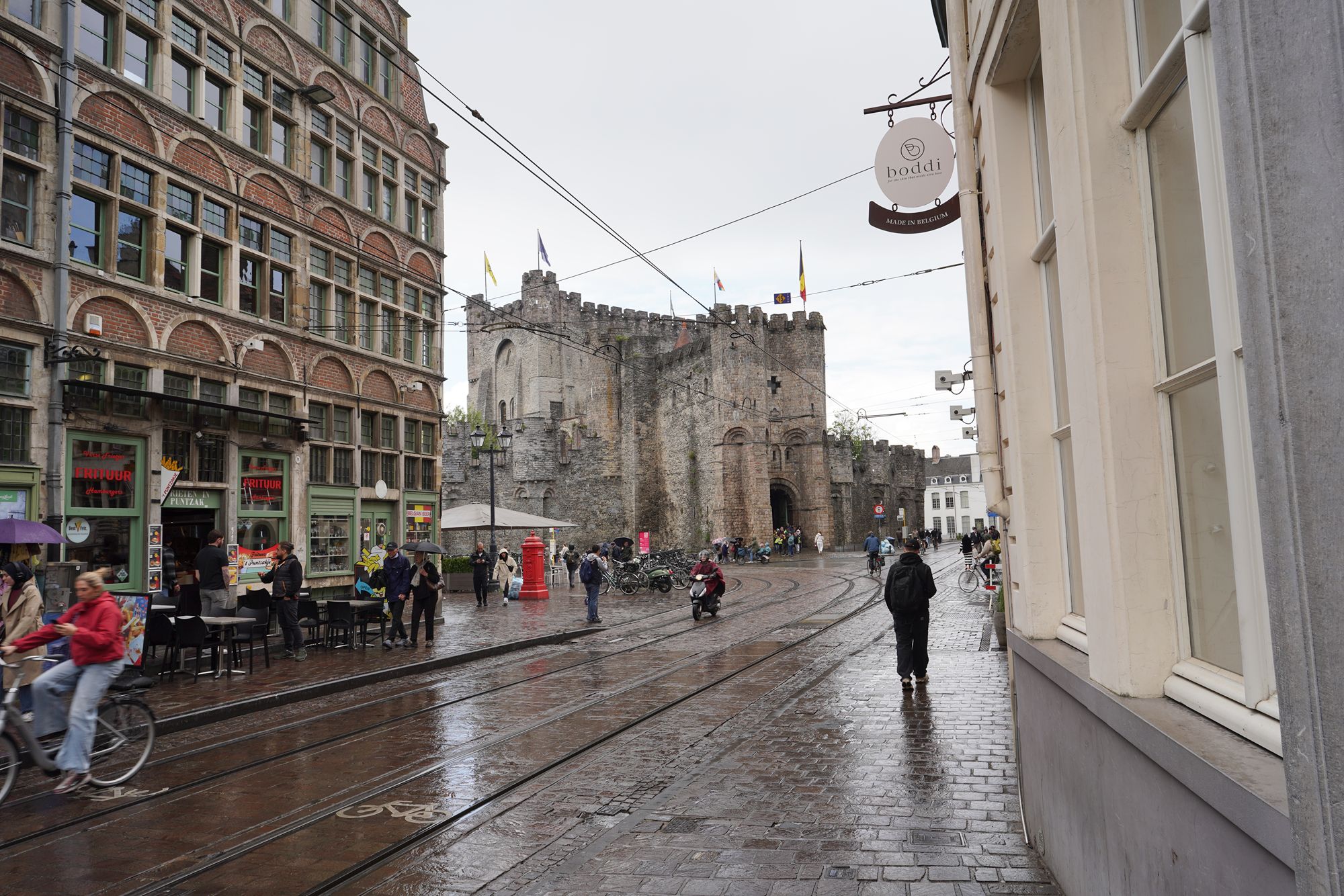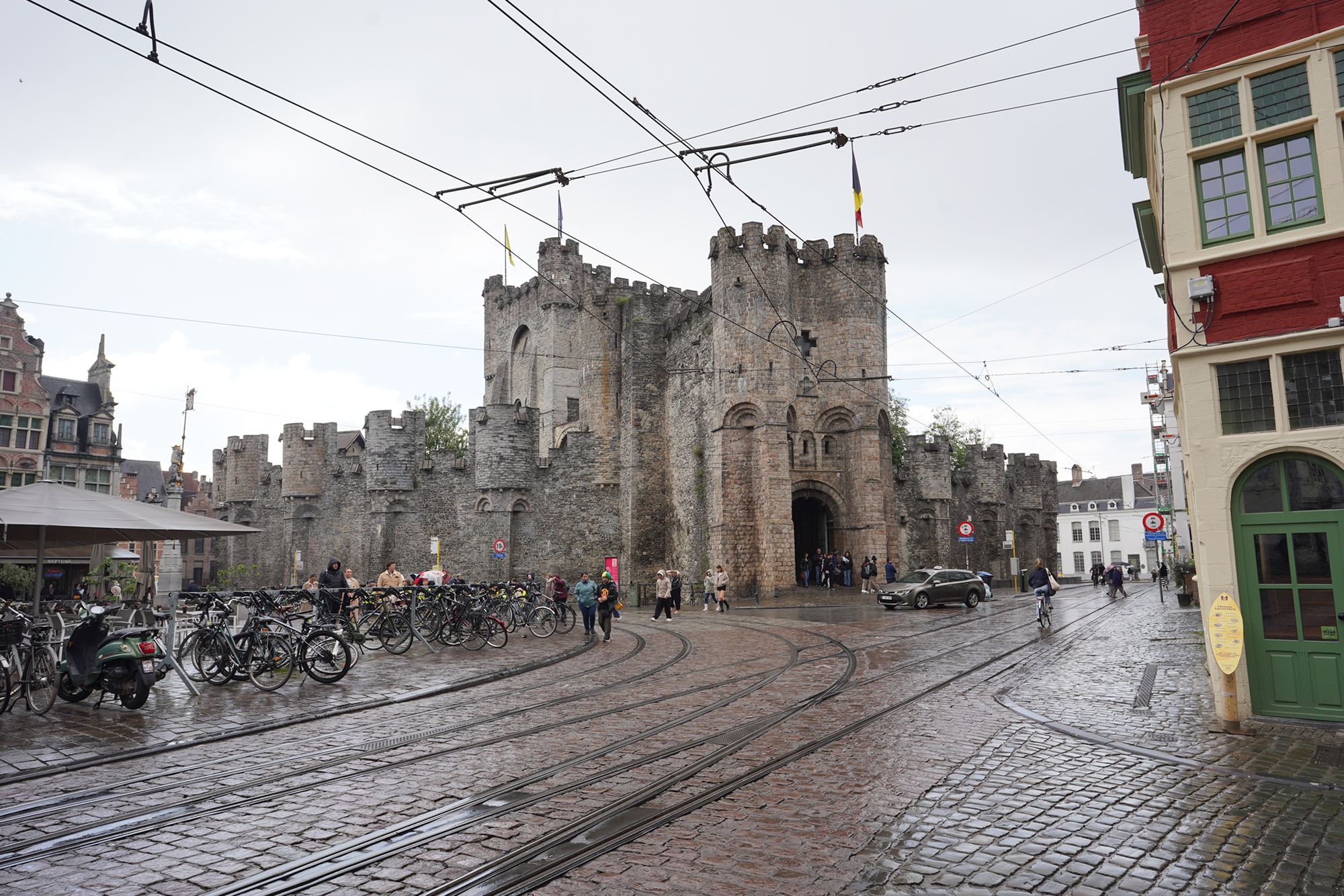
Ghent Day Trip, Belgium
Ghent is a beautiful medieval Belgian city known for its canals, historic guild houses, Gravensteen Castle, churches, and Ghent Altarpiece. 1314
Korenmarkt: 9000 Ghent, Belgium
St. Nicholas’ Church: Cataloniëstraat, 9000 Gent, Belgium
St. Michael’s Bridge: St Michael's Bridge, Sint-Michielshelling, 9000 Gent, Belgium
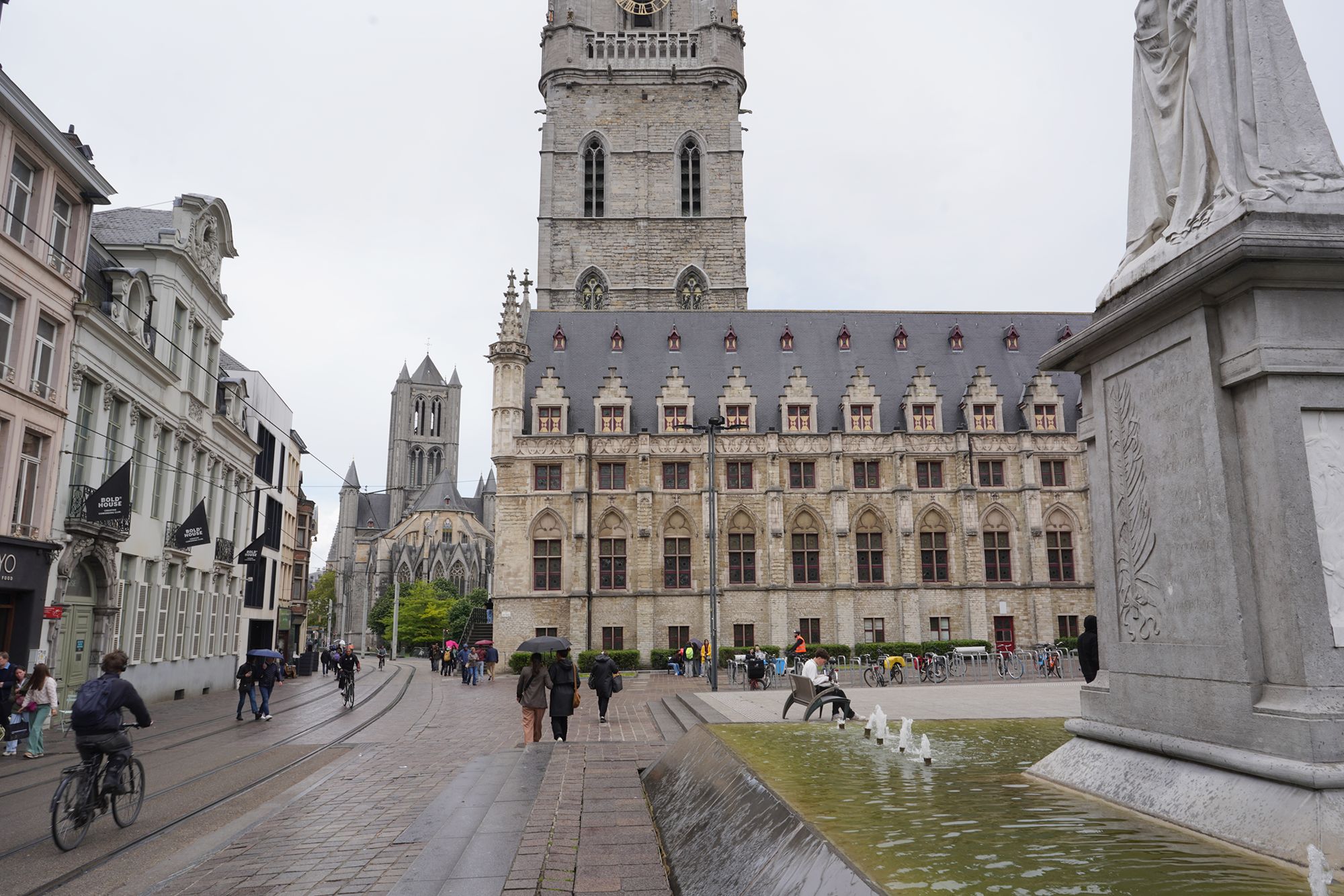
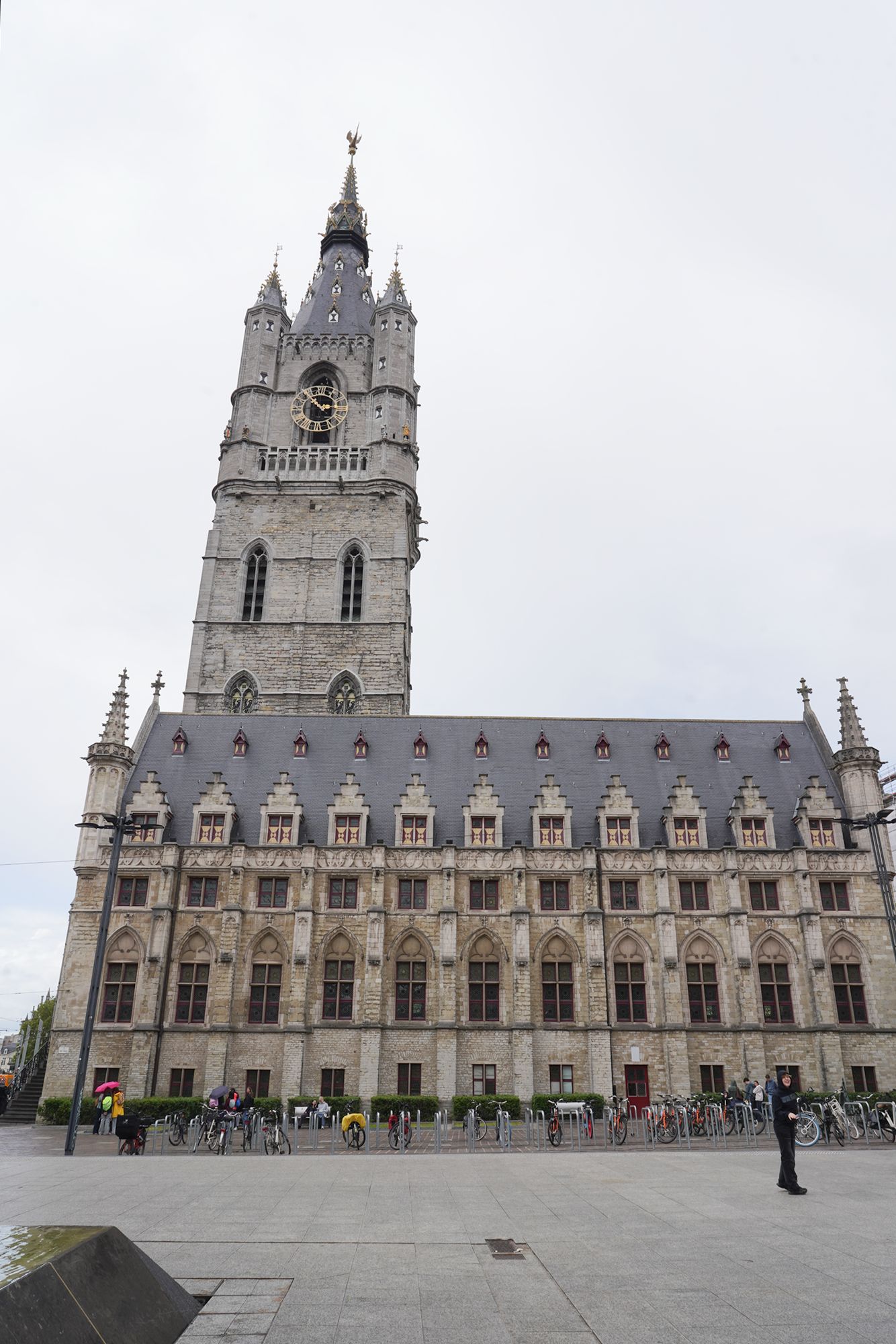
Belfry of Ghent: Sint-Baafsplein, 9000 Gent, Belgium
St. Bavo’s Cathedral: Sint-Baafsplein 1, 9000 Gent, Belgium
Hoogpoort: 9000 Ghent, Belgium
Werregarenstraat: 9000 Ghent, Belgium
Vrijdagmarkt (Friday Market): 9000 Ghent, Belgium
Castle of the Counts (Gravensteen): Sint-Veerleplein 11, 9000 Gent, Belgium
Date Picture Taken: May, 2026
One day, I took a day trip from Bruges to Ghent, another of Belgium’s great historic cities. Ghent is known for its beautifully preserved medieval architecture, picturesque canals, historic guild houses, impressive churches, and the imposing Gravensteen Castle. The city’s rich medieval past and lively atmosphere made it an interesting contrast to Bruges.
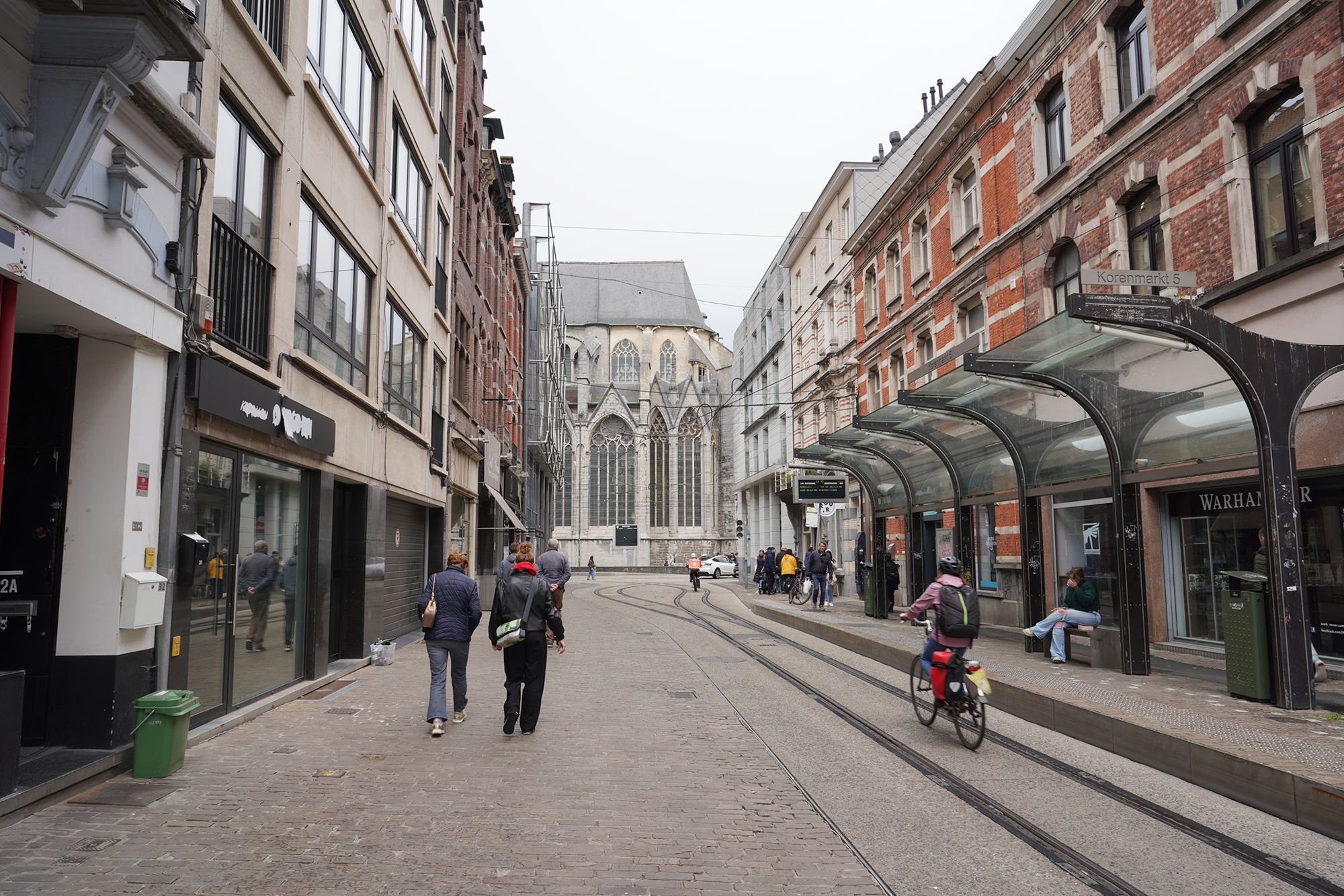
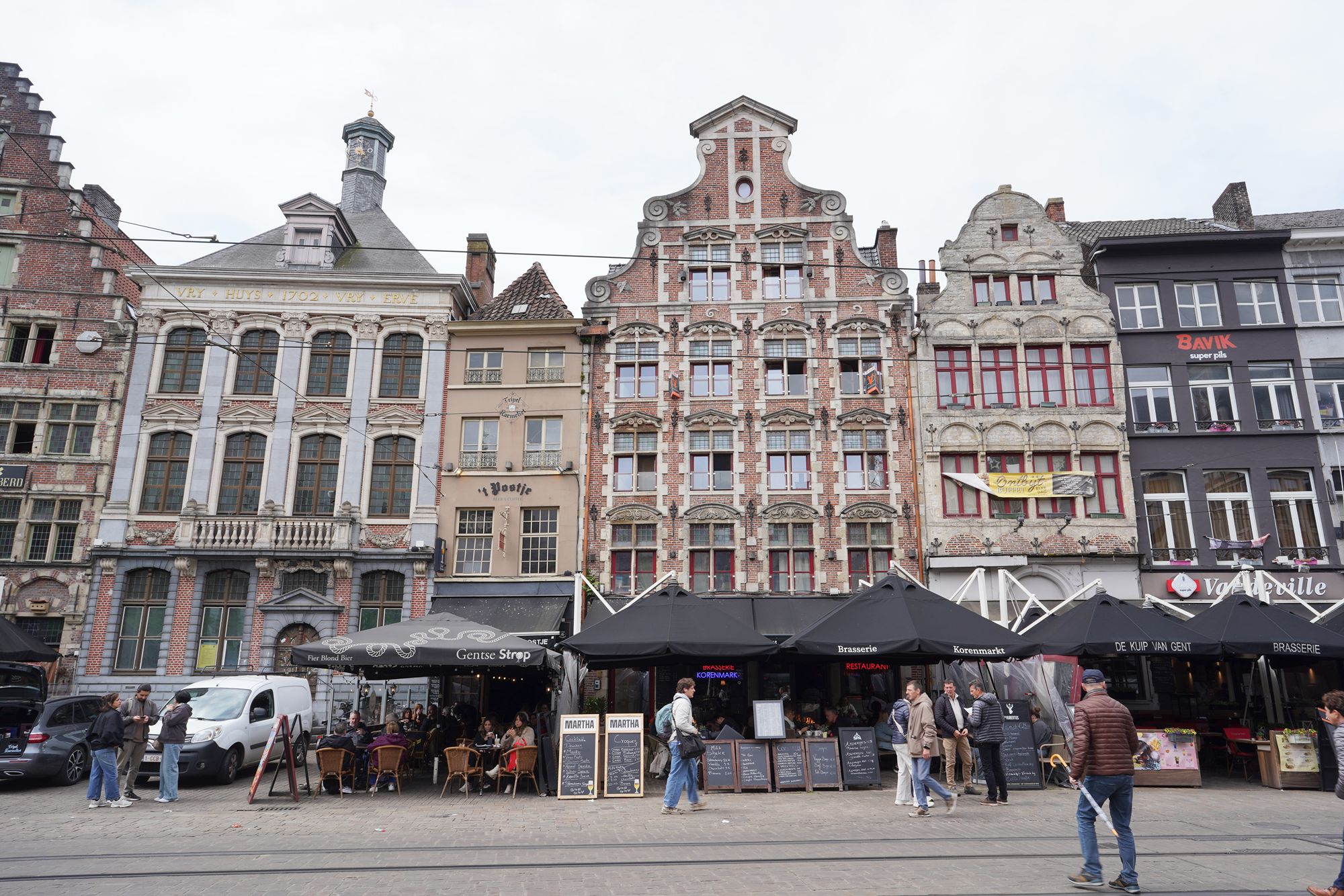
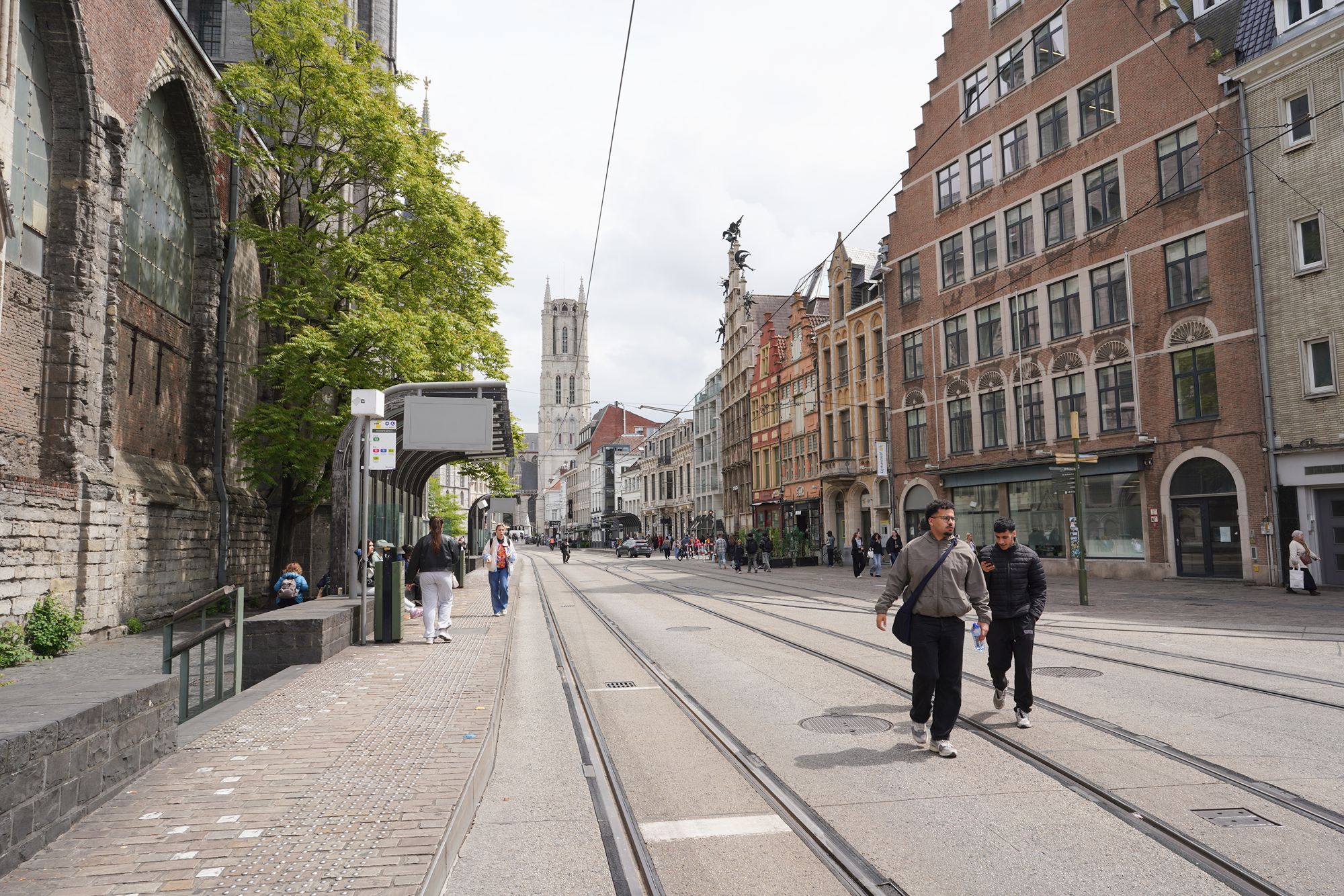
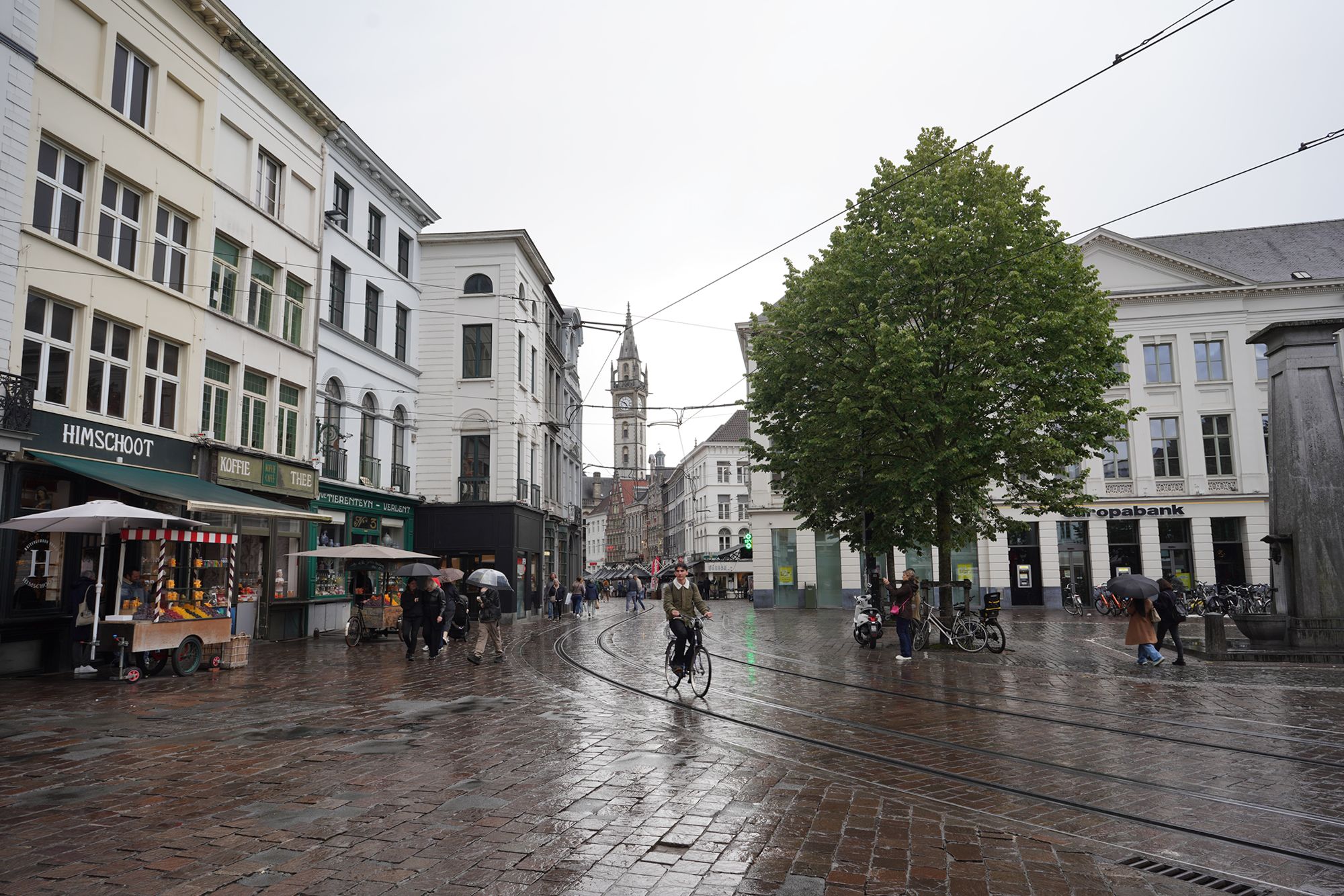
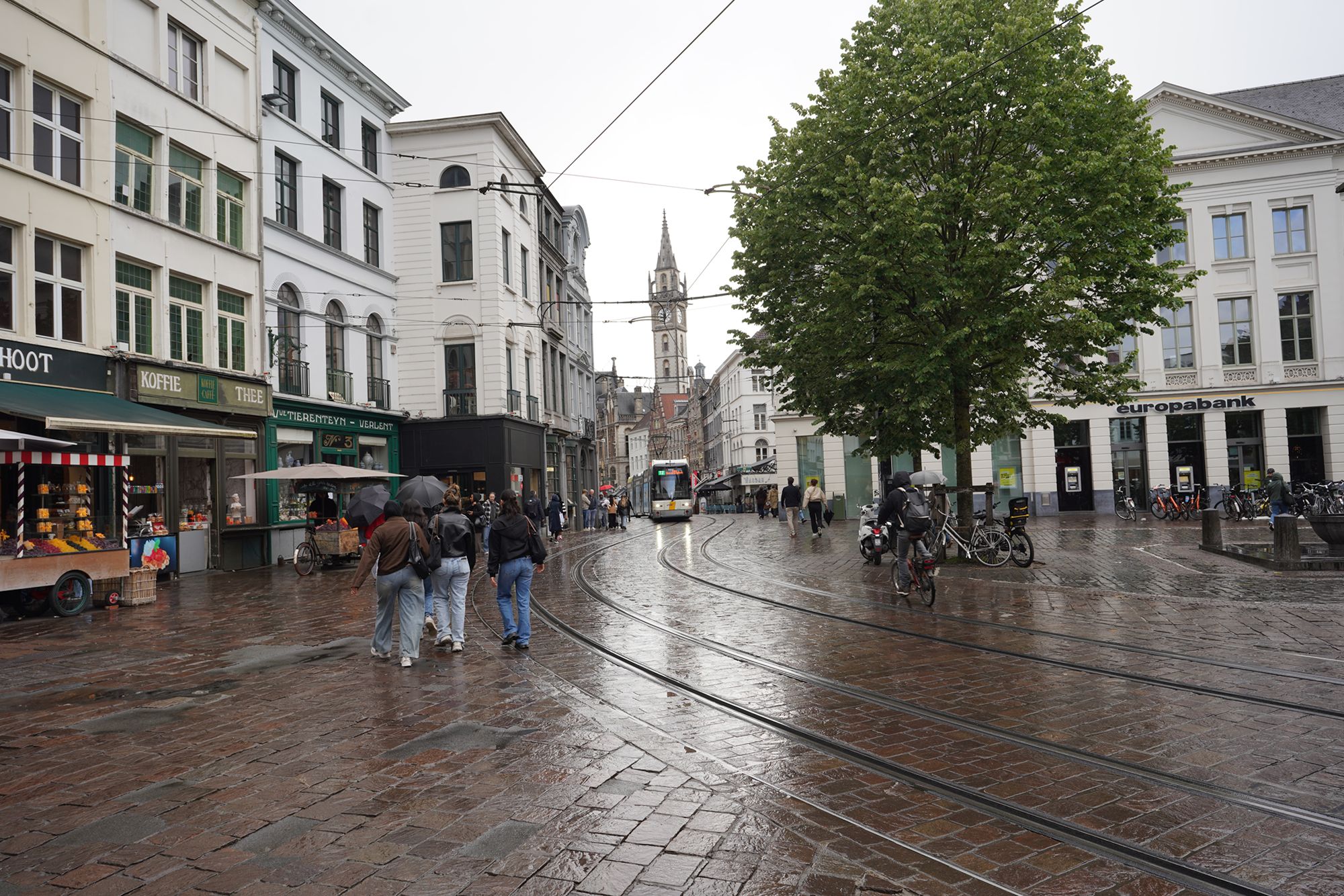
From the train station, I walked toward Korenmarkt, one of the main squares in Ghent’s historic center, enjoying the city streets and architecture along the way.
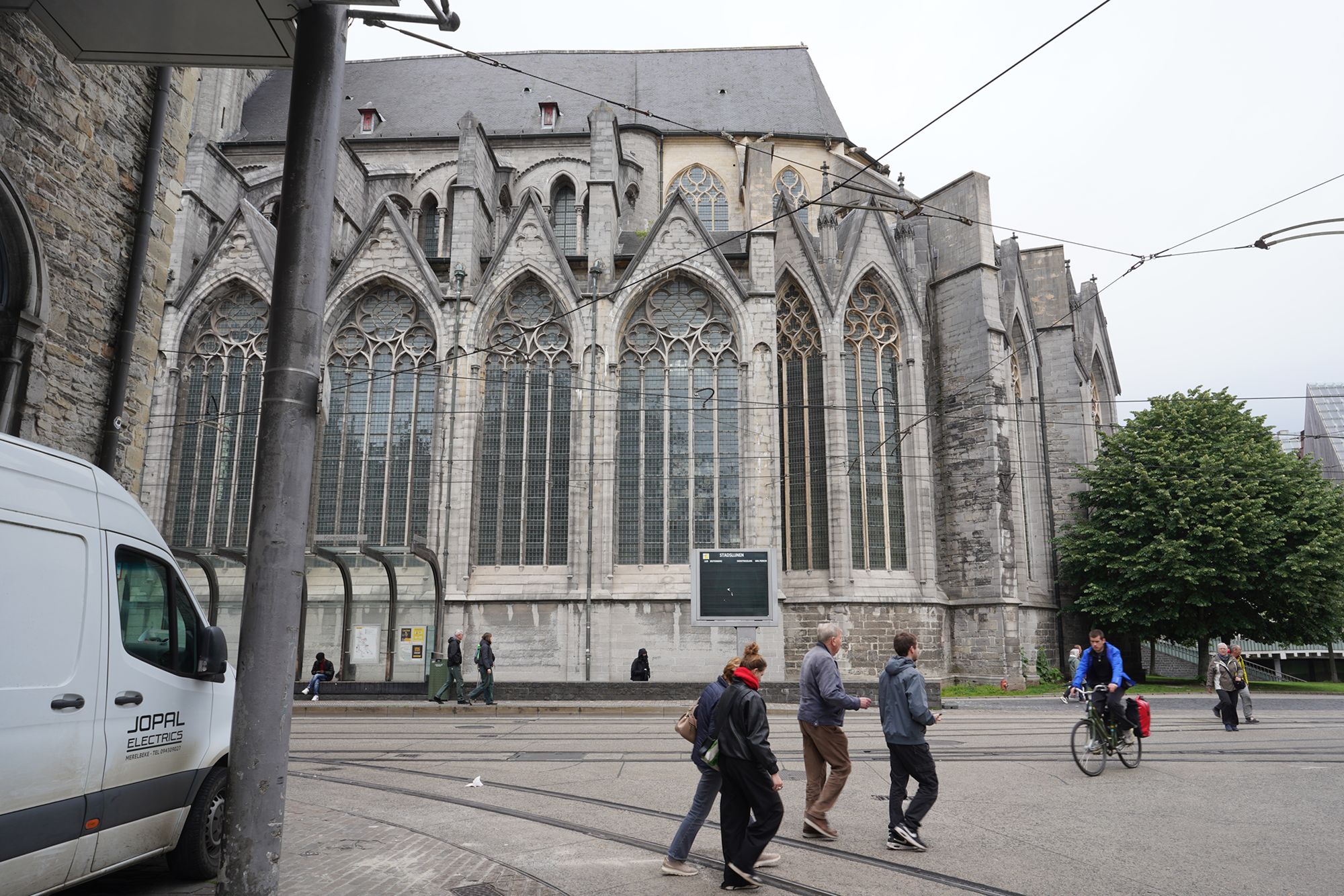
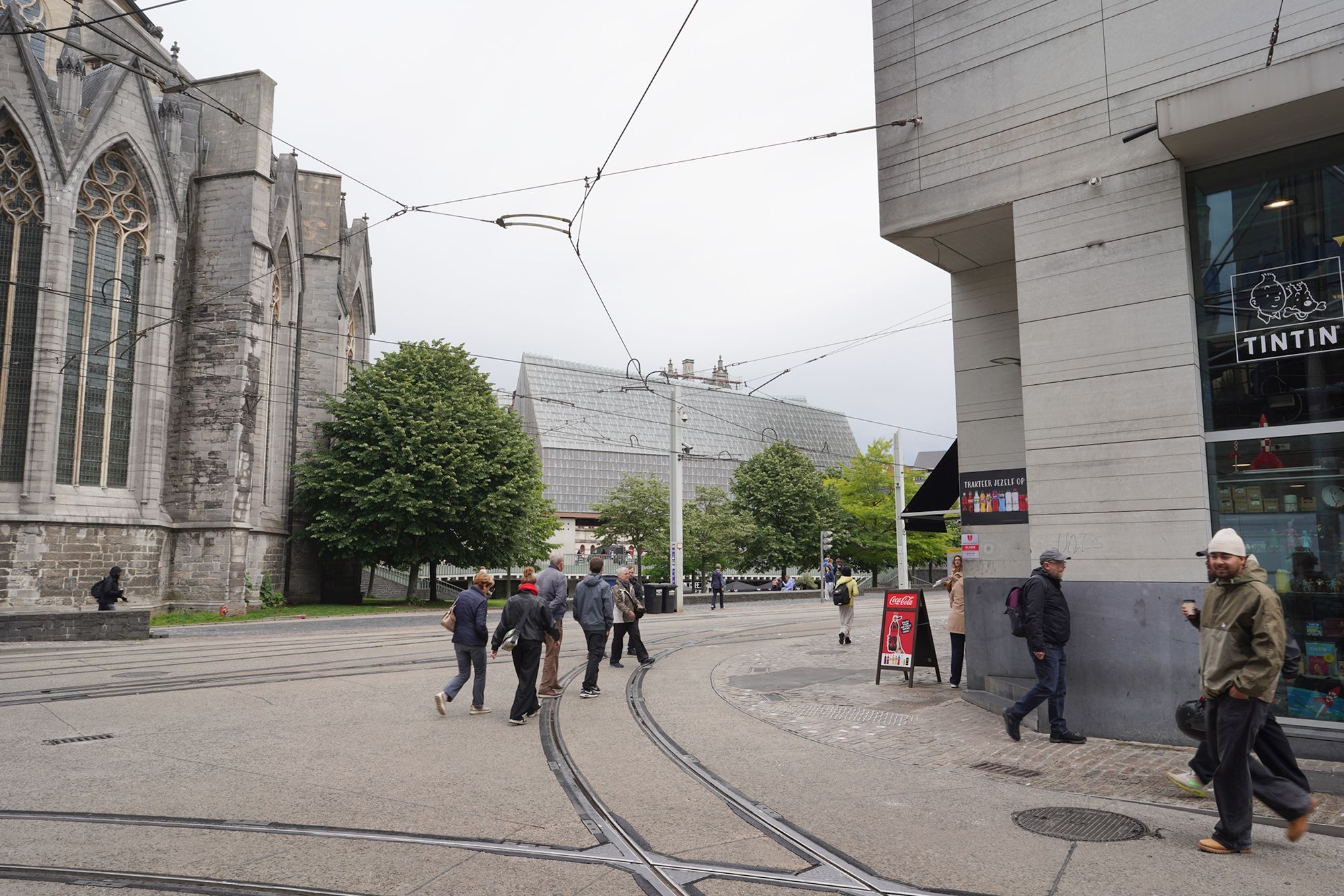
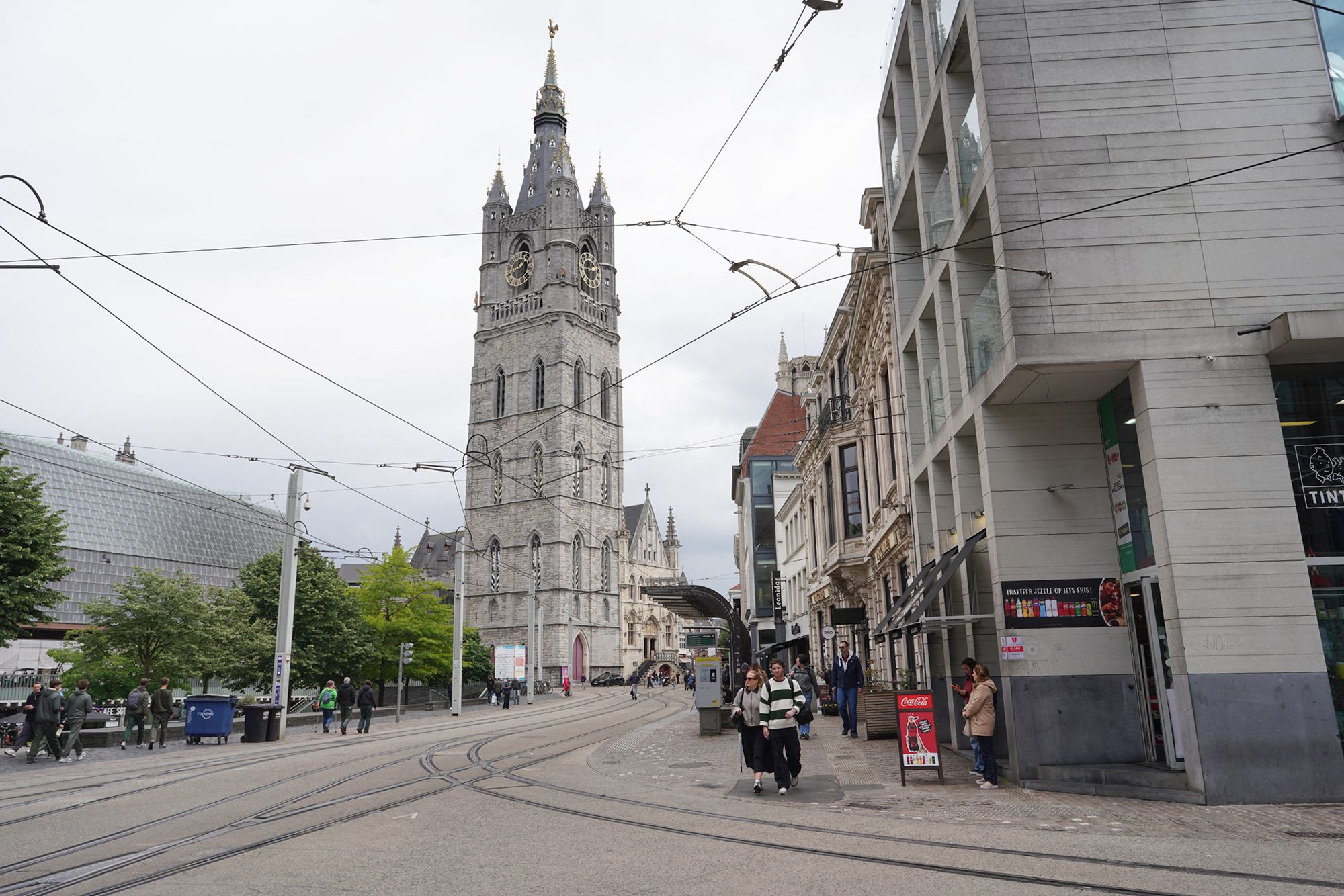
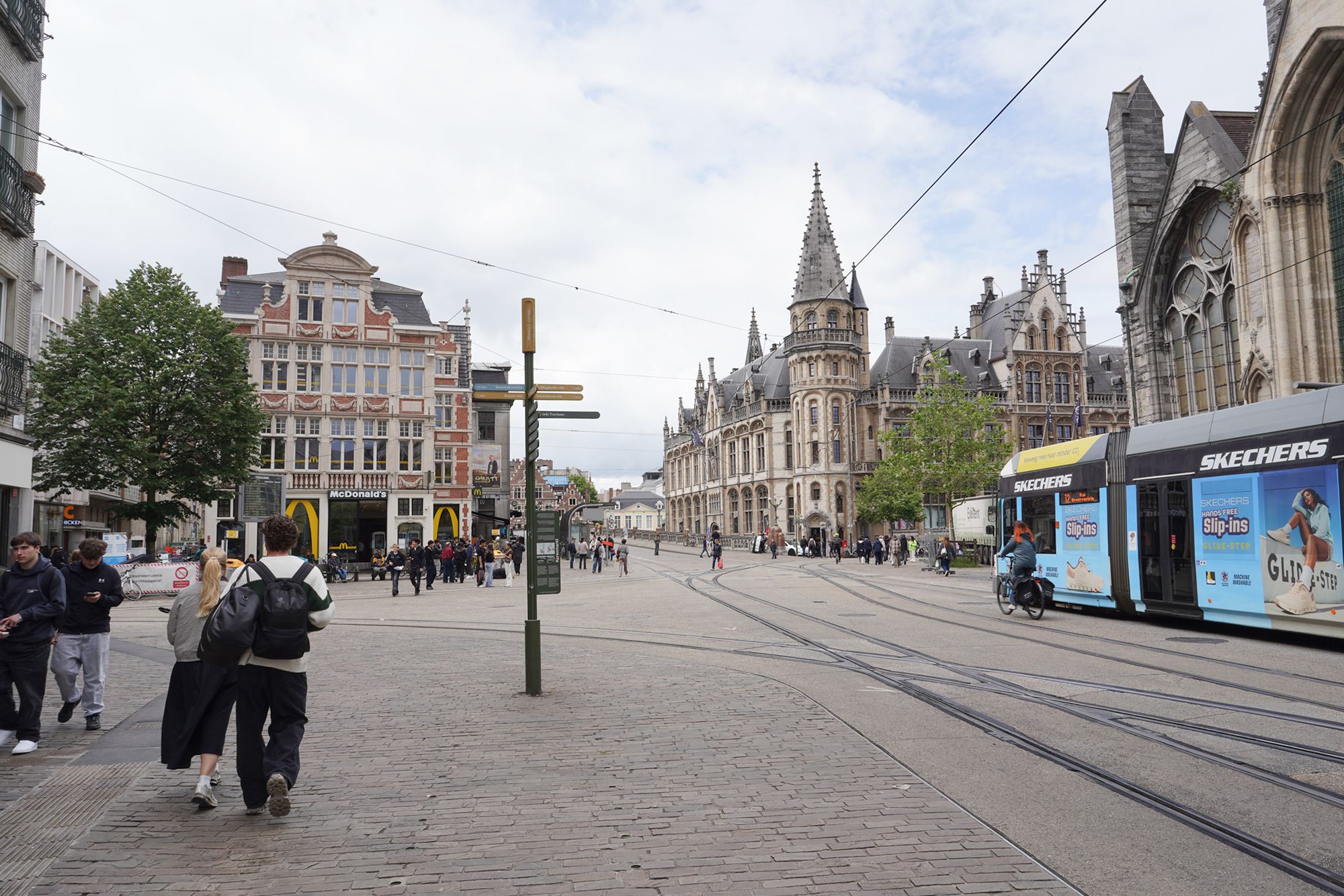
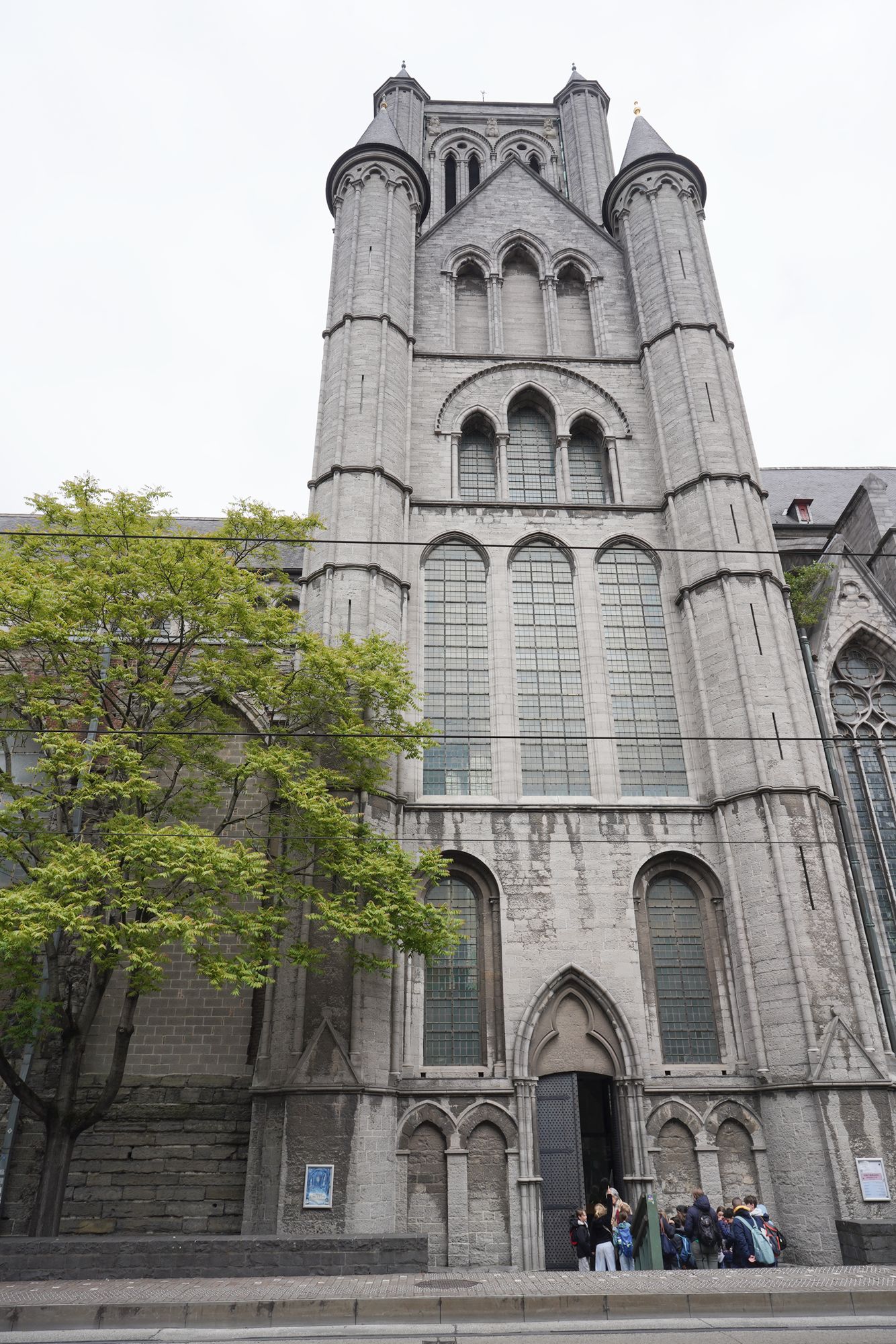
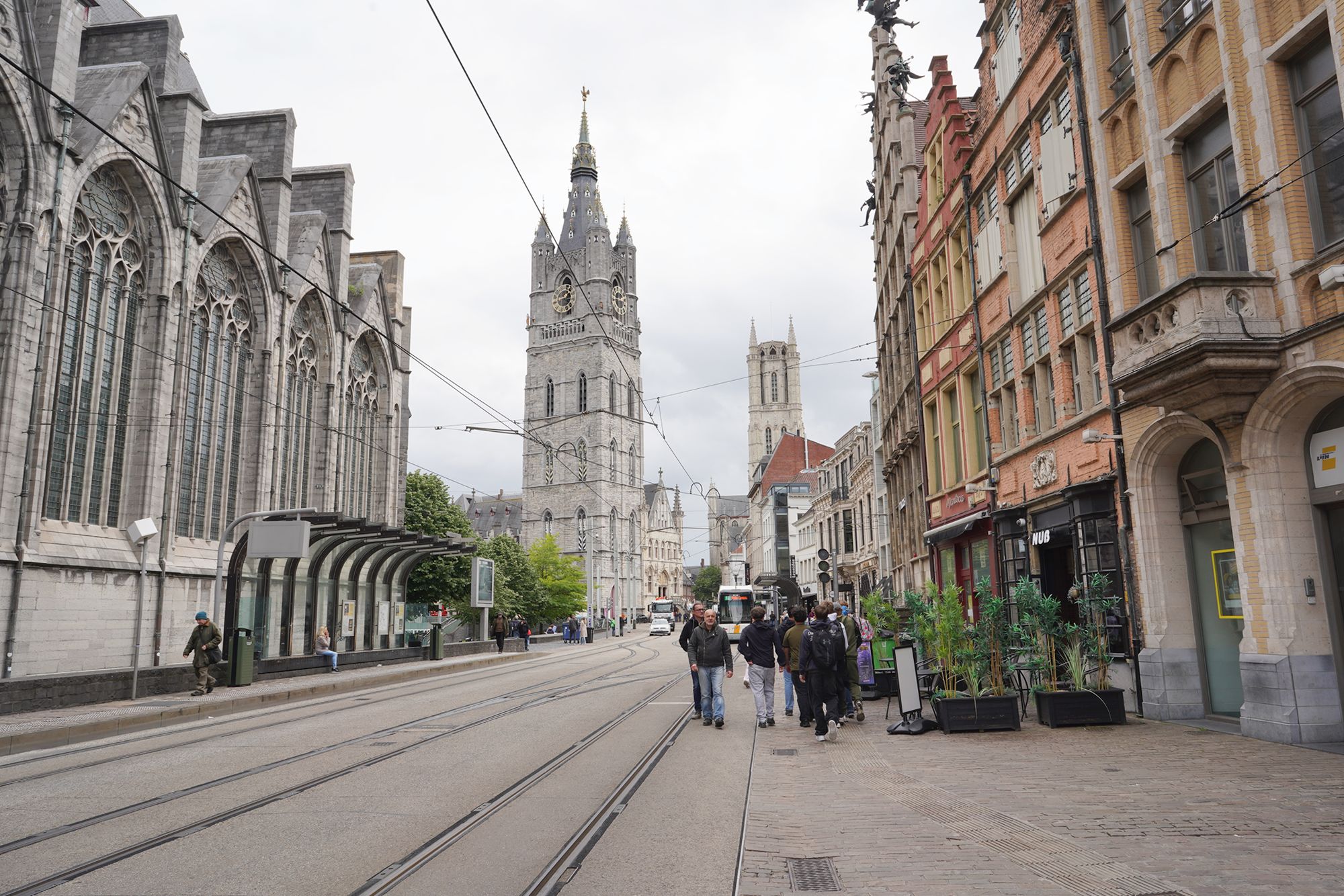
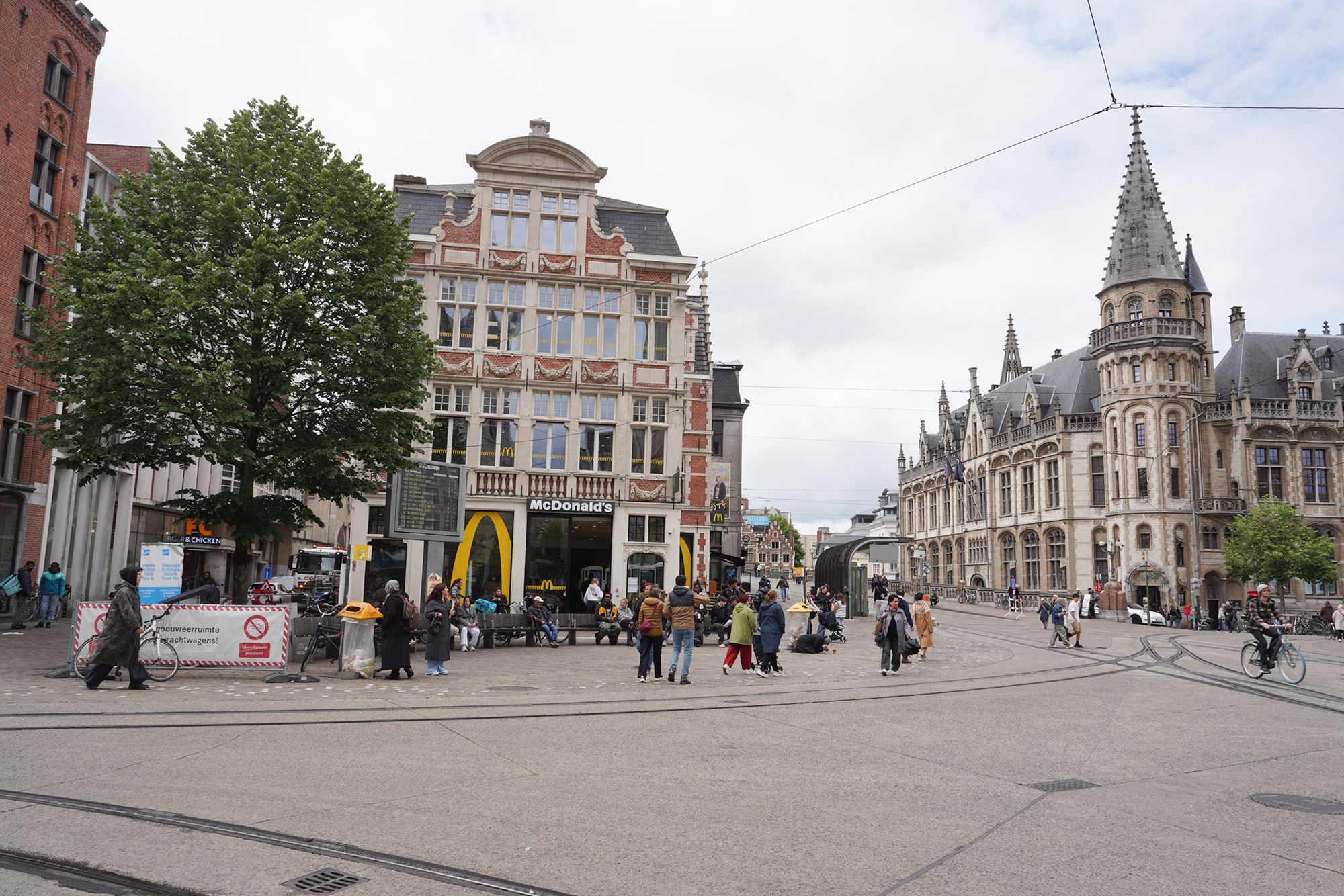
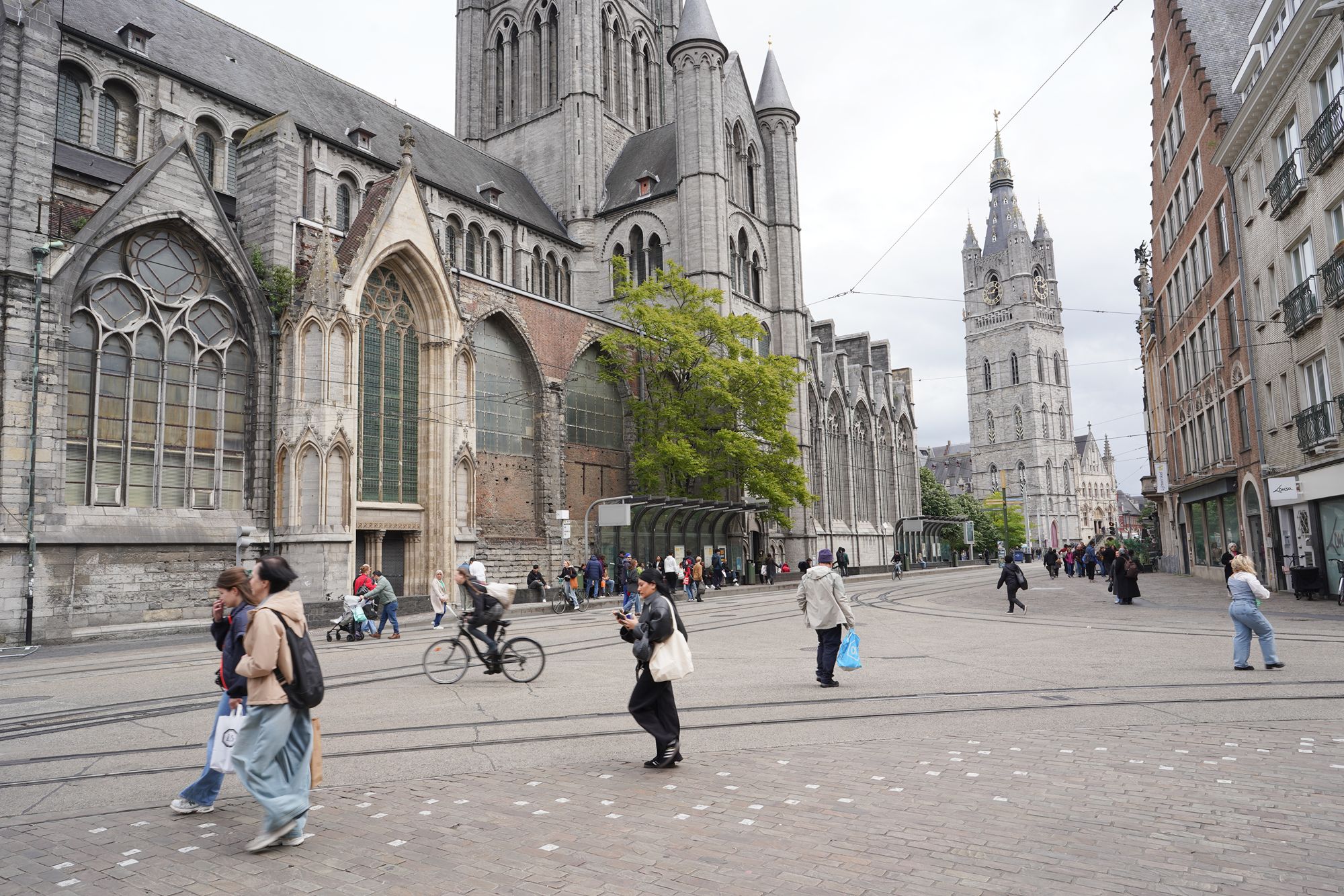
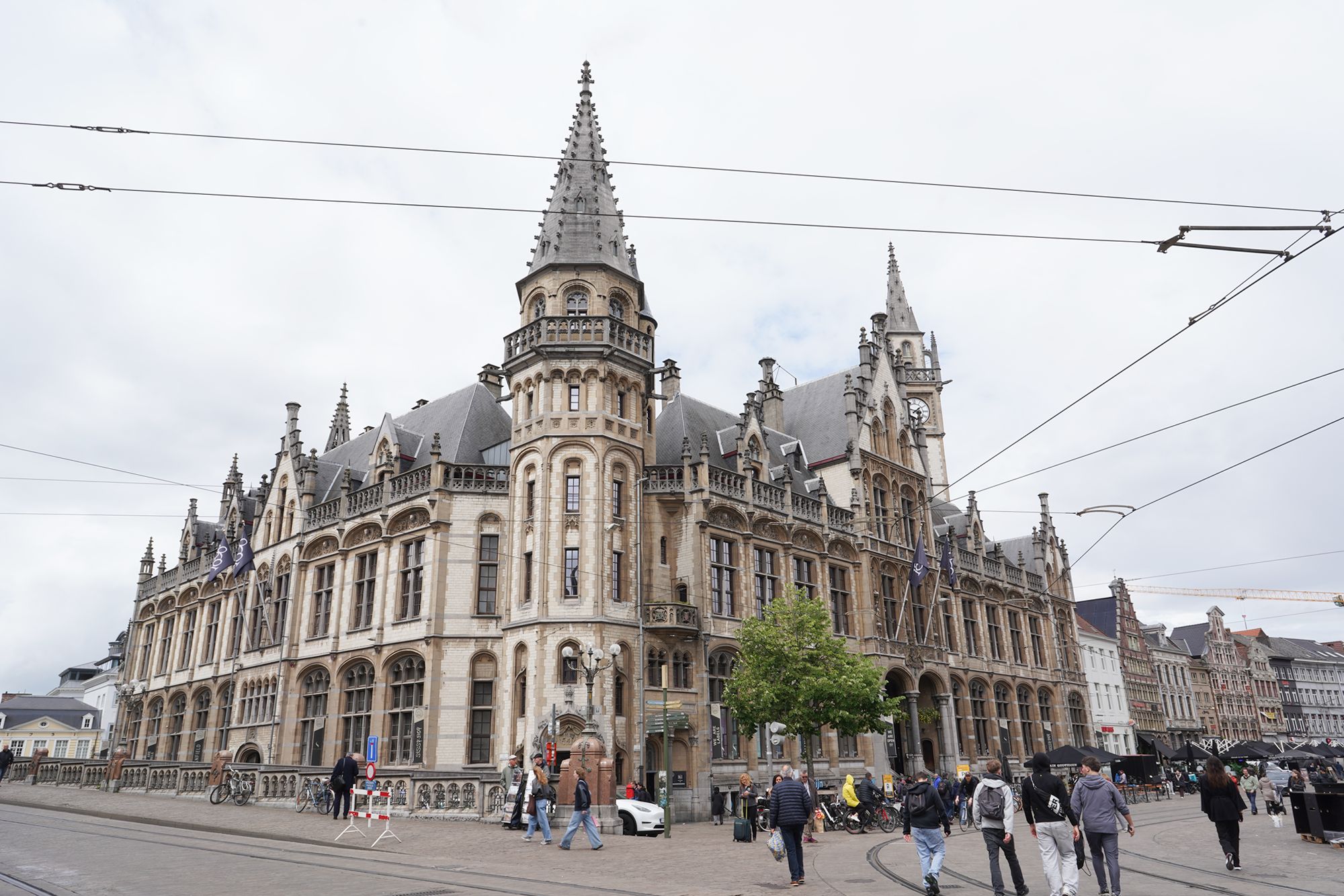
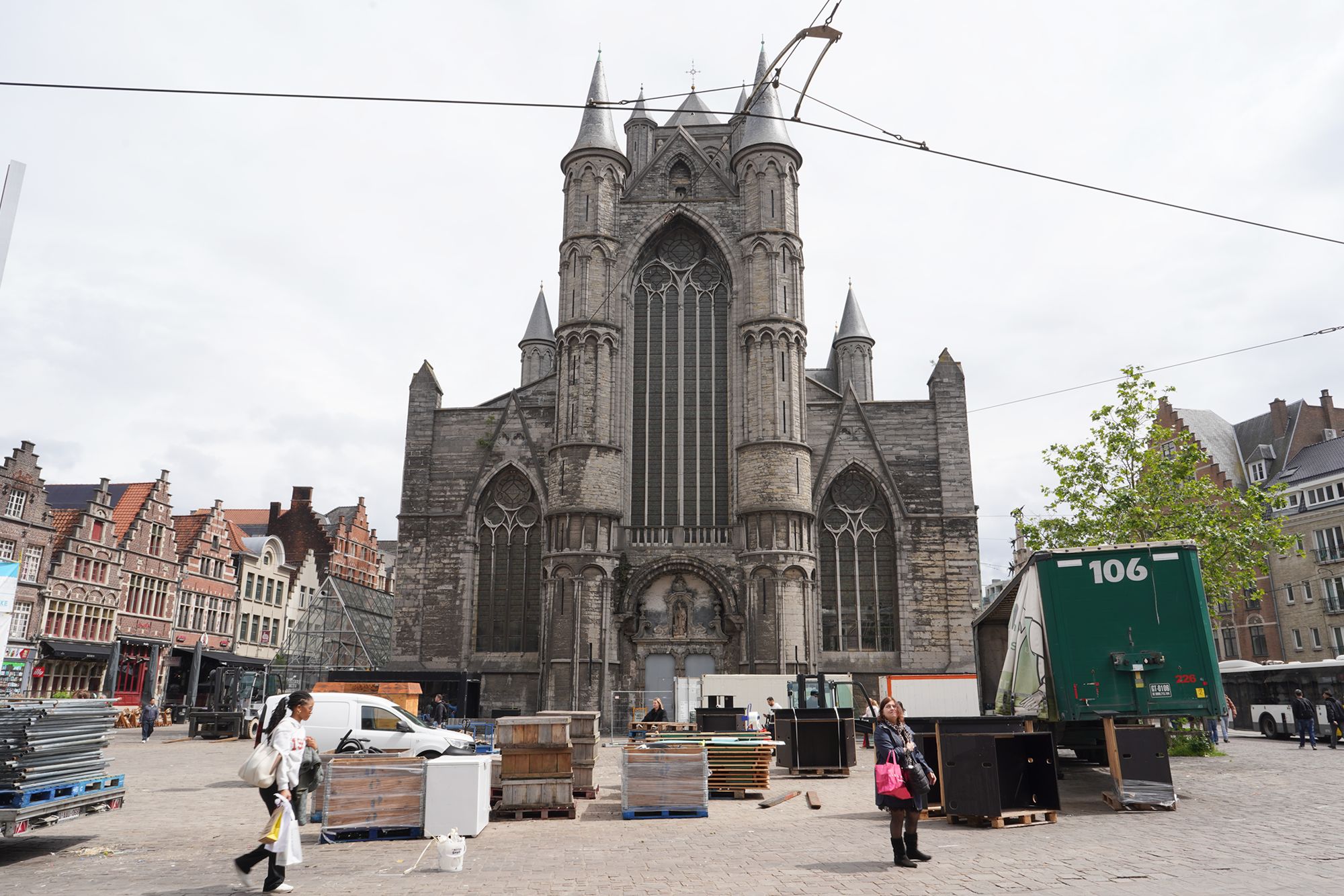
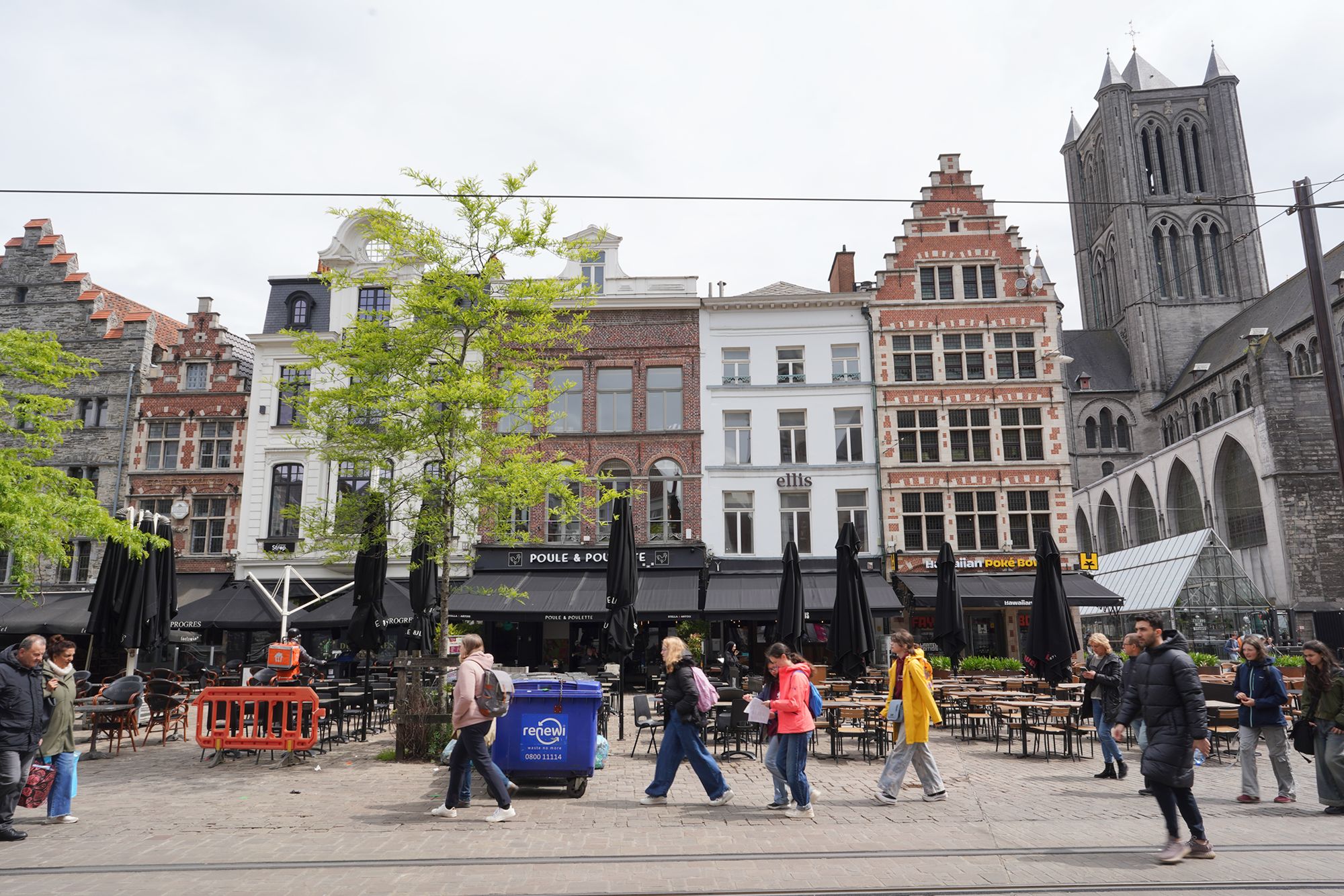
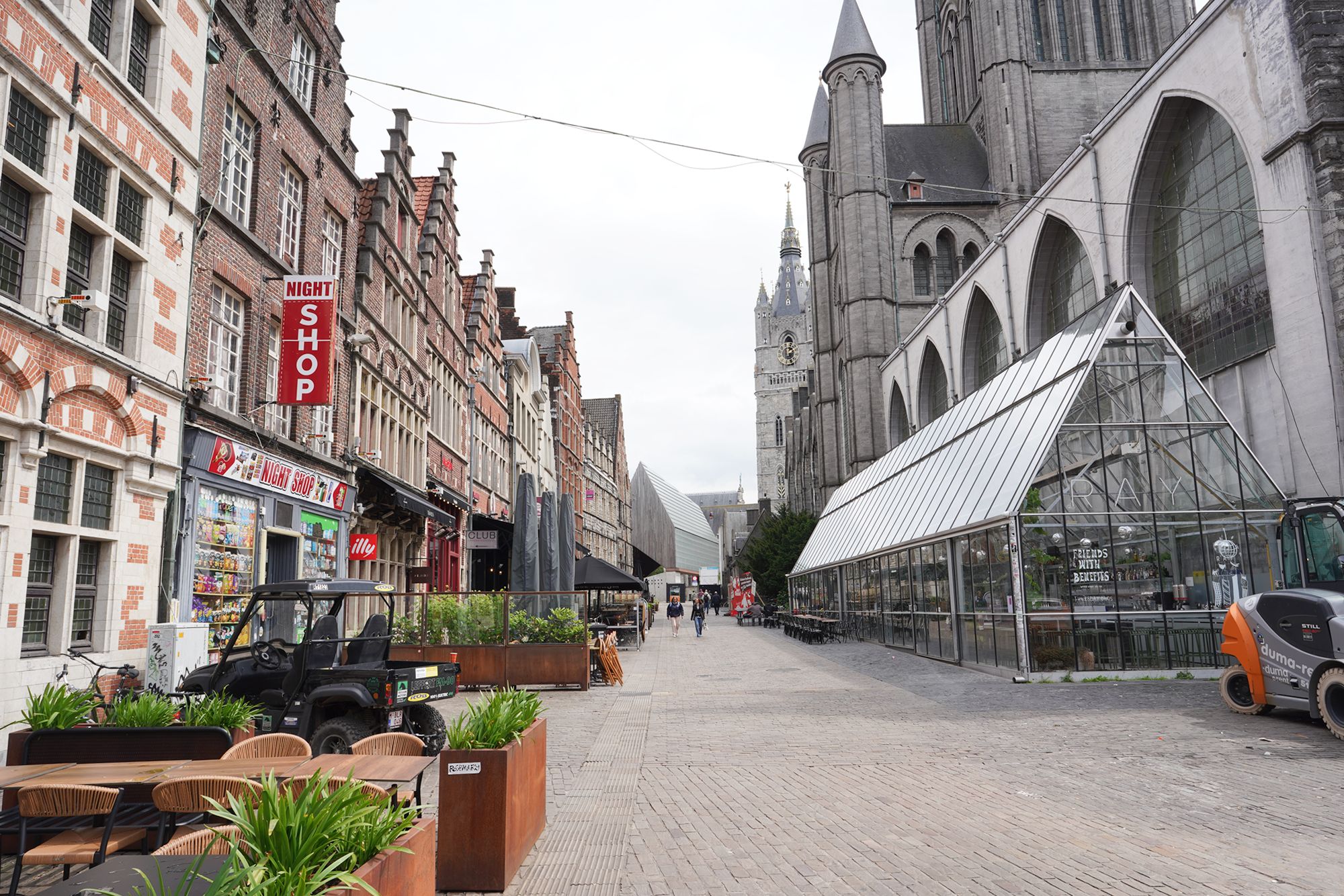
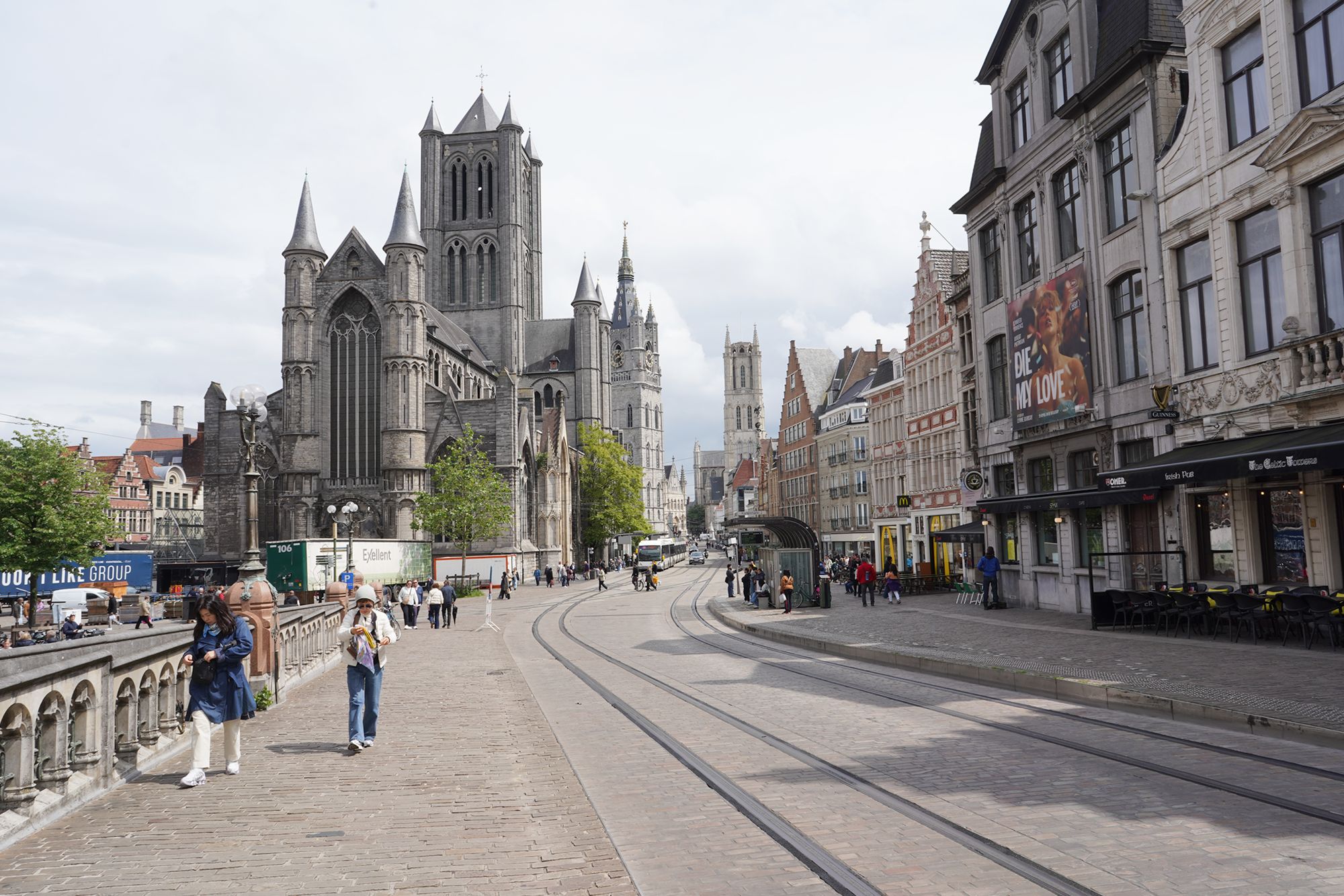
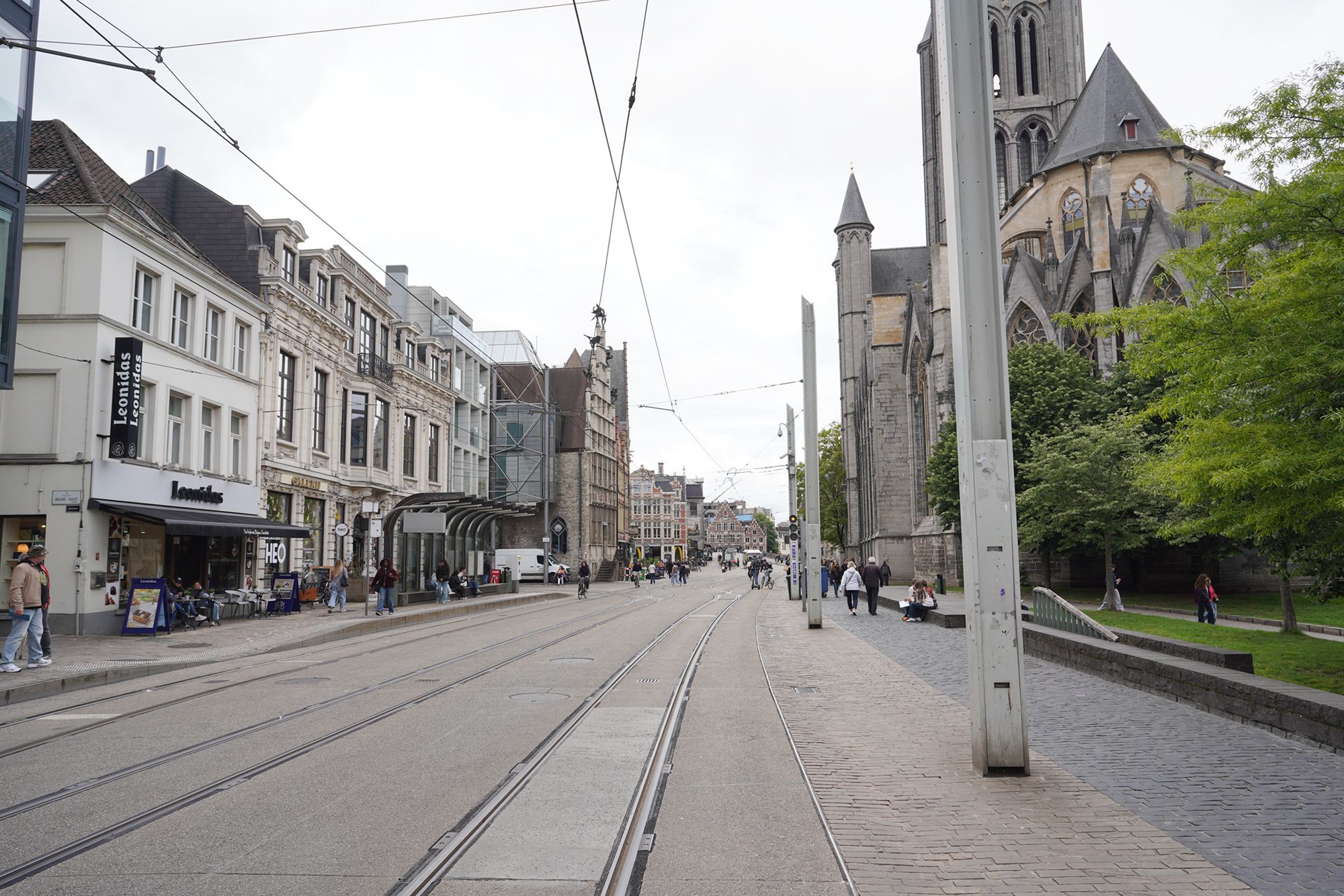
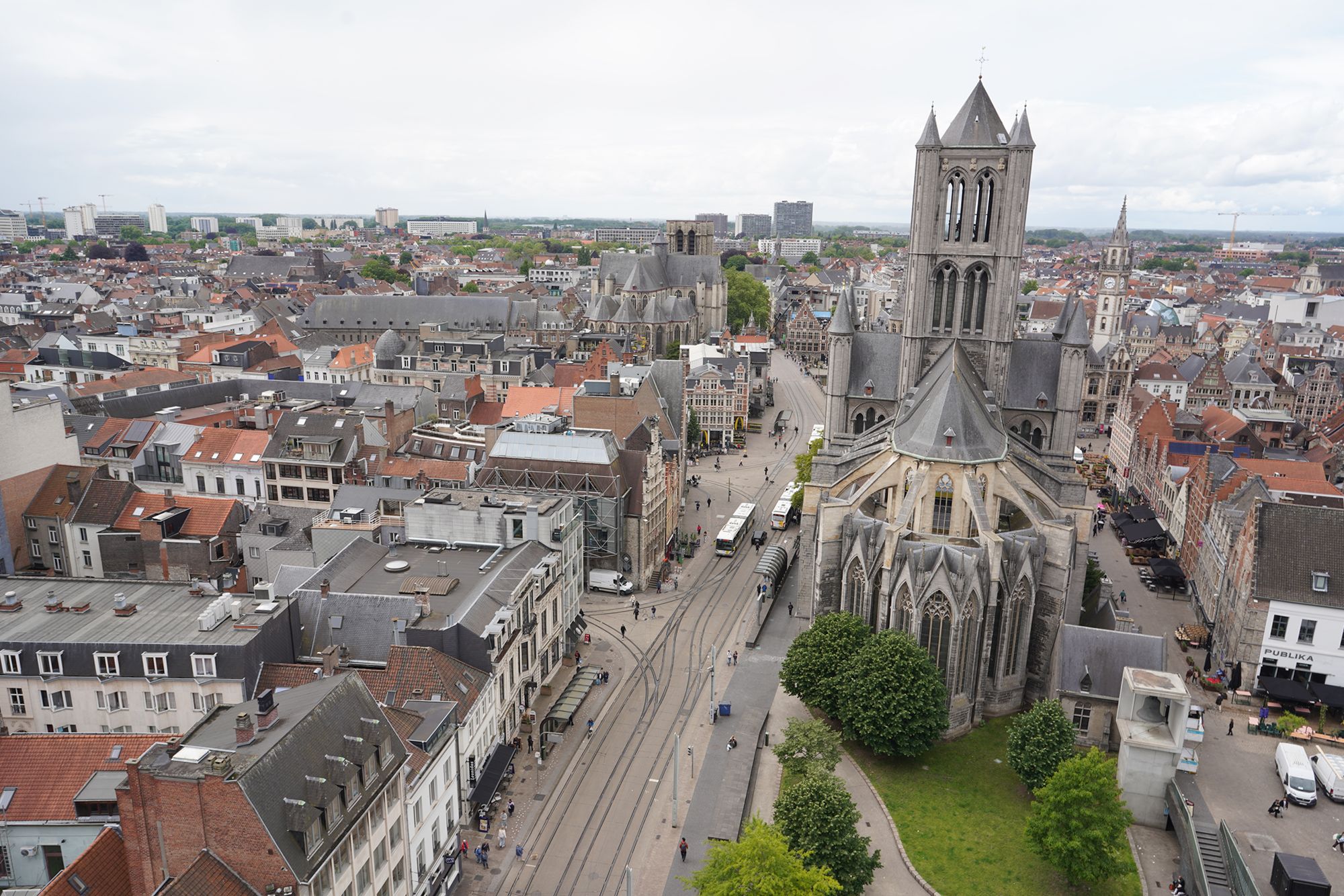
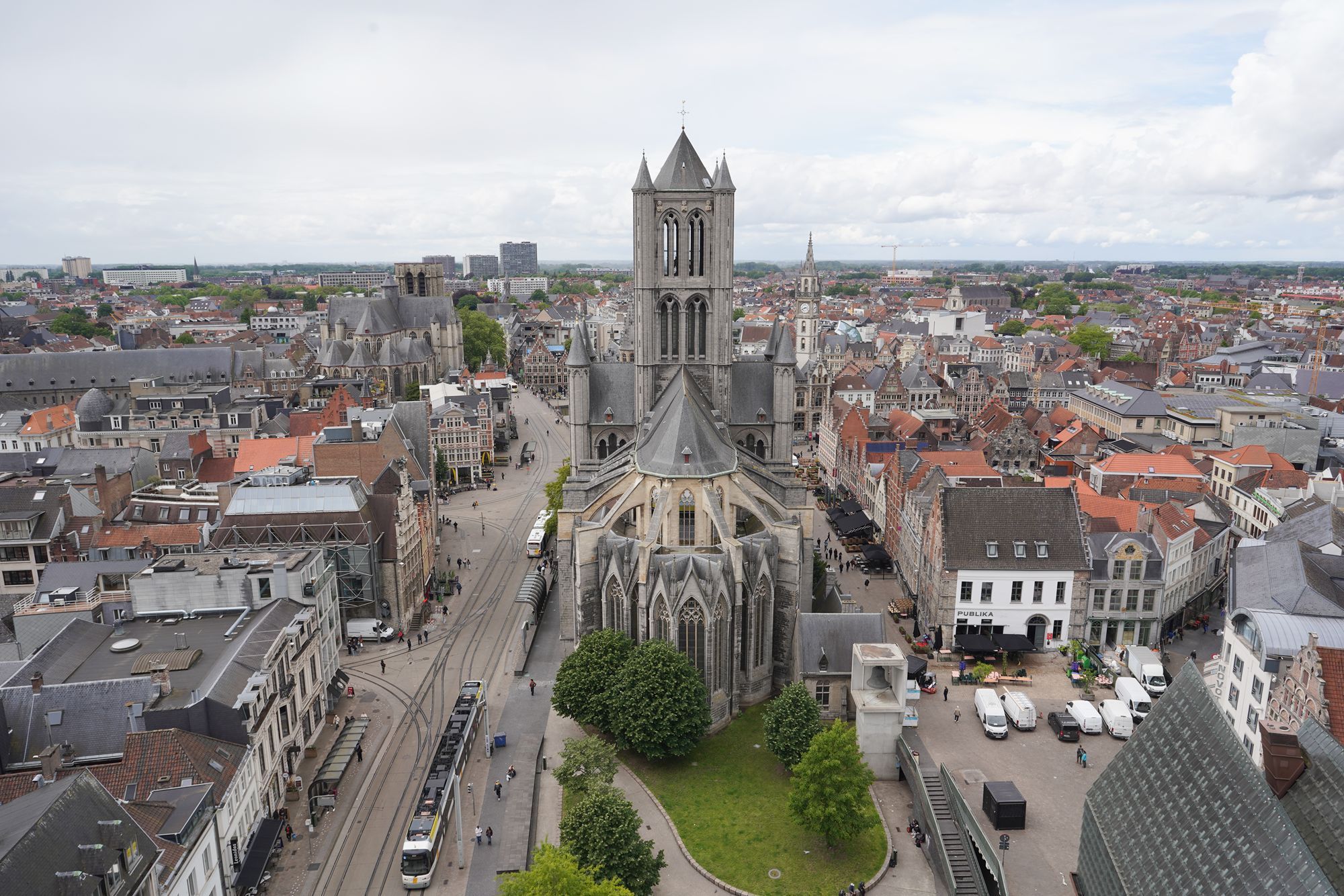
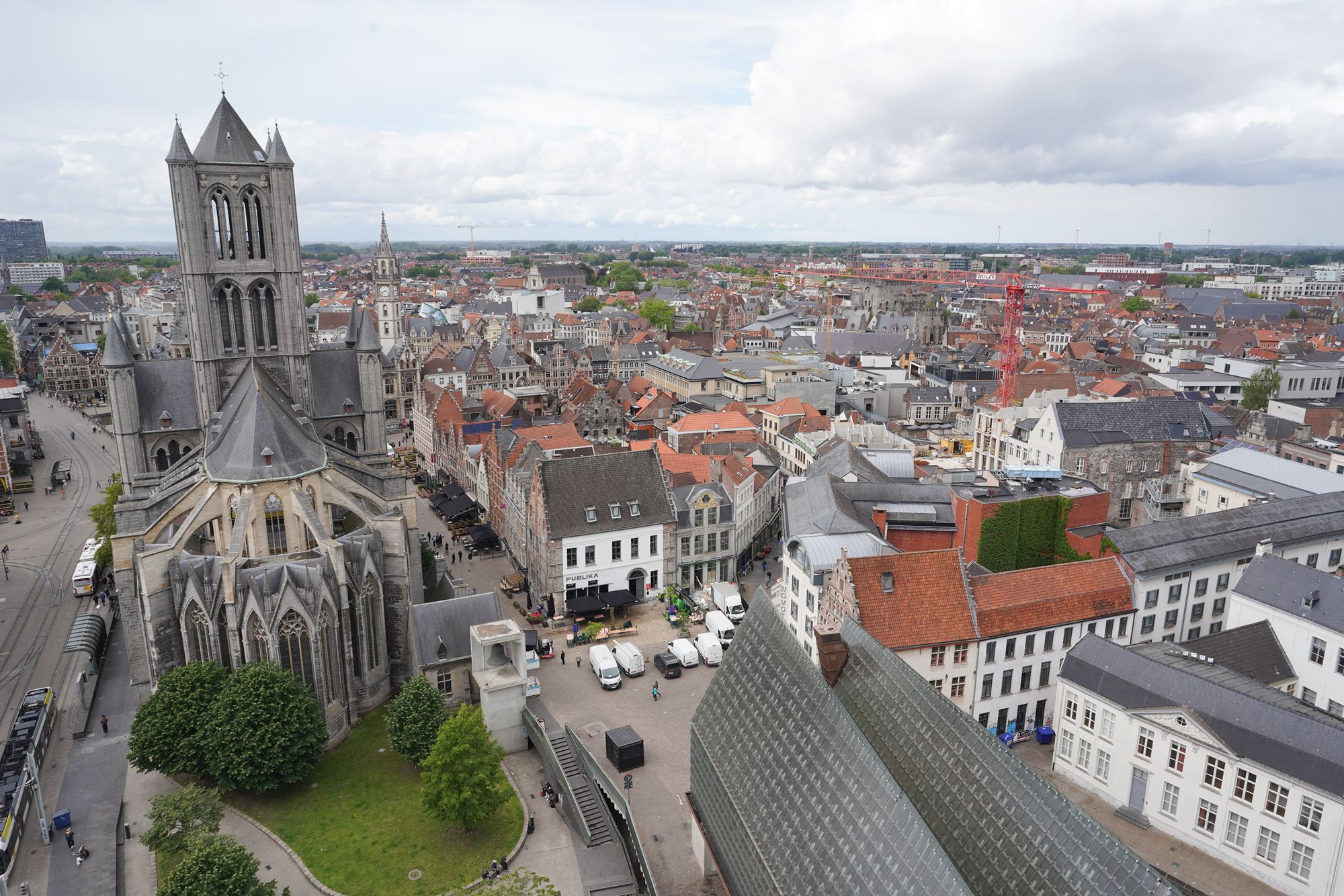
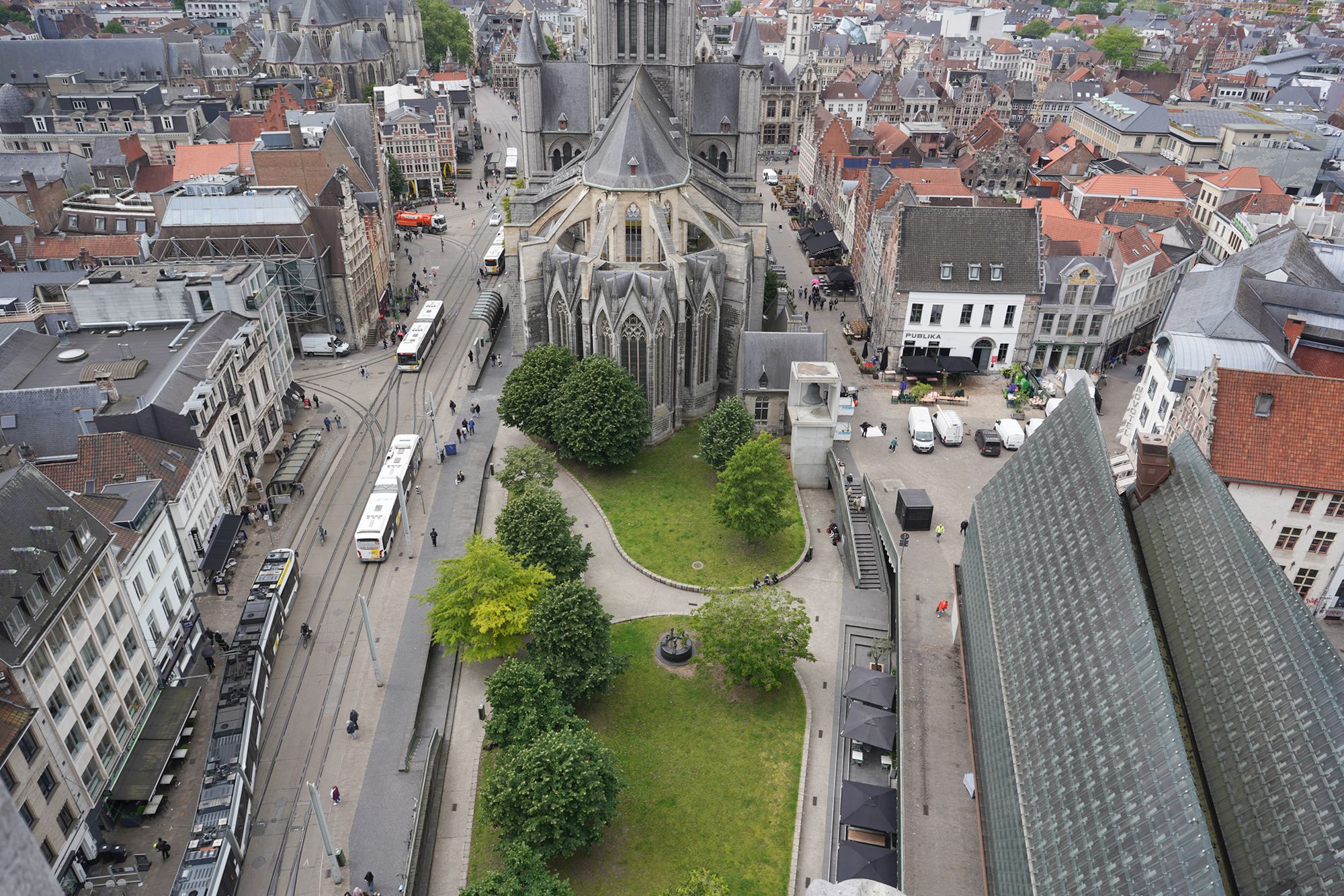
At Korenmarkt, I came to St. Nicholas’ Church, one of Ghent’s most important medieval landmarks. Built mainly during the 13th century in the distinctive Scheldt Gothic style, the church reflects the wealth of Ghent’s medieval merchants and stands prominently in the heart of the historic city.
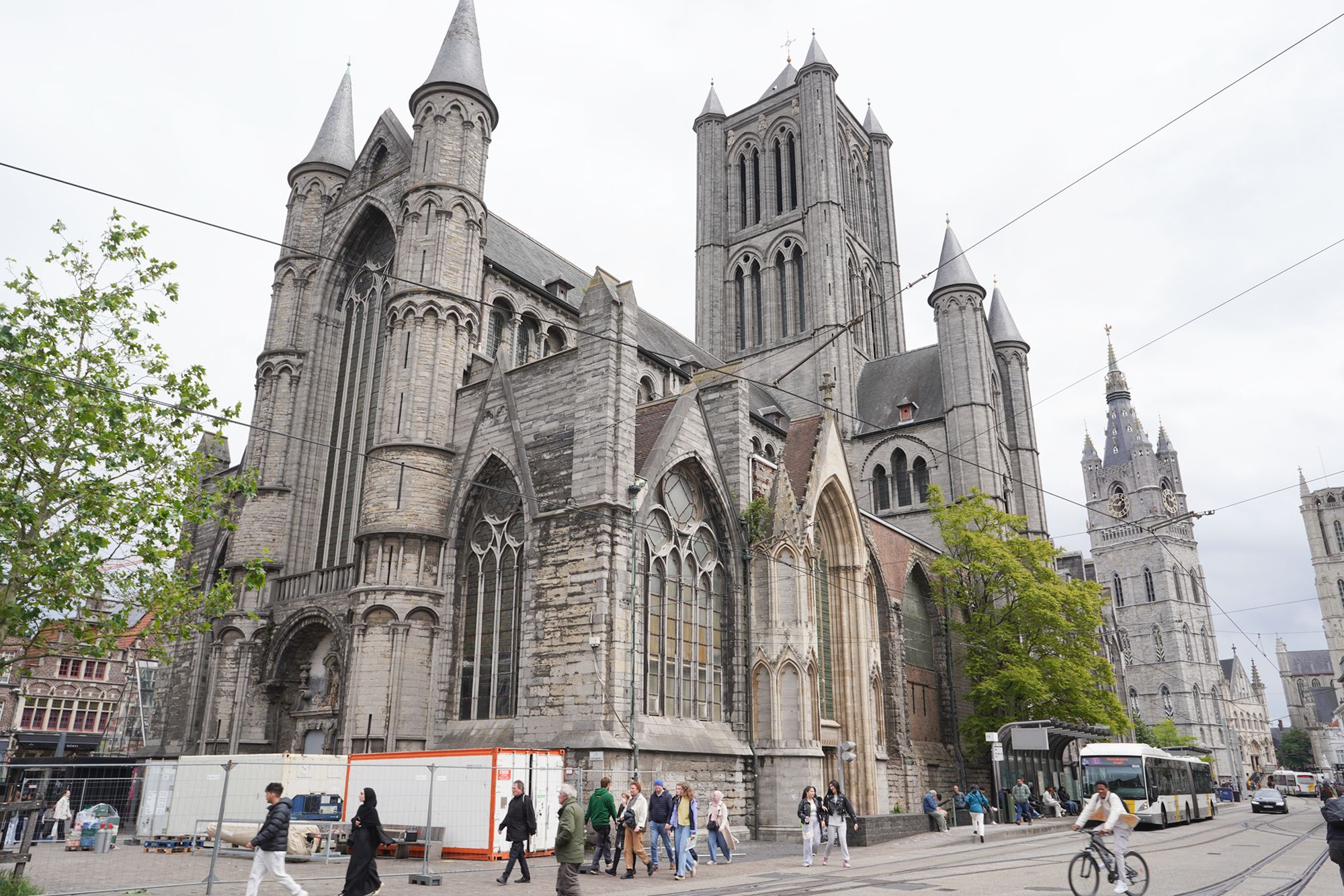
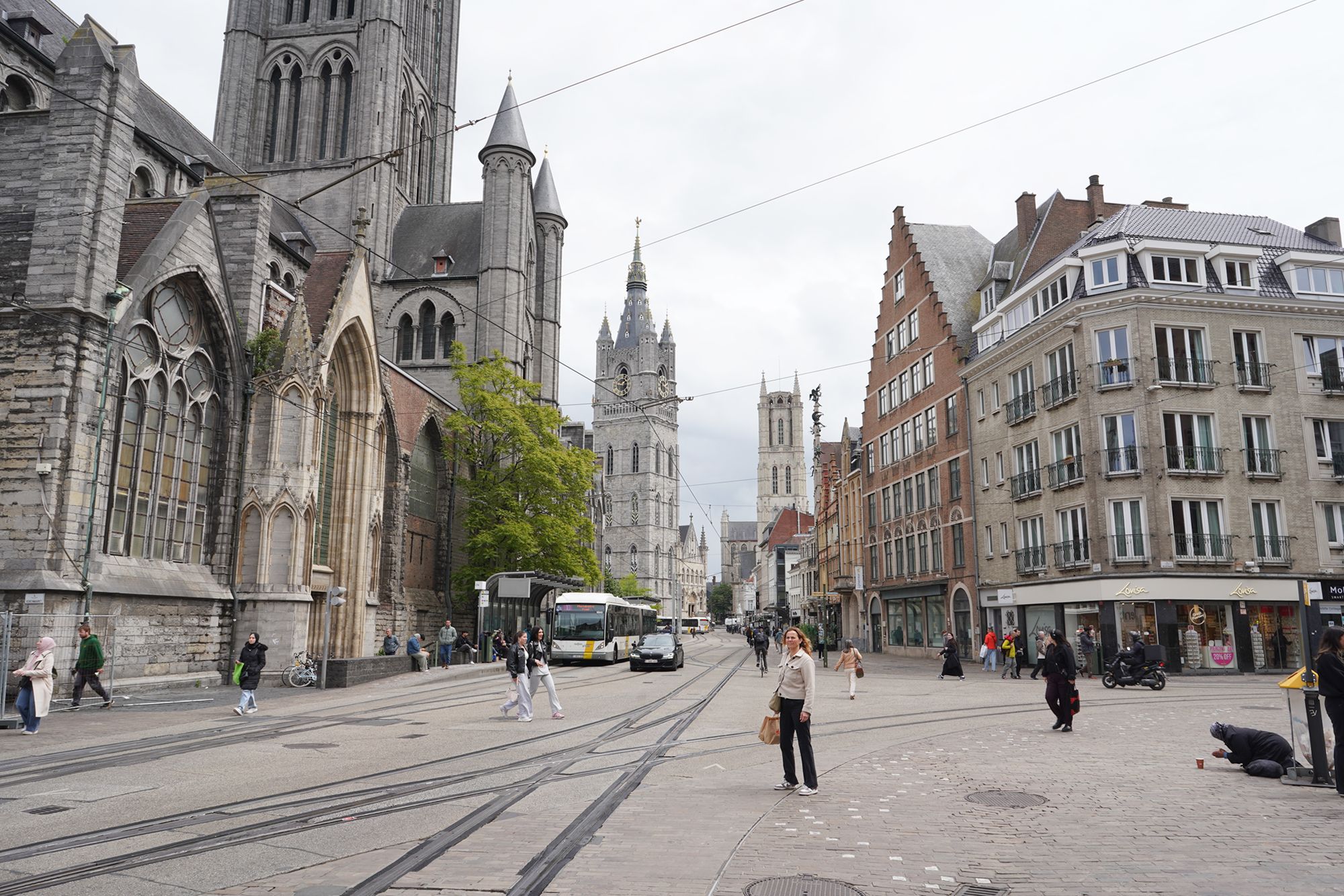
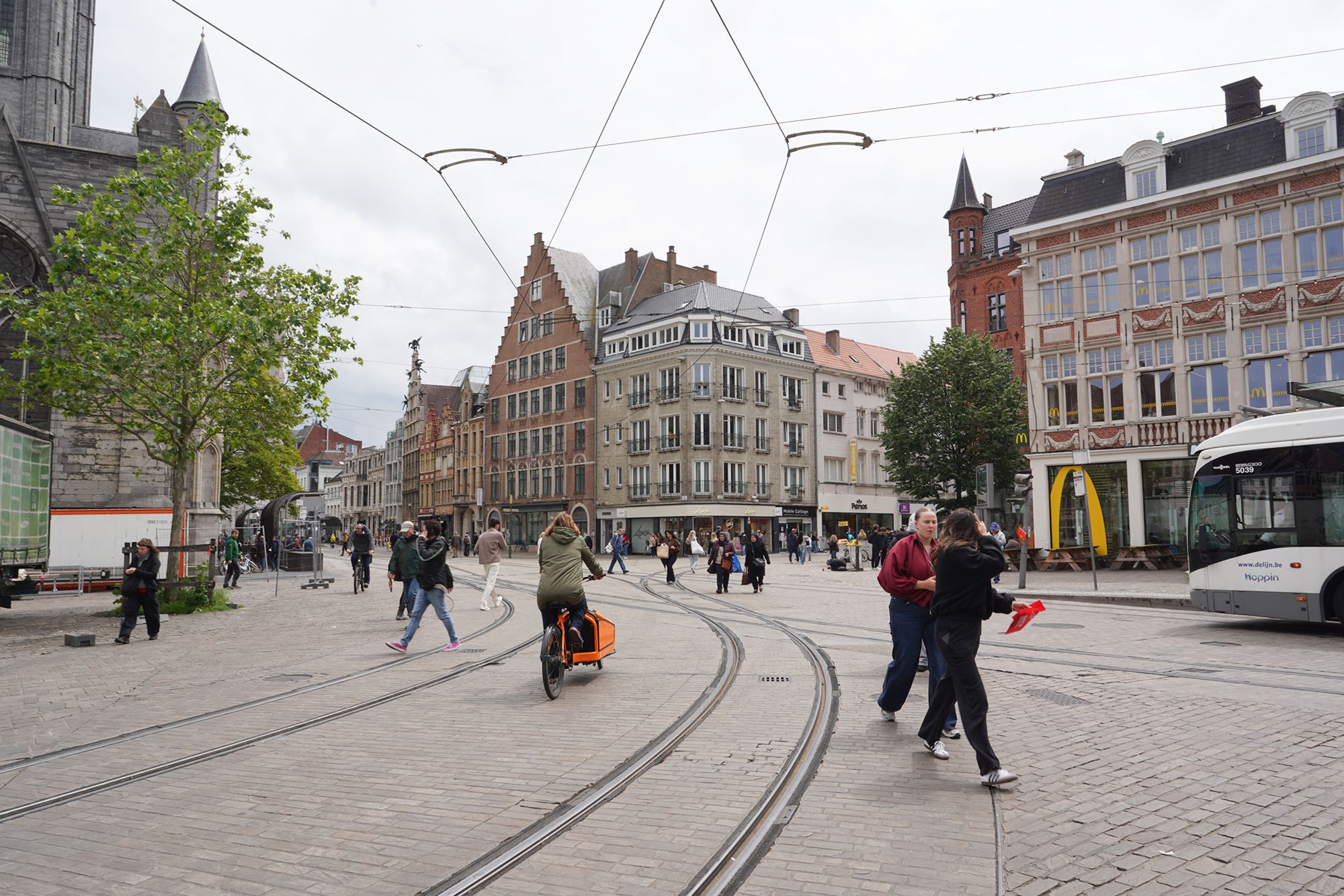
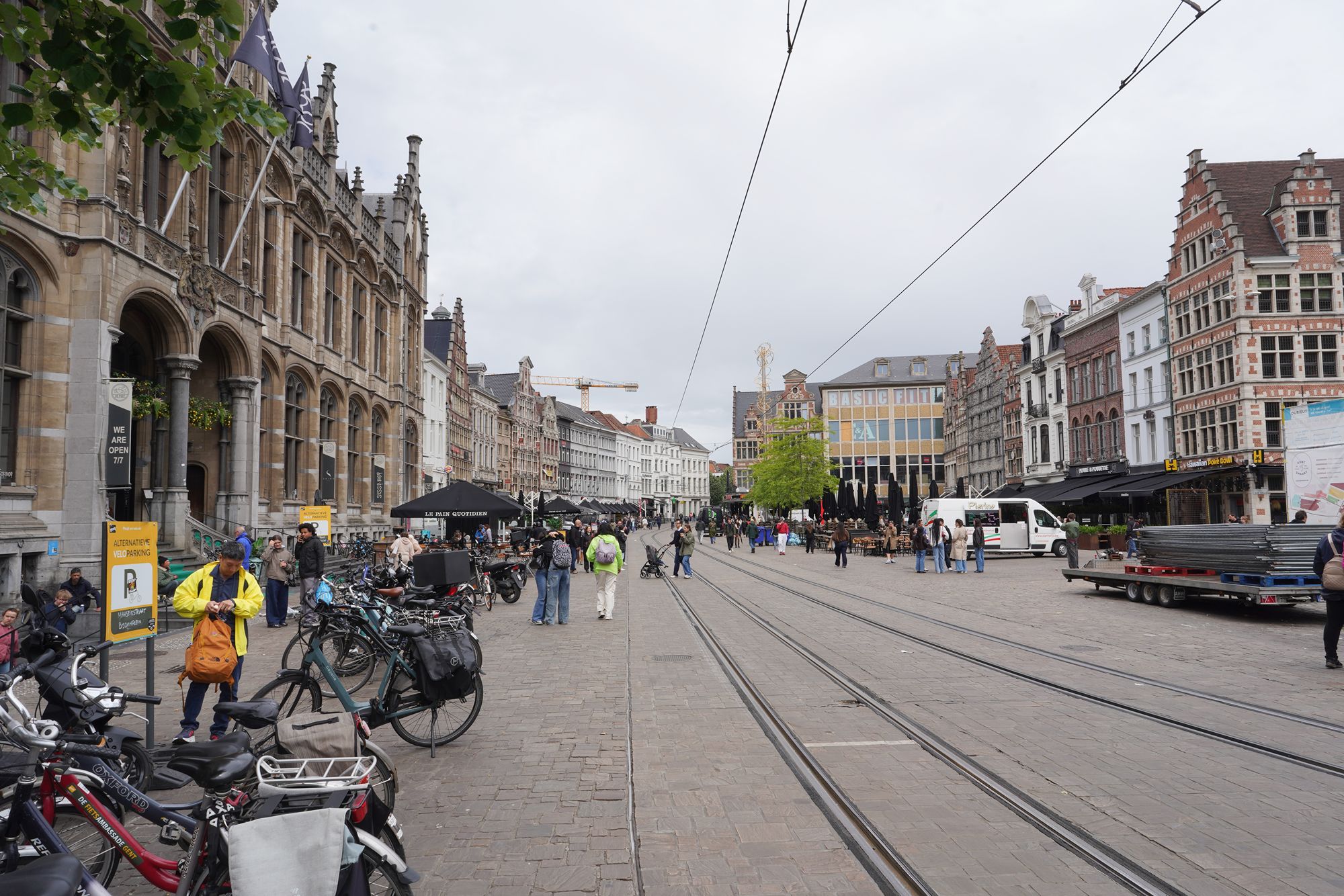
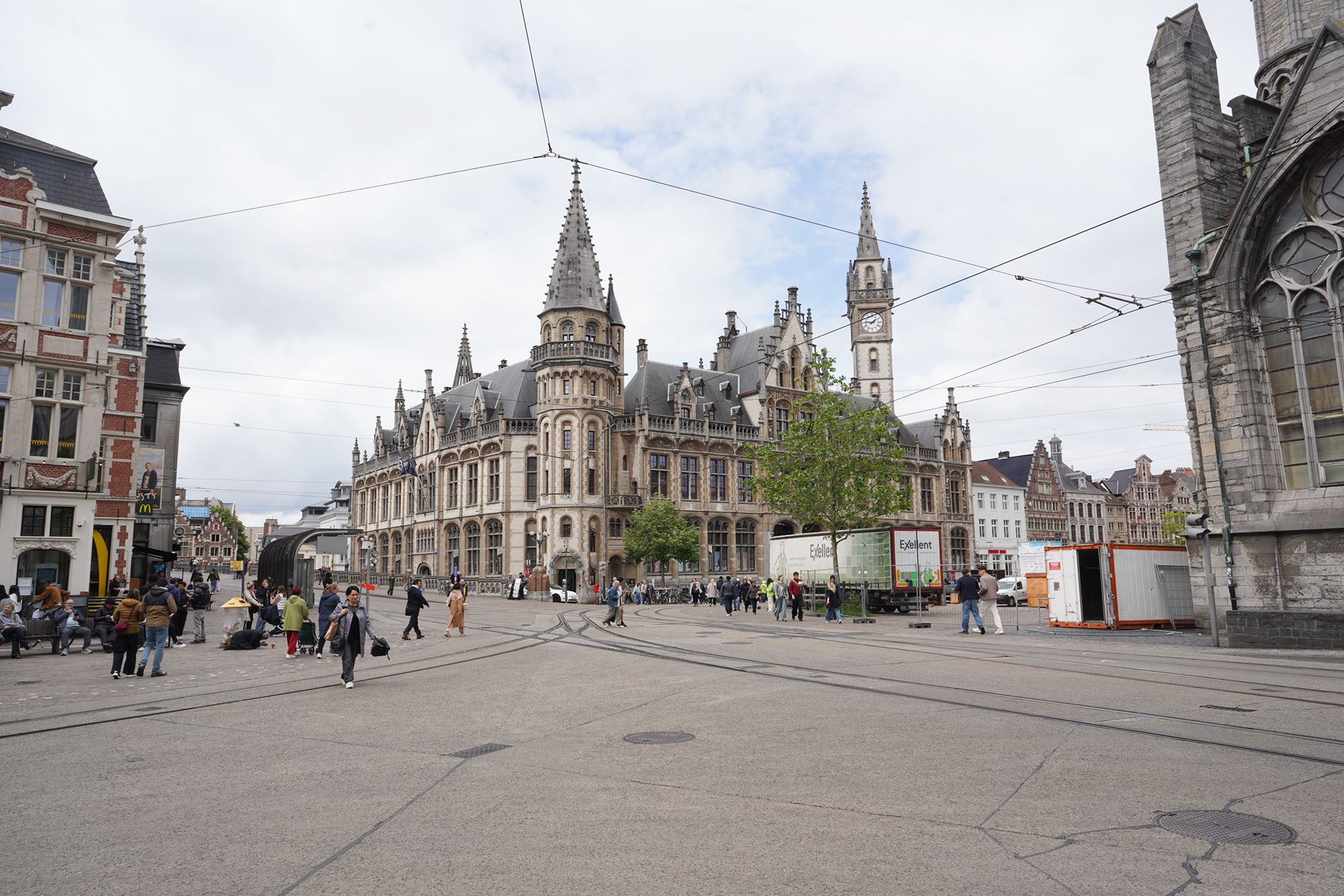
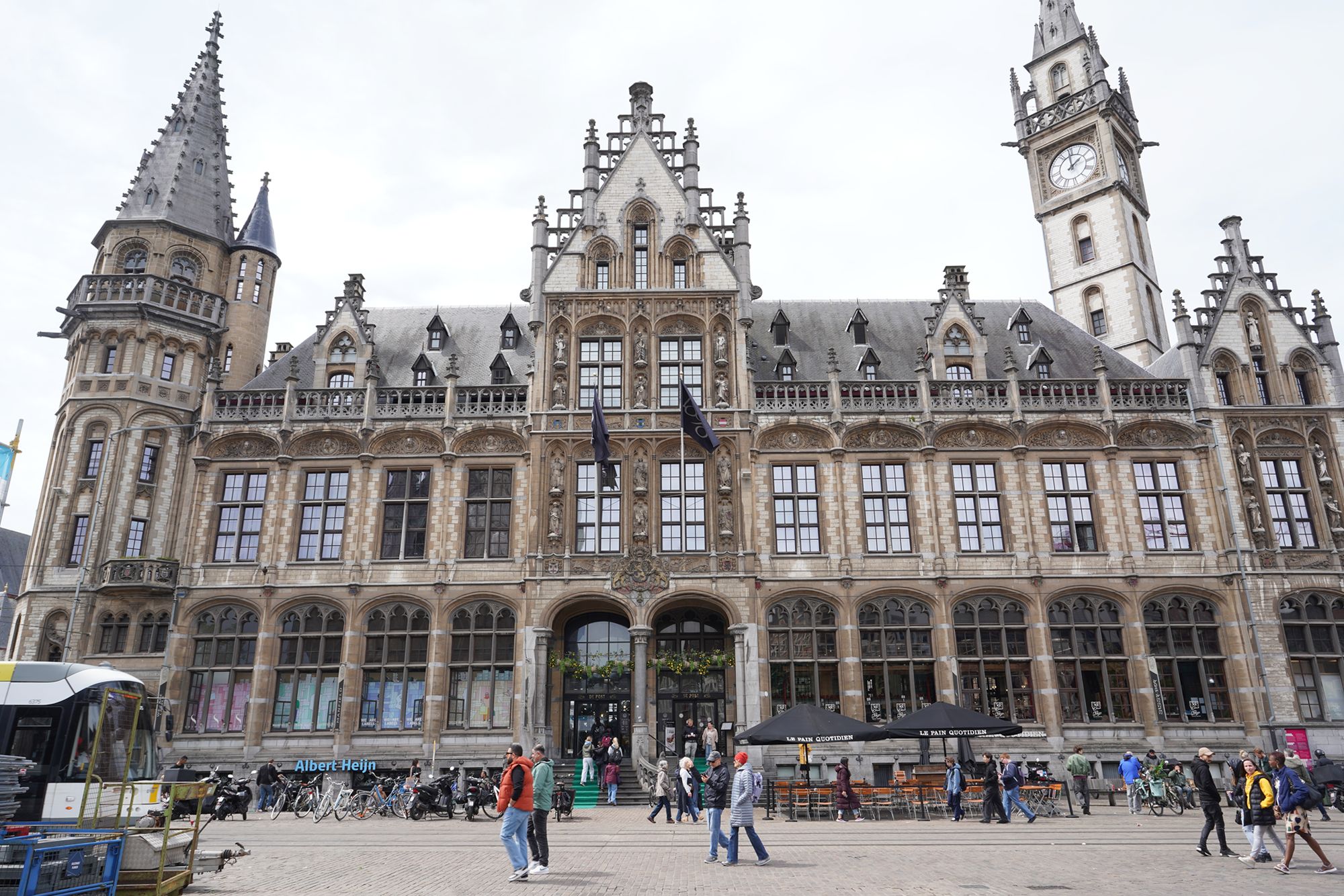
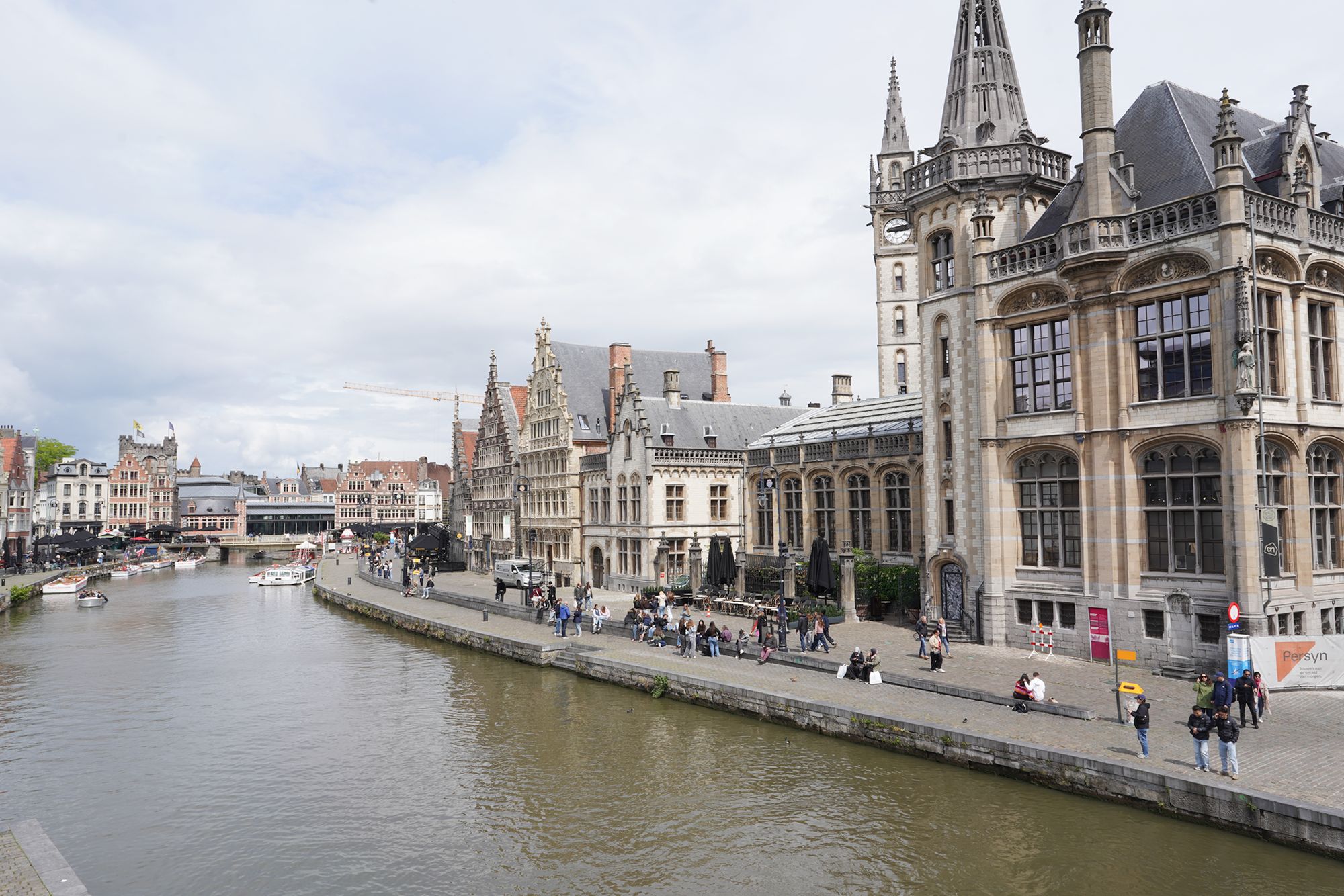
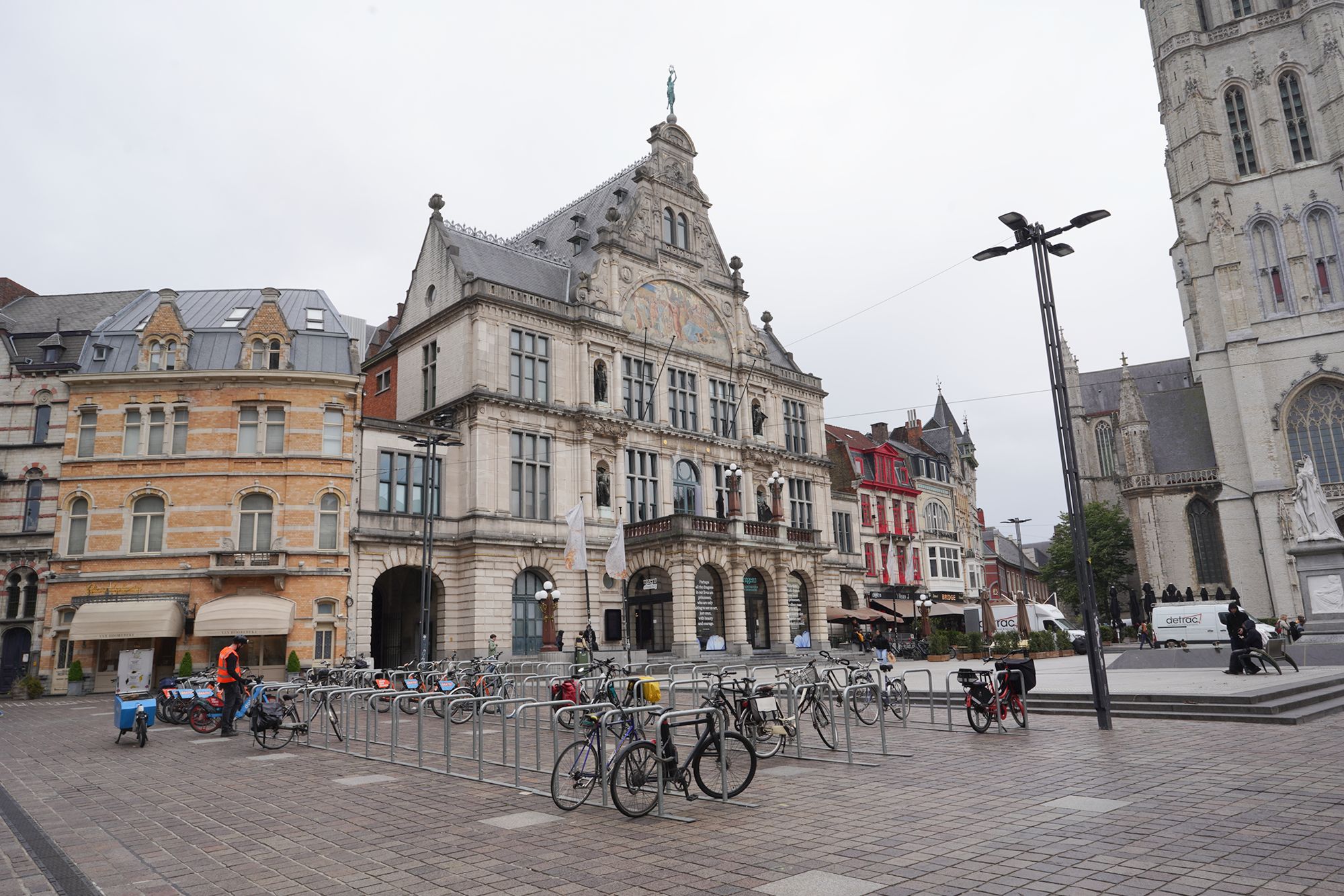
Across Korenmarkt stood the impressive Old Post Office, built around the beginning of the 20th century in an elaborate Neo-Gothic style. Its richly decorated façade and tall clock tower make it one of the most striking buildings in the historic center of Ghent.
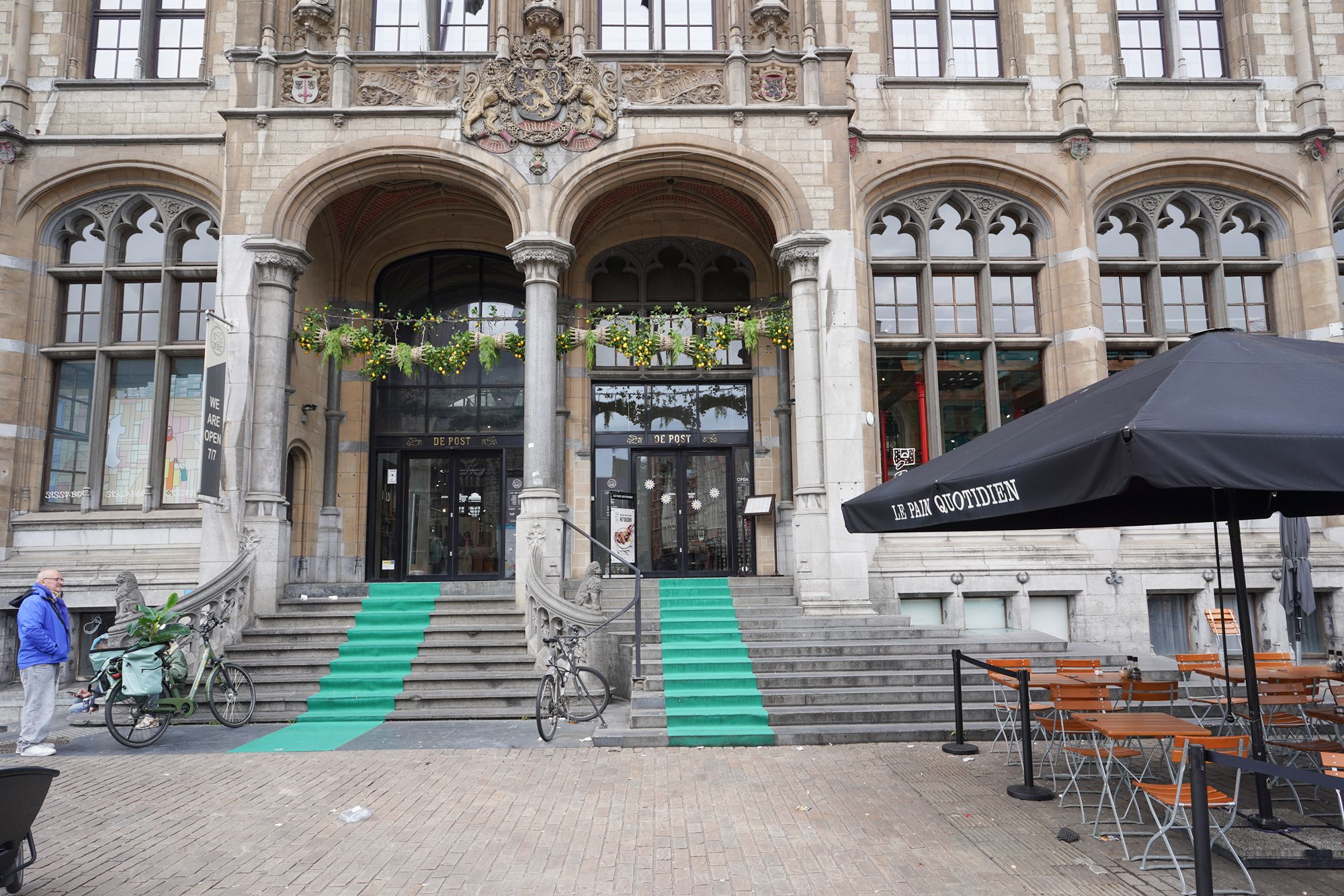
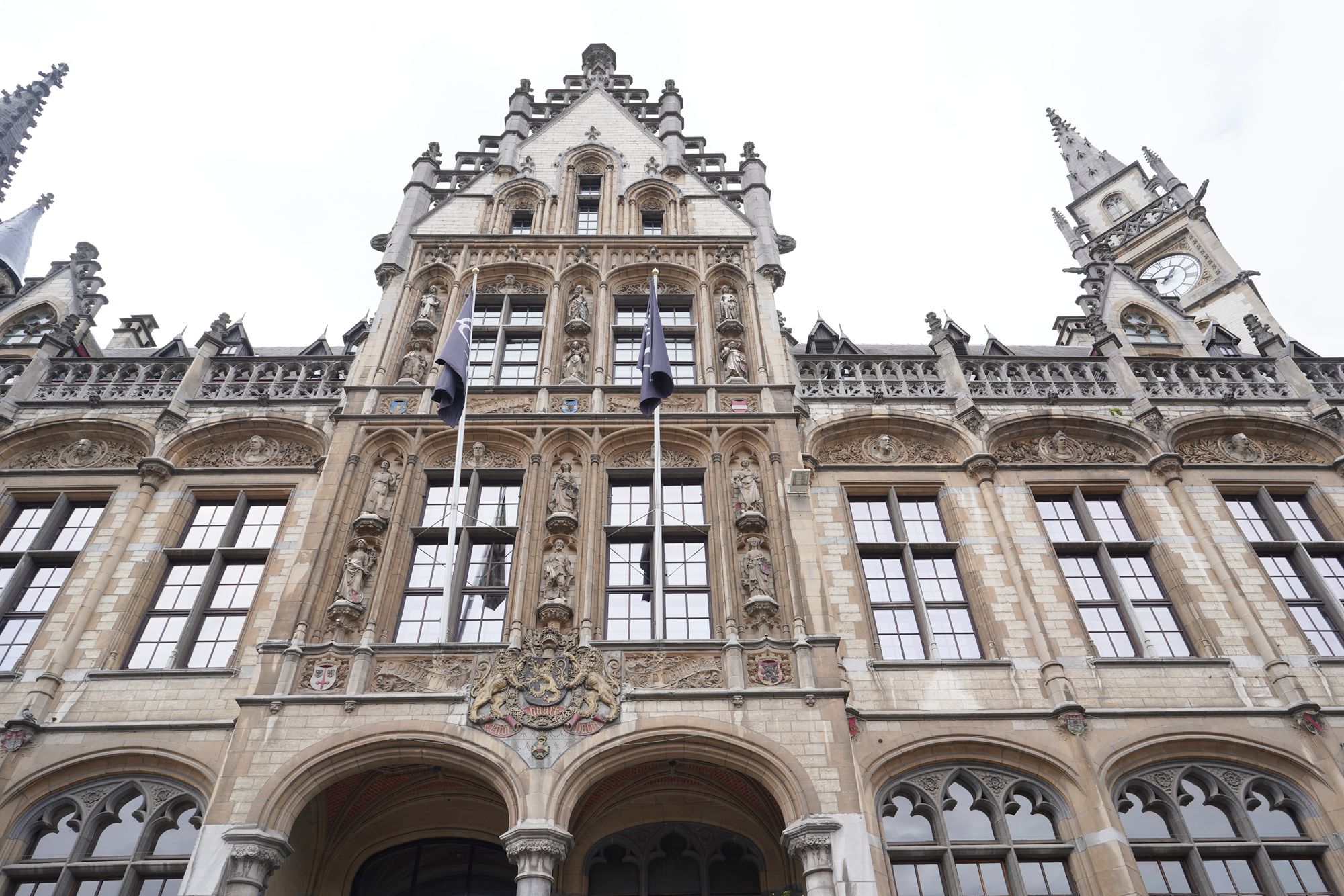
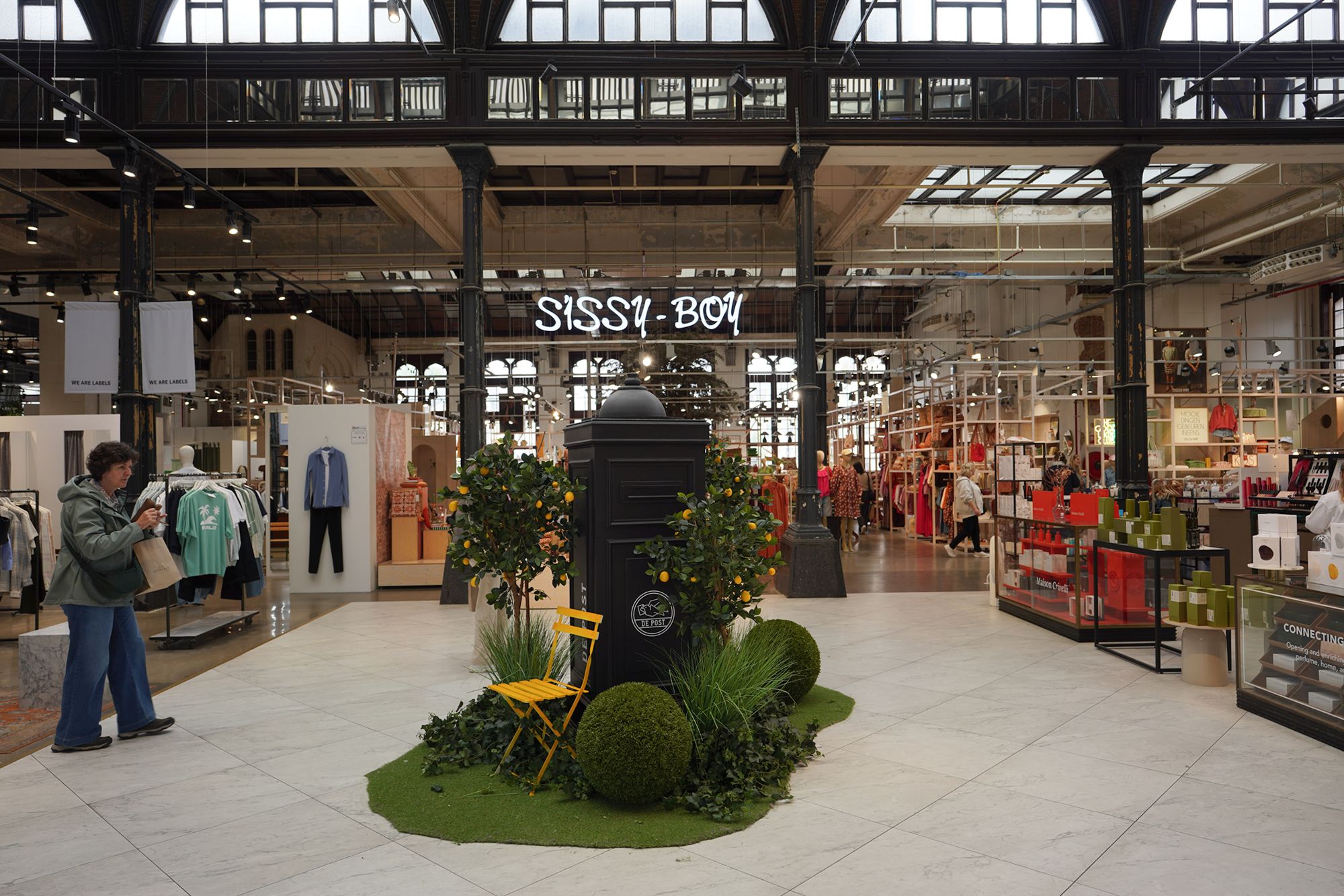
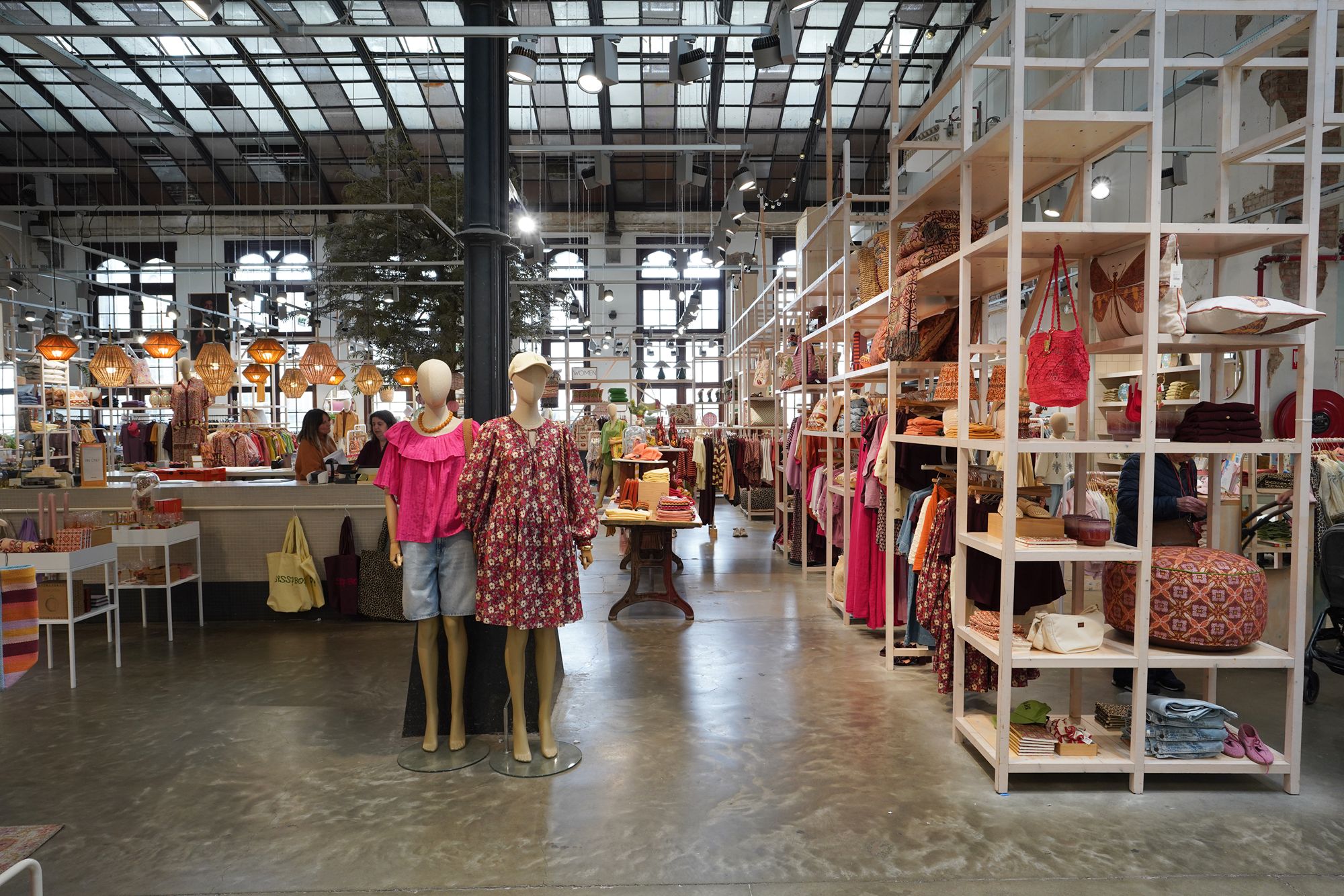
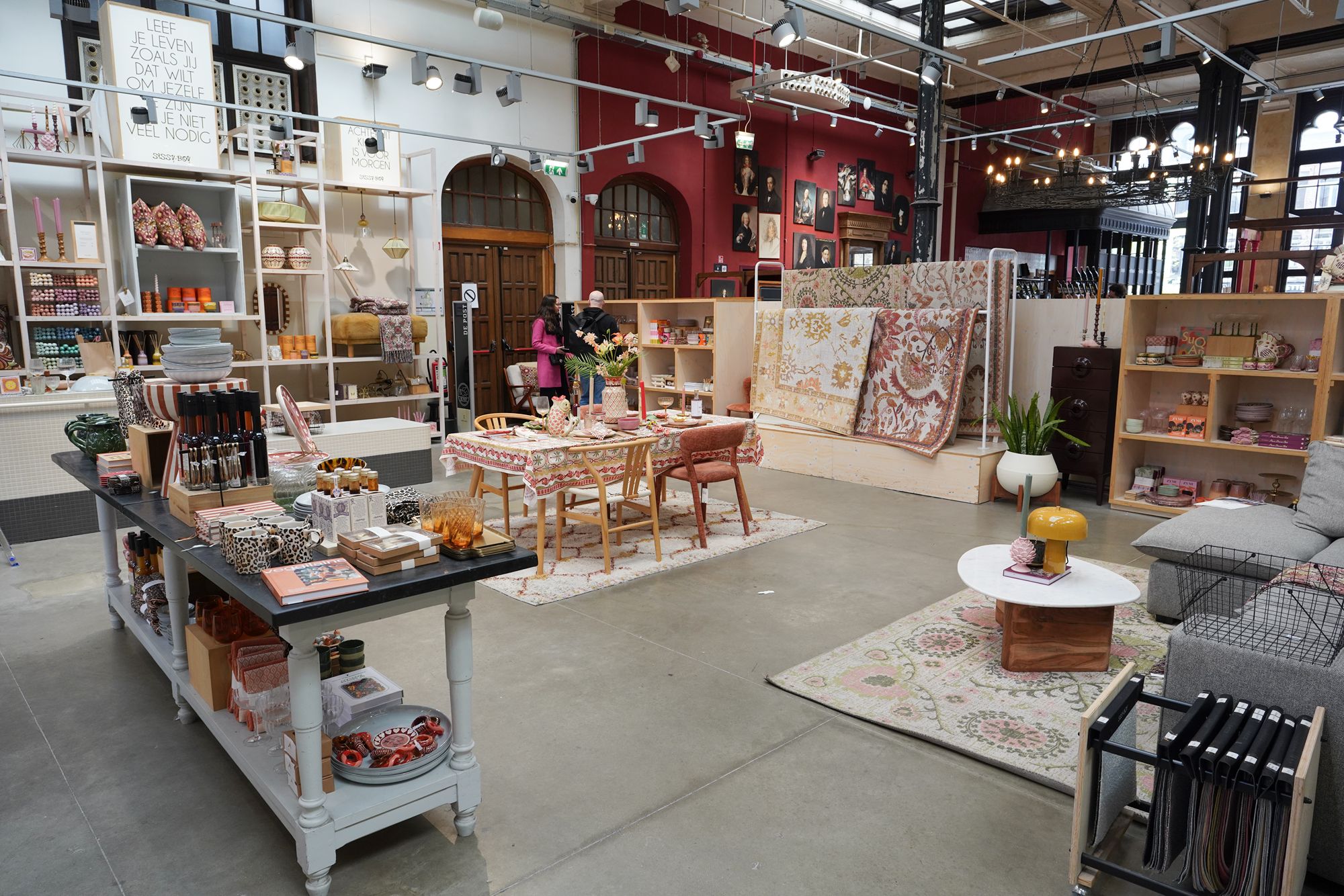
I stepped inside the Old Post Office, where the historic building has been beautifully adapted for modern use. Although it no longer functions as Ghent’s main post office, elements of its grand architecture remain, while the interior now contains shops, restaurants, and other businesses.
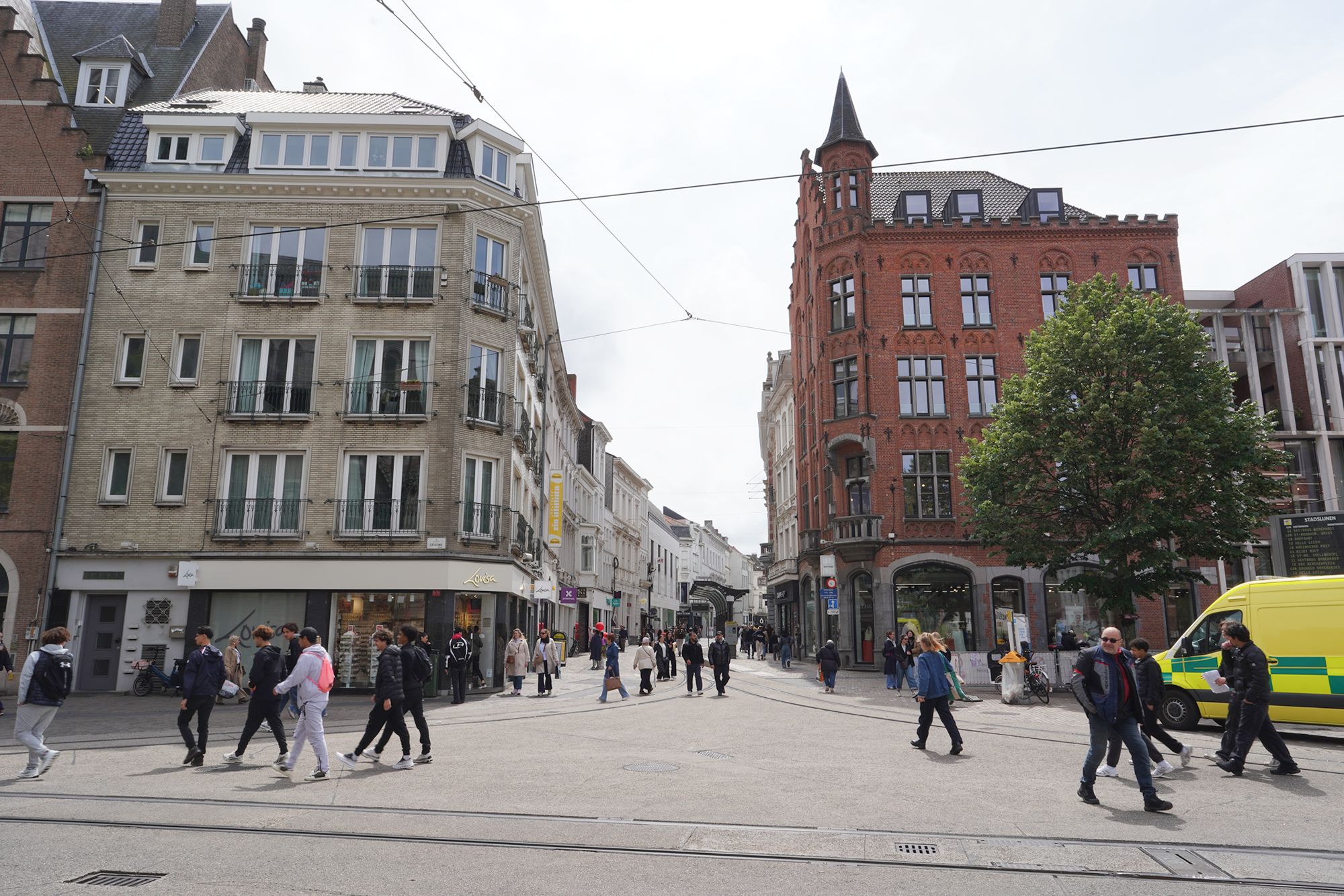
The views behind me
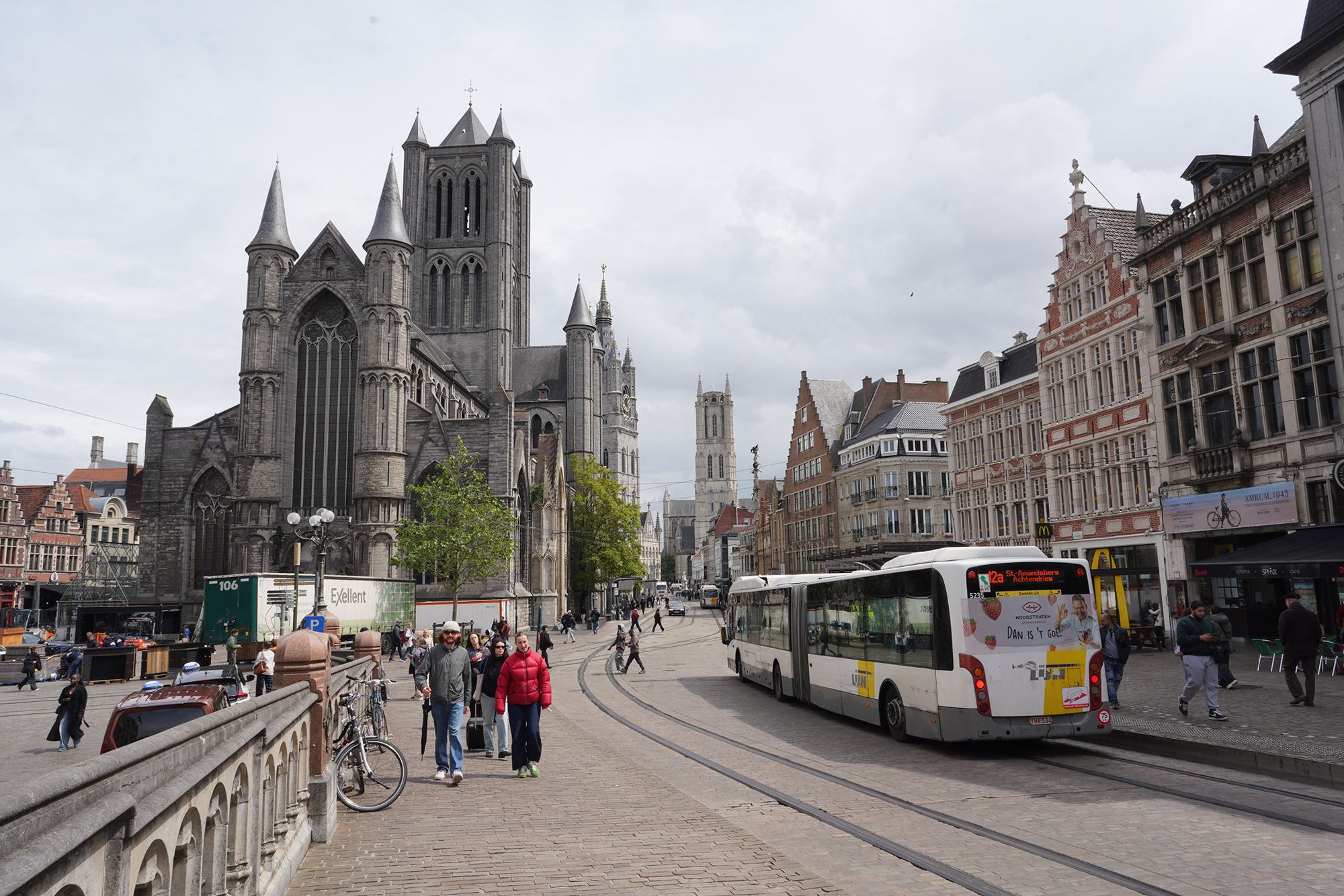
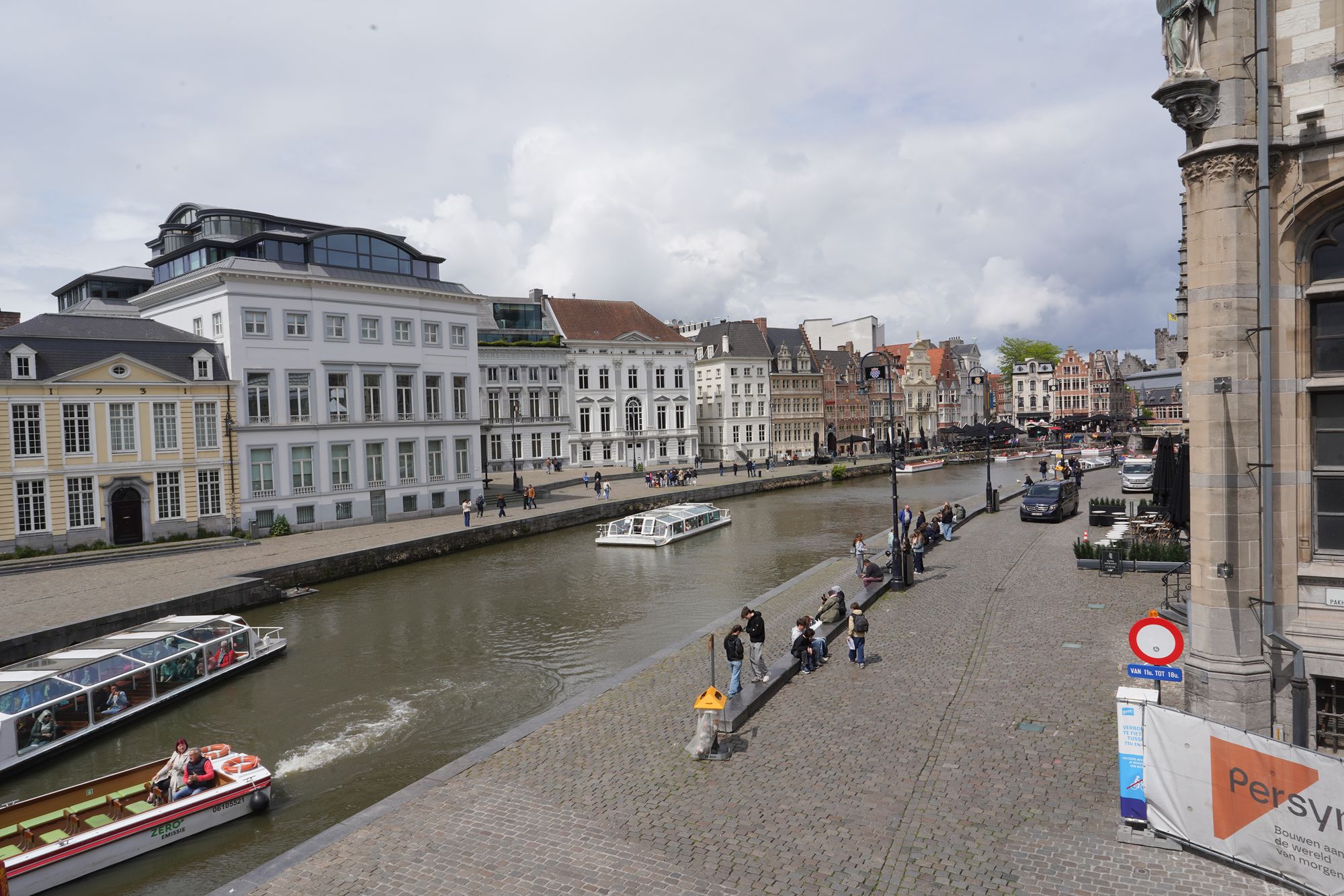
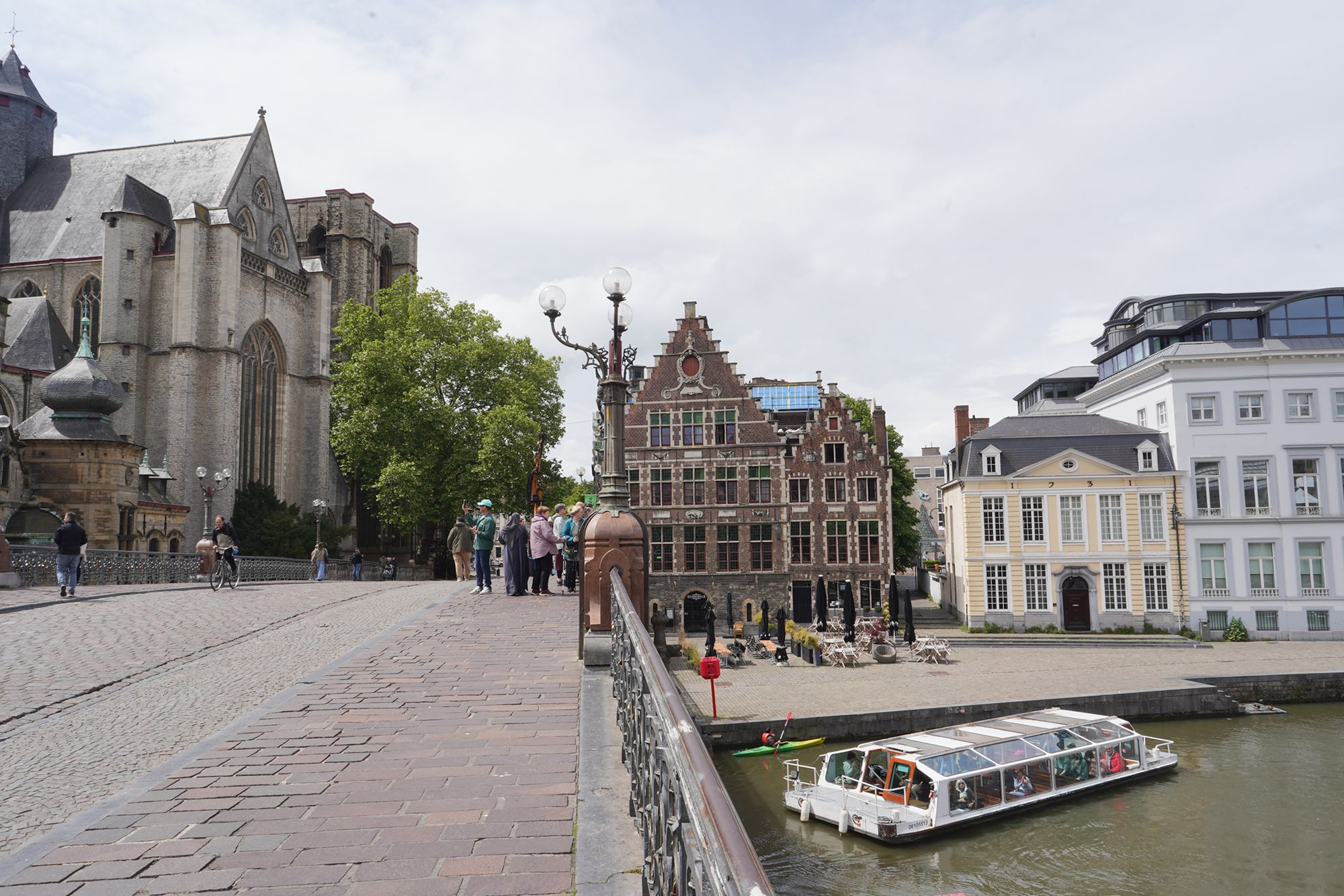
I walked onto St. Michael’s Bridge, one of the best viewpoints in Ghent. From the bridge, I had beautiful views of the historic city center, including the Graslei and Korenlei waterfronts.
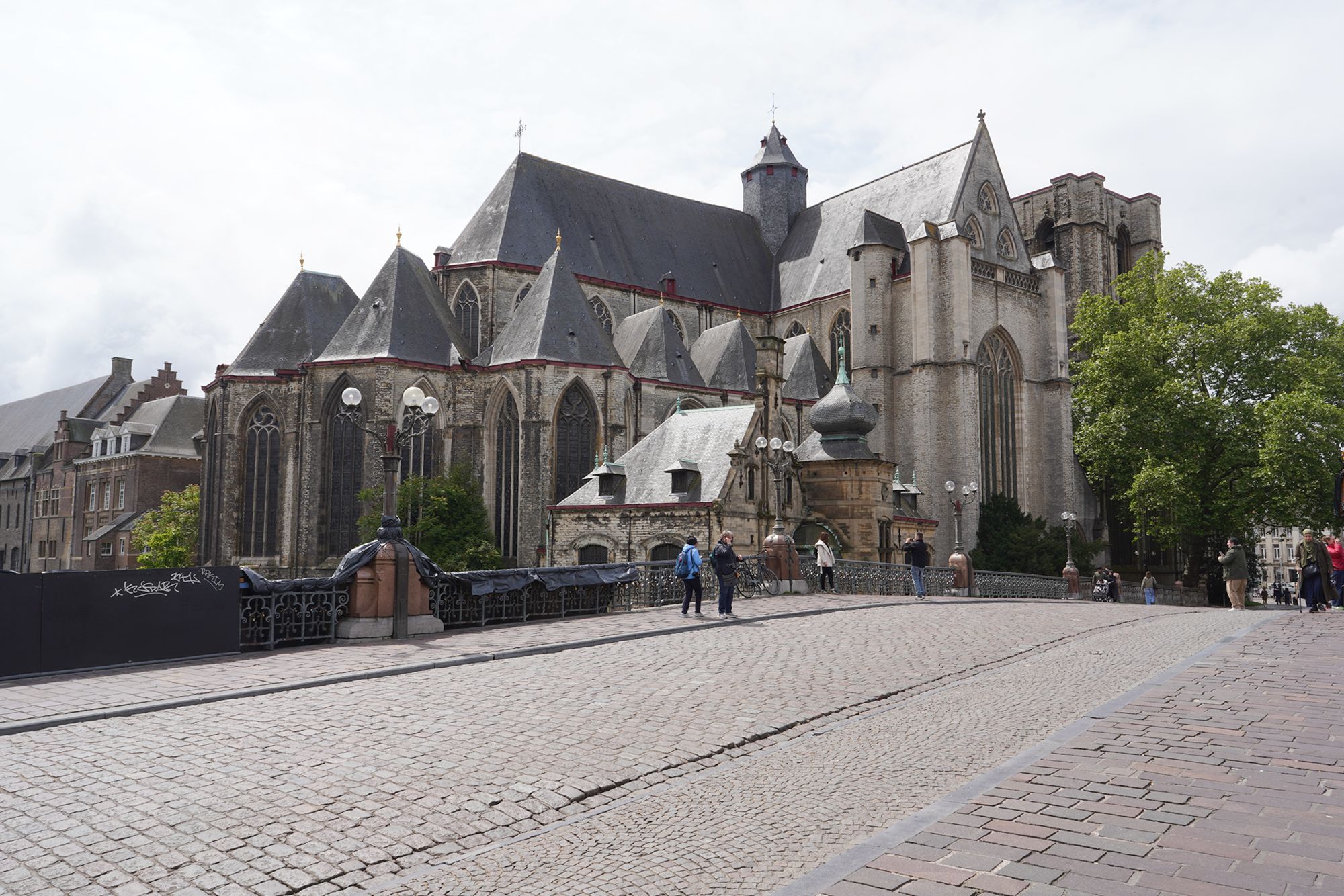
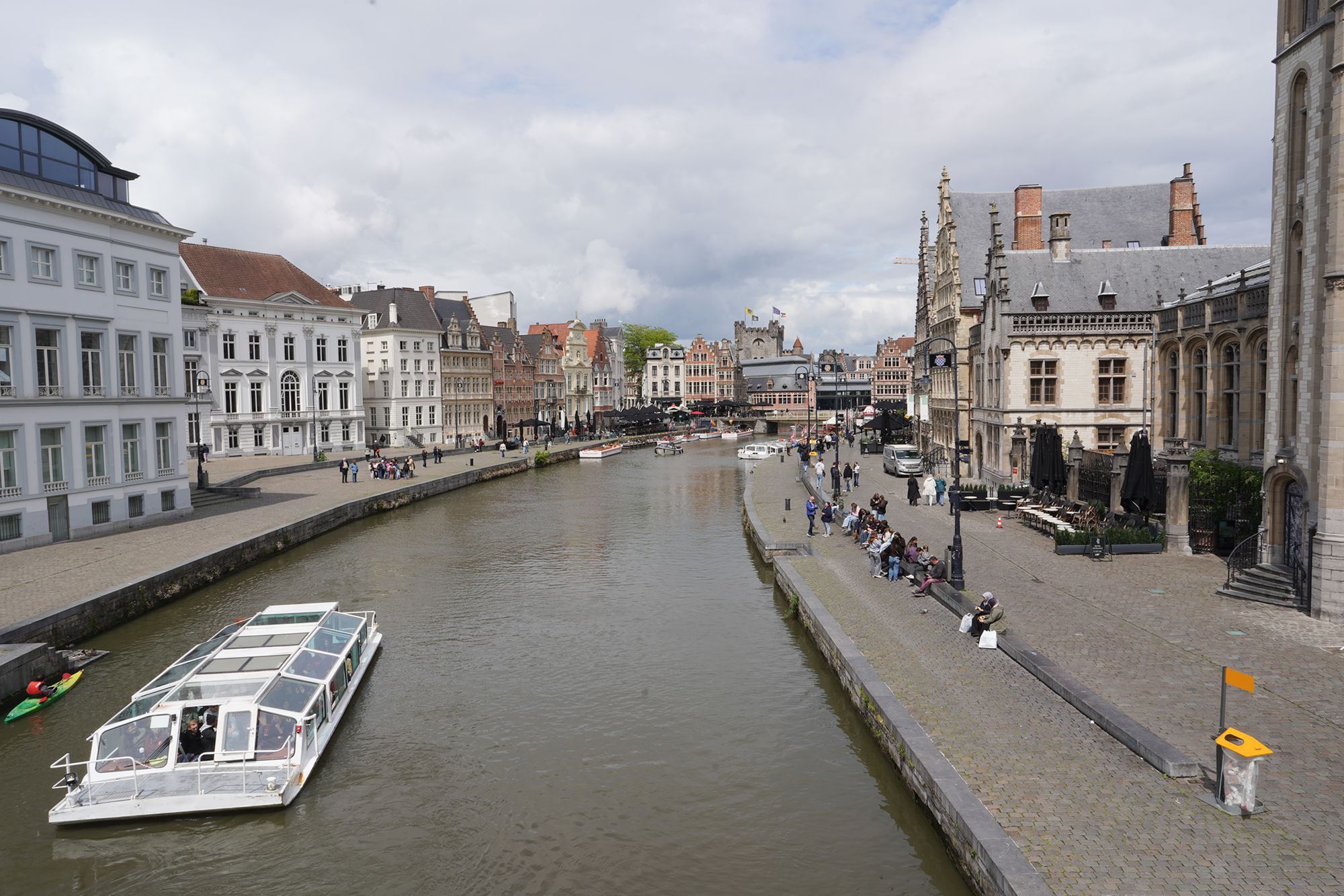
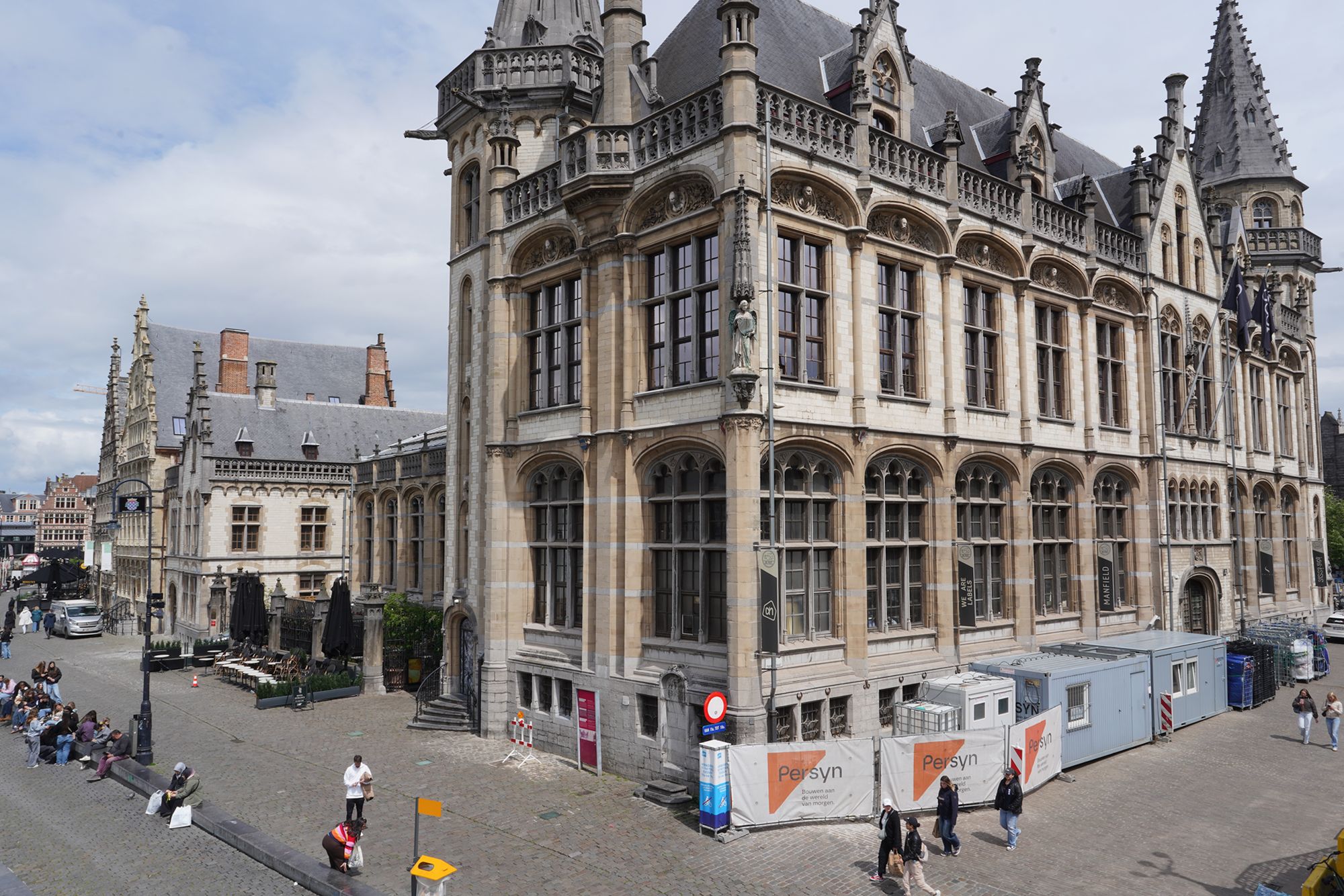
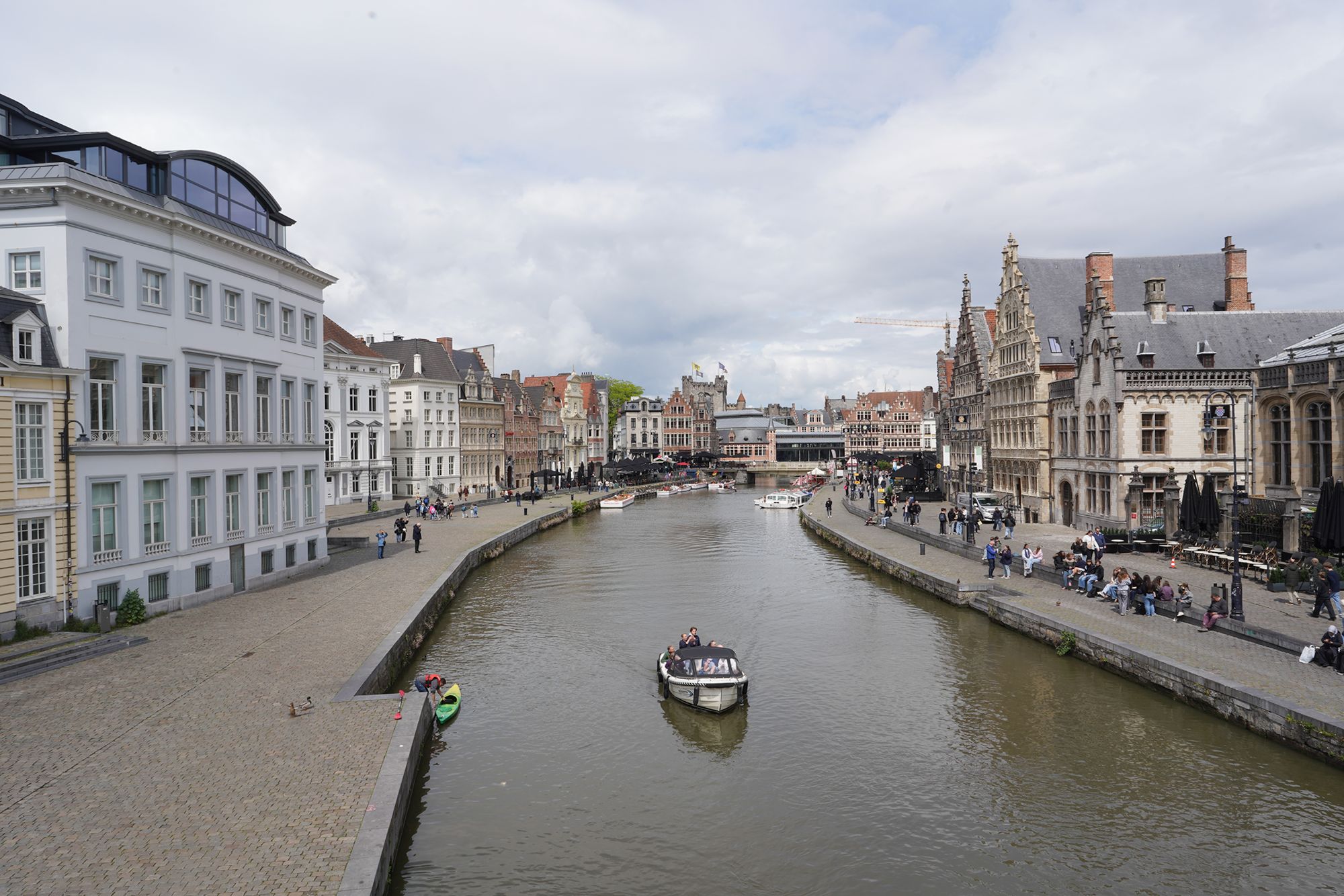
I turned around and walked back toward St. Nicholas’ Church, returning to the heart of Ghent’s historic center.
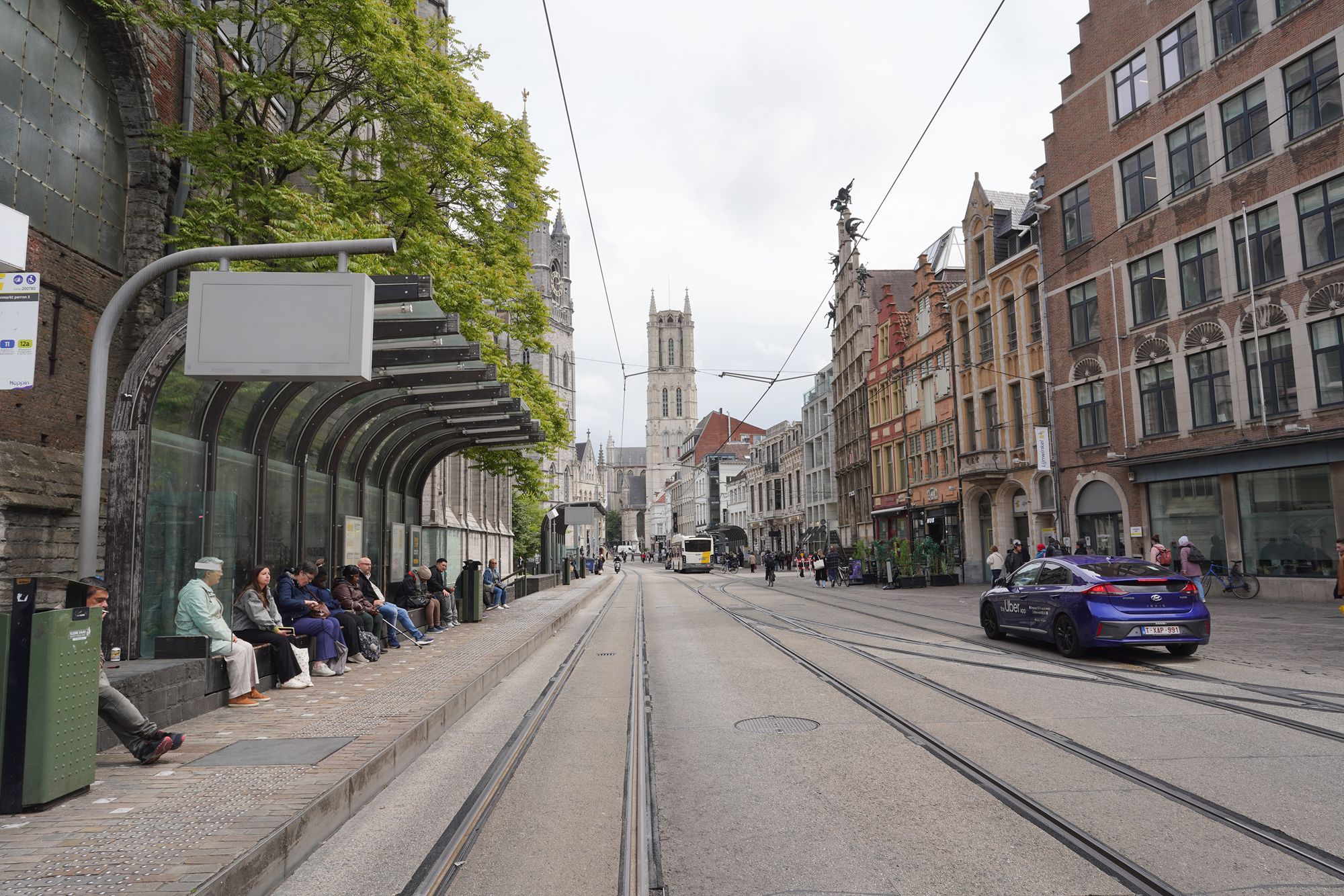
Looking down the street, I could see the white stone exterior of St. Bavo’s Cathedral in the distance, rising above the historic buildings of central Ghent.
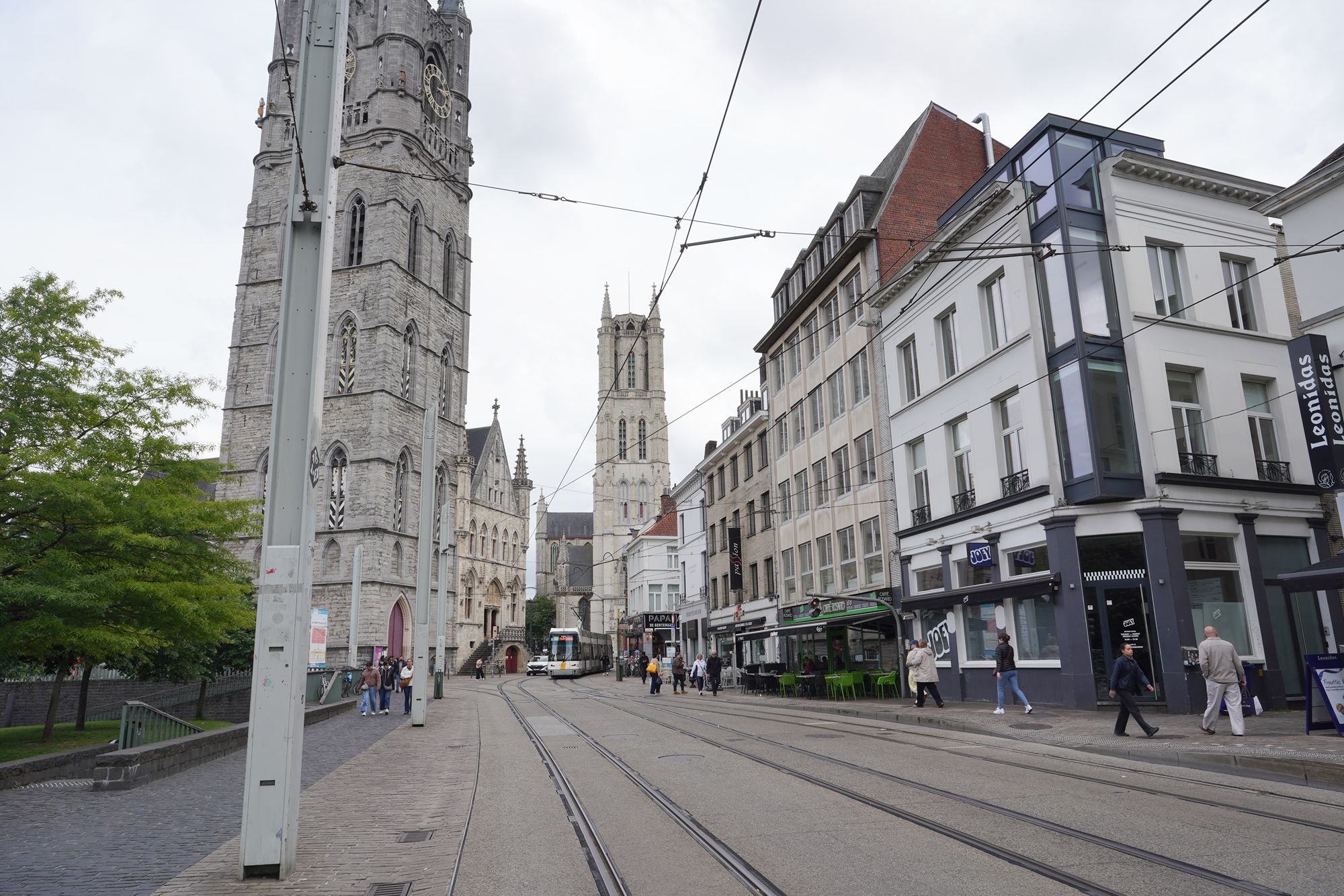
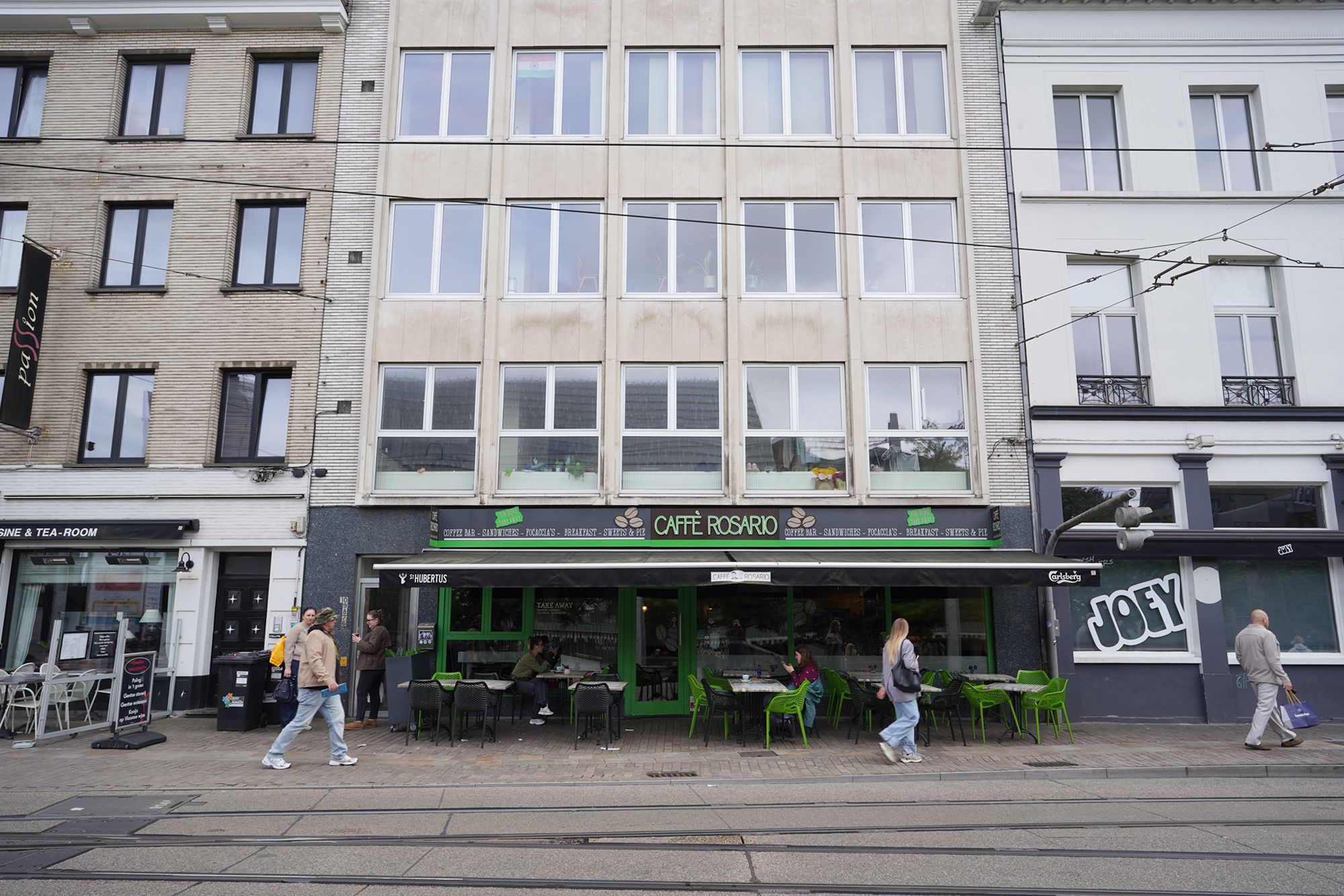
A view behind me
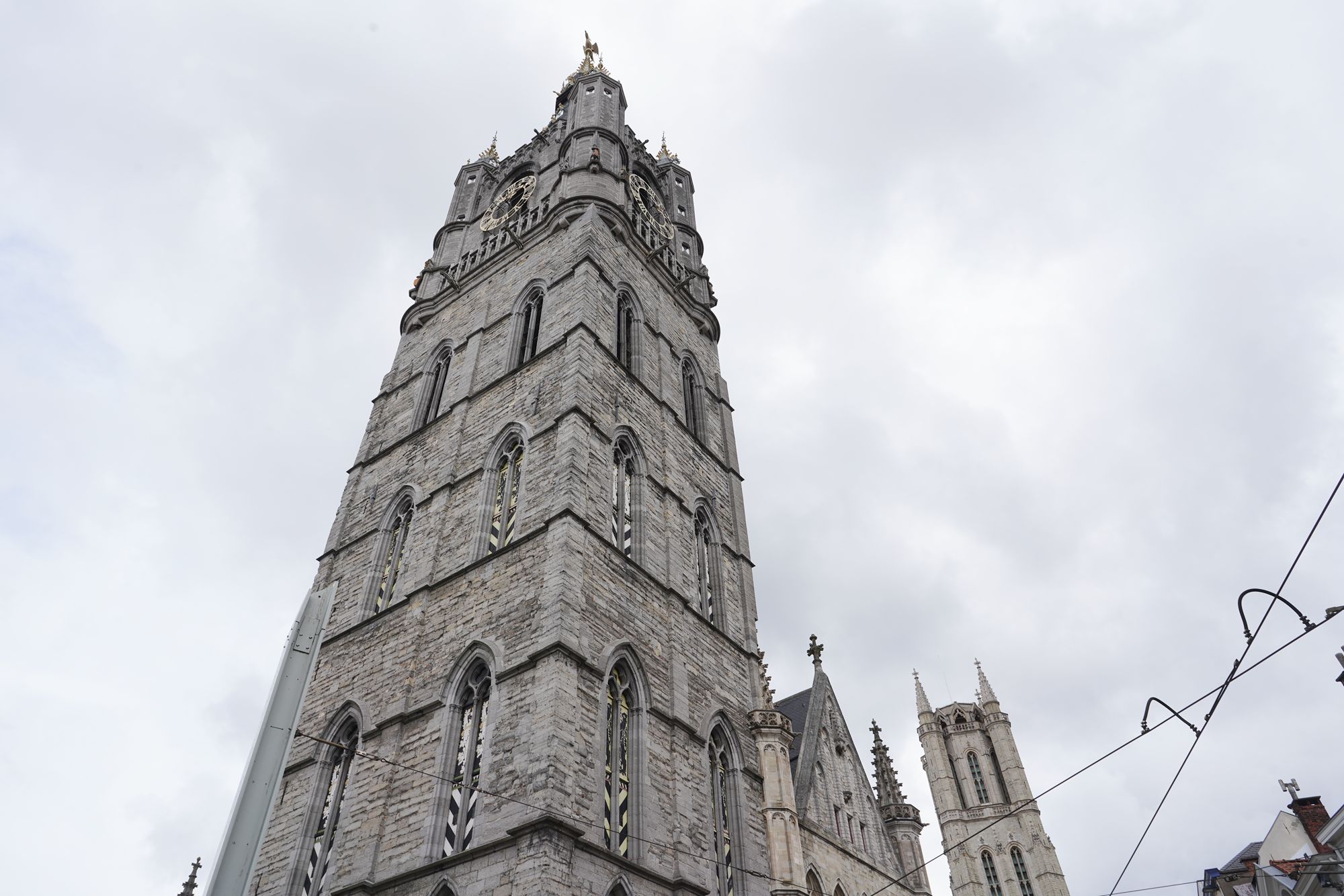
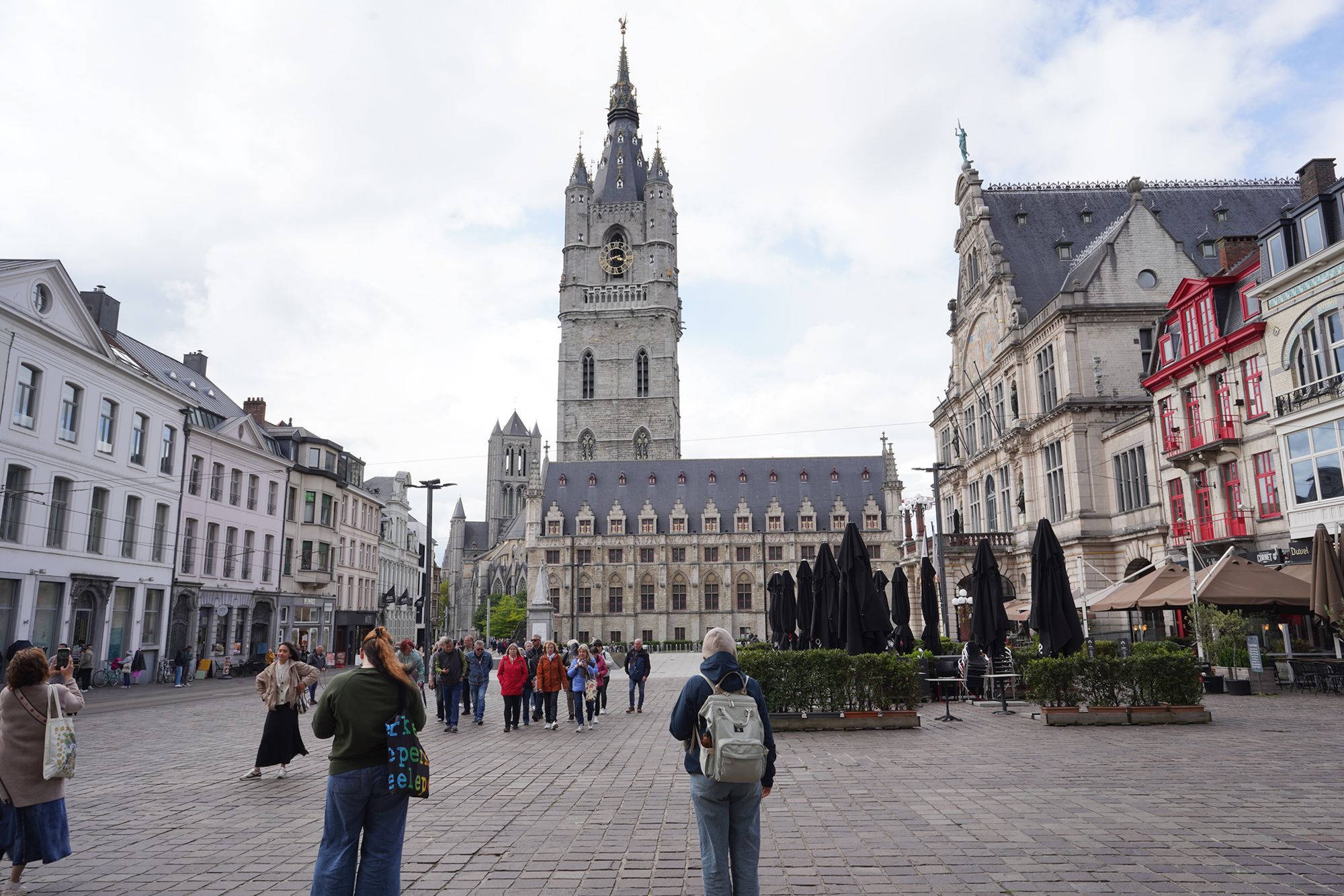
The building on the left side is the Belfry of Ghent. It rises above the adjoining Cloth Hall (Lakenhalle), built for Ghent’s powerful medieval cloth trade. Together, the buildings reflect the enormous wealth and civic importance that the textile industry brought to Ghent.
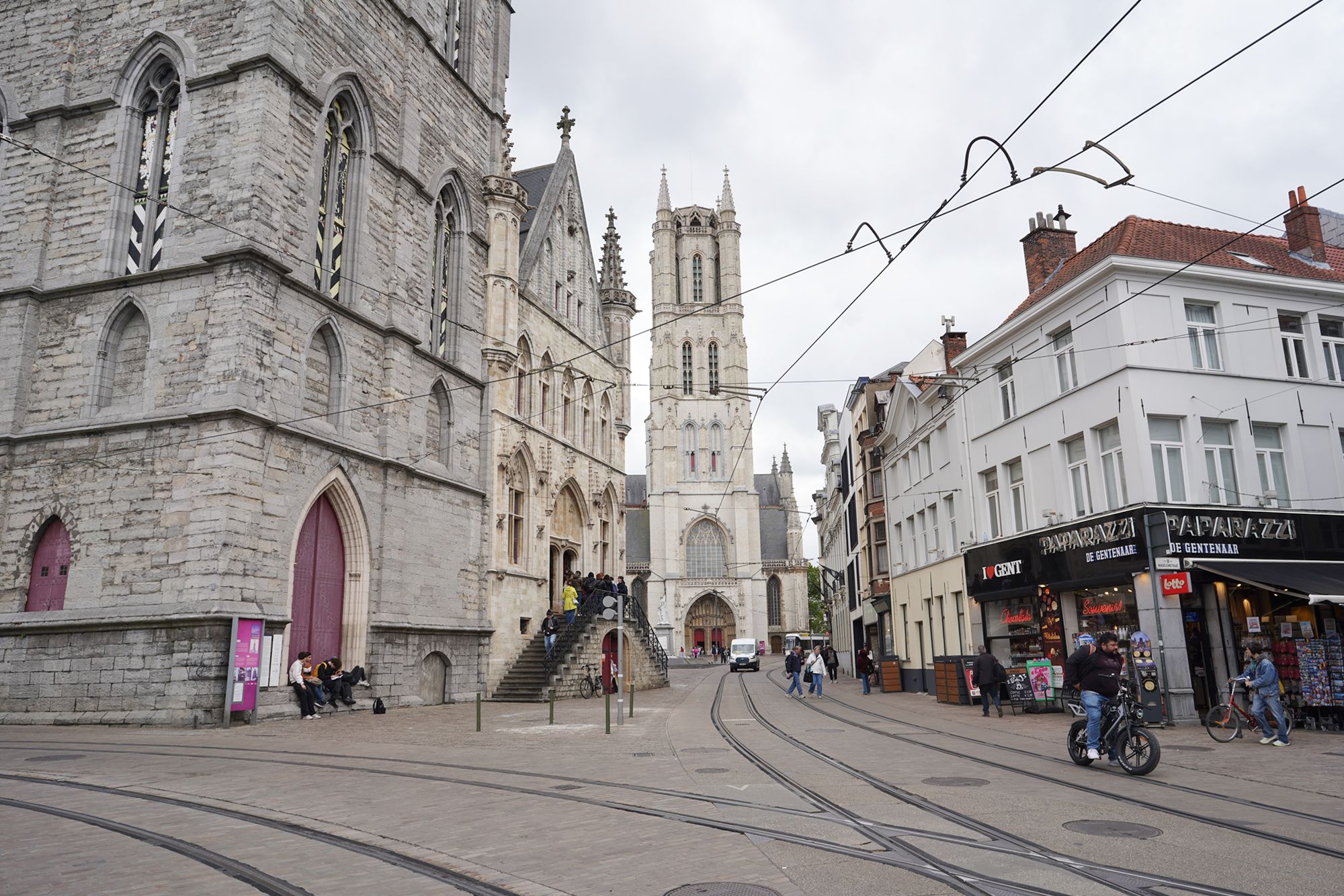
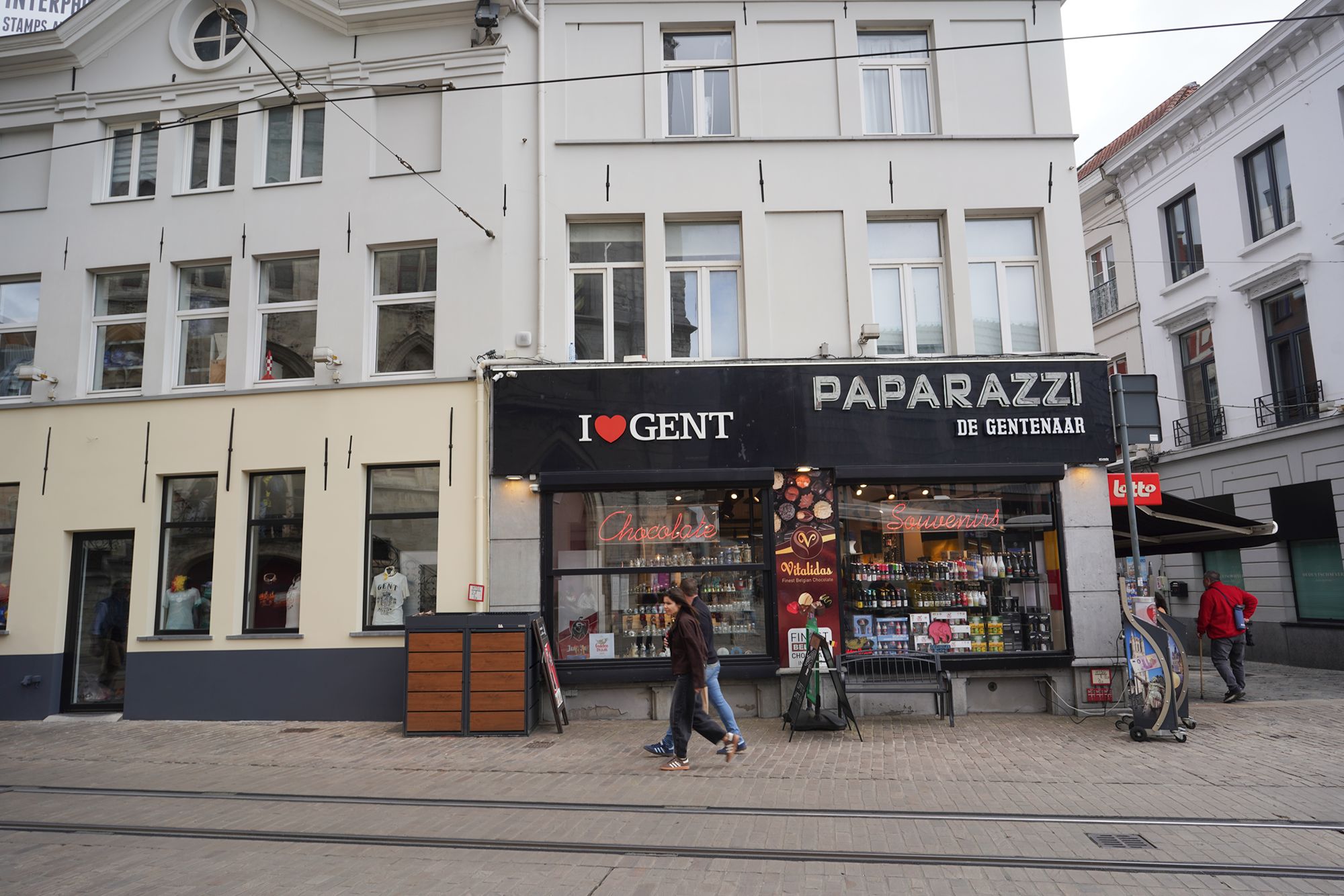
A view behind me
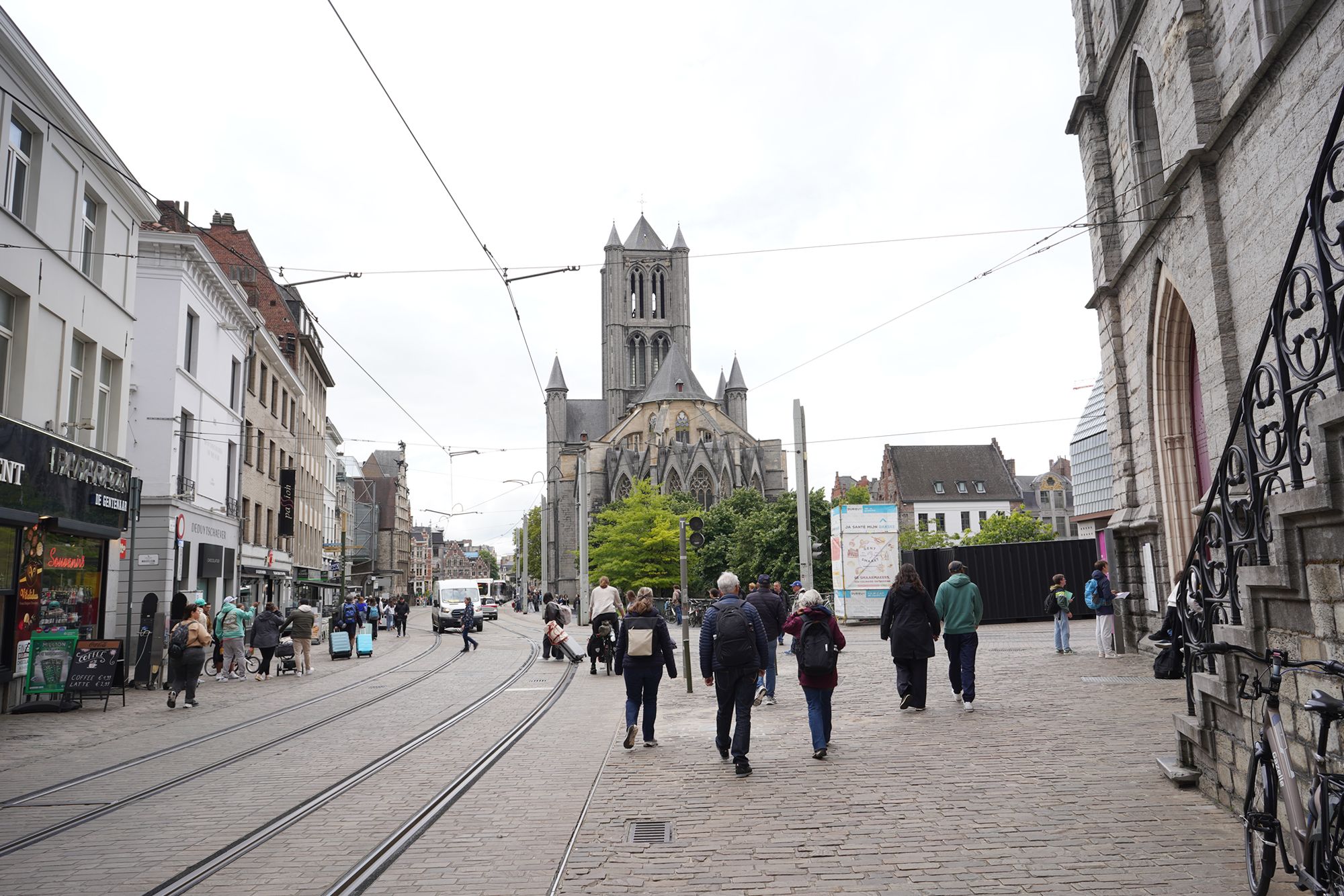
I stepped inside the Cloth Hall, which once served as an important center for Ghent’s prosperous textile industry.
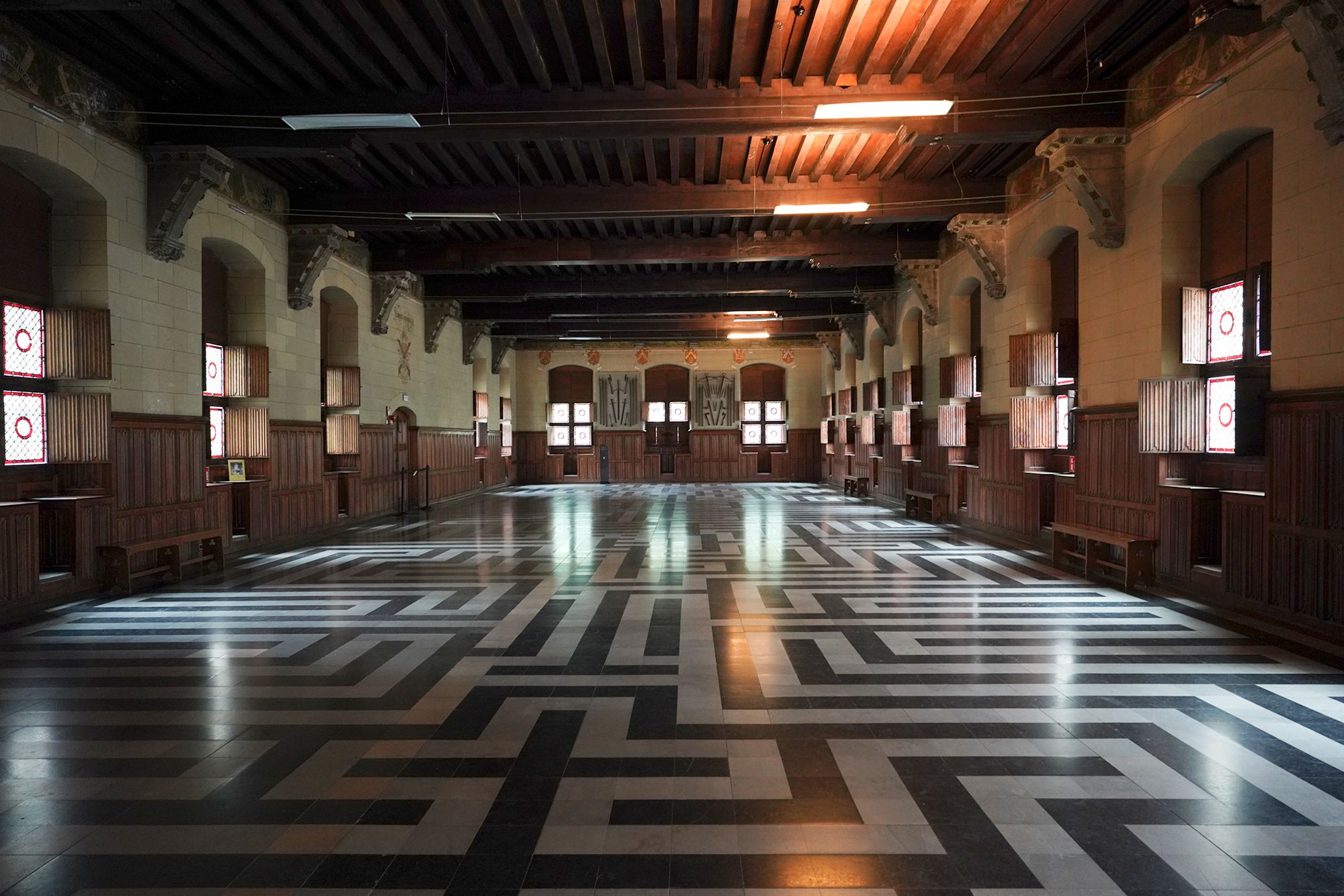
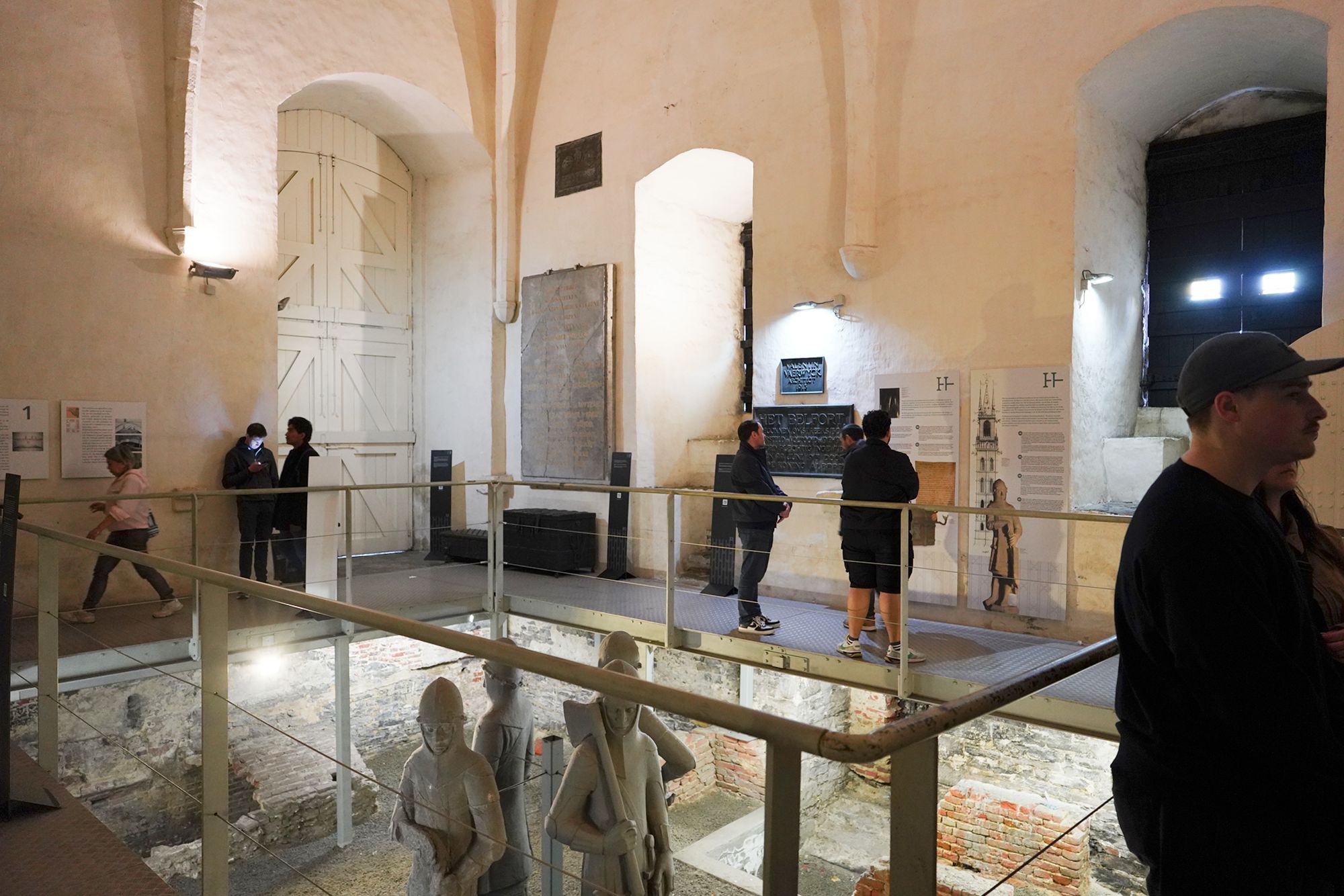
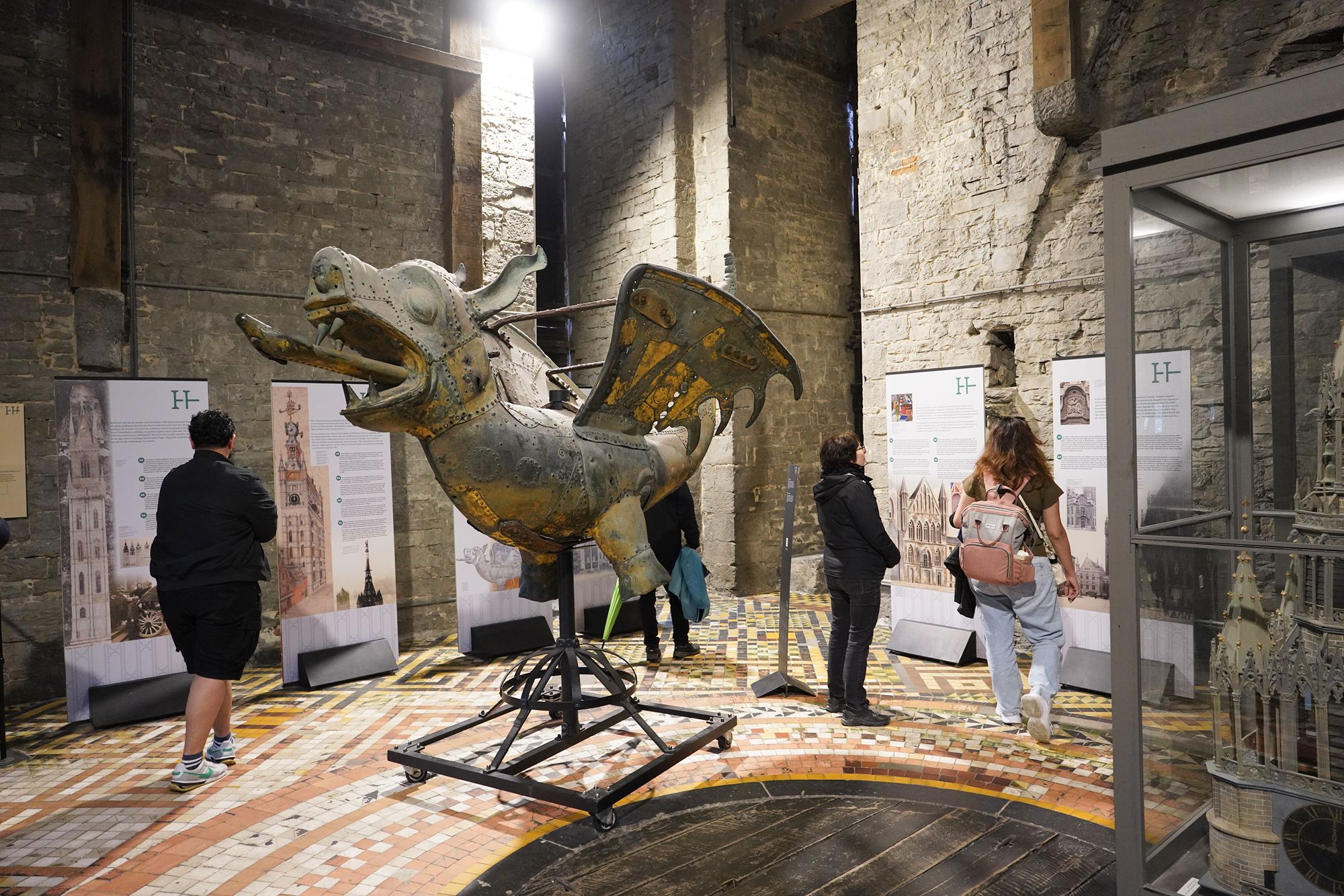
Inside the Belfry of Ghent, I explored the historic tower and learned about its bells, carillon, and mechanical equipment. The Belfry served not only as a bell tower but also as a powerful symbol of Ghent’s wealth, independence, and civic freedom.
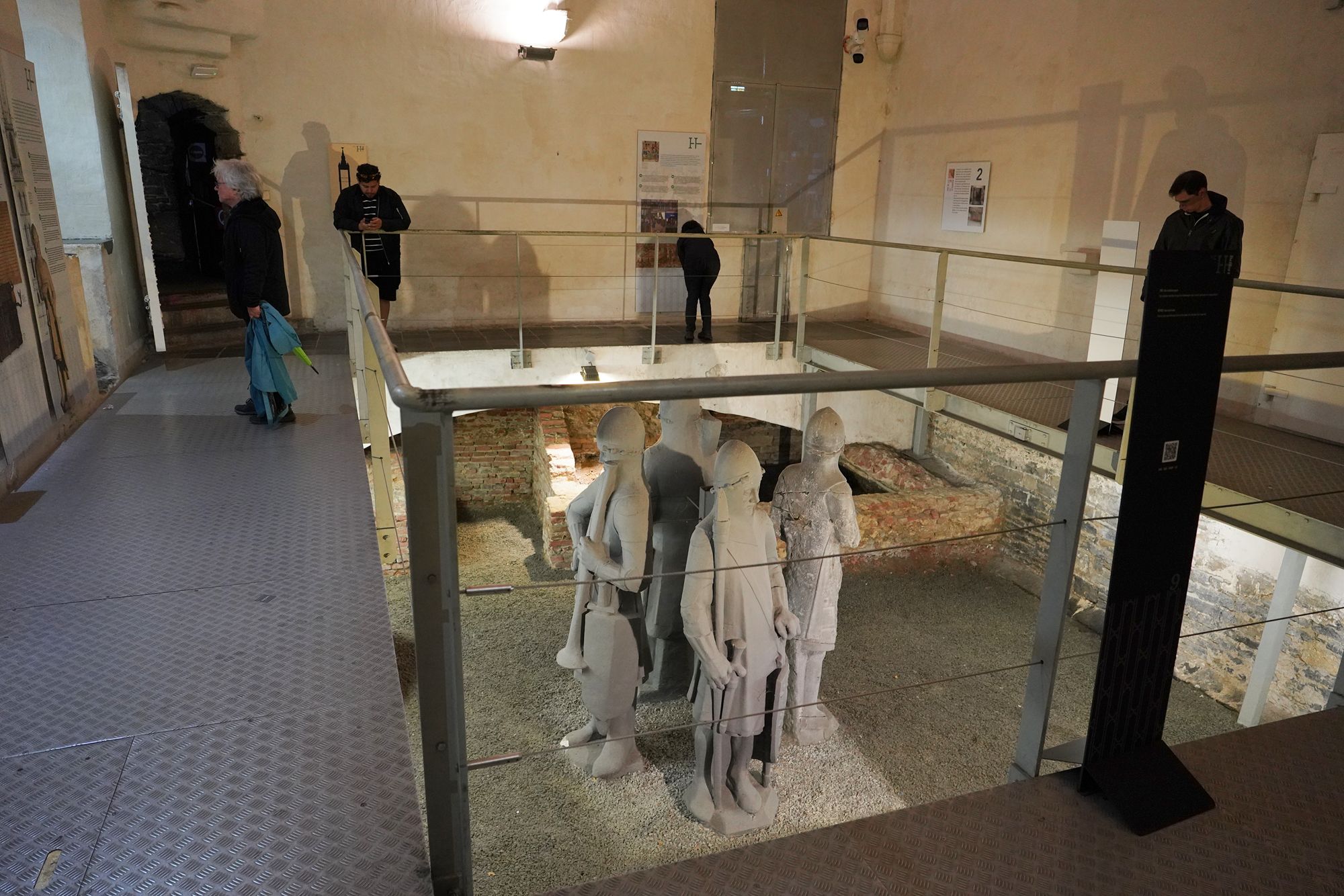
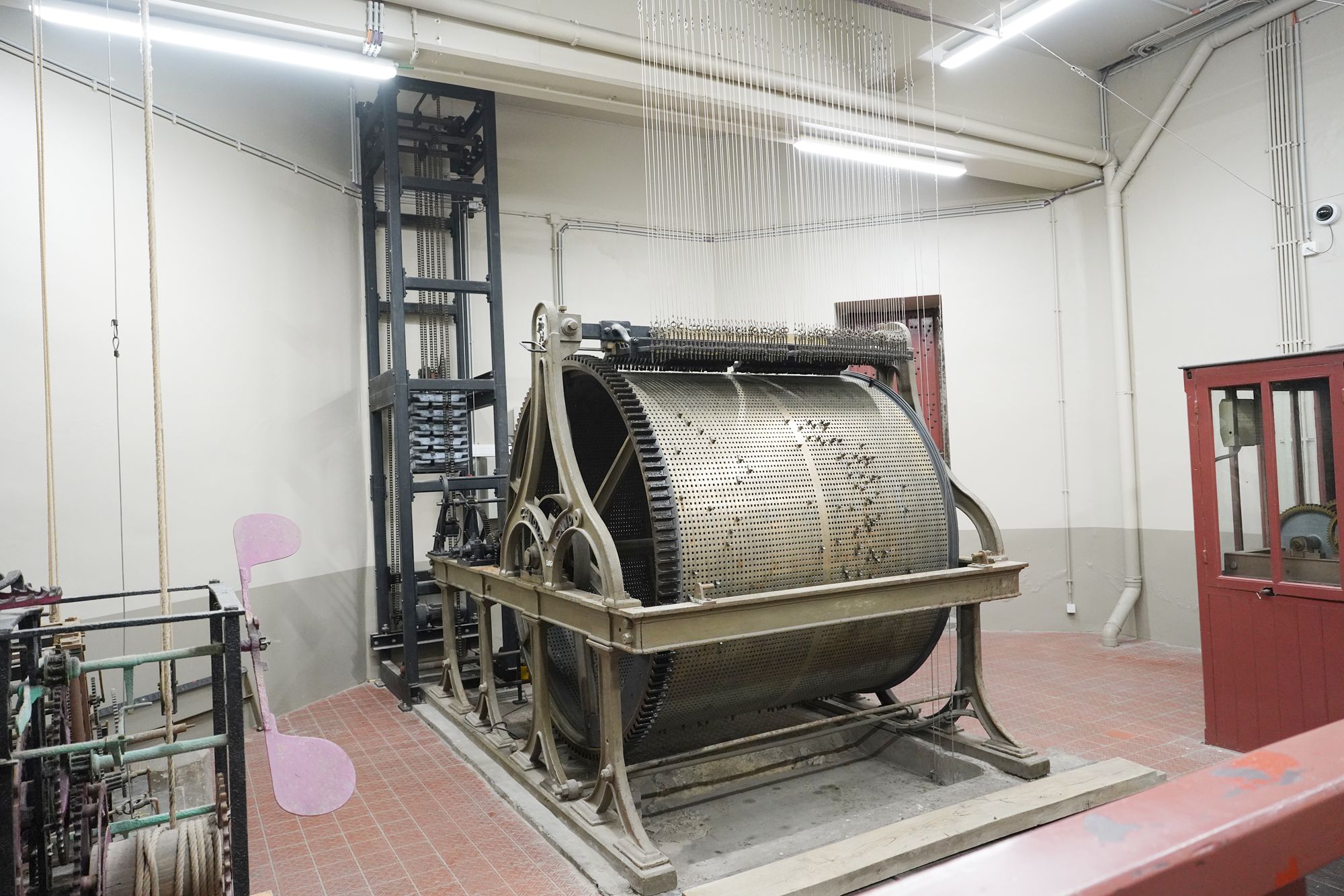
Inside, I saw the enormous automatic playing drum for the Belfry’s carillon. Like a giant mechanical music box, pins placed in the rotating drum control hammers that strike the tower bells, automatically playing melodies over the center of Ghent every fifteen minutes.
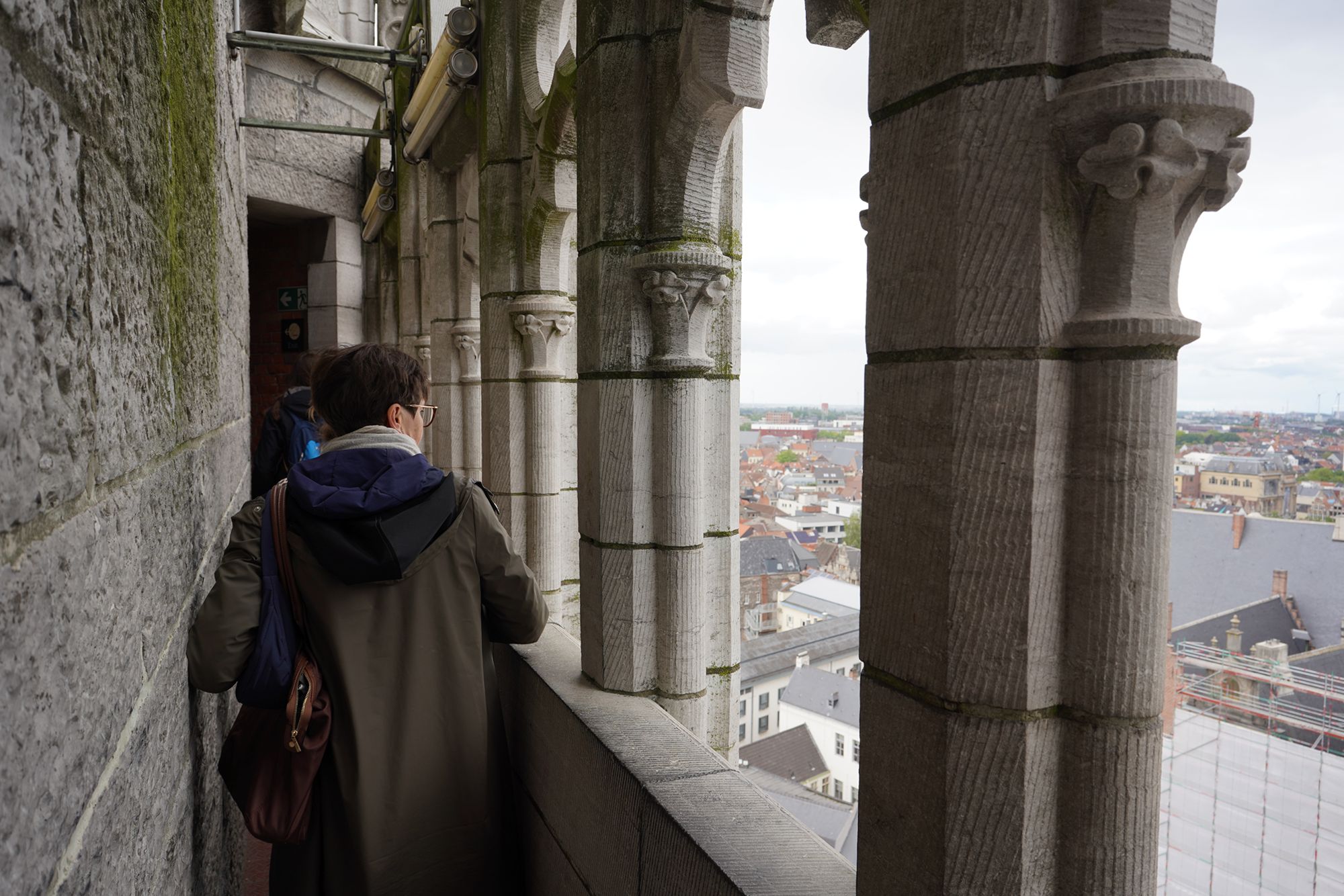
At the top of the Belfry of Ghent, I stepped onto the viewing gallery and enjoyed panoramic views across the historic city center, with Ghent’s churches, medieval rooftops, and surrounding city stretching out below.
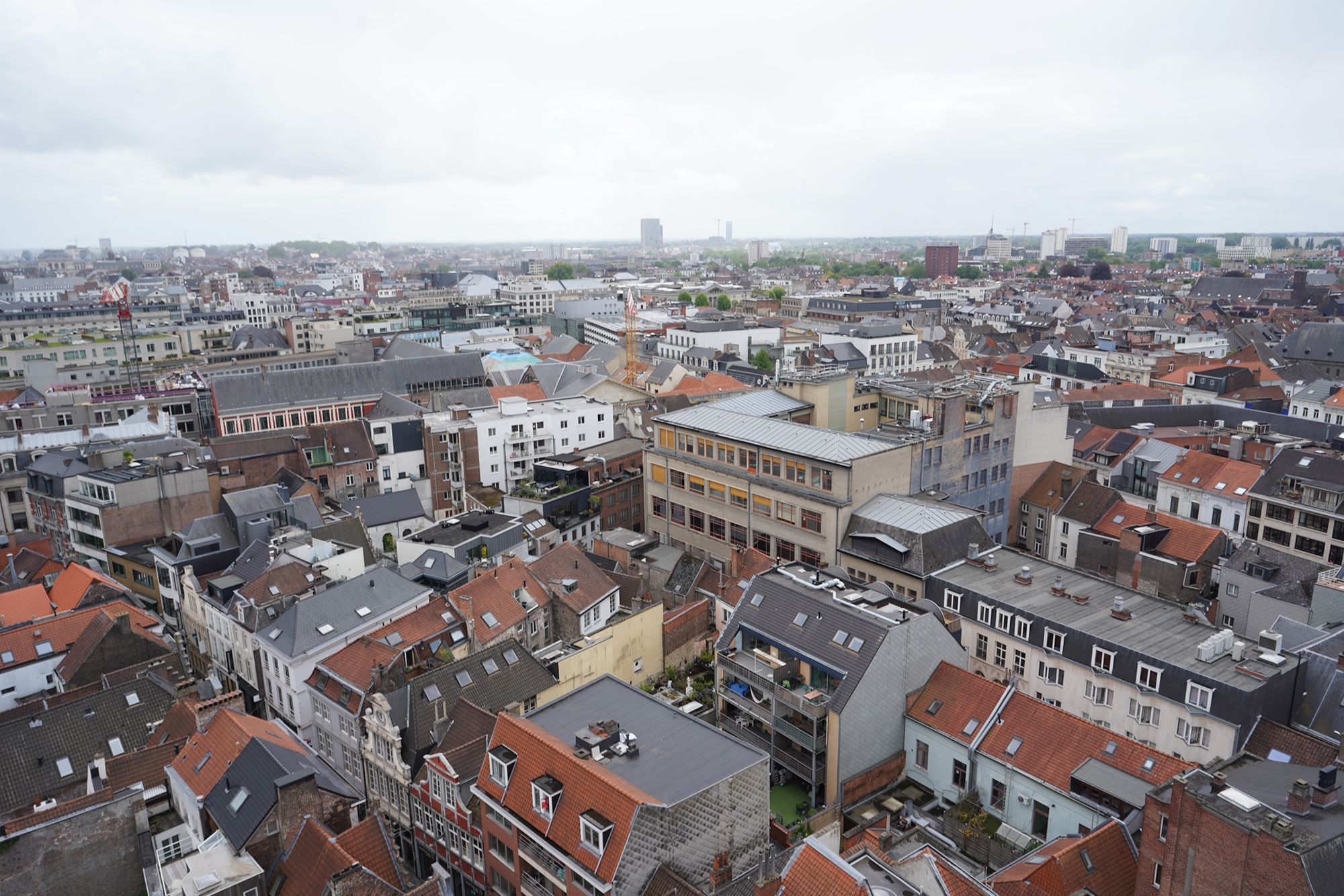
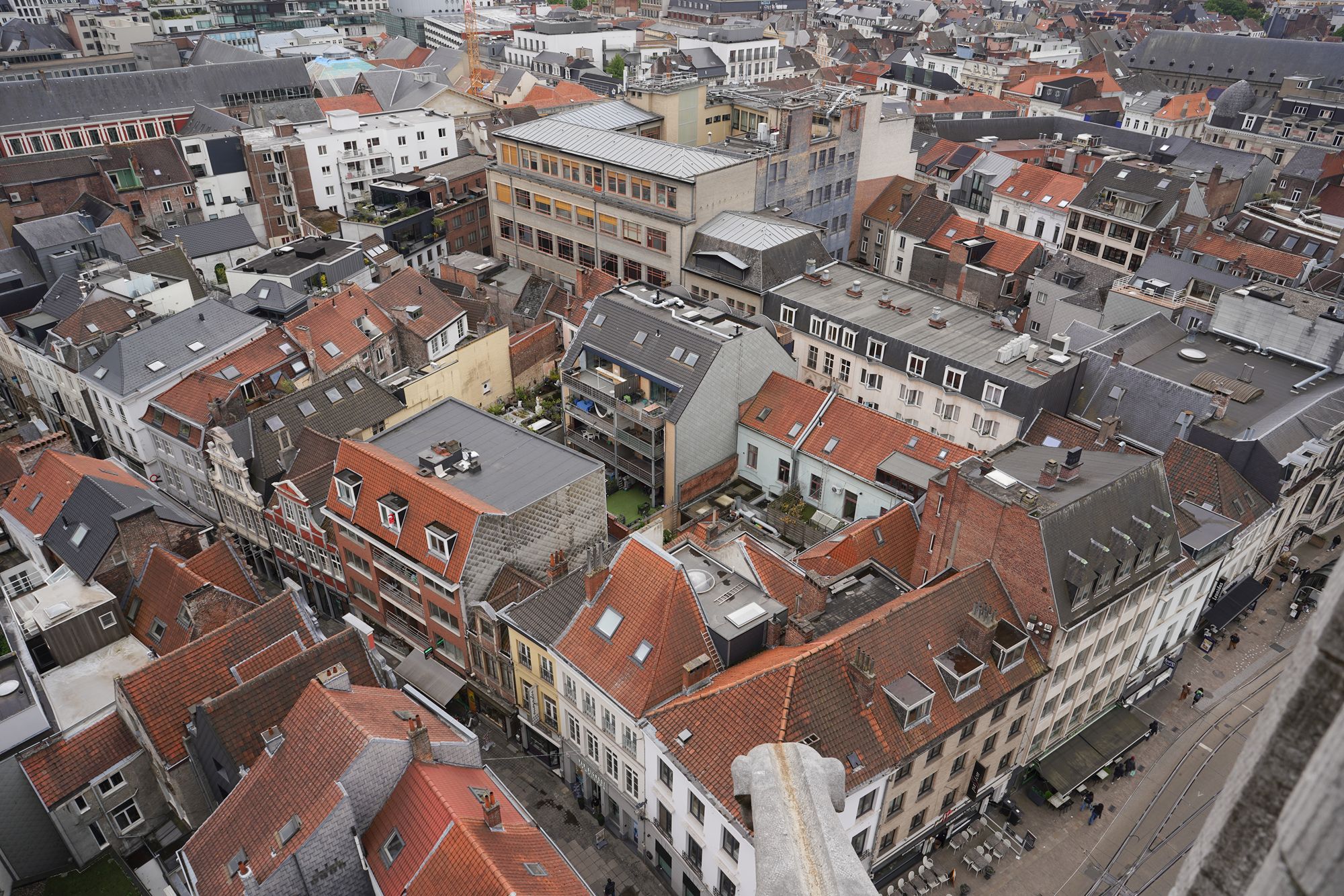
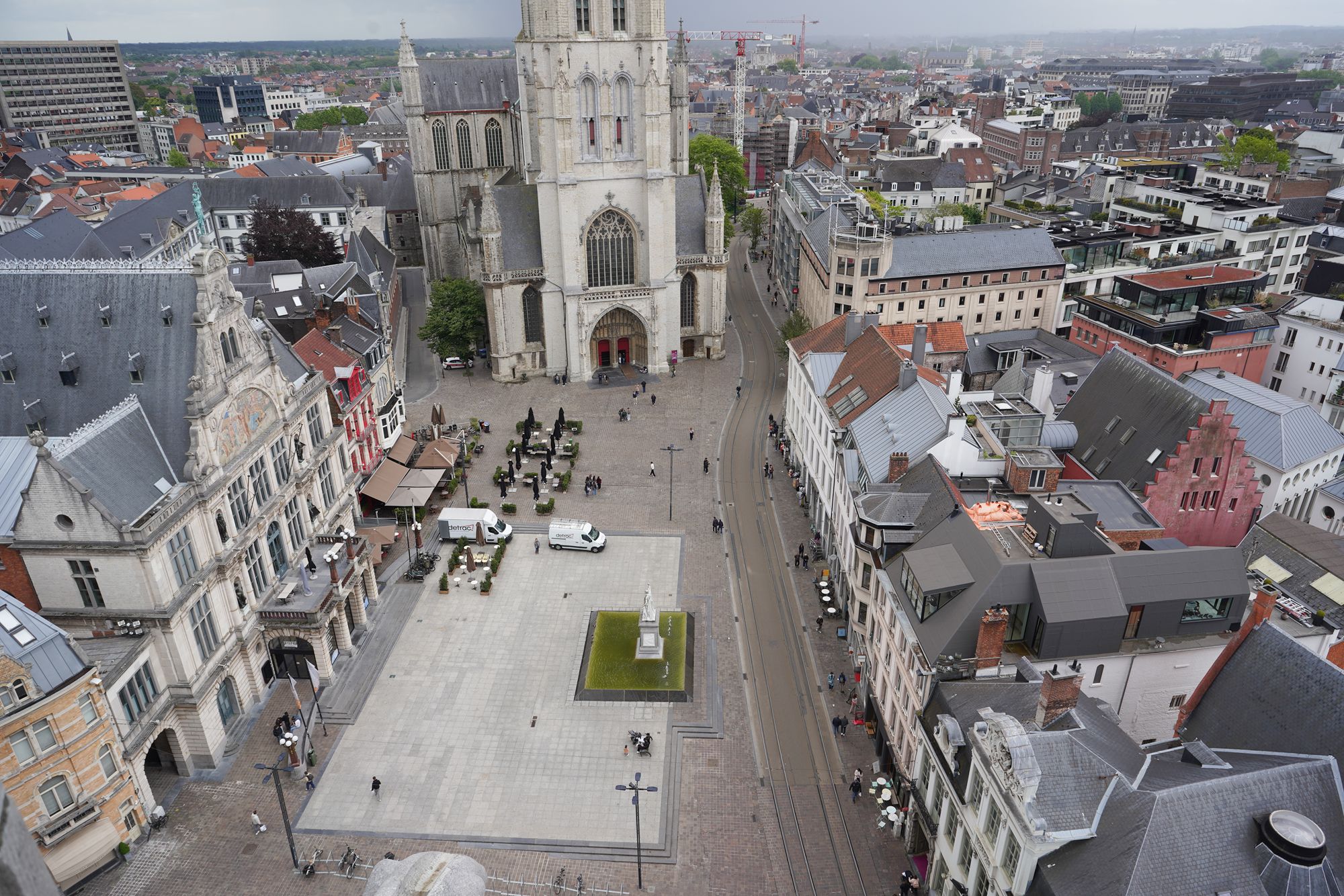
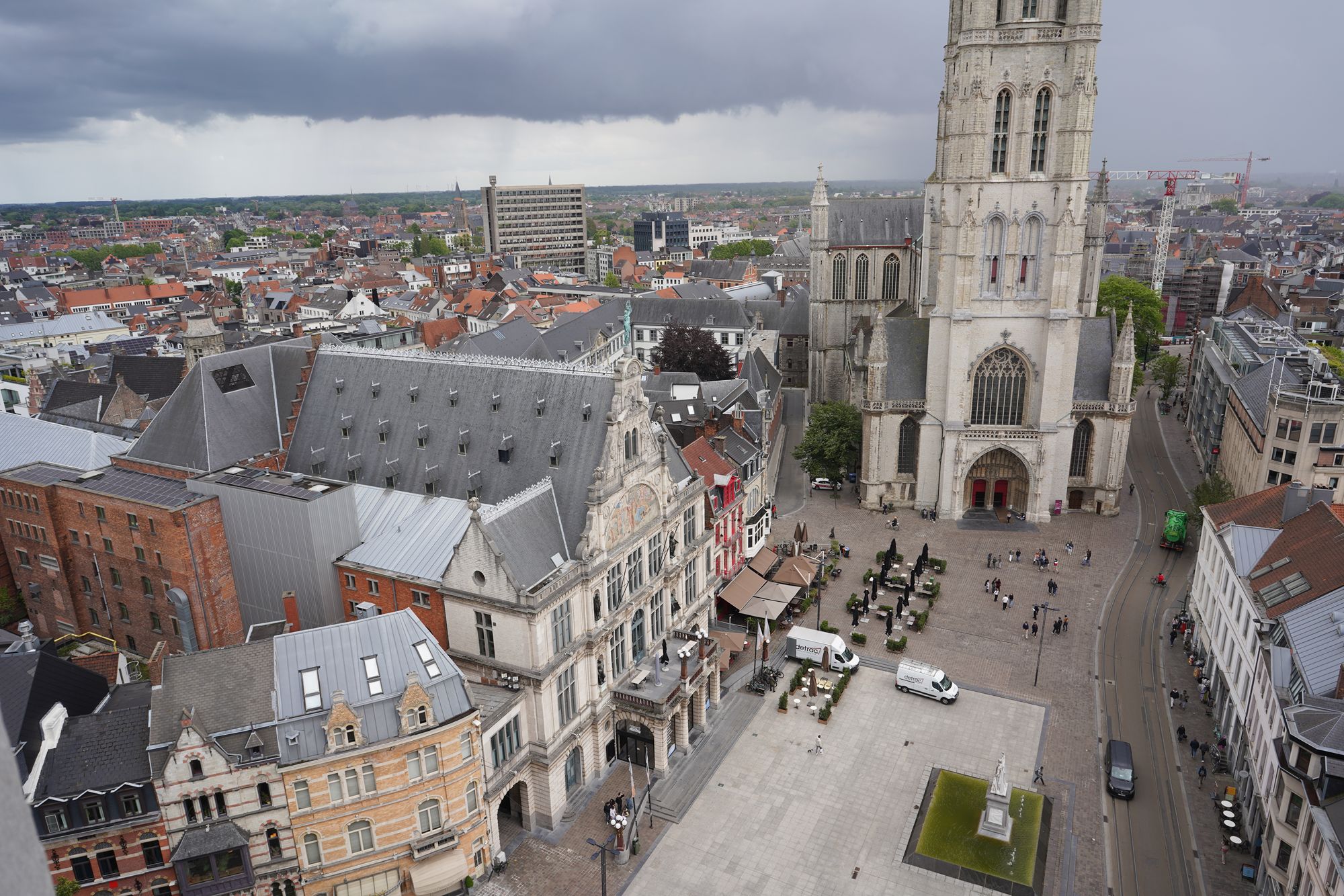
St. Bavo’s Cathedral
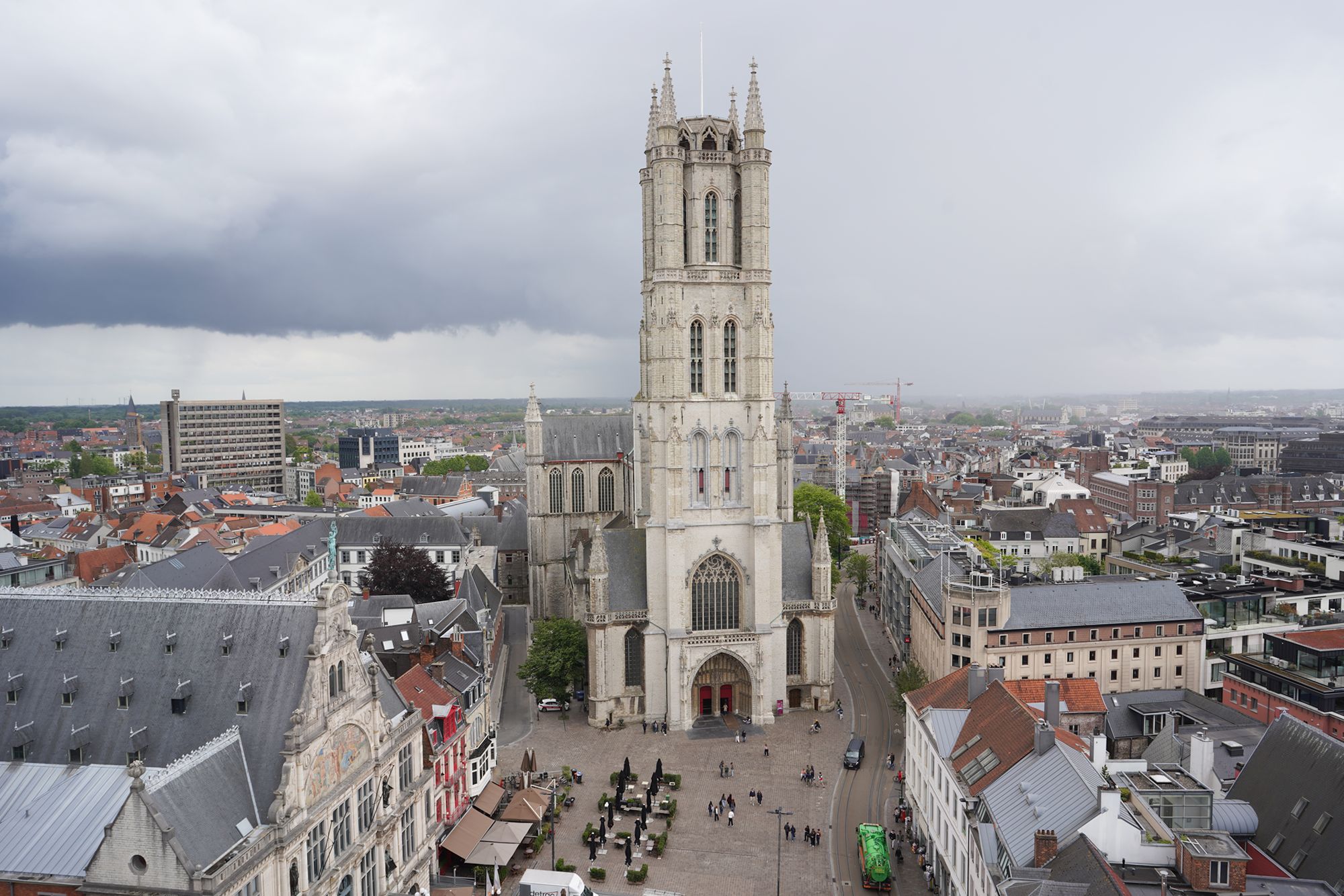
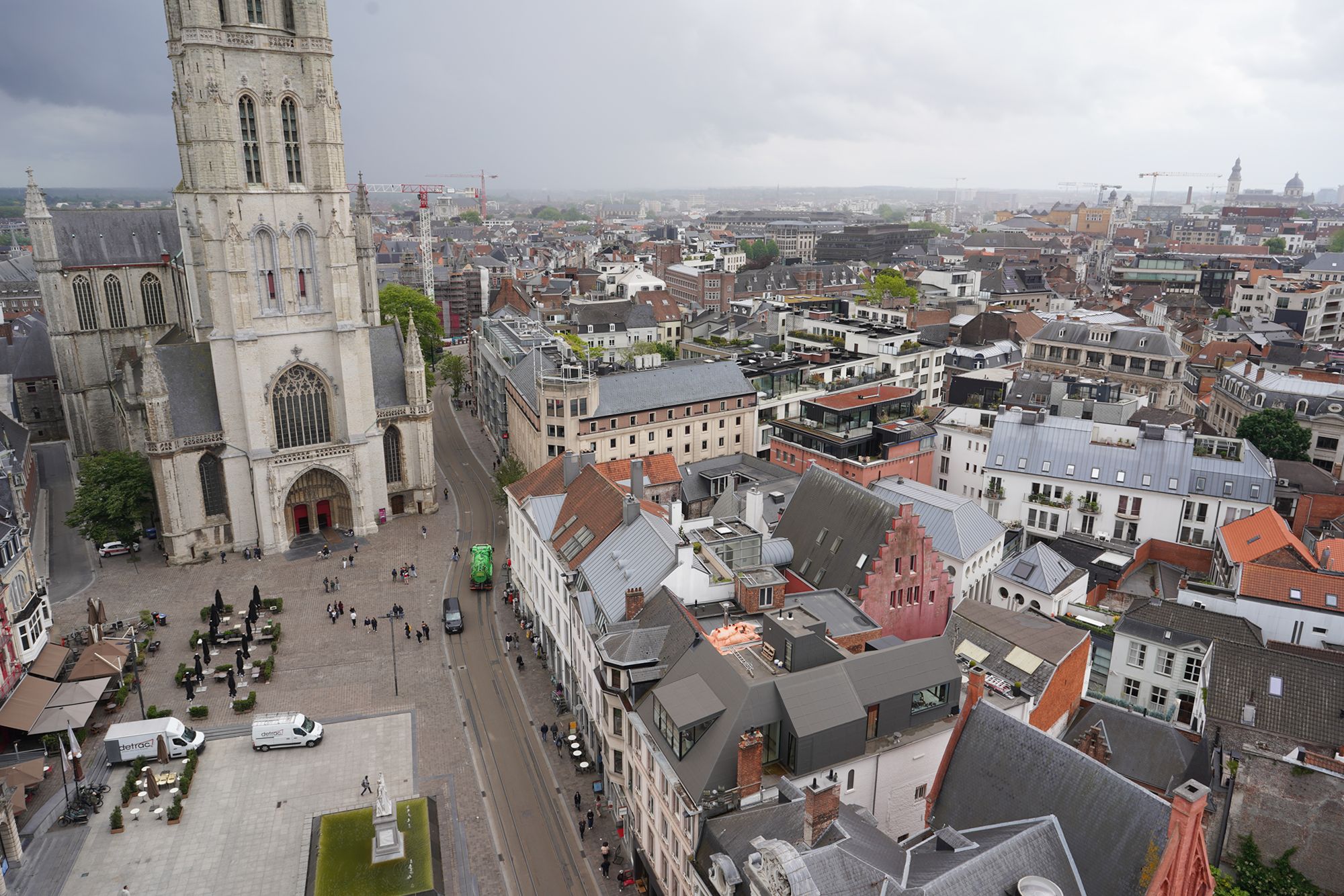
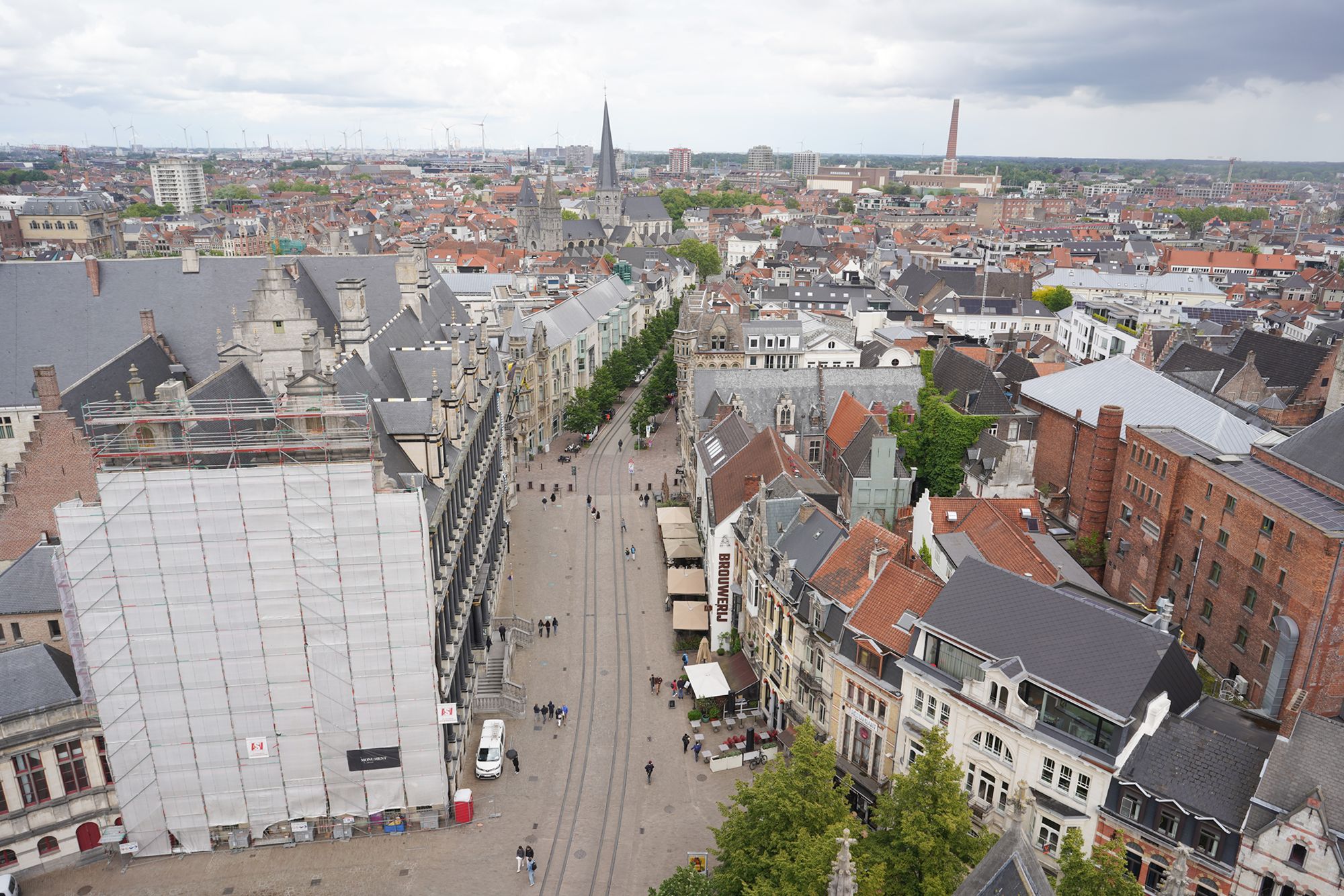
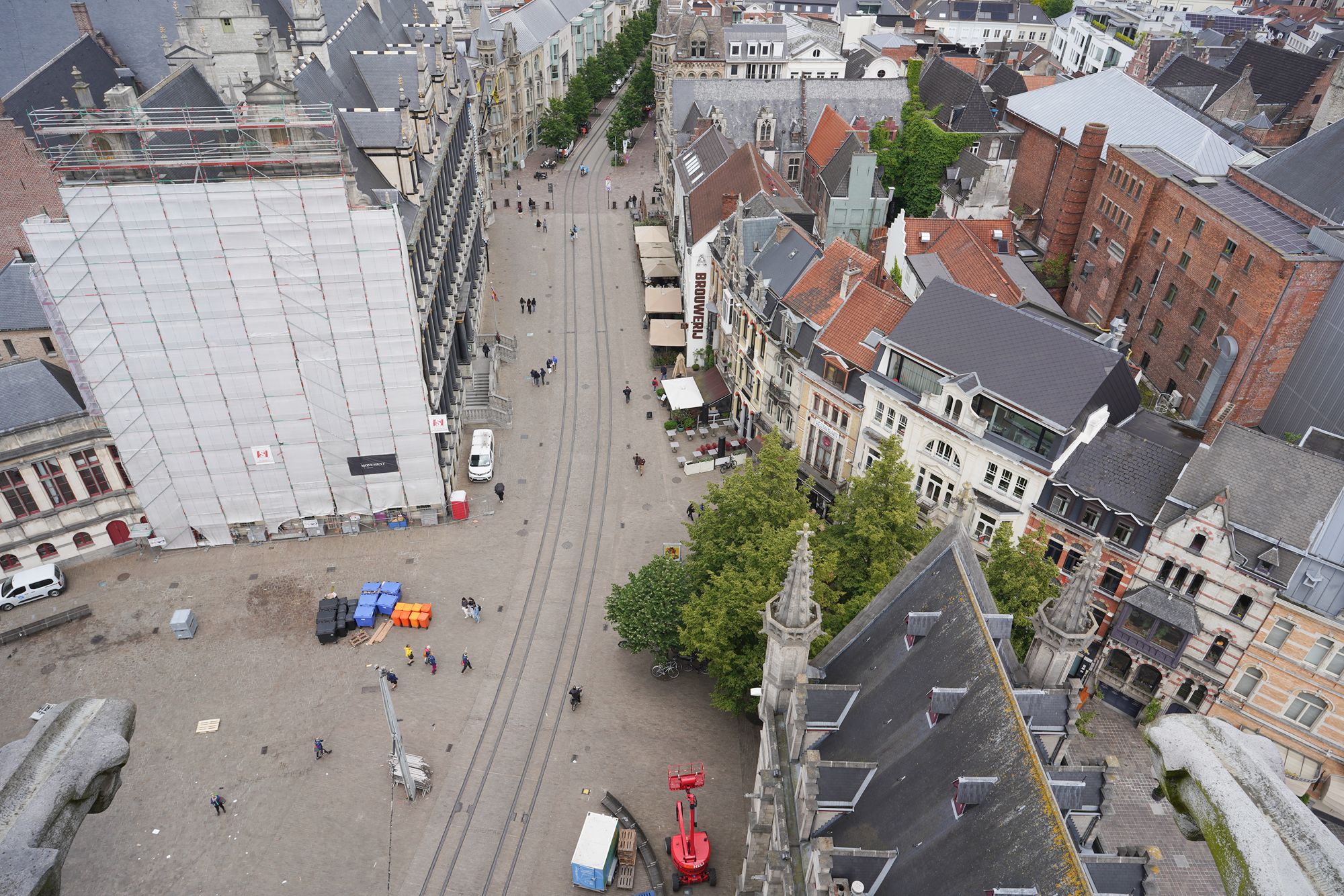
Looking down from the Belfry, I had an excellent view of the Ghent City Hall, a striking modern structure completed in 2012. Its unusual double-gabled roof was designed to echo the shapes of the historic buildings surrounding it.
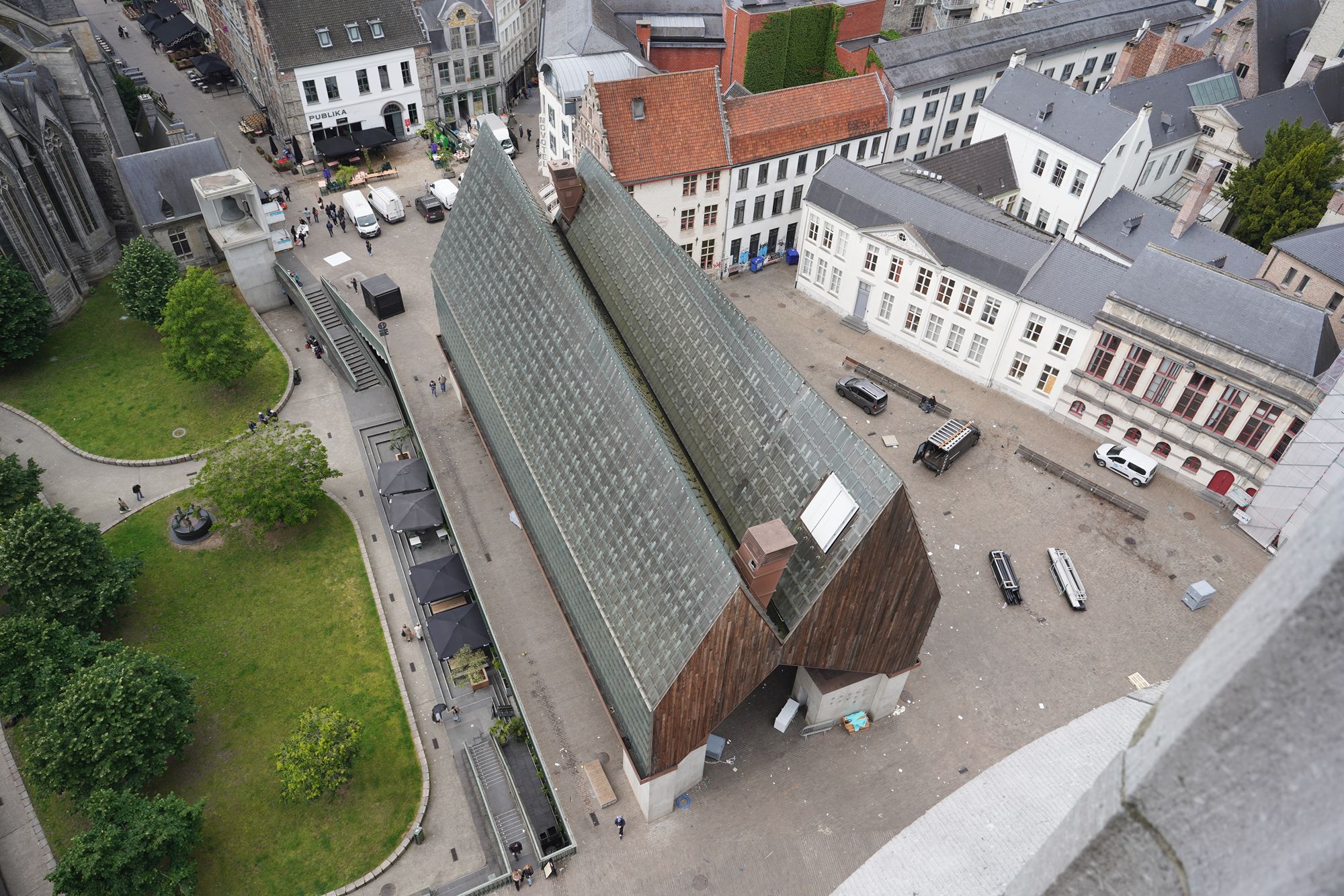
St. Nicholas’ Church
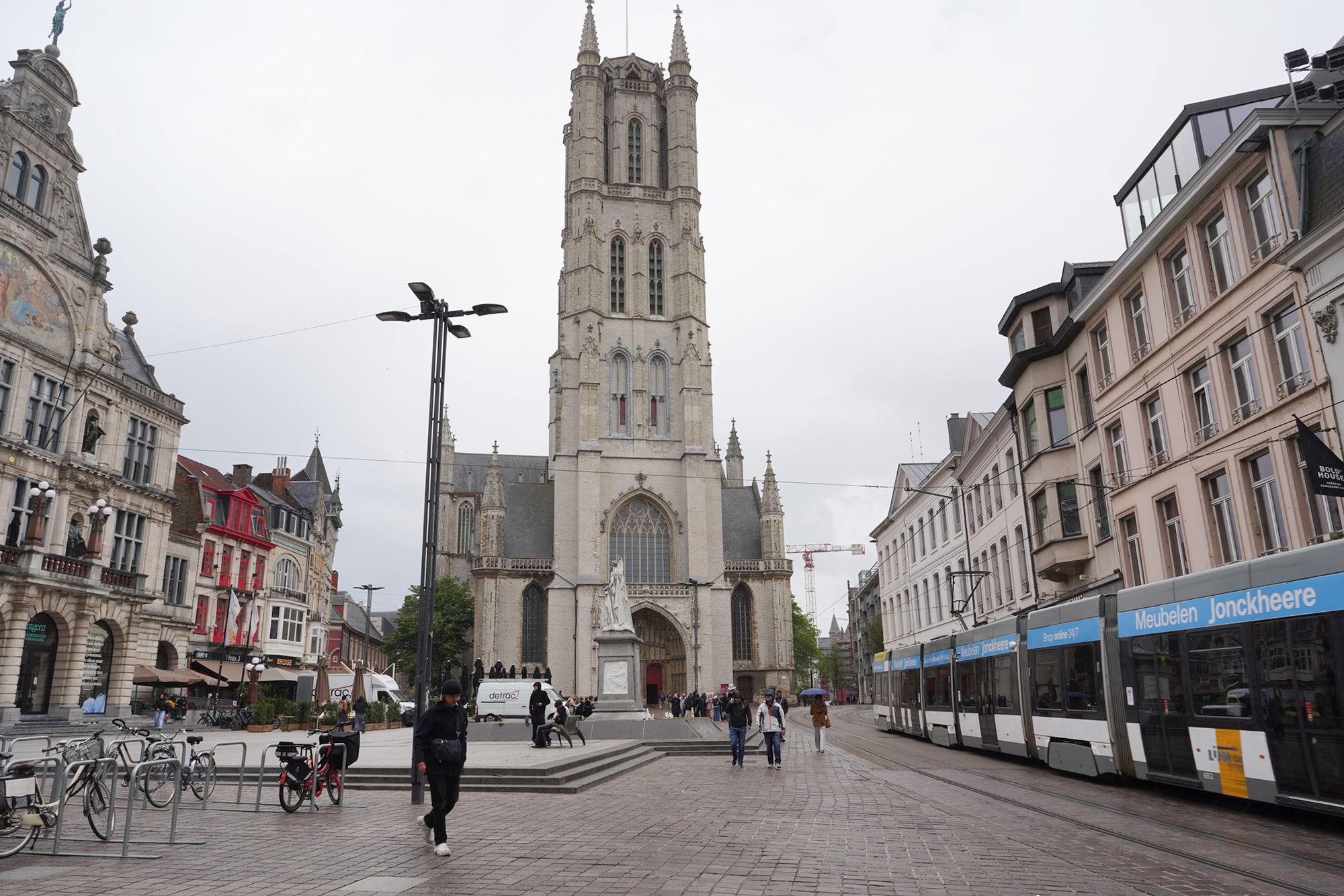
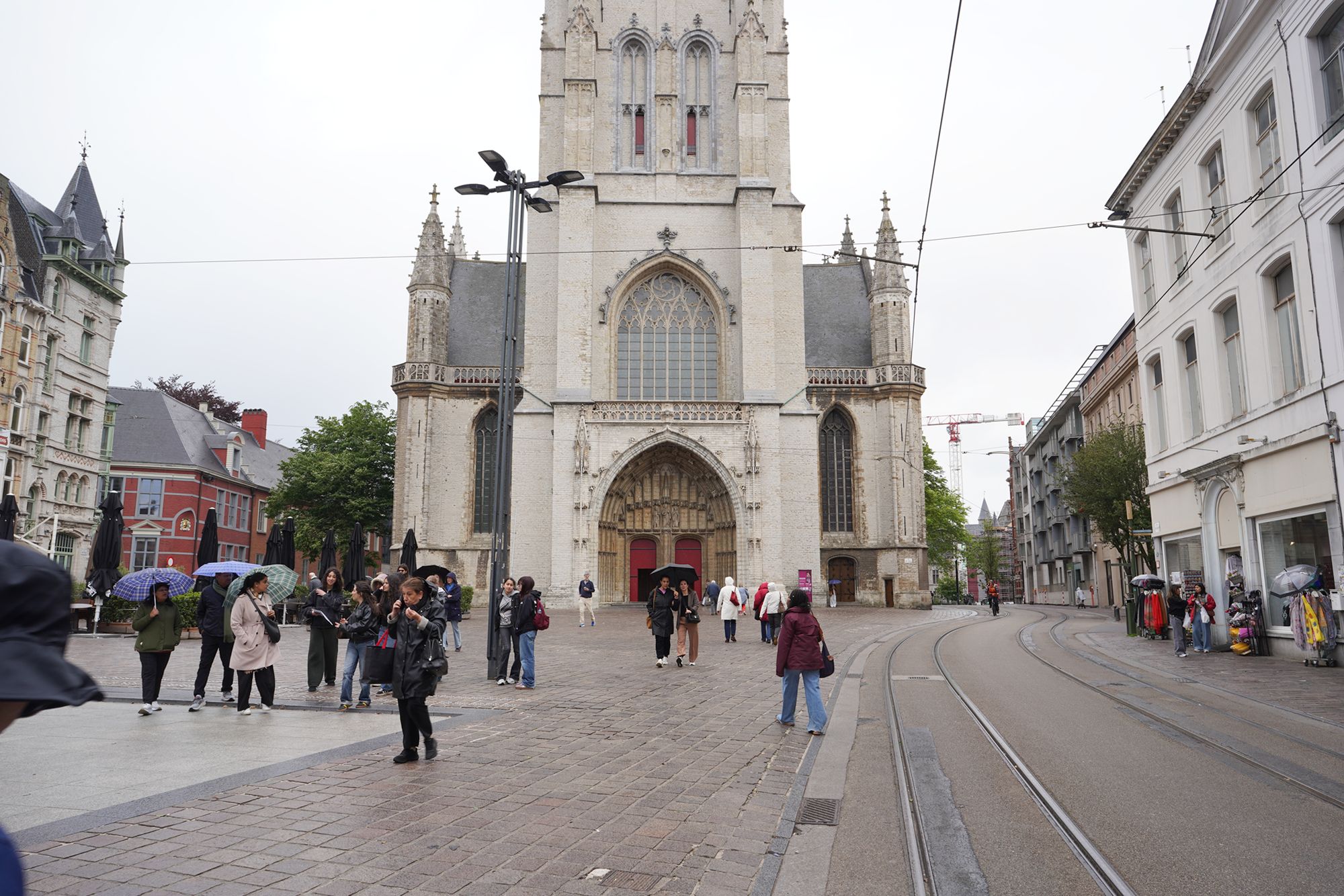
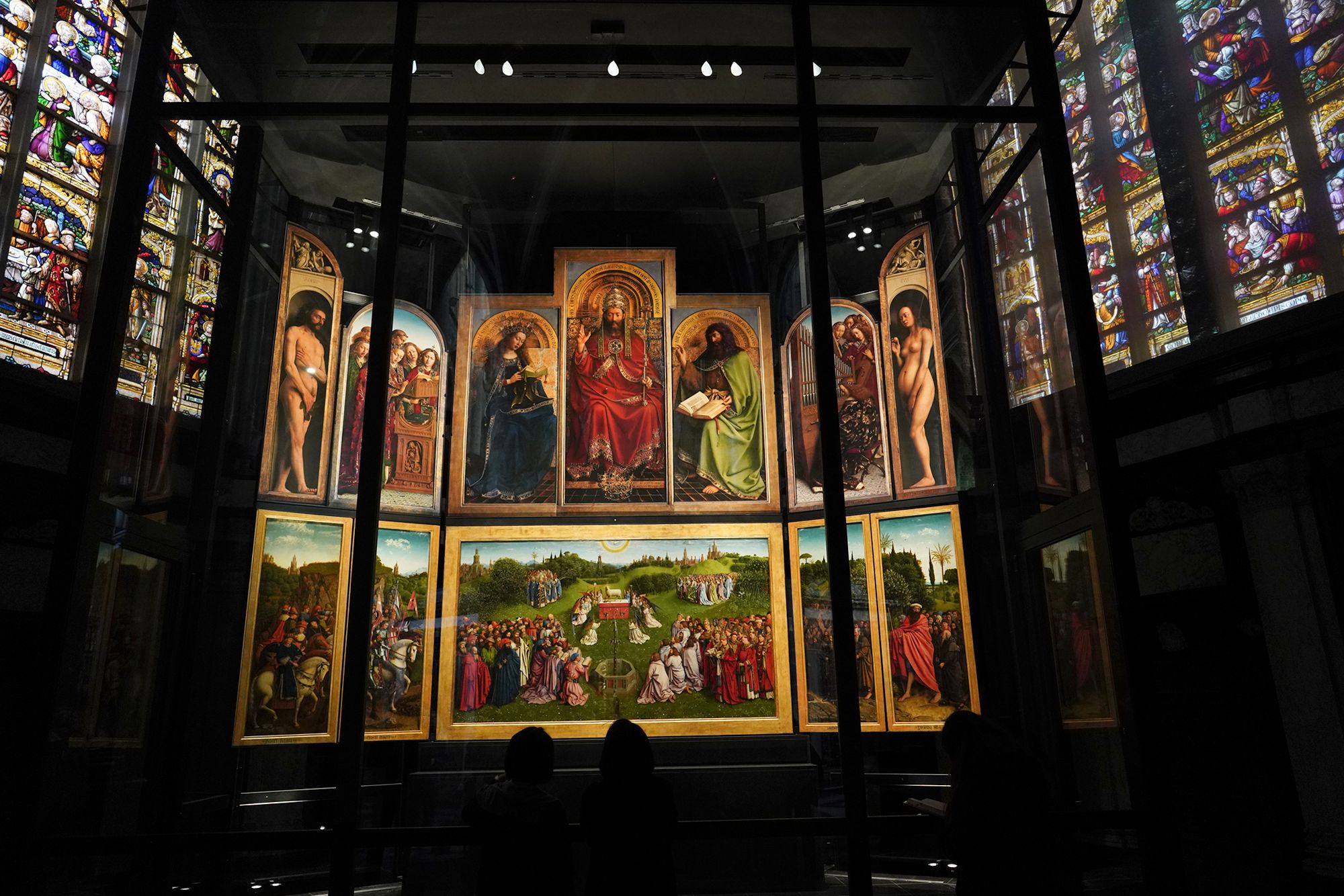
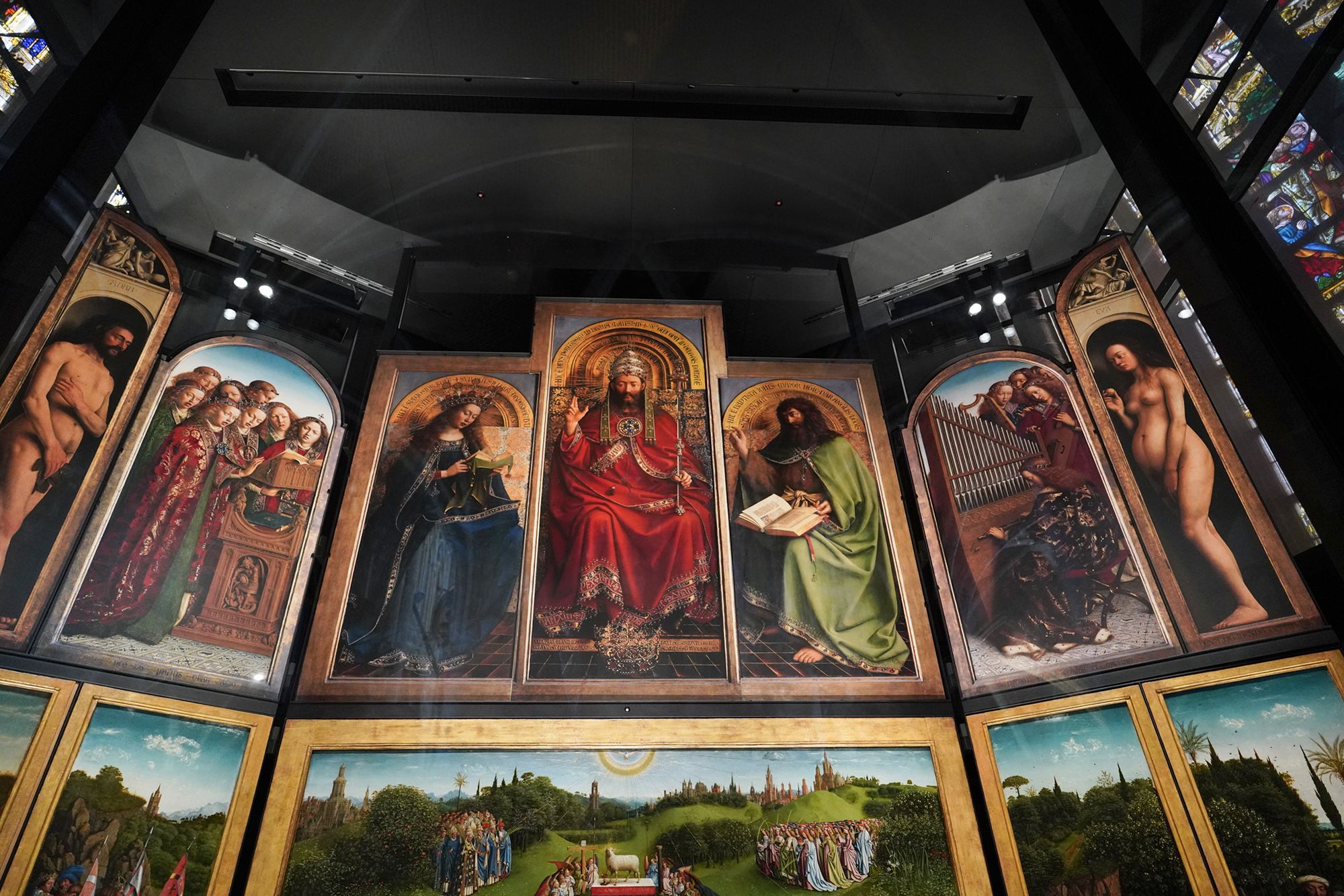
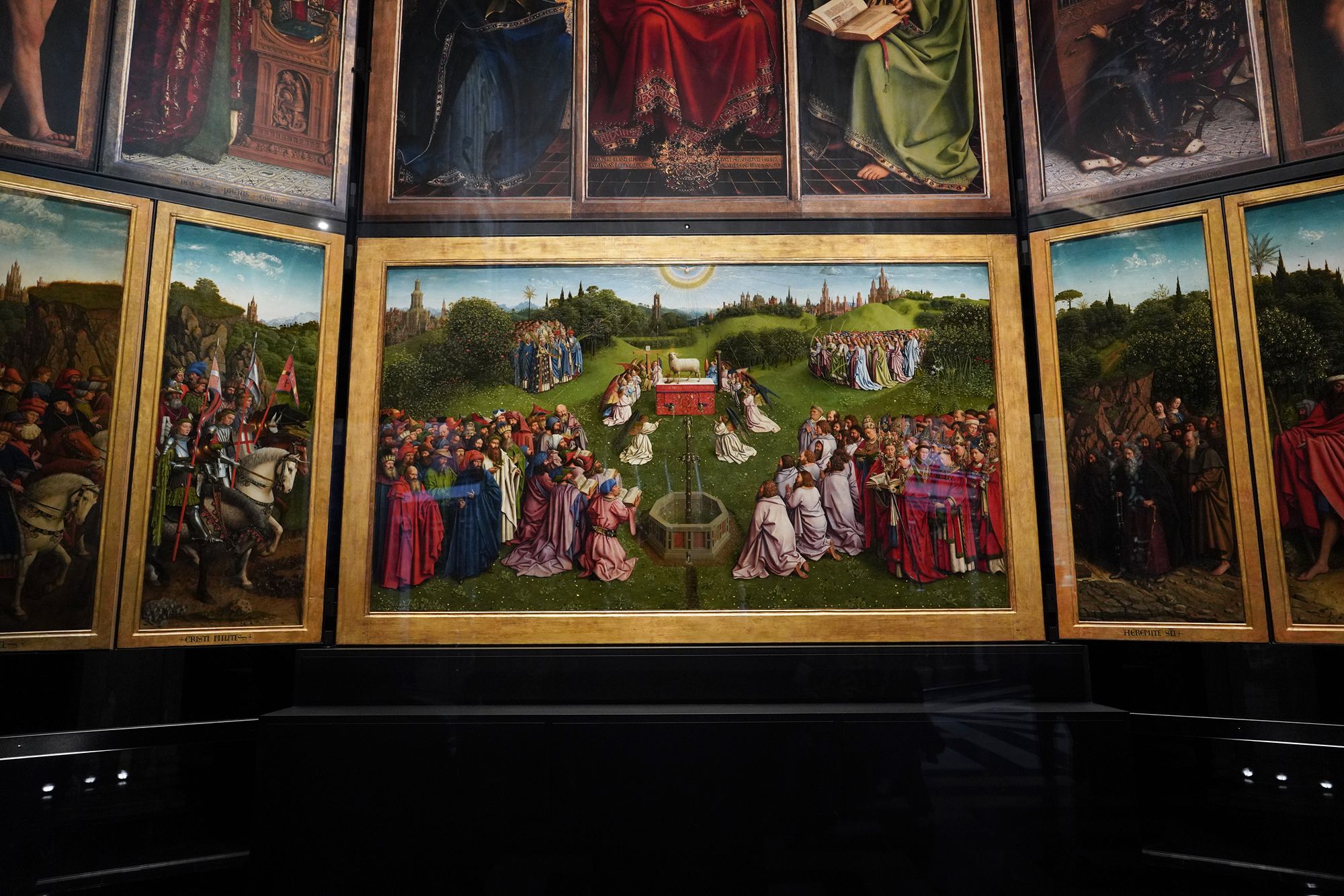
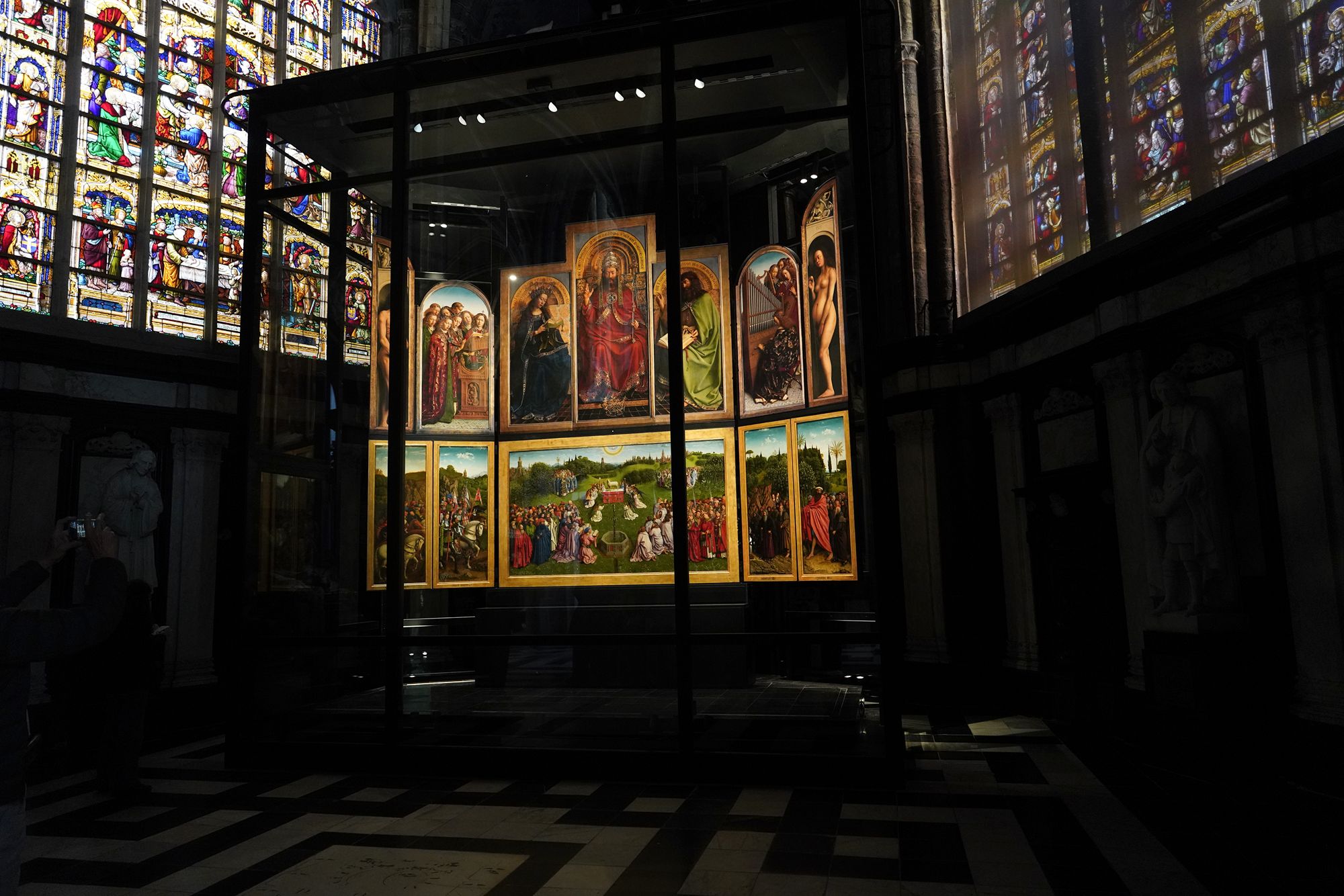
St. Bavo’s Cathedral is one of Ghent’s most important historic churches, with origins extending back to the Middle Ages. Its Gothic interior contains numerous works of religious art, but it is best known as the home of the Ghent Altarpiece, The Adoration of the Mystic Lamb, completed by Hubert and Jan van Eyck in 1432 and considered a masterpiece of early Flemish painting.
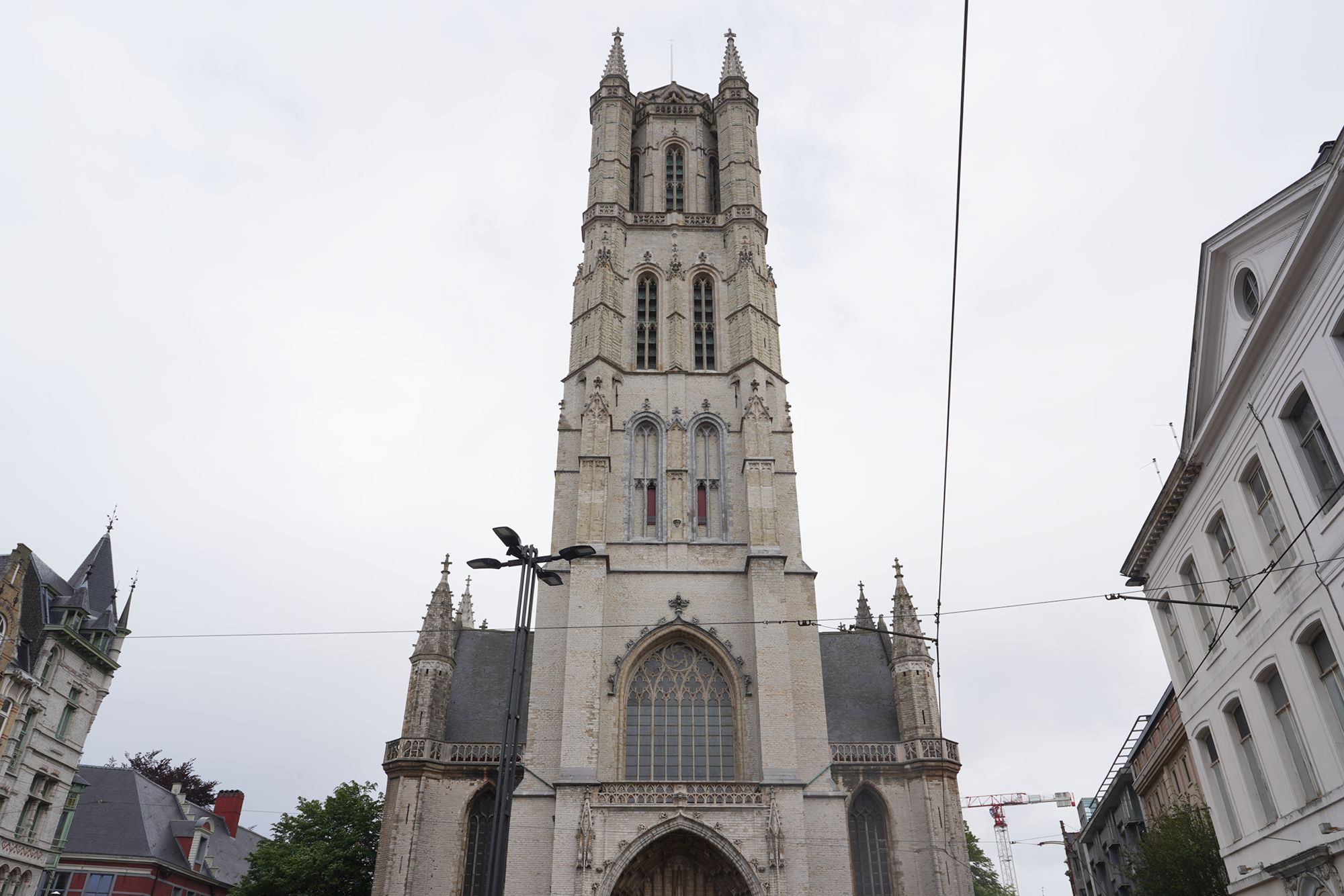
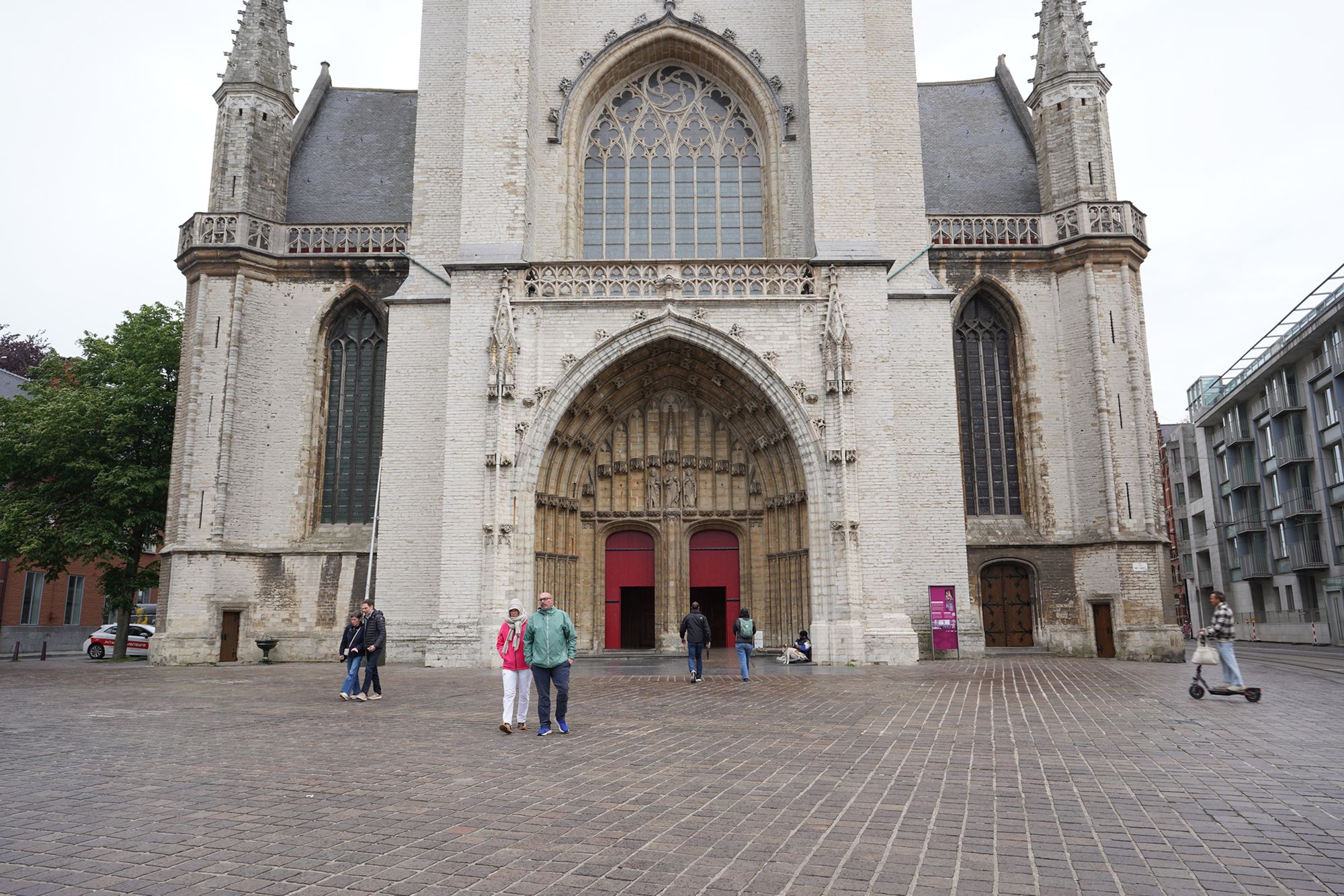
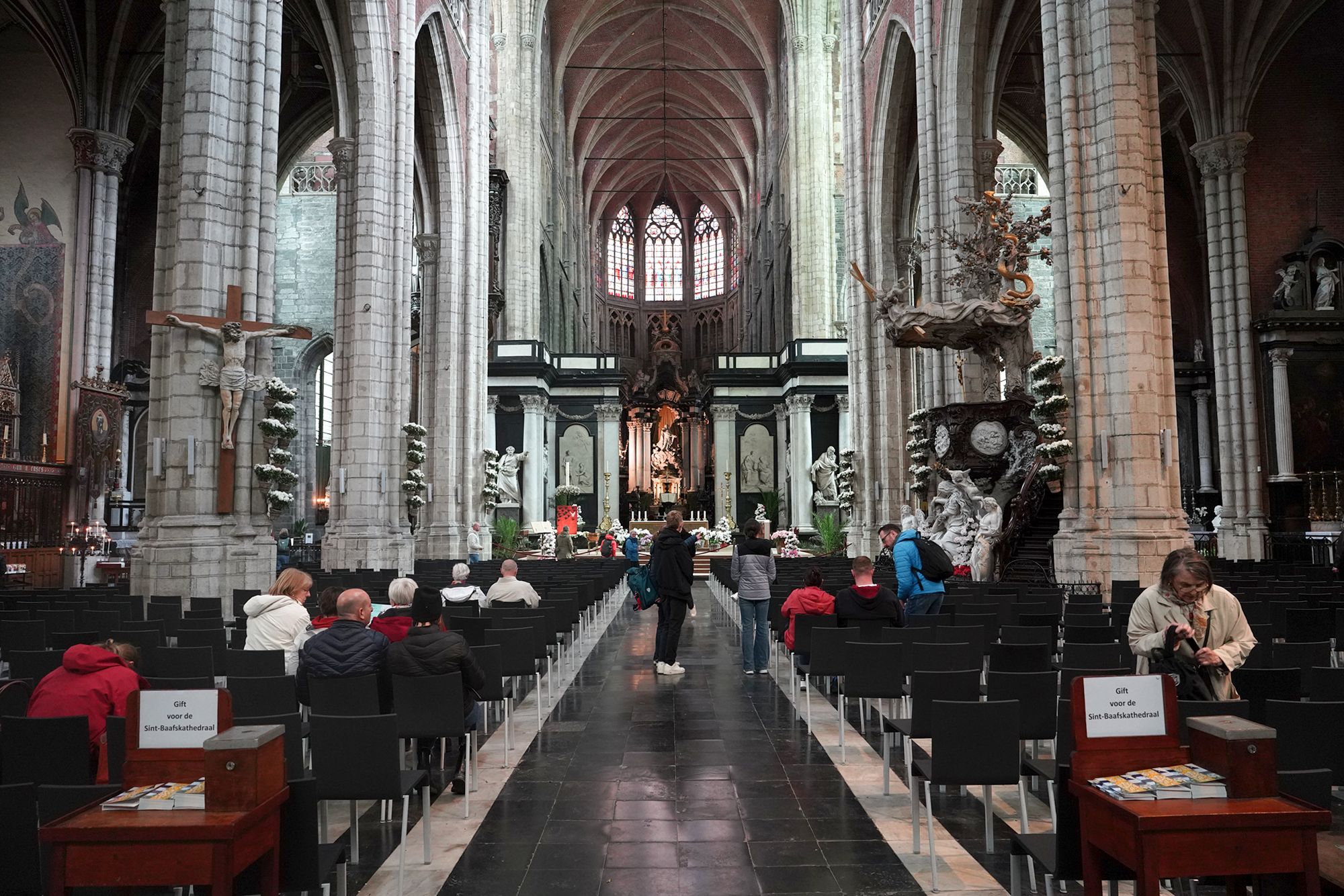
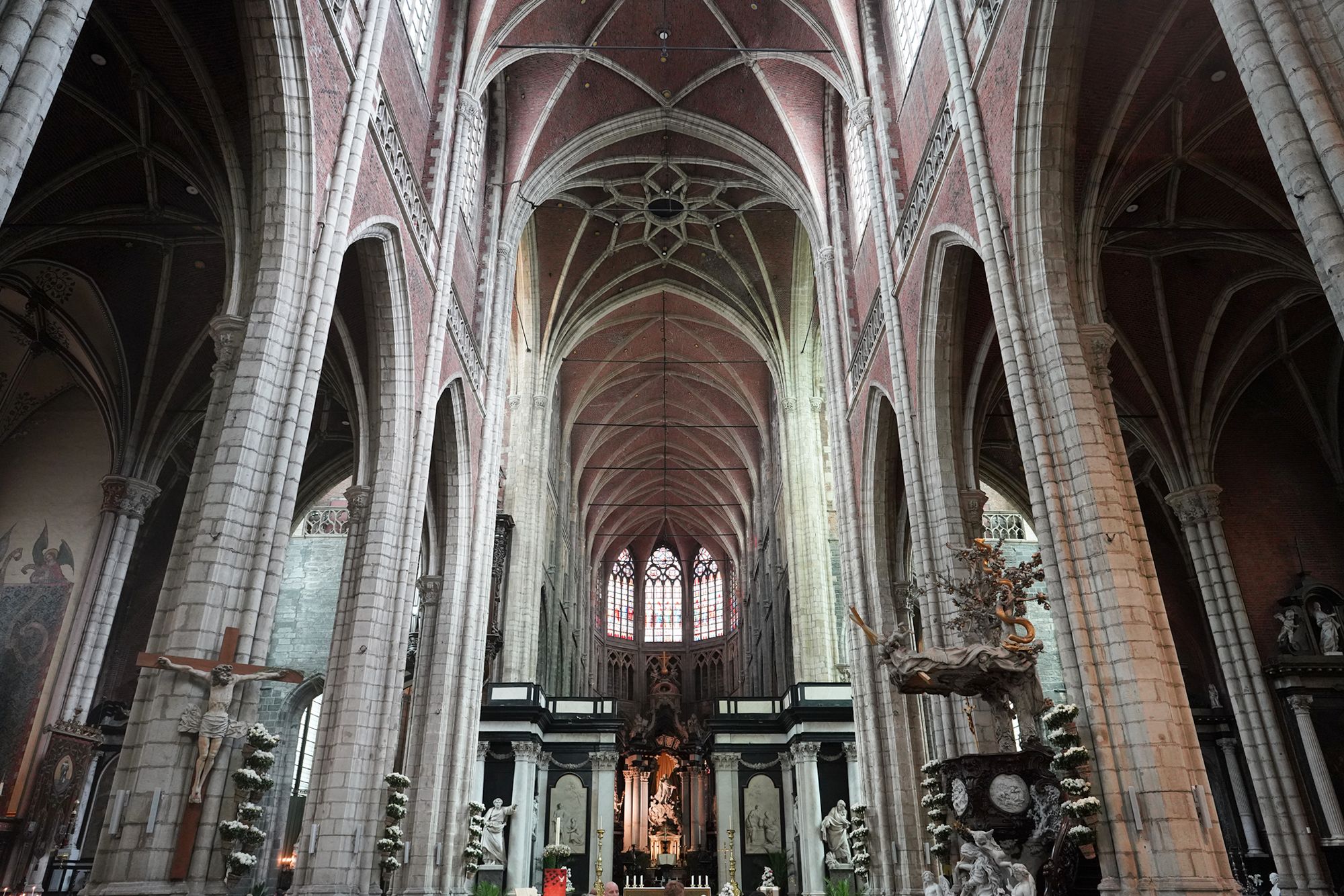
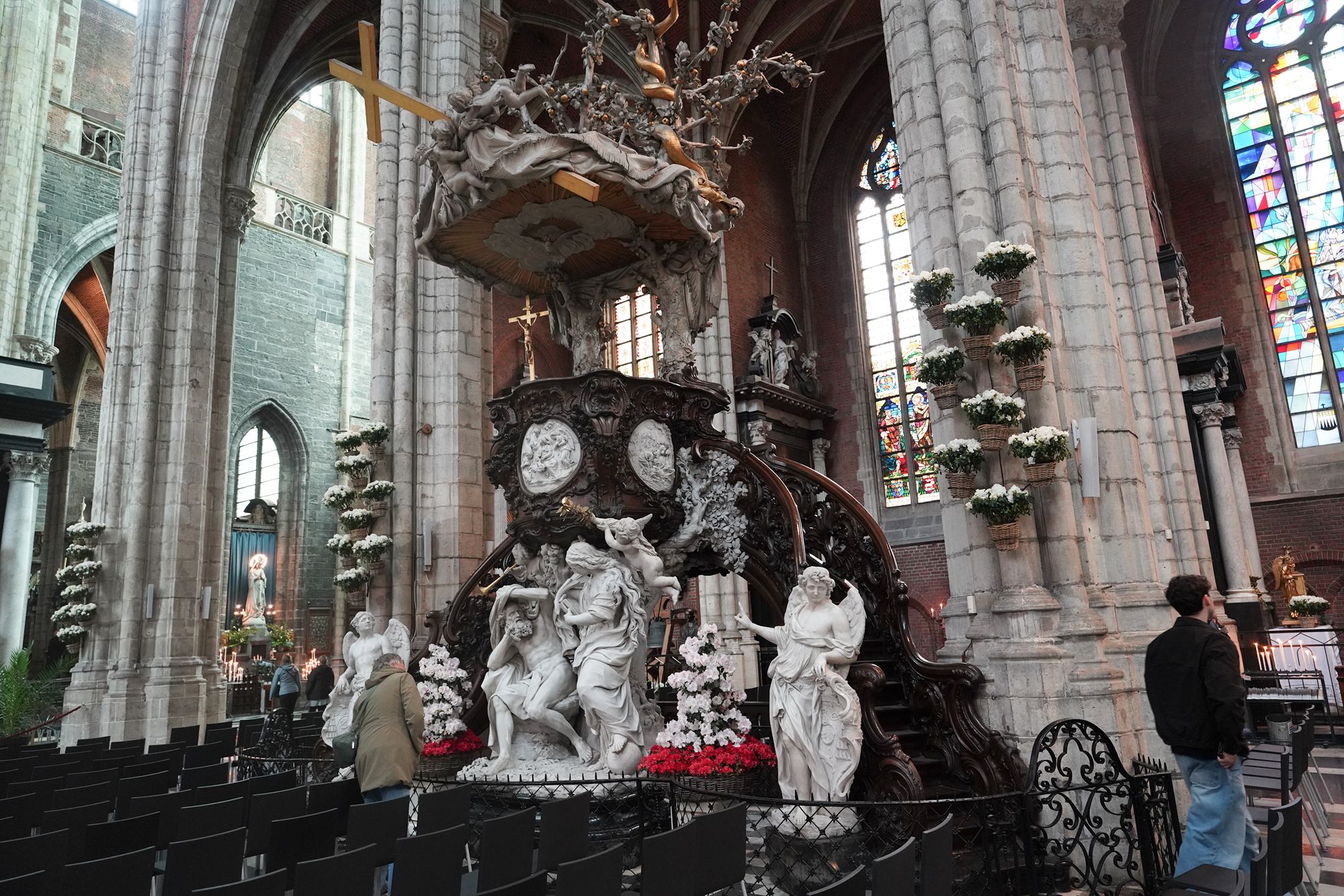
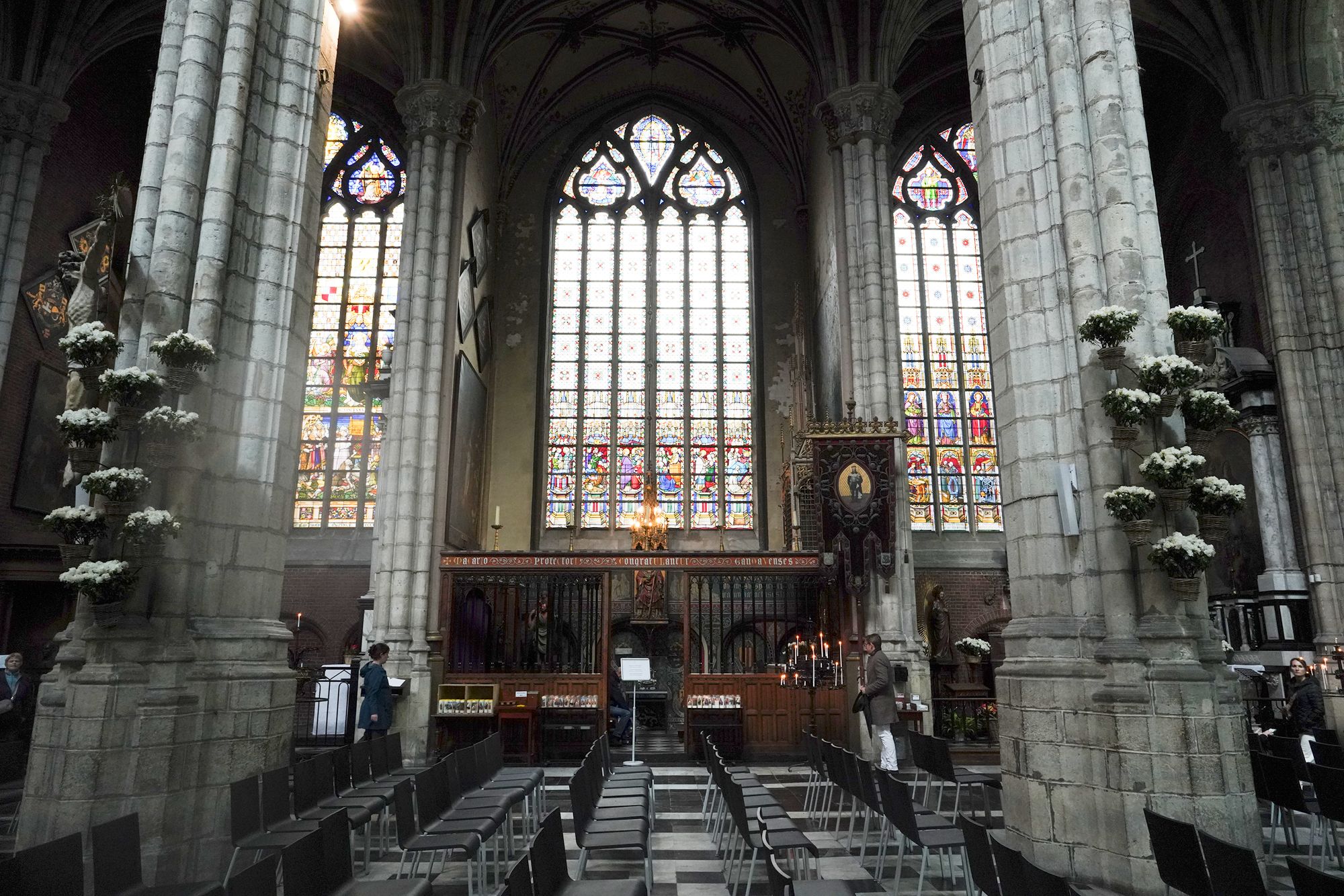
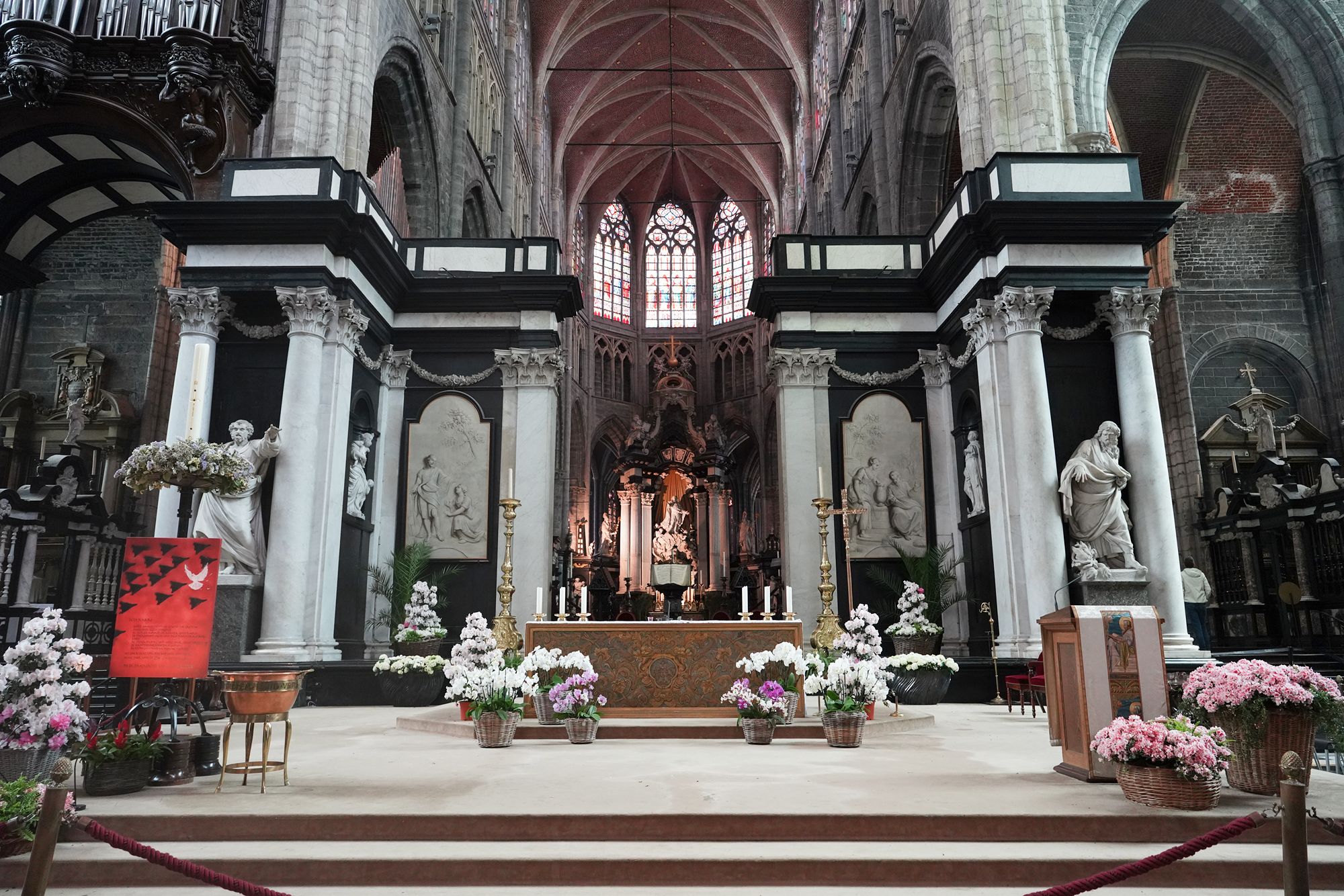
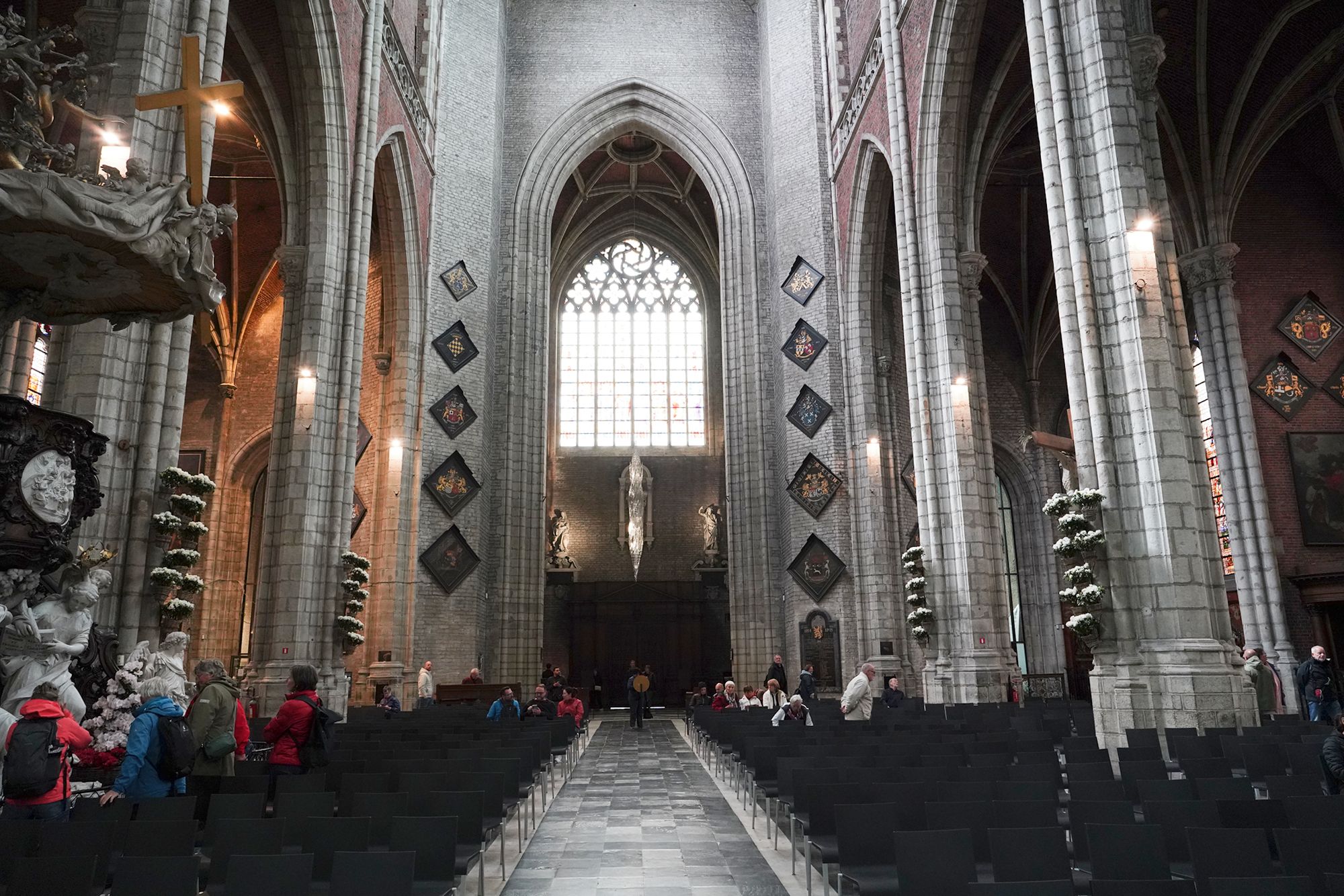
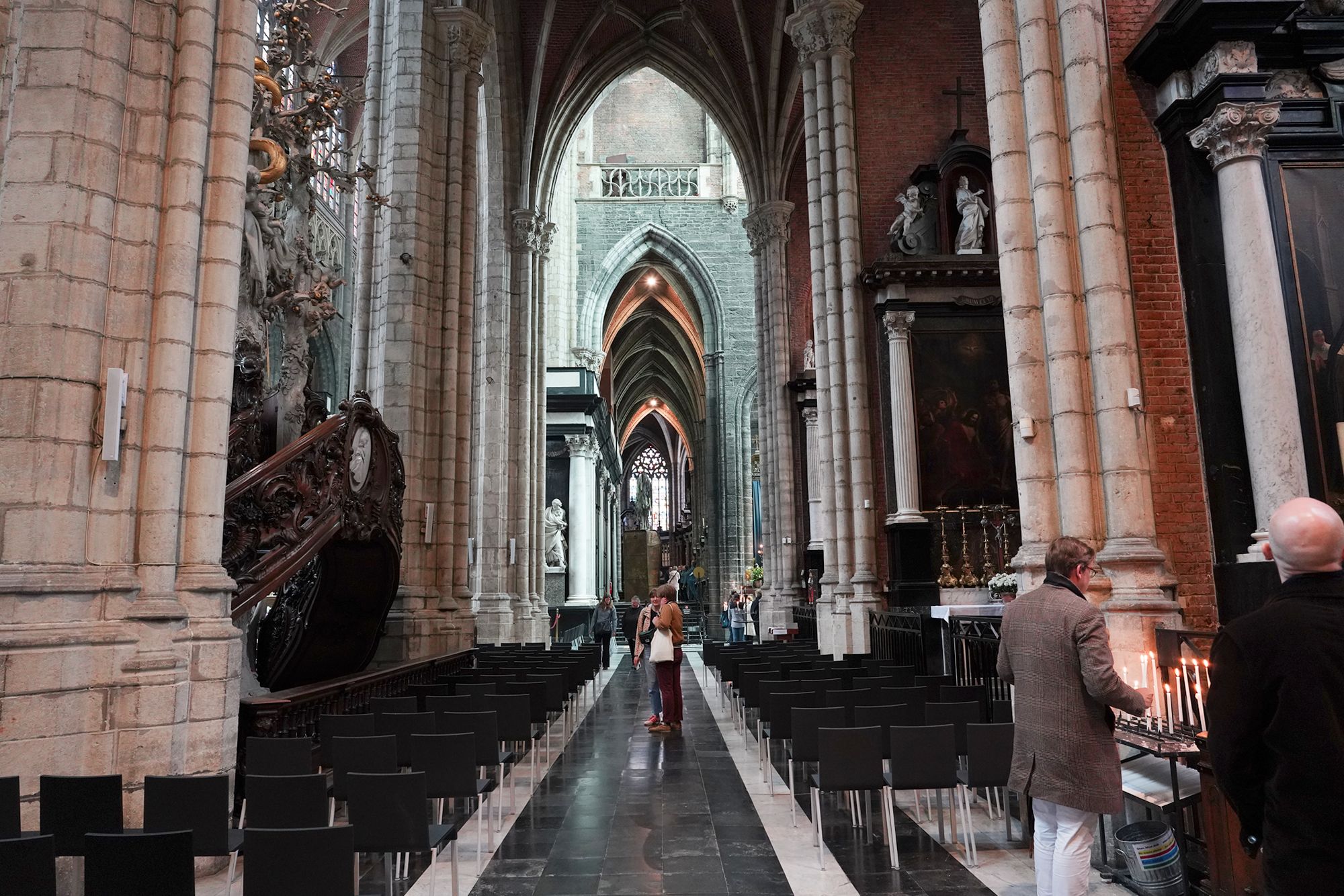
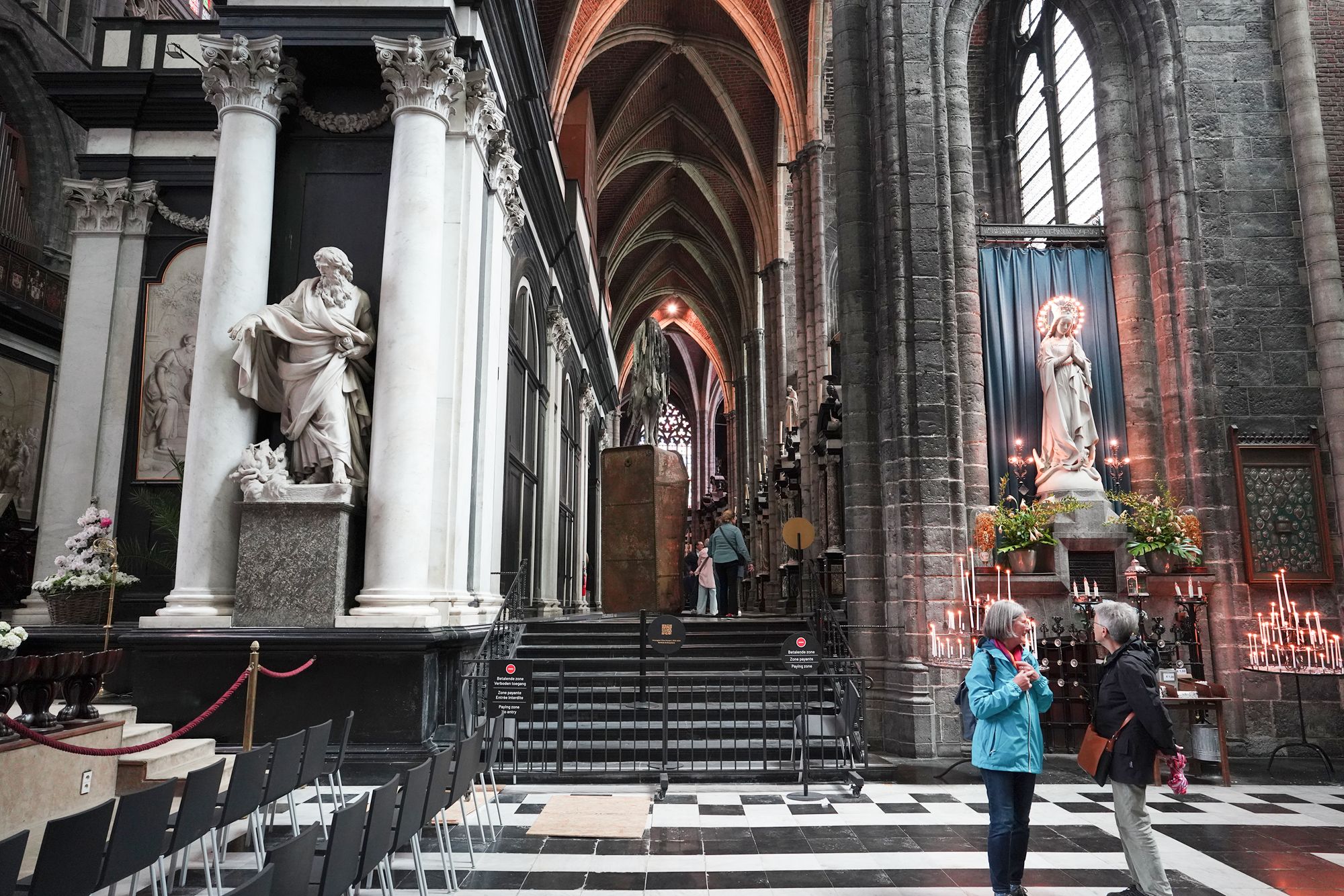
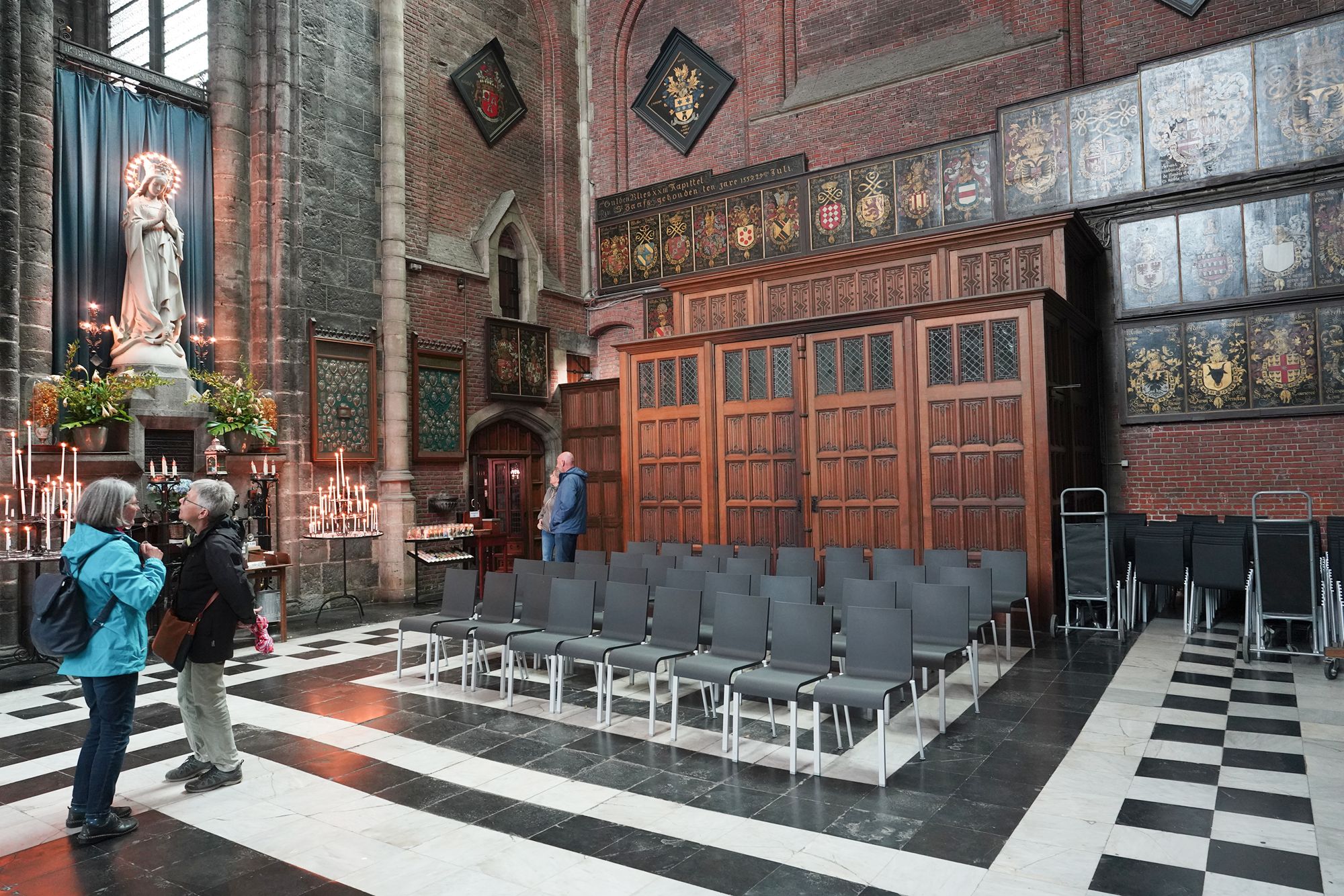
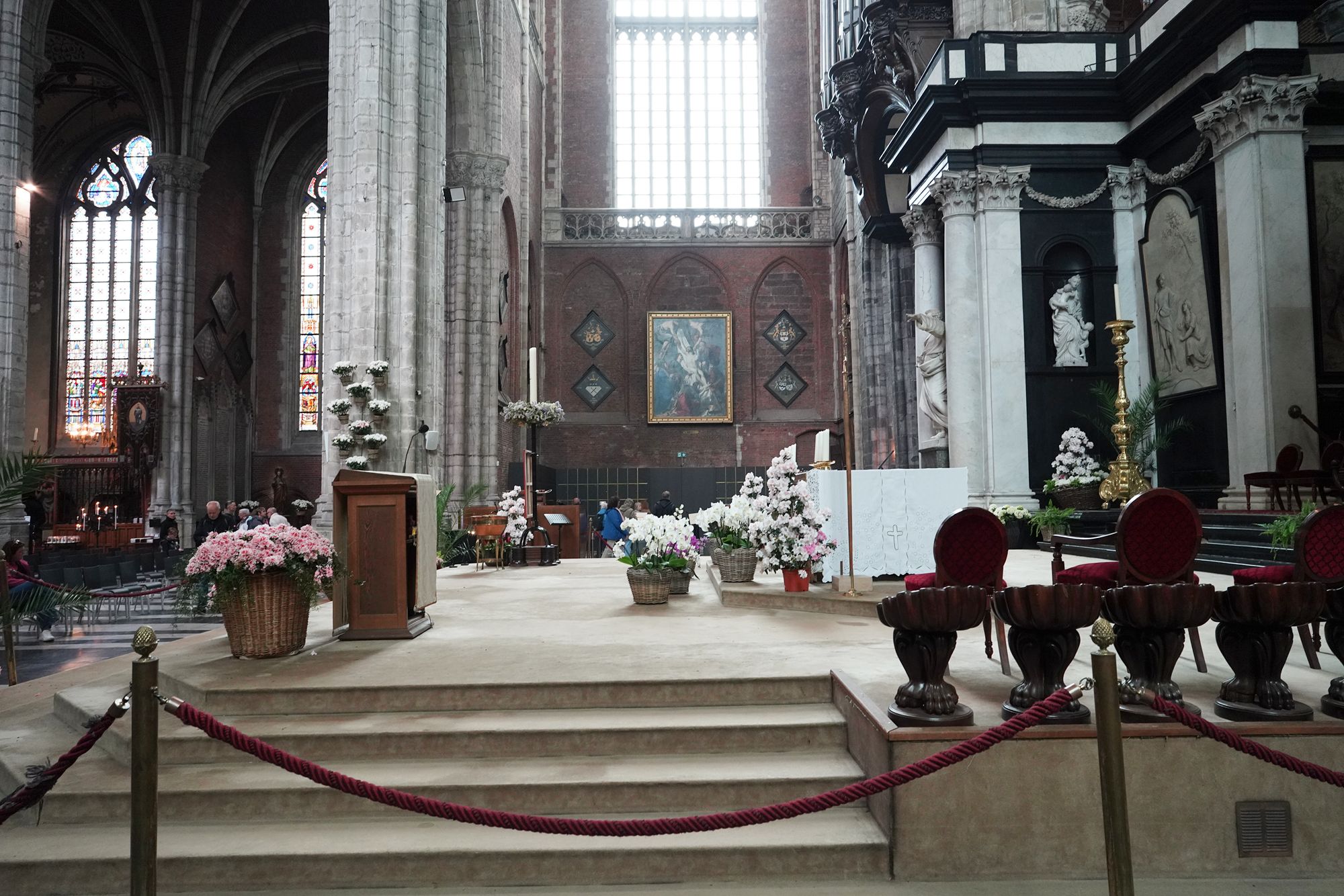
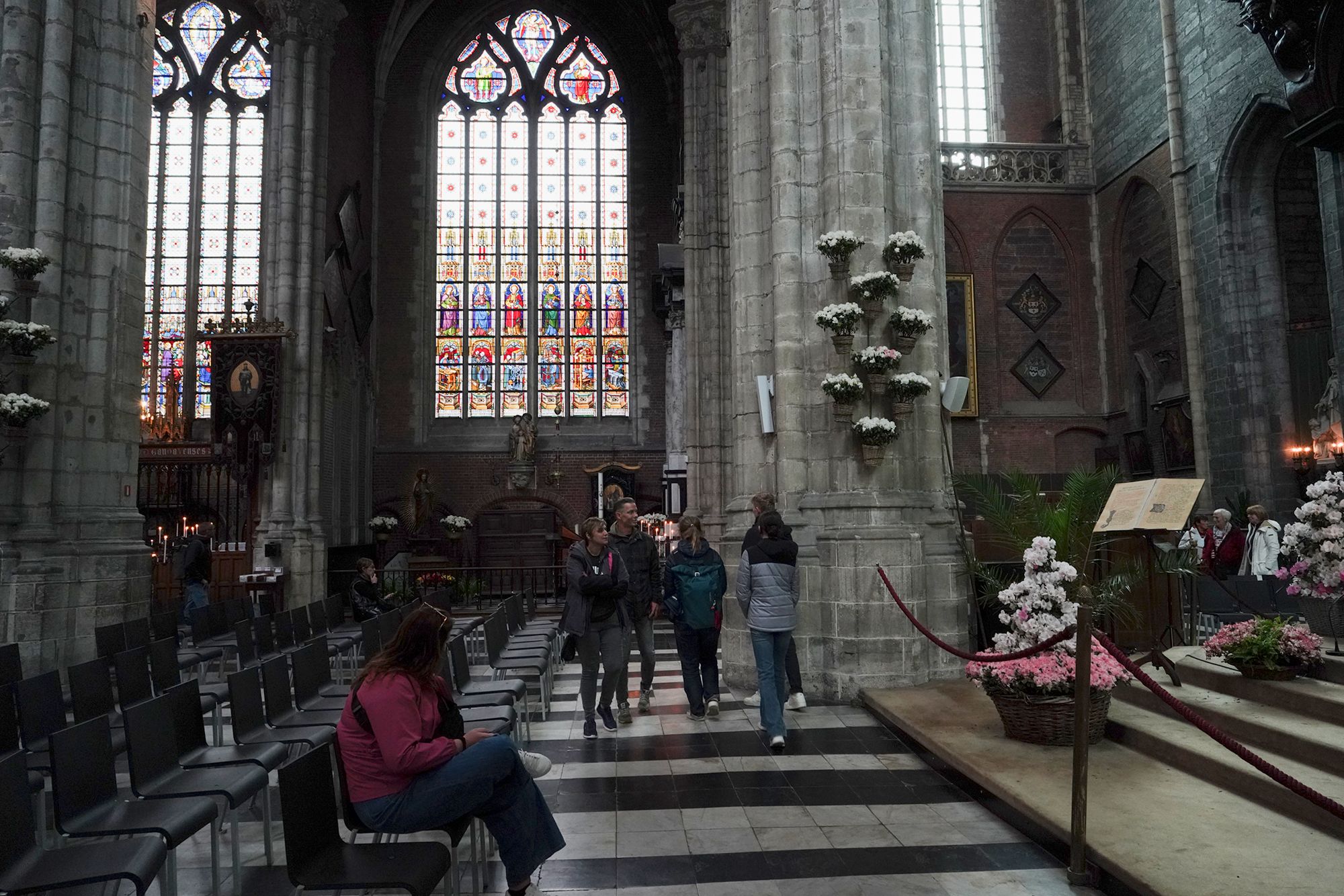
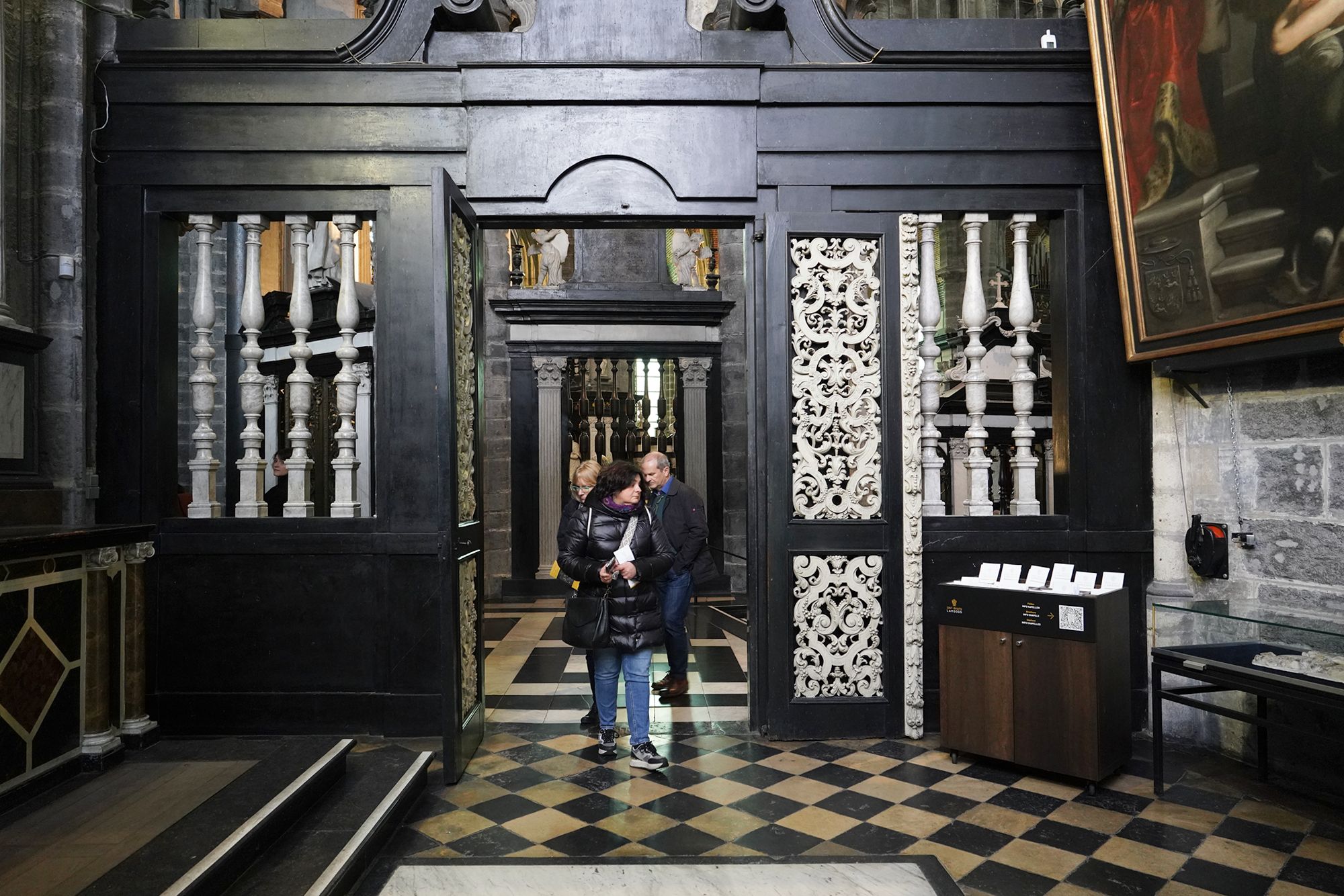
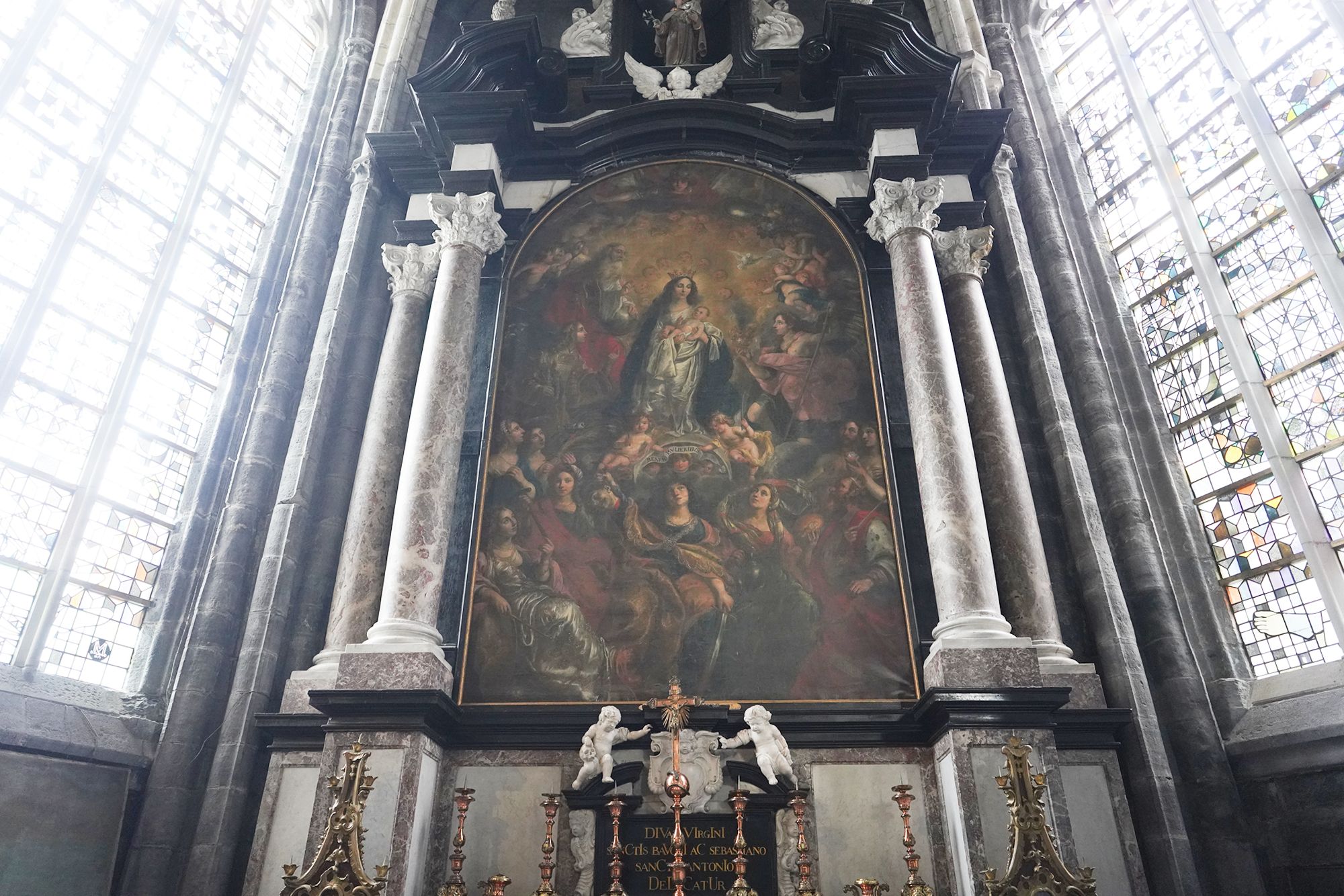
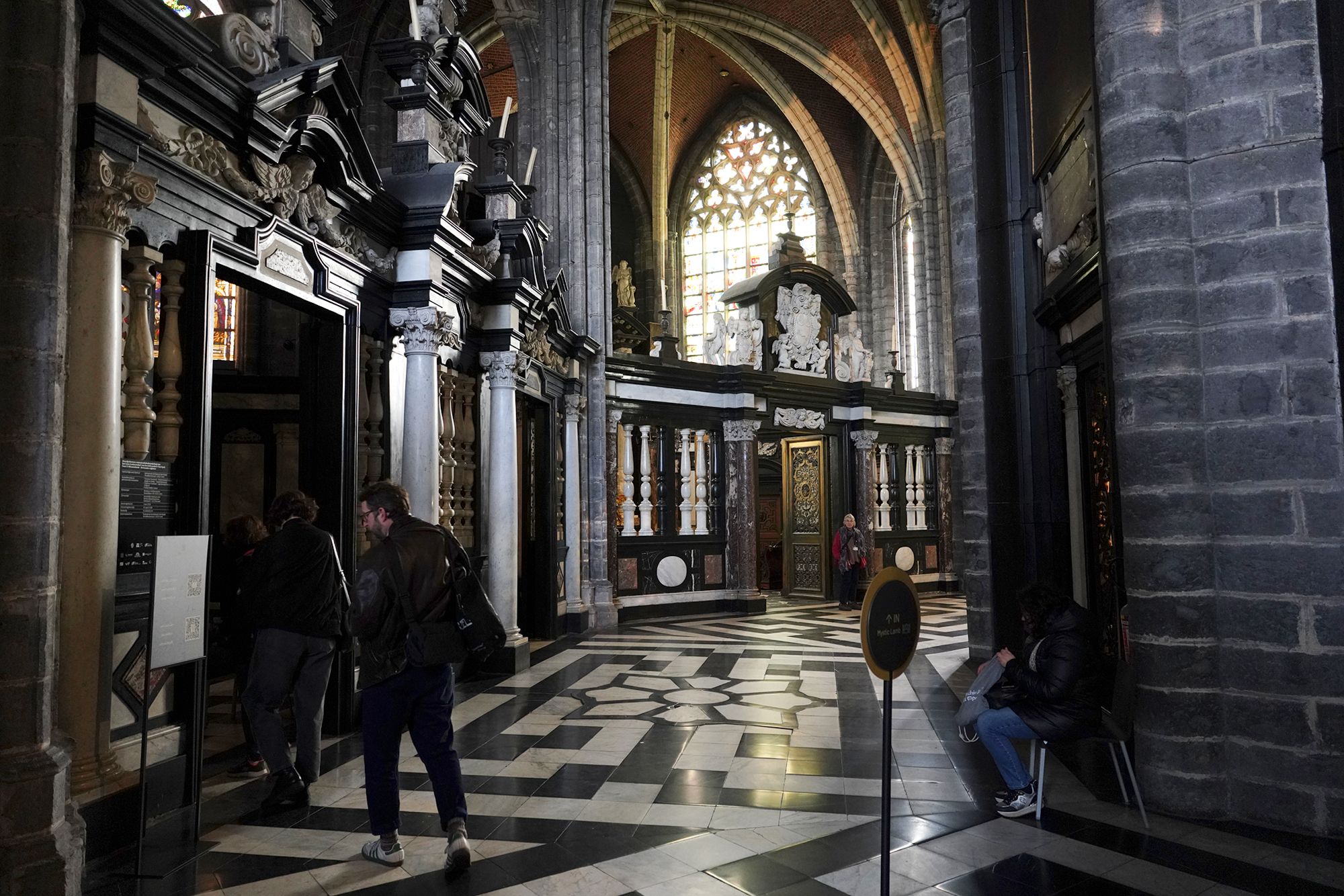
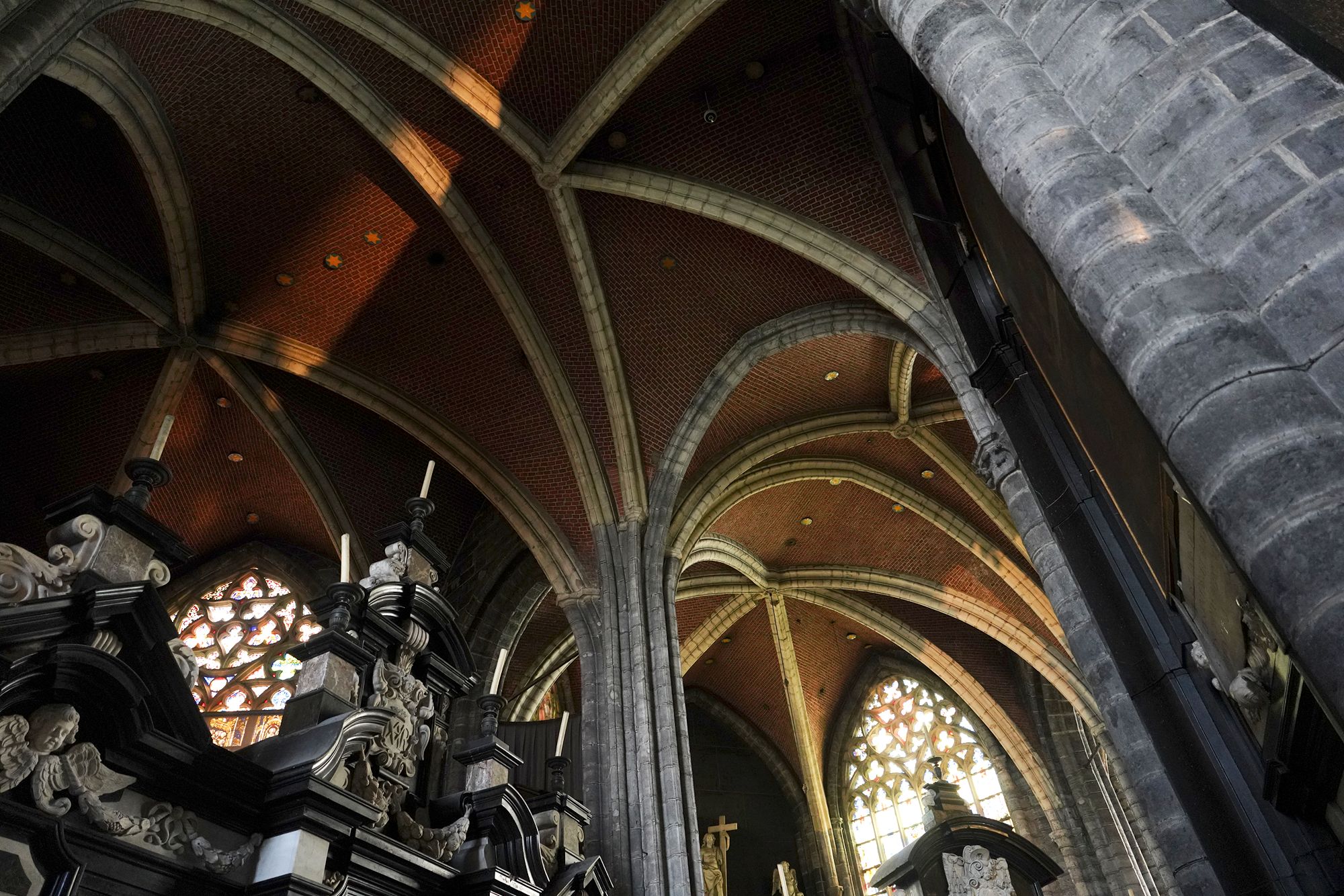
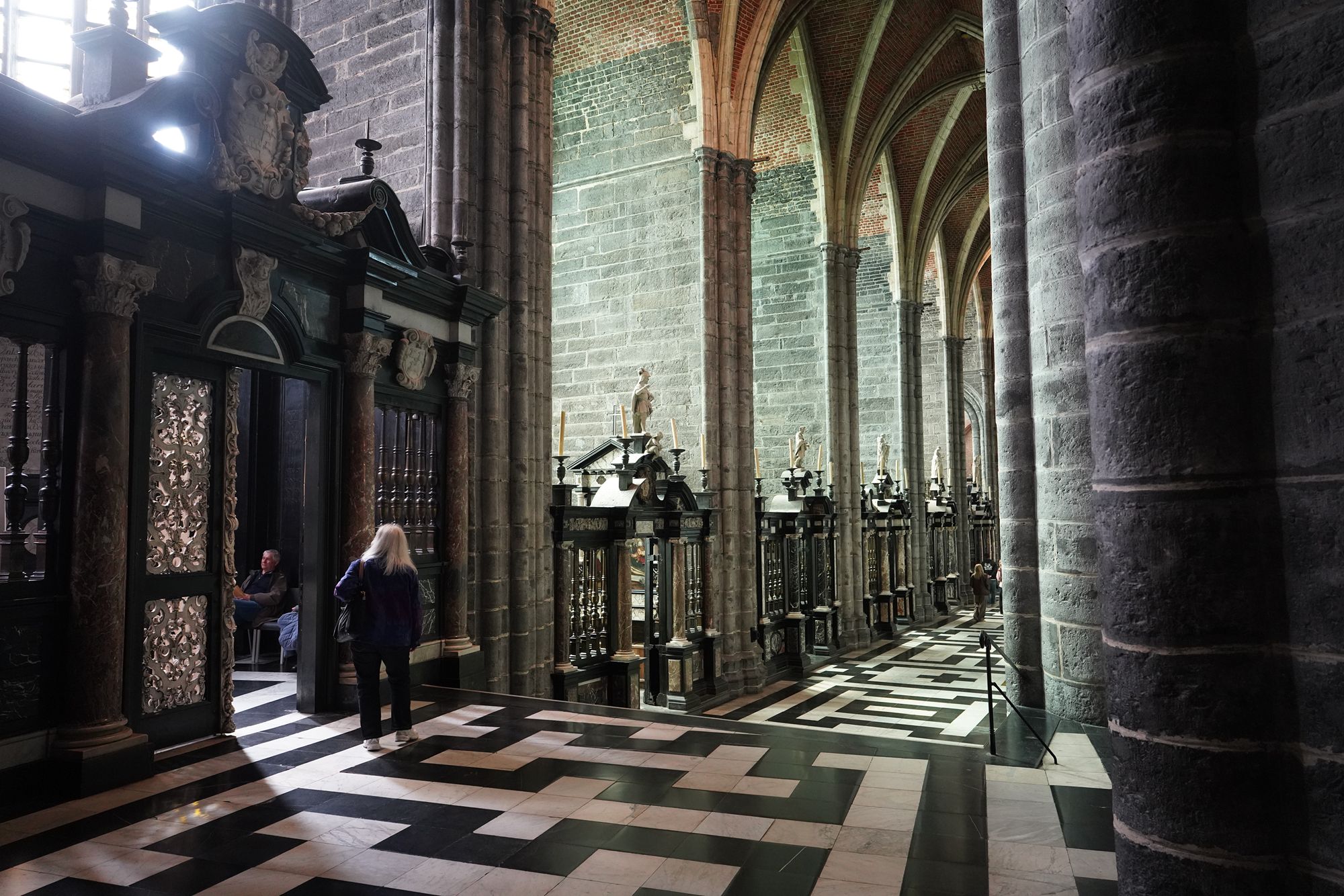
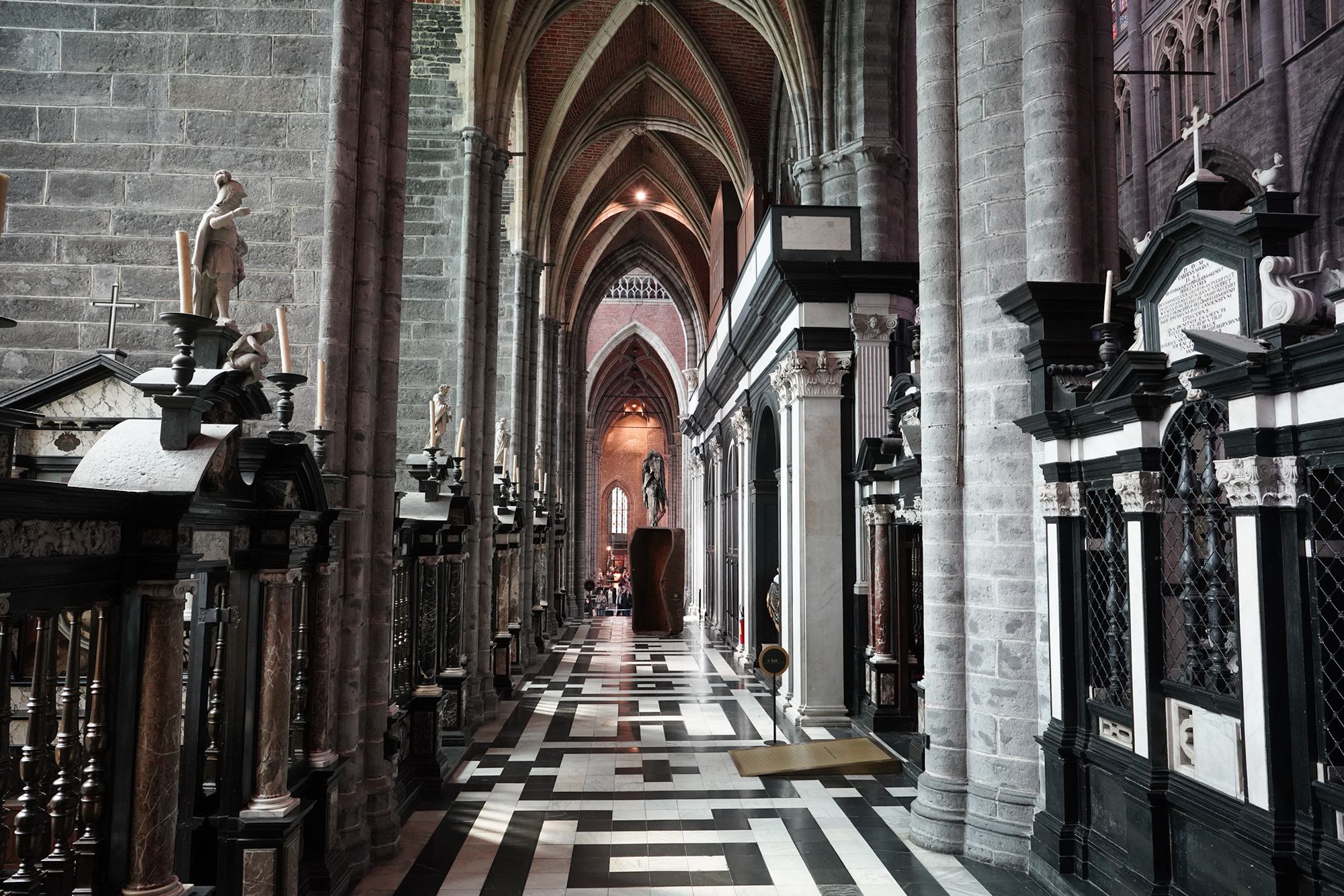
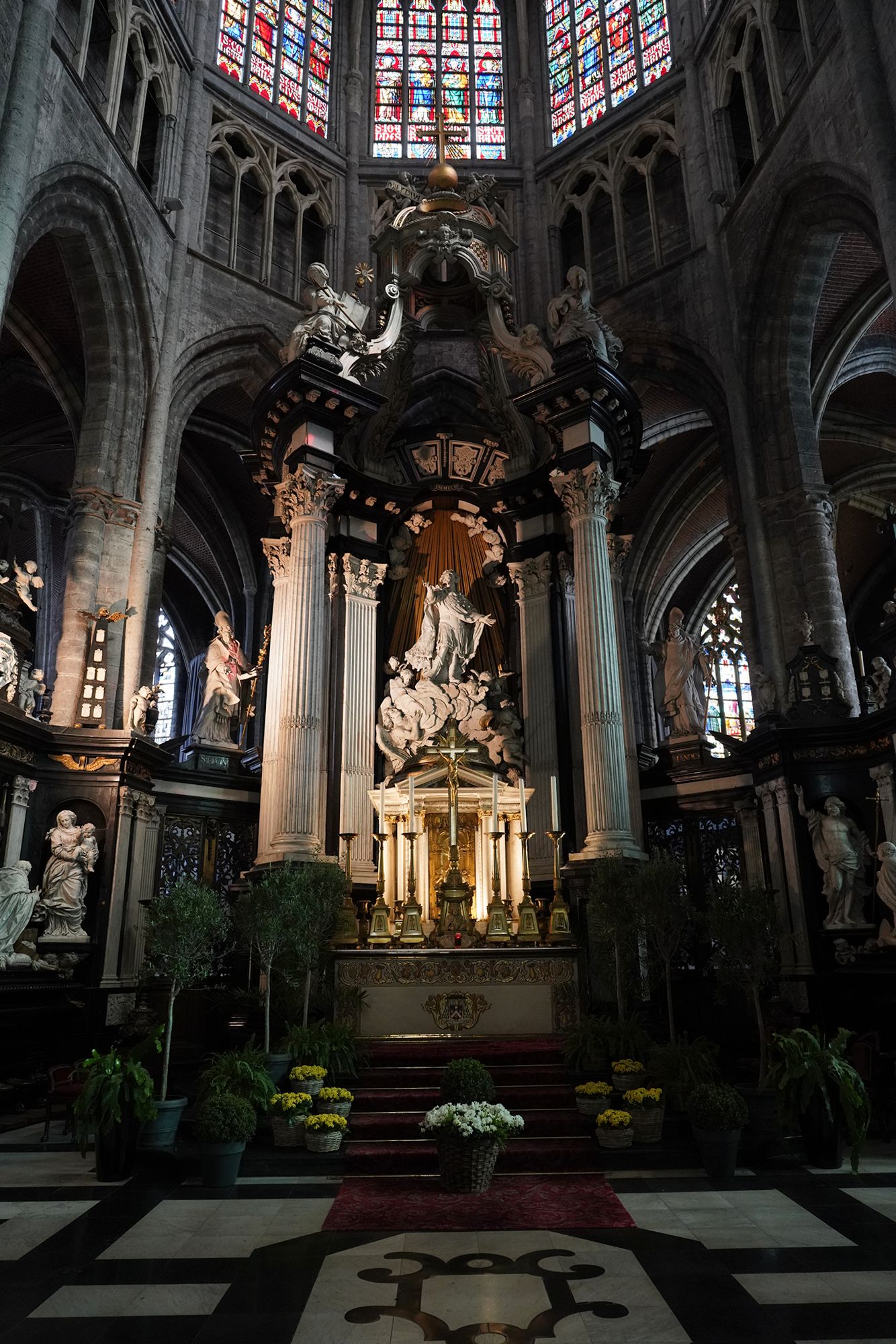
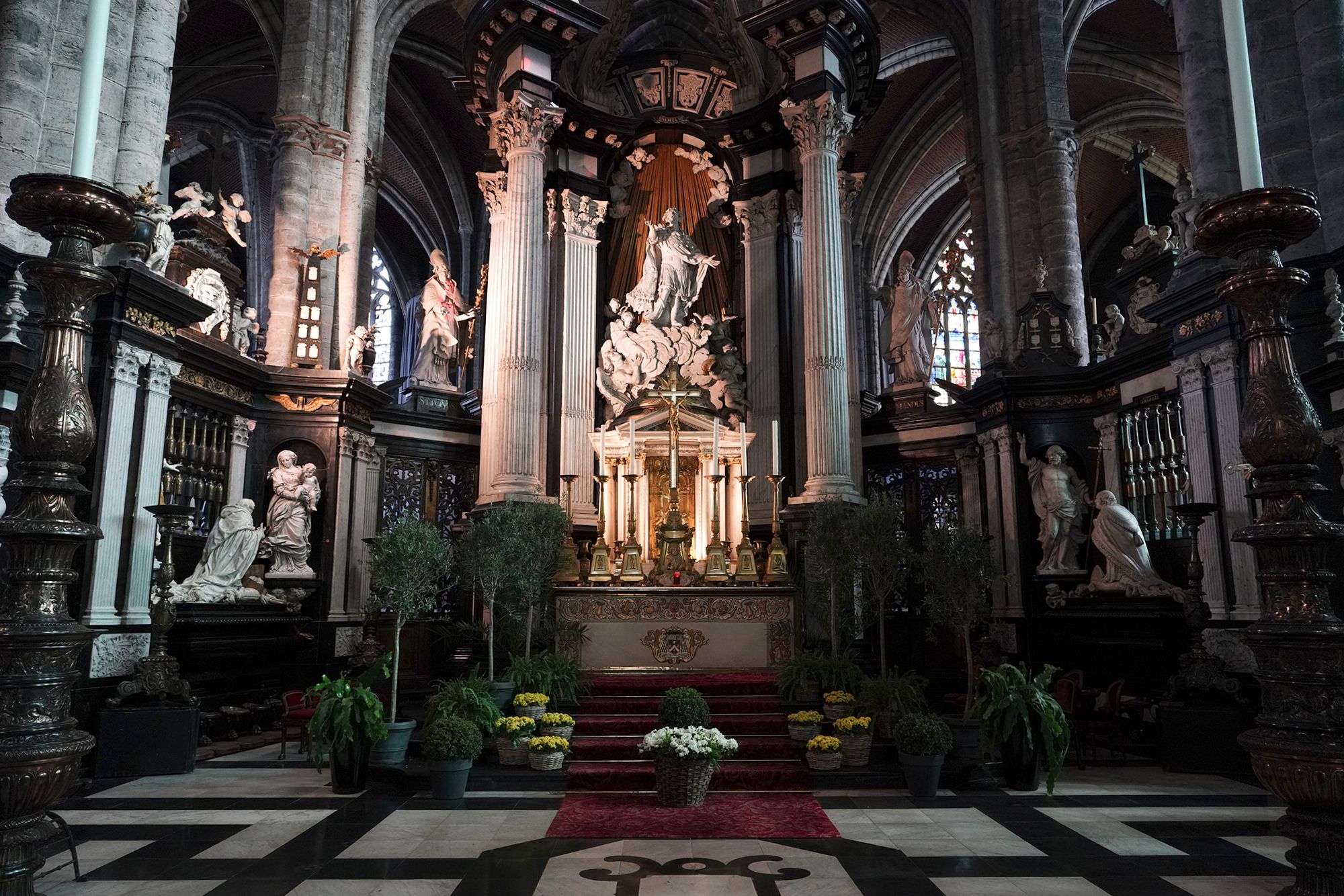
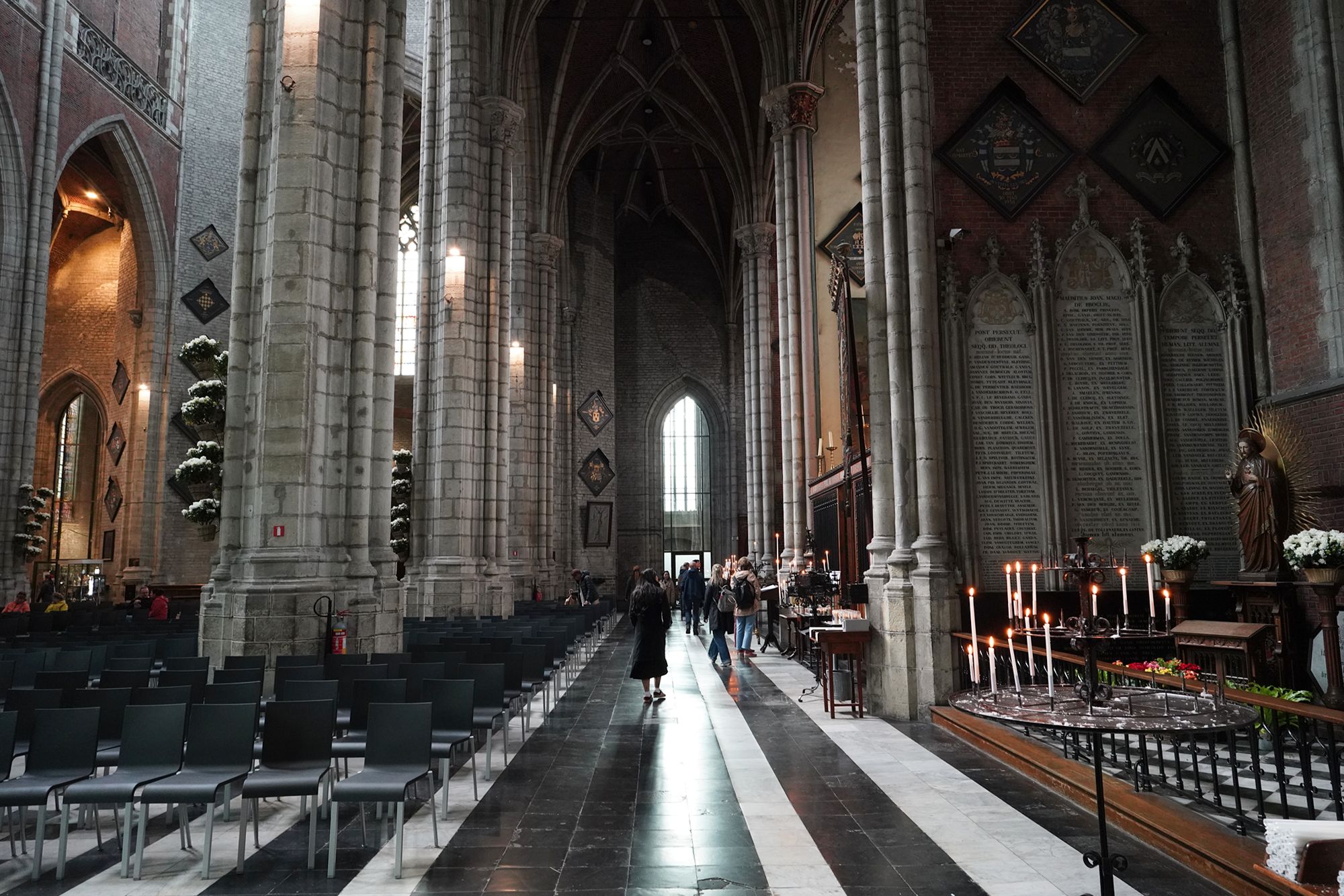
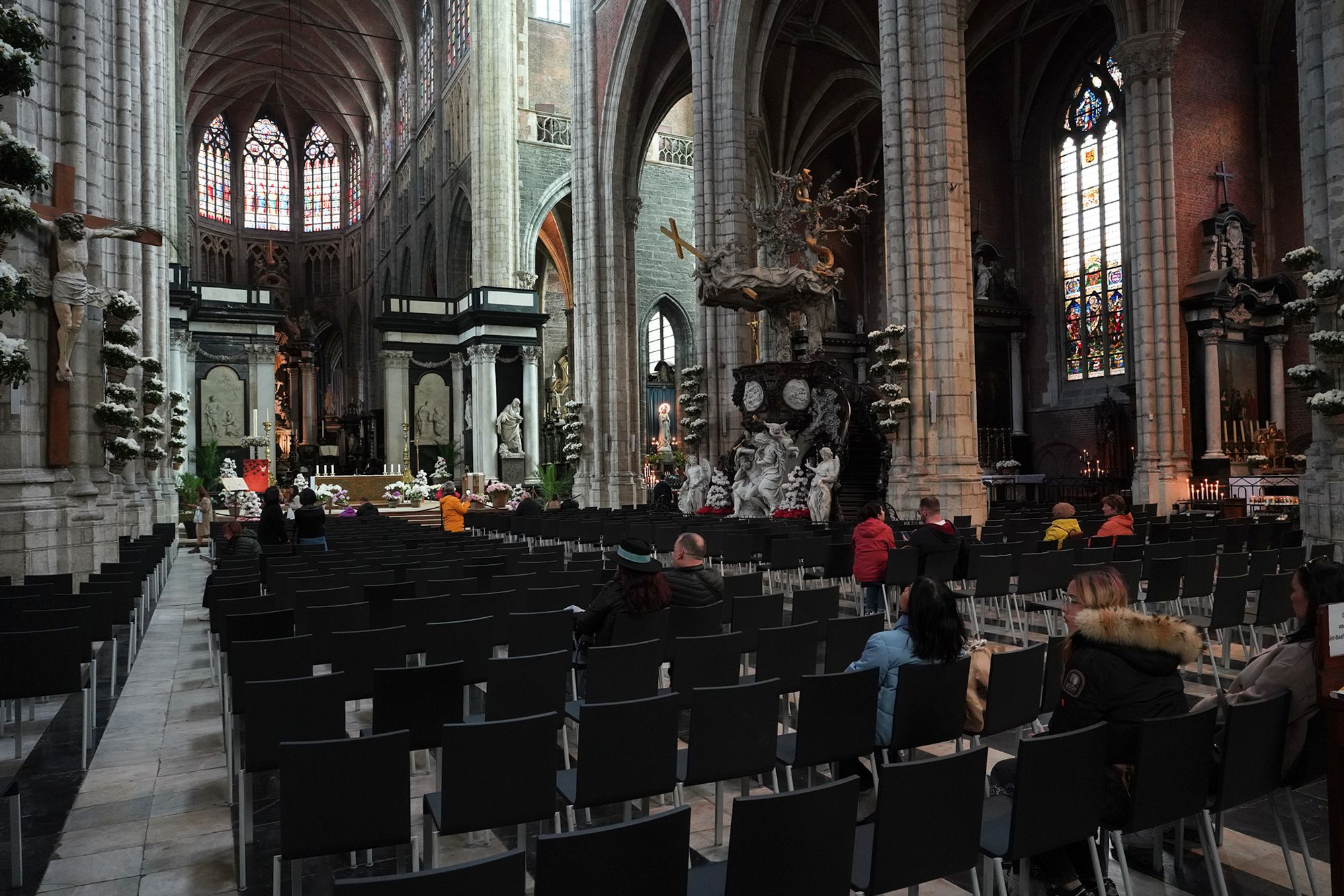
Inside St. Bavo’s Cathedral, I explored the impressive Gothic interior, with its soaring stone columns, vaulted ceilings, chapels, sculptures, and religious artwork. The cathedral contains many important treasures, most famously the Ghent Altarpiece by Hubert and Jan van Eyck, one of the great masterpieces of European art.
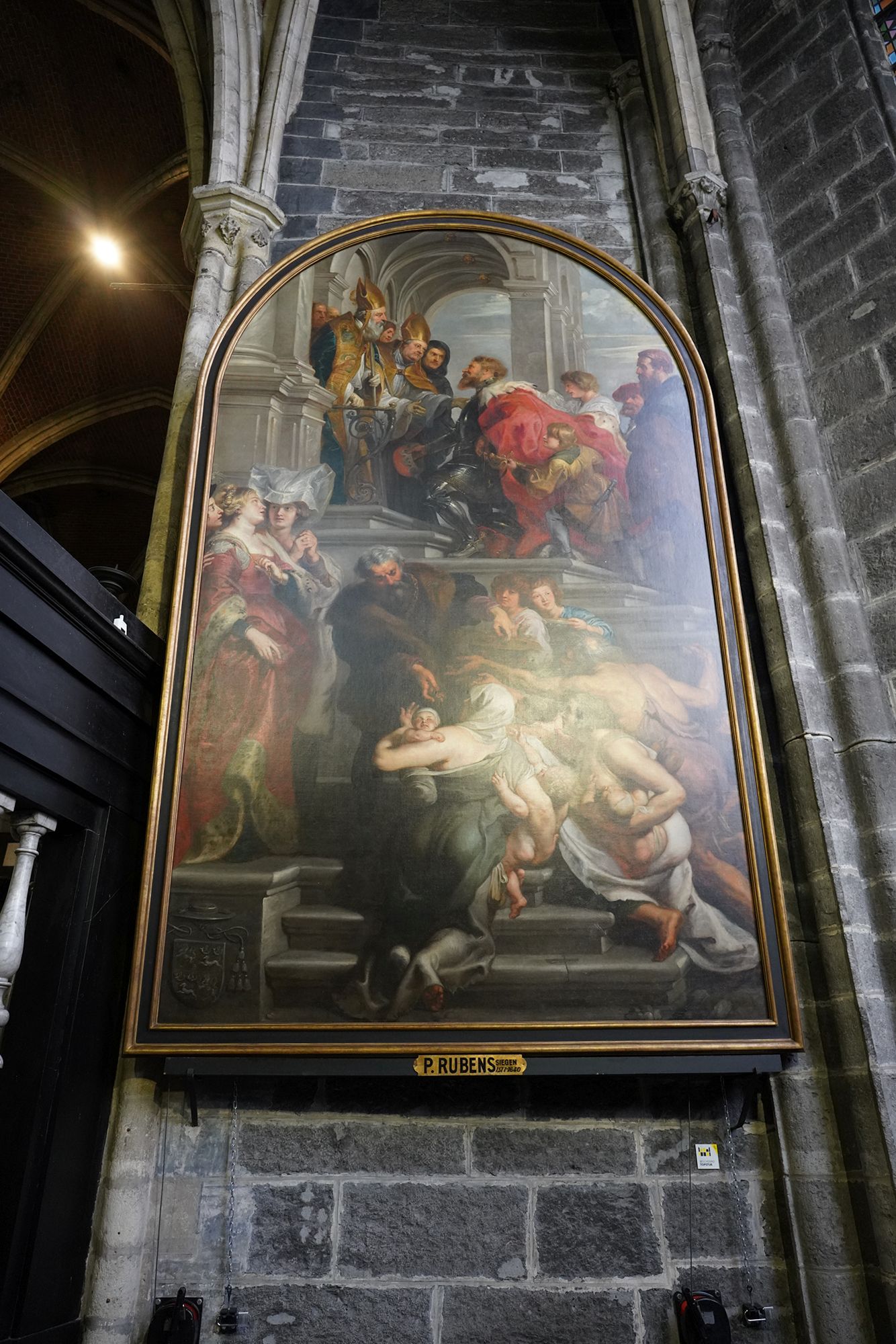
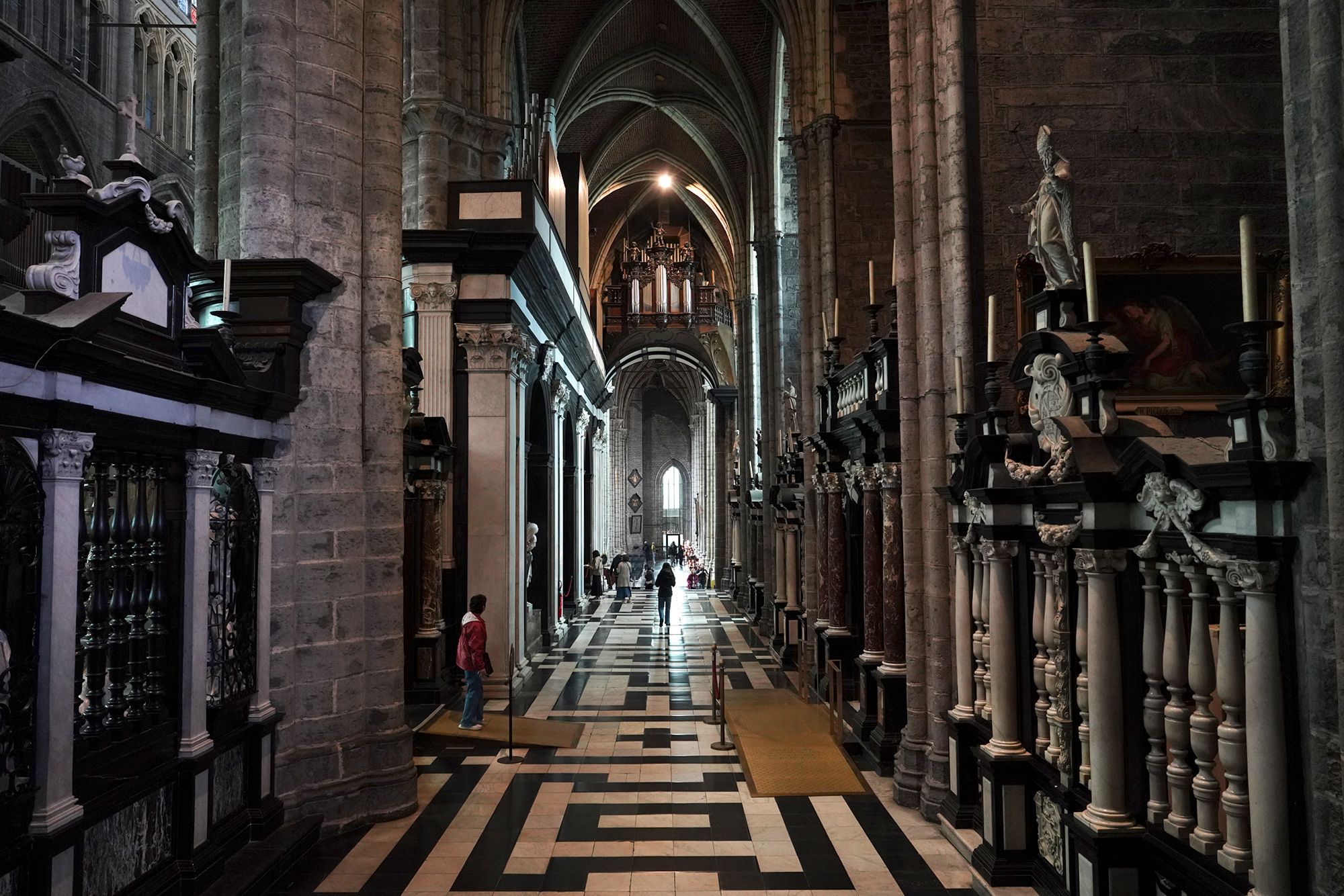
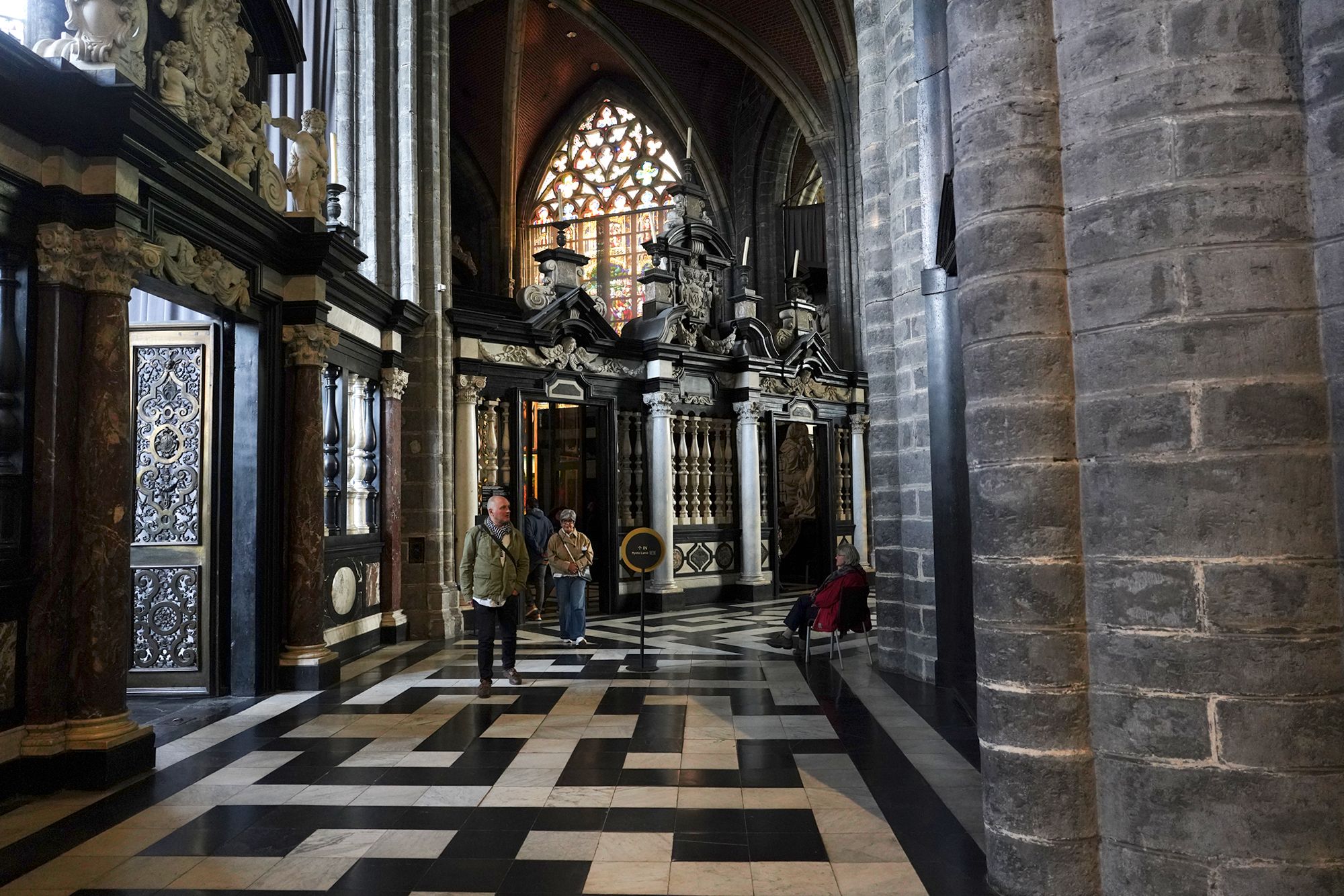
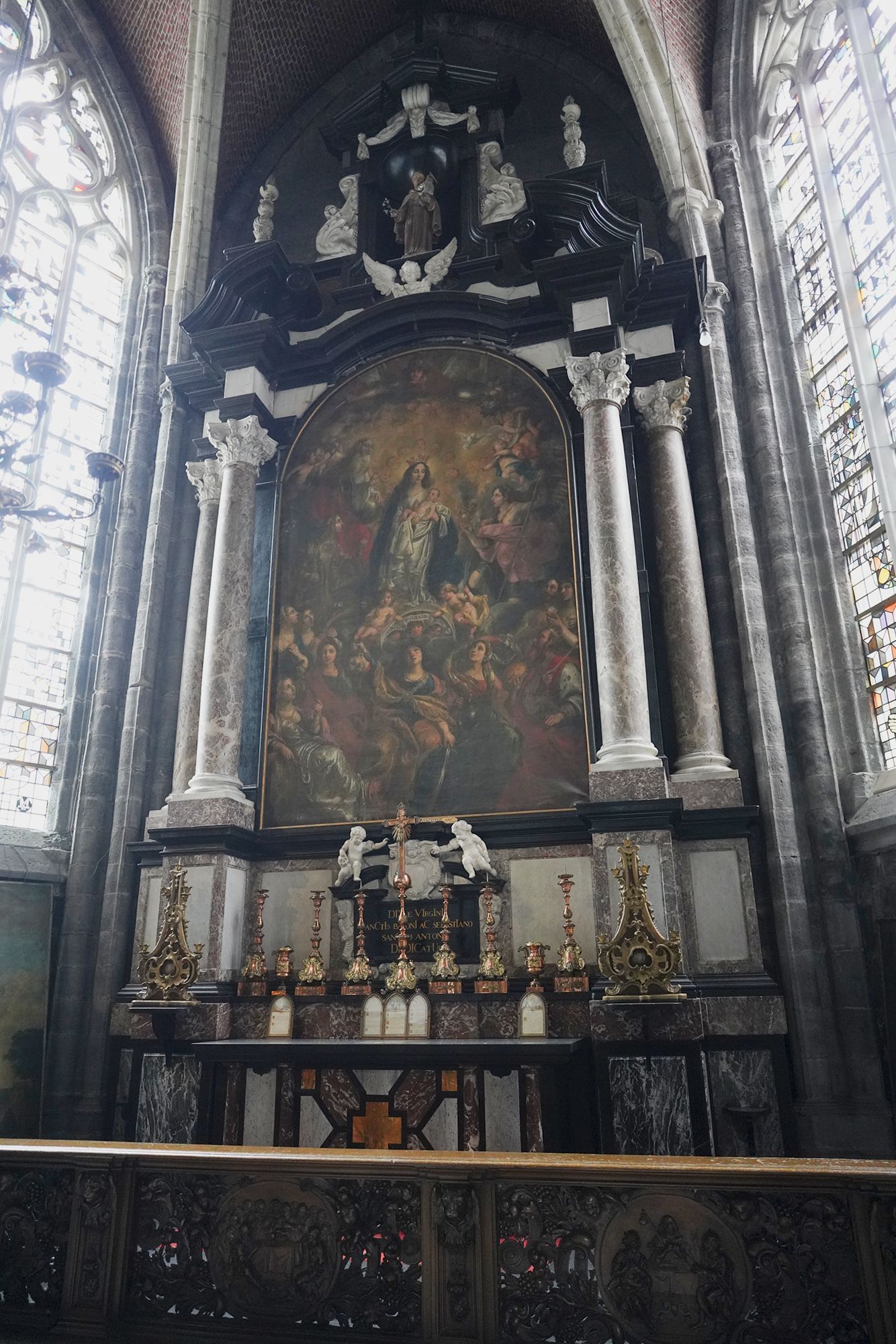
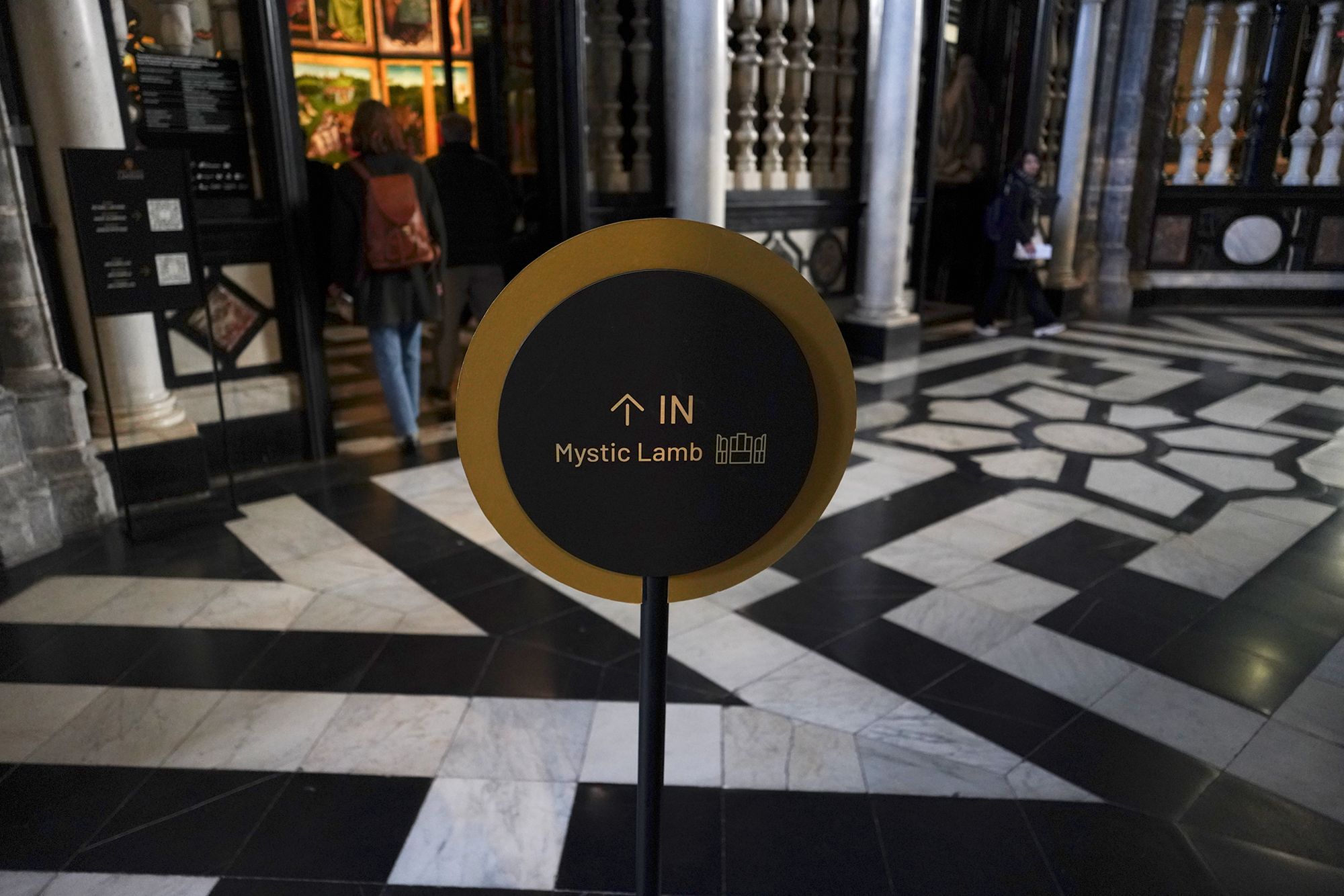
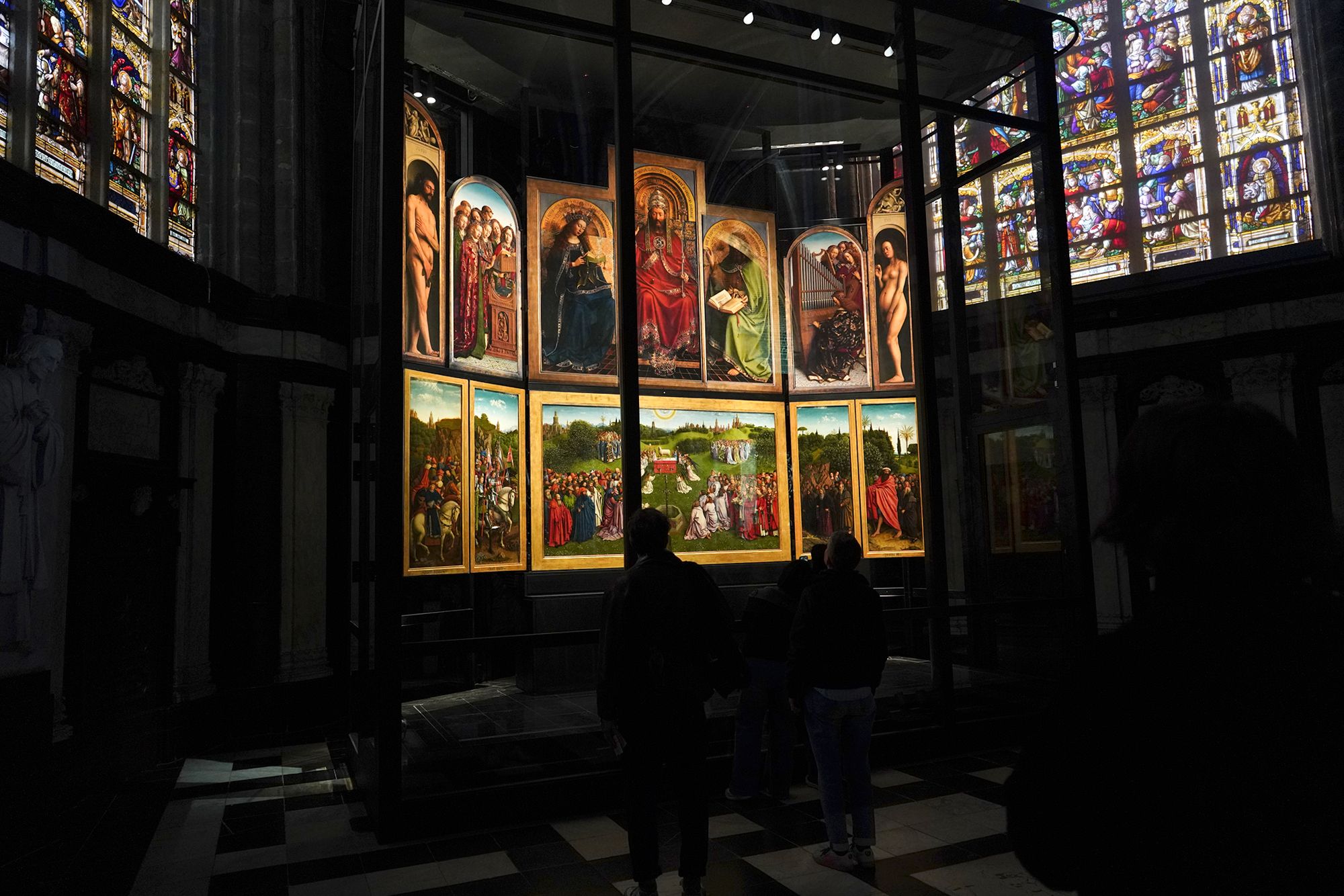
The Ghent Altarpiece, also known as The Adoration of the Mystic Lamb, is the great artistic treasure of St. Bavo’s Cathedral. Completed in 1432 by Hubert and Jan van Eyck, the monumental multi-panel work is celebrated for its extraordinary realism, brilliant colors, intricate details, and innovative use of oil paint. Its central scene shows worshippers gathered around the Lamb of God, symbolizing Christ and salvation.
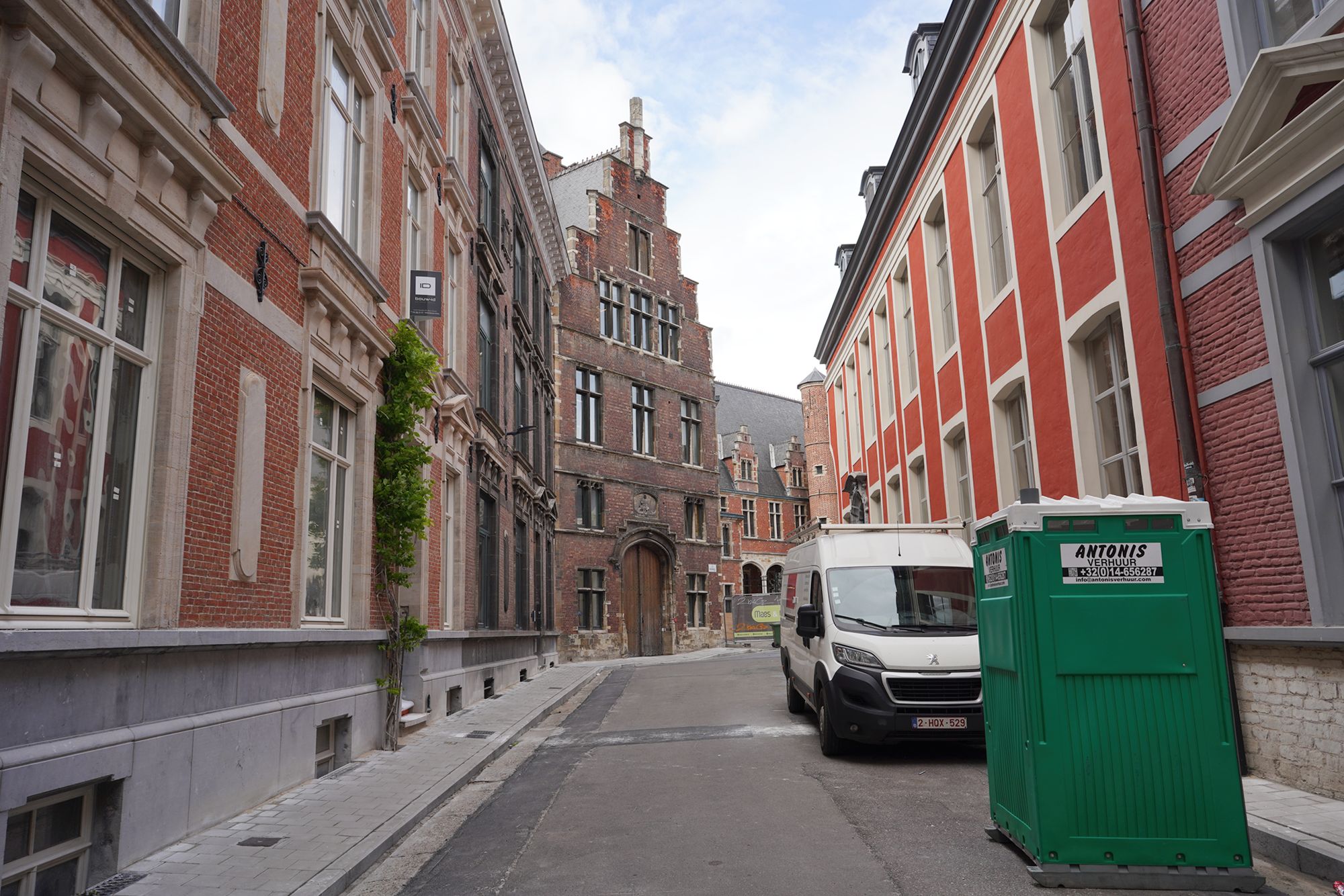
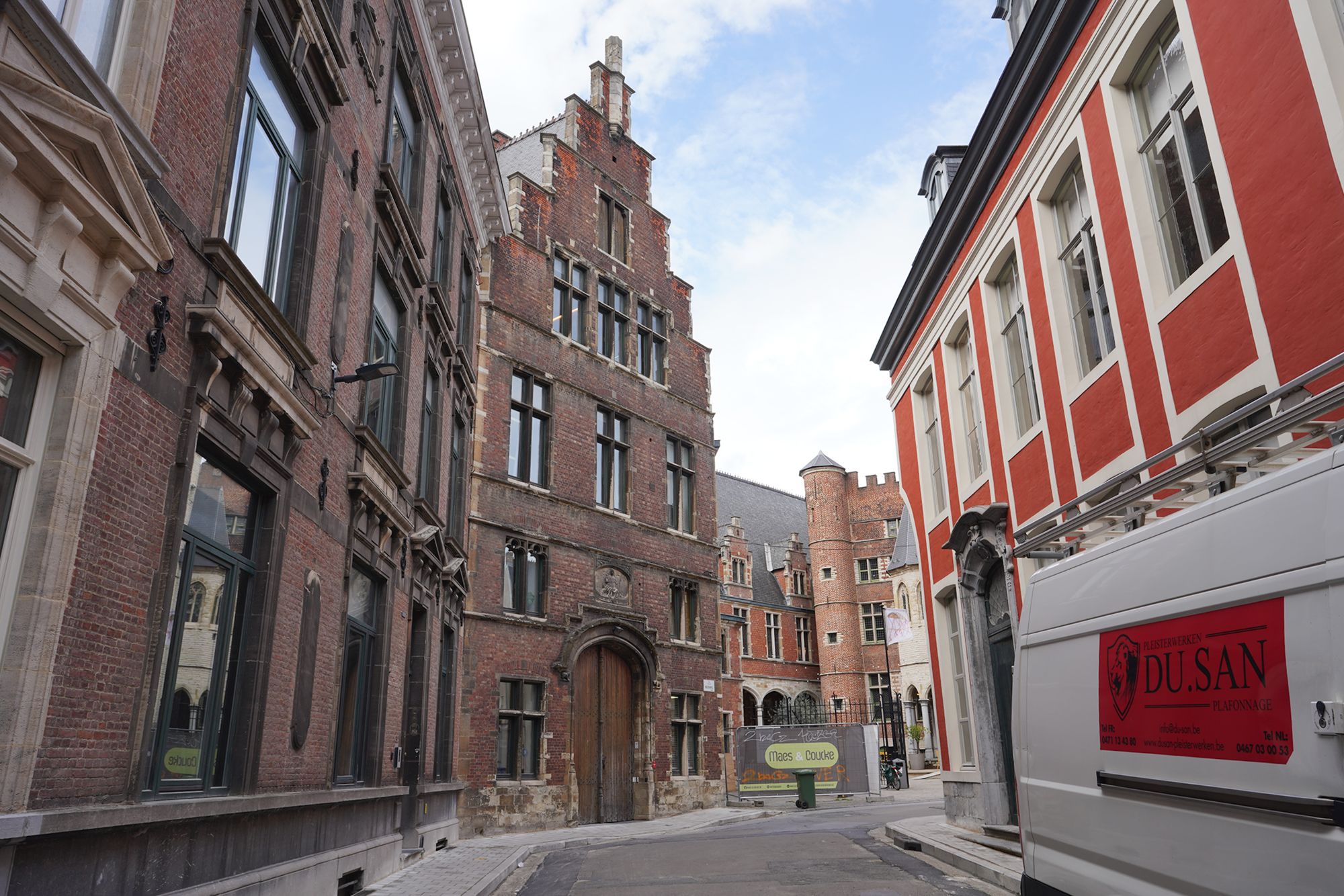
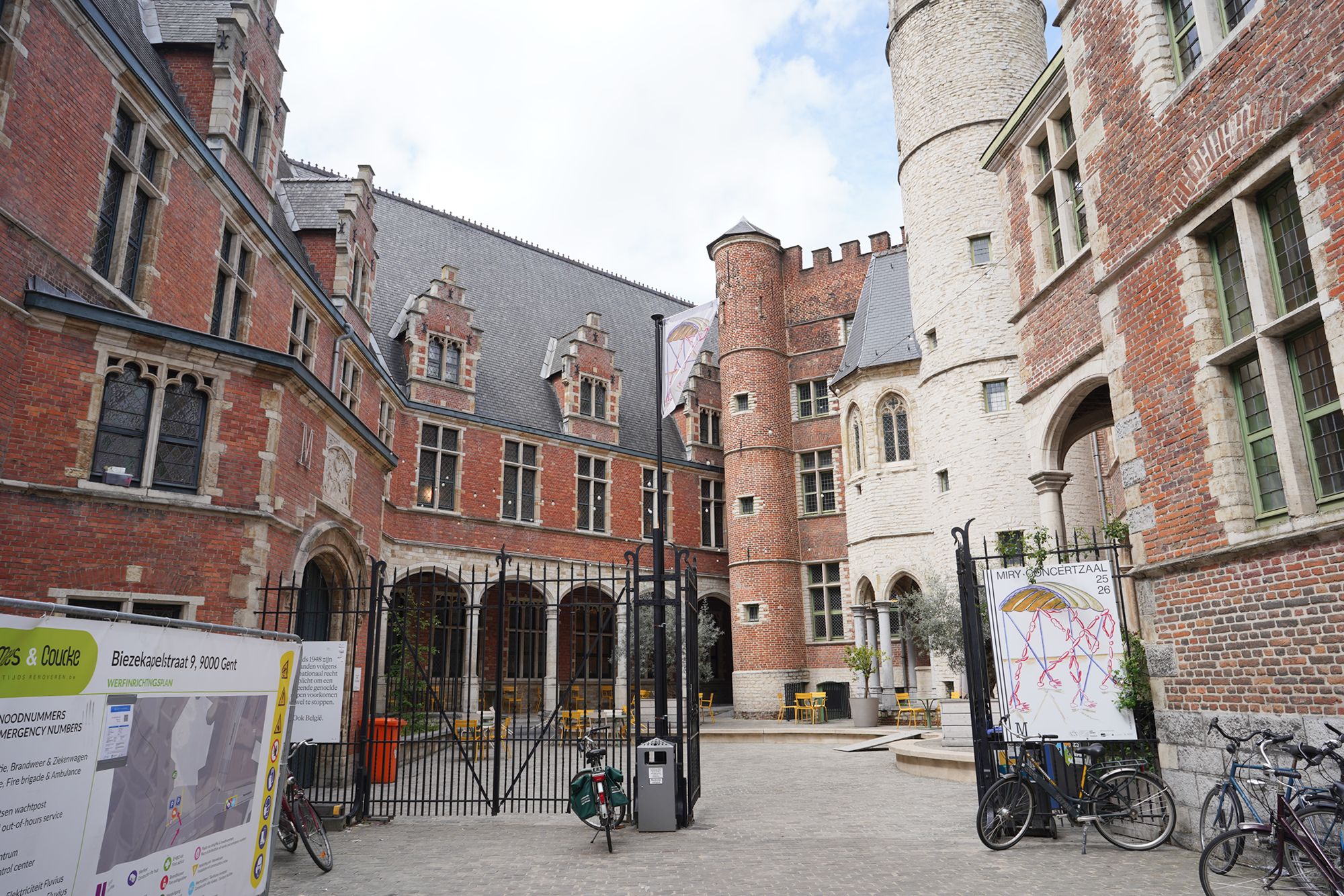
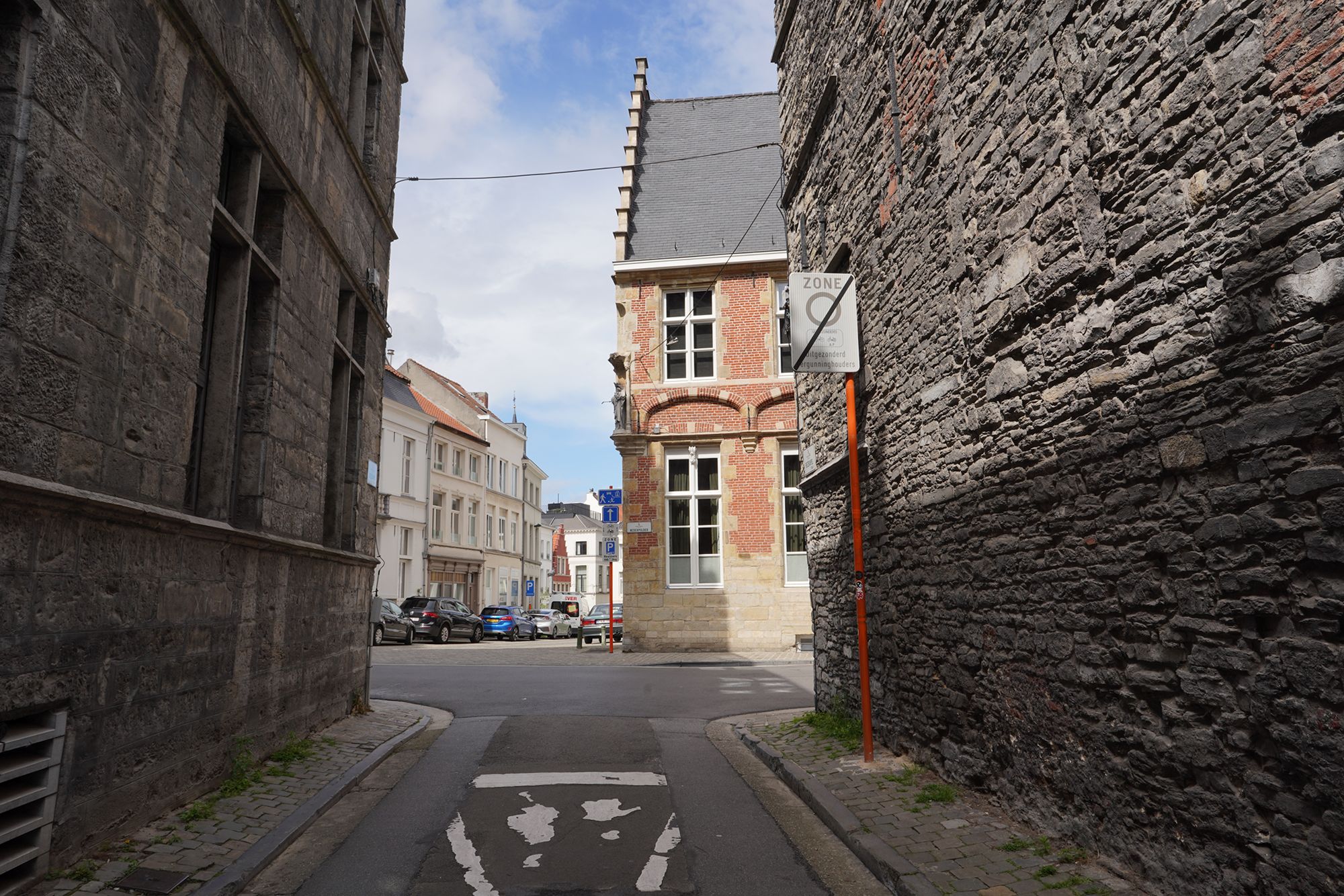
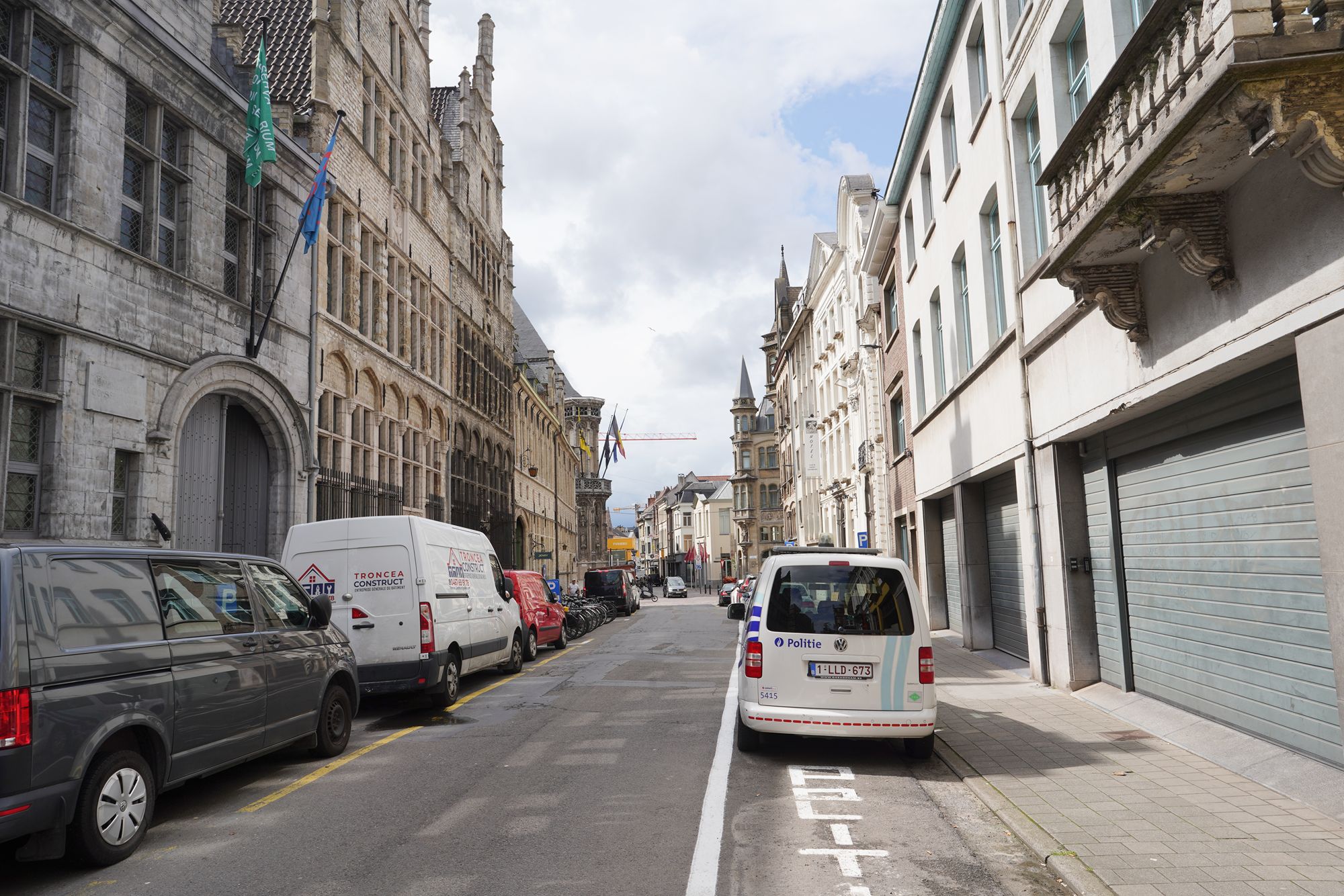
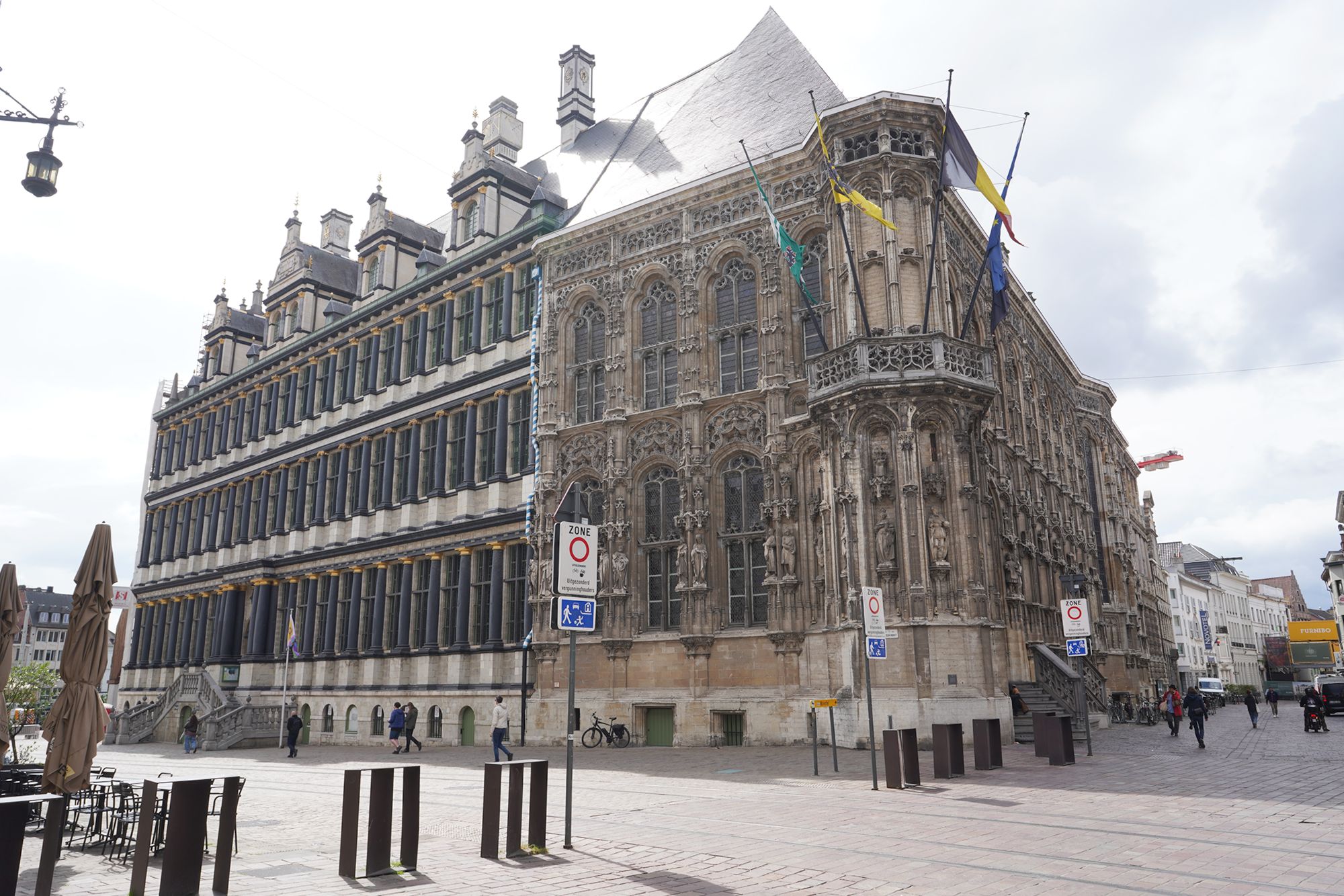
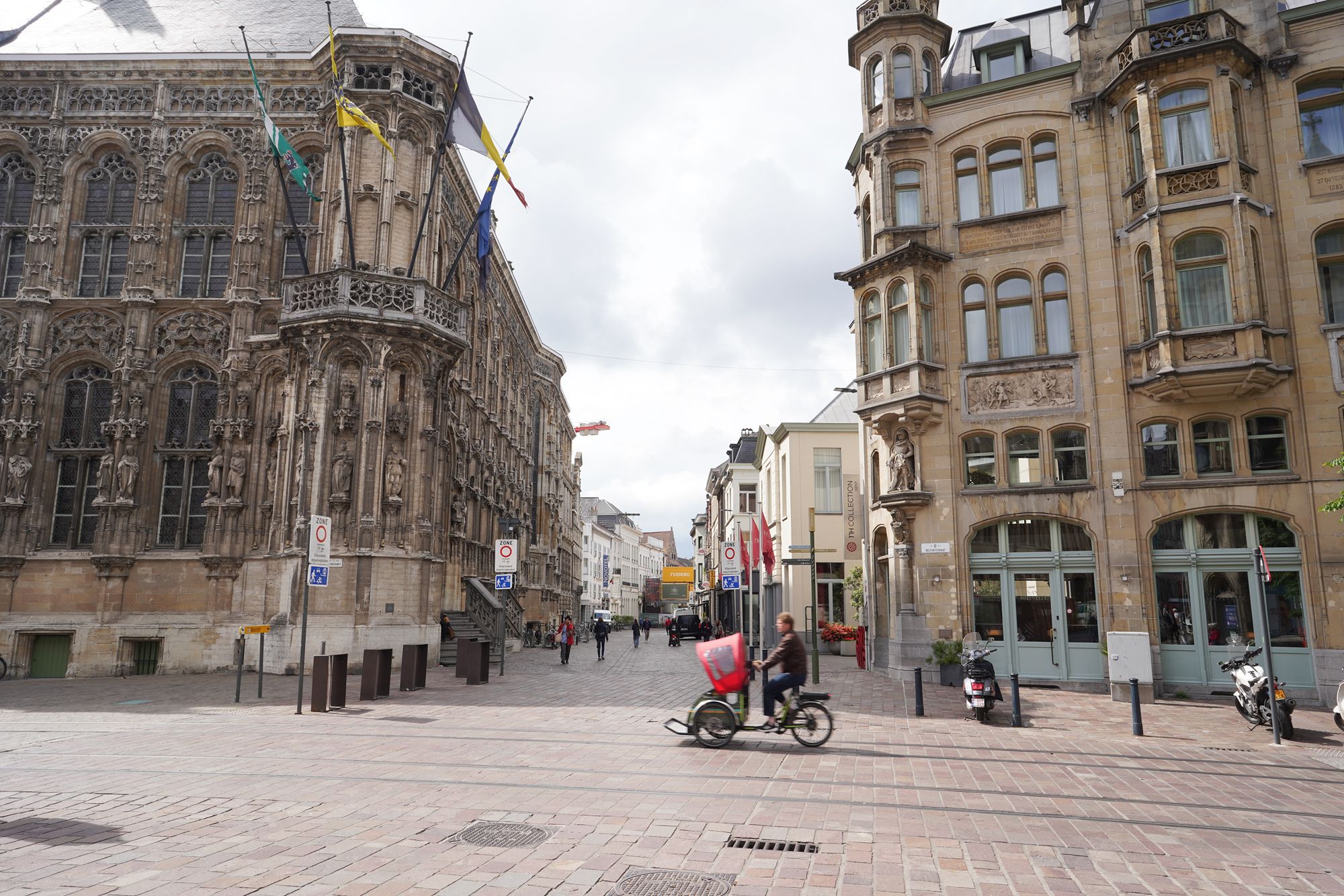
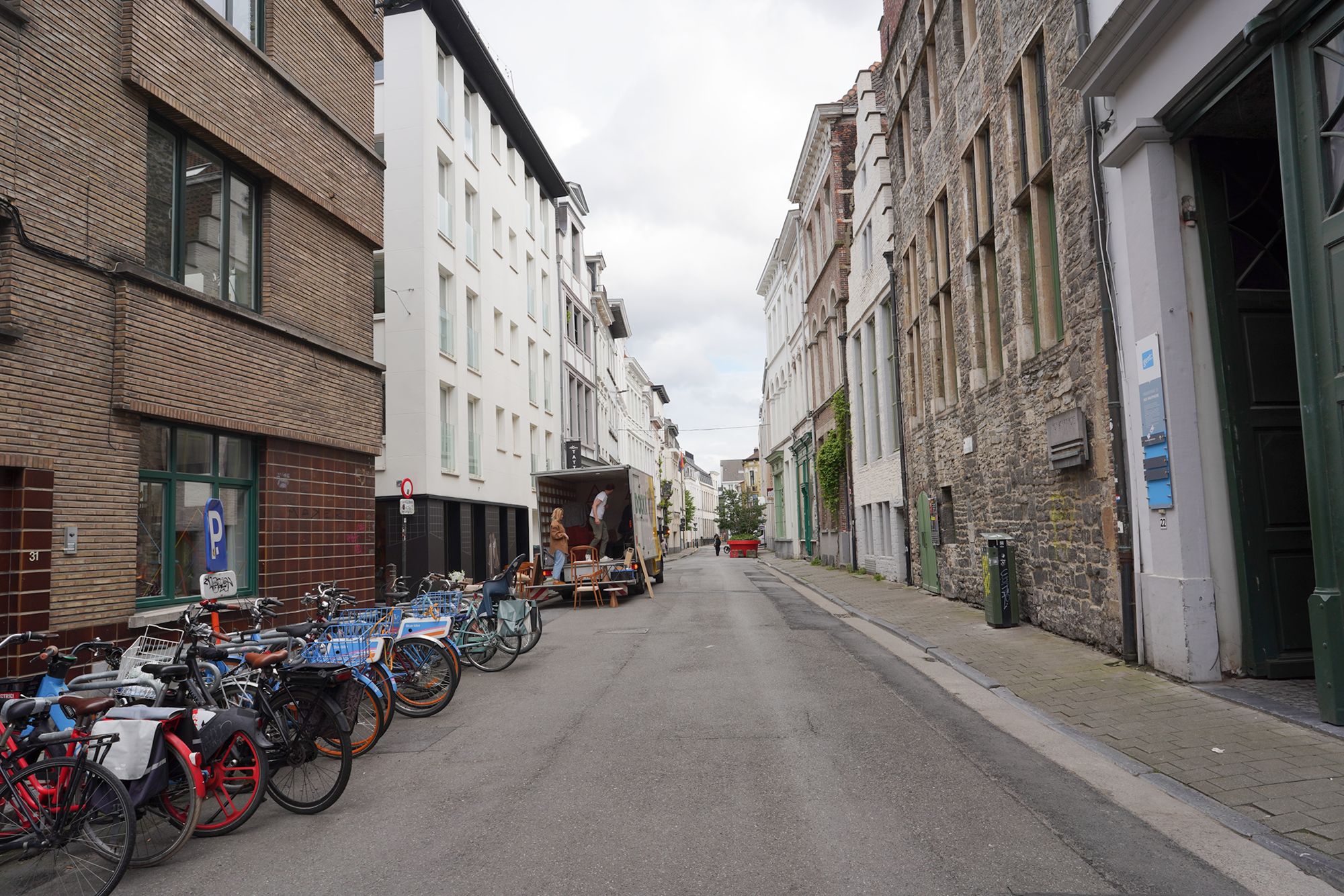
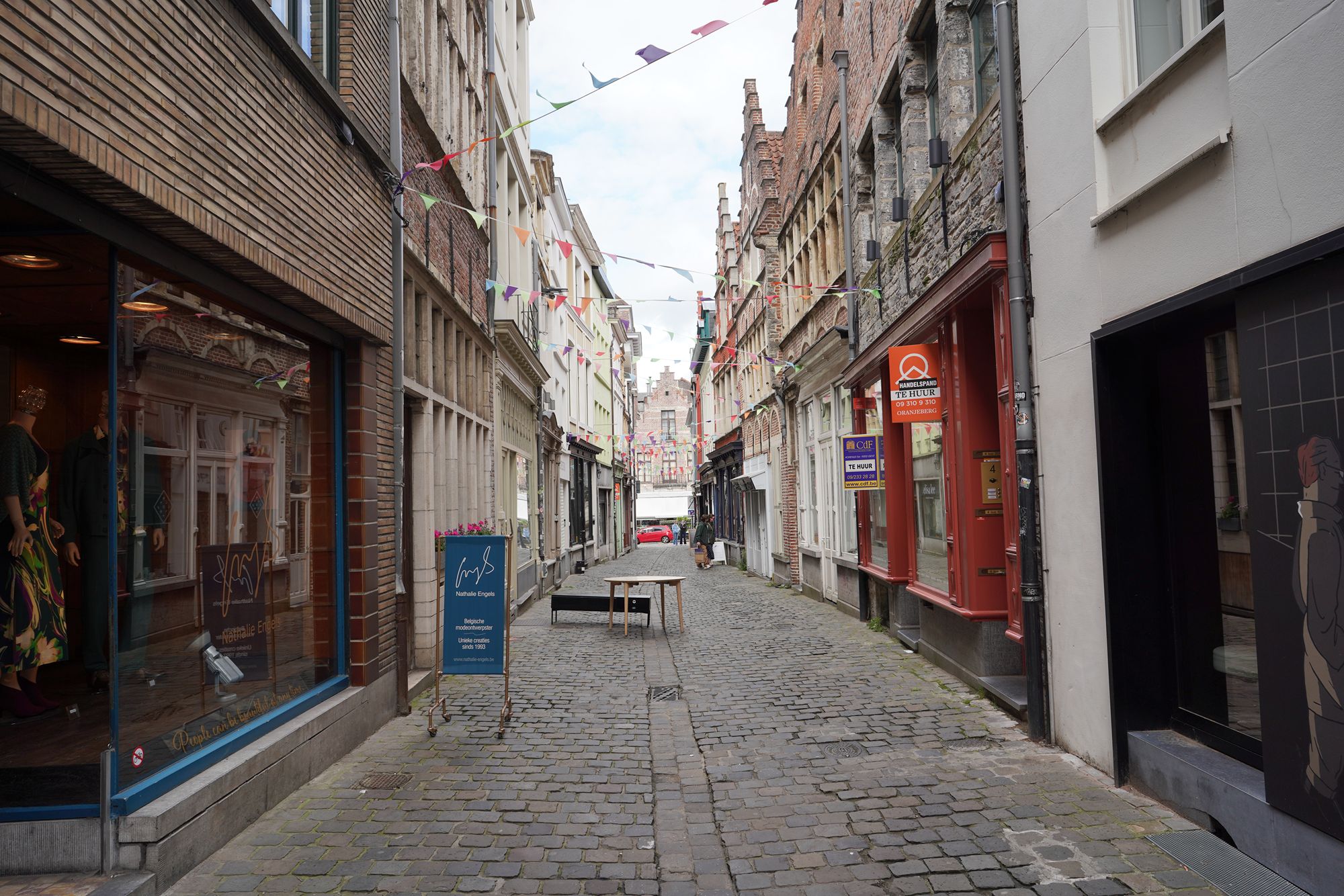
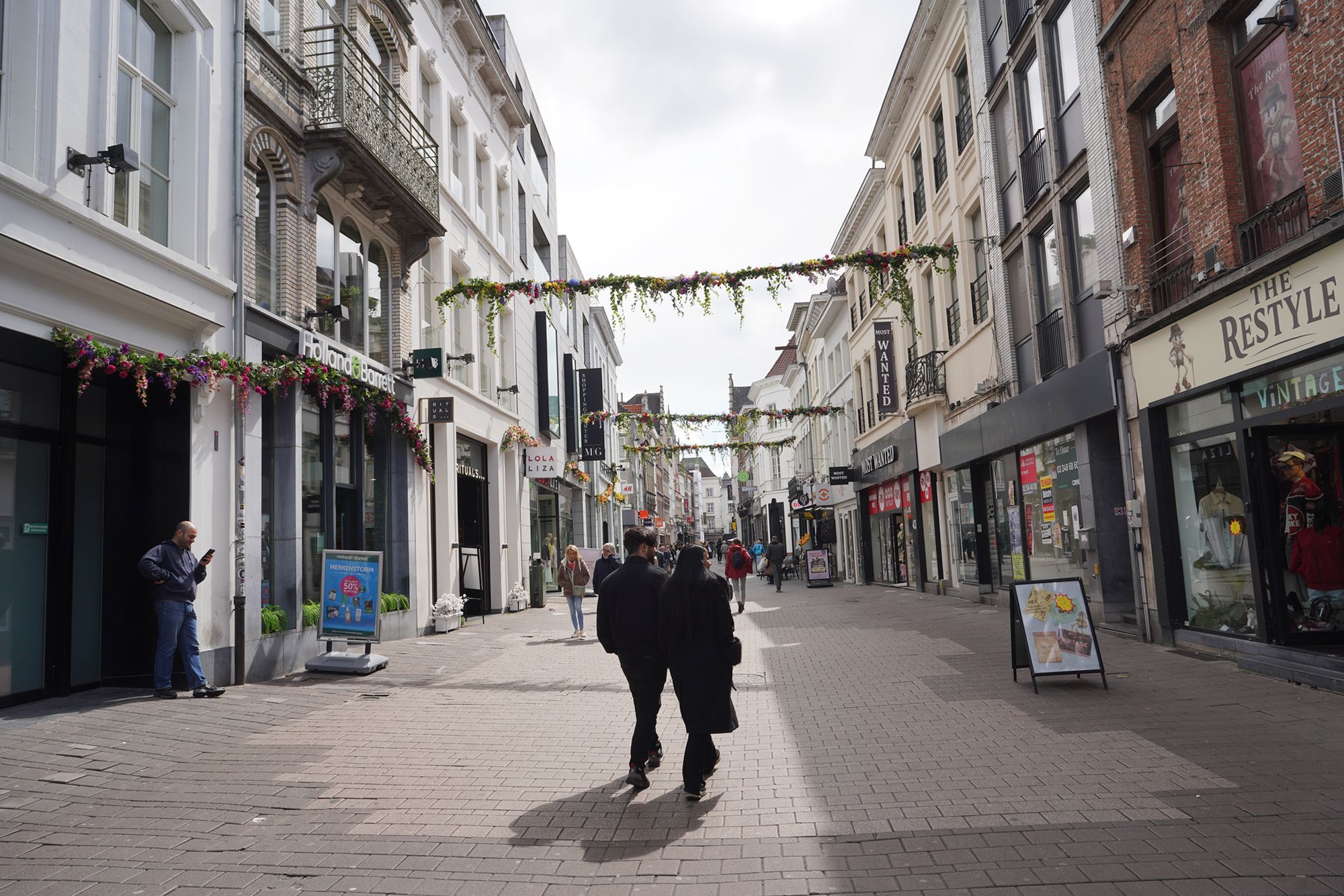
After visiting St. Bavo’s Cathedral, I continued along Hoogpoort, one of the historic streets in the center of Ghent. The street is lined with an interesting mixture of ornate historic buildings, shops, cafés, and restaurants, making it a pleasant route for exploring the old city on foot.
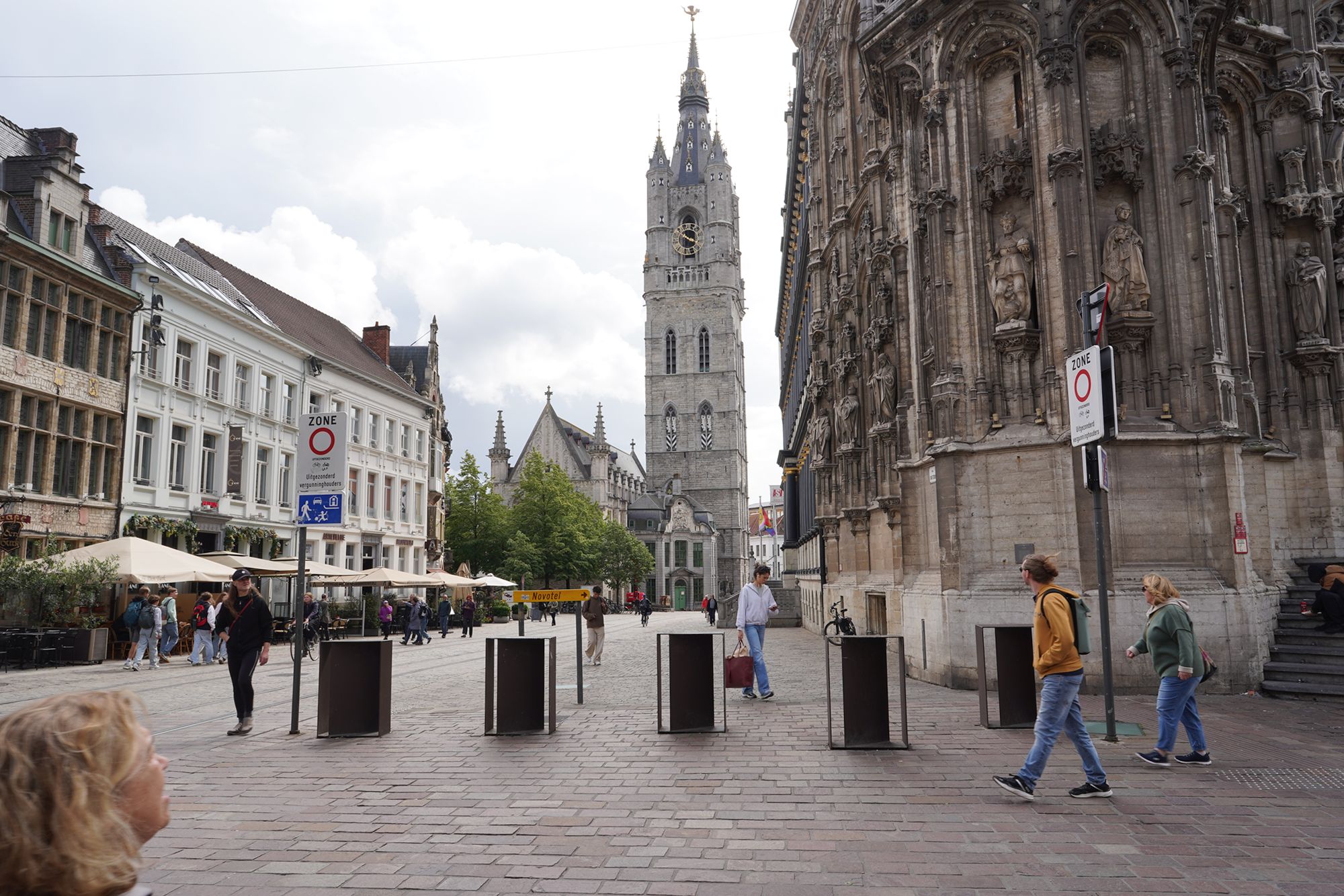
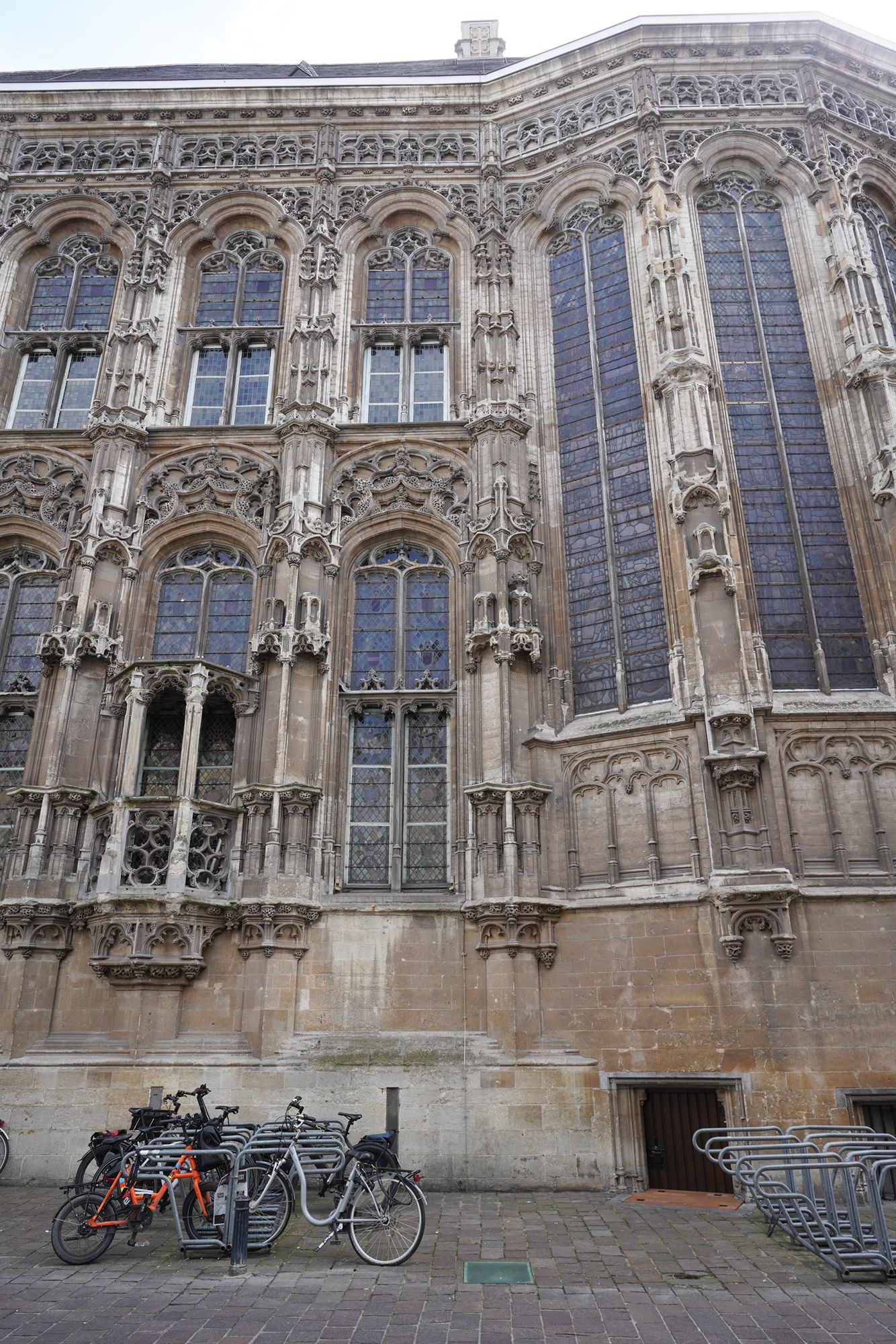
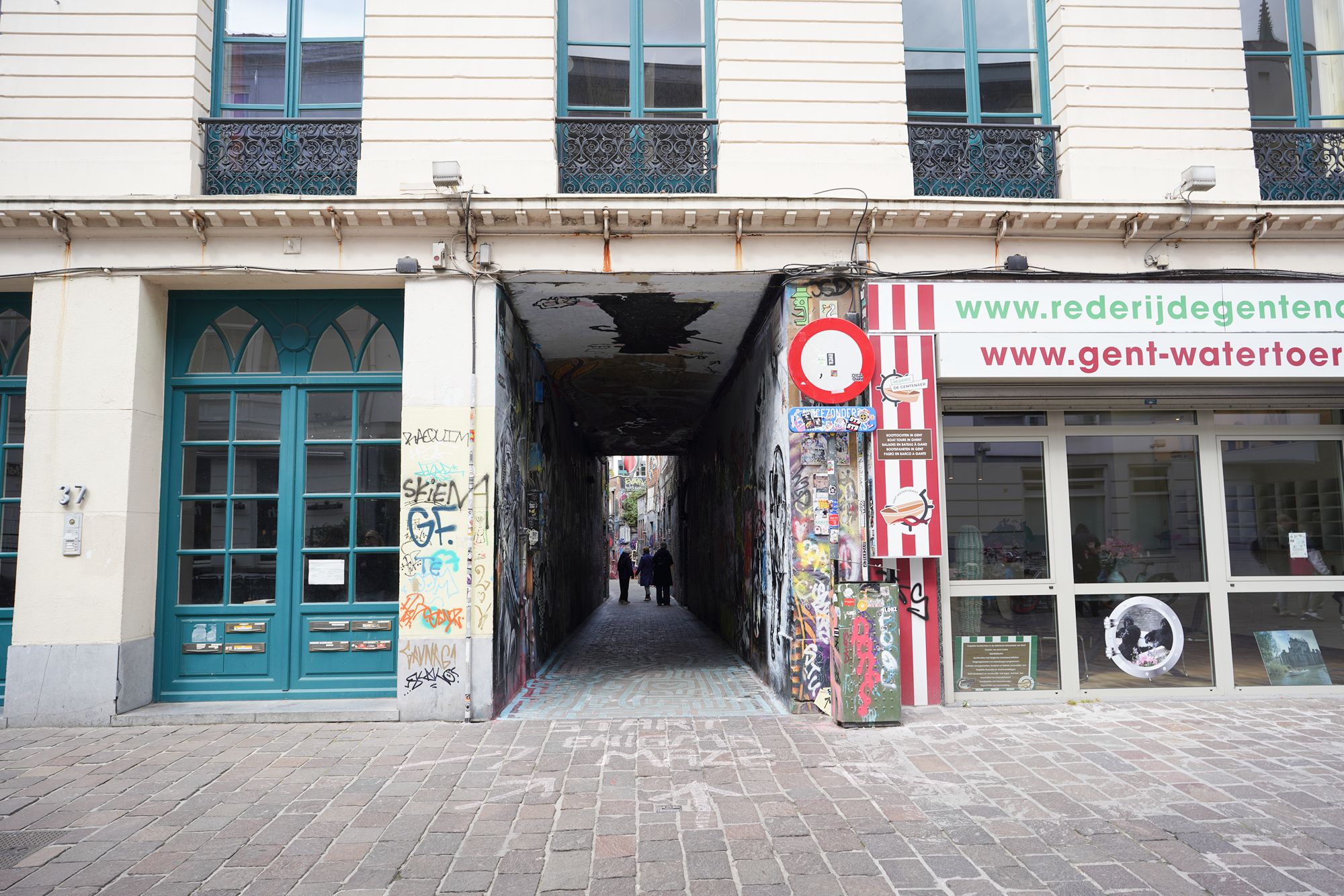
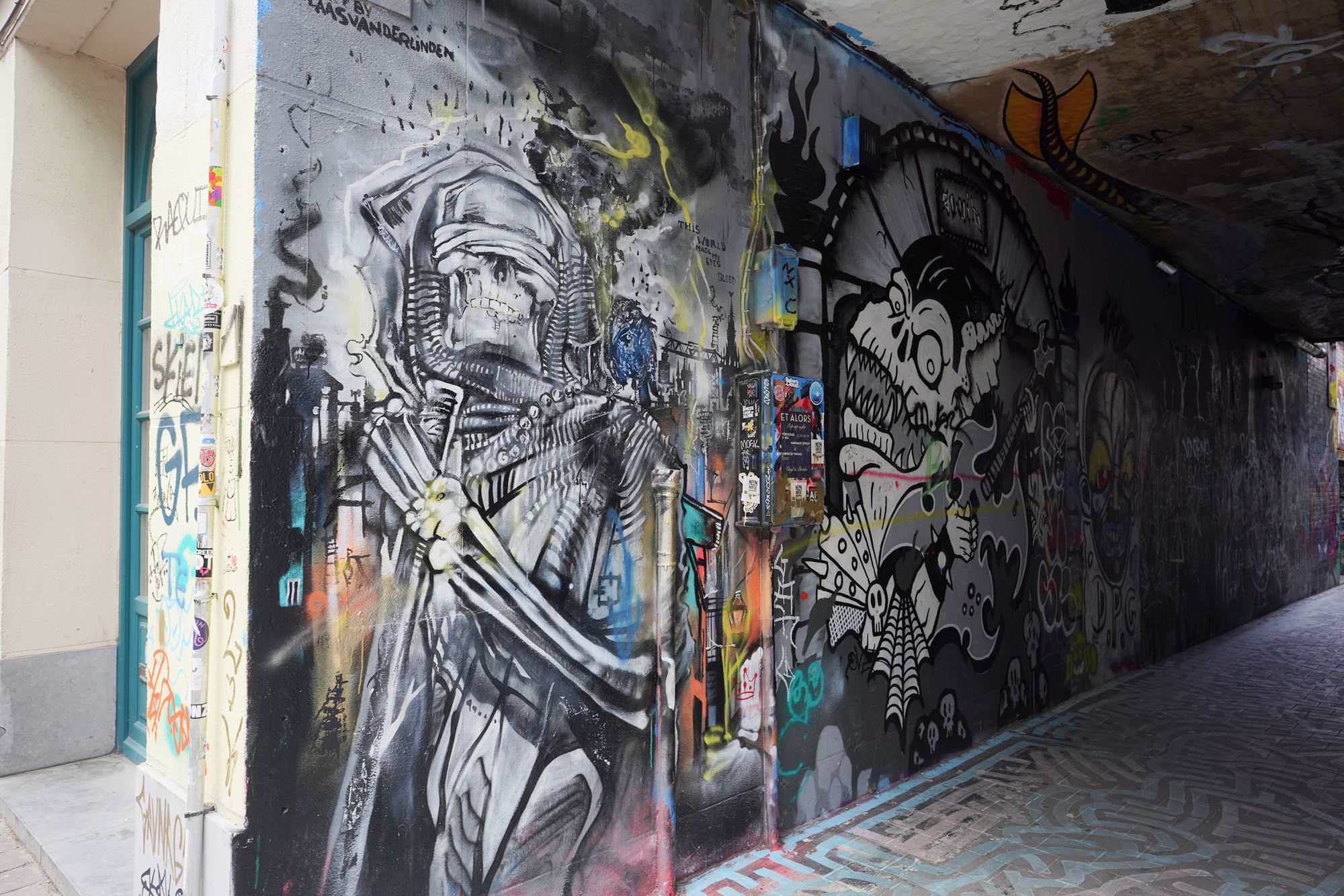
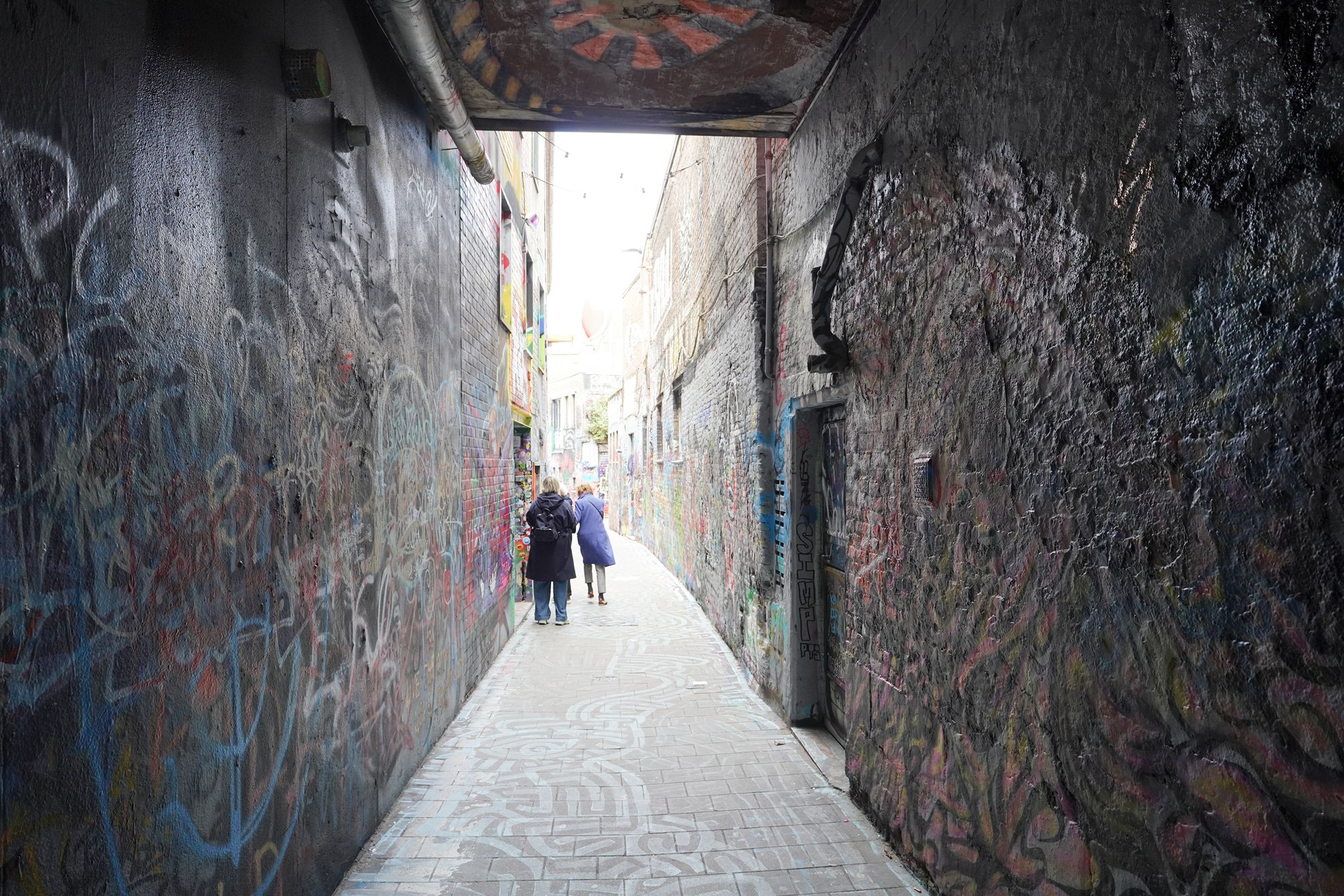
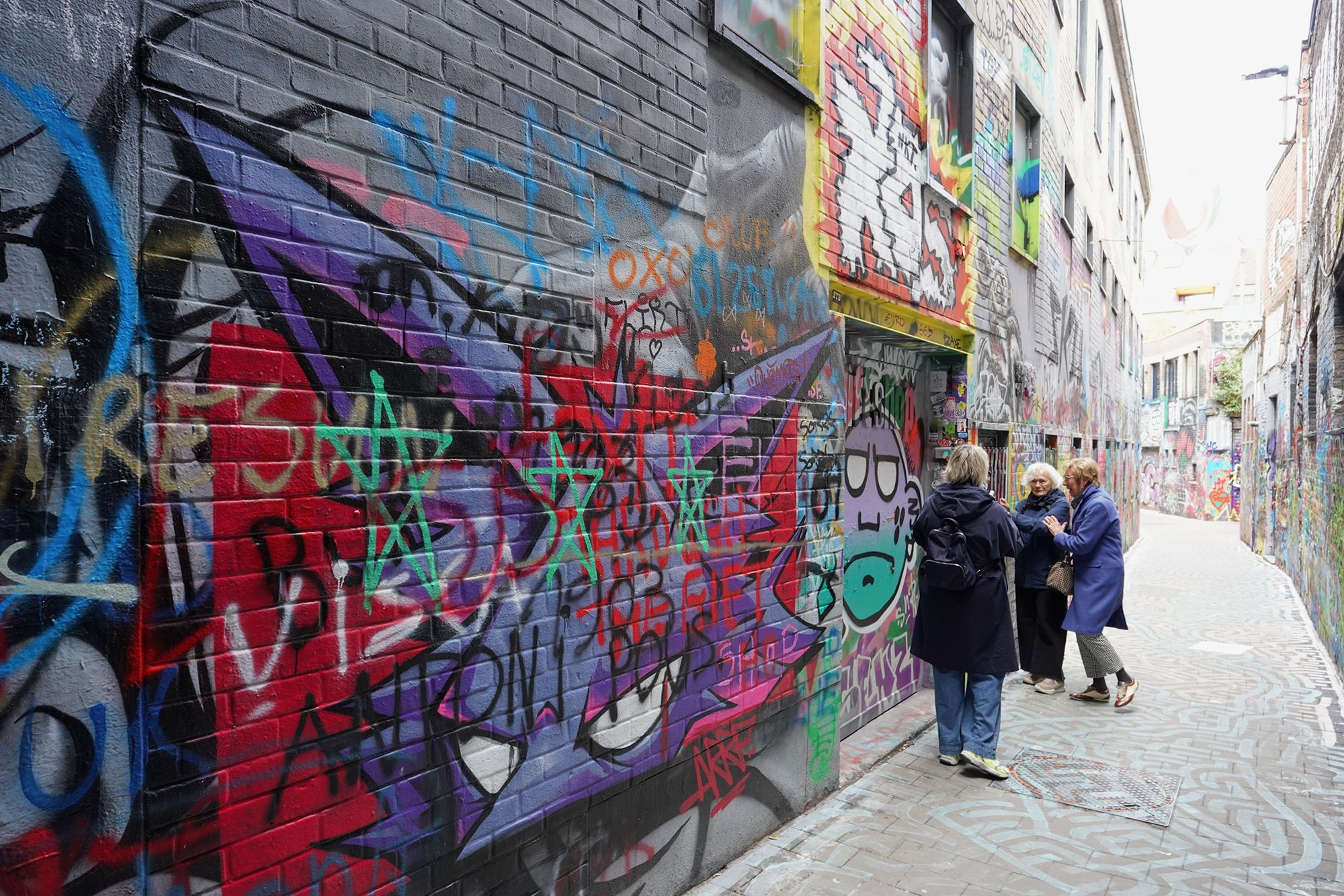
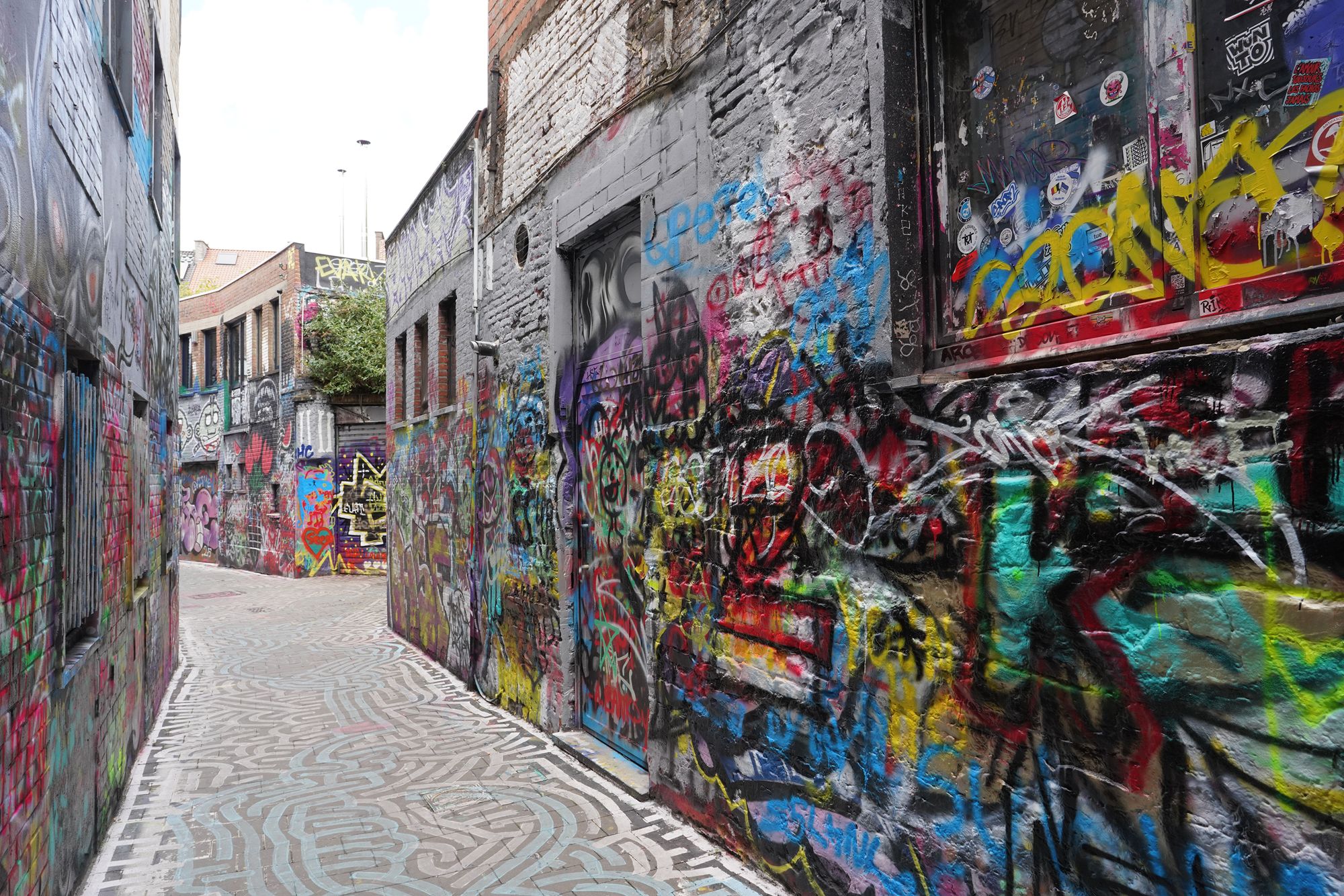
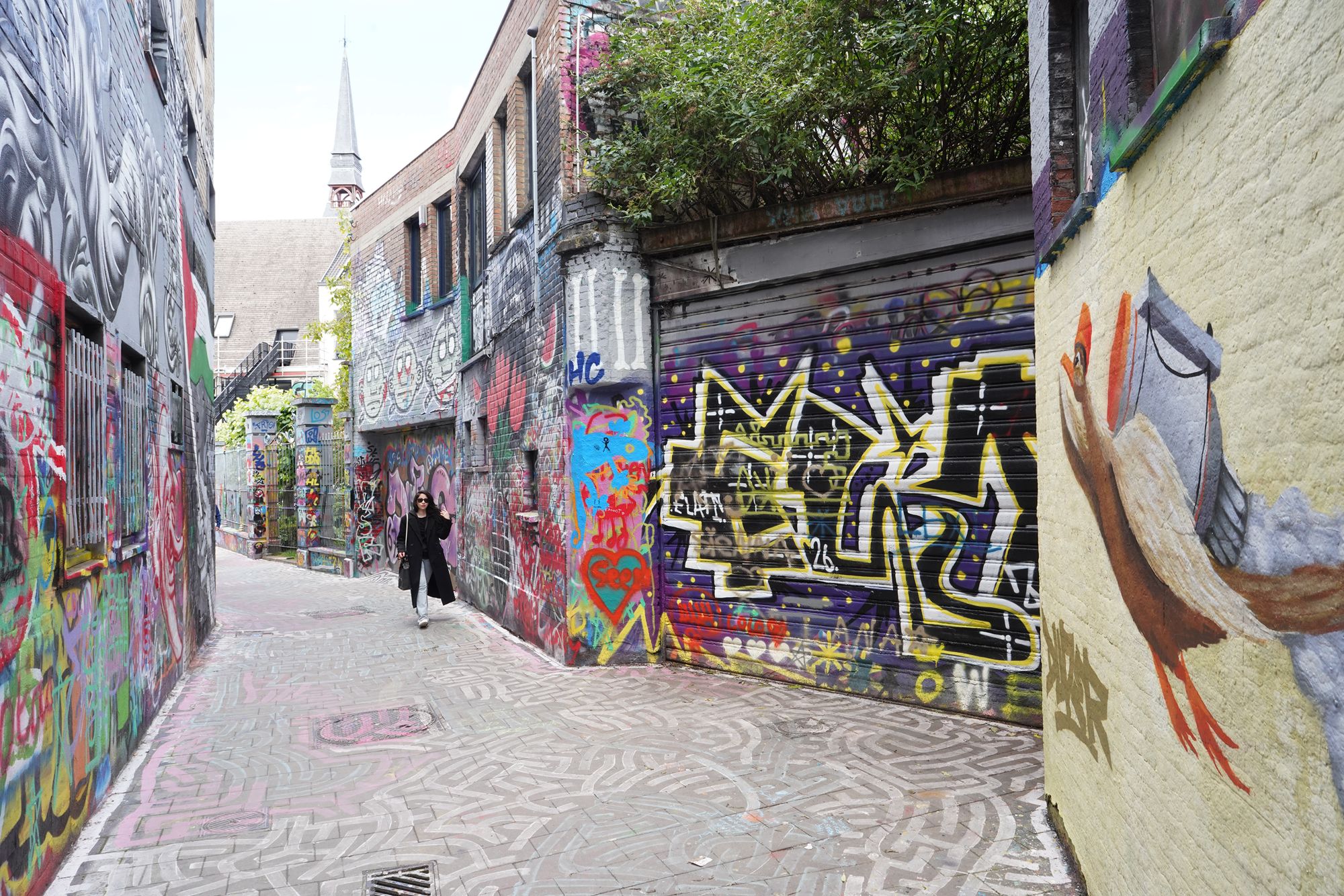
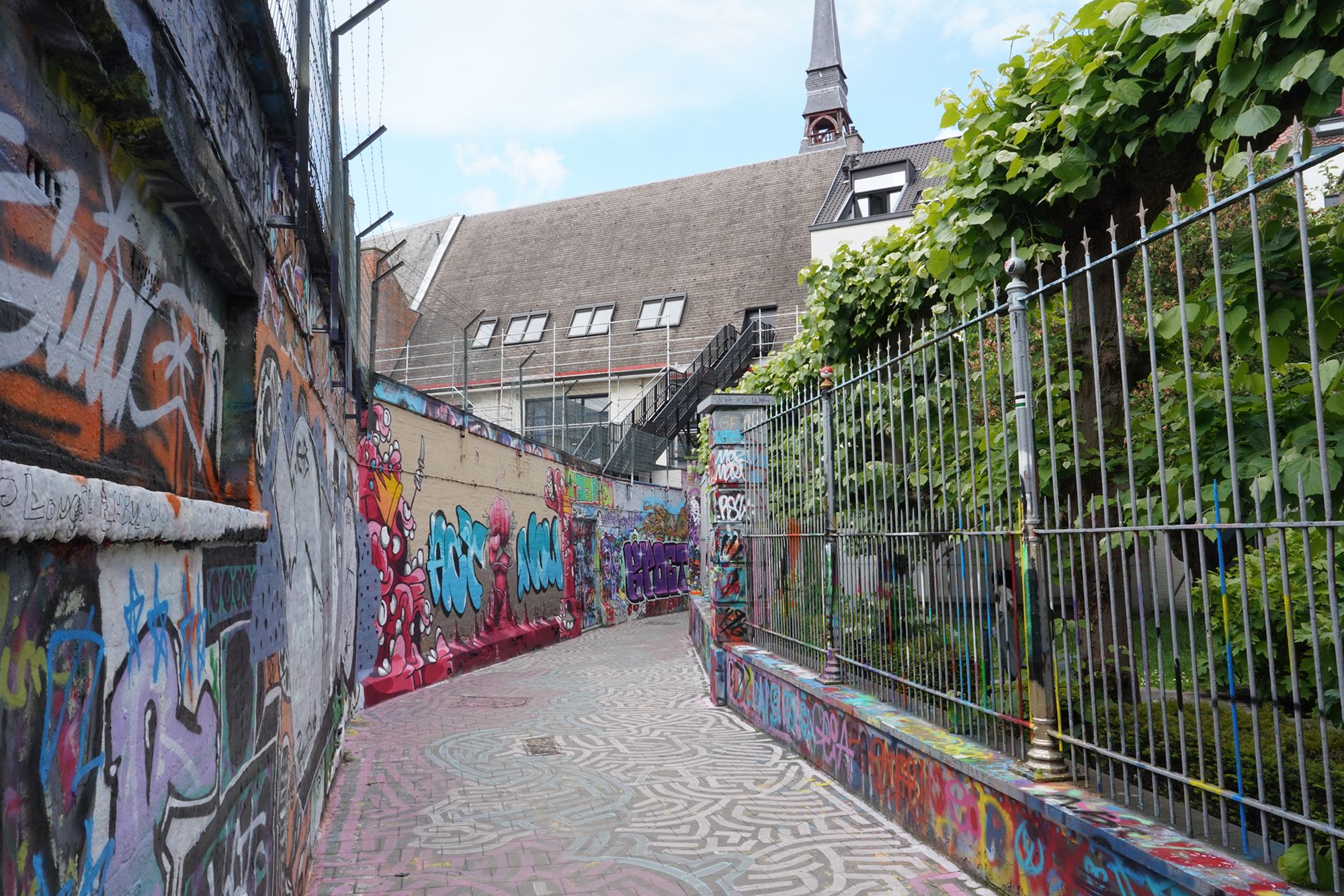
I continued to Werregarenstraat, better known as Graffiti Street, a narrow alley where artists are allowed to cover the walls with colorful graffiti and street art. The constantly changing artwork gives the street a very different character from the medieval architecture found throughout central Ghent.
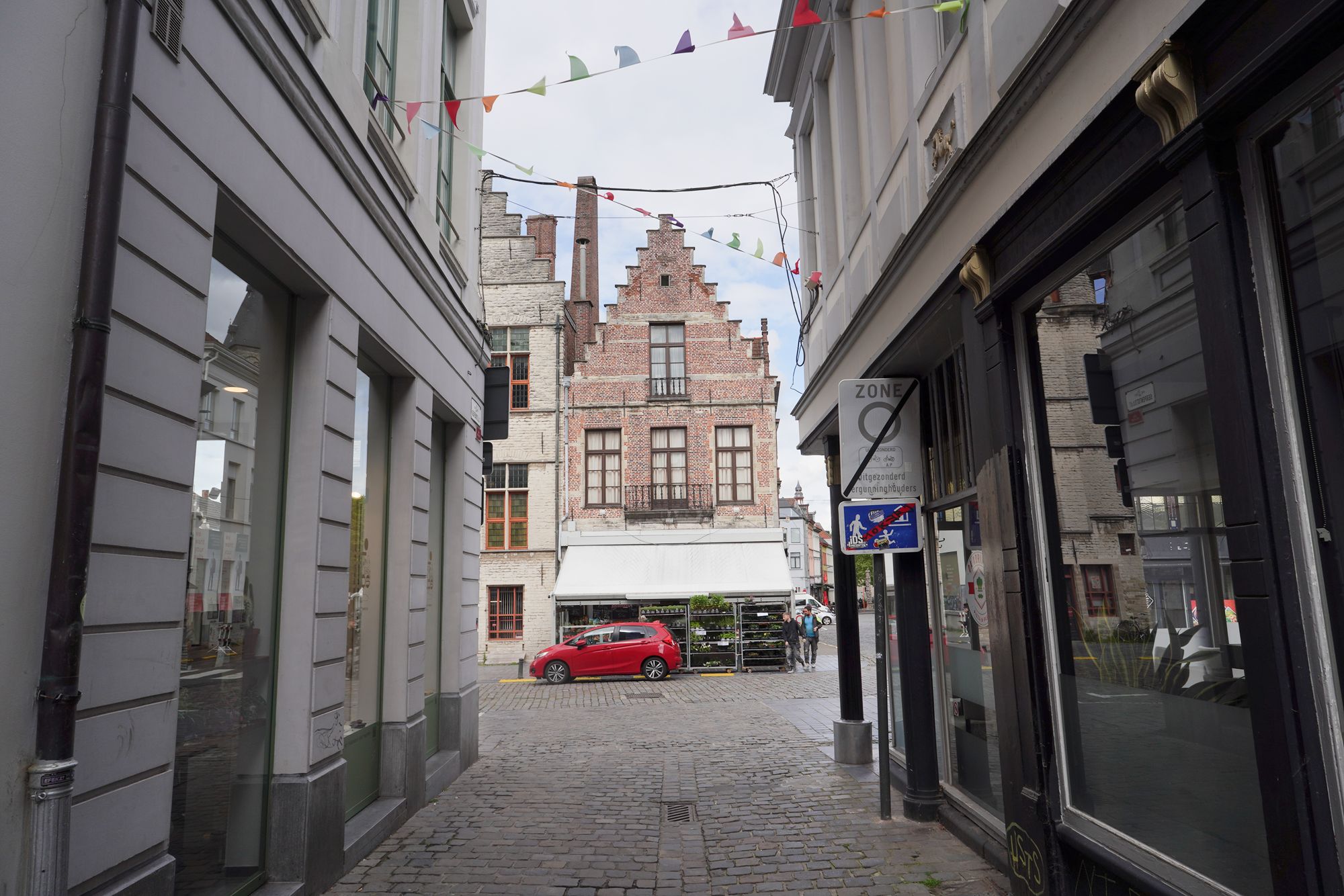
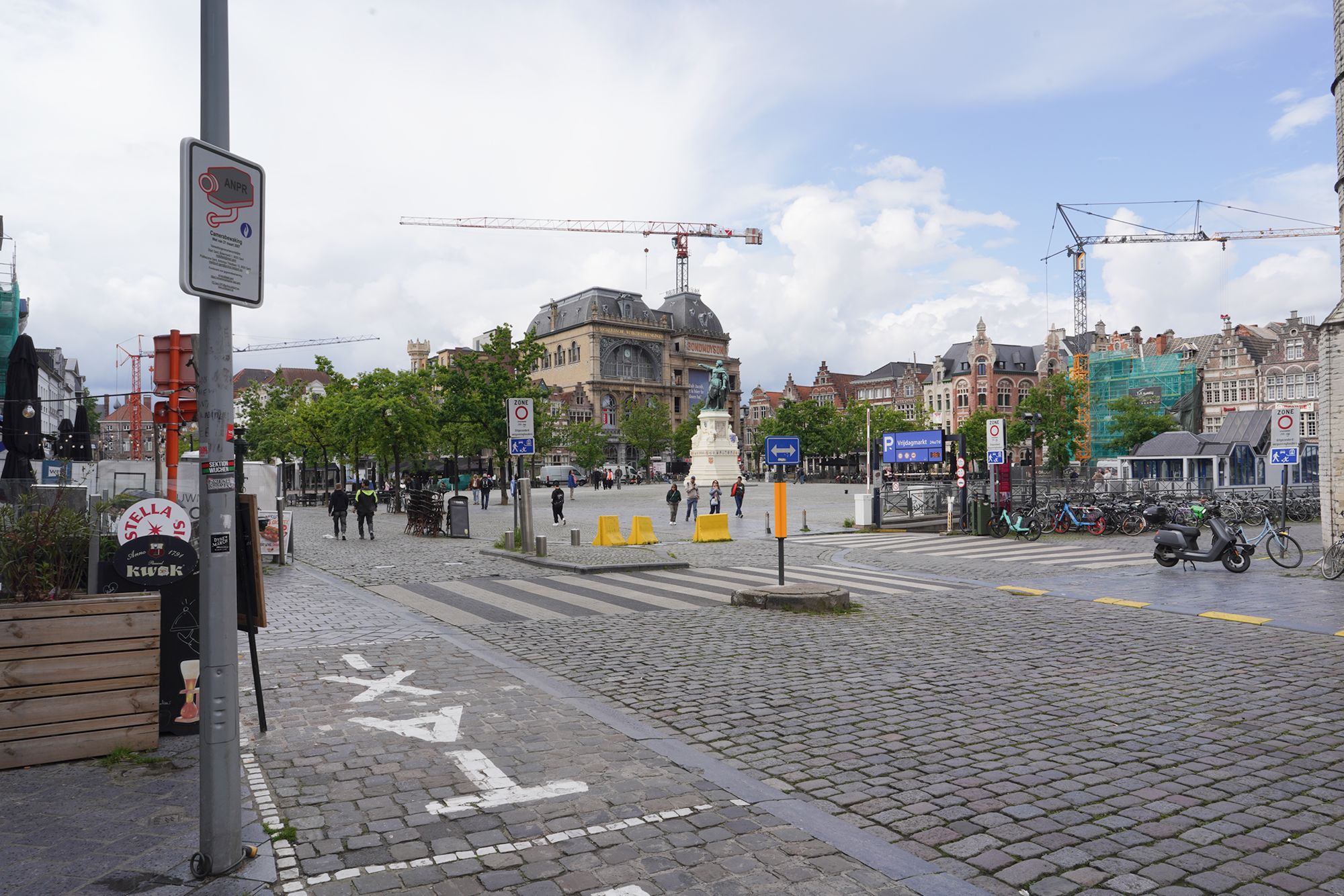
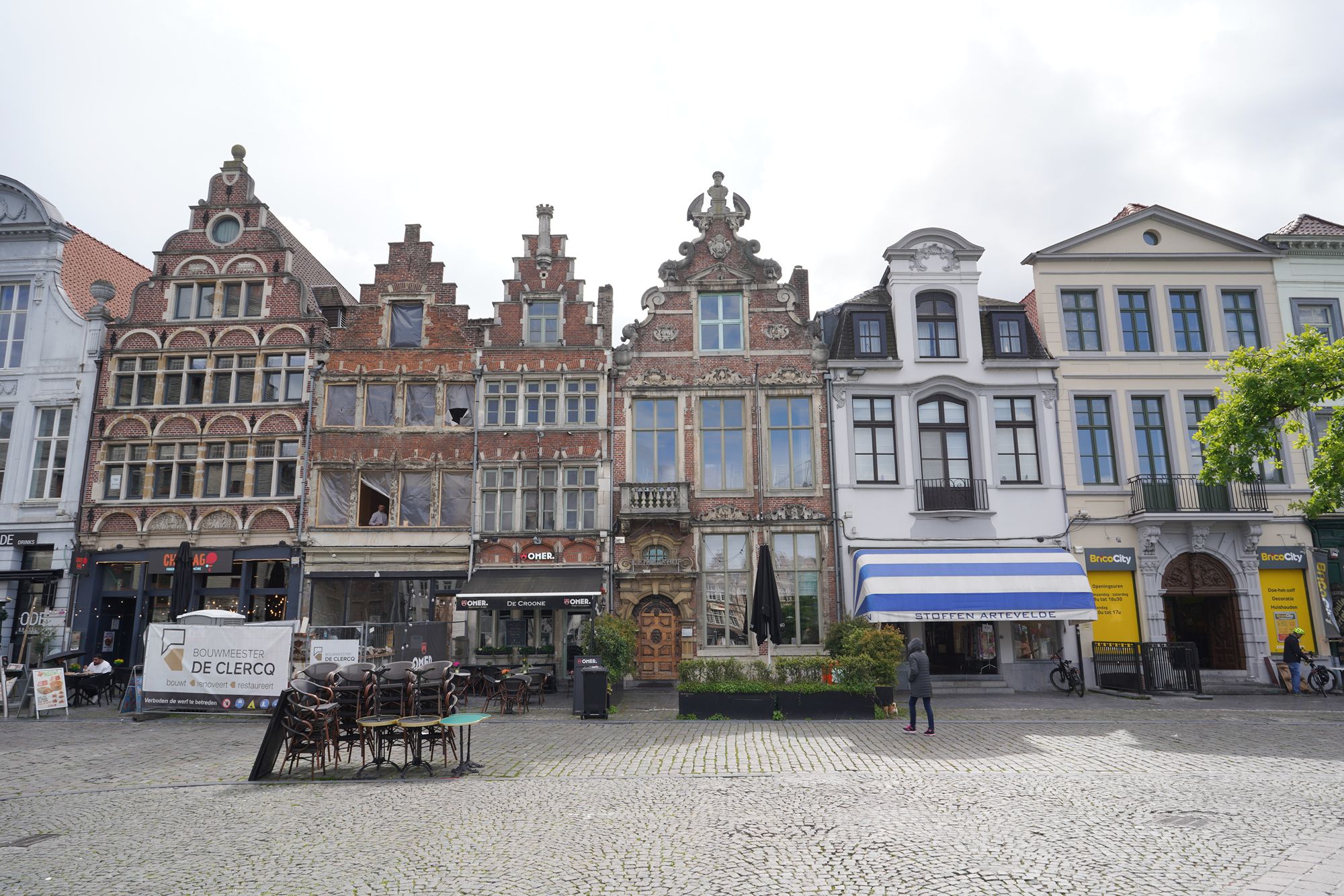
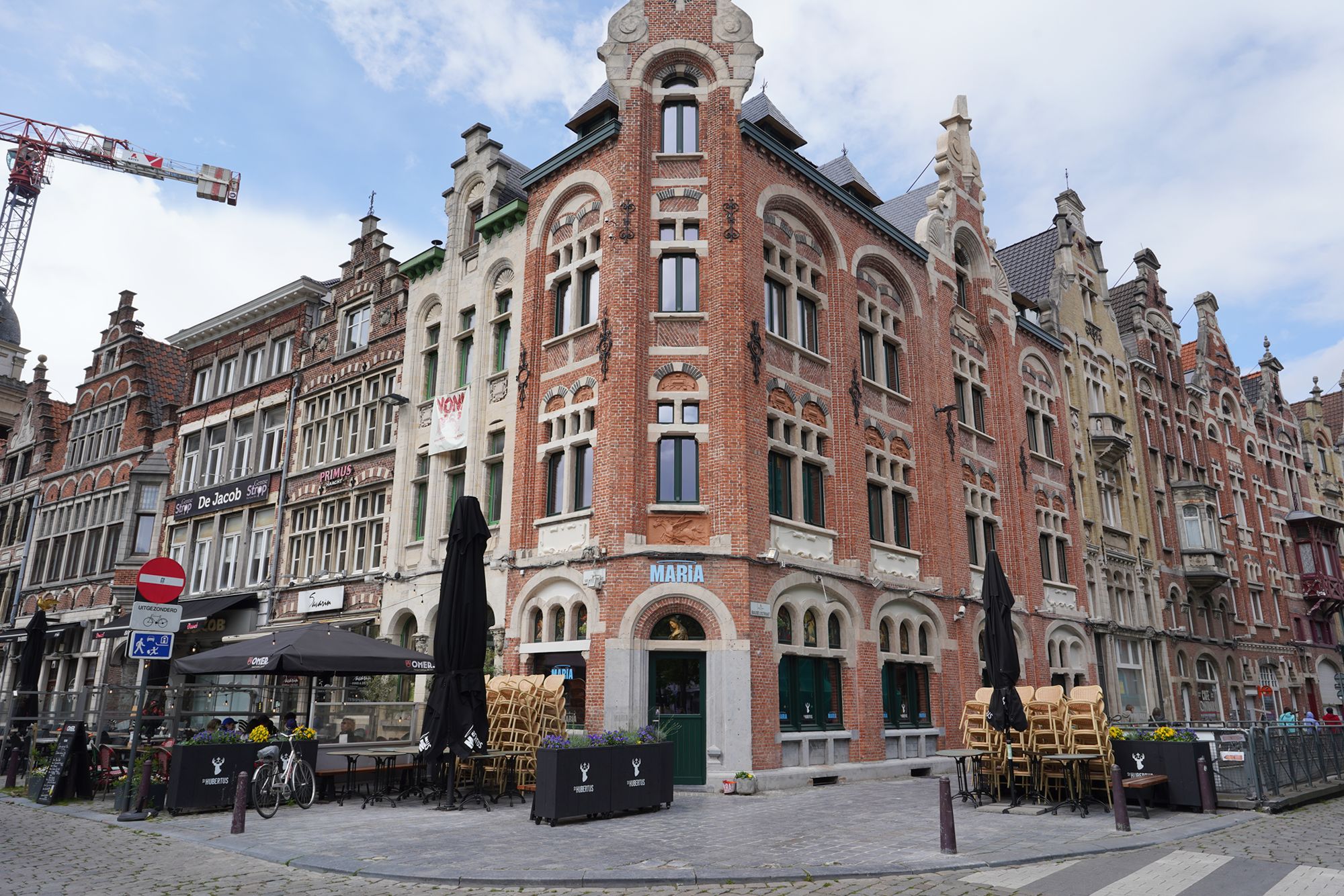
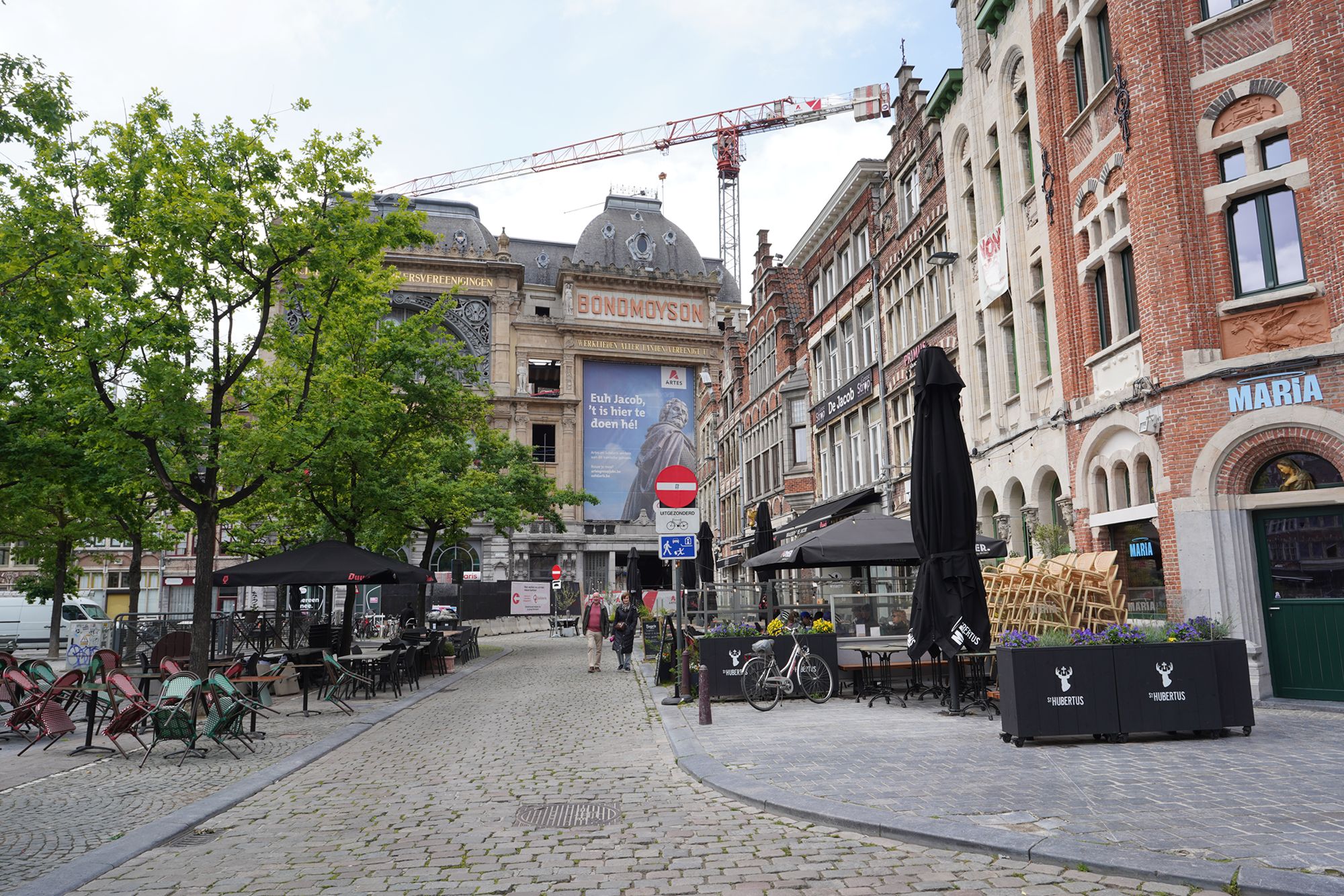
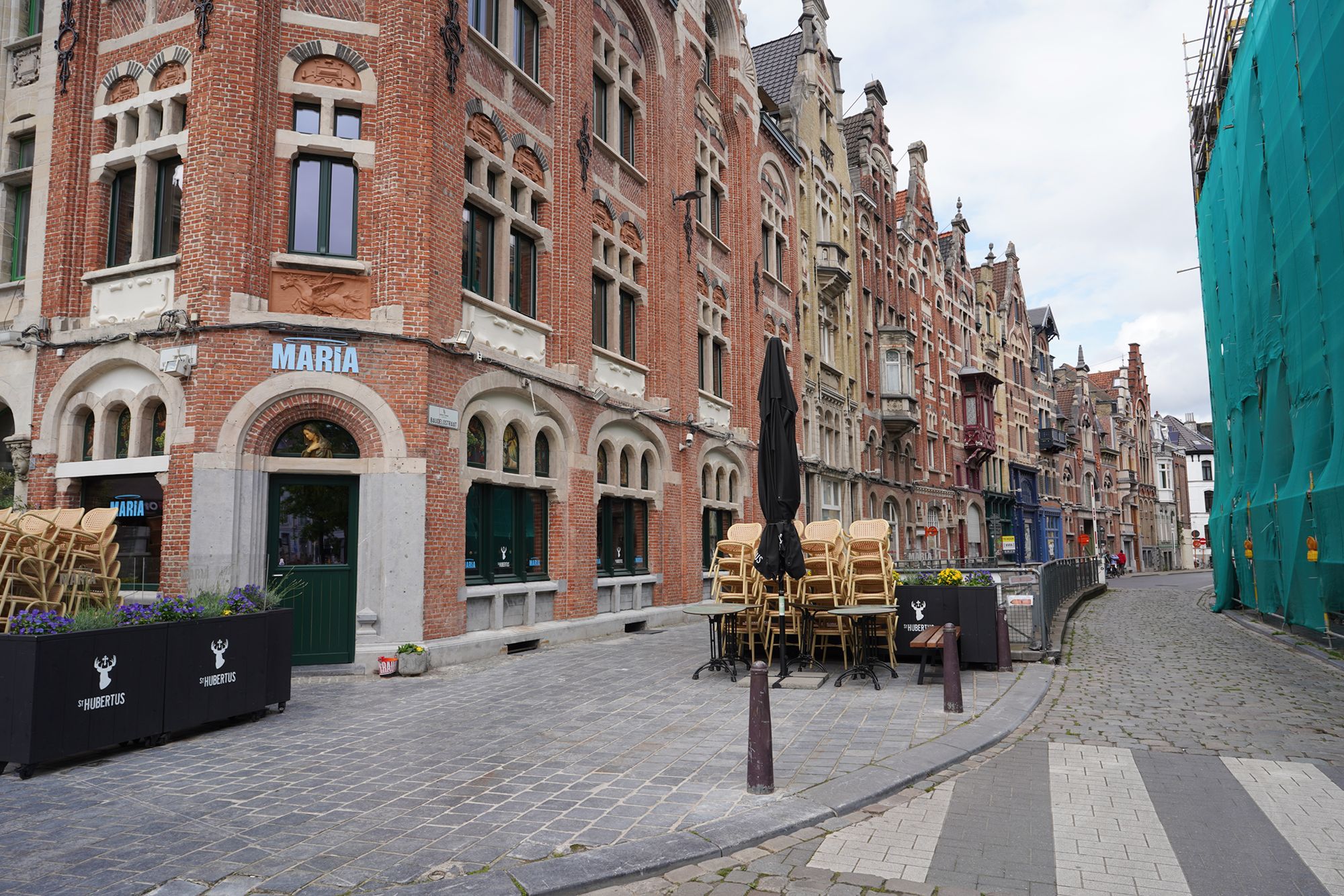
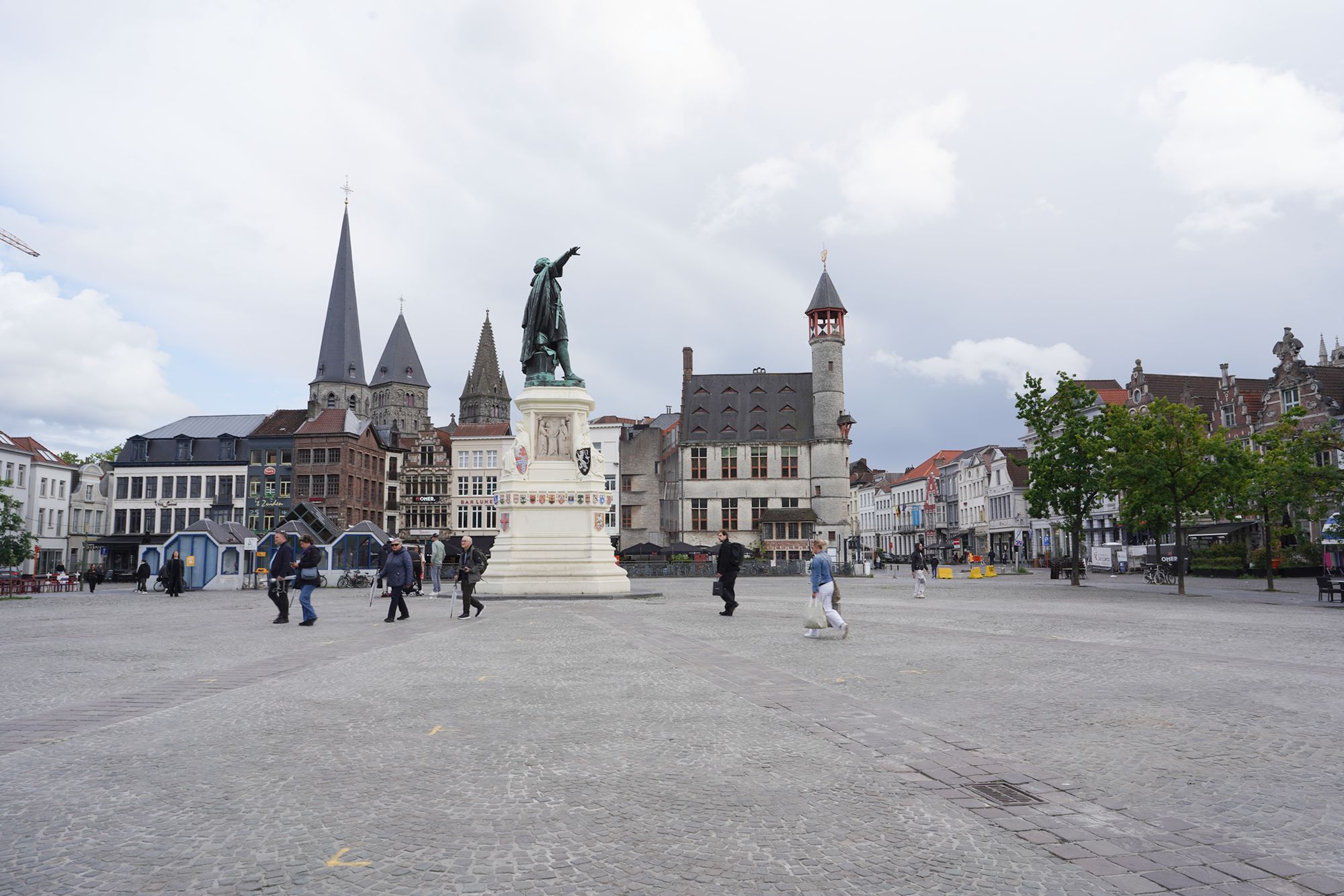
I arrived at Vrijdagmarkt (Friday Market), one of Ghent’s oldest and largest historic squares. For centuries, it was an important center of public life, markets, political gatherings, celebrations, and even executions.
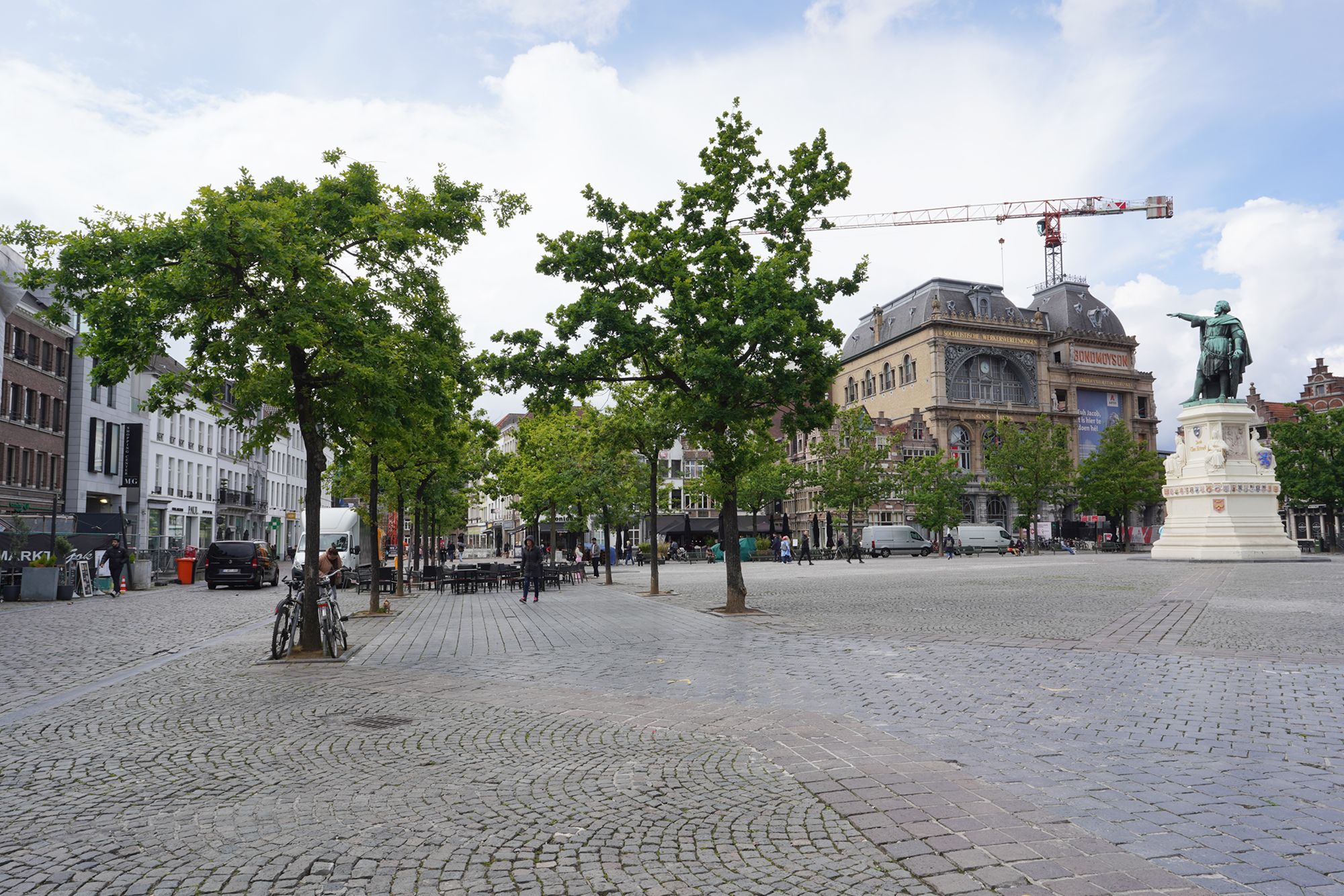
Today, the spacious square is surrounded by colorful historic buildings, cafés, and restaurants, with a statue of Jacob van Artevelde, a powerful 14th-century Ghent statesman, standing at its center.
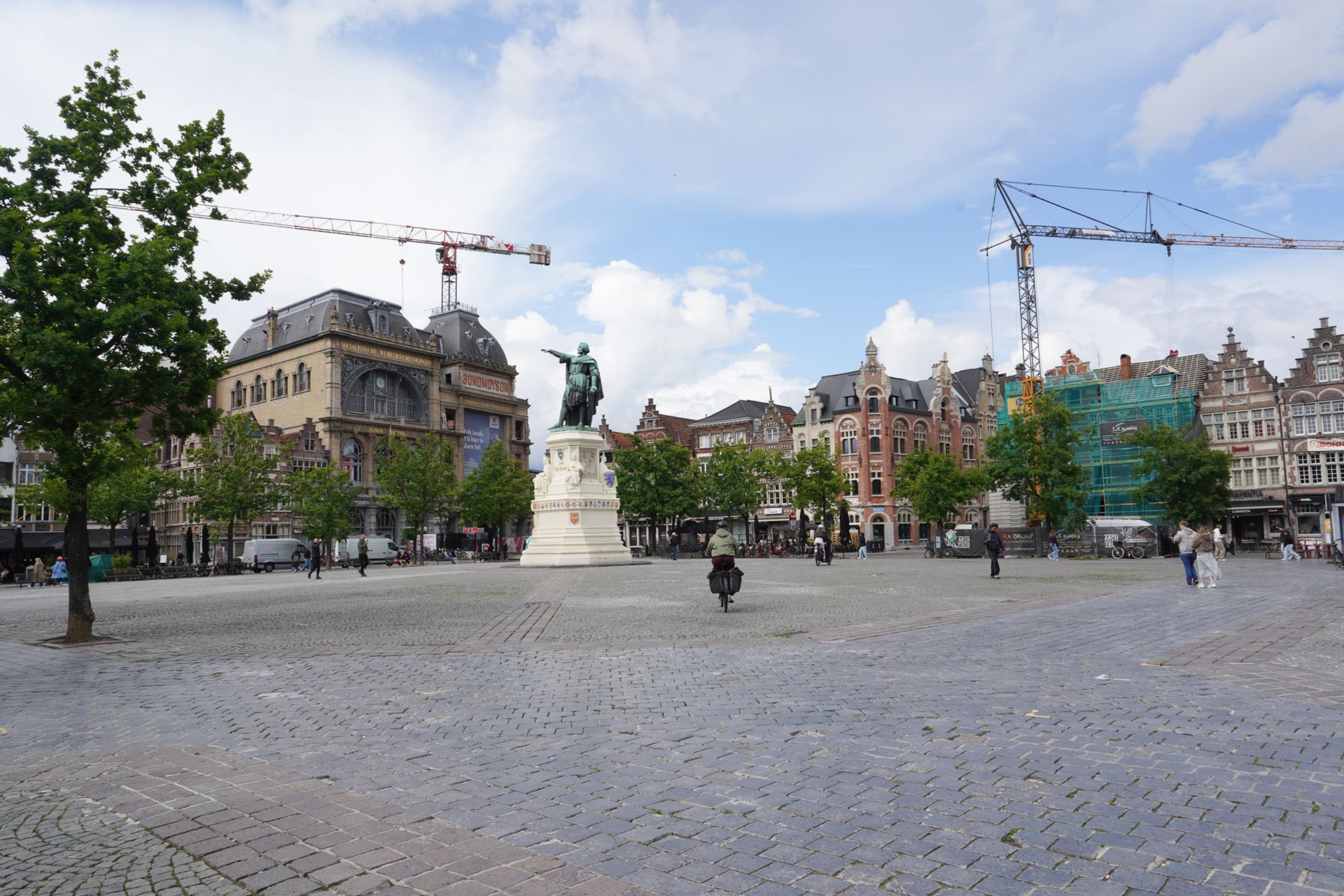
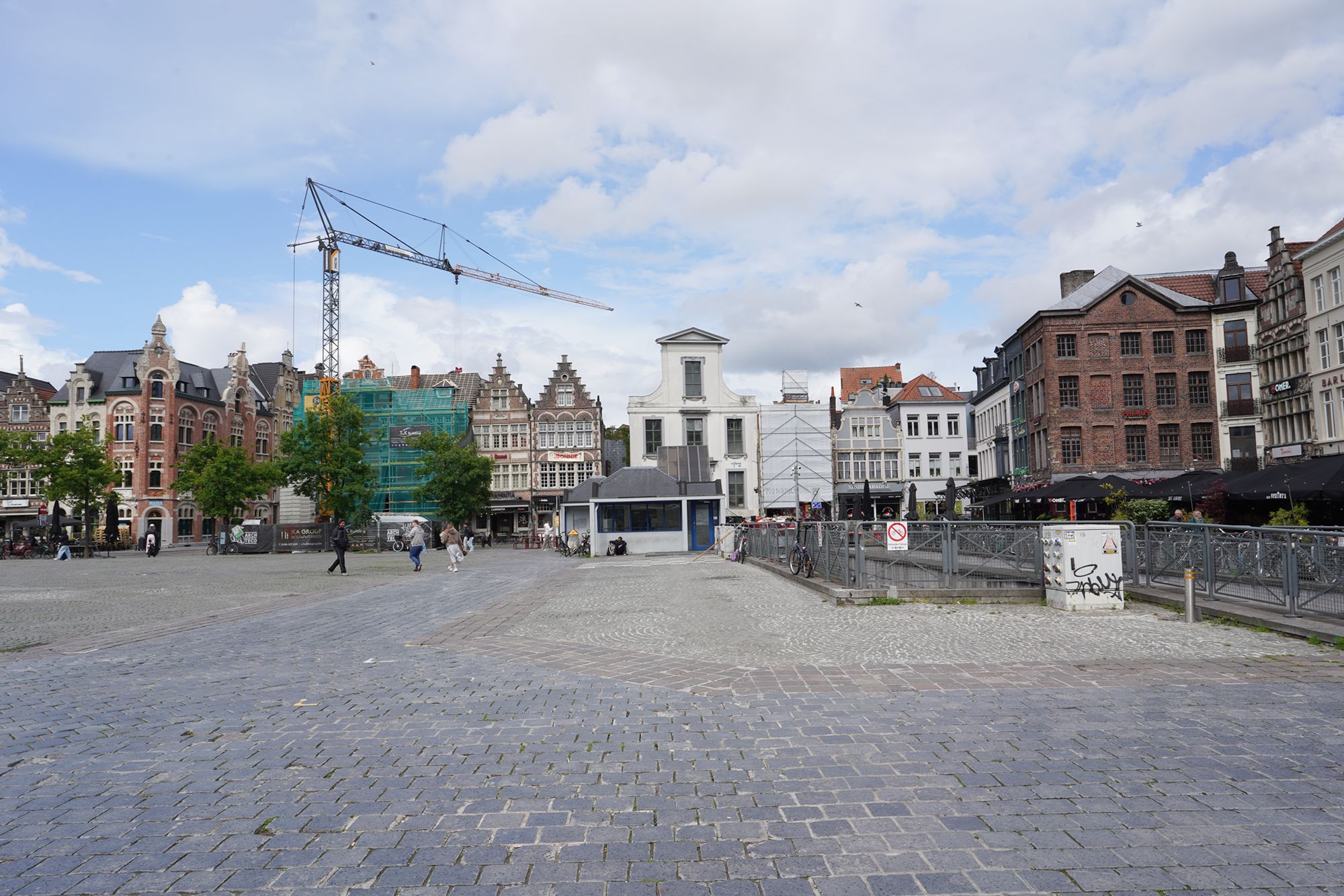
Ghent began as a settlement around the confluence of the Scheldt and Leie rivers and developed into one of the most important cities of medieval Europe. By the 12th and 13th centuries, its prosperous wool and cloth industry had made Ghent a major commercial center and one of the largest cities north of the Alps.
Its wealthy merchants and powerful craft guilds gained considerable political influence, and the city frequently resisted attempts by the Counts of Flanders and other rulers to limit its independence. Ghent’s prosperity can still be seen in landmarks such as the Belfry, Cloth Hall, Gravensteen Castle, and its great medieval churches.
During the 15th century, Ghent became an important center of Flemish art and culture. Its greatest artistic treasure, the Ghent Altarpiece, was completed by Hubert and Jan van Eyck in 1432.
Ghent later declined as a major commercial center, particularly after religious conflicts and political upheaval during the 16th century. It revived during the Industrial Revolution, becoming an important textile-manufacturing city.
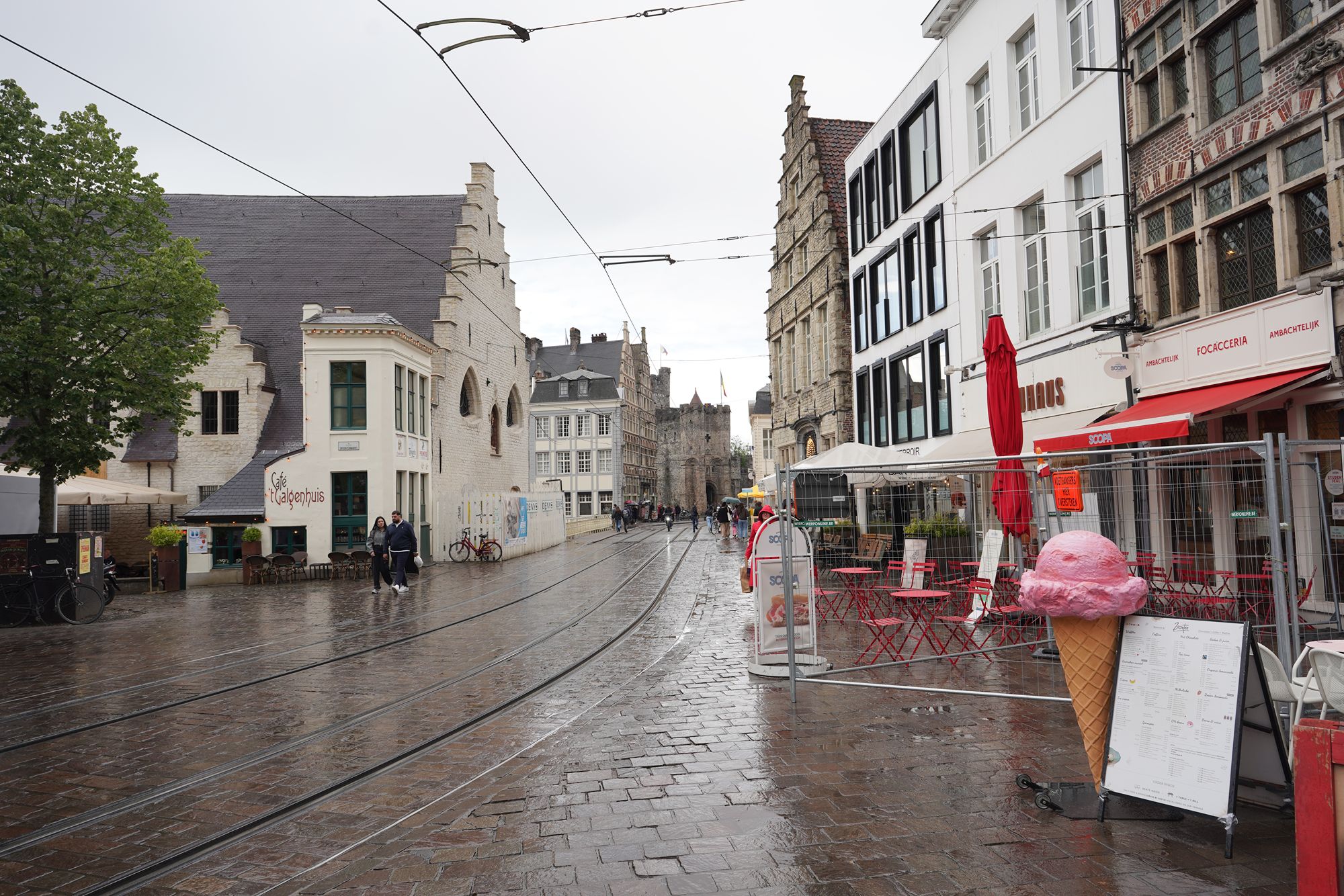
Today, Ghent combines its remarkably preserved medieval heritage with a lively modern city, university, cultural scene, and active historic center.
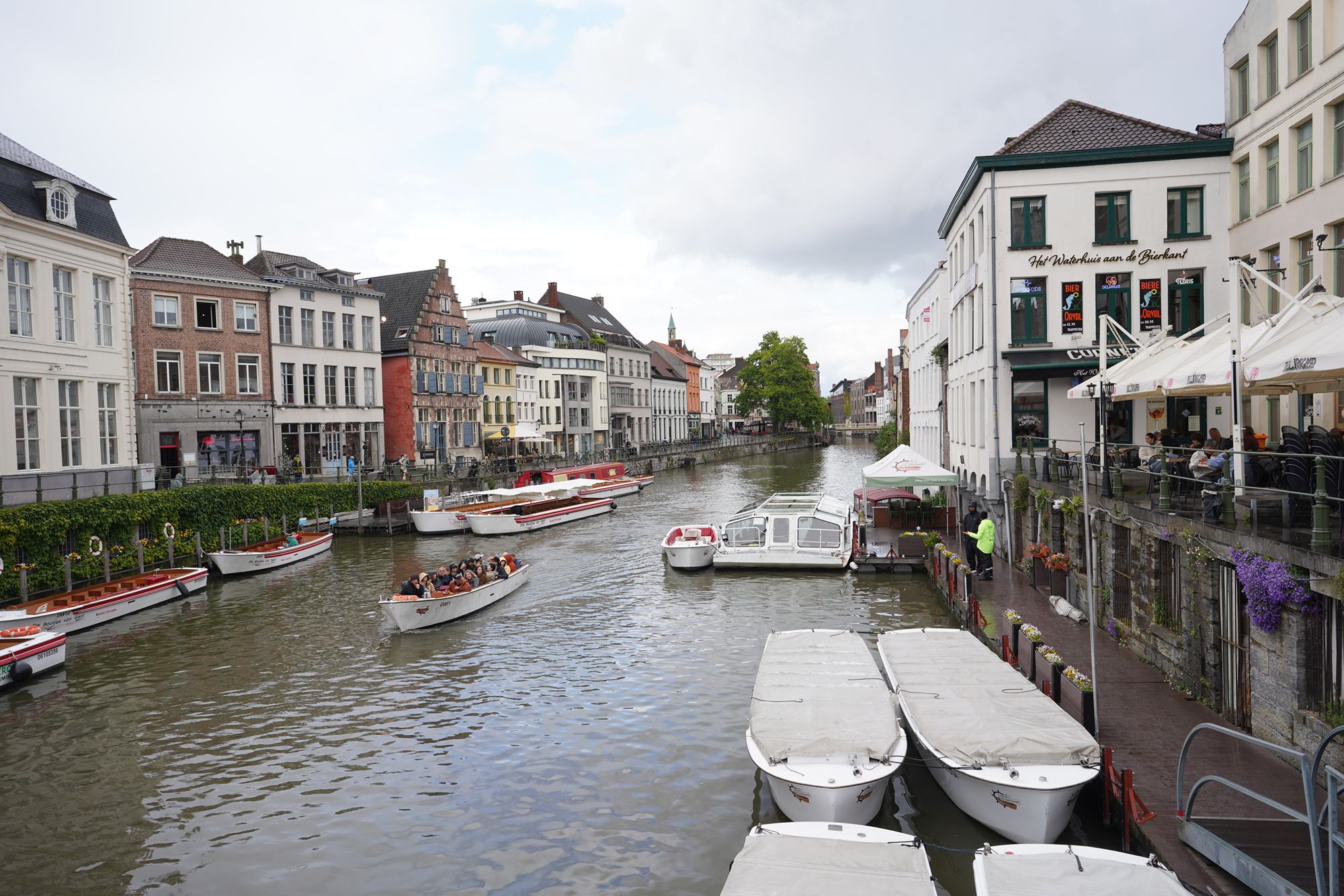
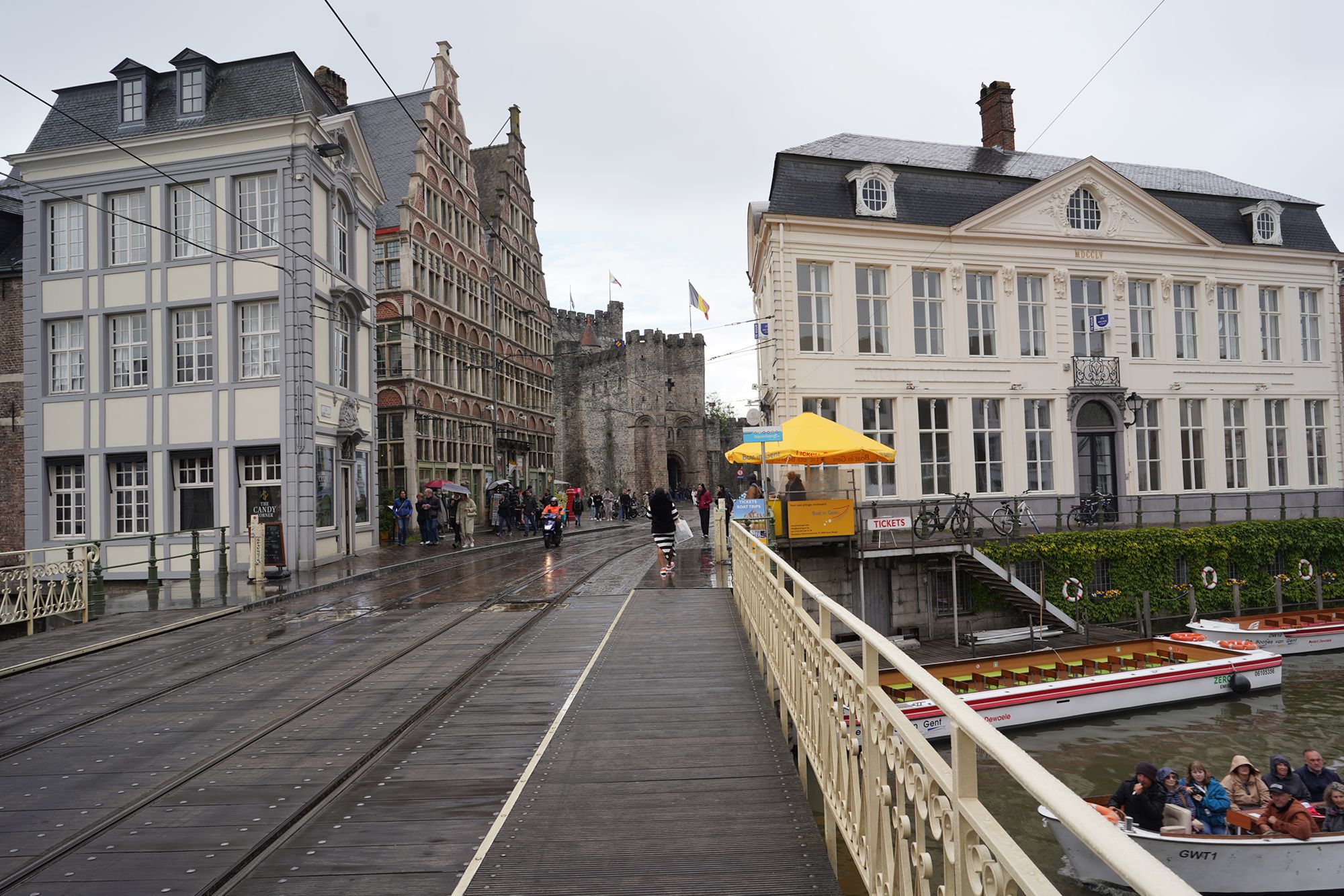
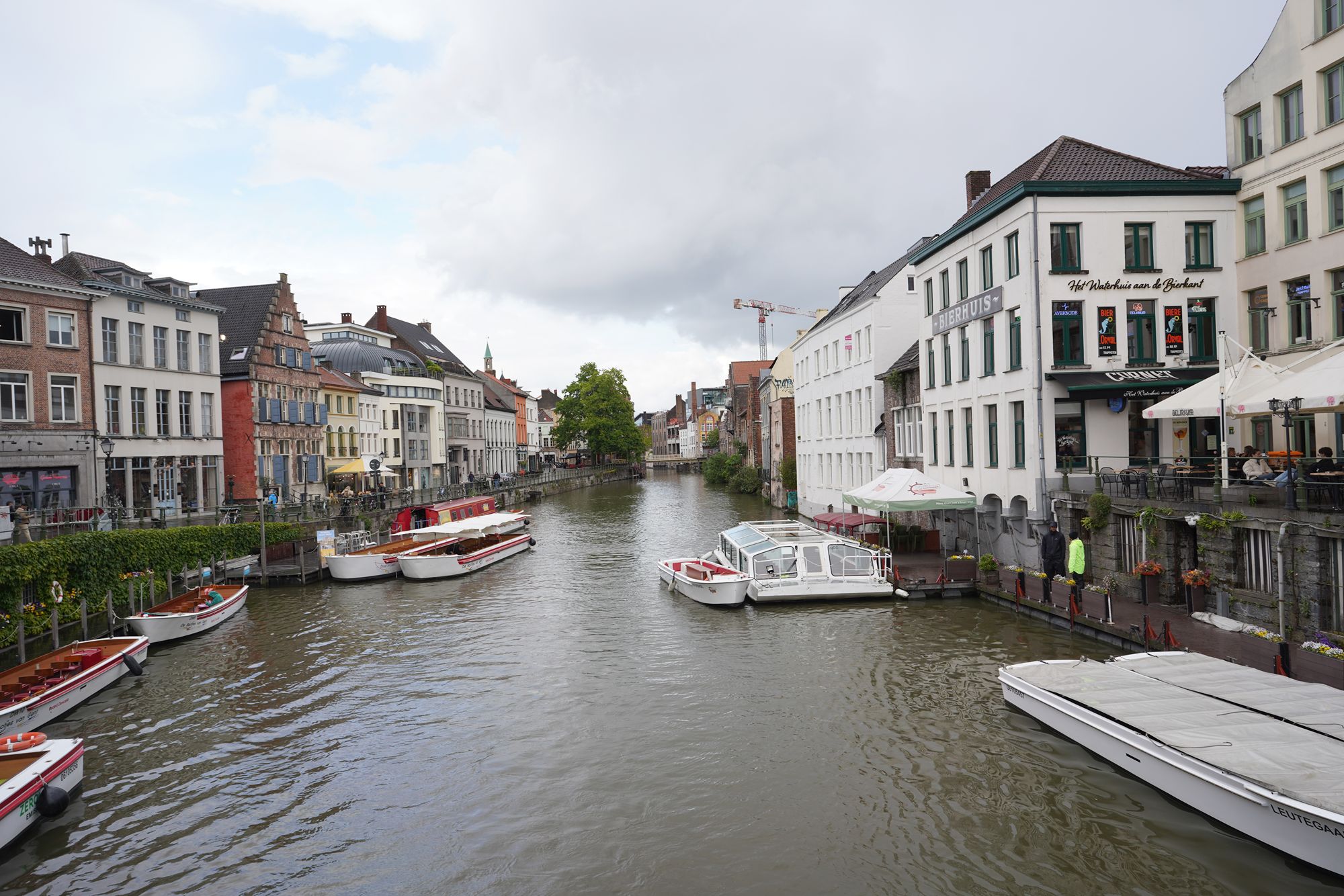
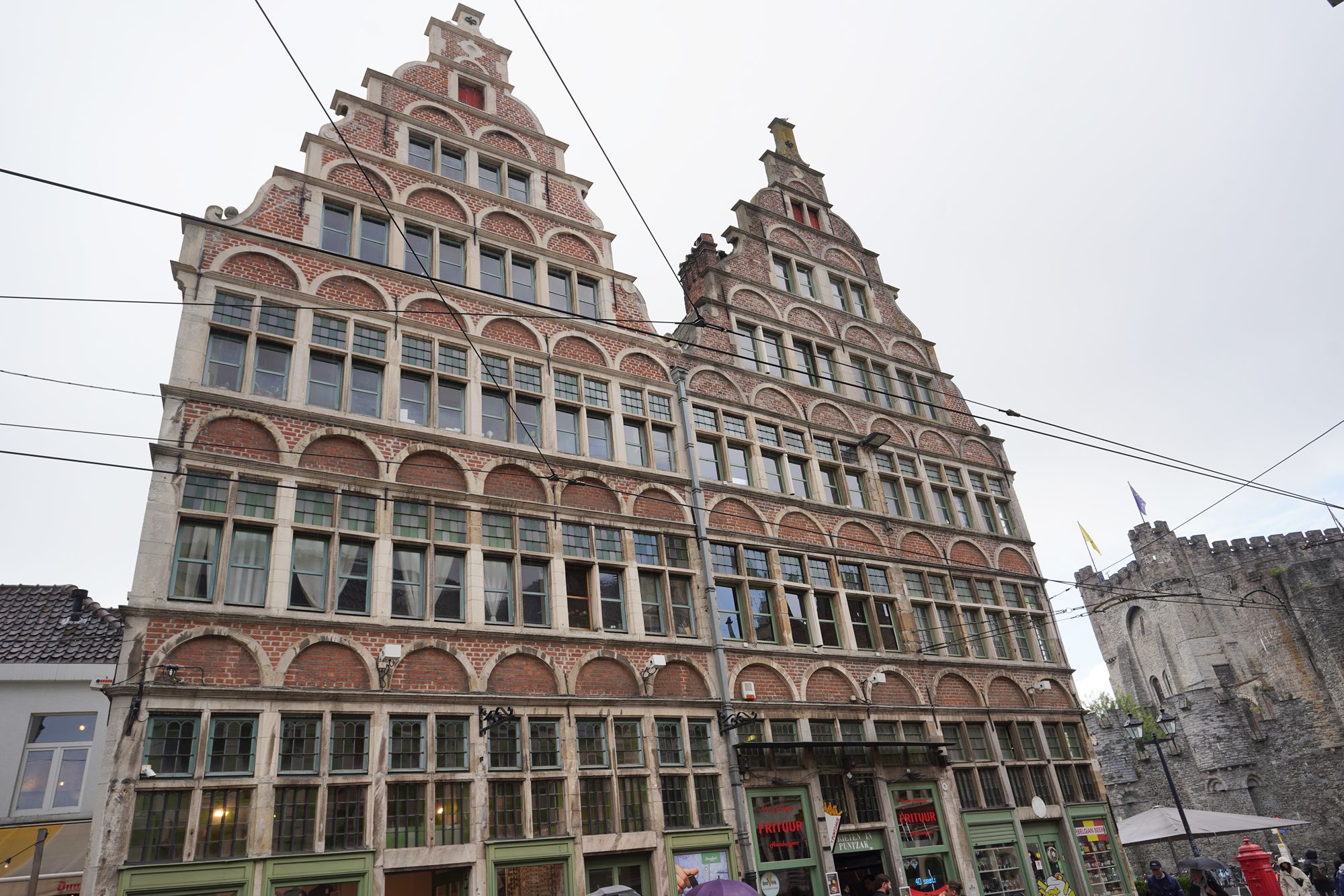
I came to the Castle of the Counts (Gravensteen), one of Ghent’s most impressive medieval landmarks. The imposing stone fortress was built in 1180 by Philip of Alsace, Count of Flanders, and served as a residence and symbol of the counts’ power. With its massive walls, towers, battlements, and moat, the castle offers a striking glimpse into medieval Ghent.