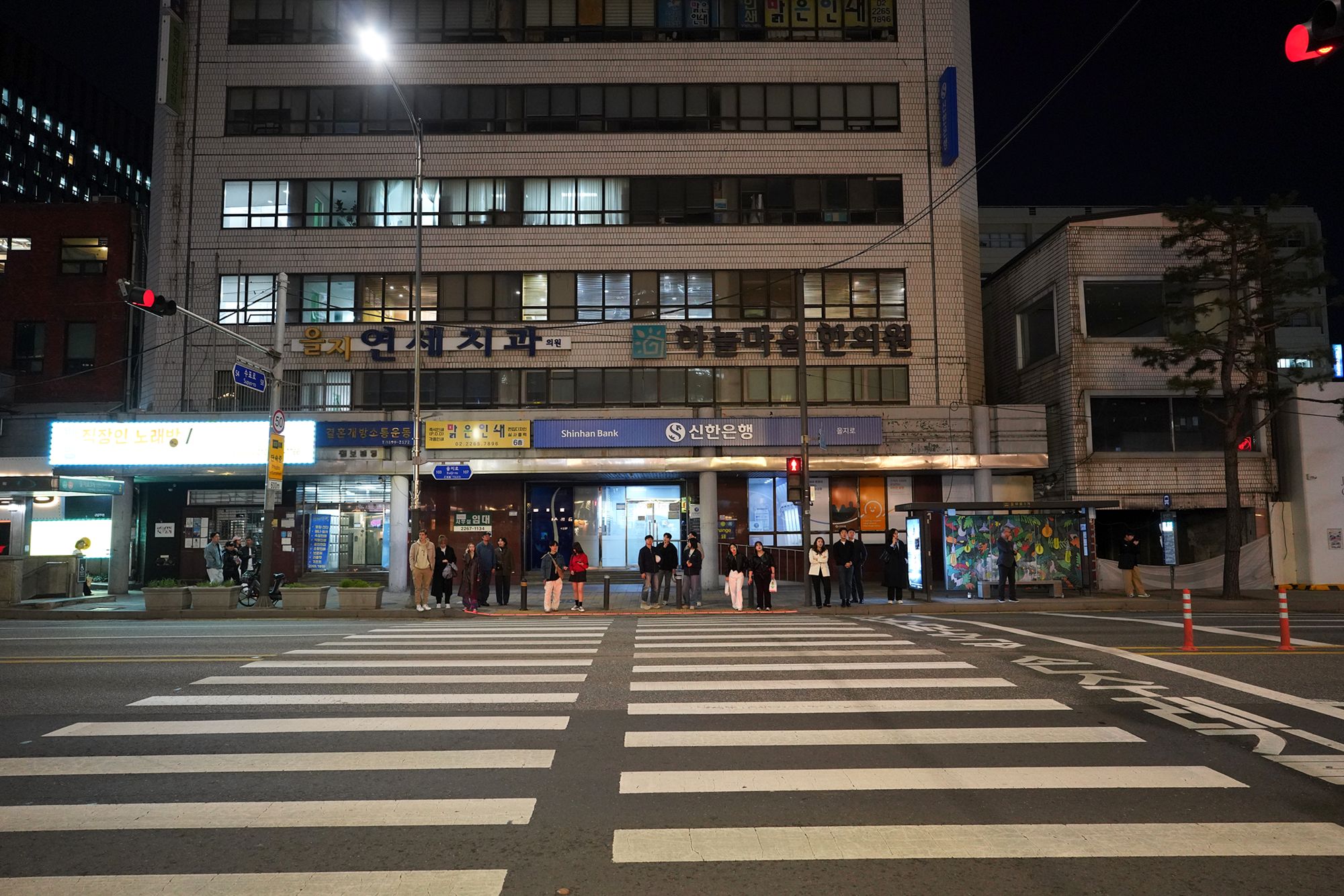
Seoul Uljiro Walk, South Korea
A walk through the lively Euljiro area, exploring its narrow alleys, restaurants, cafés, shops, and busy streets. 1273
Seoul Film Center: 64-11 Euljiro-dong, Jung District, Seoul, South Korea
Daerim Sangga: 157 Eulji-ro, Jung District, Seoul, South Korea
H.Art1 (하트원): 167 Eulji-ro, Jung District, Seoul, South Korea
Seosulla-gil: Jongno District, Seoul, South Korea
Changgyeonggung Palace: 185 Changgyeonggung-ro, Jongno District, Seoul, South Korea
Uljiro & 3rd Steet Food Street: 114-6 Eulji-ro, Jung District, Seoul, South Korea
Date Picture Taken: Mar, 2026
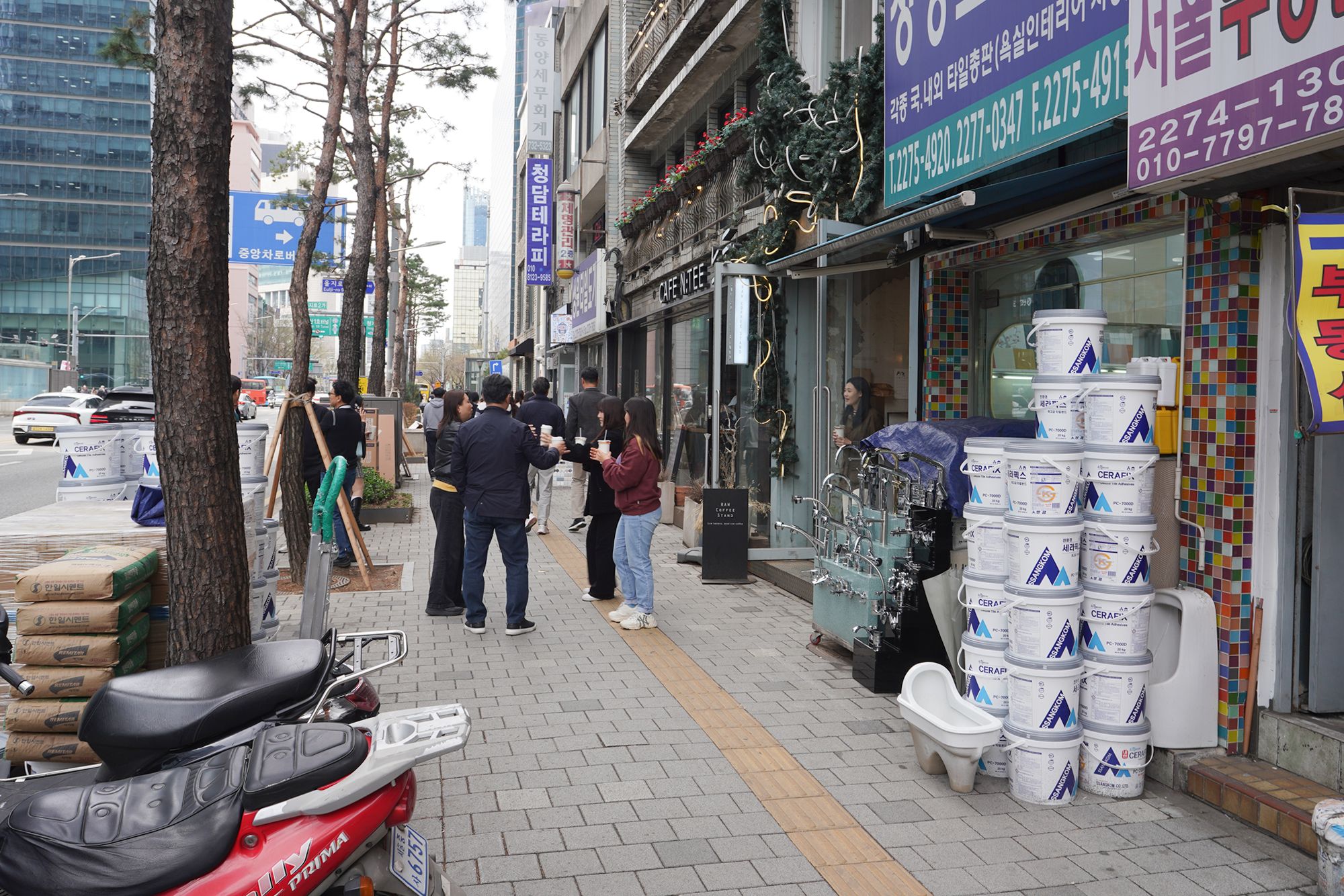
I explored the Euljiro area first because that was where I was staying in Seoul. It was an area I wasn’t very familiar with, but it seemed to be especially popular with young people.
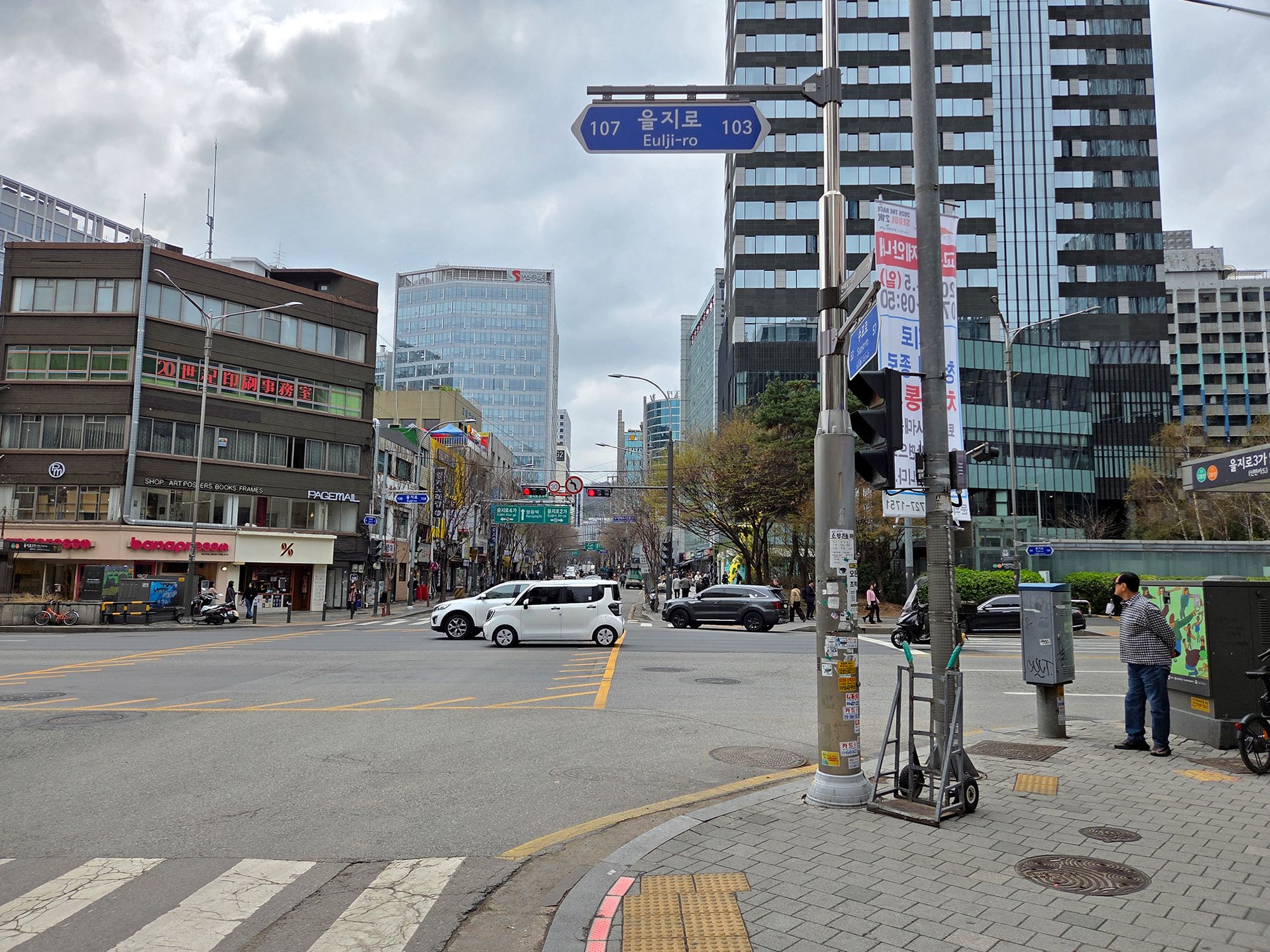
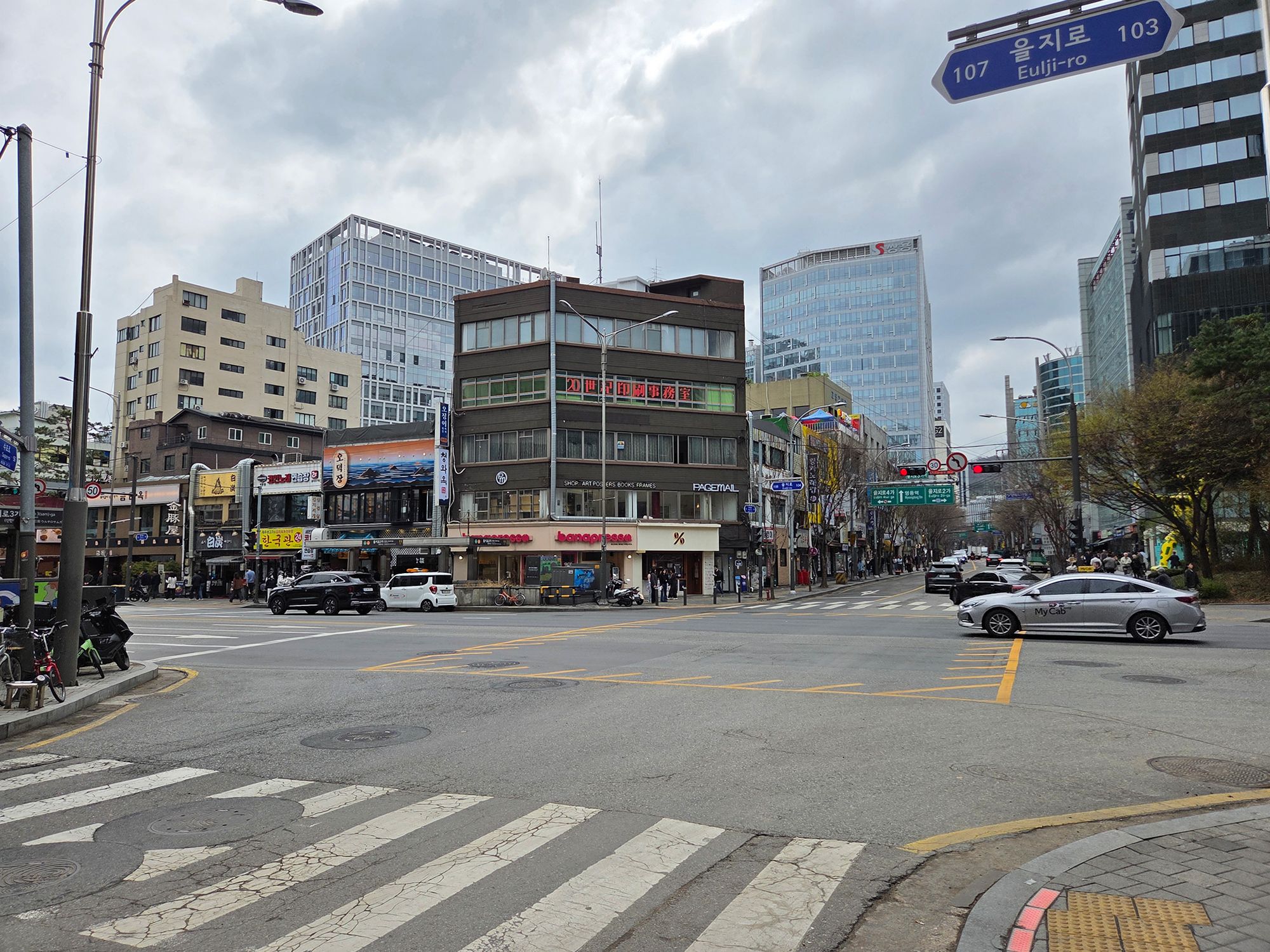
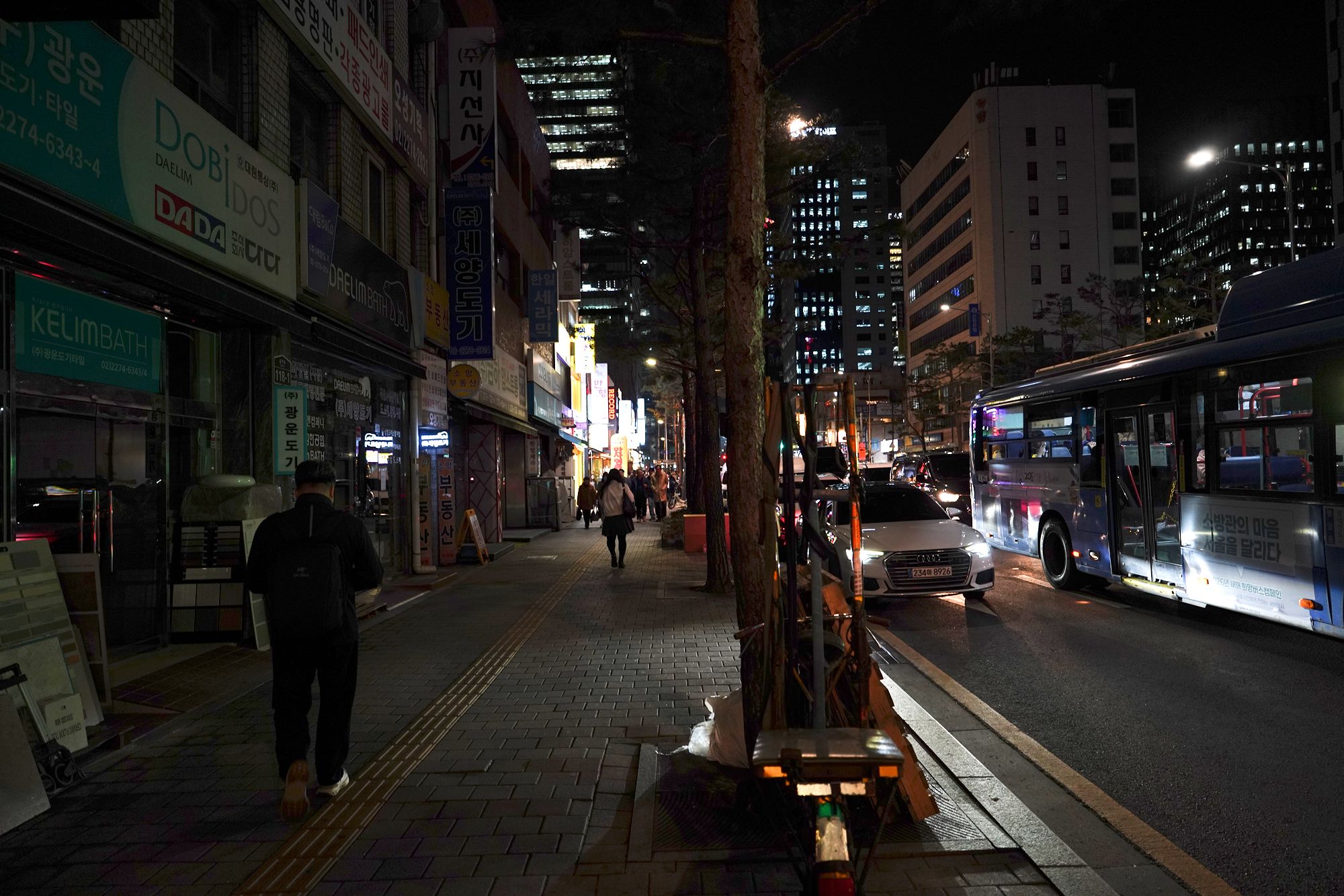
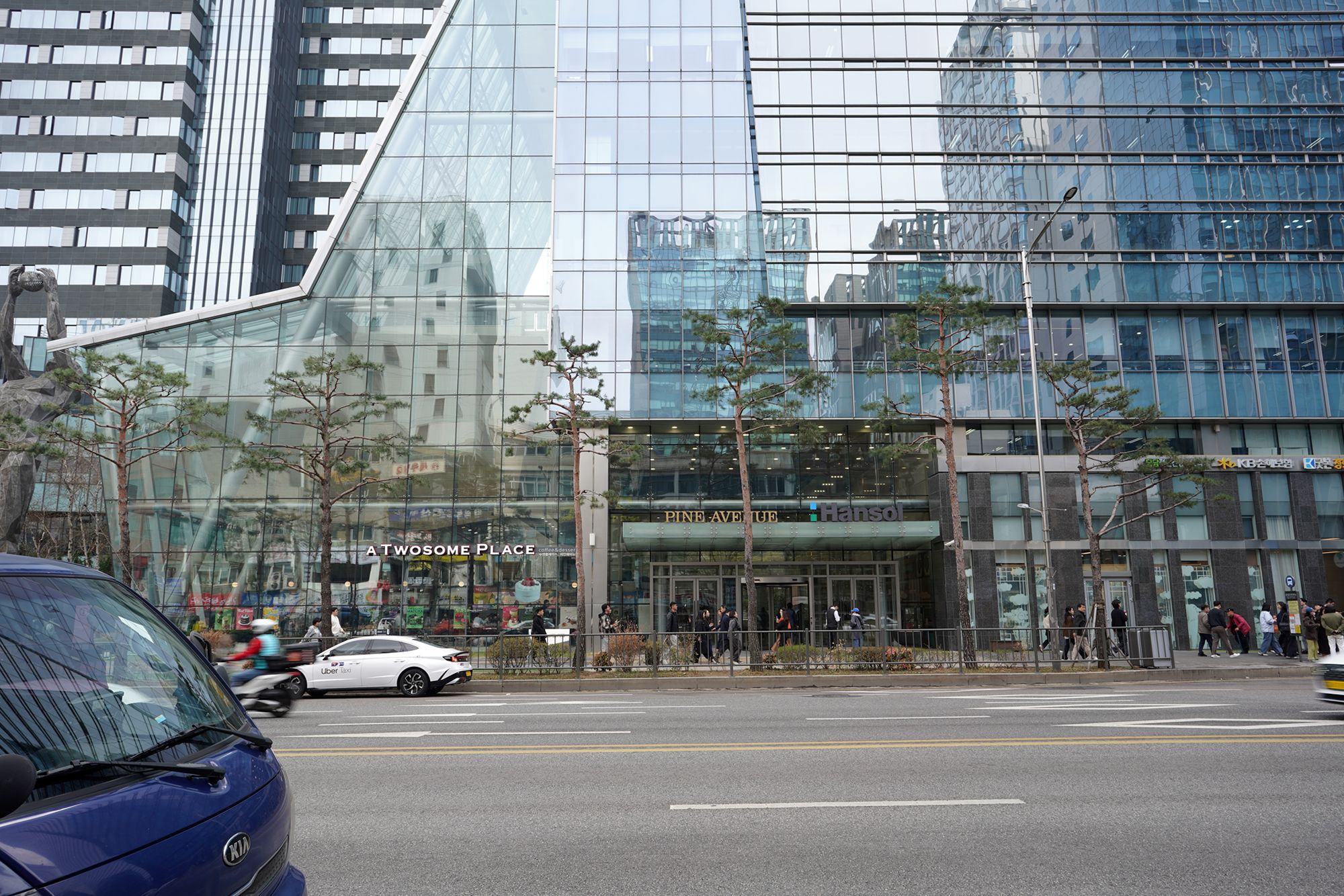
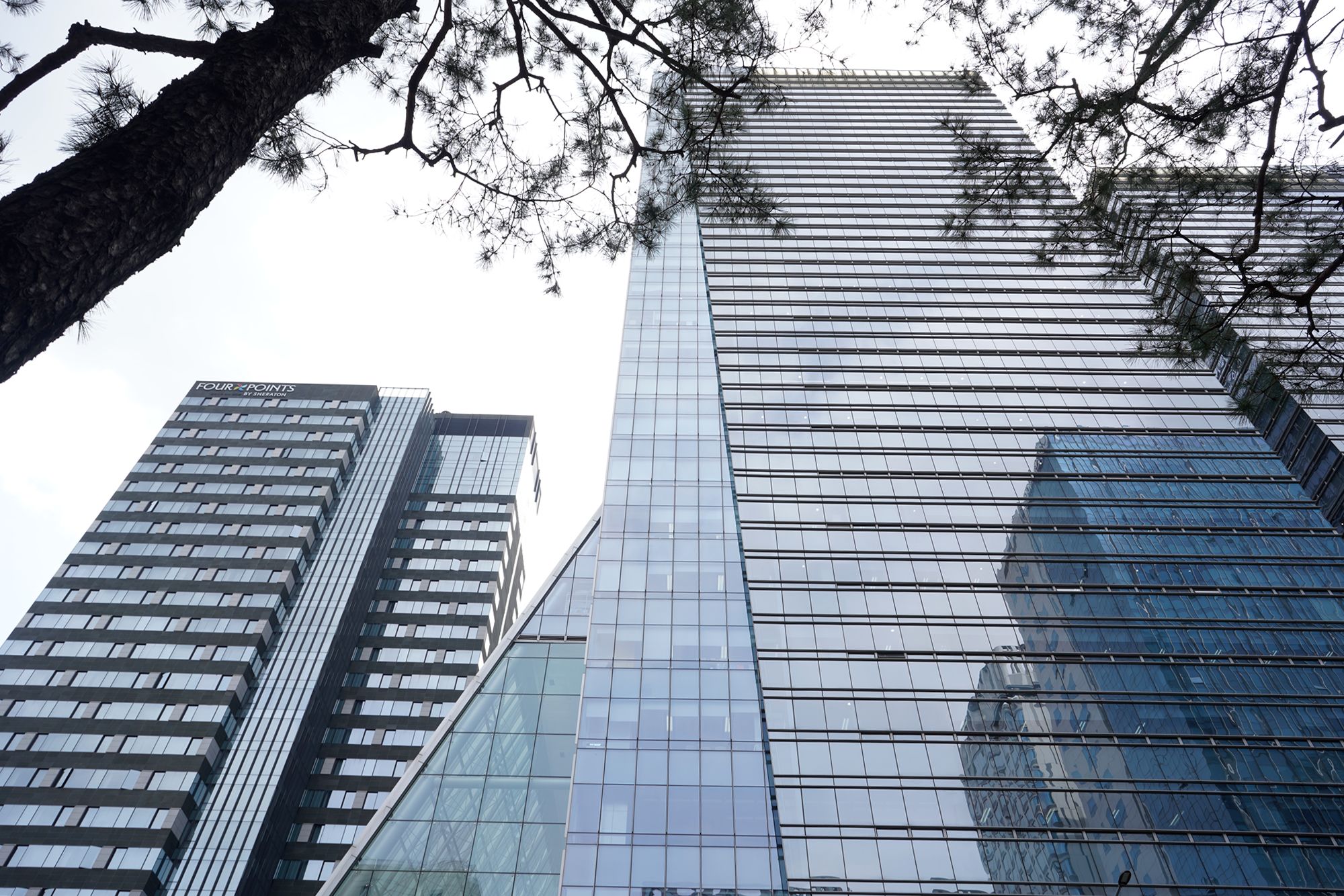
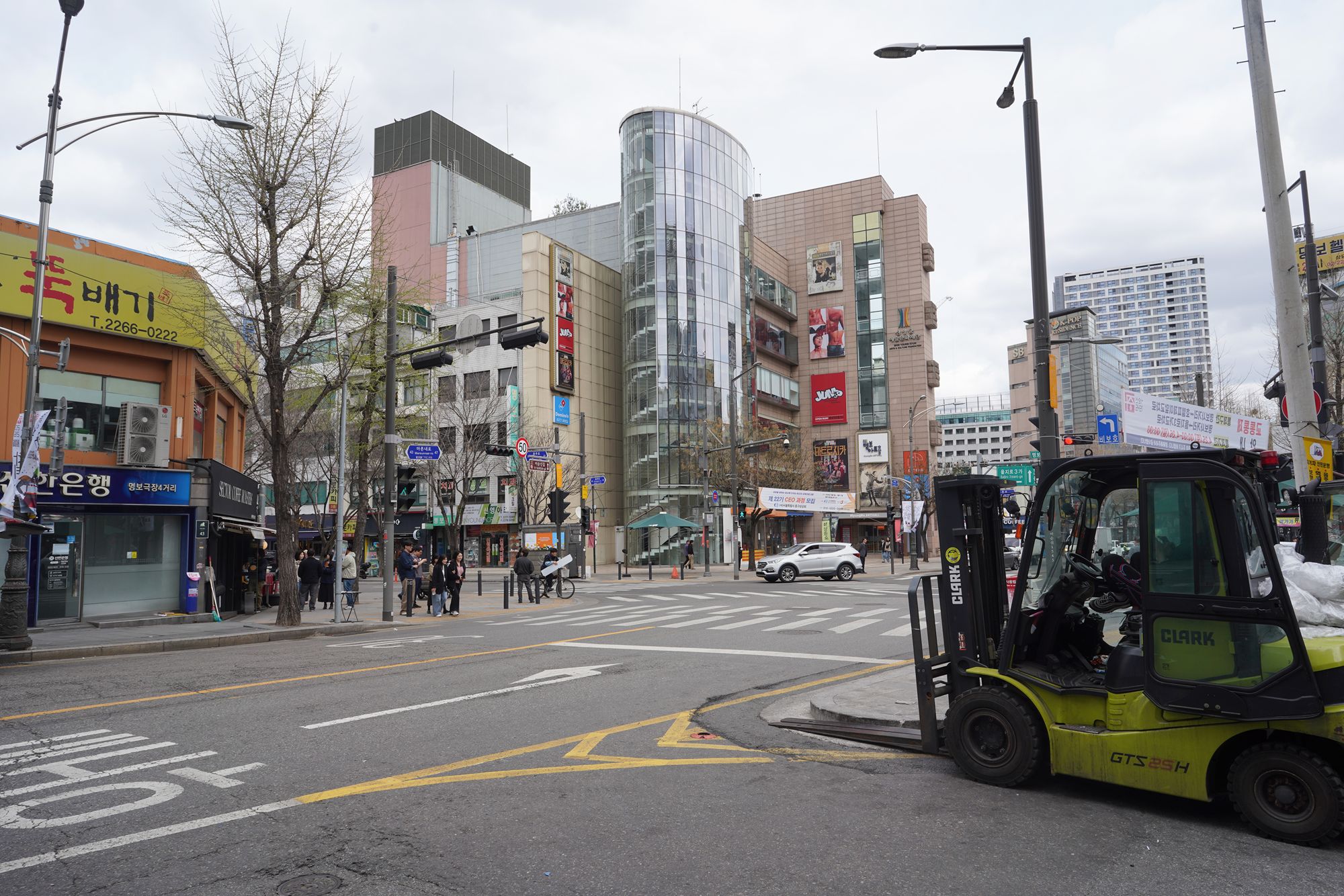
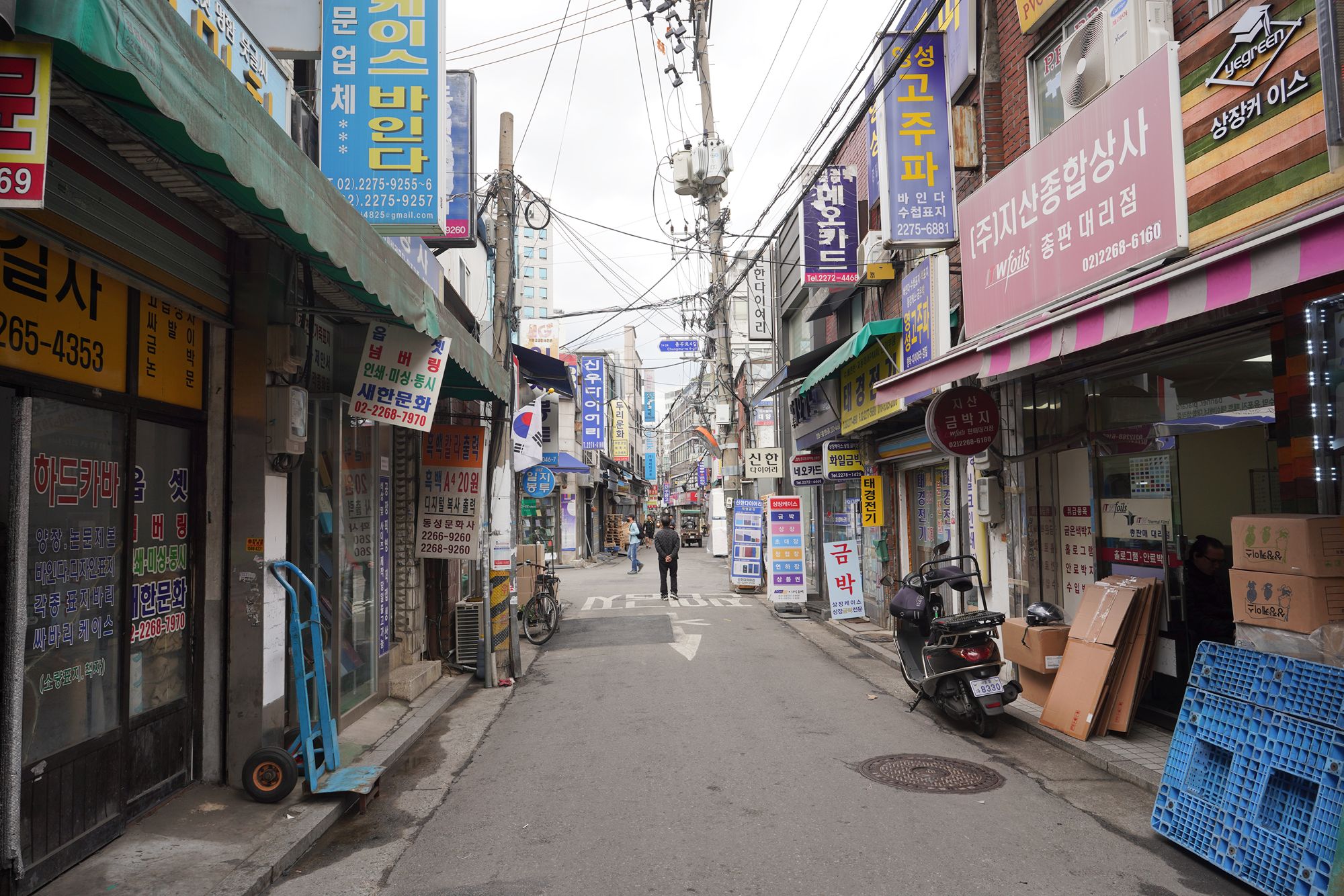
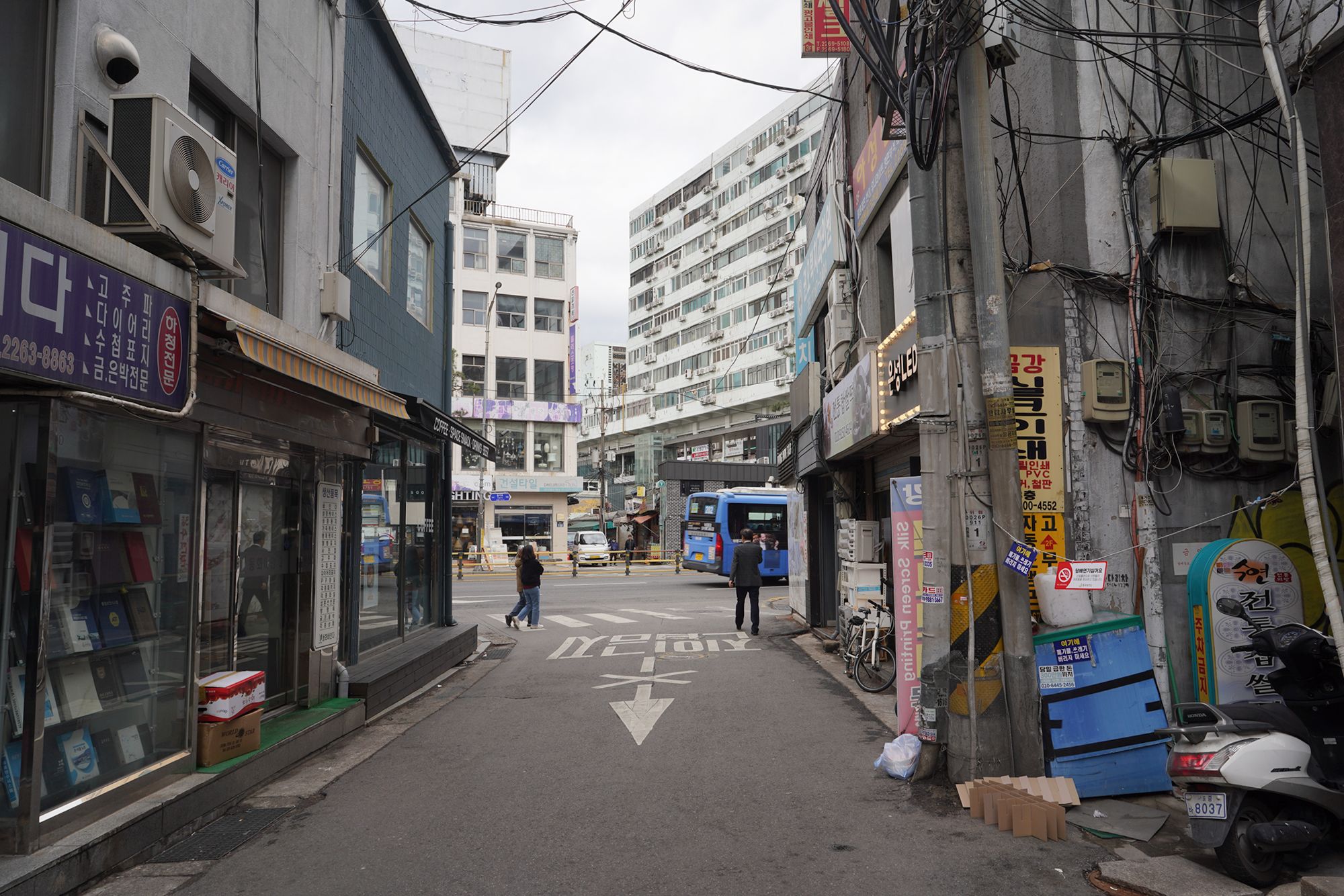
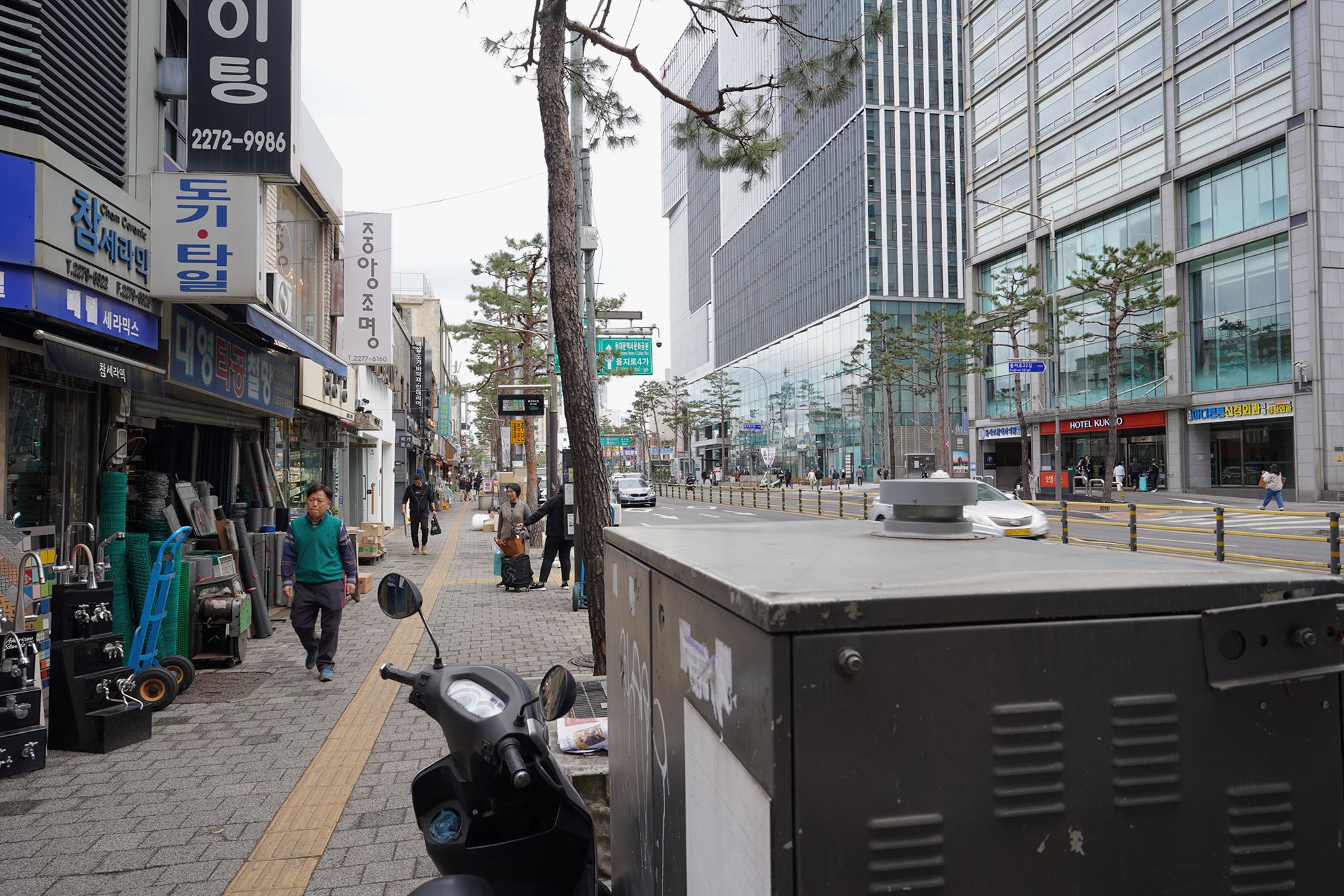
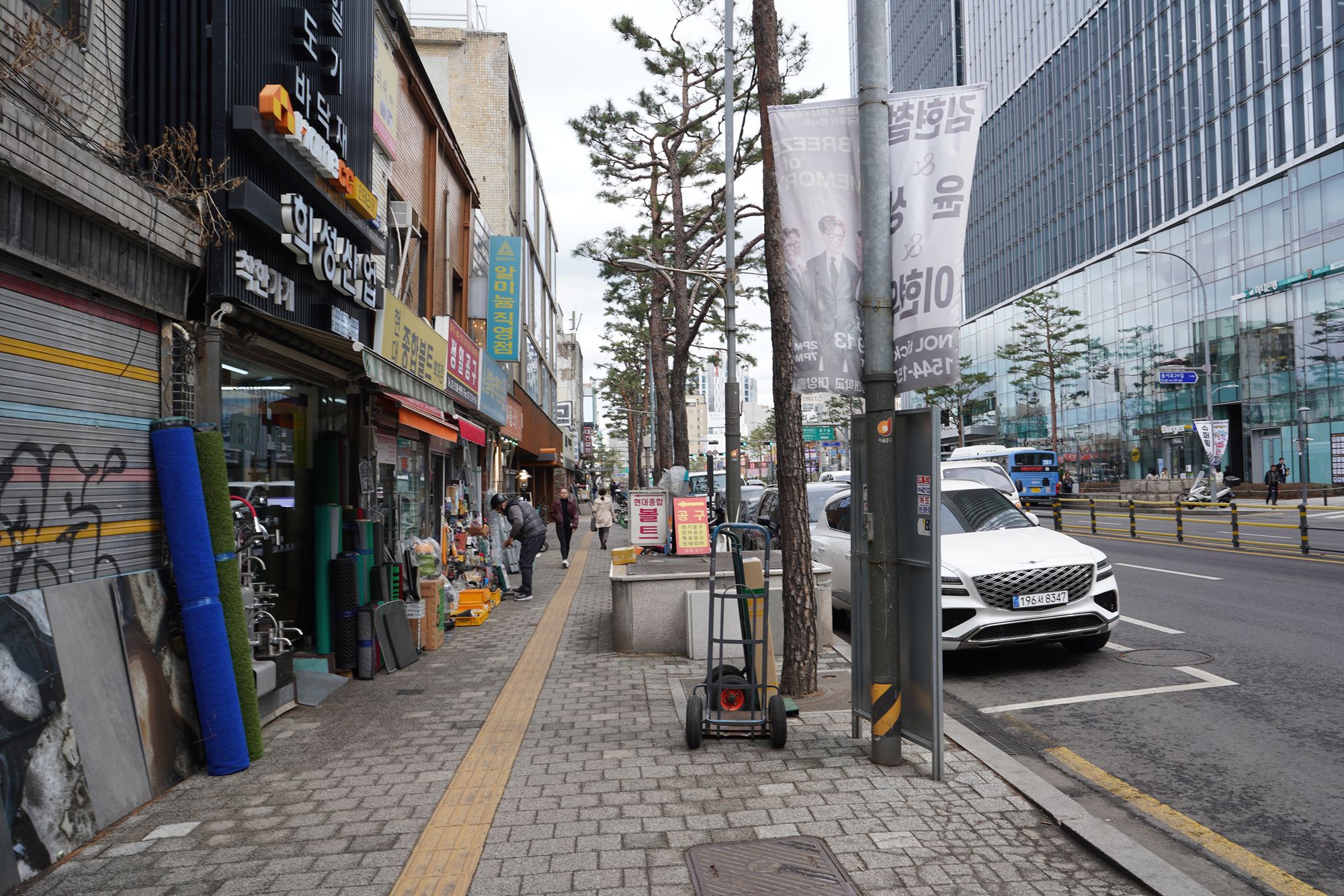
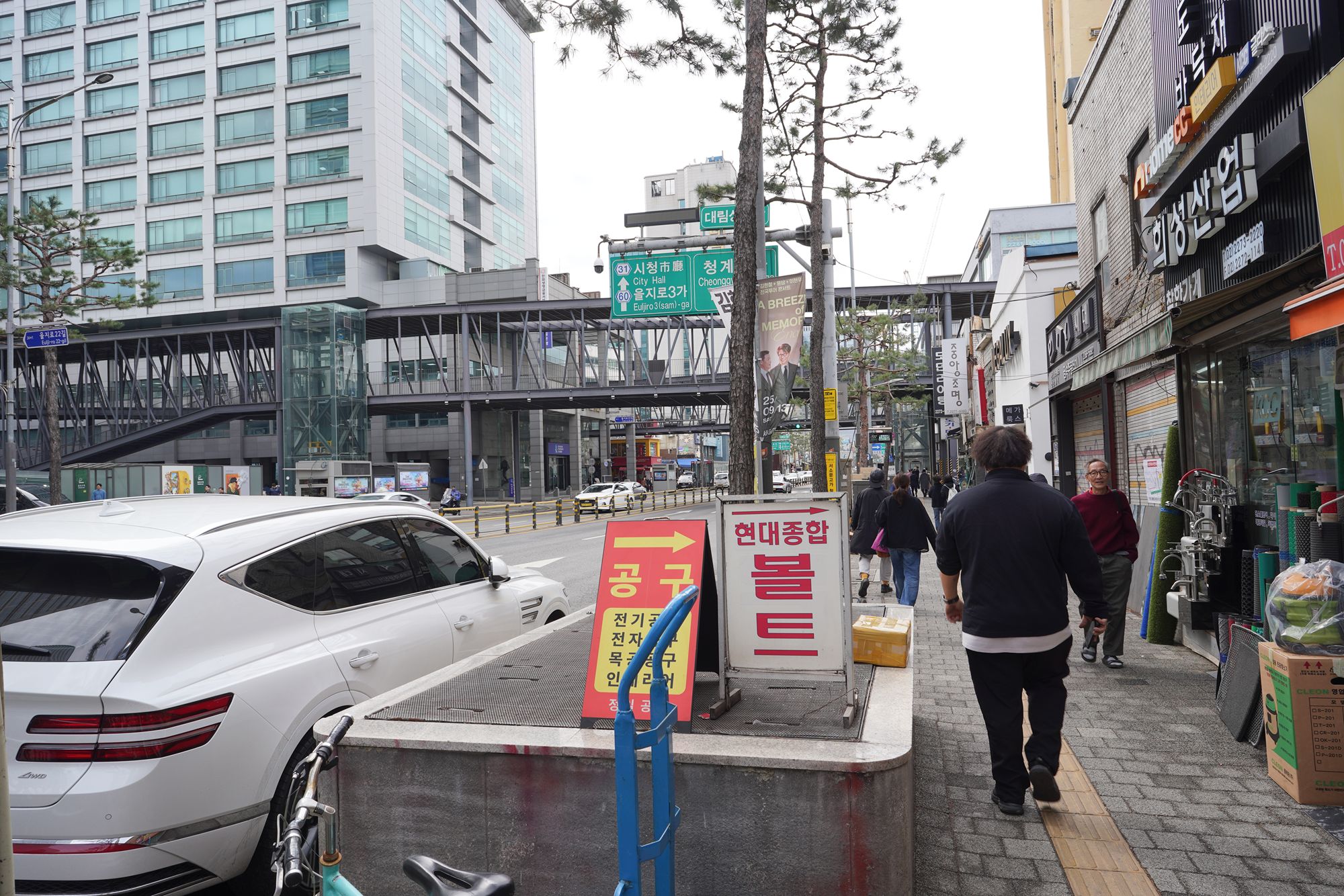
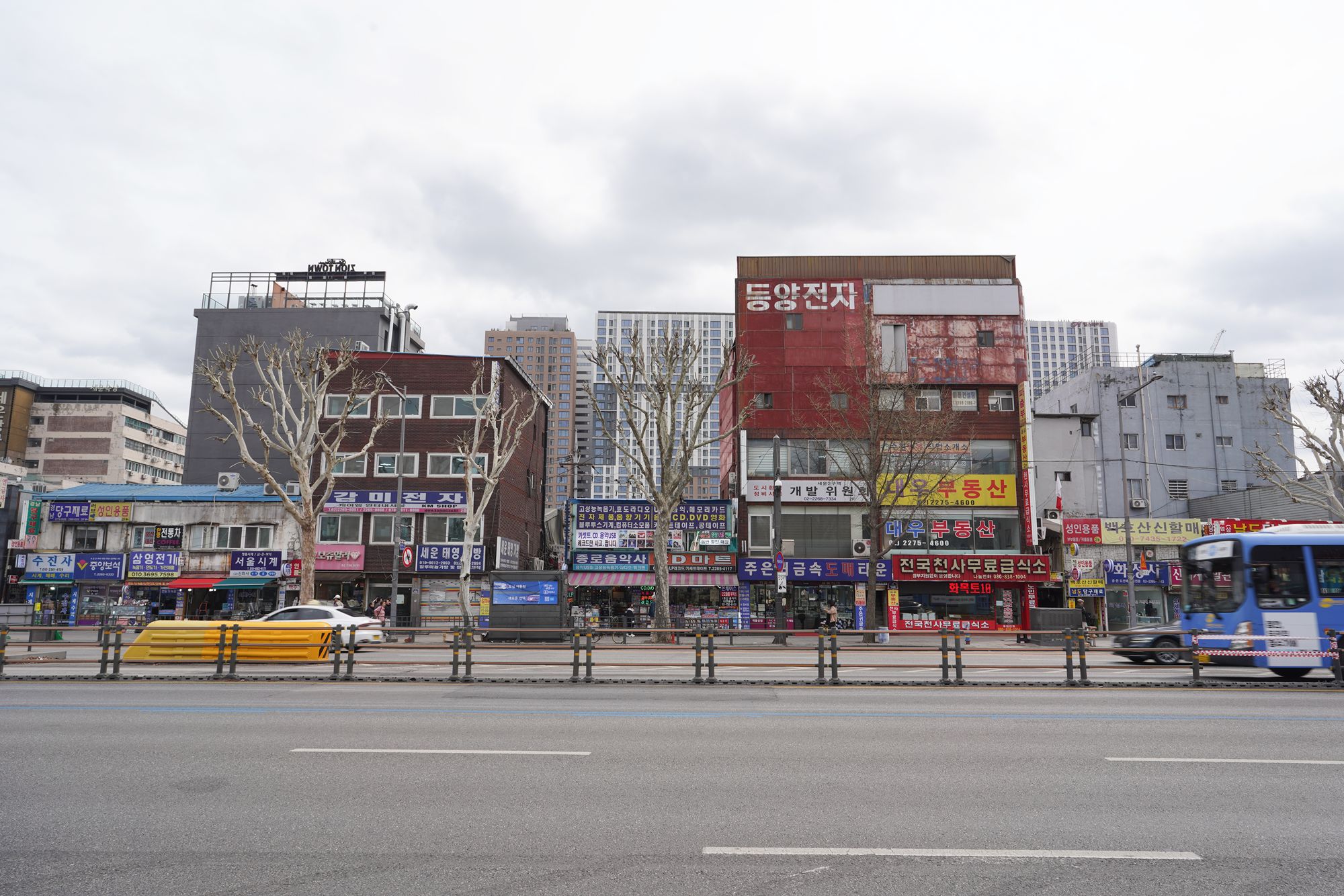
Euljiro is an area of striking contrasts, with narrow streets lined with small traditional shops on one side and modern high-rise buildings towering nearby.
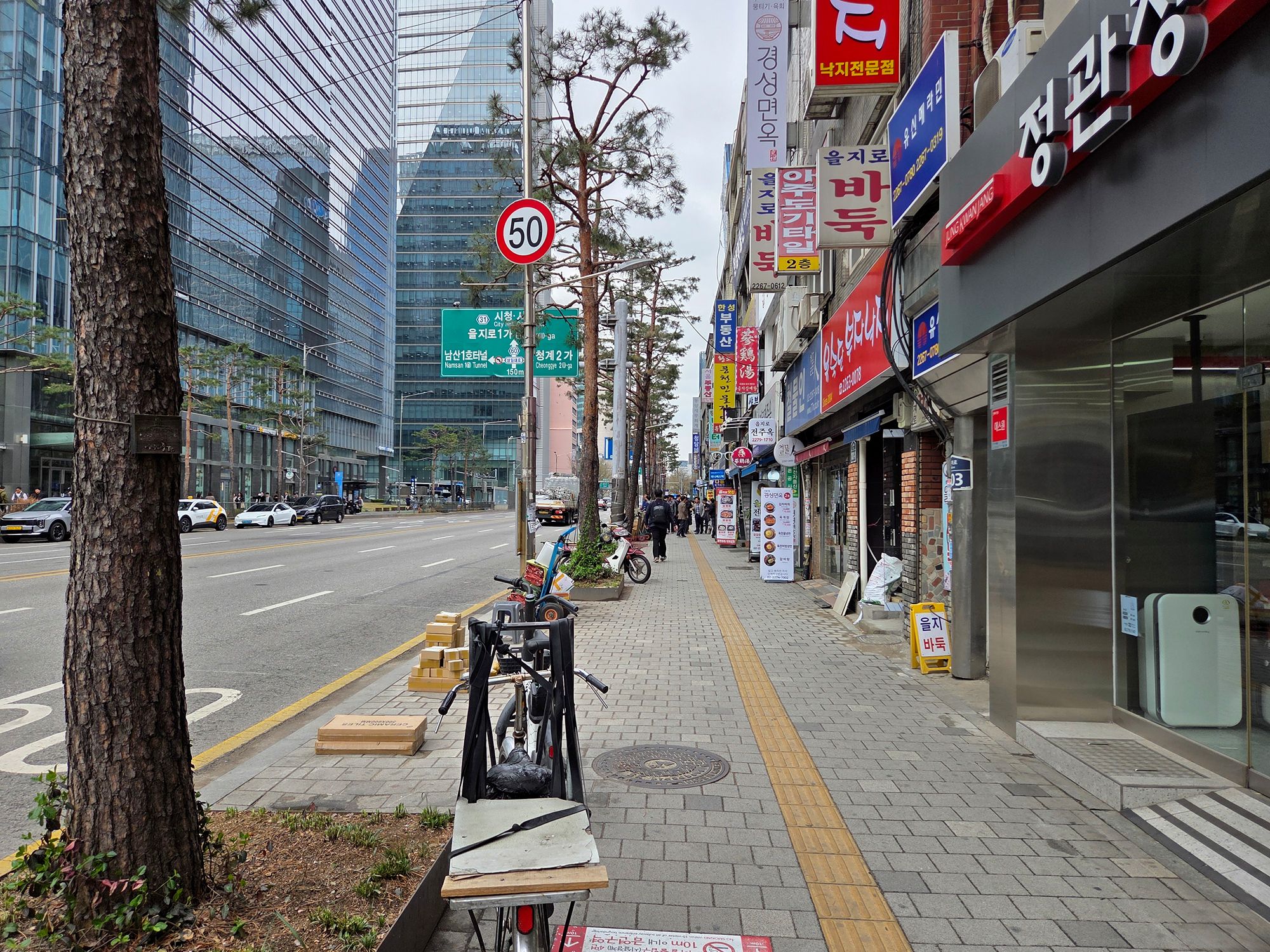
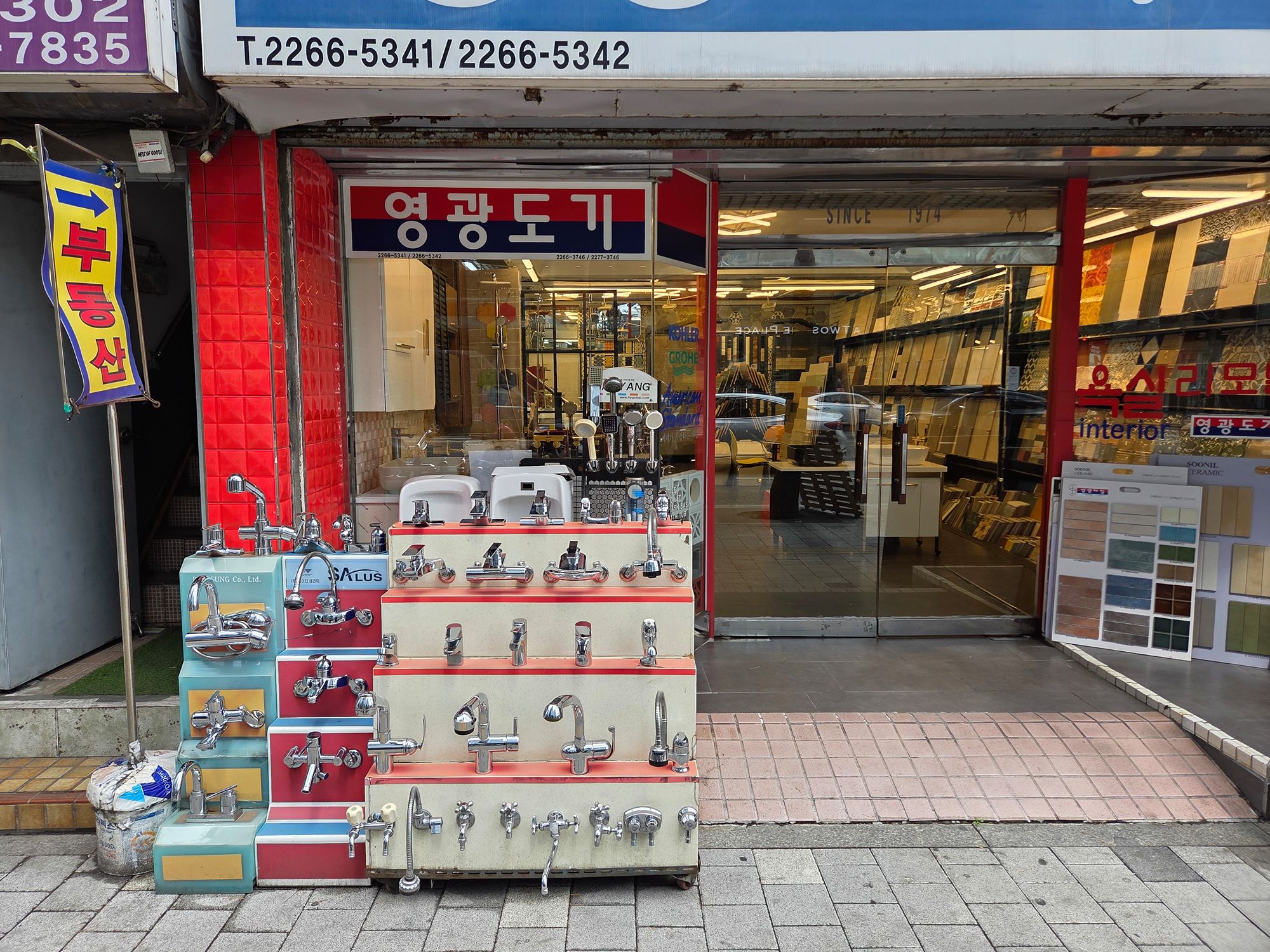
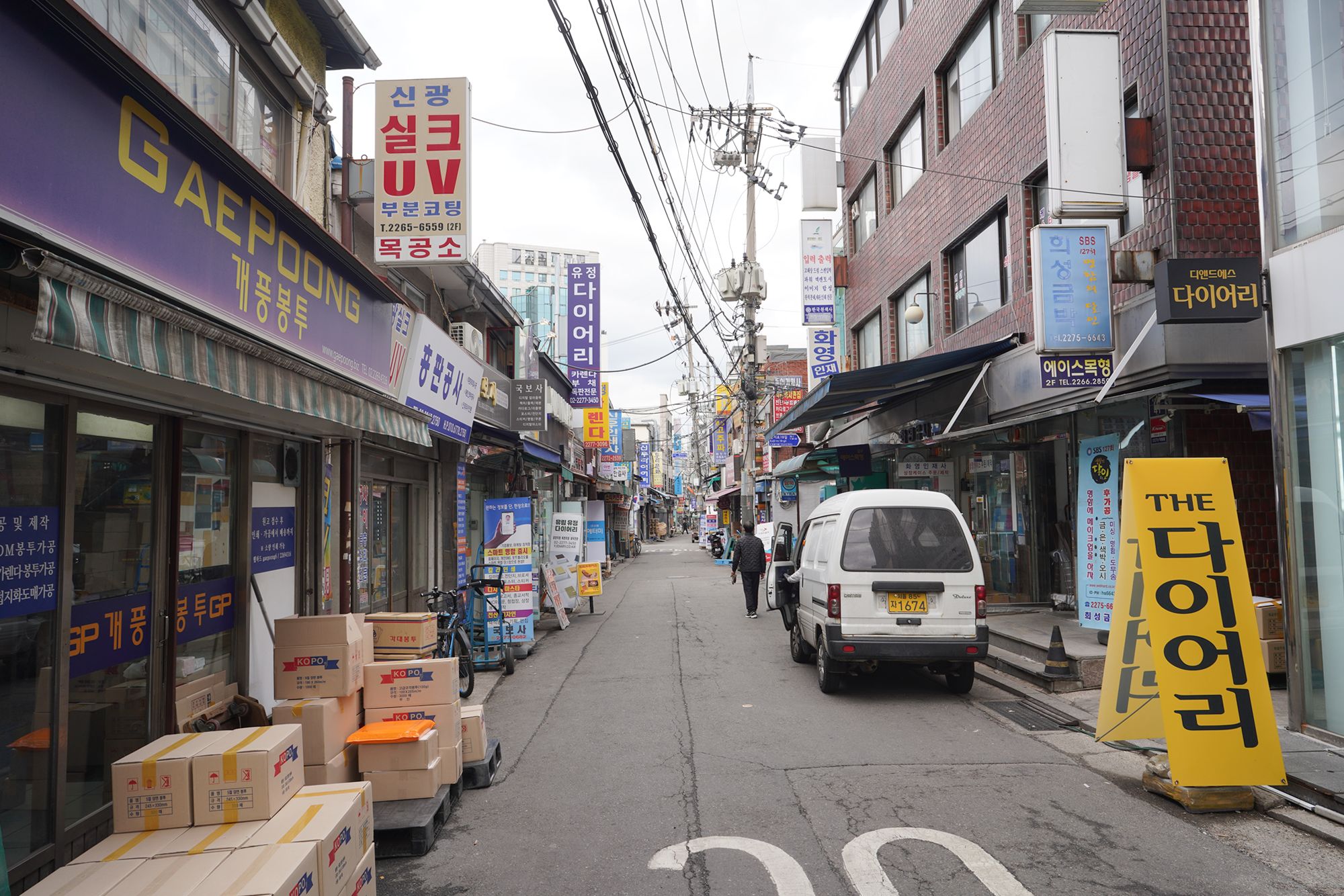
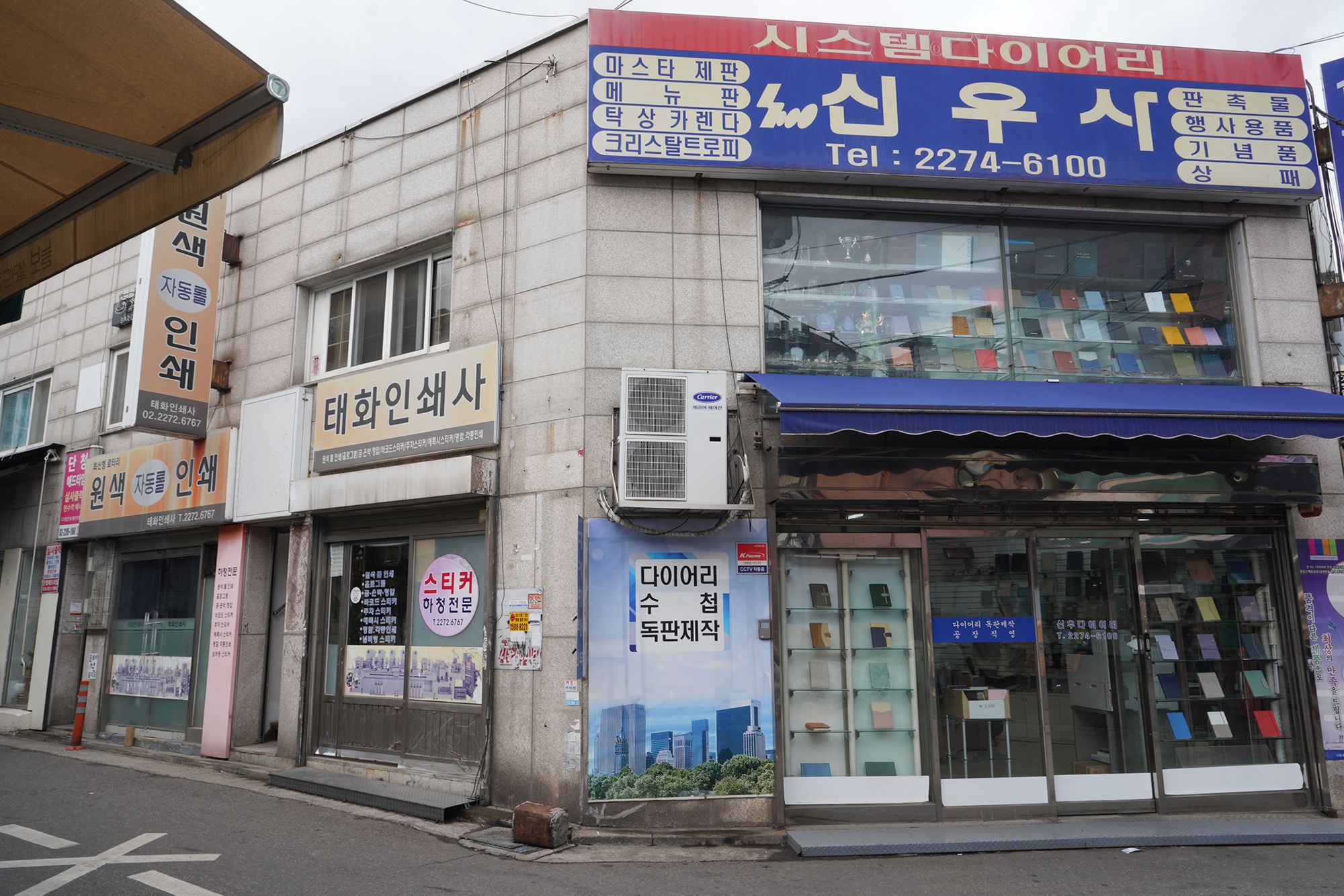
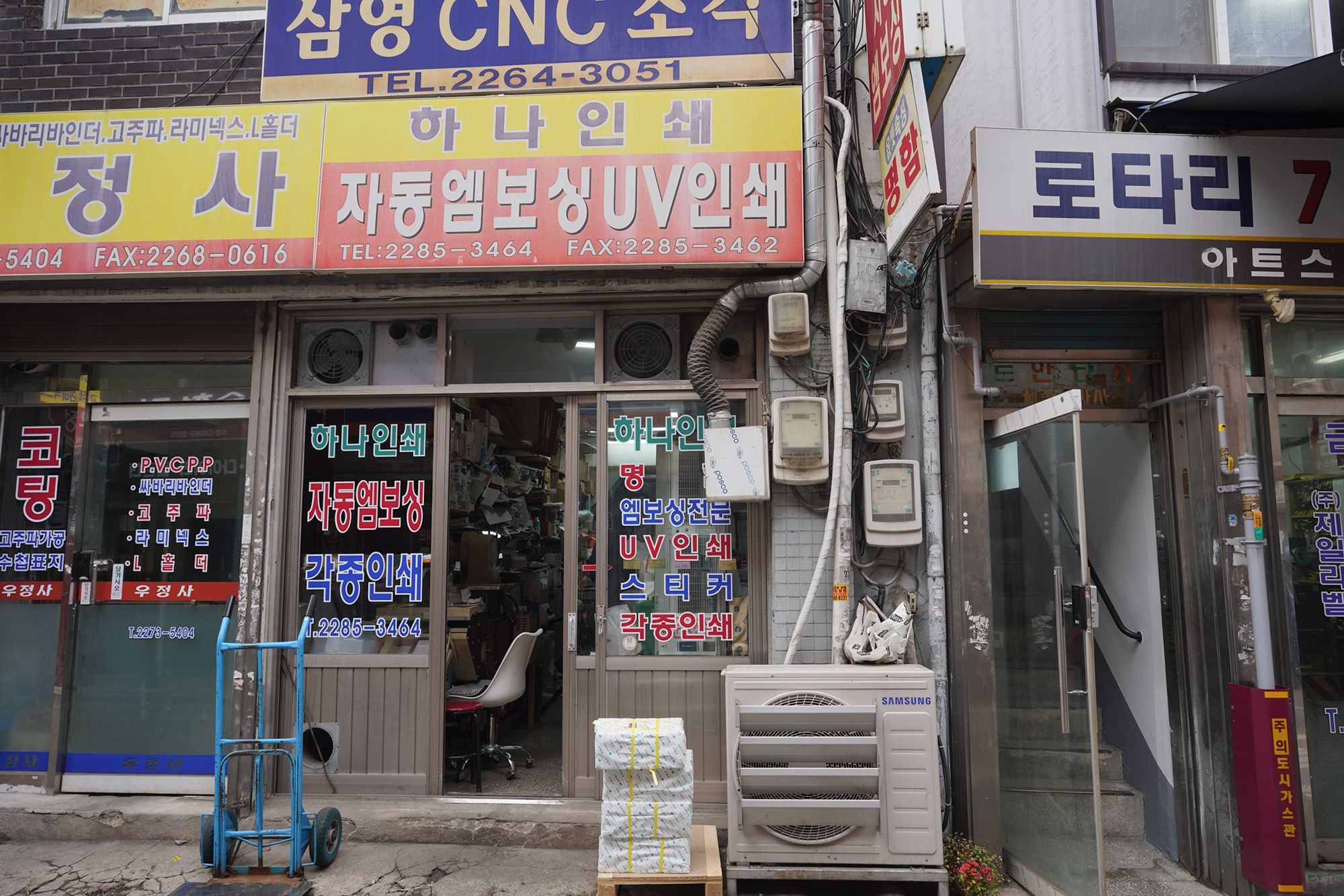
Euljiro’s narrow streets are lined with small traditional businesses, including printing shops, metalworking and repair workshops, lighting and electrical stores, and machinery suppliers.
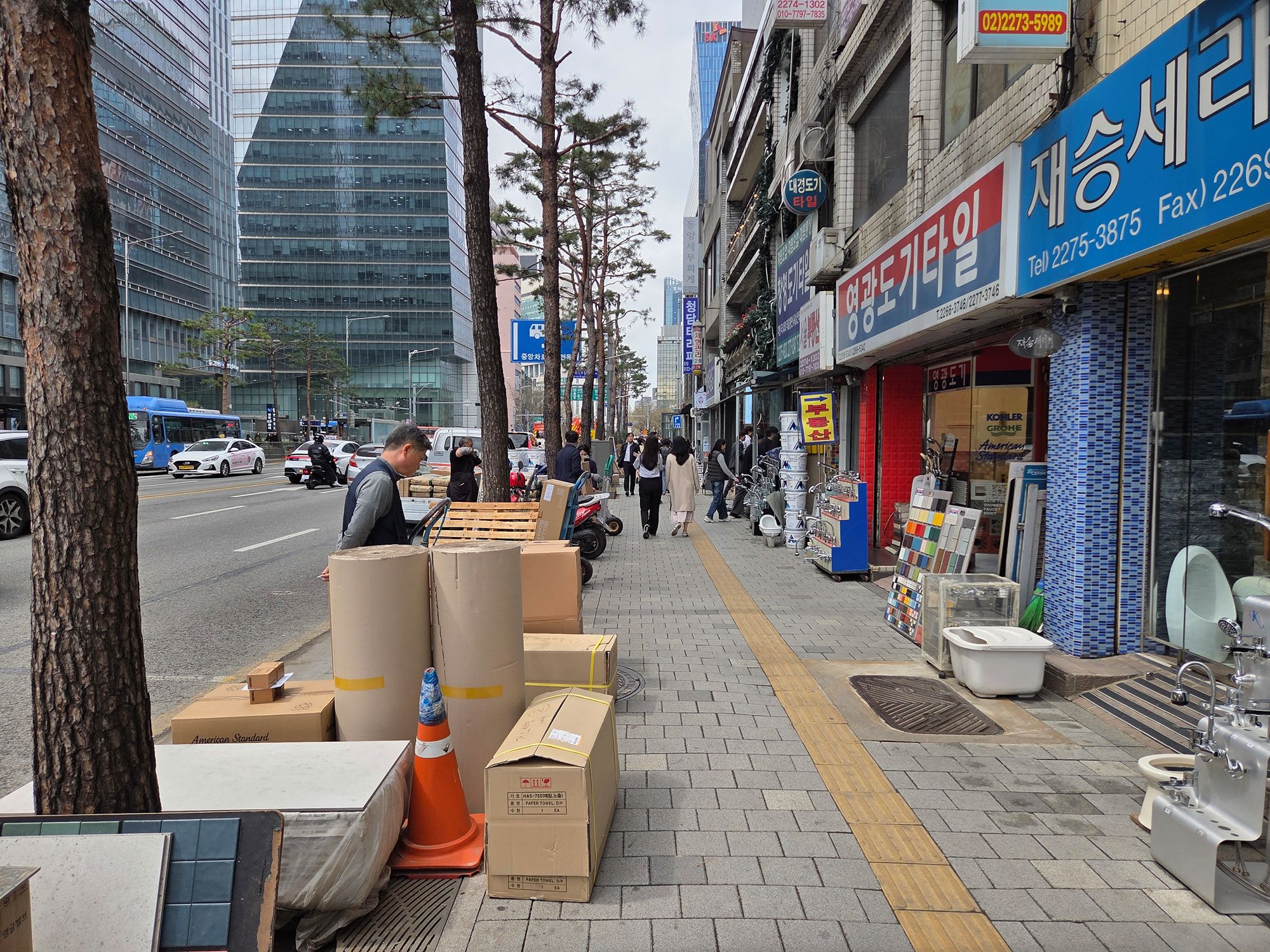
Many of these businesses are a legacy of Euljiro’s development as an important industrial and manufacturing district during Seoul’s rapid growth in the 20th century.
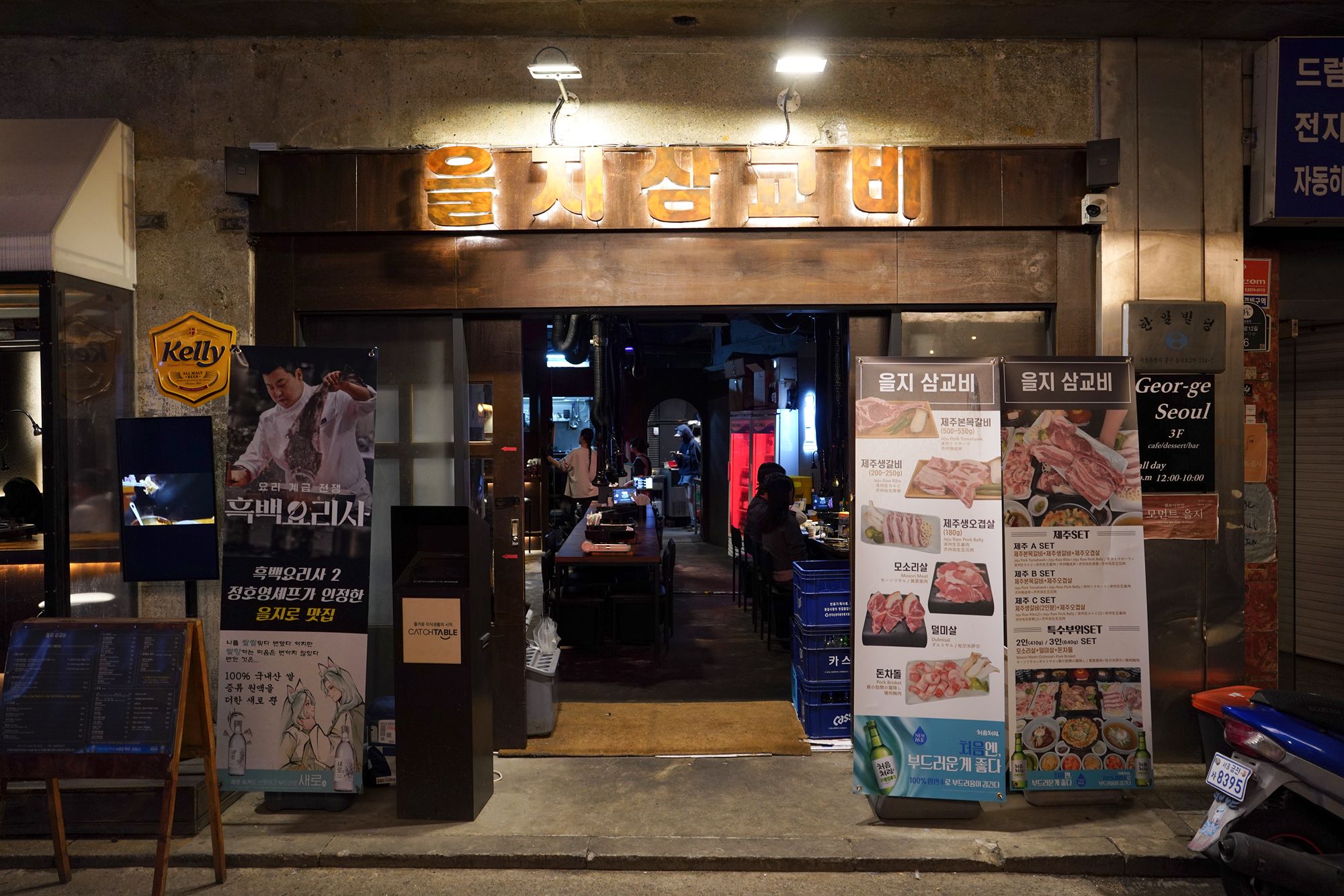
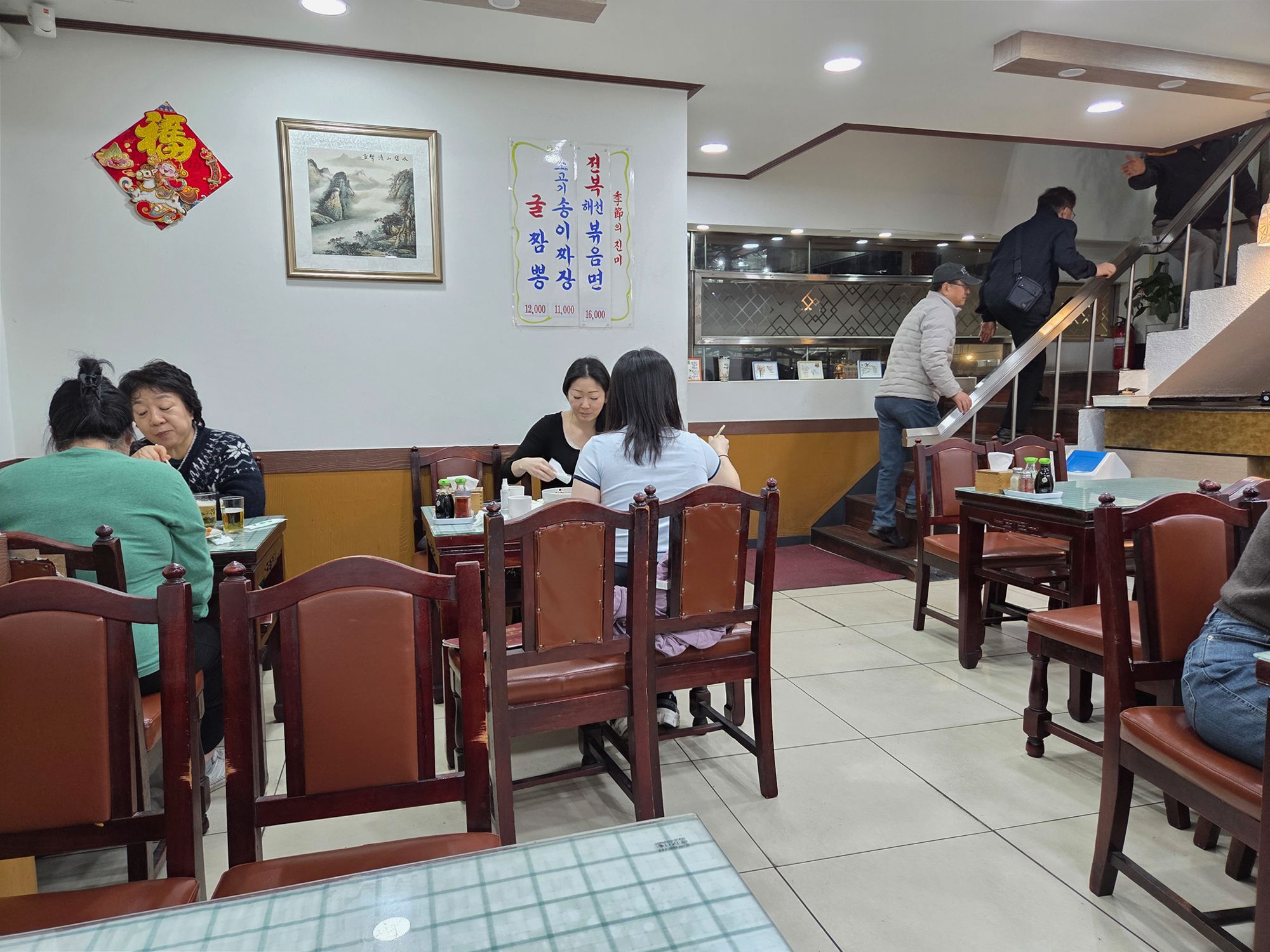
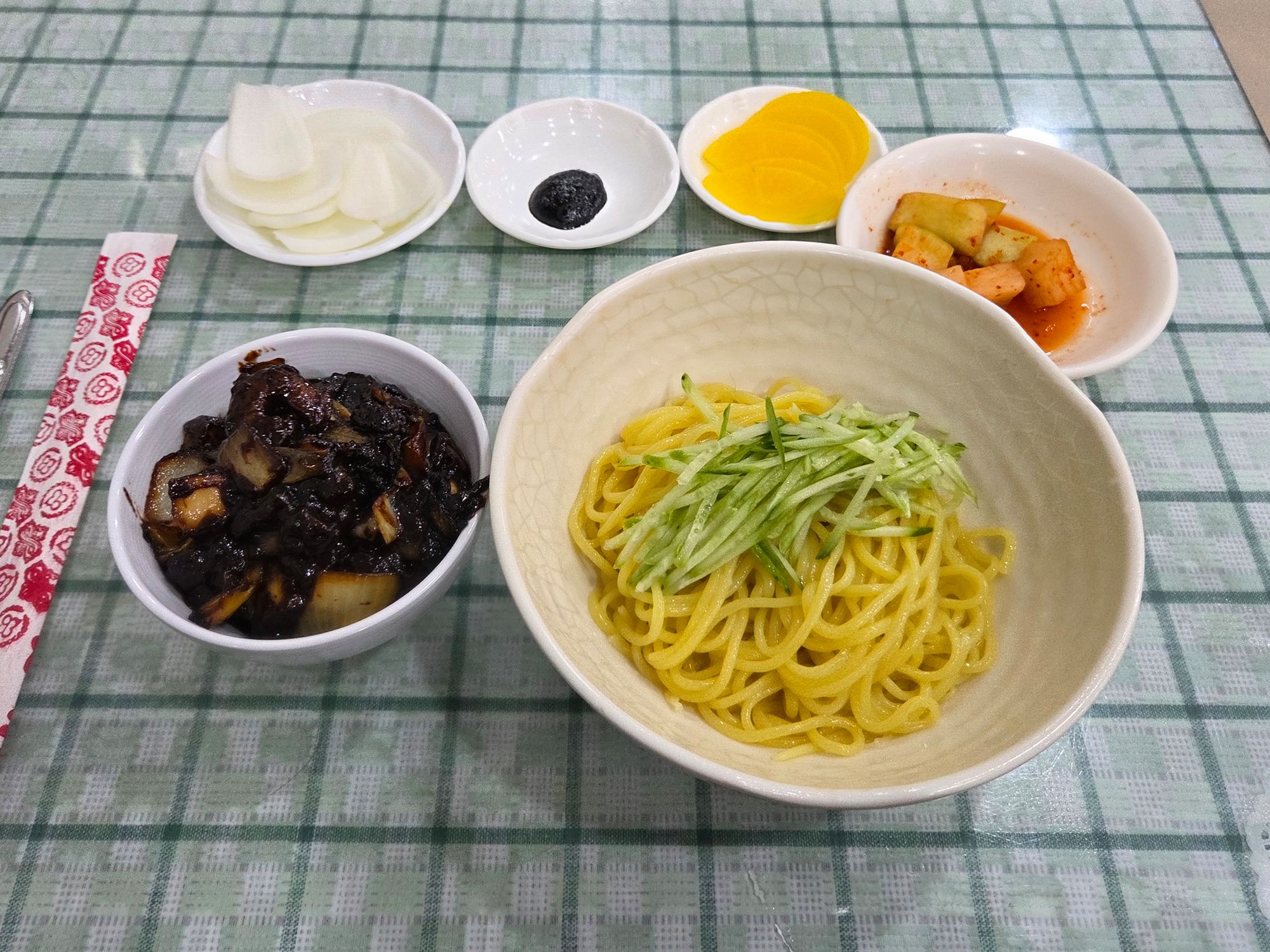
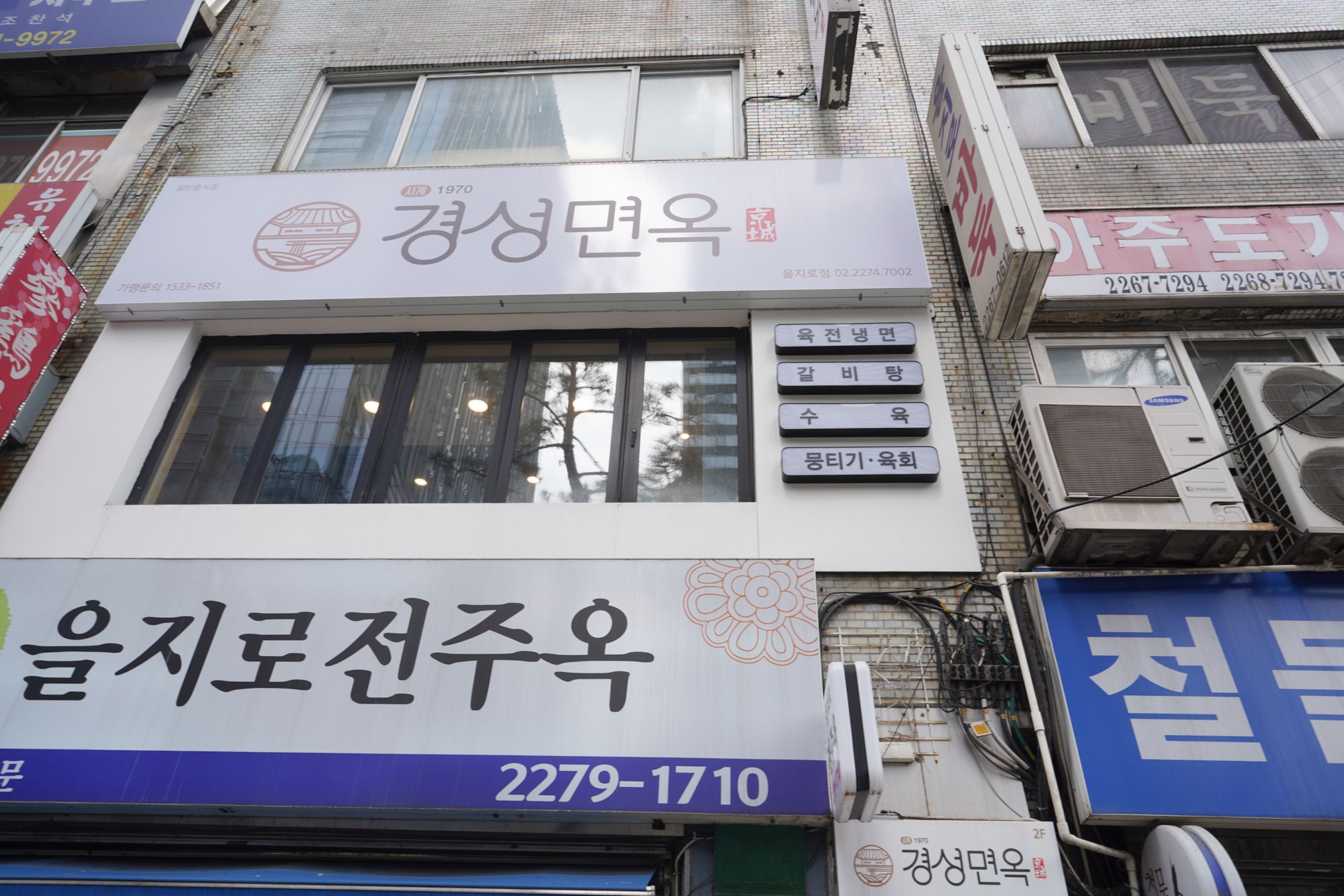
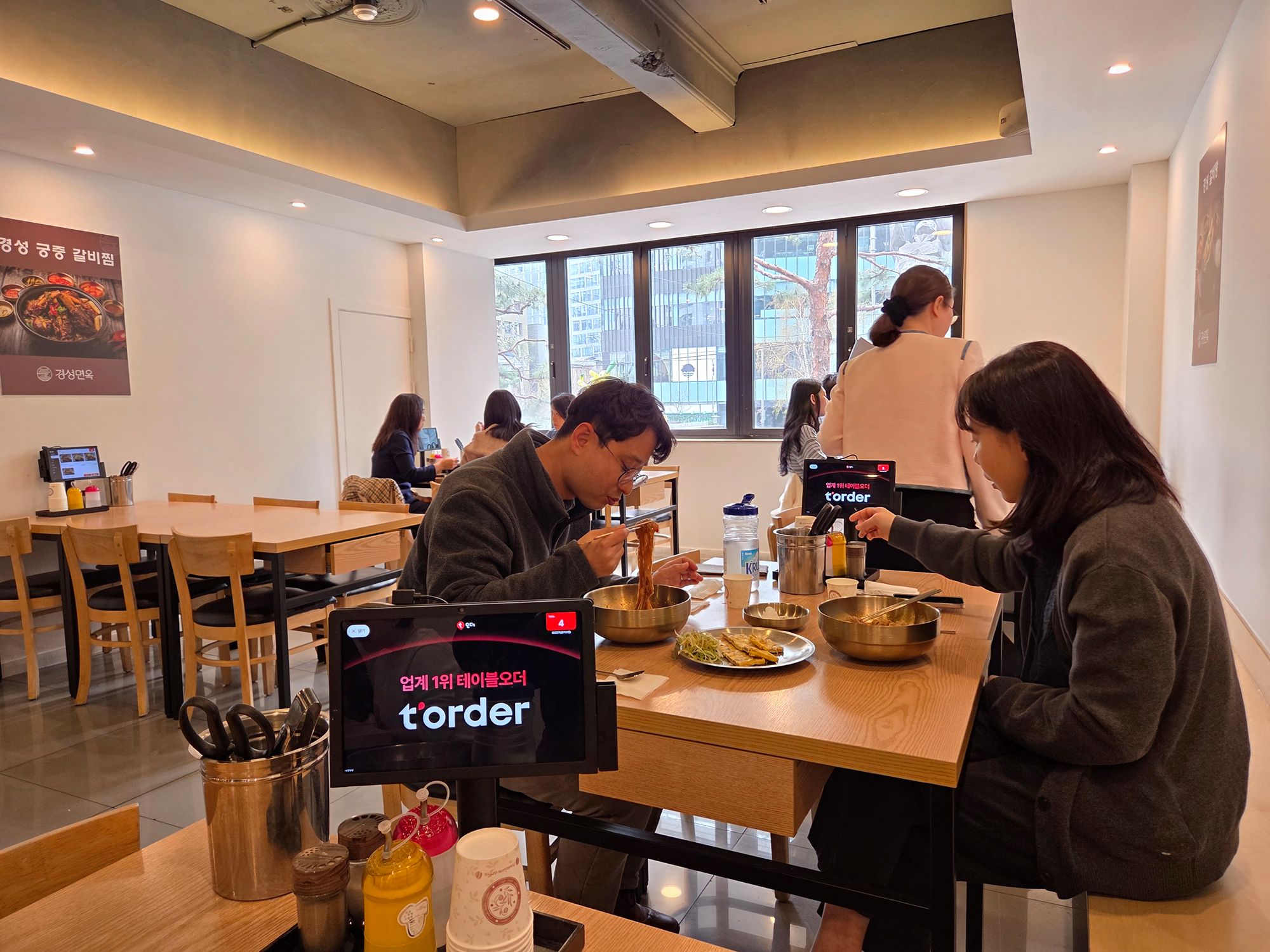
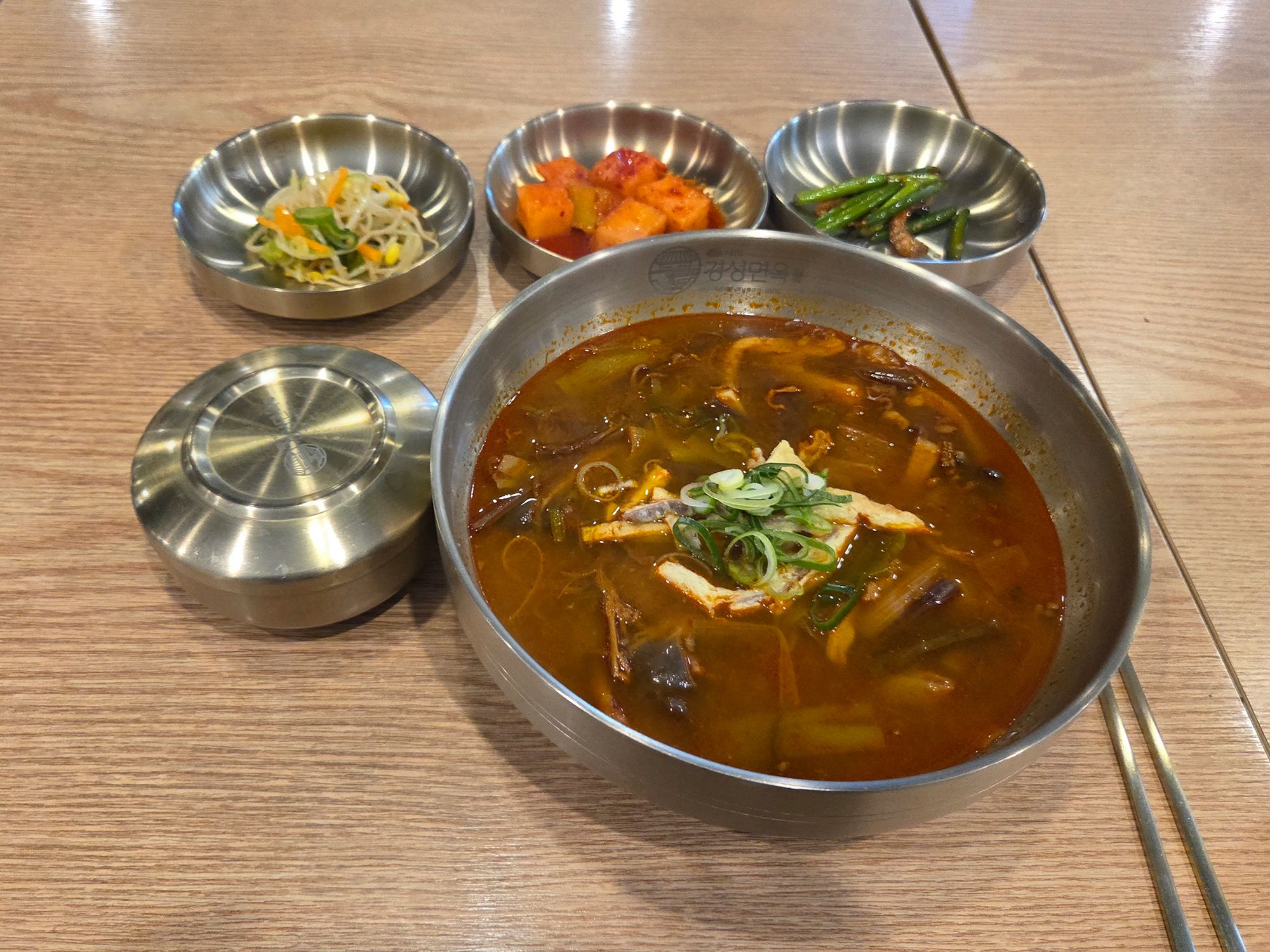
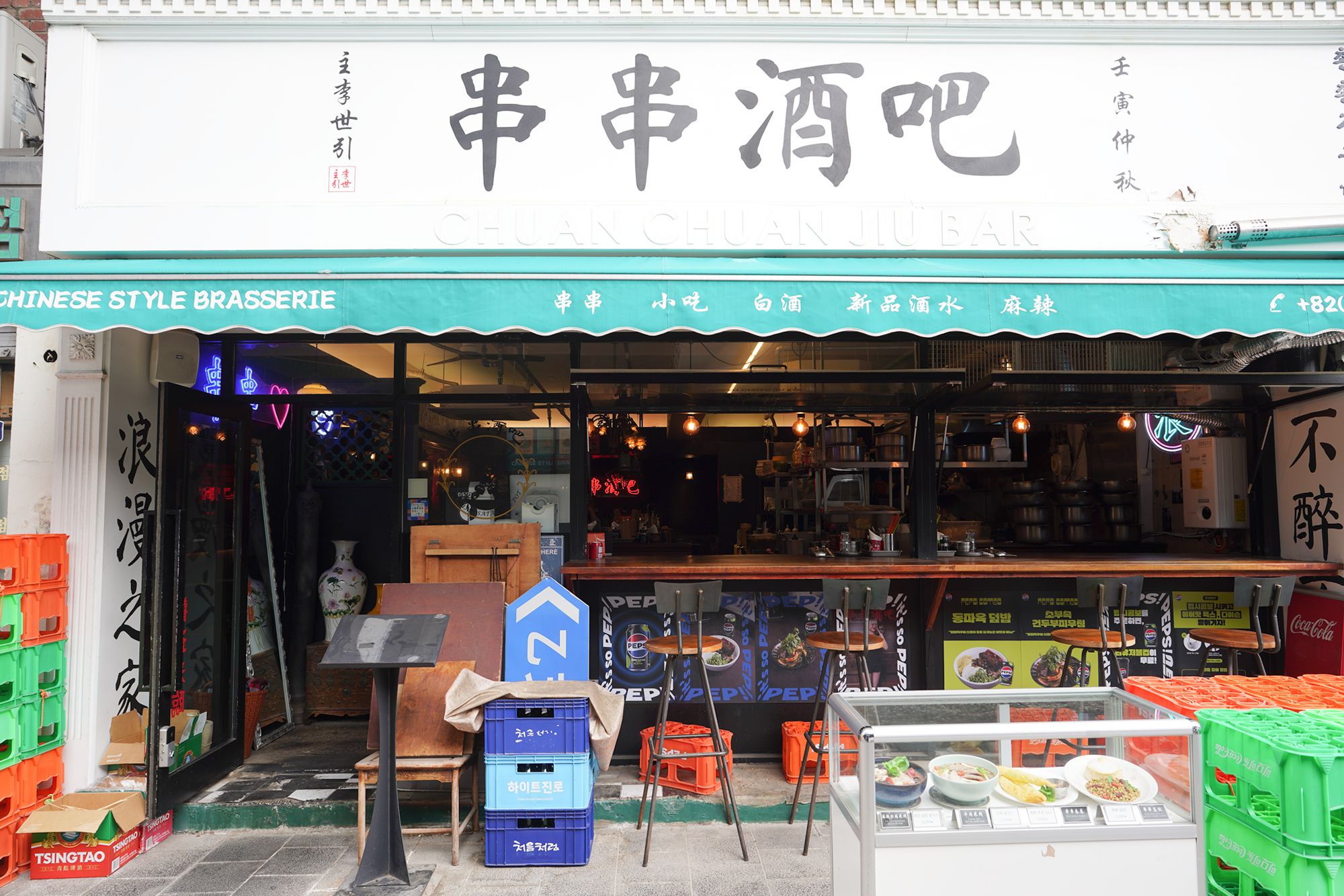
I started my walk around Euljiro with lunch at a local restaurant.
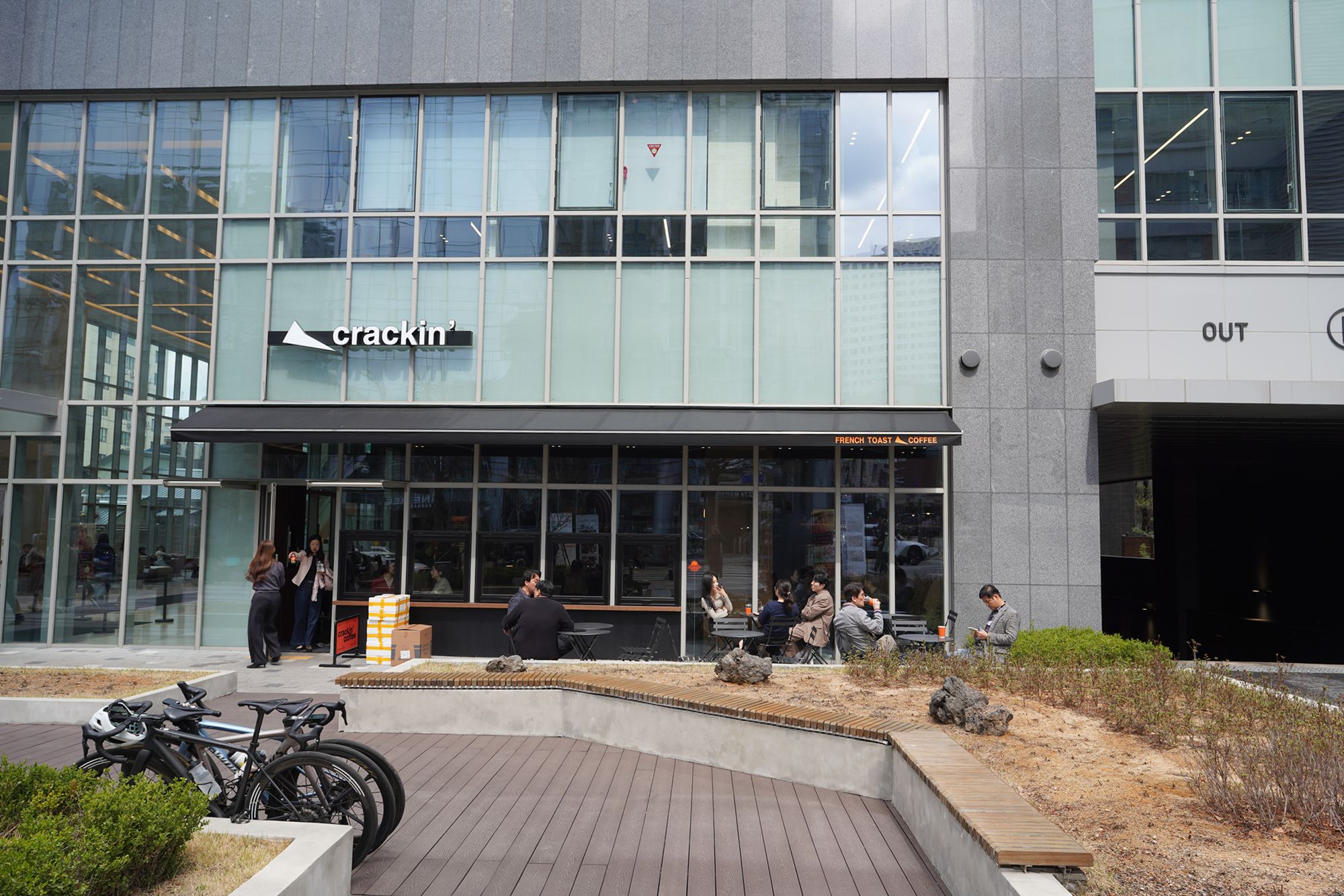
After lunch, I stopped at a nearby café for a cup of coffee.
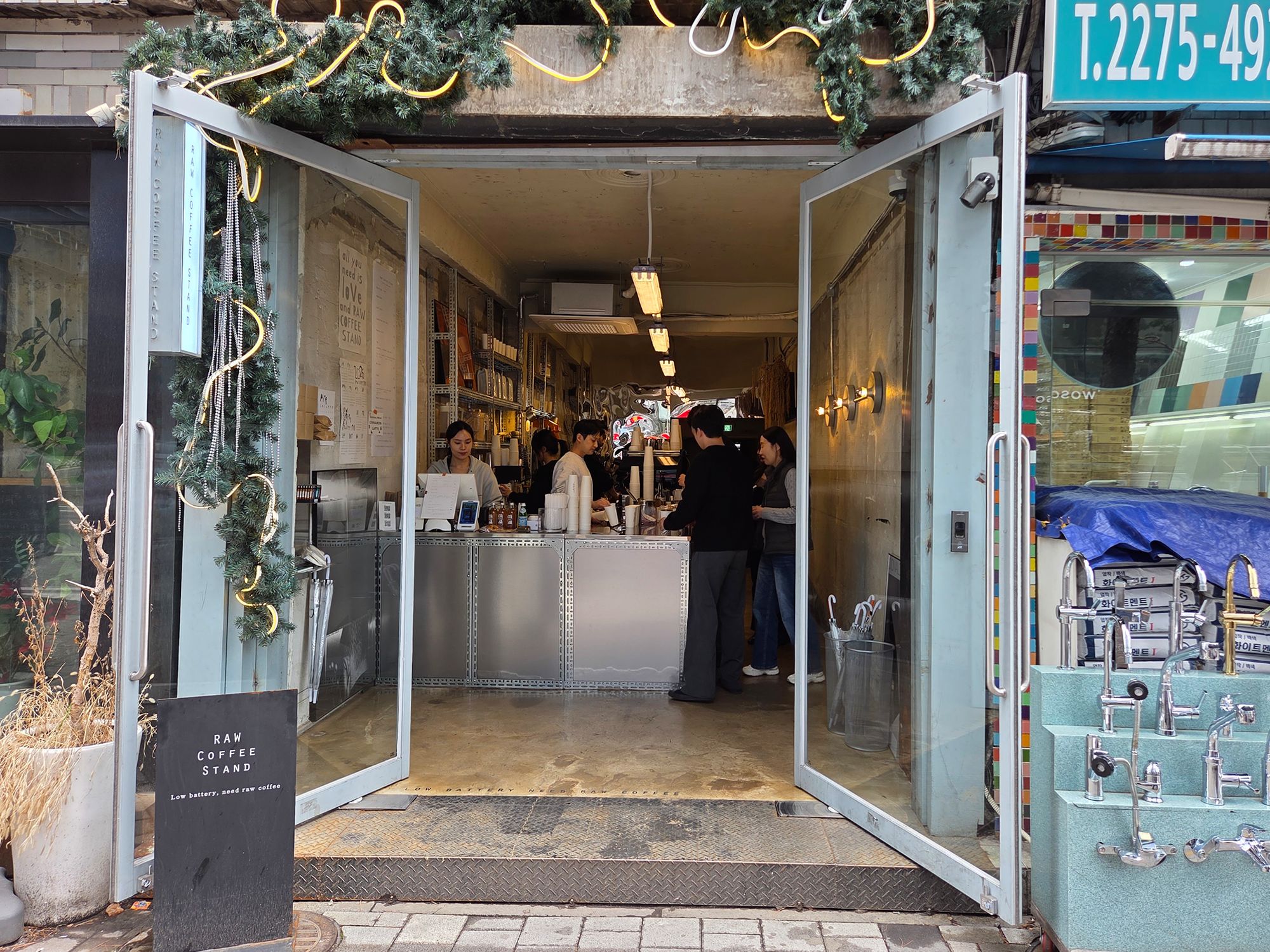
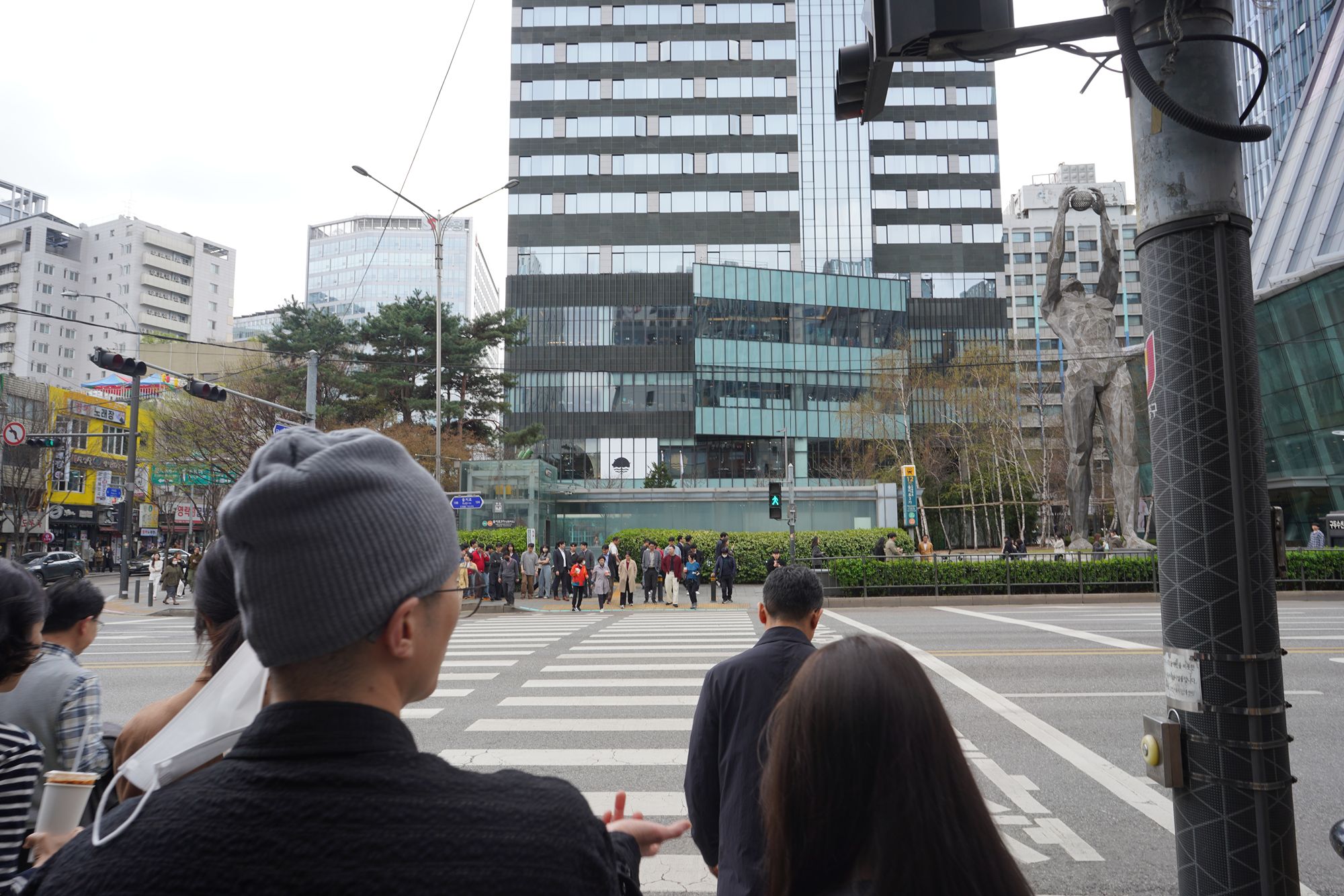
After lunch and coffee, I began walking through the Euljiro area
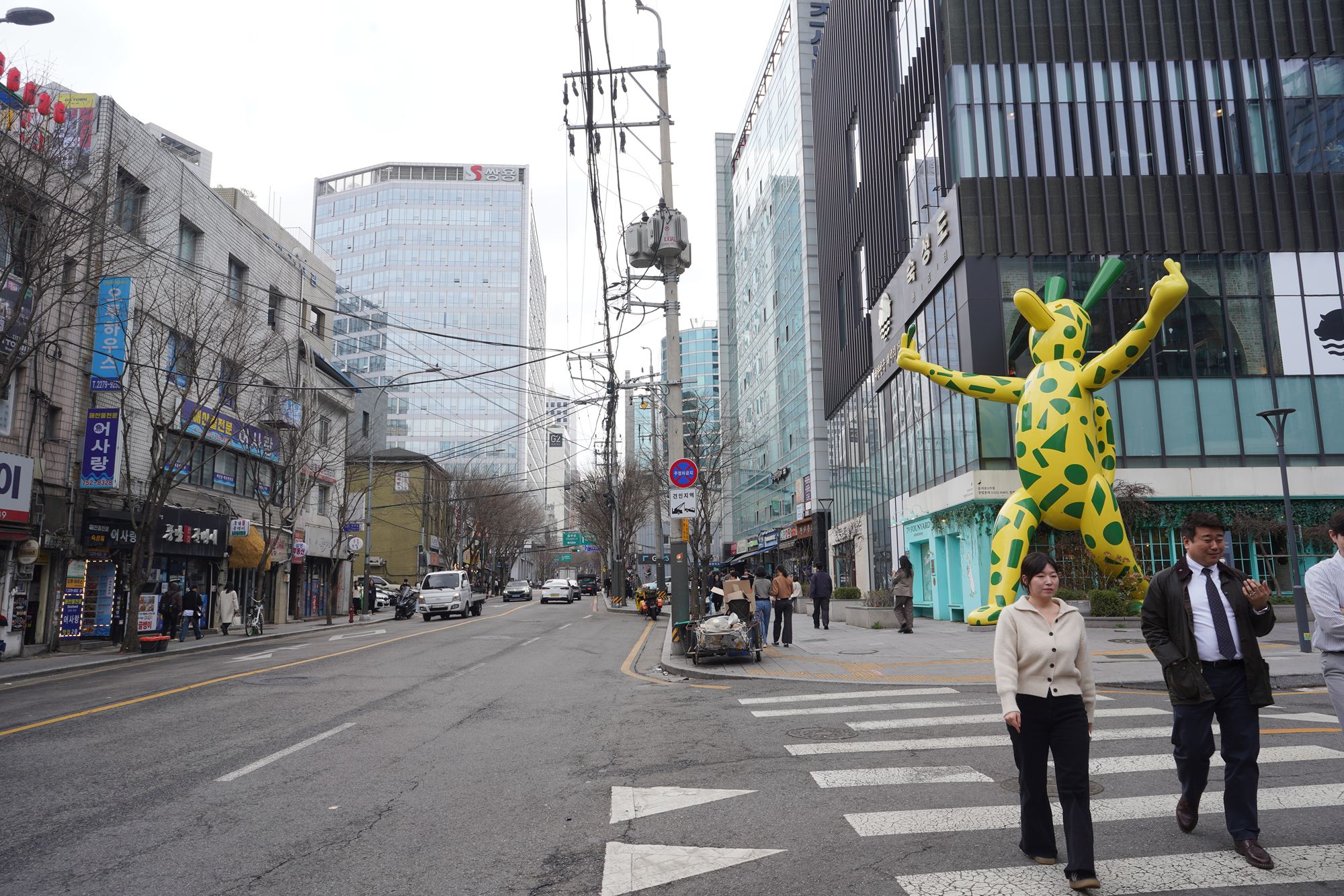
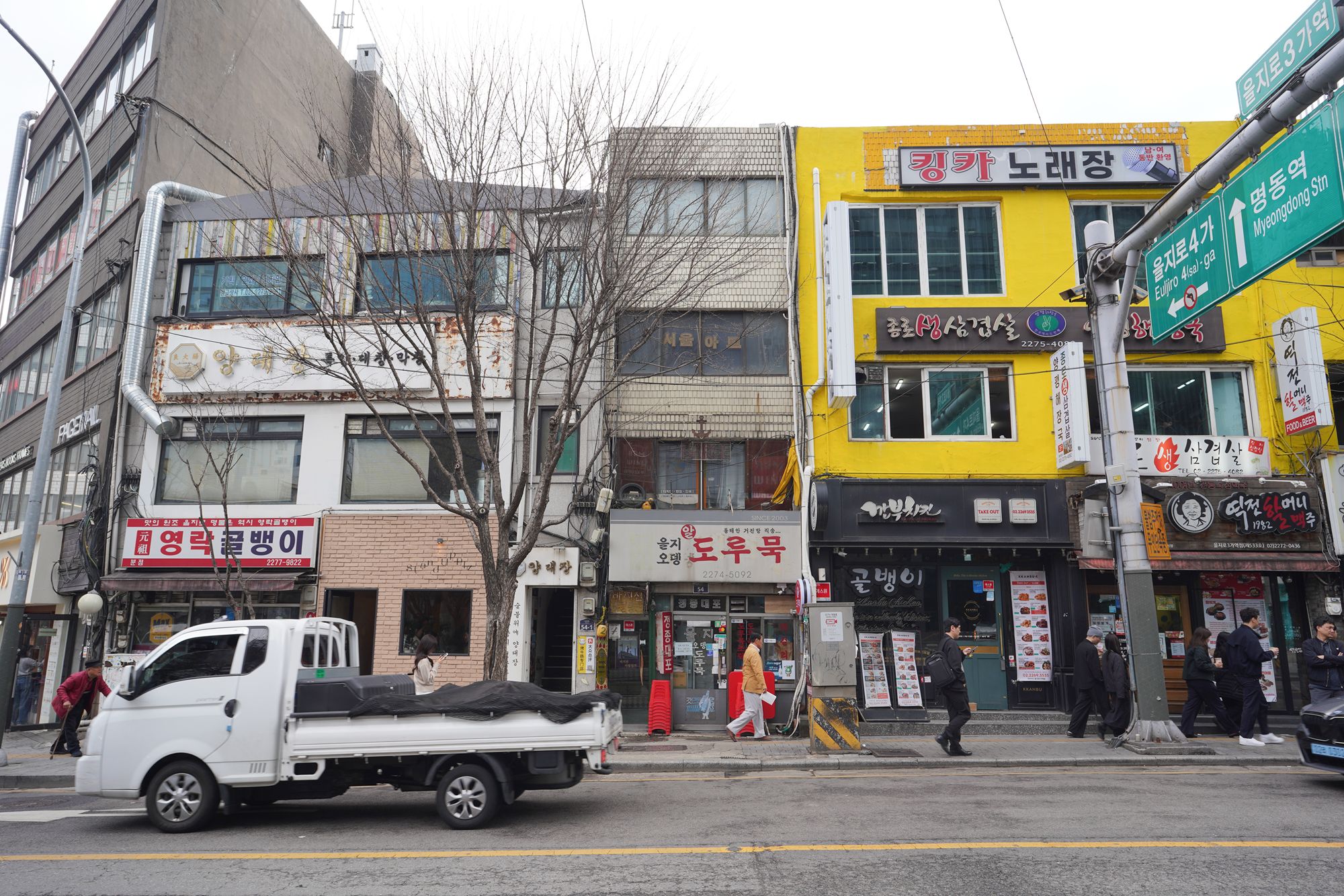
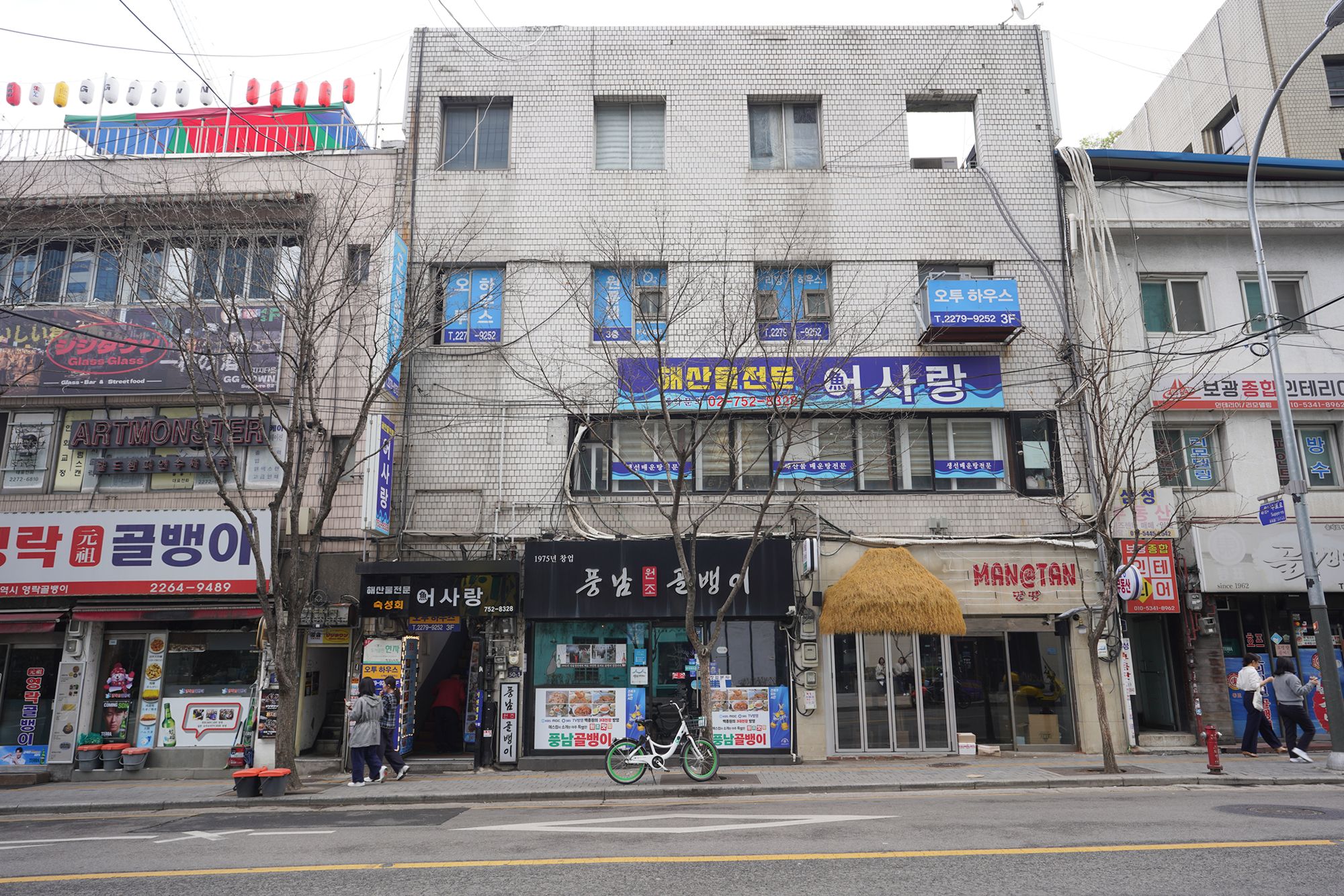
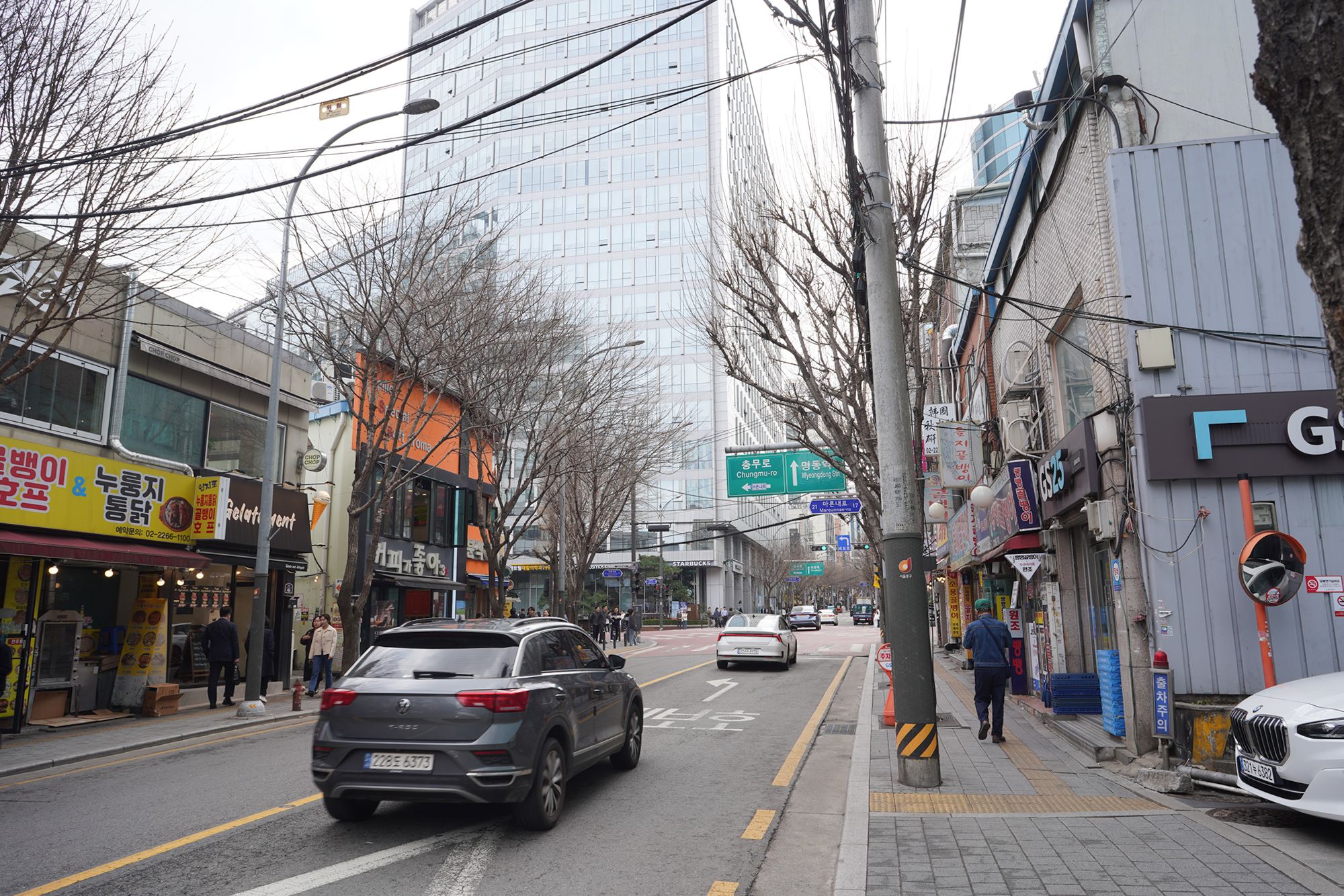
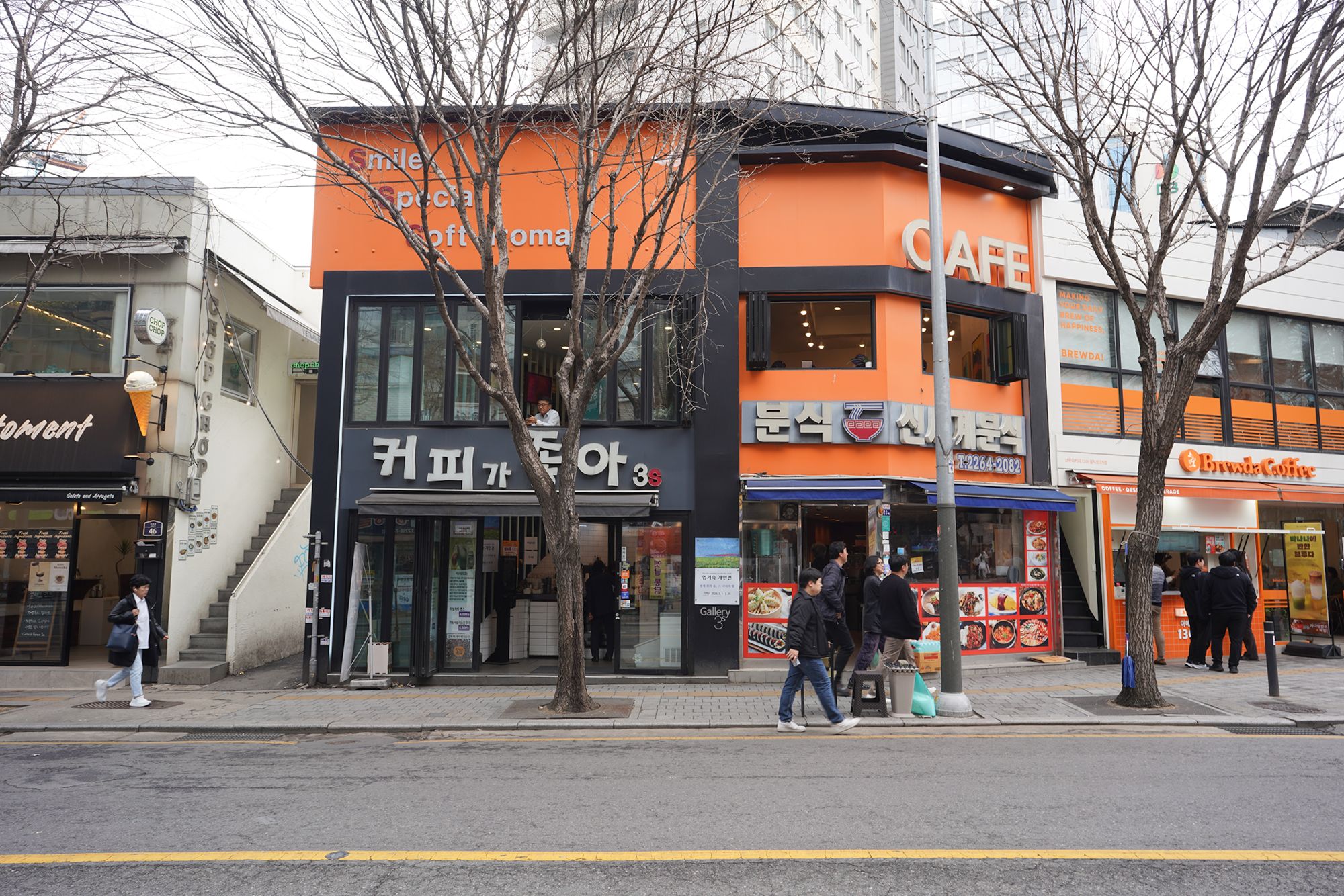
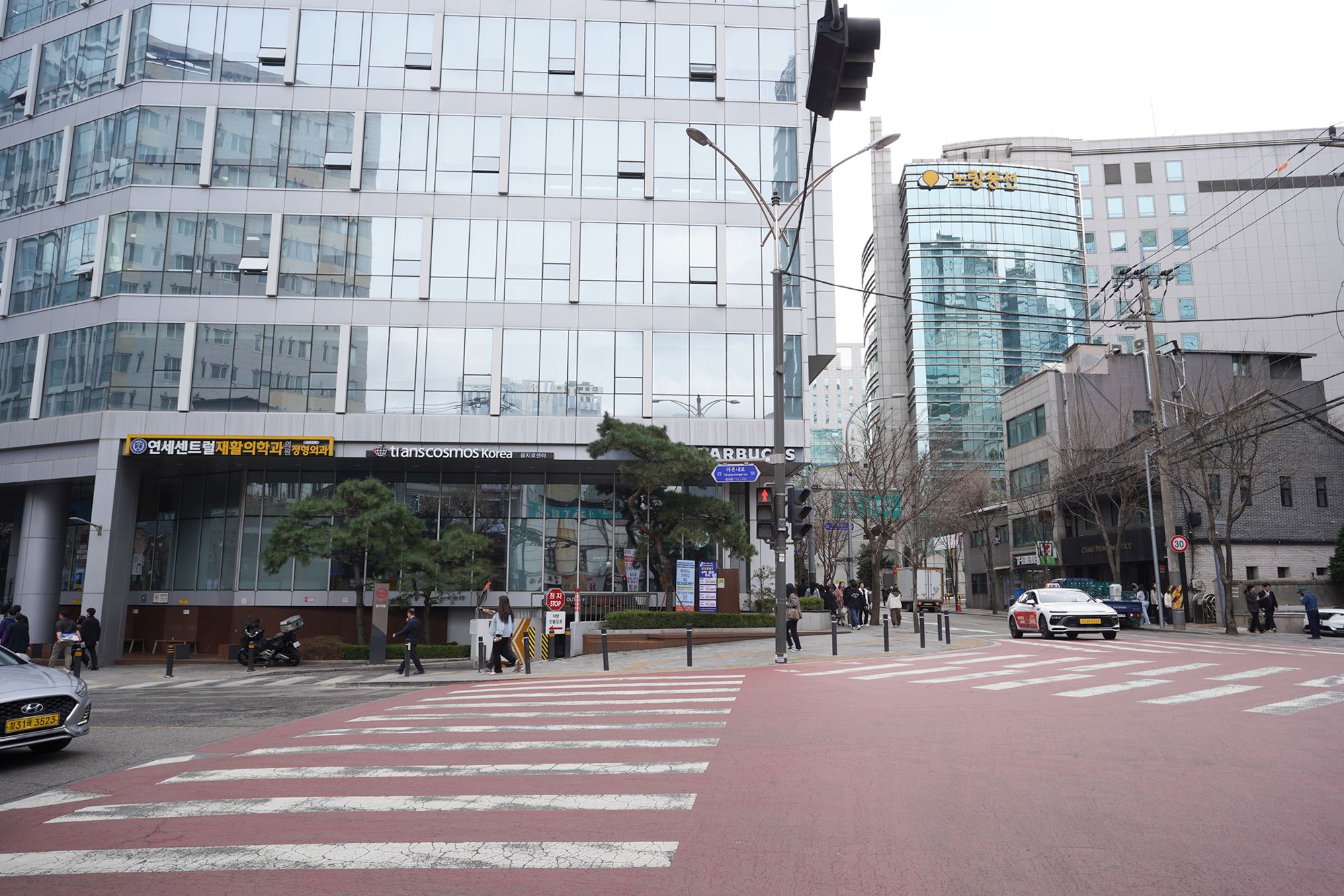
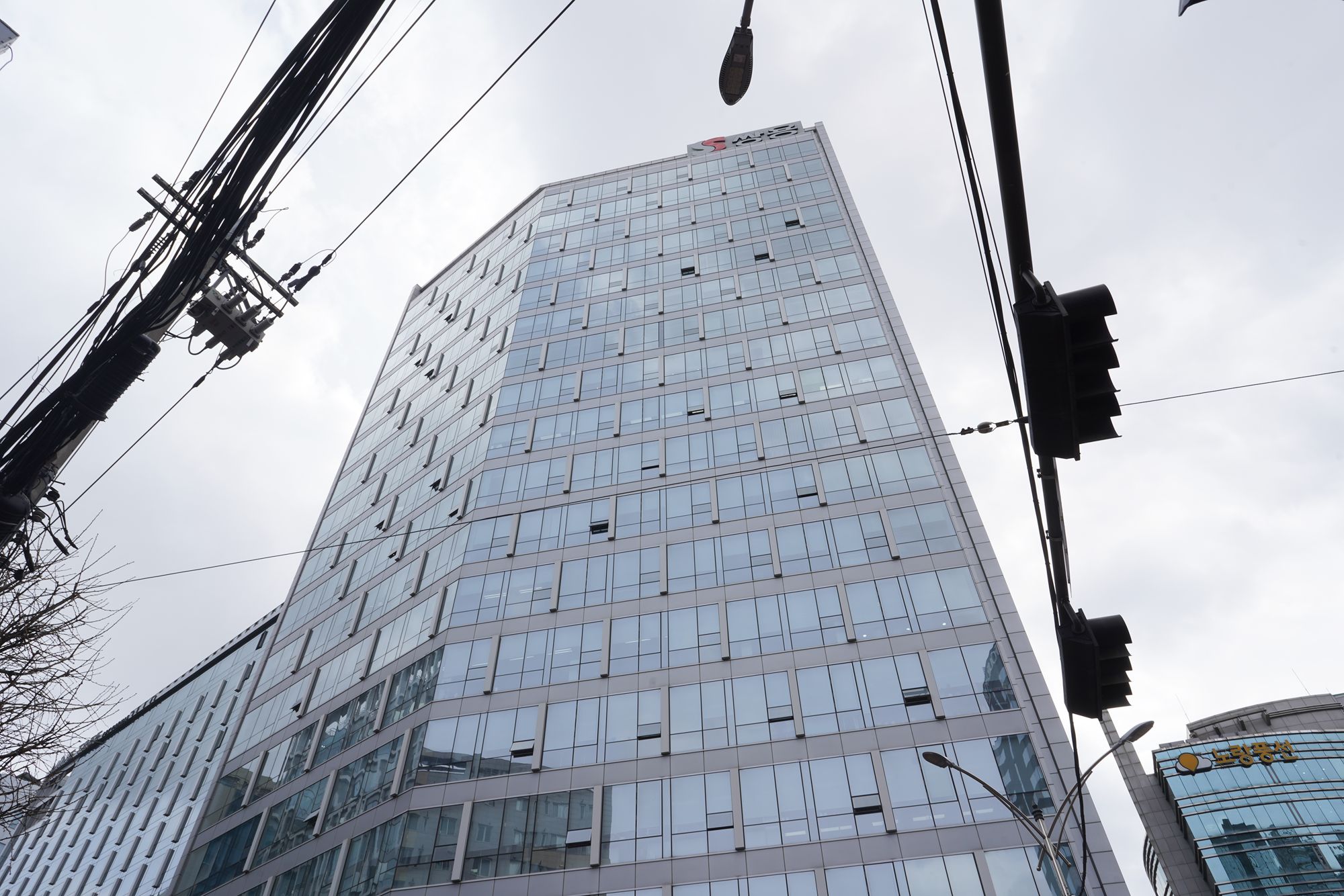
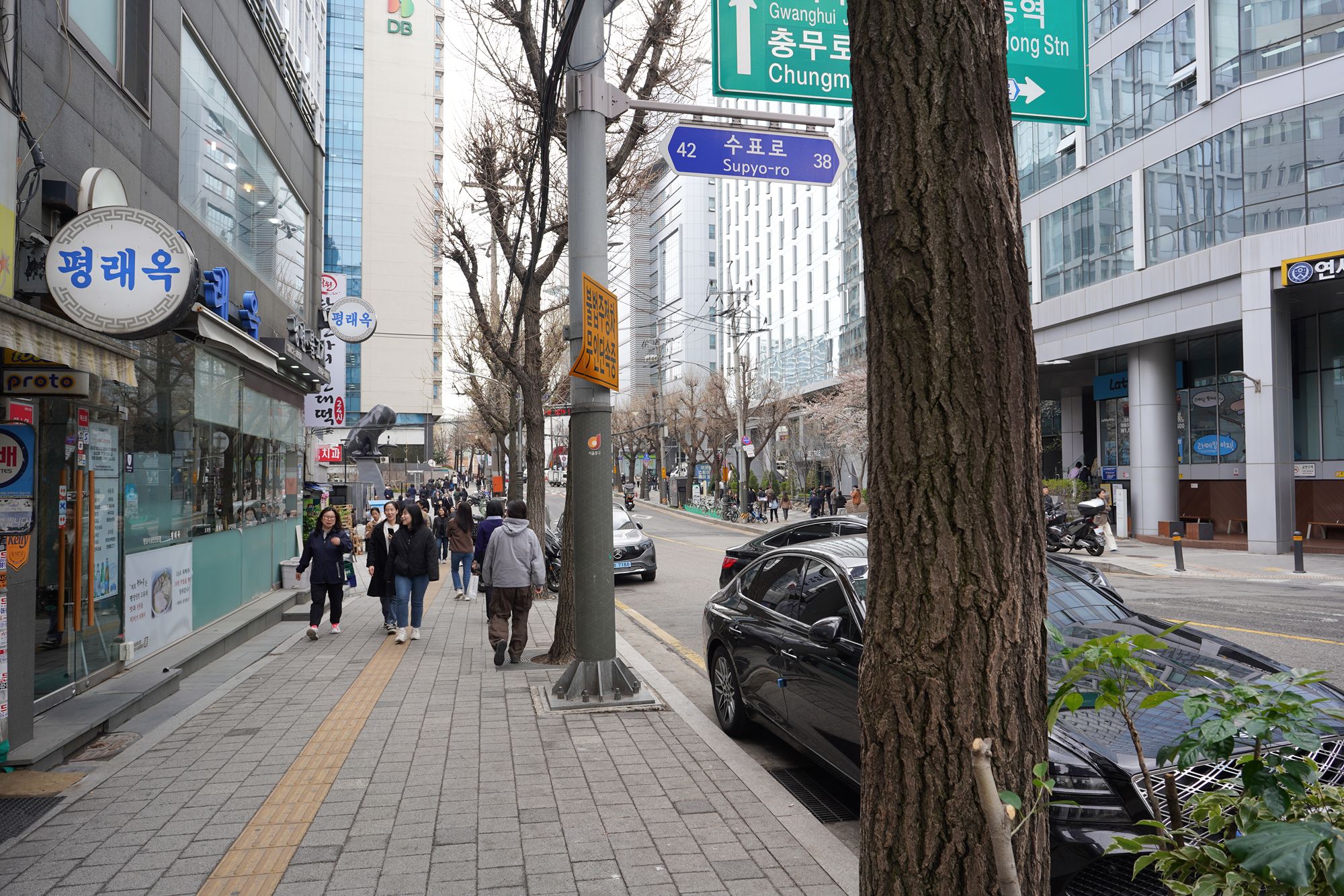
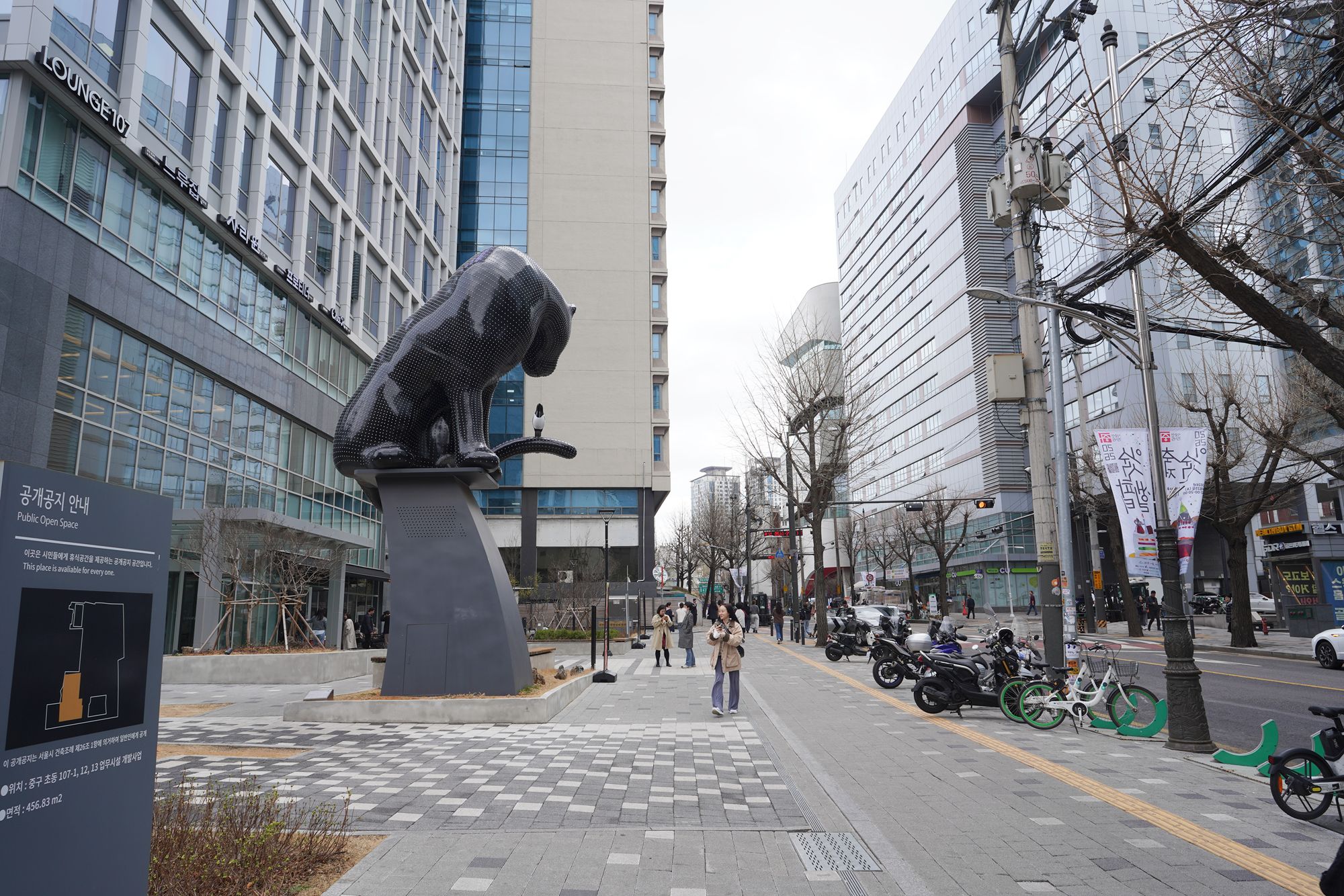
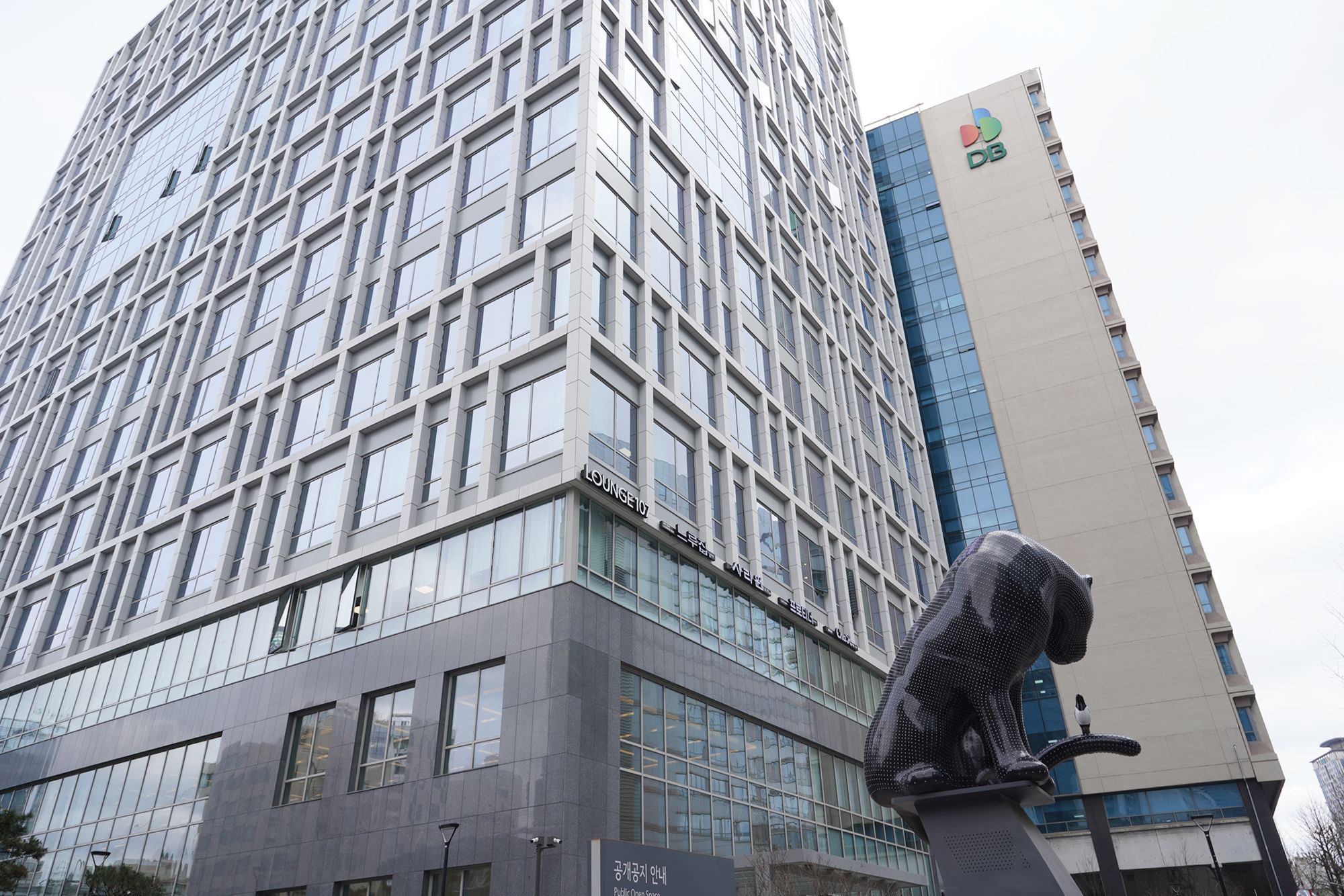
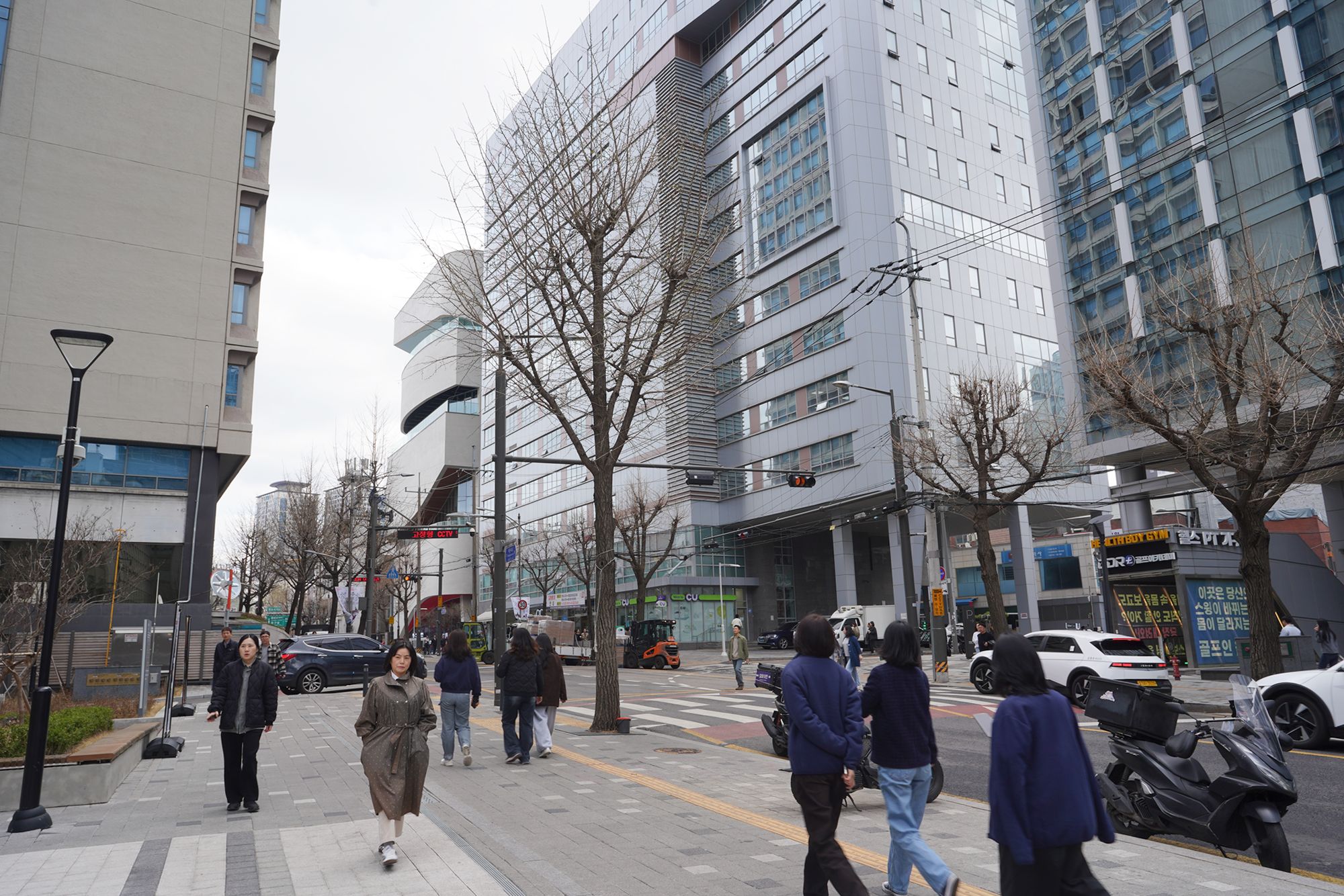
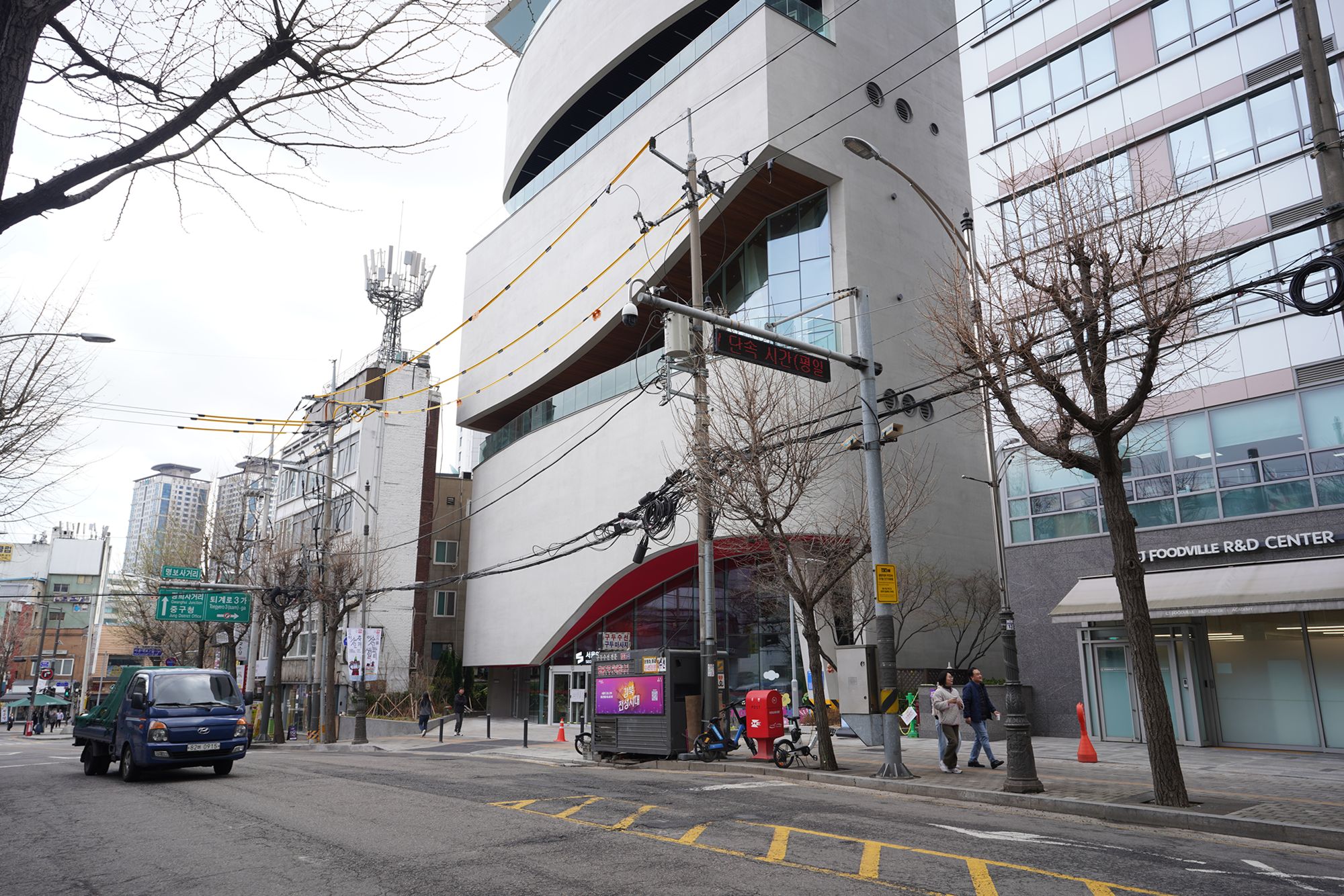
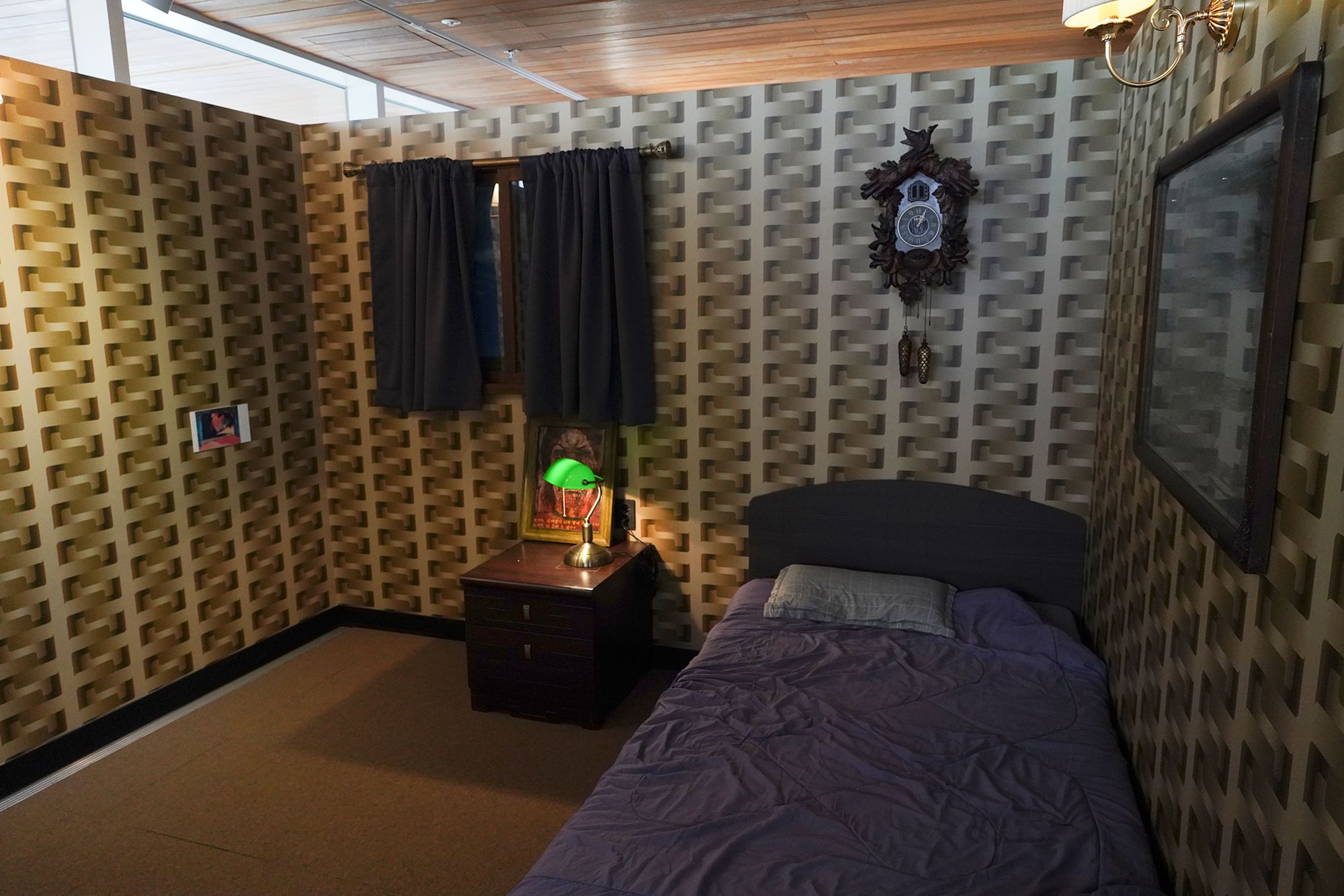
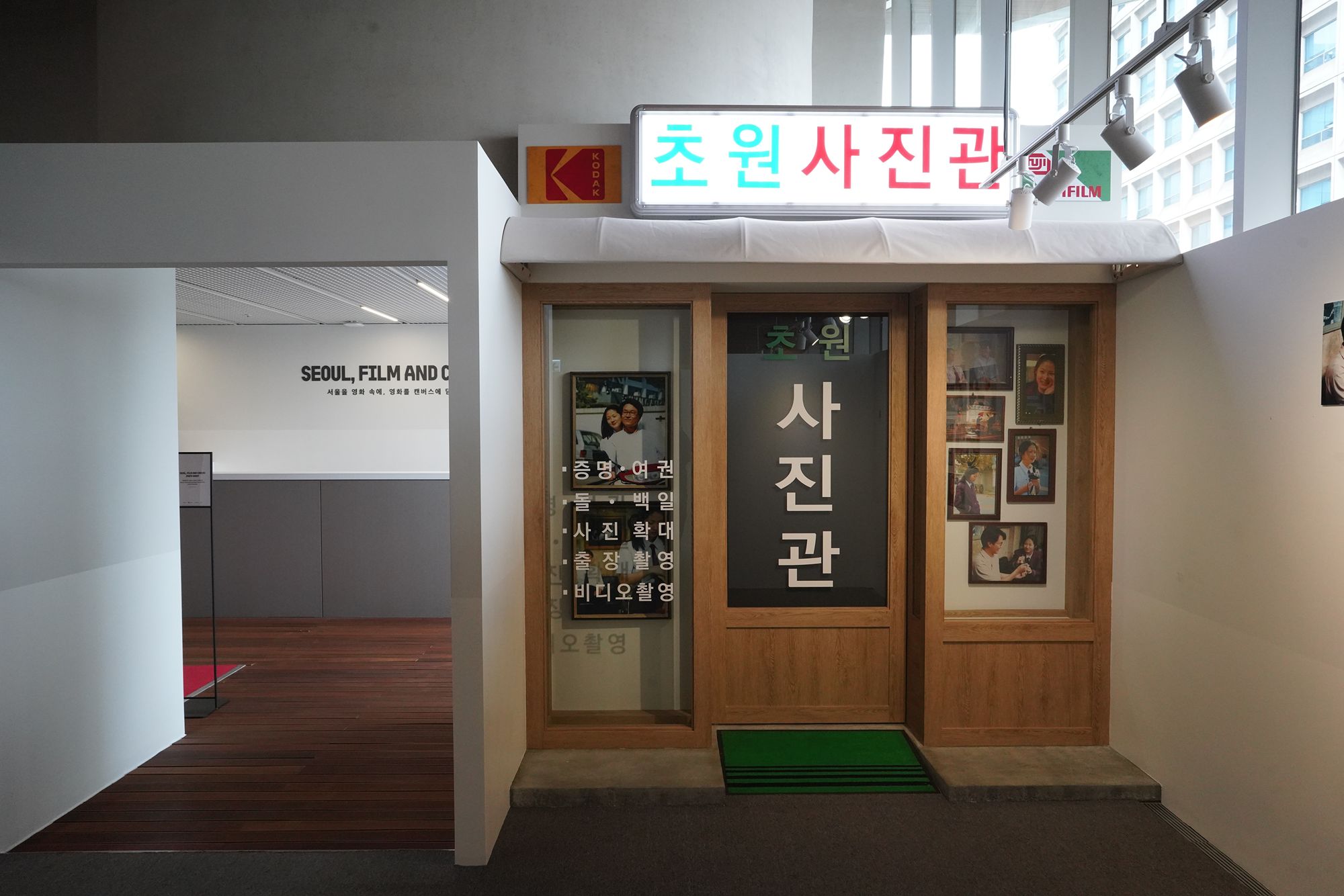
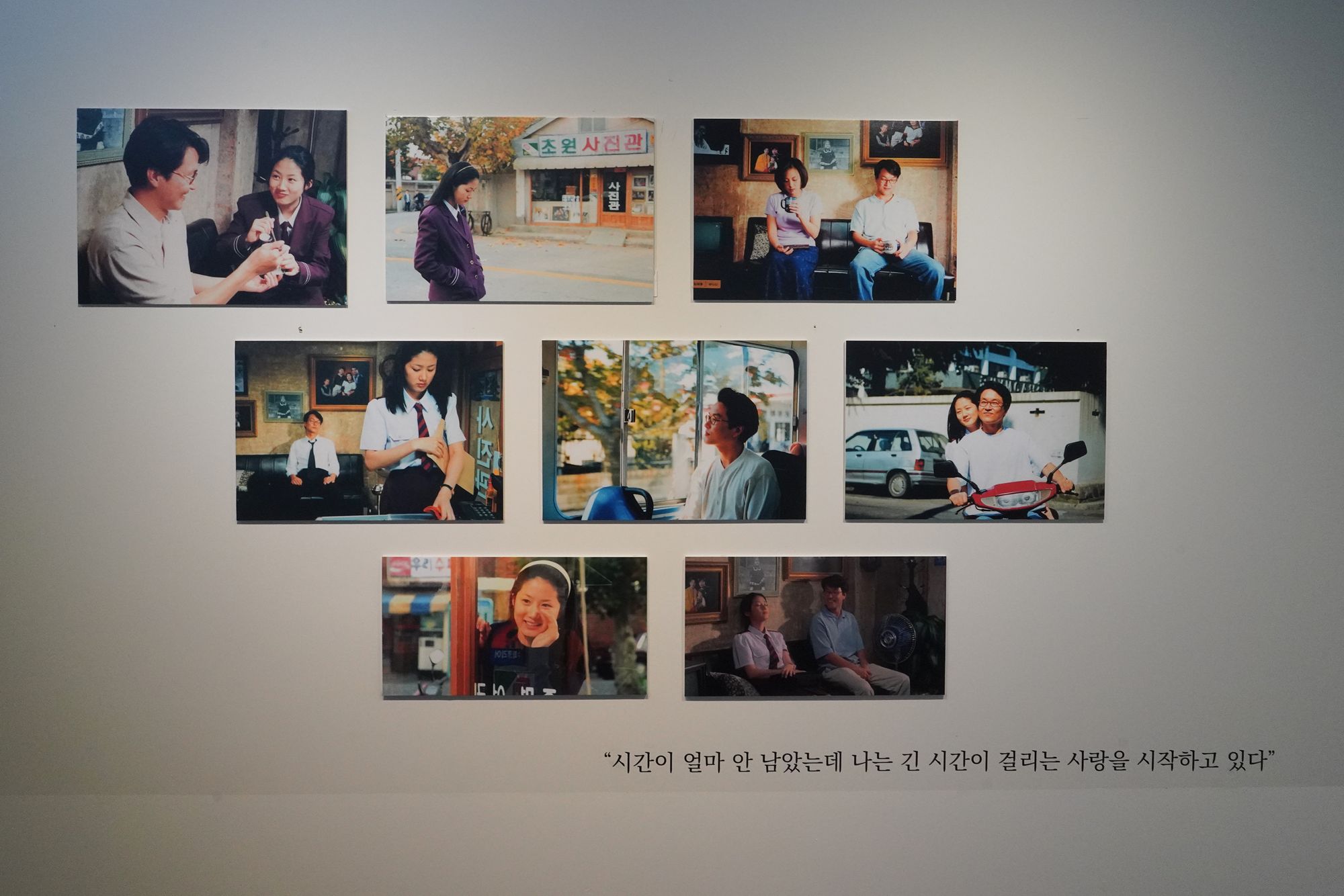
The Seoul Film Center (서울영화센터) is a new public film and cultural center near Euljiro 3-ga and Chungmuro. It officially opened on November 28, 2025, in an area historically associated with Korea’s film industry
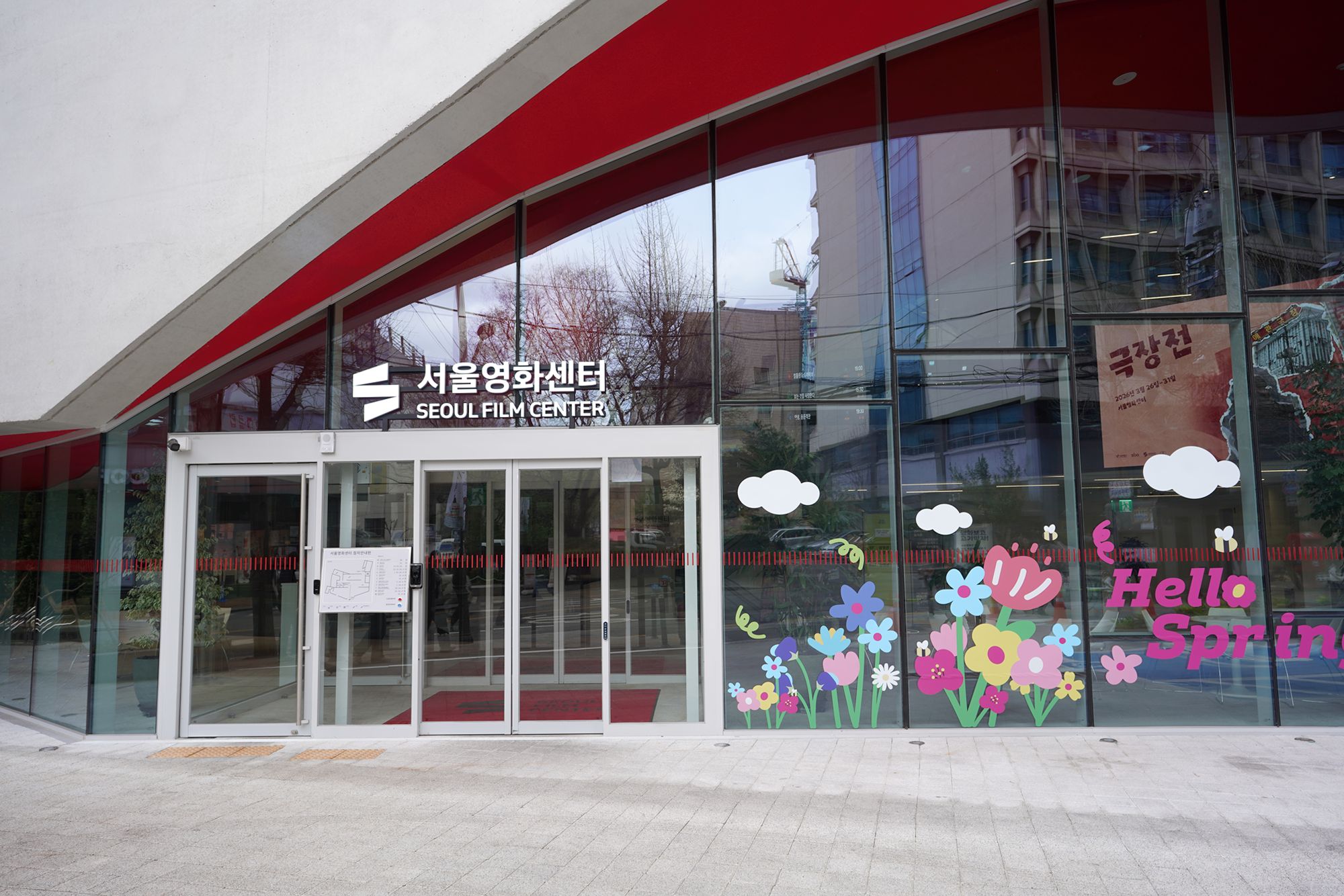
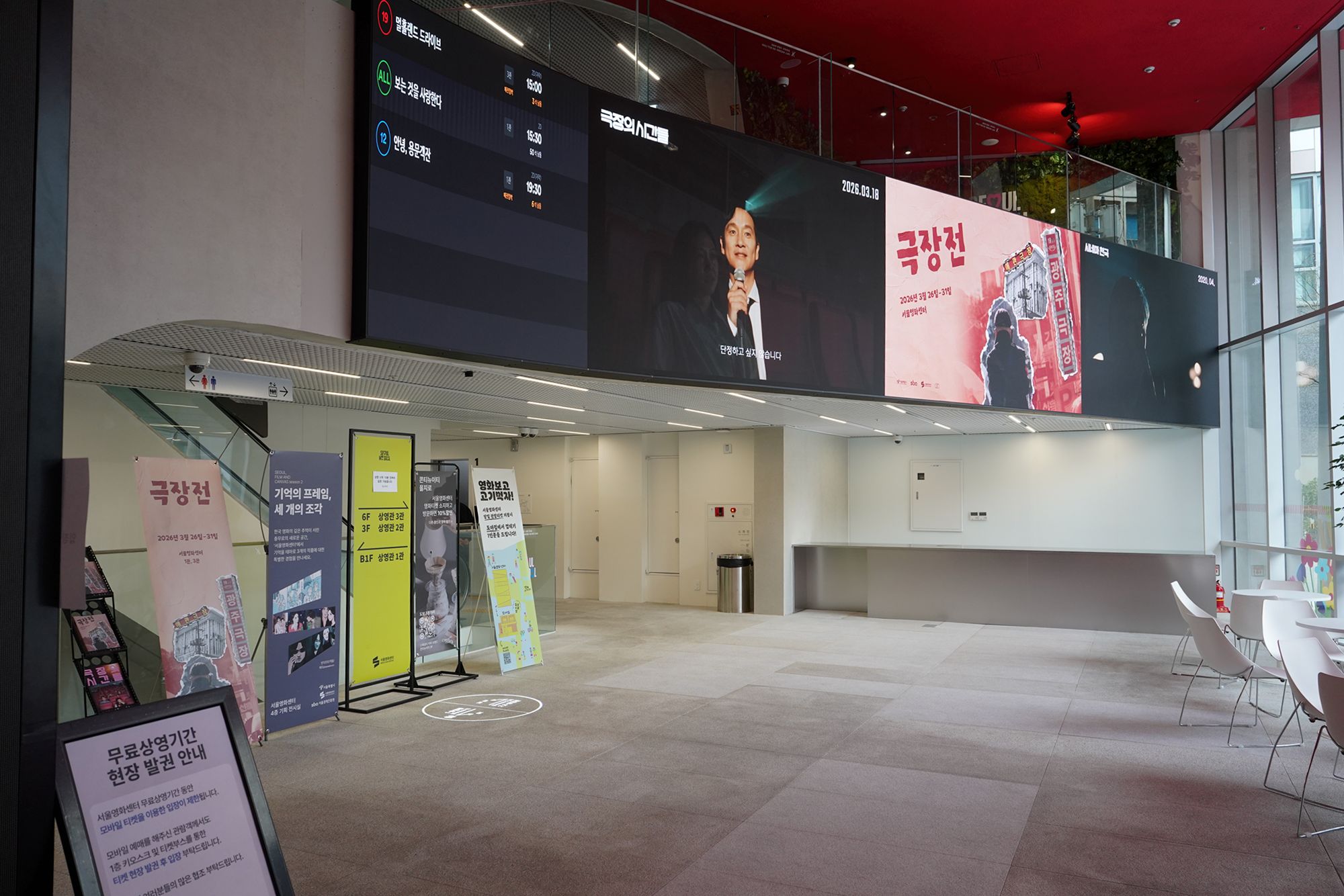
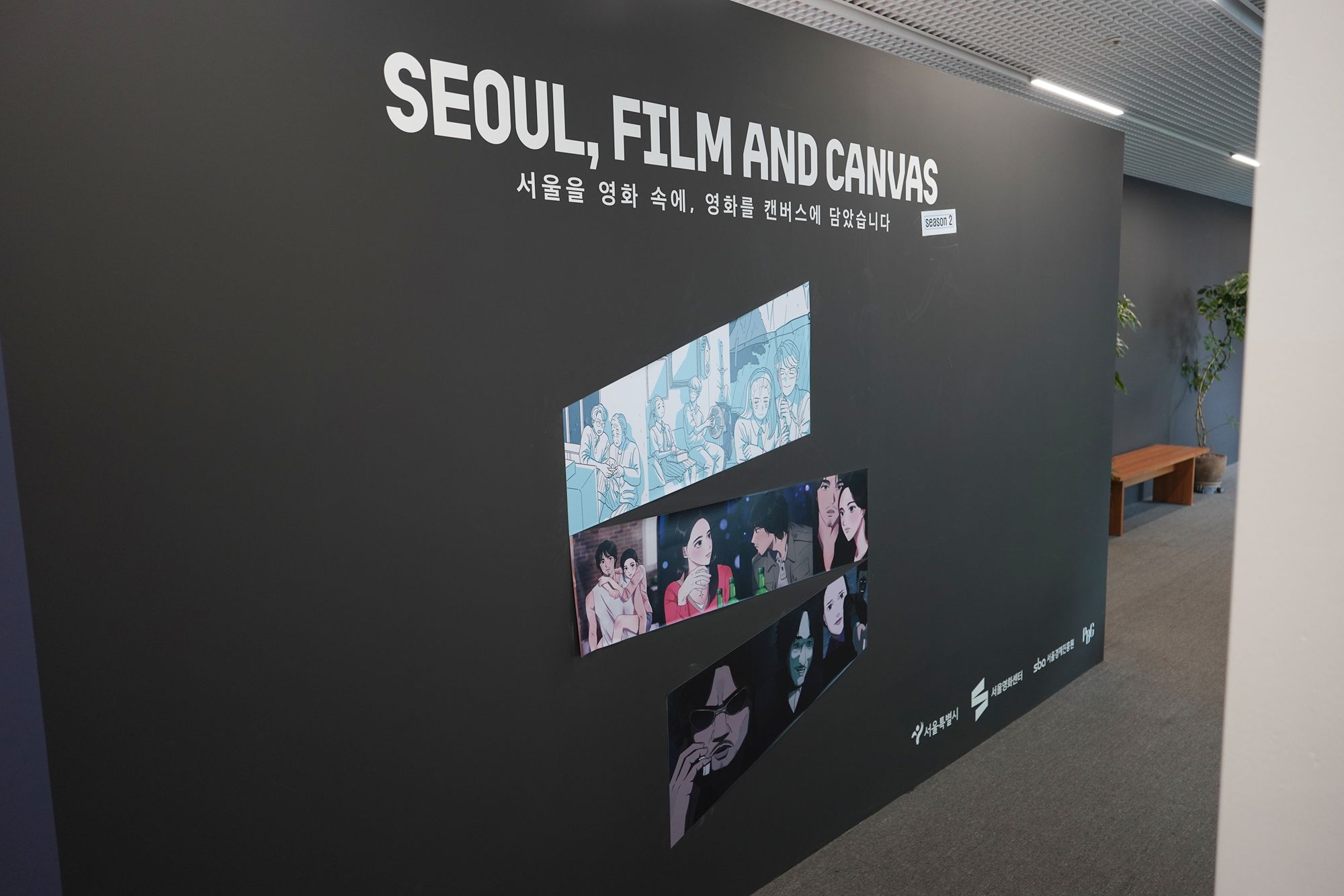
It has three movie theaters, exhibition and education spaces, a film archive, shared offices for filmmakers, and a rooftop cinema. Its programs emphasize Korean cinema, independent films, and art films, while also supporting filmmakers and film education.
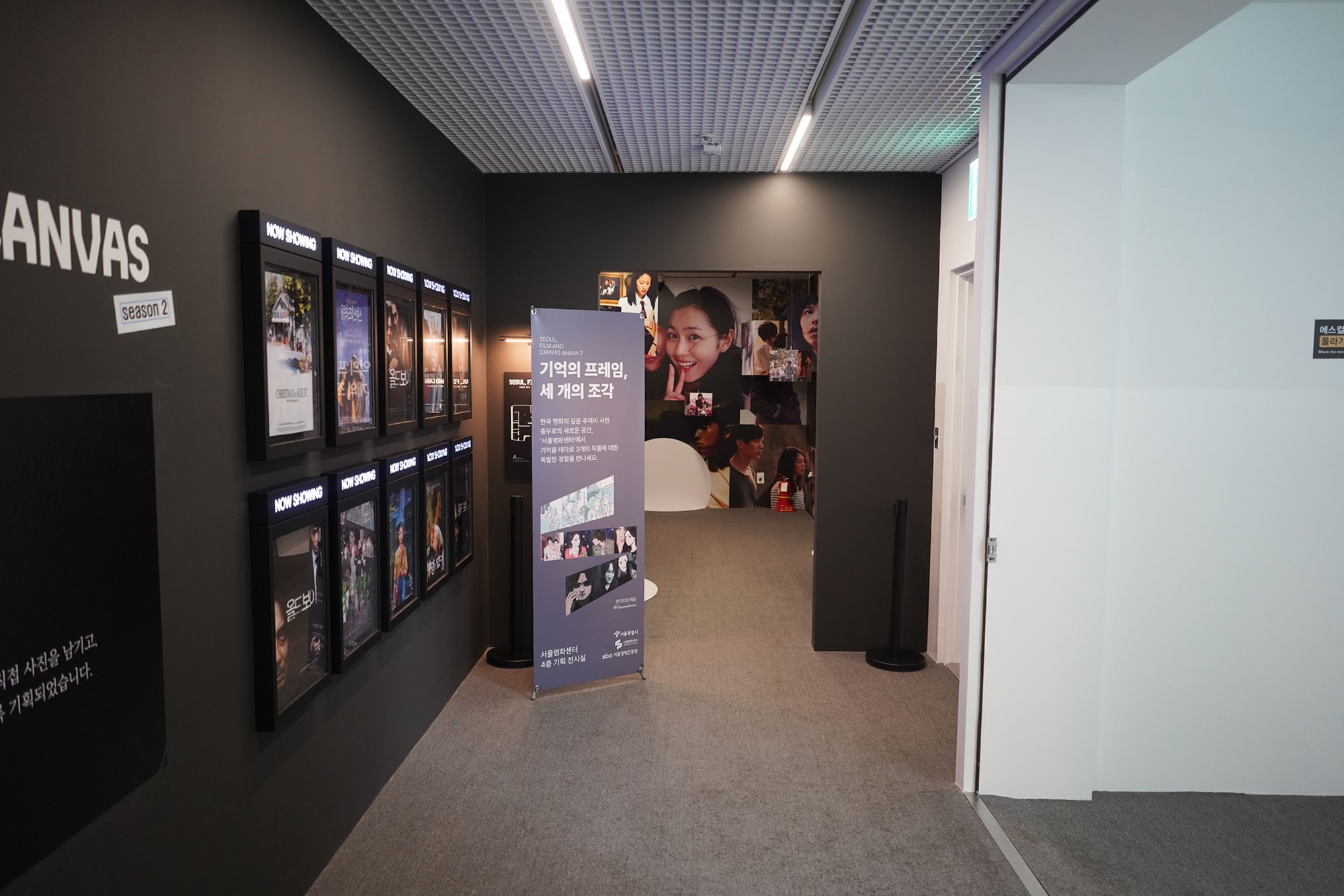
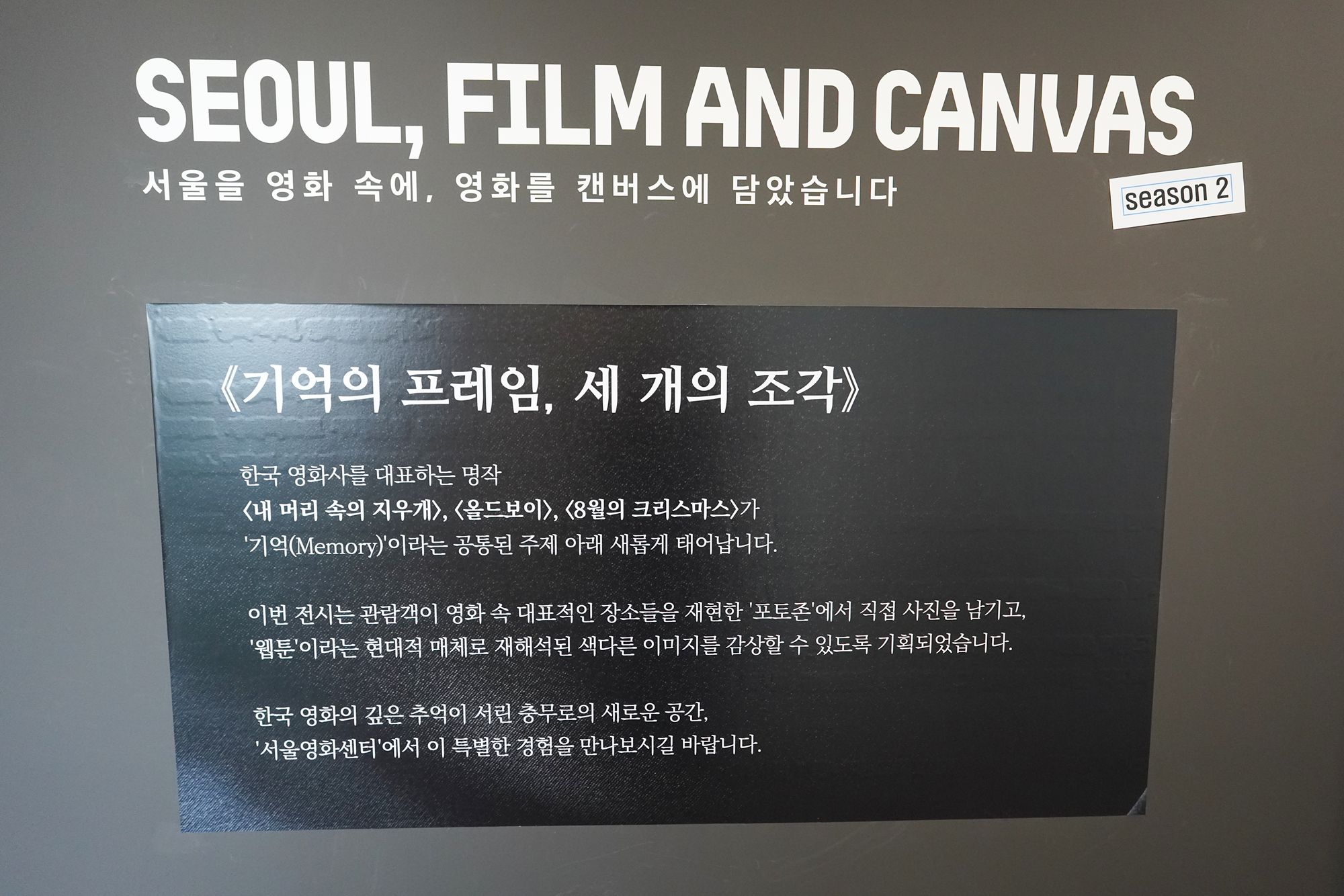
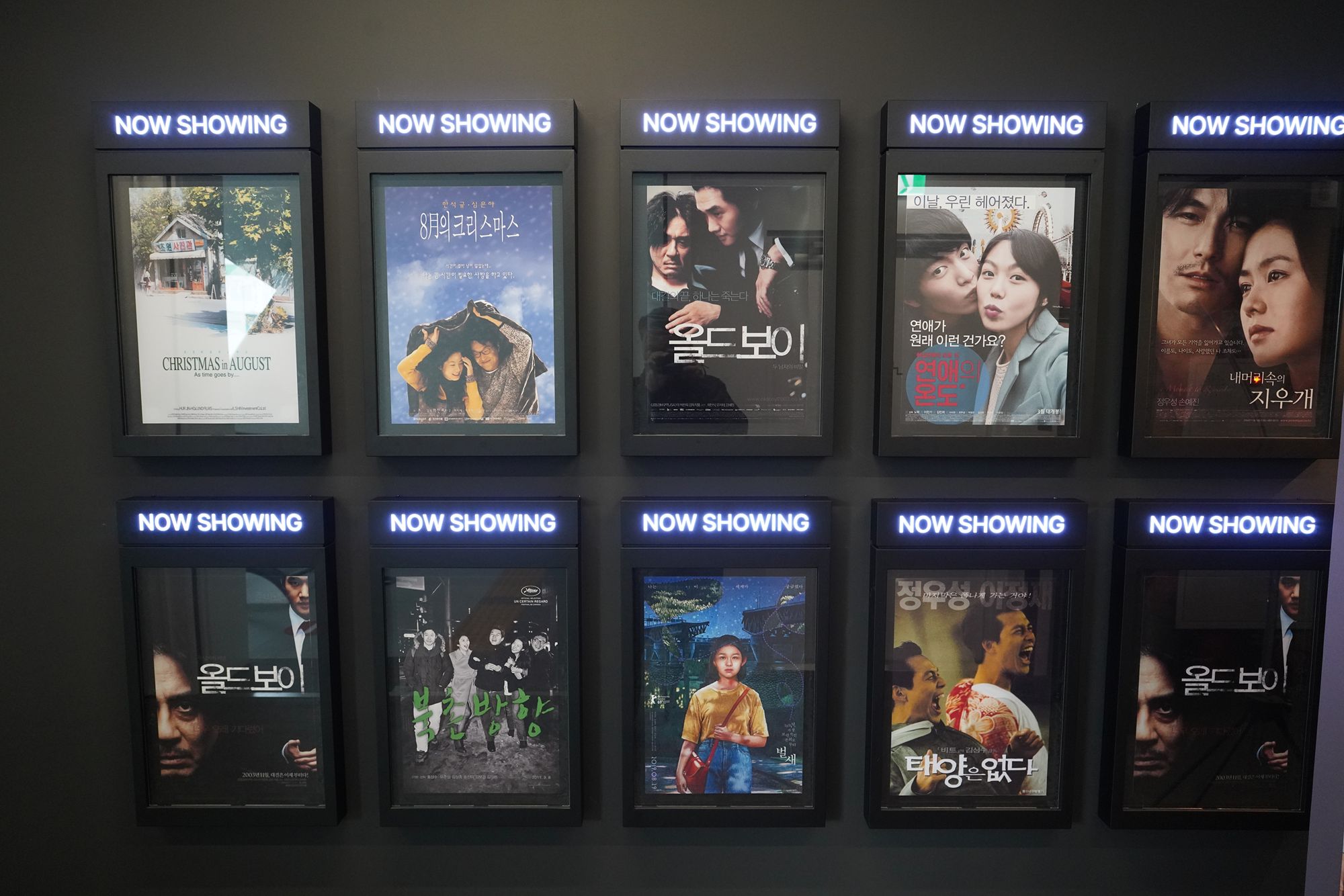
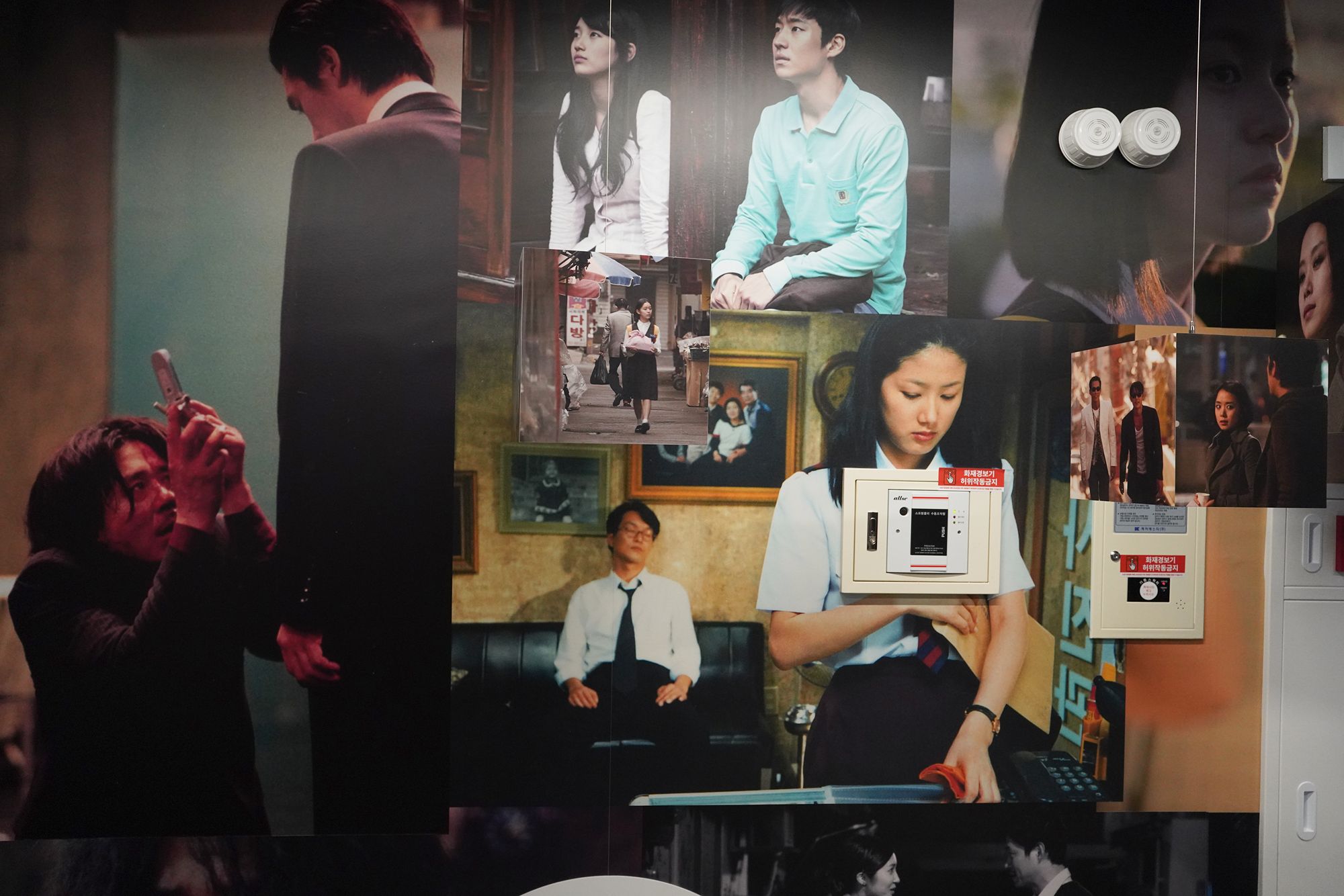
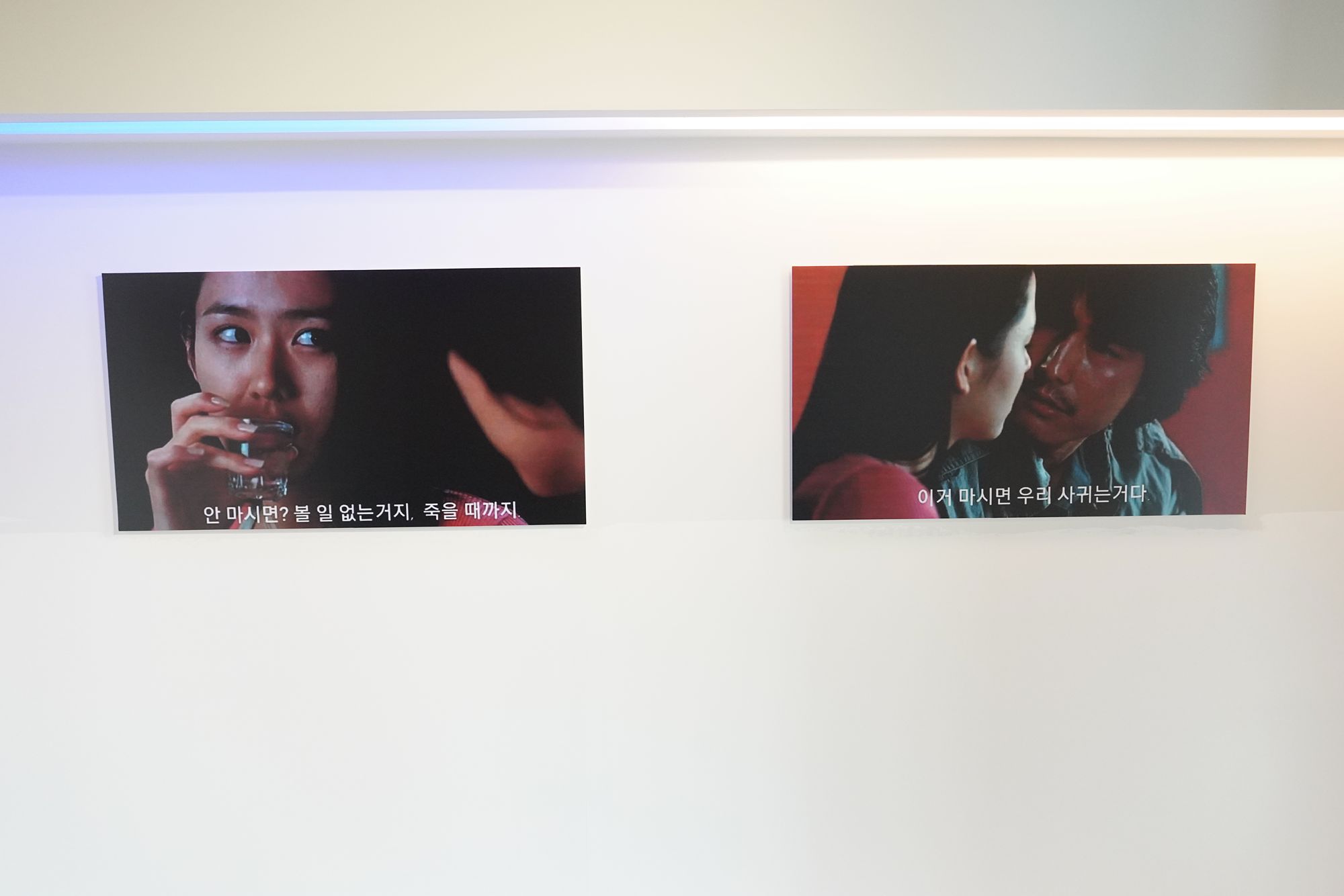
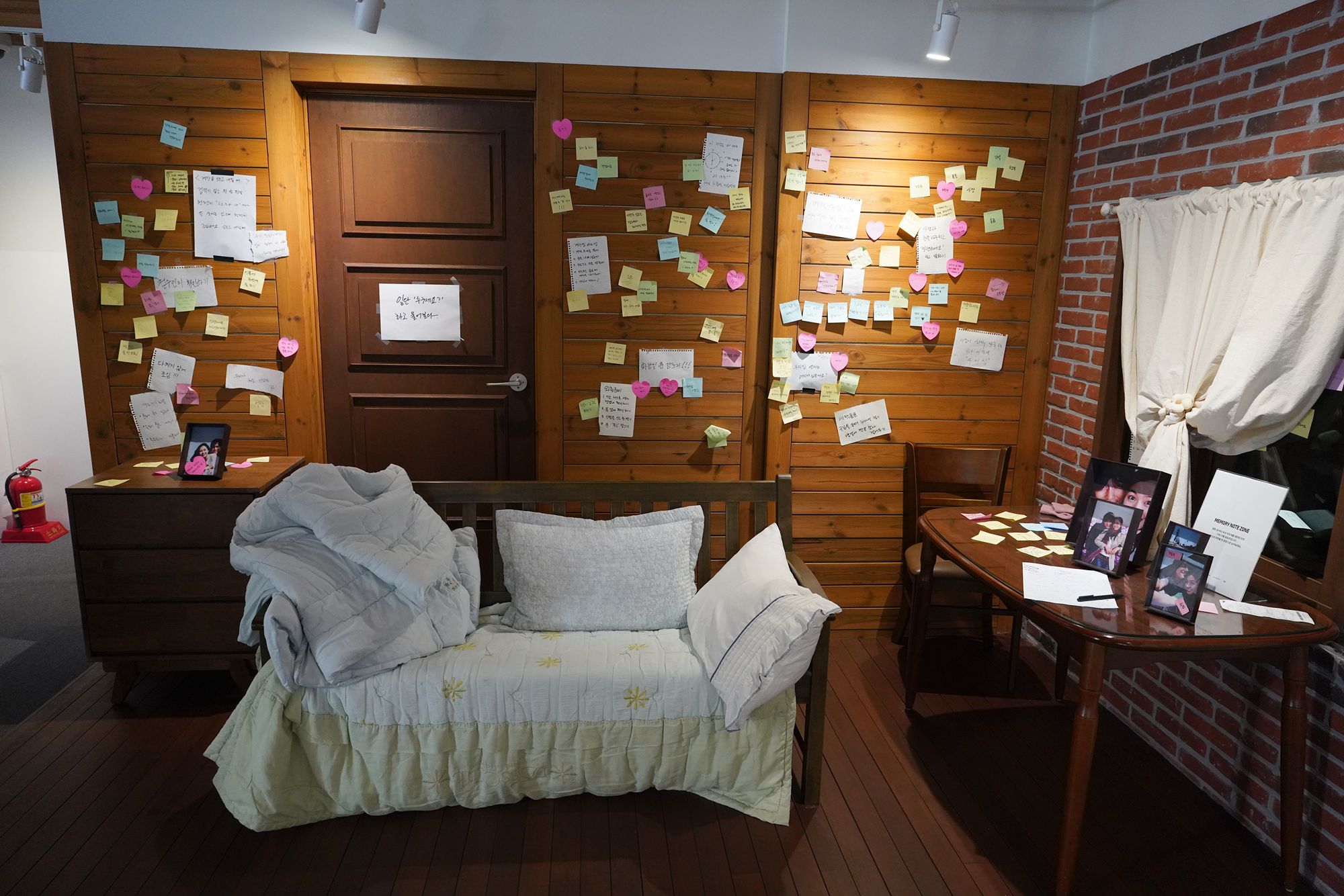
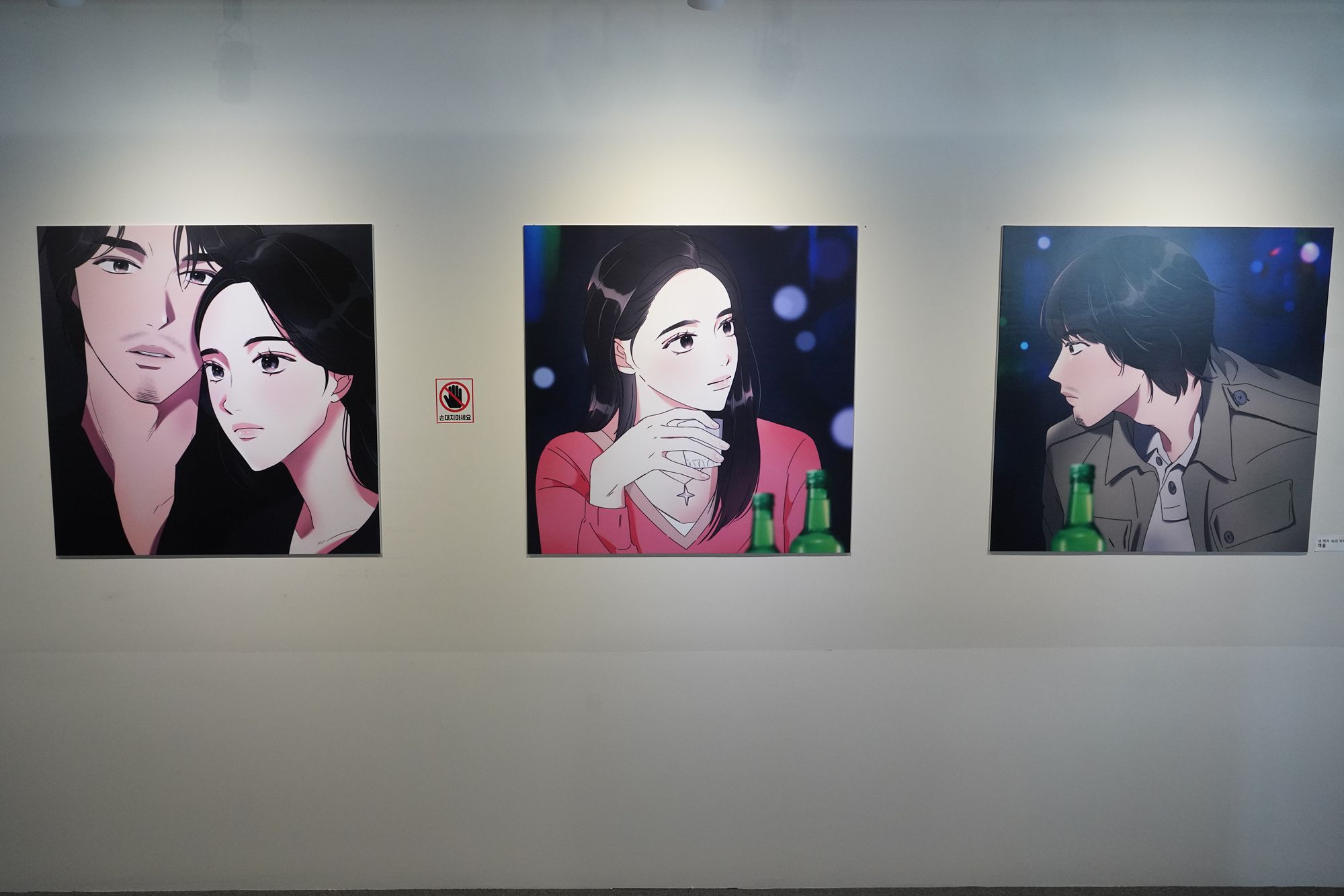
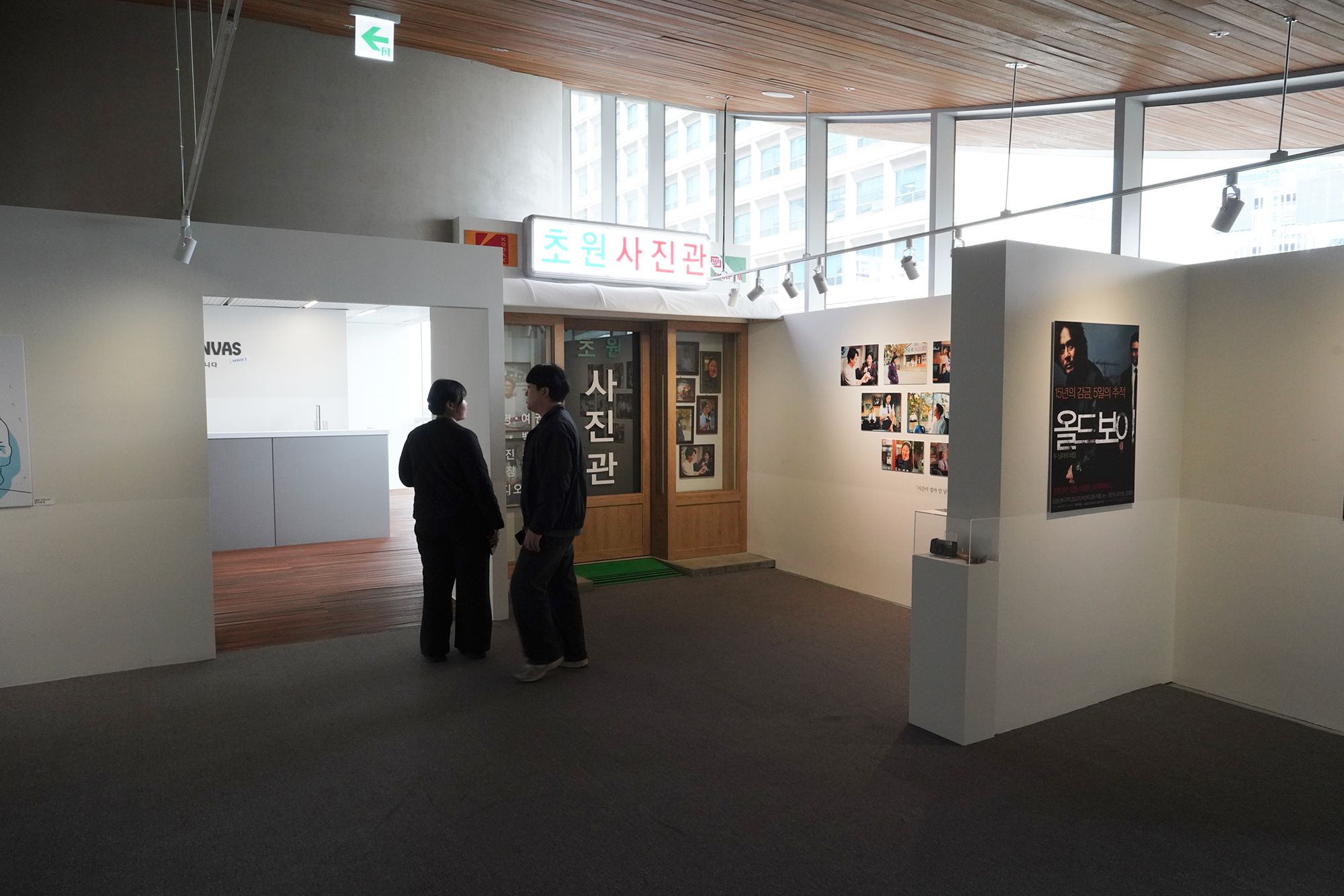
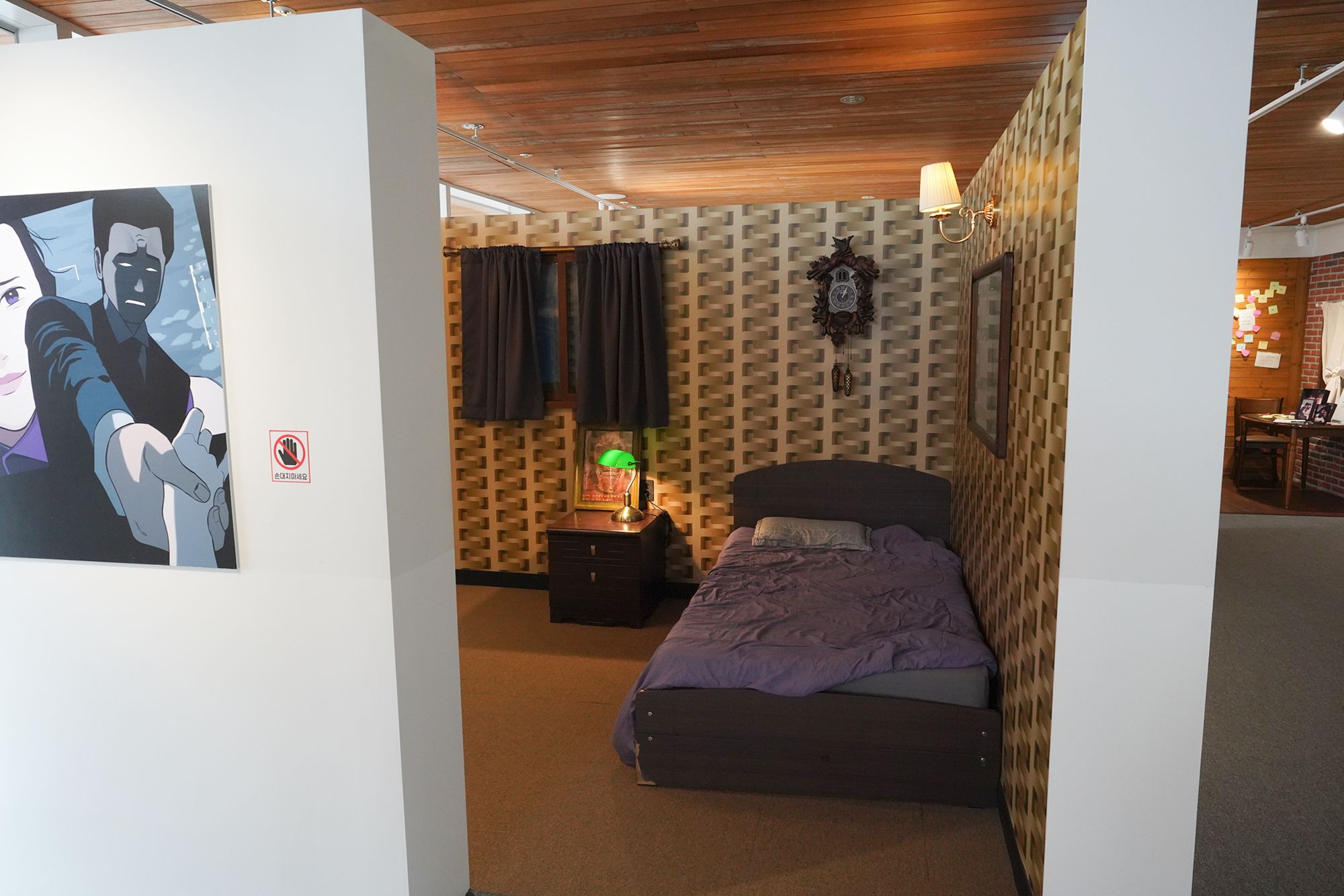
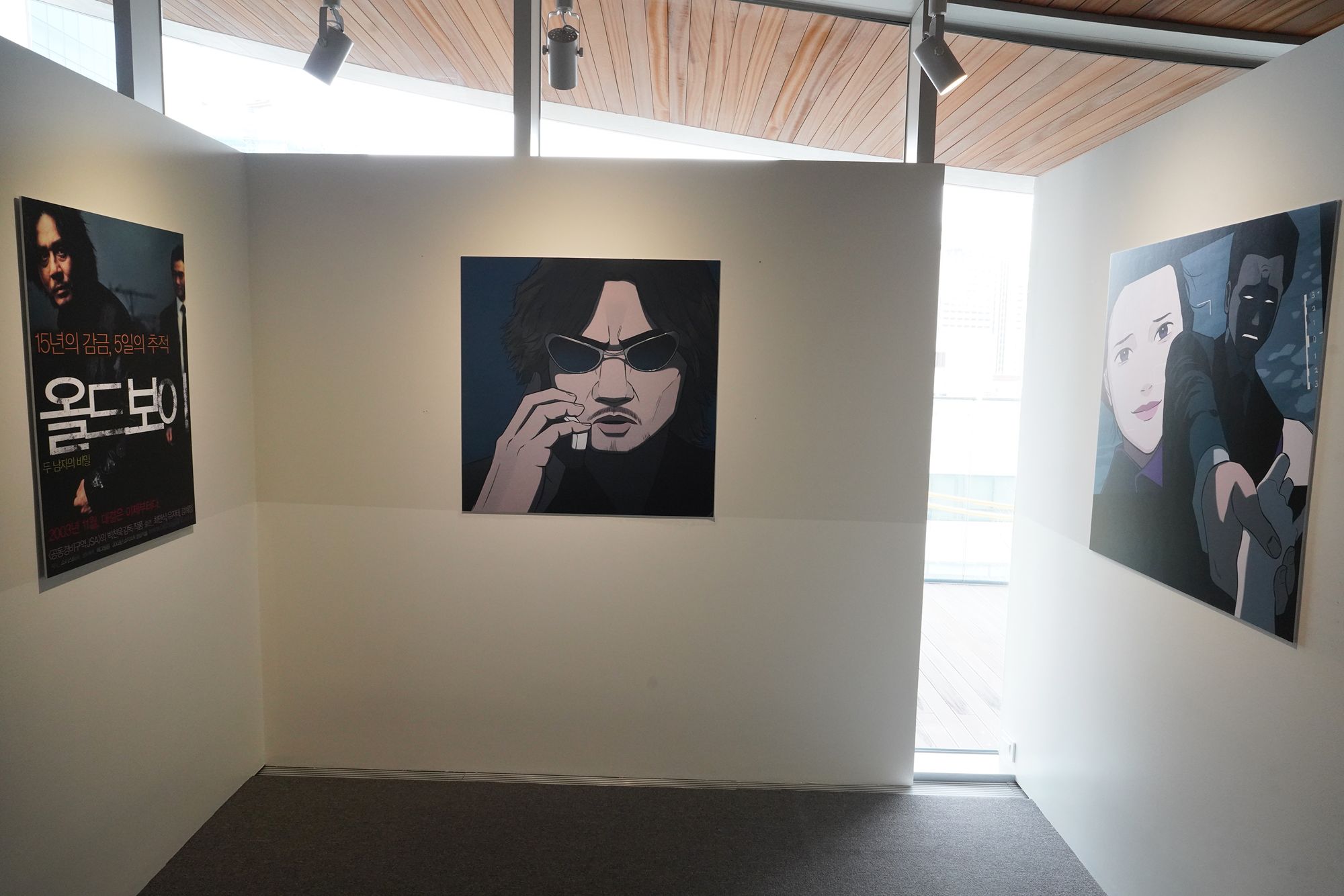
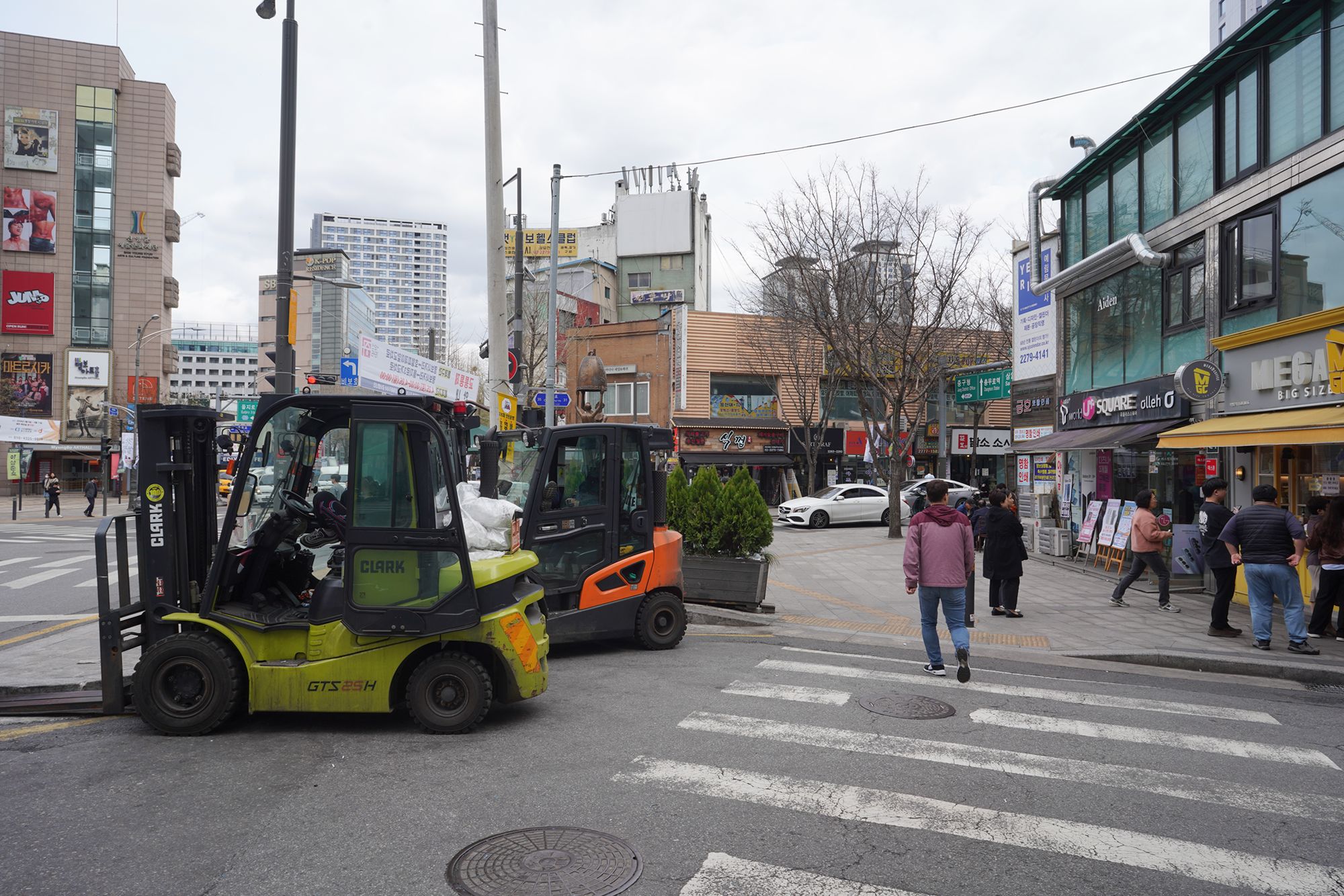
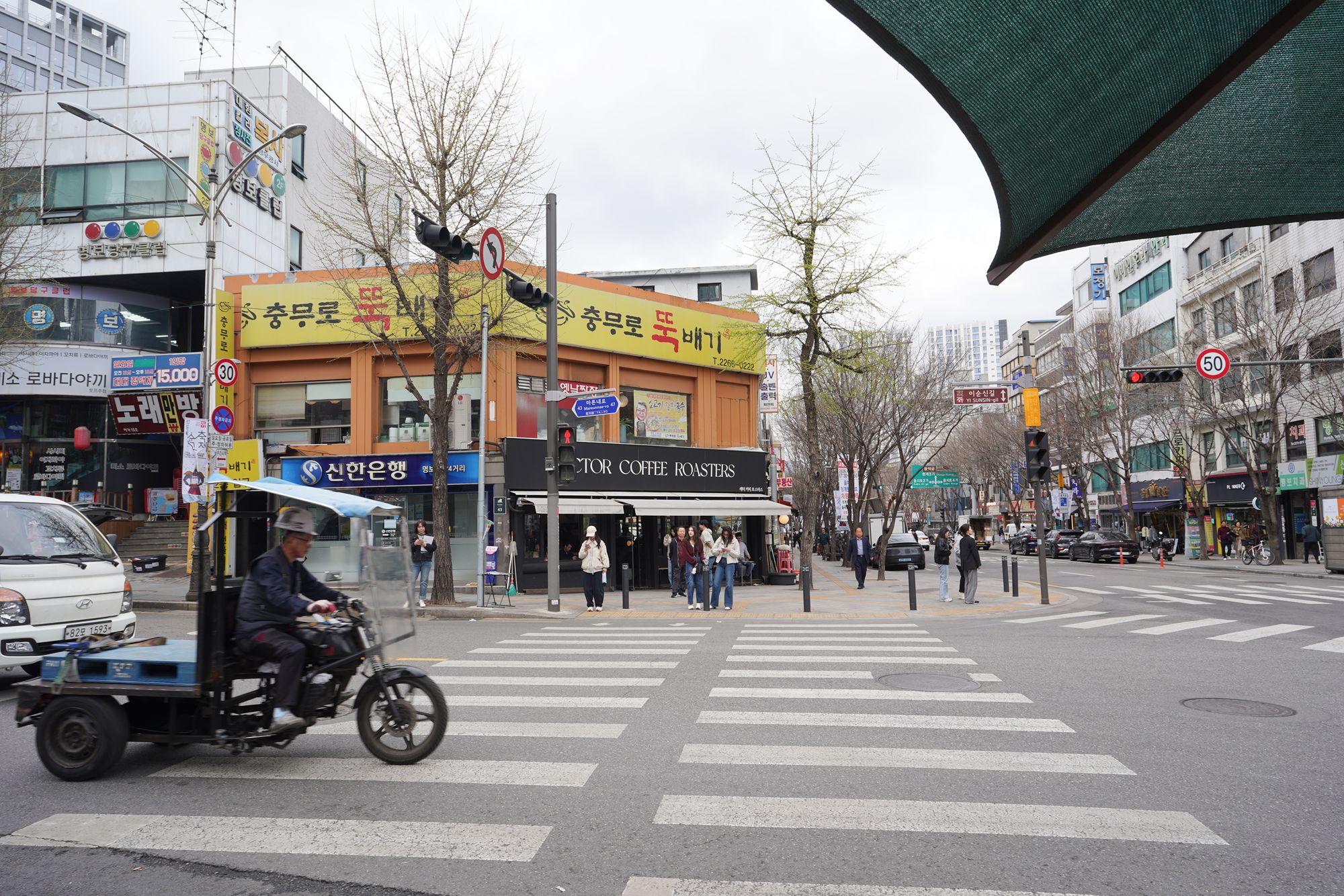
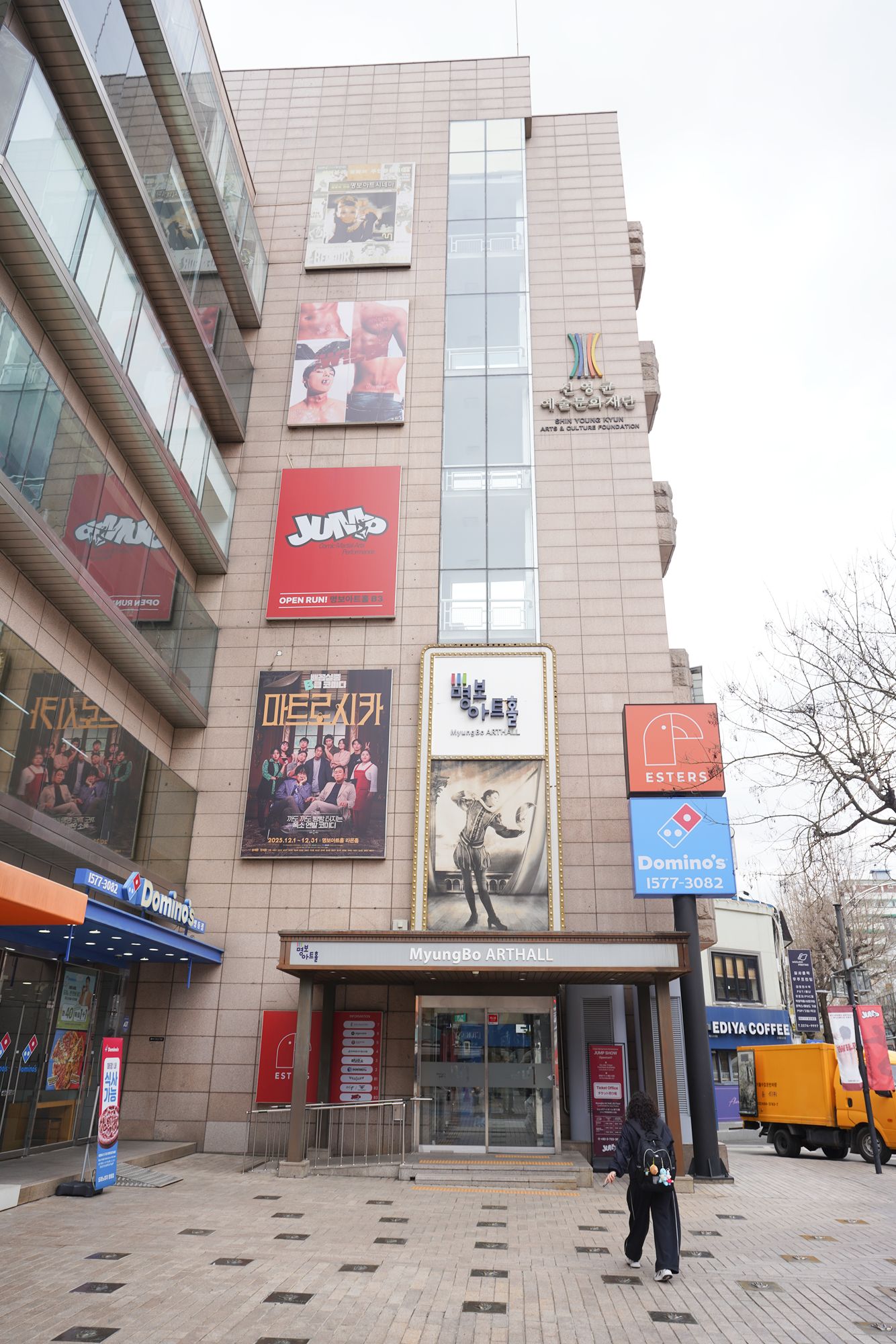
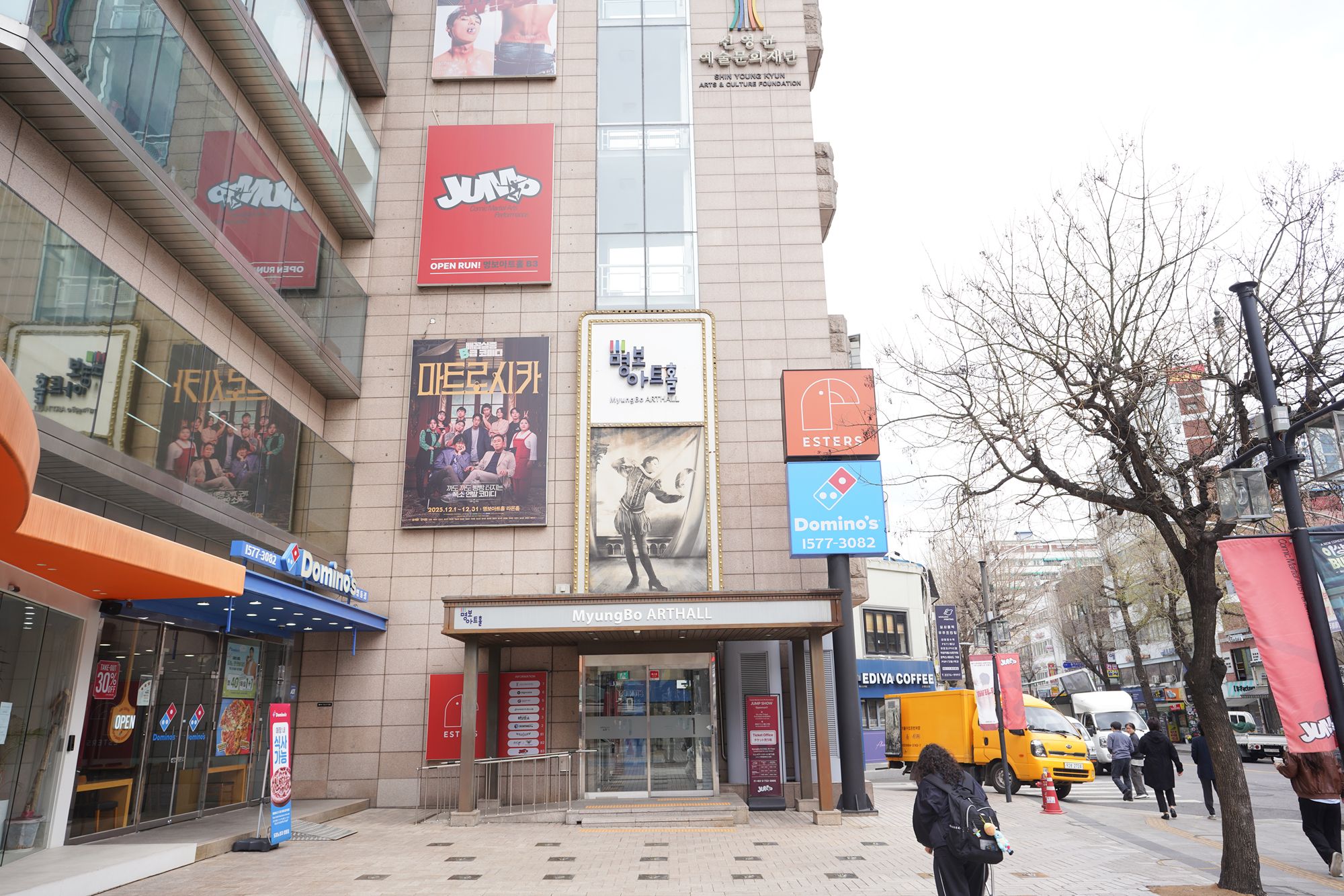
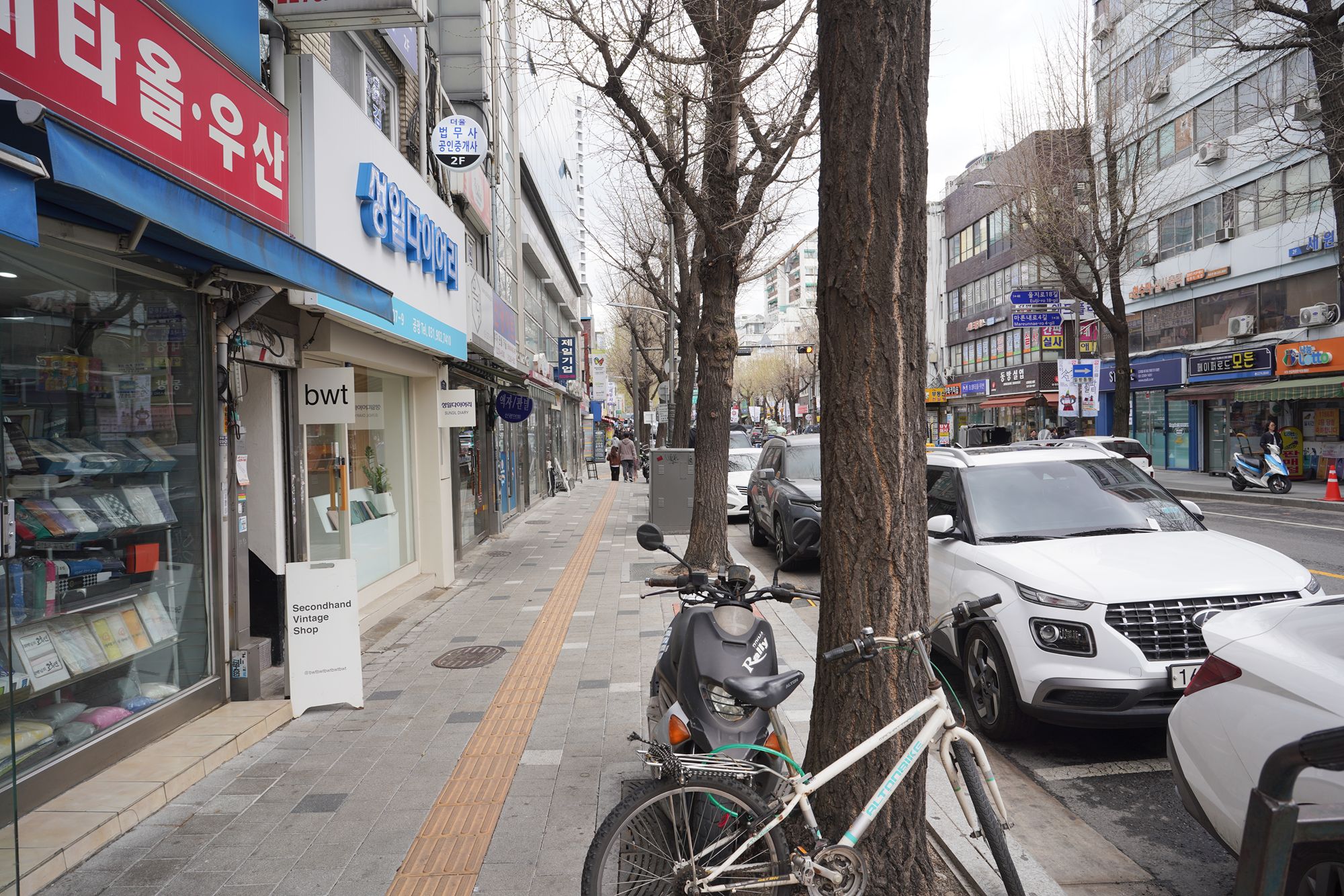
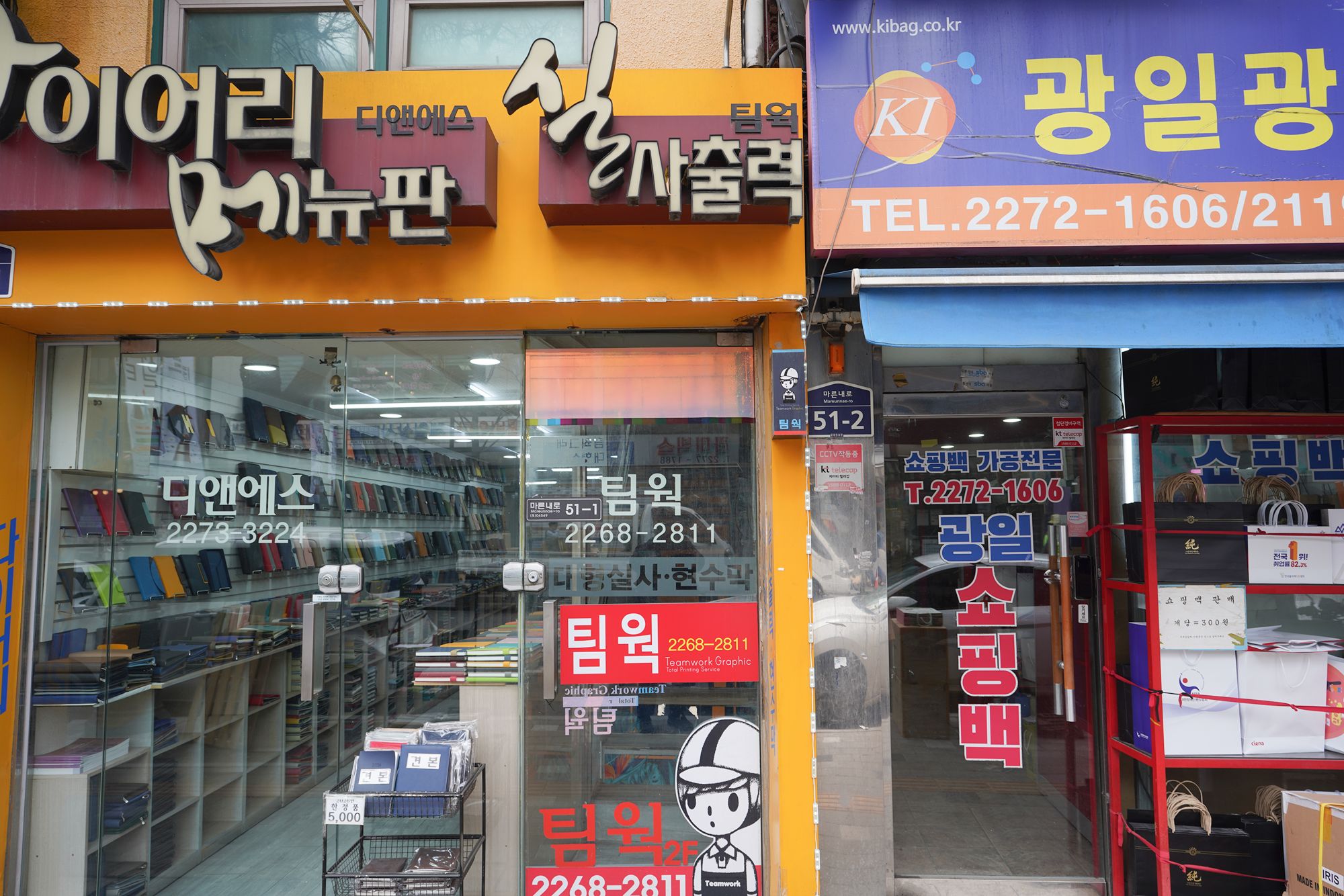
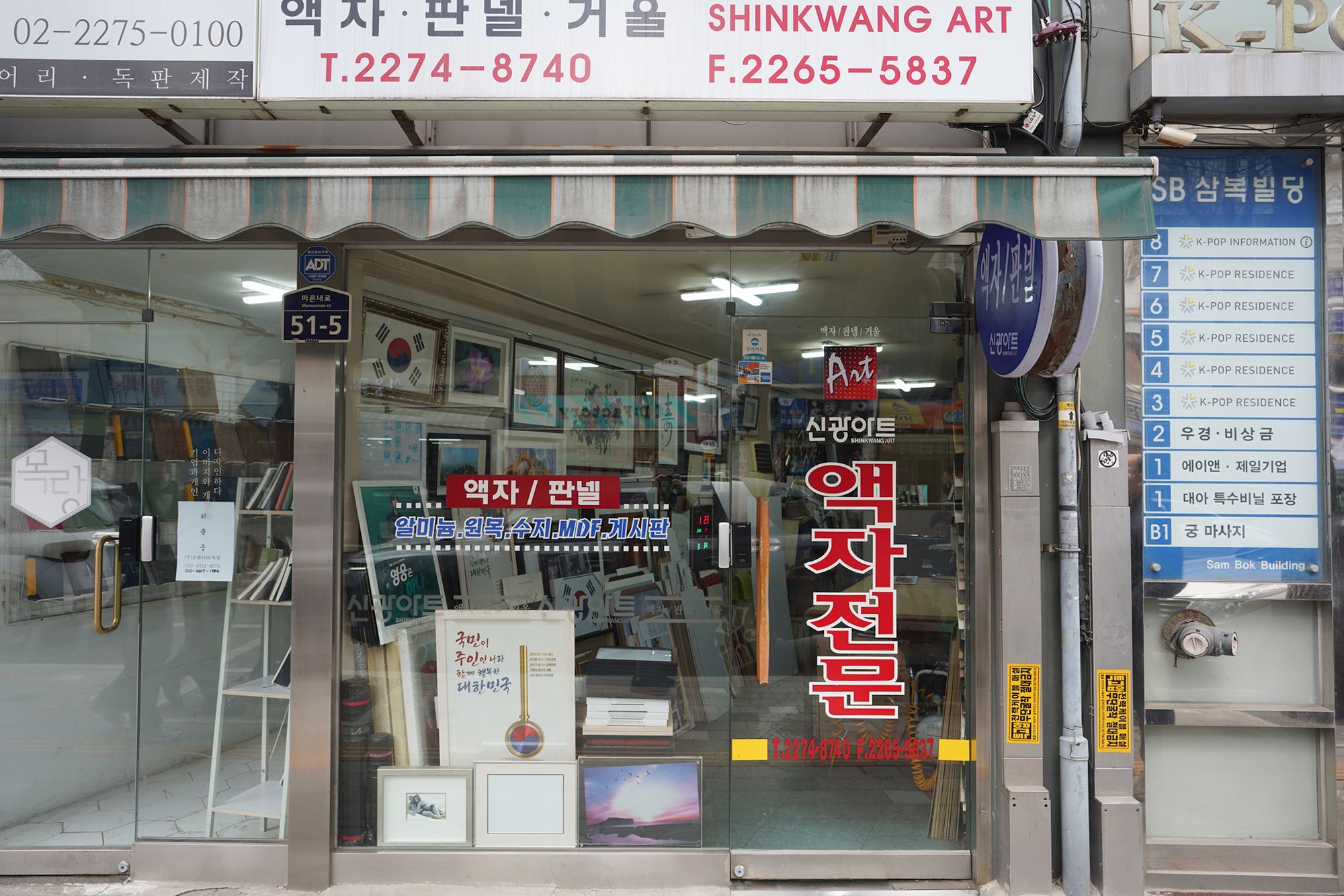
Euljiro was once especially known for its many printing shops, which grew into a dense network of printers, bookbinders, paper suppliers, and other related businesses. Although many have disappeared as Seoul has modernized, small printing and manufacturing shops can still be found along Euljiro’s older streets.
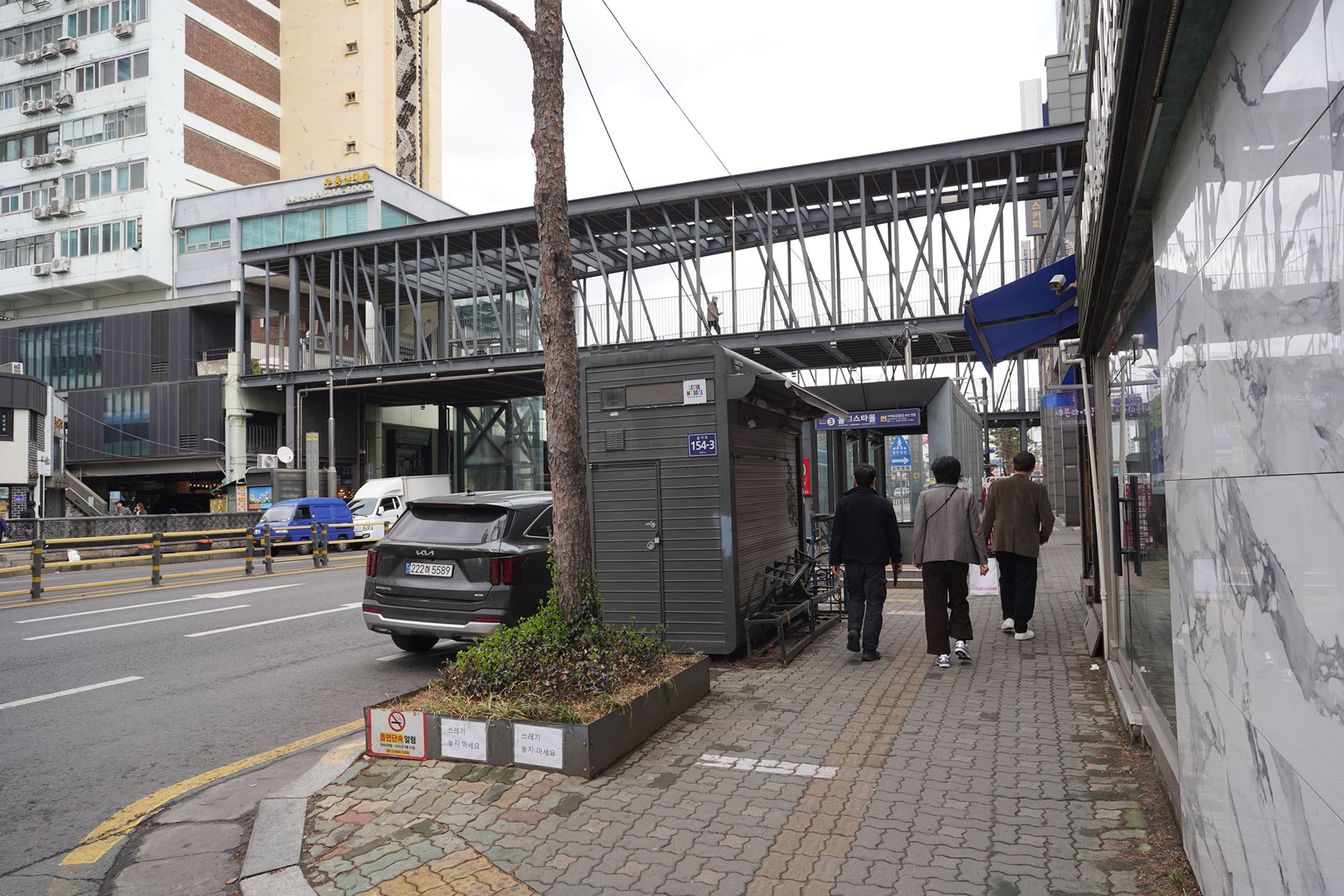
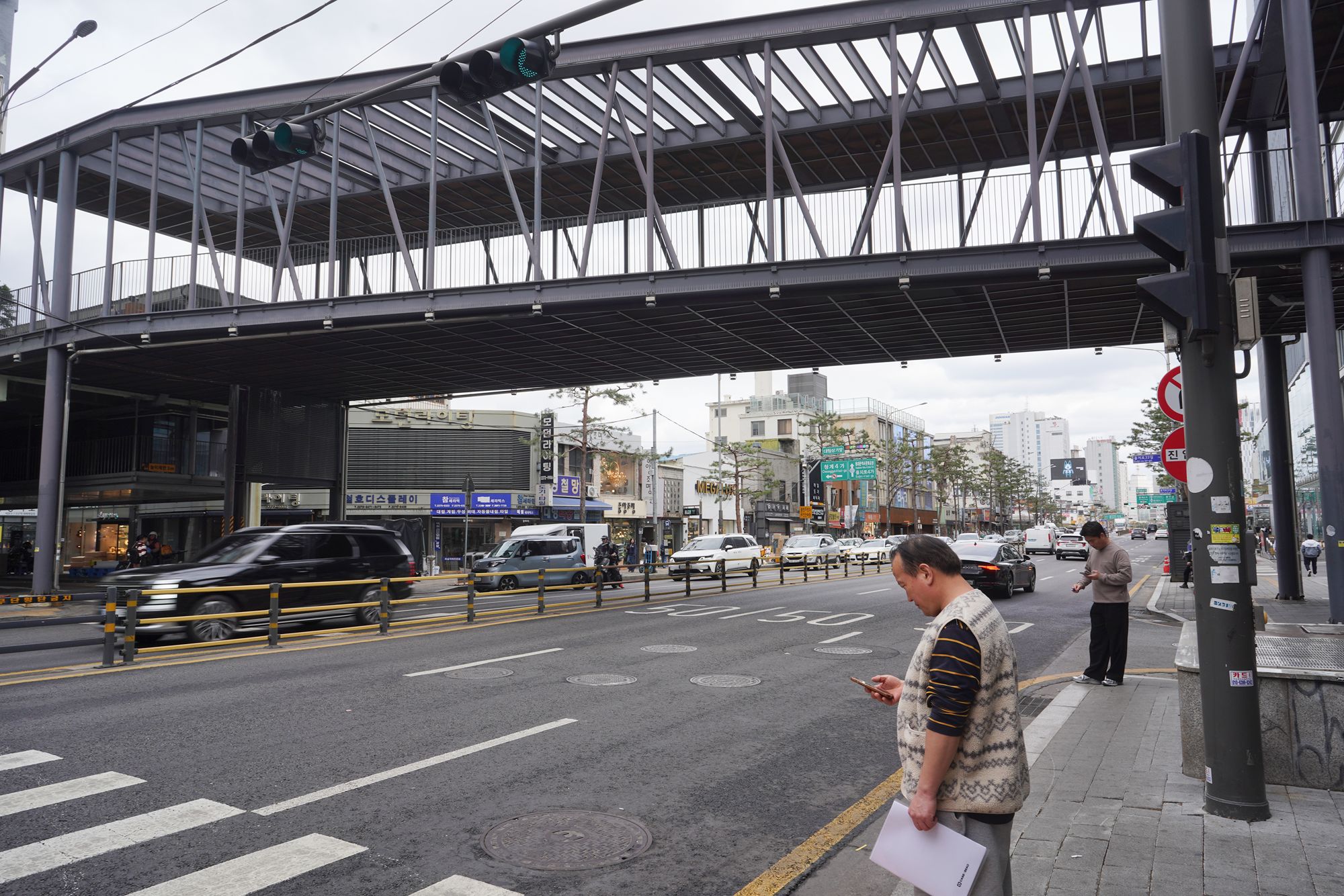
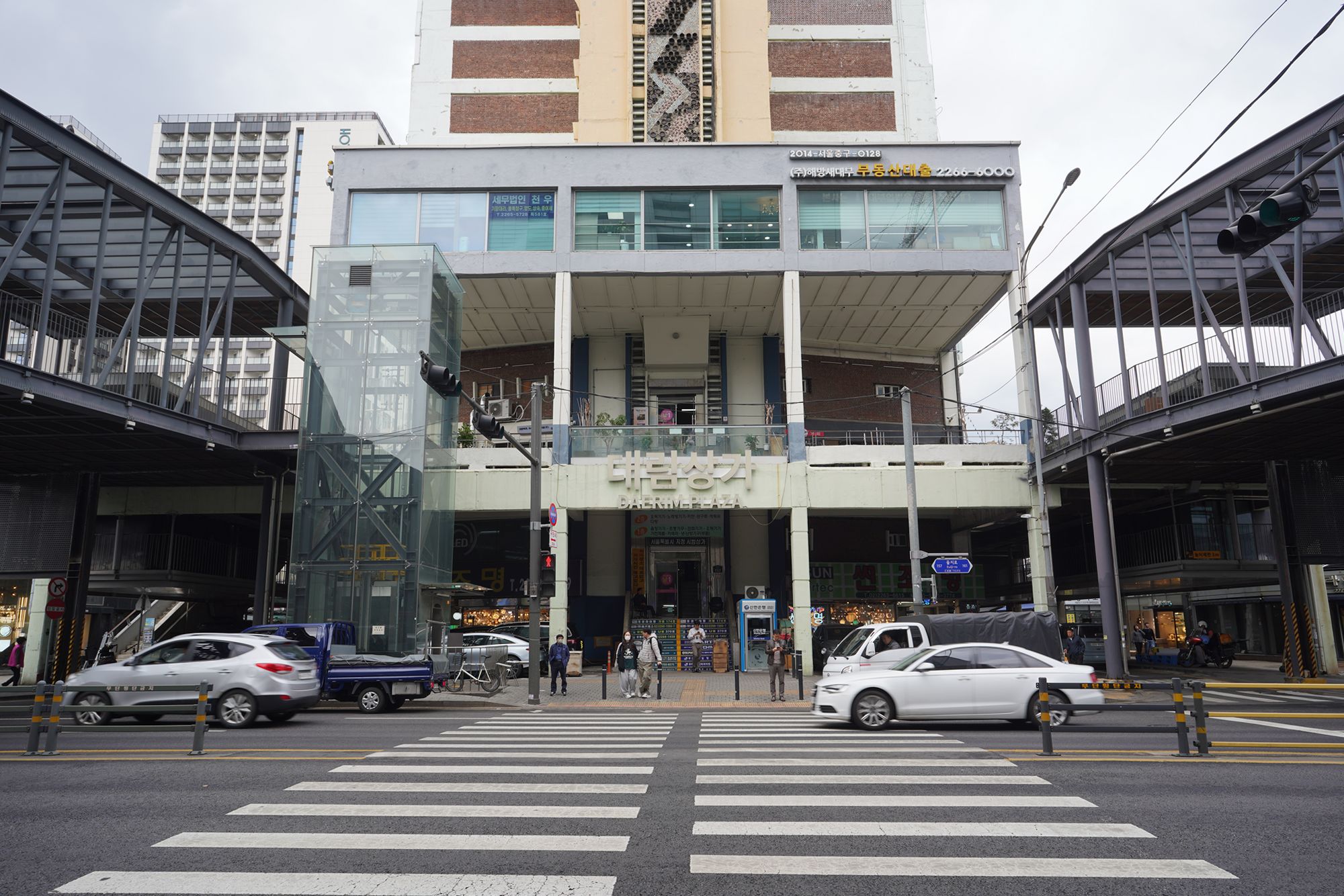
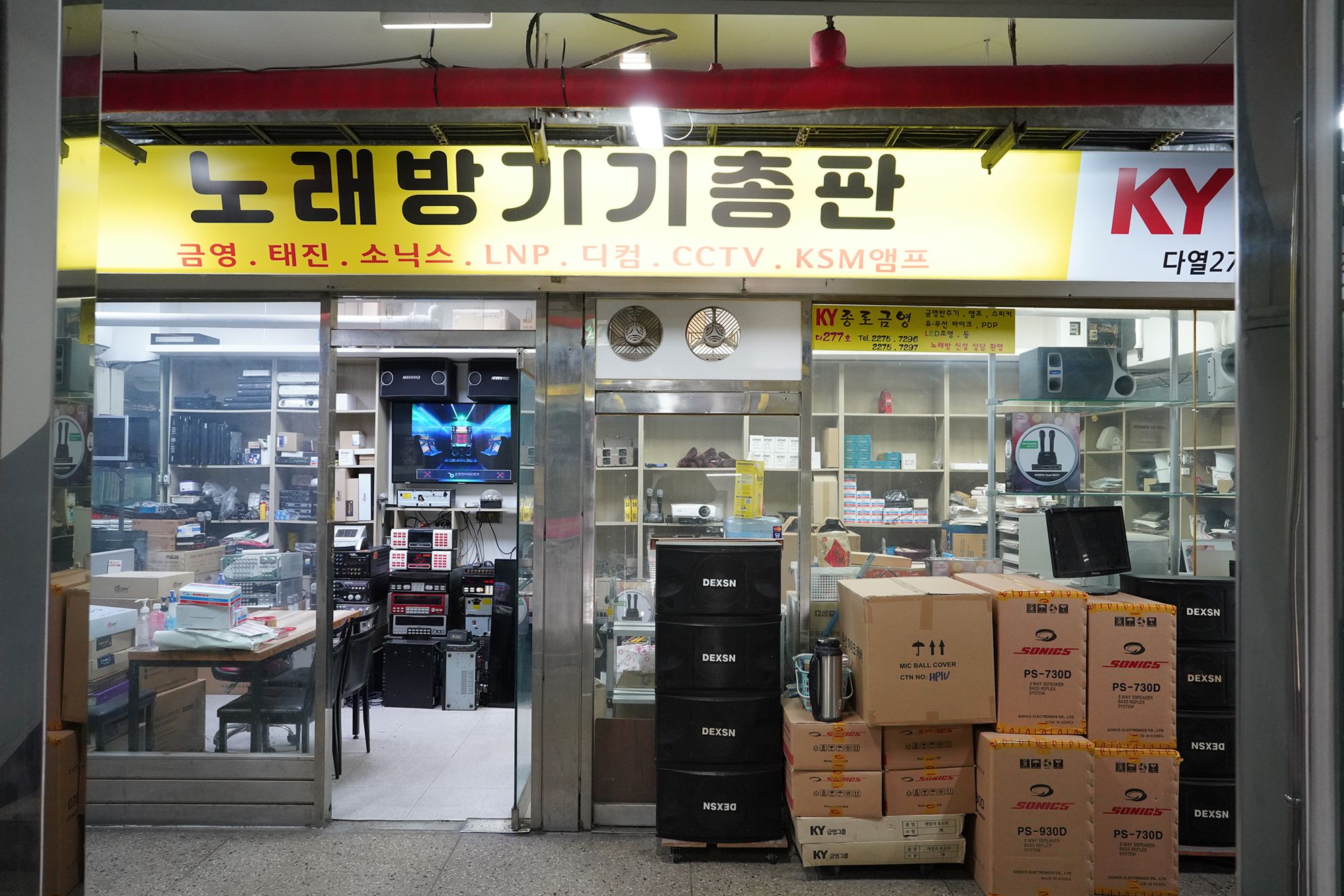
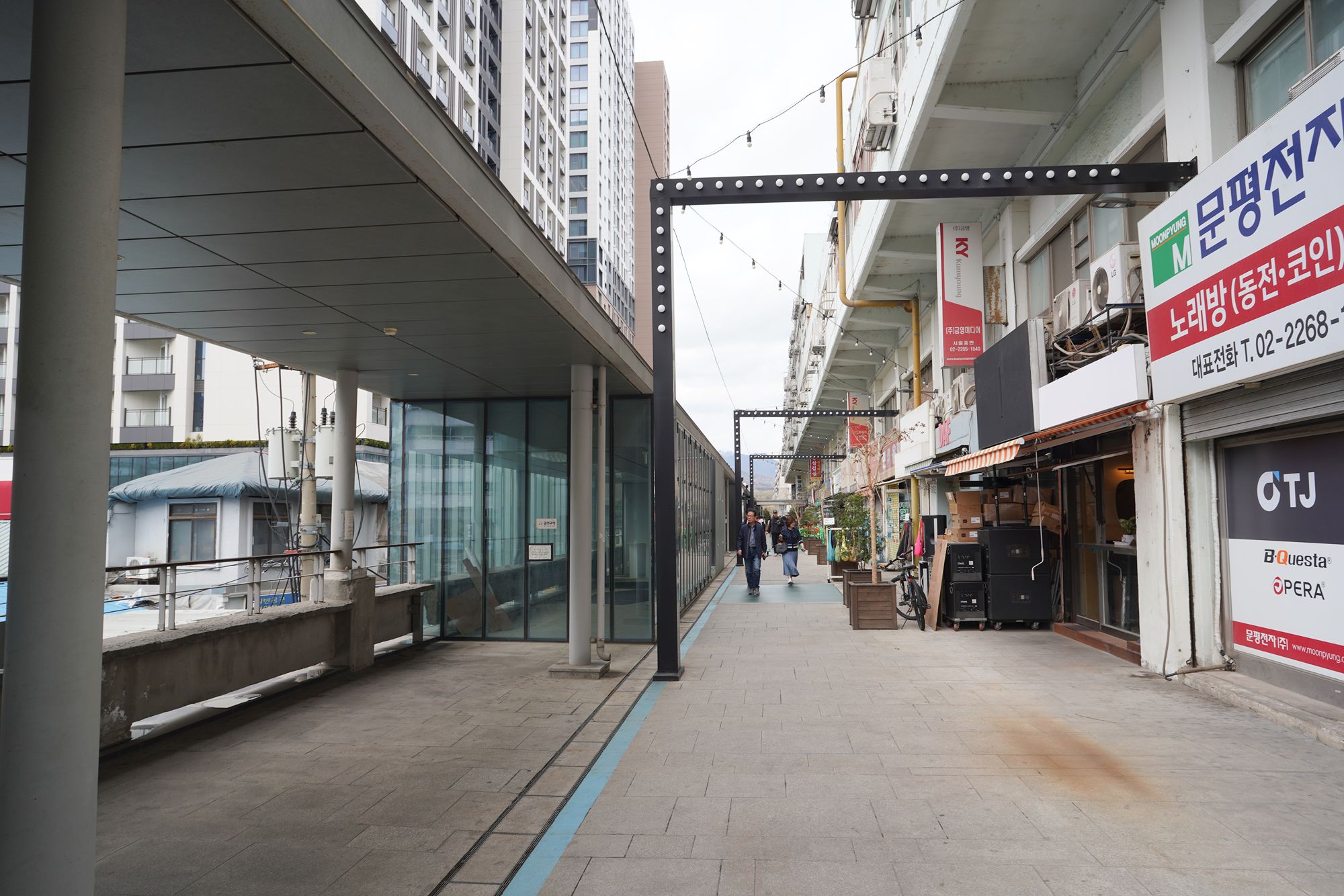
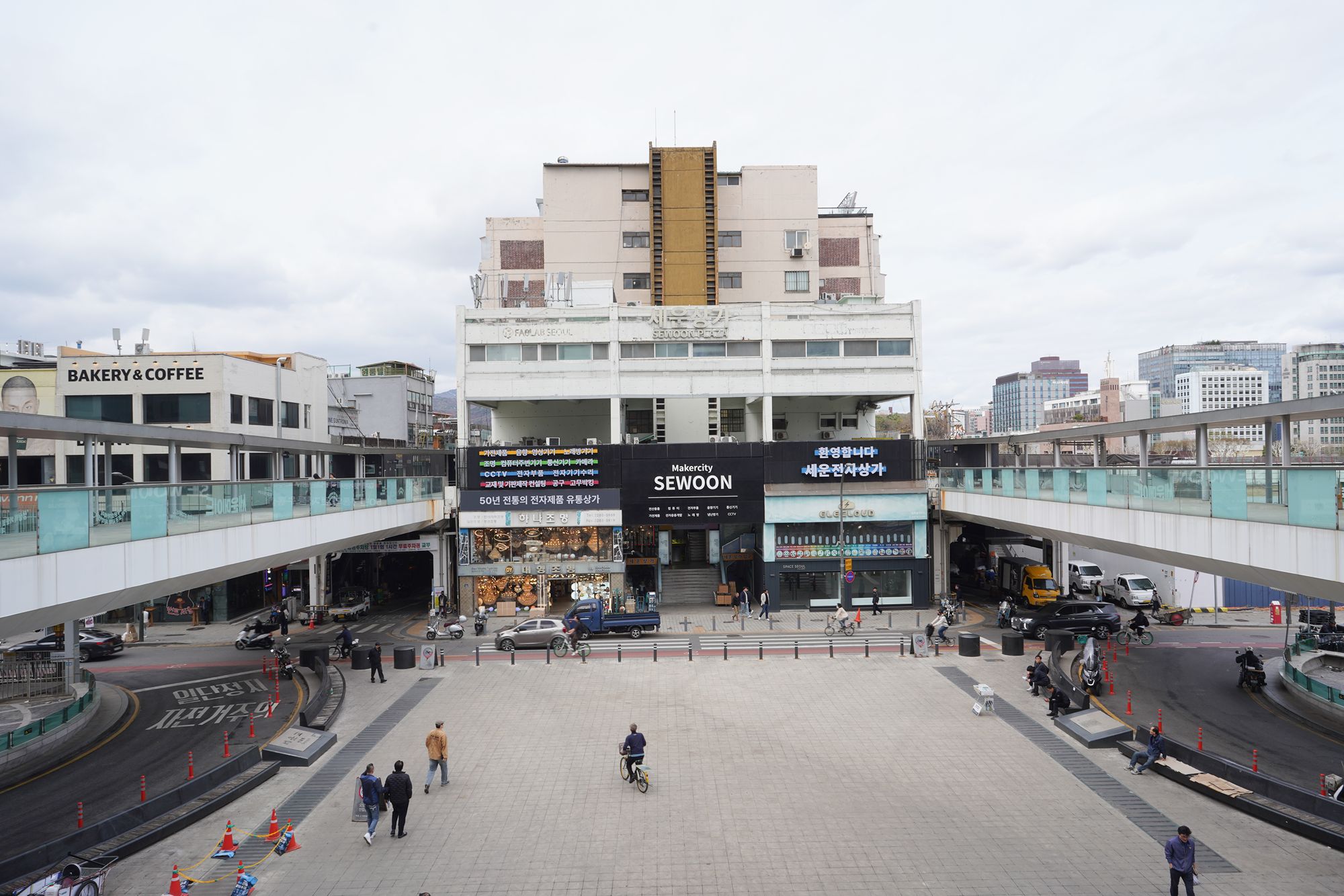
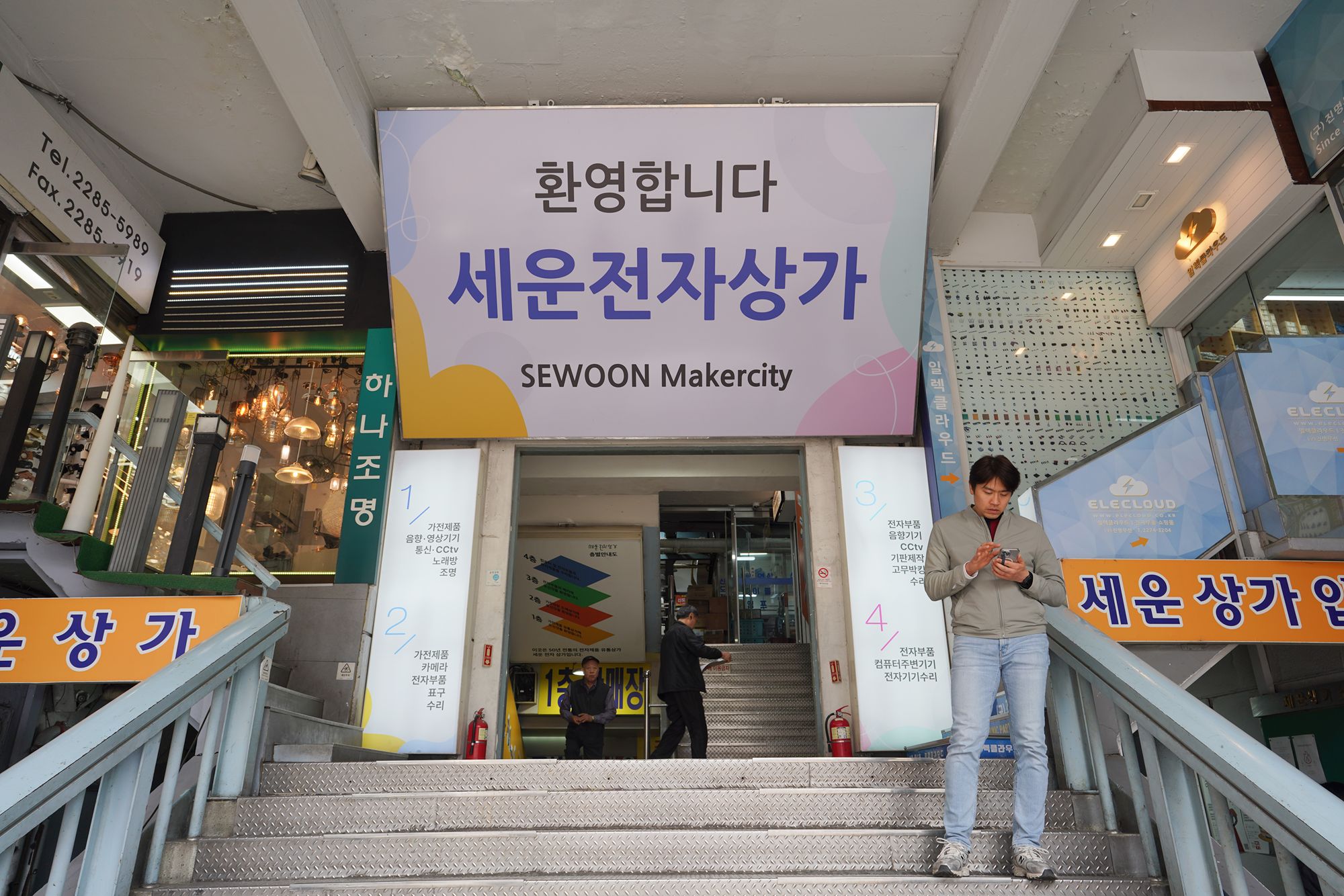
Daerim Sangga is an older commercial building in Euljiro, built in the late 1960s as part of the Sewoon Sangga complex, which became a major center for electronics, machinery, and specialized industrial businesses.
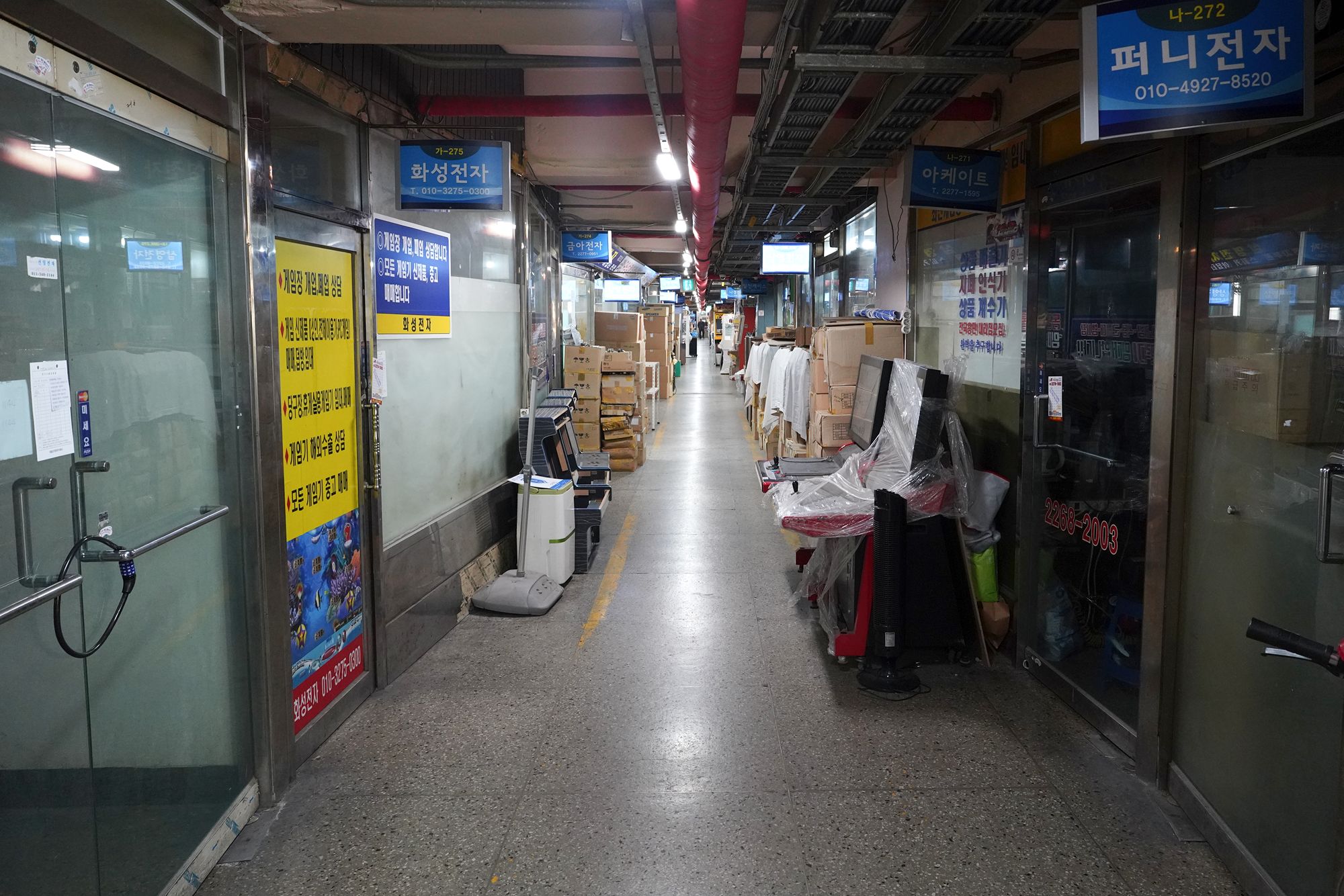
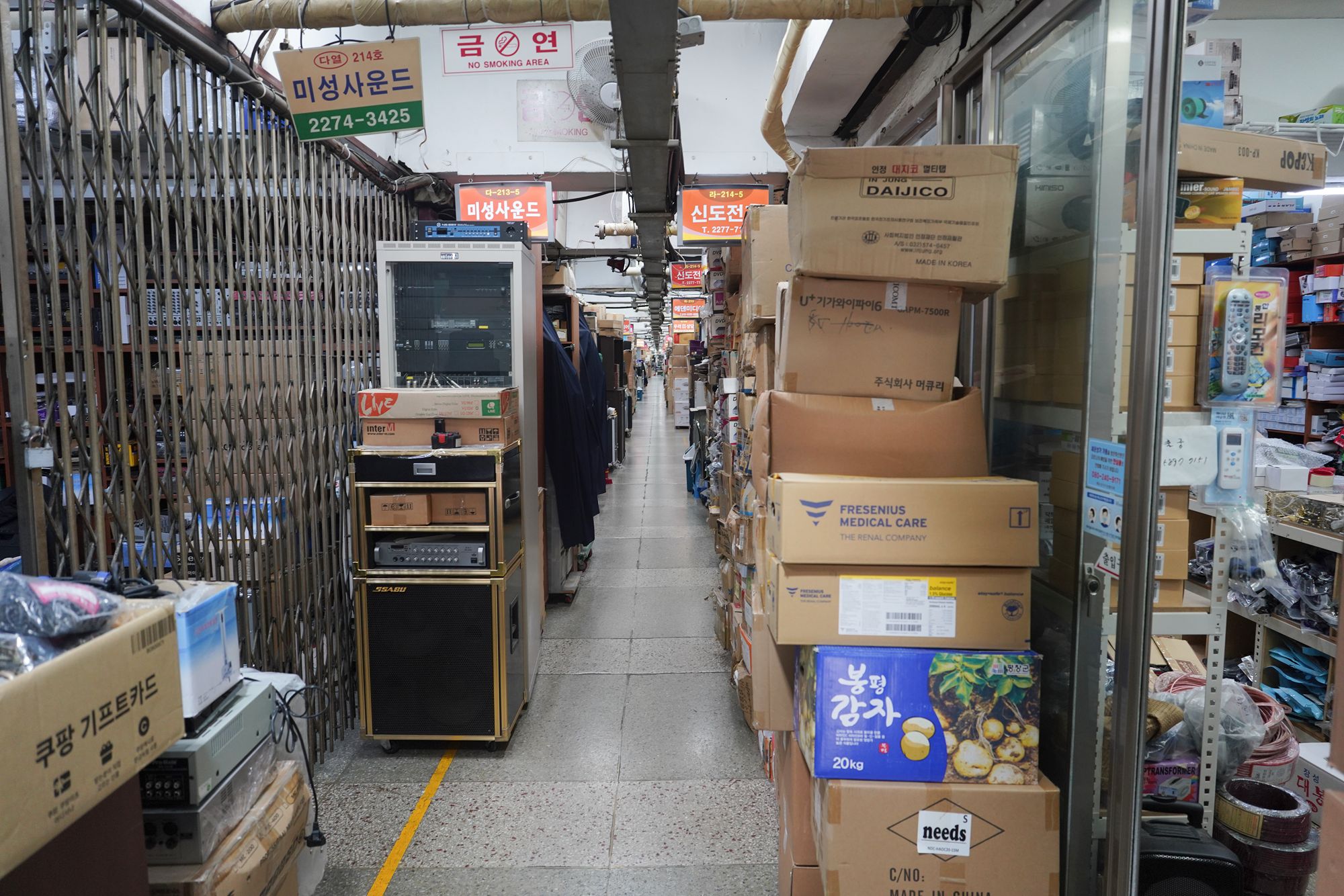
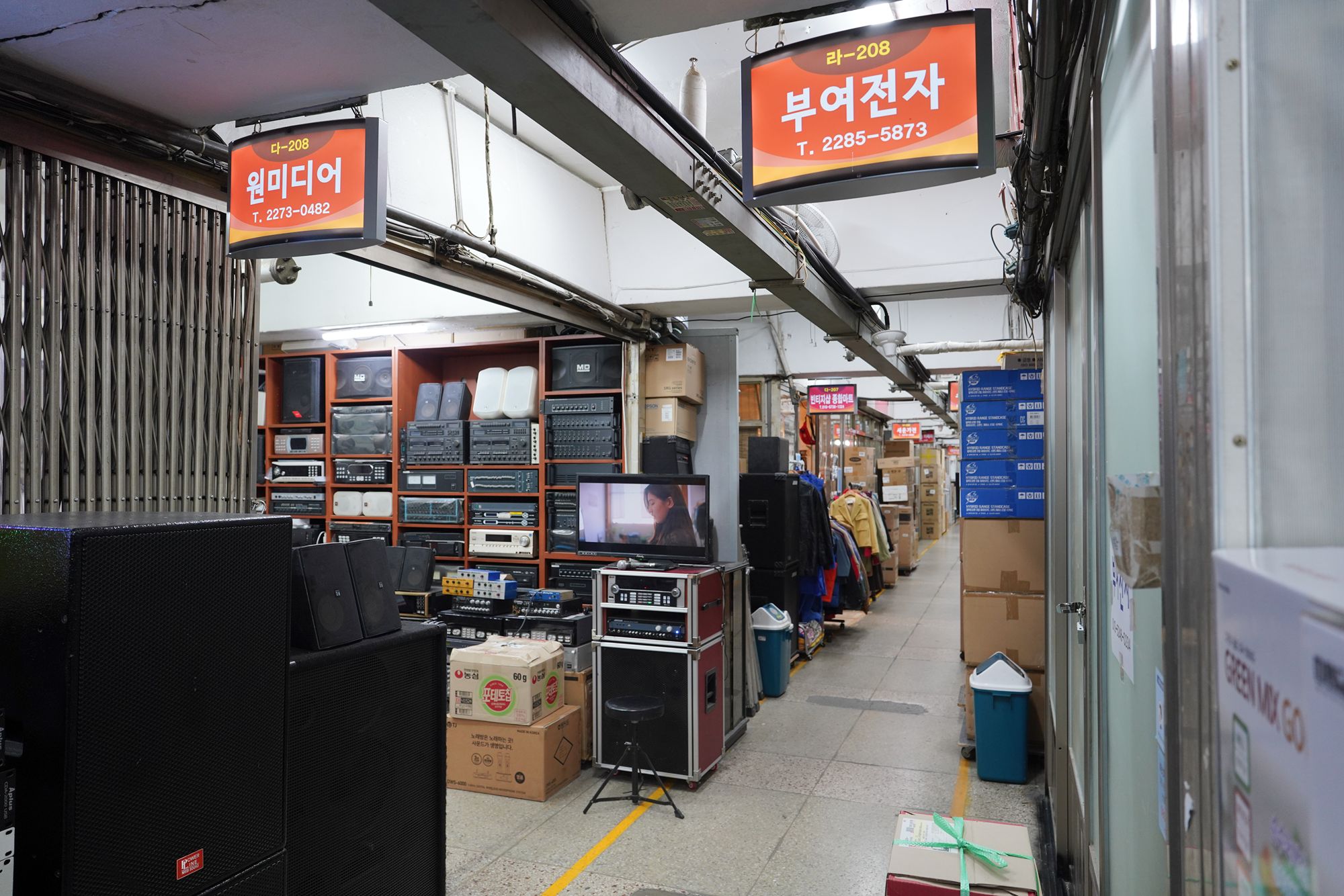
Inside Daerim Sangga, the corridors are still lined with small electronics and electrical-parts shops, but there were few customers and the building felt surprisingly quiet.
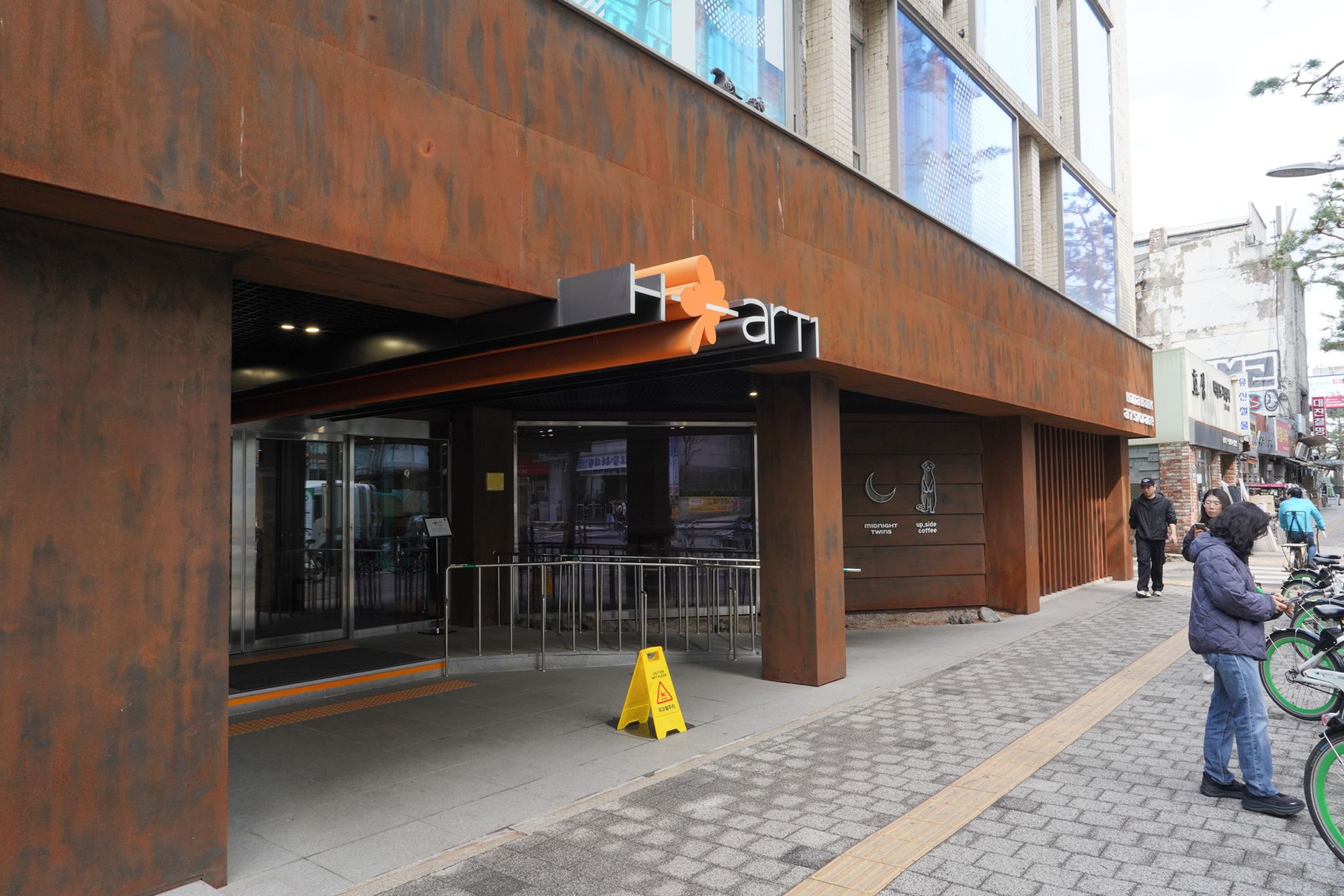
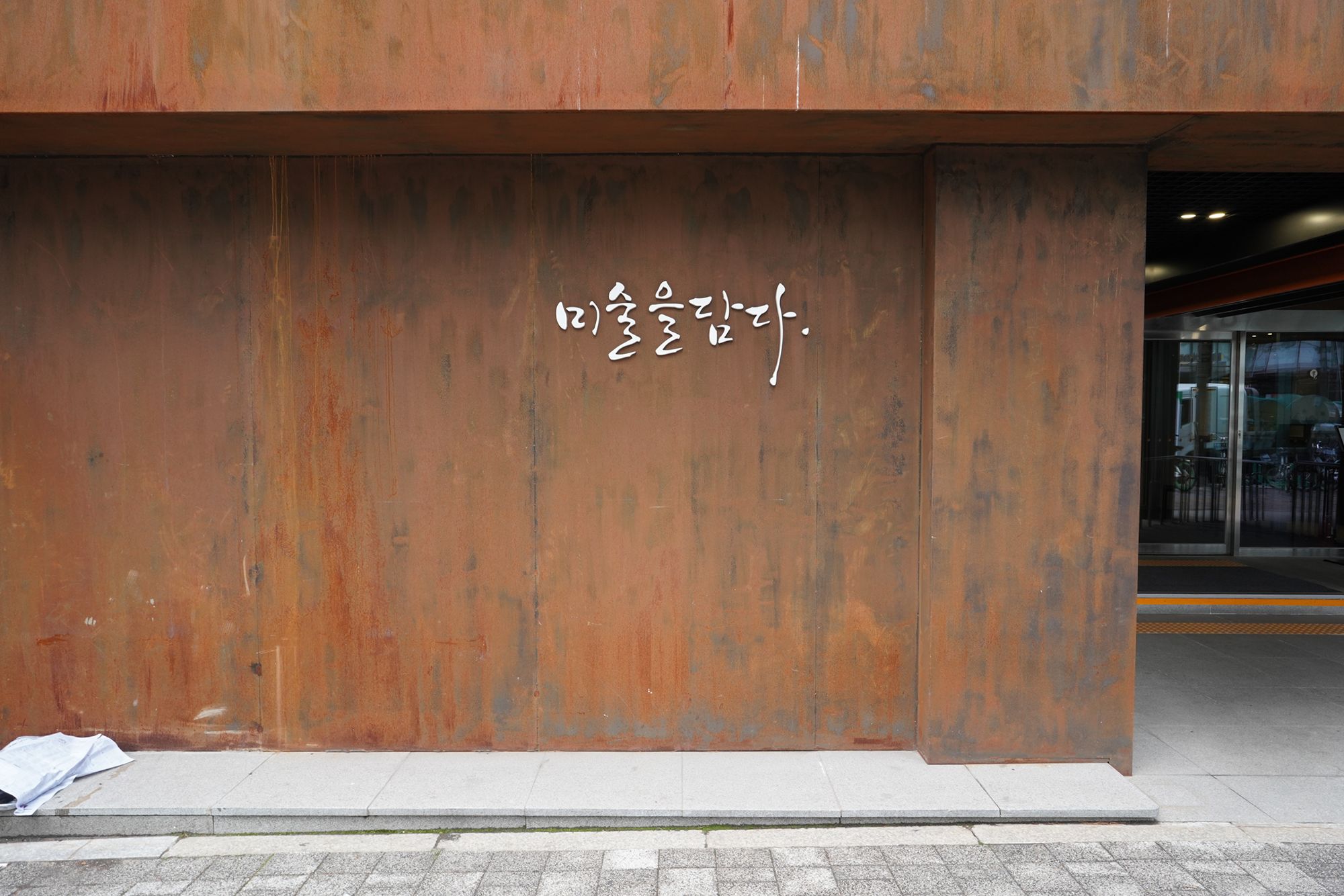
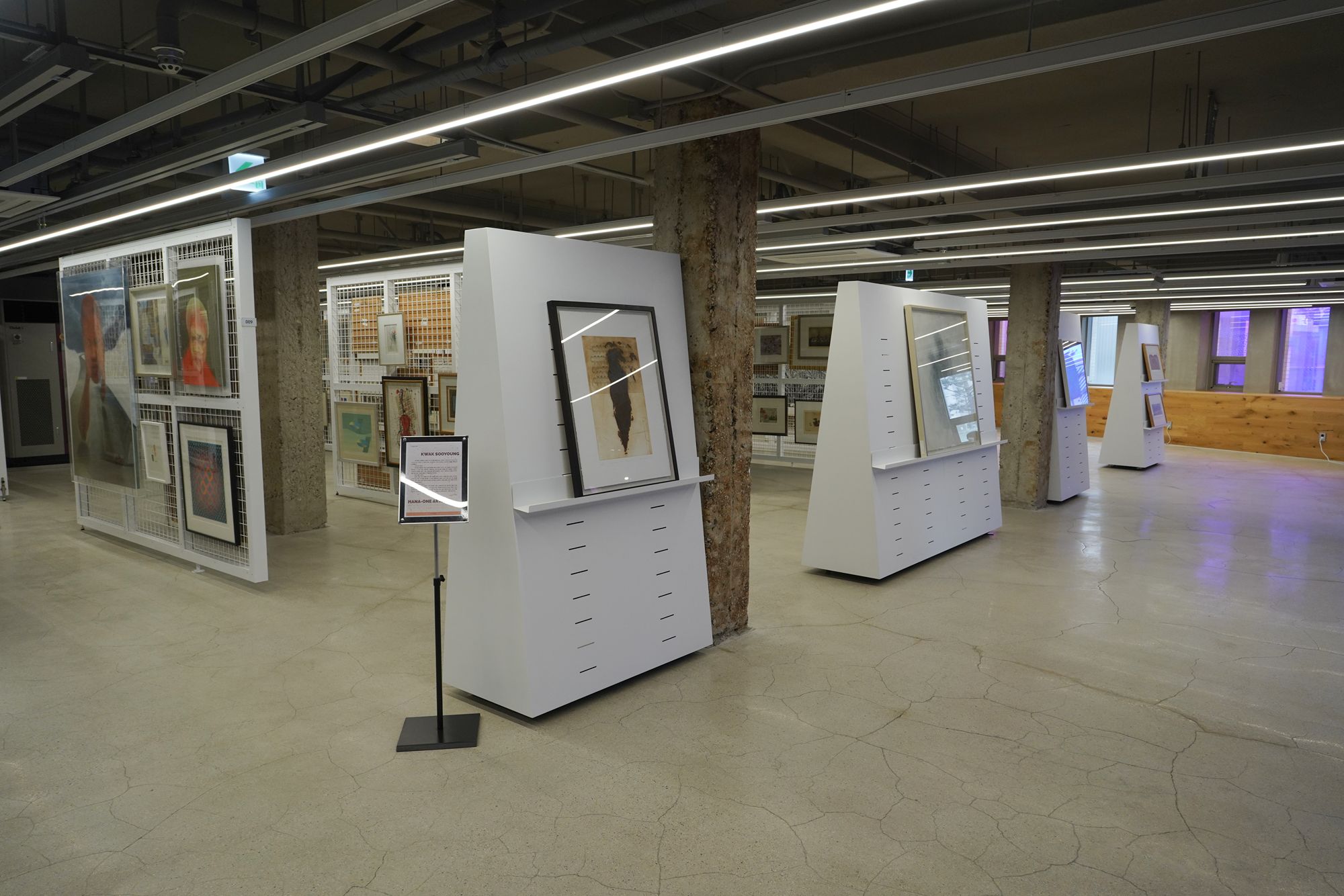
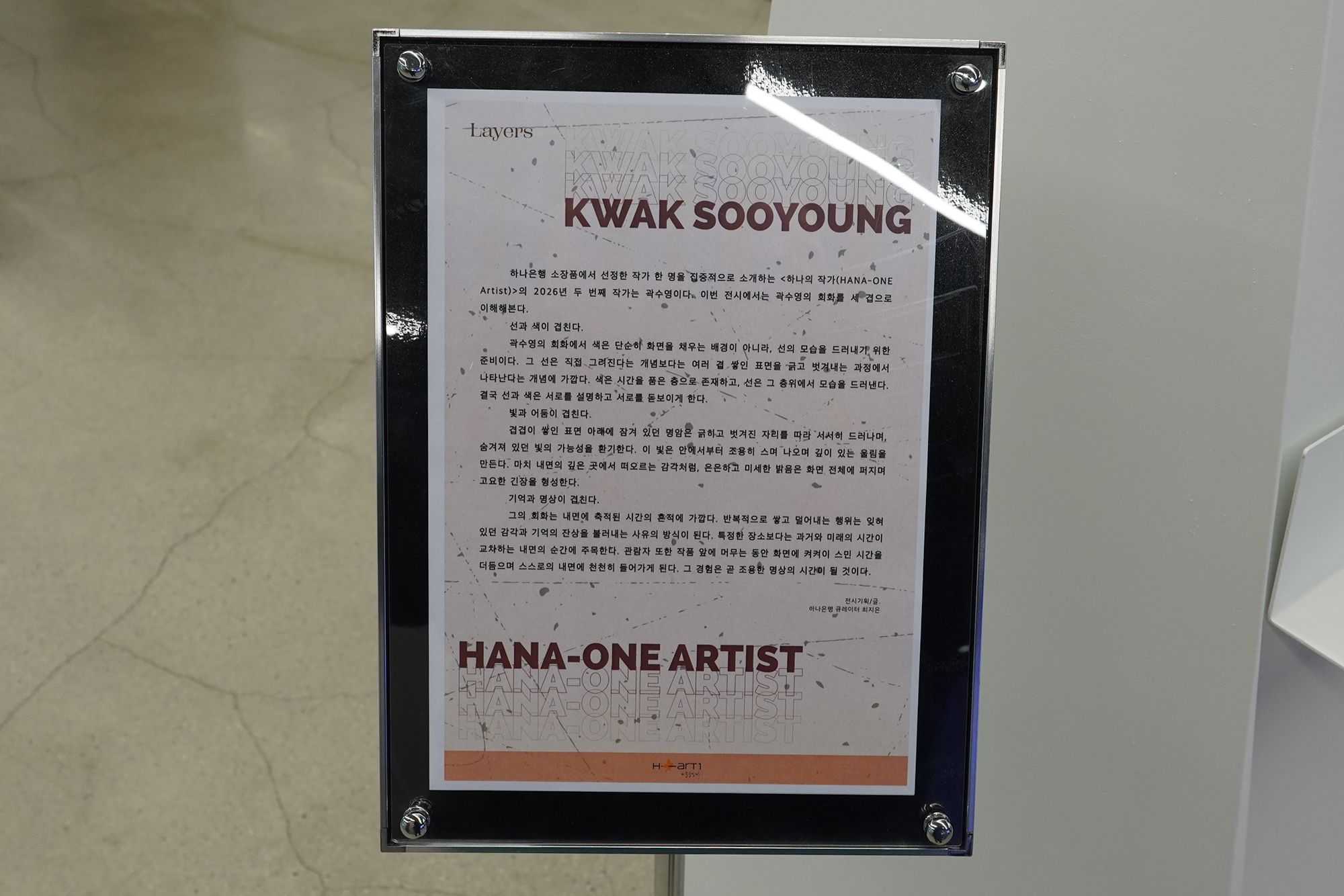
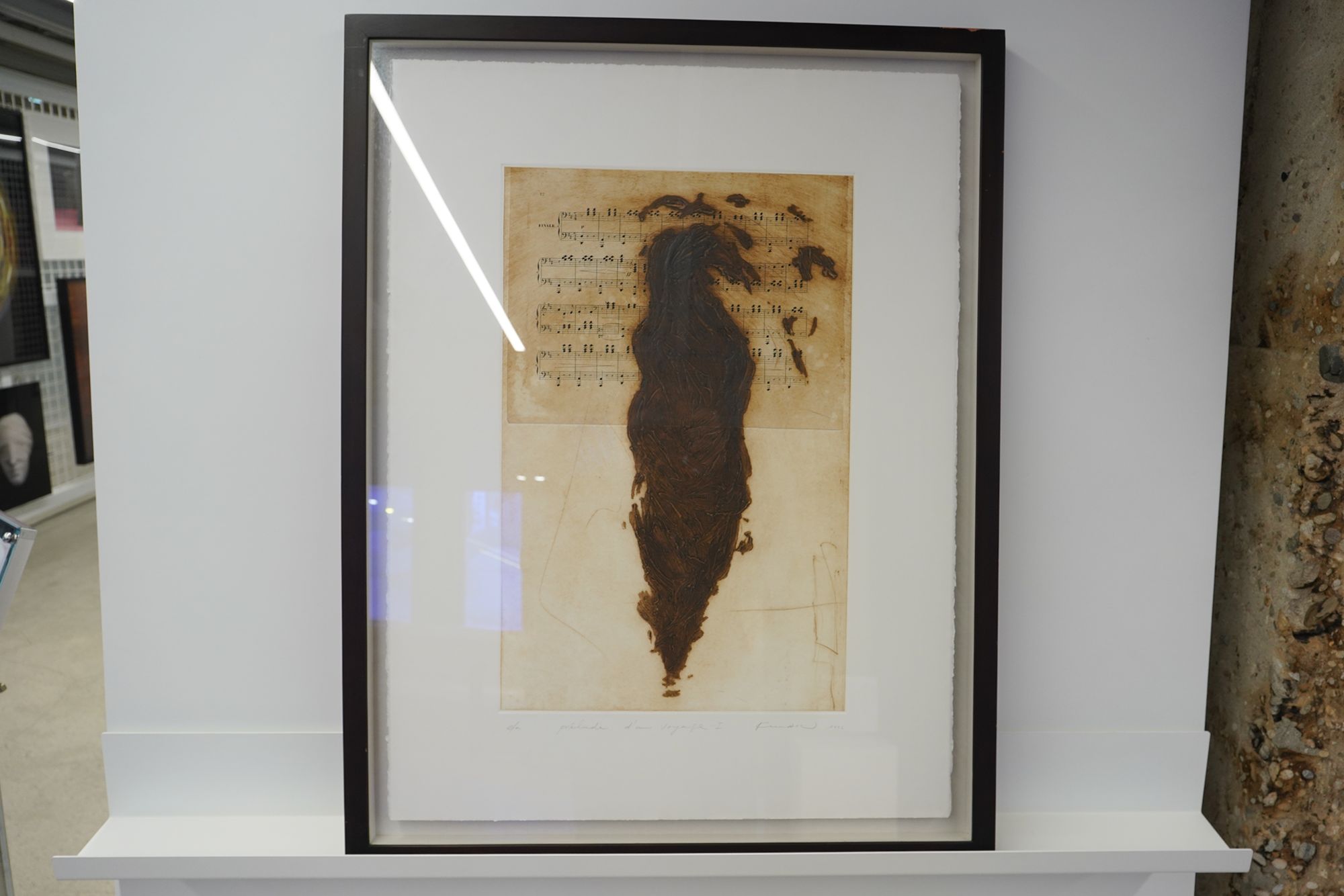
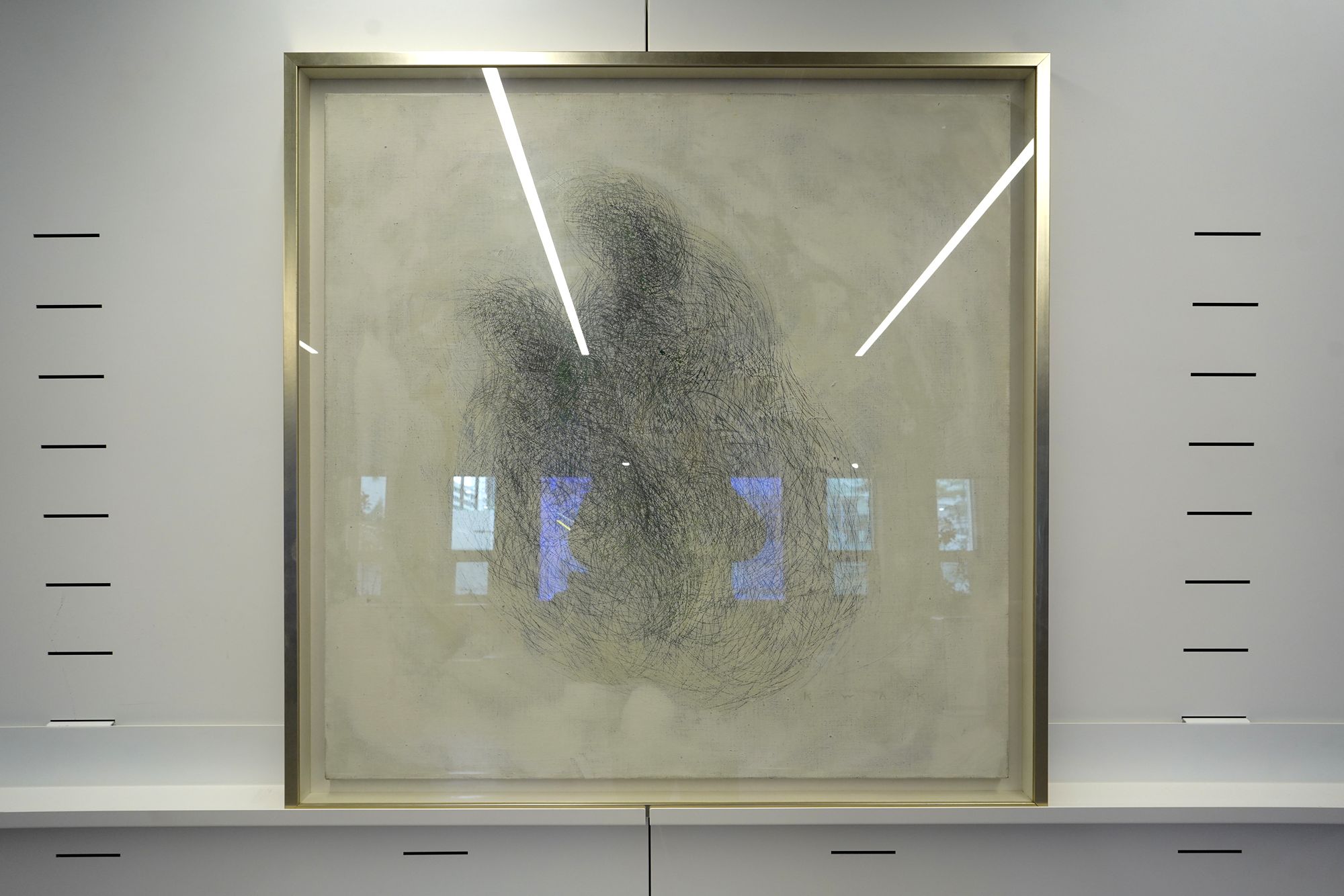
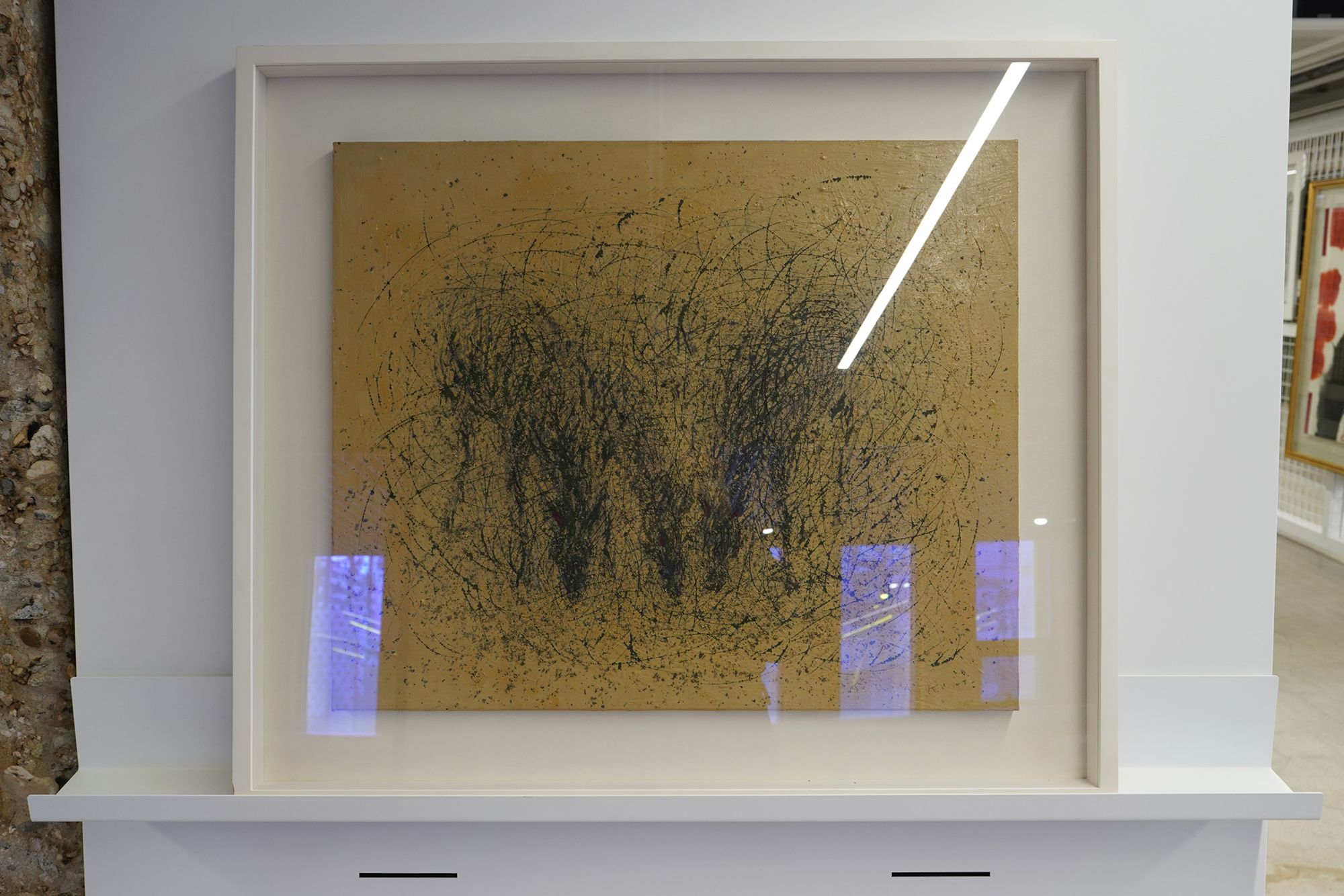
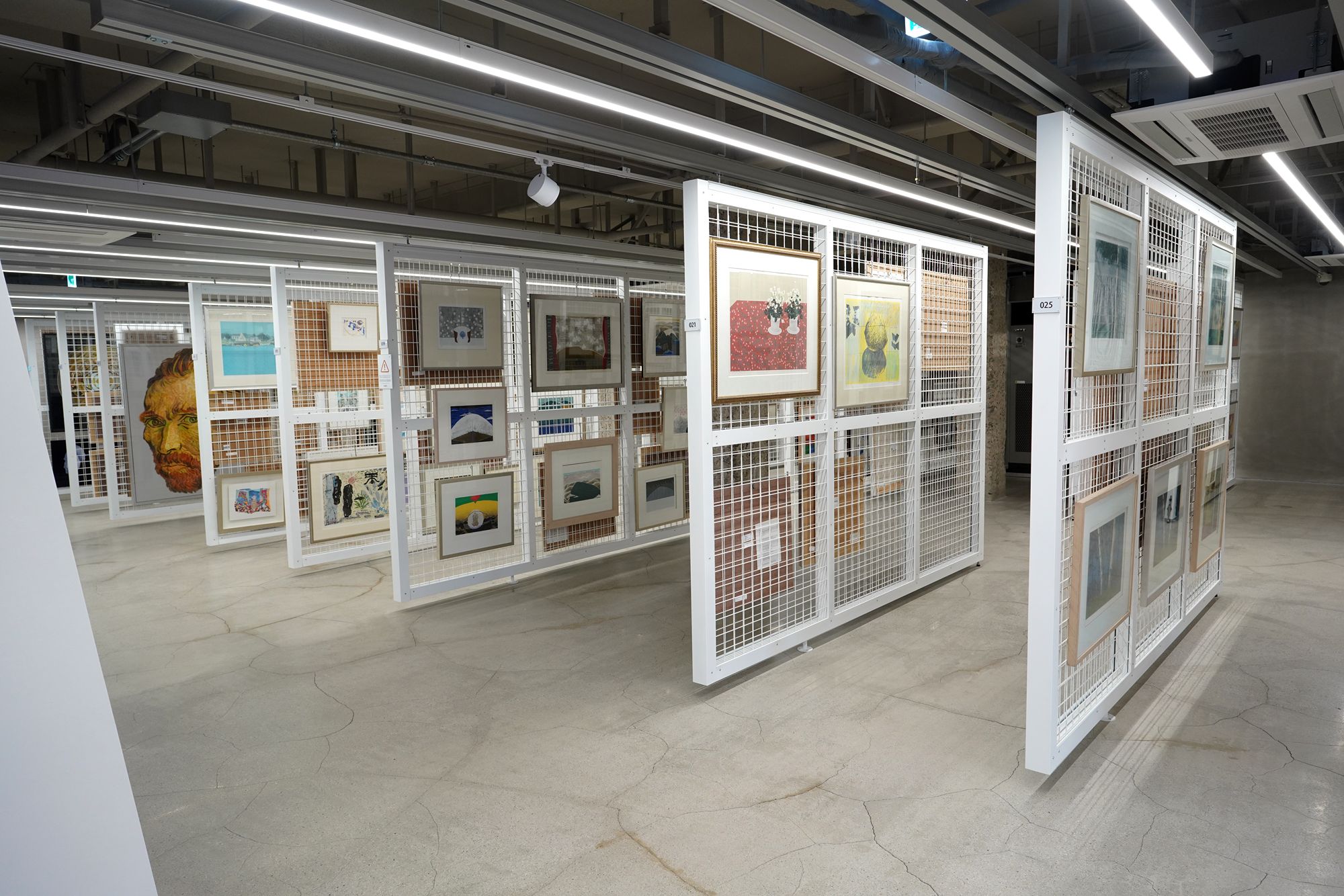
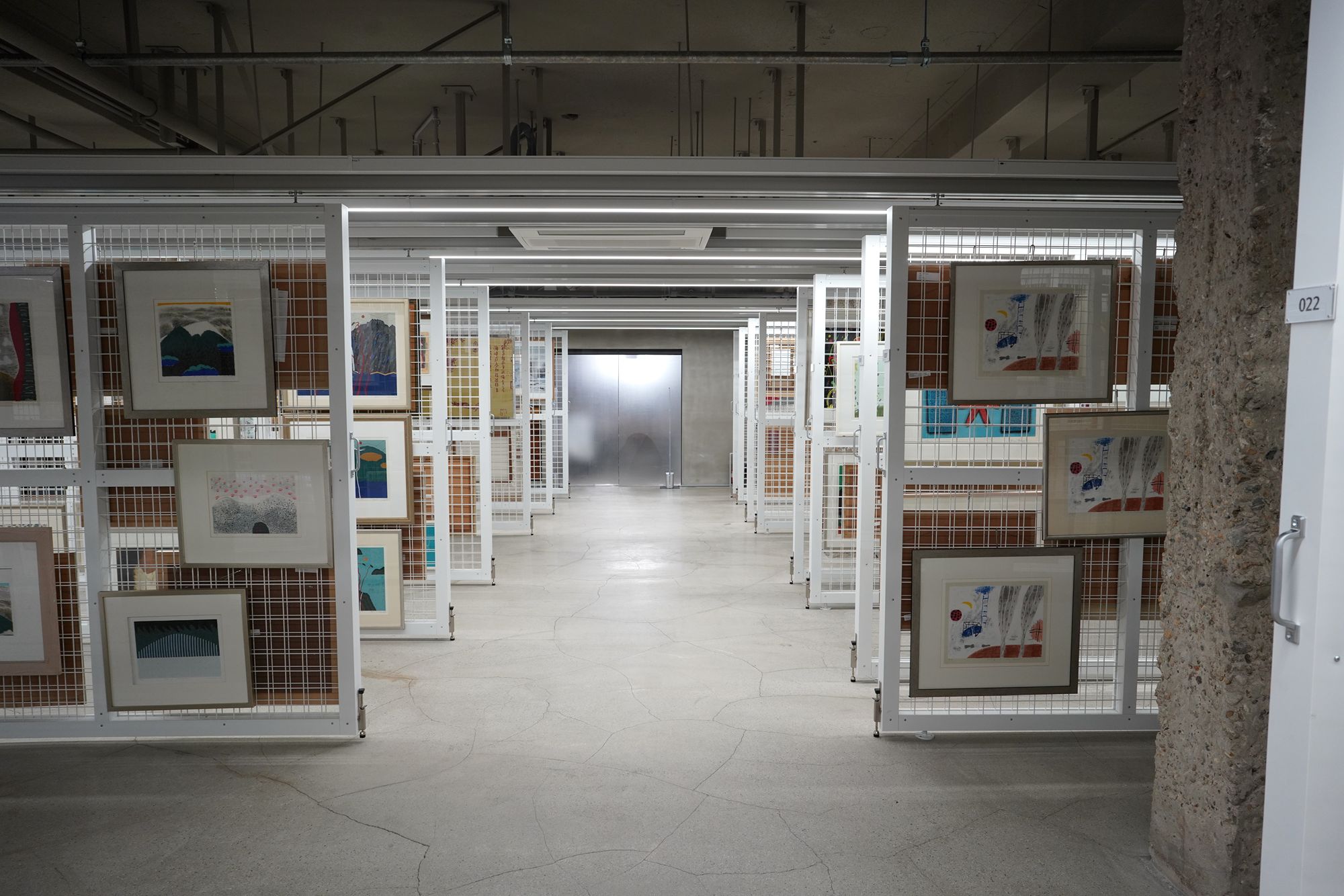
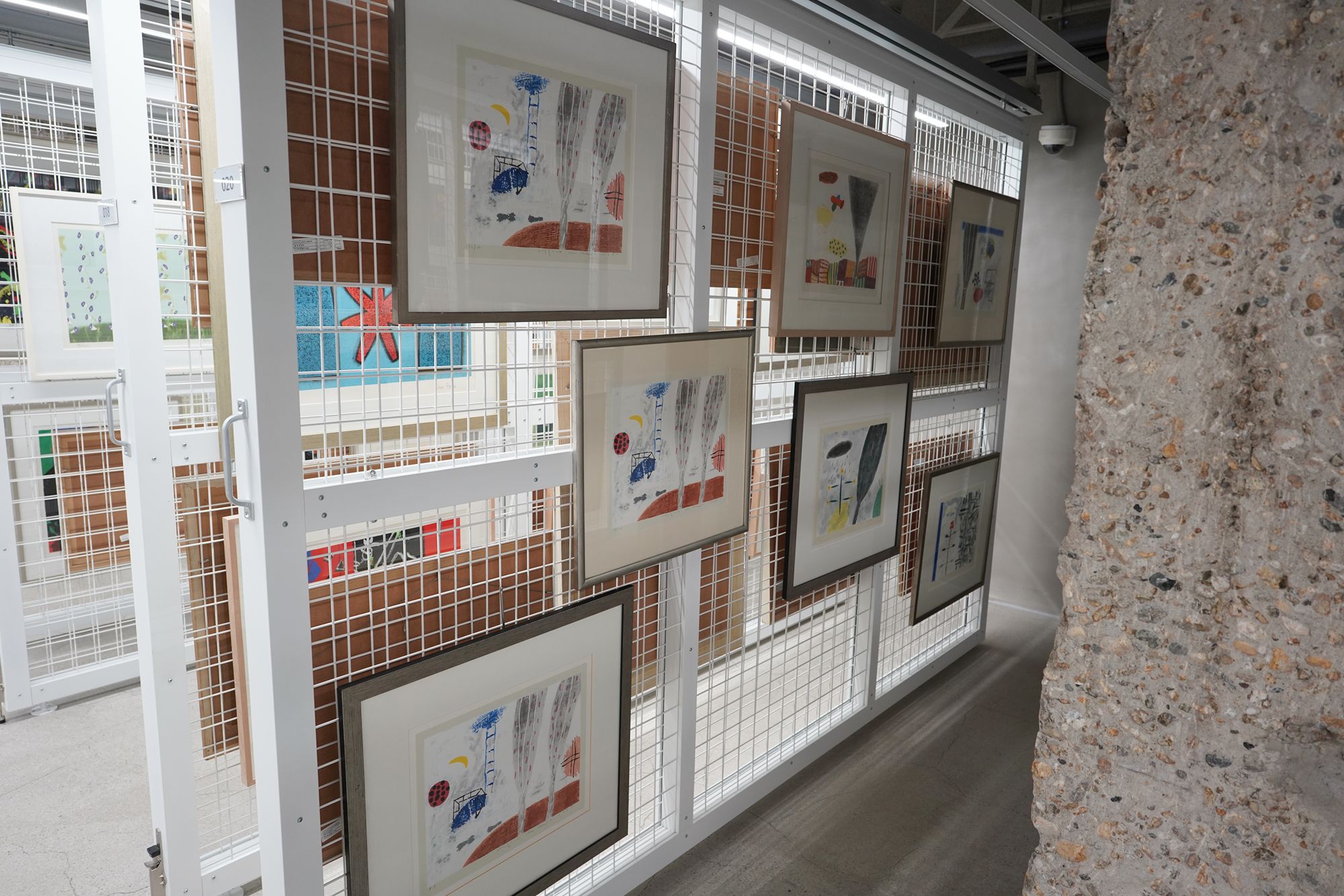
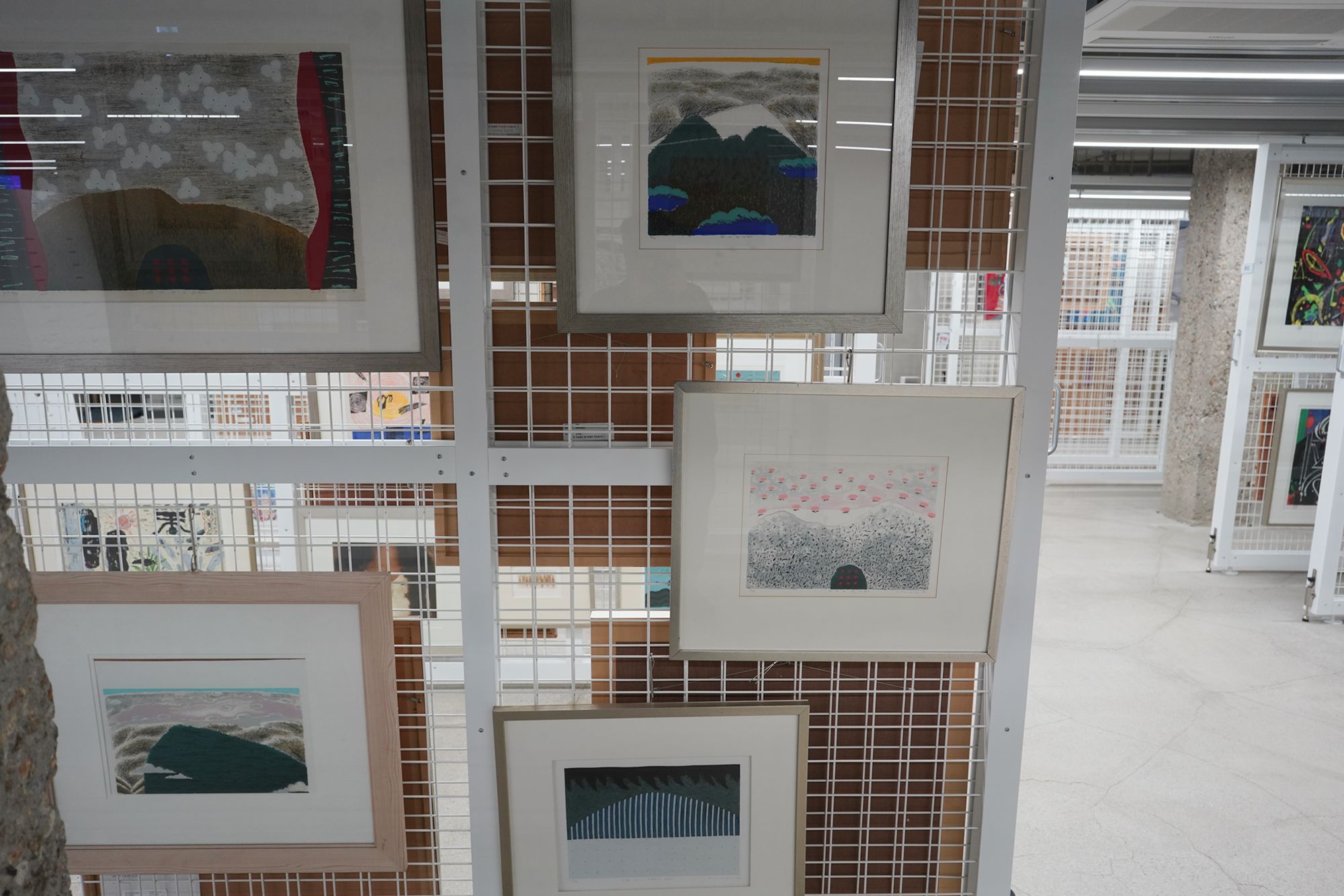
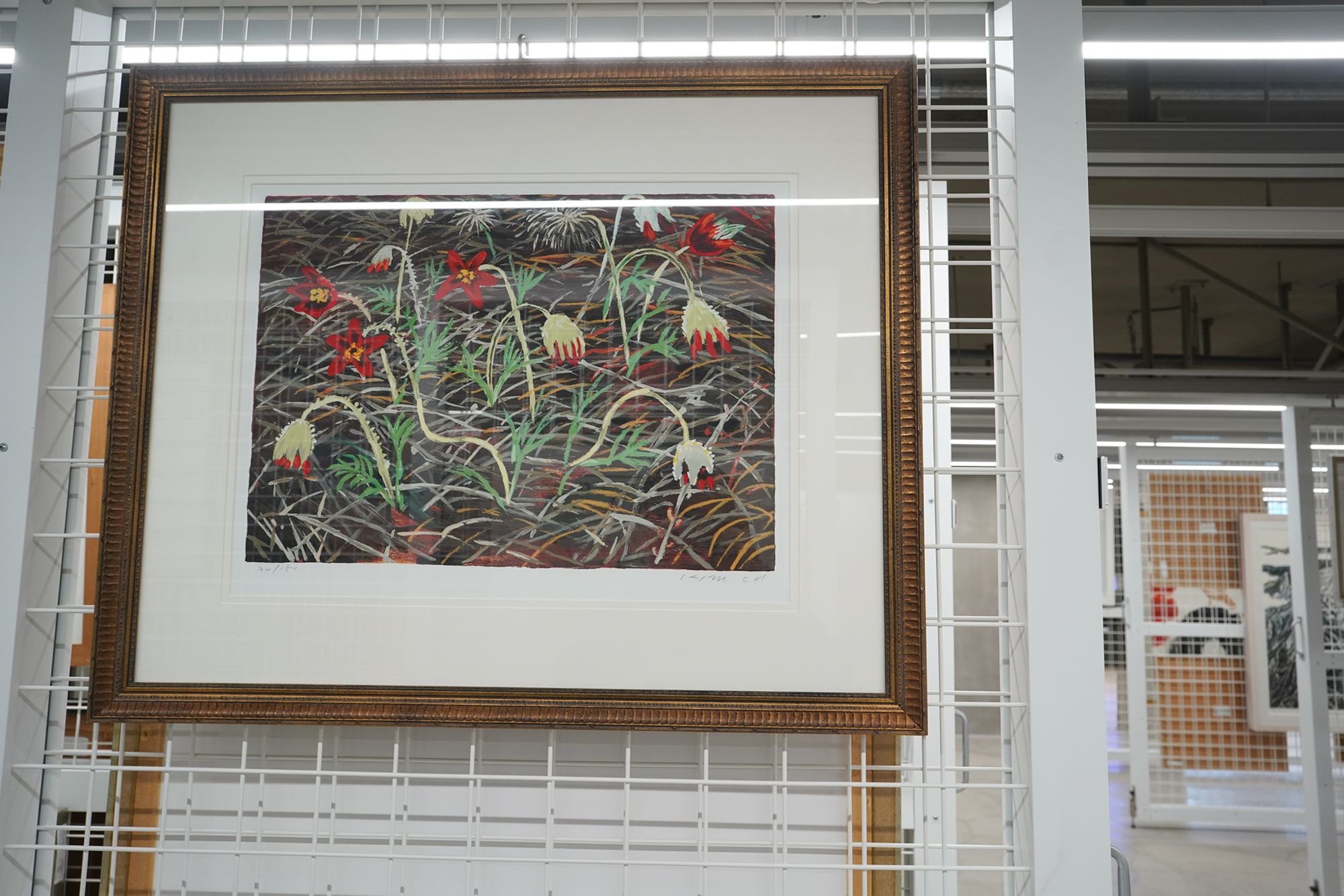
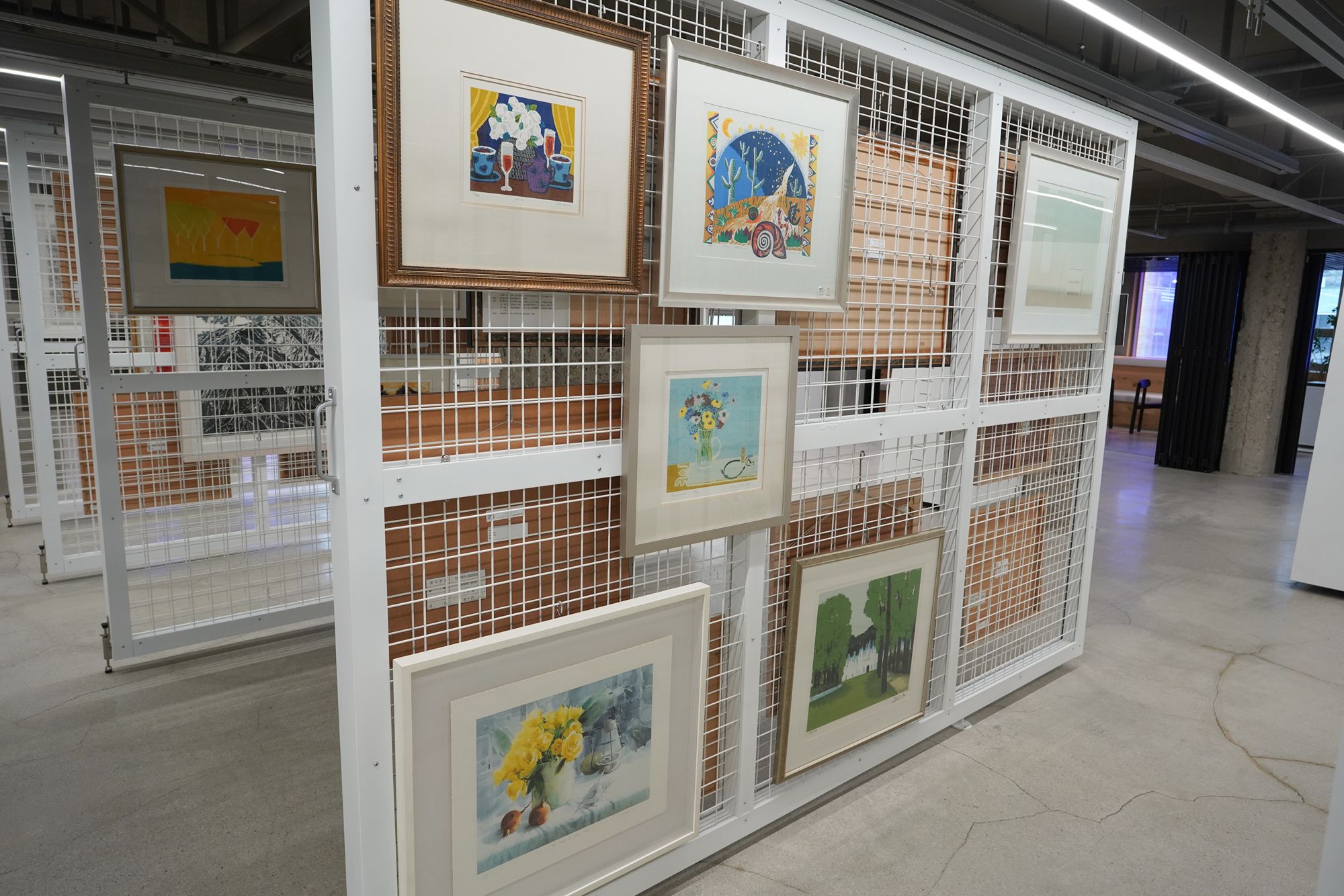
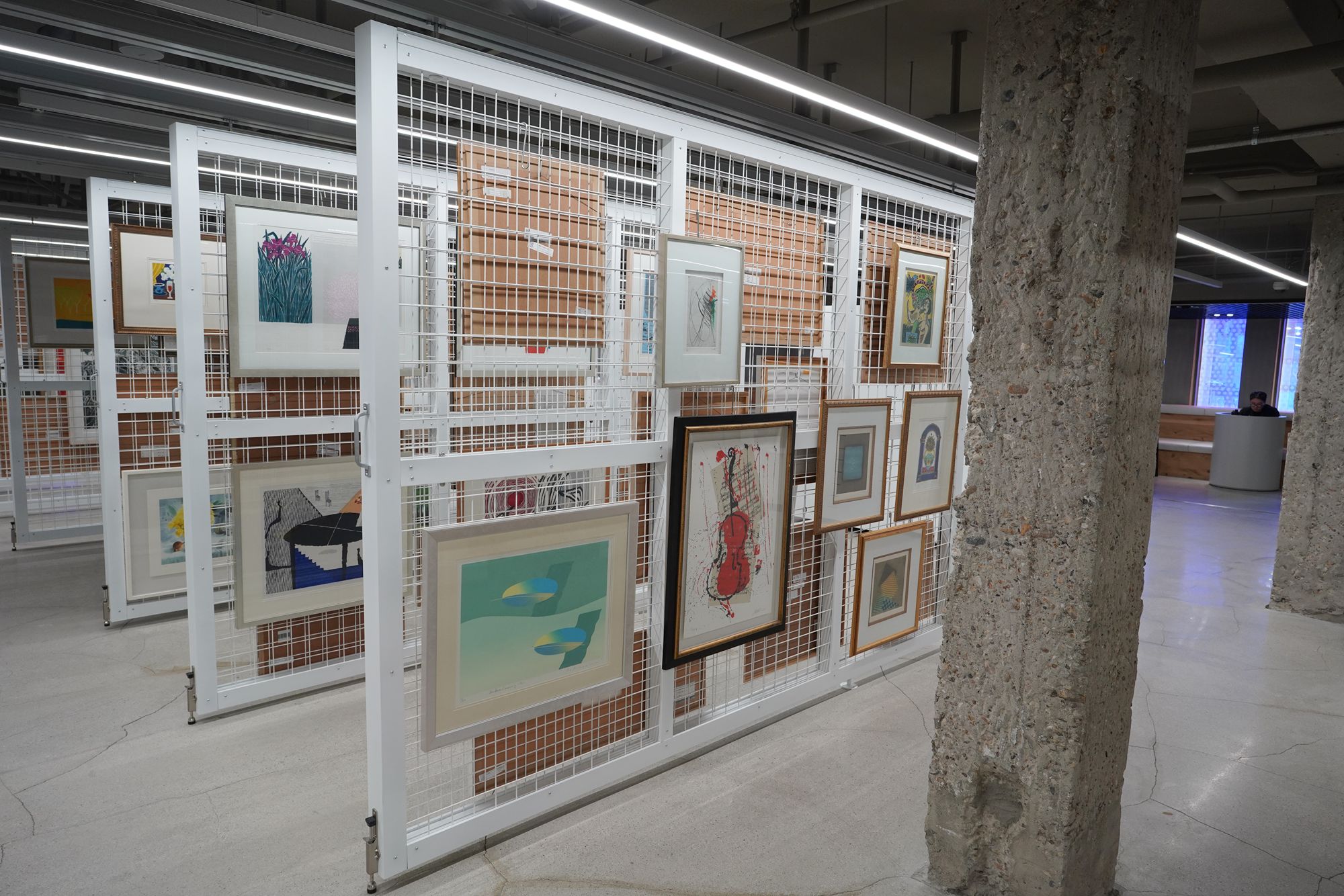
H.art1 is an art and cultural space created by Hana Bank in a former bank branch in Euljiro. Opened in 2022, it features exhibitions and an open art-storage gallery displaying works from the bank’s extensive art collection.
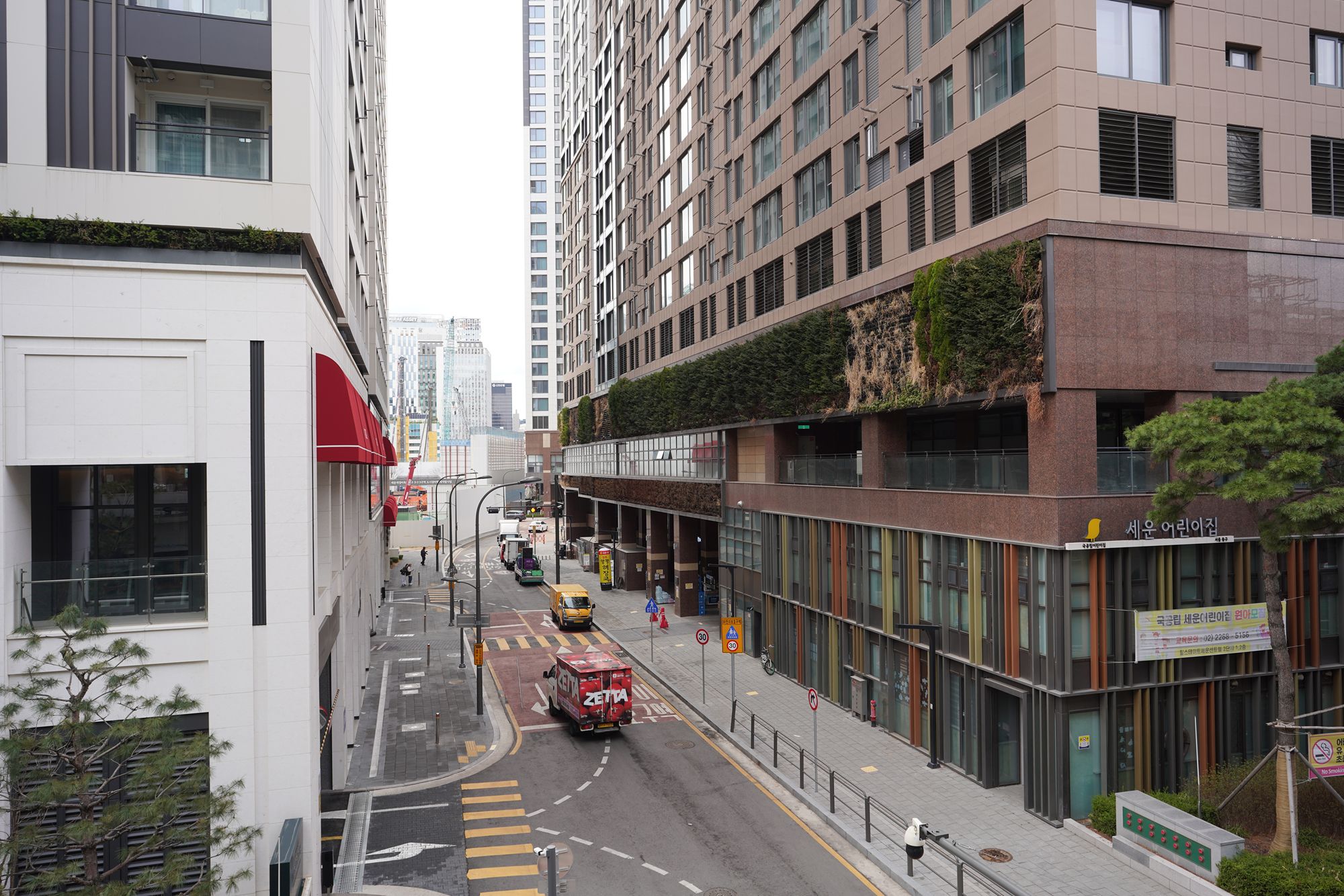
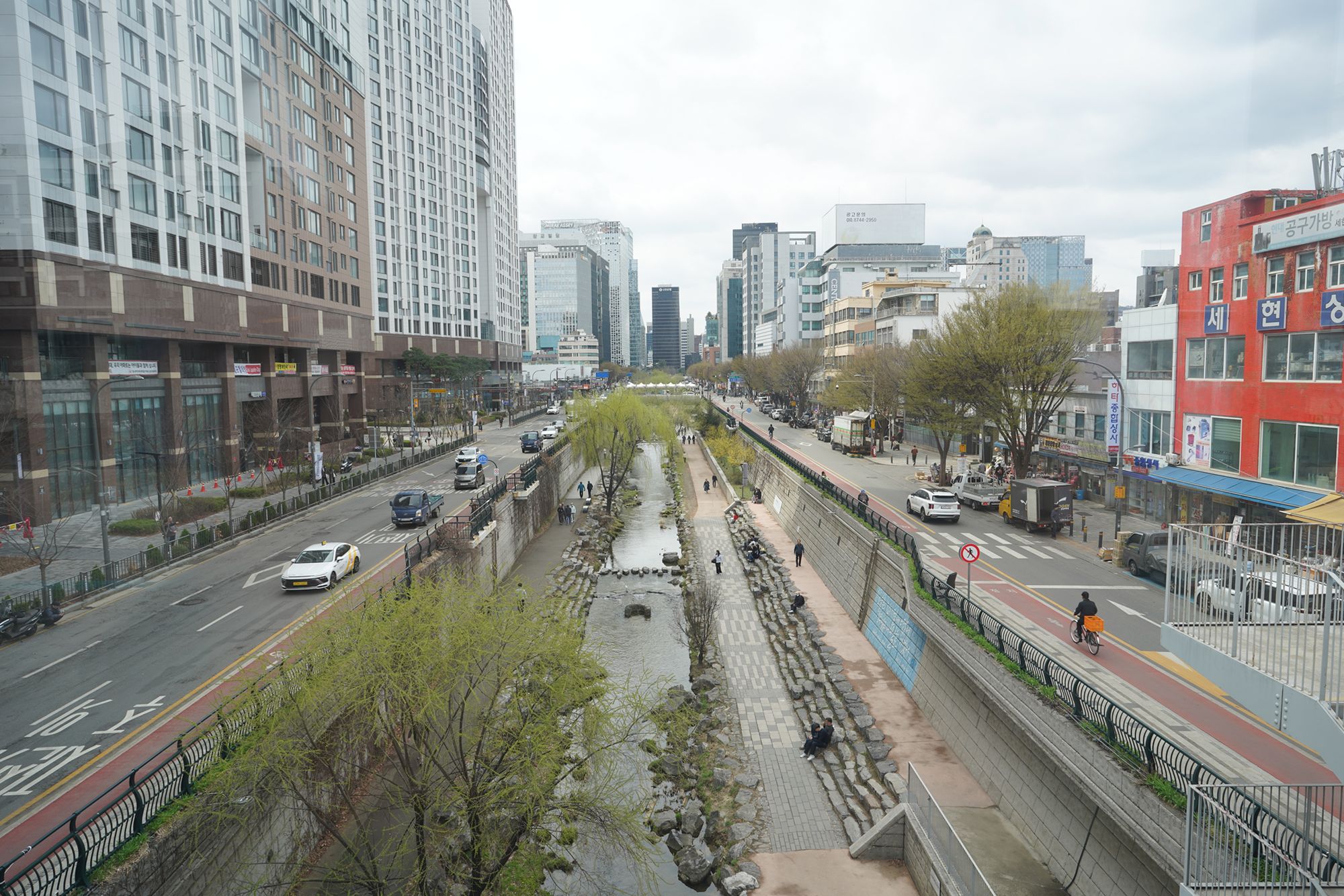
청계천 (Cheonggyecheon Stream) is the restored stream running through central Seoul, just north of Euljiro.
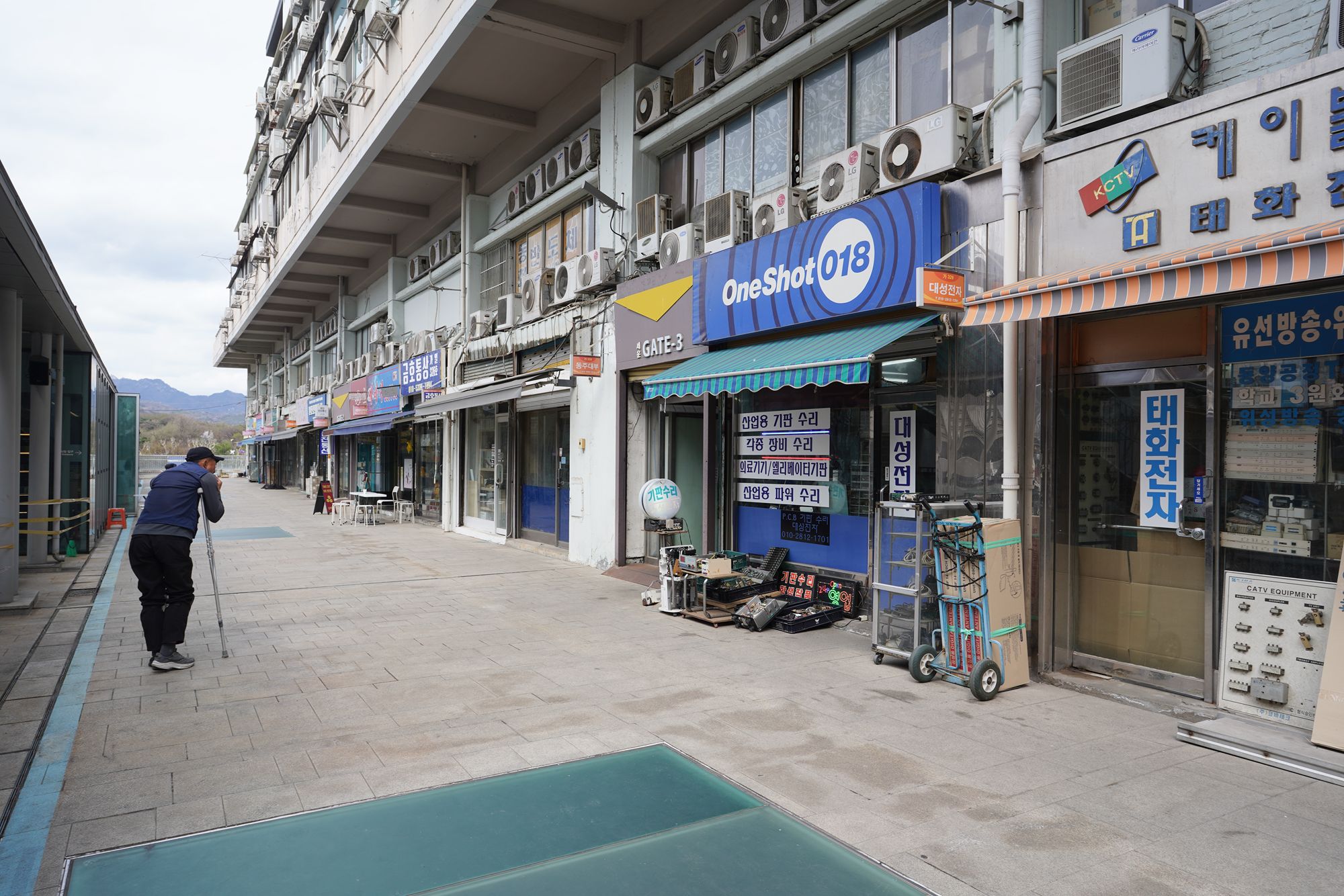
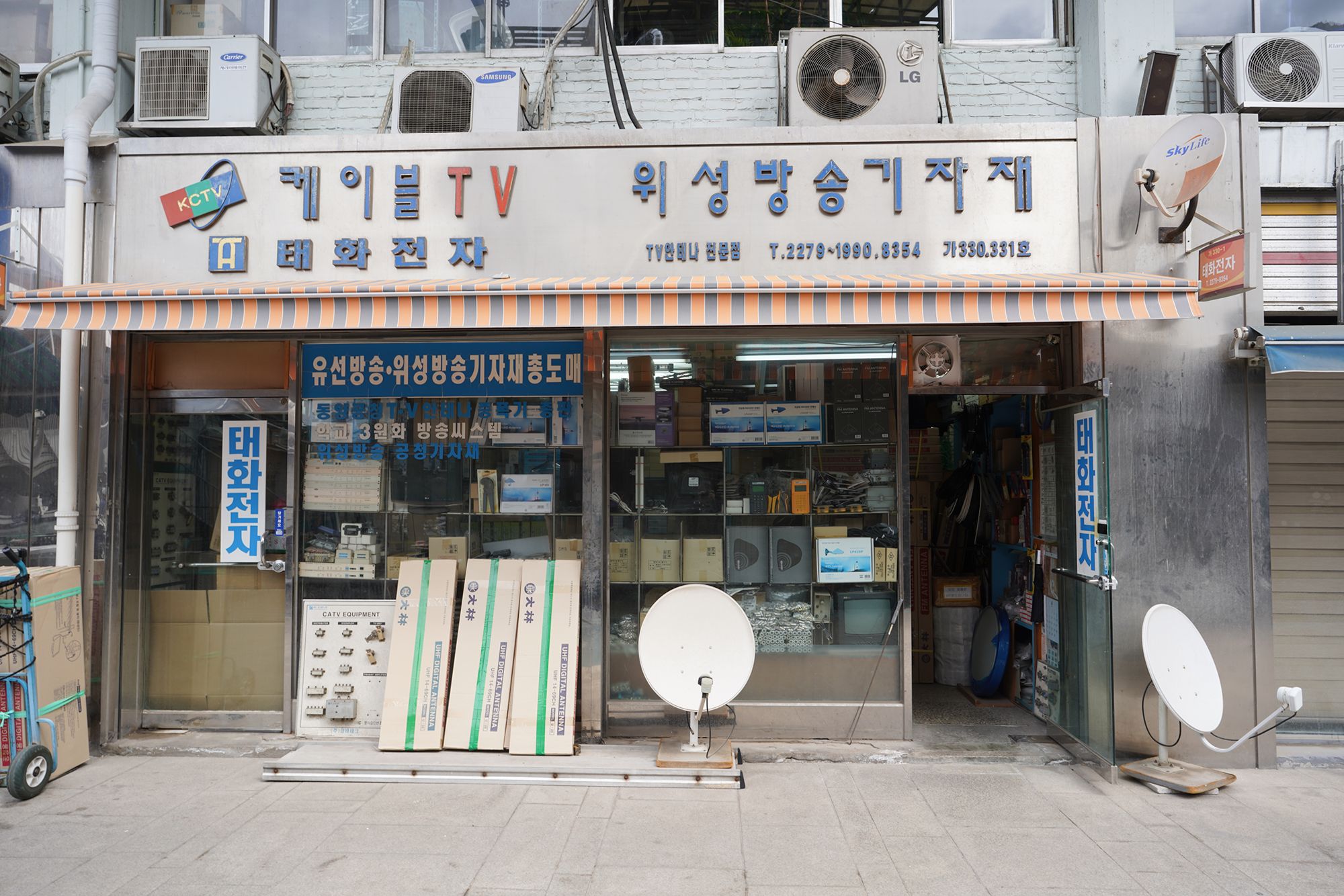
Sewoon Sangga, completed in 1968, was once one of Seoul’s most important centers for electronics, electrical parts, machinery, and repair shops. Although the area is much quieter today, many of these small specialized businesses still remain, preserving a glimpse of Euljiro’s industrial past.
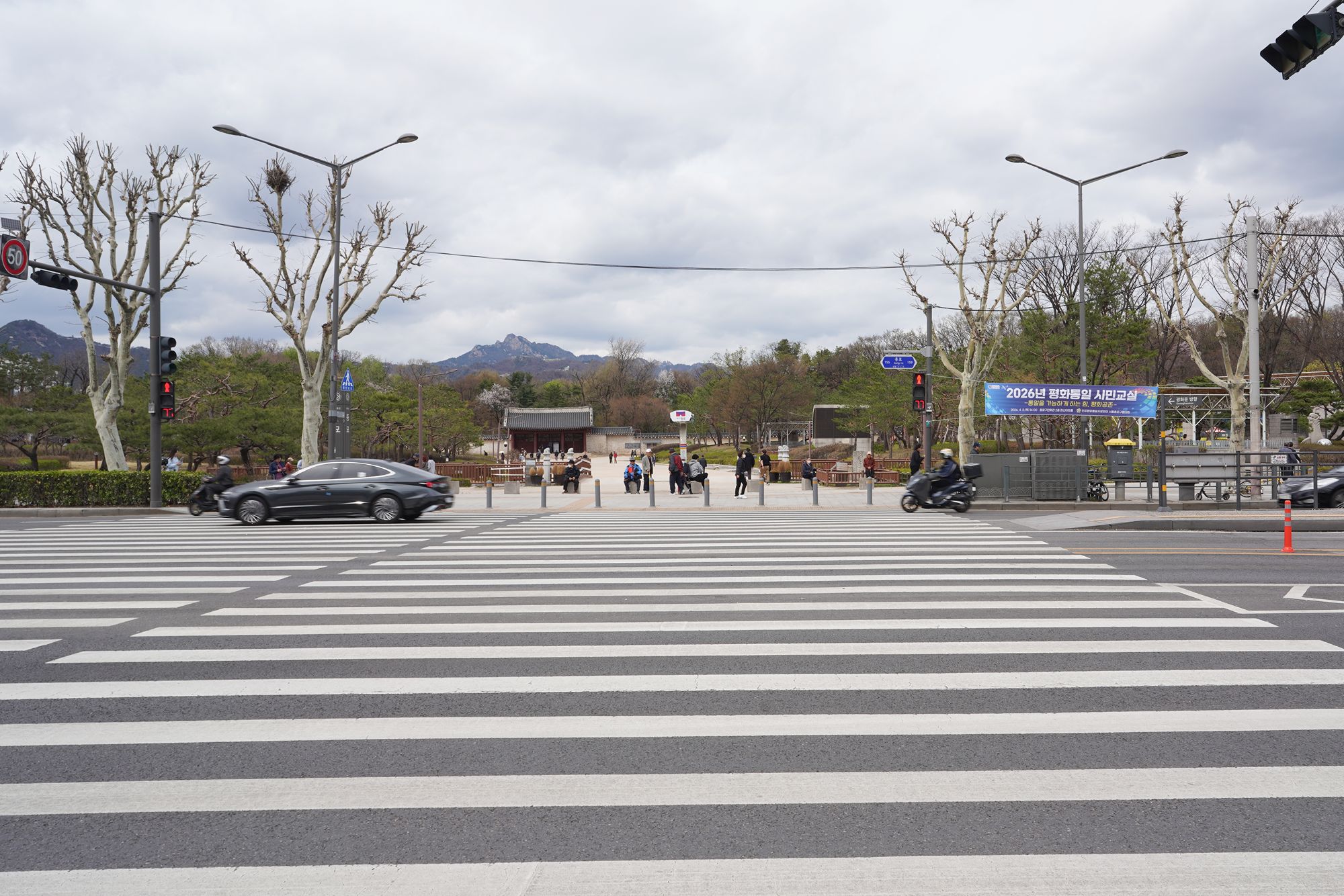
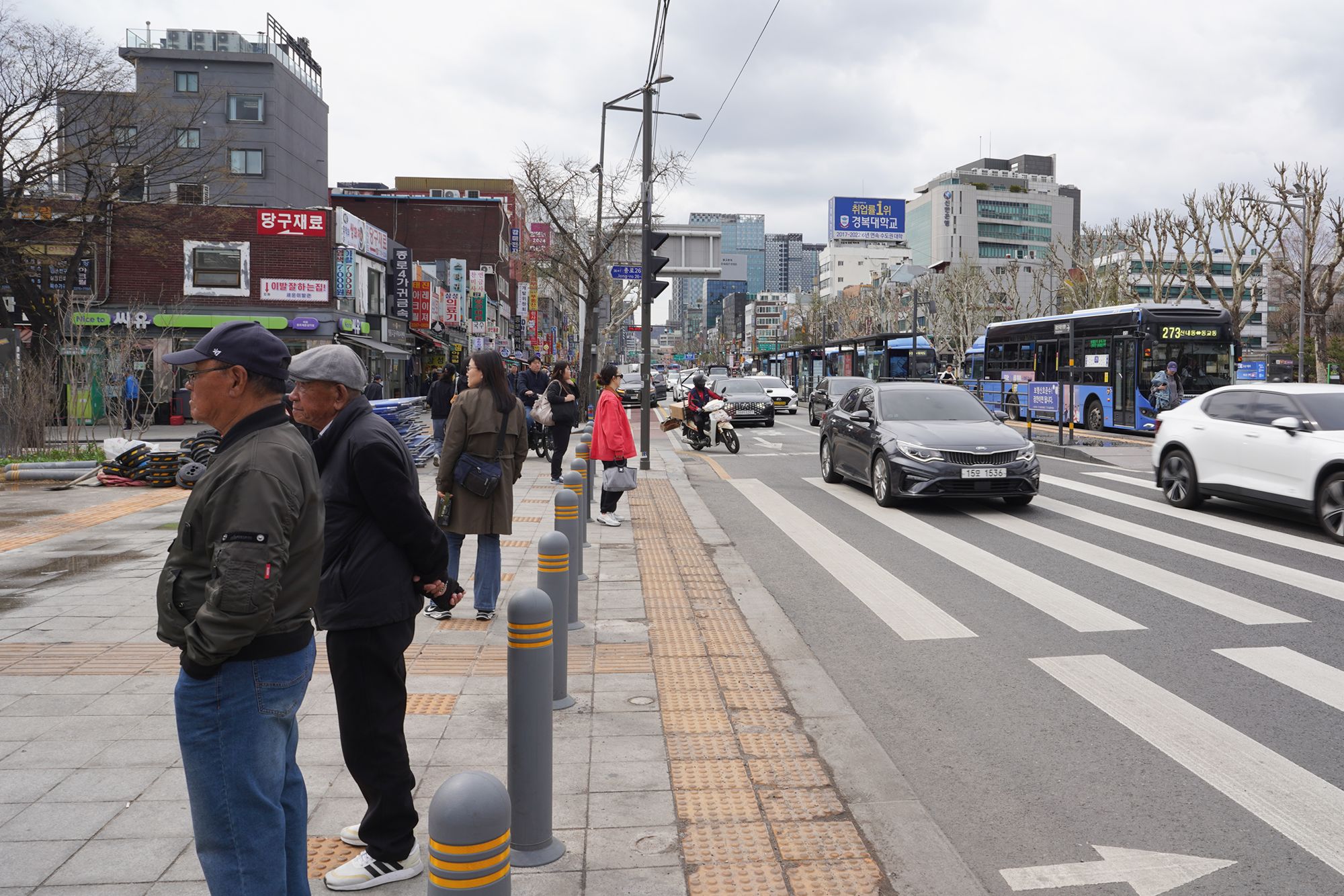
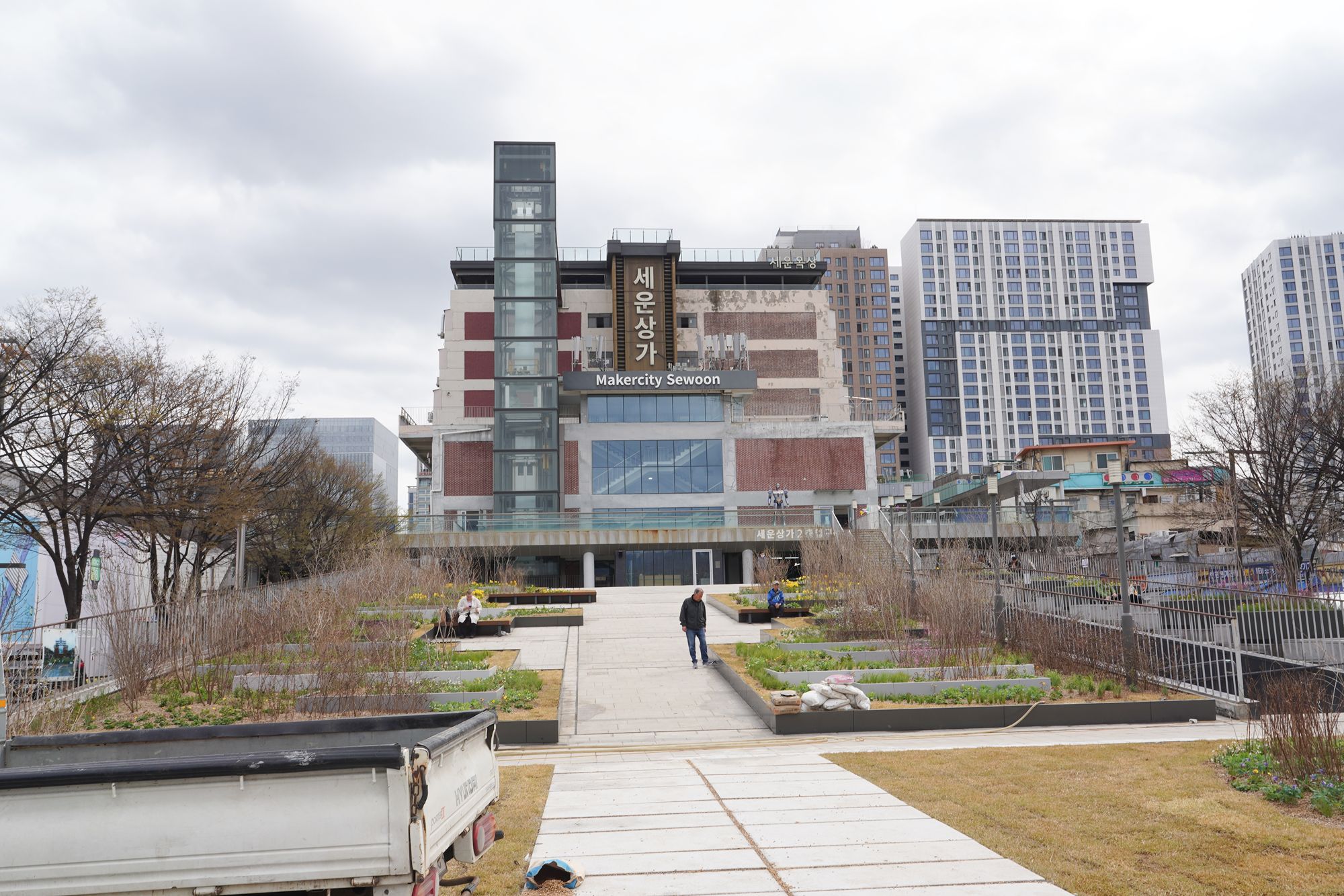
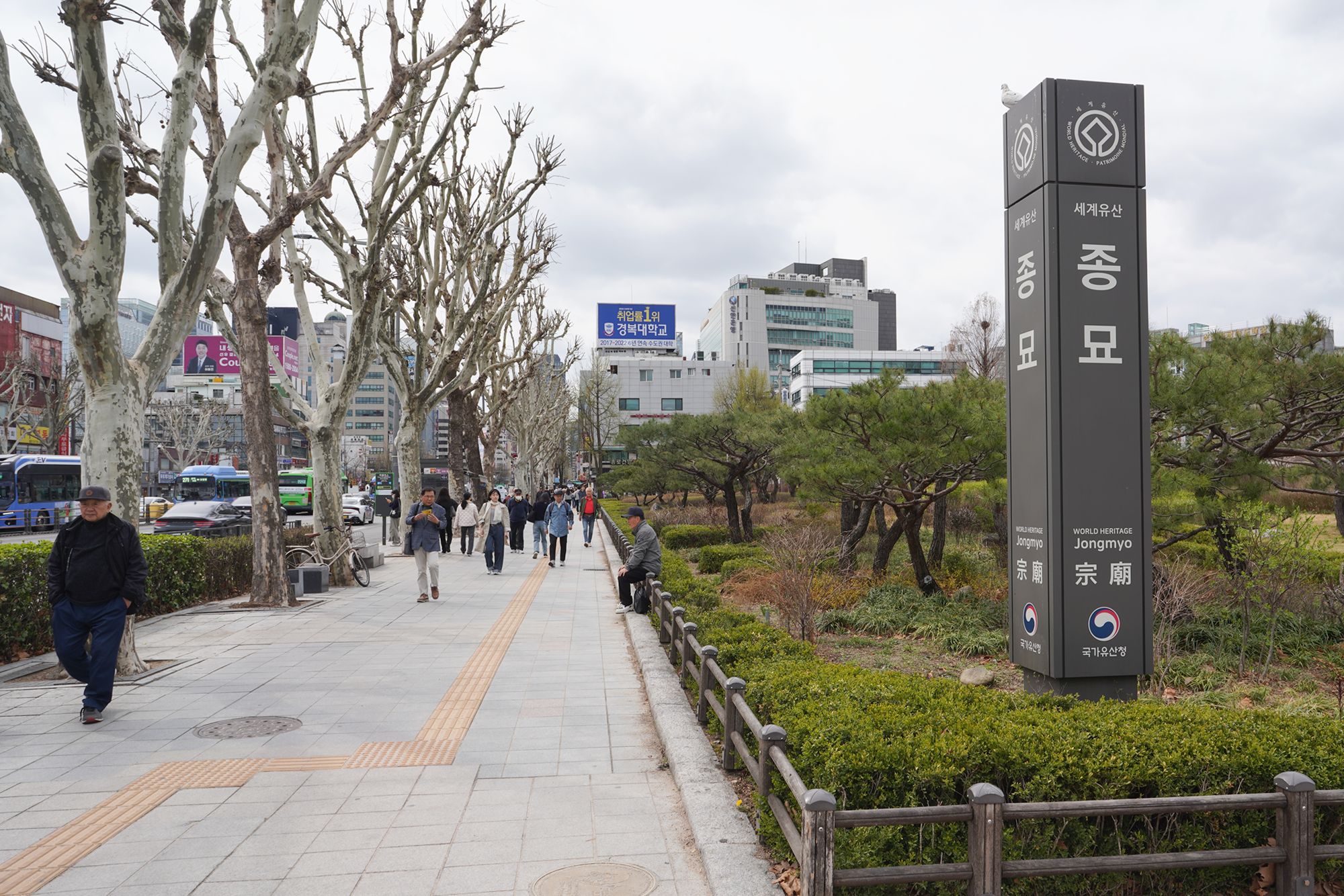
Jongmyo Shrine, established in 1395, is a Confucian royal shrine where the spirit tablets of the kings and queens of the Joseon Dynasty were enshrined and ancestral ceremonies were performed. Today, it is a UNESCO World Heritage Site and one of the best-preserved symbols of Korea’s royal Confucian tradition.
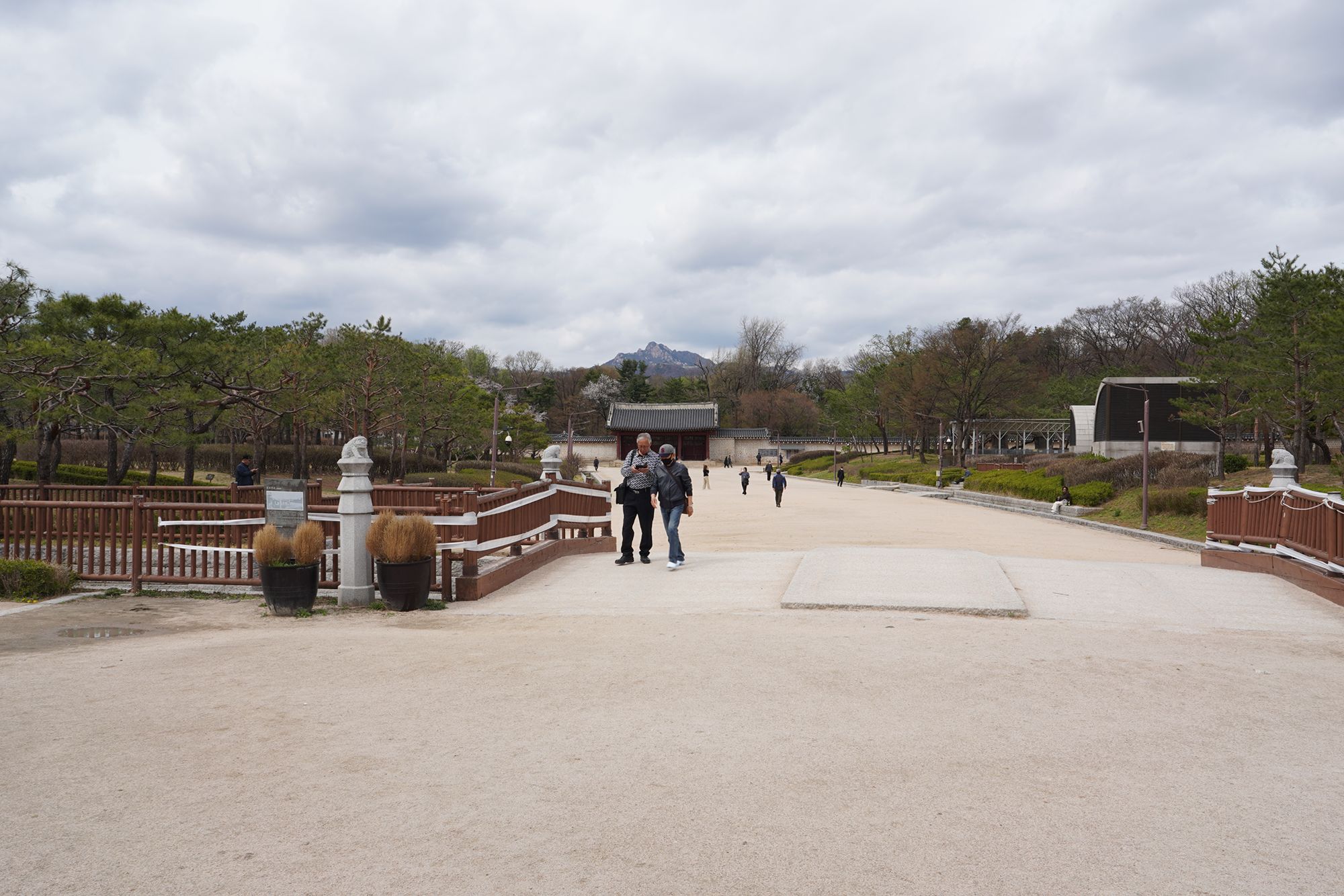
This marked the end of my Euljiro walk. From here, I continued north to explore the area beyond Euljiro.
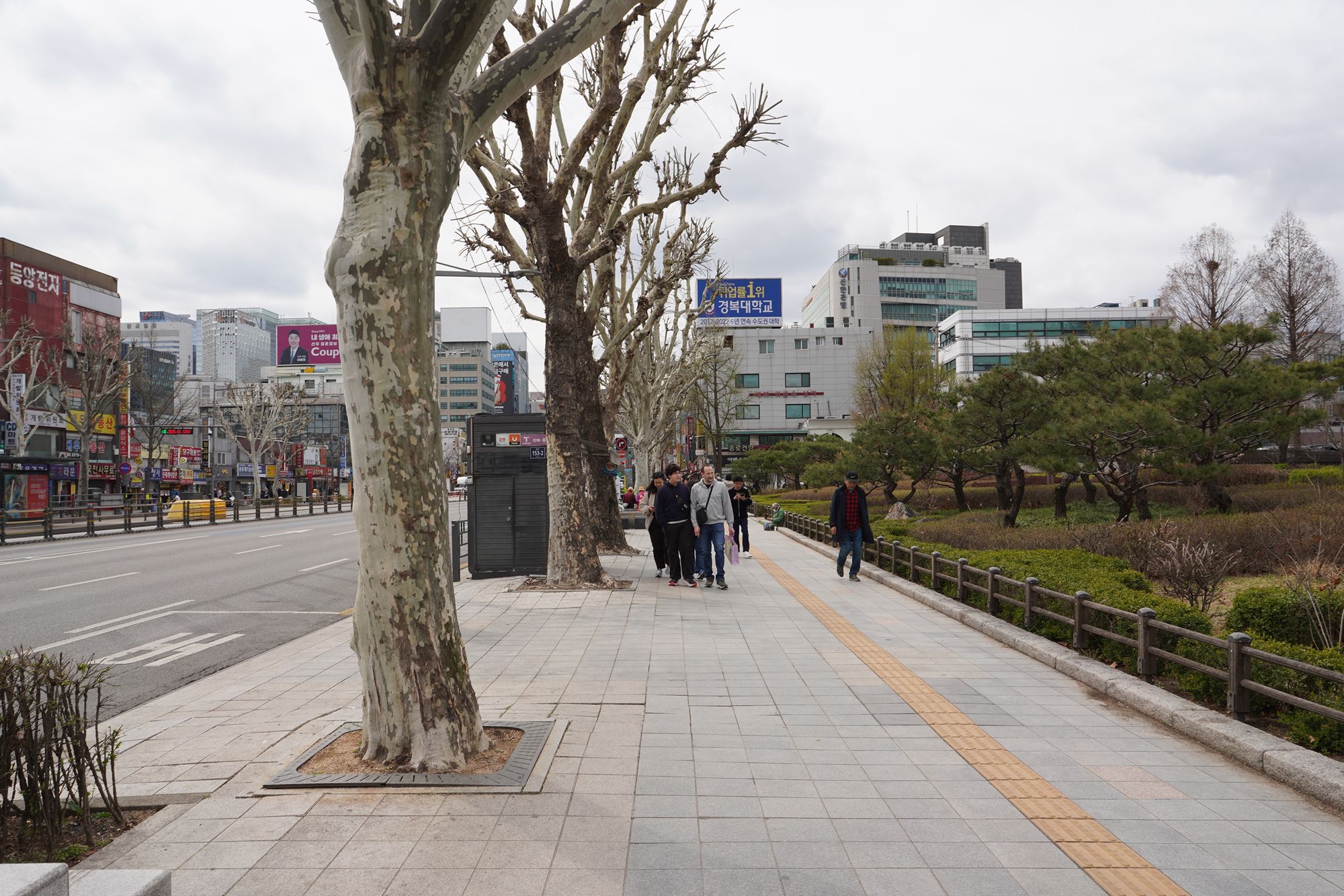
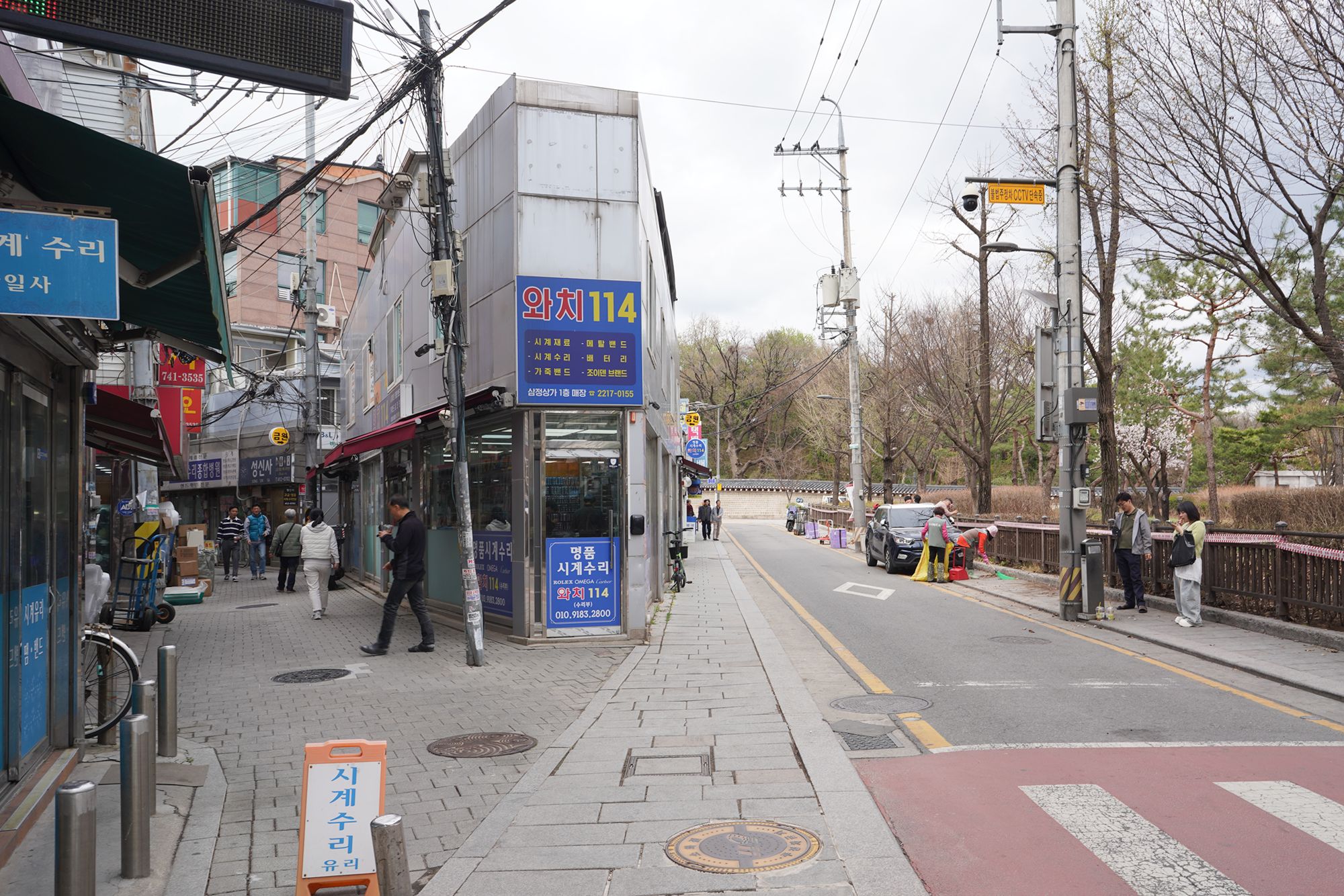
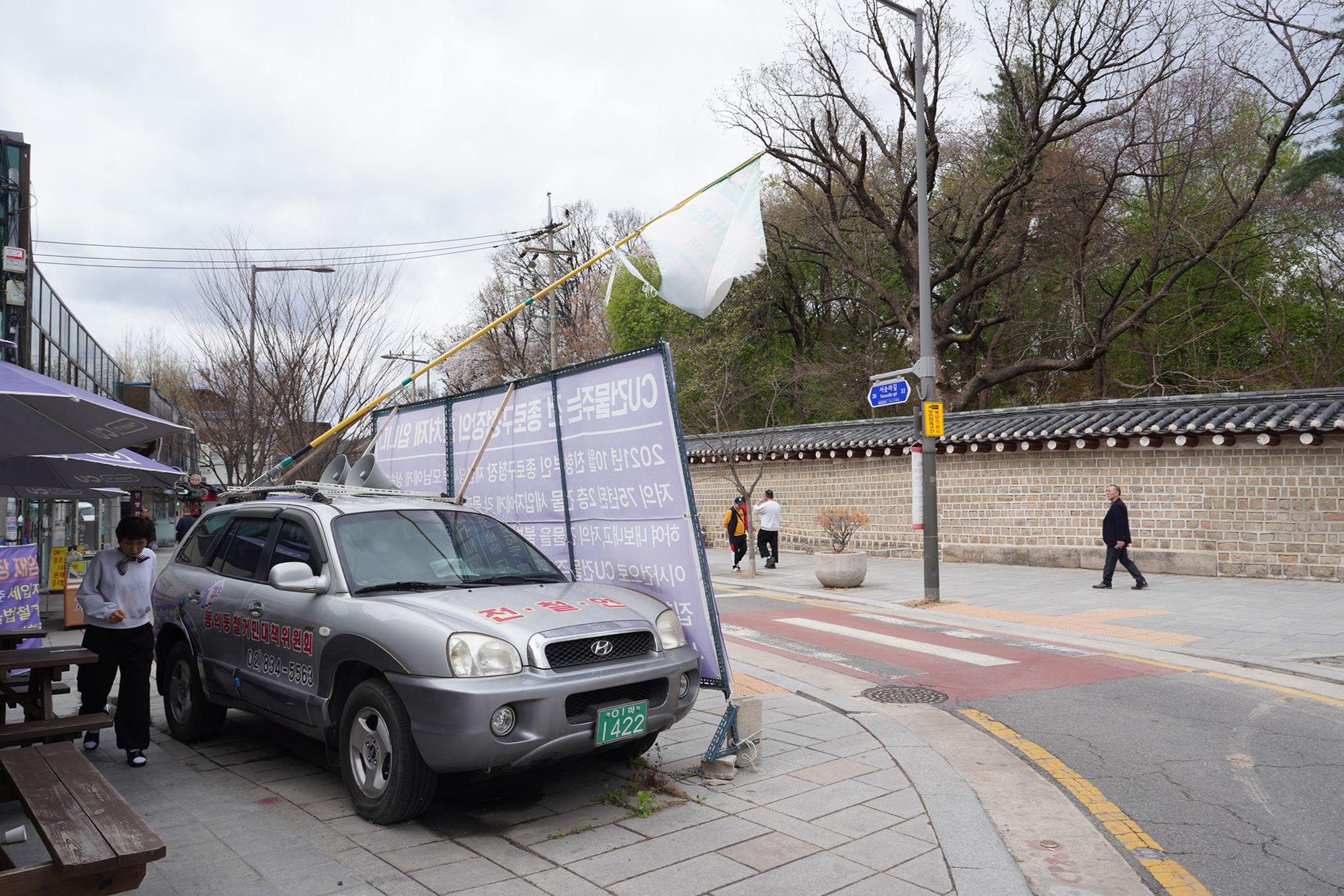
This is Seosulla-gil (서순라길), a walking path that follows the outer wall of Jongmyo Shrine.
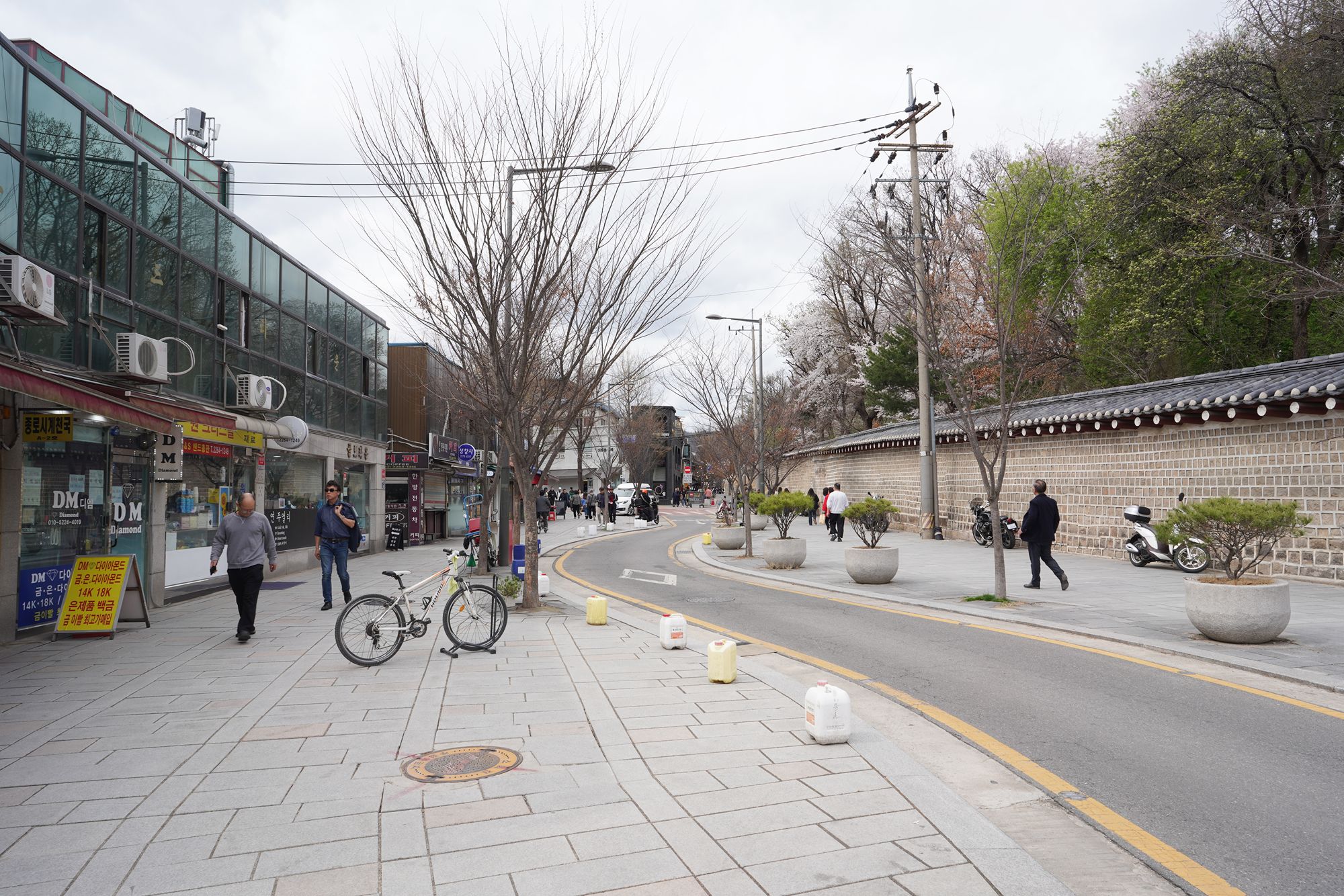
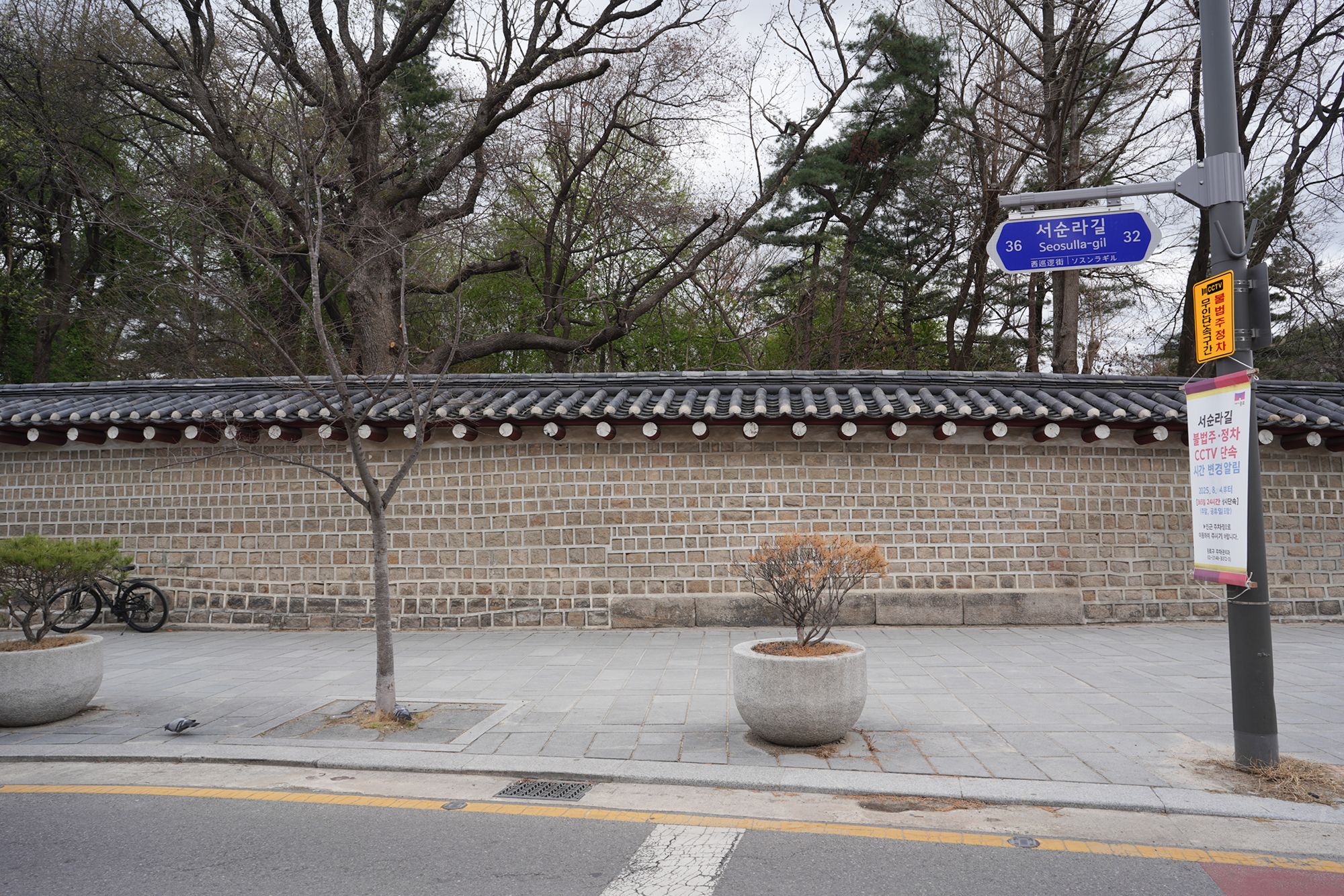
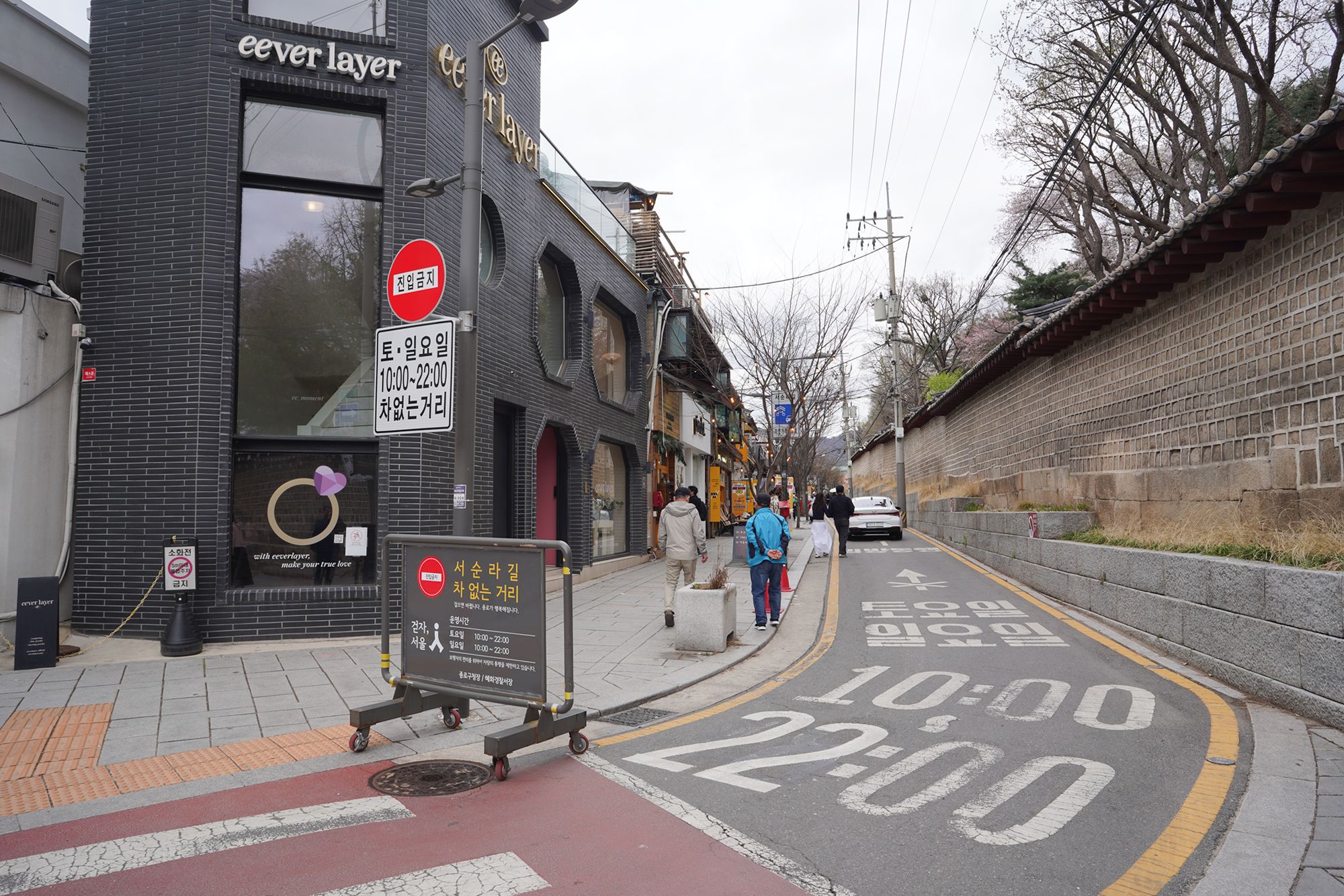
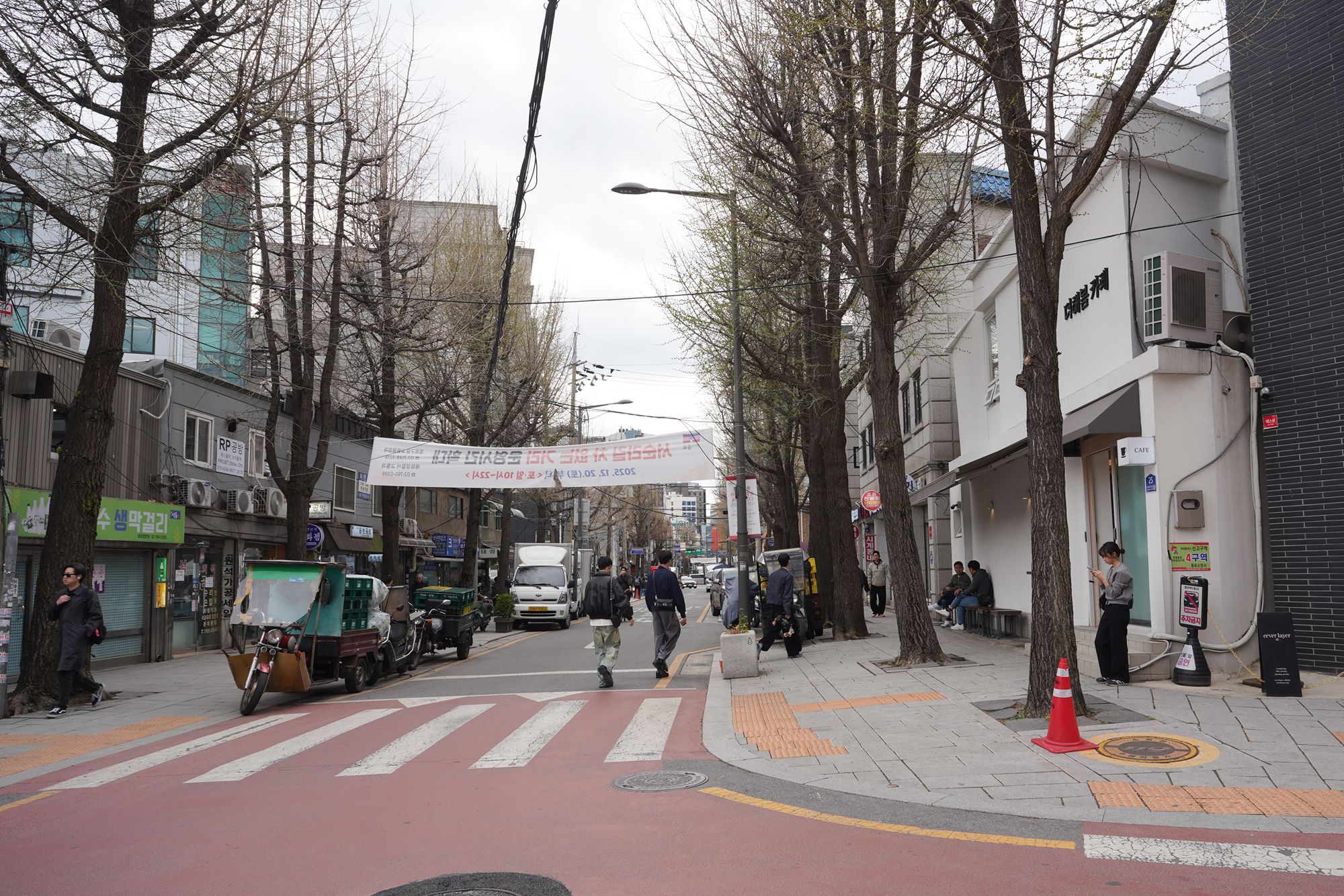
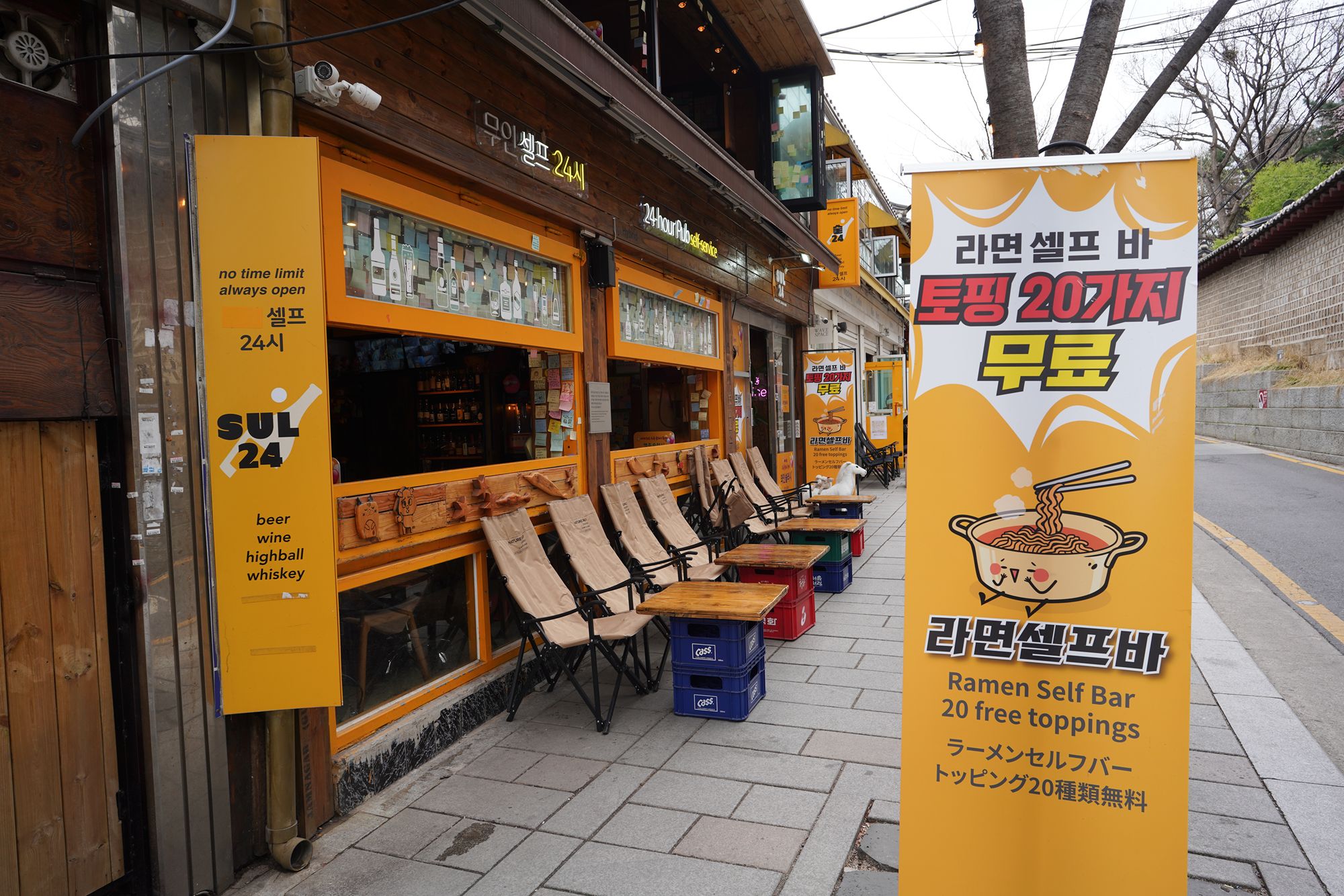
Seosulla-gil is a narrow walking street that follows the western wall of Jongmyo Shrine. Its name comes from the royal guards who patrolled this area during the Joseon Dynasty, while today the street is lined with small cafés, restaurants, workshops, and shops.
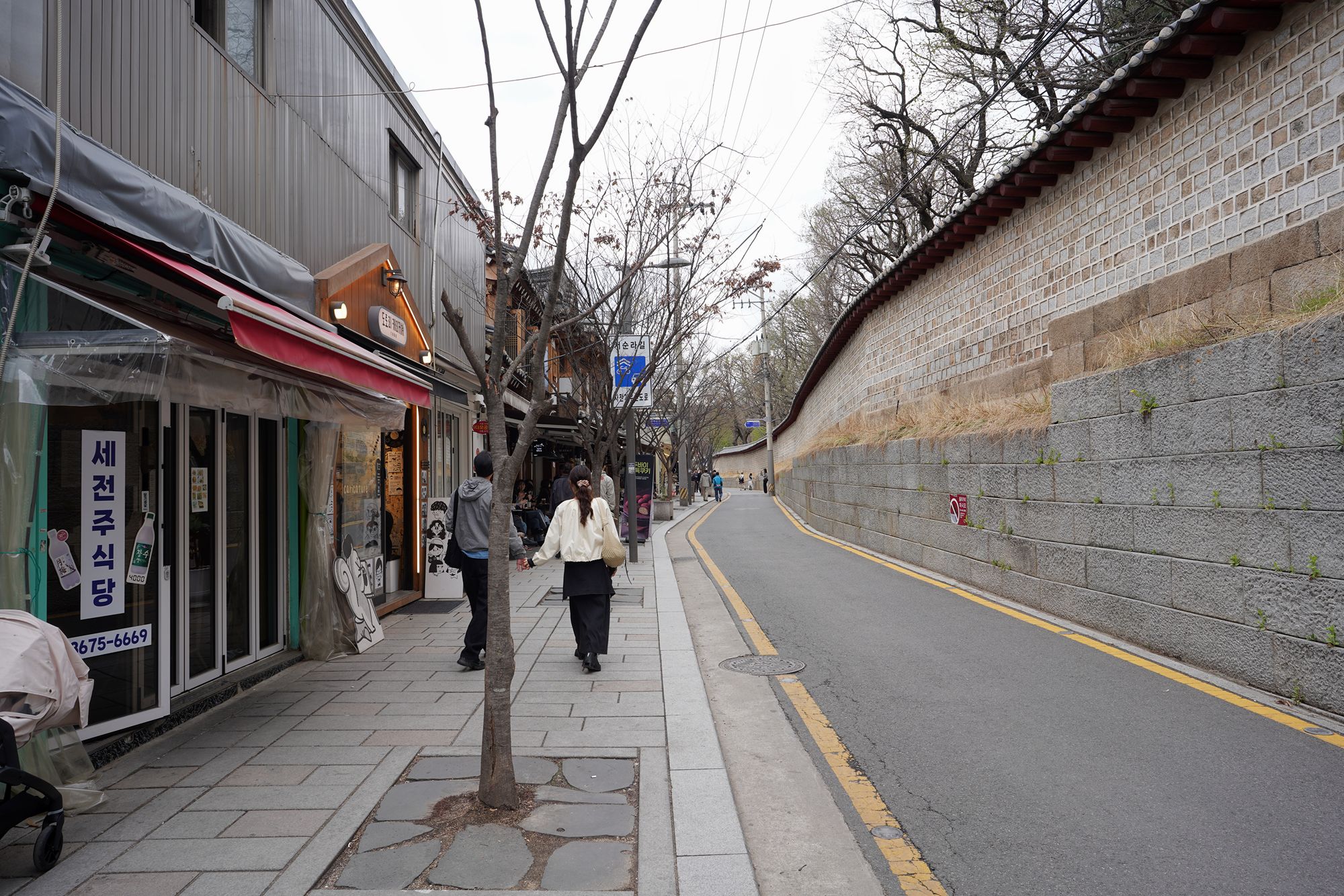
Today, Seosulla-gil is especially popular with young people and couples, who come to enjoy its cafés and restaurants and relax along the quiet street beside the wall of Jongmyo Shrine.
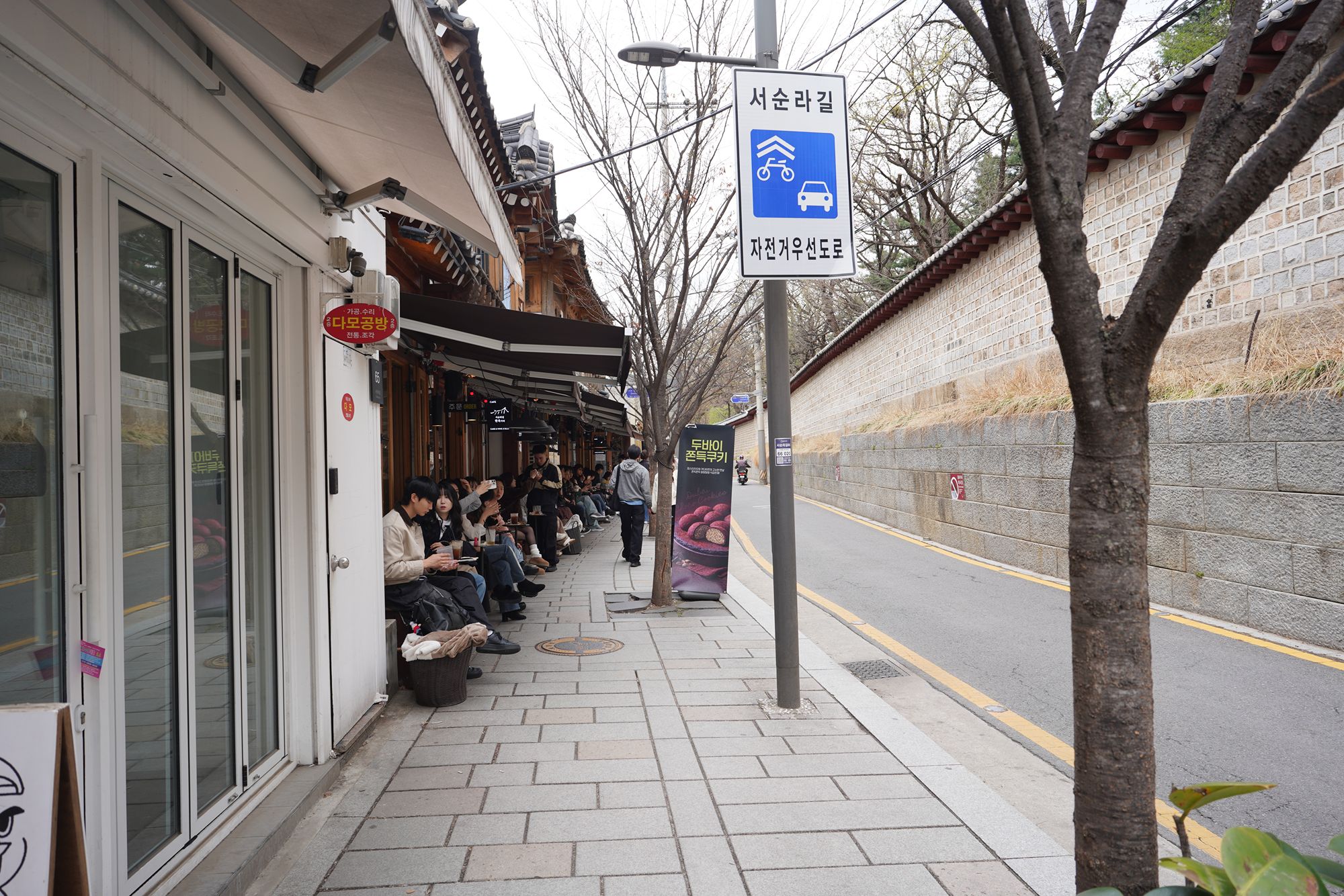
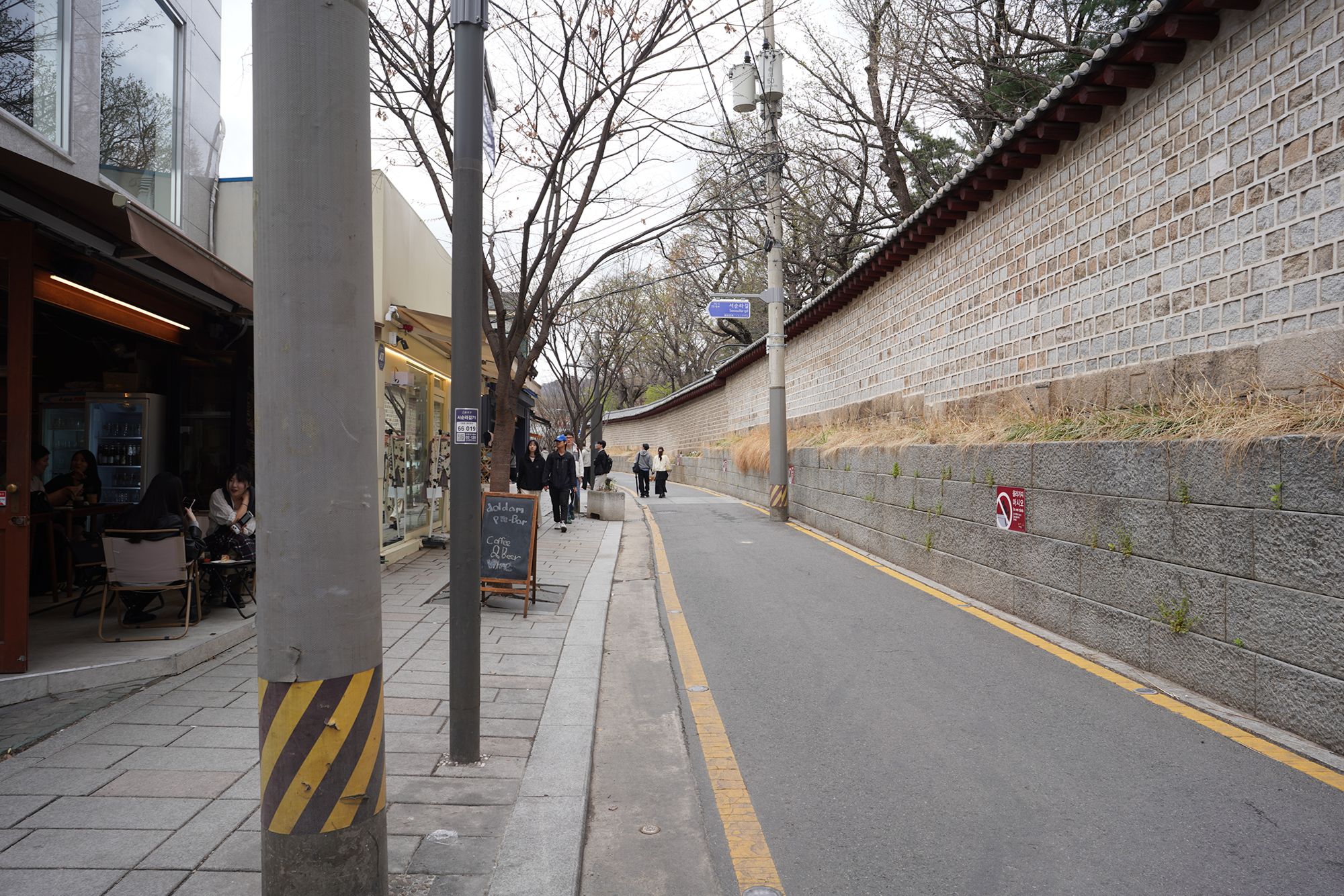
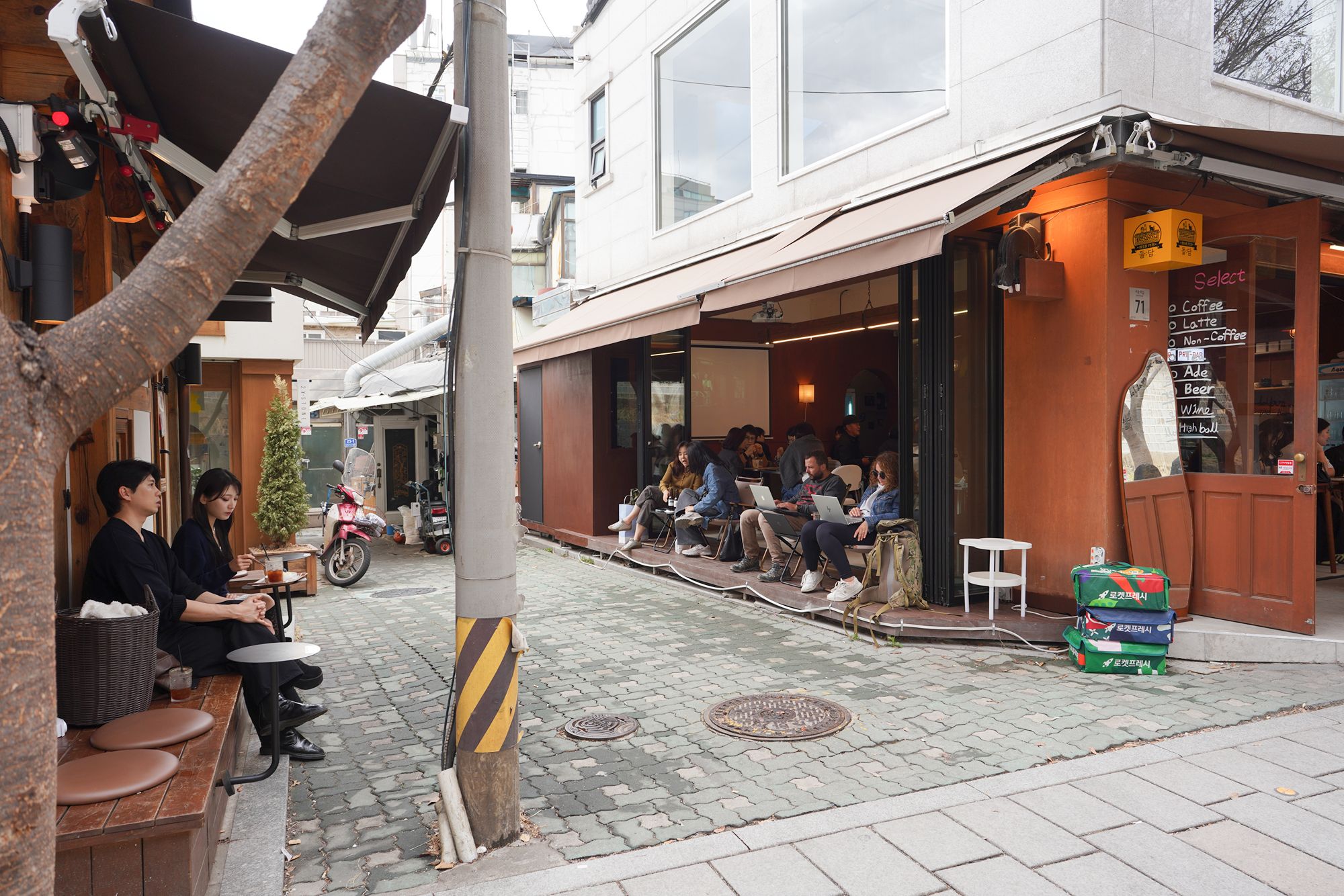
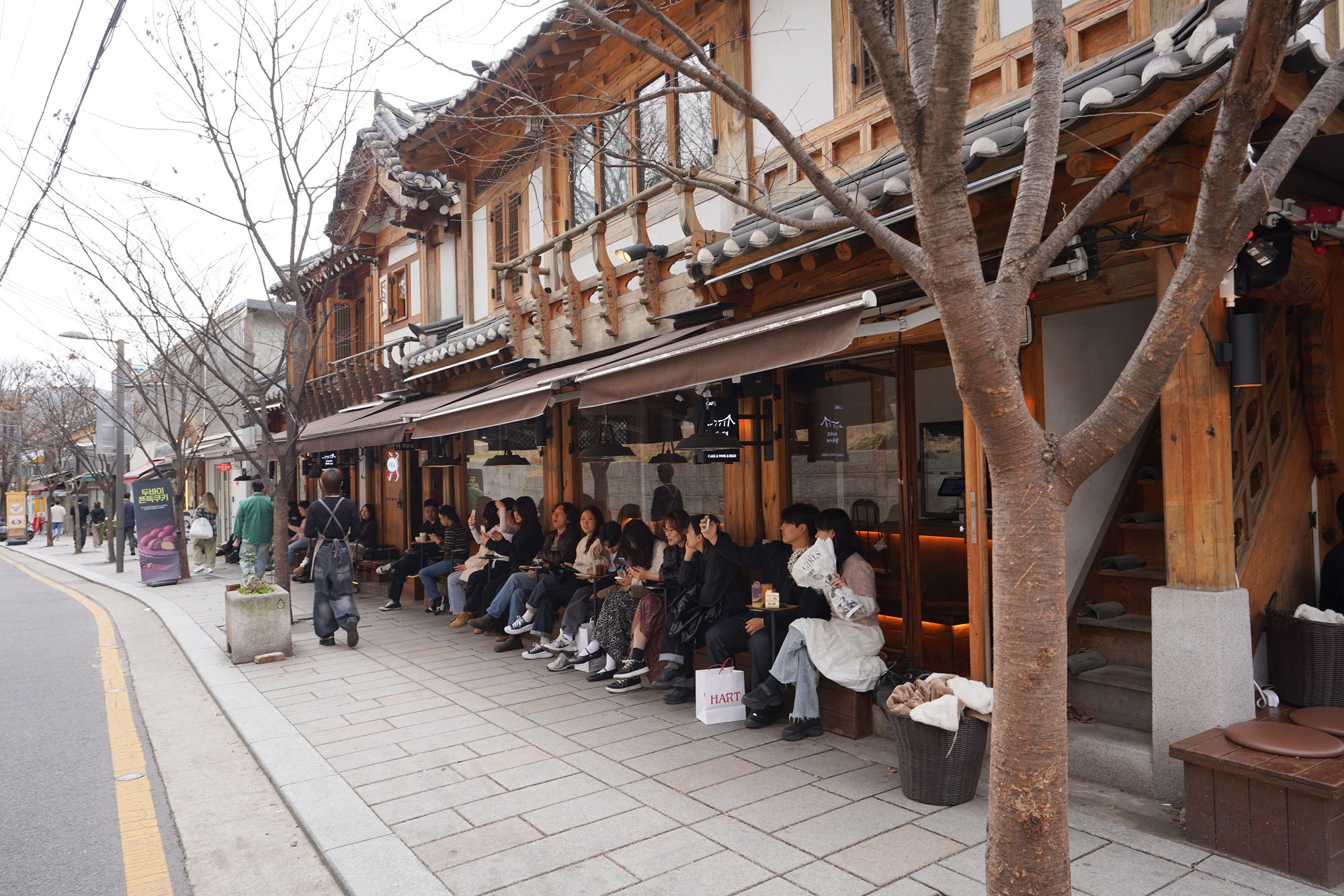
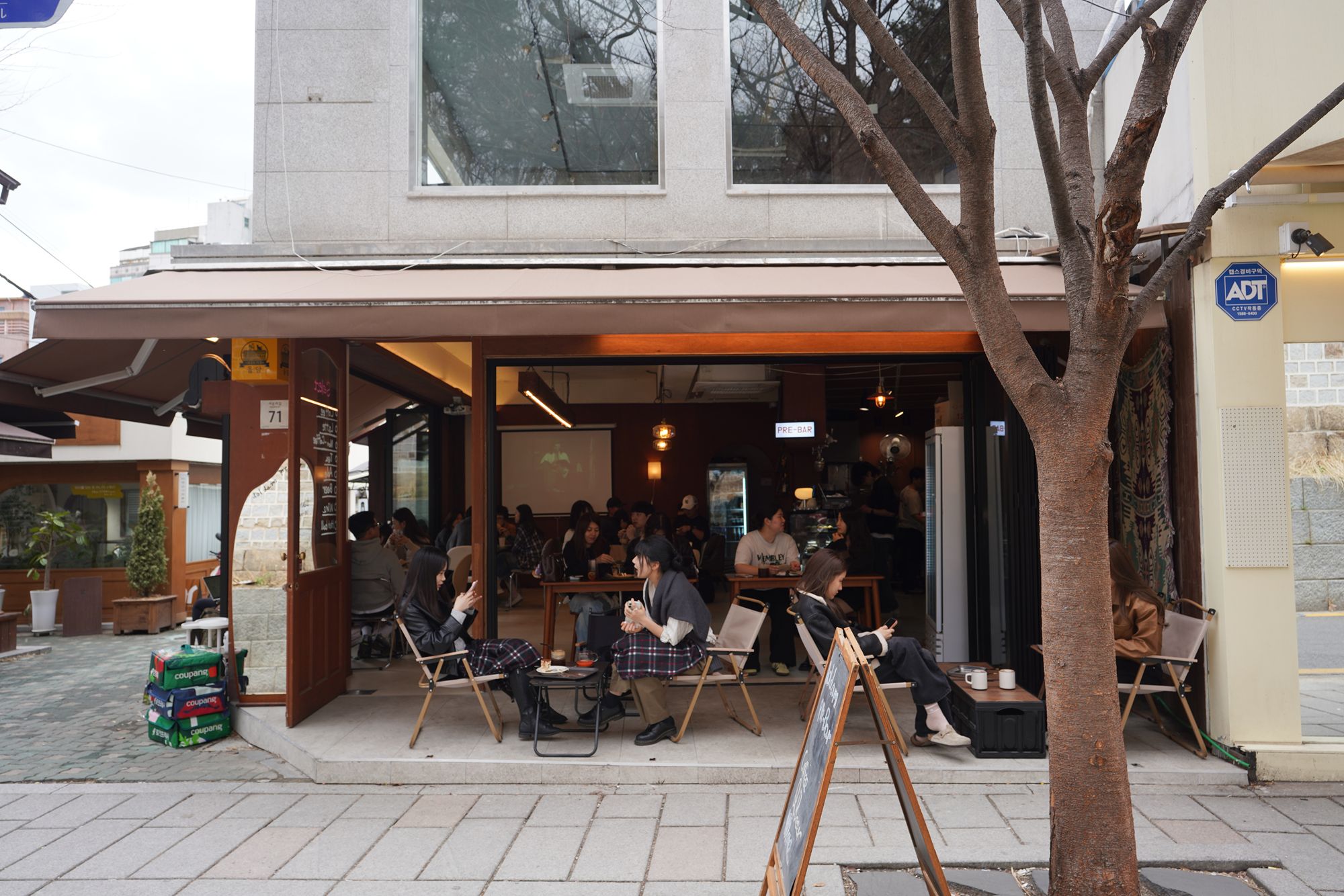
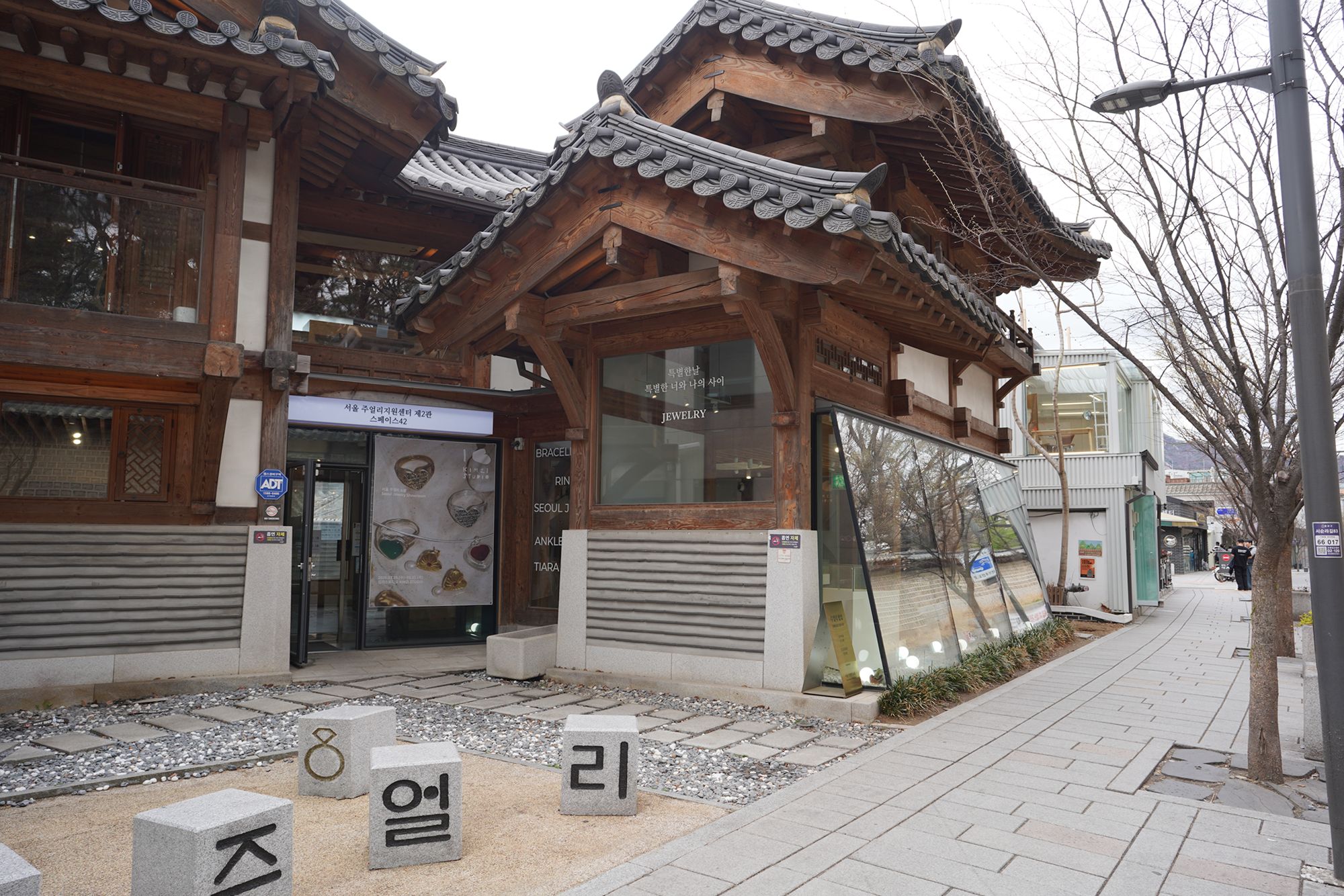
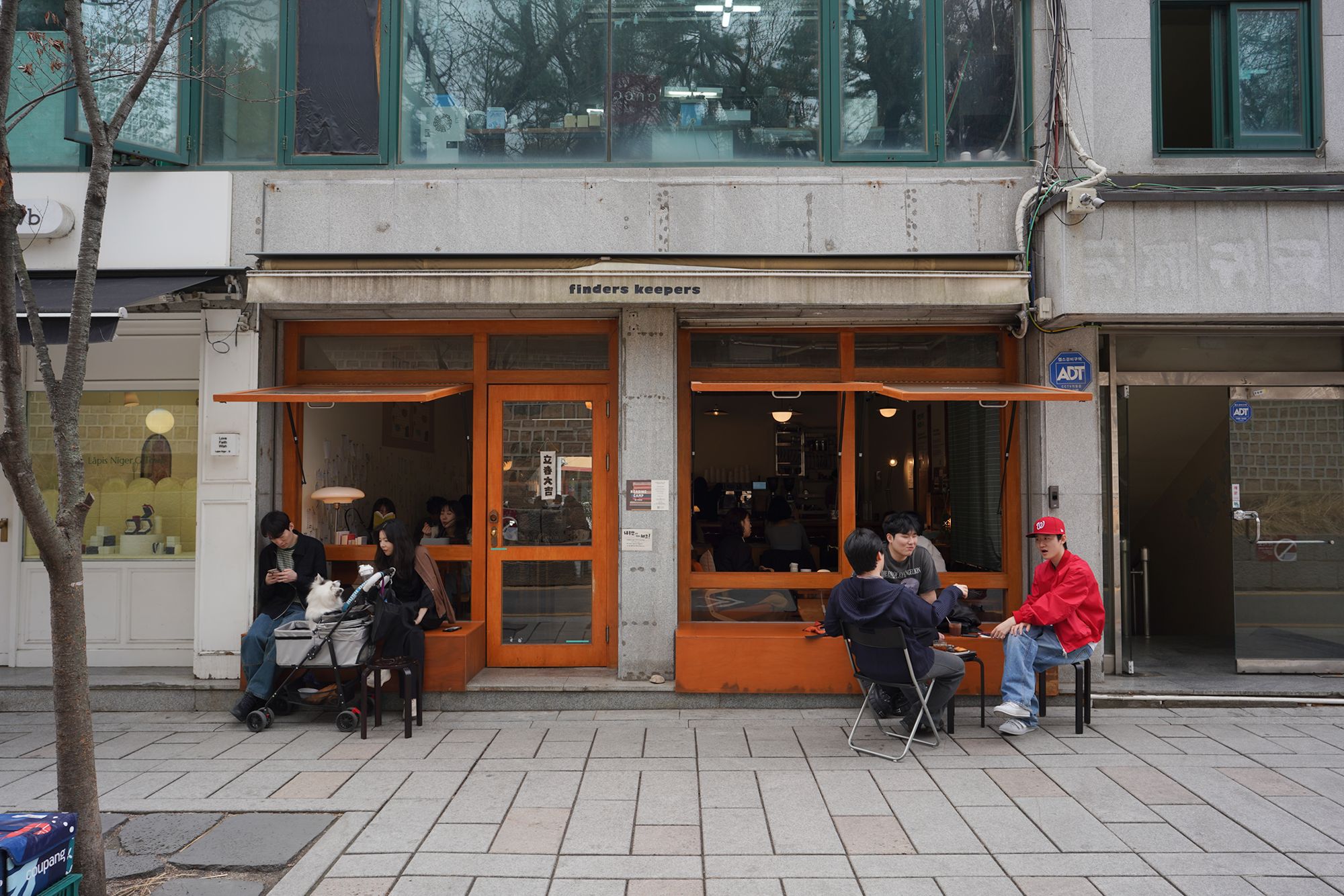
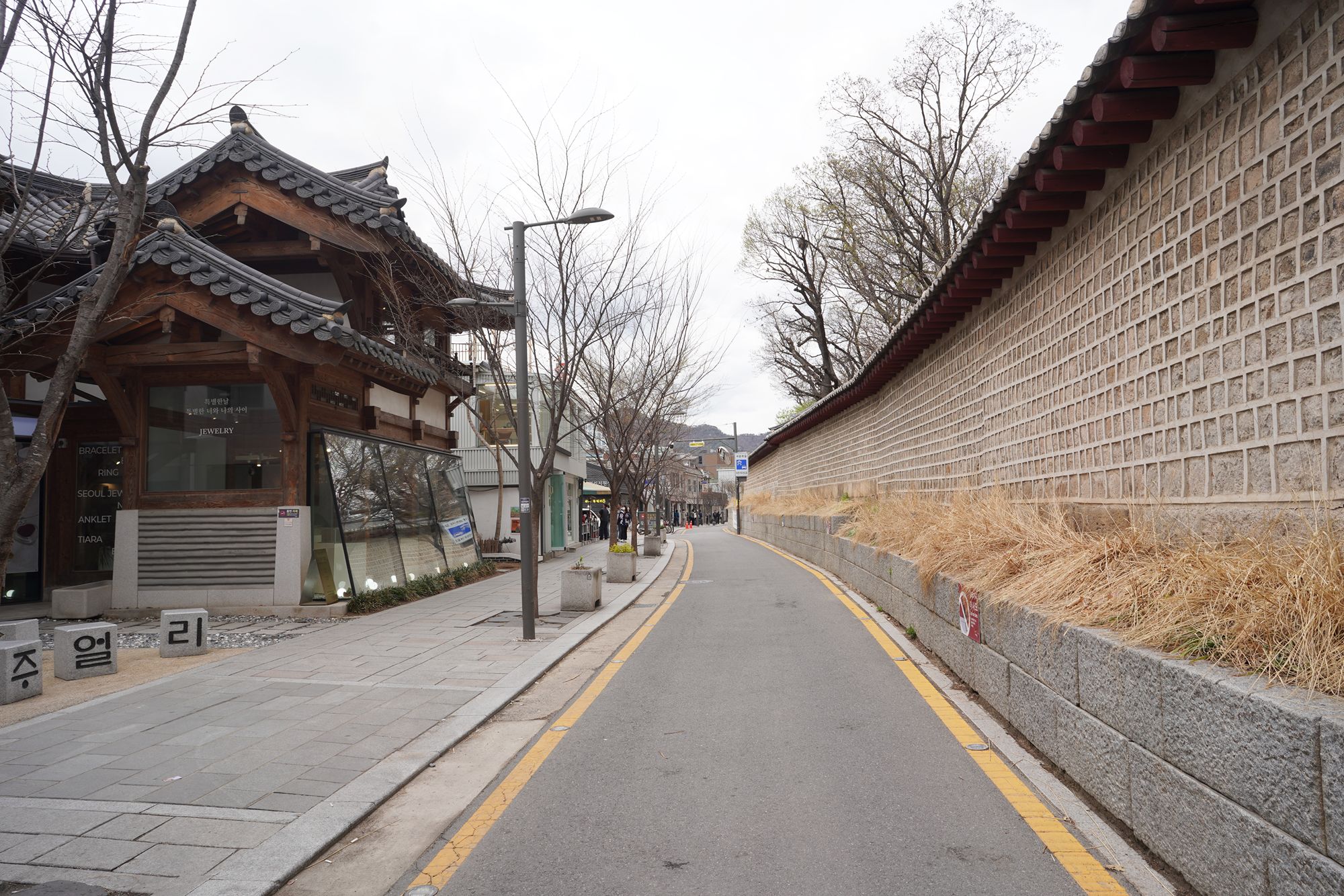
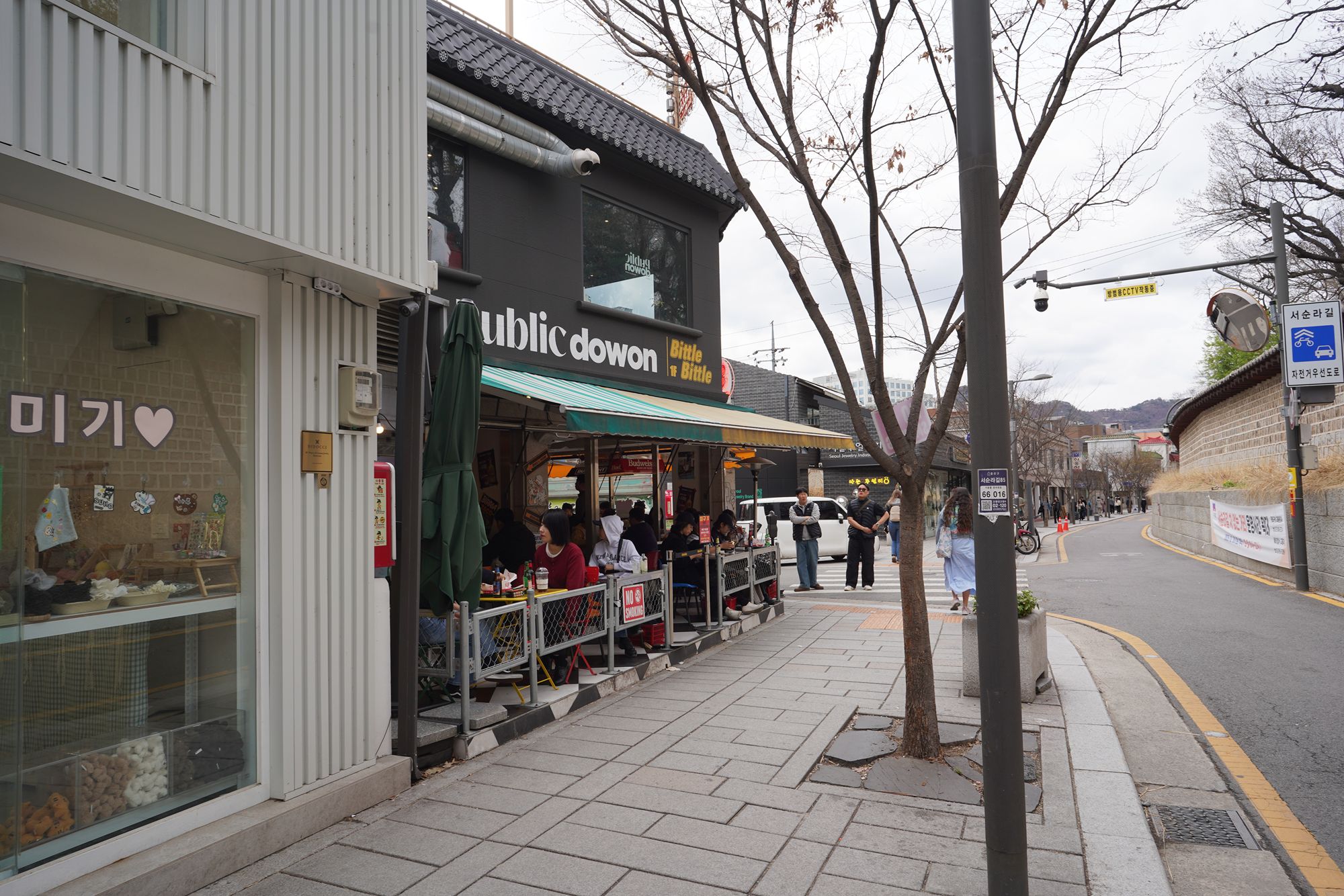
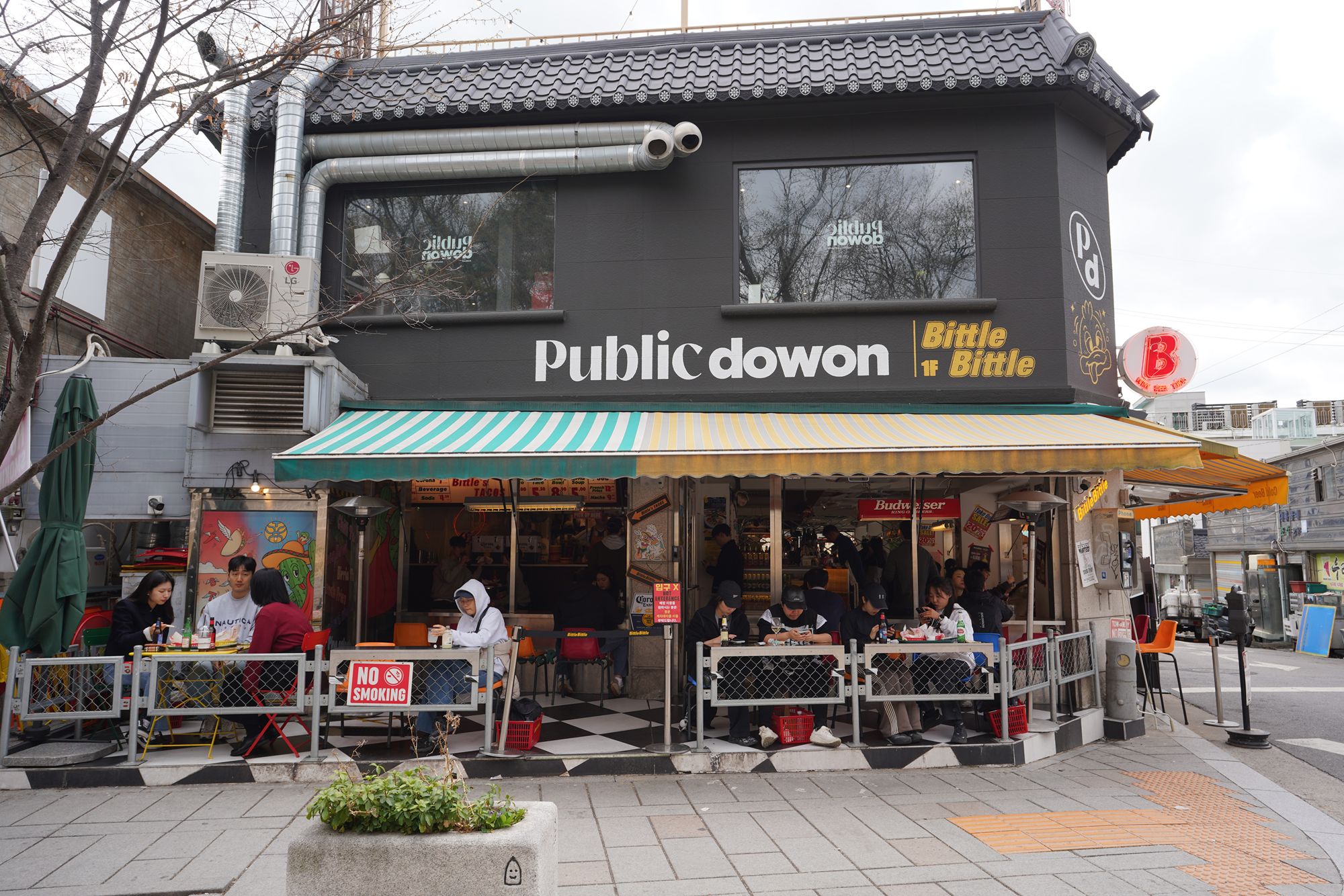
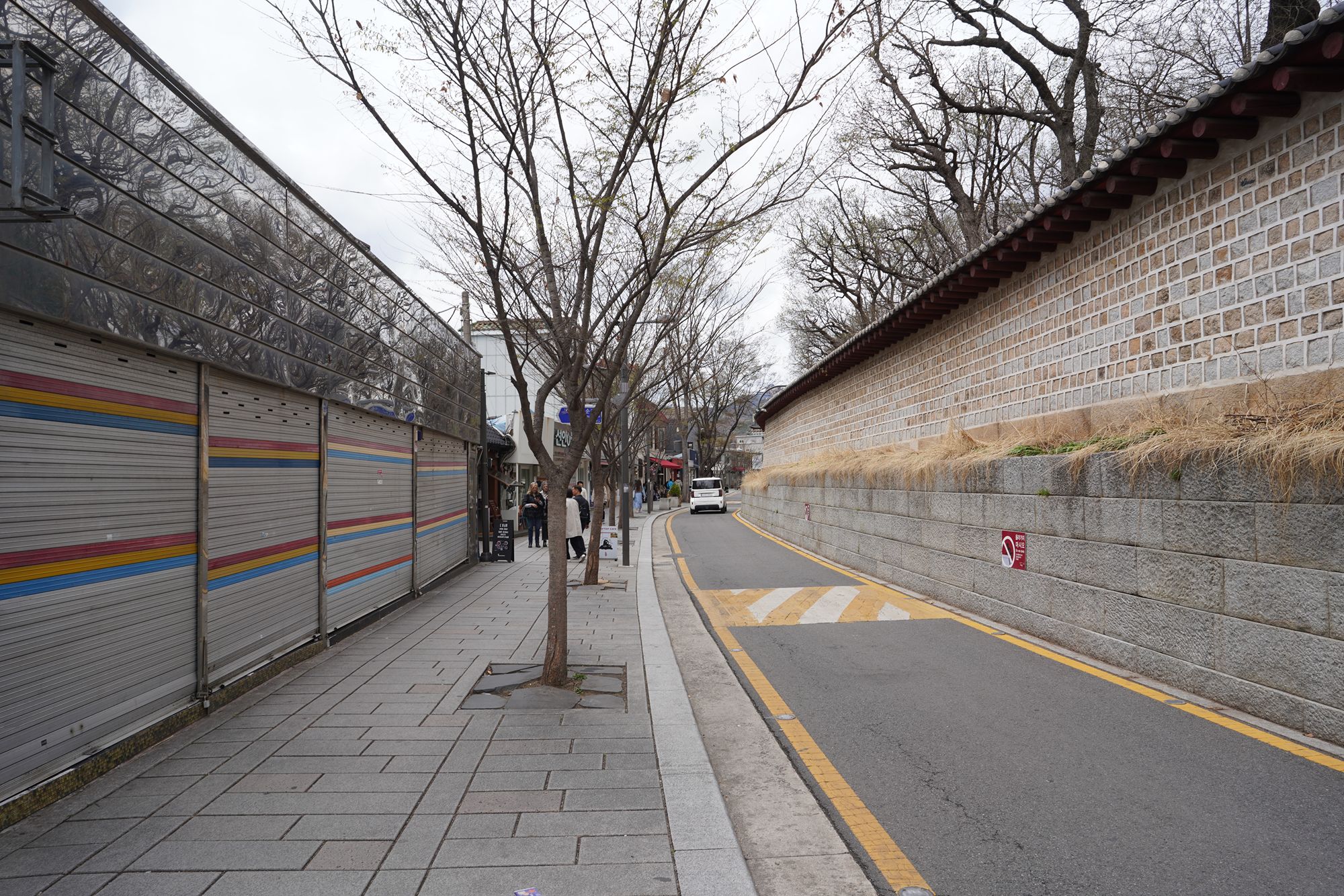
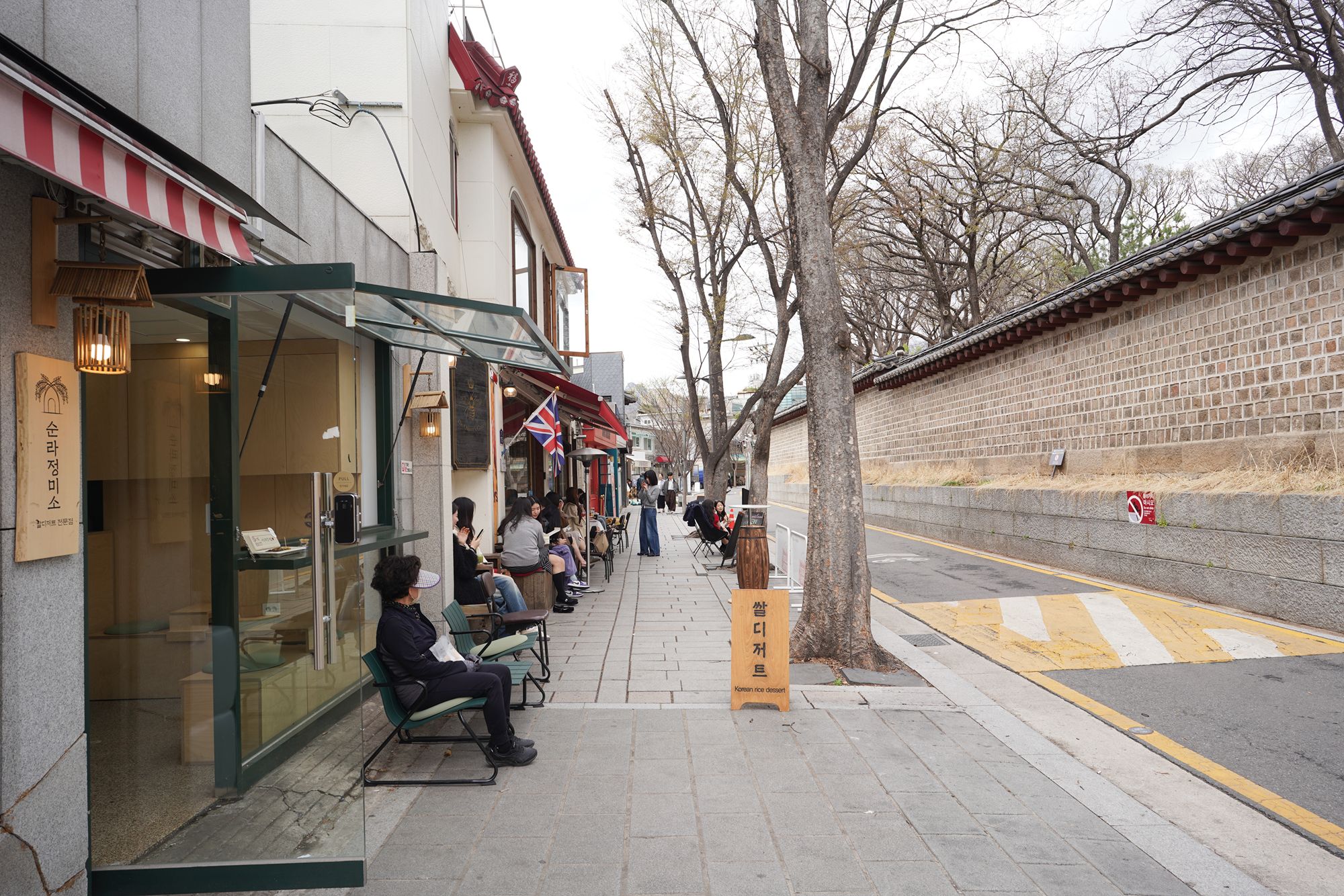
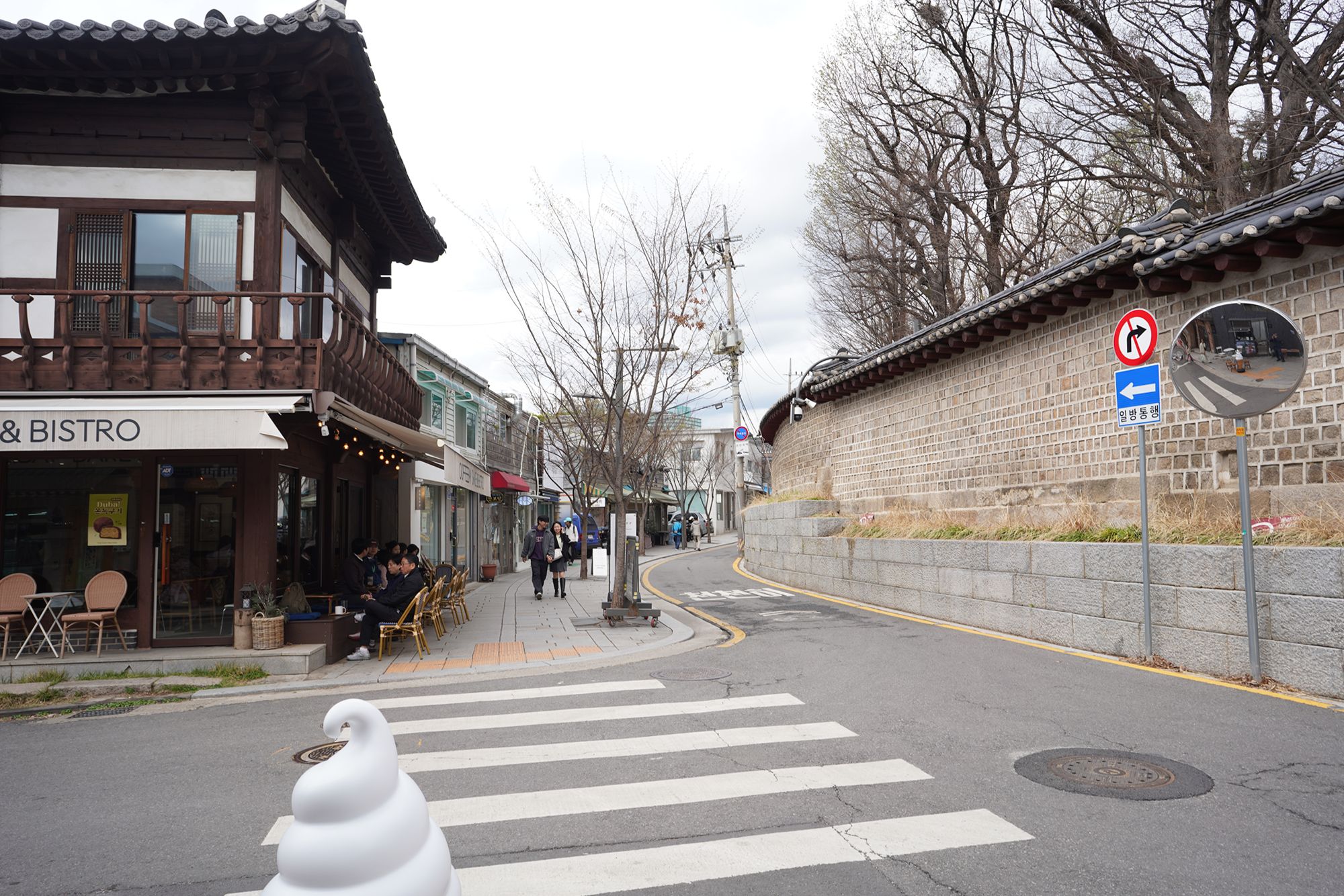
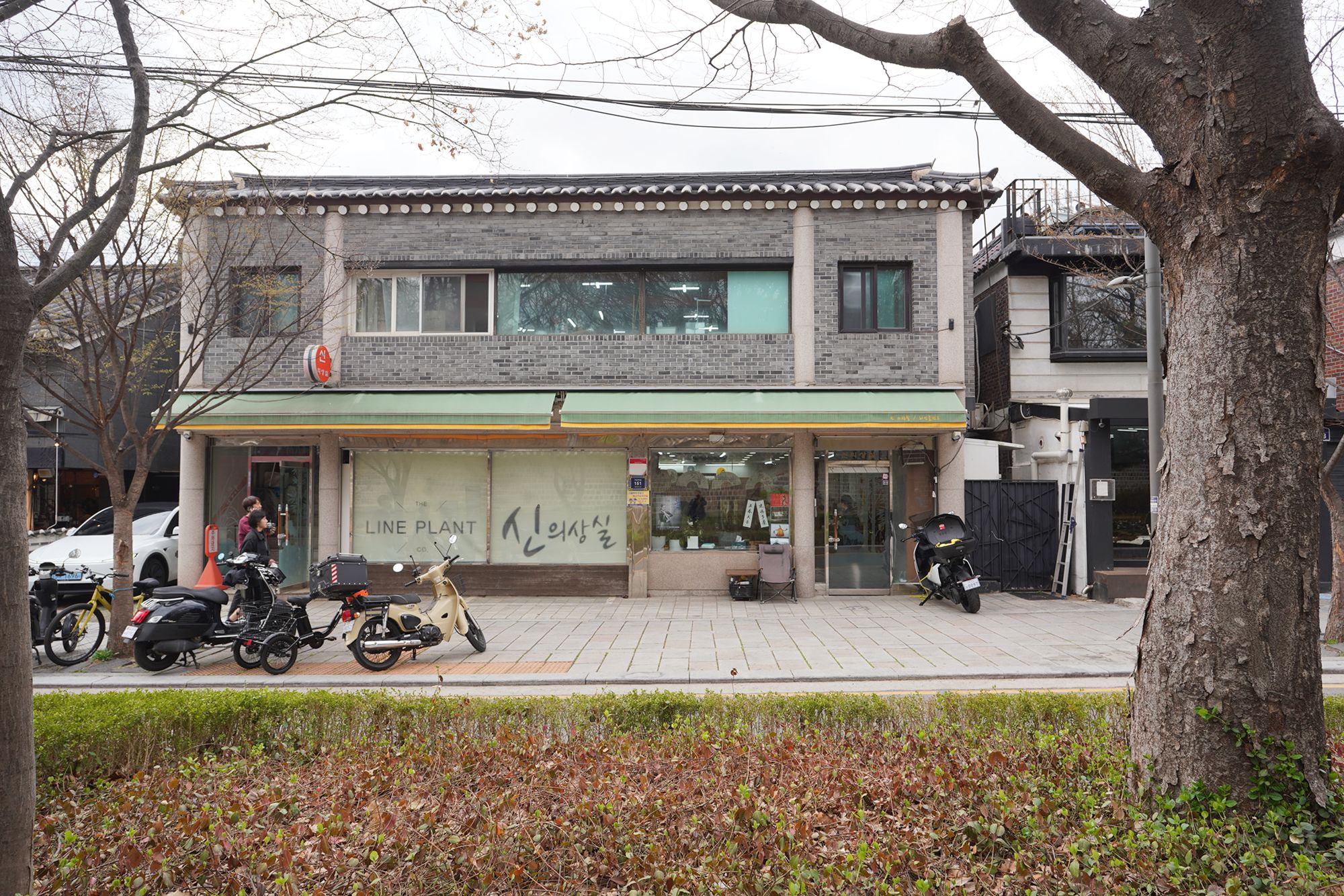
At the end of the café street, I continued following the wall of Jongmyo Shrine and gradually walked uphill. Looking back, I could see the path I had just followed along the wall.
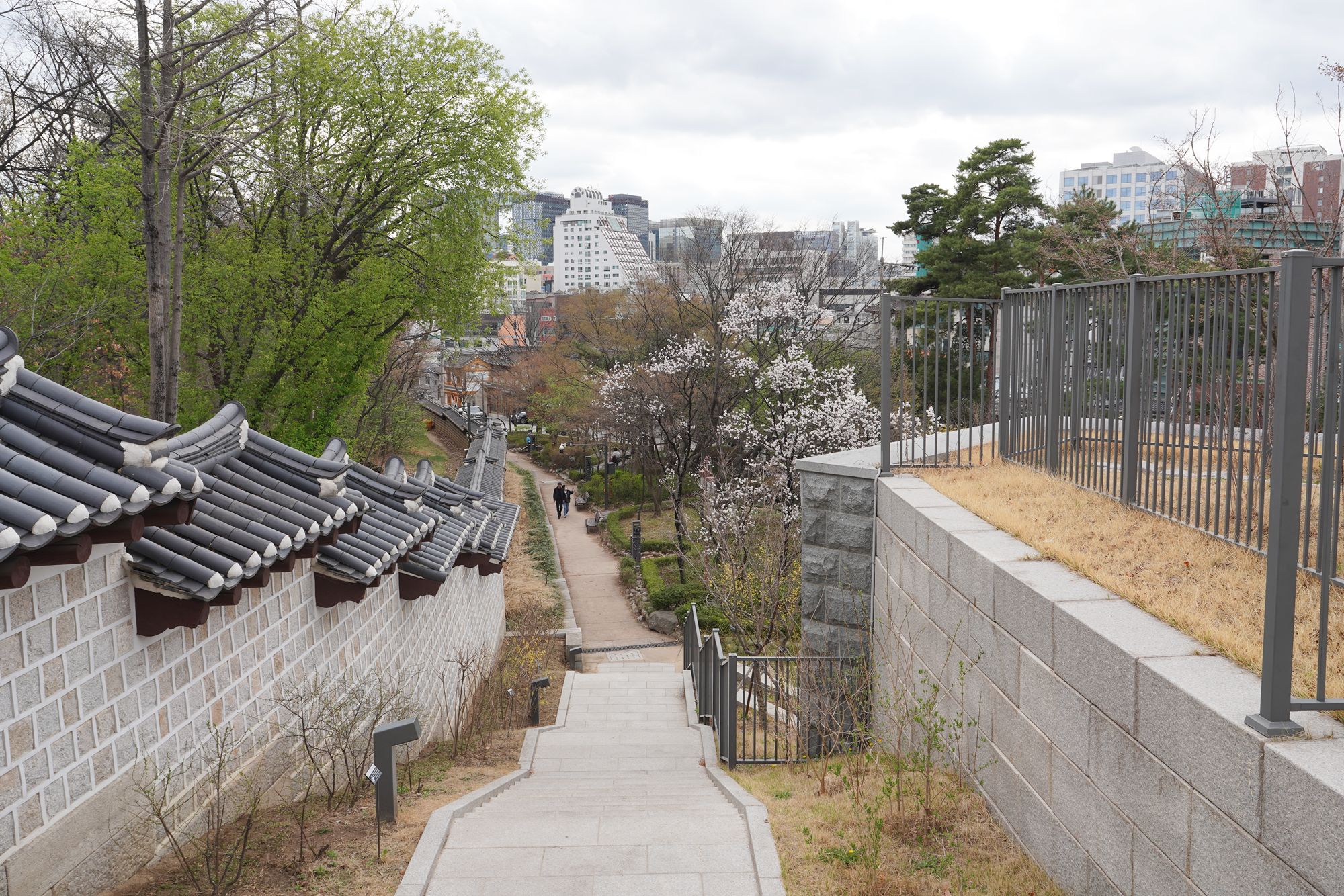
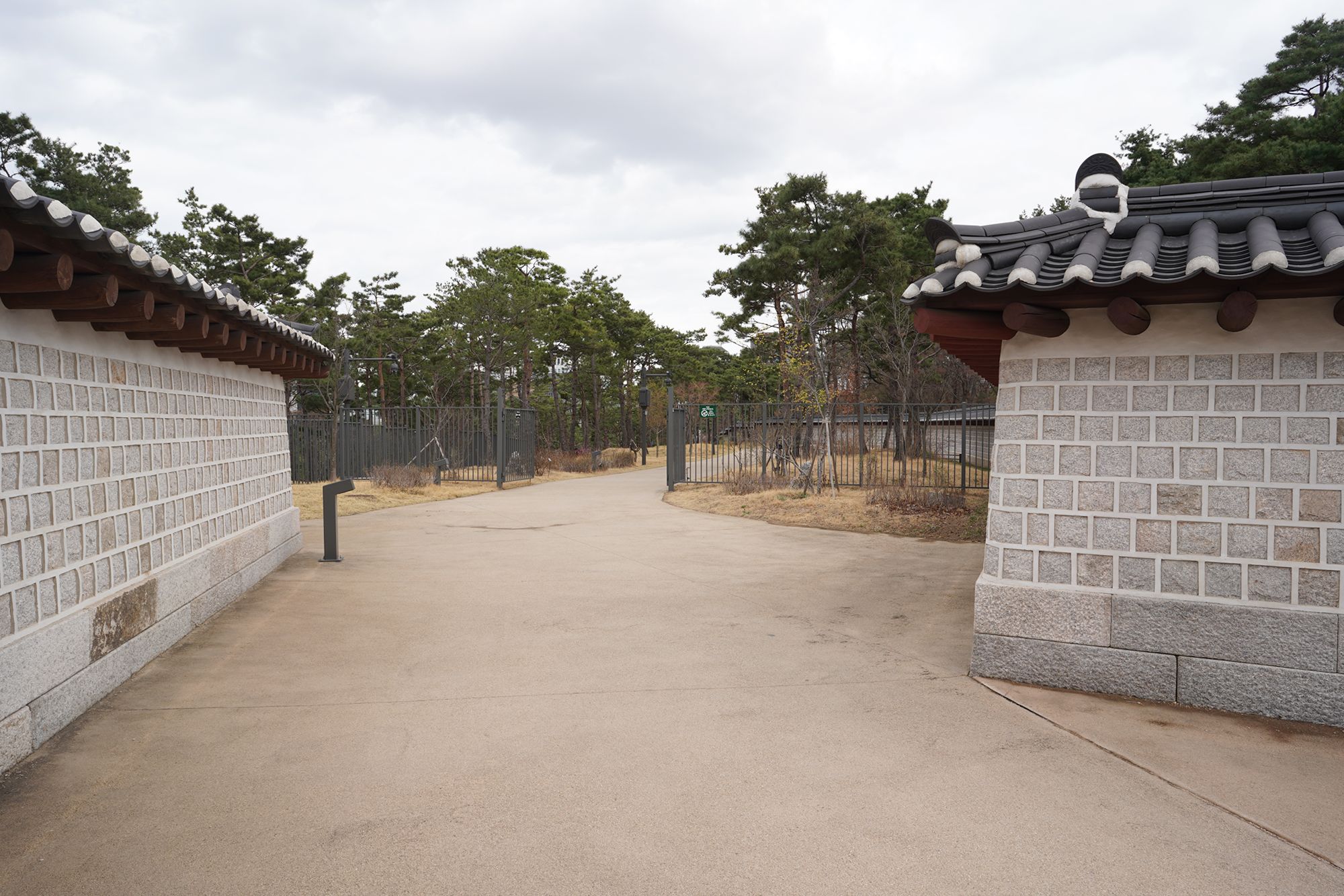
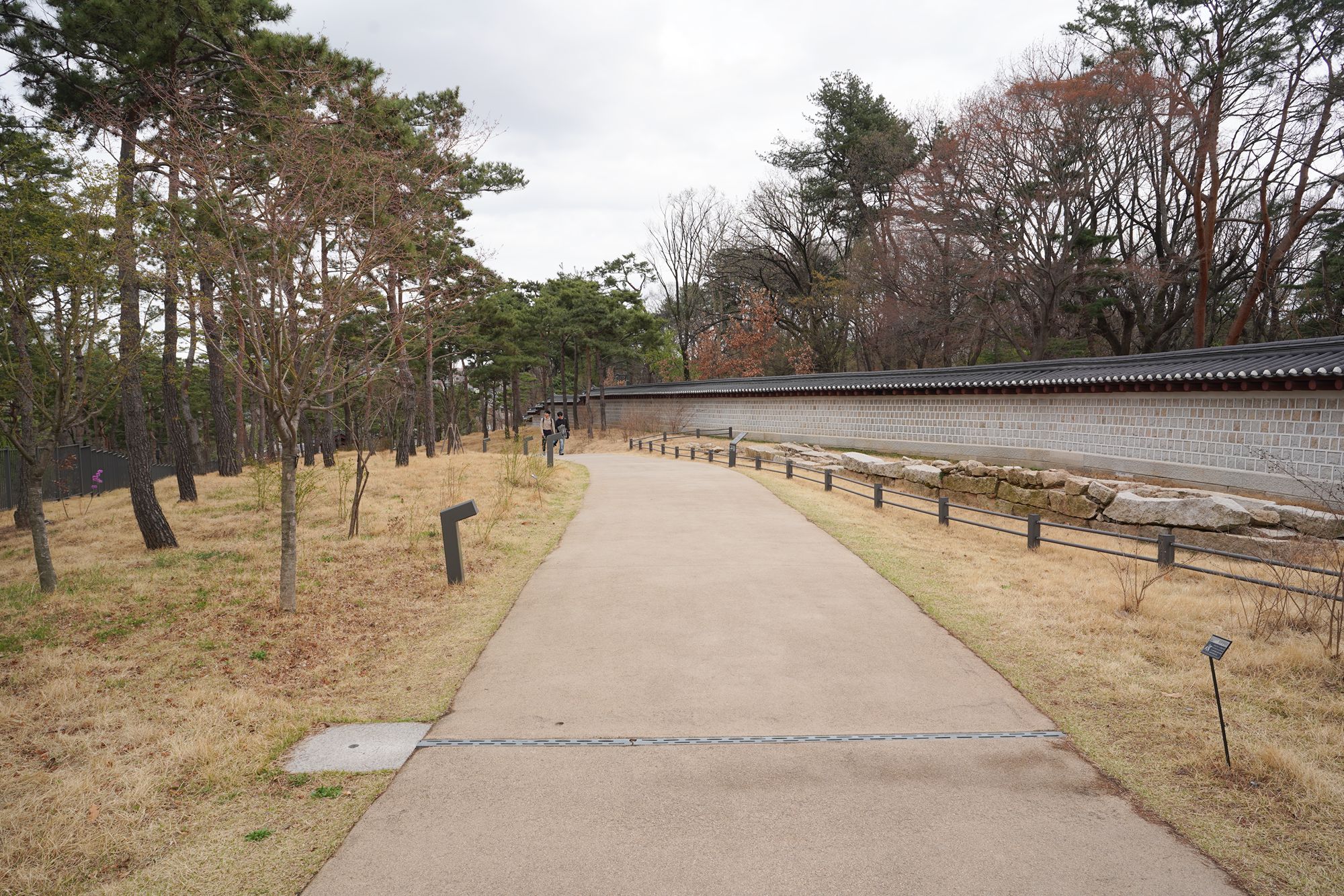
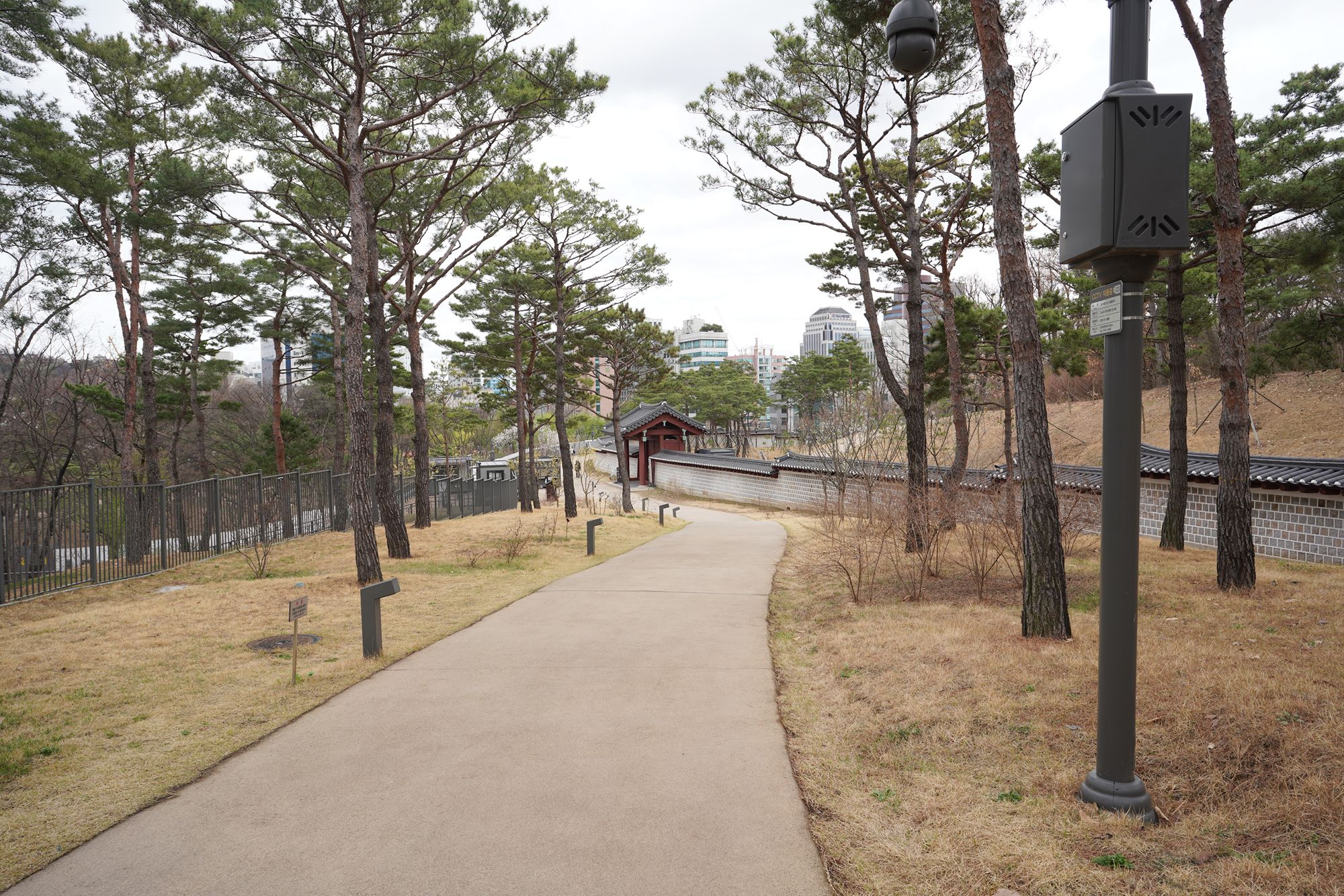
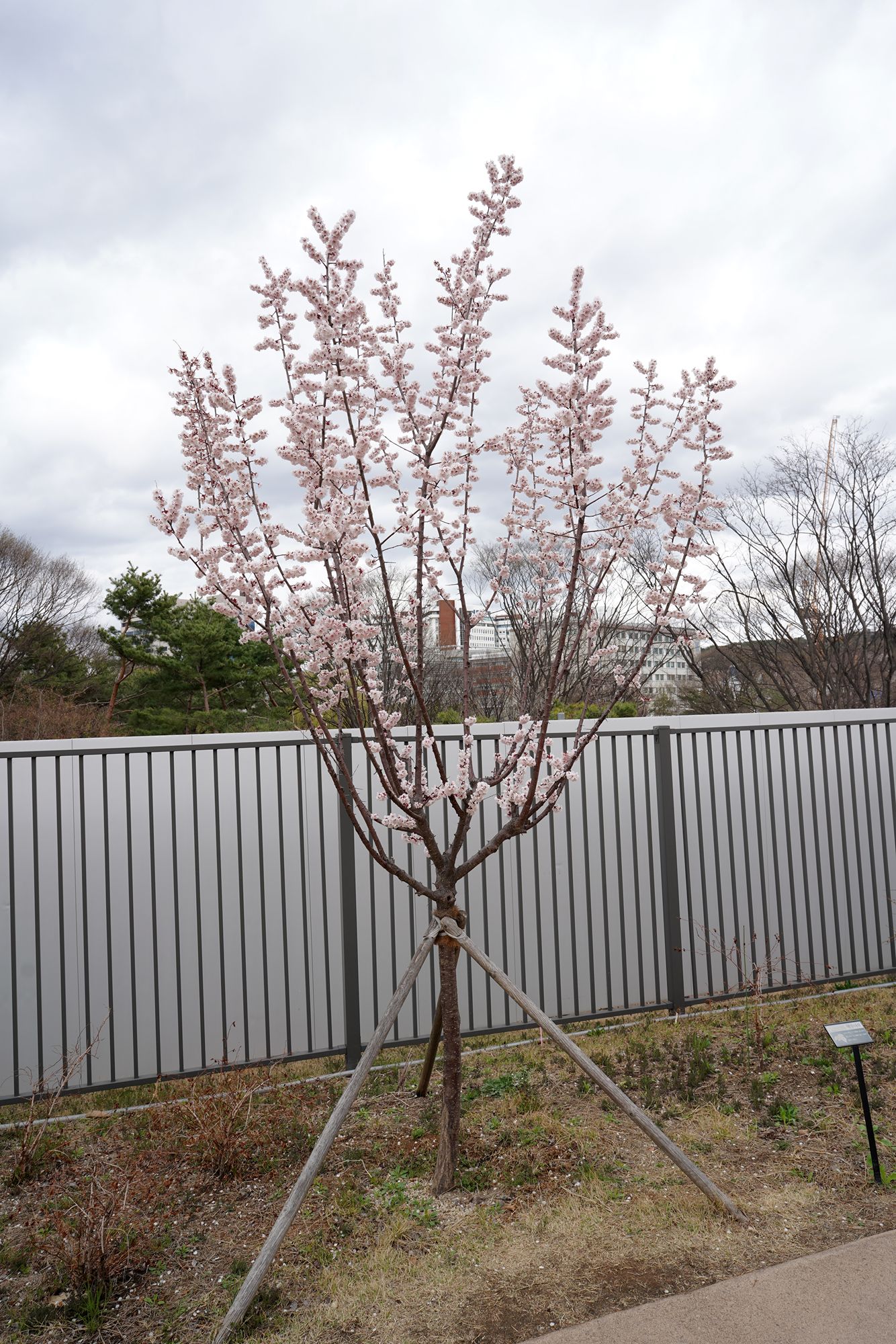
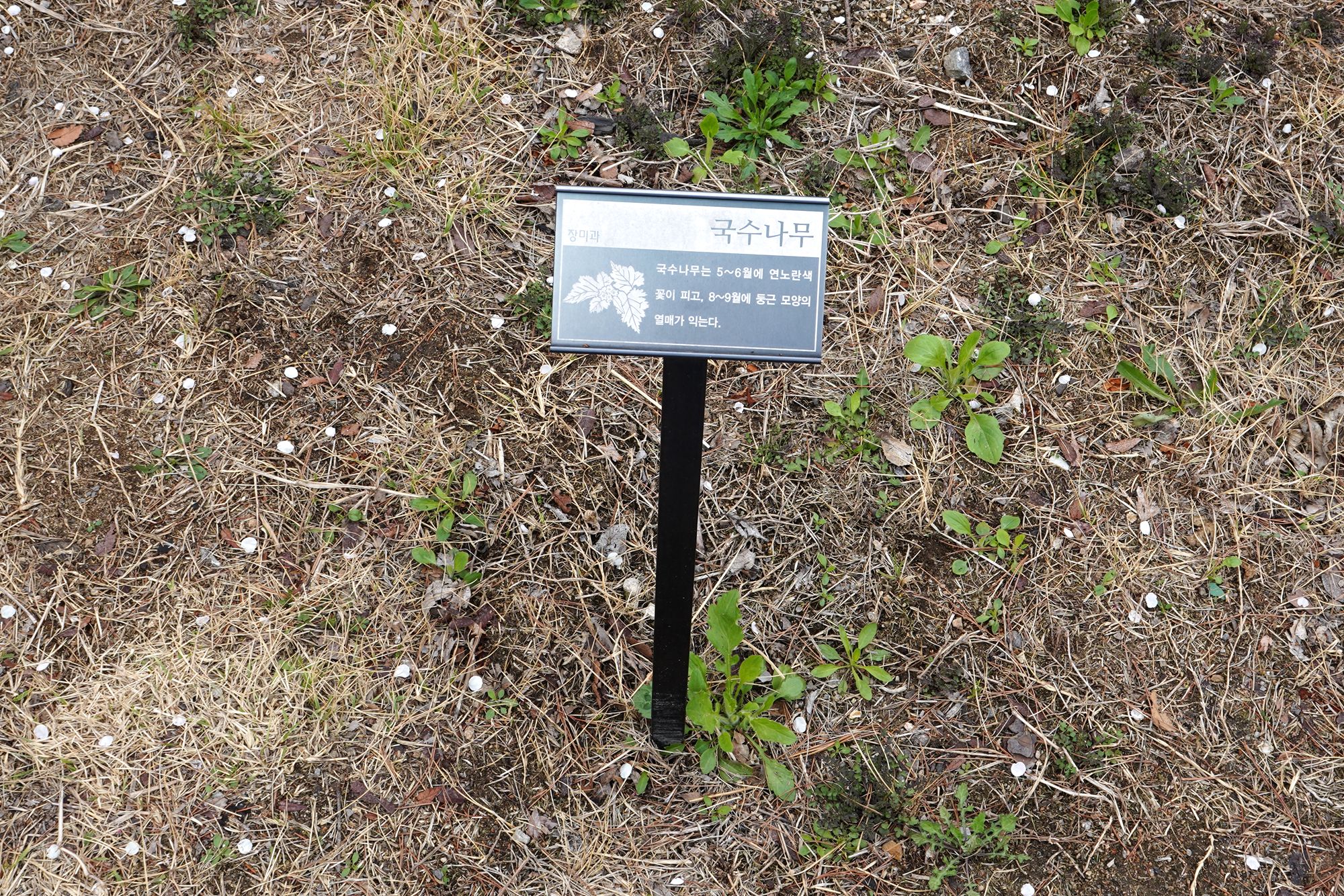
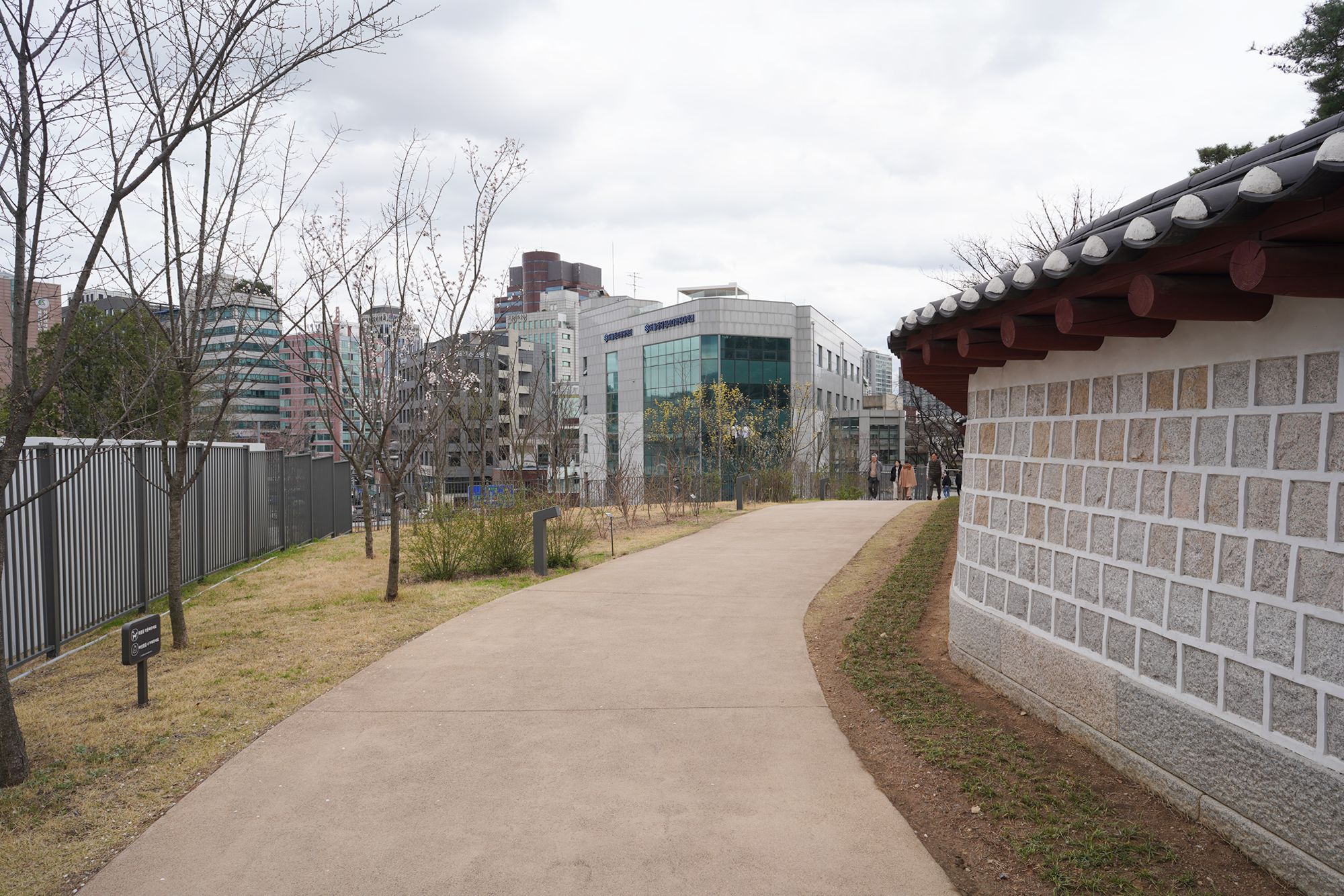
This is where the wall of Jongmyo Shrine ends, and the walking path leads back into the city streets.
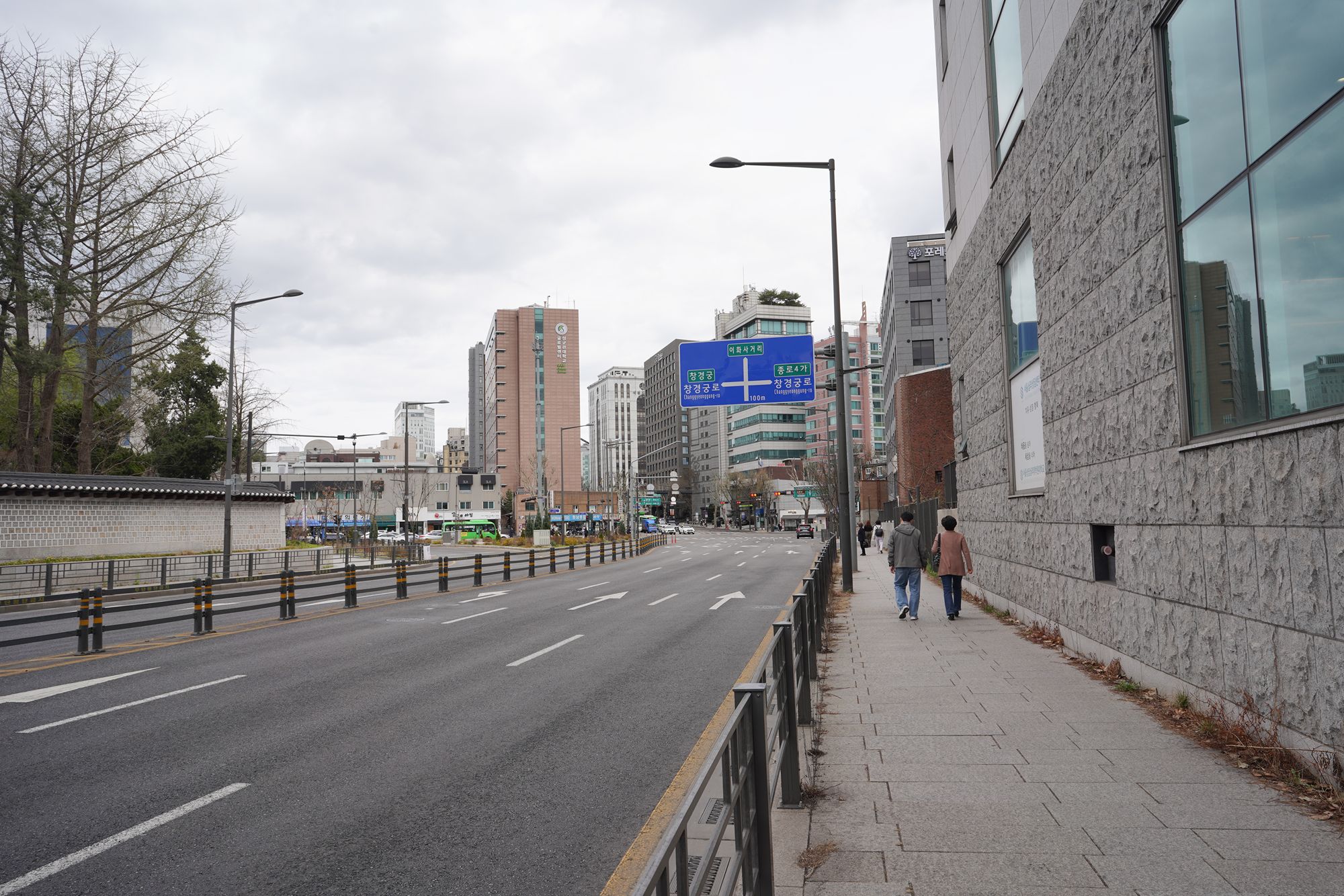
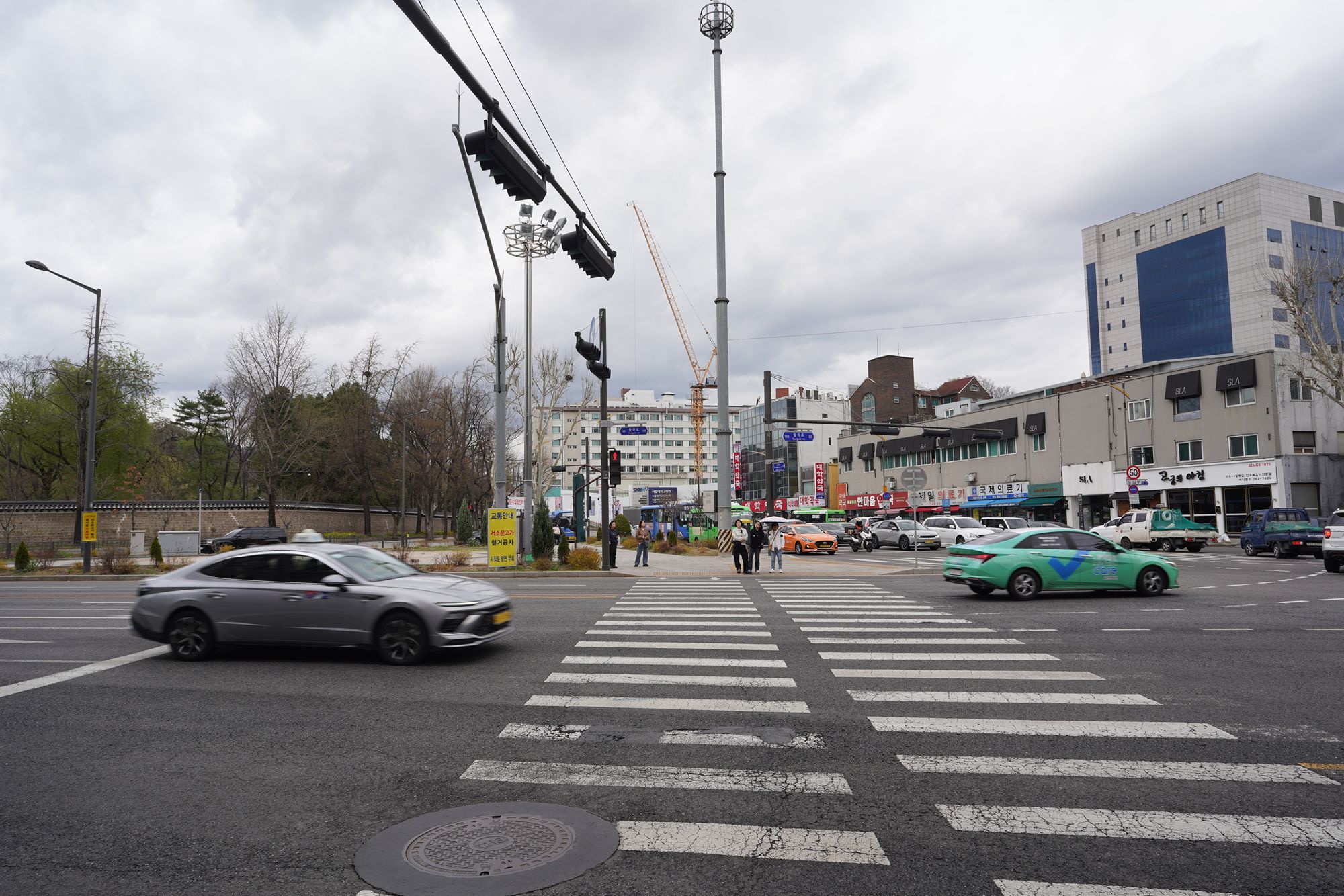
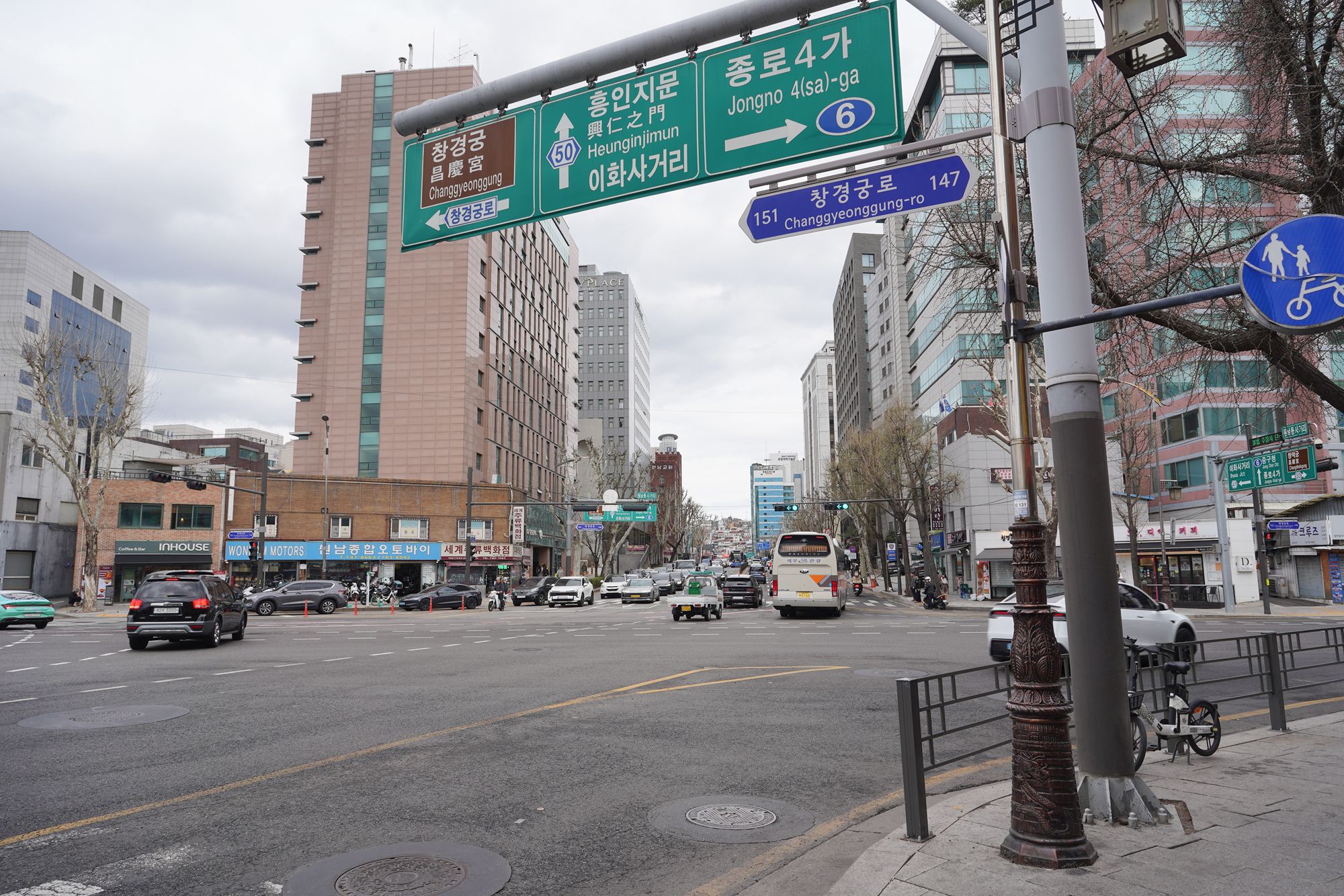
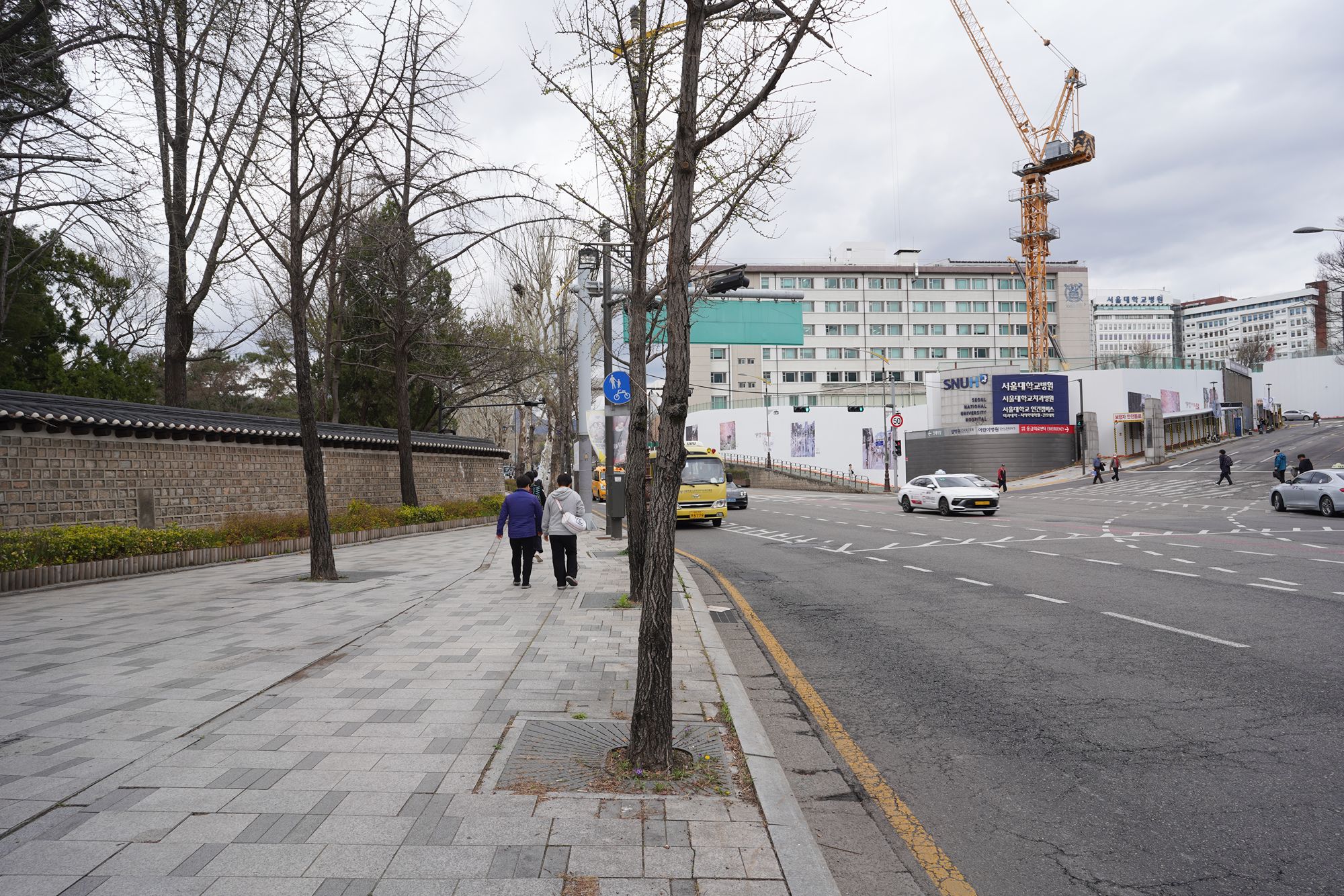
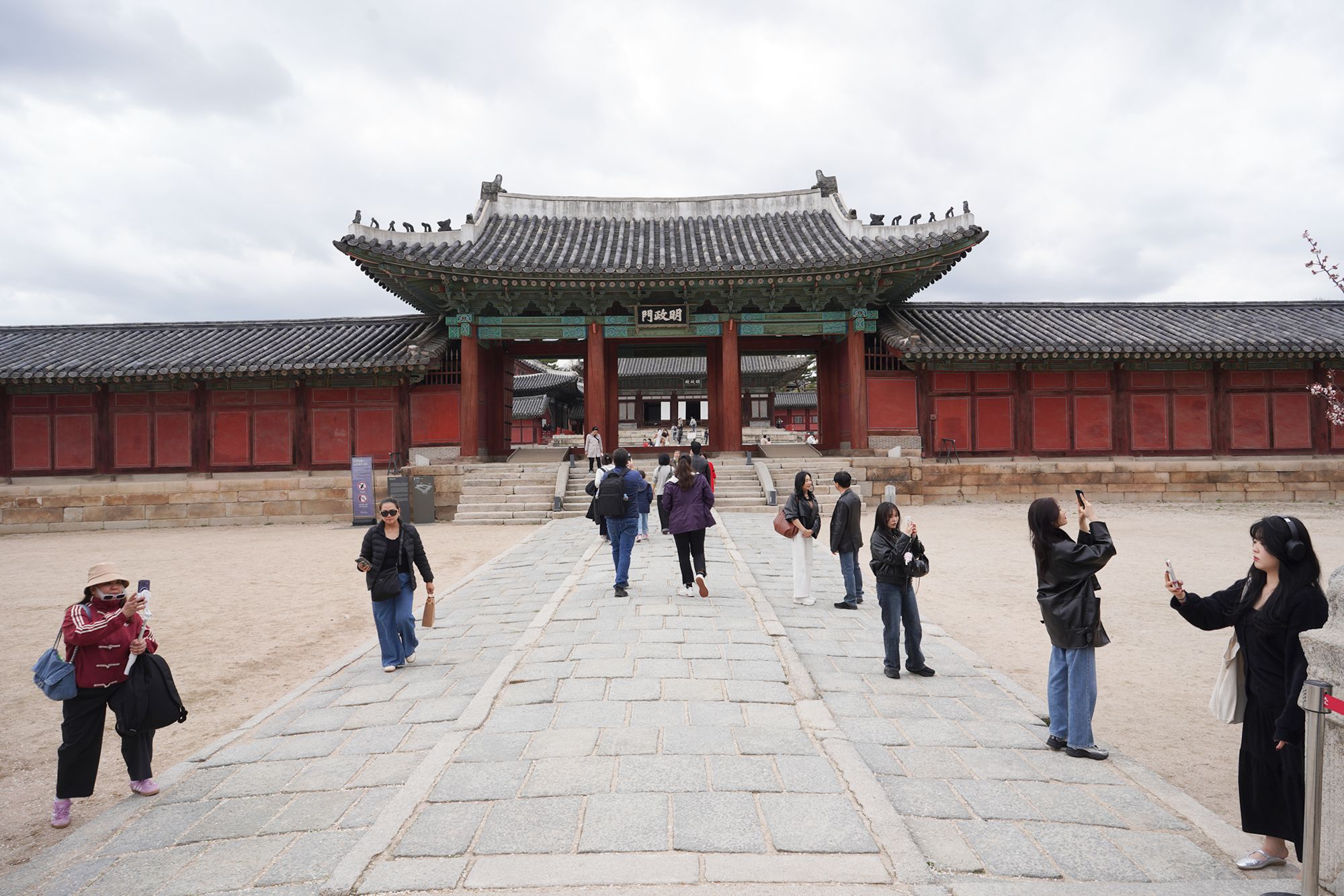
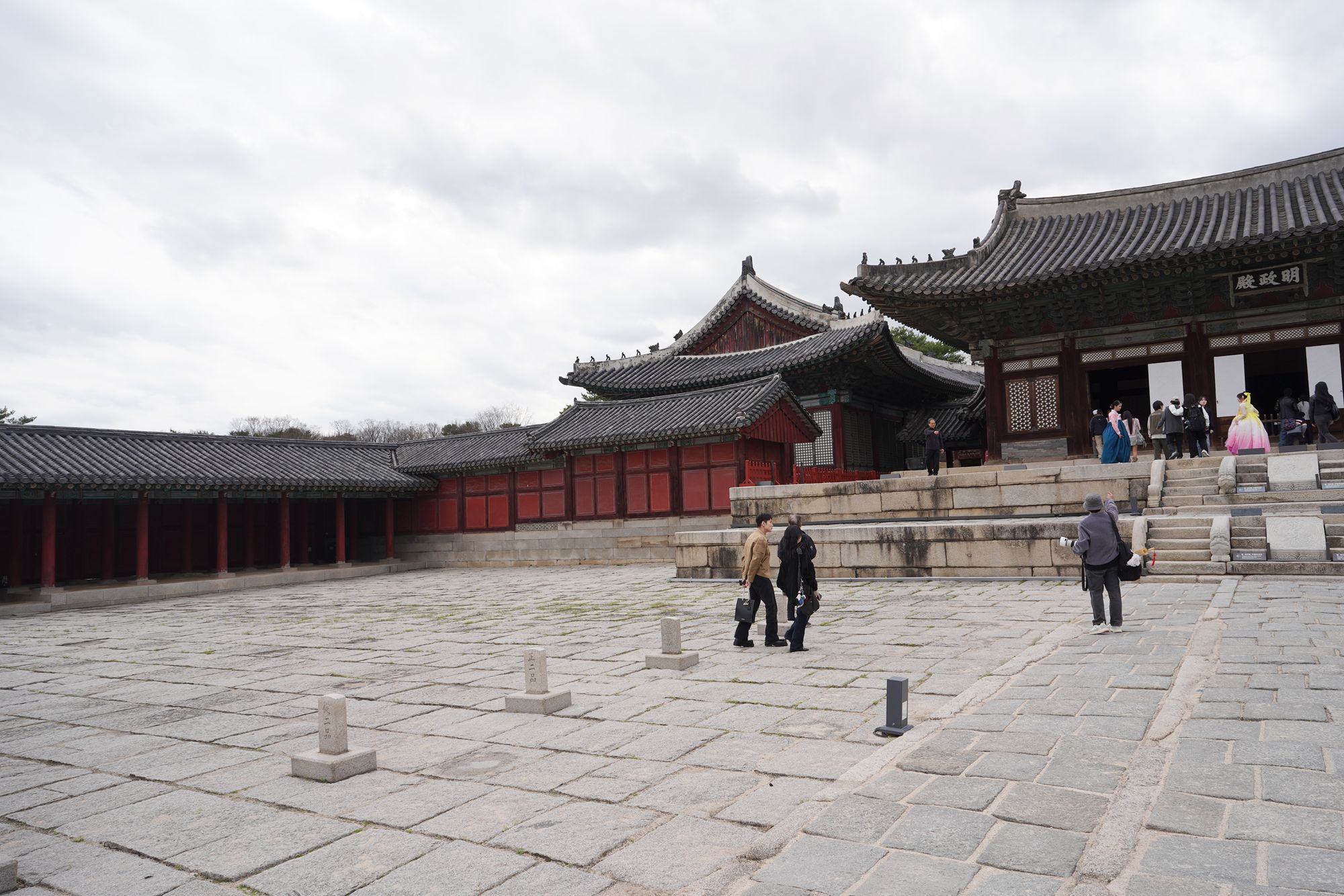
Next to Jongmyo Shrine is Changgyeonggung Palace, one of the five major royal palaces of the Joseon Dynasty.
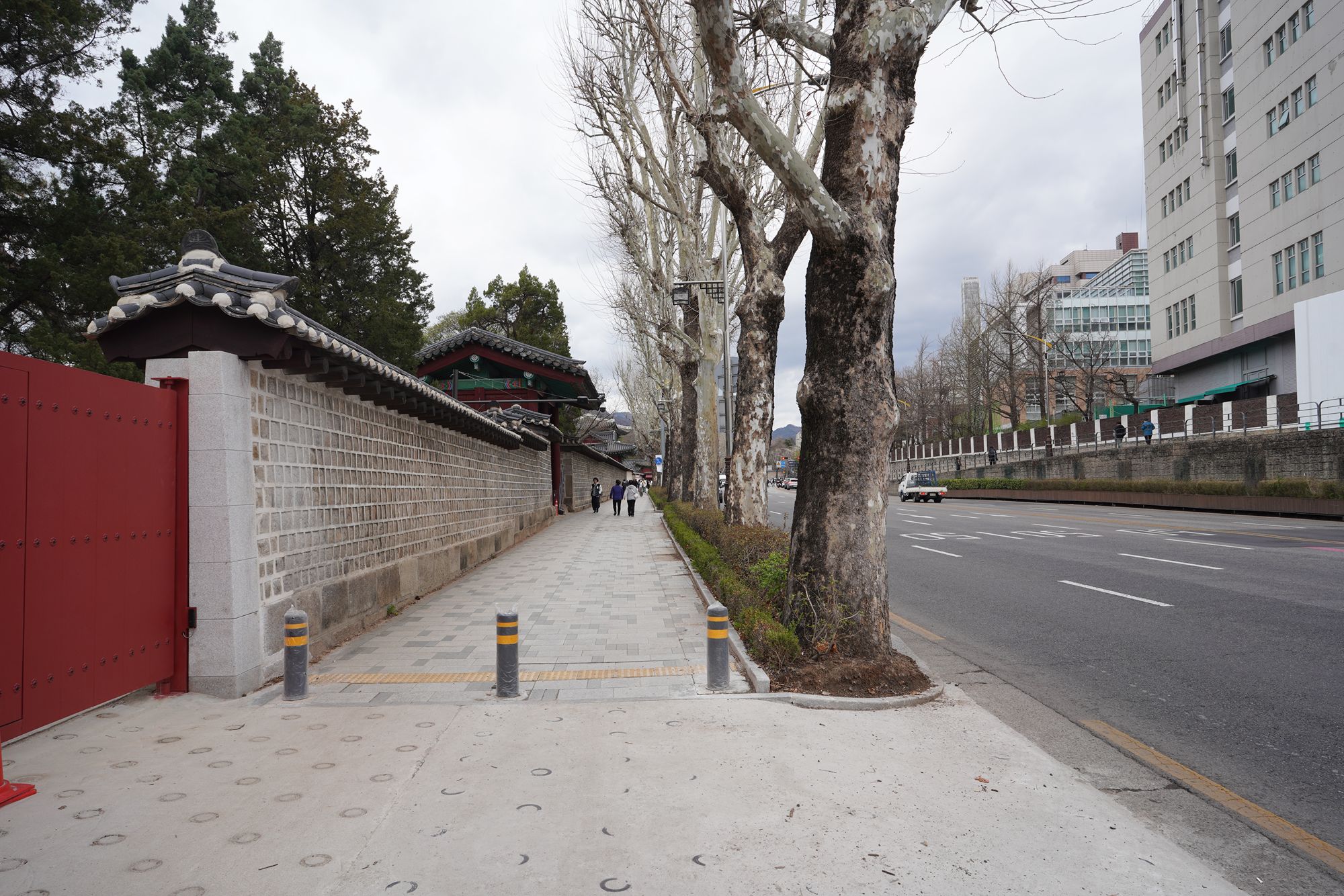
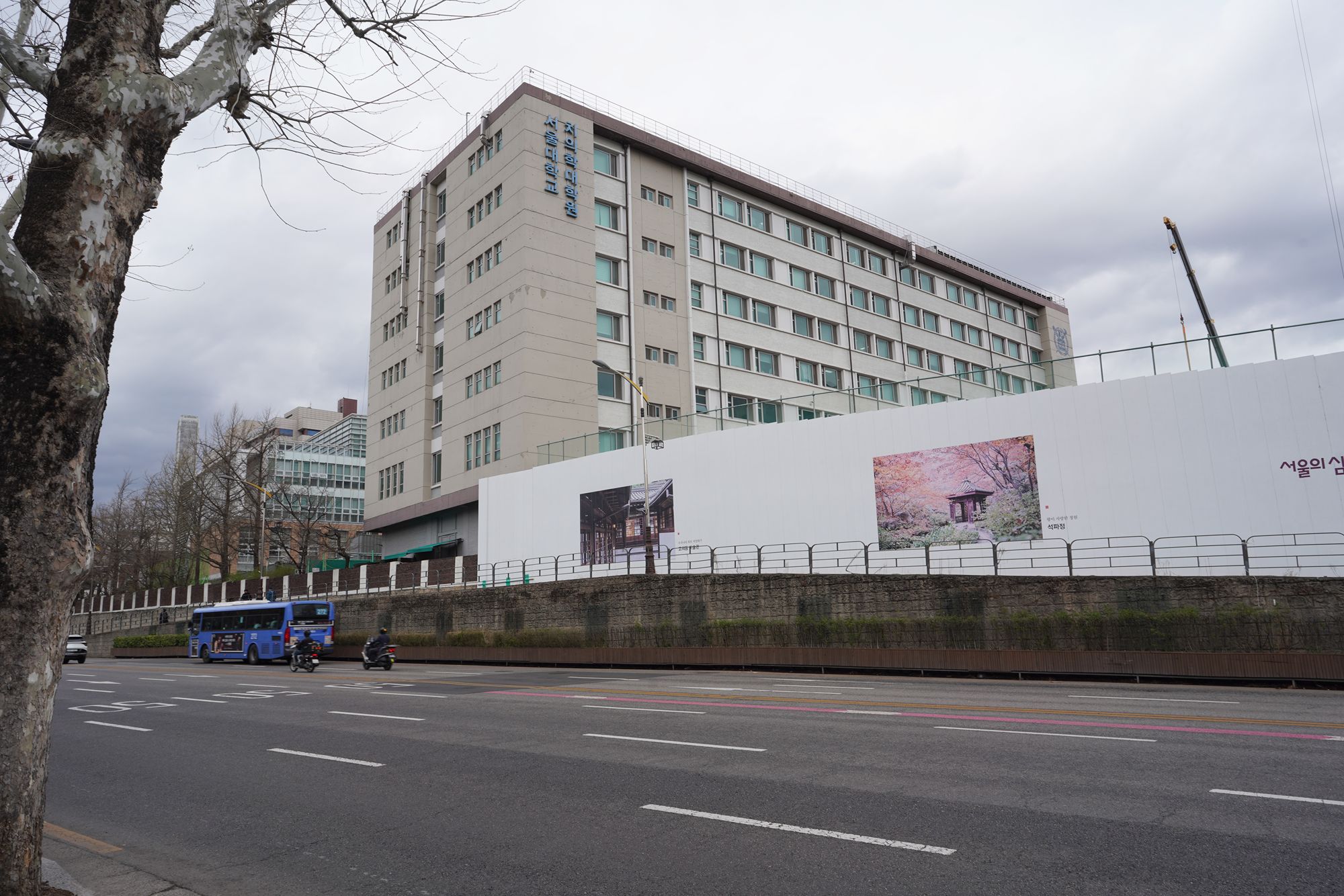
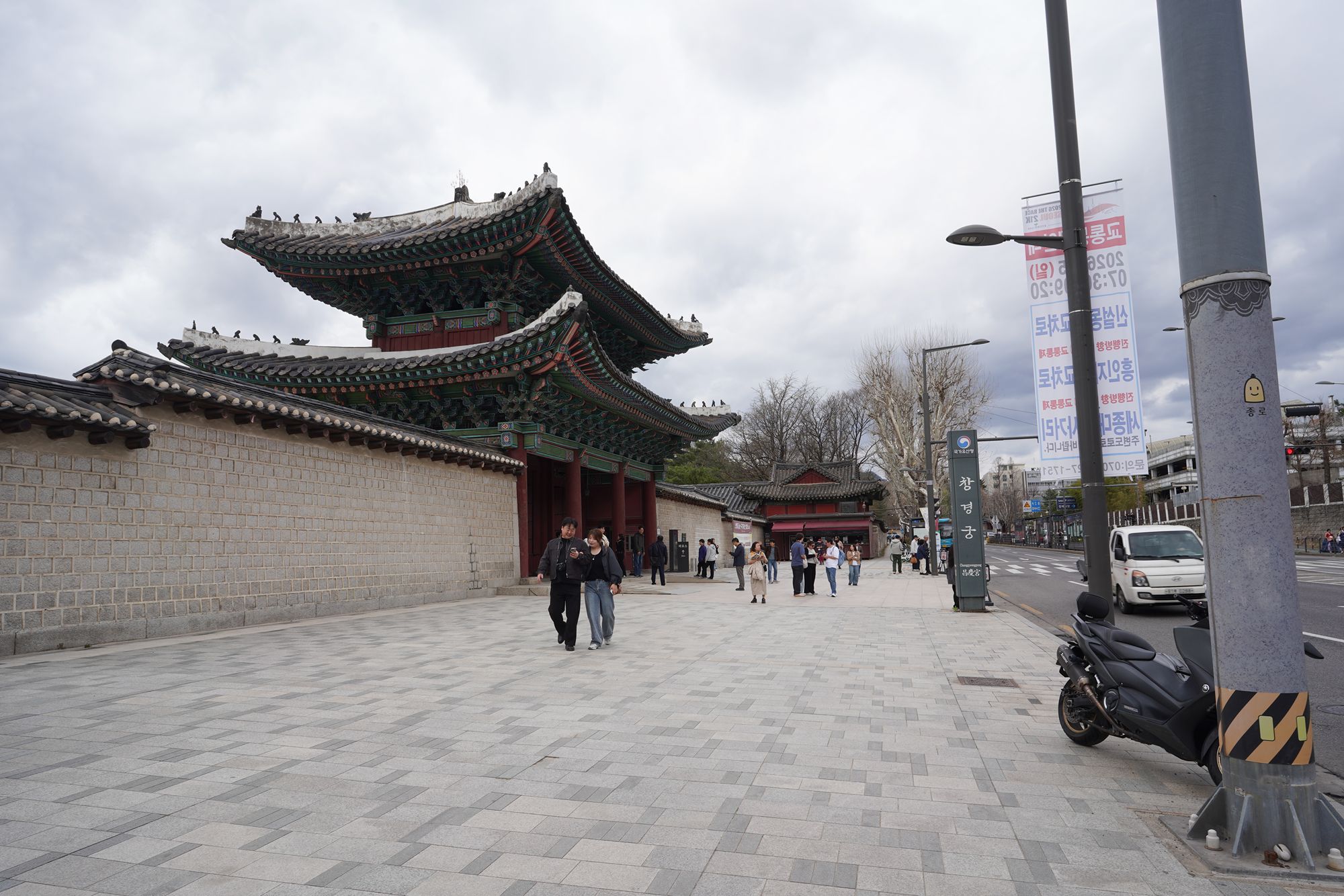
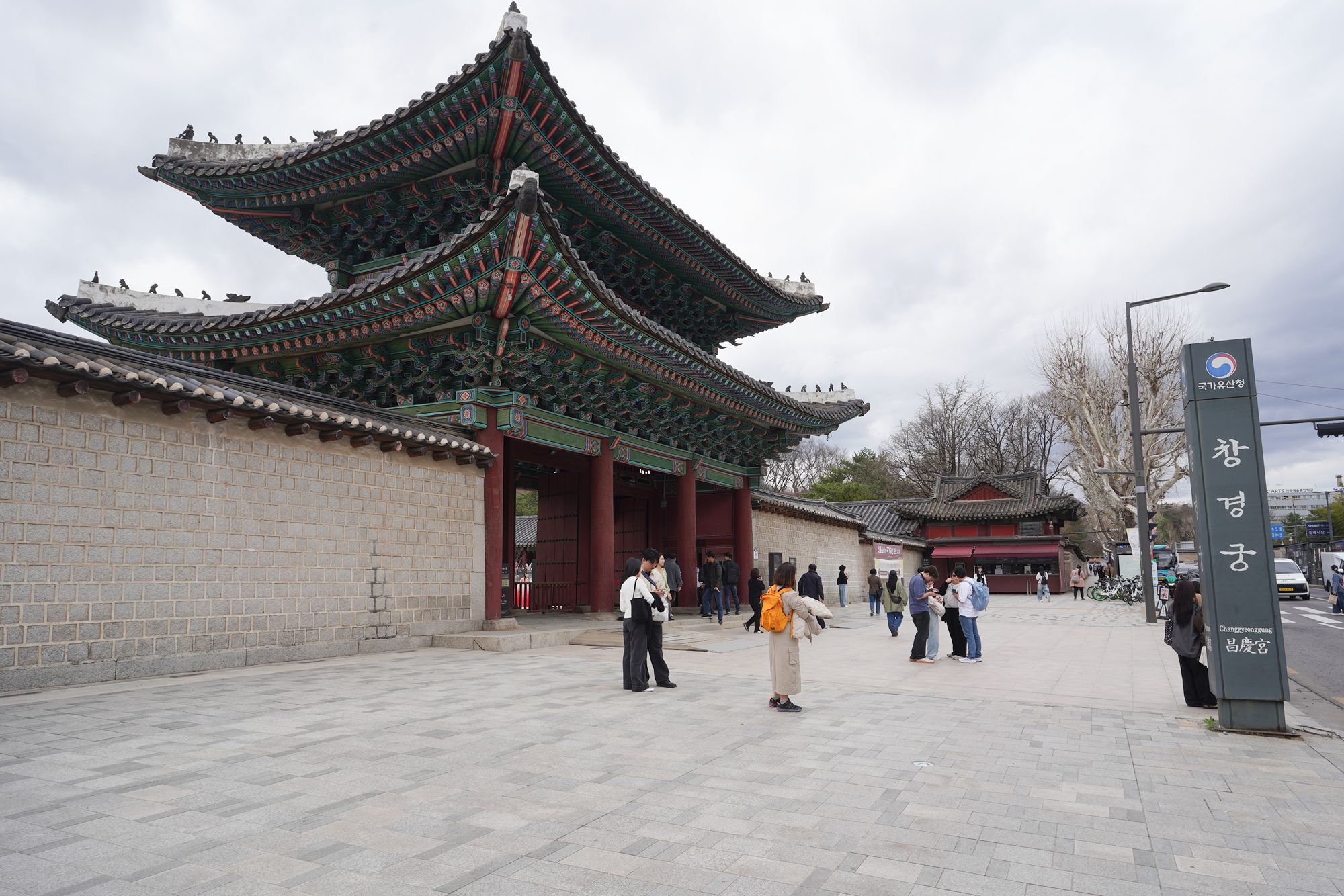
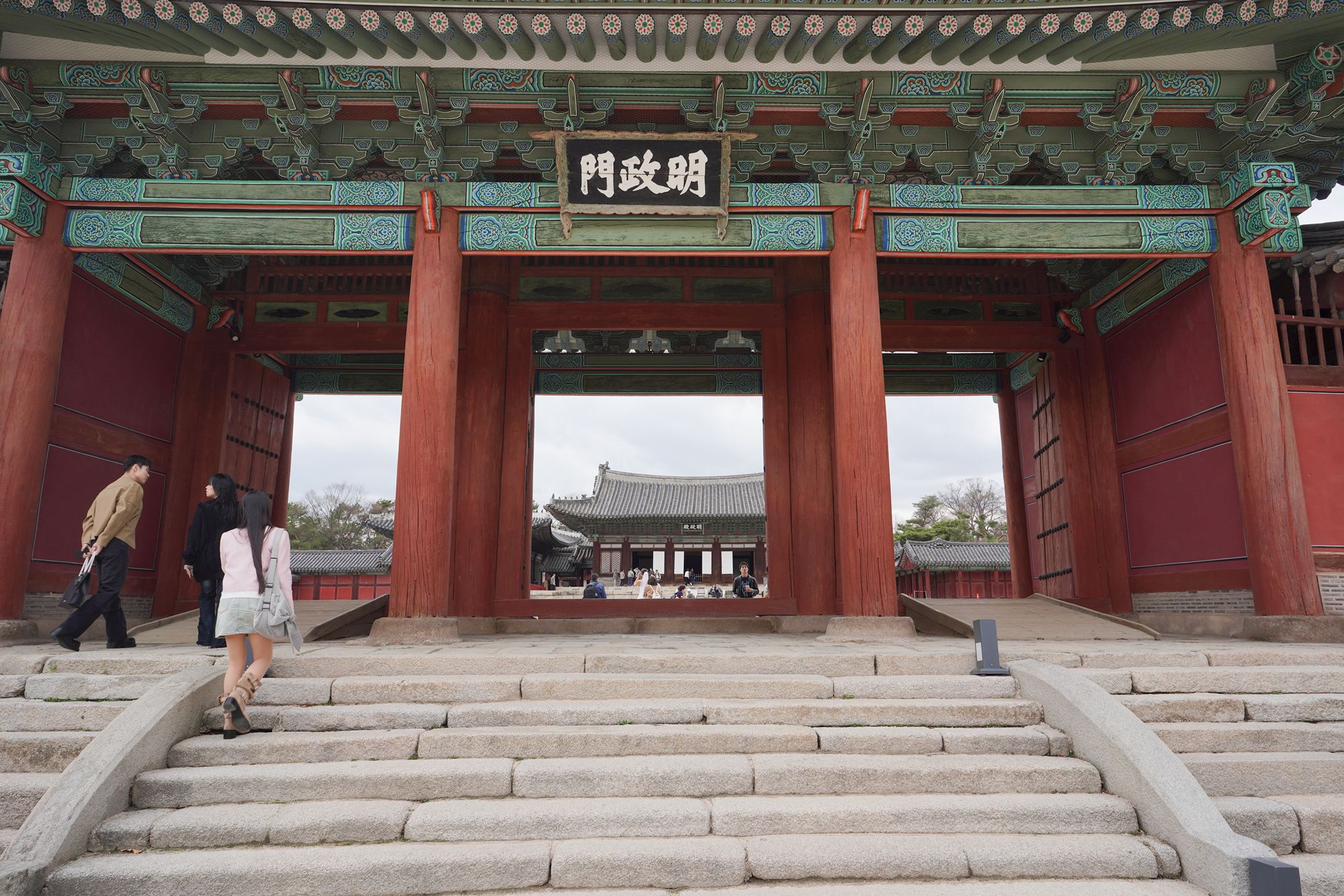
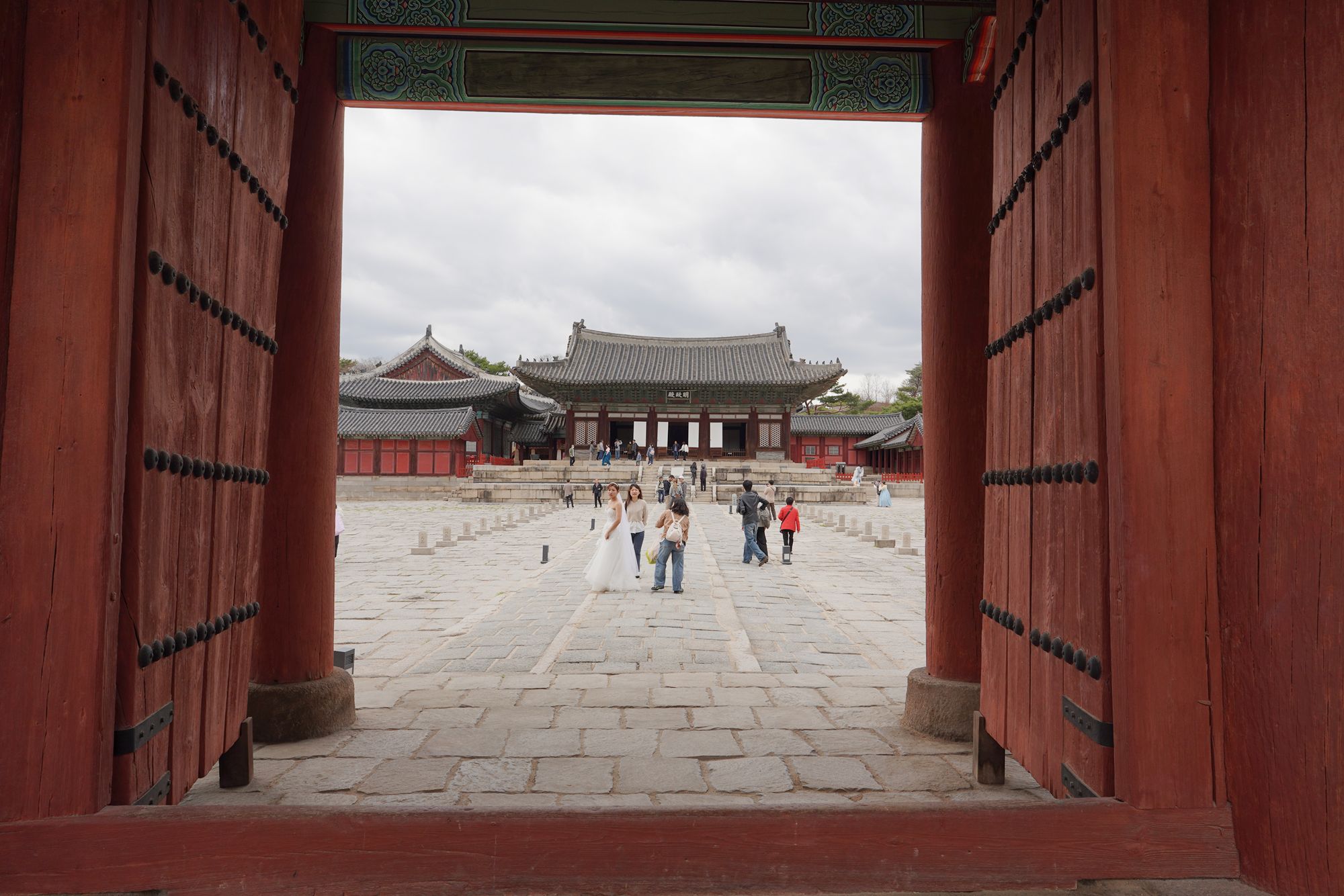
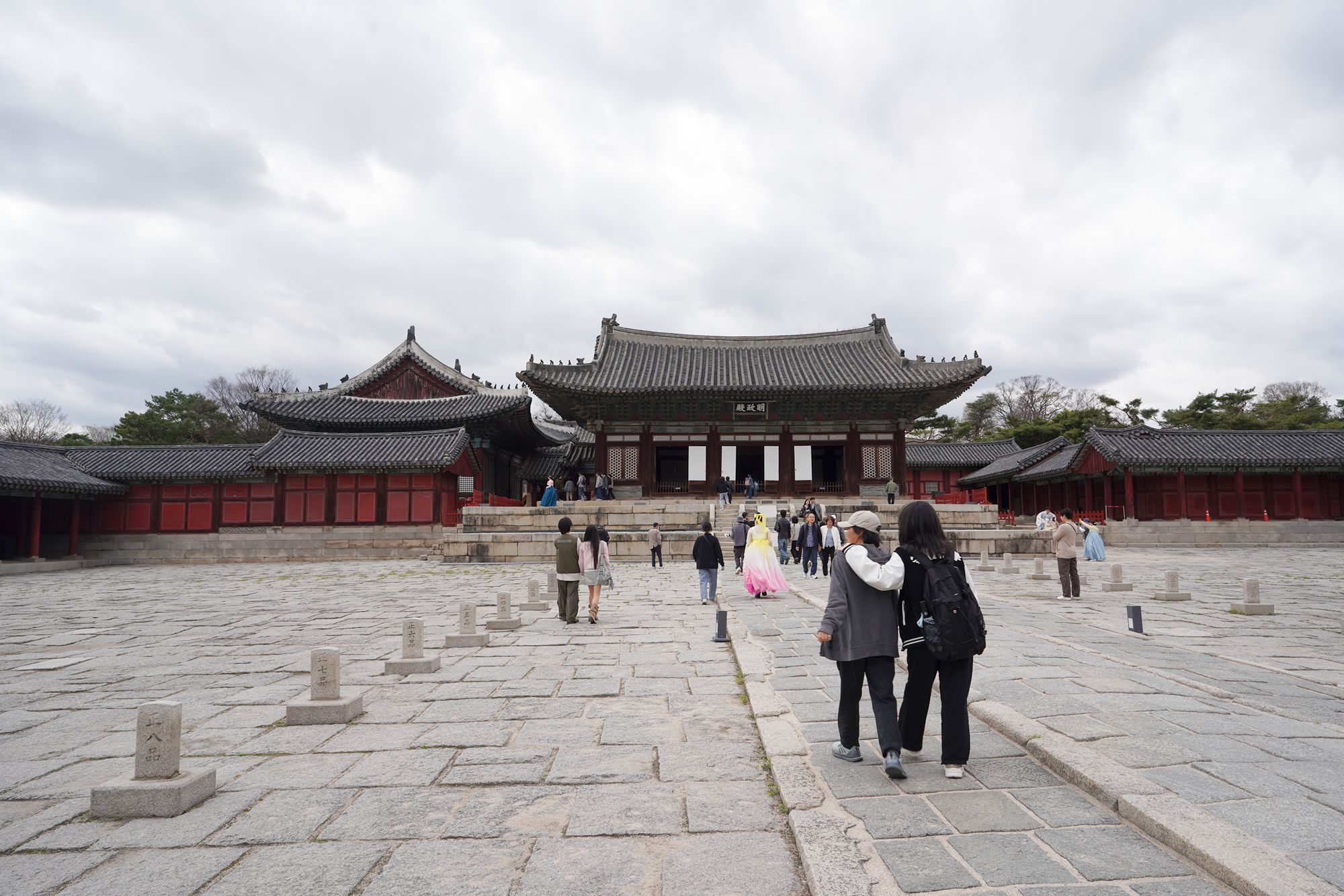
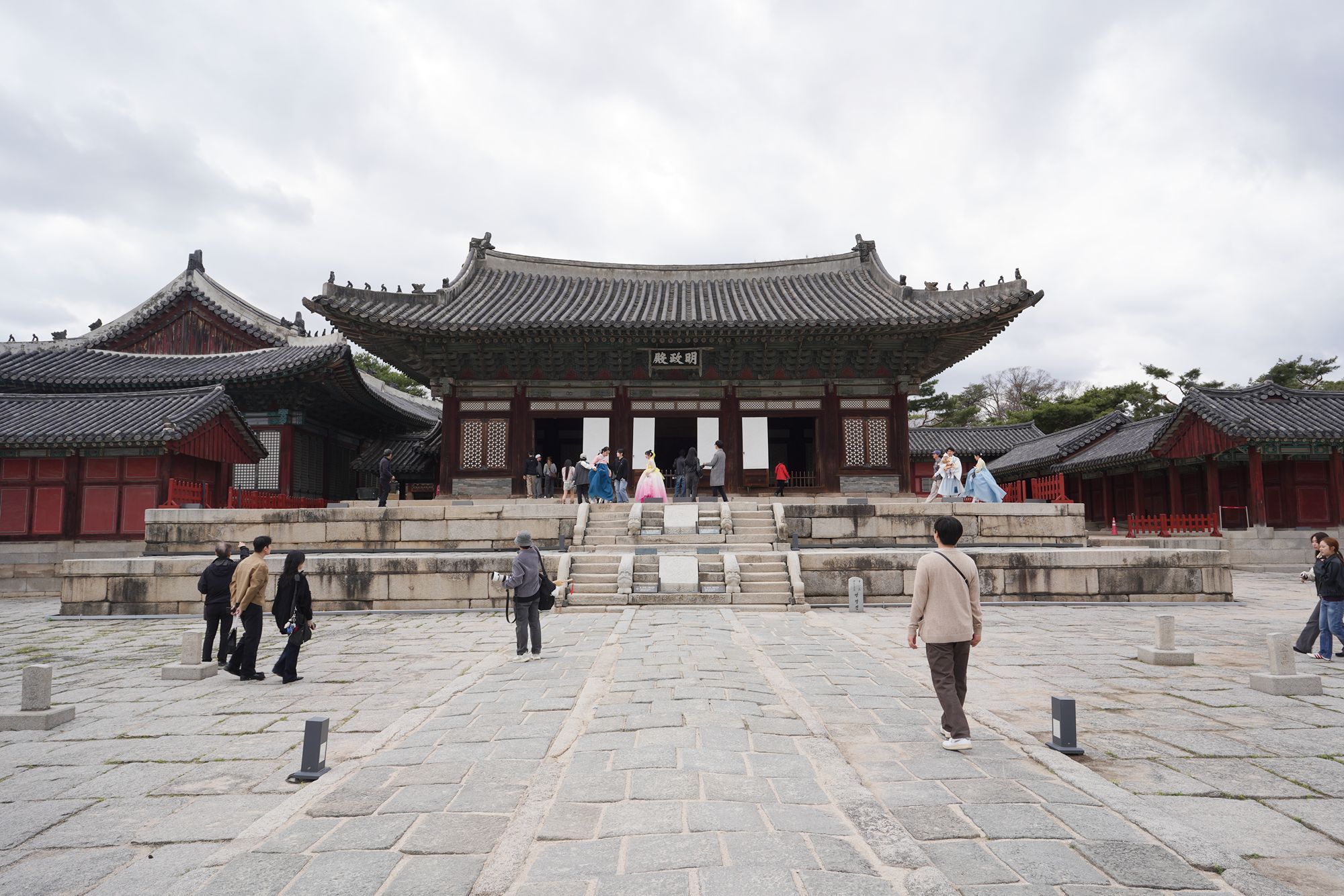
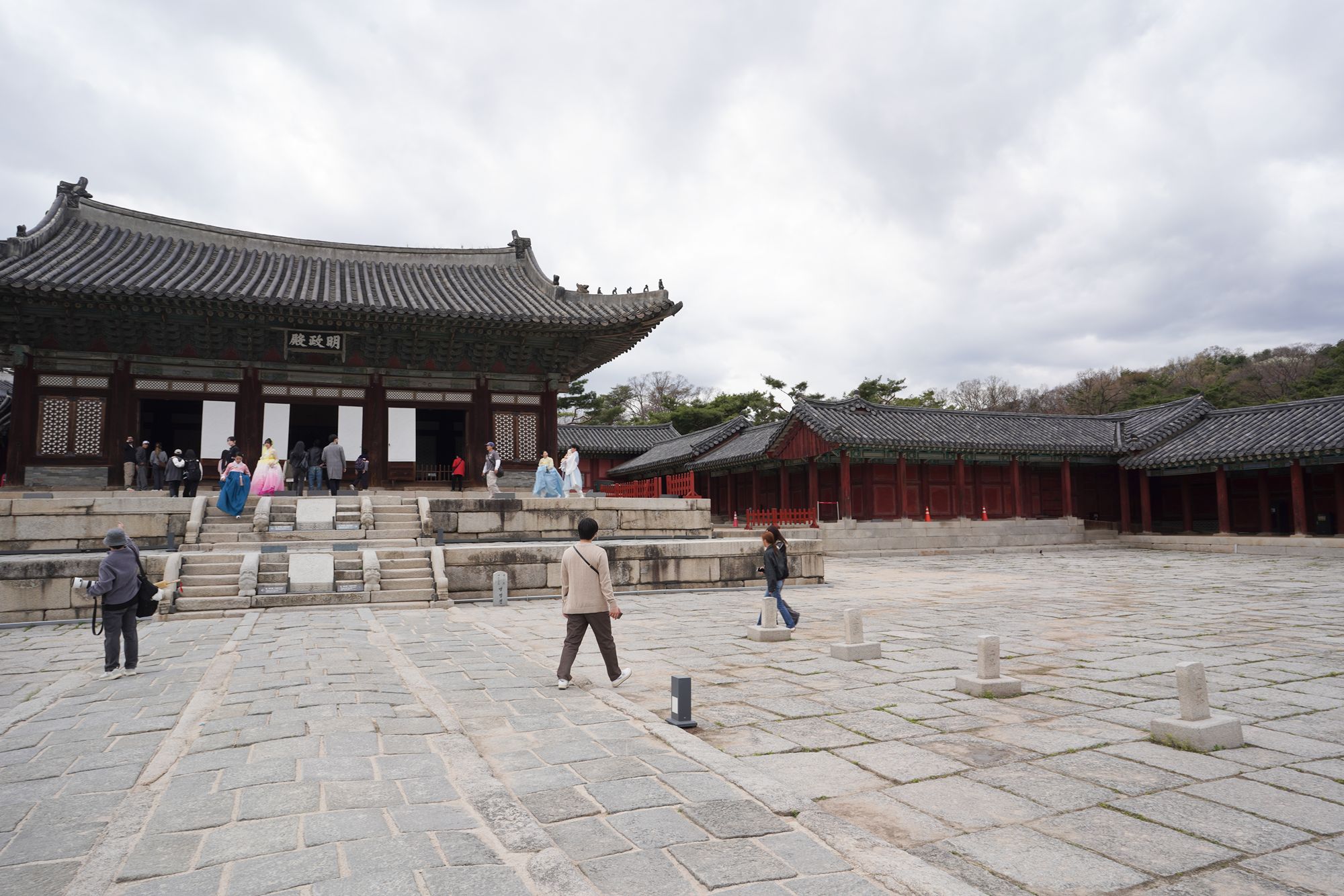
Changgyeonggung Palace (창경궁) is one of Seoul’s Five Grand Palaces of the Joseon Dynasty. It was built in 1483 by King Seongjong, primarily to provide residences for senior members of the royal family, including former queens.
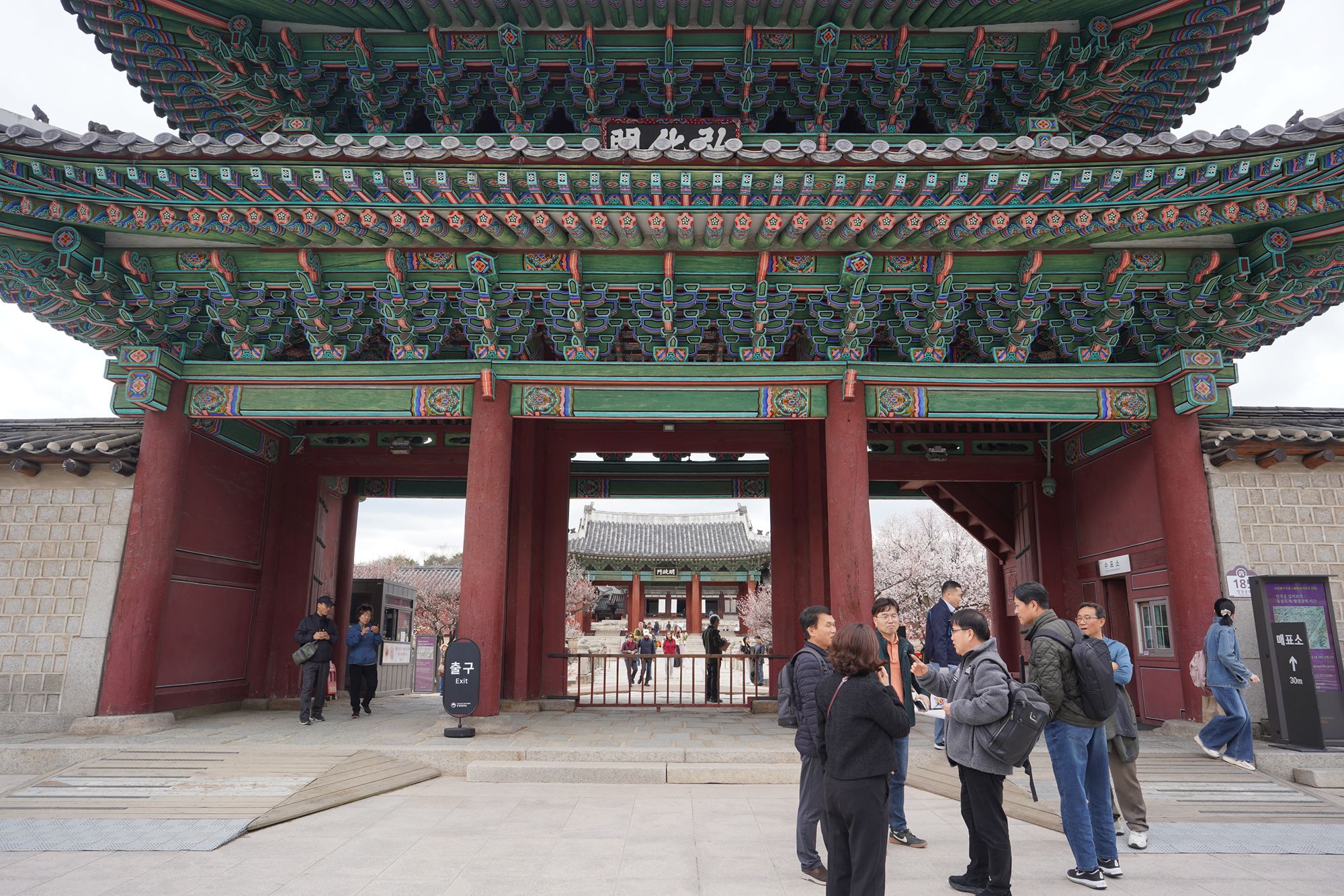
Unlike the larger Gyeongbokgung, which functioned as the dynasty’s principal palace, Changgyeonggung had a more residential character. It contains royal halls, courtyards, gardens, and the Chundangji ponds, giving much of the palace a quieter, park-like atmosphere.
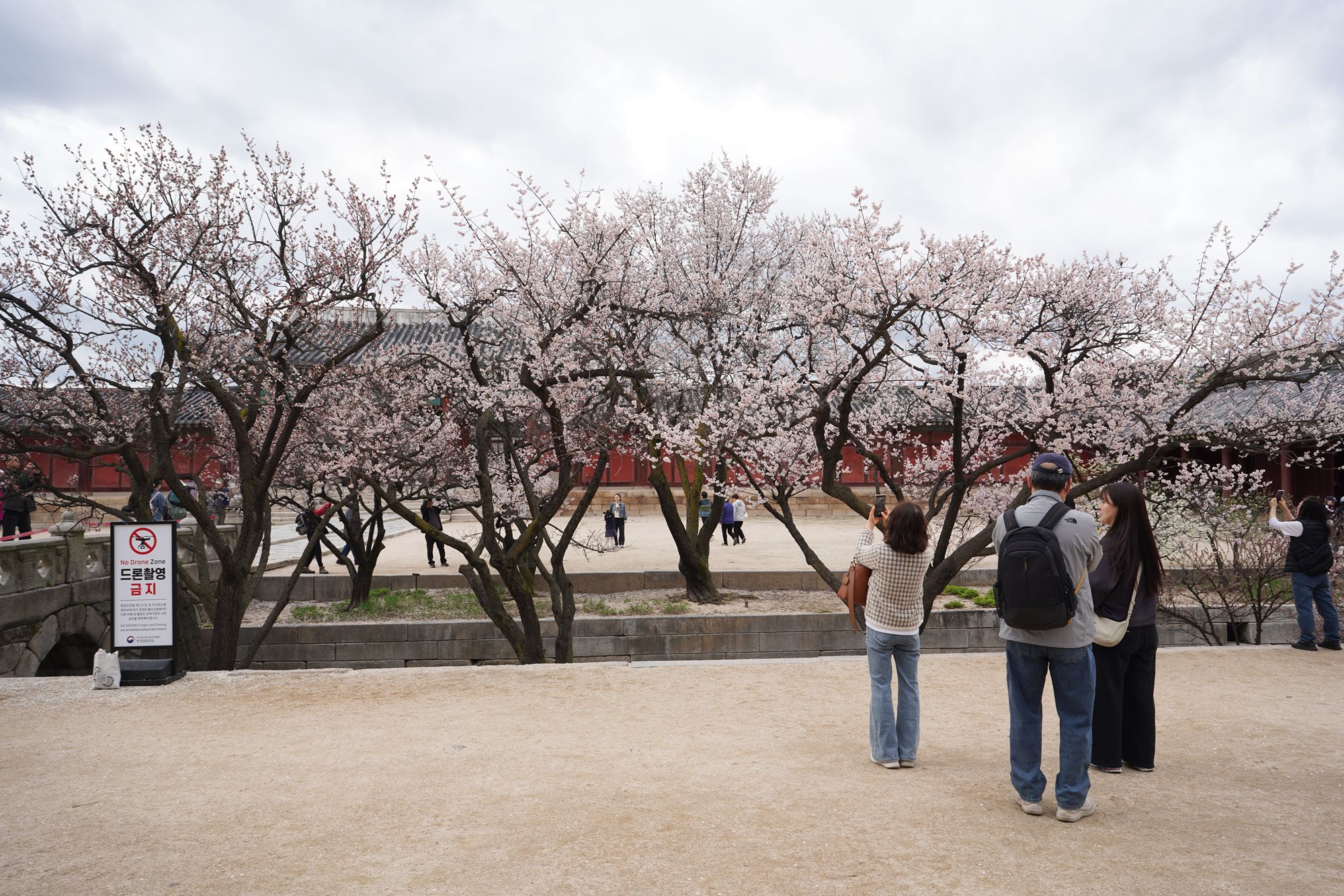
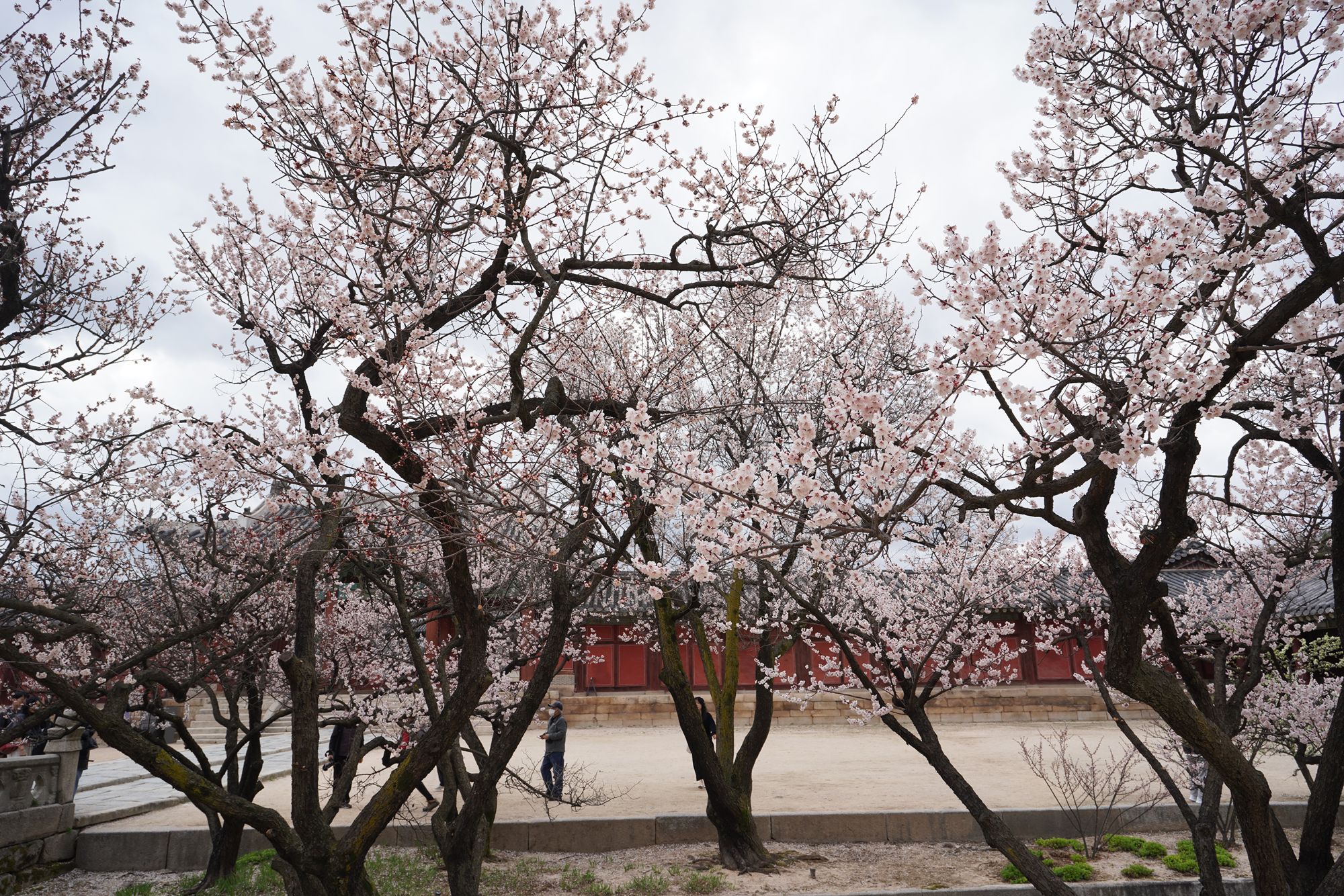
The palace also has a complicated modern history. During the Japanese colonial period, much of it was altered and turned into a public park with a zoo and botanical garden. After Korea's liberation, restoration work gradually returned the grounds to their historical palace character.
A view behind me
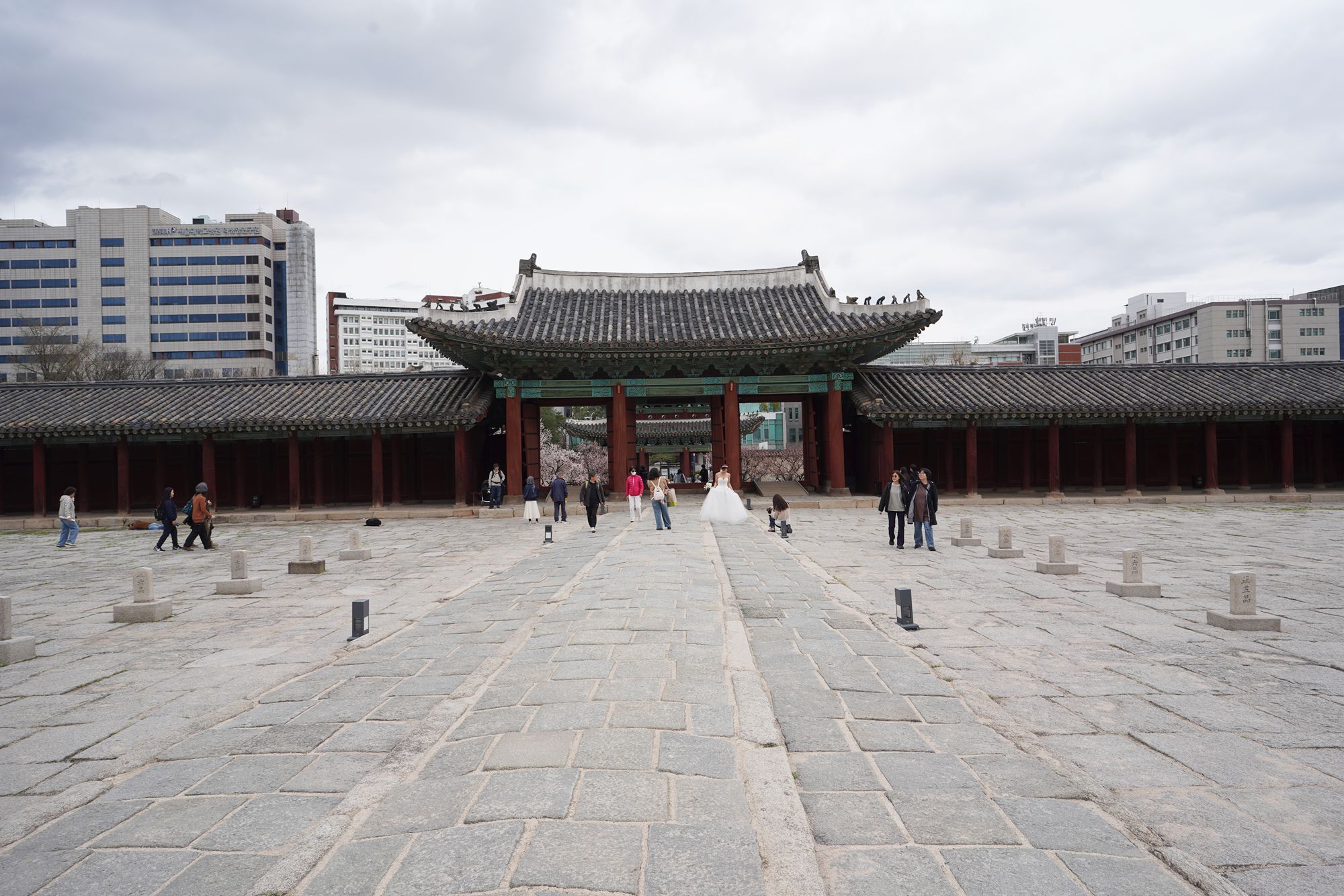
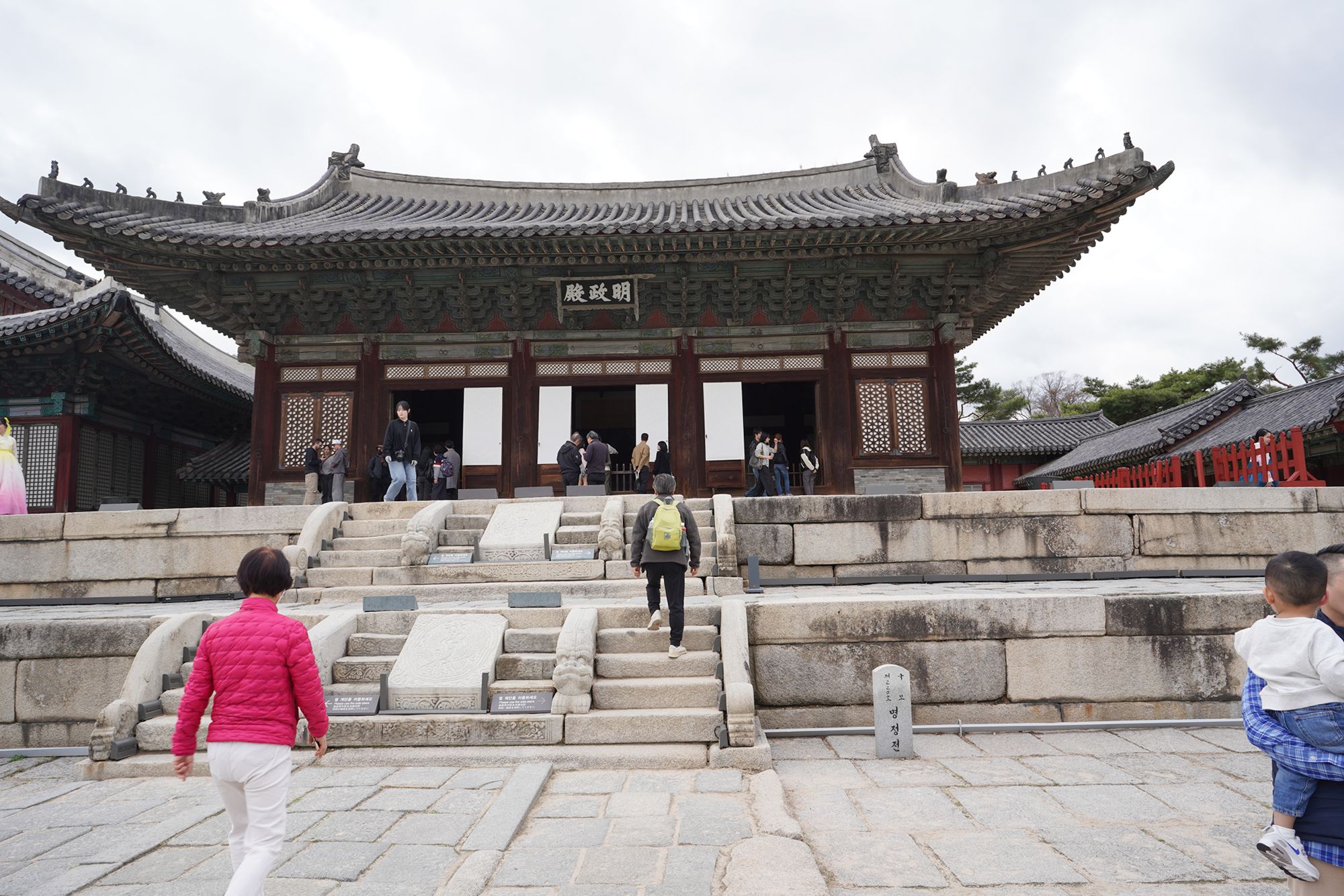
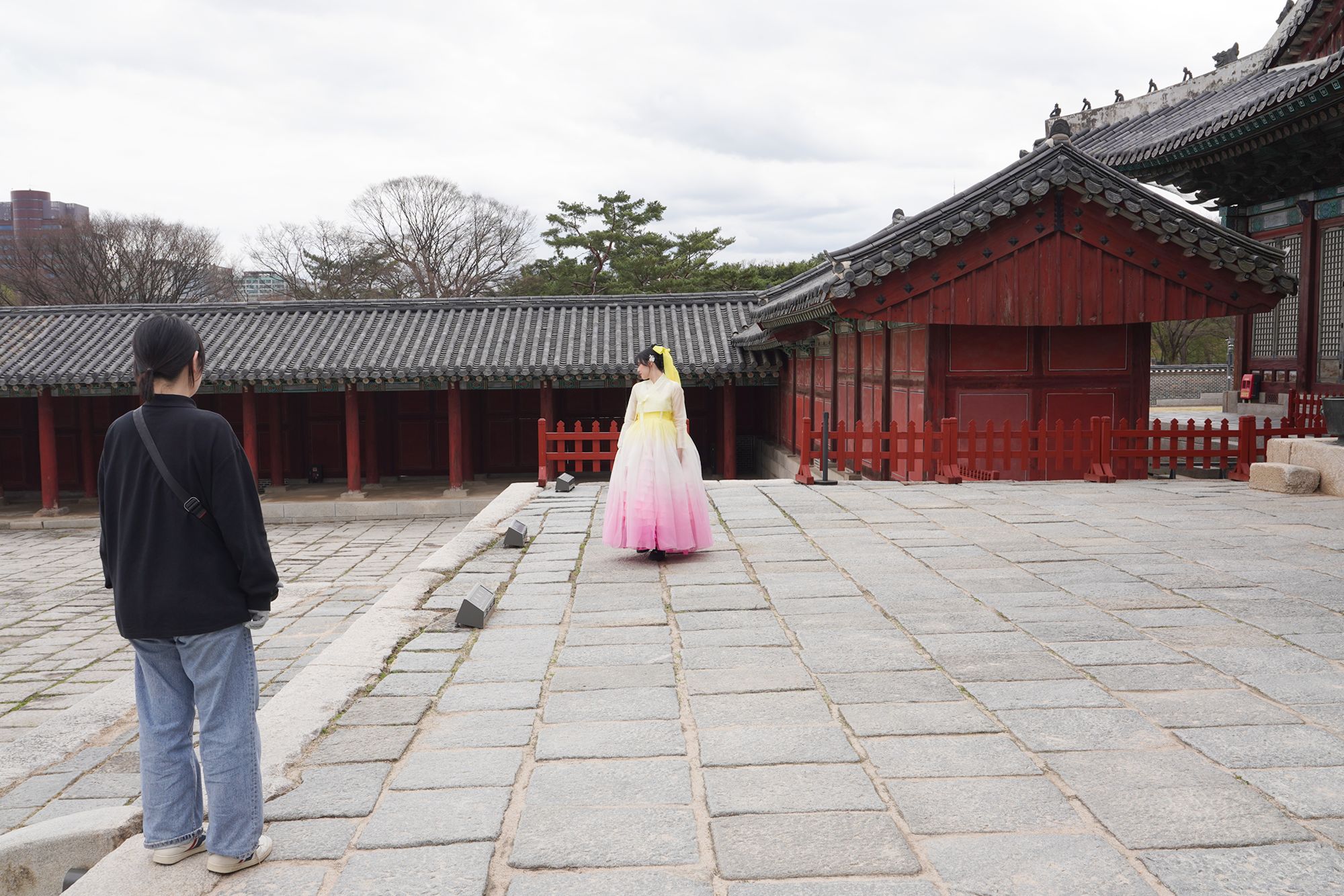
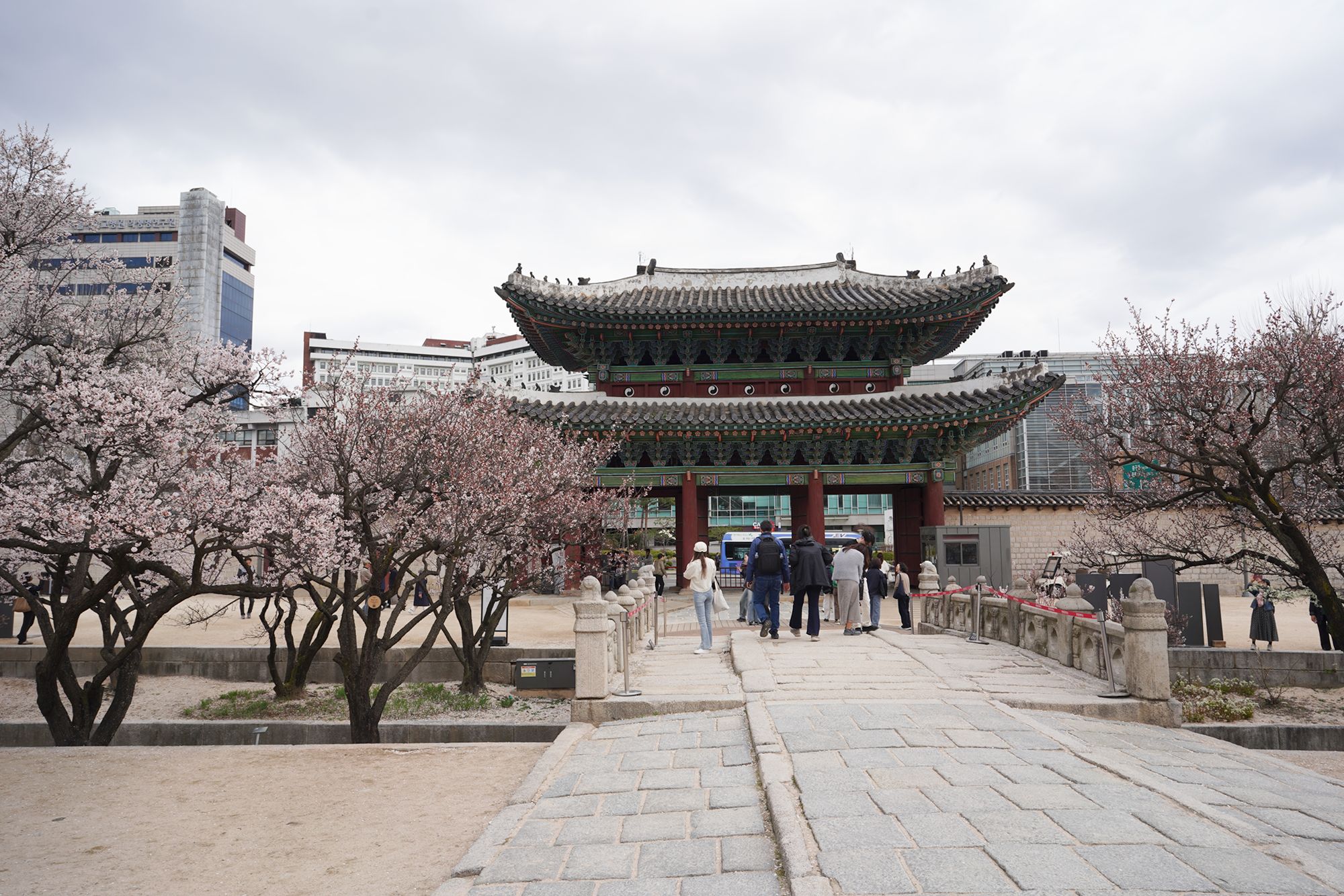
Looking back at the entrance gate of Changgyeonggung Palace
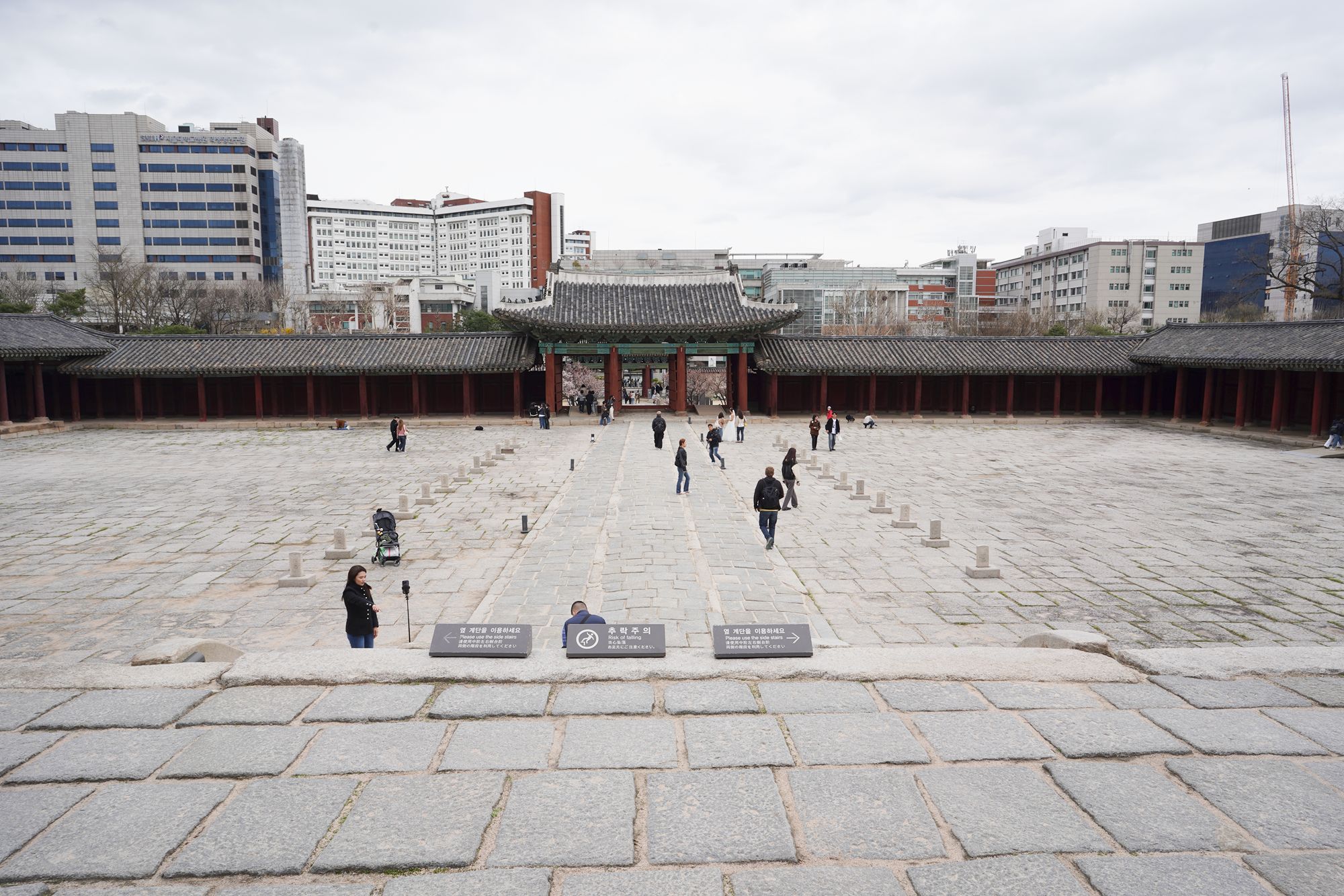
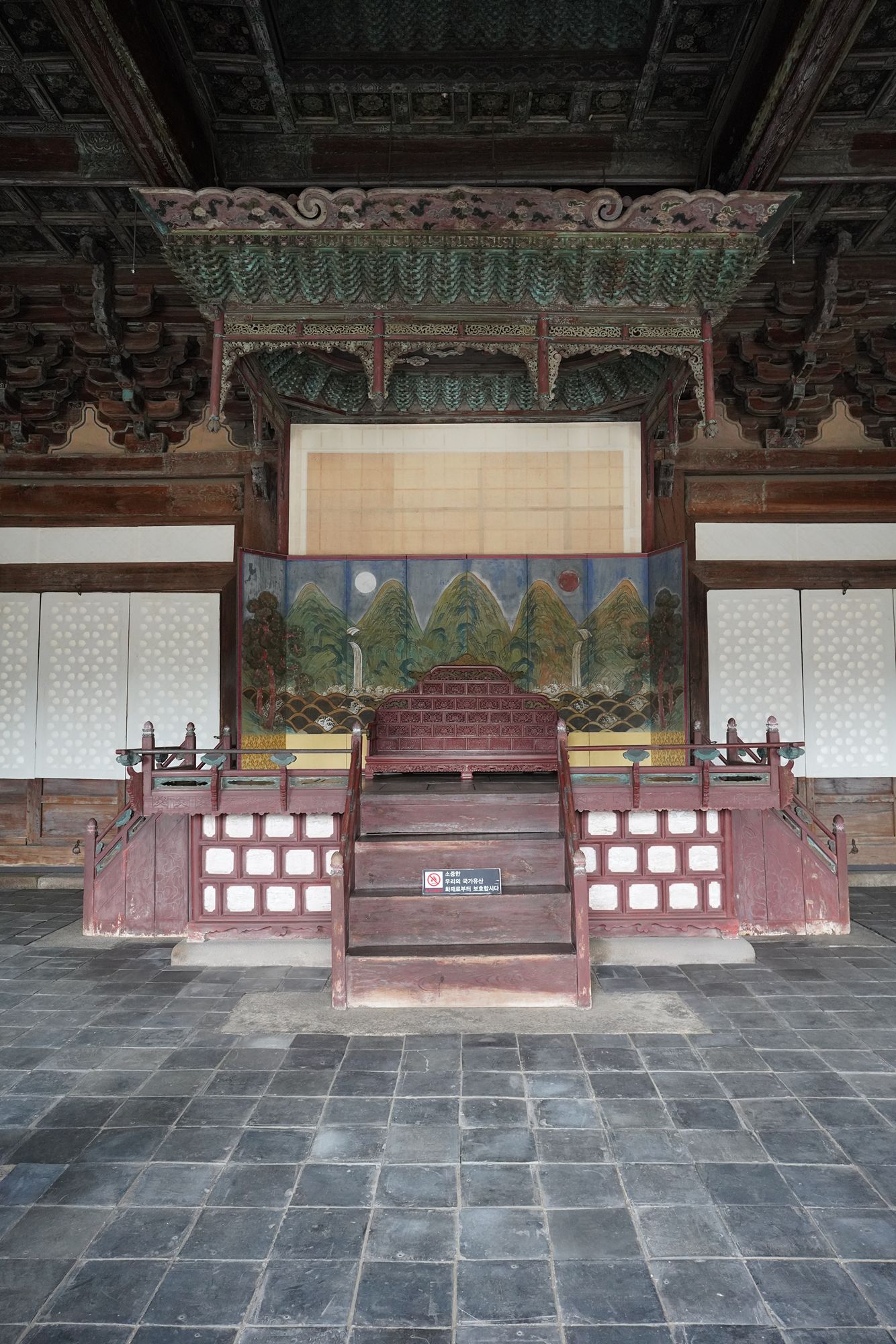
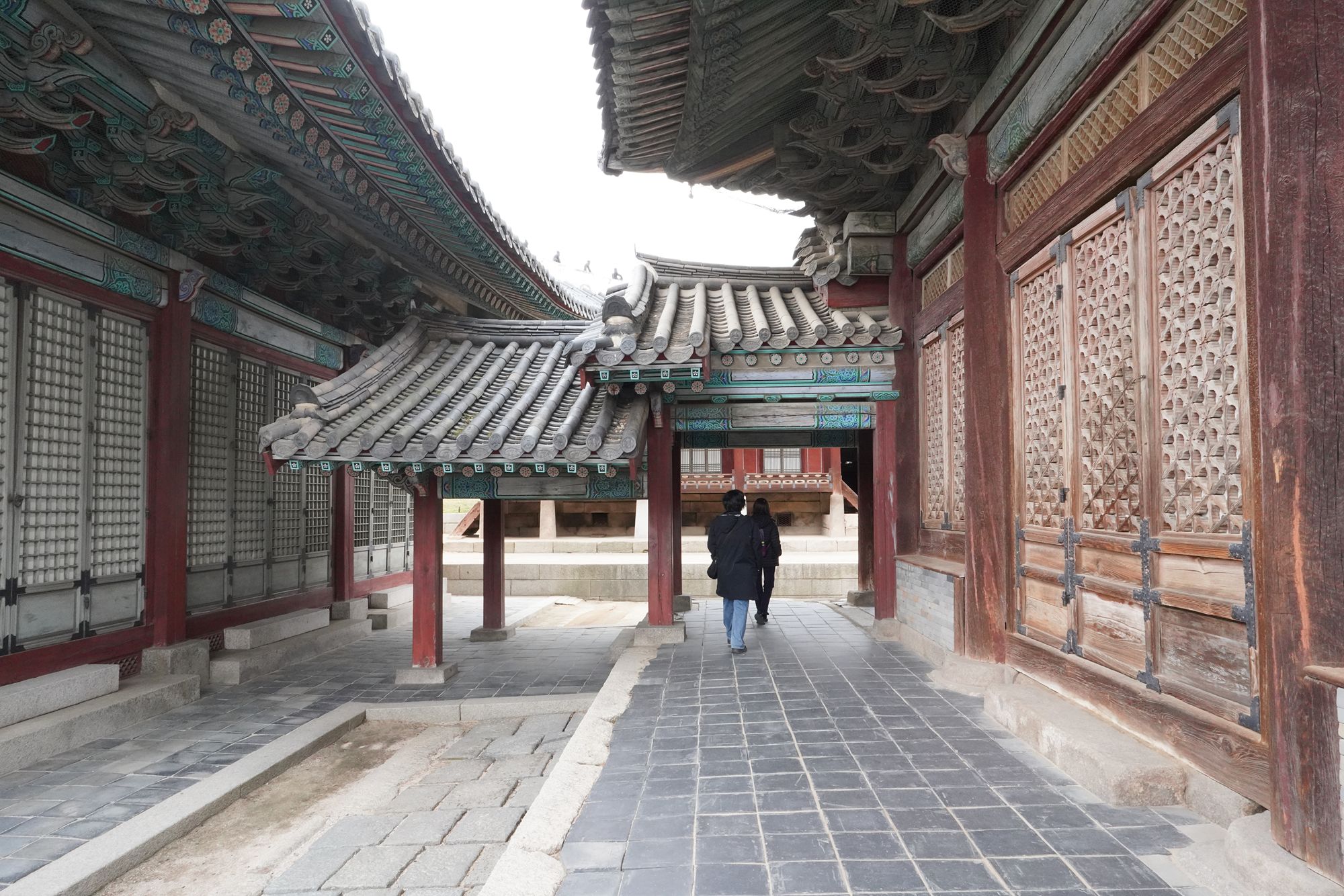
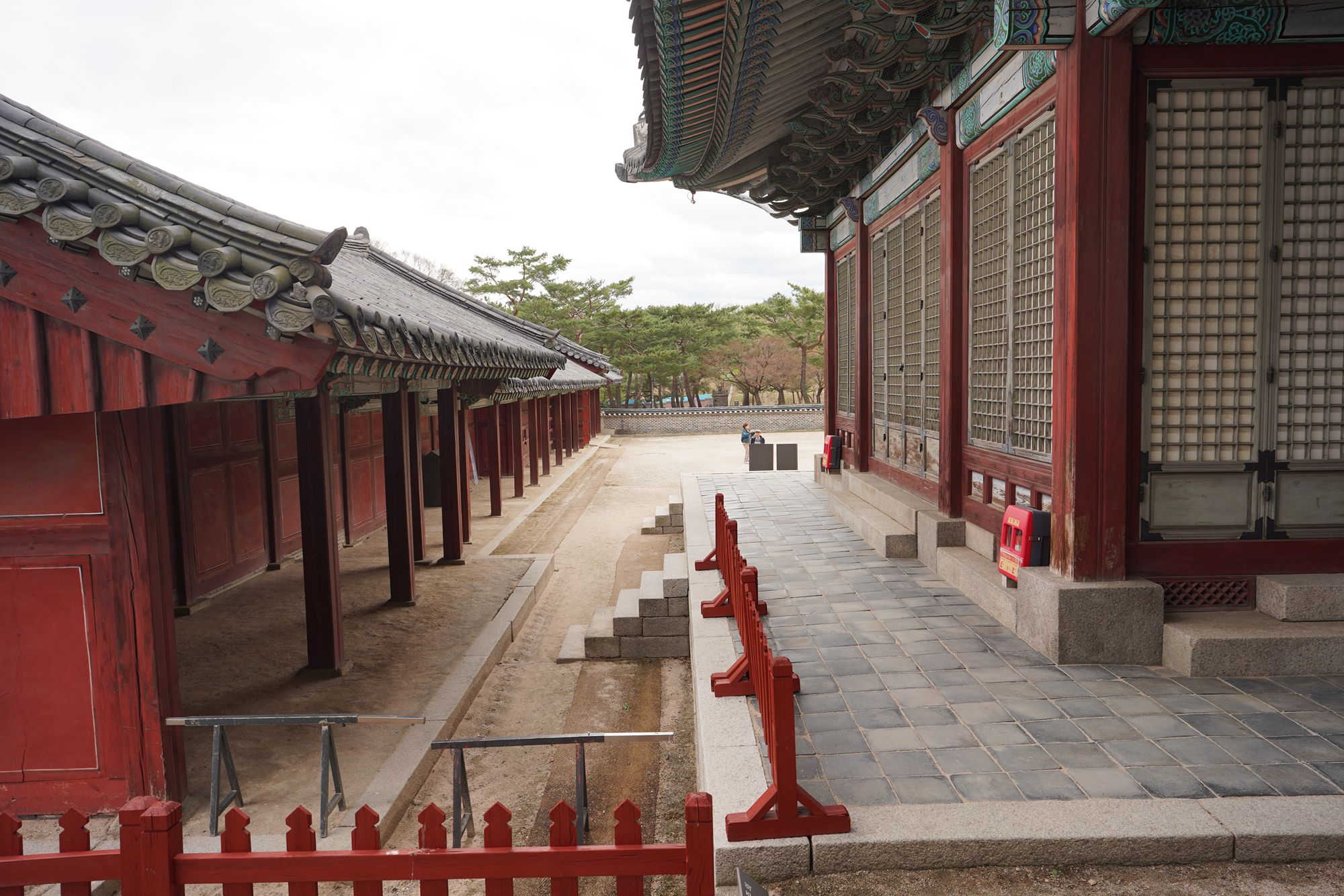
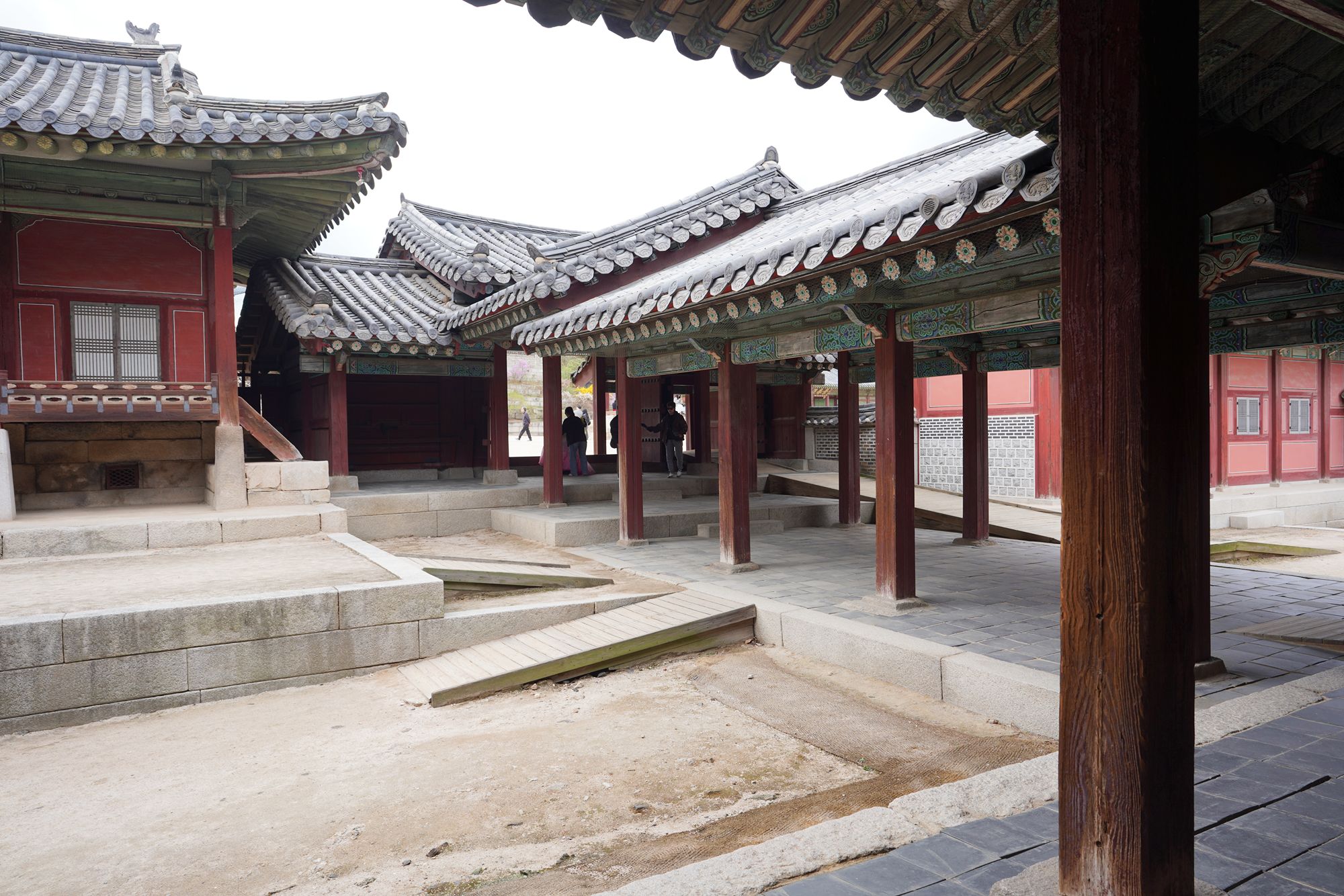
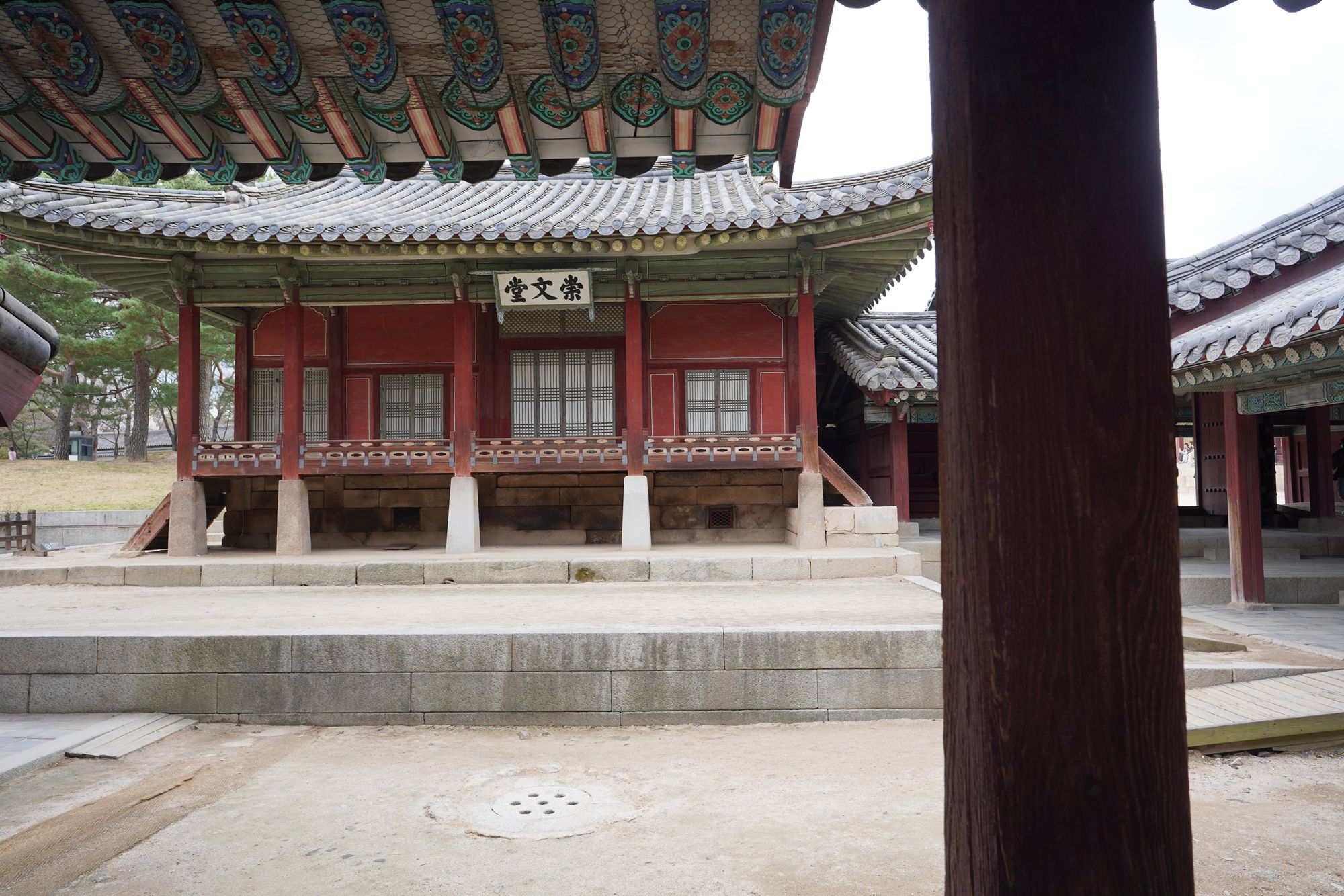
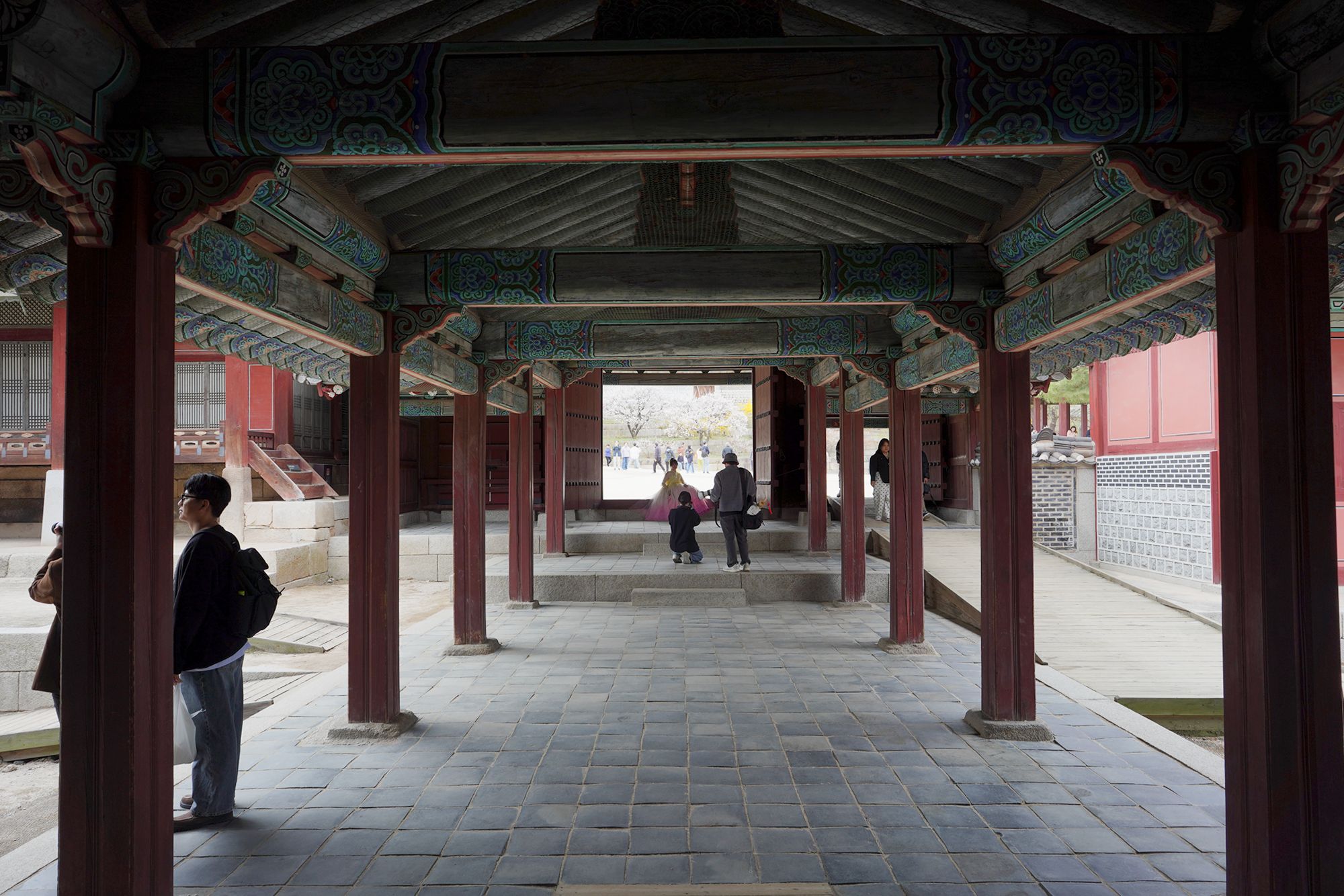
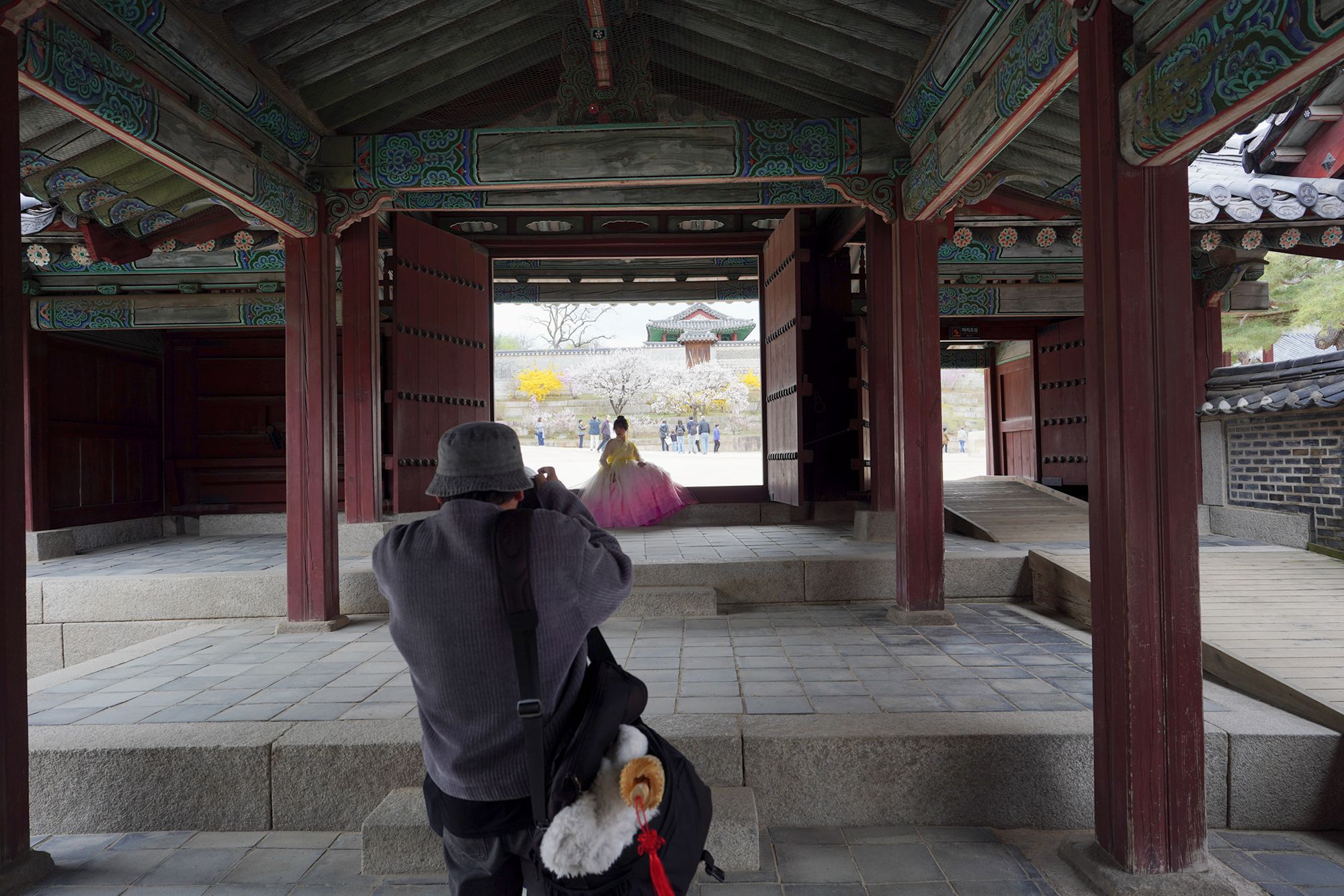
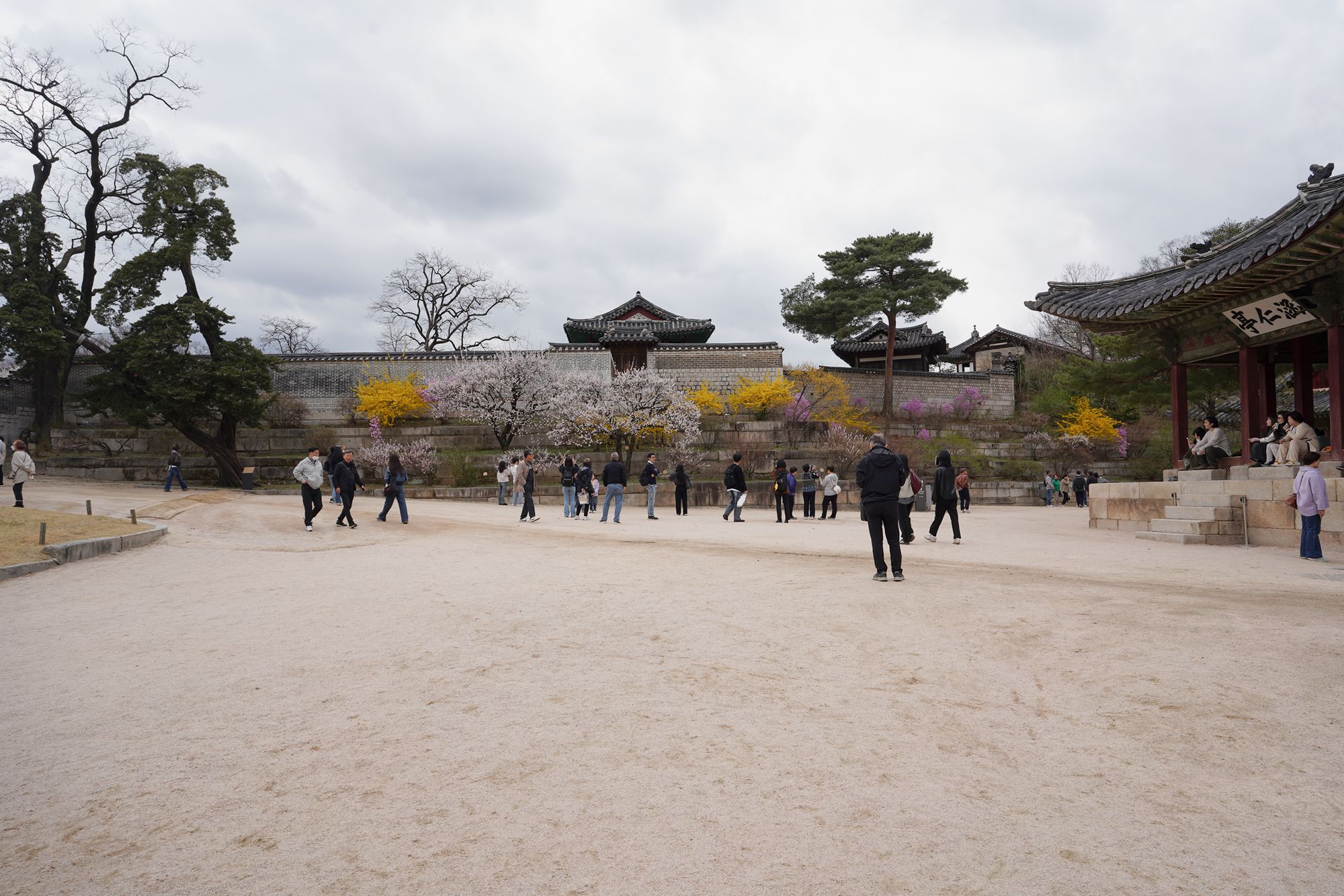
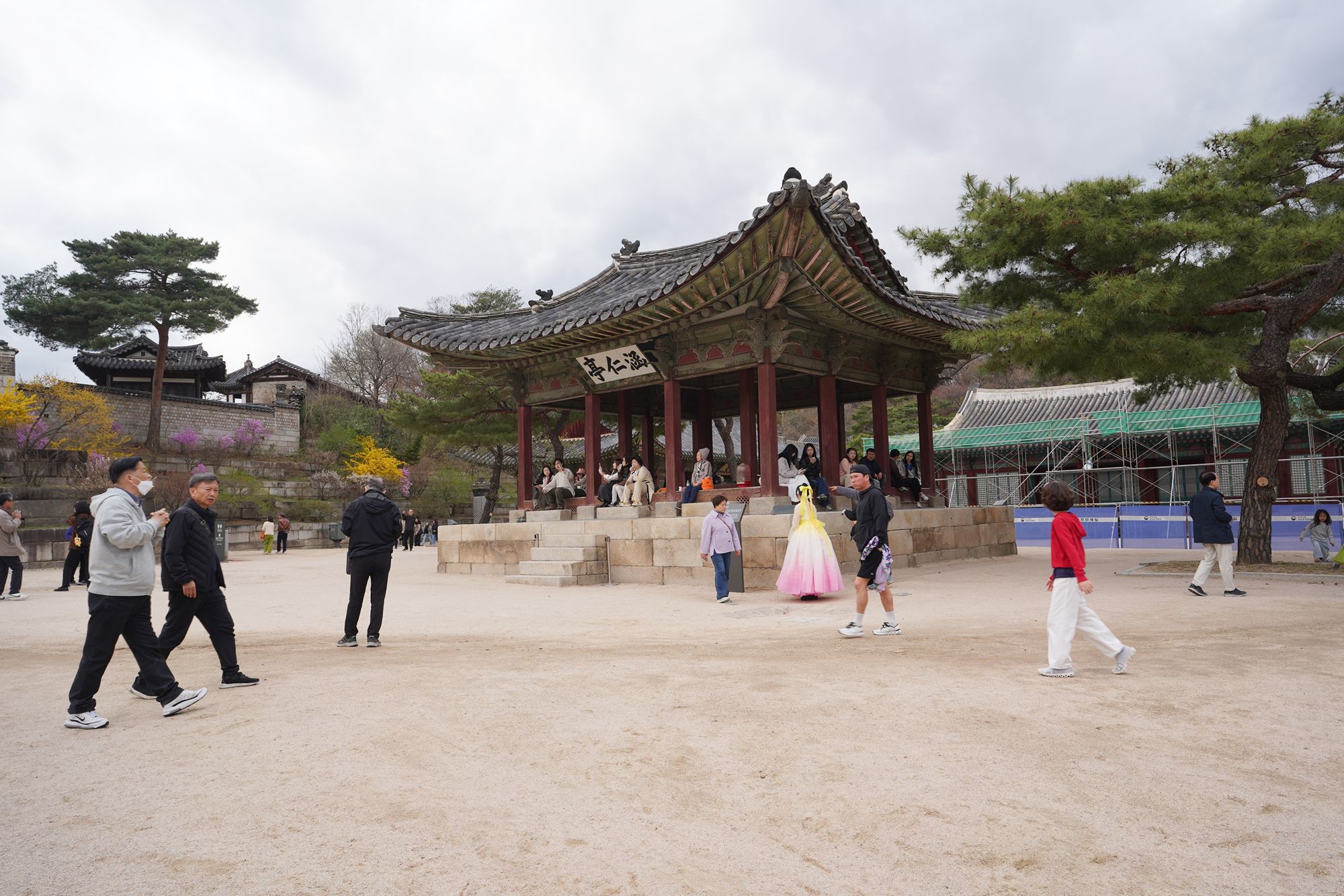
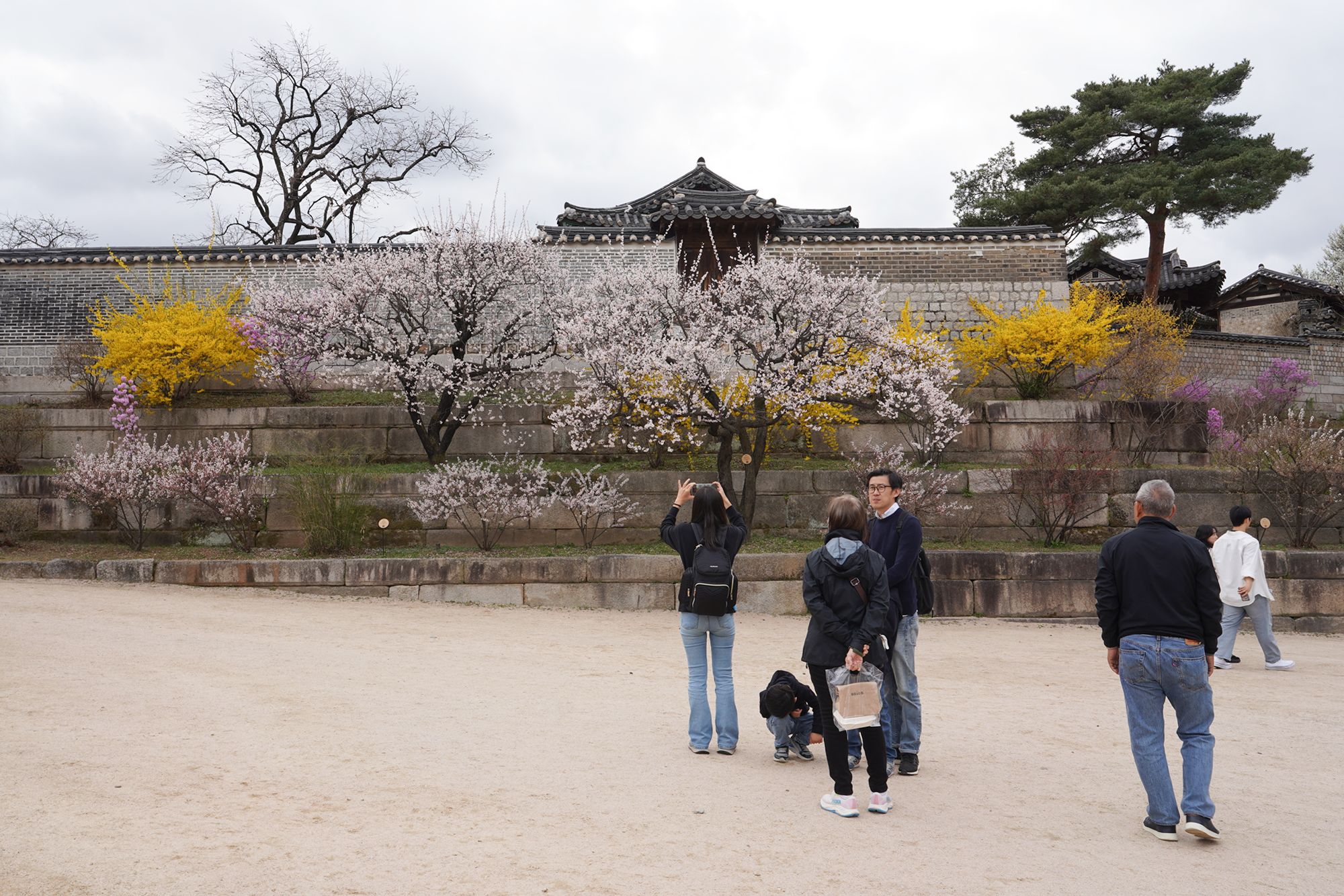
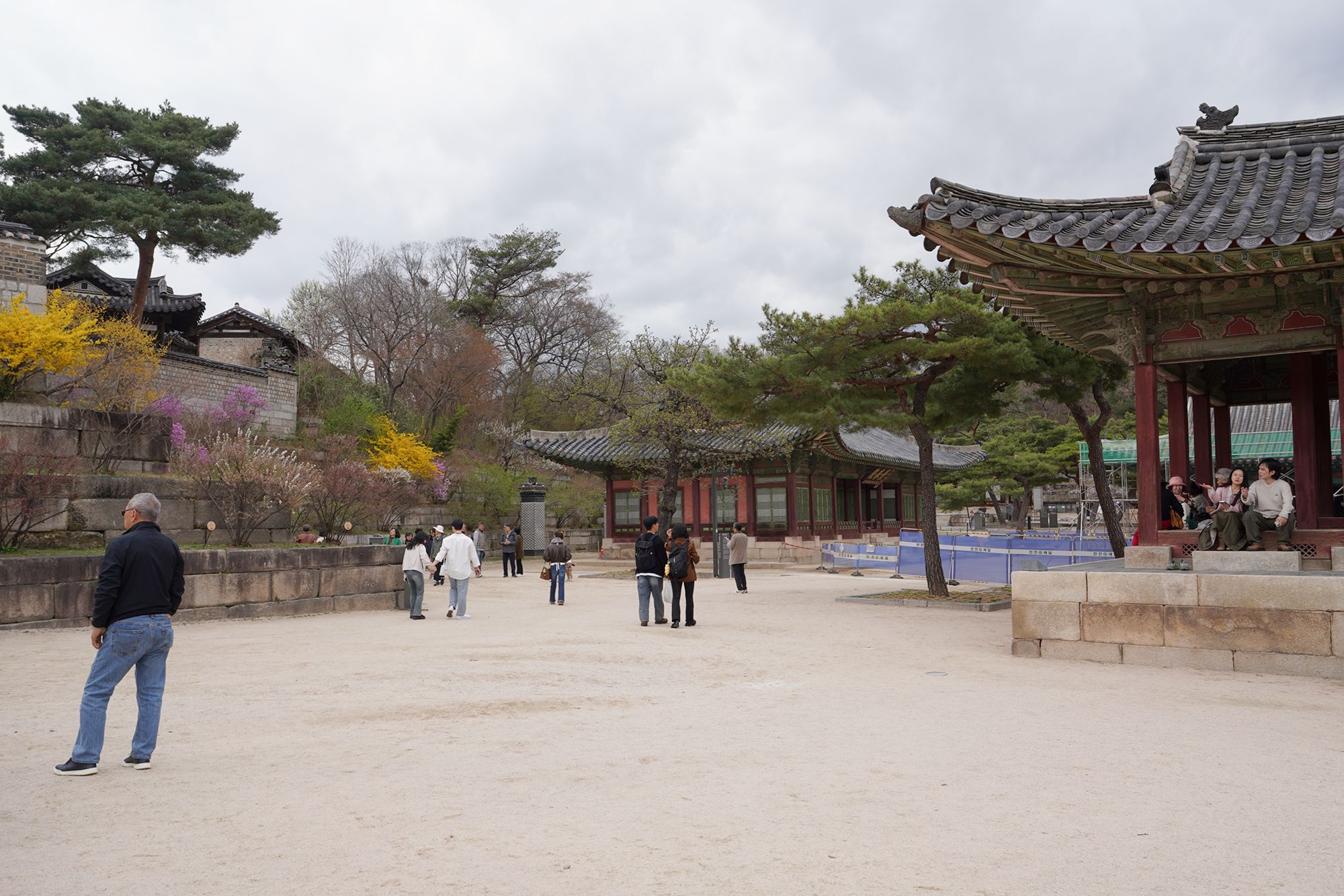
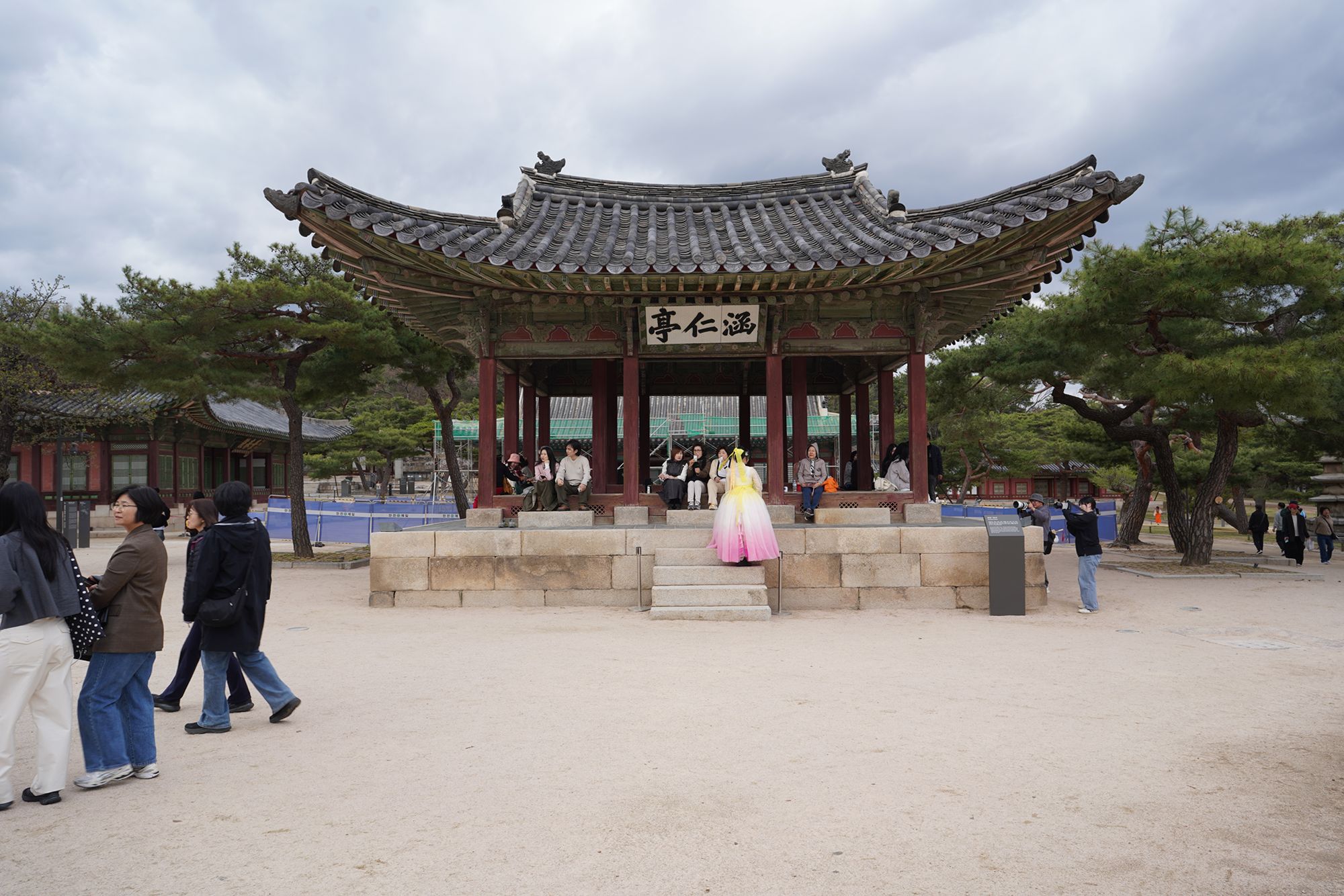
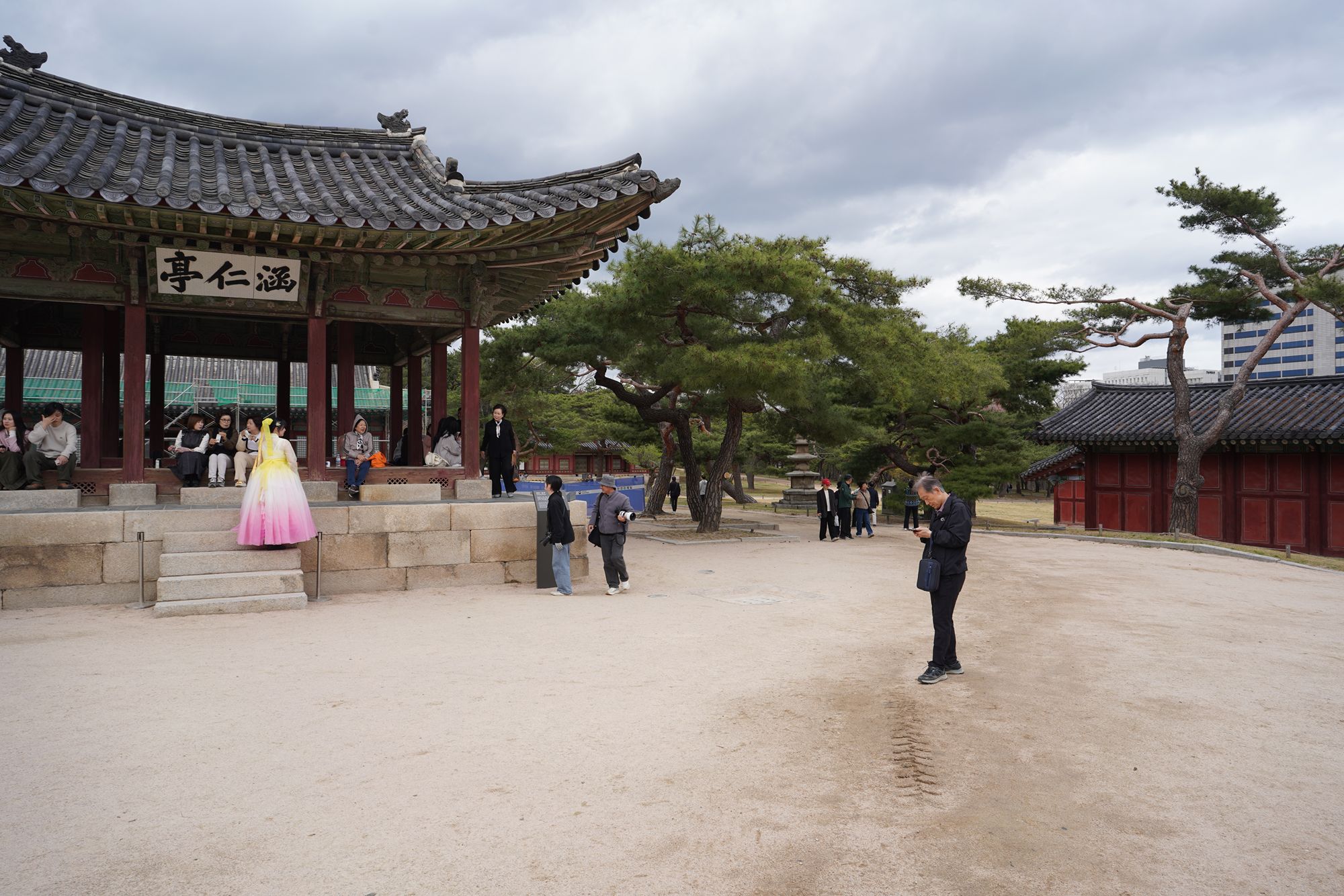
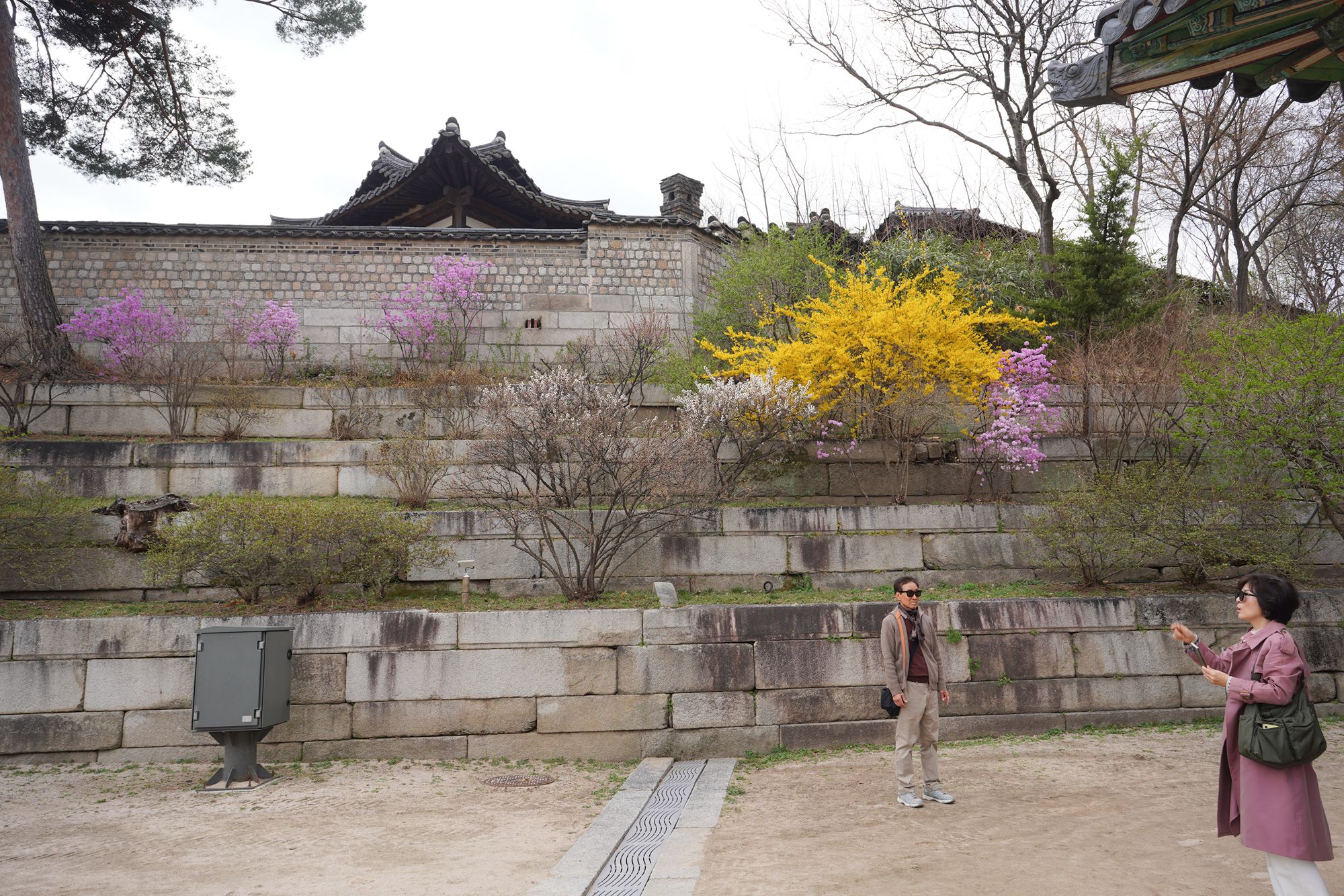
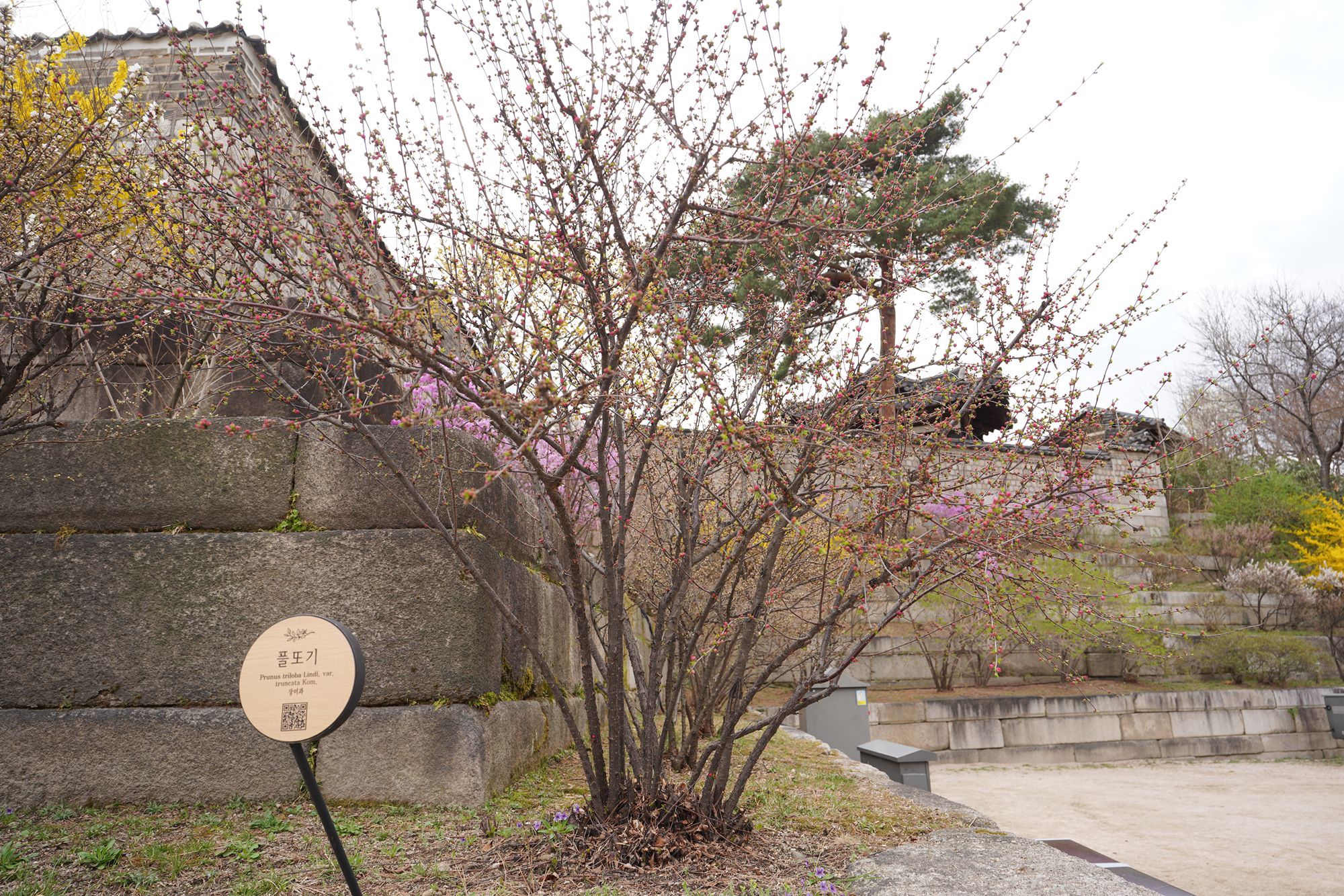
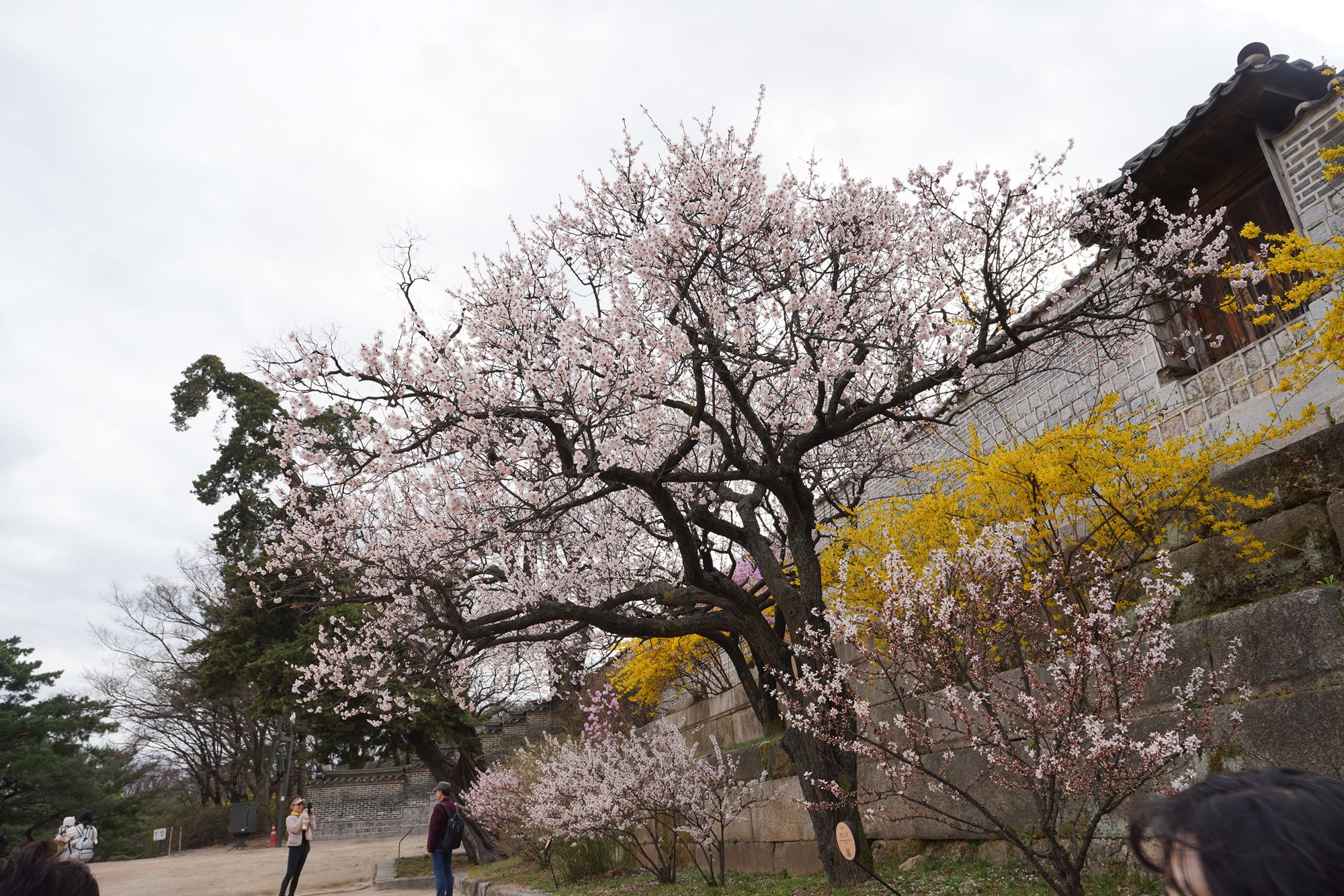
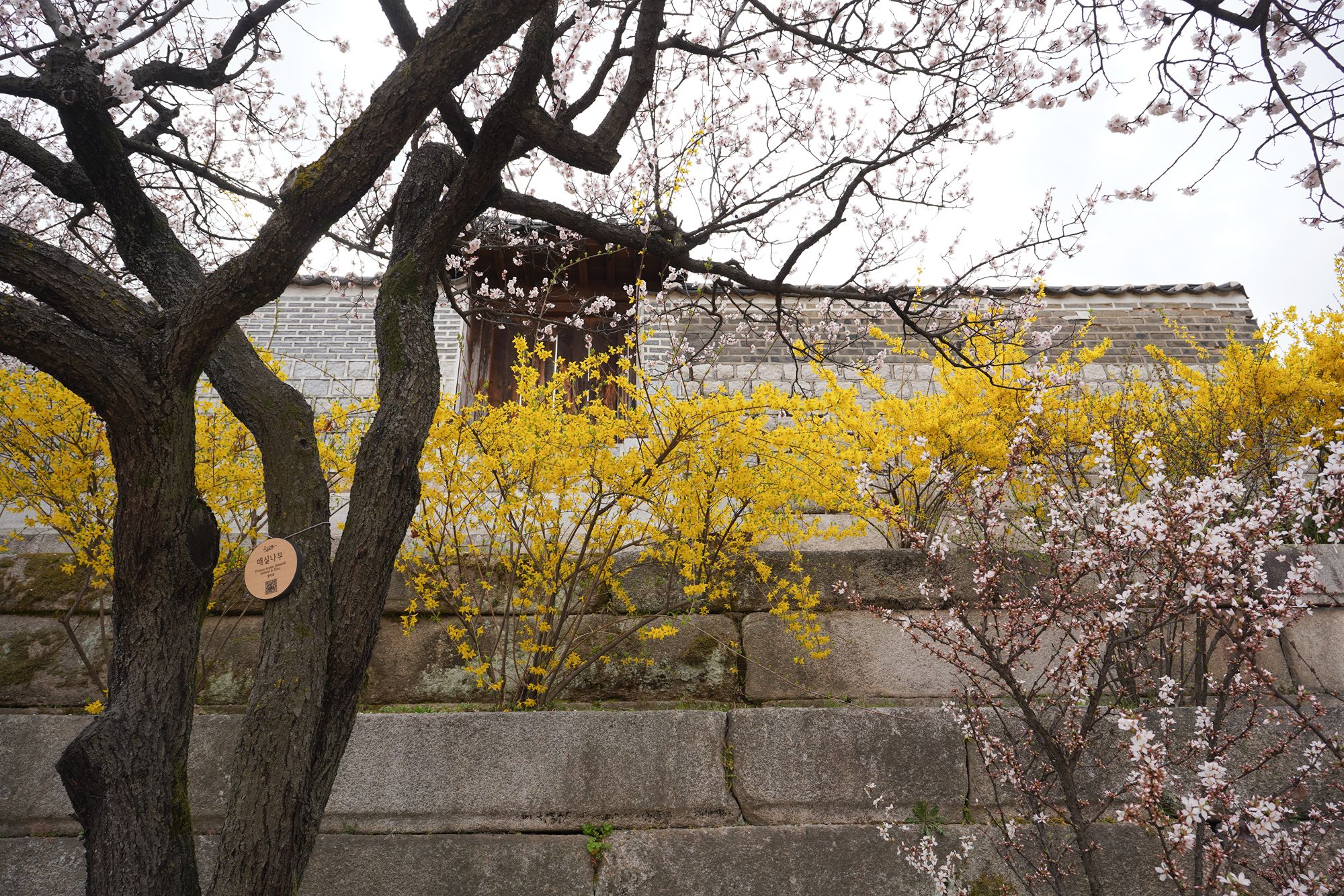
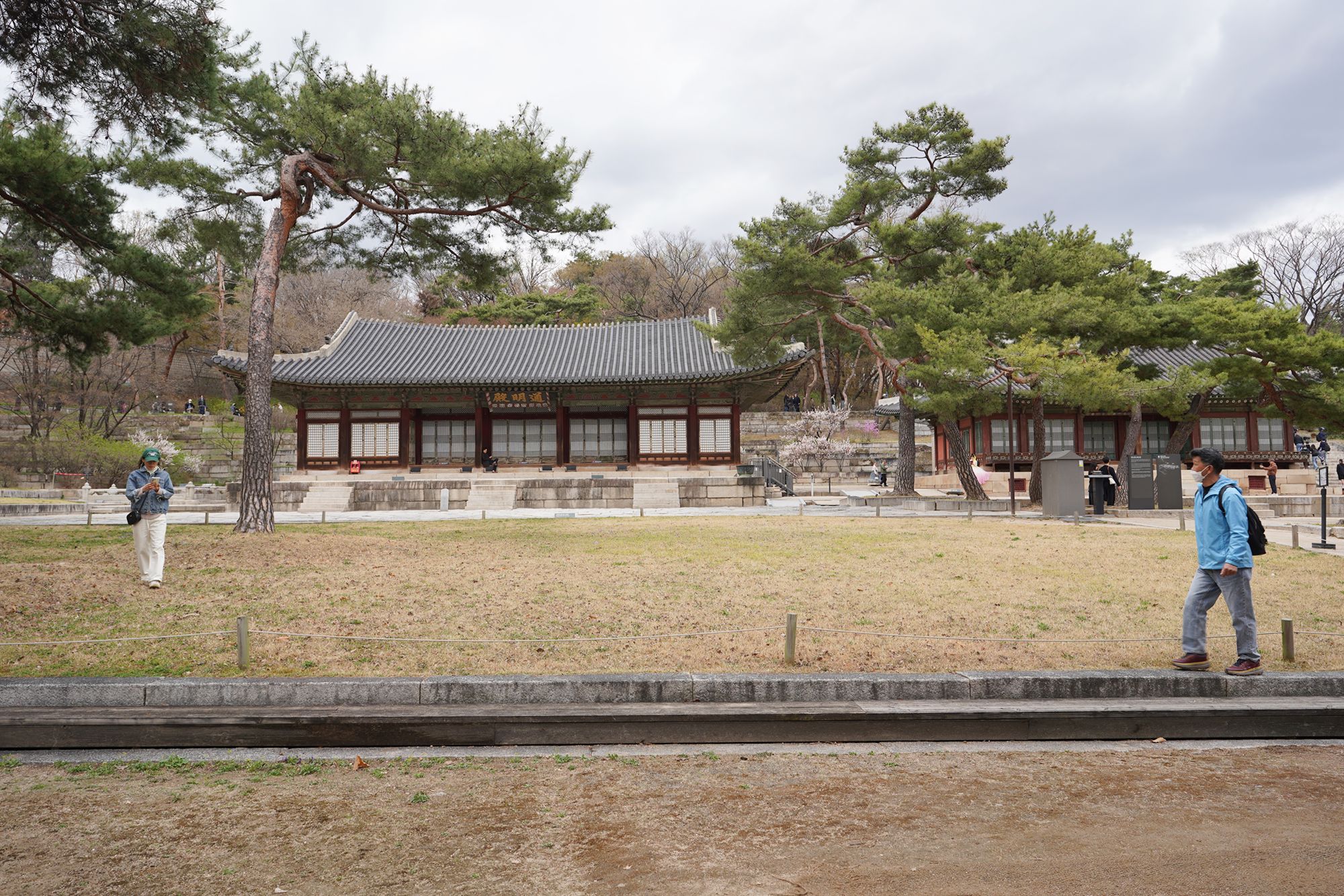
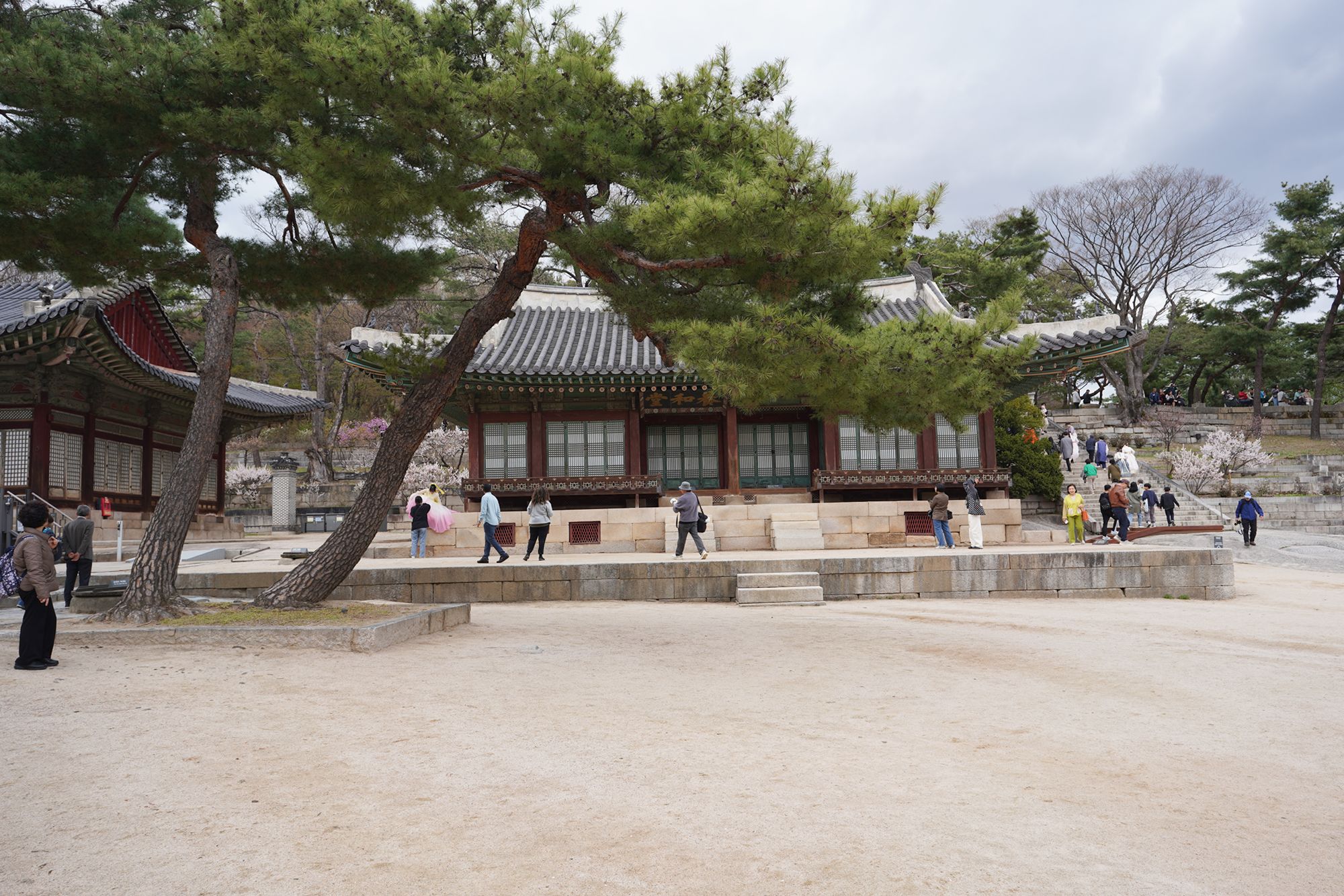
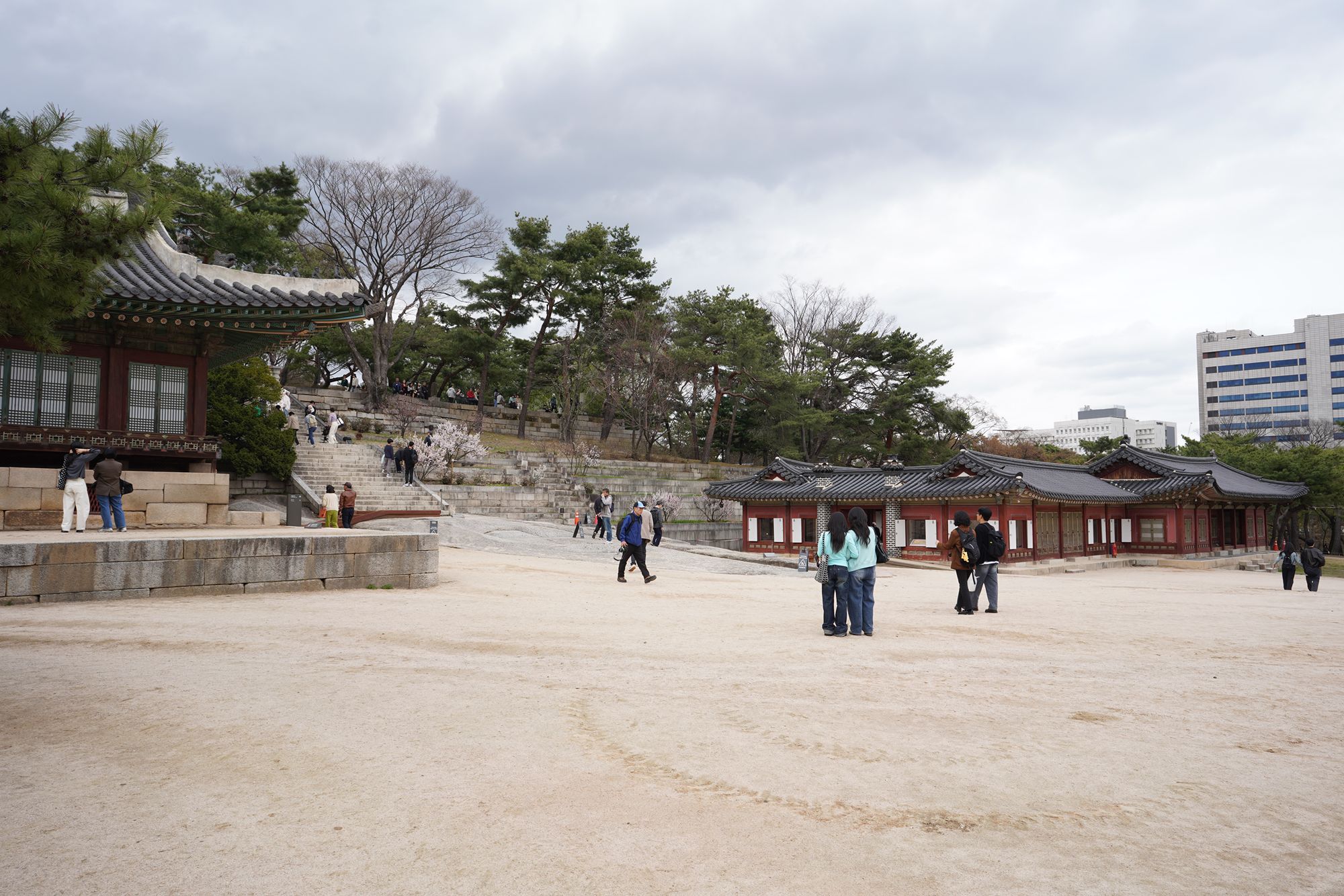
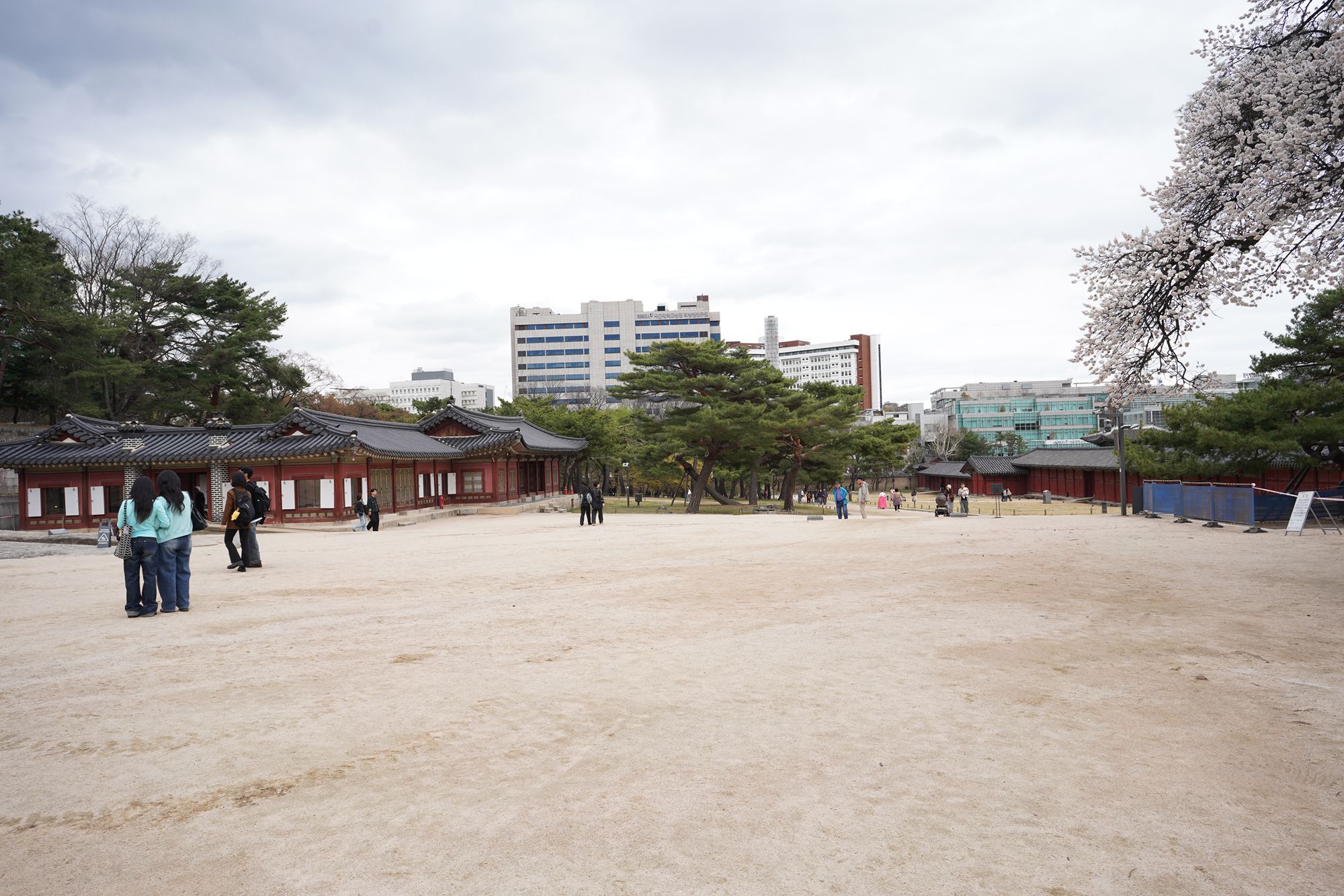
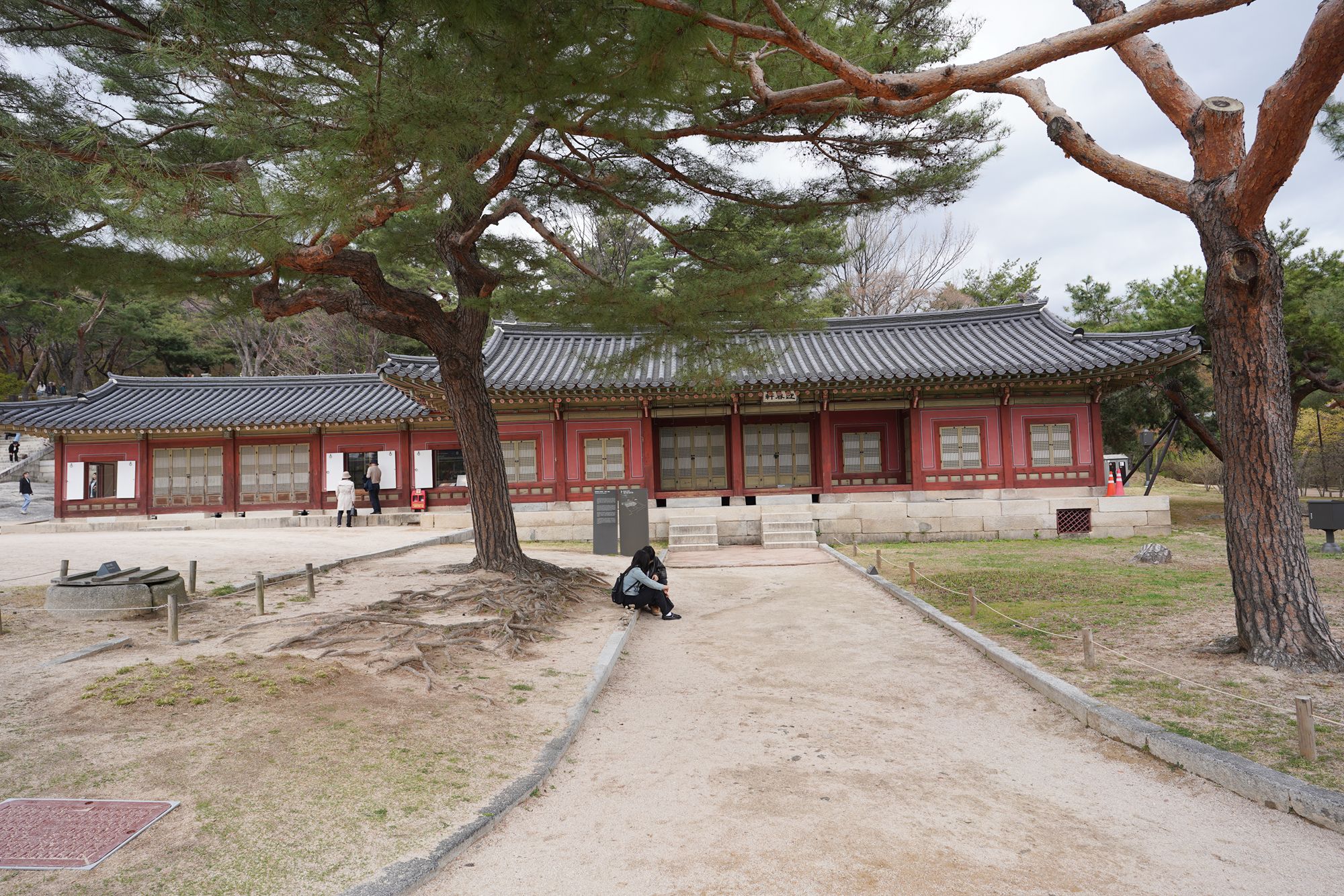
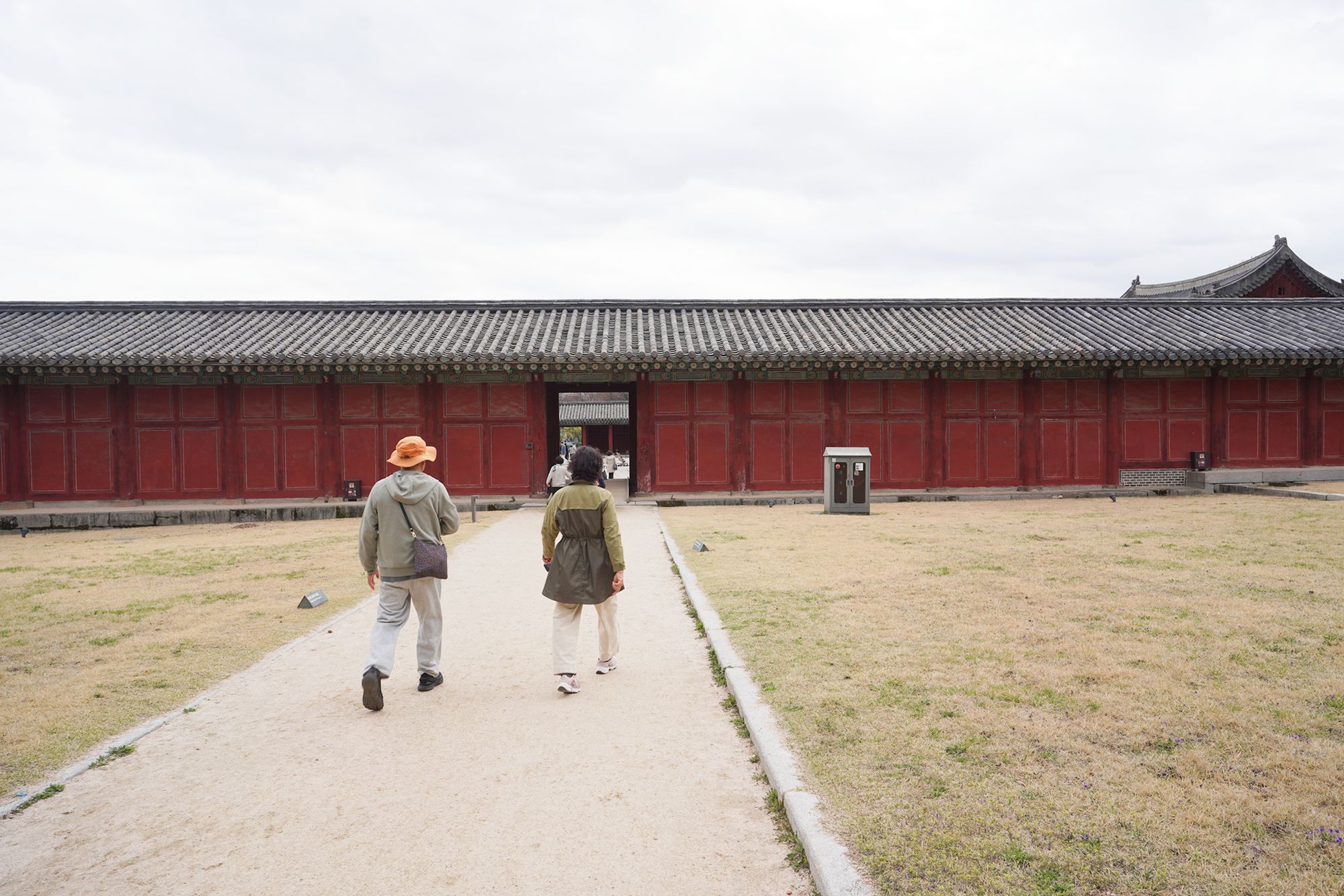
After exploring the palace grounds, I came back to the front courtyard.
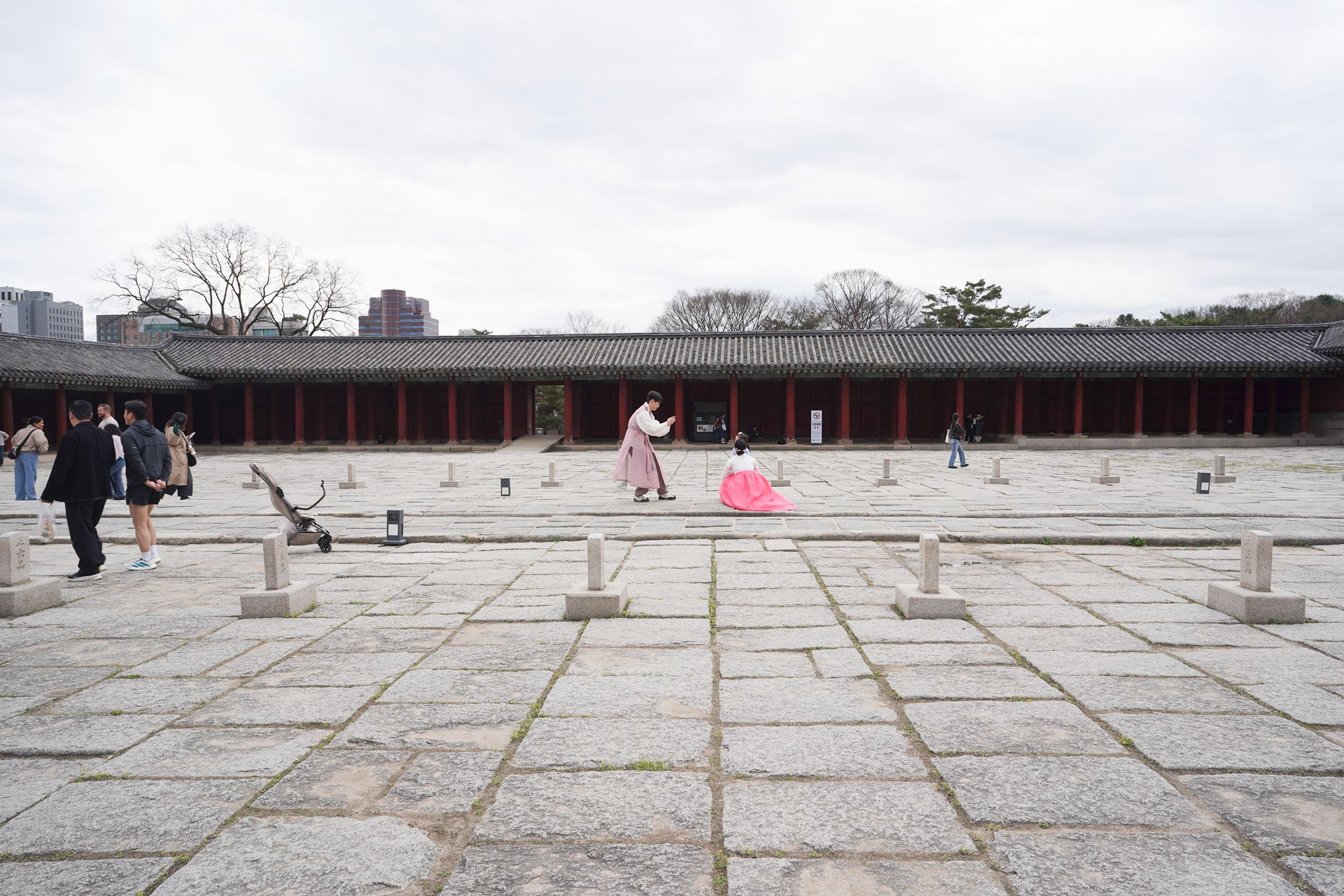
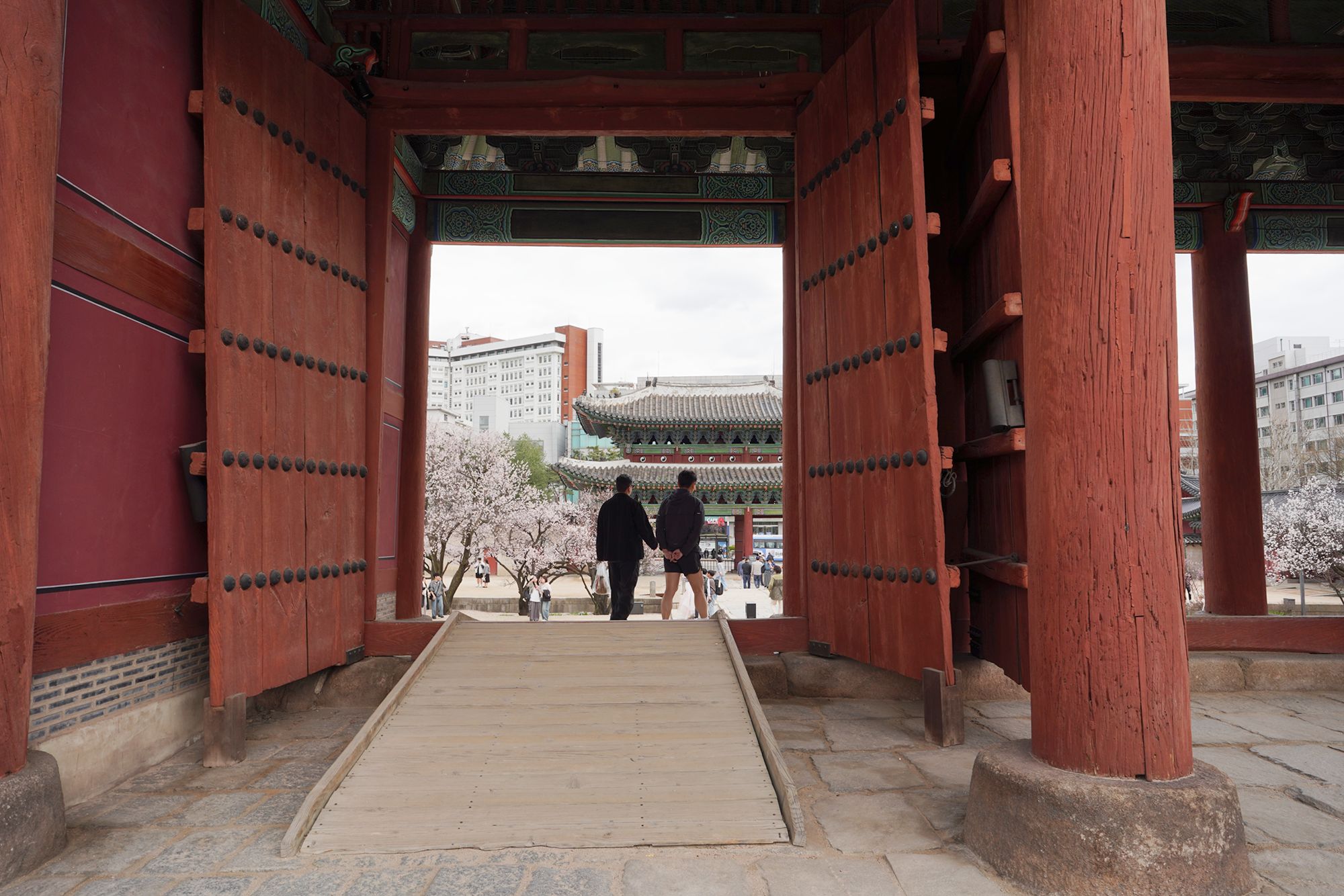
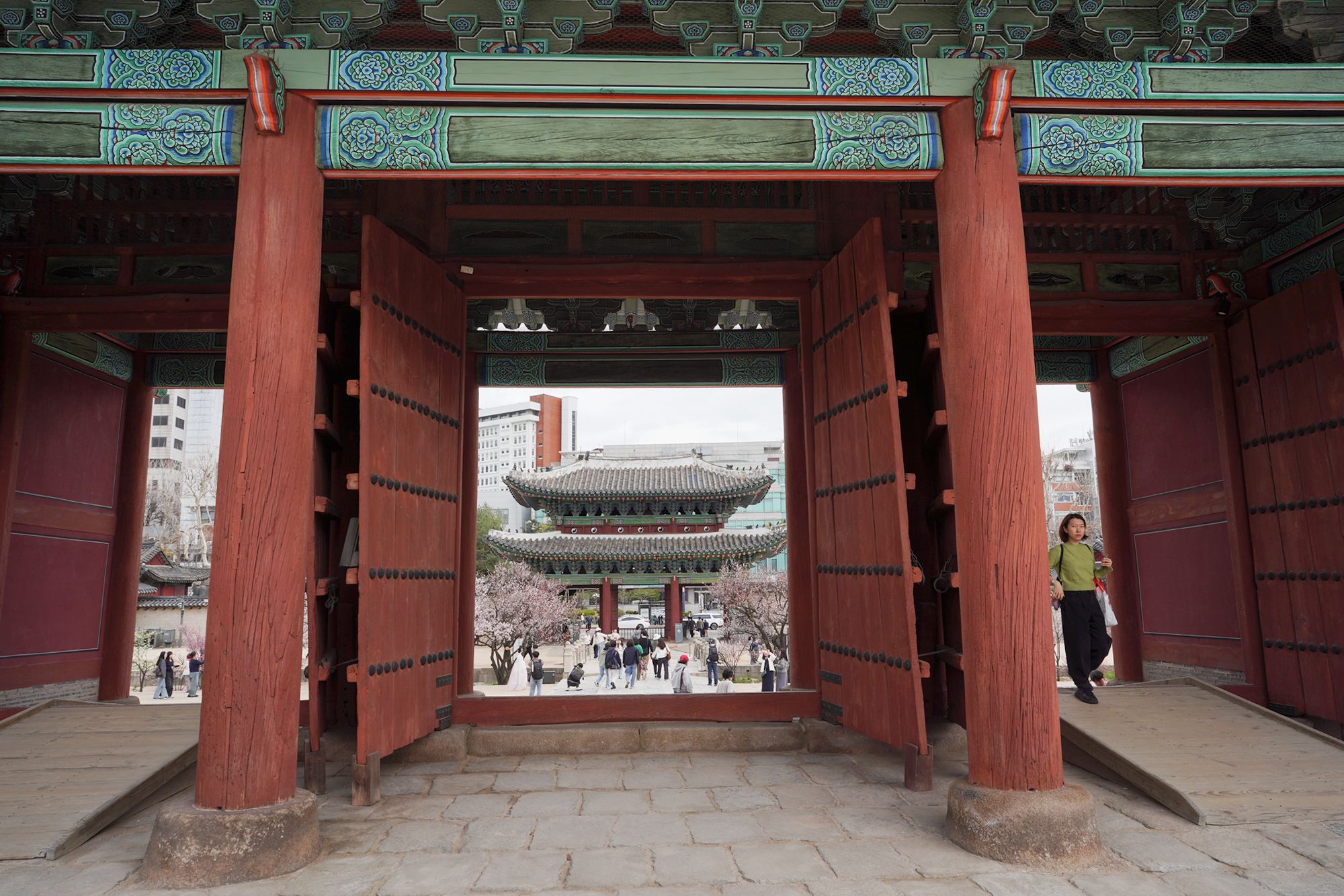
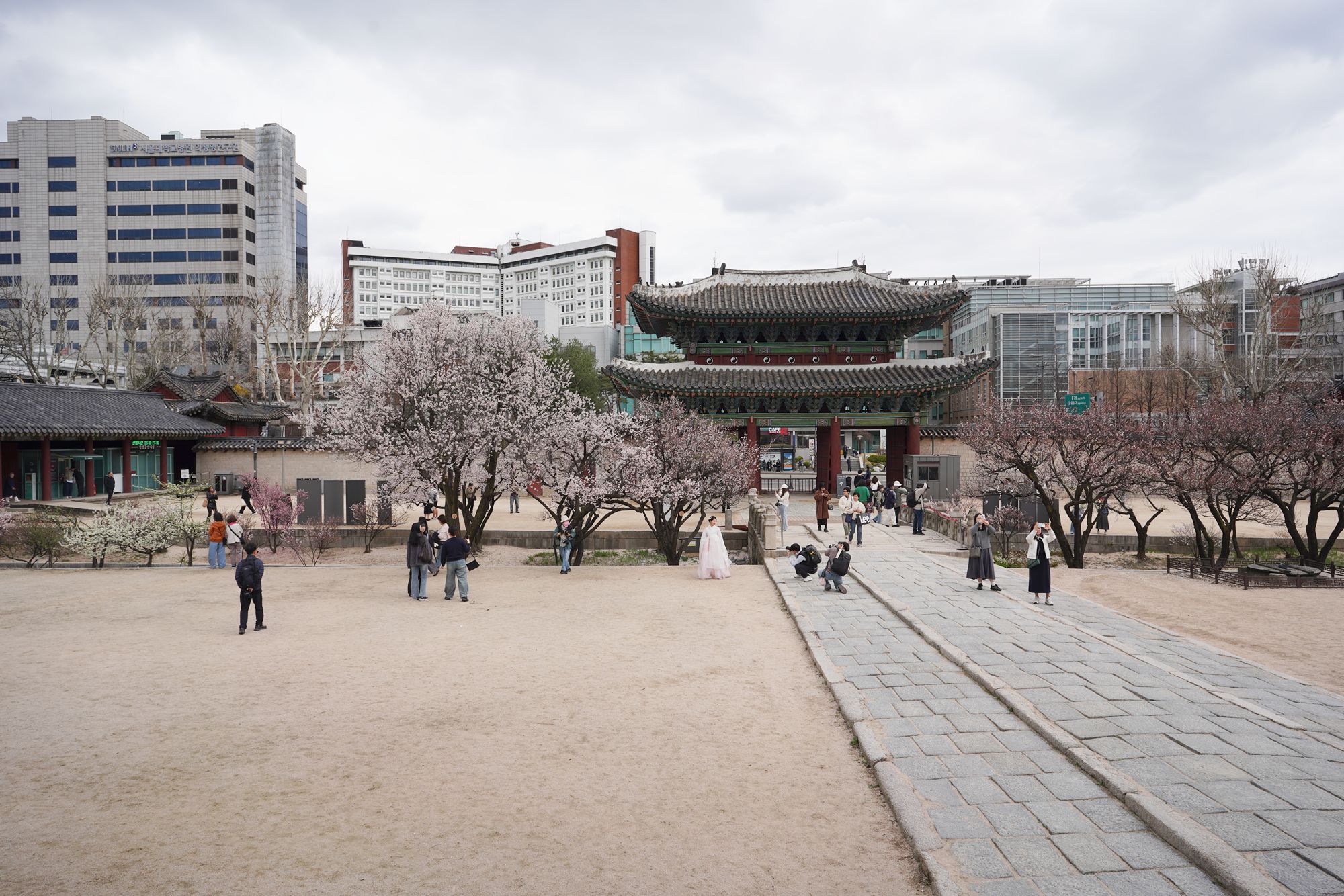
I made my way back to the entrance and left the palace.
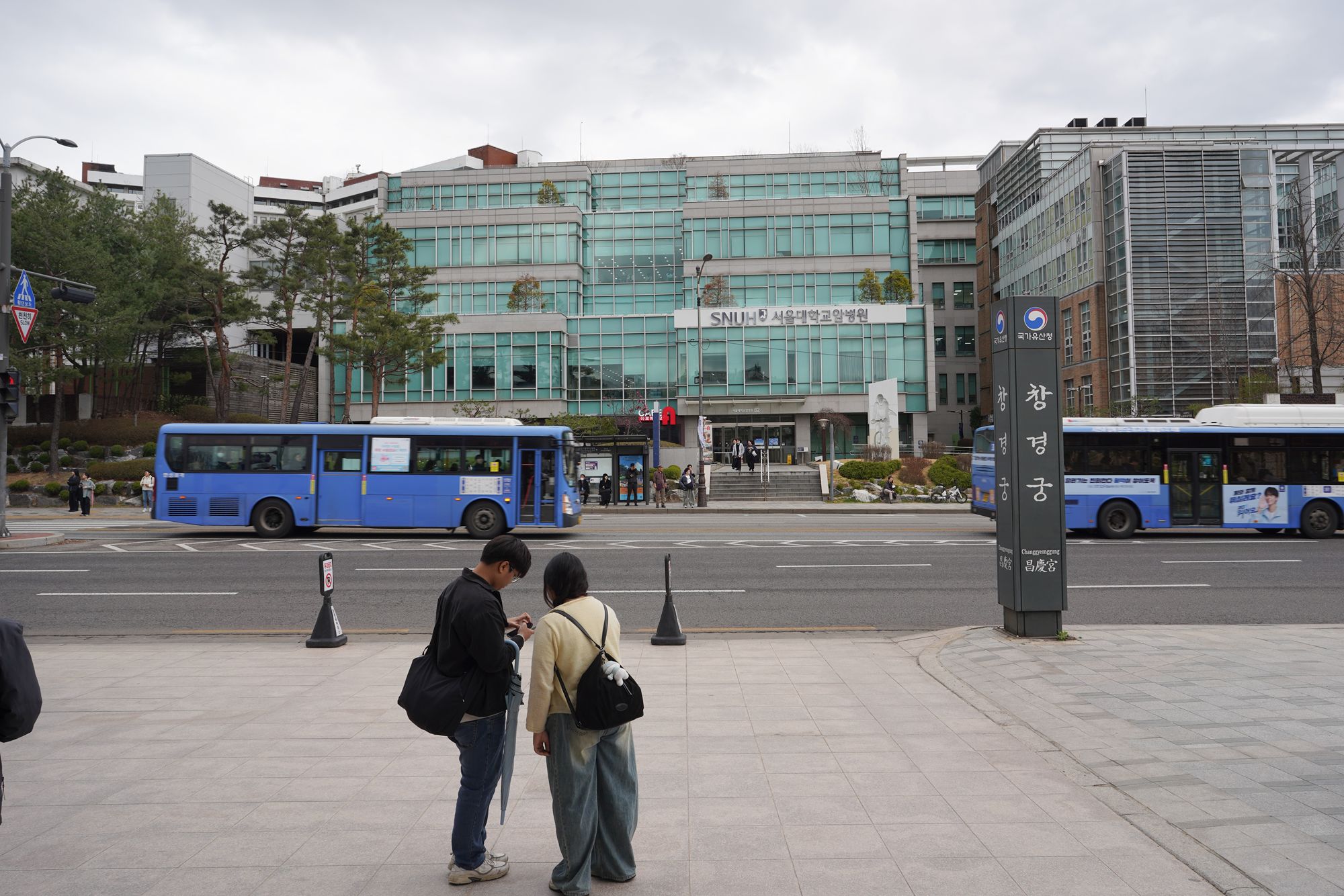
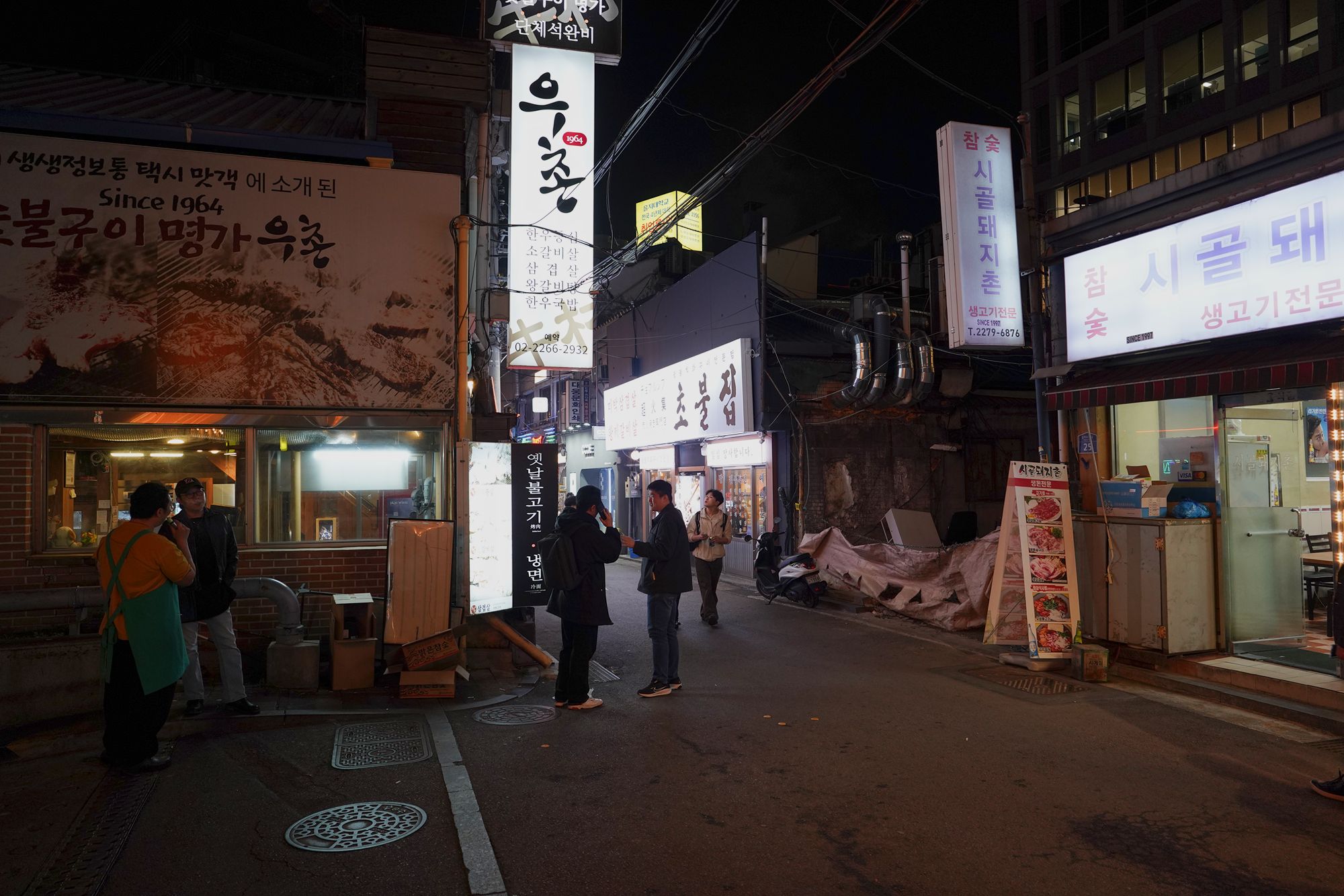
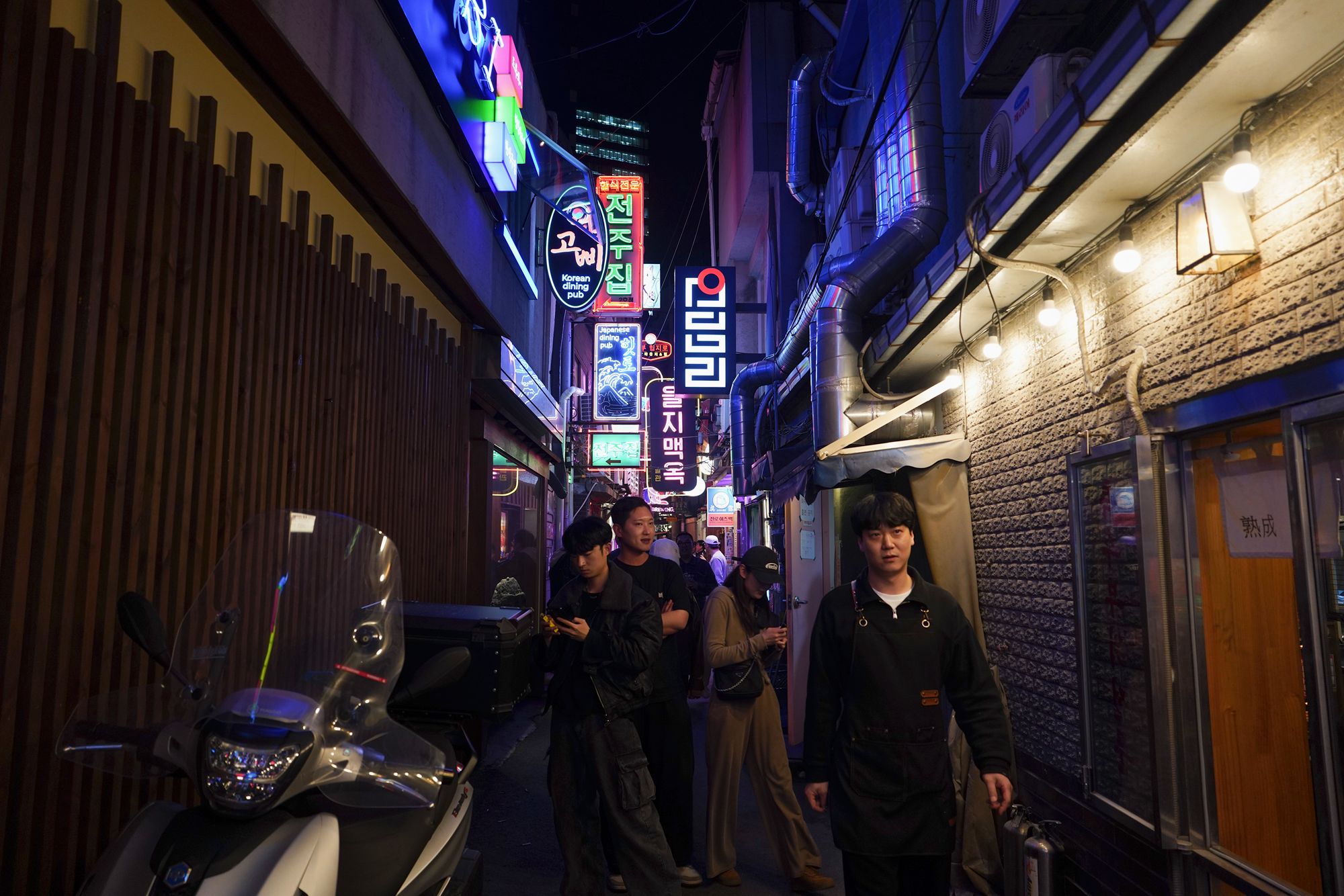
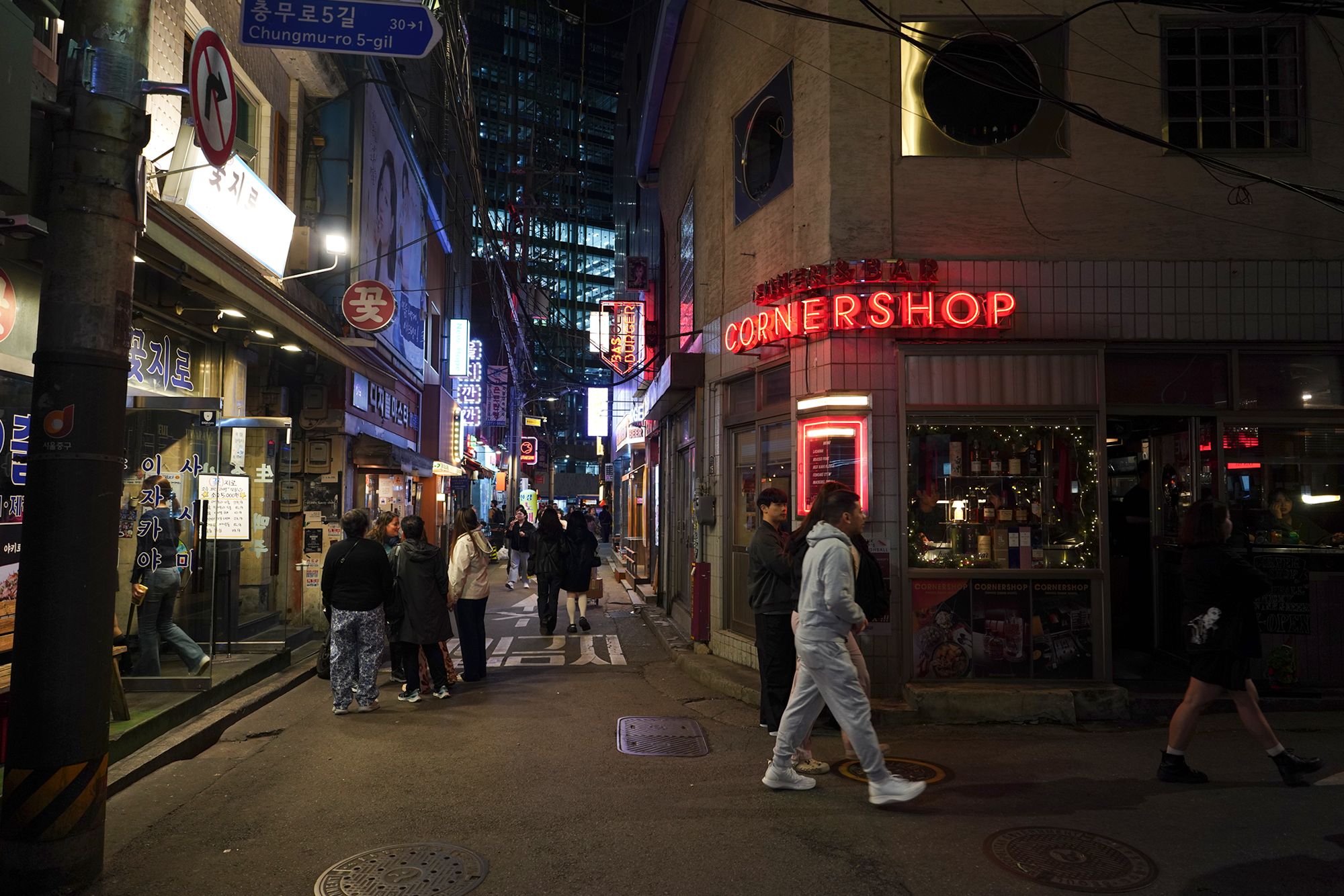
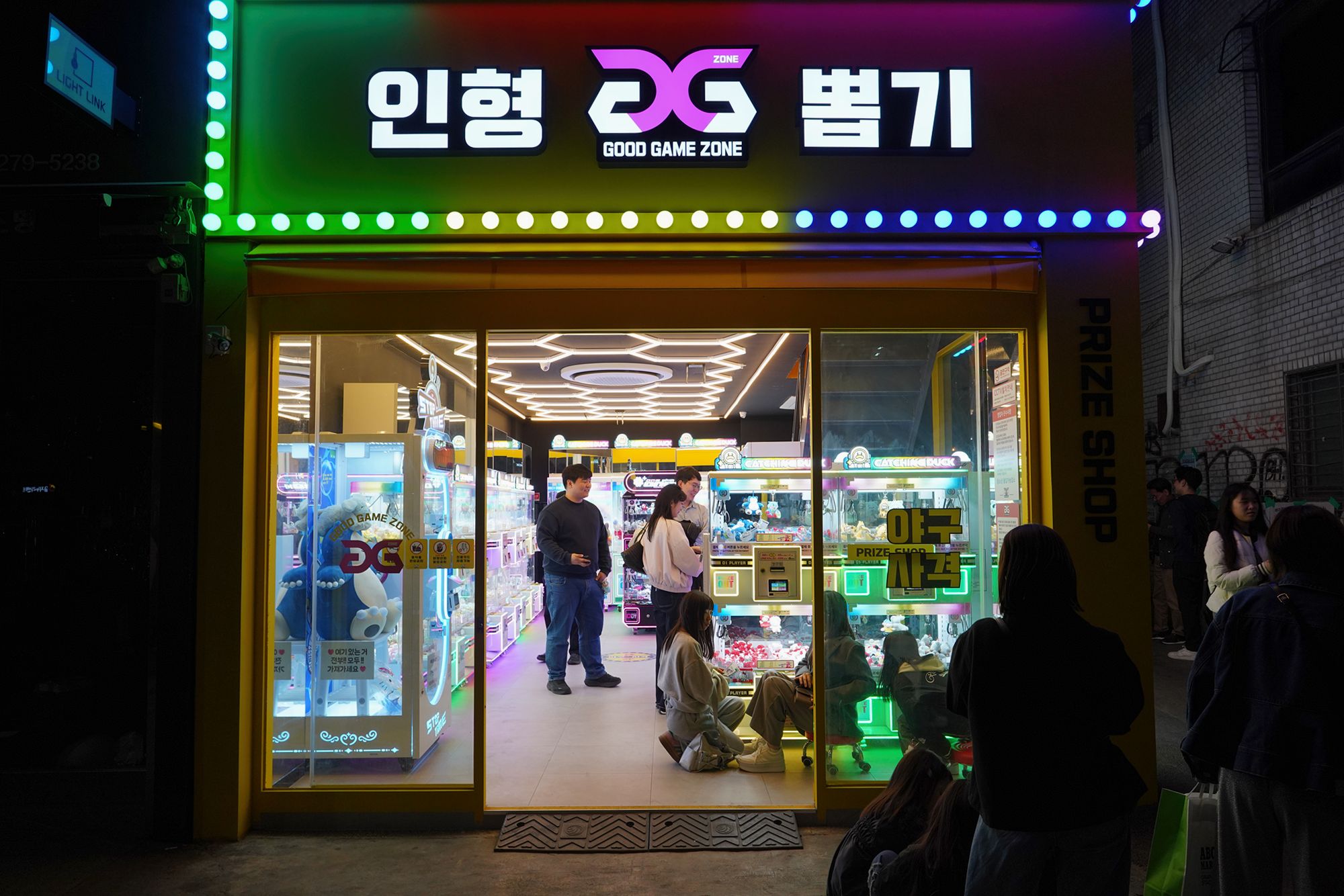
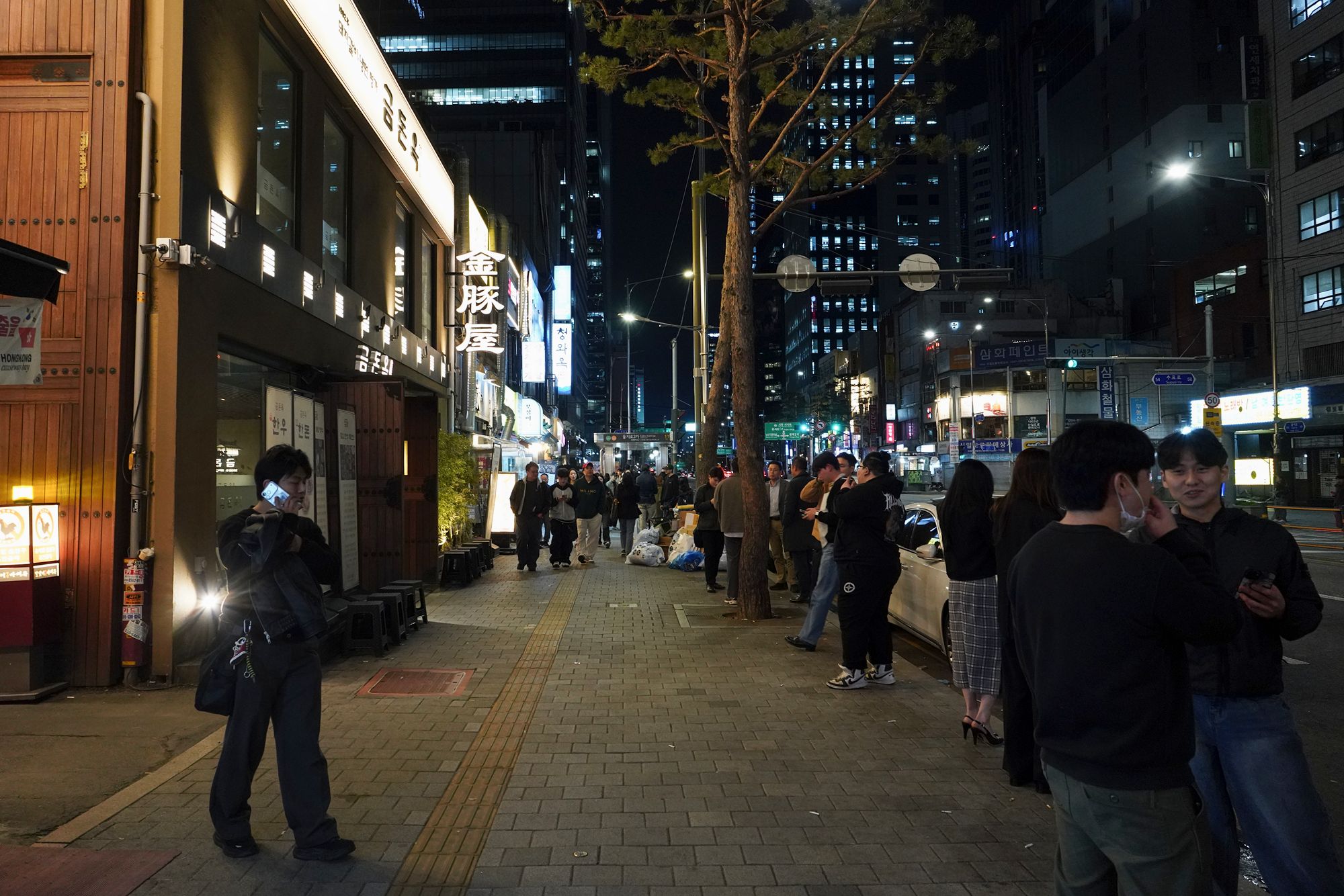
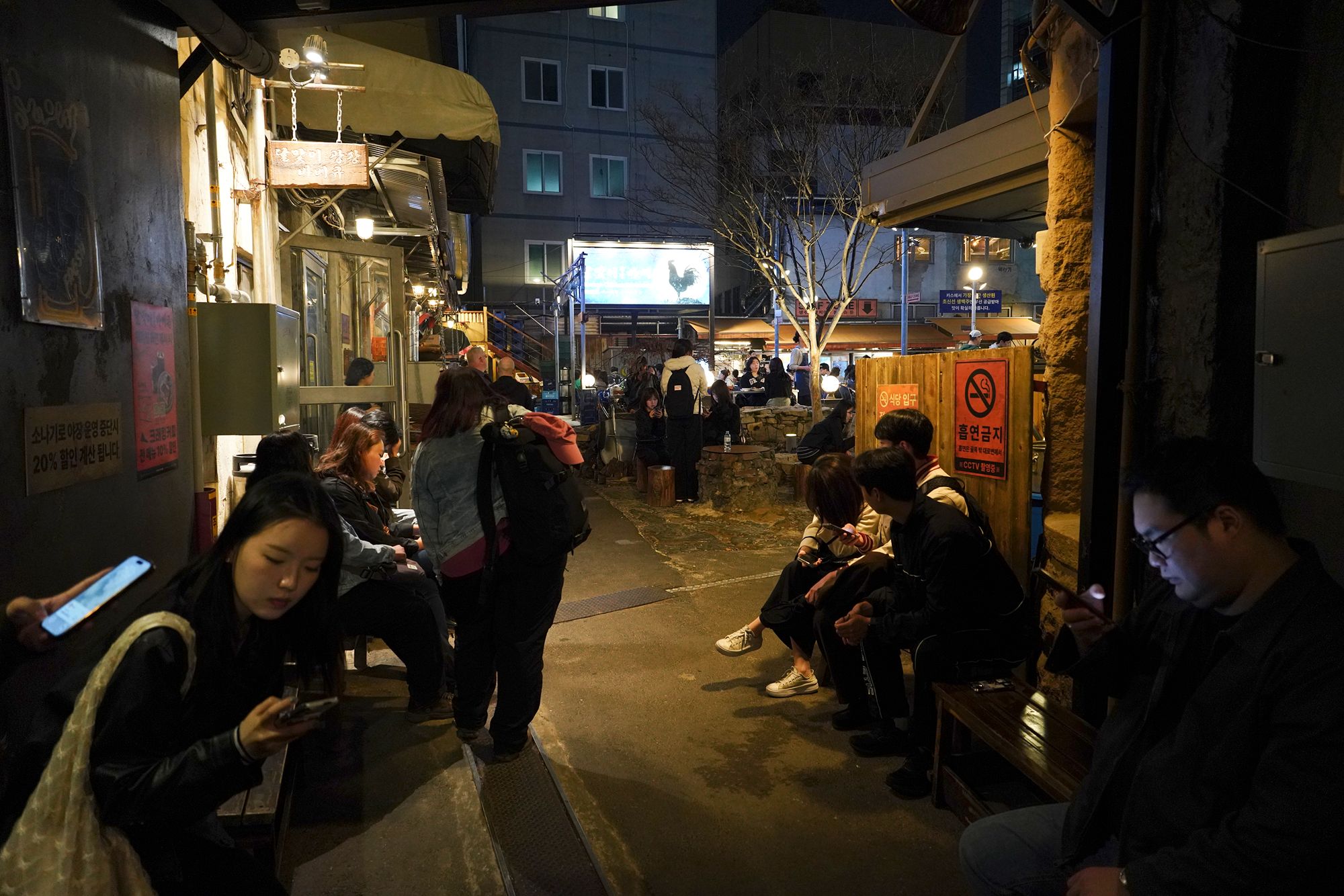
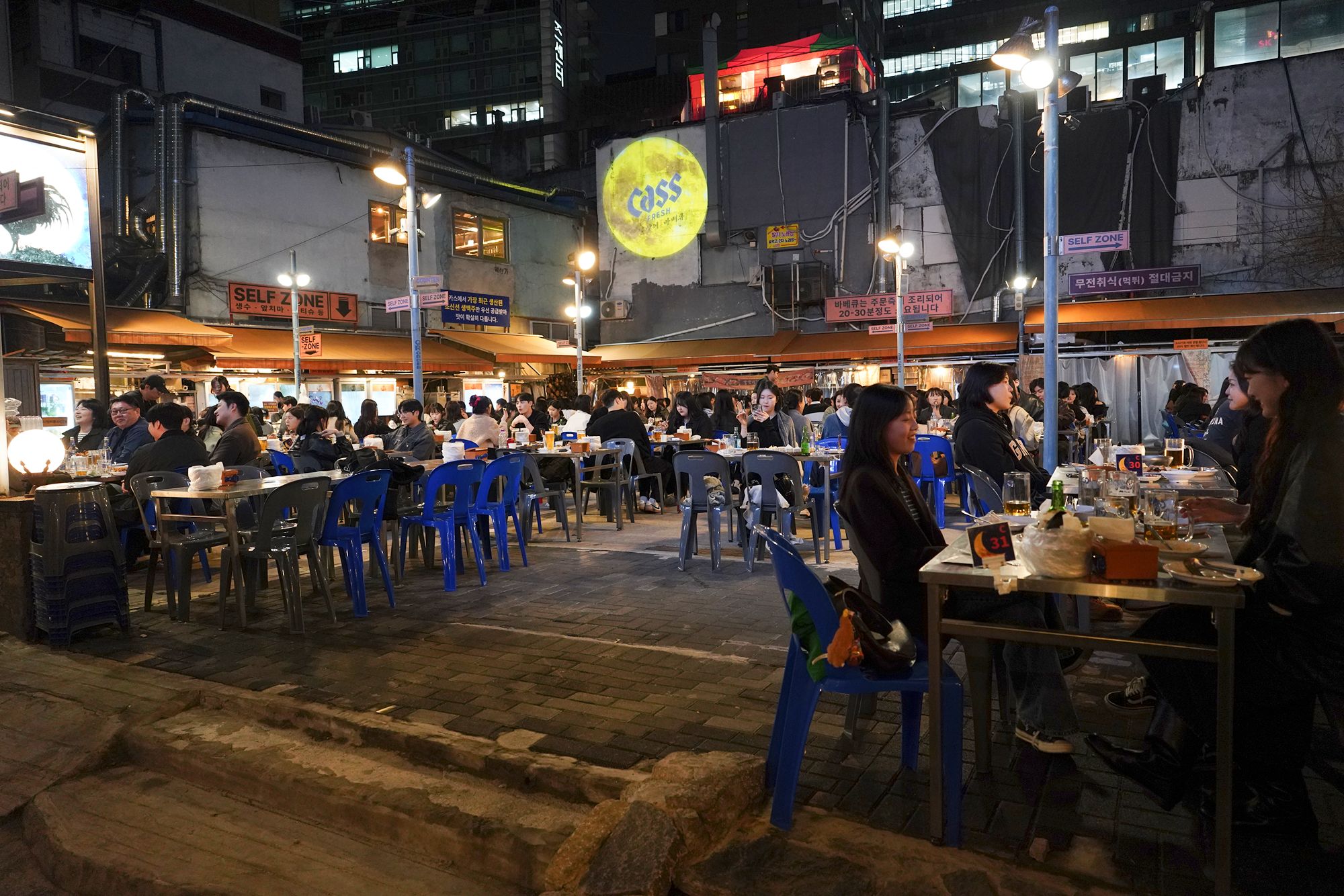
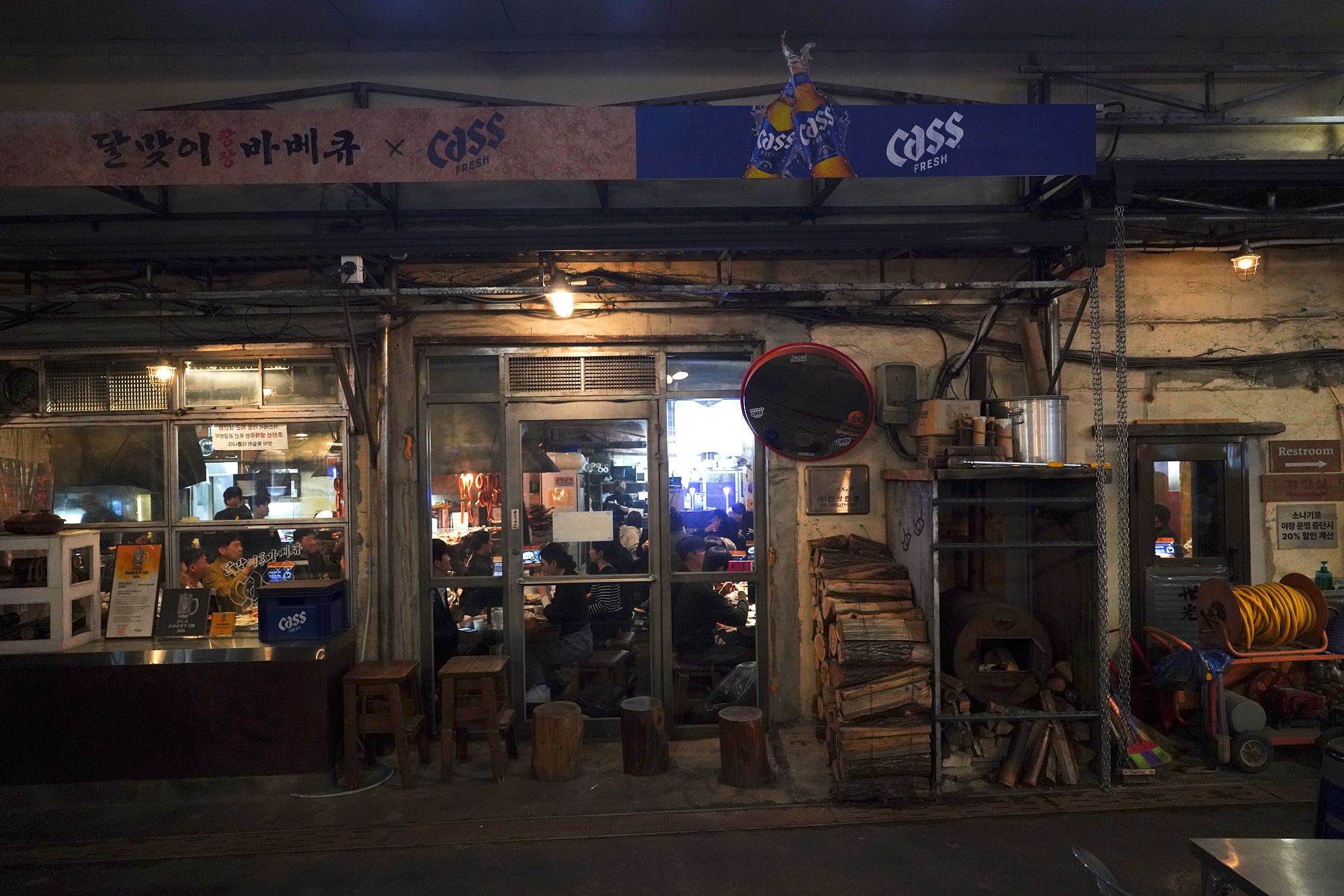
After visiting Changgyeonggung Palace, I returned to the area where I was staying, near Euljiro 3-ga, and explored the lively food alleys at night.
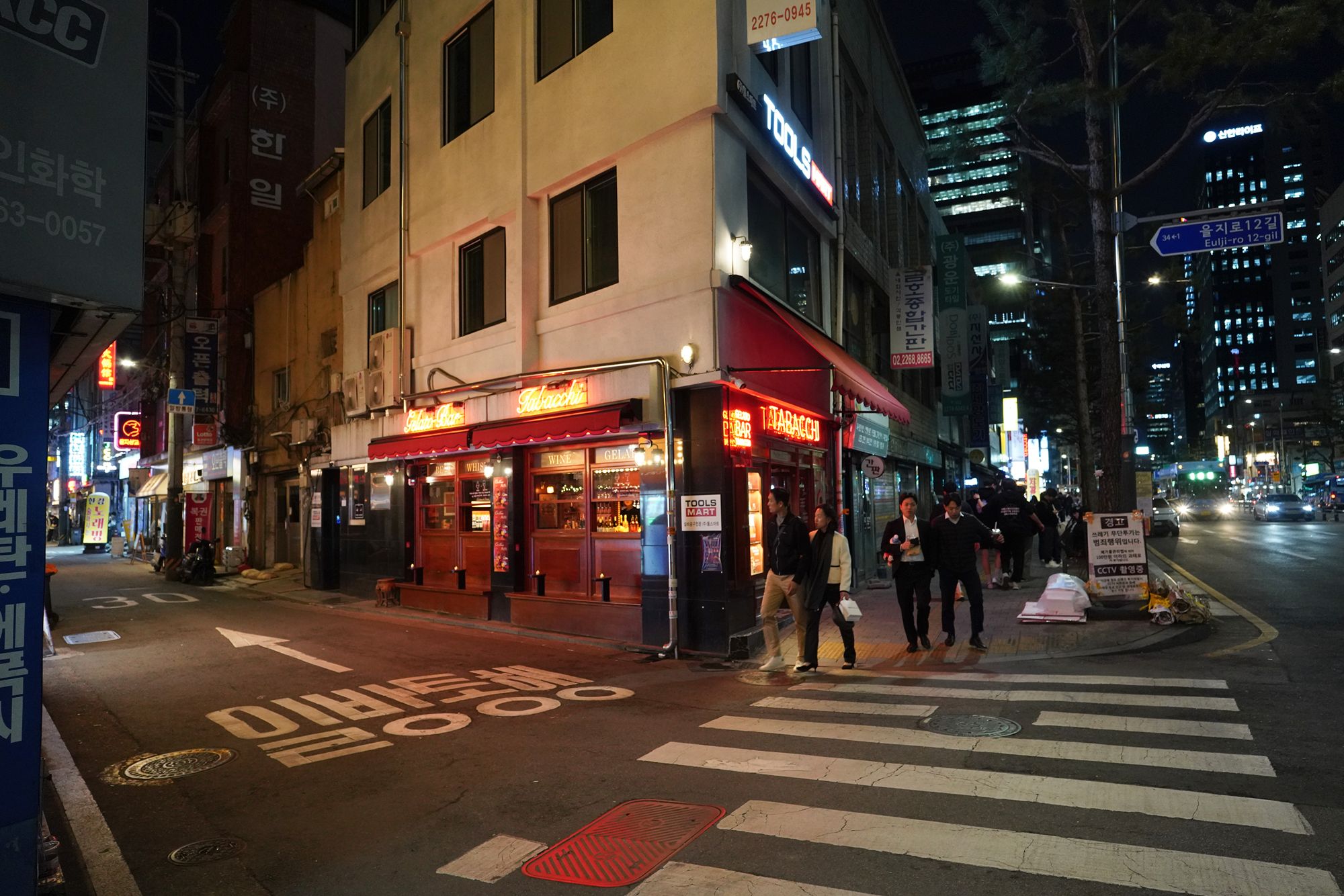
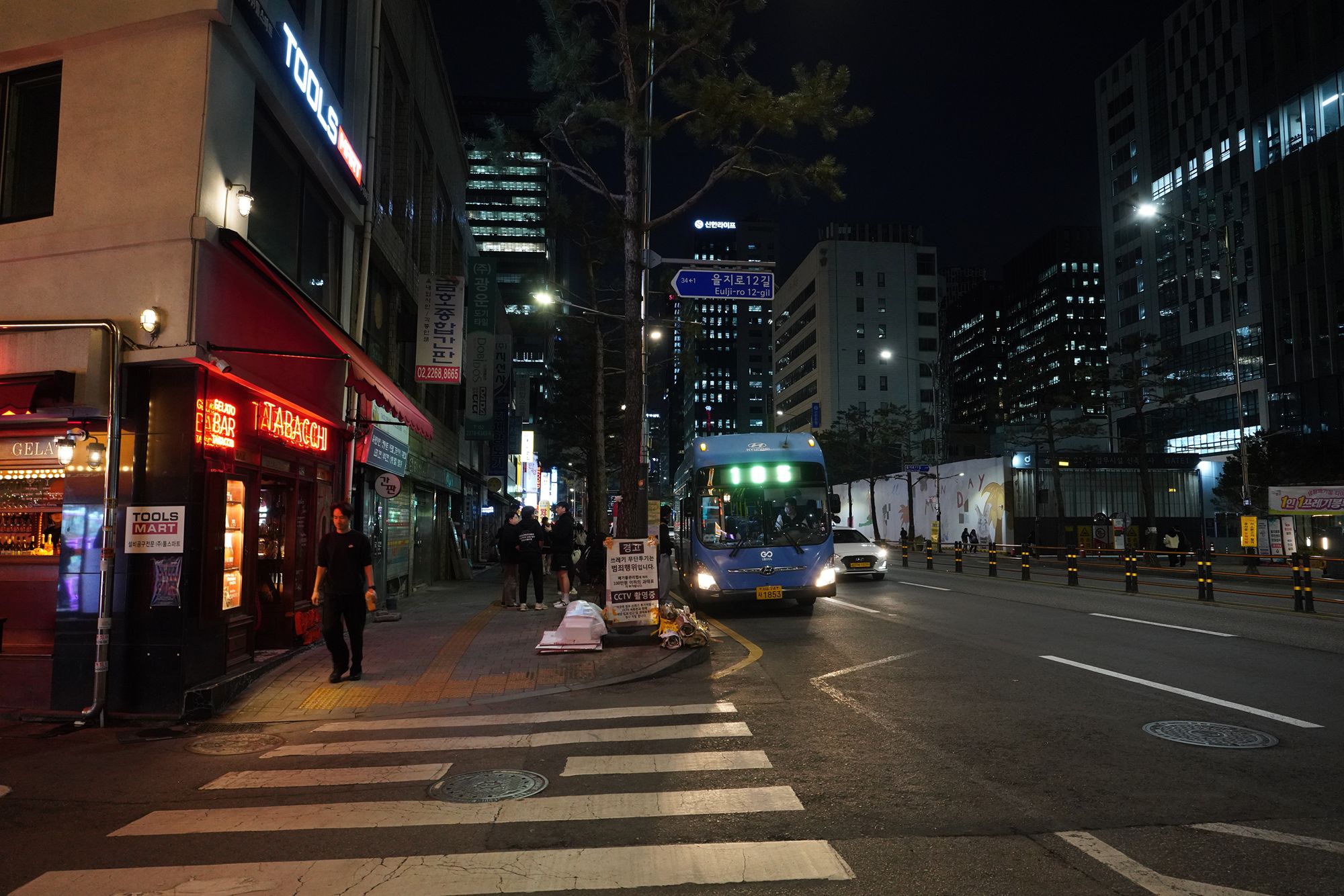
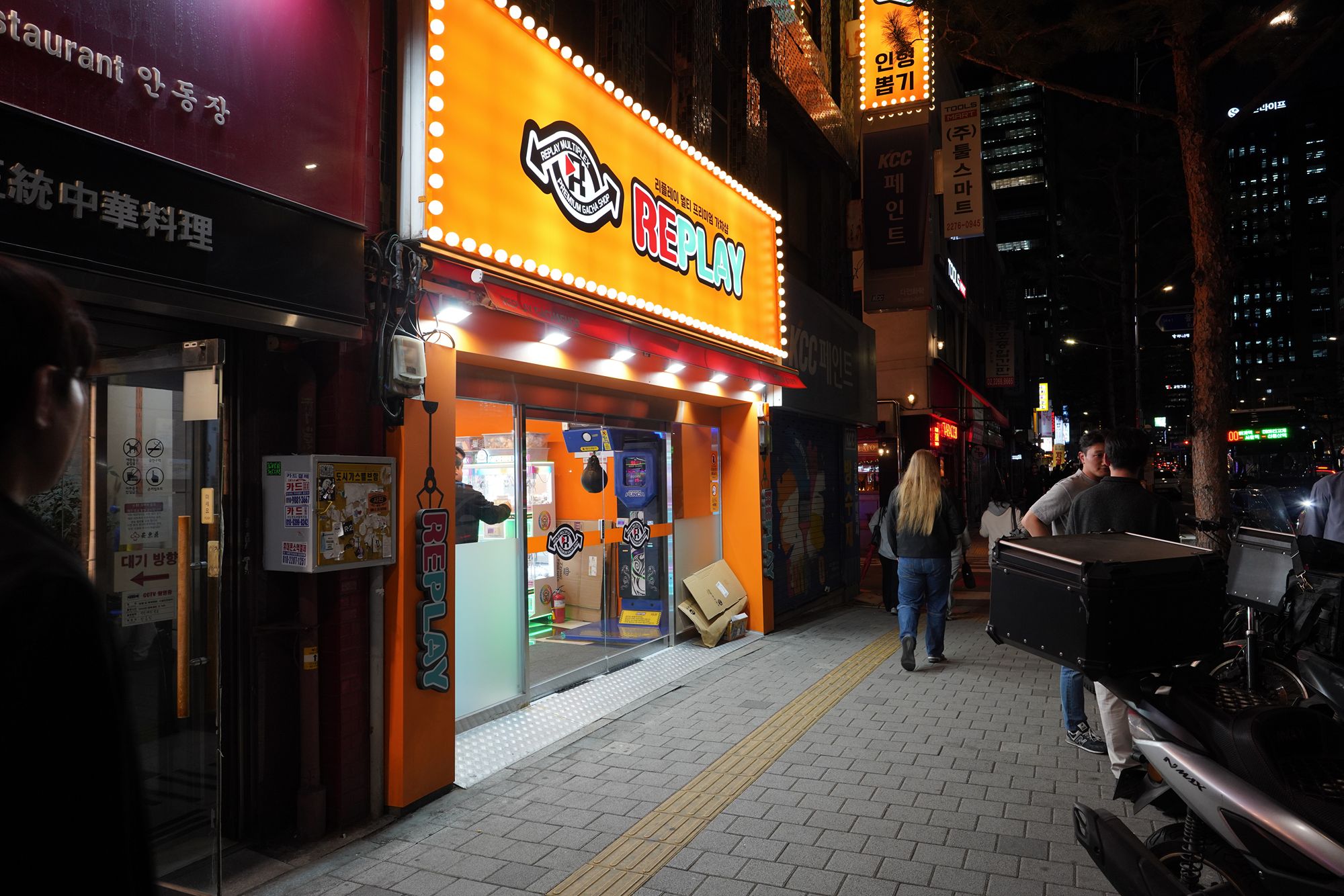
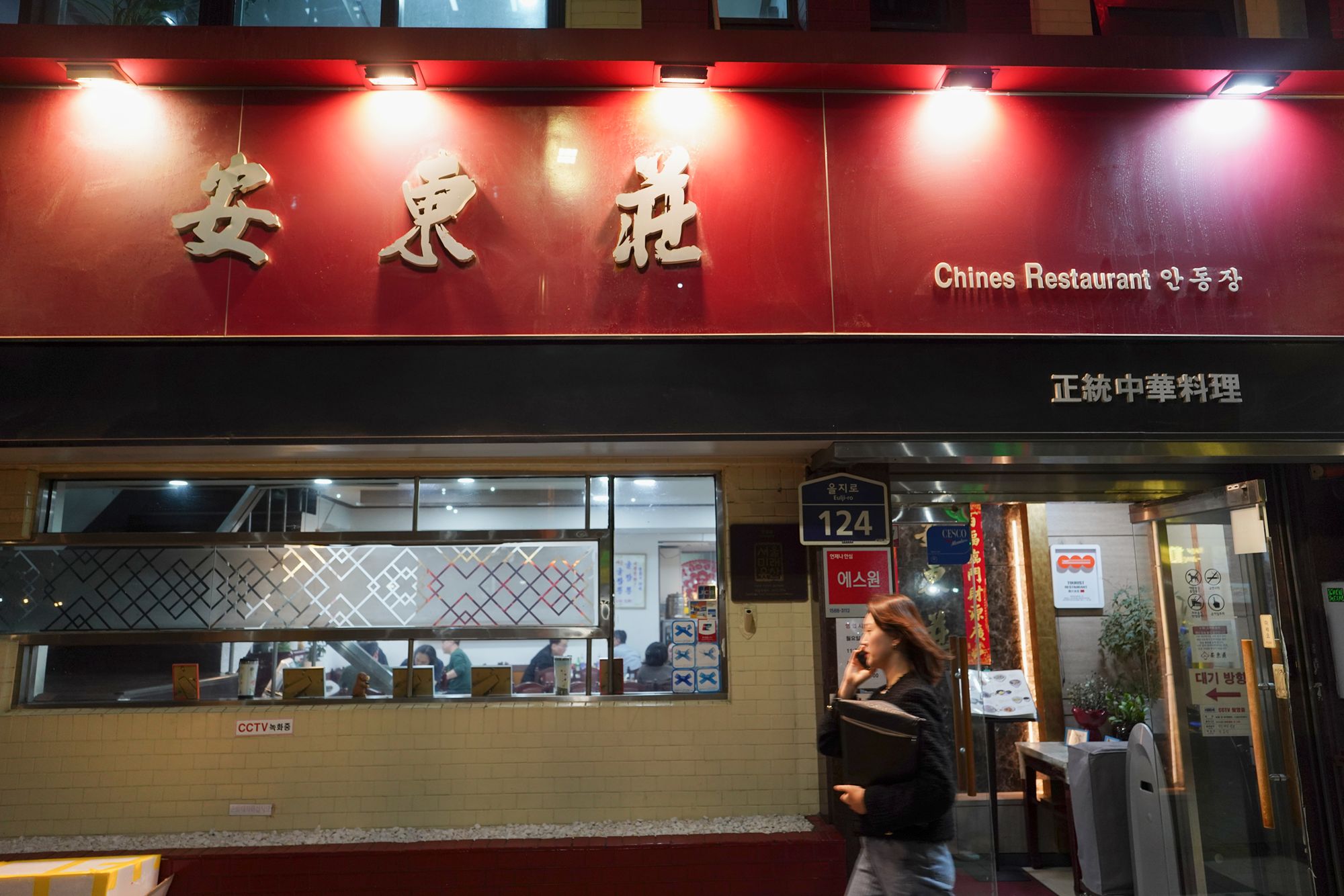
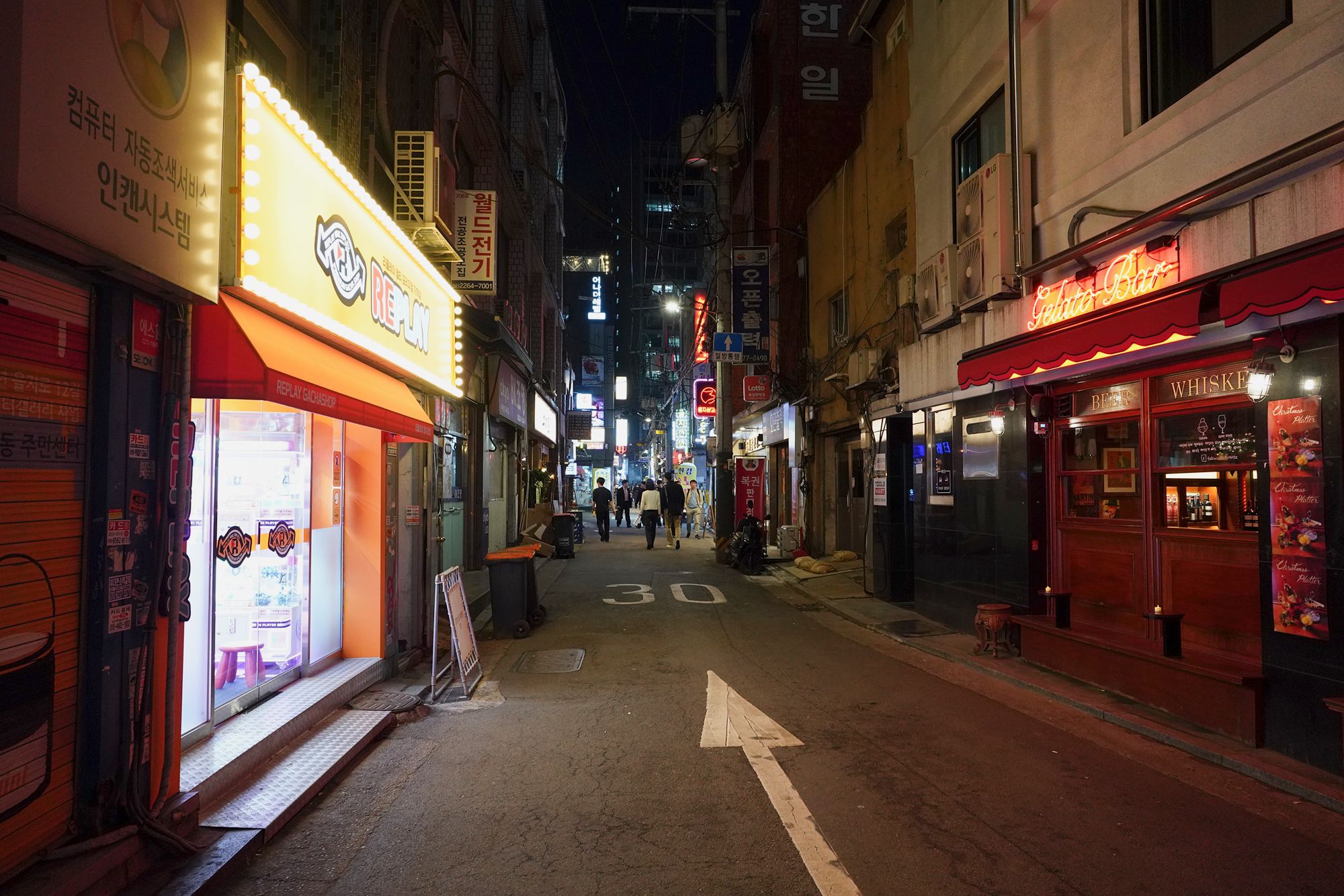
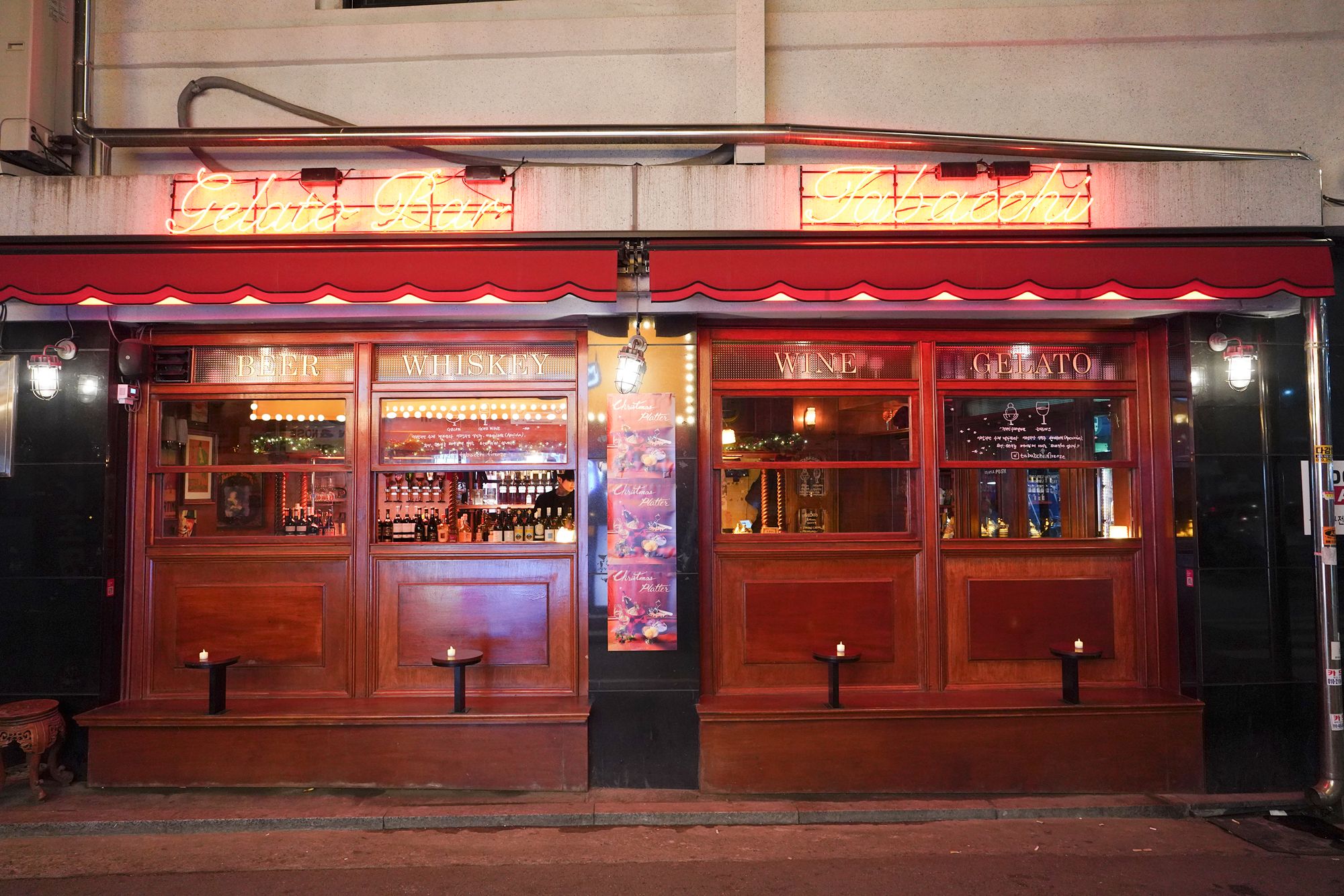
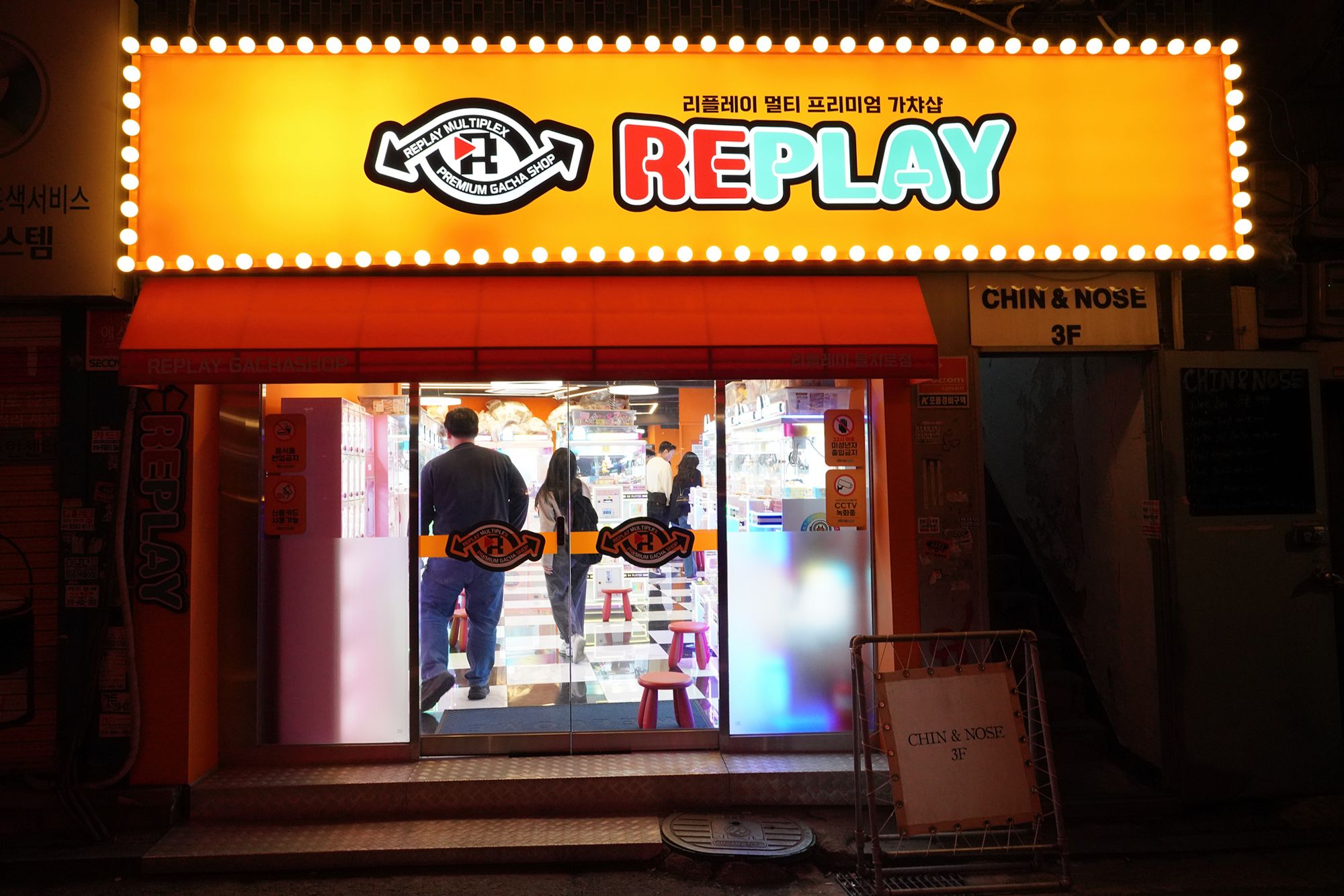
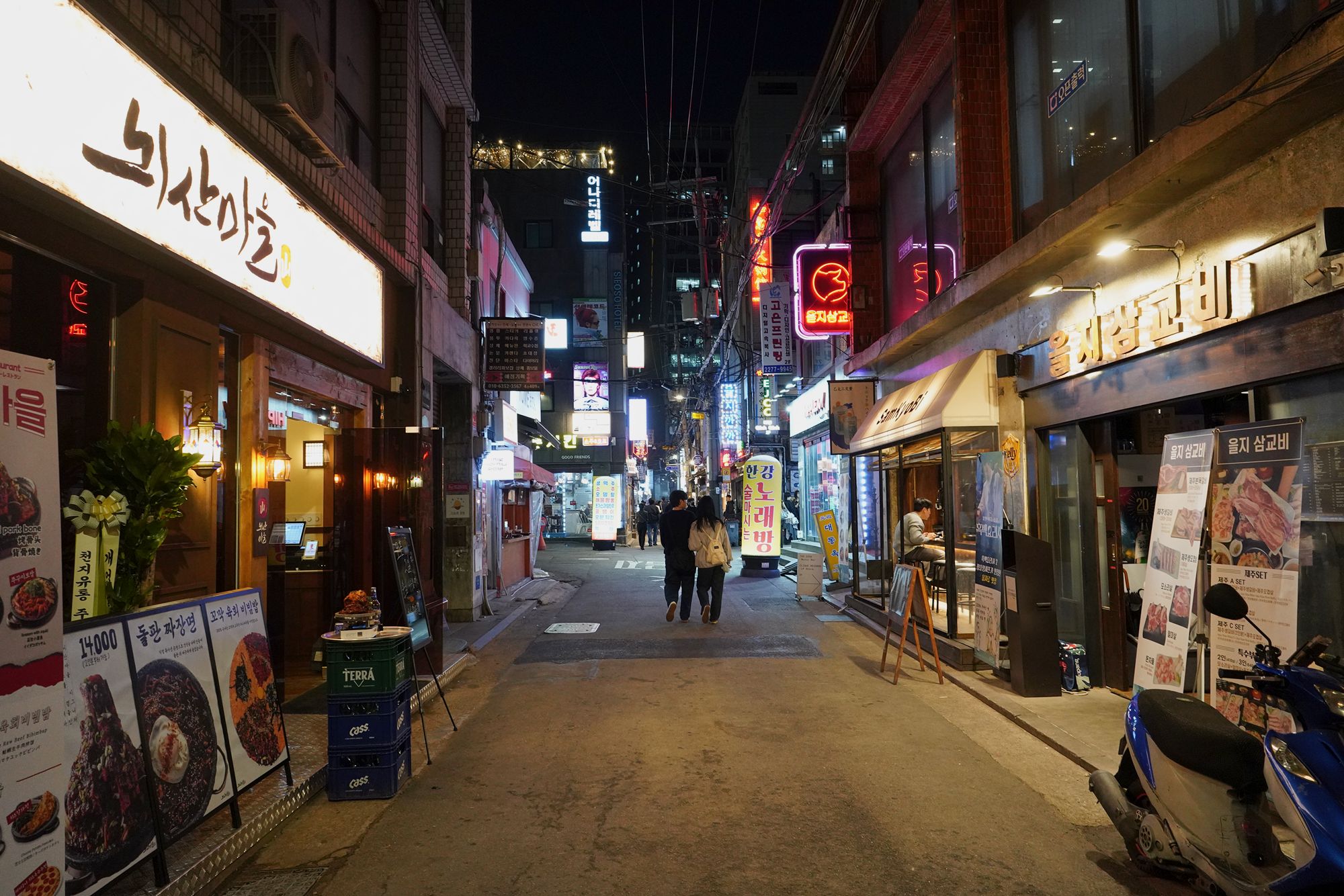
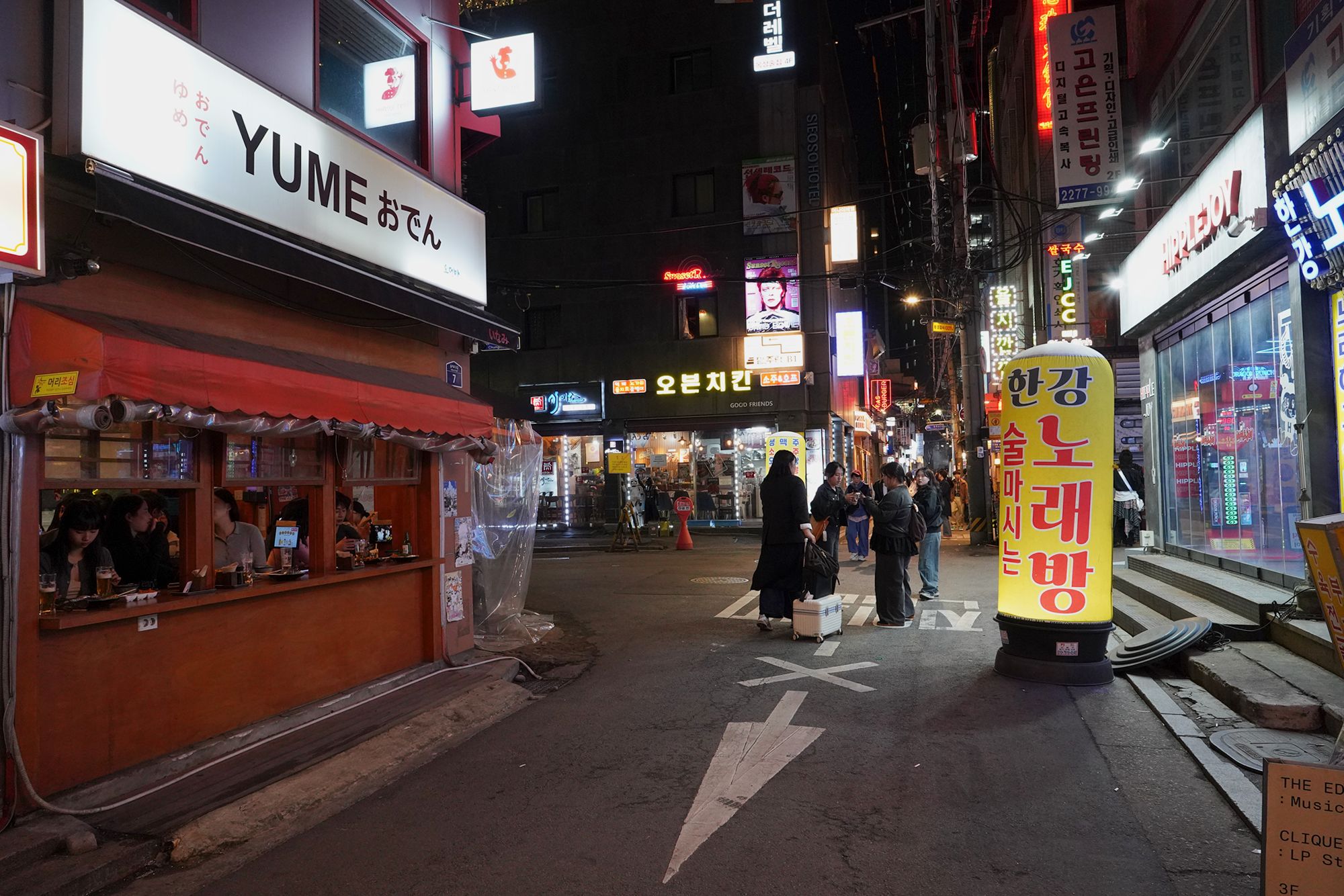
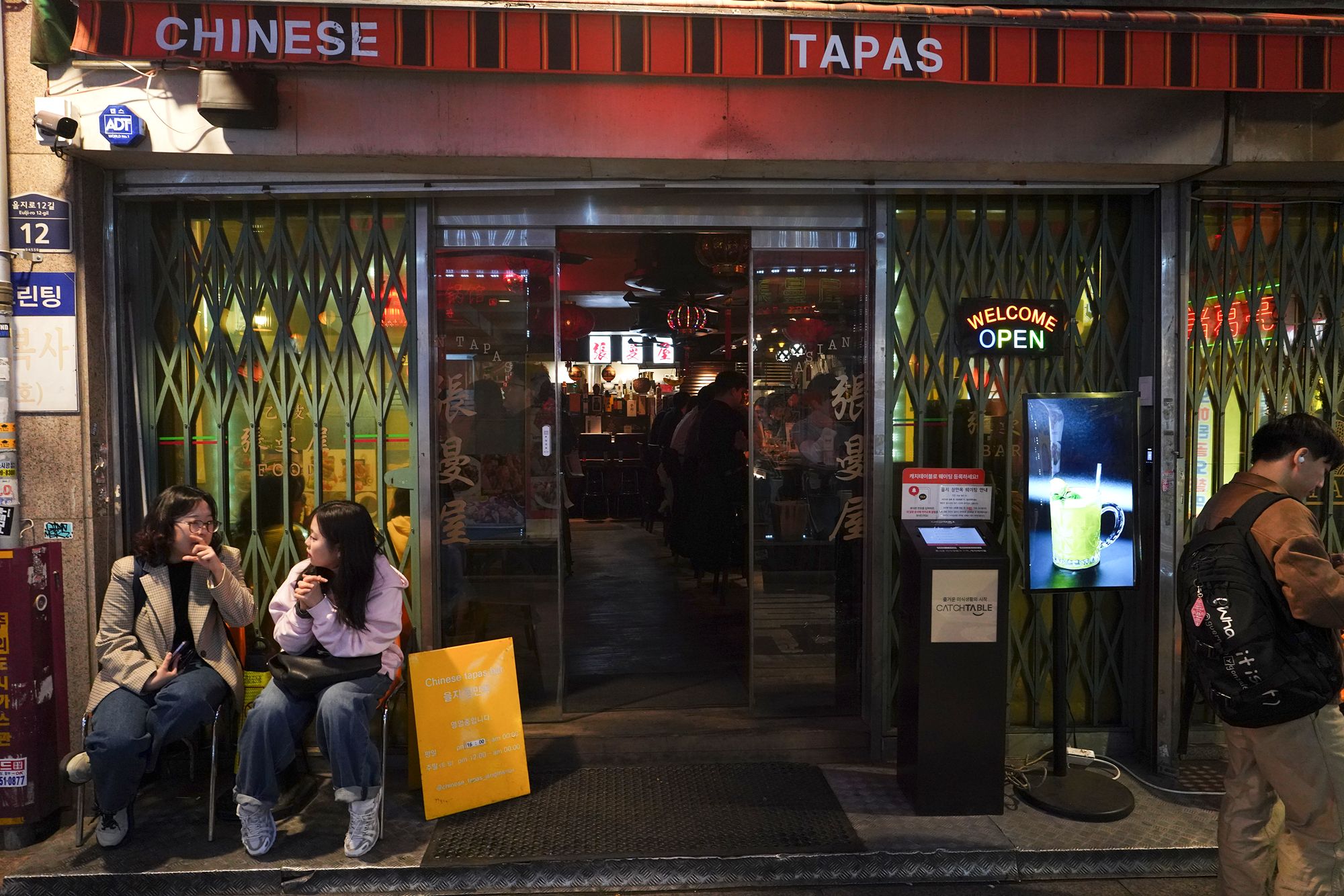
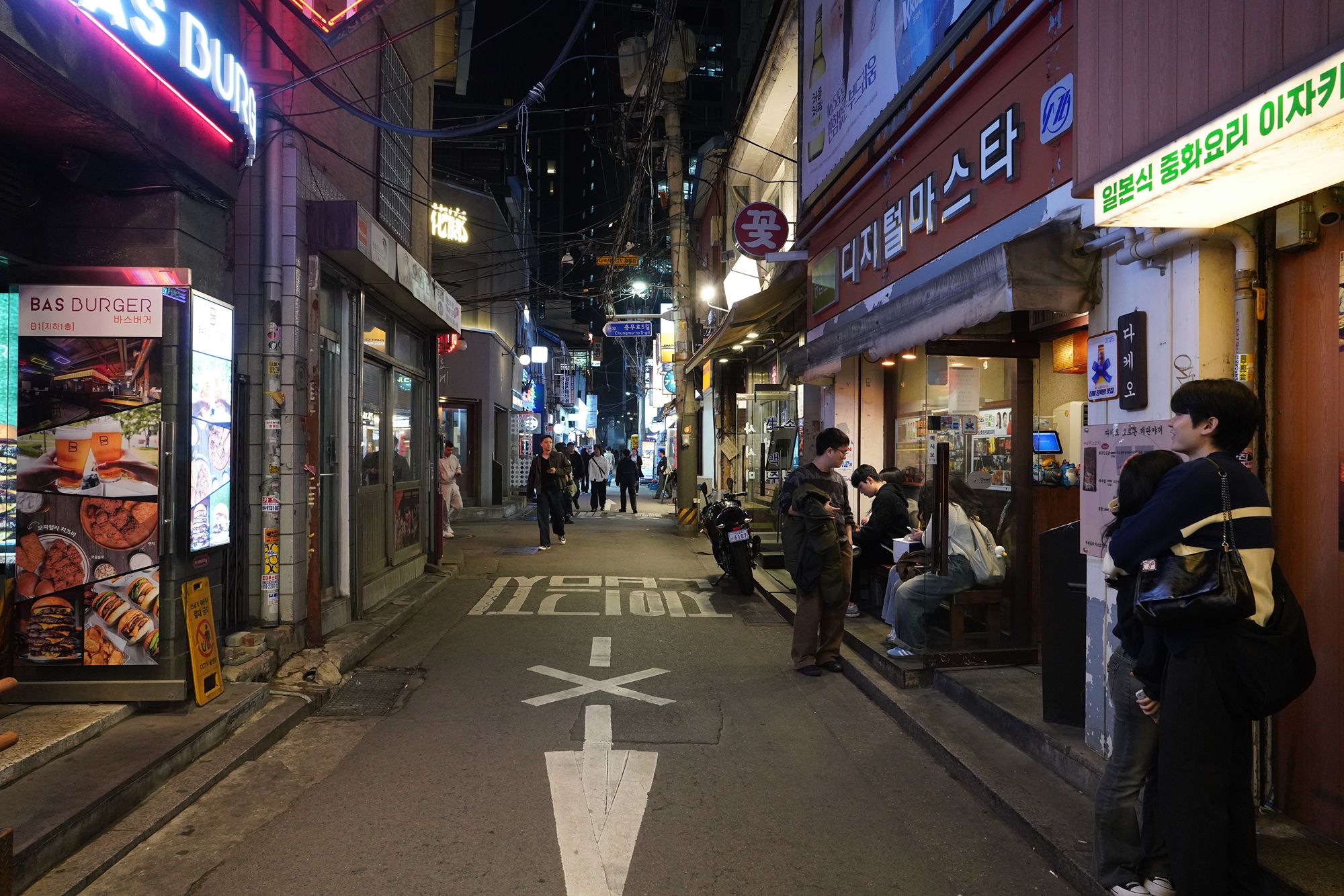
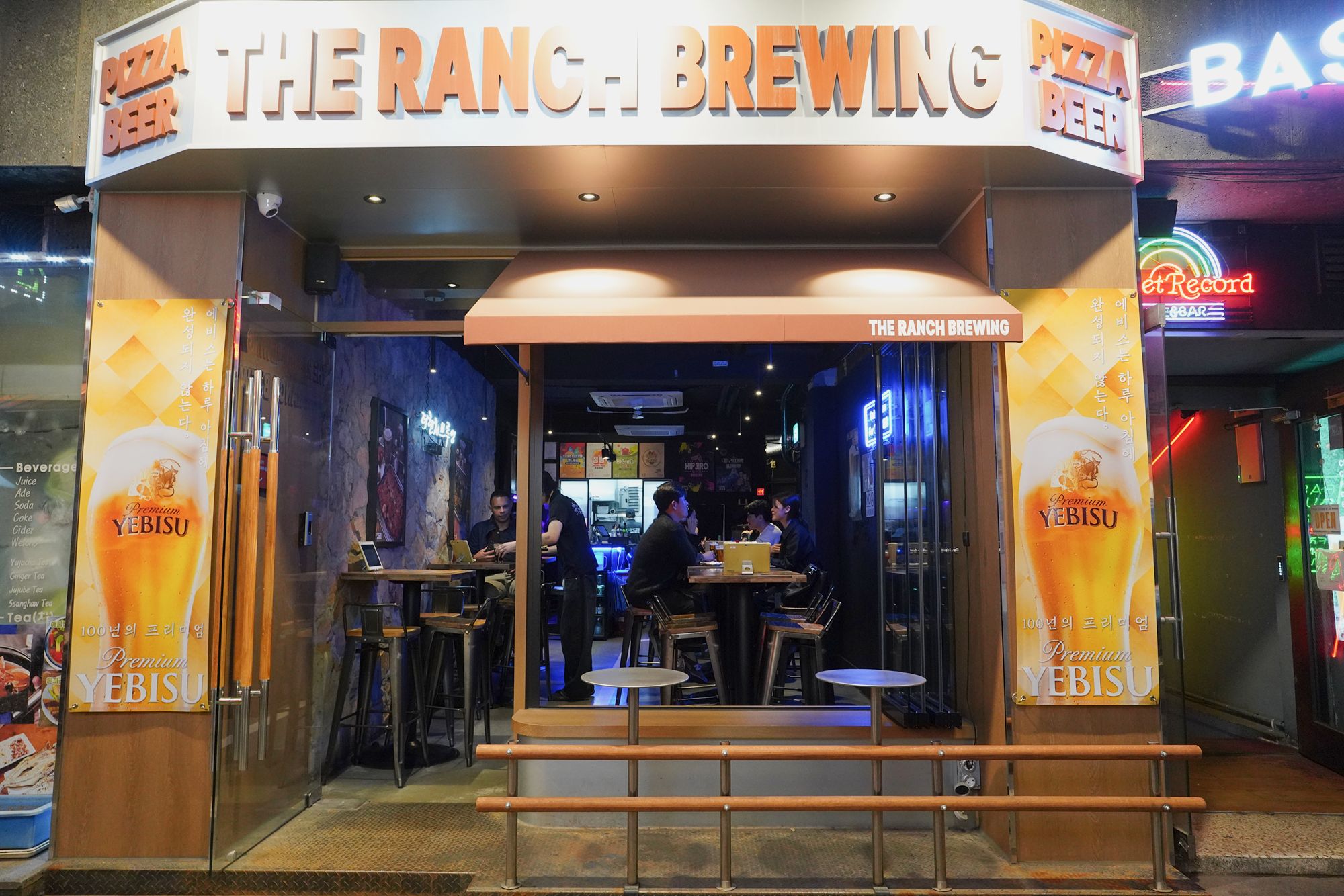
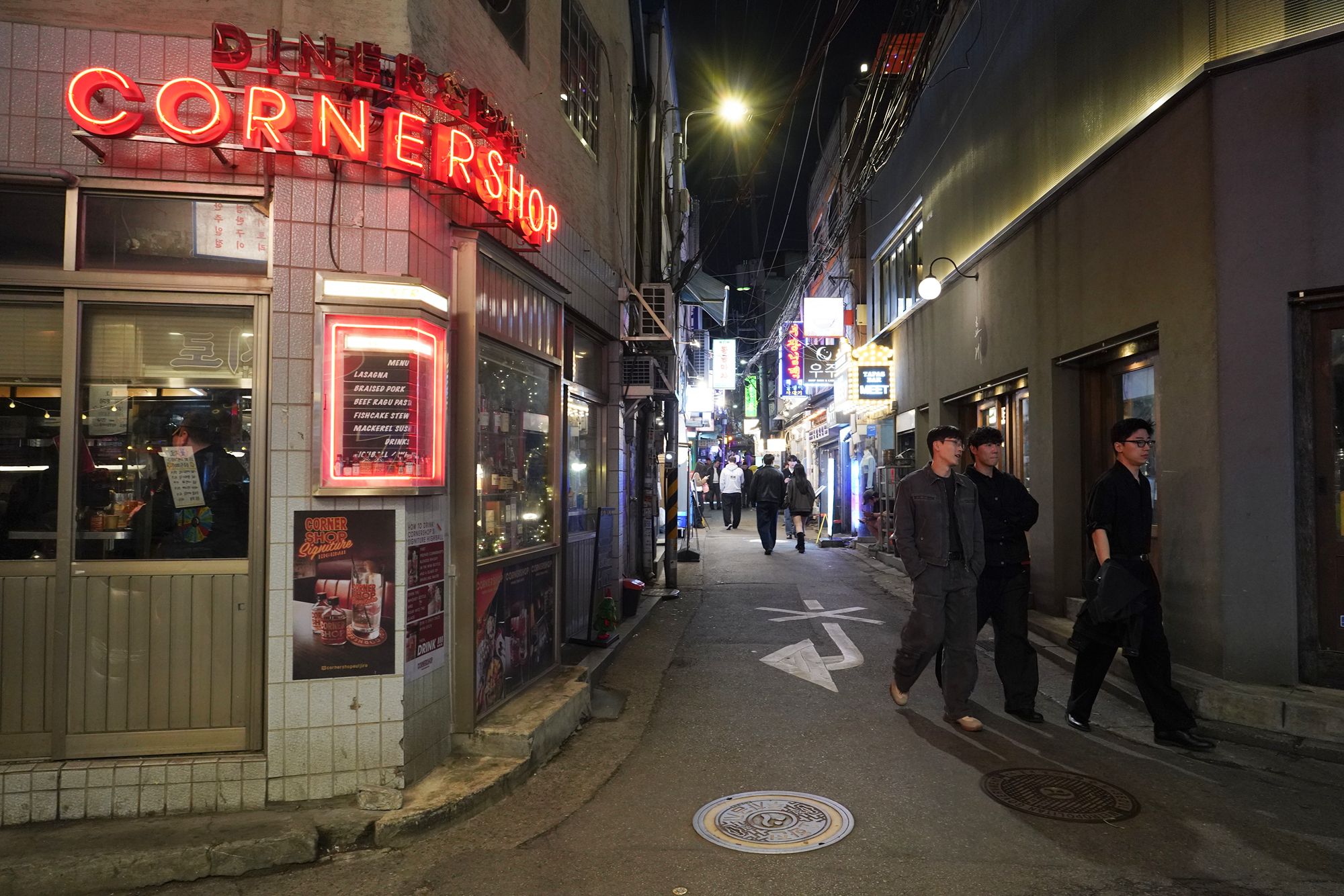
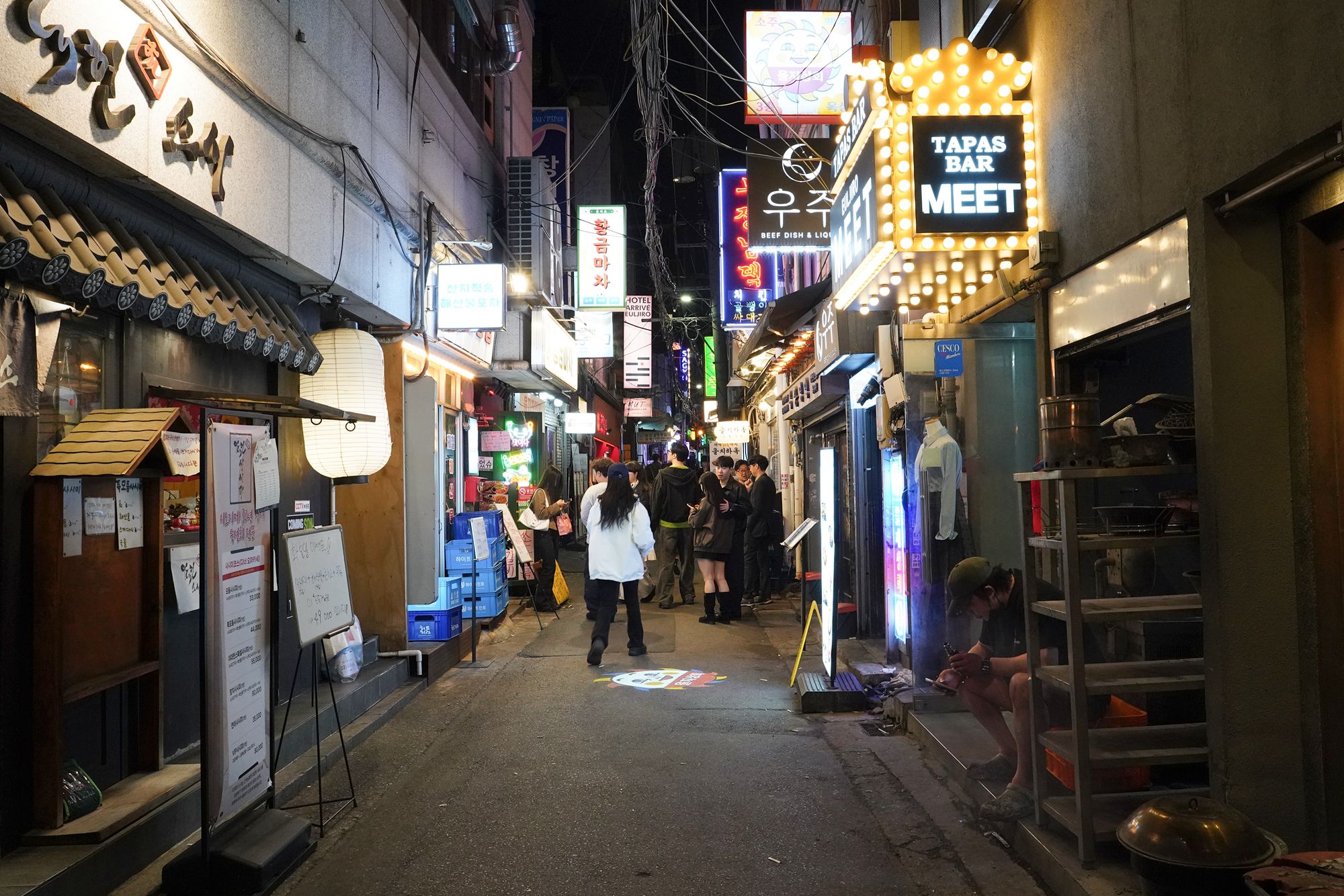
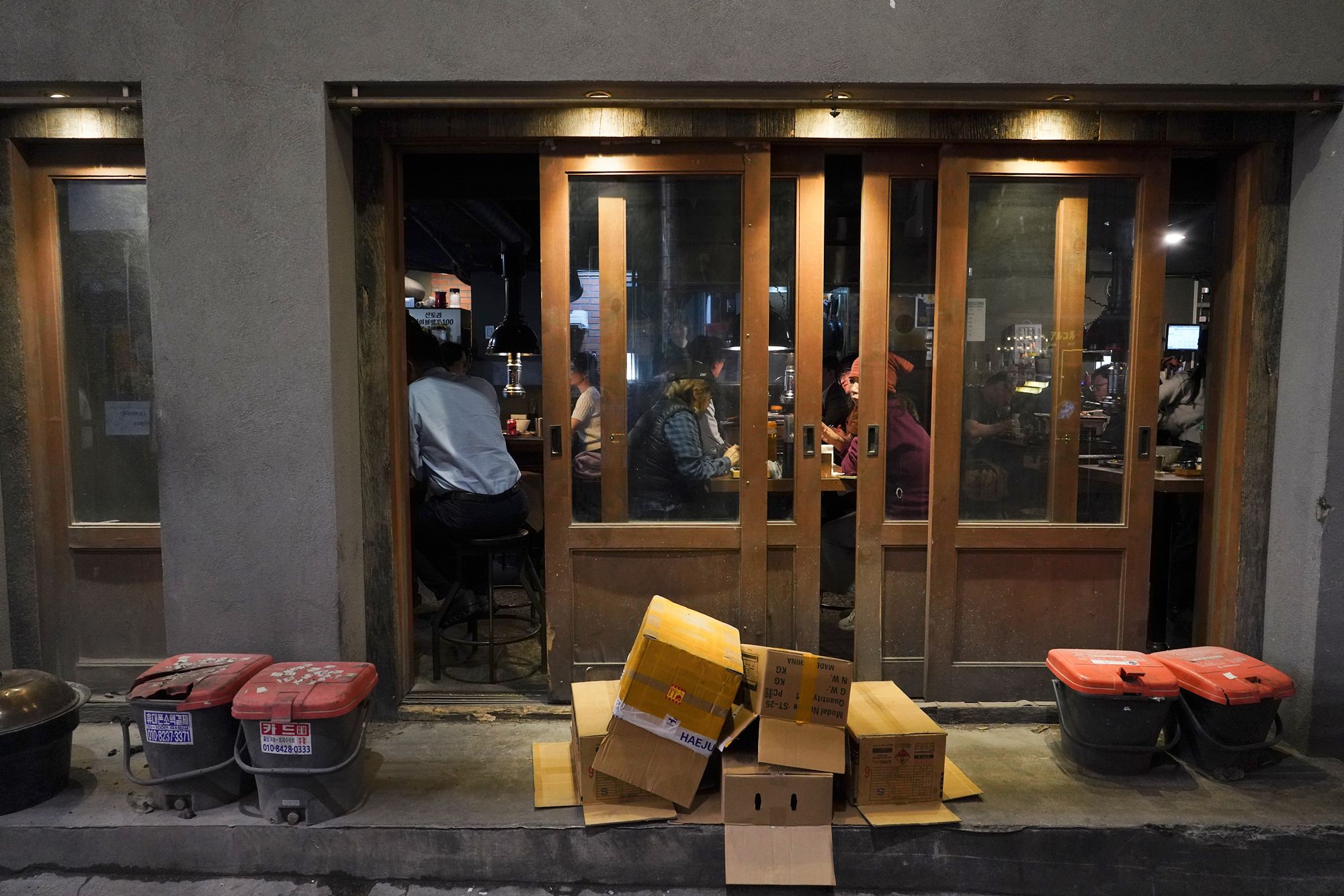
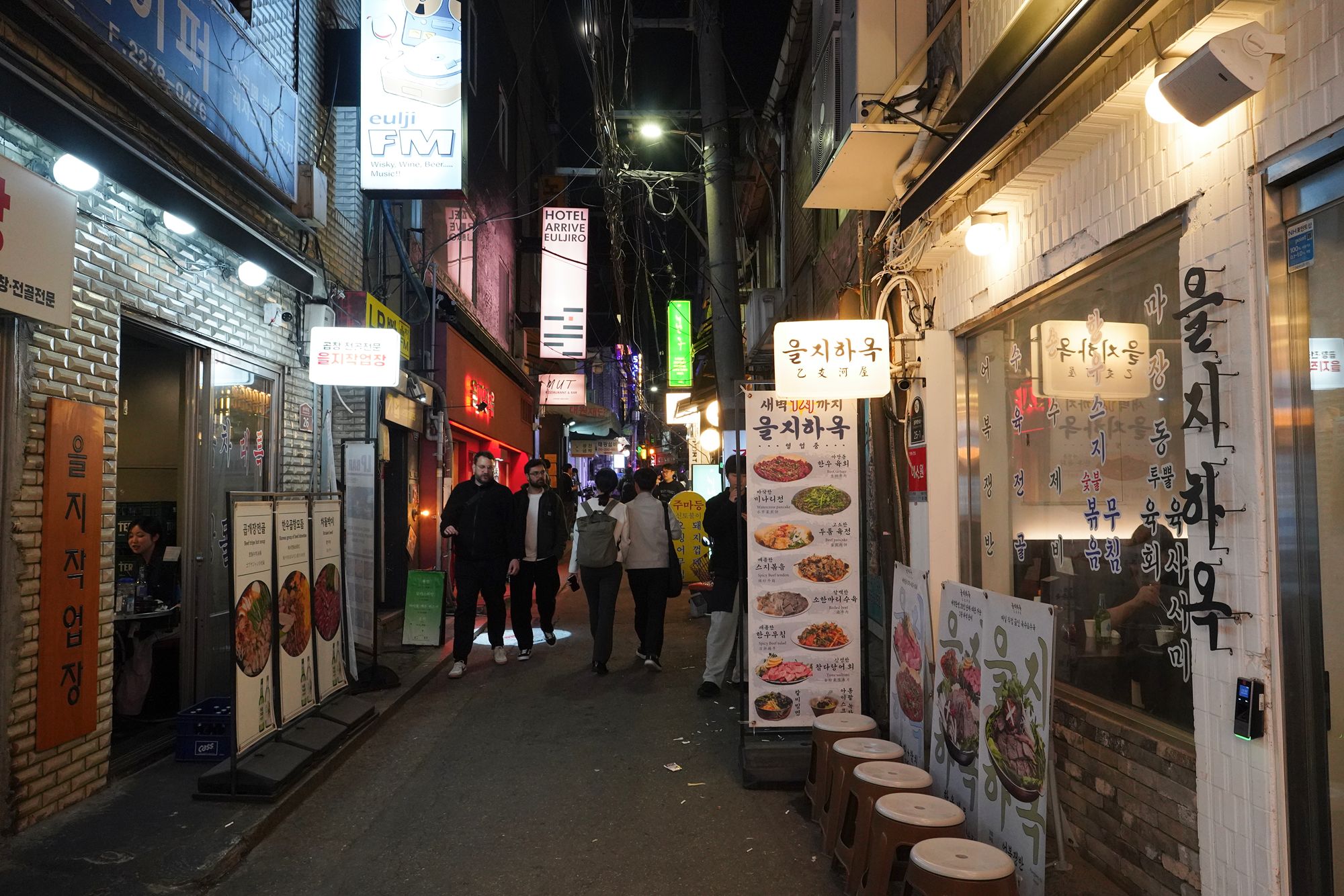
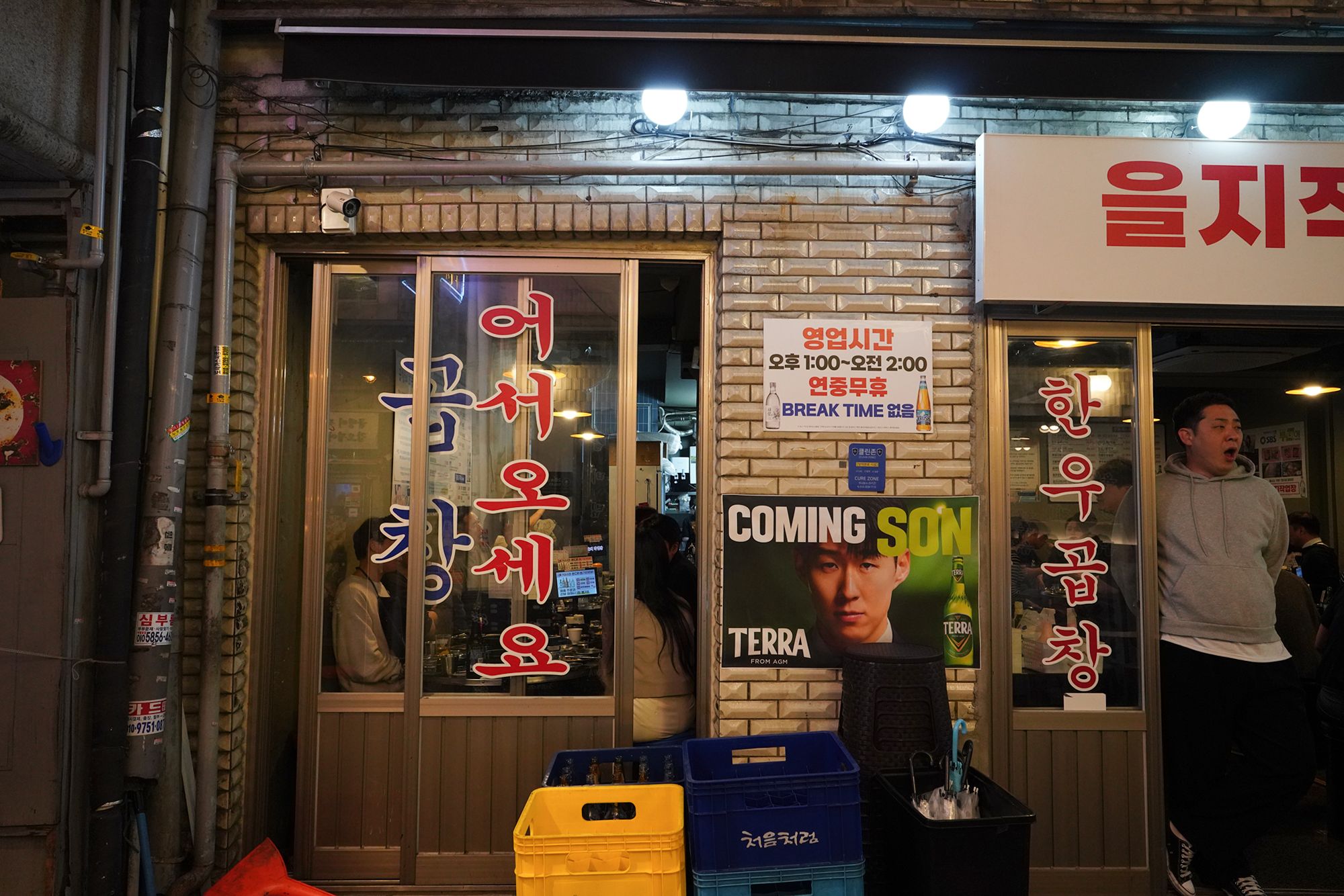
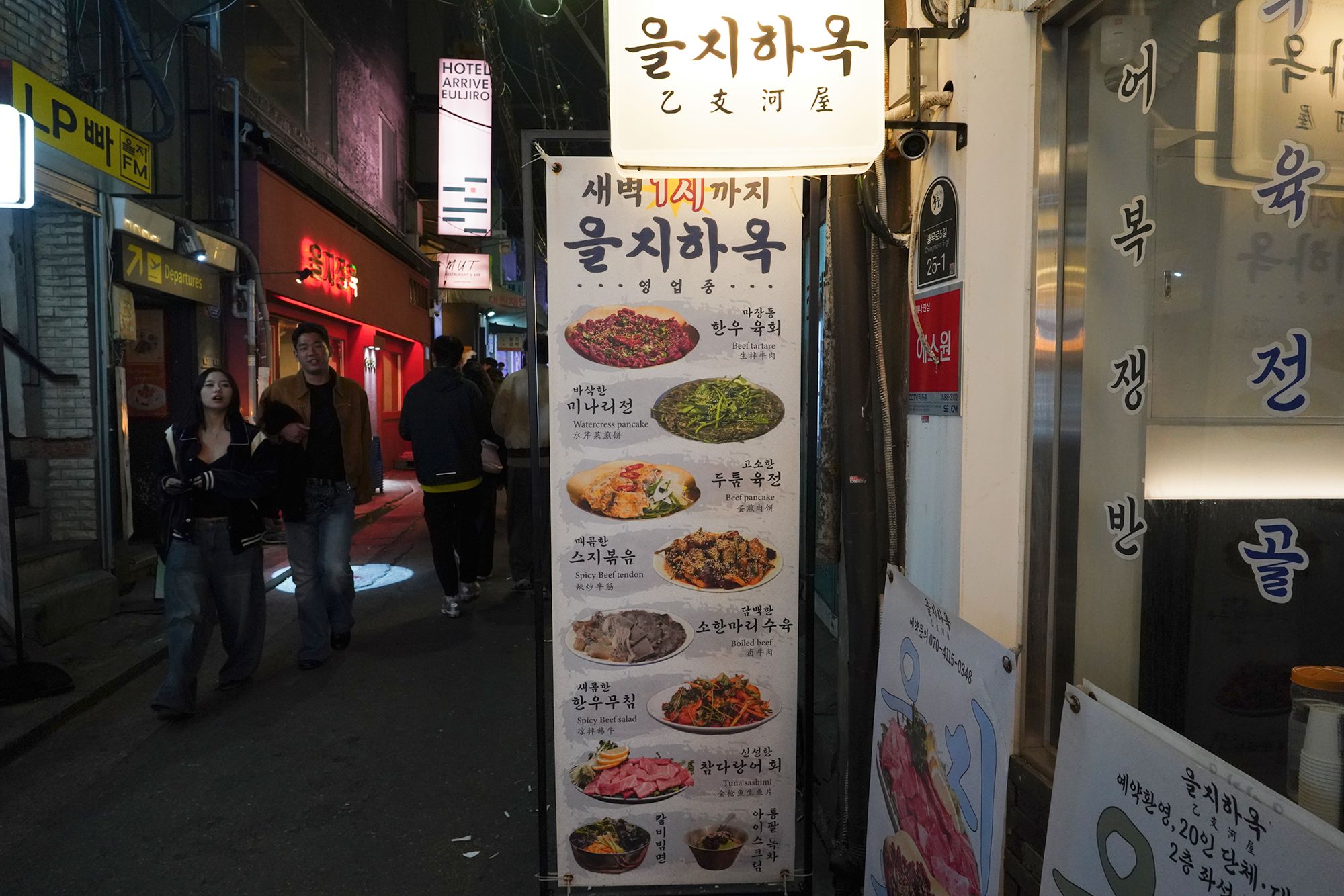
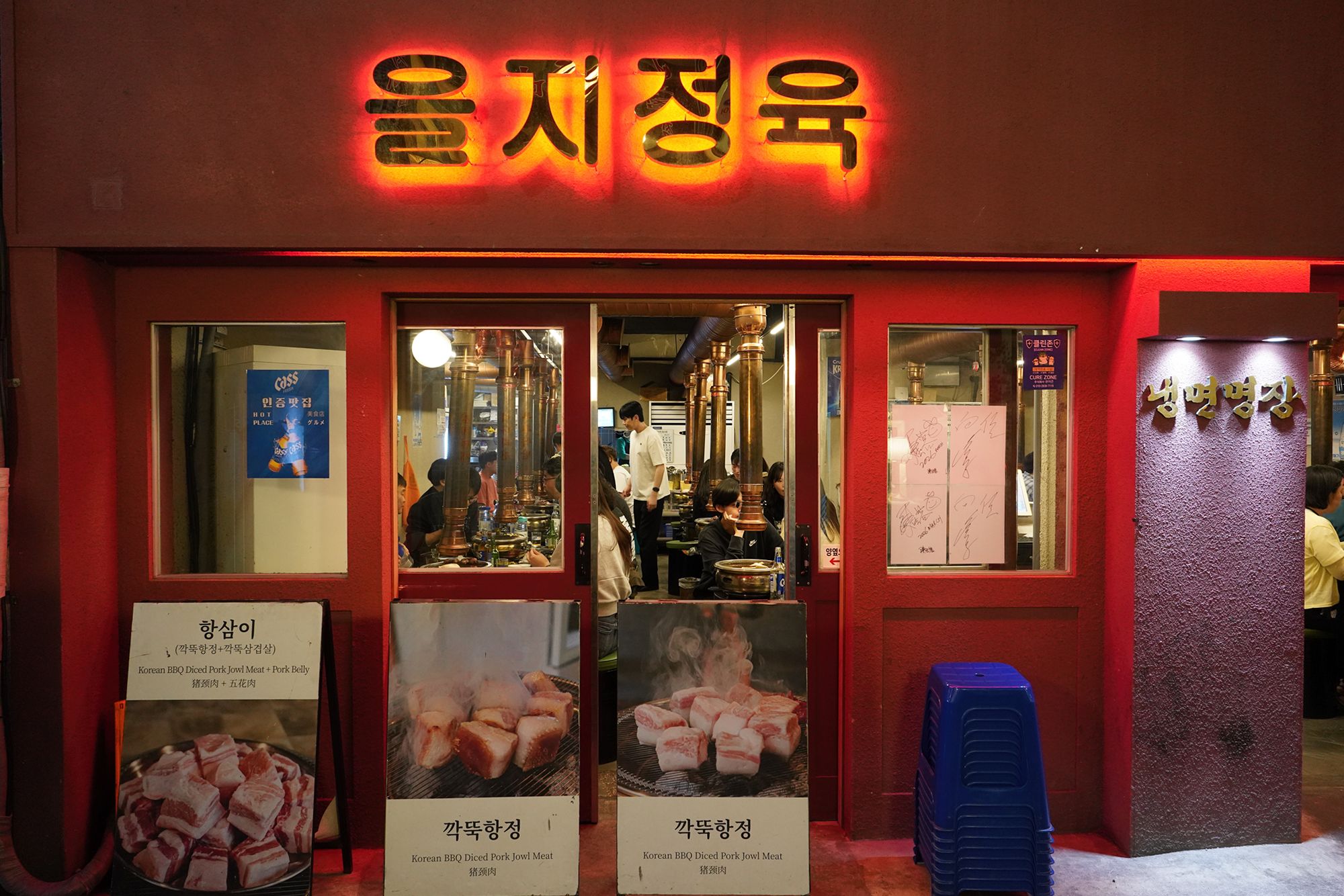
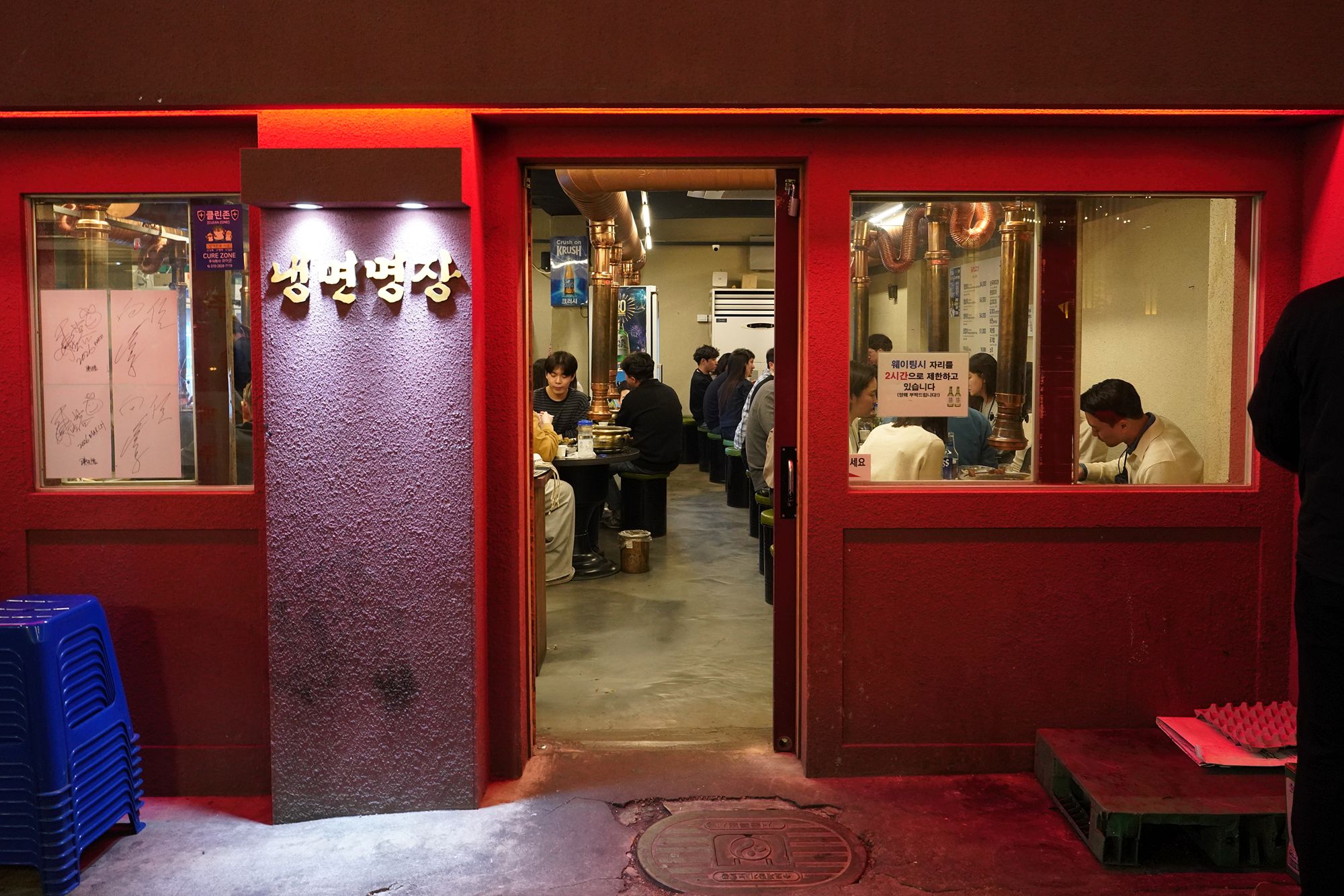
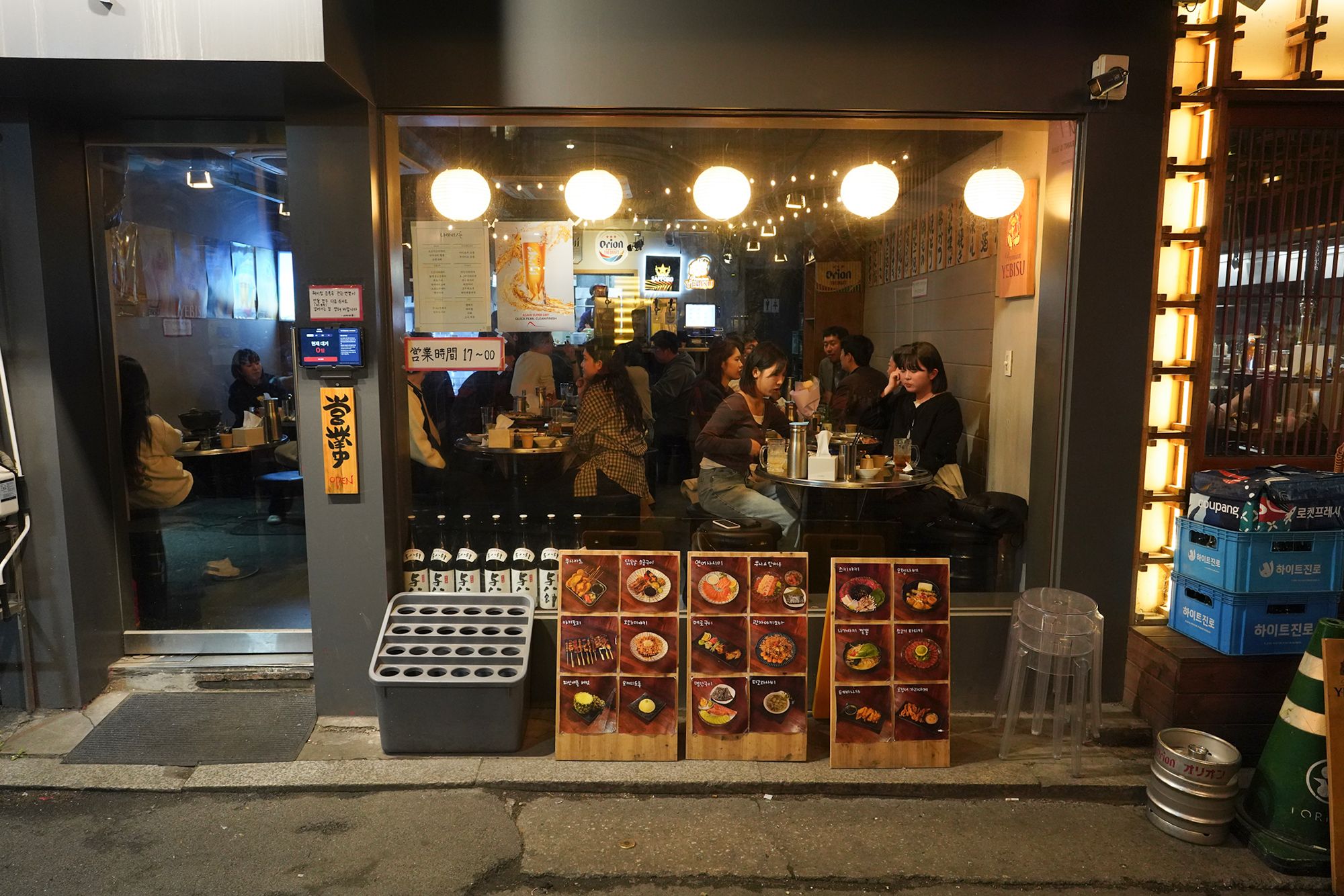
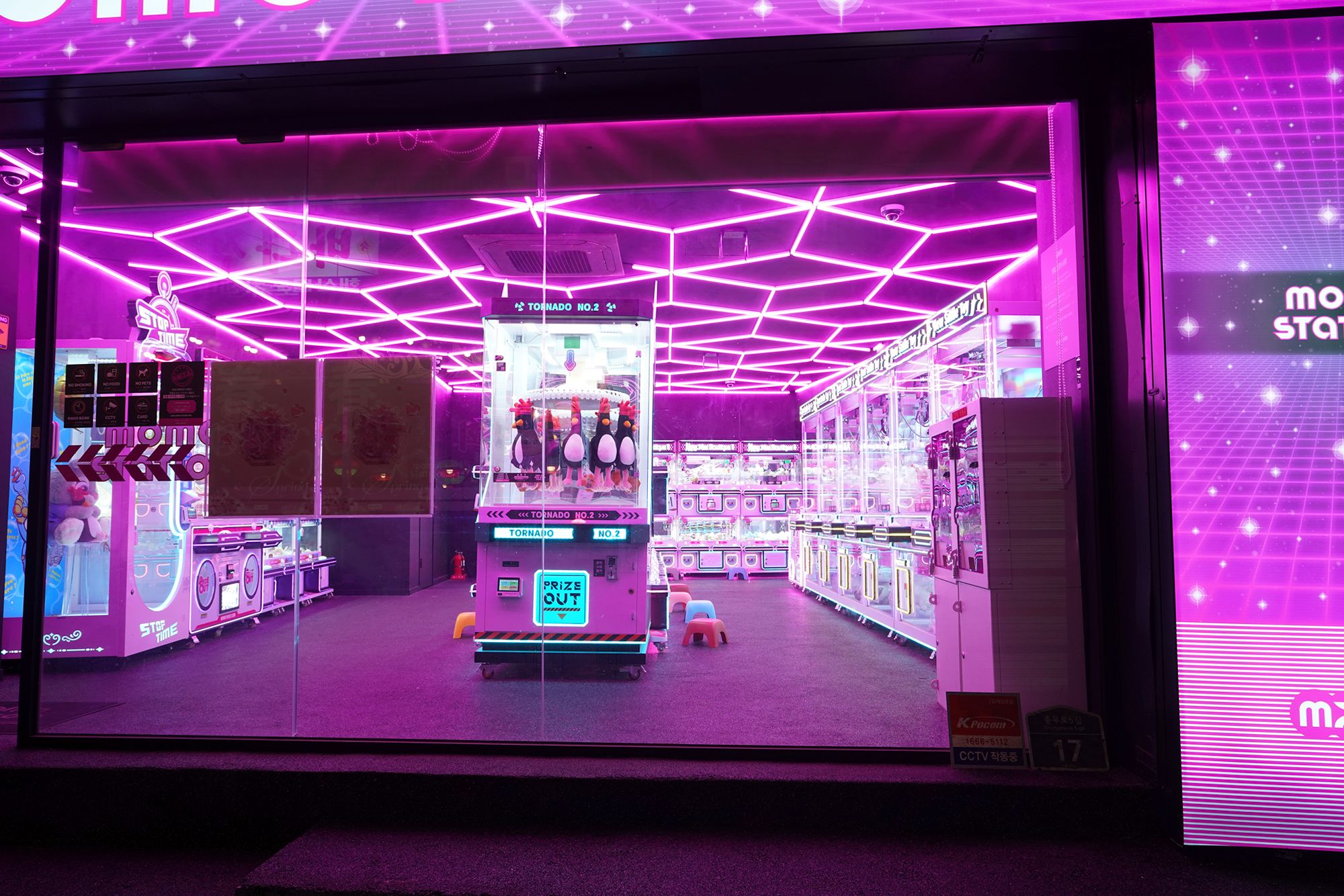
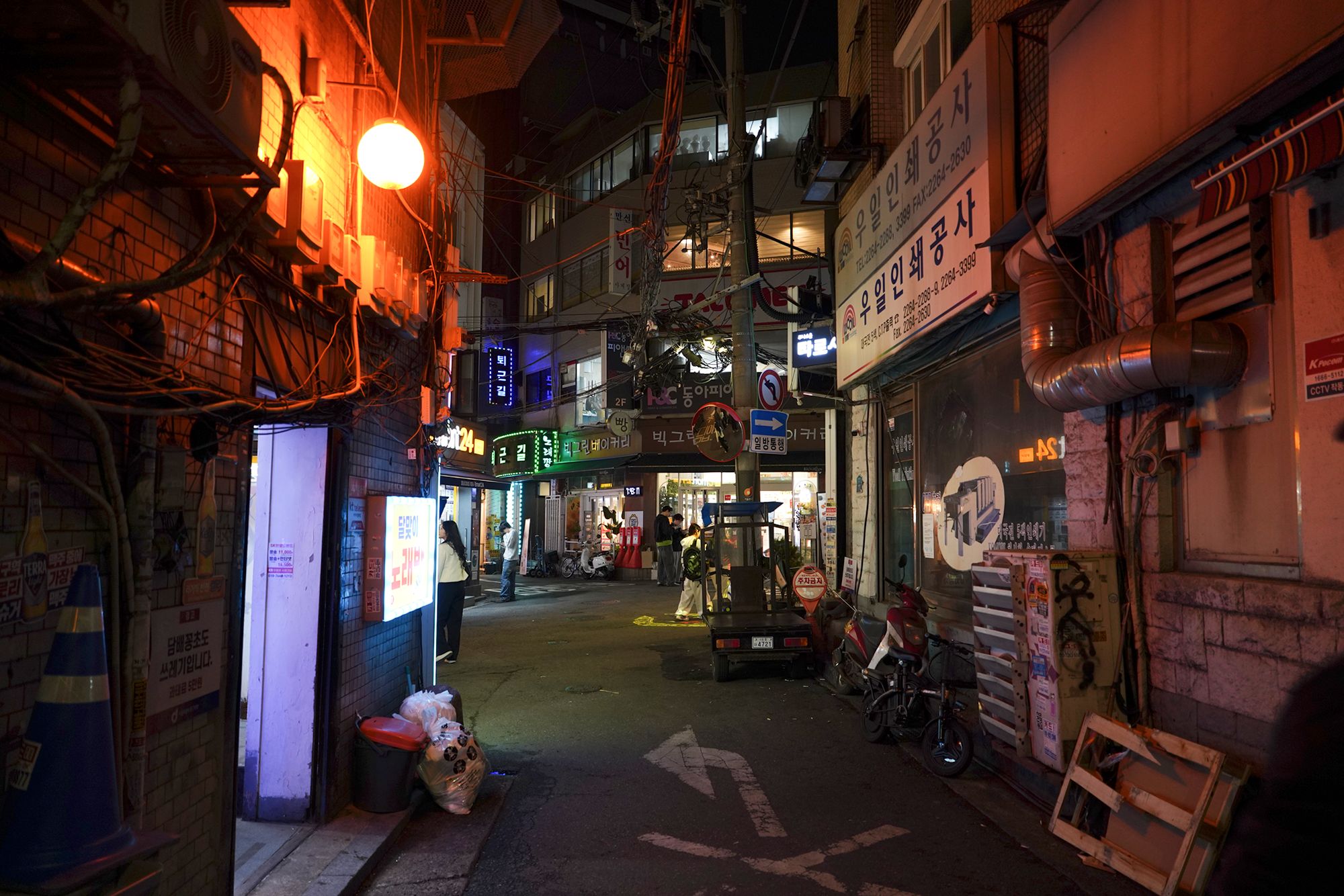
I walked through the narrow food alleys and eventually came out onto a wide street built for car traffic, which was relatively quiet at night.
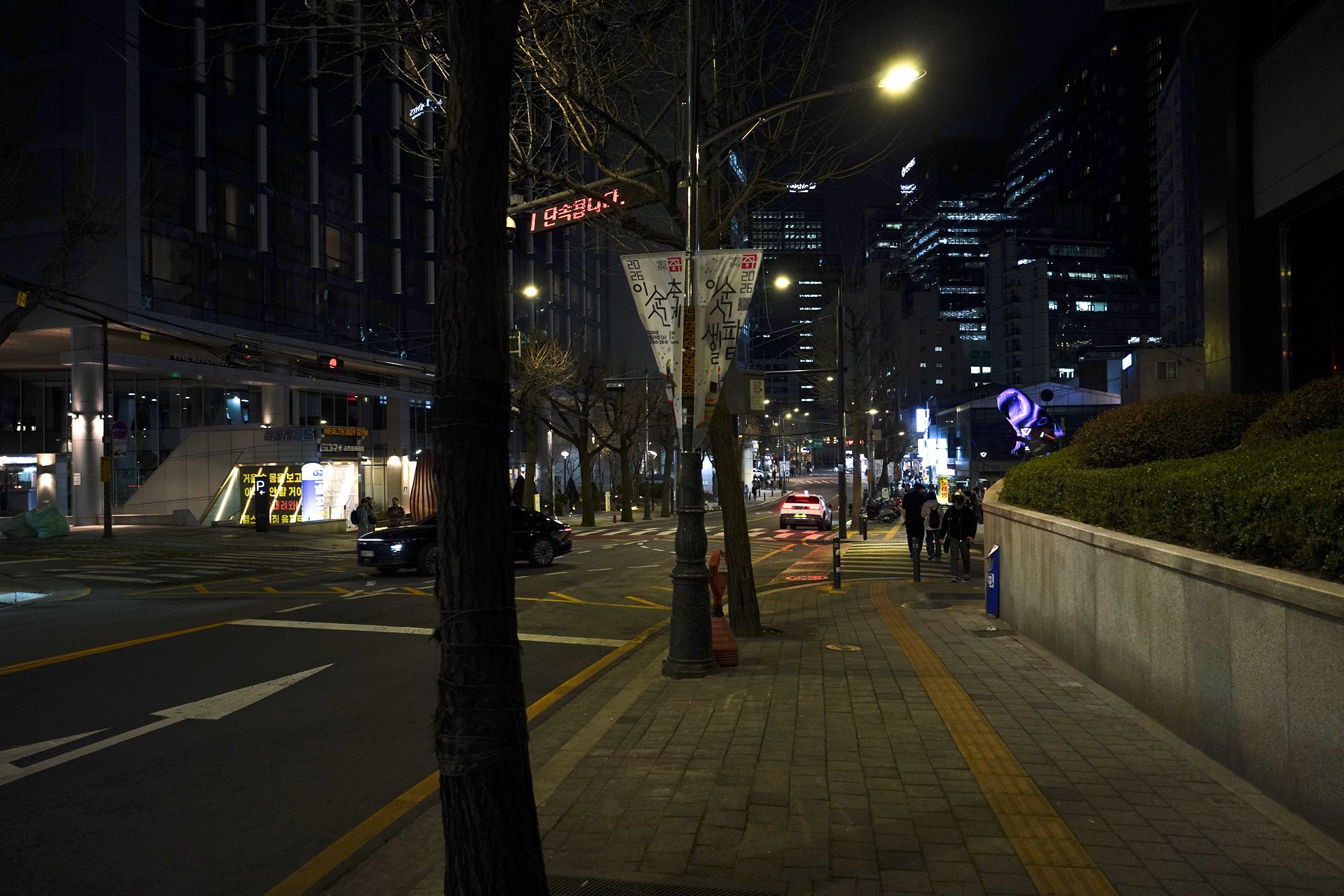
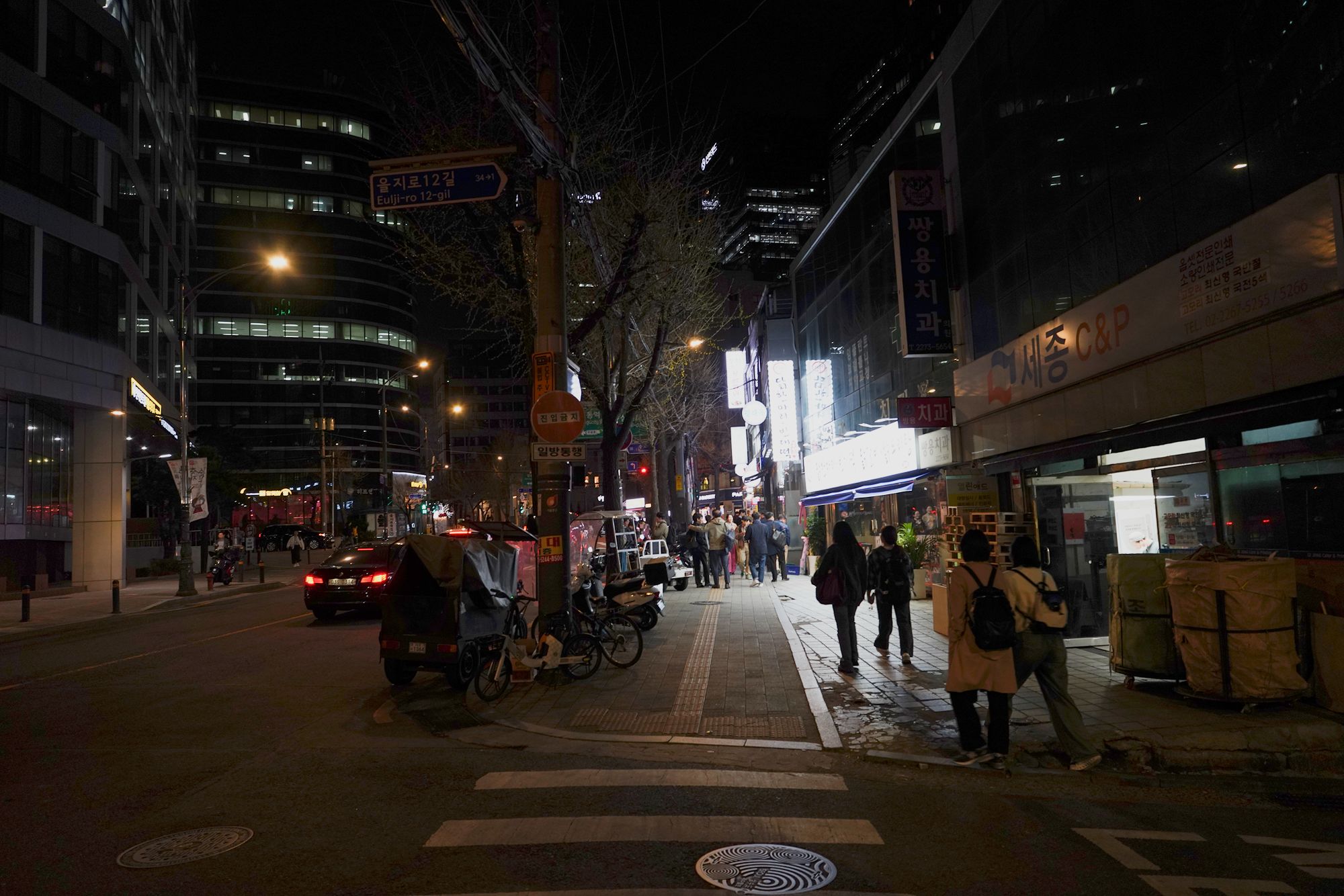
I turned around and walked back into the narrow food alleys I had just explored.