Seoul Museum of History: Seoul’s History Up to 1900, Seoul, South Korea
The Seoul Museum of History tells the story of Seoul’s development from its early beginnings to the modern city it is today. 1281
Seoul Museum of History: 55 Saemunan-ro, Jongno District, Seoul, South Korea
Date Picture Taken: Apr, 2026
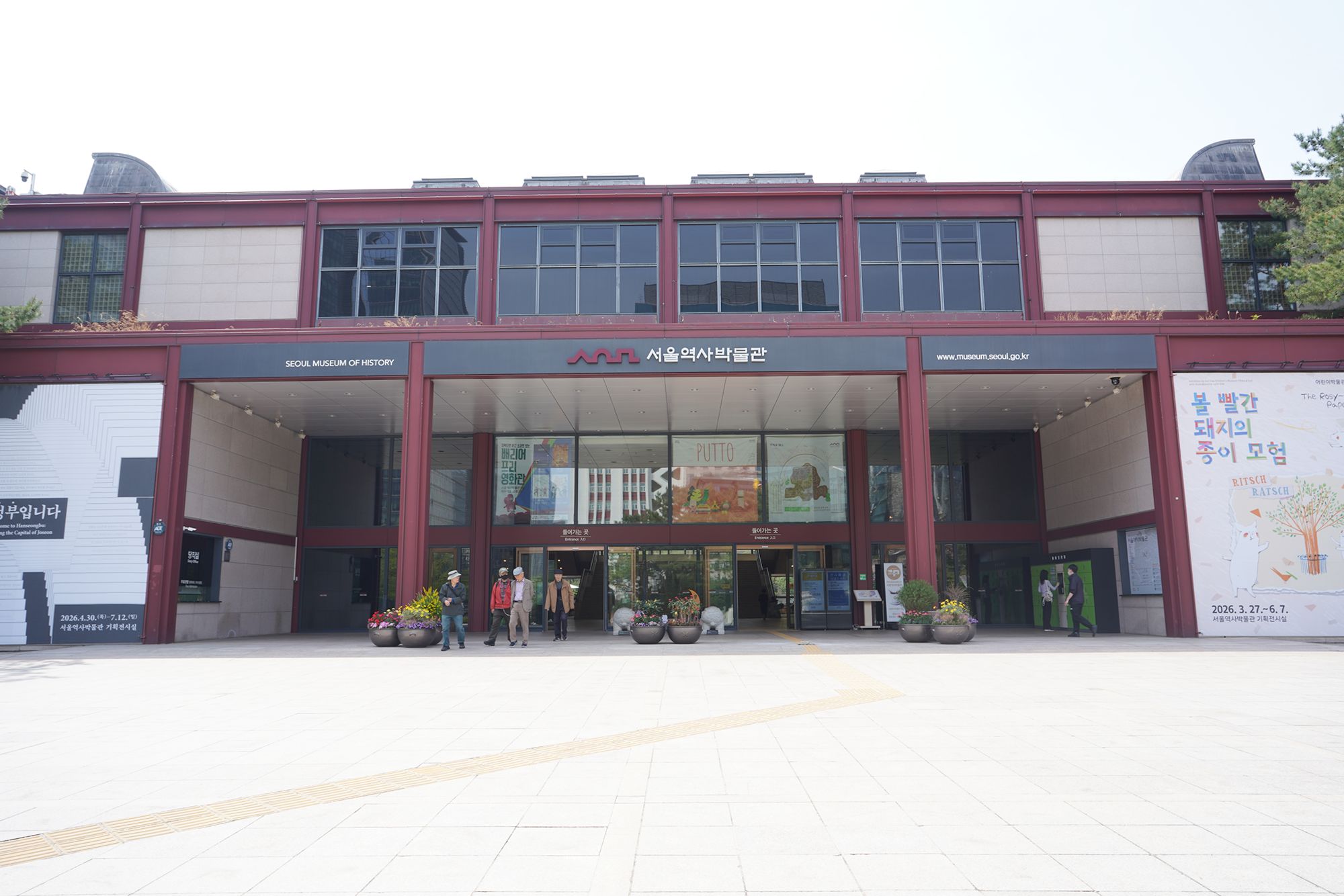
The Seoul Museum of History (서울역사박물관) is a museum dedicated to the history and development of Seoul, particularly its transformation from the capital of the Joseon Dynasty into the enormous modern city we see today.
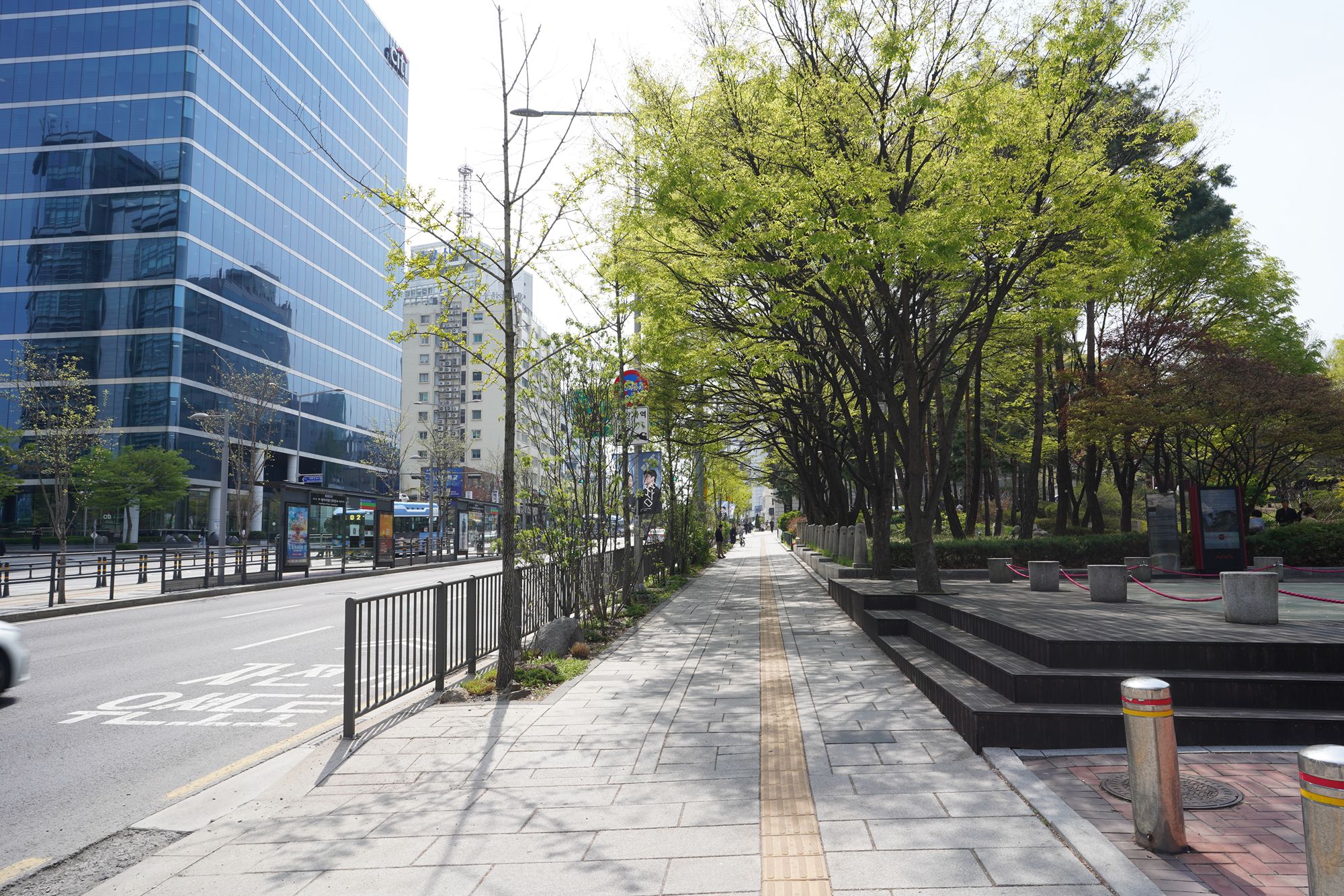
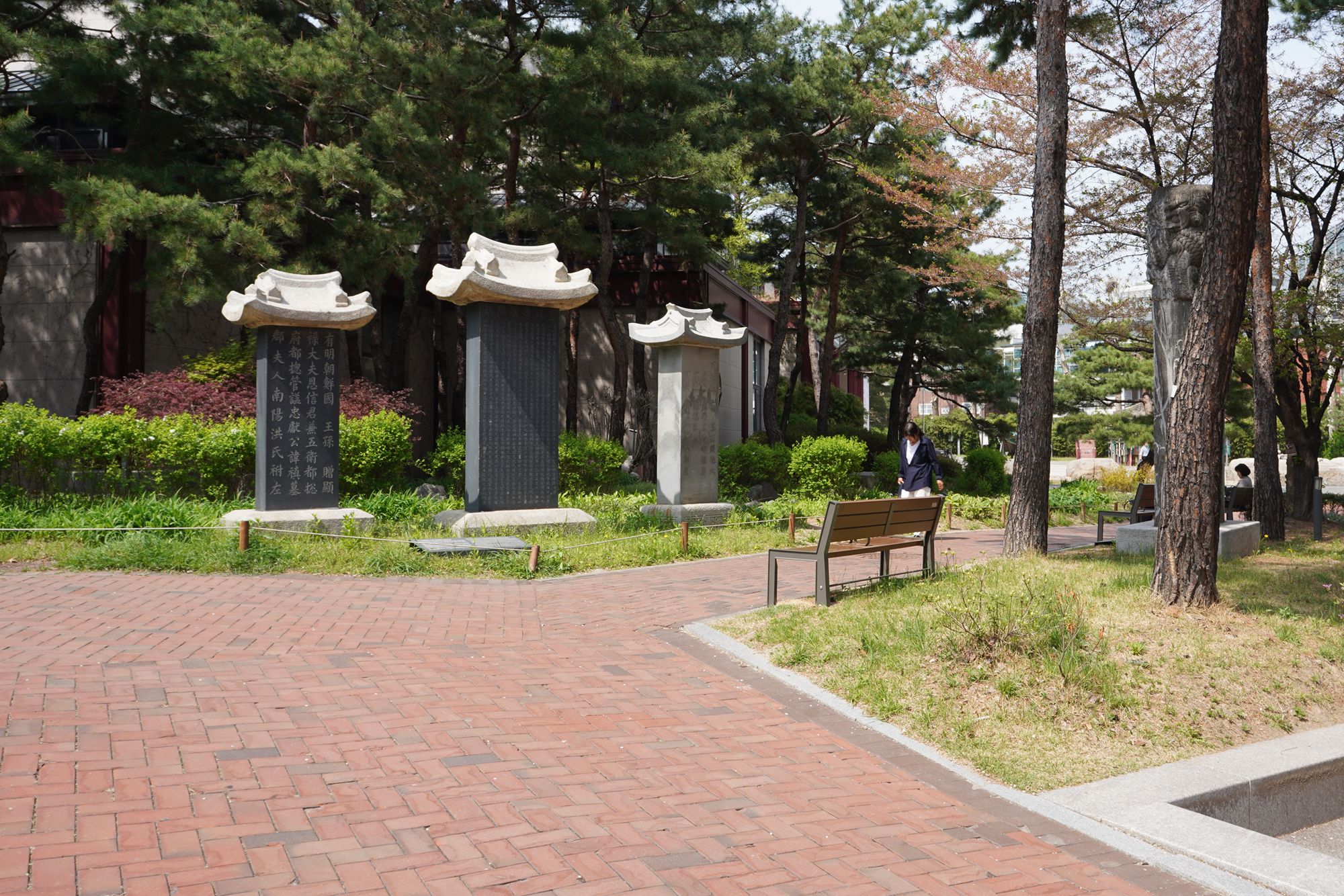
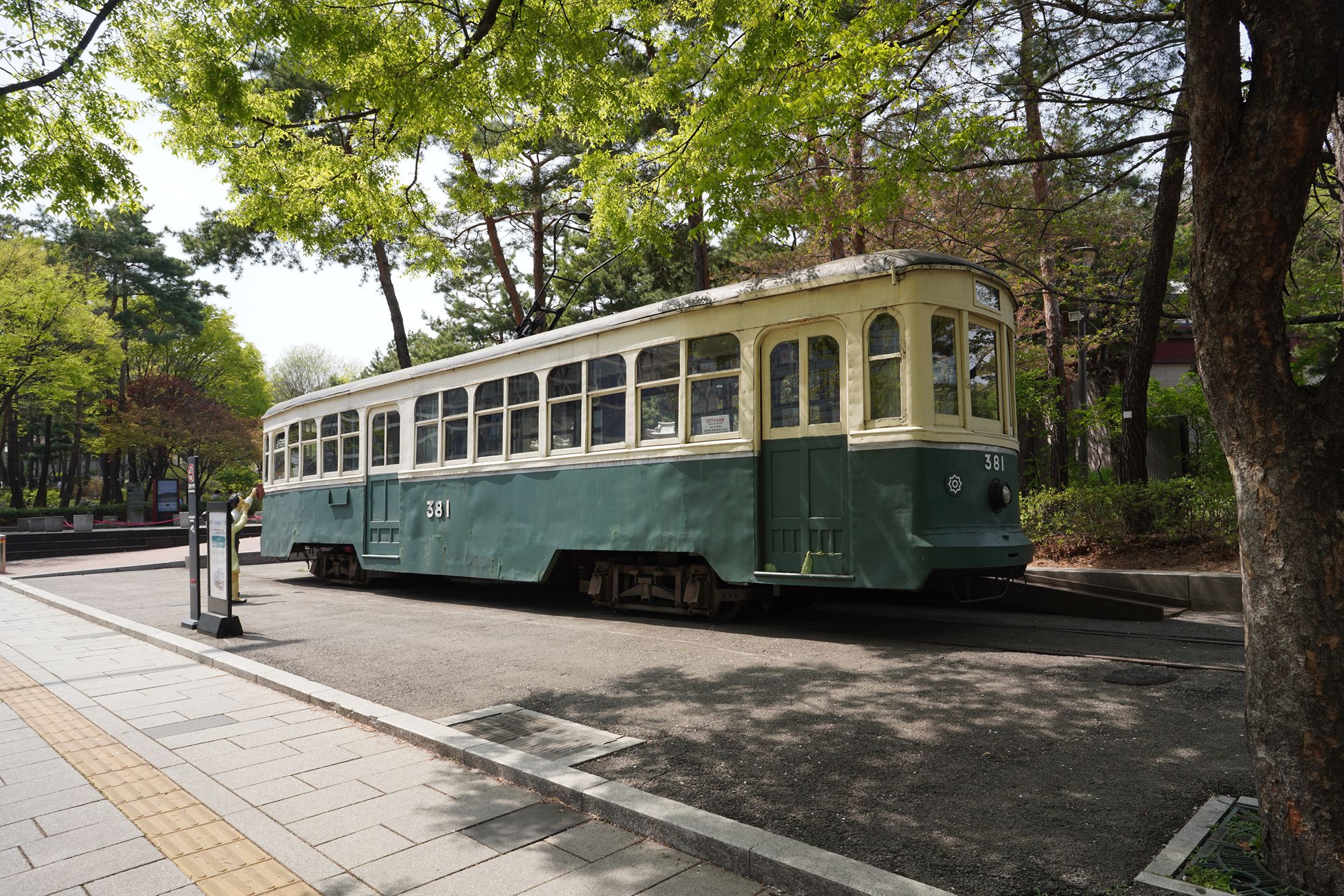
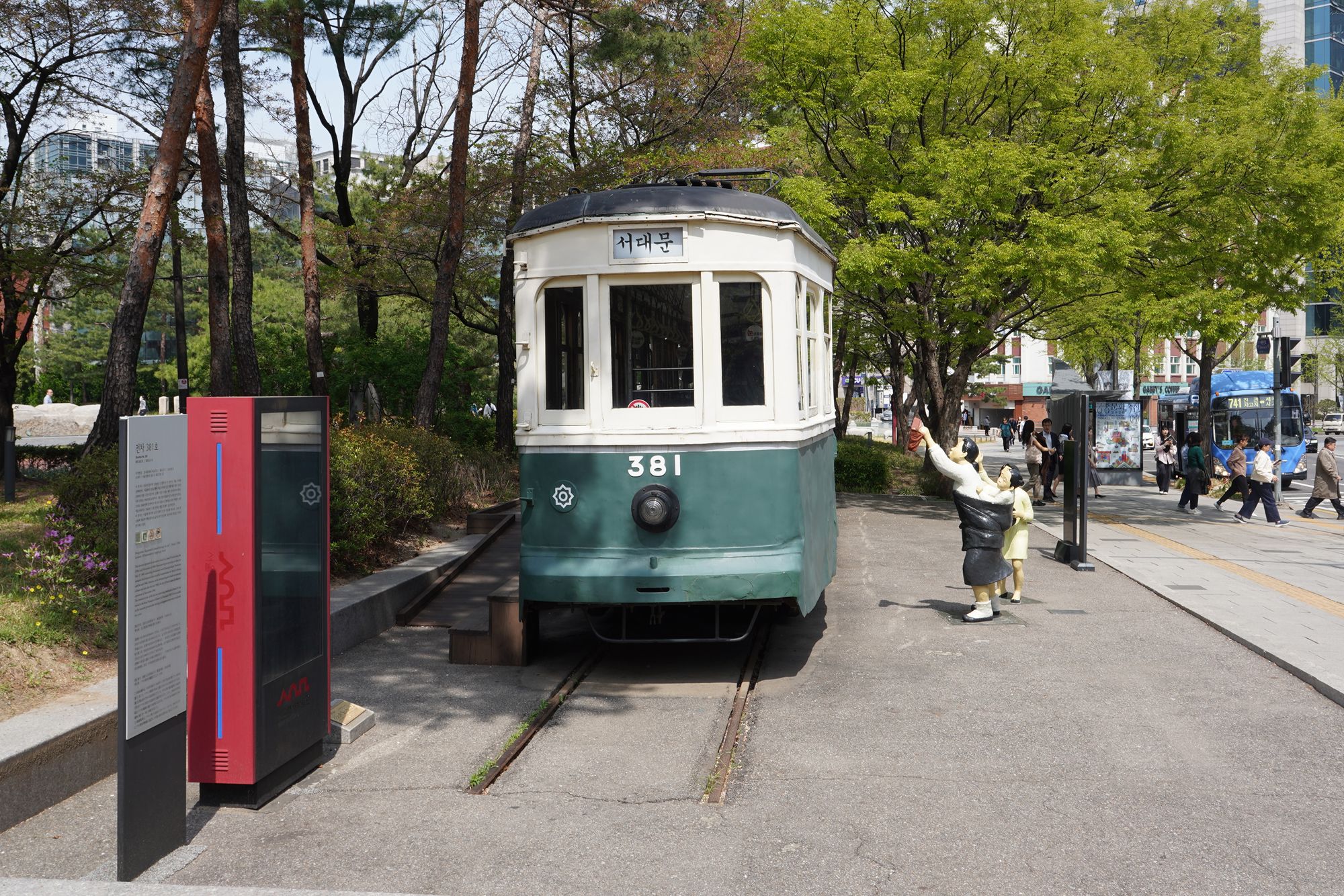
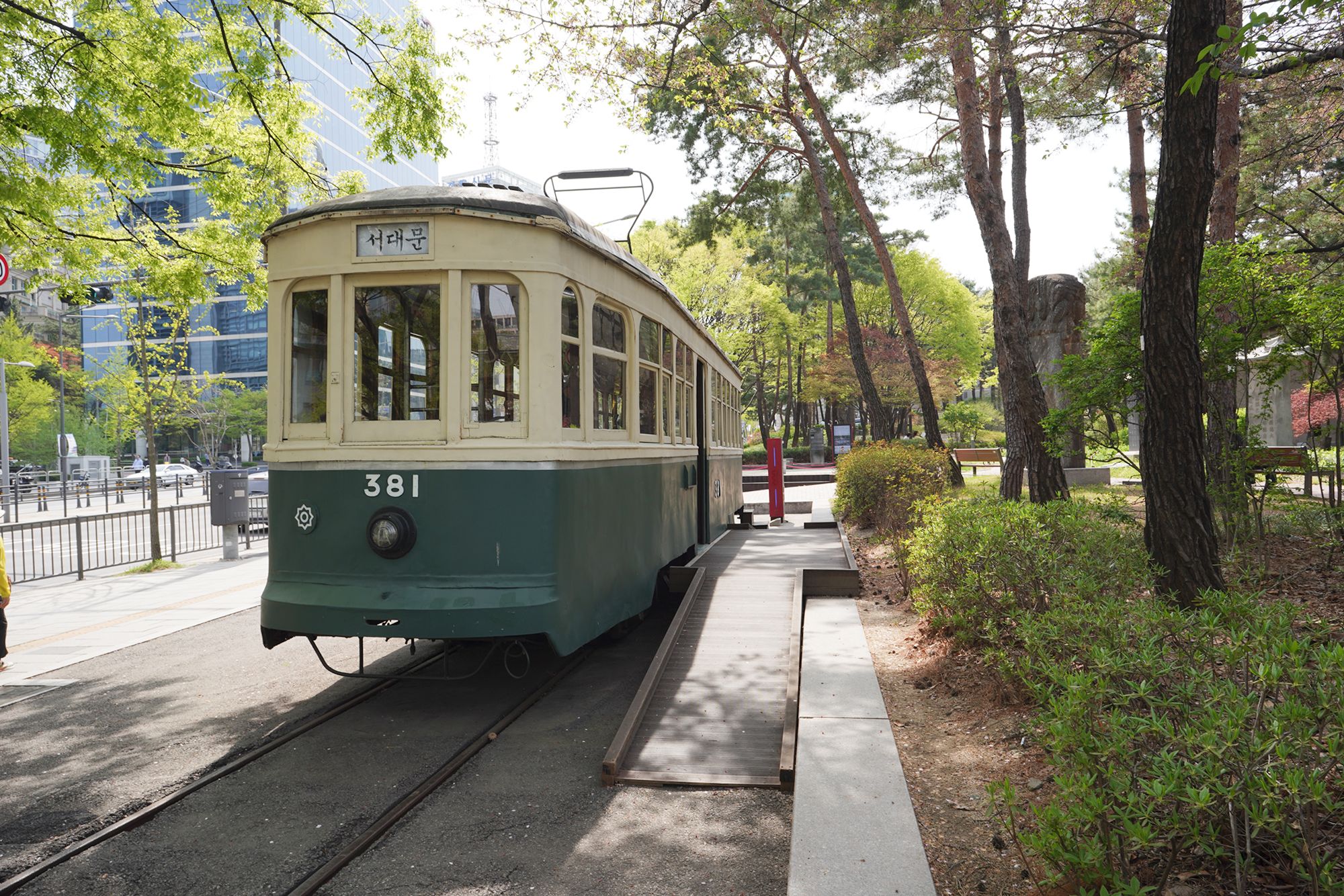
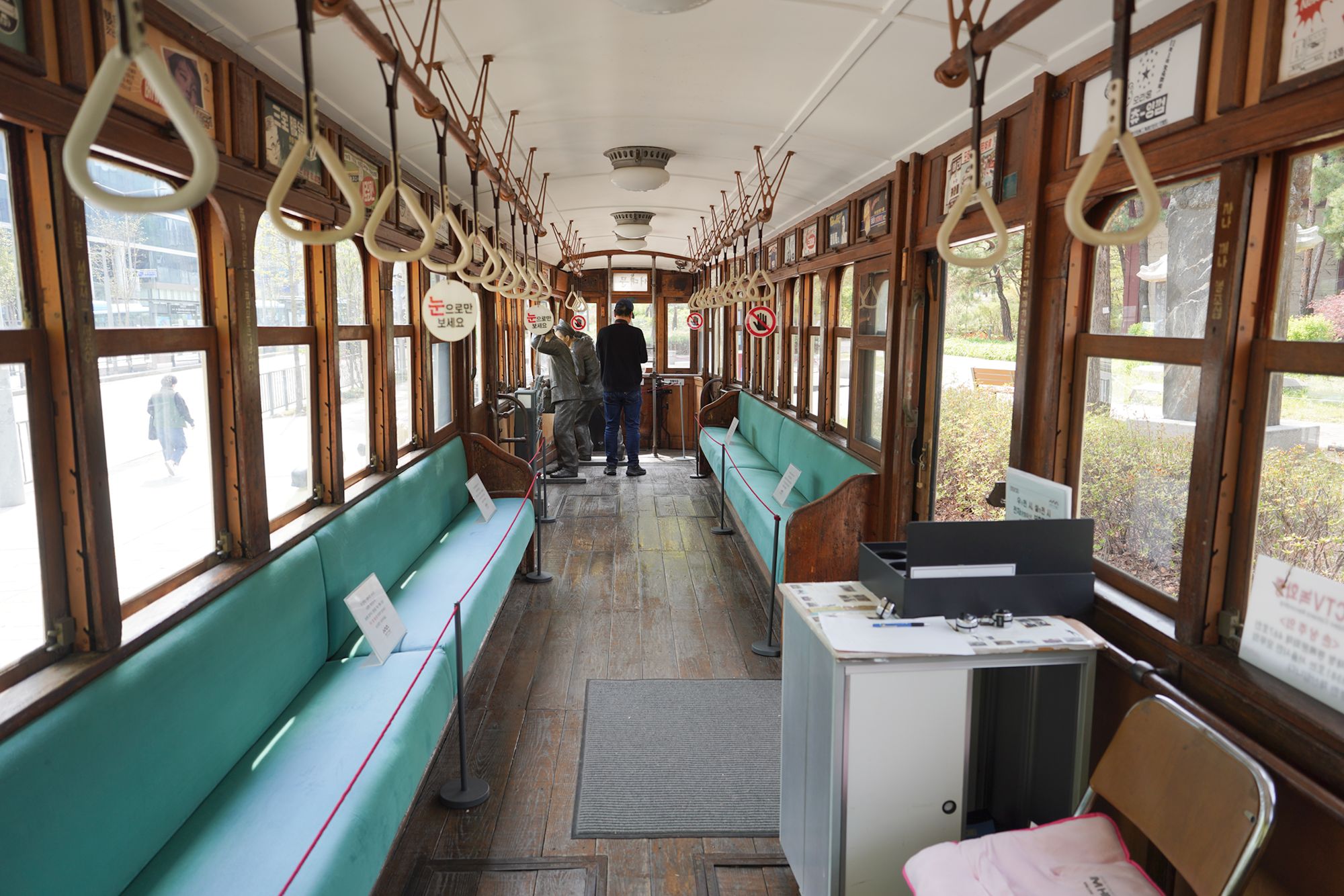
This is an old tram that was once used by people in Seoul for their daily commute.
The museum is especially useful for understanding how Seoul itself changed over time, rather than simply displaying Korean art or archaeological objects. Its exhibitions use historical maps, paintings, household objects, photographs, architectural models, and reconstructed spaces to show how people lived in the city.
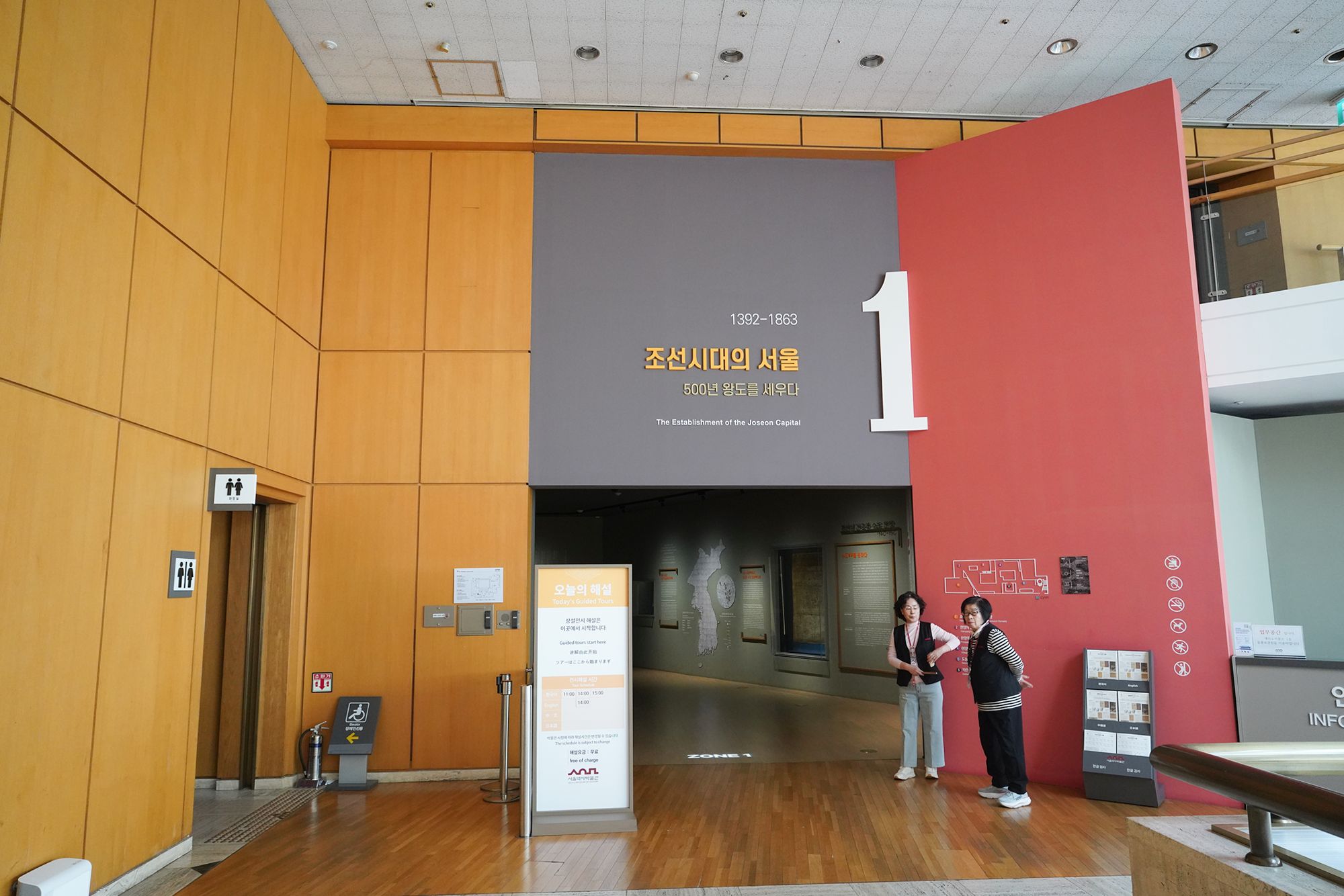
Seoul during the Joseon Dynasty
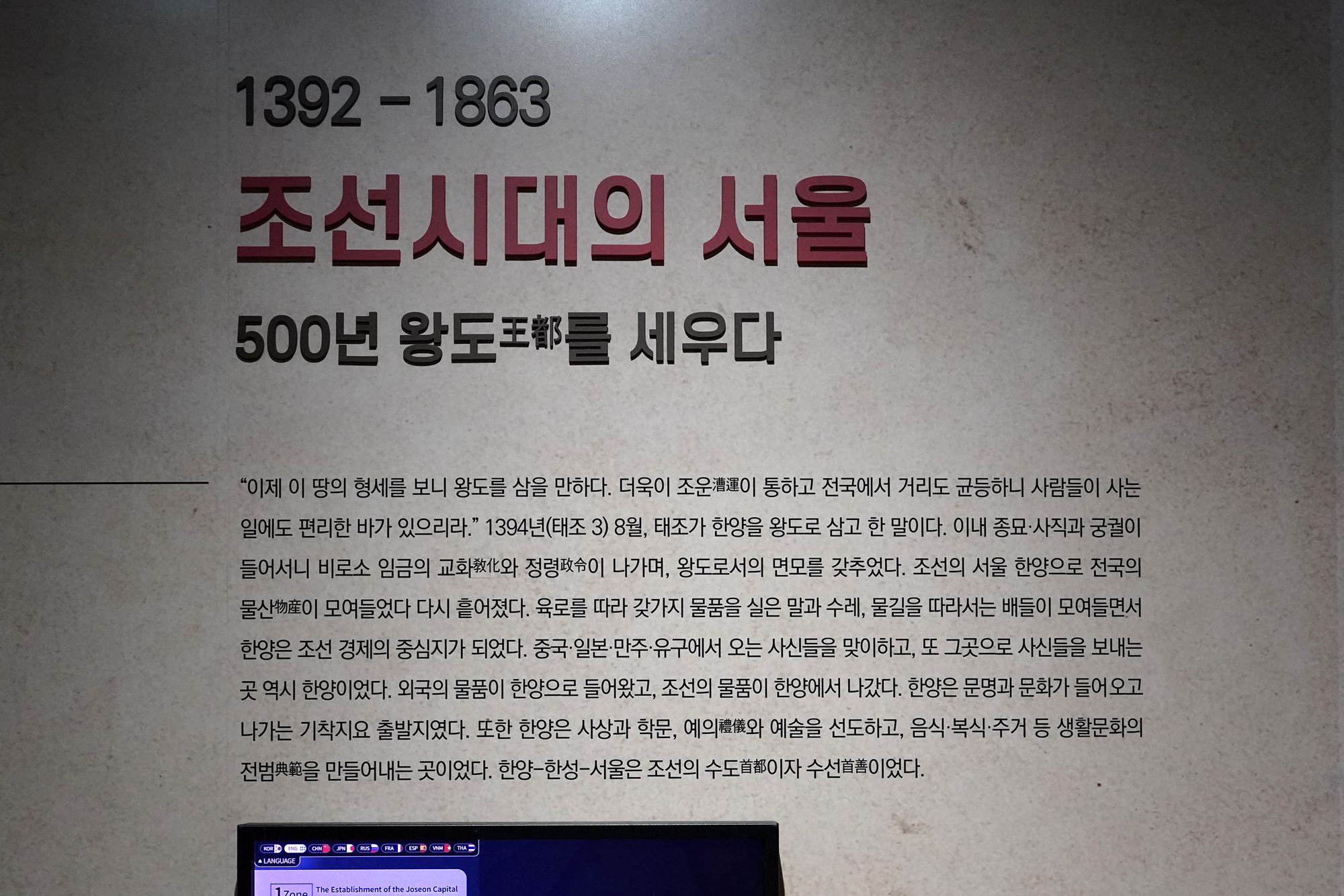
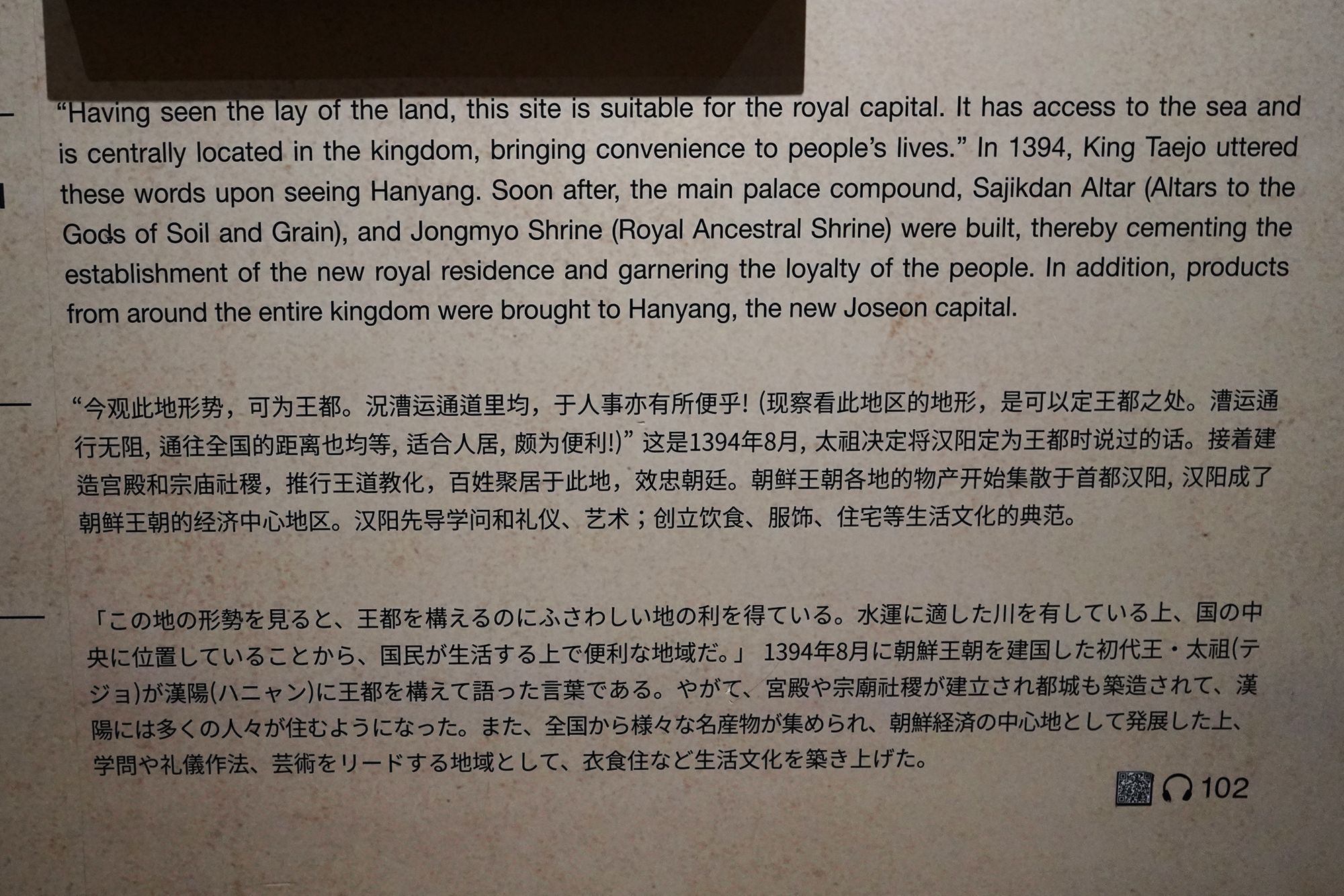
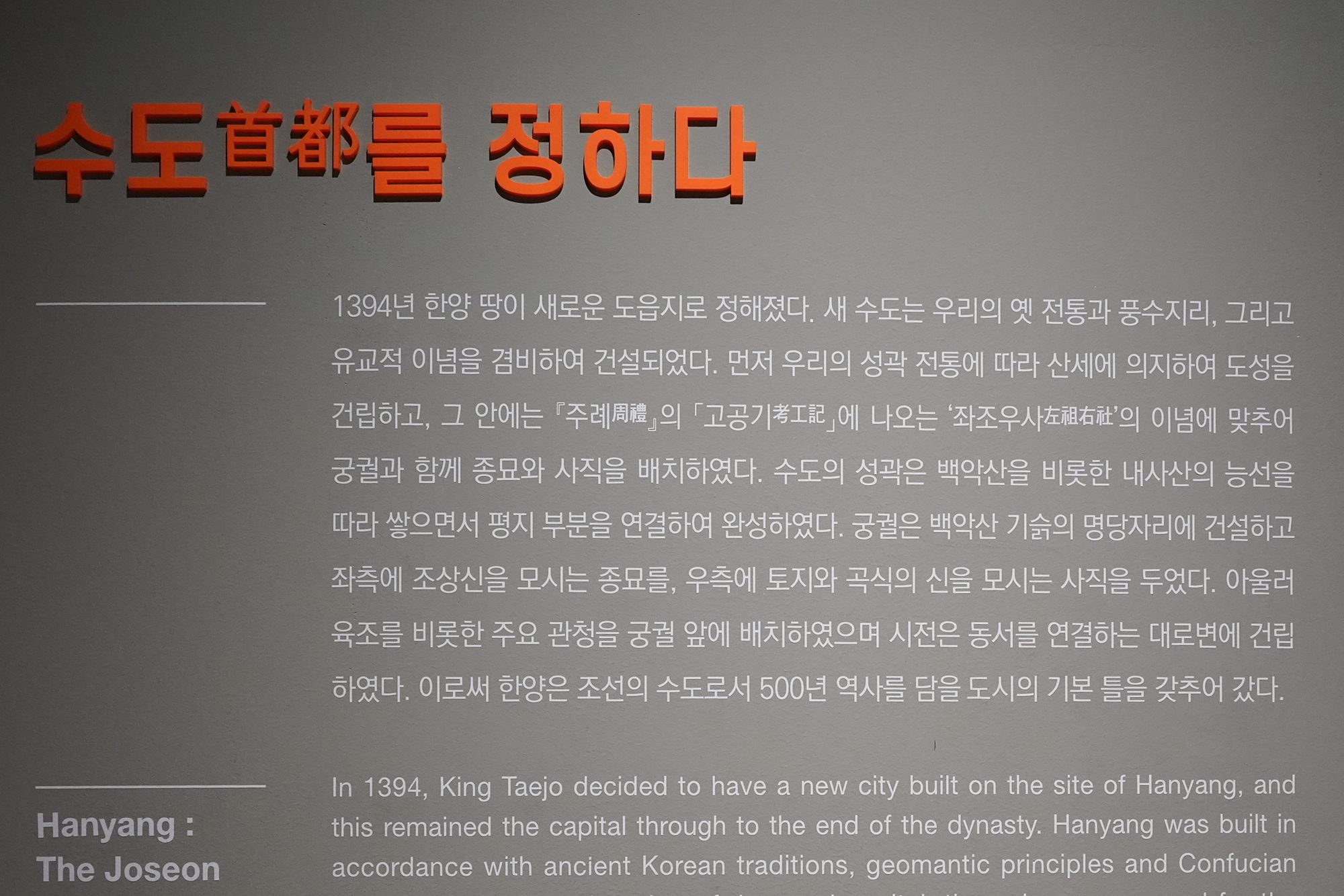
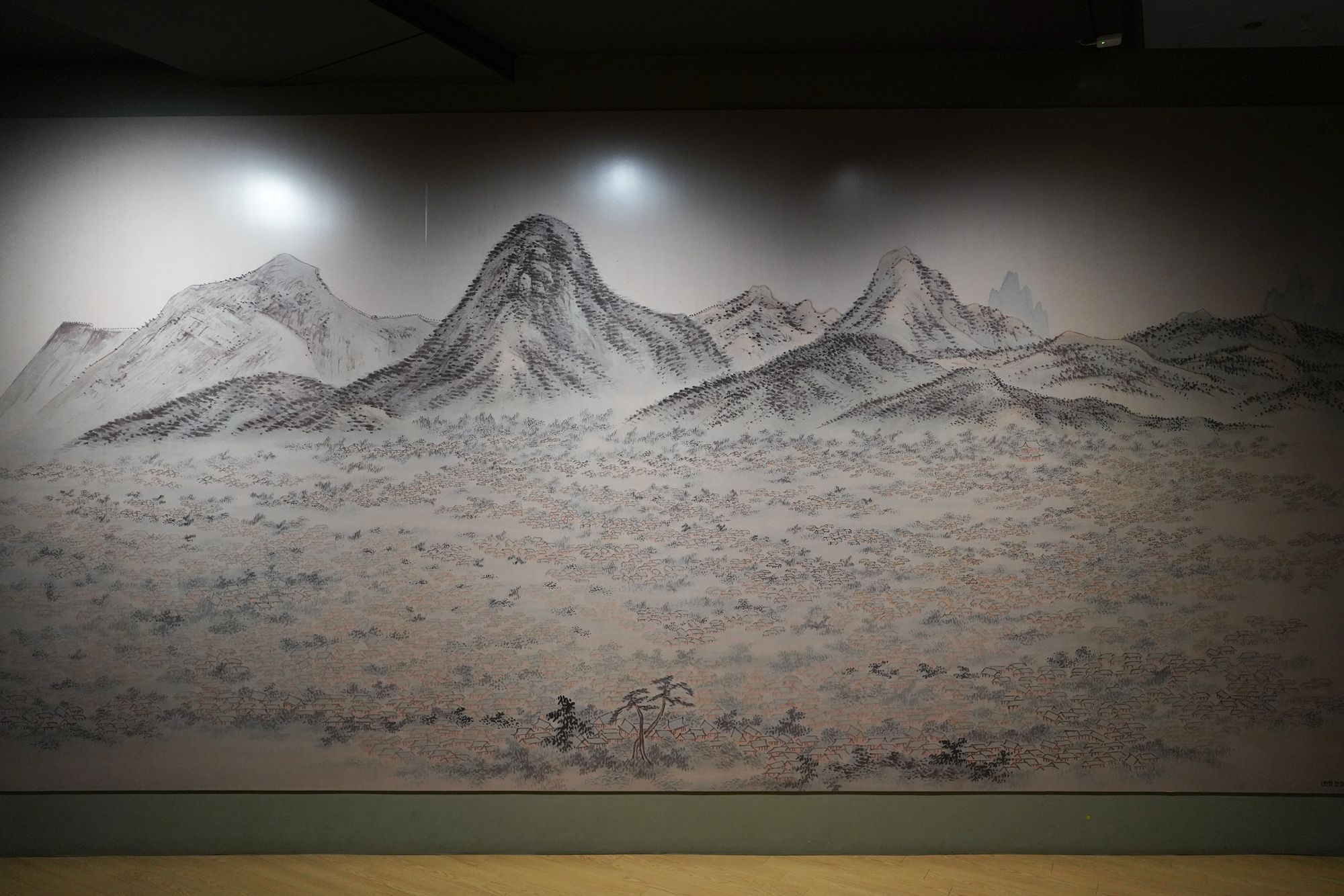
Seoul became the capital of the newly established Joseon Dynasty in 1394, when it was known as Hanyang (한양). The location was carefully chosen, surrounded by mountains and crossed by the Han River.
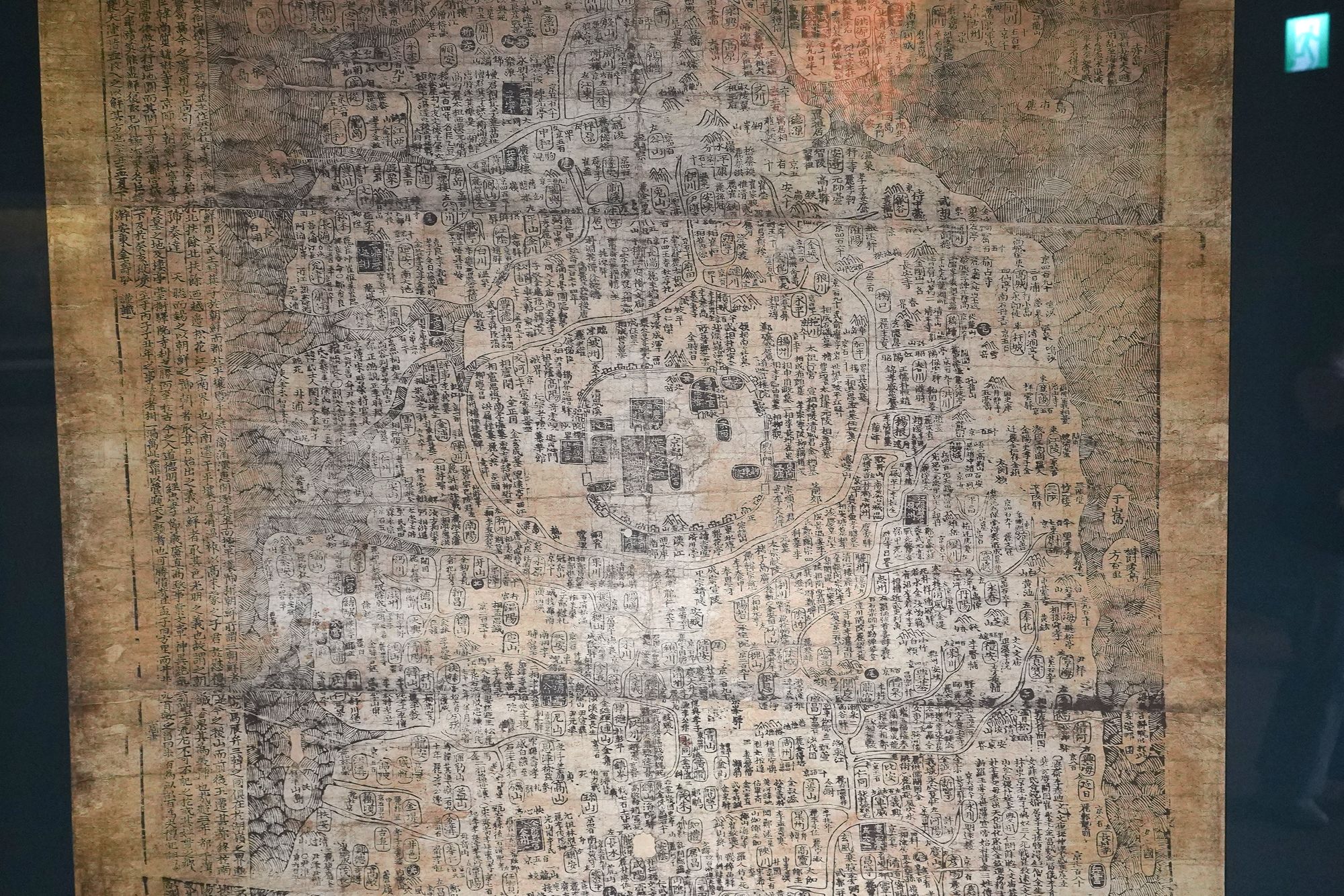
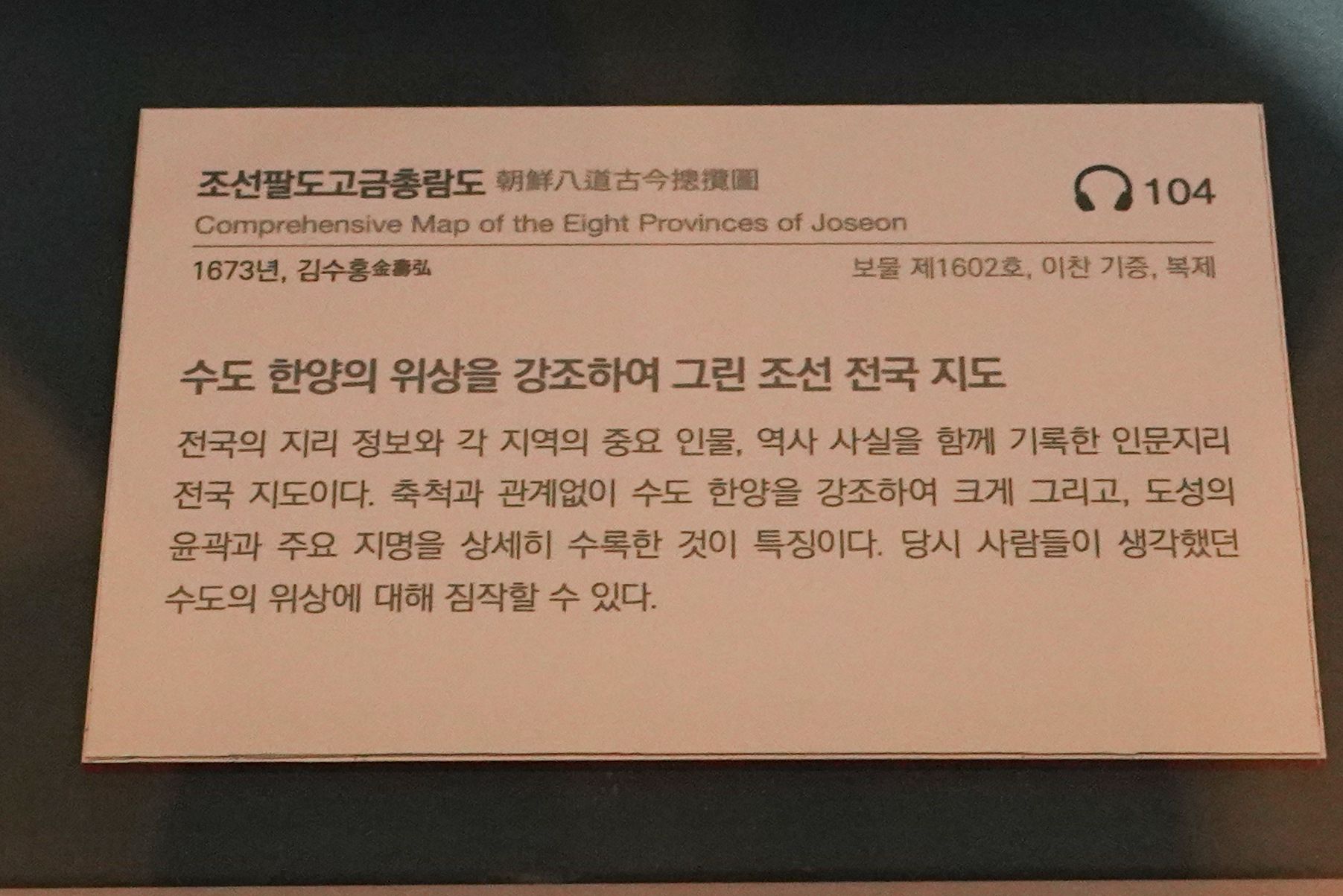
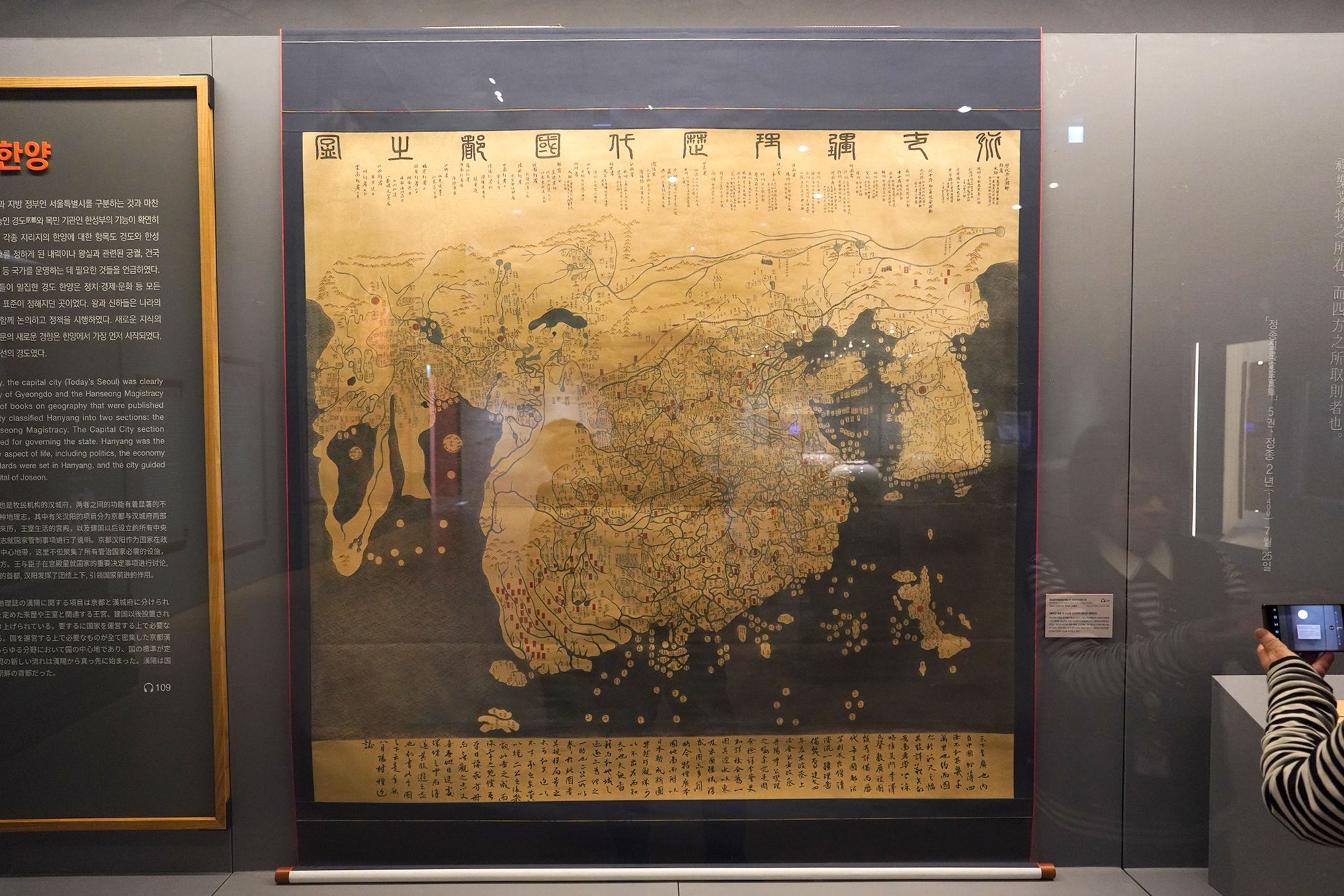
A map of Korea drawn in 1673, showing how the Korean Peninsula was represented during the Joseon Dynasty.
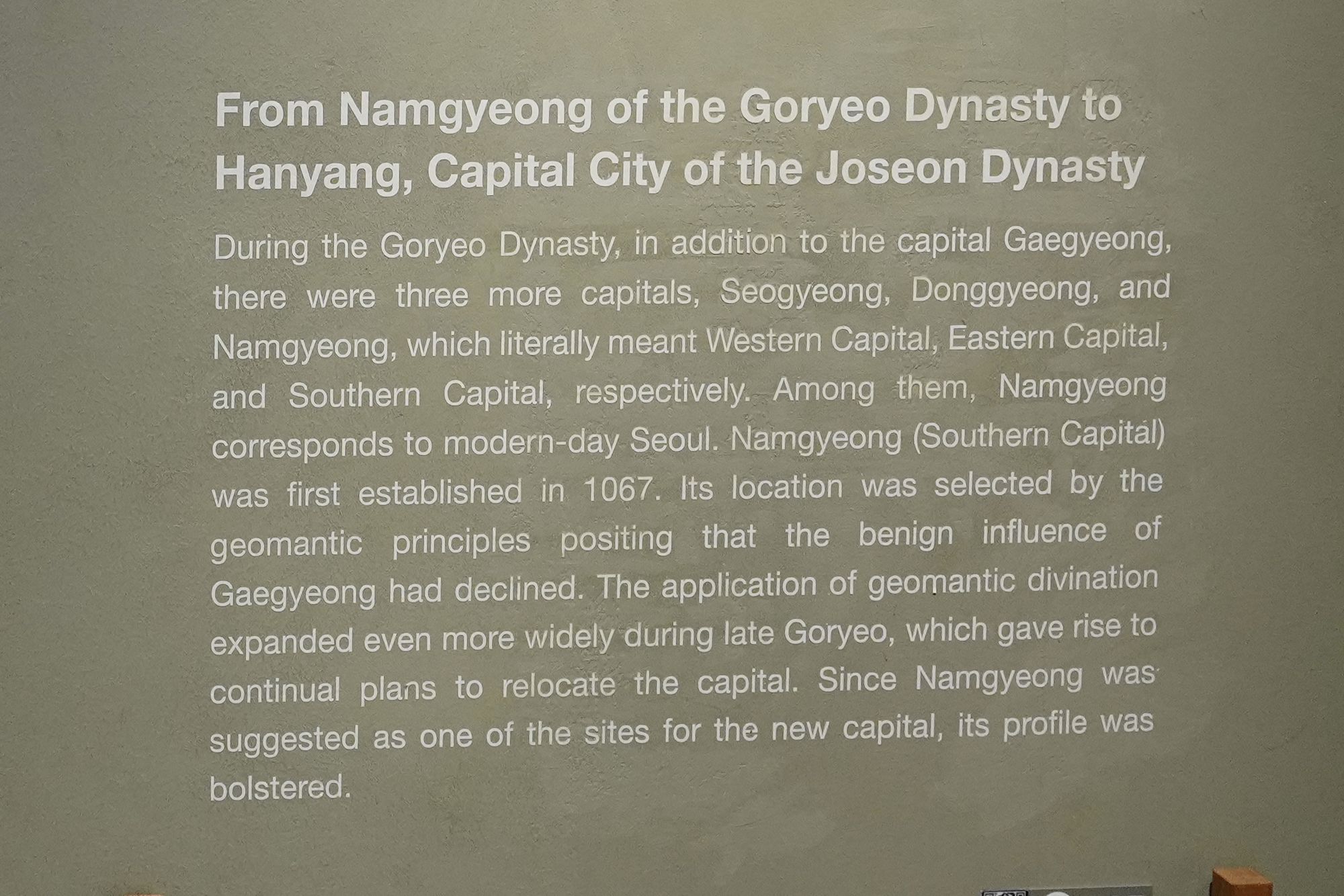
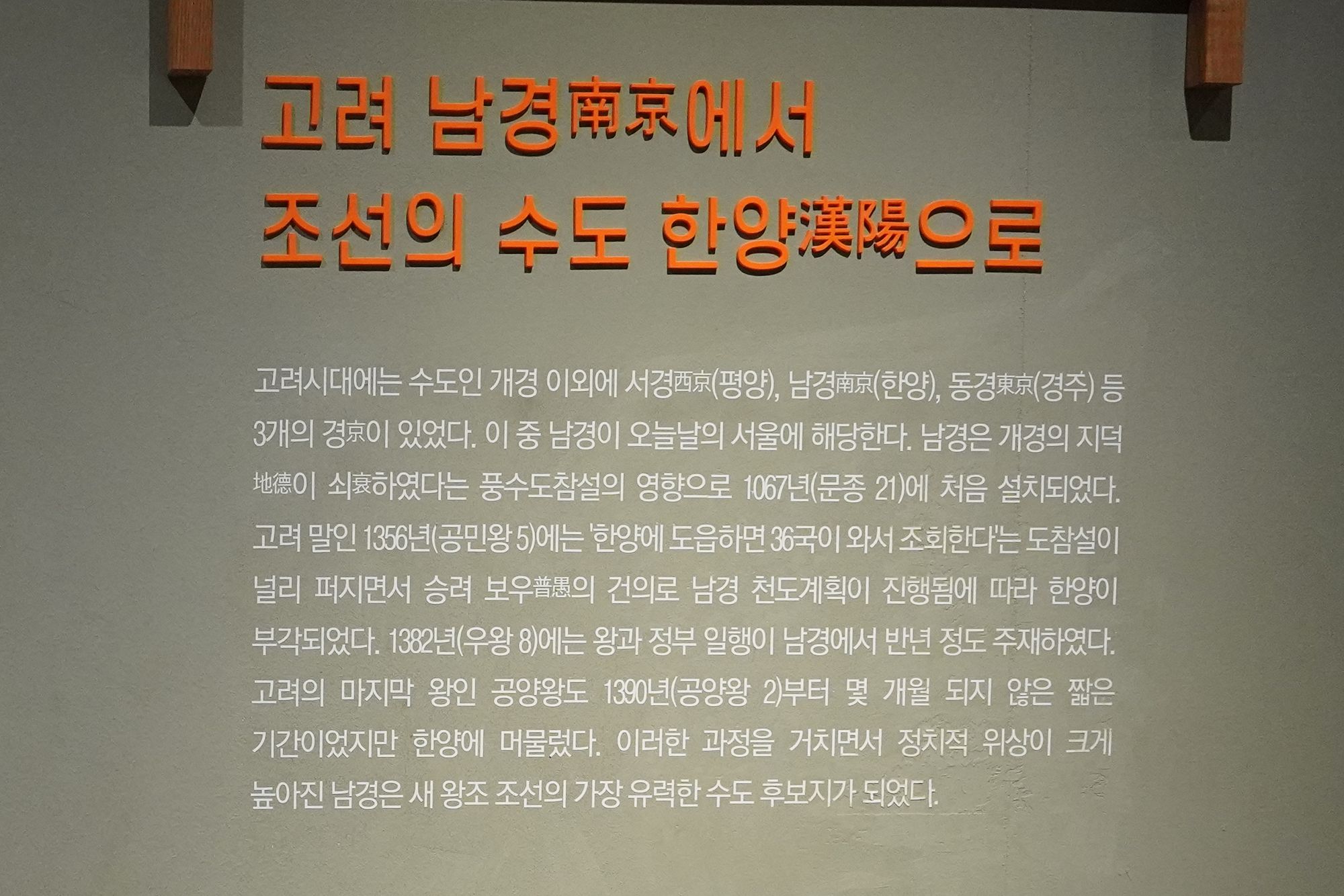
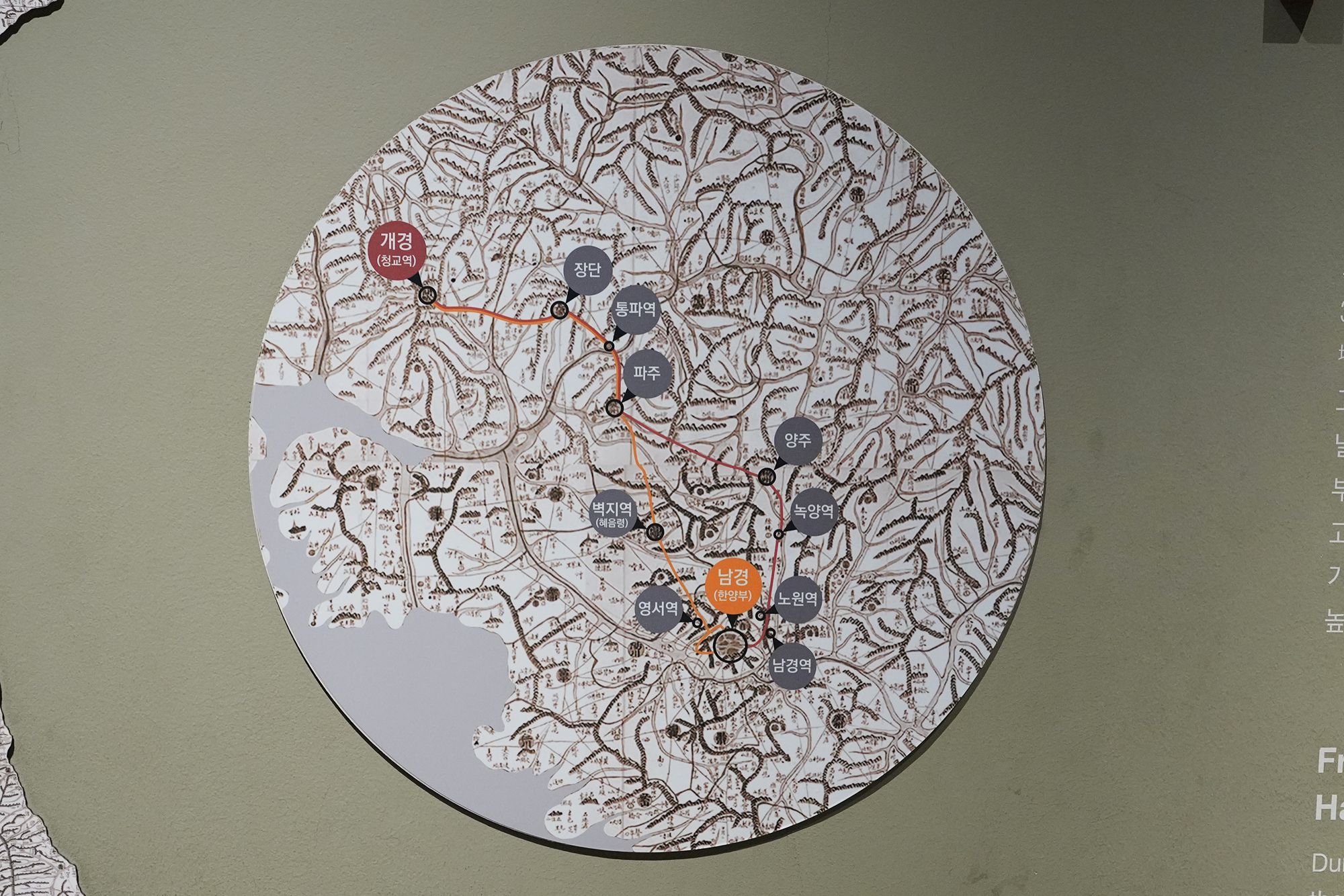
During the Goryeo Dynasty, present-day Seoul was known as Namgyeong, meaning “Southern Capital,” before it later became Hanyang, the capital of the Joseon Dynasty.
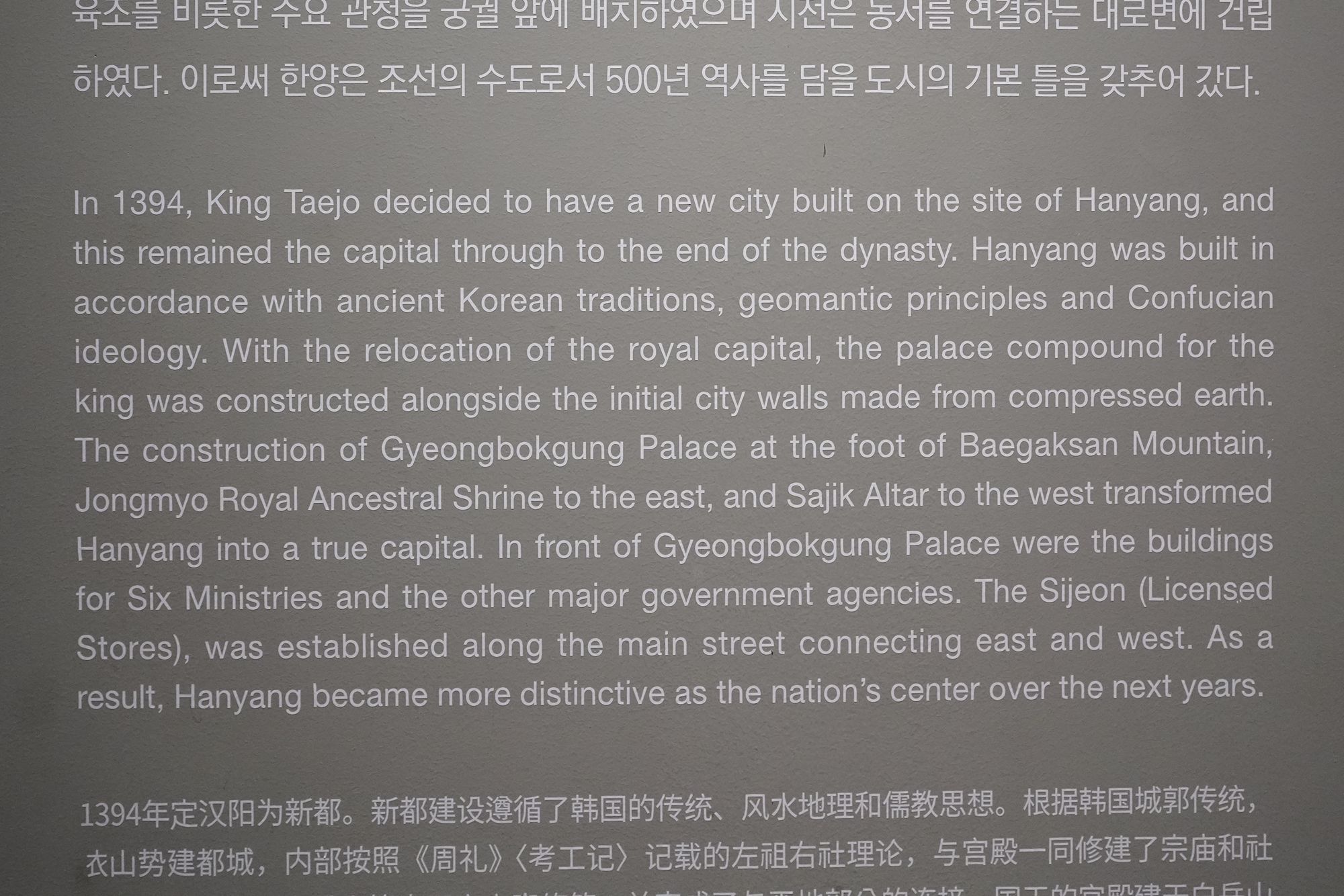
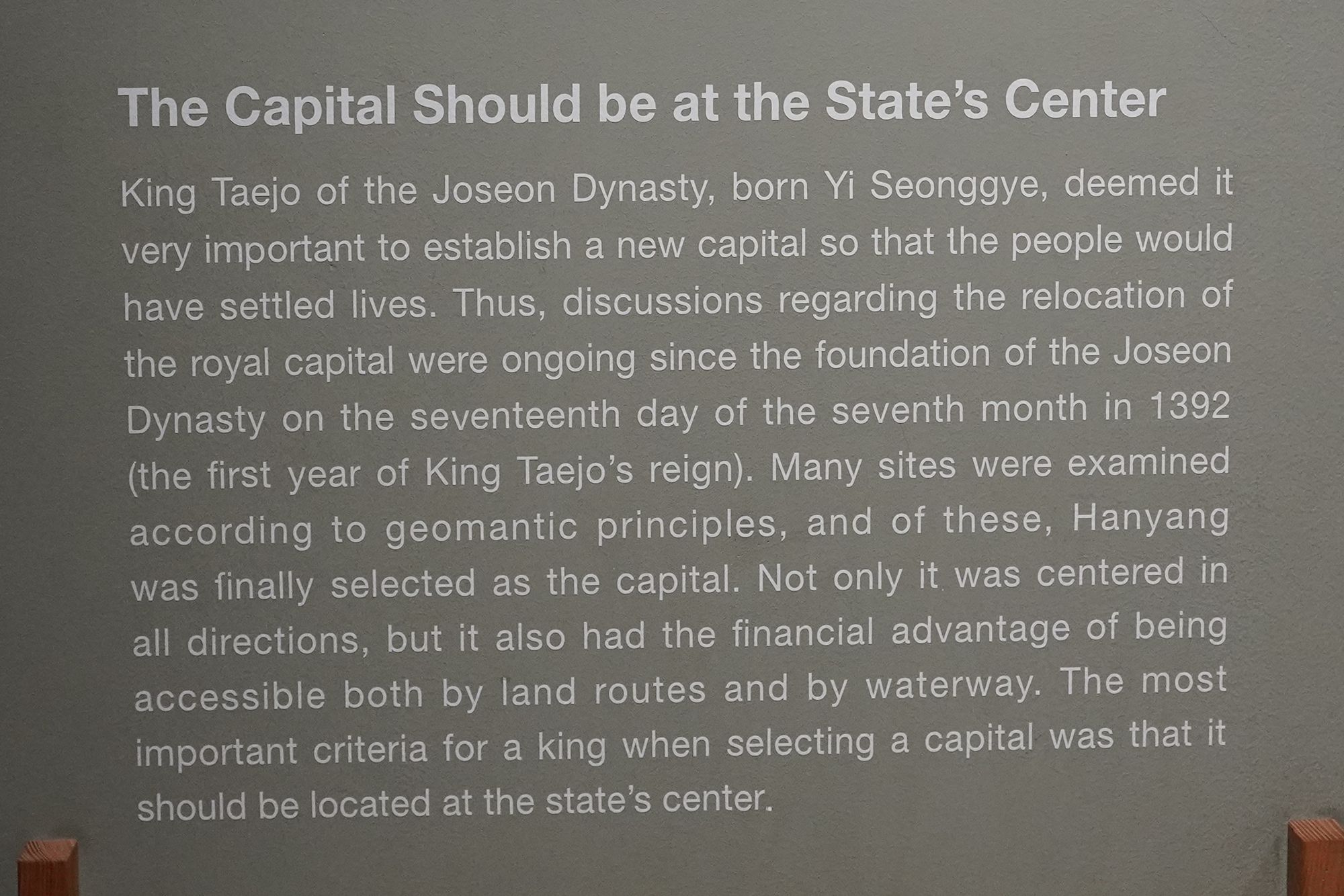
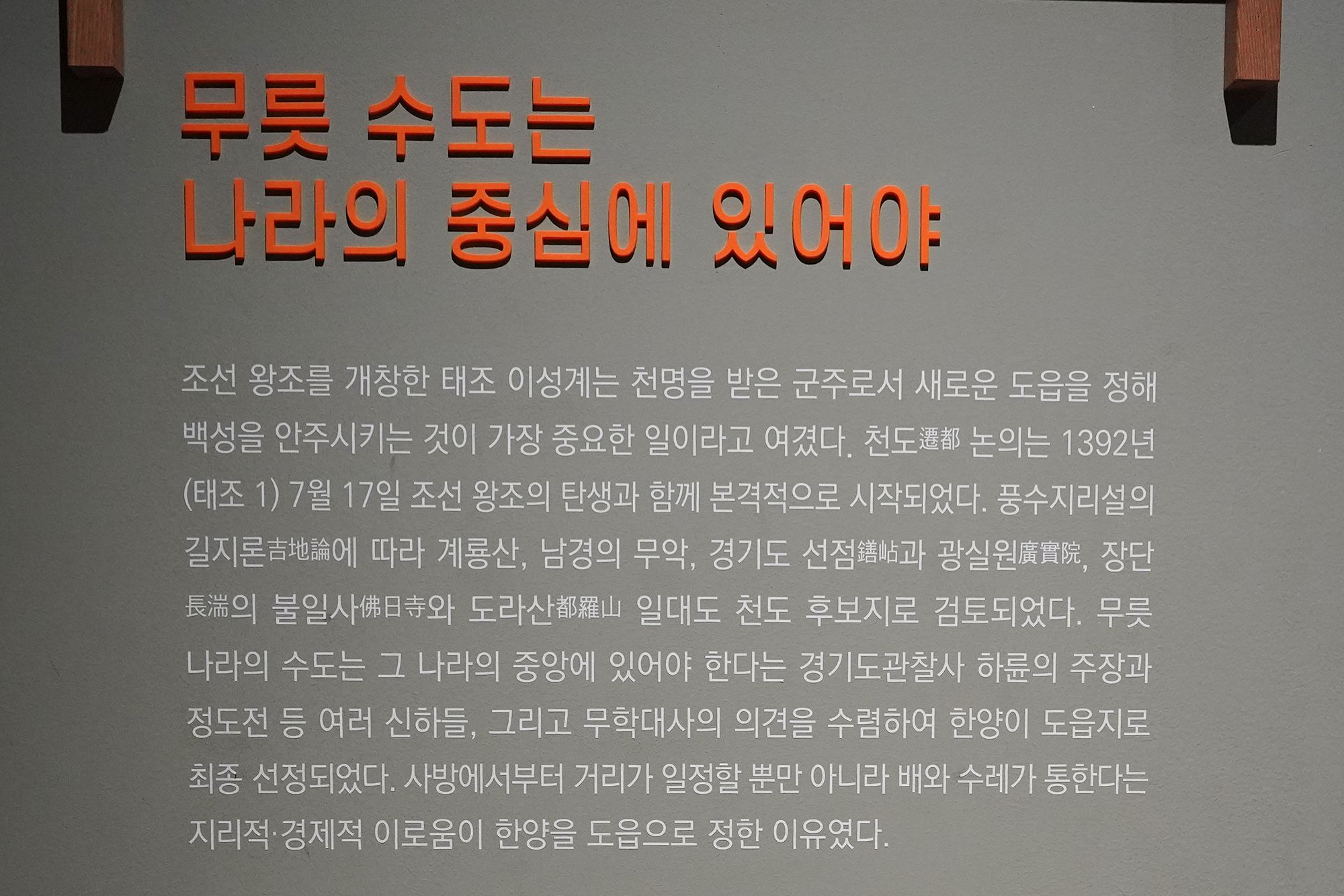
King Taejo believed that the capital should be located near the center of the country, which was one of the reasons he moved the capital to Hanyang, present-day Seoul.
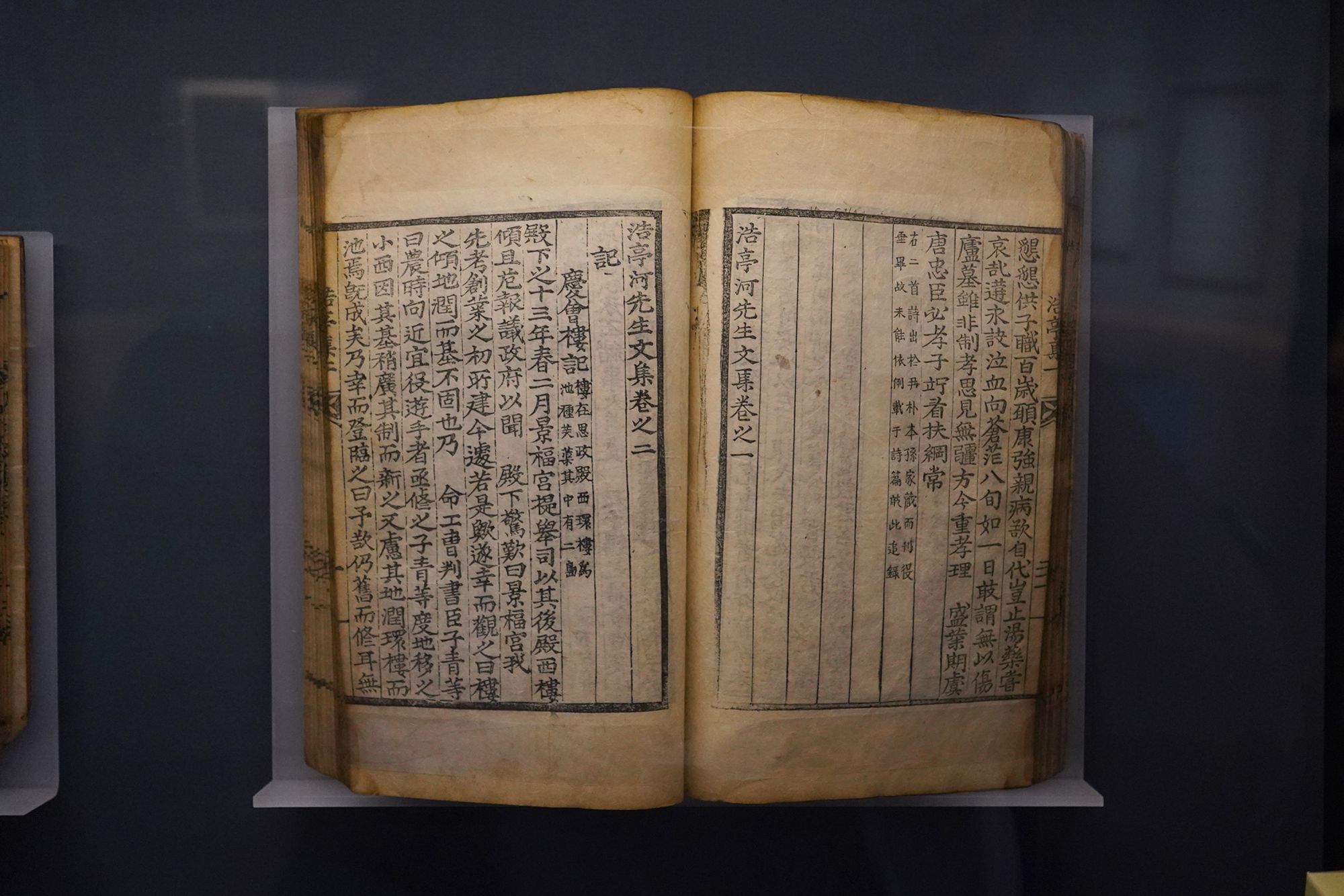
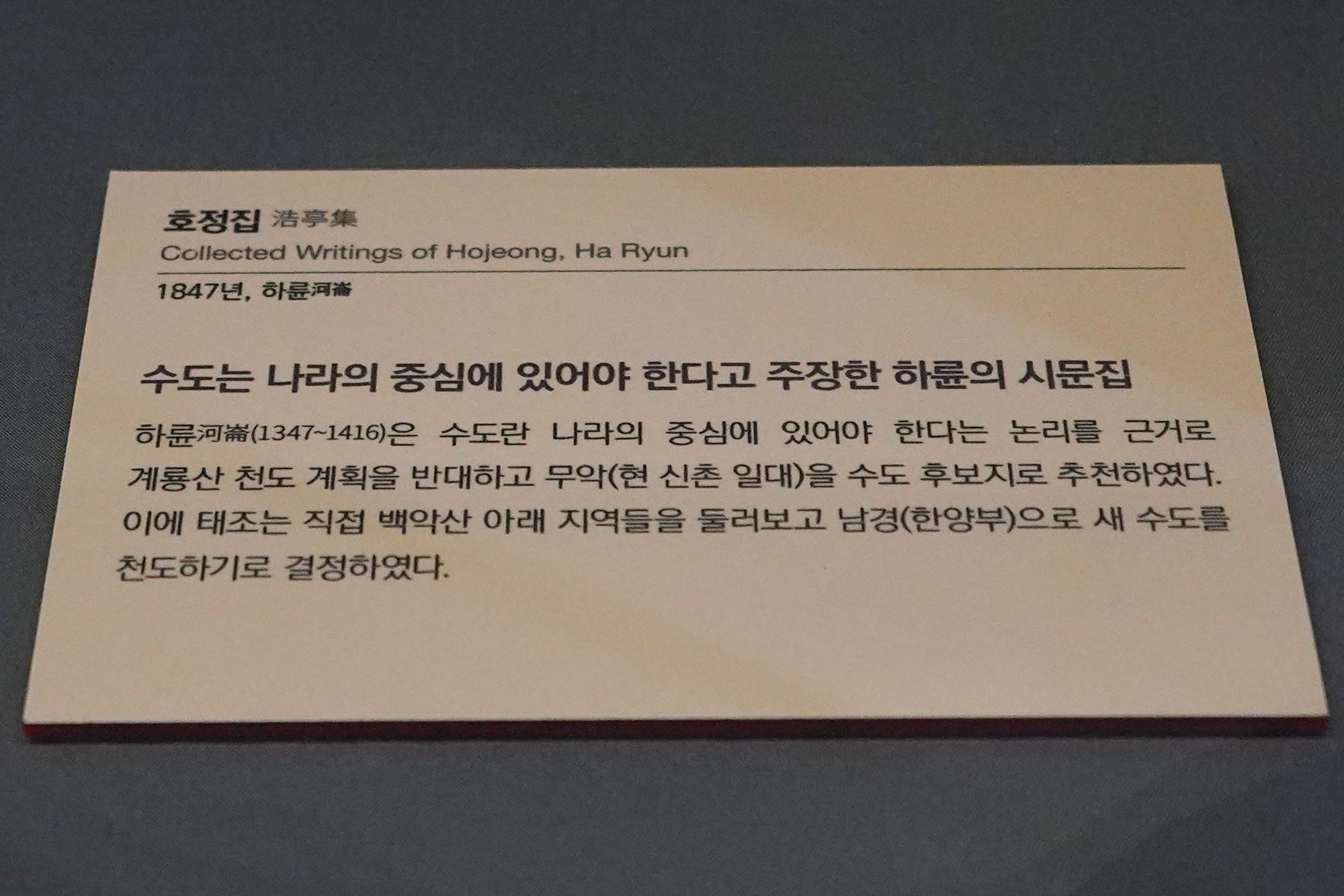
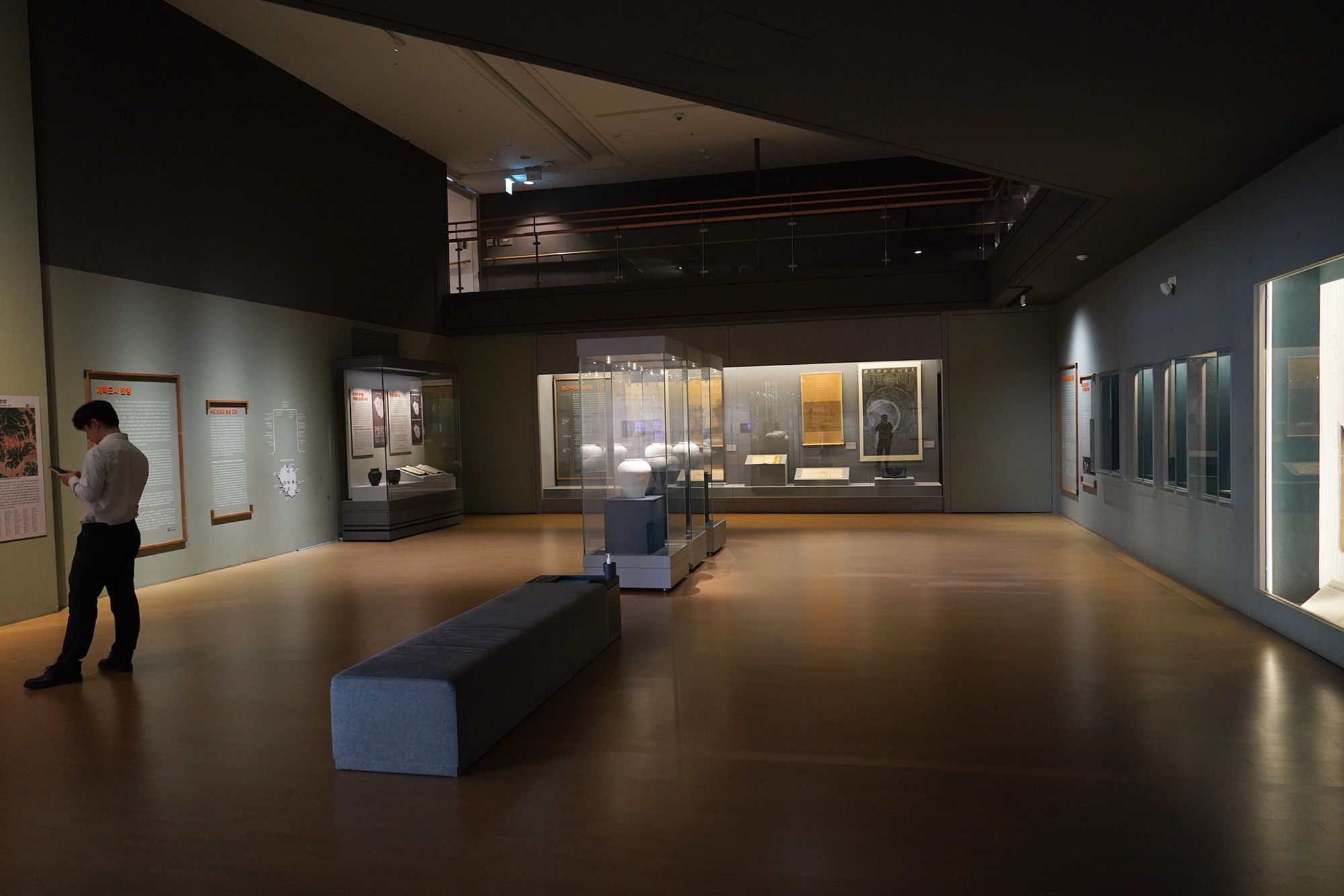
Hanyang (Seoul) in 1481
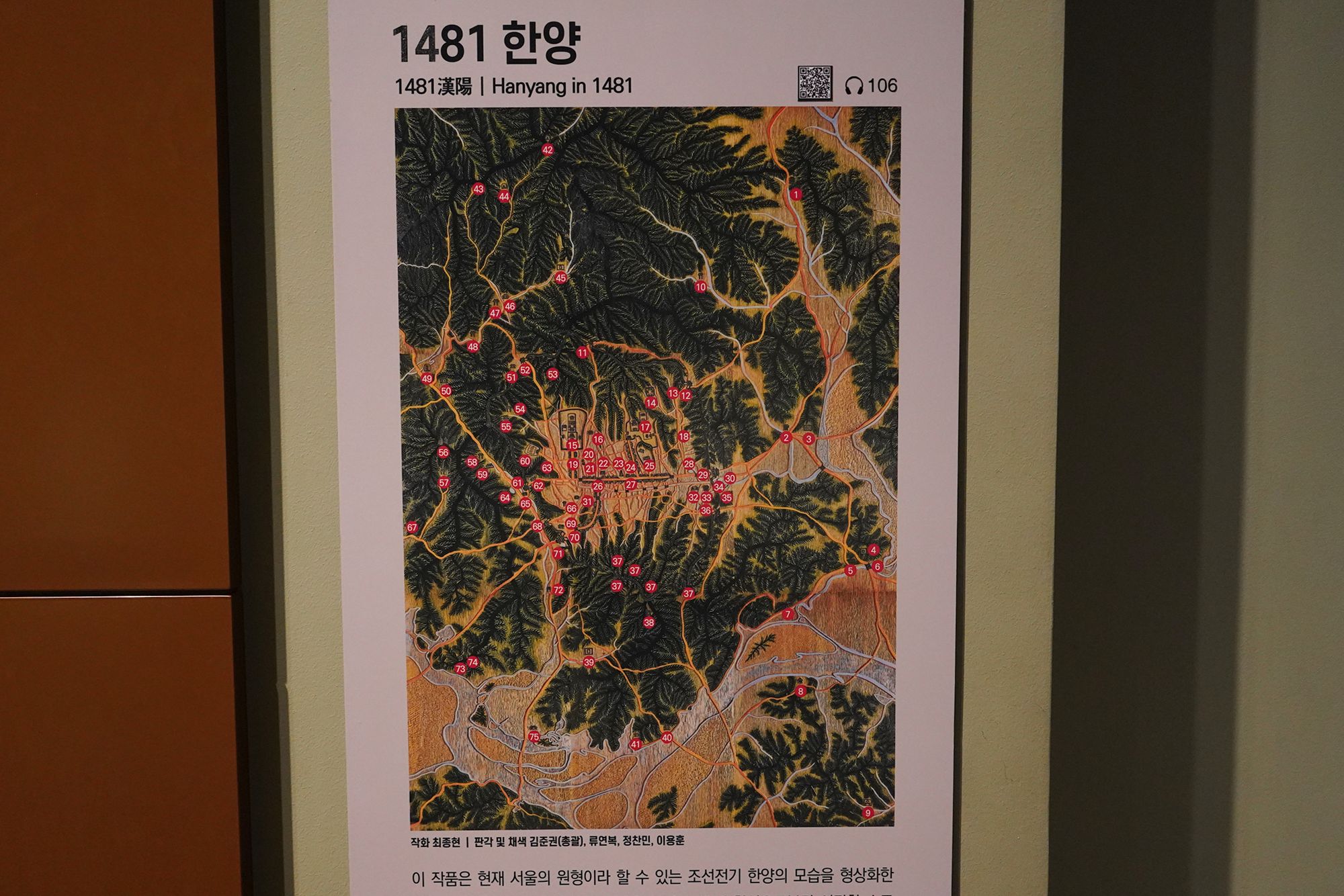
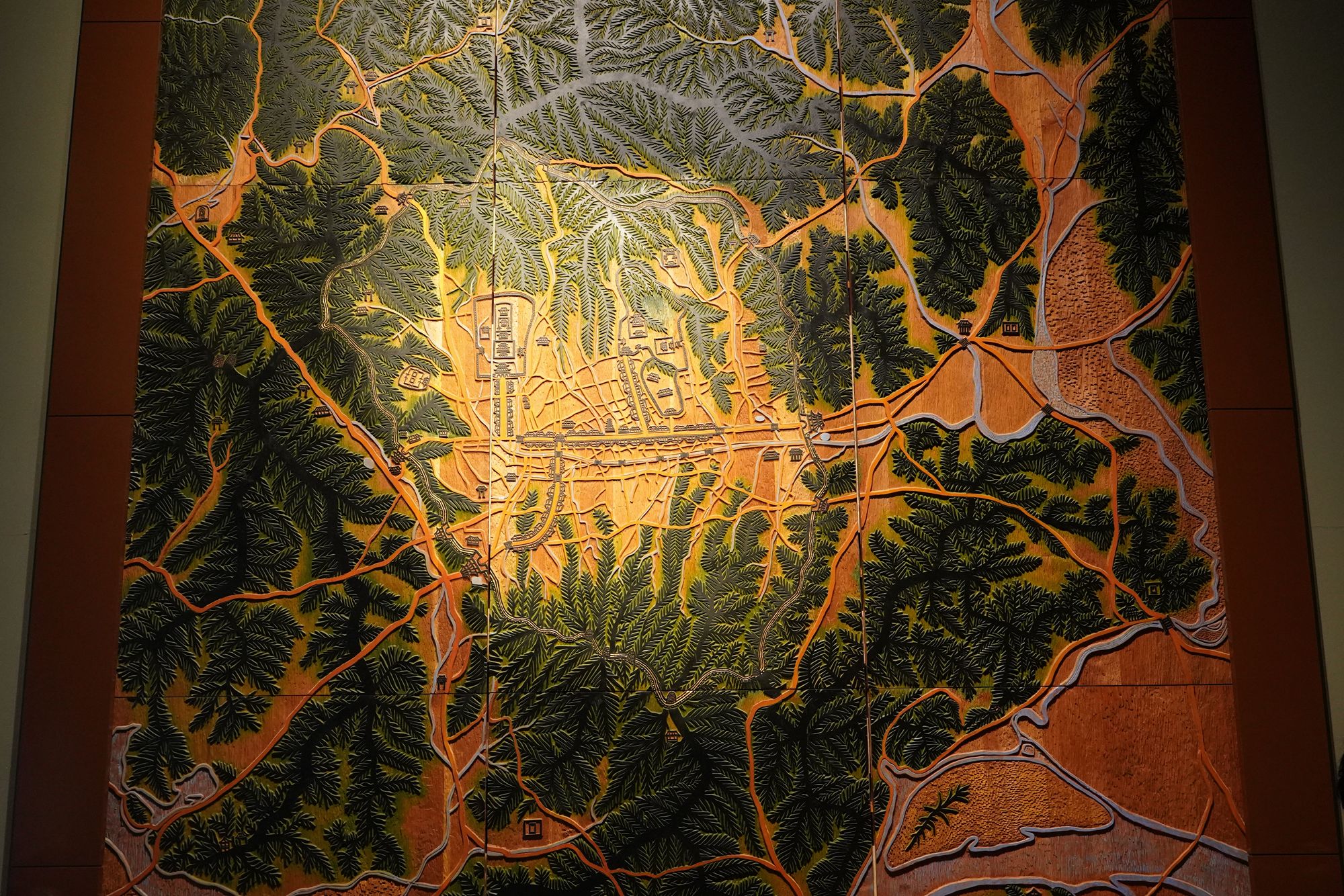
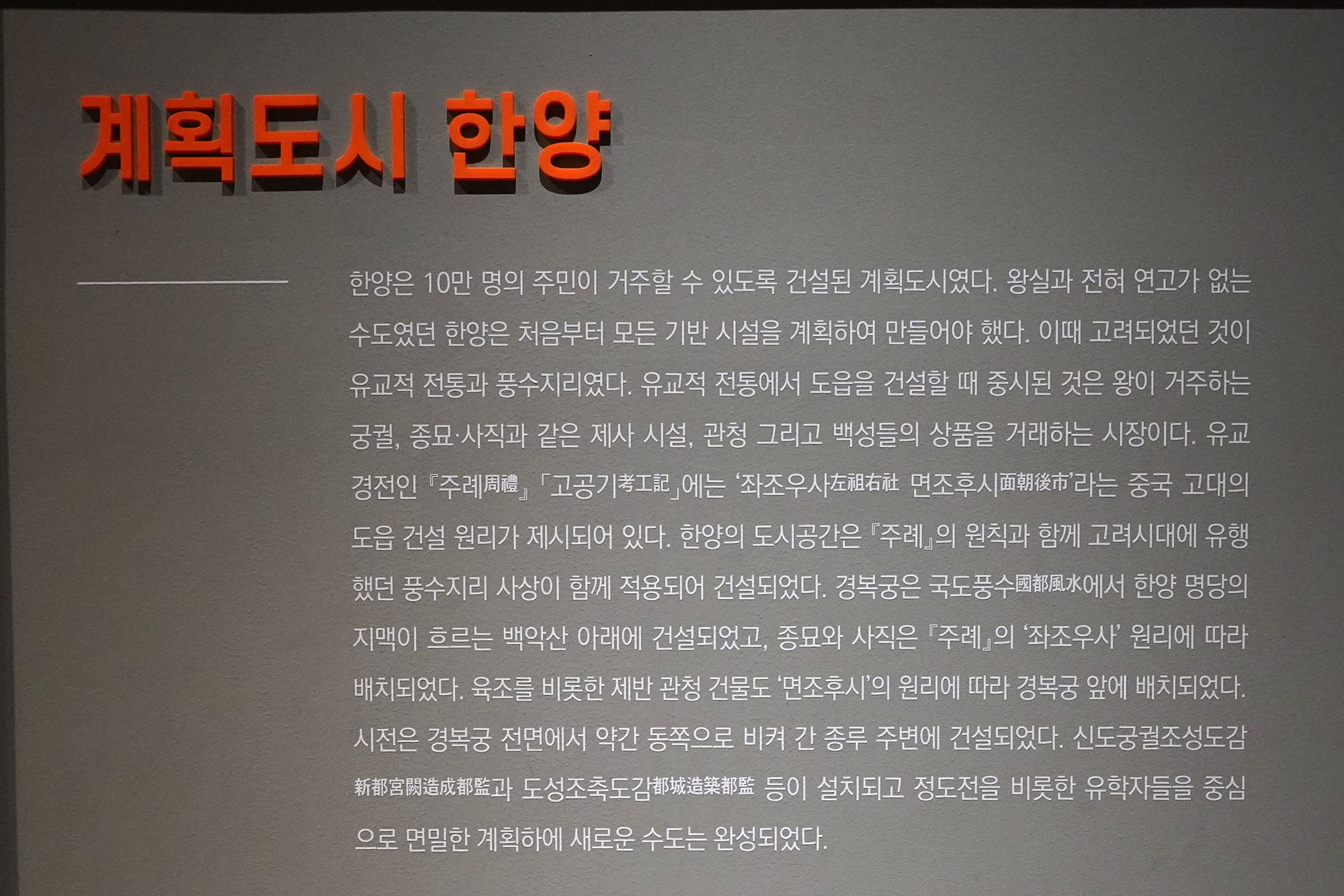
Hanyang (Seoul) was developed as a carefully planned capital, with royal palaces, government offices, major roads, residential areas, and city gates arranged according to Confucian principles and the surrounding landscape.
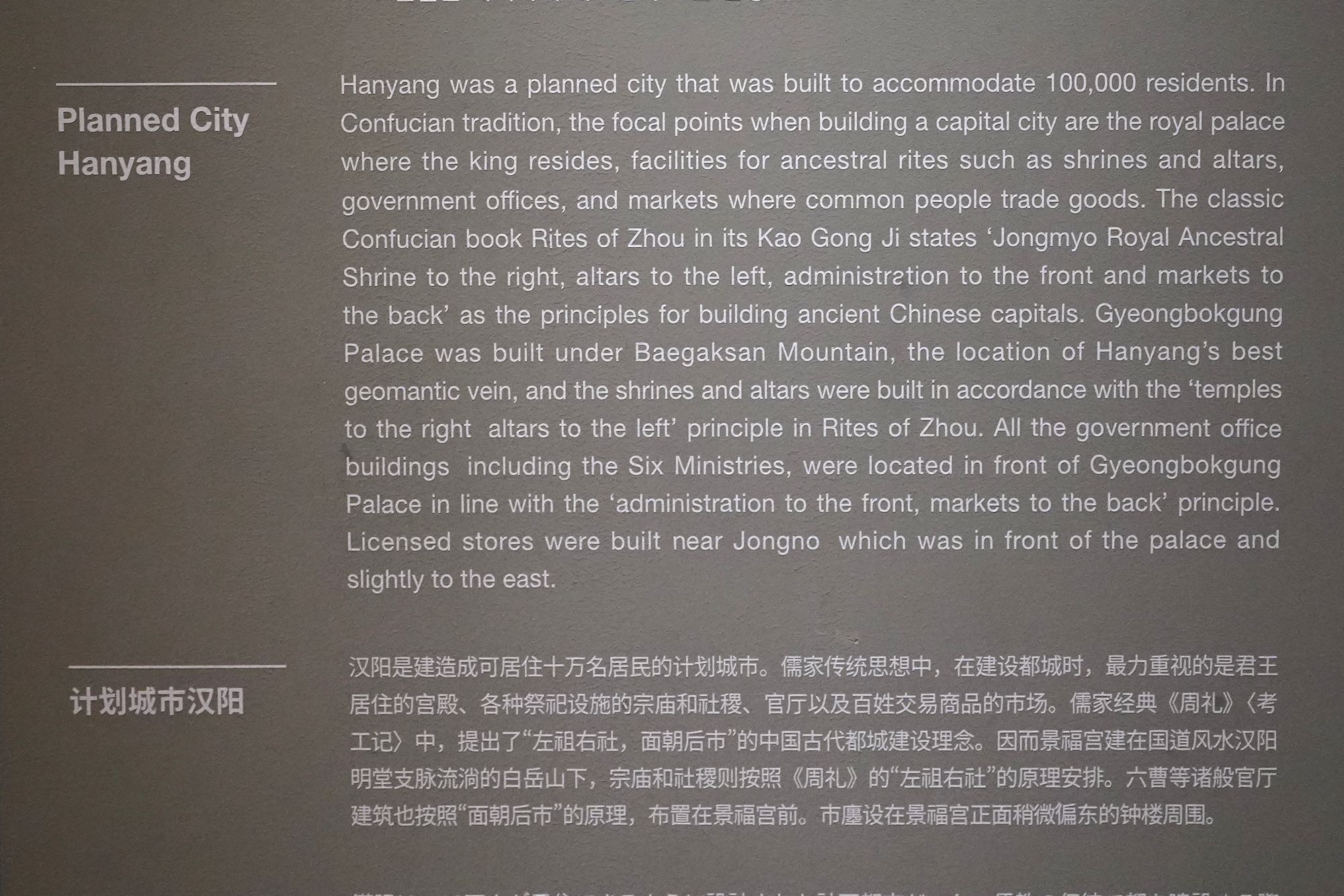
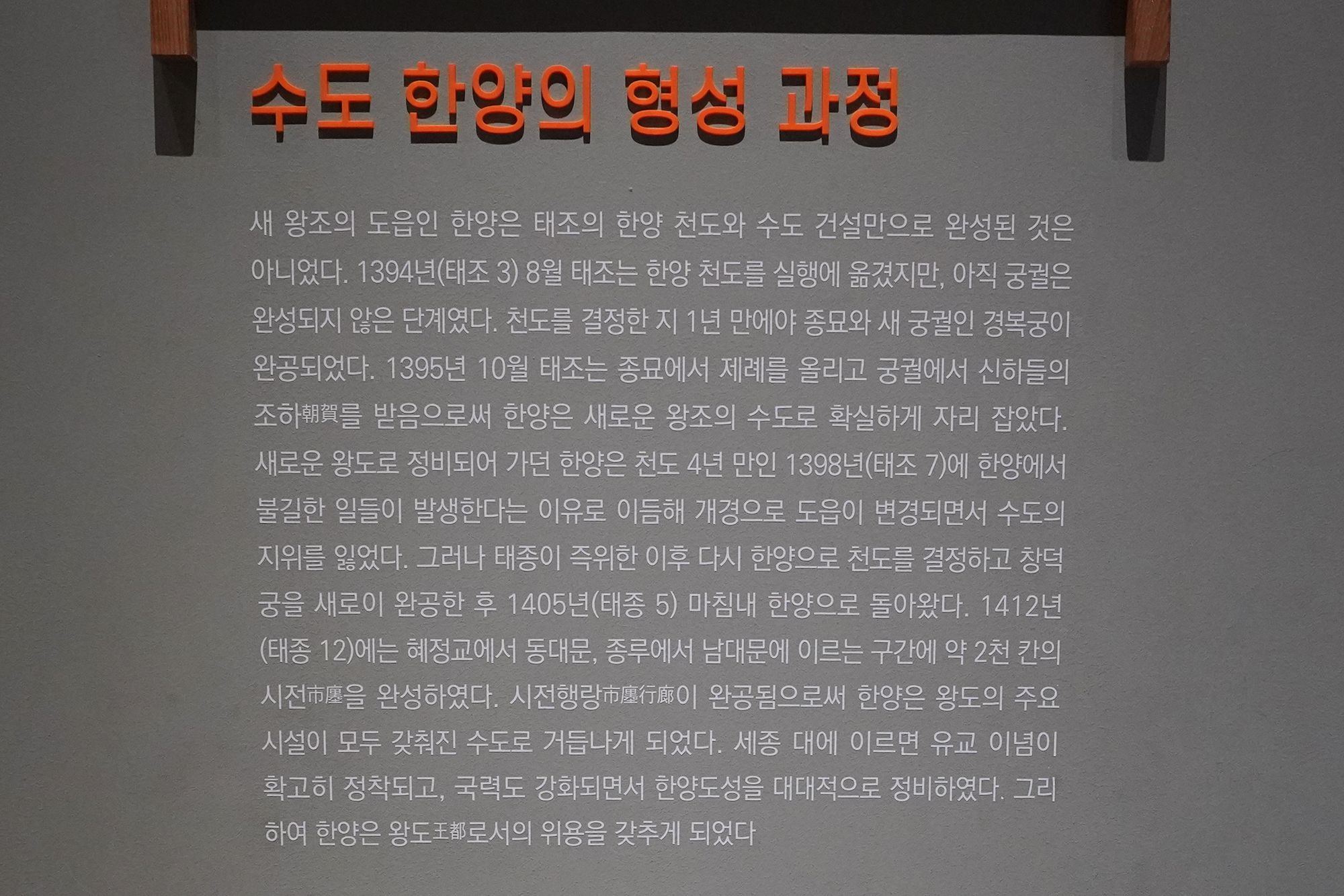
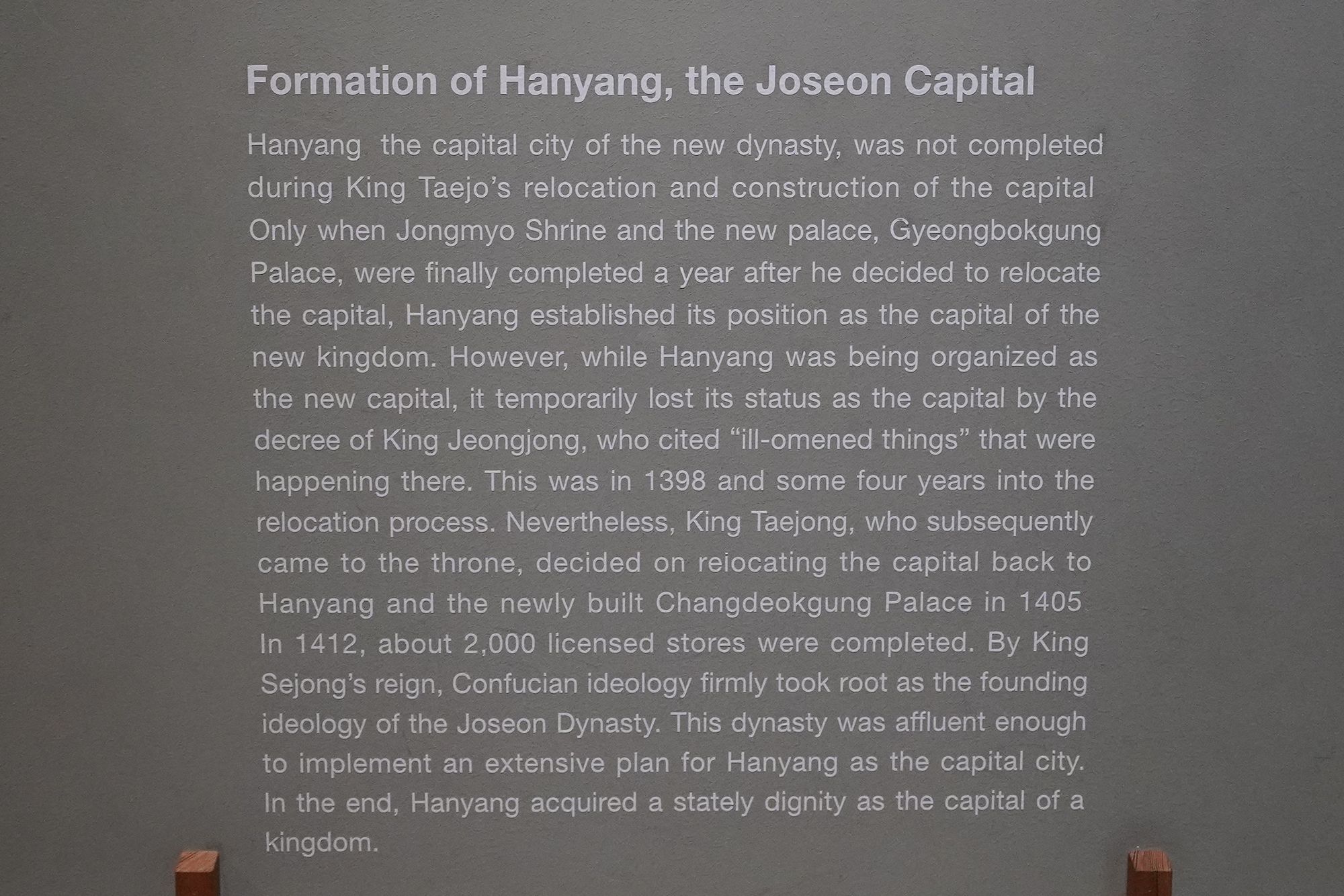
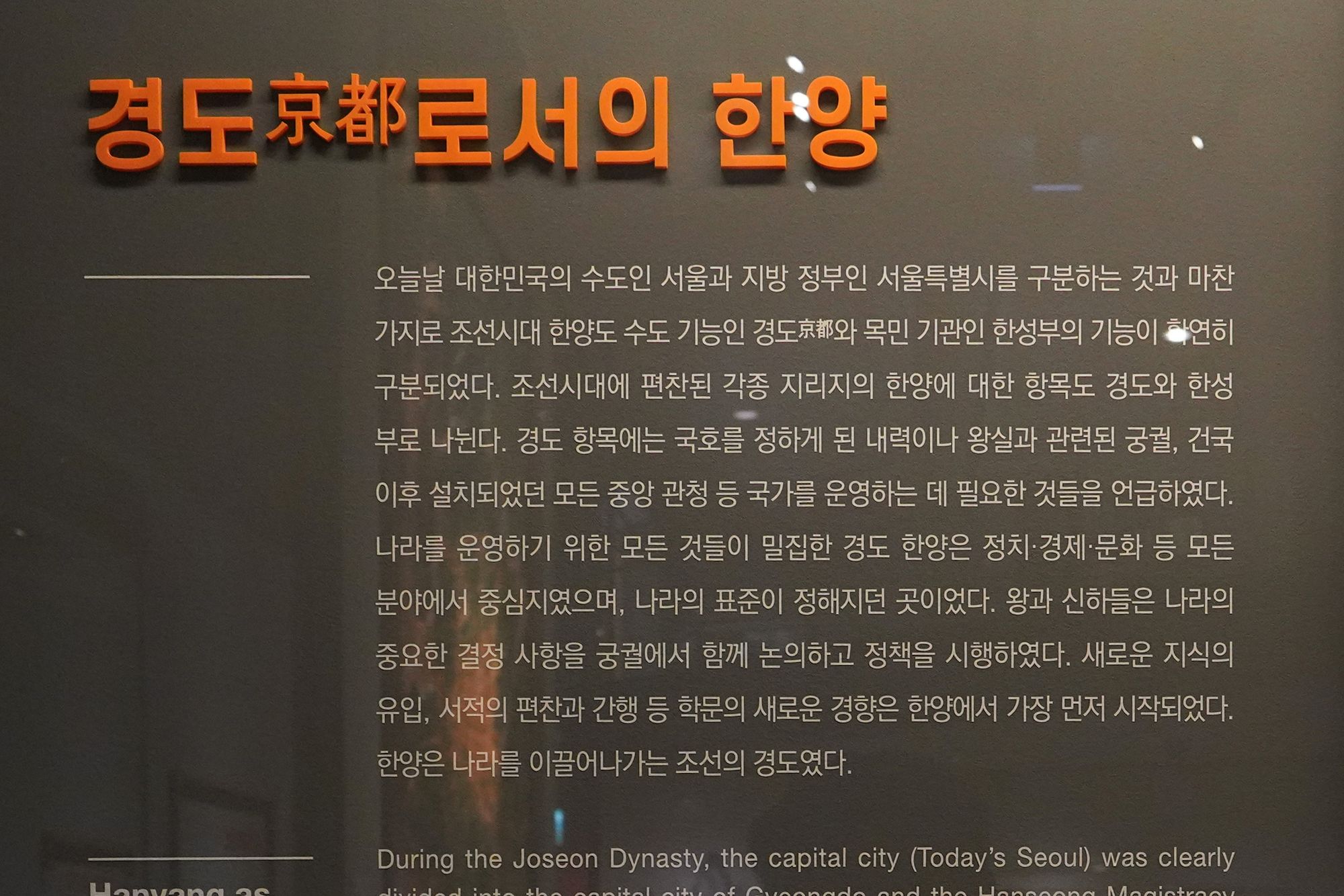
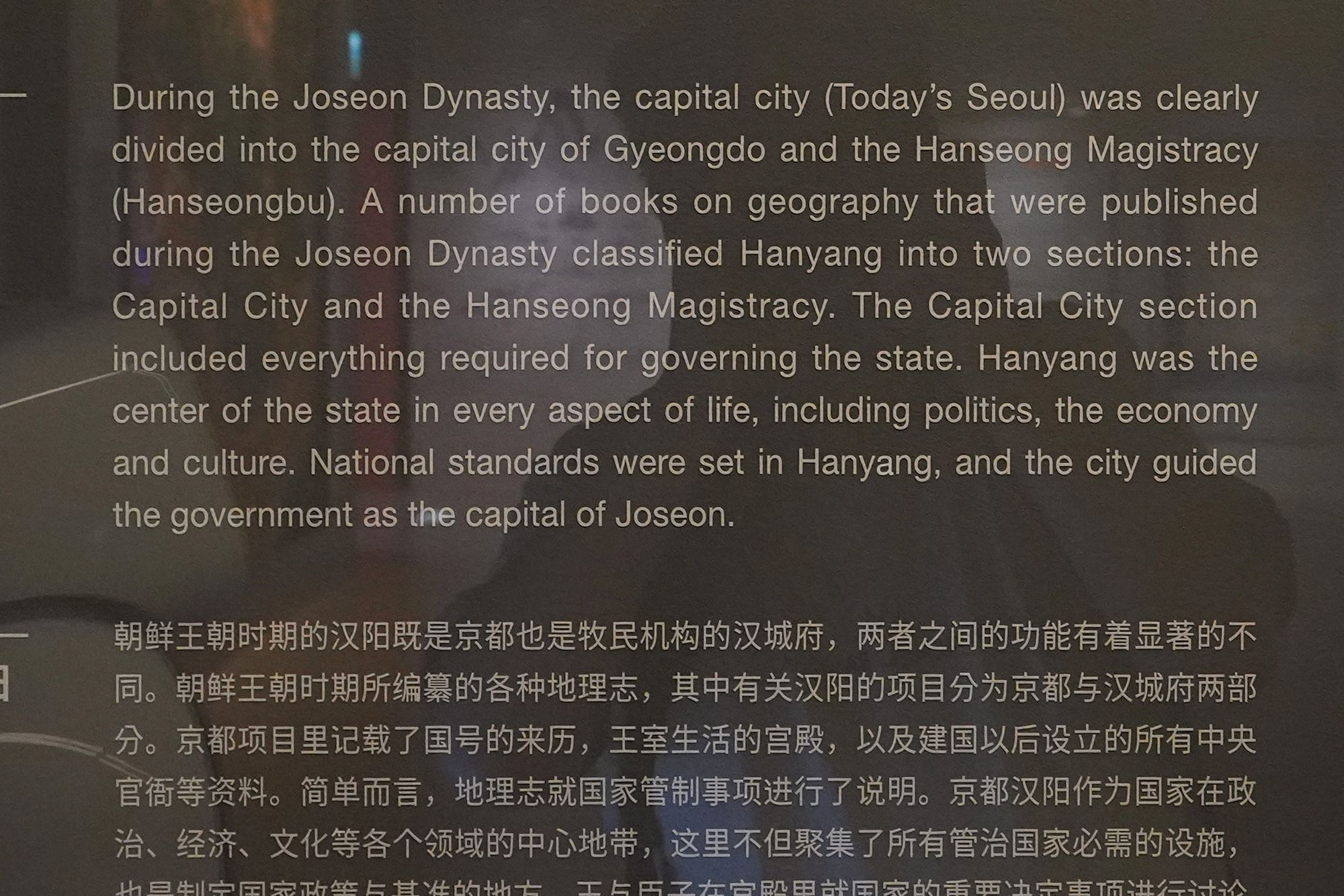
Hanyang consisted of the capital city itself and the surrounding magistracy, which administered the areas beyond the central walled city.
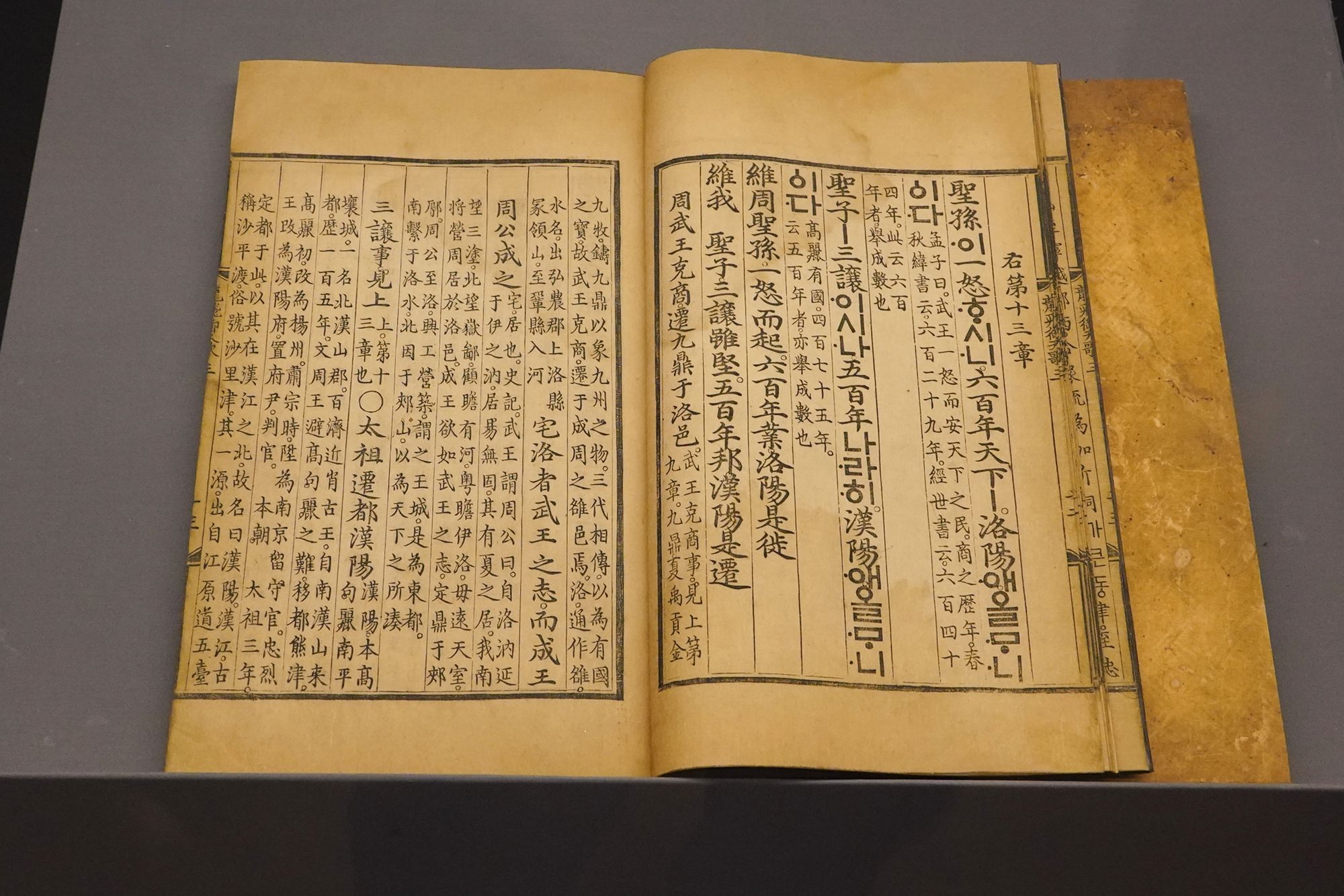
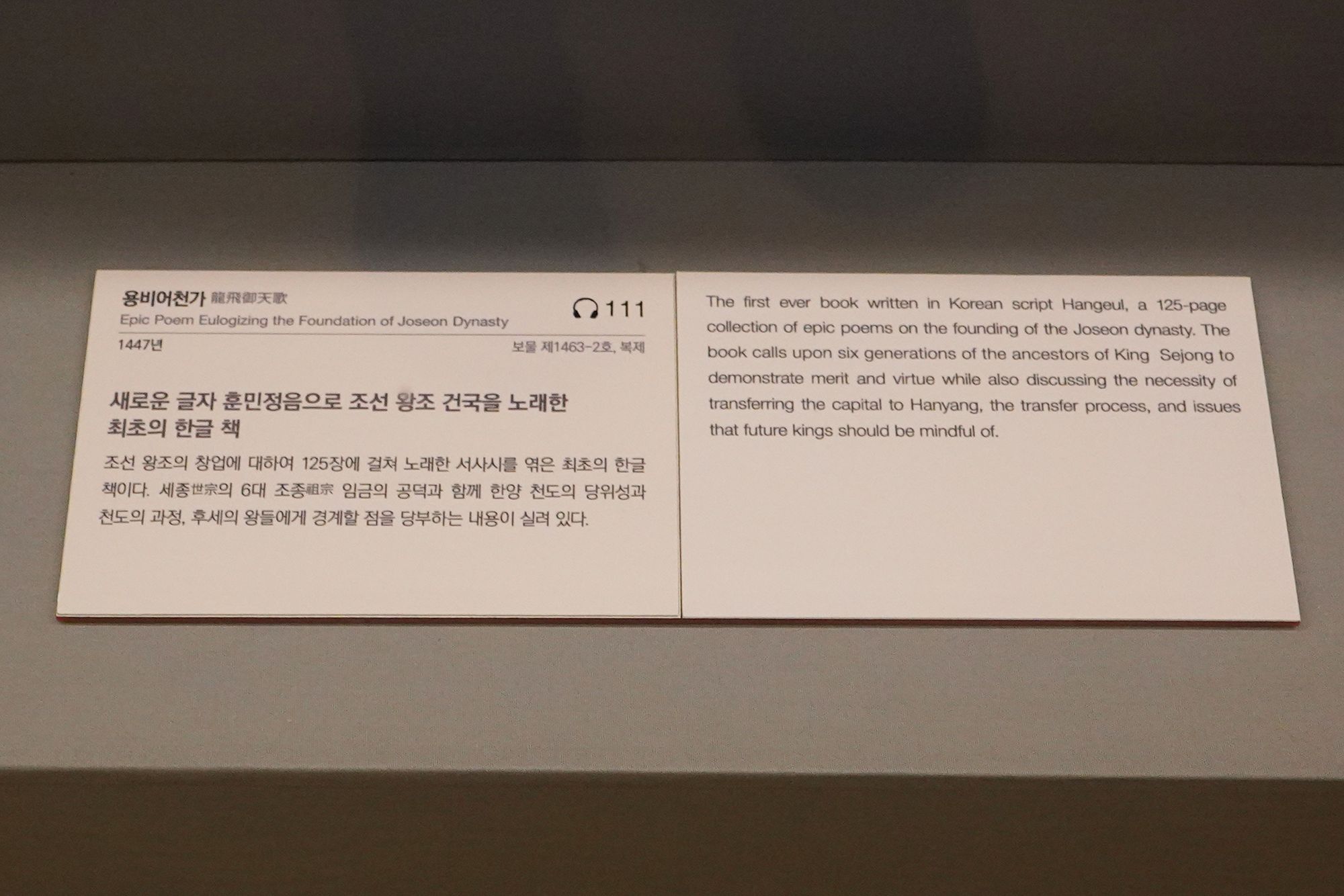
Yongbieocheonga (용비어천가), or “Songs of the Dragons Flying to Heaven,” was an early Joseon work praising the founders of the dynasty and one of the first major works written in Hangul.
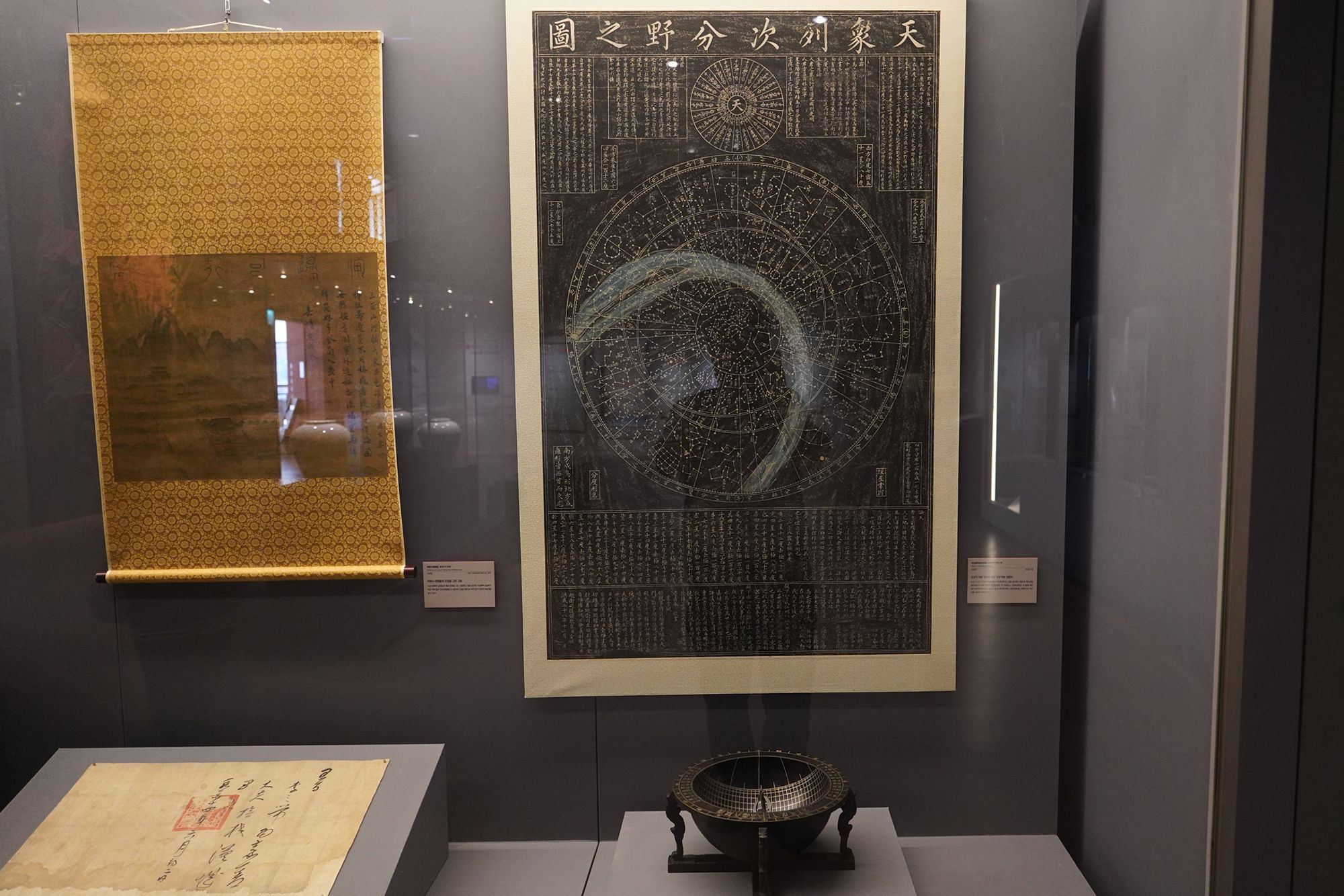
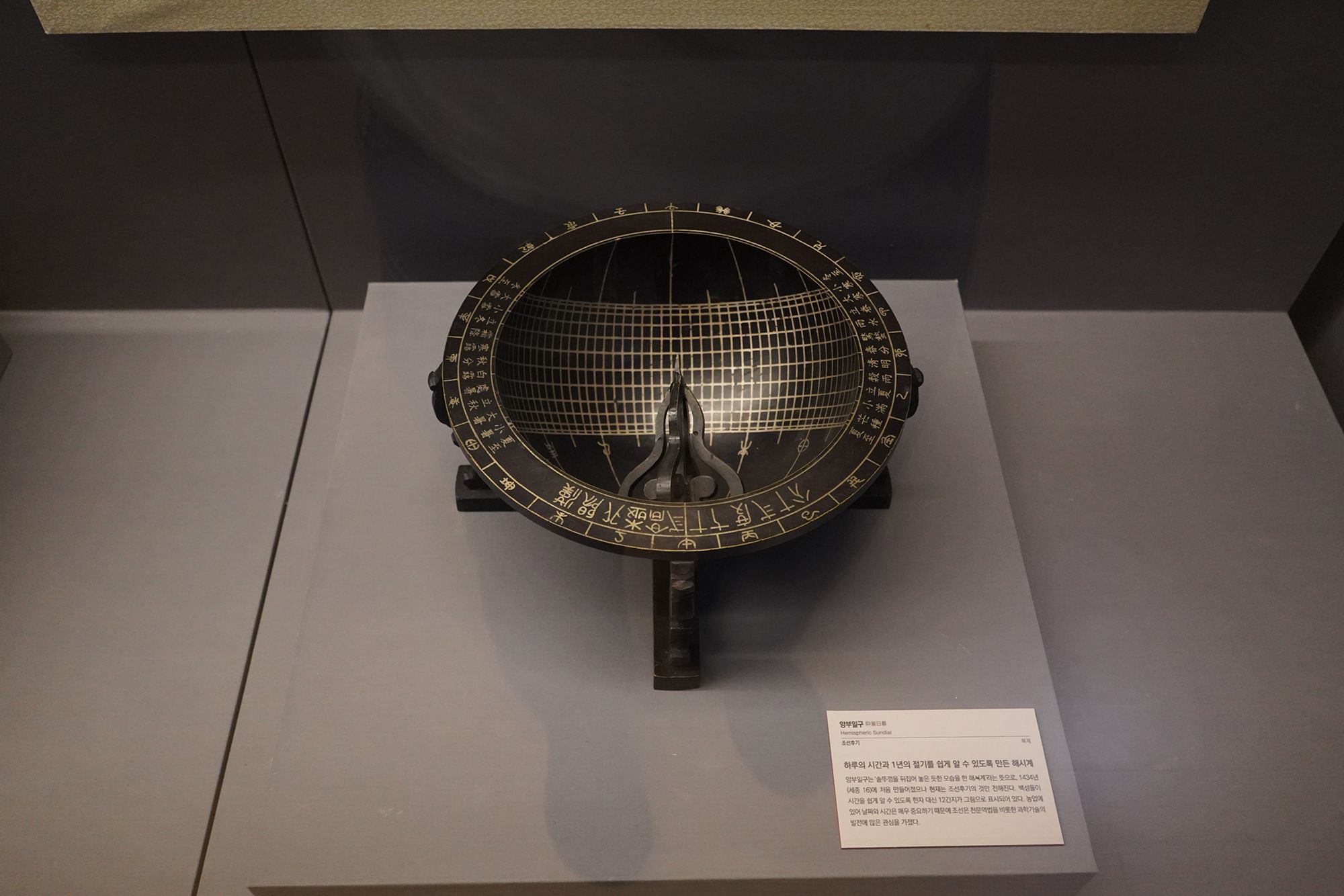
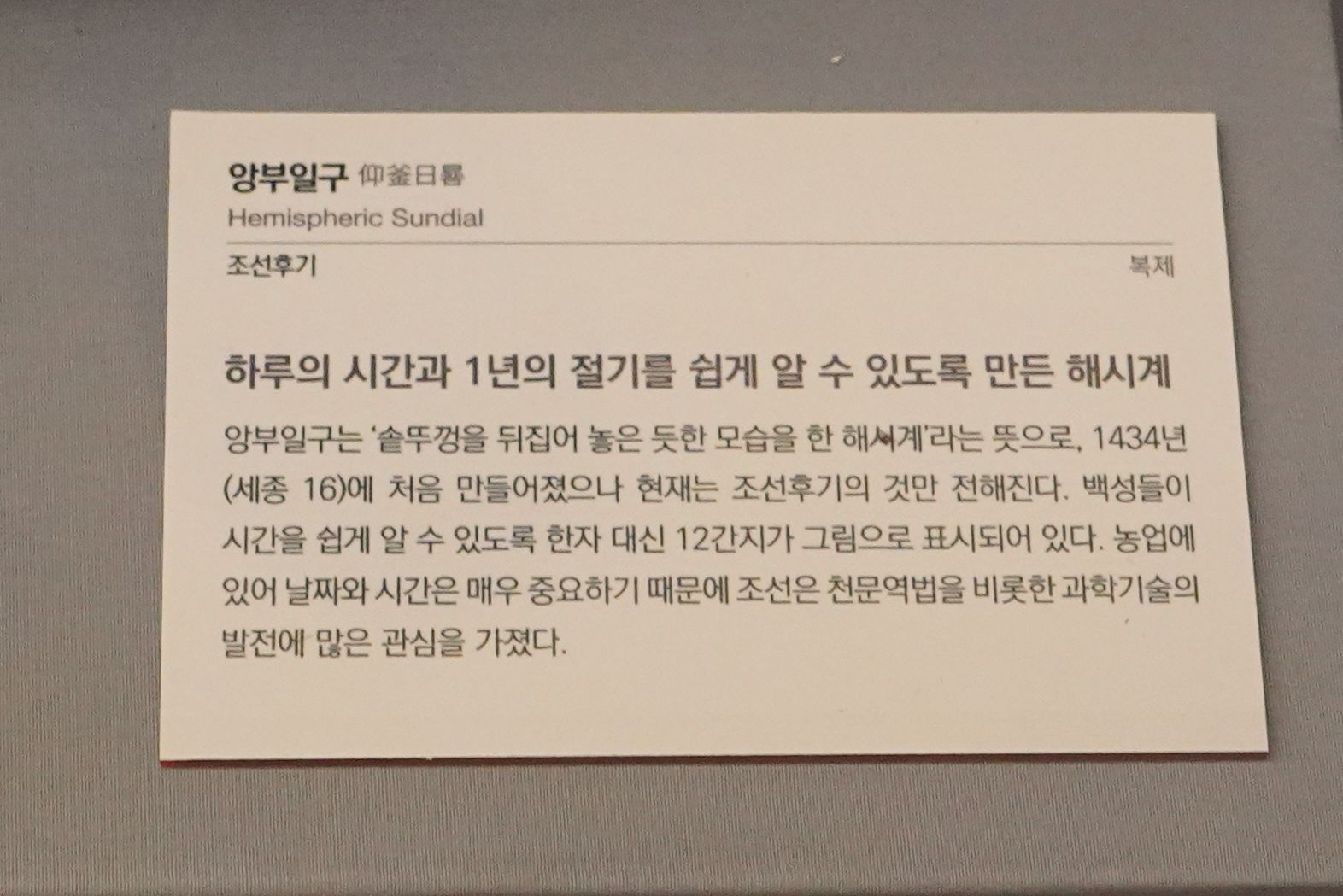
A Sun Dial
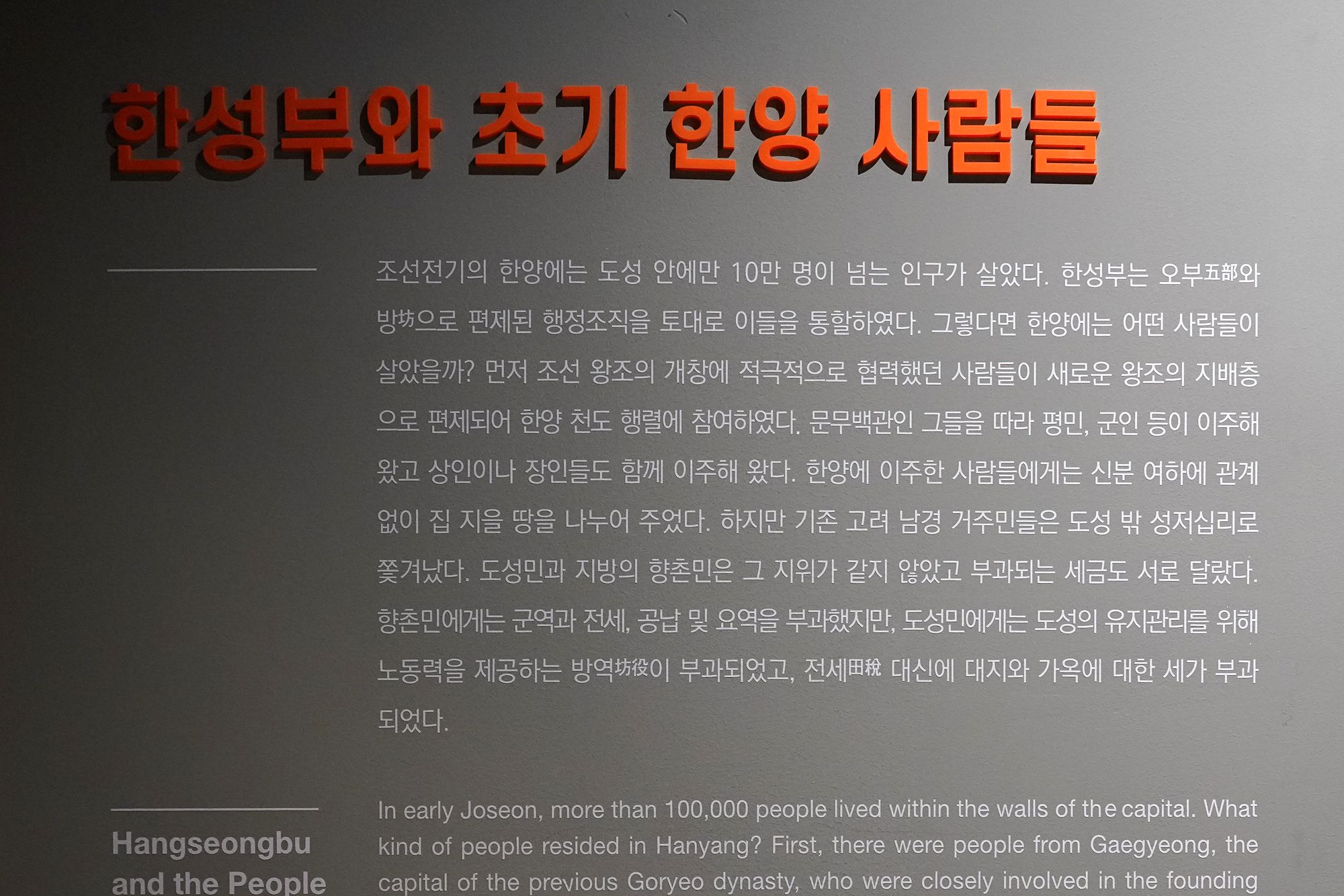
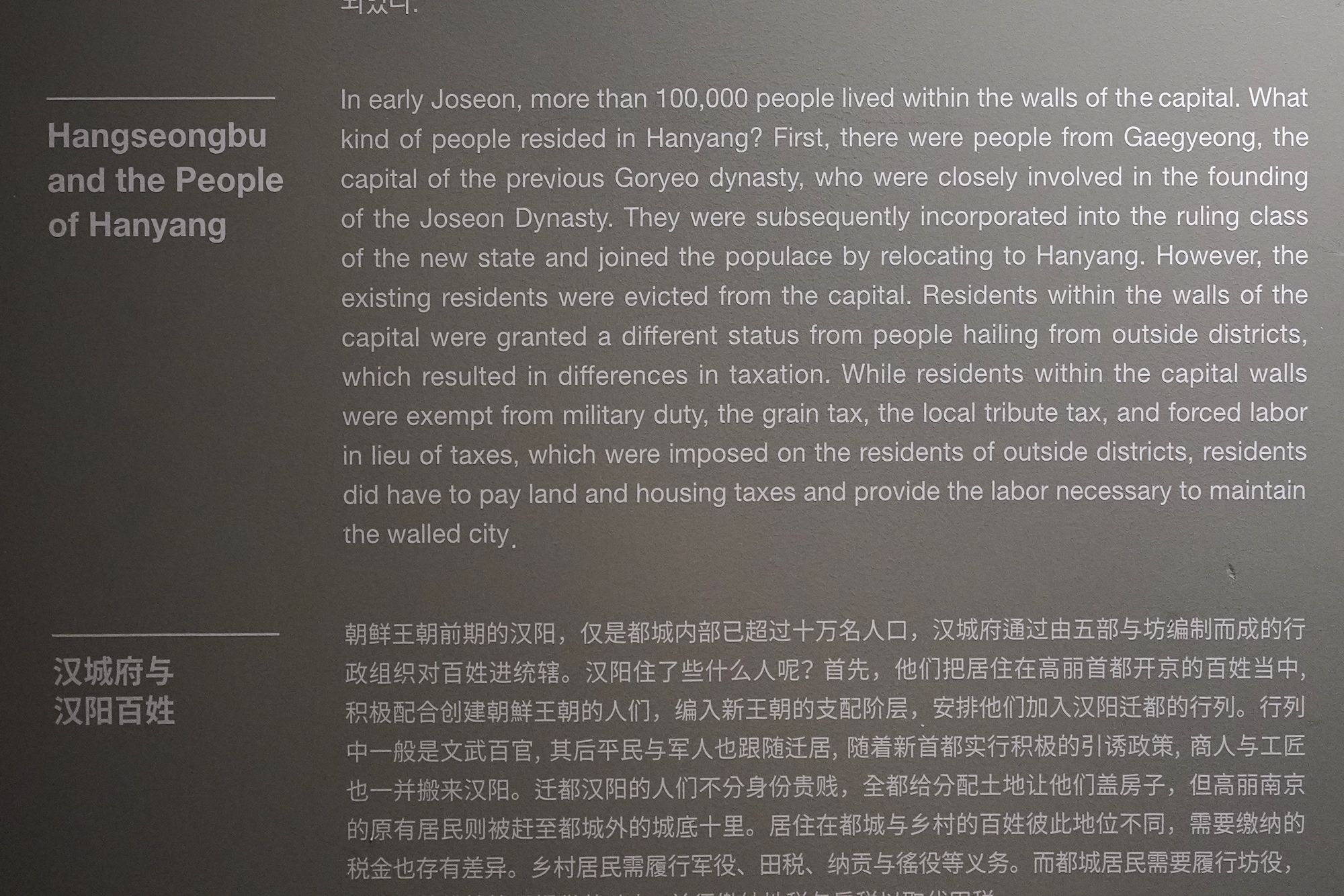
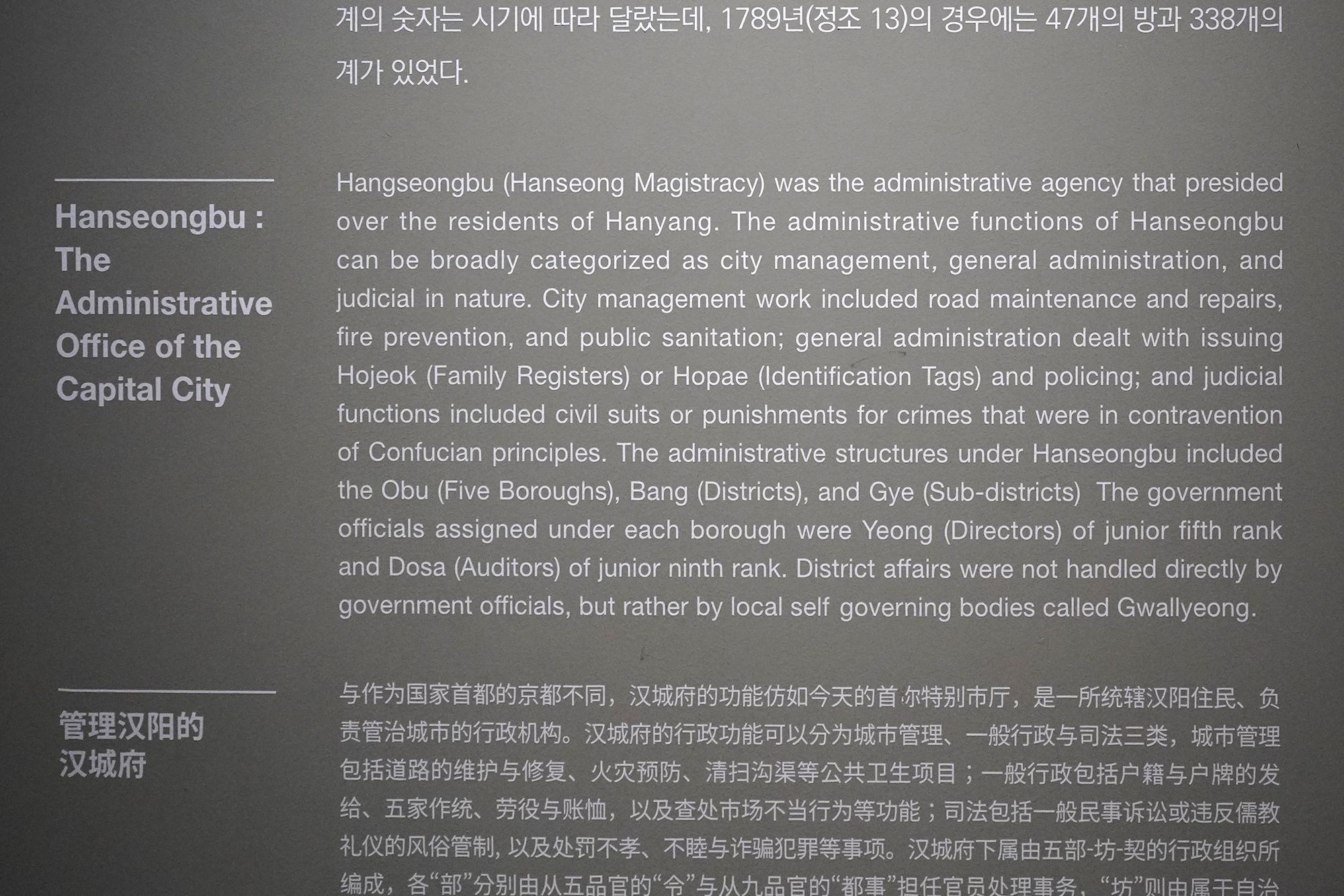
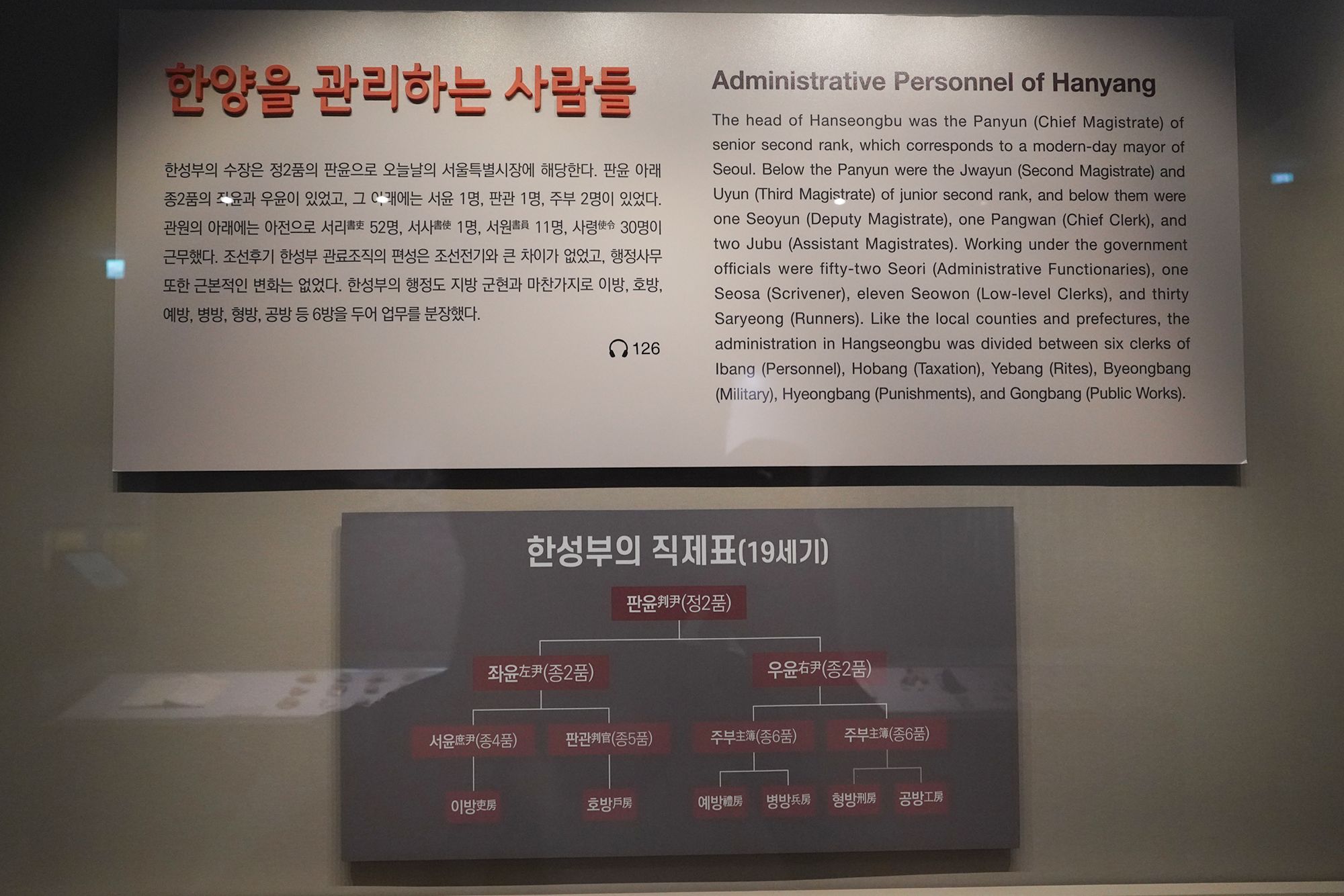
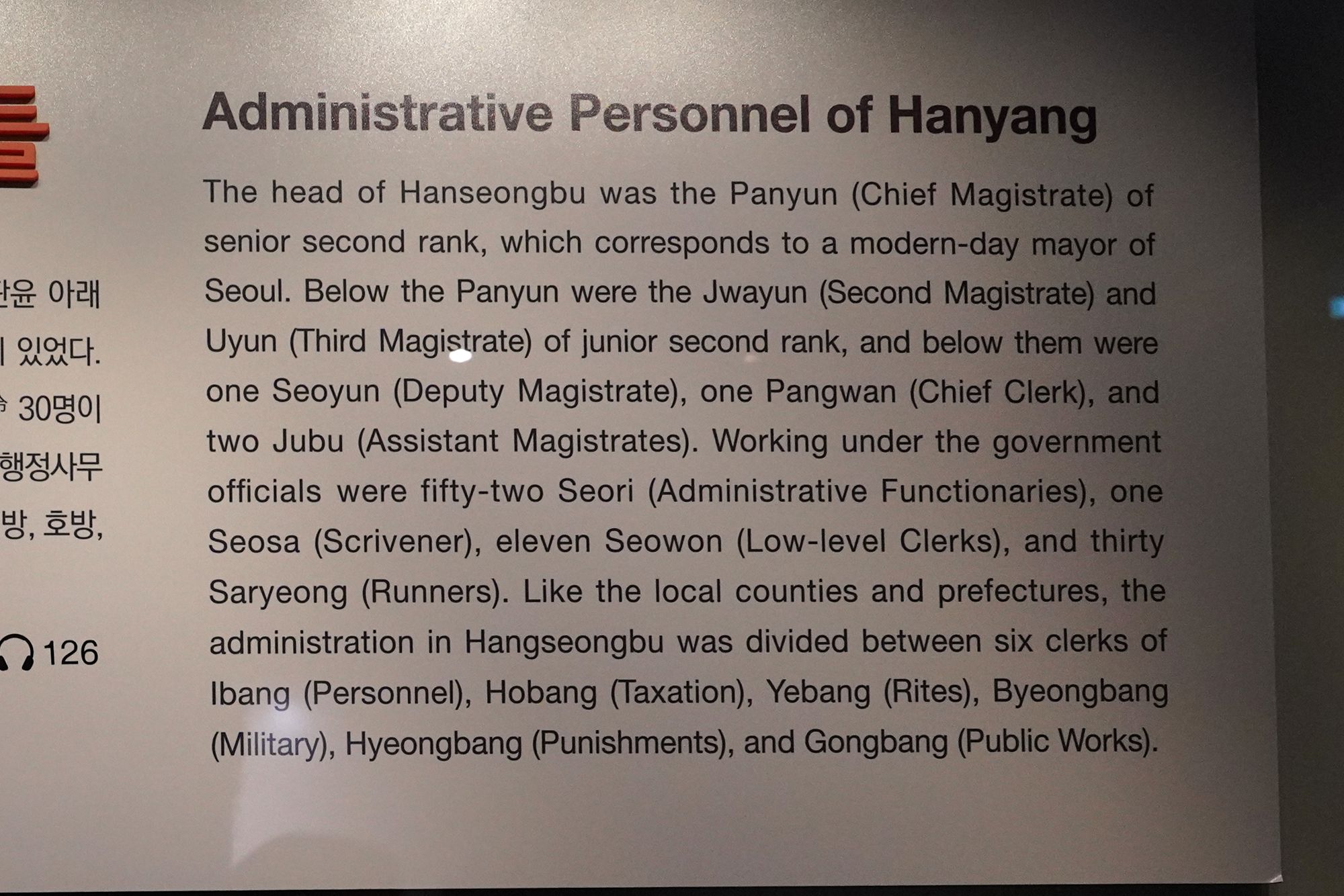
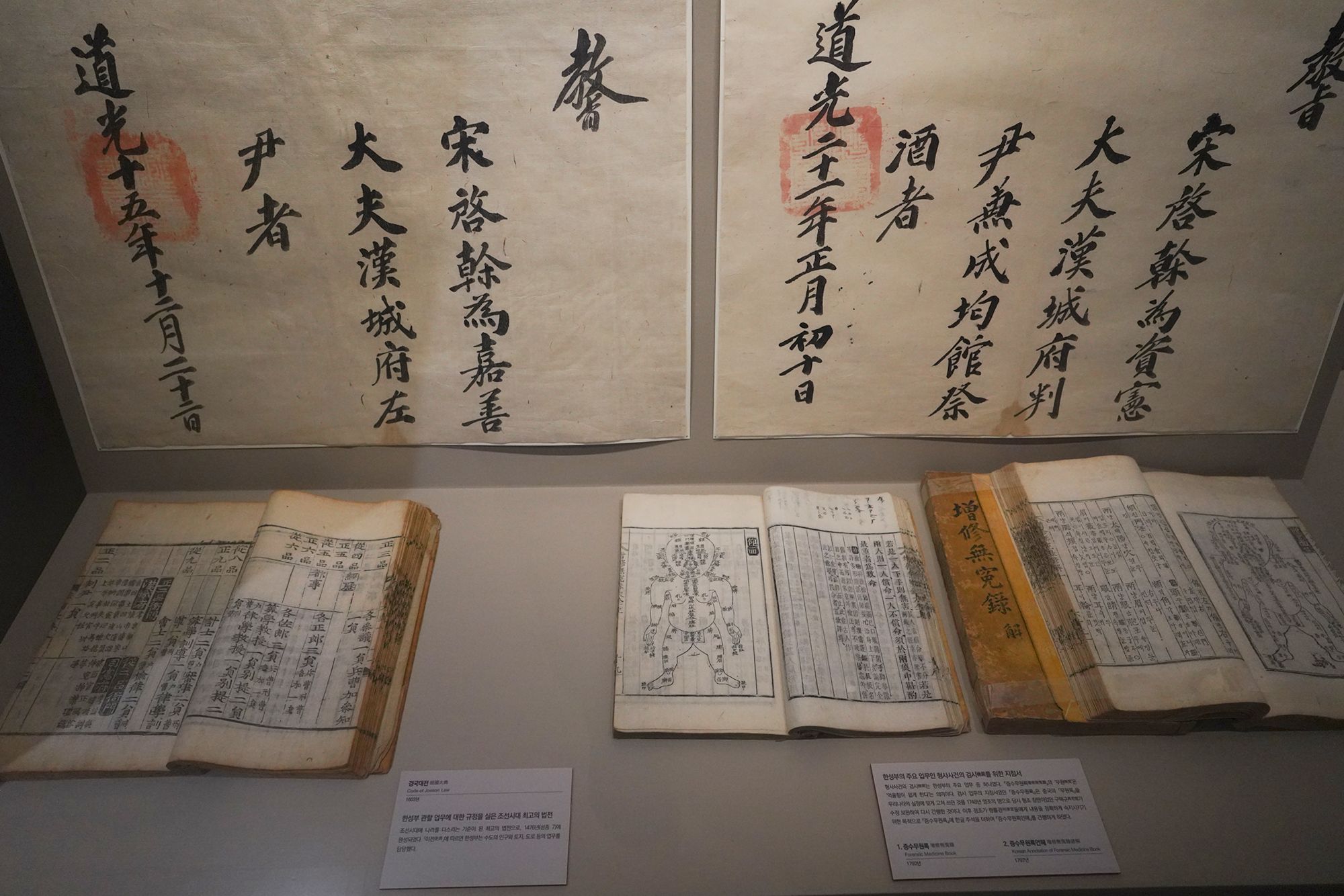
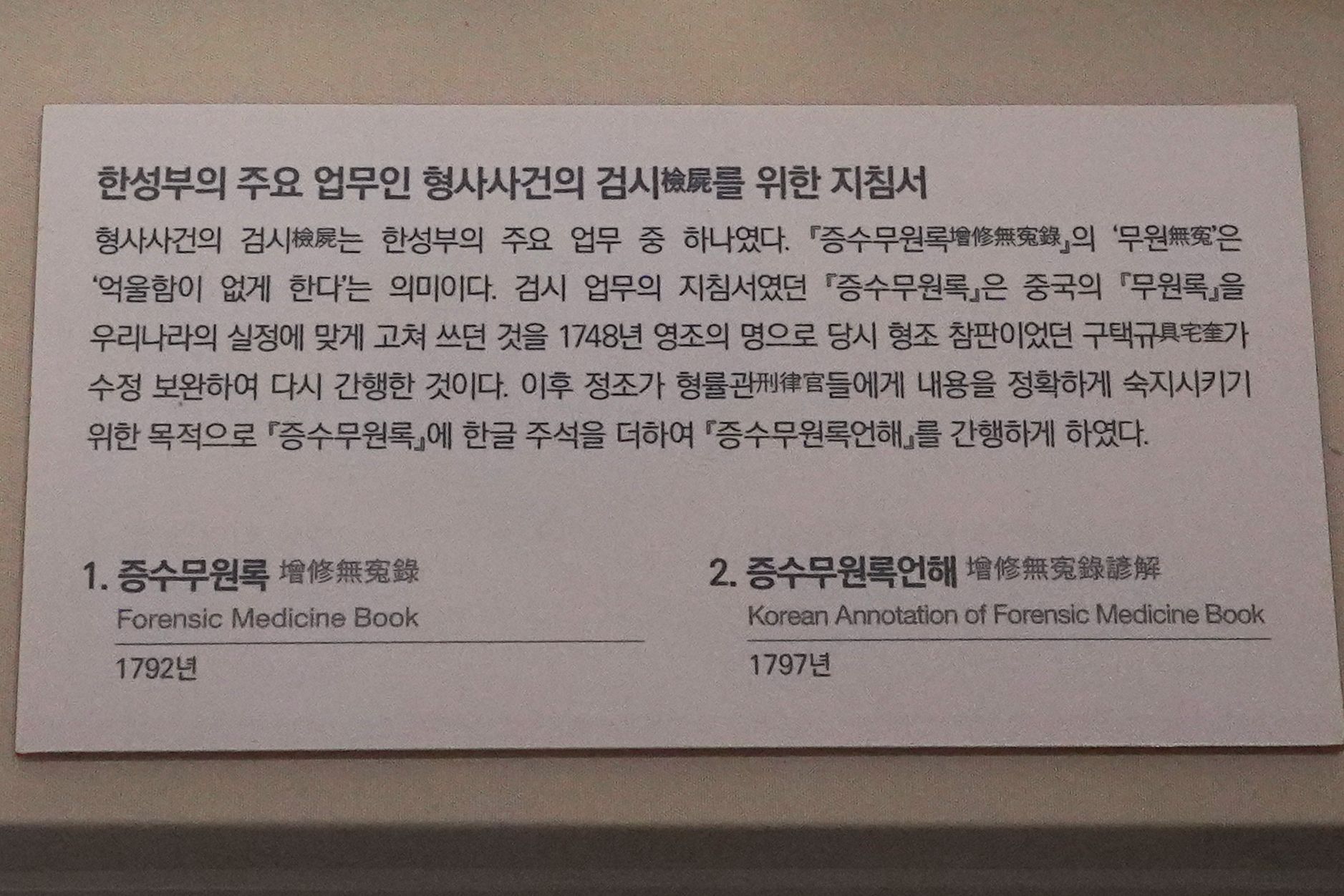
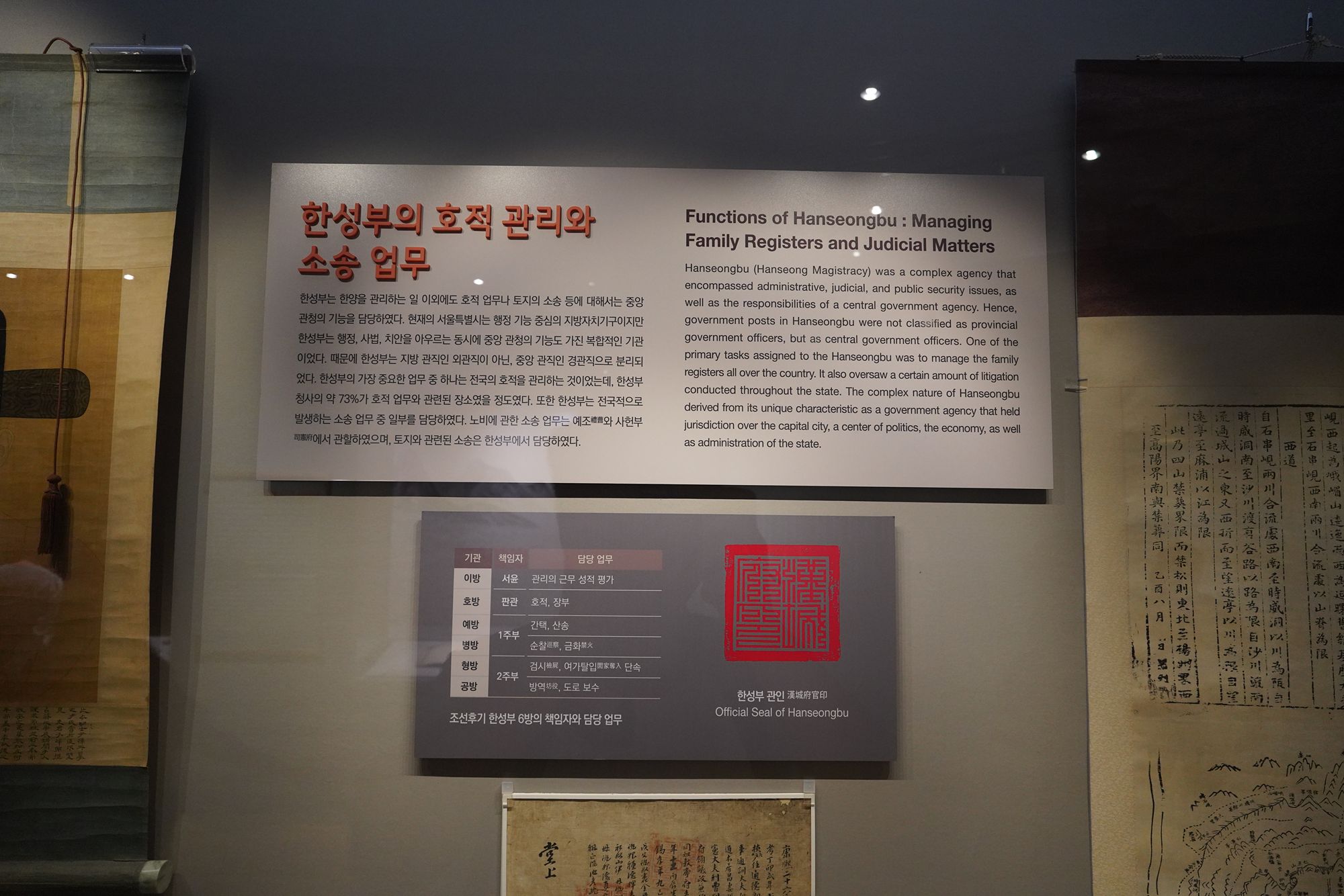
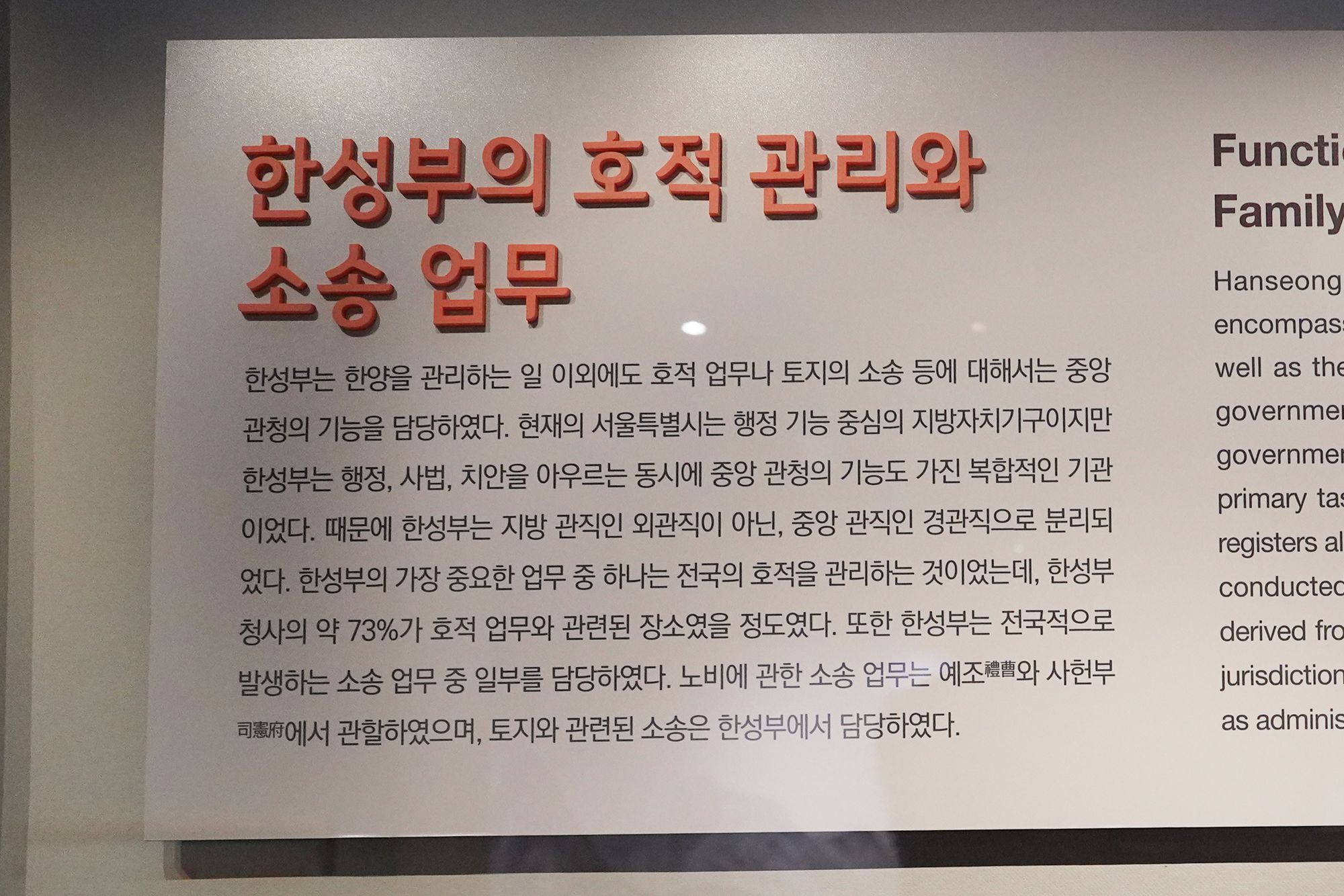
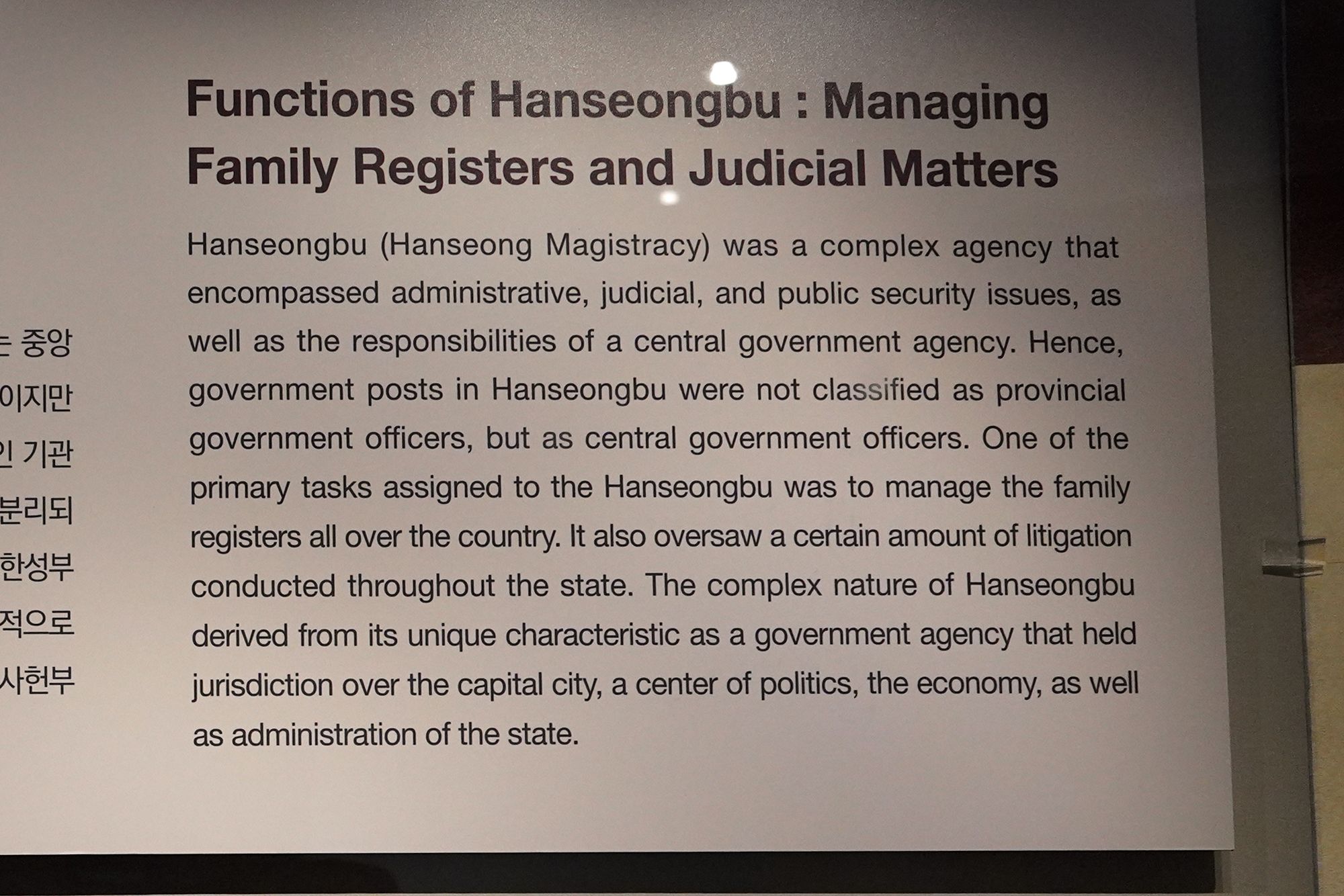
Hanseongbu was the government office that administered Hanyang and oversaw many aspects of daily life for the people living in the Joseon capital.
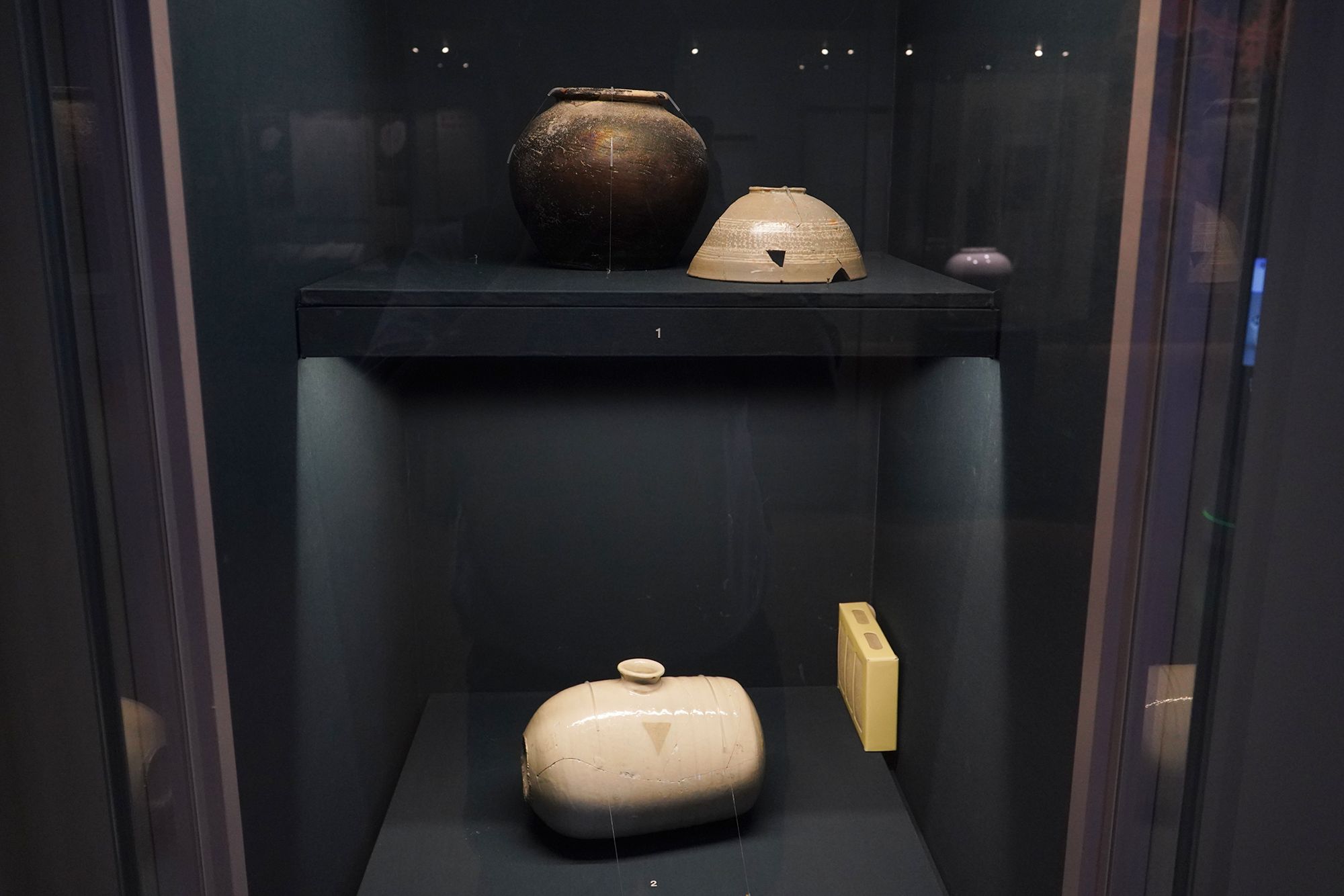
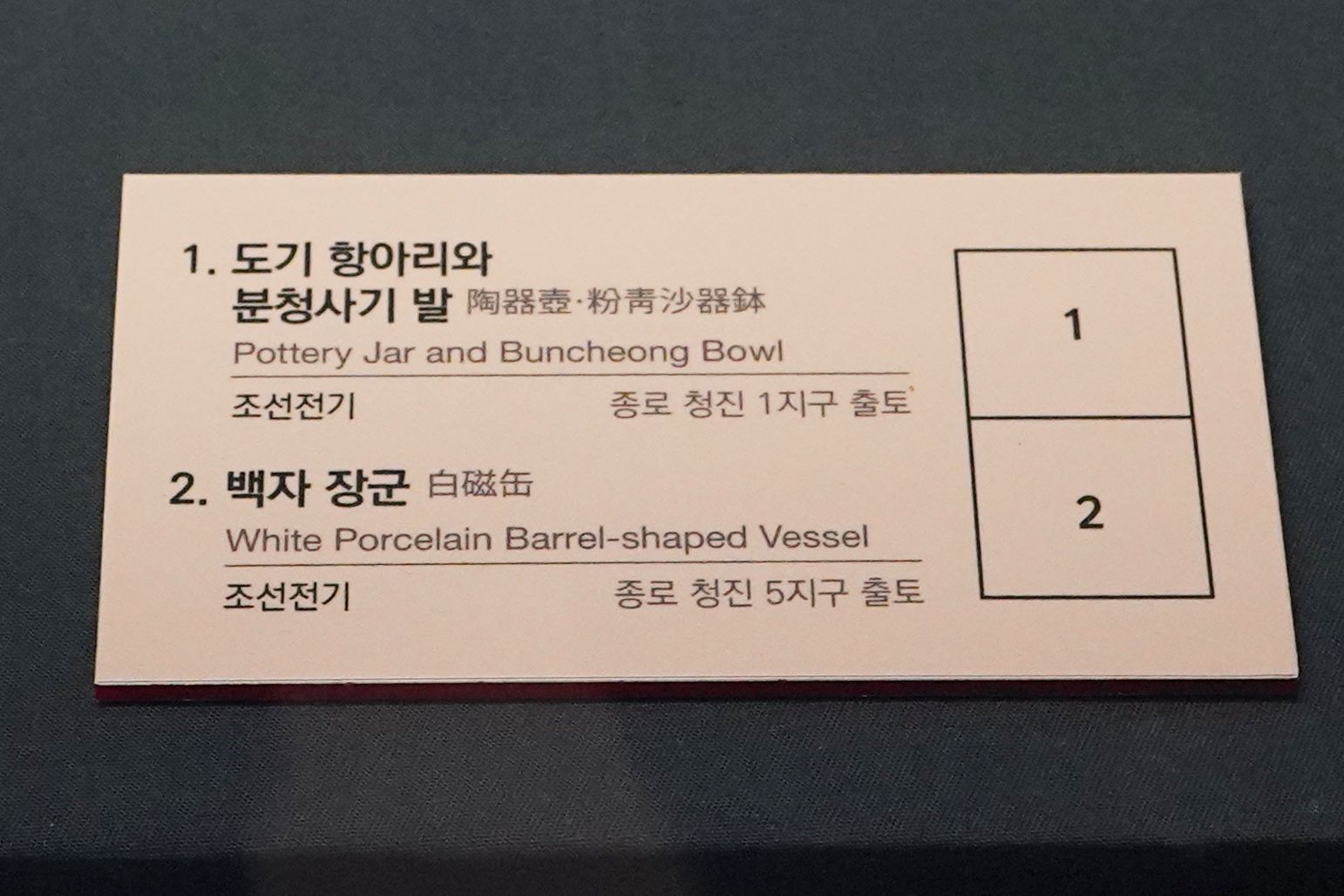
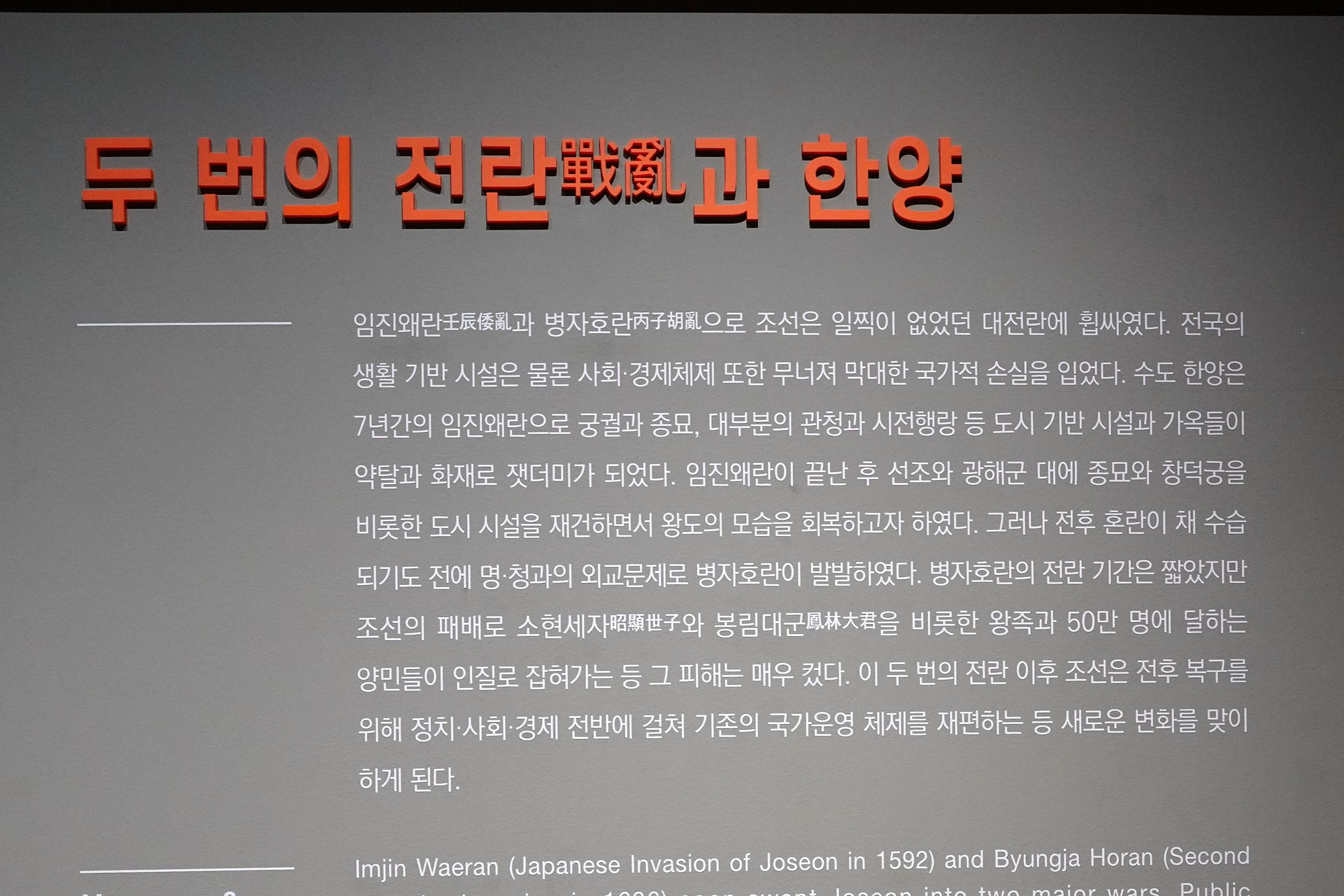
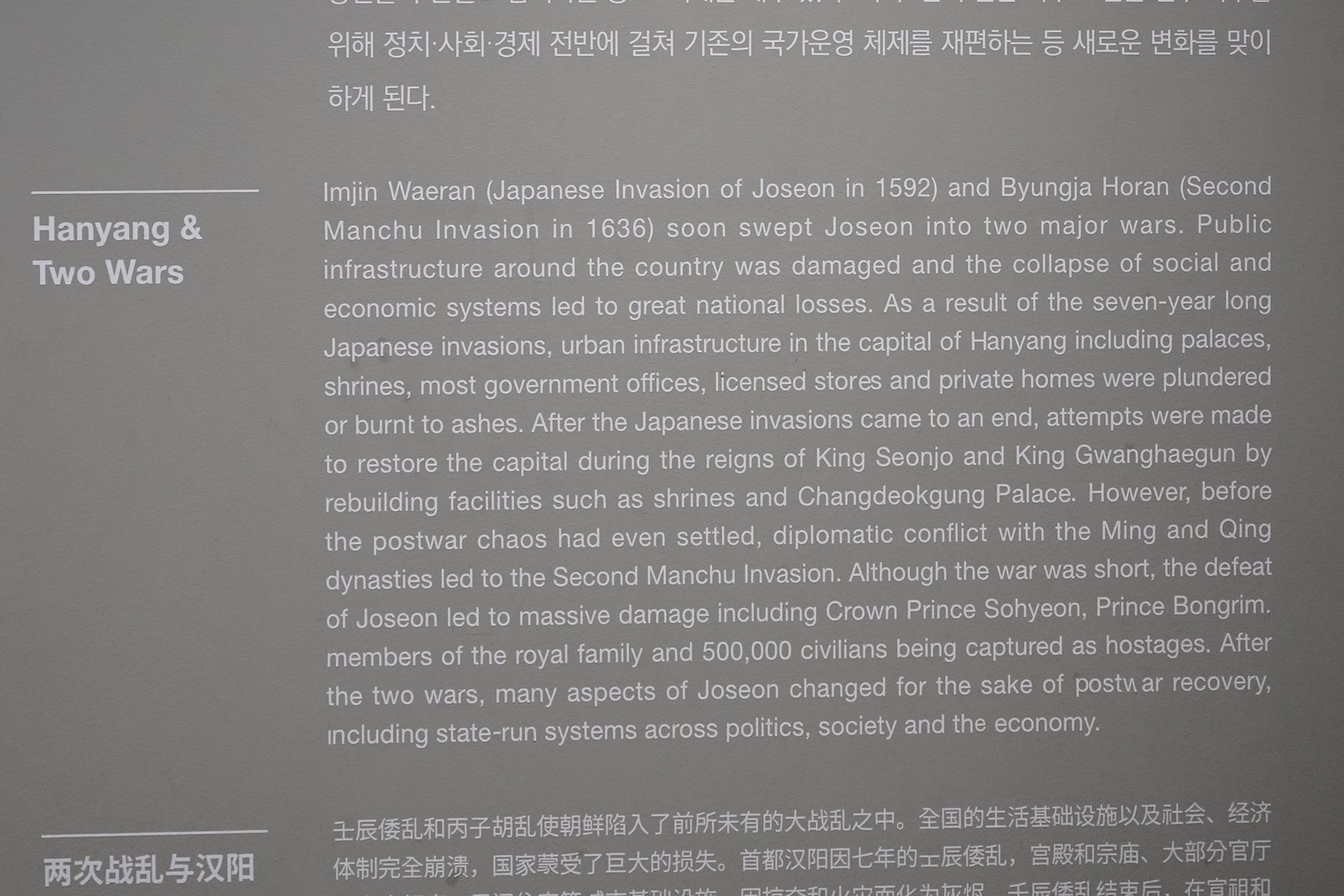
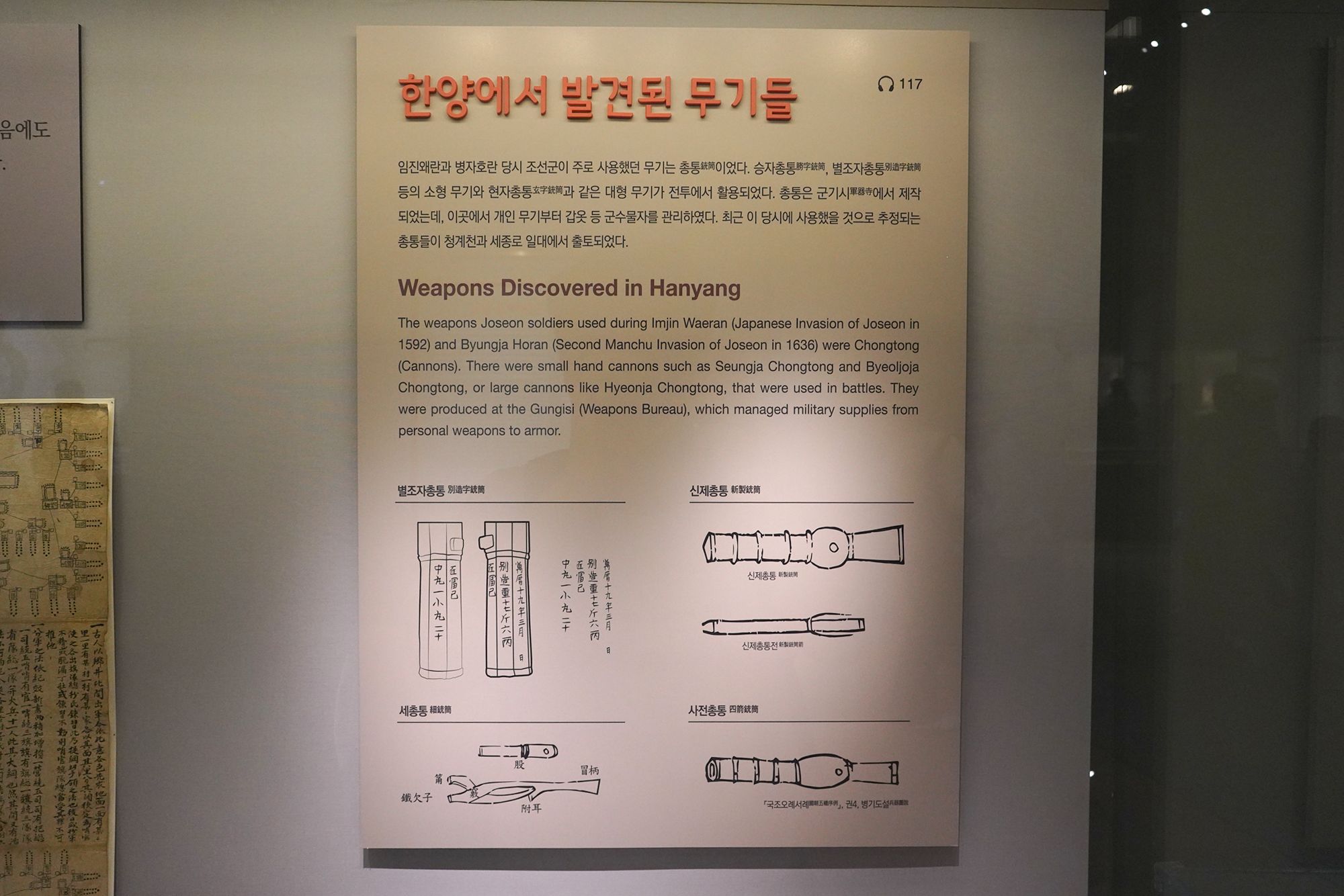
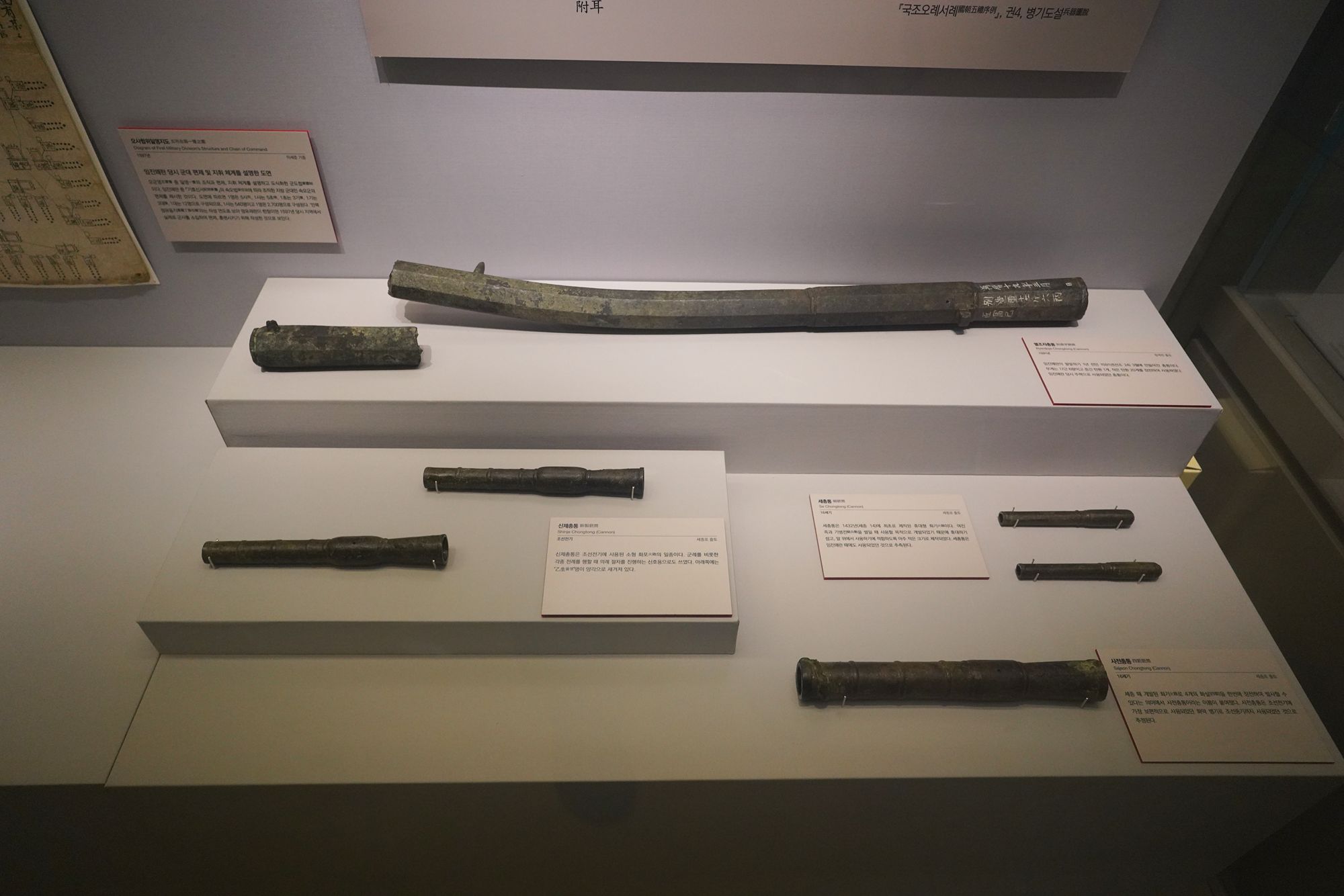
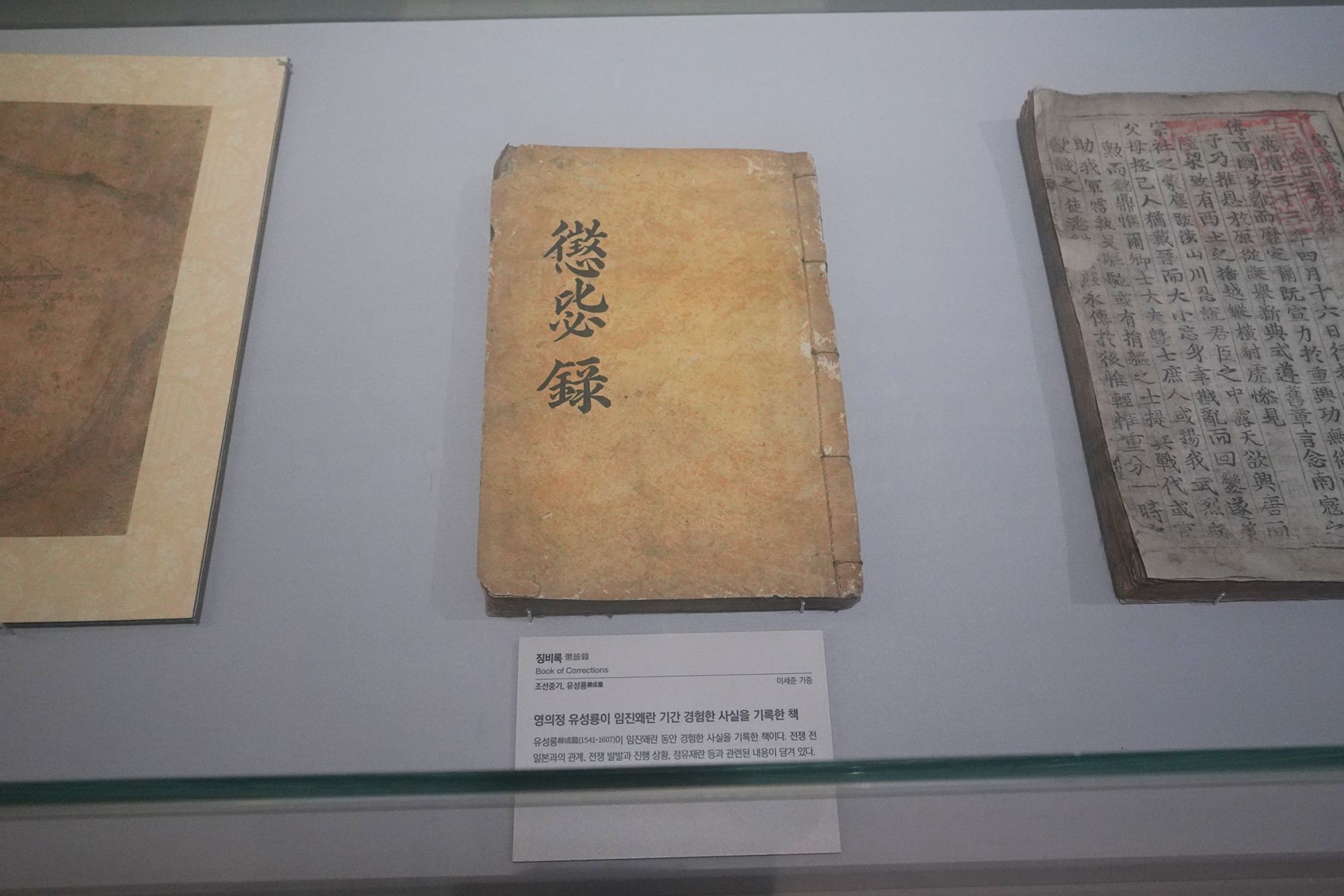
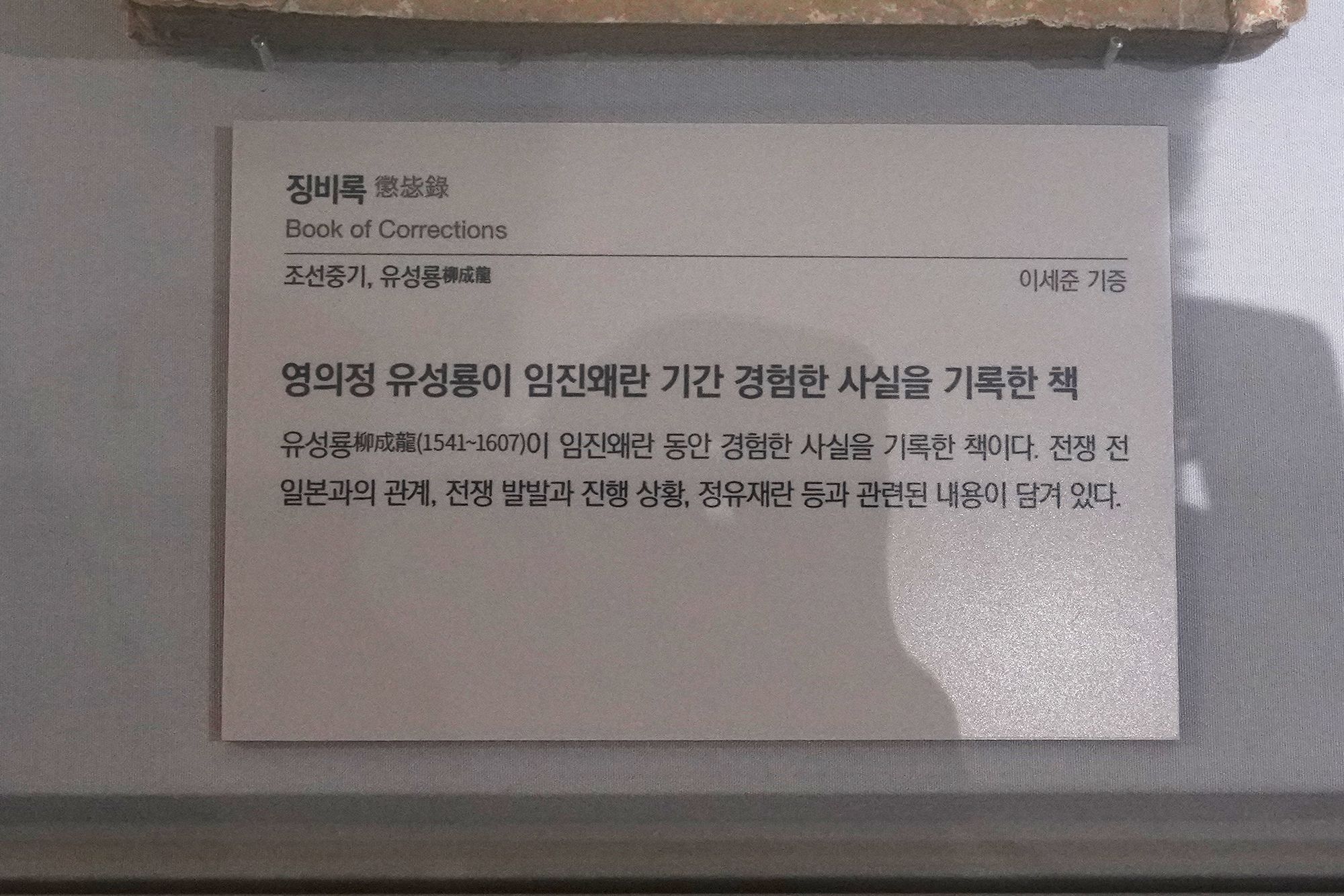
Hanyang suffered greatly during the Japanese invasions in the late 16th century and the Manchu invasions in the early 17th century, which brought destruction and major upheaval to the Joseon capital.
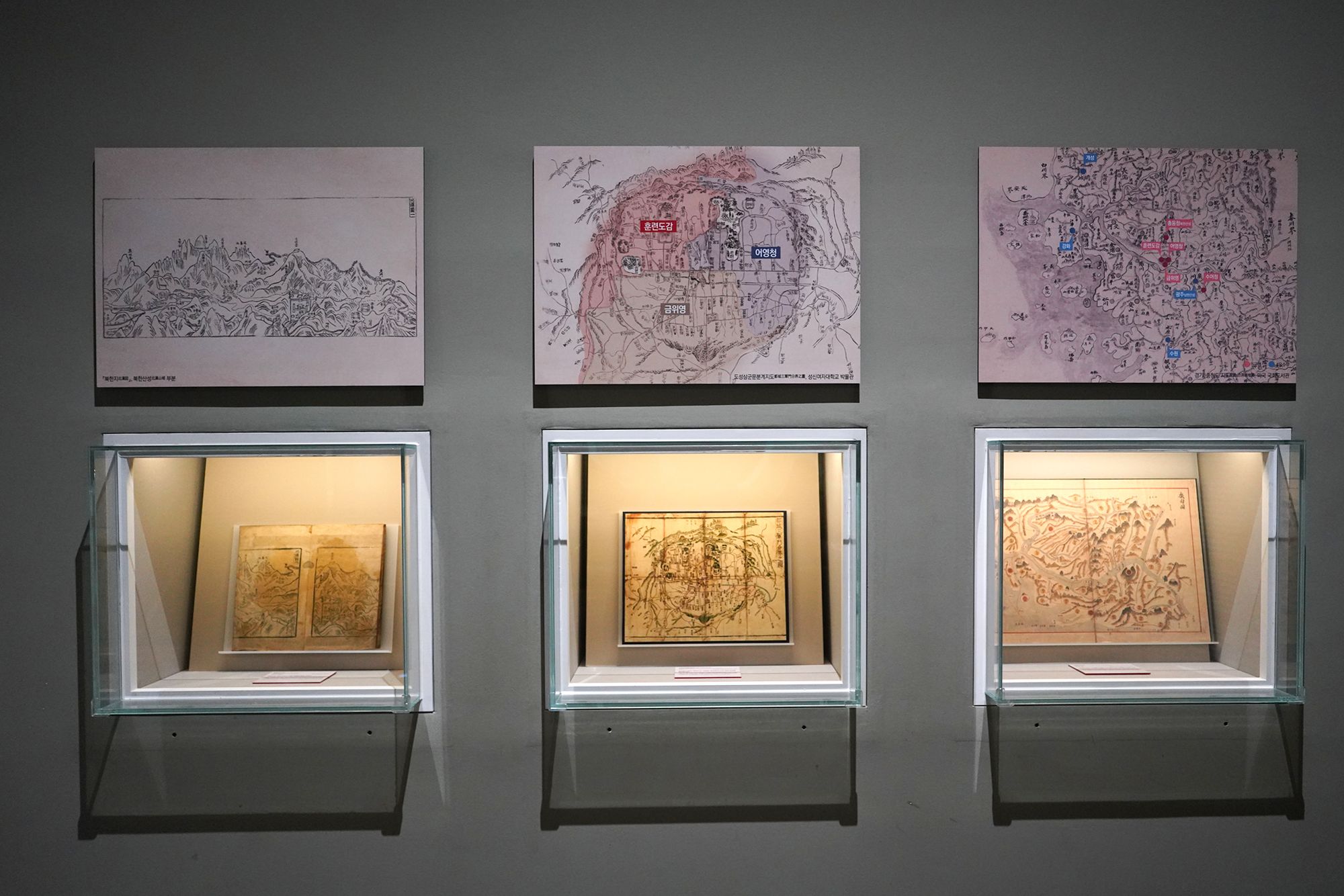
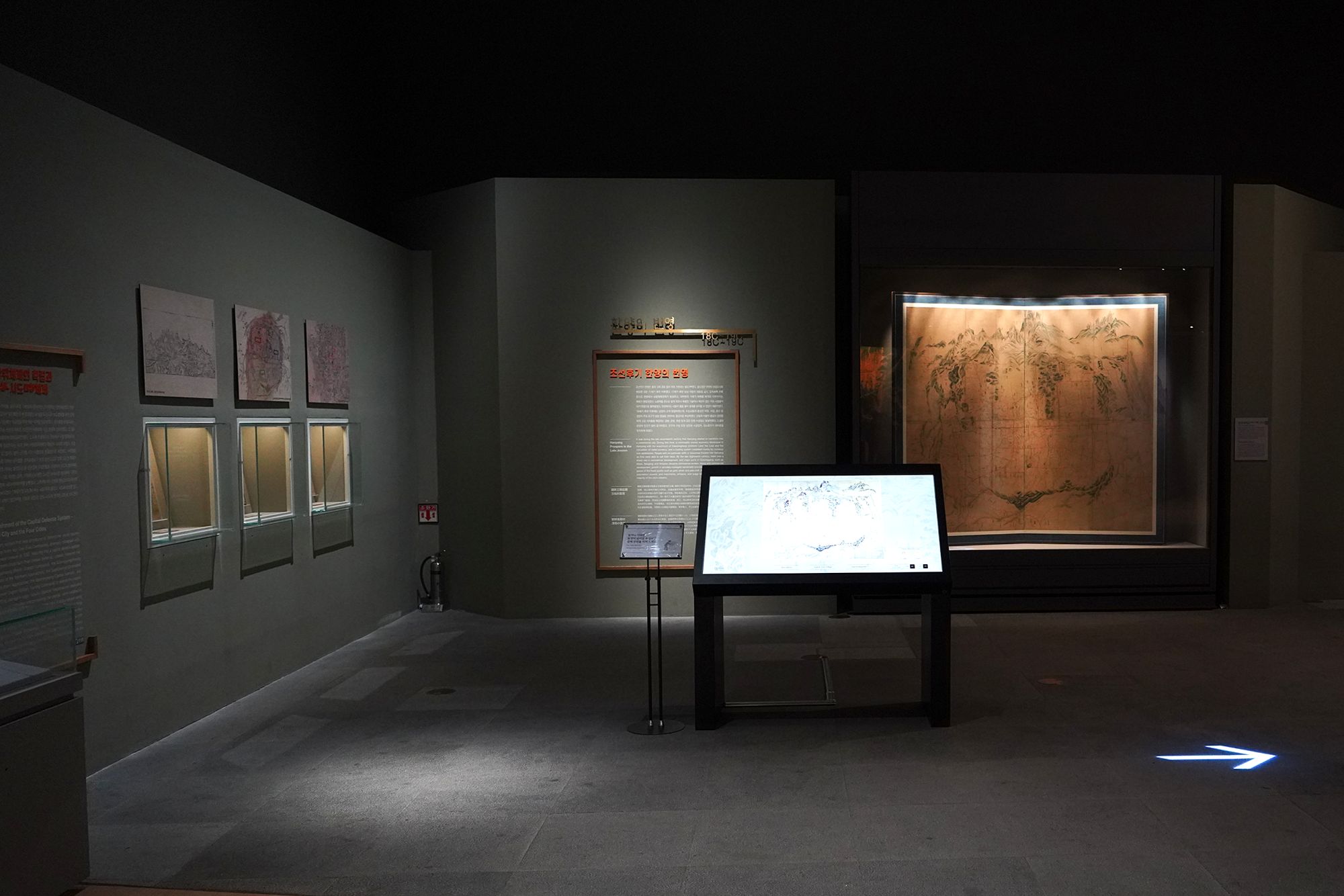
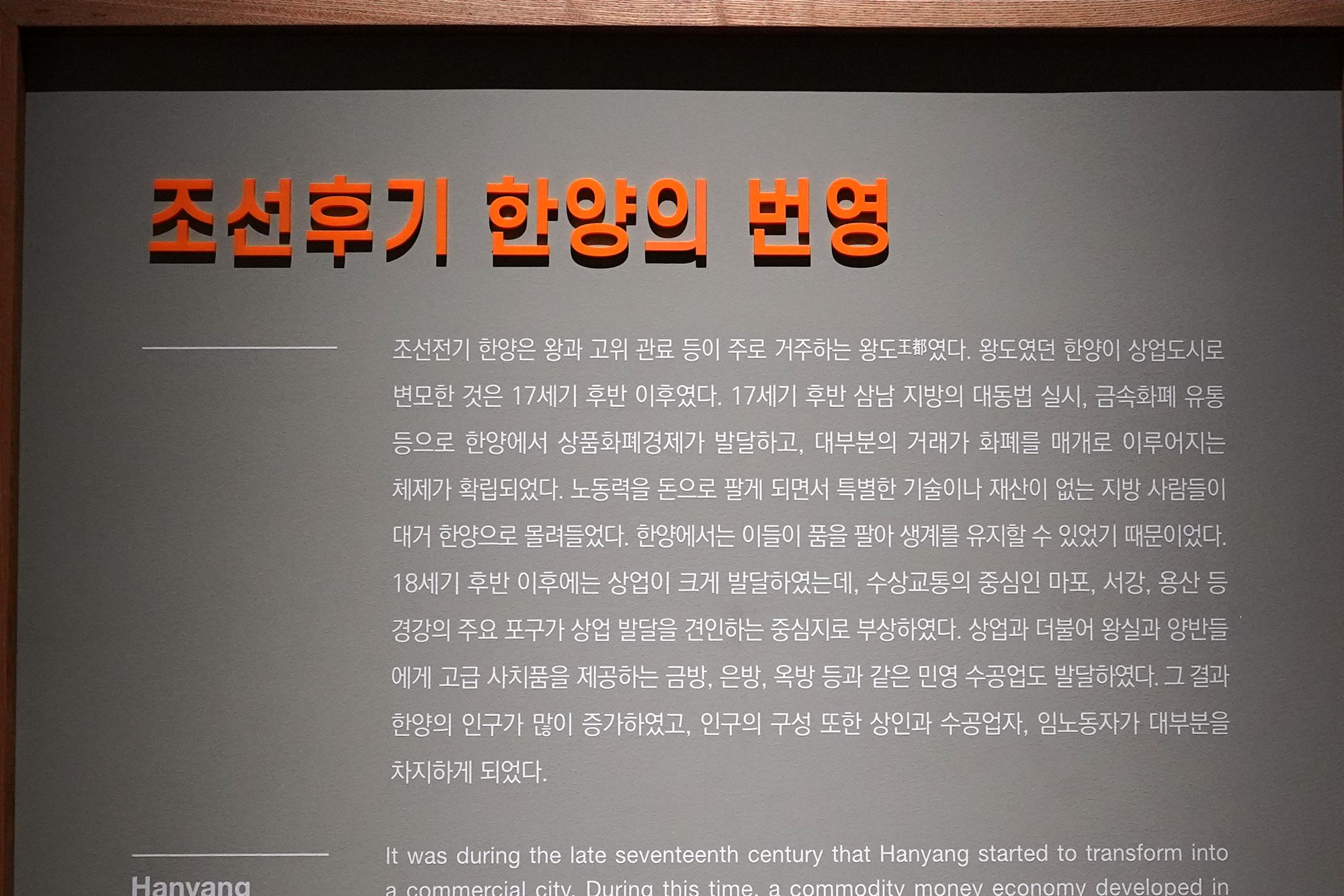
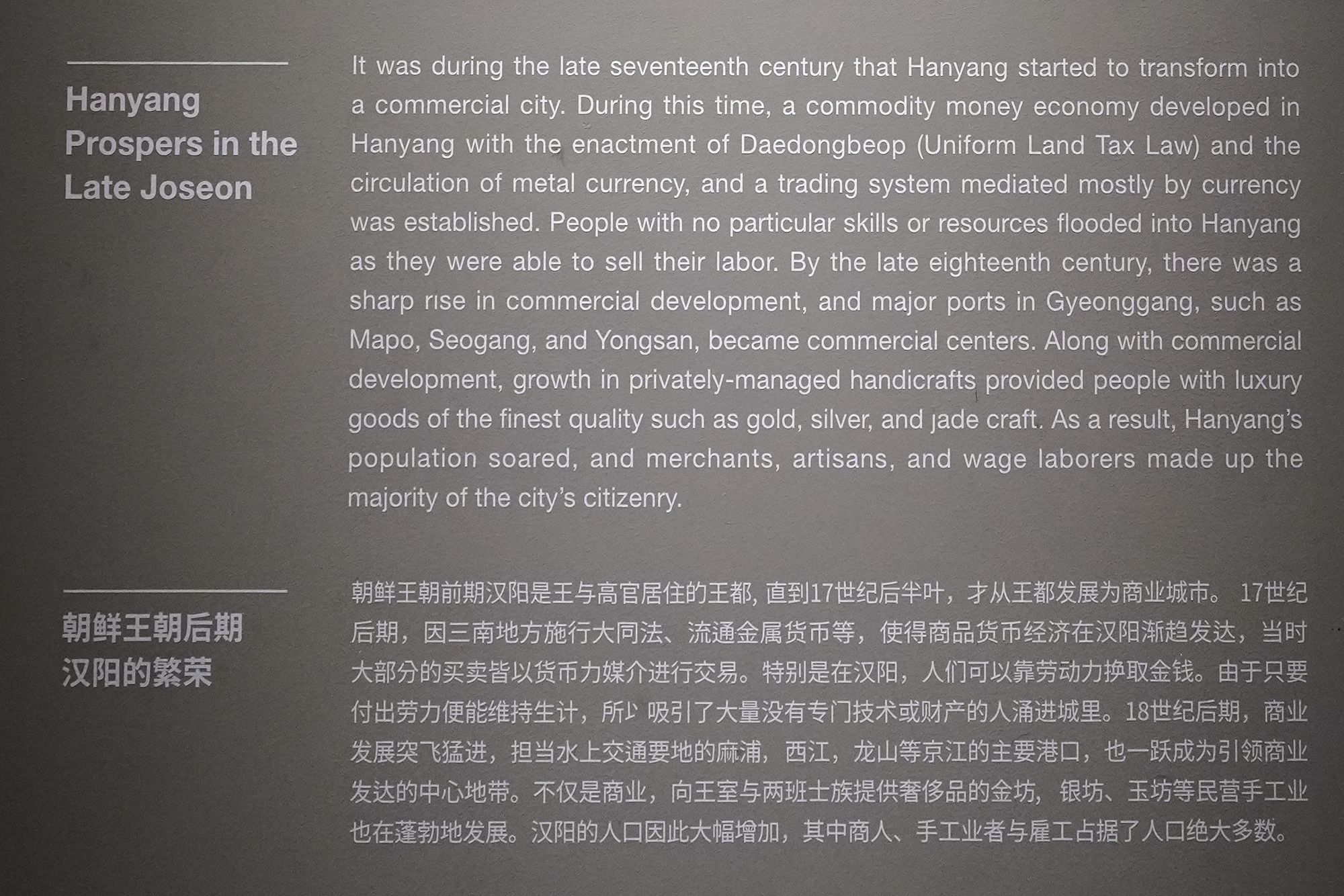
During the late Joseon Dynasty, Hanyang prospered as its population grew and commerce, markets, and cultural activities flourished throughout the capital.
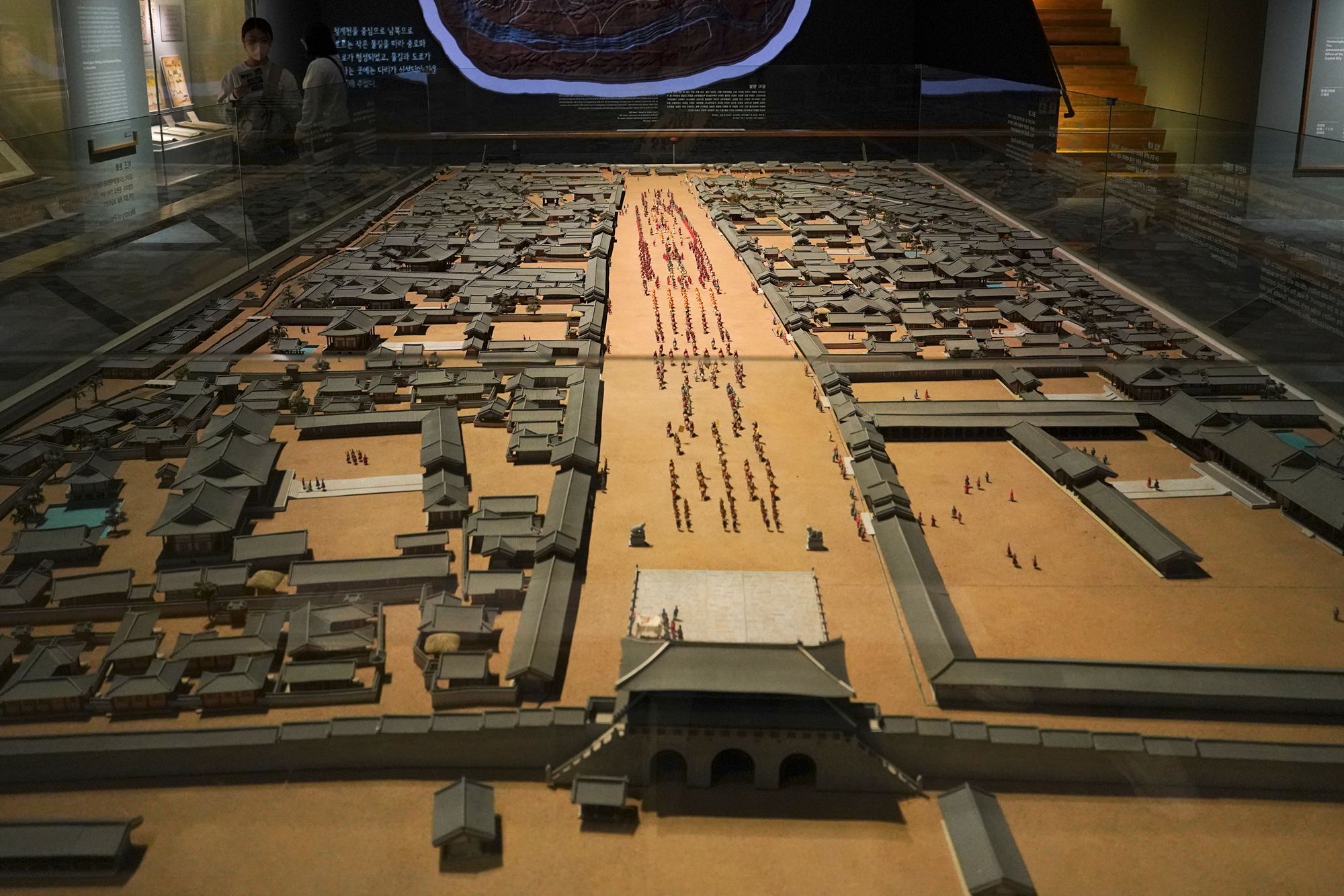
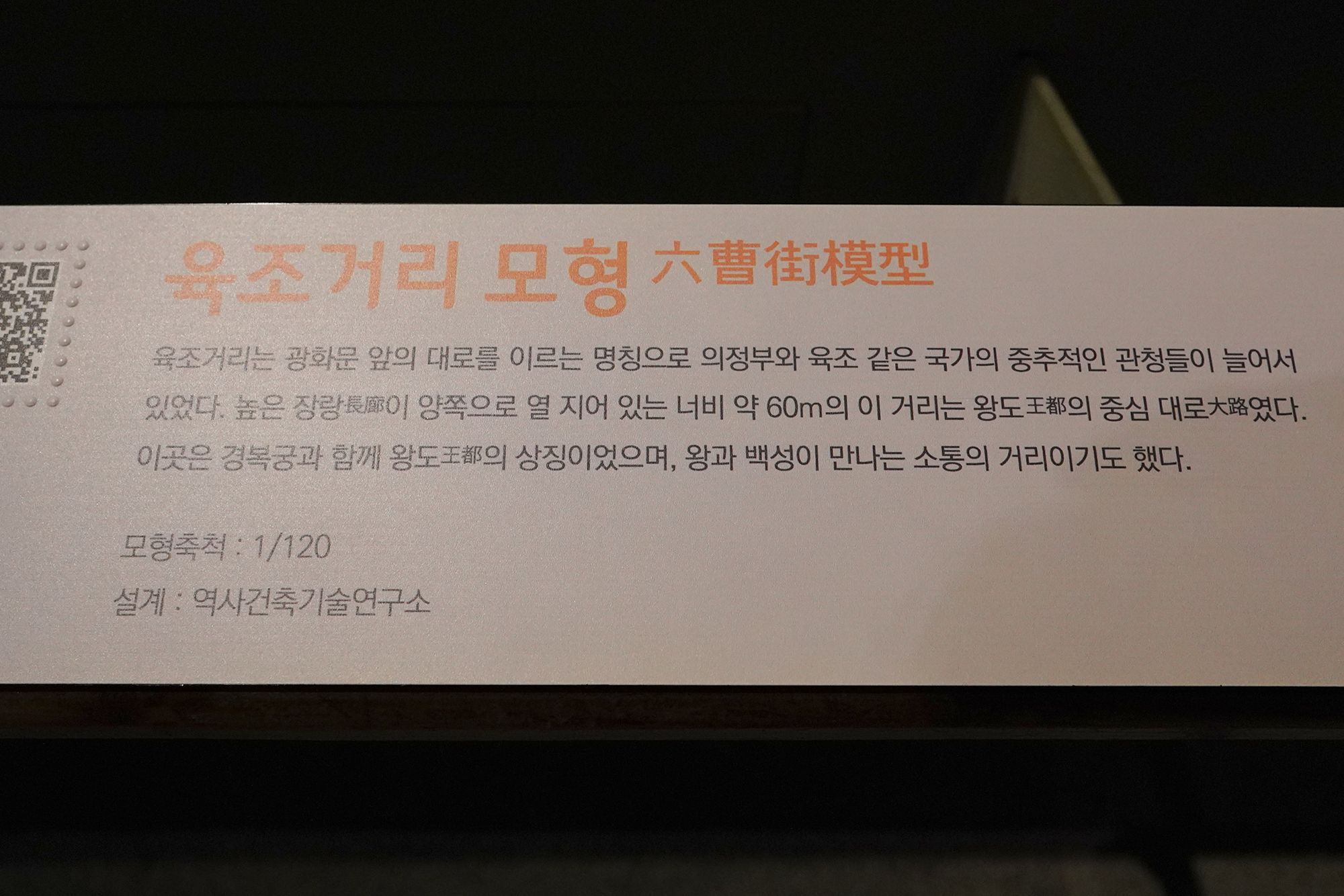
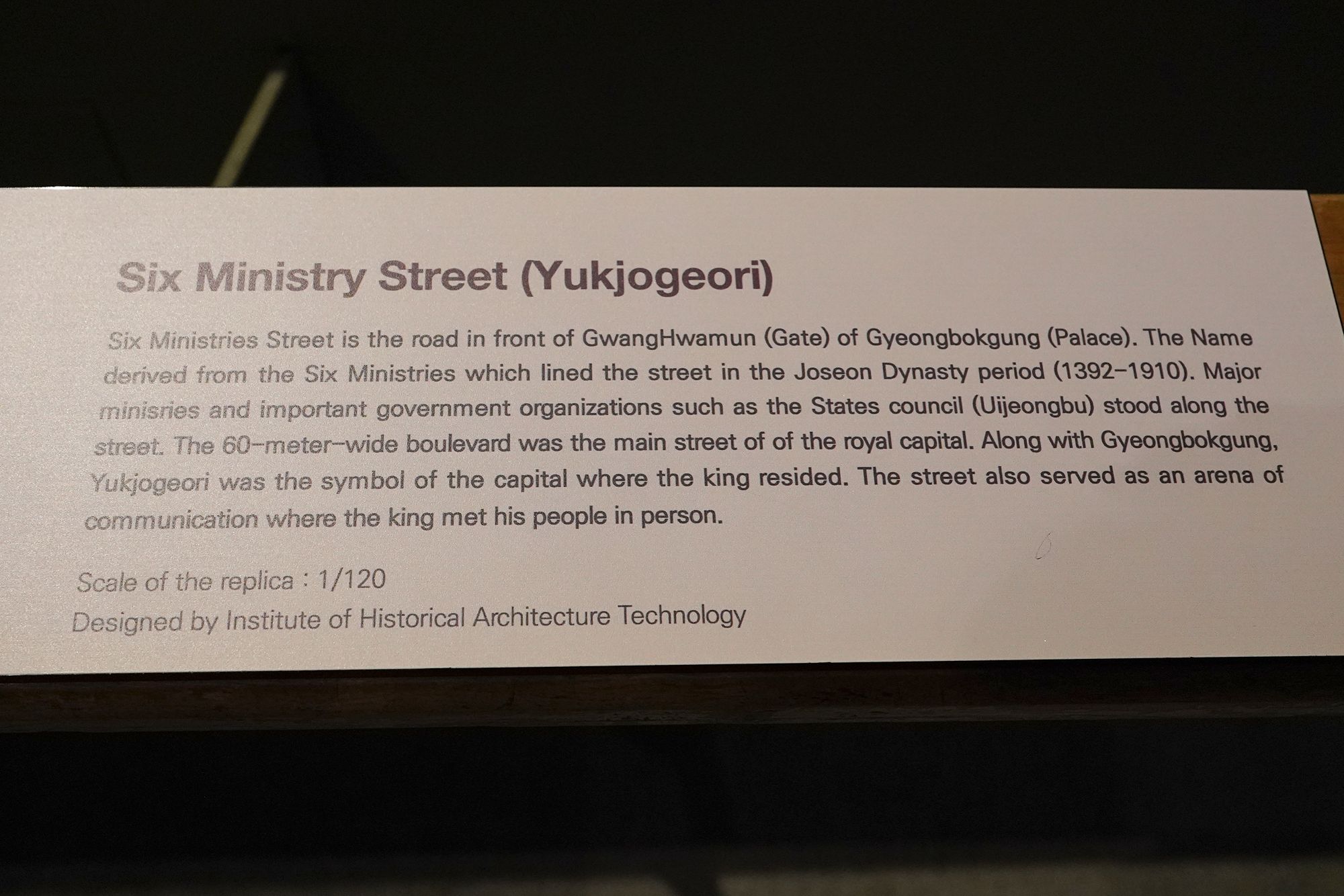
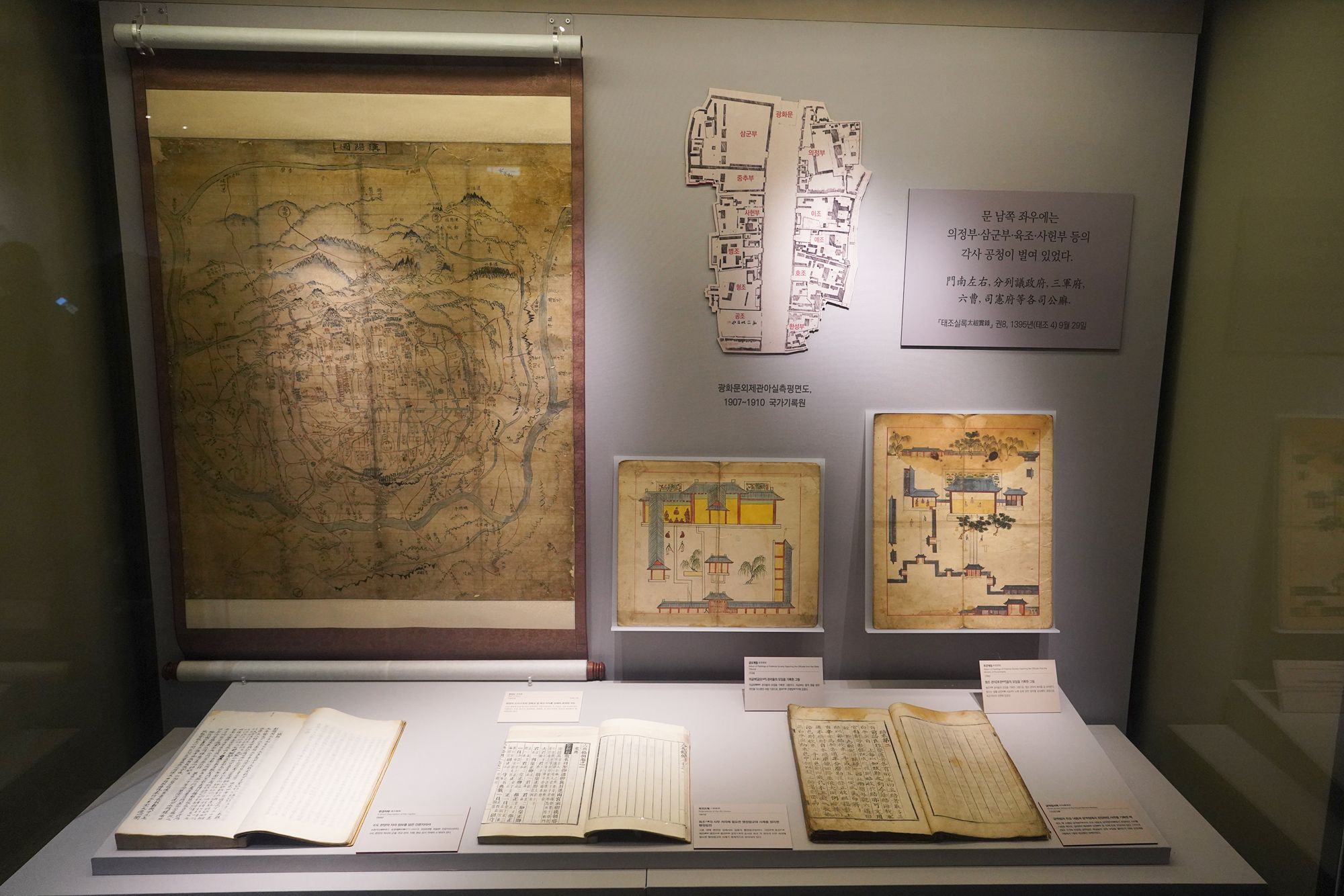
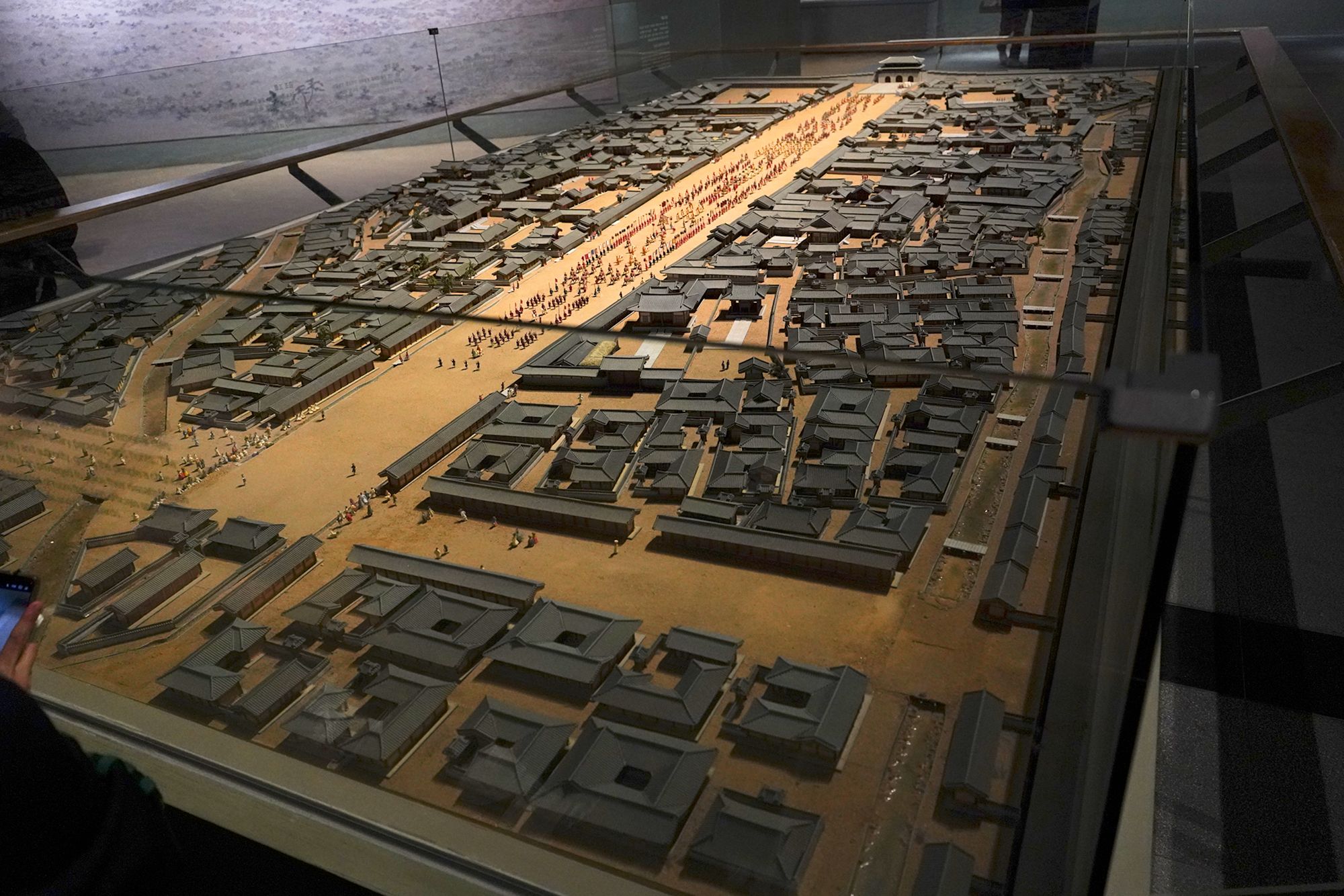
A model of Yukjo Street, the main administrative avenue of Hanyang, where the six central government ministries of the Joseon Dynasty were located.
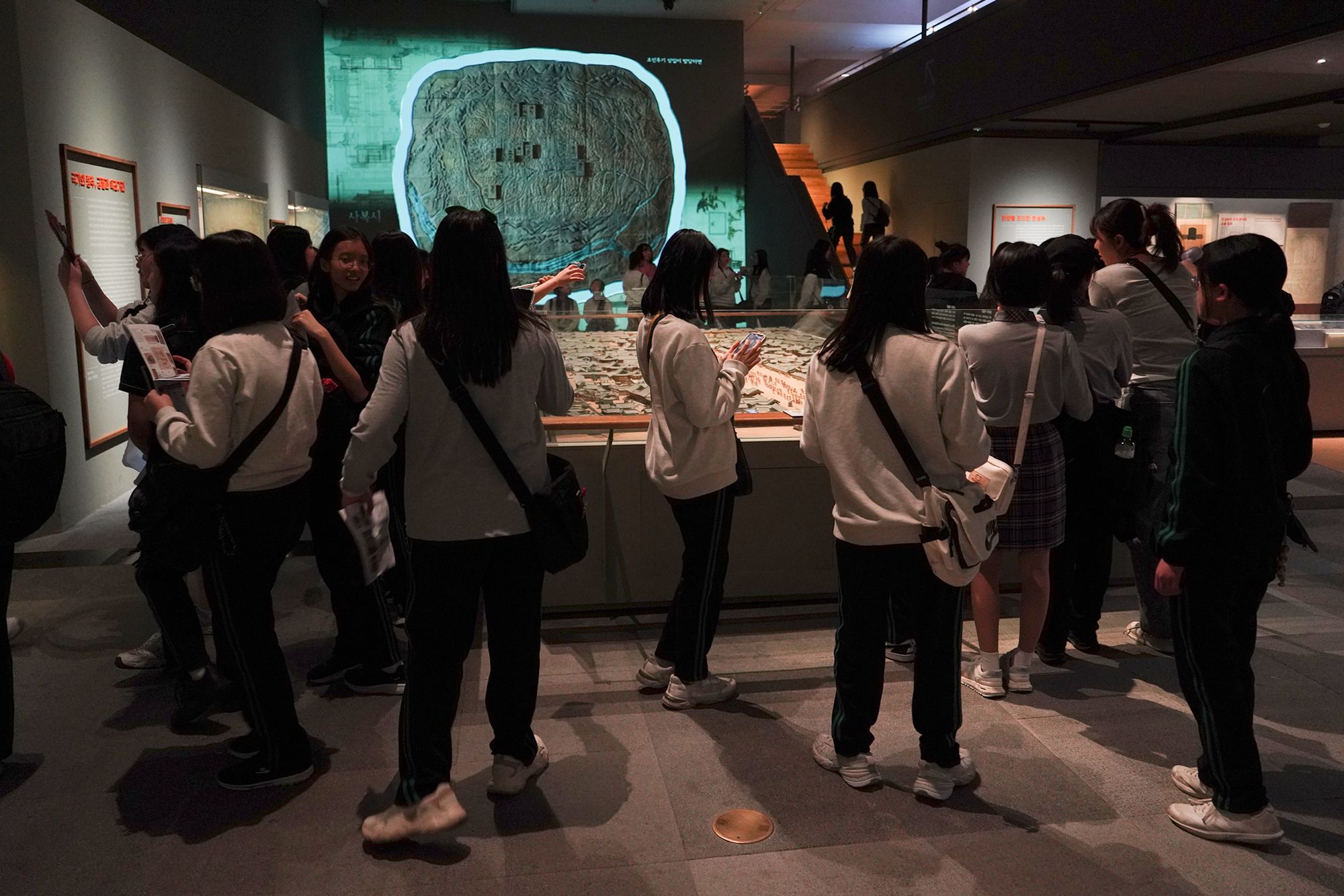
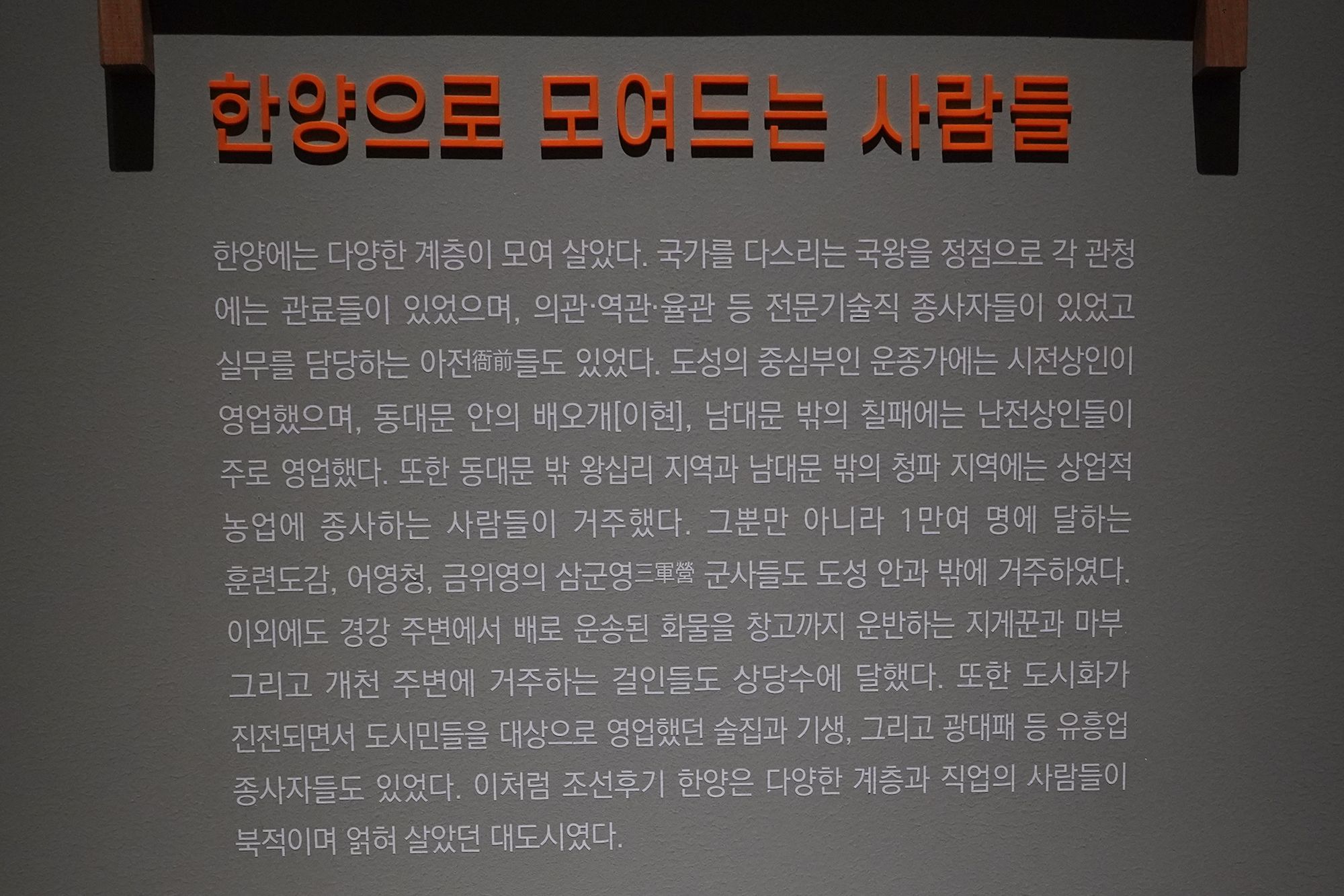
As Hanyang grew and prospered, people from across the country came to the capital seeking work, trade, education, and new opportunities.
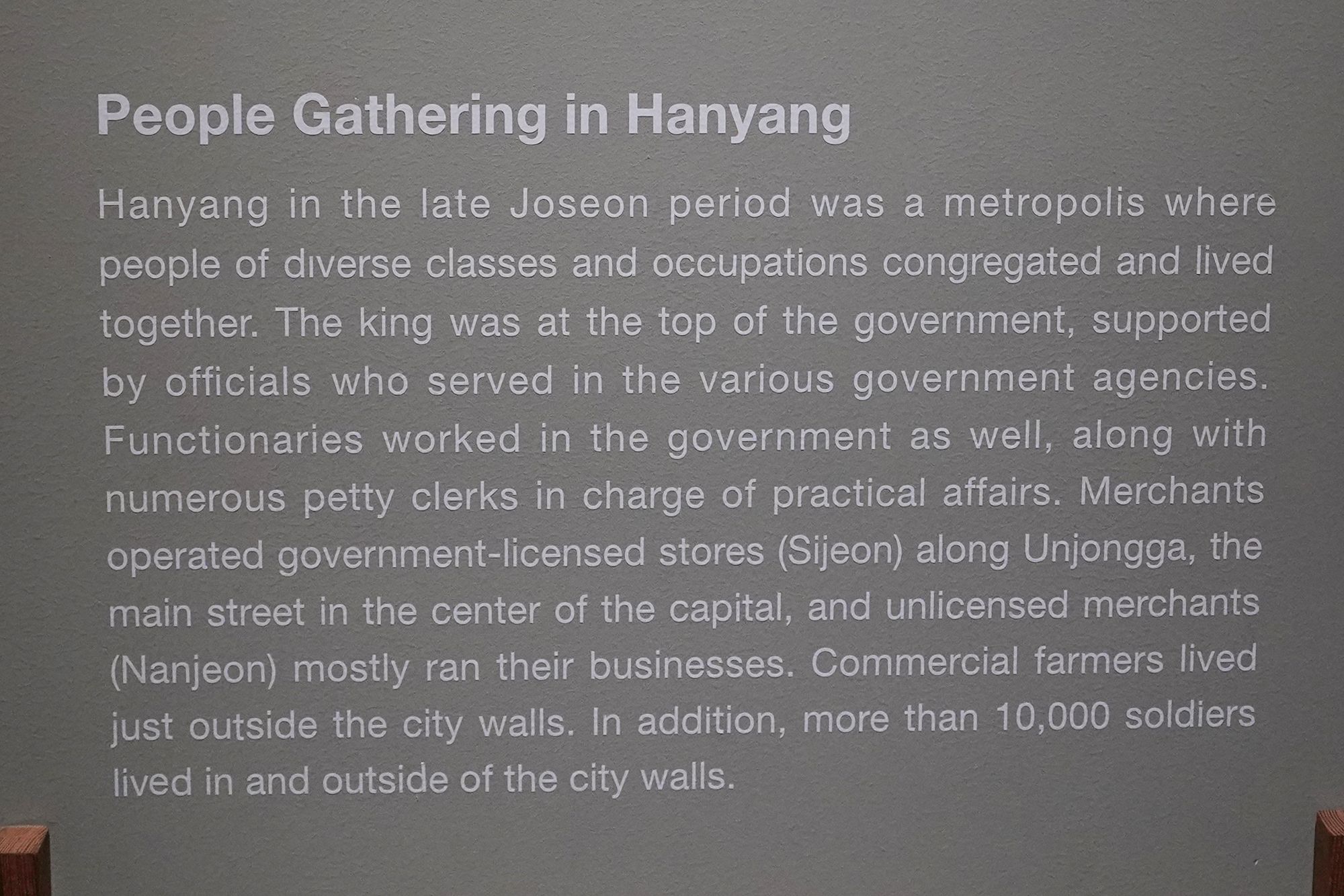
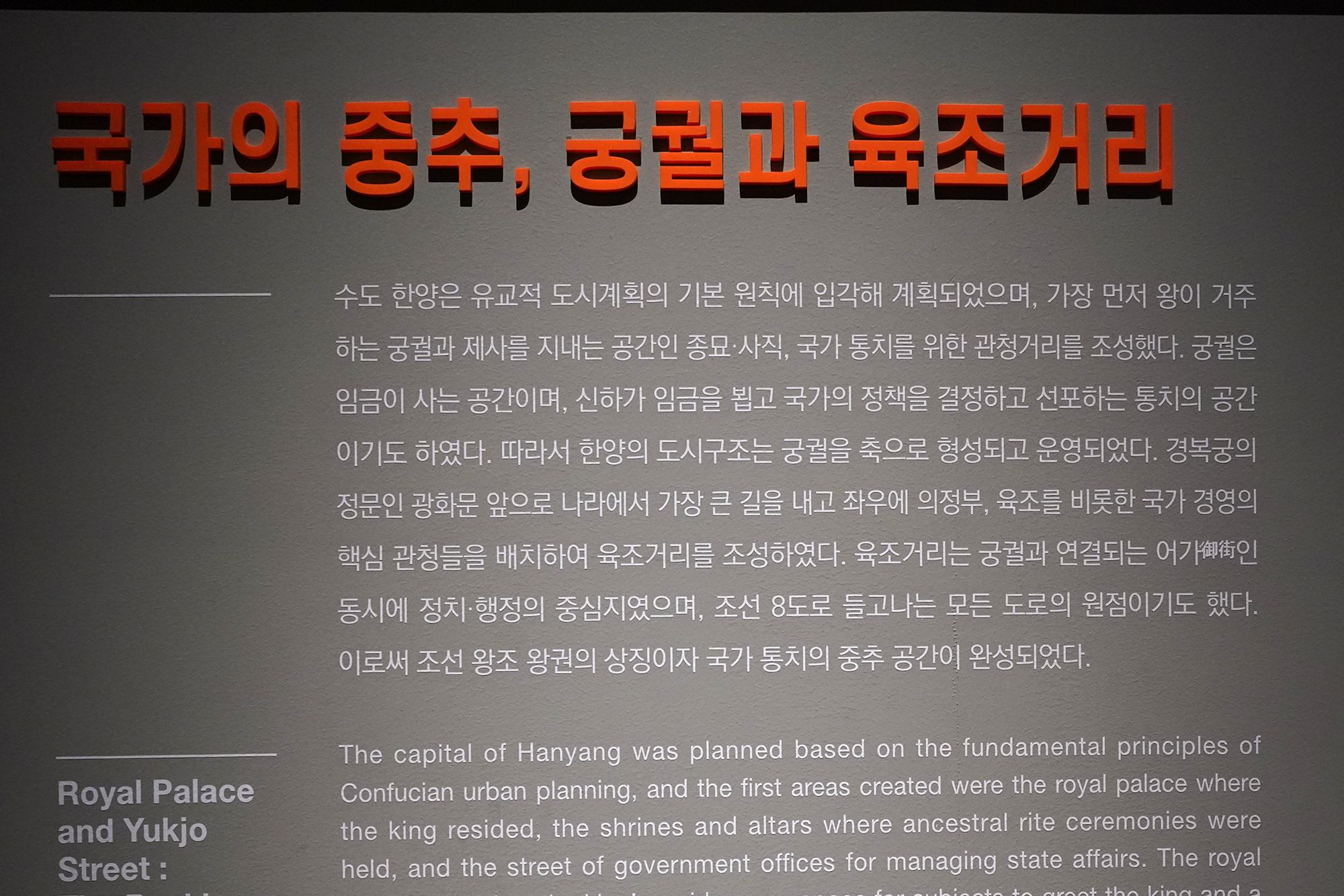
The royal palace and Yukjo Street formed the political and administrative backbone of the Joseon Dynasty, symbolizing the authority of the king and the central government.
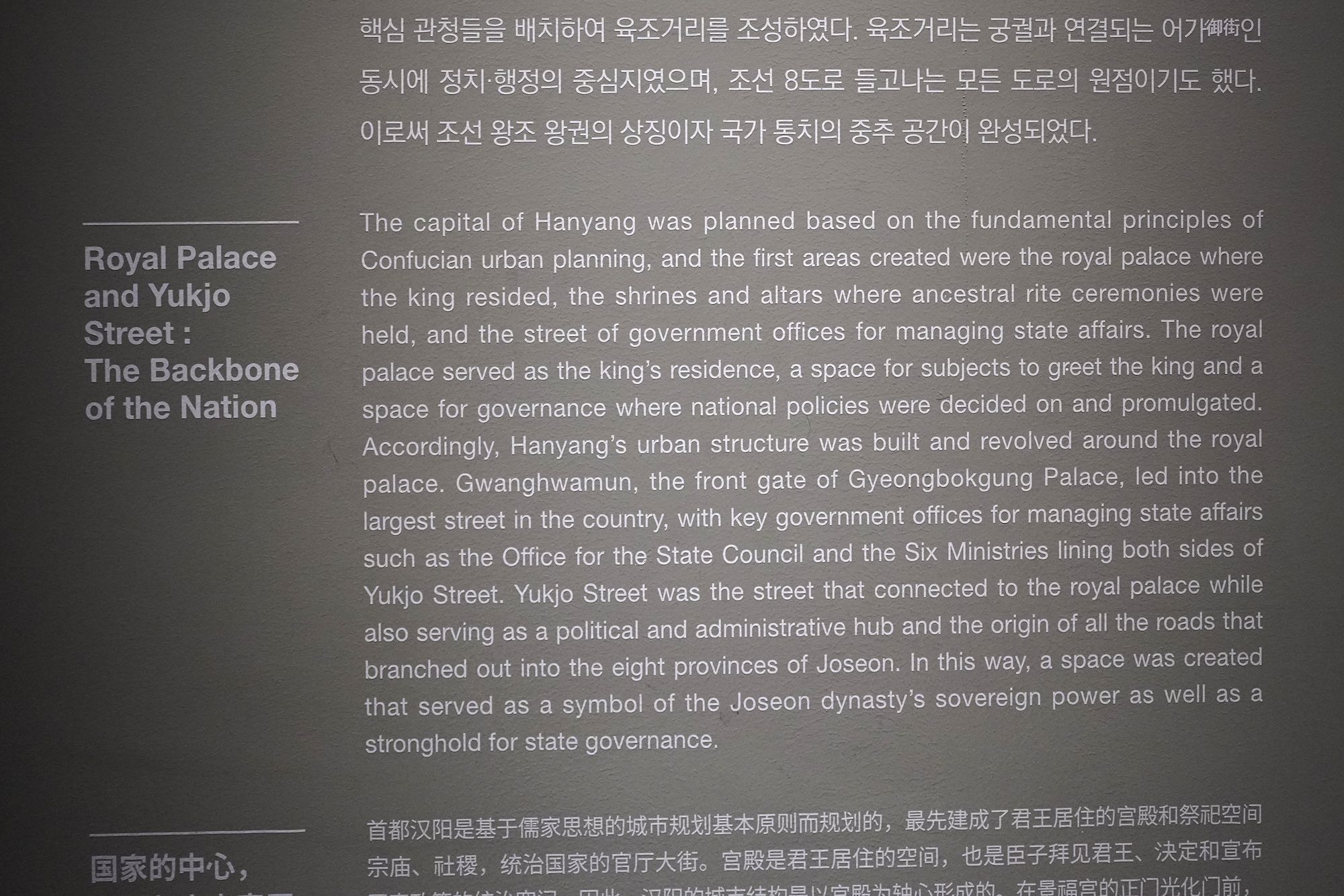
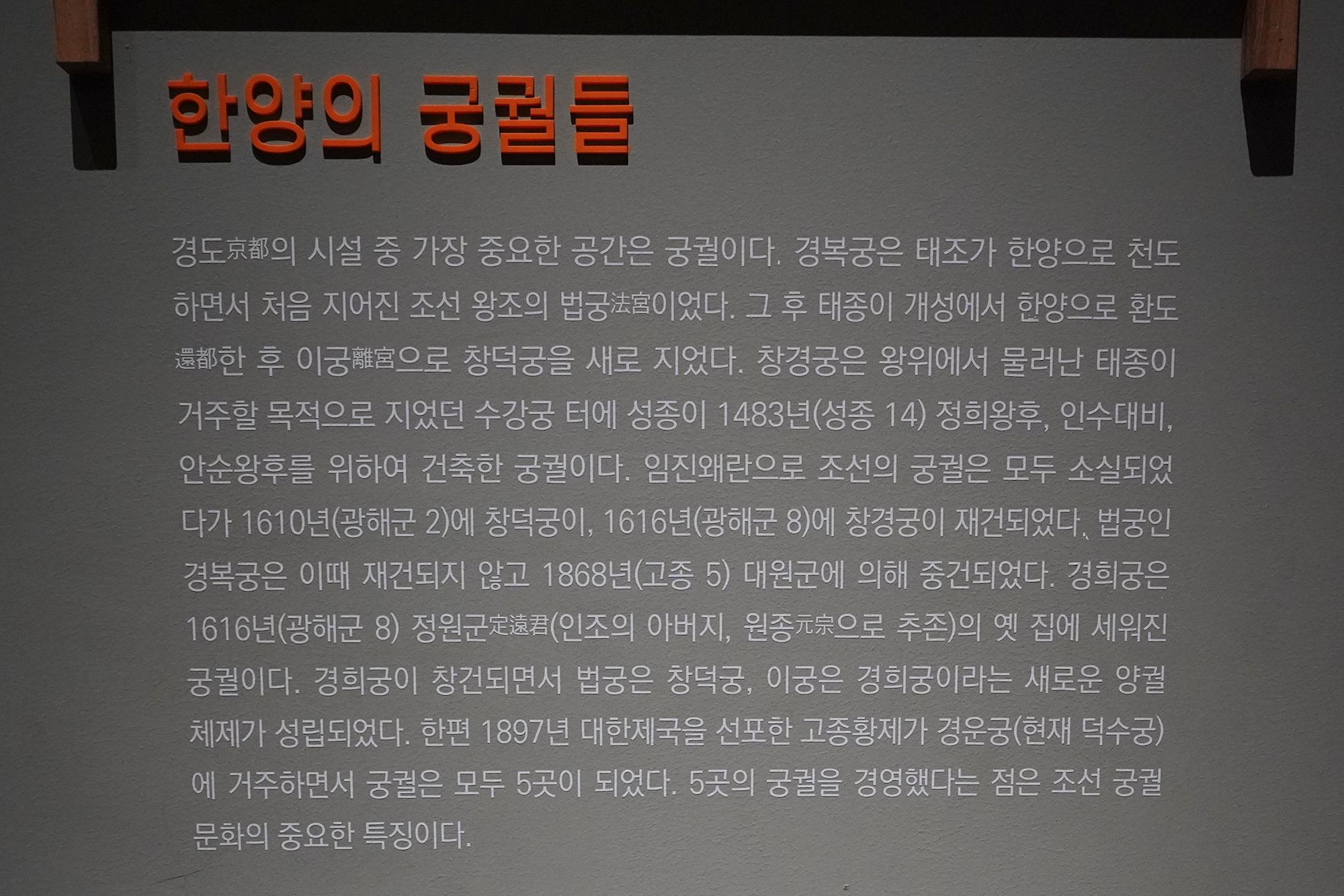
Hanyang was home to several royal palaces that served as residences for the royal family and as important centers of government during the Joseon Dynasty.
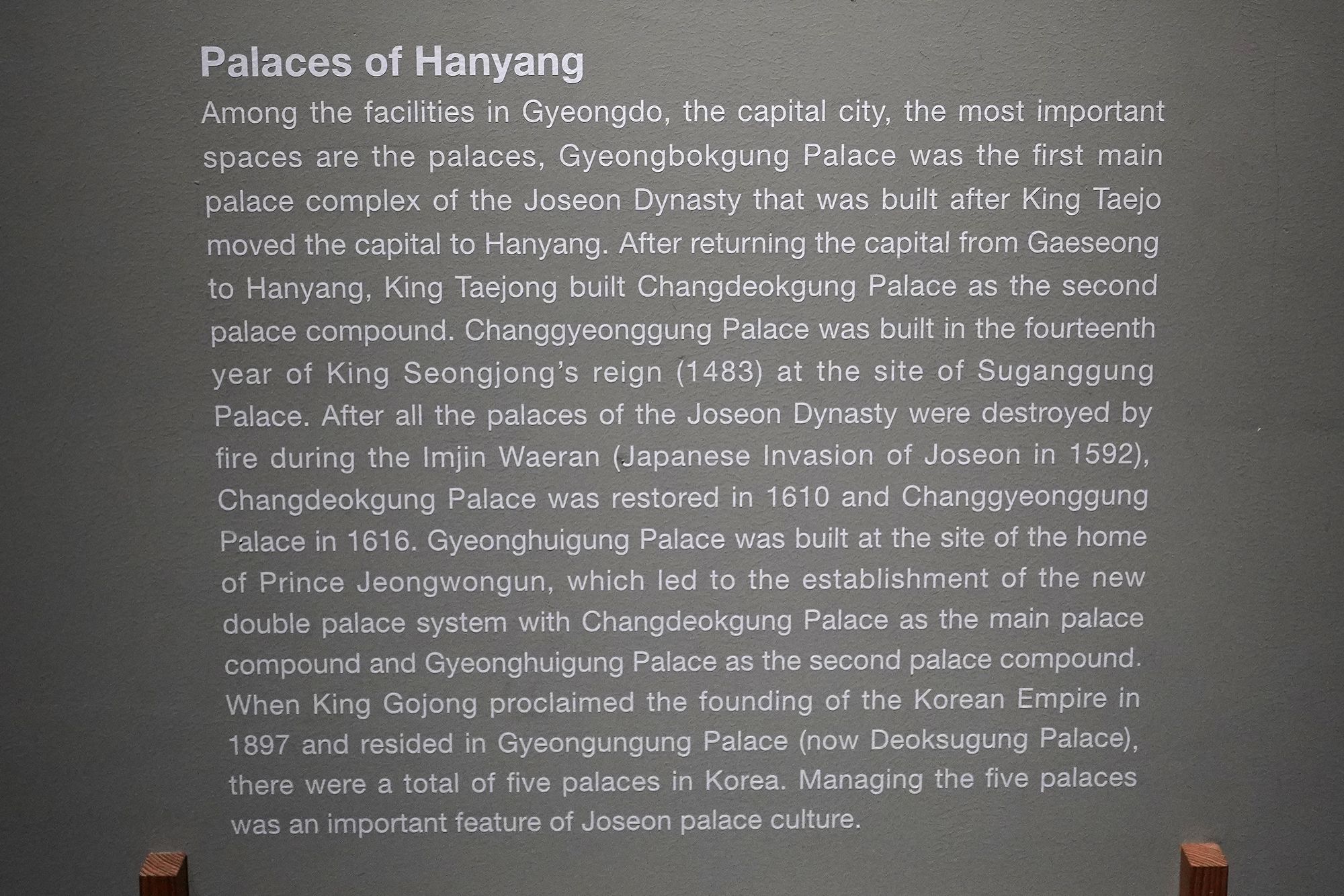
Gwol-o-gaksa (궐외각사) refers to the government offices located outside the royal palace in Hanyang during the Joseon Dynasty. Many of these offices were concentrated along Yukjo Street and the surrounding administrative district, forming the center of government activity outside the palace.
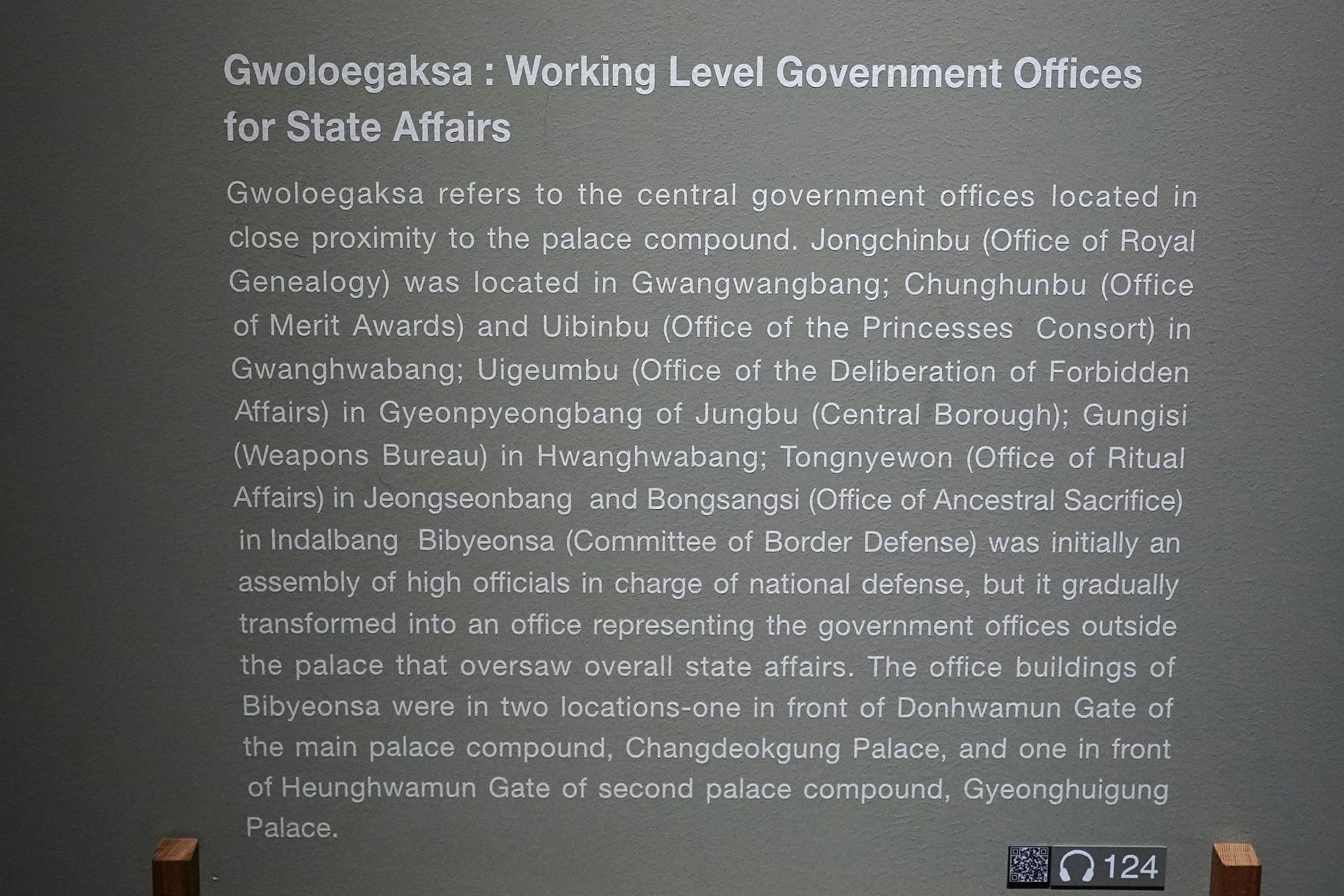
Hanseongbu (한성부, 漢城府) was the government authority responsible for administering Hanyang, the capital of the Joseon Dynasty. It functioned somewhat like Seoul’s city government today.
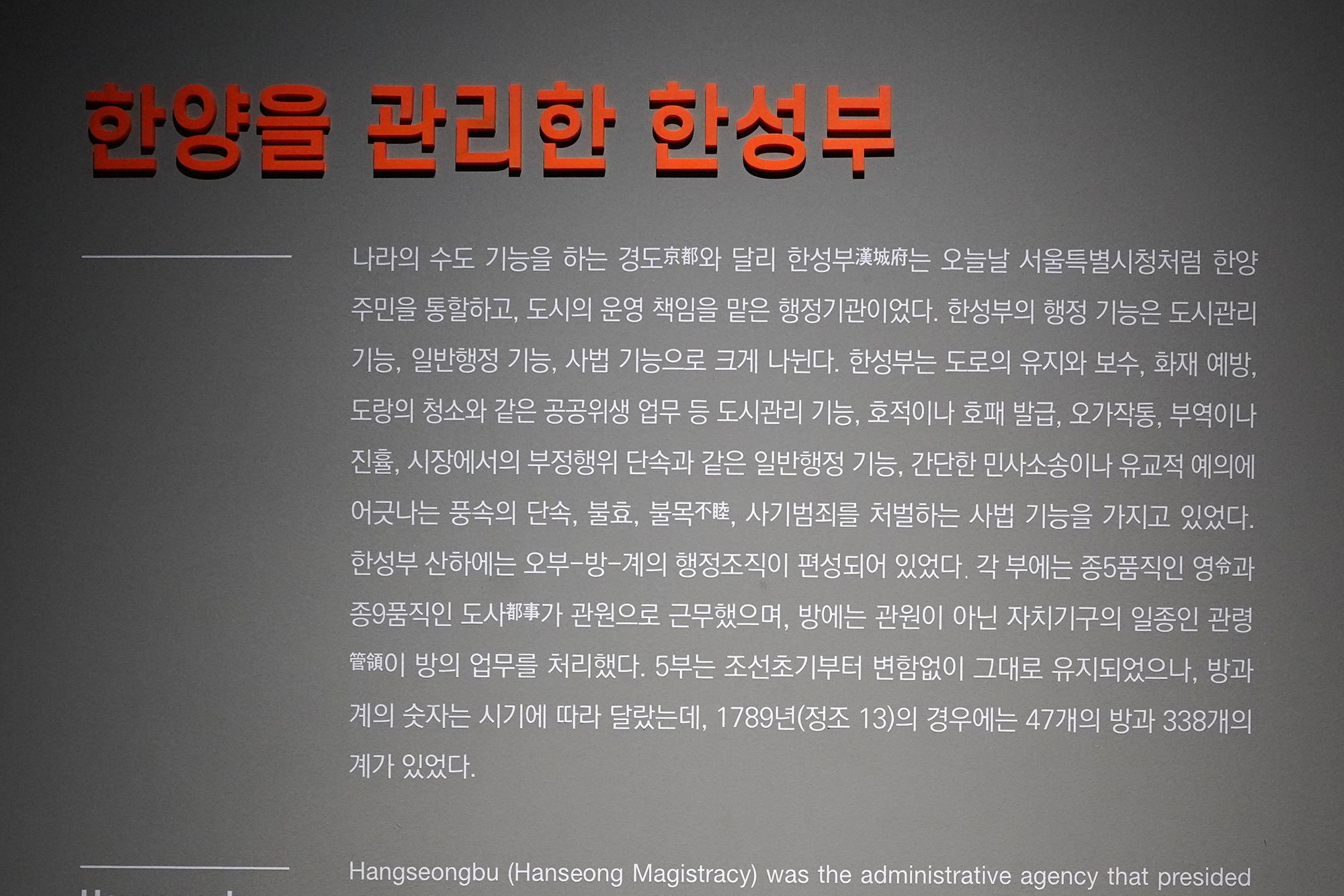
Its responsibilities included managing the city’s population and household records, roads, housing, markets, public order, and other municipal affairs.
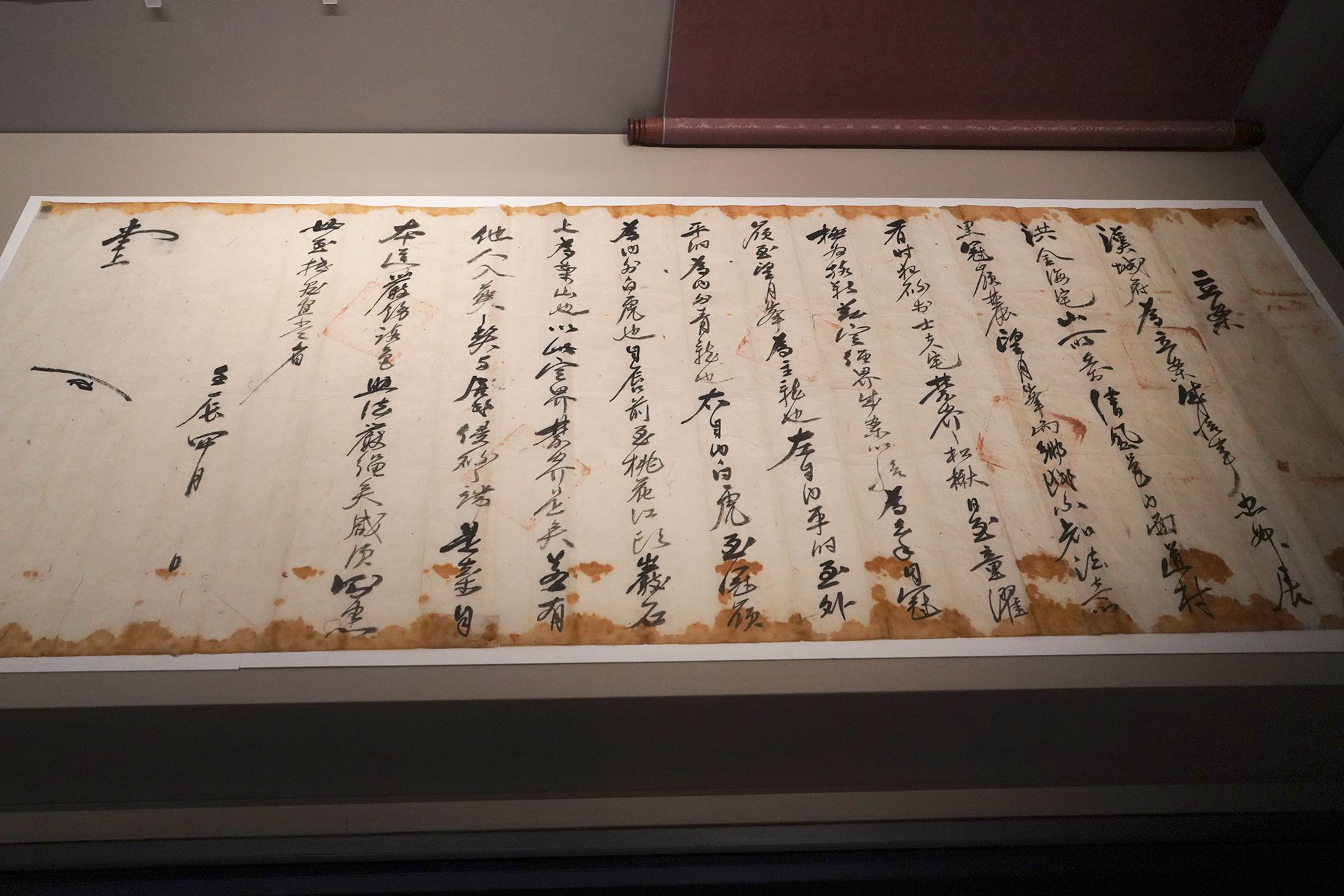
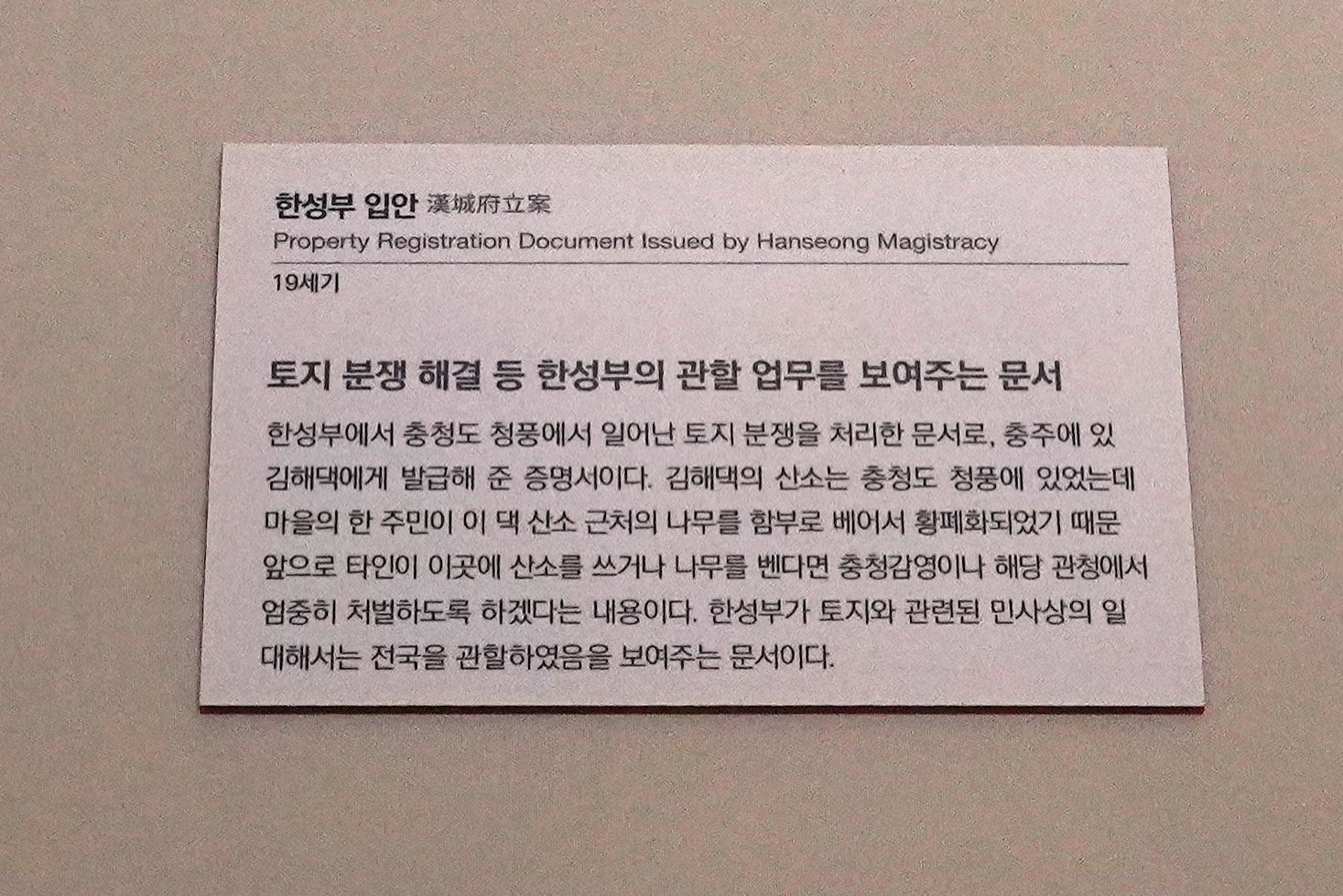
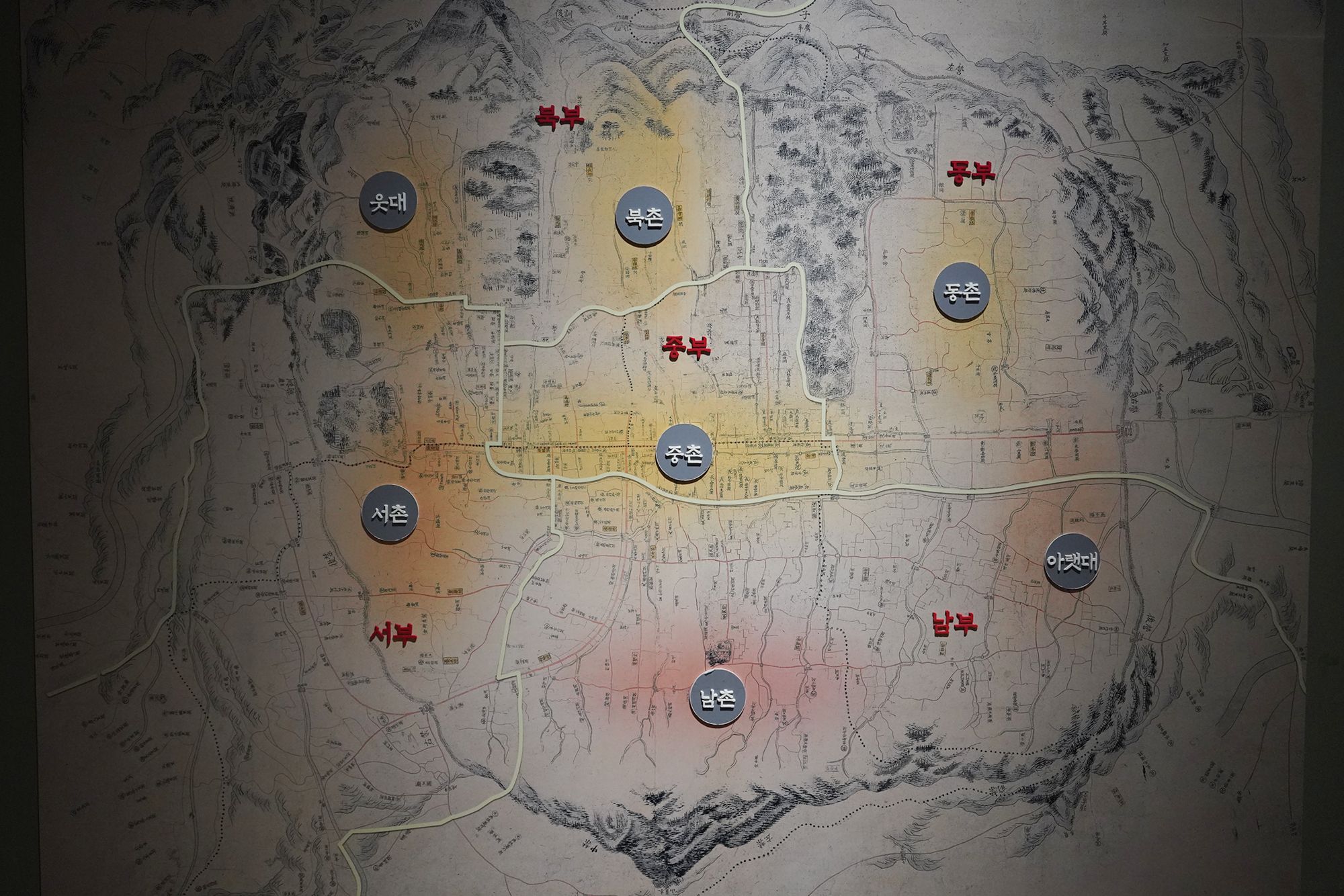
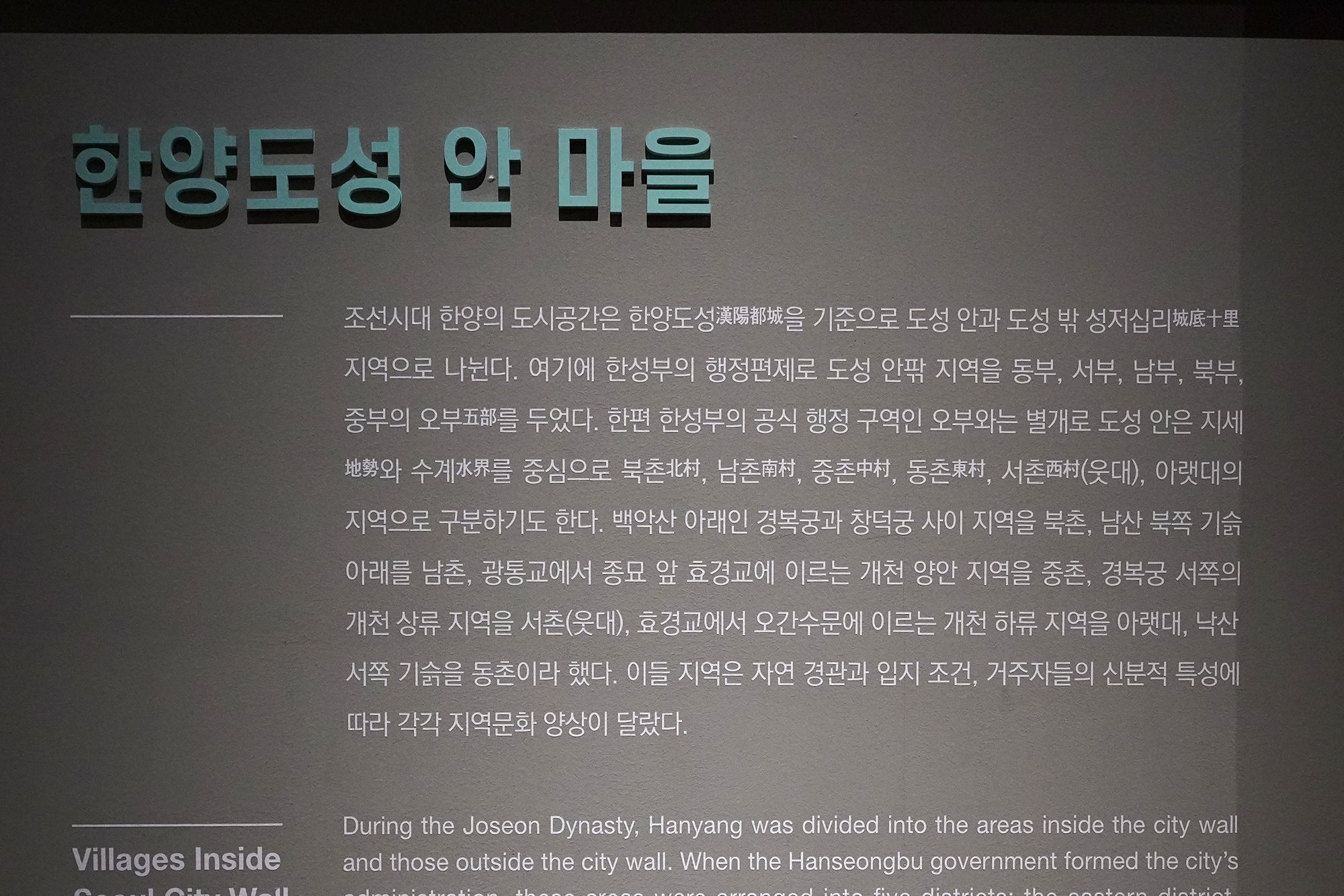
Within the Seoul City Wall, numerous villages and neighborhoods formed around palaces, government offices, markets, and major roads, creating the residential communities of Hanyang.
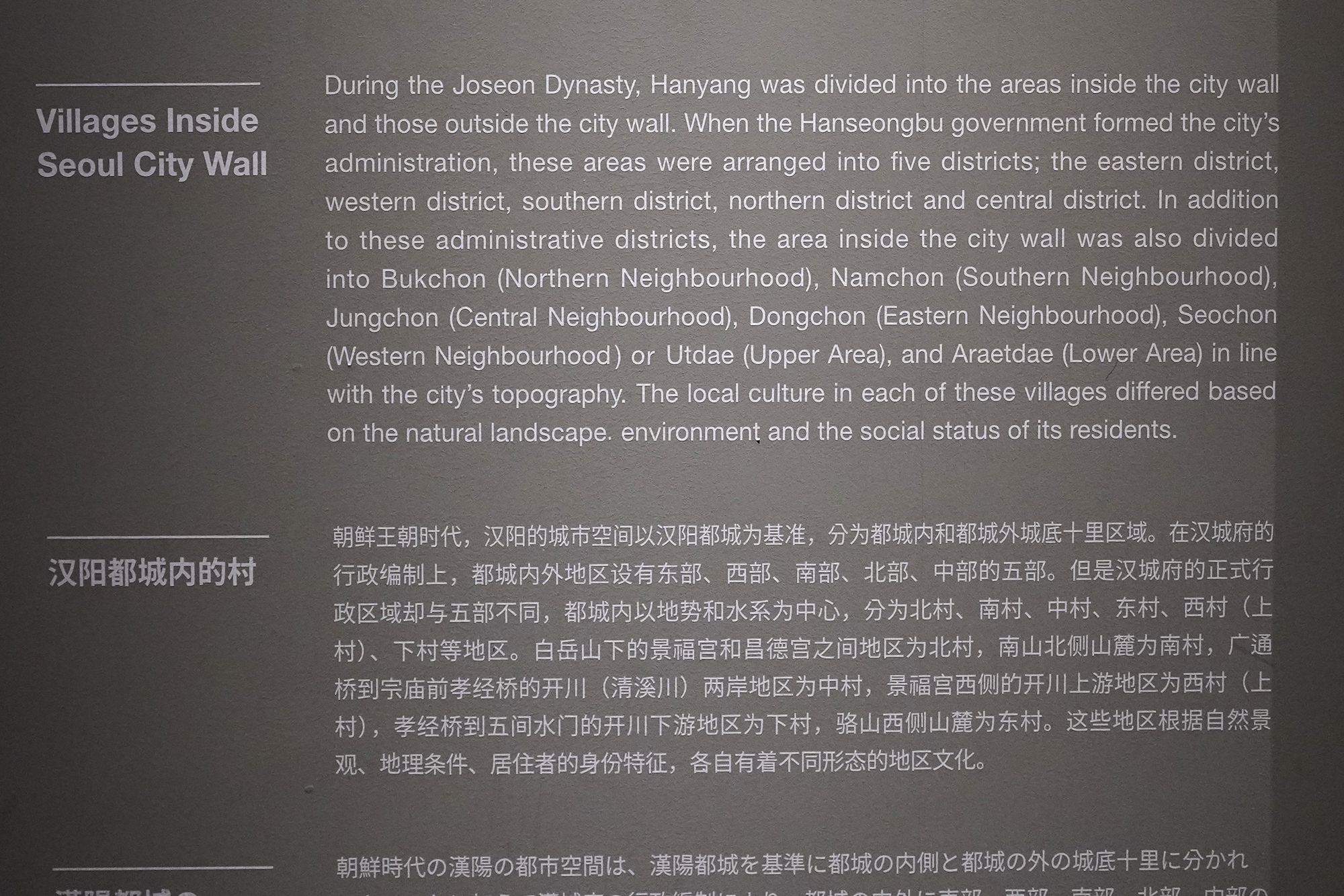
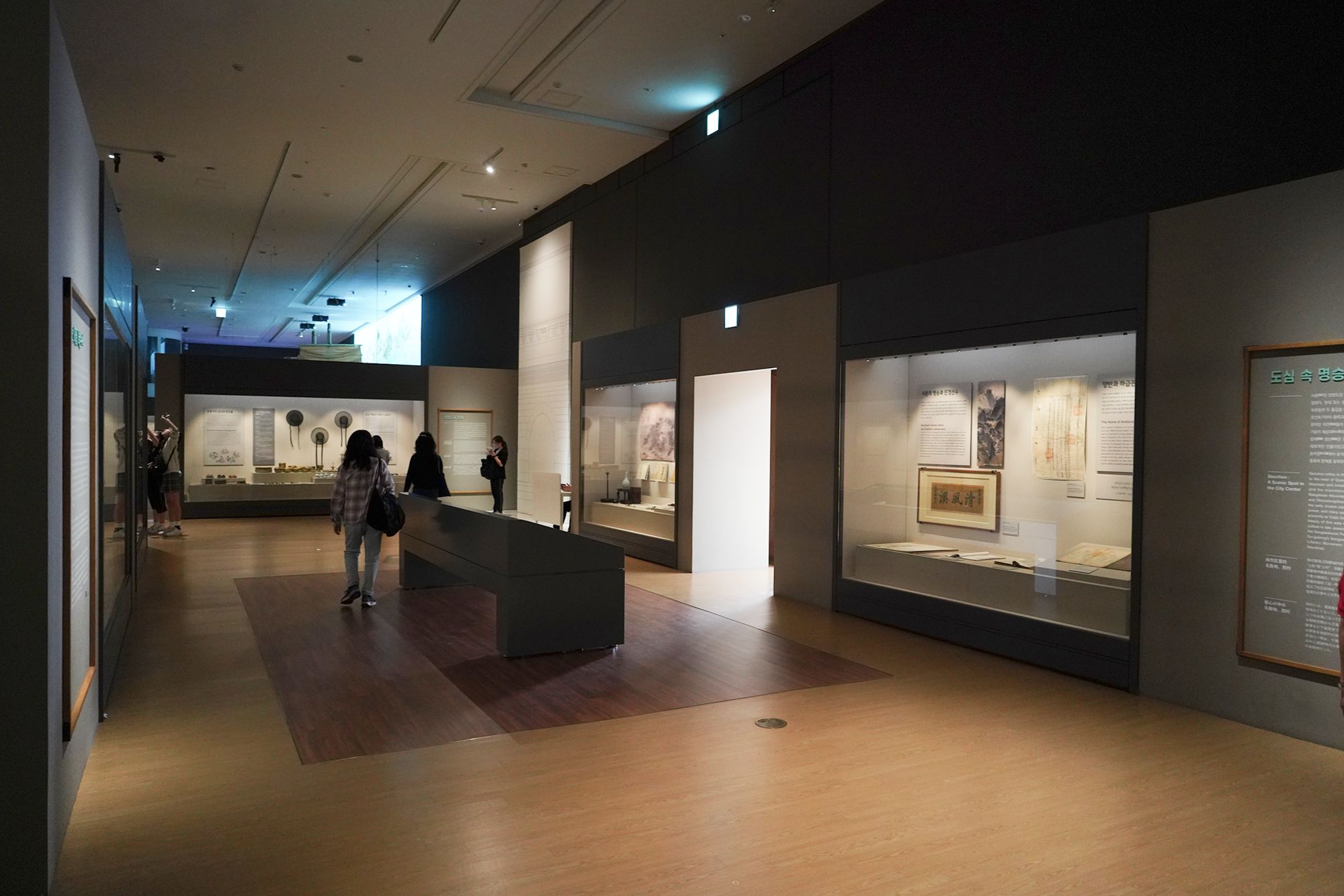
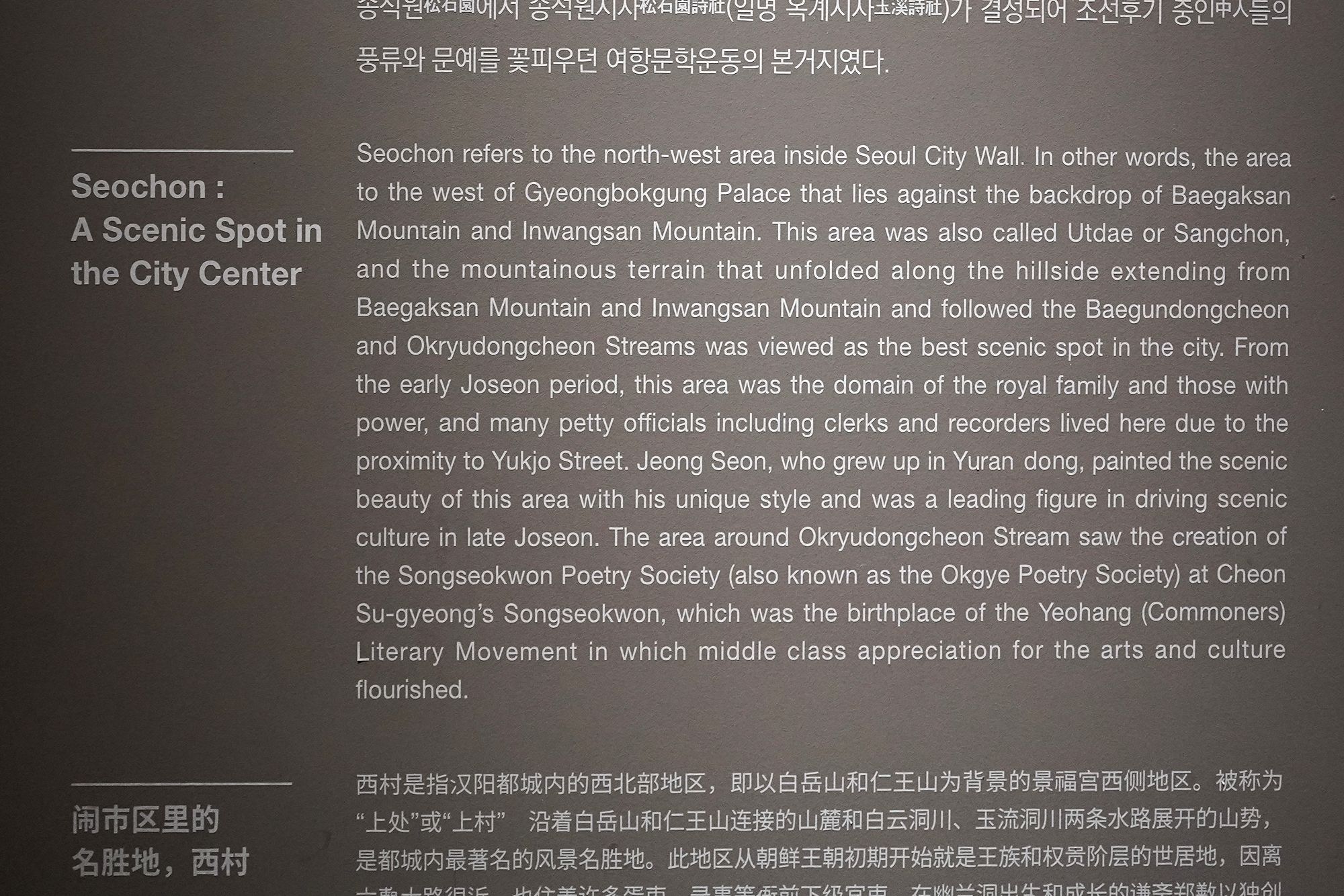
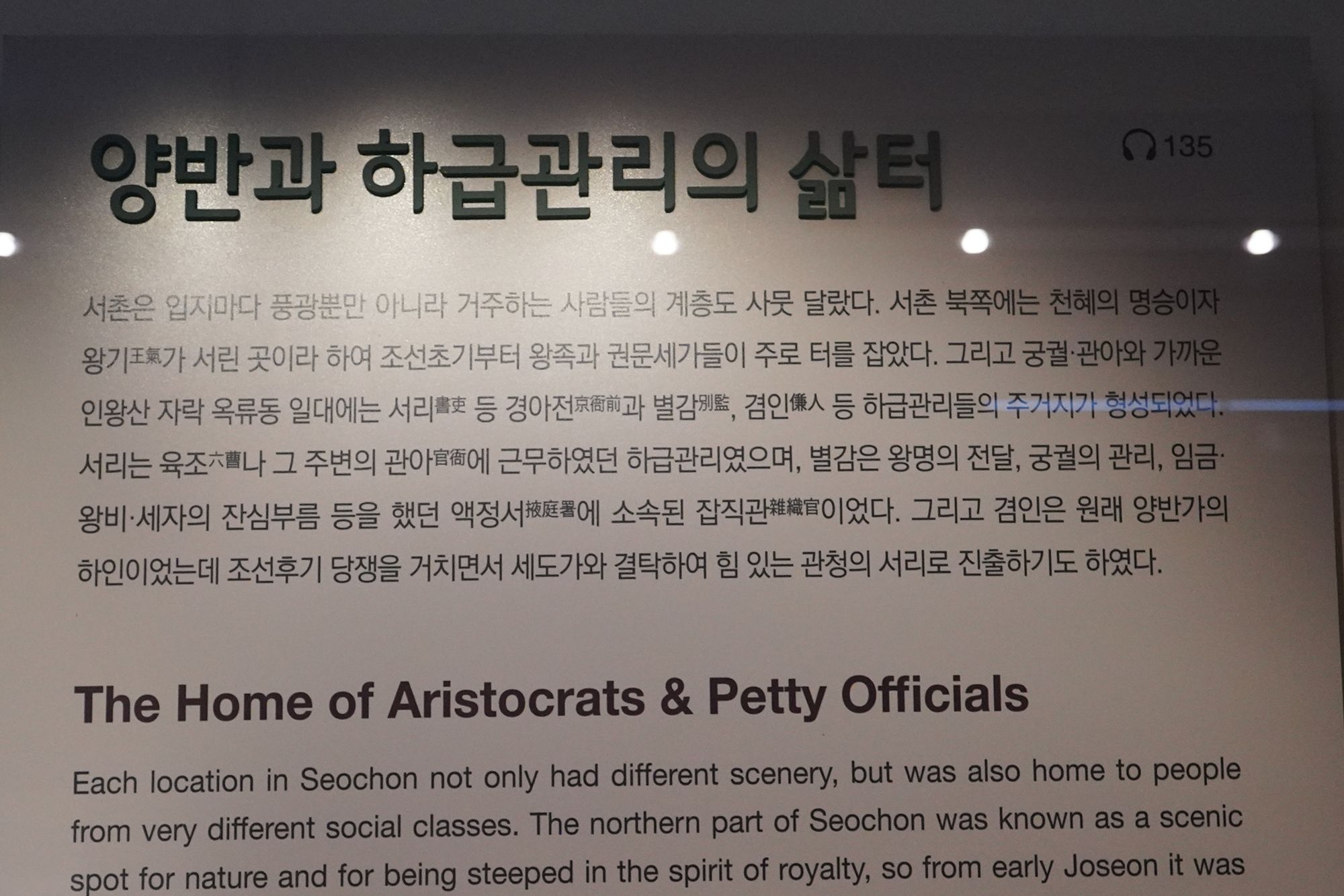
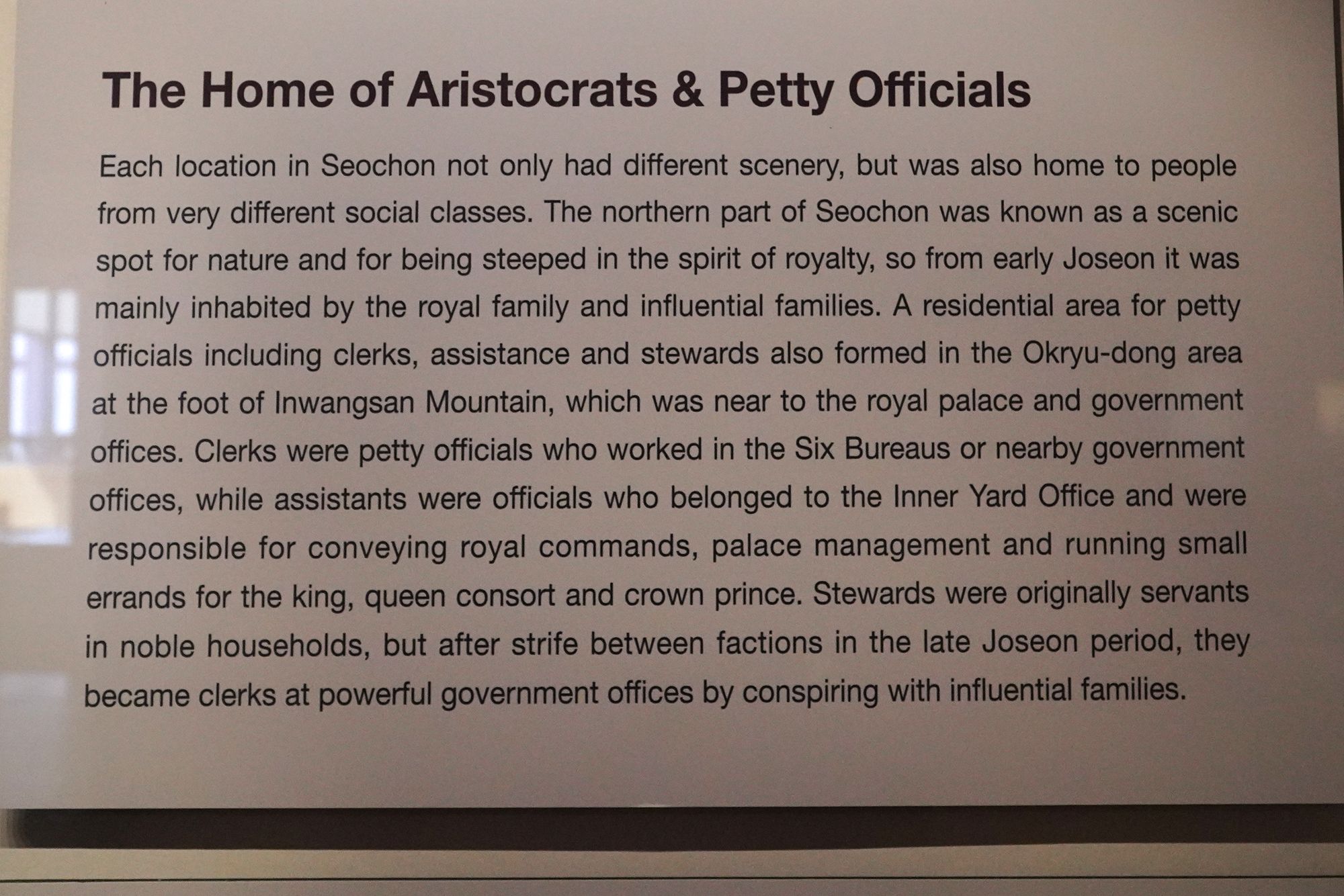
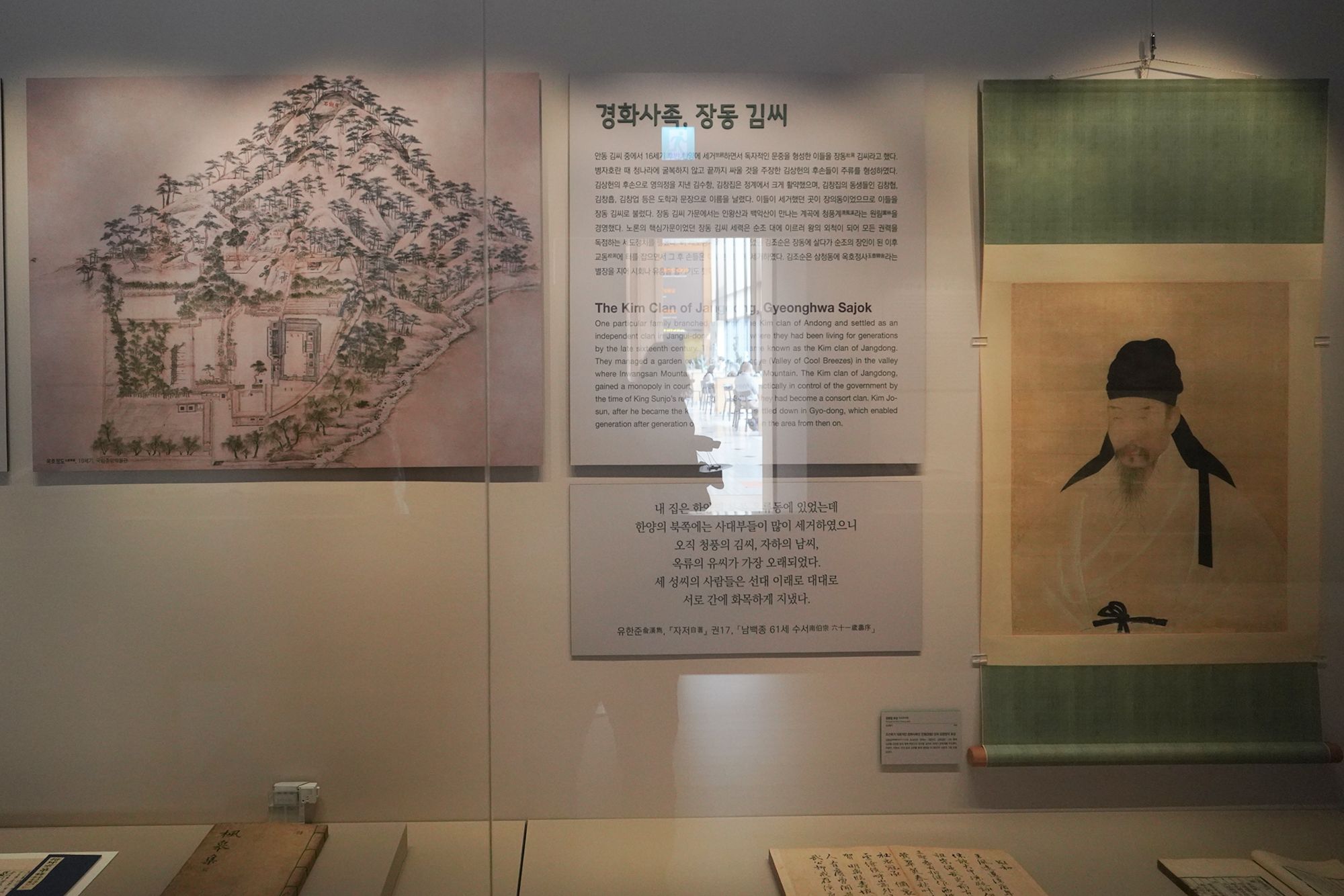
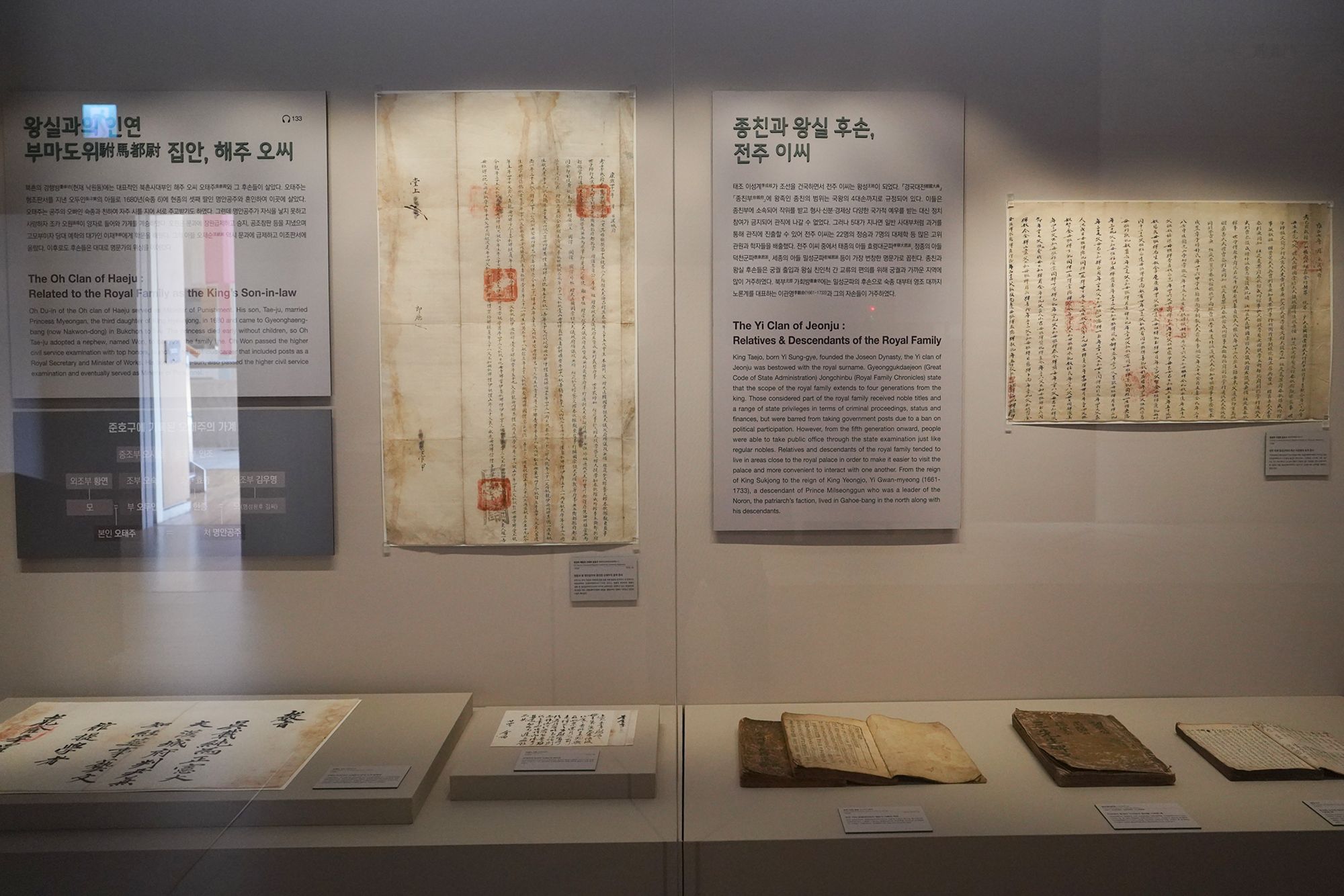
Seochon, west of Gyeongbokgung Palace, was a scenic area of Hanyang where royal family members, government officials, artists, and middle-class residents lived and developed a vibrant cultural community.
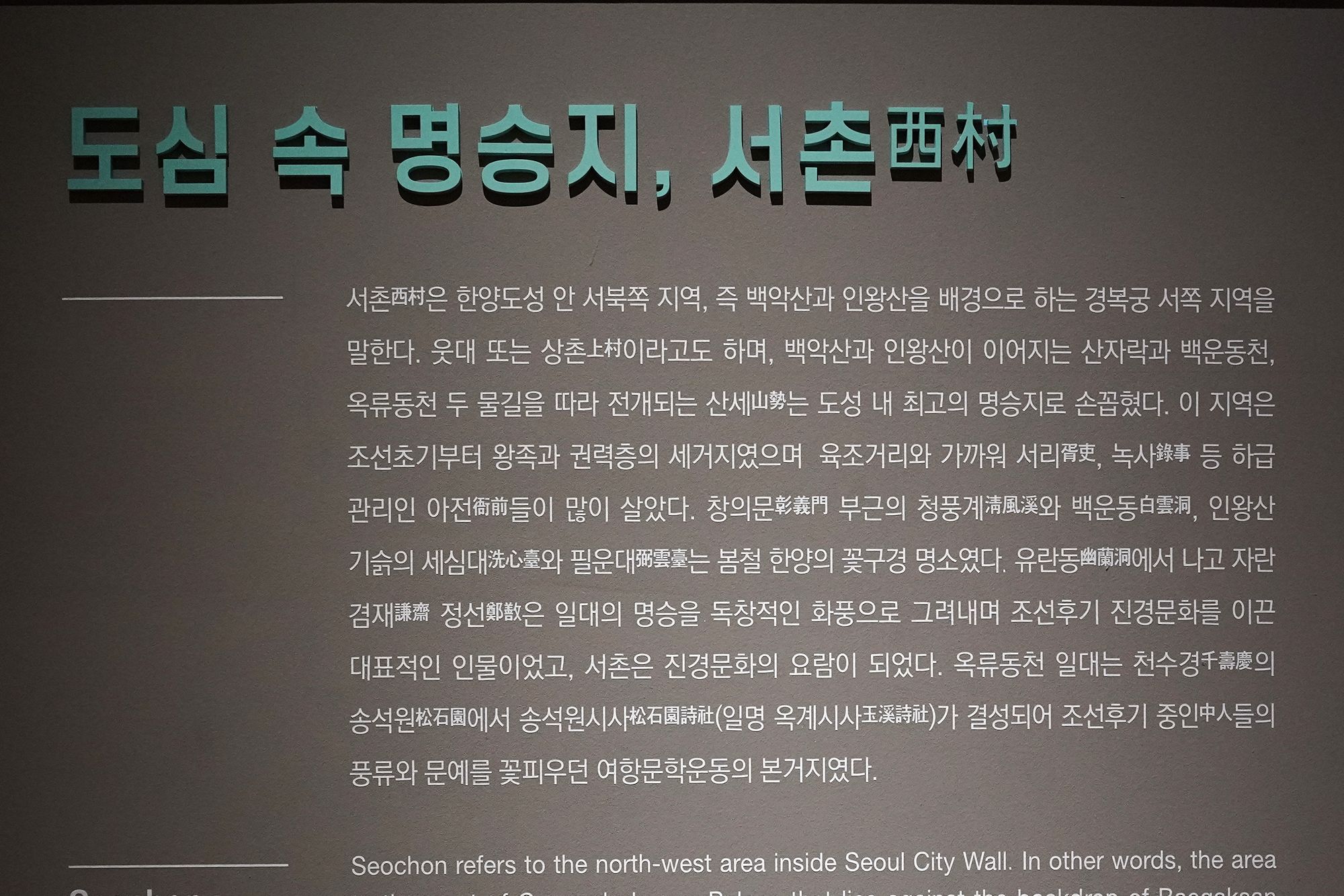
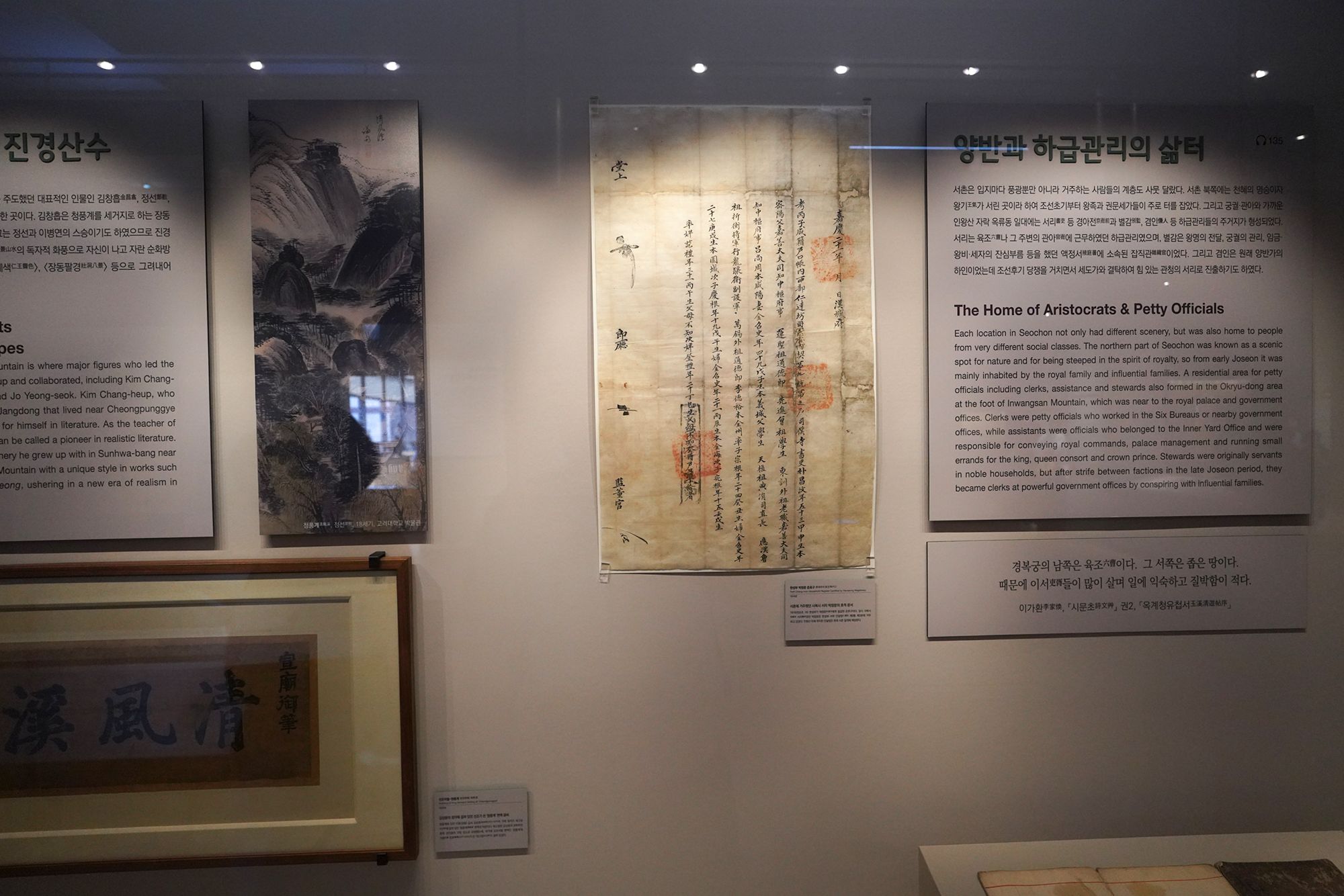
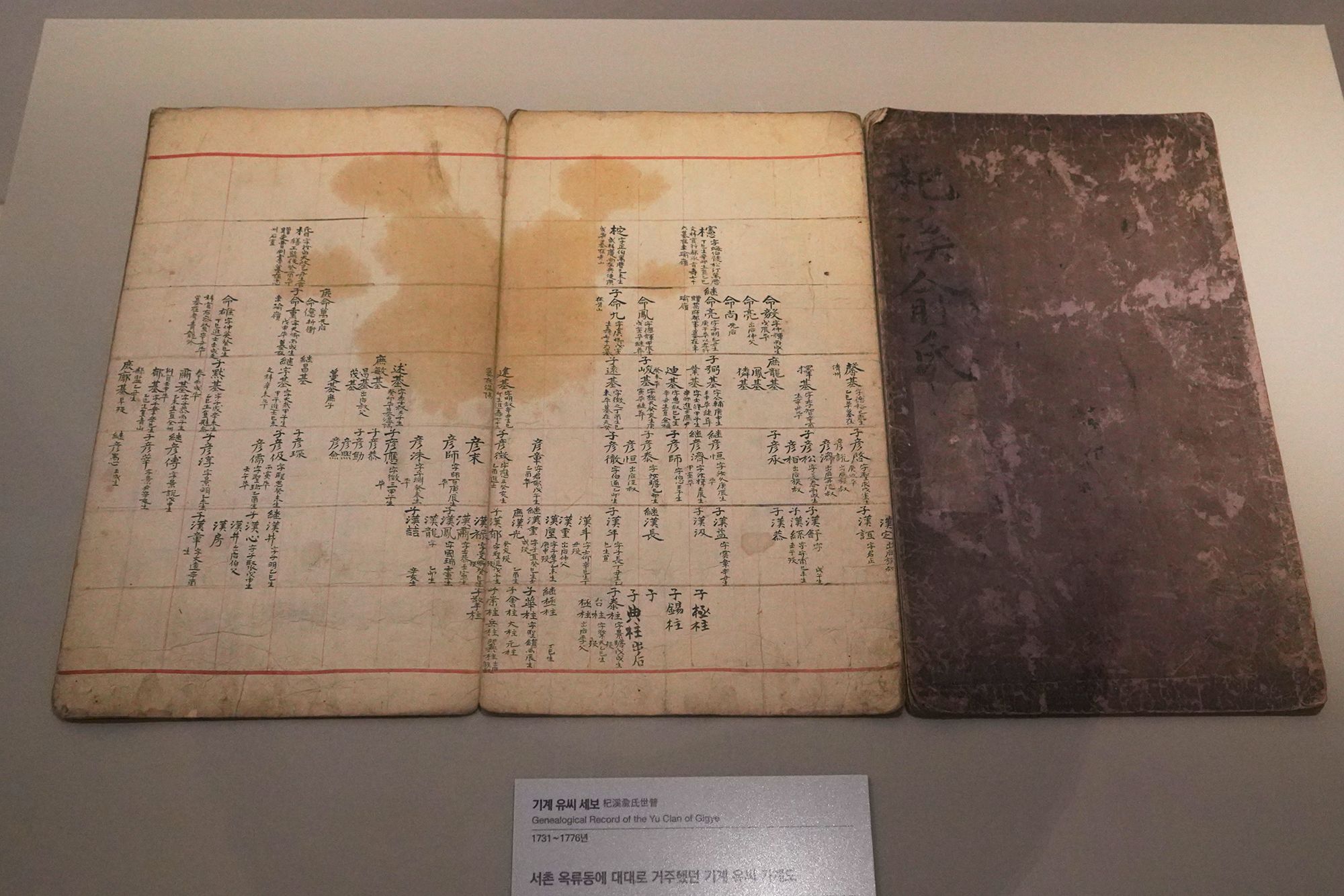
The northern part of Seochon was home to royal and influential families, while areas such as Okryu-dong were inhabited by lower-ranking government officials, clerks, assistants, and stewards who worked at the nearby palace and government offices.
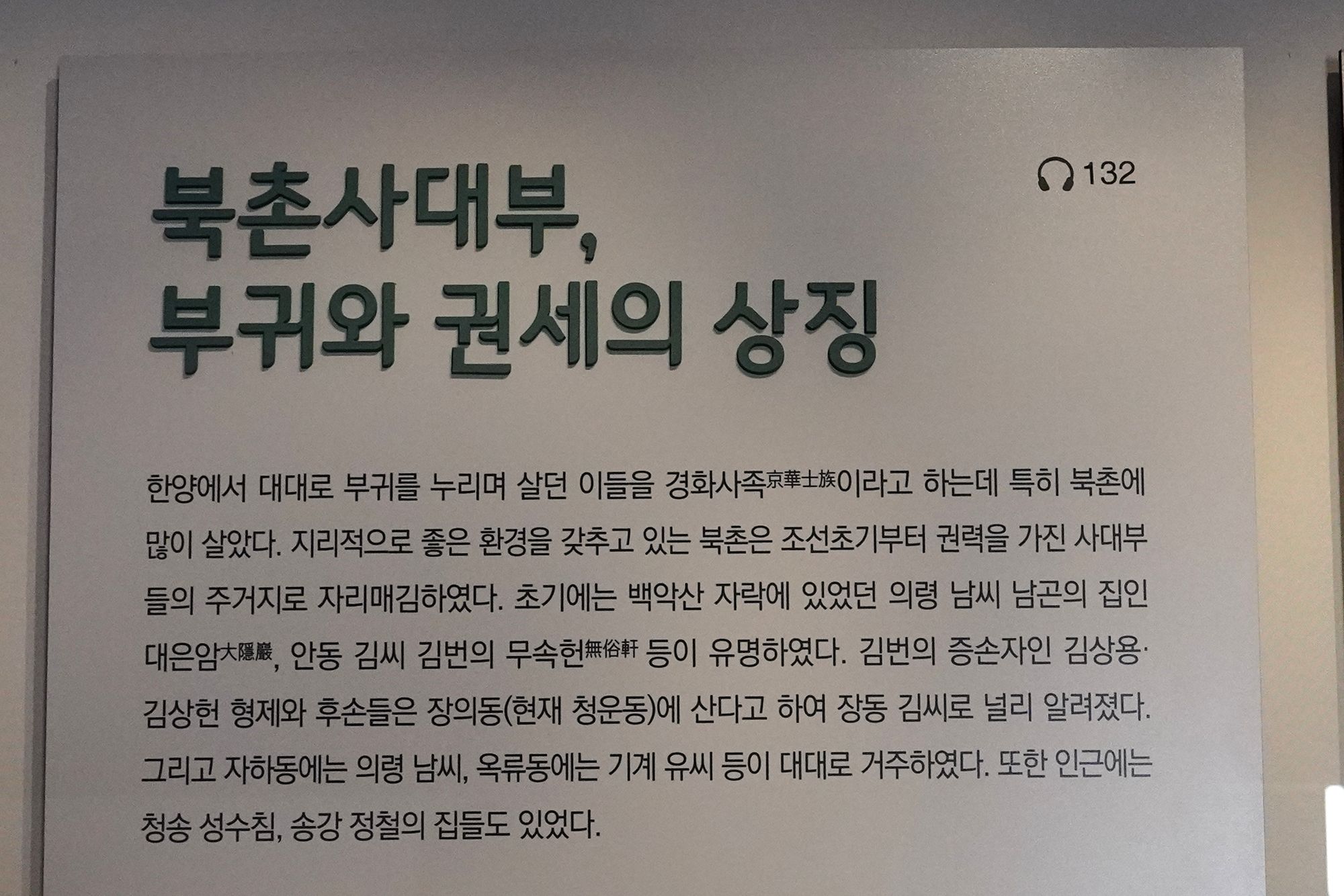
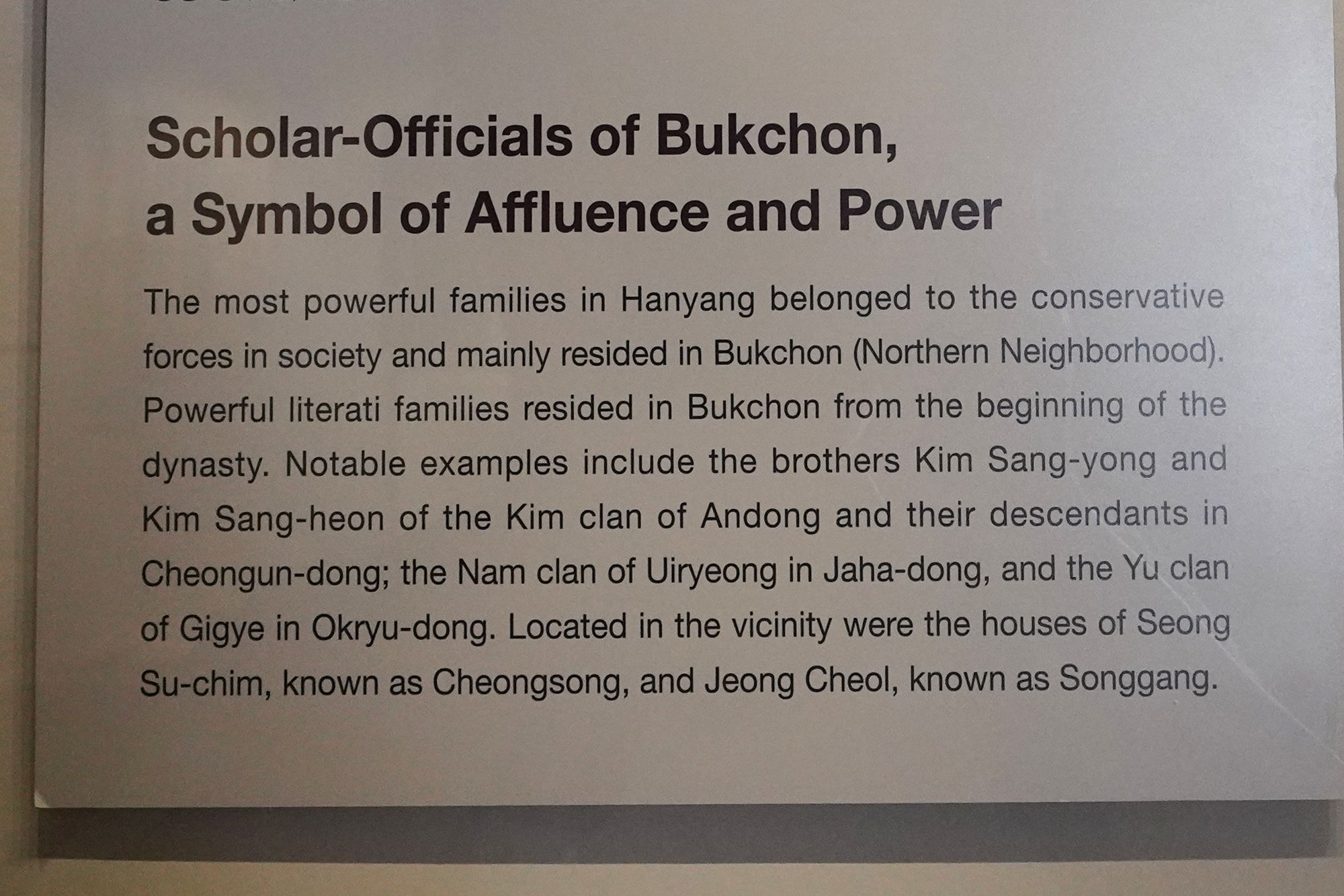
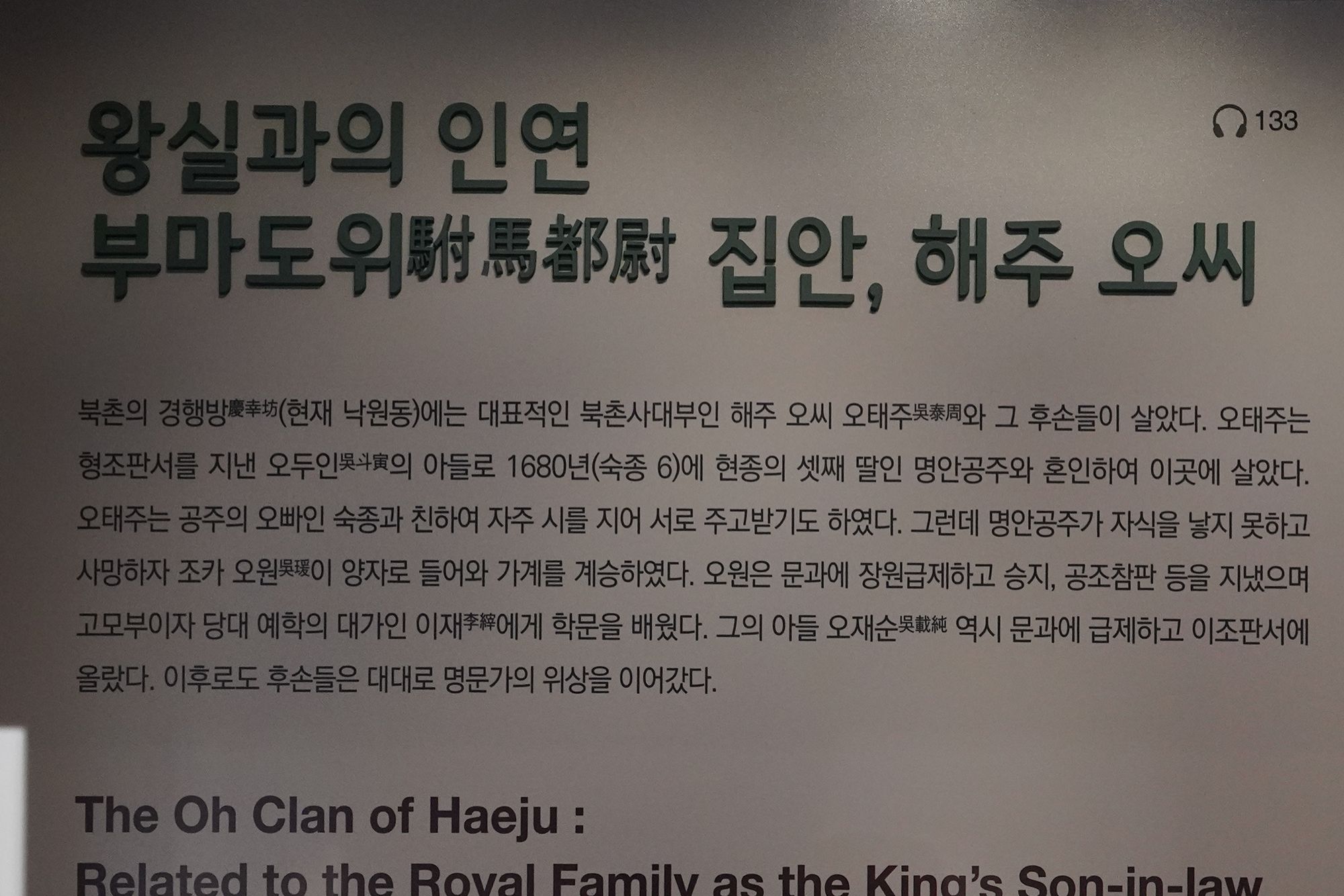
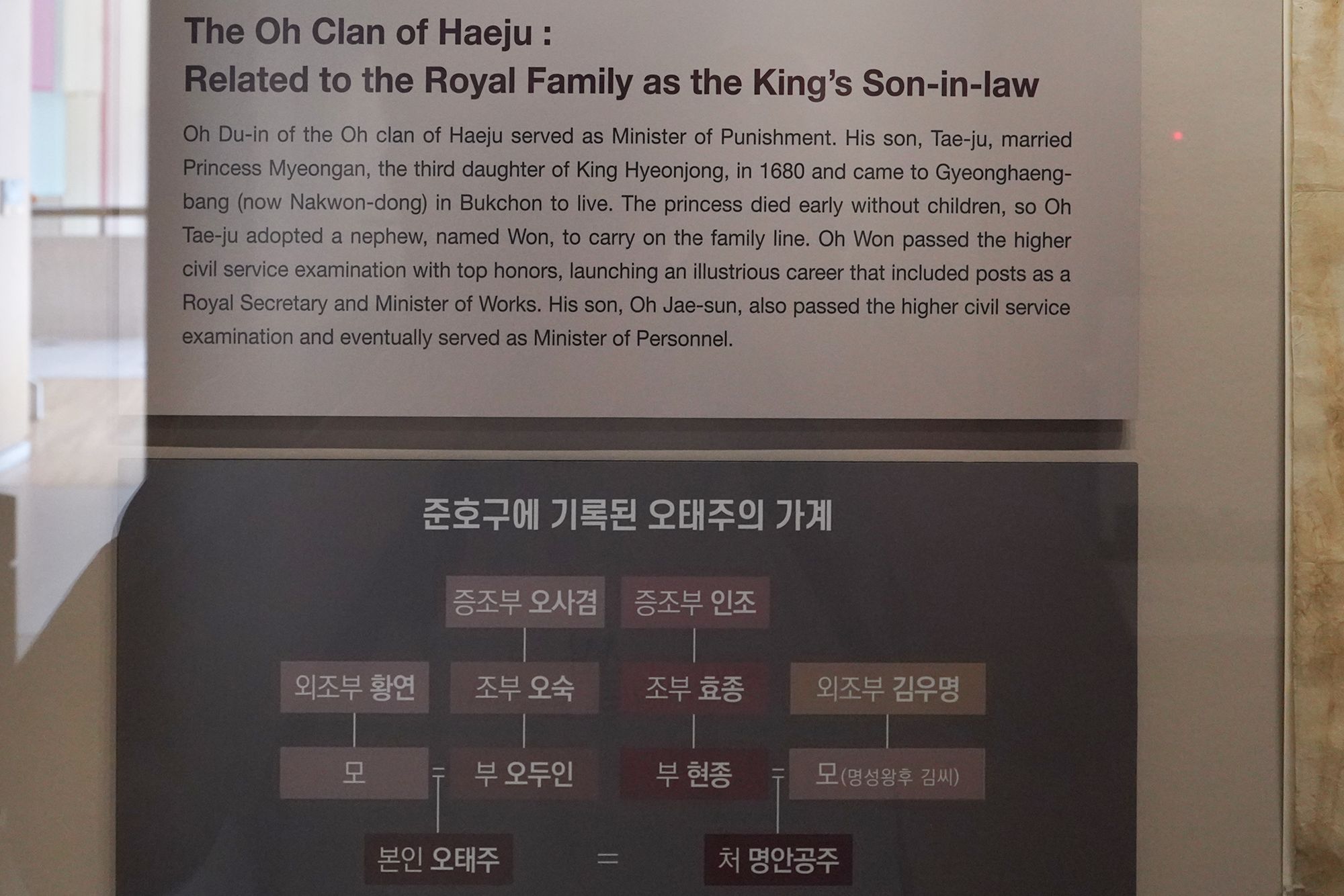
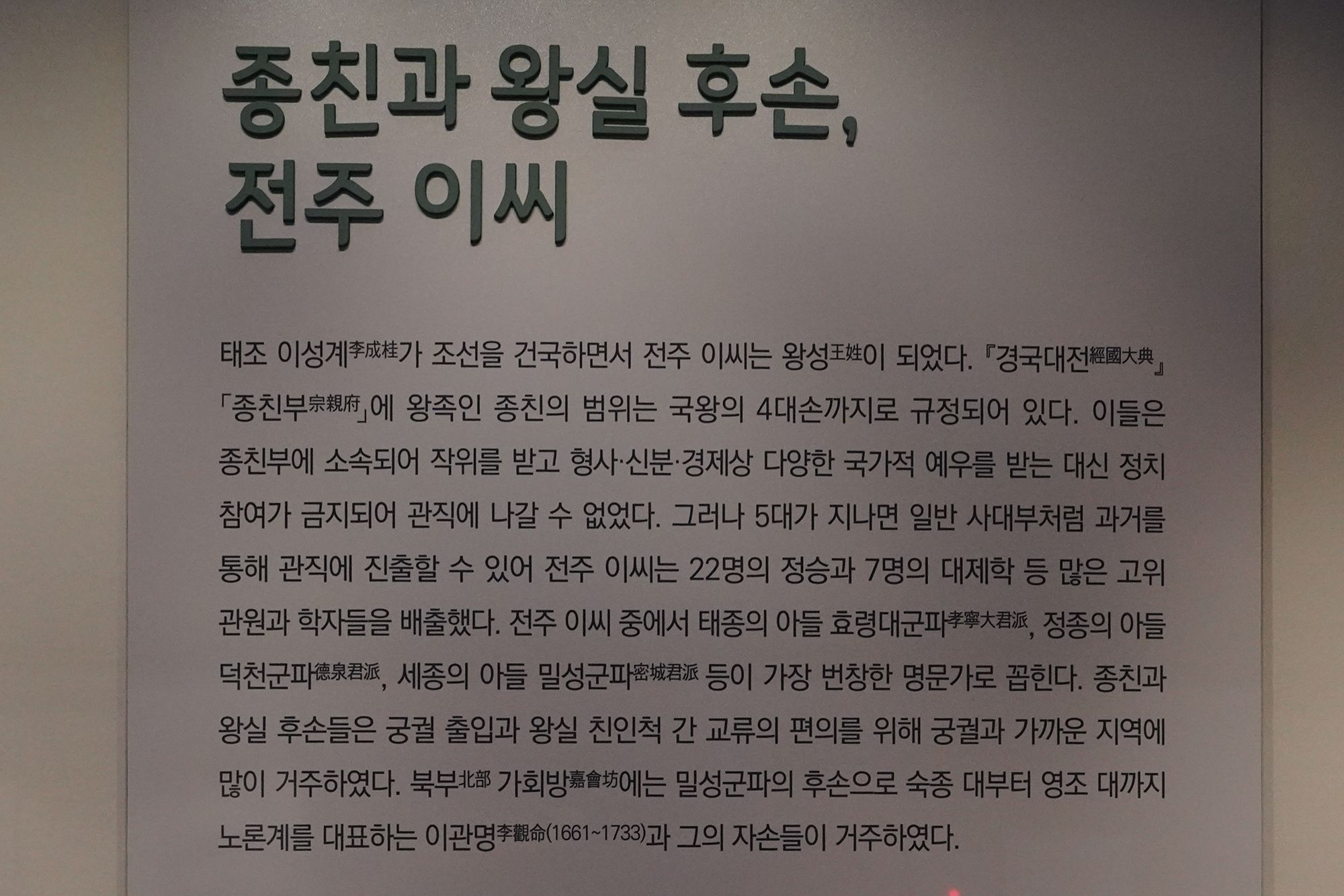
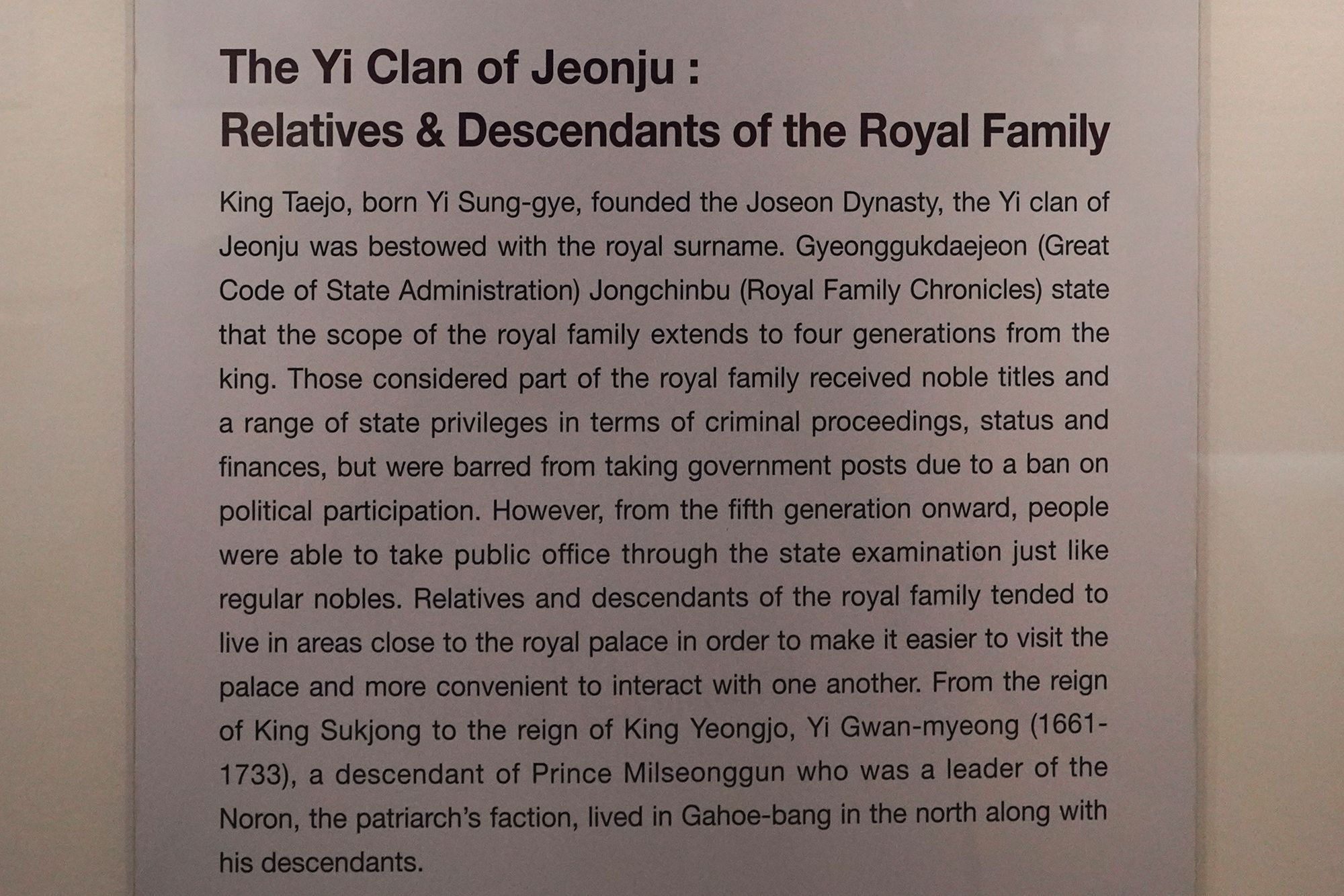
Bukchon was home to many of Hanyang’s wealthiest and most powerful scholar-official families, making the neighborhood a symbol of political influence, status, and affluence during the Joseon Dynasty.
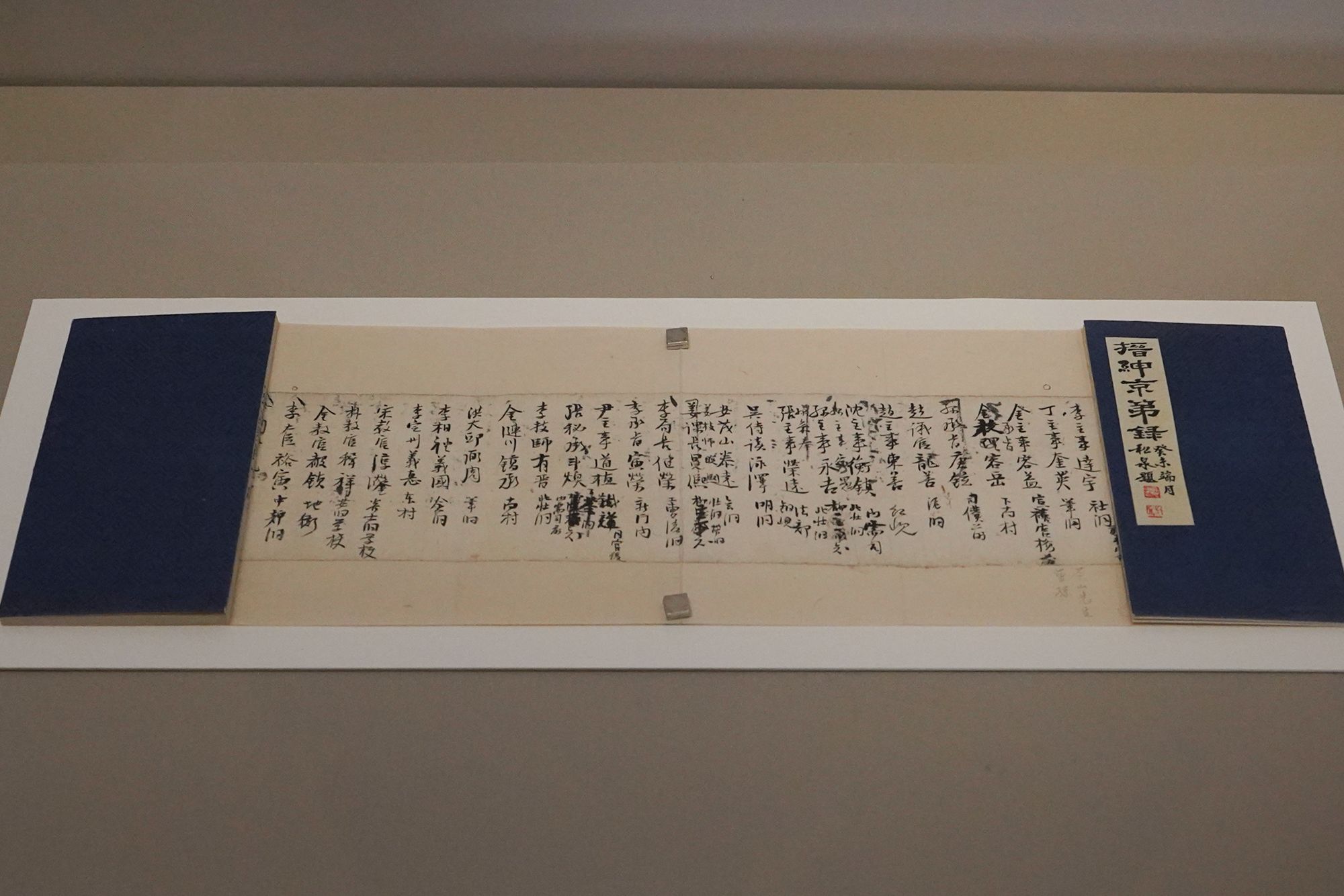
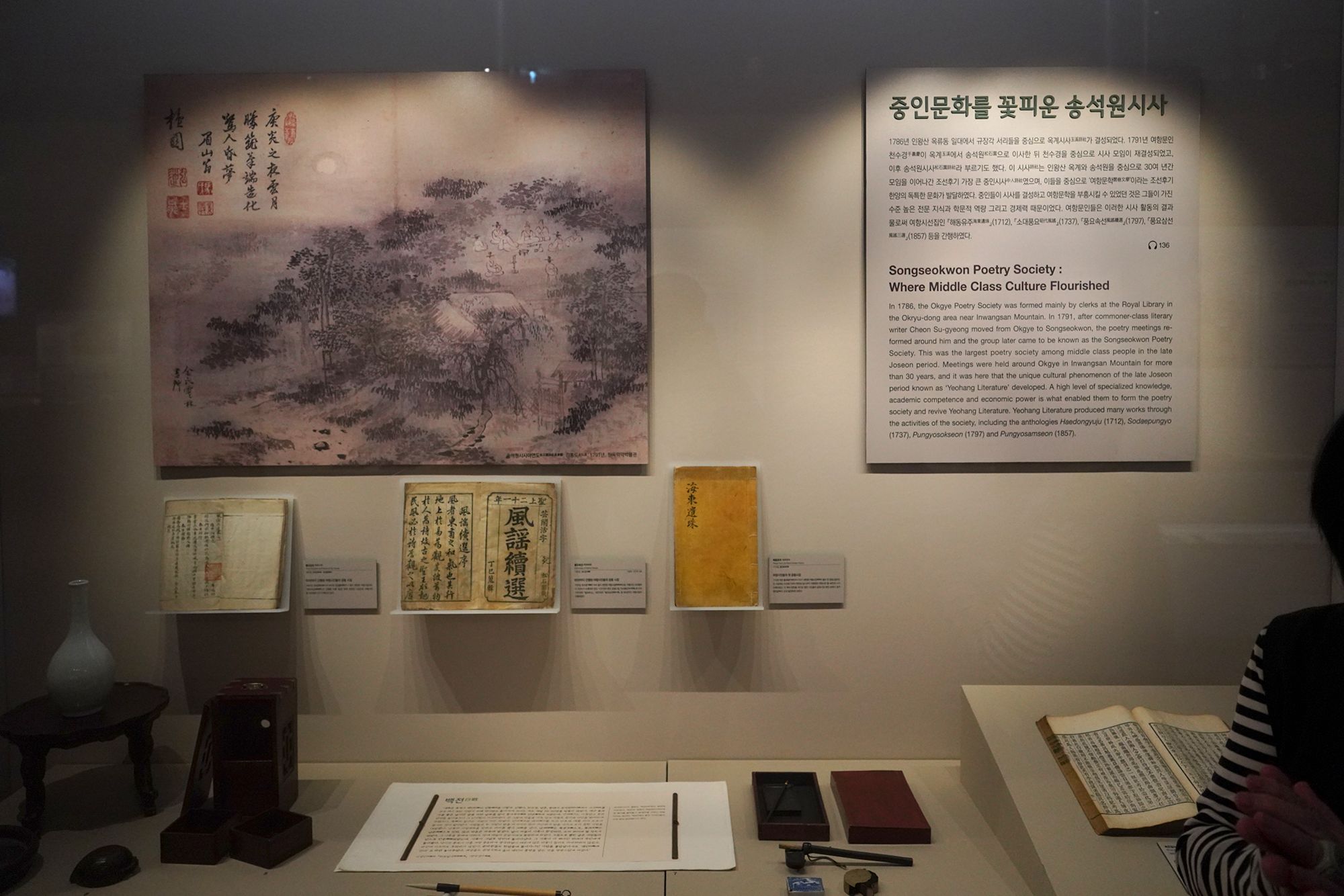
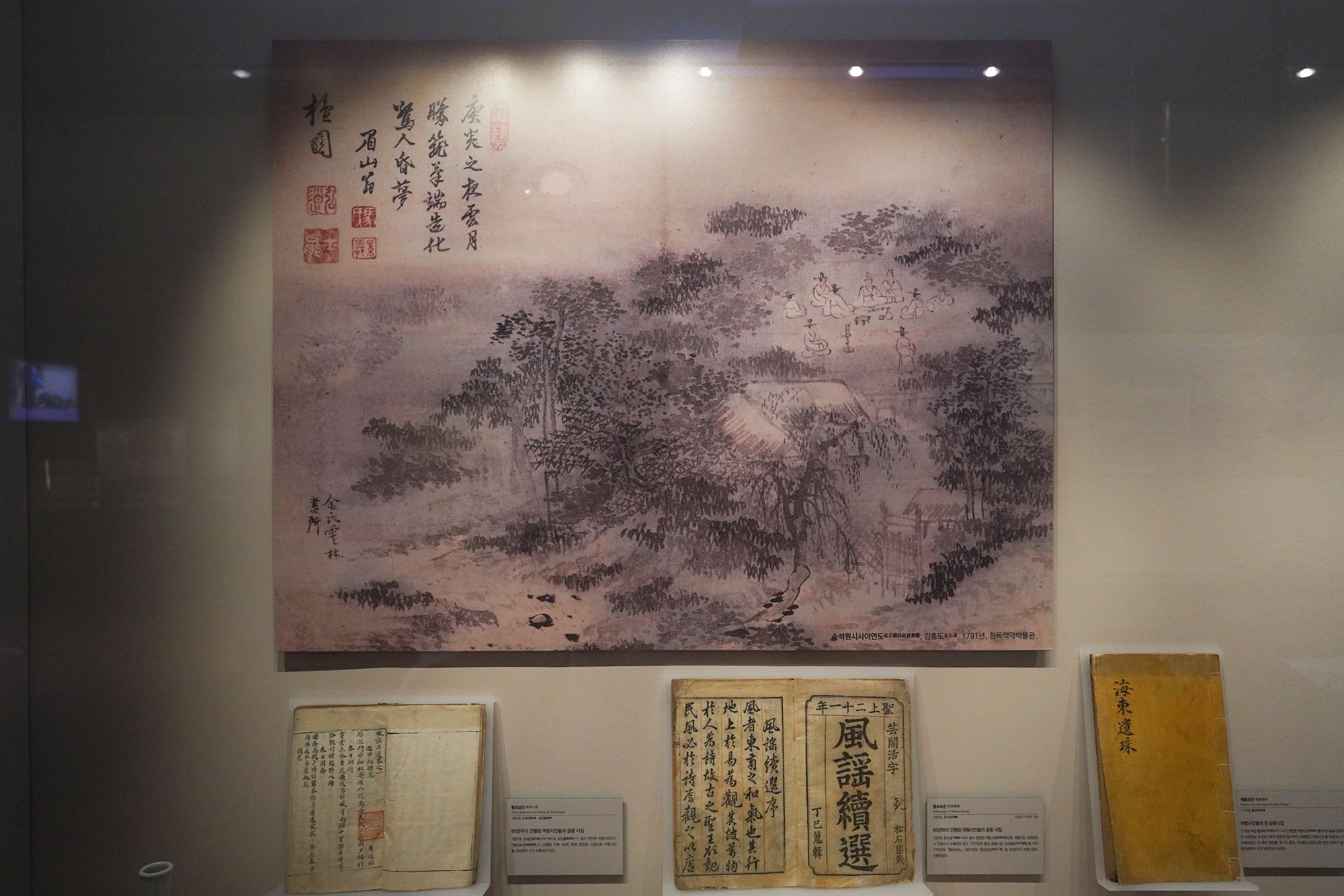
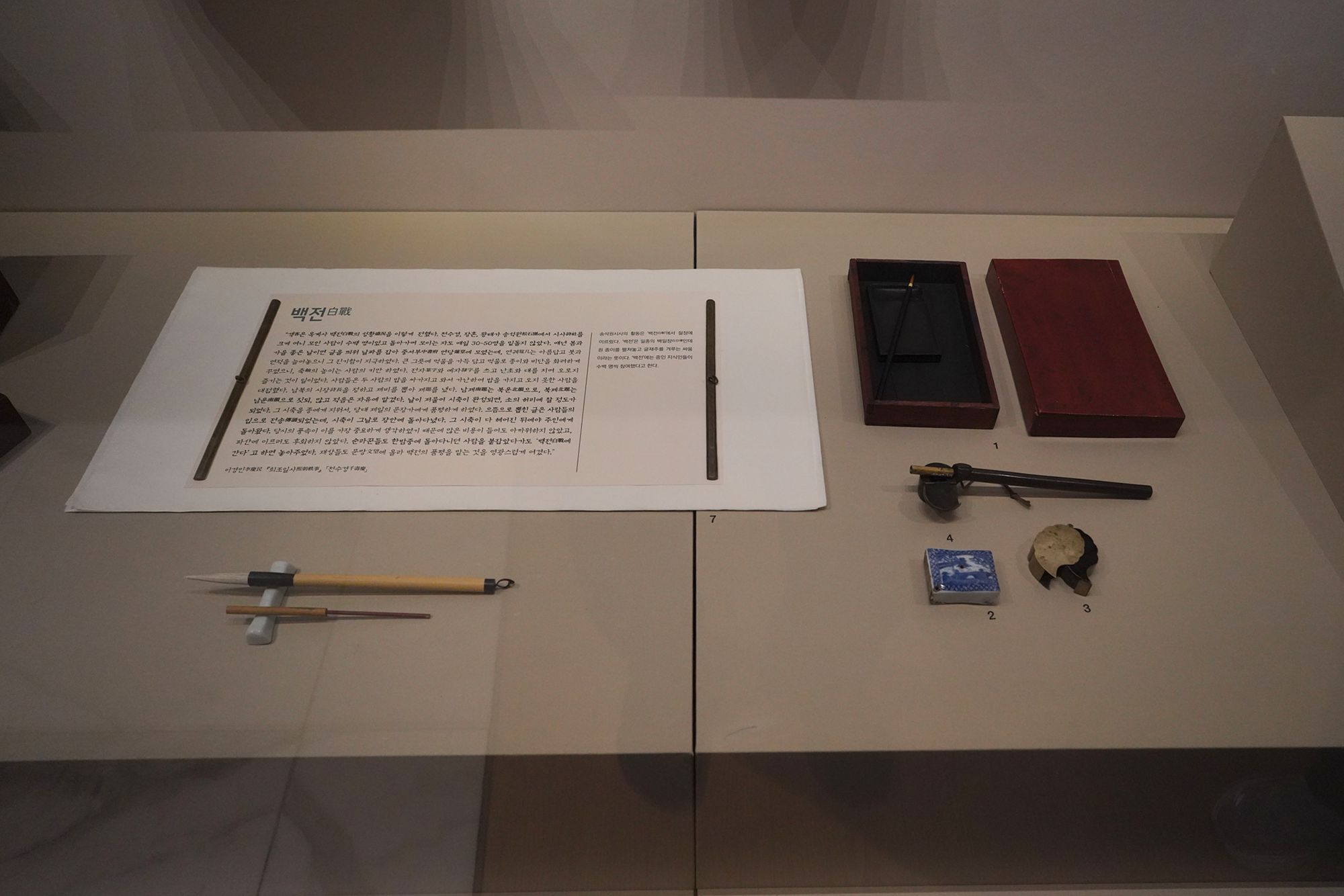
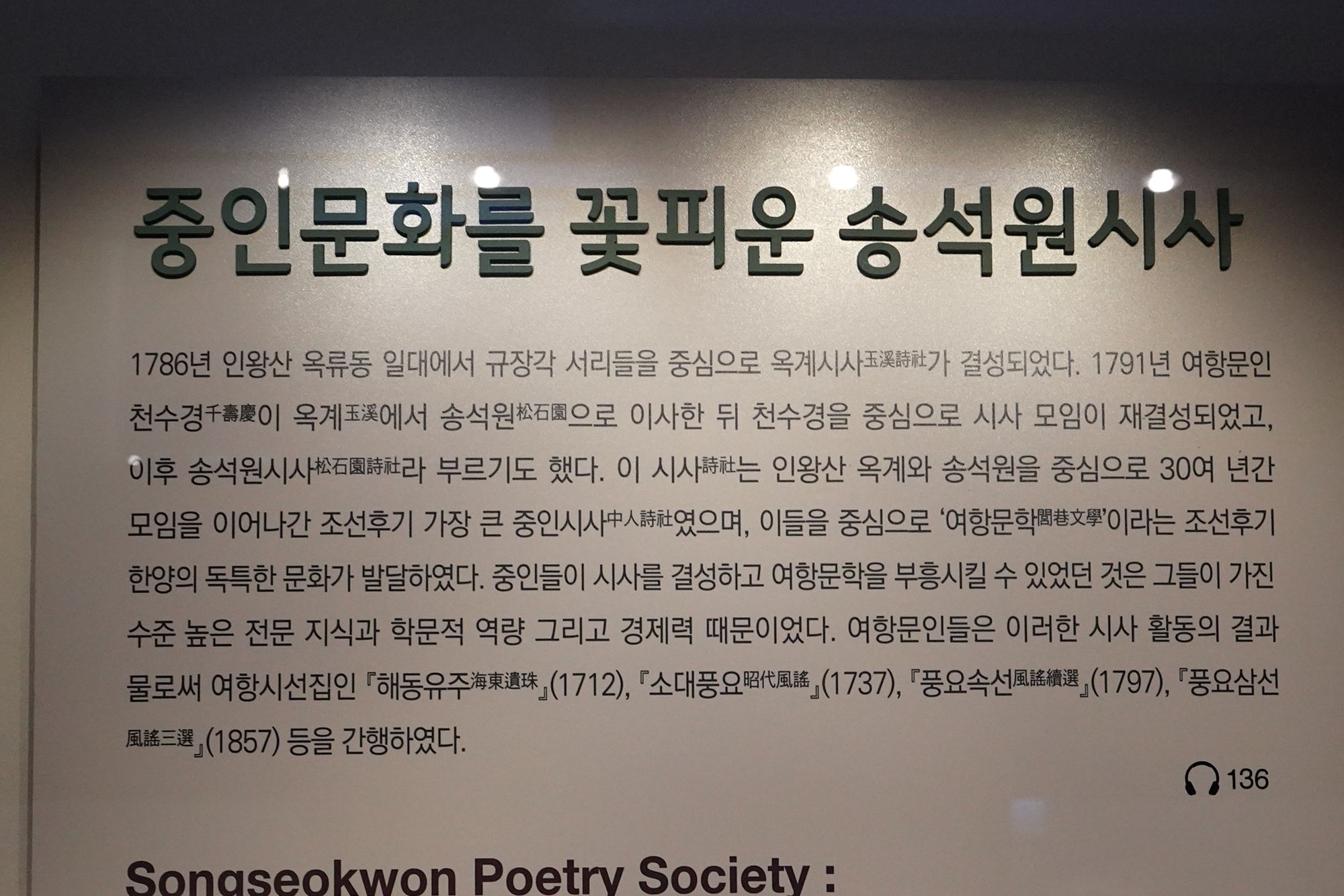
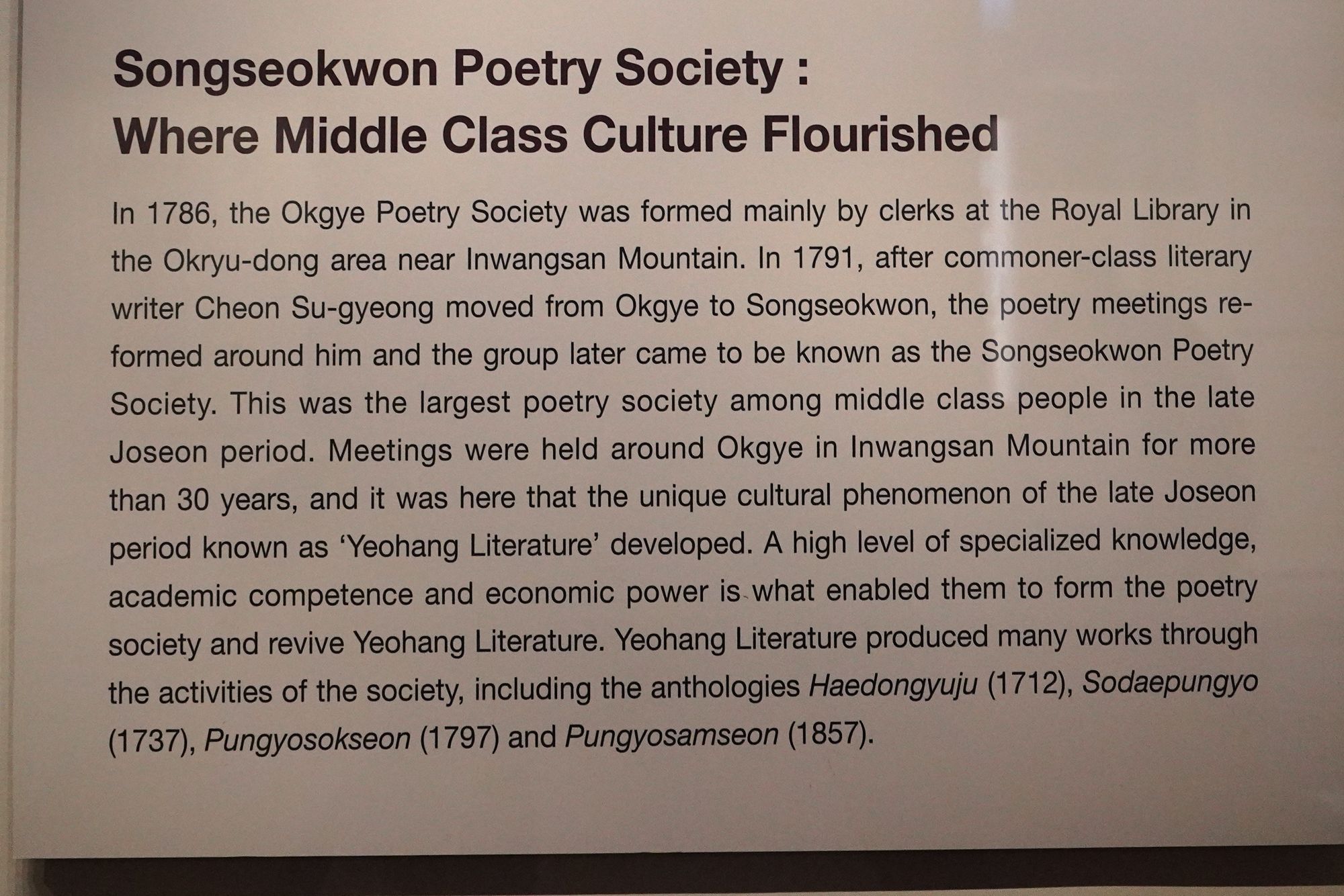
The Songseokwon Poetry Society, formed in the late 18th century, brought together middle-class writers and officials and became an important center for poetry, literature, and cultural activity in late Joseon Hanyang.
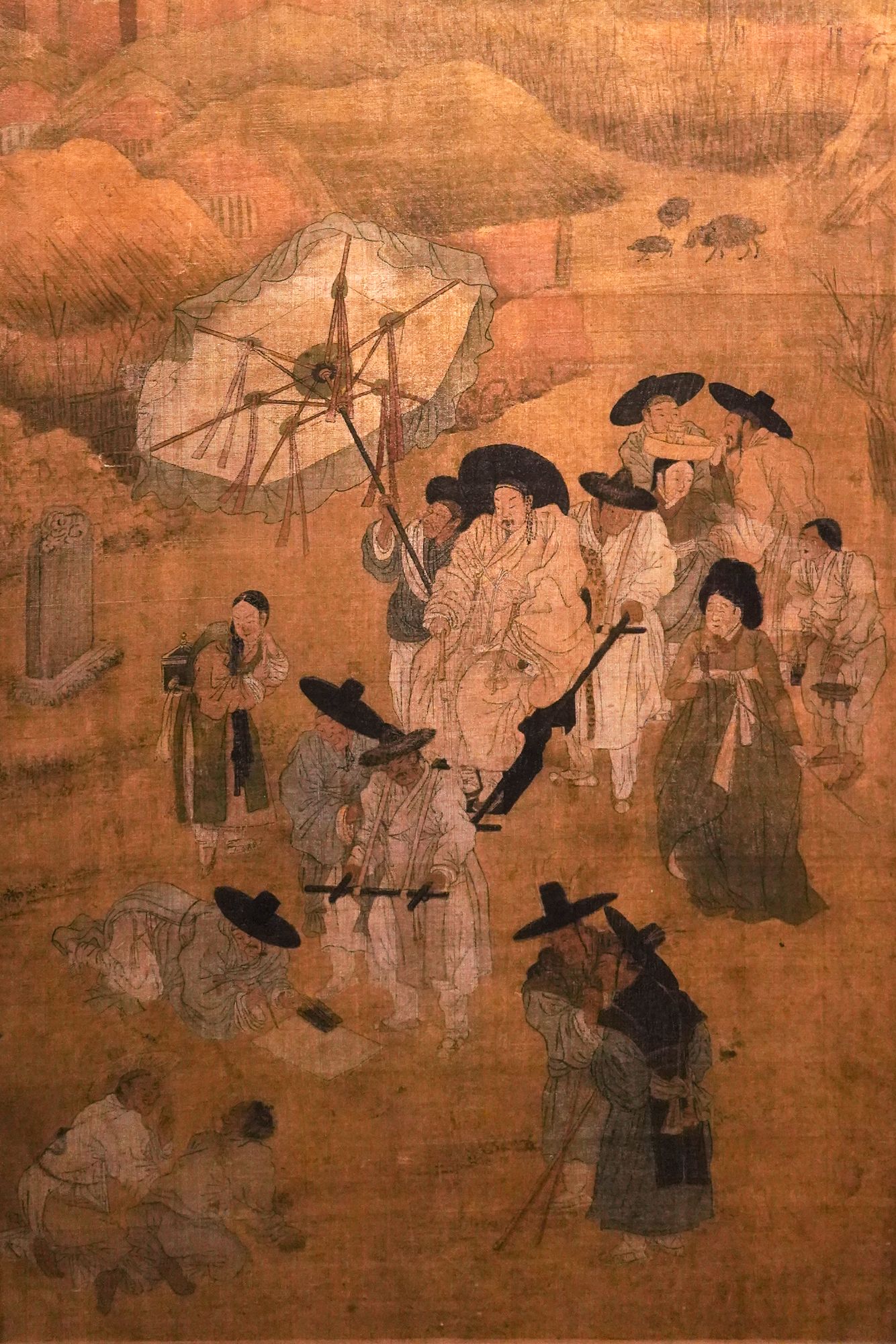
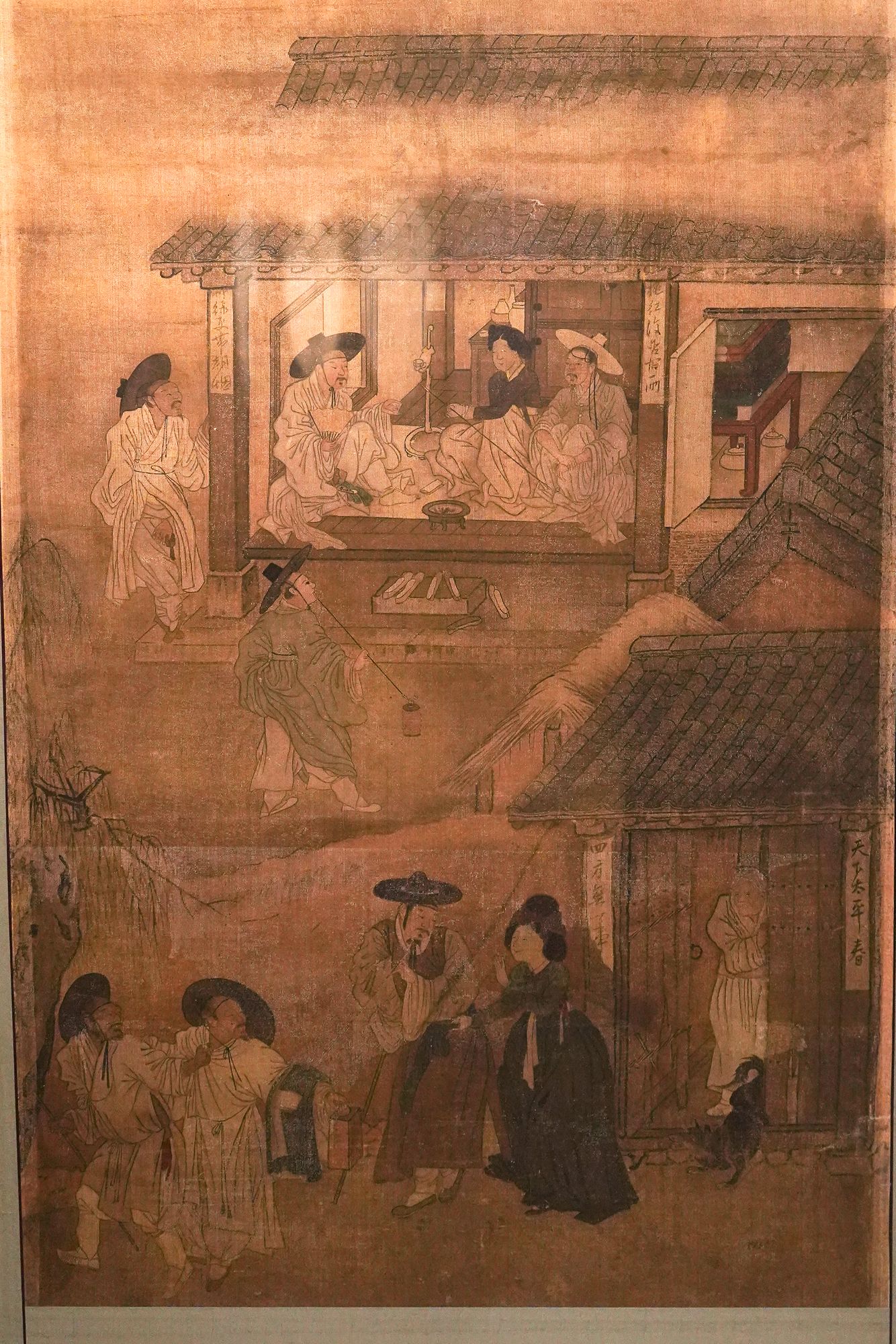
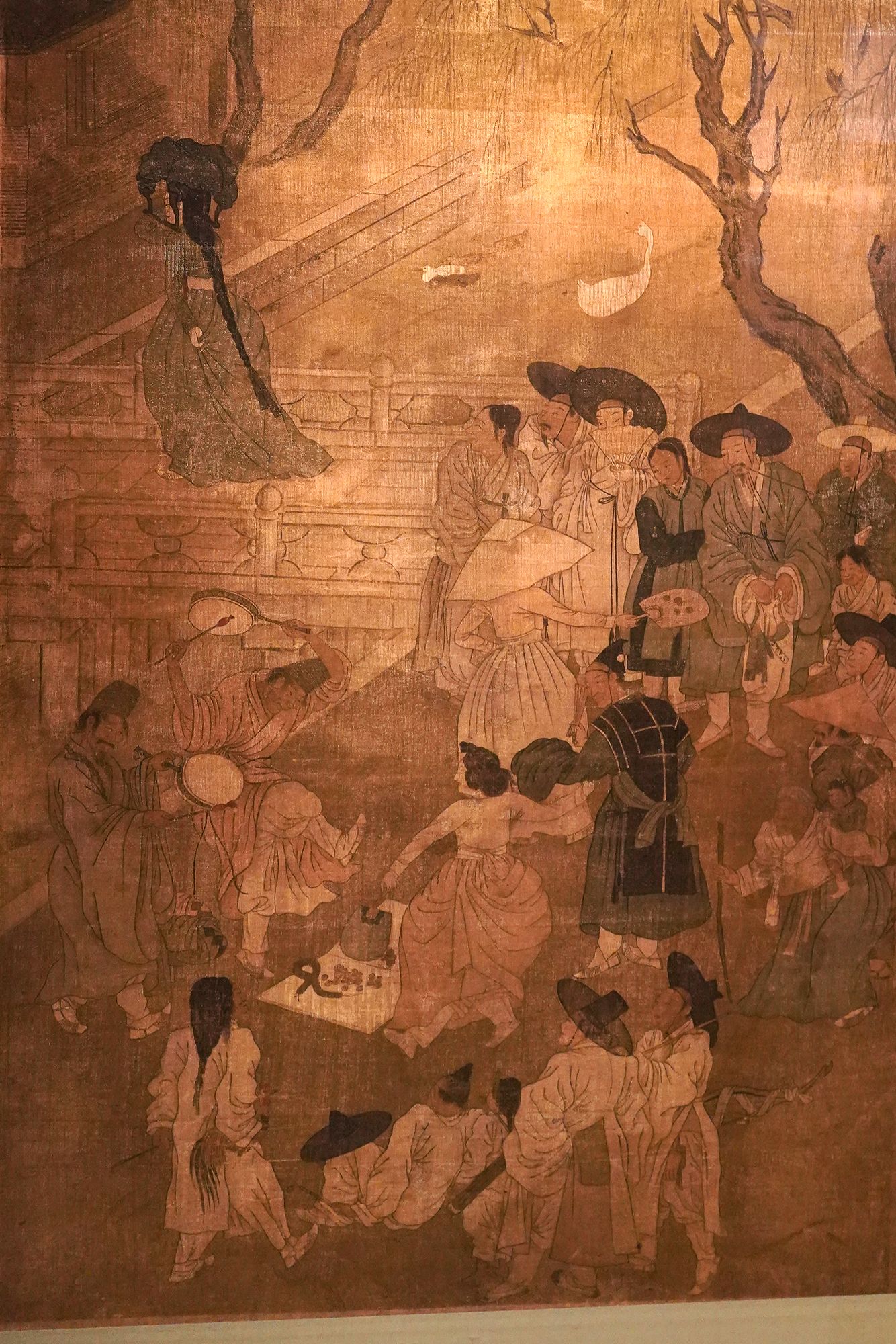
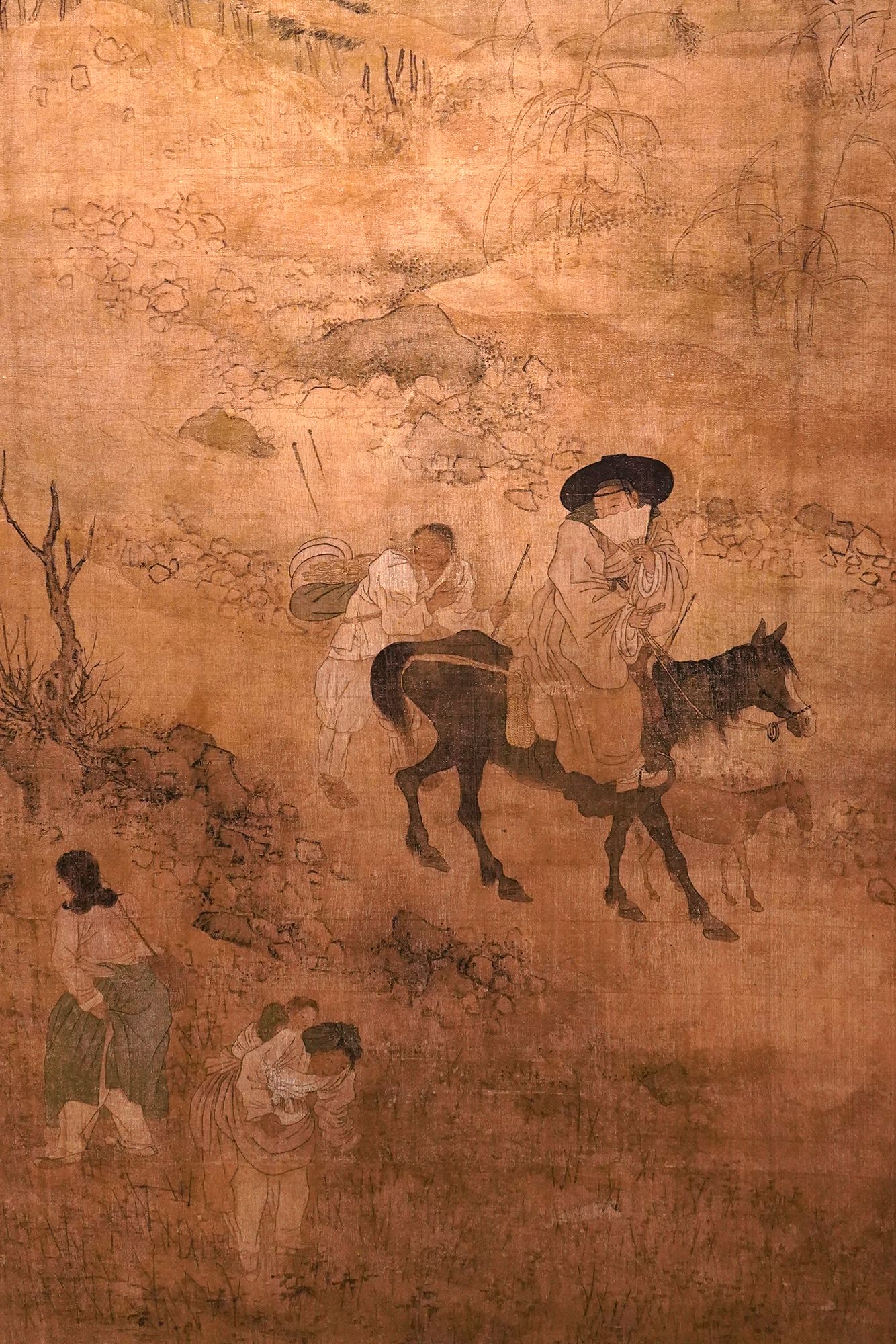
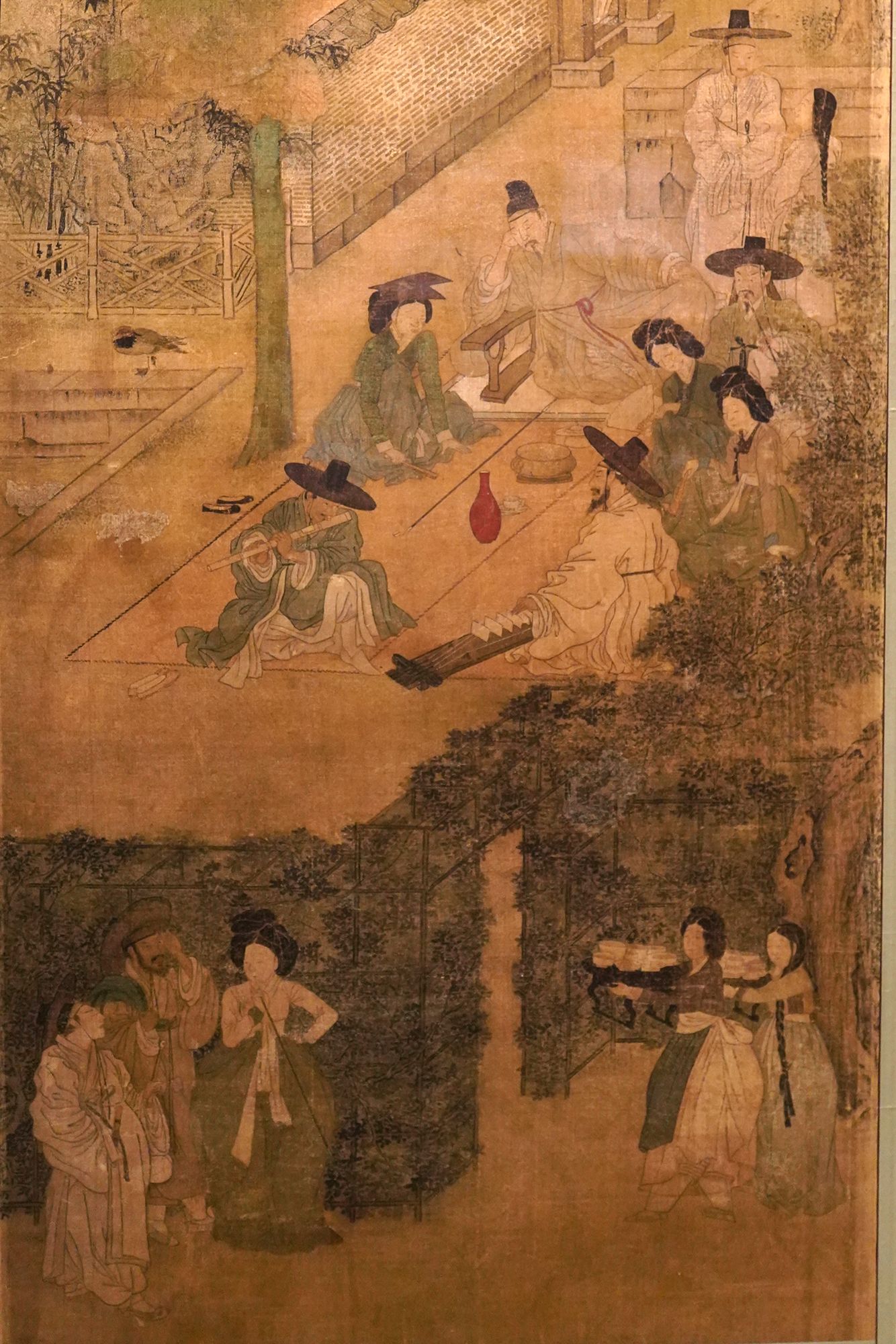
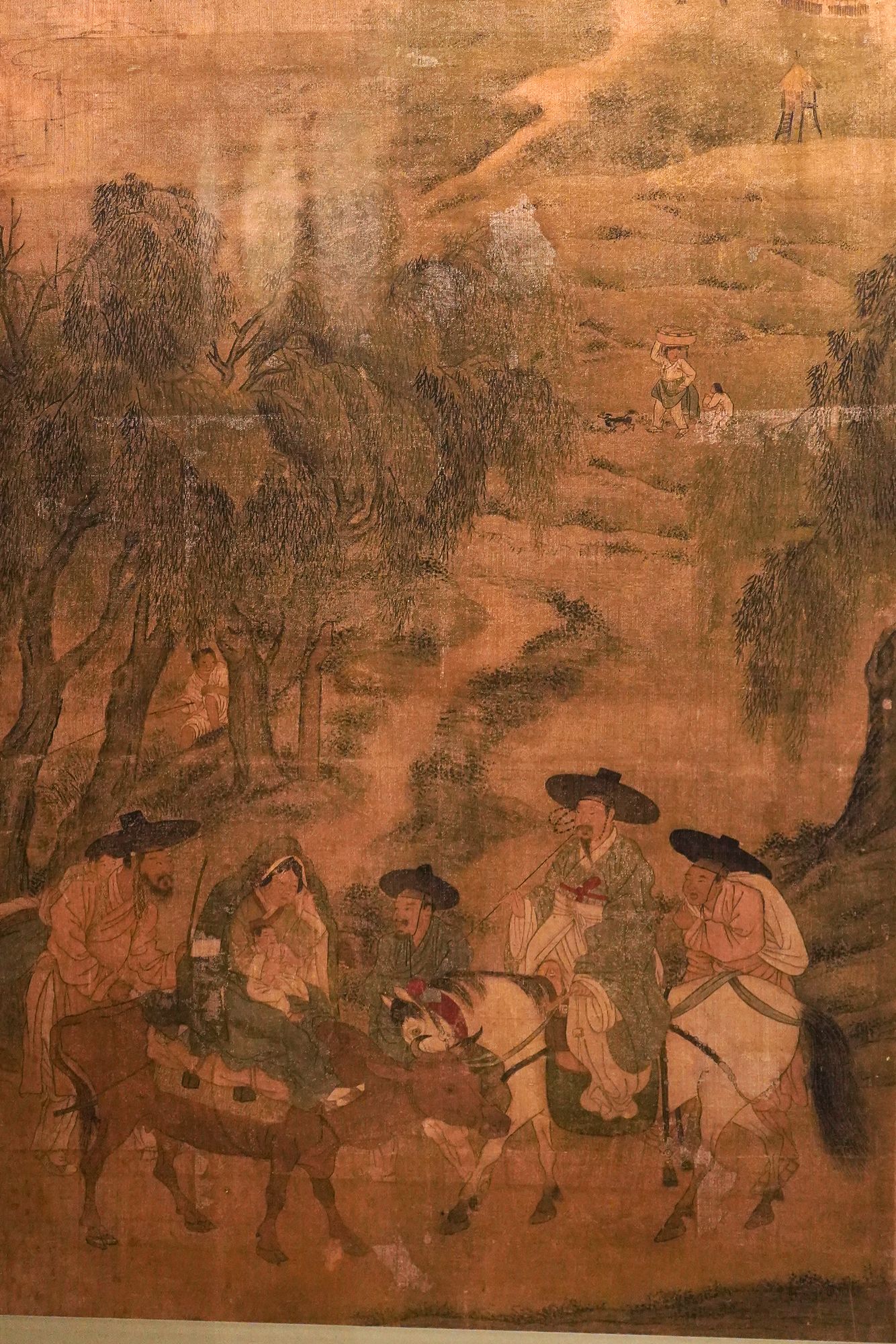
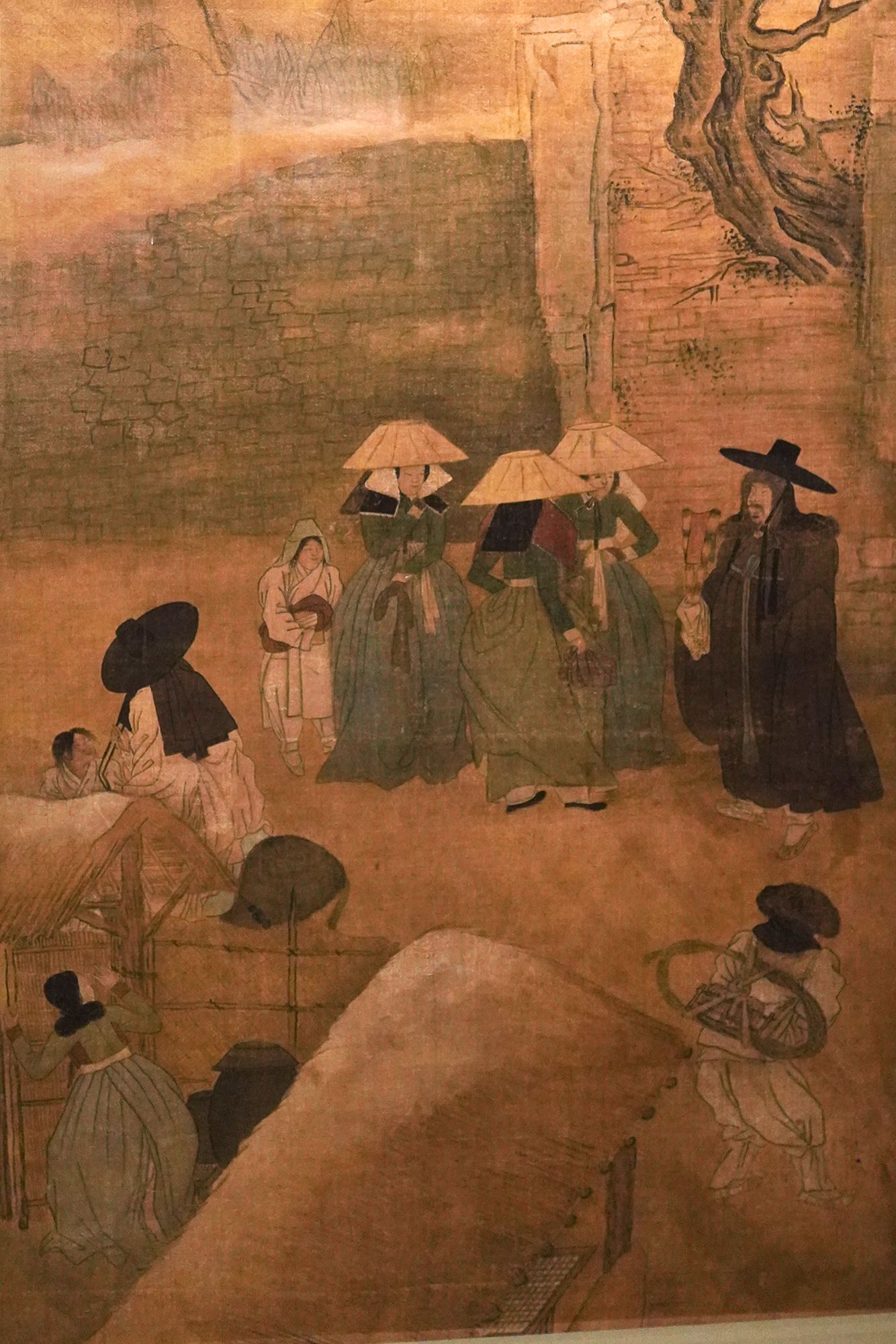
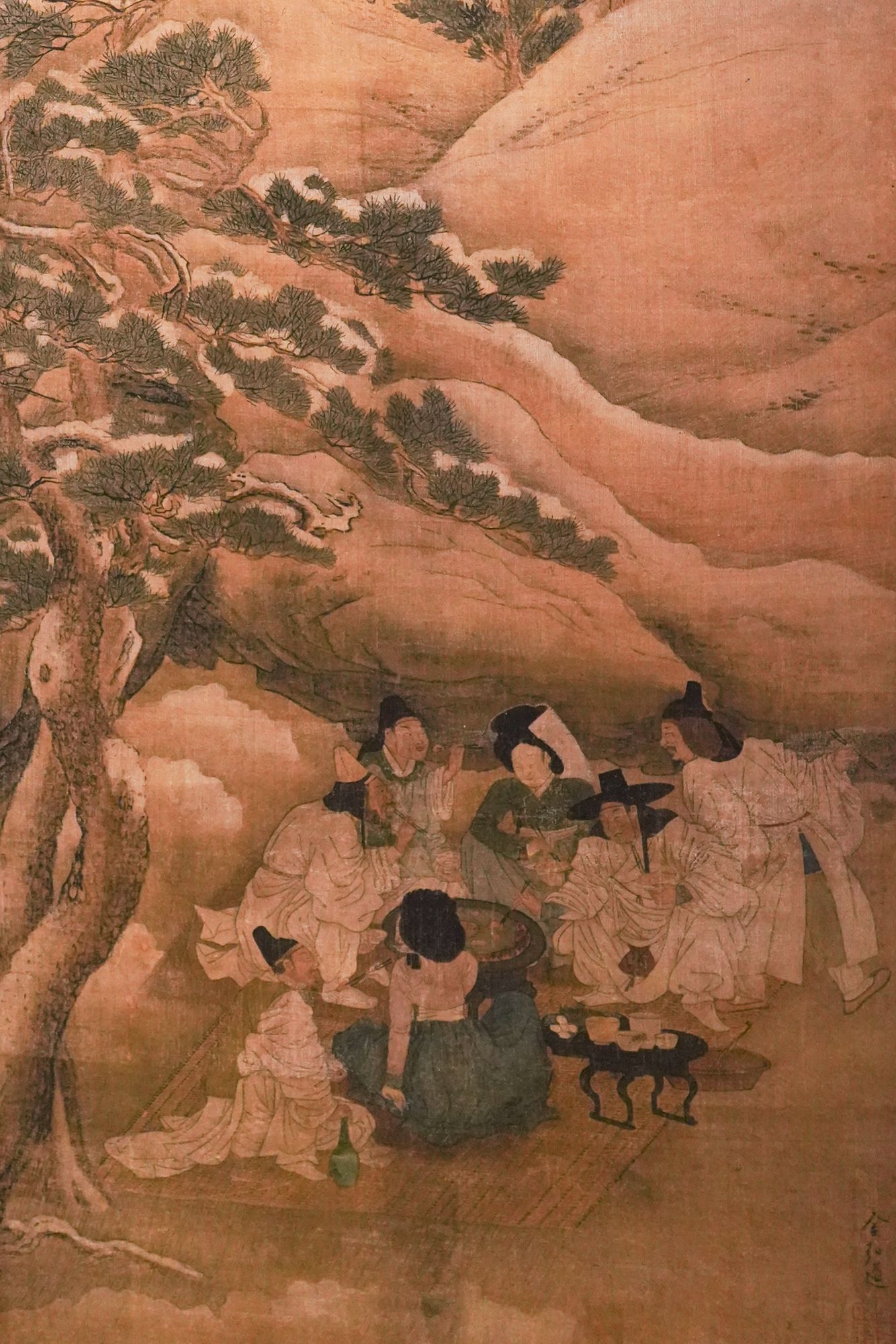
An 18th-century folding screen by Kim Hong-do depicting scenes of everyday life during the Joseon Dynasty.
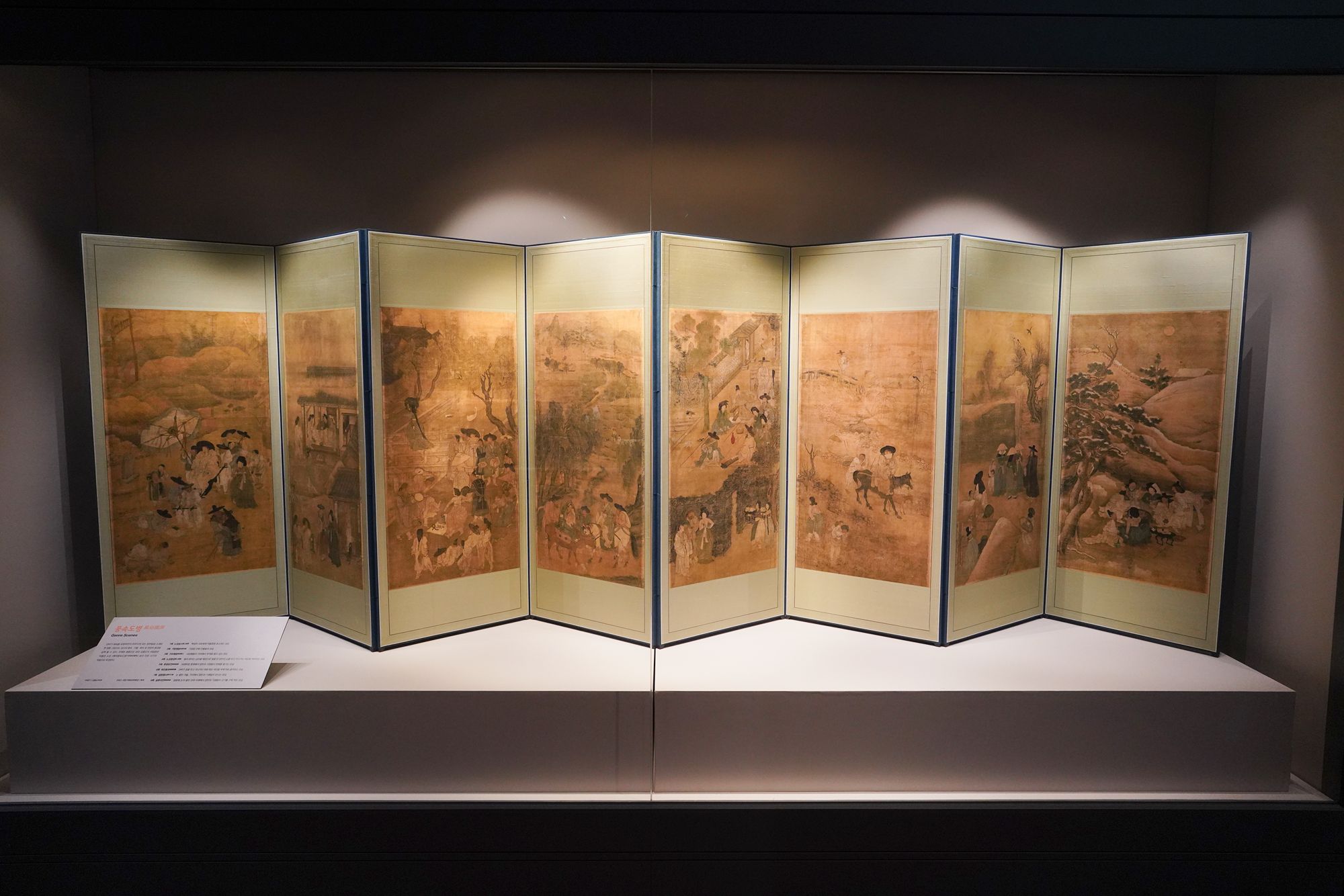
What makes the screen interesting is that it is almost like a visual record of everyday Joseon society. Across the eight panels you can see people traveling, street vendors, entertainers and gisaeng, social gatherings, seasonal activities, and people enjoying food and leisure. The landscapes also show mountains, houses, roads, and other features of the world surrounding Hanyang.
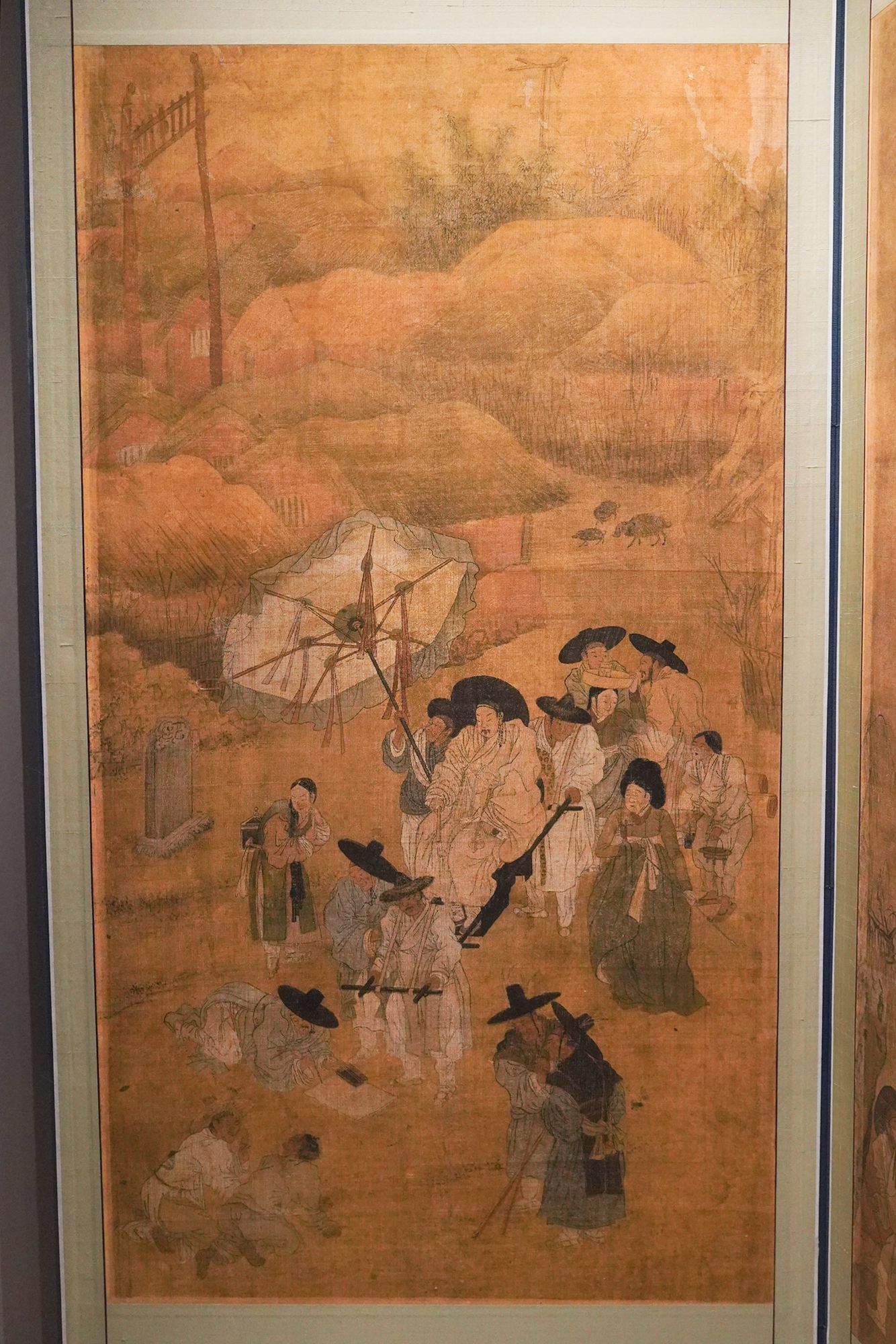
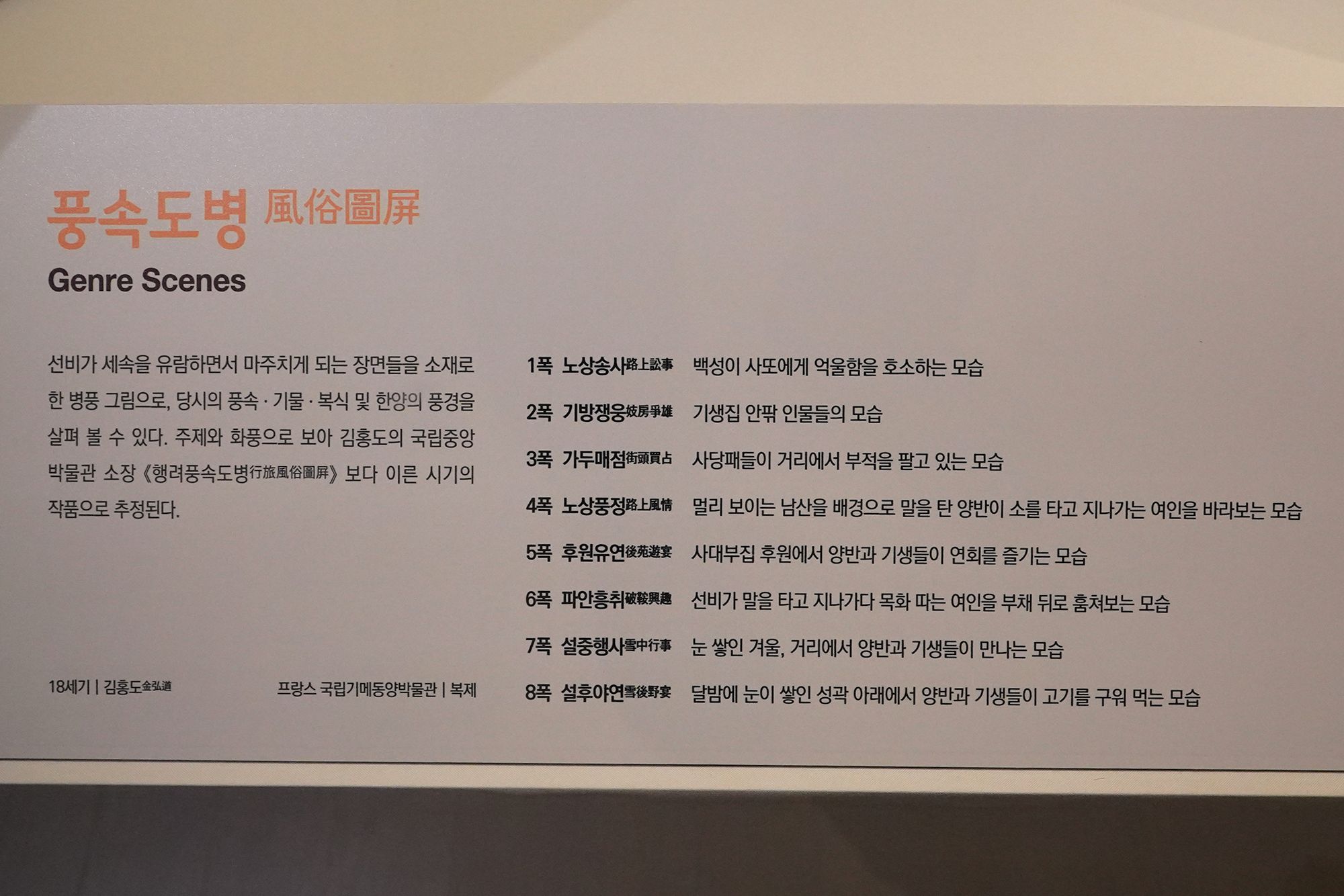
This type of painting became especially popular in the 18th century, when Korean artists increasingly turned their attention toward ordinary people and everyday activities. Kim Hong-do became the most celebrated painter of this genre, famous for capturing people with lively gestures, expressions, humor, and relatively natural compositions.
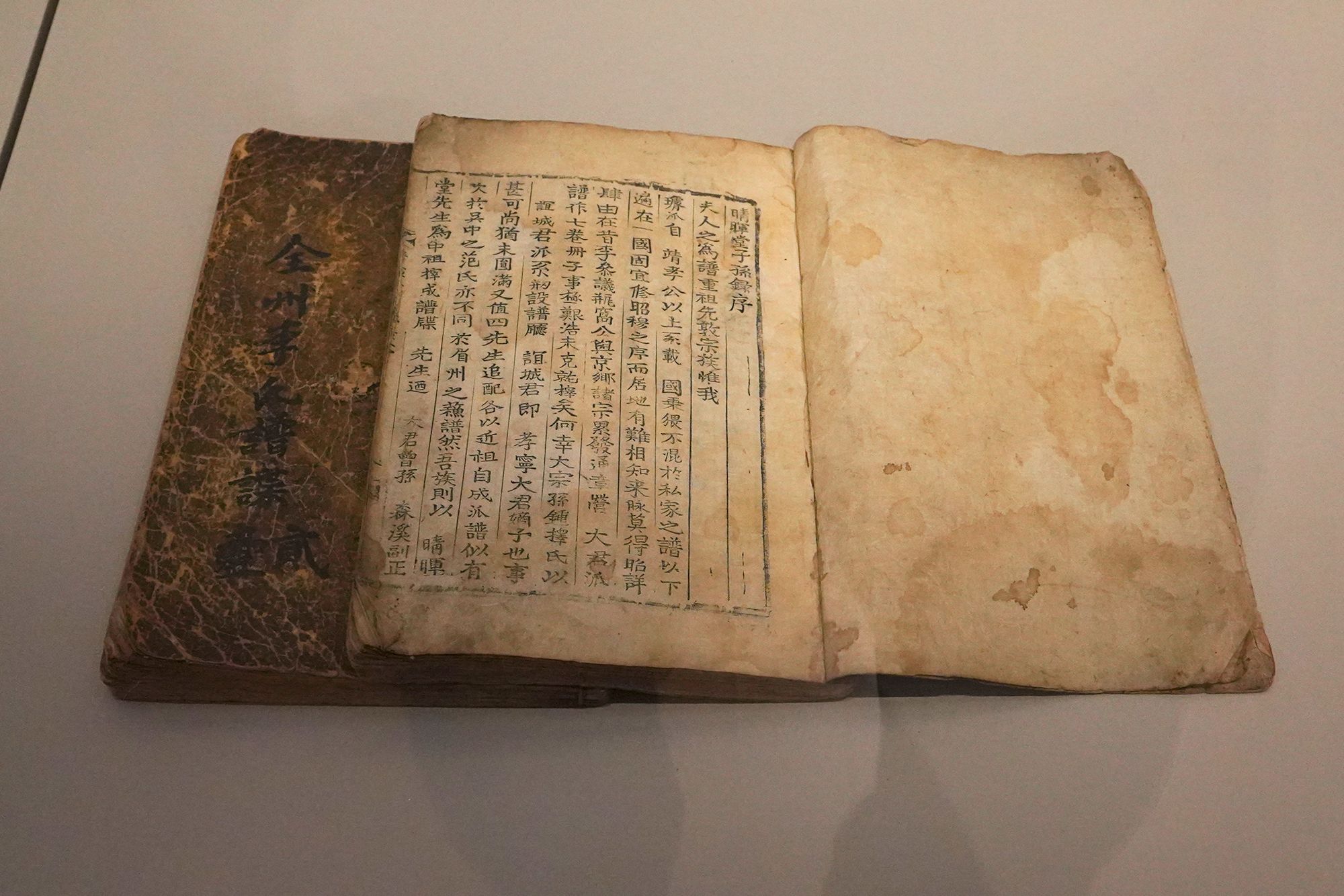
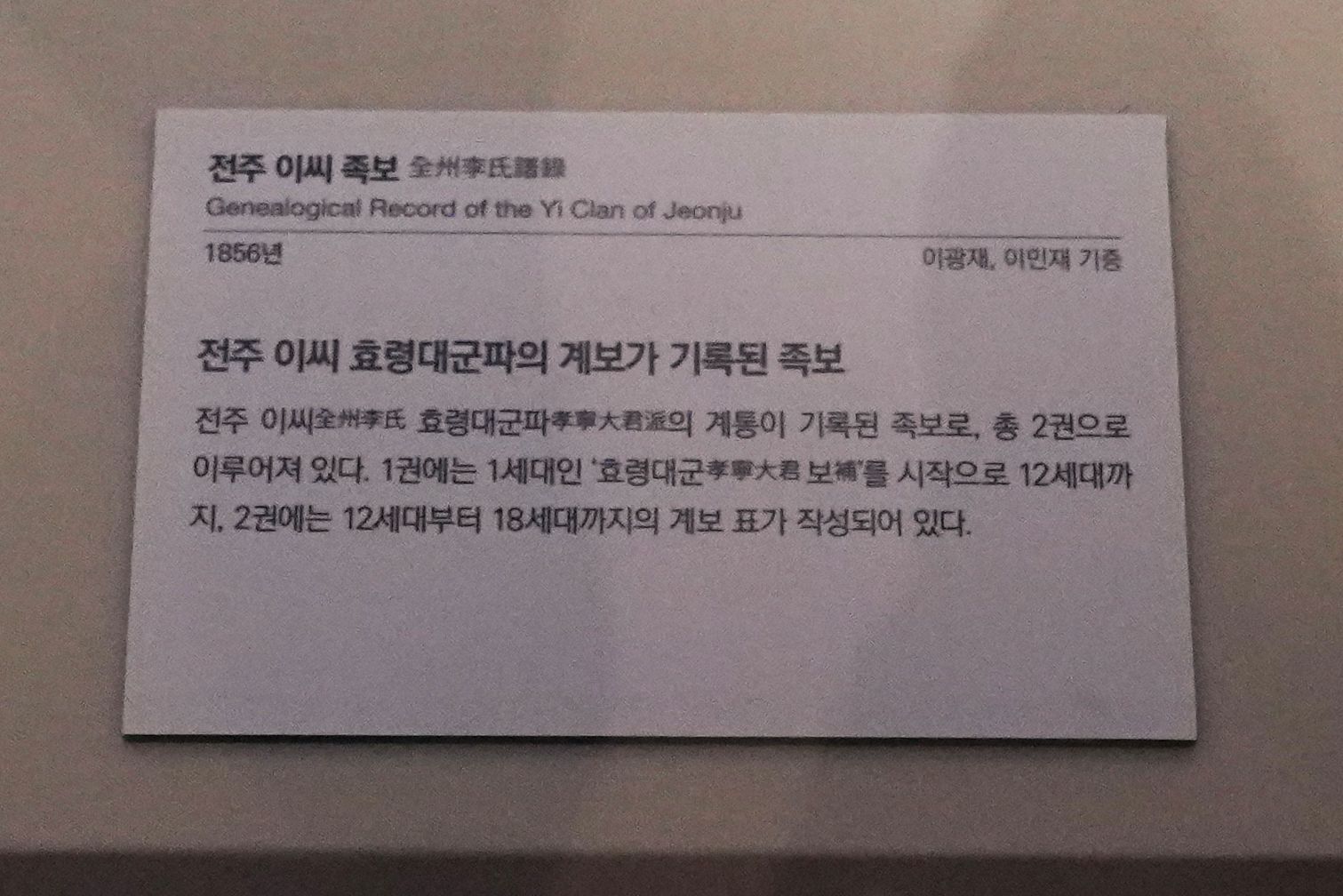
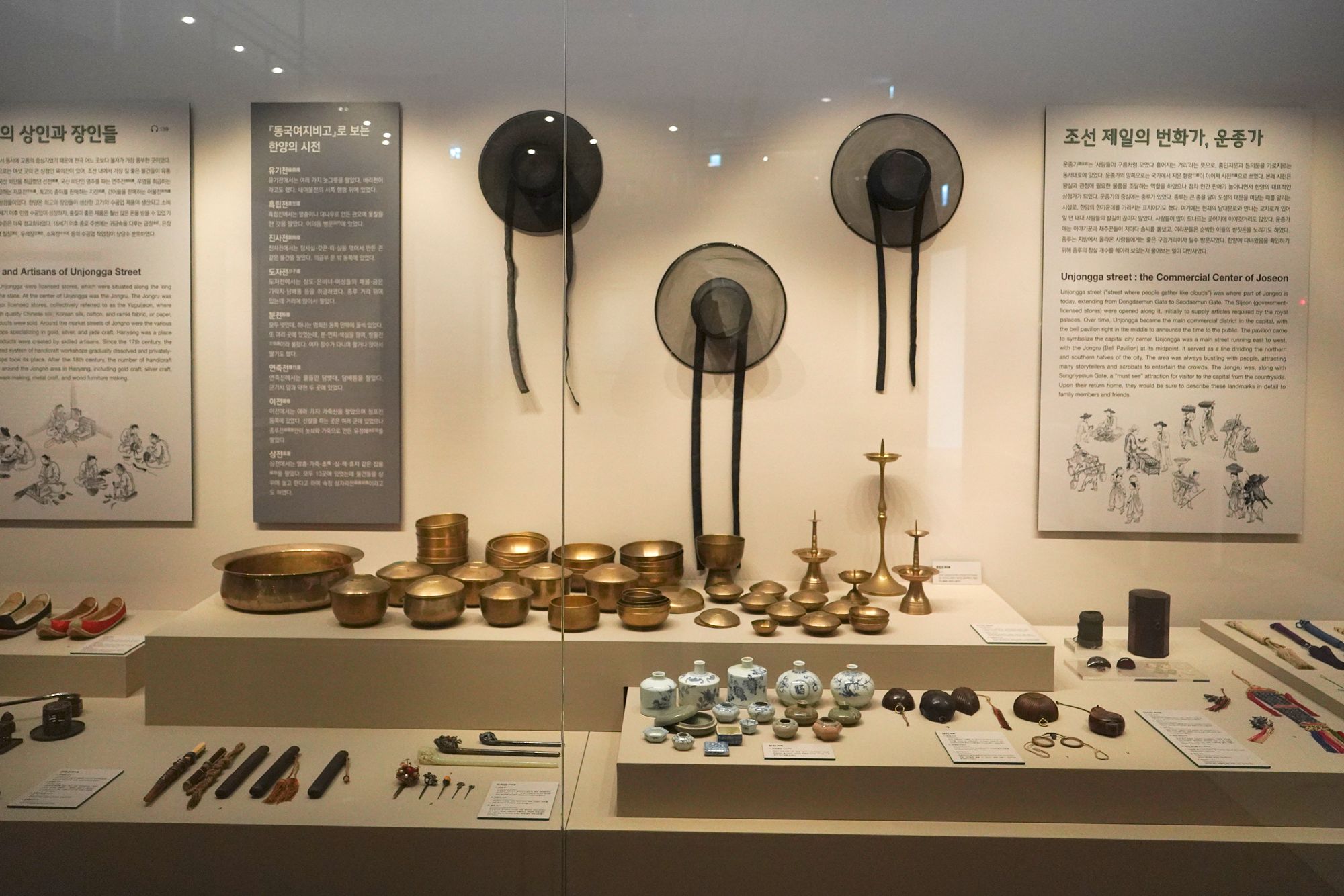
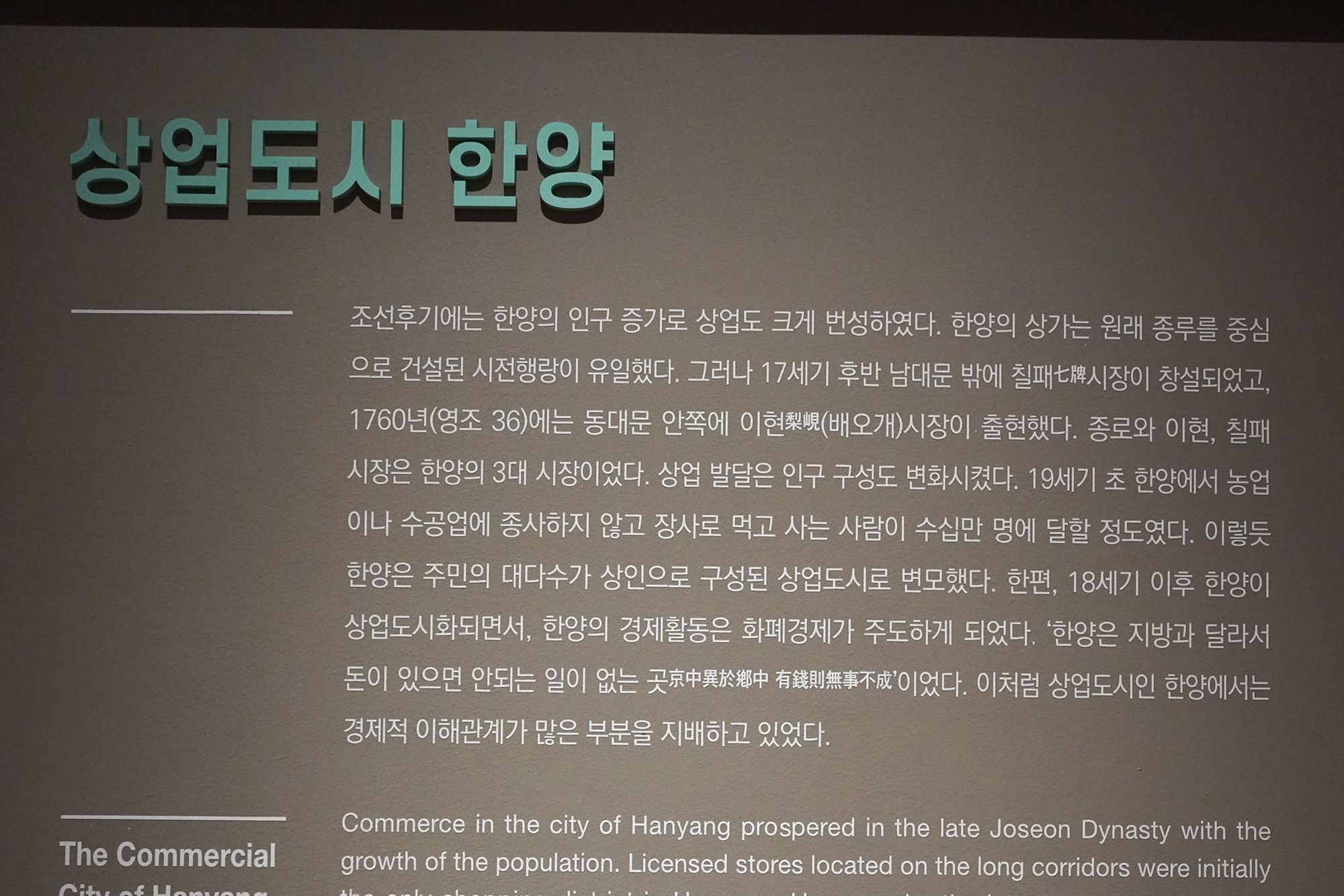
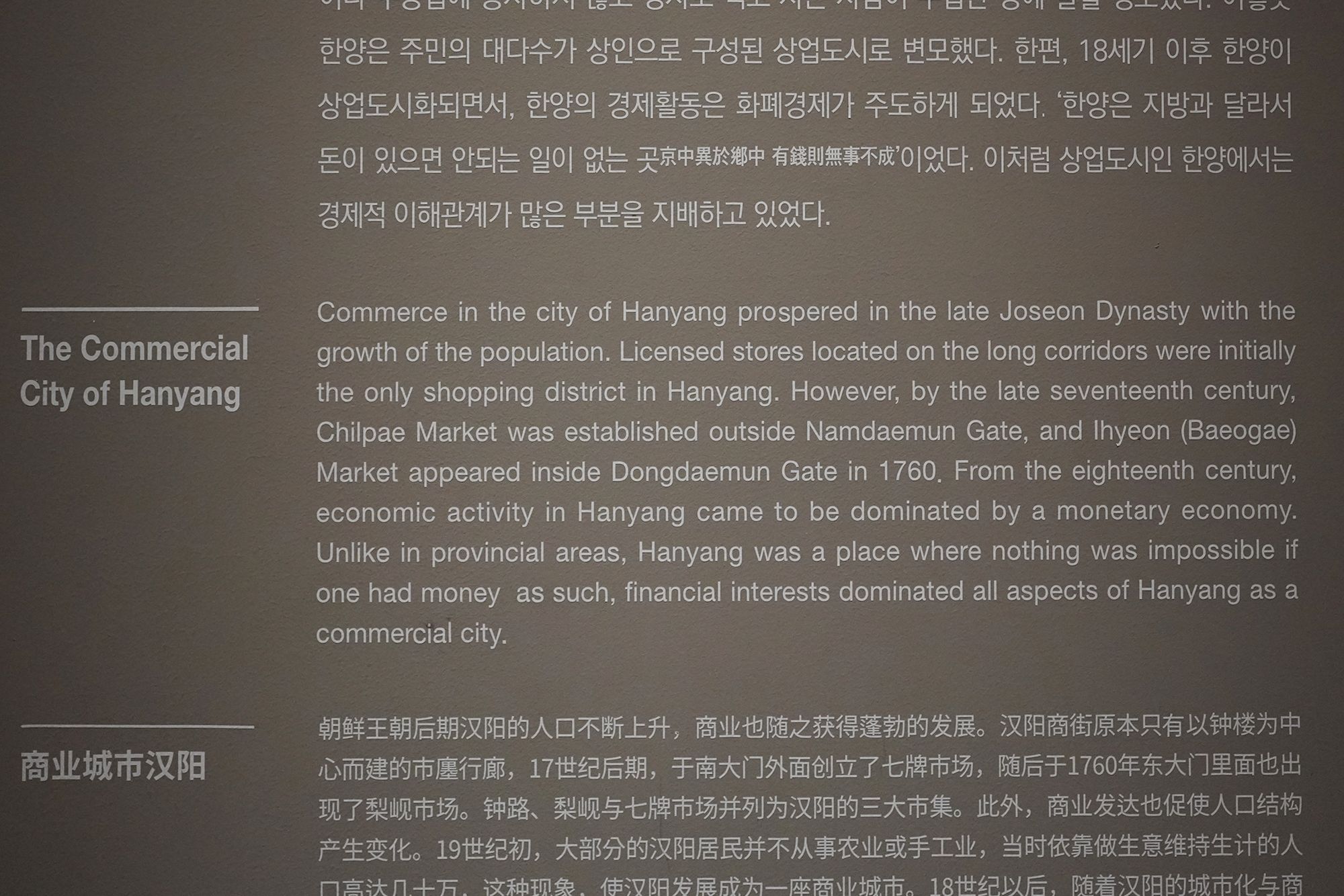
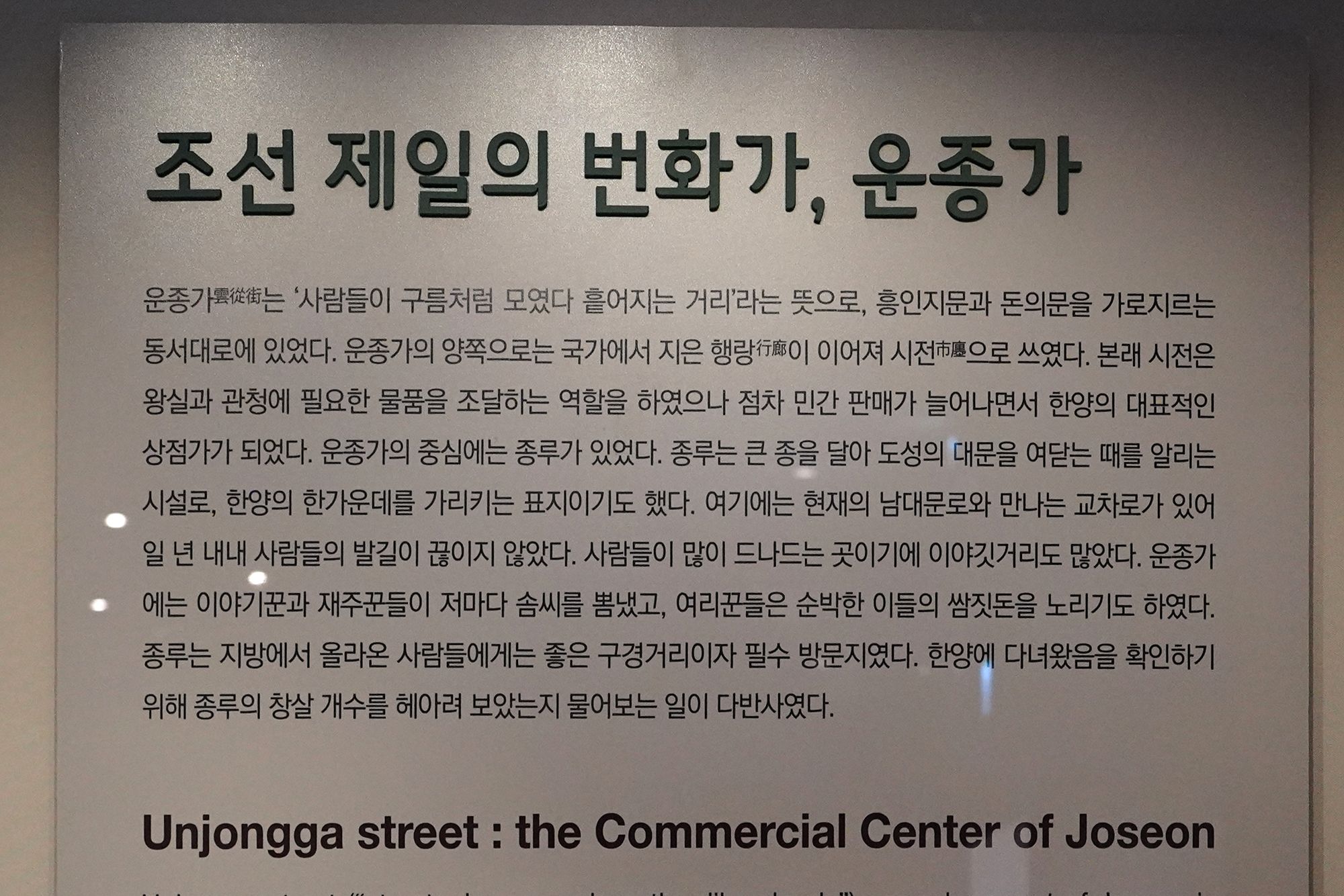
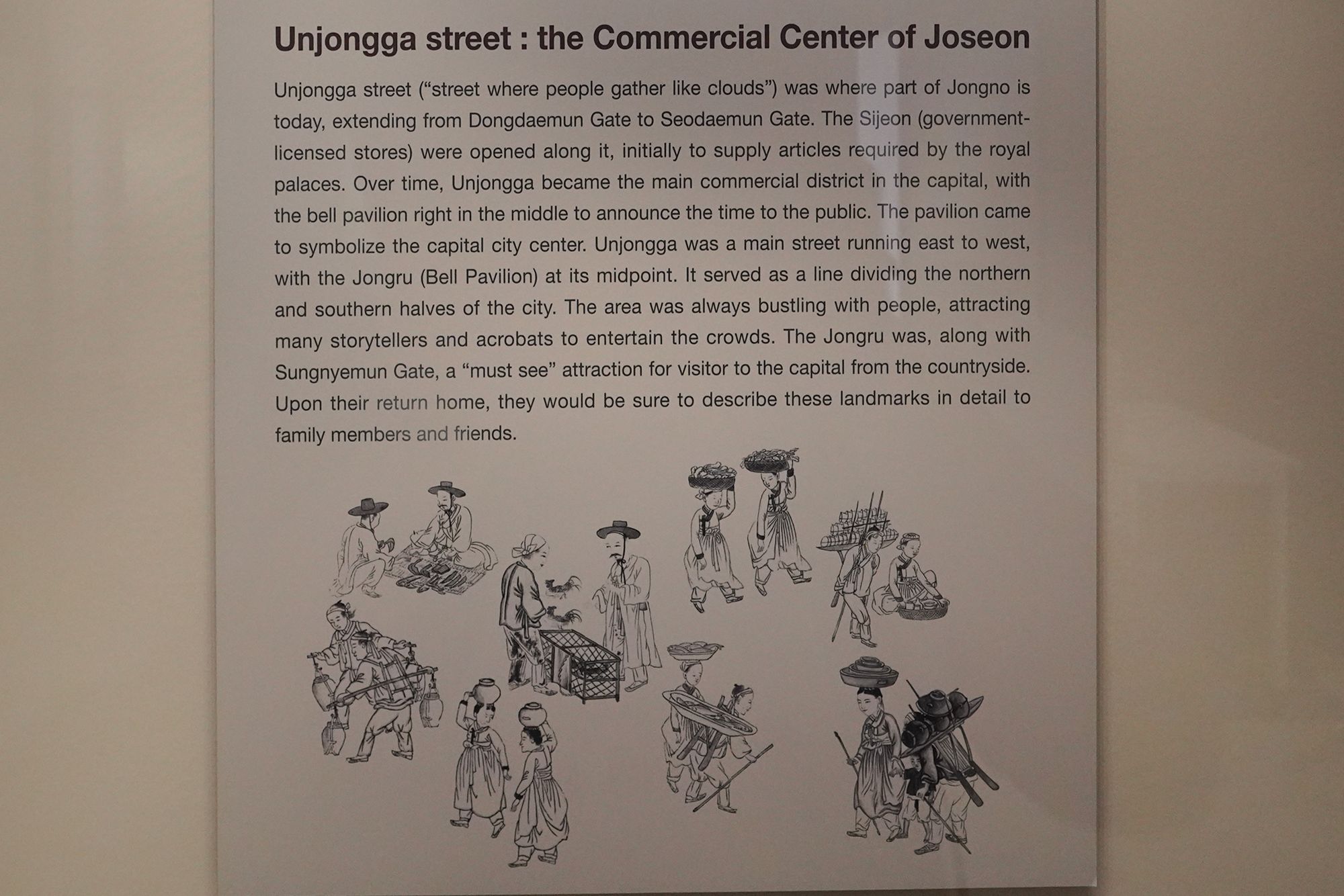
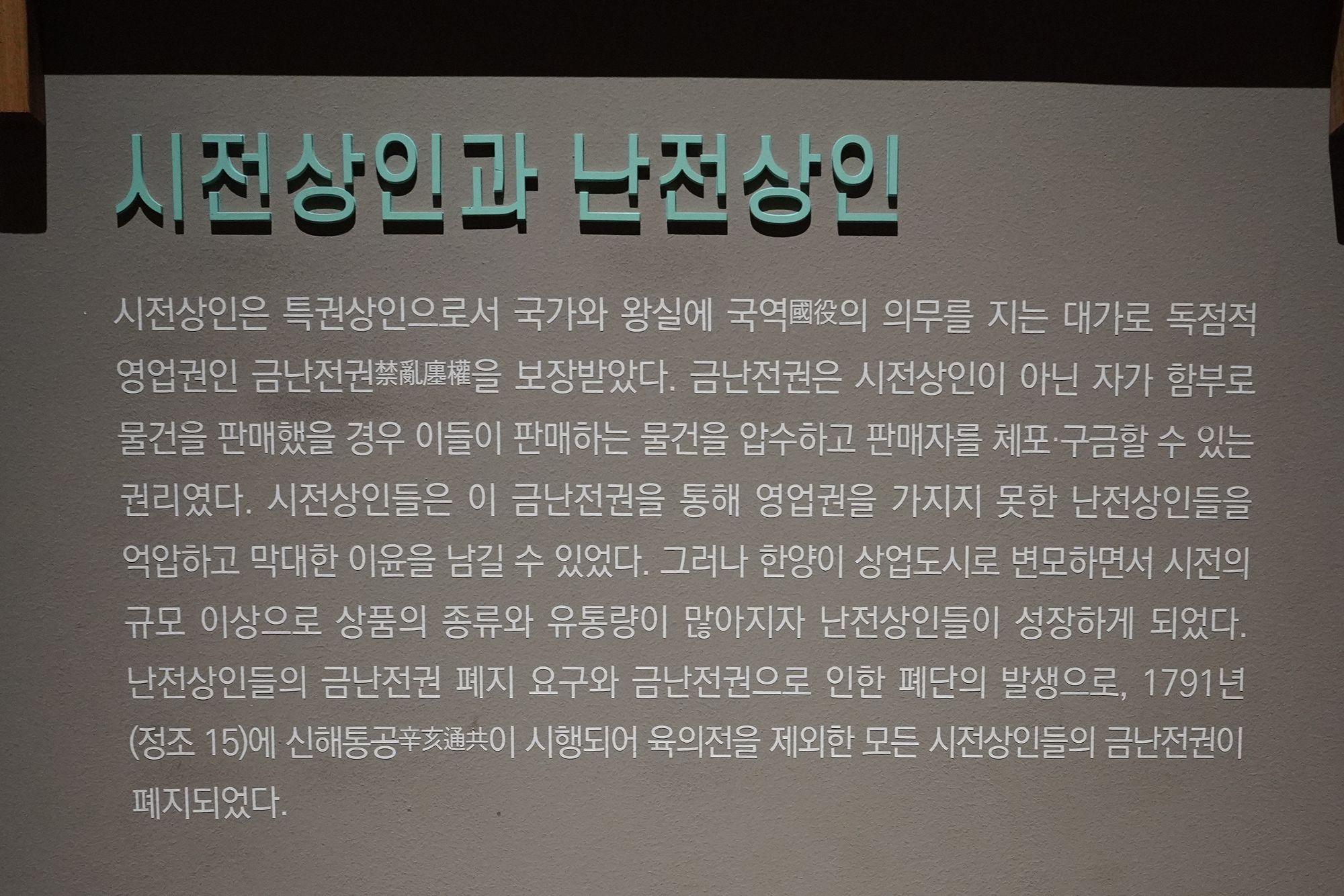
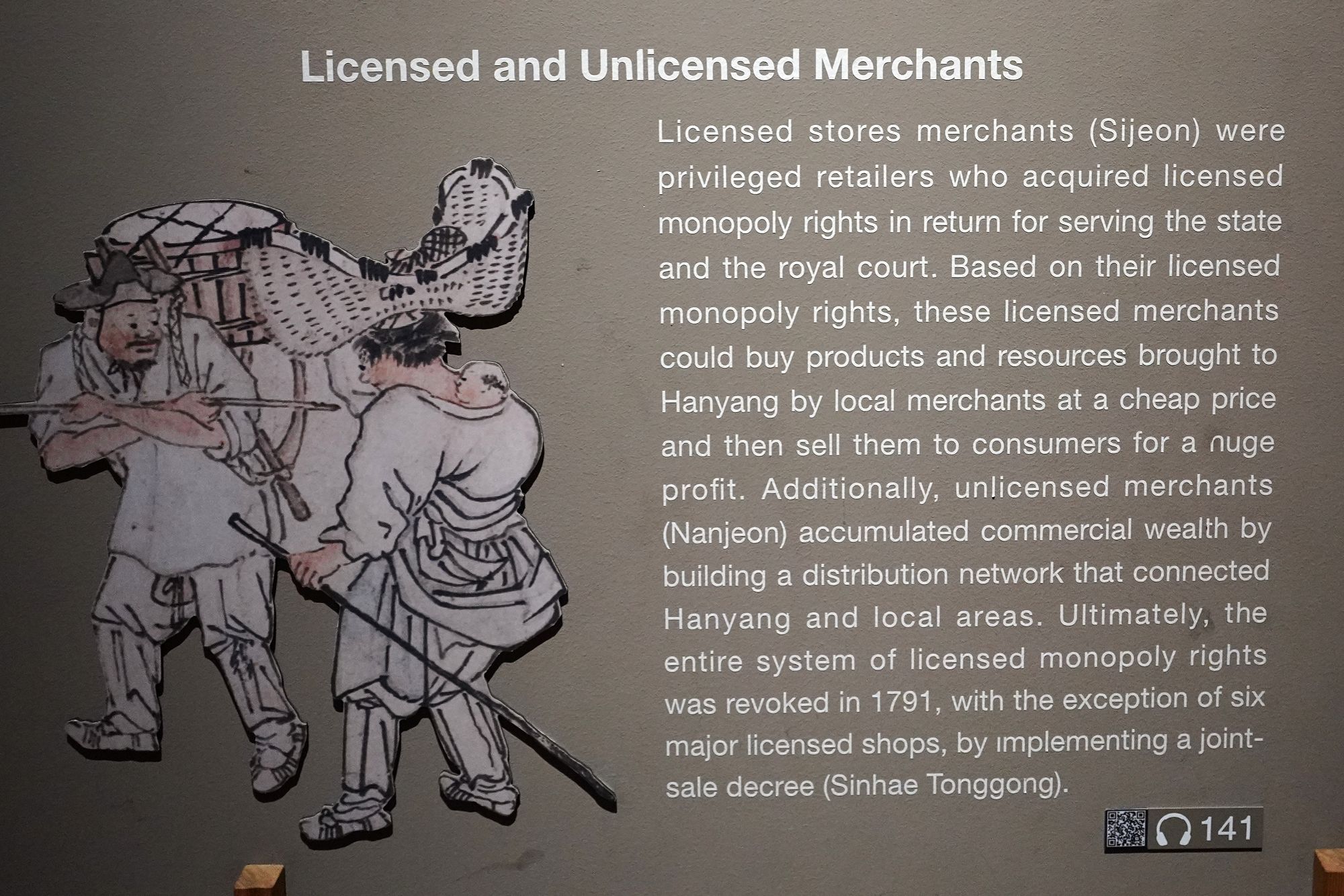
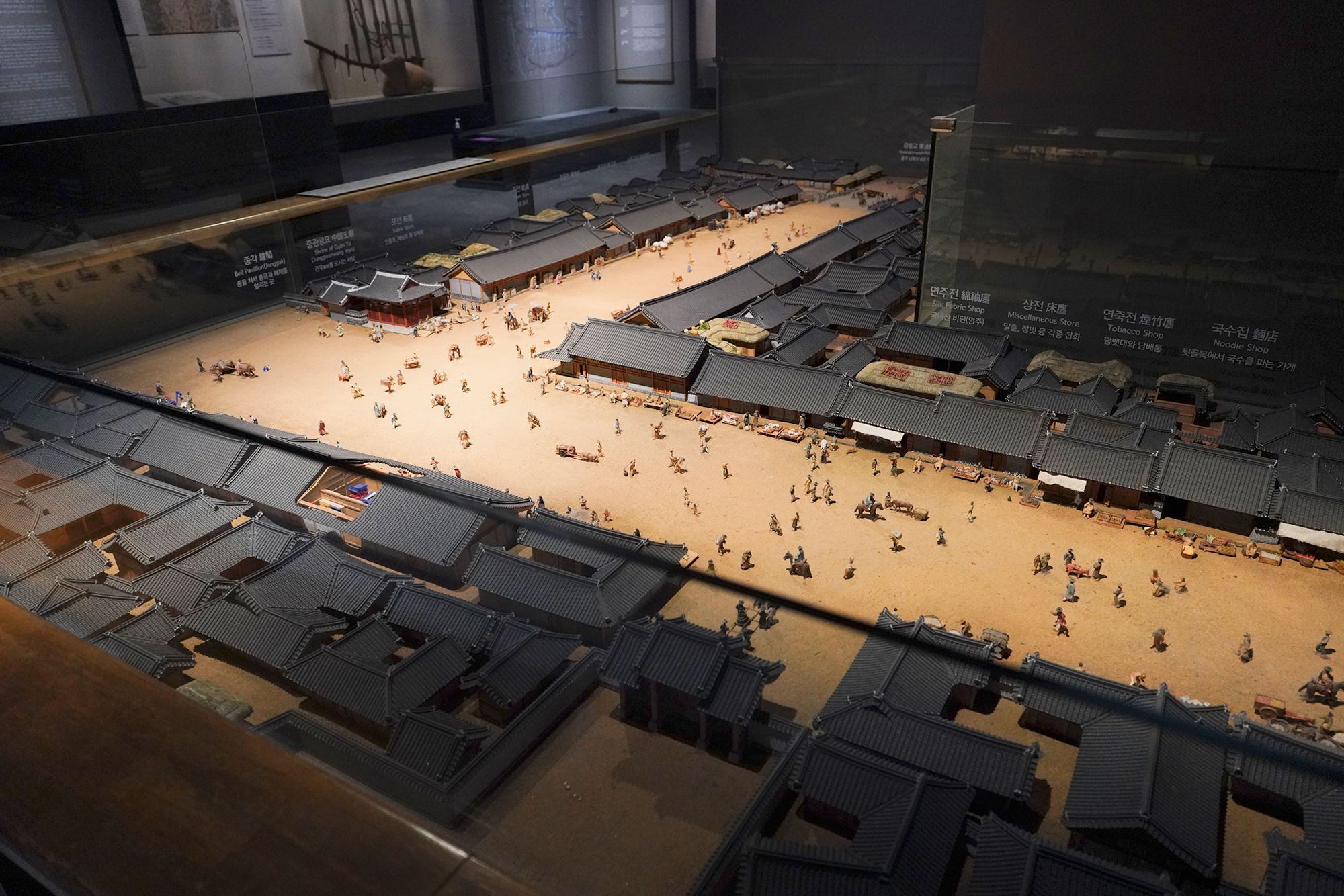
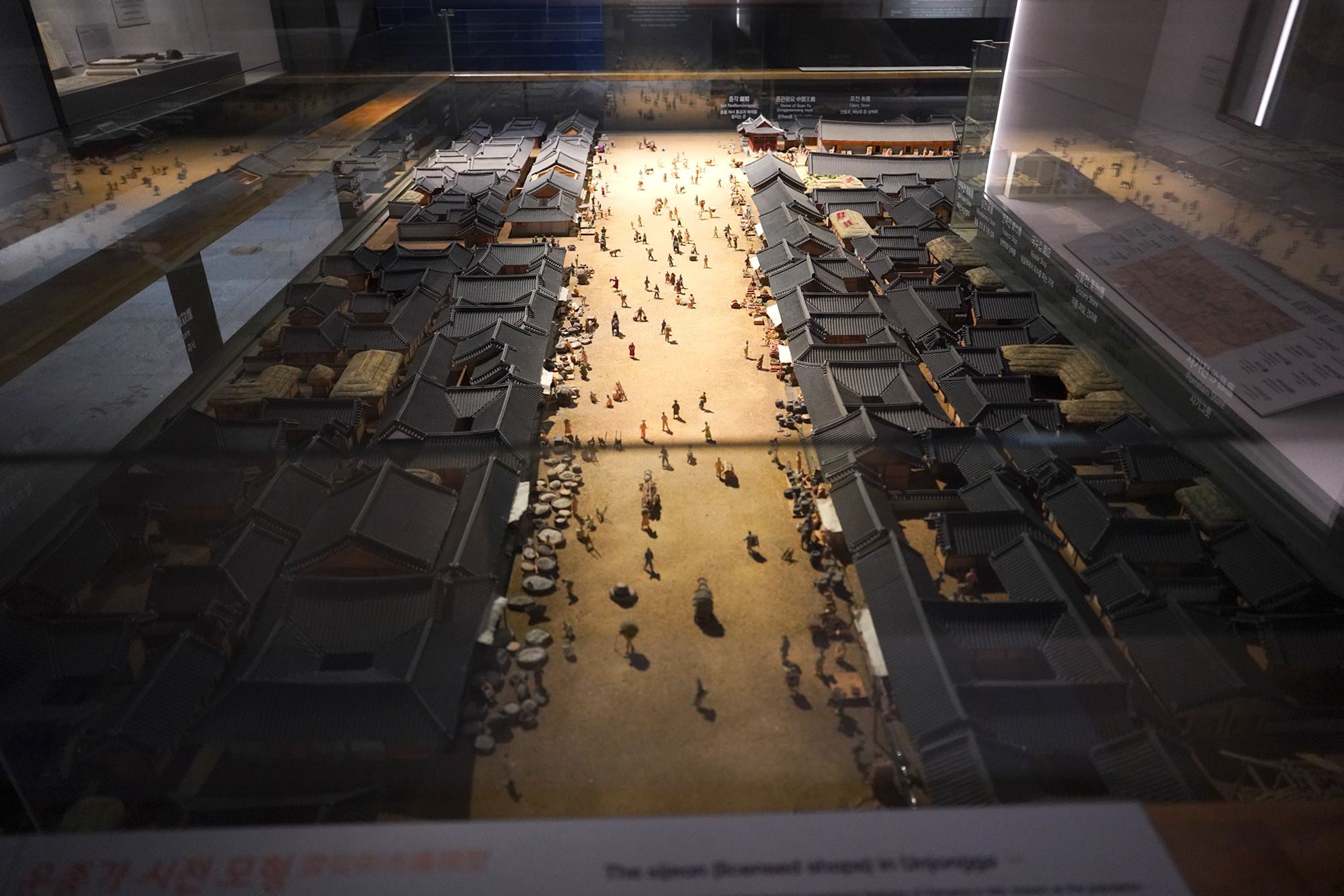
Unjongga Street (운종가) was the main commercial street of Hanyang during the Joseon Dynasty, roughly corresponding to today’s Jongno. Government-licensed shops called sijeon (시전) lined the street, while Jongnu, the bell pavilion, stood near its center. The street was constantly crowded with merchants, shoppers, storytellers, entertainers, and visitors, making it the commercial and social heart of the capital.
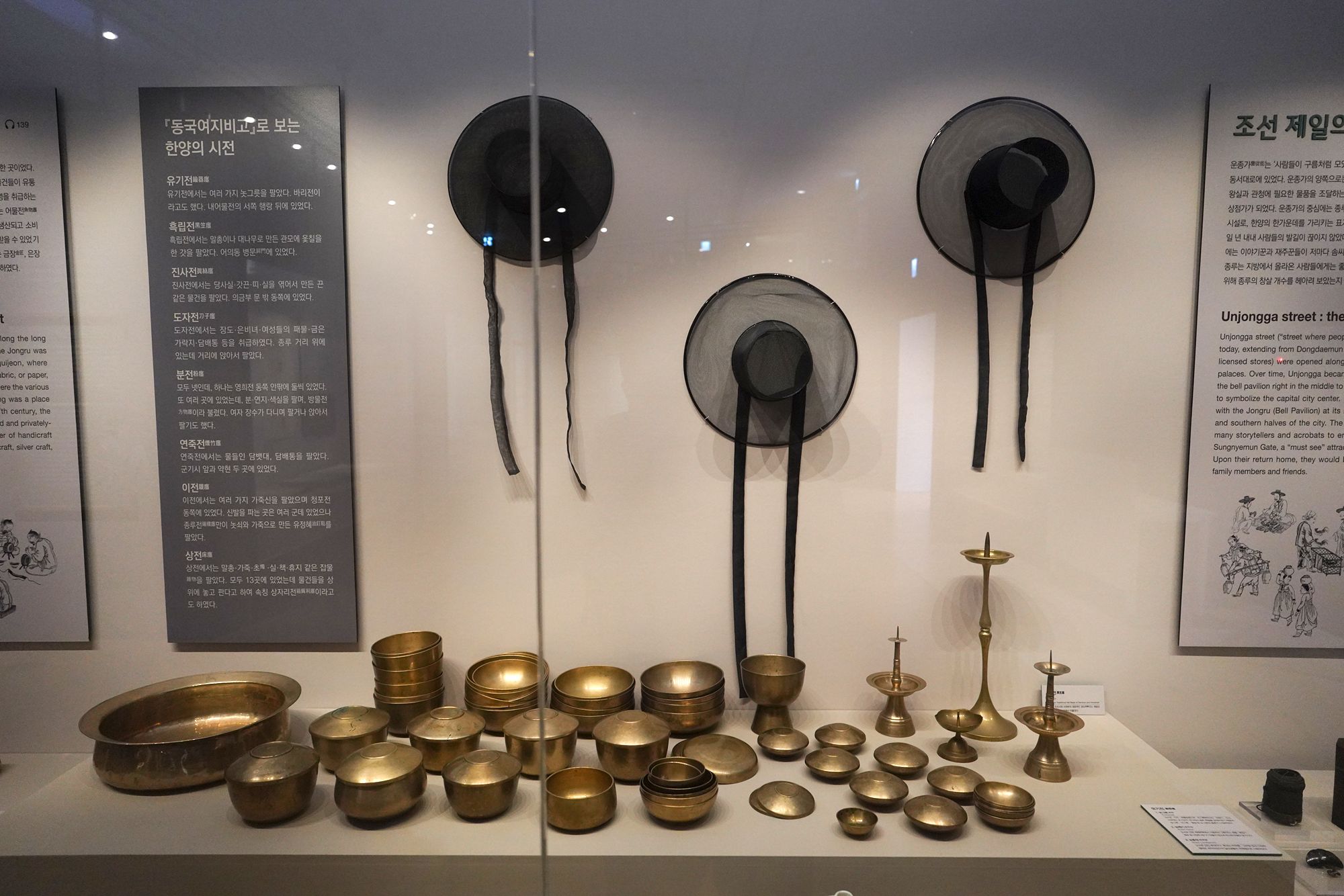
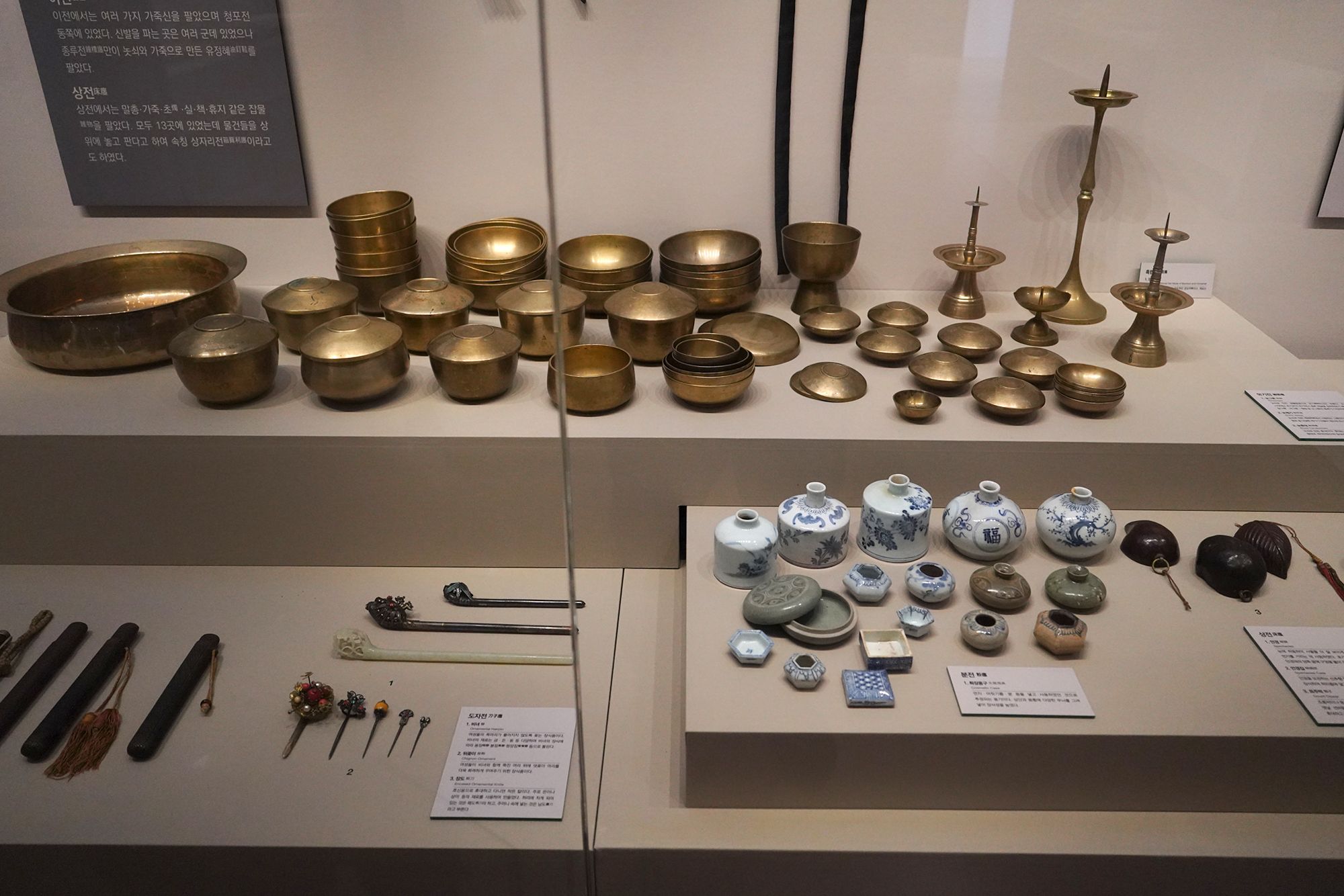
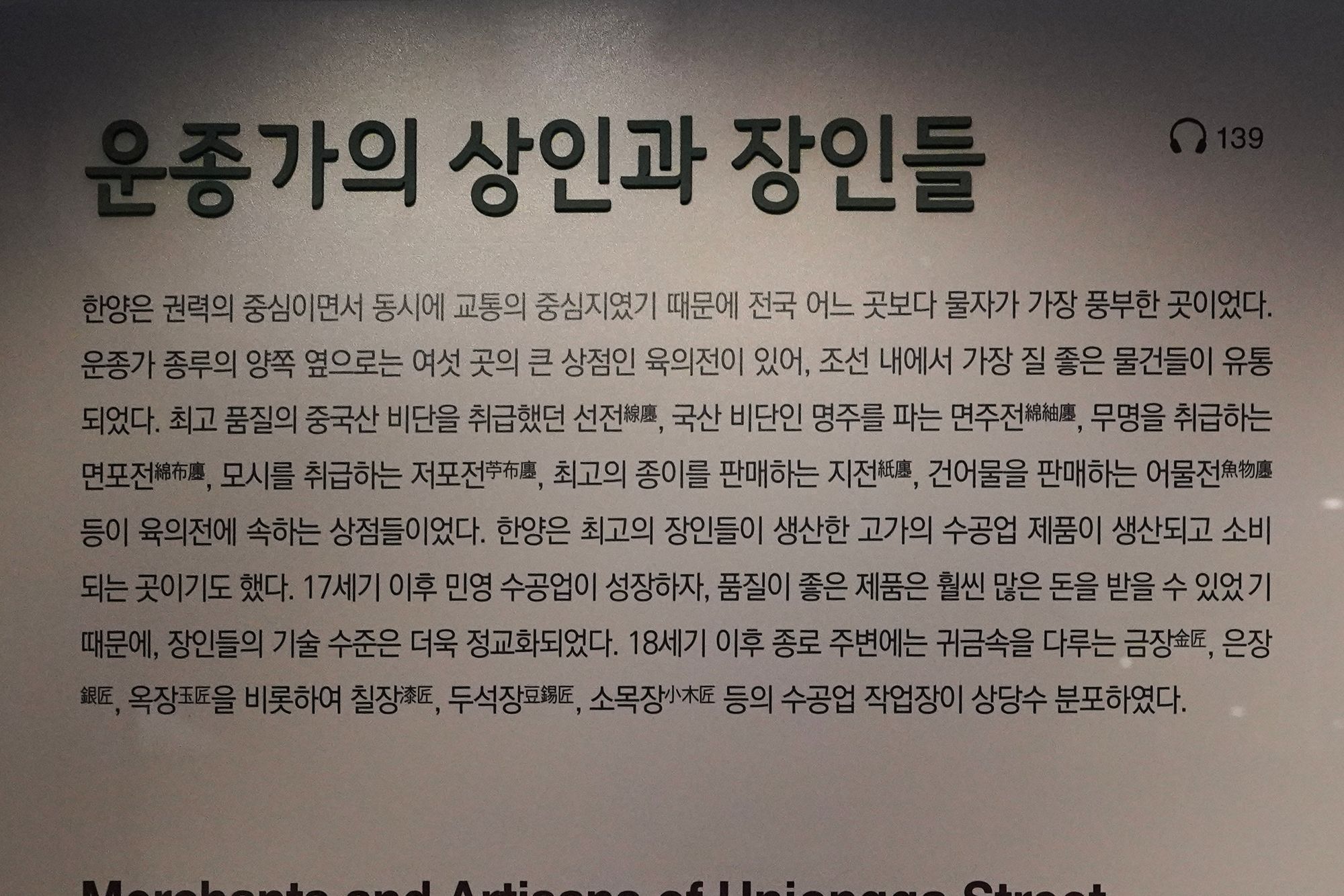
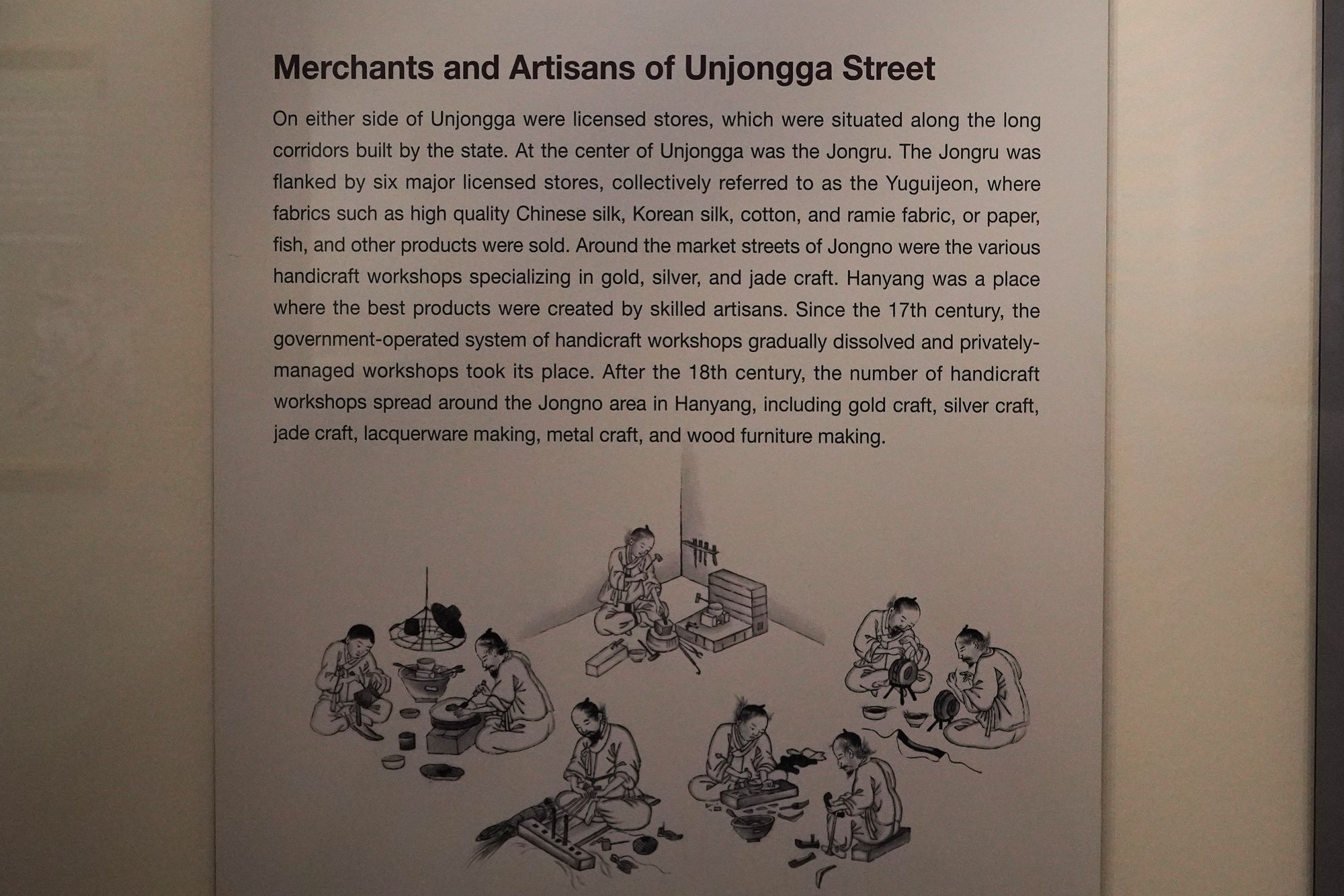
Unjongga Street was not only Hanyang’s main shopping district but also an important center for skilled artisans. Government-licensed stores sold silk, cotton, paper, fish, and other goods, while nearby workshops produced high-quality gold, silver, jade, lacquerware, metalwork, and wooden furniture.
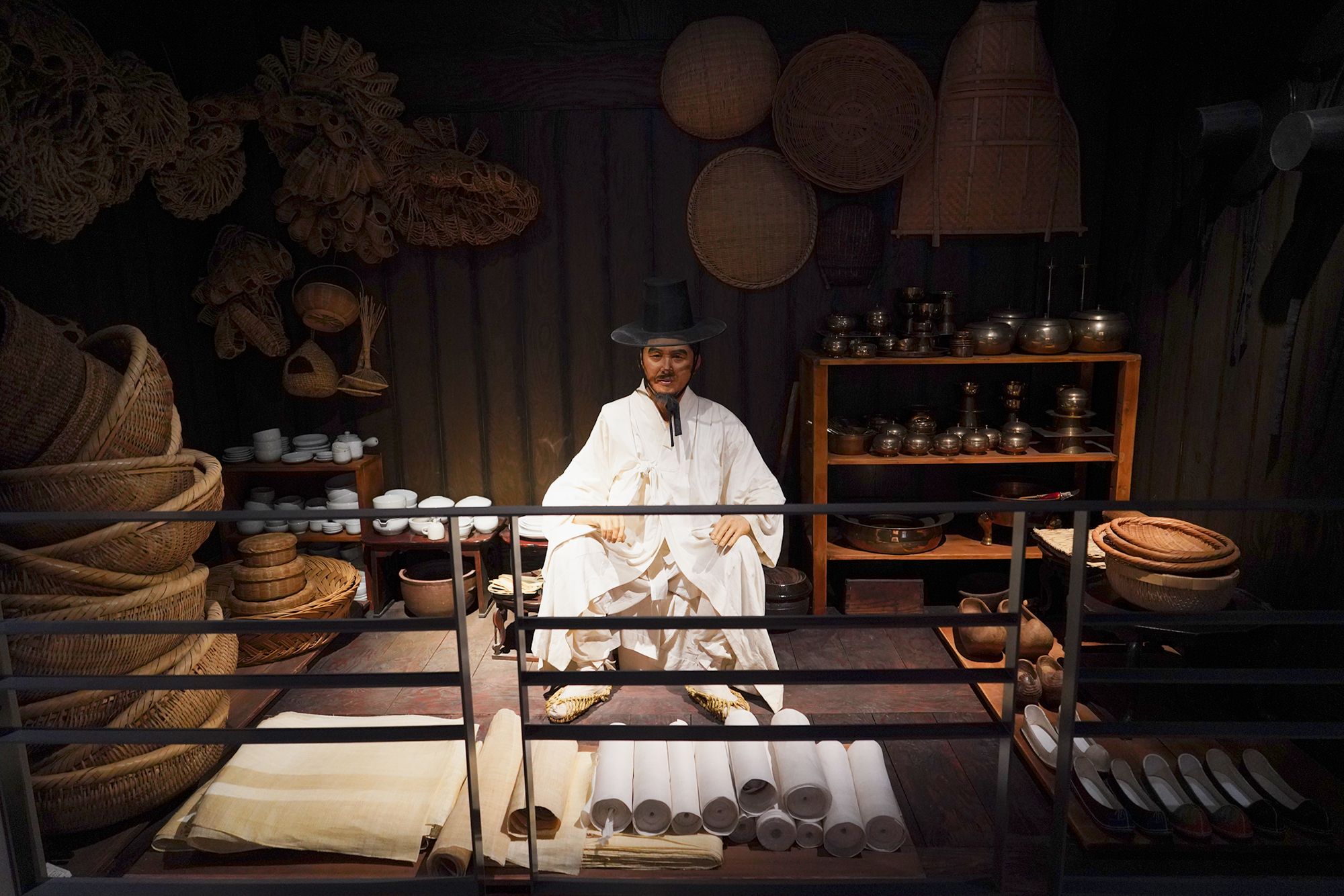
Hanyang’s markets included privileged government-licensed merchants as well as independent traders, but reforms in 1791 abolished most licensed monopolies and opened the city to greater commercial competition.
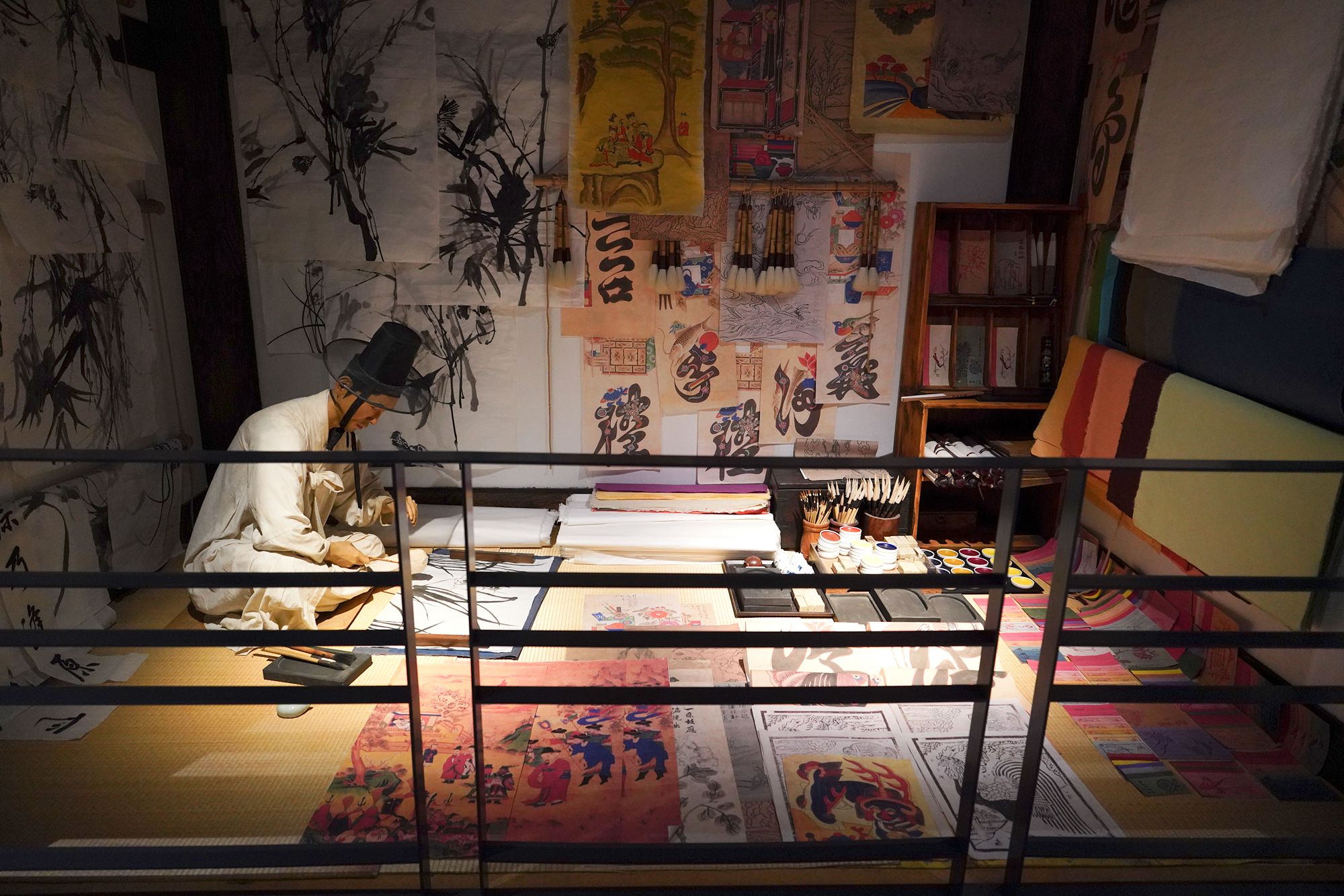
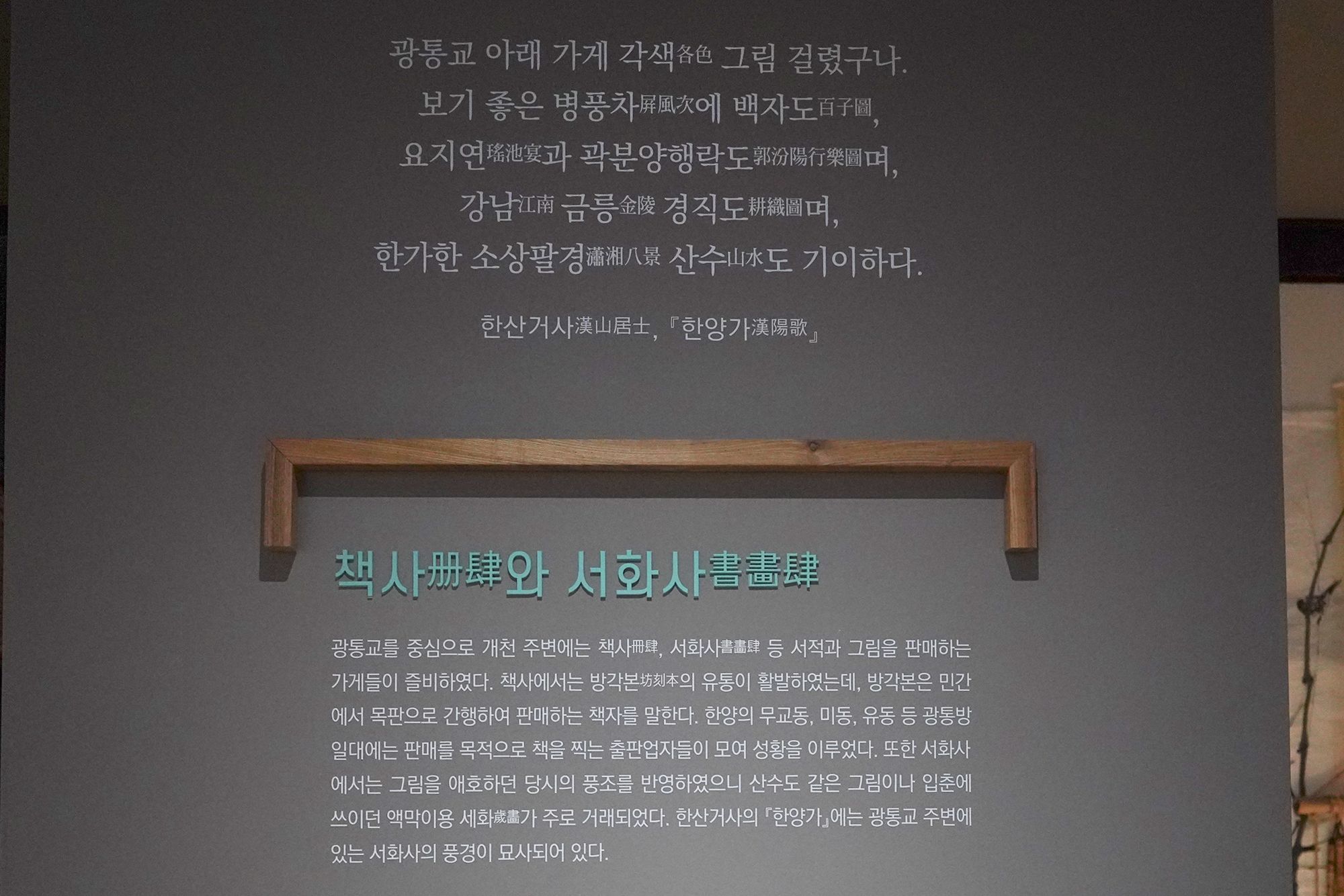
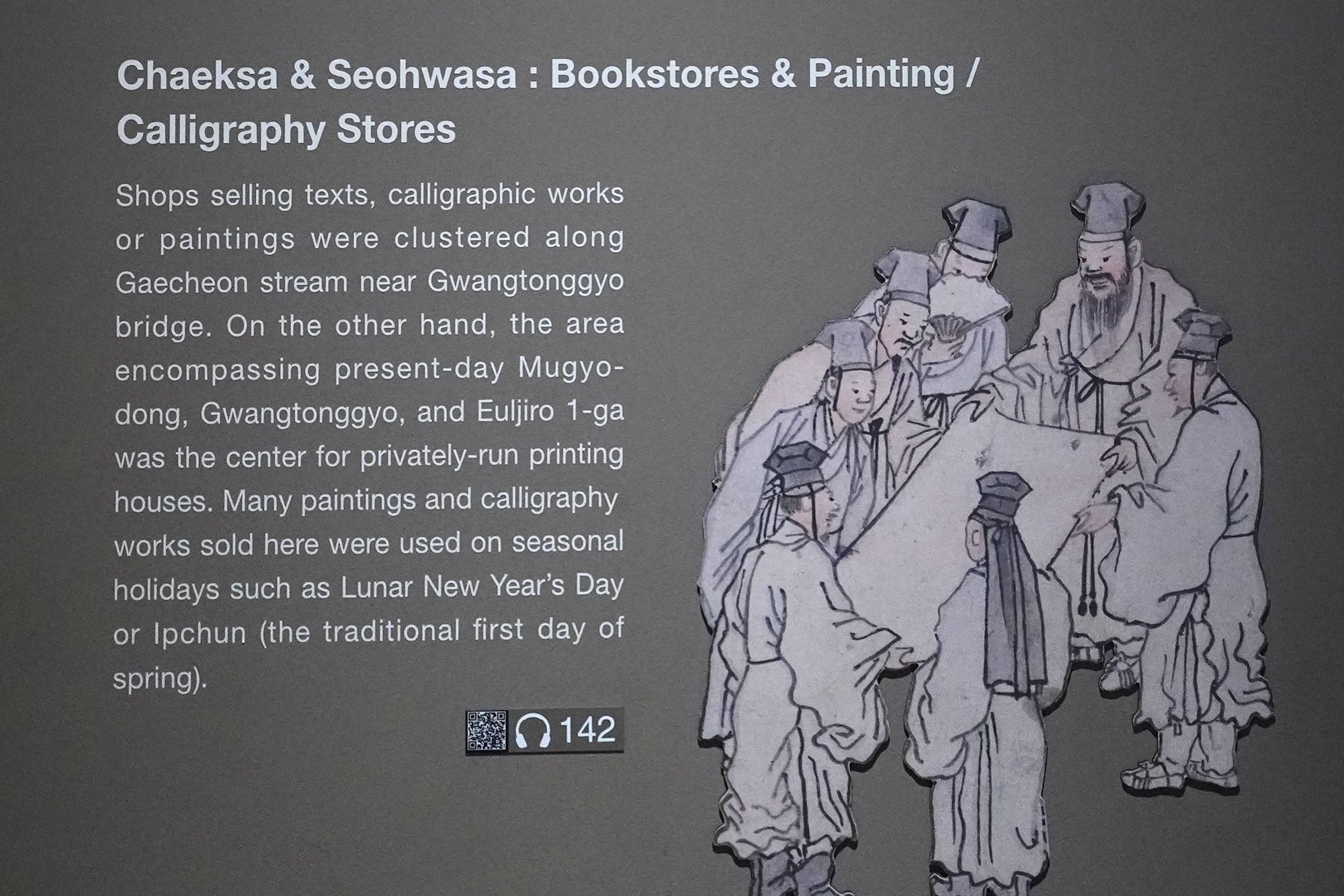
Hanyang also had specialized bookstores and art shops, known as chaeksa (책사) and seohwasa (서화사). They sold books, paintings, and calligraphy, particularly around Gwangtonggyo Bridge along the Cheonggyecheon area. Privately operated printing houses were also concentrated nearby.
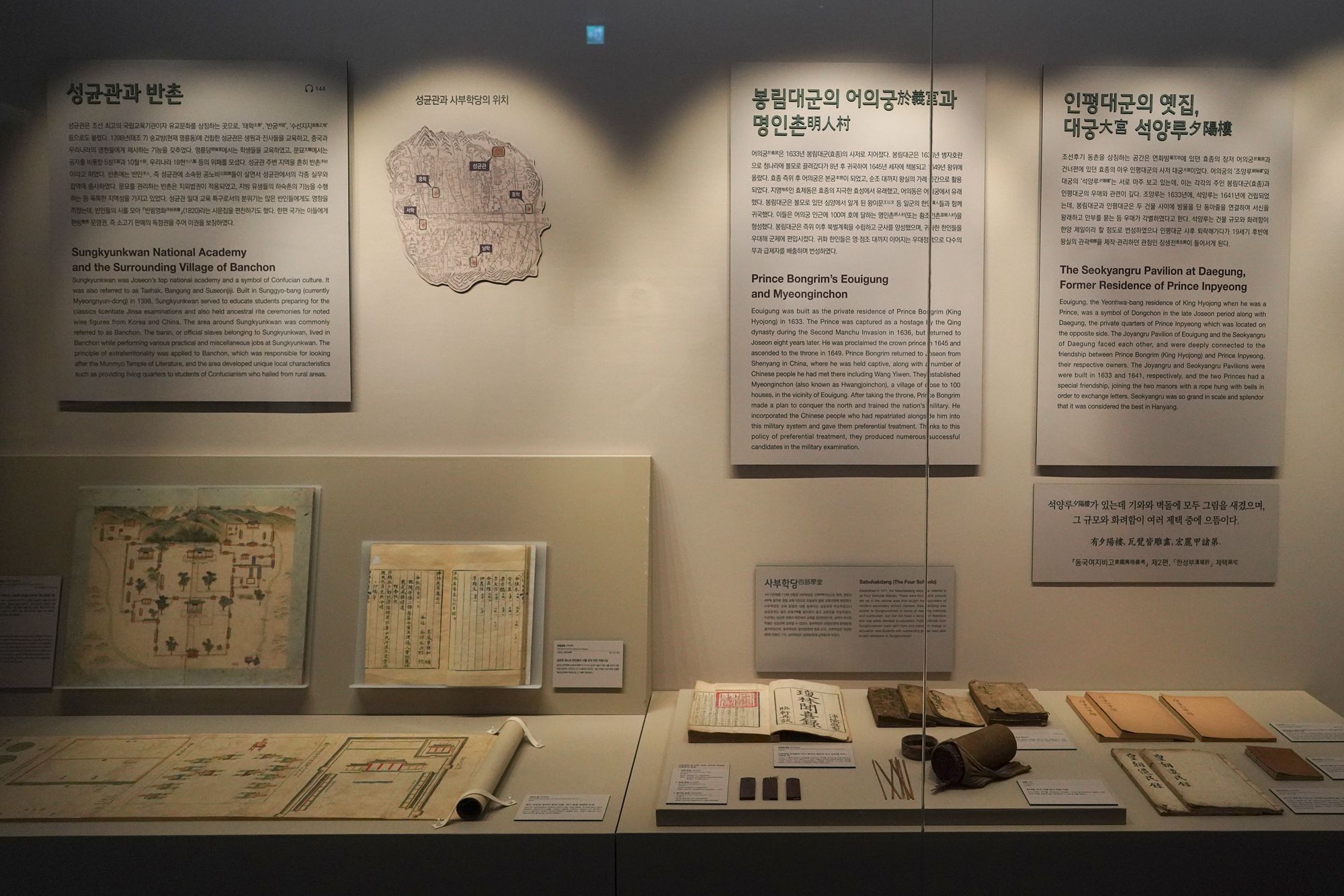
Dongchon and Araetdae formed the eastern part of Hanyang, an area characterized by Sungkyunkwan, royal residences, military camps, and communities of soldiers and their families.
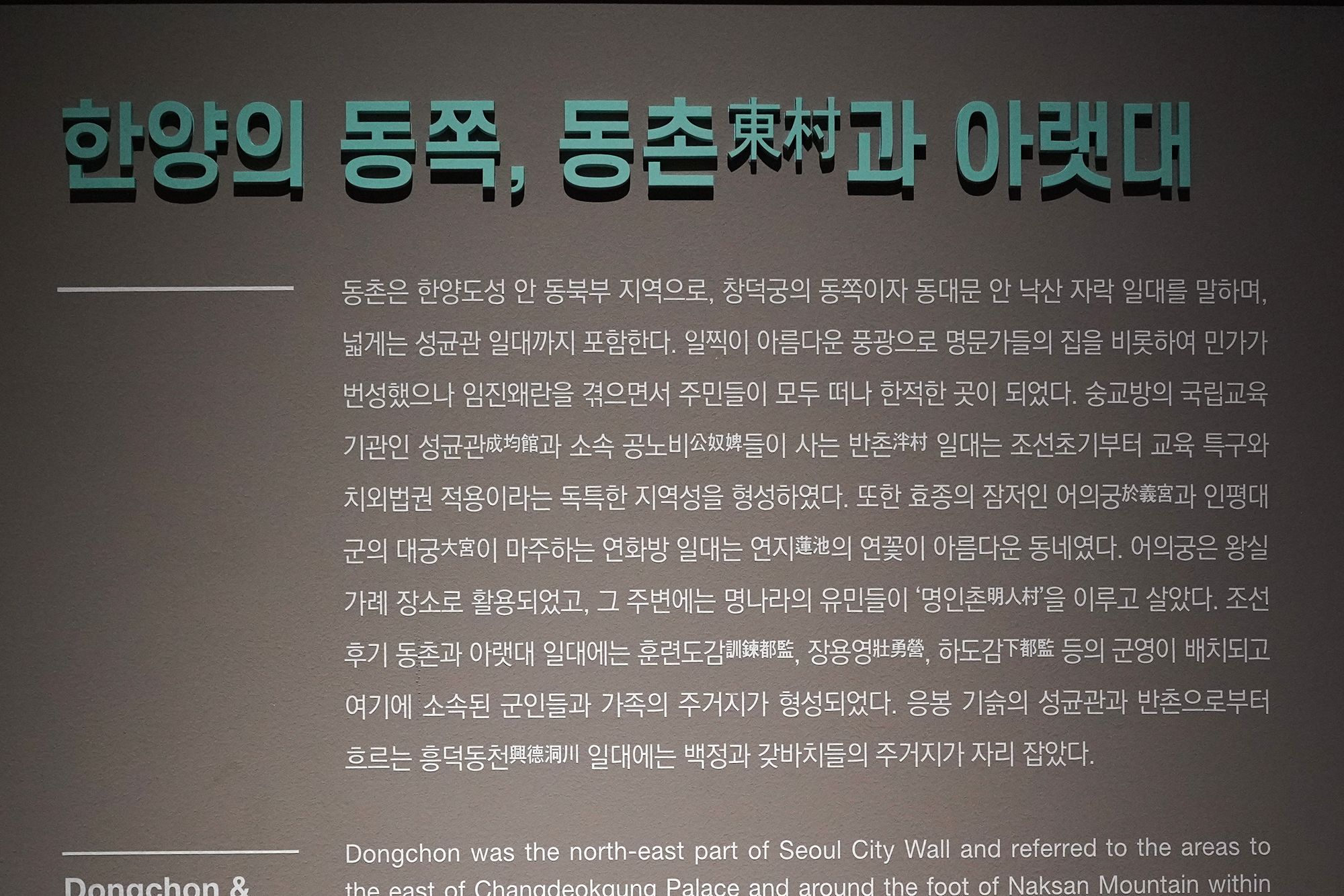
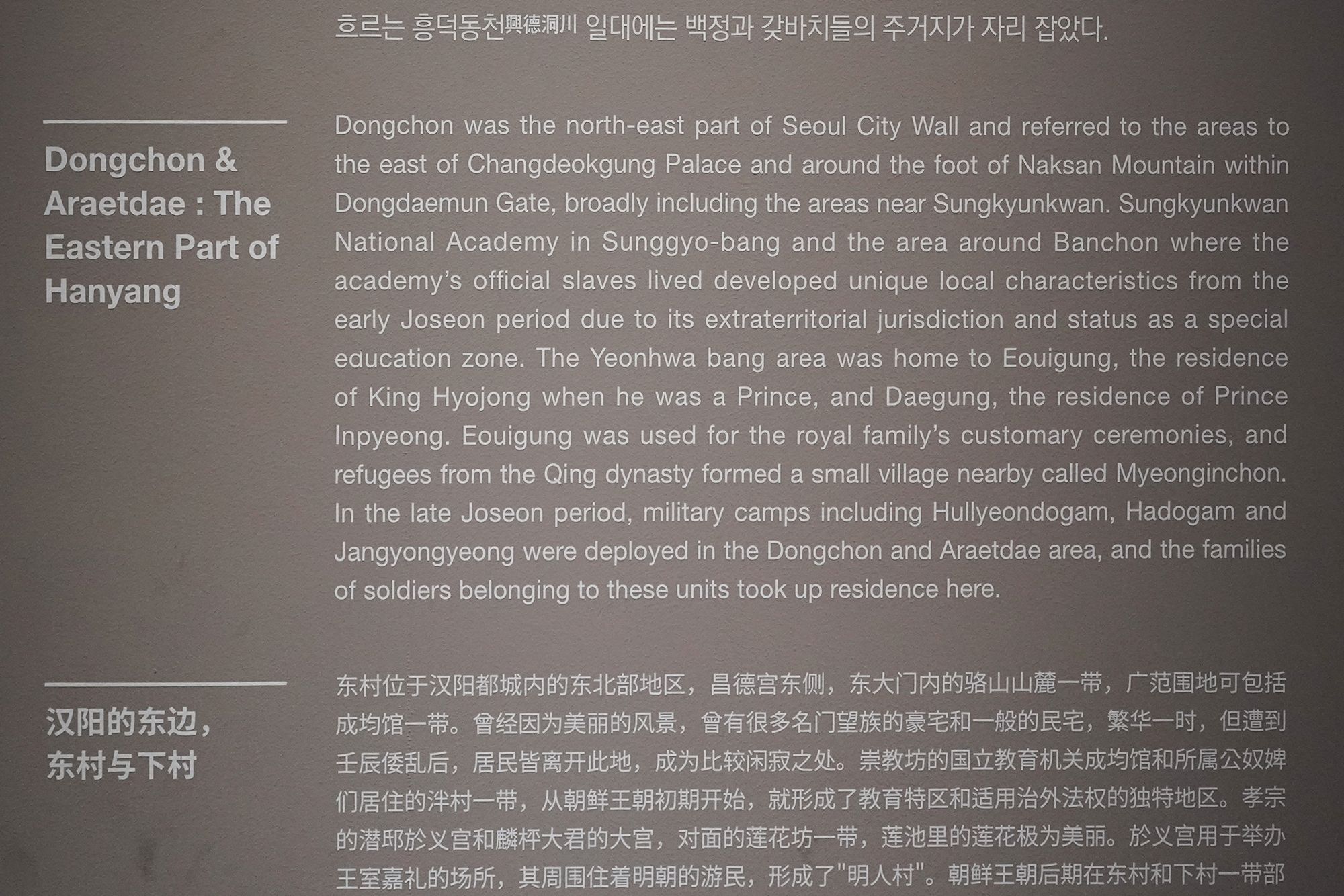
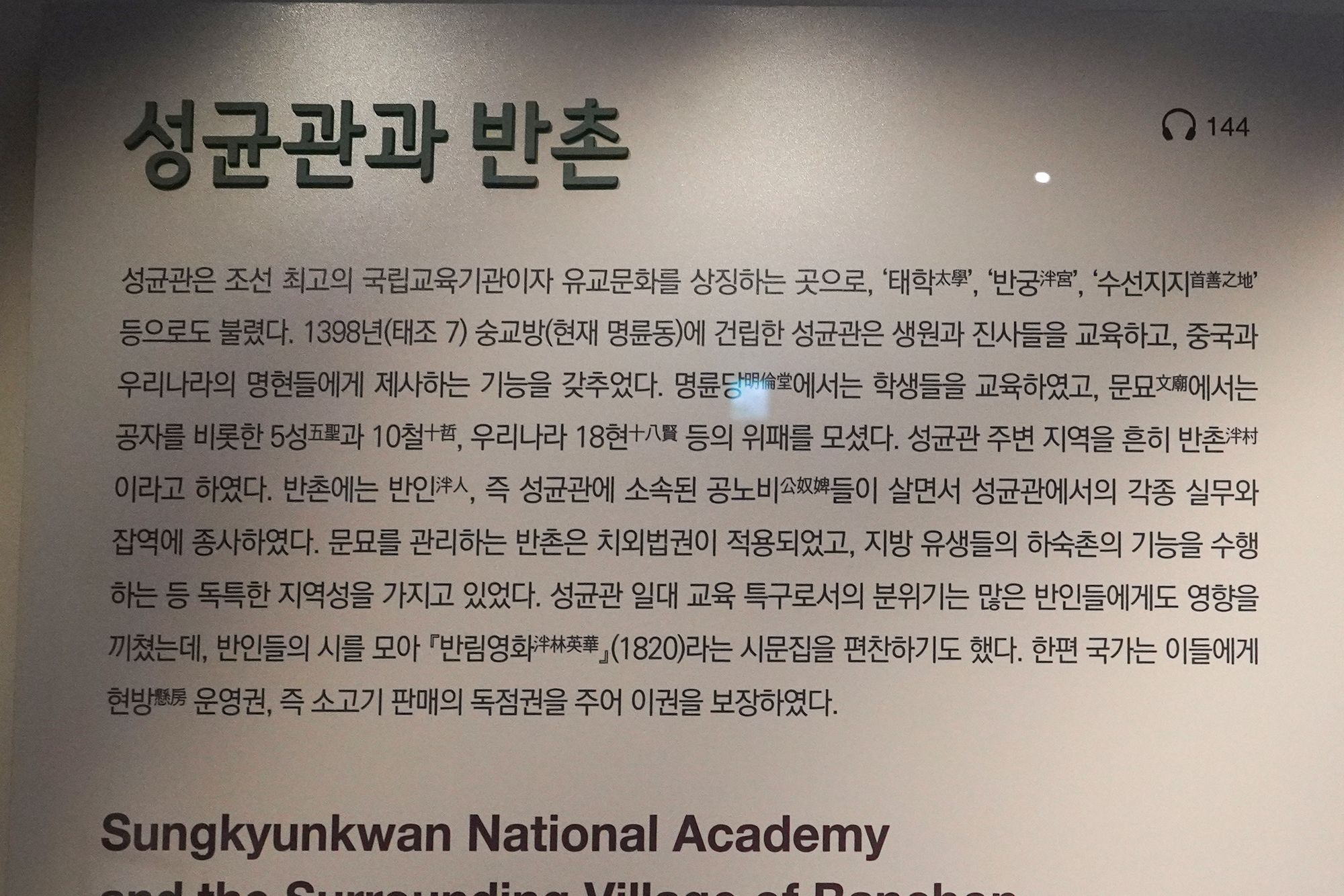
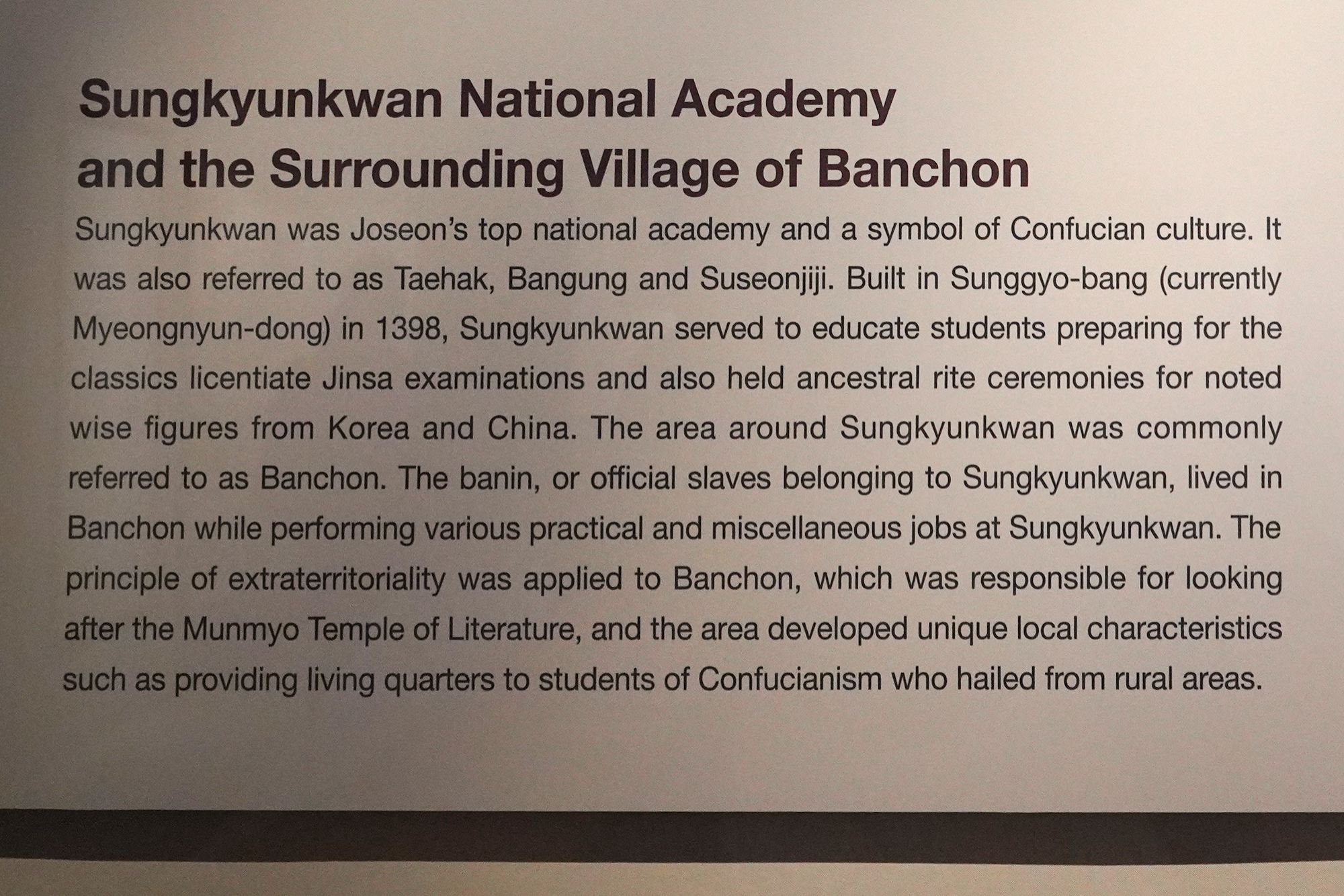
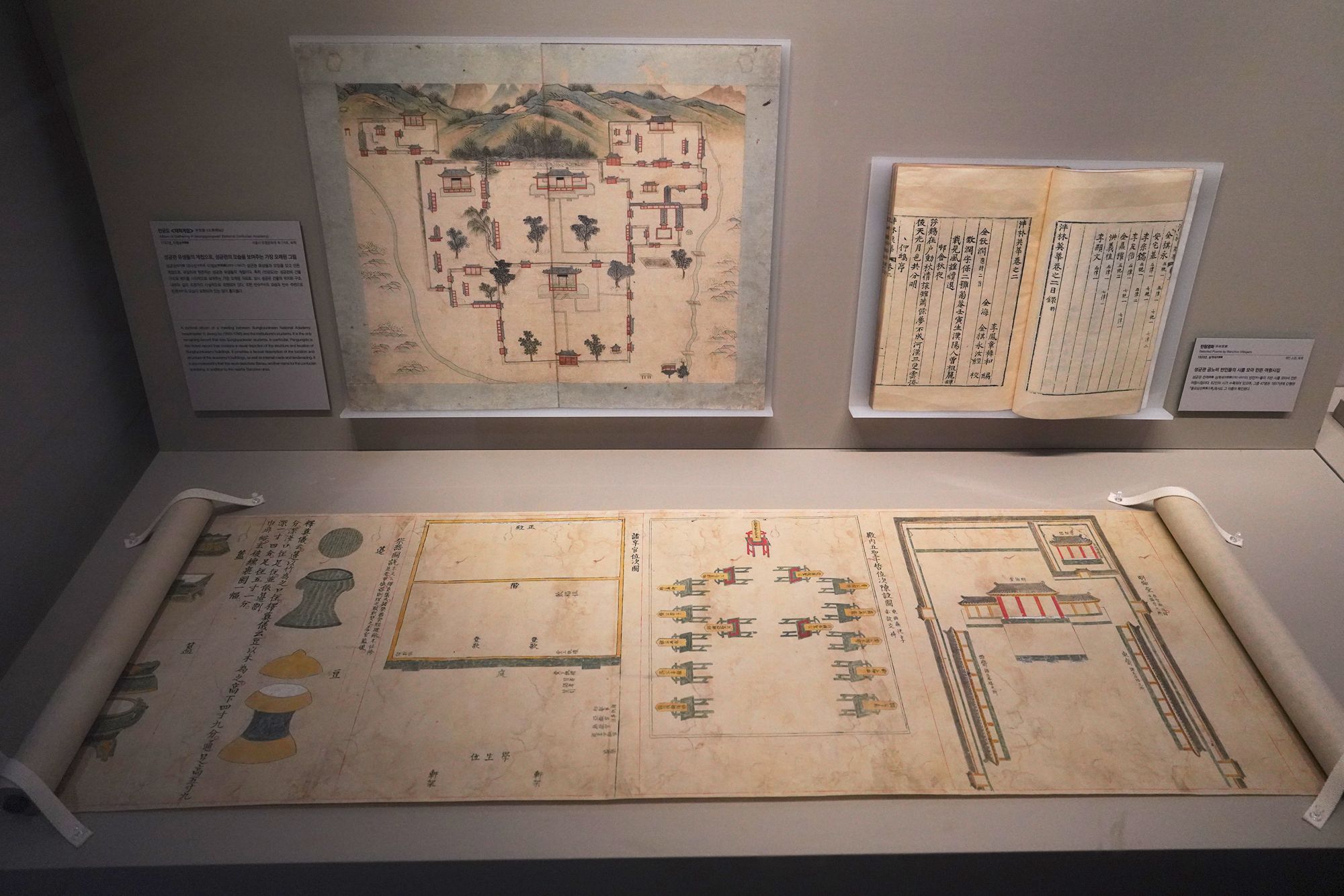
Sungkyunkwan (성균관) was the highest educational institution of the Joseon Dynasty, established in Hanyang in 1398. It trained elite Confucian scholars and students preparing for the state examinations and also served as an important center of Confucian rituals and learning.
The surrounding neighborhood was called Banchon (반촌). It housed people who worked for Sungkyunkwan, as well as accommodations for students who came to Hanyang from other parts of Korea.
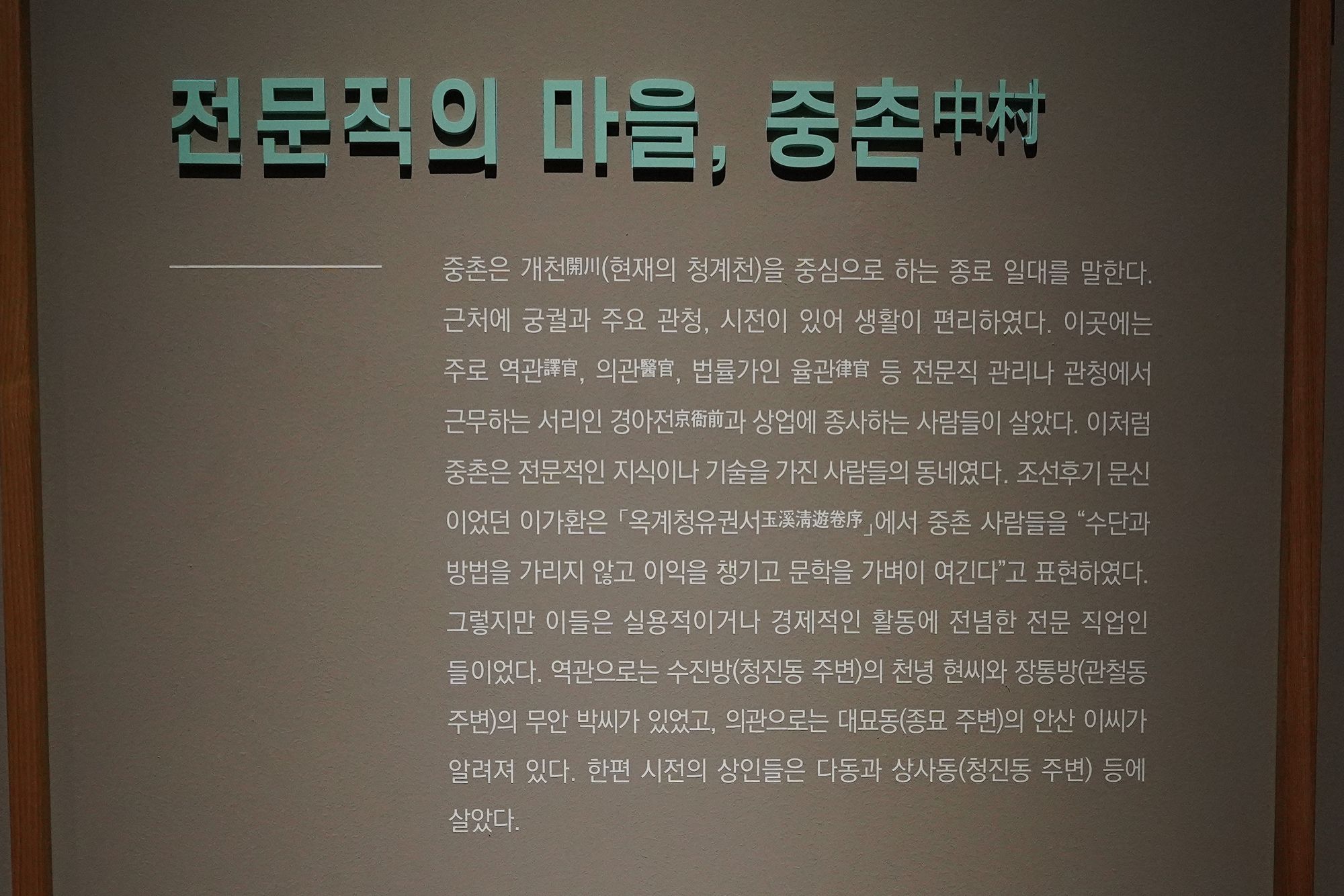
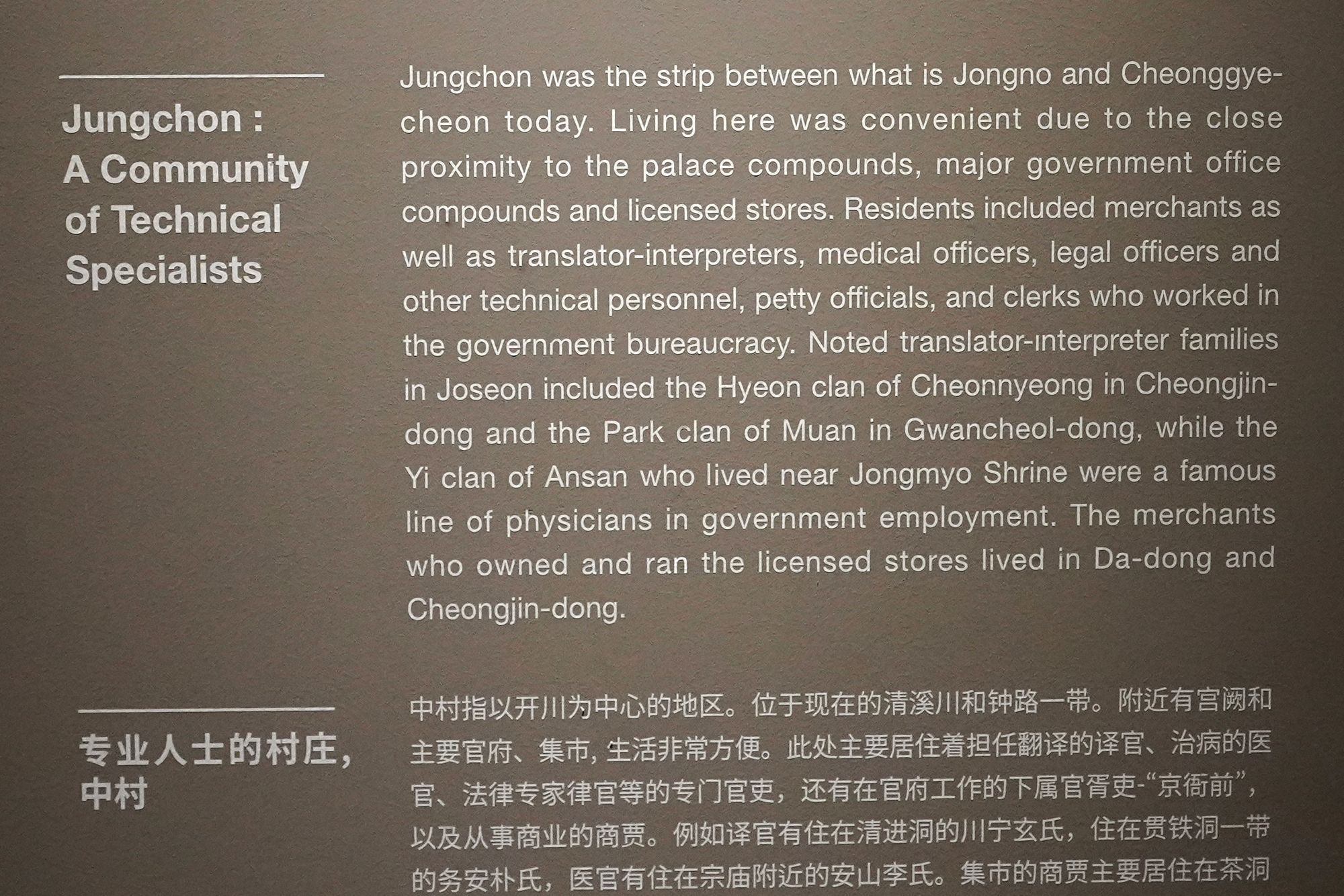
Jungchon (중촌) was the central area of Hanyang located roughly between present-day Jongno and Cheonggyecheon. Because it was close to the royal palaces, government offices, and commercial districts, it became home to many technical specialists and middle-ranking professionals, including interpreters, physicians, legal officers, clerks, and merchants.
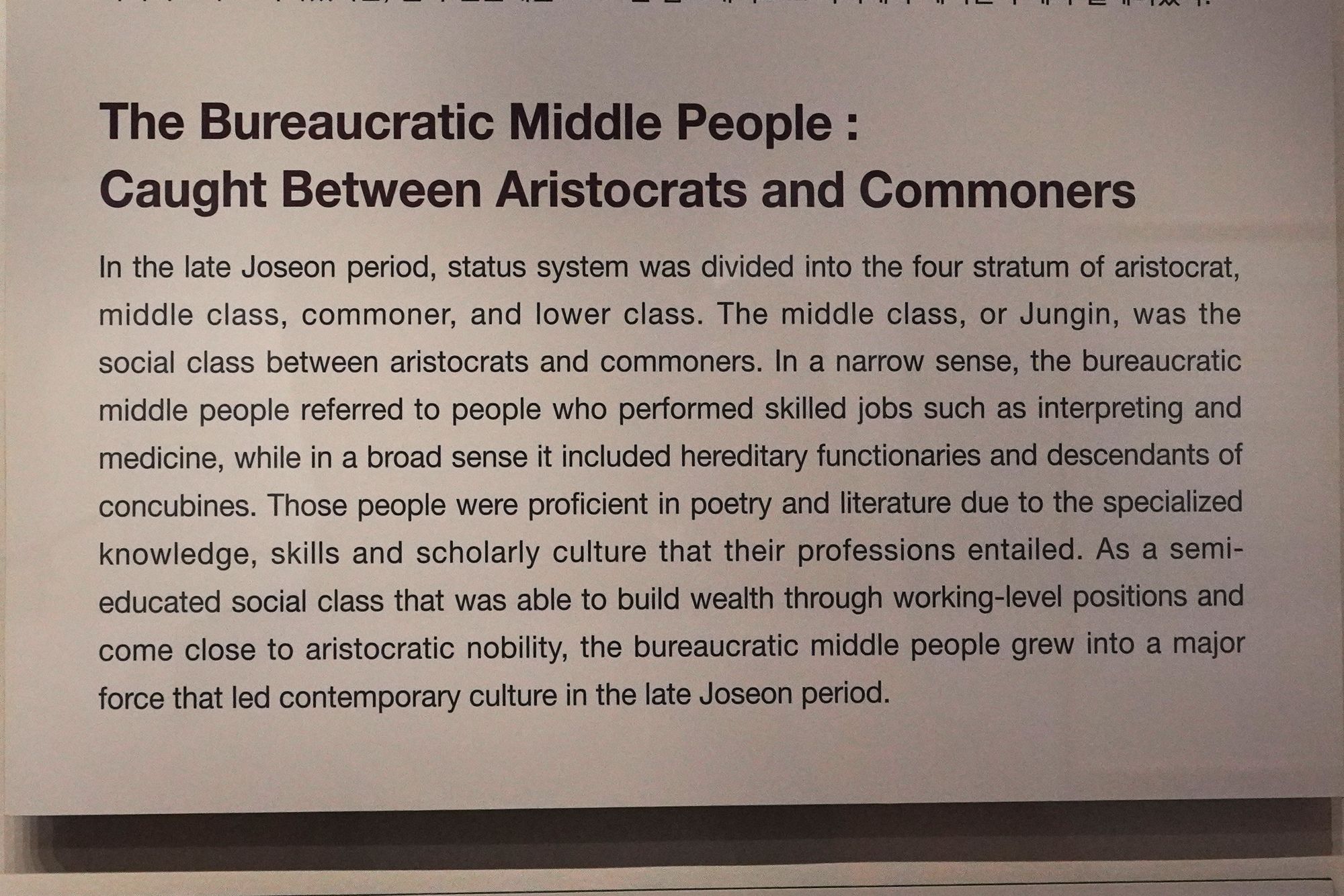
Jungin (중인) were the “middle people” of Joseon society. They ranked below the yangban aristocracy but above commoners and often worked in specialized government professions such as interpreters, physicians, legal specialists, and technical officials.
Because their occupations required education and specialized knowledge, many Jungin became accomplished in poetry, literature, painting, and other scholarly pursuits. By the late Joseon period, some had also accumulated considerable wealth and became an important force in Hanyang’s cultural life.
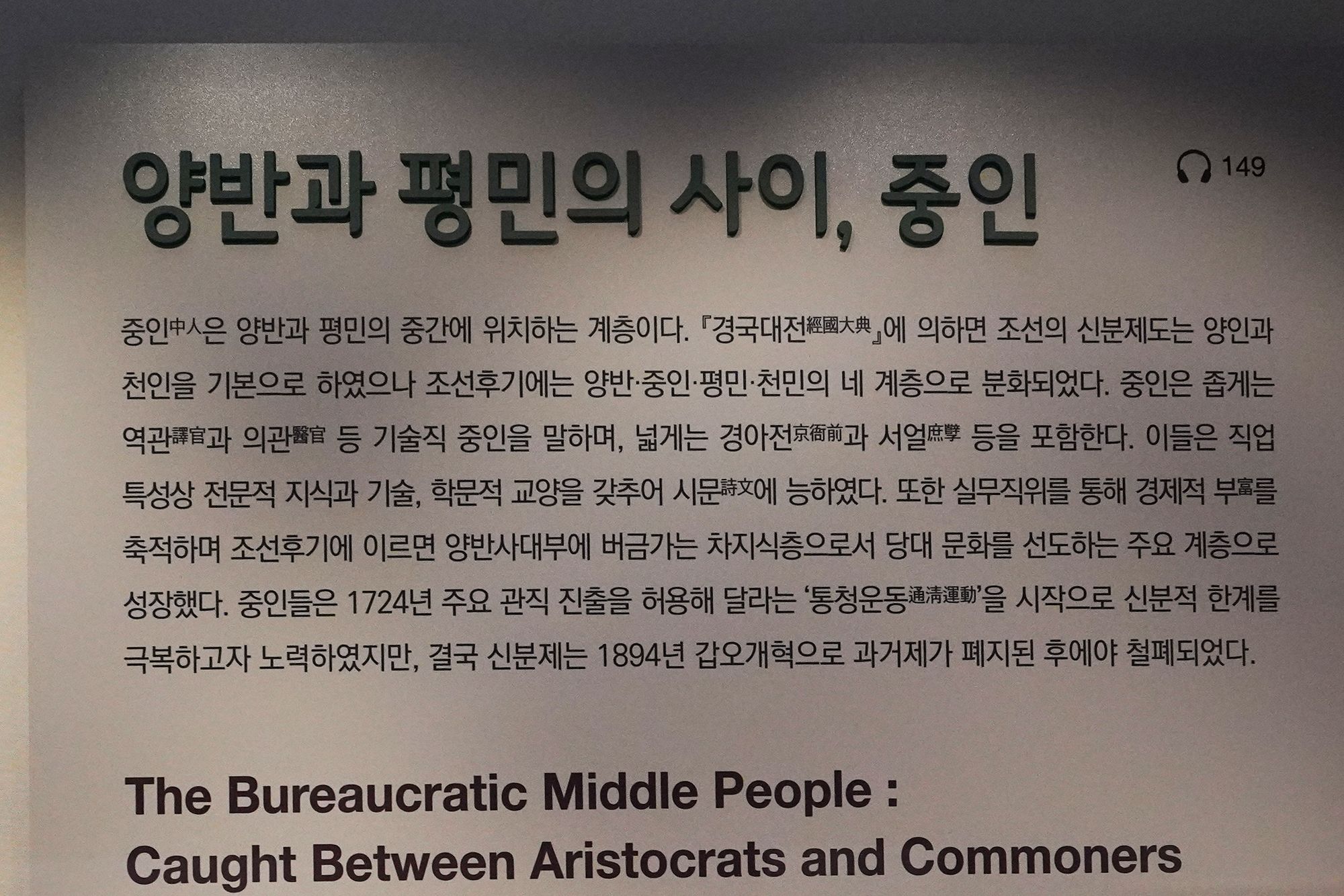
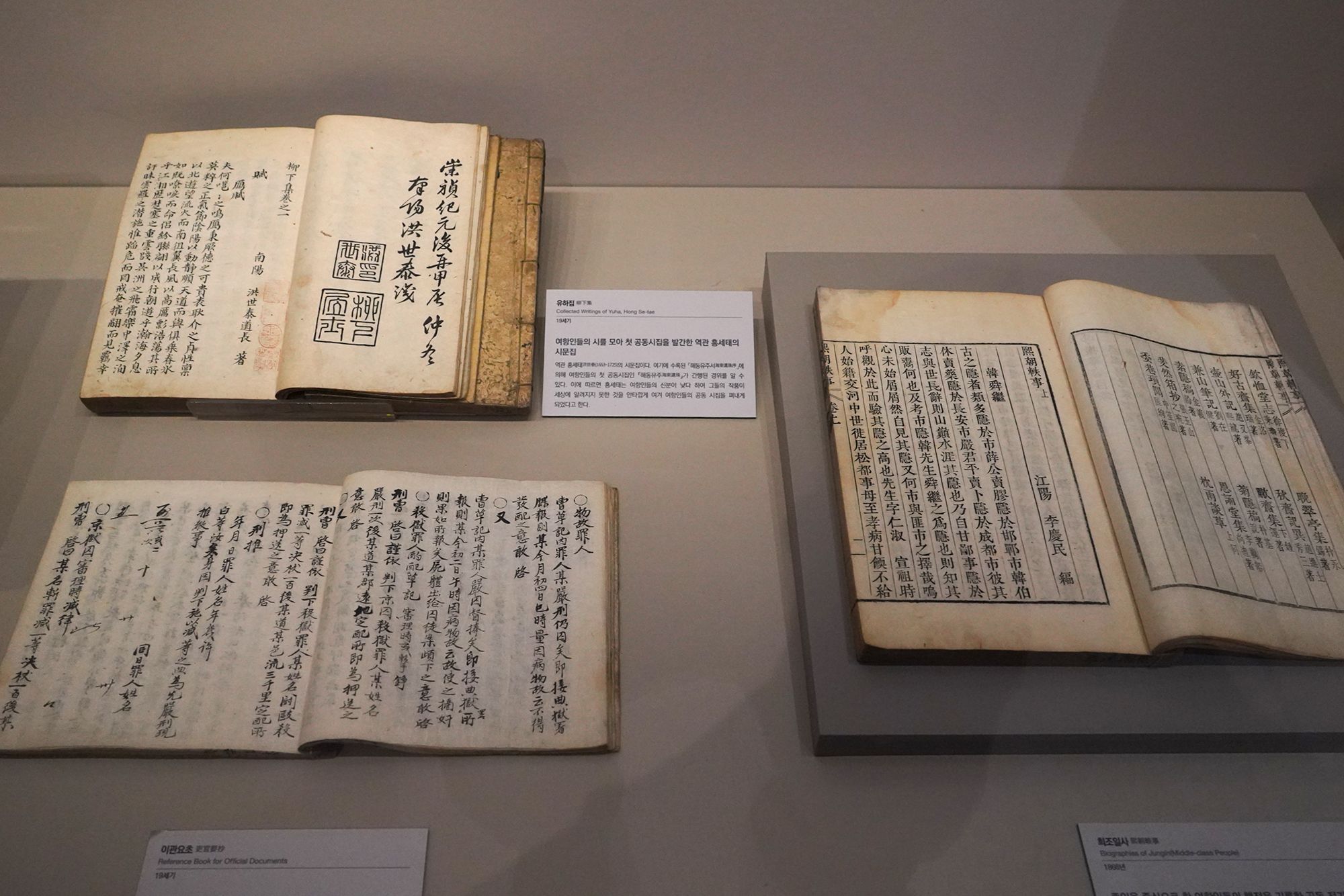
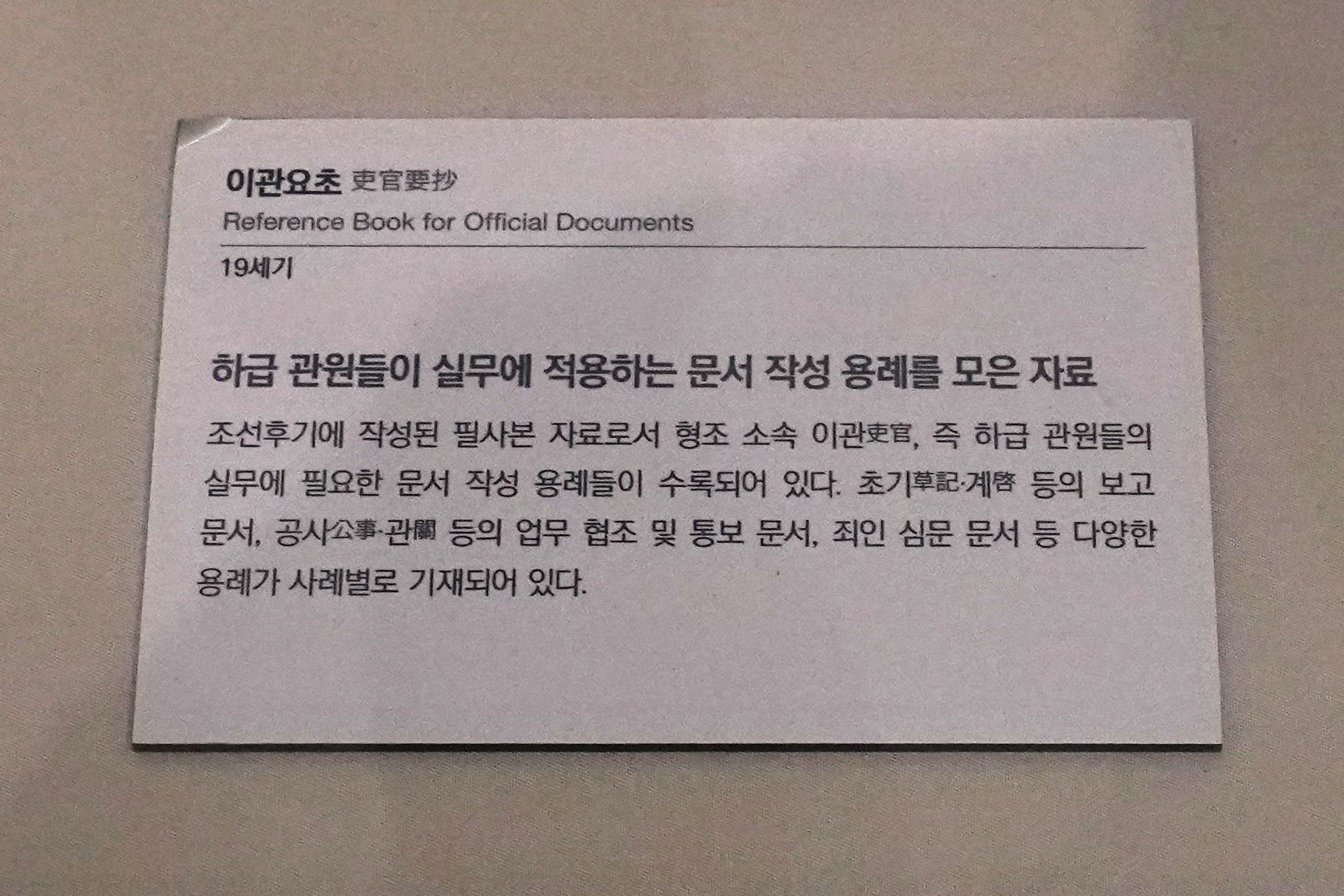
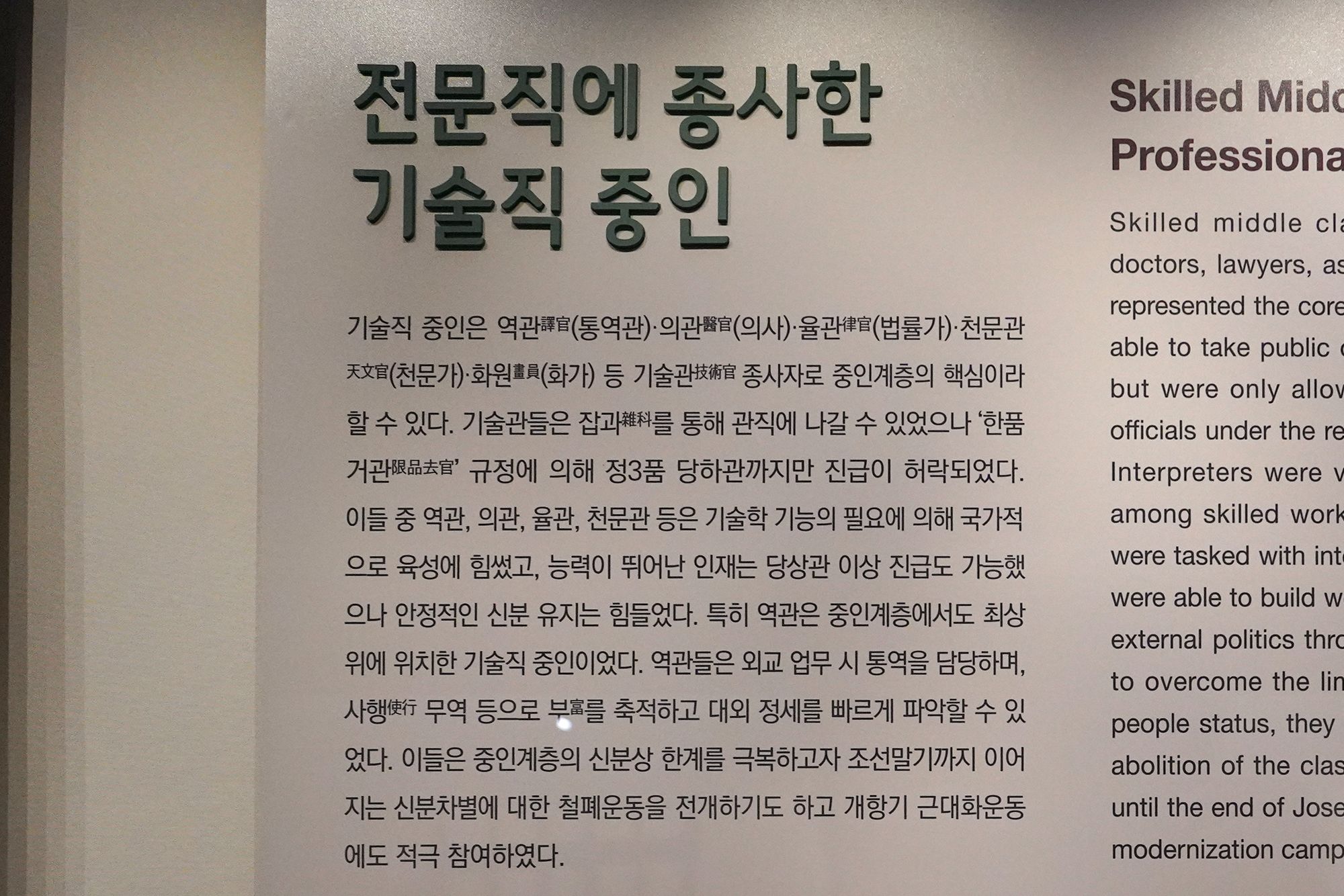
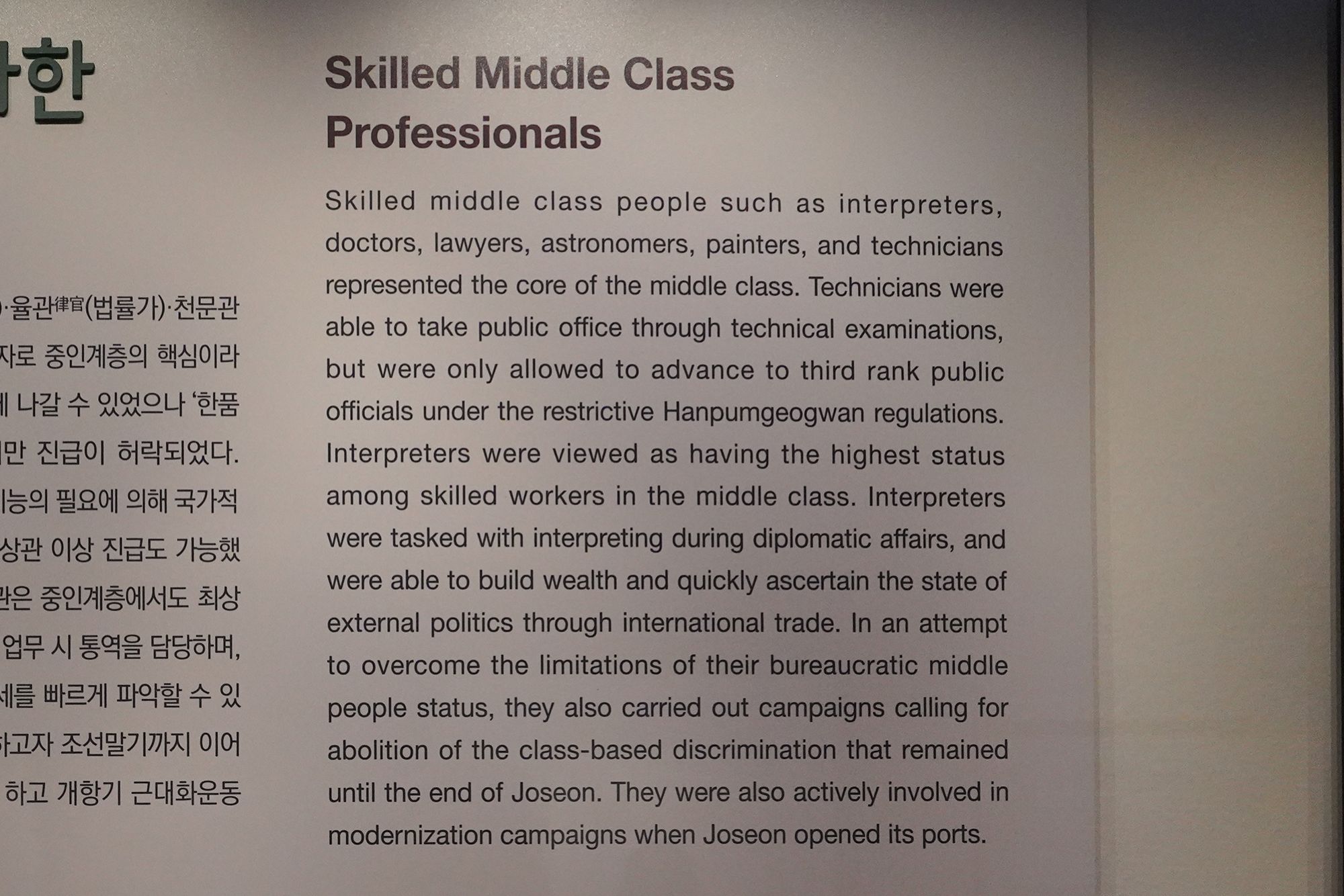
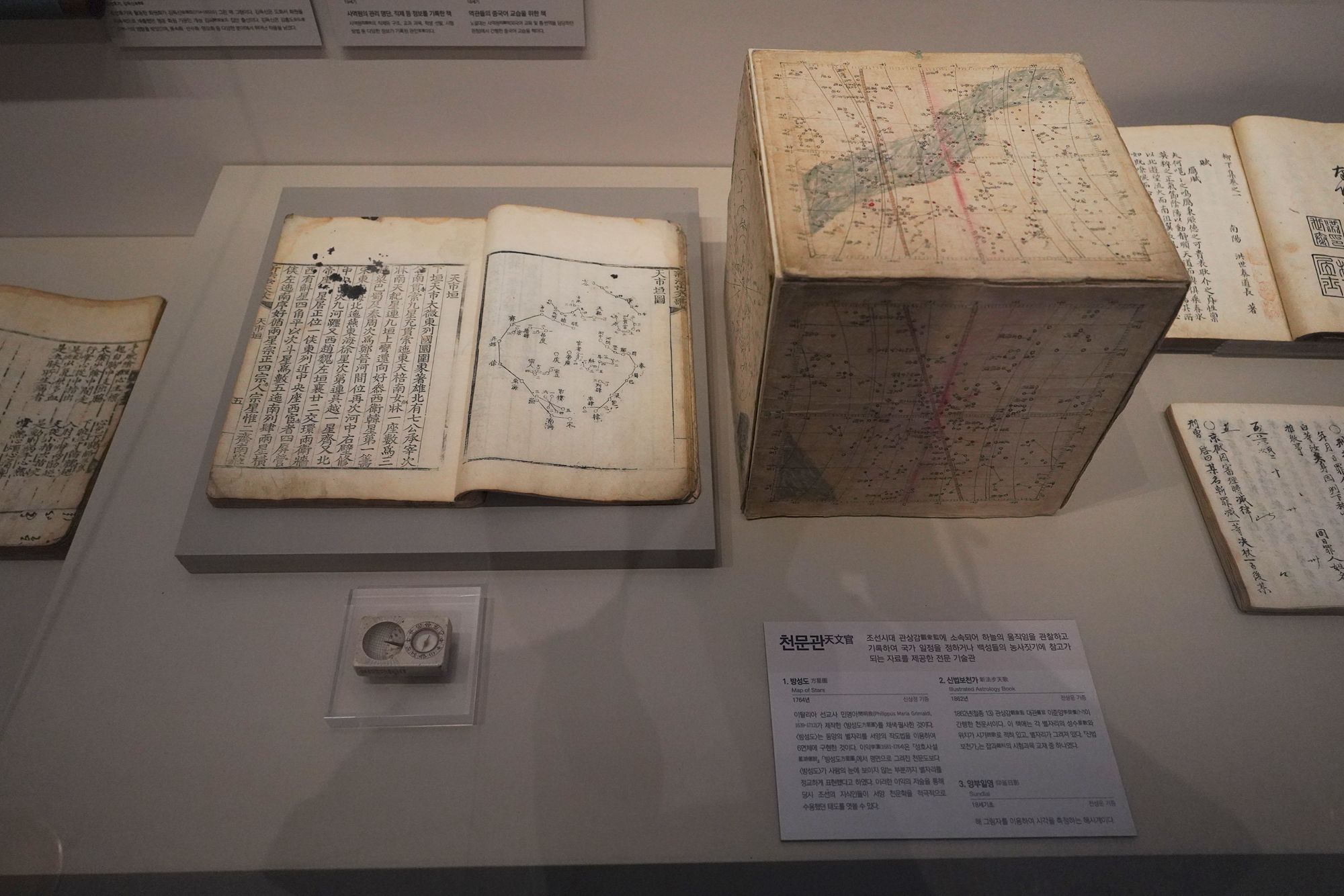
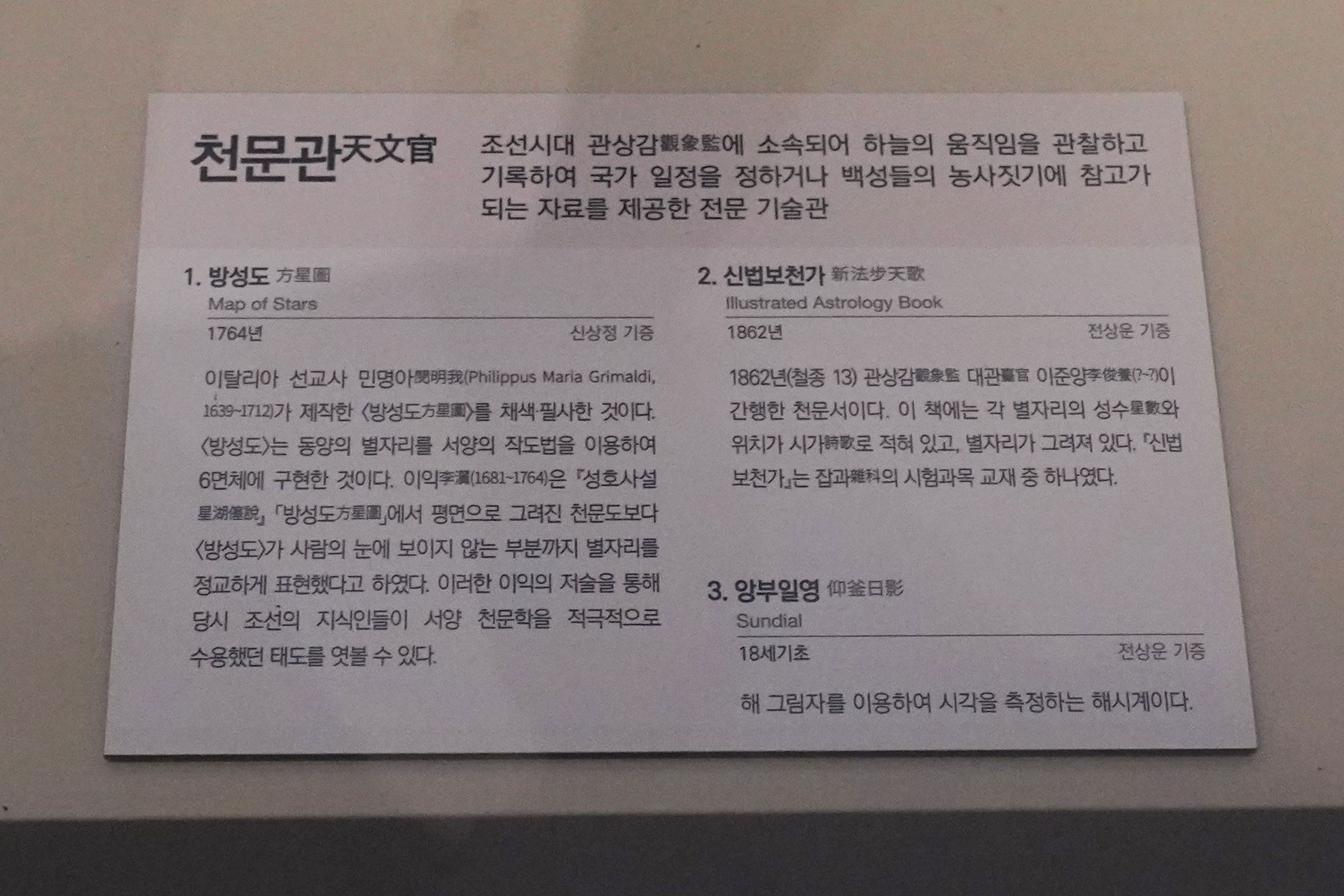
The role of the Jungin (중인) professional class included interpreters, physicians, legal specialists, astronomers, painters, and technicians who possessed skills needed by the Joseon government.
They could enter government service through specialized examinations, but their social status limited how high they could rise, even when they were highly educated or accomplished. Interpreters were particularly influential because diplomatic missions and international trade gave them access to foreign information and opportunities to accumulate wealth.
By the late Joseon period, some Jungin began challenging these social restrictions and participated in movements for greater equality and modernization.
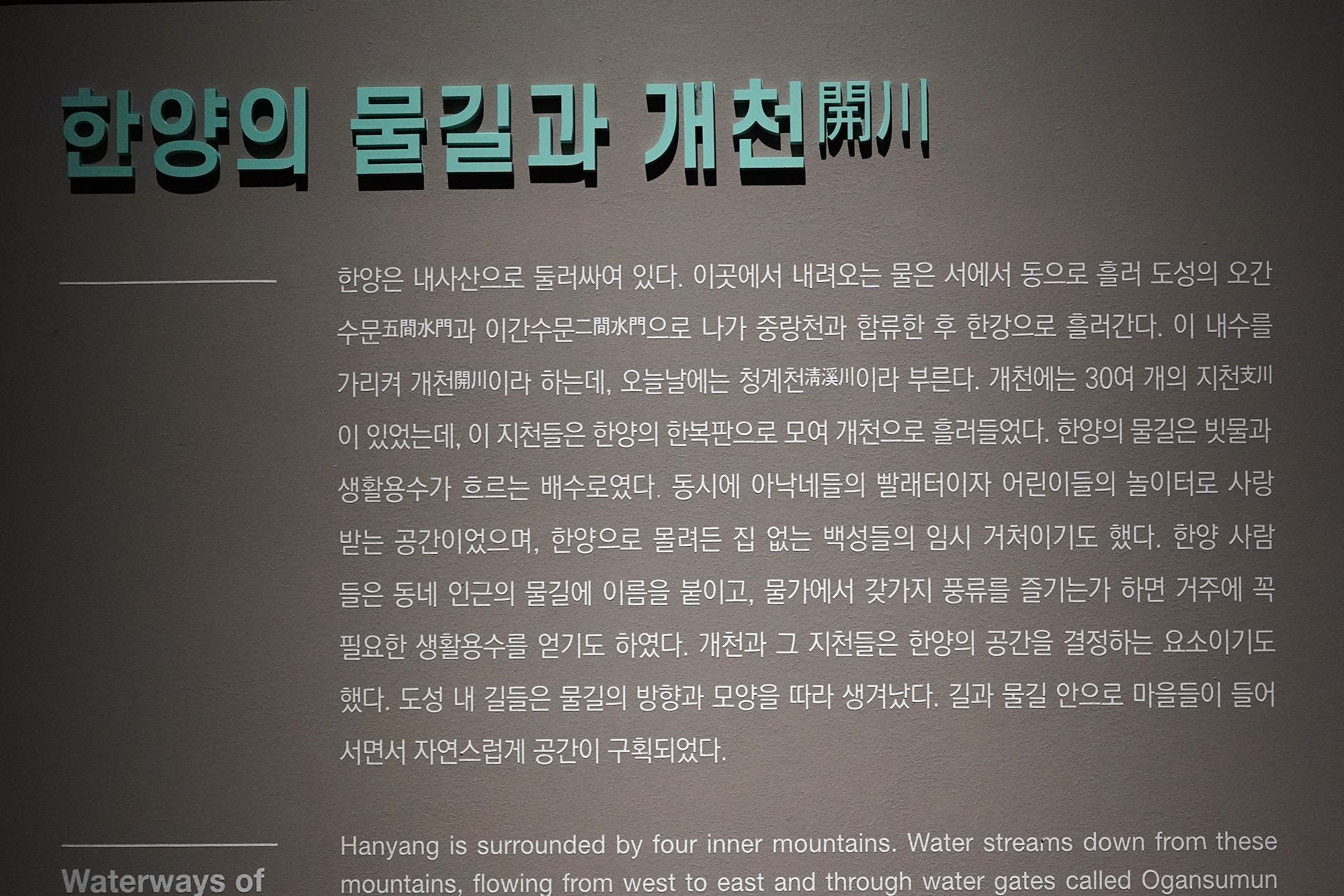
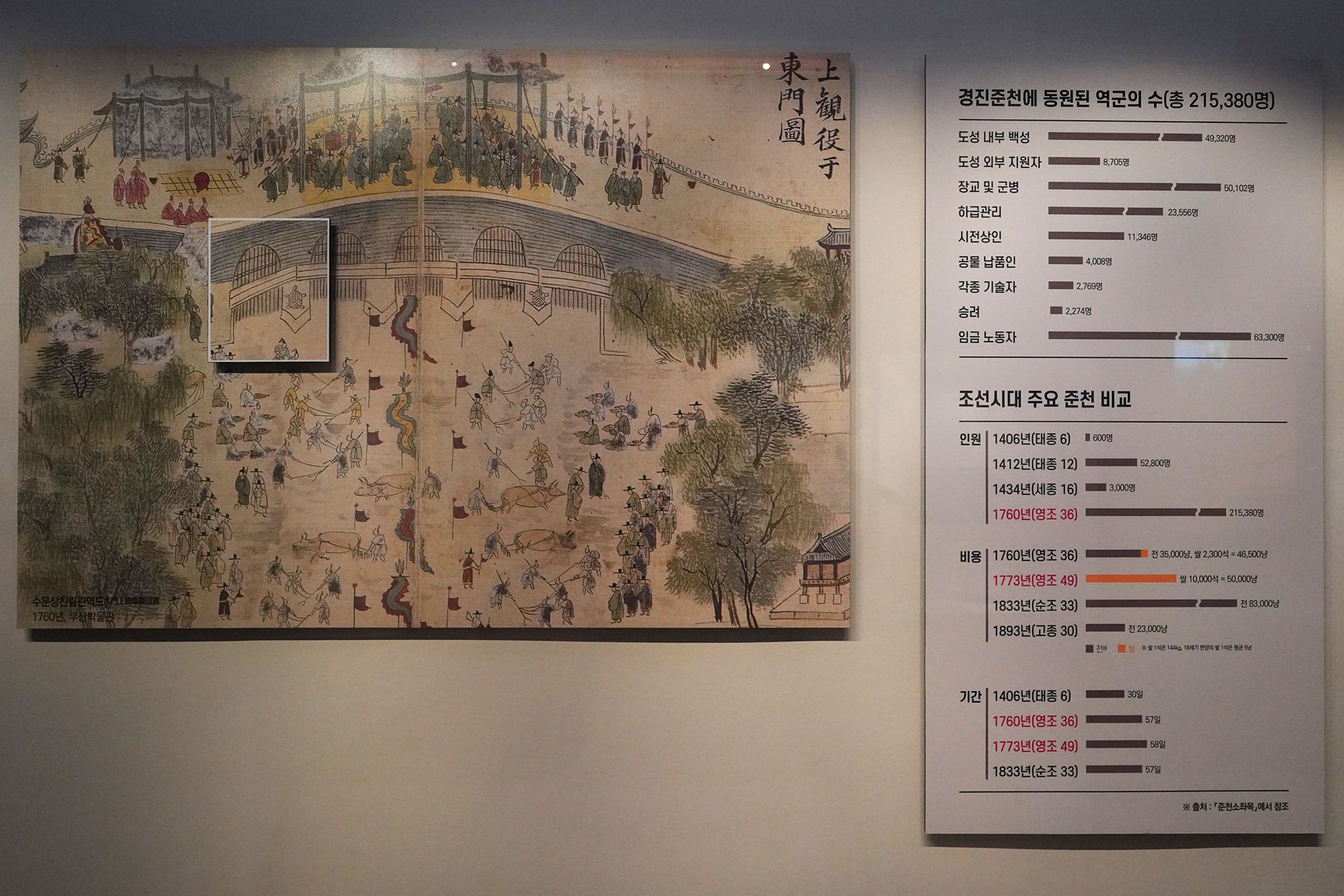
The explaination of how Hanyang’s natural waterways shaped the layout and daily life of the city. Water flowed down from the surrounding mountains into numerous streams. The main stream was Gaecheon (개천), known today as Cheonggyecheon (청계천), which had more than 30 tributaries.
These waterways provided residents with water and places for recreation, but they also influenced where roads and neighborhoods developed. Many streets followed the natural courses of the streams.
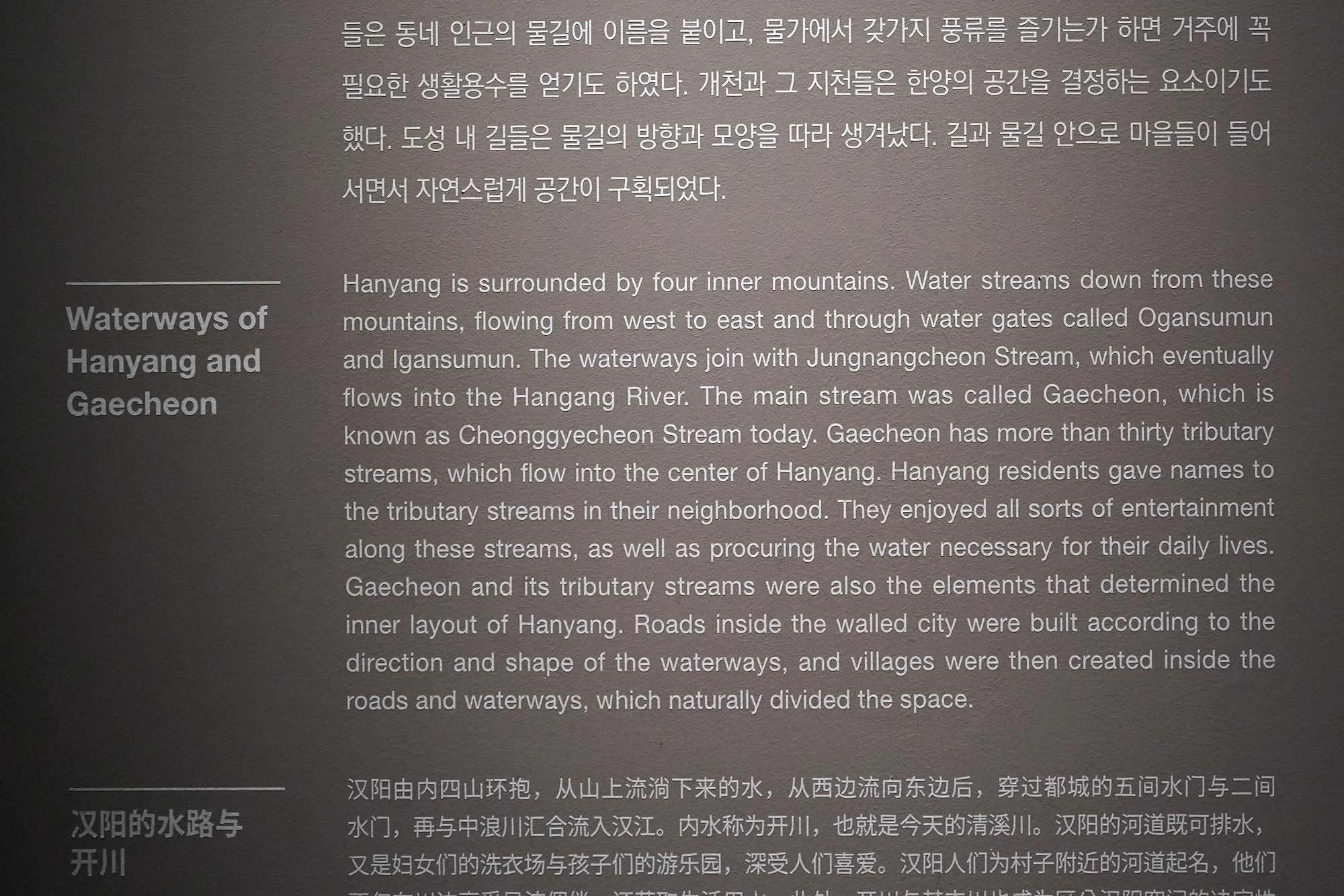
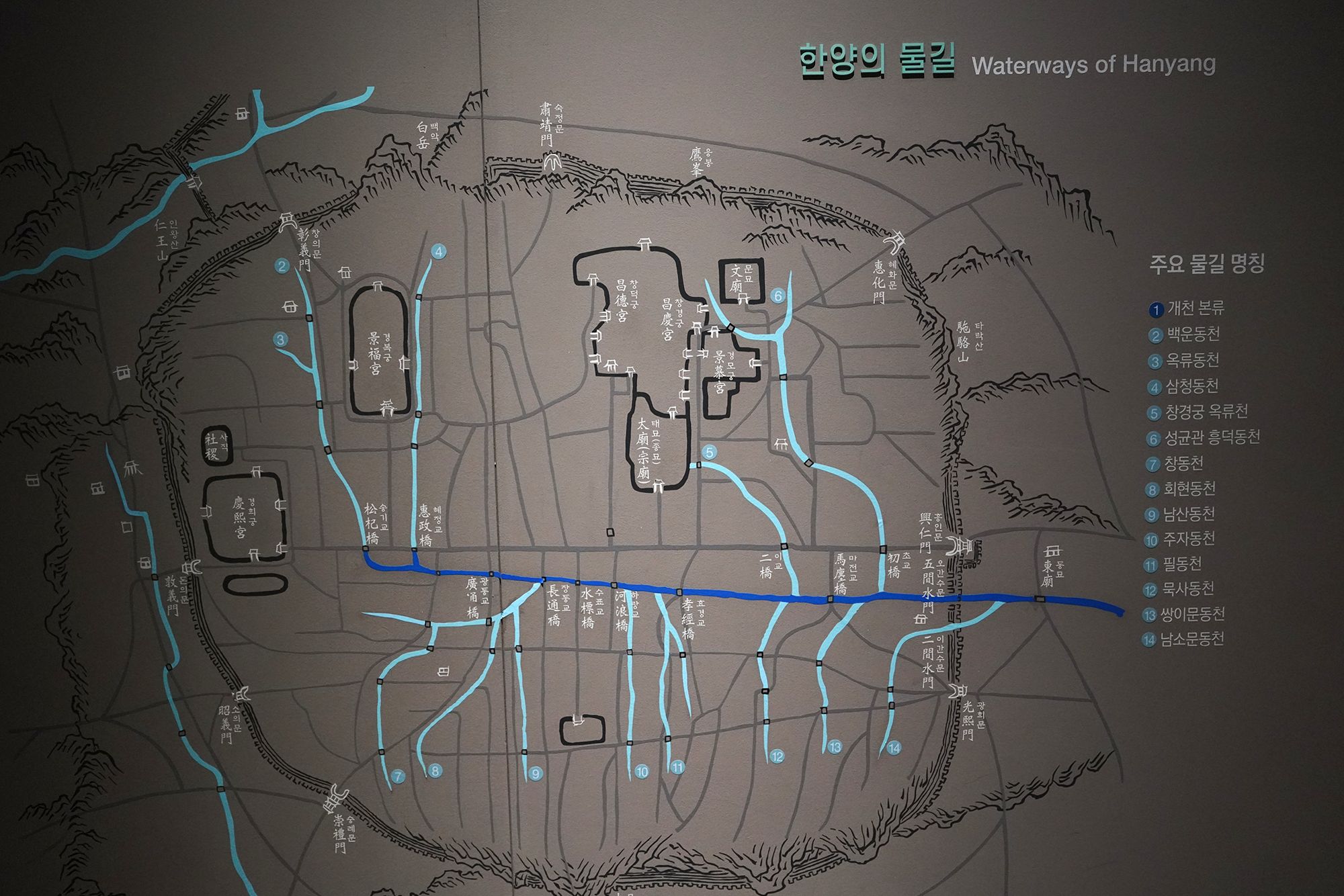
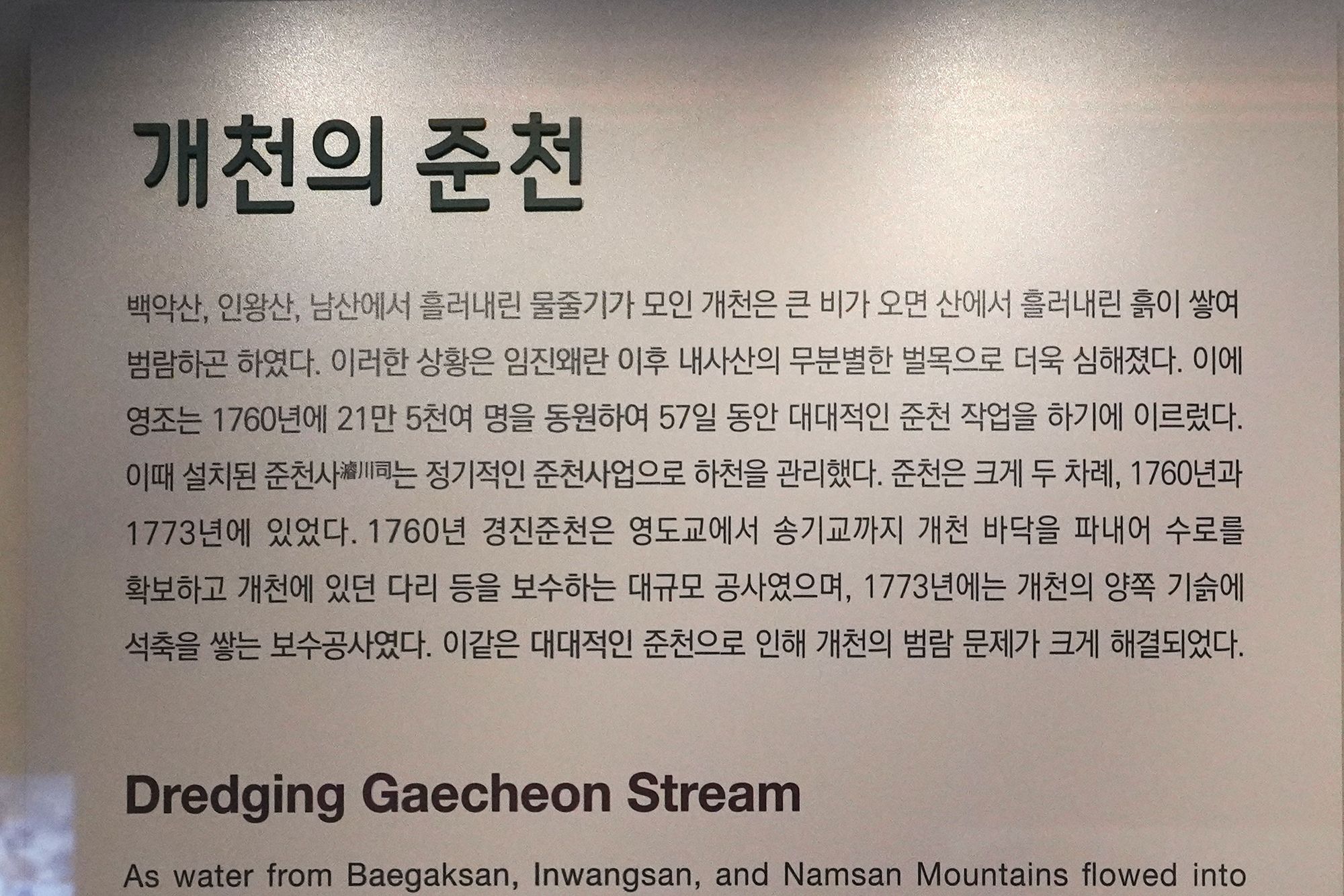
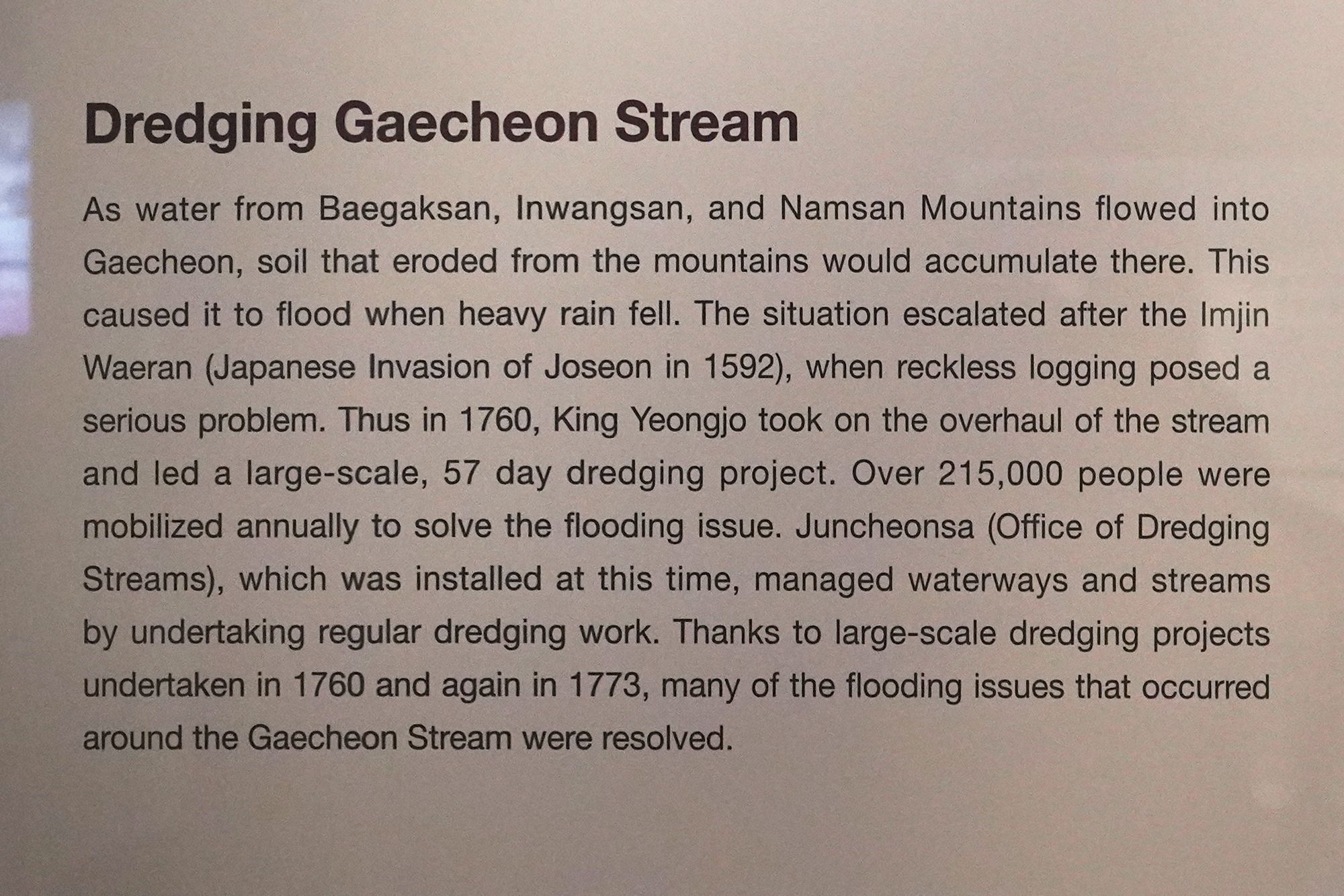
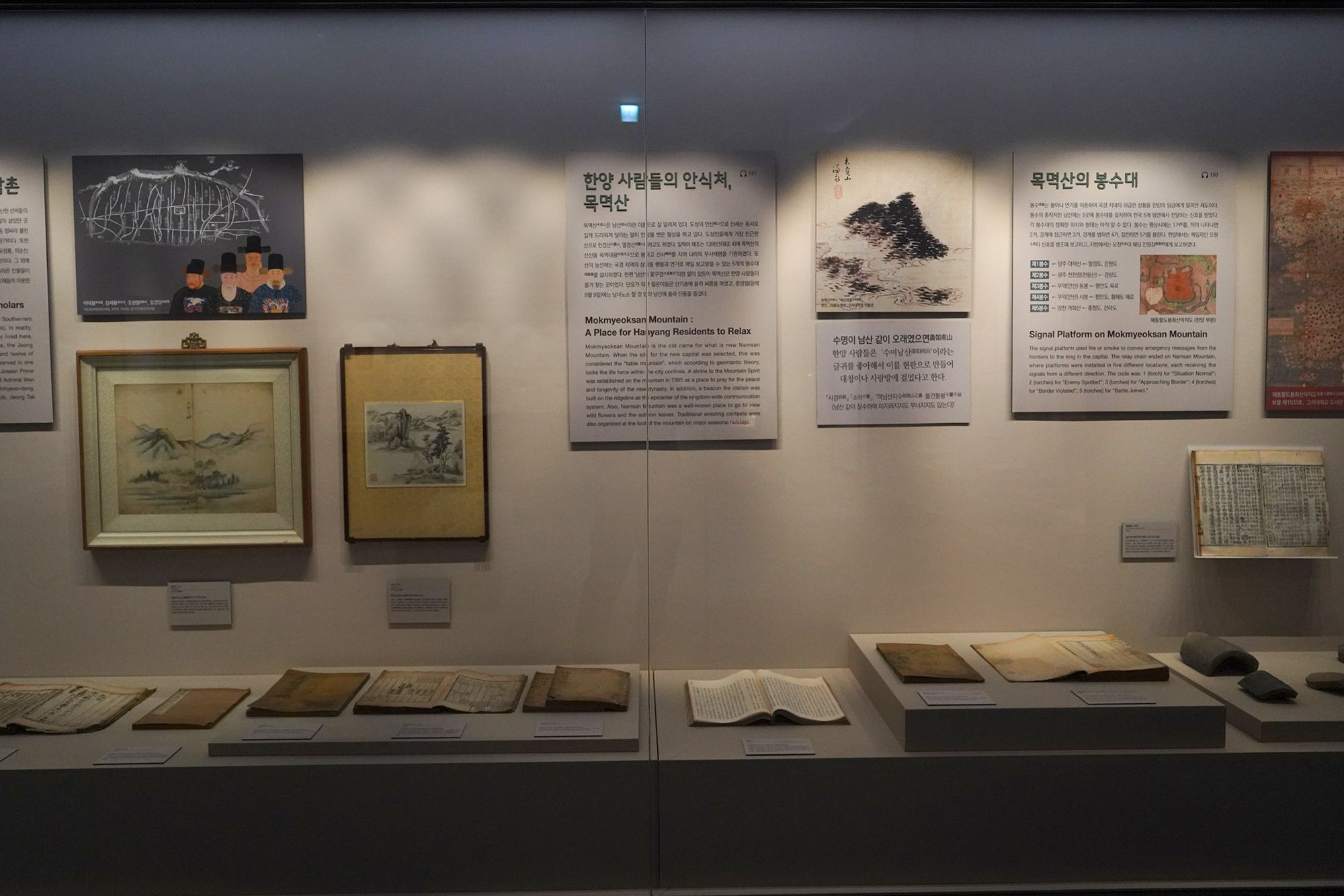
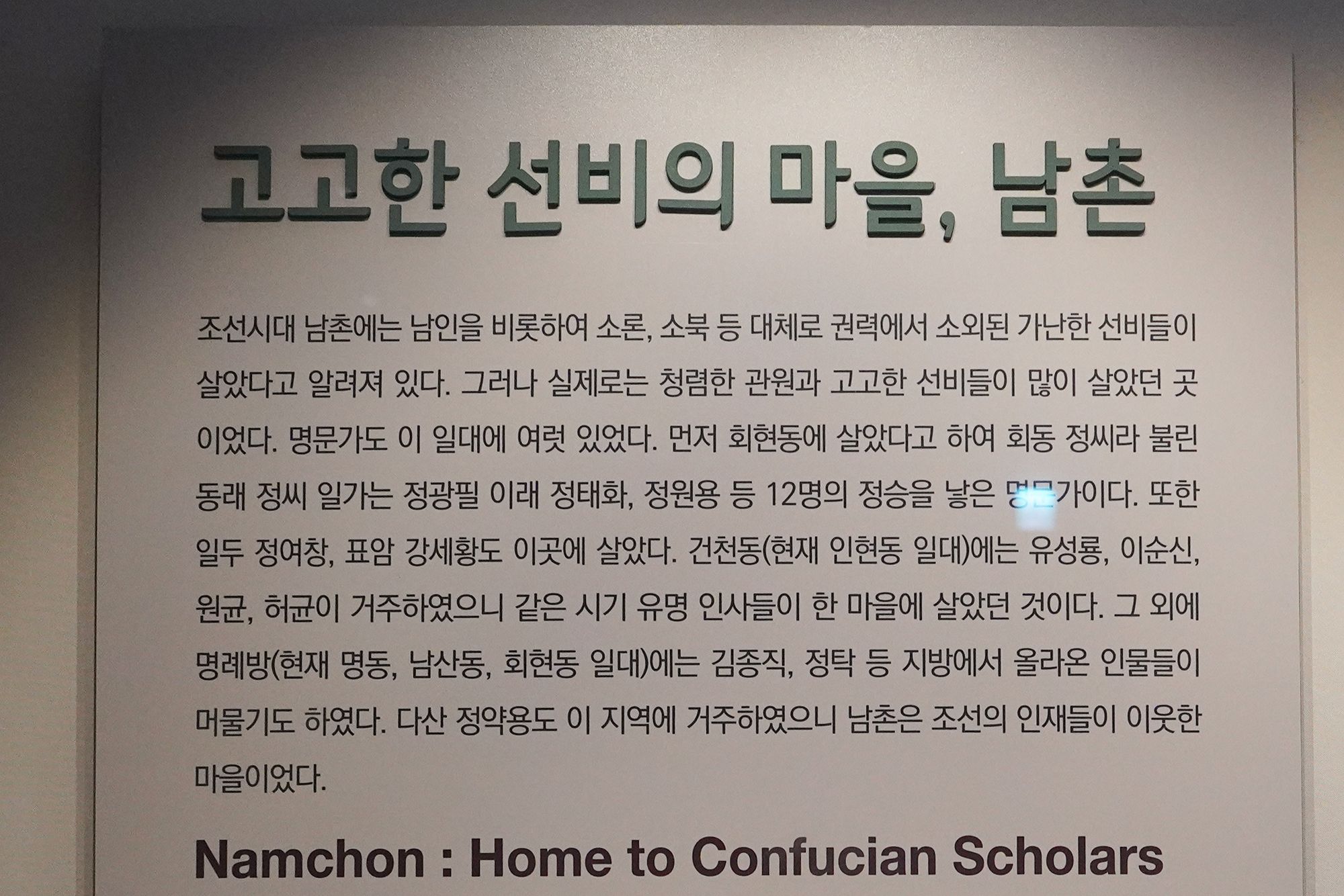
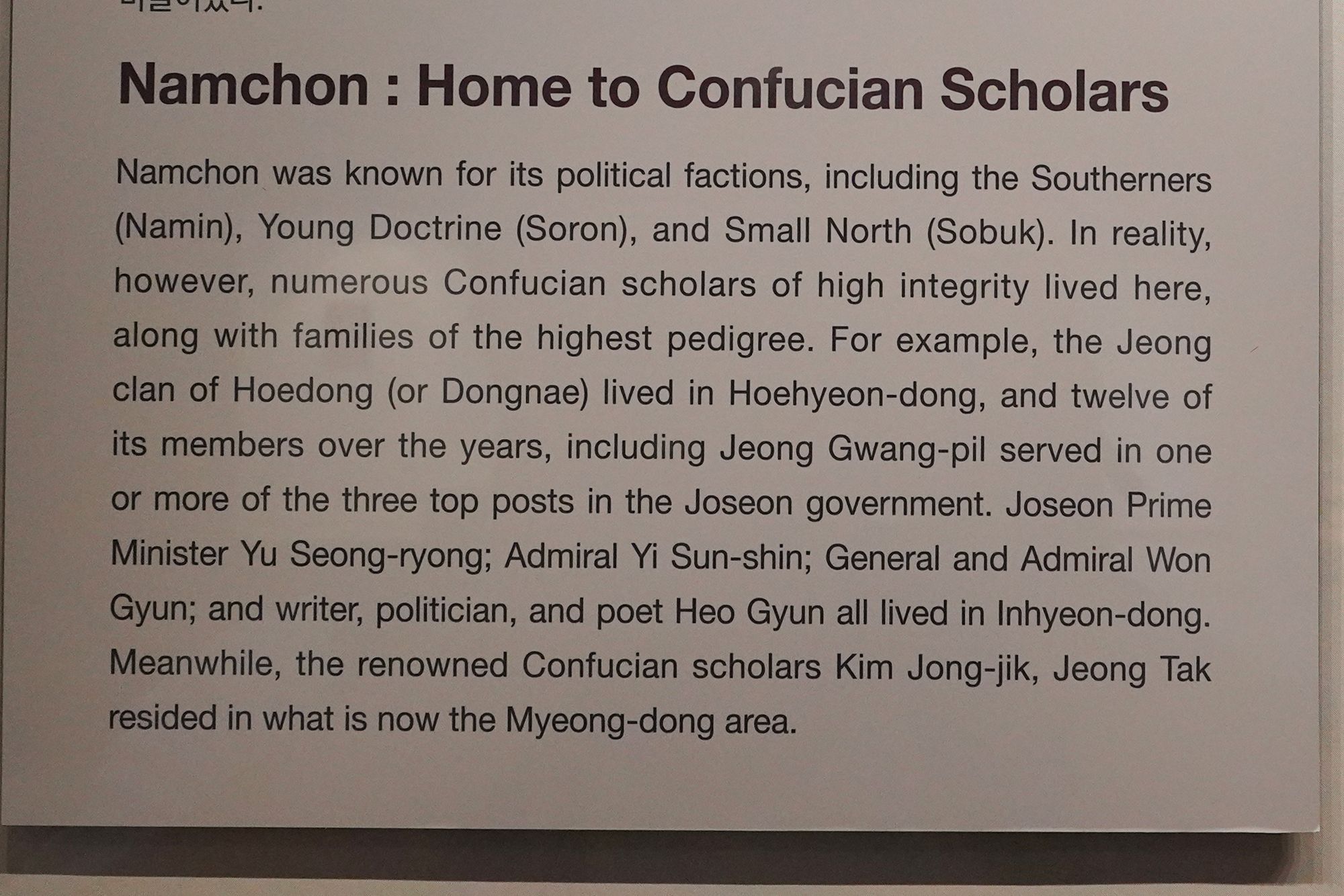
This describes Namchon (남촌), the “Southern Neighborhood” of Hanyang, located at the foot of Namsan Mountain. Unlike the northern part of Hanyang, which was dominated by royal palaces and government offices, Namchon contained government facilities, military installations, residences, and scenic pavilions.
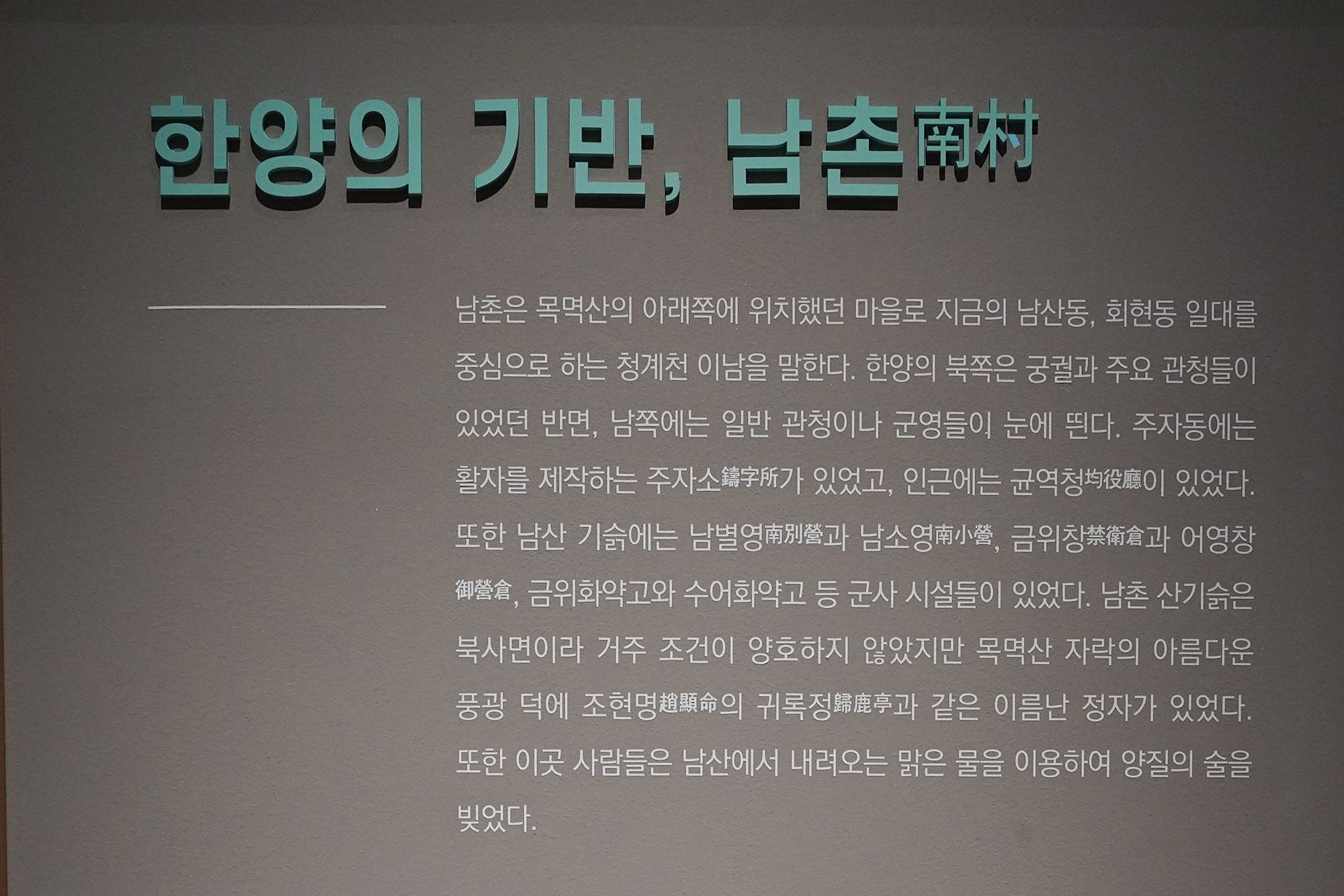
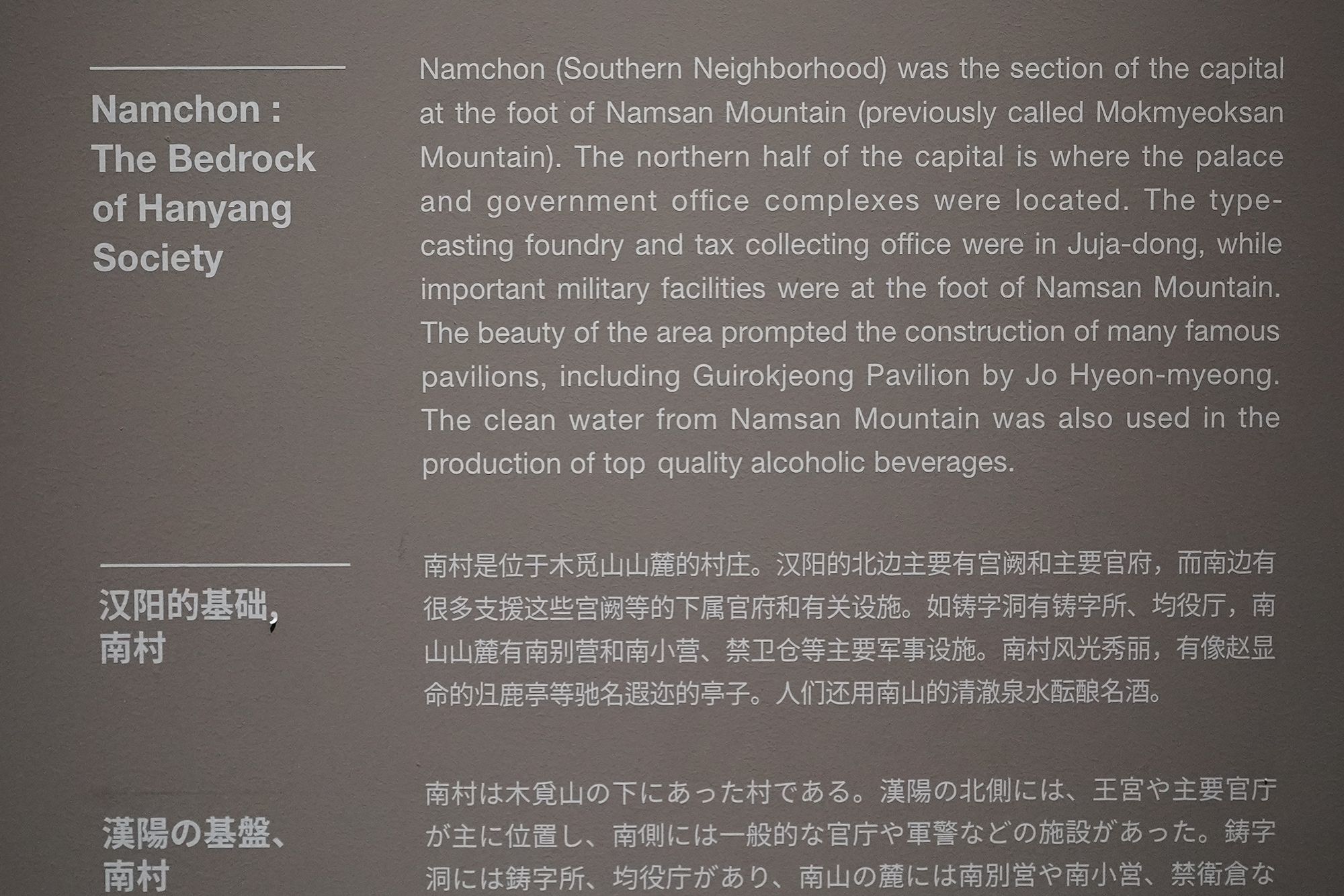
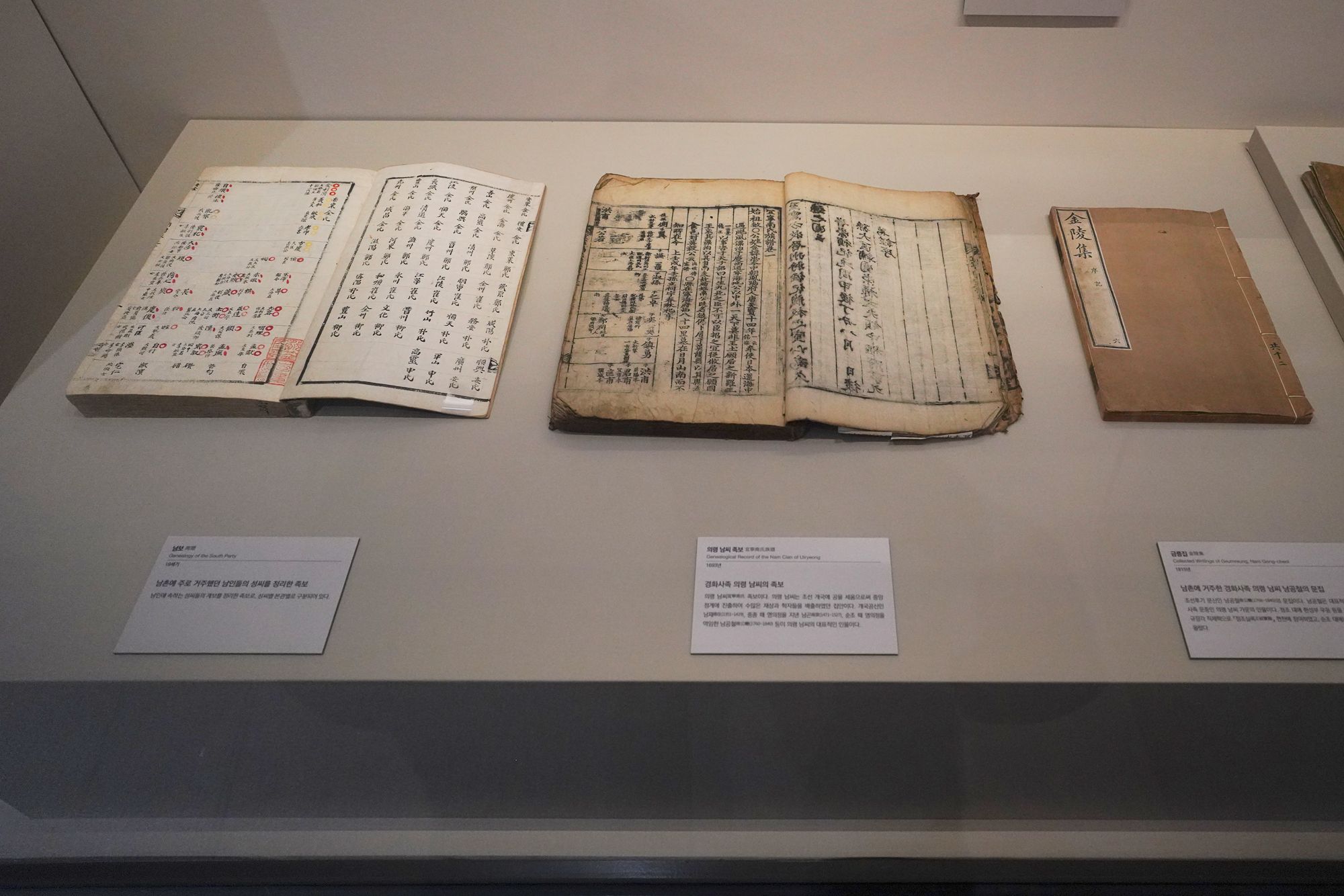
Namchon was home to many prominent Confucian scholars and influential families, including some of the most important political and military figures of the Joseon Dynasty.
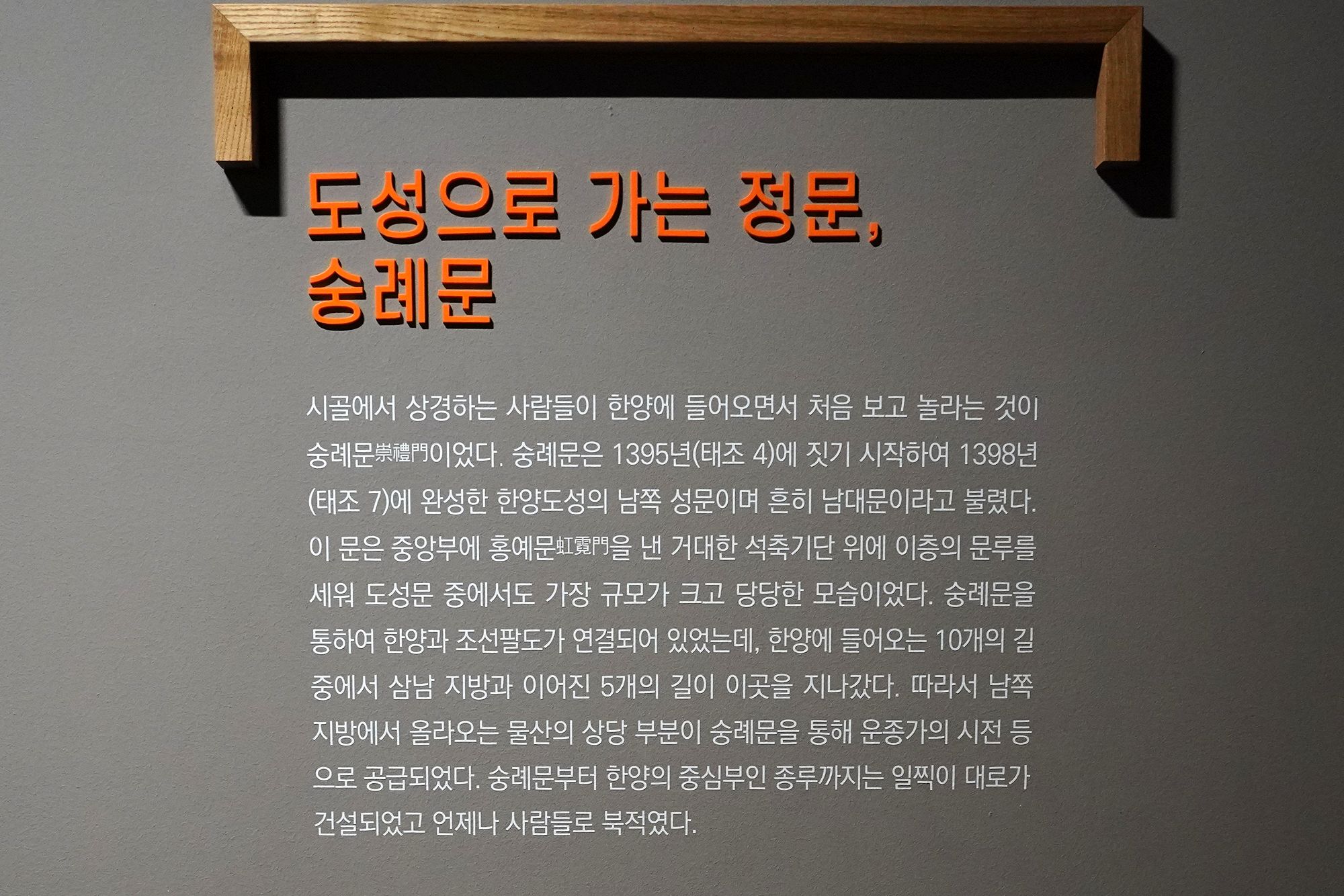
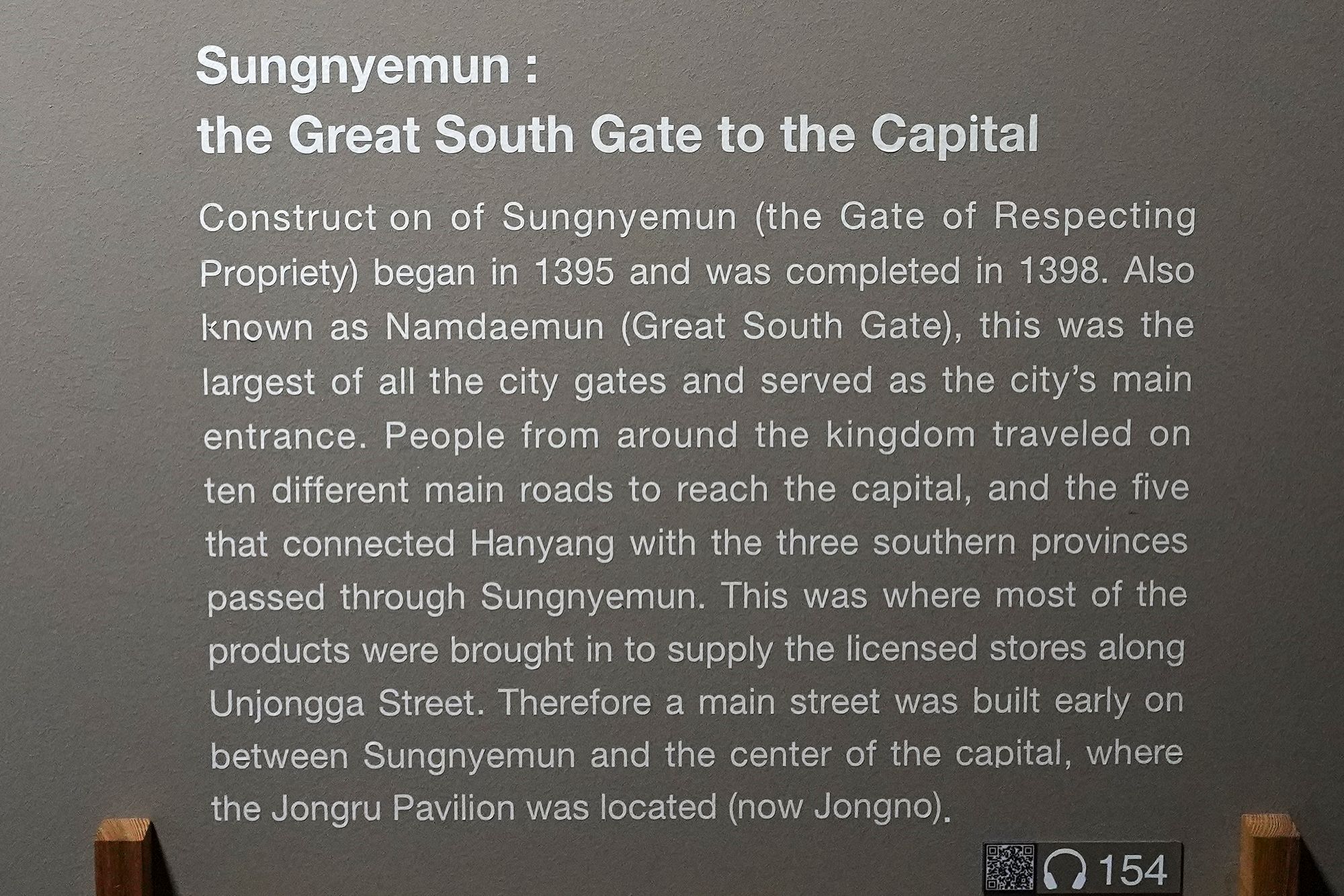
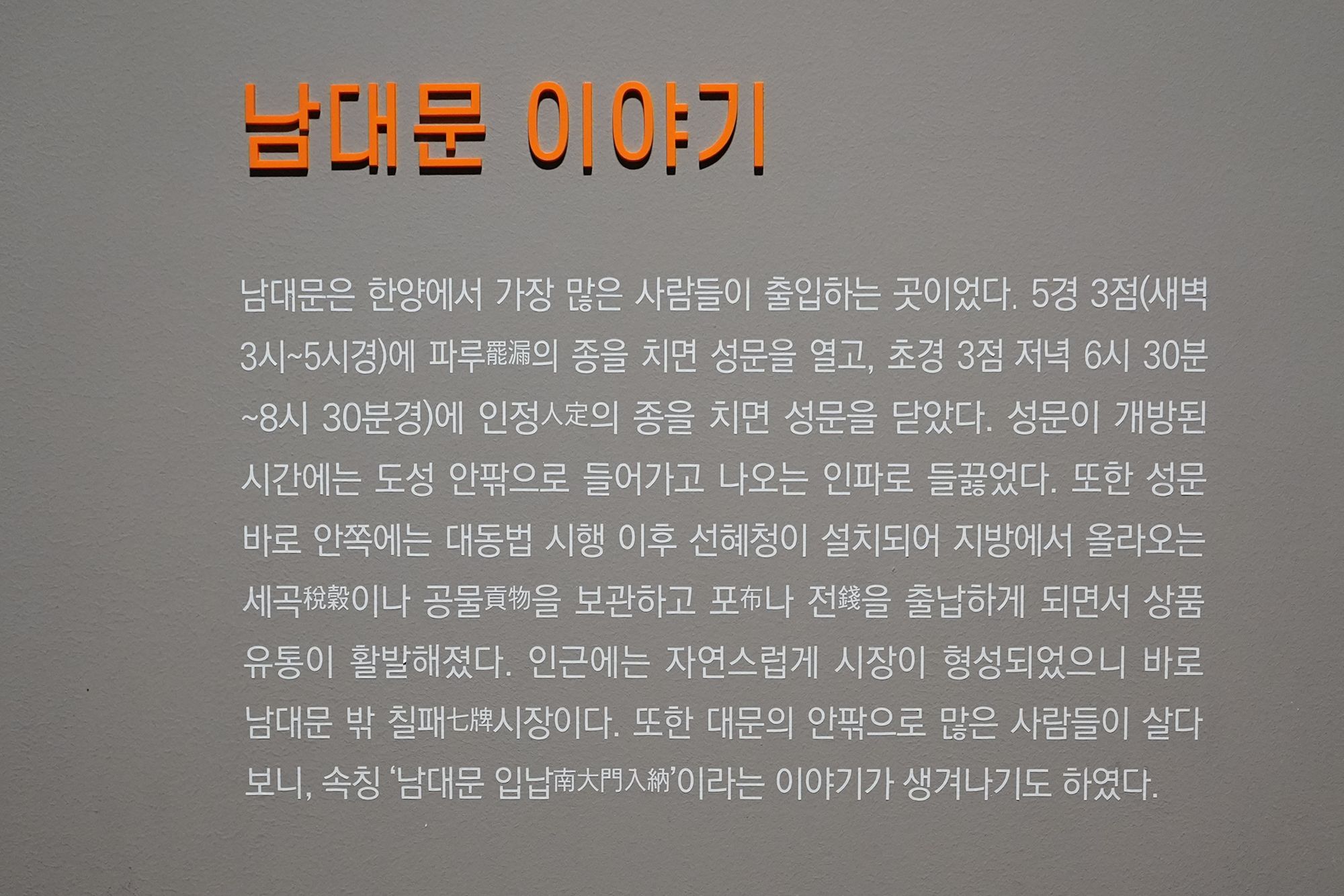
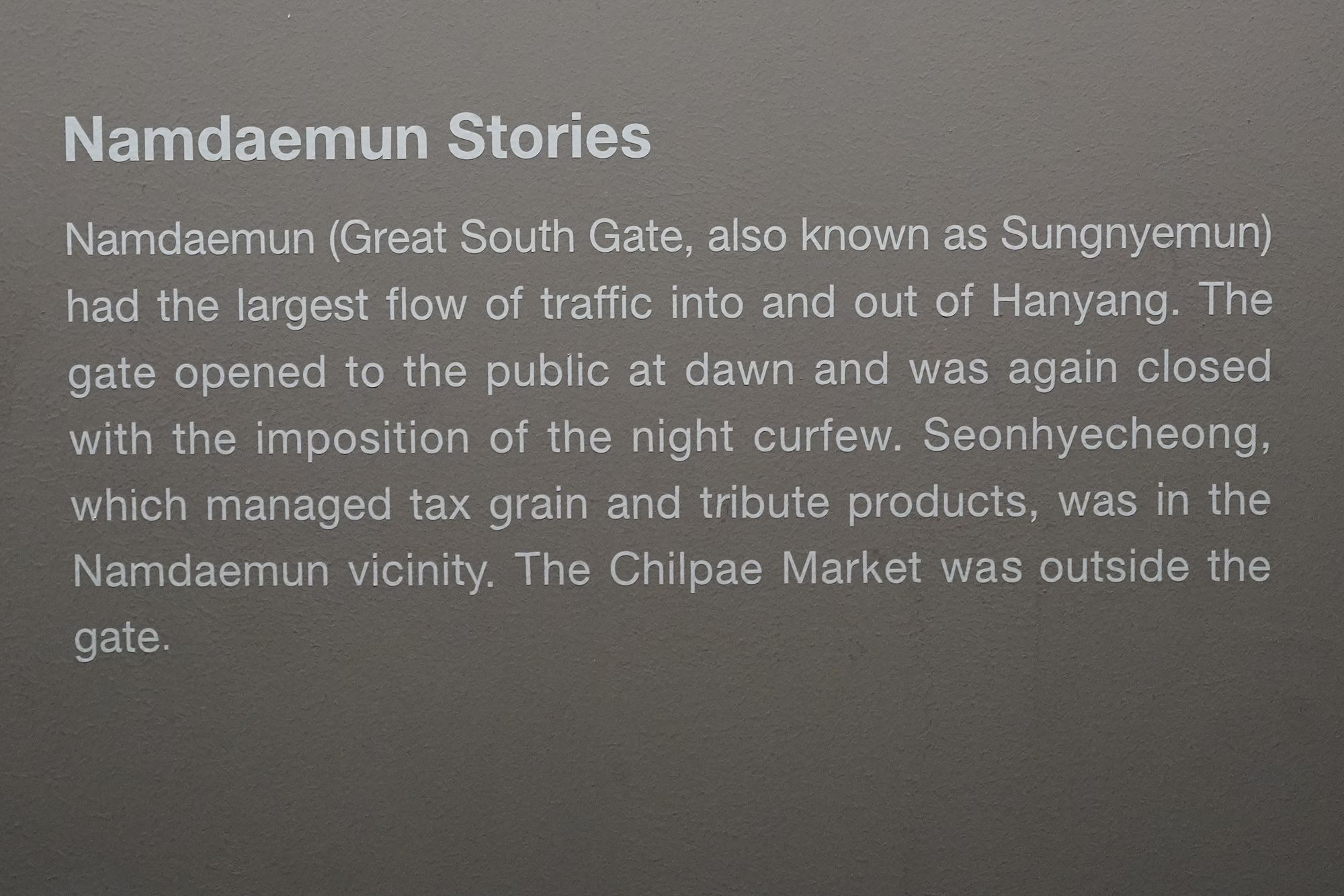
Namdaemun was Hanyang’s busiest city gate, opening at dawn and closing at night, with the bustling Chilpae Market located just outside the gate.
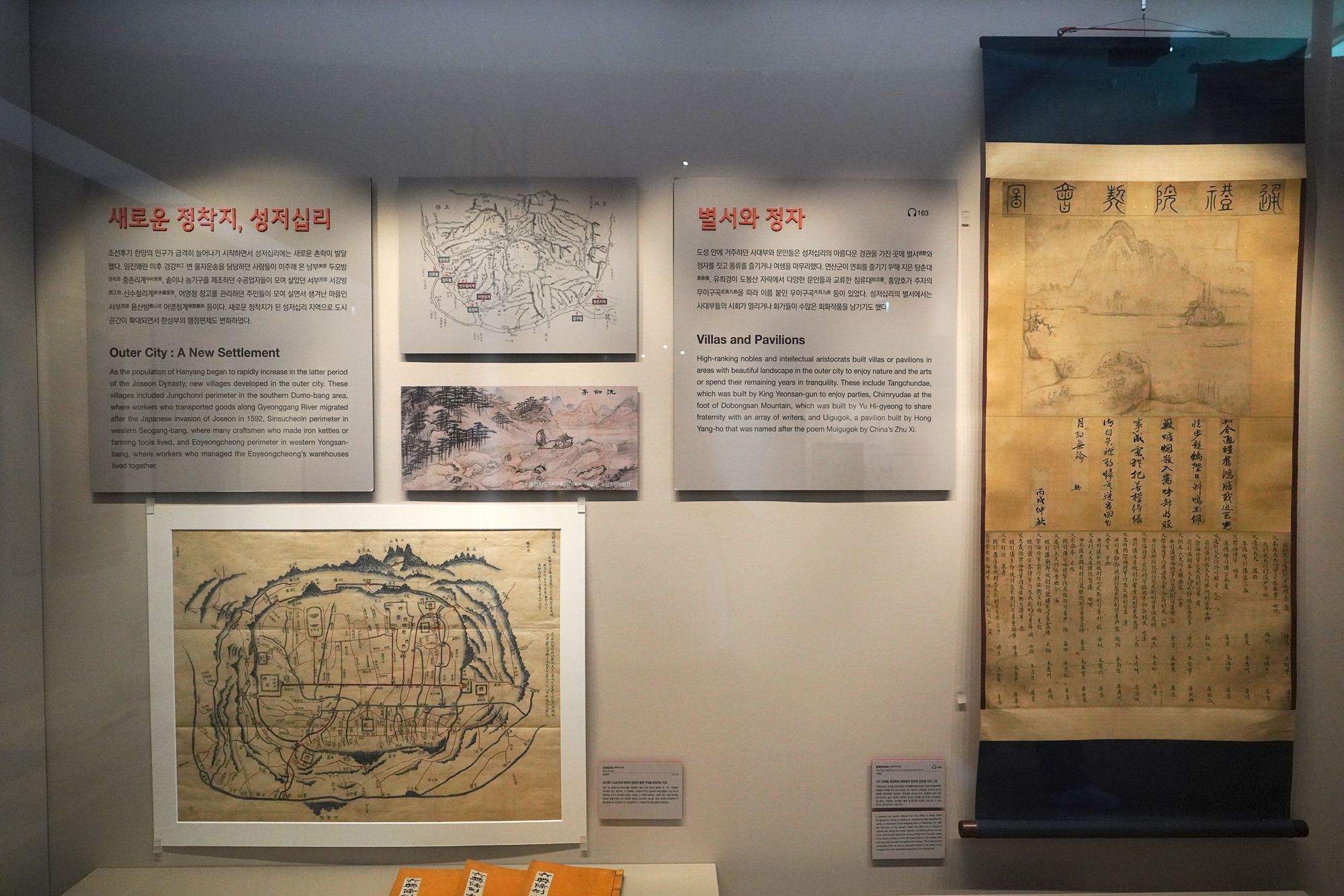
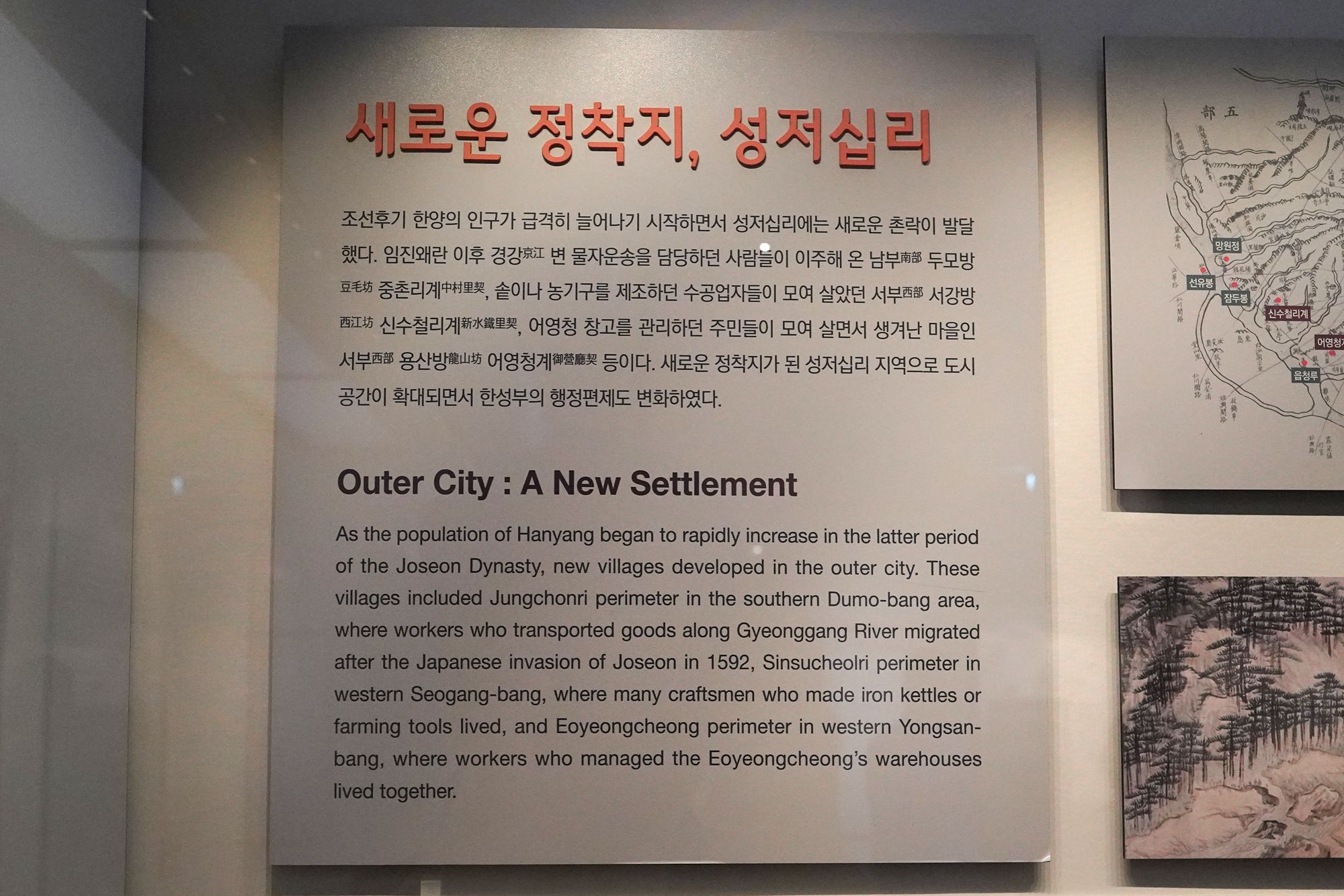
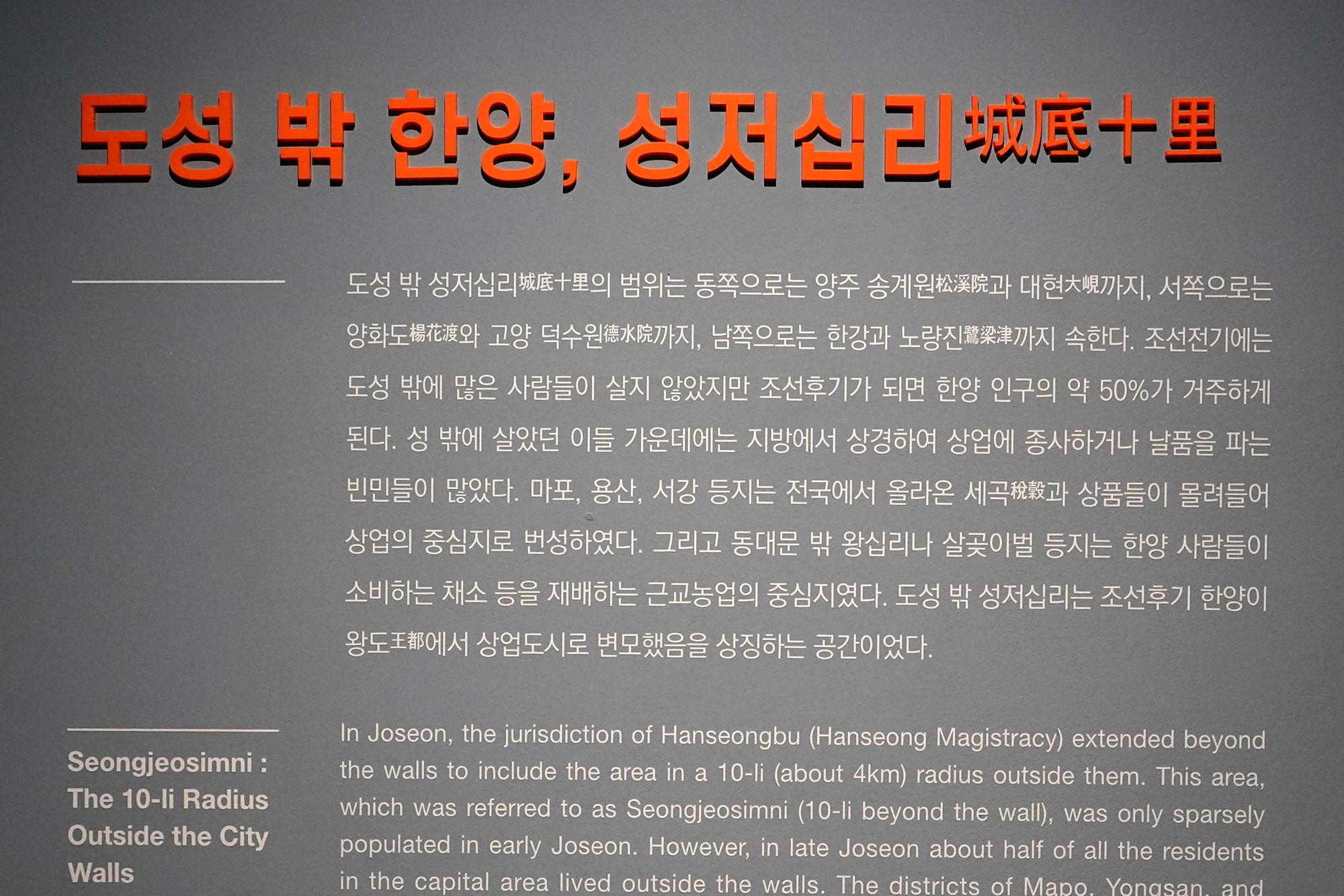
This explains Seongjeosimni (성저십리), the area extending about 10 li (roughly 4 km) beyond Hanyang’s city walls. Although outside the walls, it was still under the jurisdiction of Hanseongbu, the capital’s government.
By the late Joseon period, about half of the capital-area population lived outside the walls. Areas such as Mapo and Yongsan became important commercial centers, while areas east of Dongdaemun supplied the city with vegetables and other agricultural products.
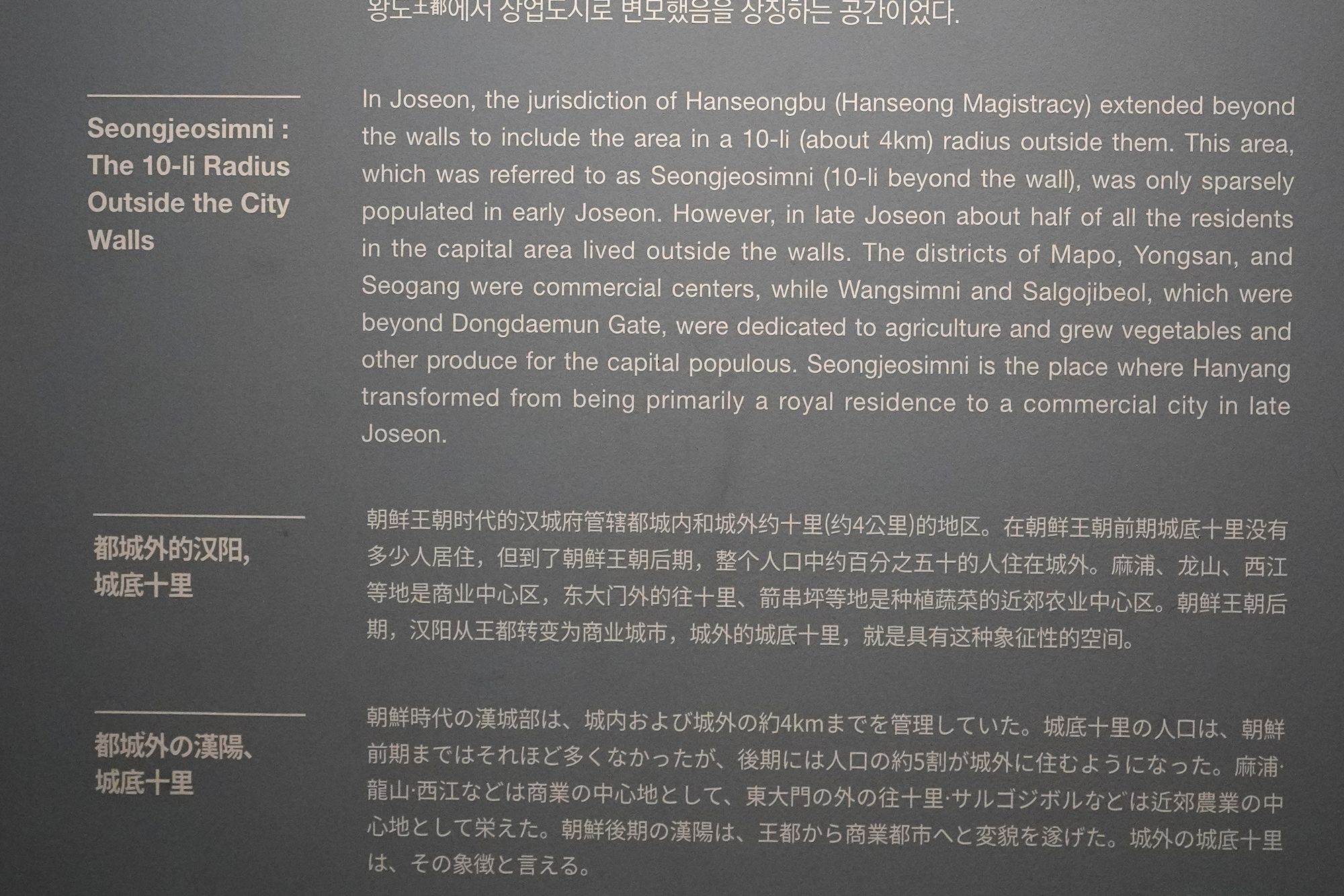
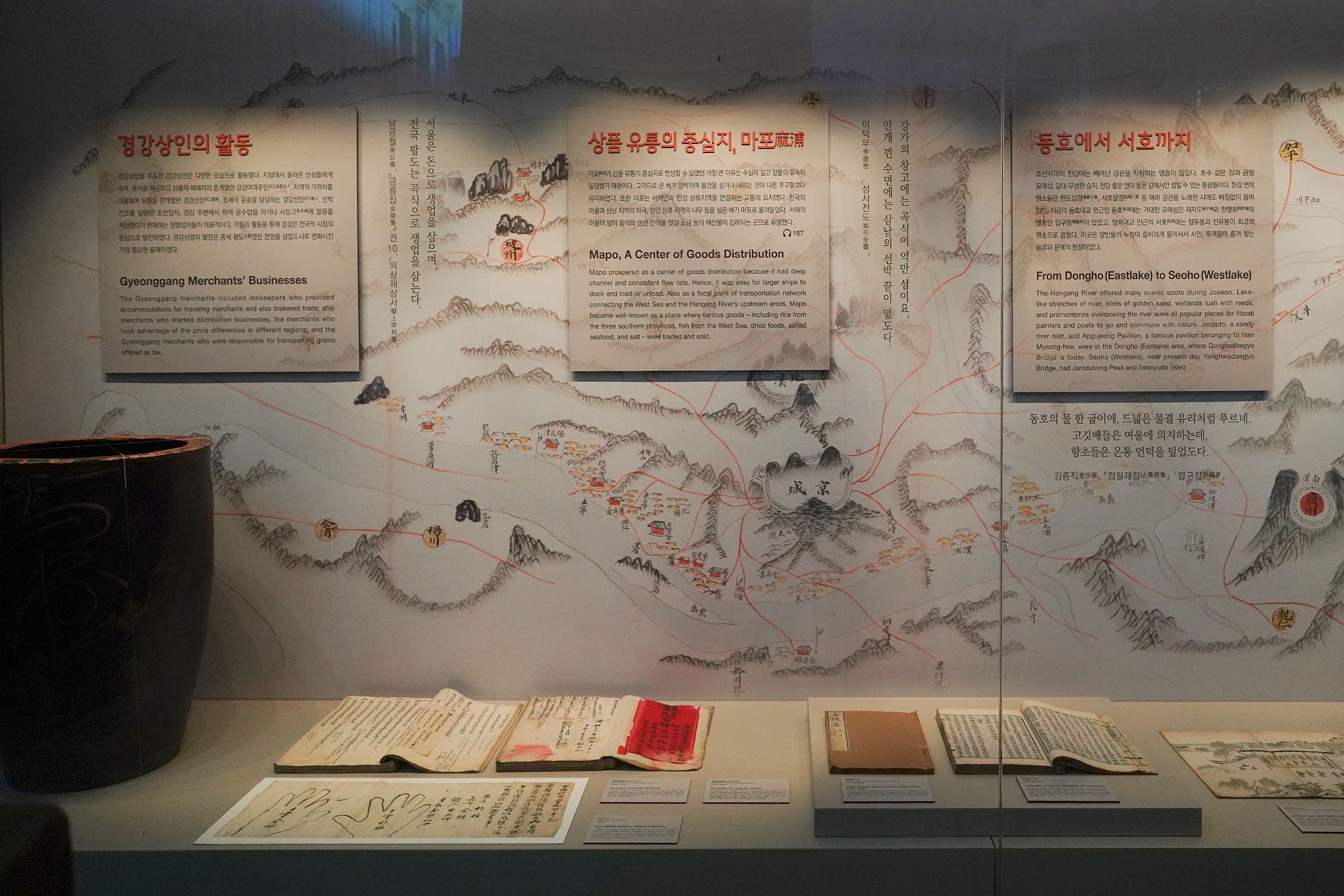
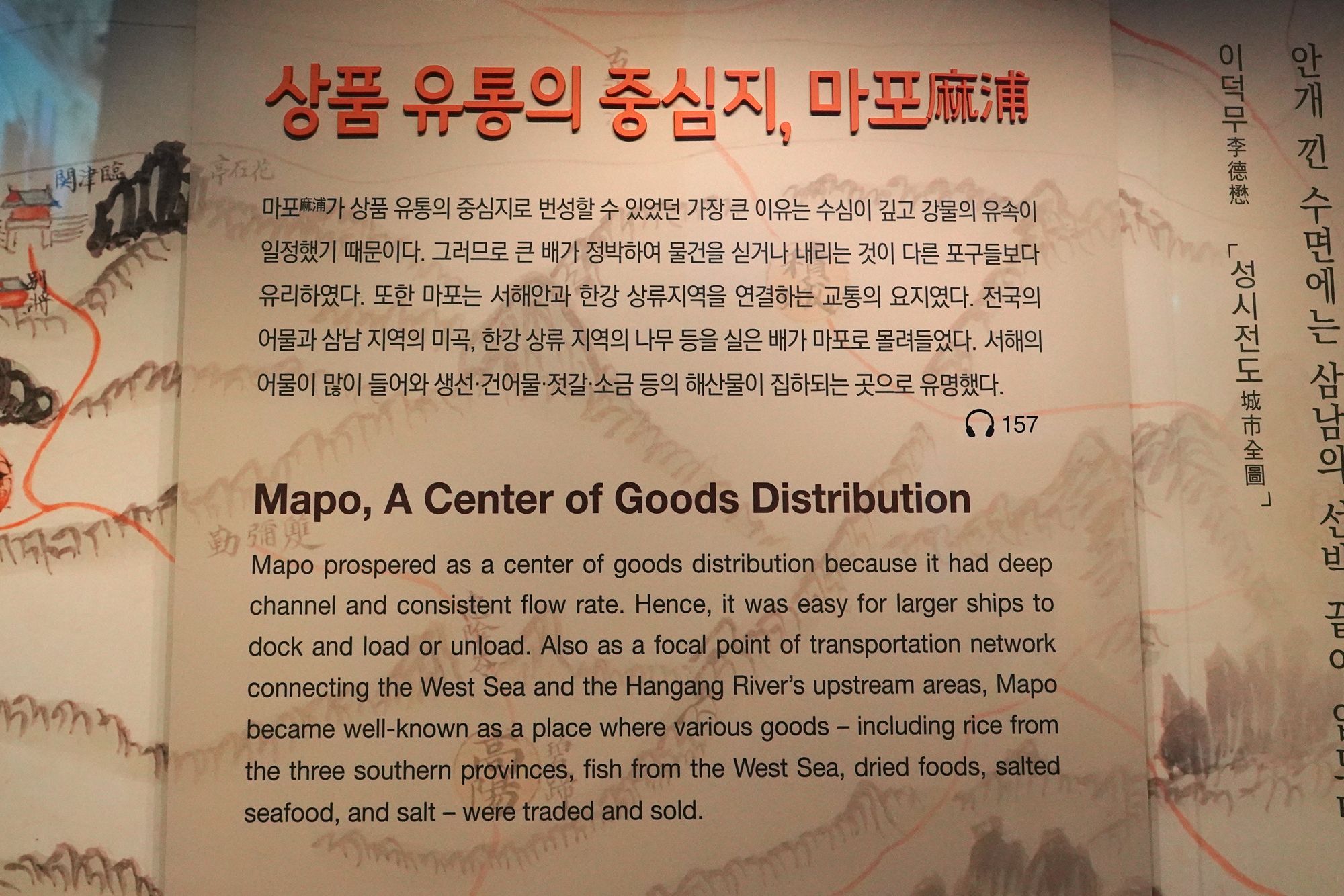
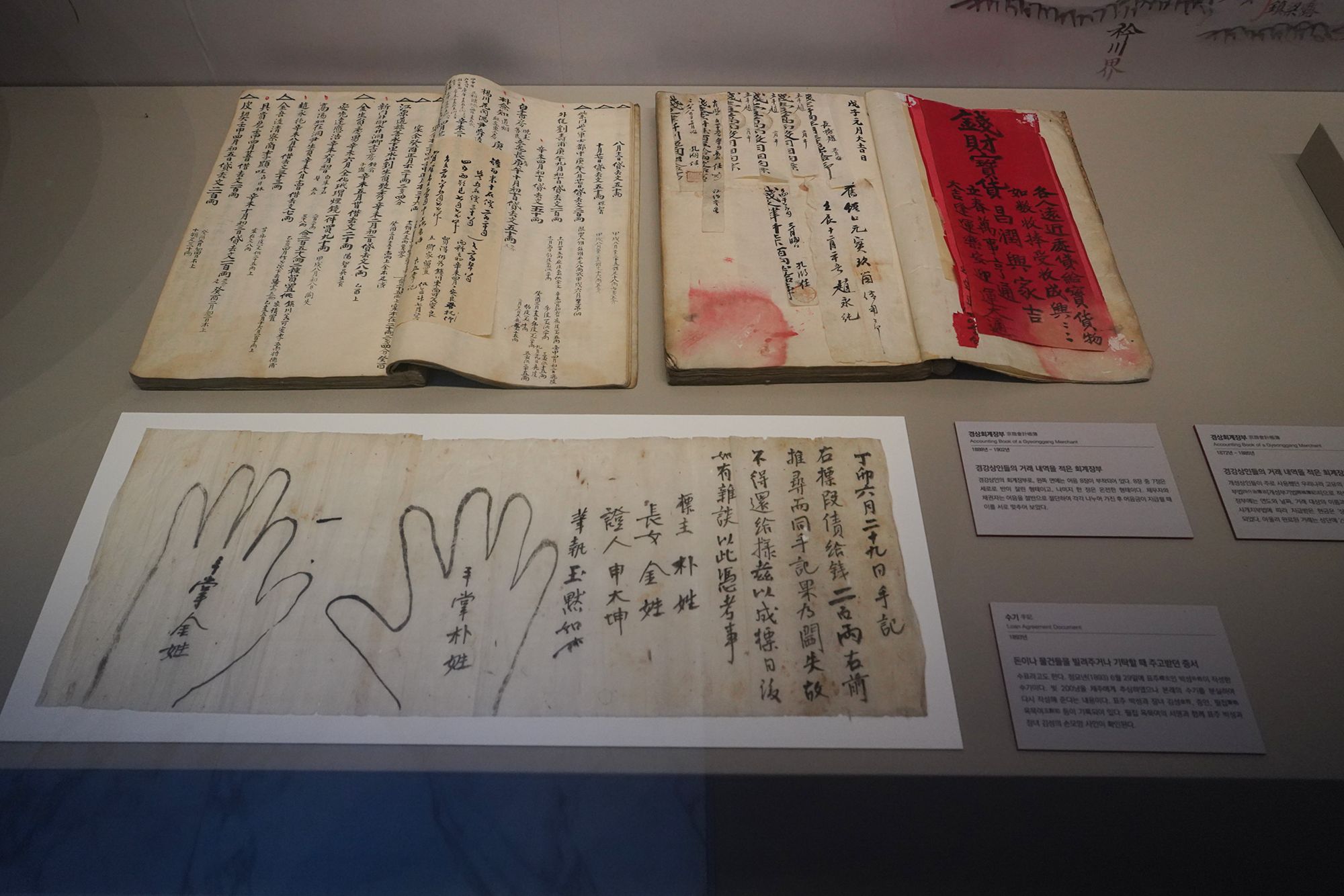
Mapo developed into a major distribution center along the Han River, where rice, fish, salt, and other goods arriving by boat were traded and supplied to Hanyang.
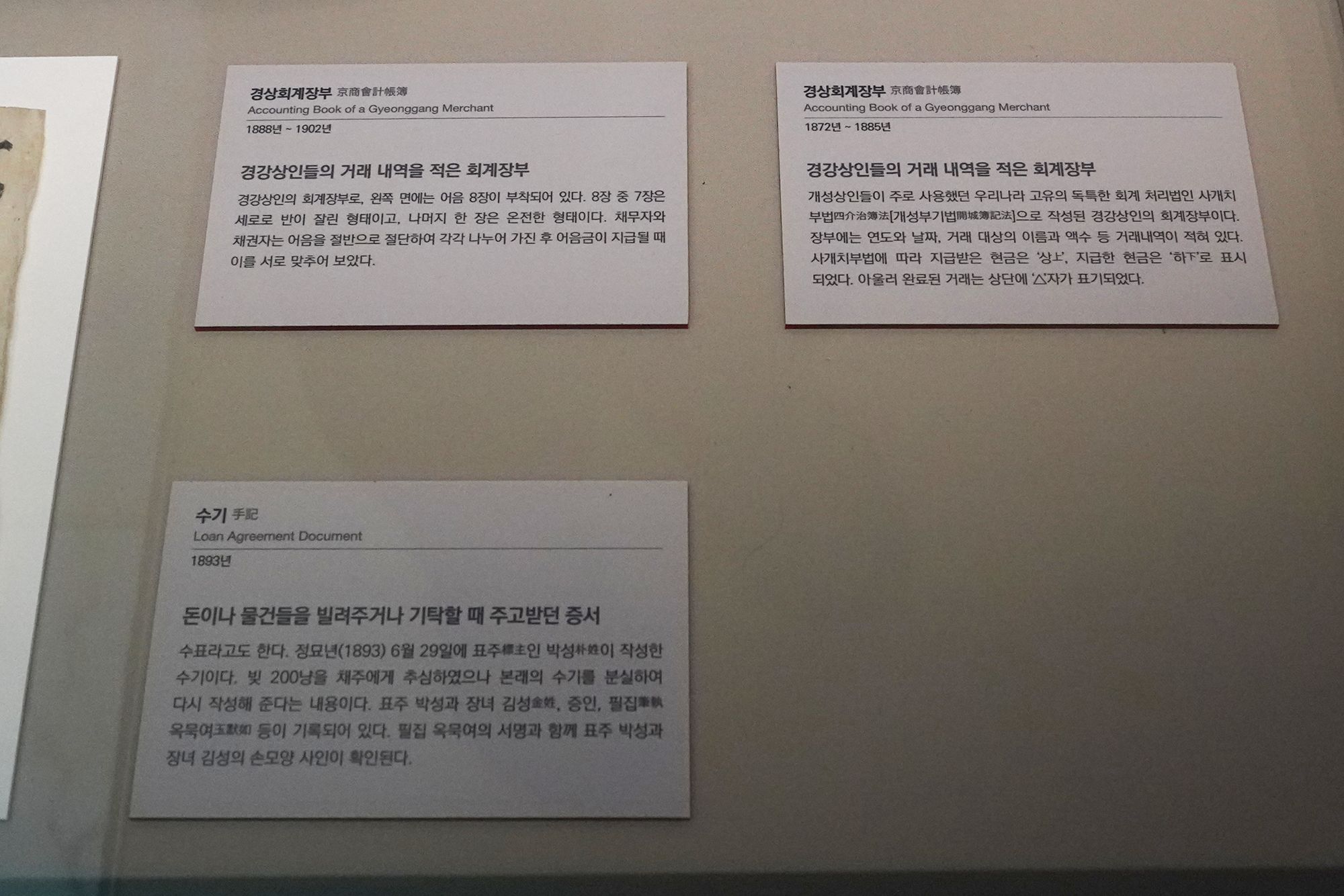
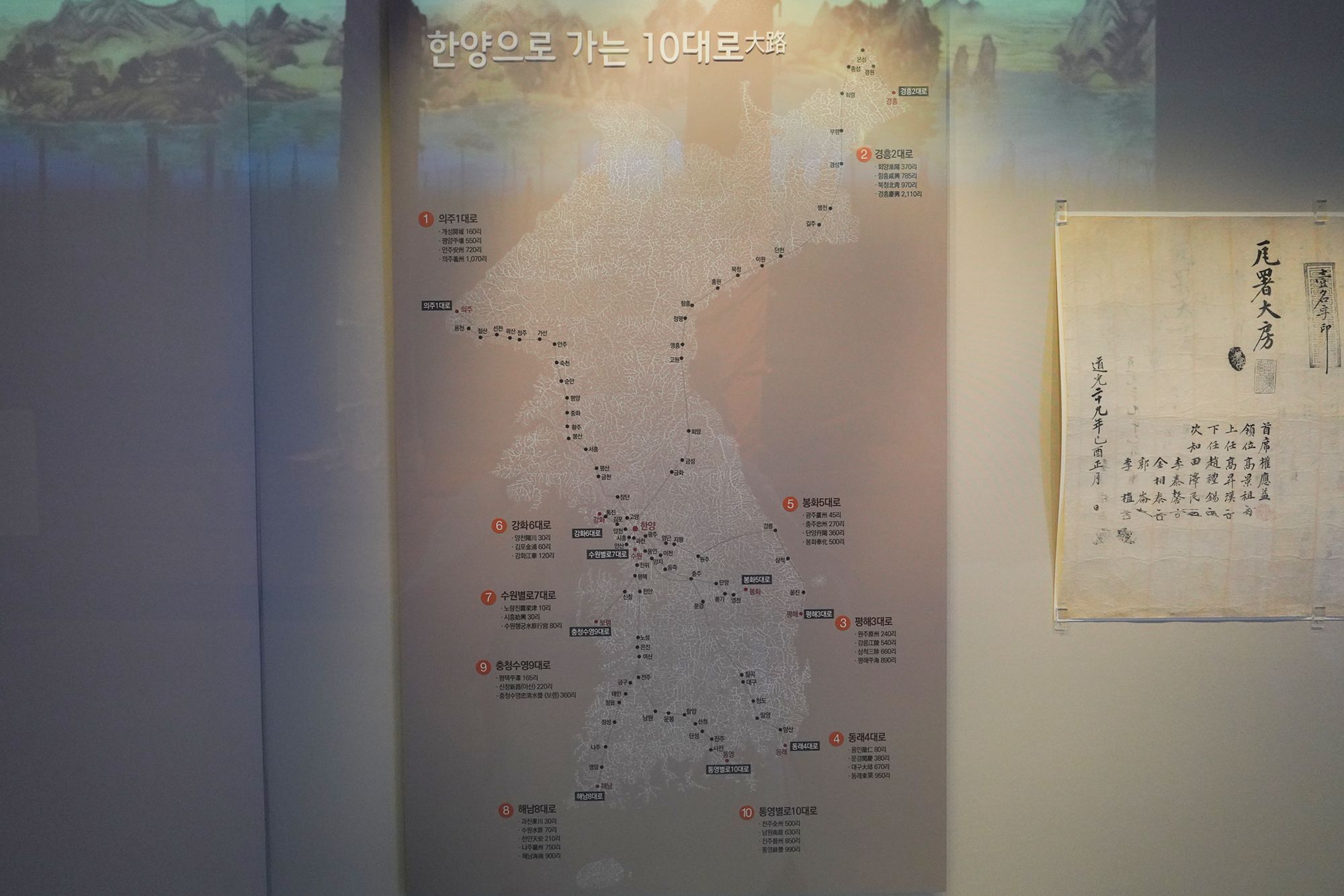
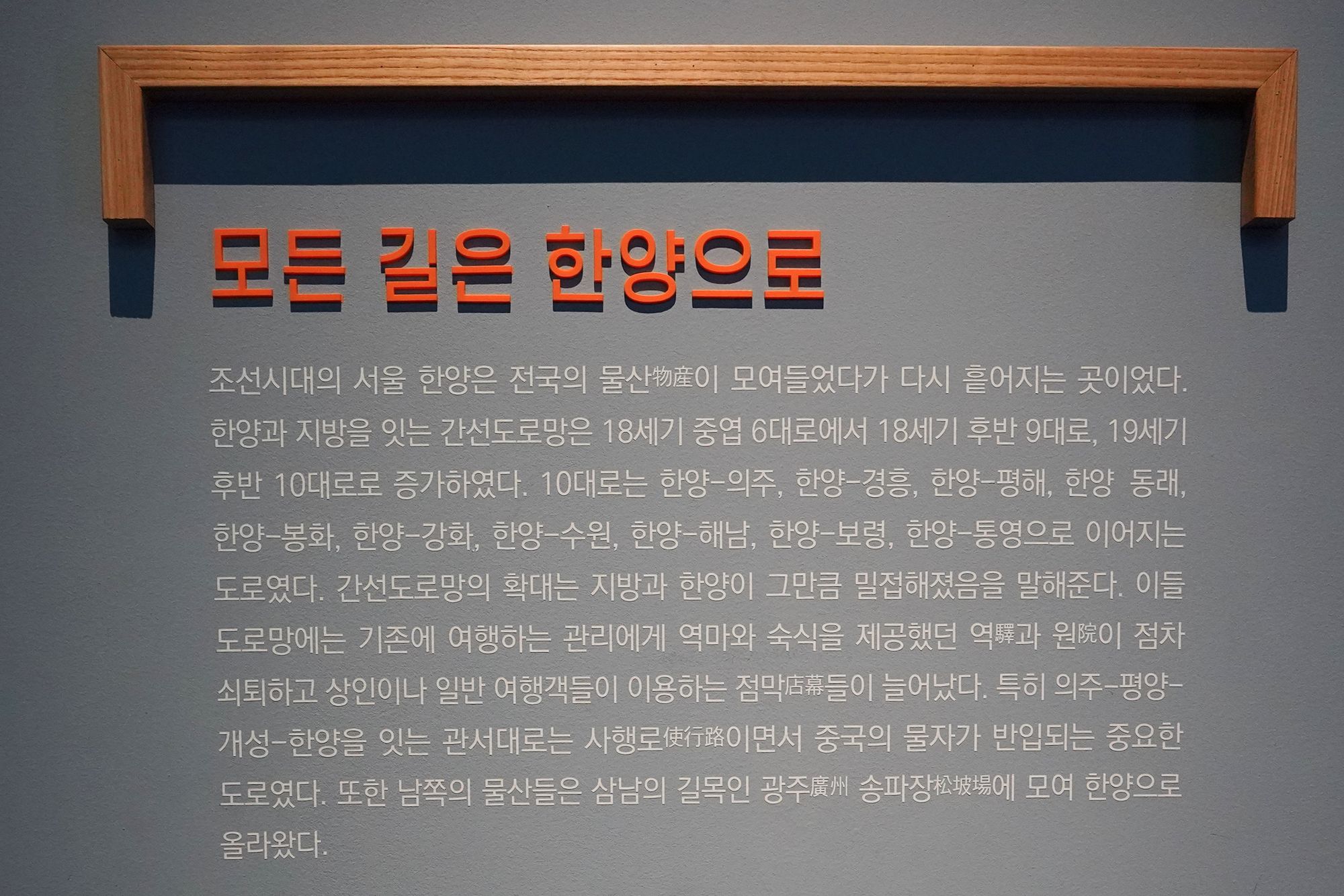
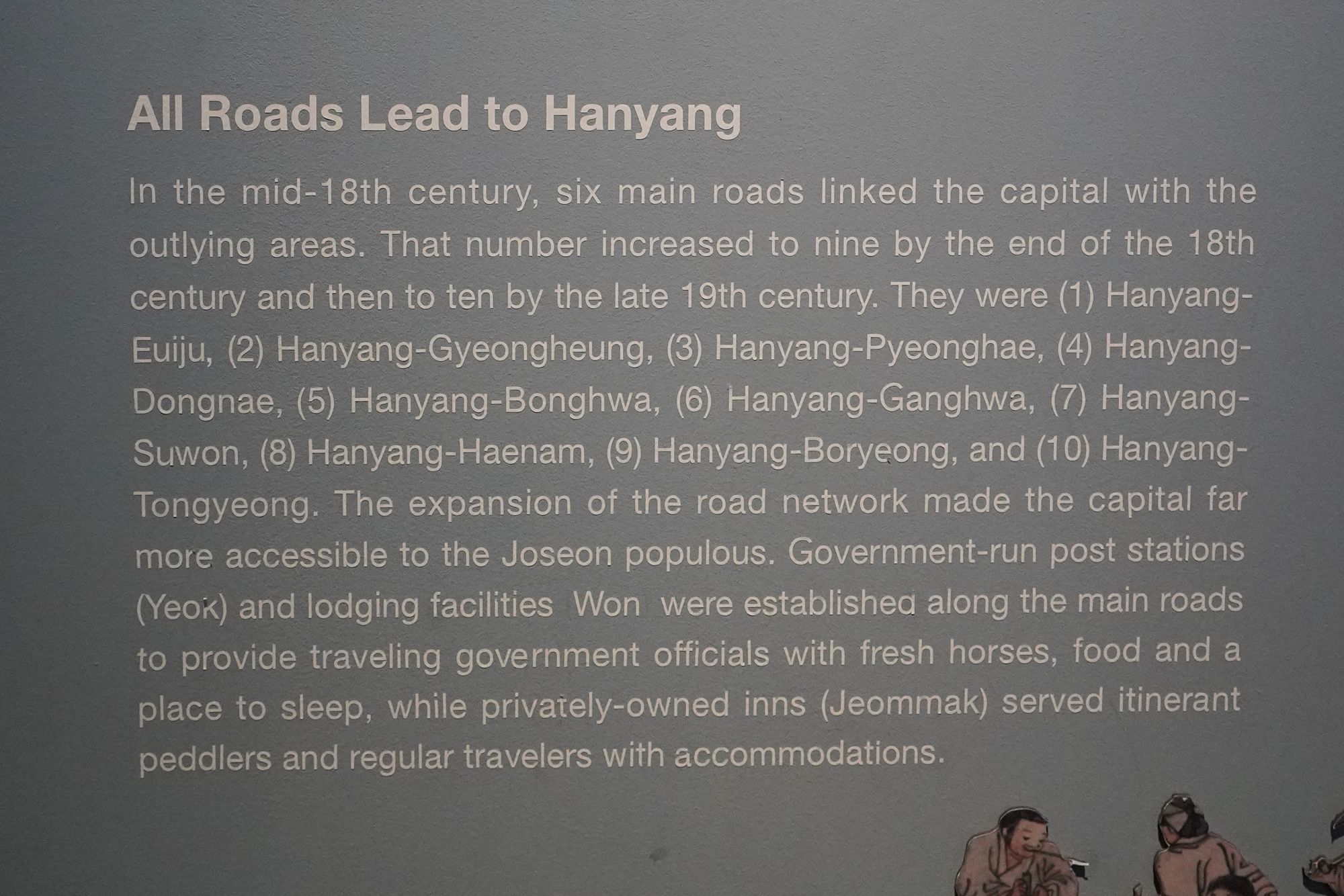
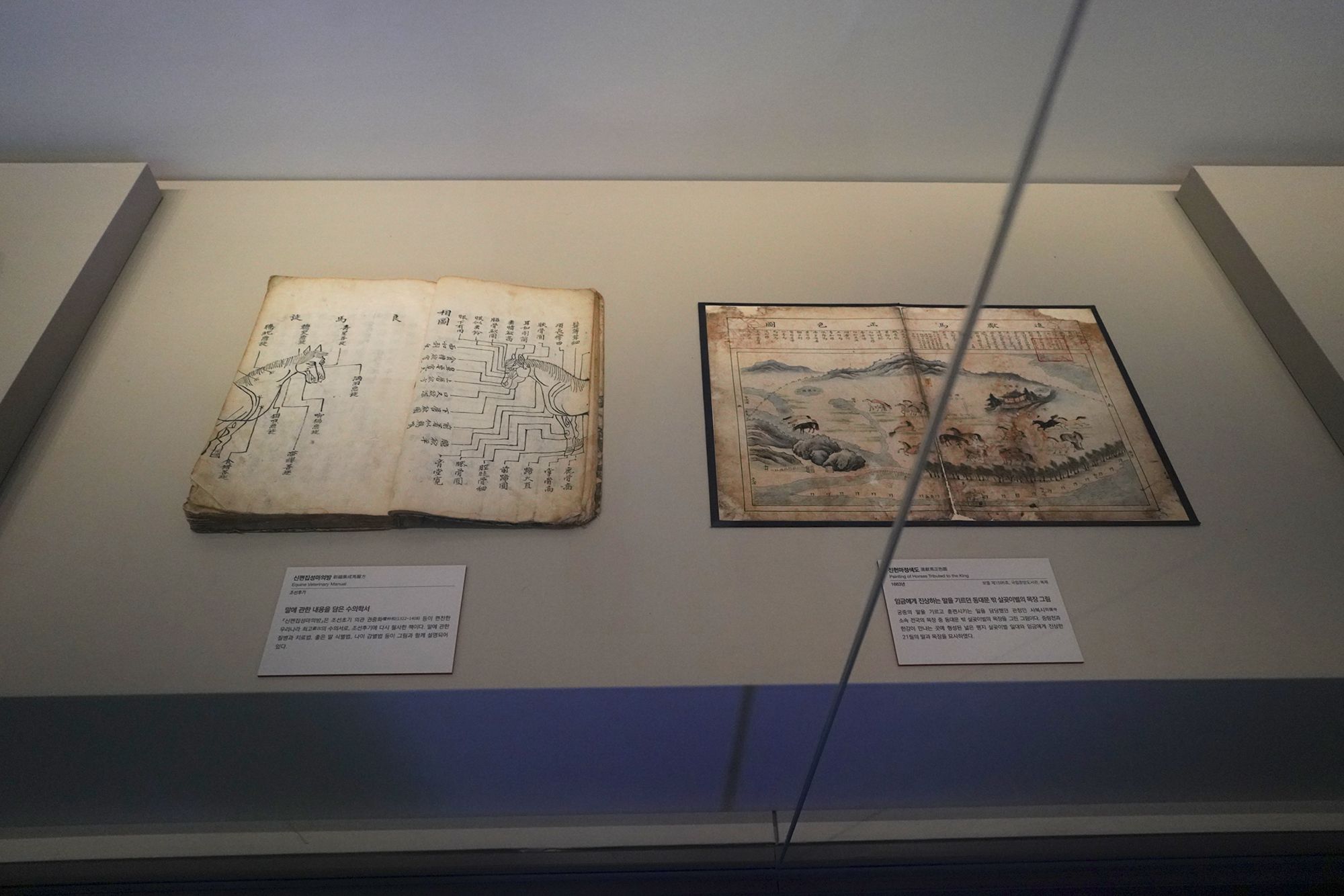
This explains how Hanyang became the center of Joseon’s expanding road network. Six major roads connected the capital to other regions in the mid-18th century, increasing to ten major routes by the late 19th century.
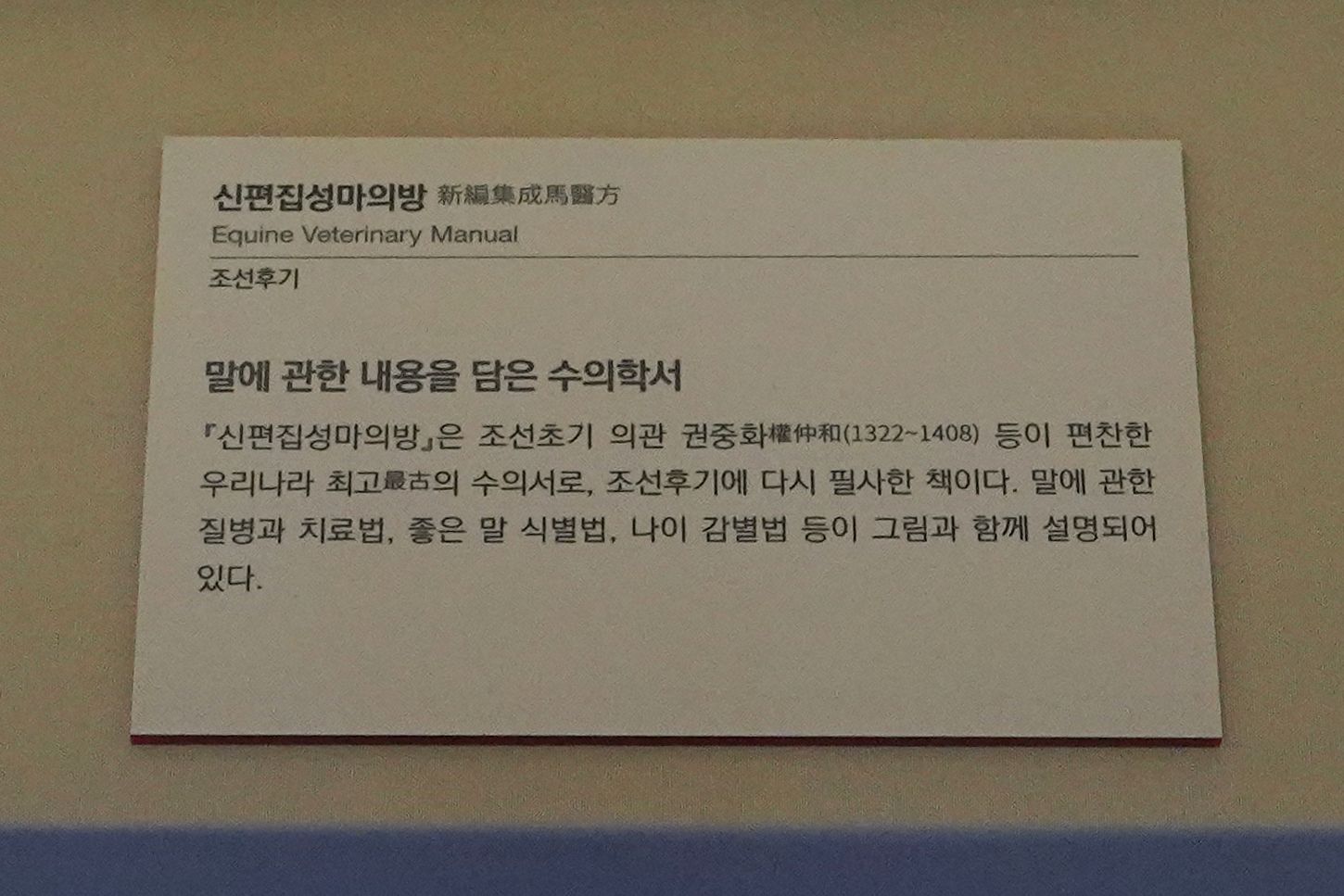
Along these roads were government post stations (yeok) and lodging facilities for officials, providing horses, food, and accommodations. Ordinary travelers and traveling merchants could stay at privately operated inns called jeommak (주막).
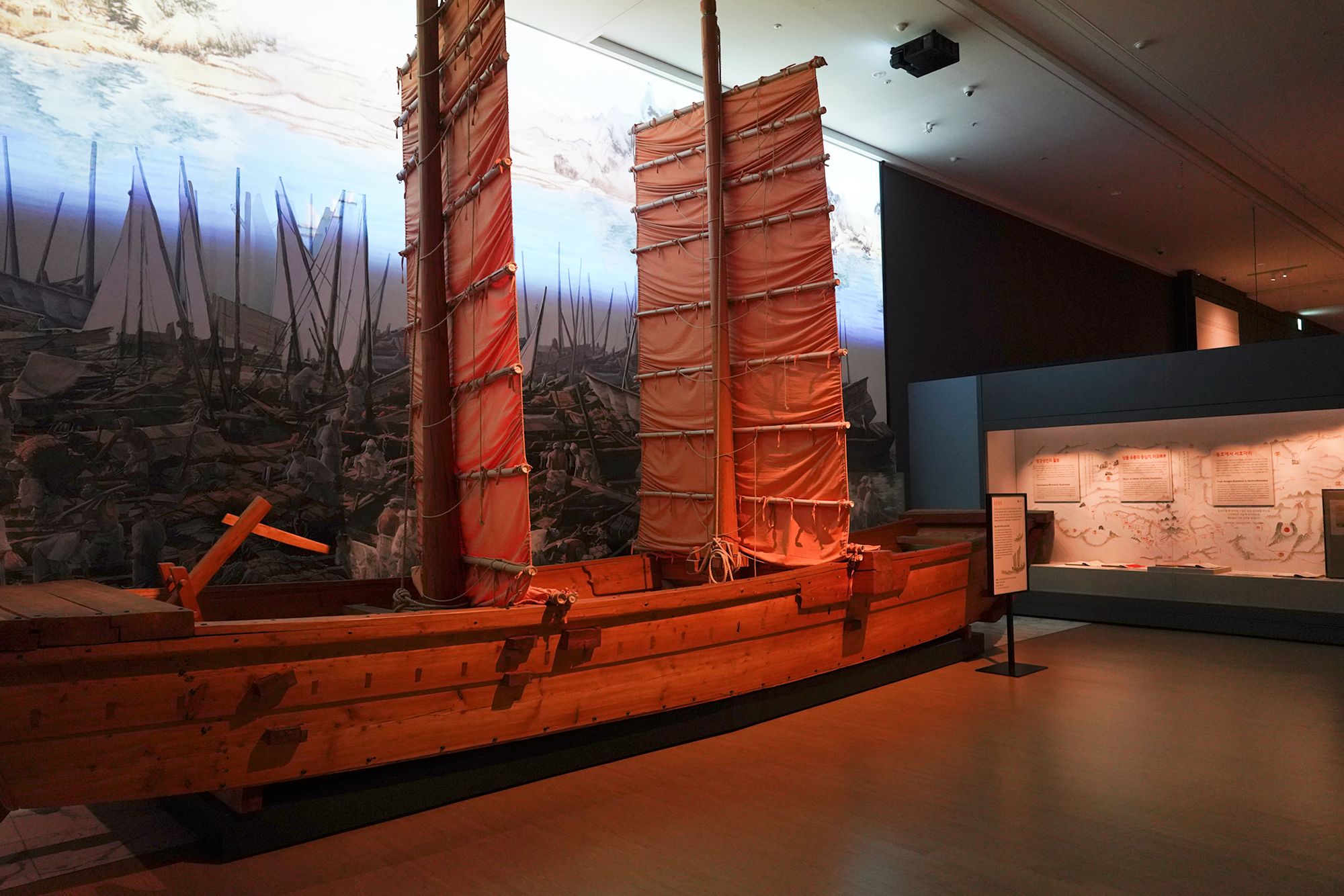
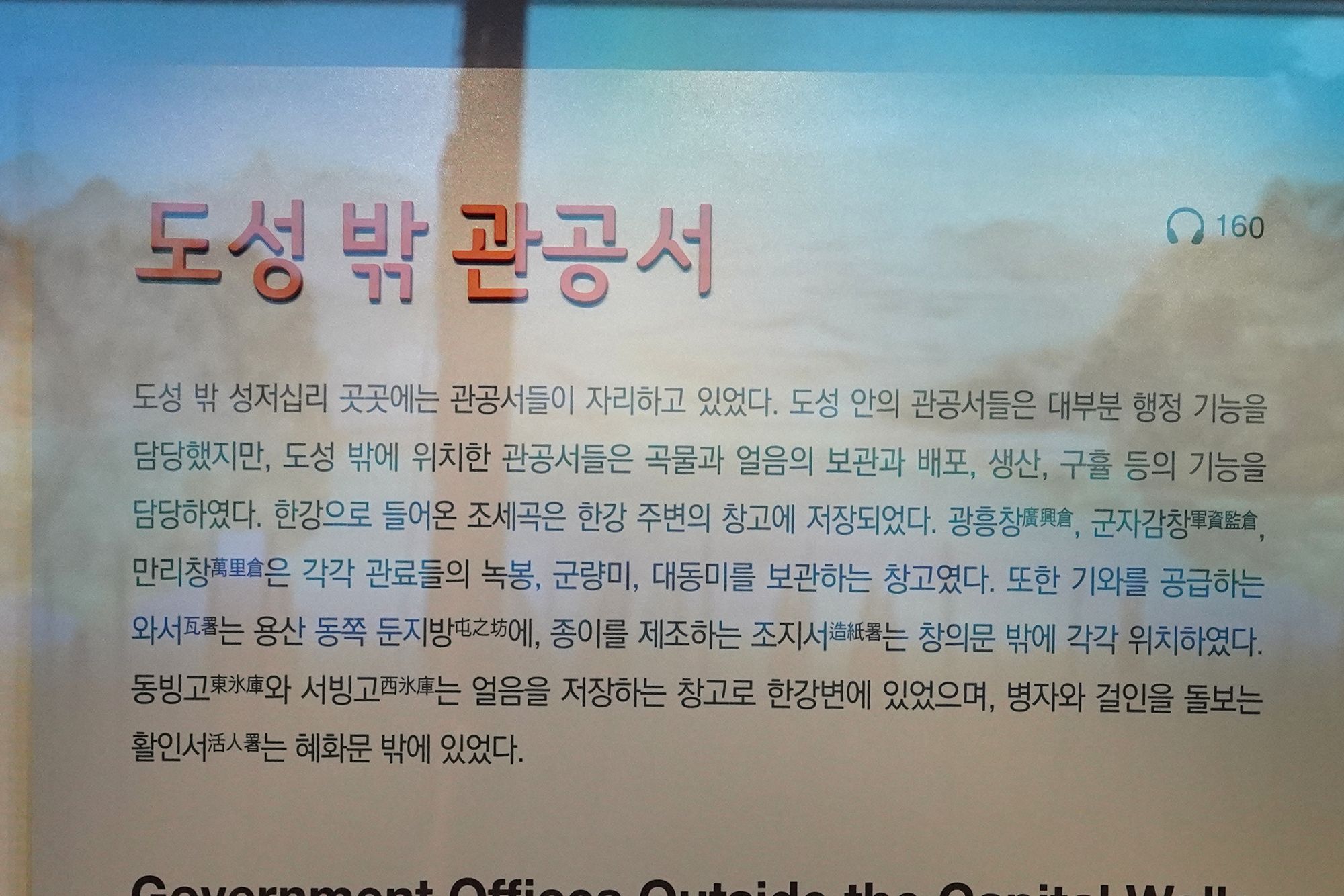
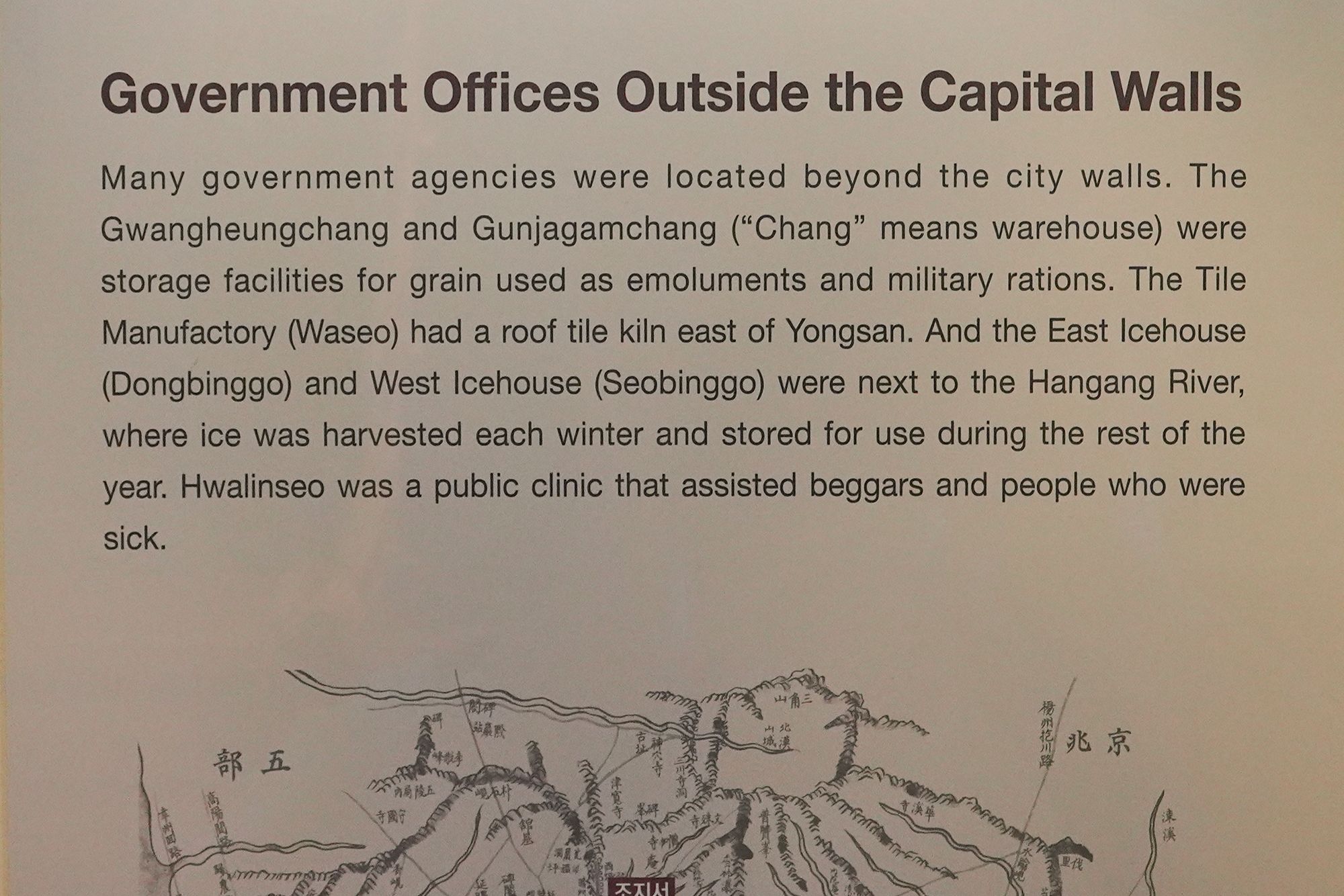
Outside Hanyang’s city walls were government facilities including grain warehouses, roof-tile kilns, icehouses, and a public clinic serving the poor and sick.