Rijksmuseum – Highlights, 1600 to 1650, Amsterdam, Netherland
This blog of the Rijksmuseum features highlights from 1600 to 1650, a period when Dutch art, trade, and culture flourished during the Dutch Golden Age. 1293
Rijksmuseum: Museumstraat 1, 1071 XX Amsterdam, Netherlands
Date Picture Taken: May, 2026
The Rijksmuseum is the national museum of the Netherlands and one of Amsterdam’s most important cultural attractions. Its enormous collection tells the story of Dutch art and history from the Middle Ages to modern times, with a particularly outstanding collection from the 17th-century Dutch Golden Age. The museum’s best-known masterpieces include works by Rembrandt, Johannes Vermeer, Frans Hals, and Jan Steen.
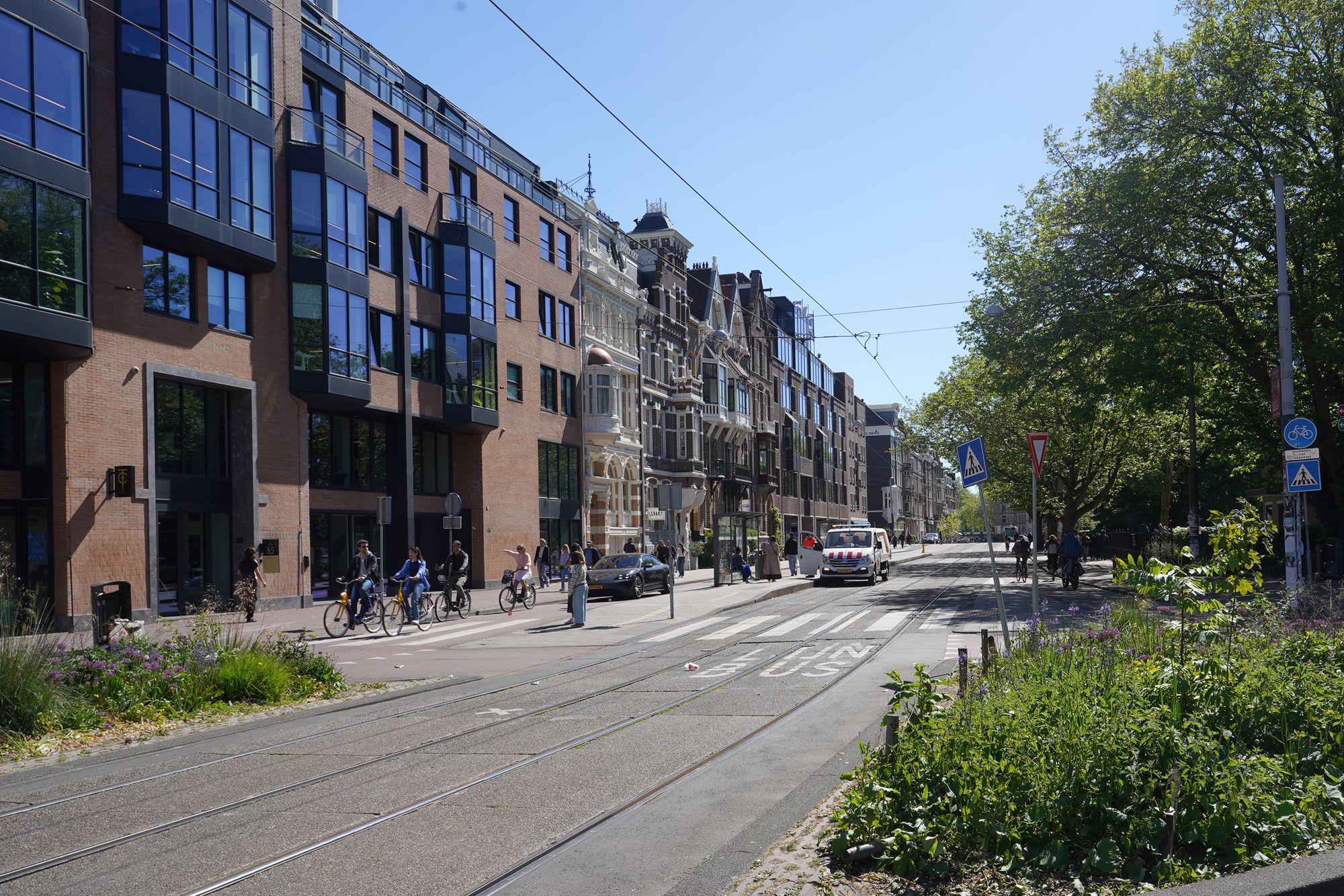
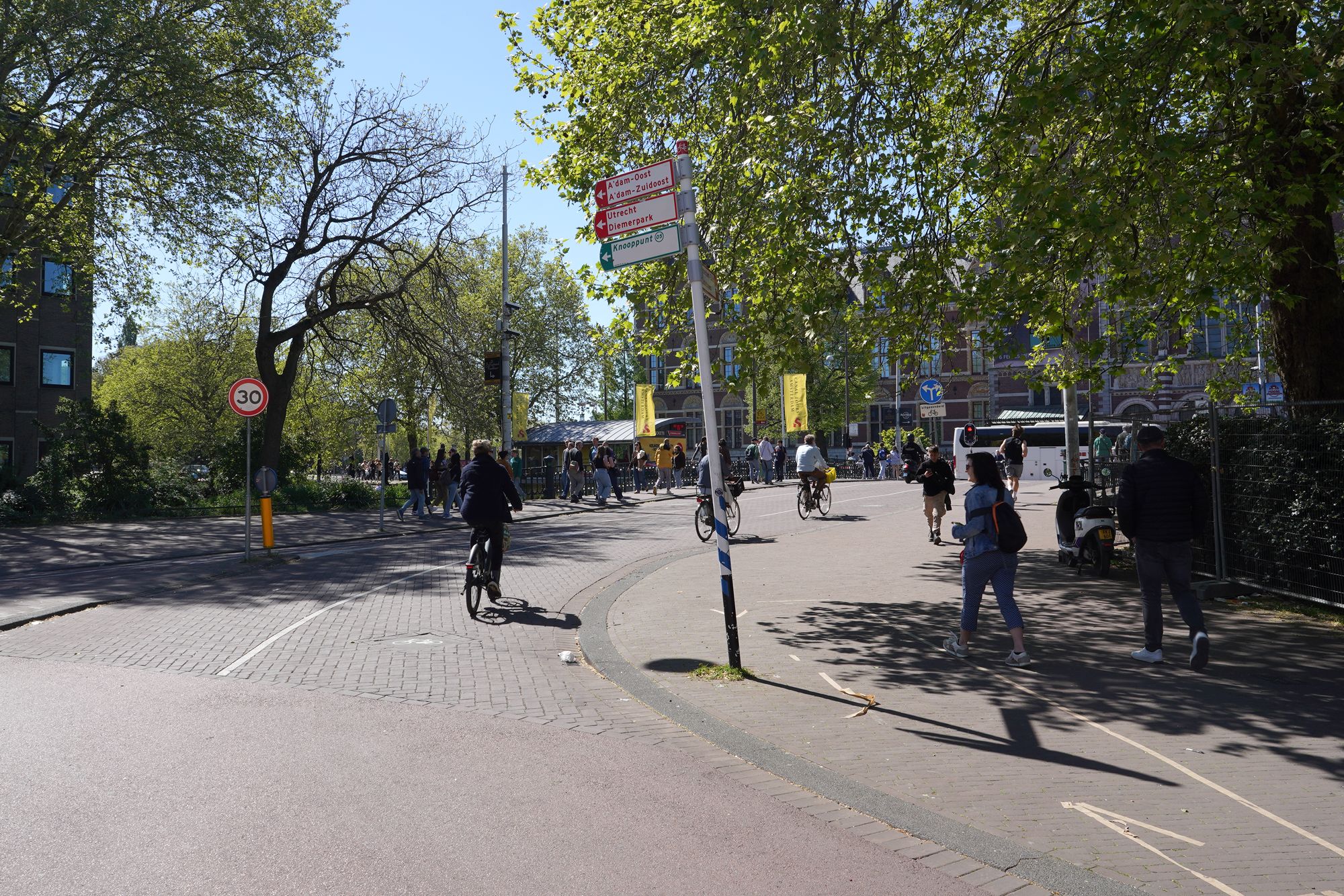
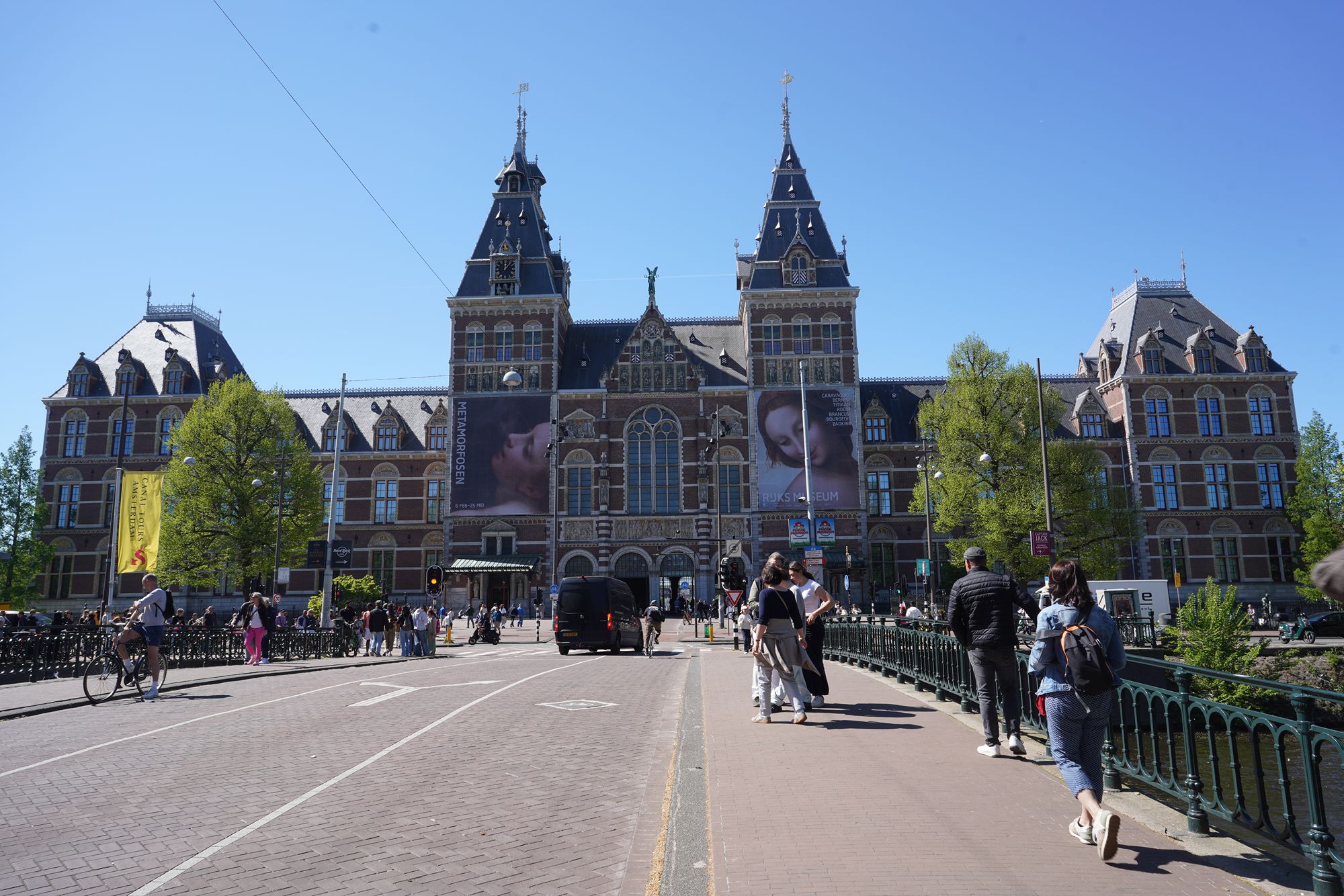
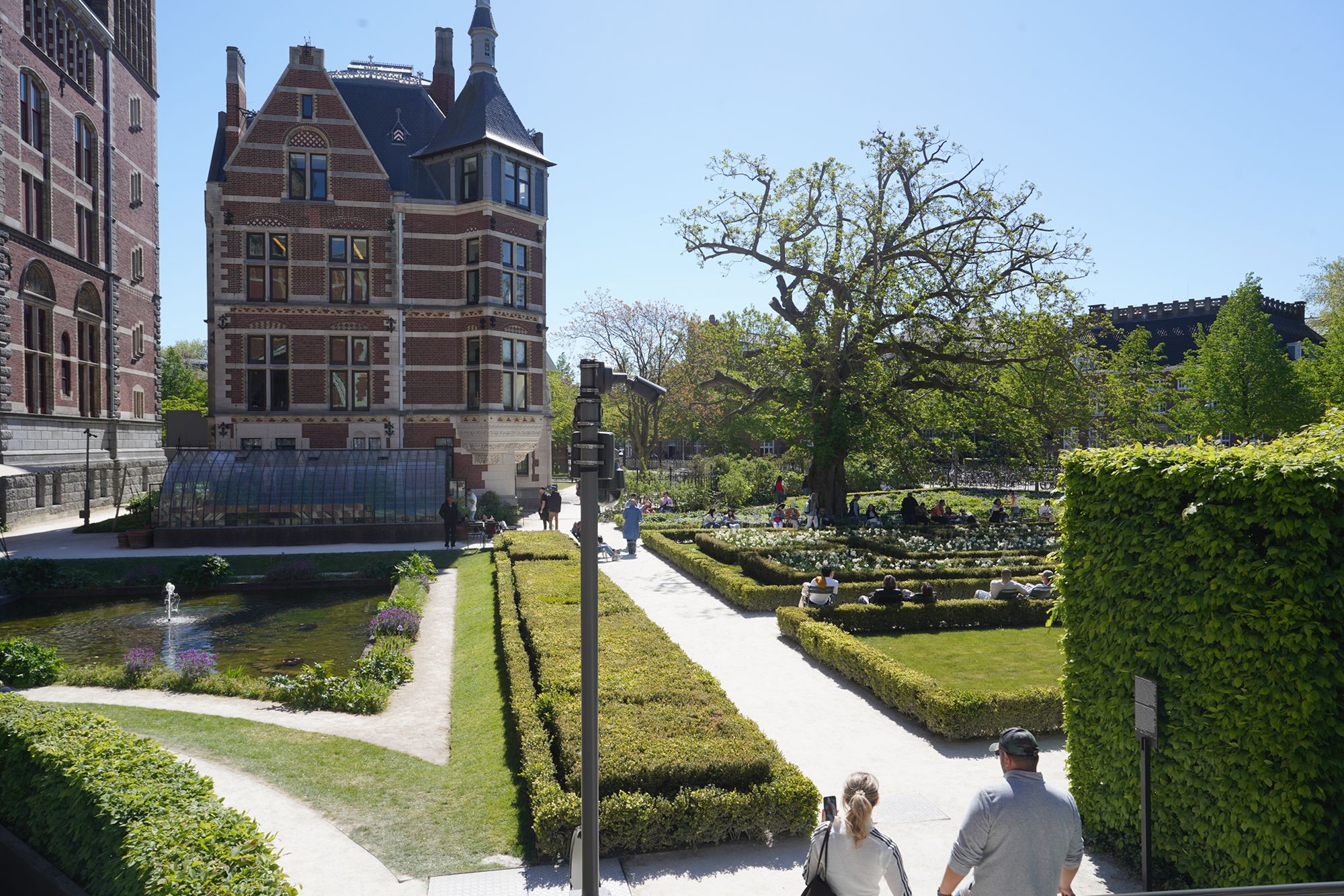
The museum building itself is also impressive. Designed by Dutch architect Pierre Cuypers, who also designed Amsterdam Central Station, it opened in 1885 and combines Gothic and Renaissance architectural influences. At the center of the museum is the Gallery of Honour, which leads to Rembrandt’s famous The Night Watch.
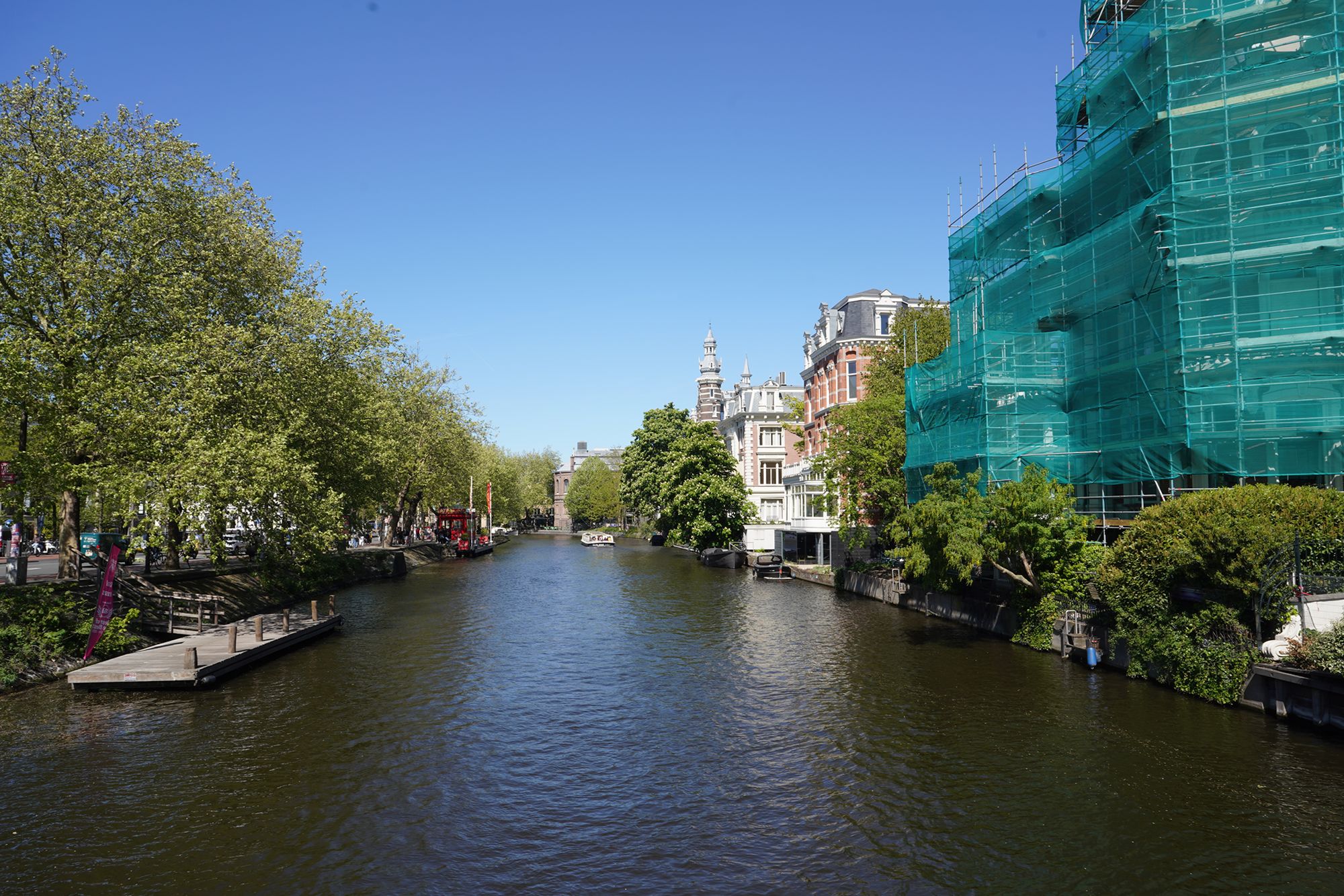
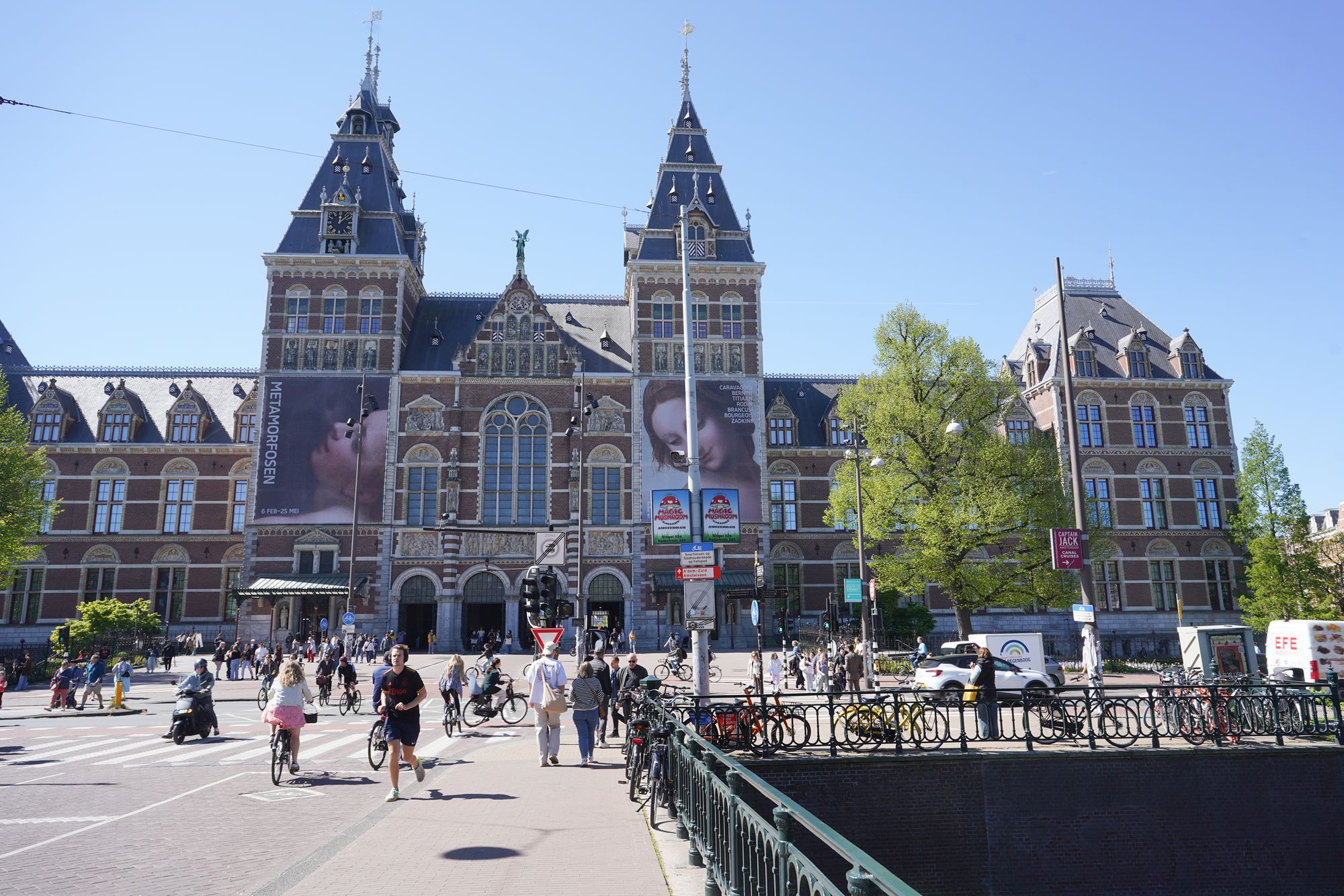
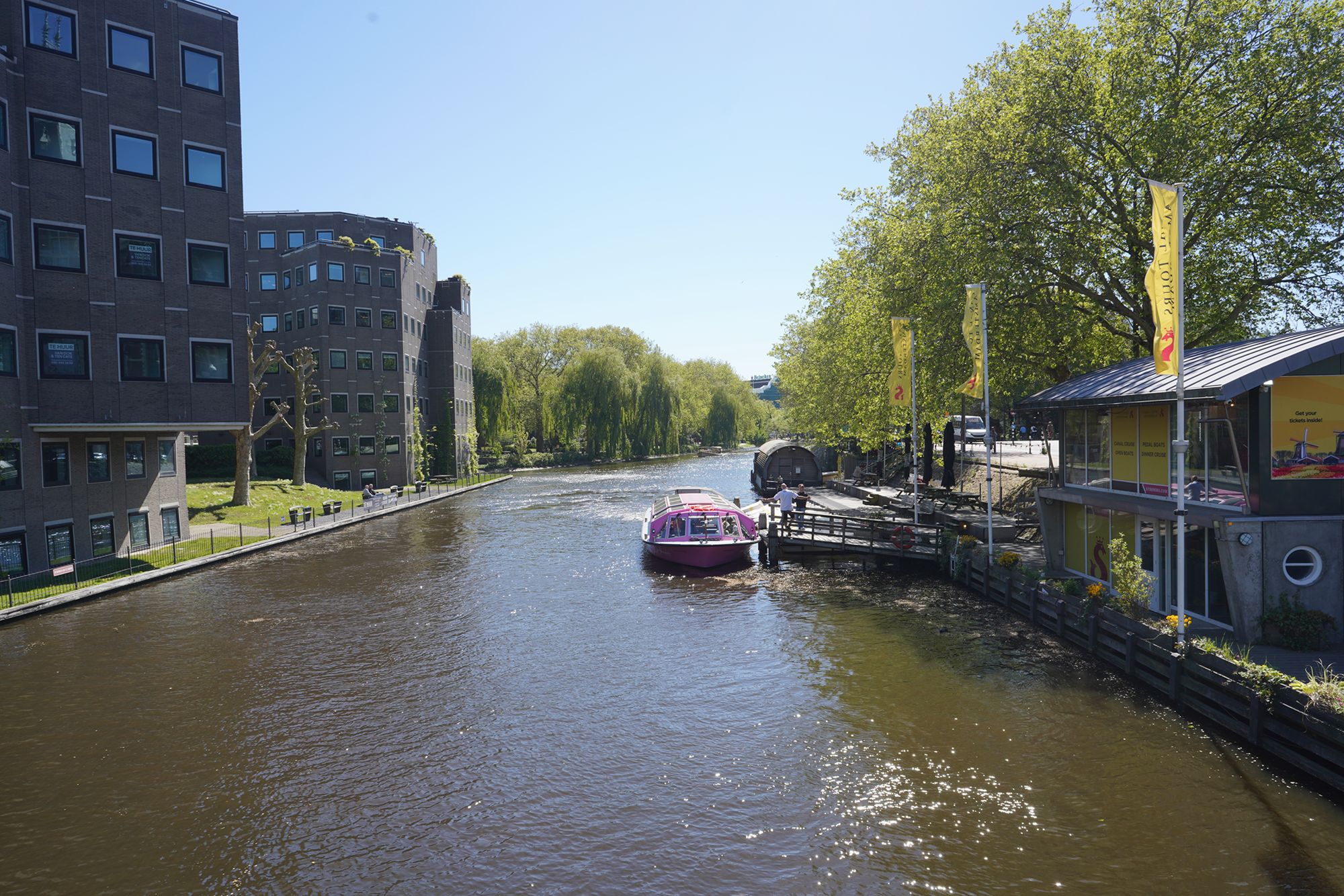
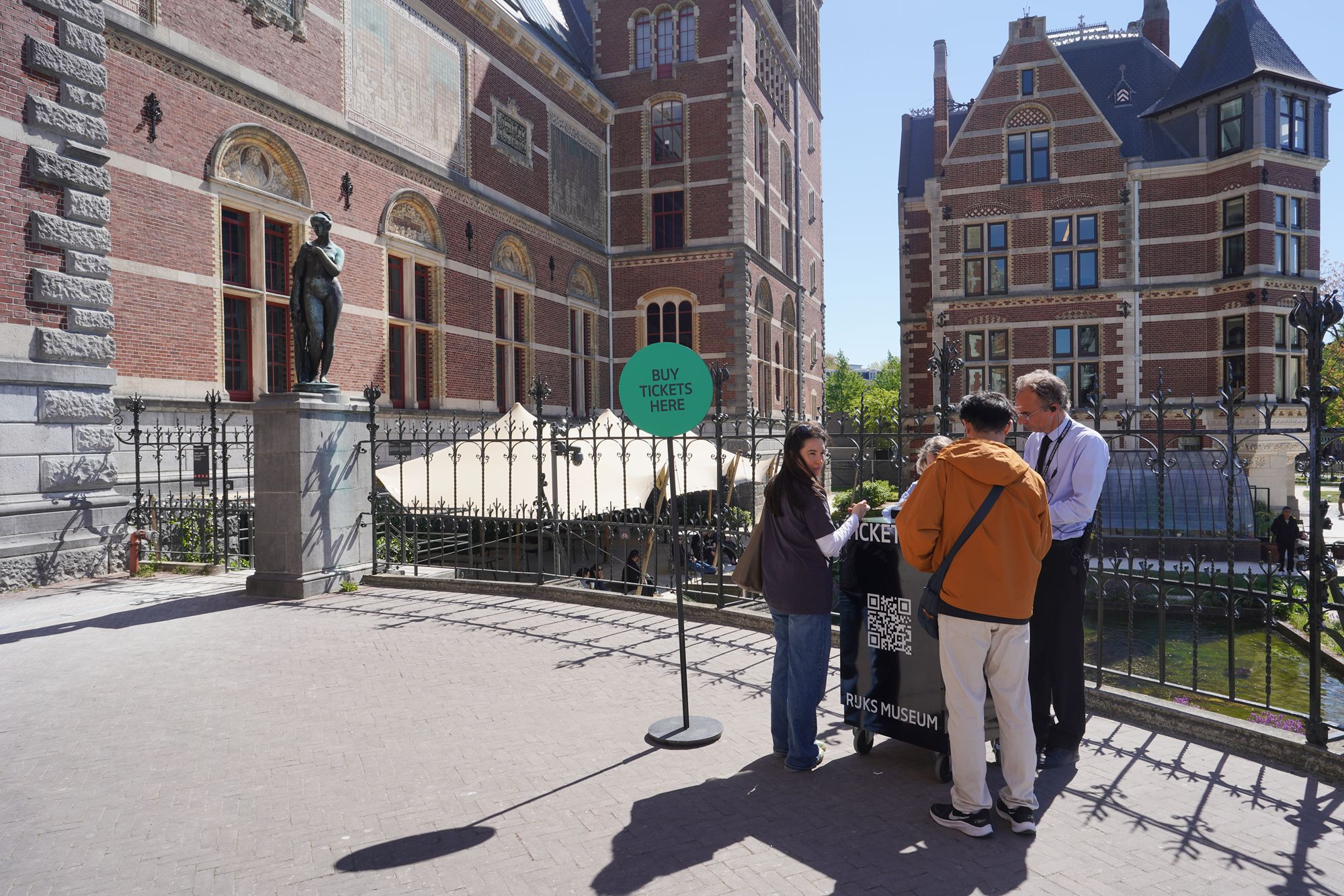
Looking through the window from outside, I could get a glimpse of the interior of the Rijksmuseum before going inside.
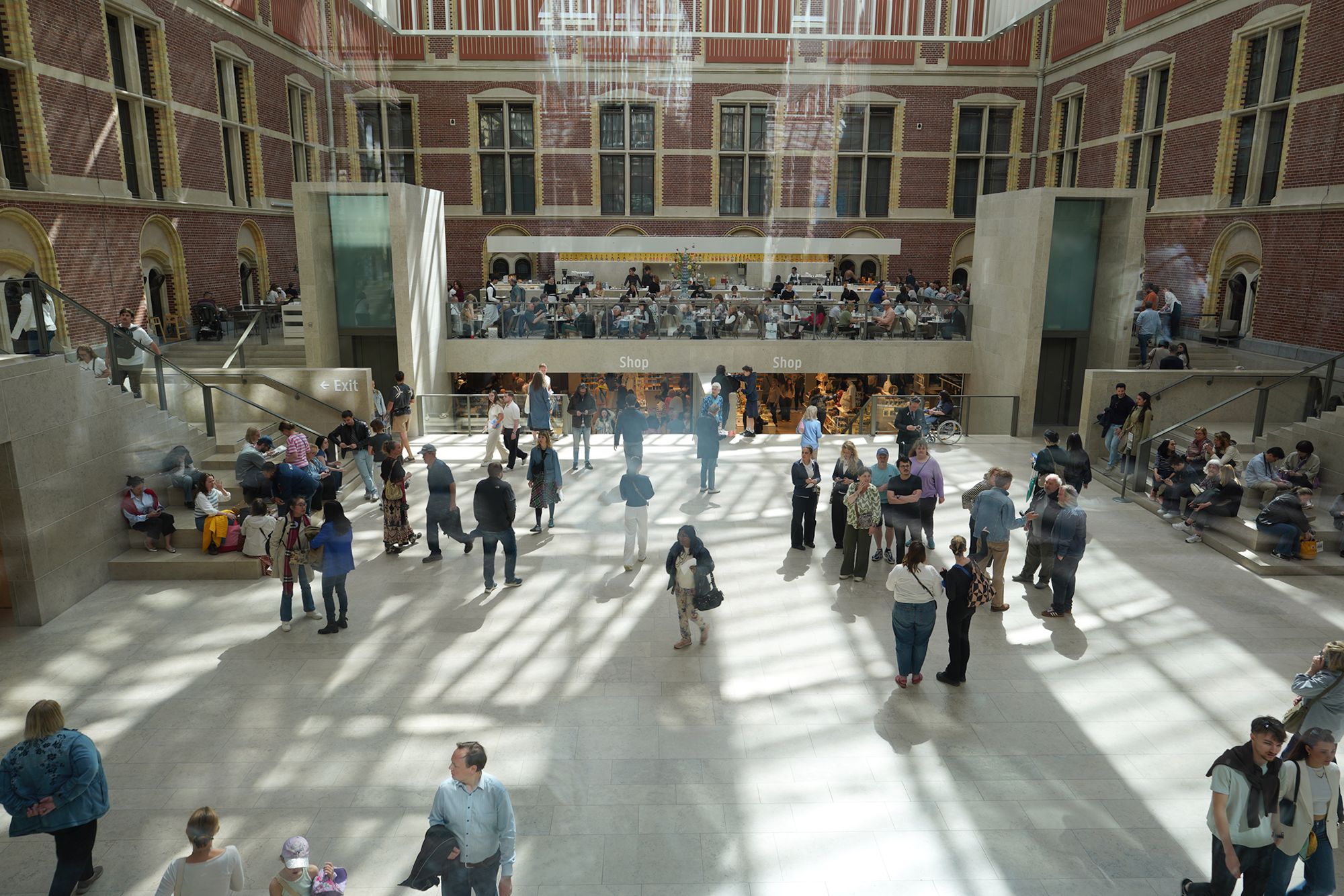
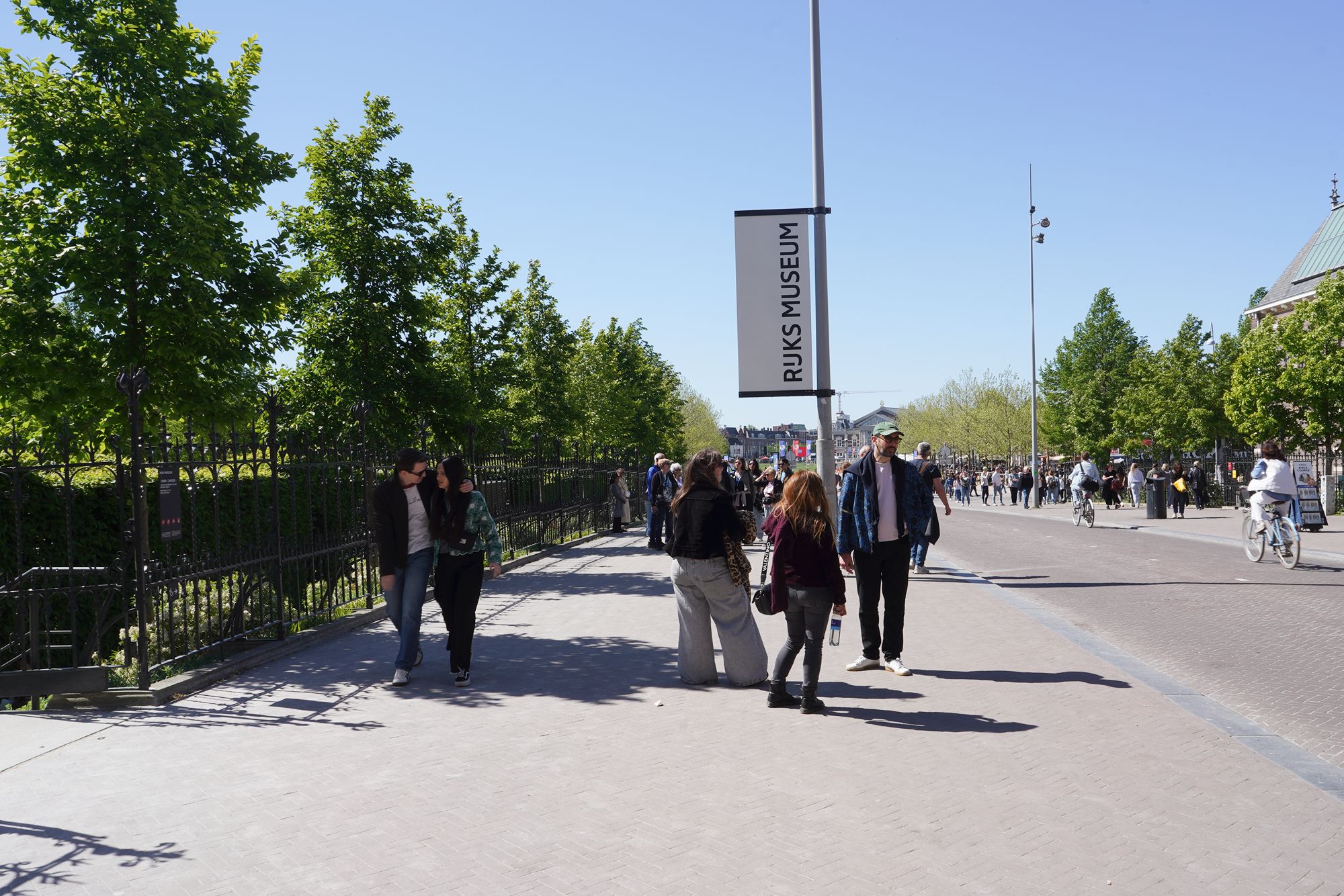
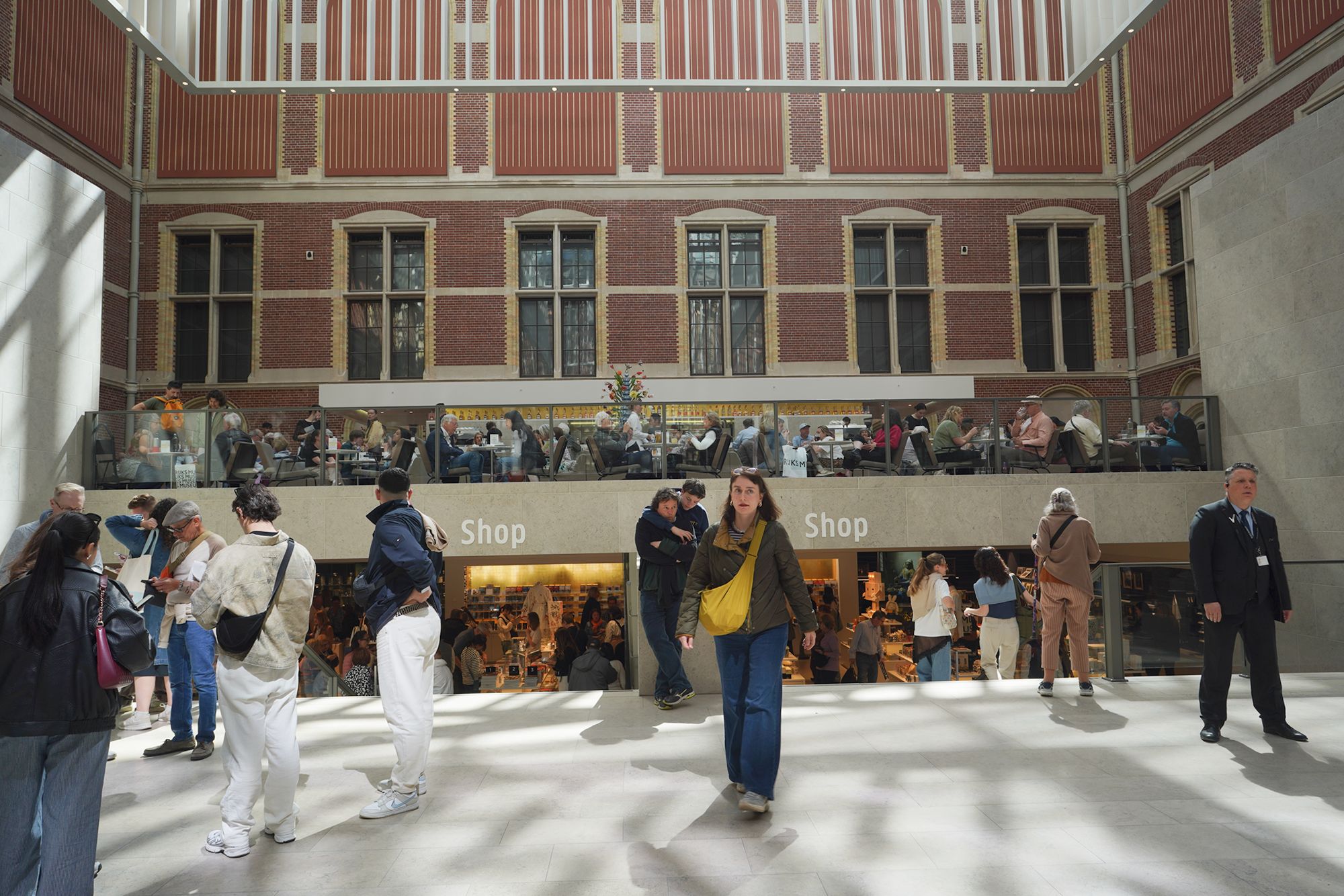
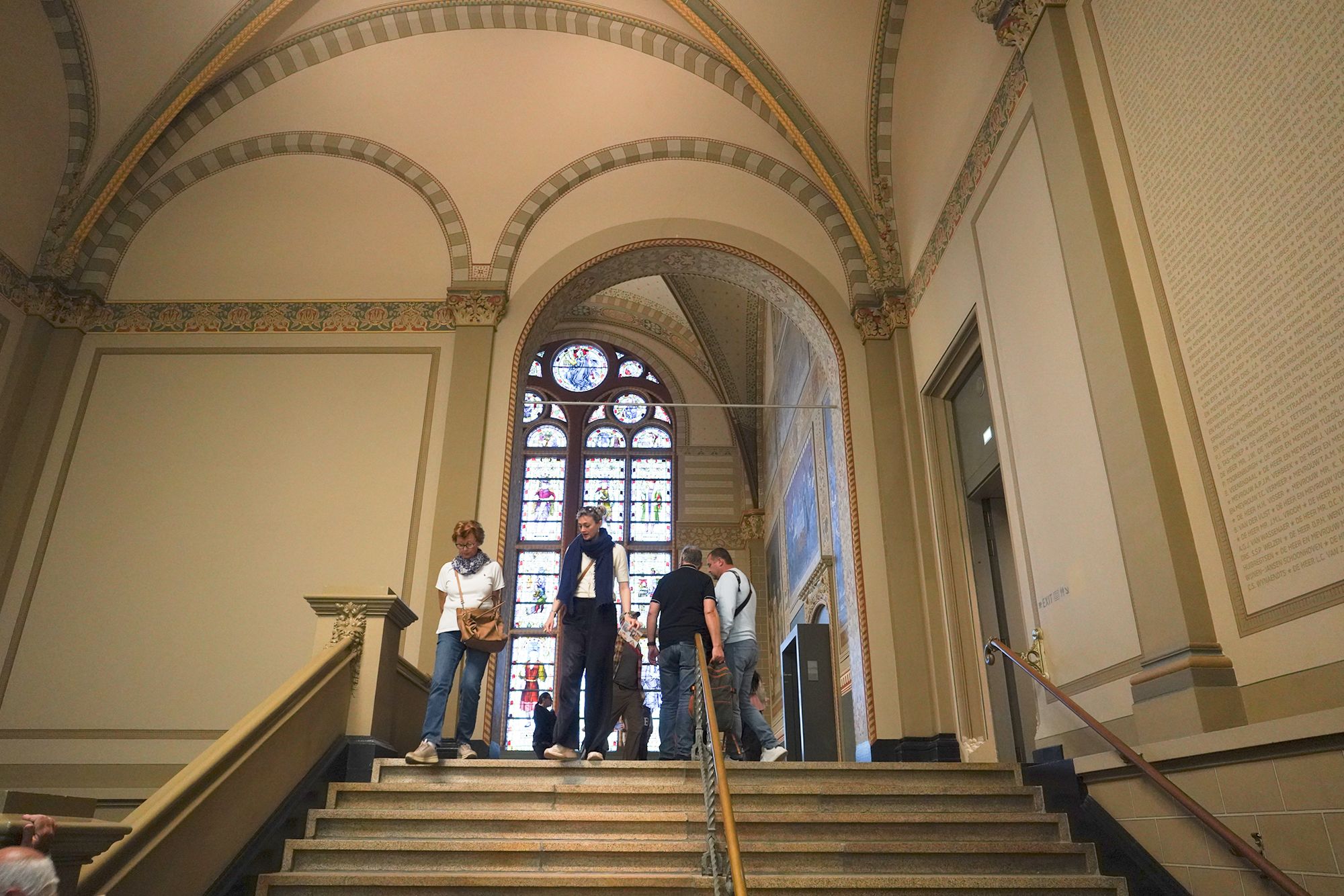
Inside the museum
I visited the Rijksmuseum in a single day, but there were so many paintings and other works of art to see that I decided to divide my visit into three separate blogs. This made it easier to show more of the museum’s collection without making one blog overwhelmingly long.
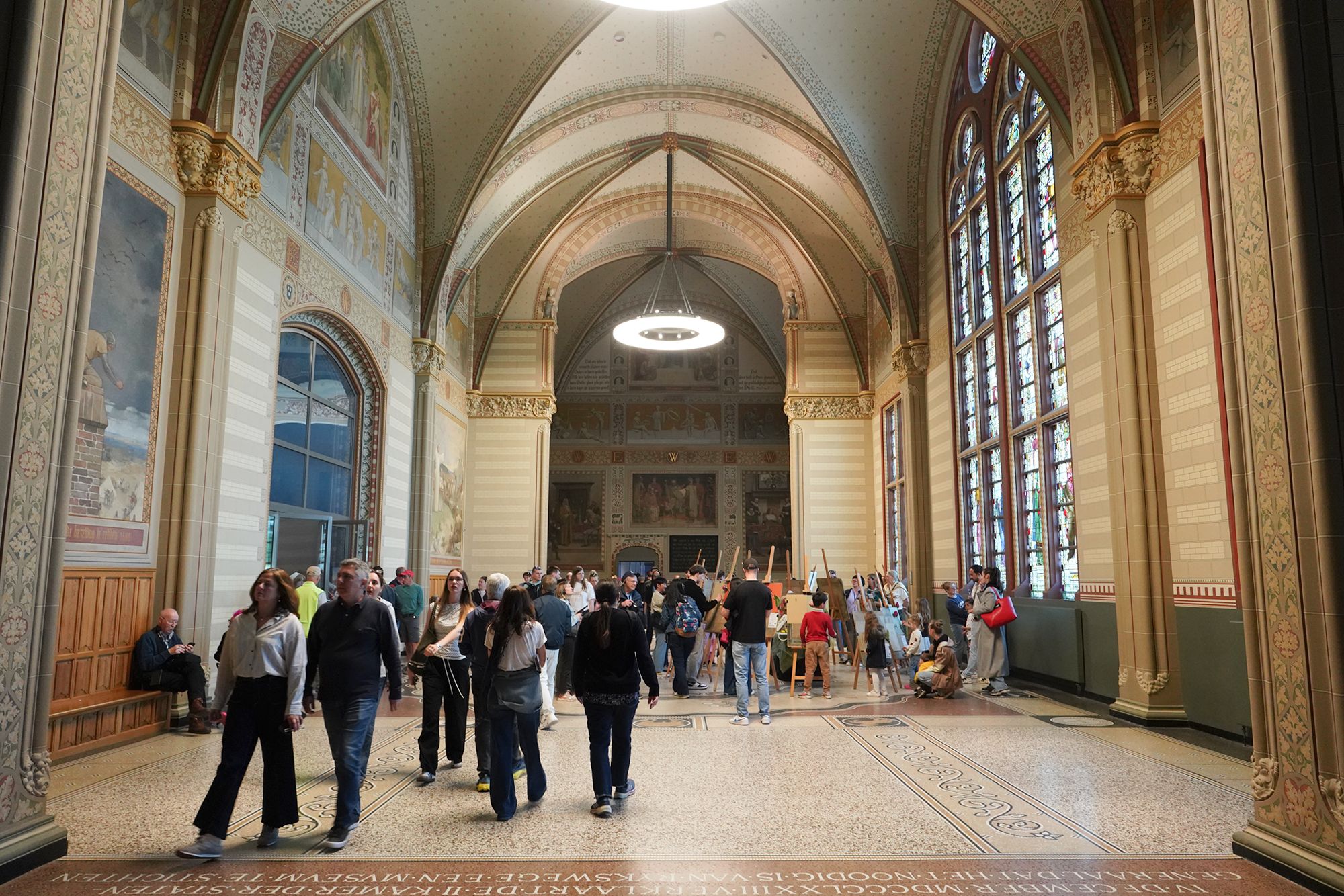
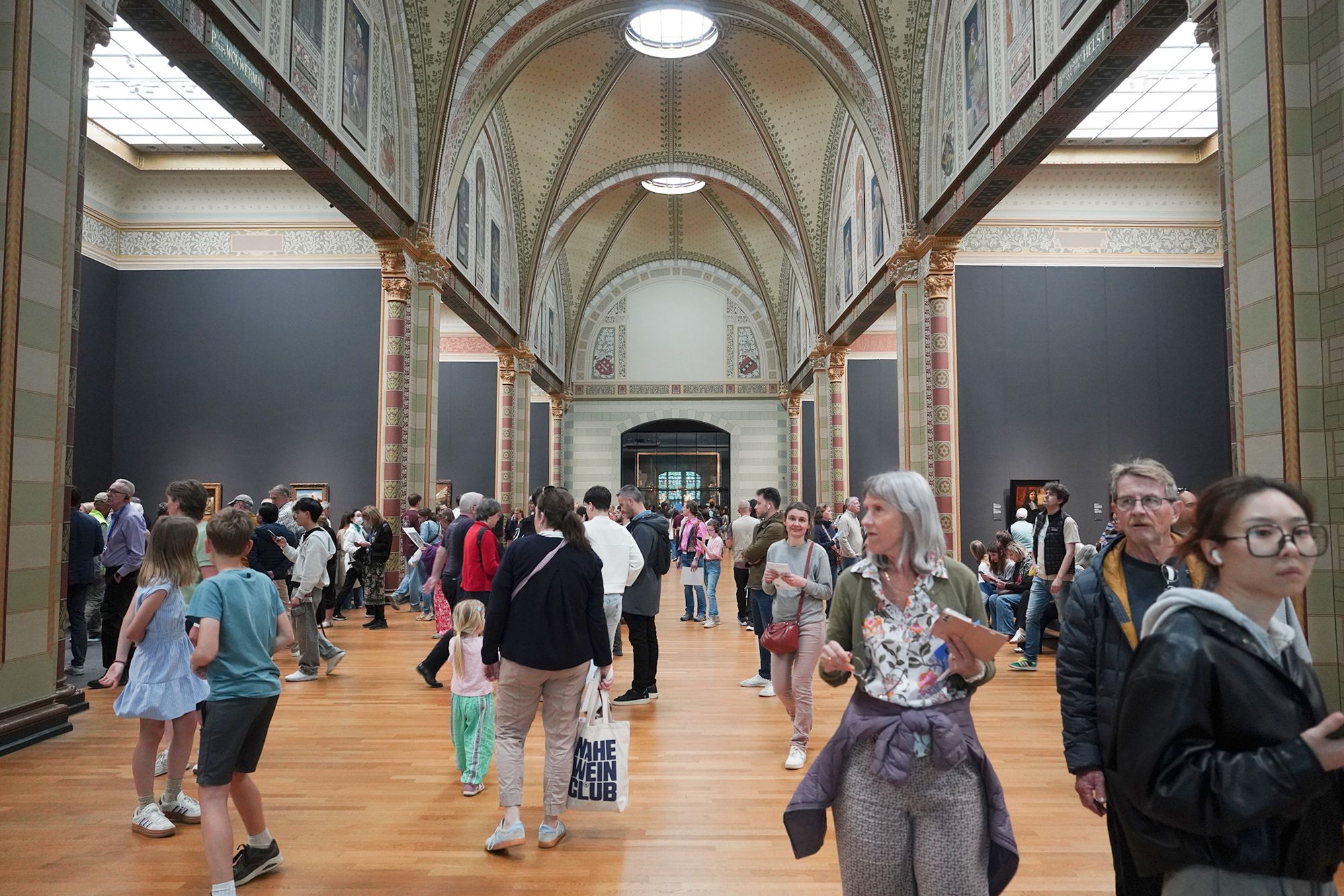
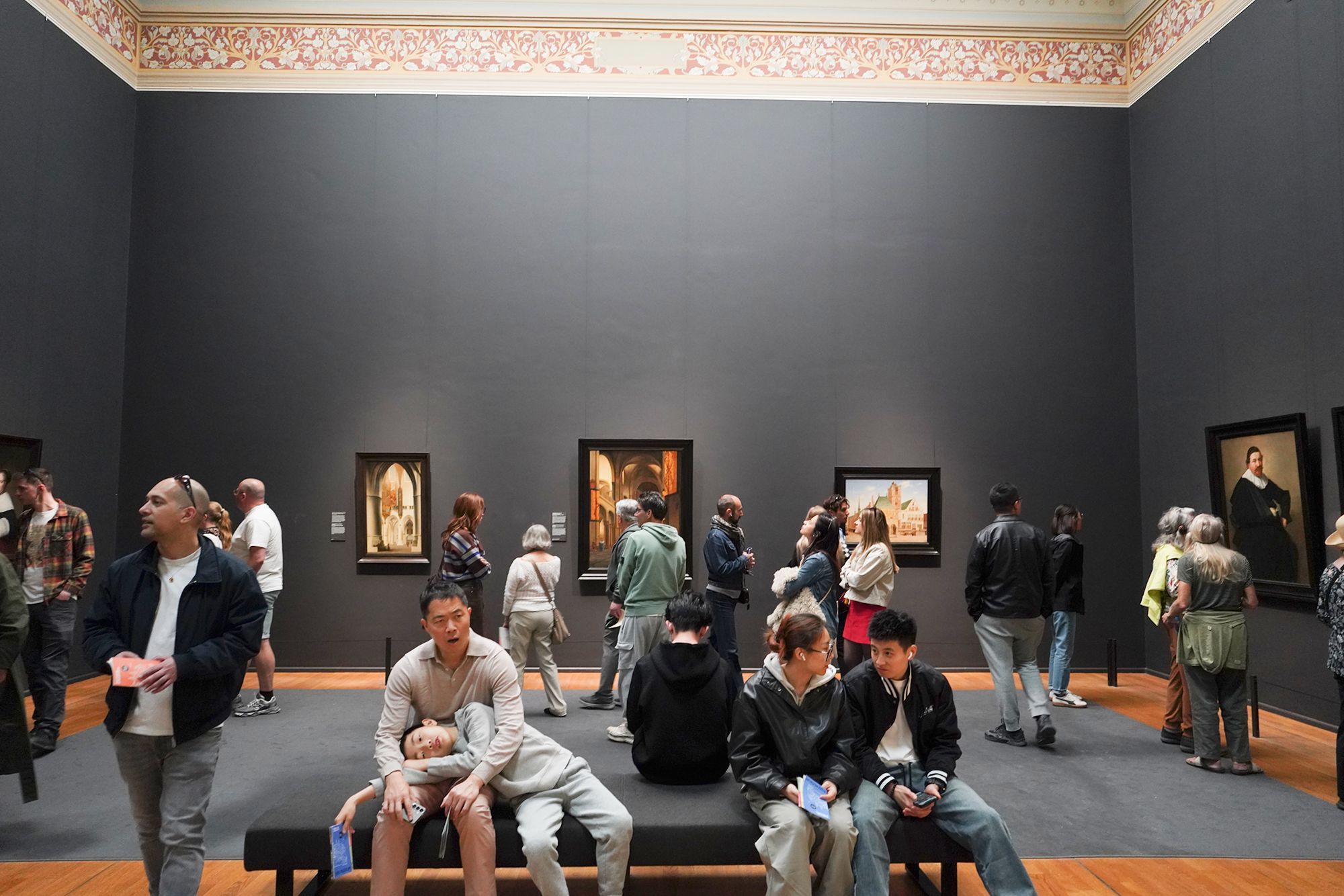
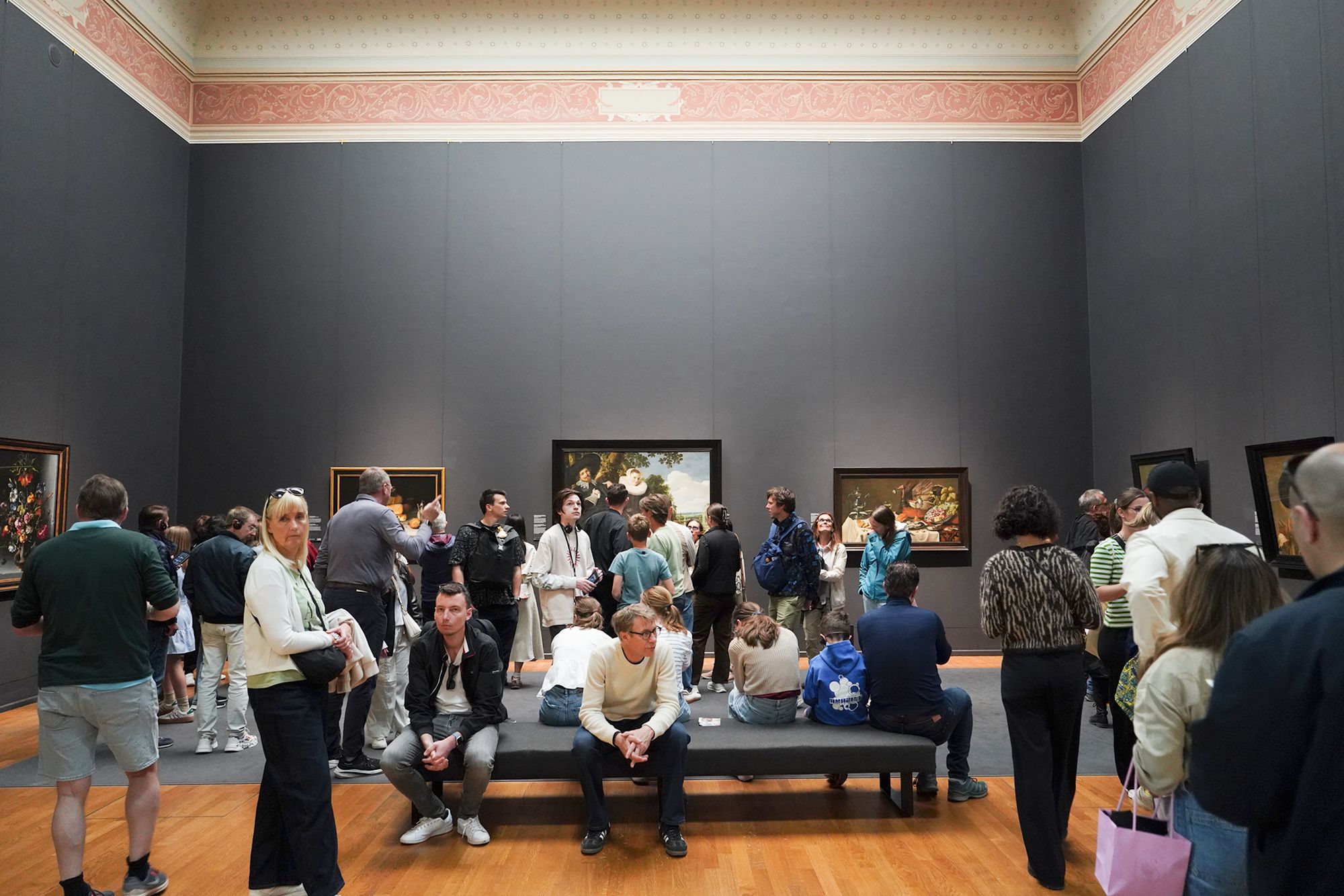
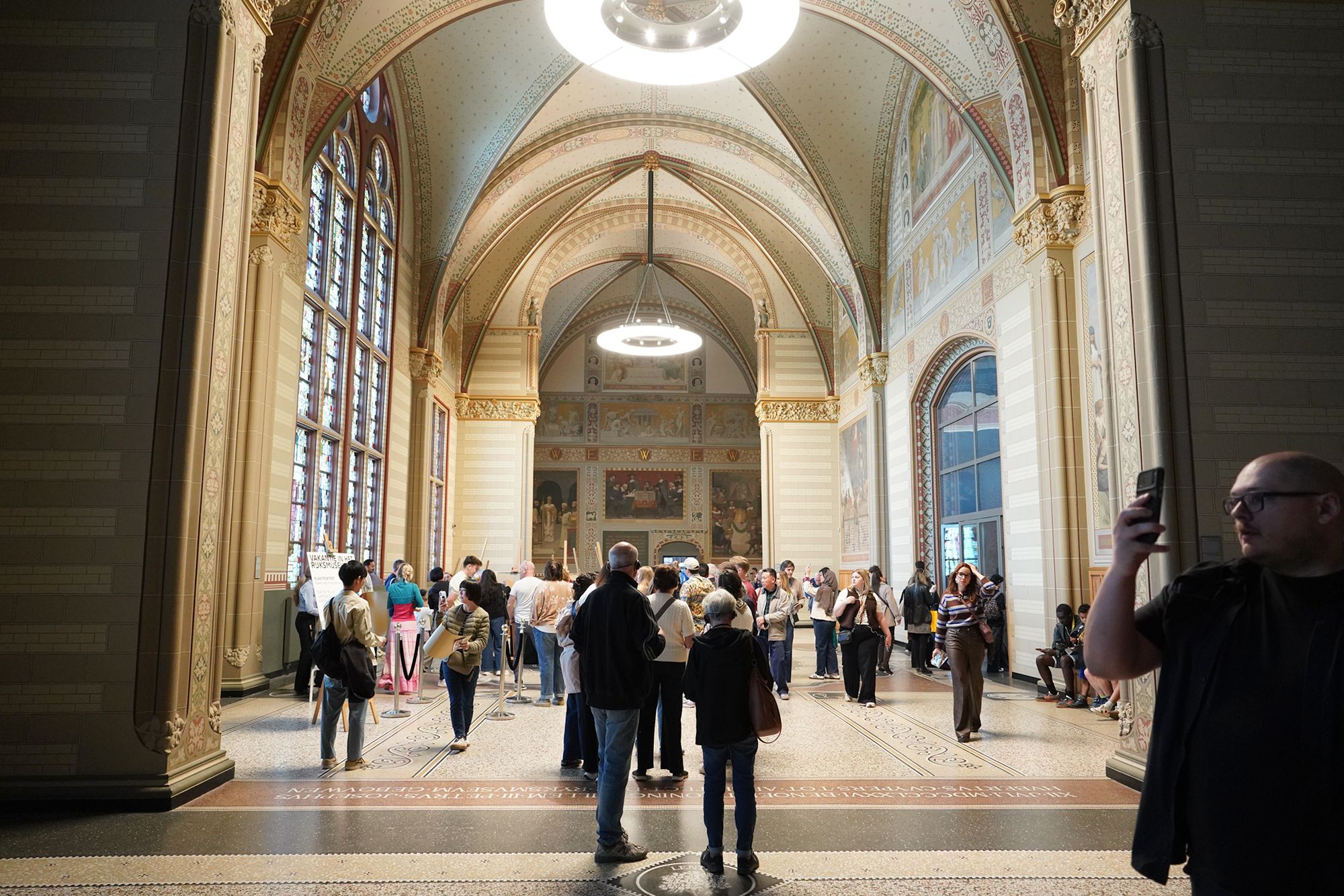
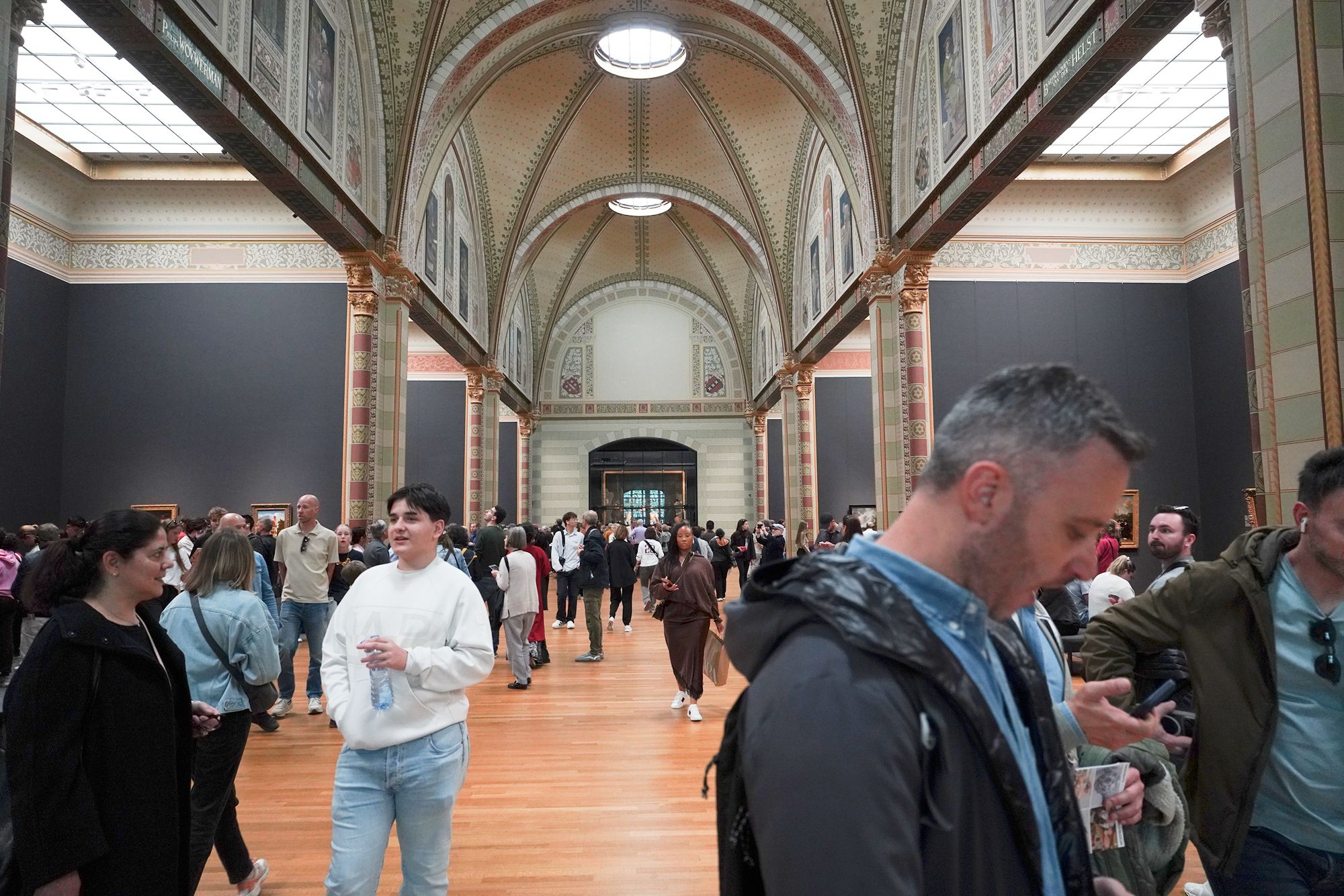
This grand hallway is the Rijksmuseum’s Gallery of Honour, where many of the museum’s greatest masterpieces are displayed. Paintings by celebrated Dutch artists such as Rembrandt, Vermeer, Frans Hals, and Jan Steen can be found along this impressive gallery, making it one of the highlights of the museum.
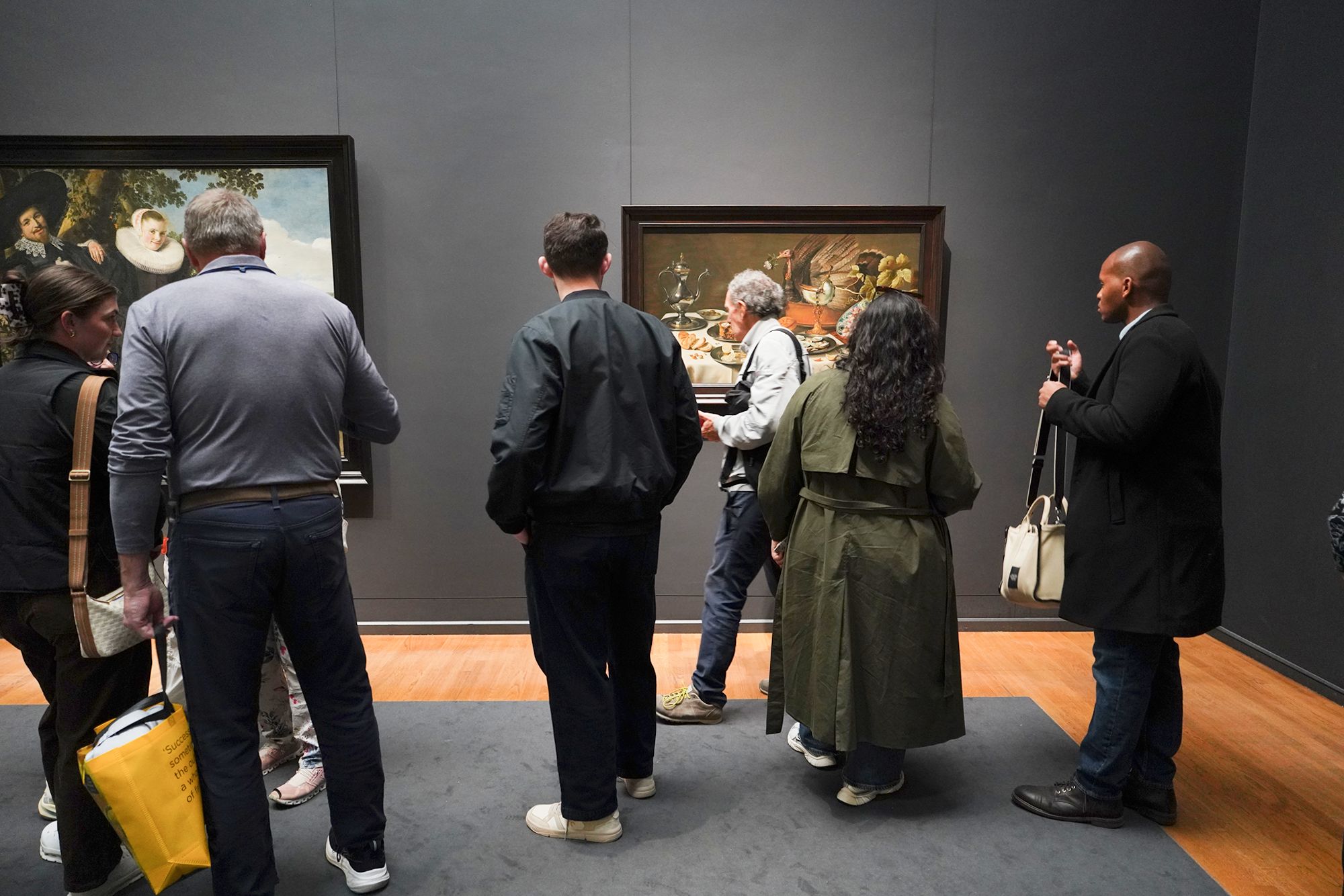
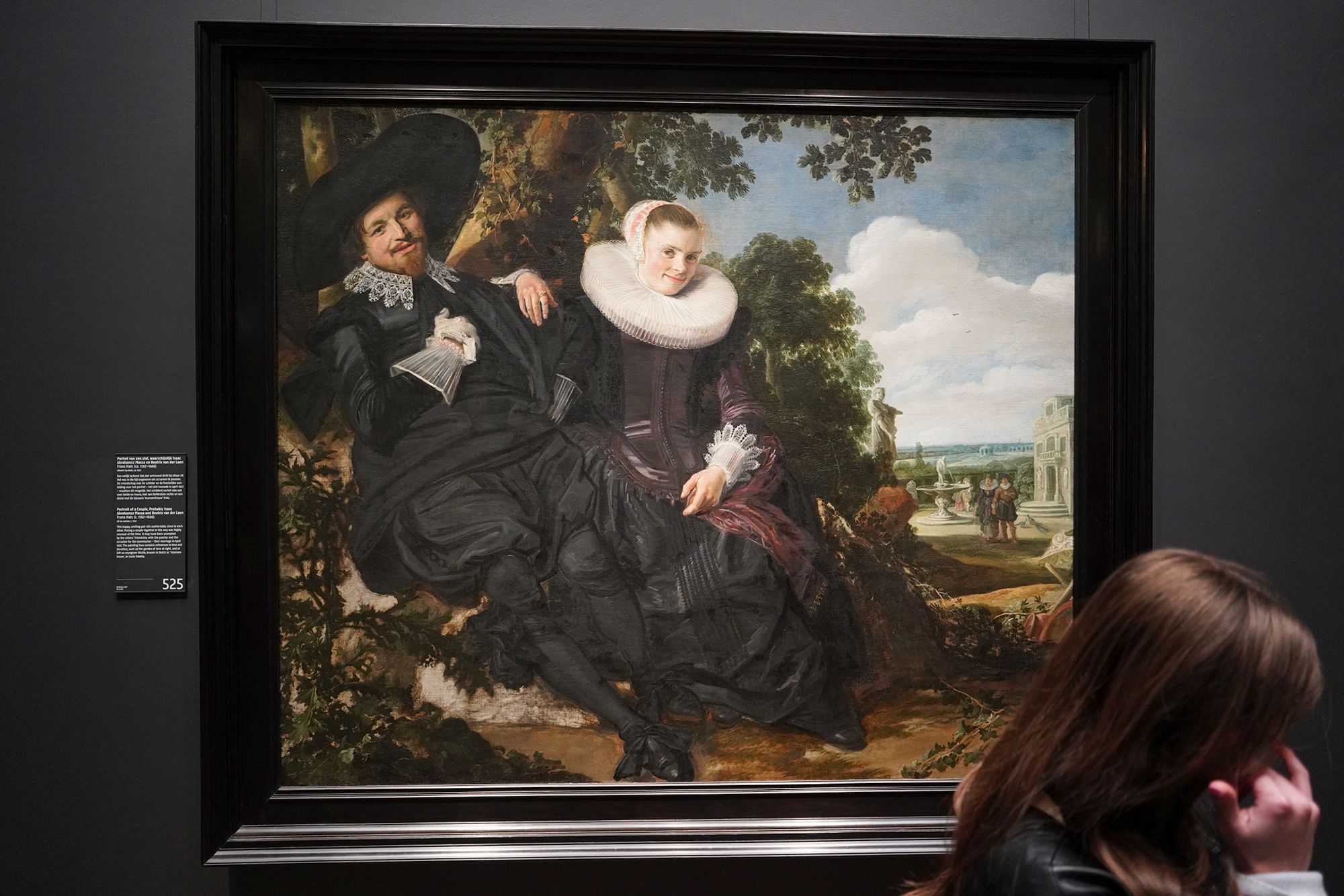
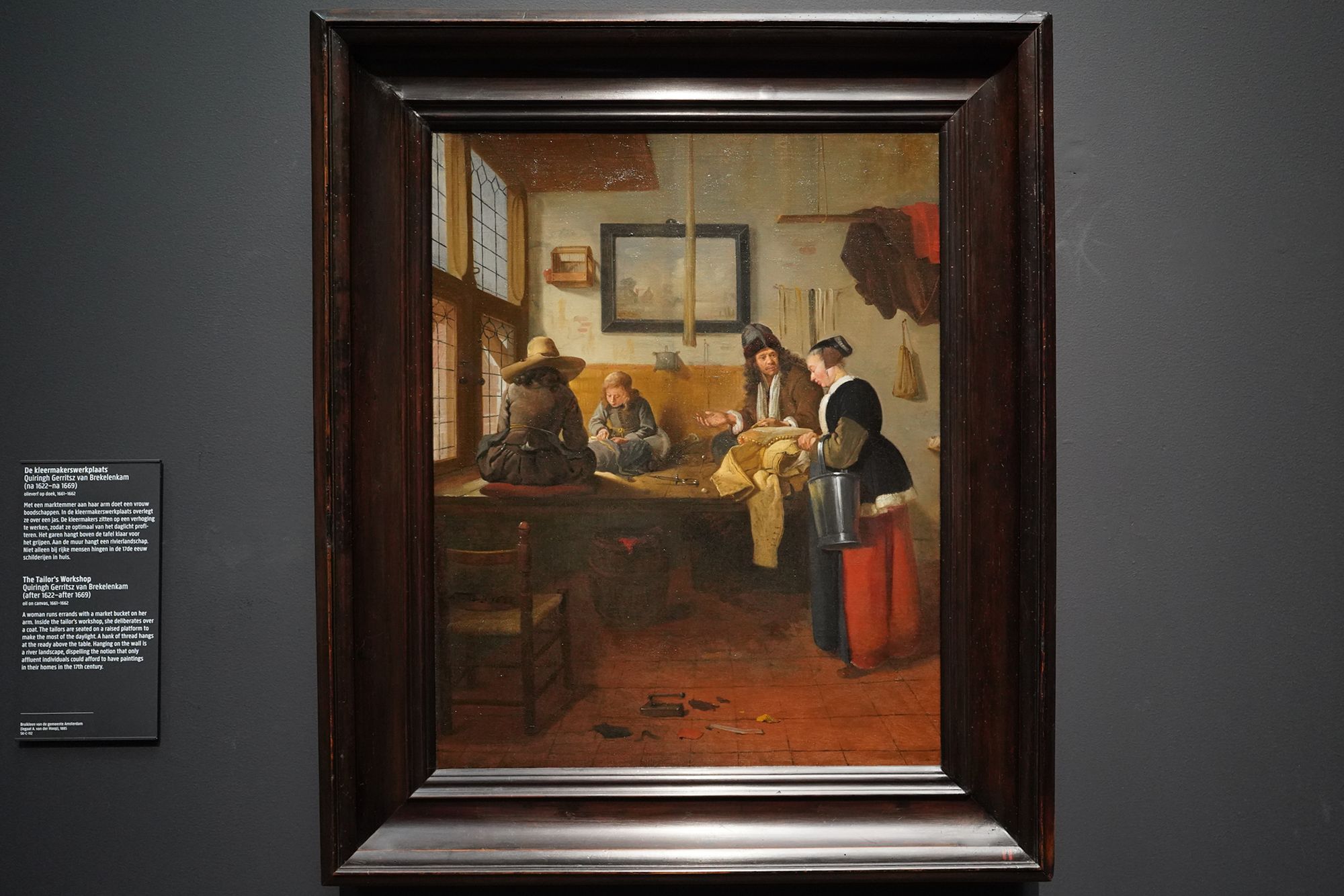
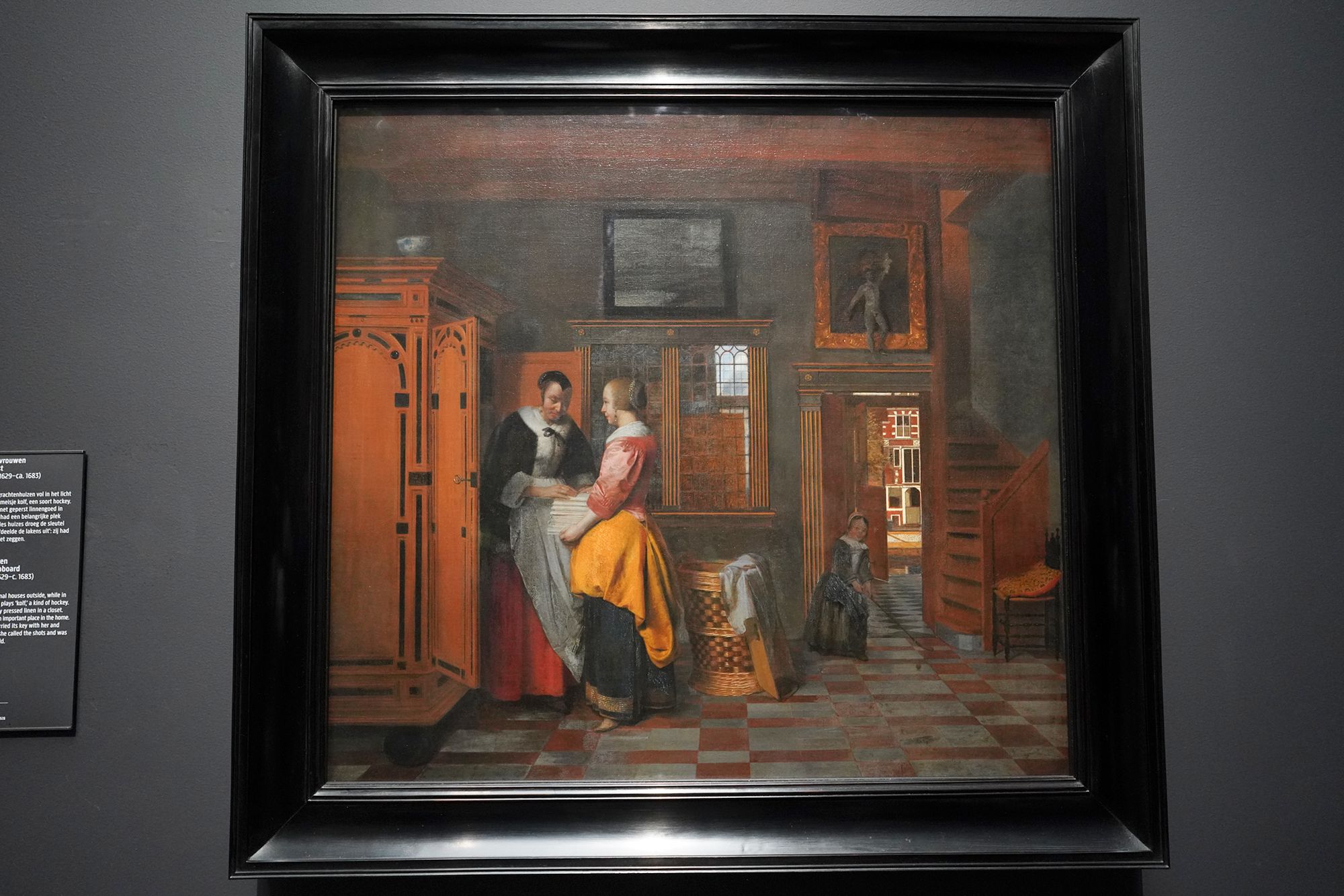
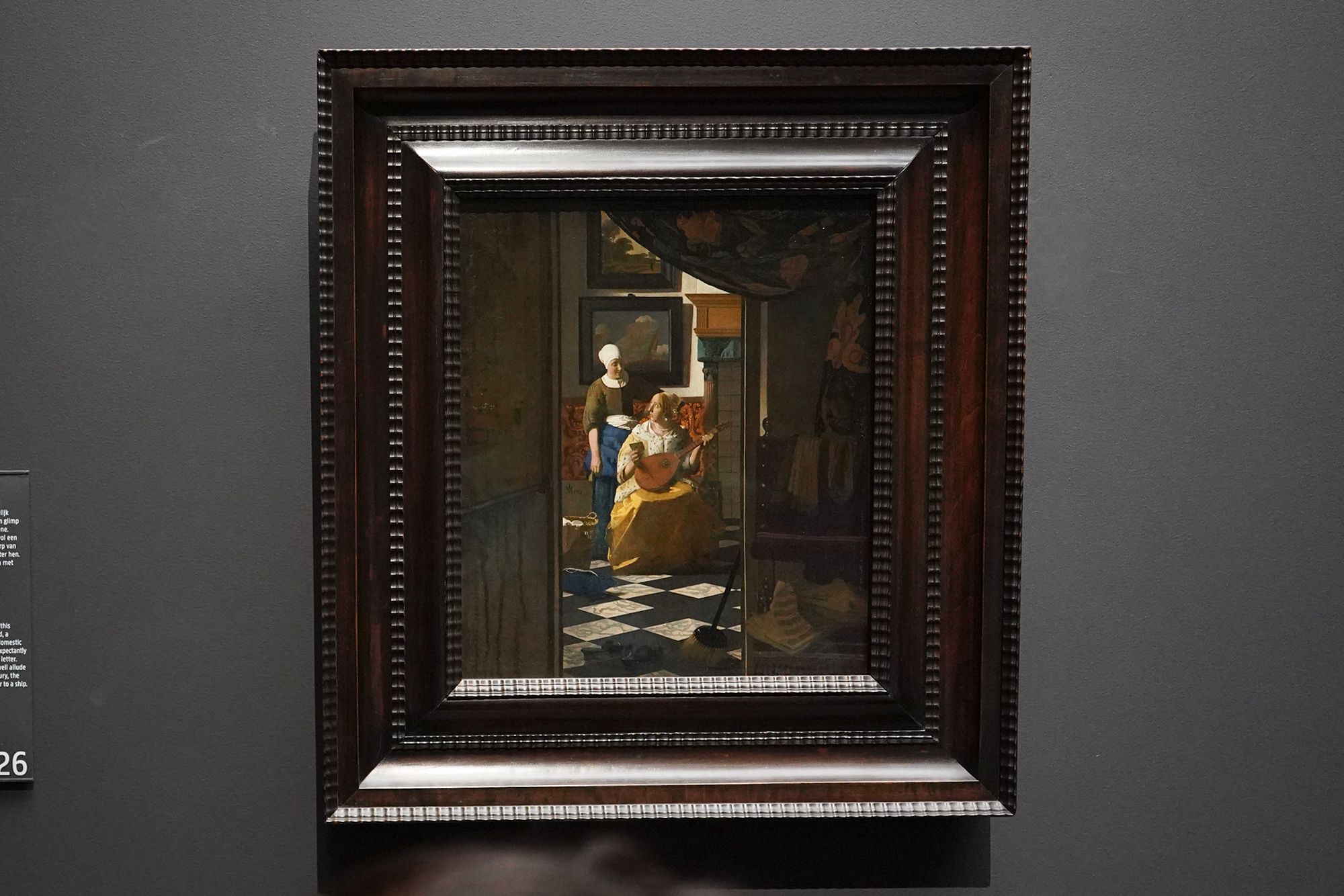
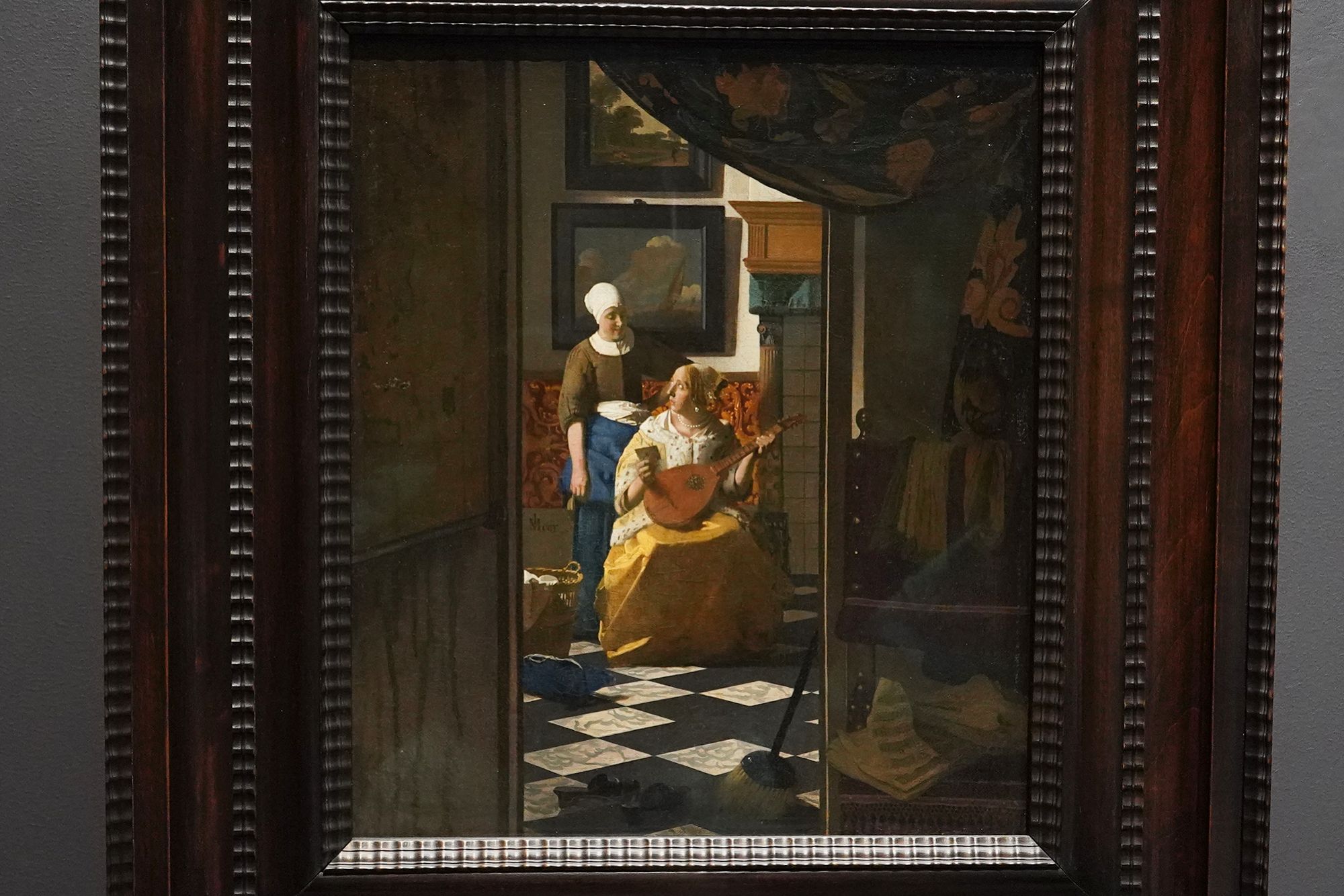
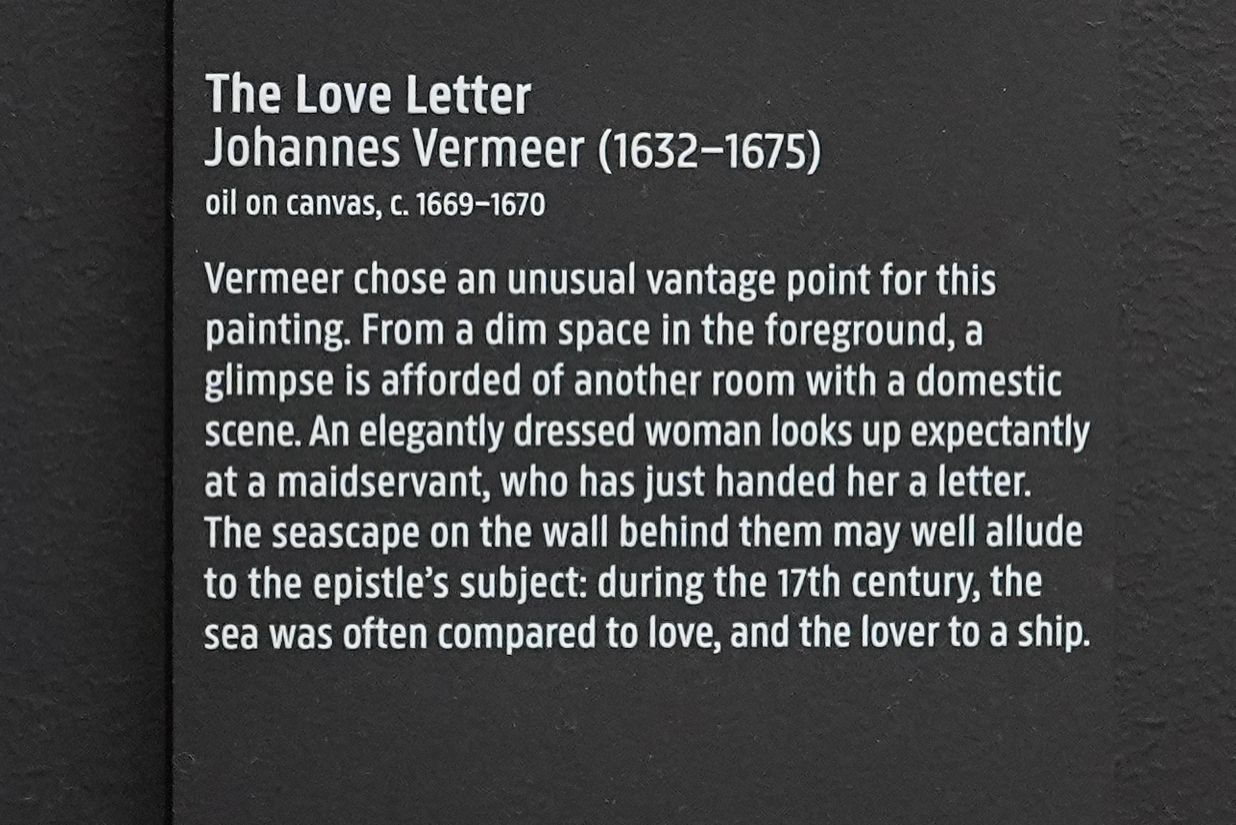
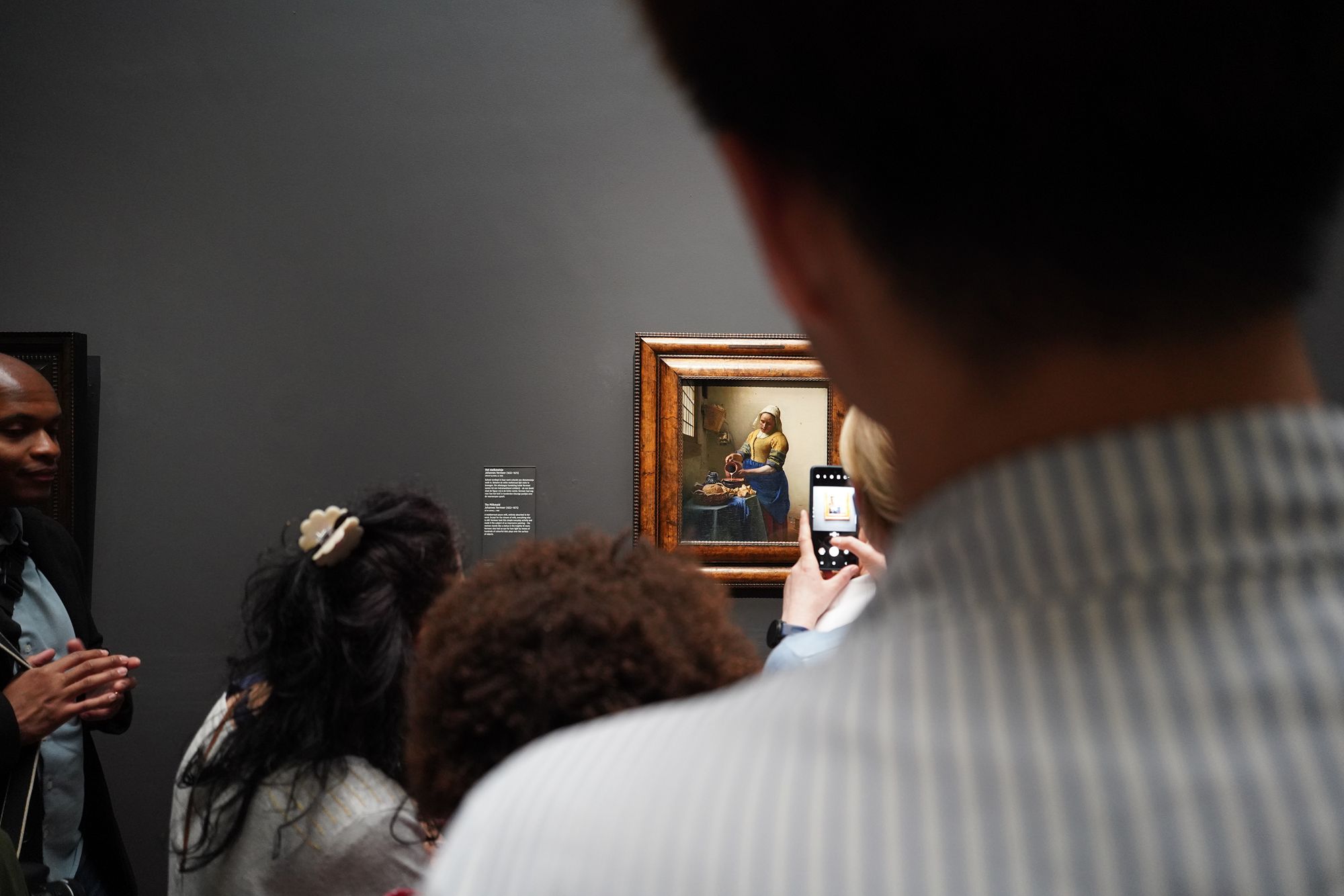
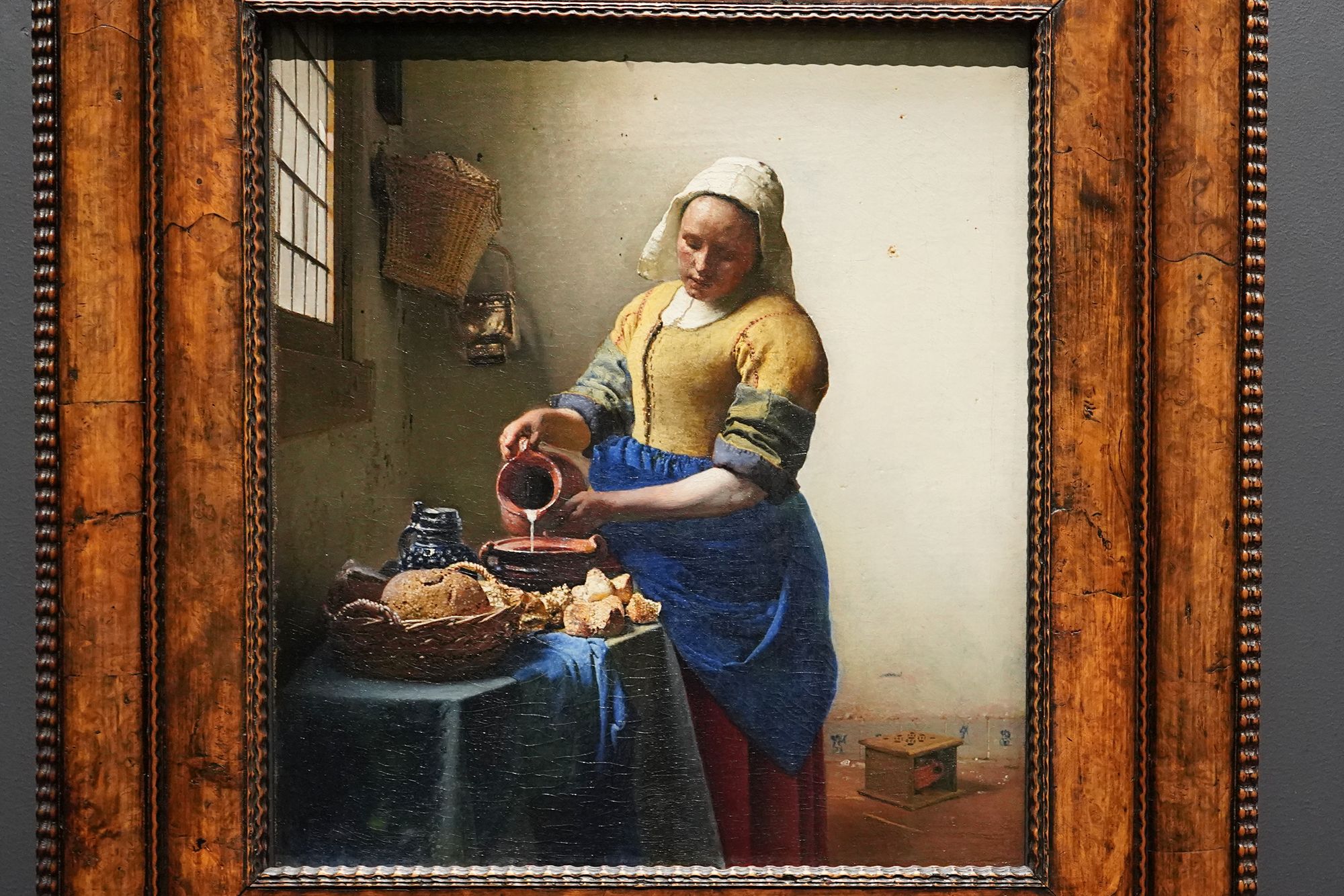
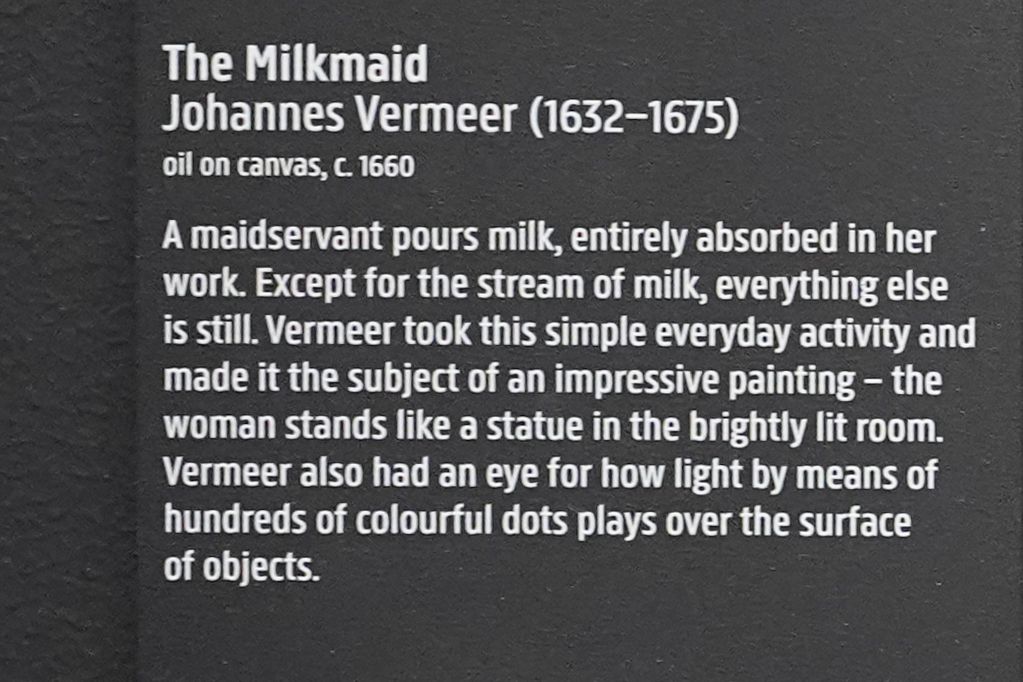
One of the most famous paintings in the Rijksmuseum is The Milkmaid by Johannes Vermeer, painted around 1660. It depicts a maid quietly pouring milk in a simple domestic setting. Vermeer transformed this ordinary everyday moment through his remarkable use of light, color, and fine detail, making The Milkmaid one of the most celebrated paintings of the Dutch Golden Age.
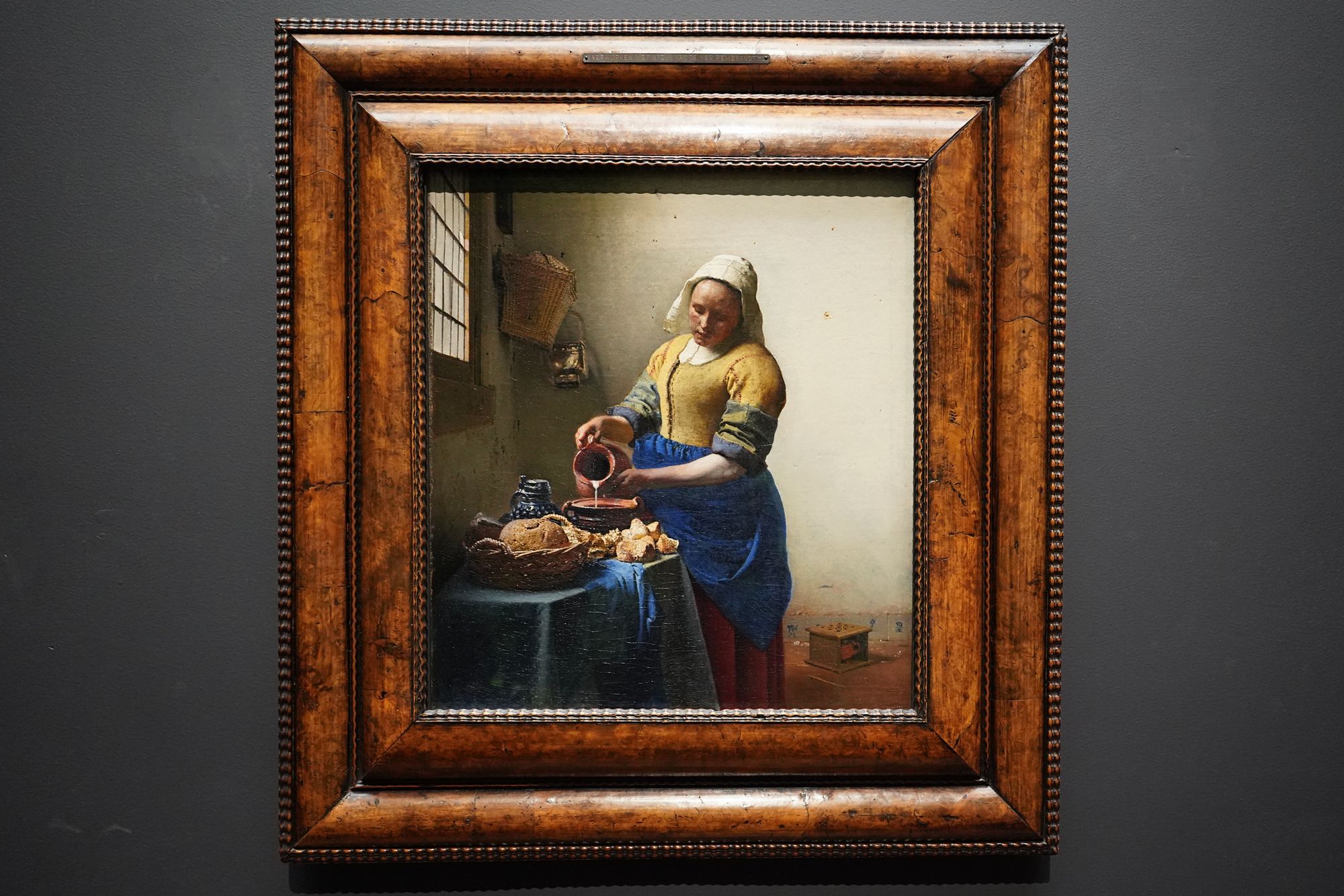
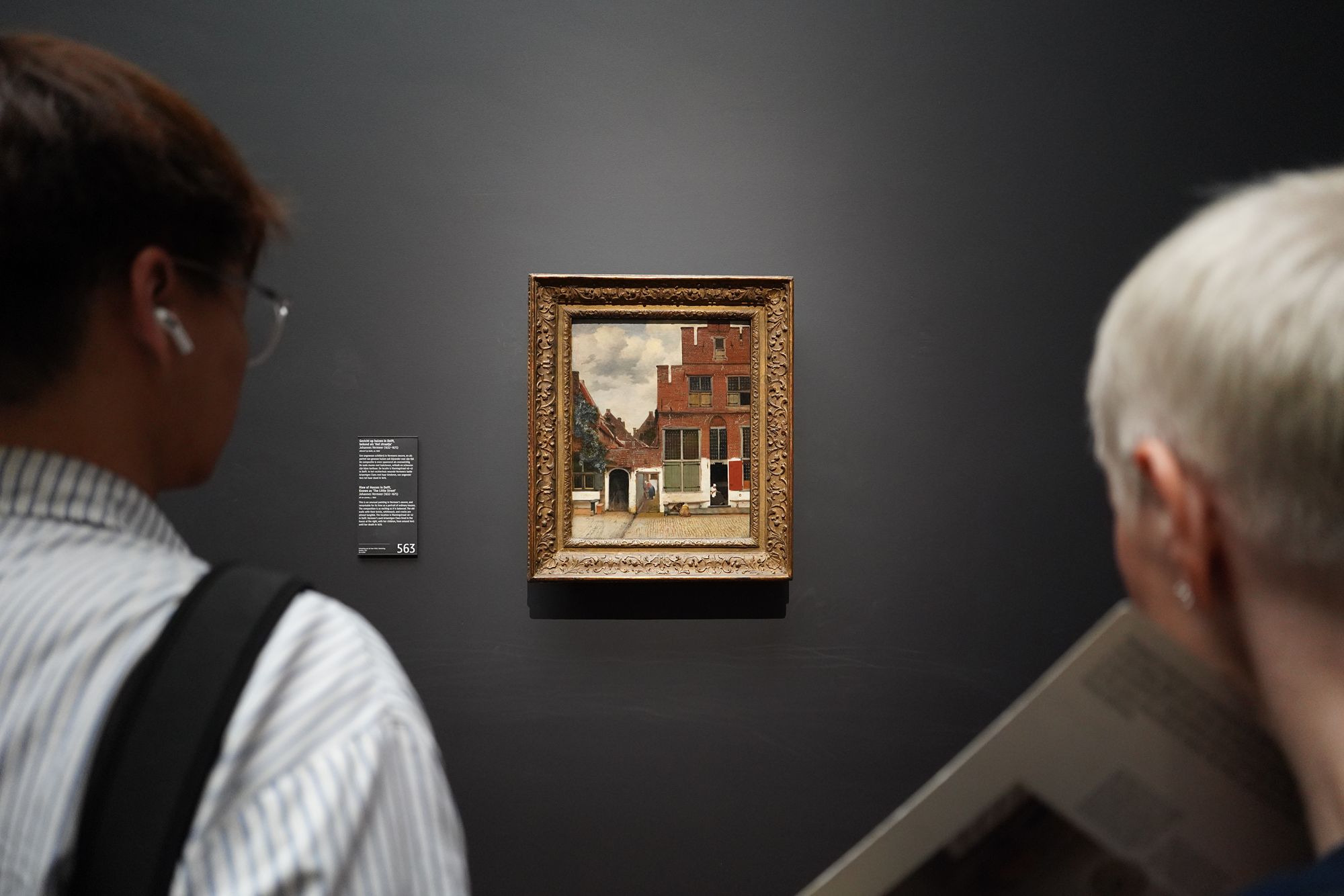
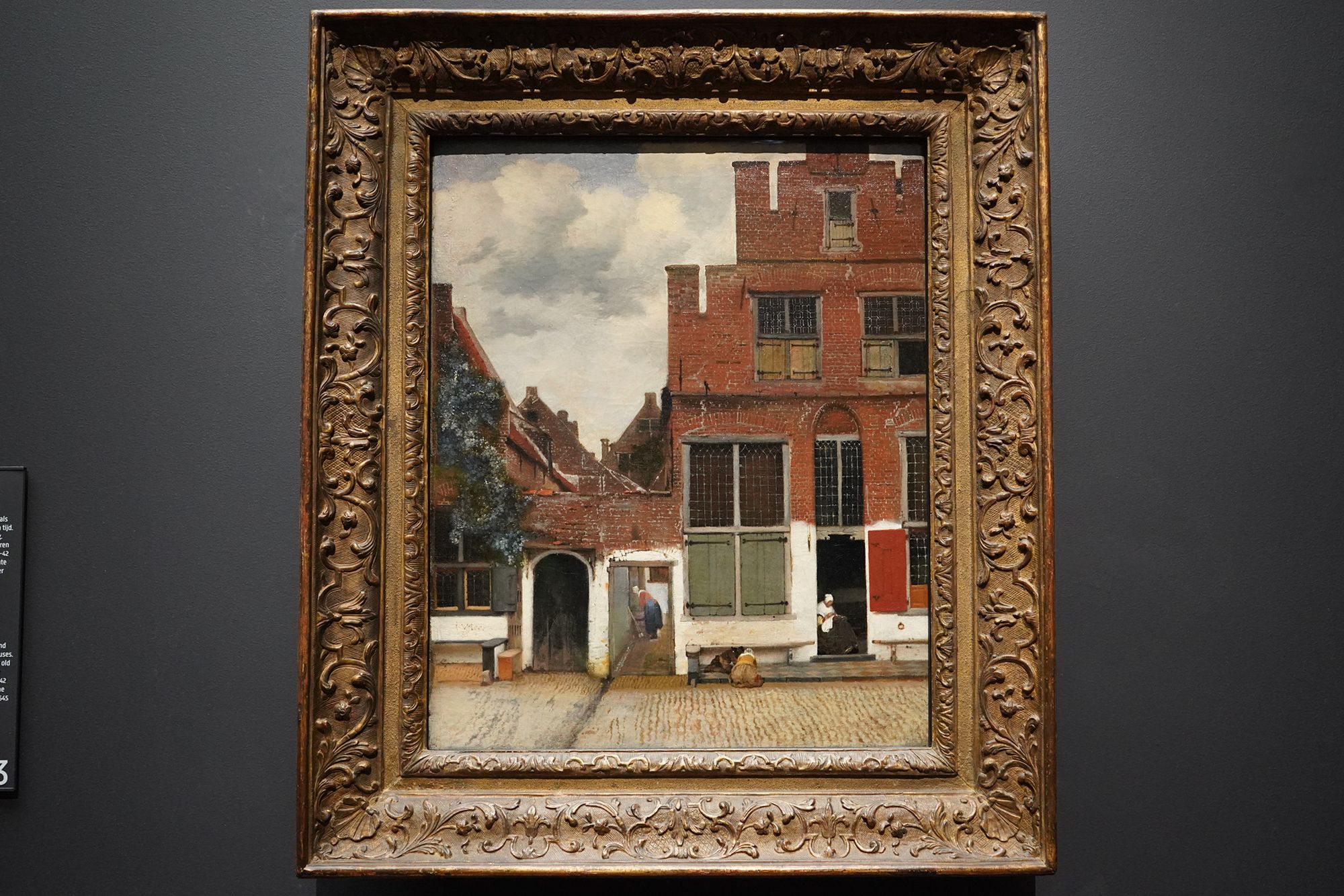
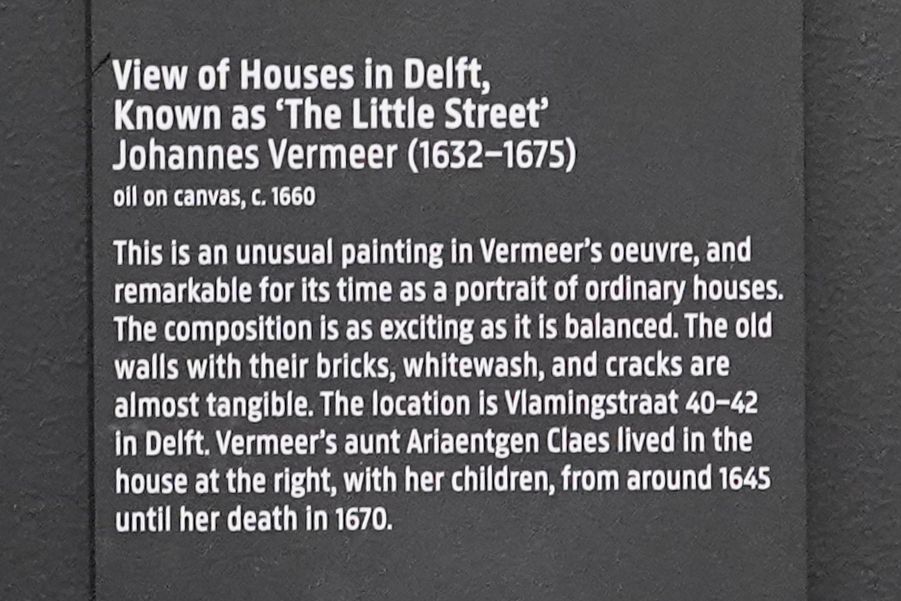
The Little Street — Johannes Vermeer (c. 1658): a remarkably quiet and detailed view of everyday life on a Dutch street.
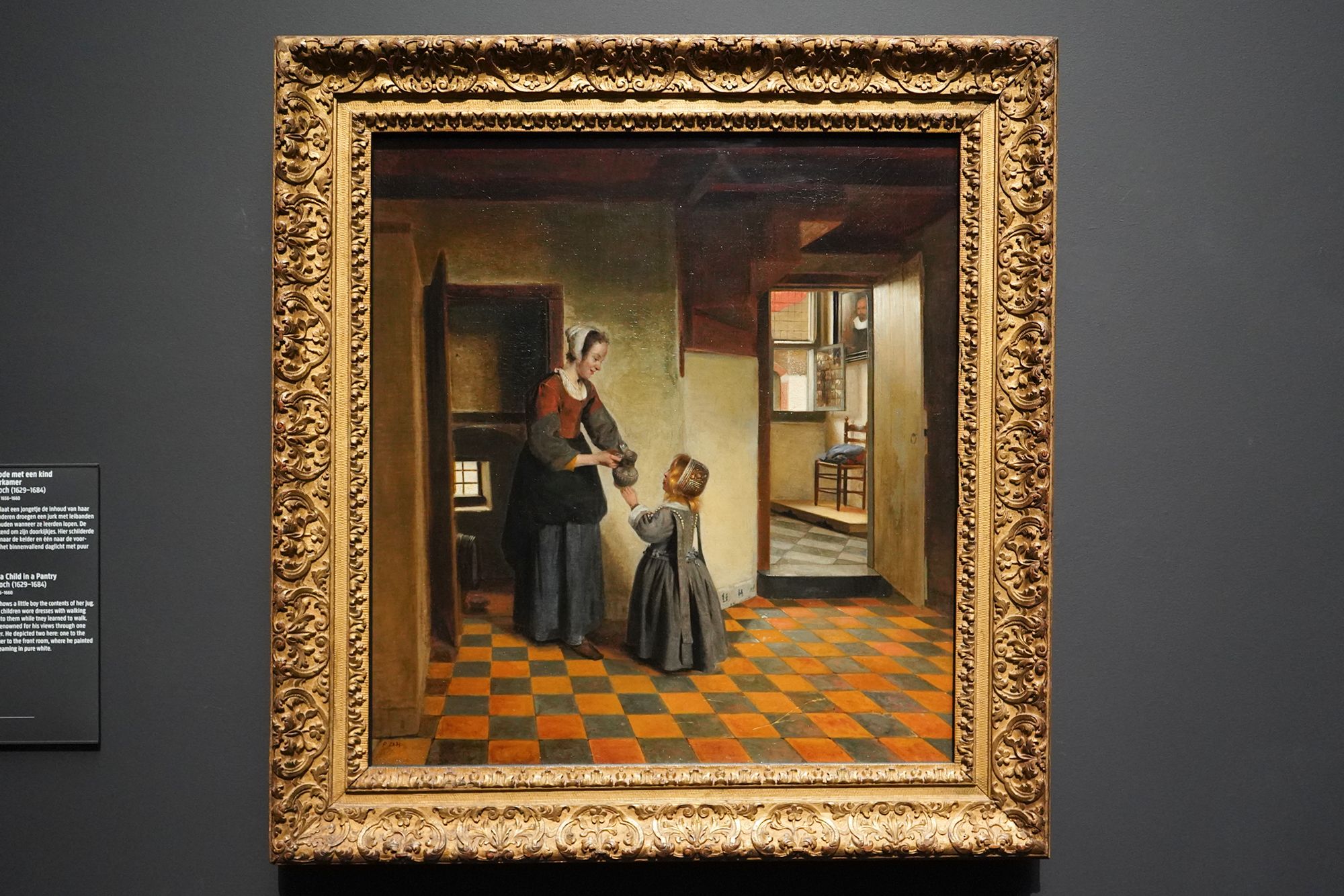


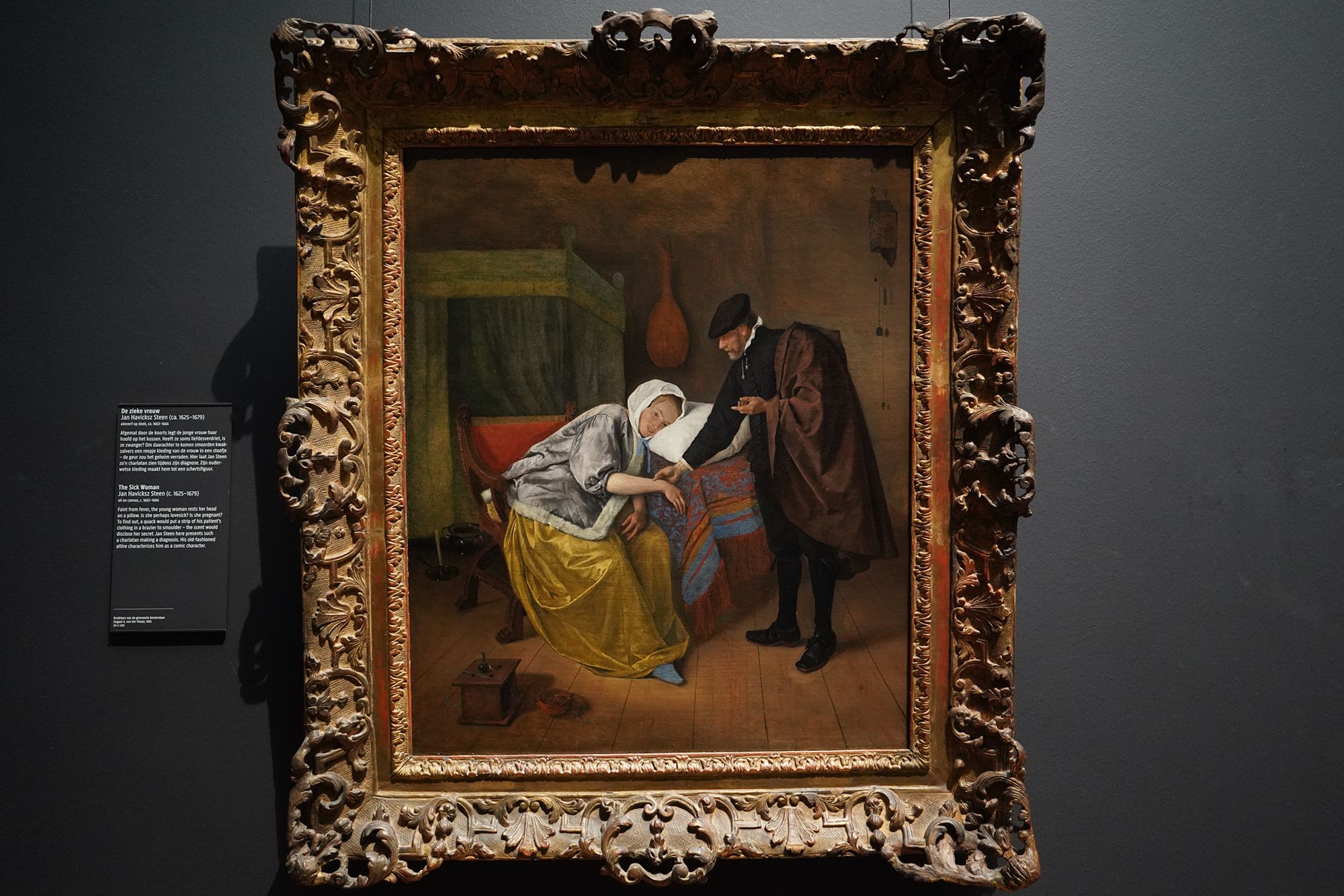
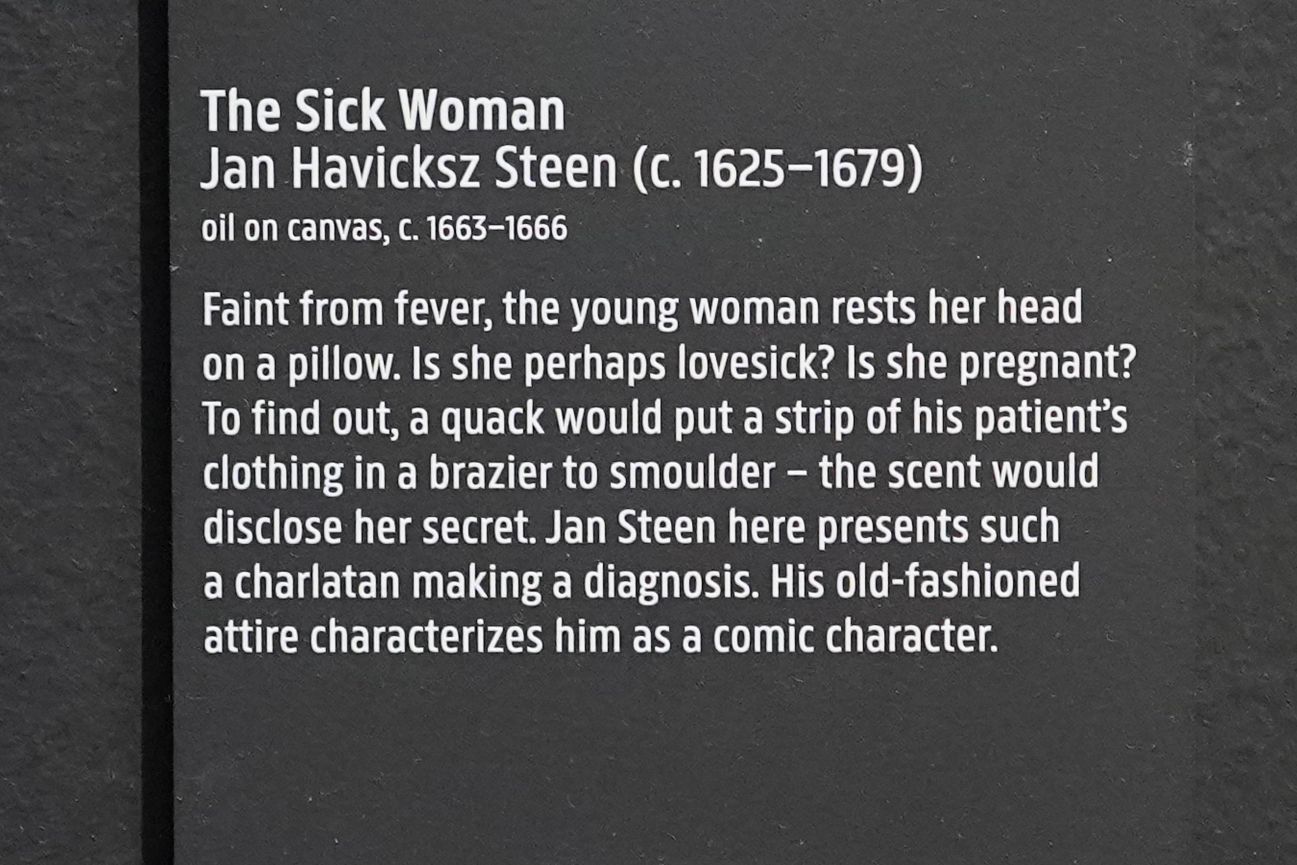
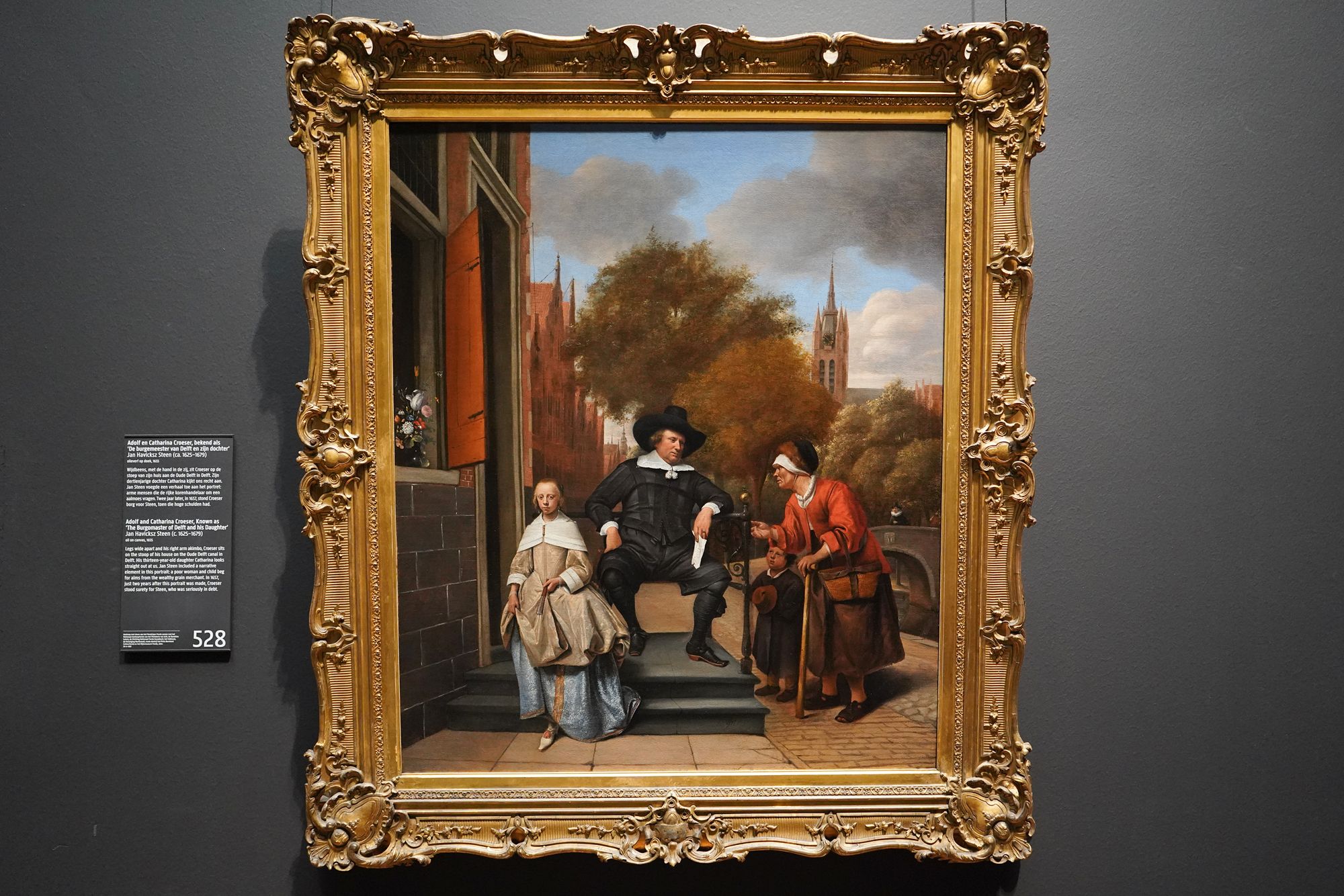
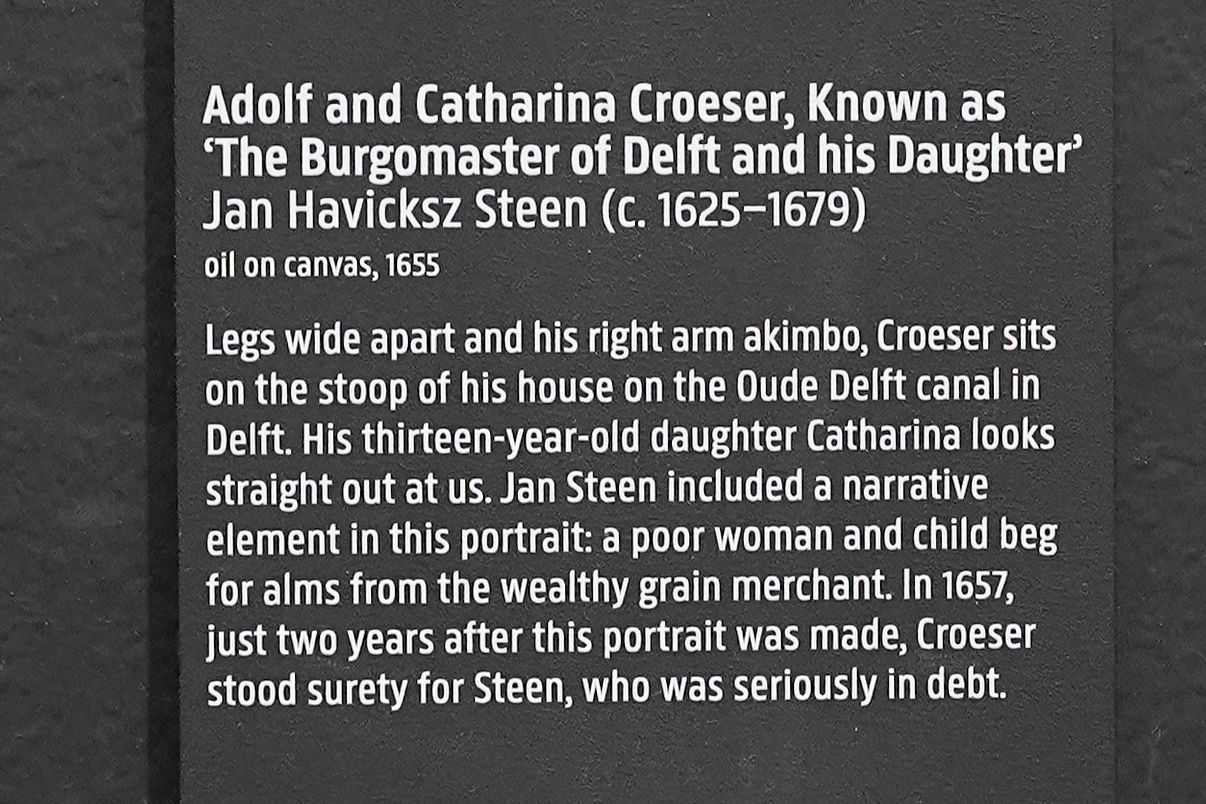
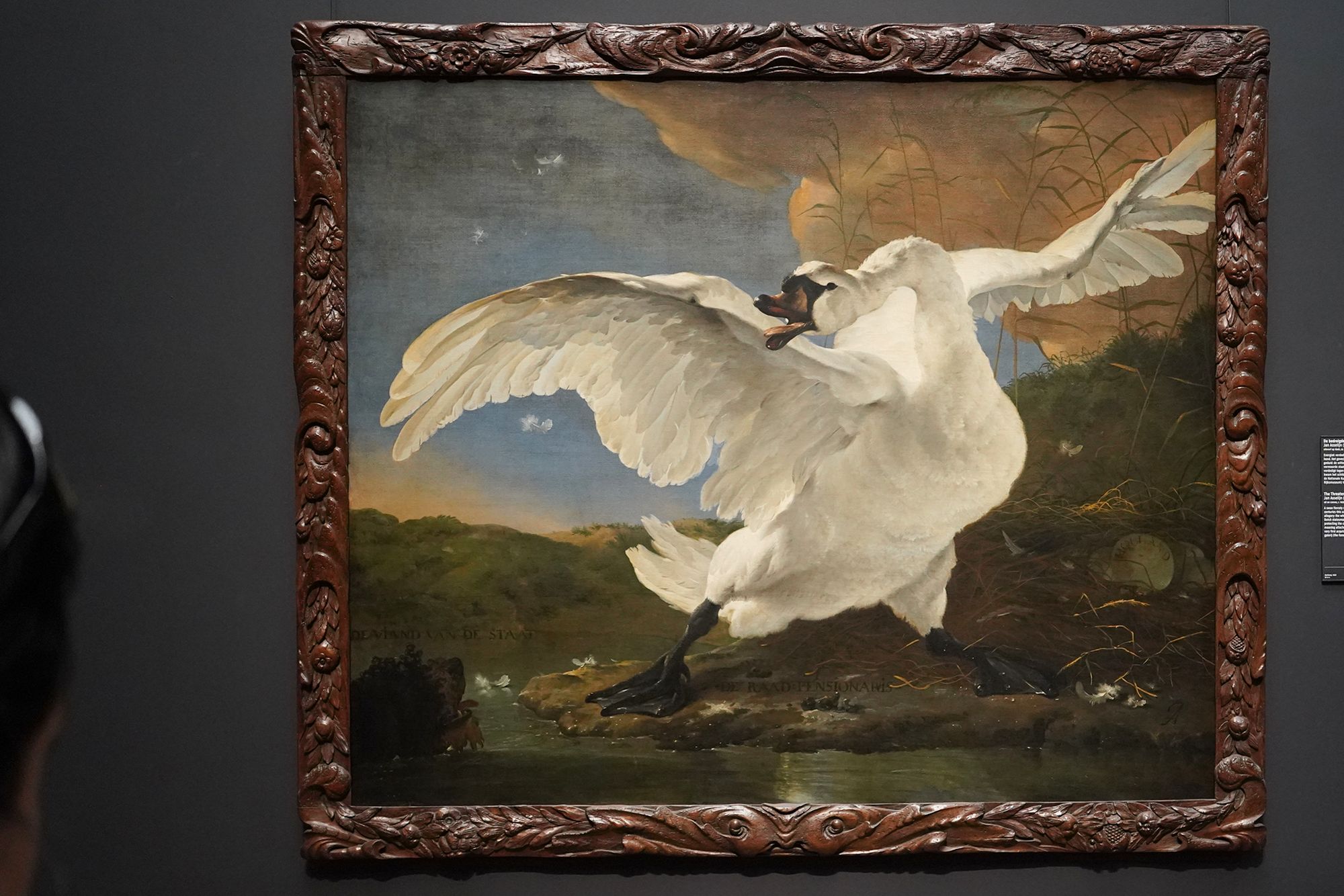
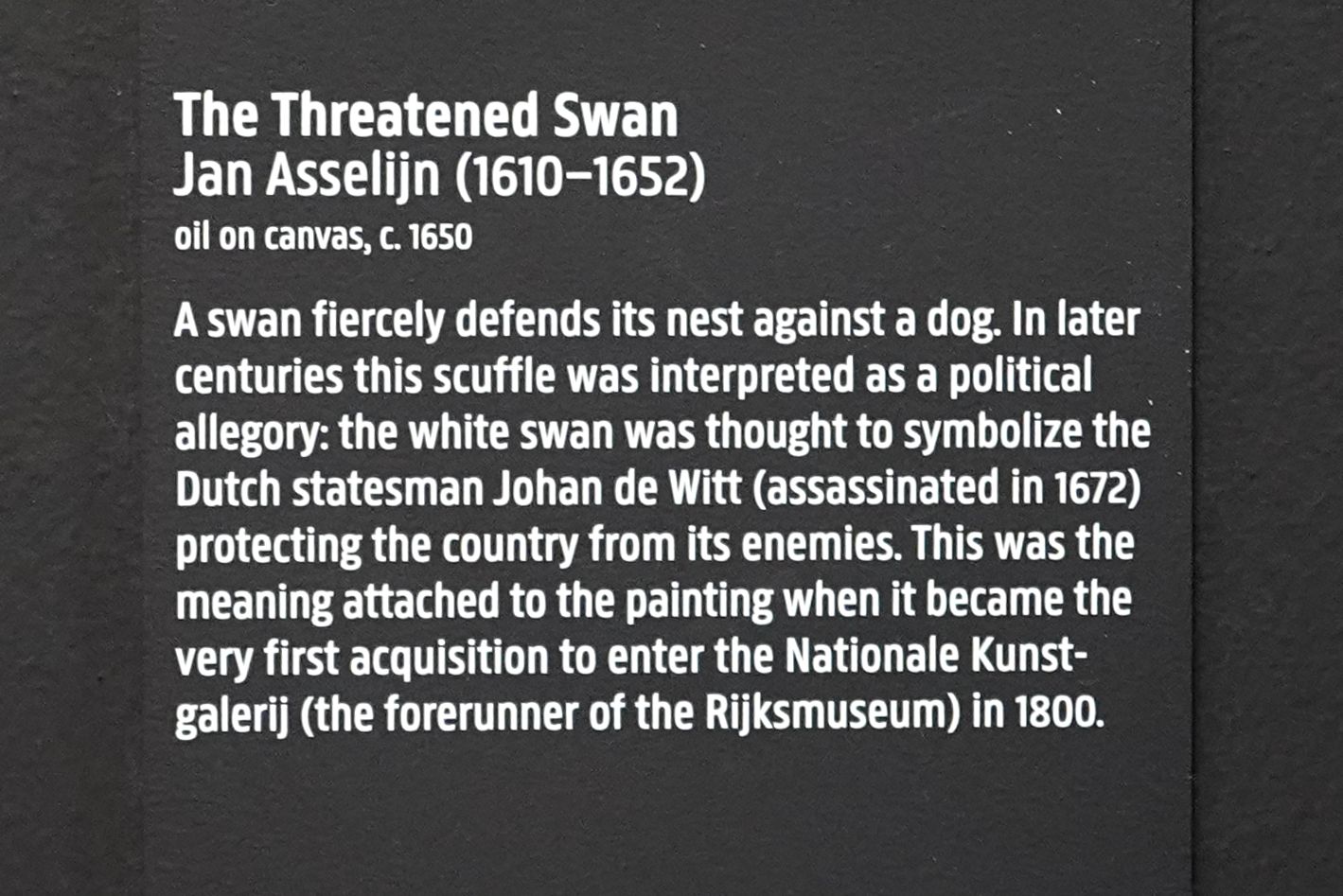
The Threatened Swan — Jan Asselijn (c. 1650): a dramatic image of a swan aggressively defending its nest.
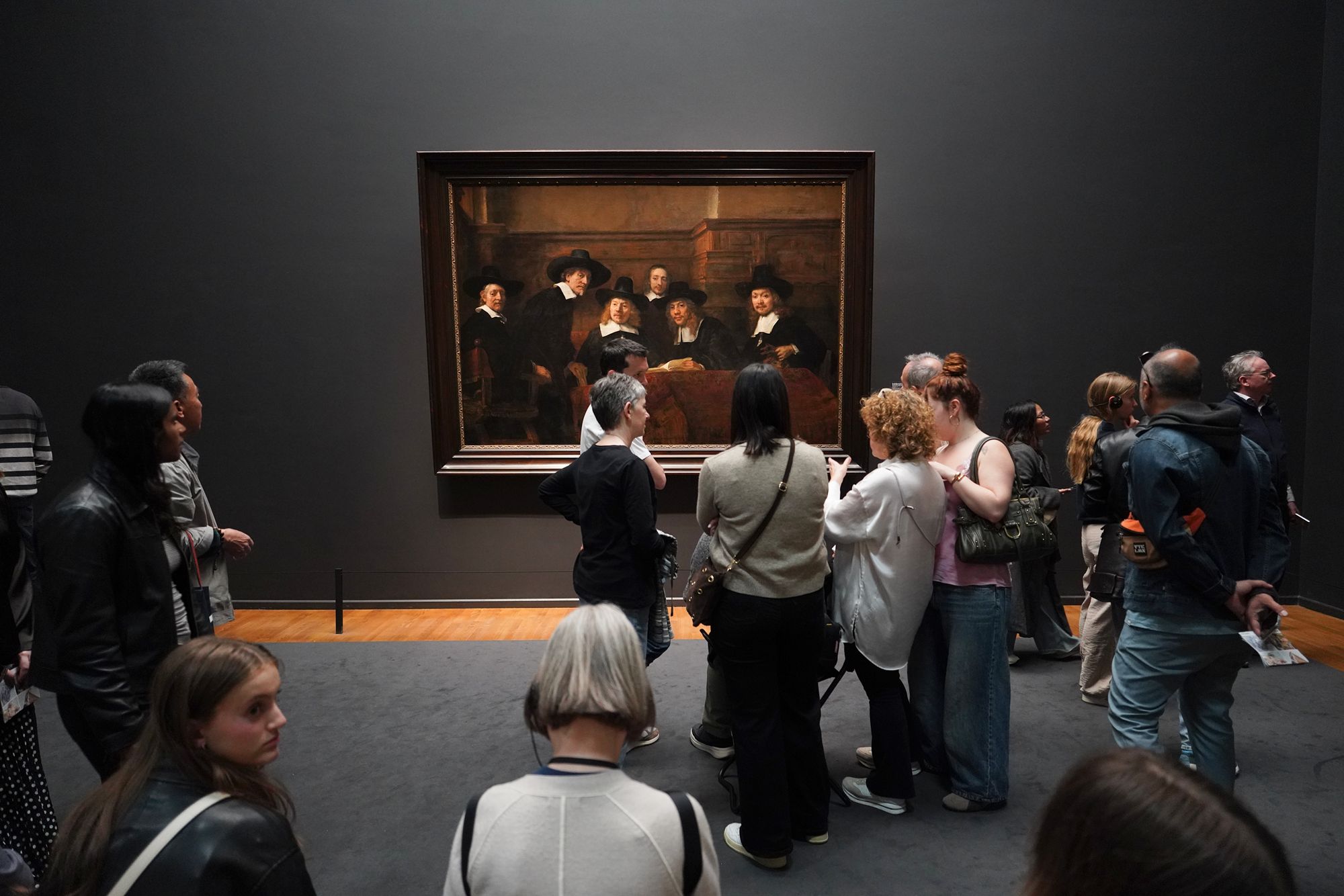
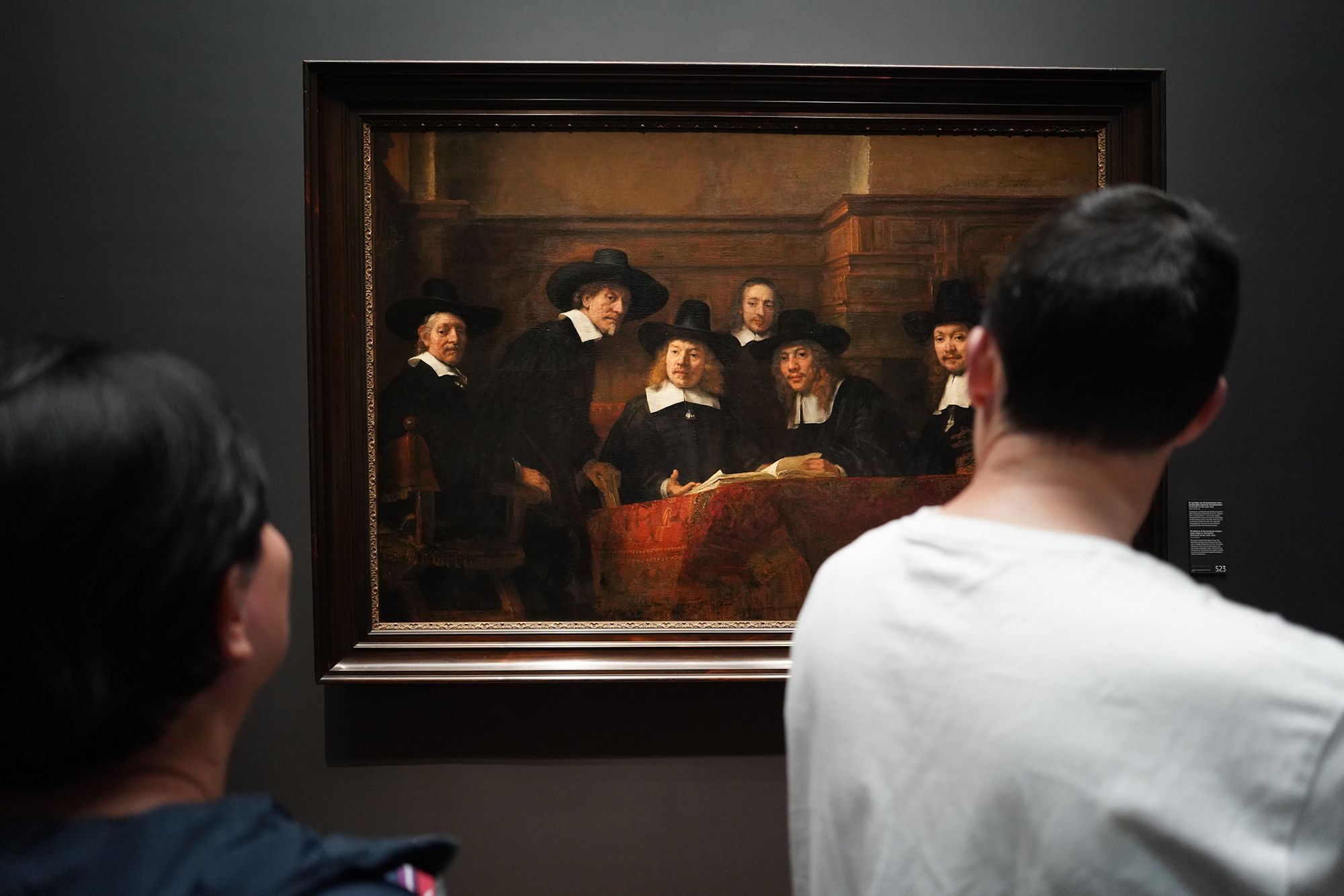
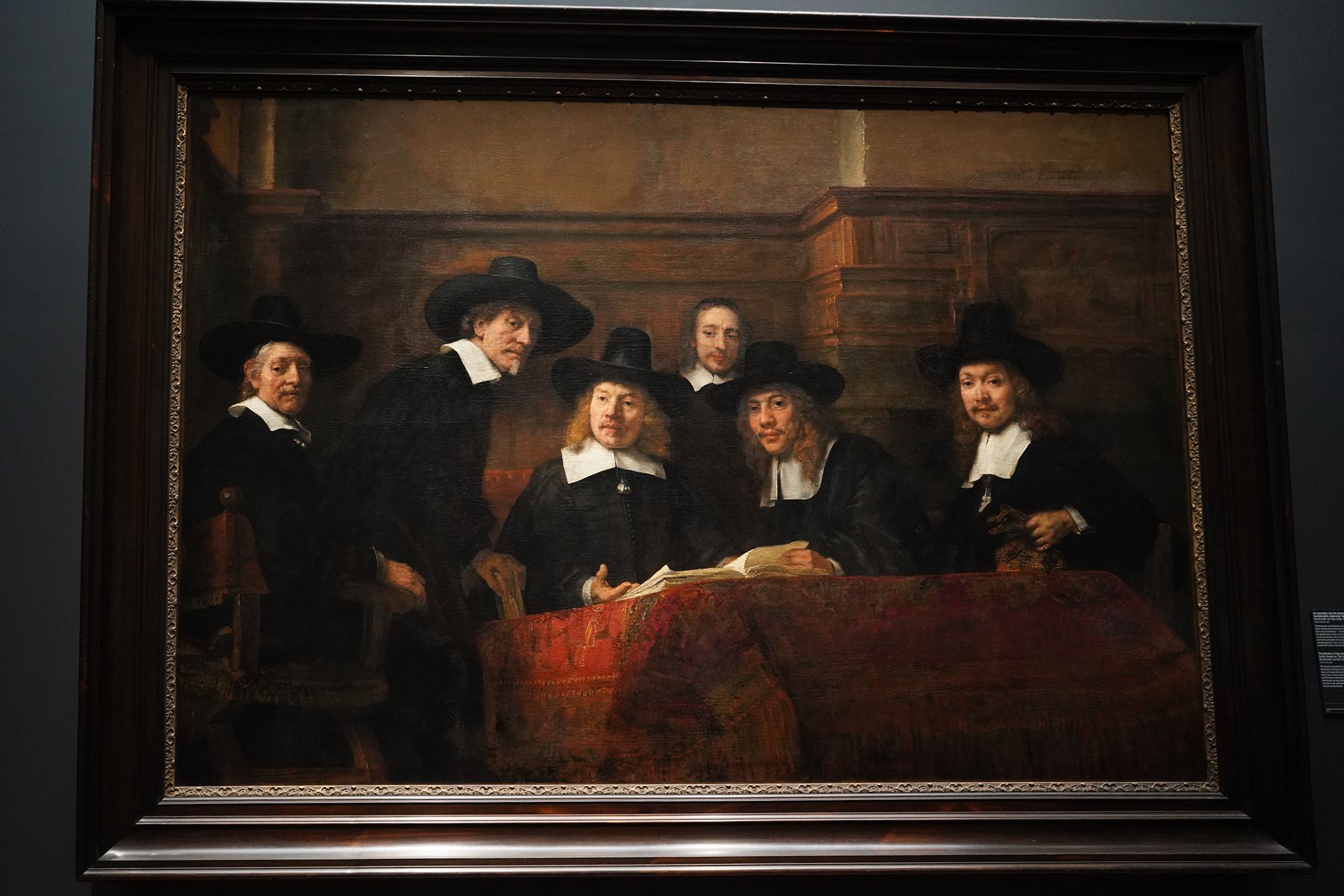
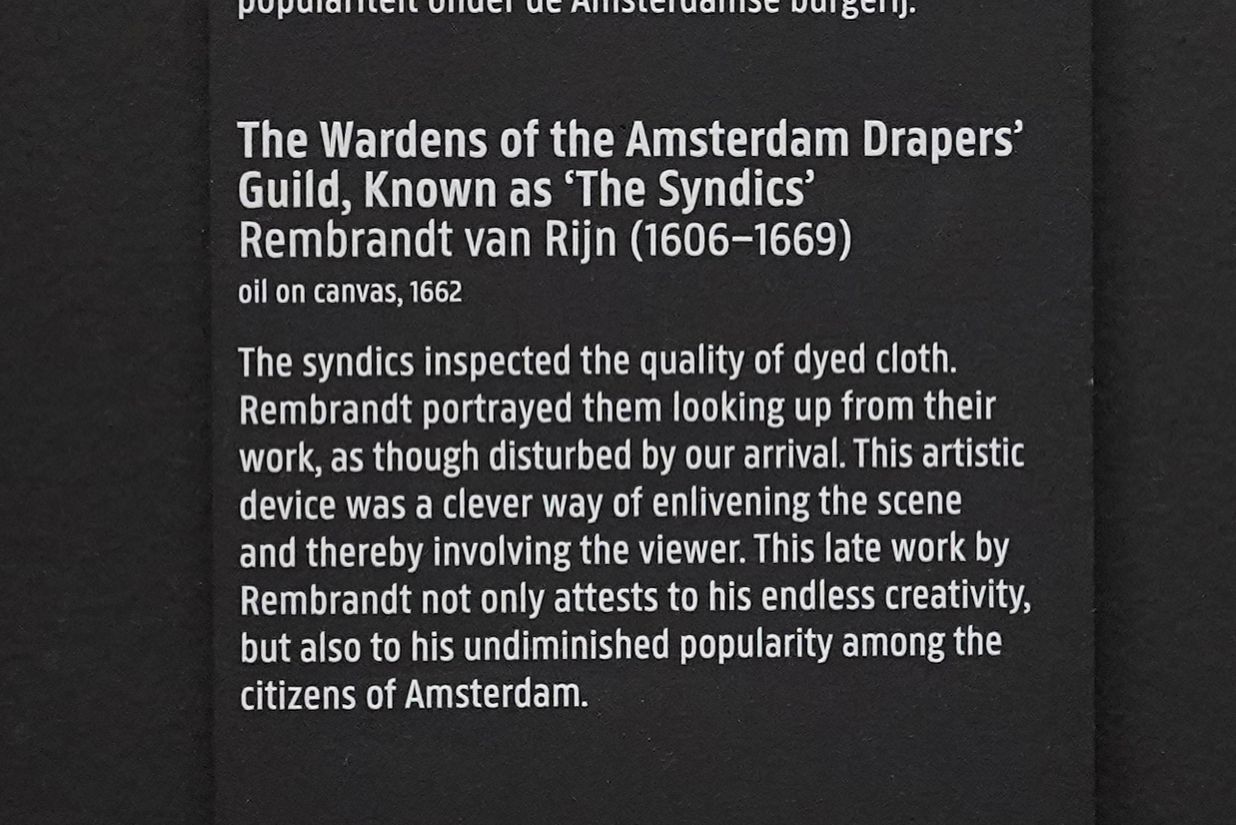
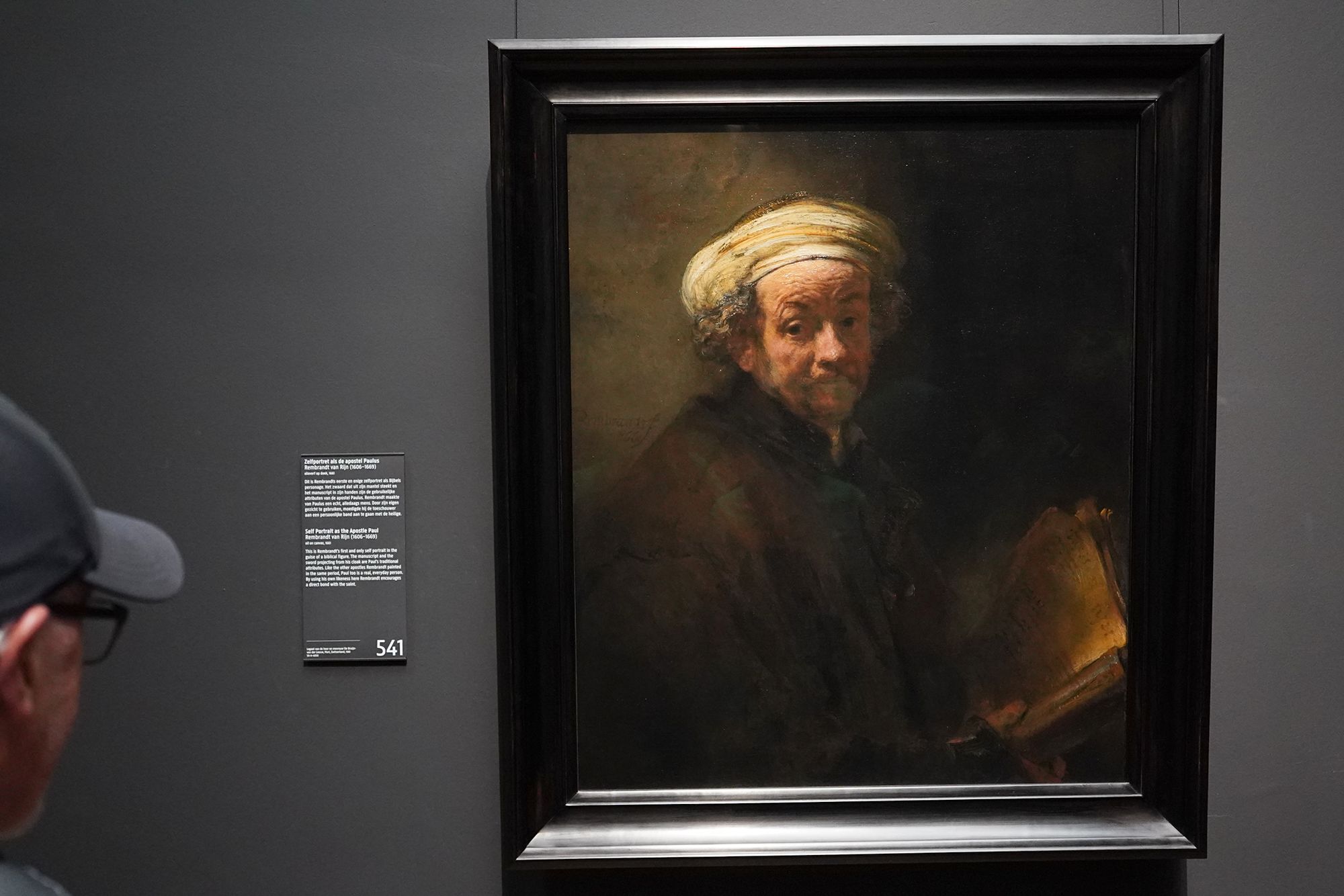
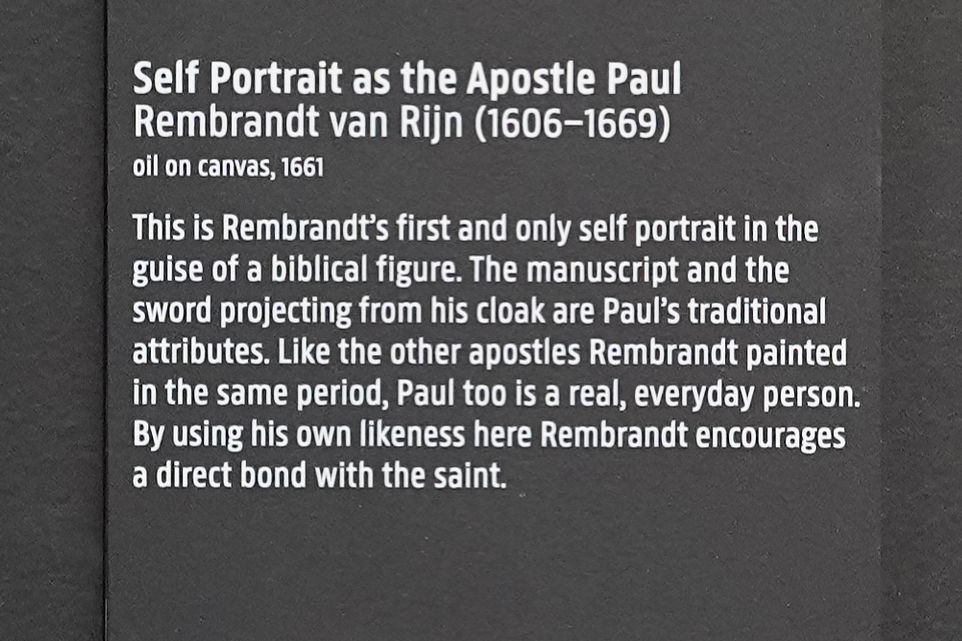
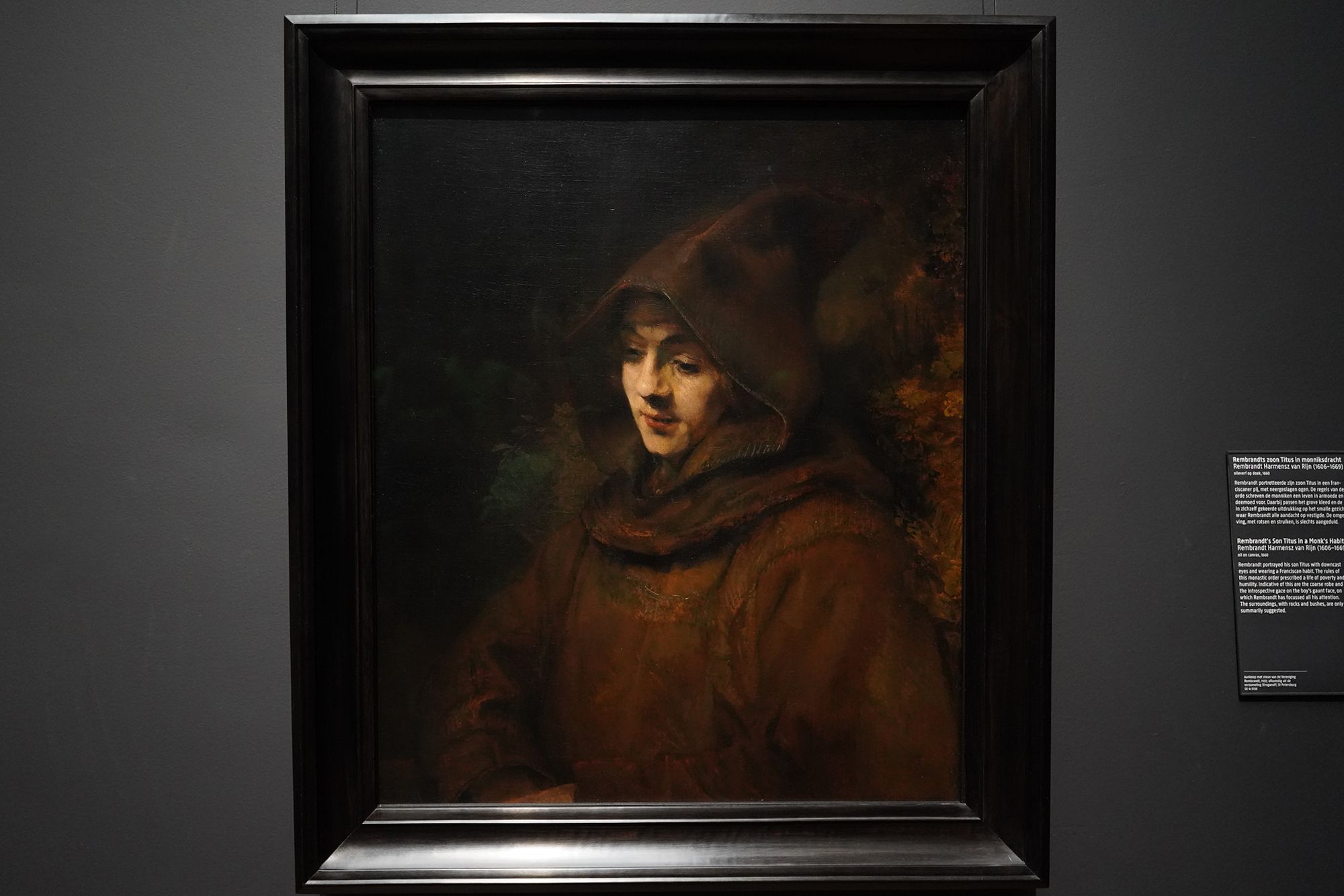
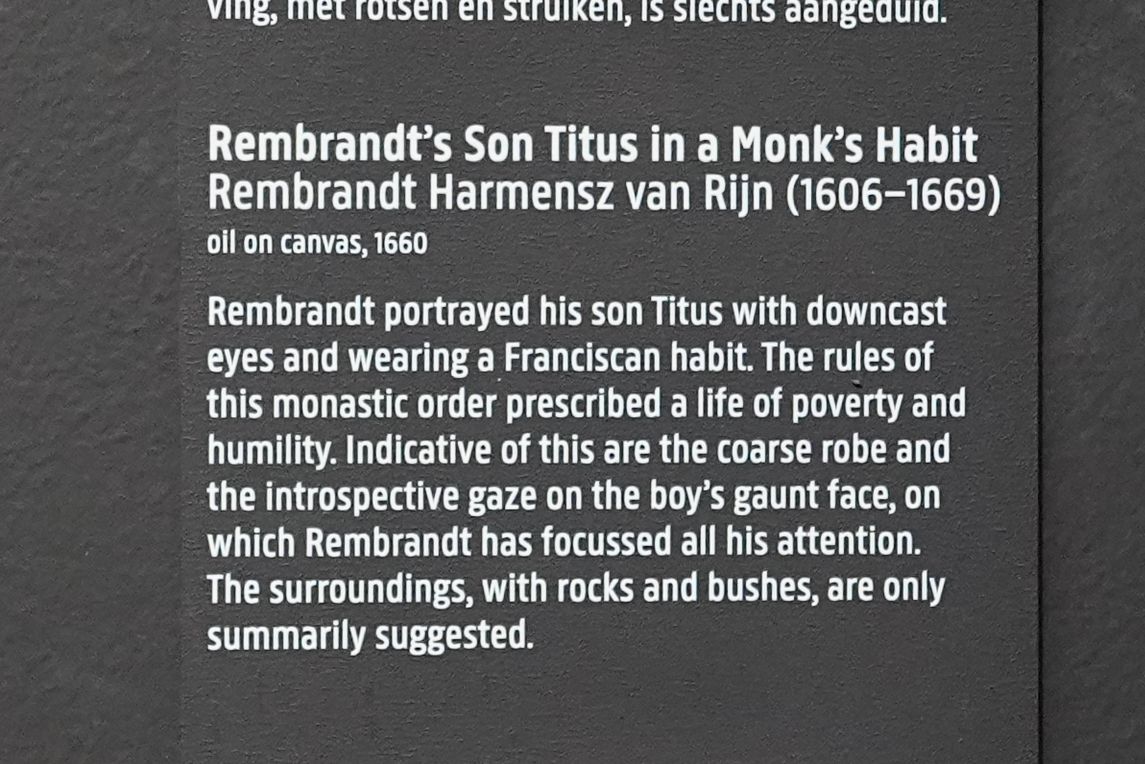
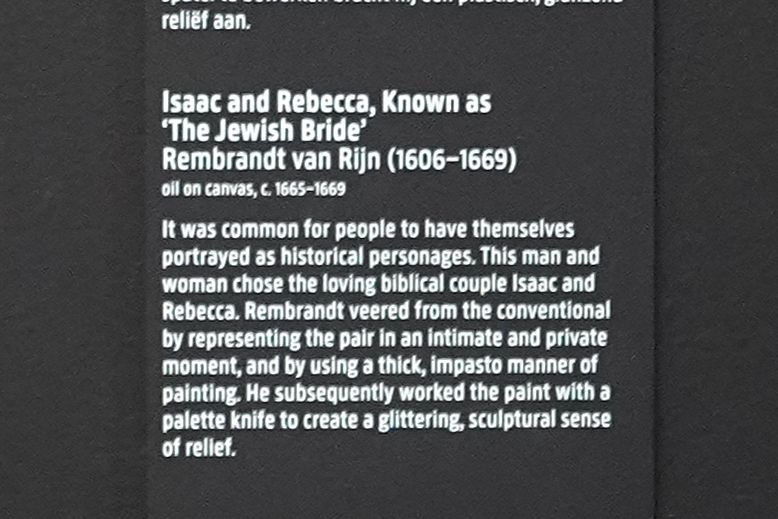
The Jewish Bride — Rembrandt (c. 1665–1669): famous for its intimate portrayal of a couple and Rembrandt’s rich use of paint.
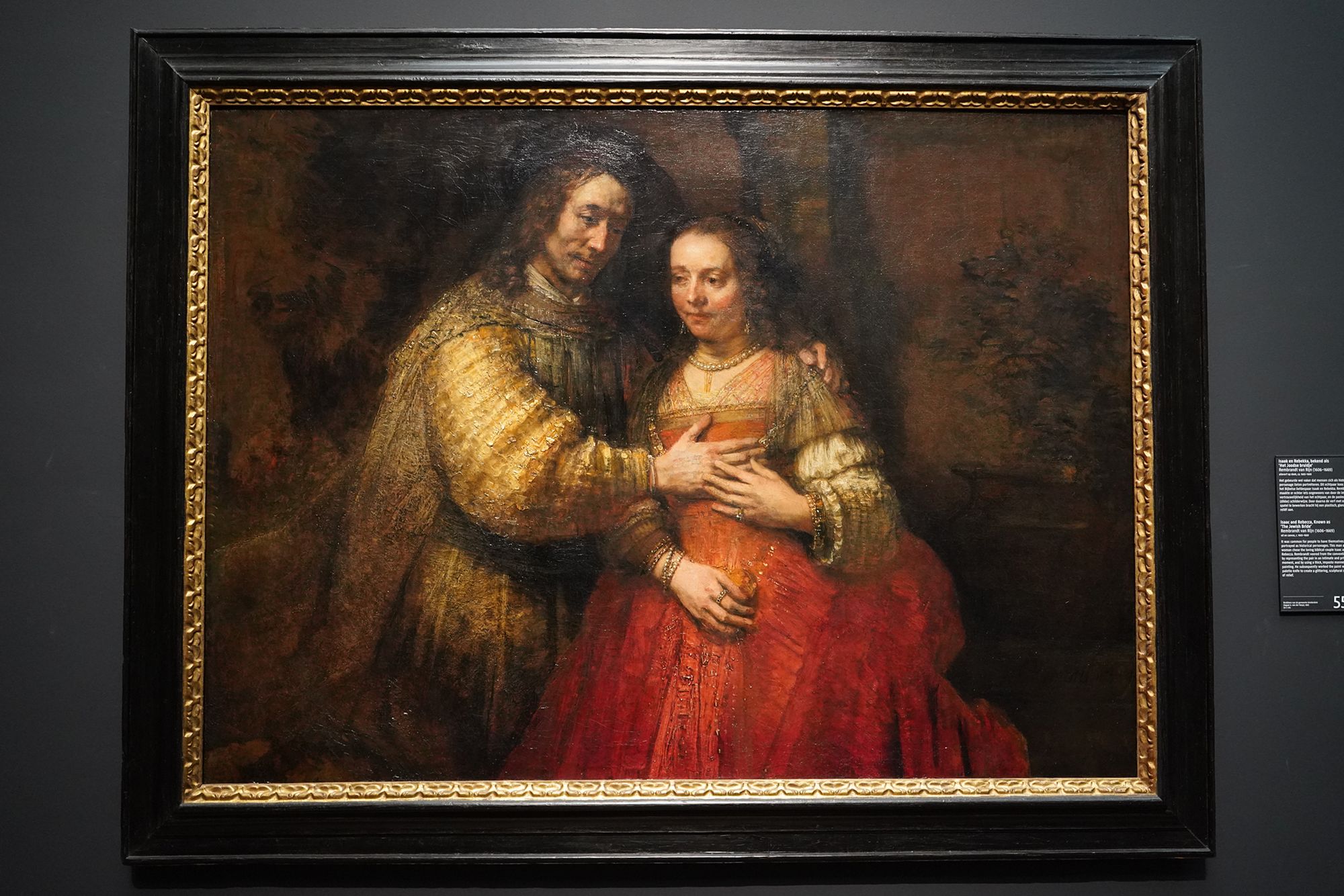
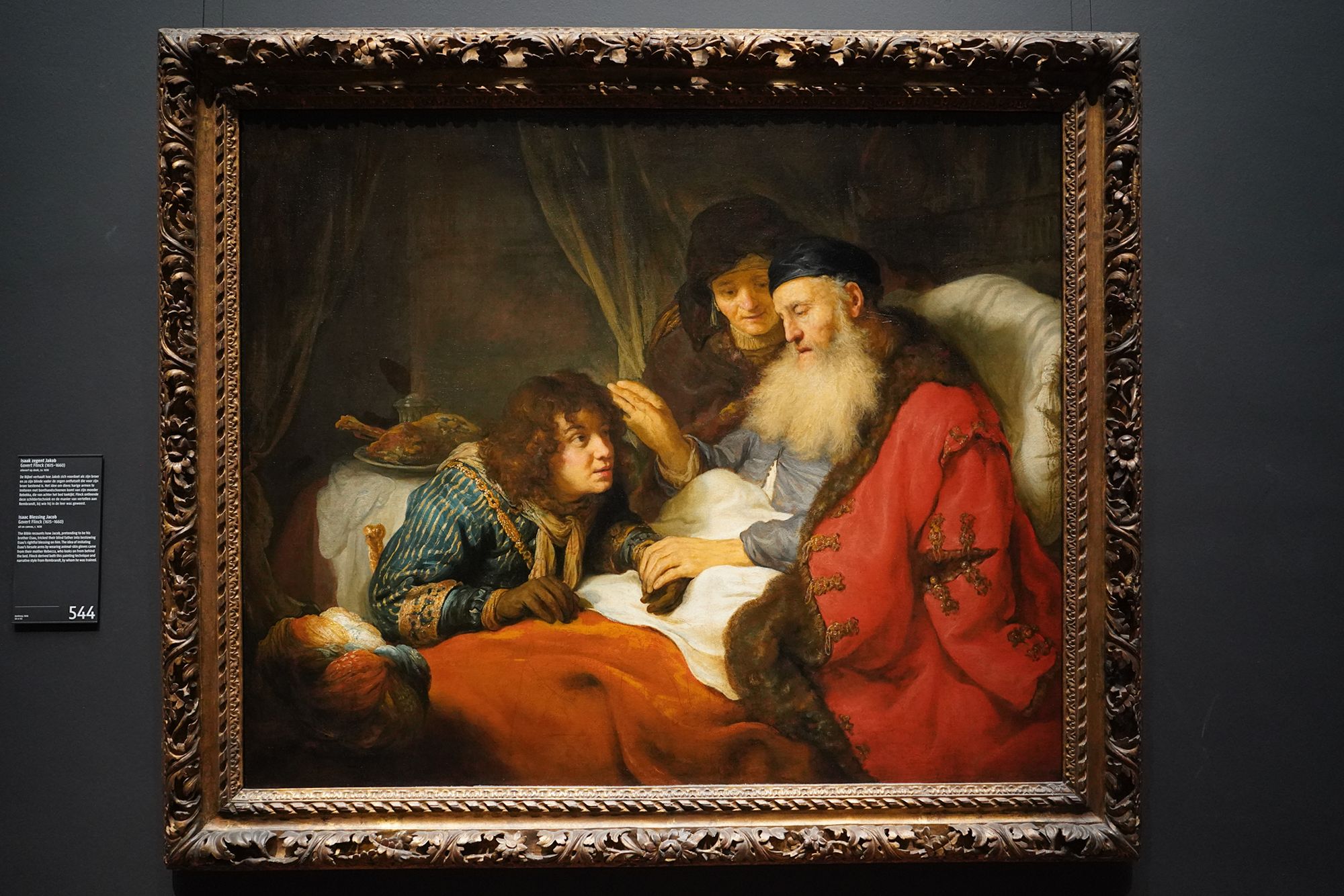
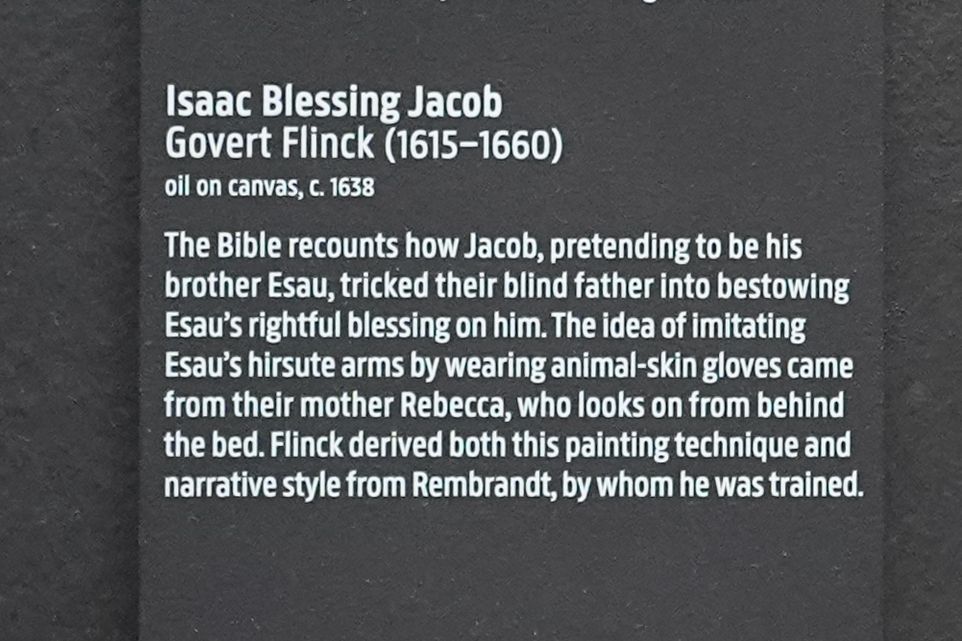
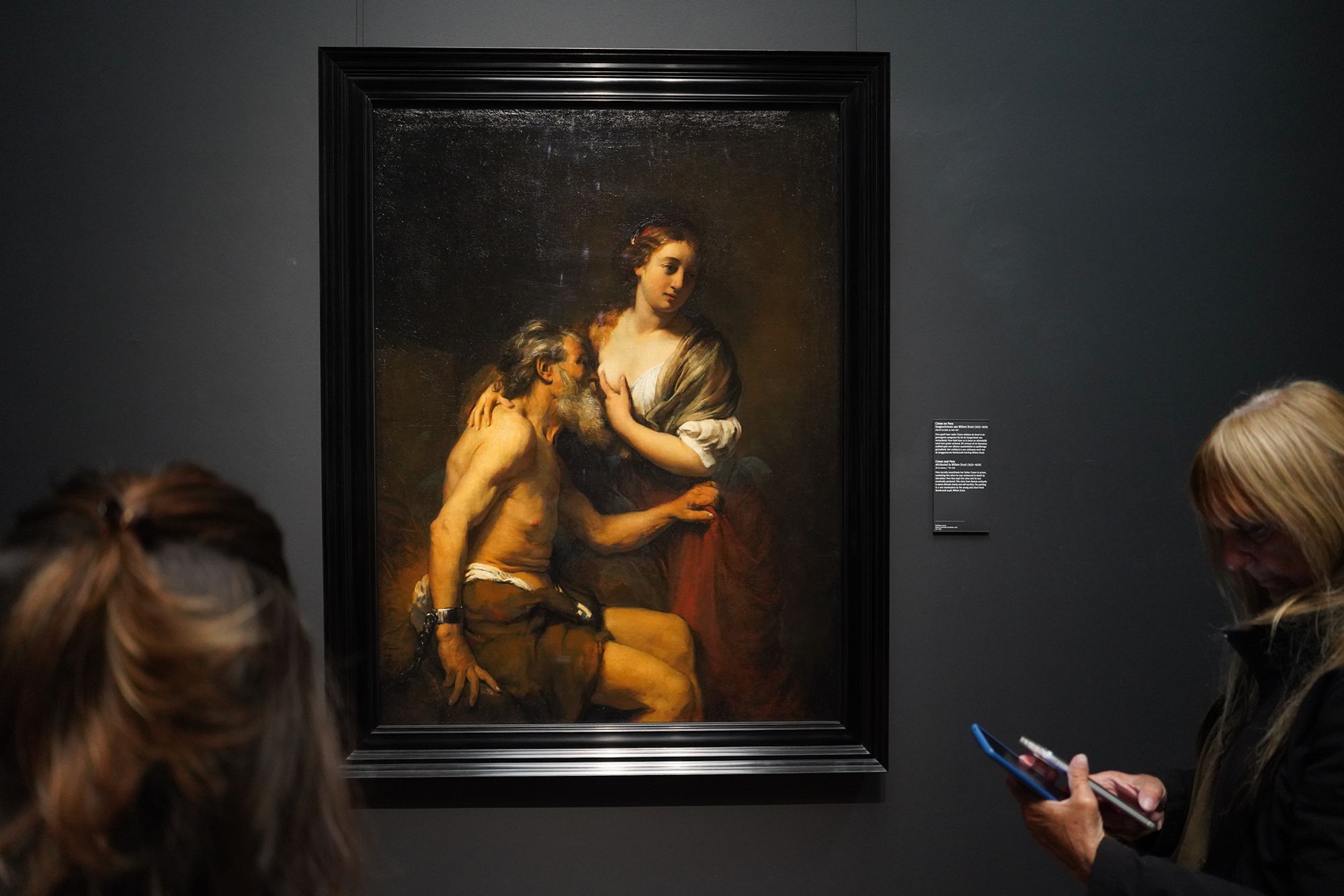
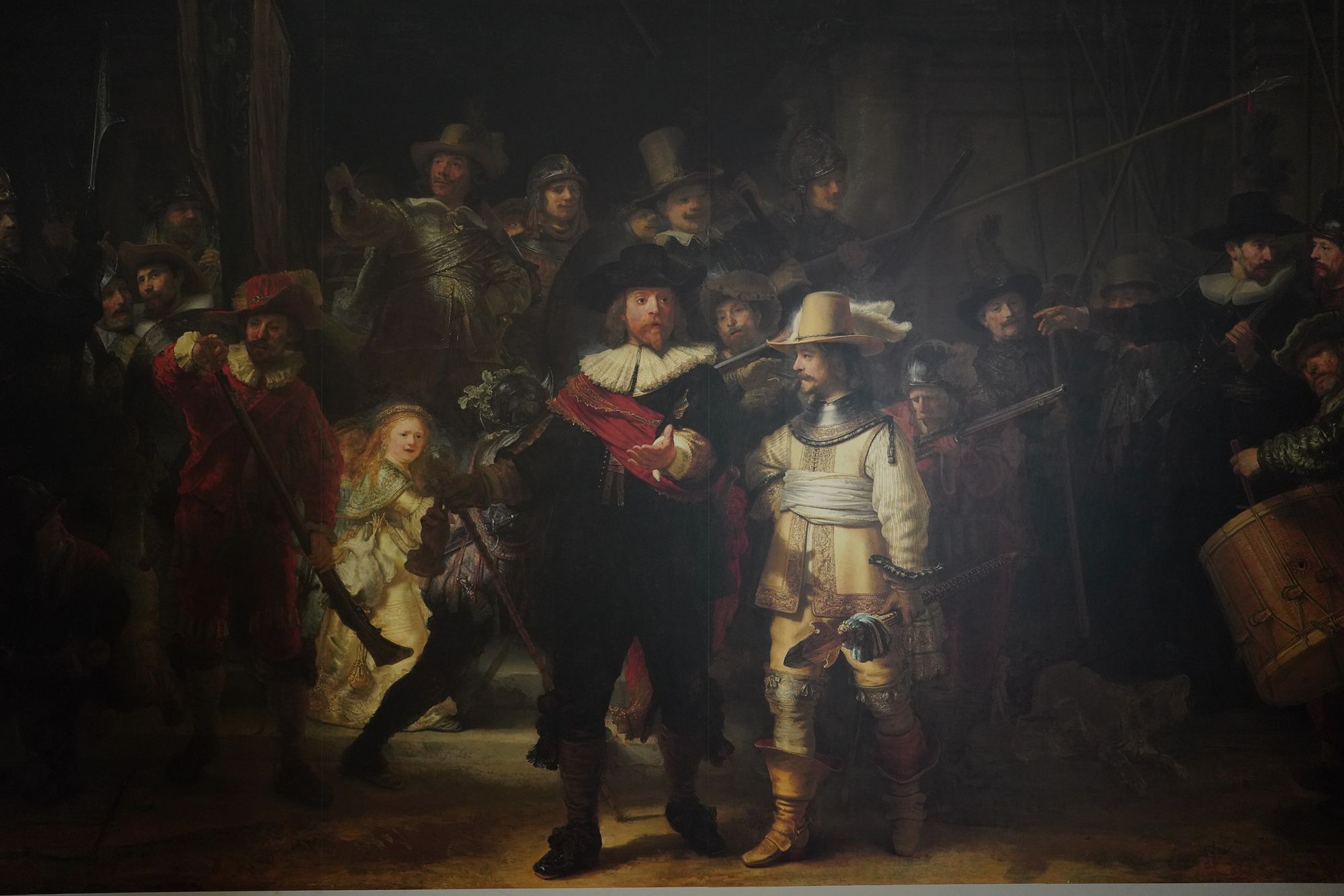
The Night Watch — Rembrandt (1642): the Rijksmuseum’s most famous painting, displayed in the large Night Watch Gallery at the end of the Gallery of Honour.
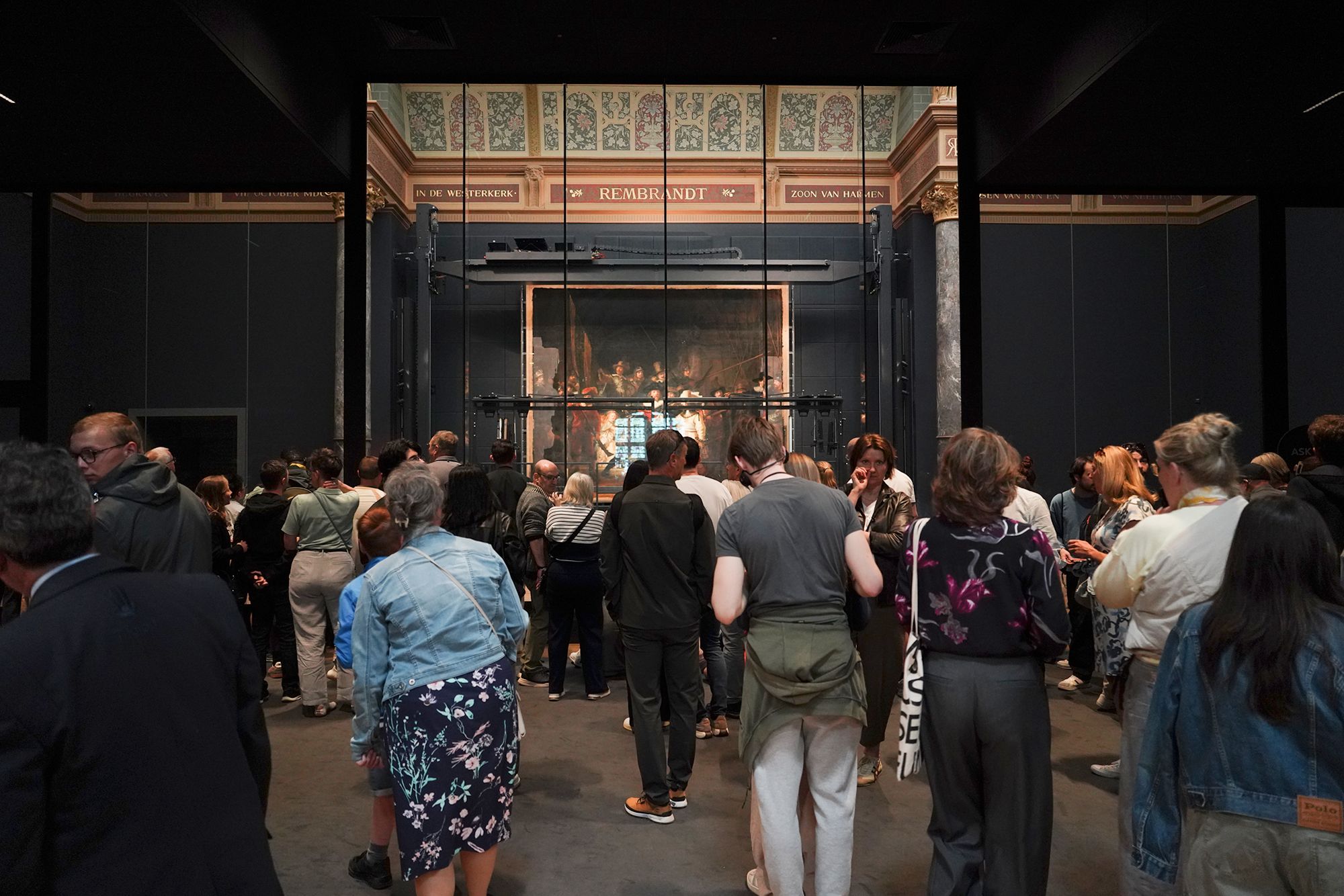
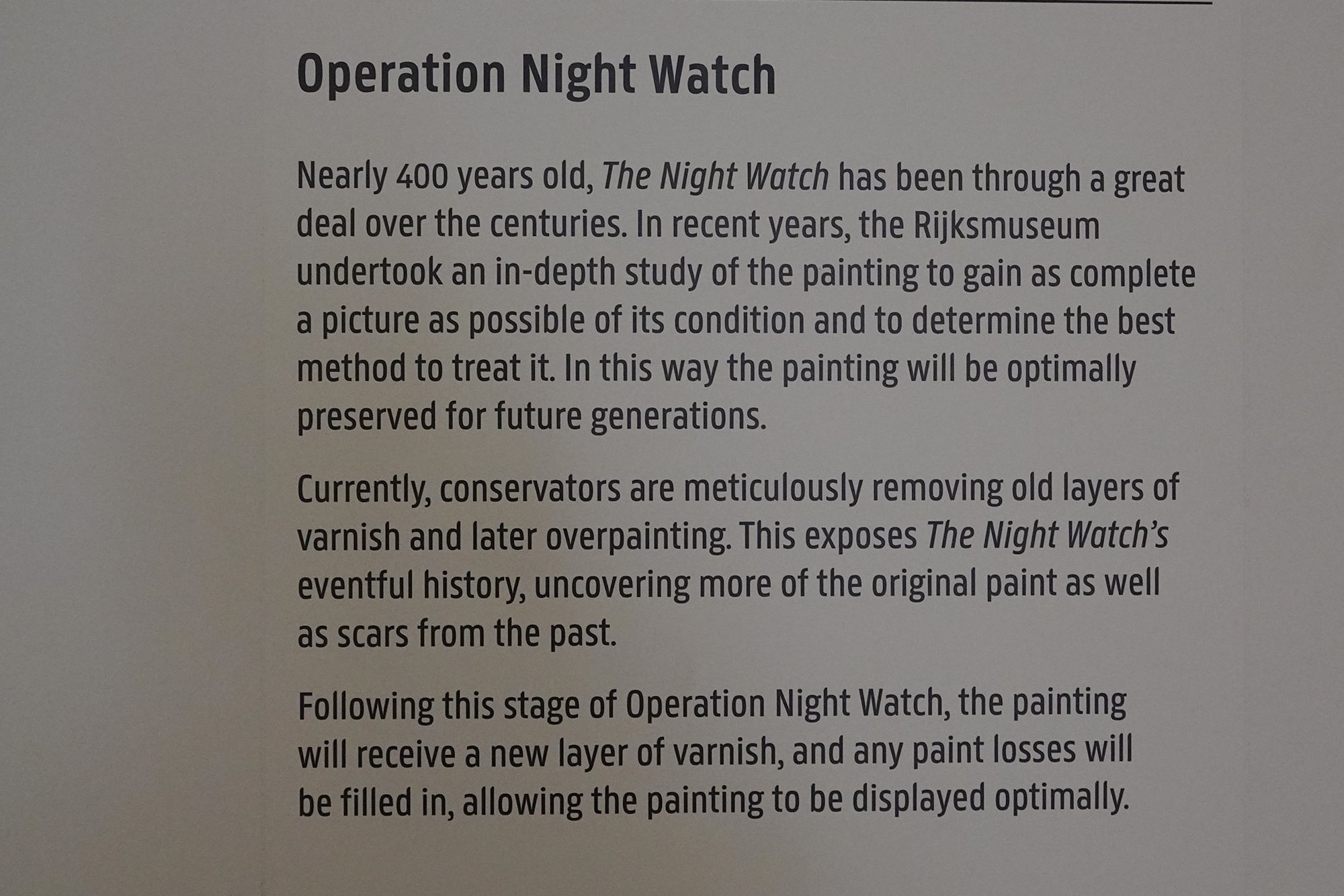
During my visit, Rembrandt’s famous The Night Watch was undergoing conservation, so the enormous painting was displayed inside a specially designed glass chamber. Visitors could still see the masterpiece while conservators studied and worked on it as part of the Rijksmuseum’s ongoing conservation project, known as Operation Night Watch.
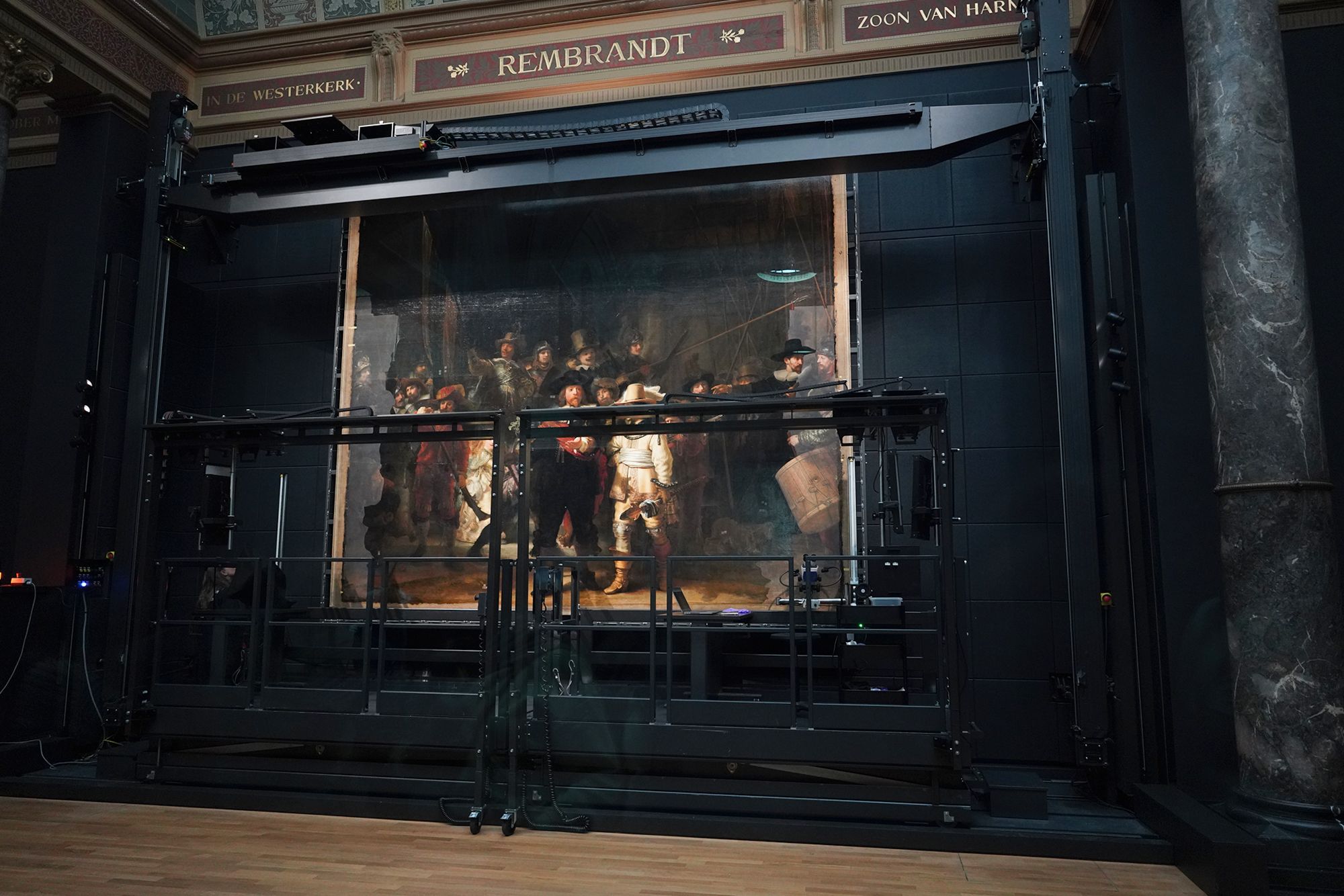
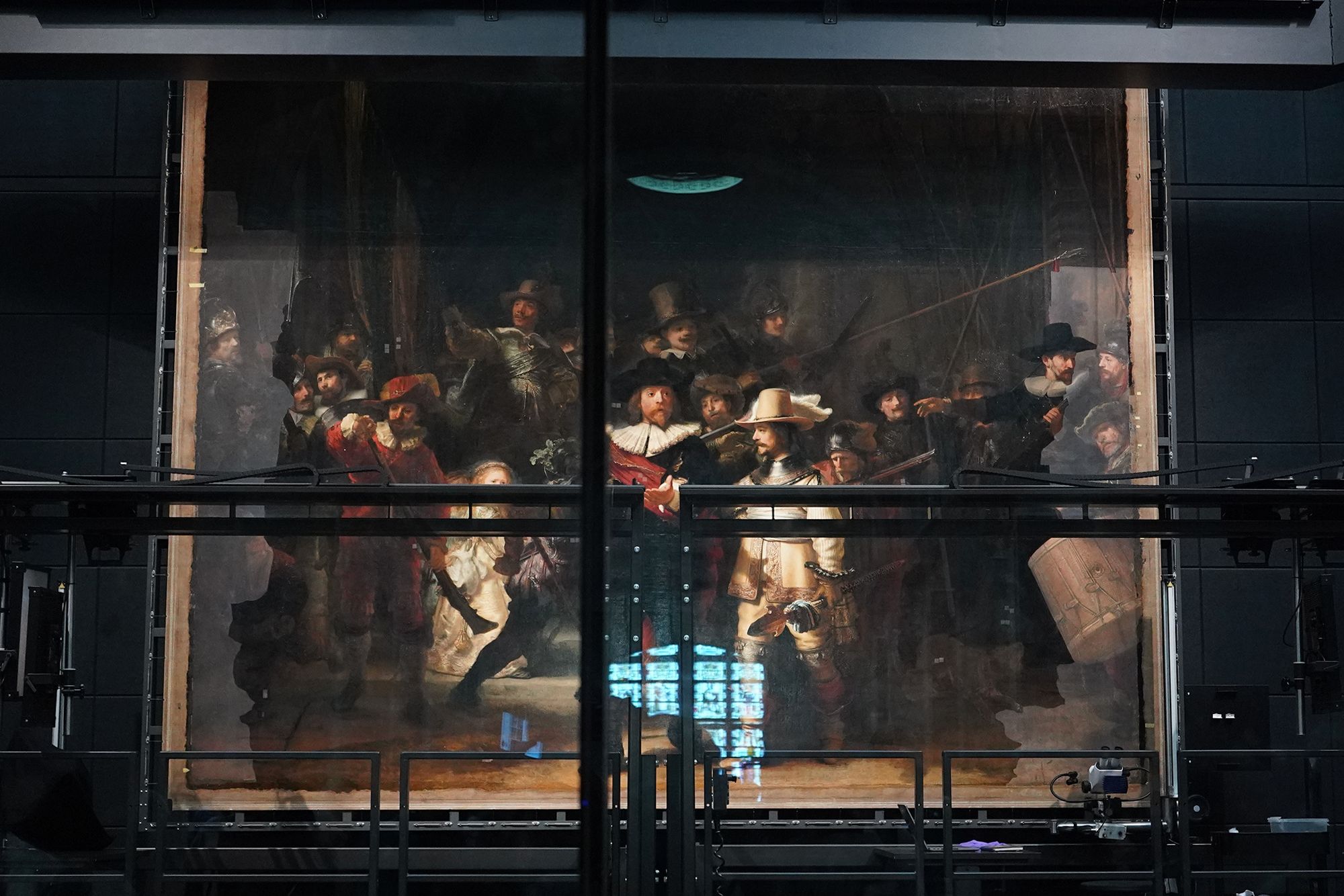
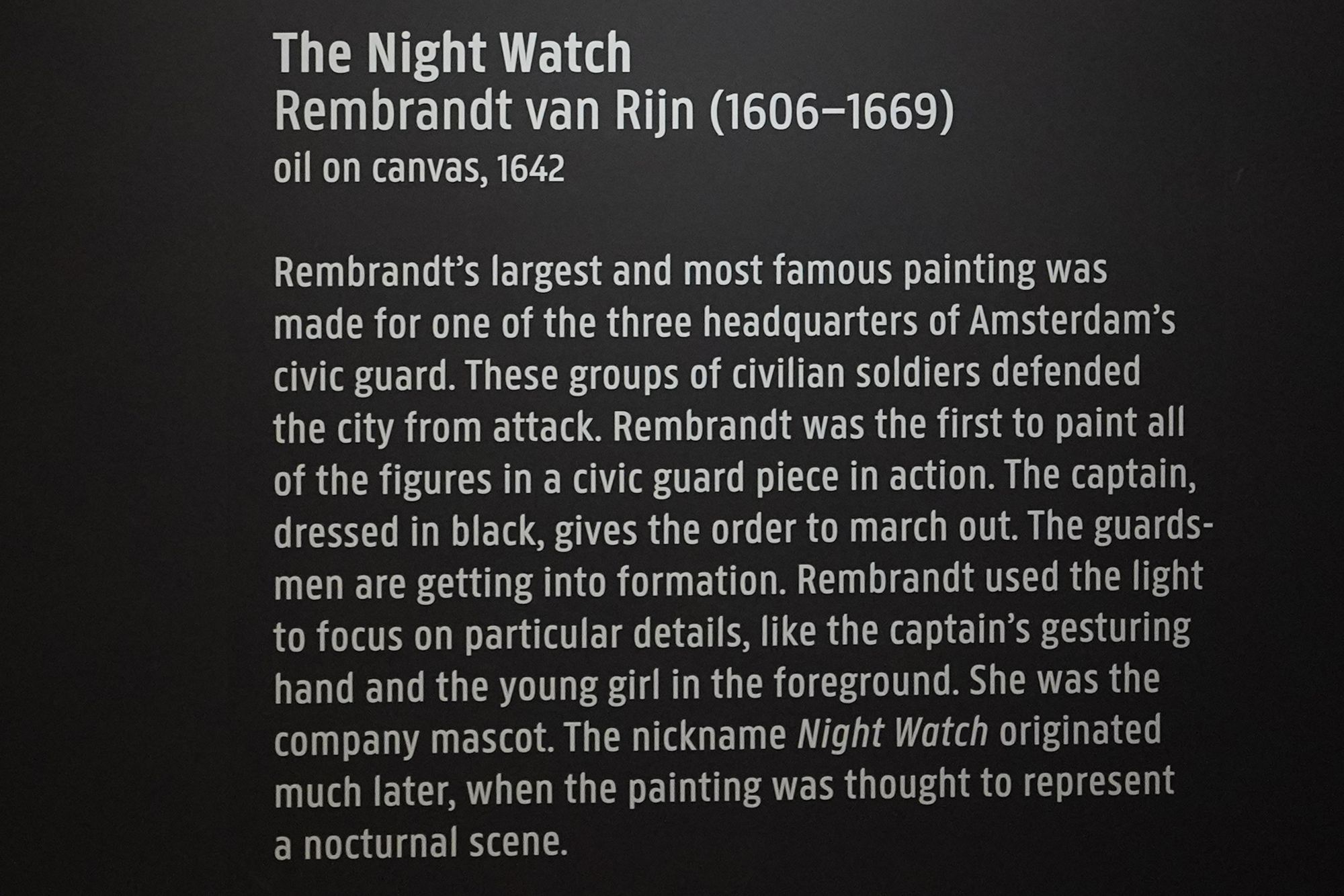
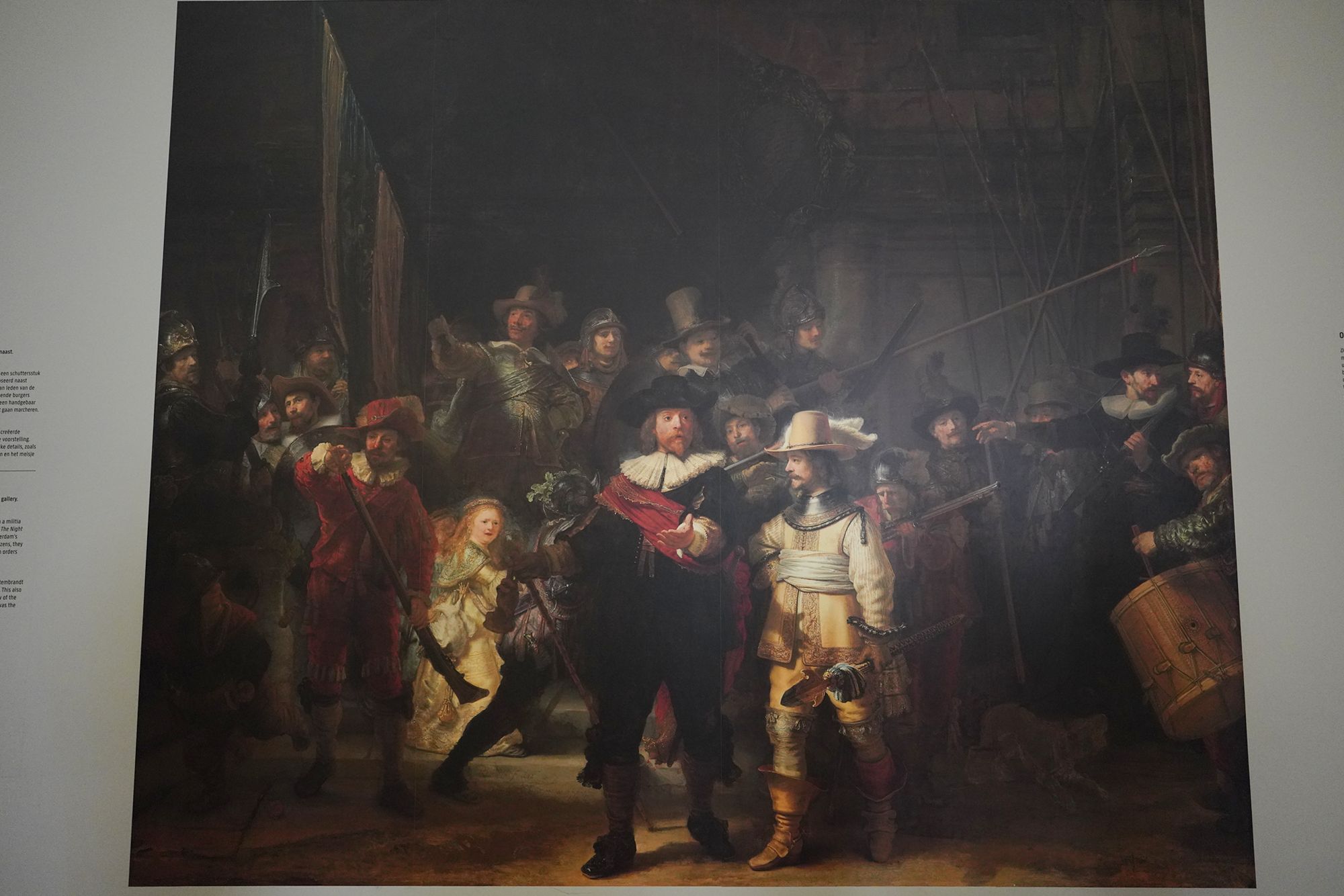
The Night Watch, painted by Rembrandt in 1642, is the most famous painting in the Rijksmuseum and one of the great masterpieces of the Dutch Golden Age. Despite its name, the scene actually takes place during the daytime—the painting became much darker over the centuries, leading people to mistakenly think it depicted a night scene.
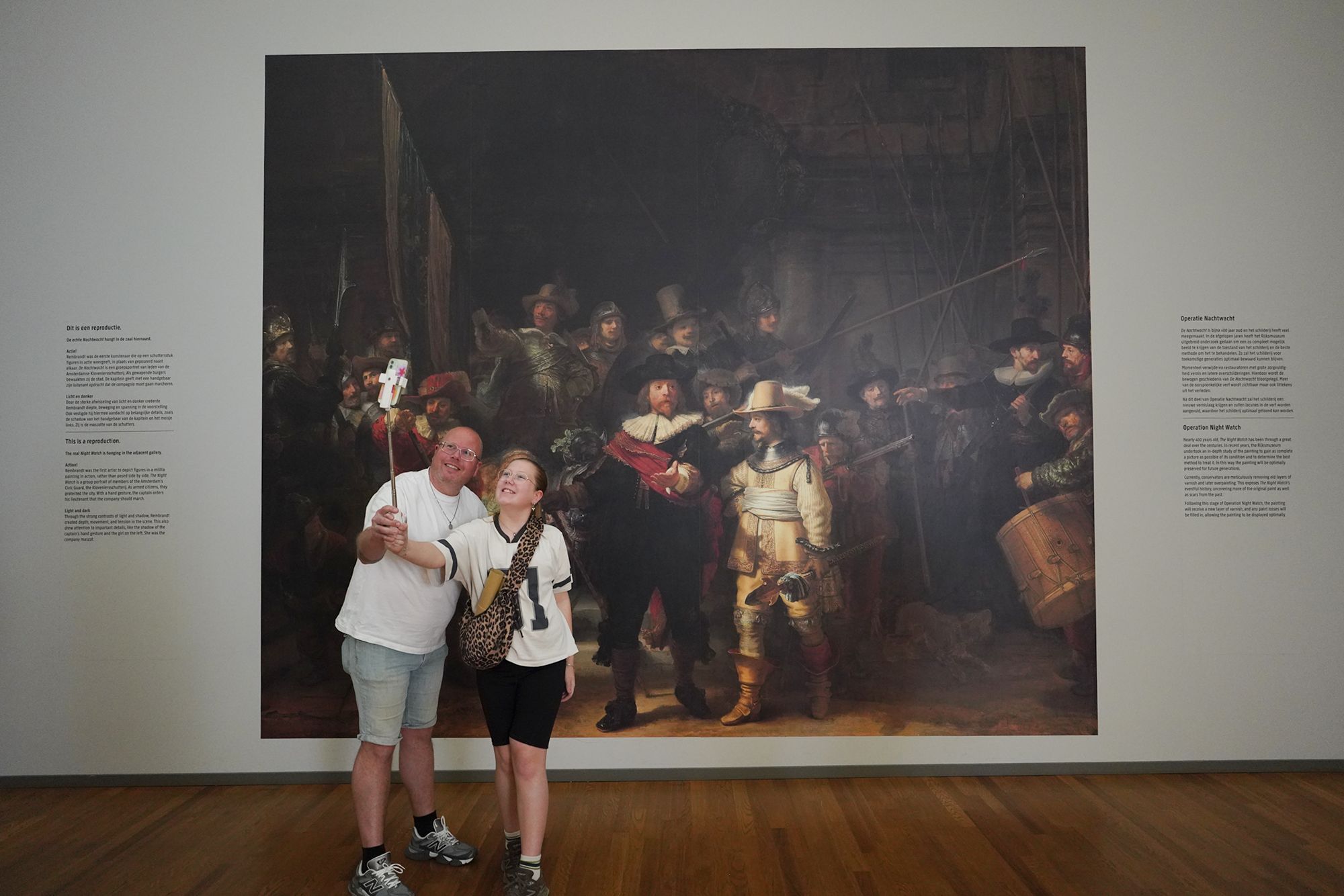
The enormous painting portrays a civic guard company led by Captain Frans Banninck Cocq and Lieutenant Willem van Ruytenburch. Rather than arranging the men in a traditional formal group portrait, Rembrandt showed them in action, as if the company were preparing to march out. His dramatic use of light and shadow, movement, and individual expressions gives the painting an unusually lively feeling.
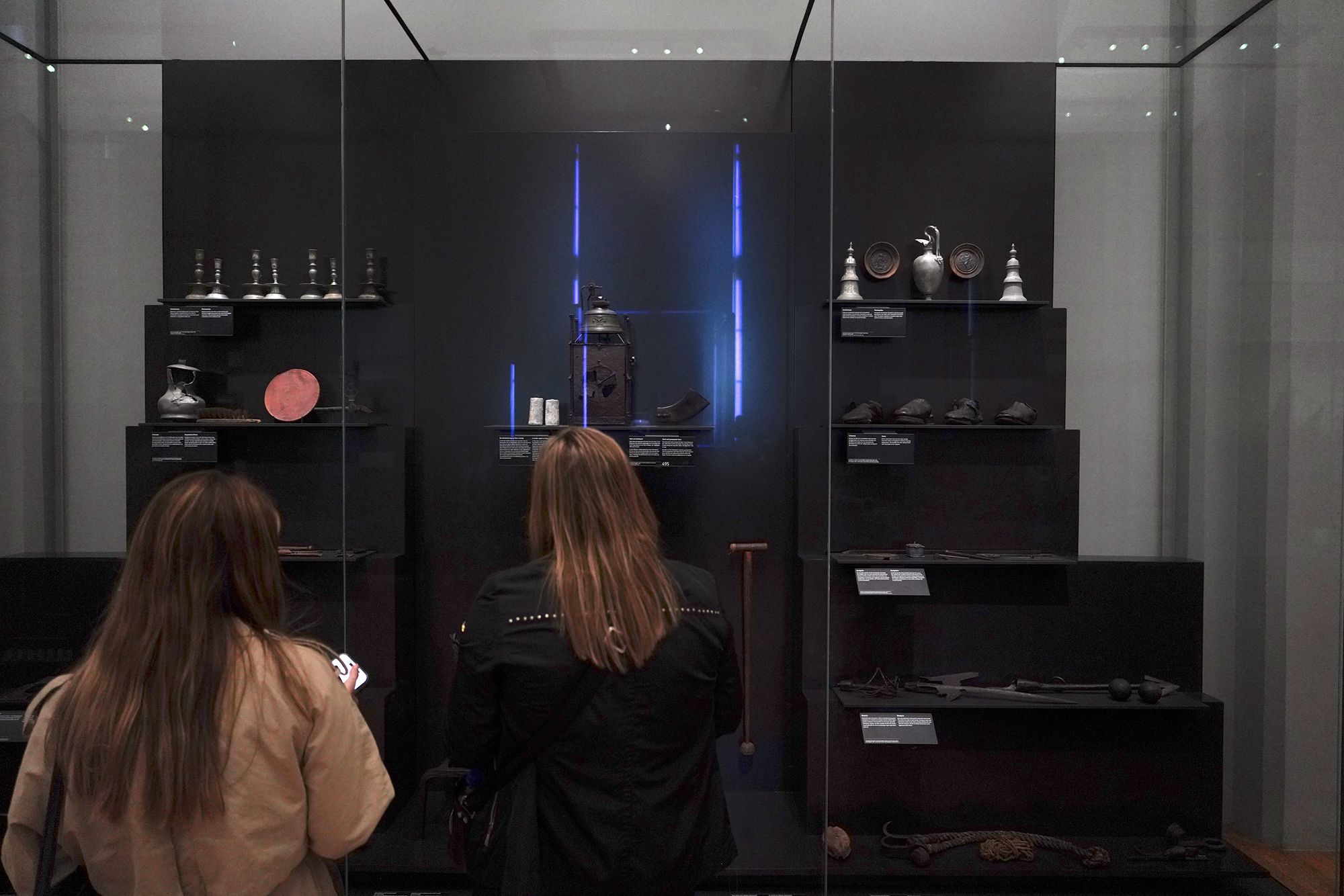
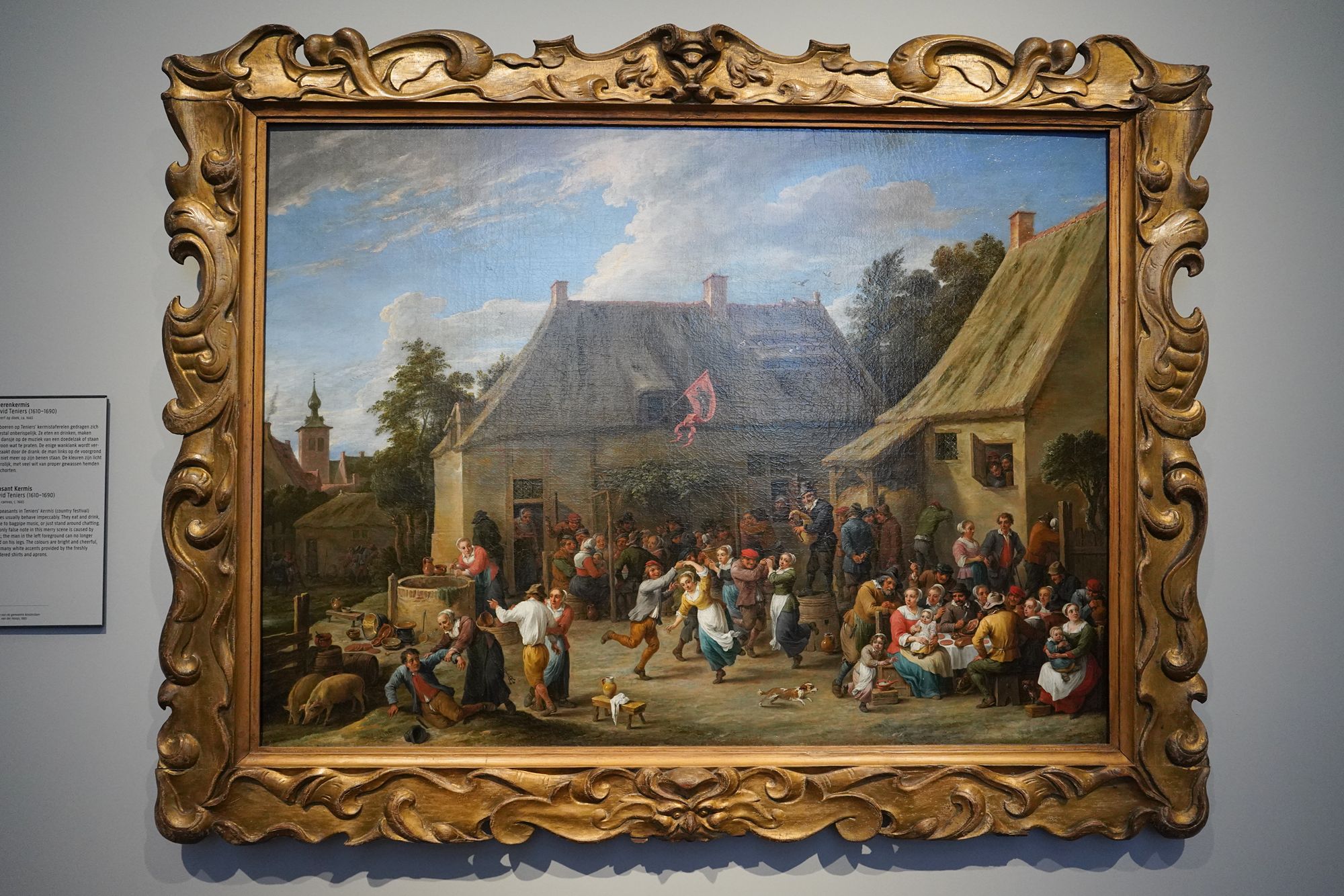
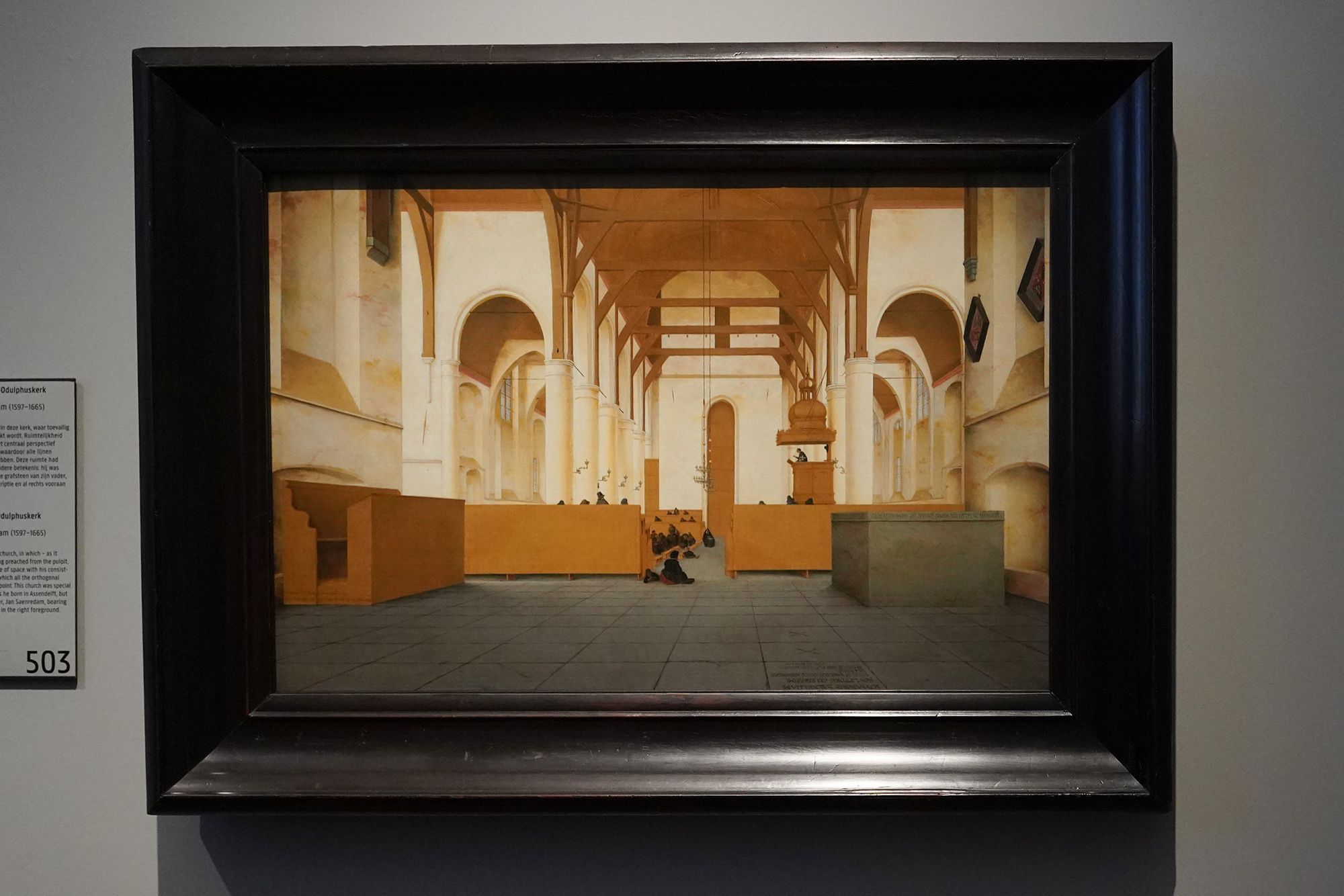
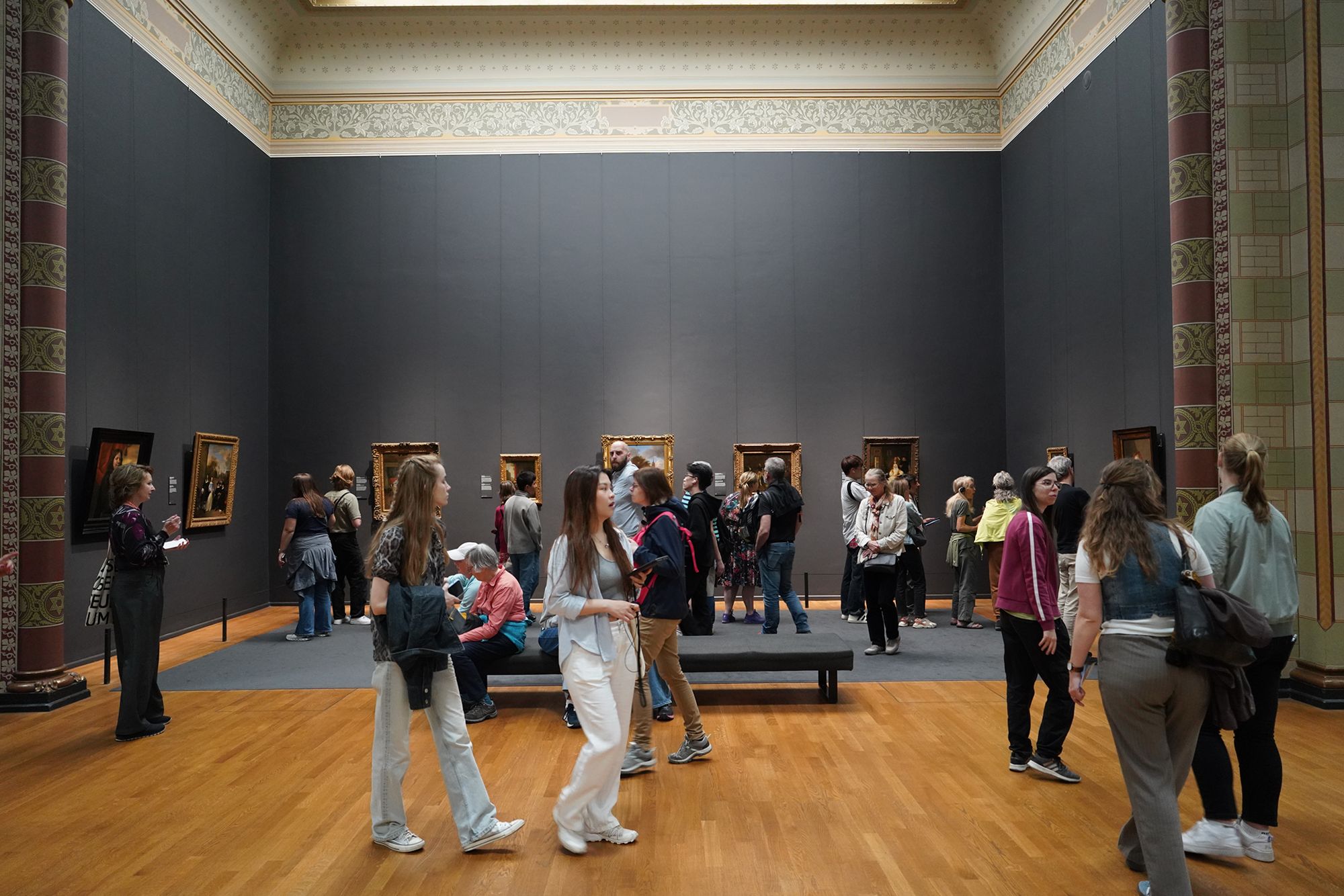
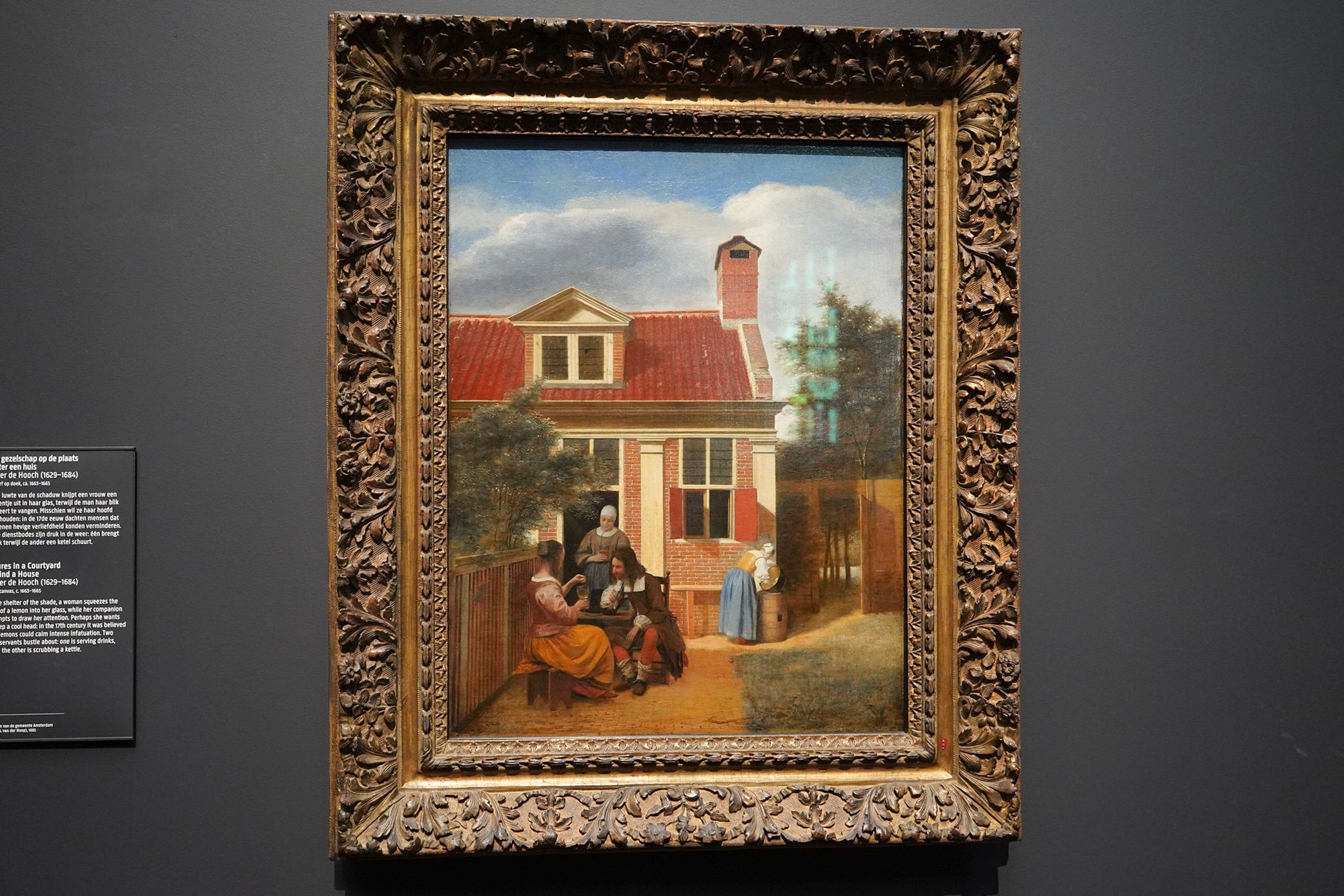
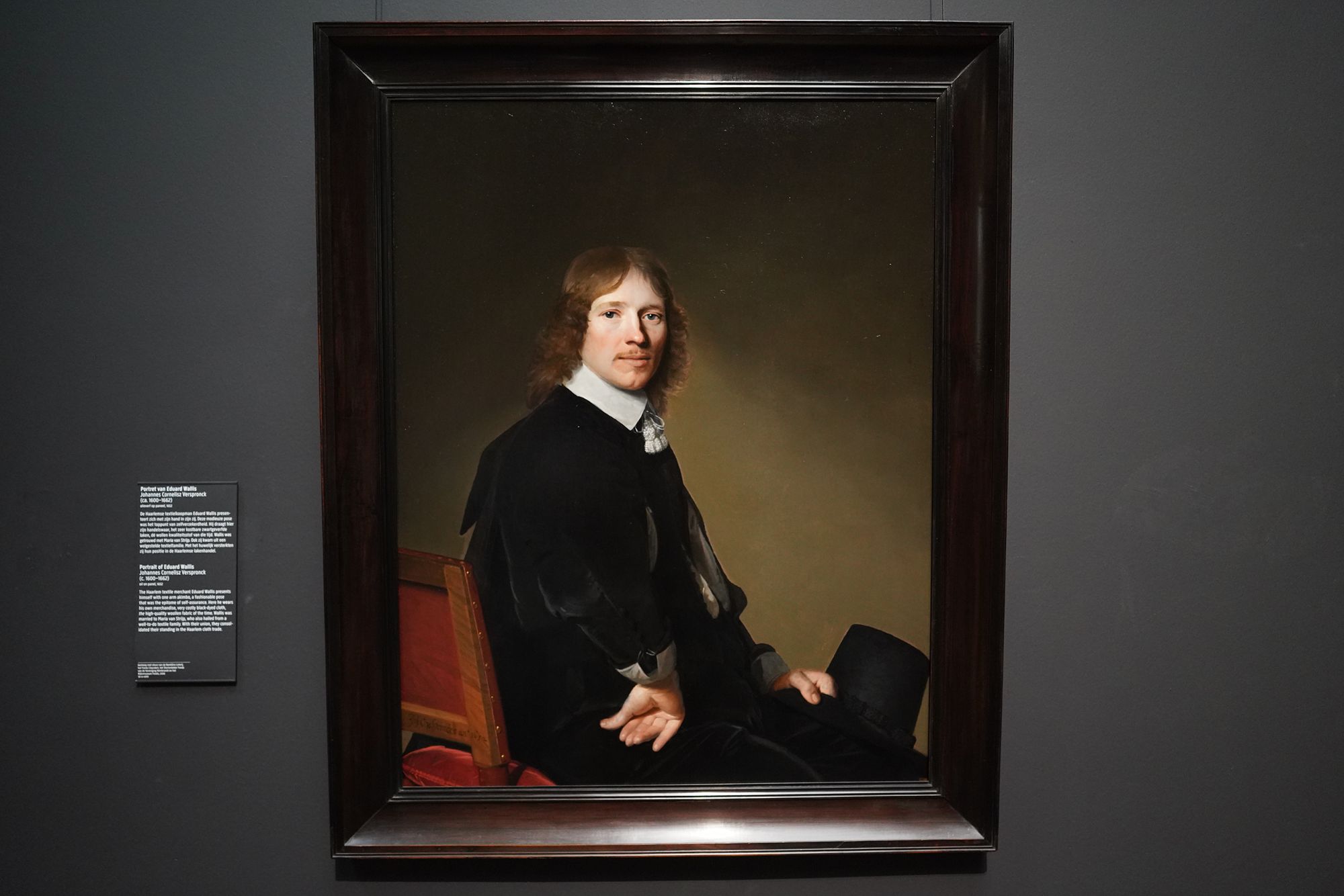
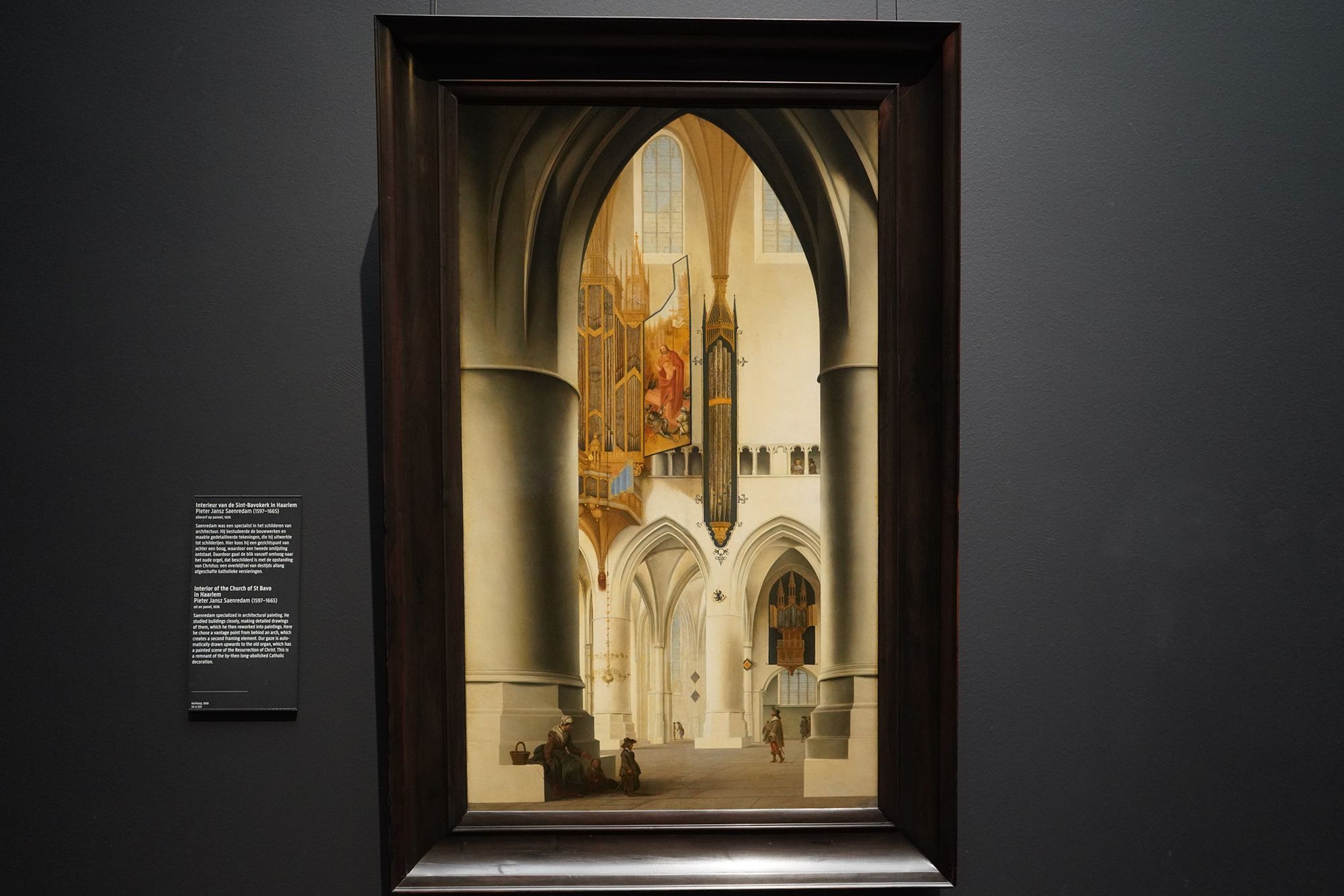
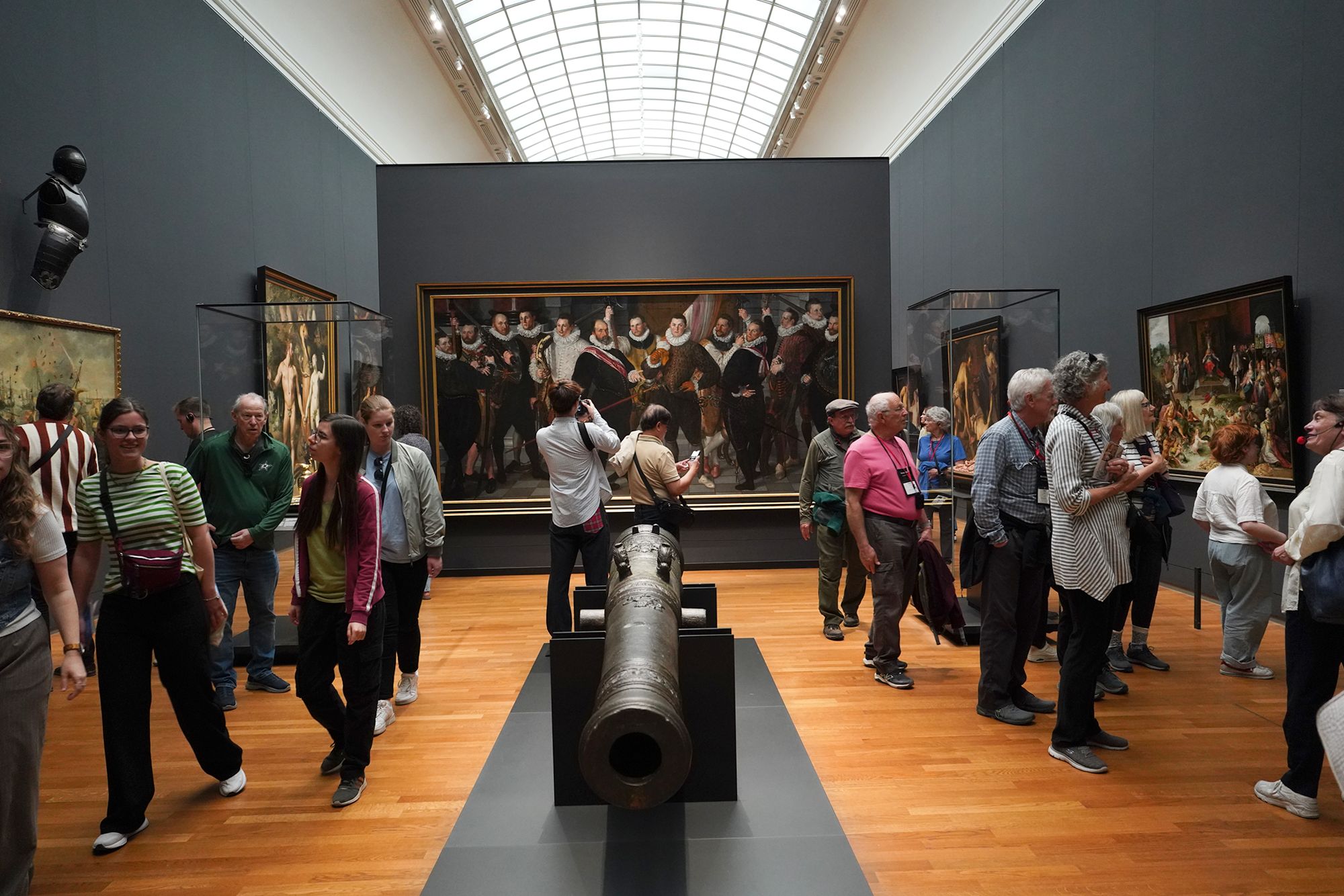
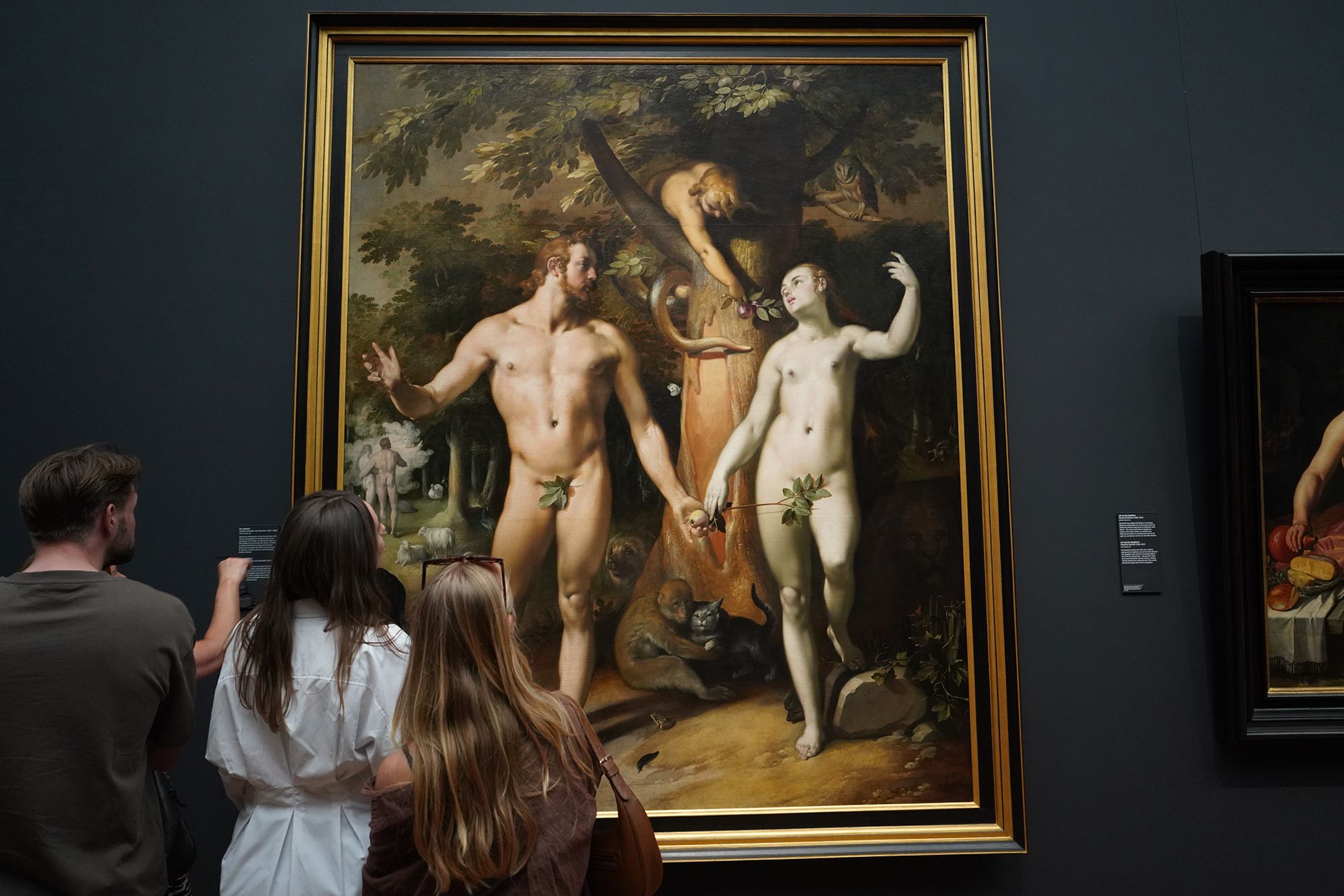
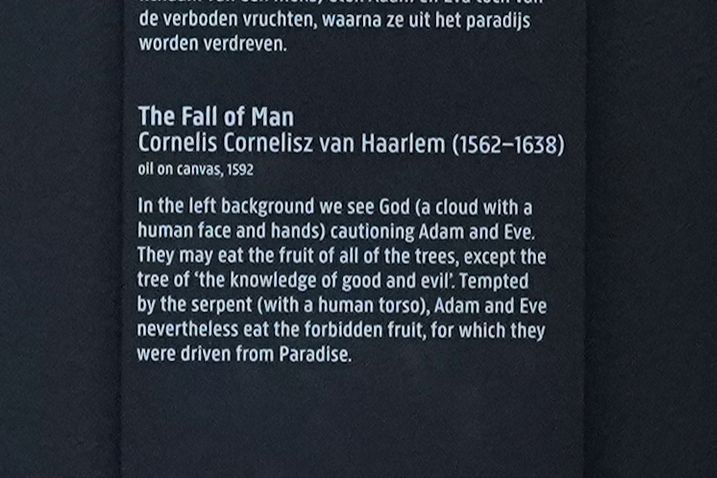
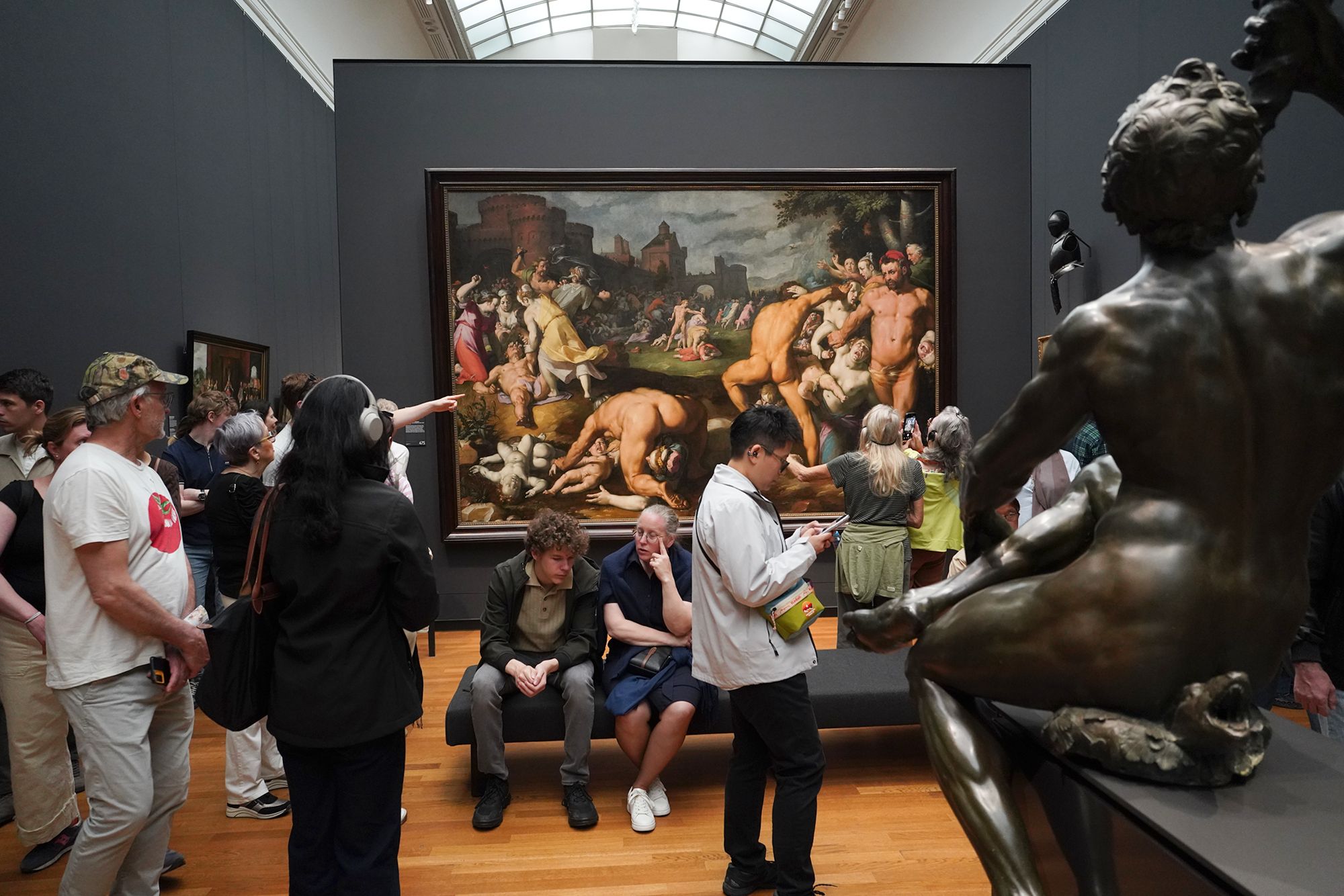
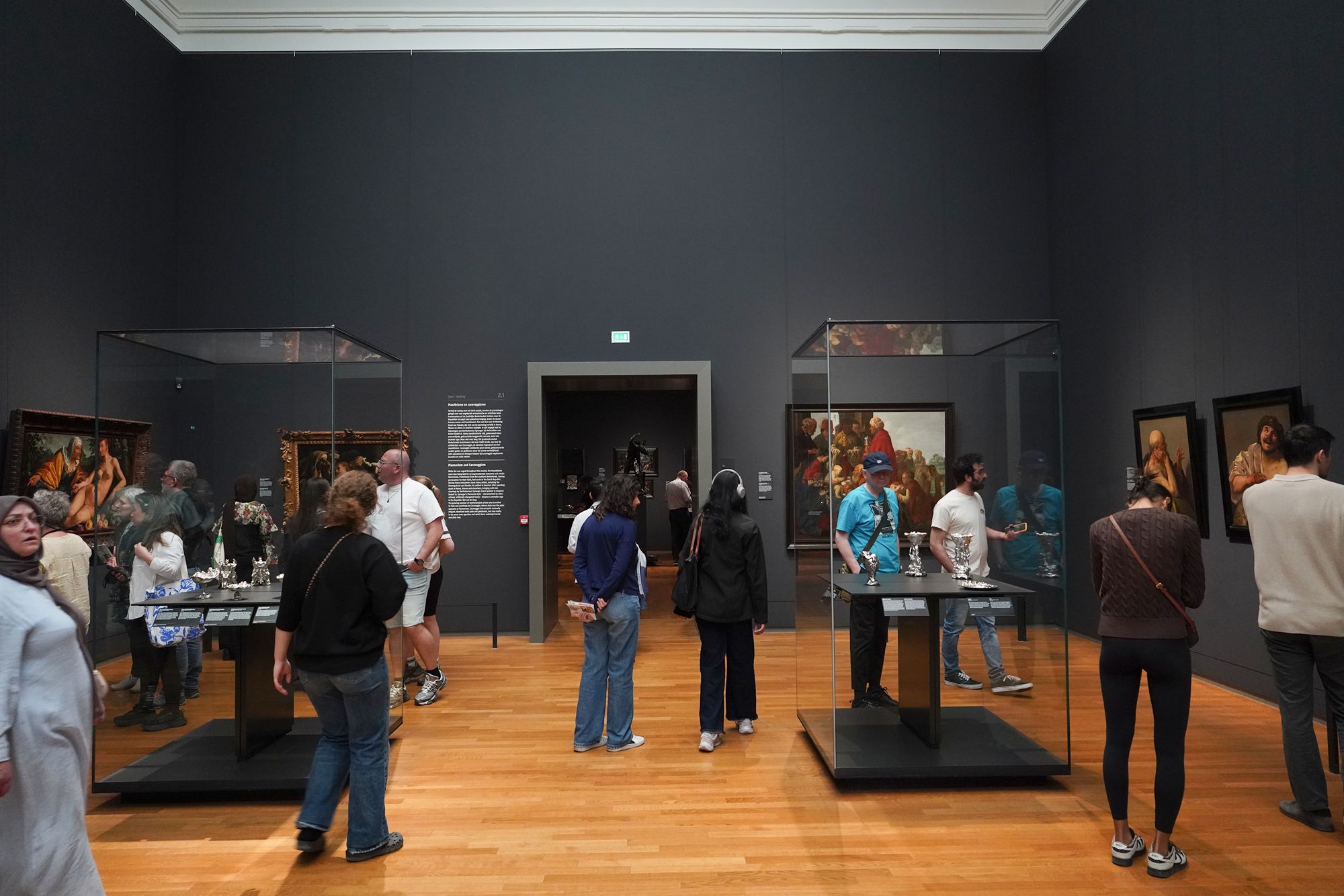
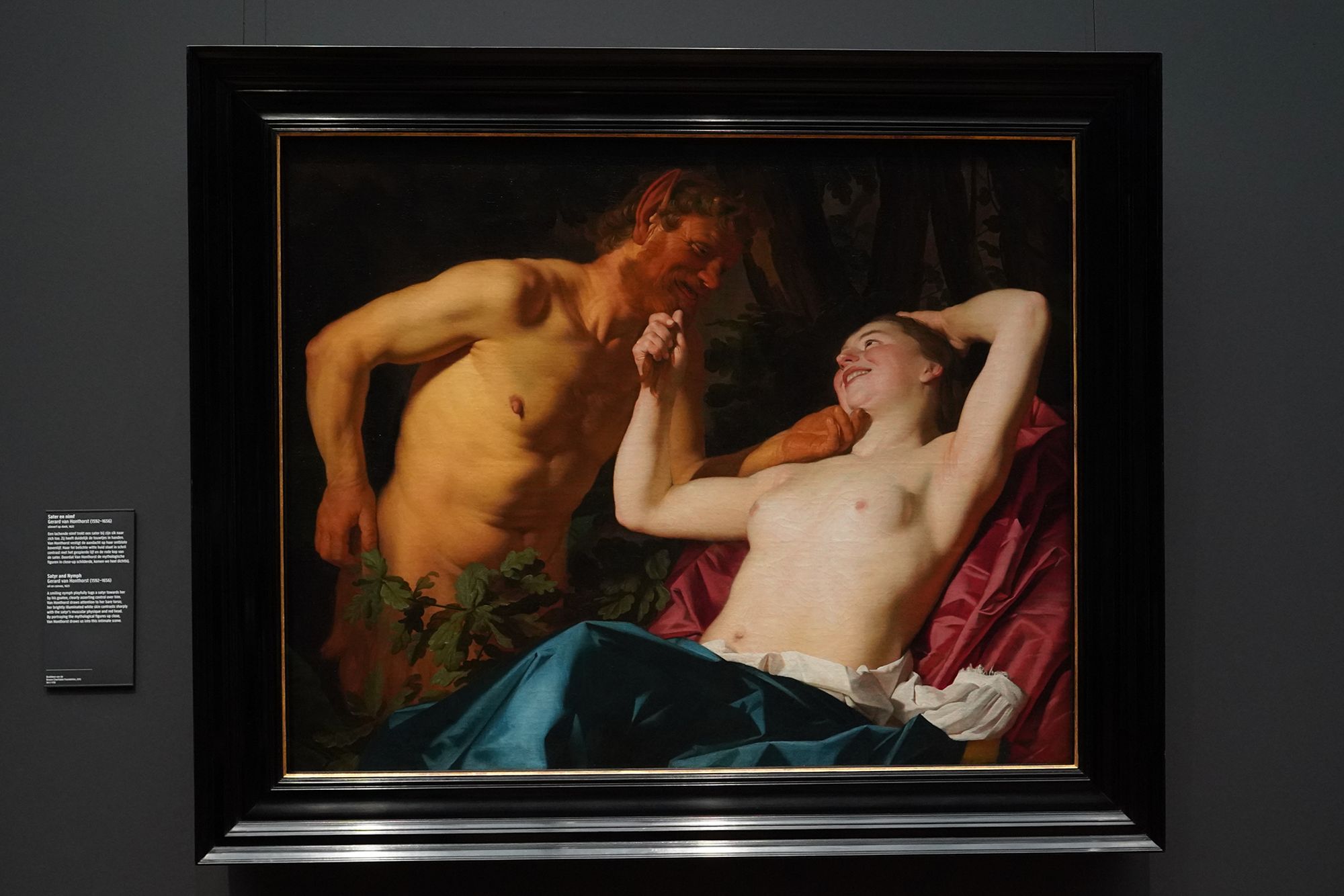
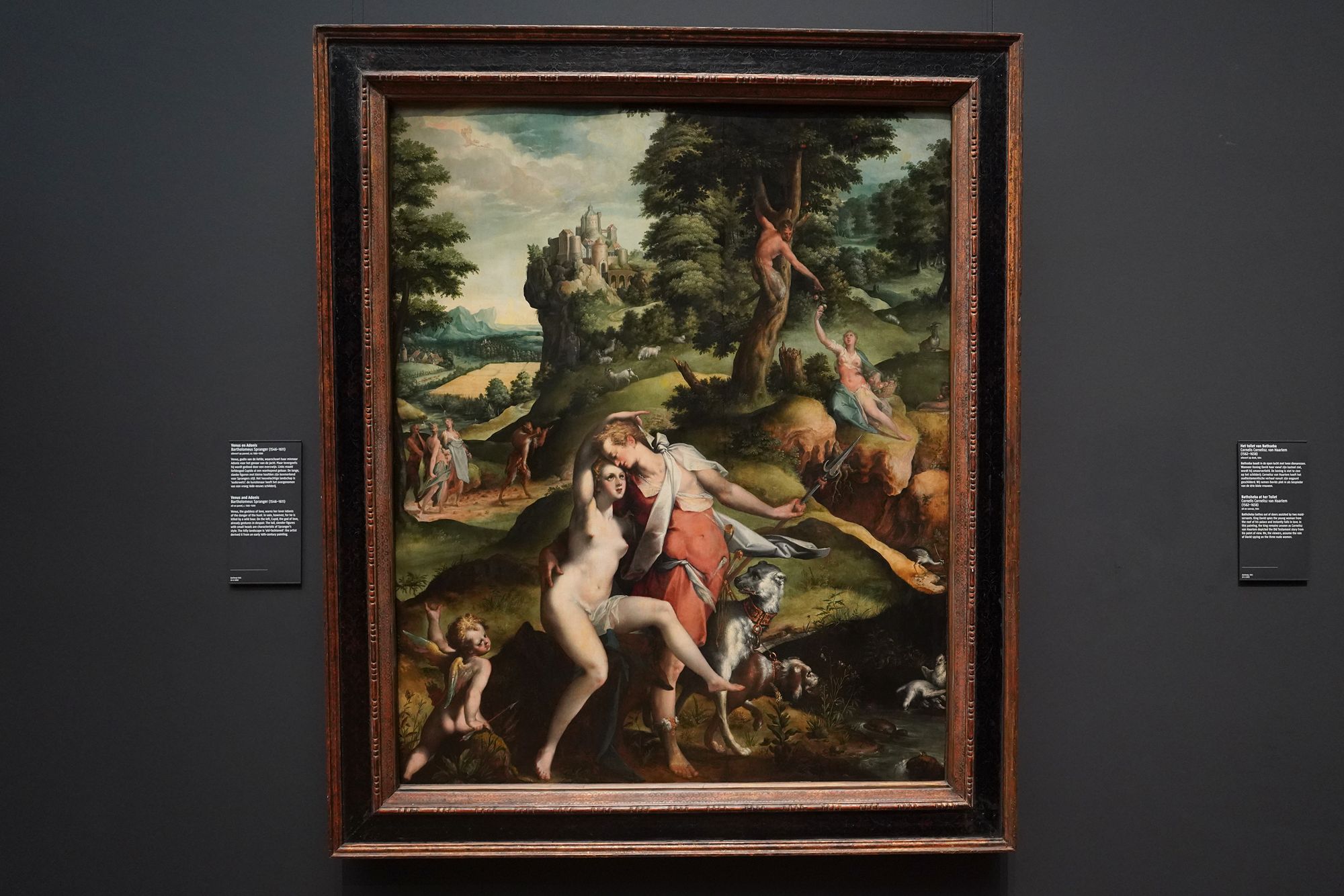
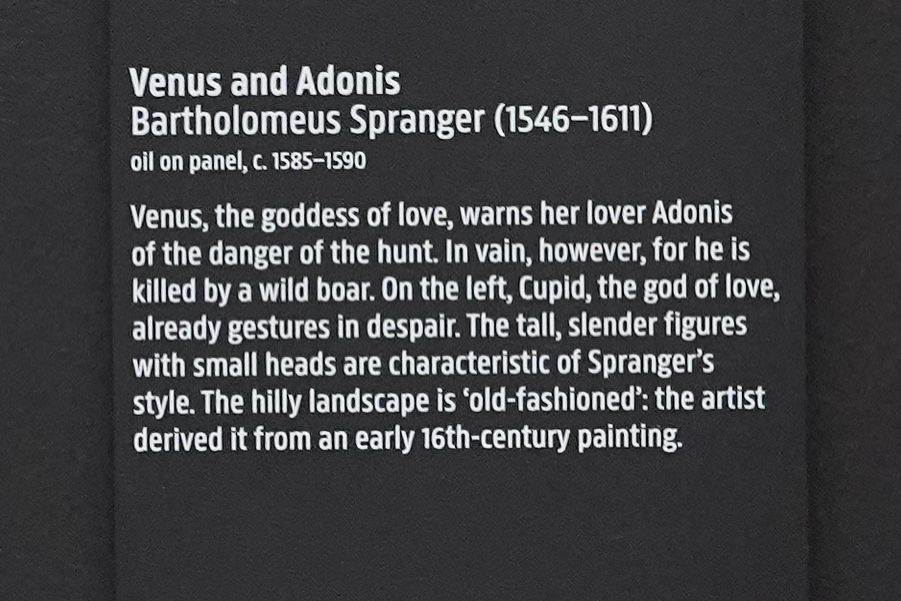
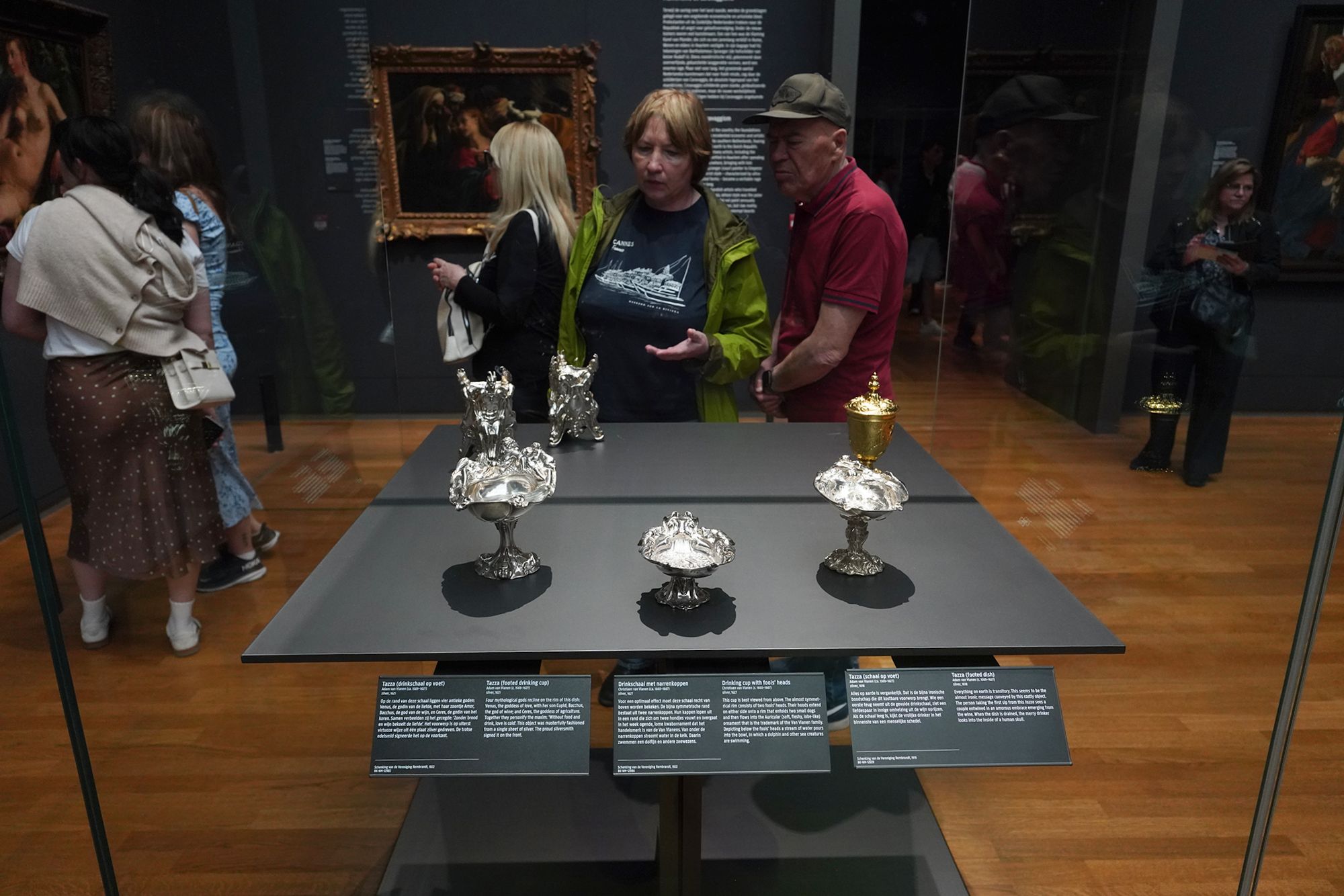
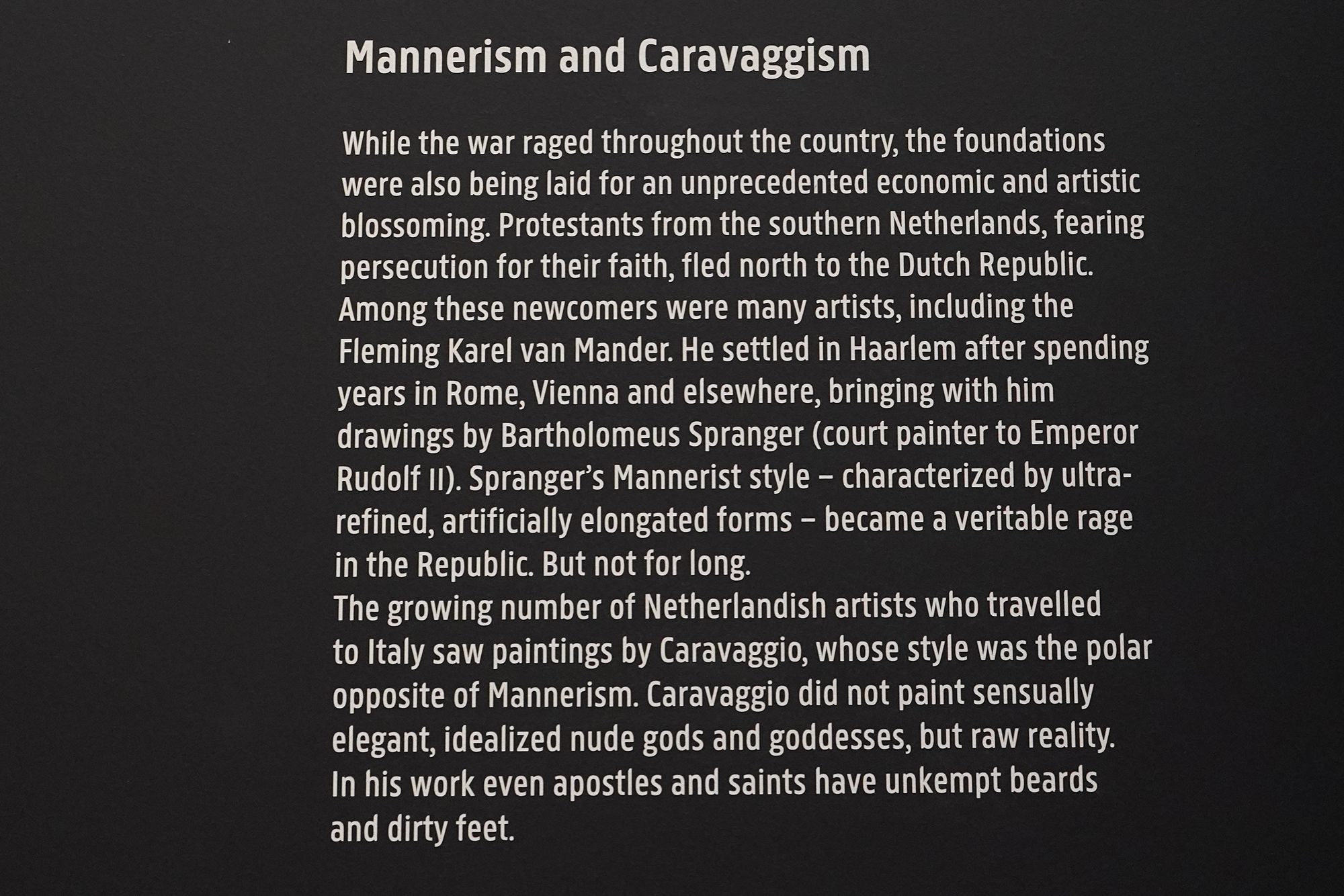
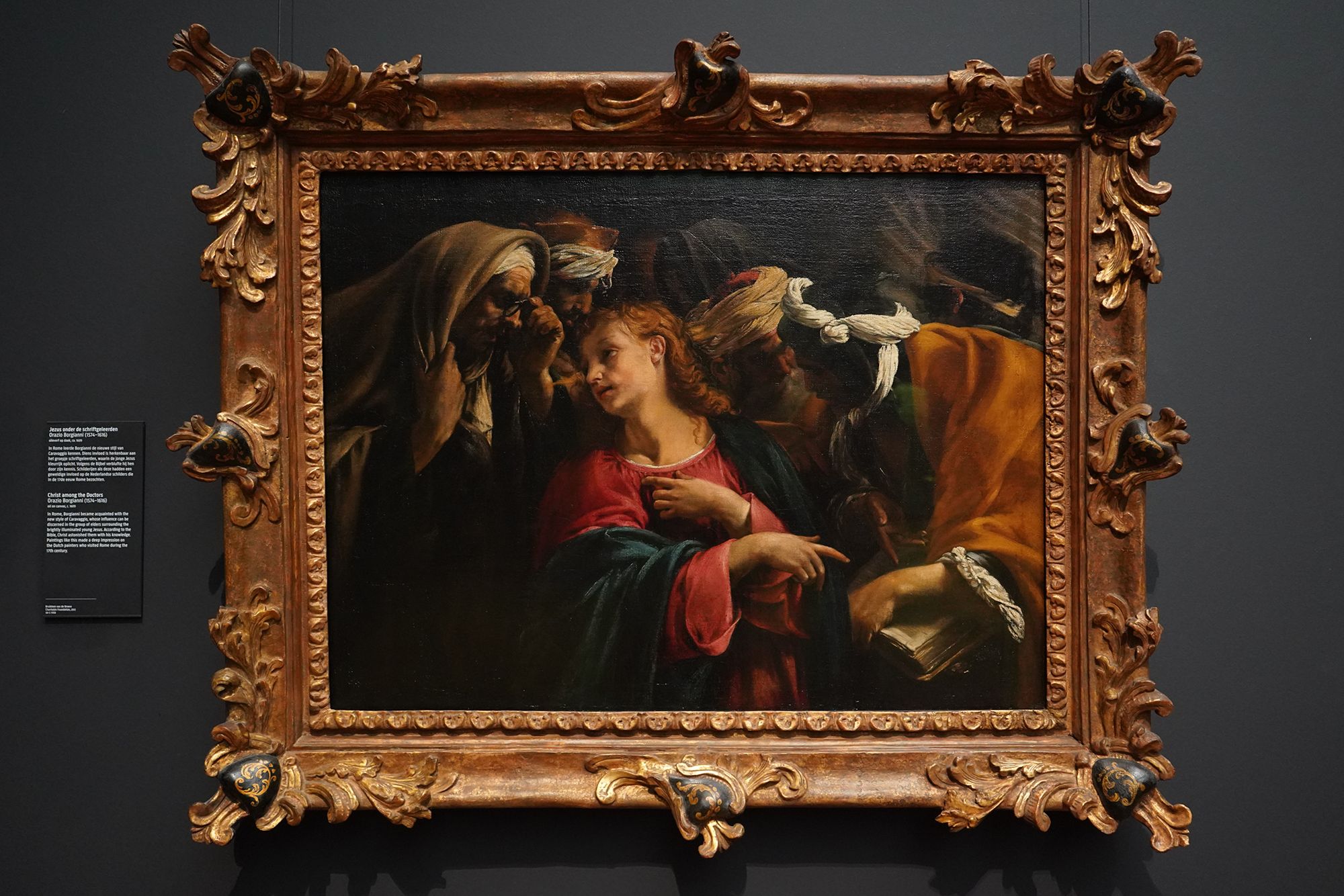
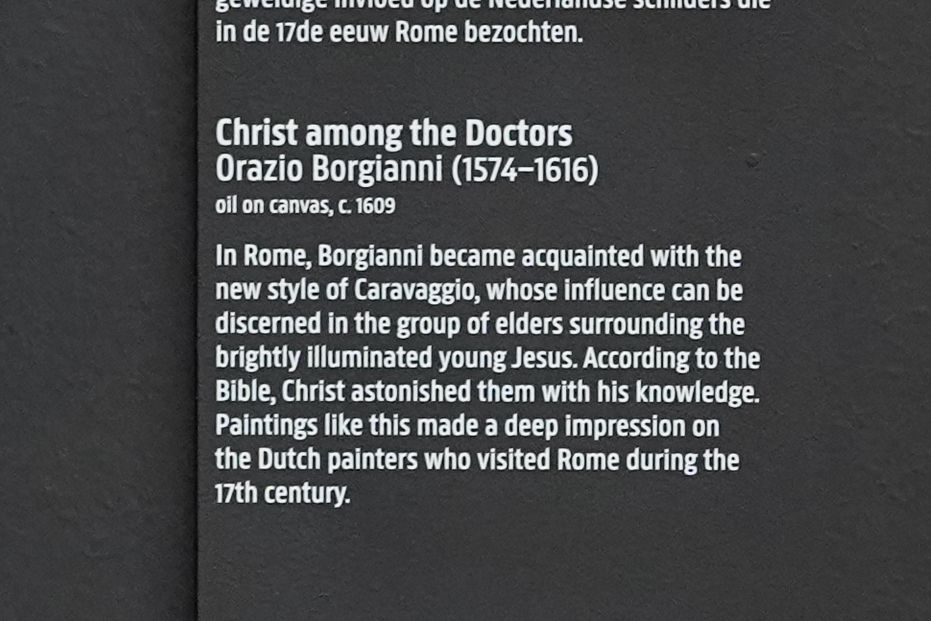
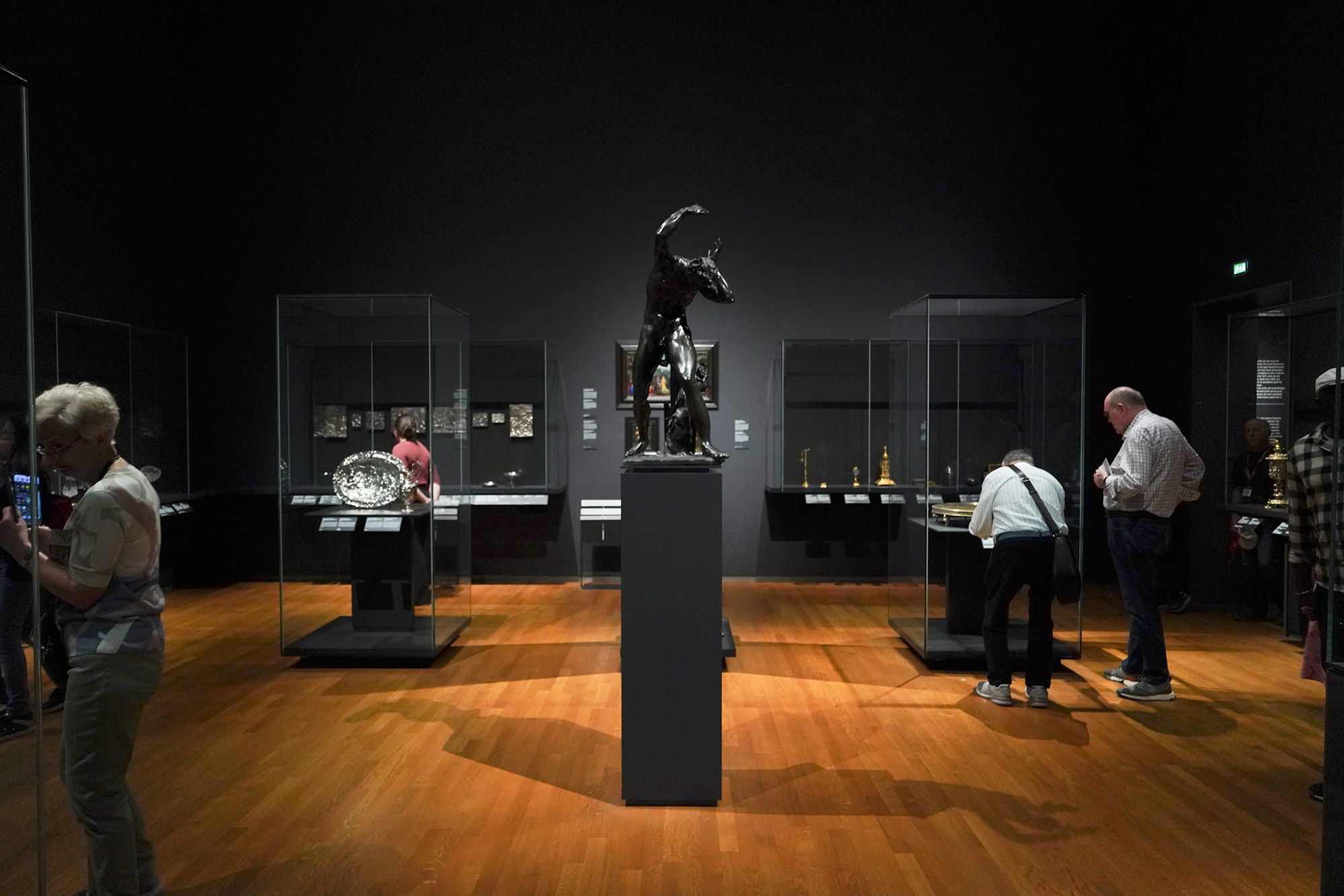
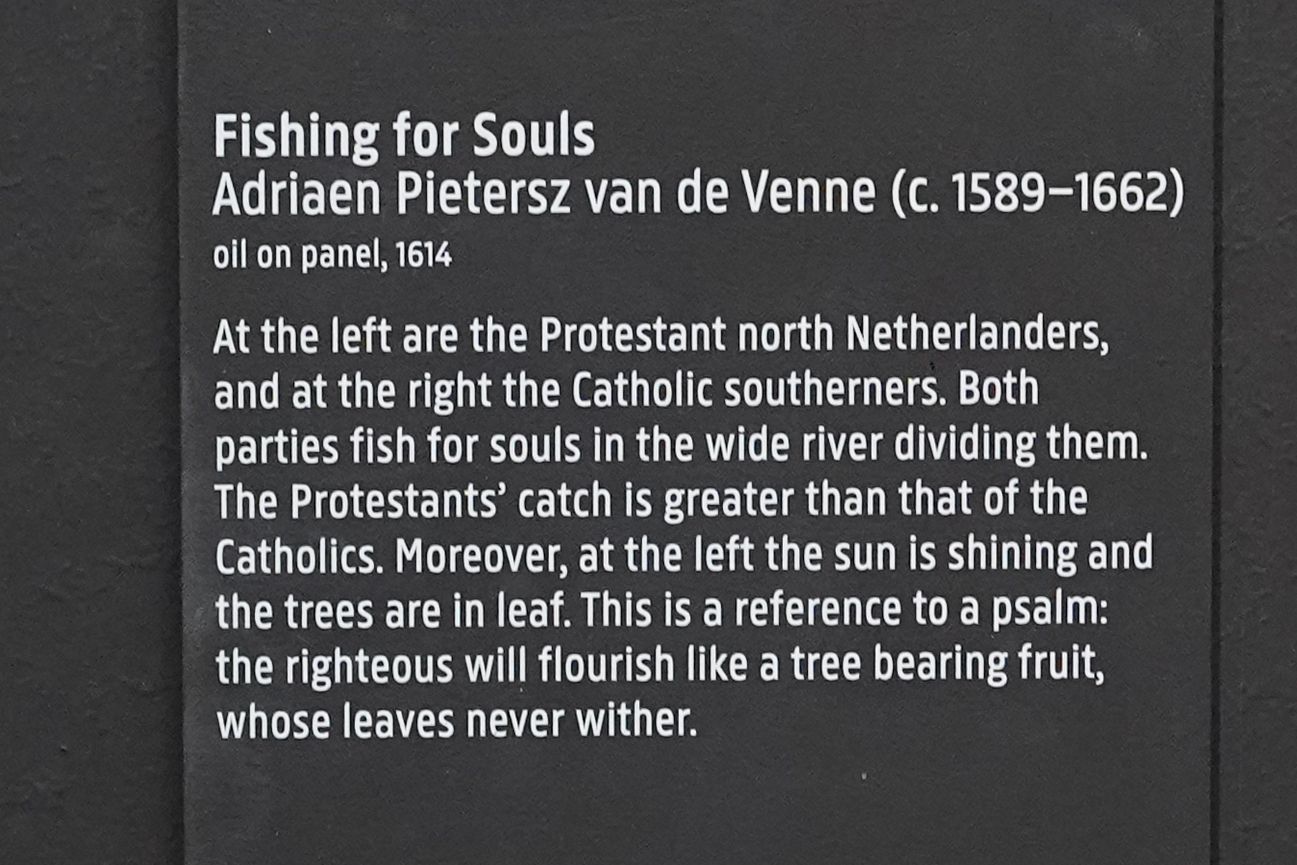
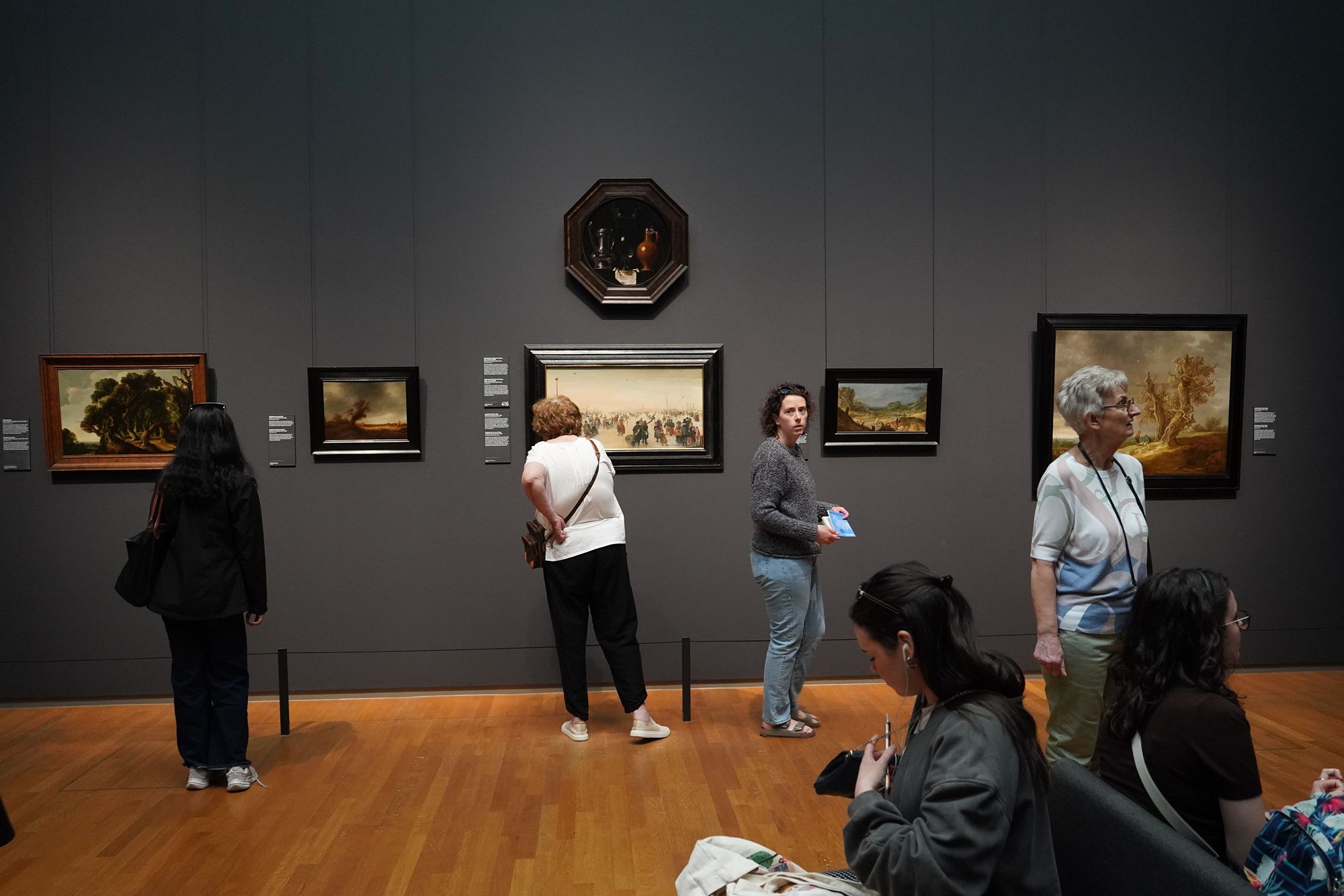
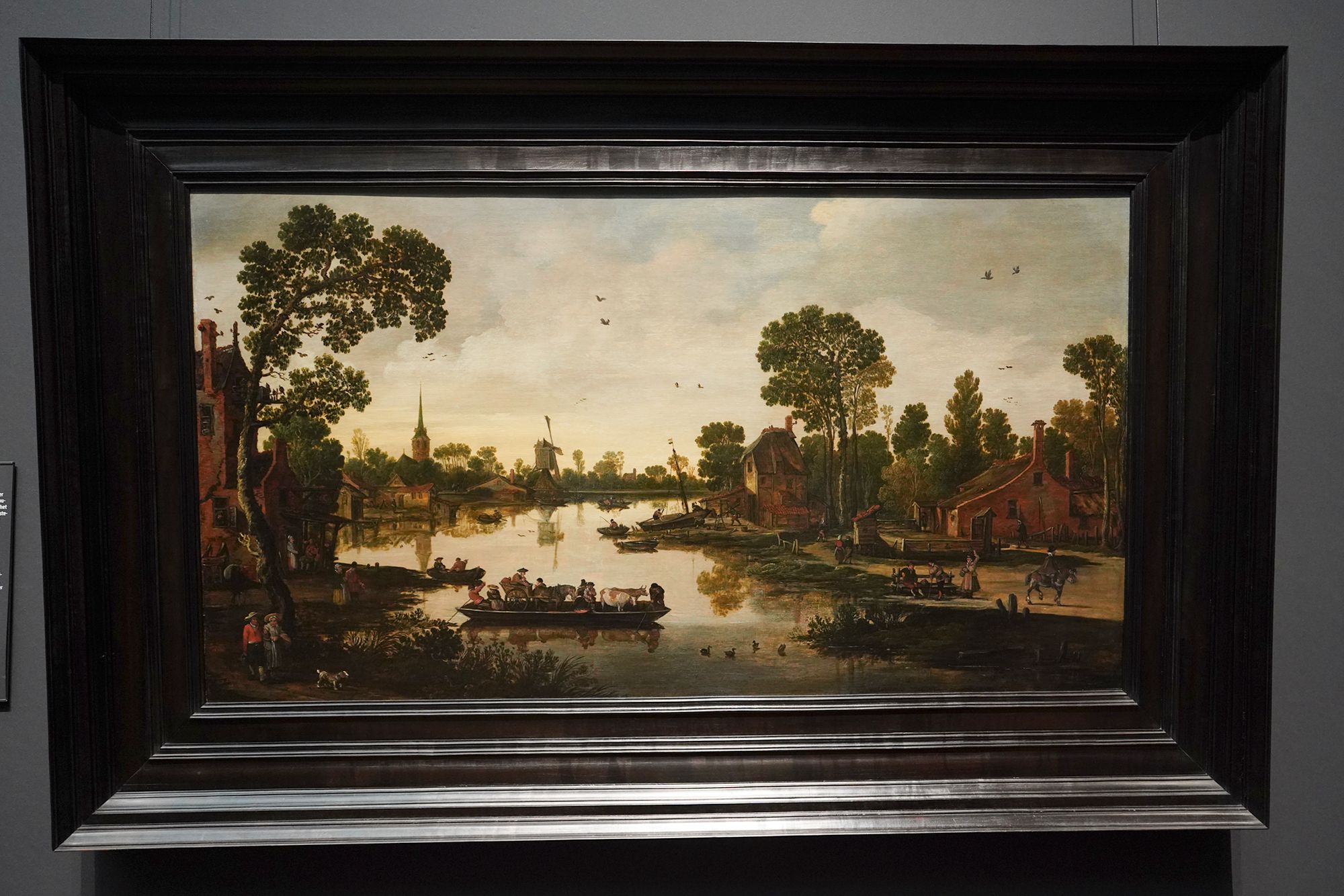
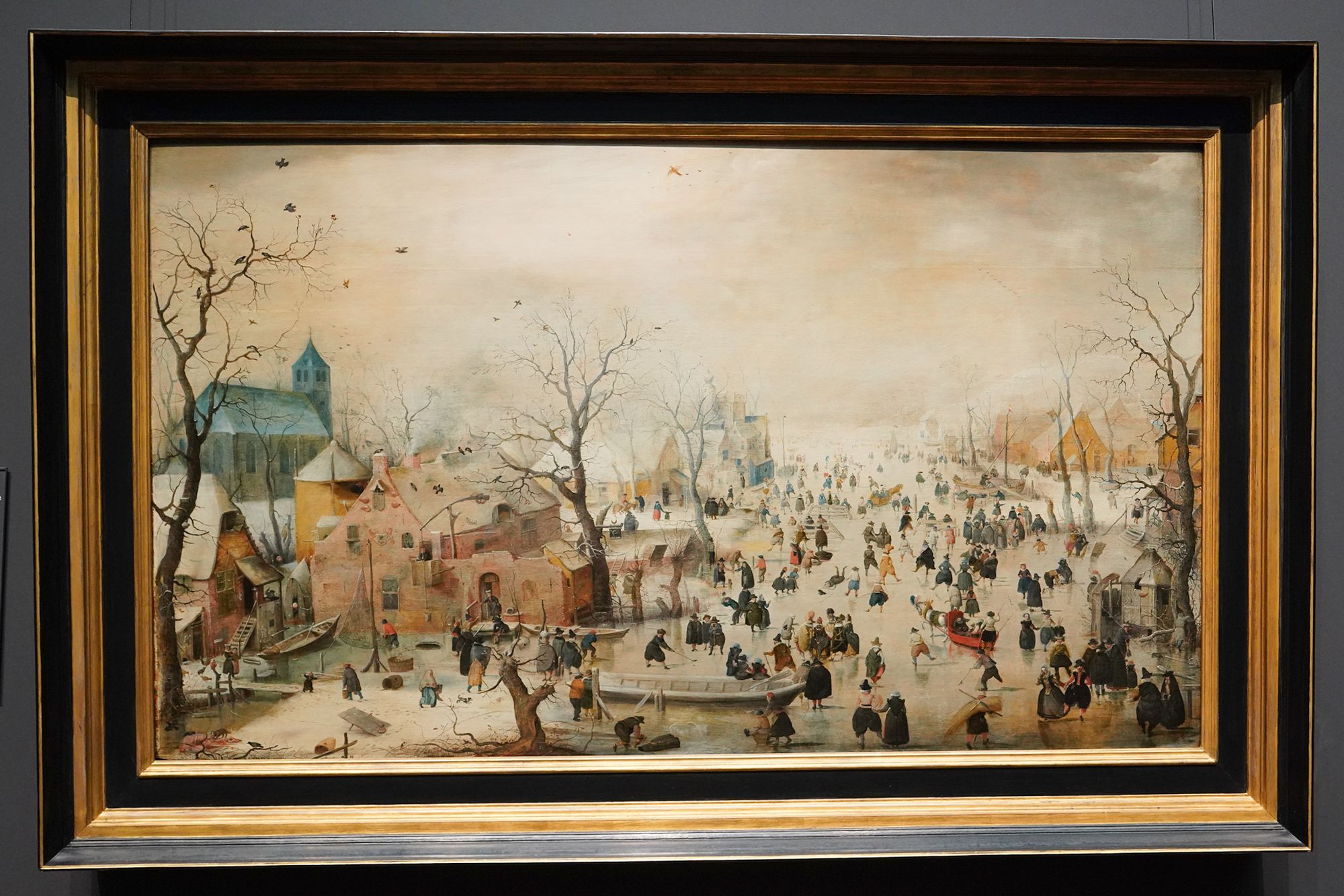
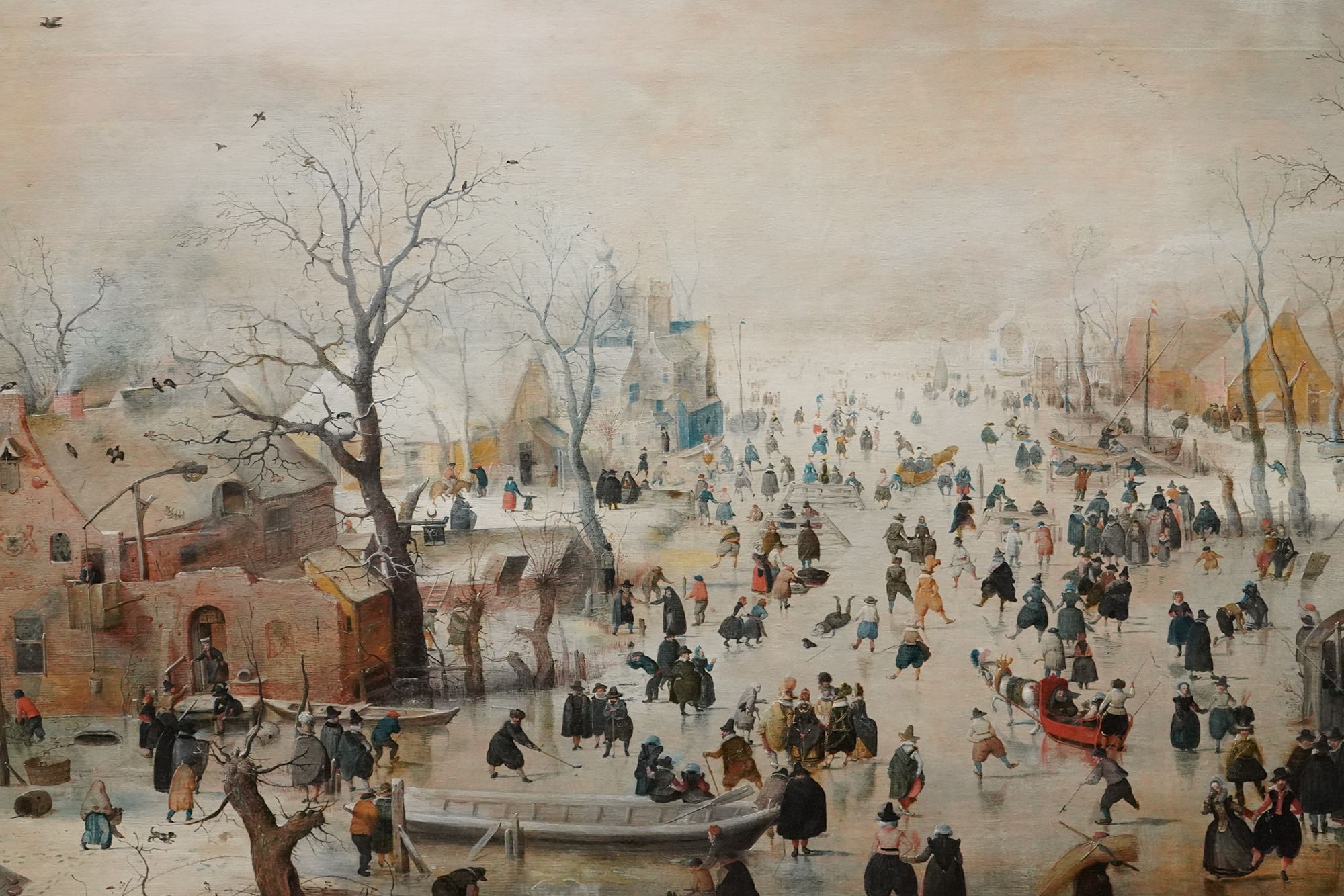
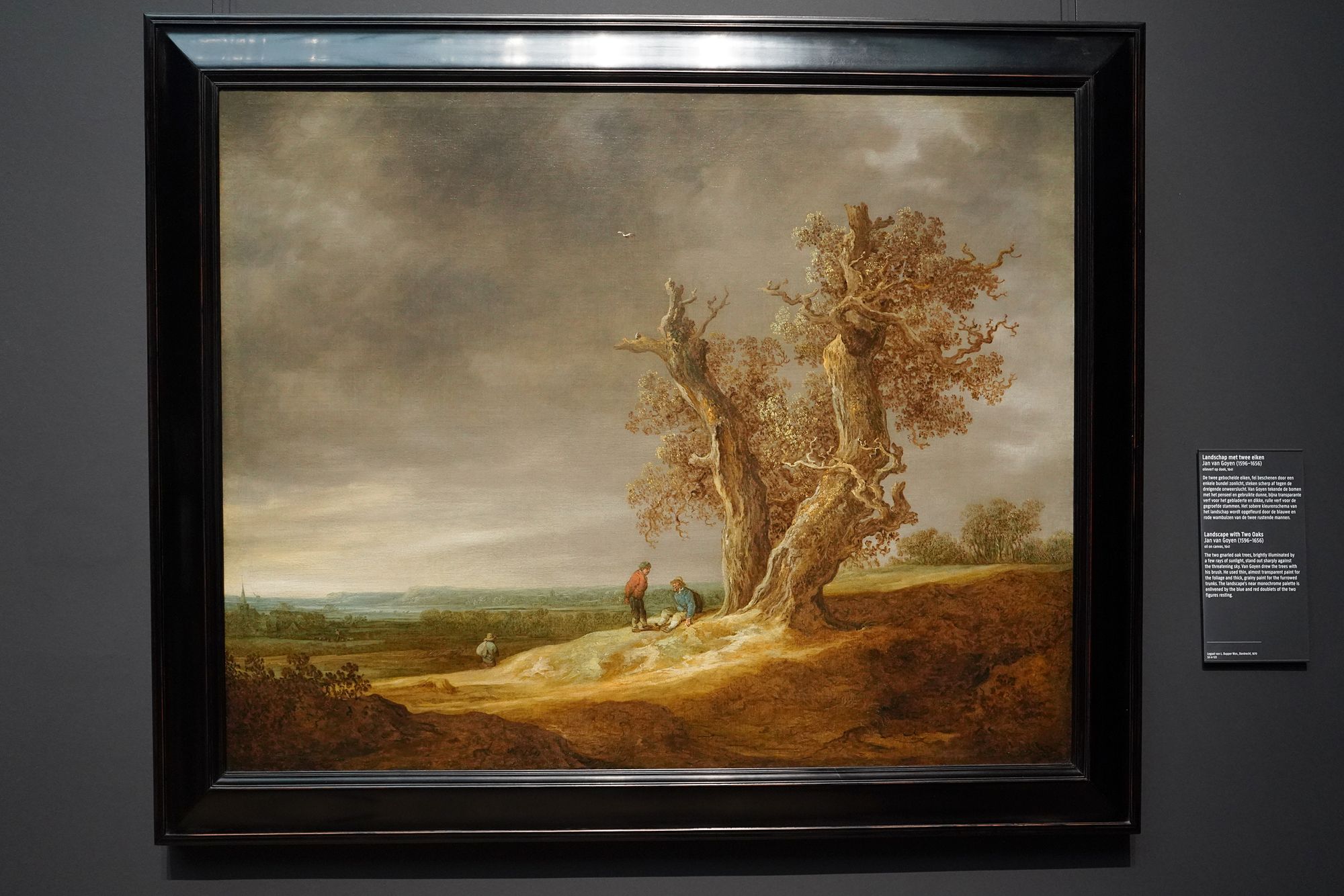
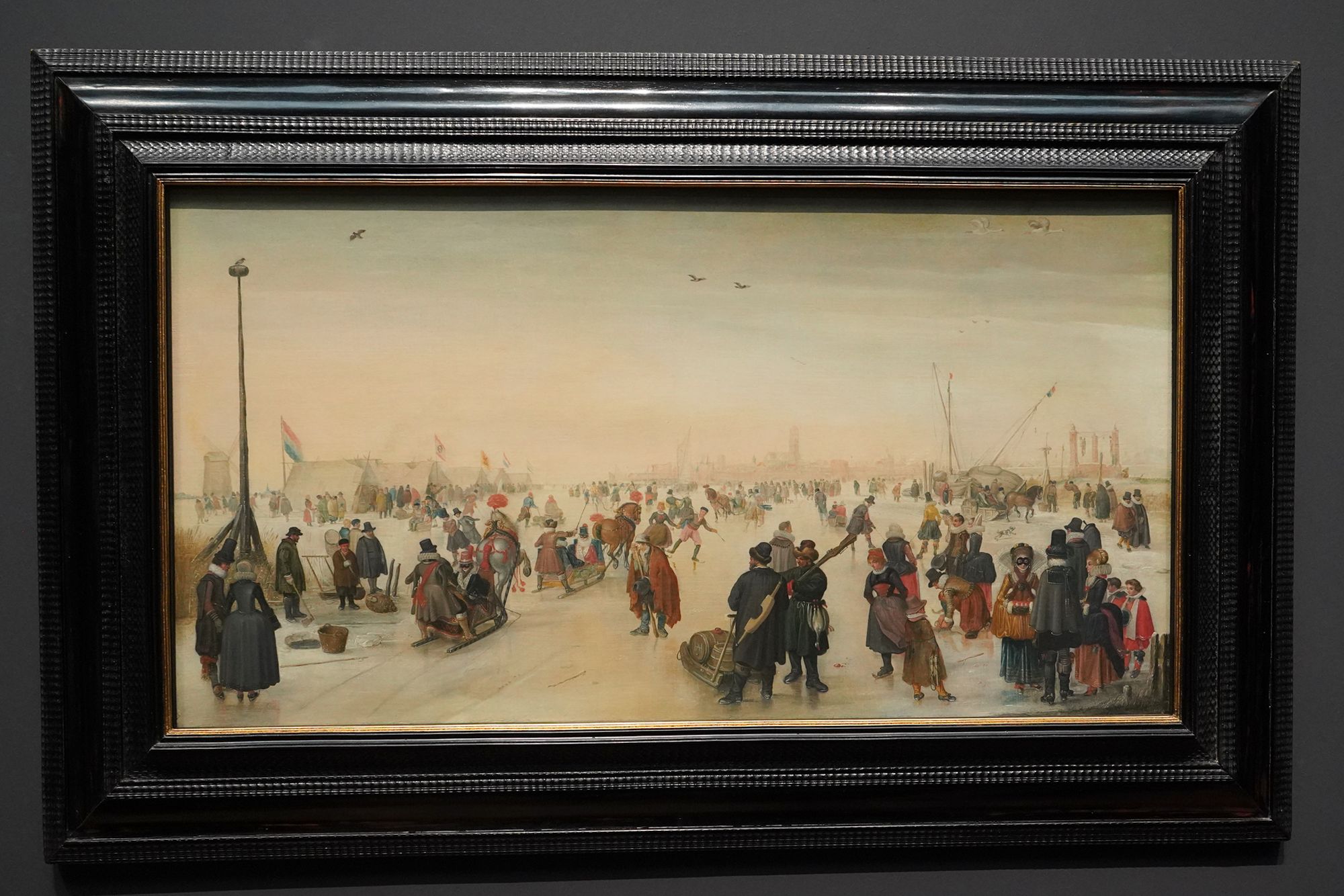
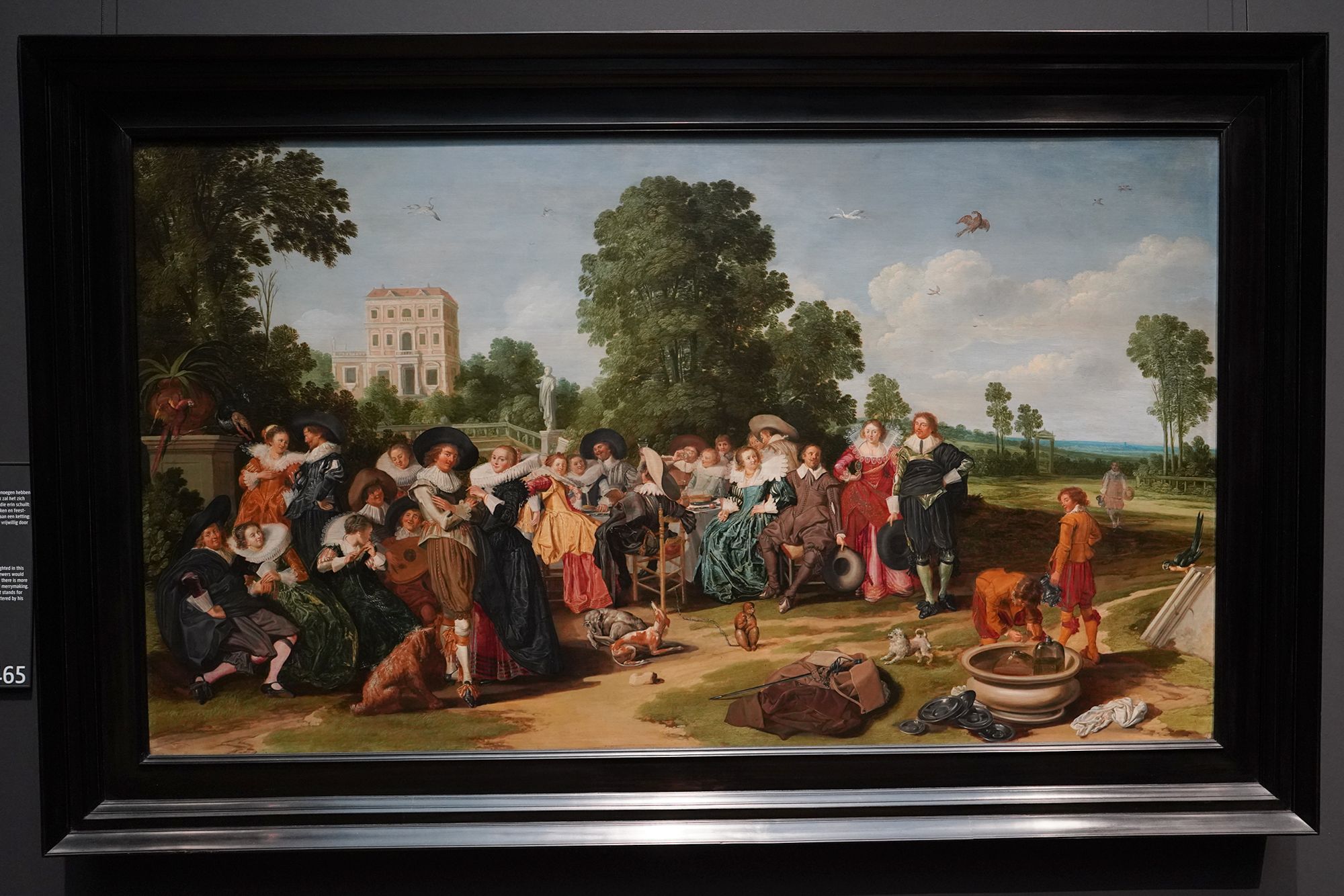
The next section of the Rijksmuseum covered art from 1600 to 1650, the first half of the Dutch Golden Age. During this period, the newly independent Dutch Republic grew into one of the world’s leading maritime and trading powers, bringing great wealth to cities such as Amsterdam.

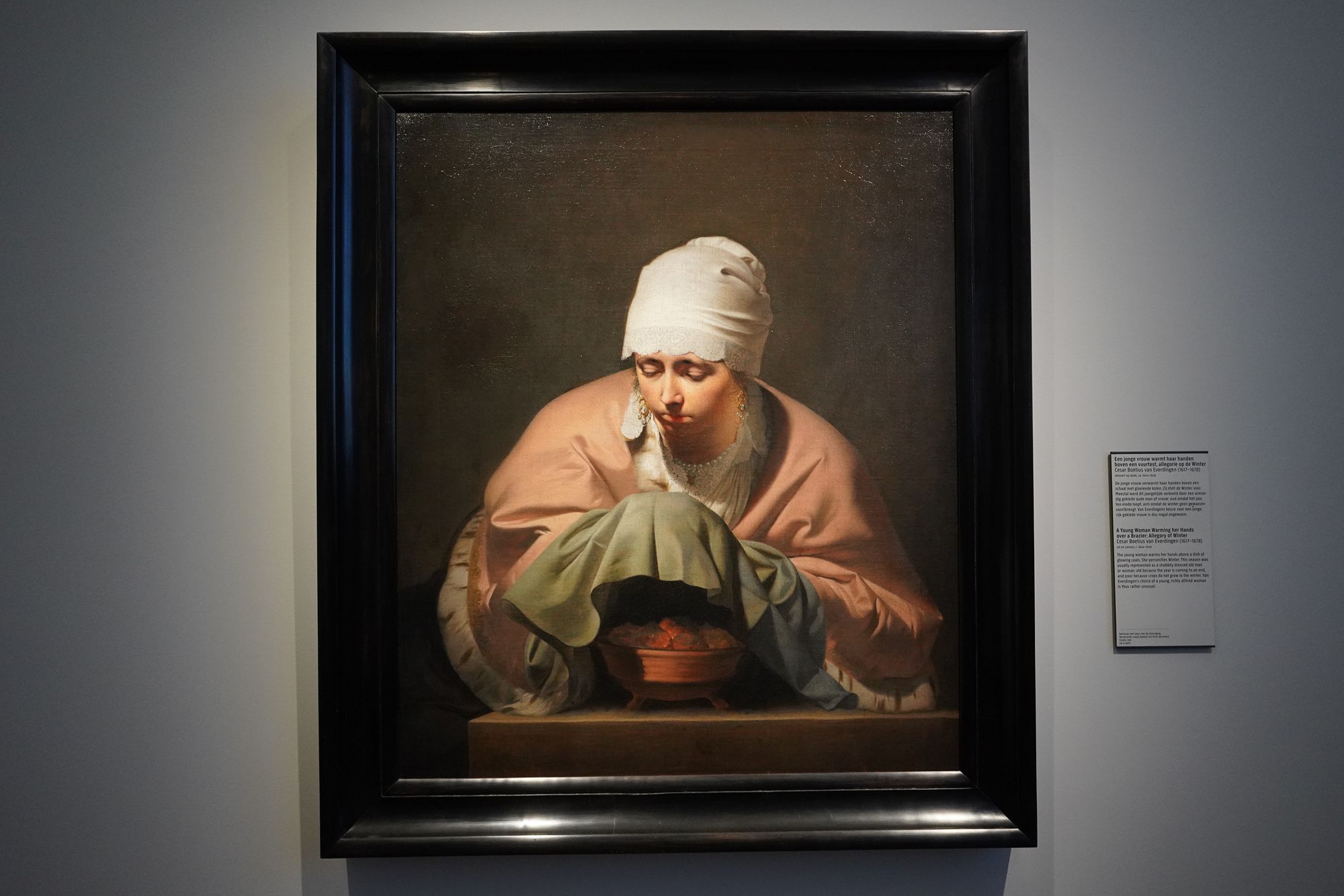
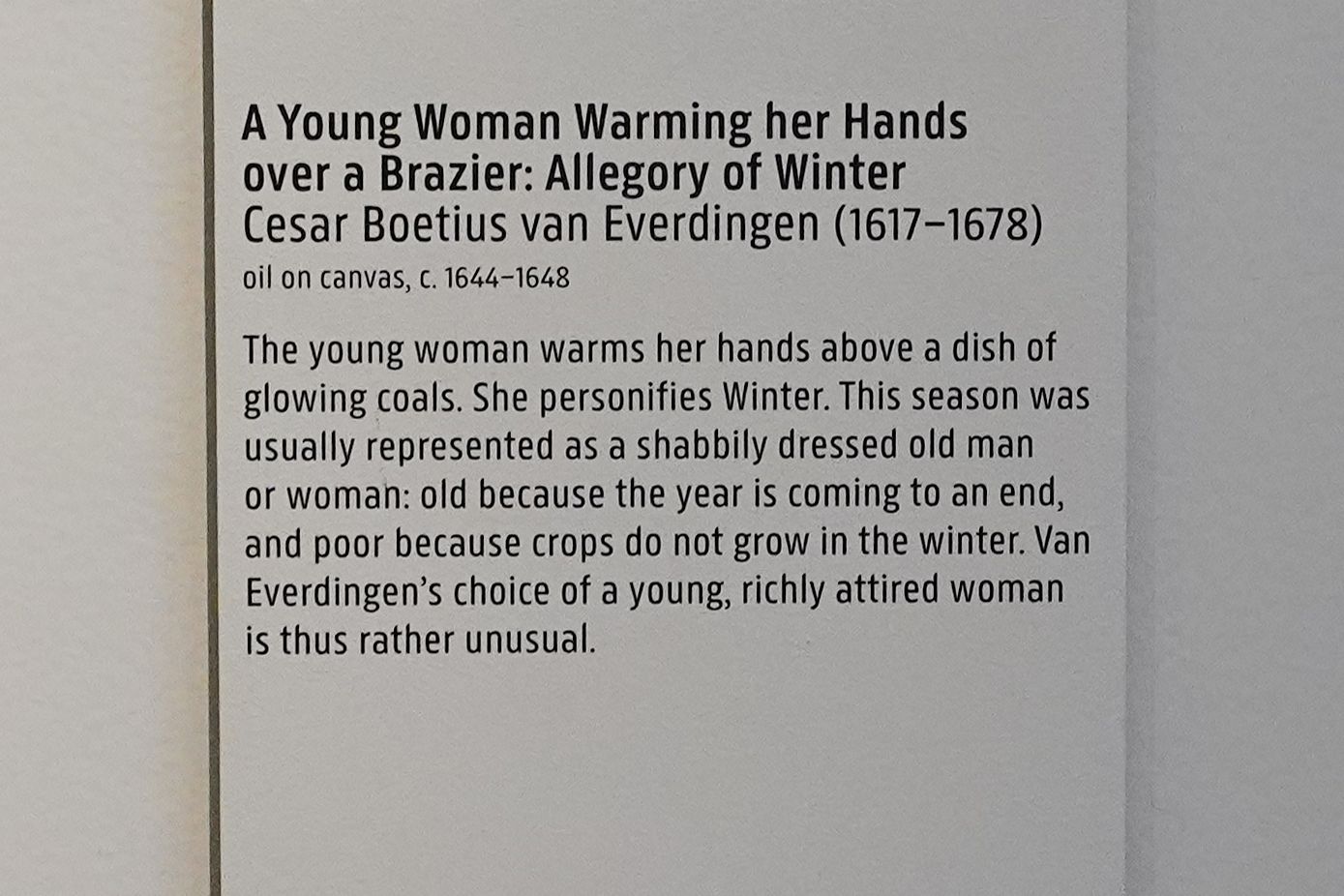
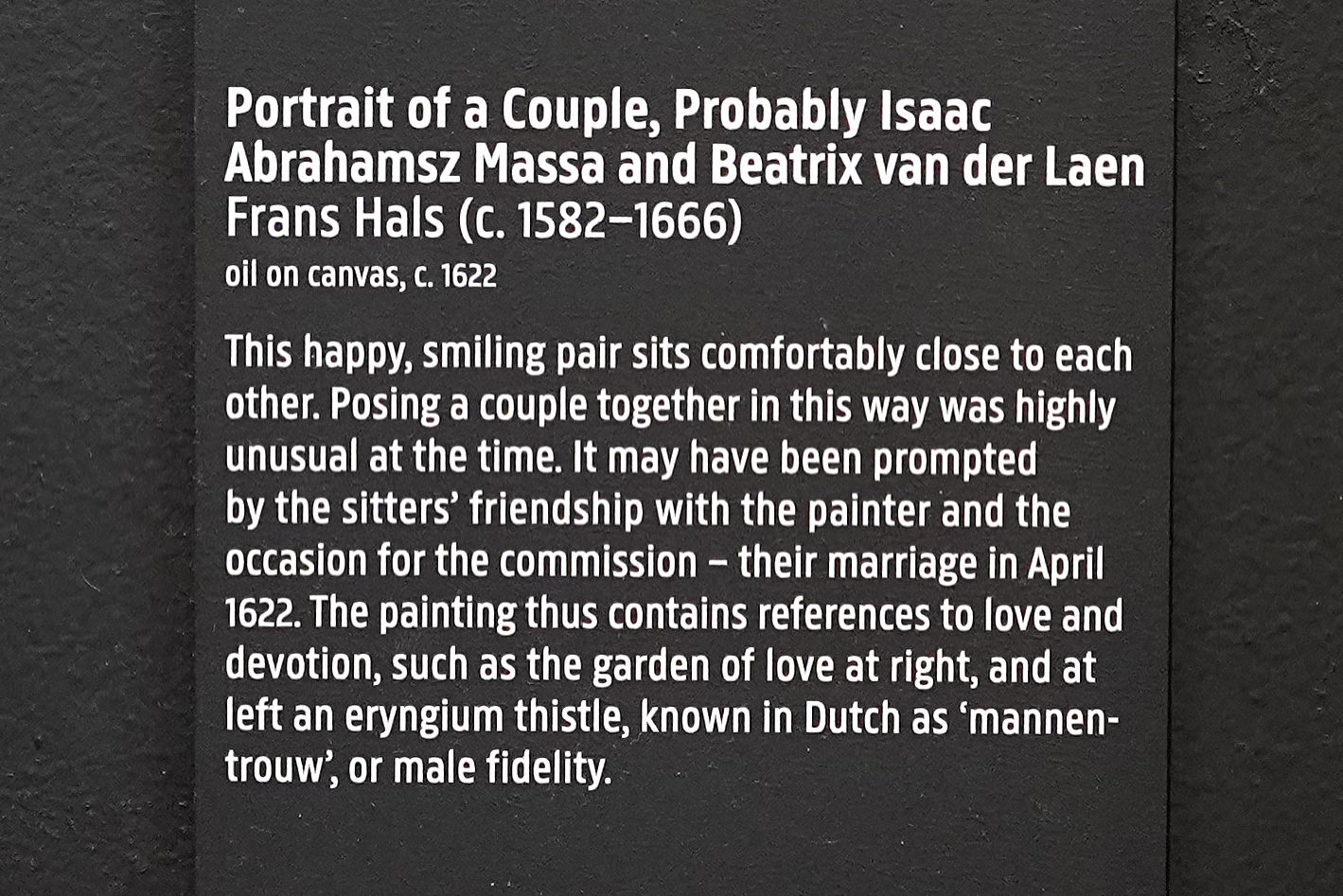
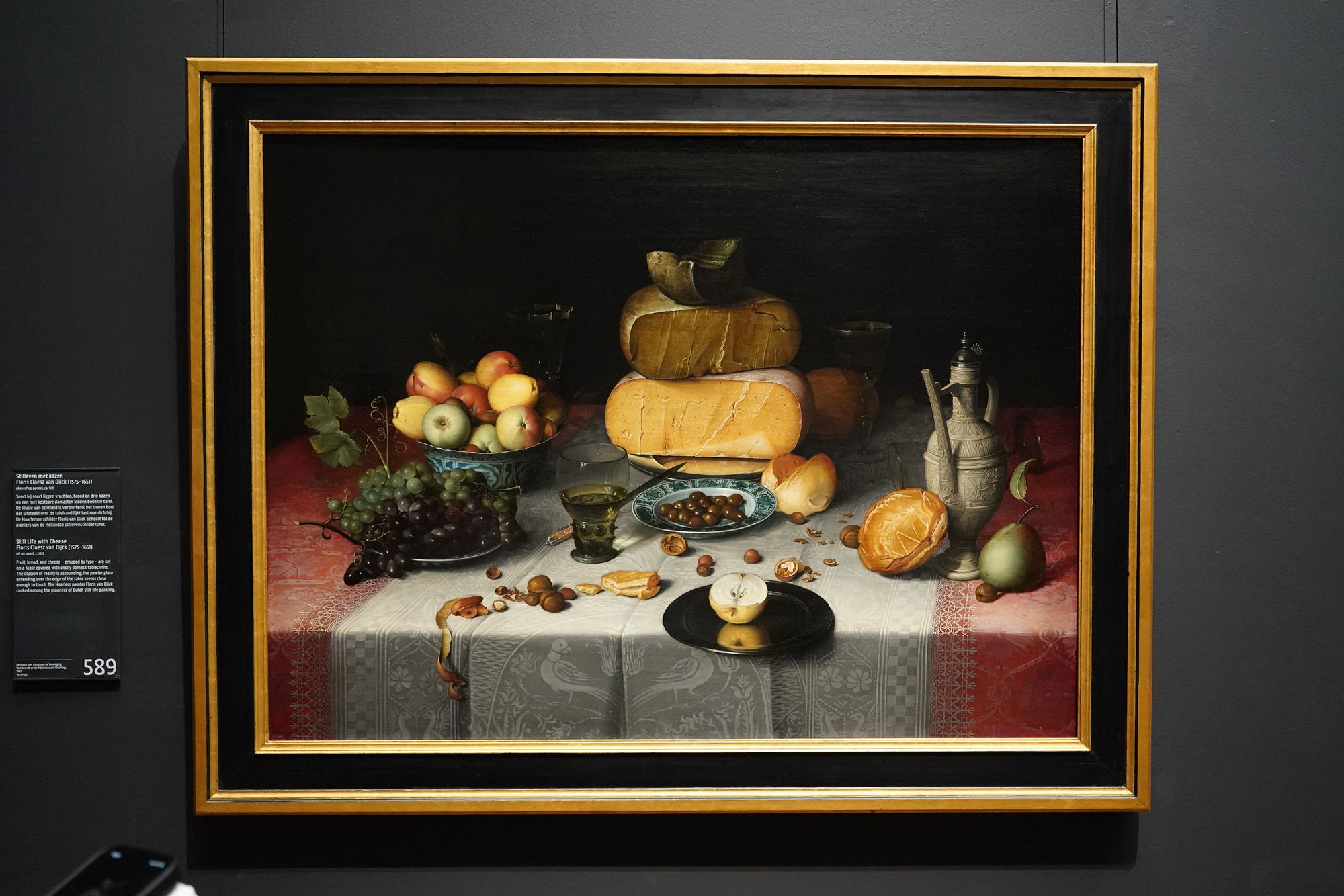
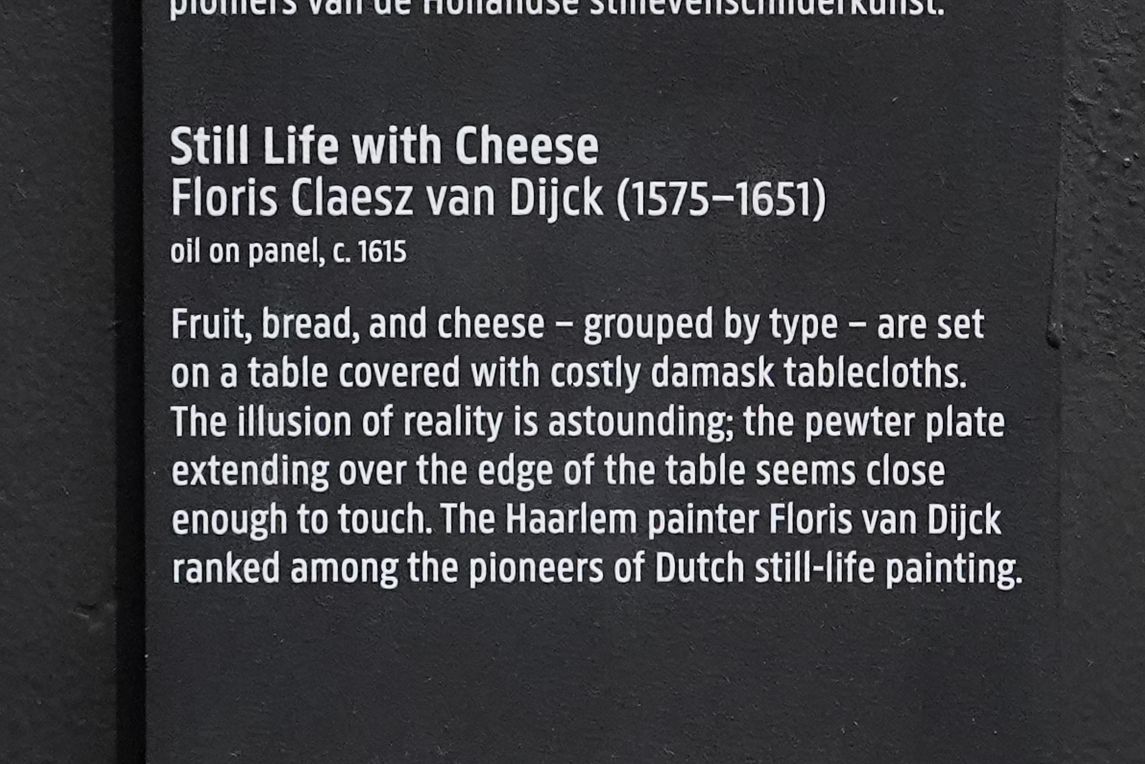
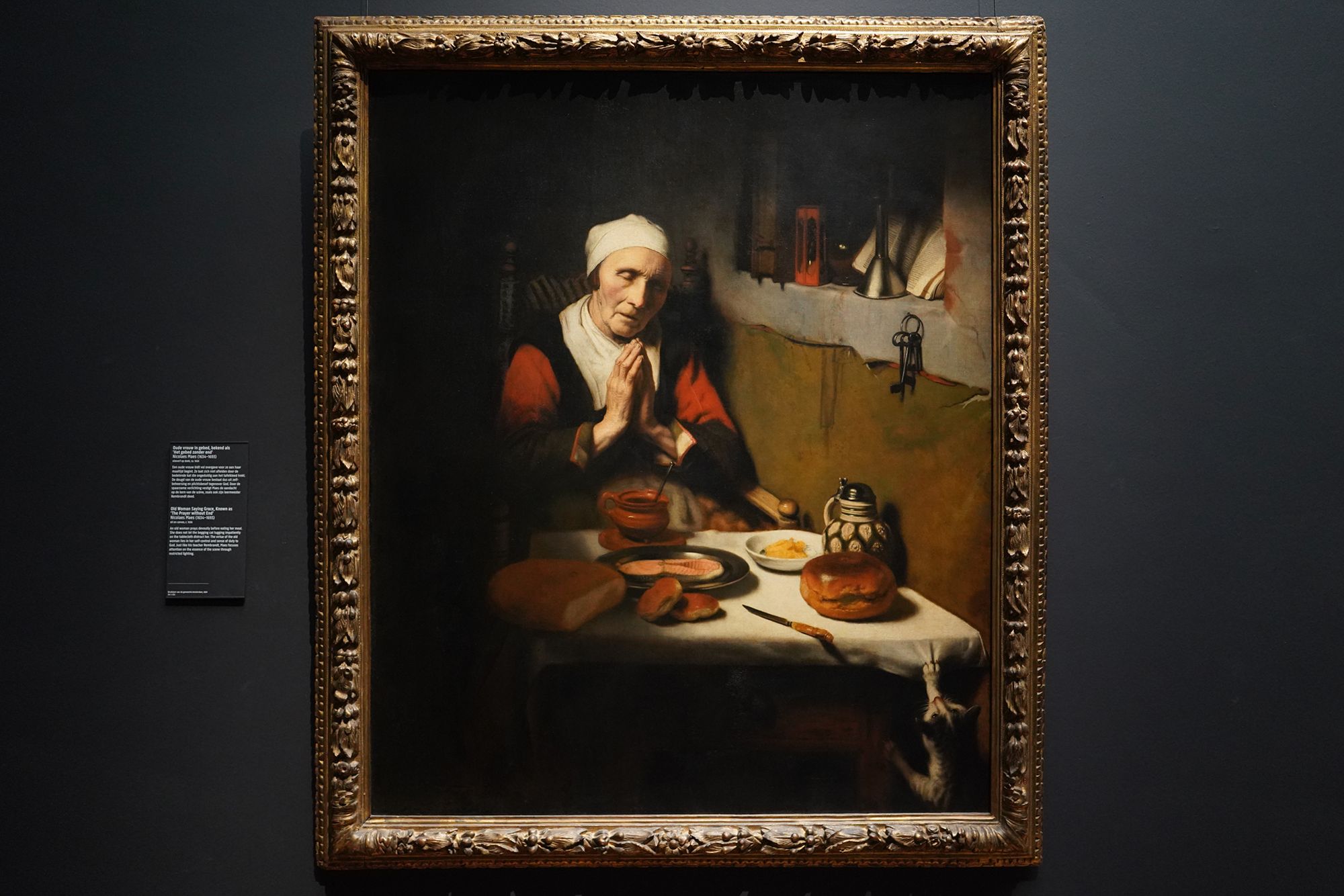
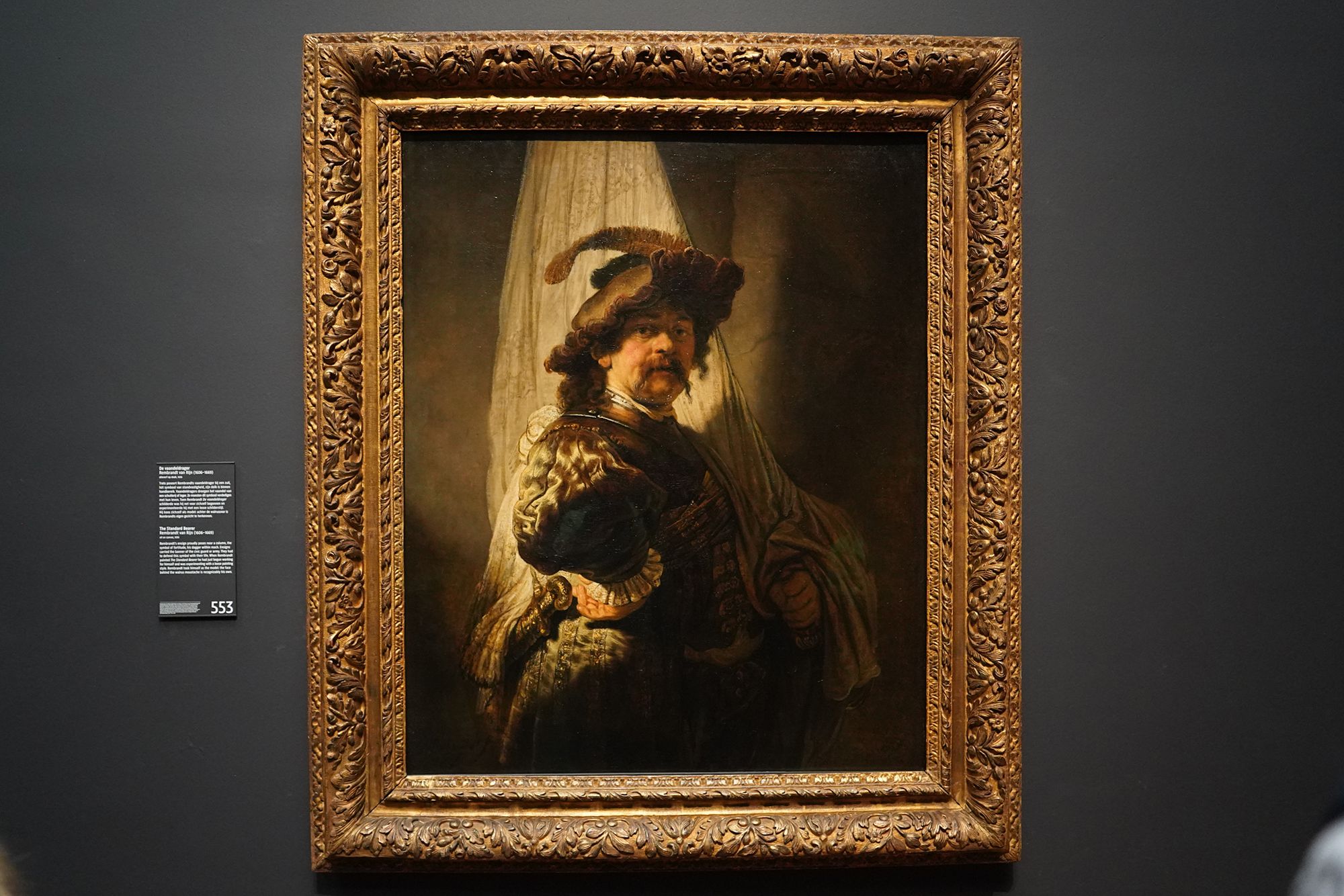
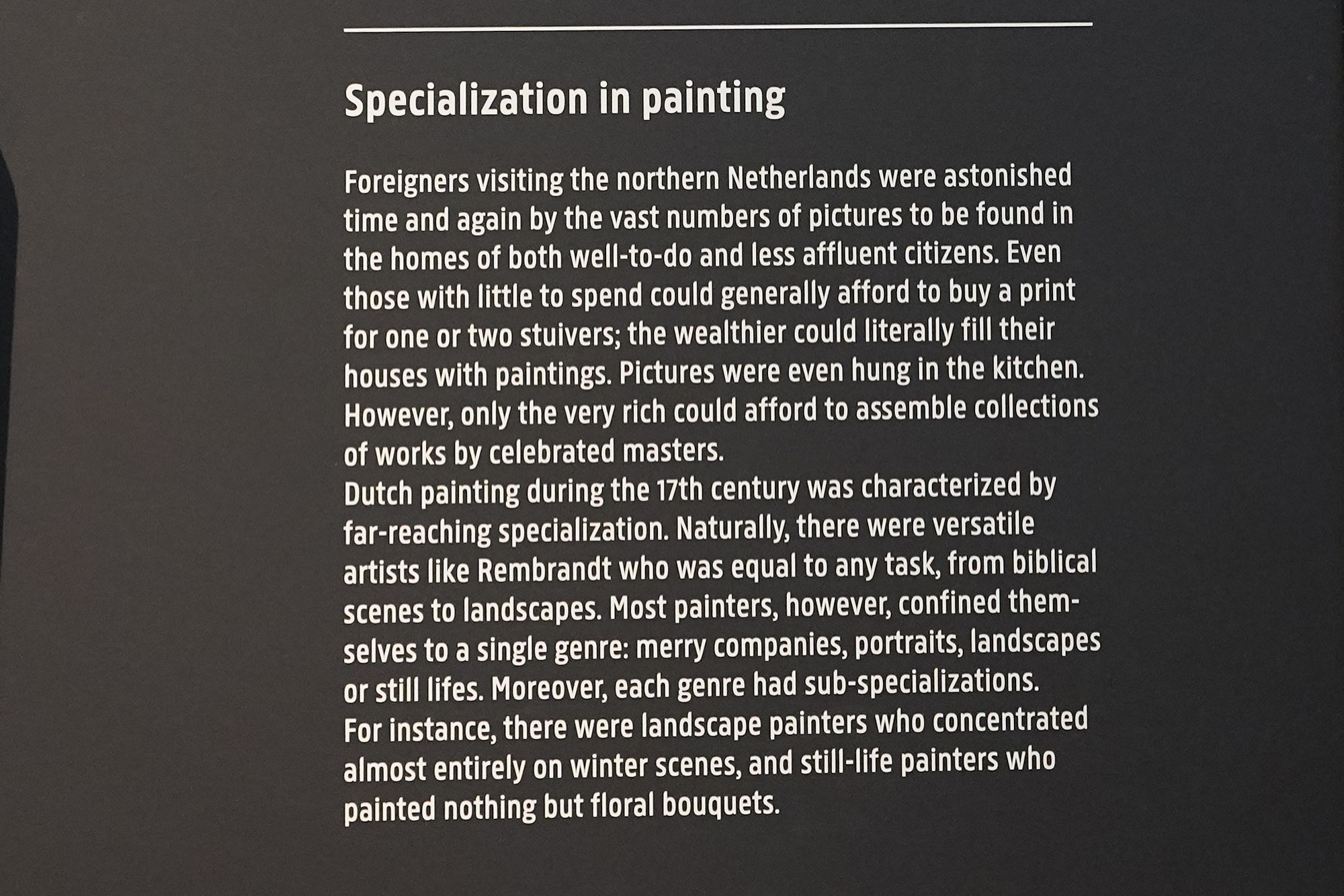
This prosperity created a thriving market for art. Wealthy merchants and ordinary citizens commissioned portraits, landscapes, still lifes, city scenes, and paintings of everyday life. Artists also developed increasingly realistic styles and became especially skilled at depicting light, texture, and fine detail. This period produced some of the greatest names in Dutch art, including Rembrandt and Frans Hals.
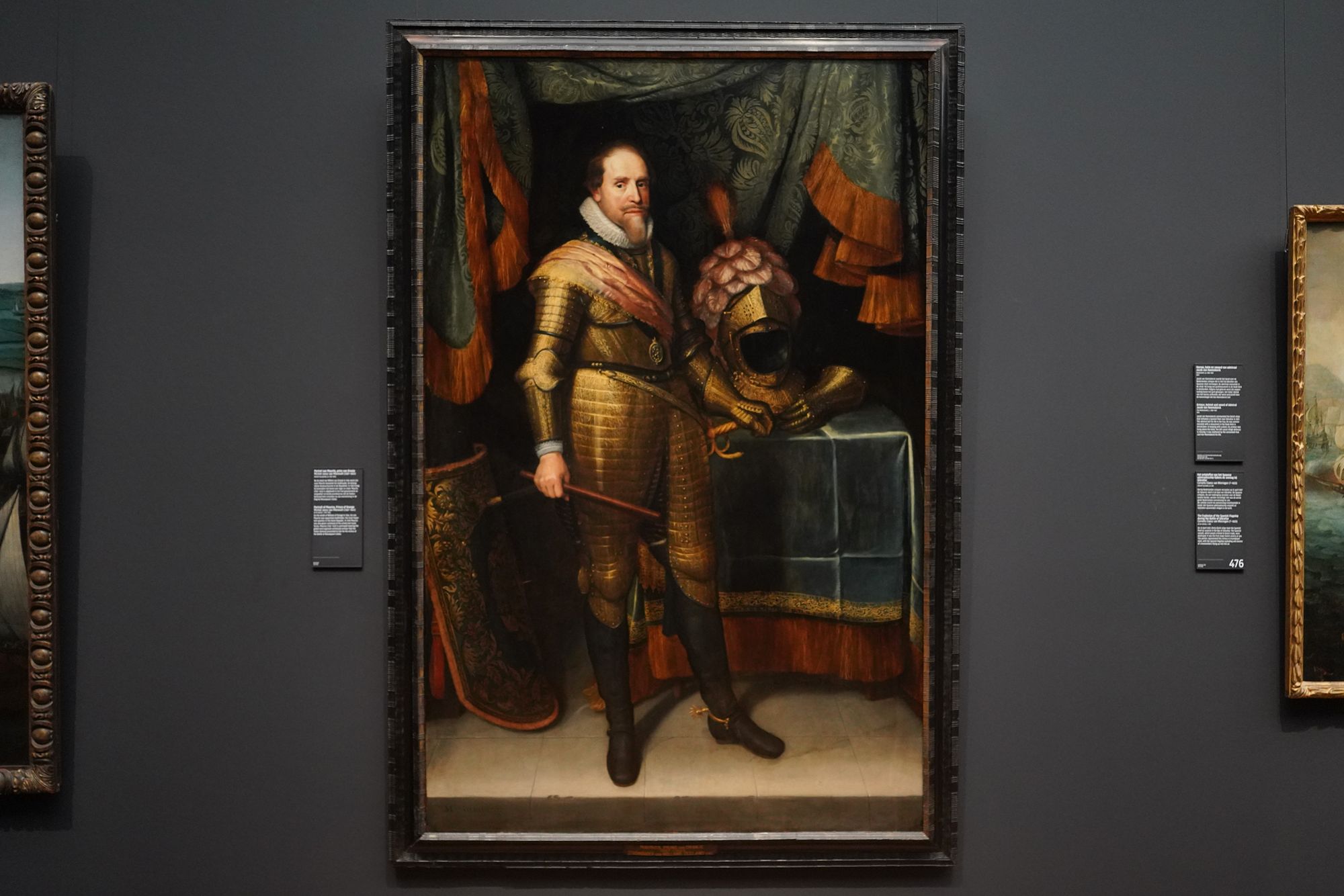
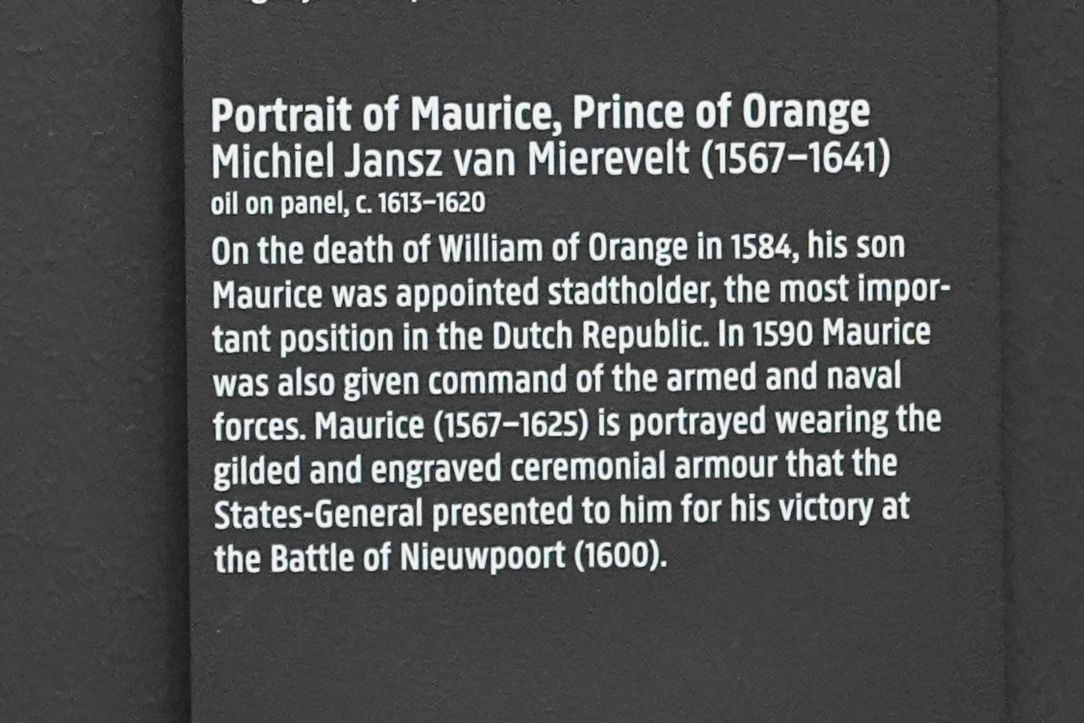
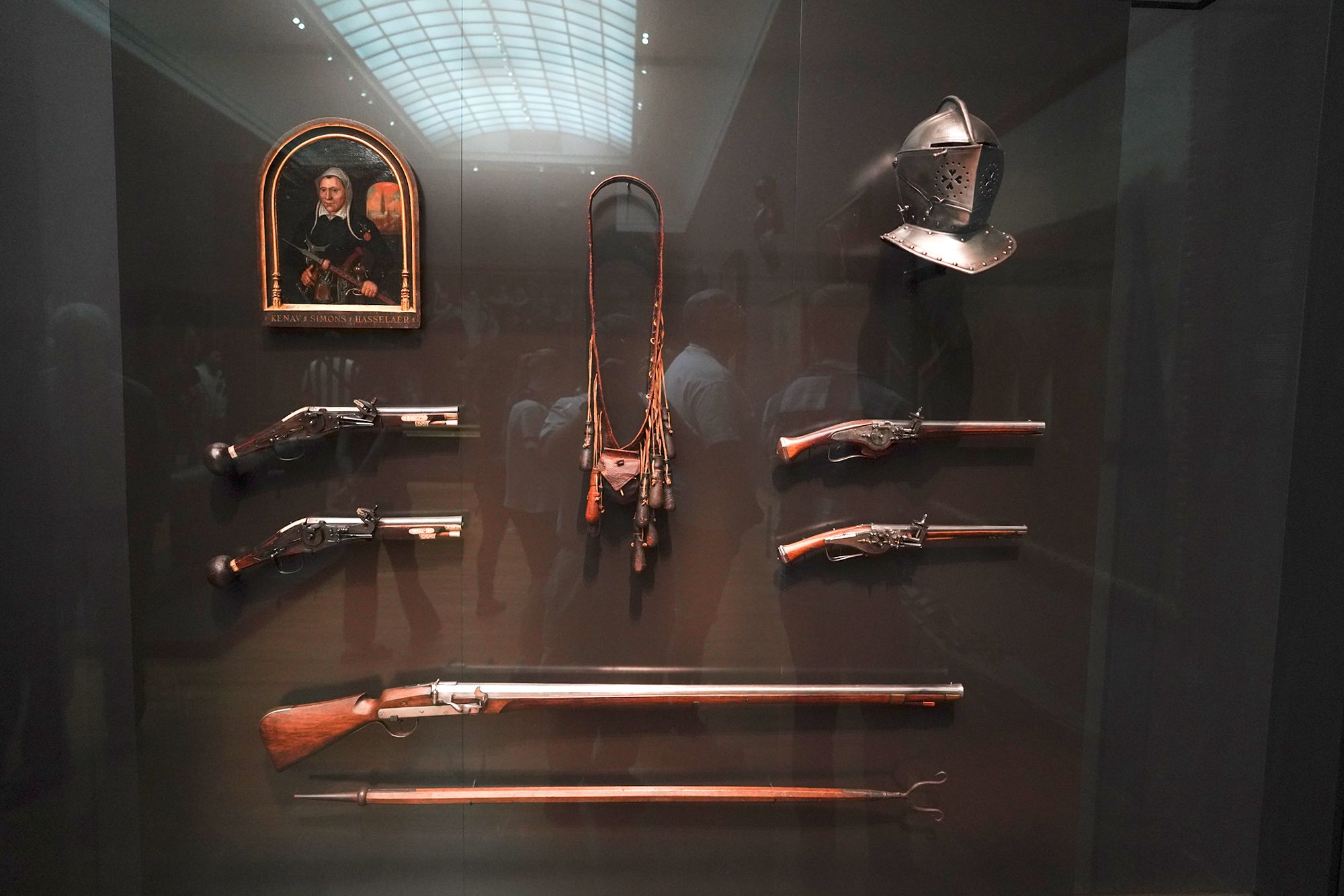
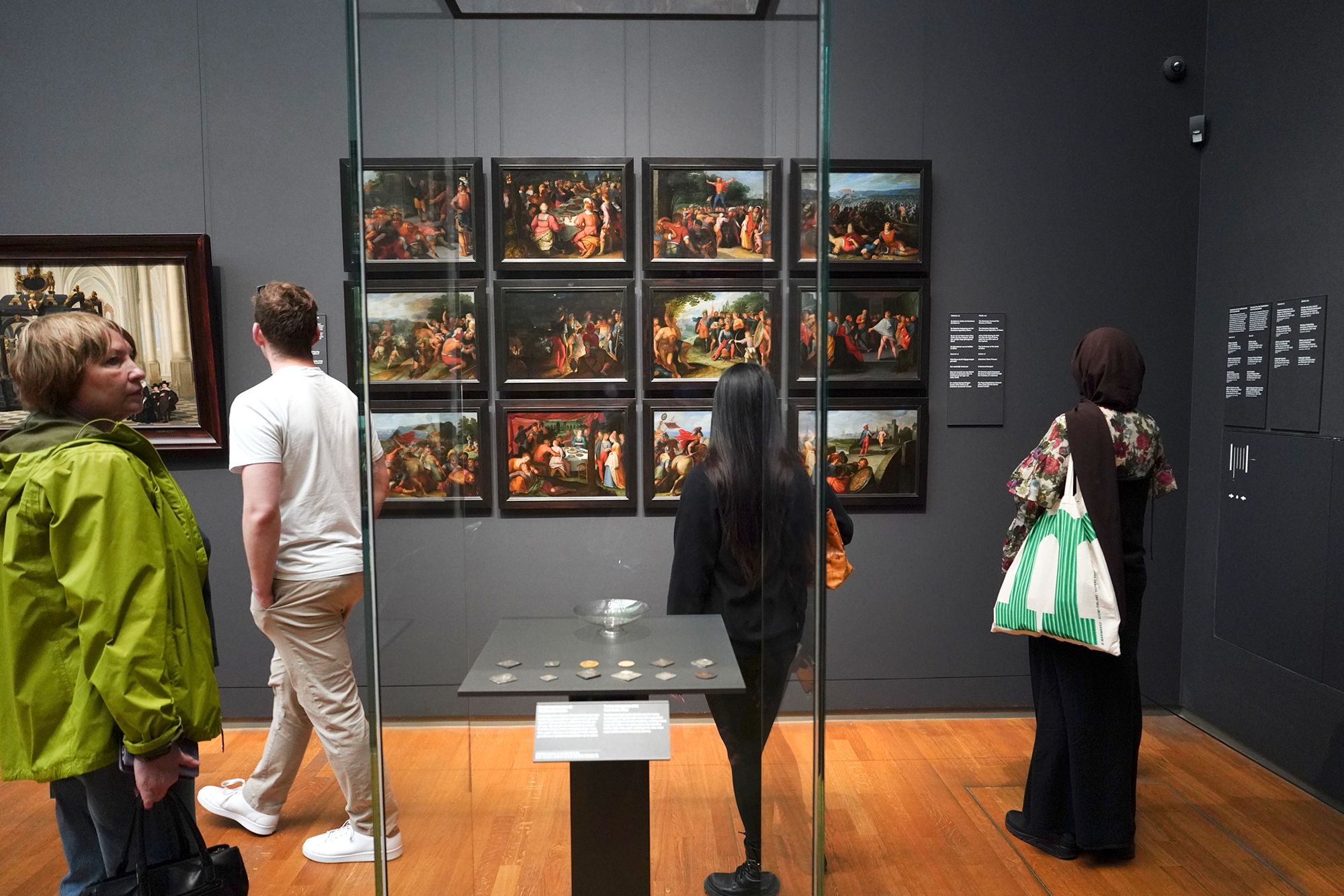
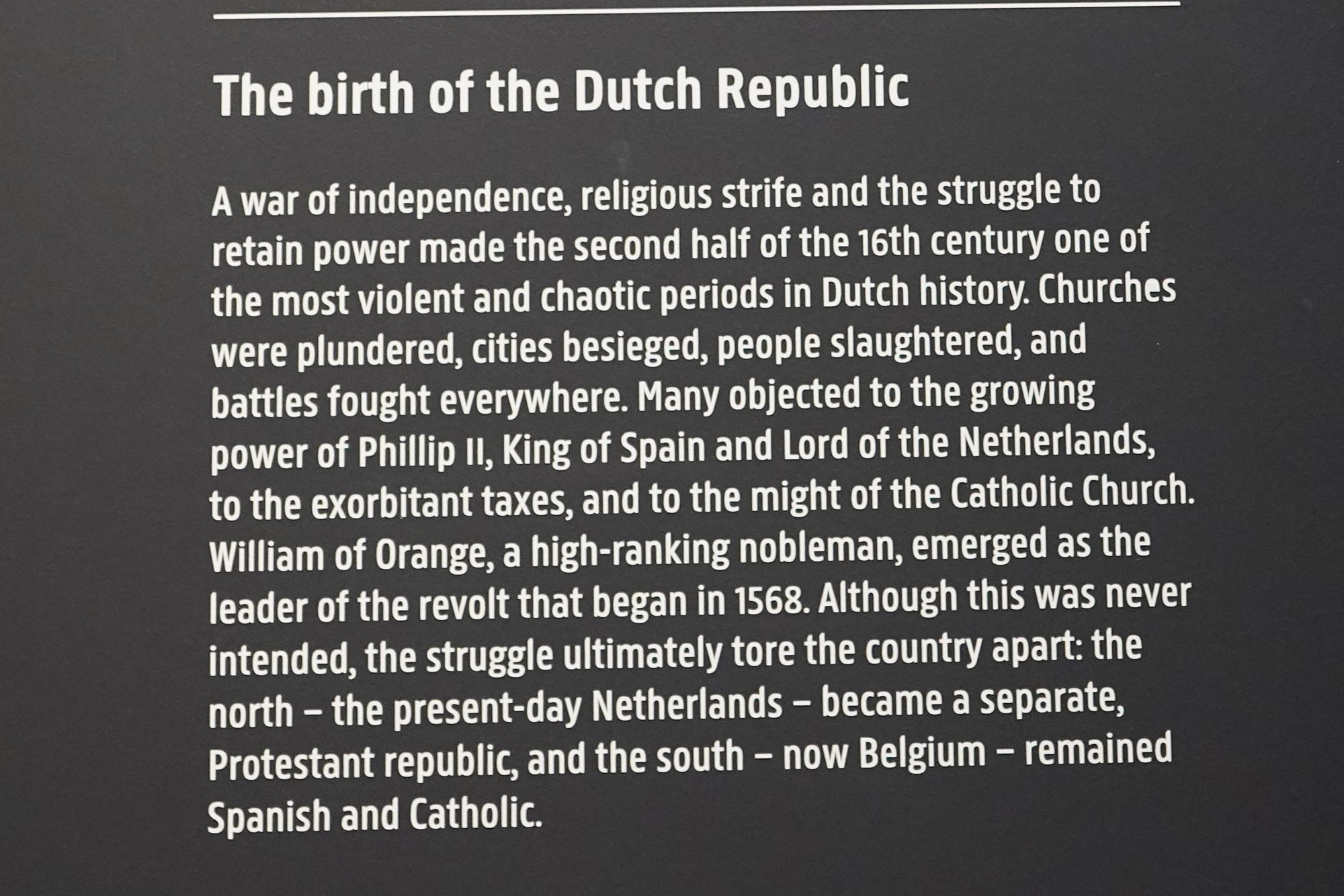
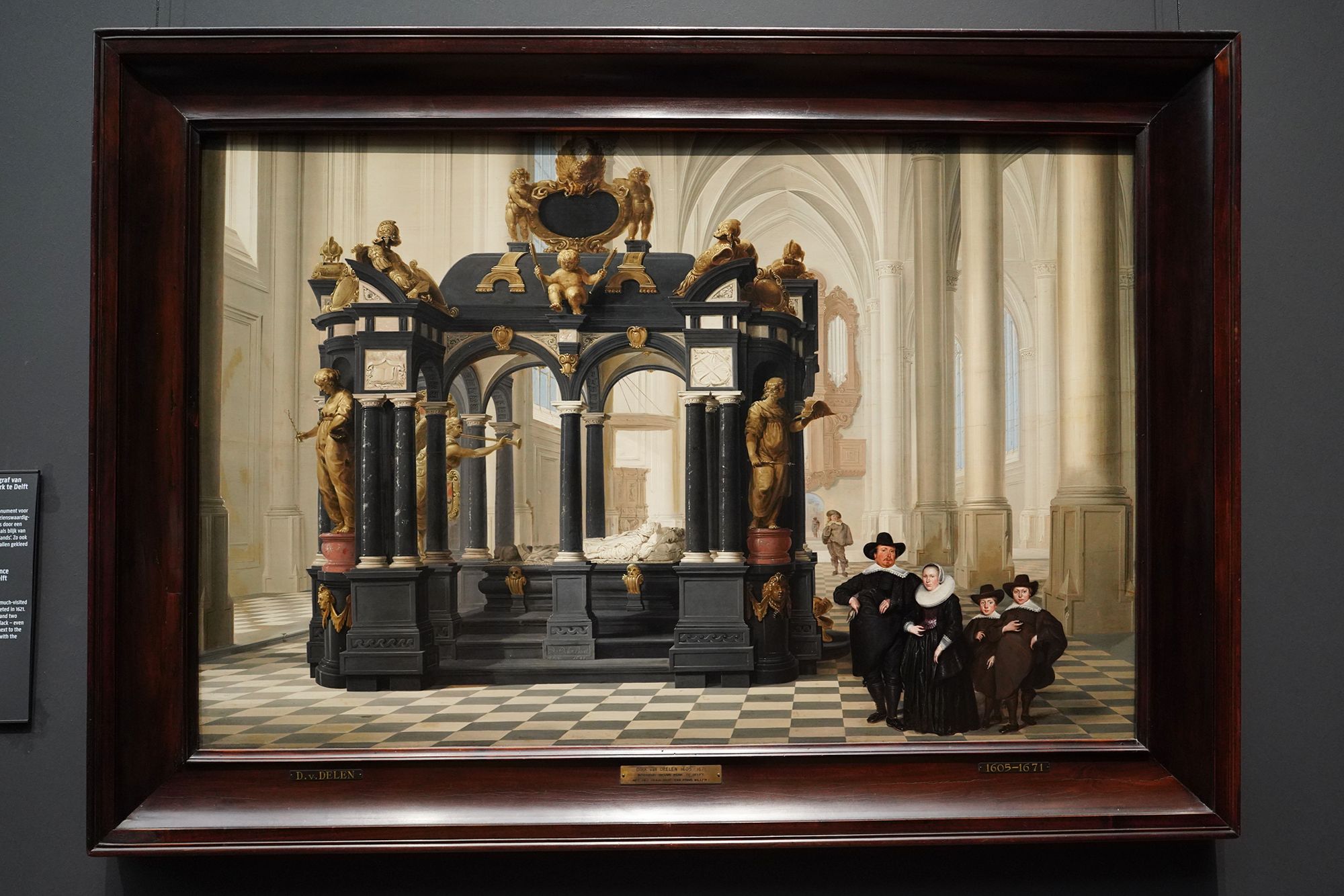

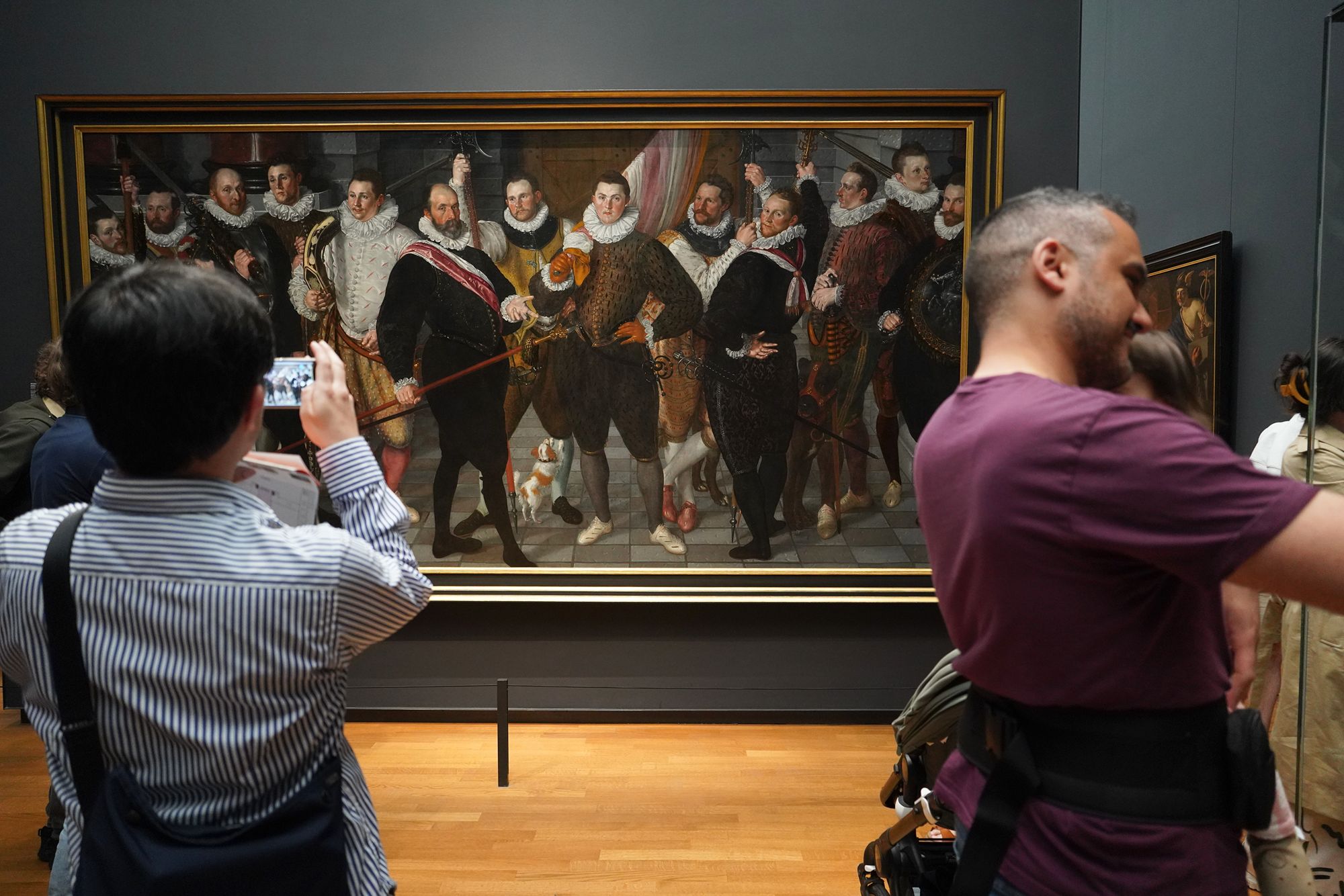
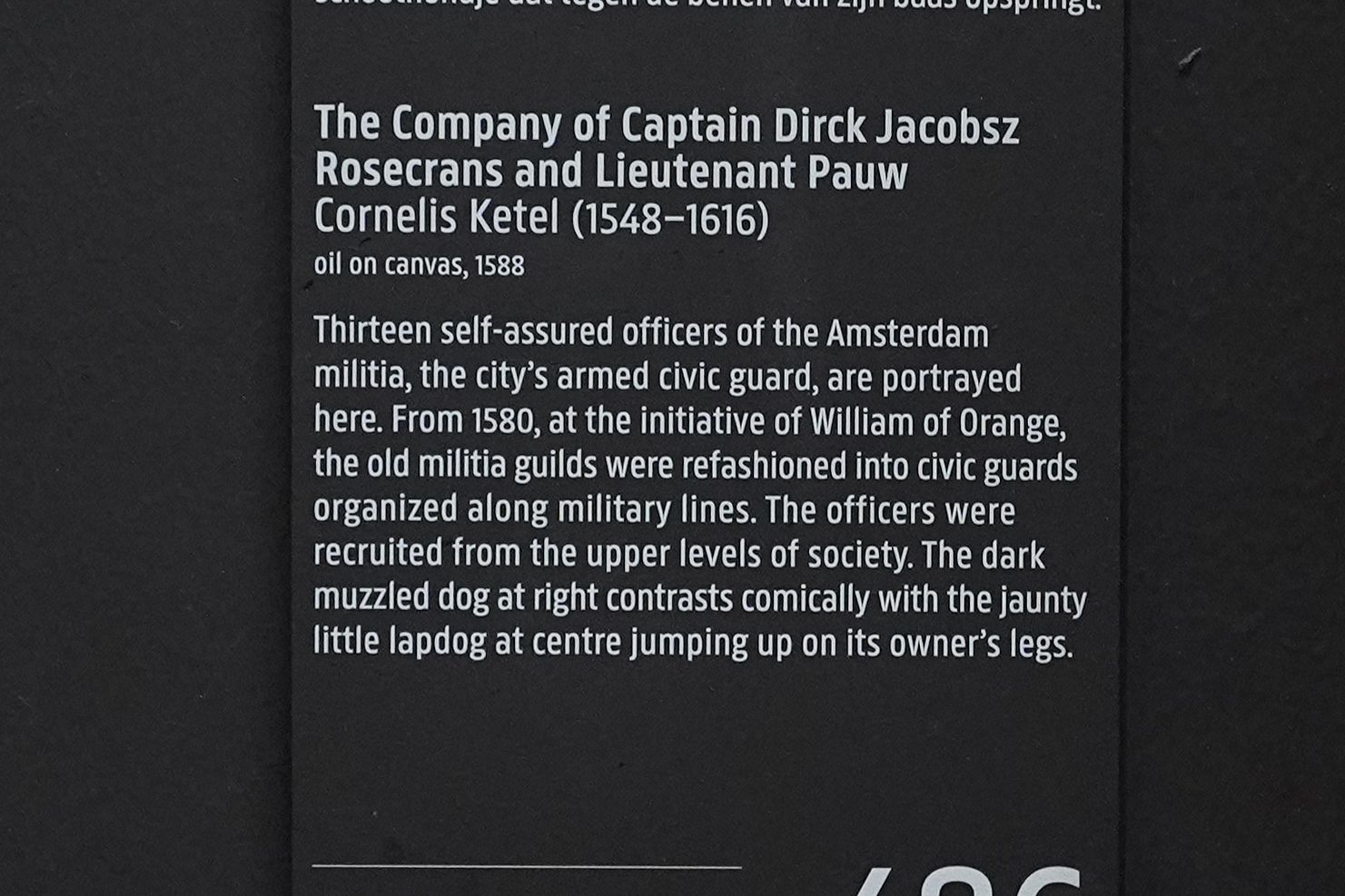
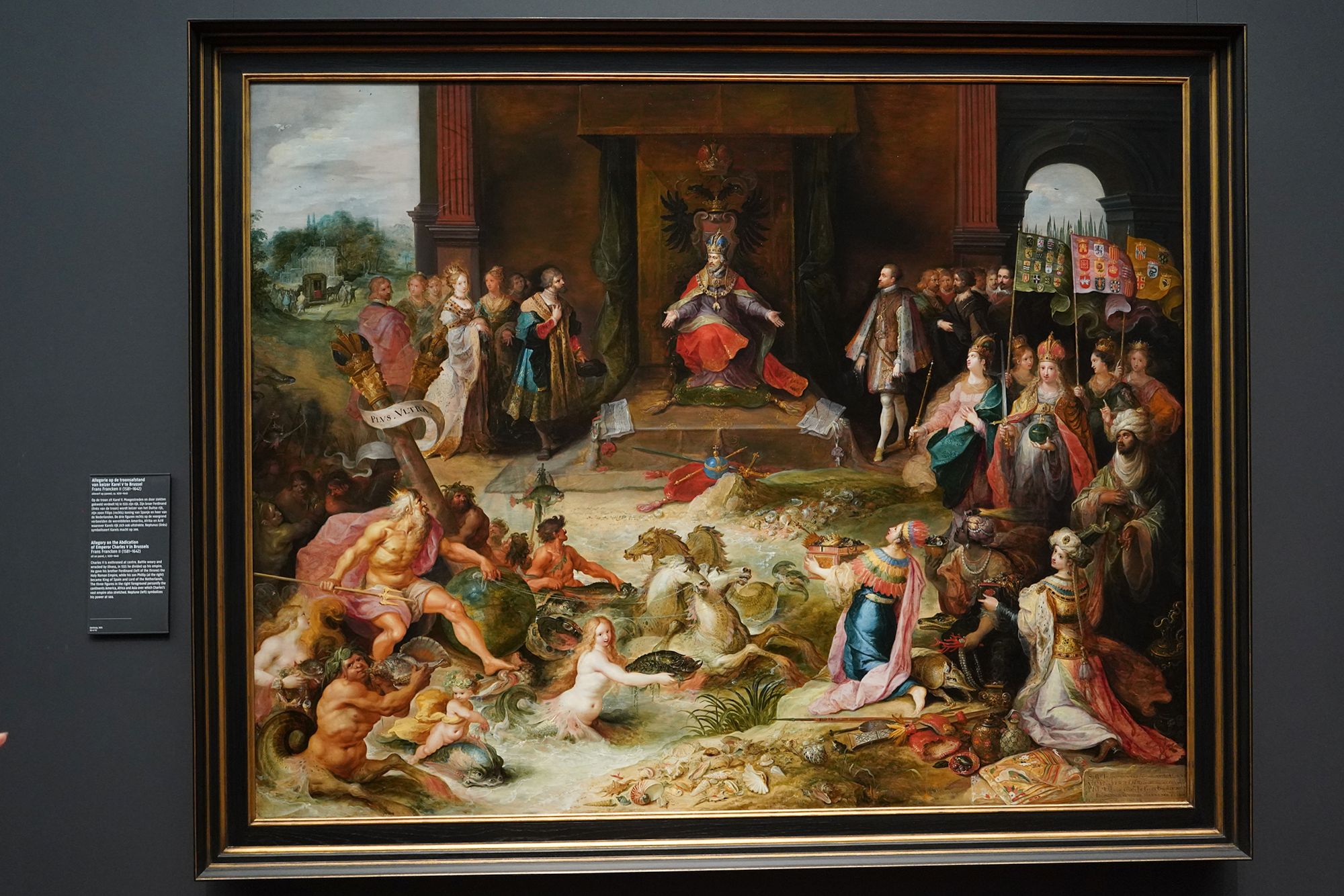
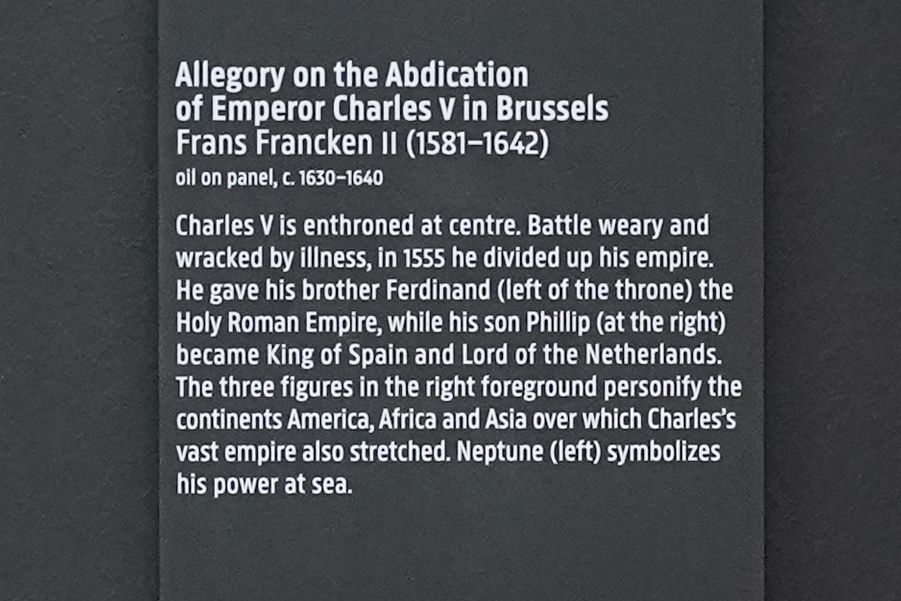
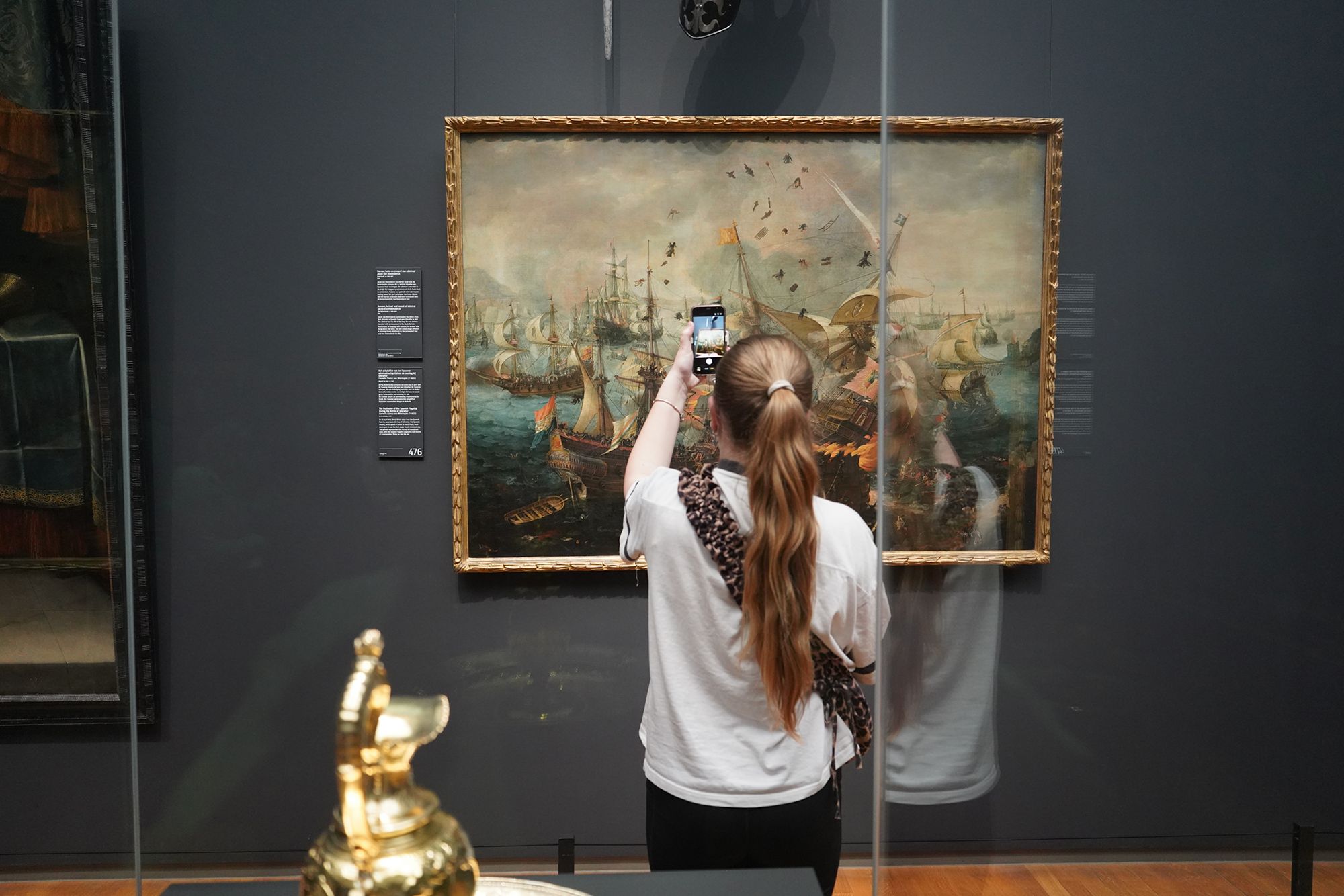
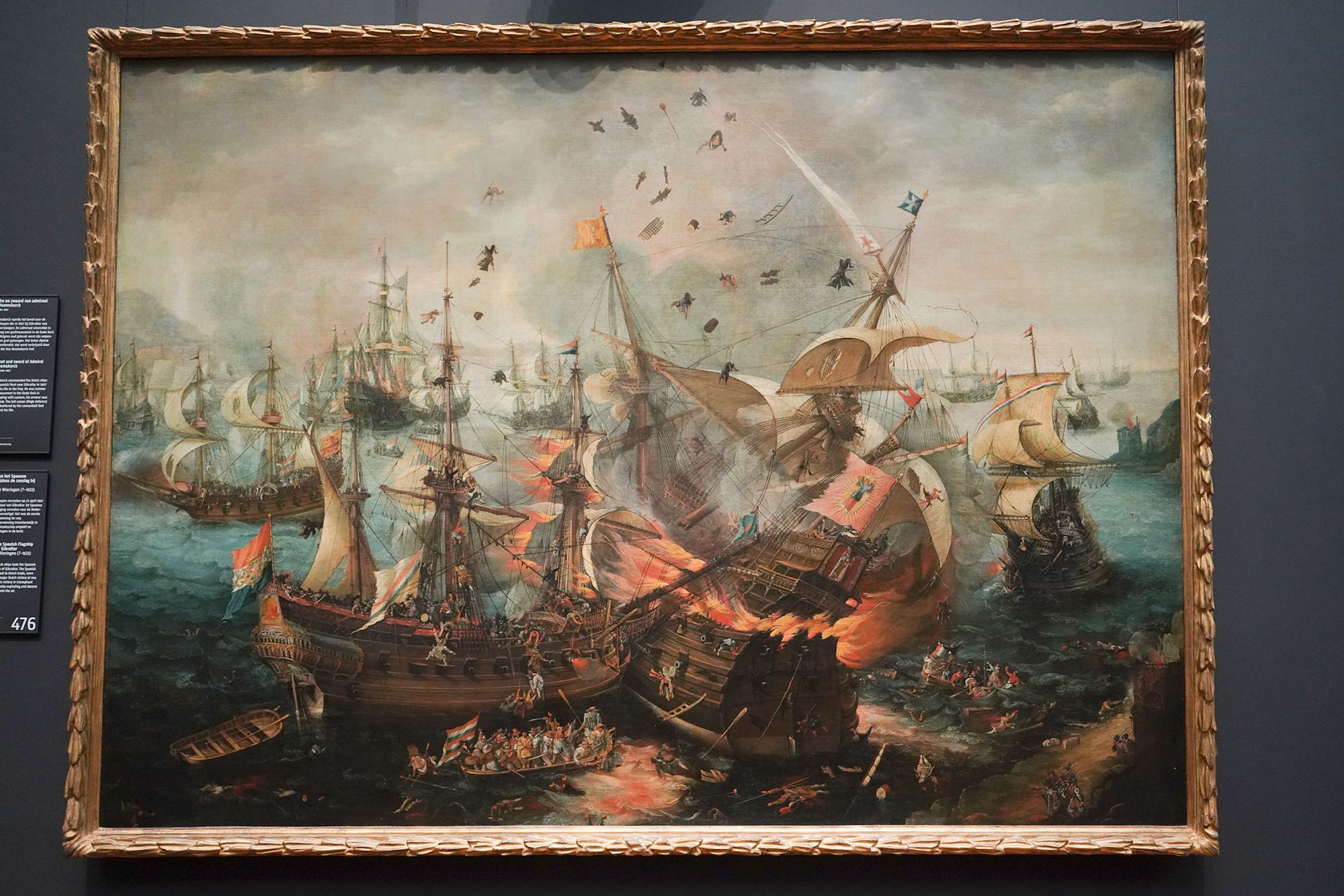
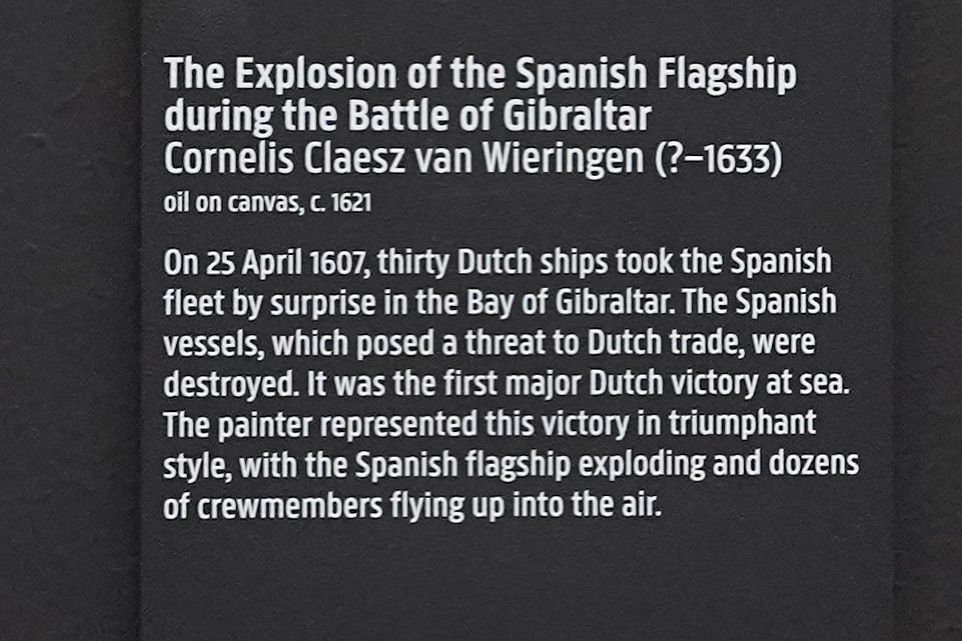

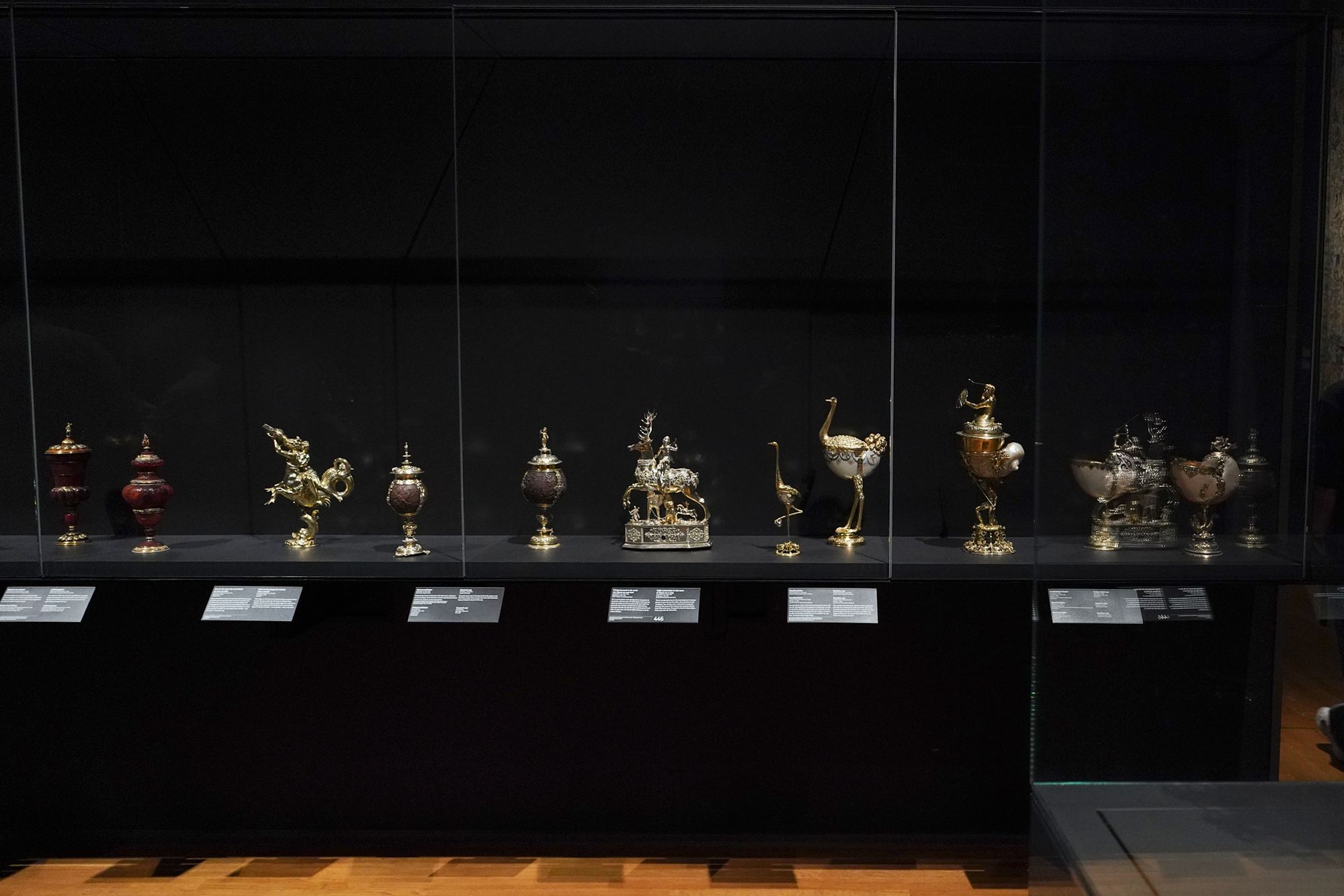
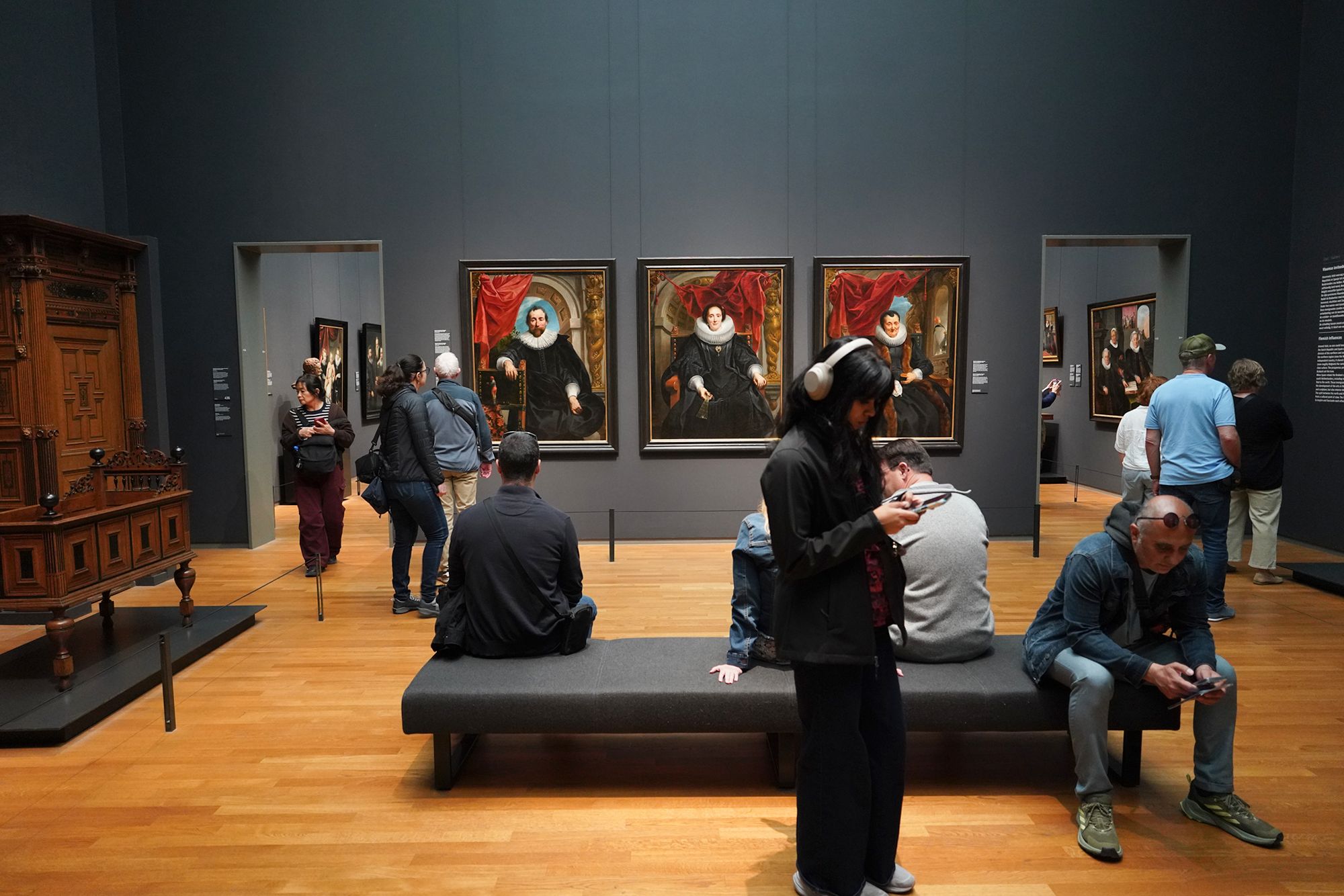
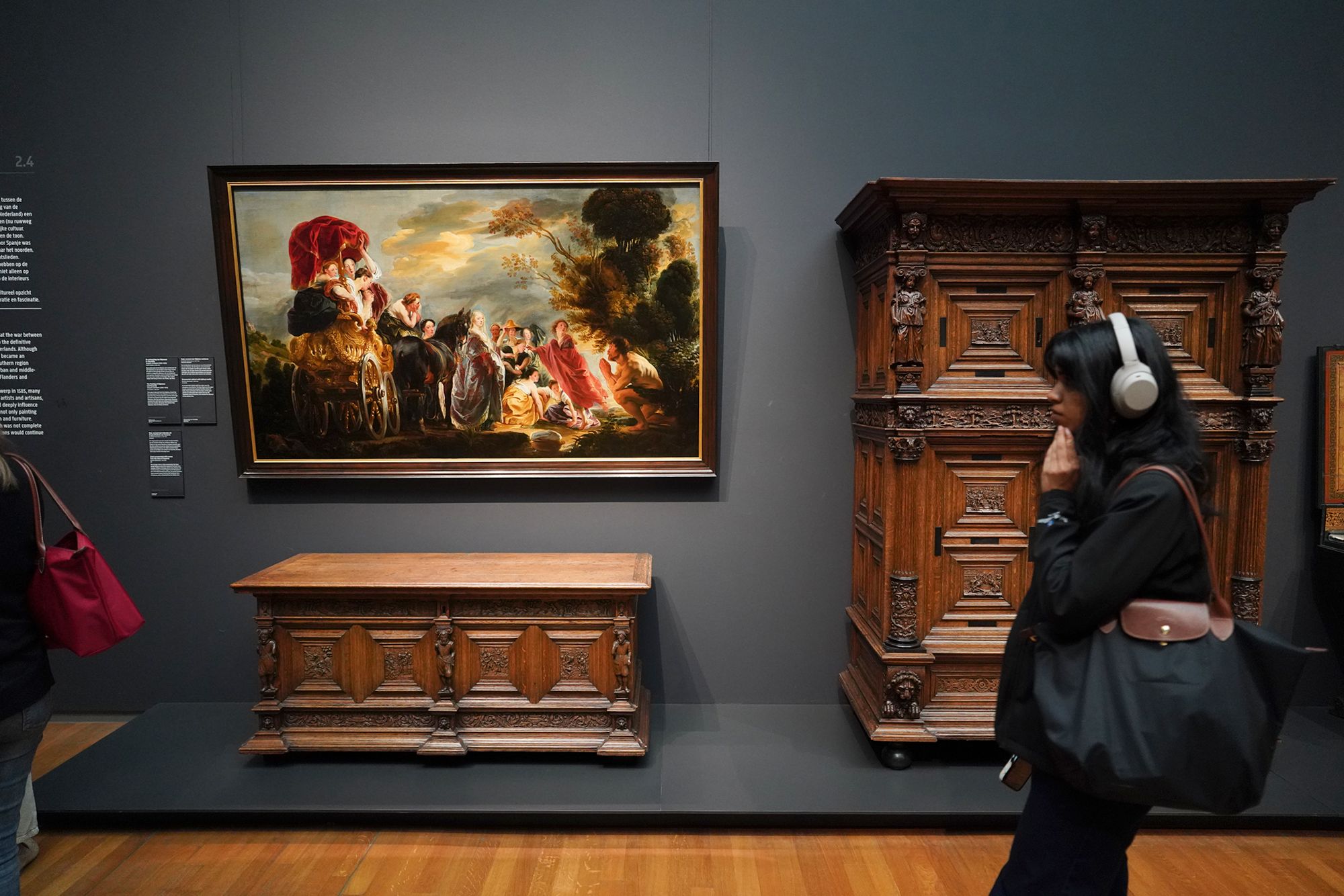
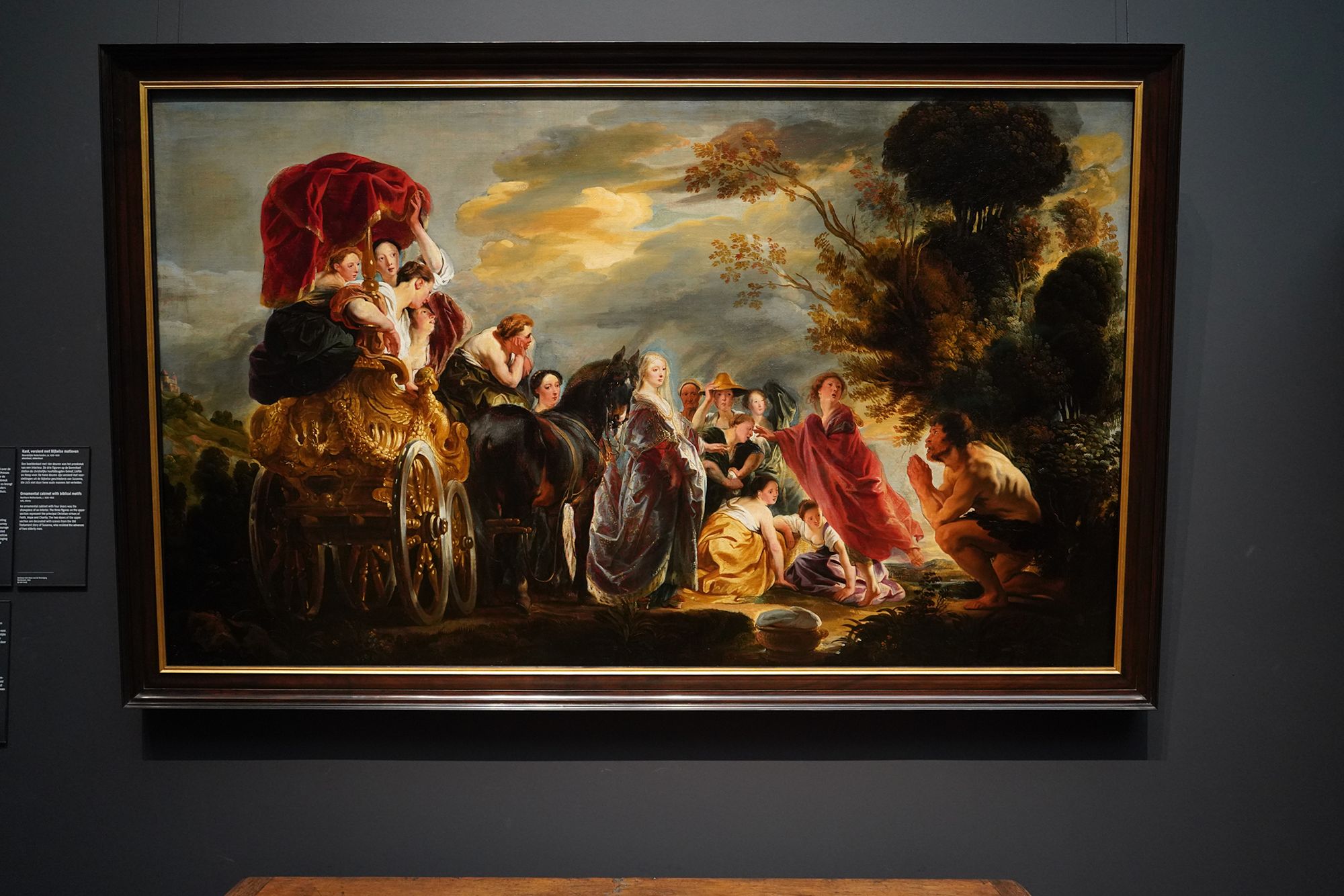
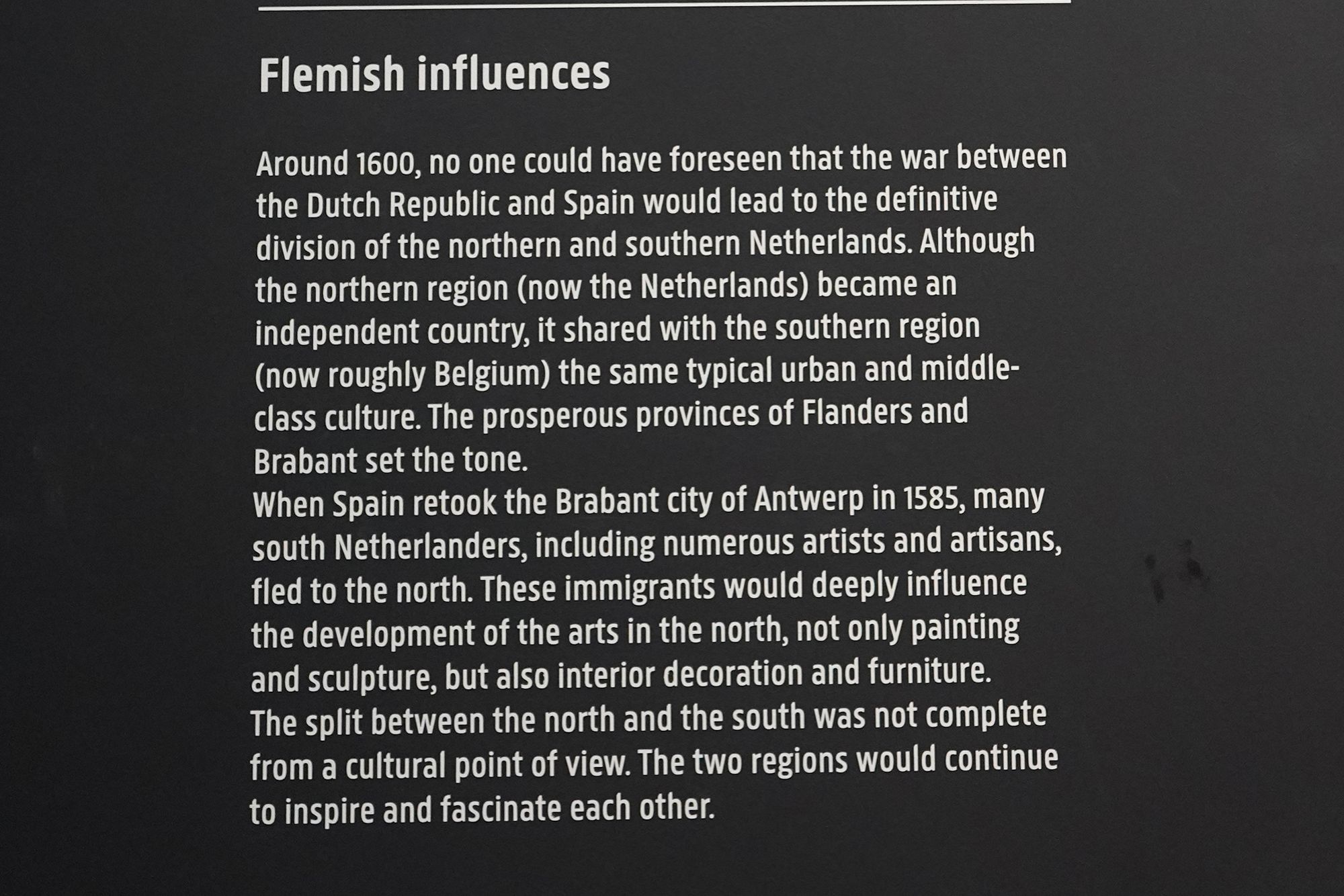
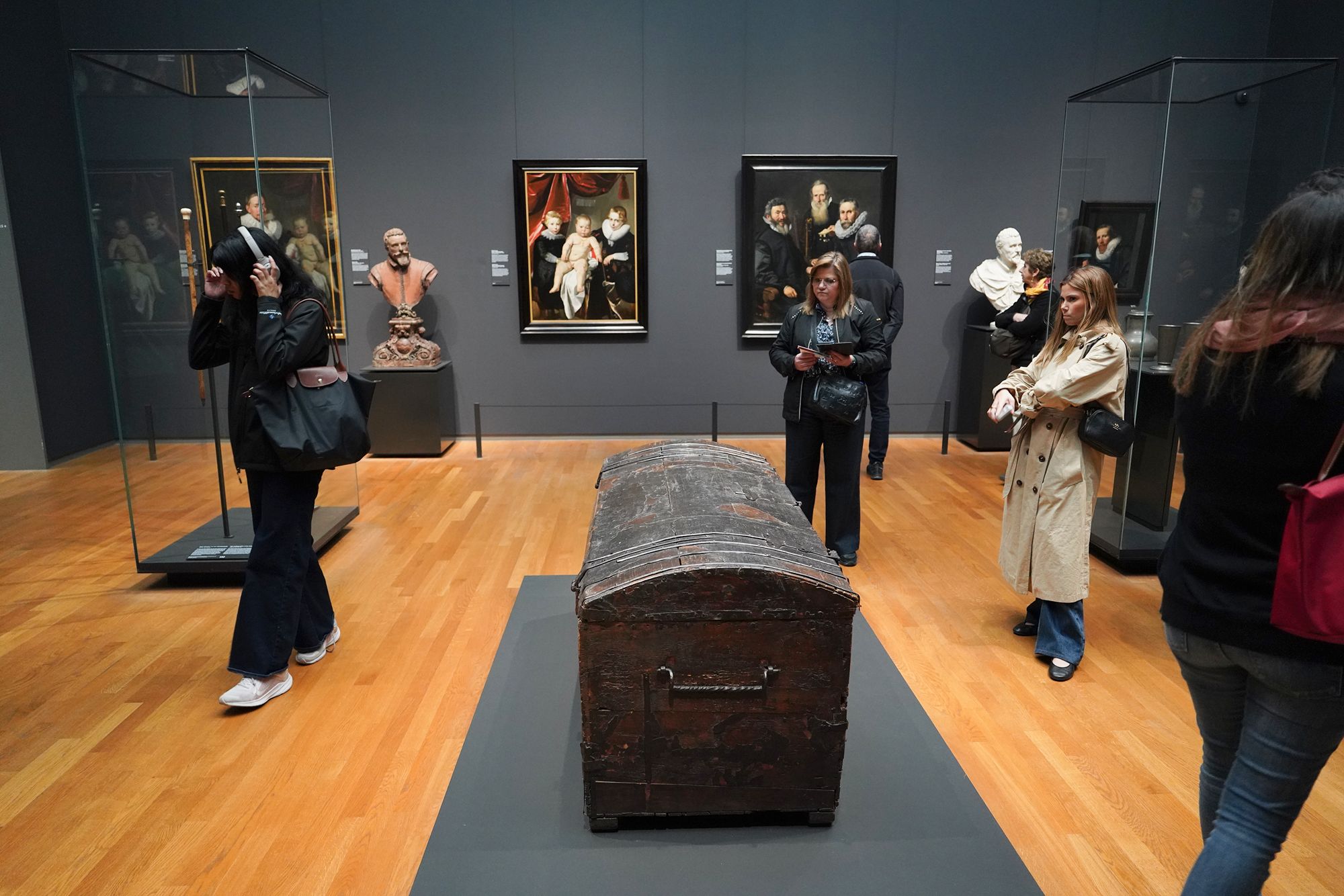
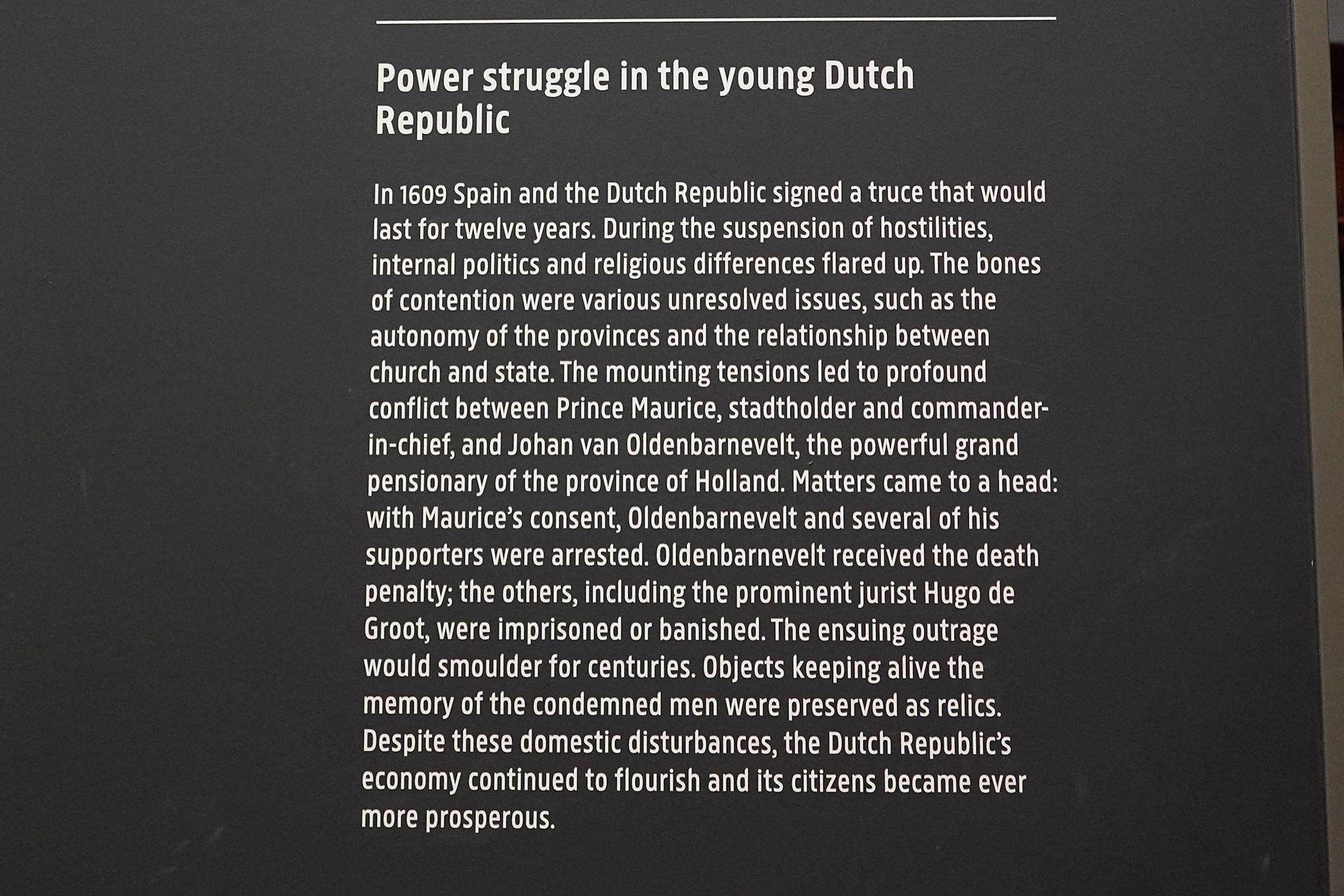
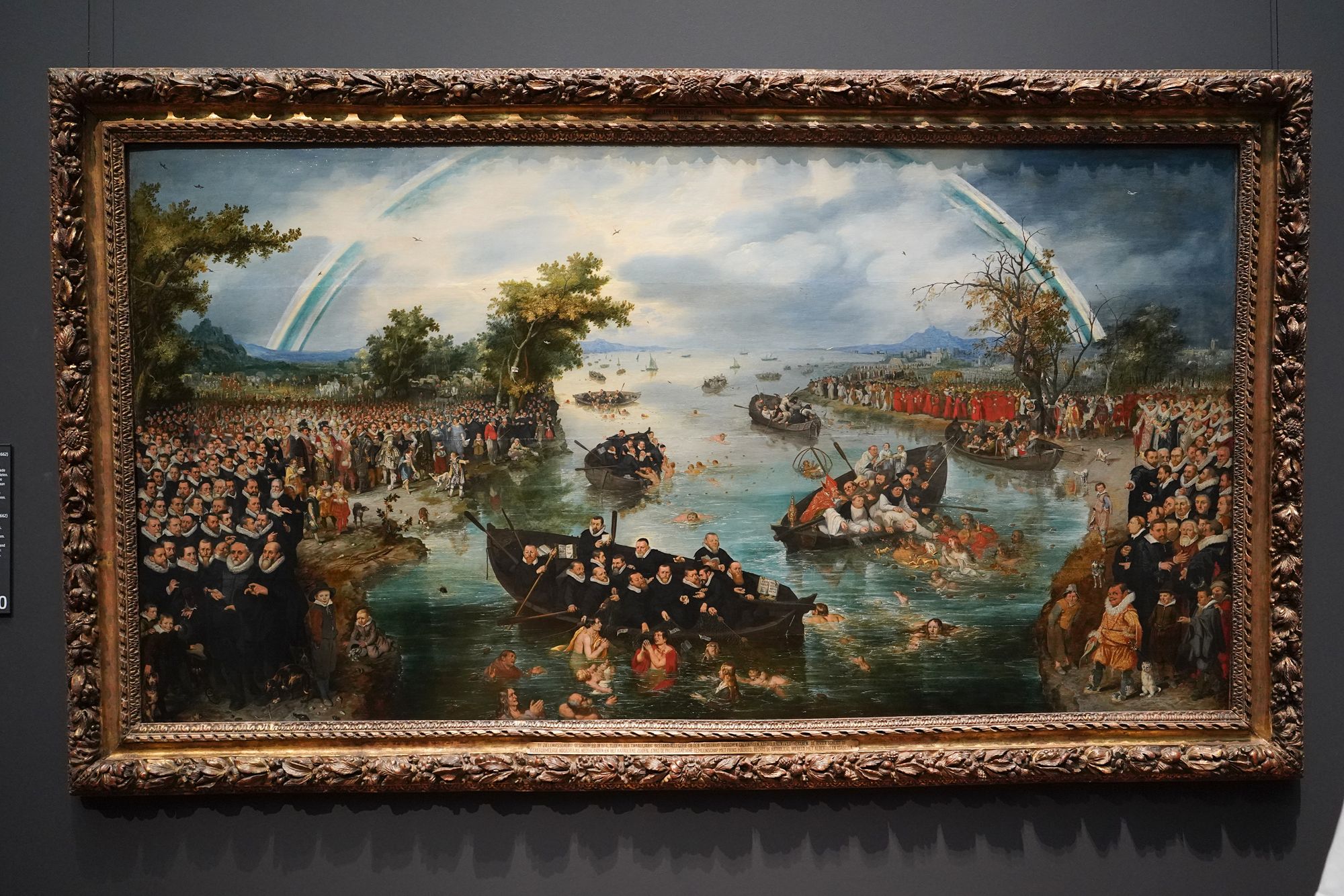

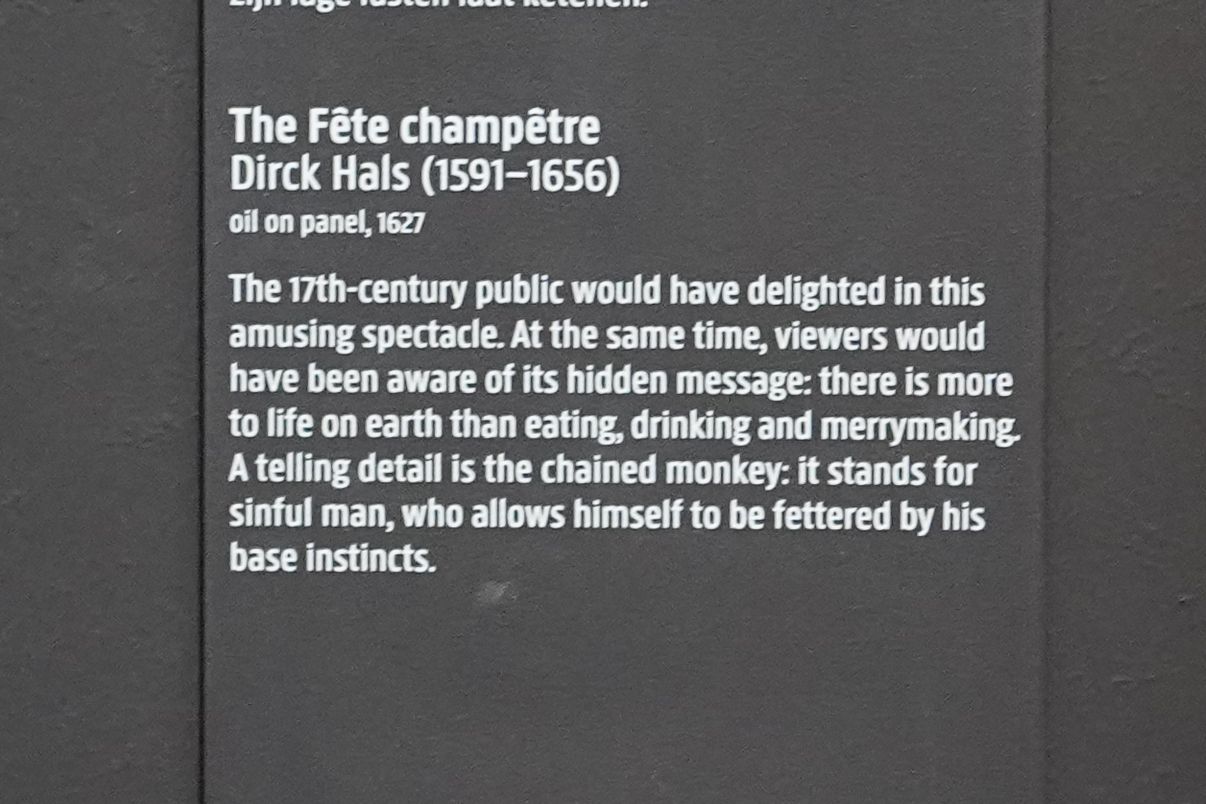
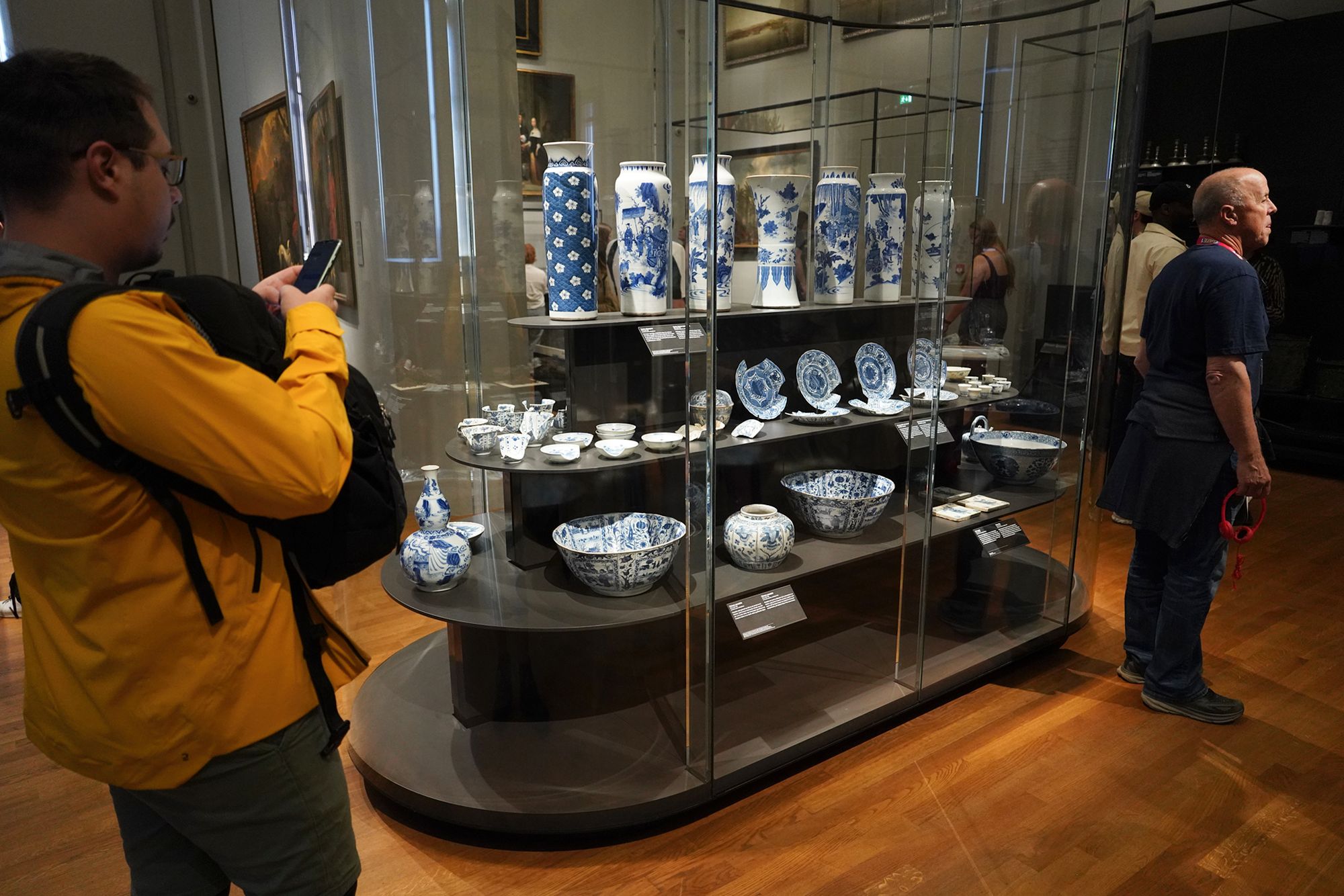
During the 17th century, the Netherlands became a major global trading and maritime power. In 1602, Dutch merchants established the Dutch East India Company (VOC), which built an extensive trading network stretching from the Cape of Good Hope to Asia and Japan. It made enormous profits from commodities such as pepper, cloves, nutmeg, and mace, but its expansion also involved warfare, colonization, forced labor, and the exploitation of local populations.
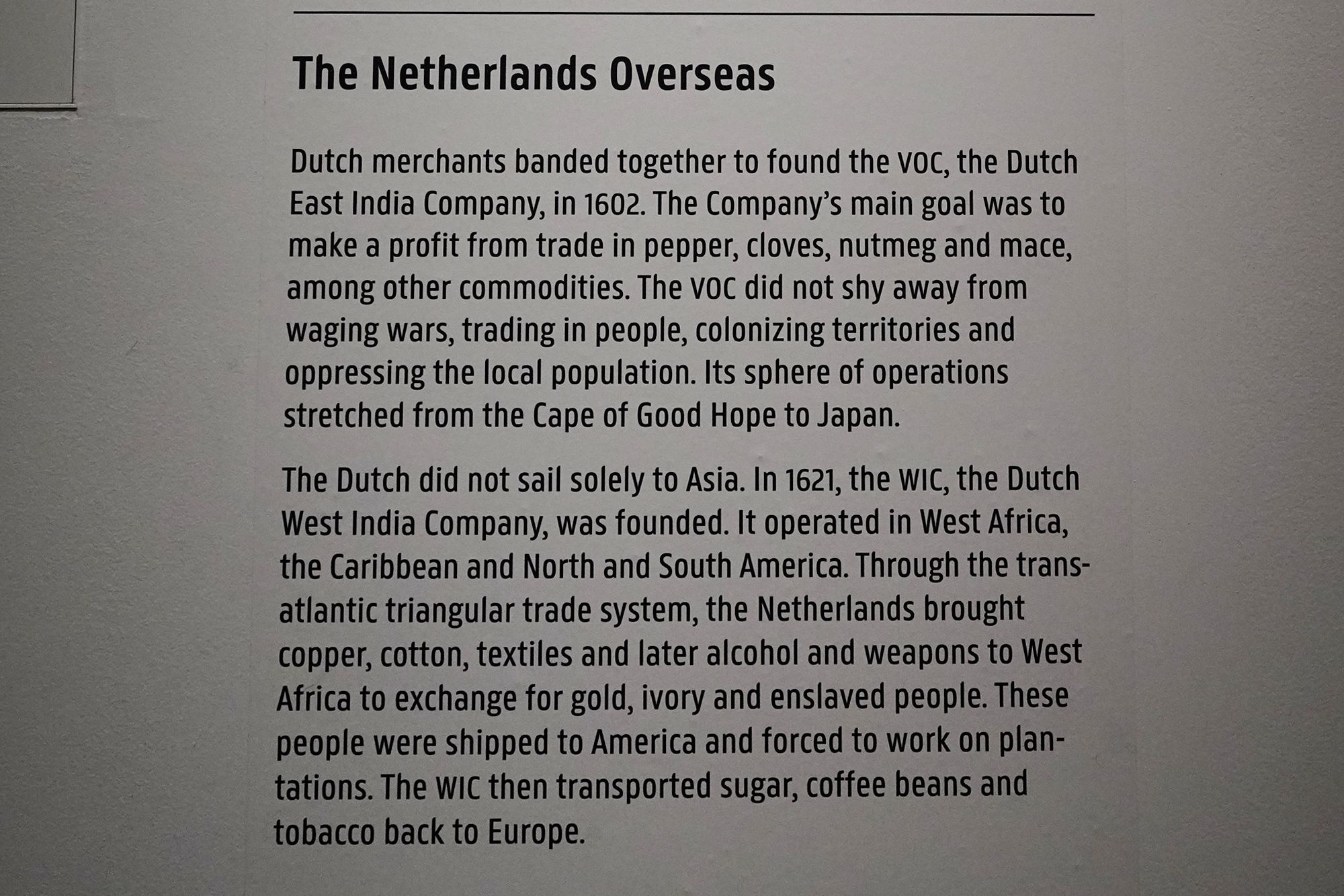
In 1621, the Dutch West India Company (WIC) was established to operate in West Africa, the Caribbean, and the Americas. It became deeply involved in the Atlantic slave trade, transporting enslaved Africans to the Americas and bringing plantation products such as sugar, coffee, and tobacco back to Europe. This overseas trade and colonial expansion contributed greatly to the wealth of the Dutch Republic during the Golden Age, but much of that prosperity came at a tremendous human cost.