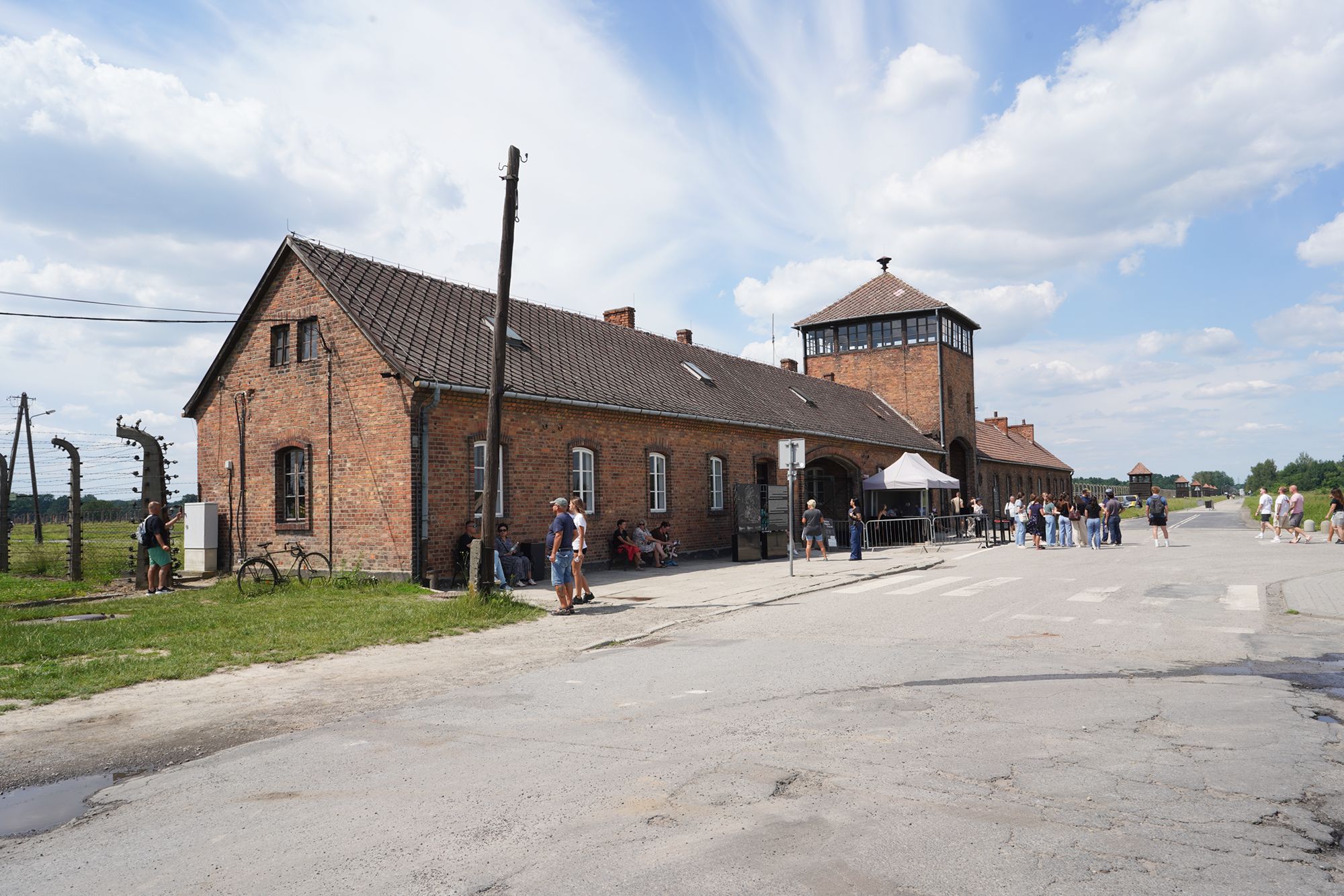
Auschwitz II-Birkenau, Oświęcim, Poland
At Auschwitz II-Birkenau, the vast grounds, surviving barracks, and memorial convey the camp’s scale and tragic history. 1356
Auschwitz II-Birkenau: Ofiar Faszyzmu 12, 32-600 Brzezinka, Poland
Date Picture Taken: Jun, 2026
Auschwitz II–Birkenau was first planned in 1941 as a huge camp for Soviet prisoners of war. As the Nazis’ plans changed, they expanded it into a concentration and forced-labor camp and a major killing center, where they murdered Jews deported from across Europe.
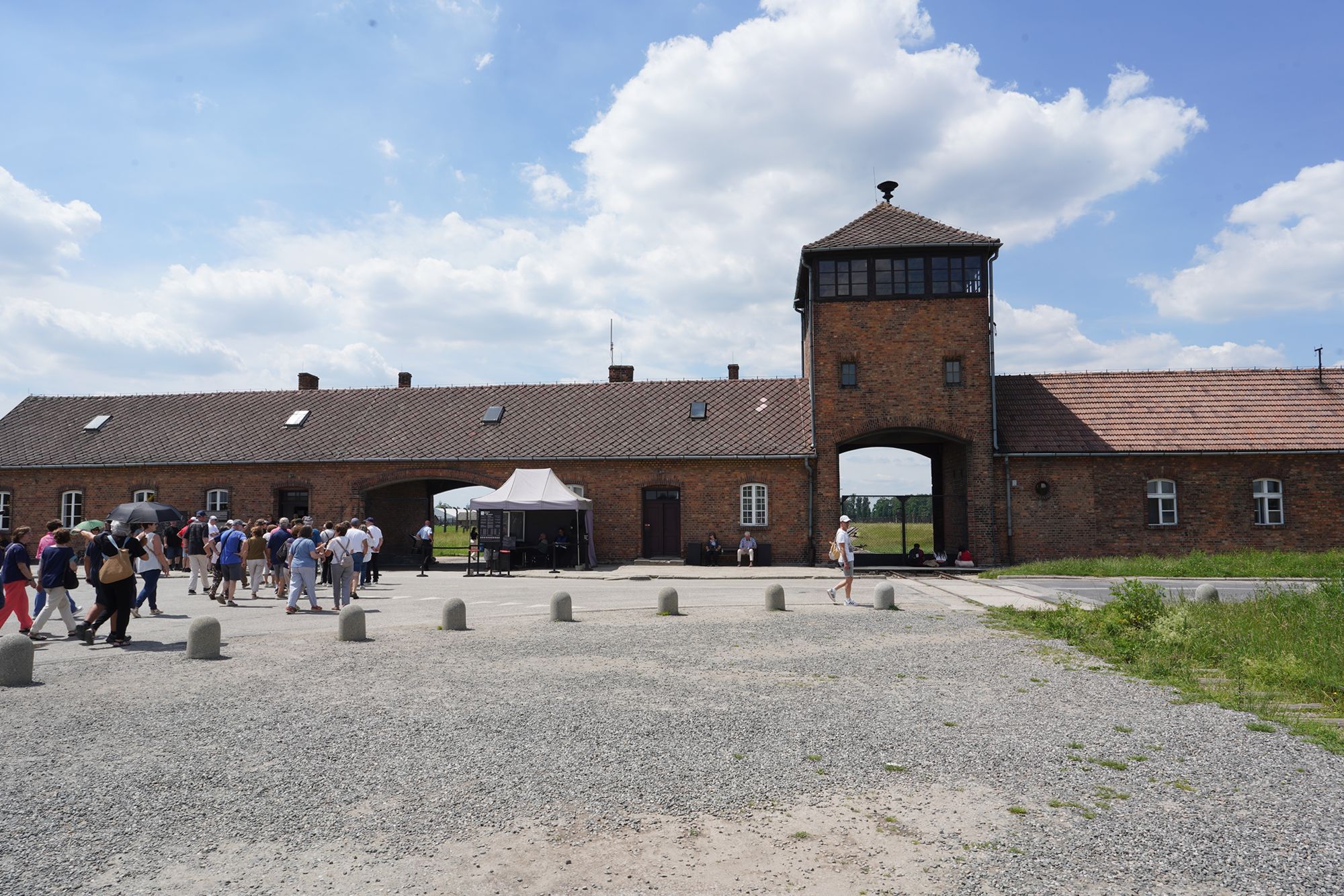
Auschwitz-Birkenau was the site where about one million Jews were murdered.
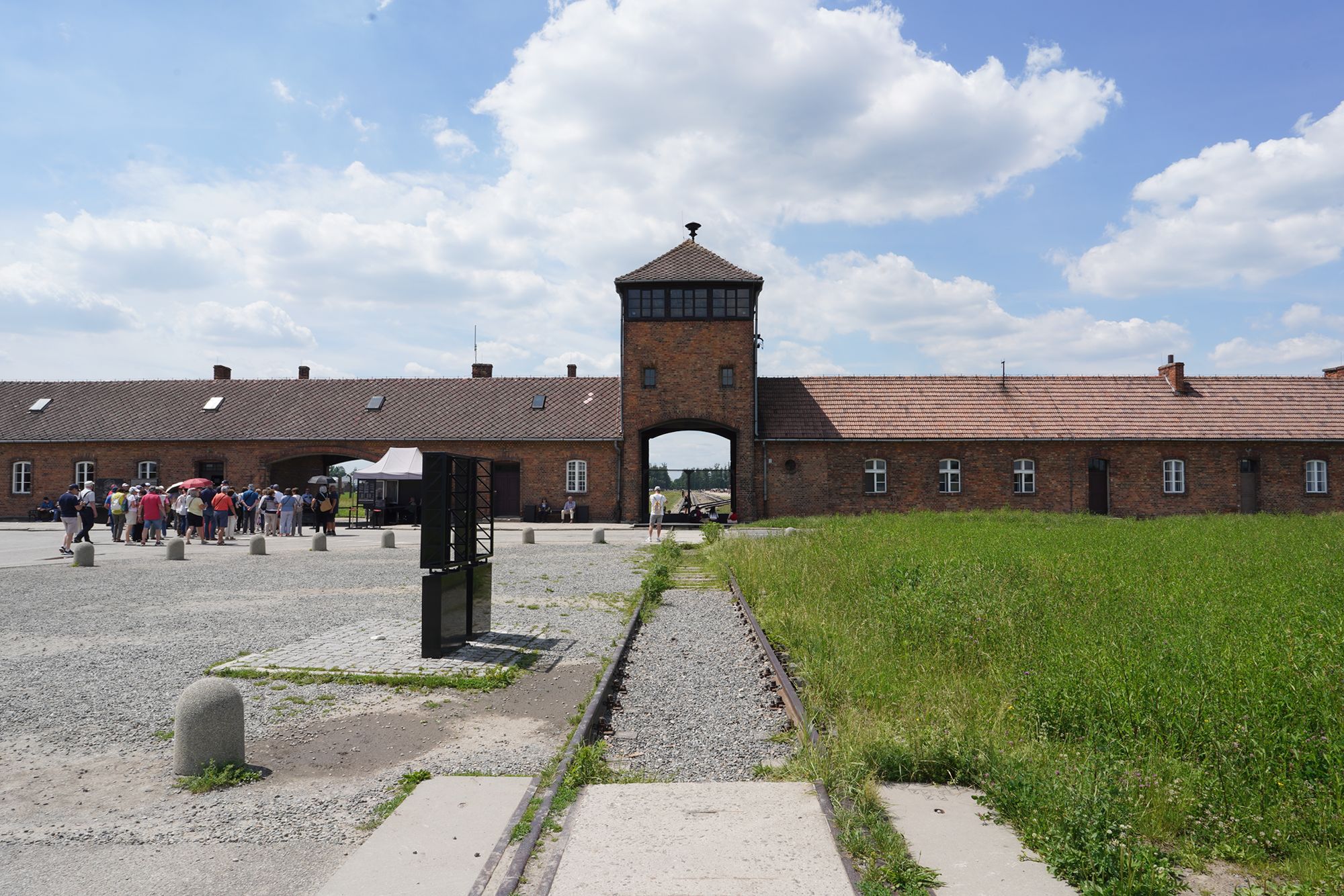
Auschwitz-Birkenau was the site where more Jews were murdered than at any other single location during the Holocaust.
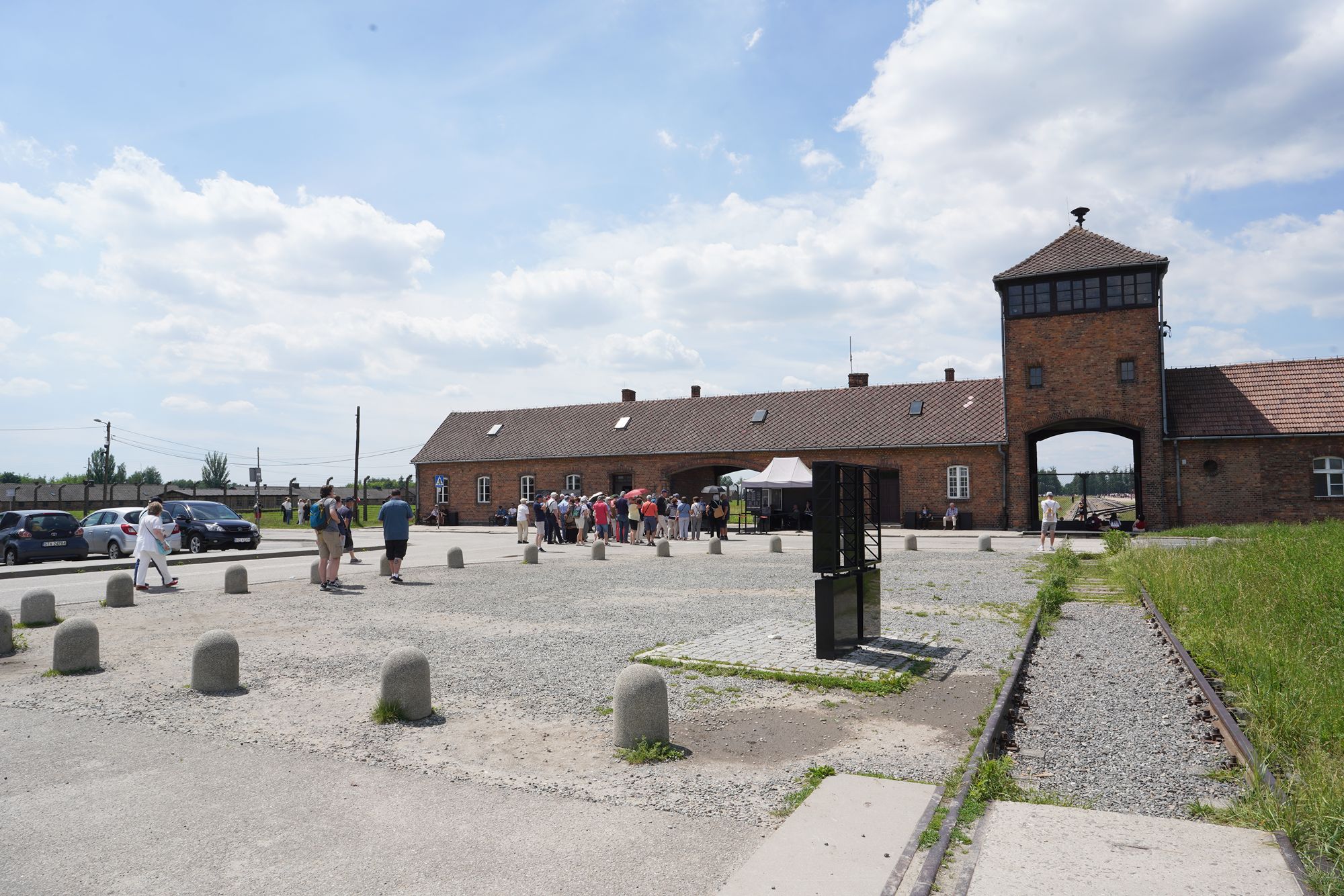
Auschwitz II–Birkenau is about a 15-minute drive from Auschwitz I, which I visited earlier in this blog.
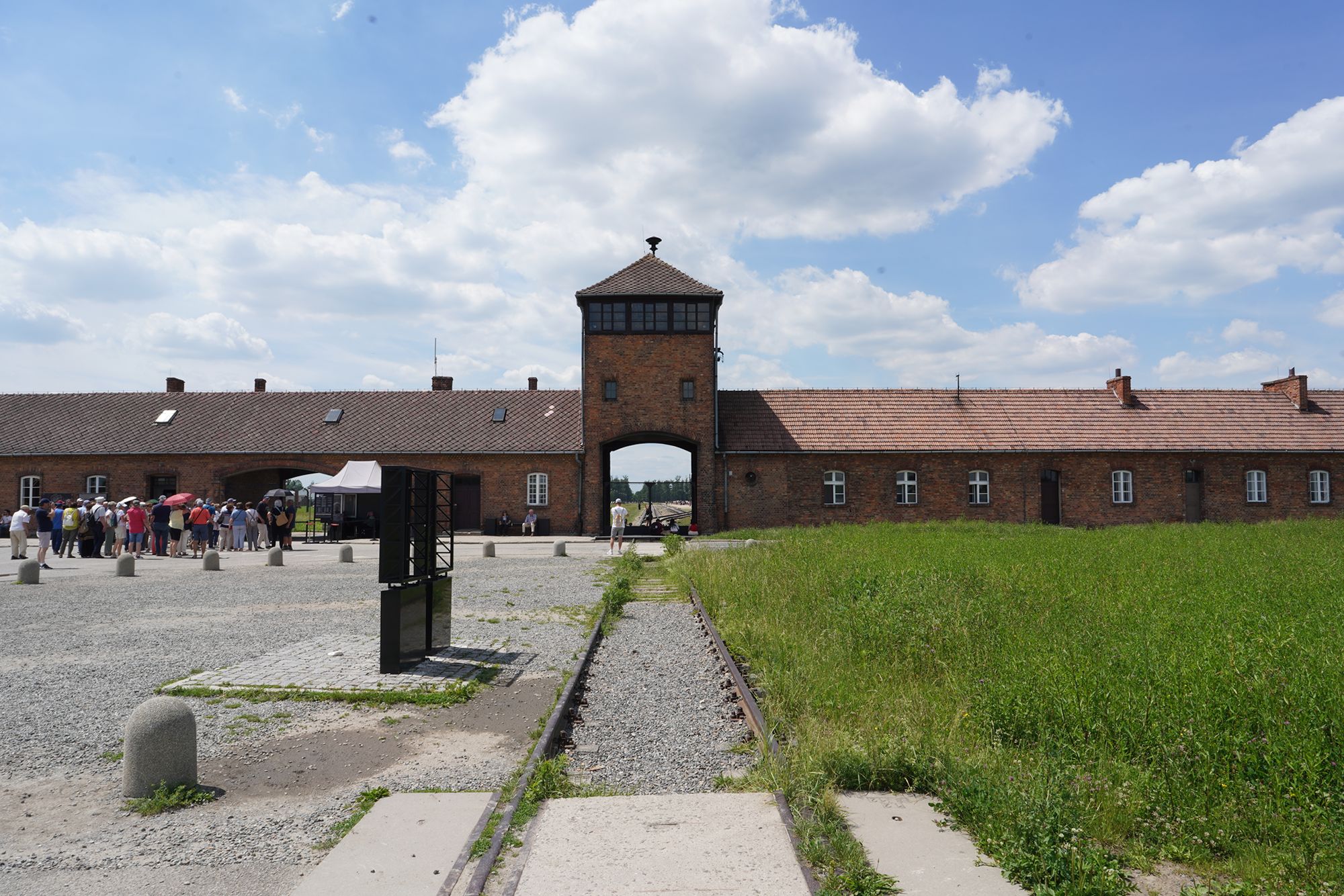
Auschwitz I was established in 1940, and construction of Auschwitz II–Birkenau began in October 1941, about three kilometers away. Birkenau was initially planned as a camp for Soviet prisoners of war.
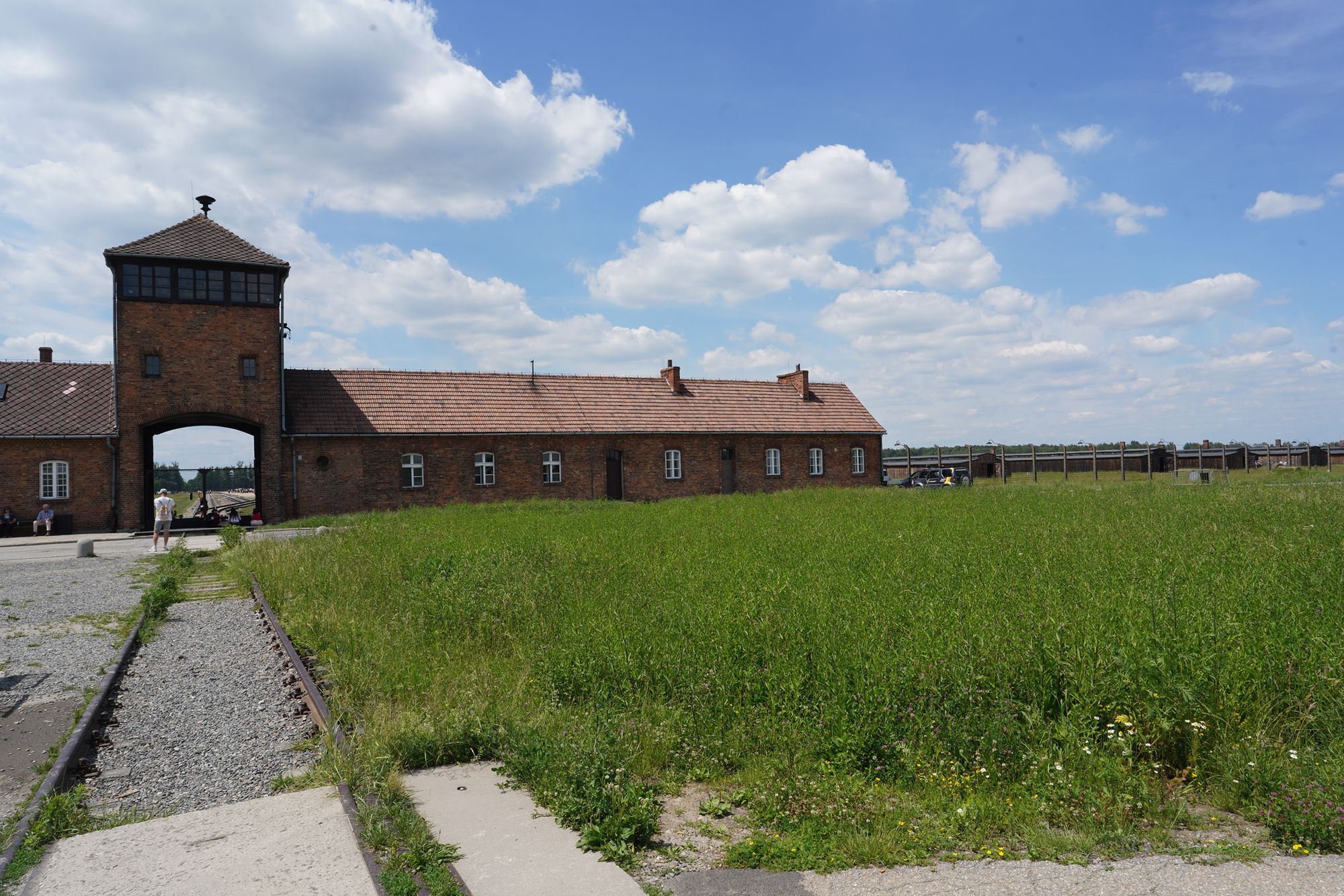
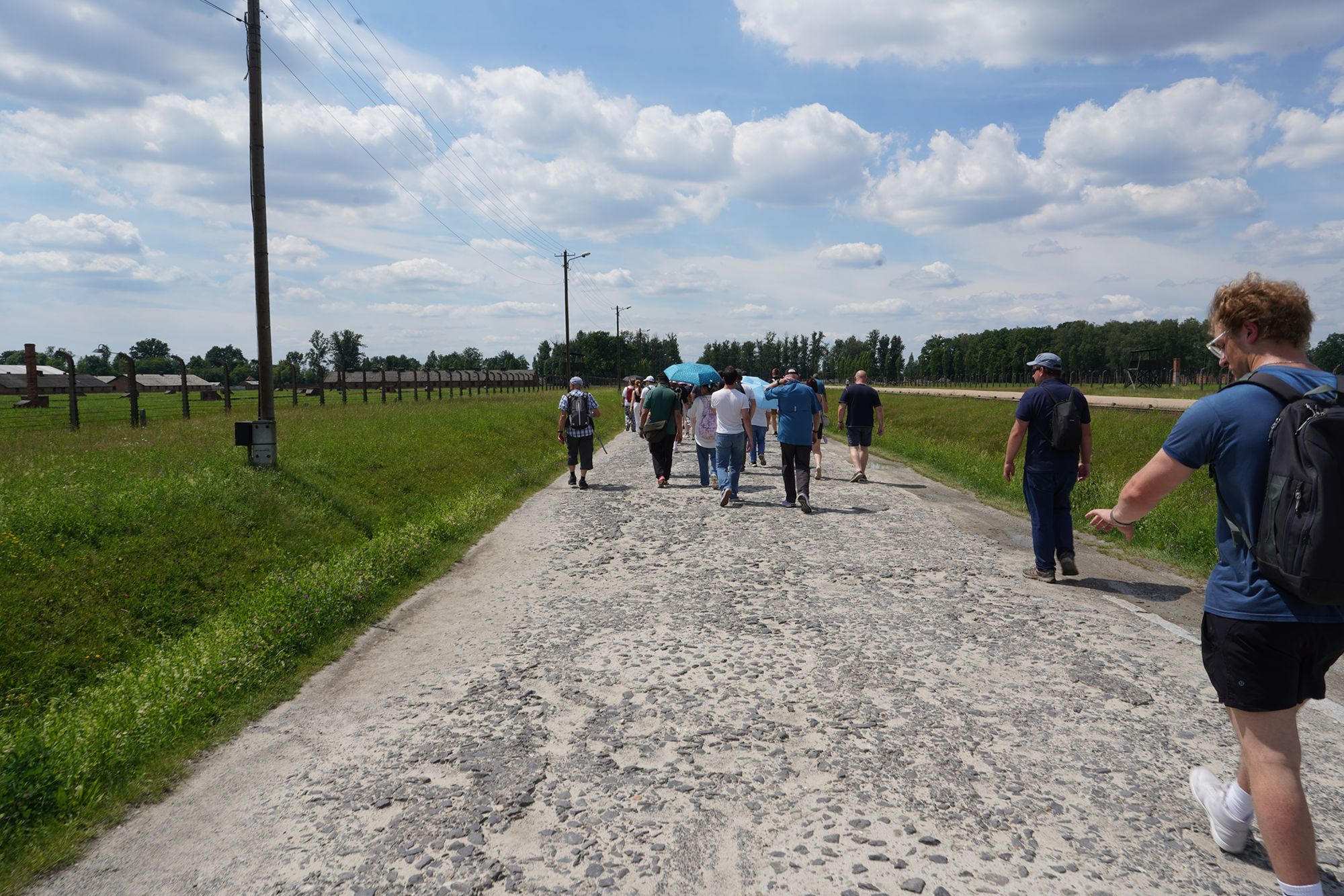
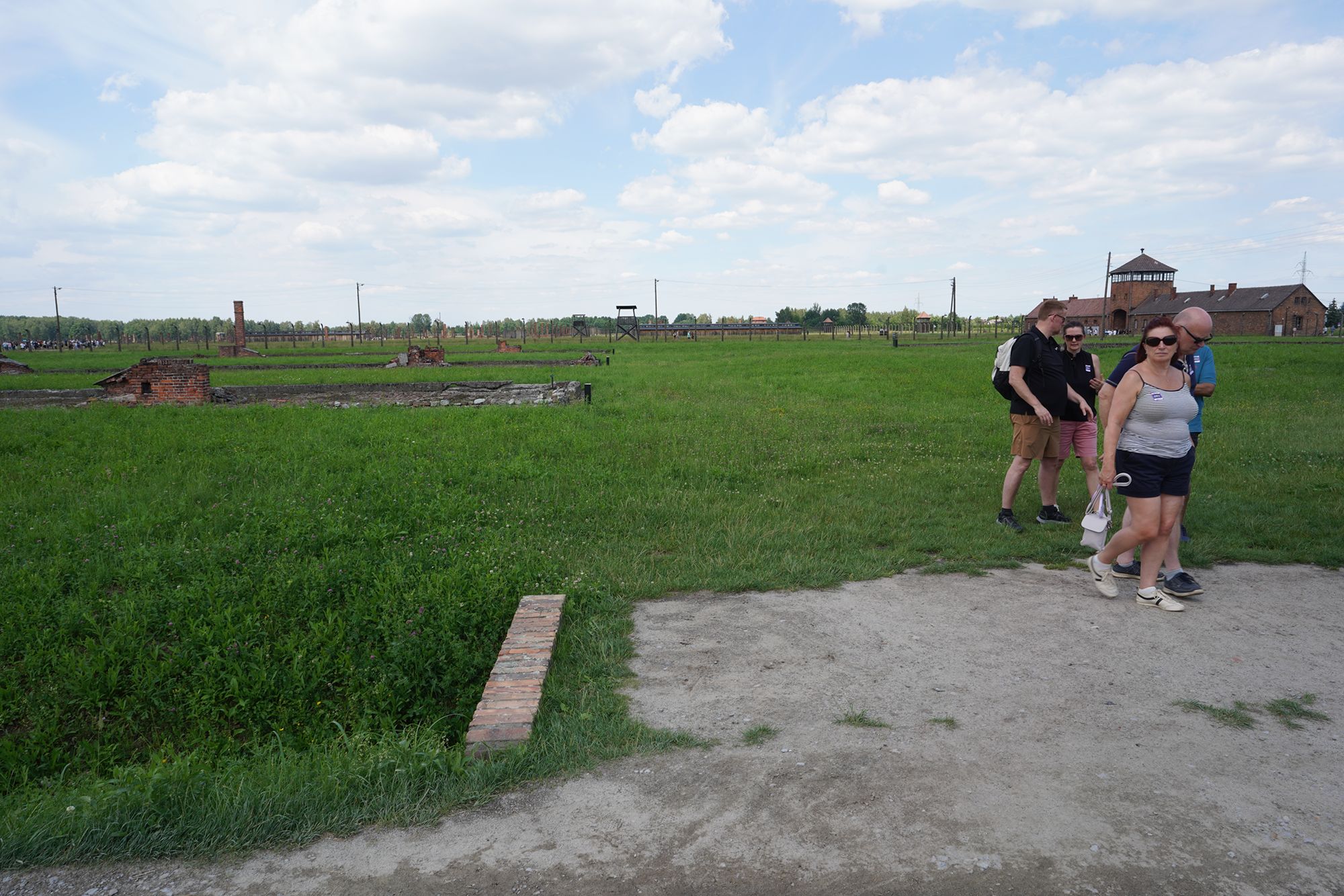
At Birkenau, there are no museum exhibitions inside the camp. Much of the site is open ground, with most of the buildings gone, but walking across it gives a sense of the camp’s immense size.
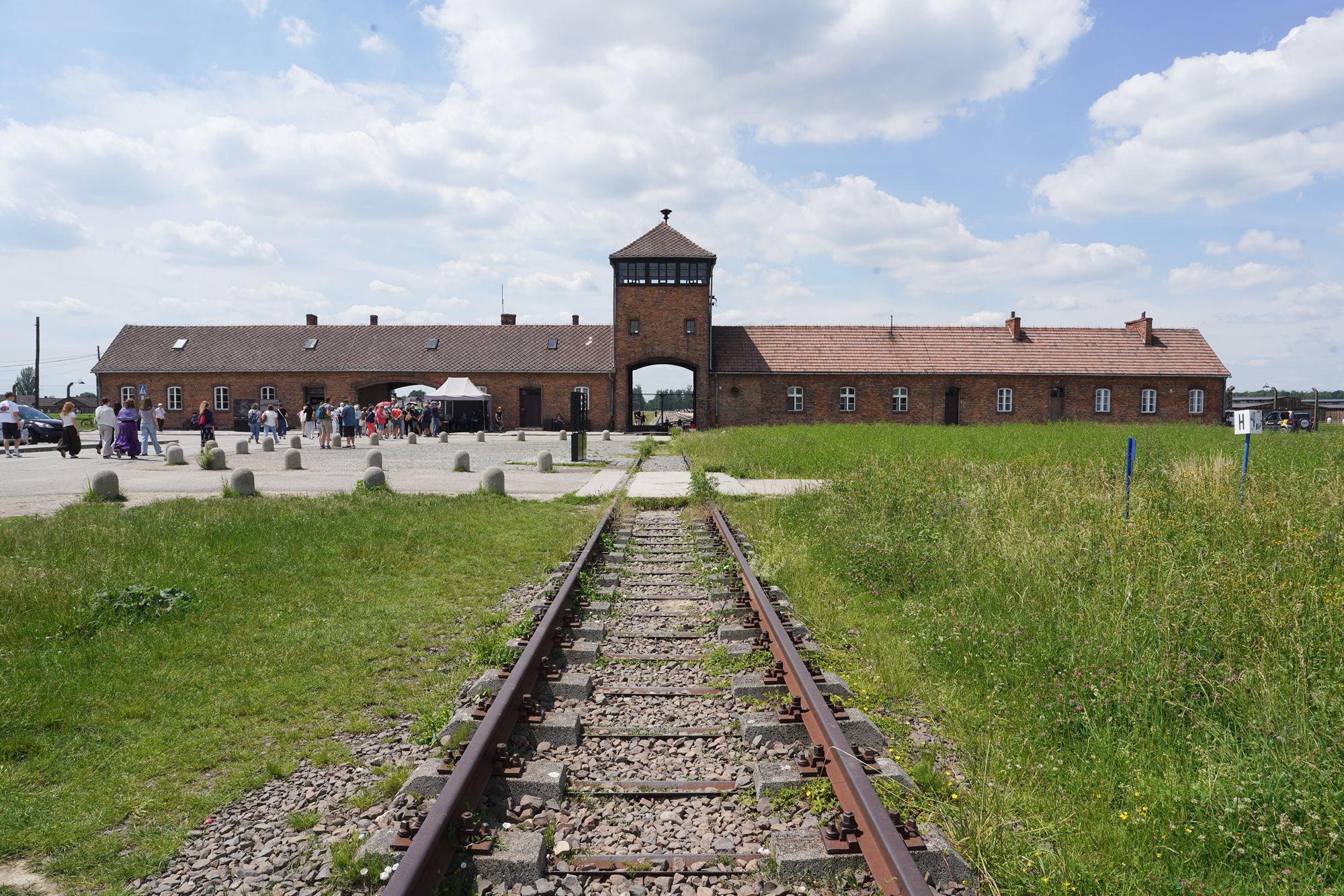
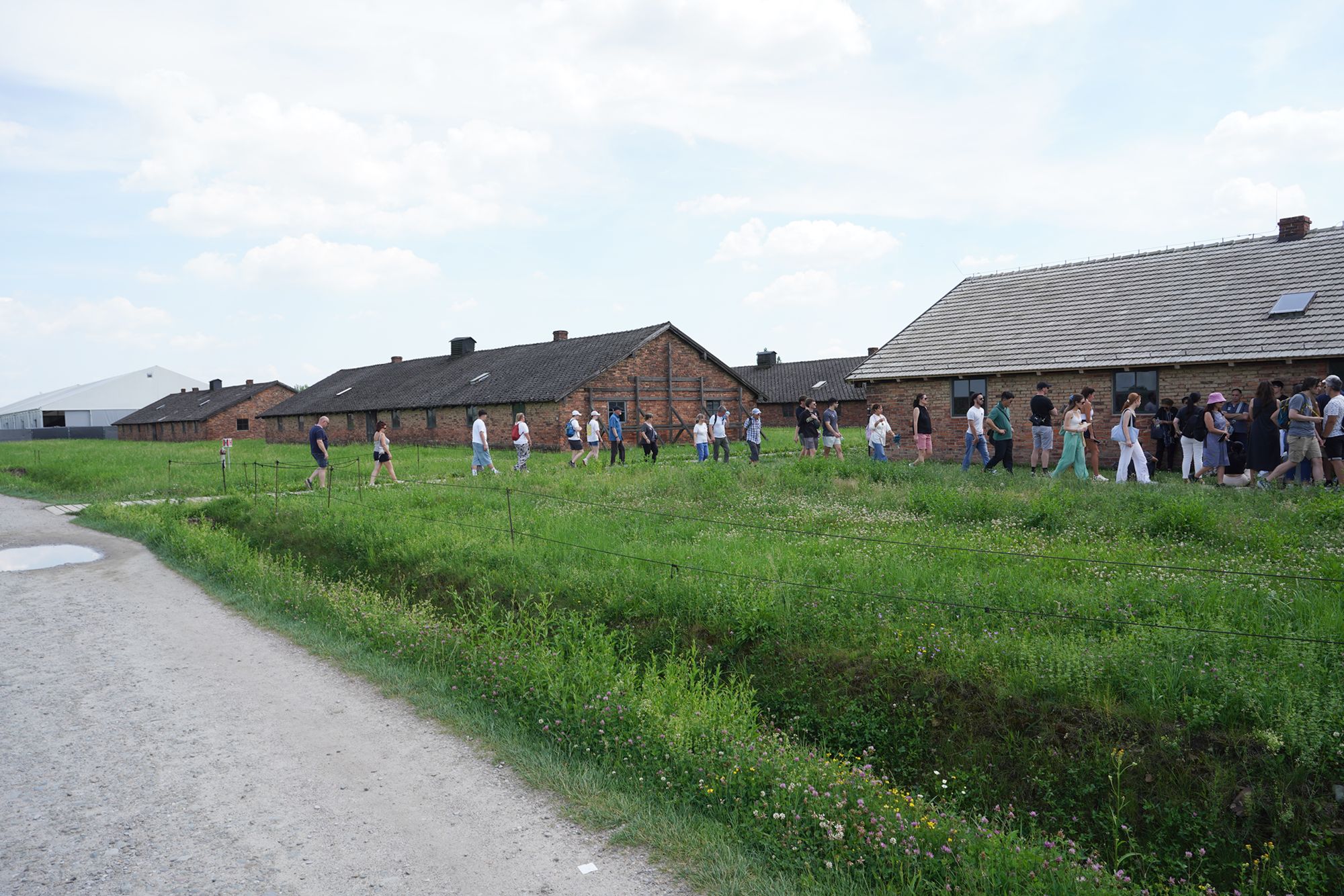
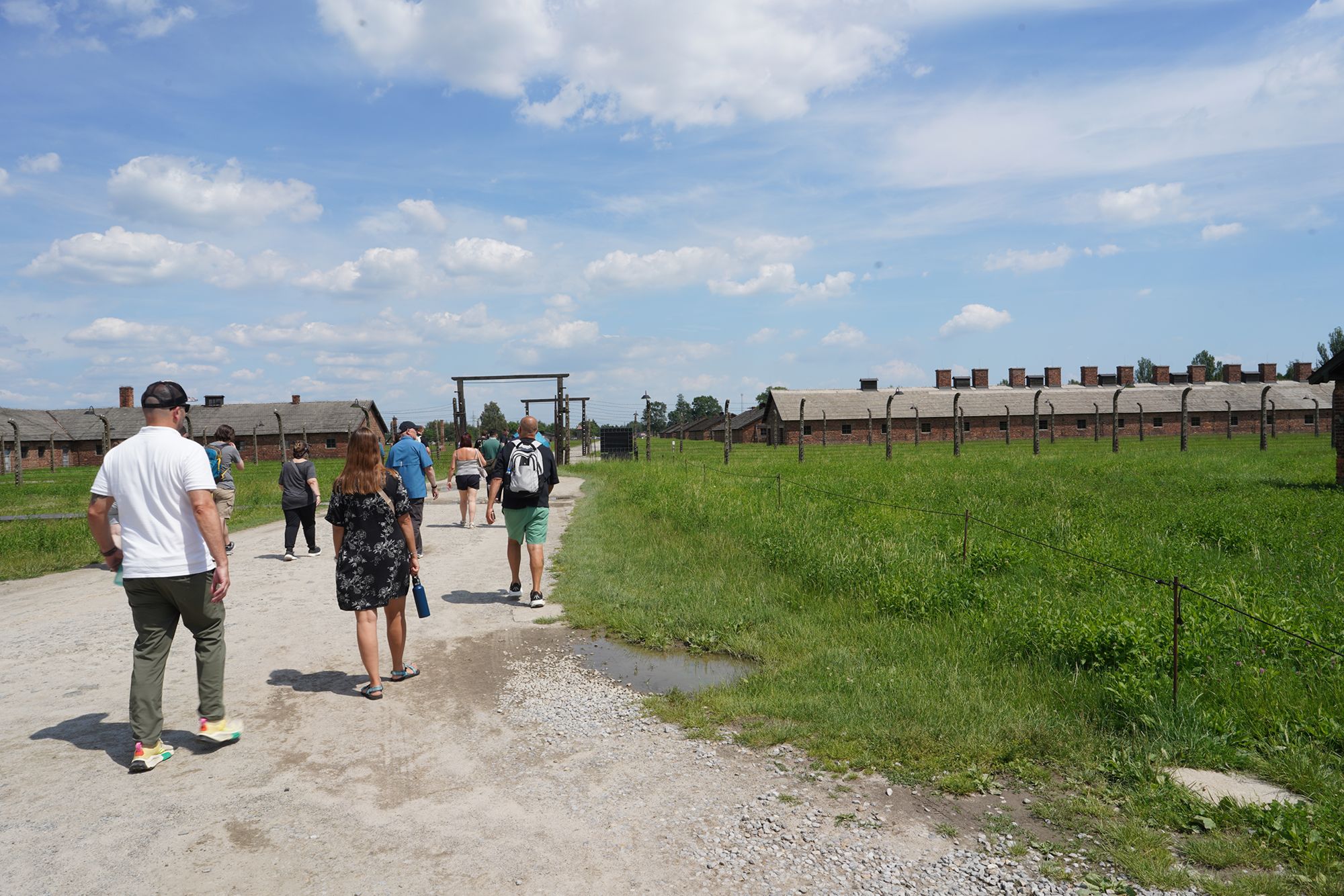
Visitors can explore the site on a guided group tour. We are now inside the camp.
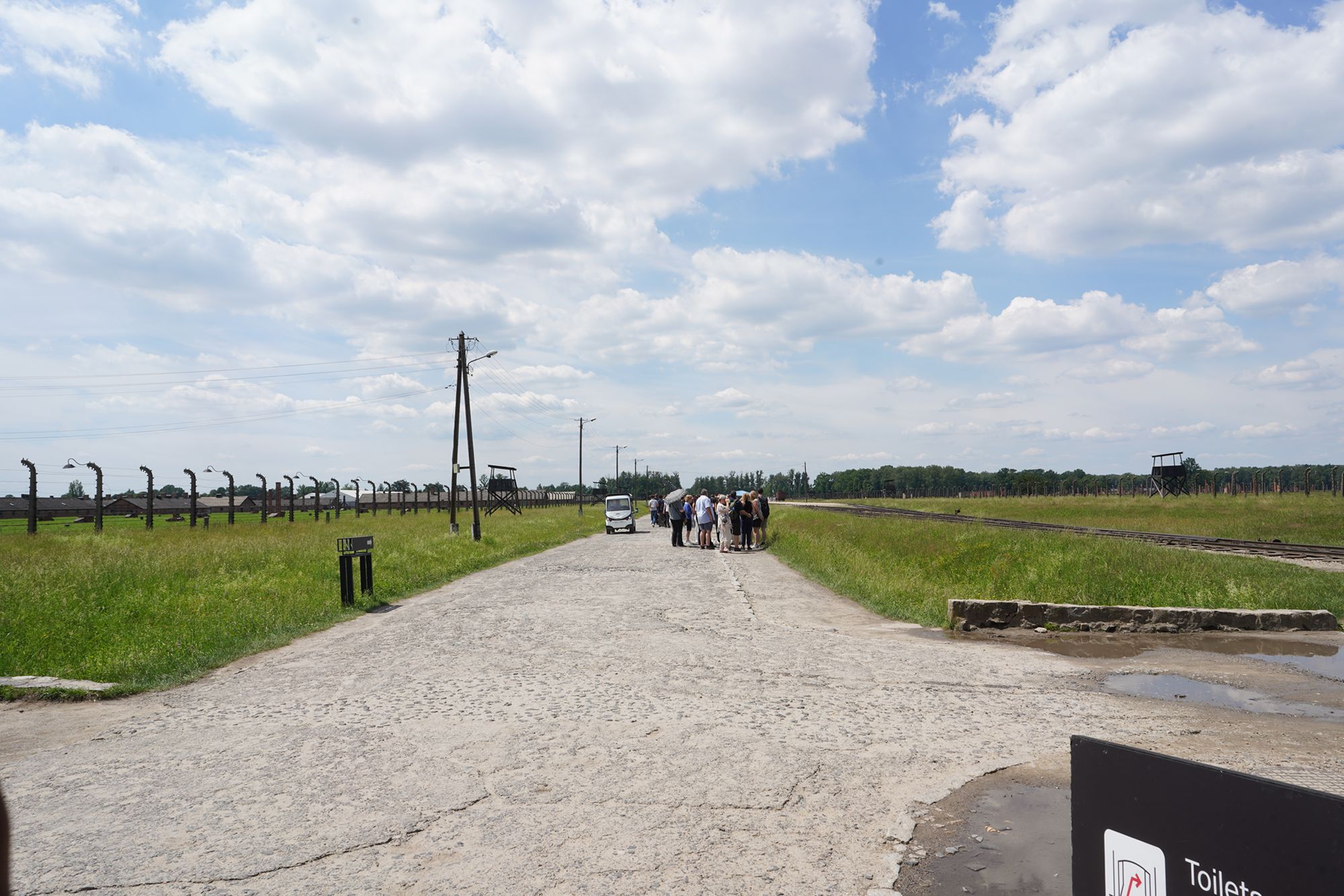
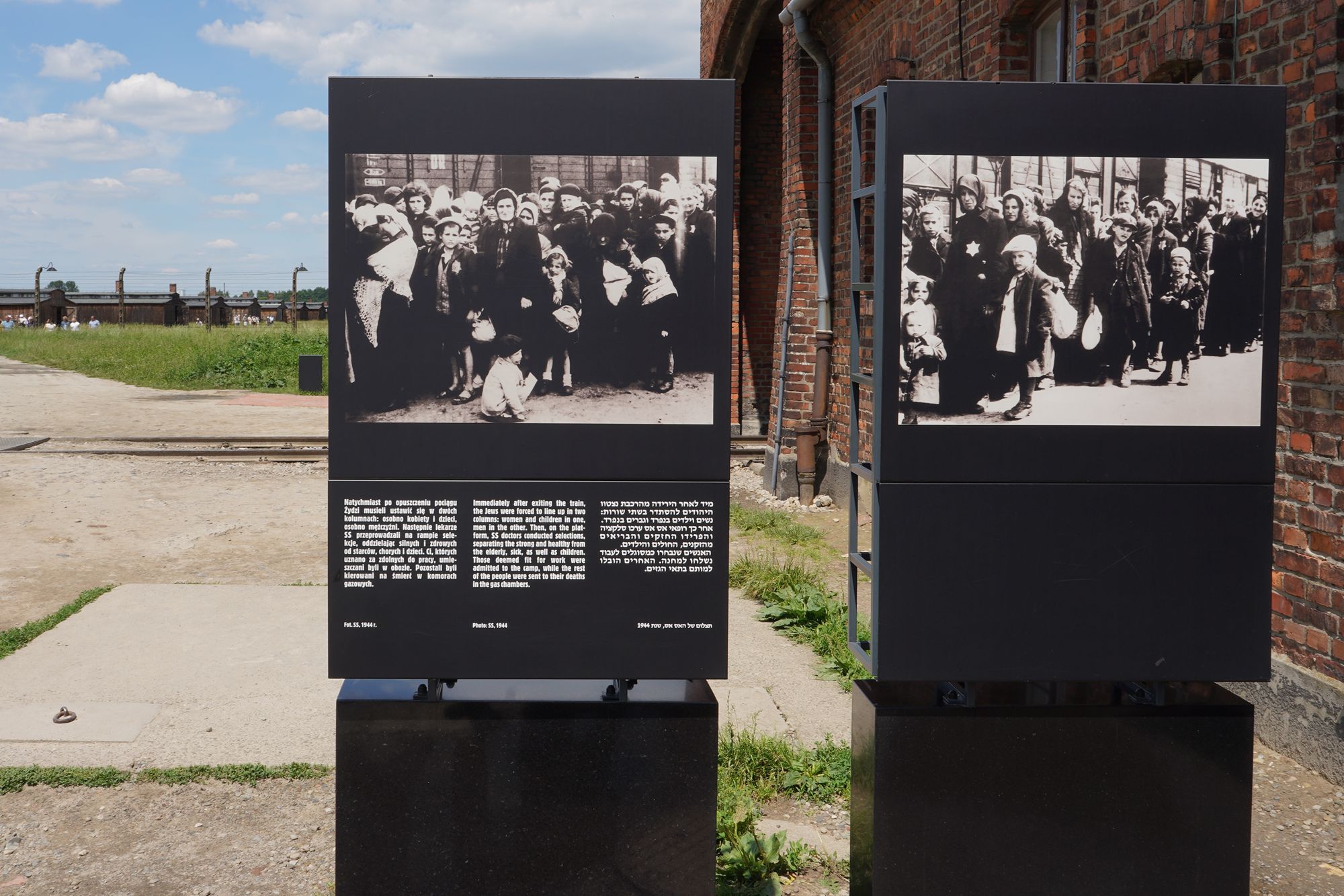
We’re going to walk to the far end of the camp and then make our way back.
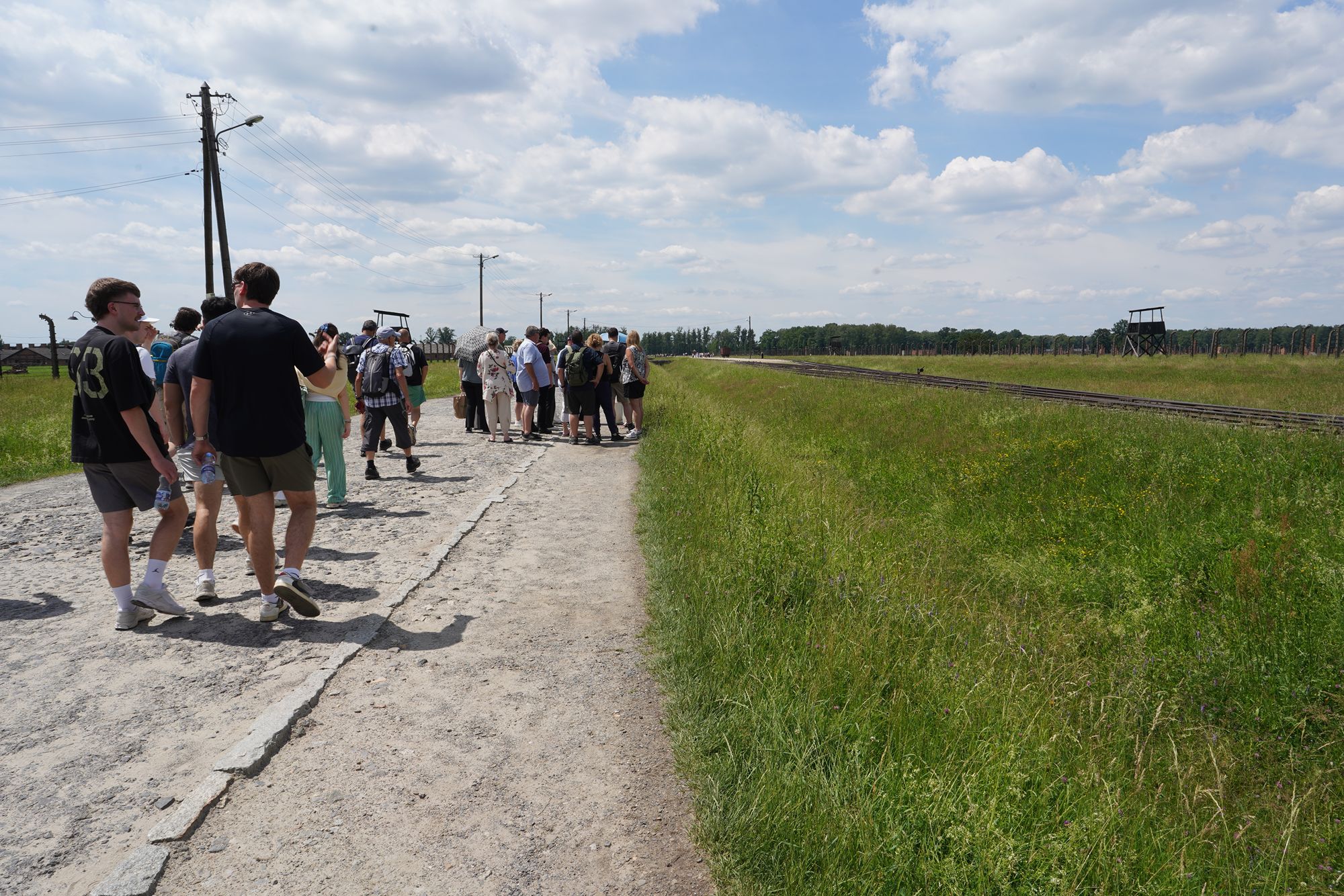
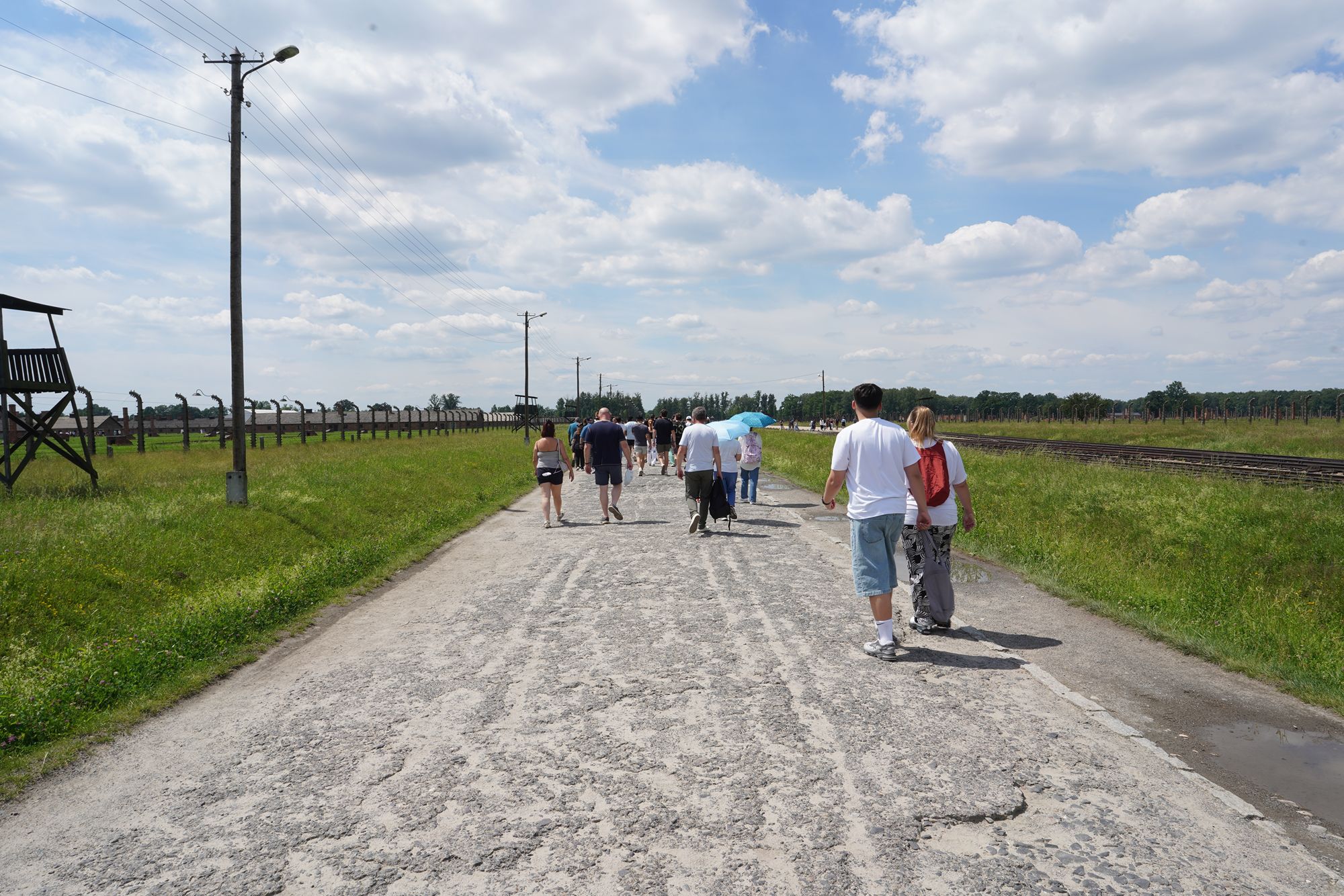
To my right, the barracks are no longer standing.
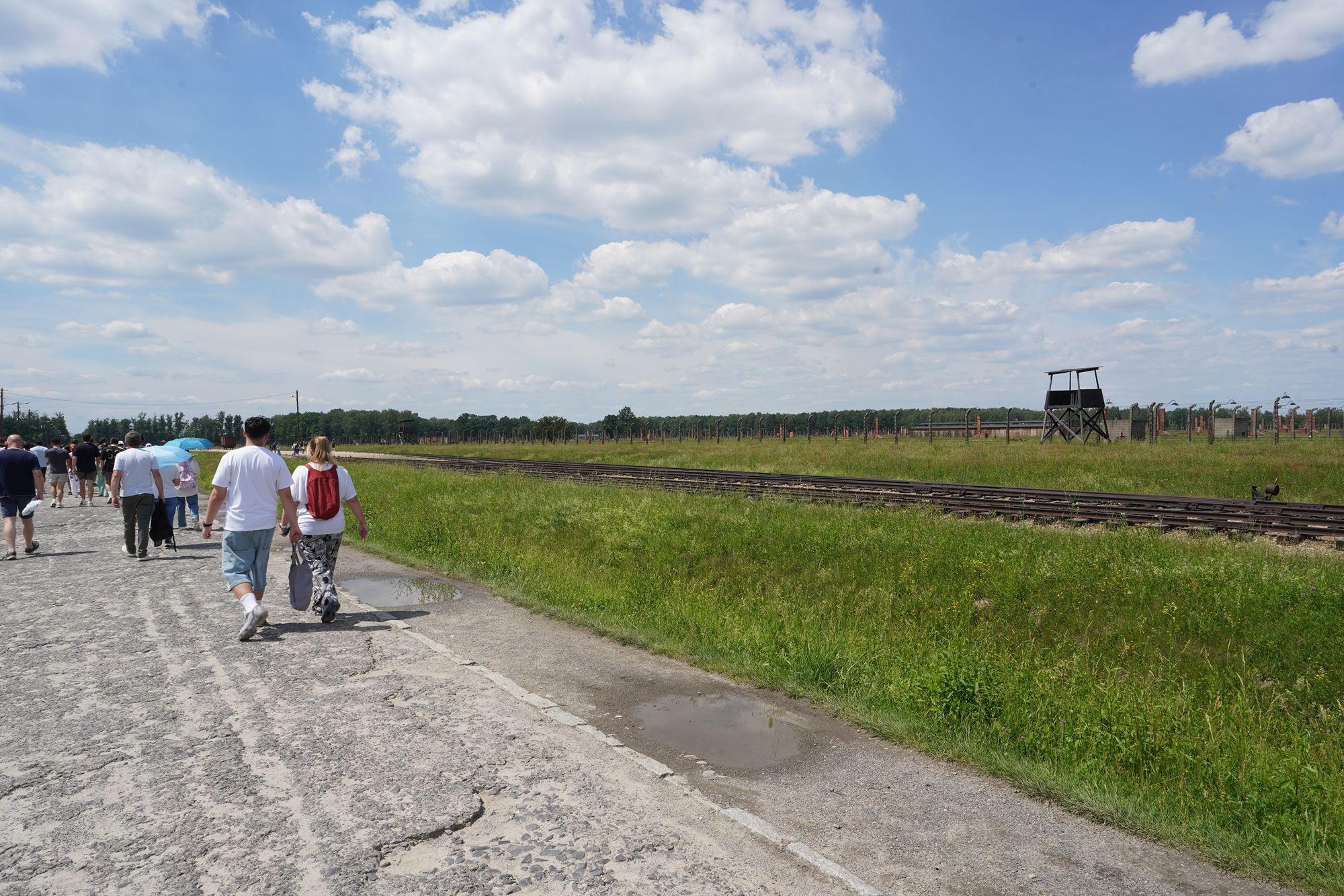
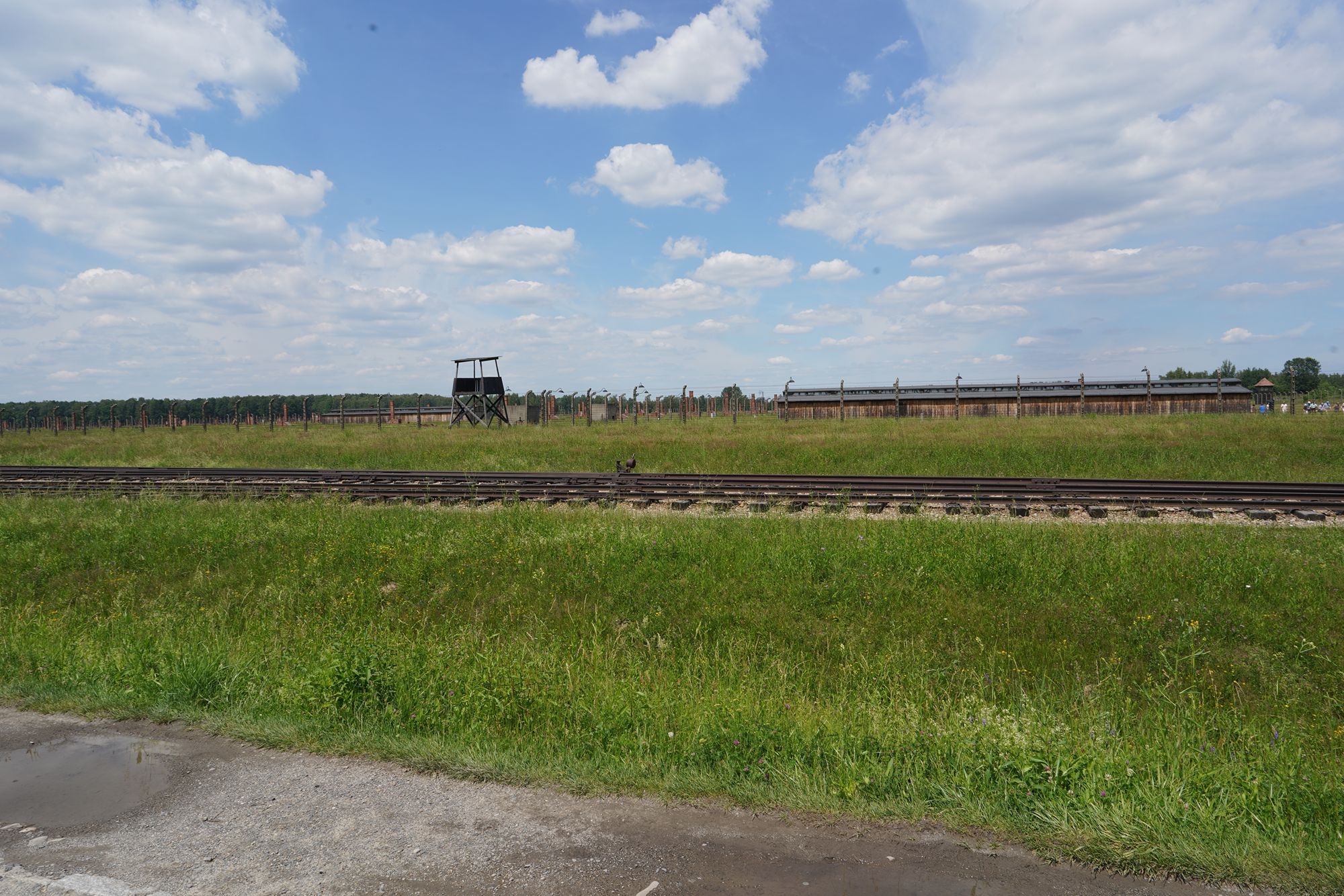
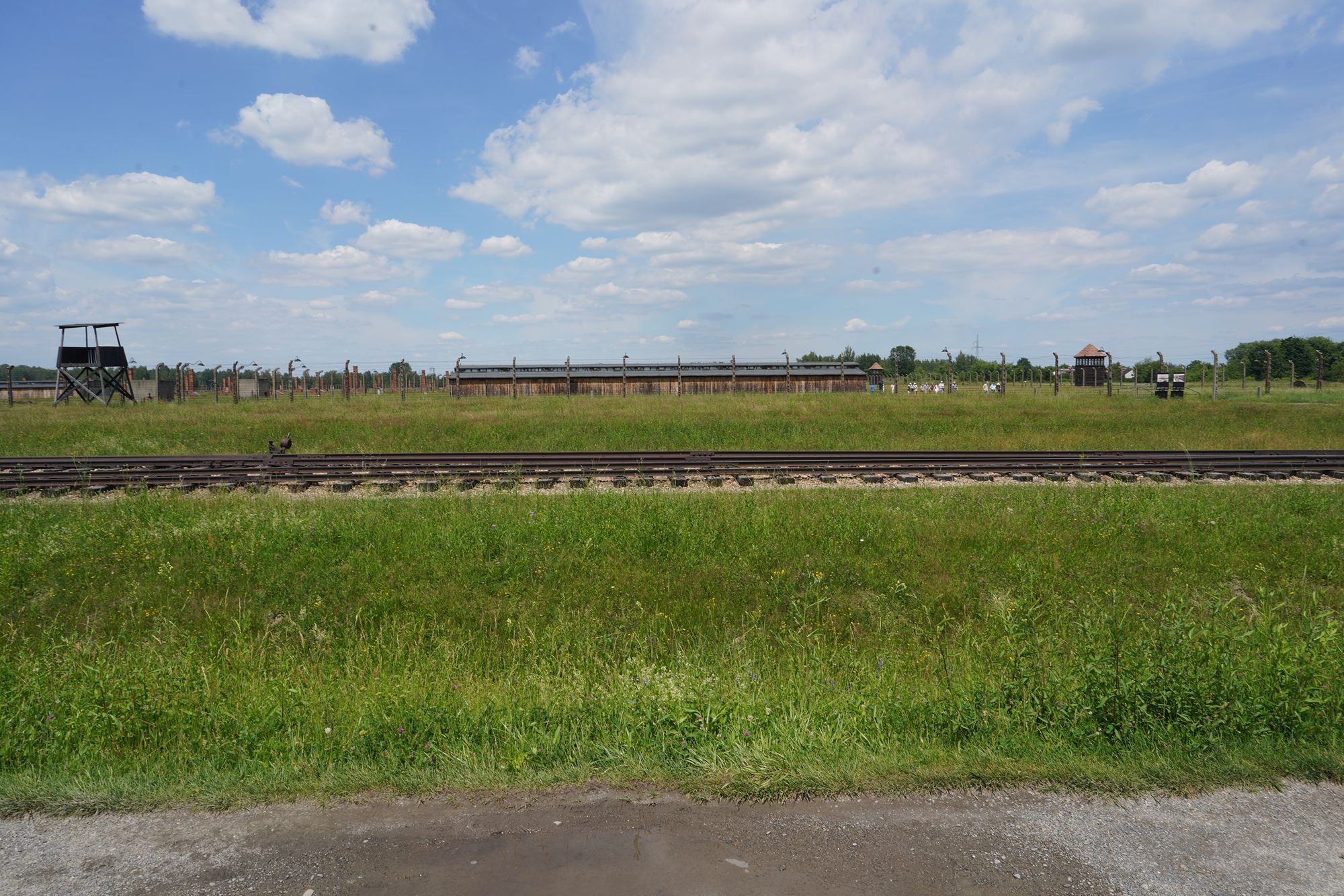
To my left, some of the barracks are still standing.
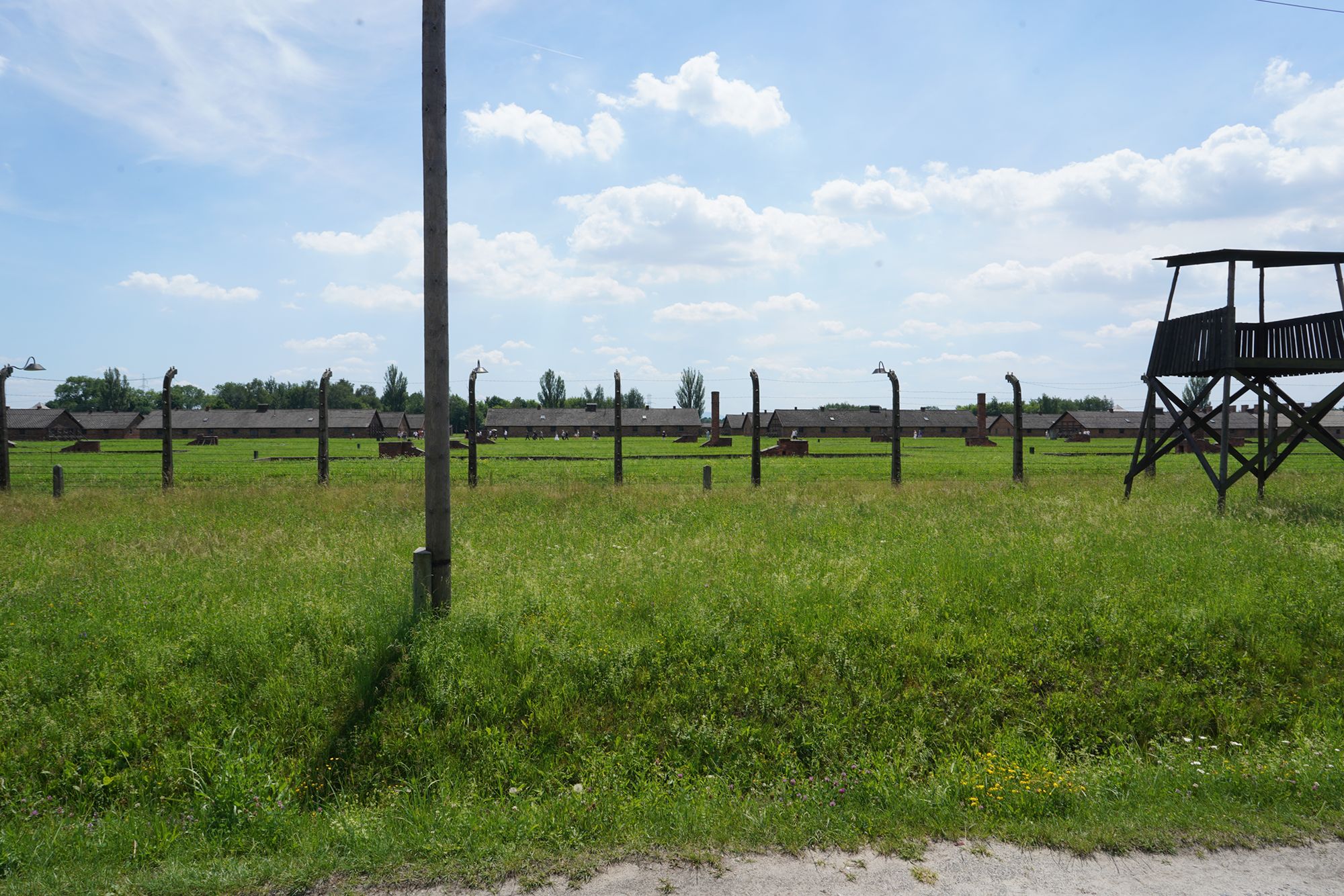
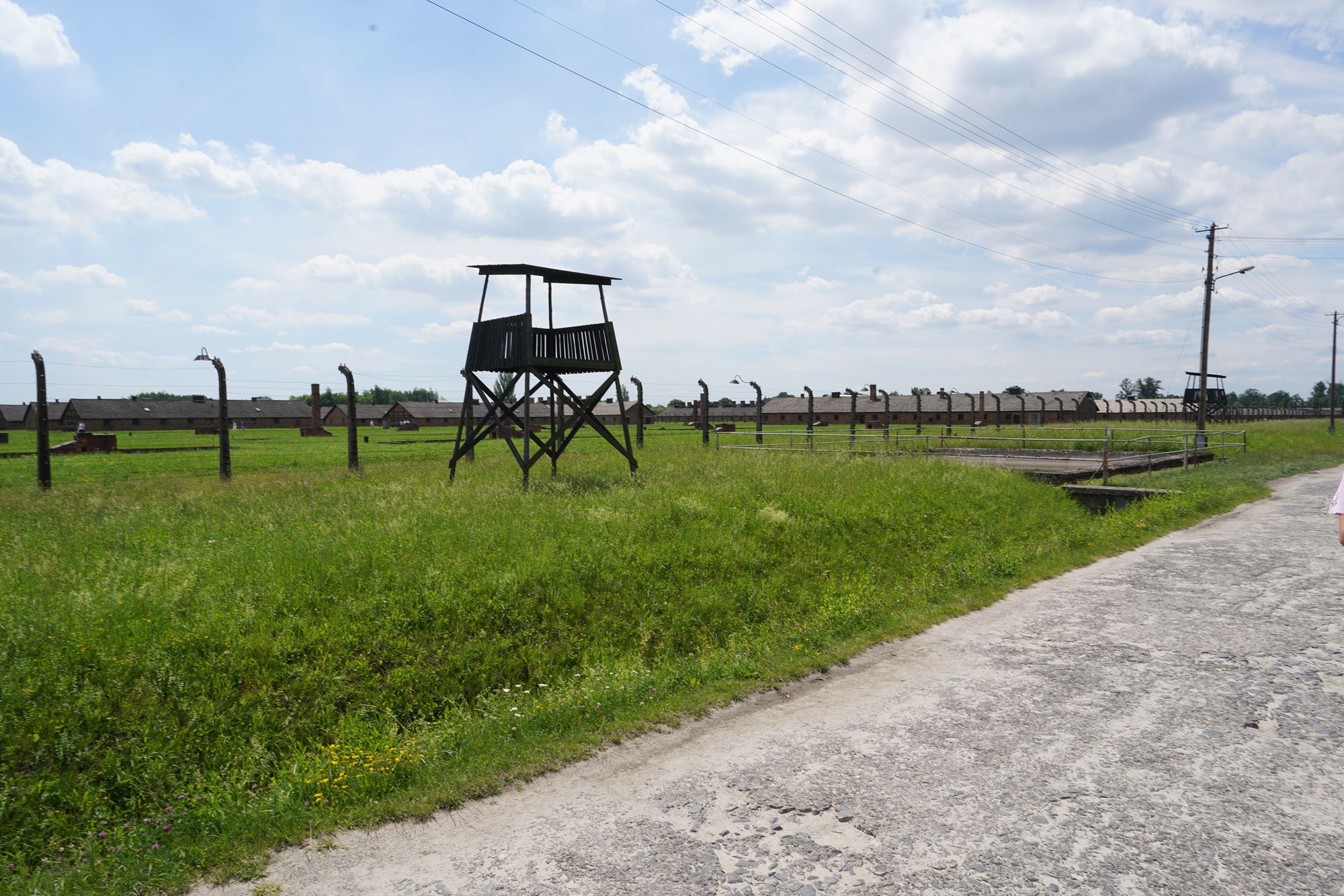
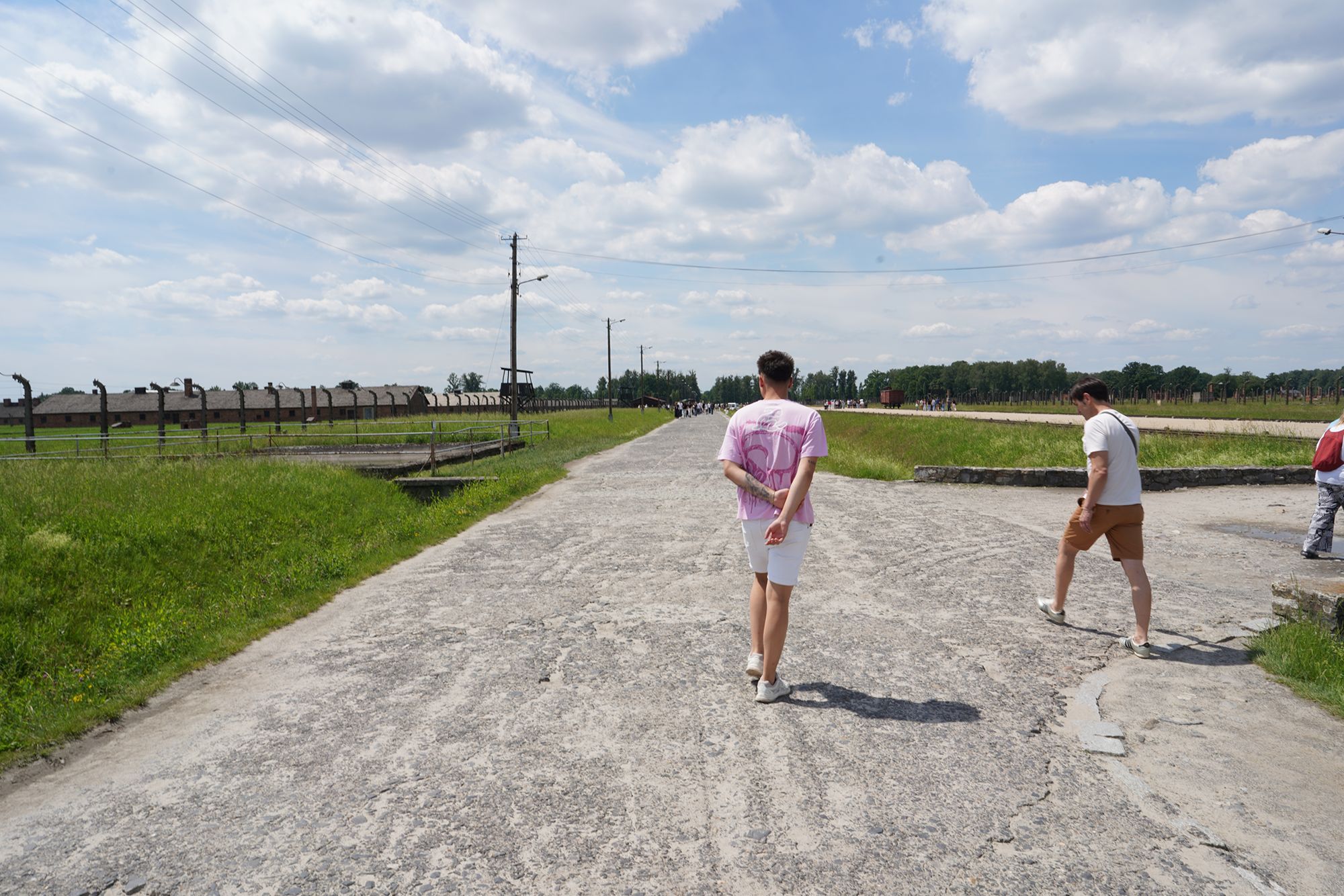
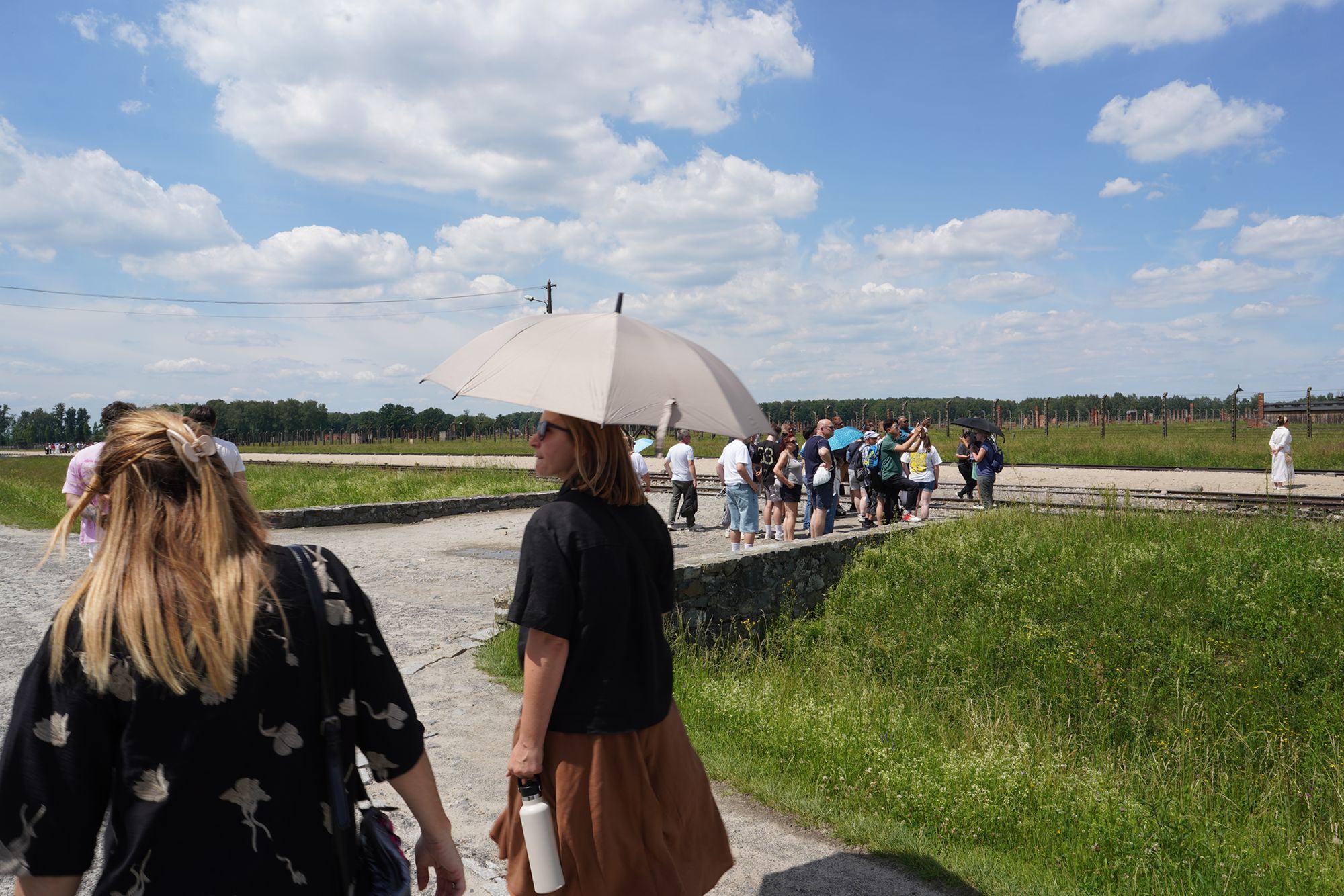
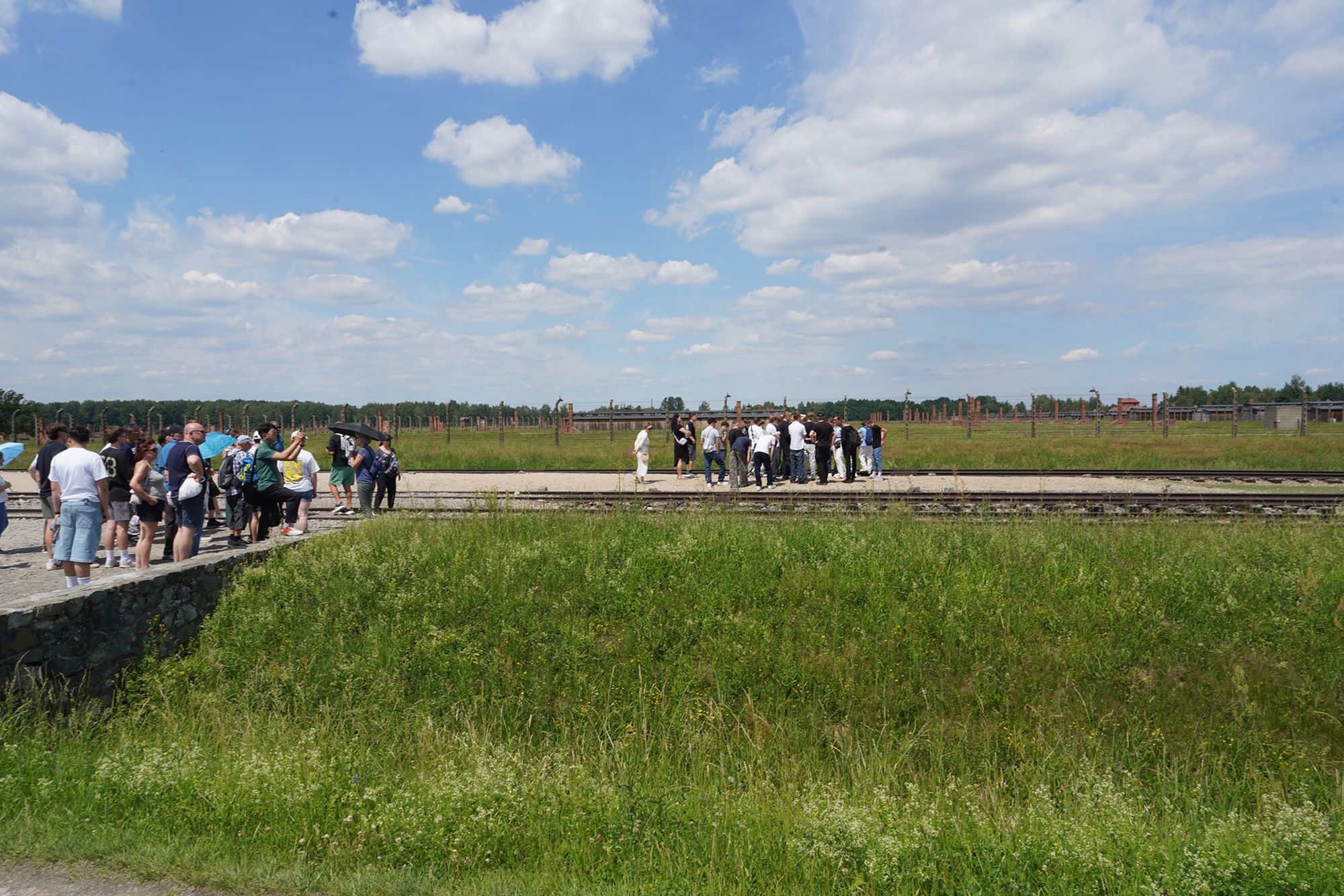
A view behind me
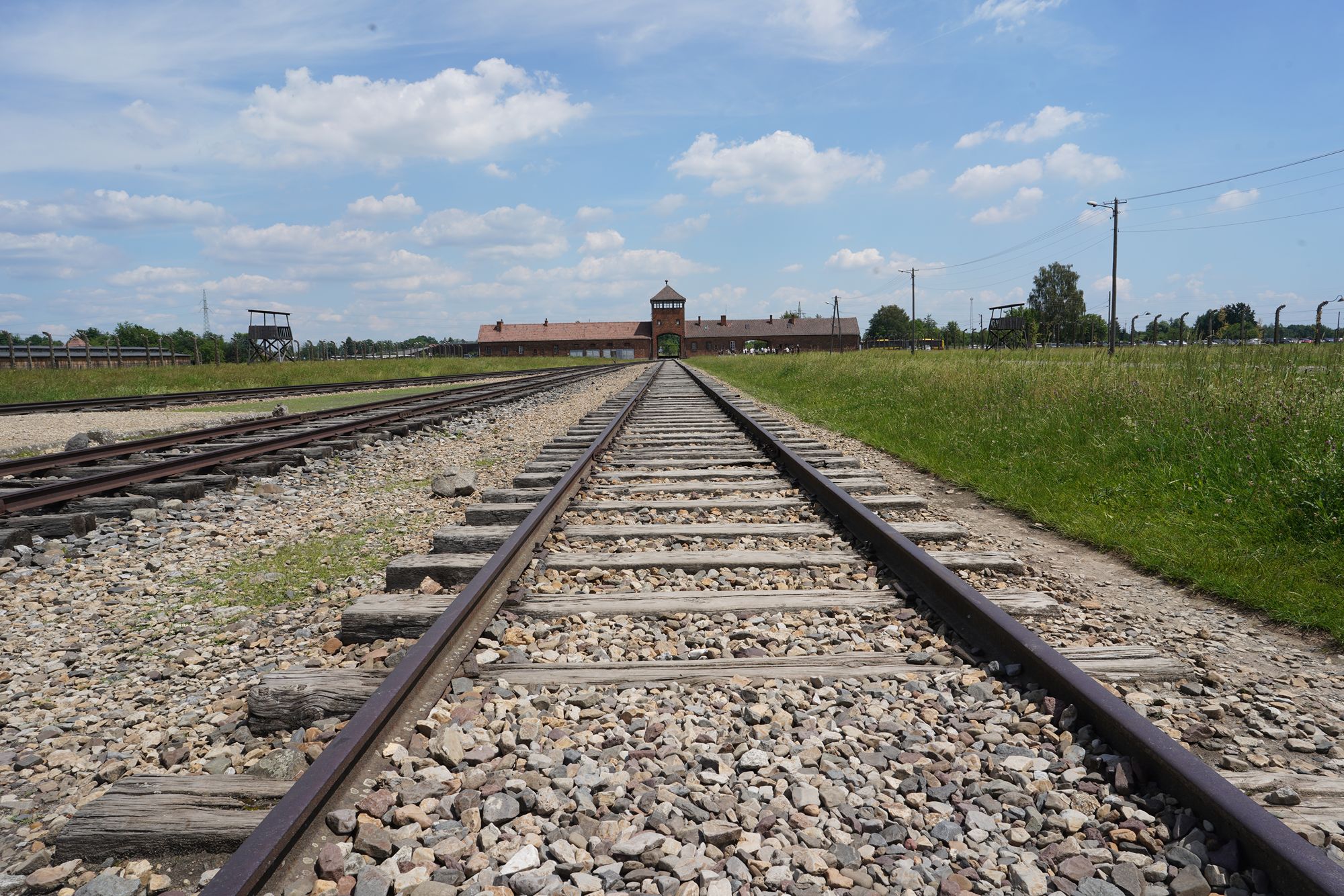
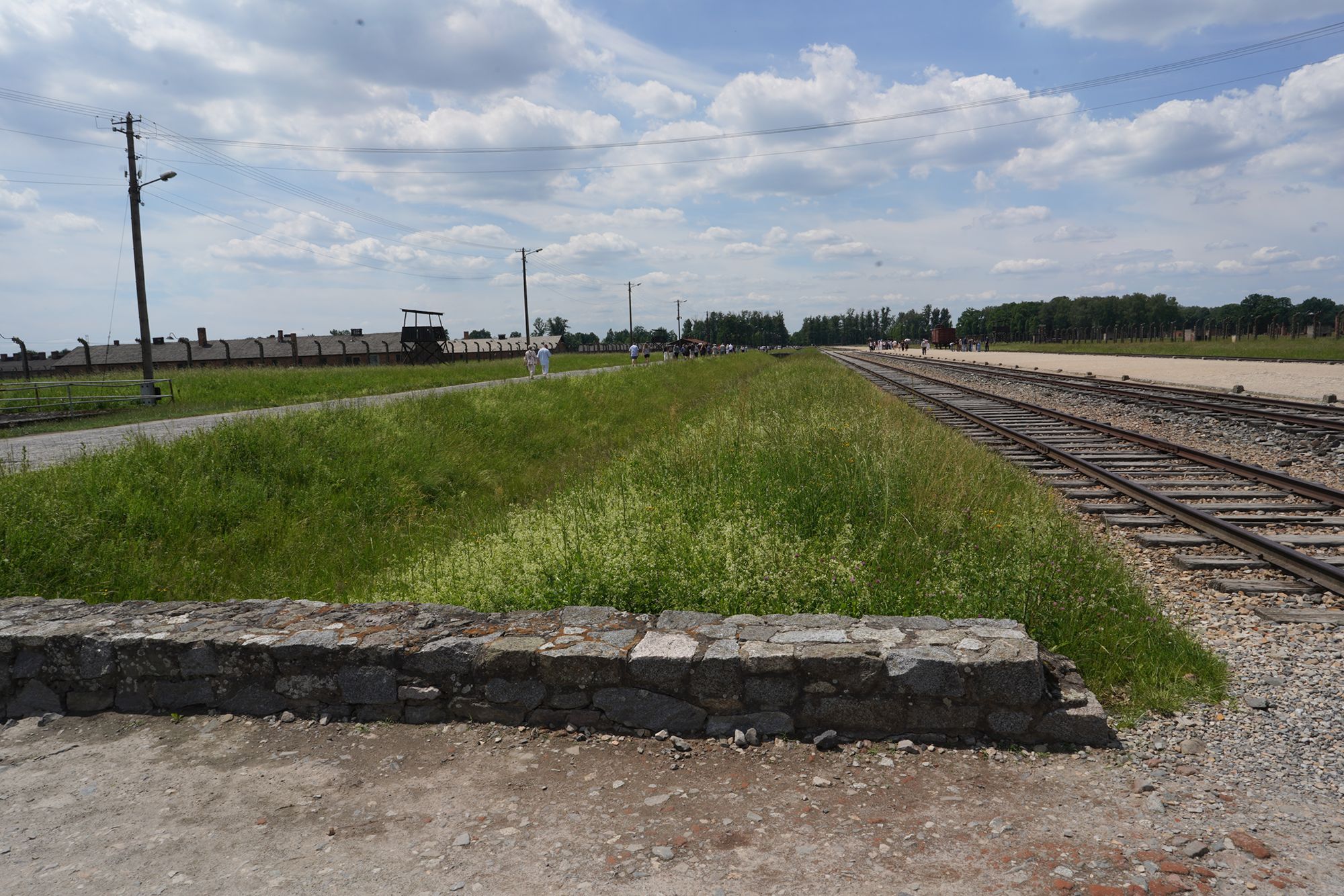
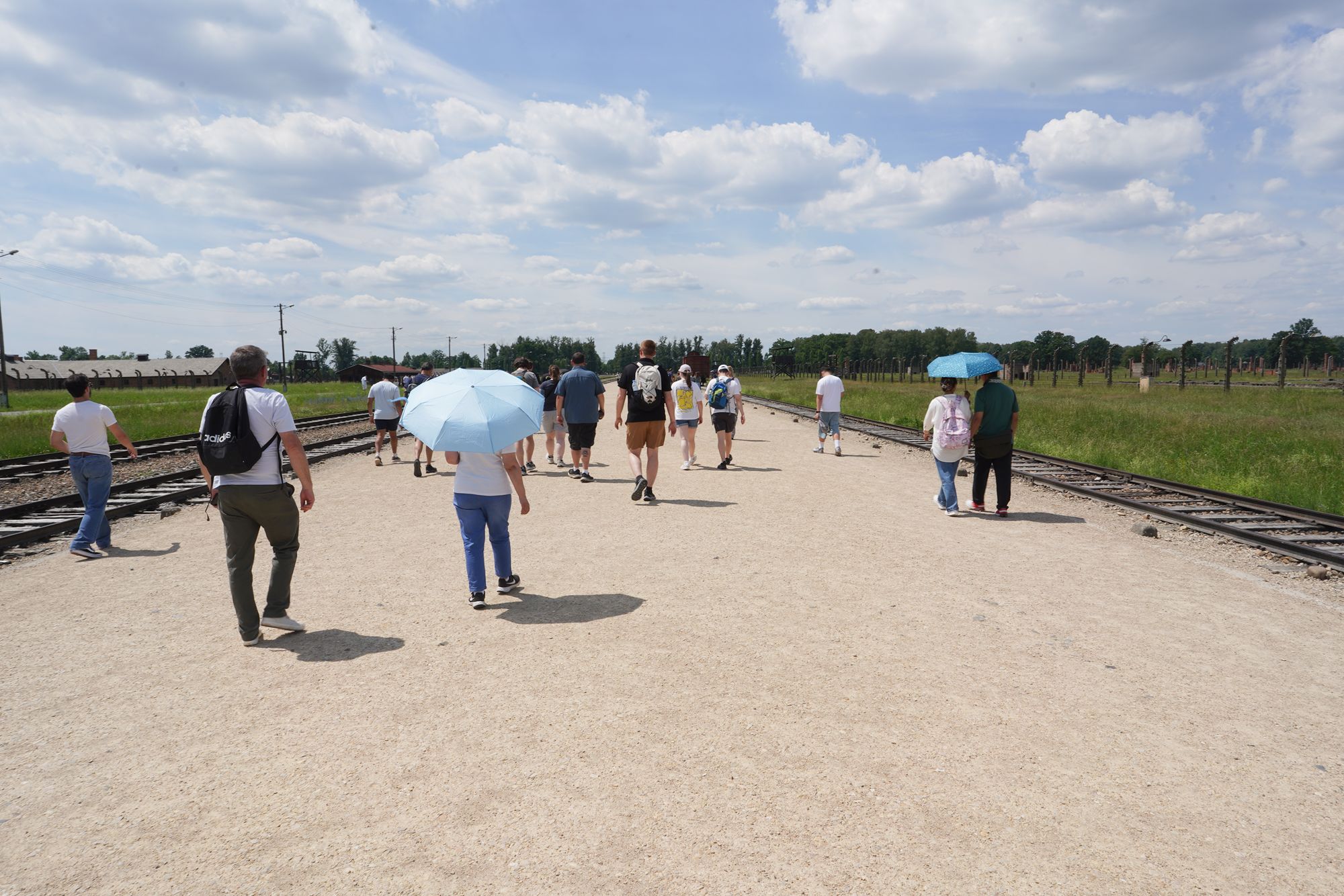
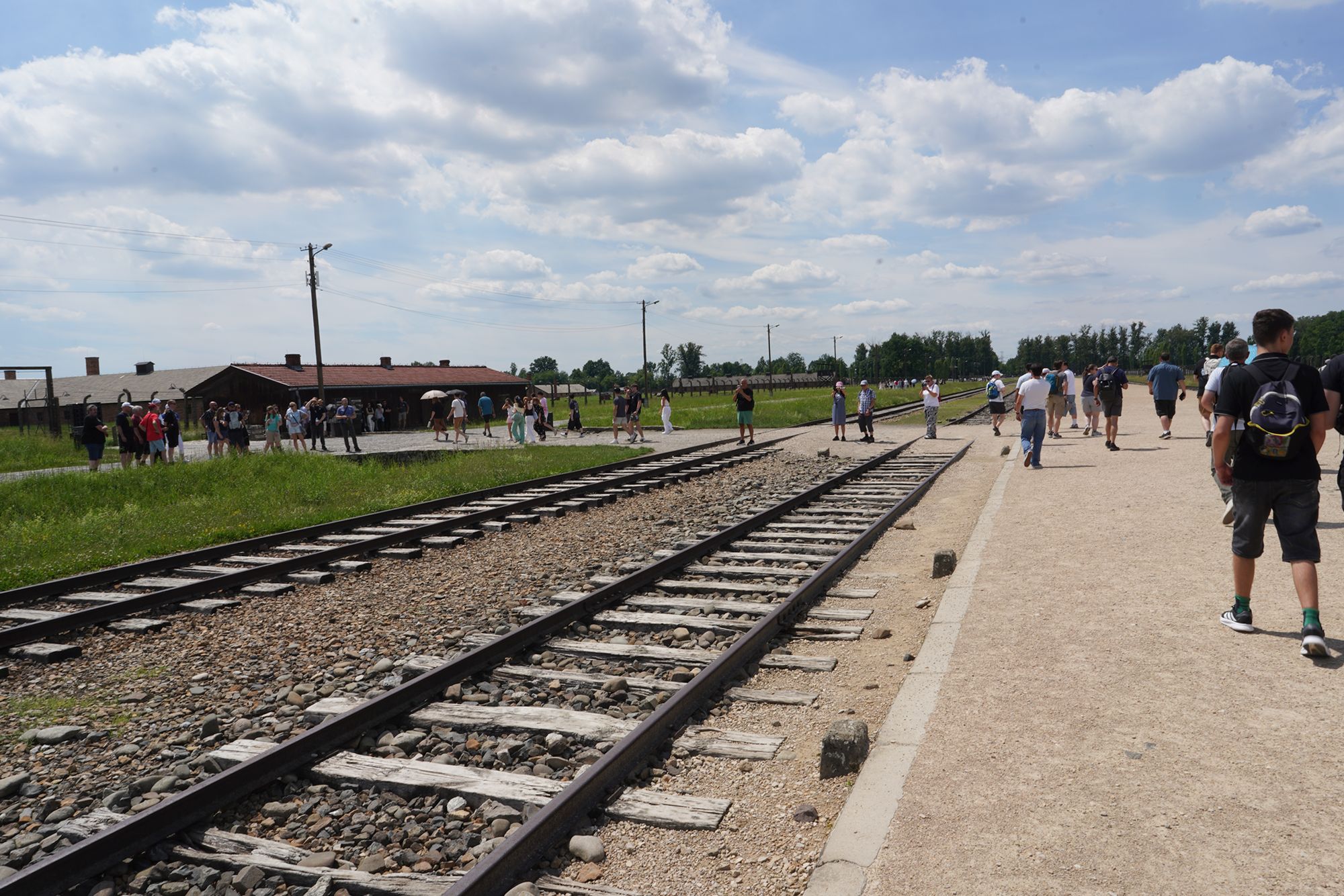
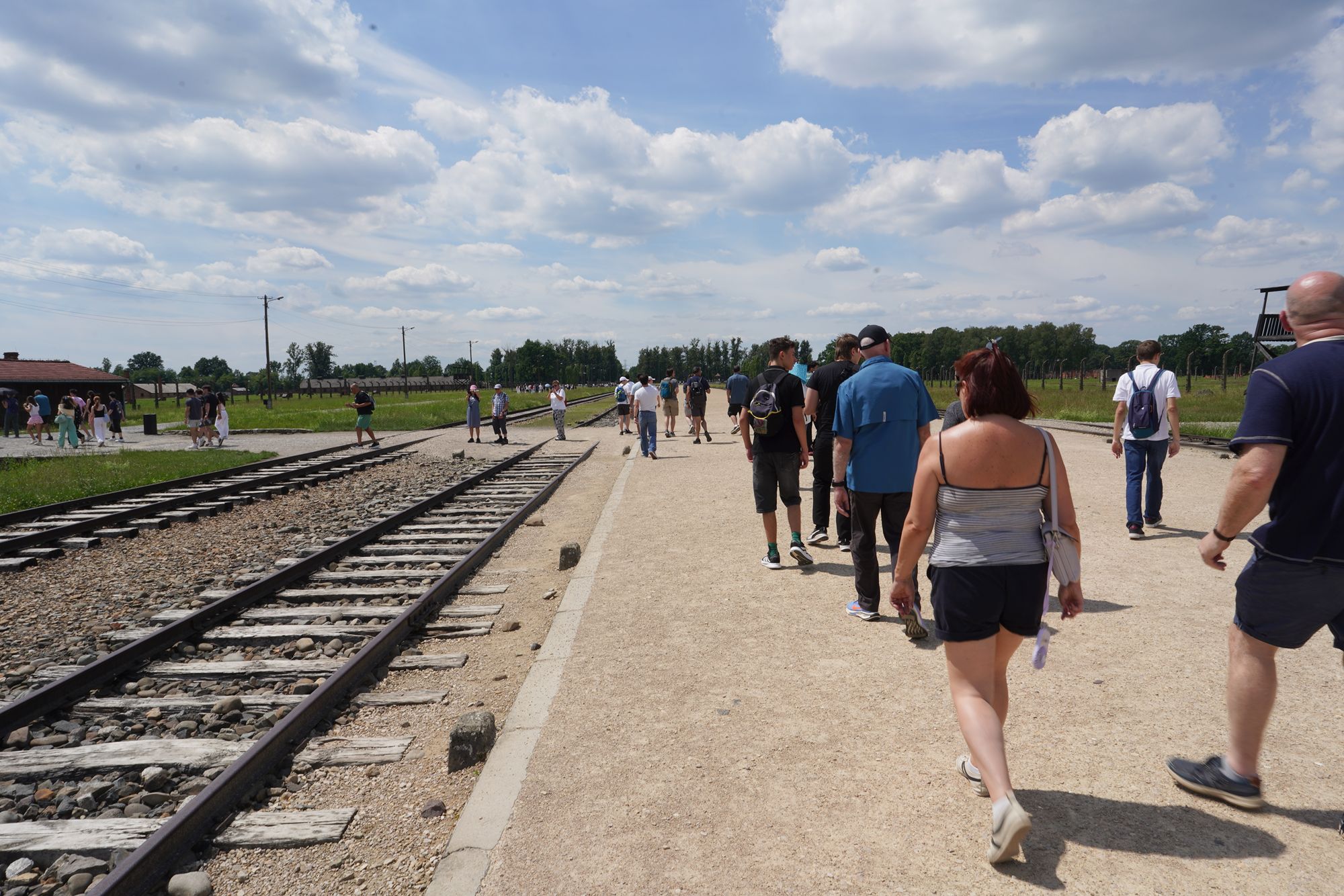
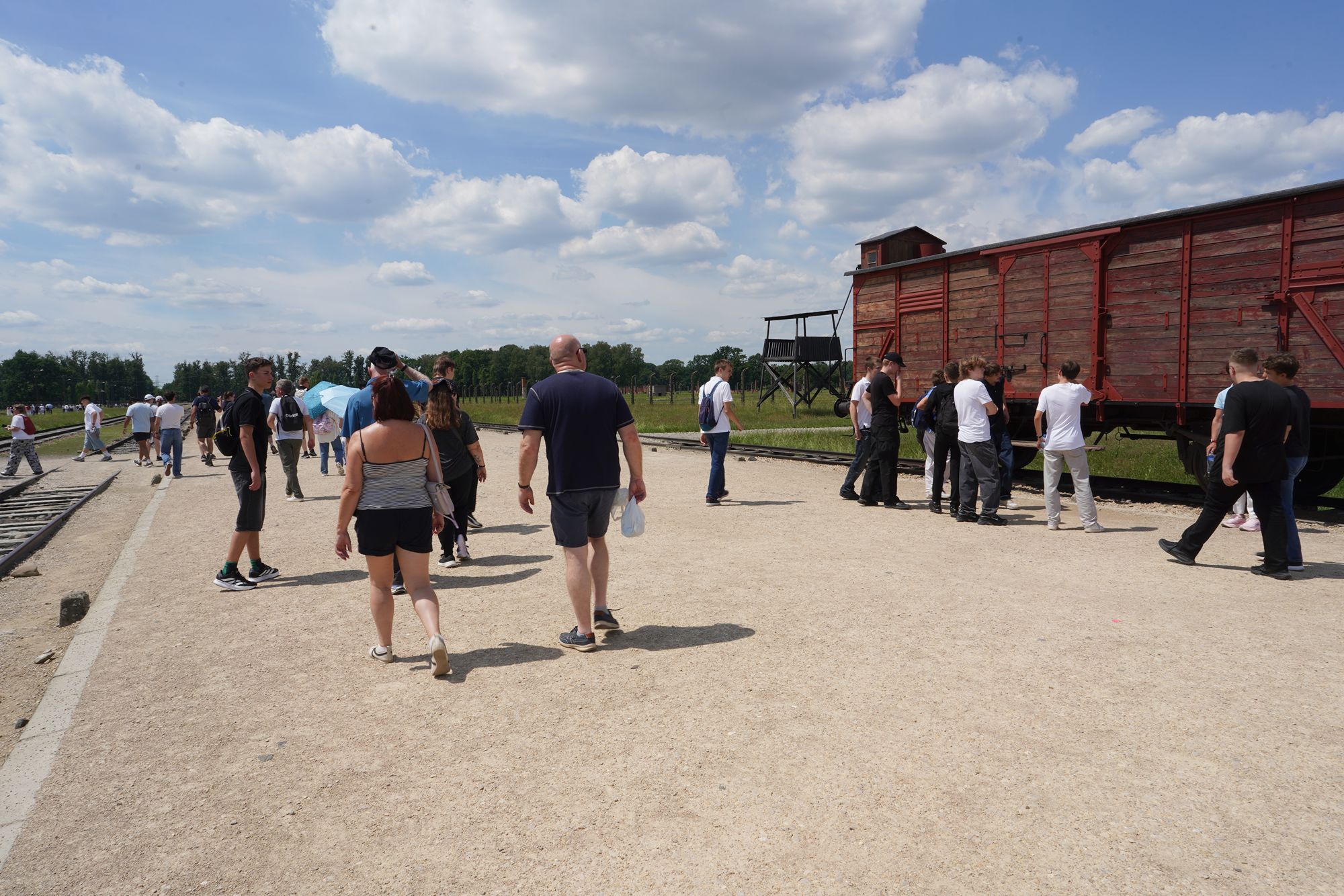
A freight car stands on the tracks, like those used to transport people deported to Auschwitz.
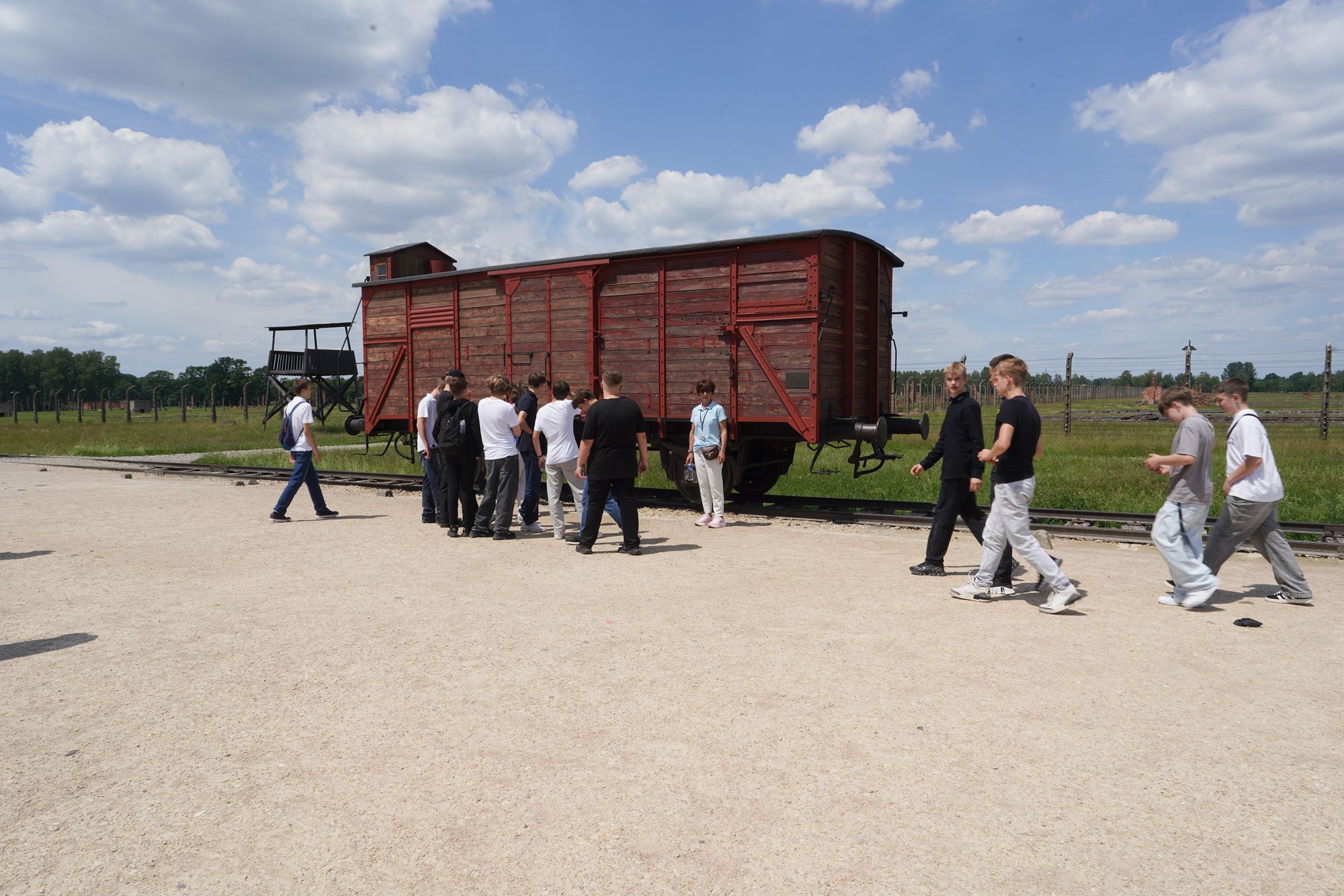
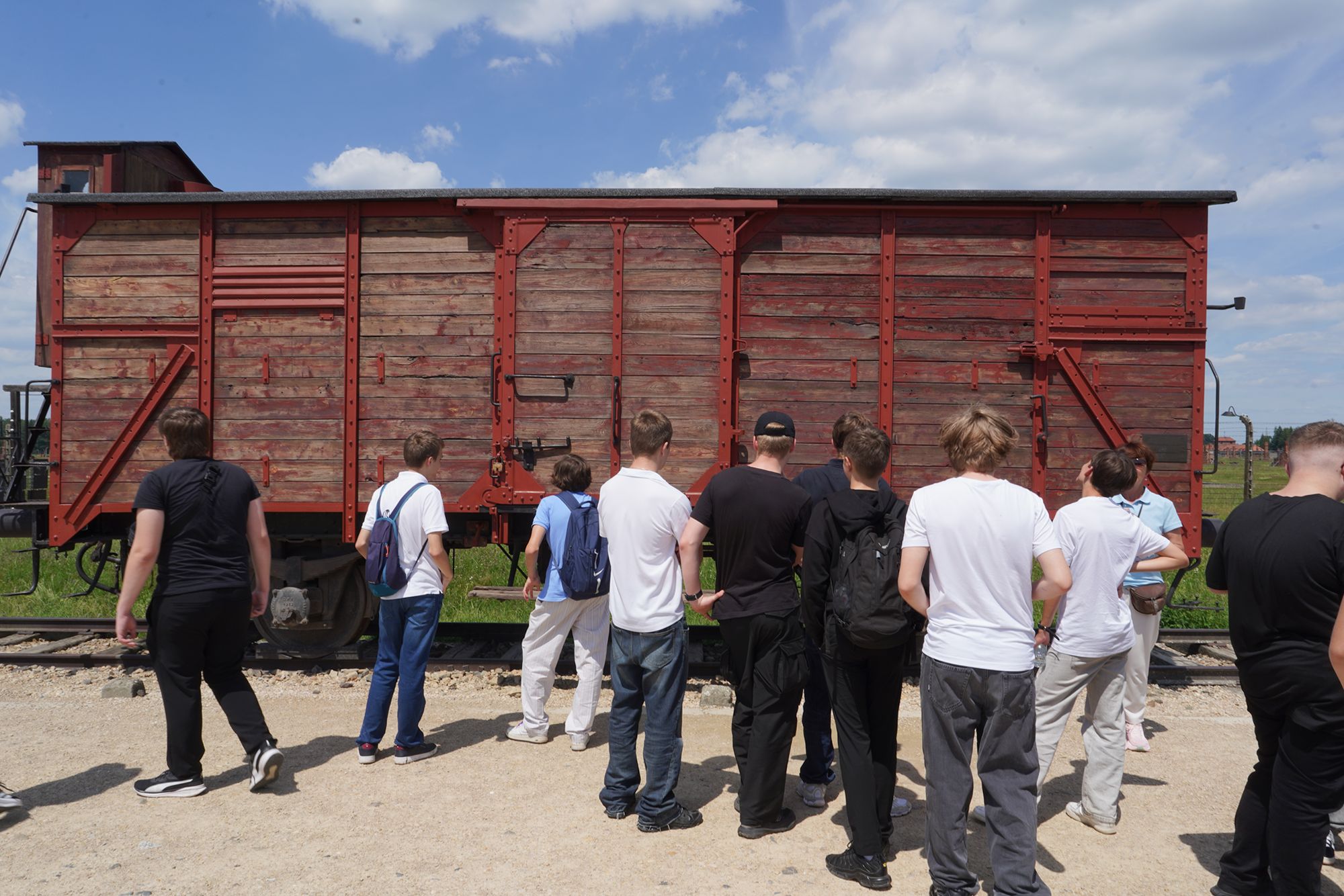
A look behind me
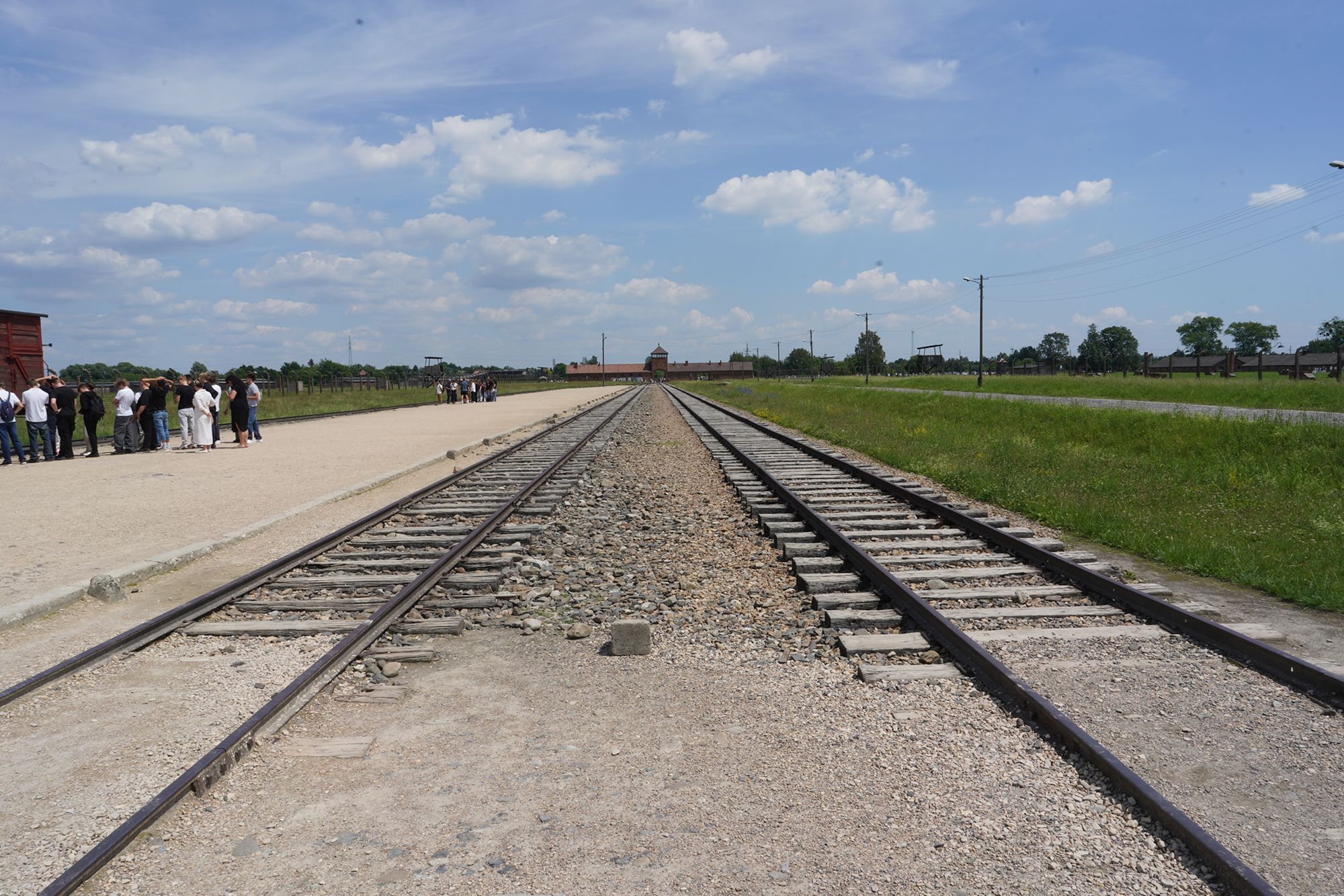
A view of my left side
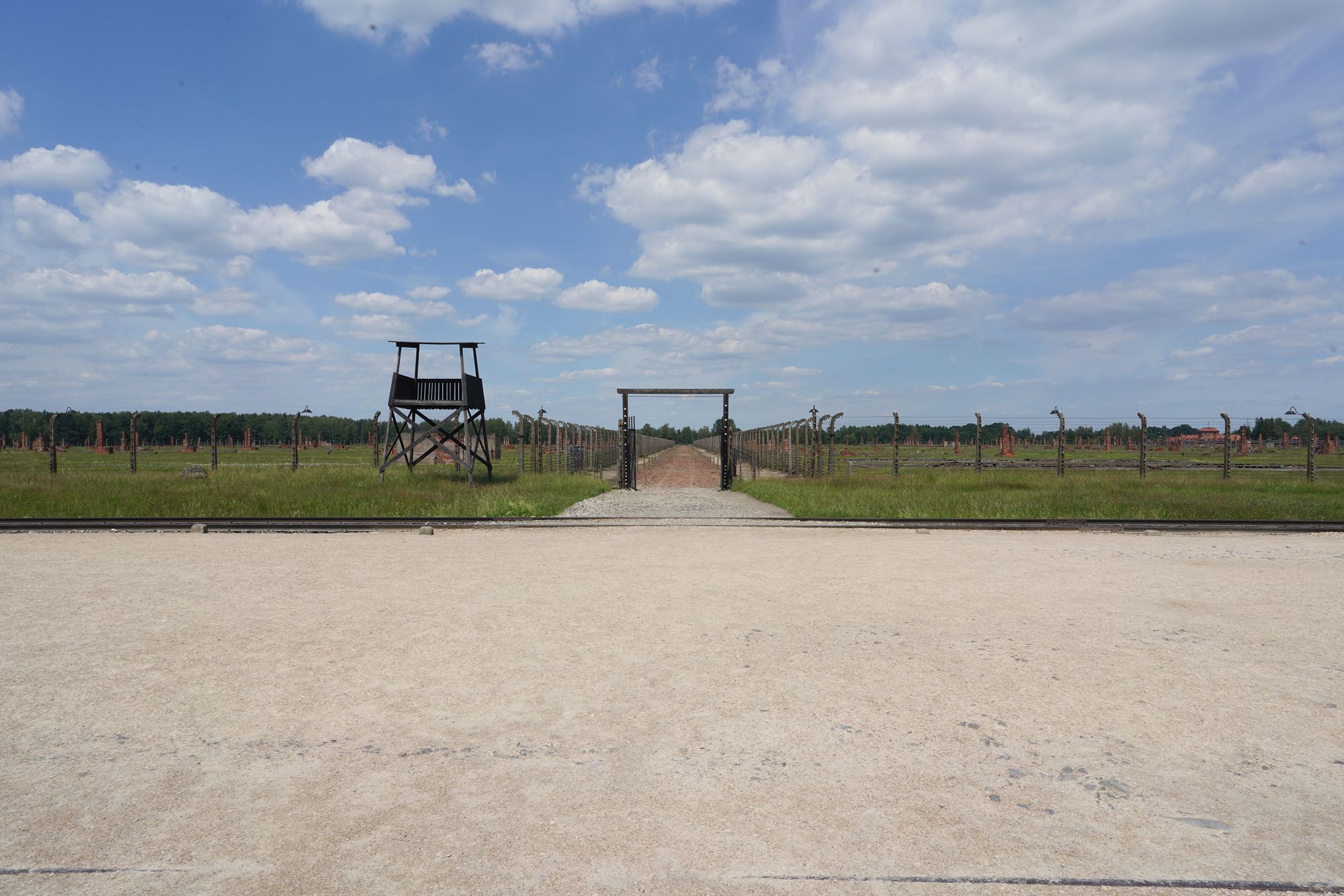
A view of my right side
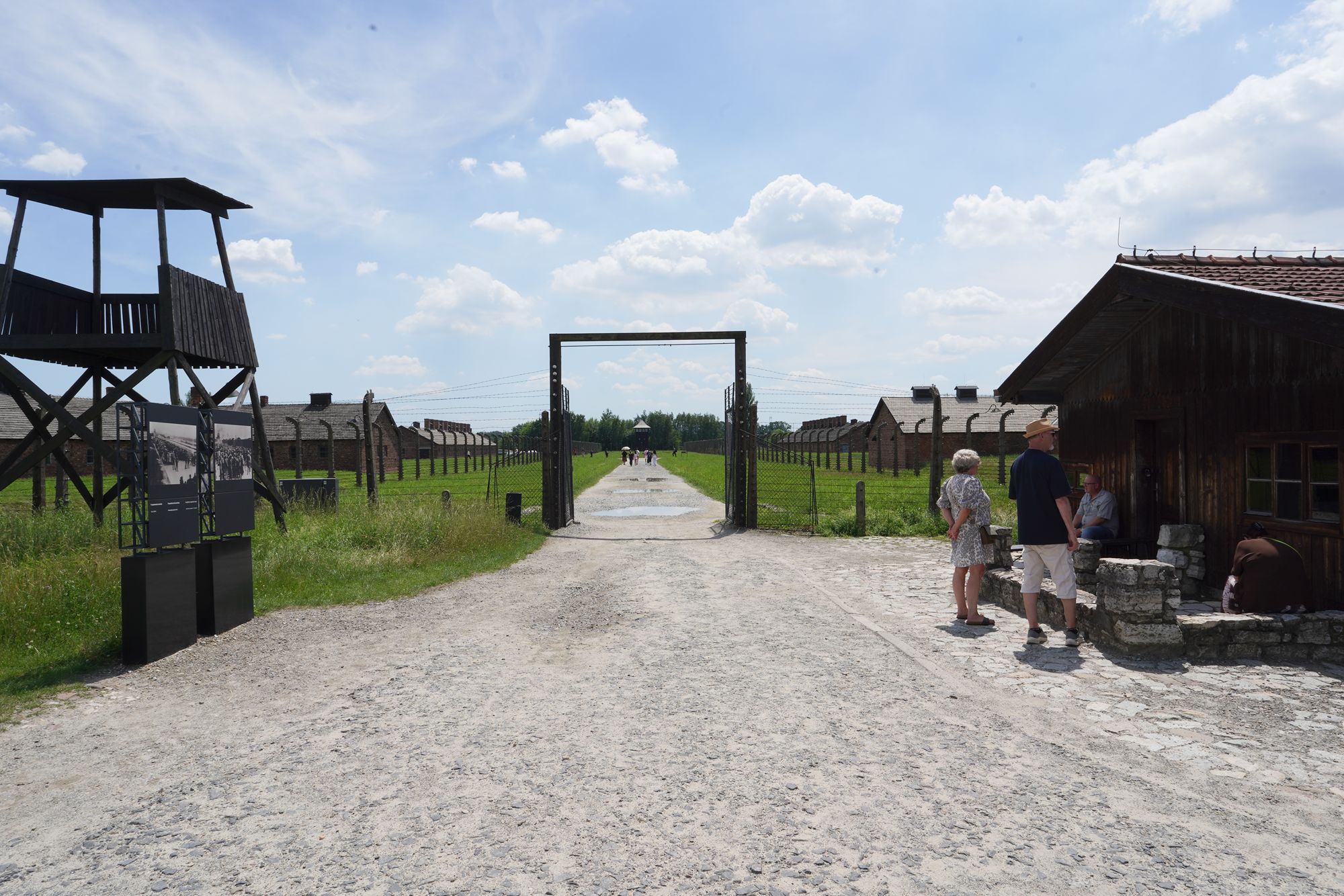
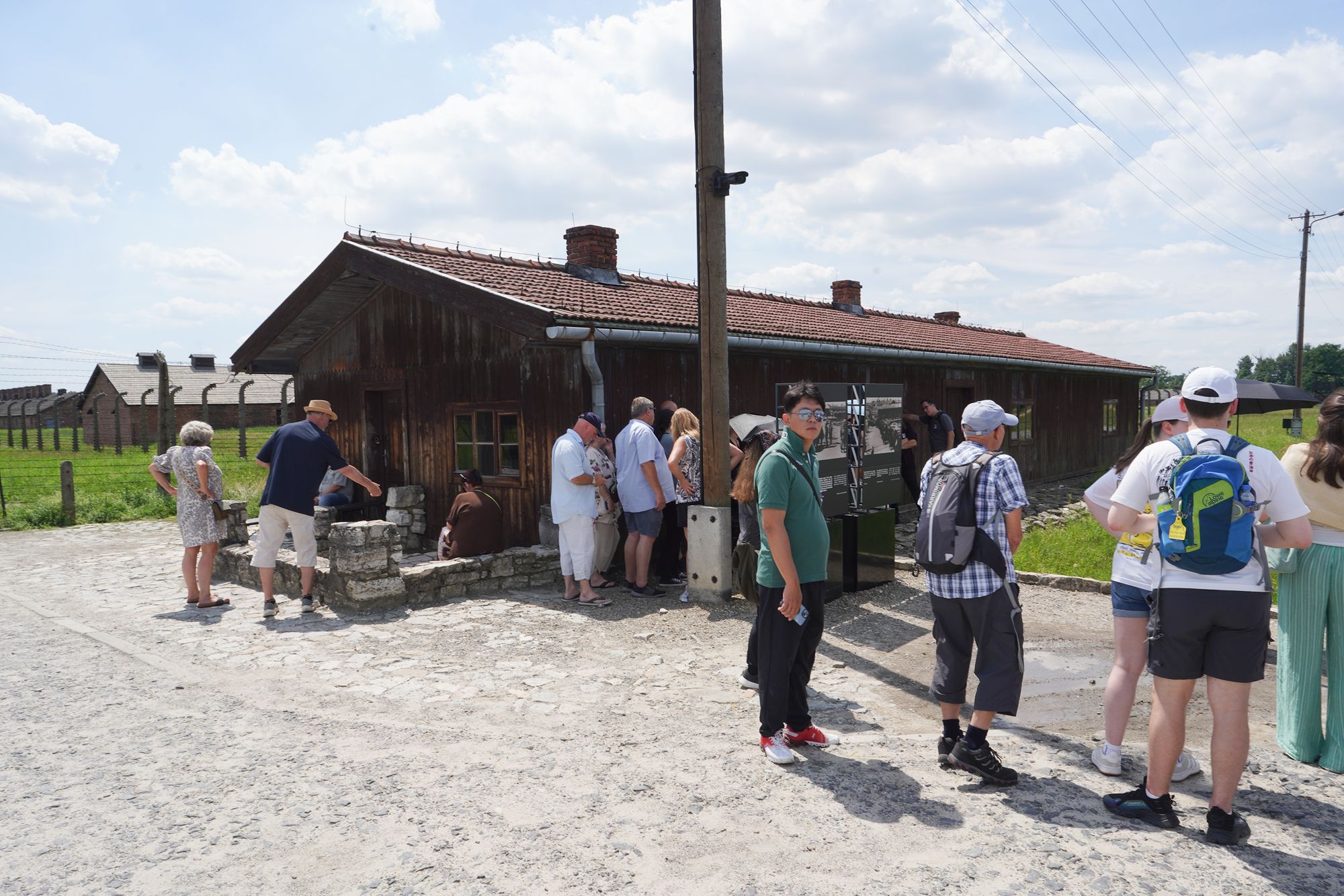
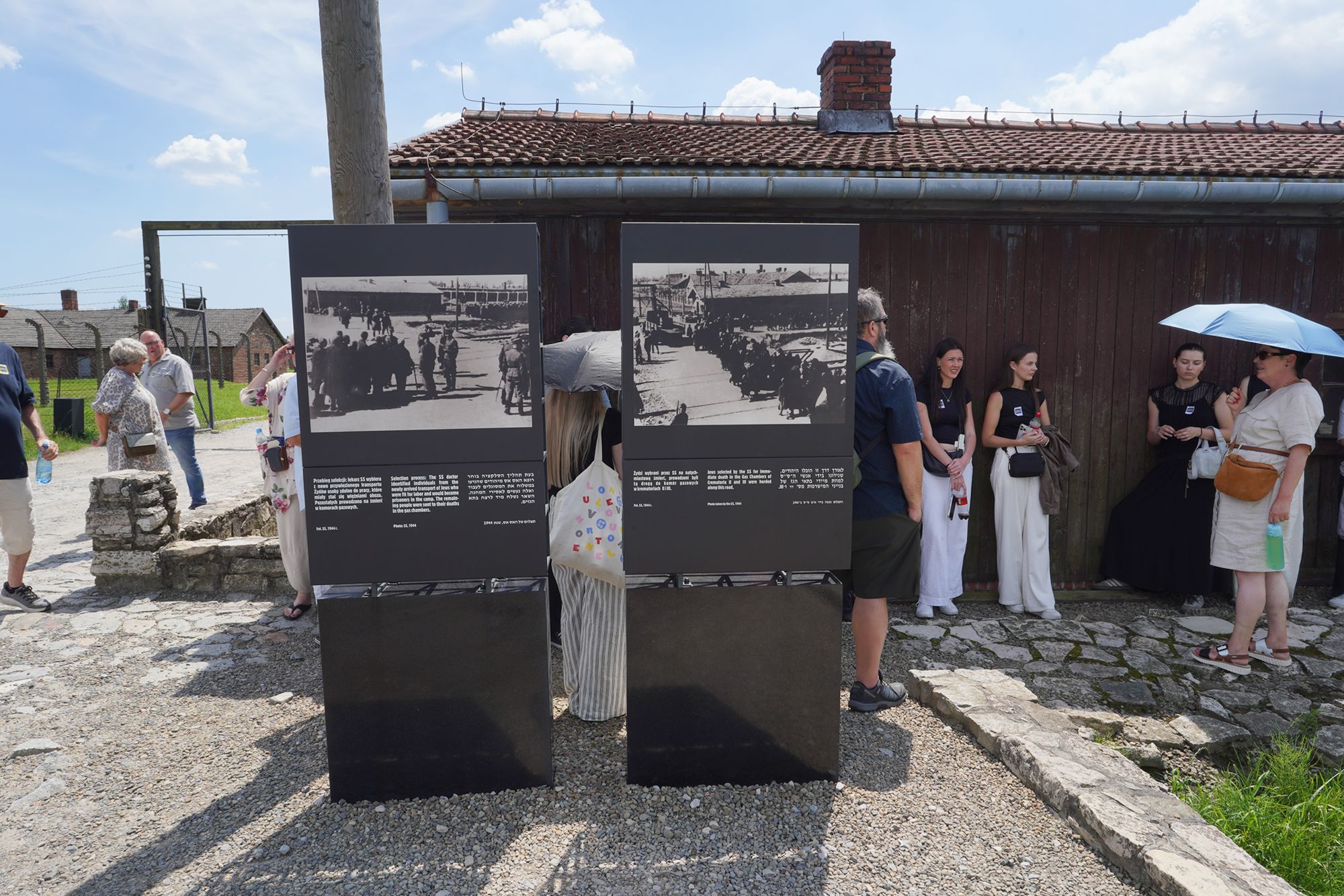
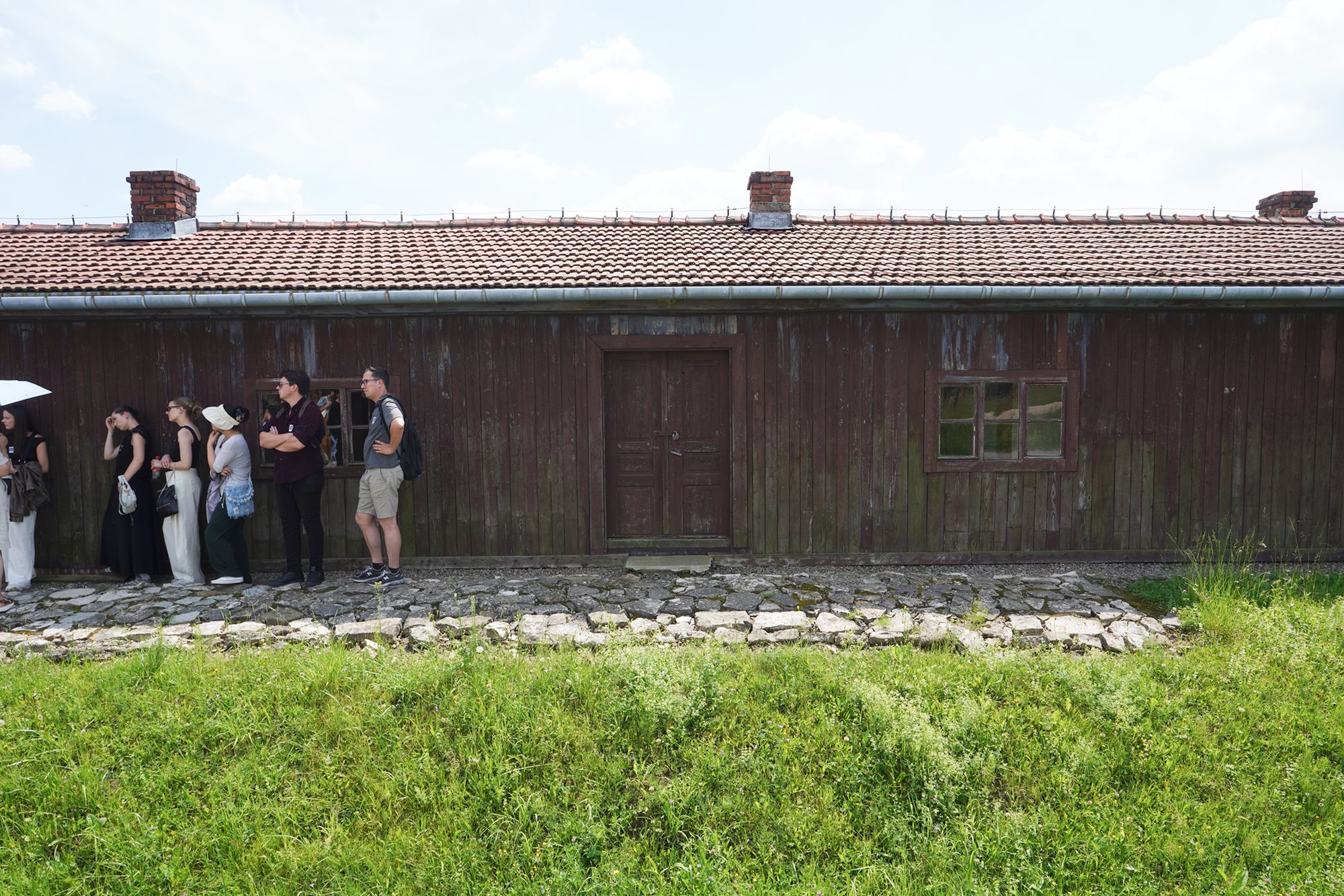
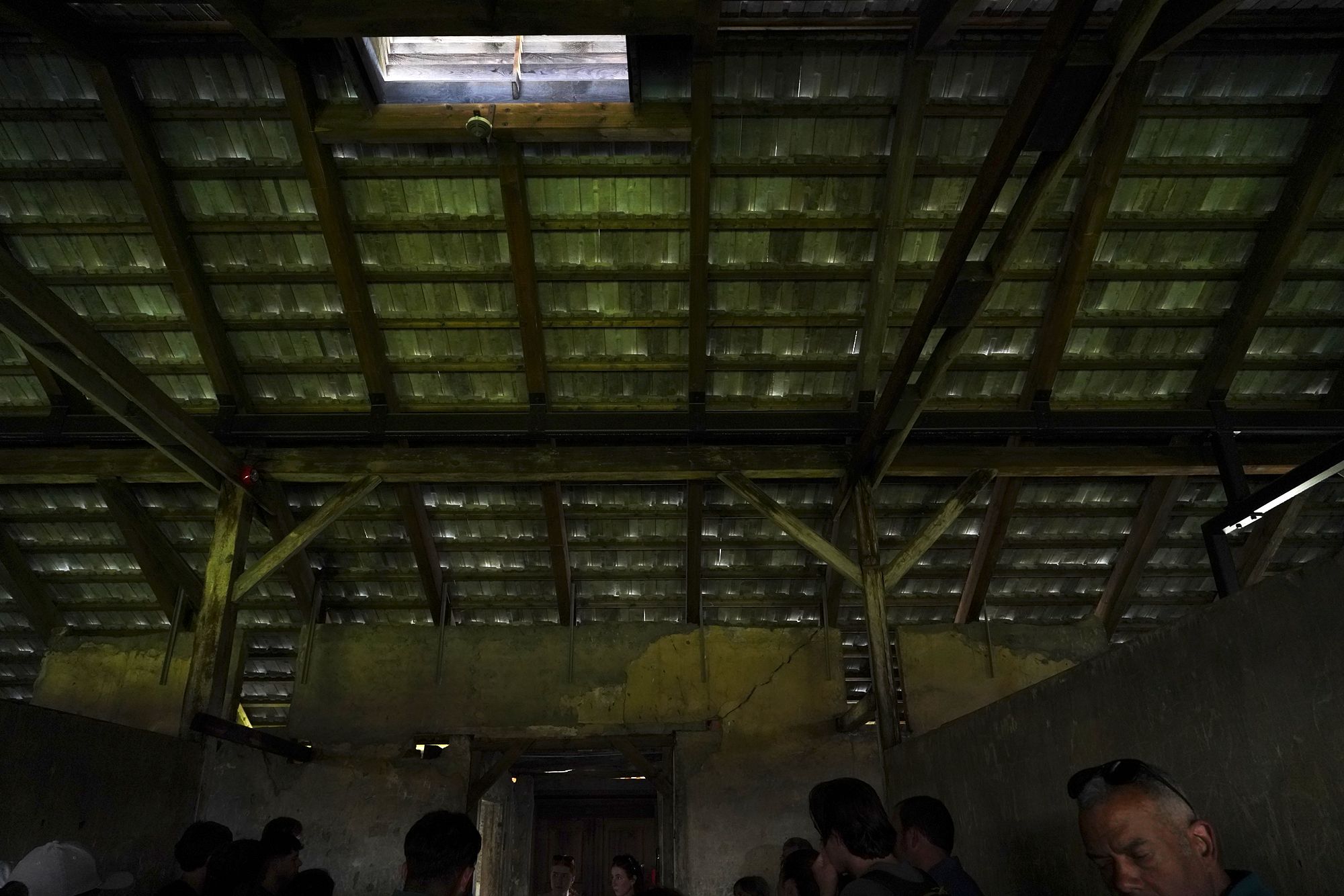
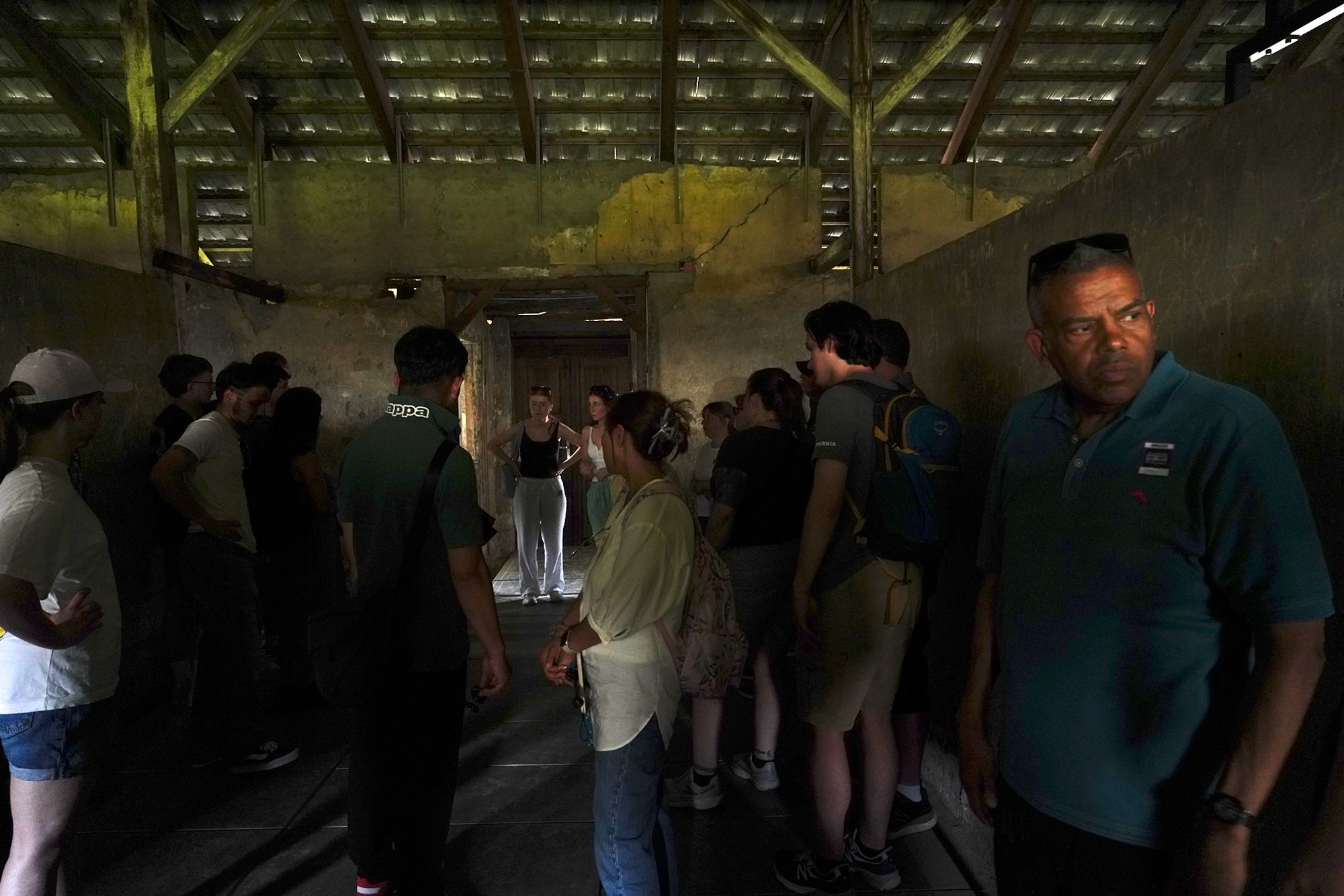
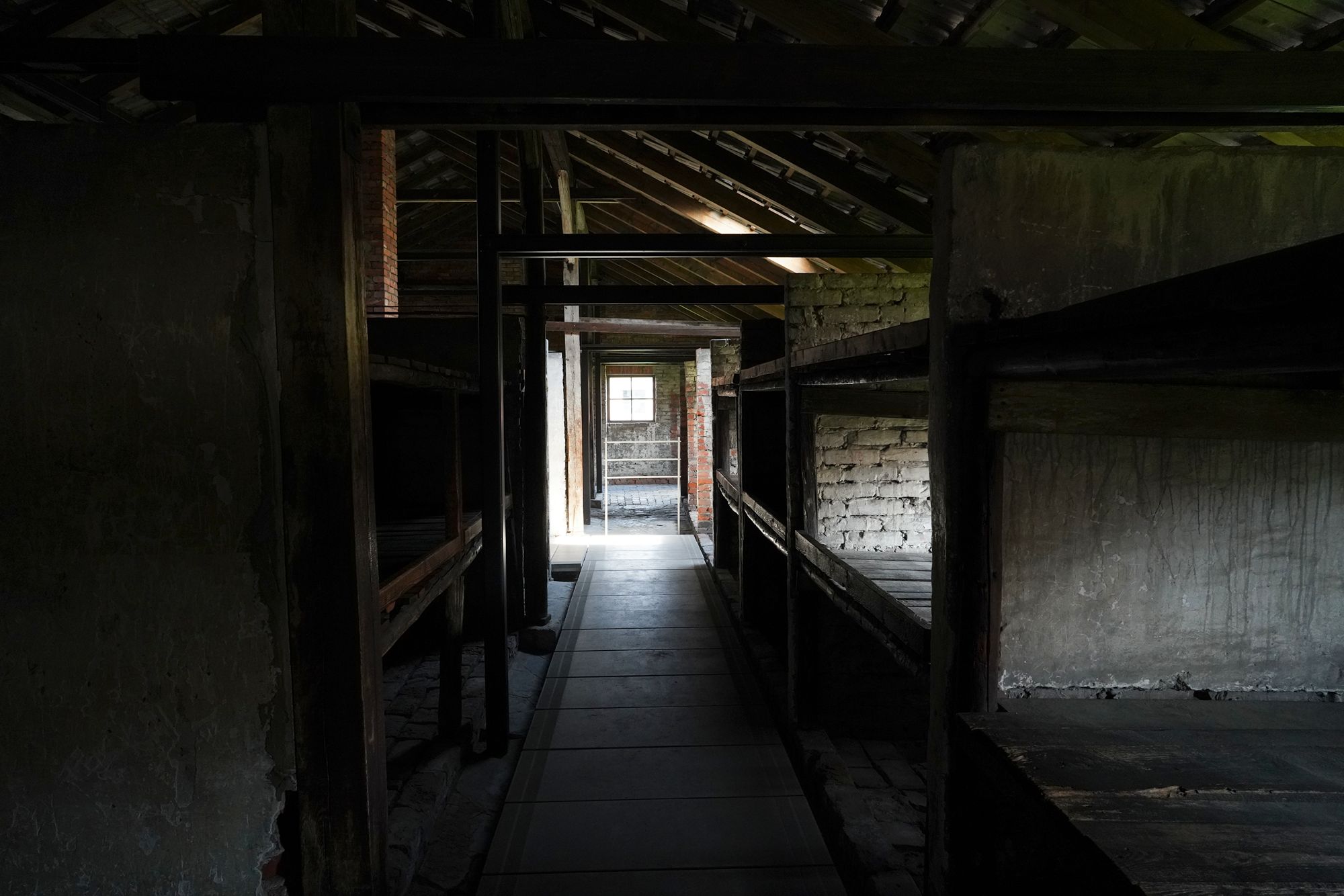
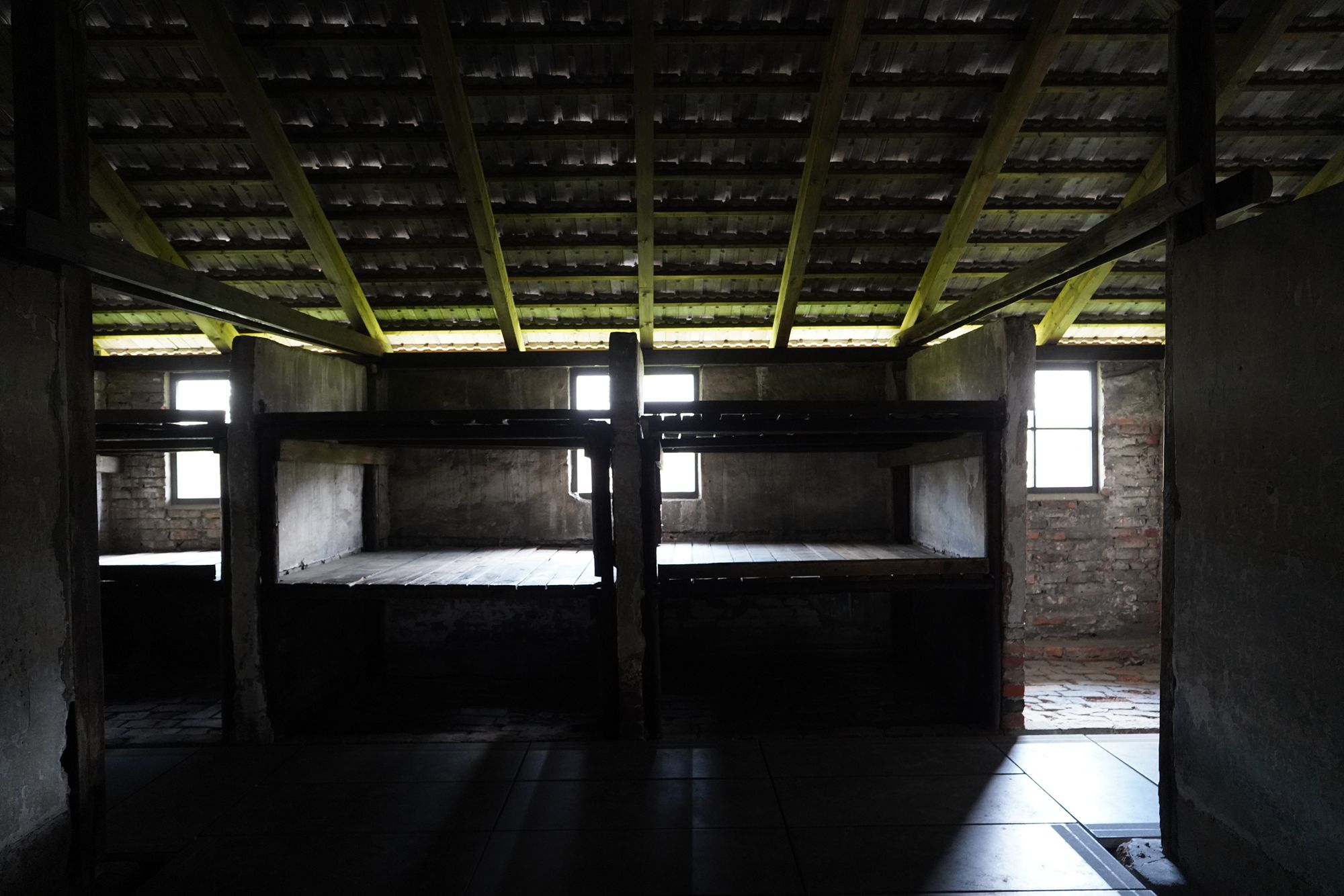
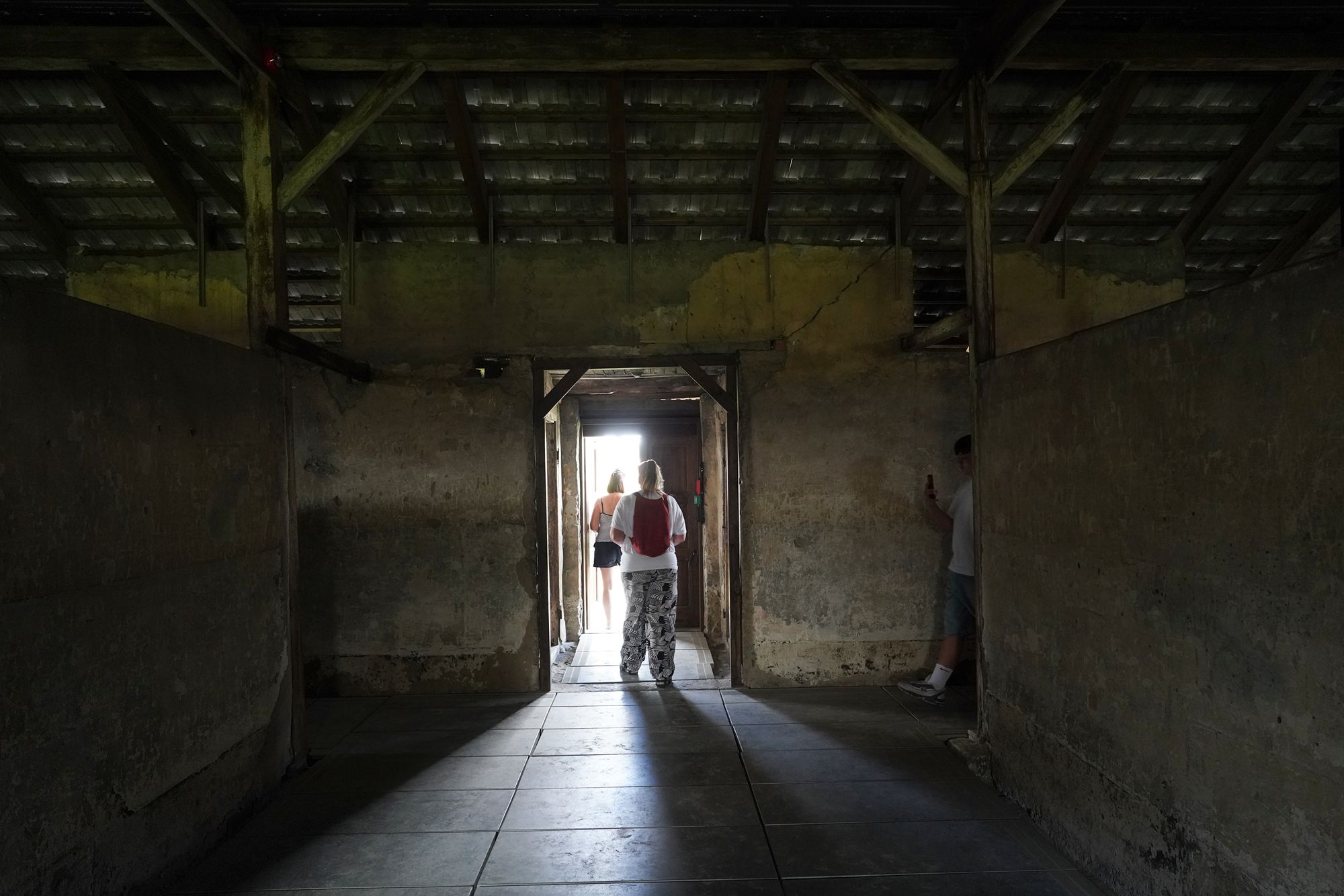
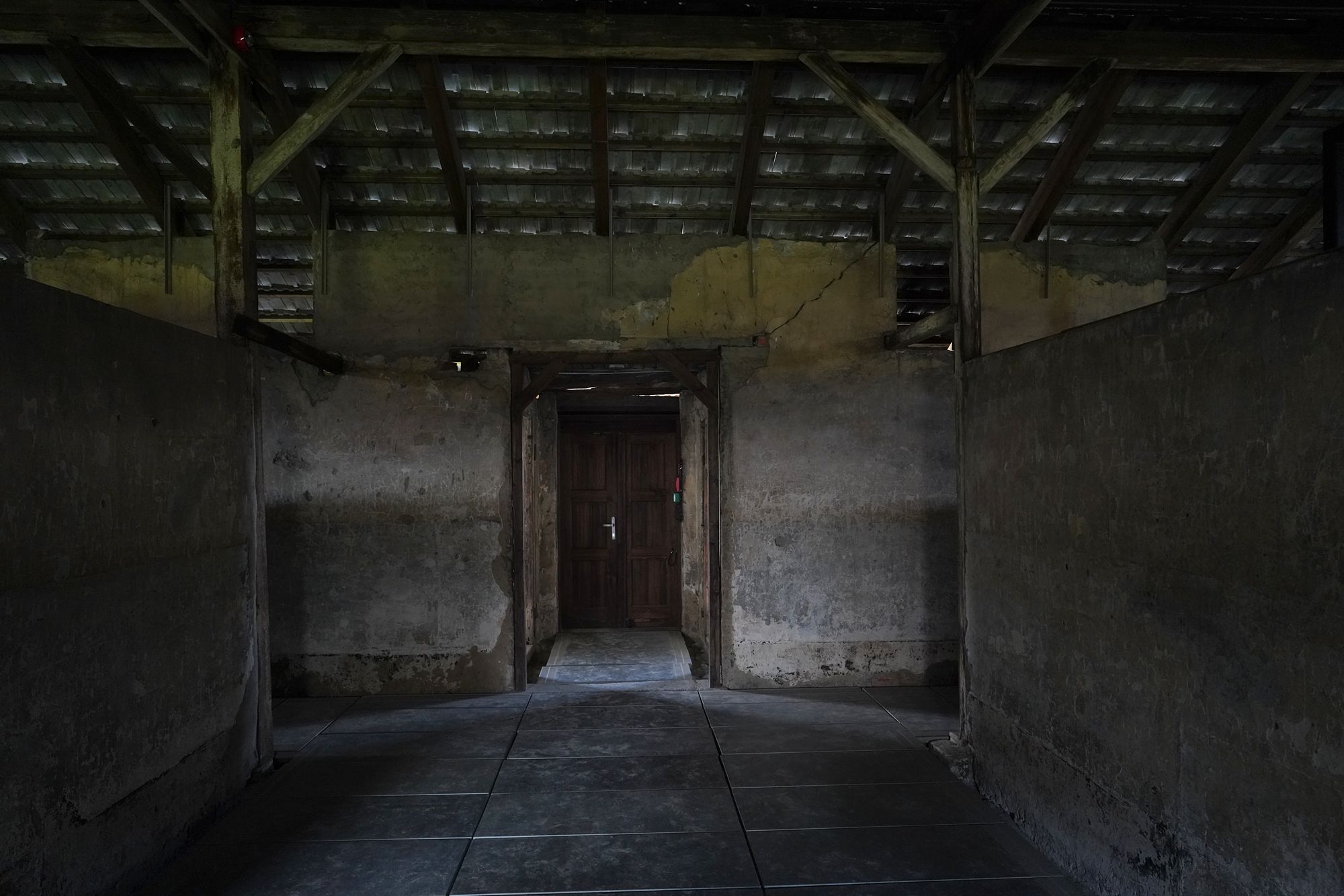
This wooden barrack has been preserved to show what the interior looked like. We’ll visit it later.
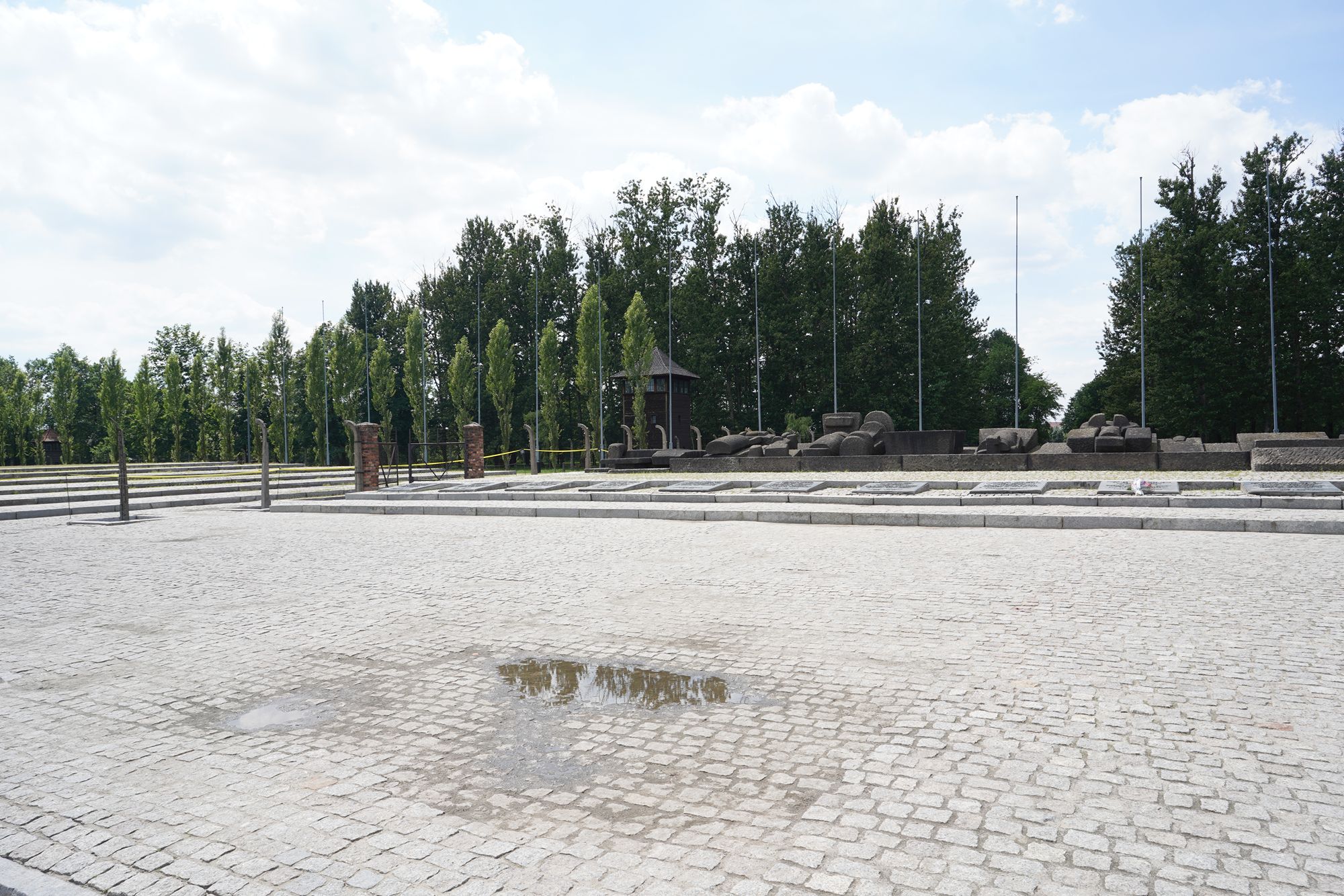
At the far end of the camp stands the Extermination Memorial.
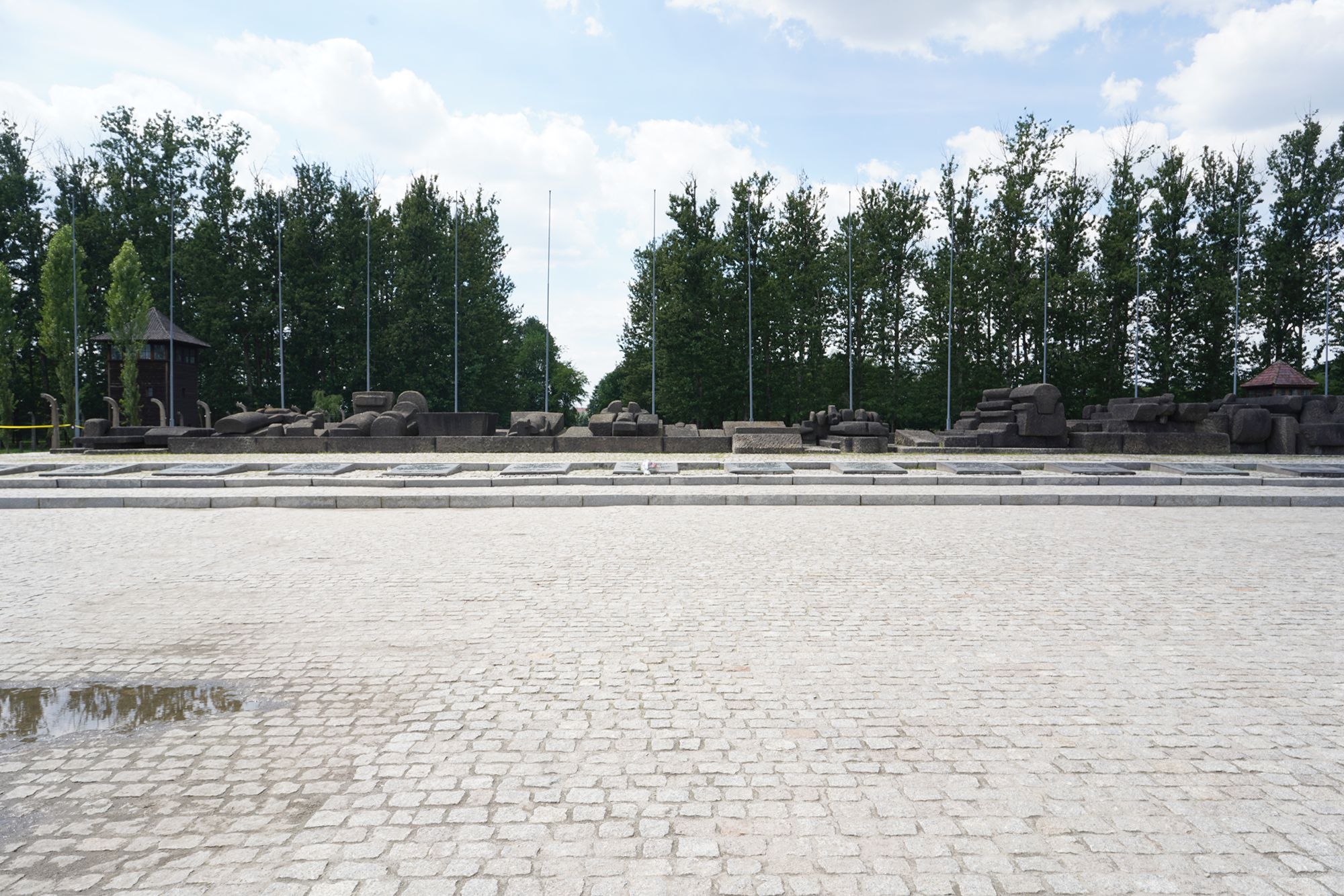
The International Monument at Birkenau was unveiled in 1967 to commemorate the camp’s victims. Plaques around it carry a memorial inscription in 22 languages, remembering those murdered here and warning future generations.
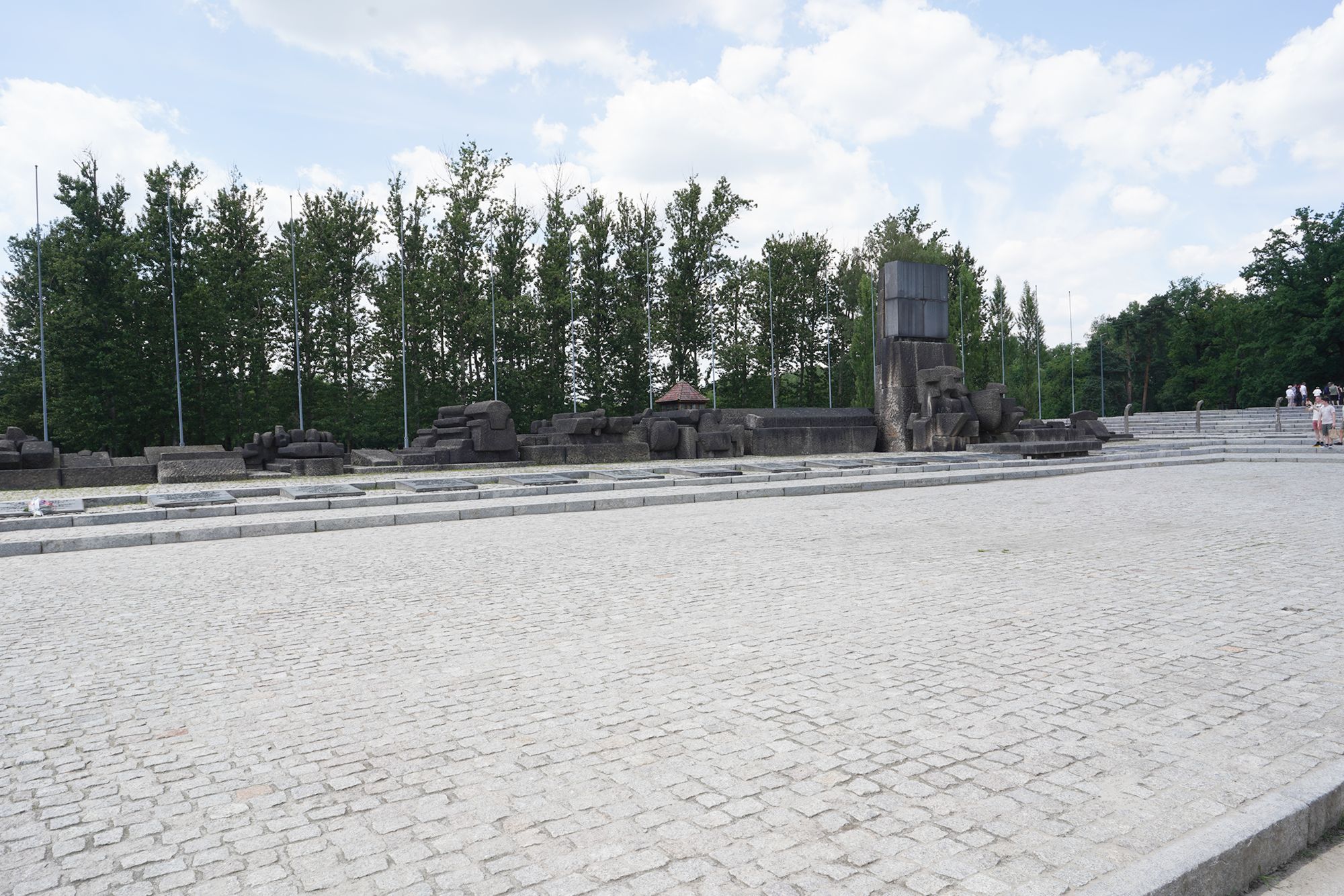
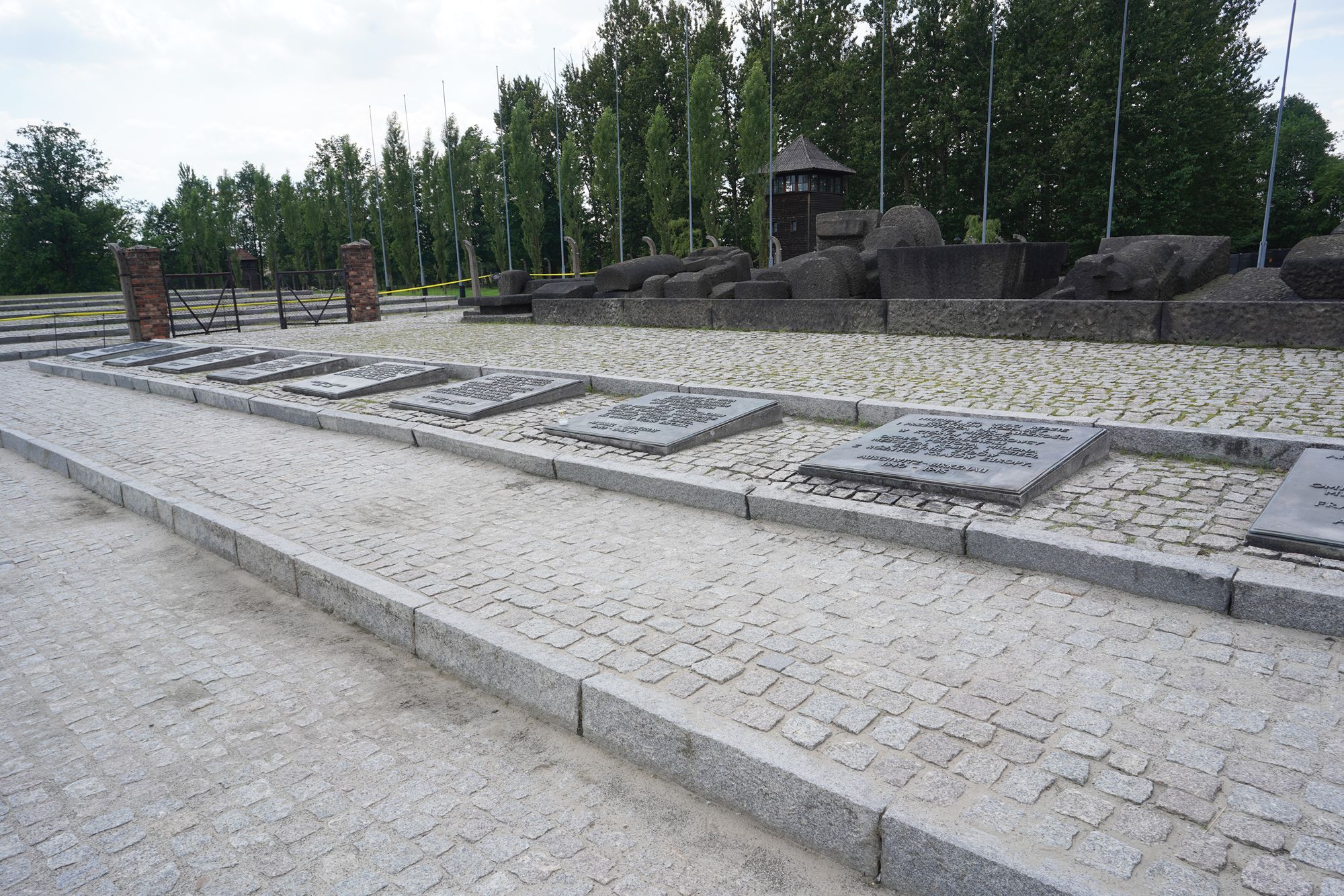
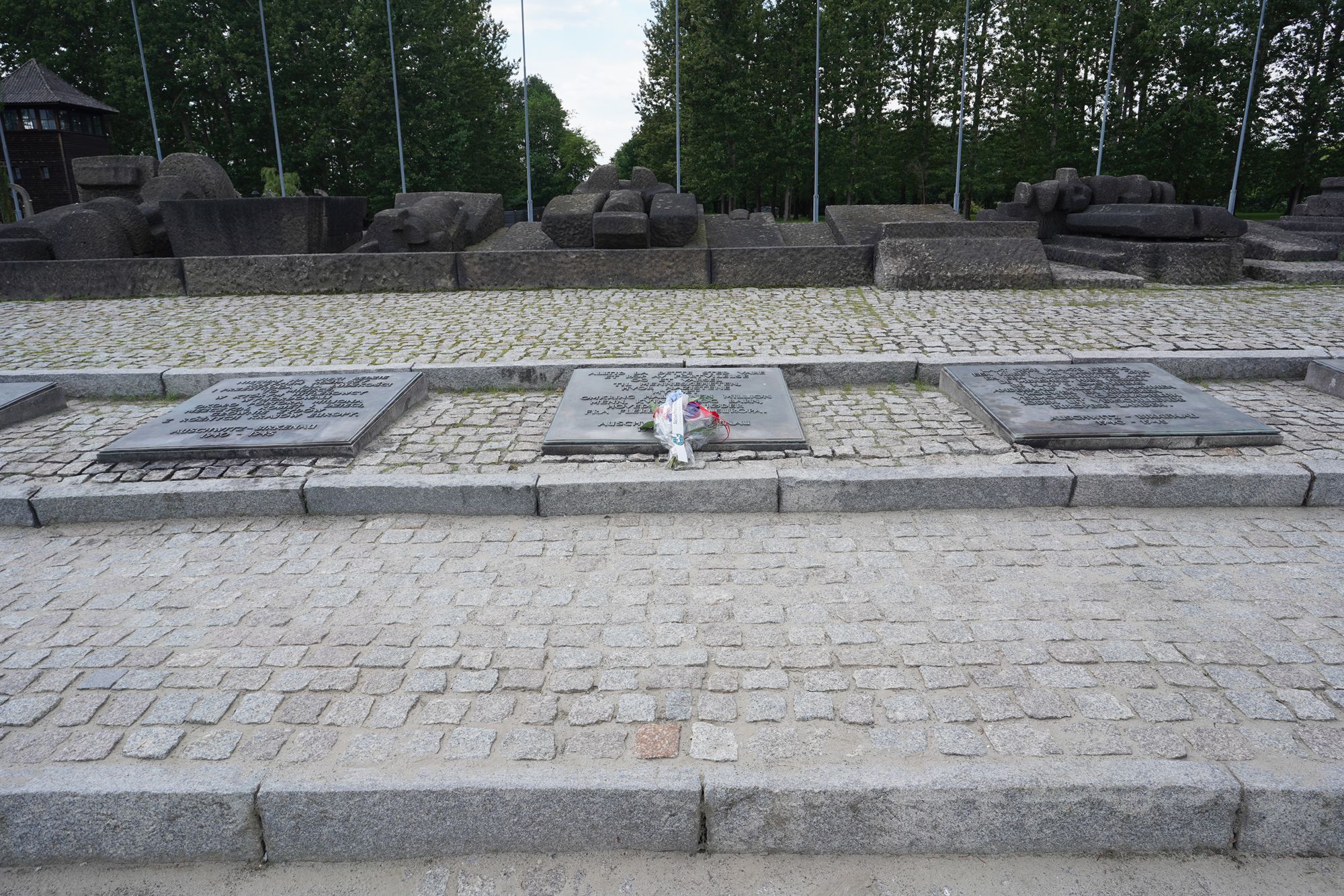
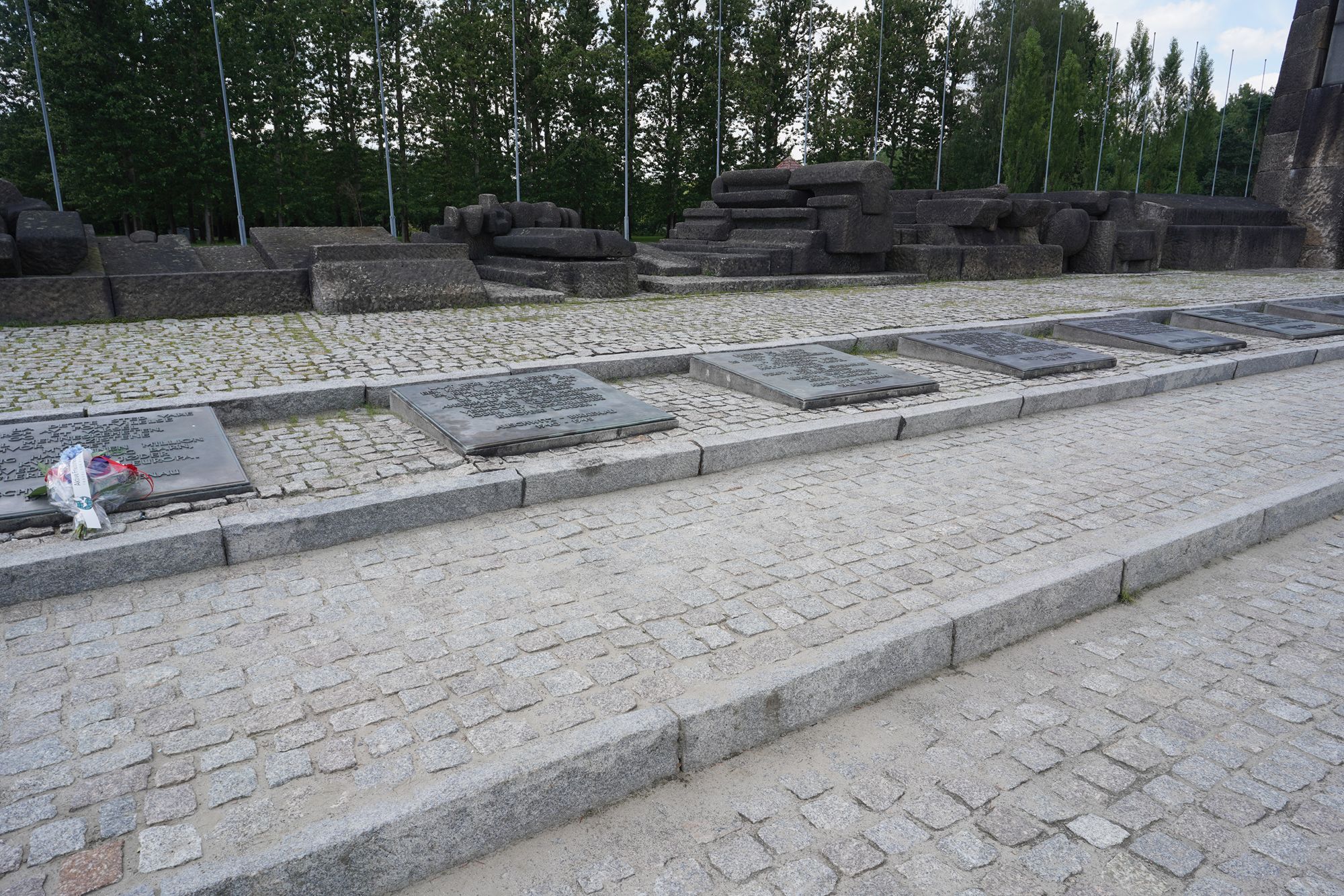
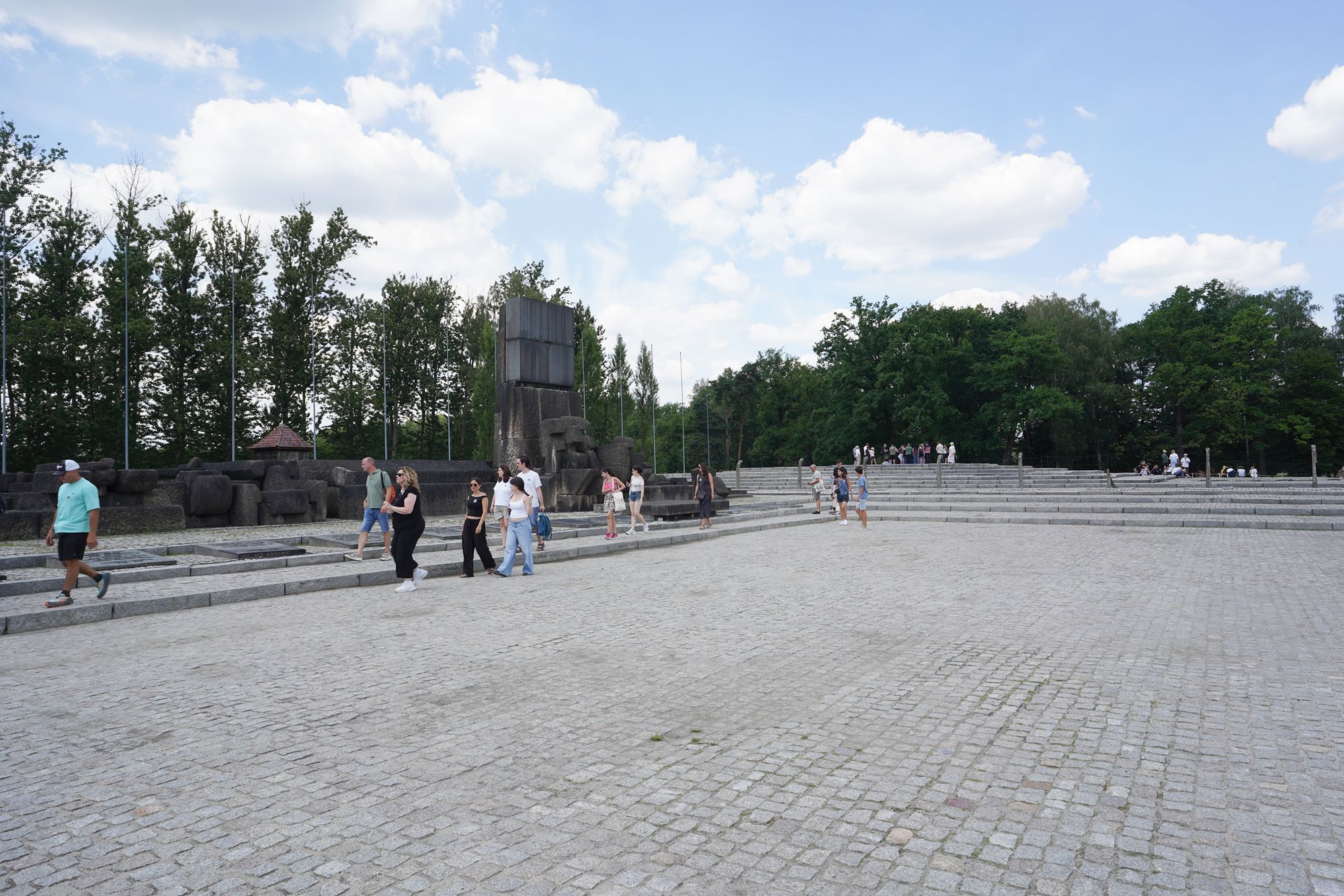
Looking back toward the camp gate, the gate seems very small from here.
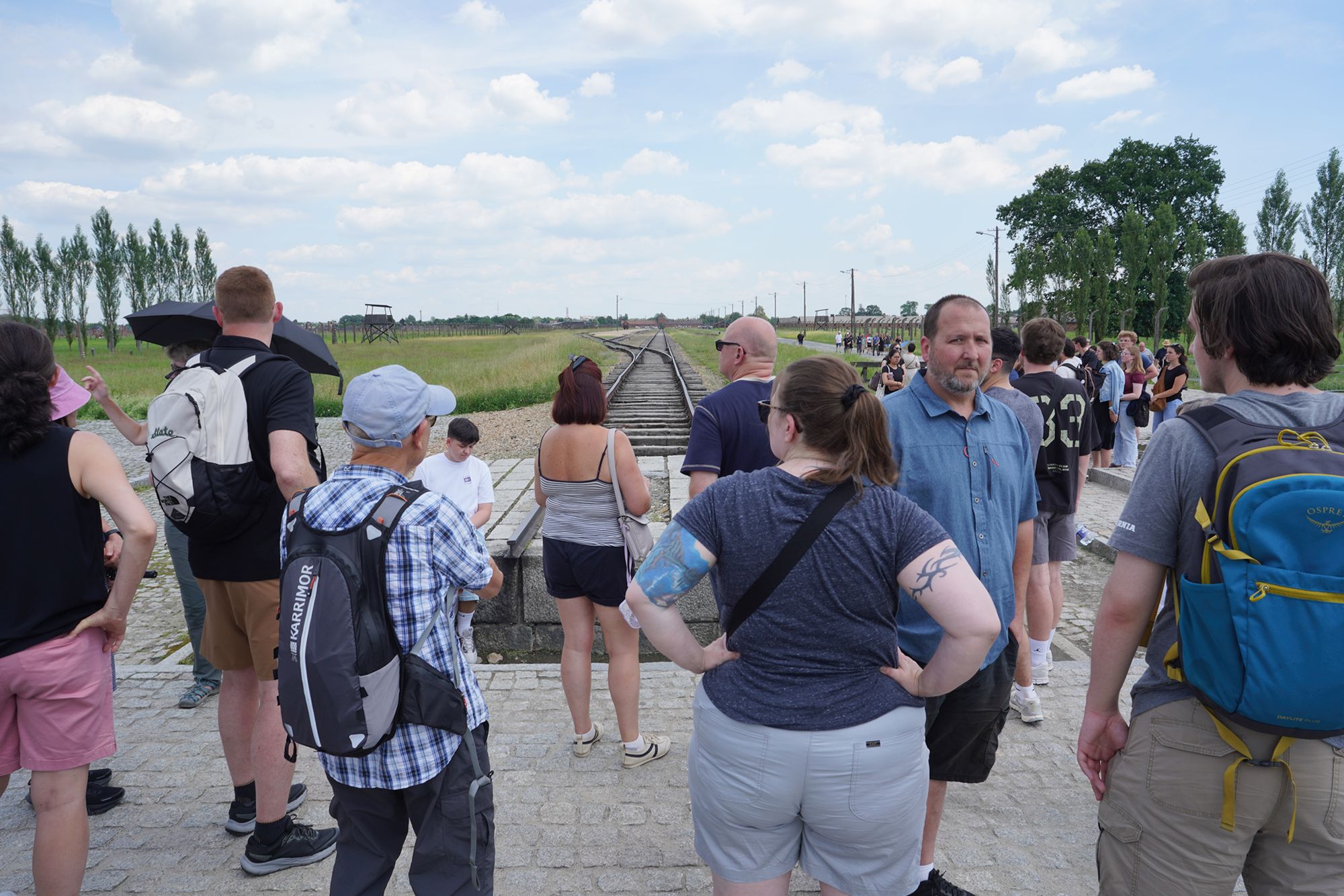
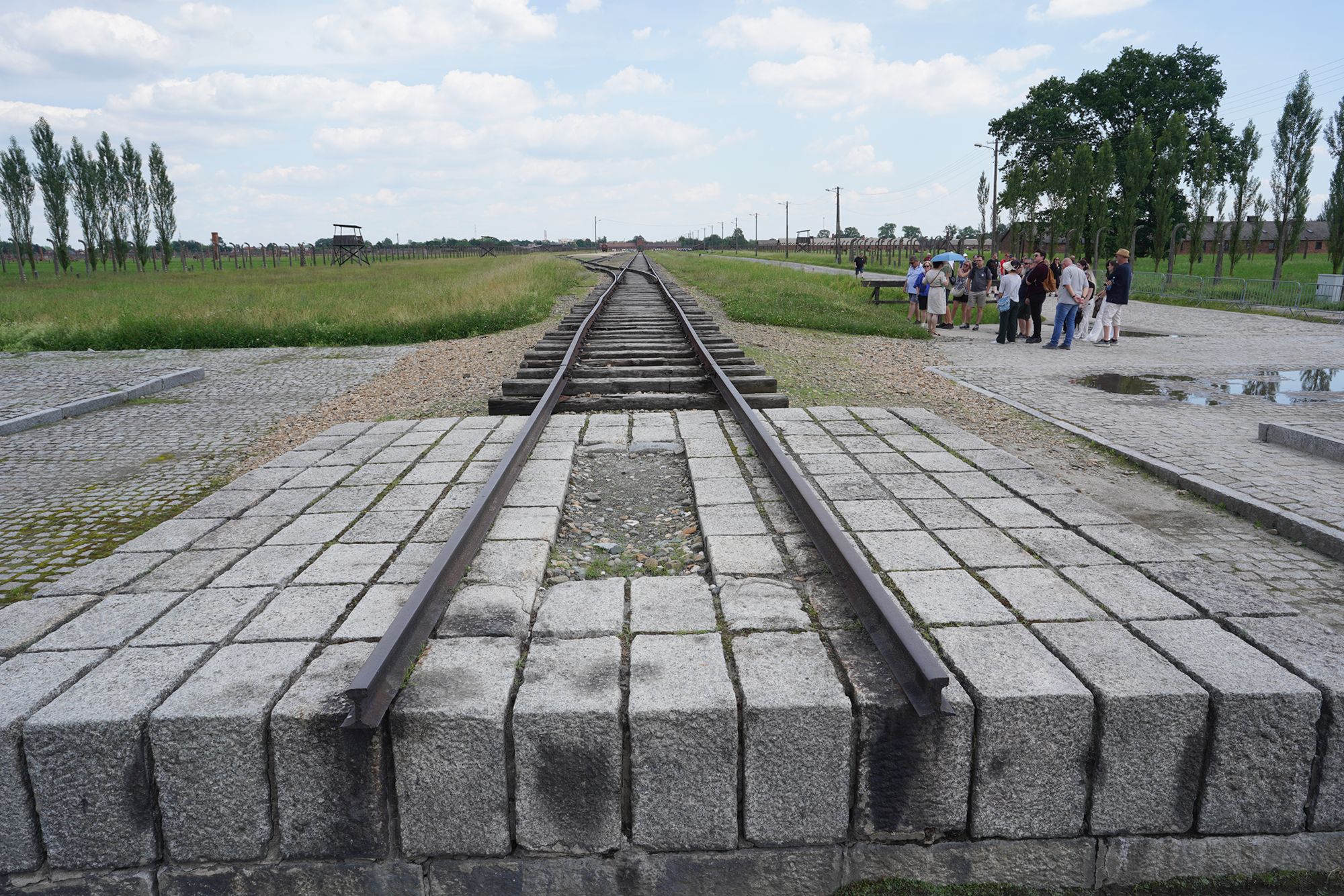
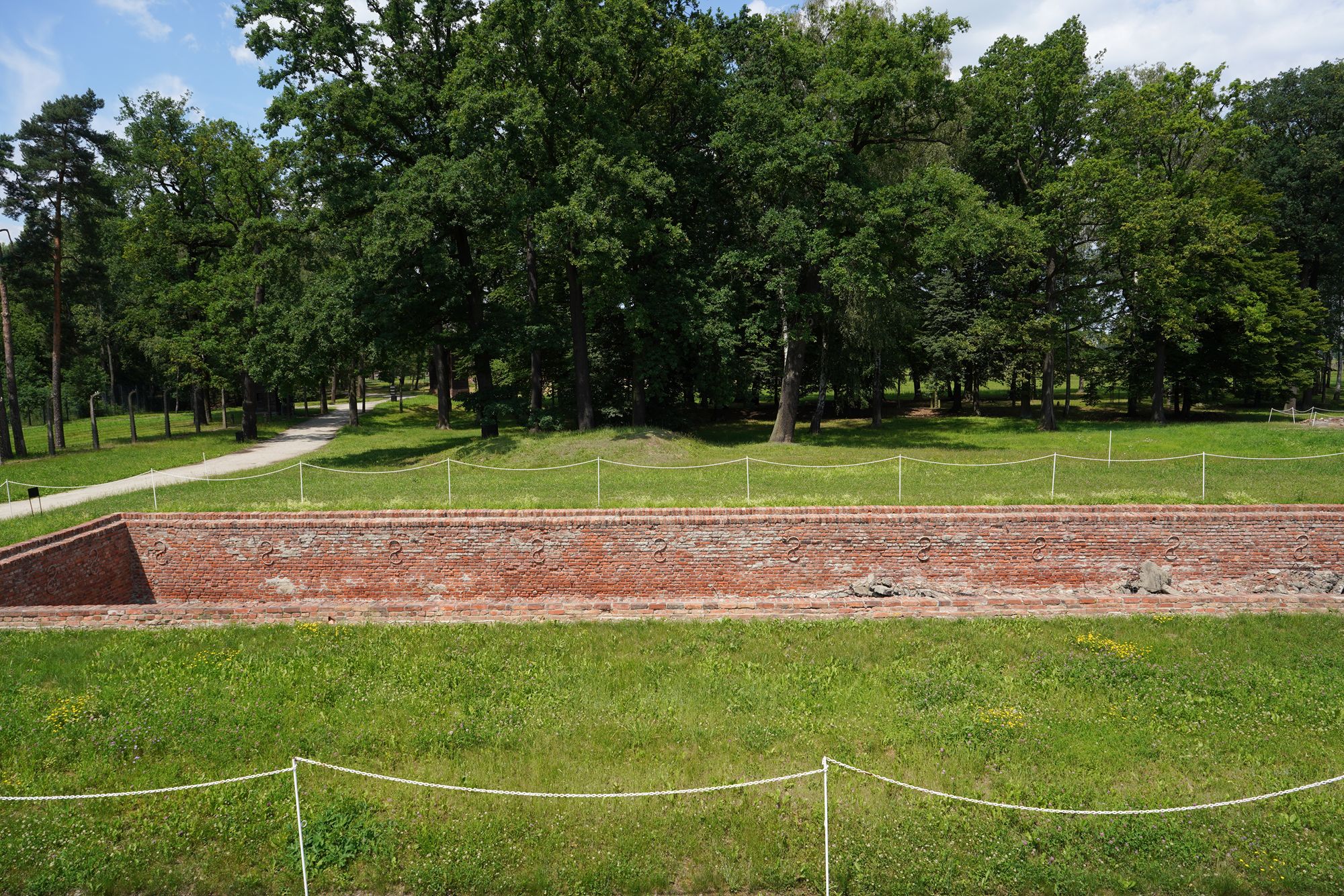
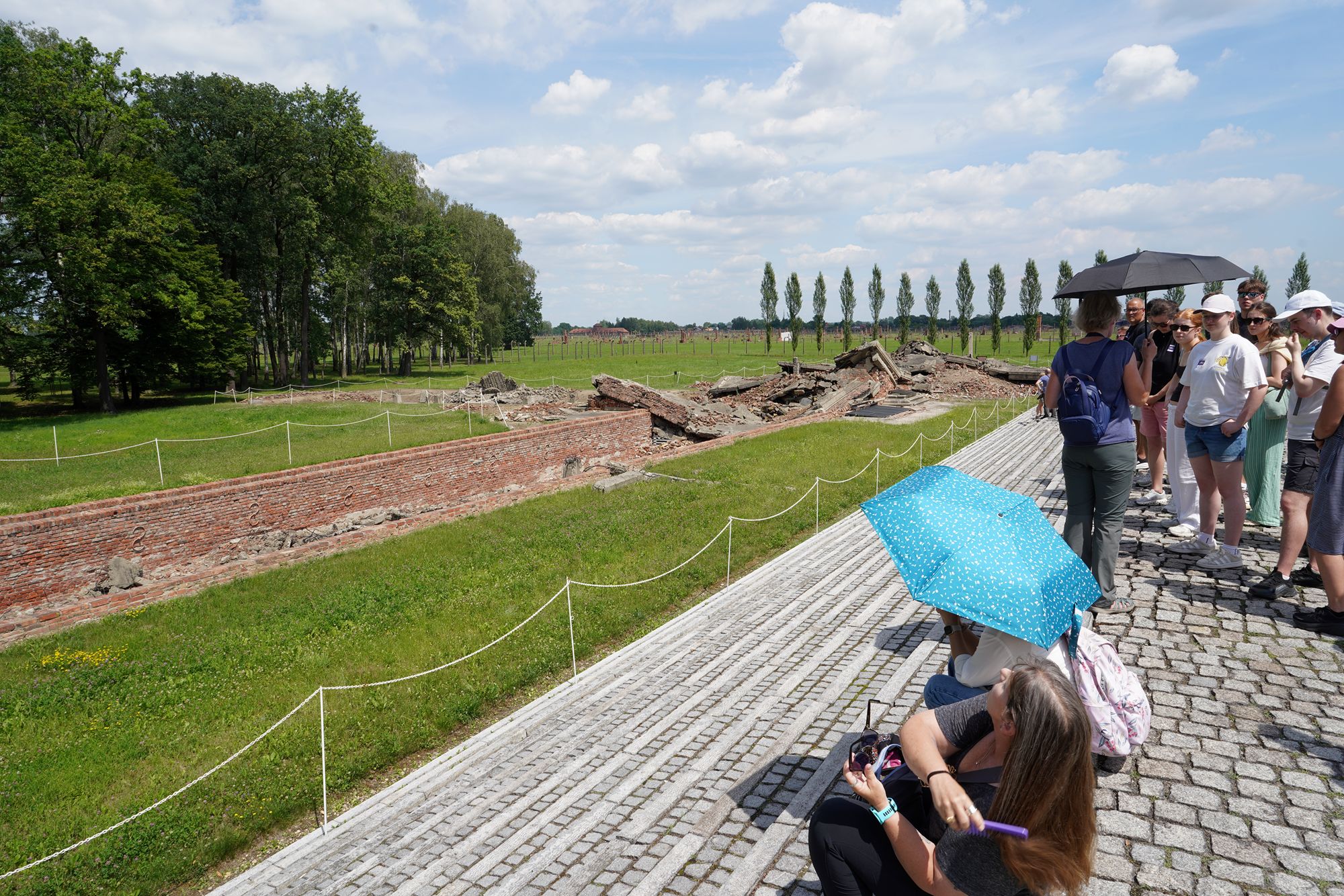
Looking back toward the Extermination Memorial.
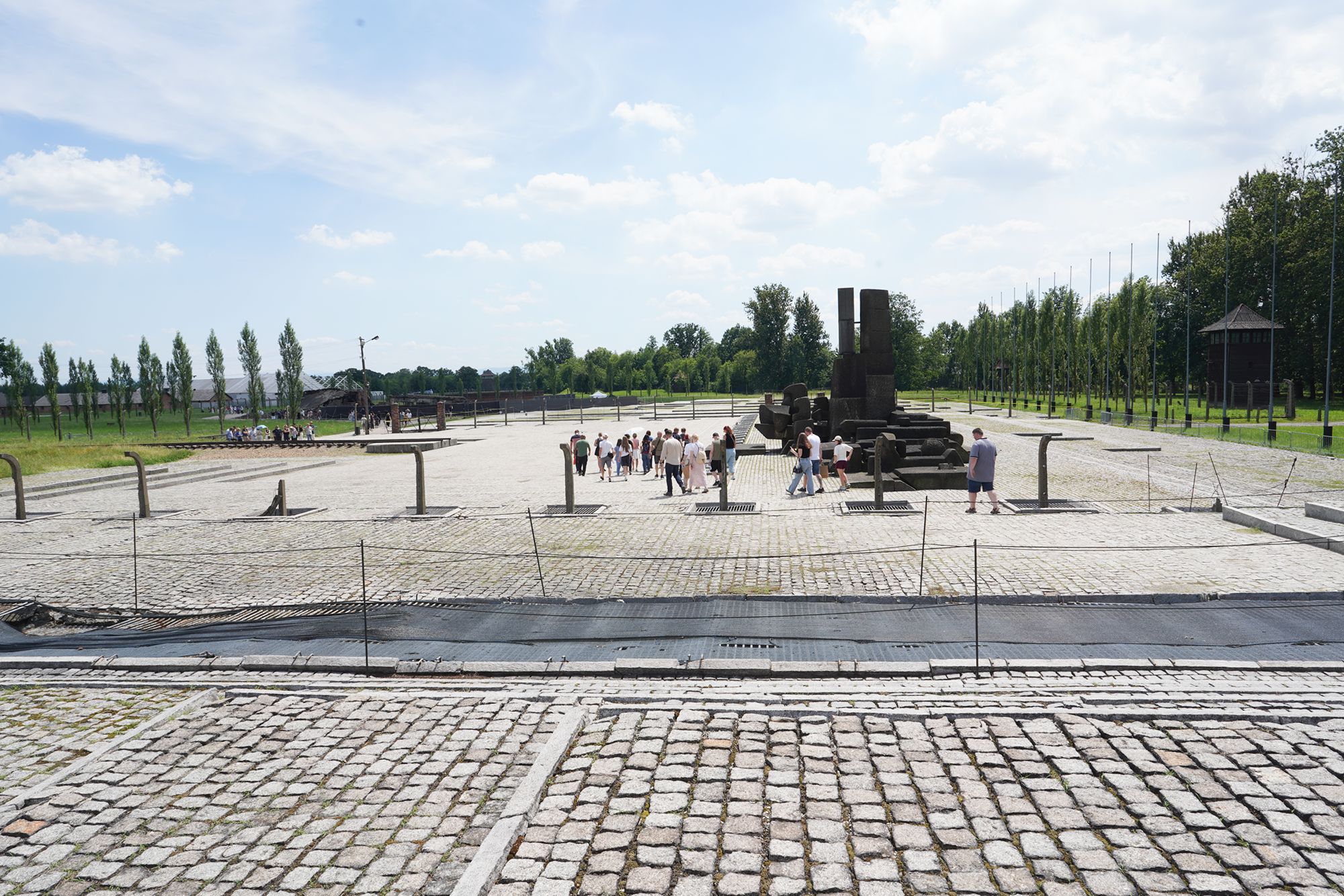
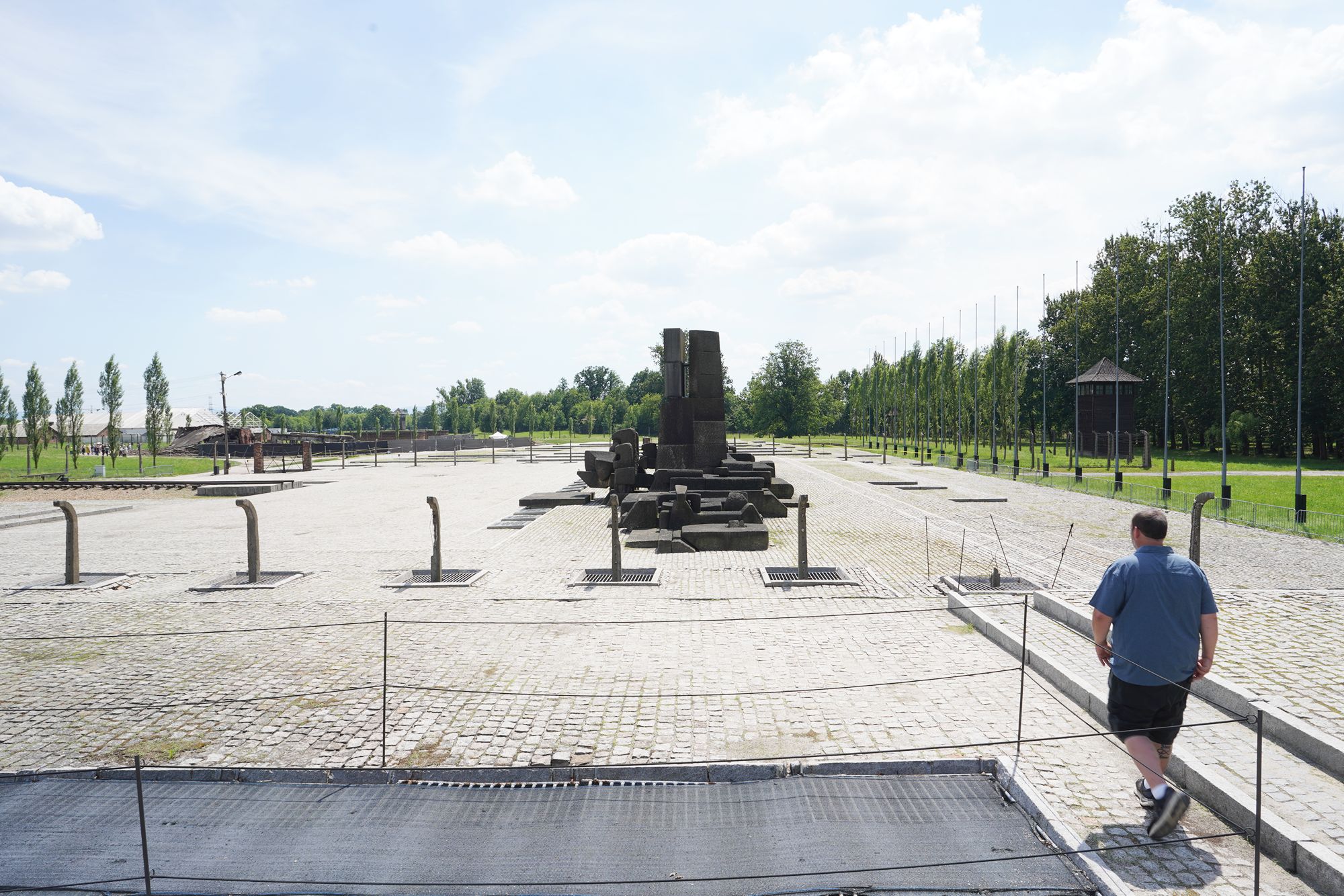
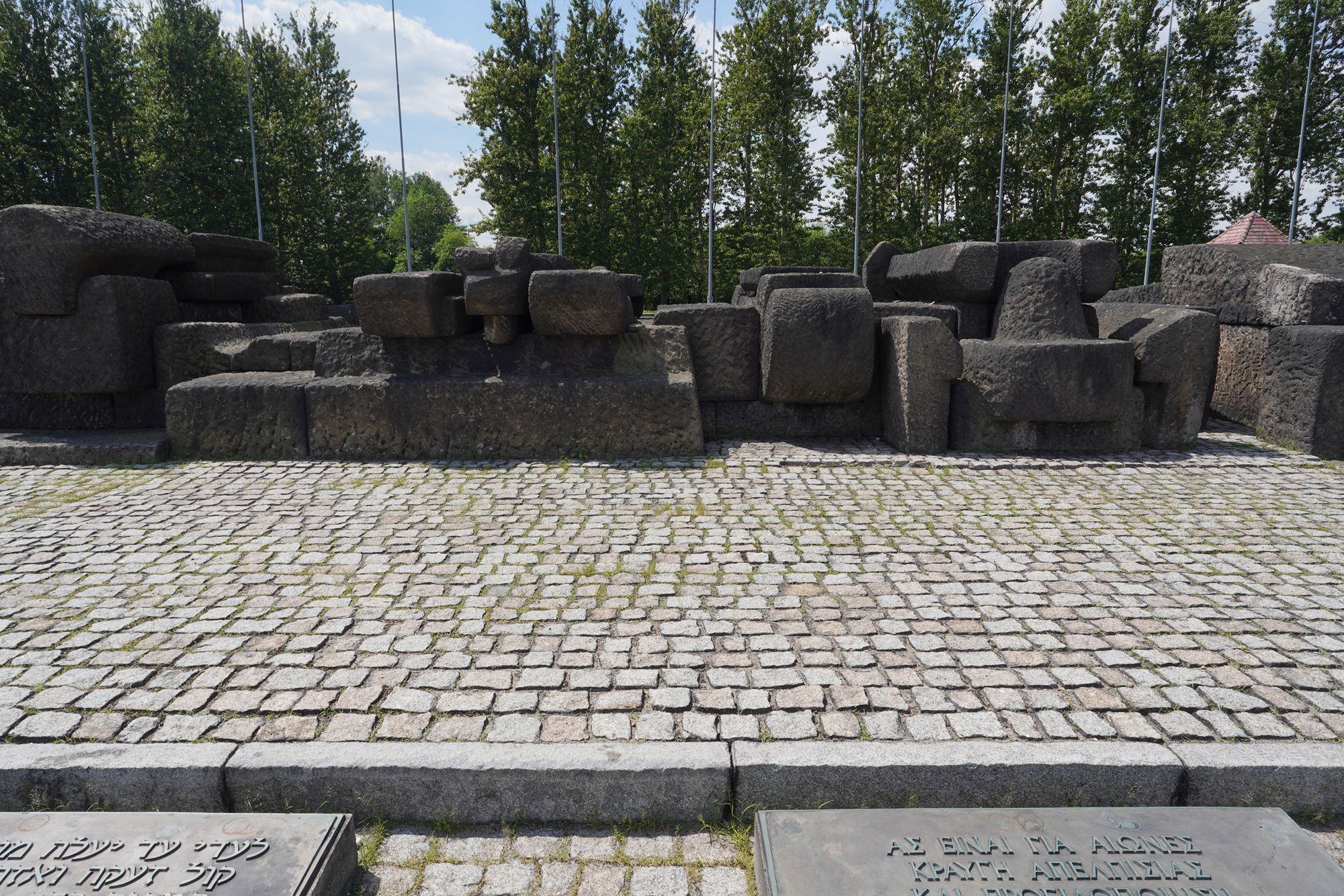
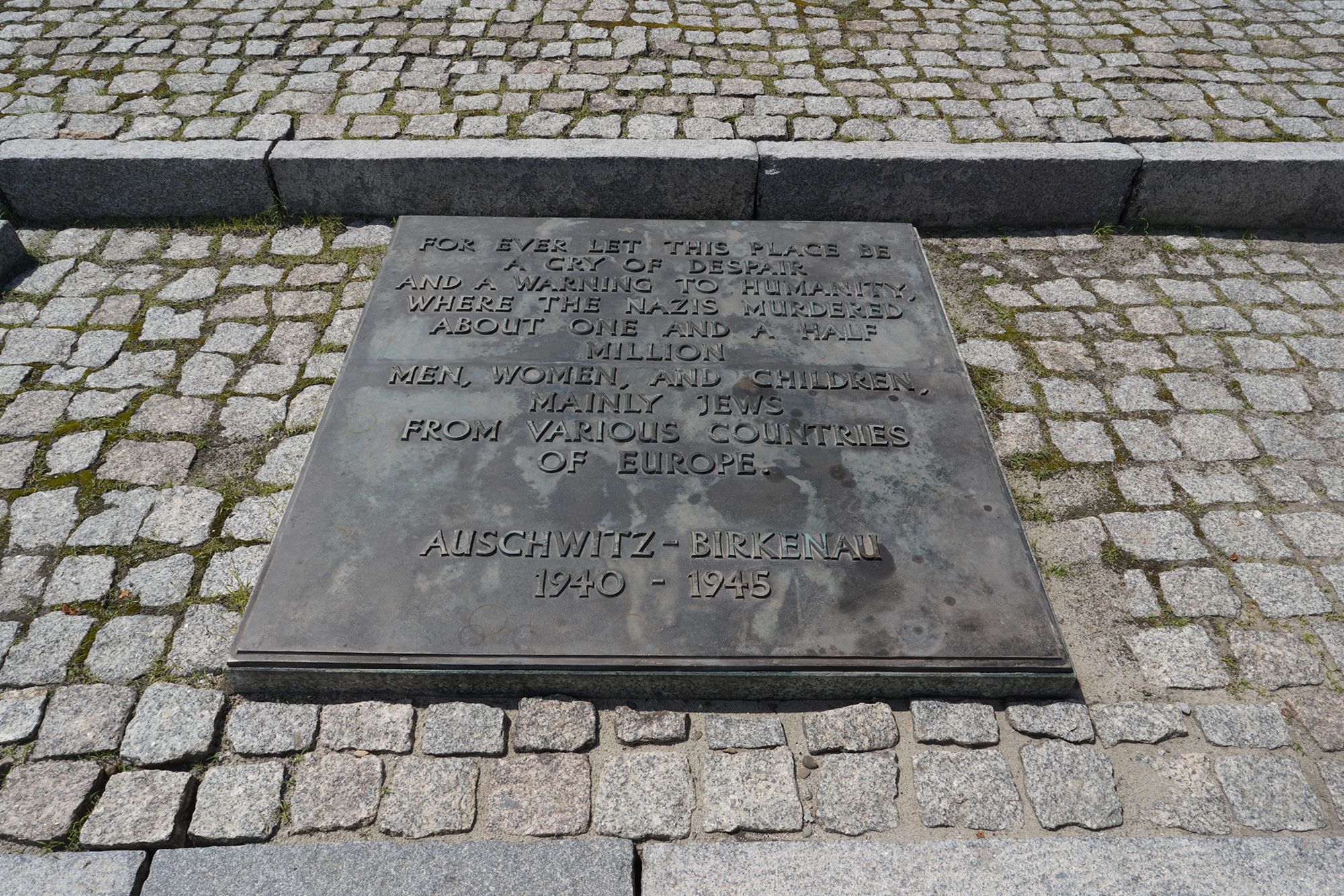
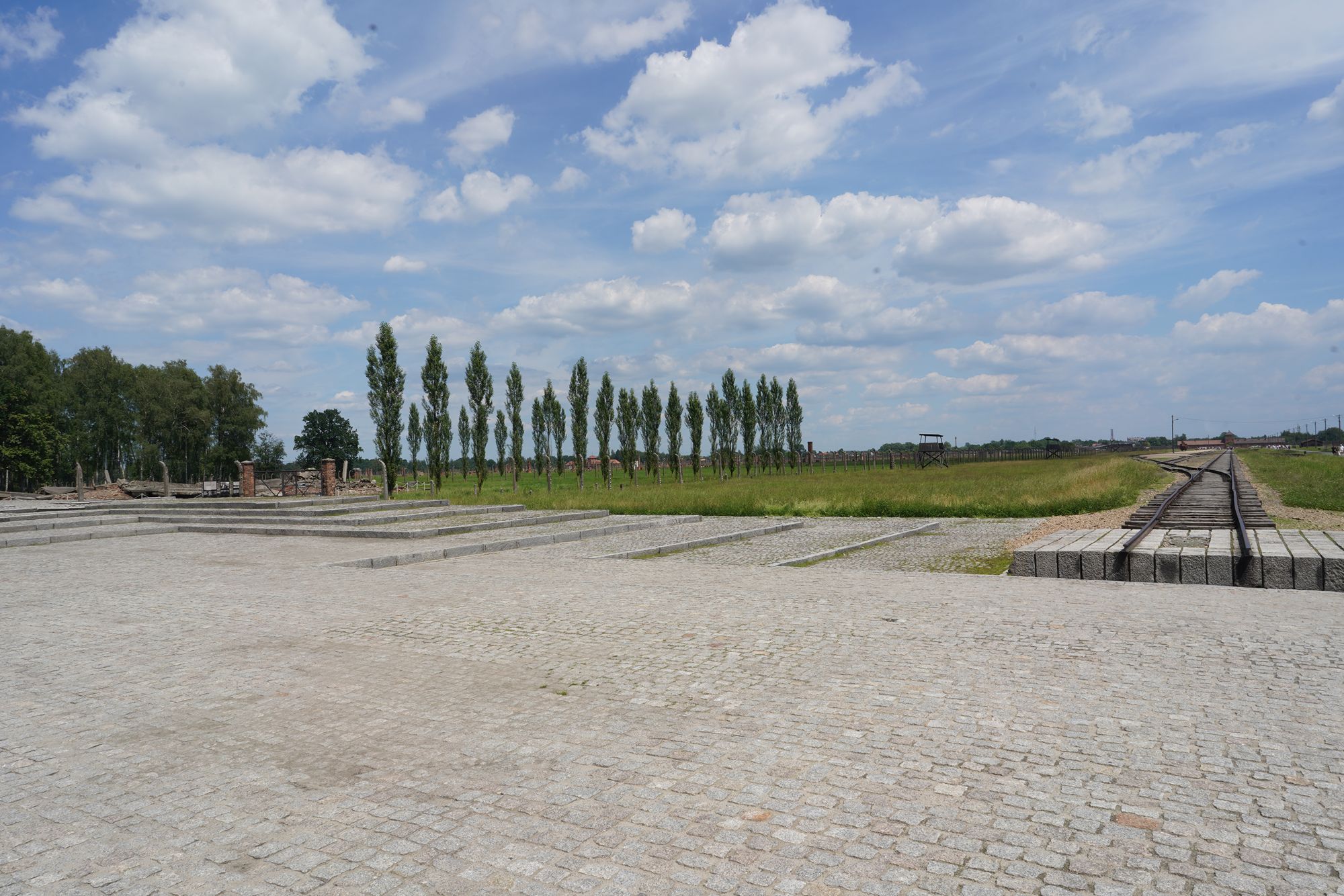
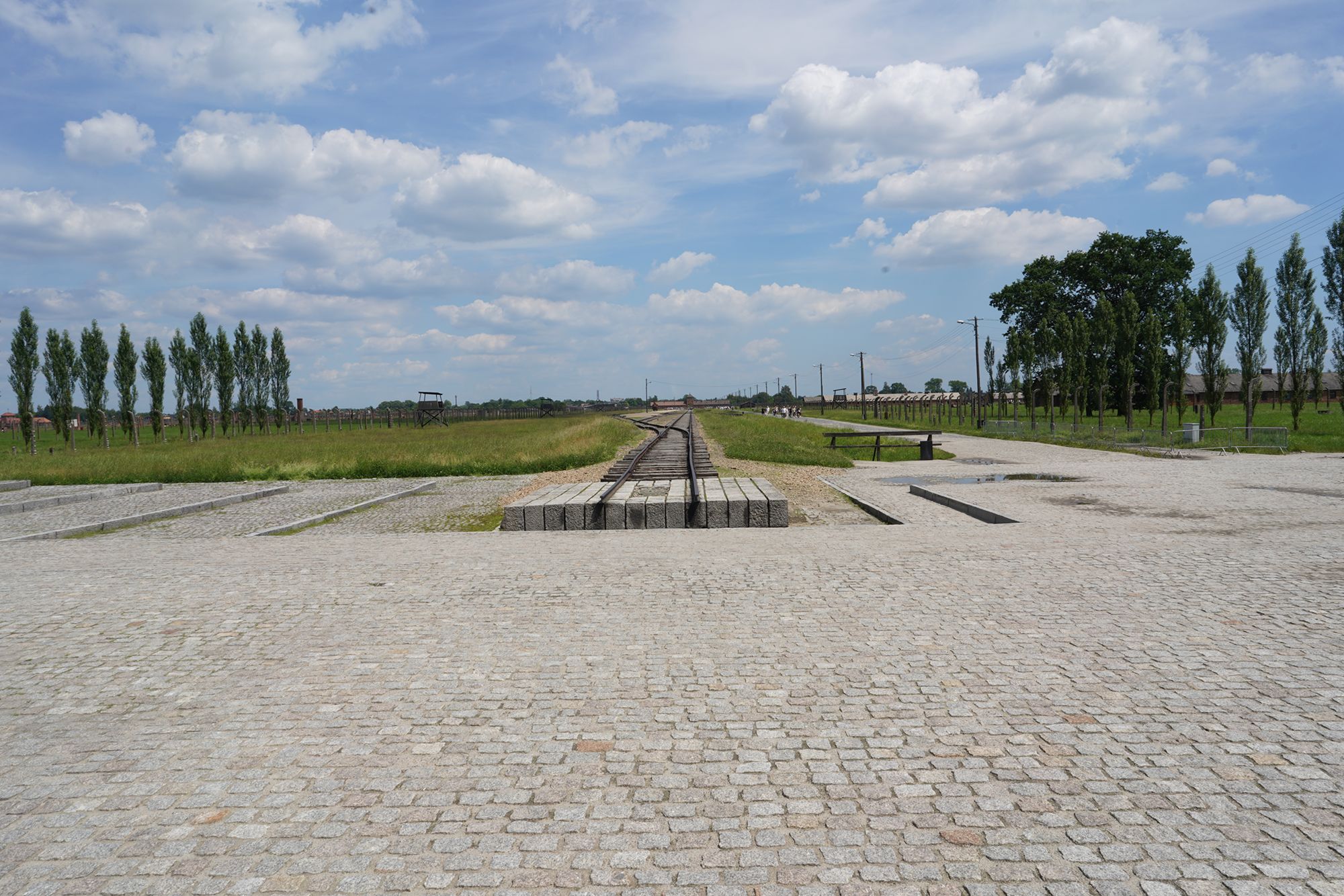
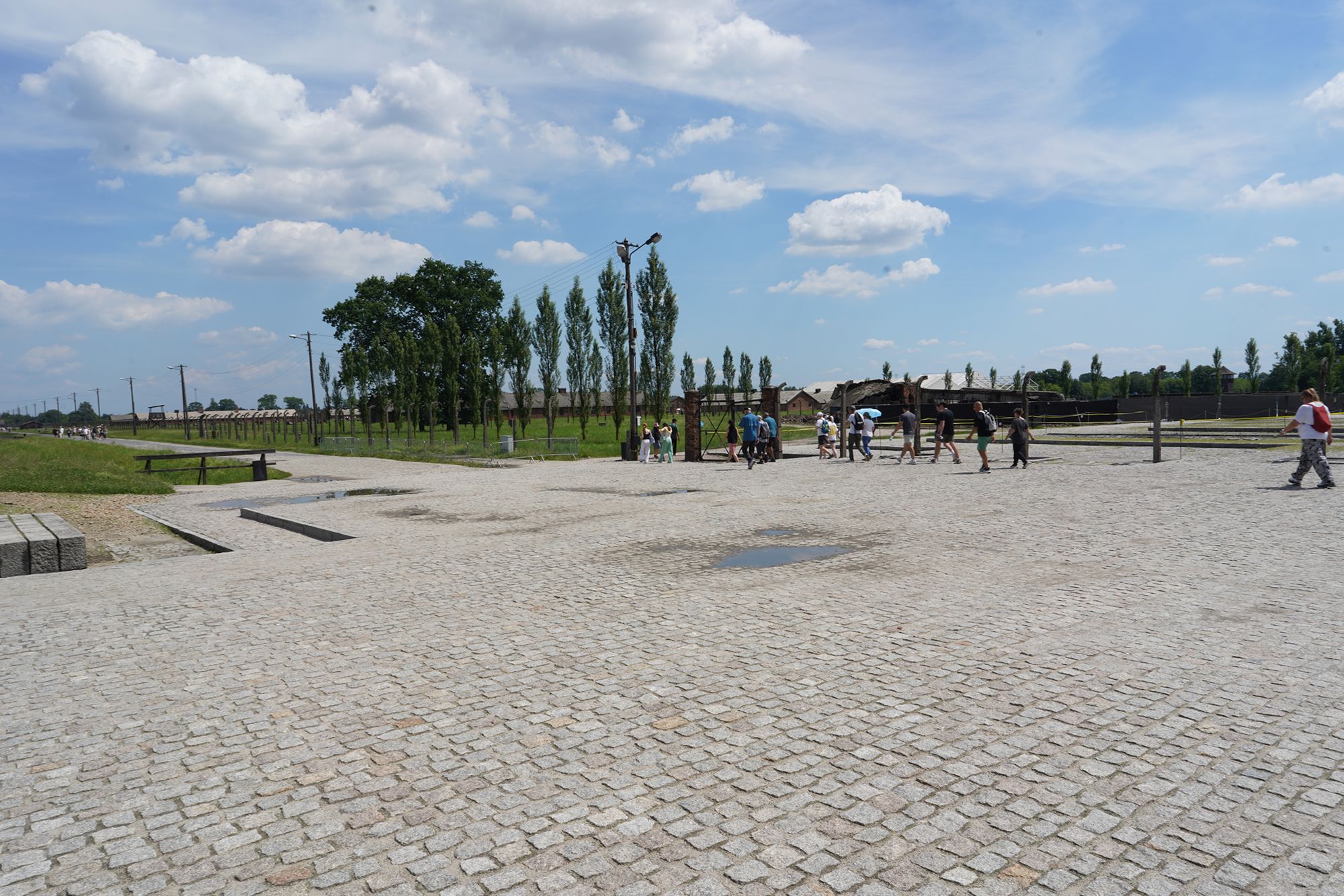
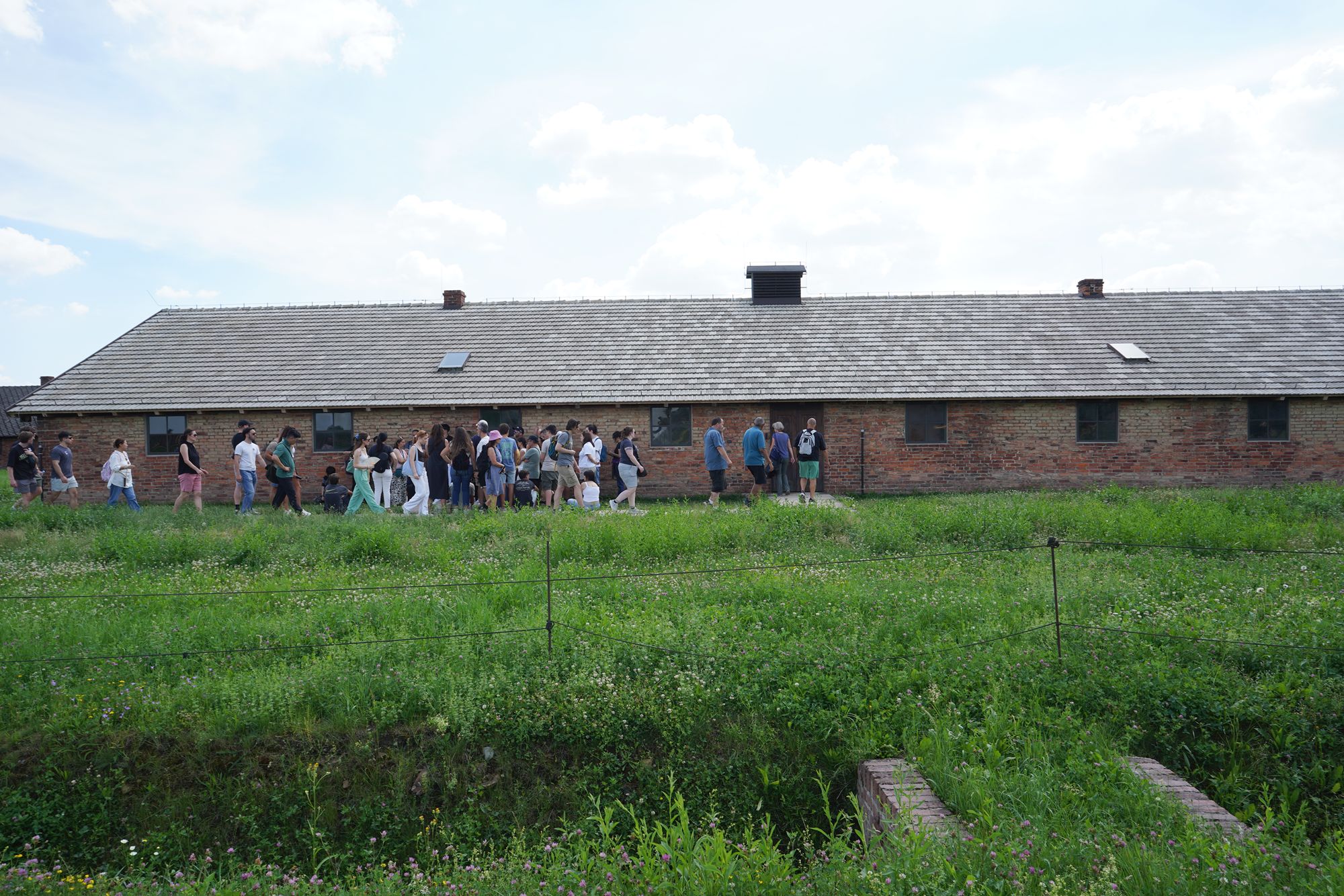
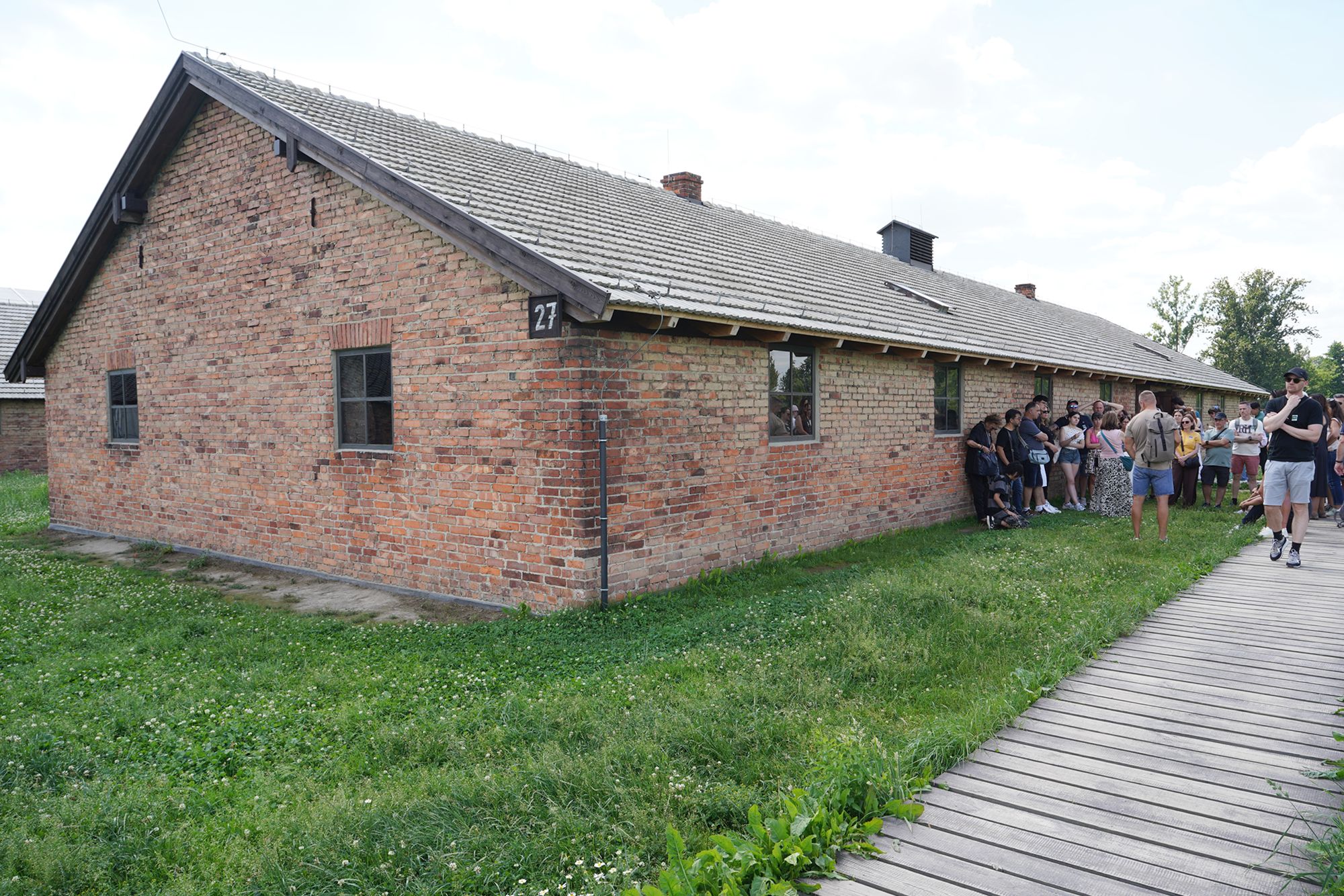
We’re walking back toward the entrance gate, but first we’ll stop at one of the barracks to look inside.
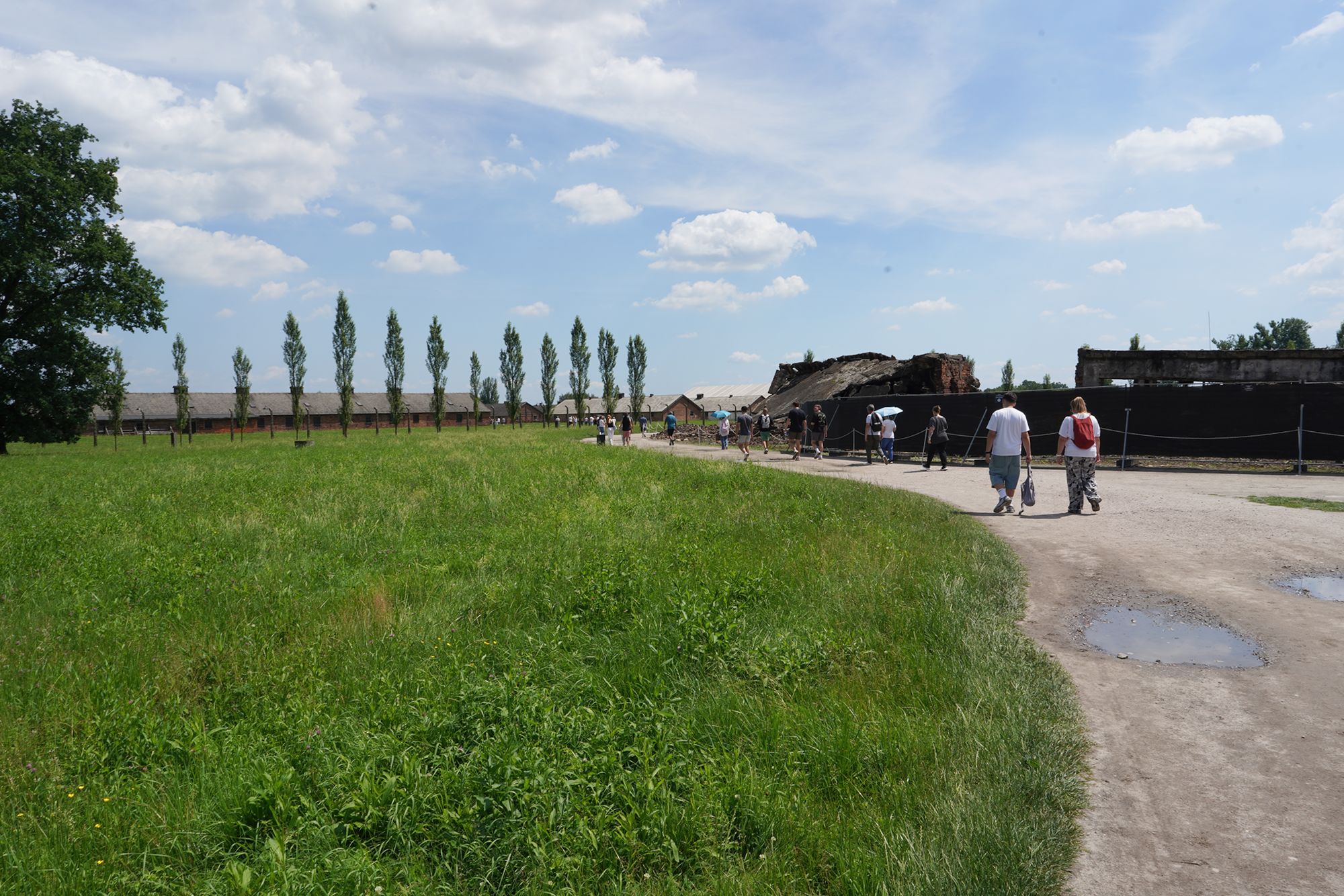
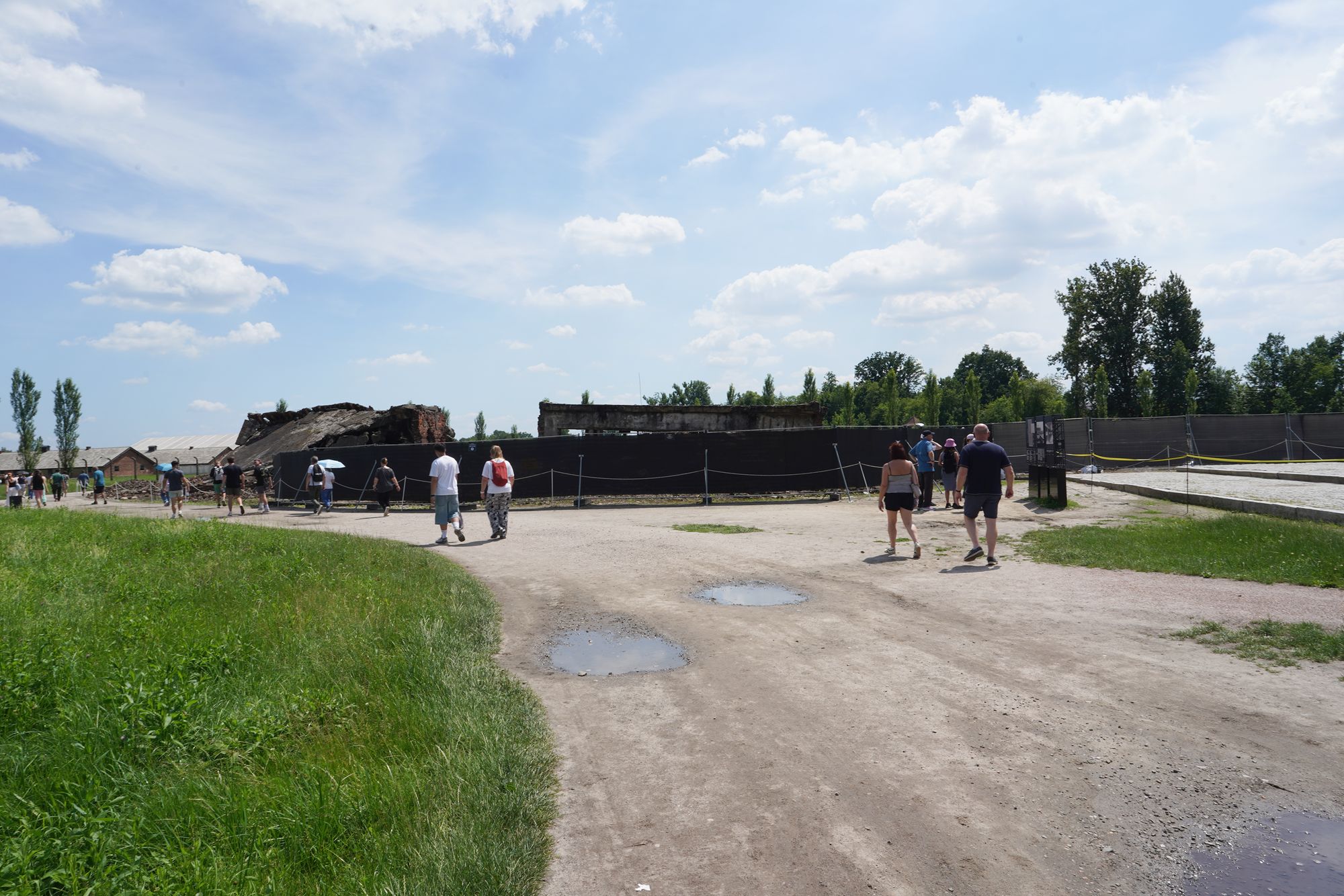
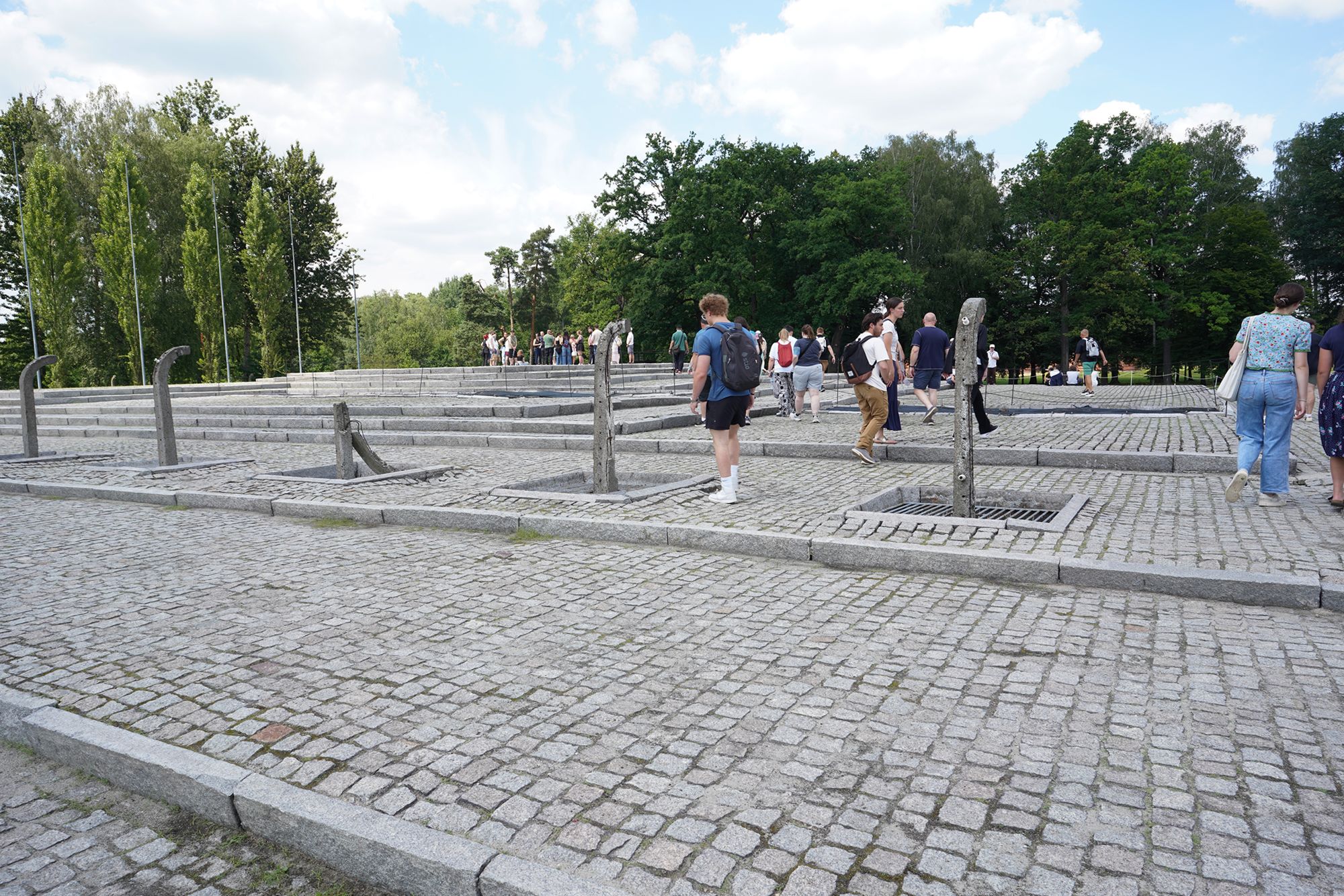
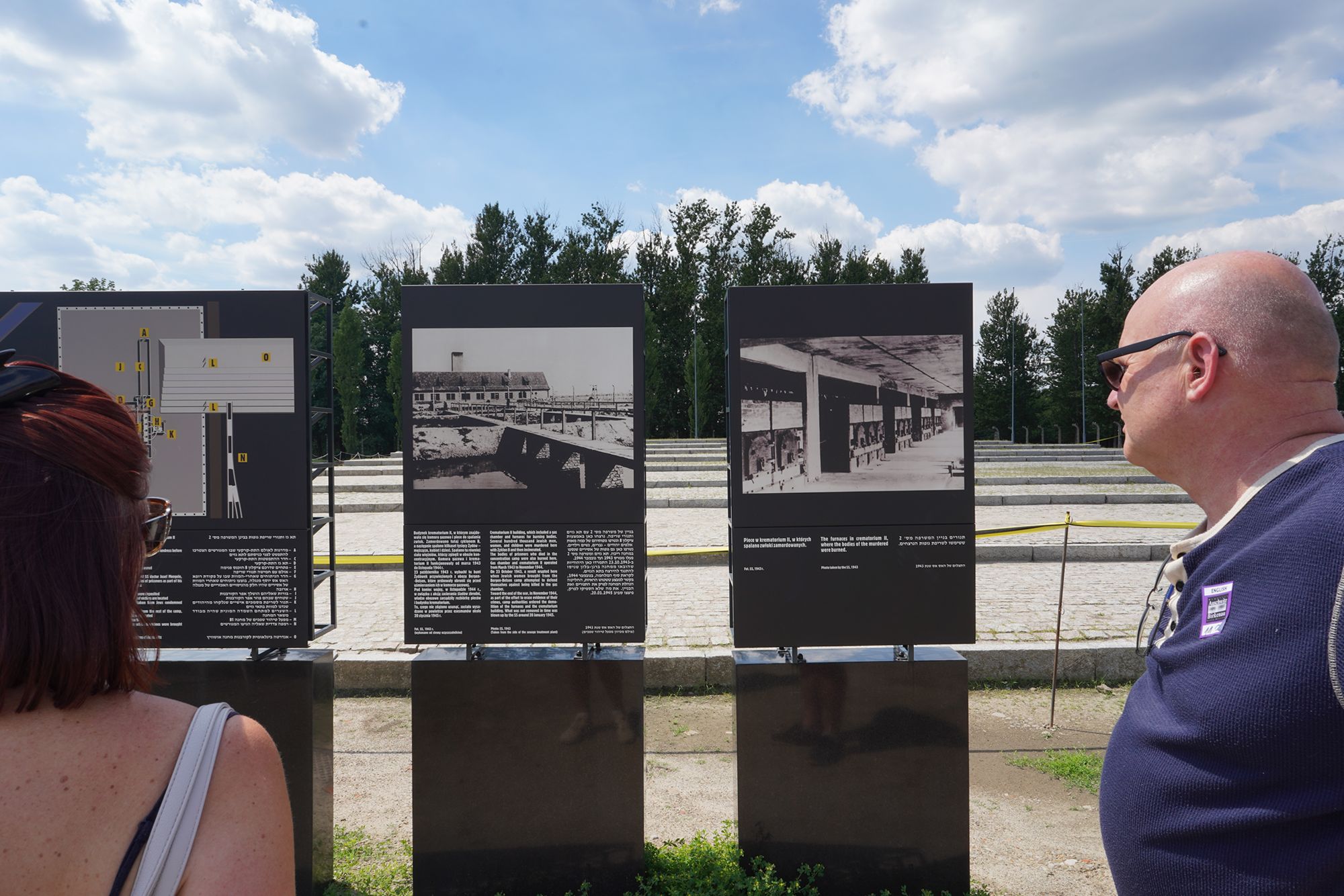
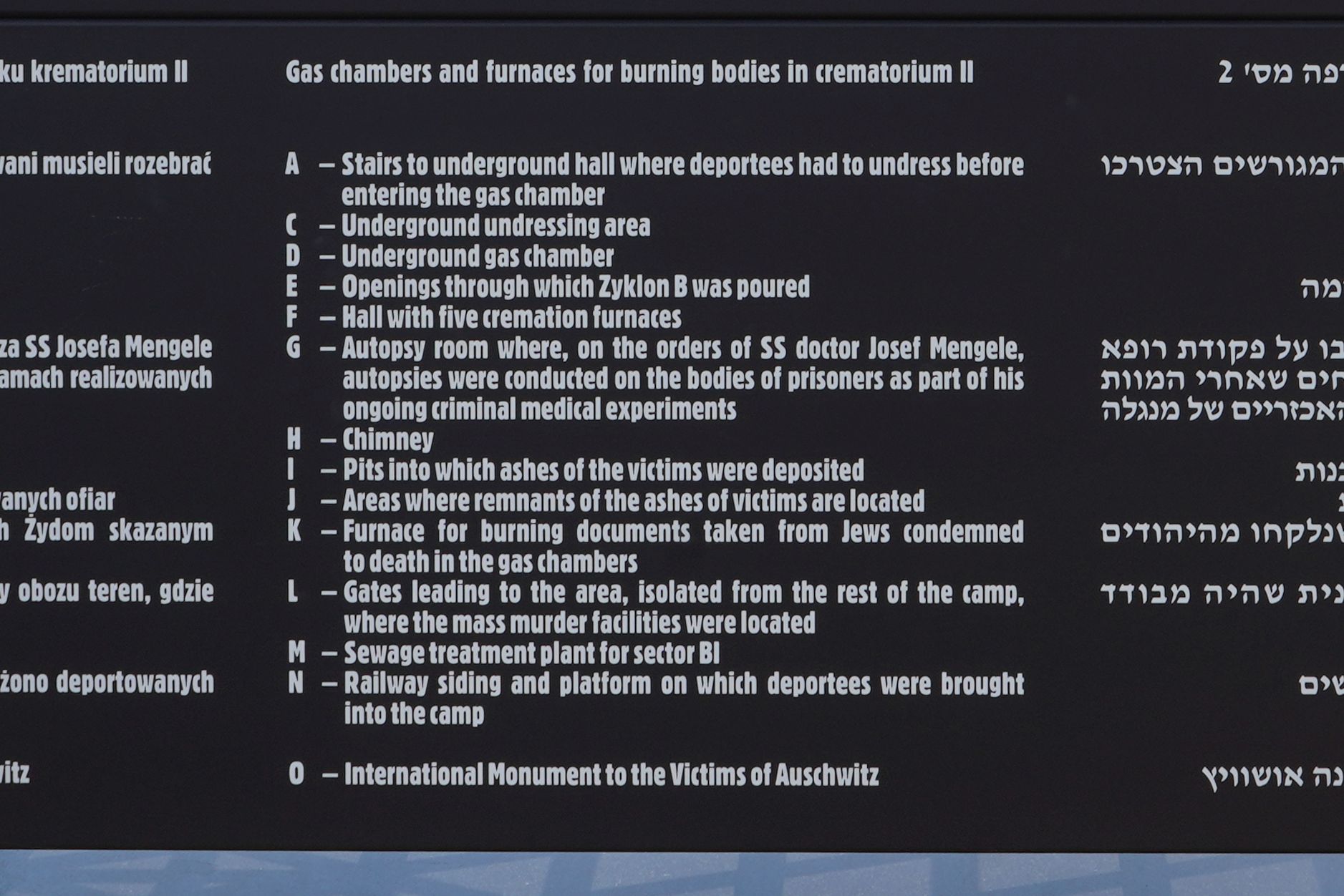
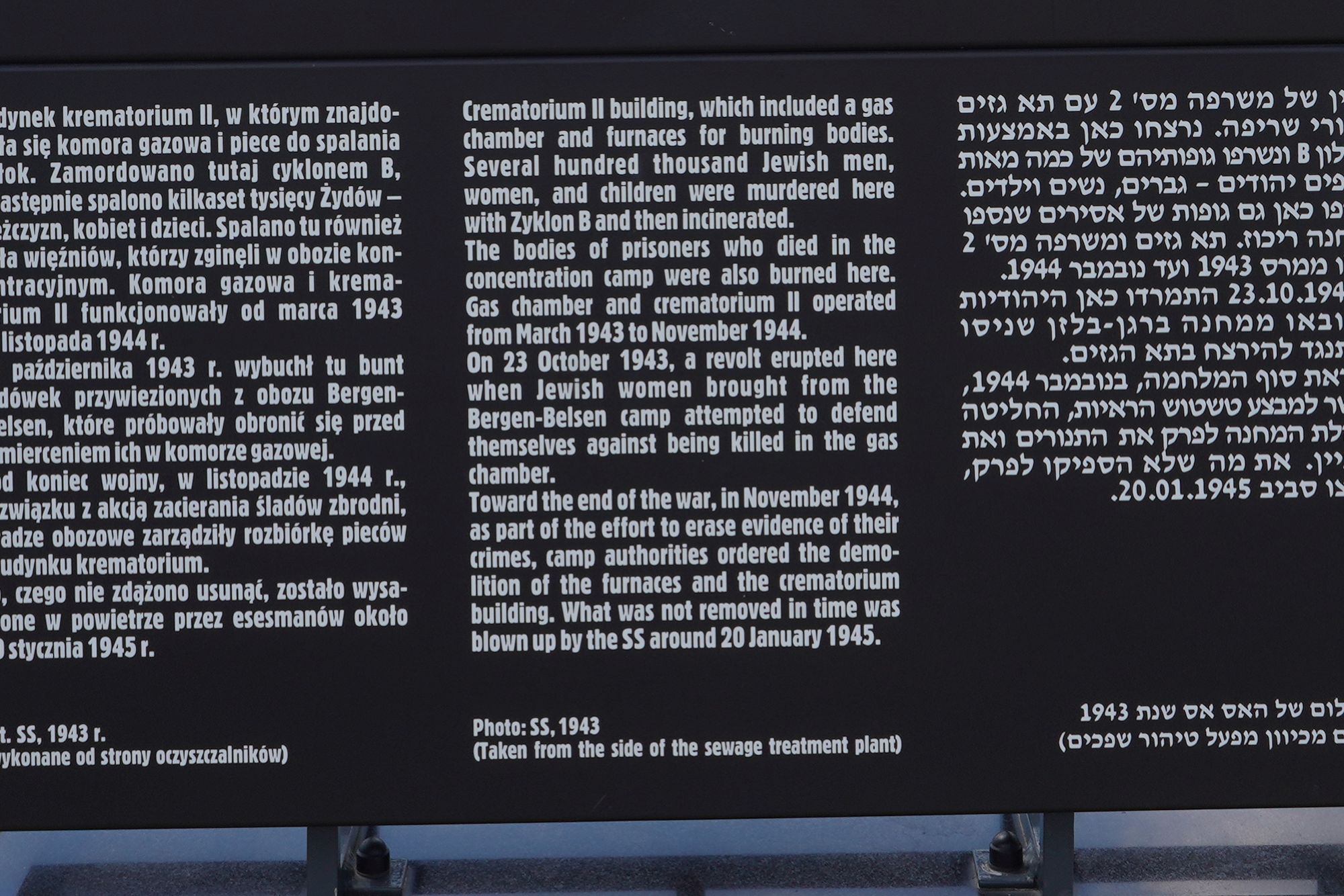
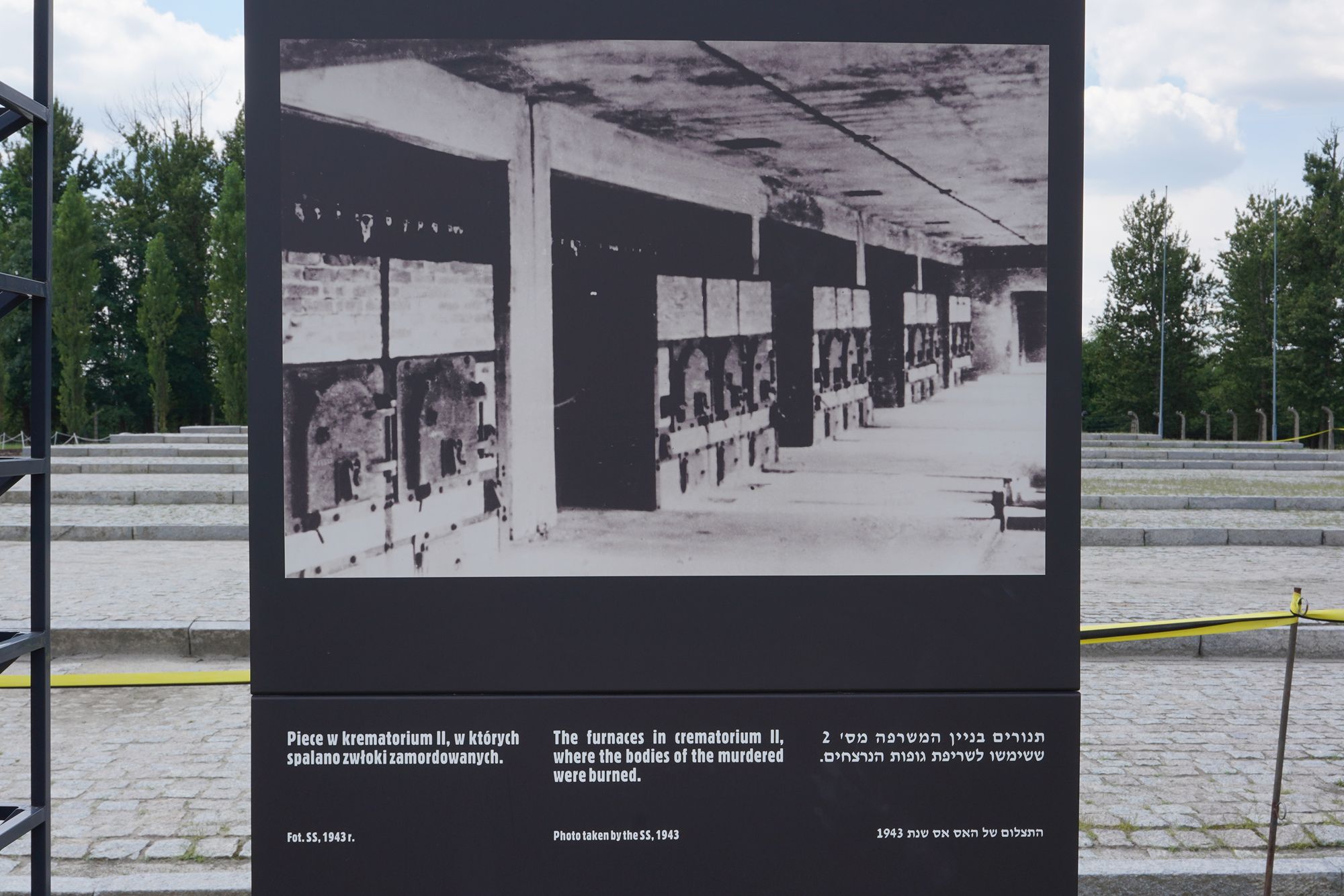
This was the site for Crematorium II building, which included a gas chamber and furnaces for burning bodies.
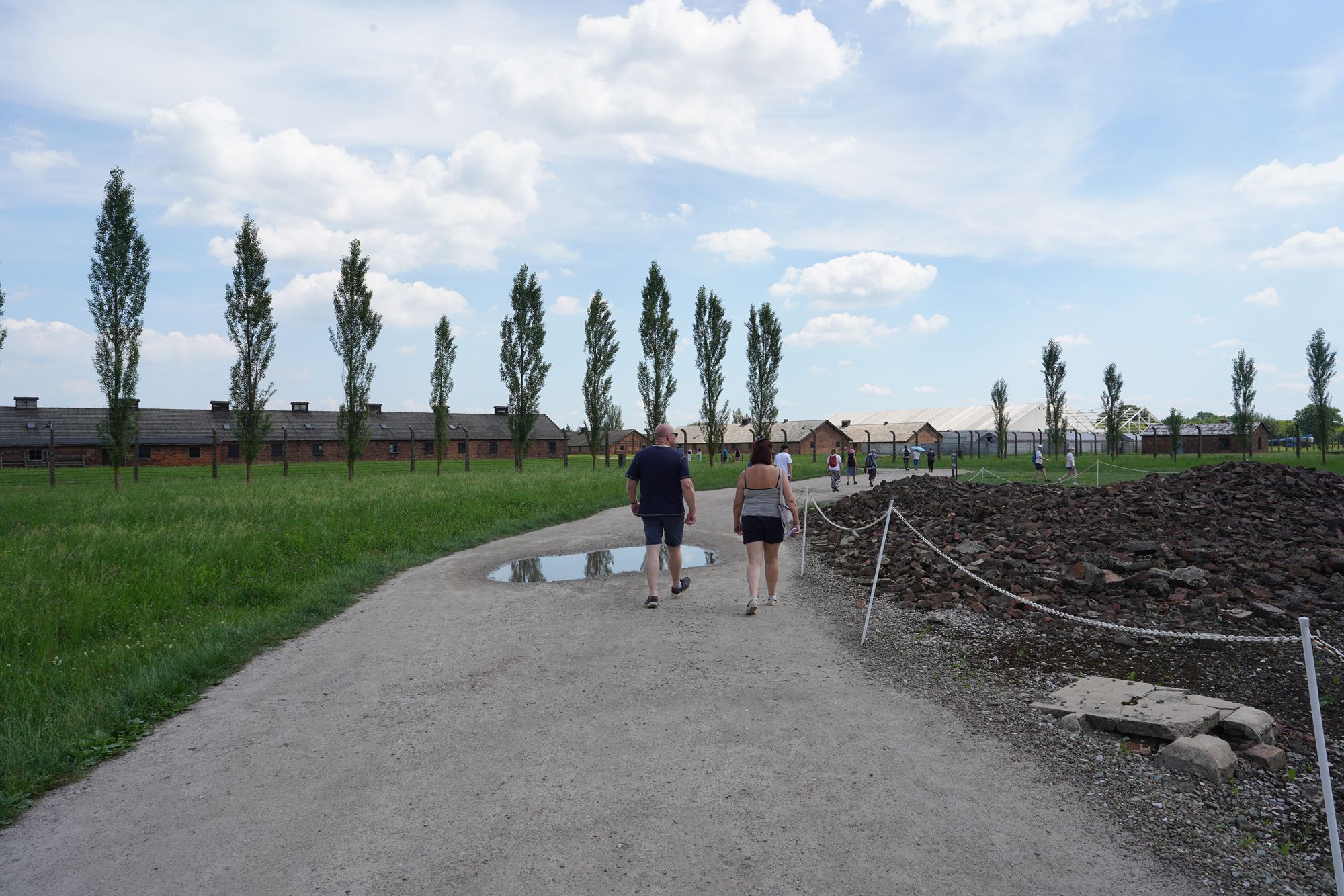
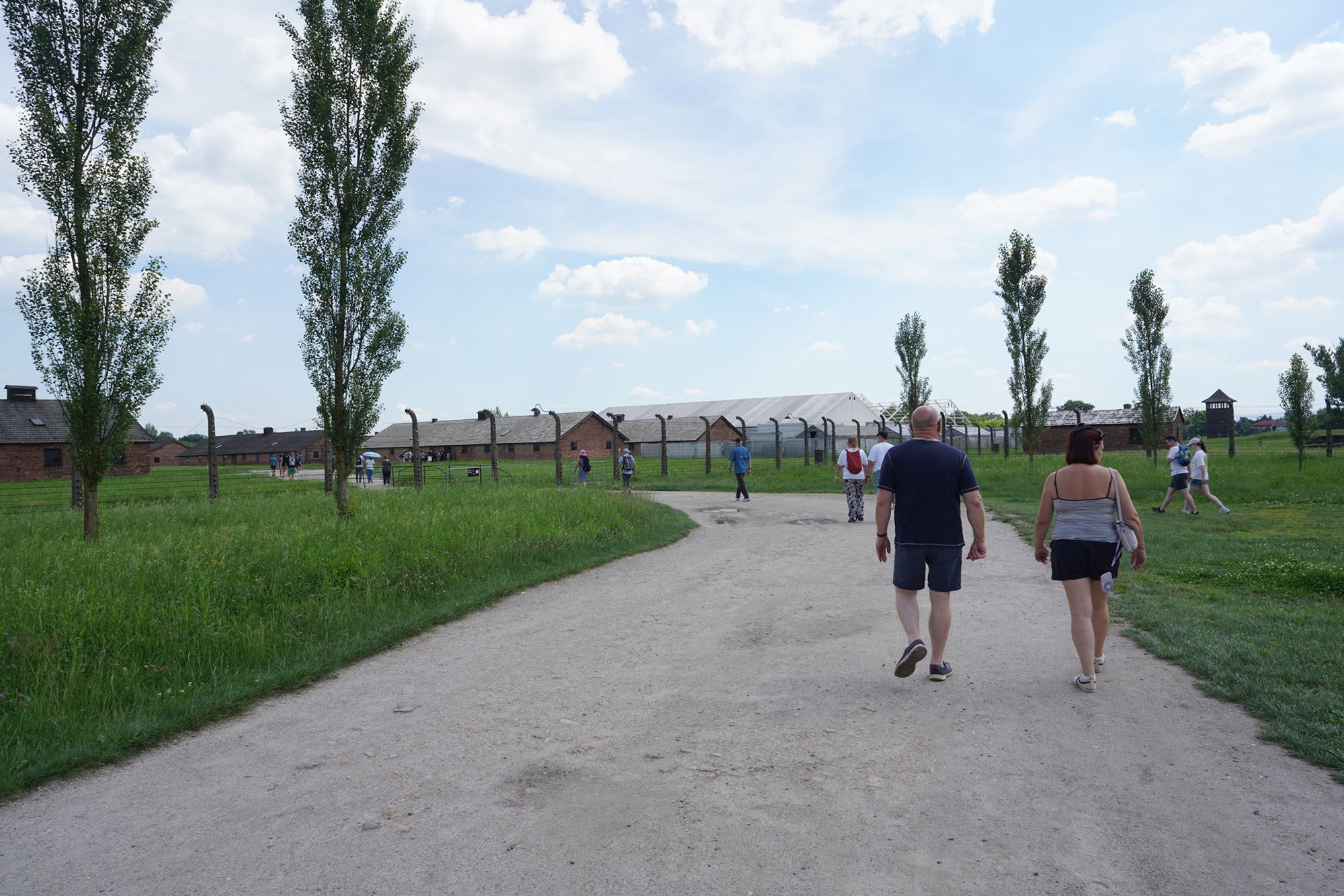
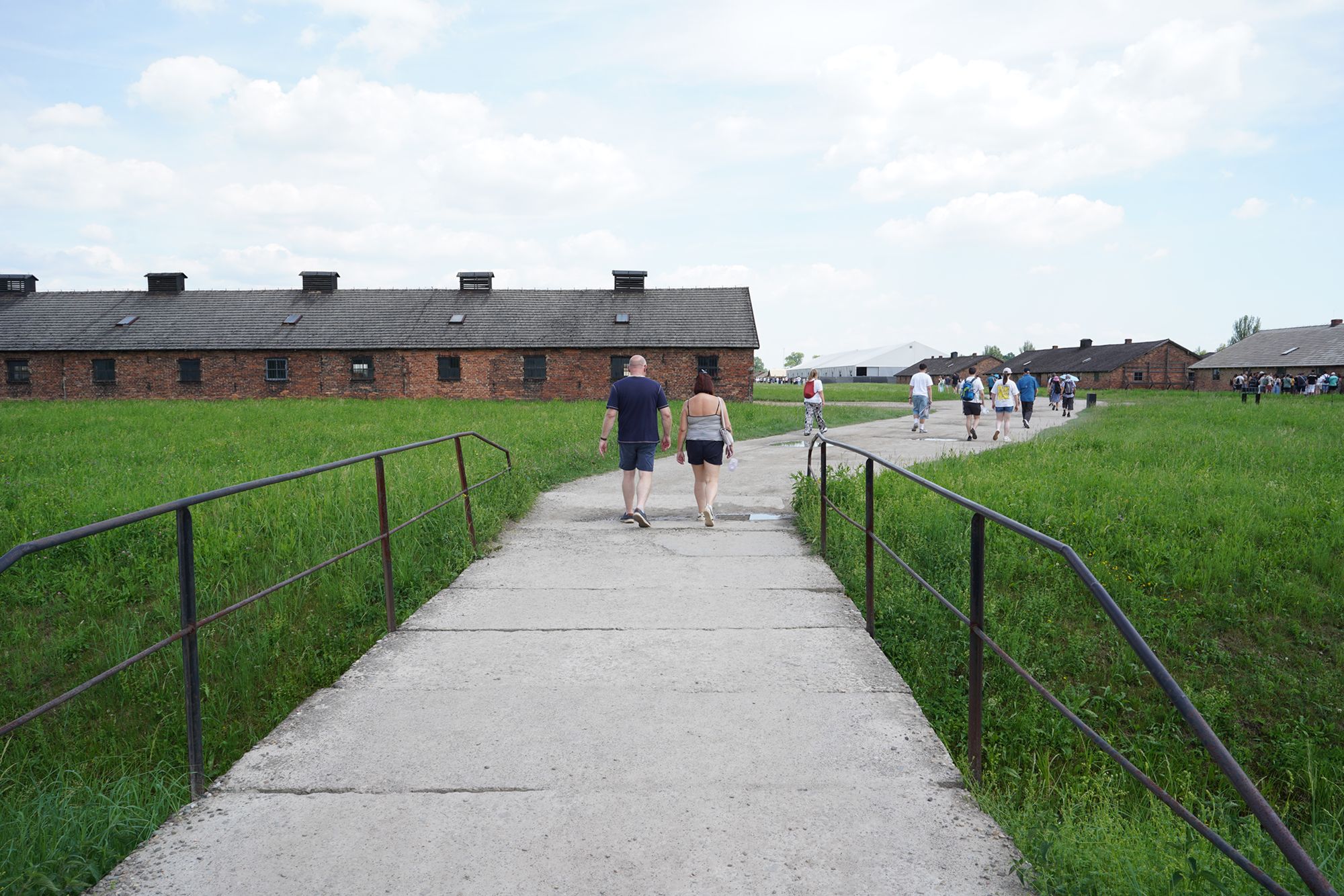
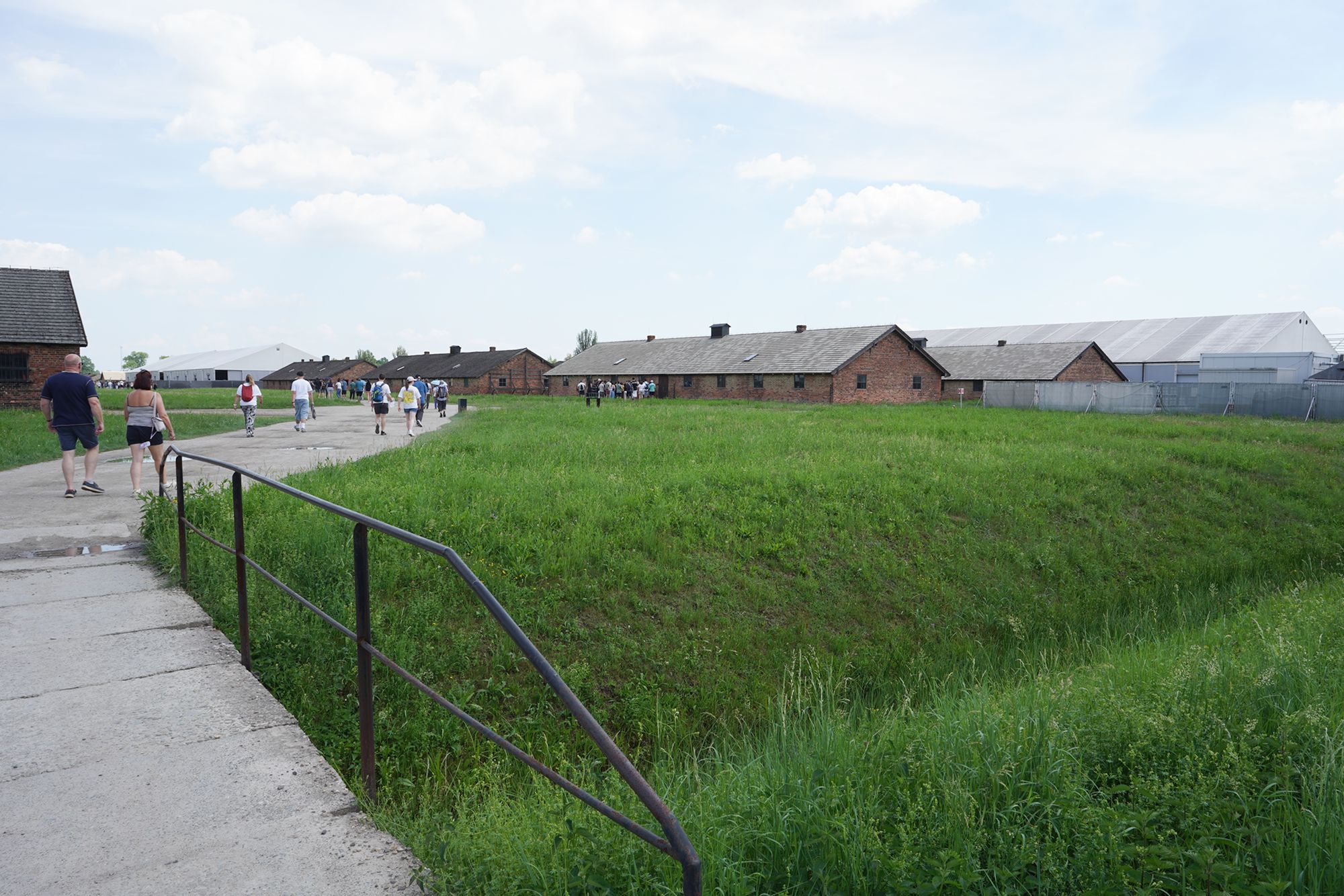
This is the barrack we’re about to enter.
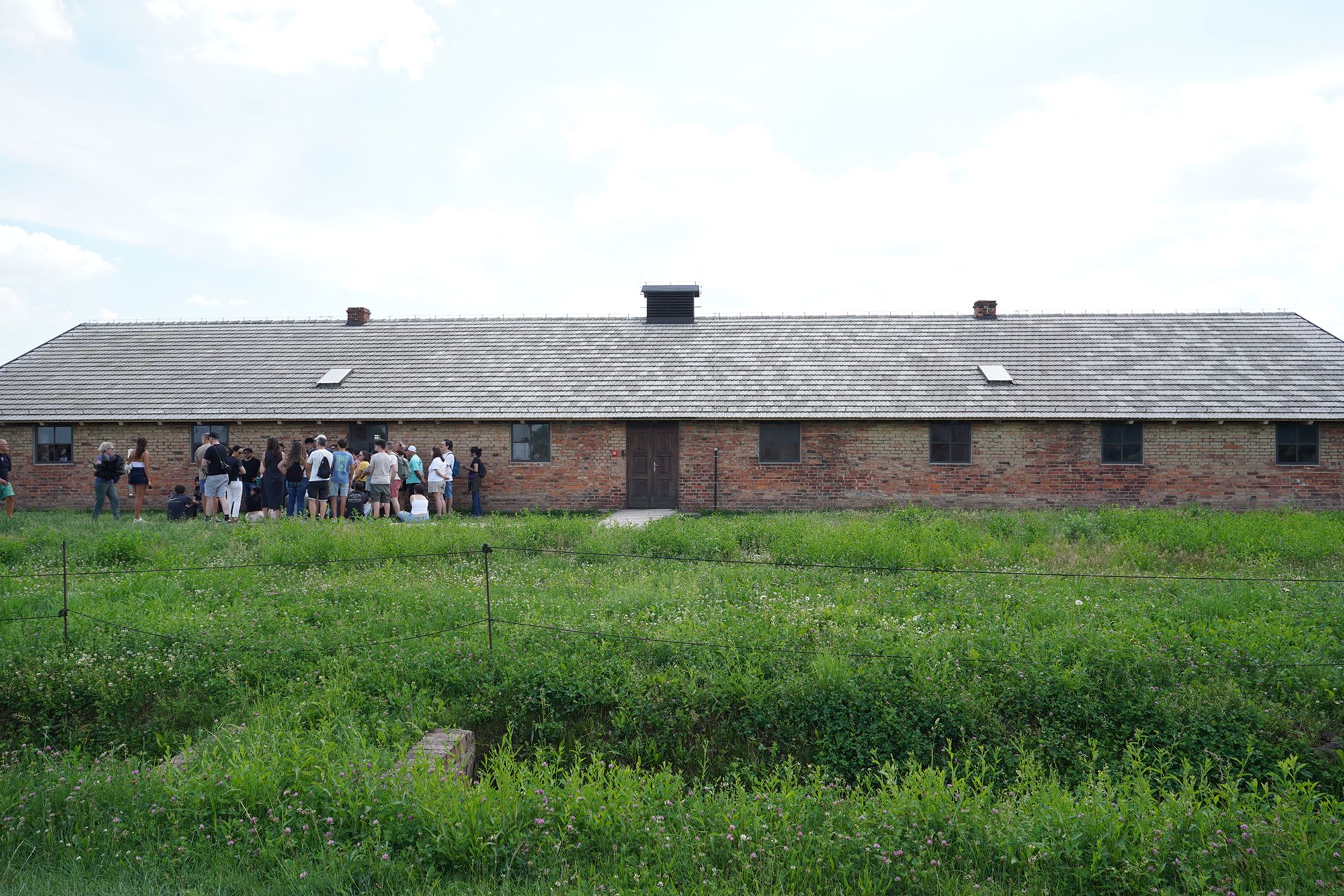
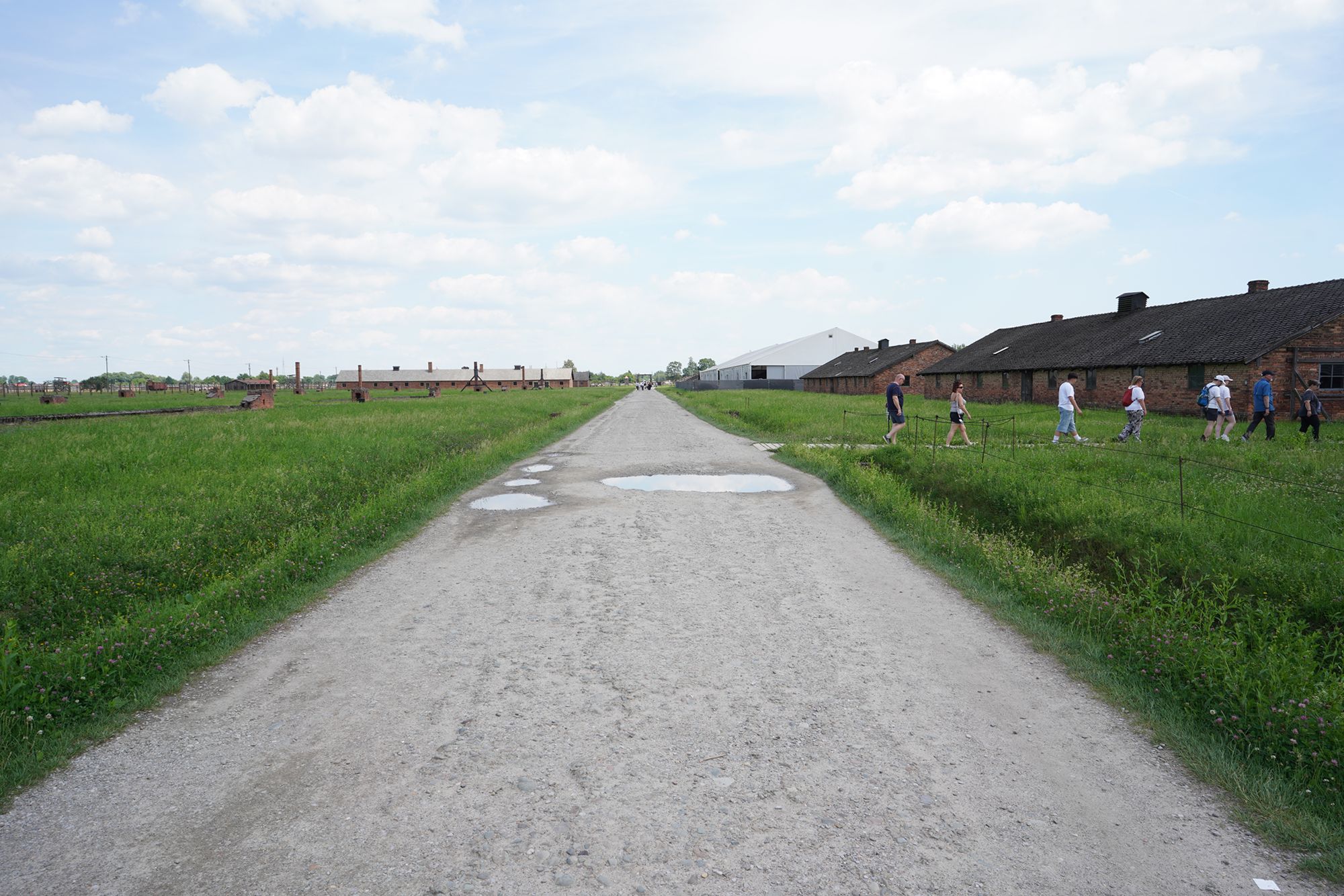
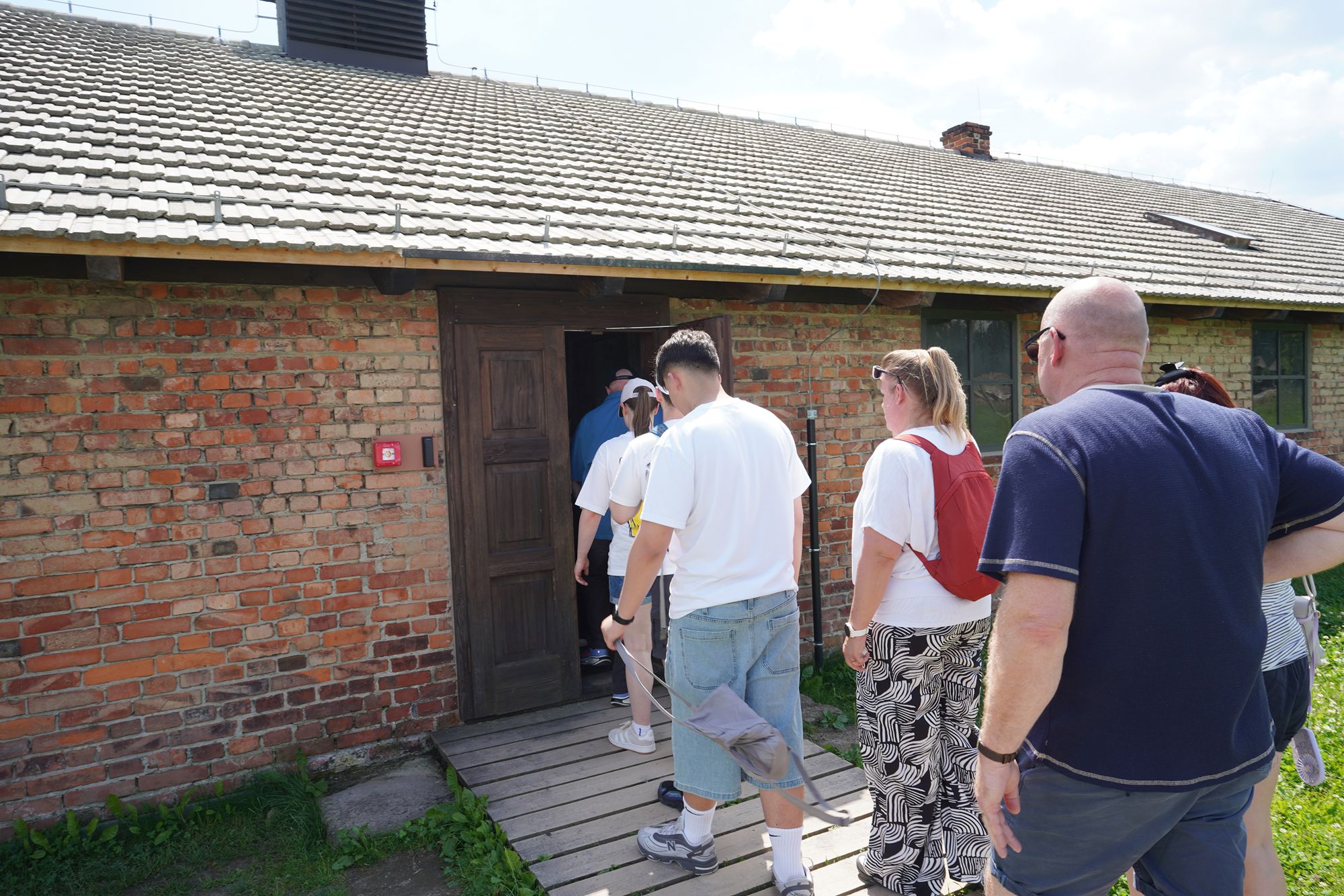
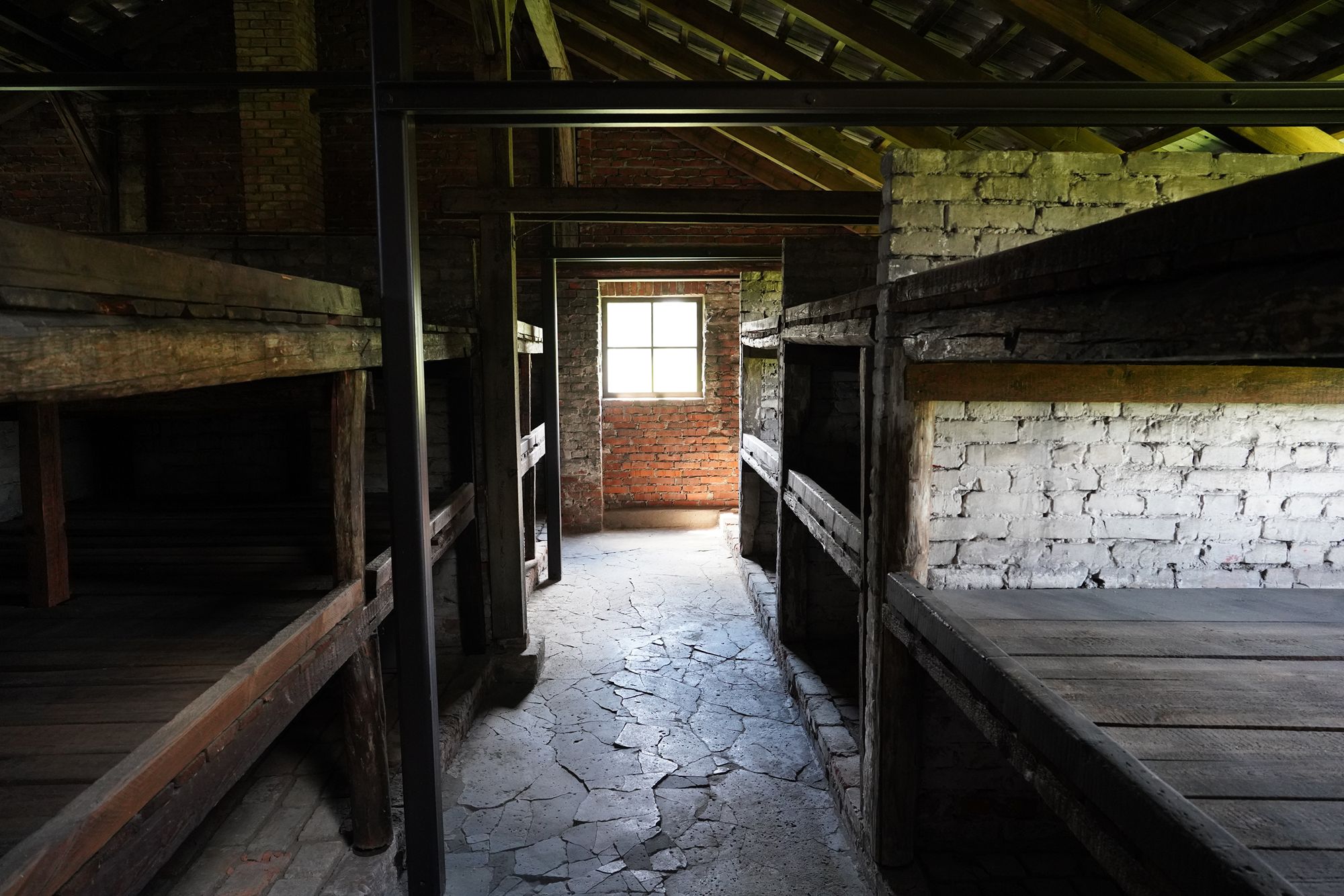
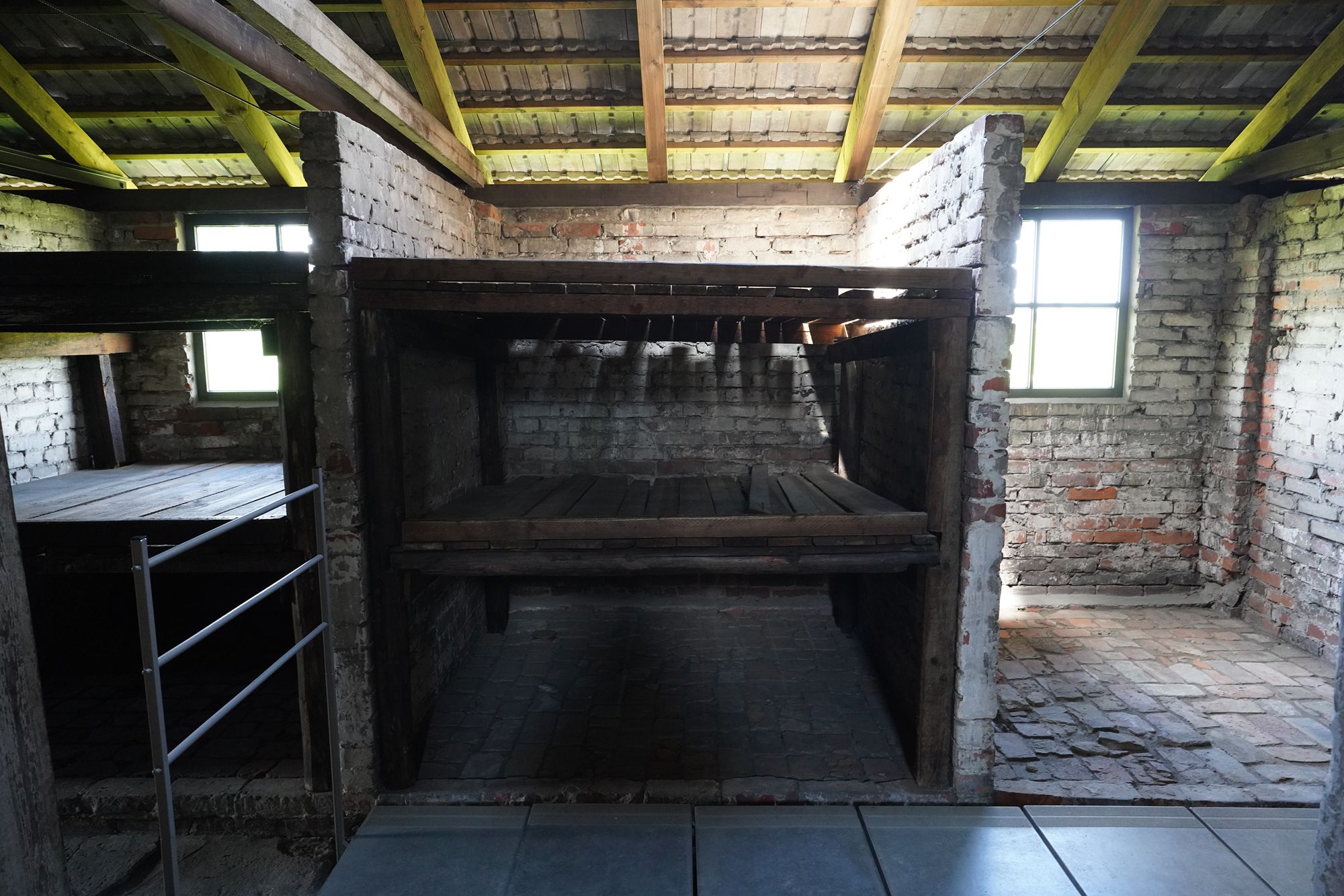
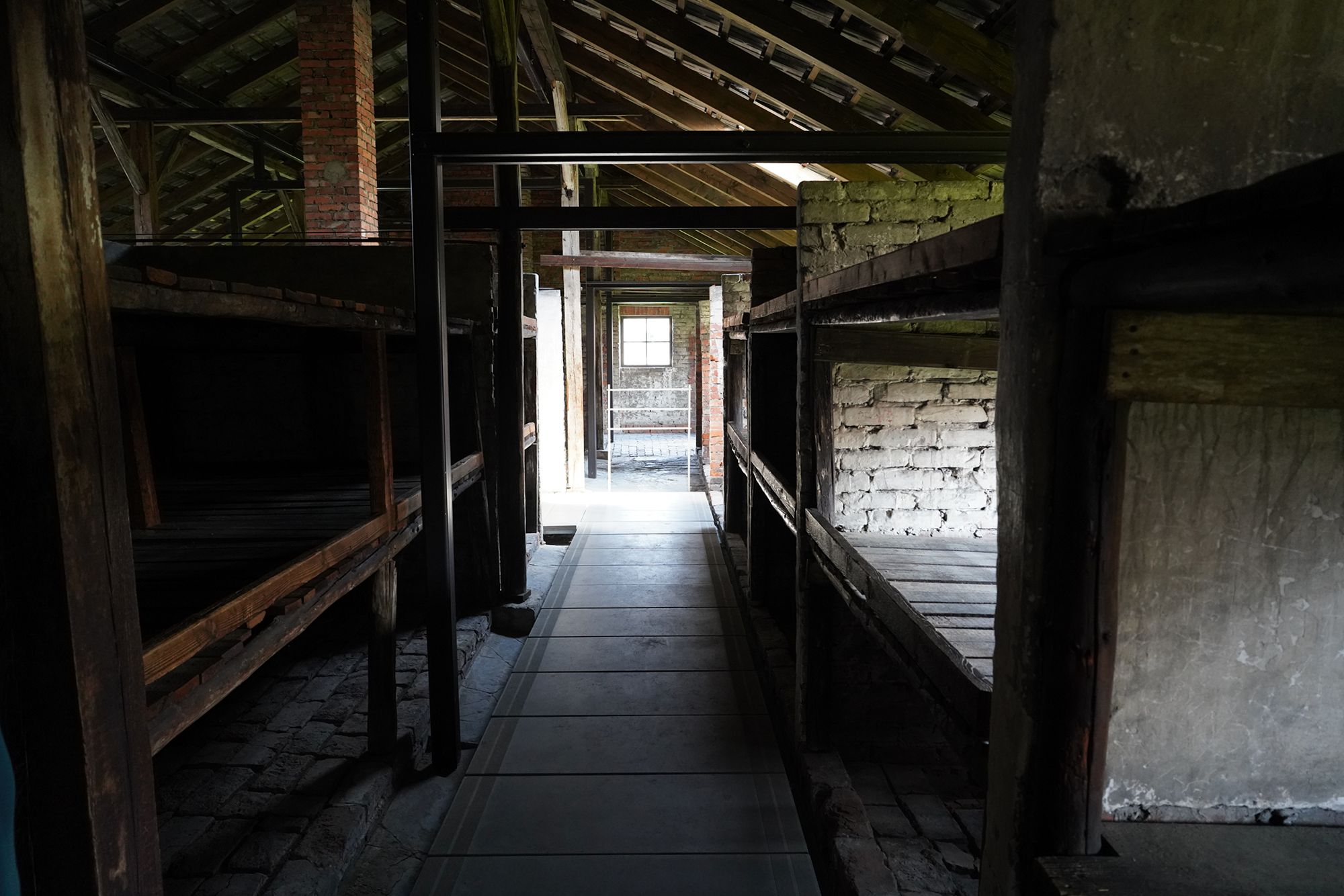
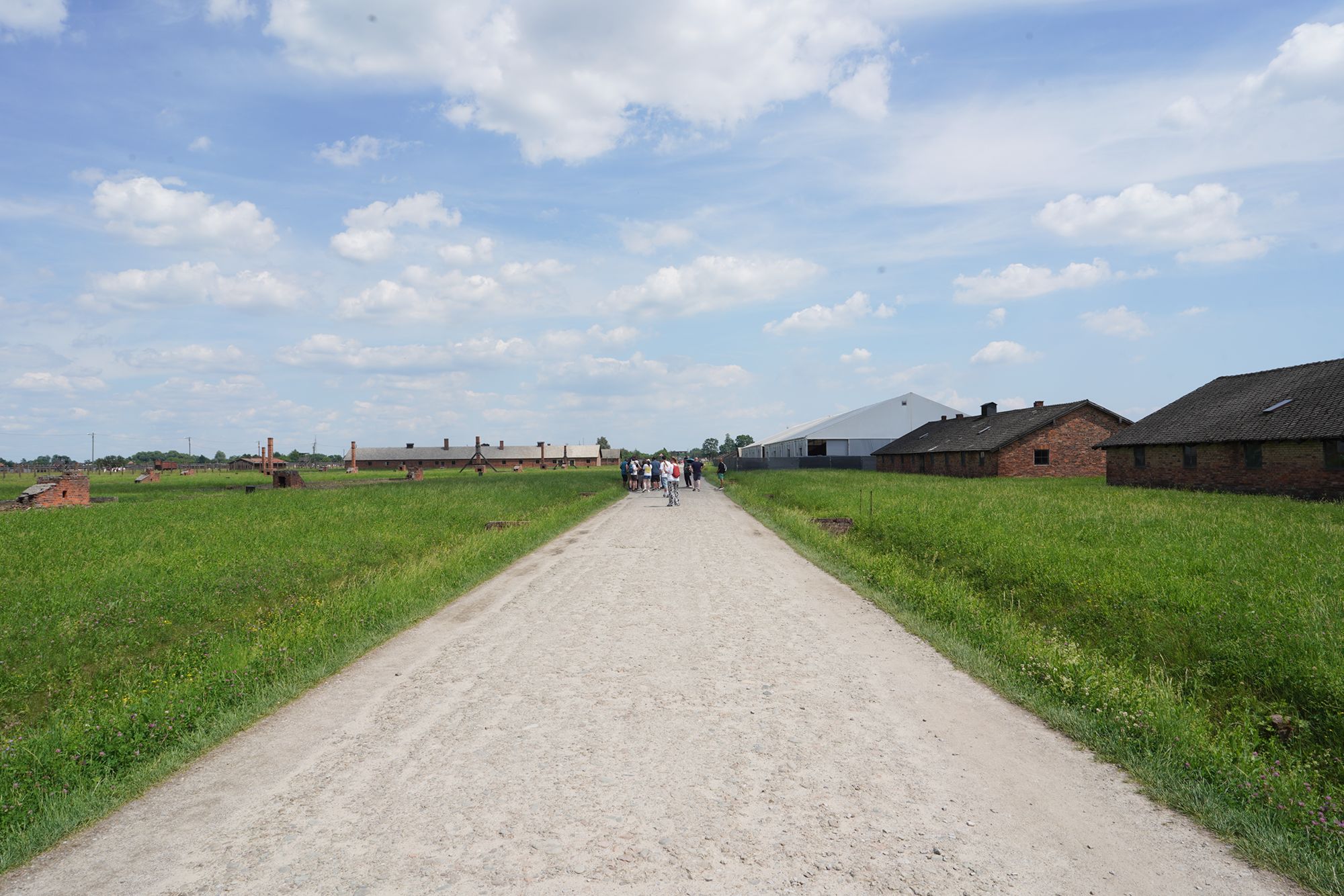
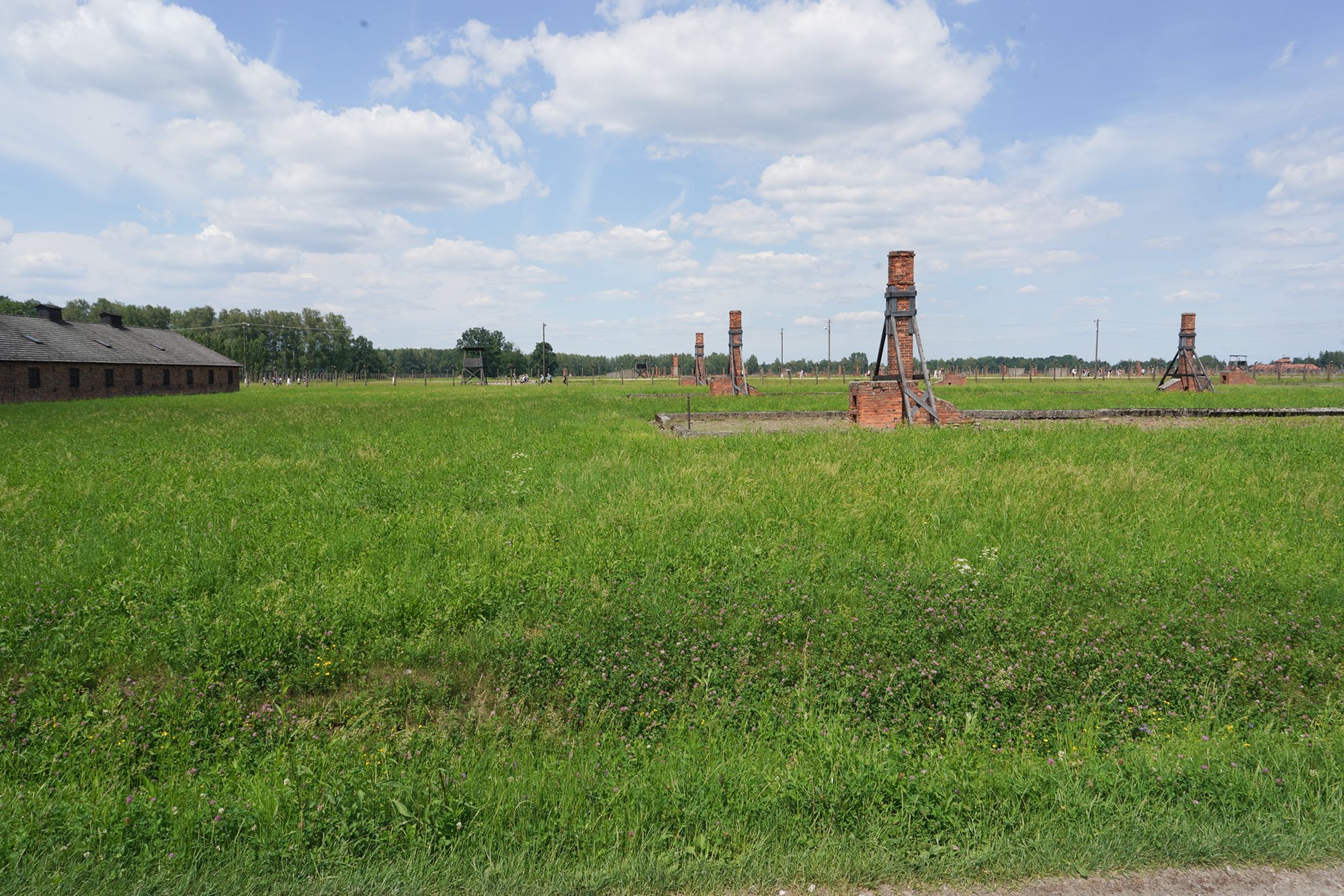
The wooden parts of the barracks are gone; only the brick chimneys remain.
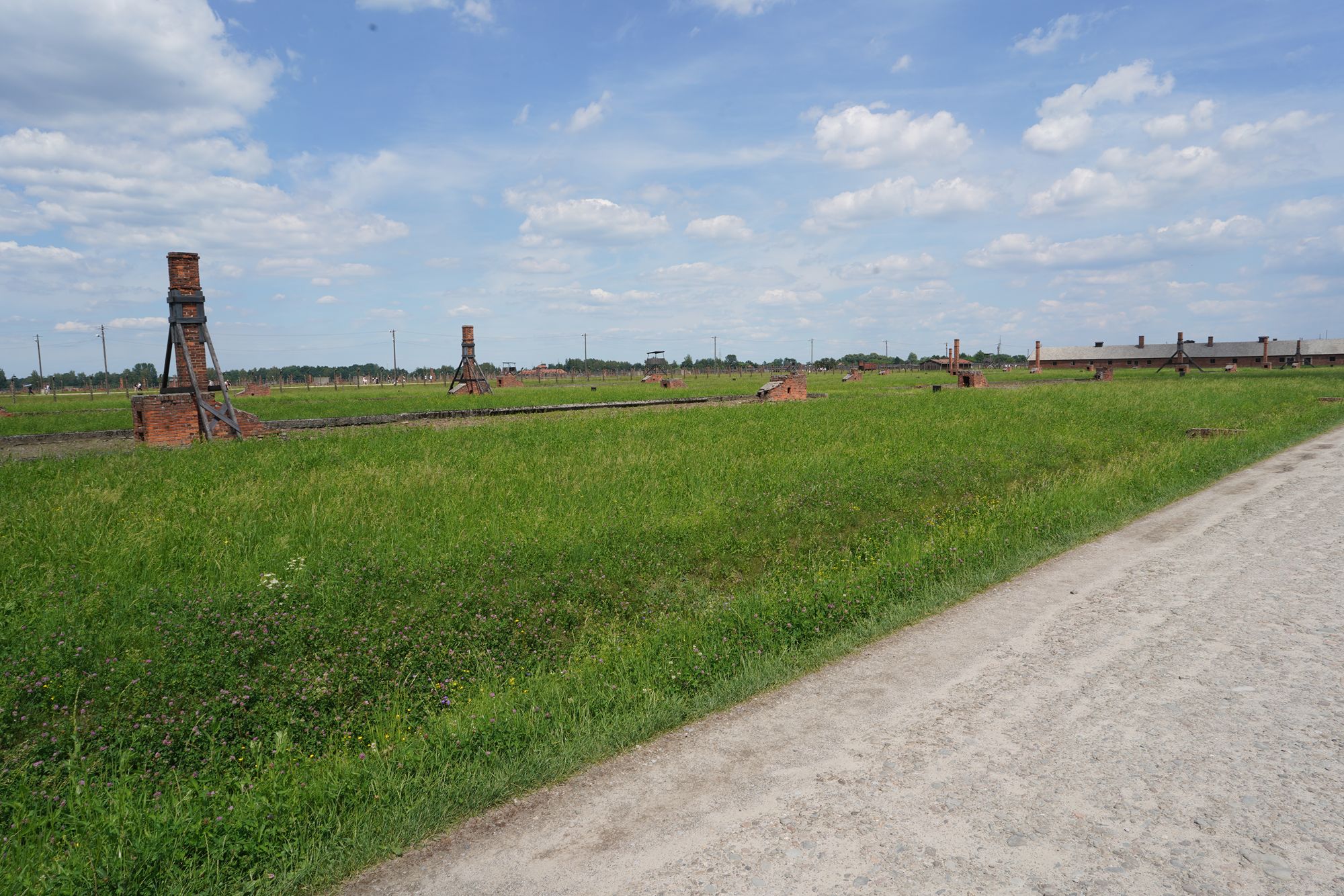
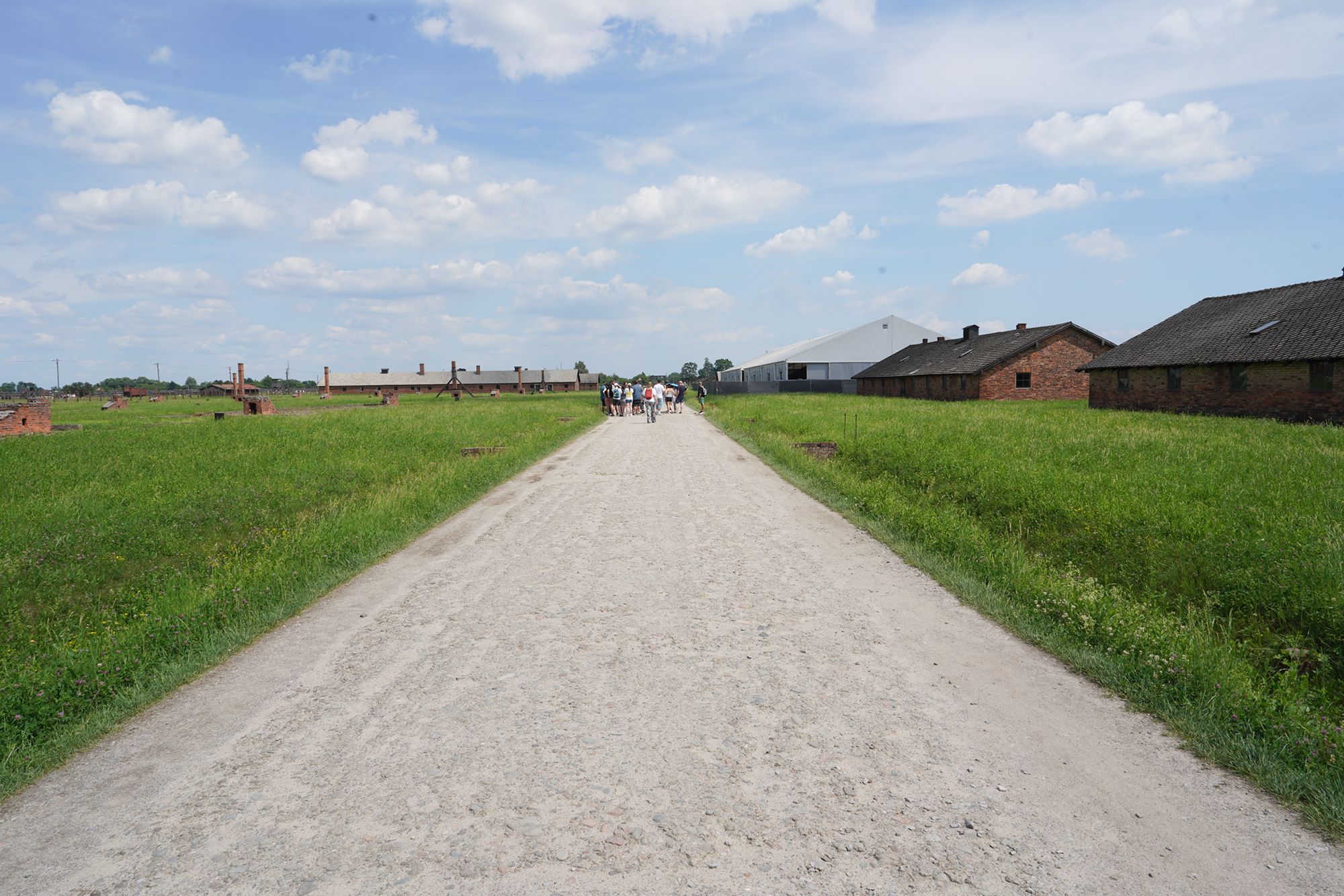
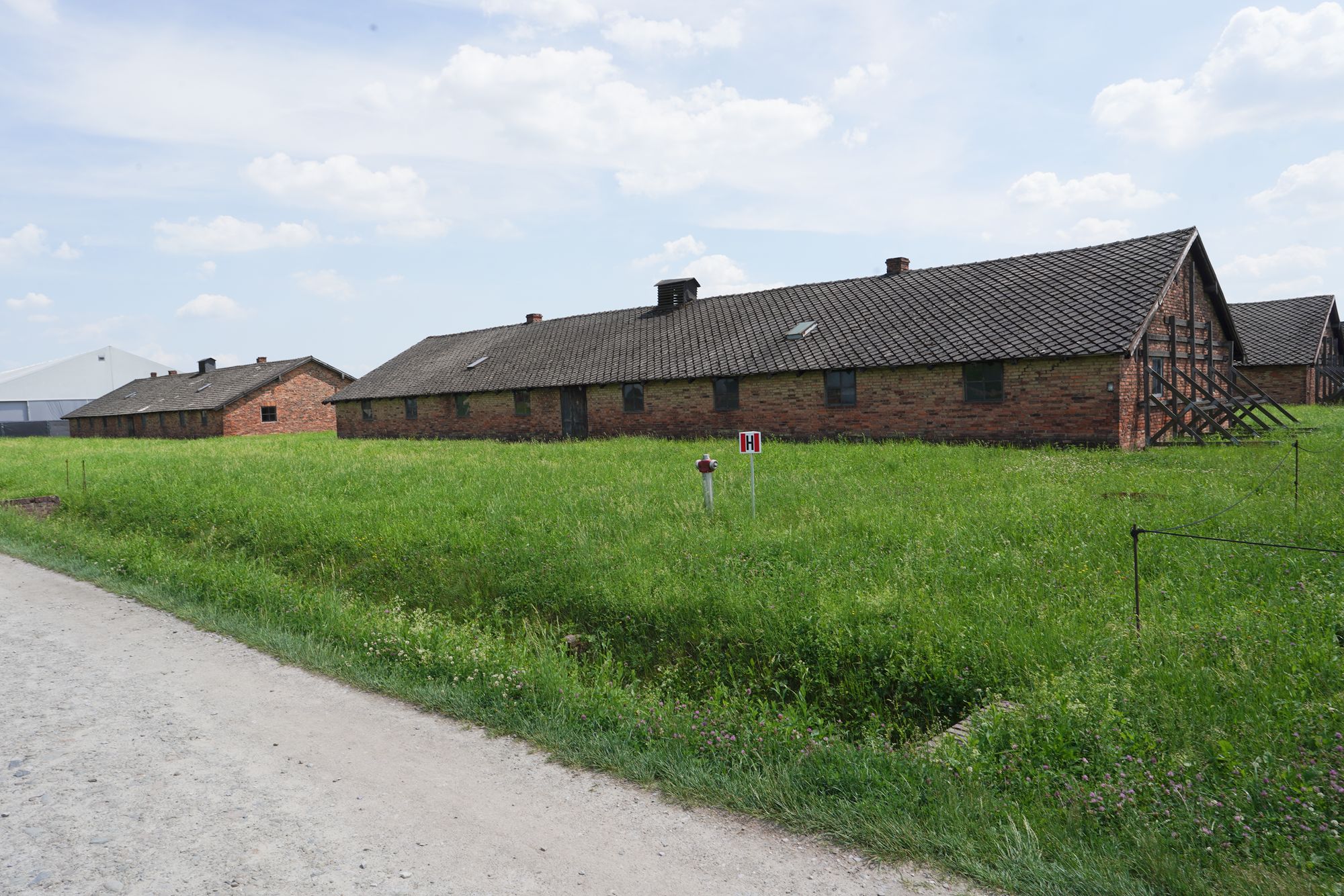
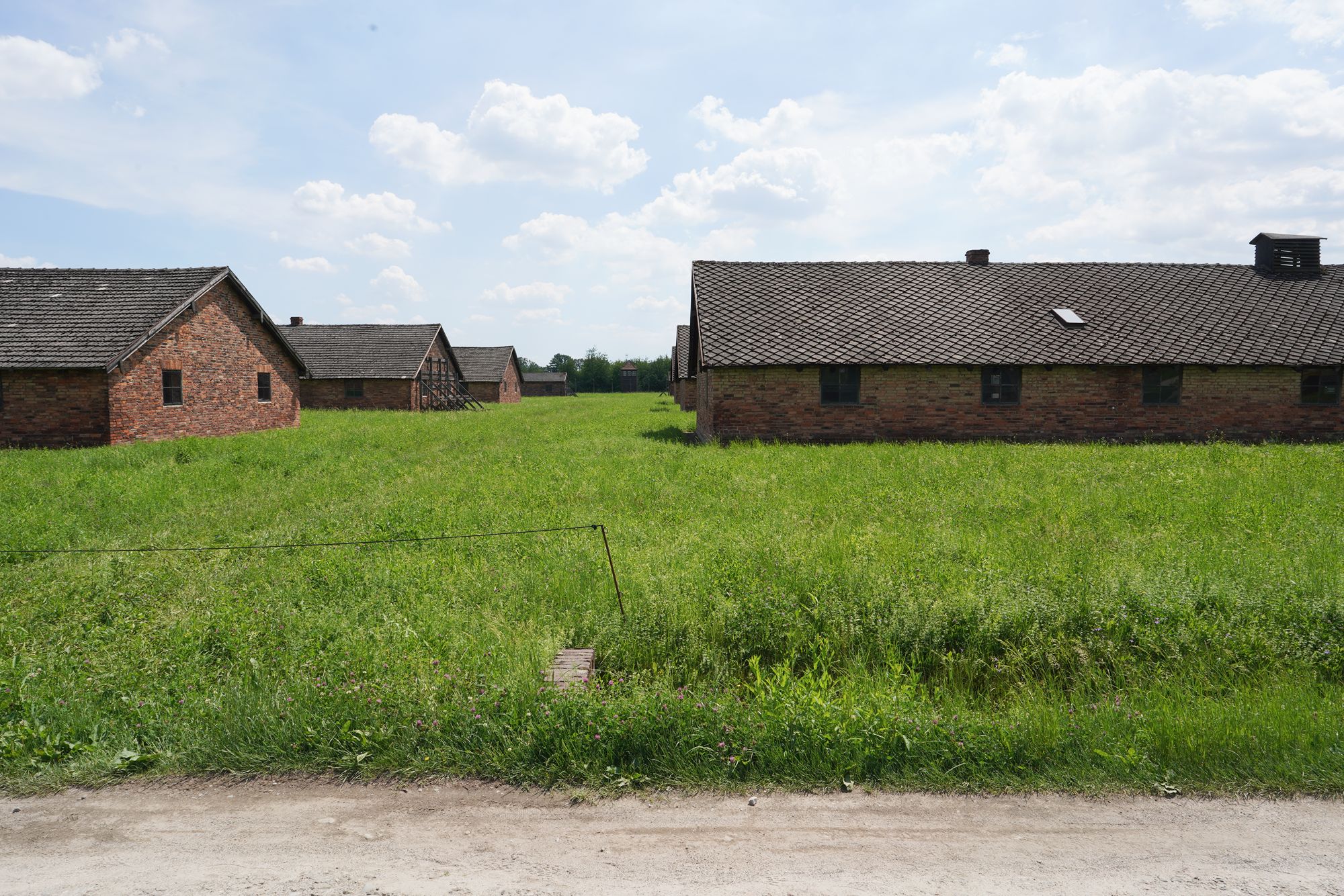
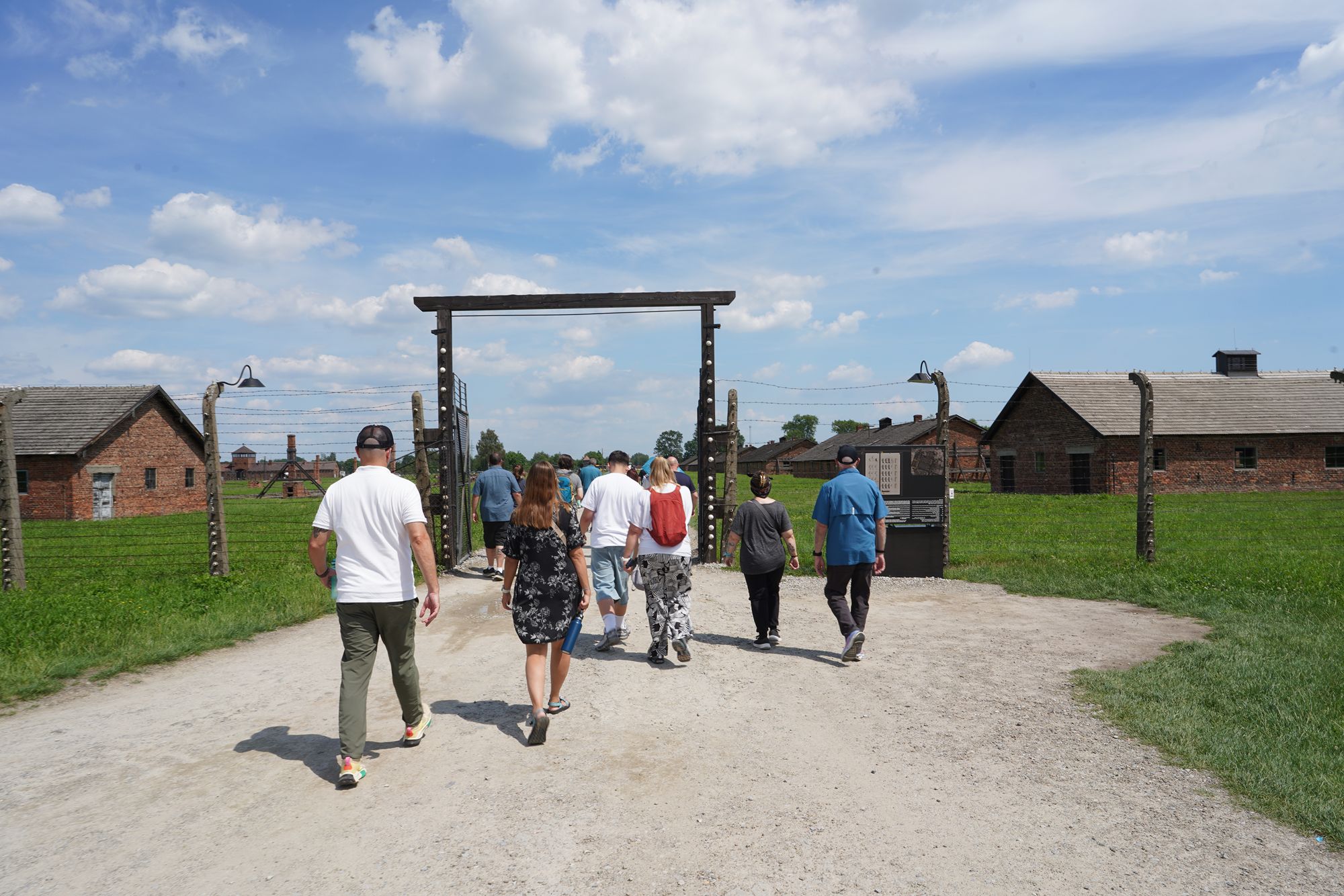
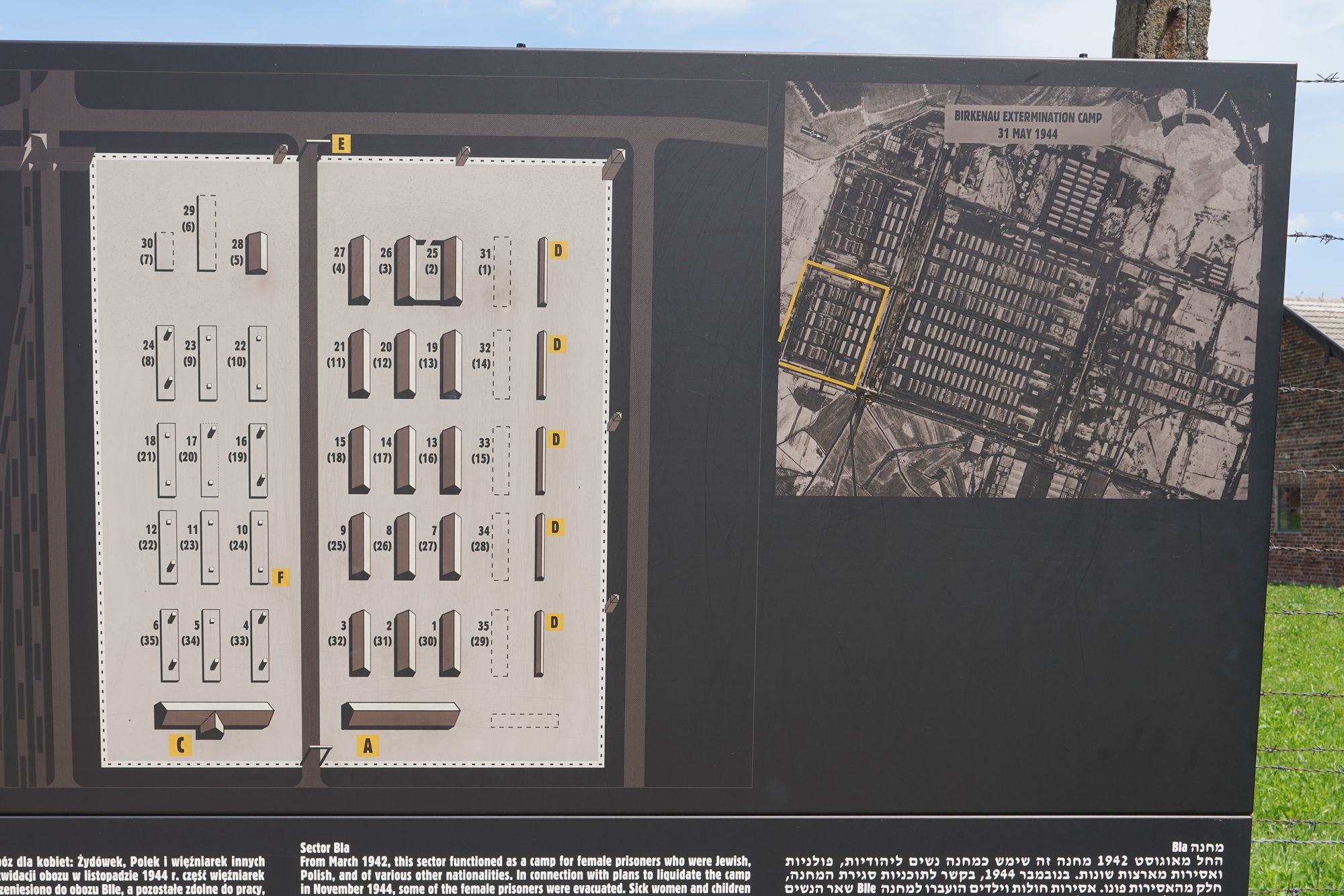
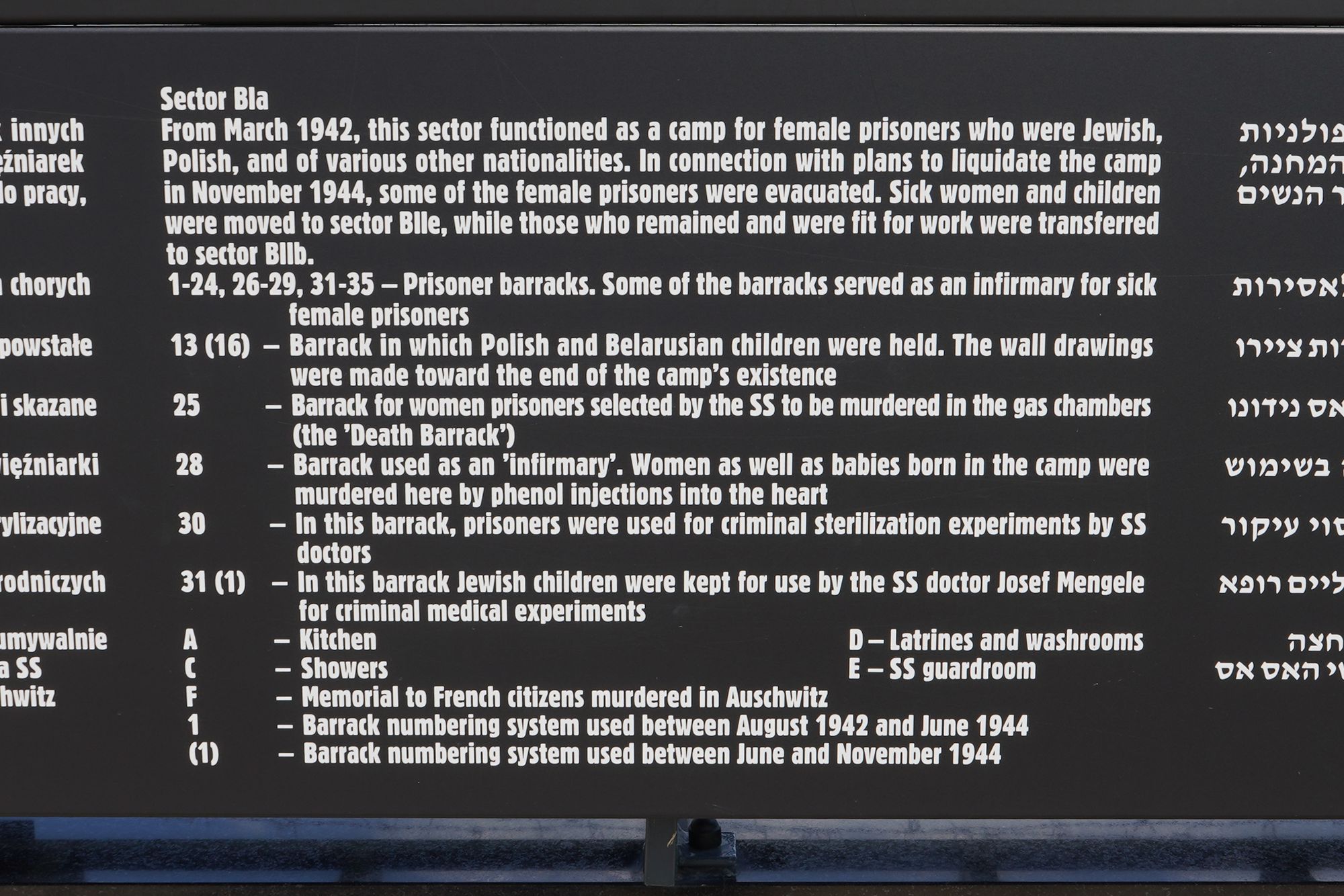
It is Sector BIa, which served as the women’s camp from March 1942. It lists the barracks and their uses, including prisoner housing, an infirmary, and barracks where children and women selected for murder were held. It also notes that SS doctors carried out sterilization and medical experiments here.
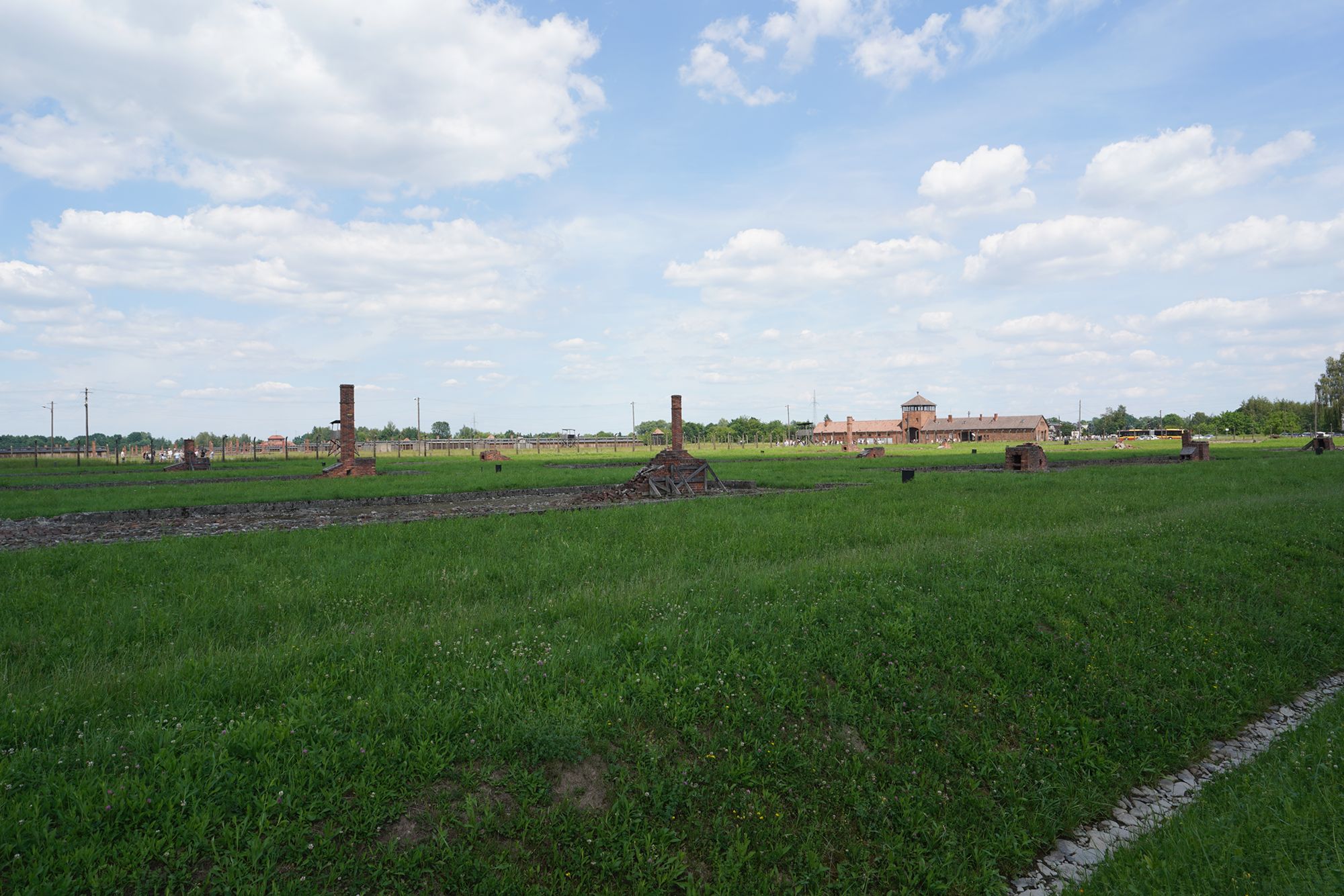
Views behind me
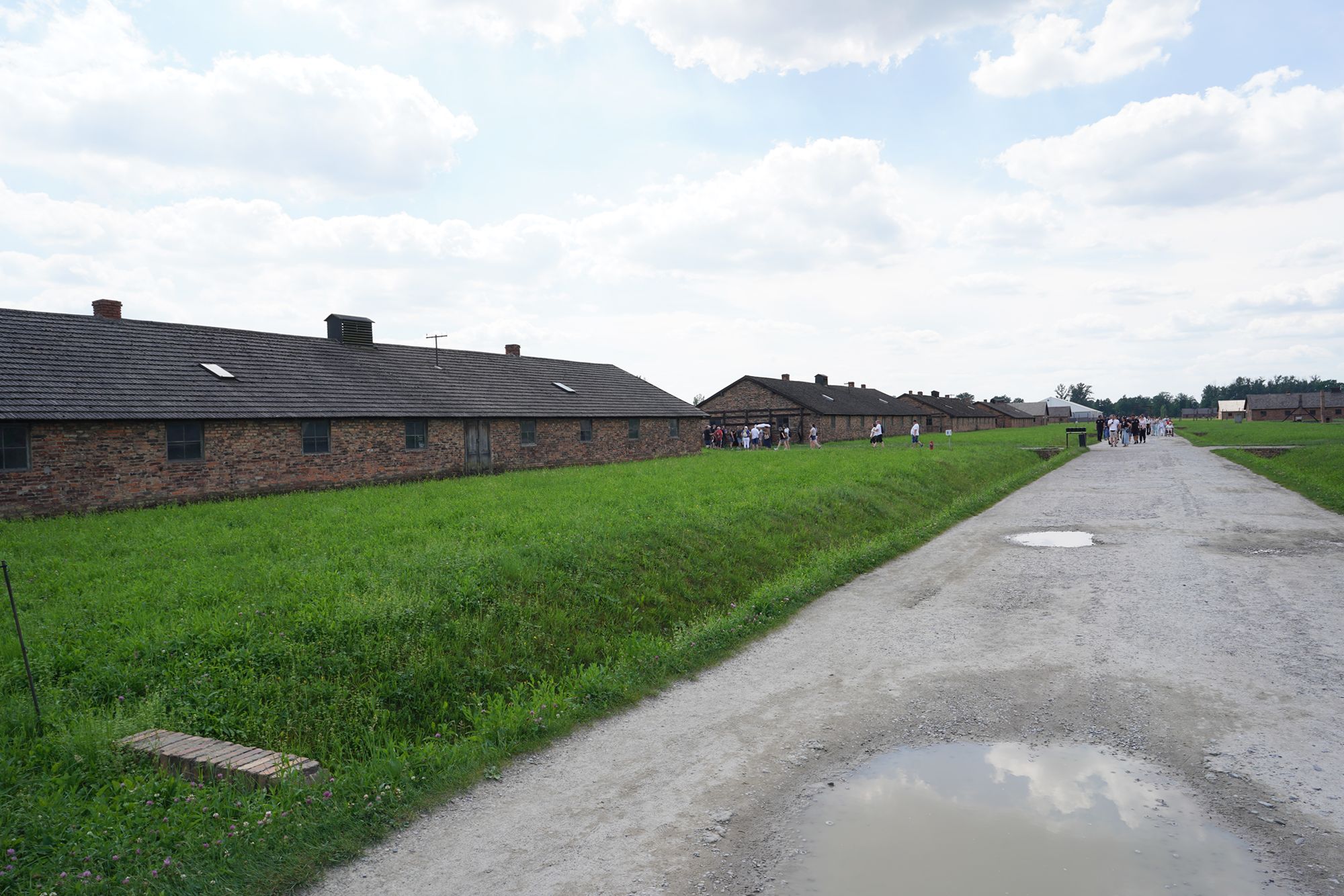
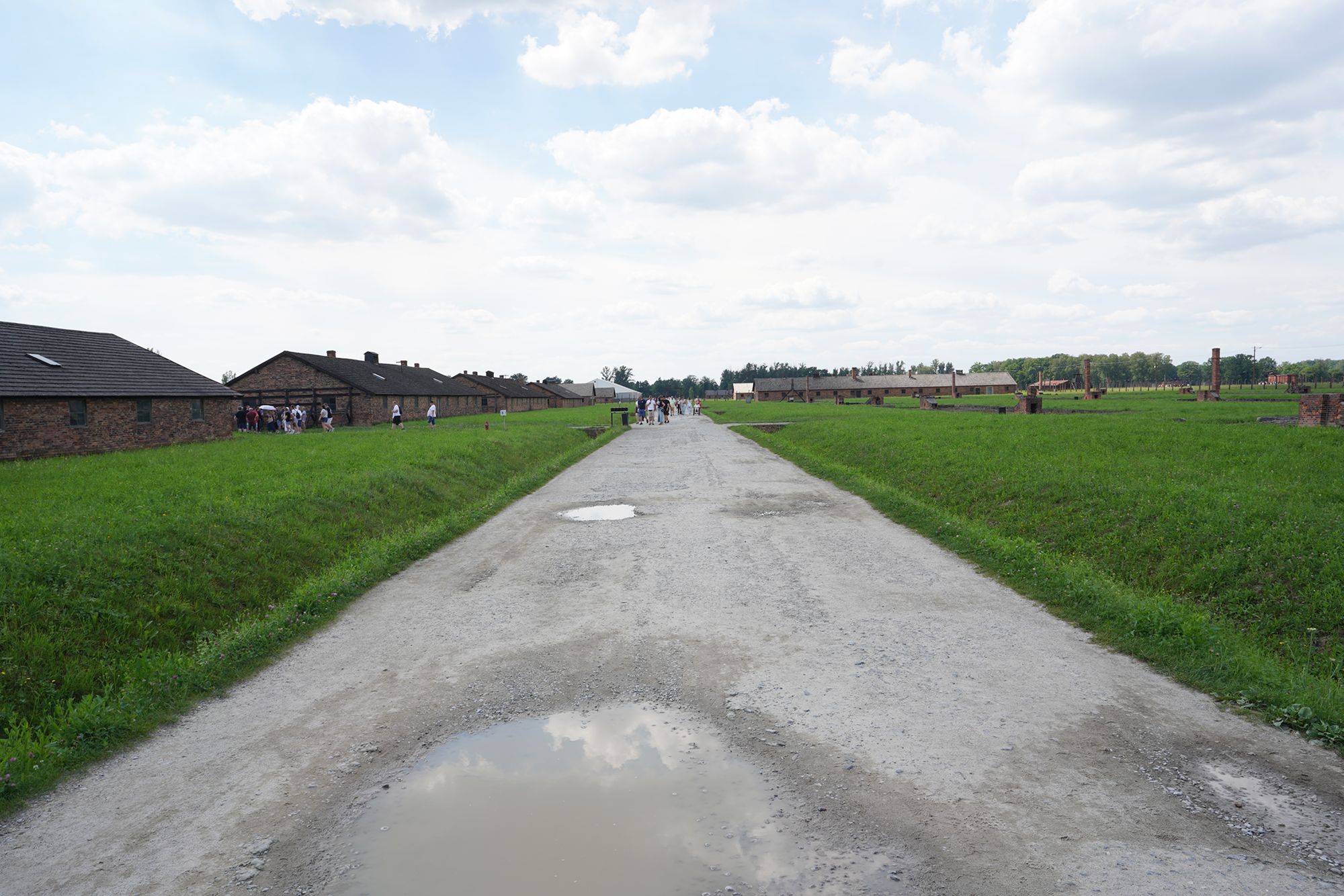
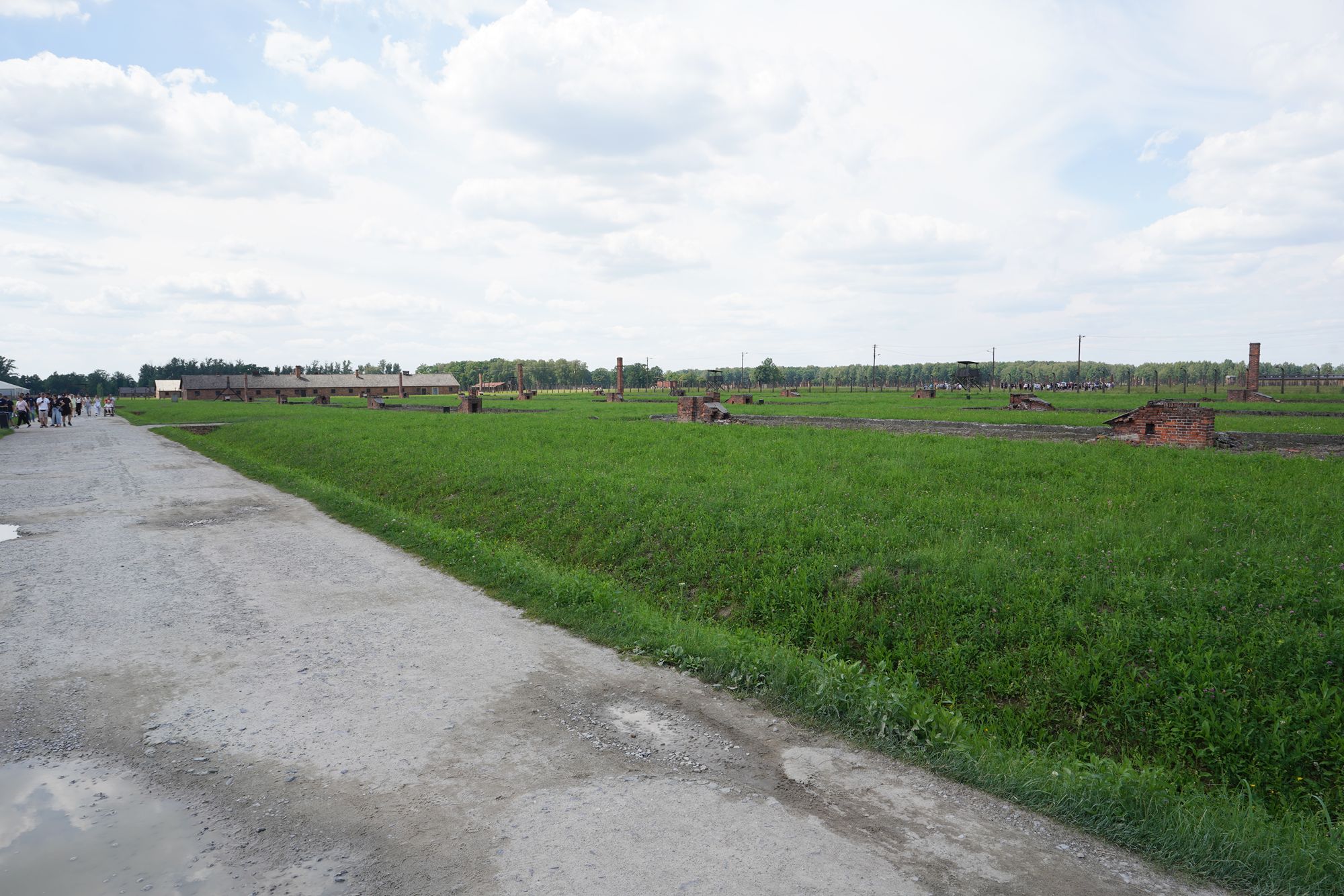
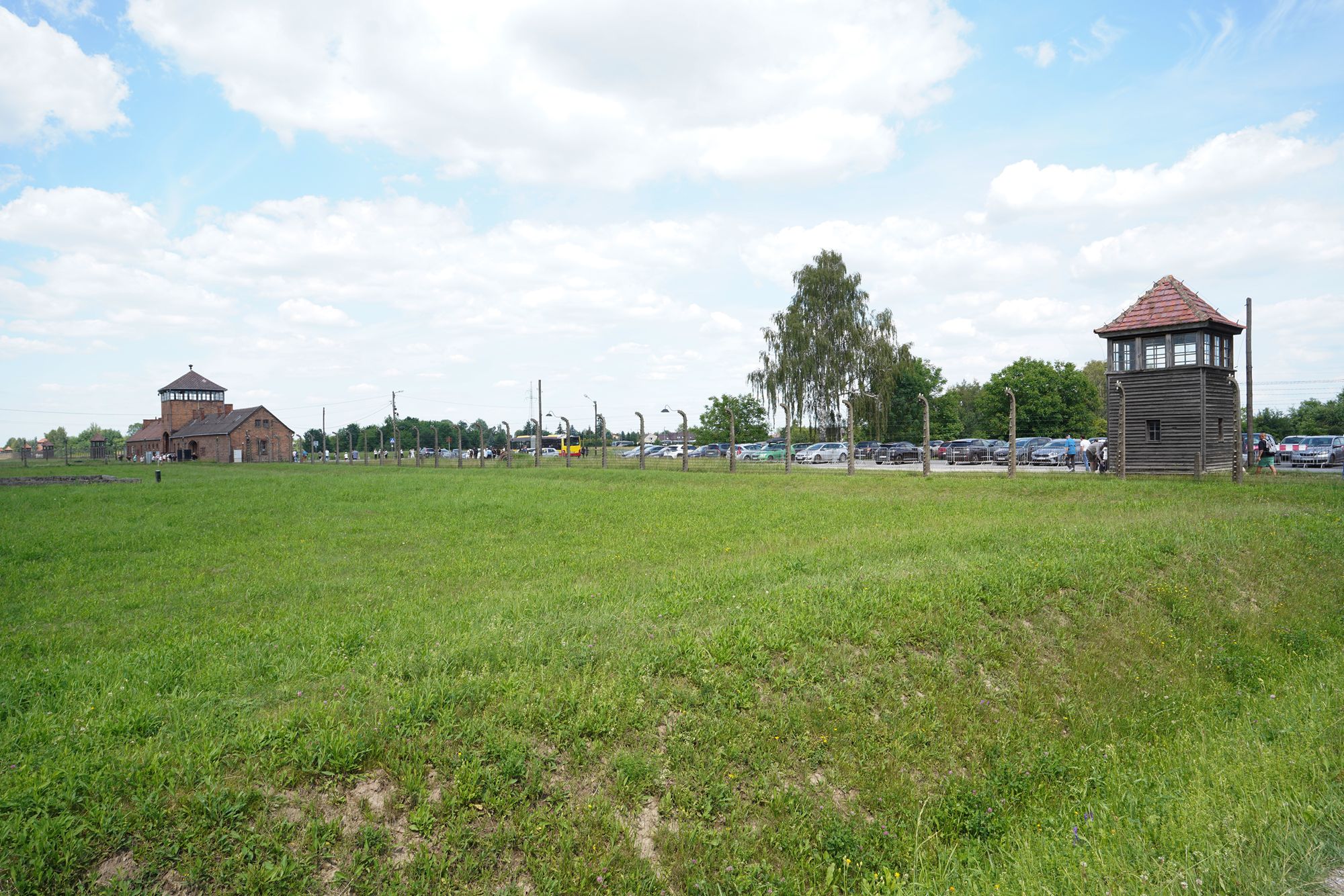
We came back to the entrance building.