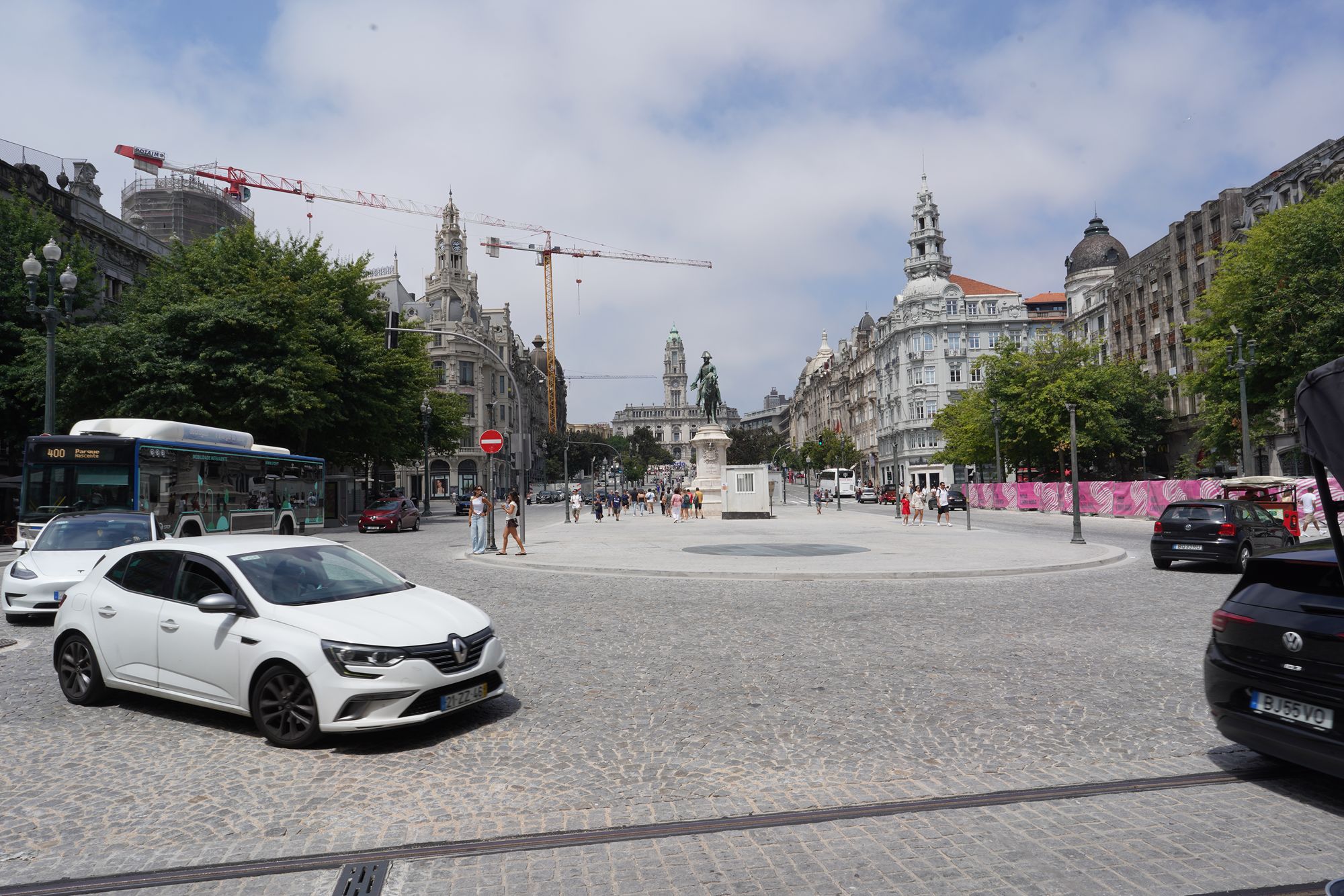
Porto Walk I, Portugal
Walking through Porto’s hilly streets, past City Hall, historic churches, Livraria Lello, and the iconic Clérigos Tower. 1373
Porto City Hall: PC GEN Humberto Delgado, 4049-001 Porto, Portugal
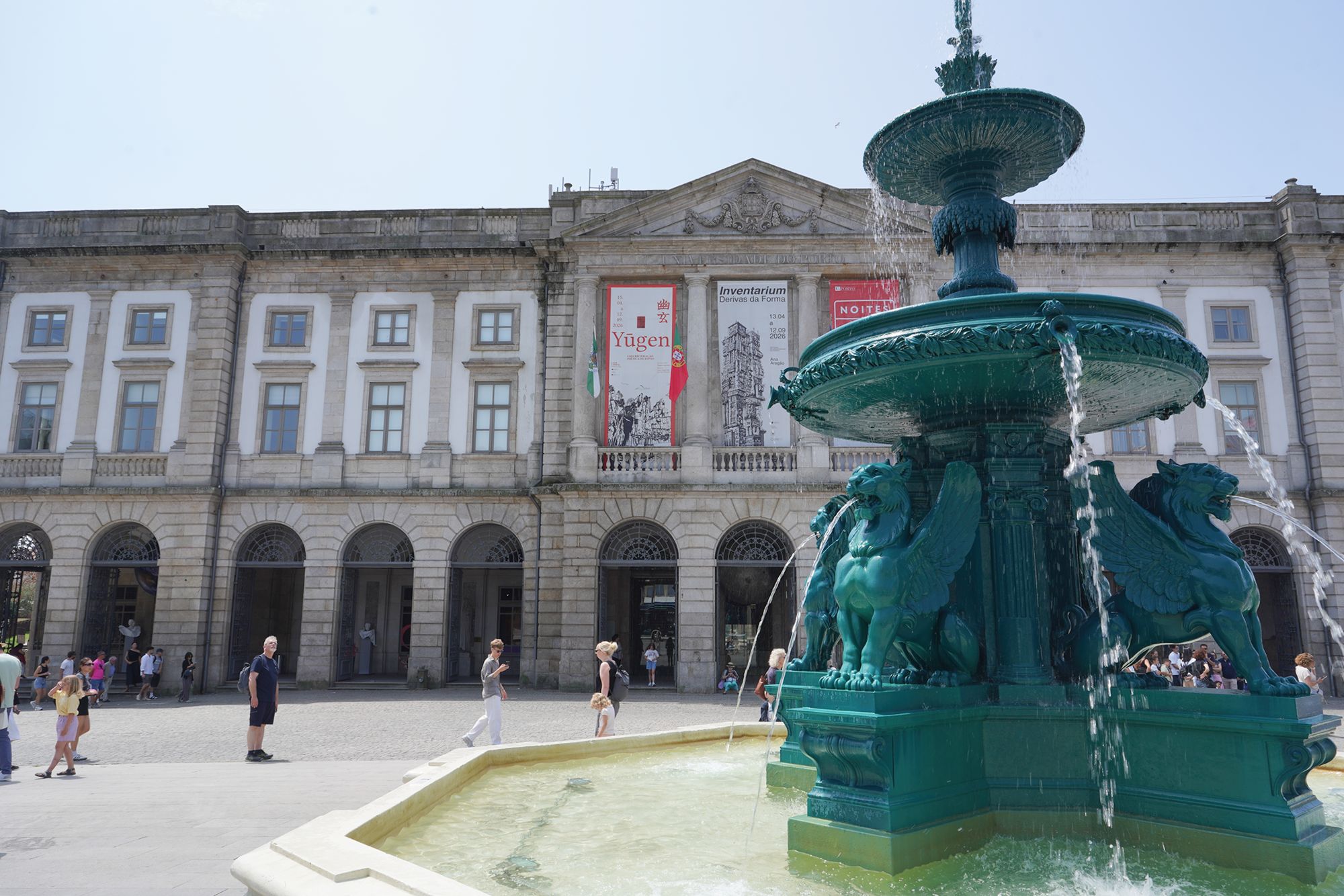
Fountain of the Lions: Praça de Gomes Teixeira 10, 4050-526 Porto, Portugal
Igreja do Carmo: R. do Carmo, 4050-164 Porto, Portugal
Livraria Lello: R. das Carmelitas 144, 4050-161 Porto, Portugal
Torre dos Clérigos: R. de São Filipe de Nery, 4050-546 Porto, Portugal
Praça de Lisboa: R. das Carmelitas 151, 4050-162 Porto, Portugal
Igreja dos Clérigos: R. de São Filipe de Nery, 4050-546 Porto, Portugal
Date Picture Taken: Jul, 2026
I stayed near Porto City Hall, so I began my walk by heading there from my accommodation.
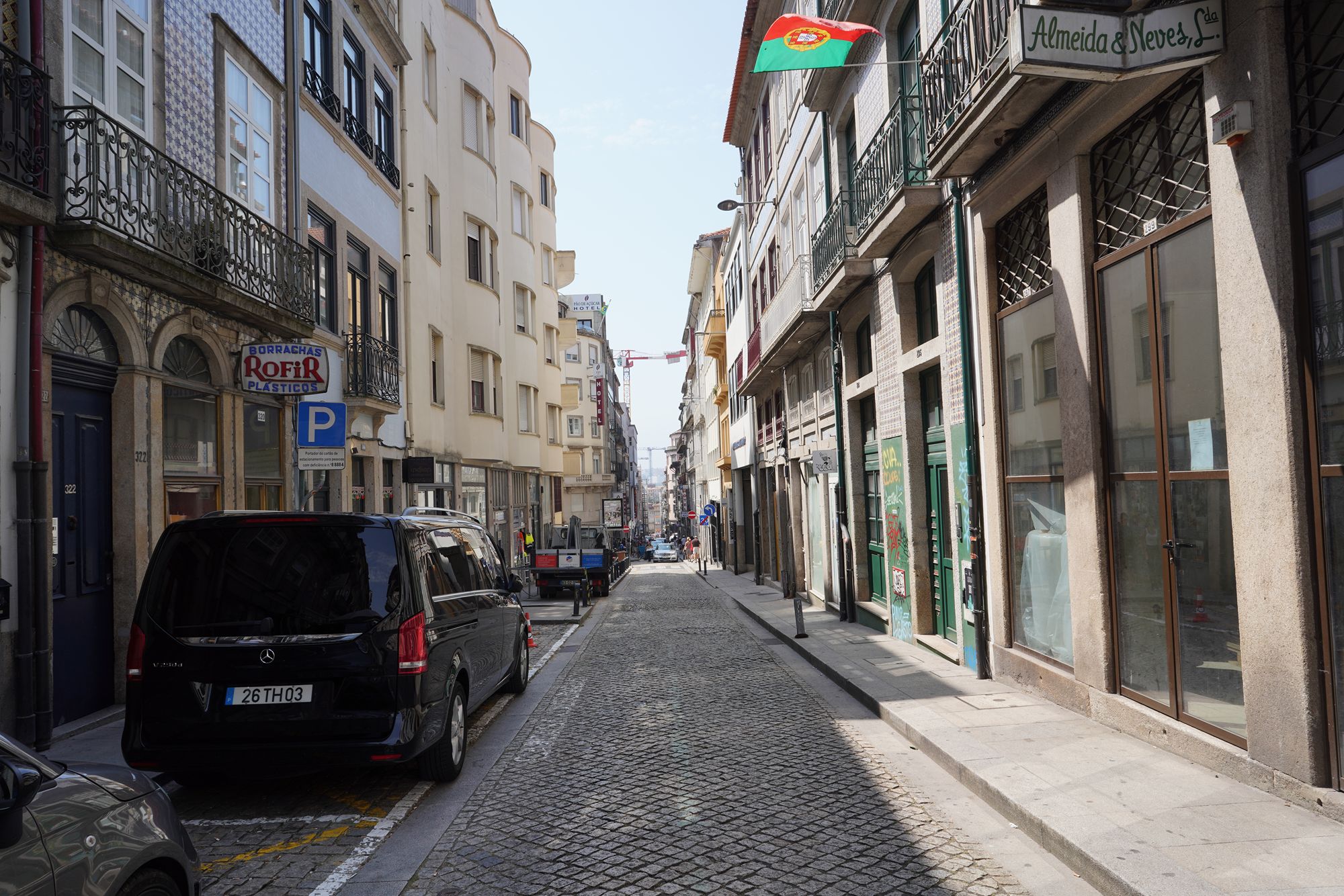
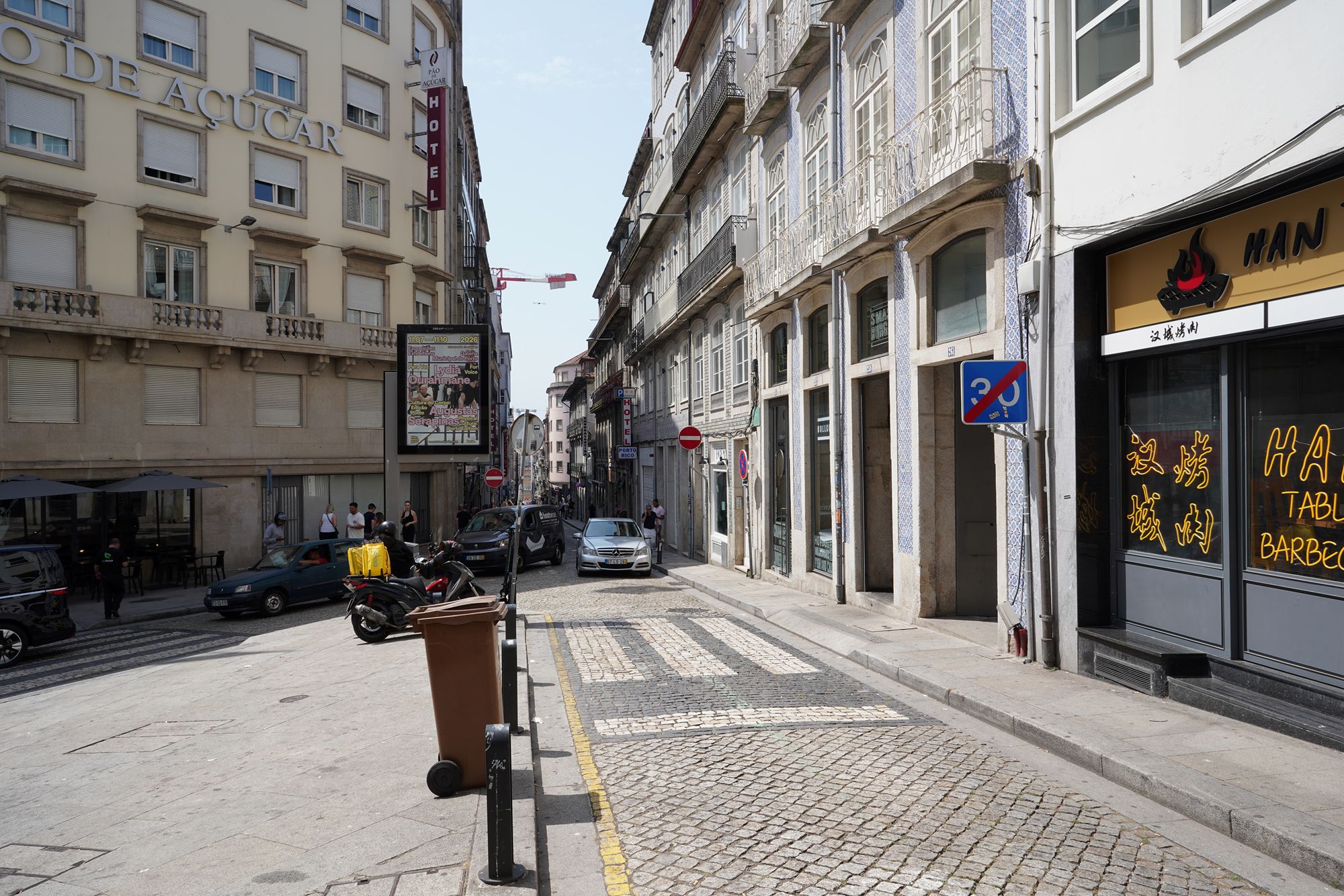
Porto is a hilly city, with many narrow streets winding up and down its slopes. This is a view on my left.
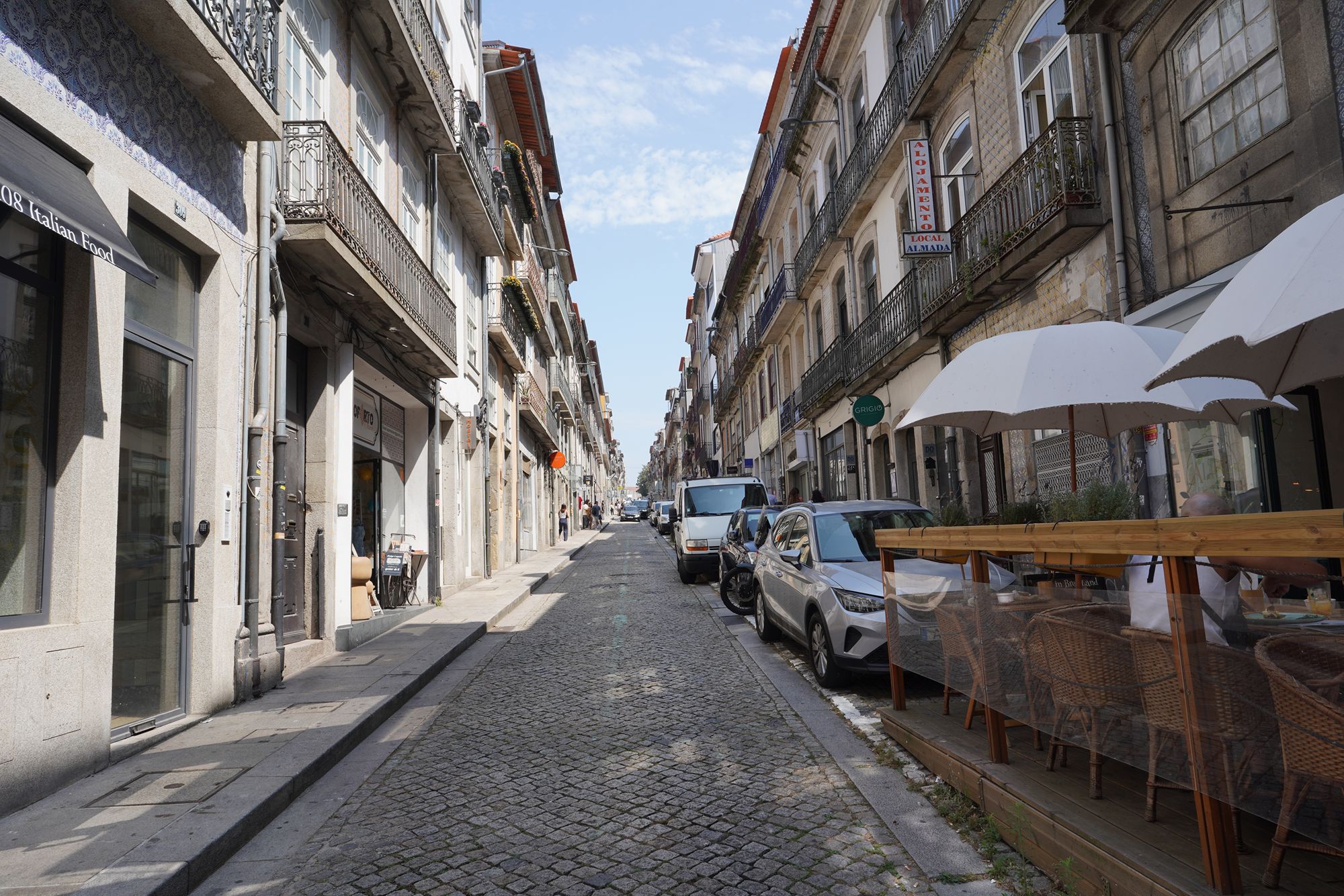
And this is a view on my right.
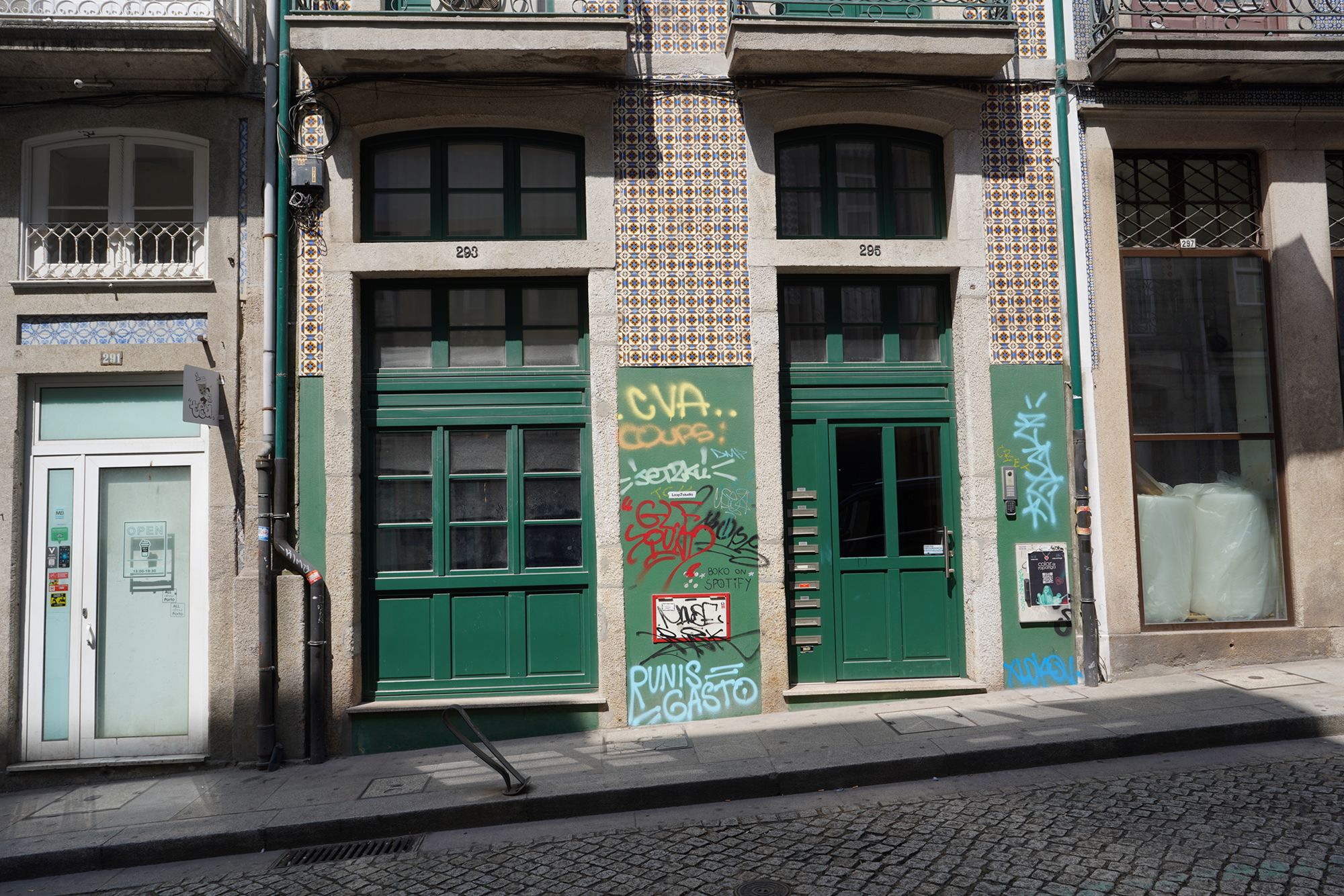
This is the Porto City Hall
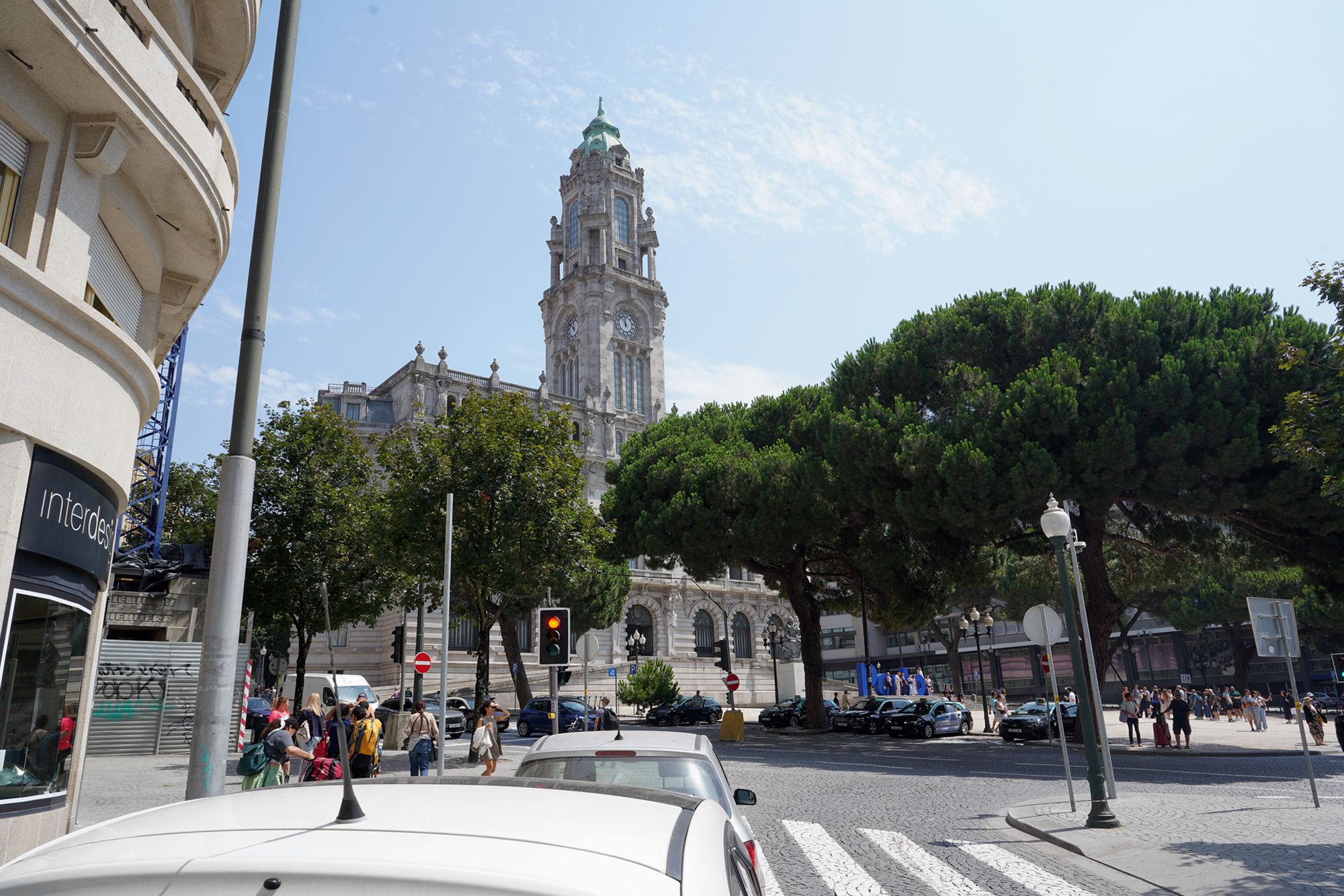
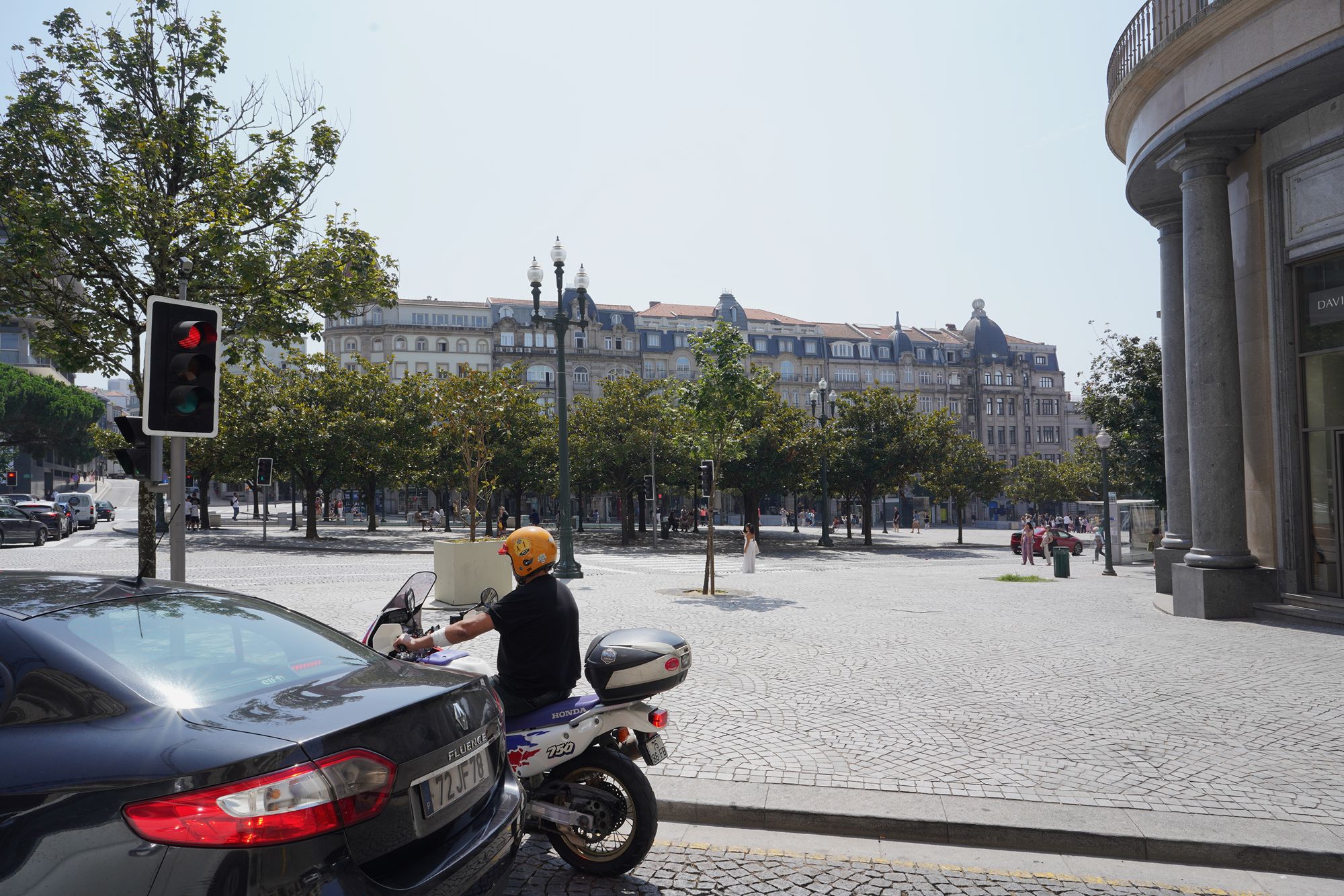
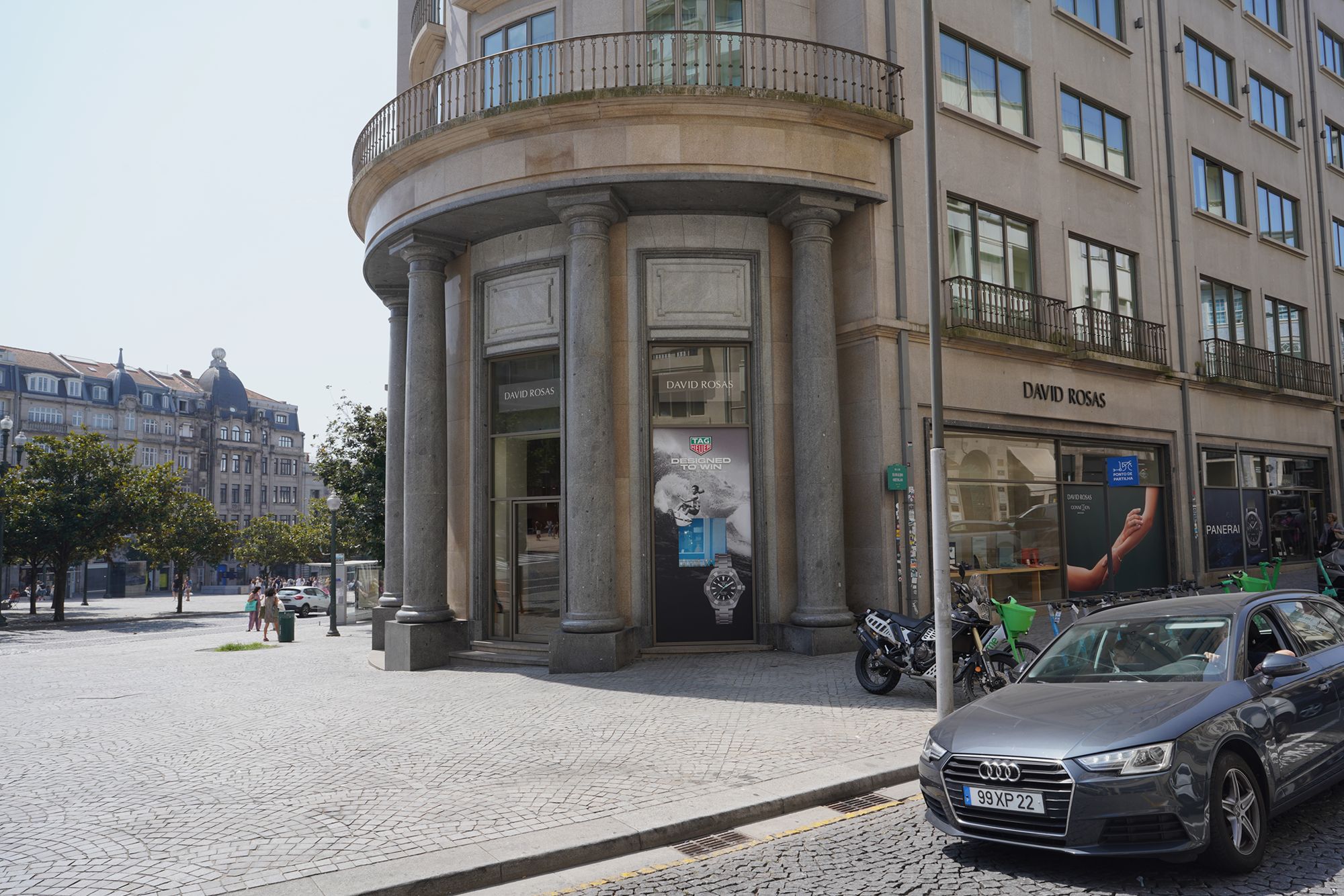
Porto City Hall stands at the northern end of Avenida dos Aliados, overlooking the broad avenue. Construction began in 1920, but interruptions and changes to the design delayed its completion until 1957. Its central clock tower rises 70 meters, making the building an easily recognizable landmark in the city center.
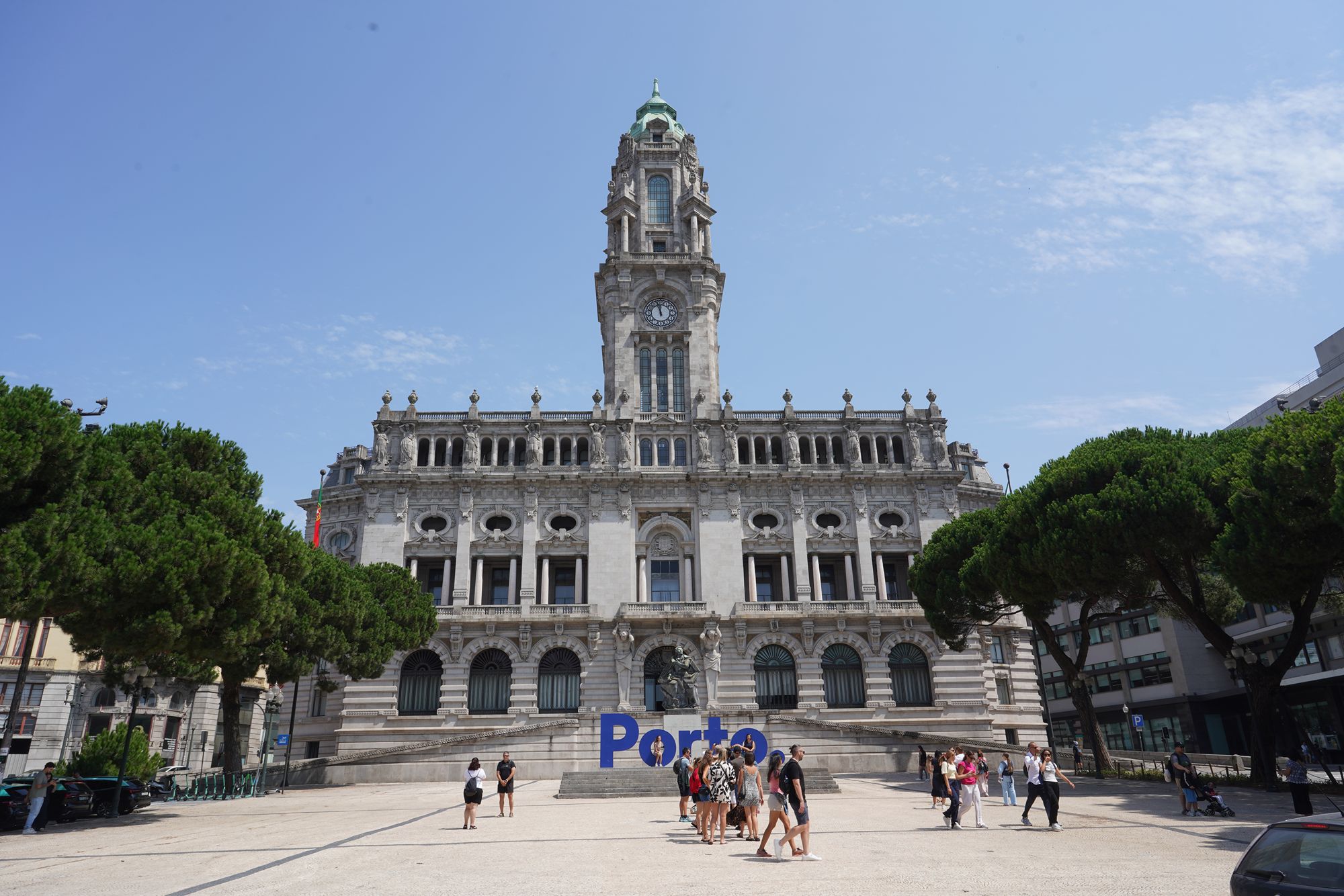
A view from the city hall.
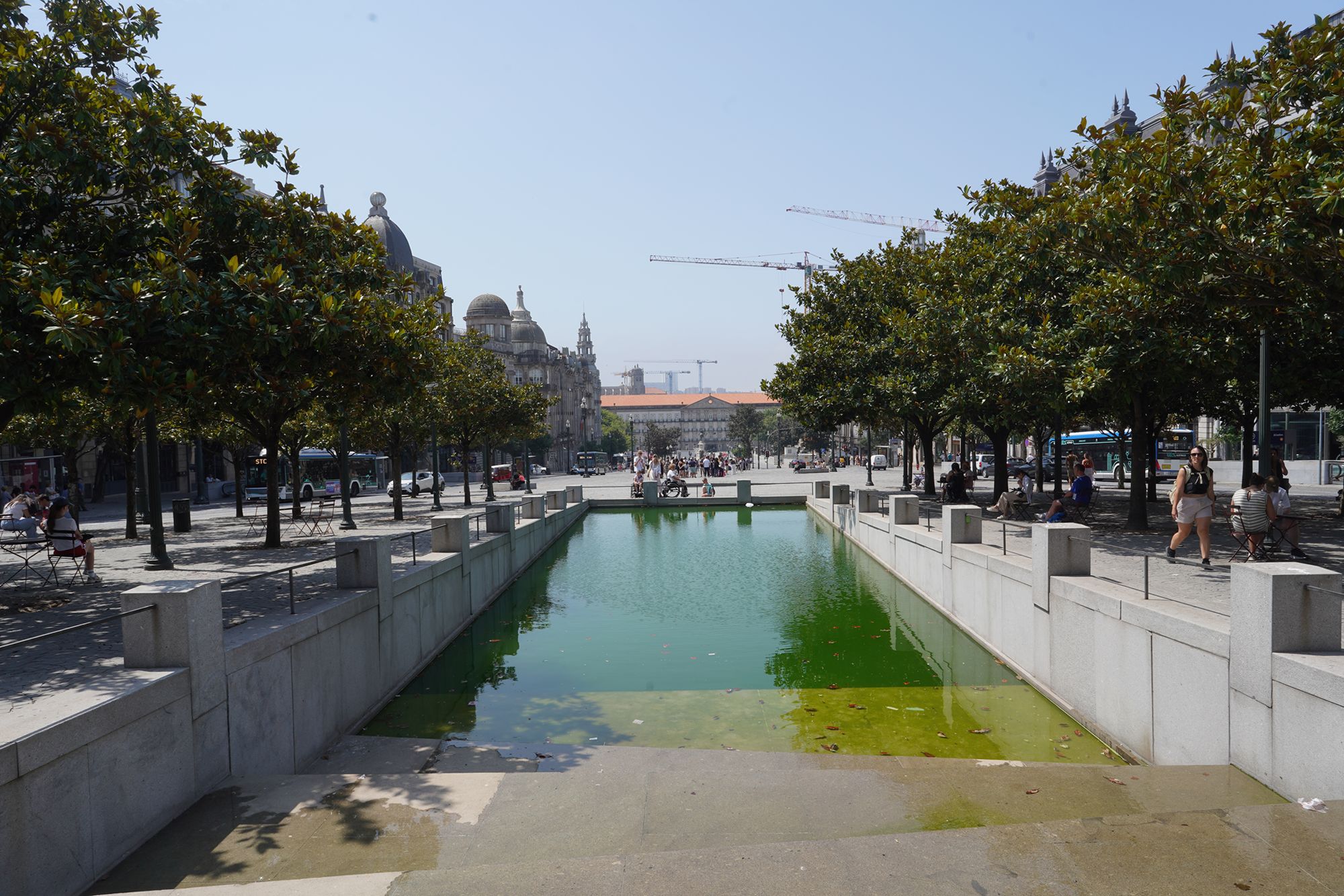
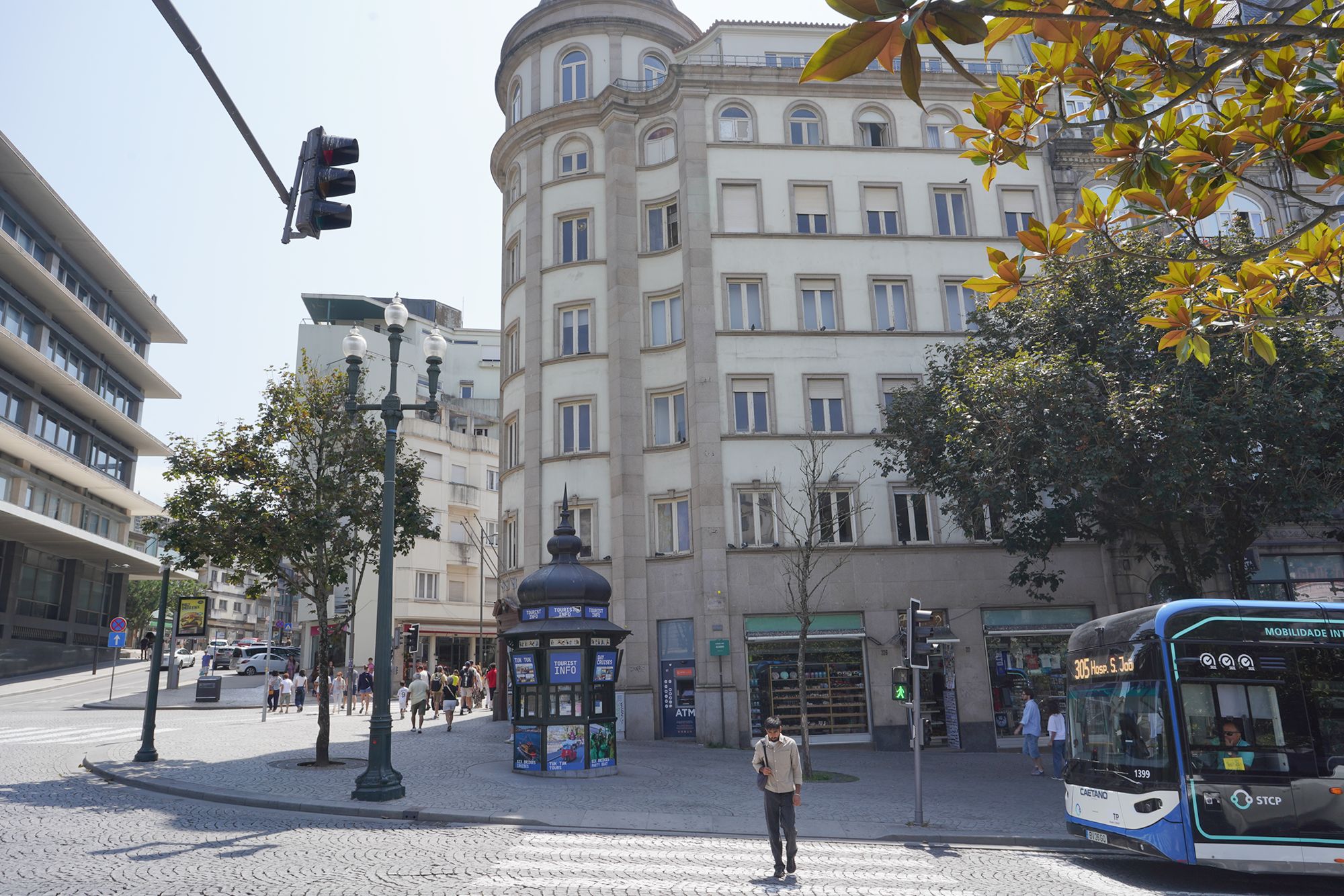
Looking back at the city hall.
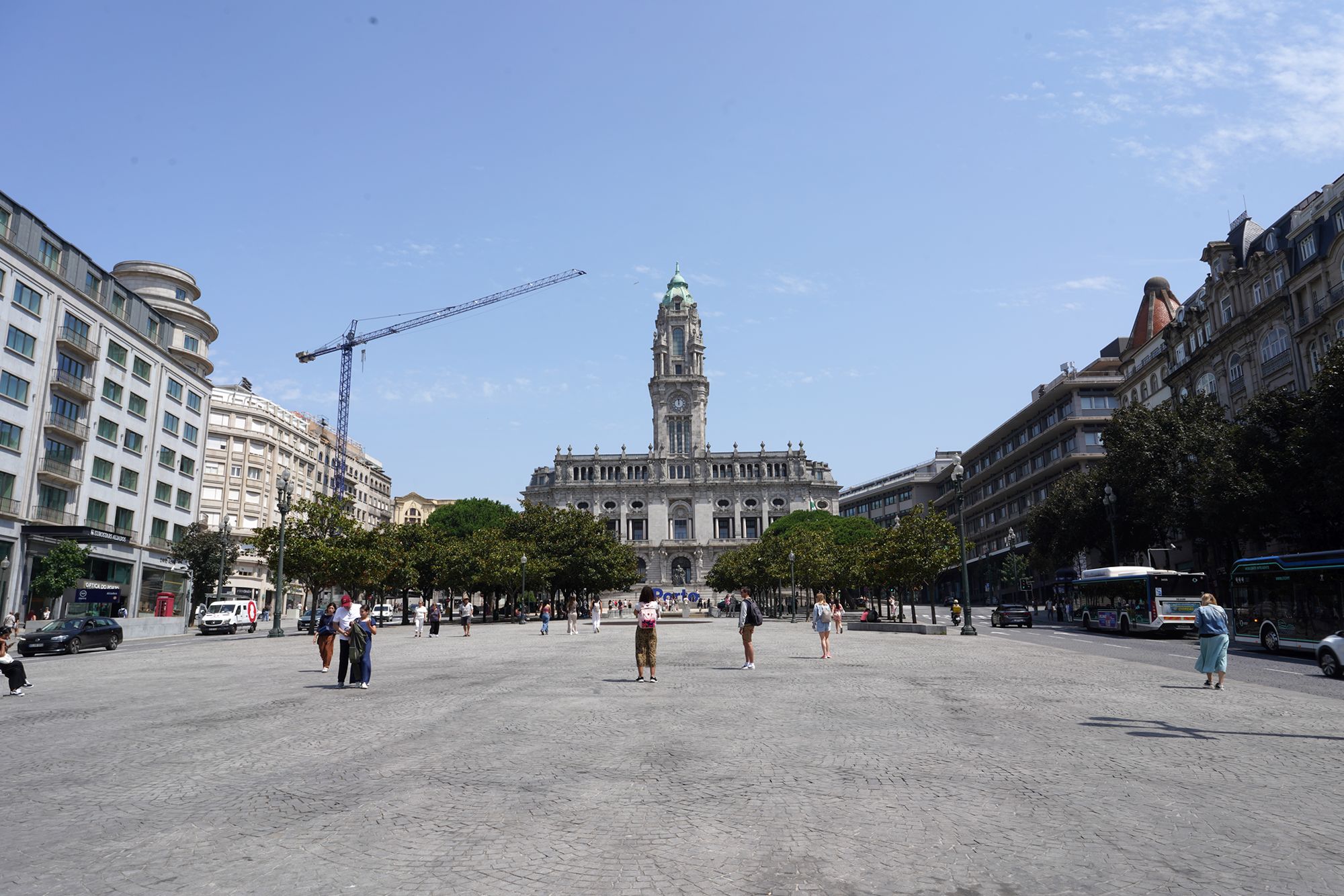
The broad avenue in front of Porto City Hall is Avenida dos Aliados, one of the main public spaces in the city center. Grand buildings line its sides, giving it a spacious, formal appearance that contrasts with Porto’s narrow, winding streets. From City Hall, the avenue slopes down toward Praça da Liberdade.
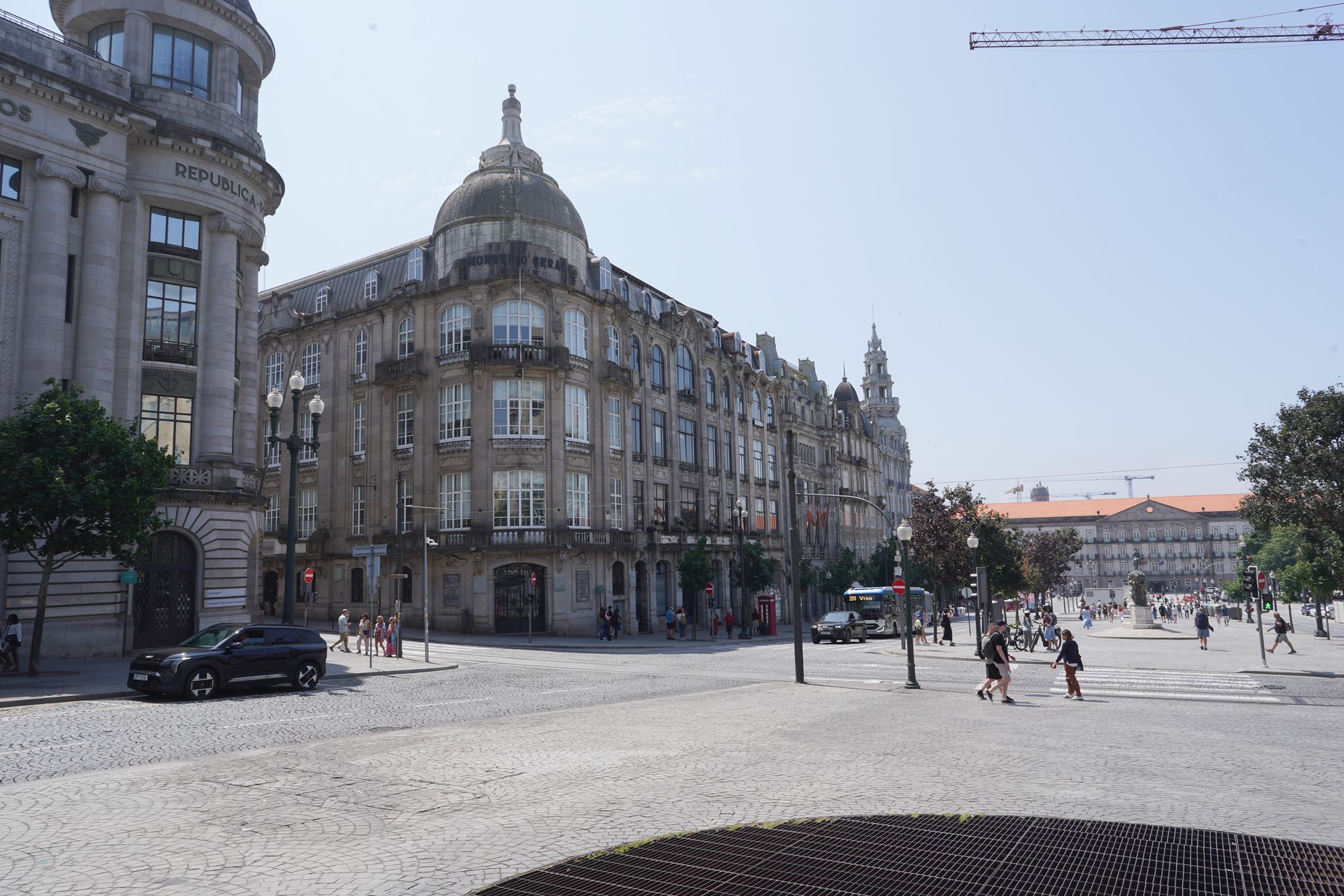
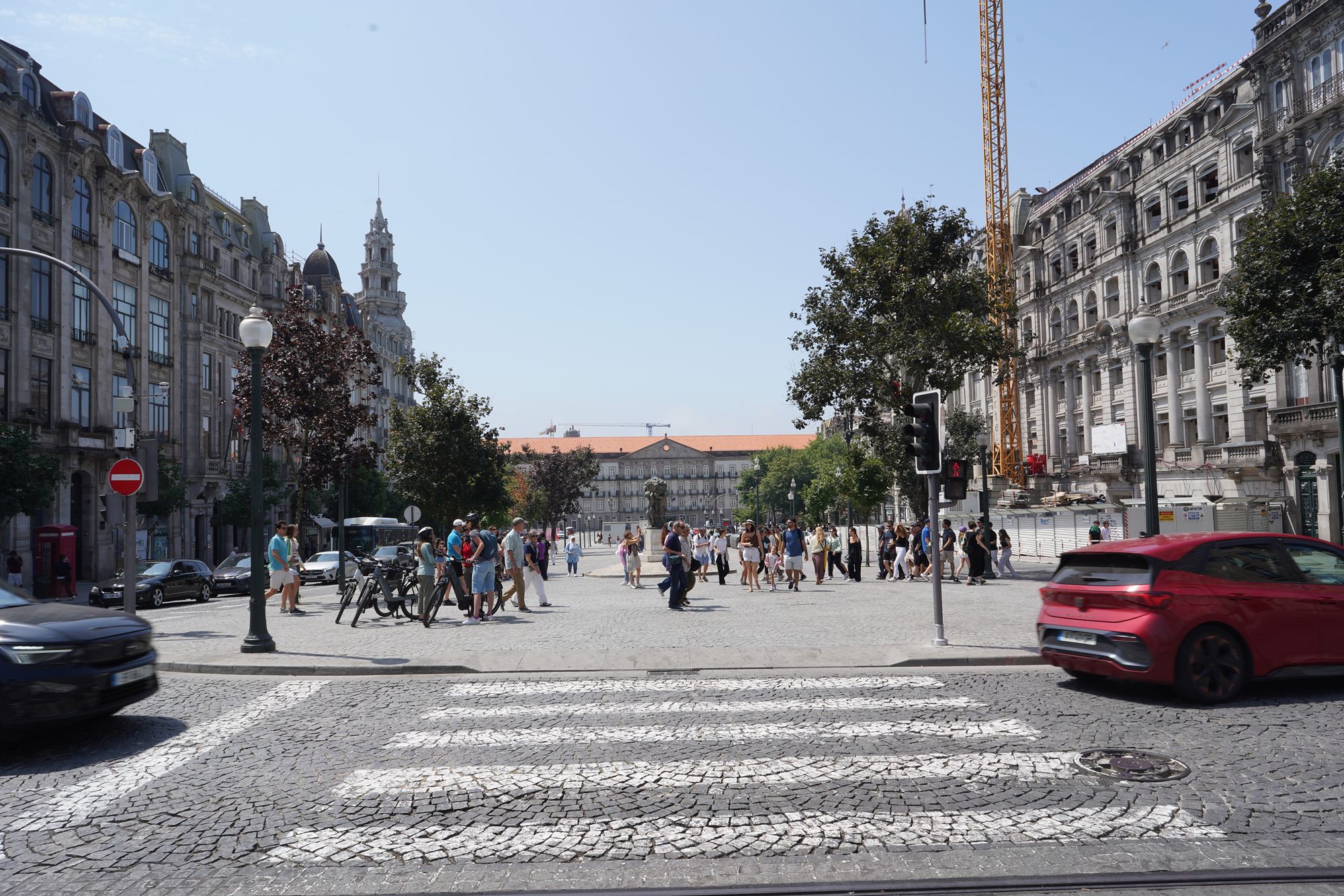
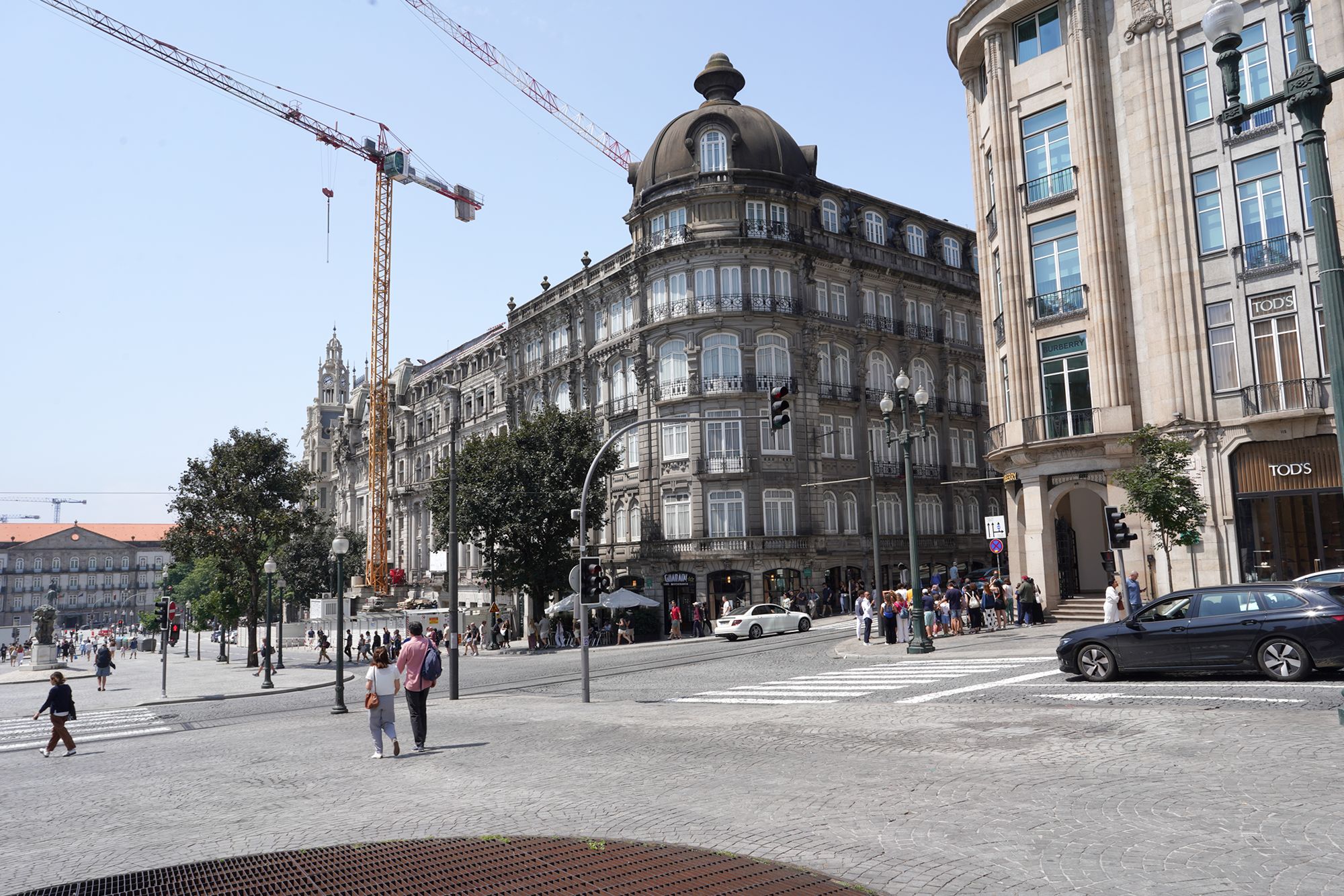
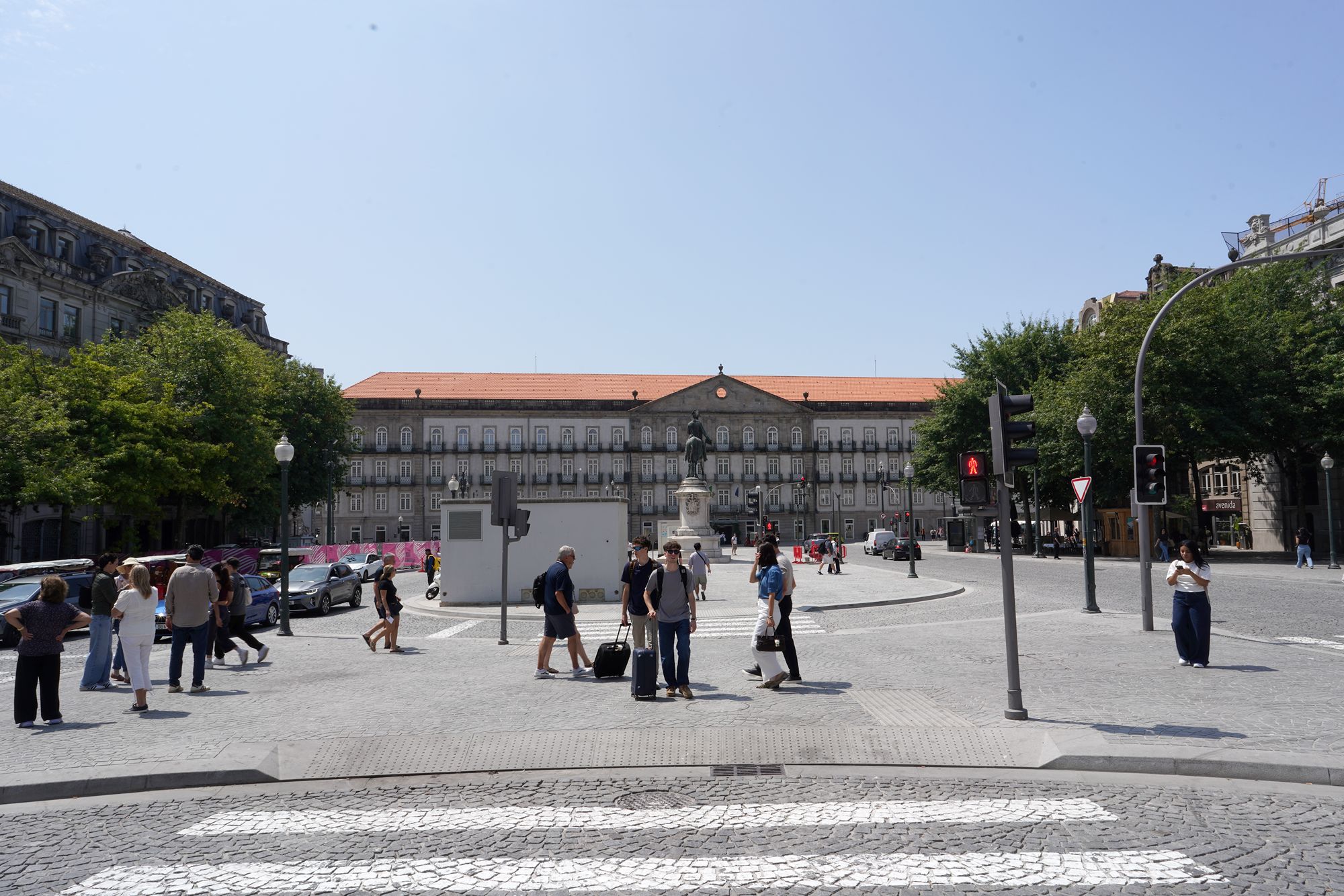
A narrow side street on my left
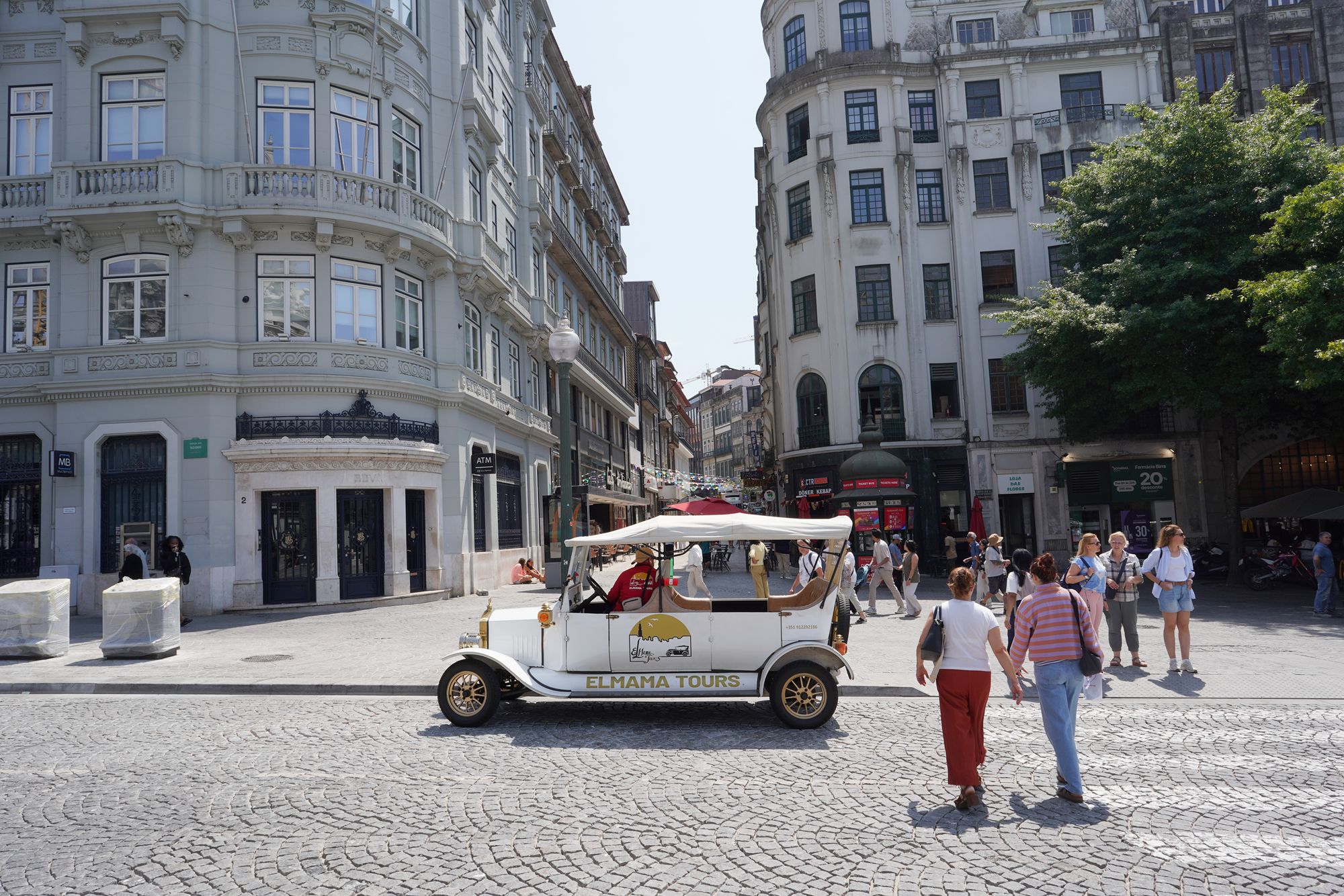
I turned off the broad avenue and walked into a narrow side street.
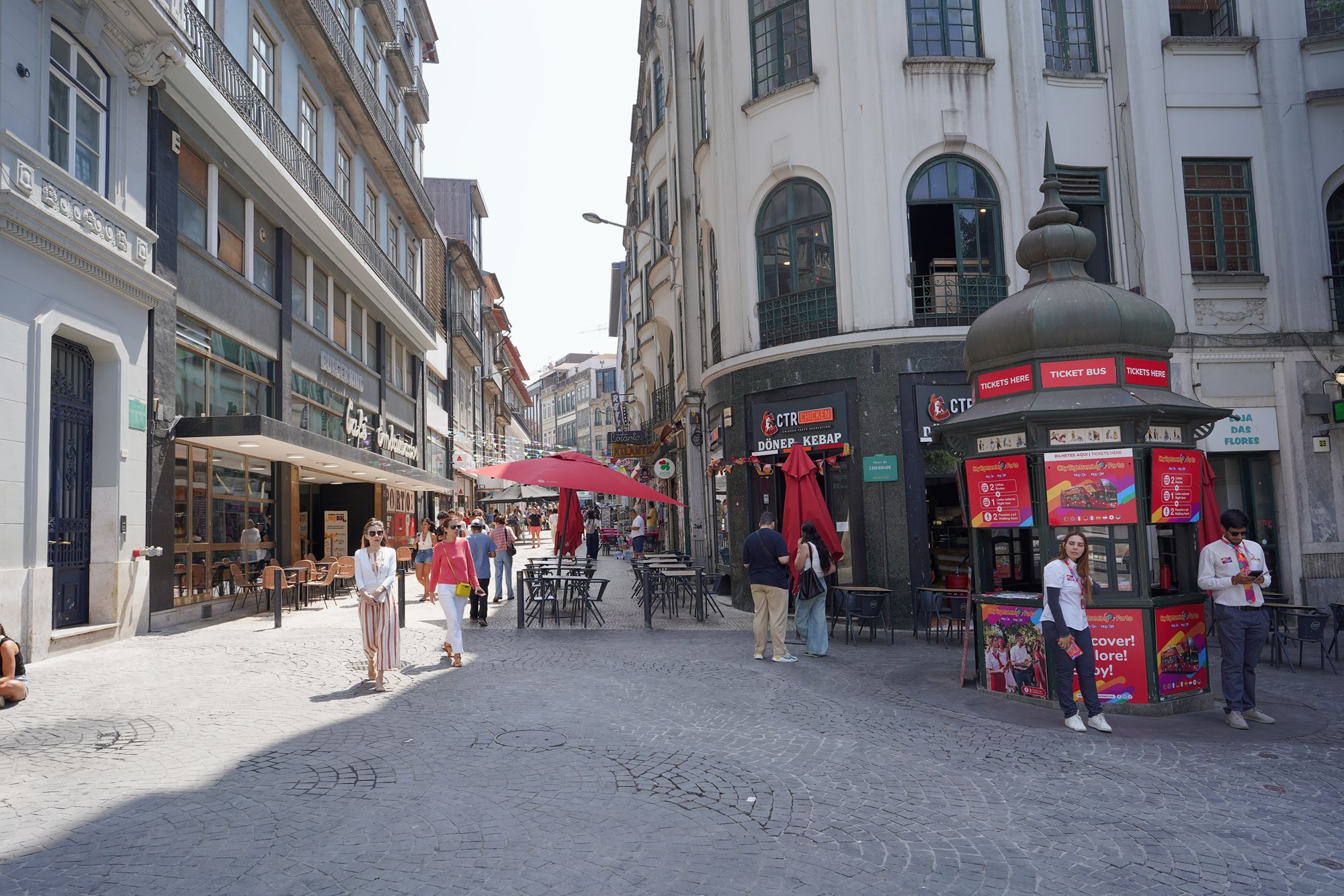
Then I turned around and walked back to Avenida dos Aliados.
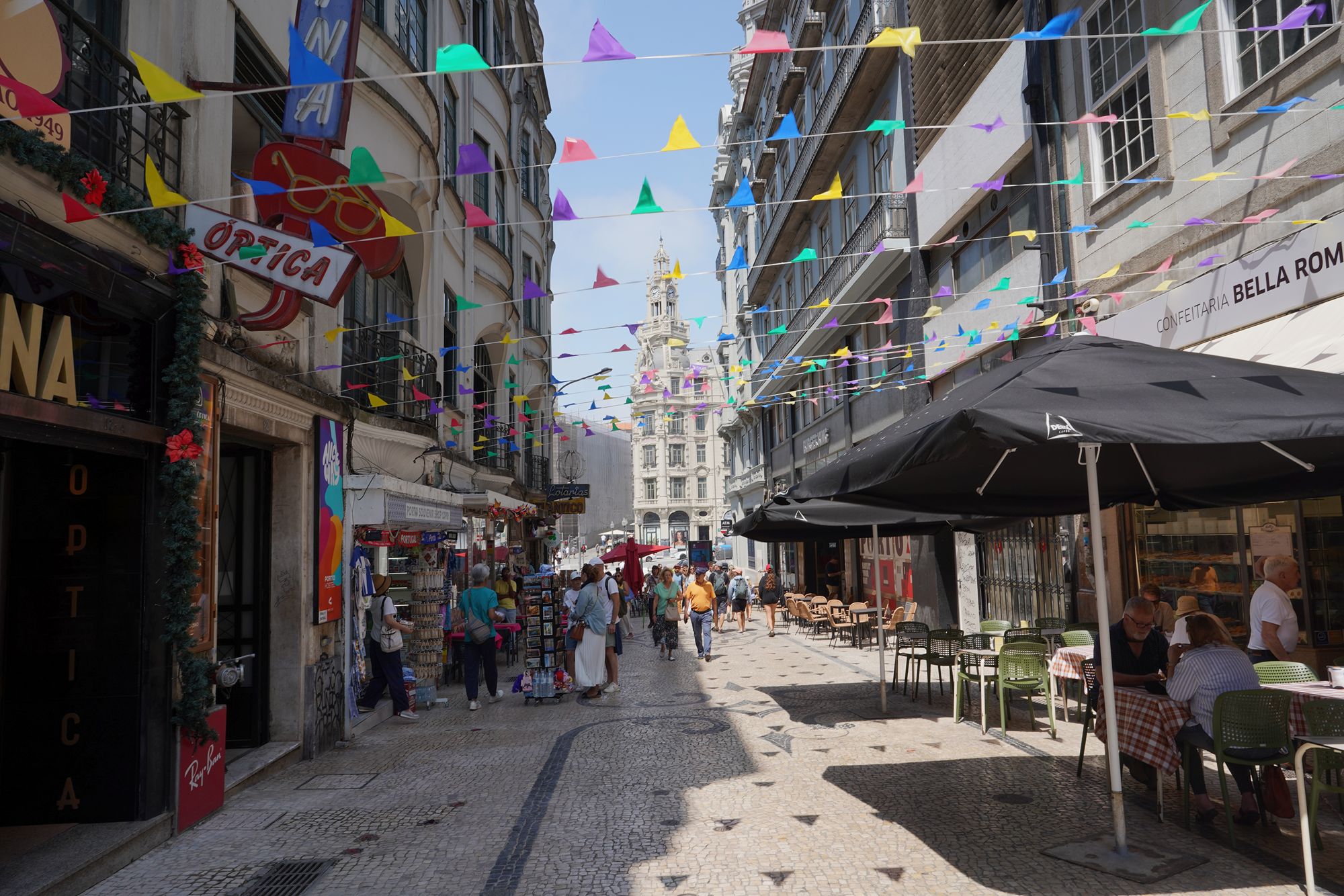
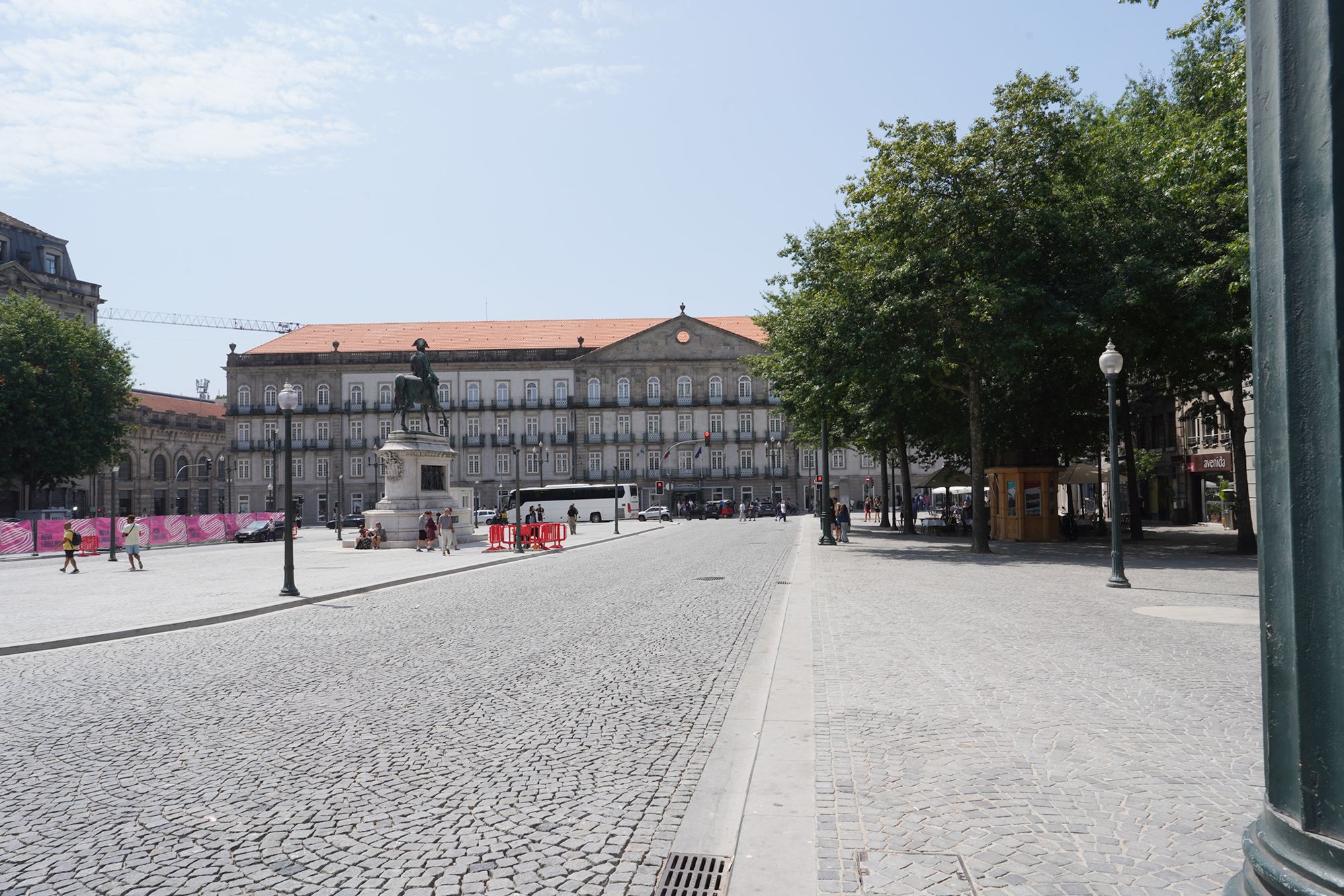
This time, I took a side street on my right.
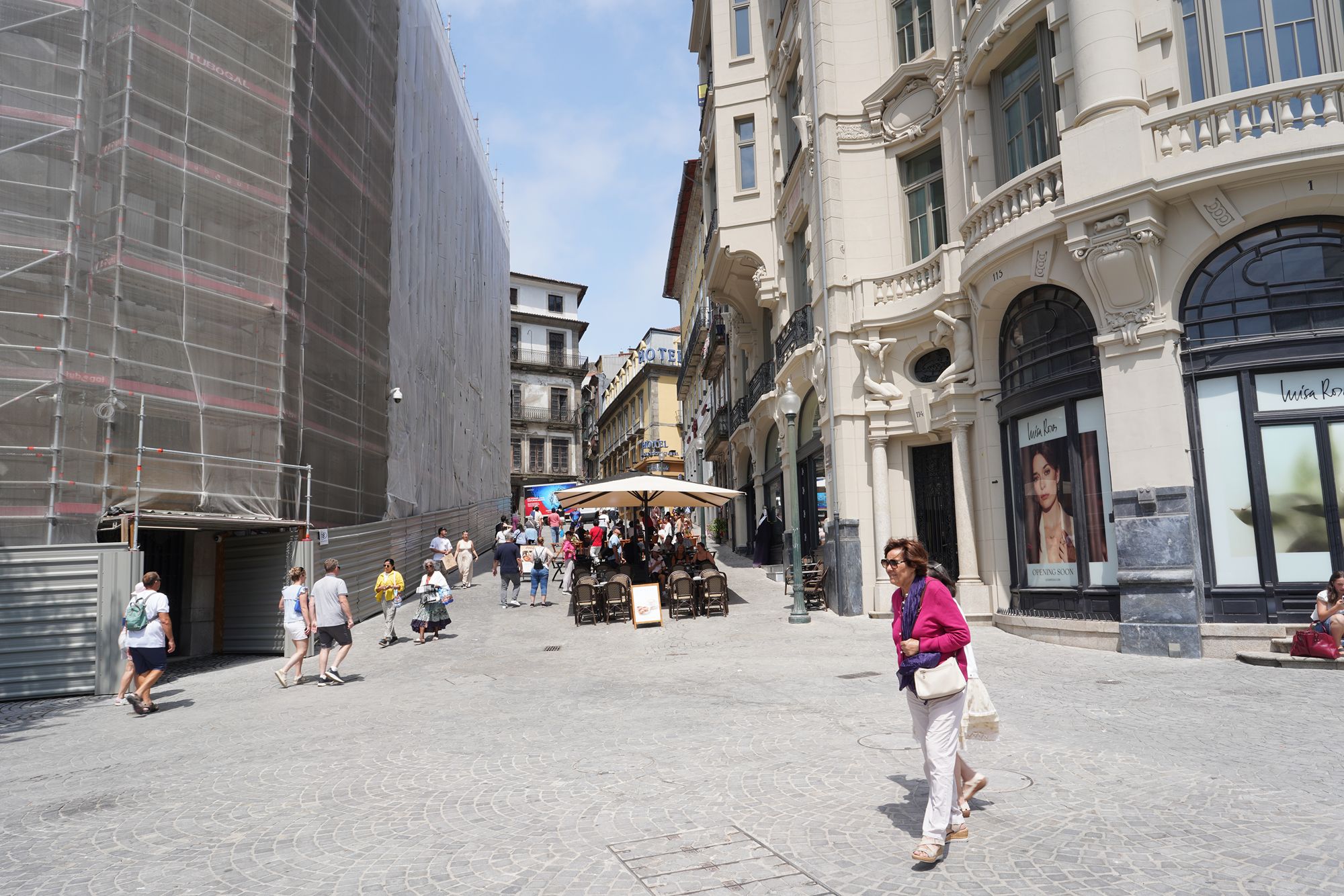
I continued up the gently sloping side street.
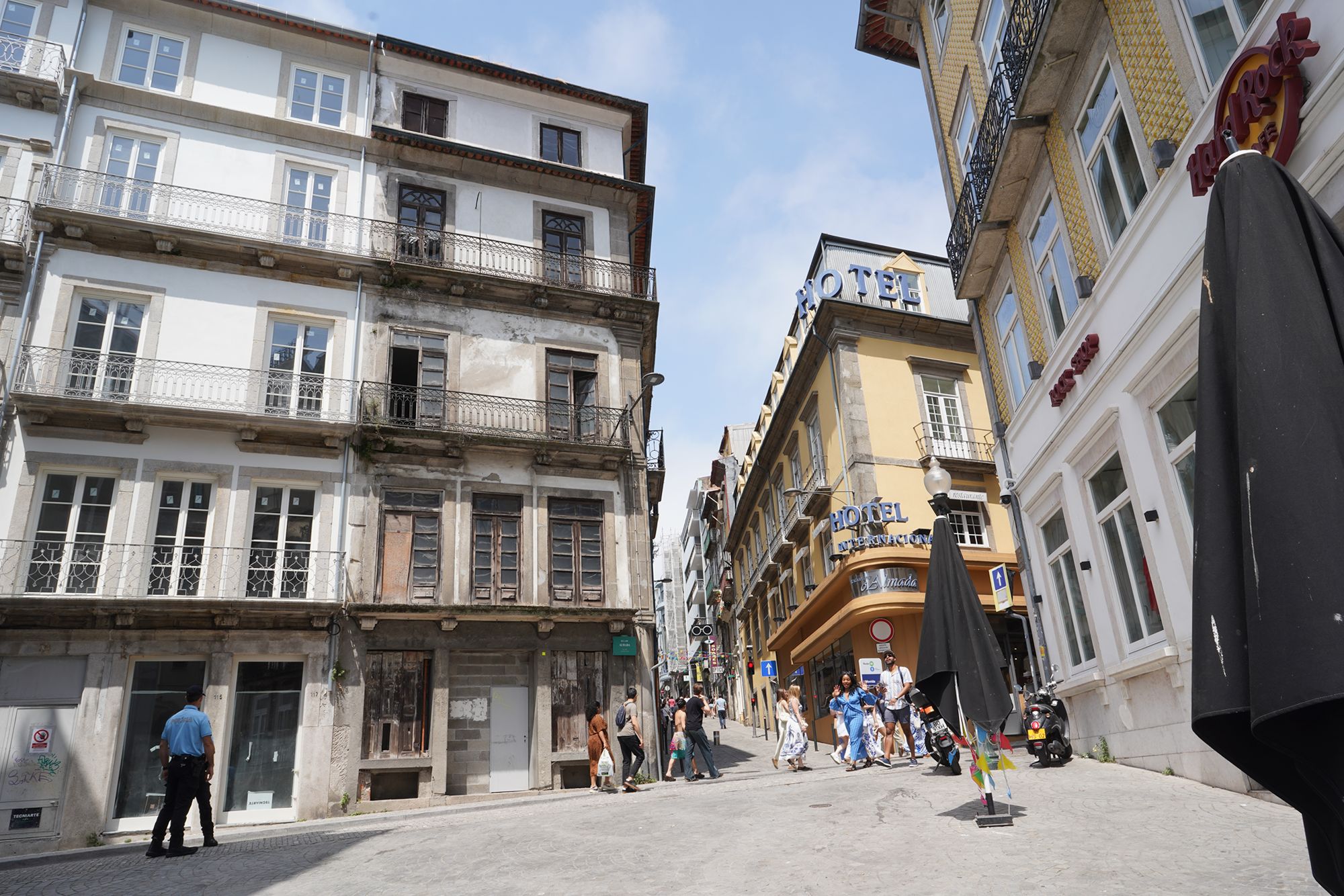
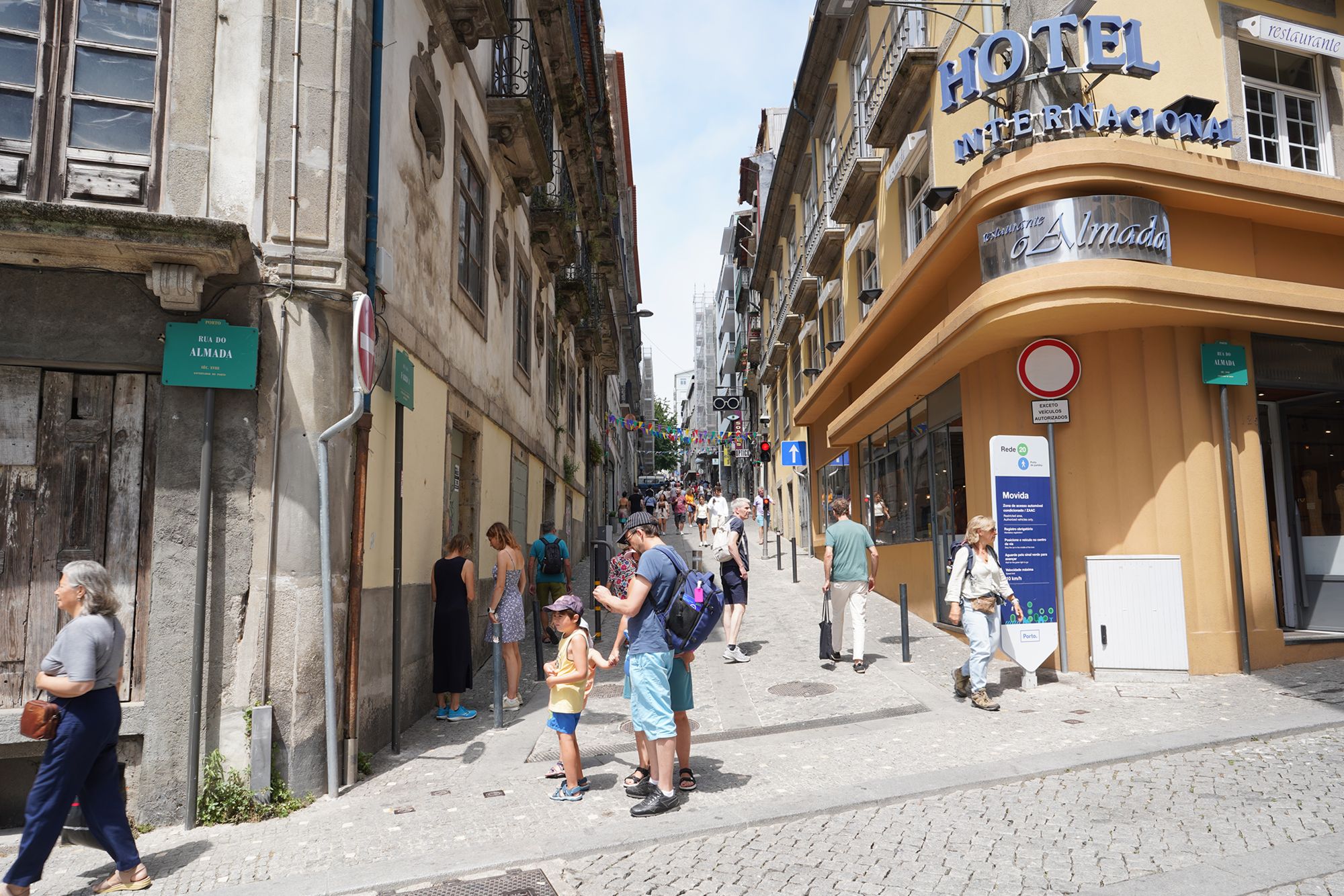
A view on my left
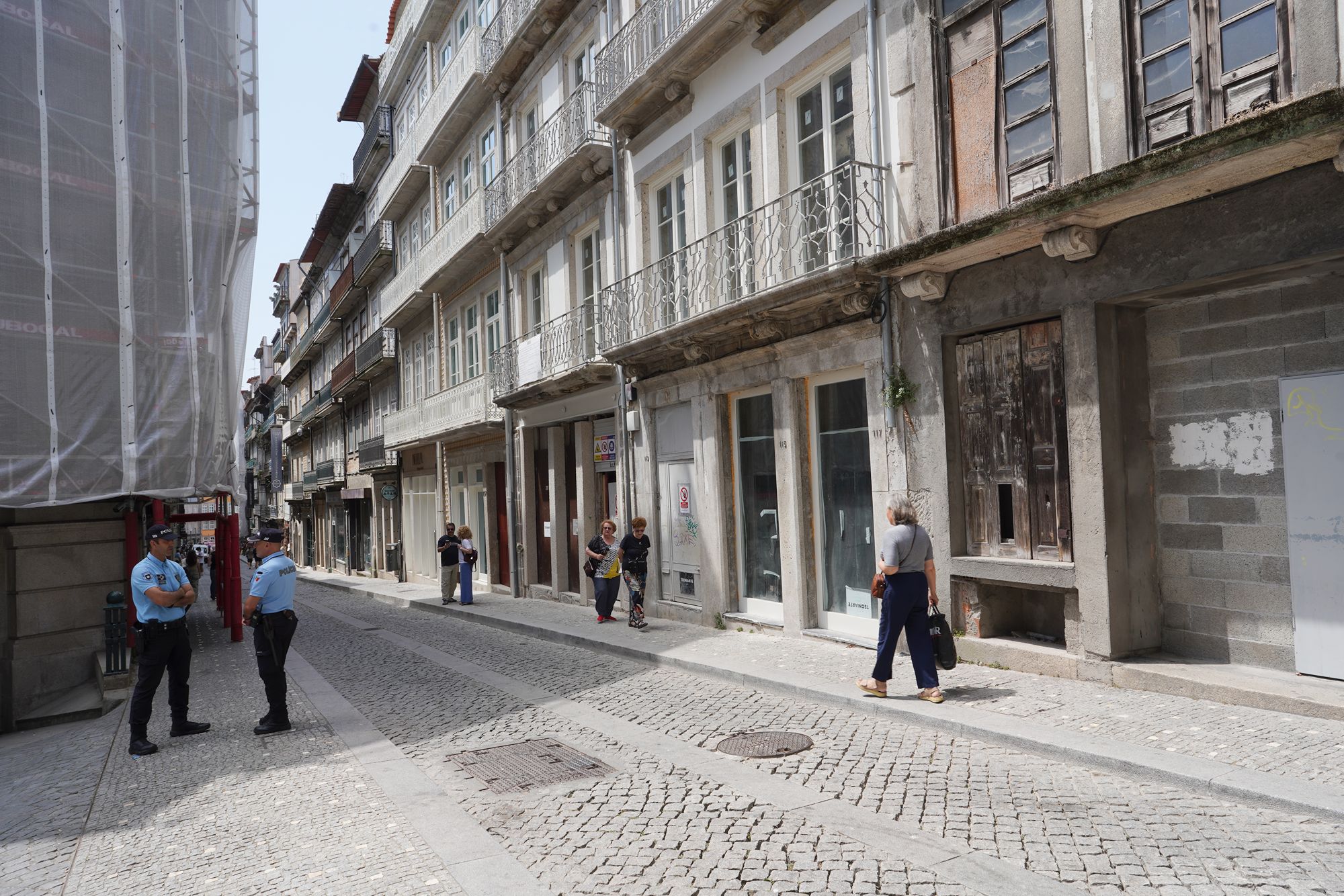
And view on my right
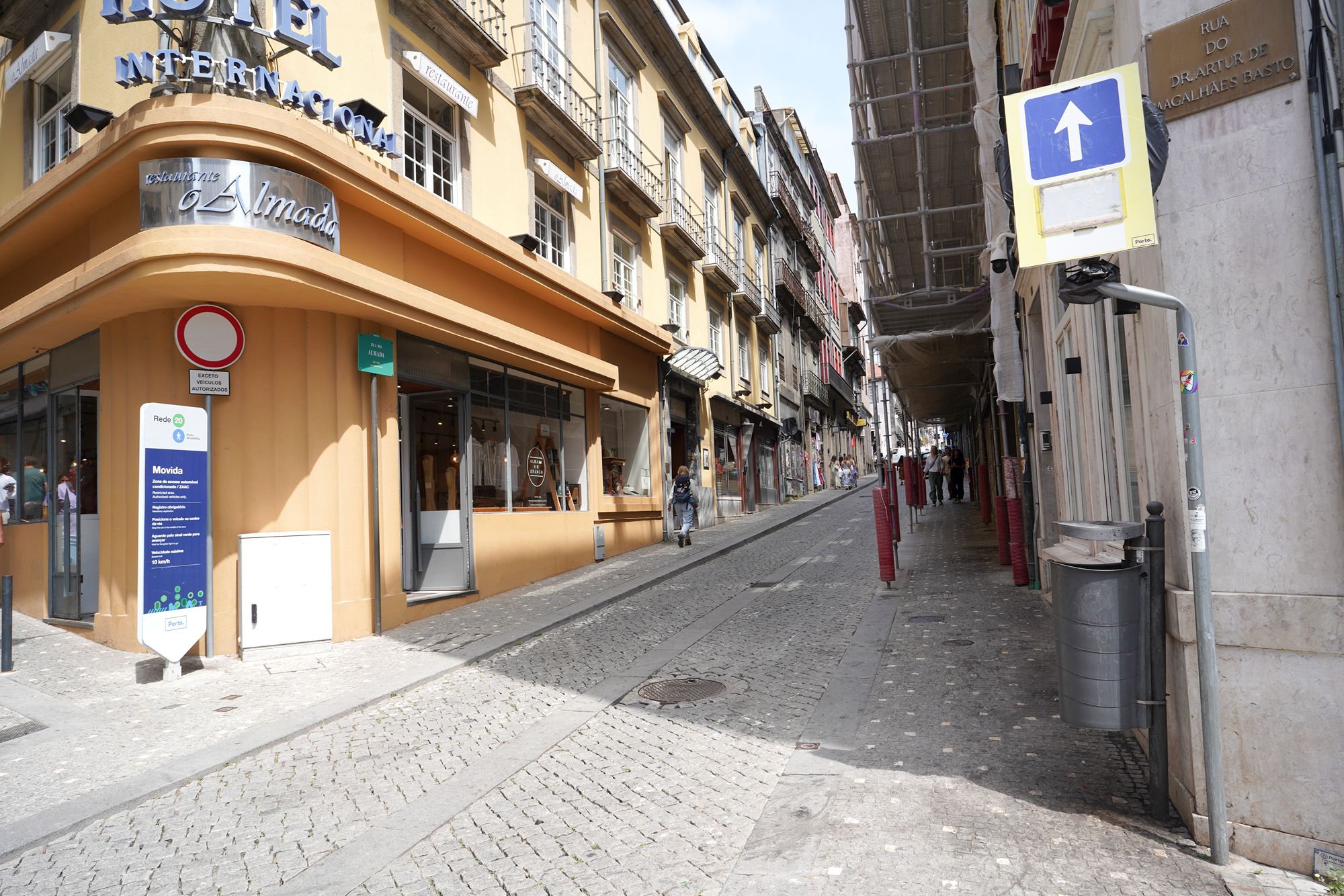
After looking down the side streets to my right and left, I continued straight ahead along Rua da Fábrica 1.
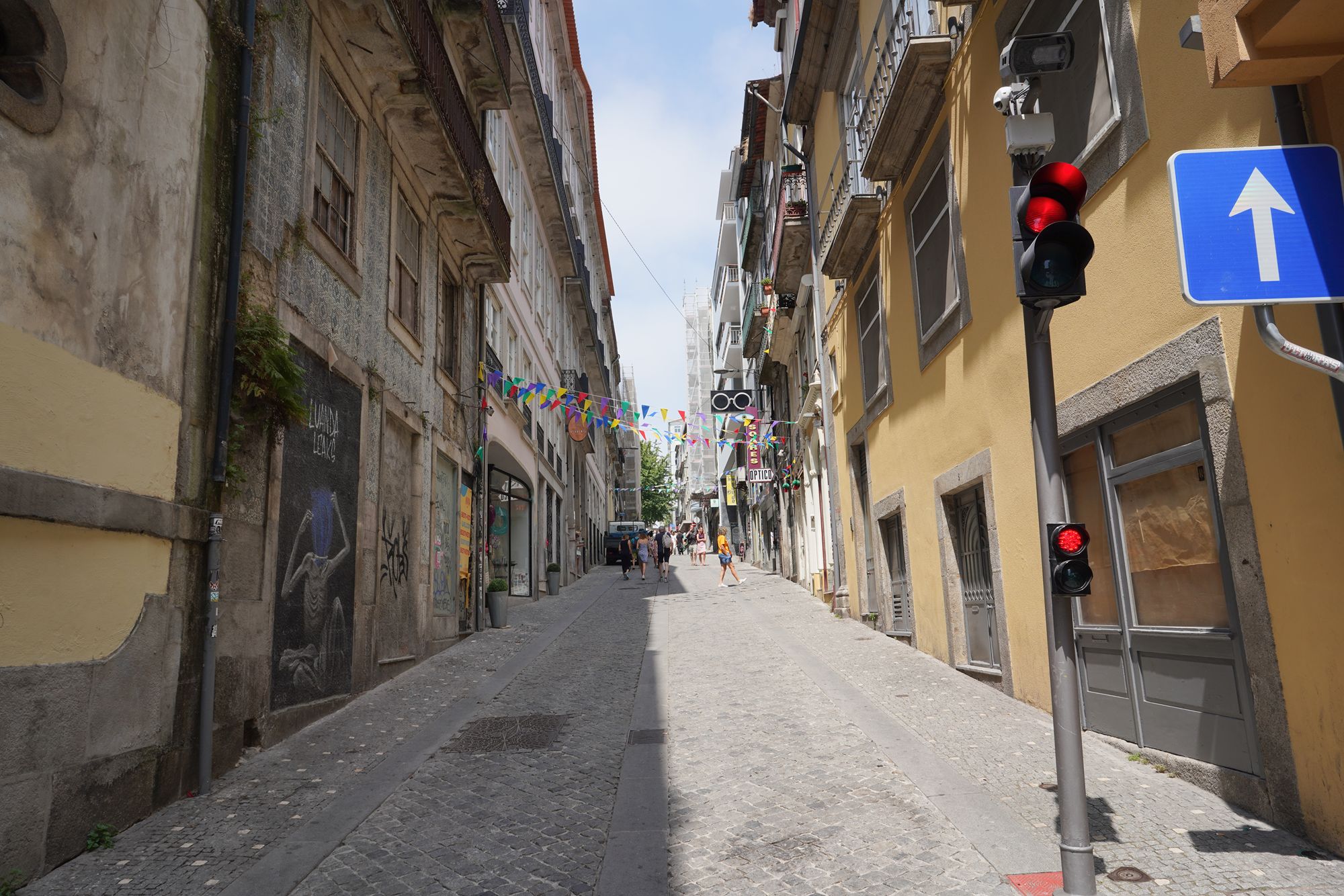
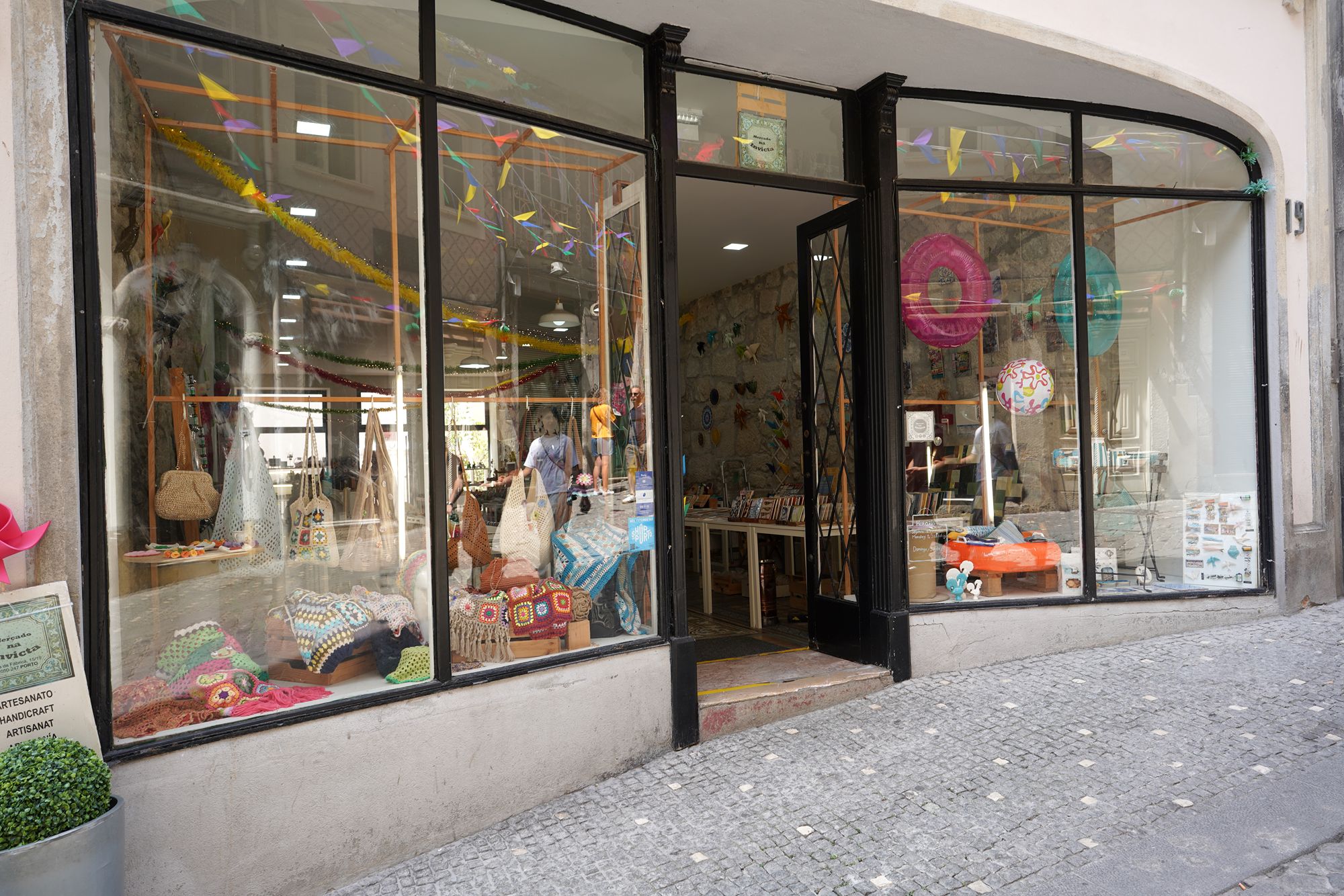
A view behind me
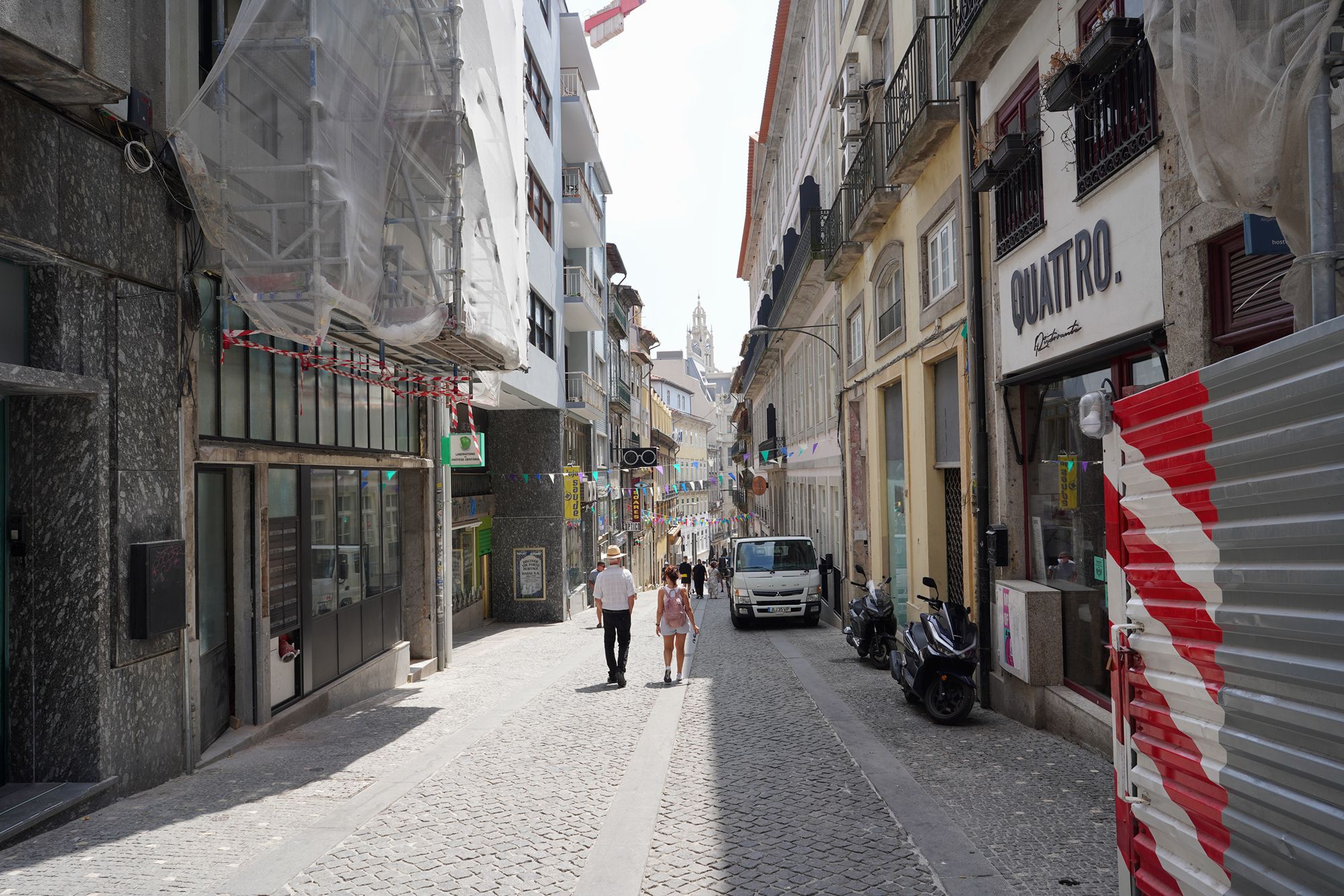
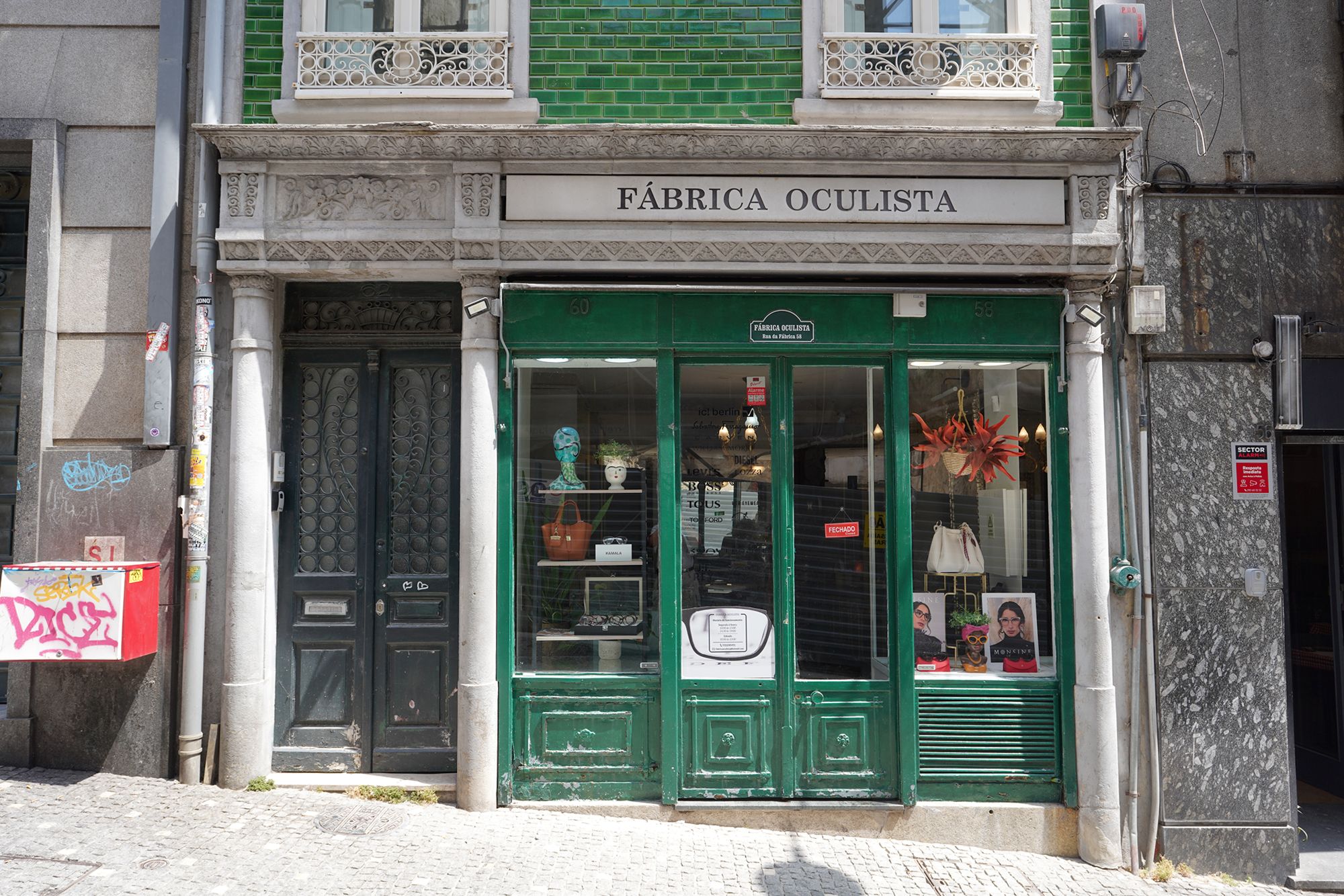
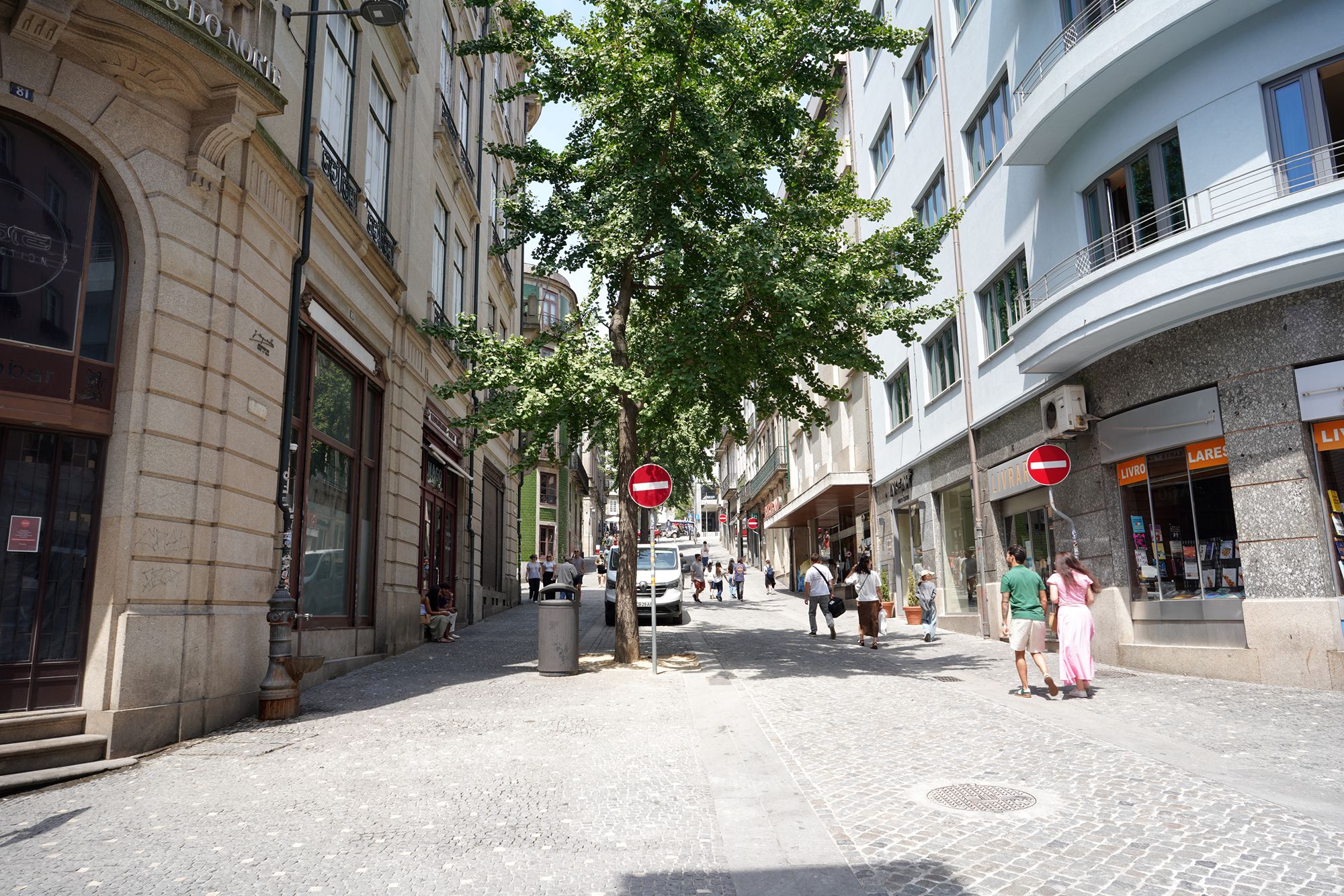
A view on my right
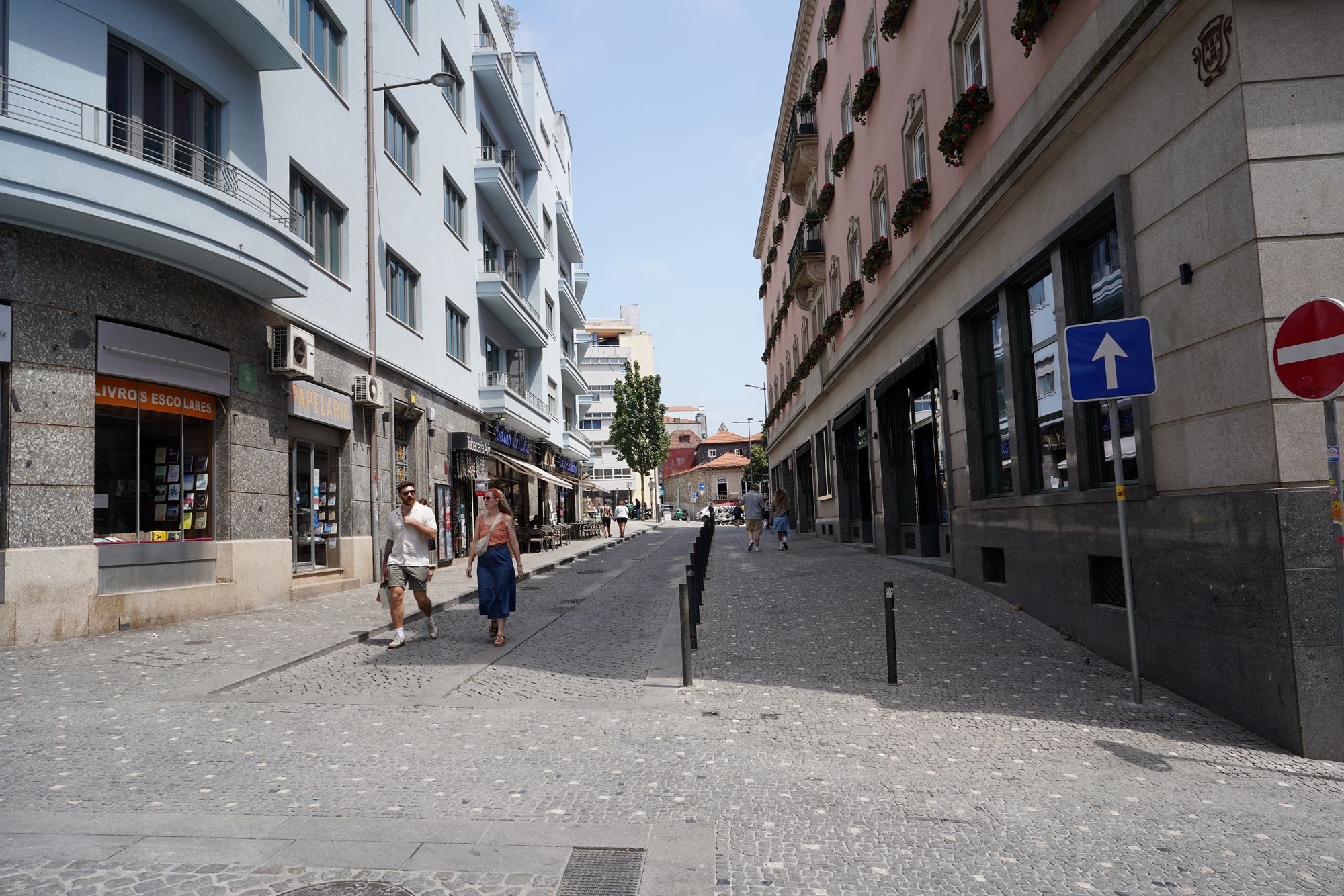
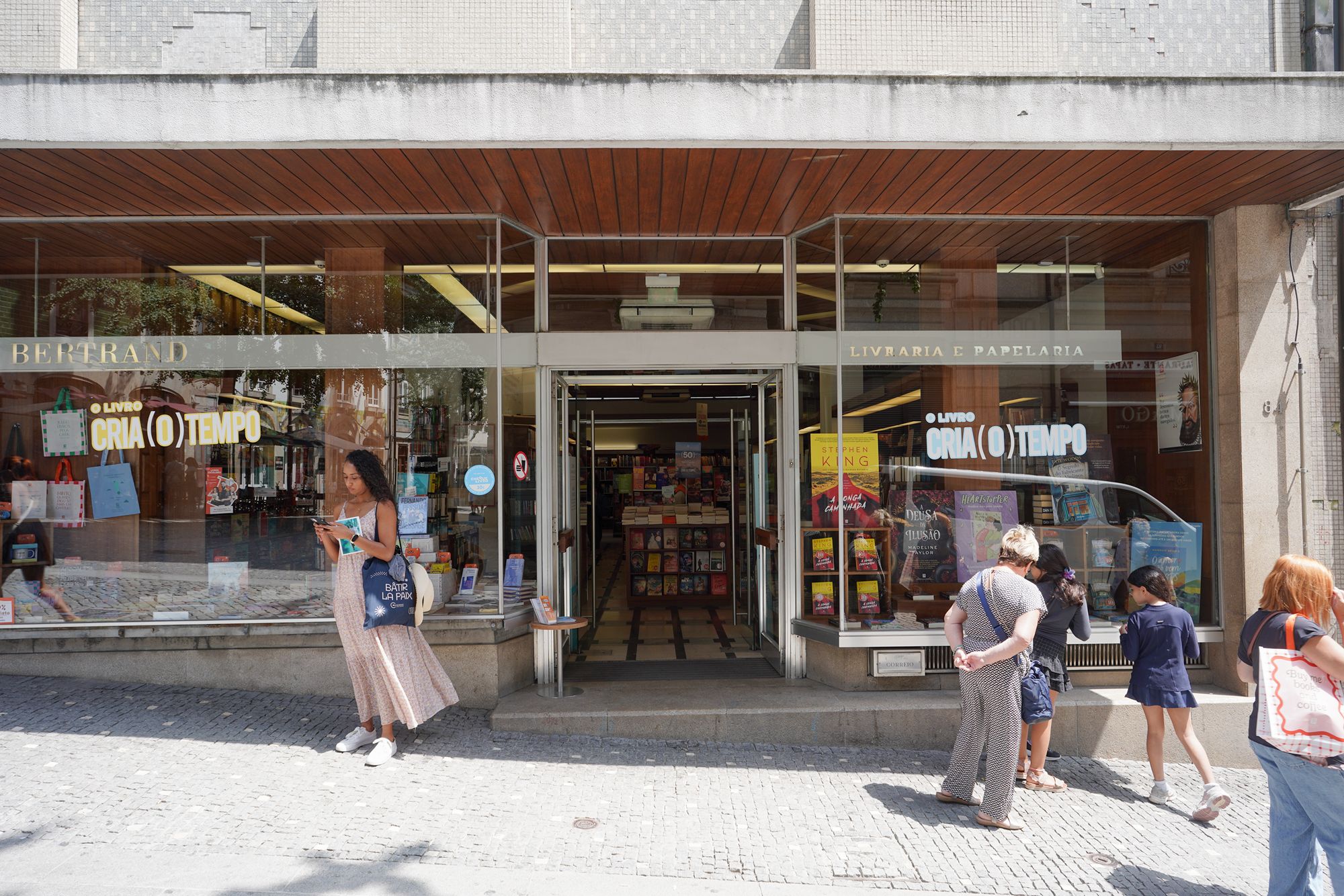
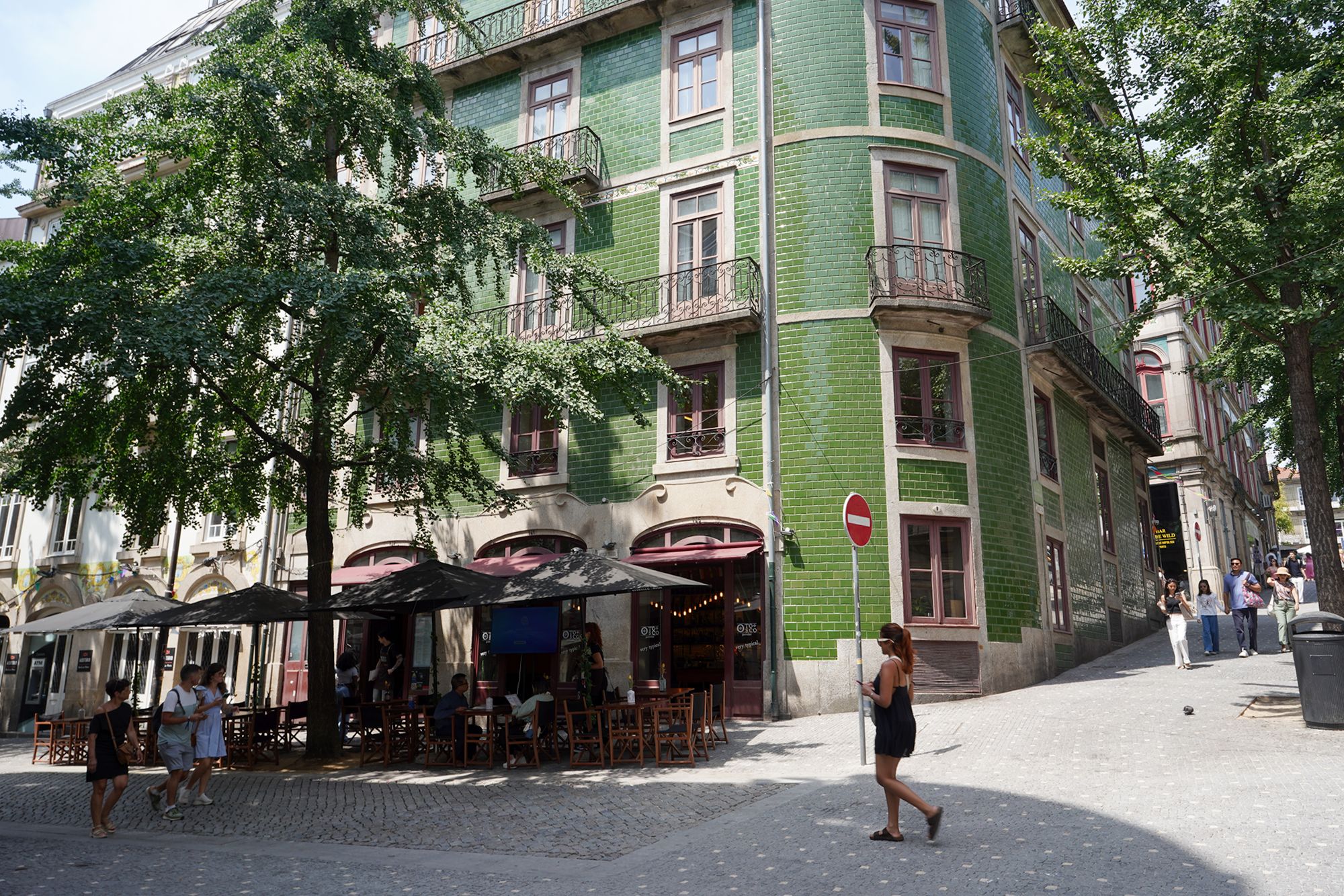
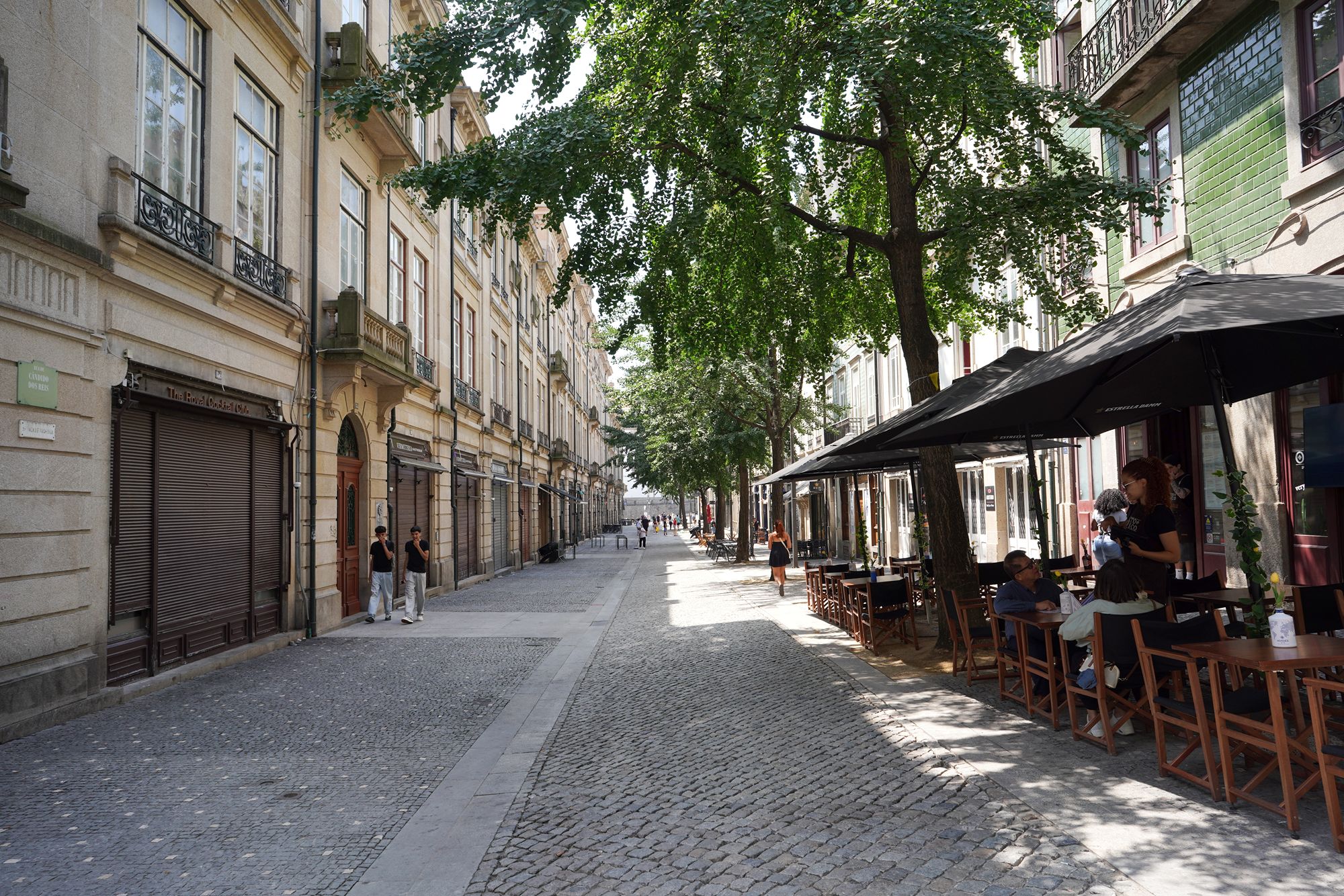
A view to my left. I continued uphill, looking down the side streets on either side.
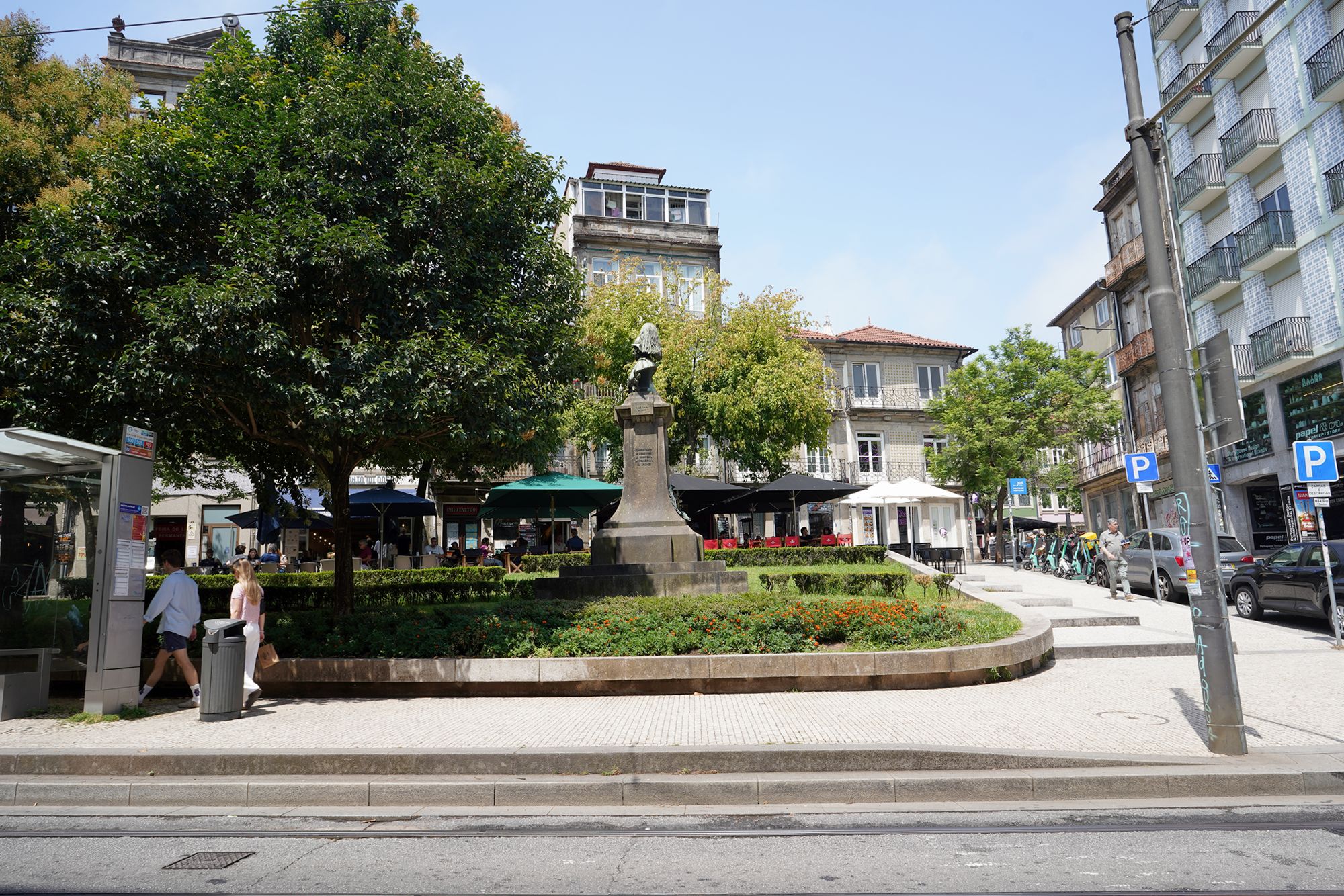
This monument honors Guilherme Gomes Fernandes, a celebrated commander of Porto’s firefighters. Created by sculptor Bento Cândido da Silva and unveiled in 1915, it stands in the square that was renamed in his honor that same year. I turned left here.
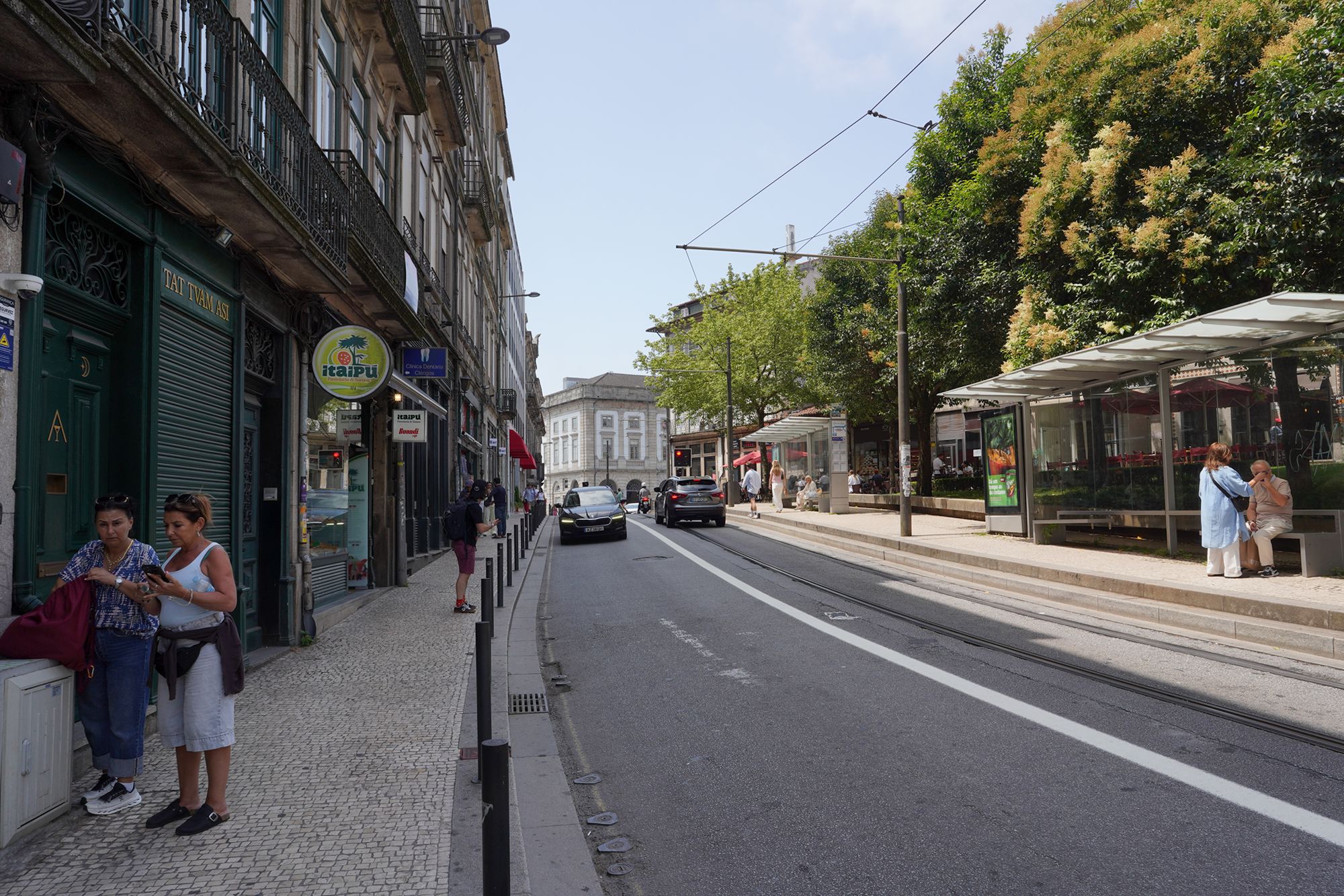
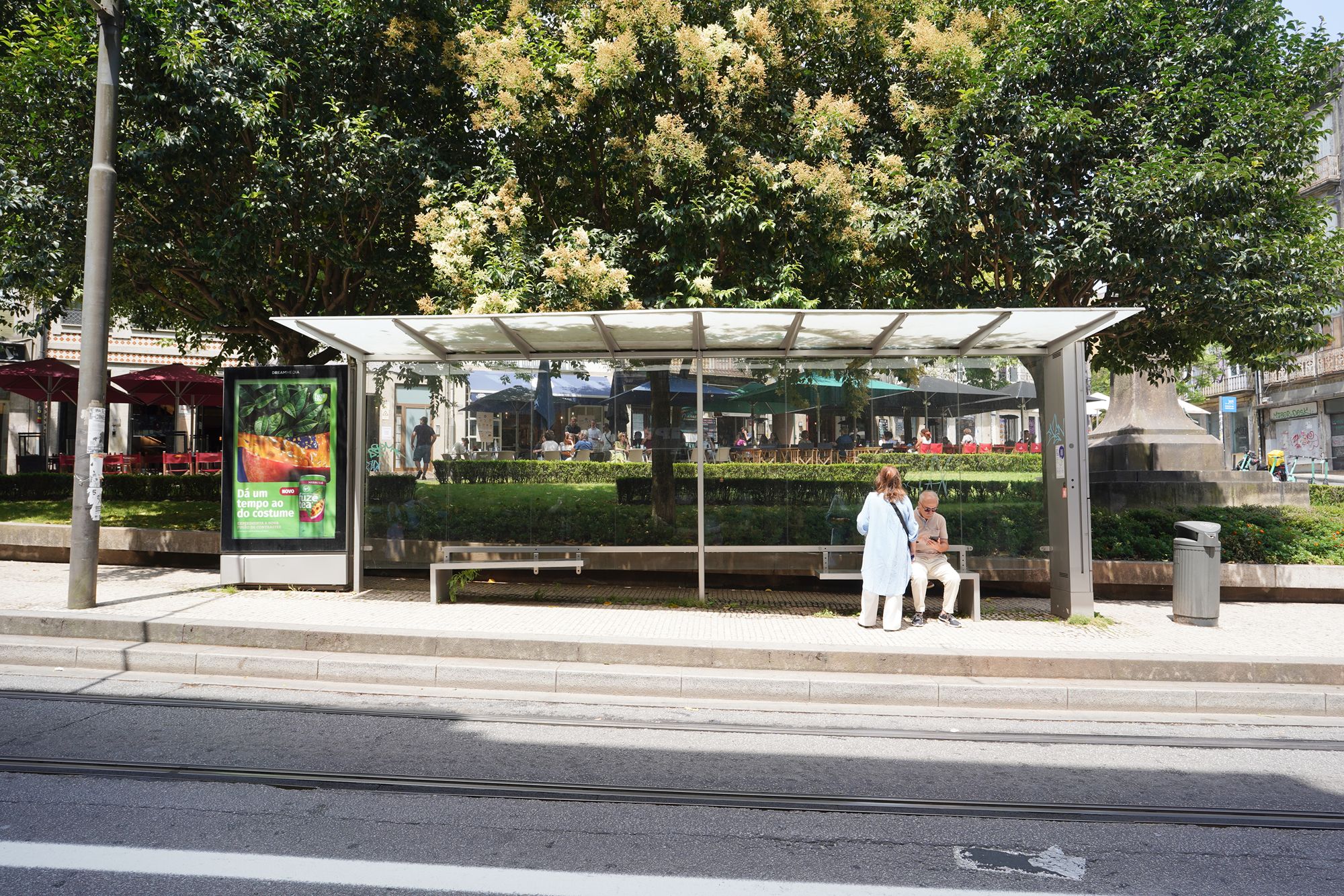
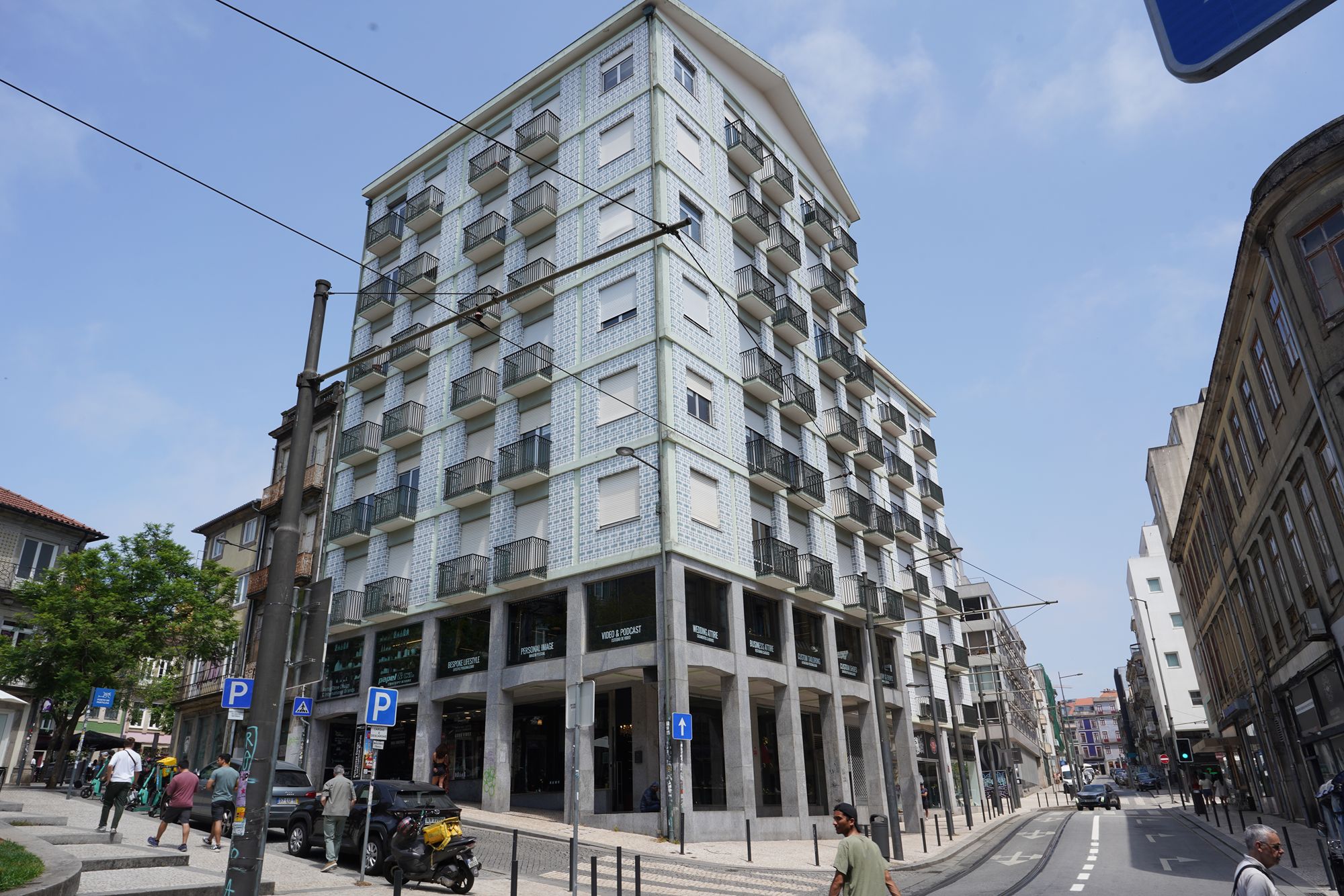
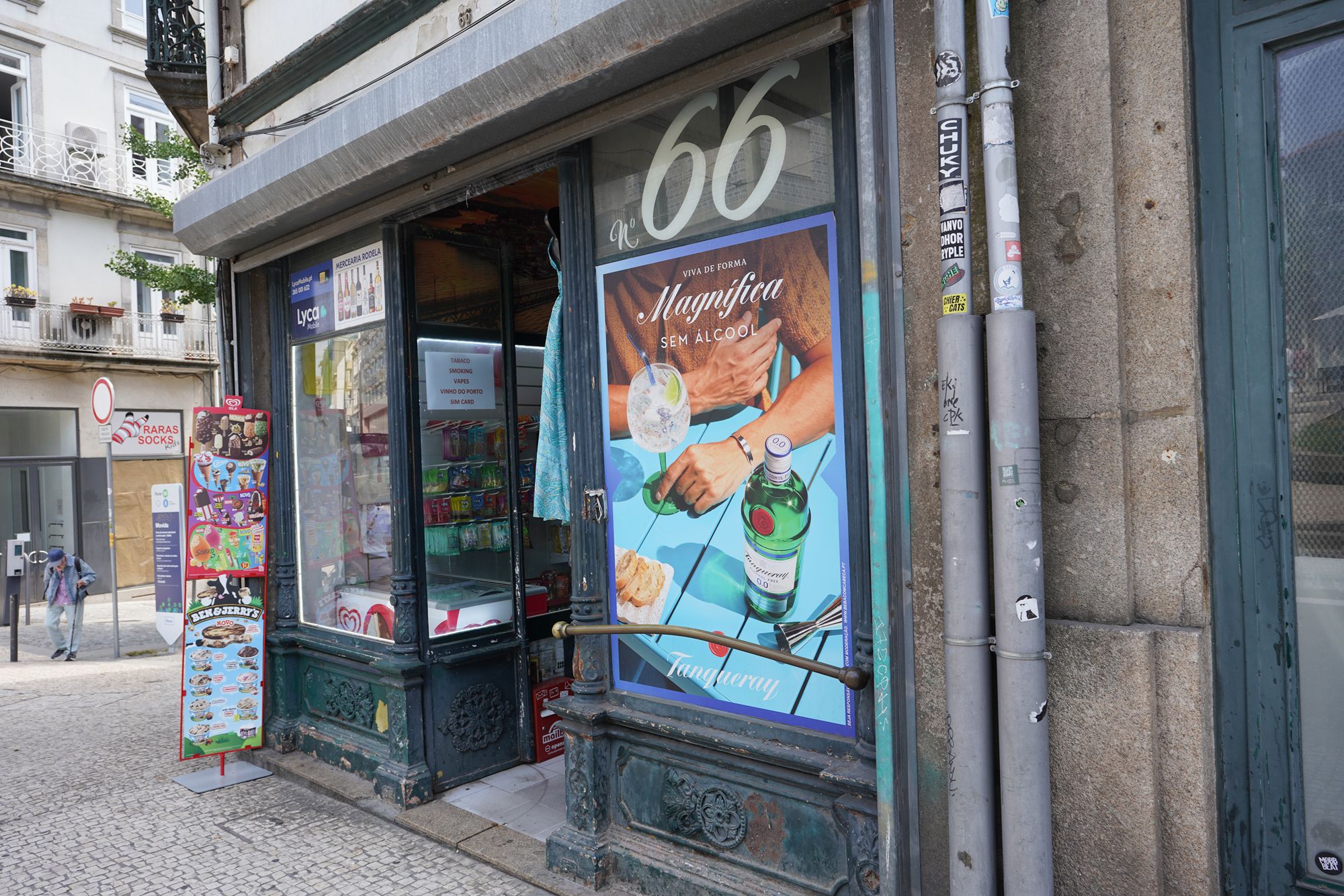
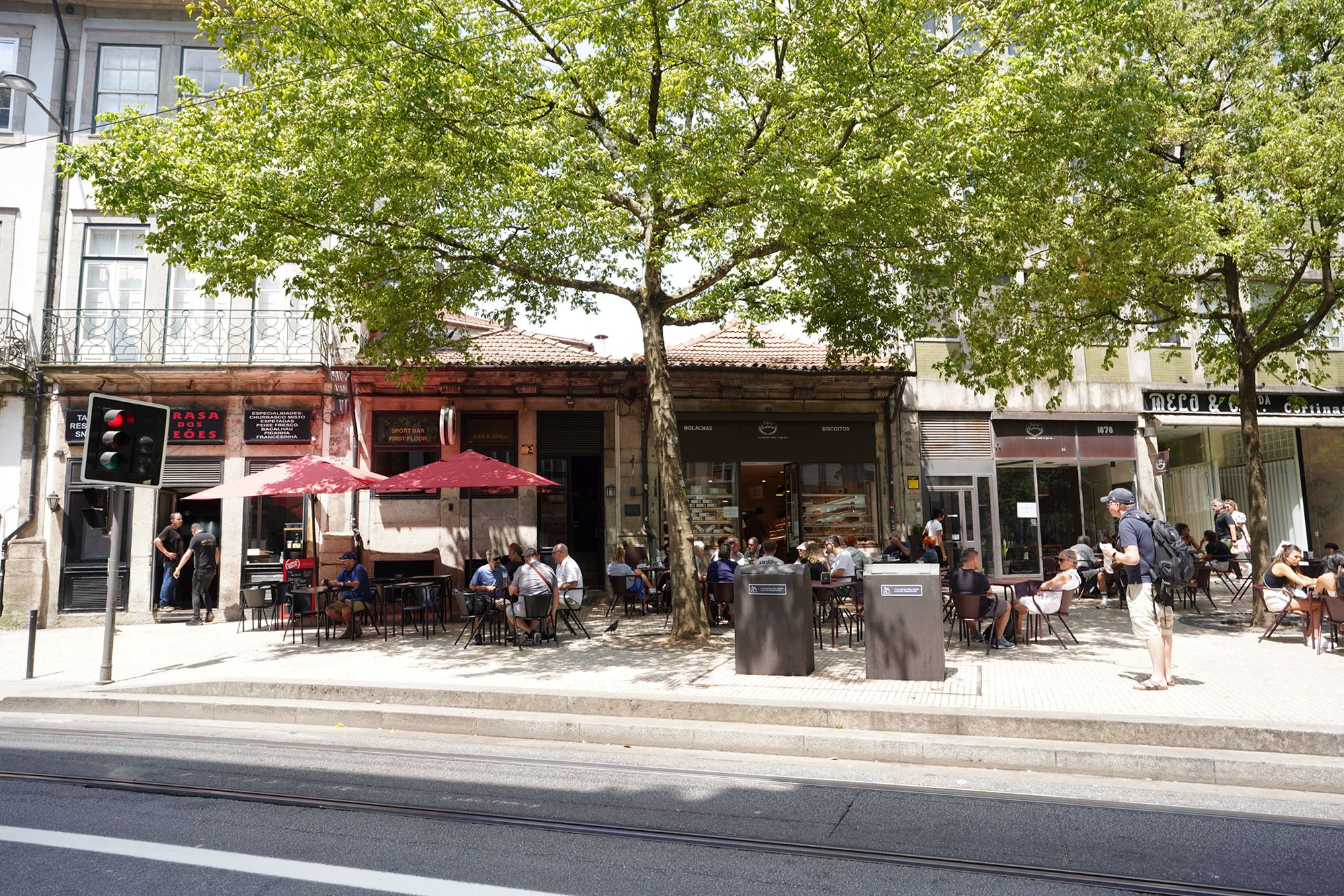
Then I reached this open area
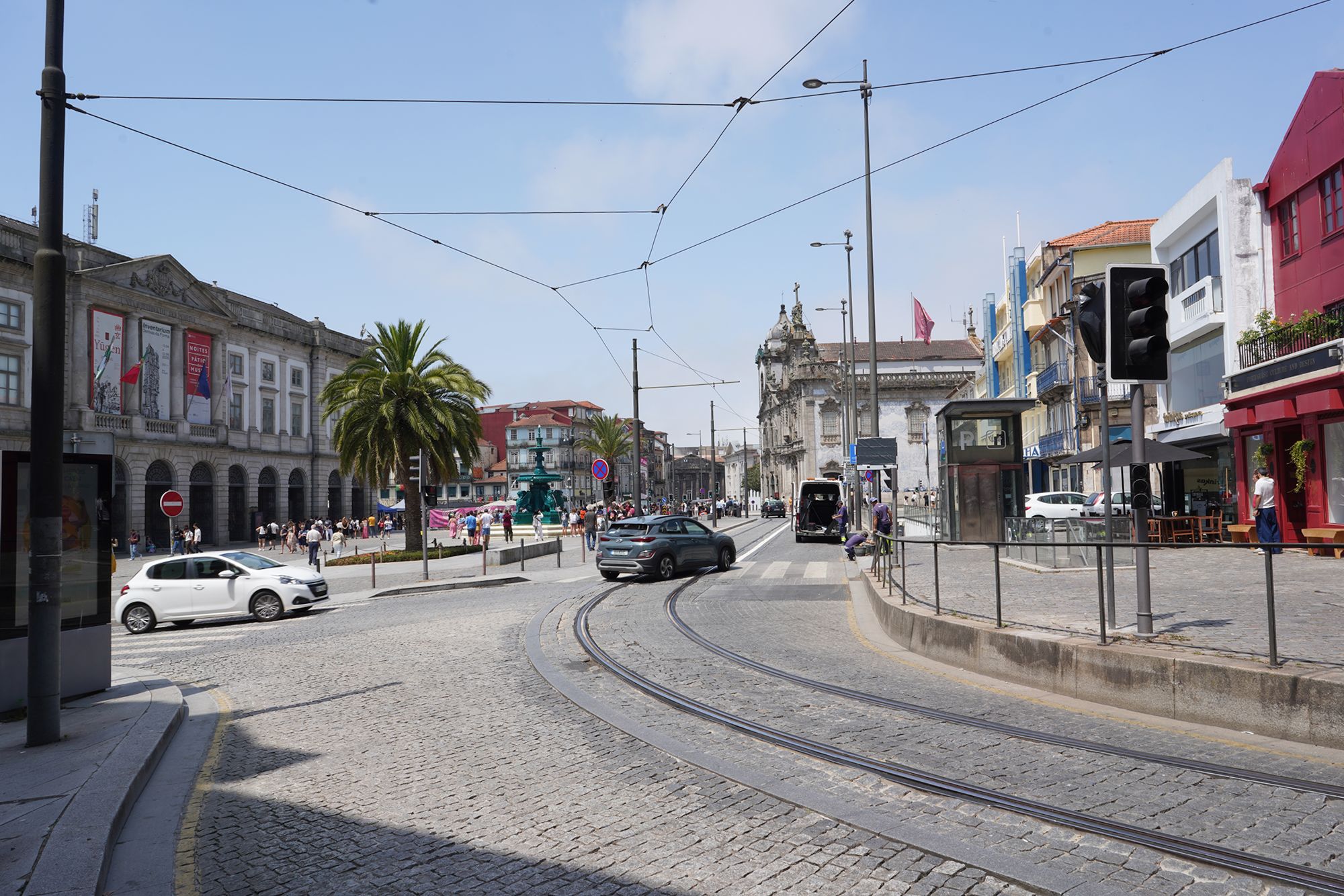
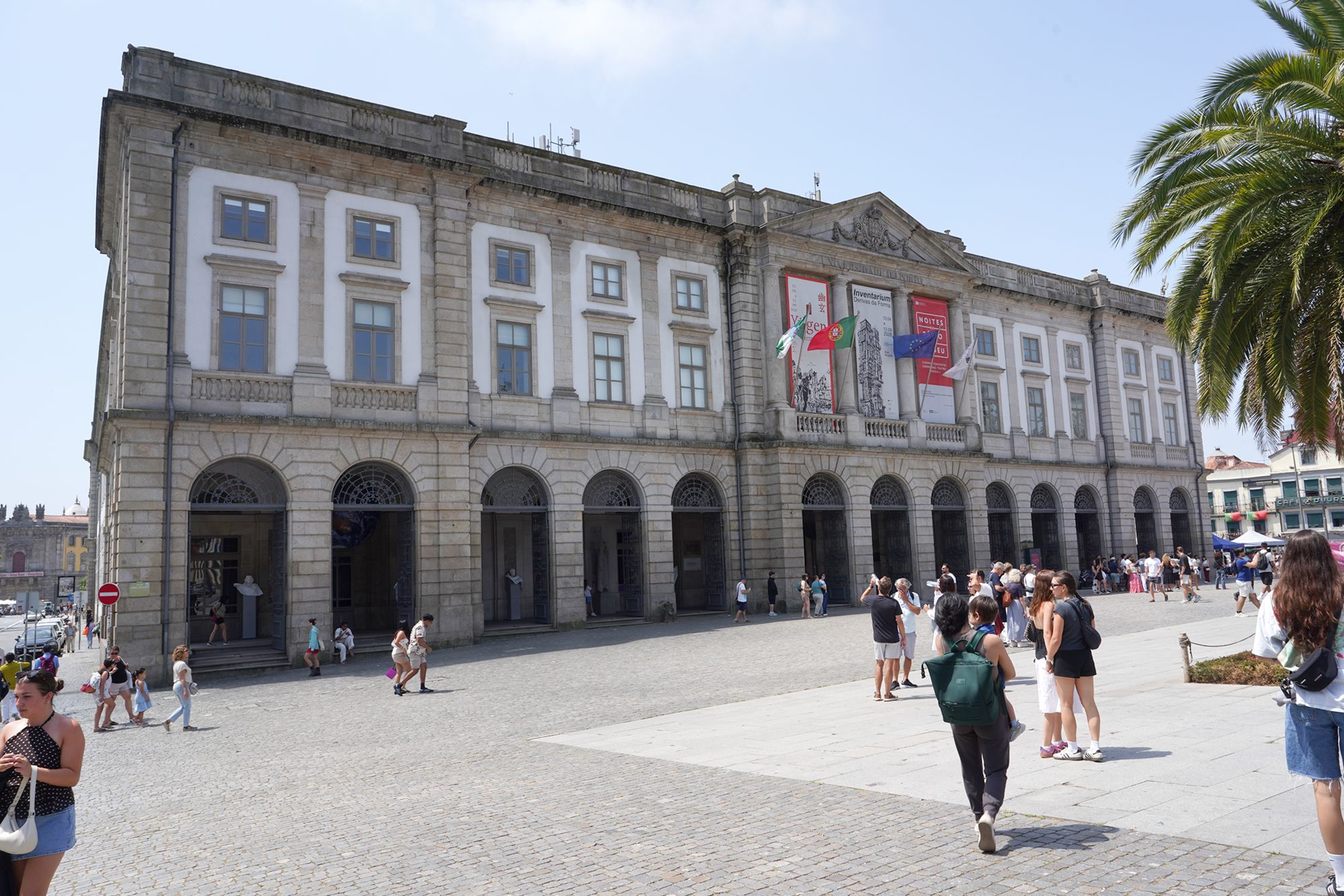
The Reitoria da Universidade do Porto is the University of Porto’s rectorate, or central administration building. Construction began in 1807, and it housed earlier academies before becoming part of the university, founded in 1911. Today, it also houses the university’s Natural History and Science Museum.
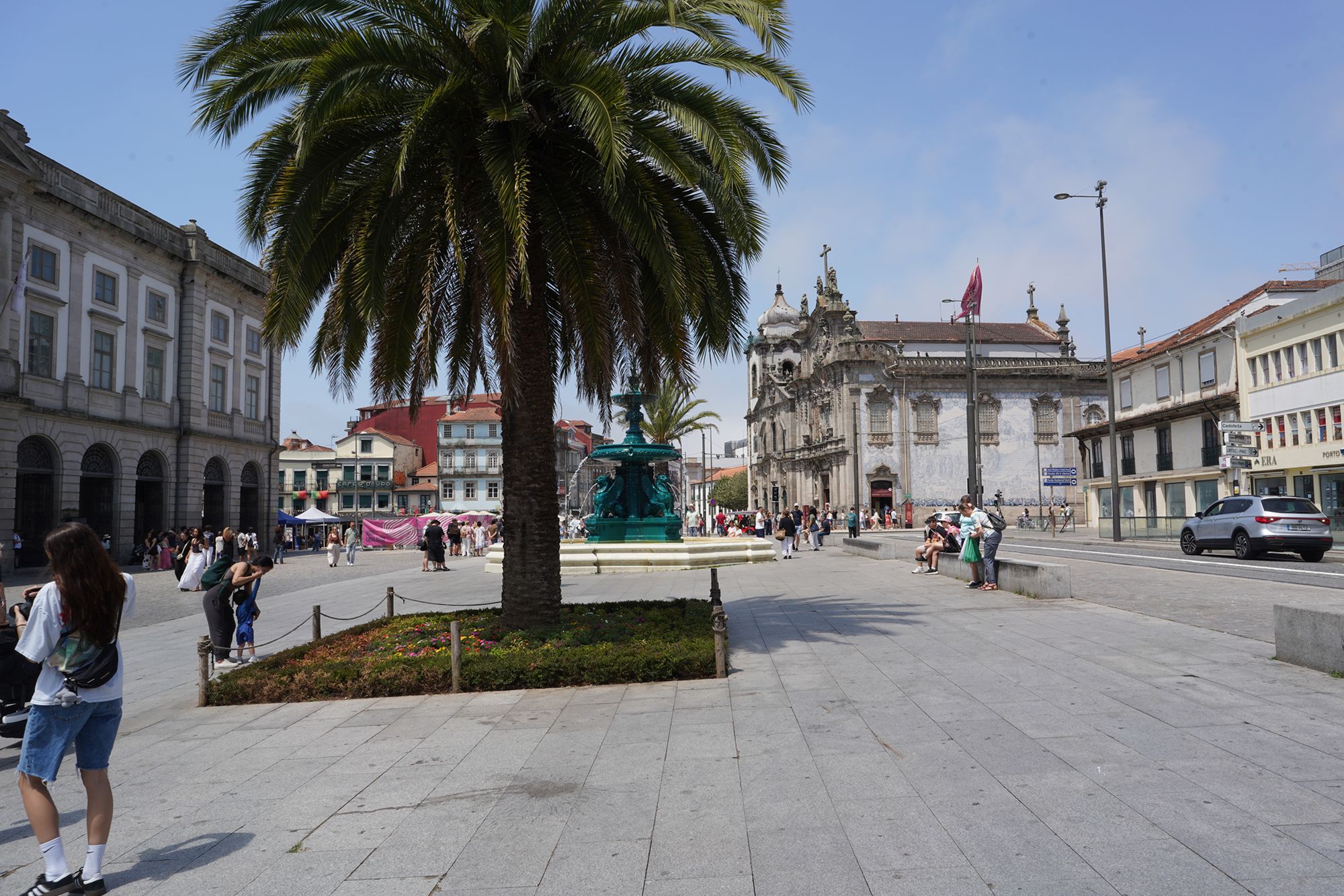
Fonte dos Leões, or the Fountain of the Lions, stands in Praça de Gomes Teixeira, in front of the University of Porto’s main administration building. Its winged lions give the fountain its name. It began operating in 1886 as part of a project to improve Porto’s water supply, combining a practical purpose with an ornamental centerpiece for the square.
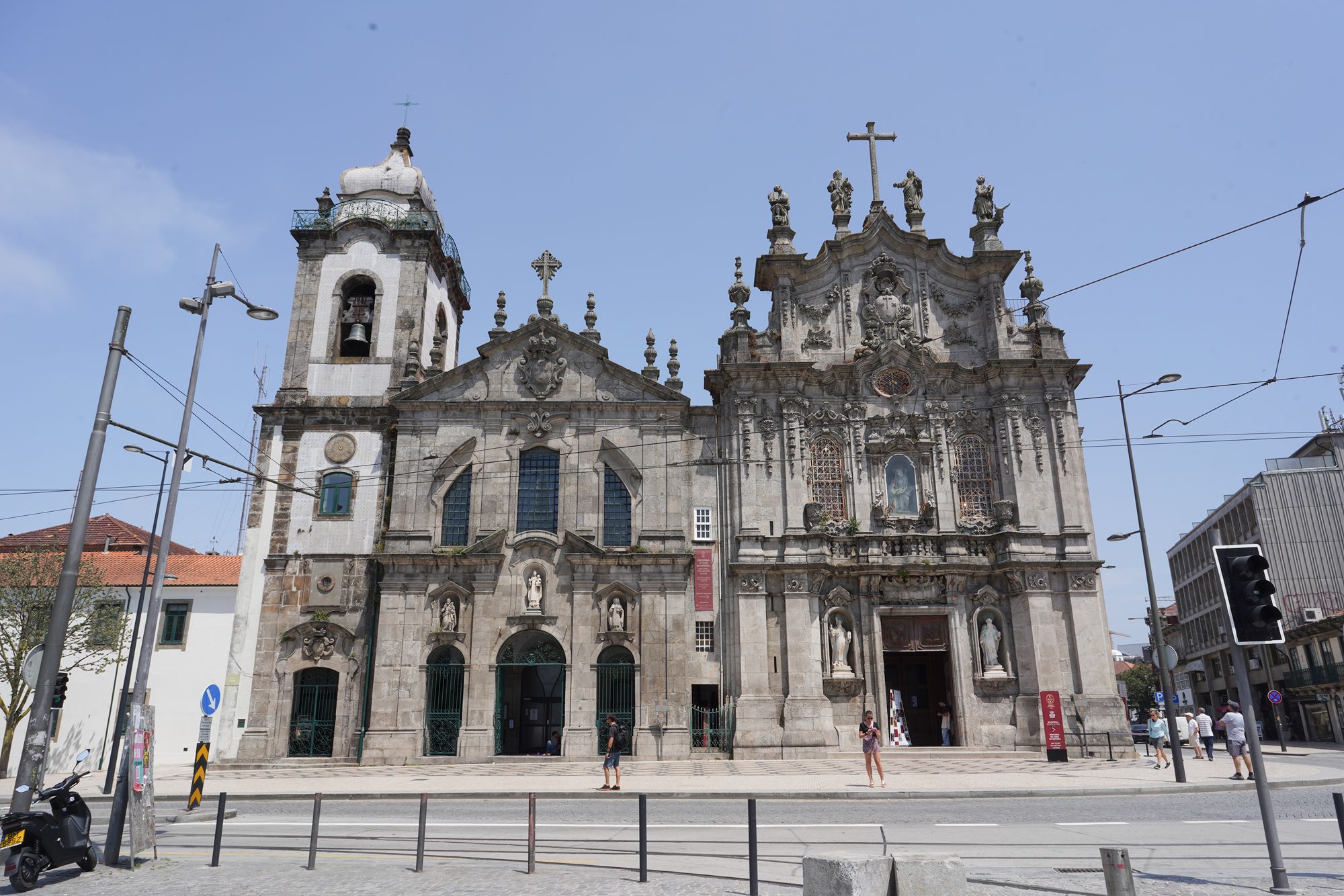
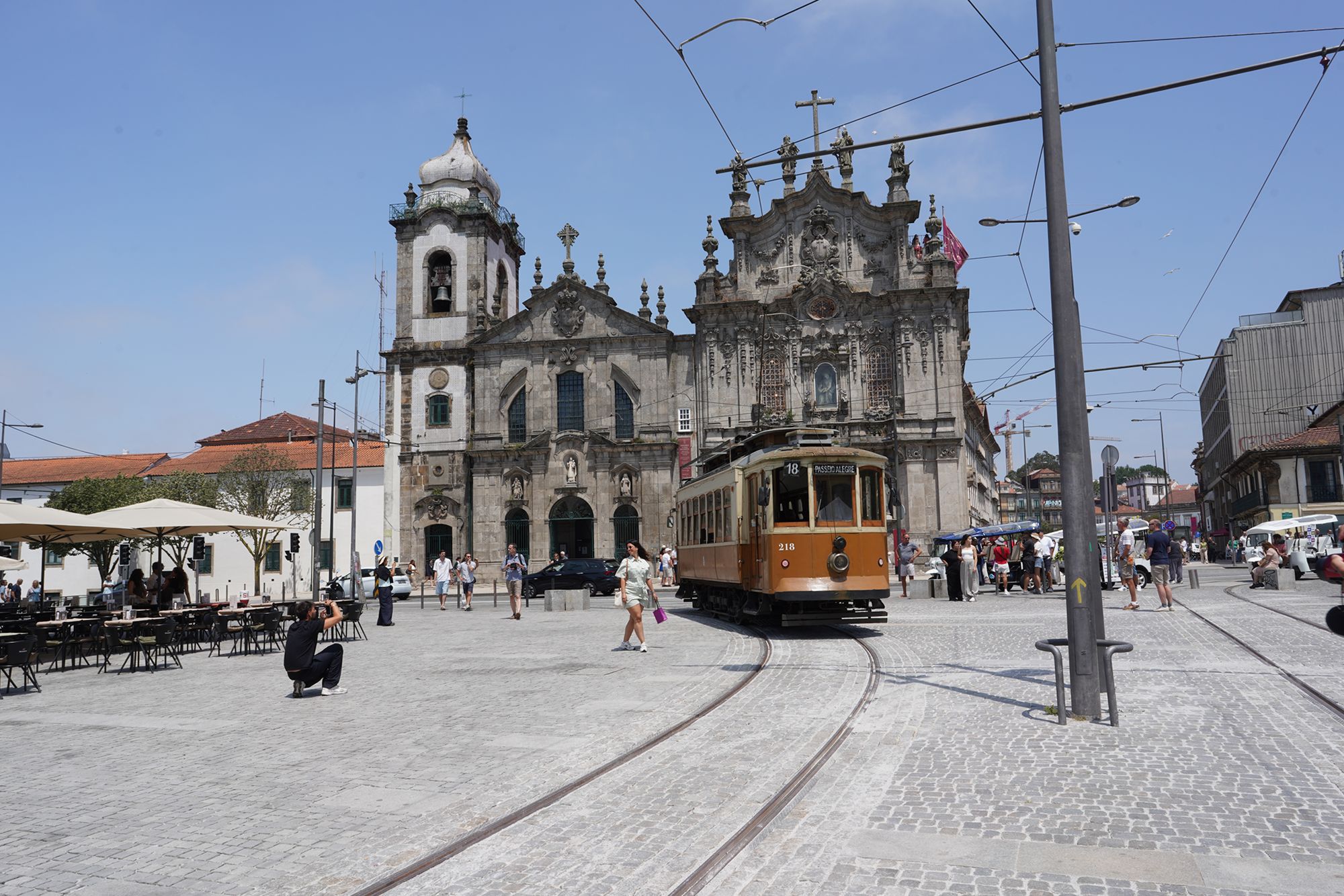
Igreja do Carmo and Igreja dos Carmelitas.
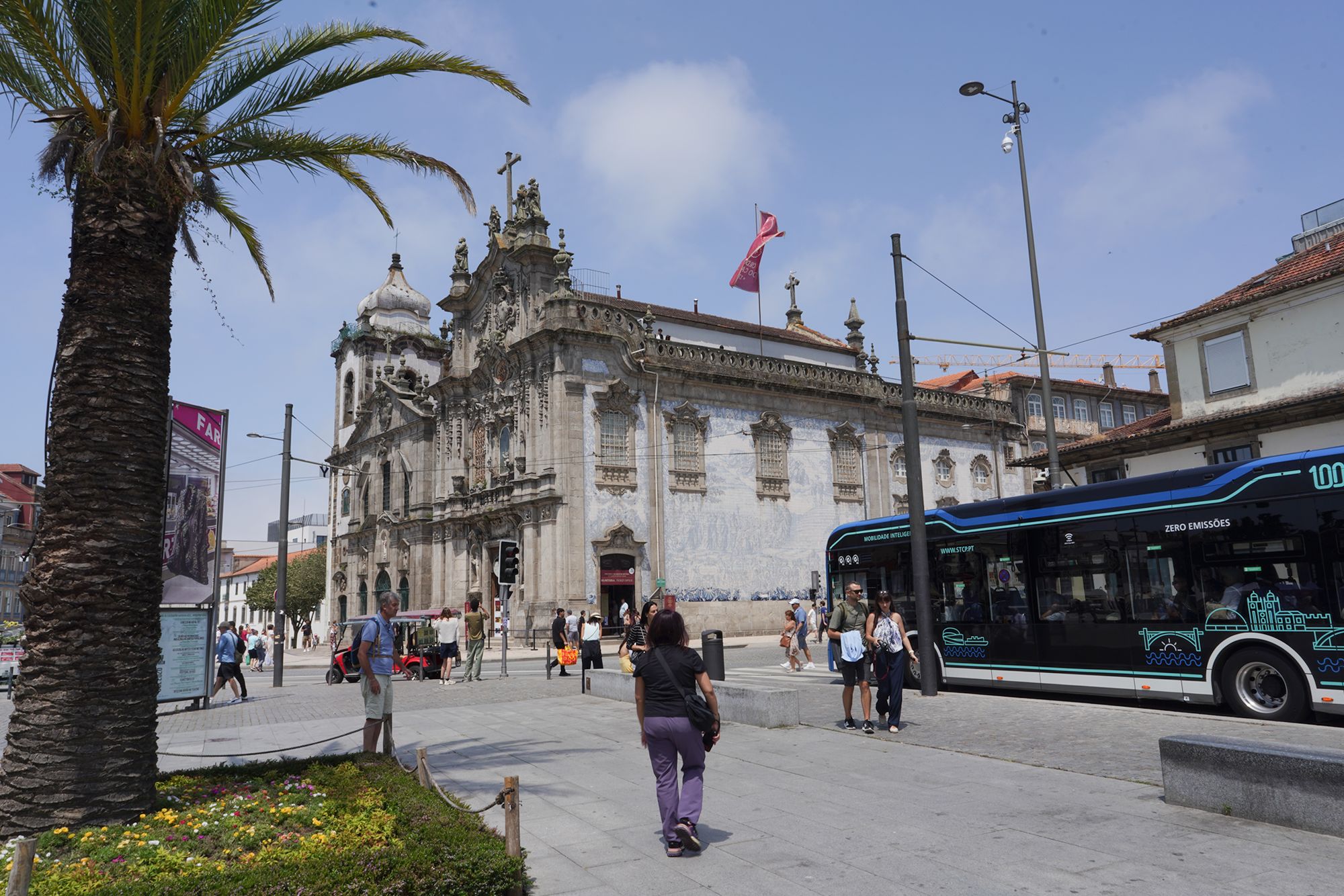
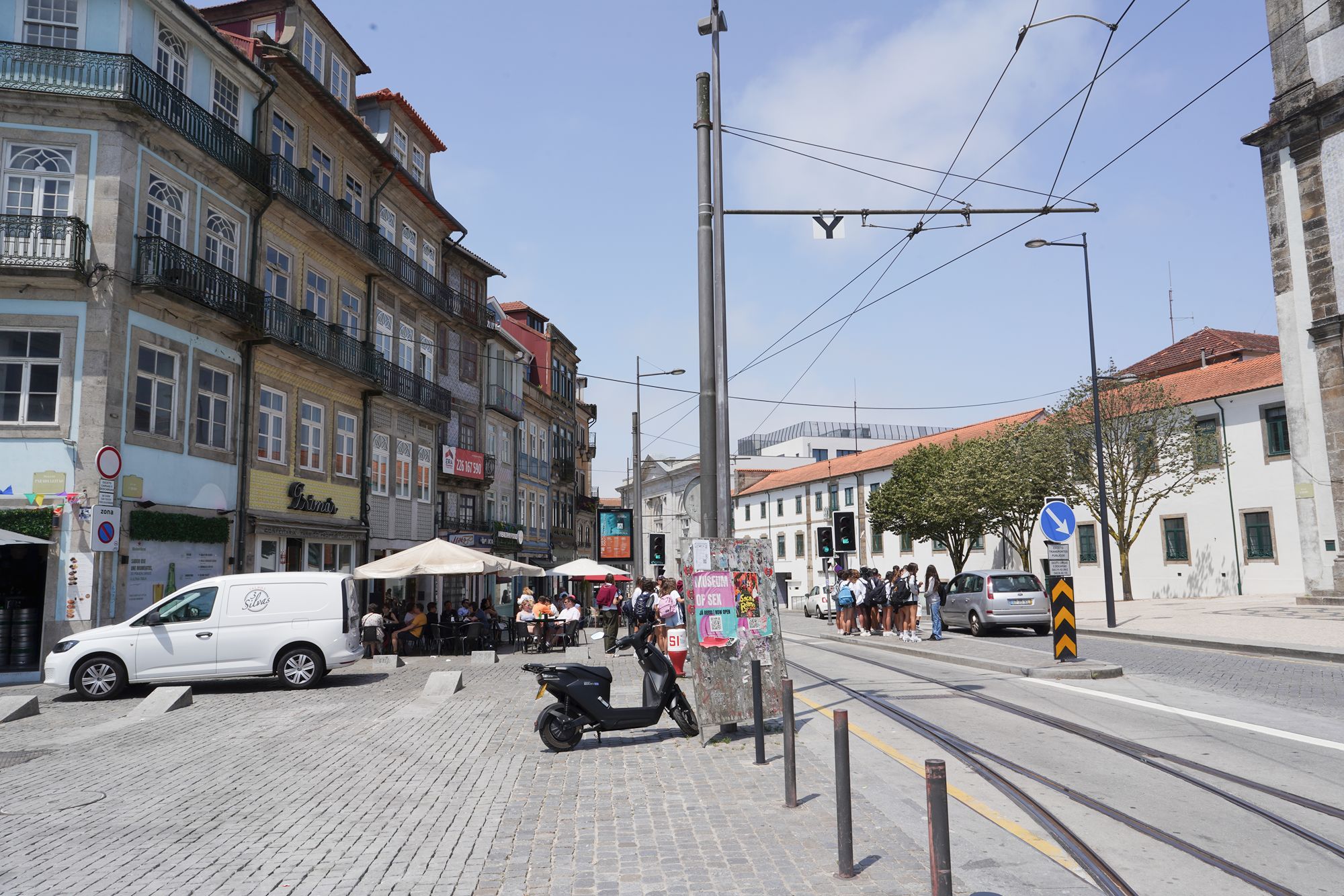
Igreja do Carmo and Igreja dos Carmelitas stand side by side, appearing almost like a single building. They are actually two separate churches, with the narrow Casa Escondida tucked between them. Igreja dos Carmelitas is the older church, while Igreja do Carmo is known for the blue-and-white tiles covering its side wall.
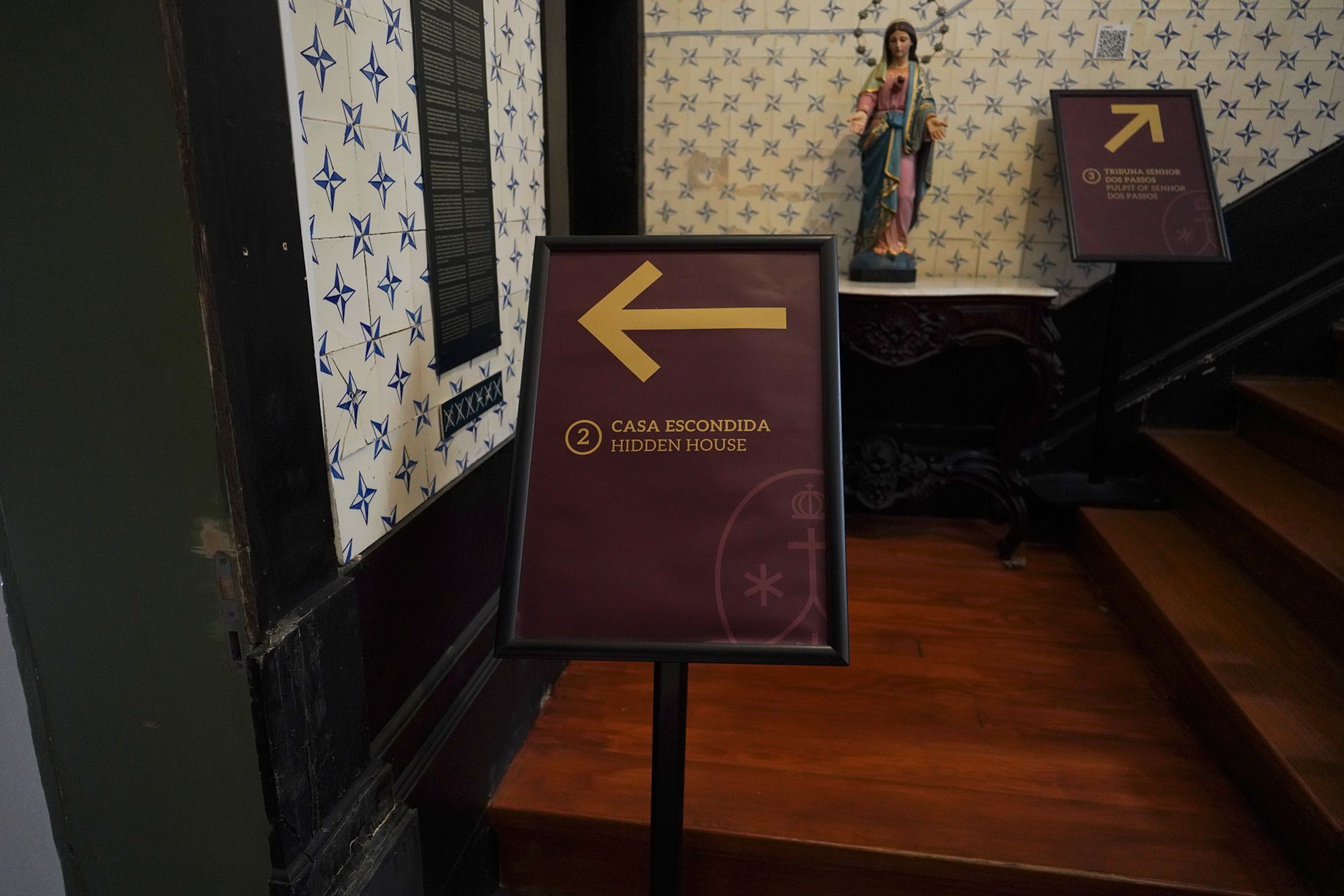
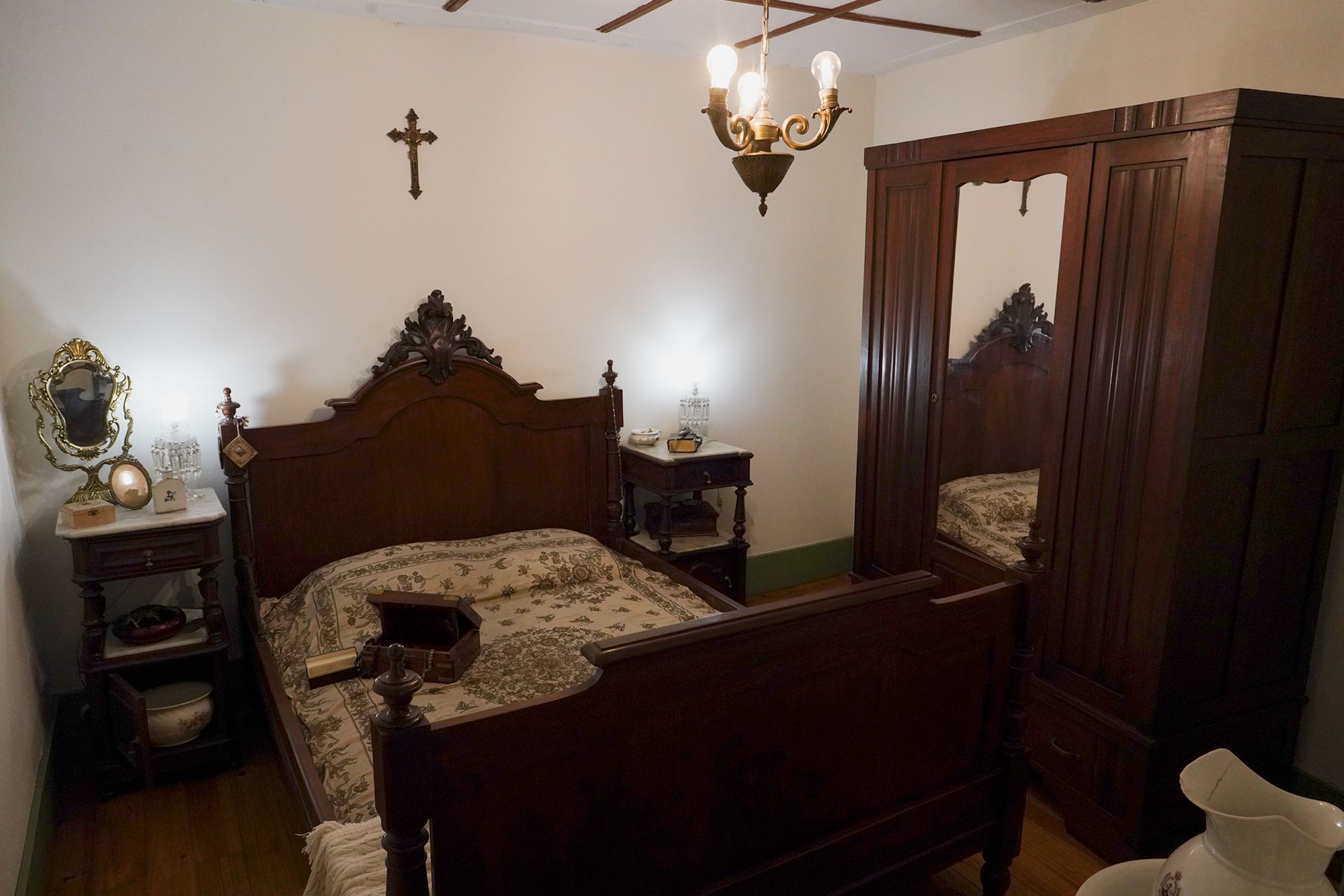
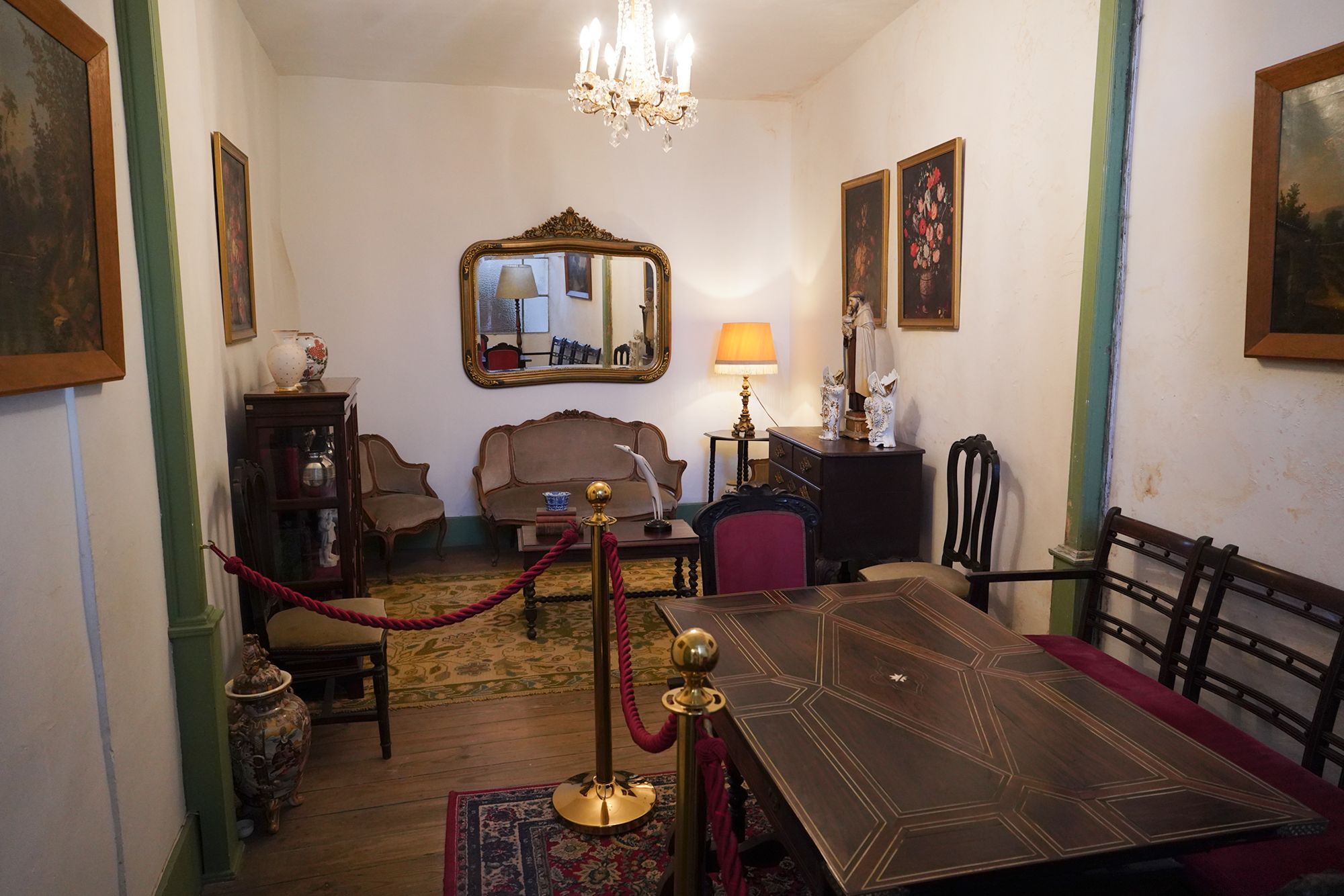
Between the two churches stands Casa Escondida, meaning “Hidden House.” This very narrow house blends into the neighboring church façades, making it easy to overlook. More than 250 years old, it can be visited as part of the Igreja do Carmo tour.
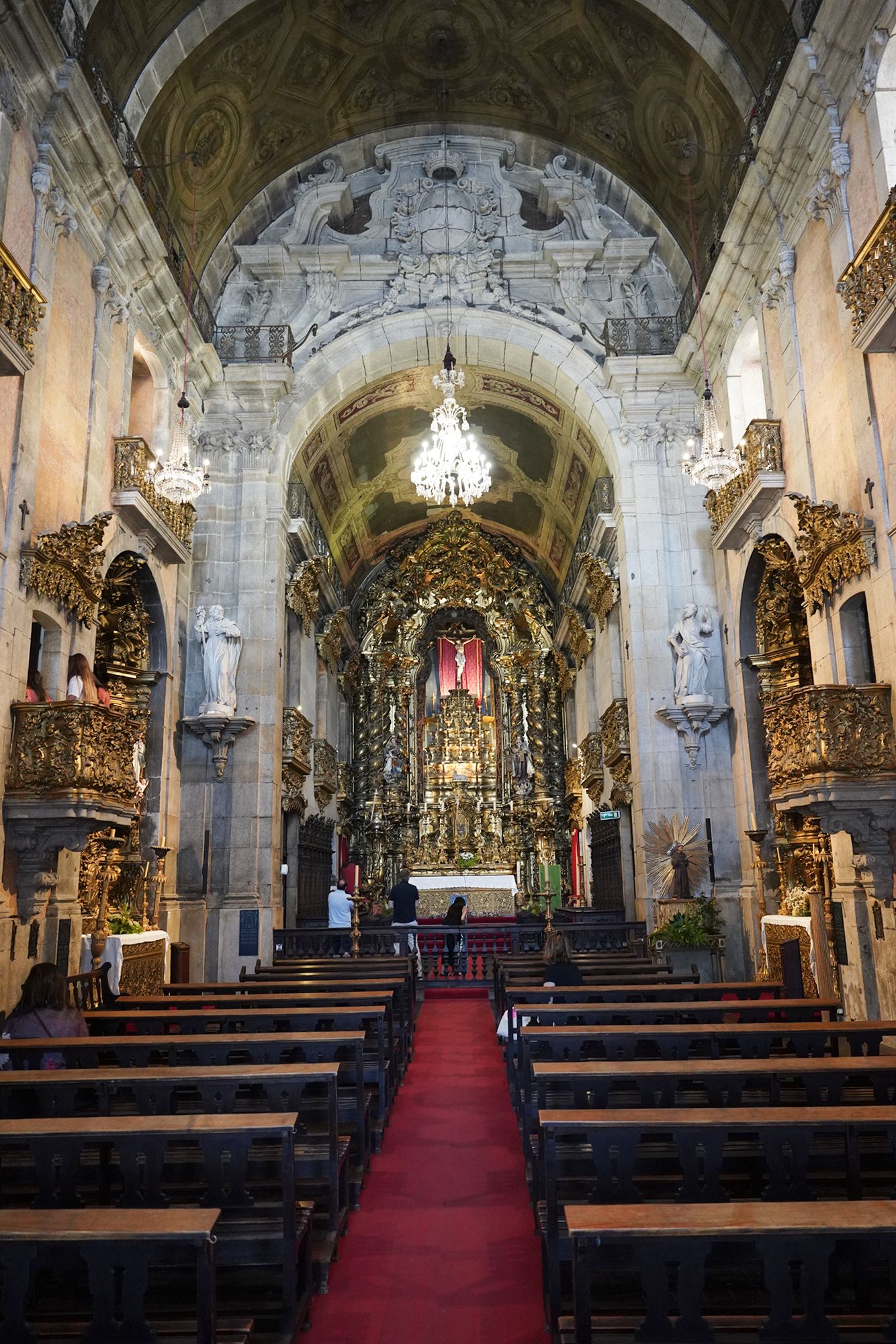
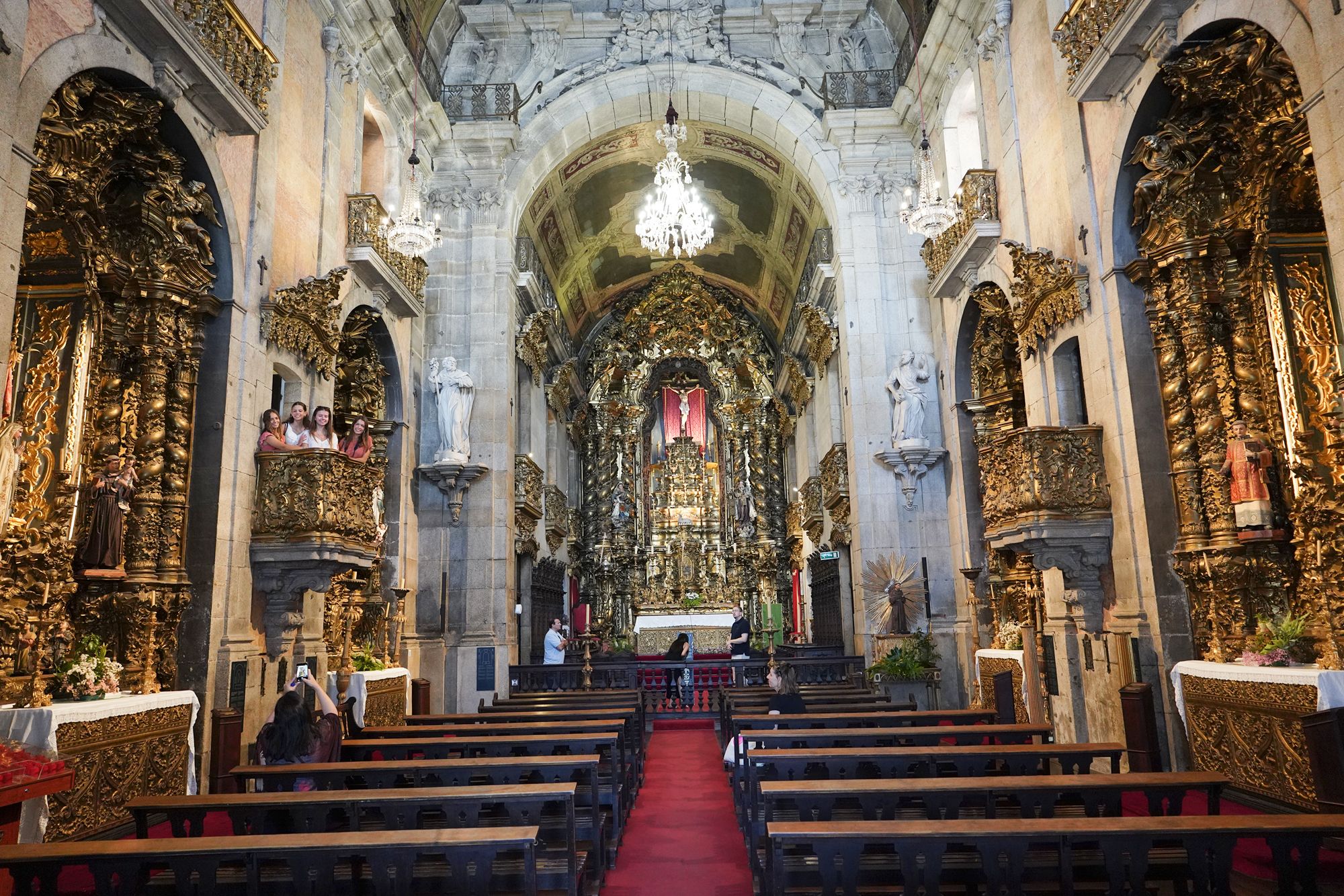
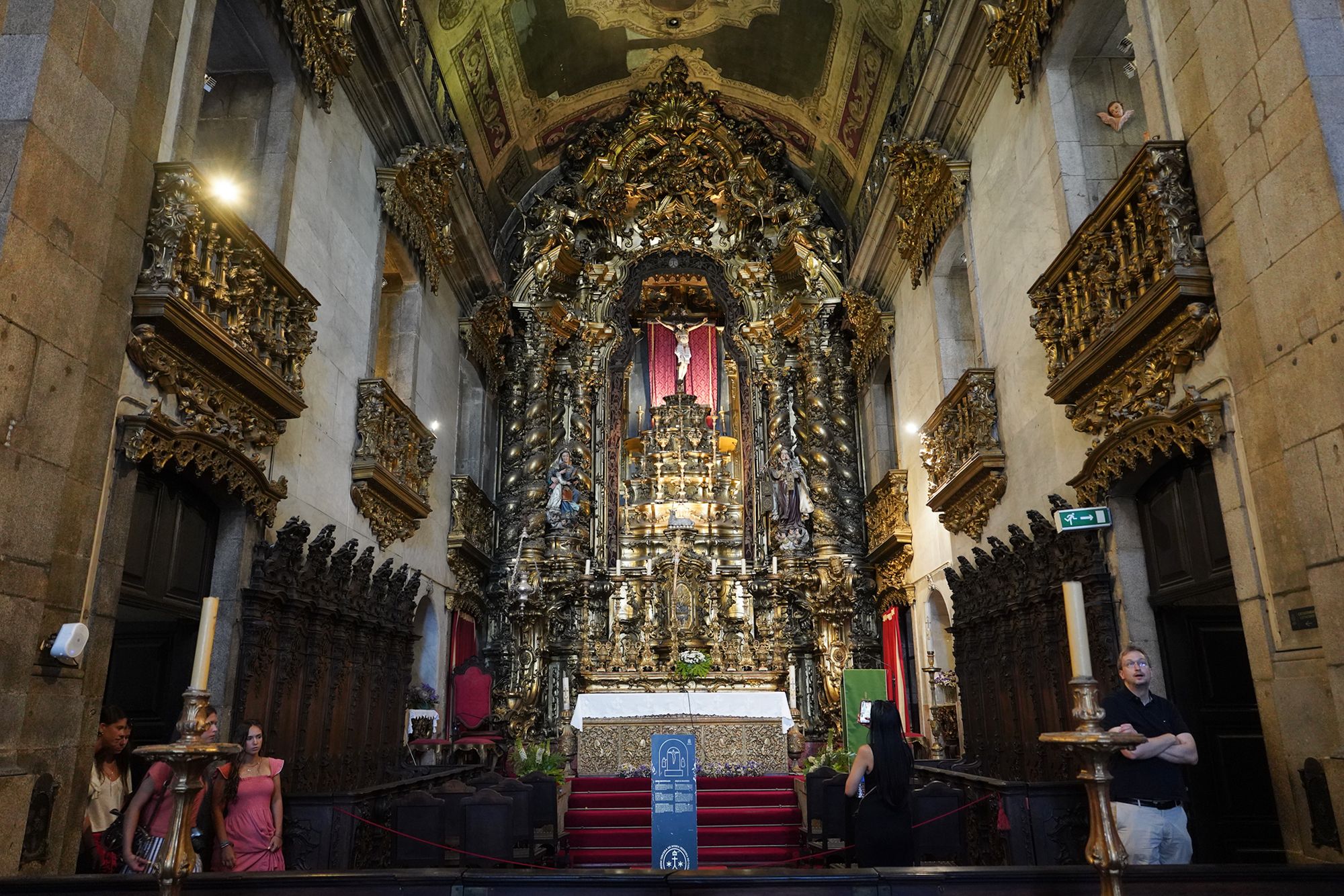
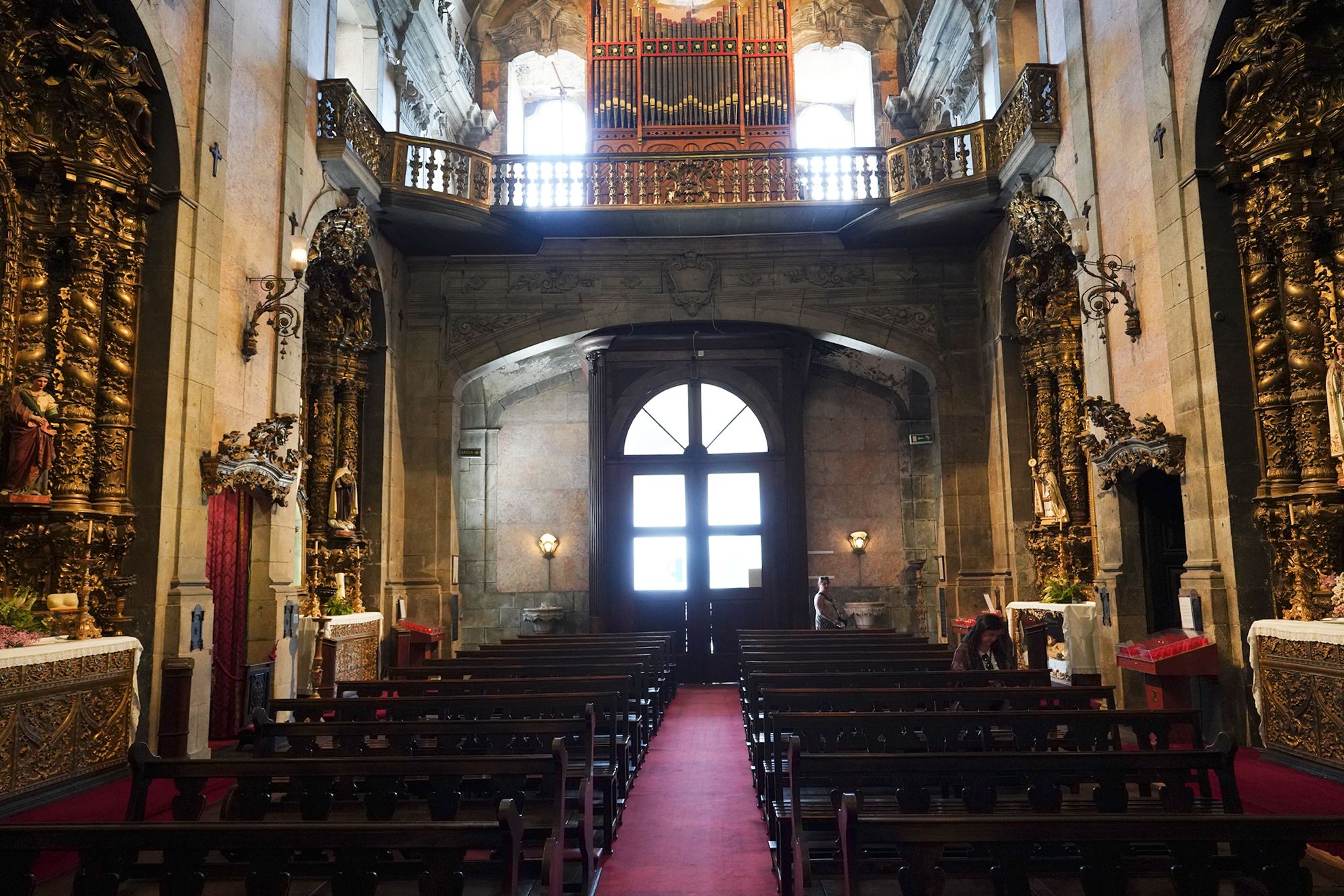
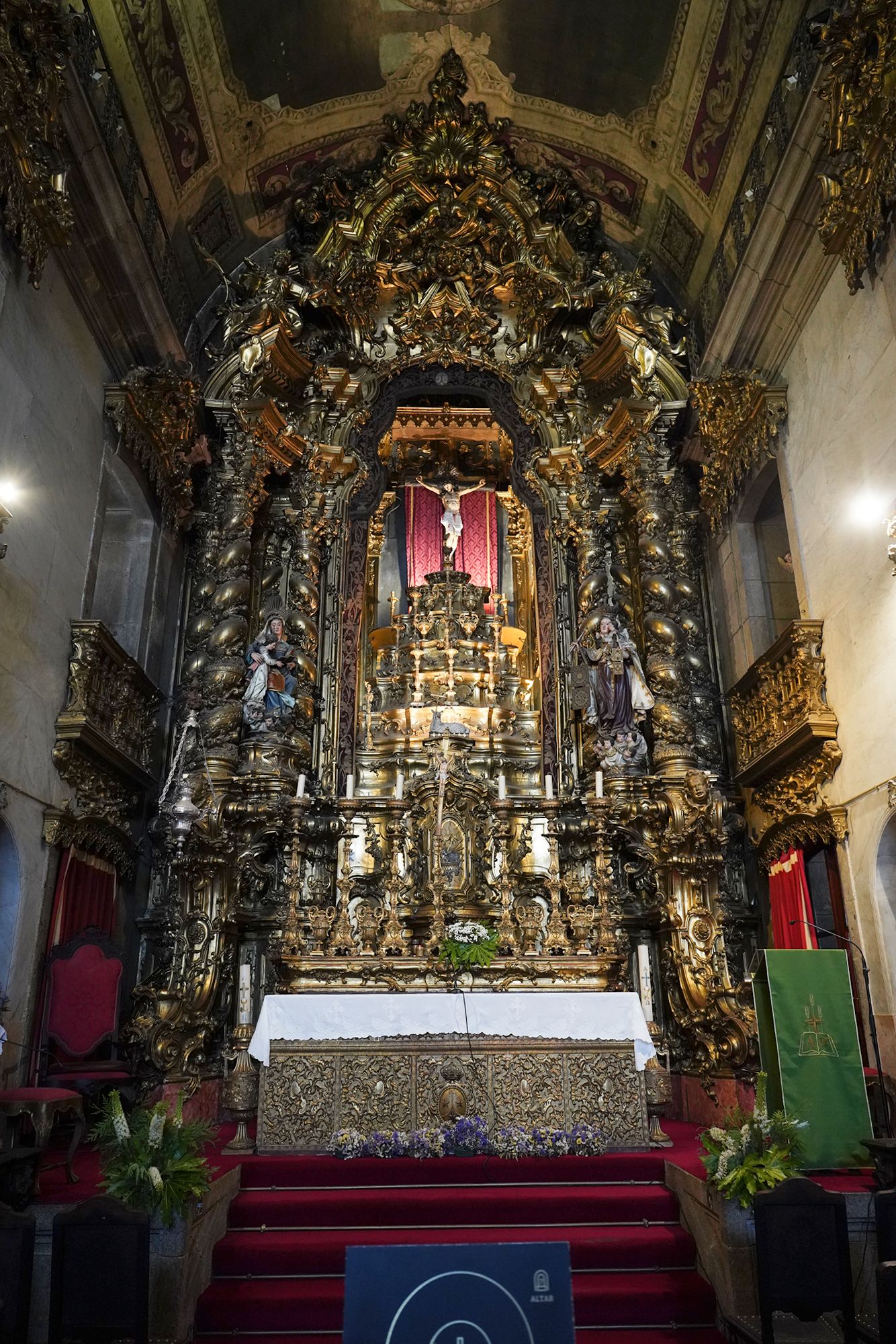
This is the interior of Igreja do Carmo, the church on the right when facing the pair. The photo shows its richly gilded altars, matching pulpits, and painted ceiling above the main altar.
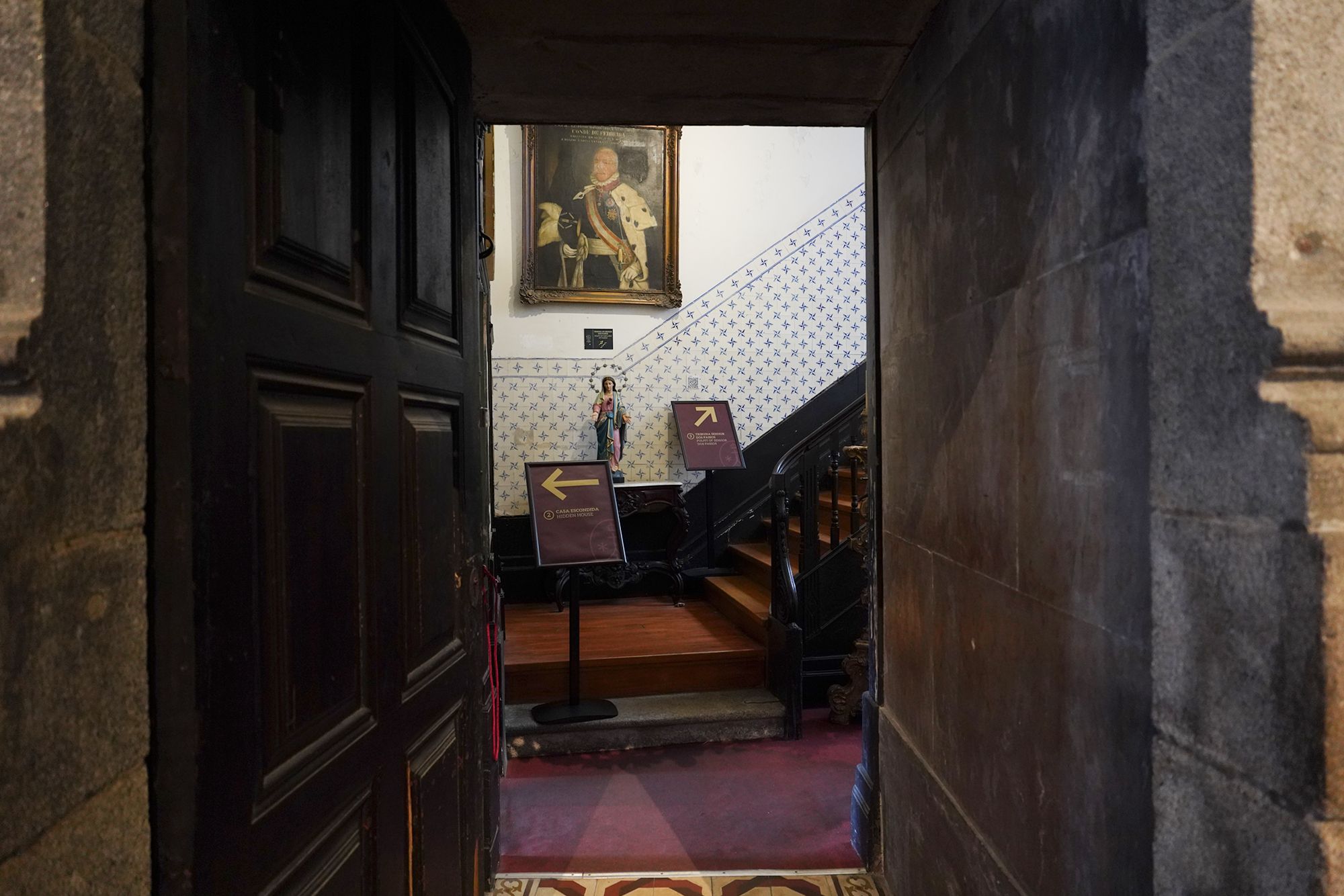
To the hidden house.
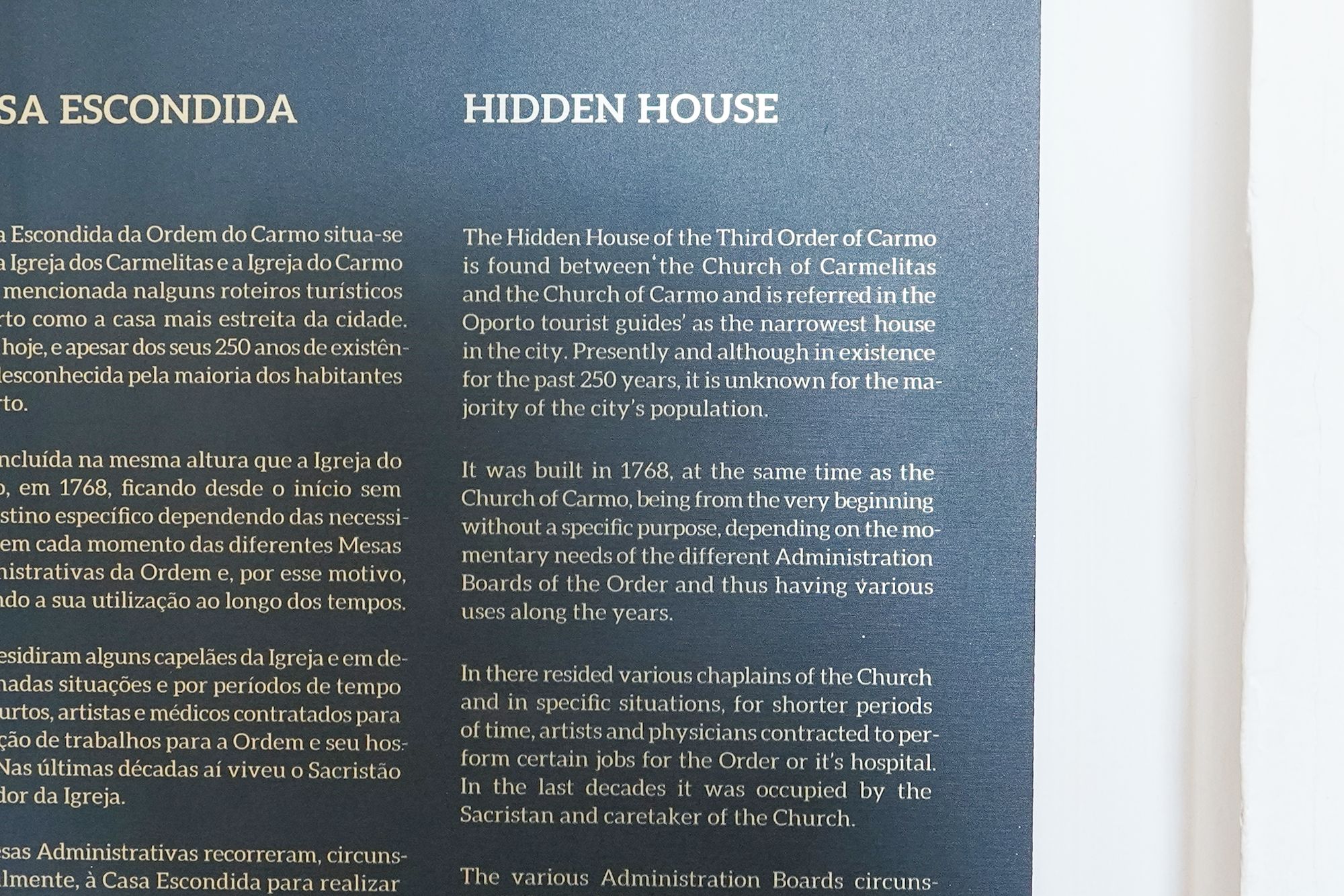
Casa Escondida was built in 1768, at the same time as Igreja do Carmo. According to this information panel, it had no single original purpose and served different needs over the years. Church chaplains lived here, along with artists and physicians temporarily working for the Order. More recently, it housed the church’s sacristan and caretaker.
I returned back to the church
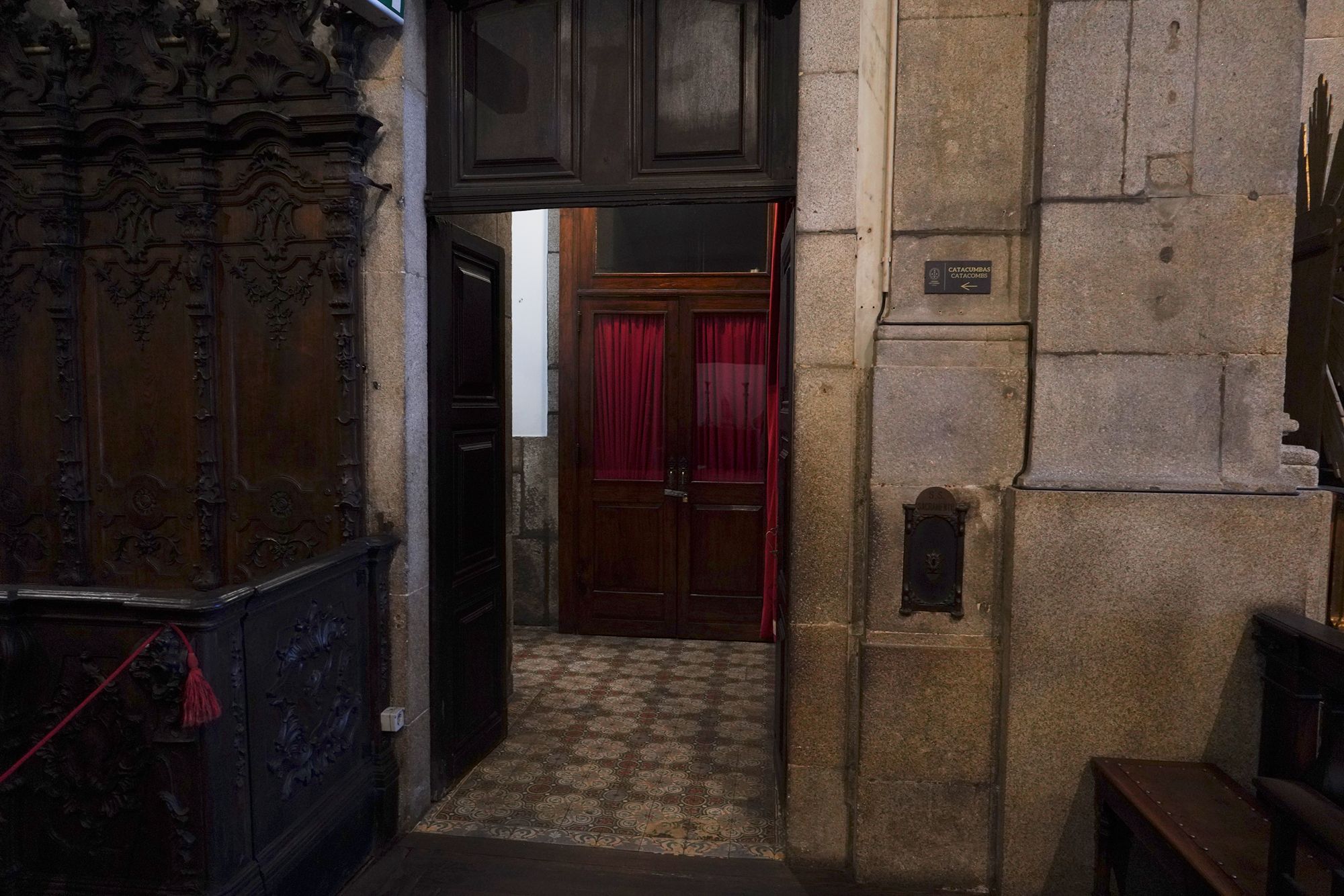
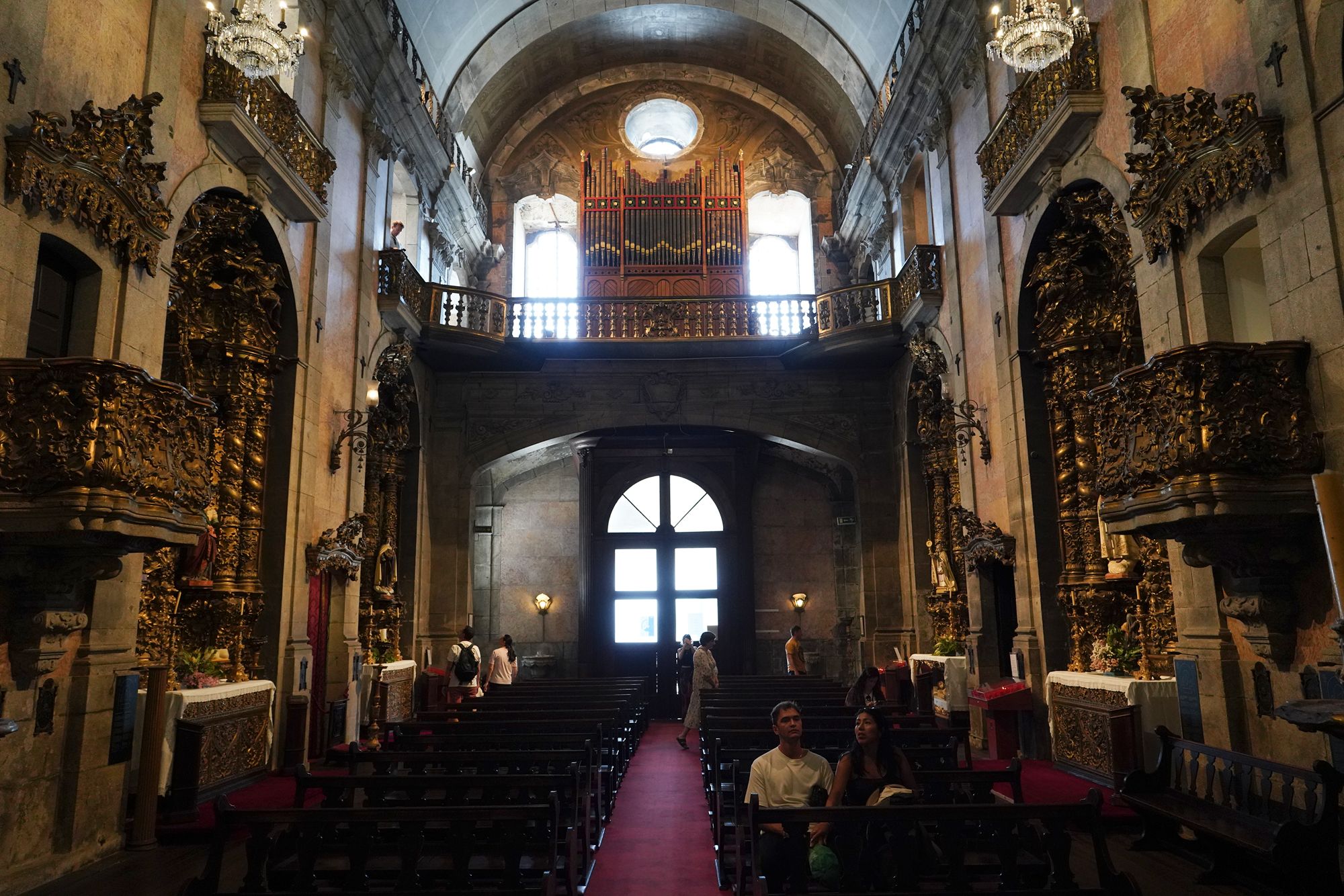
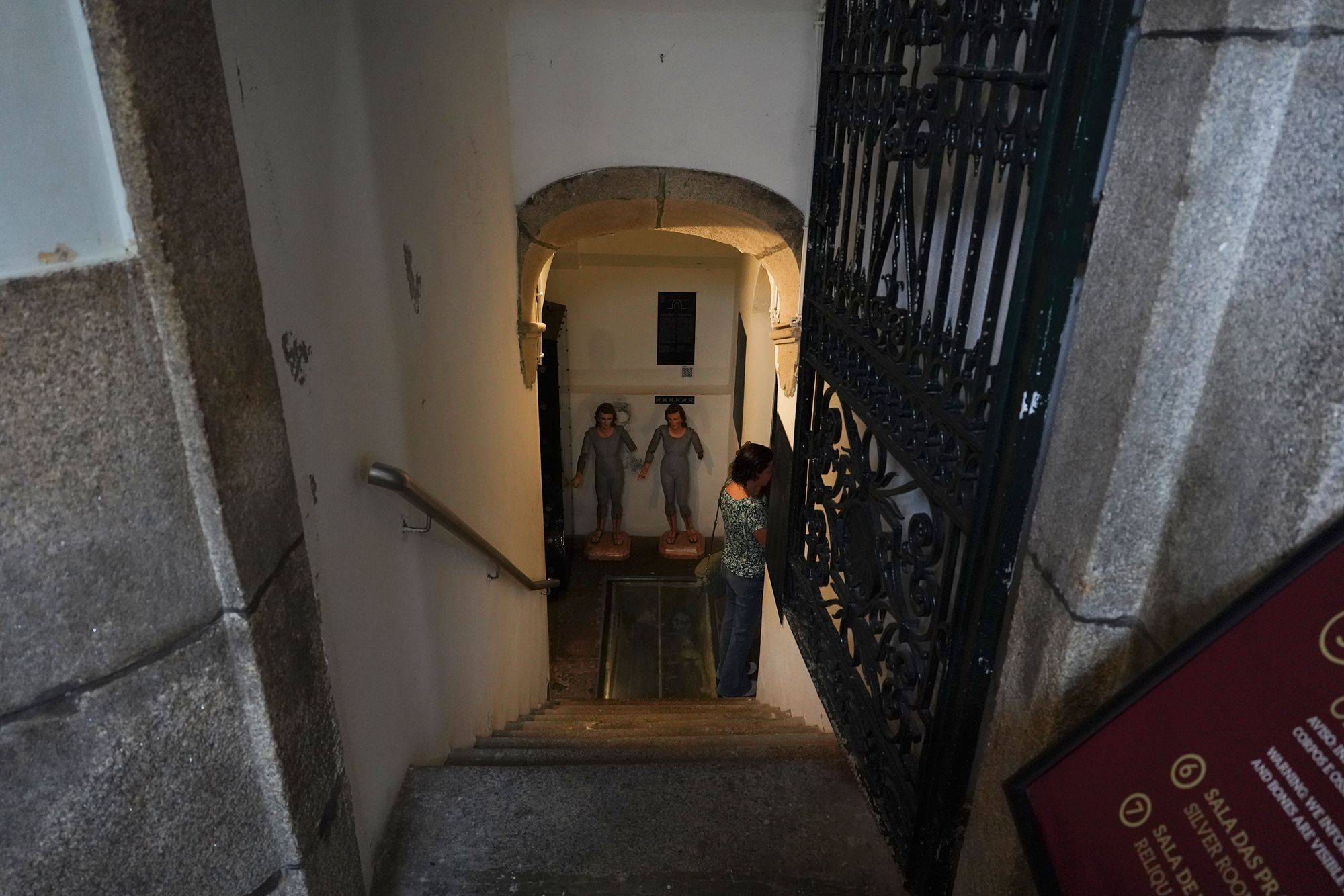
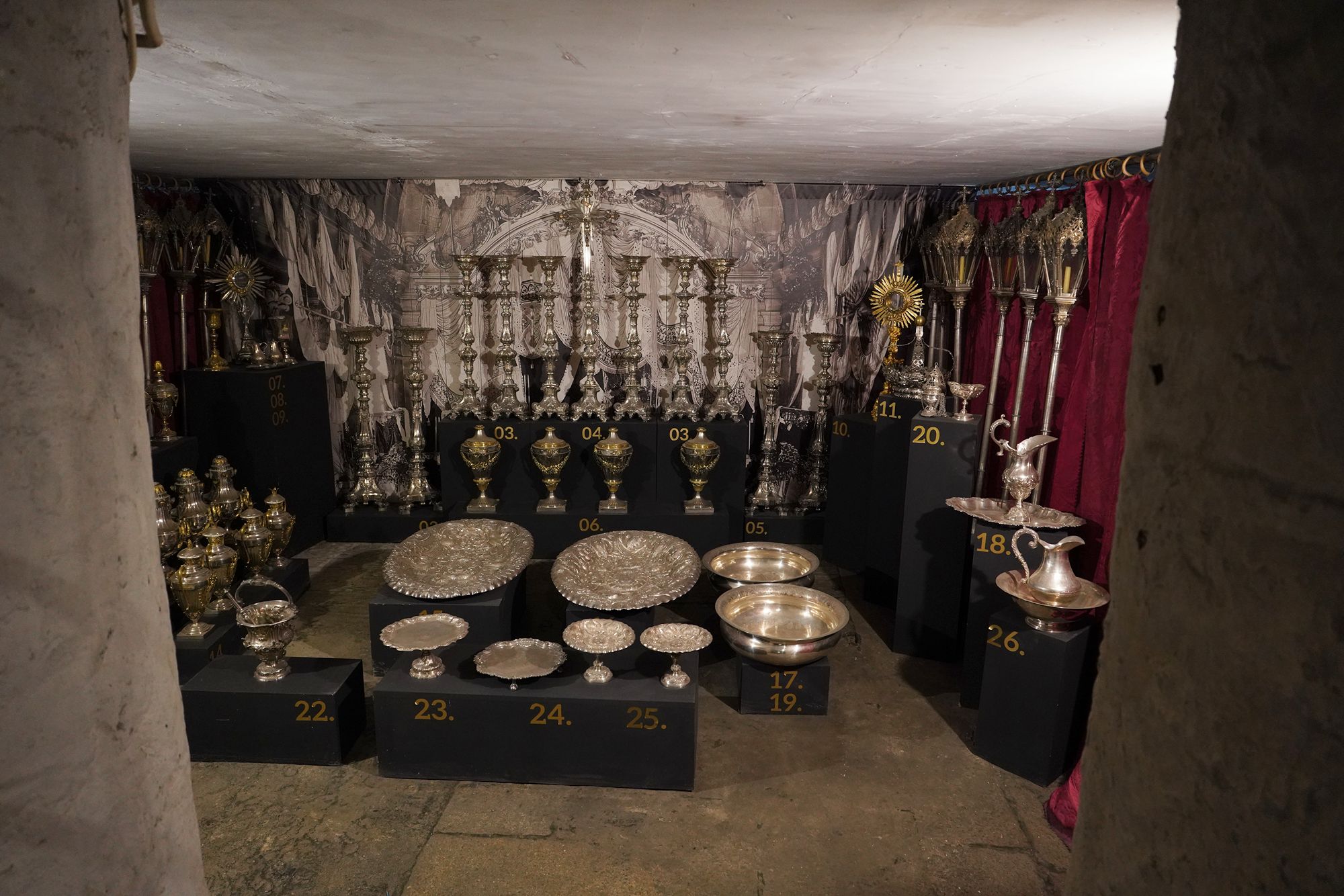
I went down to the church’s basement.
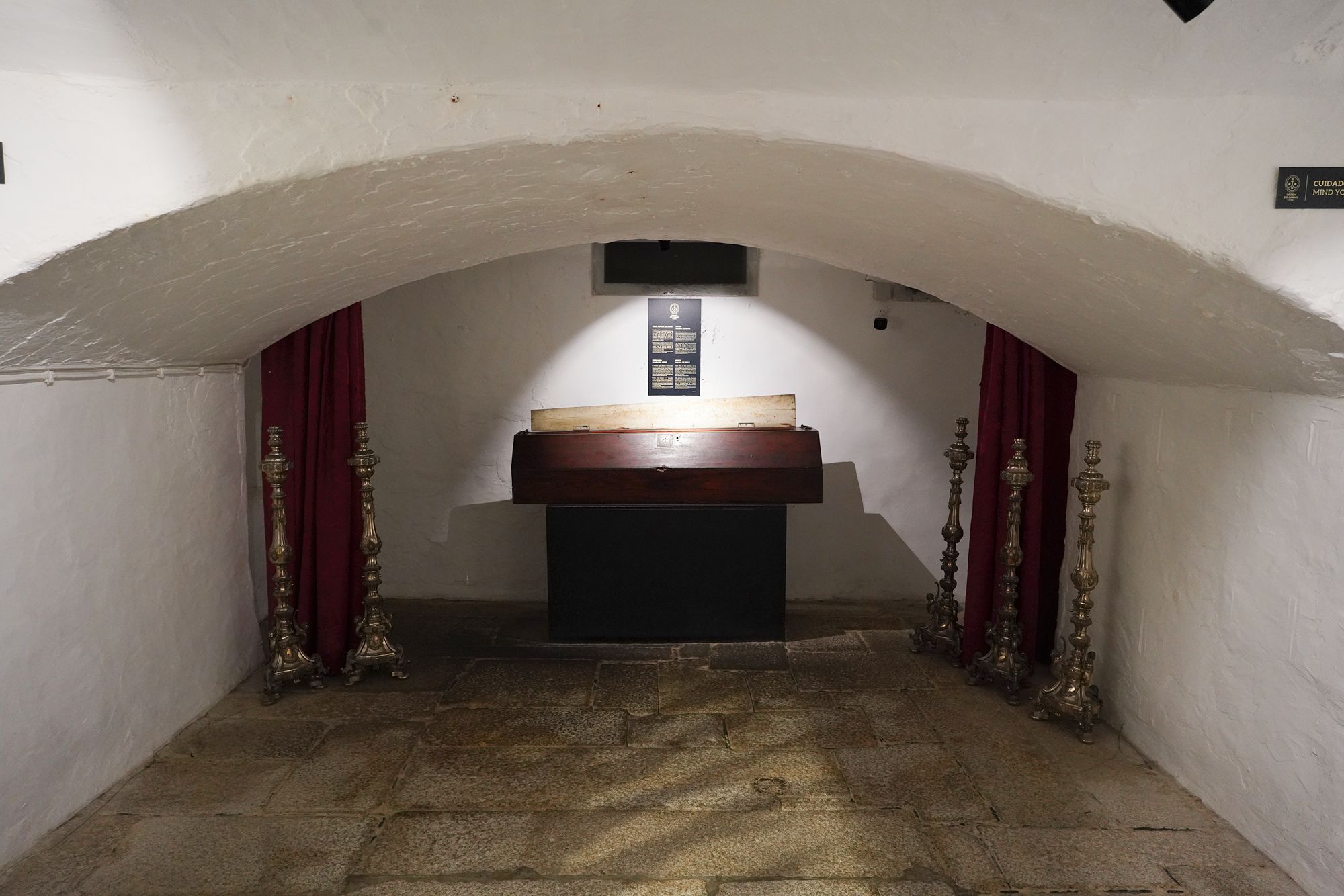
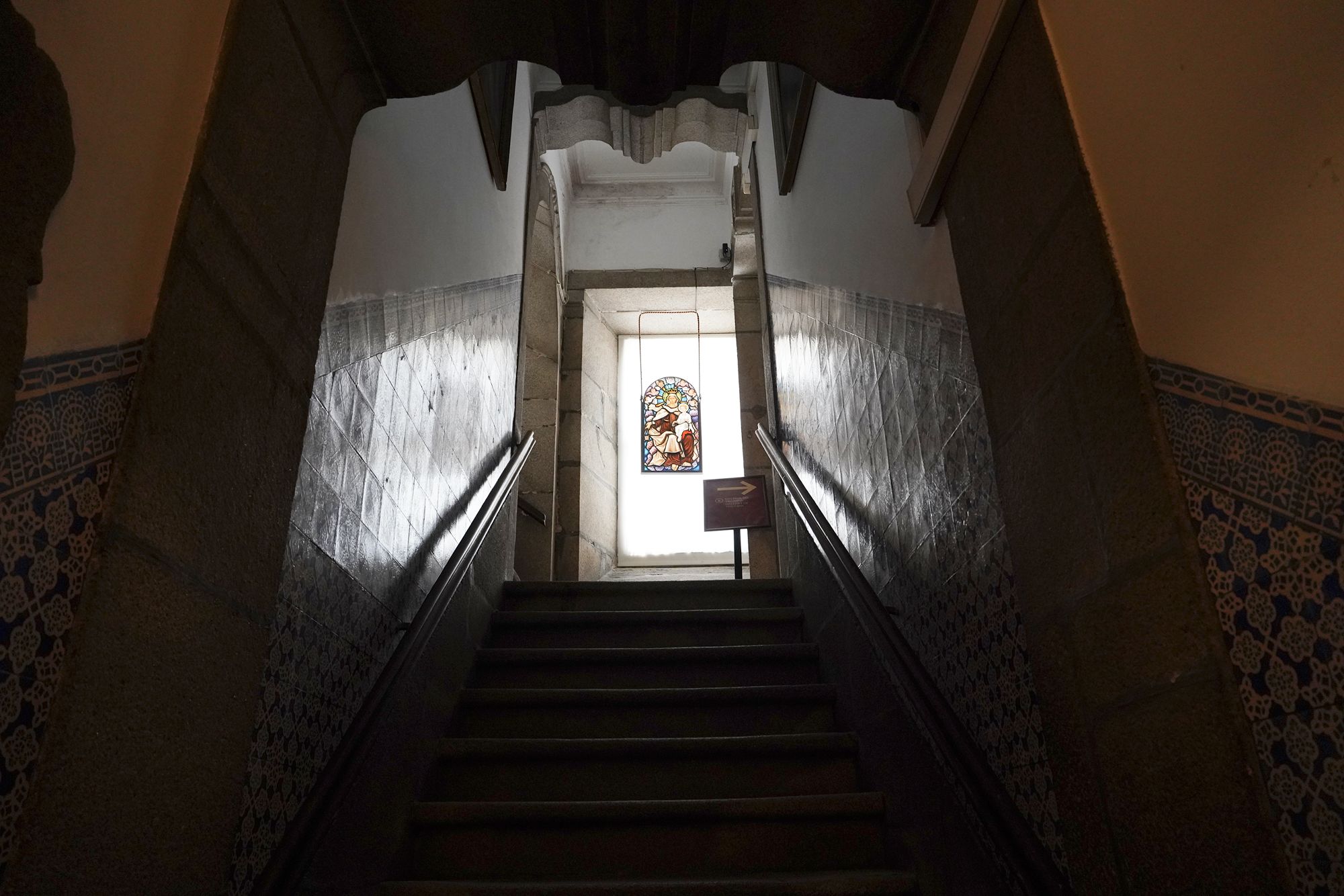
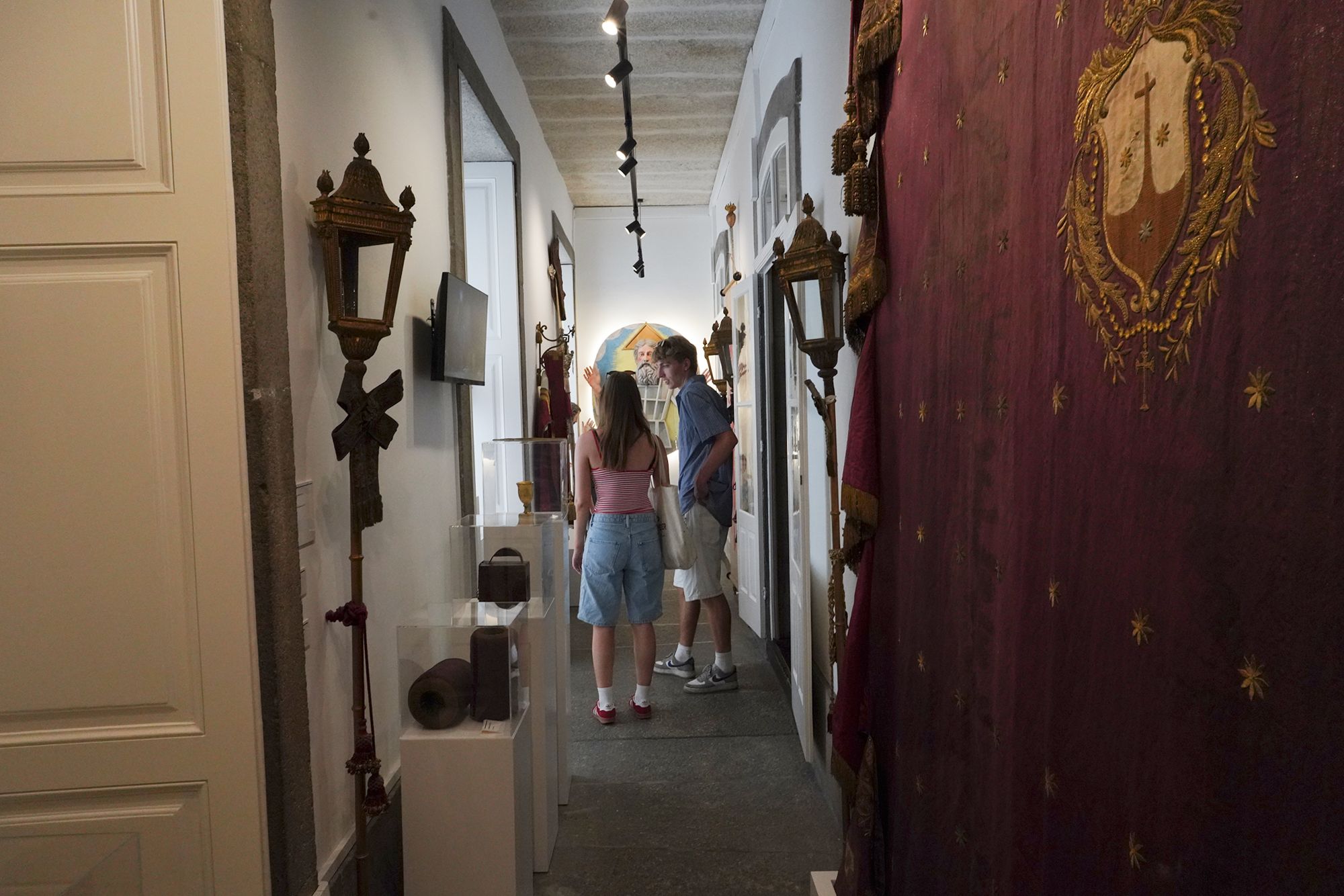
Then I came back out into Praça de Gomes Teixeira.
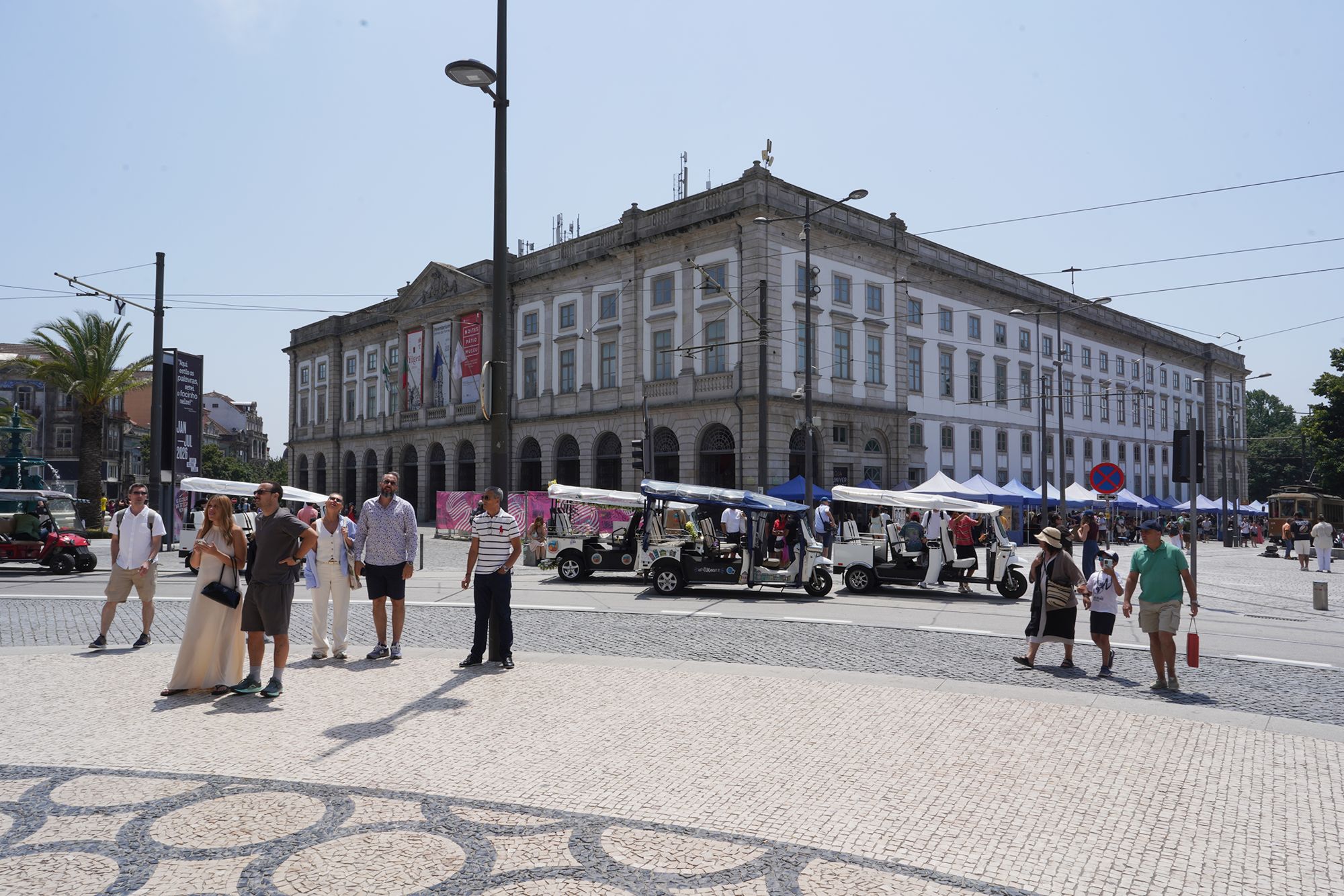
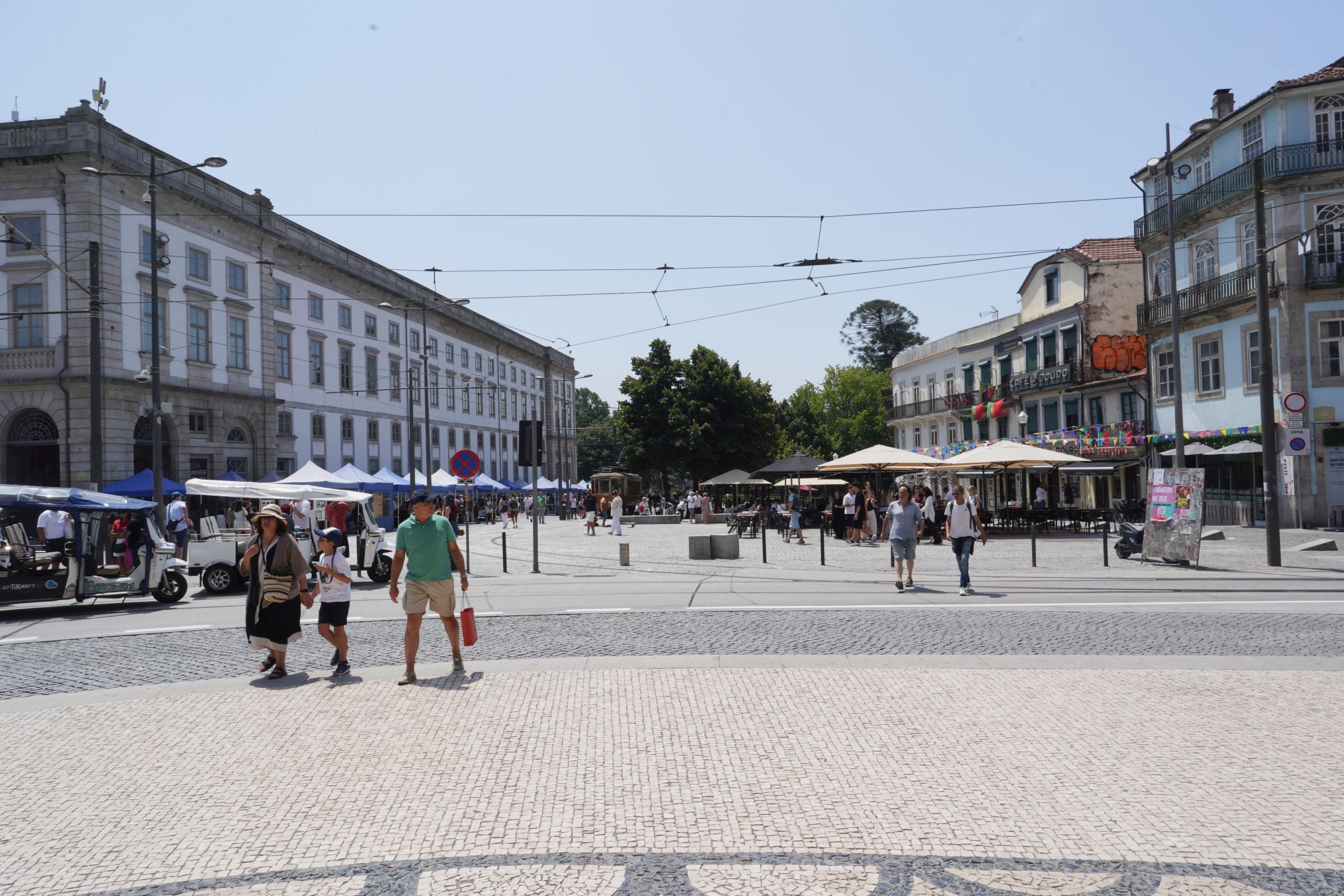
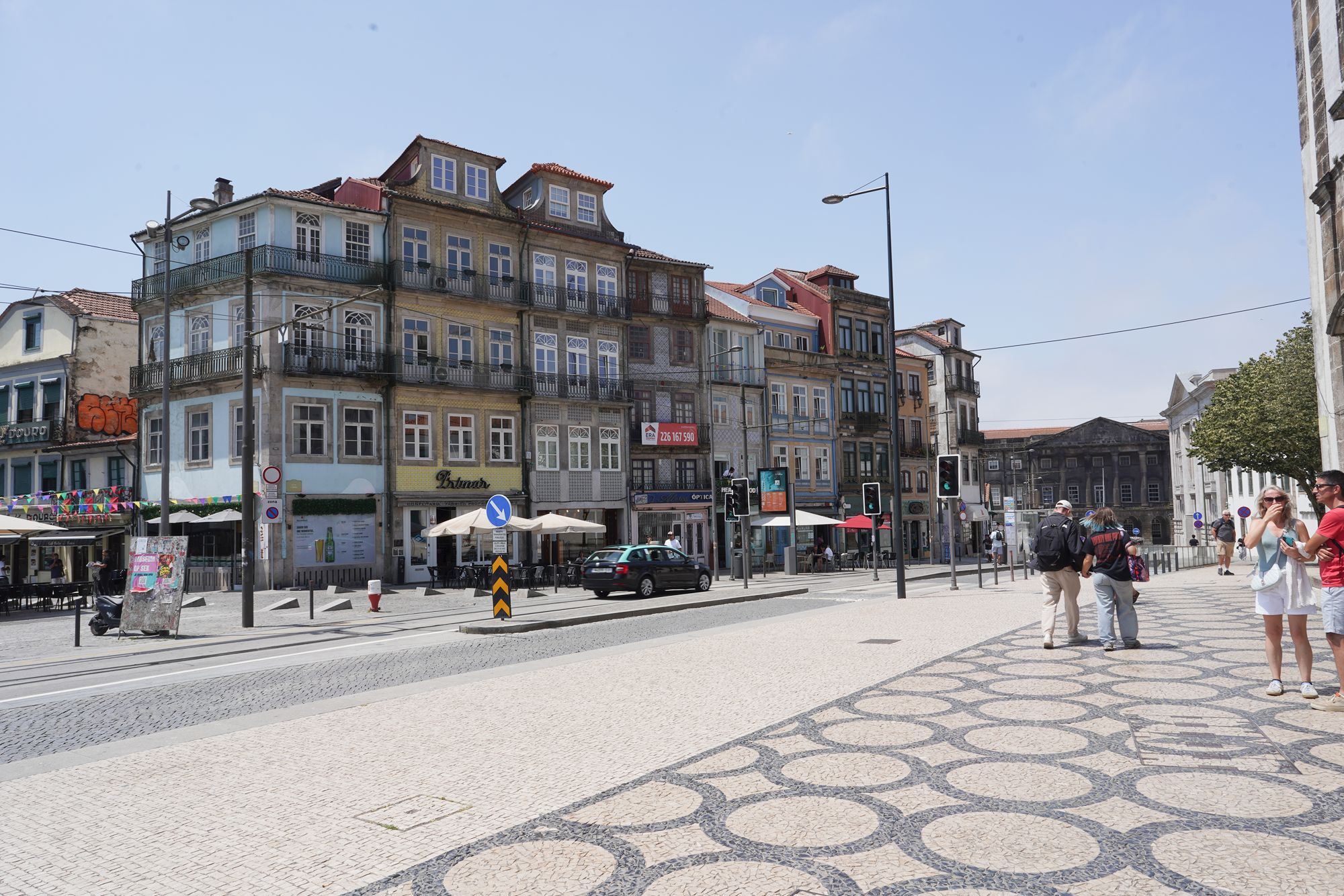
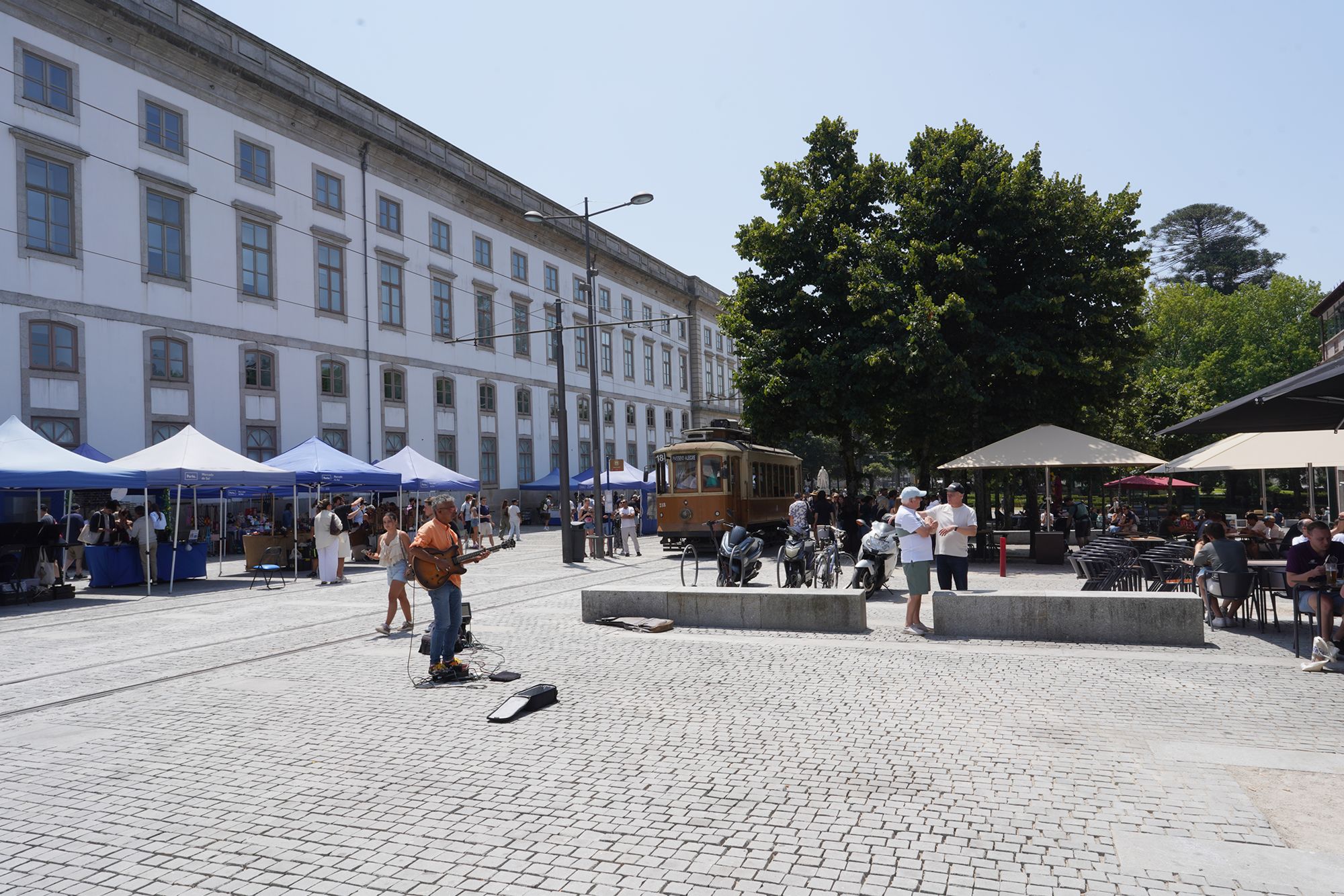
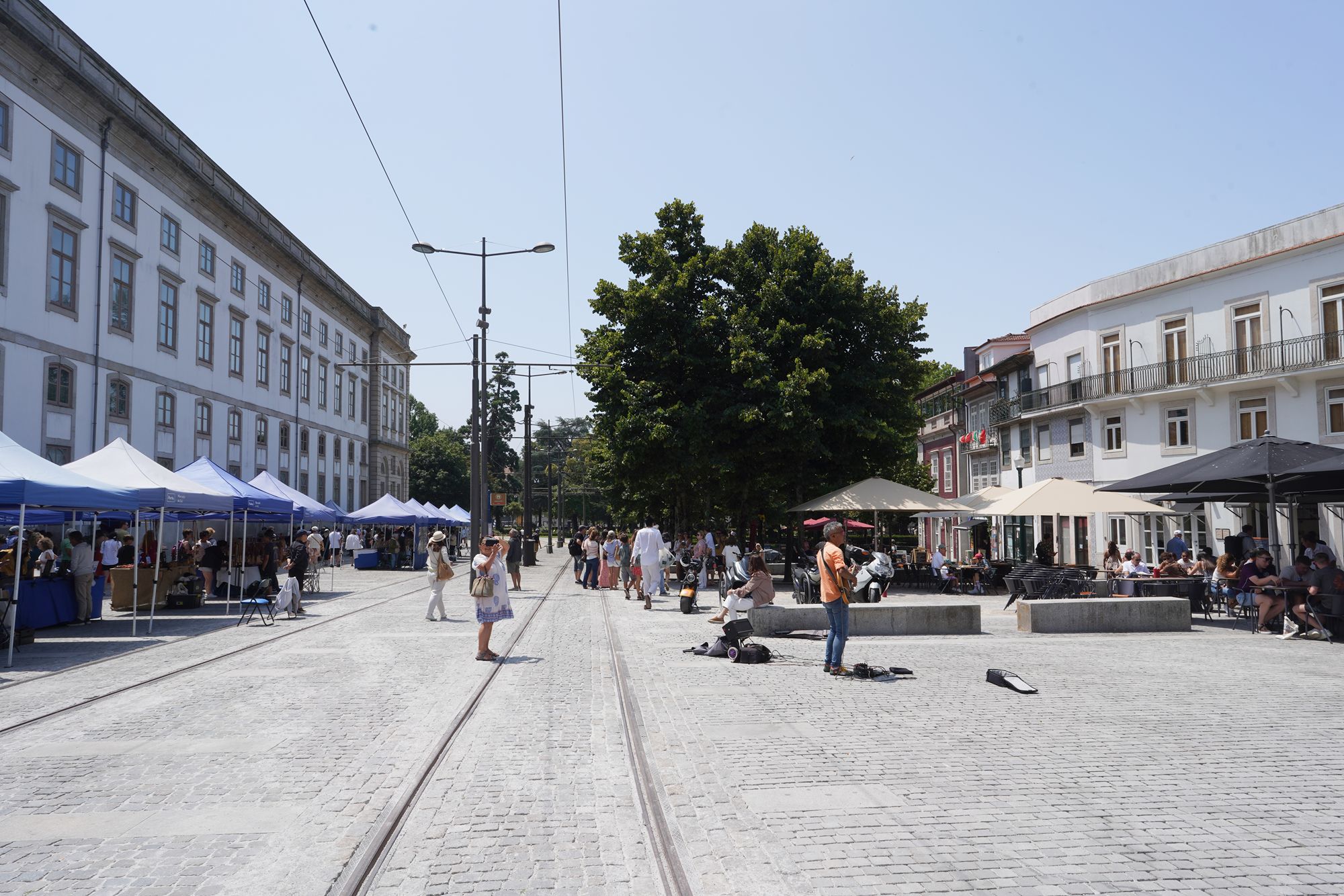
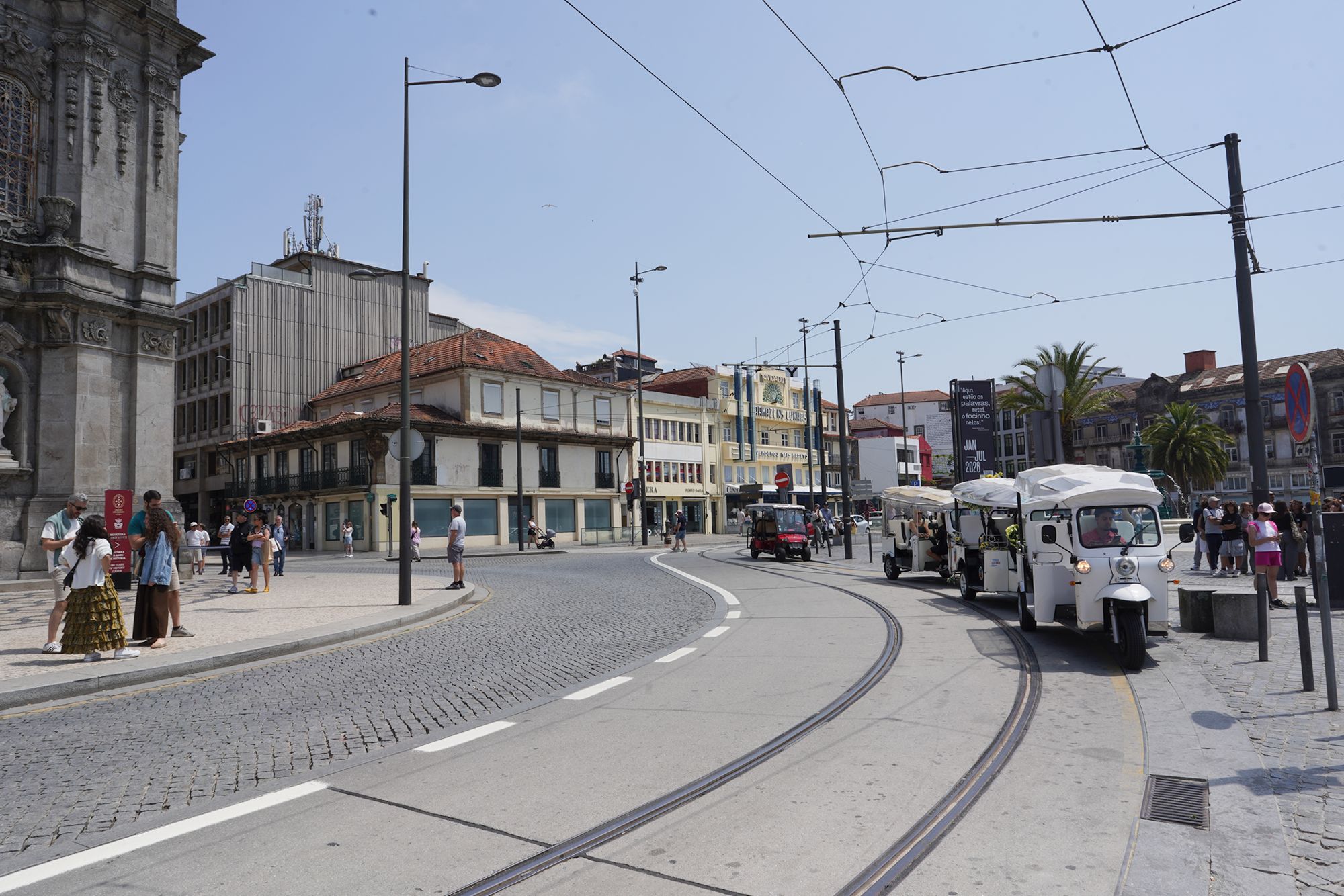
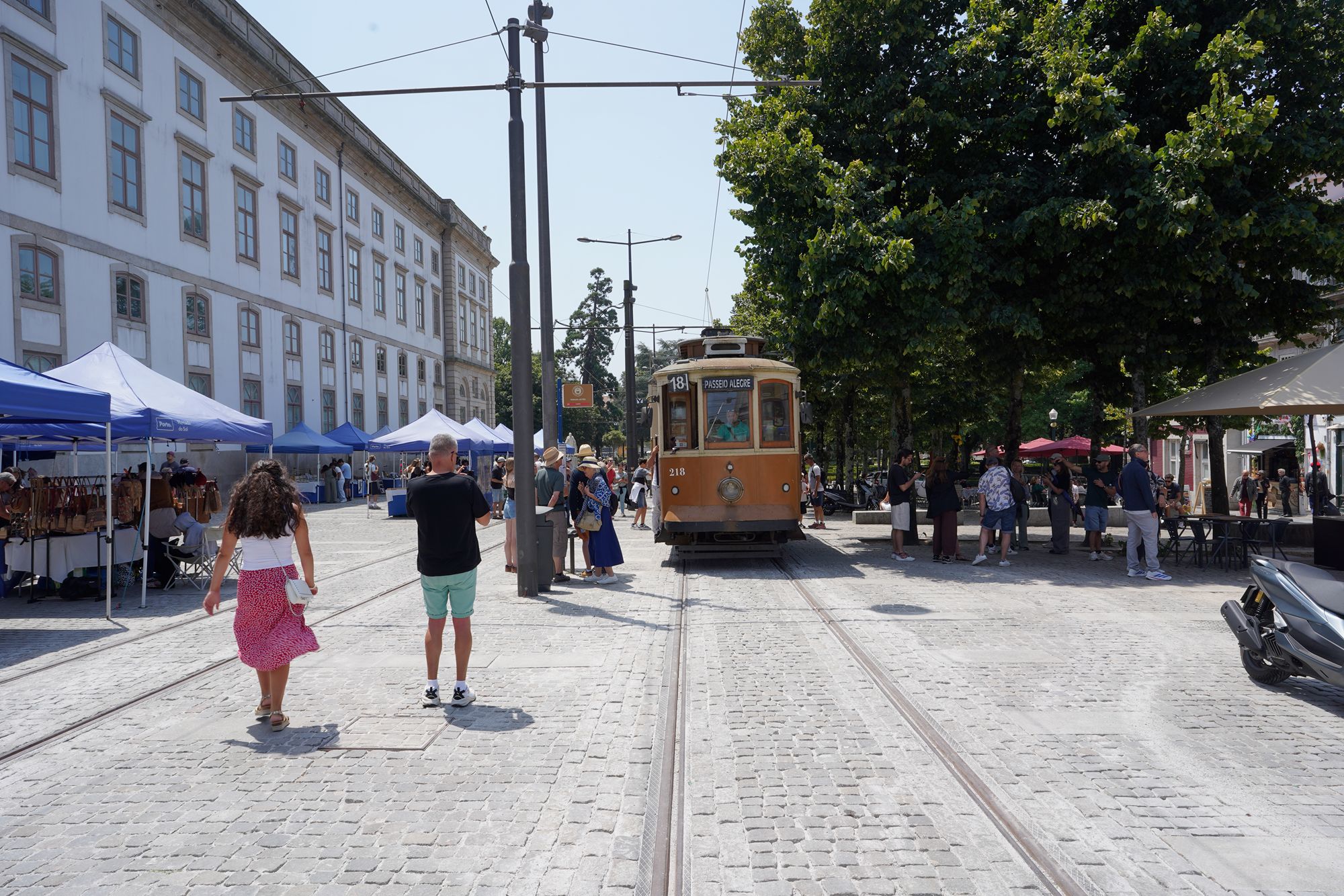
The tram in the square is still in service, and visitors can ride it.
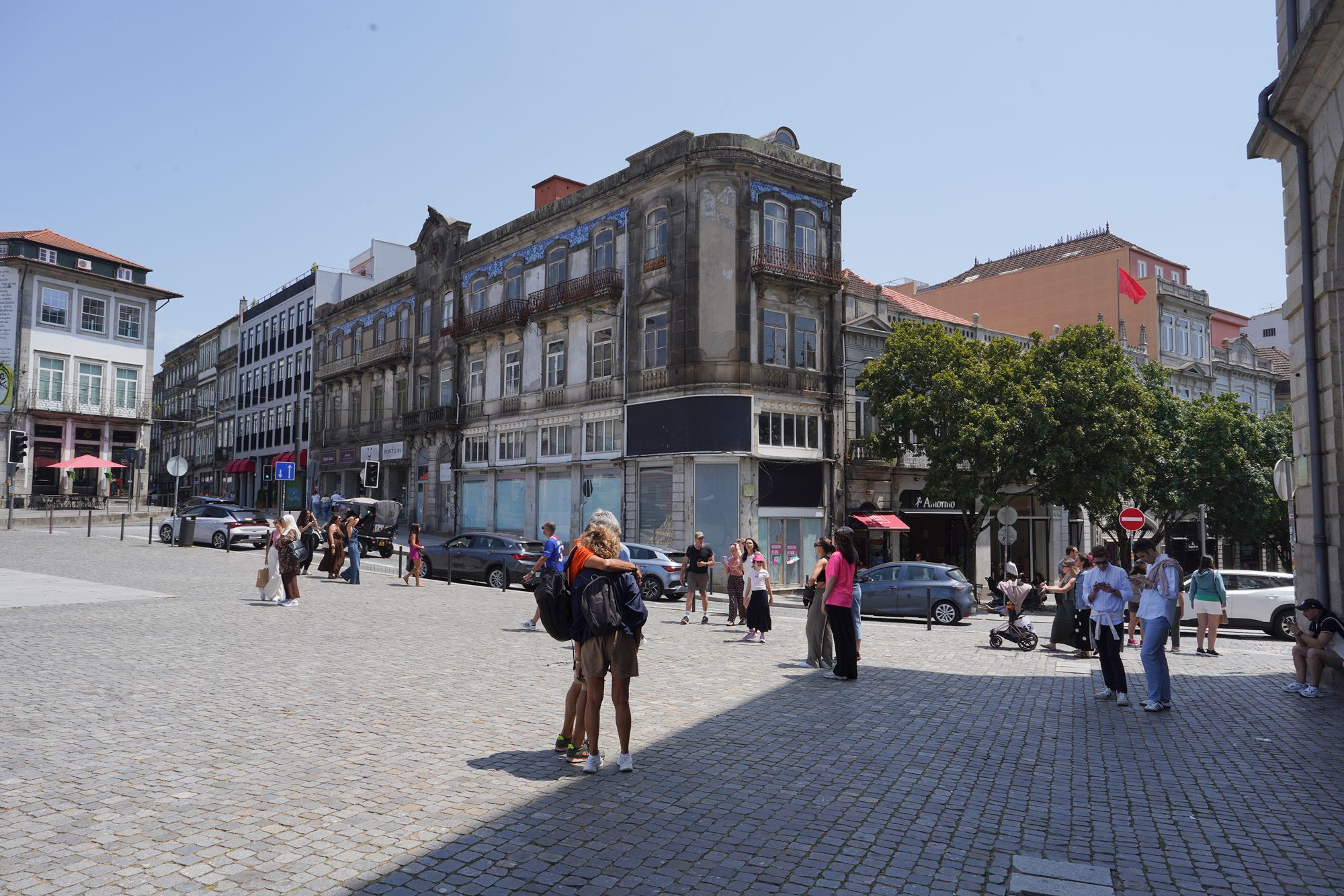
Then I walked a short distance downhill from the square to Livraria Lello.
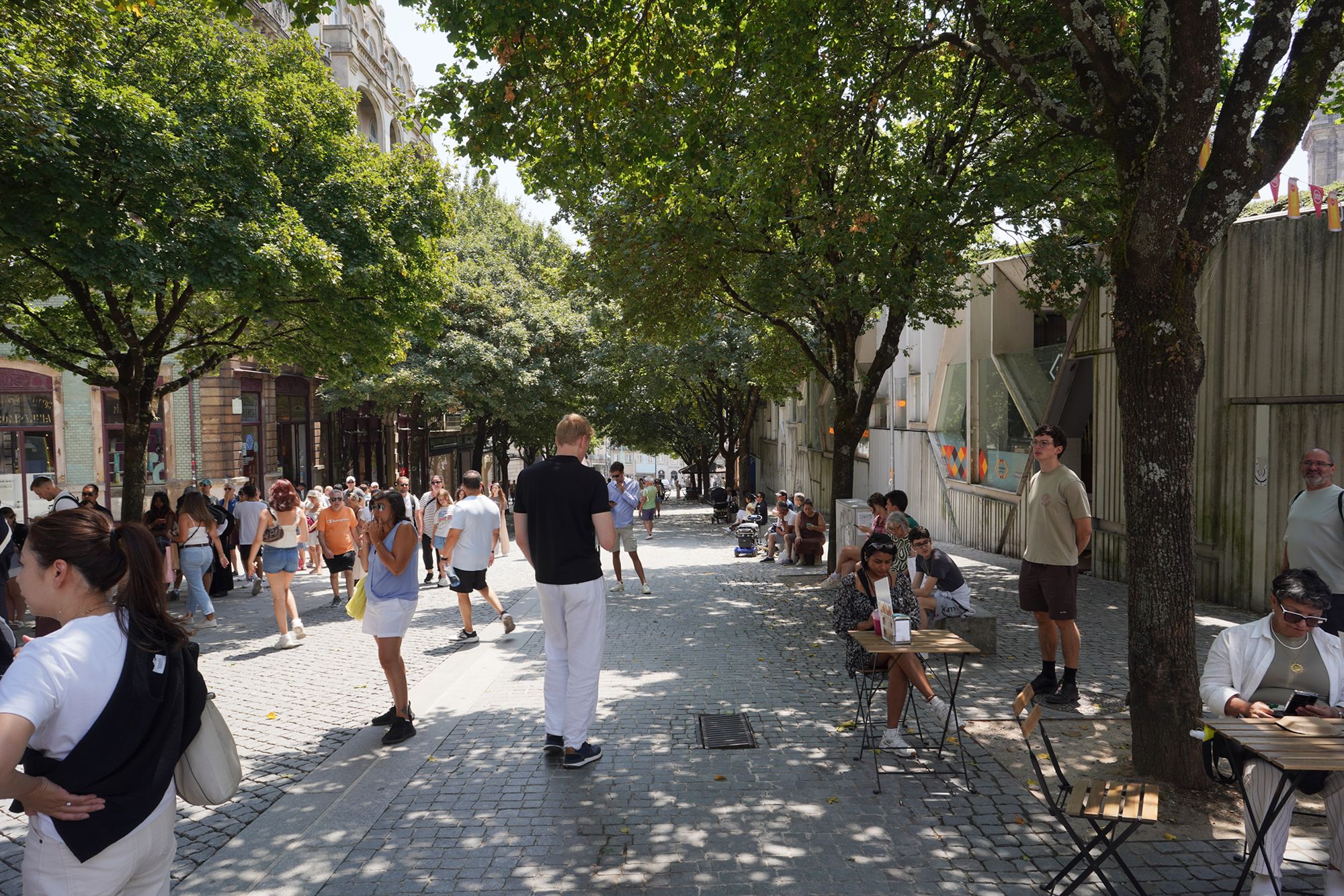
There was a long line of people waiting to enter Livraria Lello, the historic bookshop opened in 1906. Its curving red staircase and ornate interior are often associated with the world of Harry Potter. A popular story claims it inspired Hogwarts, but J.K. Rowling has said she never visited the shop, so that connection is a myth.
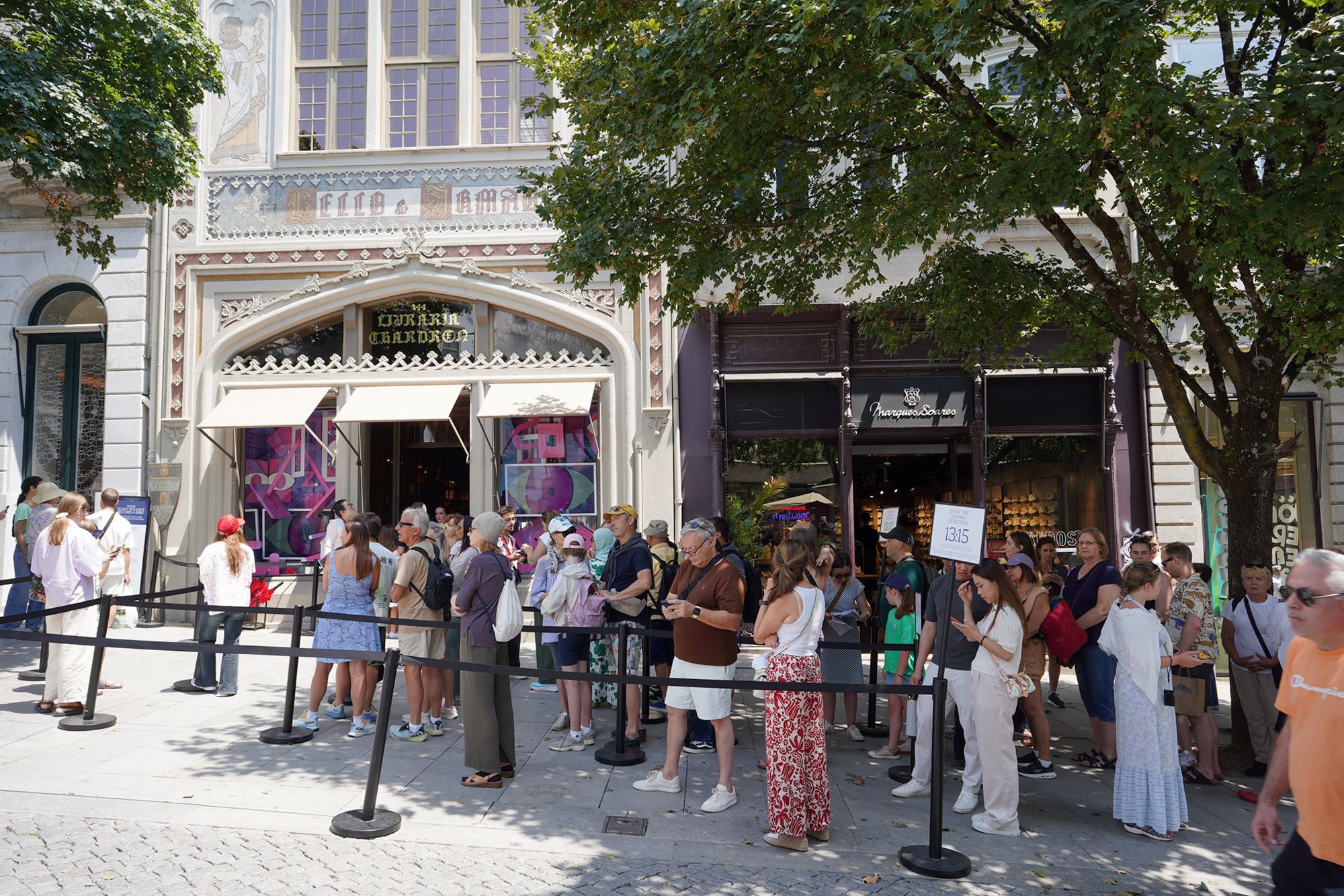
I decided not to enter the bookshop because of the long line. Instead, I walked to Praça de Lisboa.
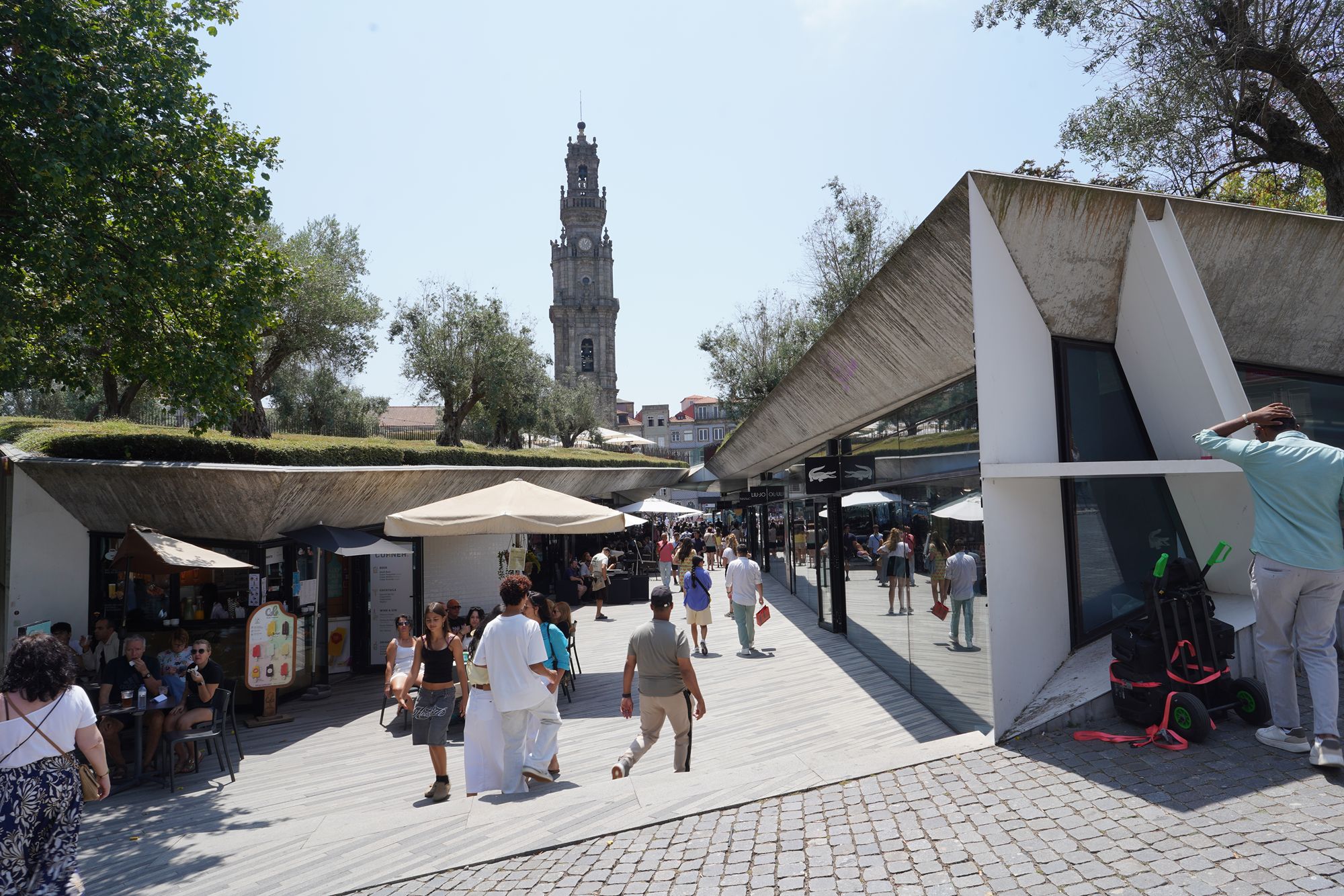
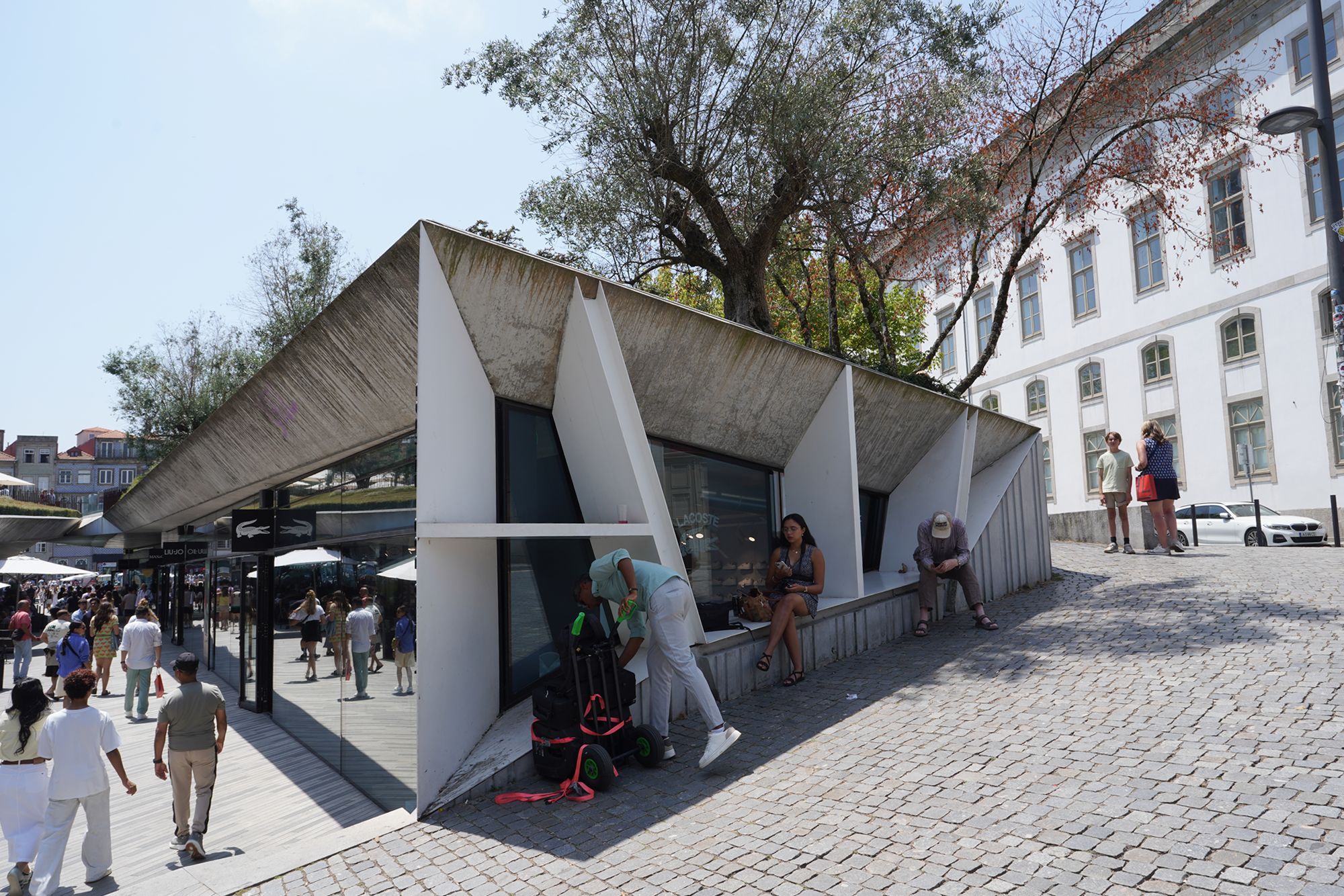
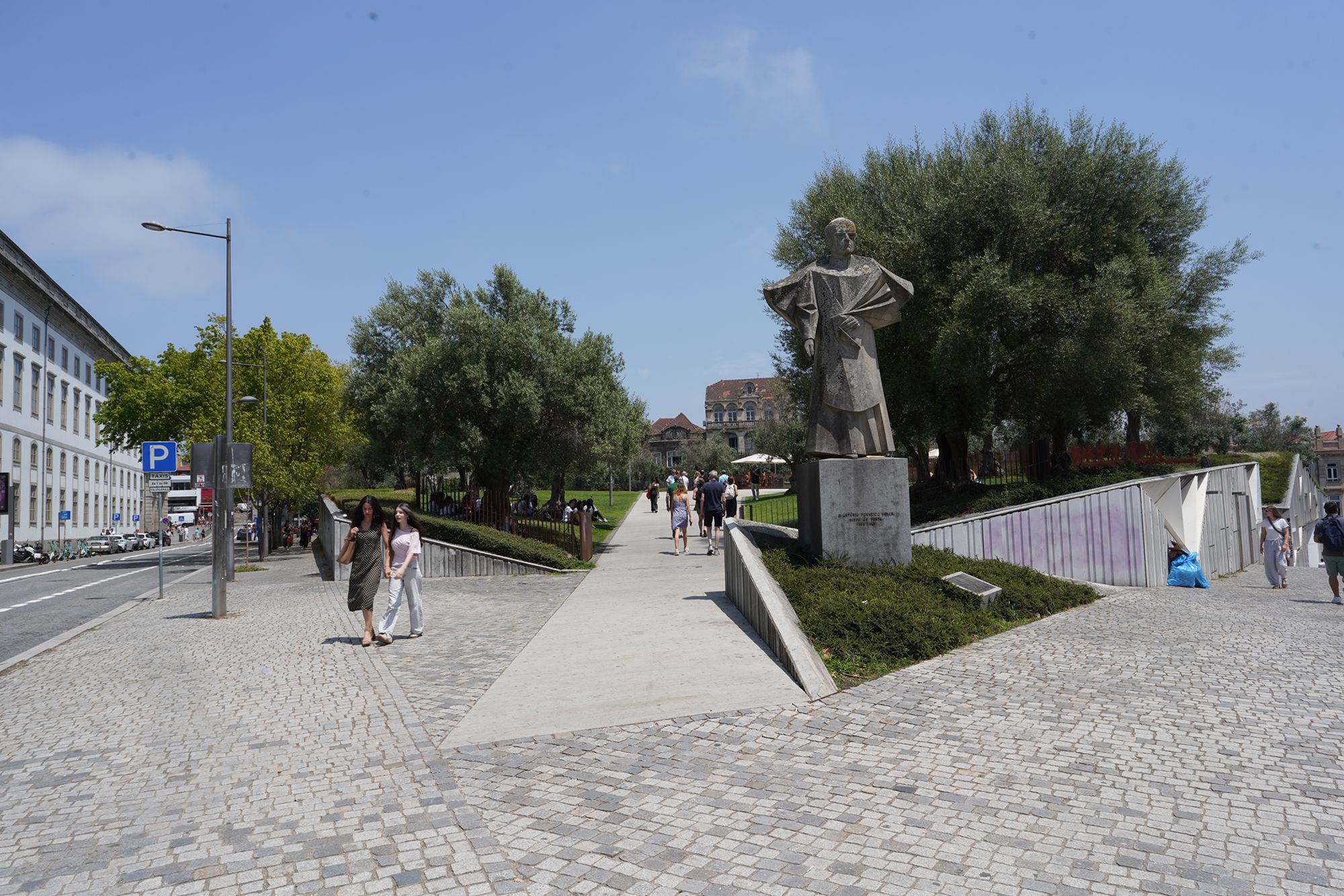
Above Praça de Lisboa is Jardim das Oliveiras, a garden planted with olive trees.
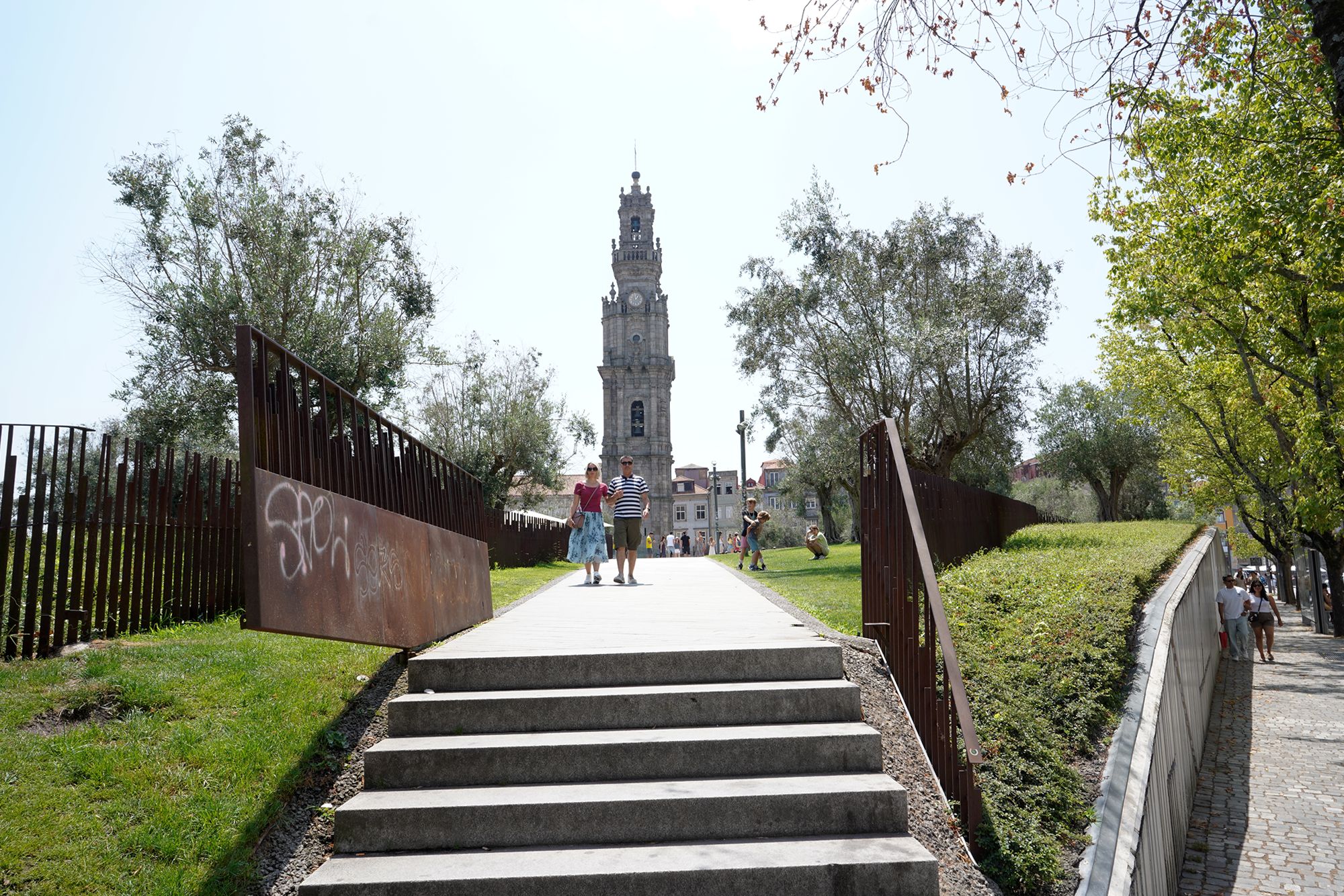
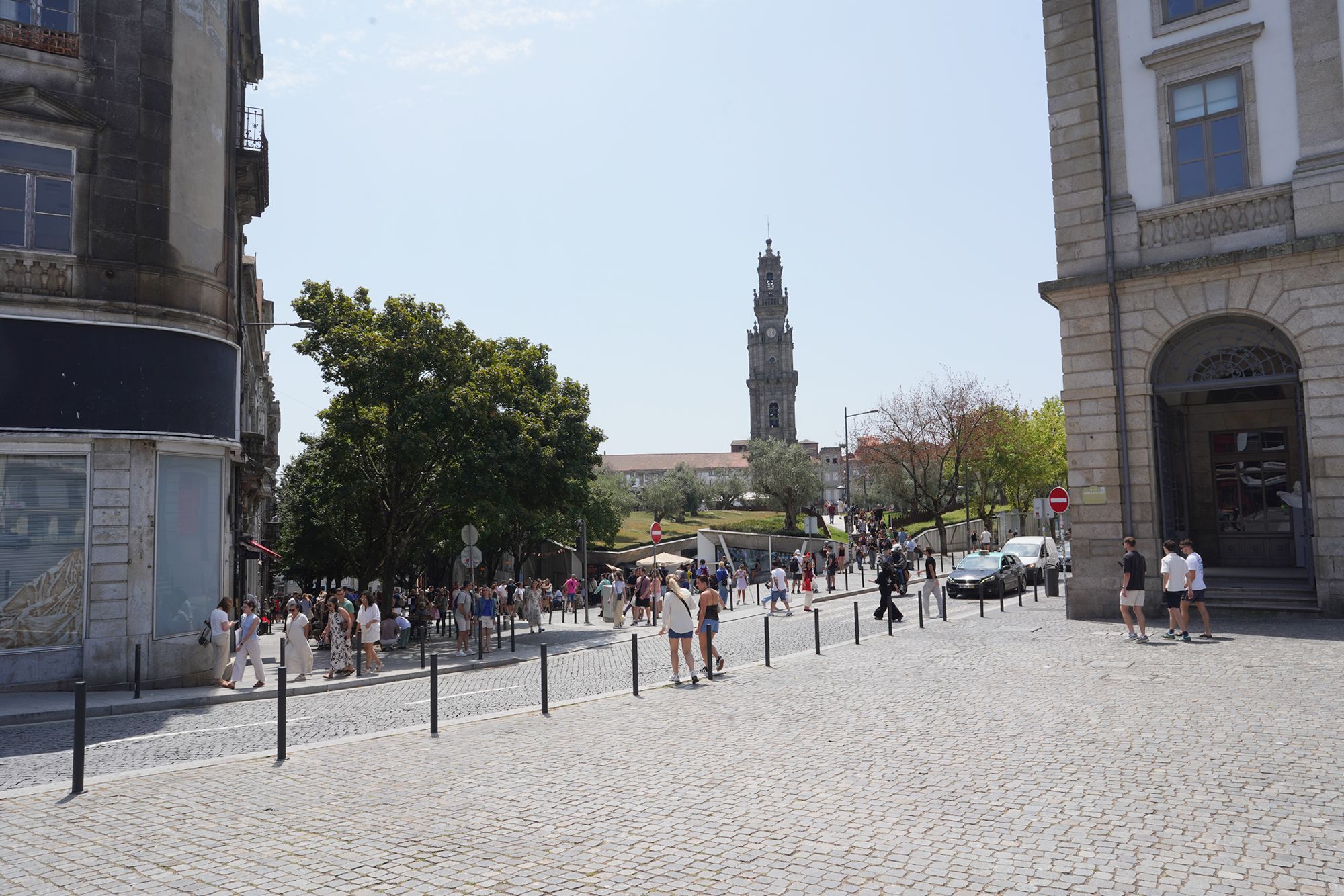
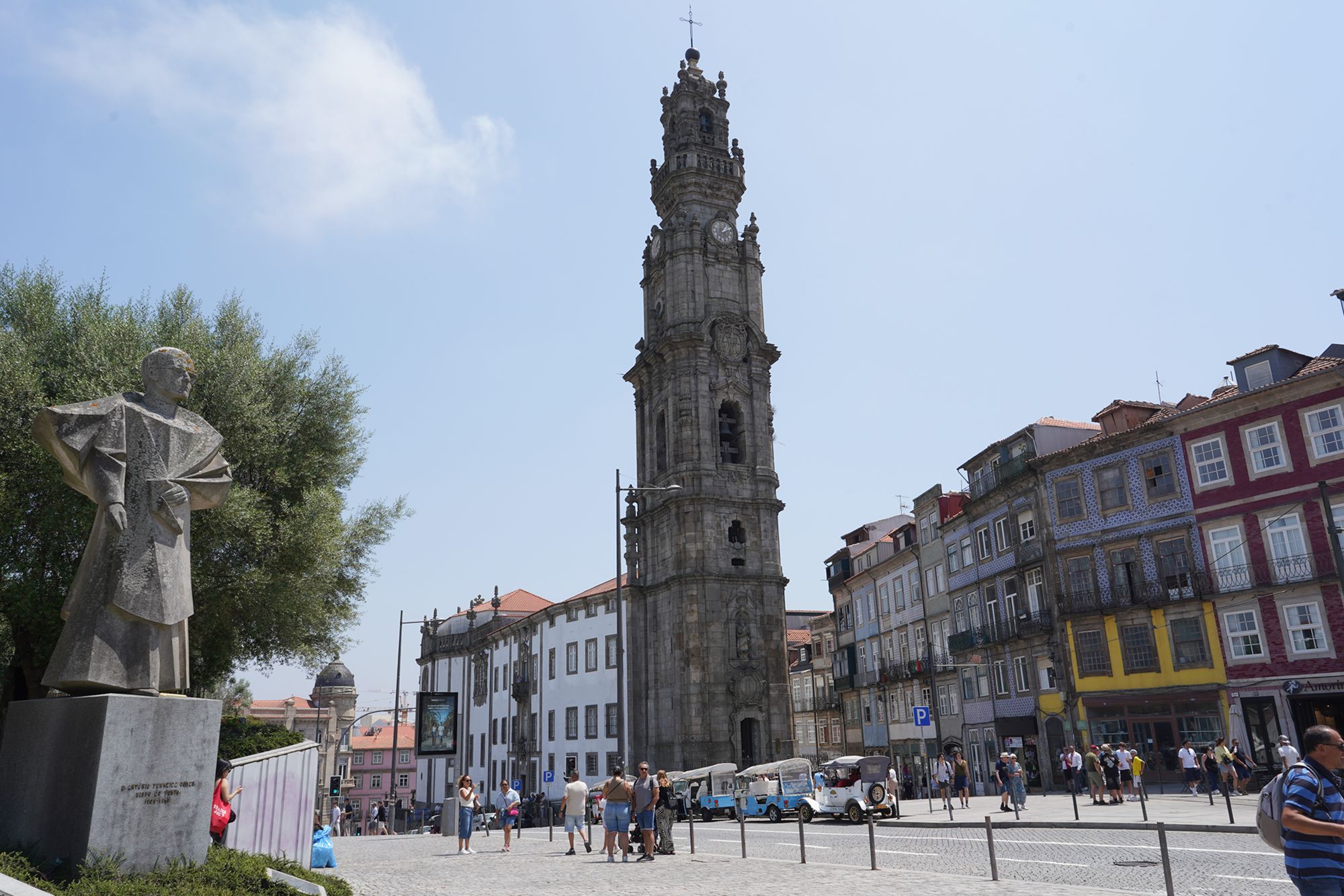
The tower in the picture is Torre dos Clérigos.
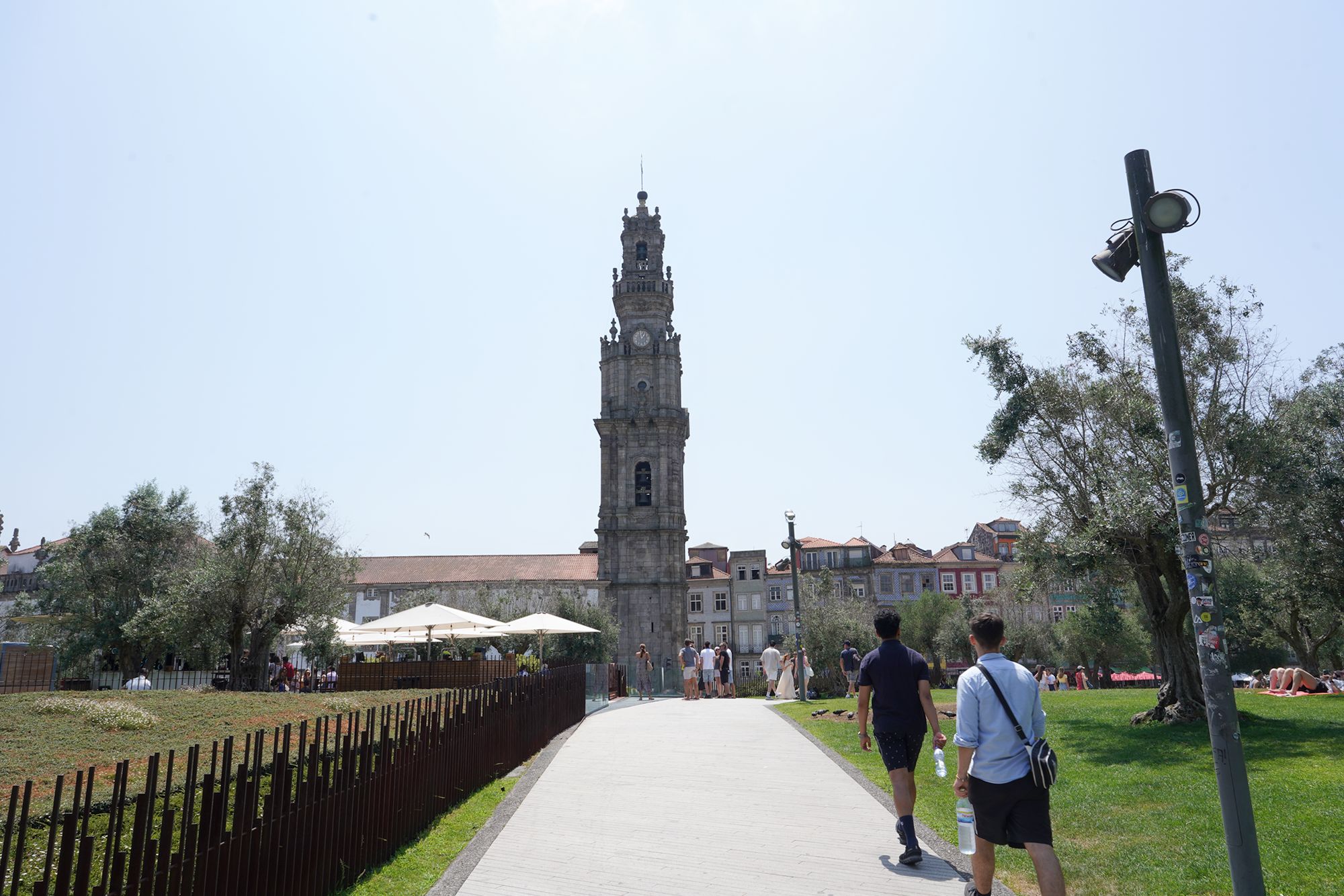
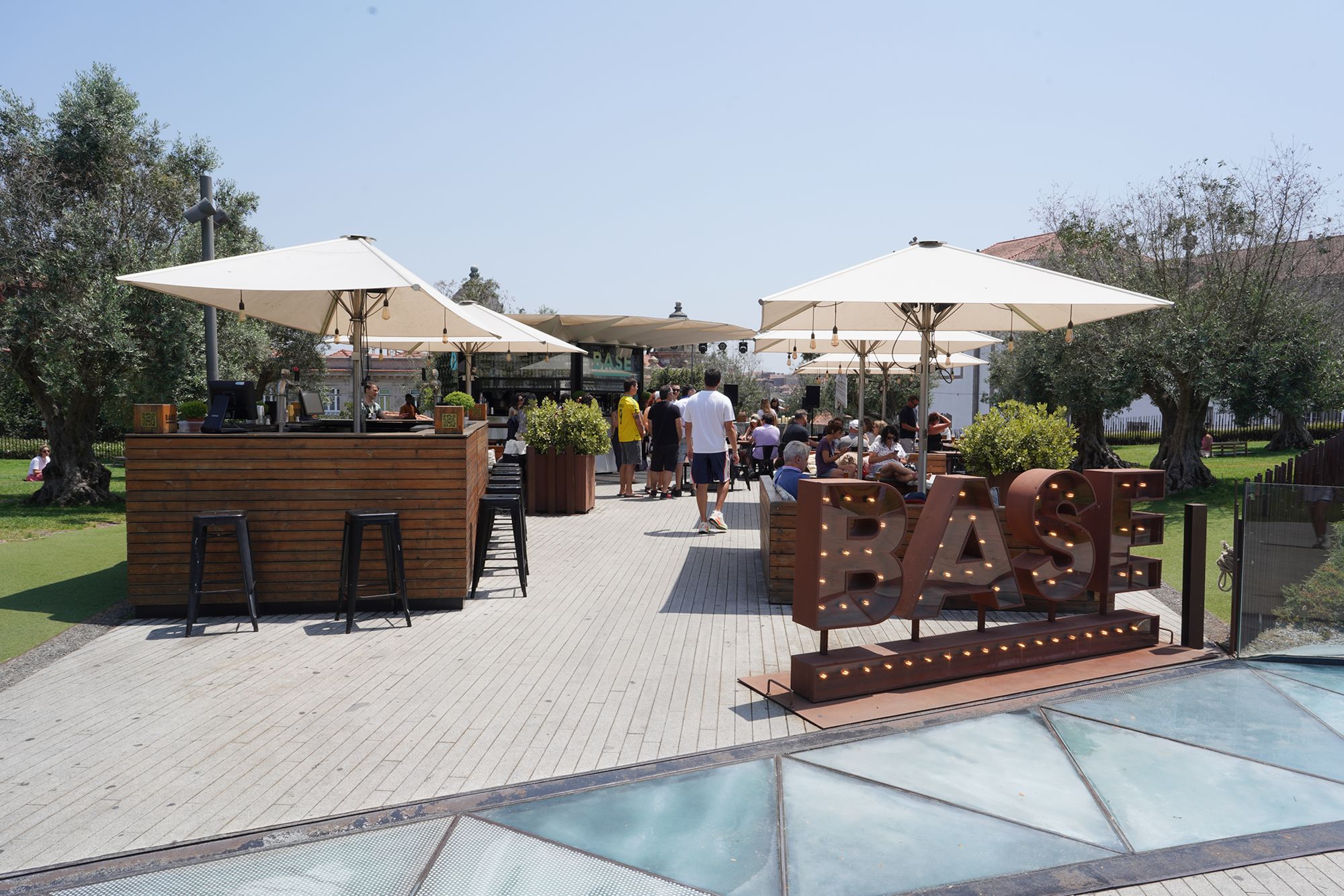
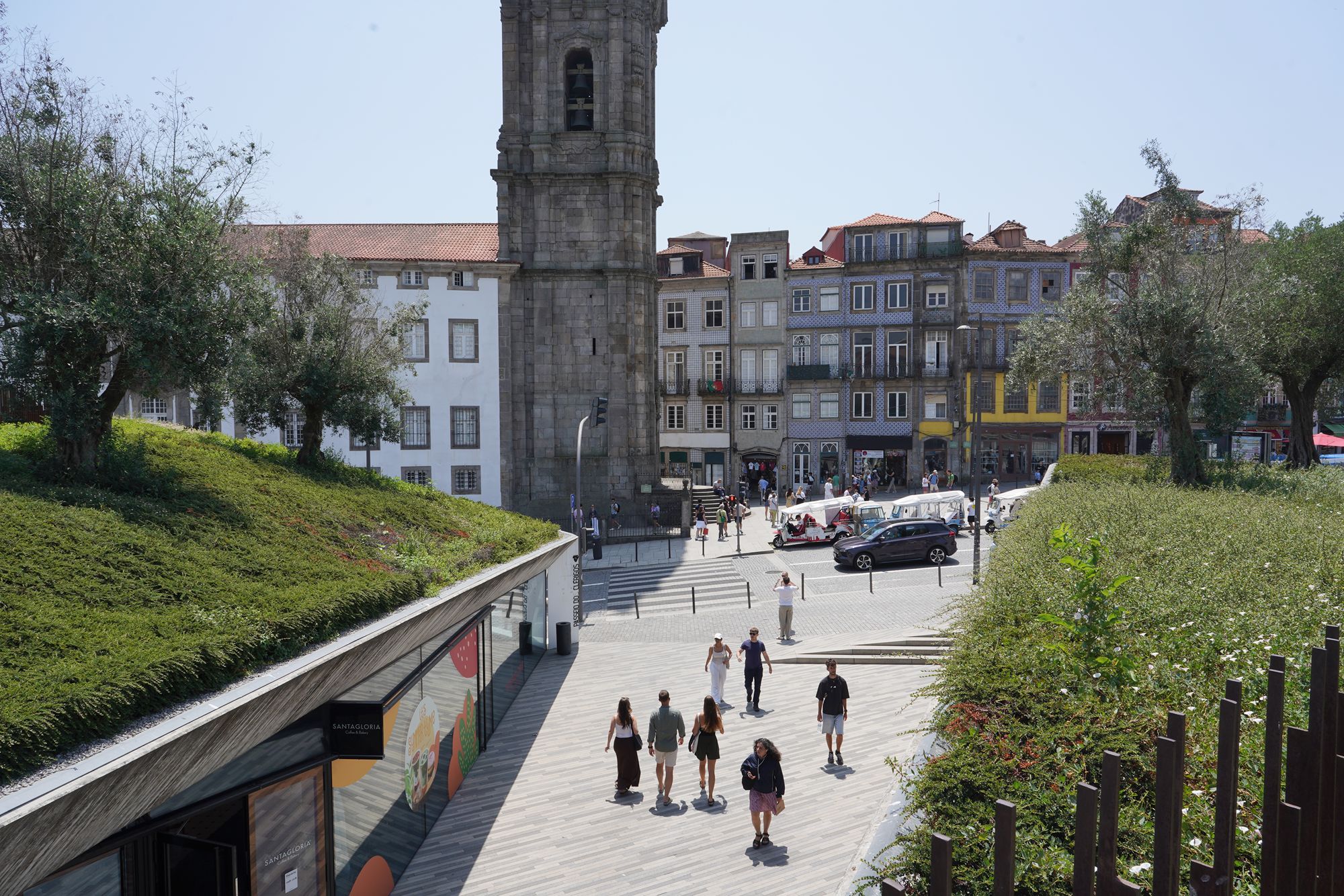
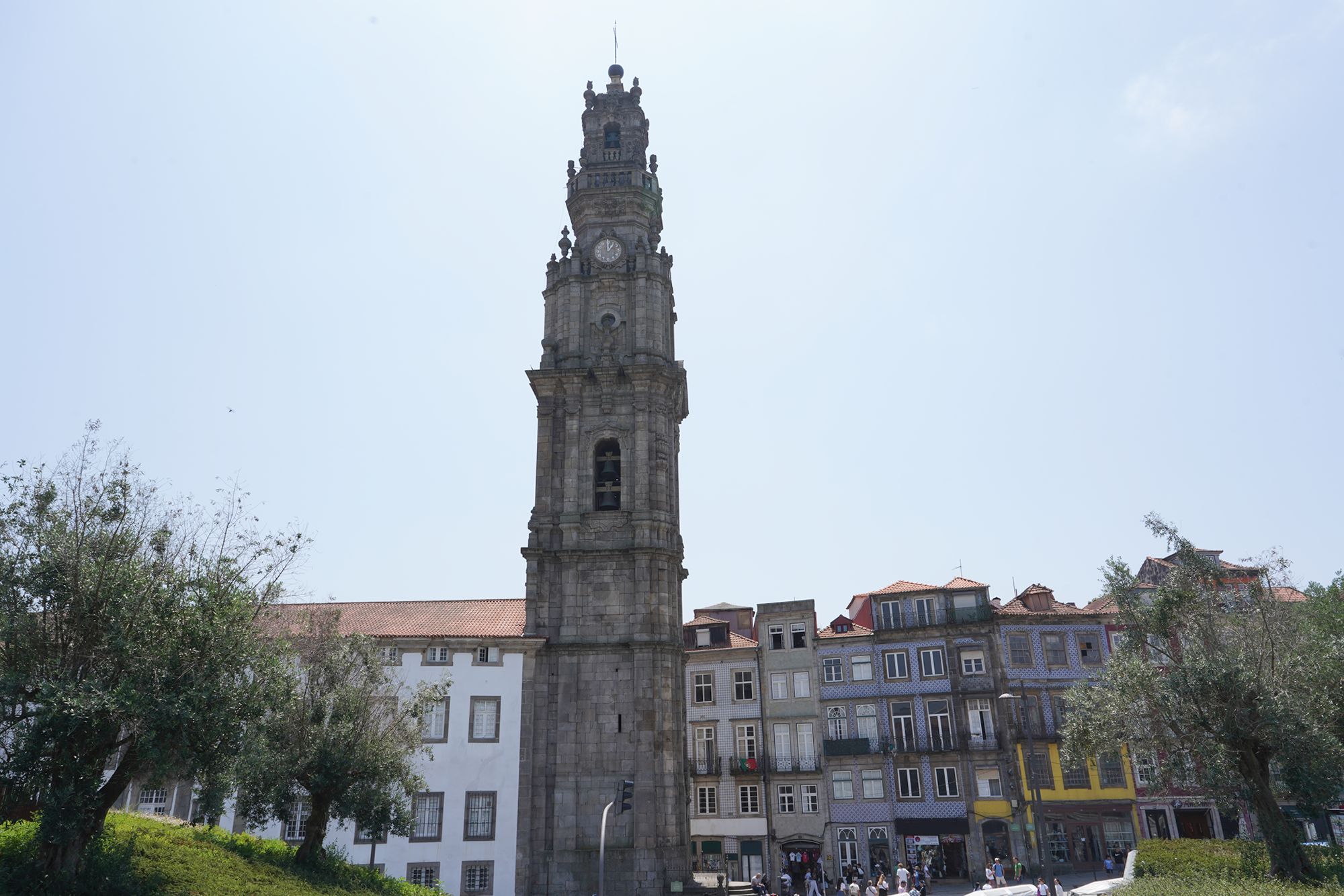
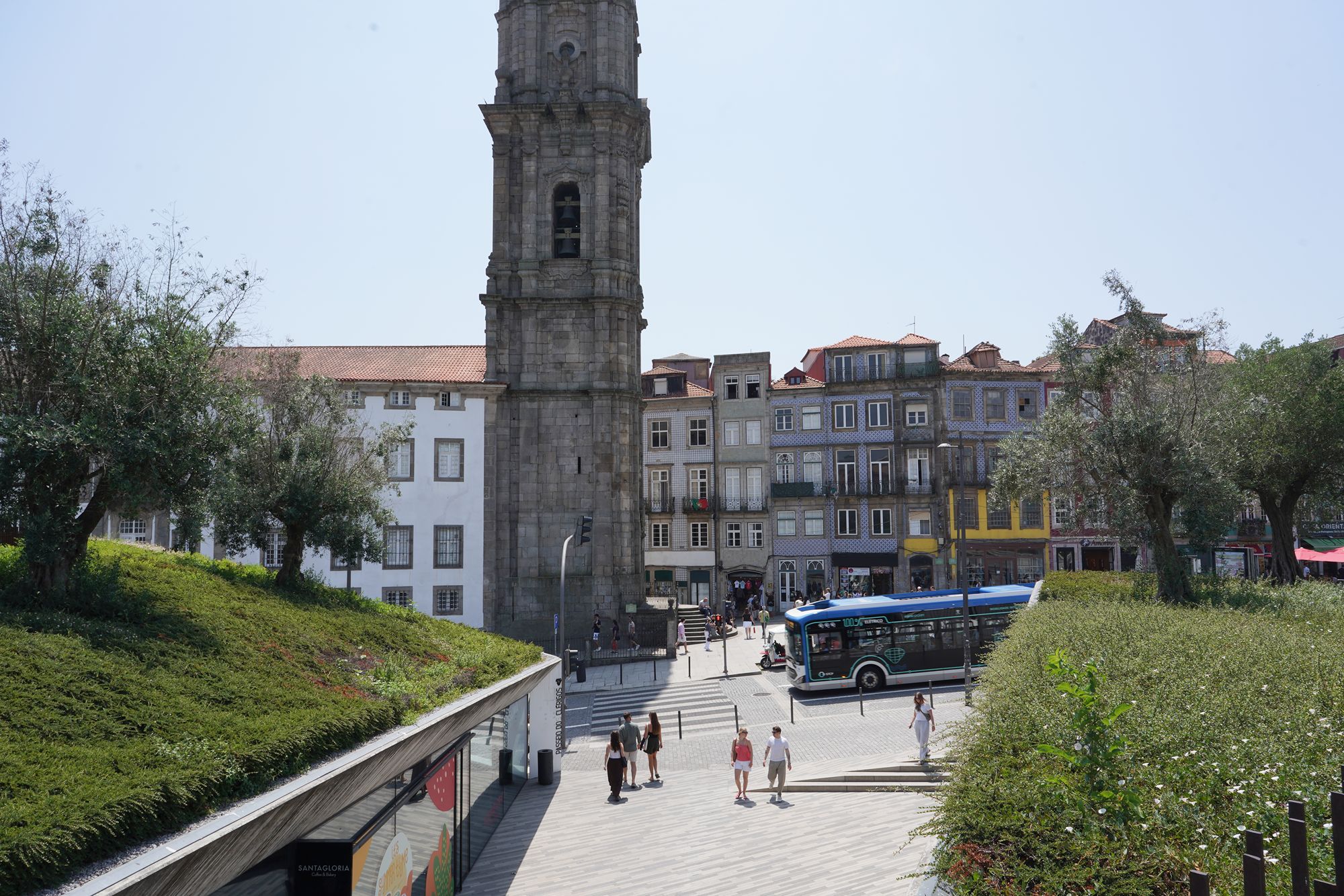
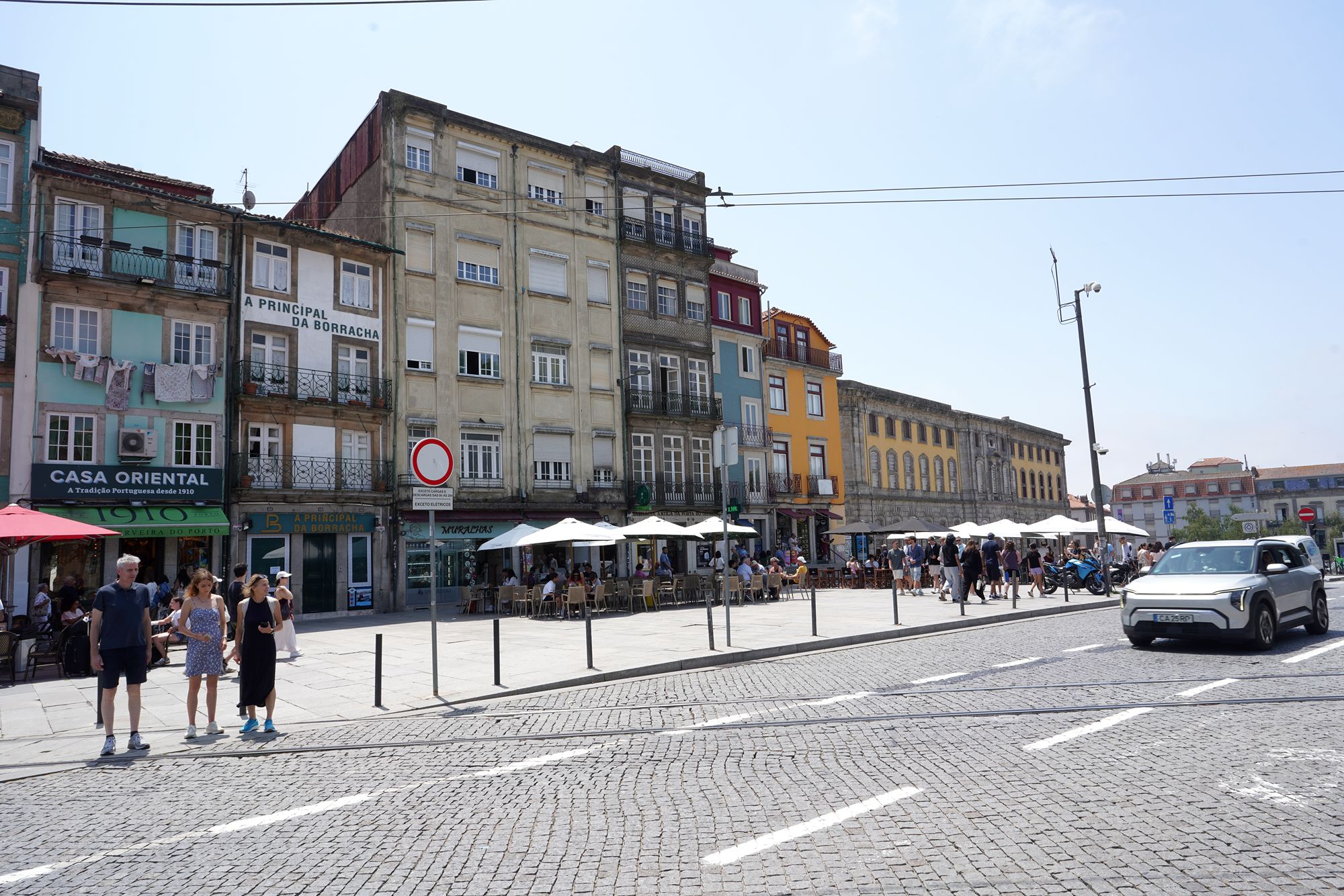
I retraced my steps to the bookshop area because I wanted to walk through Praça de Lisboa.
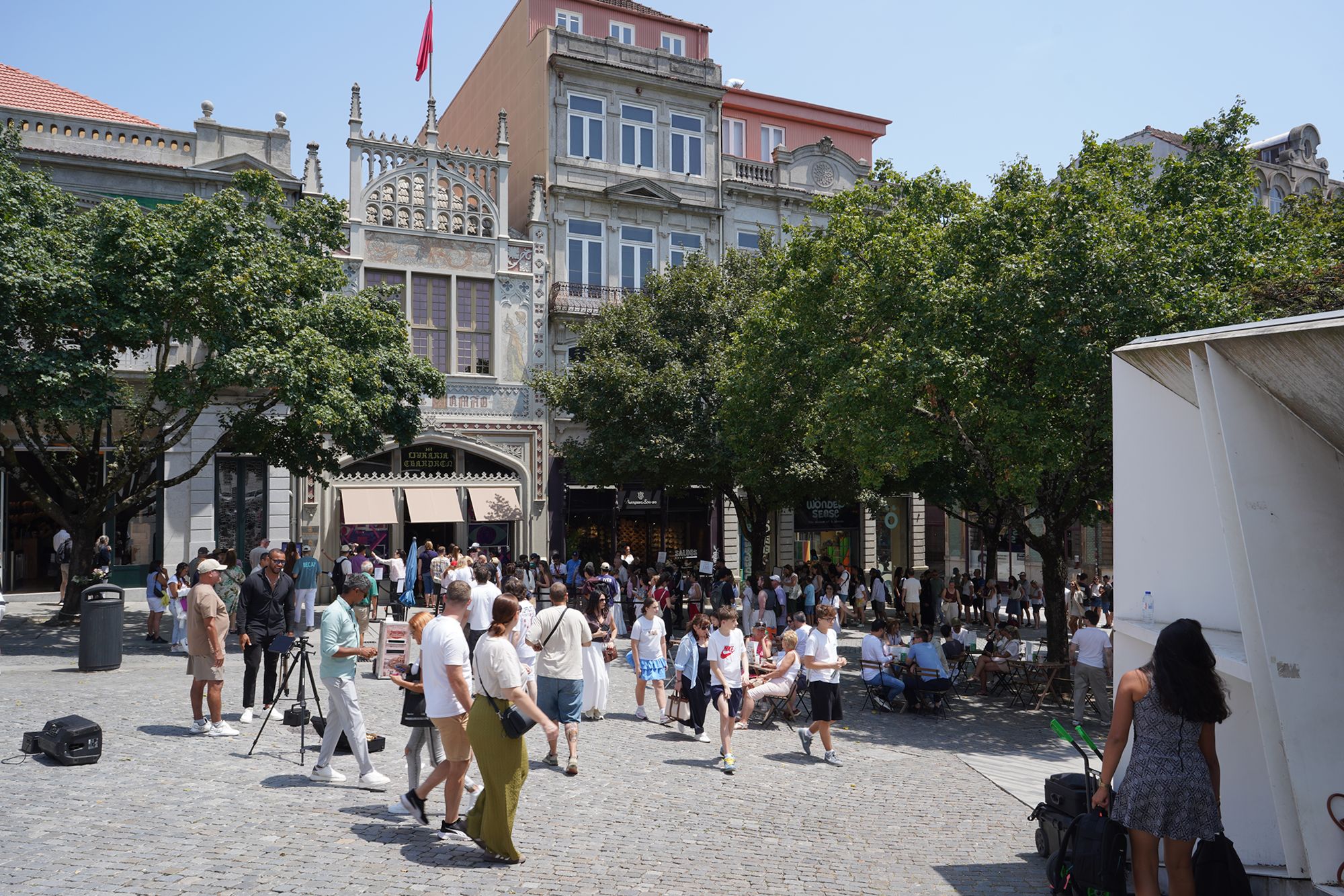
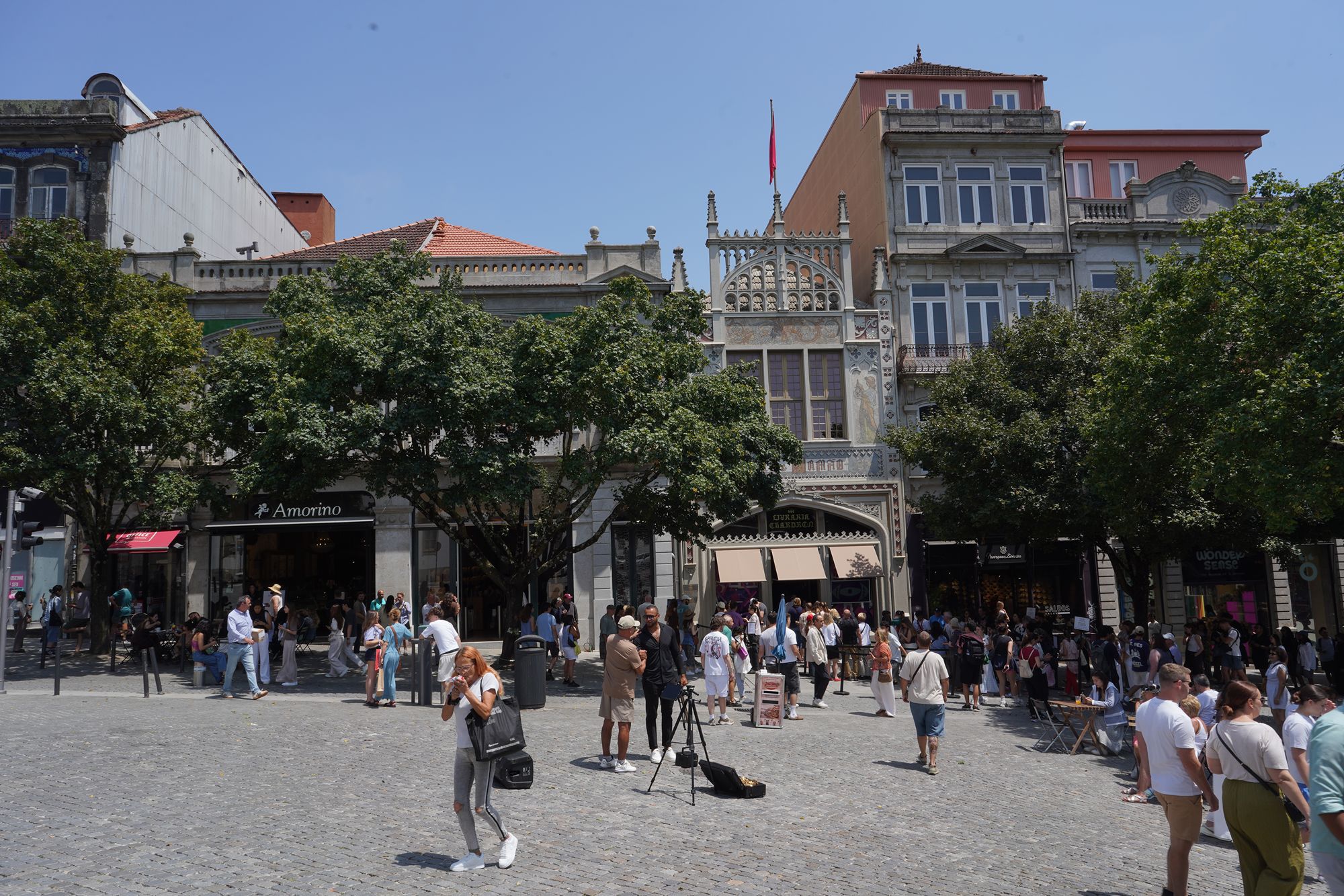
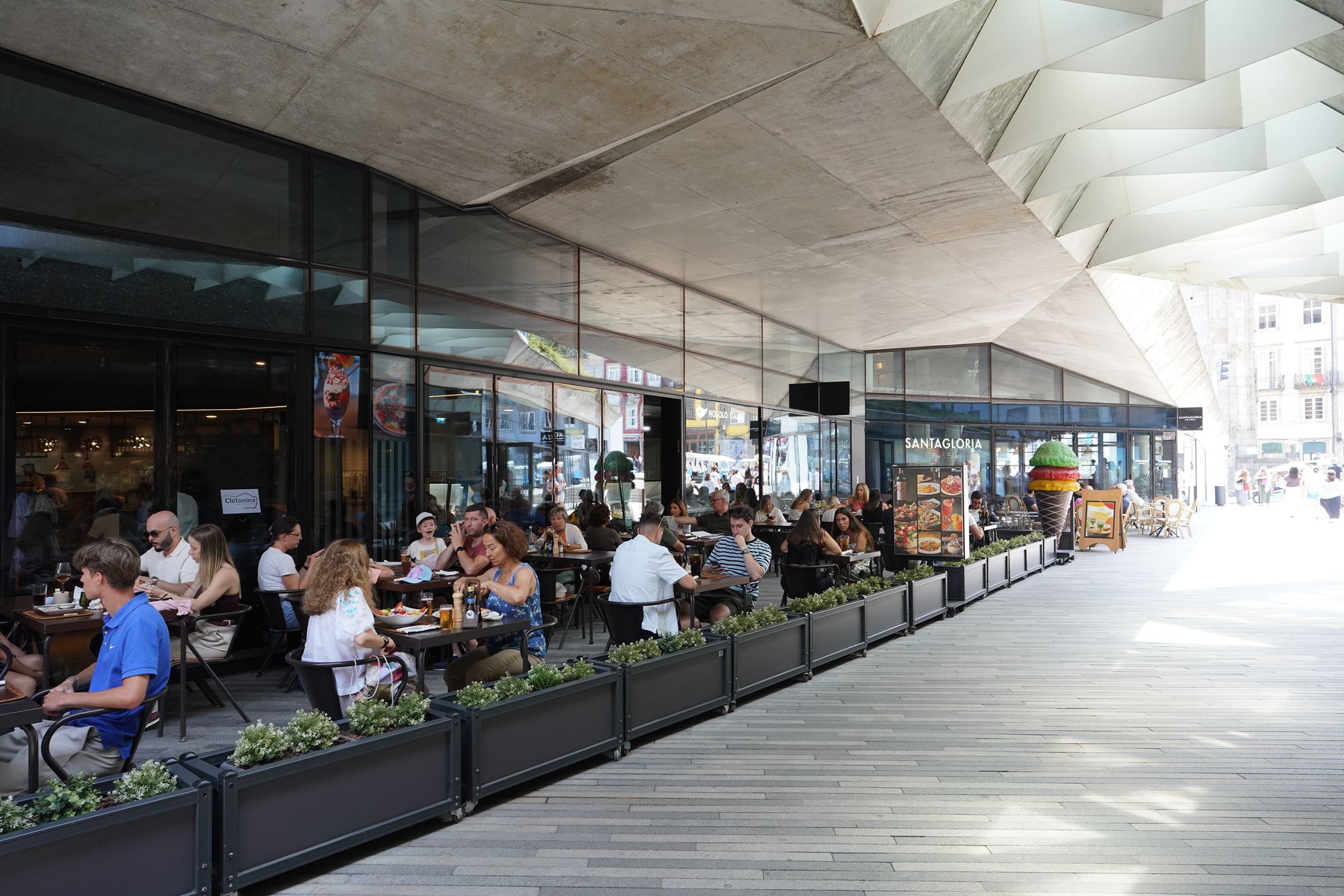
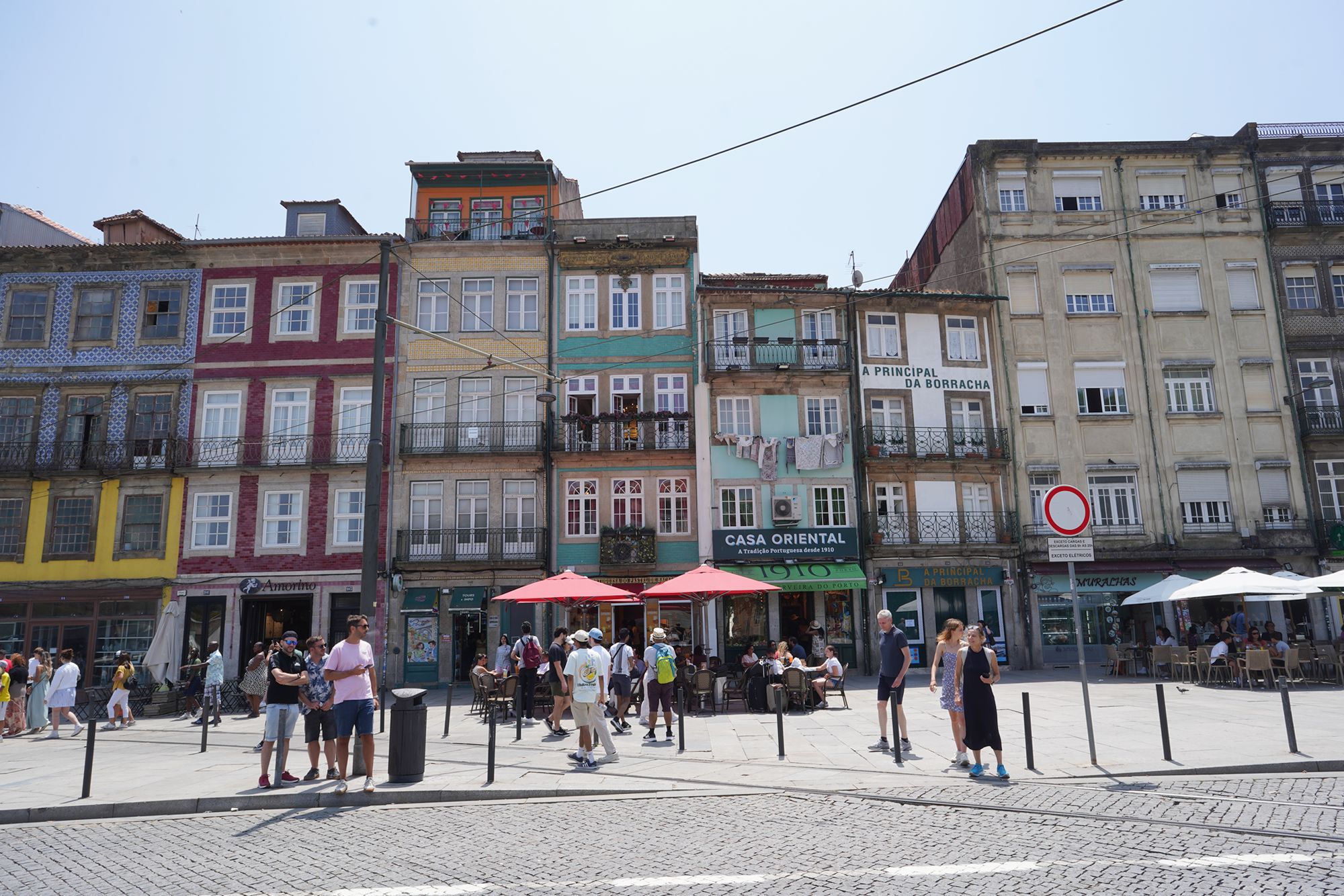
I walked through Praça de Lisboa, passing people enjoying their meals.
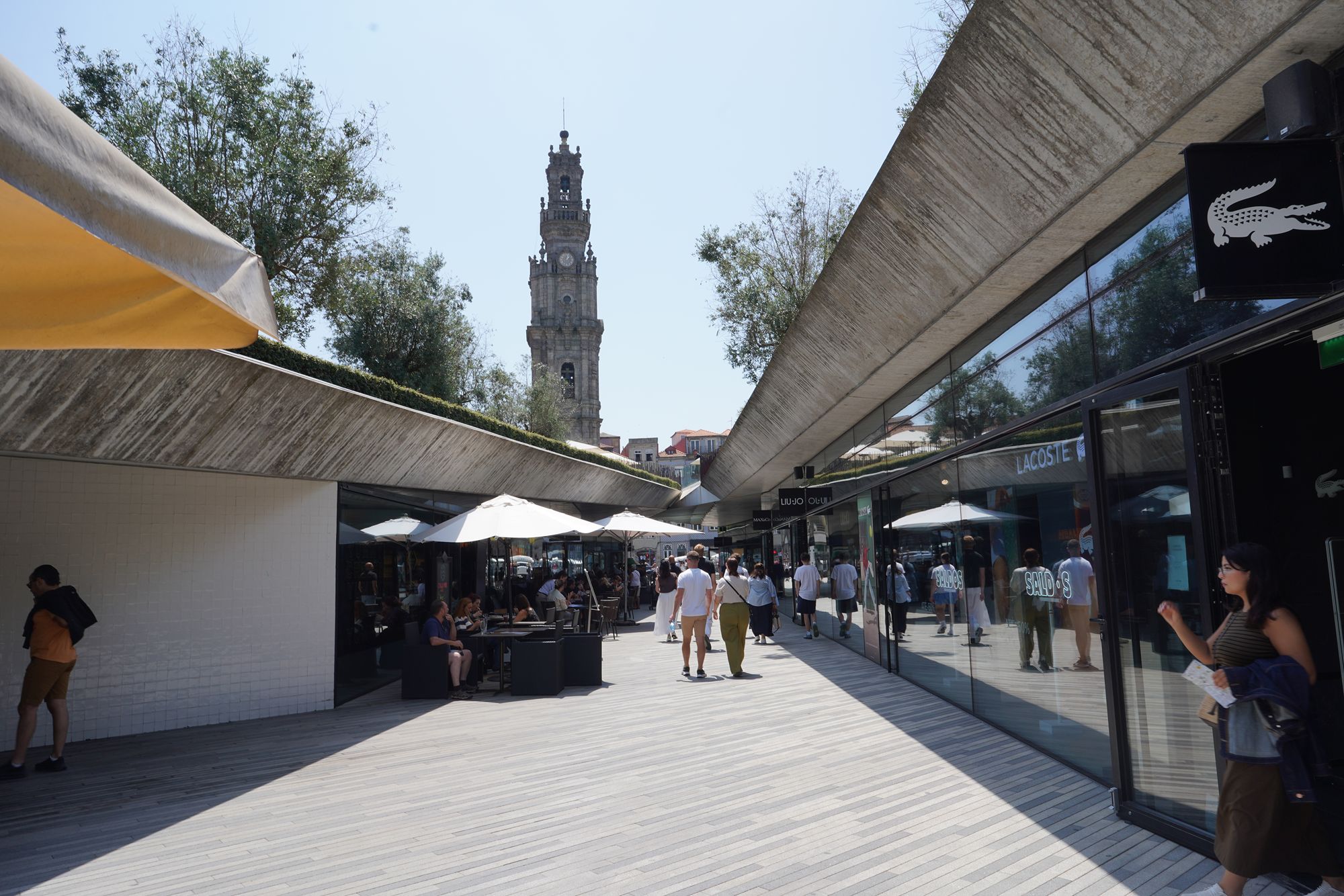
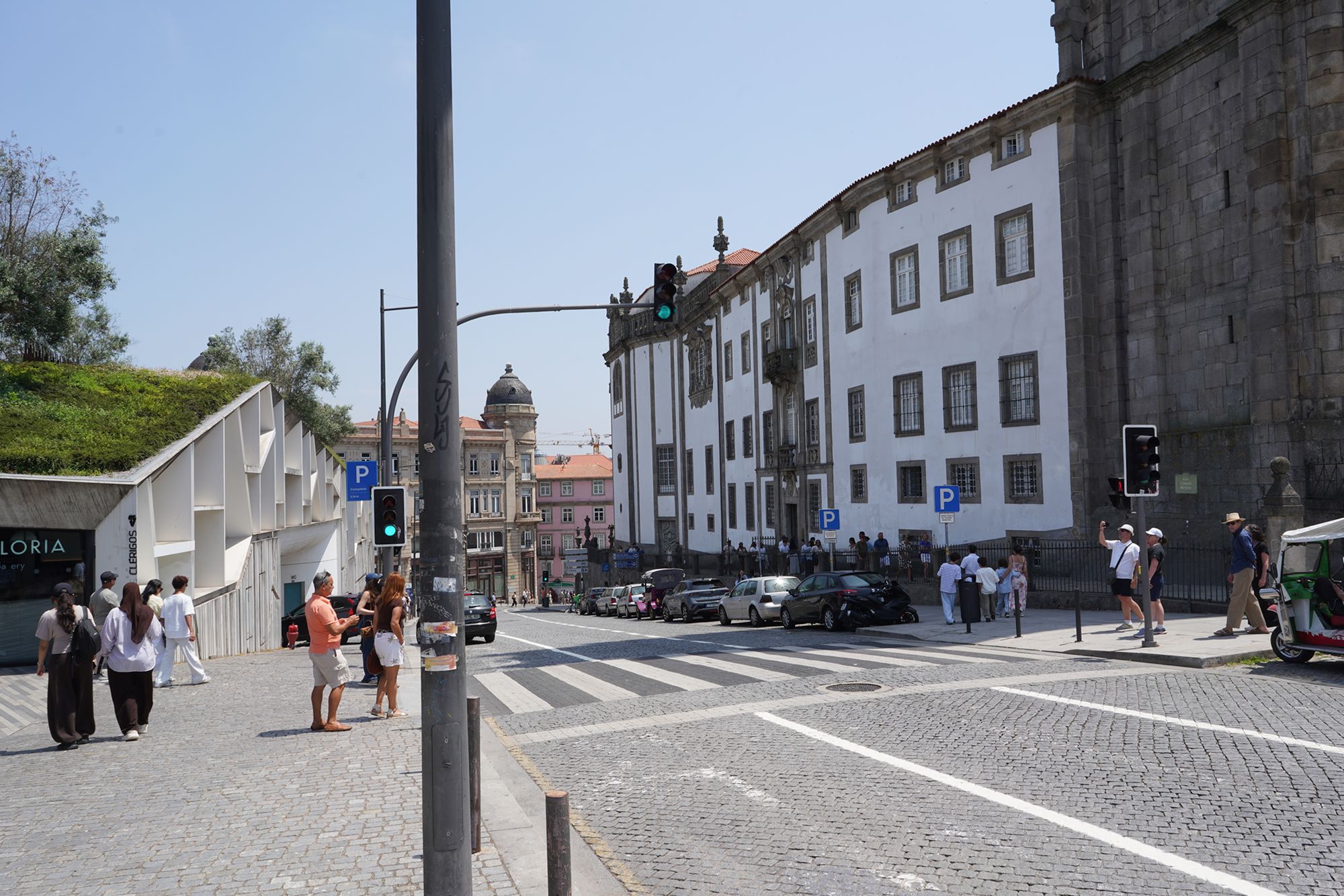
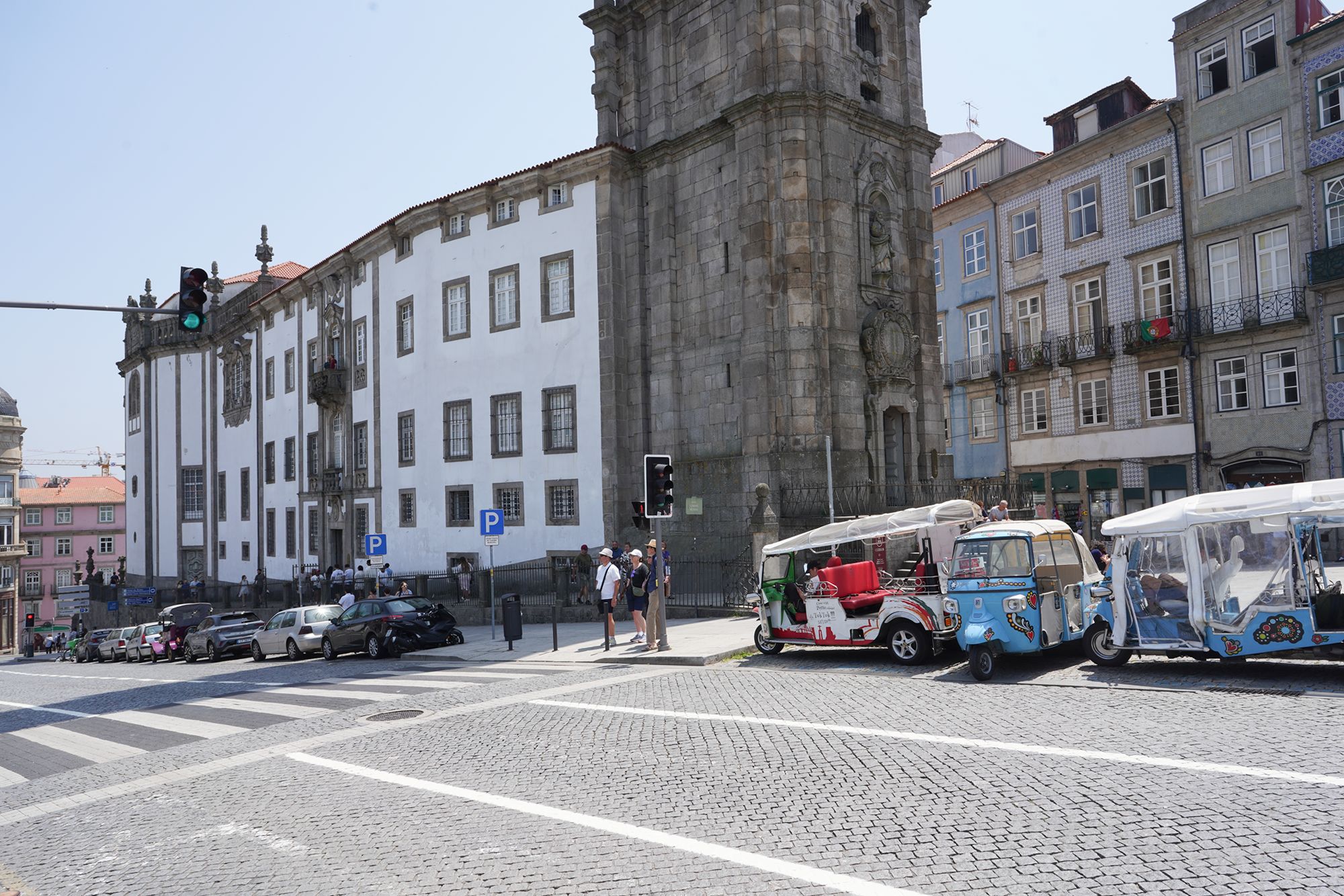
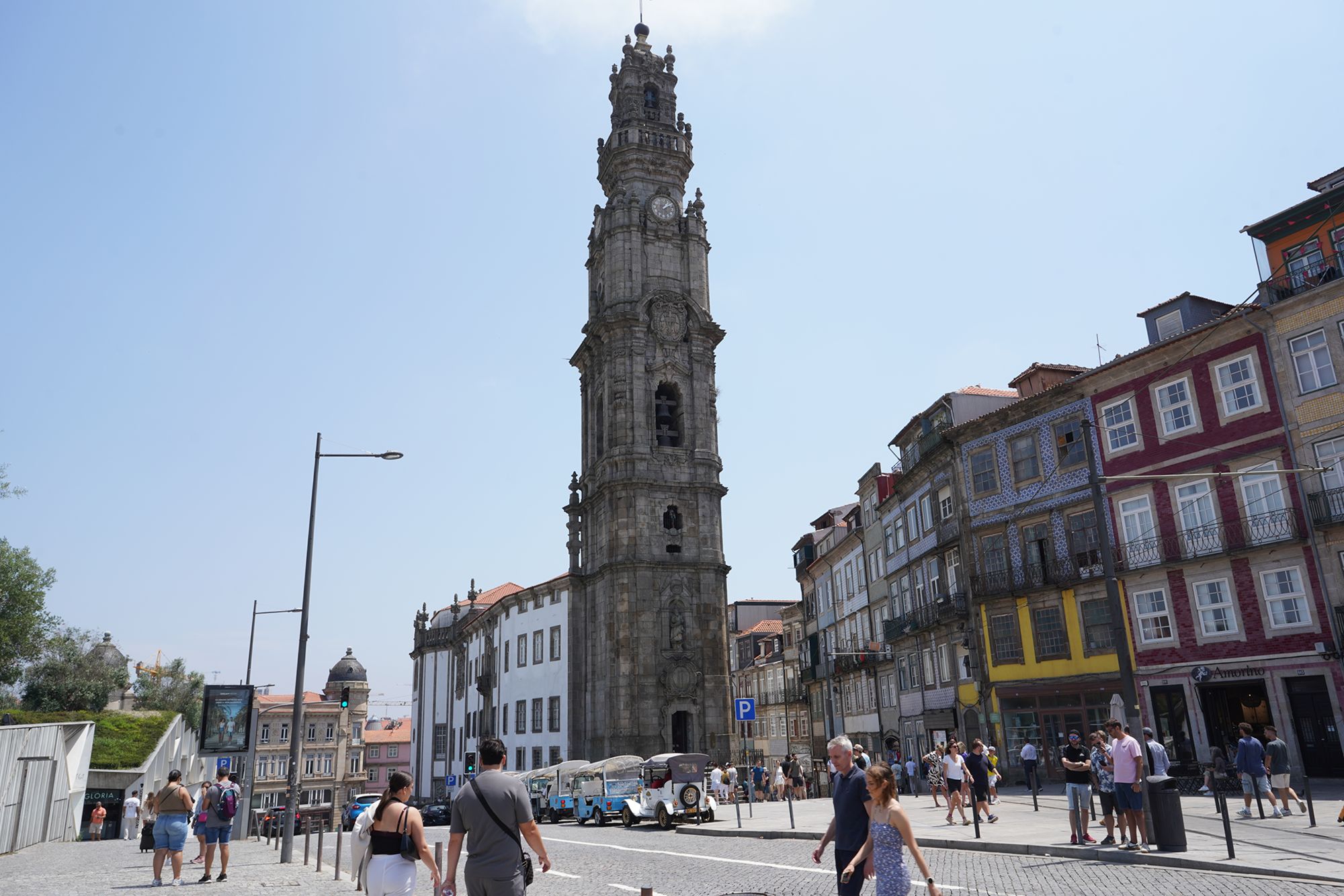
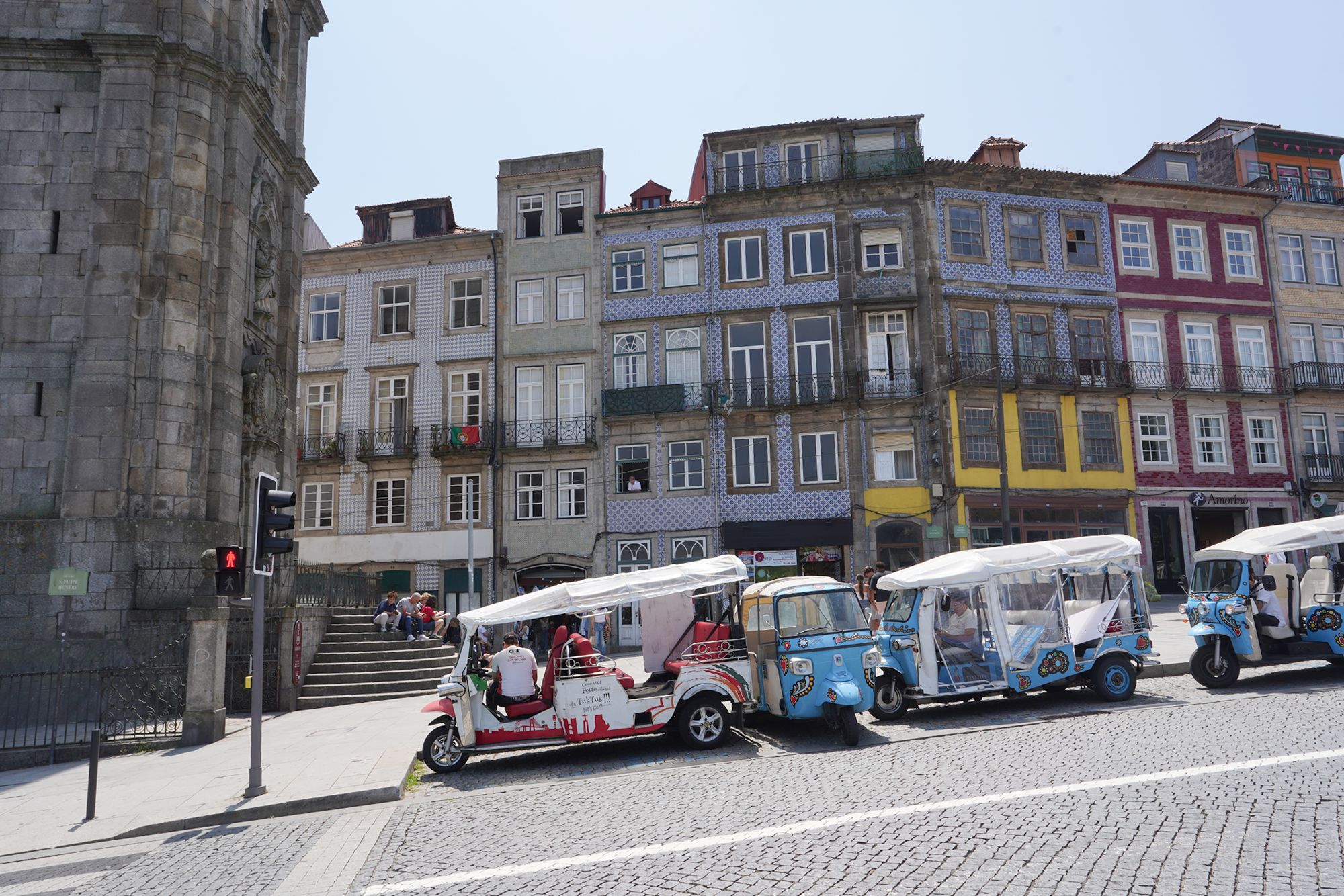
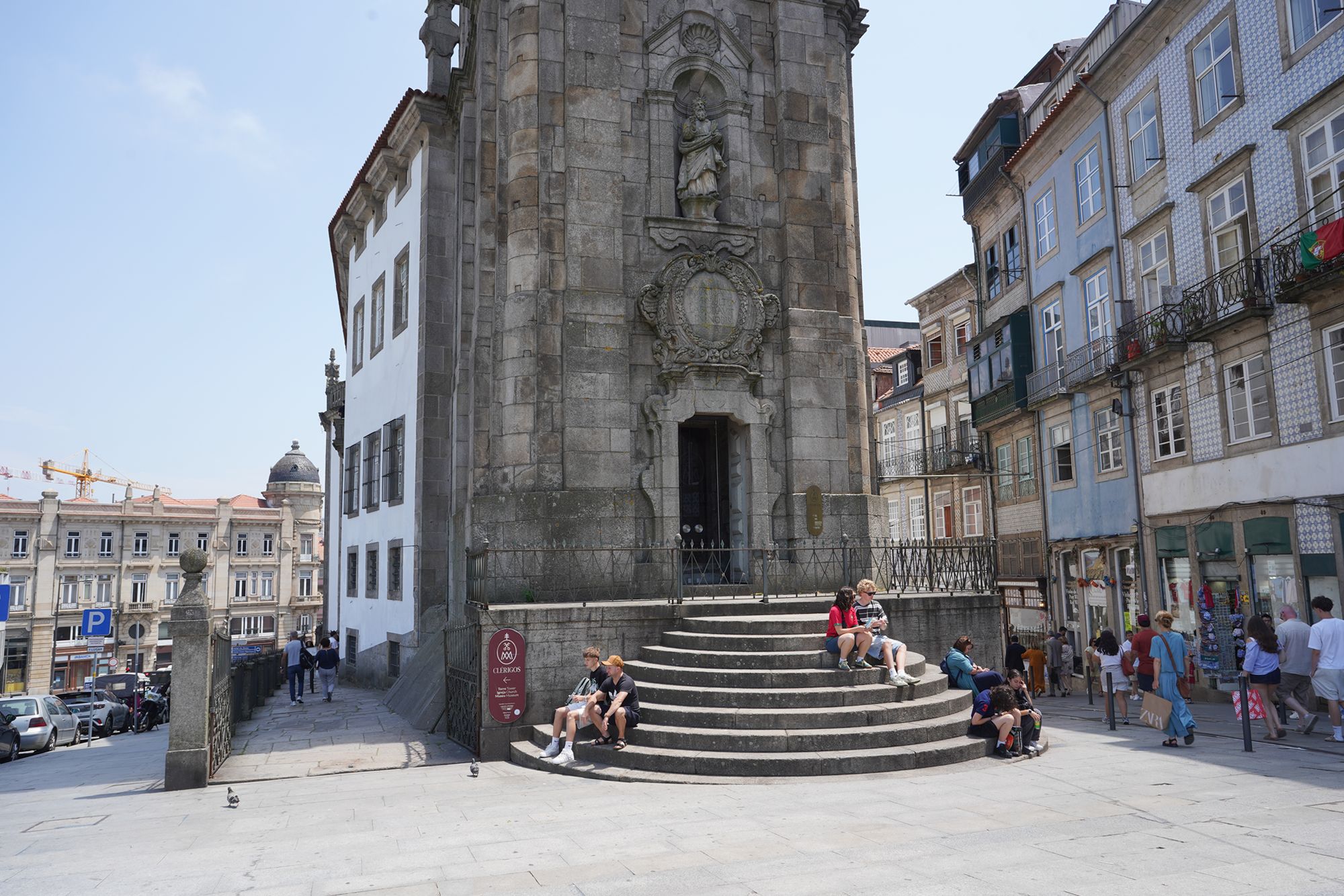
I returned to Torre dos Clérigos.
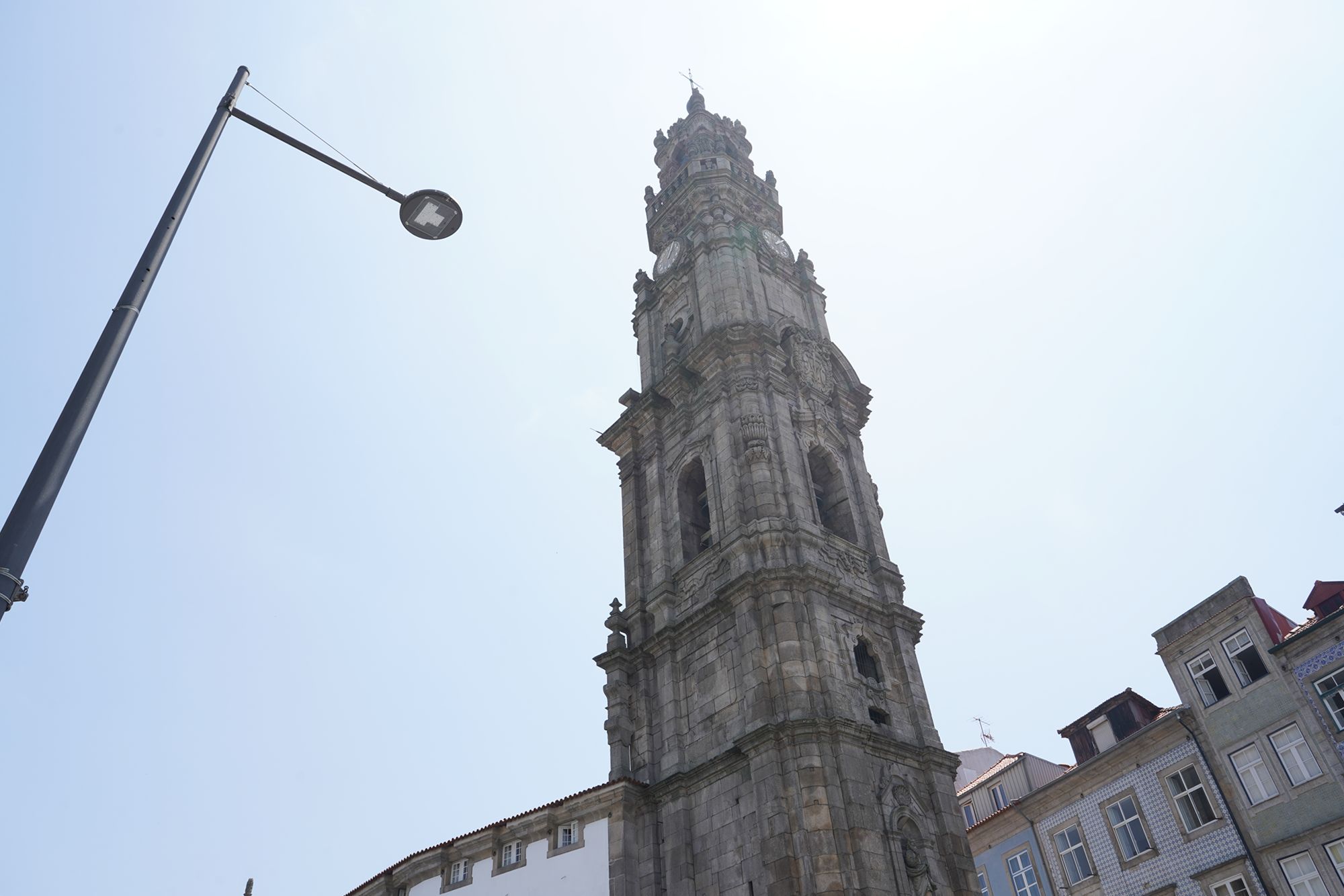
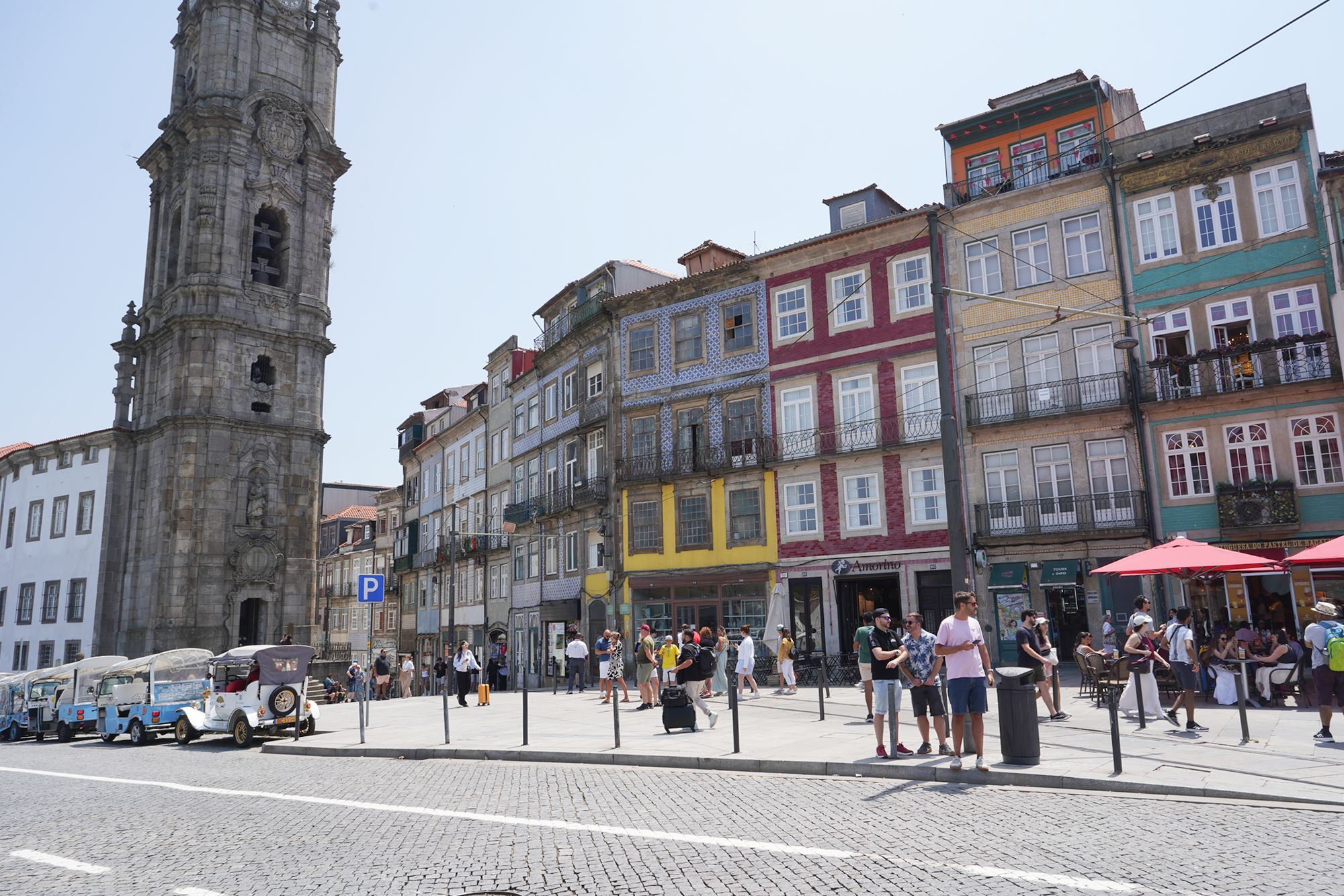
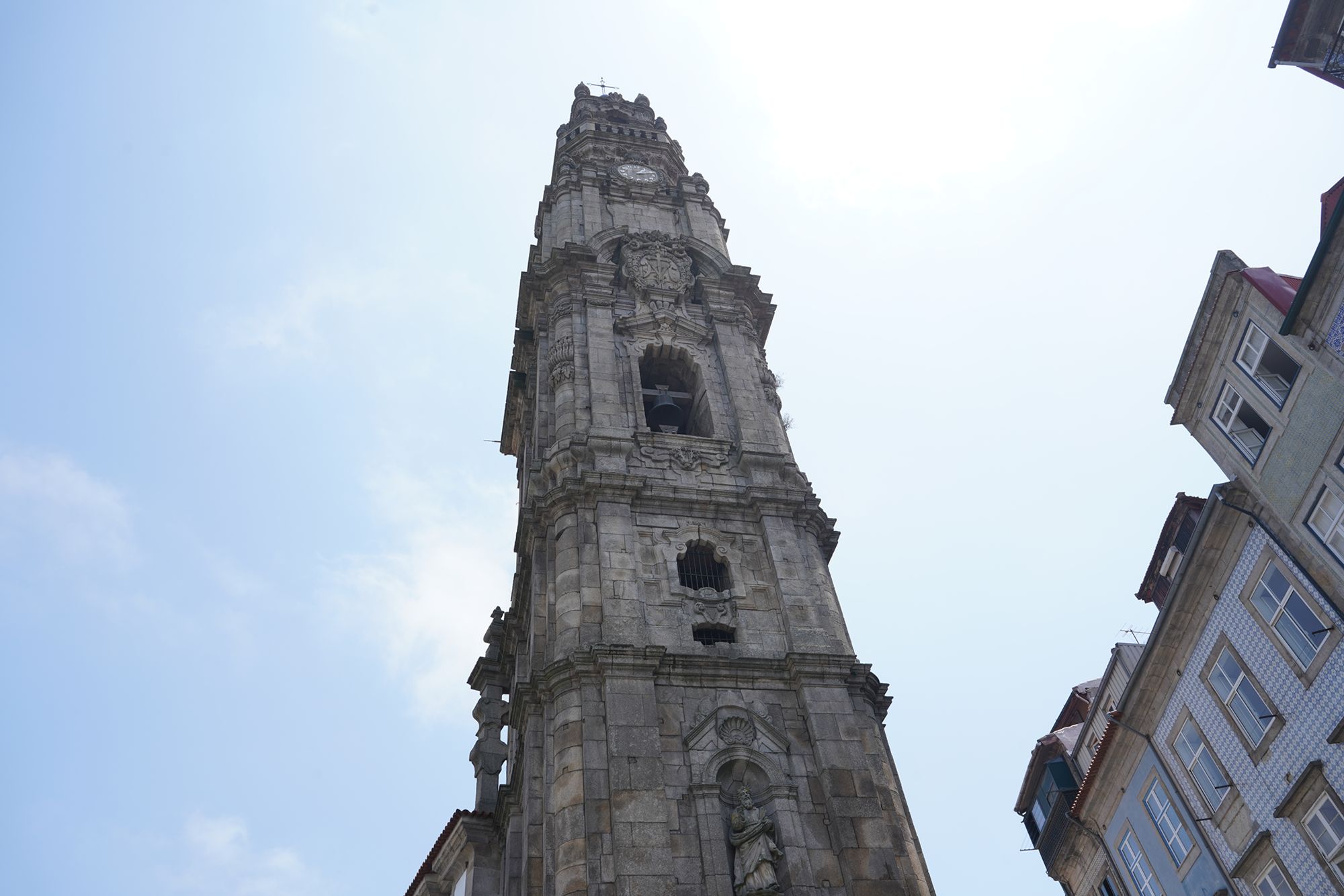
Torre dos Clérigos is the Baroque bell tower of Igreja dos Clérigos (church) and one of Porto’s most recognizable landmarks. Designed by Italian architect Nicolau Nasoni and completed in 1763, it rises about 75 meters above the city. Visitors can climb its narrow staircase for panoramic views over Porto’s rooftops and the Douro River.
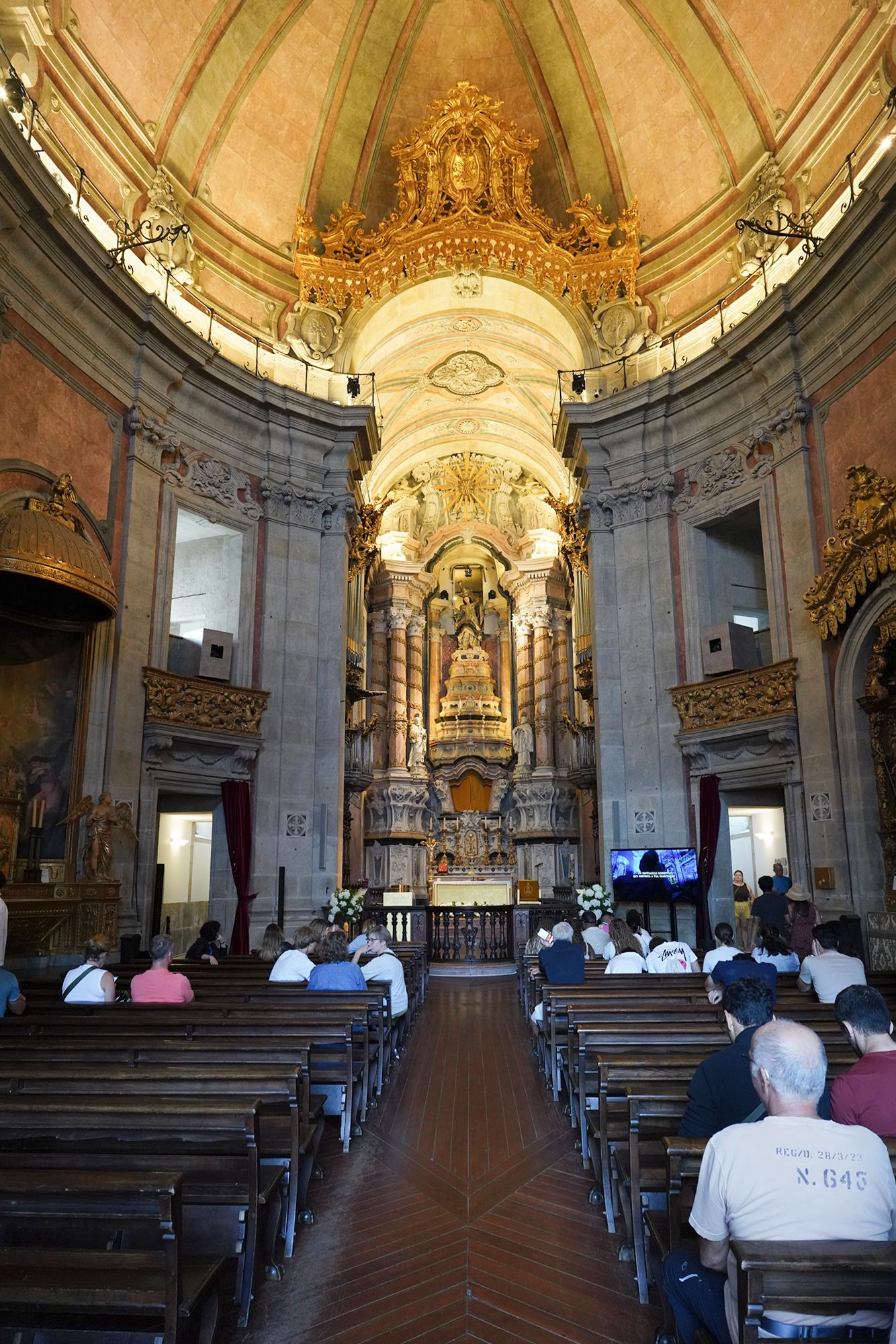
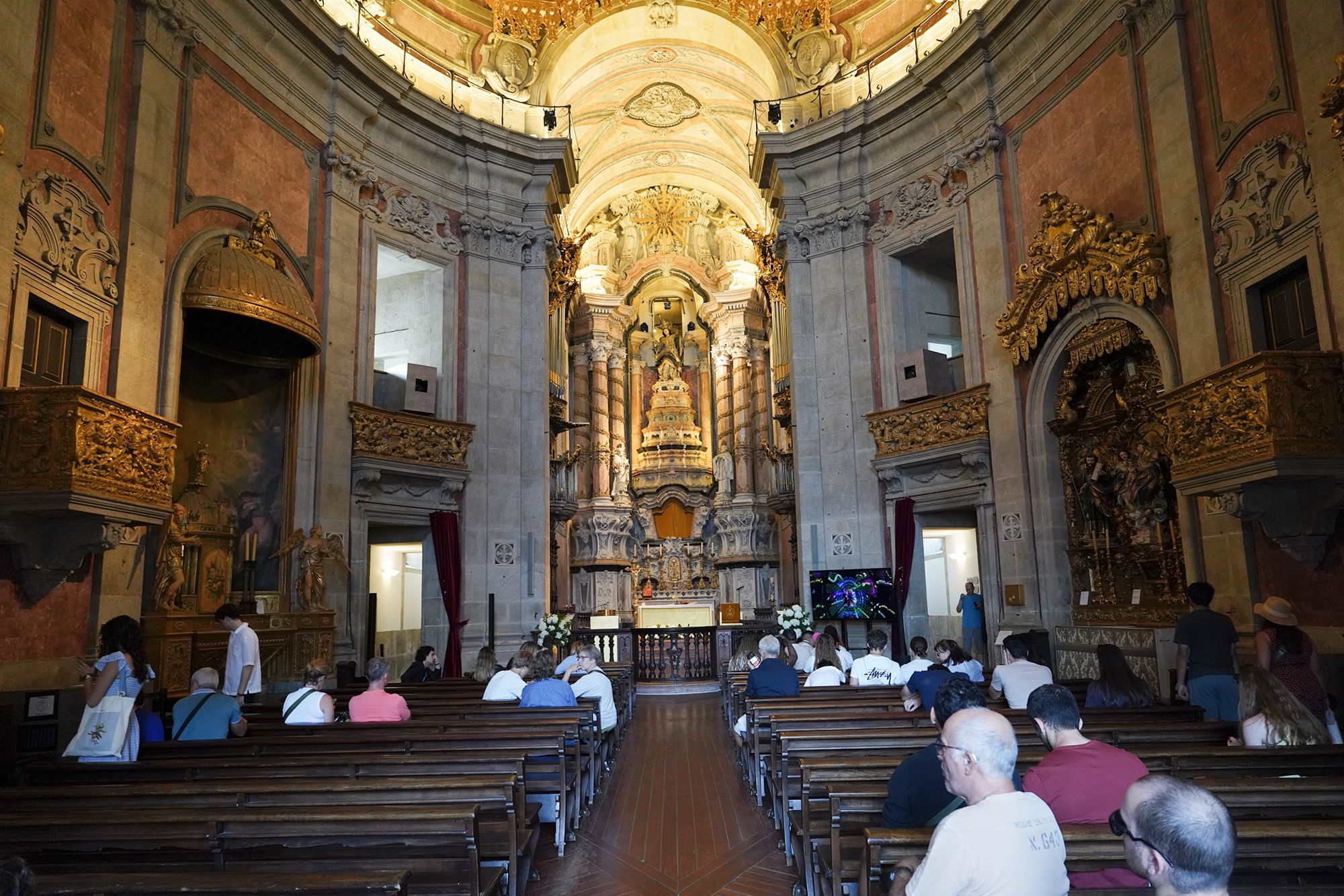
Inside Igreja dos Clérigos.
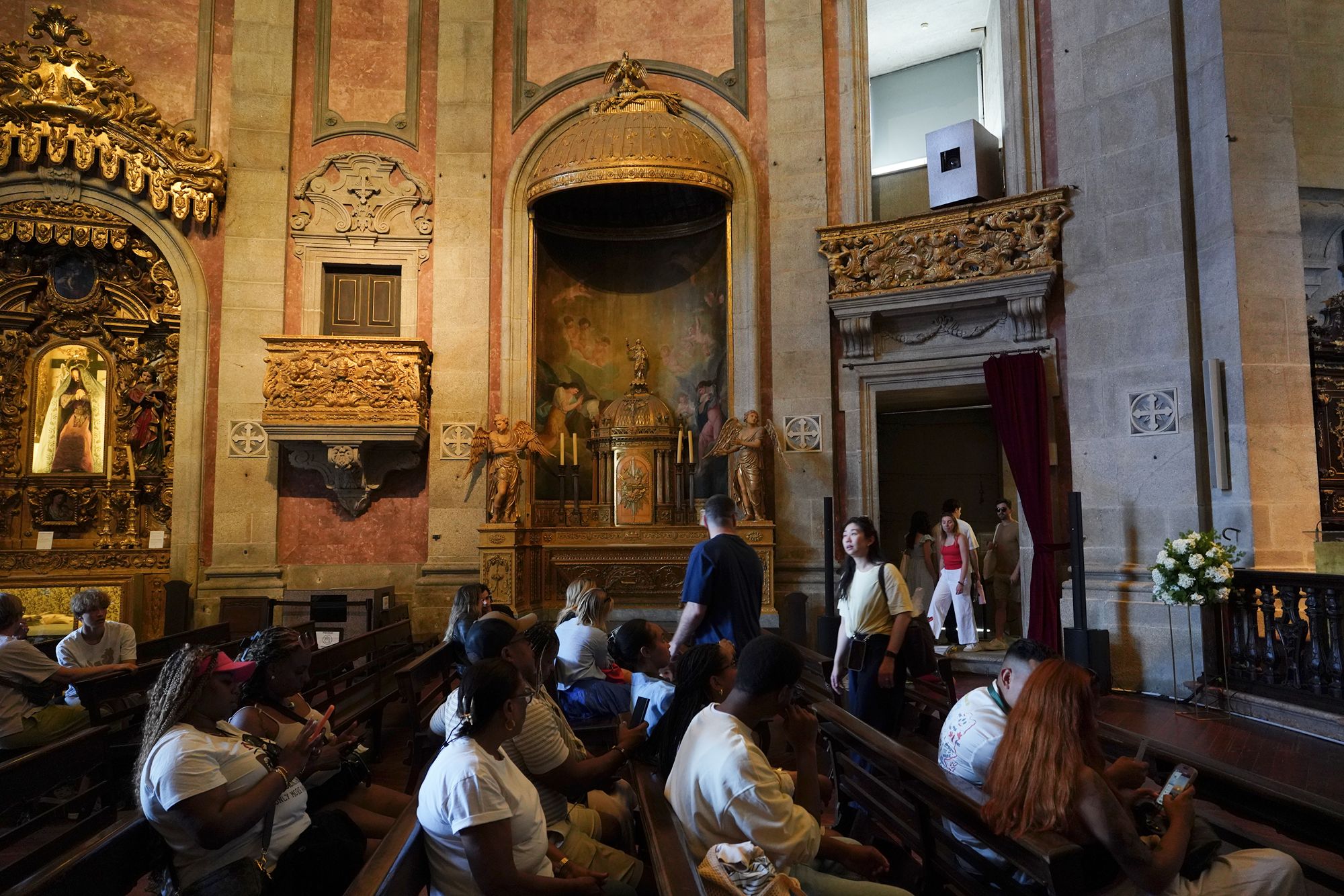
Igreja dos Clérigos is an eighteenth-century Baroque church designed by Italian architect Nicolau Nasoni for Porto’s Brotherhood of the Clergy. Construction began in 1732. Its unusual oval nave is surrounded by side altars and gilded woodcarving, while the main chapel features a marble altar and an elaborate Rococo altarpiece dedicated to Our Lady of the Assumption. The famous Clérigos Tower stands behind the church.
The tower is the church’s main attraction for tourists, but I decided not to climb it.
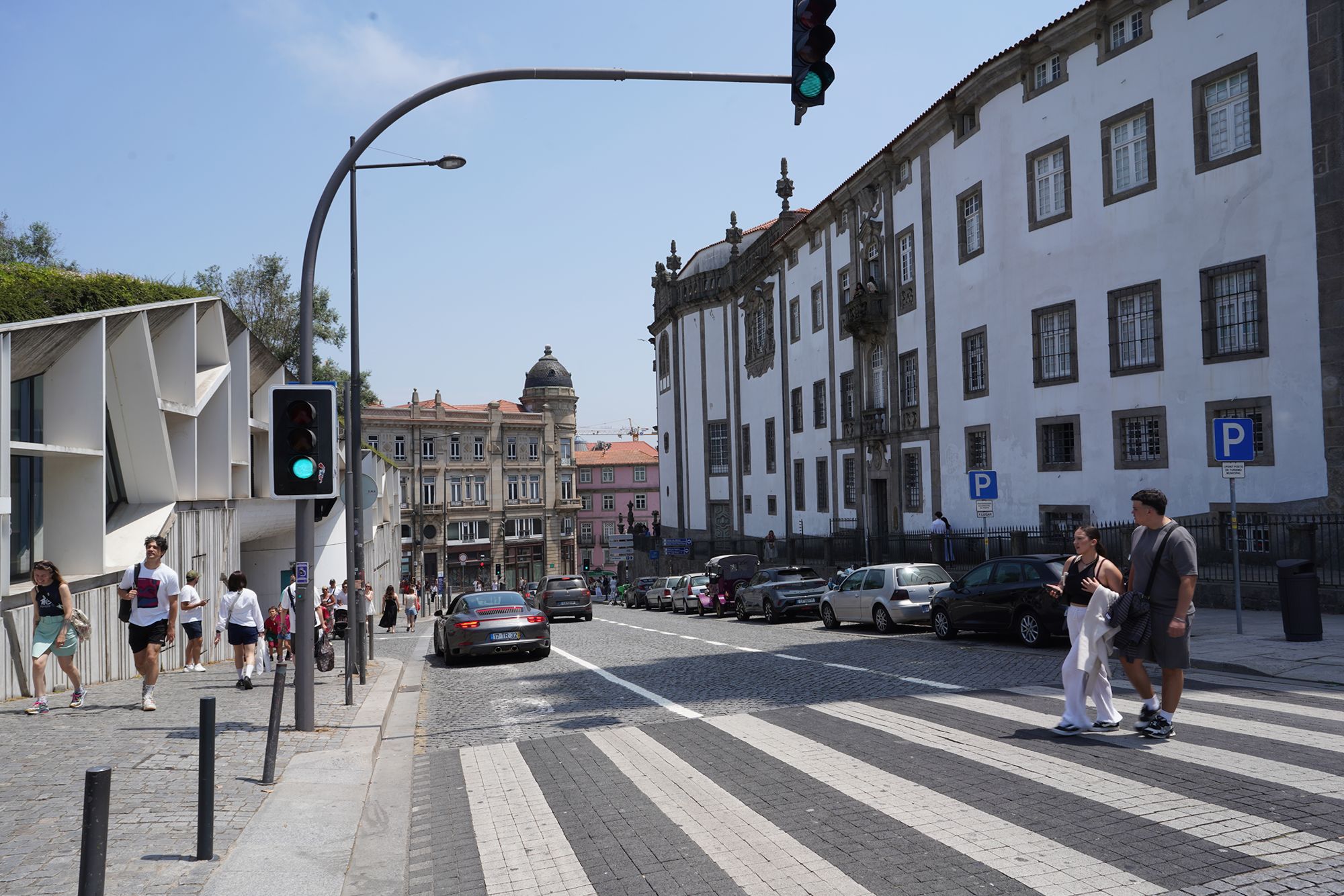
This side street behind the church looked familiar from the travel photos I had seen of Porto.
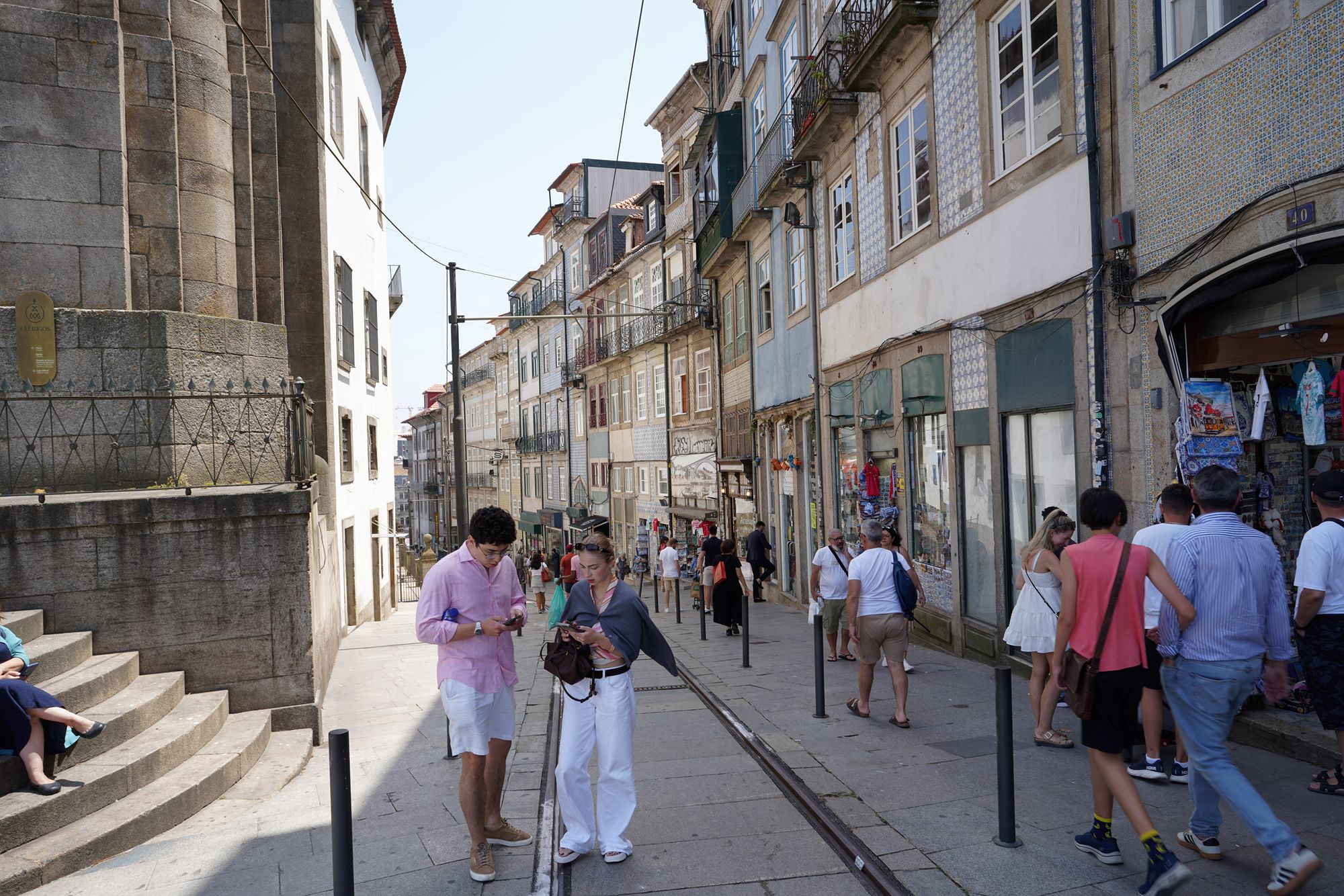
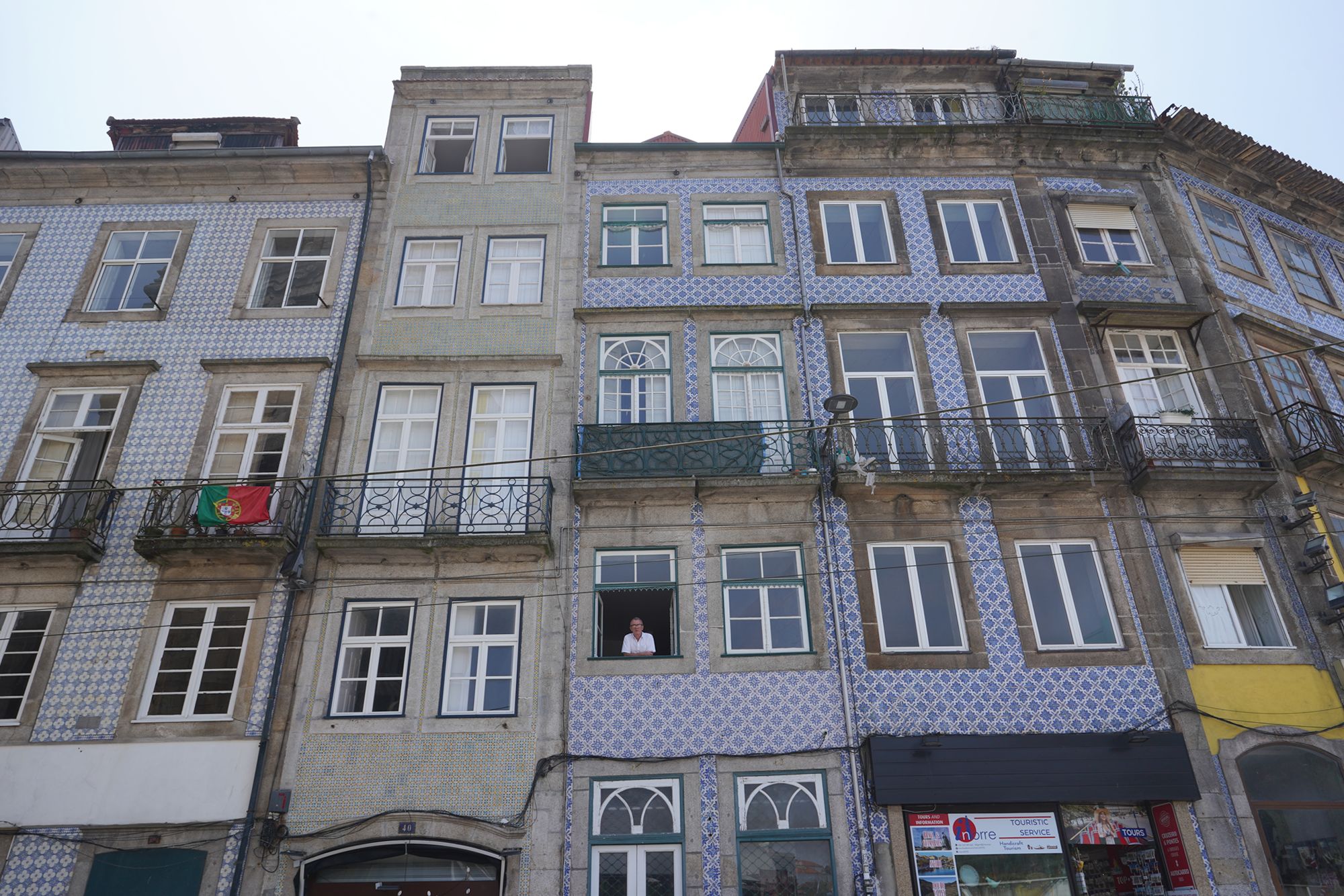
I walked down the street, enjoying the view along the way.
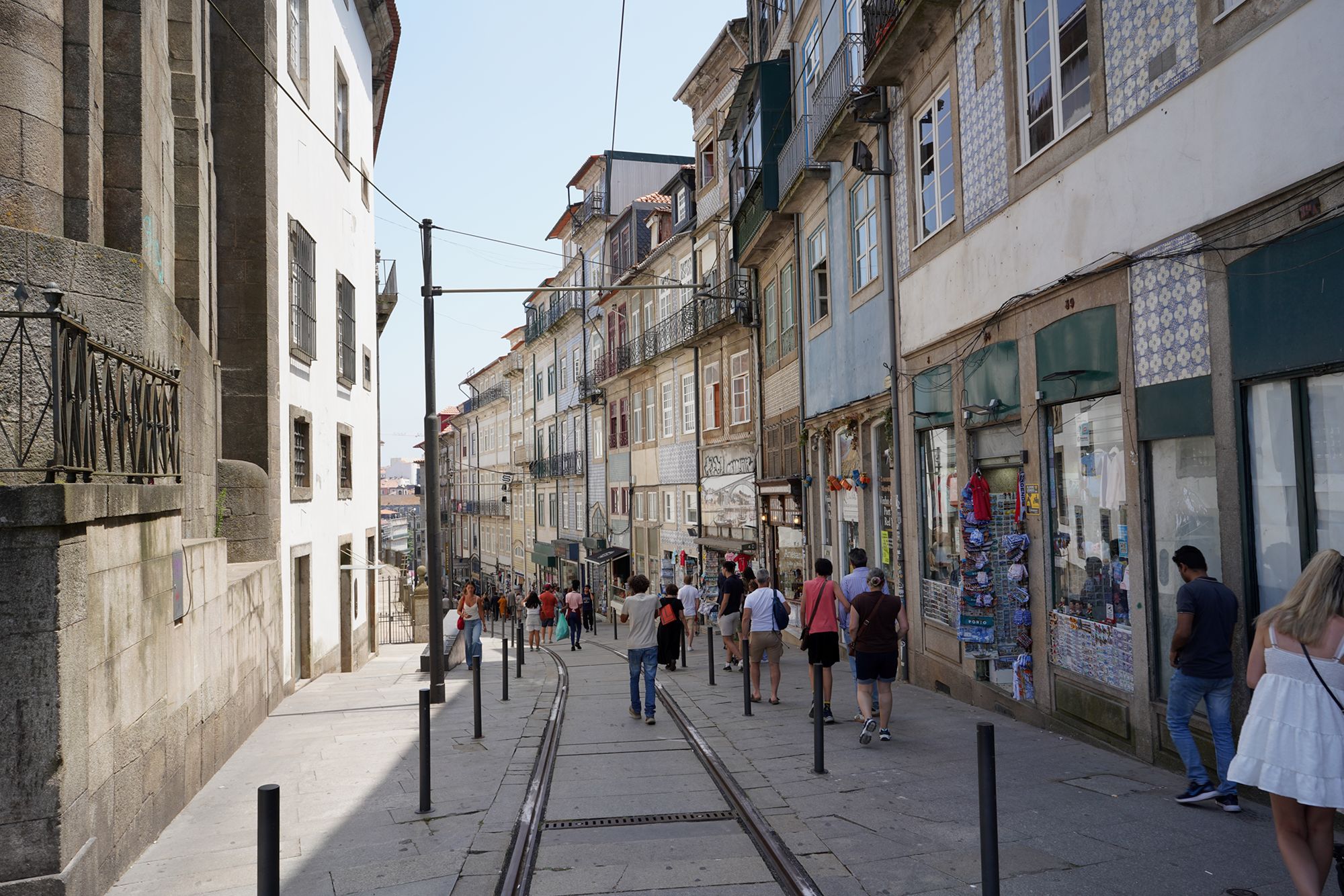
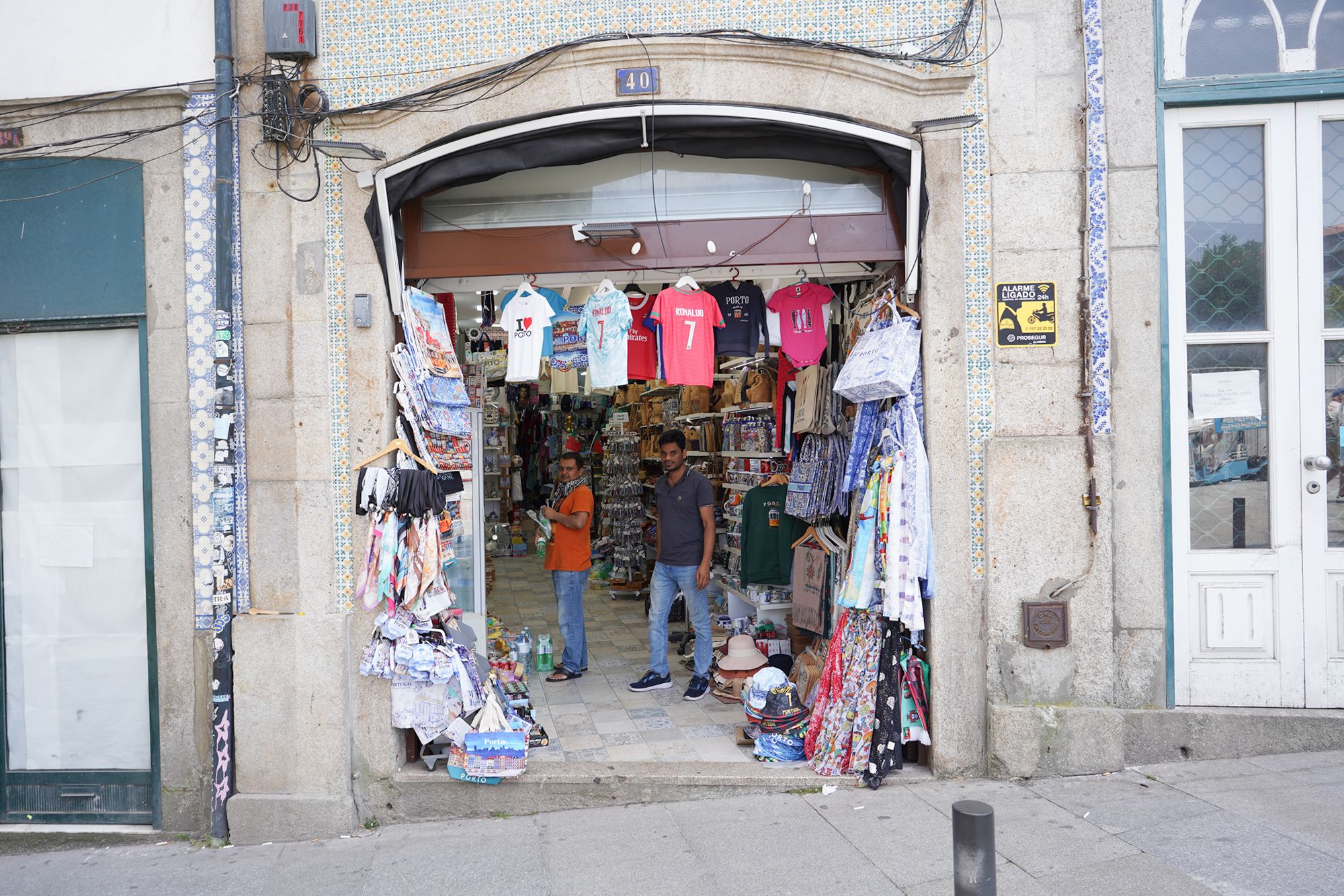
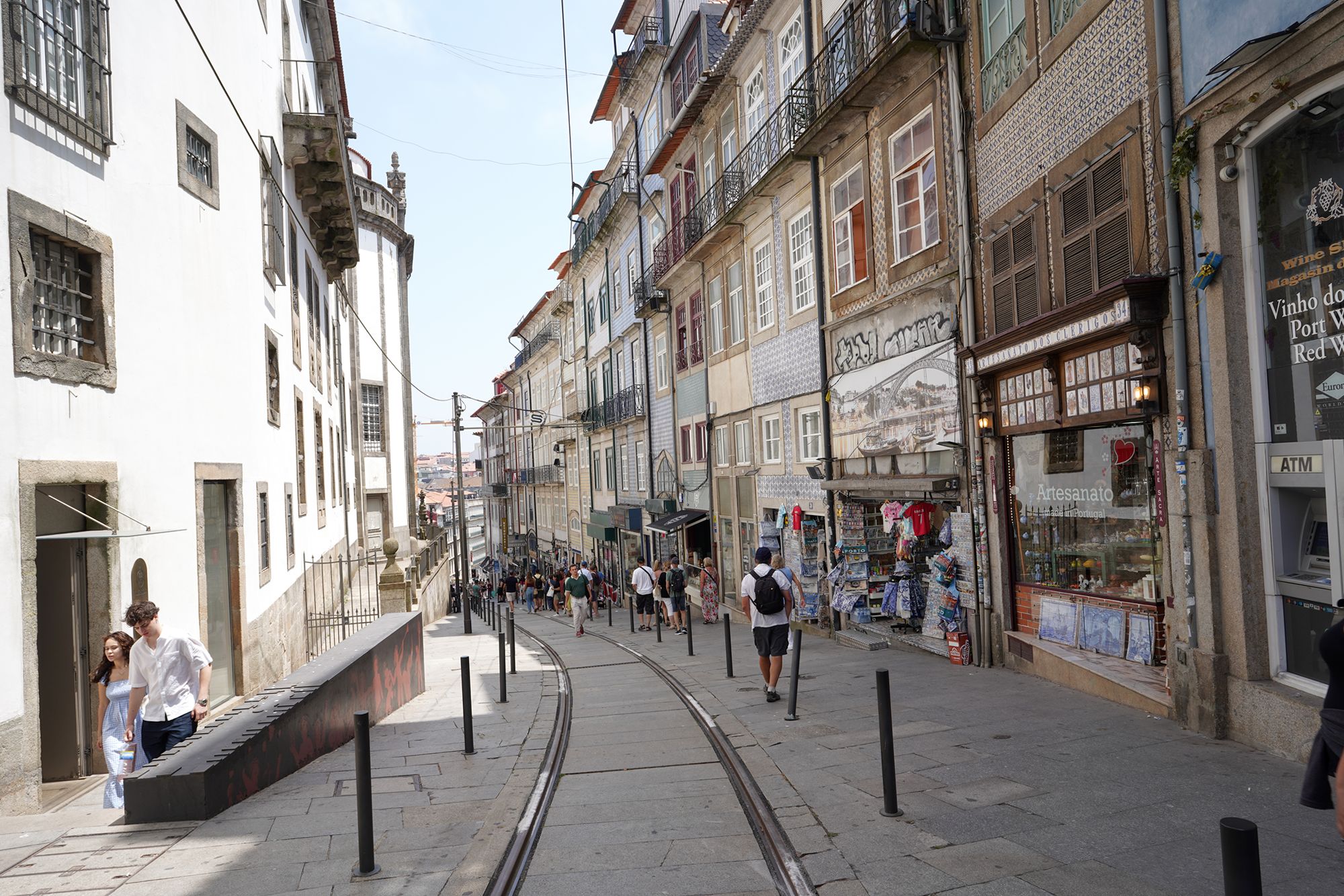
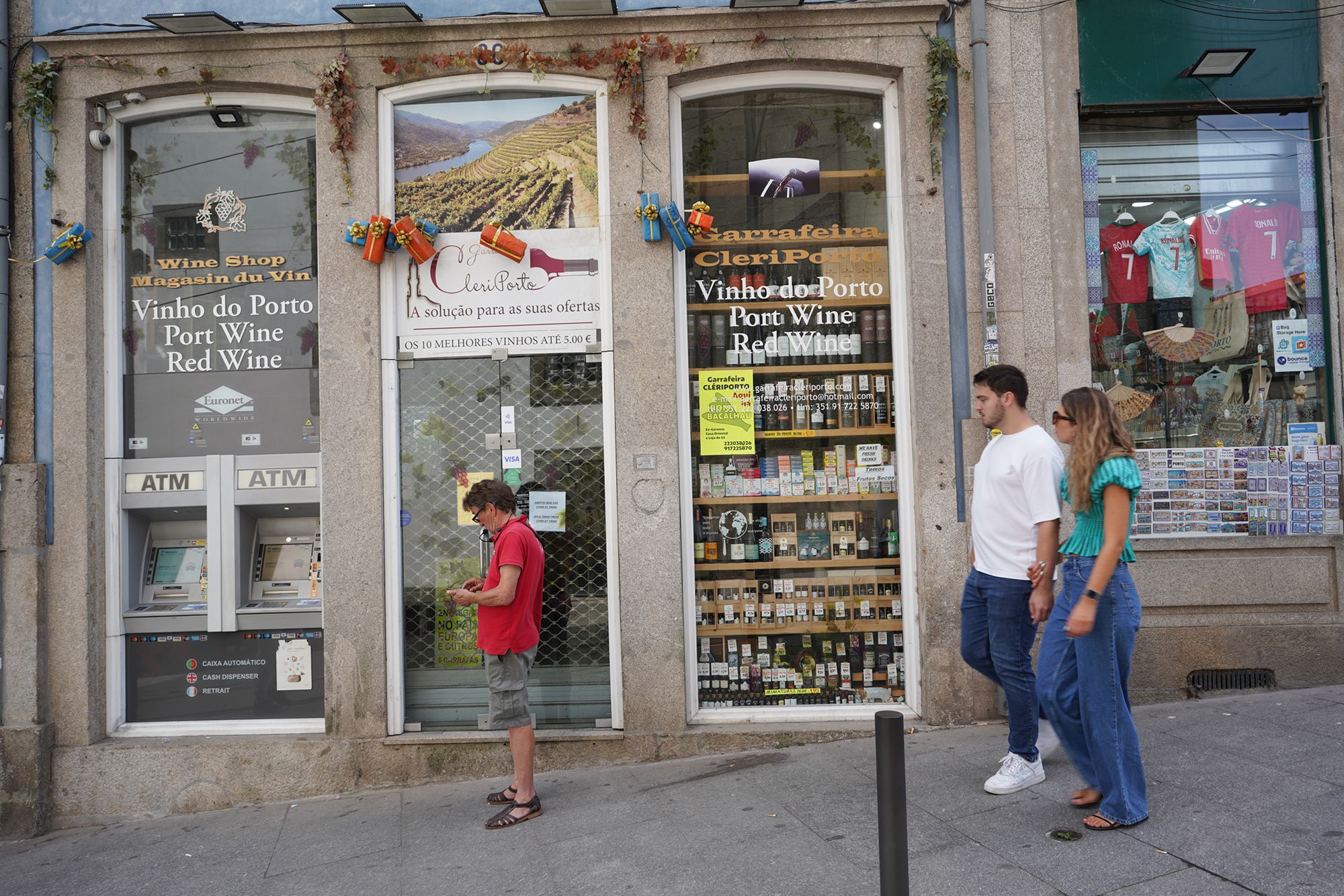
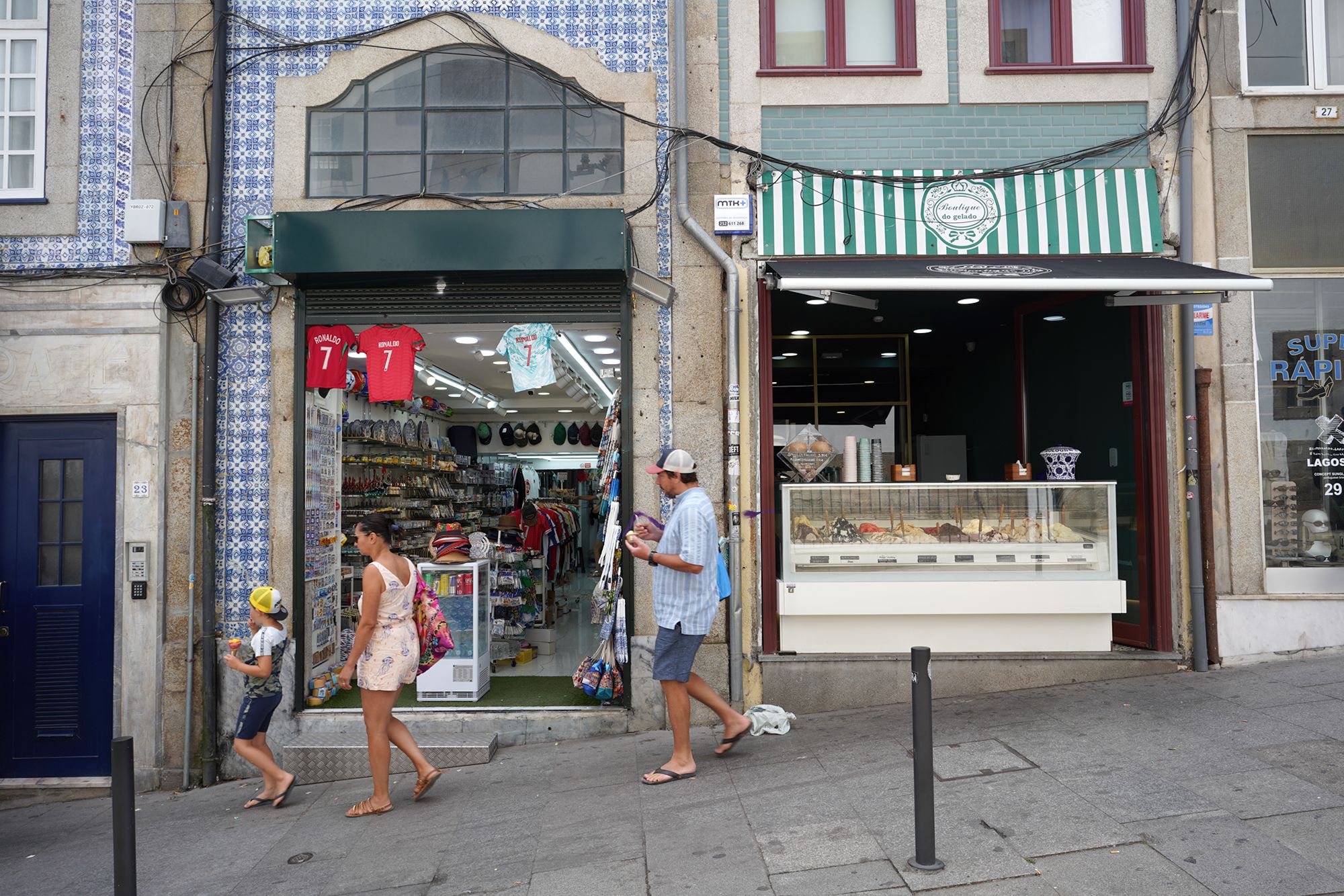
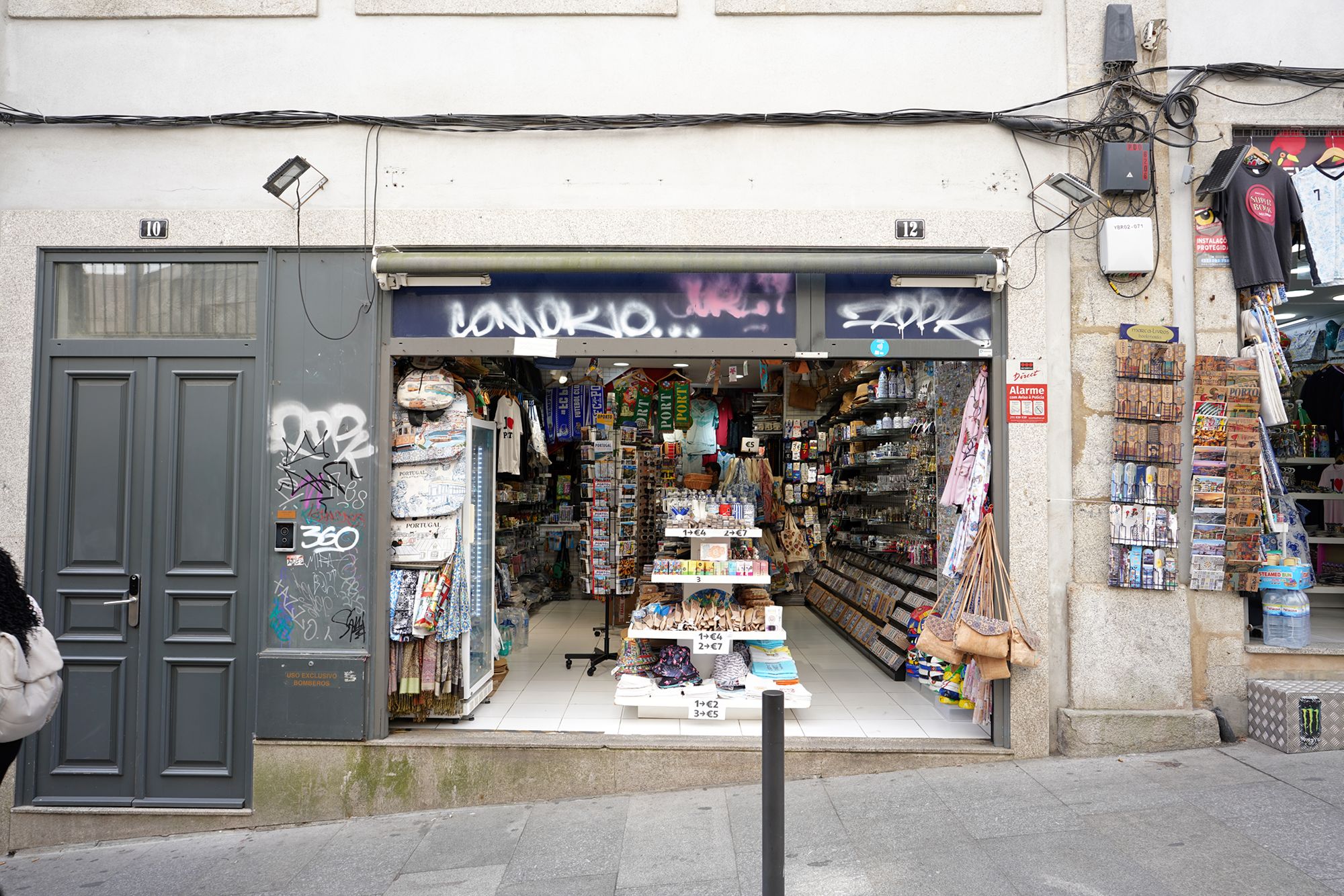
At the end, the street joined the wider road that ran in front of the church.
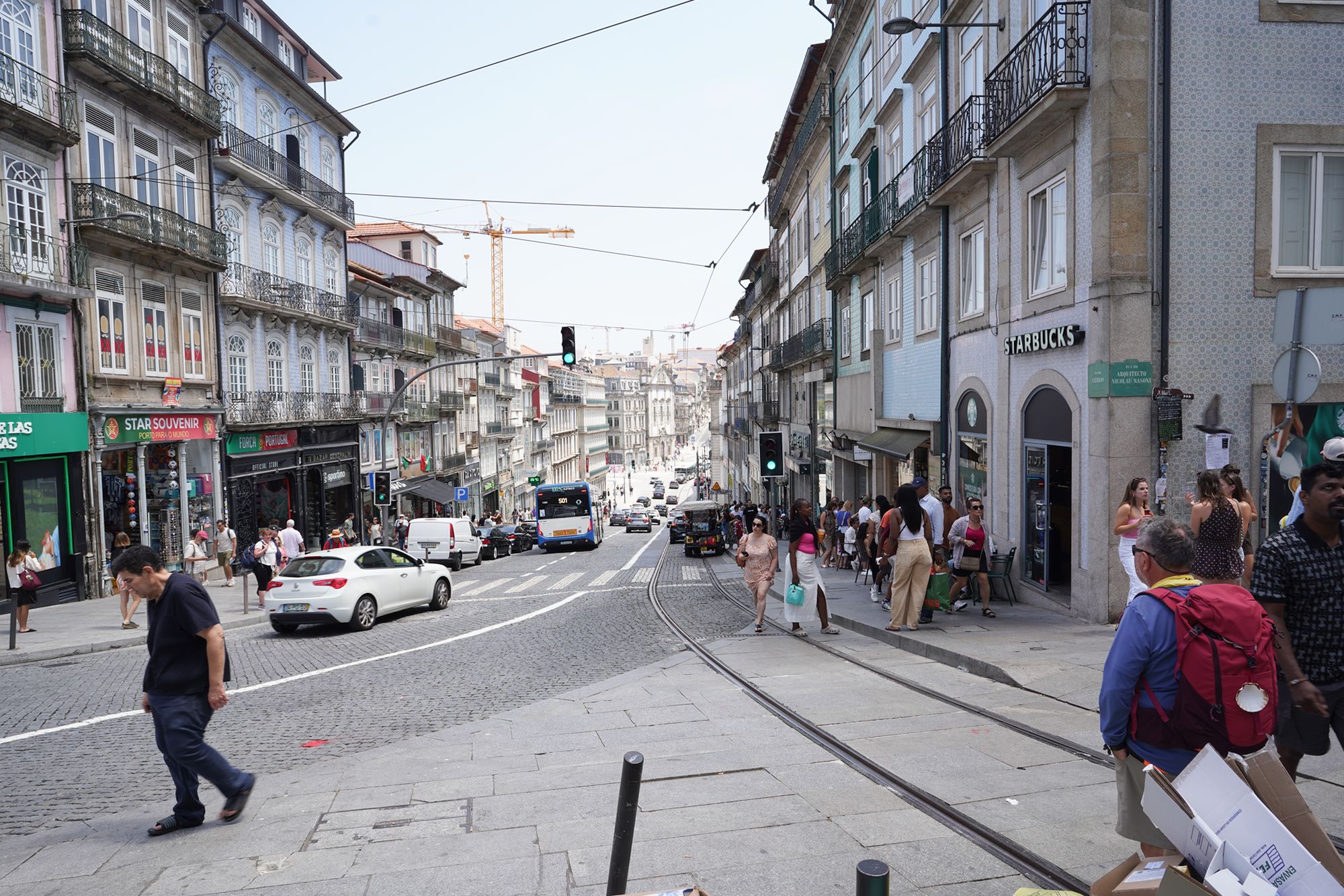
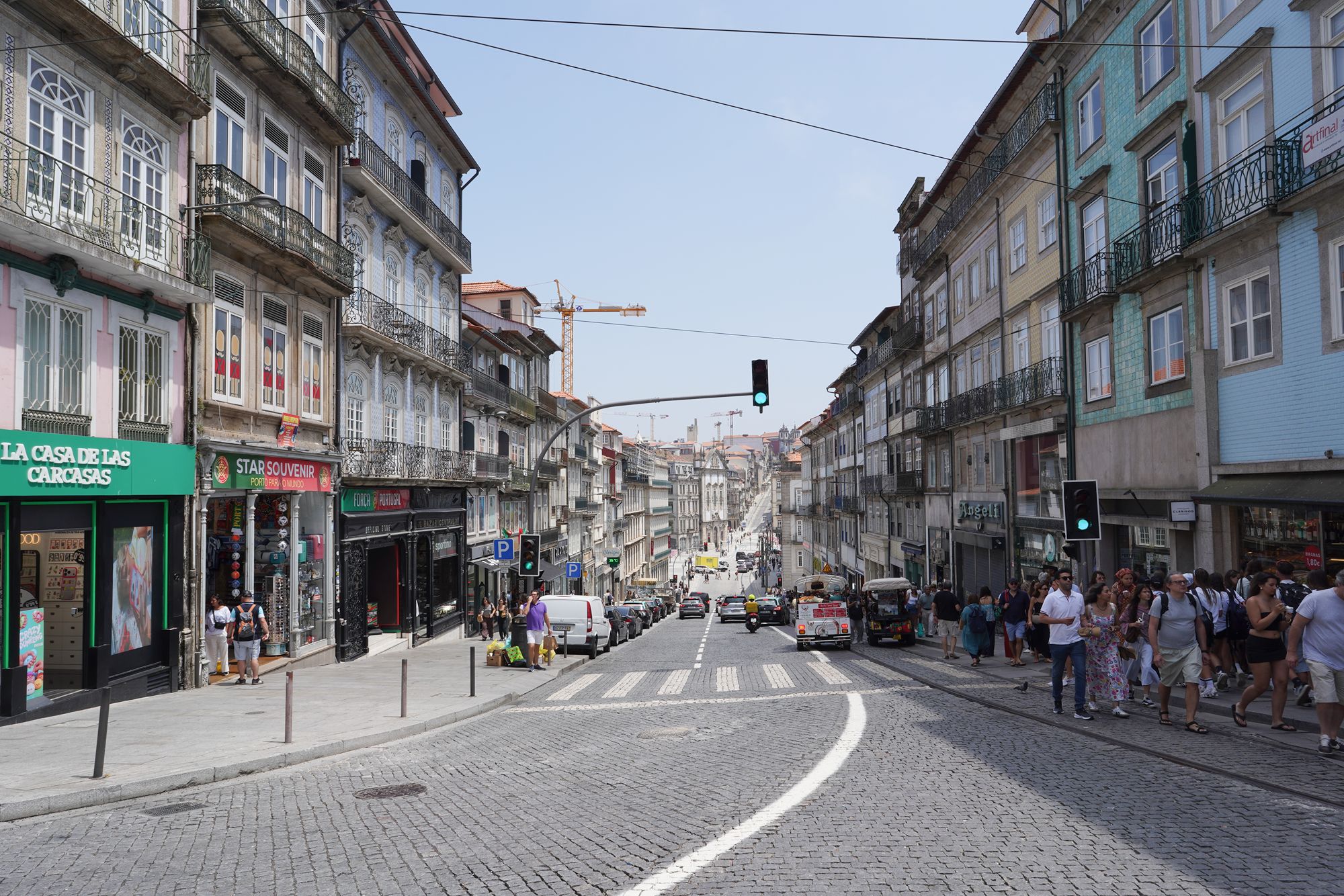
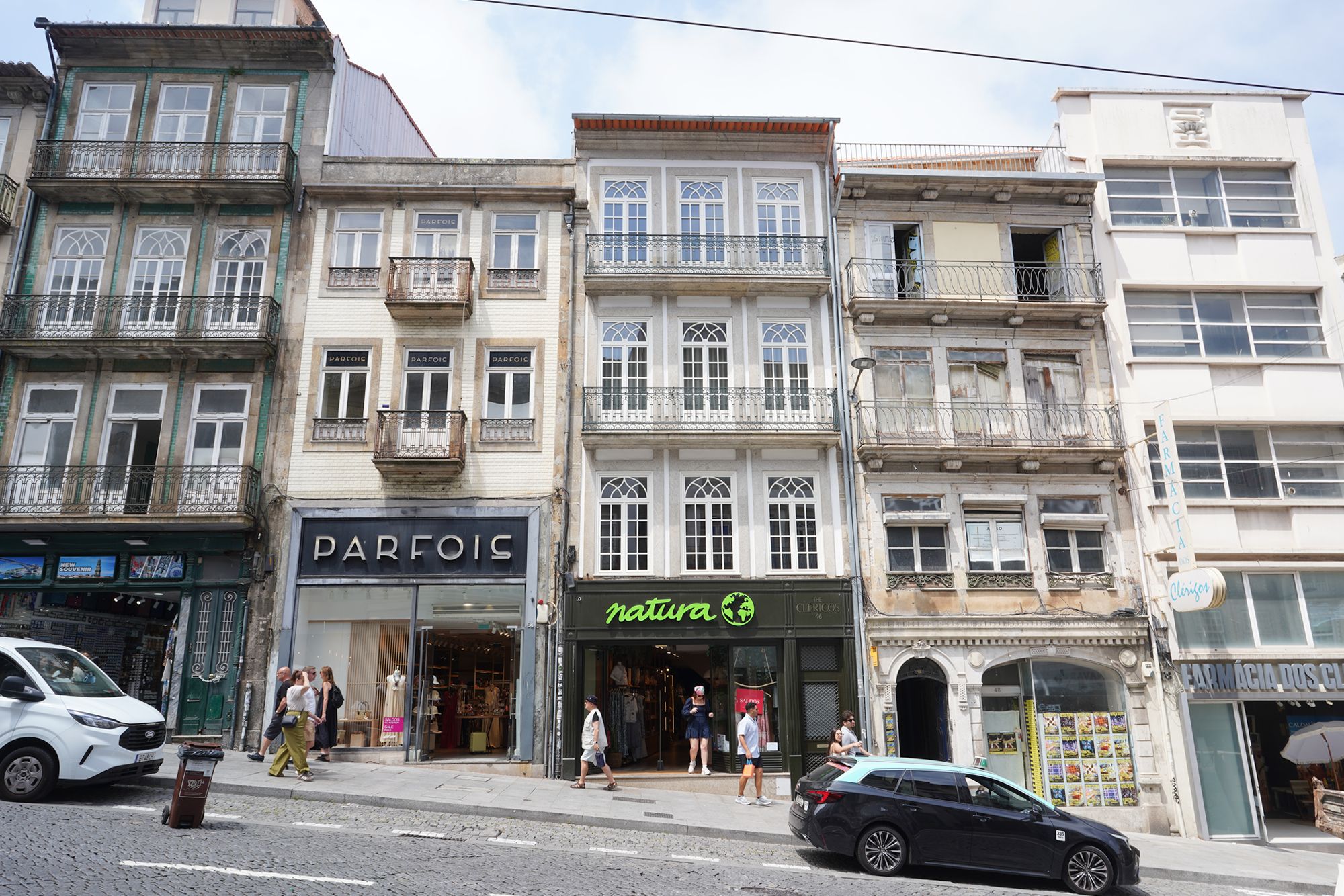
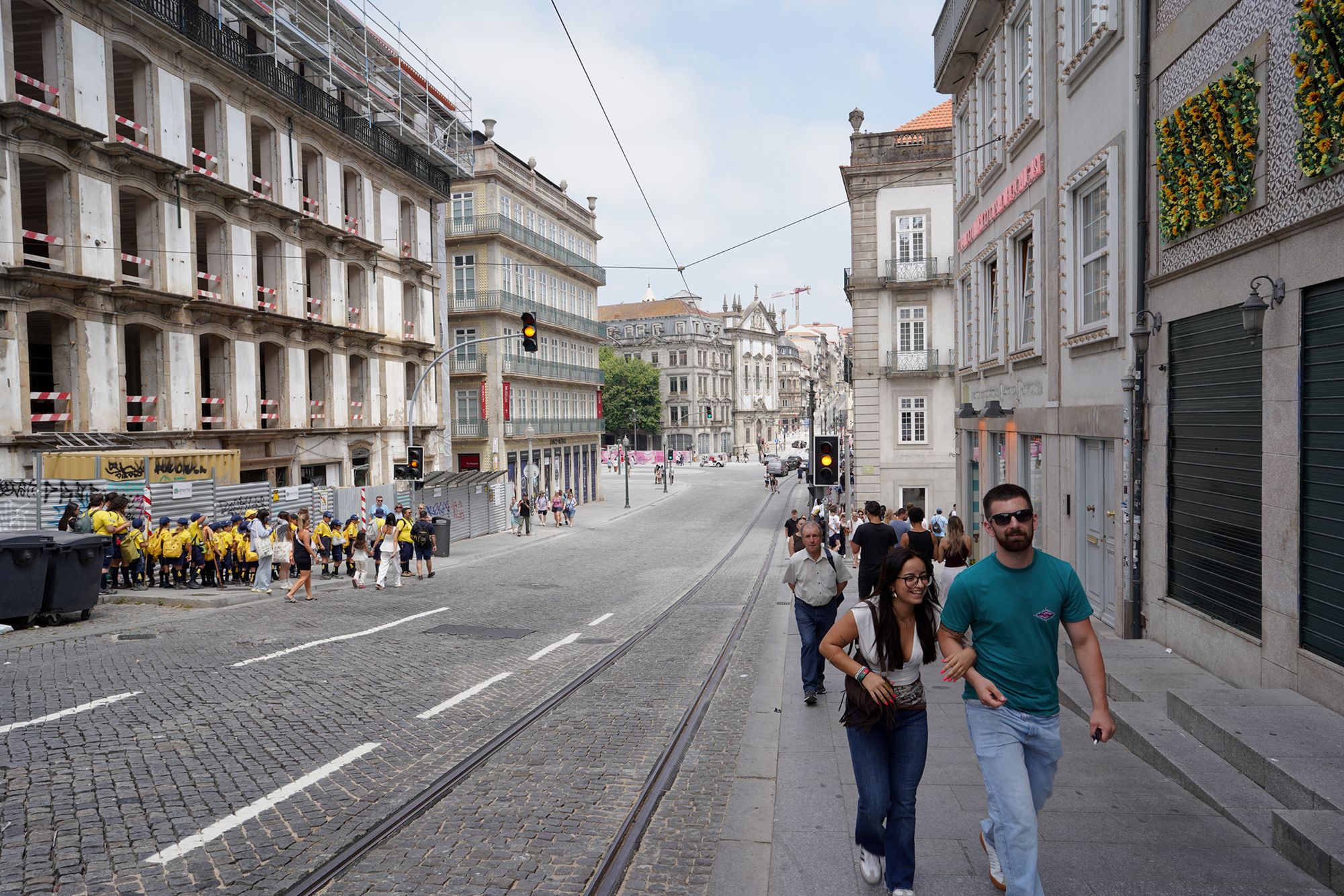
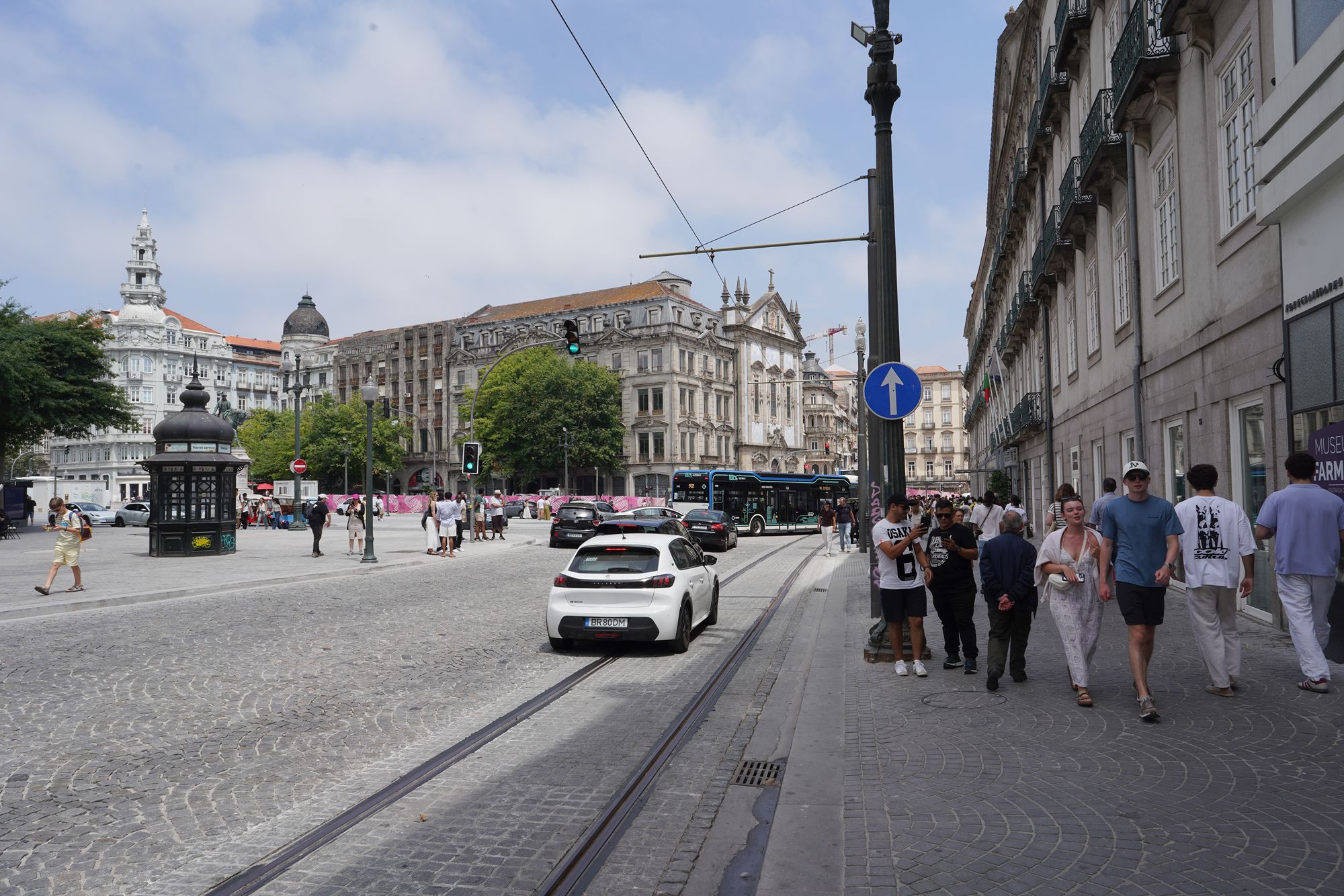
Then I reached the other end of Avenida dos Aliados, where I could see Porto City Hall in the distance. This is where the first part of my Porto walk ends. I’ll continue the walk in part II of Porto walk.