Polish National Museum in Warsaw – Part II, Poland
Continuing my visit to Warsaw’s National Museum, exploring Polish paintings, modern design and the Old Masters gallery. 1370
Polish National Museum in Warsaw: Al. Jerozolimskie 3, 00-495 Warszawa, Poland
Date Picture Taken: Jul, 2026
In the second part of my visit to Warsaw’s National Museum, I explored more Polish paintings, including historical scenes and works shaped by changing artistic styles. The visit continued through Polish design displays and the Old Masters gallery, with paintings, sculptures and decorative objects from earlier centuries of European art.
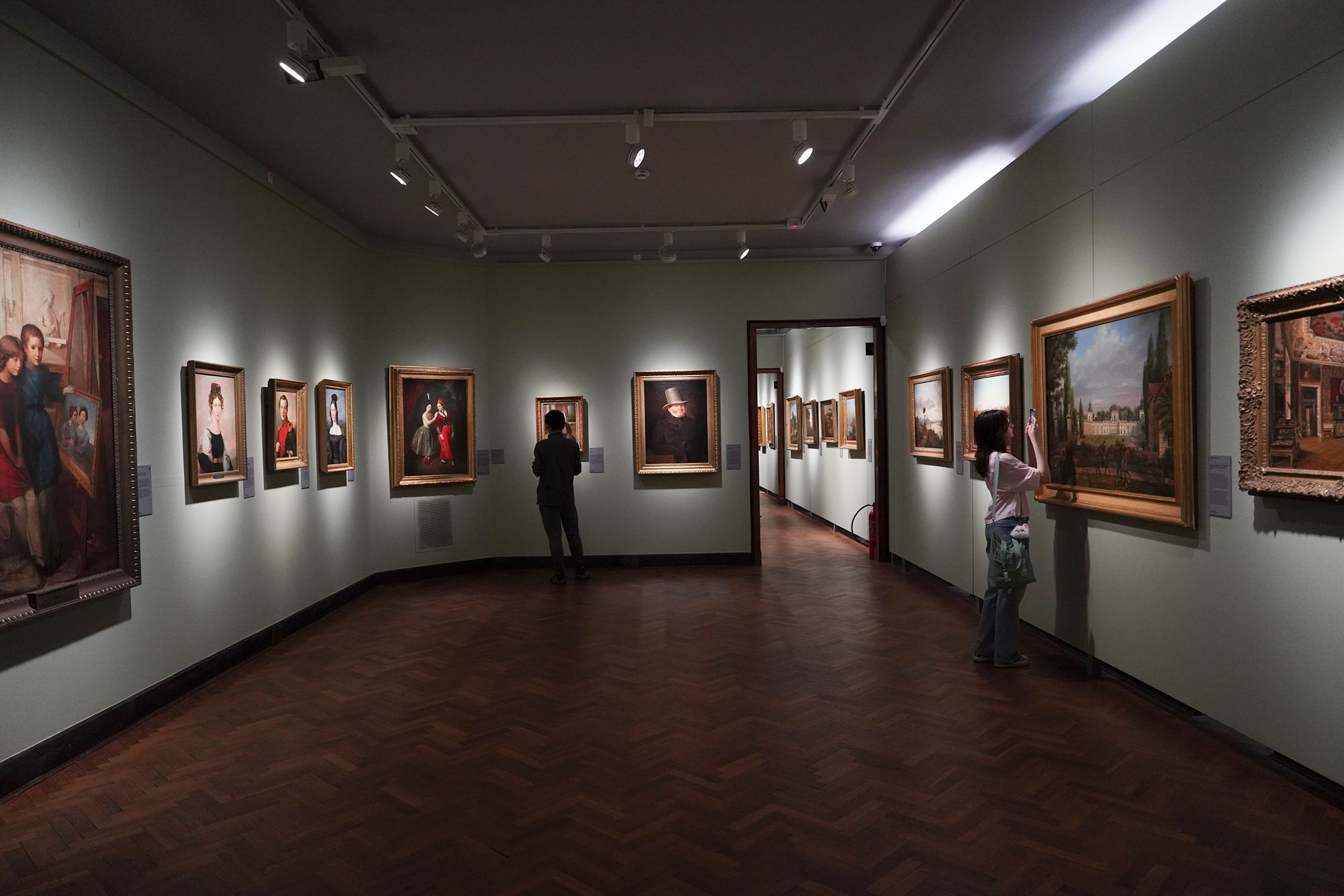
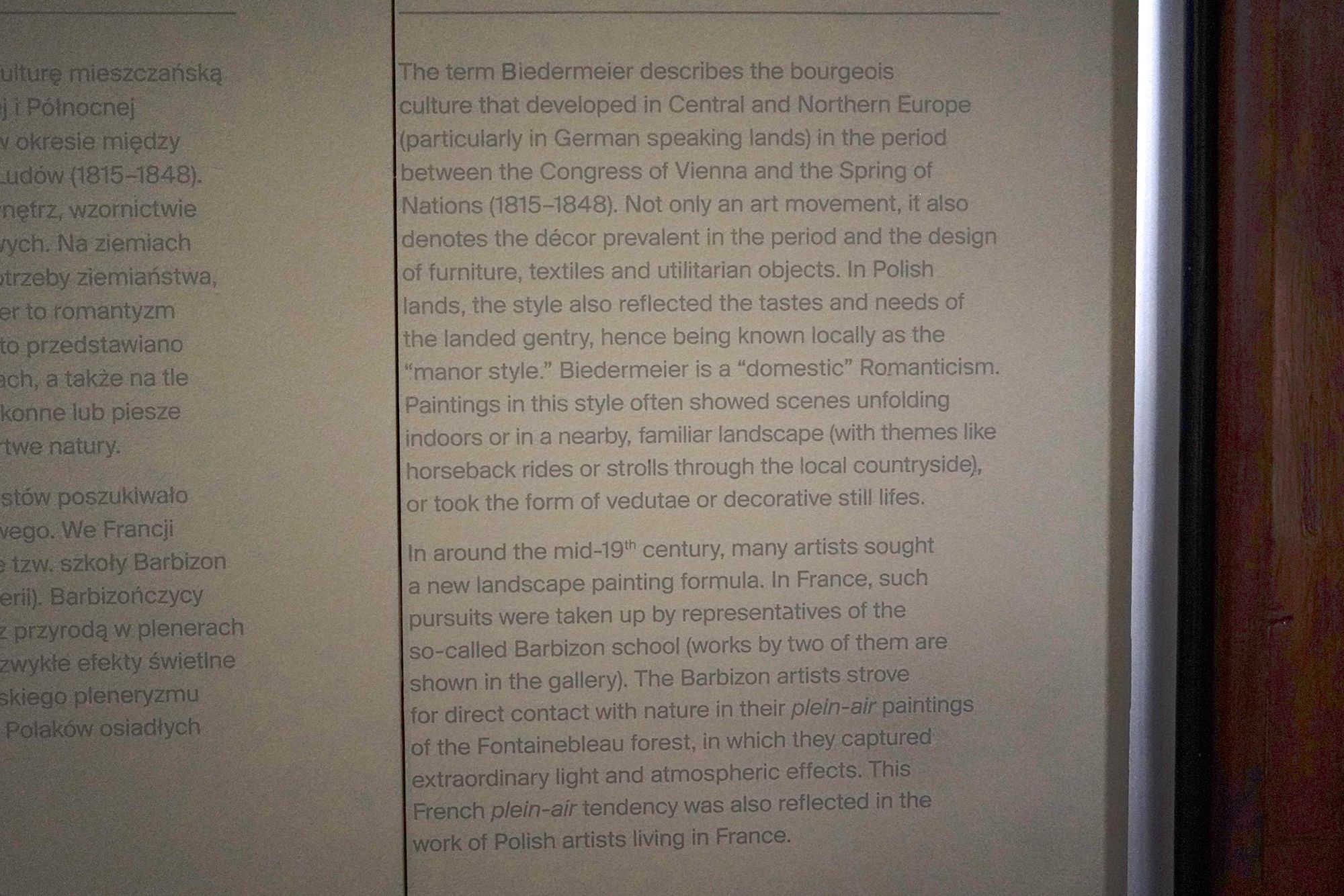
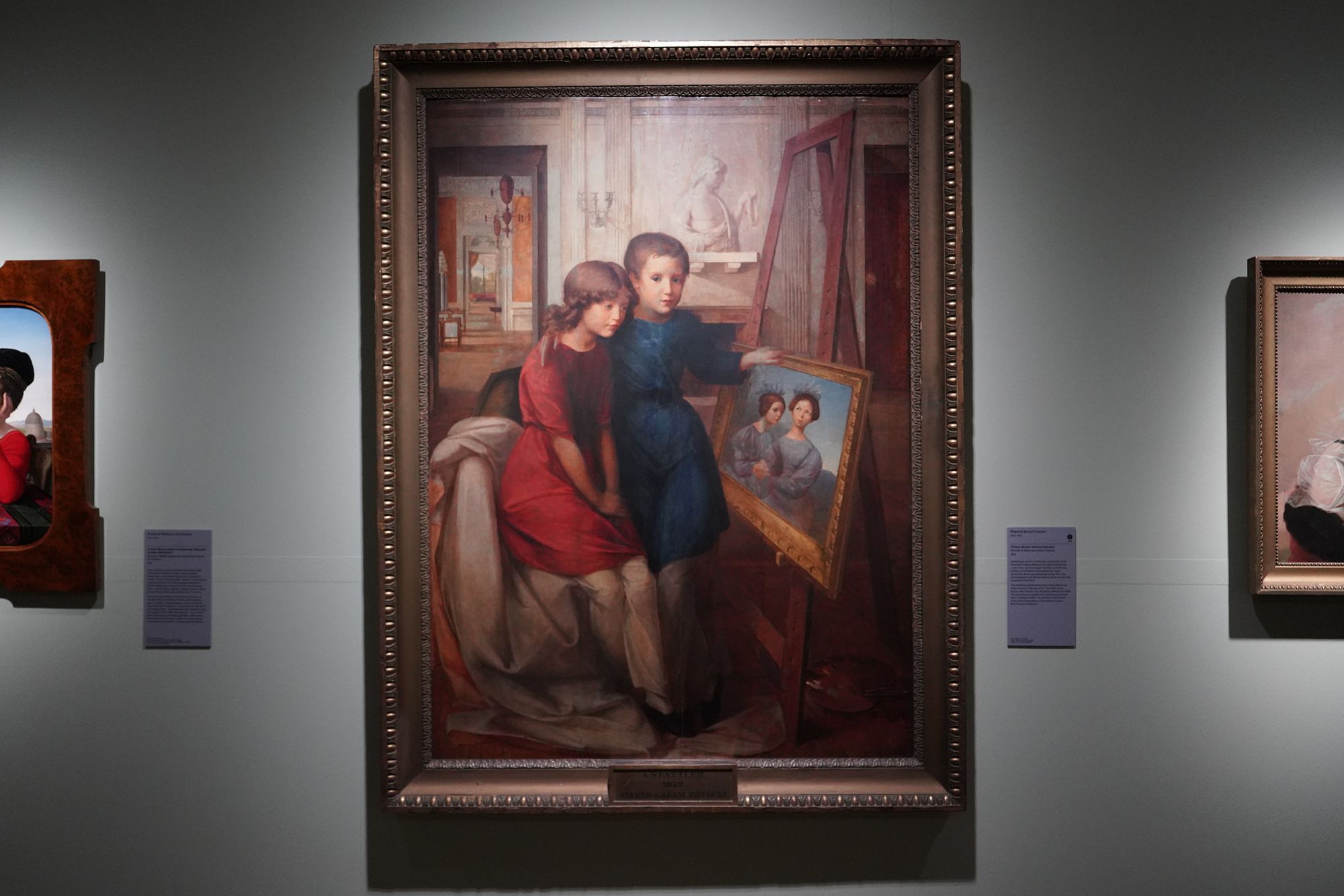
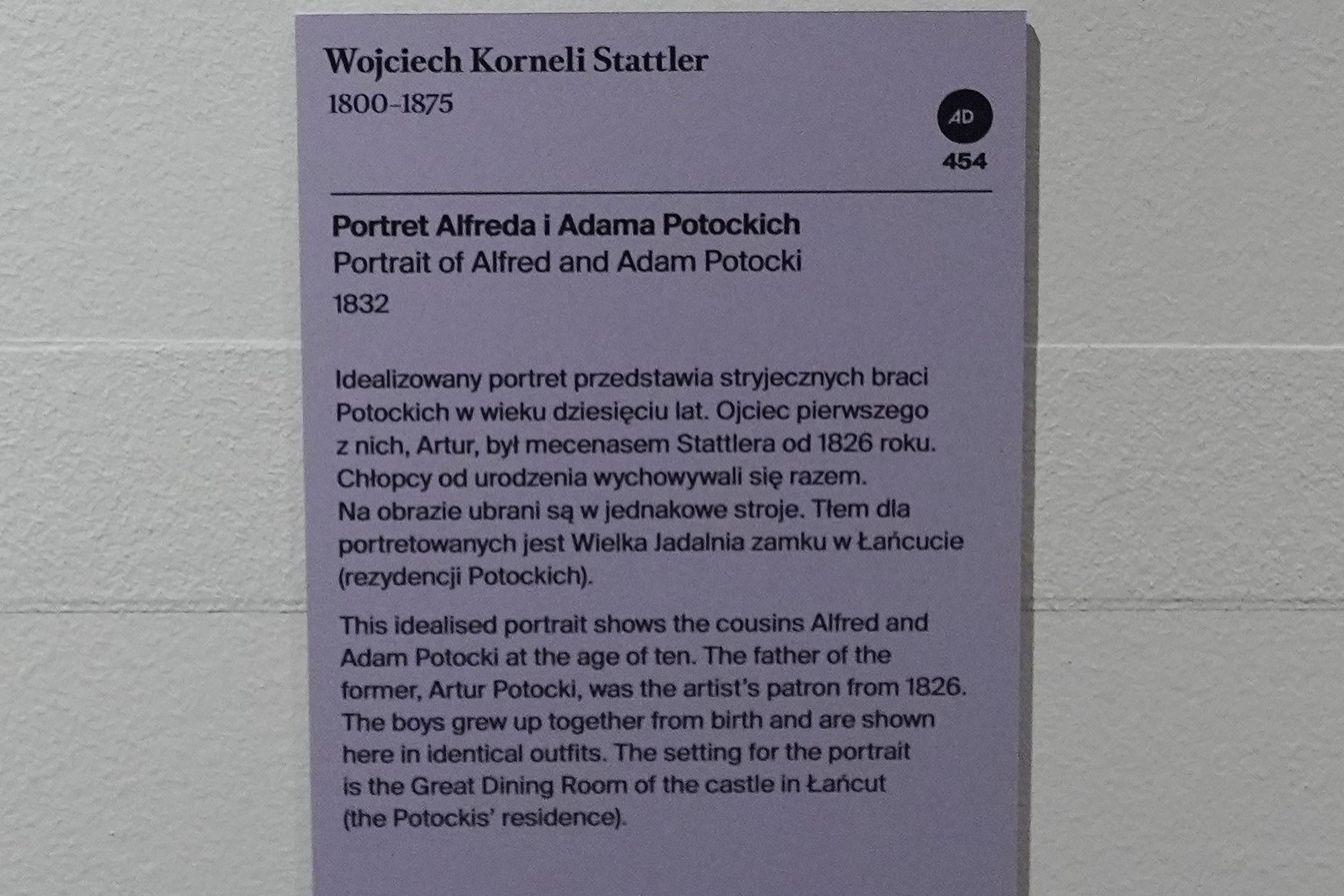
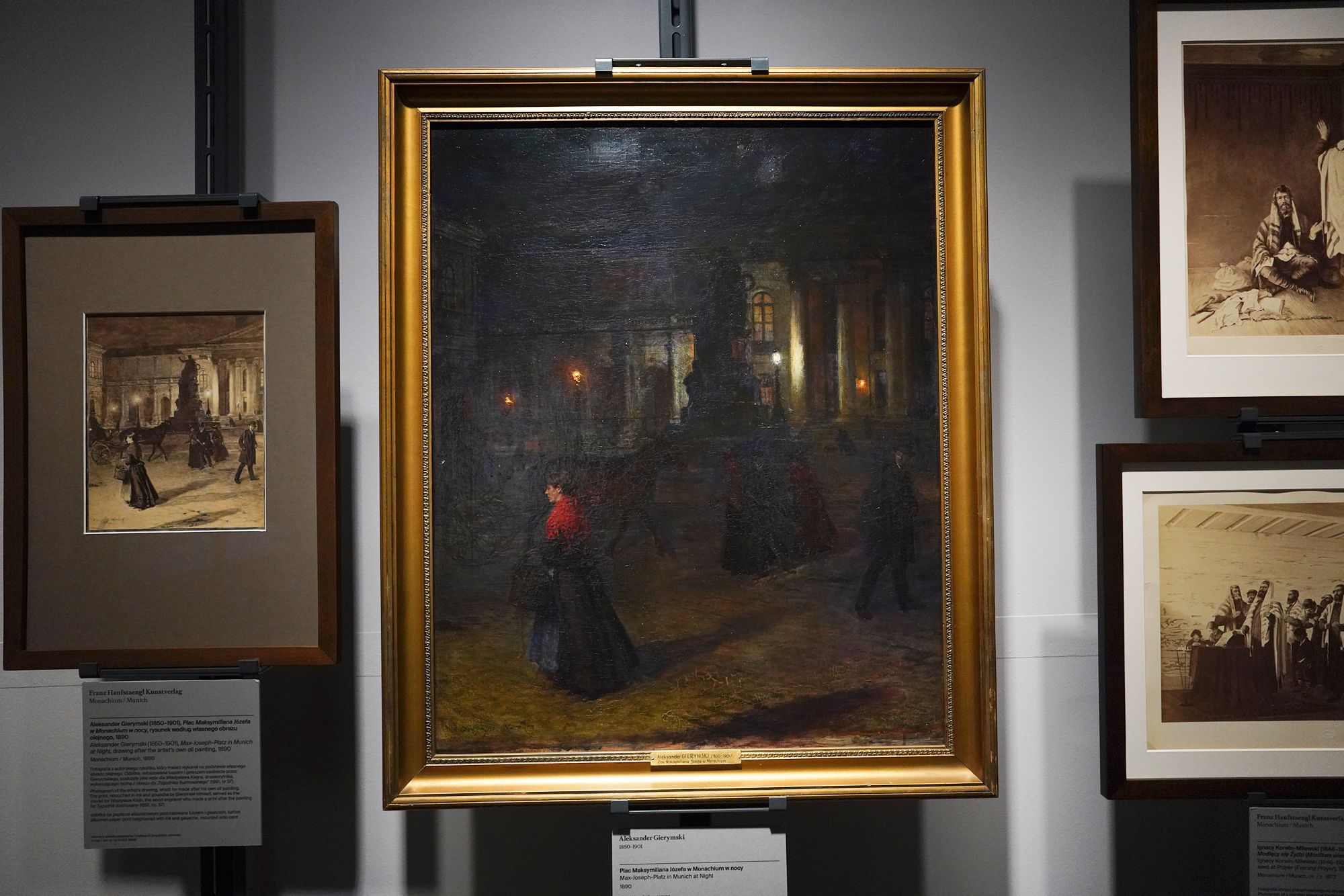
This gallery features Biedermeier, a style associated with middle-class life in Central and Northern Europe between 1815 and 1848. It extended beyond painting to furniture, textiles, and home decoration. In Poland, it also reflected the tastes of landowners and was called the “manor style.” Paintings often featured domestic interiors, familiar countryside, and quiet everyday activities.
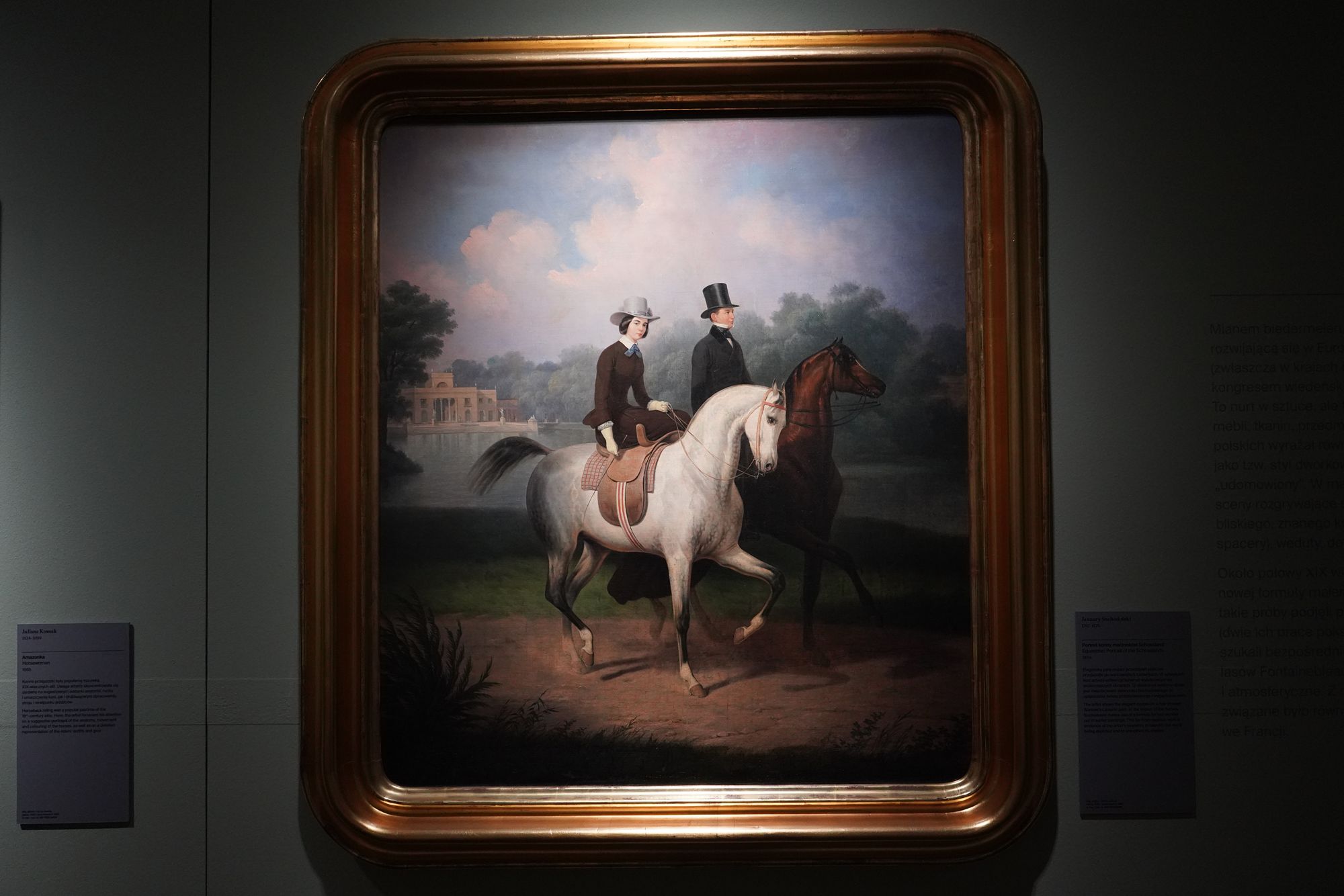
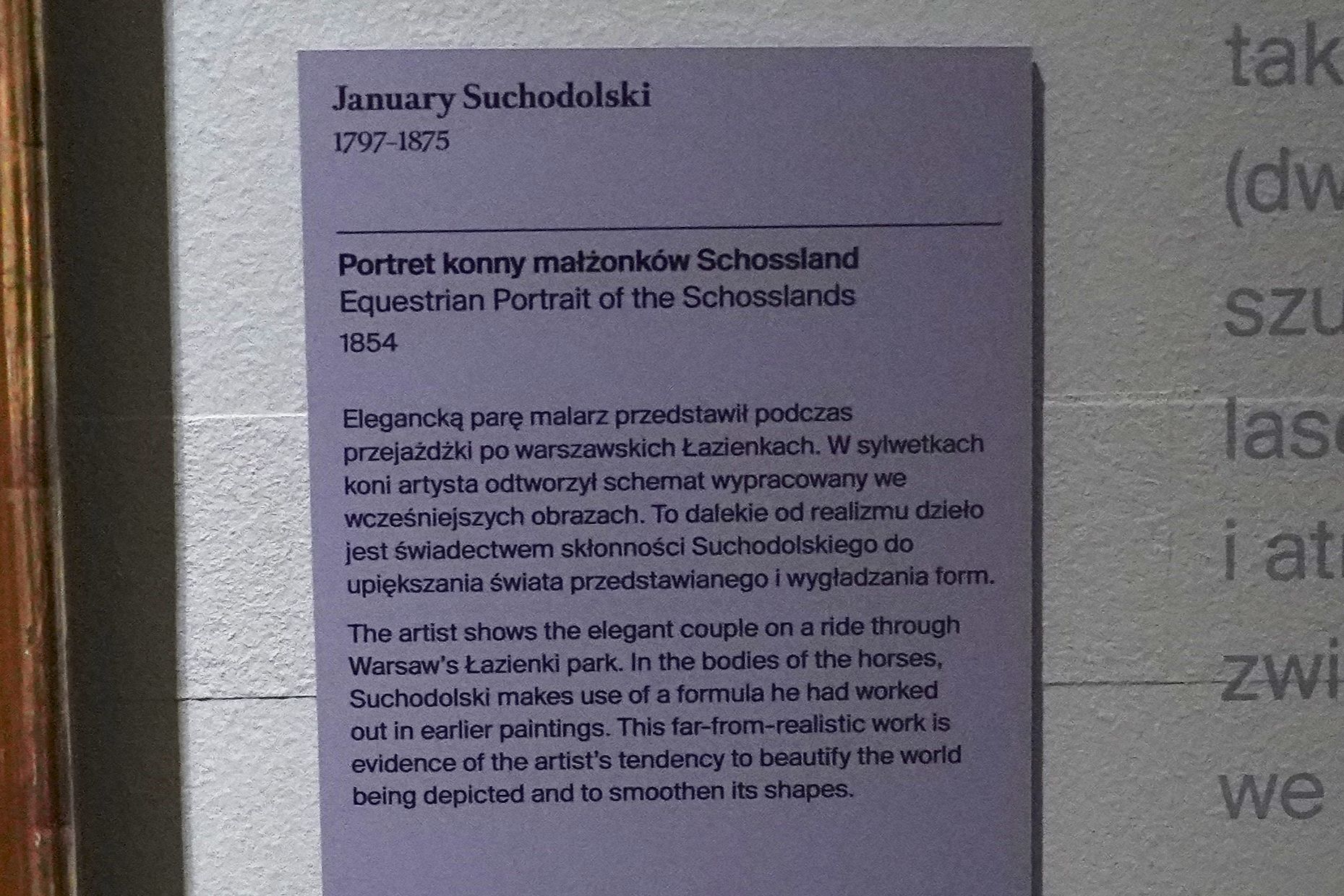
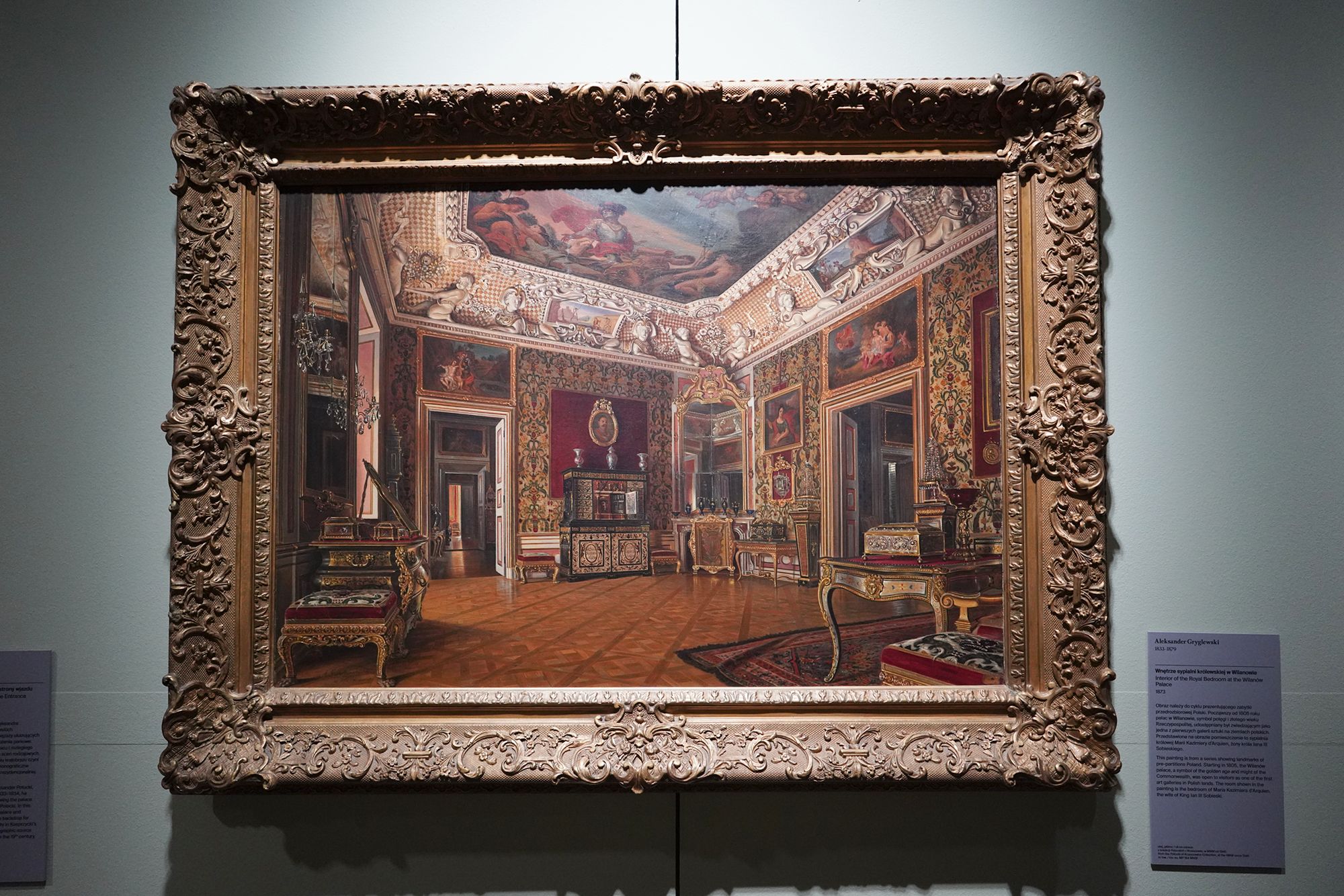
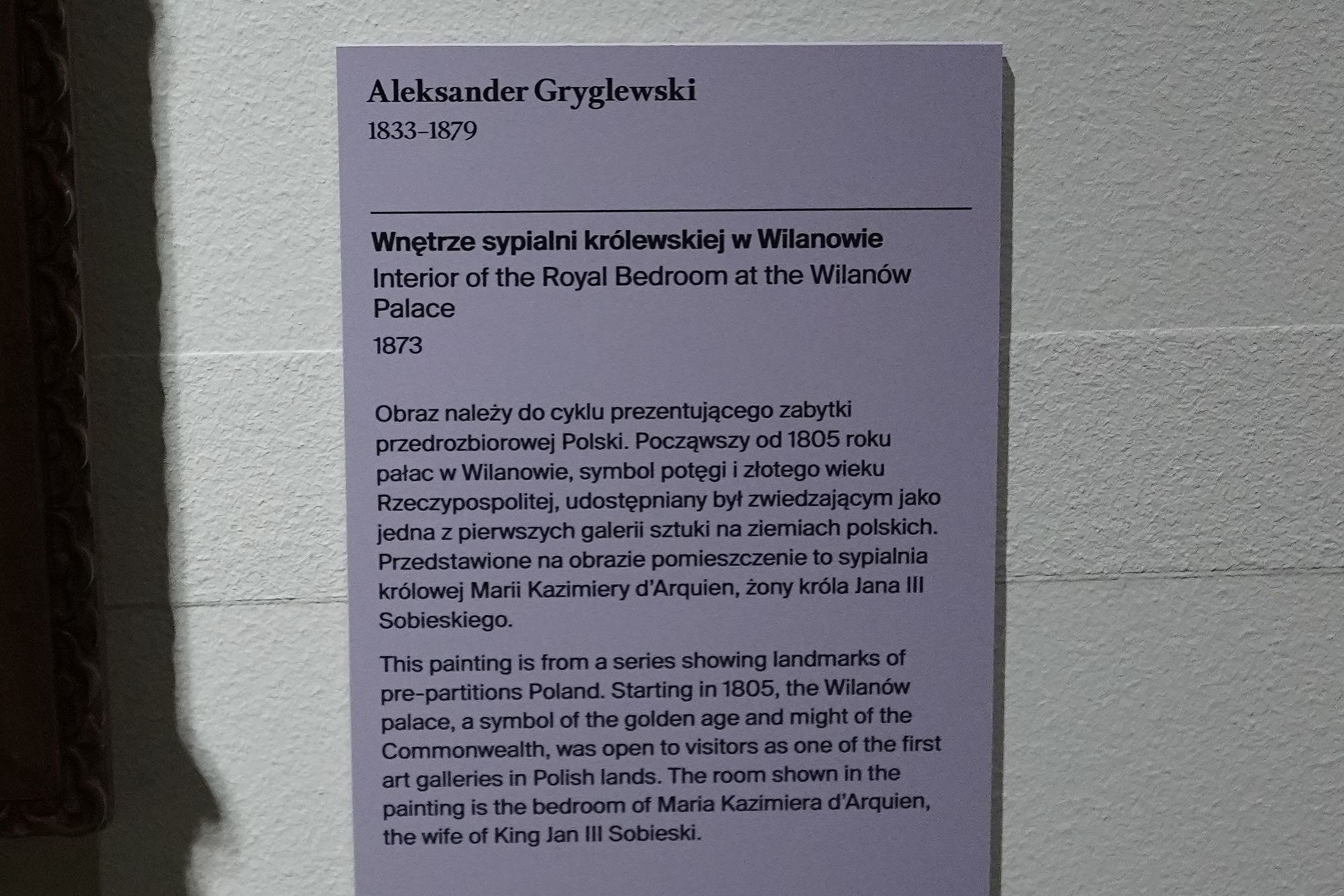
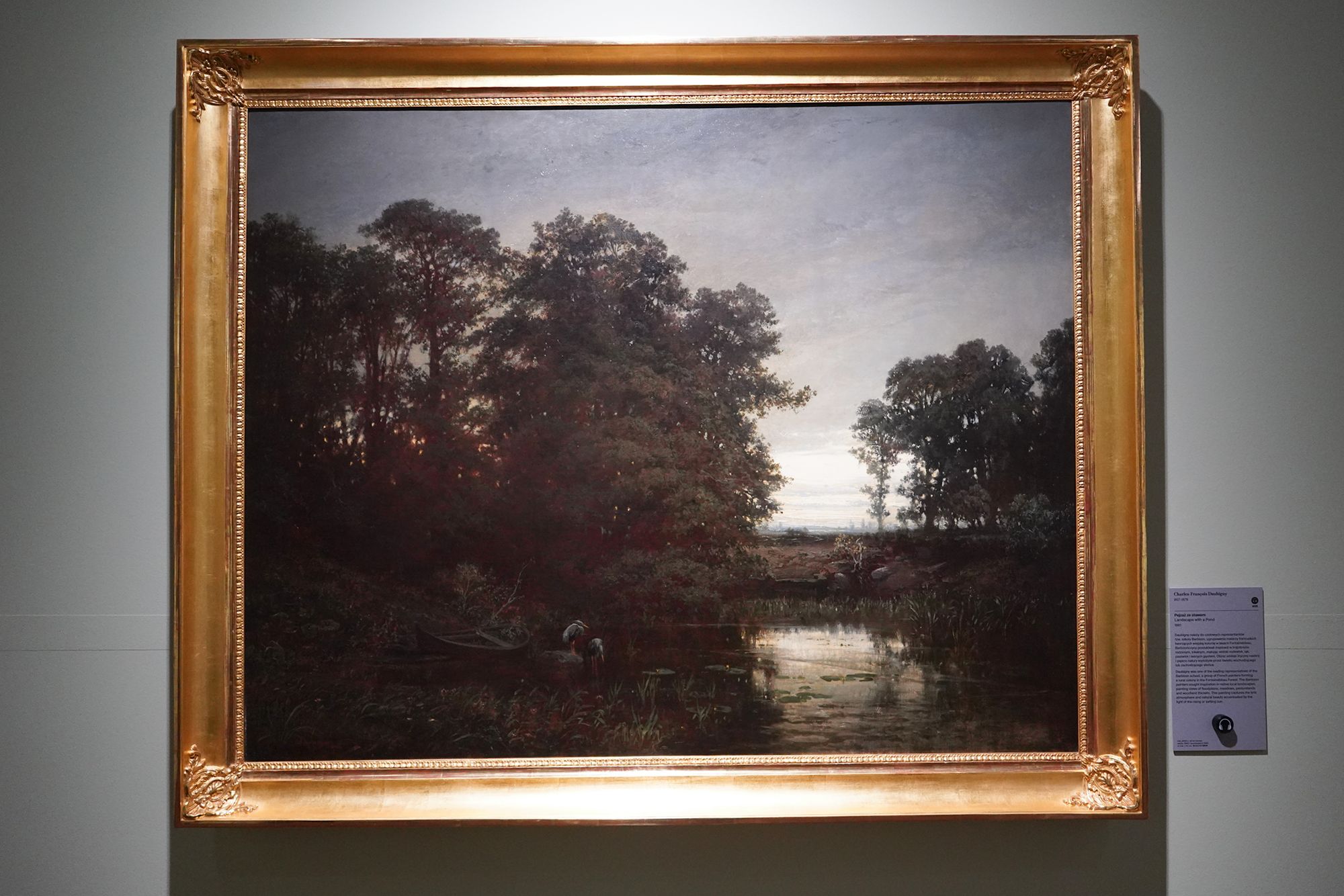
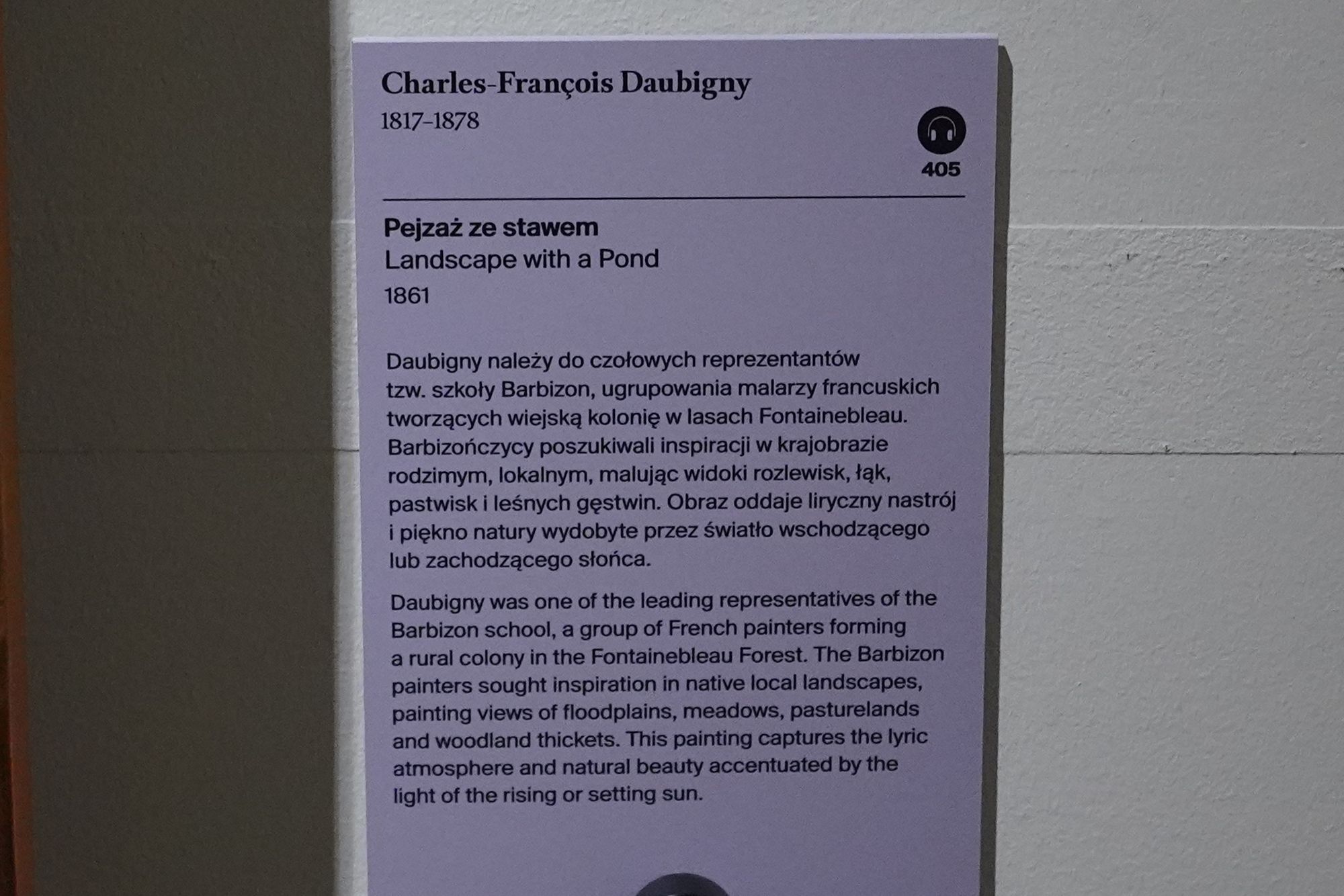
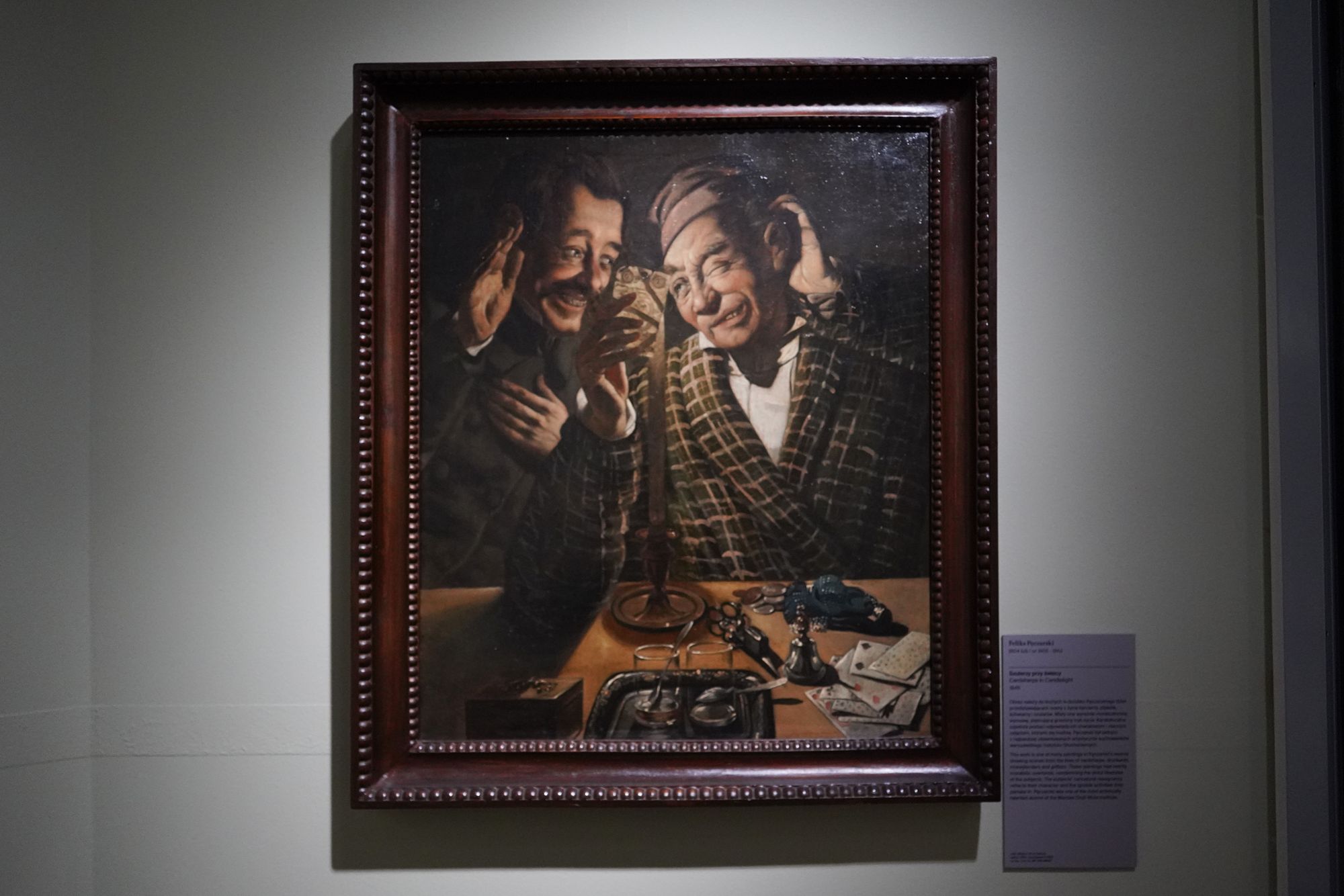
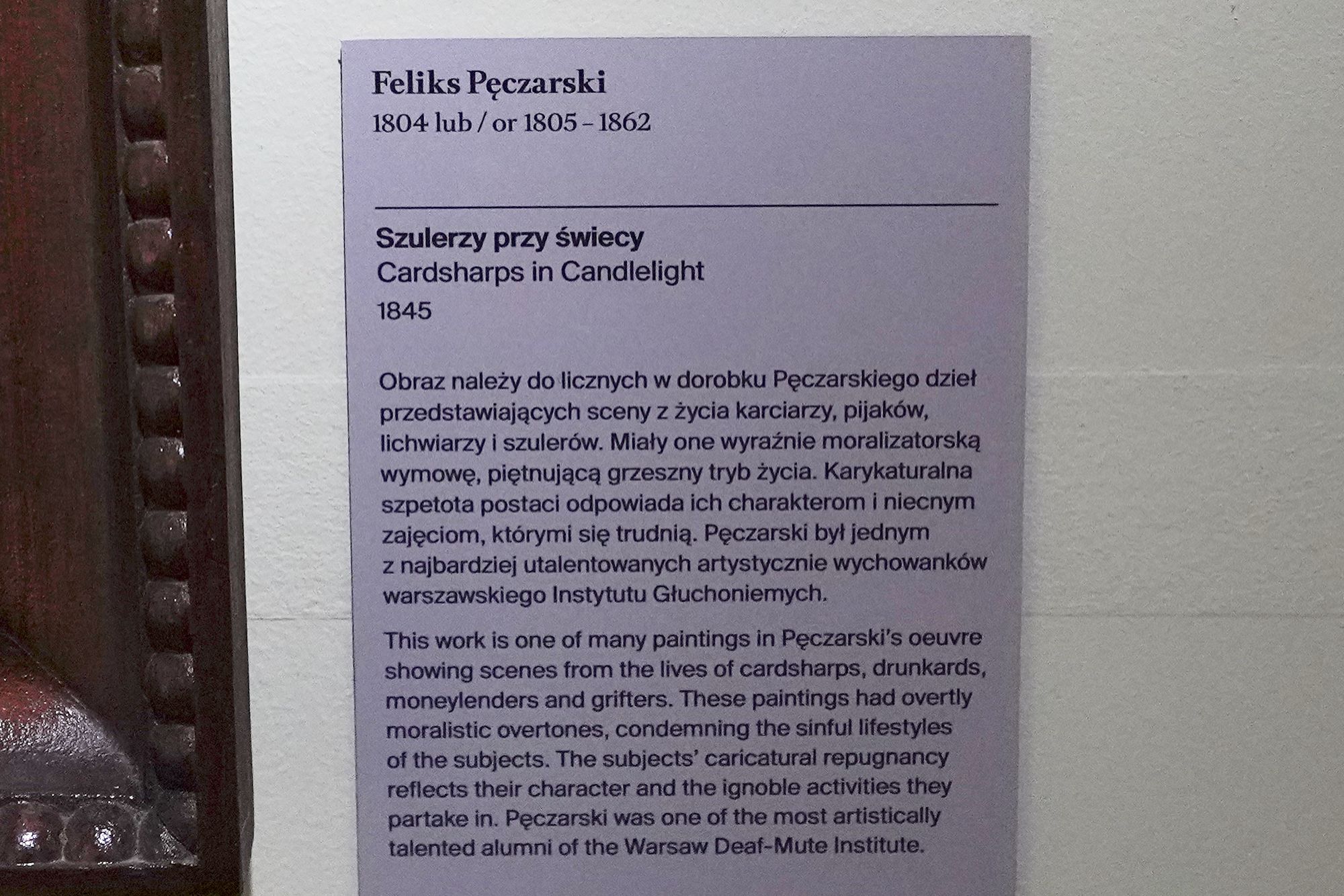
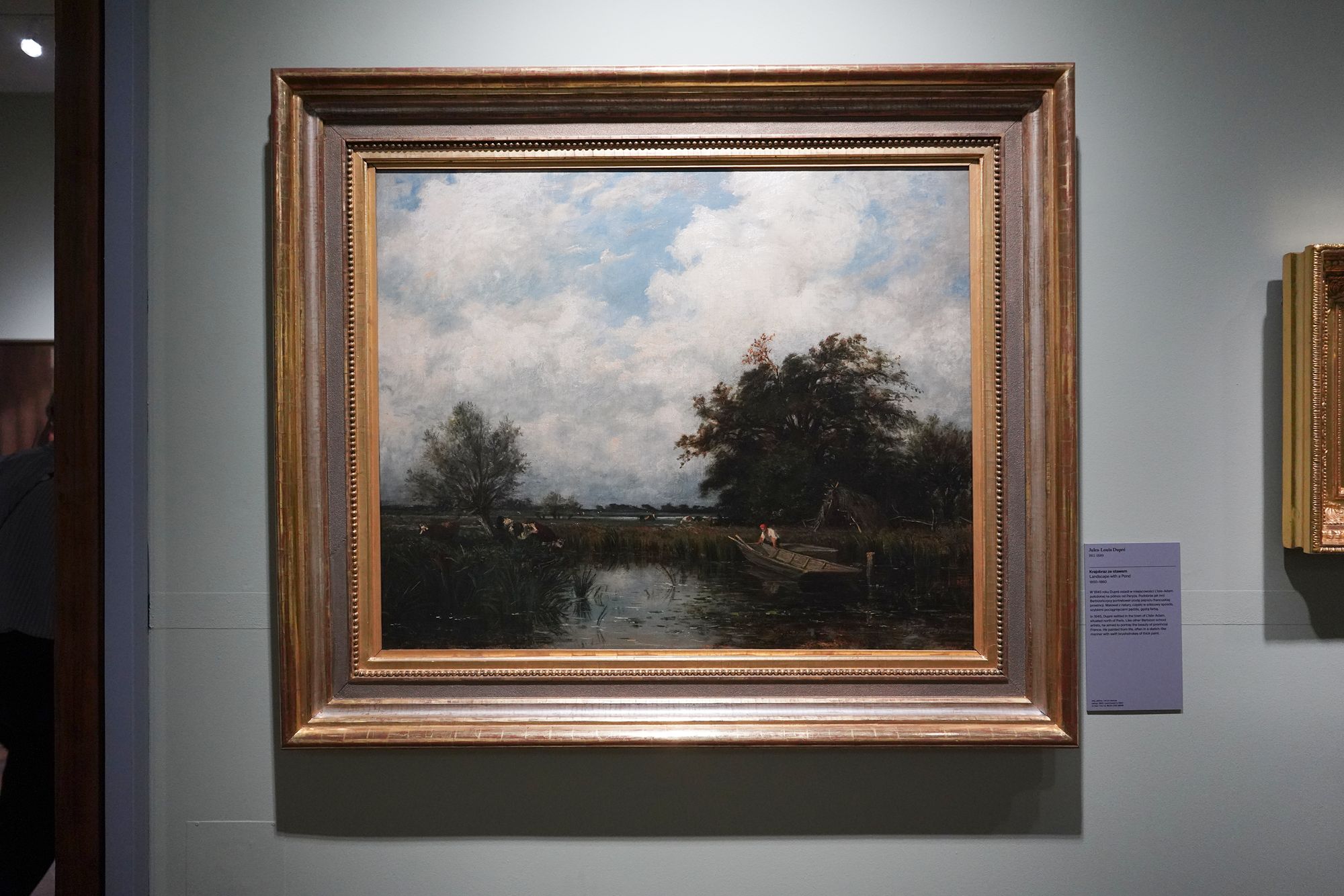
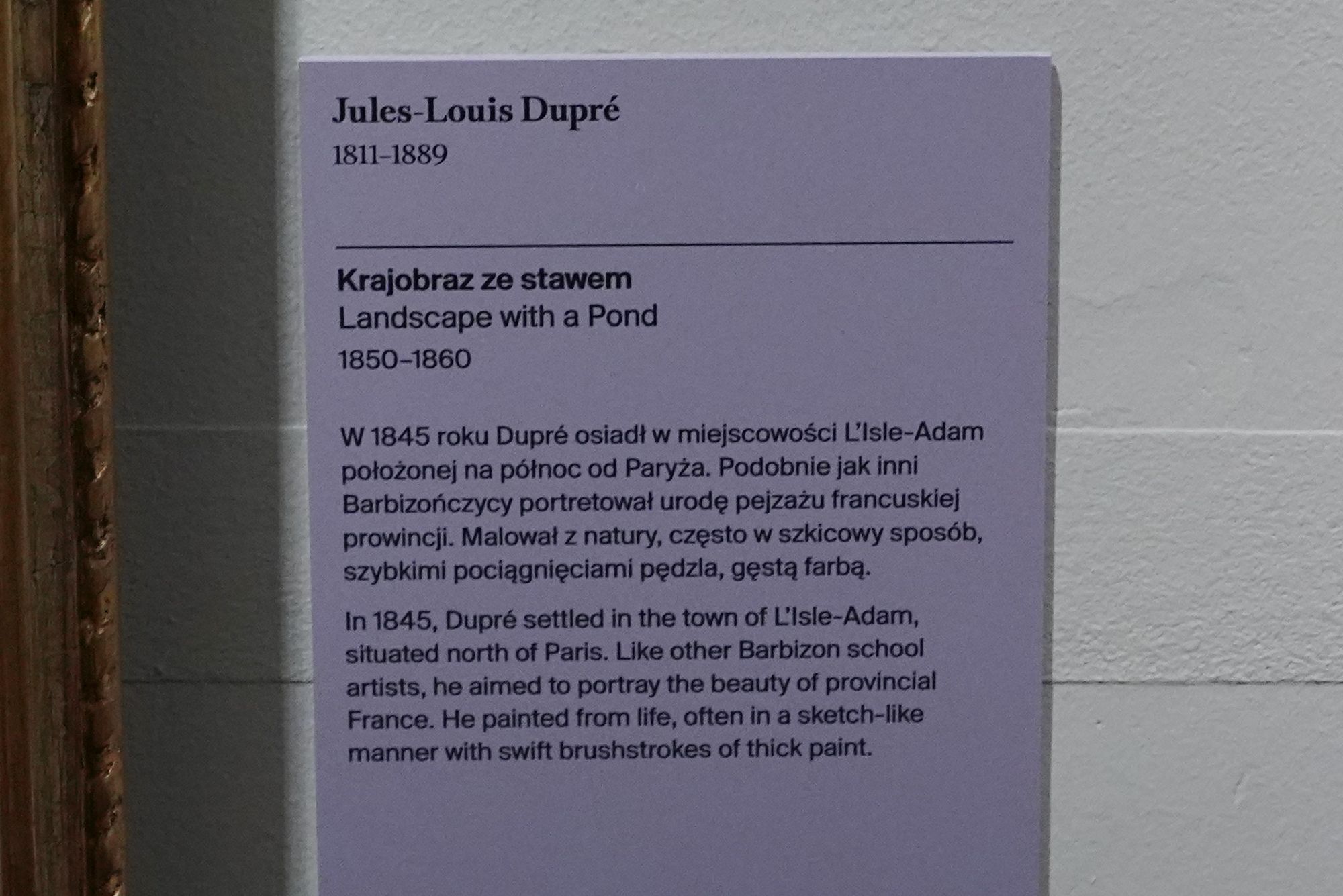
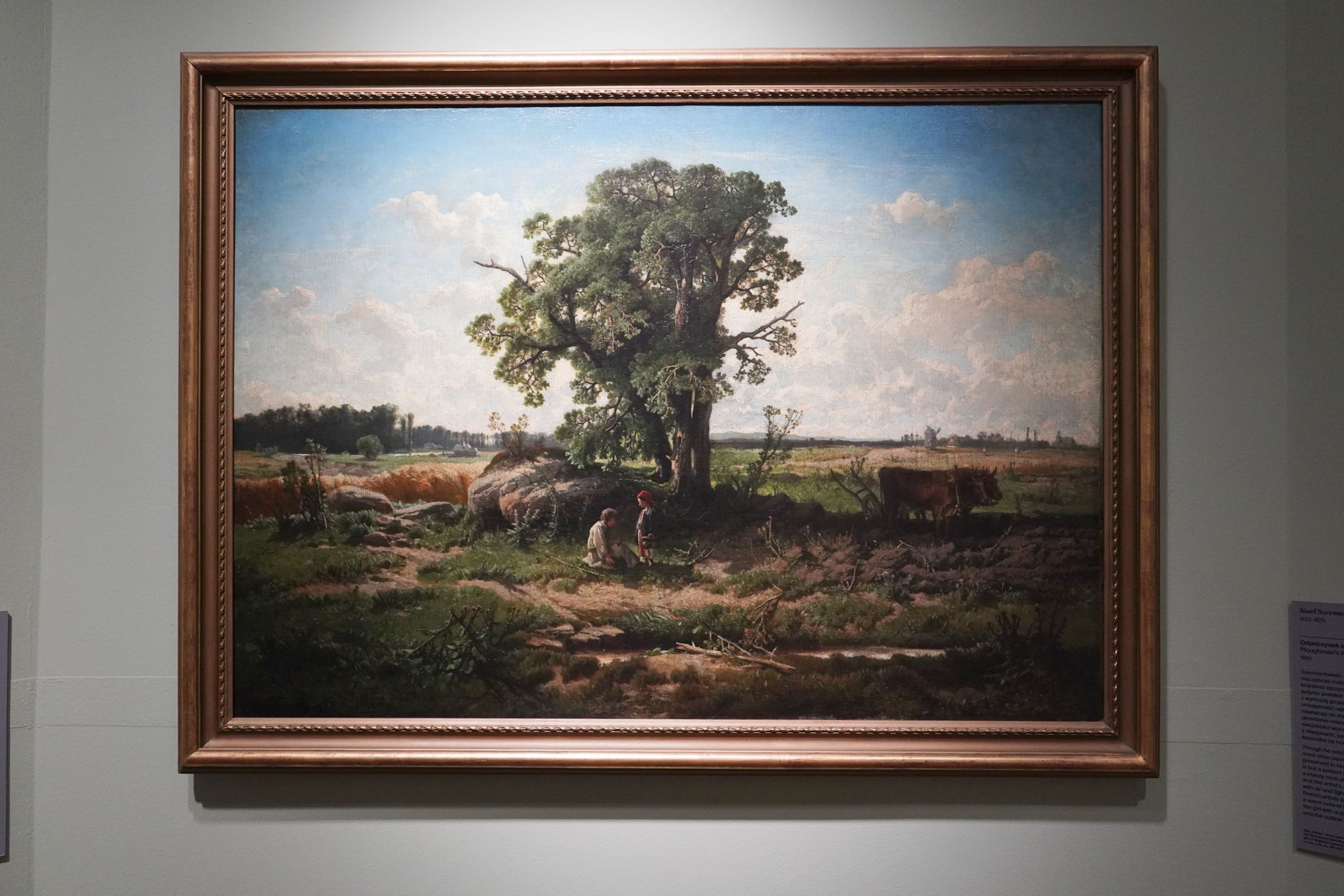
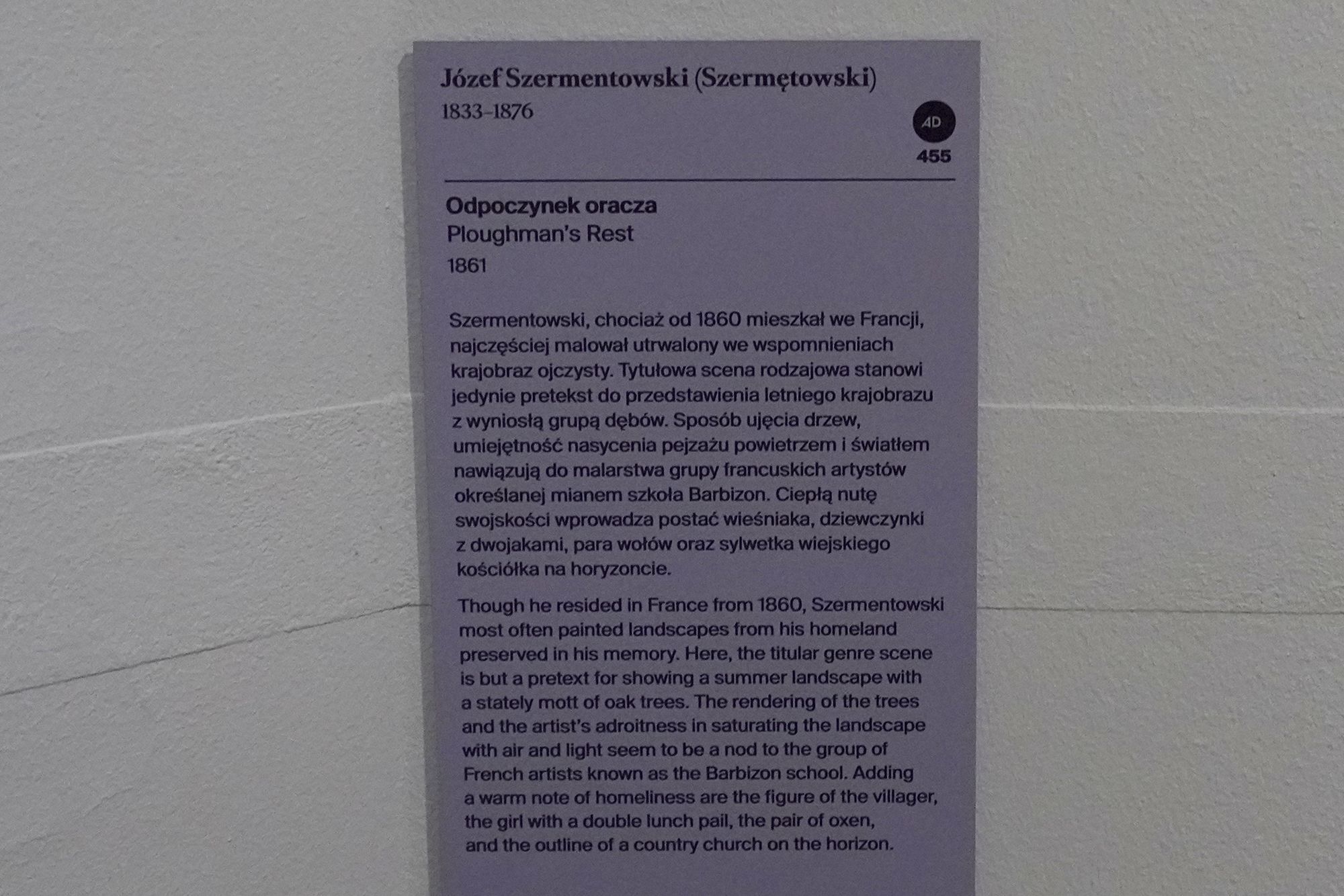
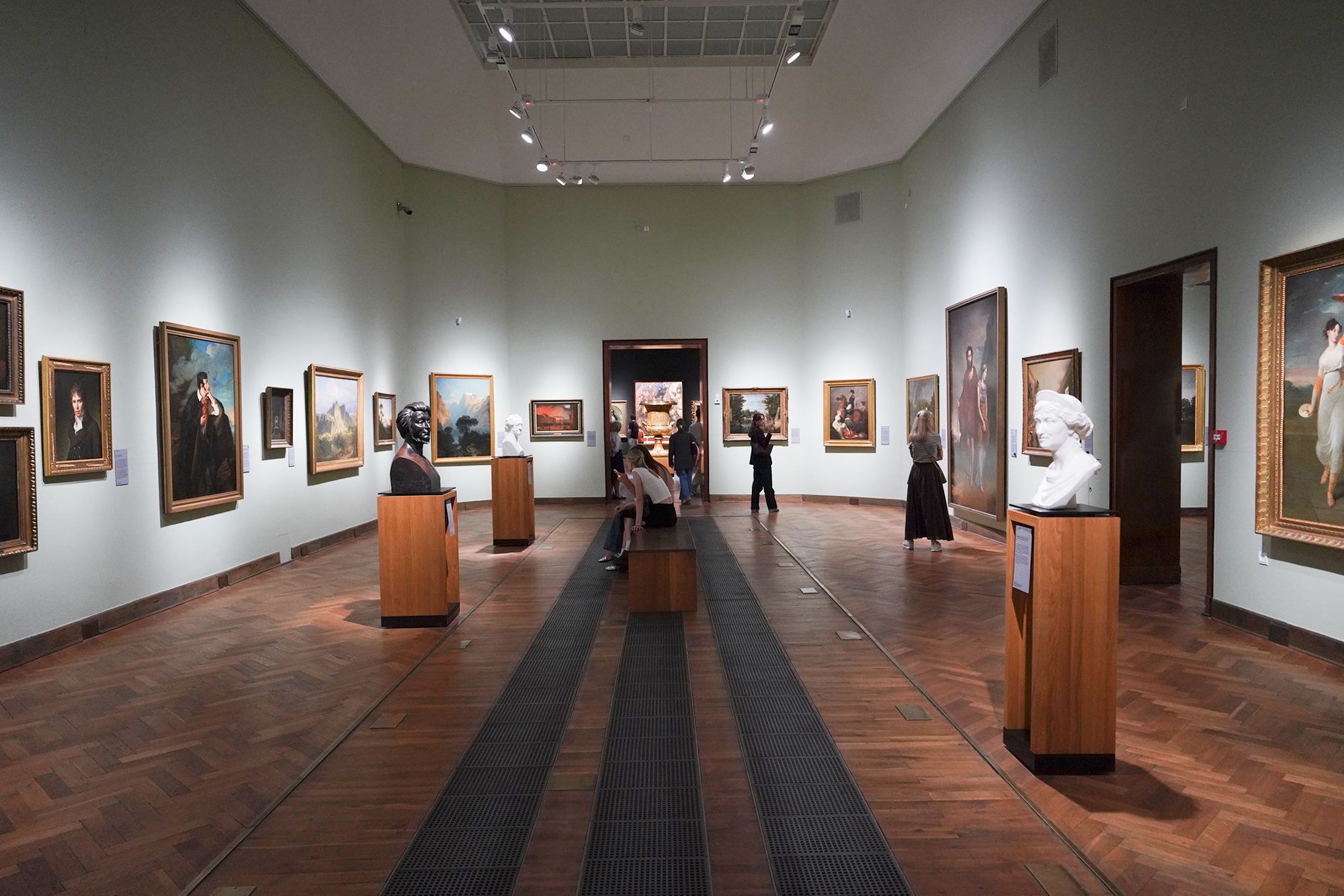
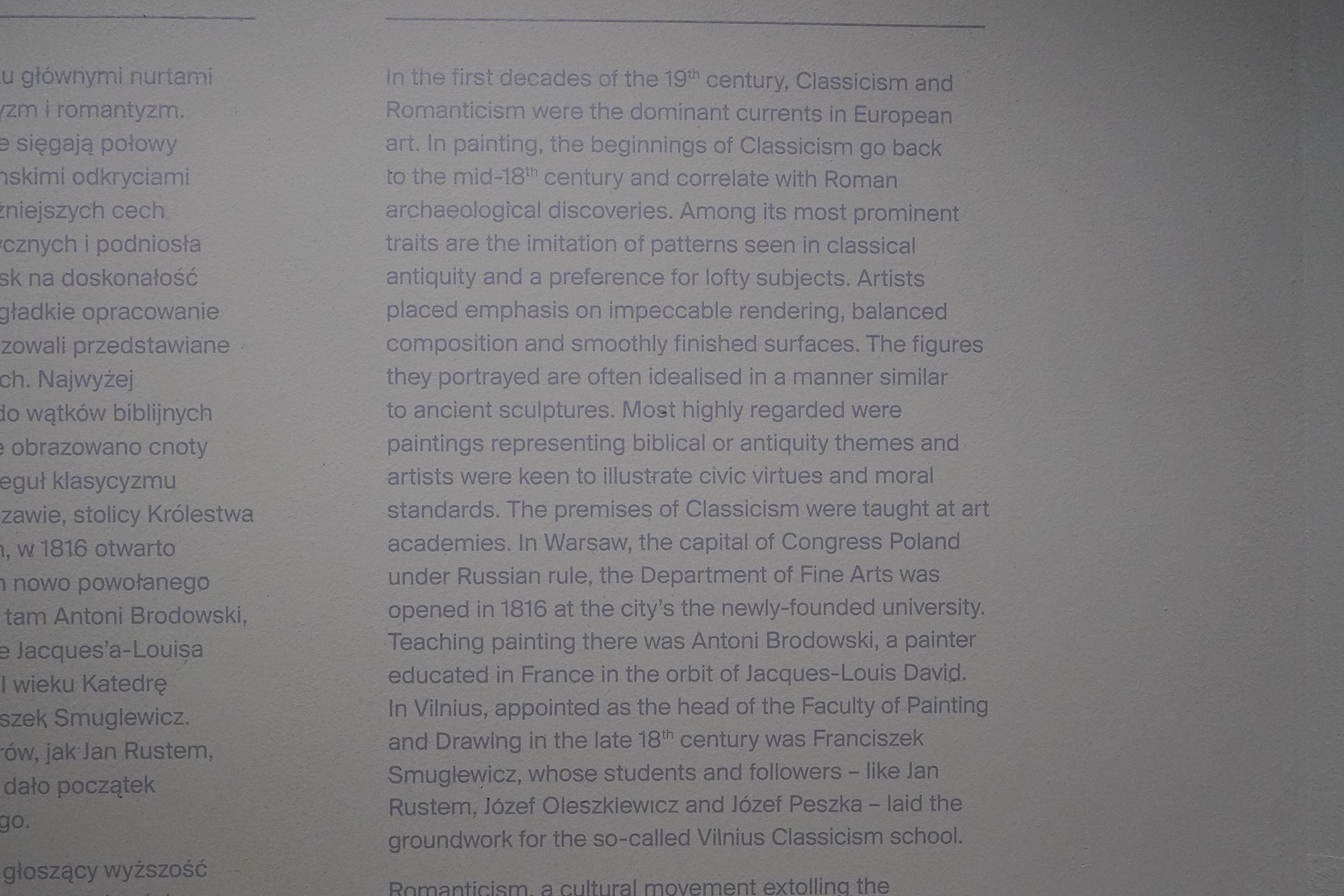
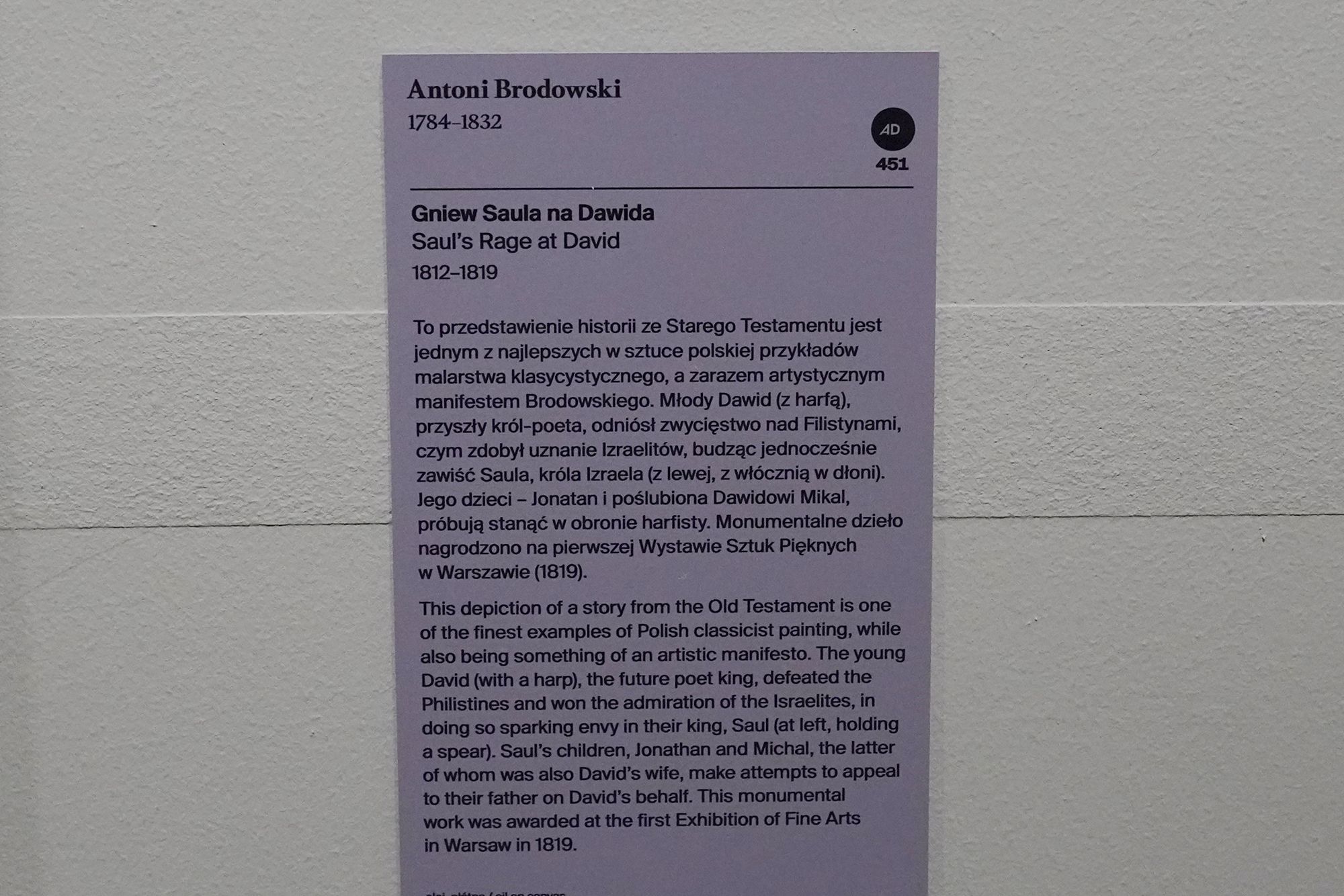
This section focuses on Classicism, a style inspired by ancient Greek and Roman art. Paintings emphasized balanced compositions, carefully drawn figures, and smooth finishes. Biblical stories and scenes from antiquity often carried moral lessons, while art schools in Warsaw and Vilnius helped establish the style in Polish painting.
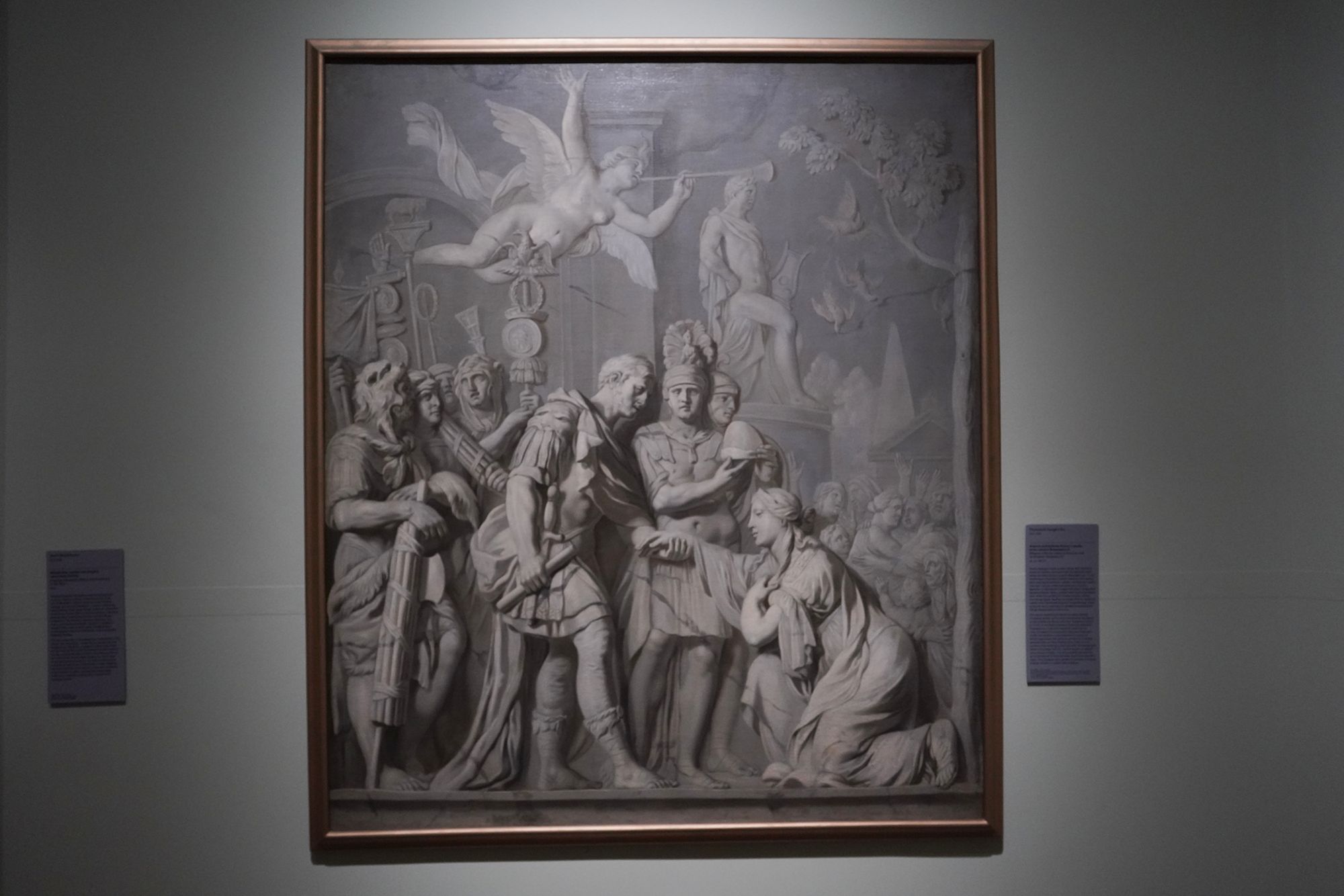
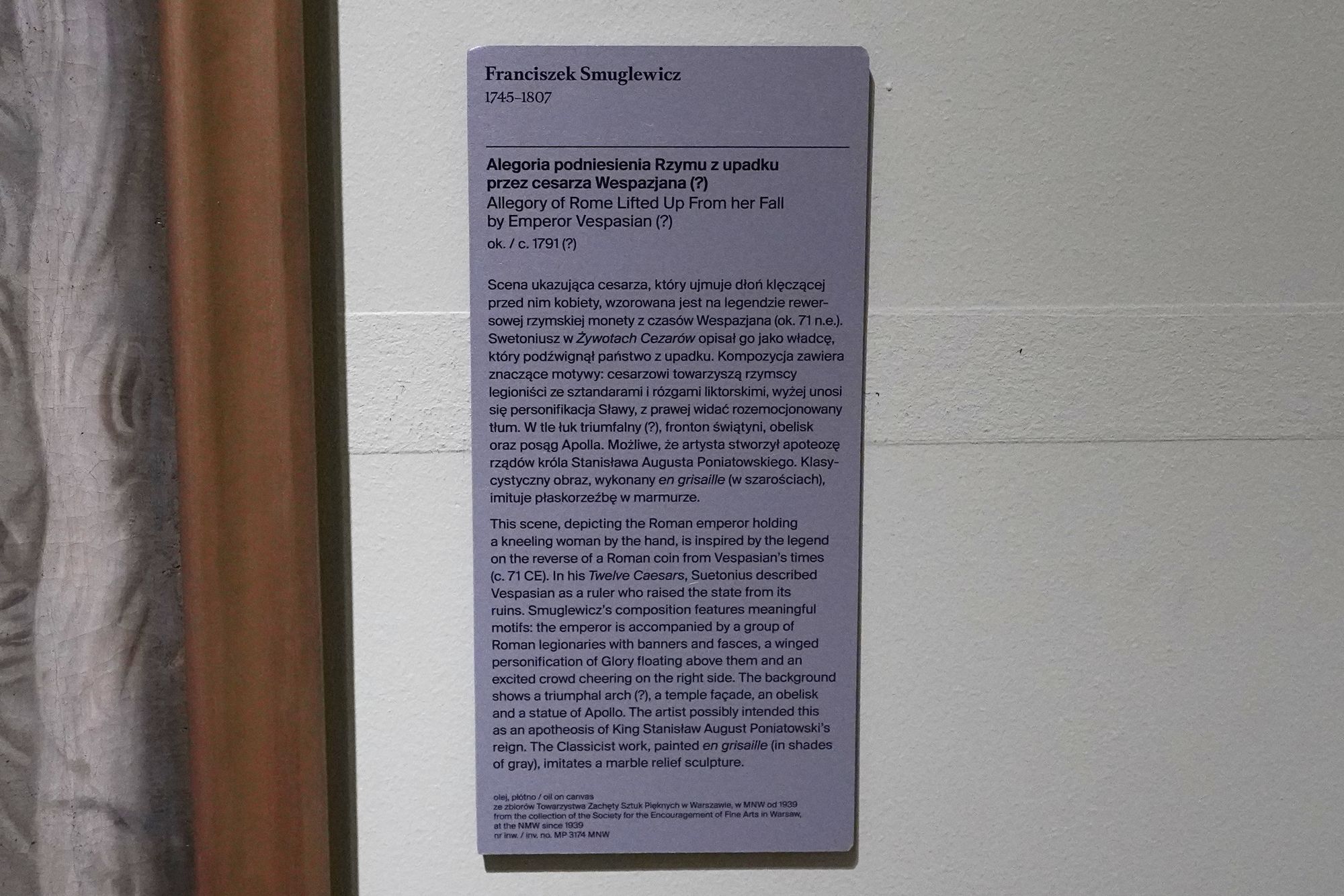
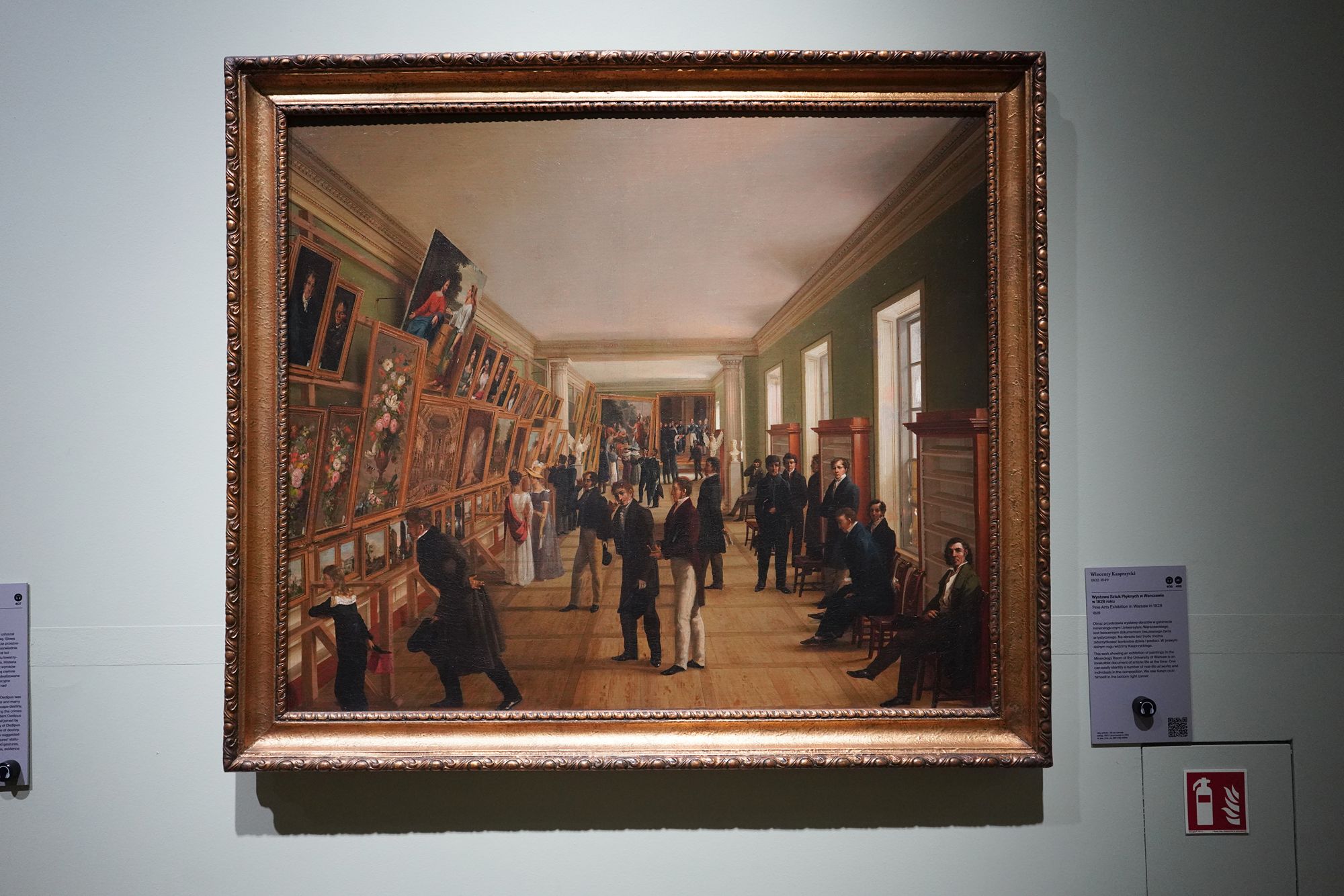
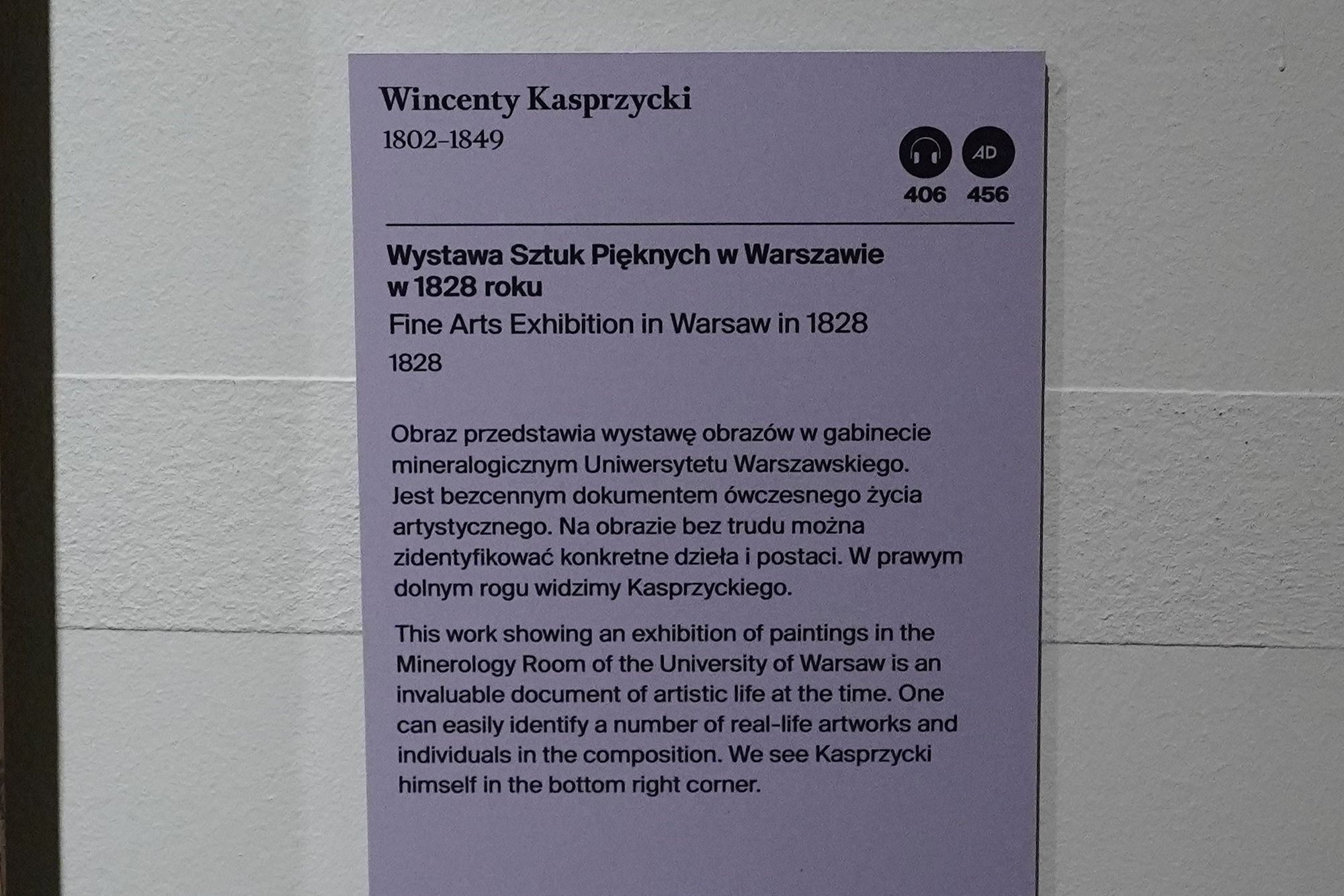
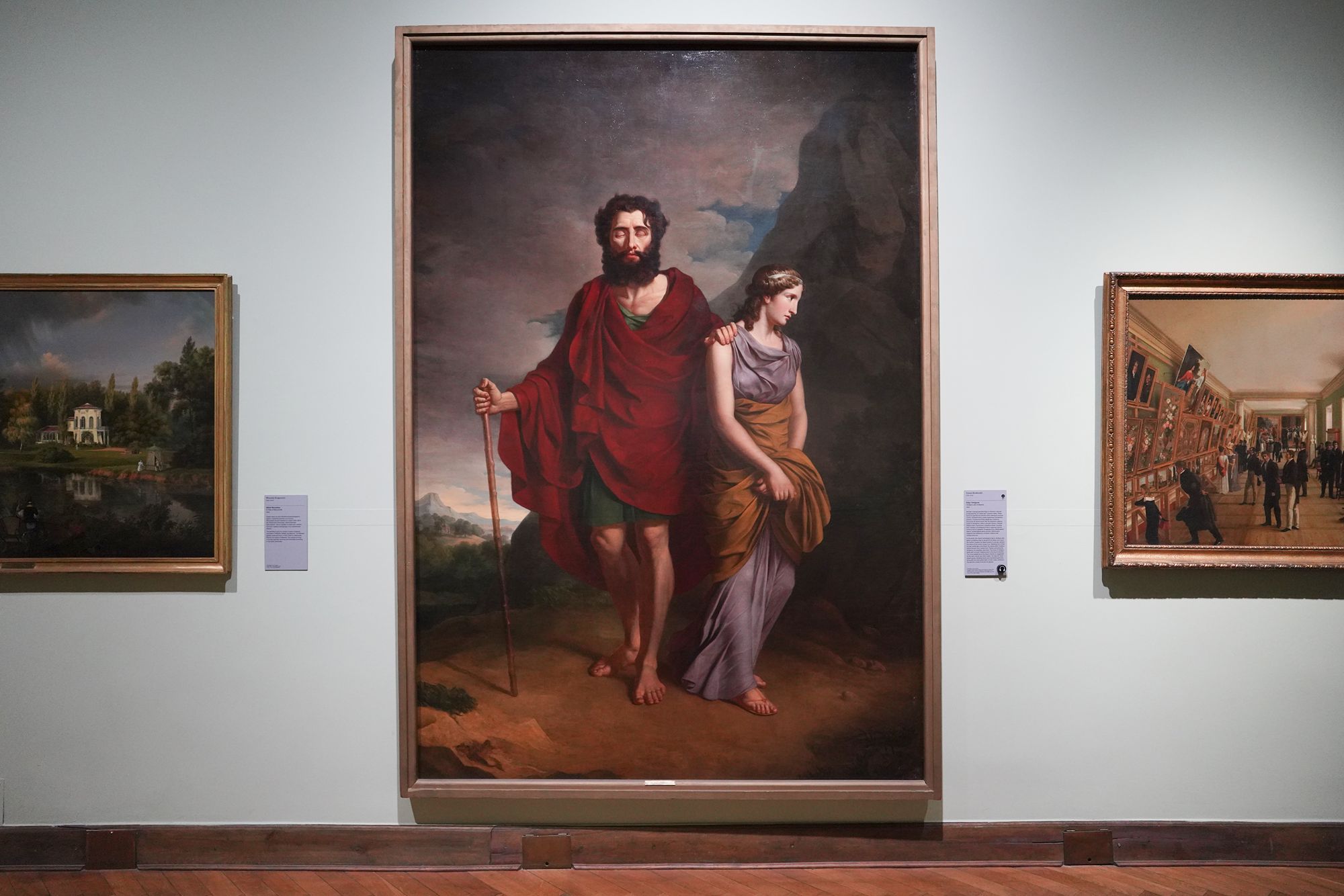
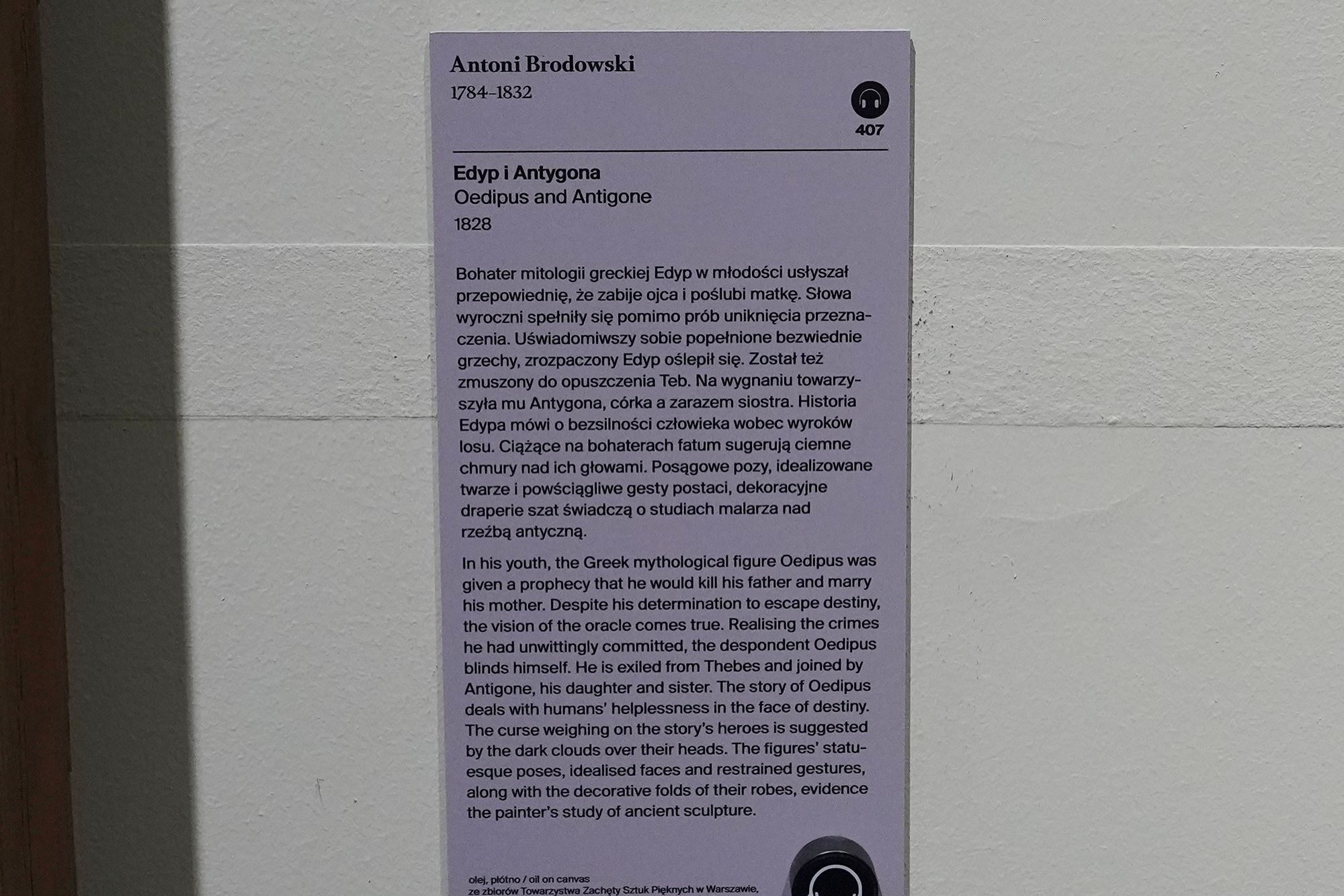
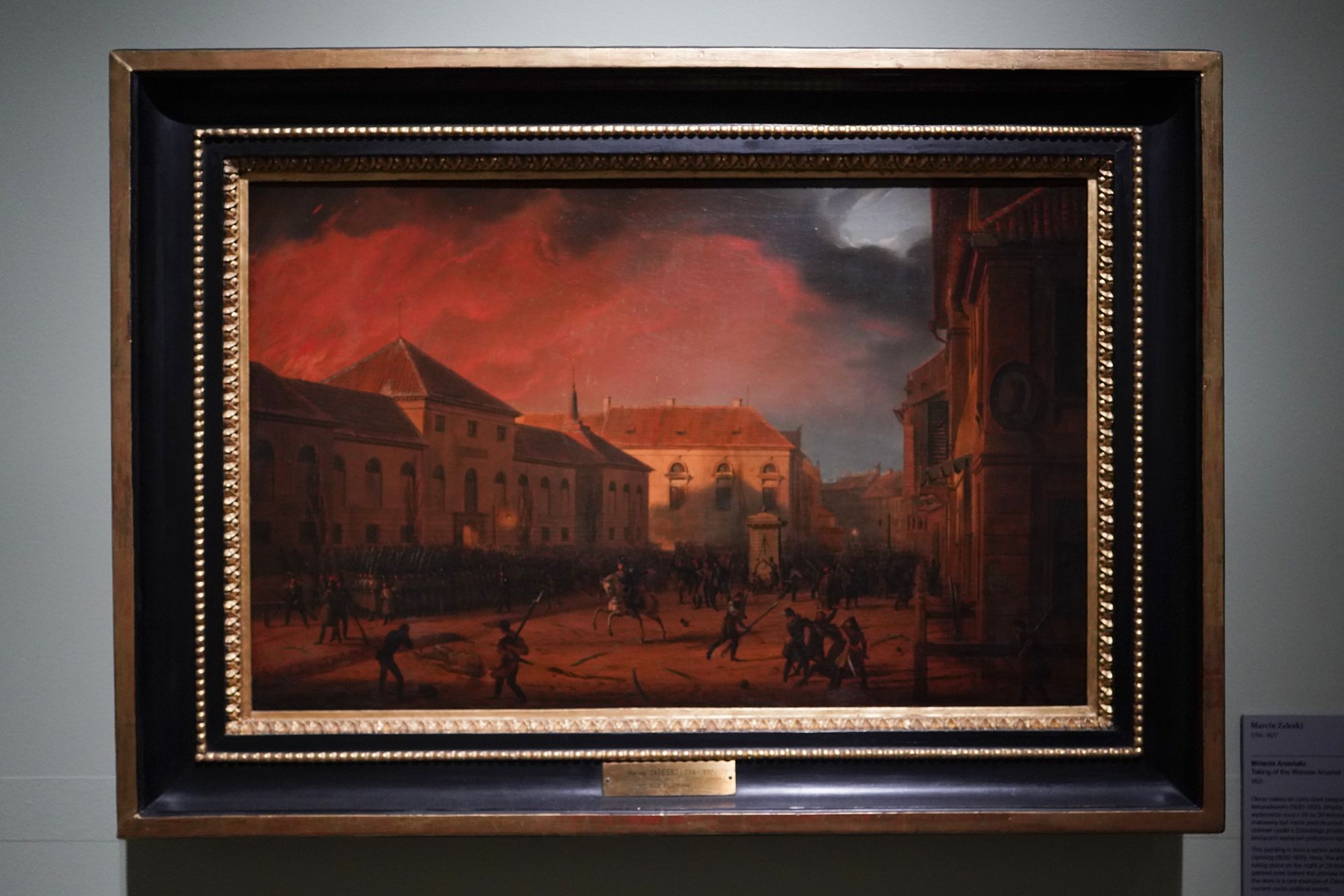
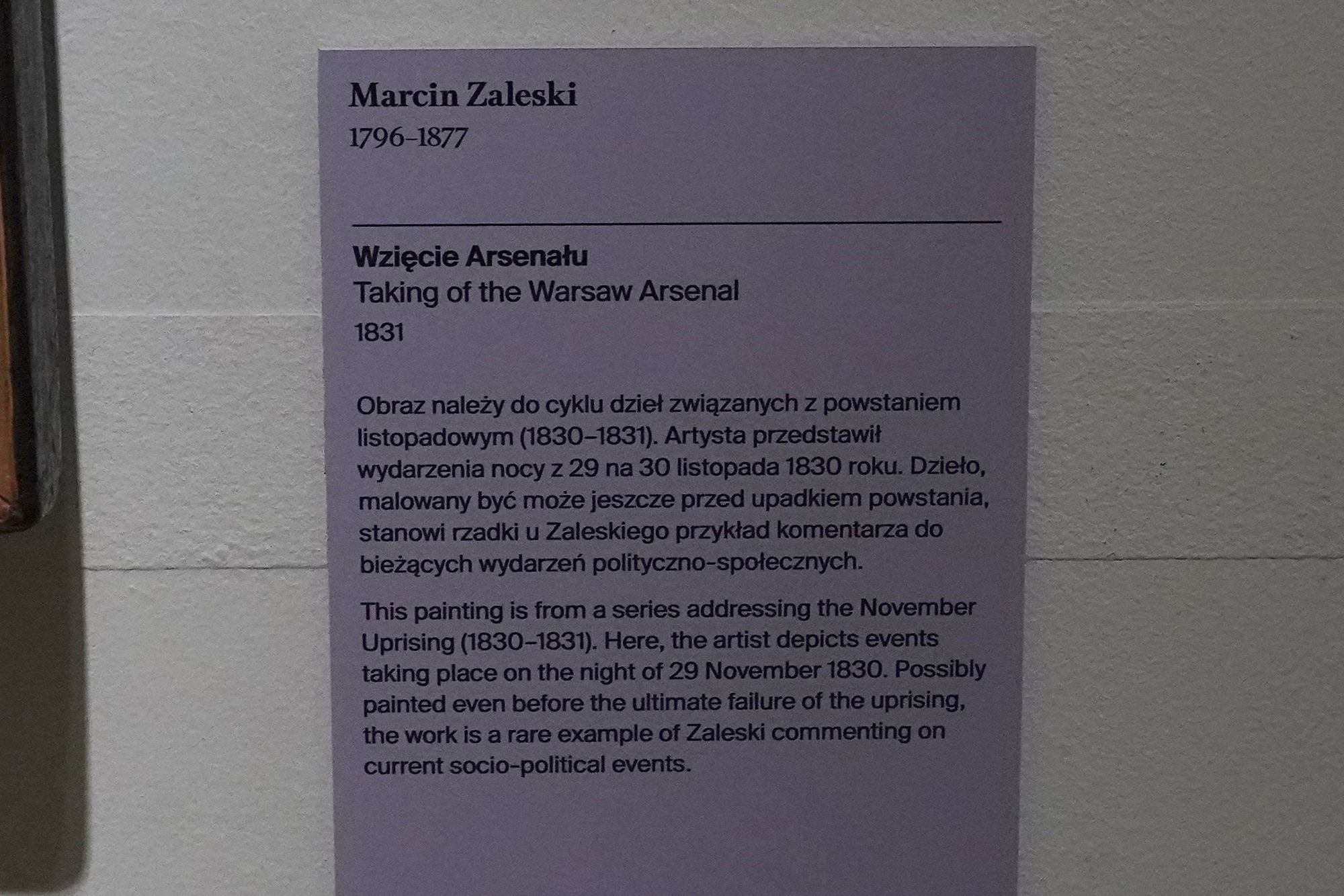
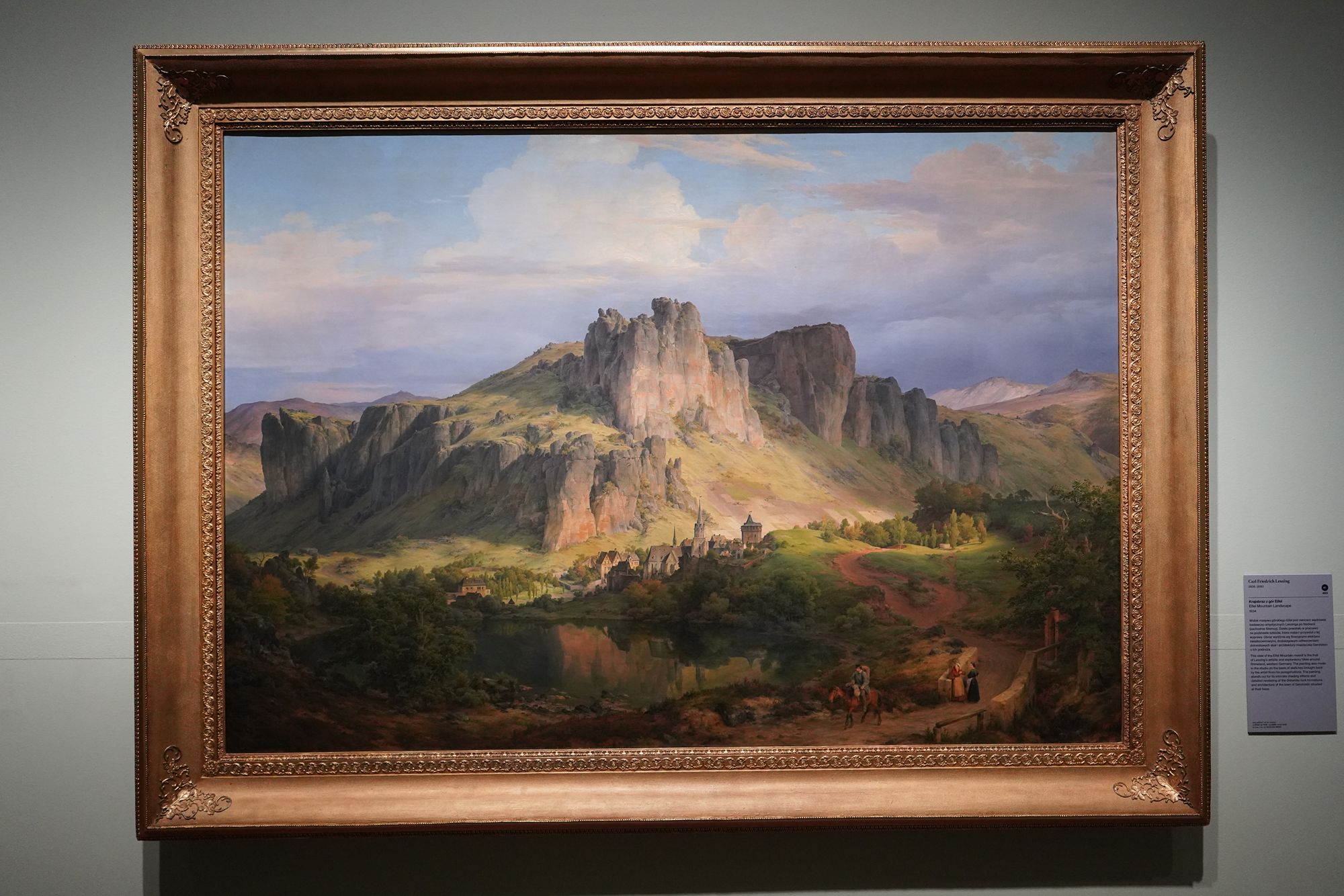
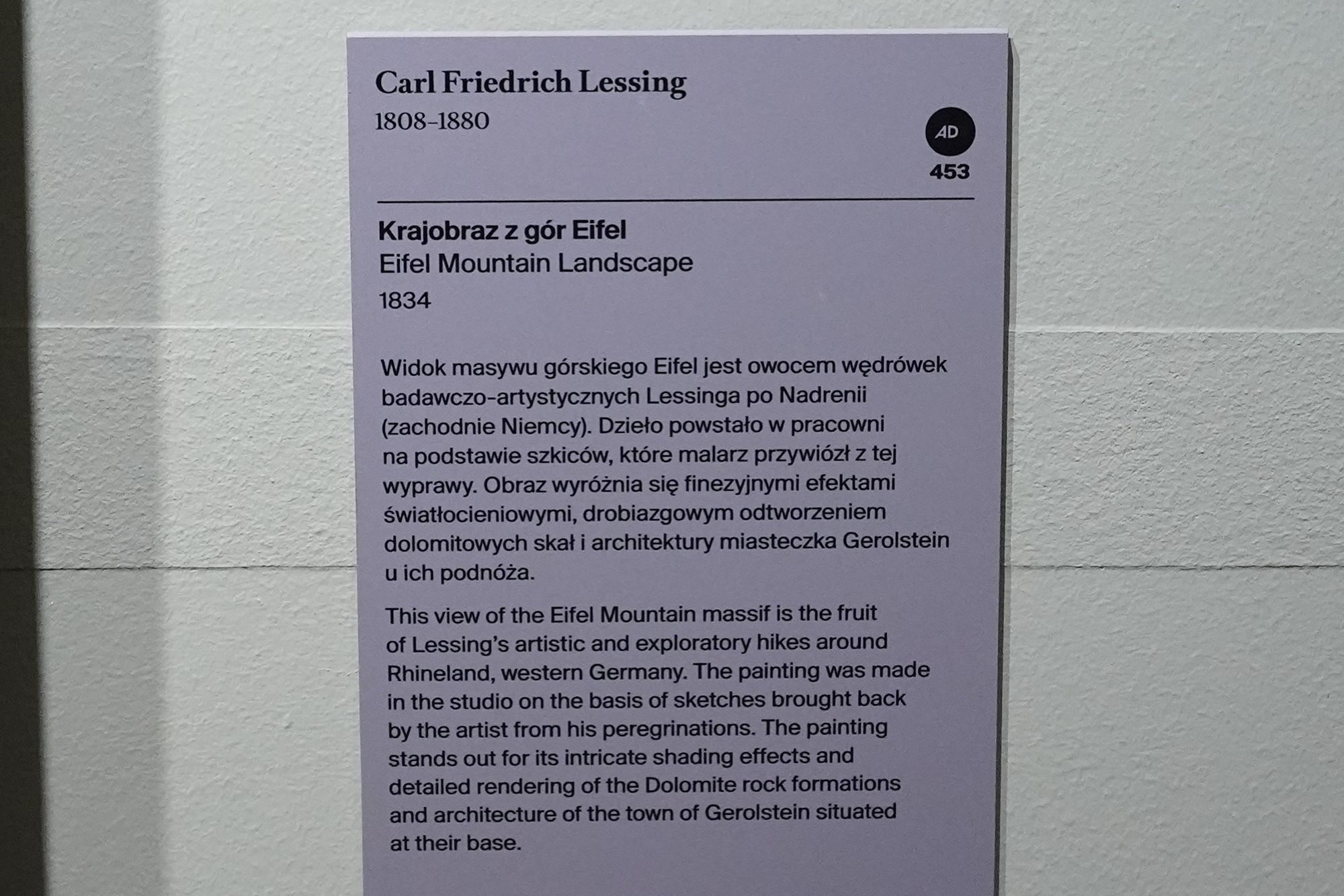
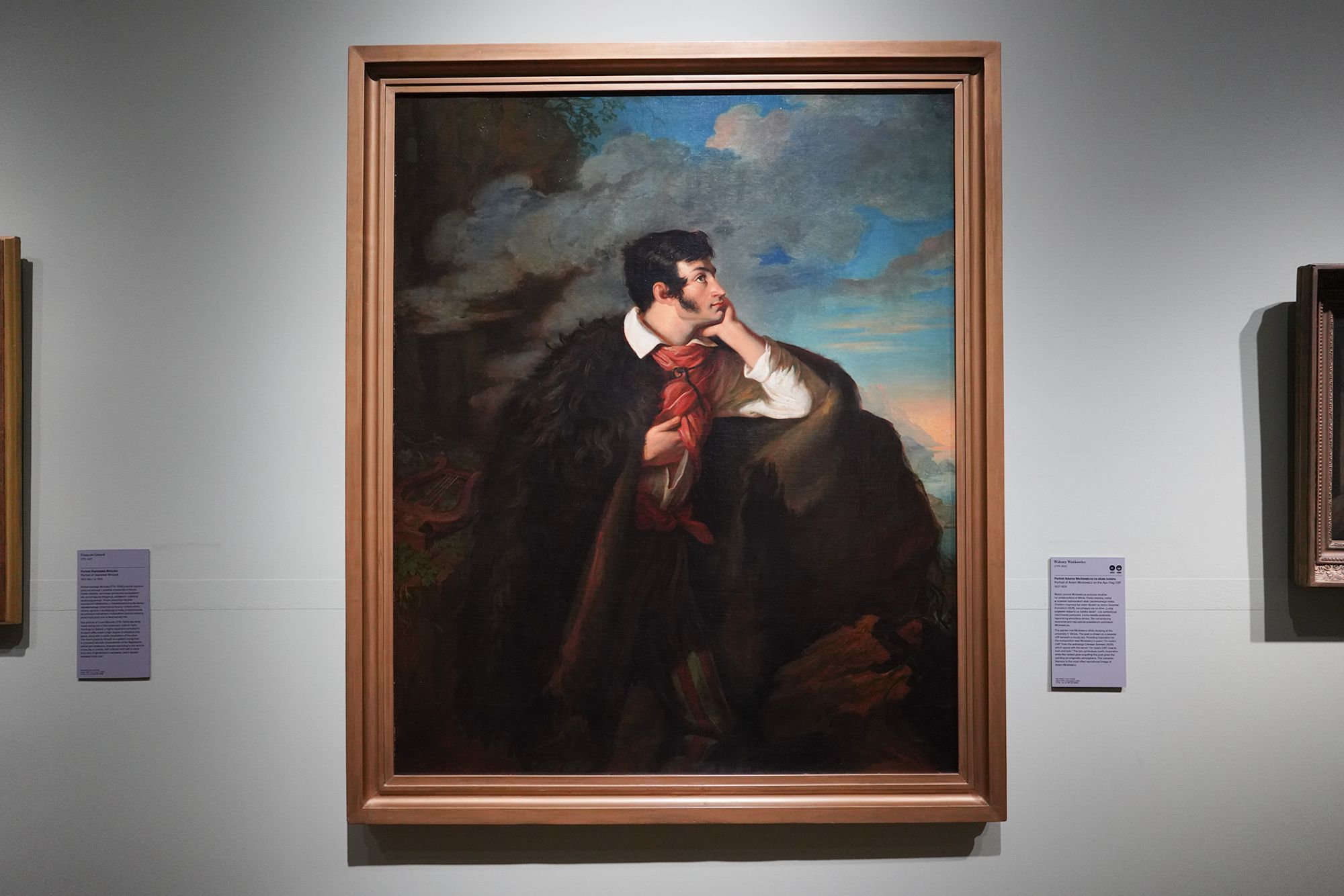
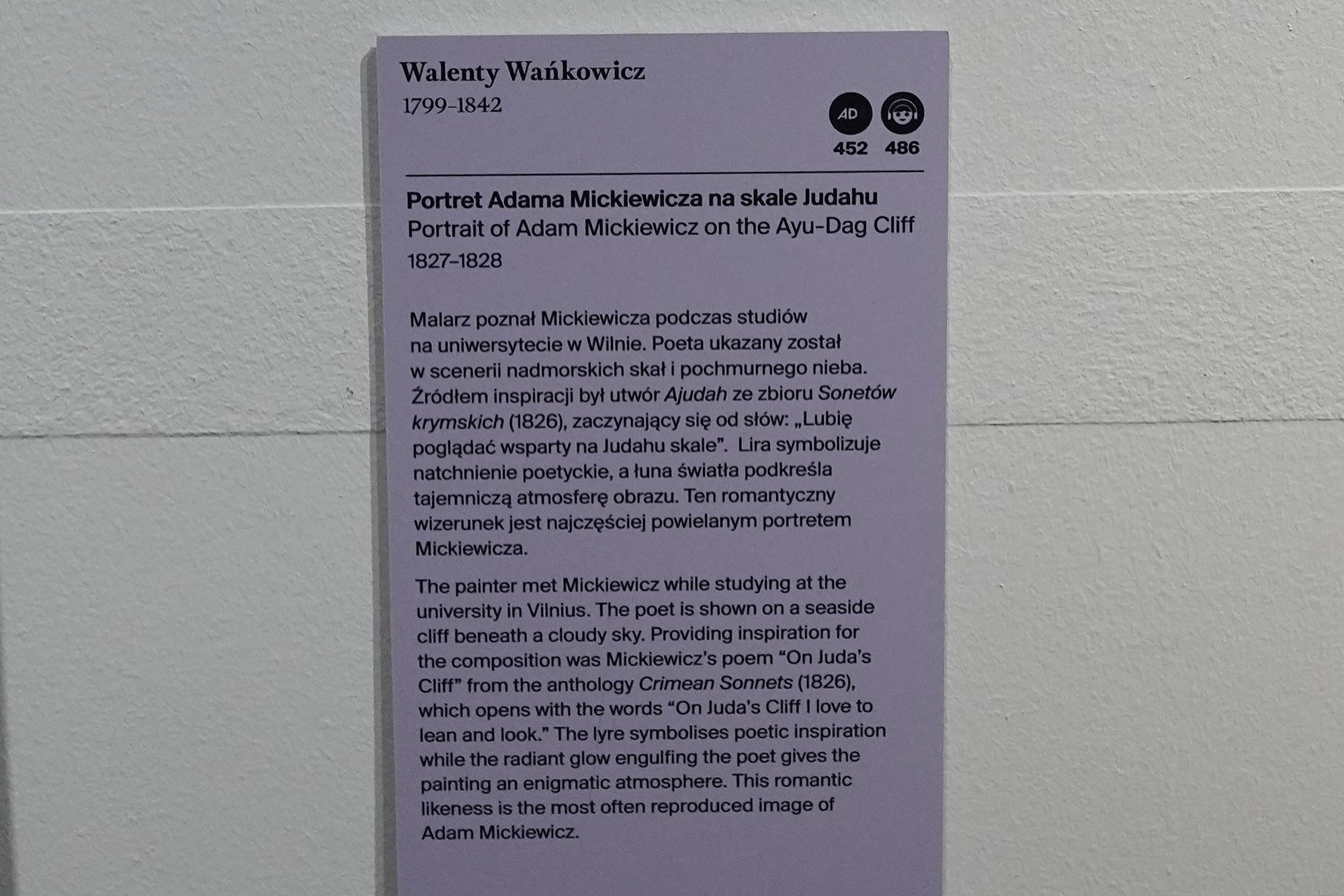
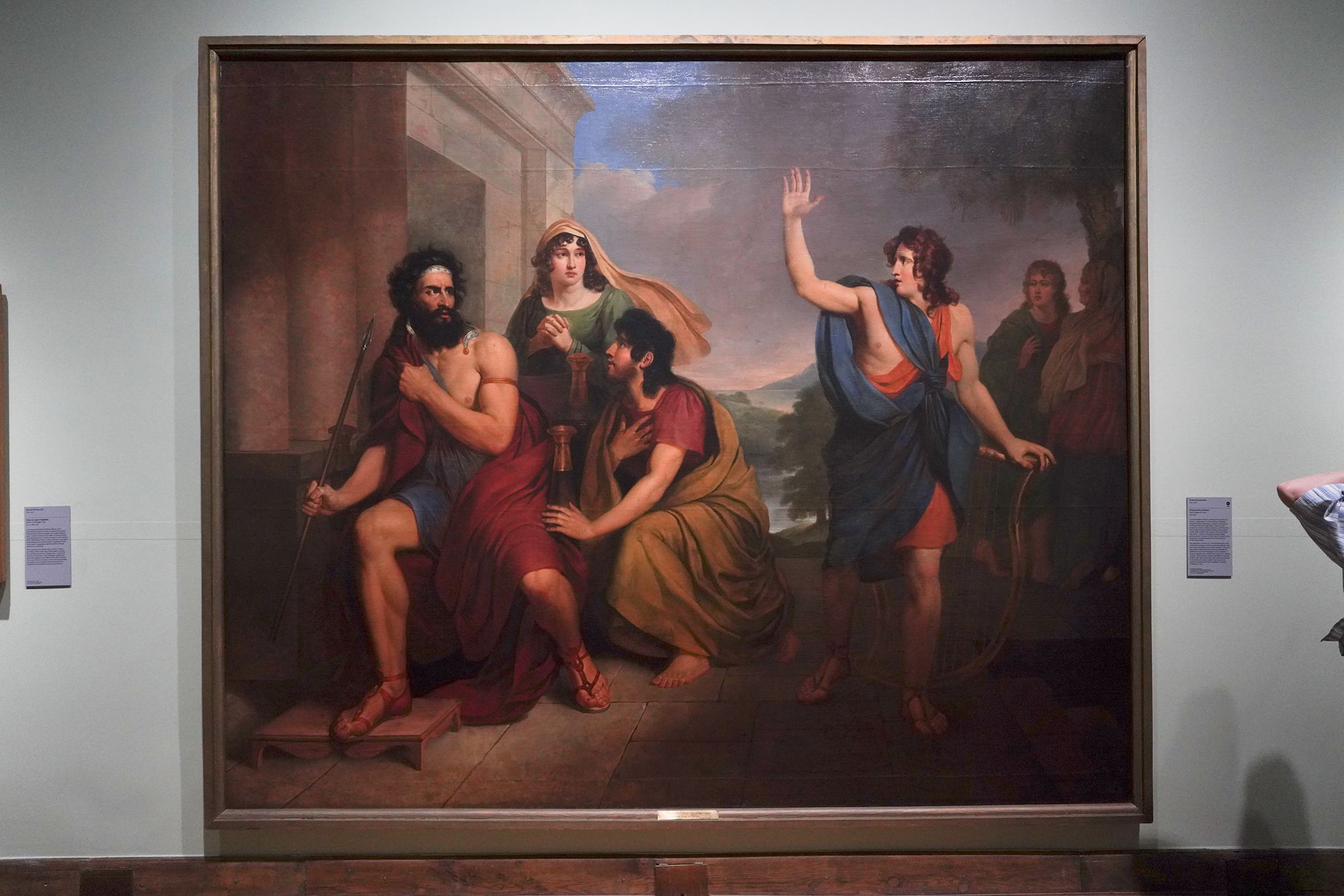
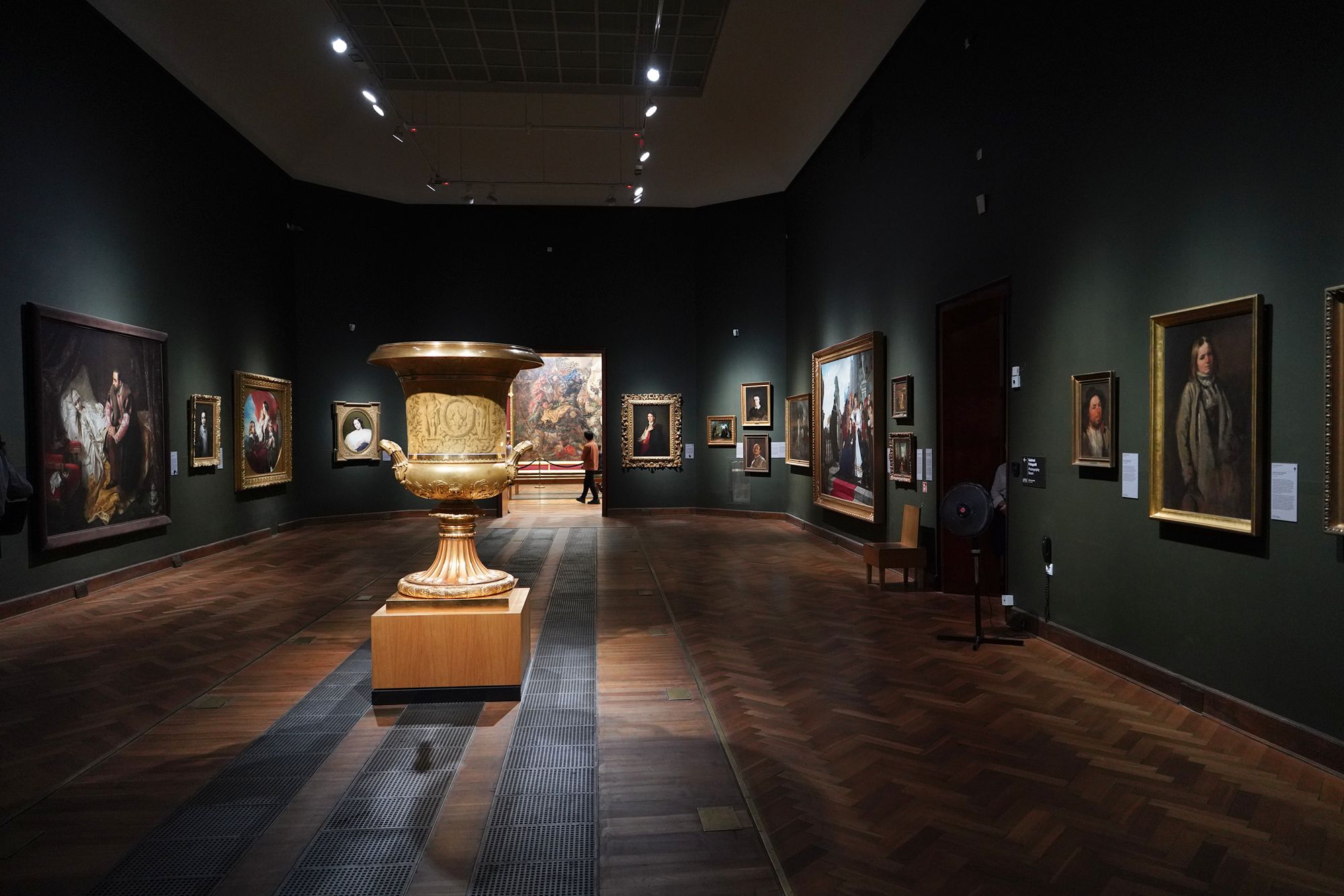
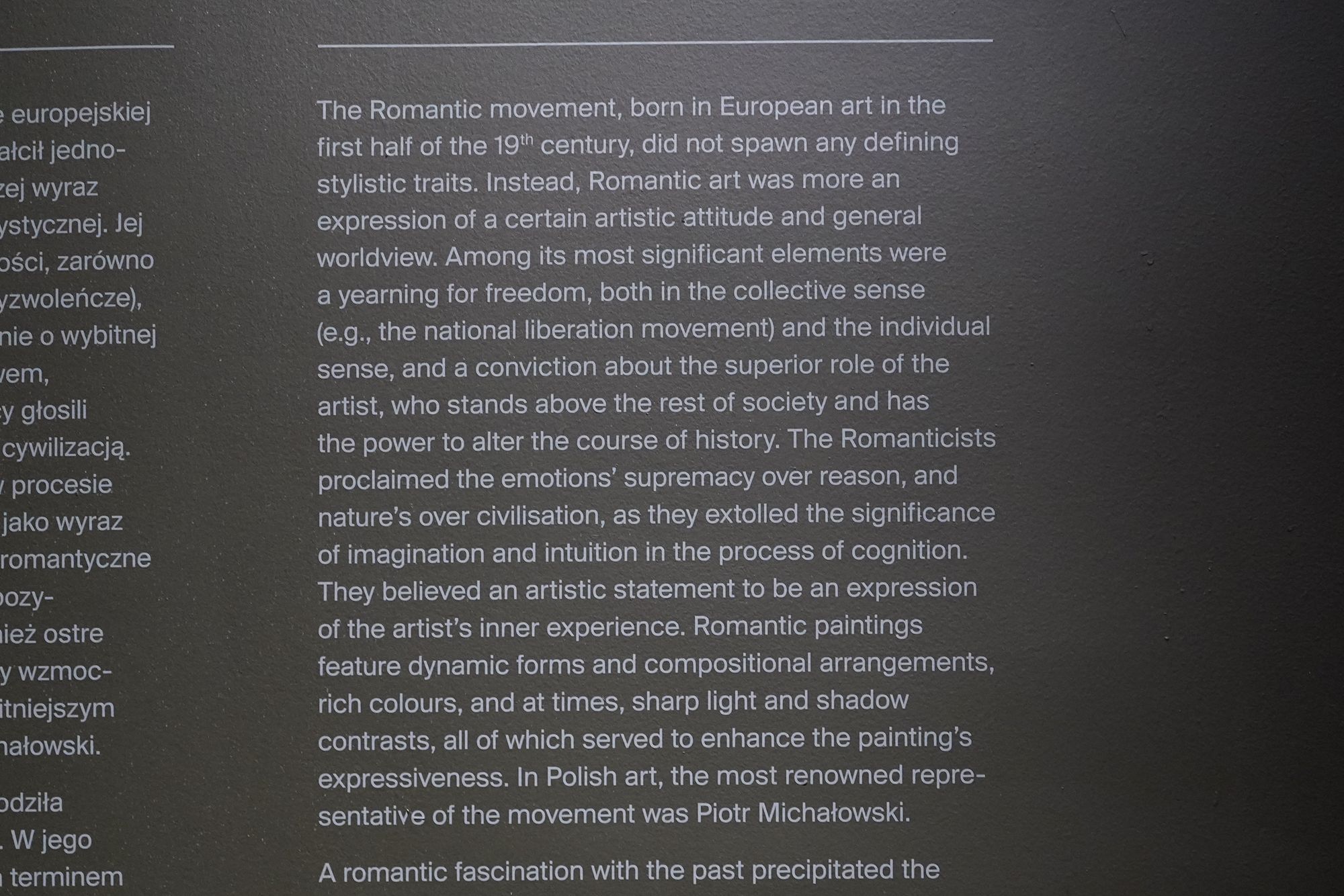
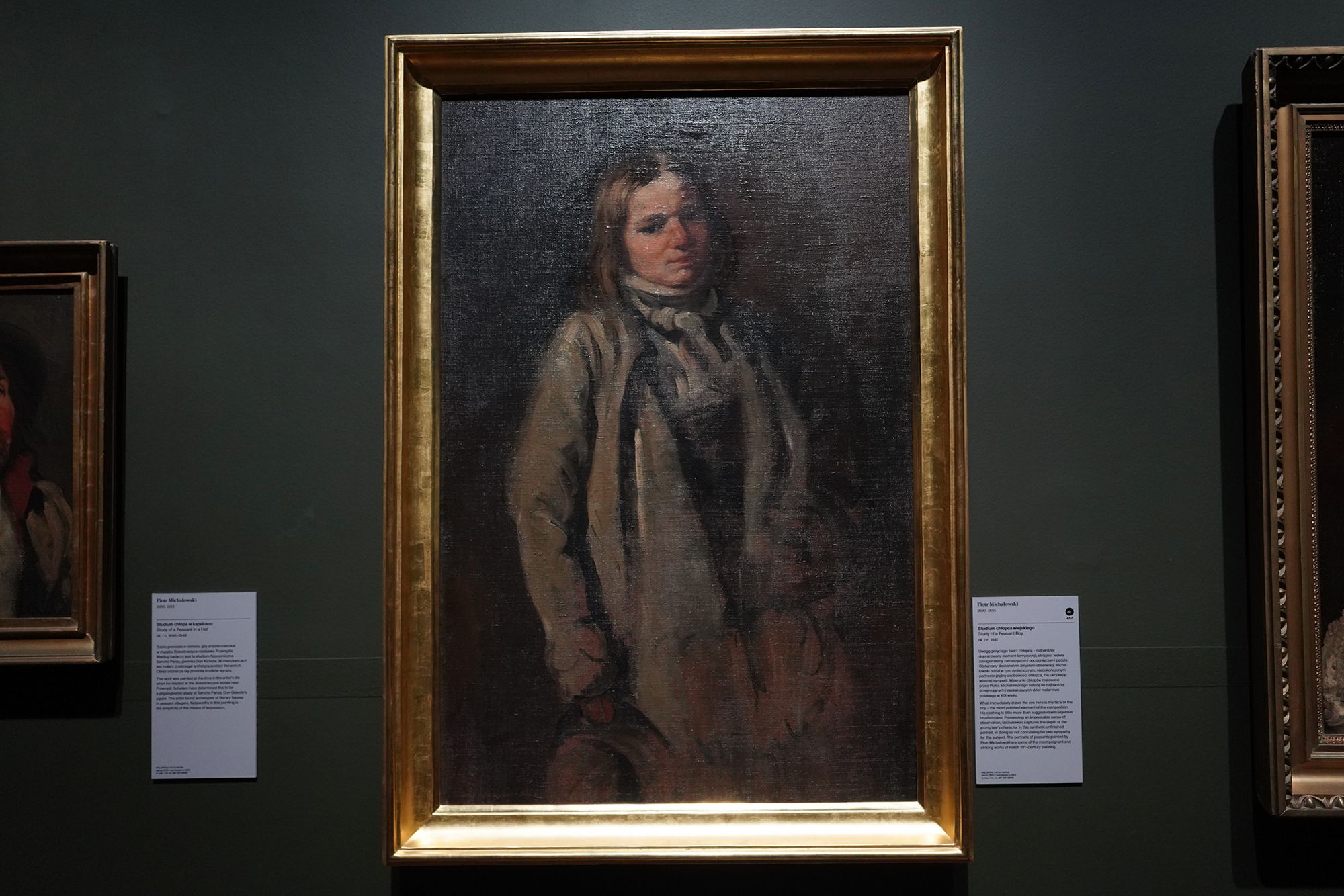
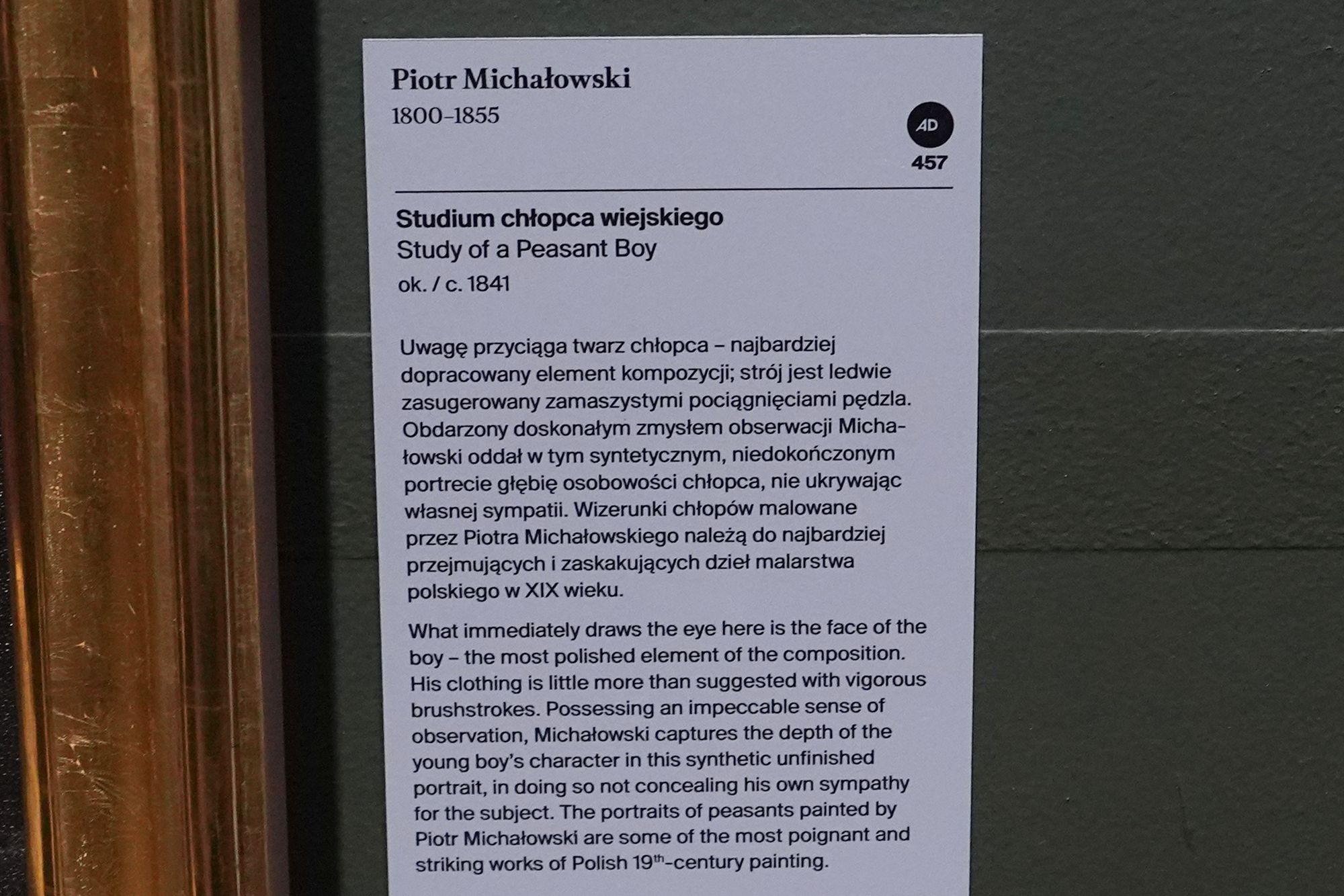
This section explores Romanticism, an approach to art that emphasized emotion, imagination, and the desire for freedom. Dynamic compositions, rich colors, and dramatic light helped artists express their inner experiences. In Poland, these ideas also connected with hopes for national independence, with Piotr Michałowski among the movement’s leading painters.
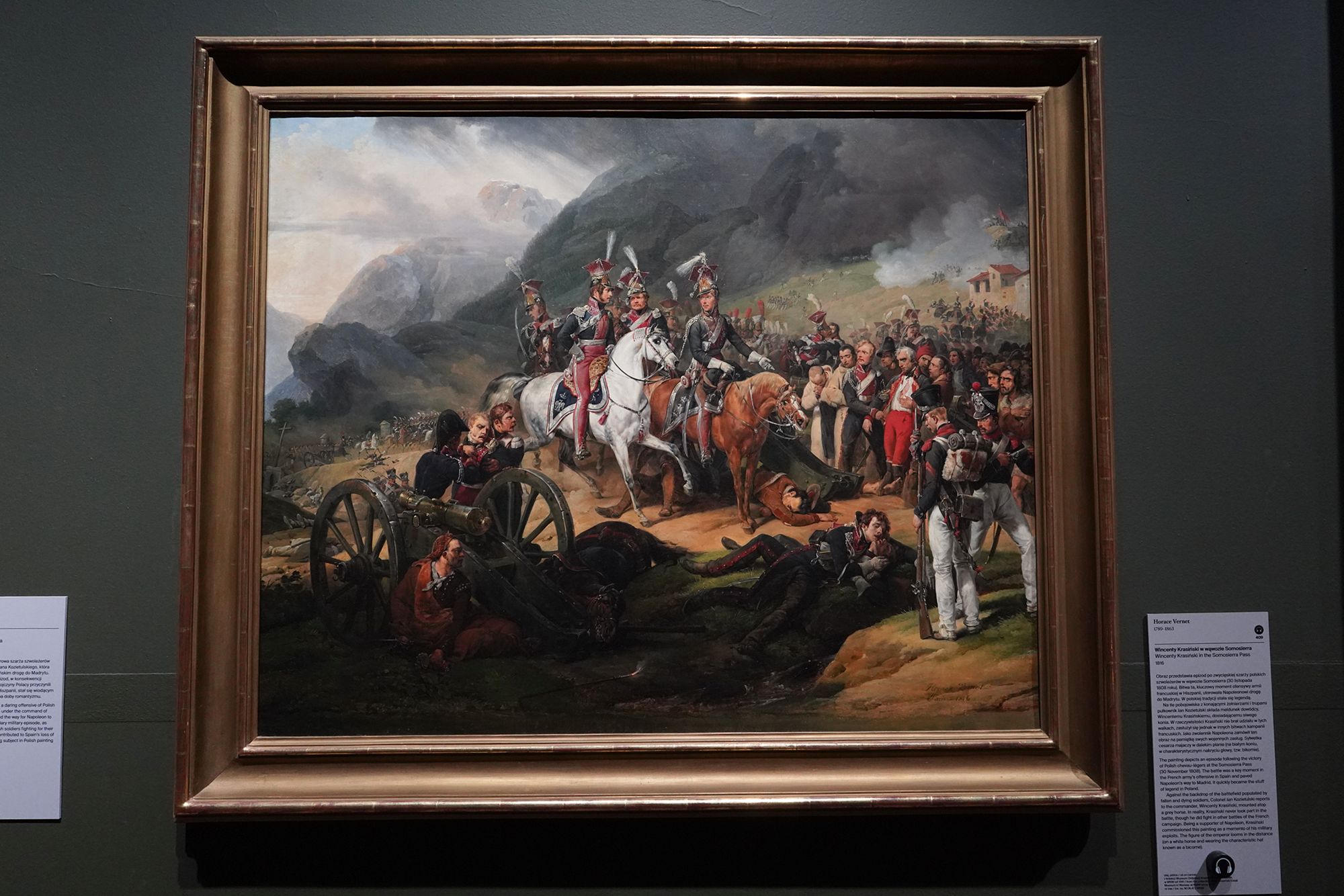
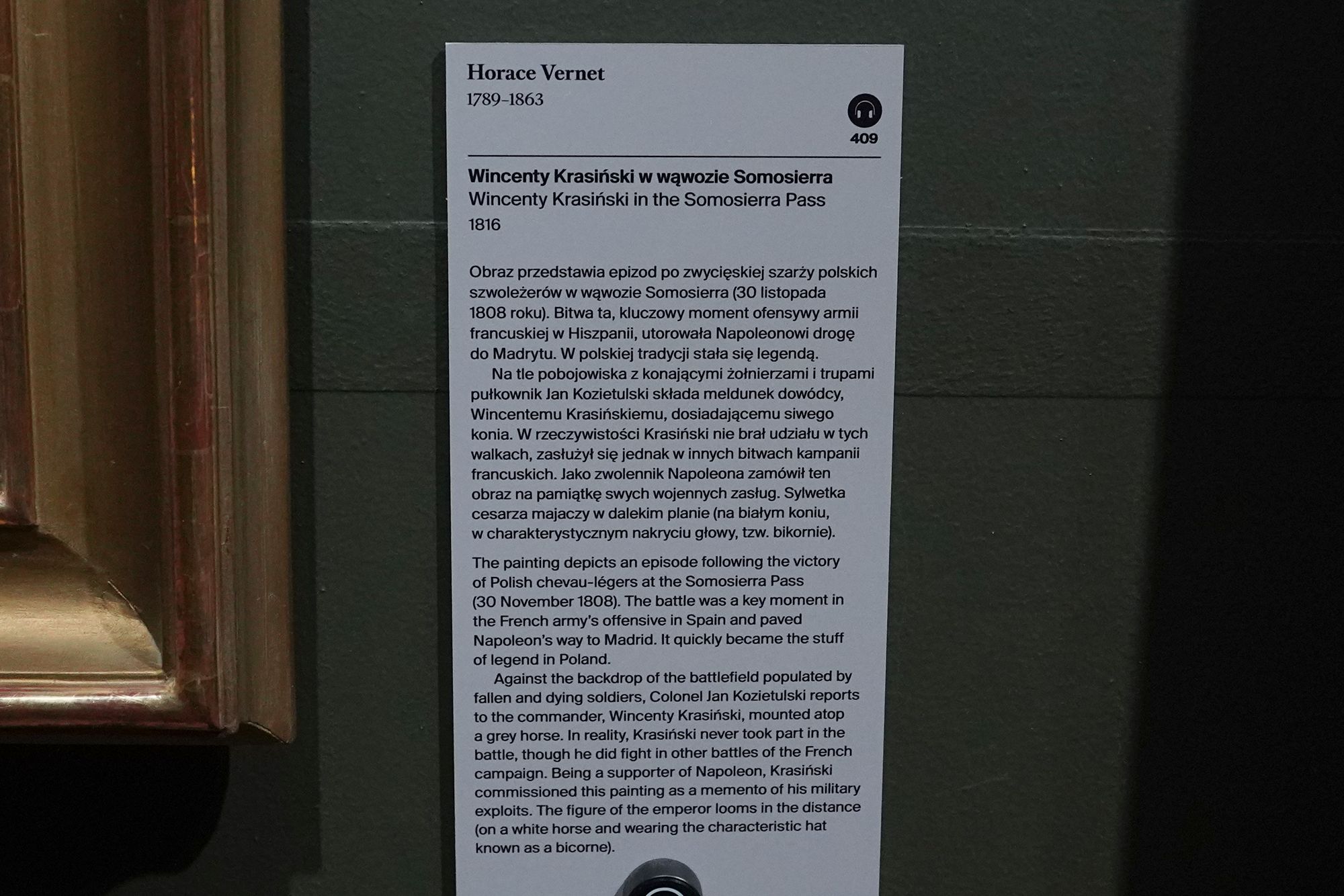
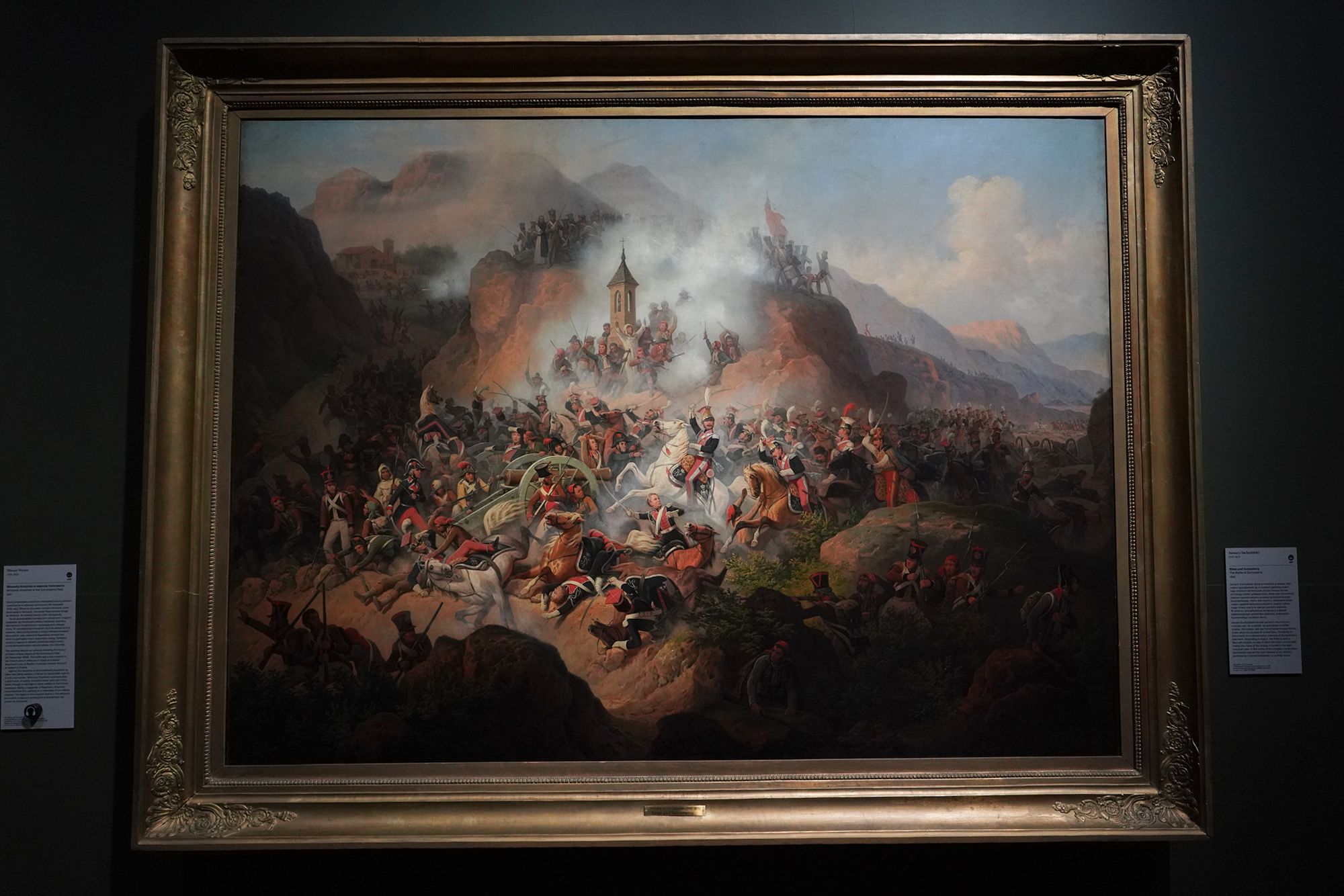
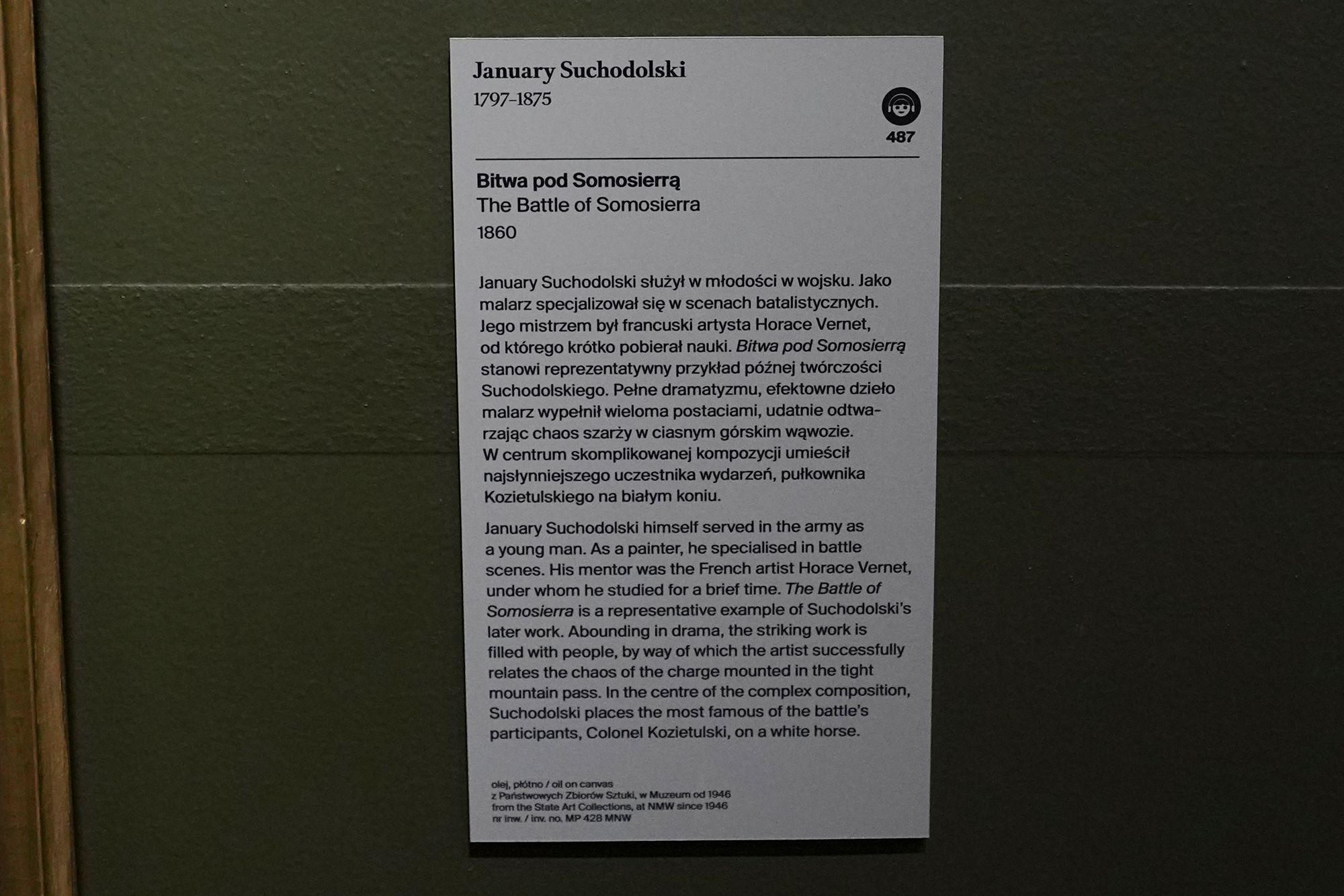
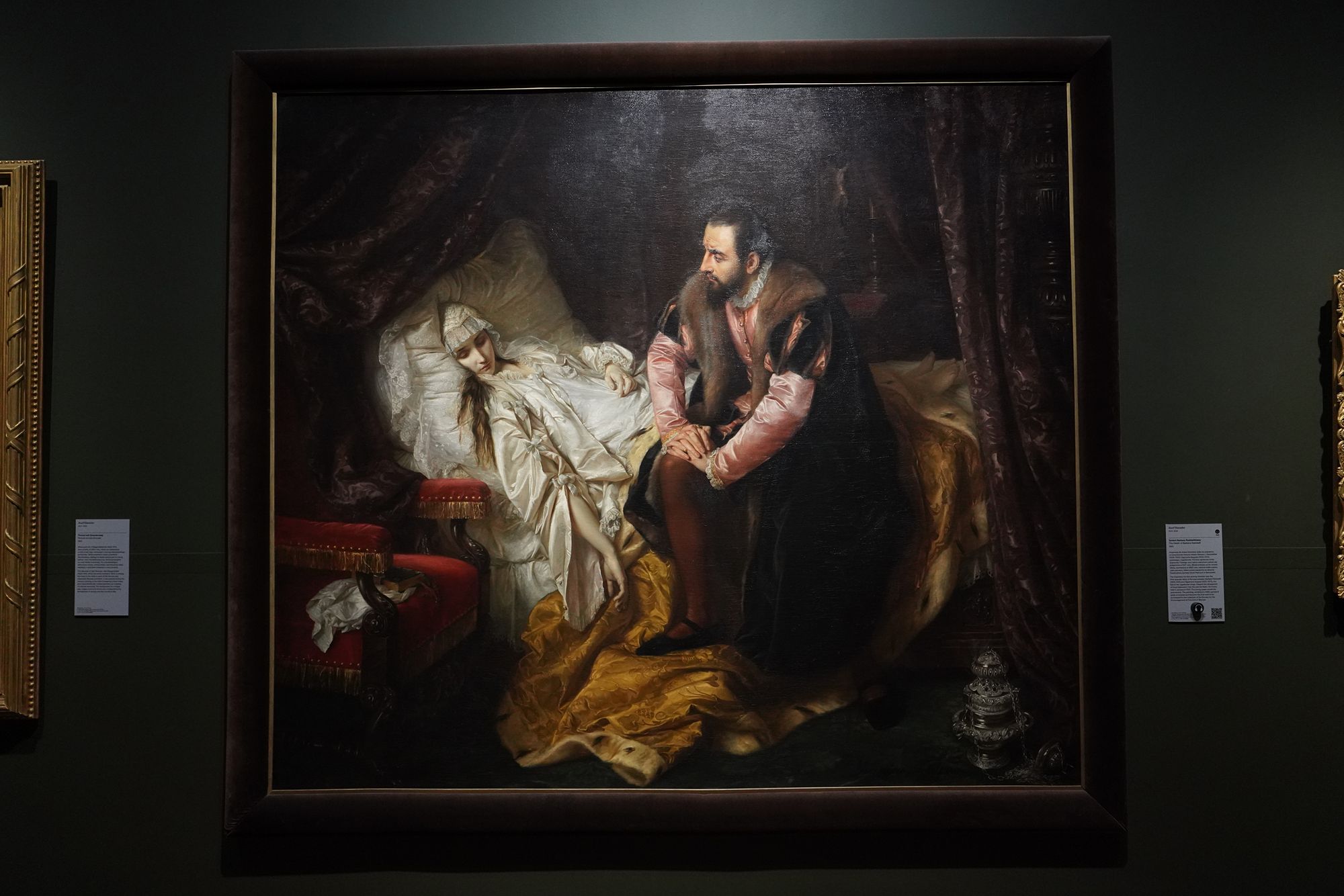
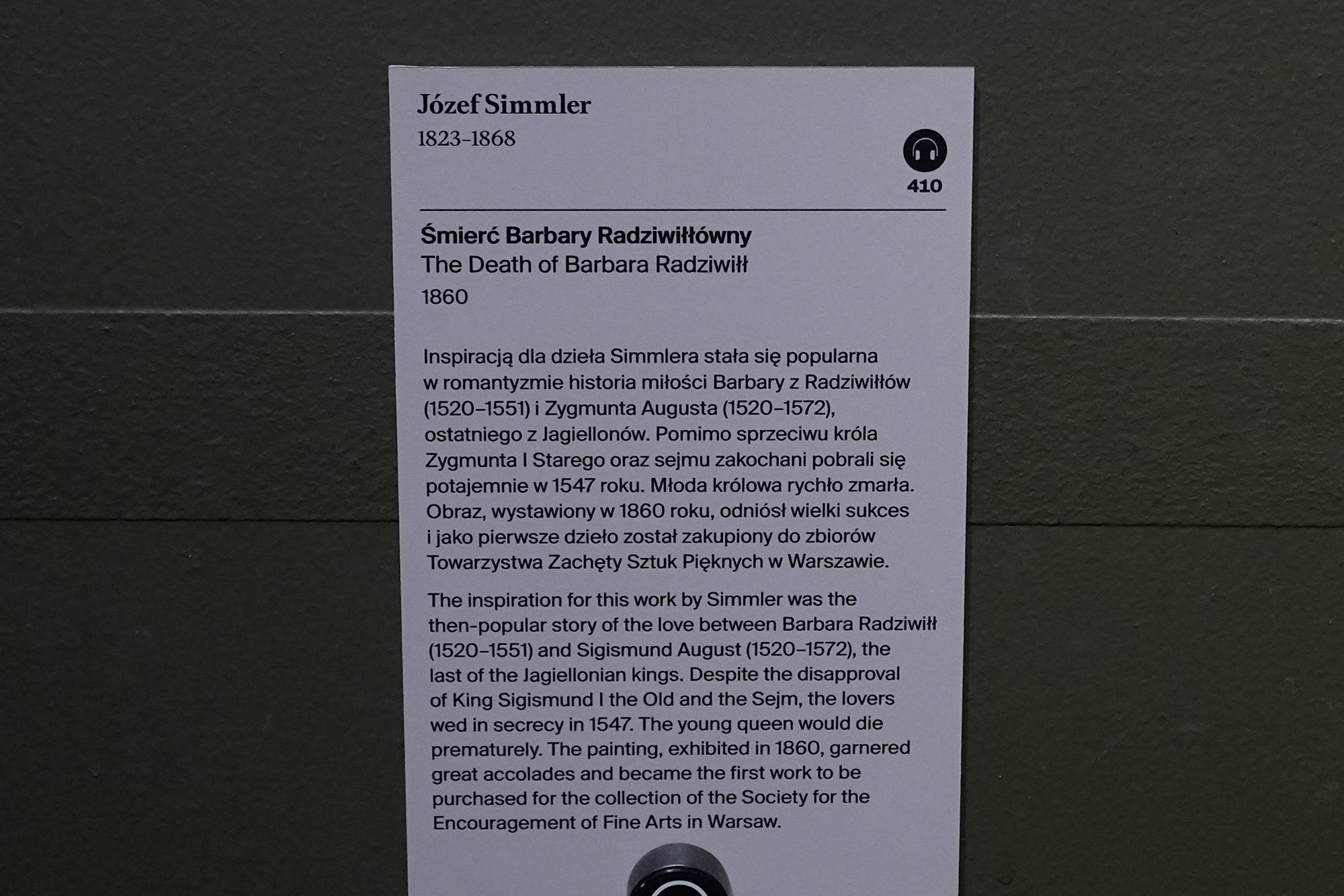
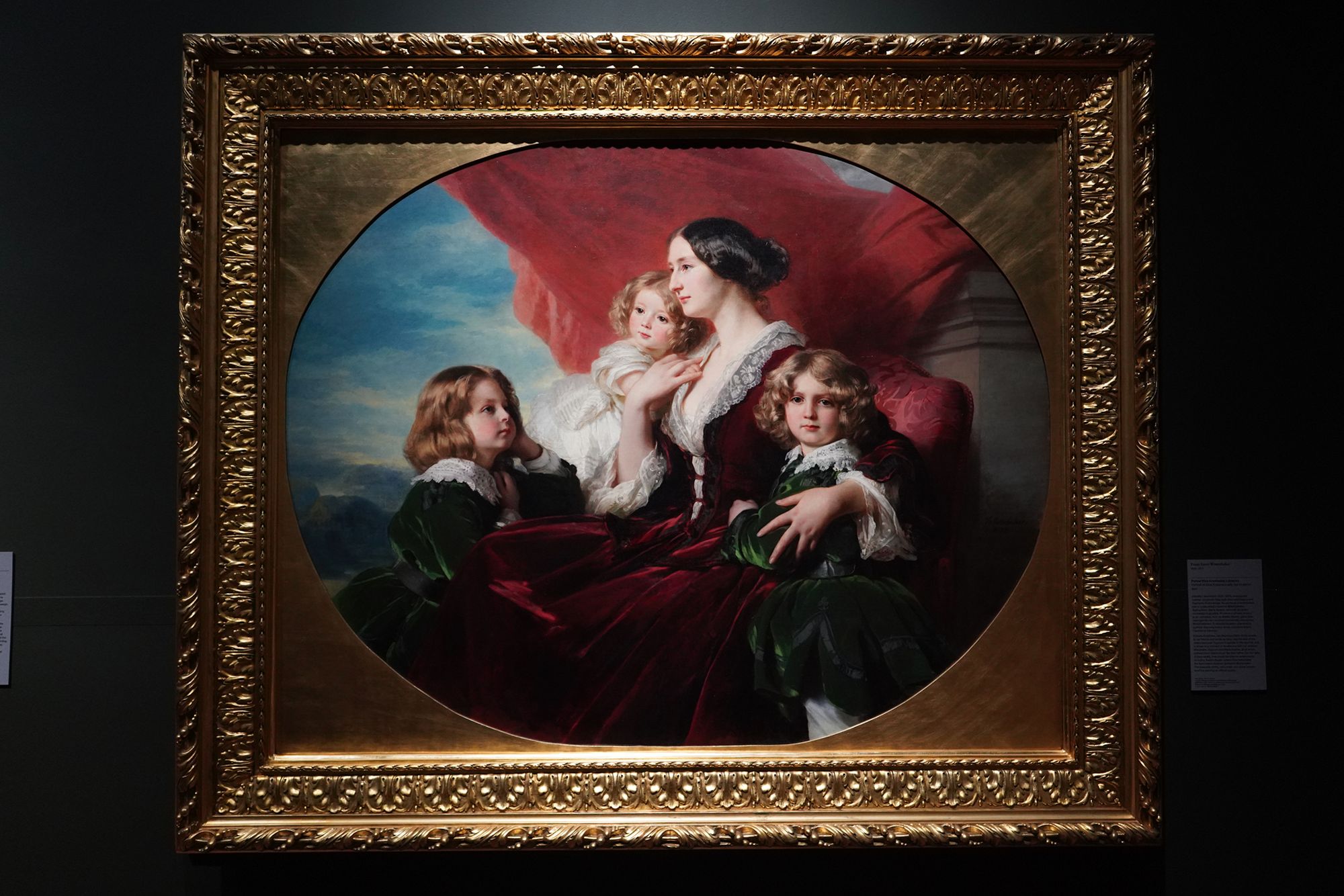
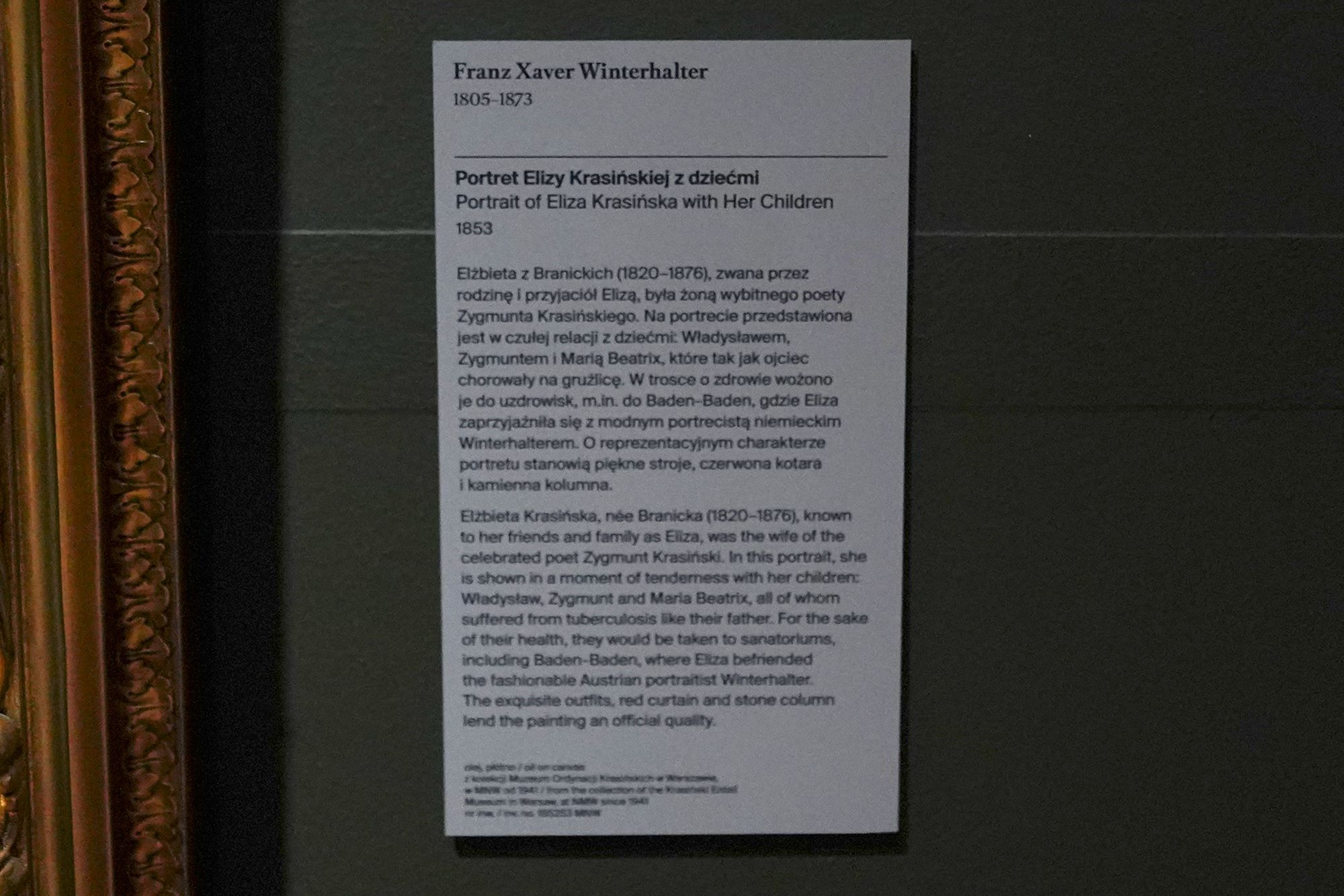
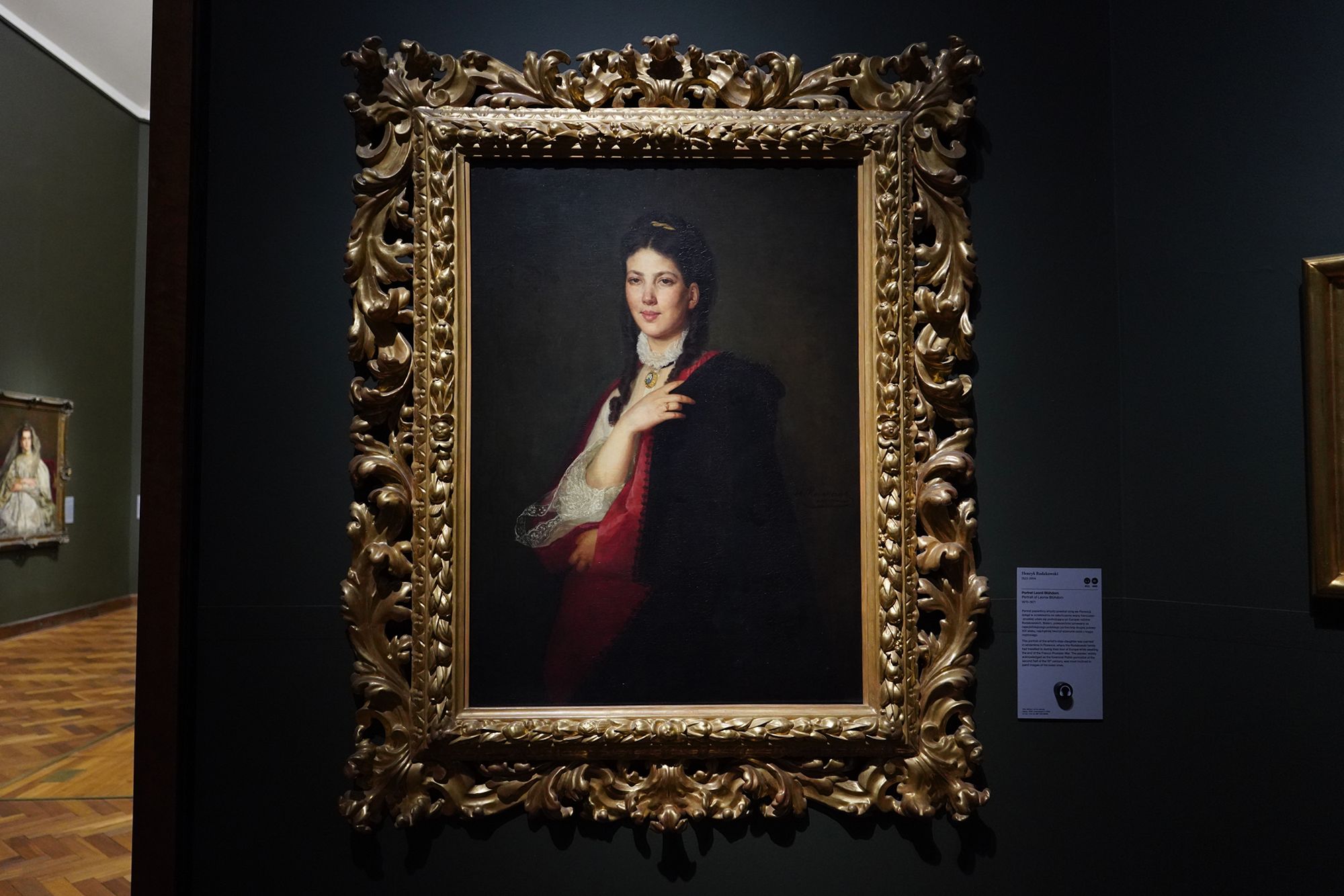
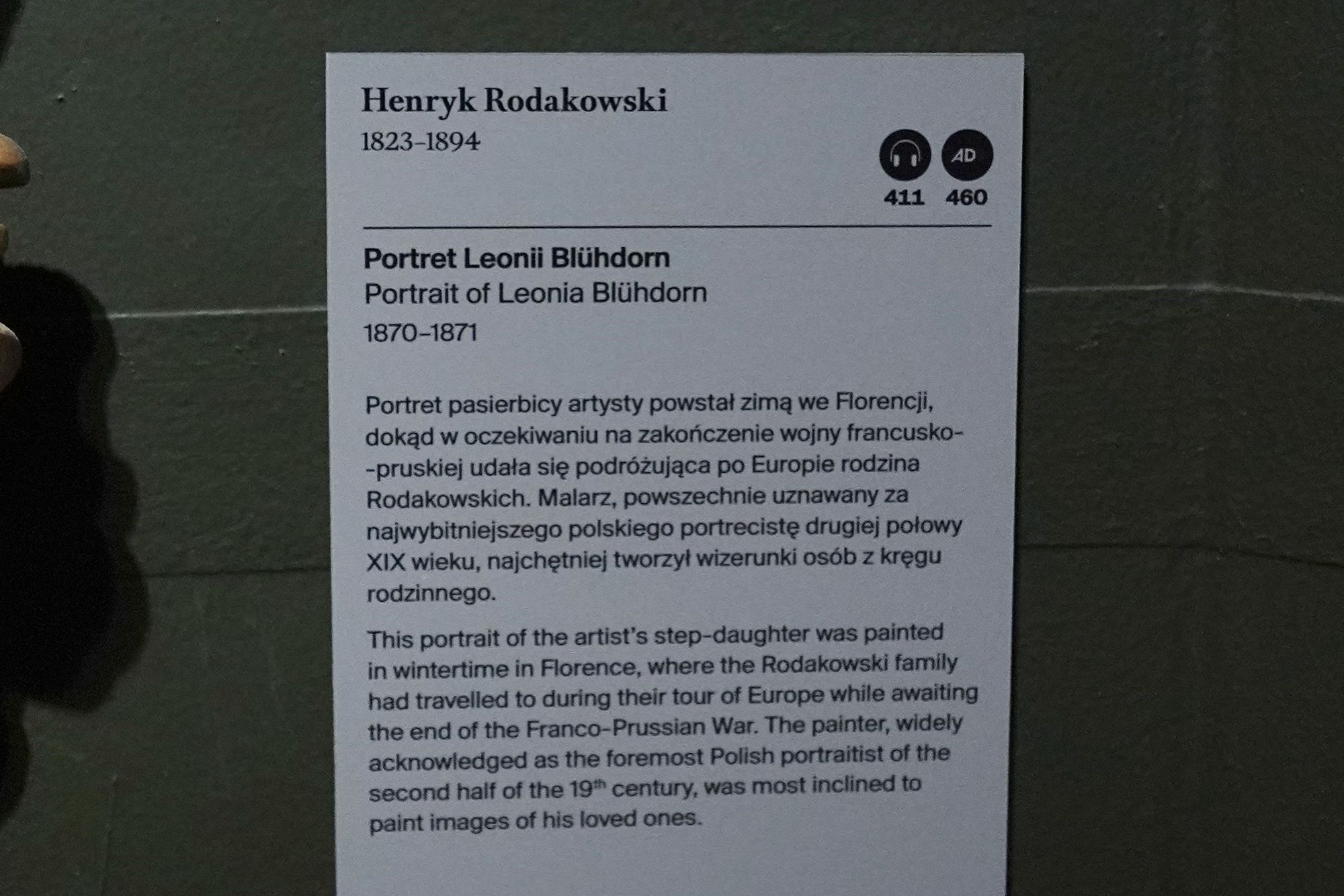
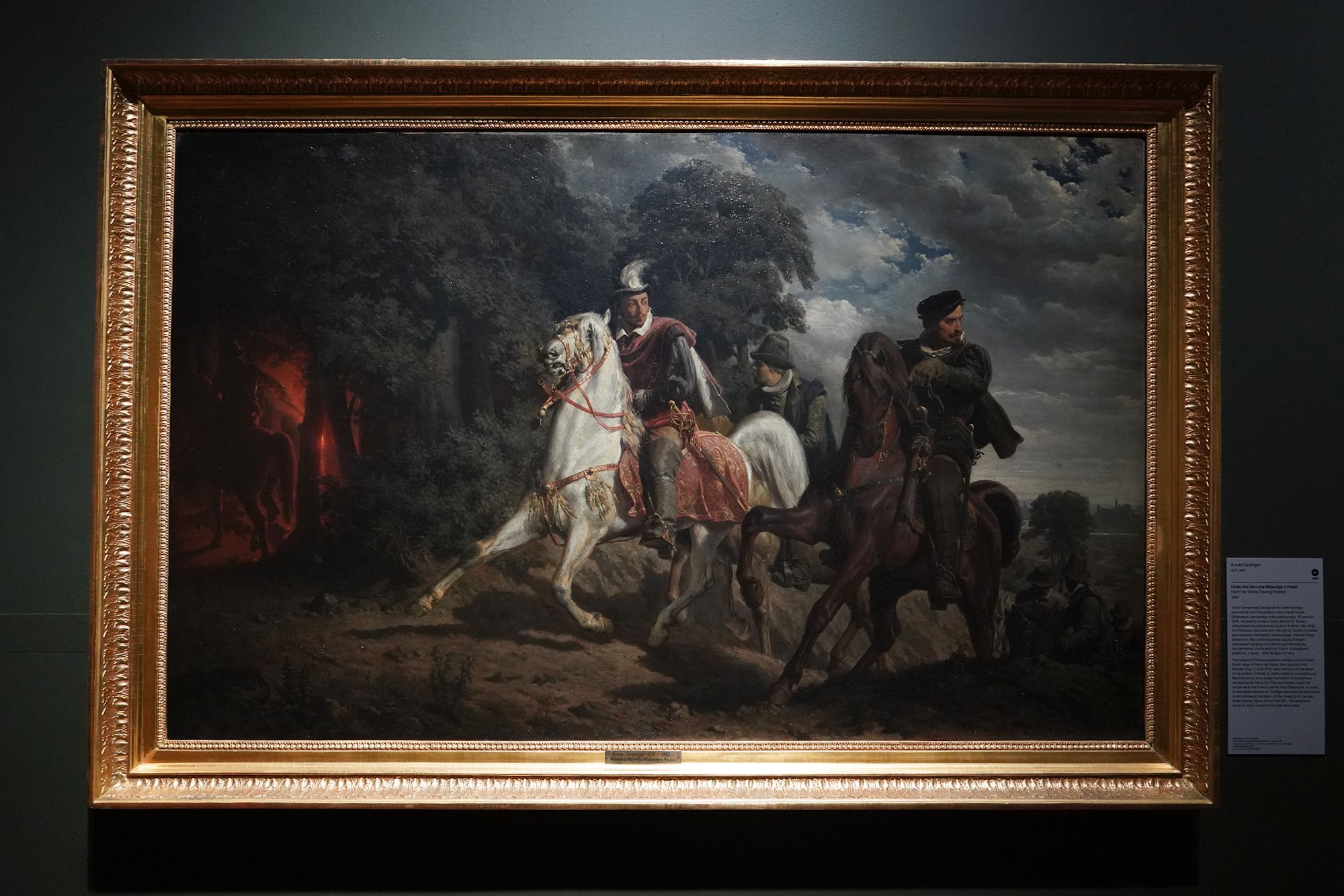
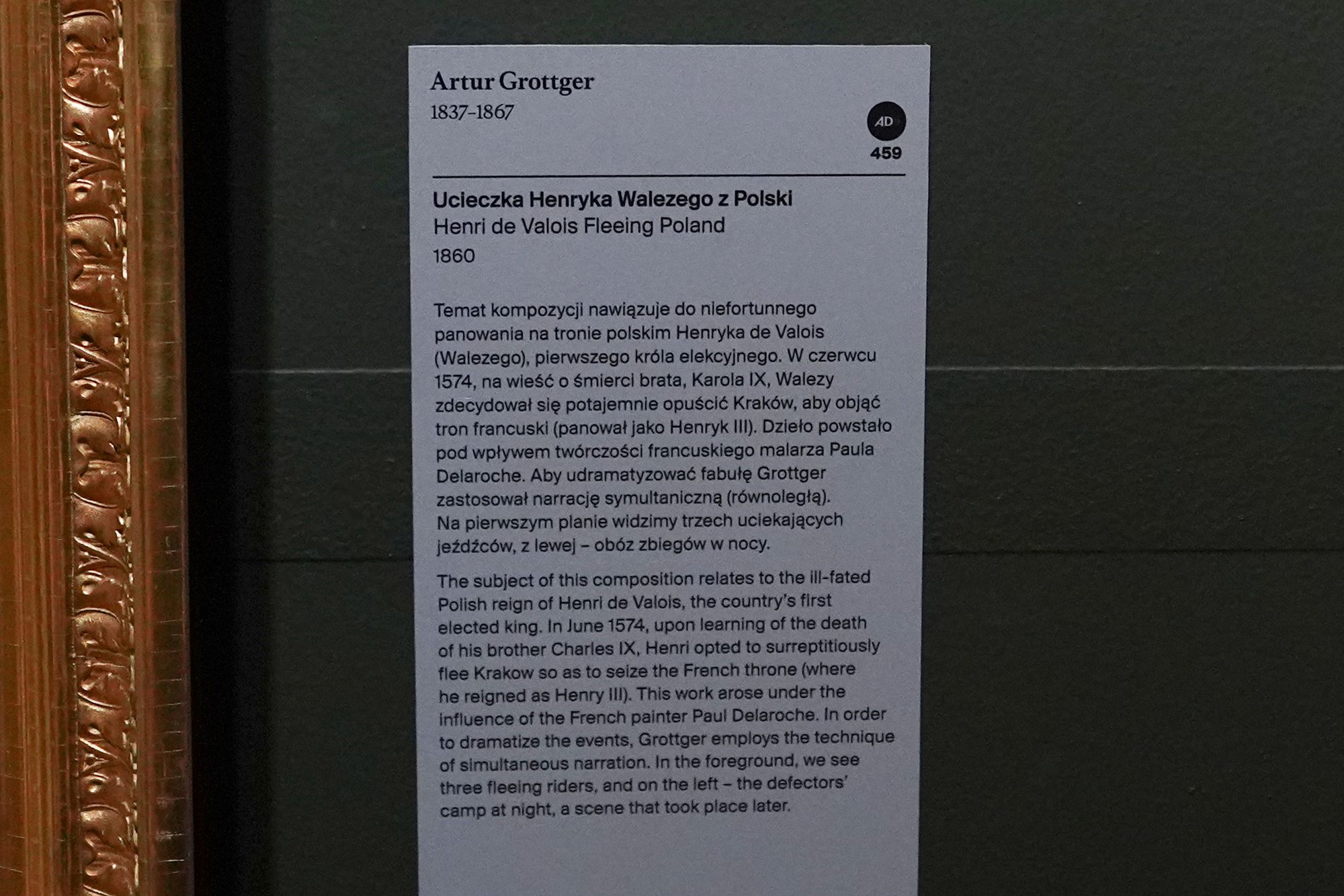
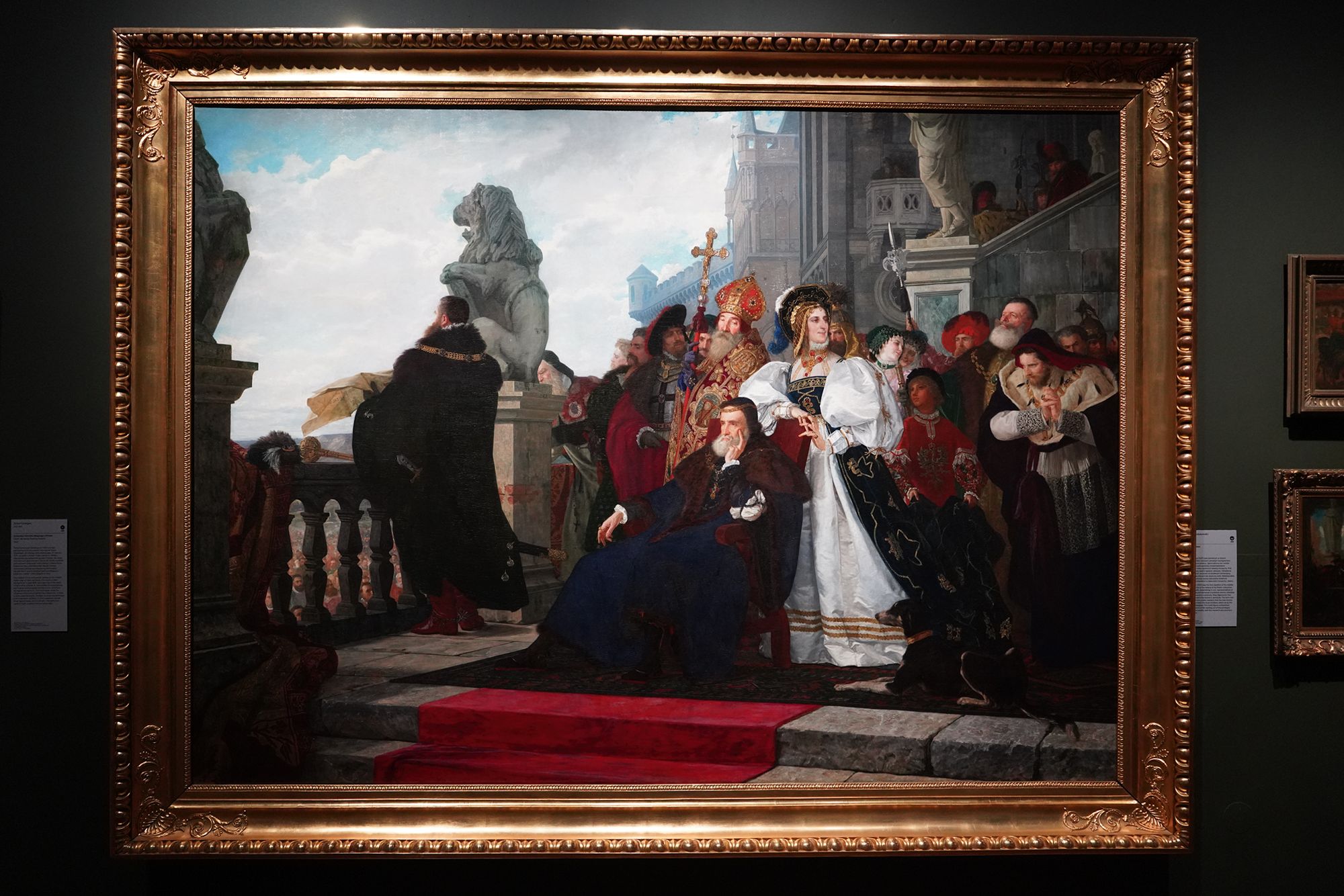
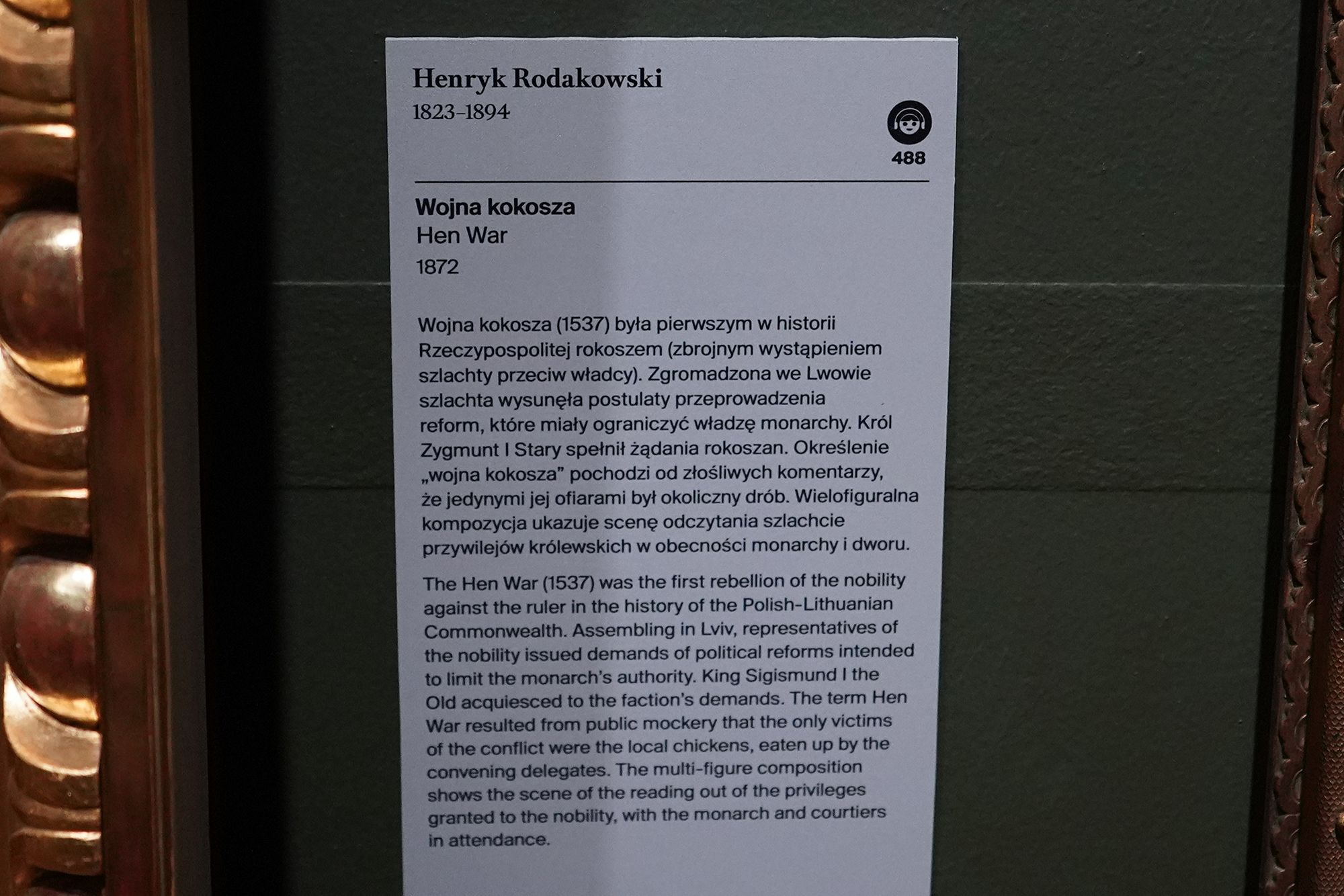
I also visited a section about photographing works of art. It showed how photography helped document paintings and sculptures and bring them to a wider audience. These reproductions offered people a way to study and appreciate artworks they might never have the opportunity to see in person.
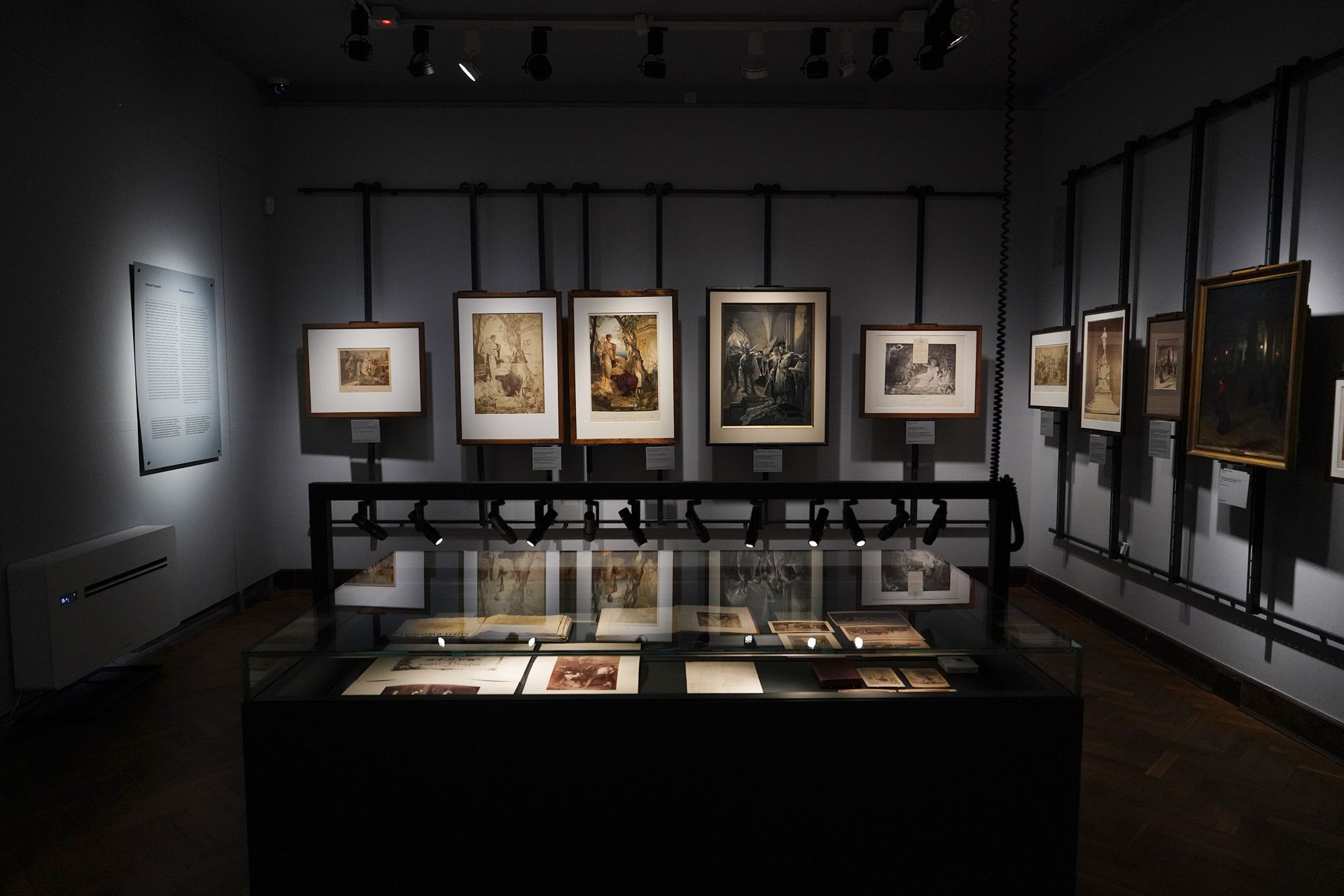
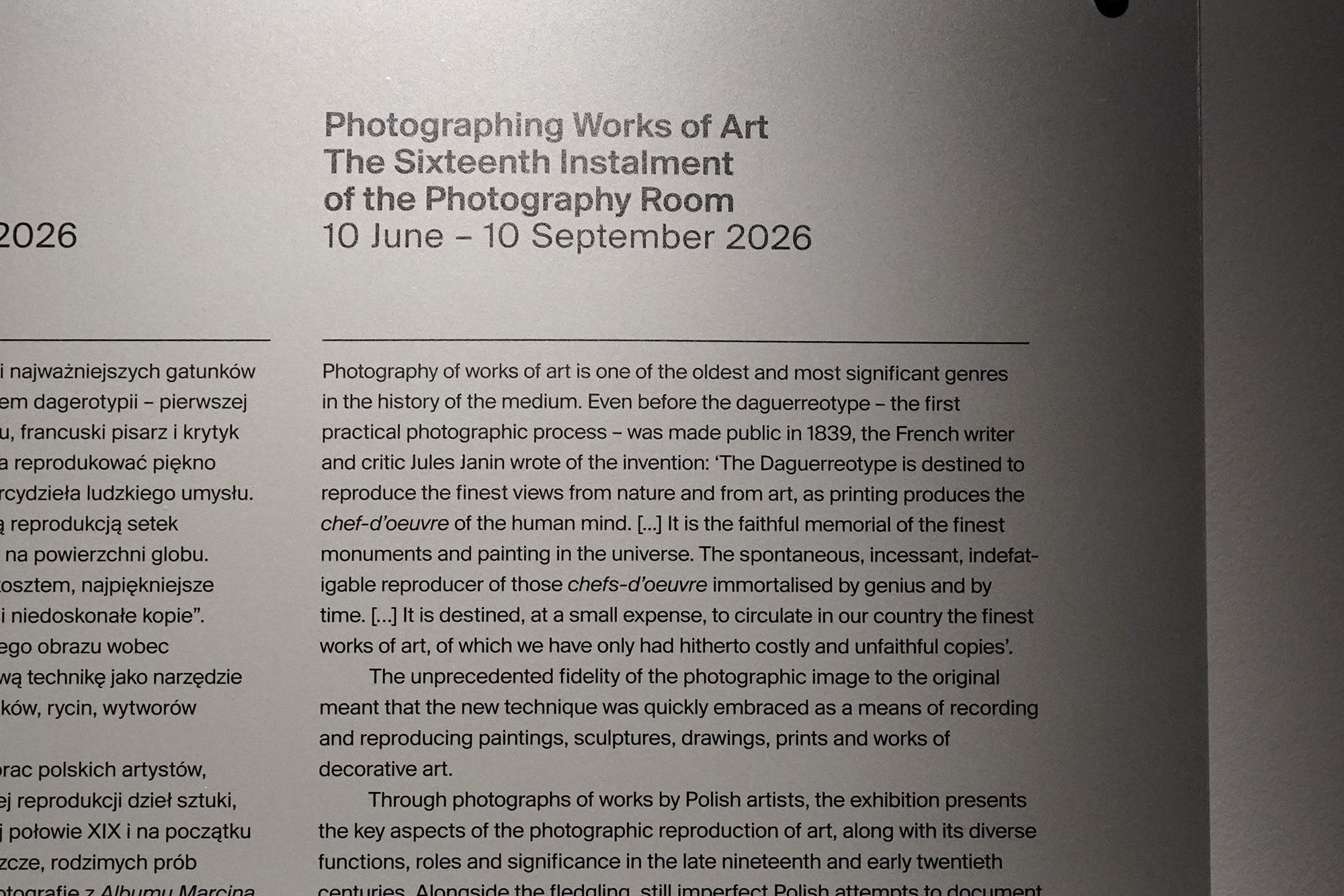
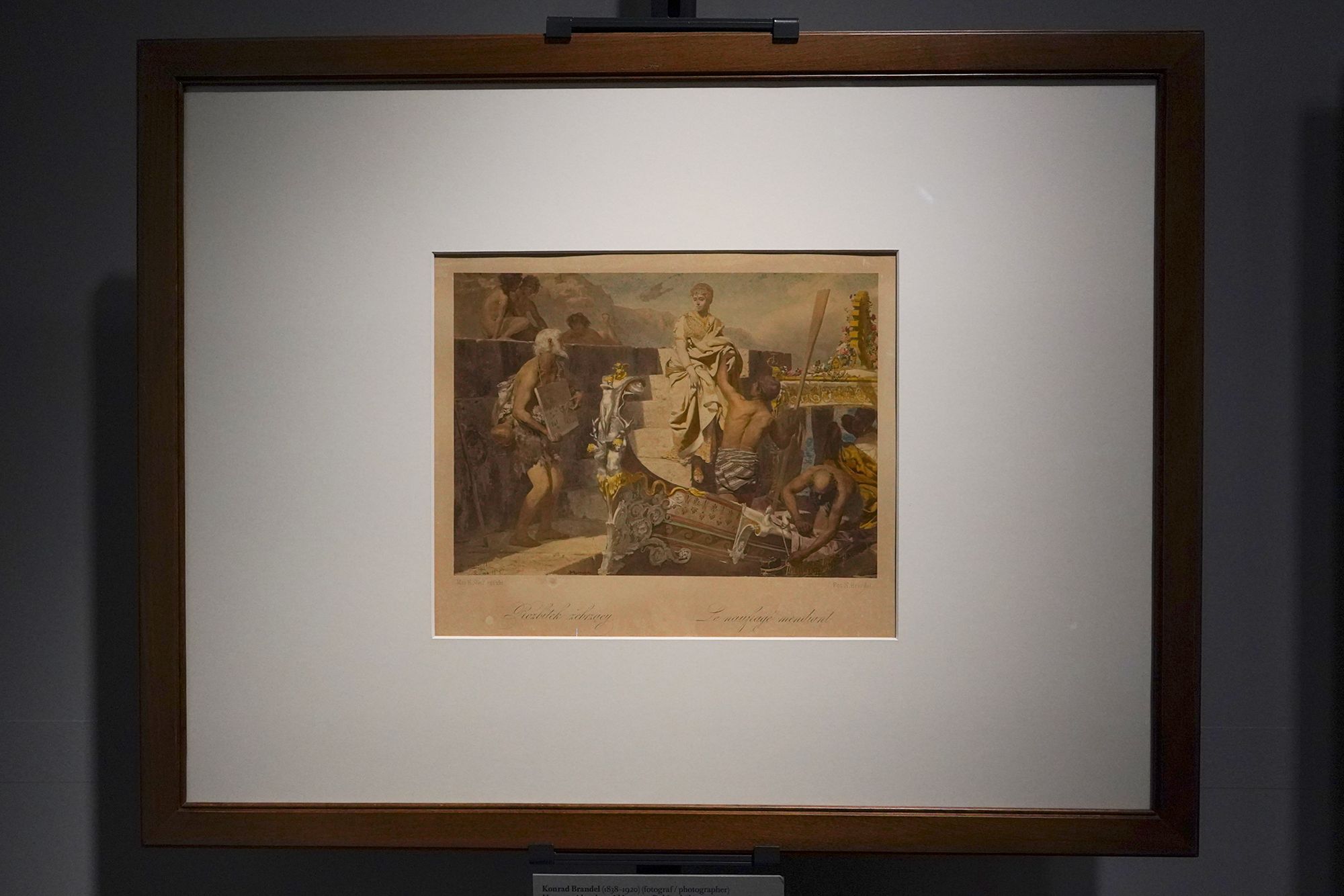
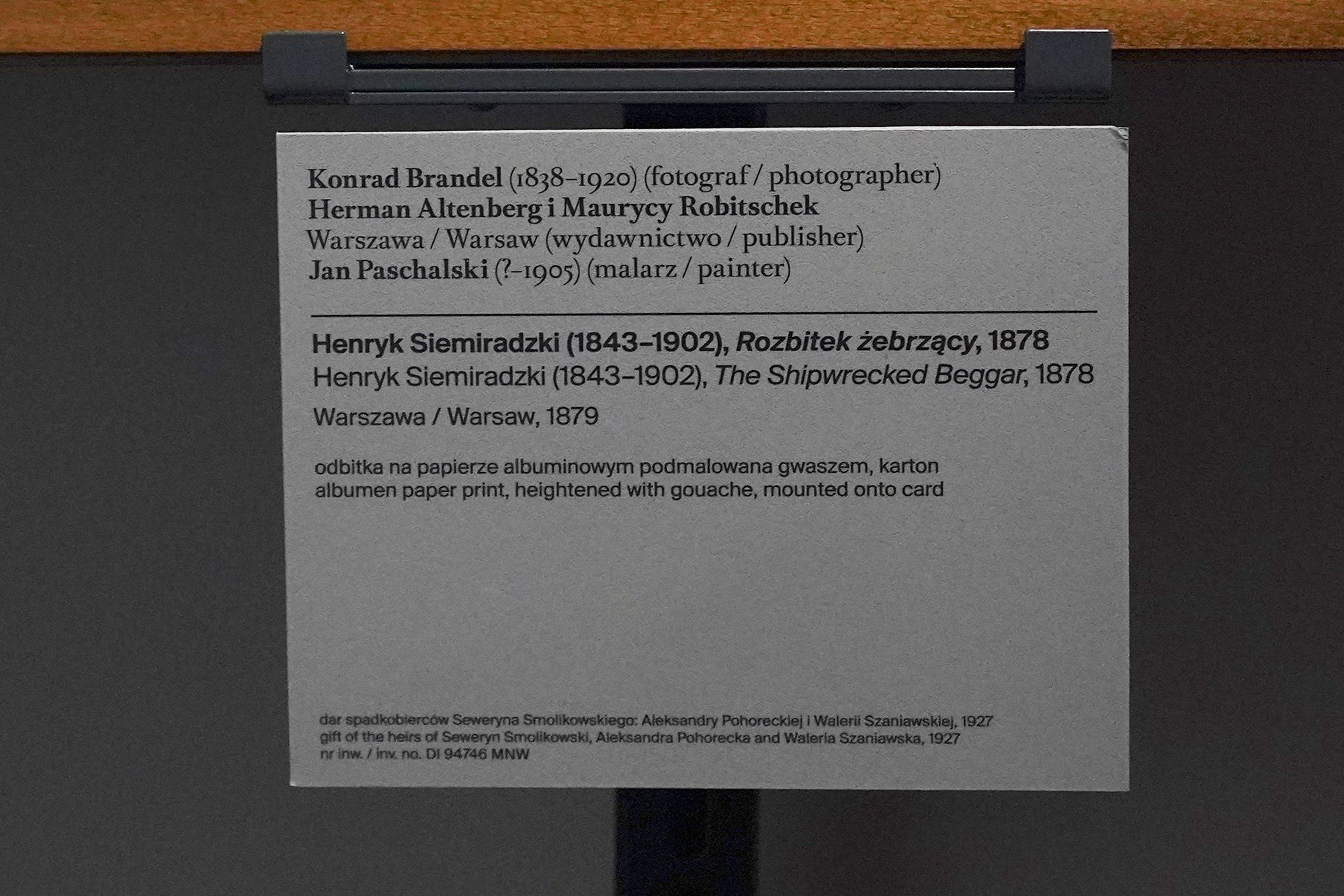
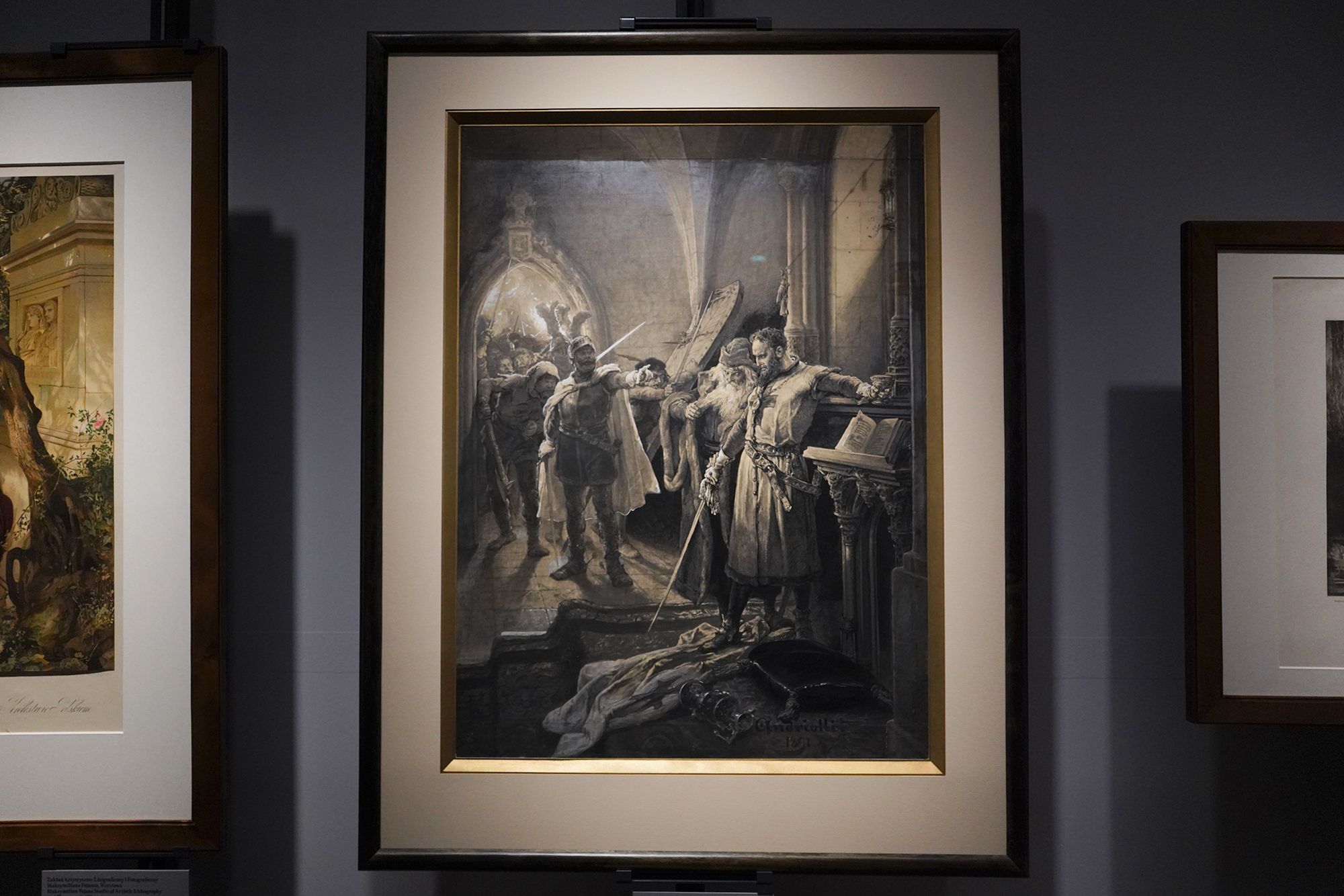
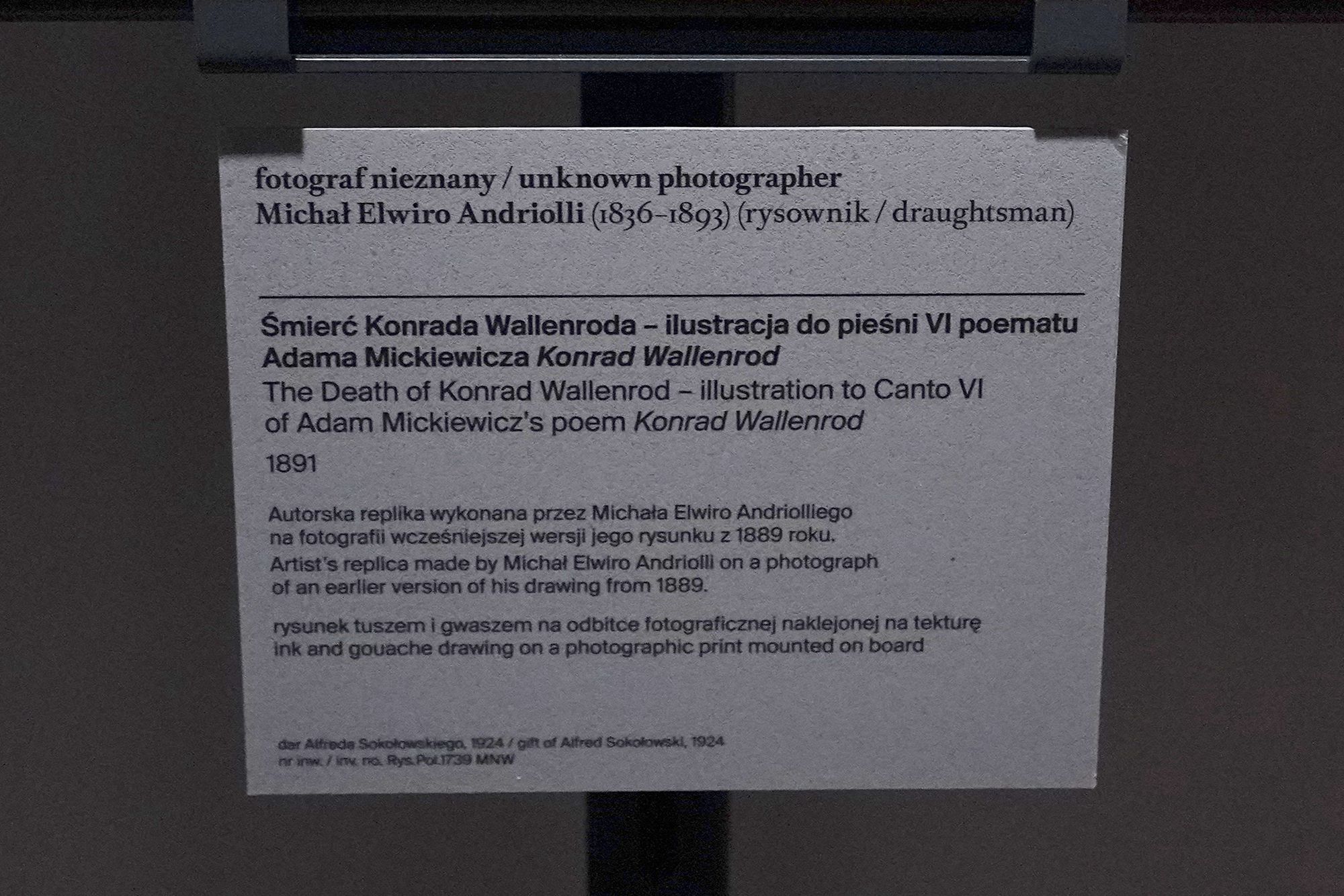
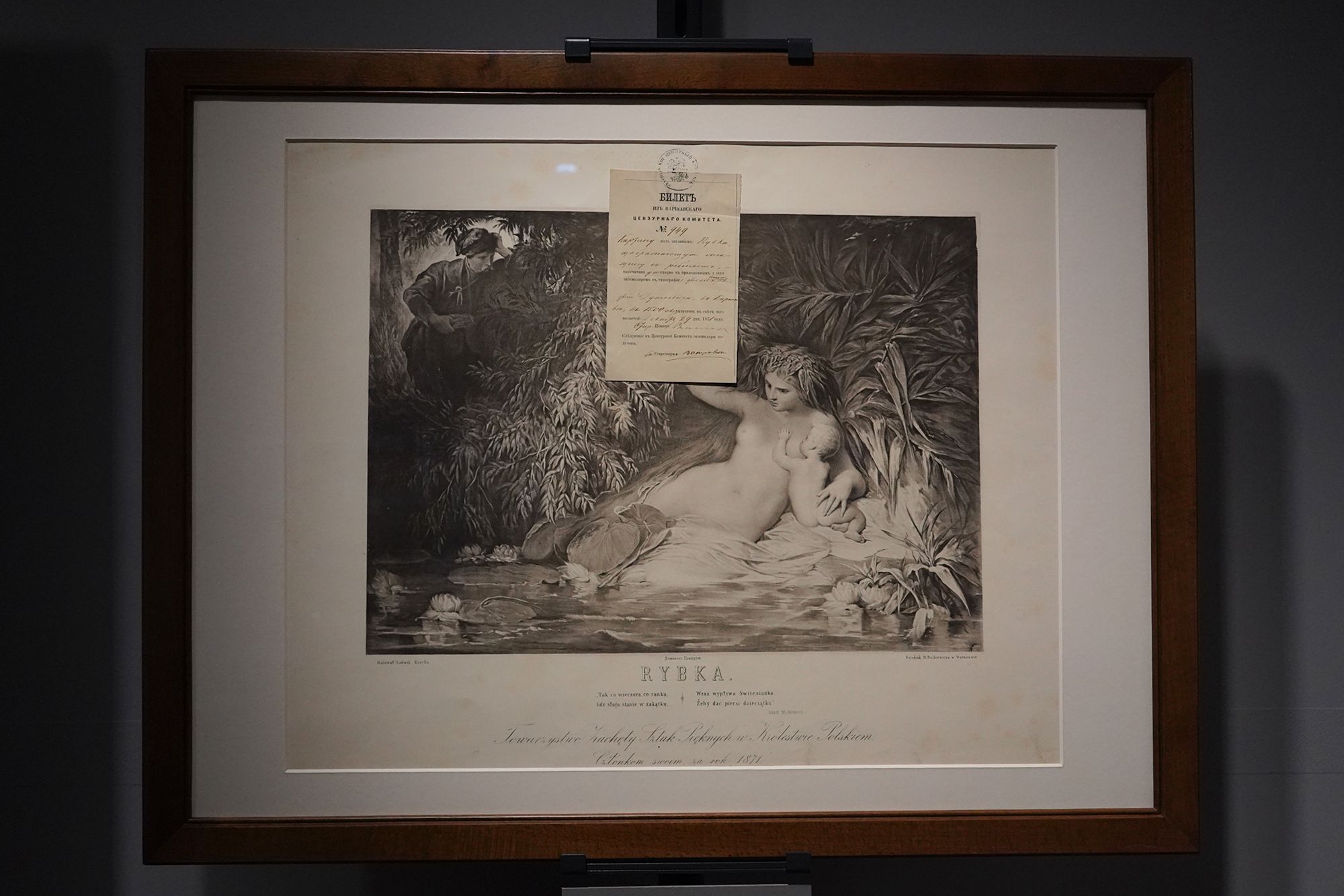
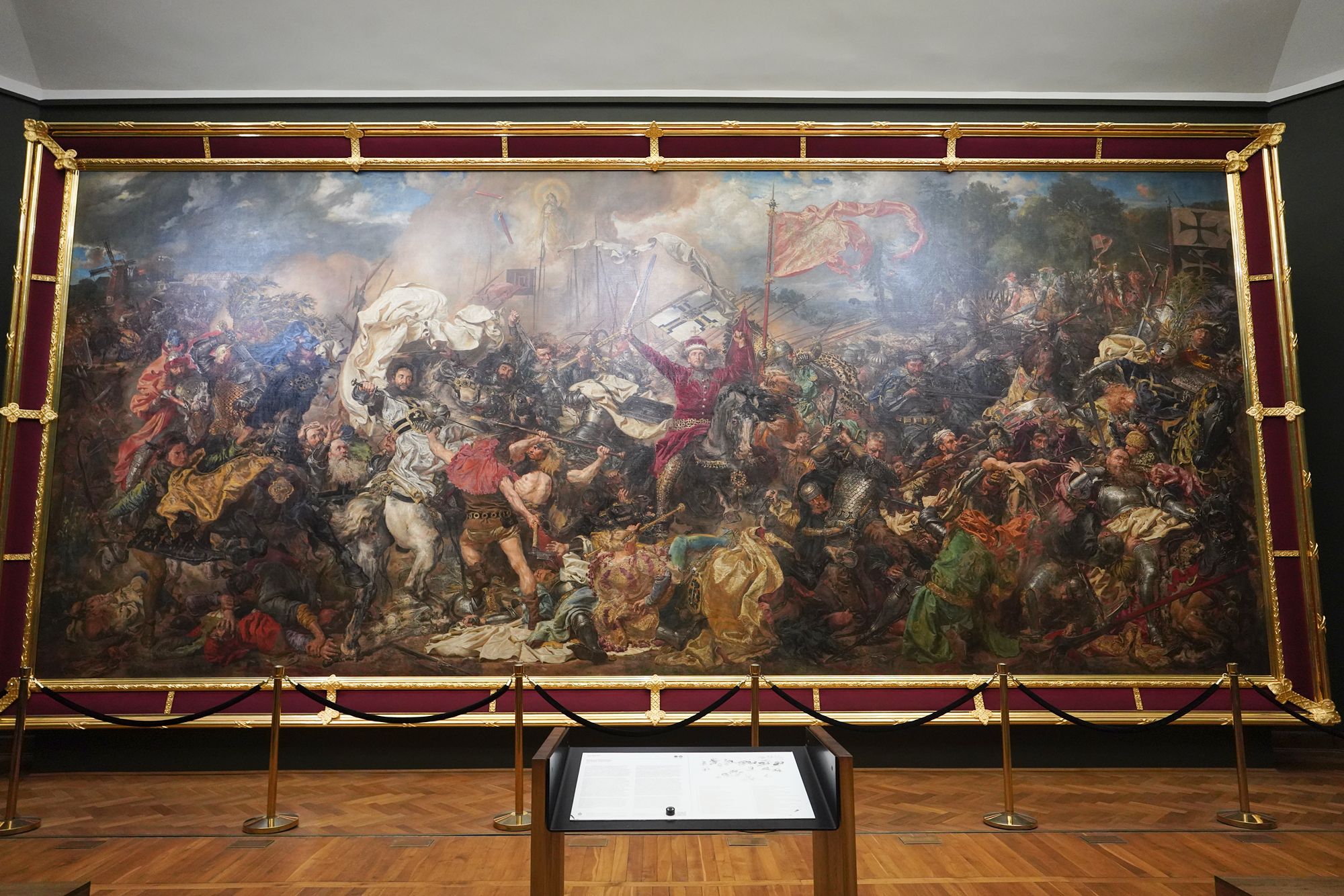
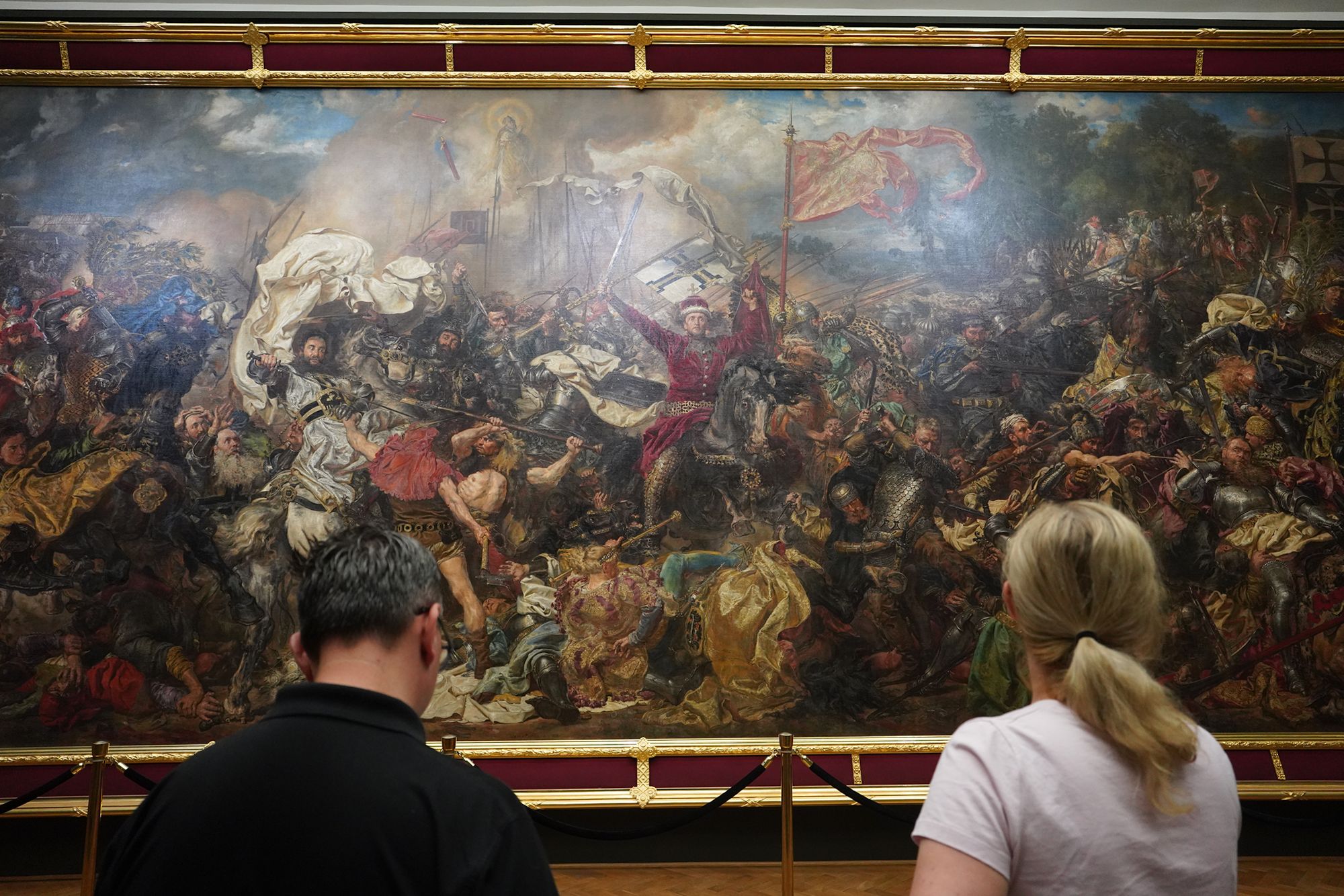
This section explores how historical painting helped preserve Polish identity during foreign rule. Jan Matejko’s large canvases brought important events to life, using symbolic details to express his interpretation of the past. These paintings connected national history with the continuing hope for independence.
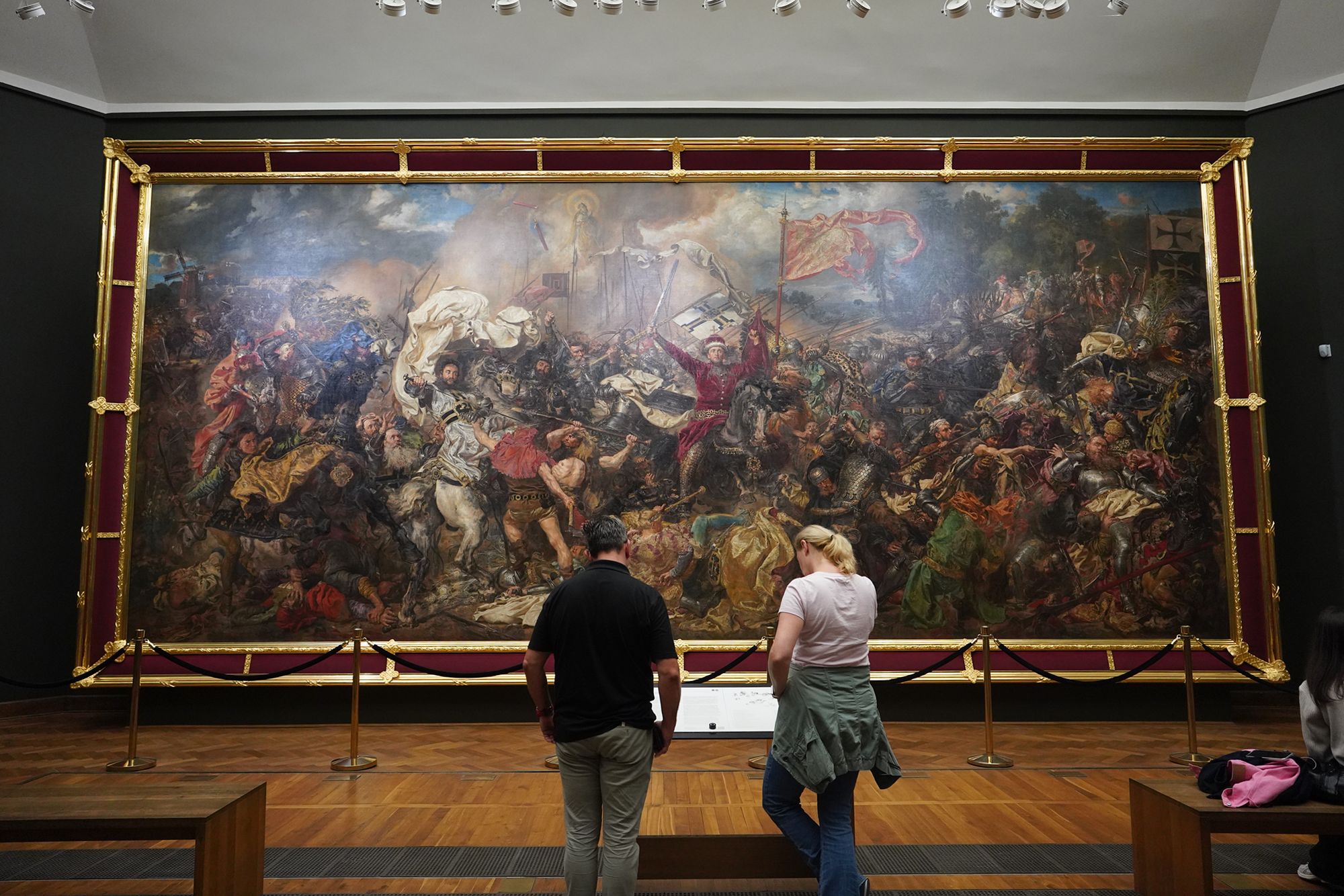
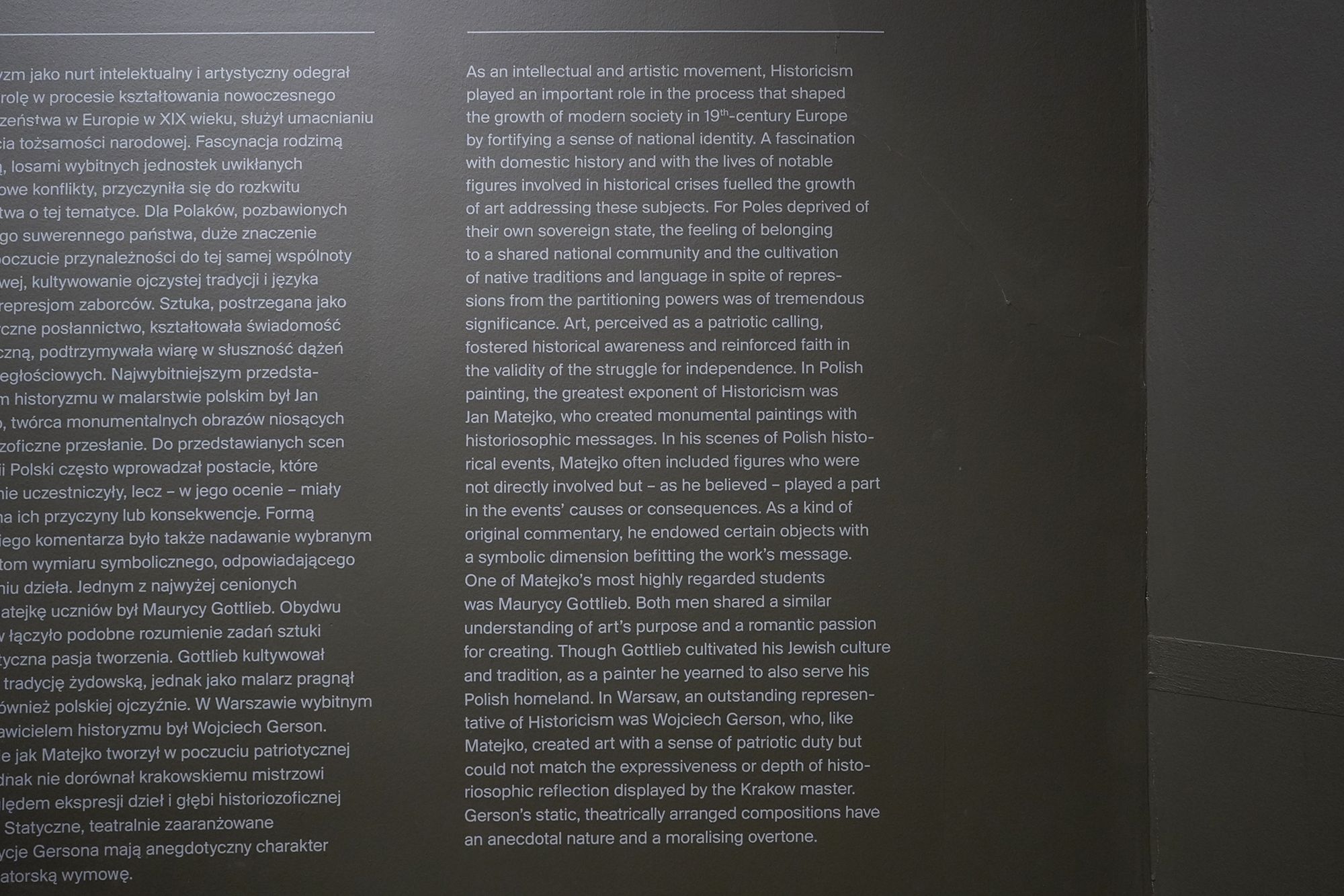
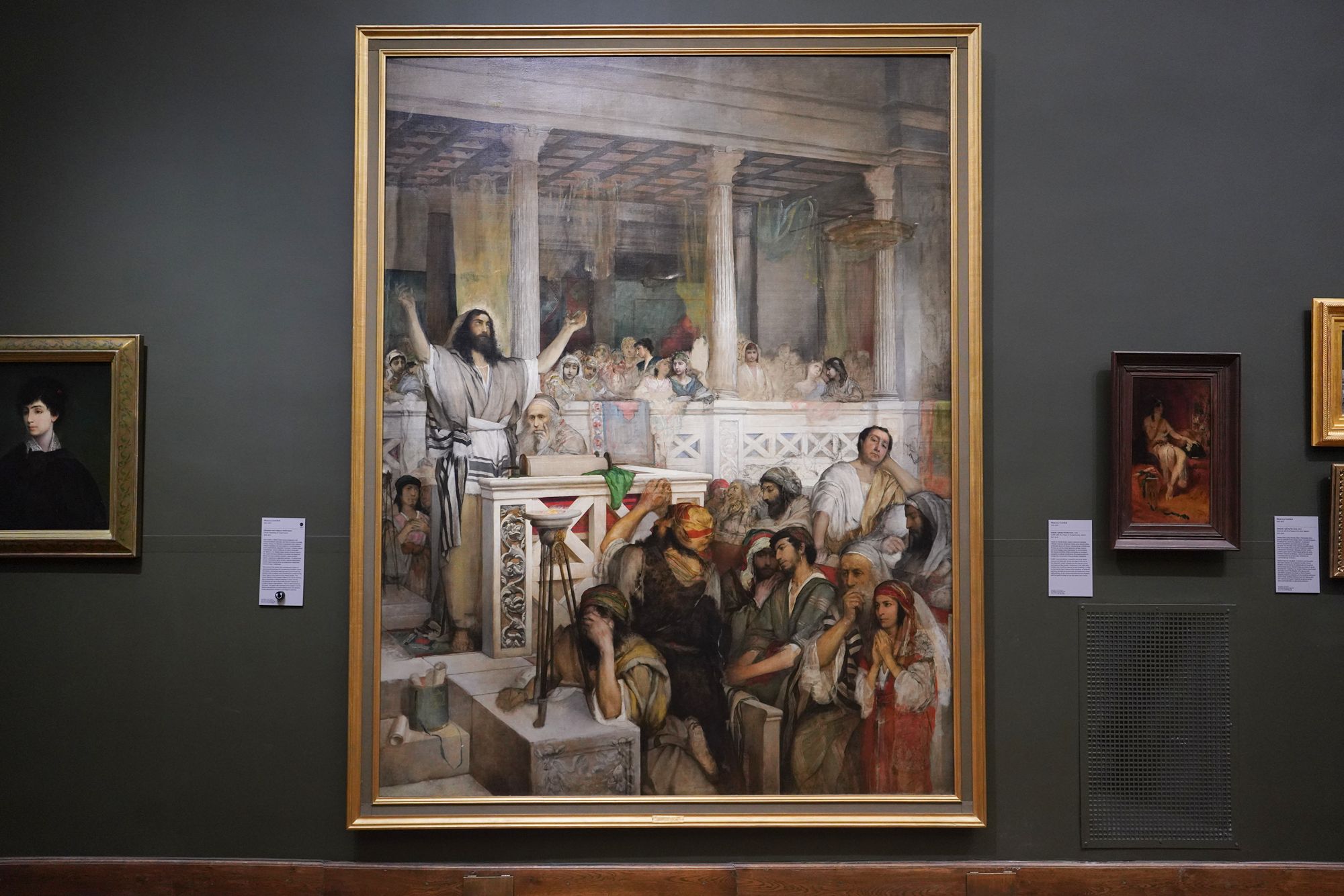
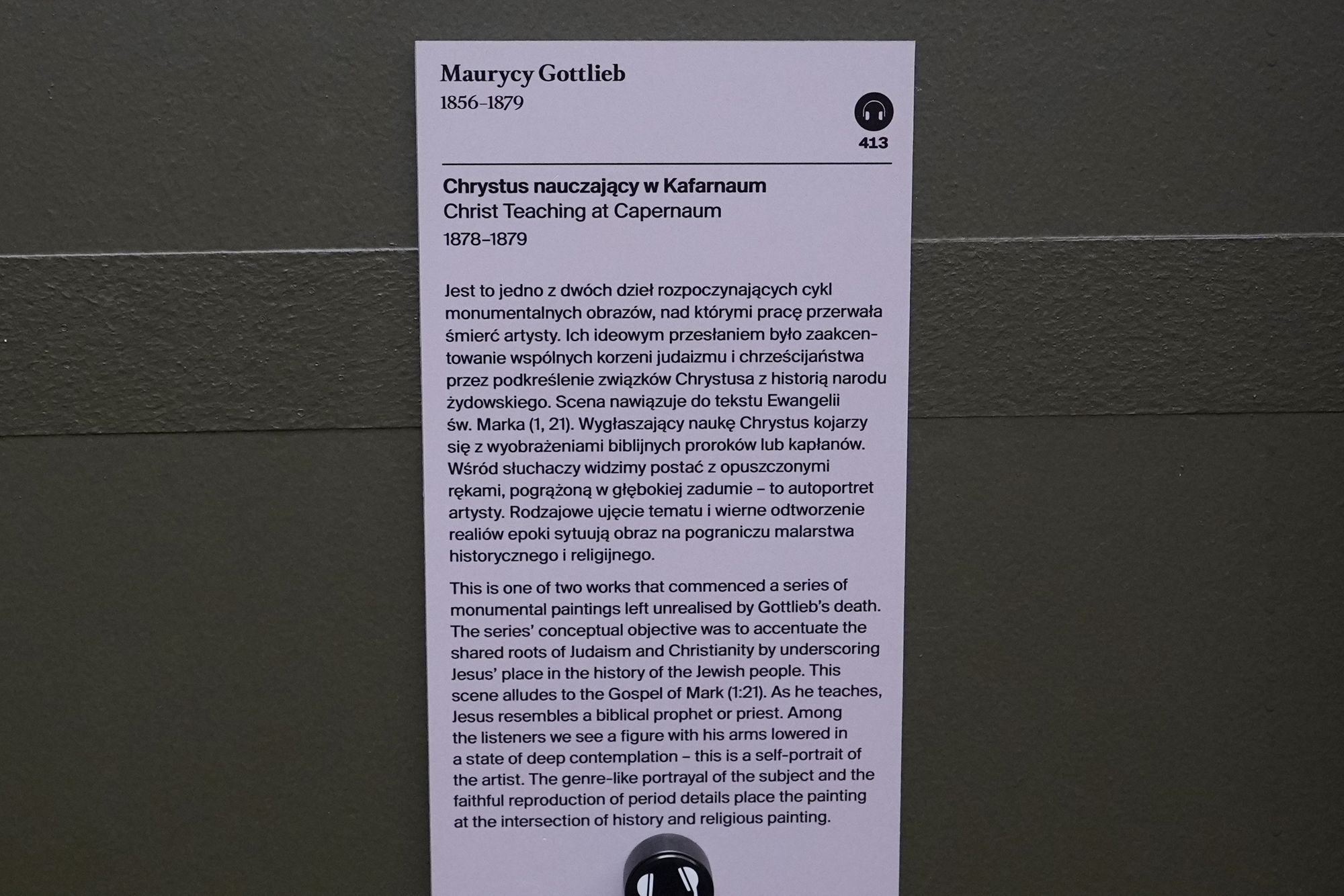
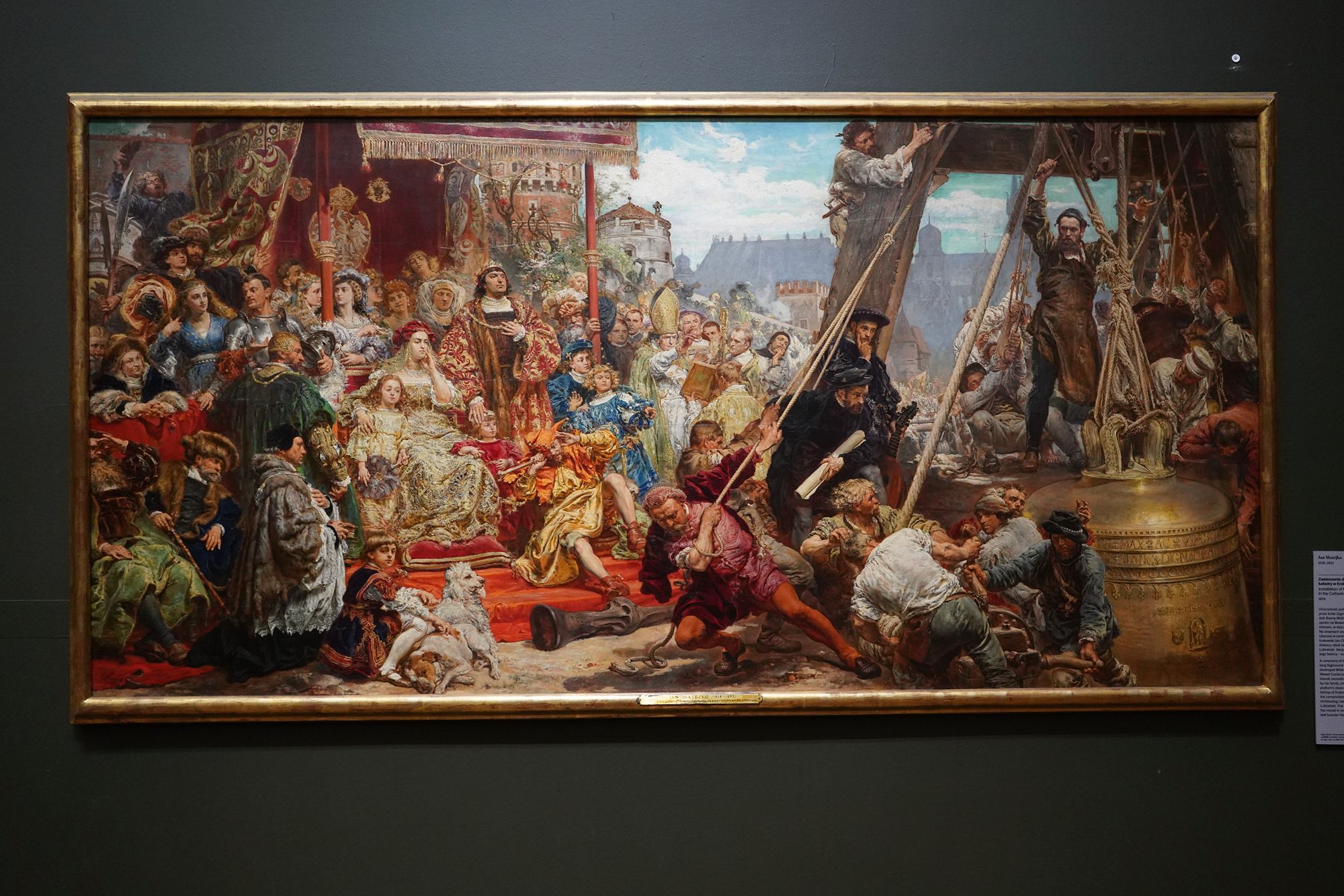
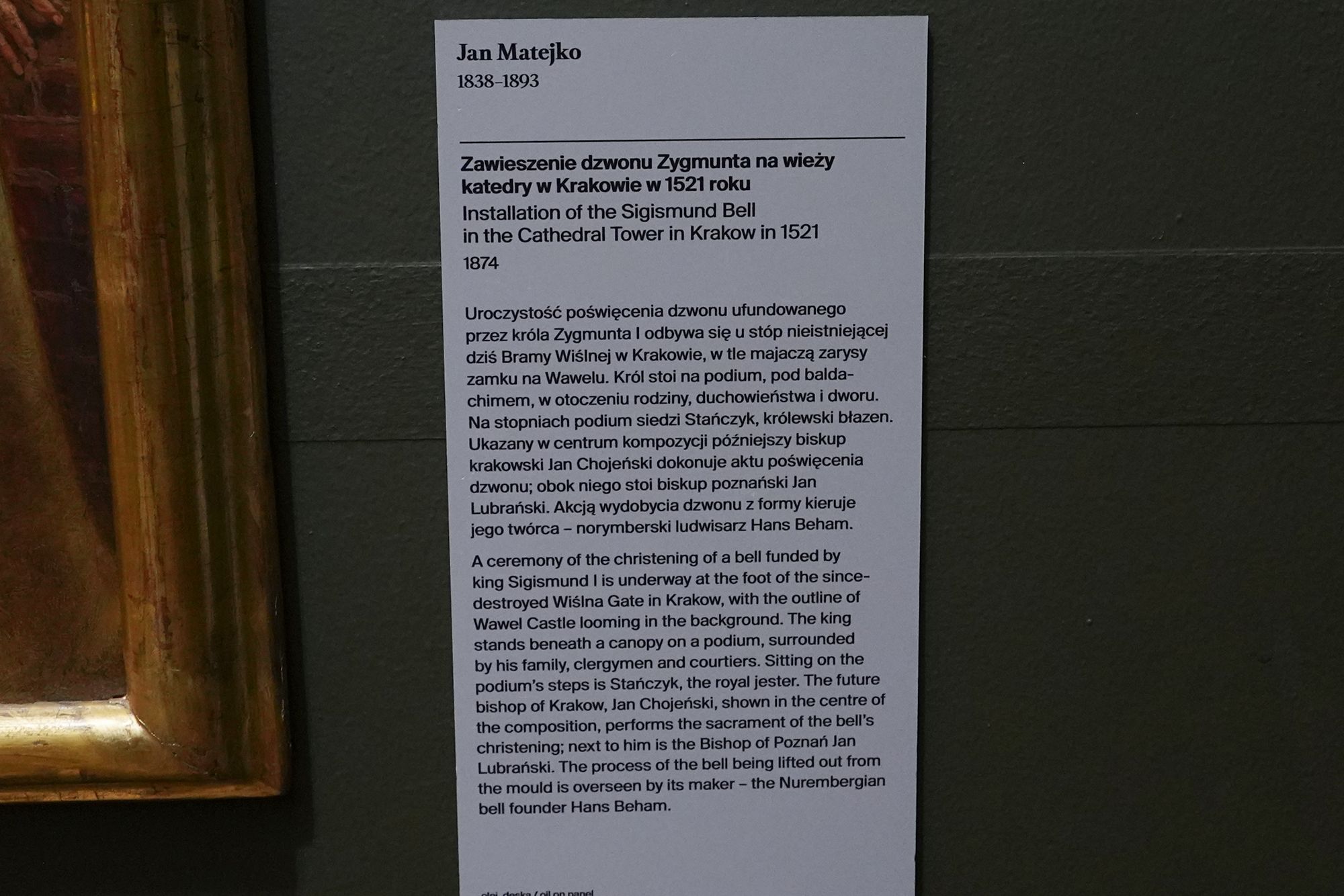
Jan Matejko (1838–1893) was a Polish painter best known for large, detailed paintings of important events in Poland’s history. Born in Kraków, he saw art as a way to preserve national identity and remind people of Poland’s past while the country was divided under foreign rule.
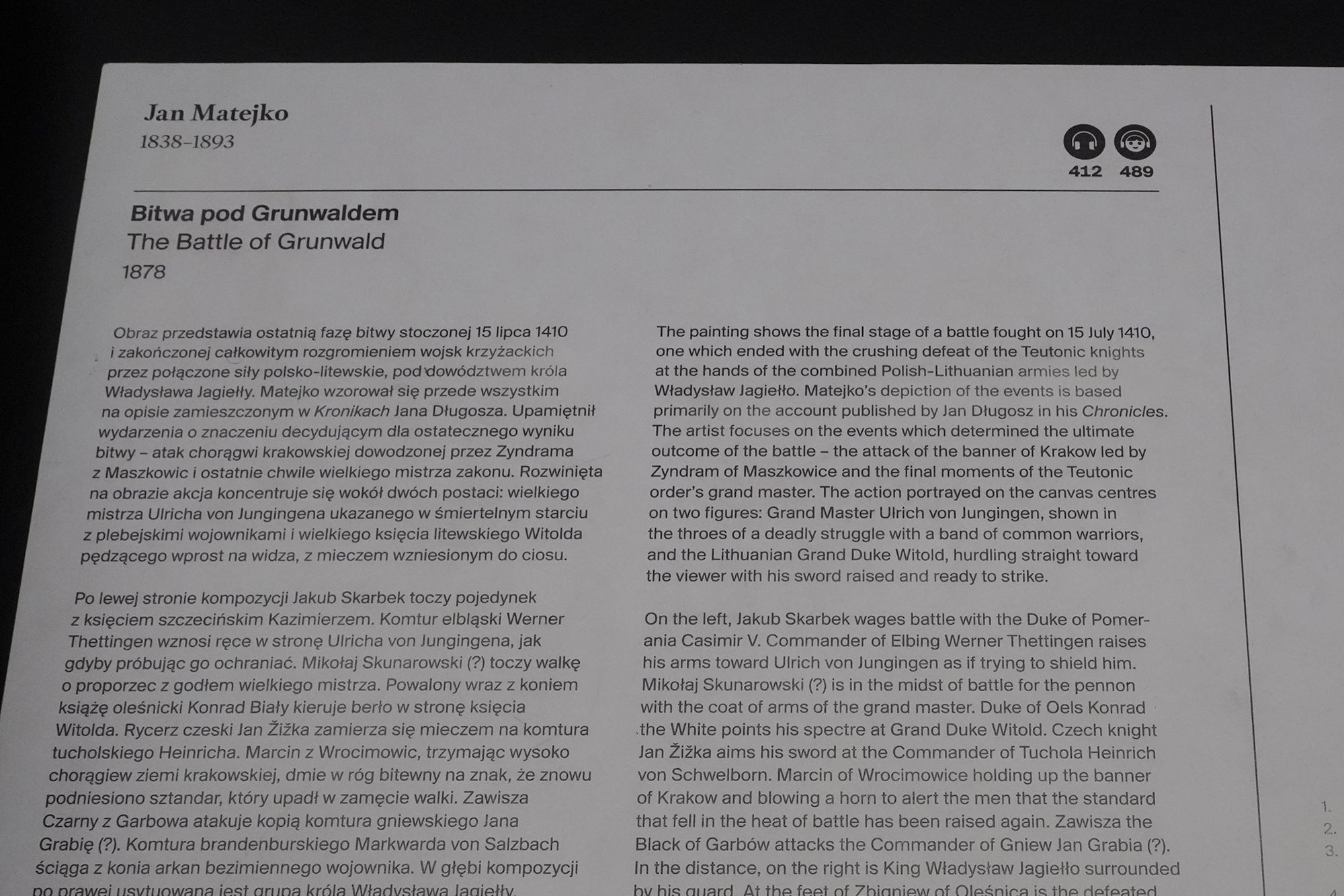
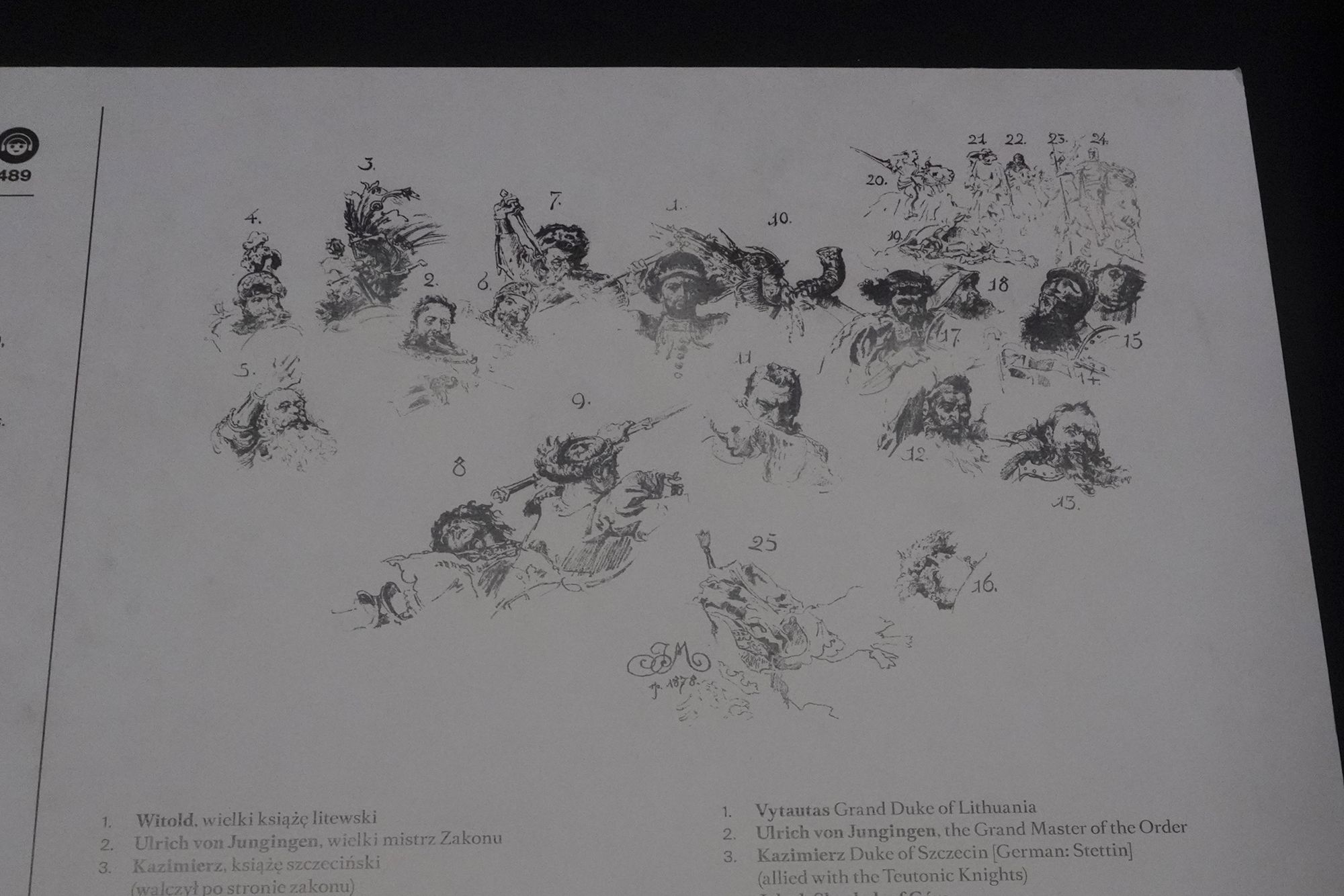
Jan Matejko’s The Battle of Grunwald (1878) depicts the Polish–Lithuanian victory over the Teutonic Knights in 1410. The crowded scene brings together charging warriors, raised weapons, and fallen horses. At its center are Grand Duke Vytautas and the Teutonic Grand Master Ulrich von Jungingen, shown in his final struggle.
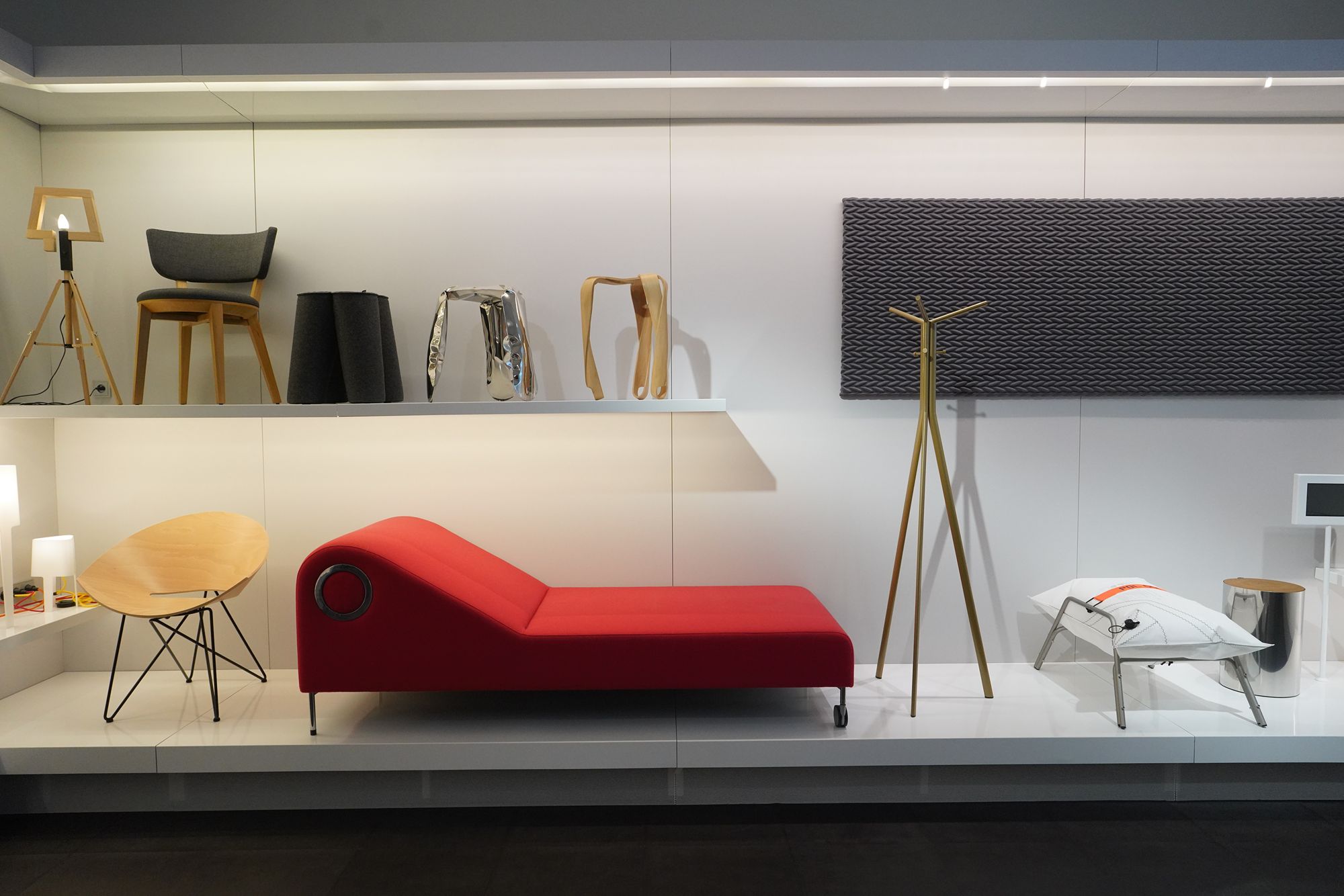
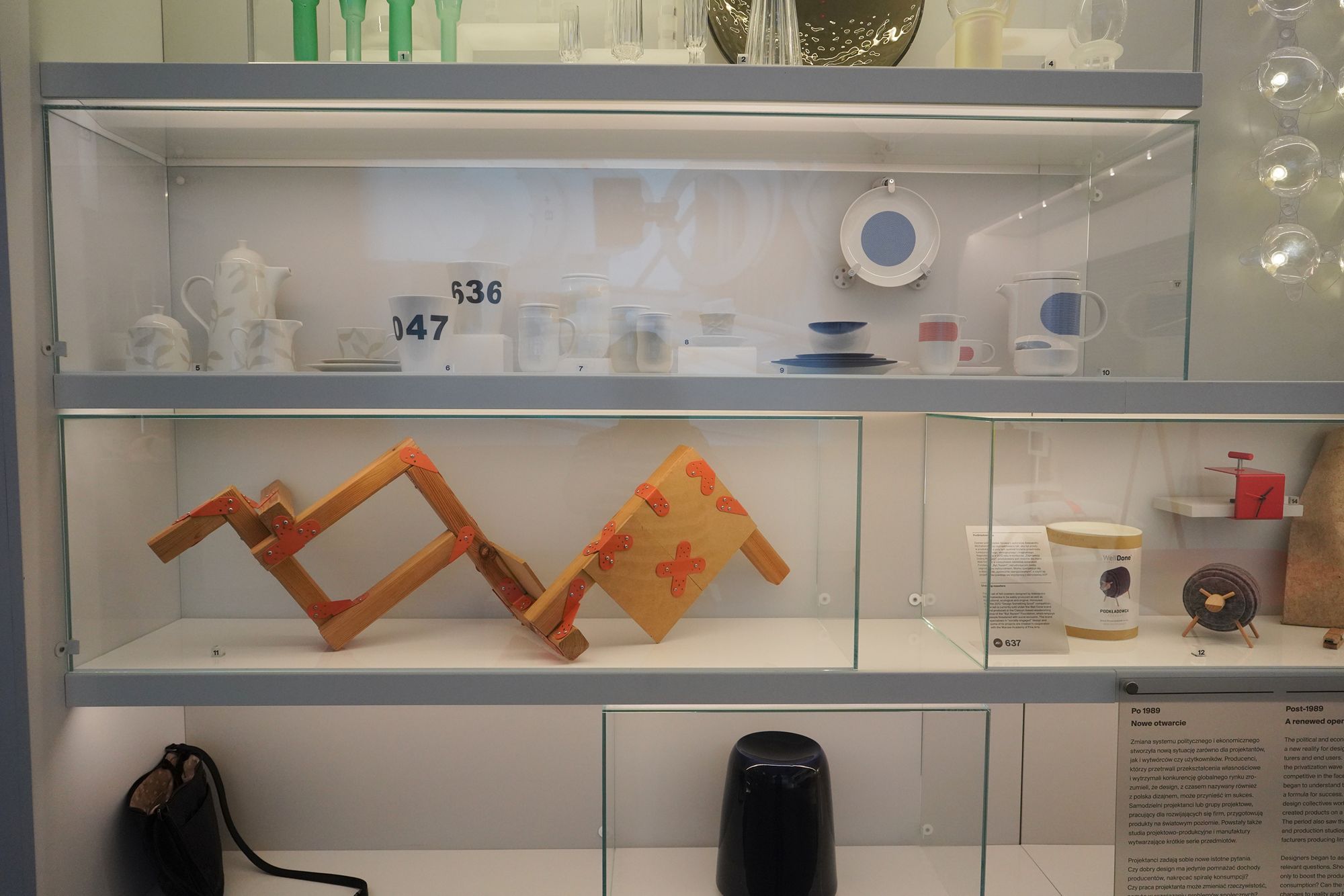
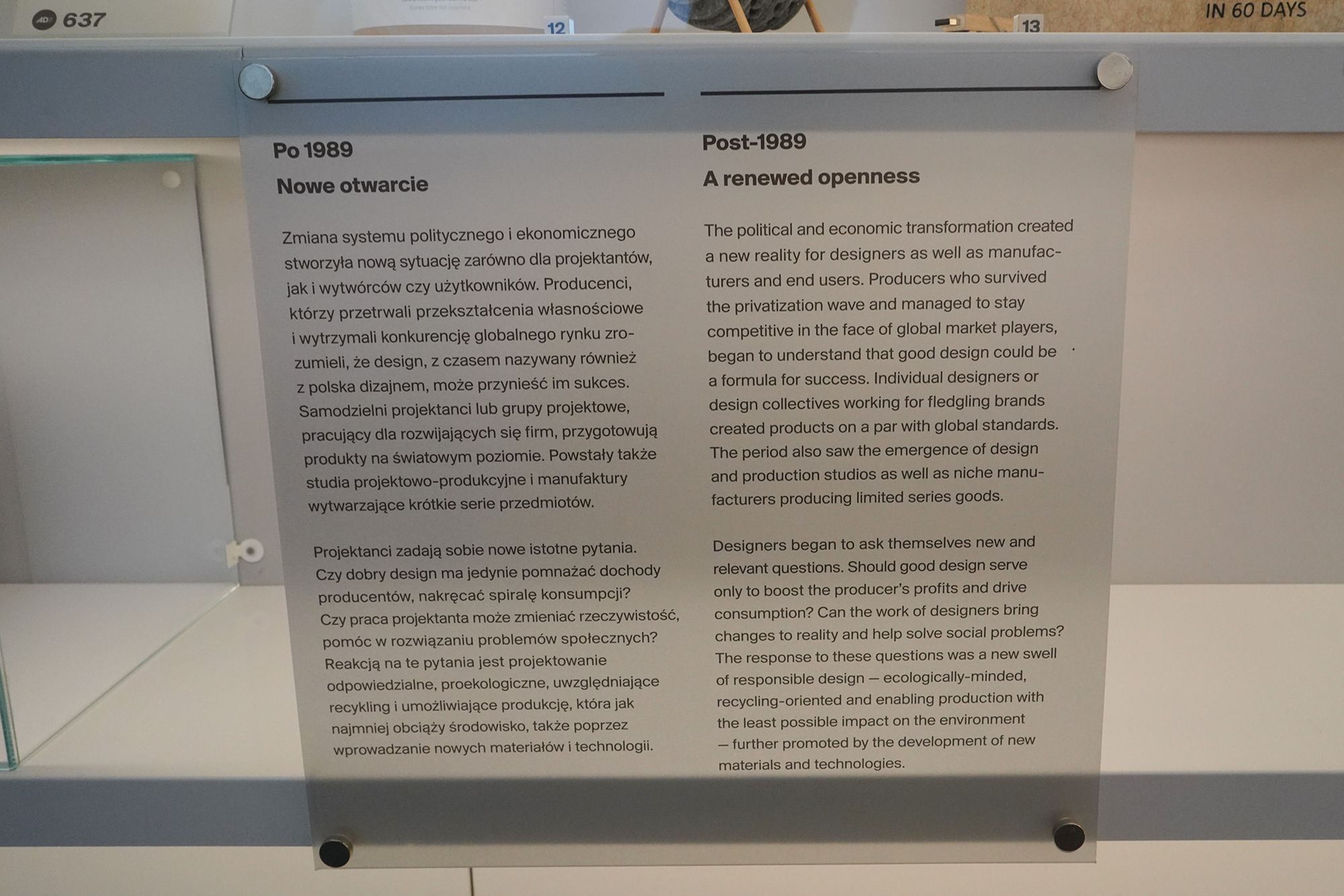
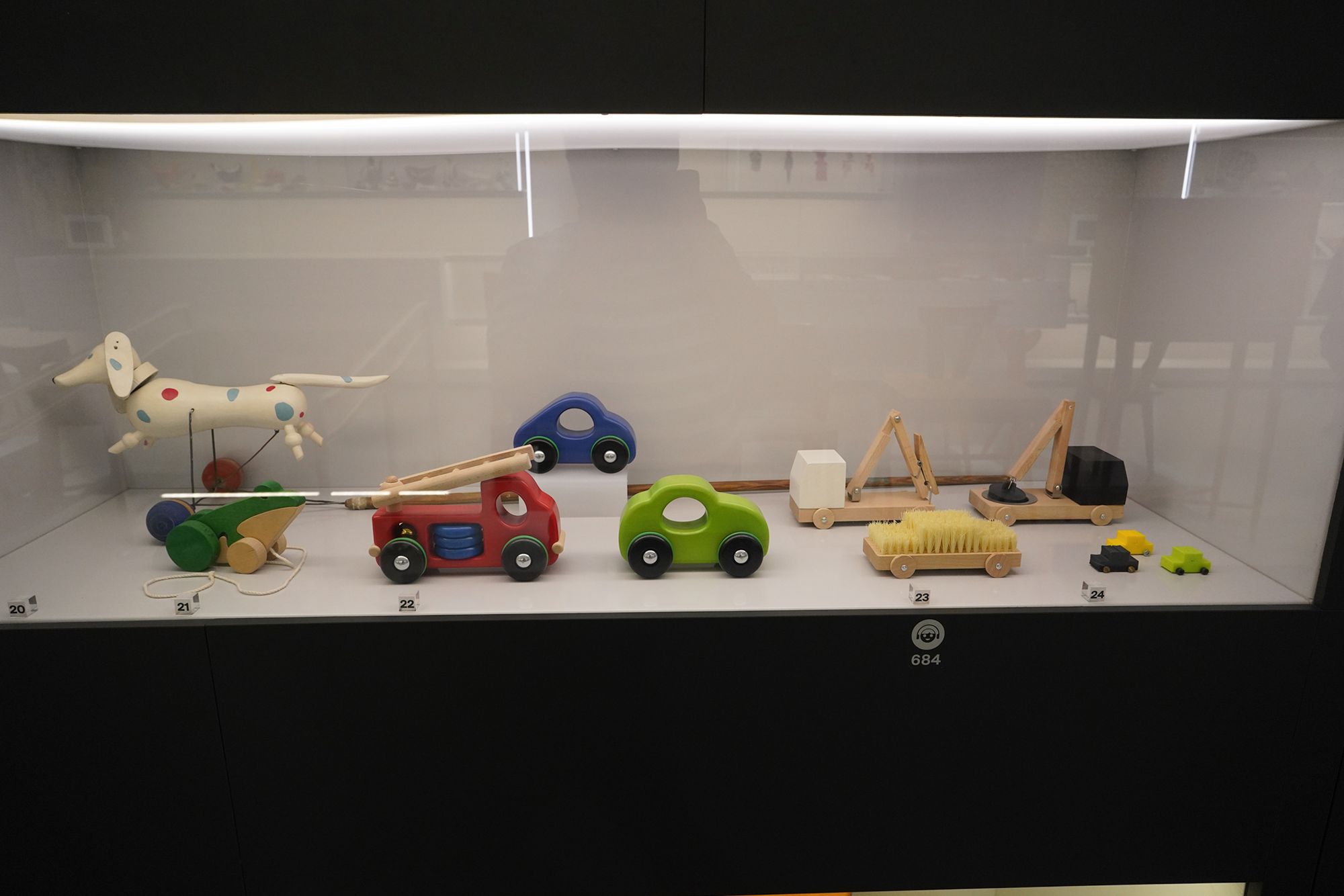
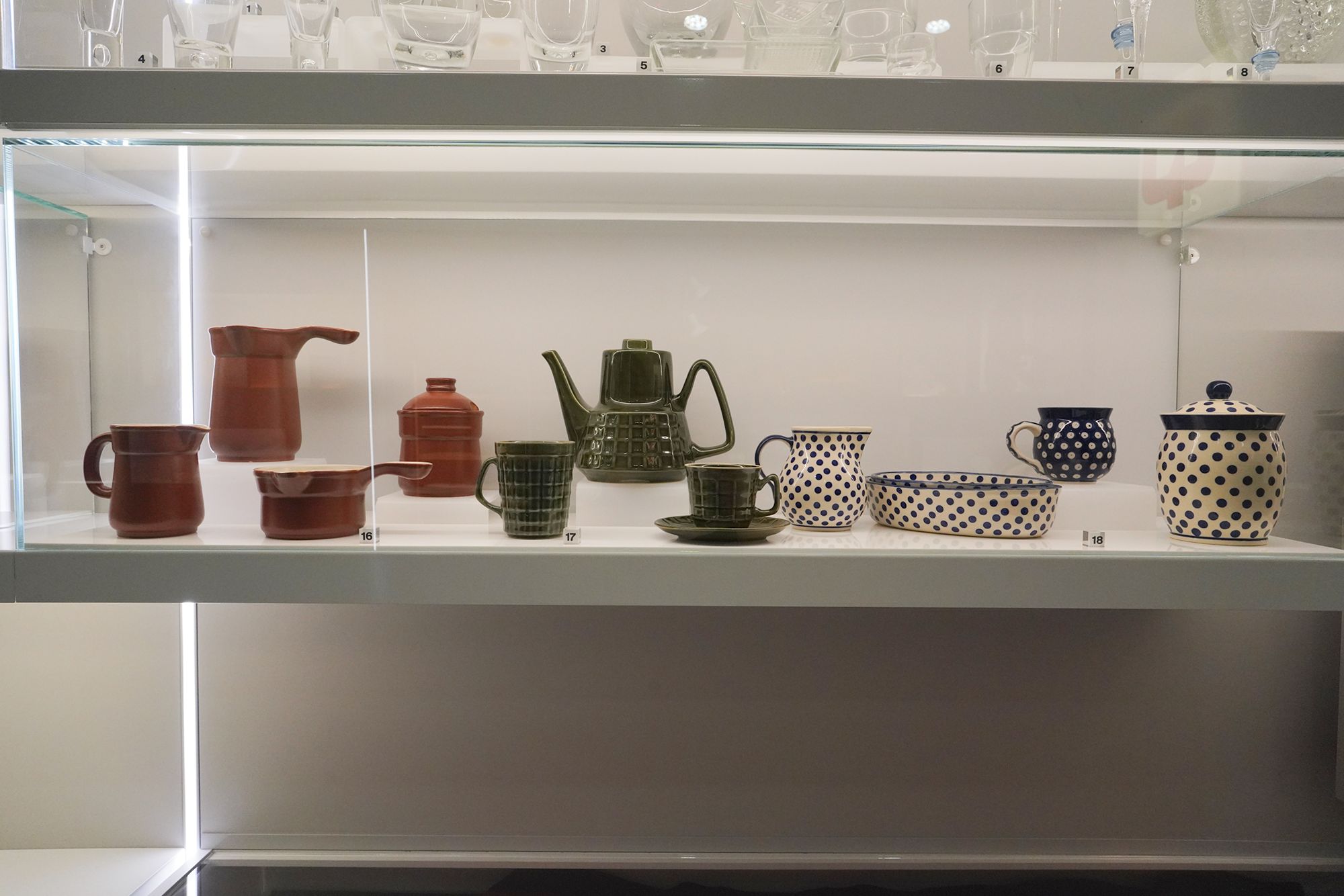
I then explored Polish design after 1989, when political and economic changes opened new opportunities for designers and manufacturers. Alongside products created for an increasingly competitive market, the display highlights growing attention to recycling, environmental impact, and how thoughtful design can help address social problems.
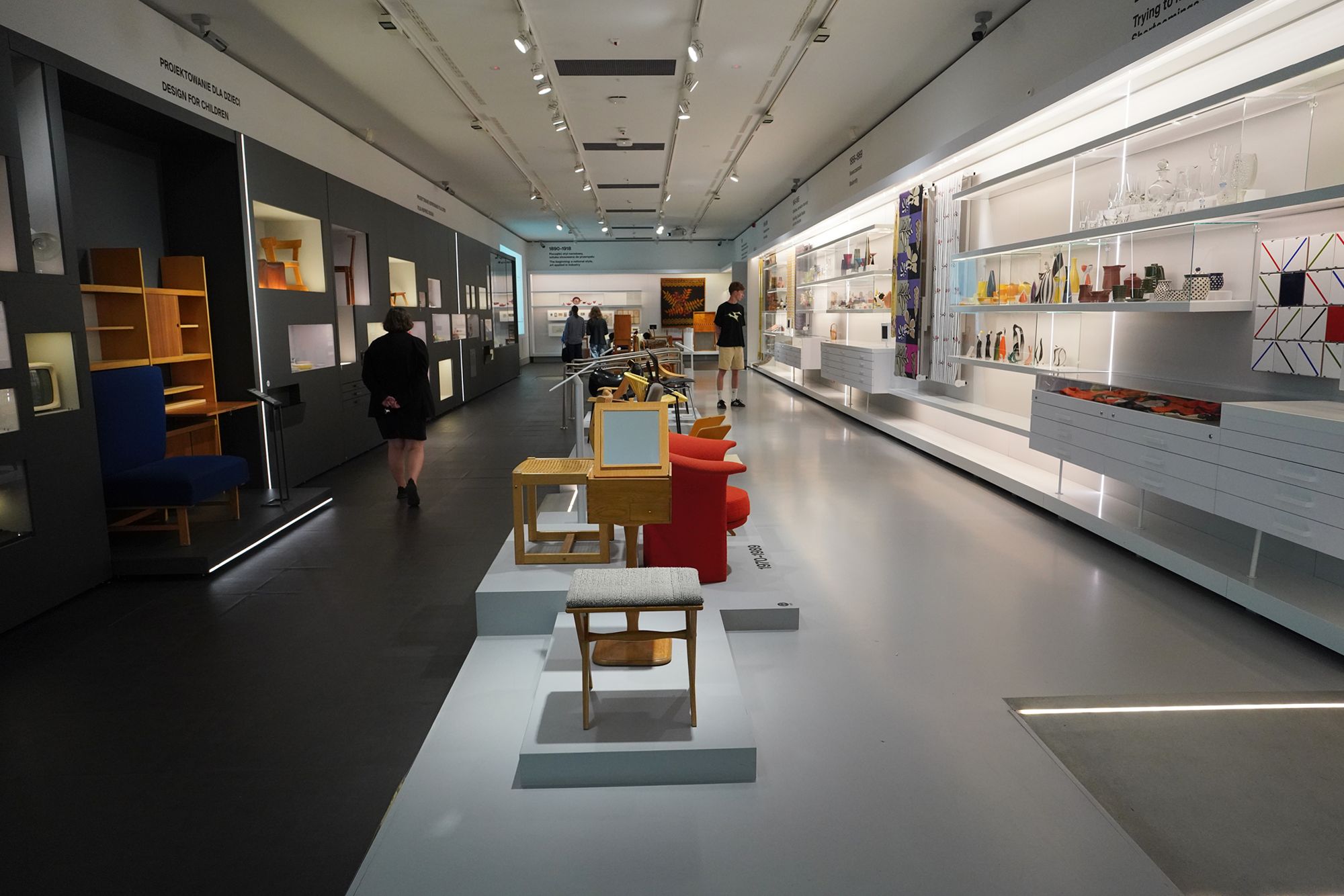
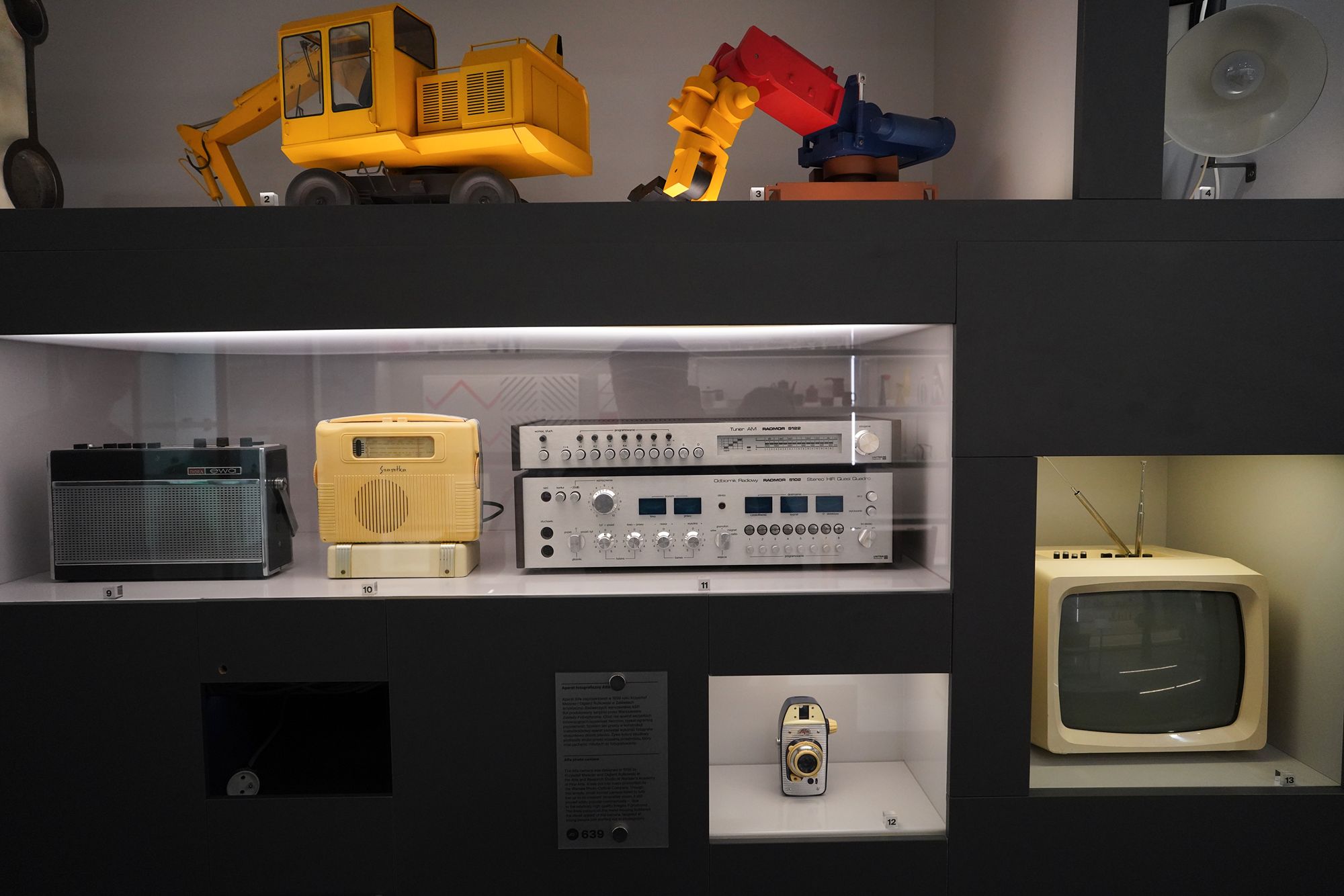
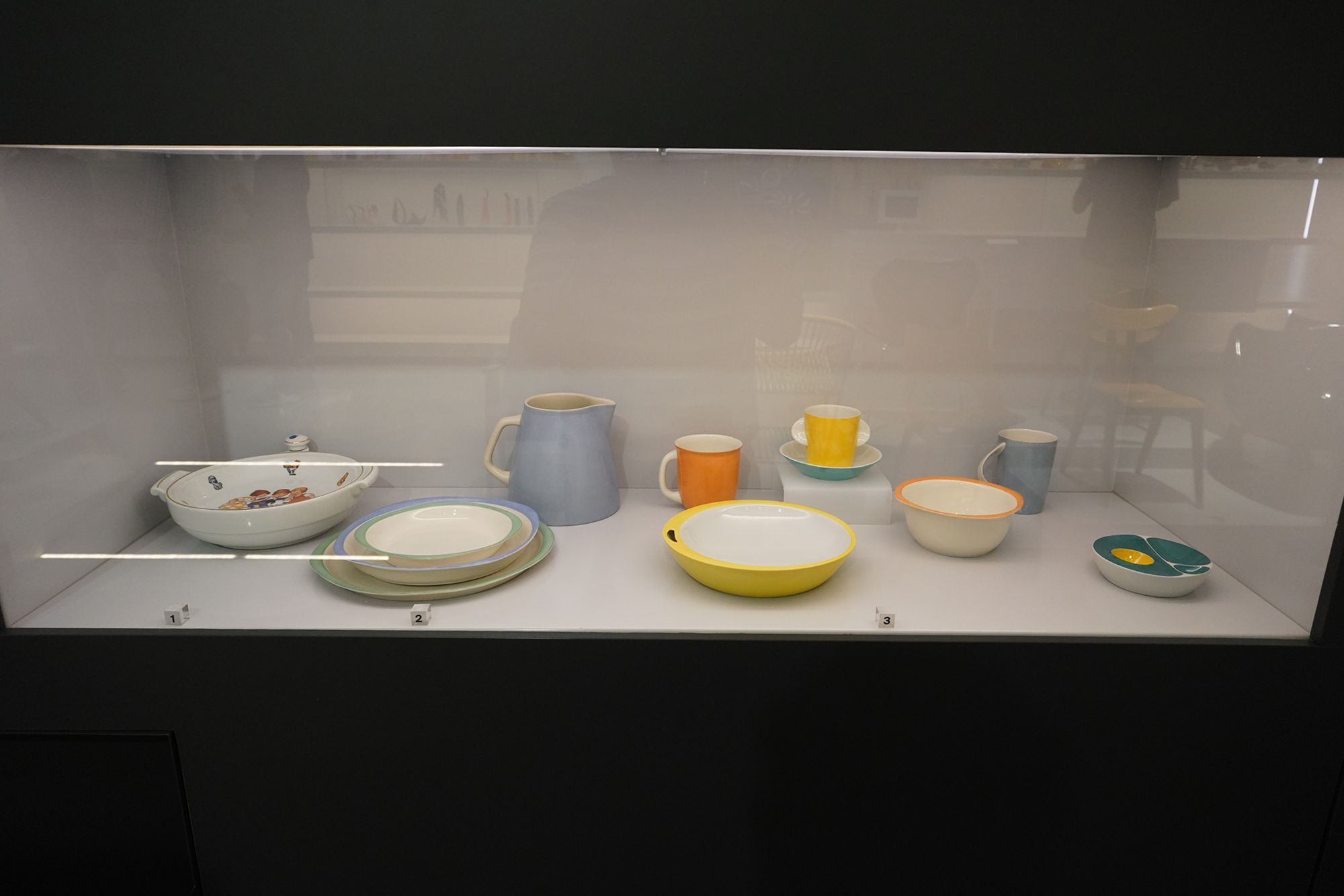
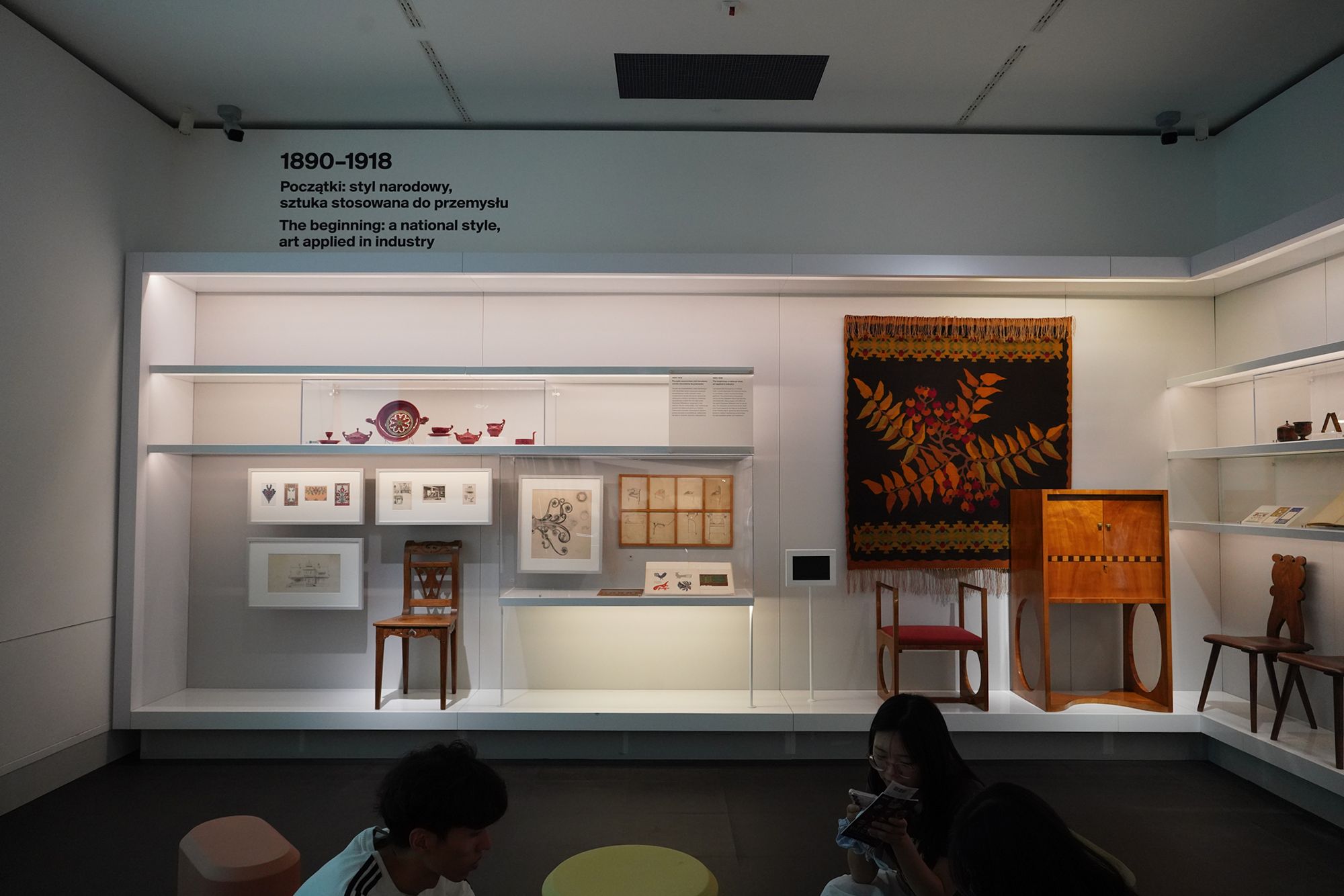
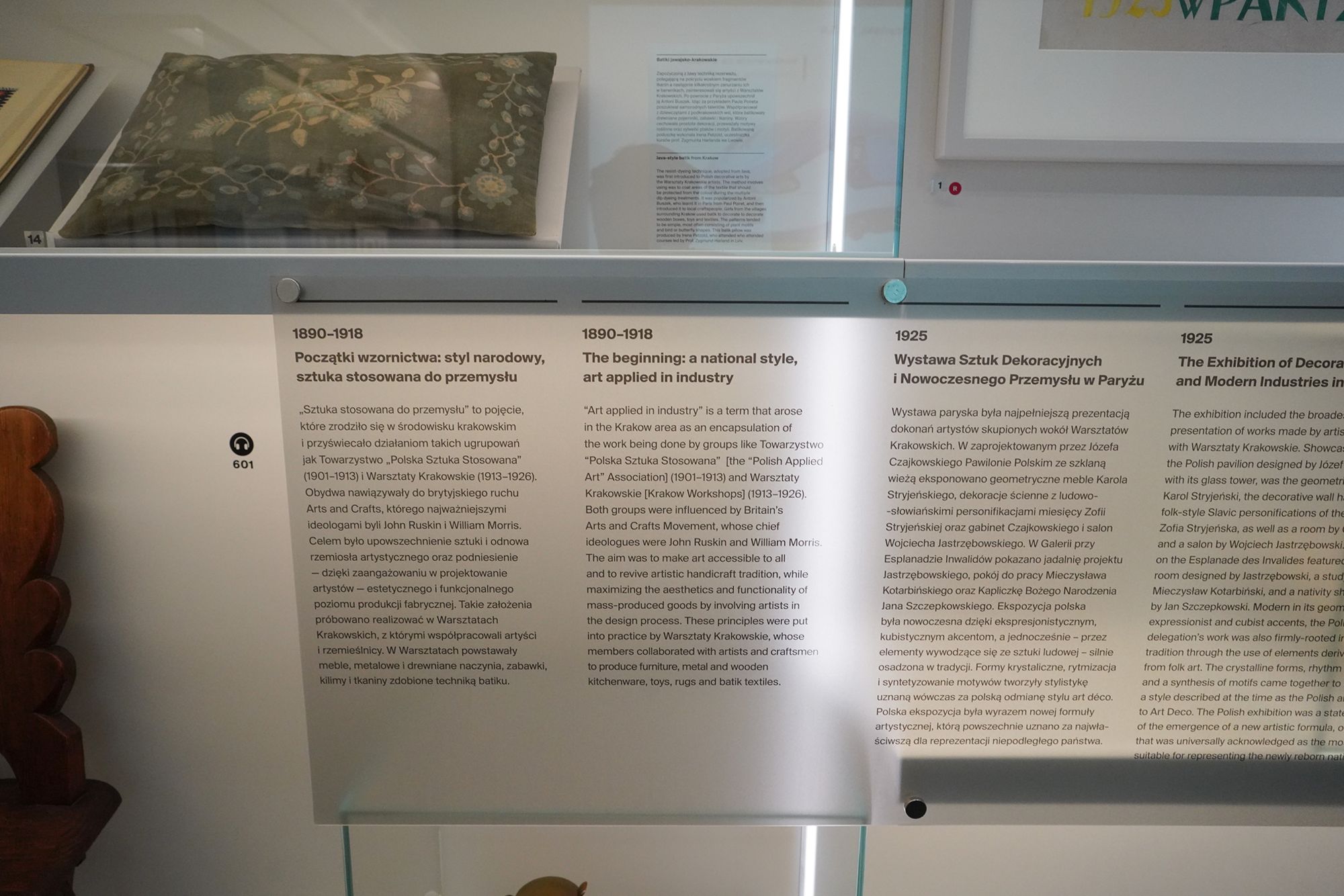
This display explores the beginnings of Polish design between 1890 and 1918. A wooden chair, decorated ceramics, textiles, and design drawings show how artistic ideas extended into everyday objects, as designers sought to create a recognizable national style.
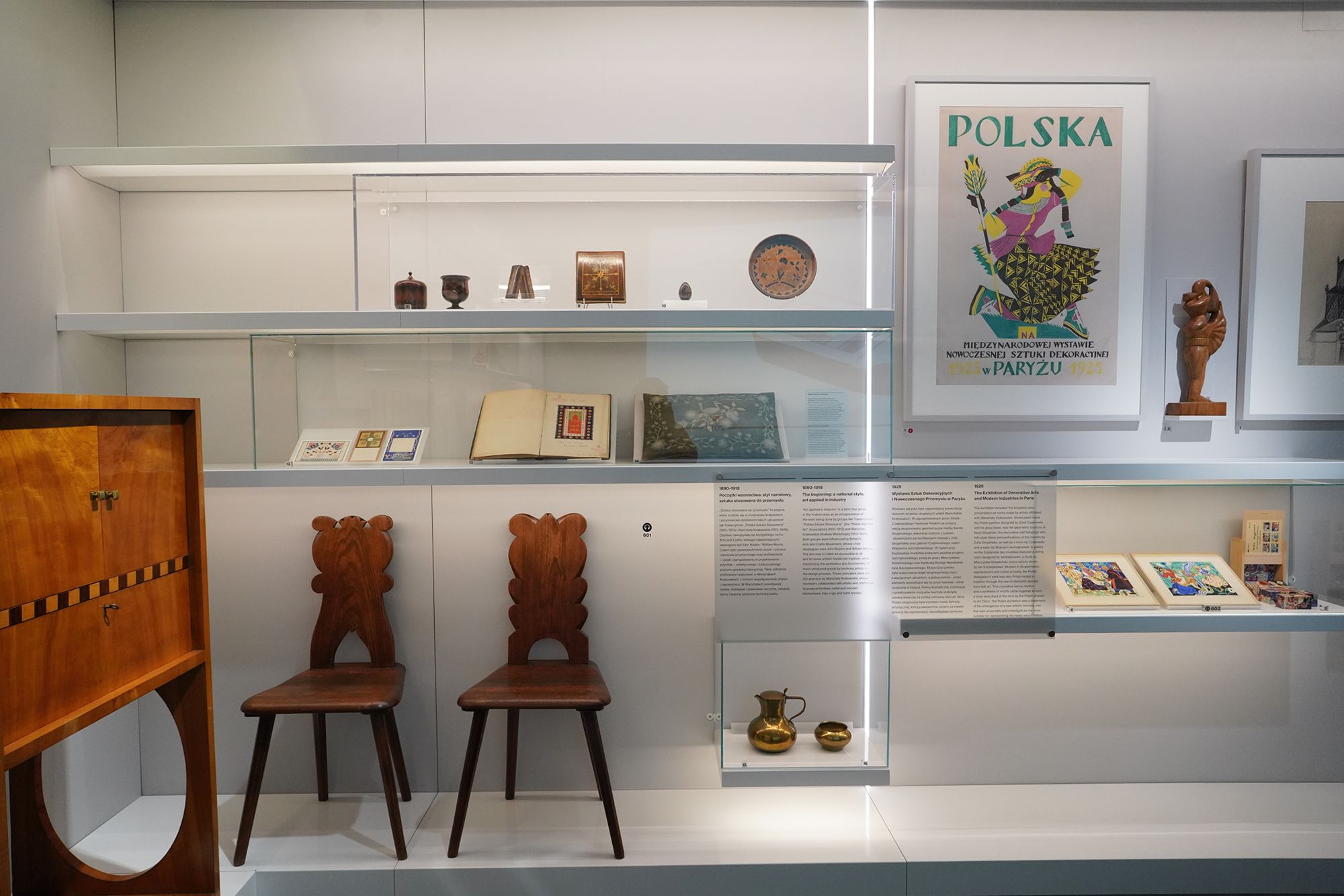
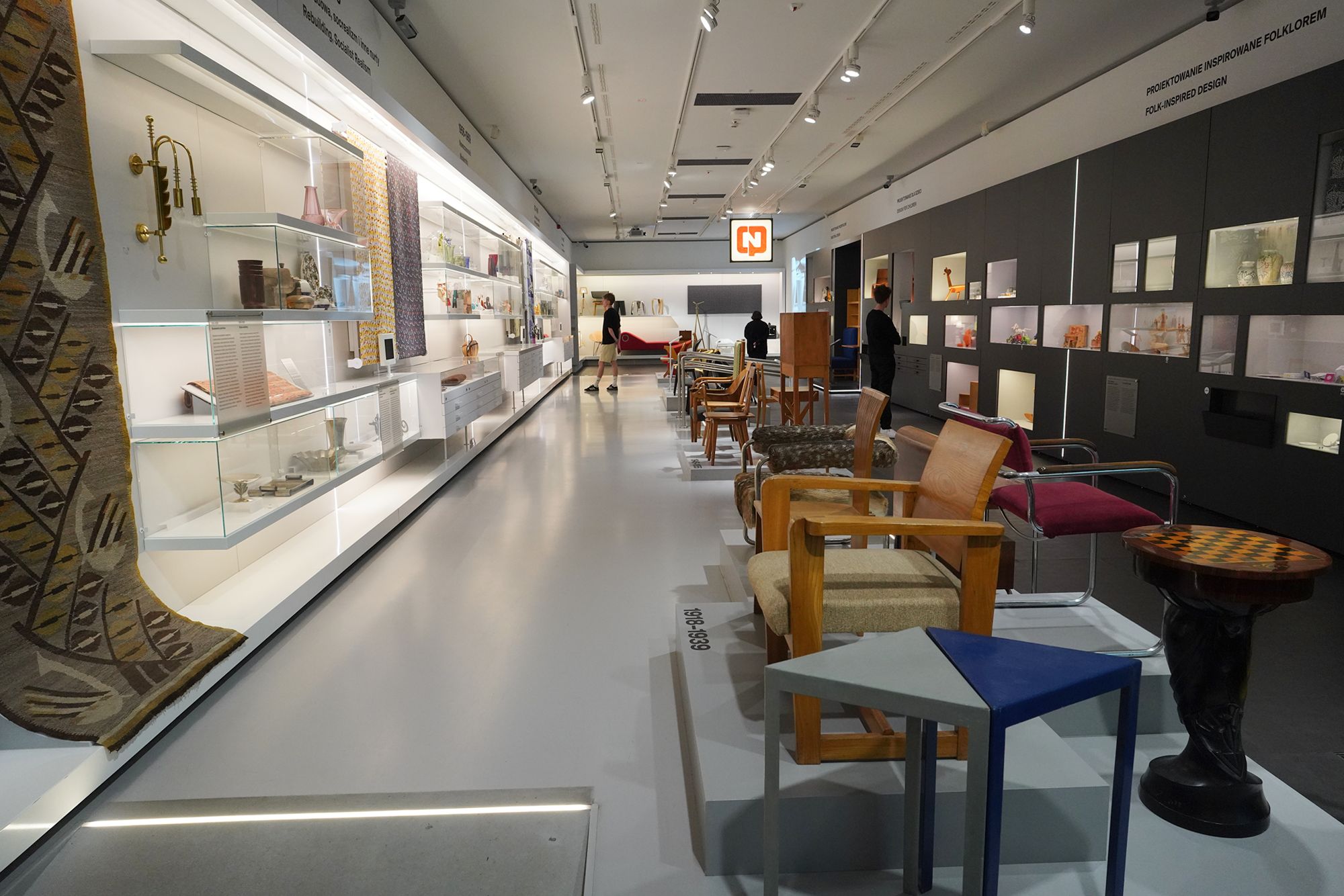
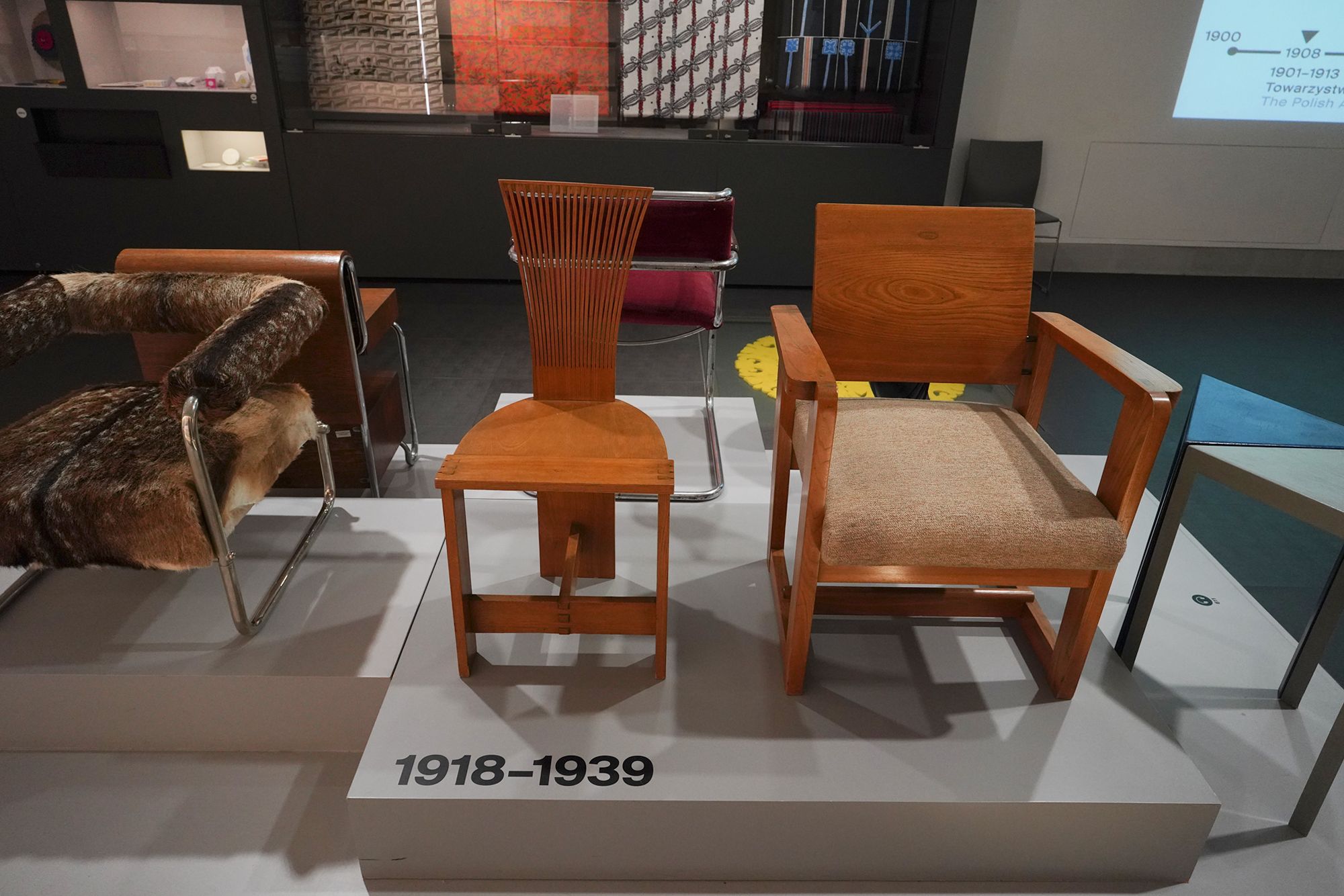
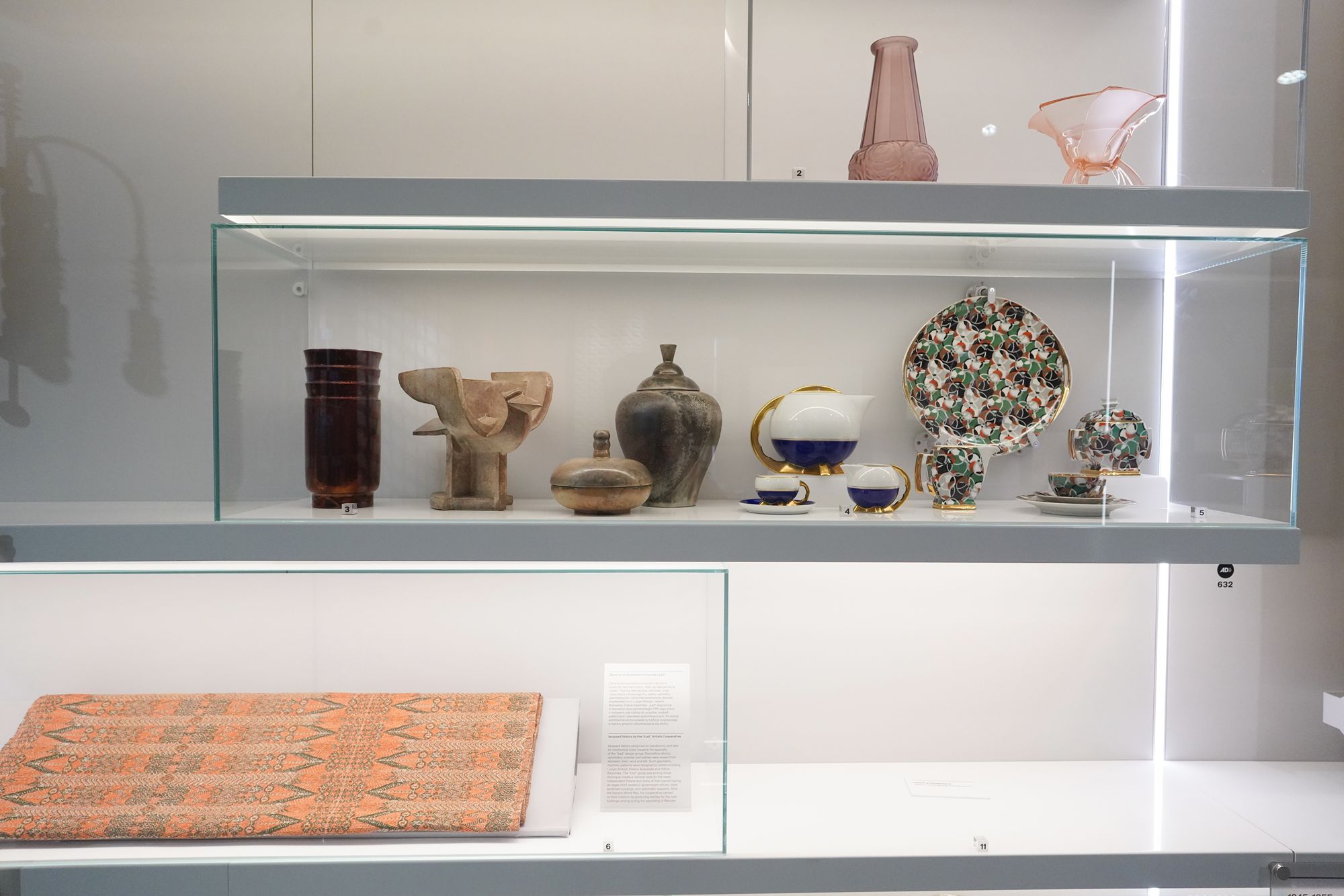
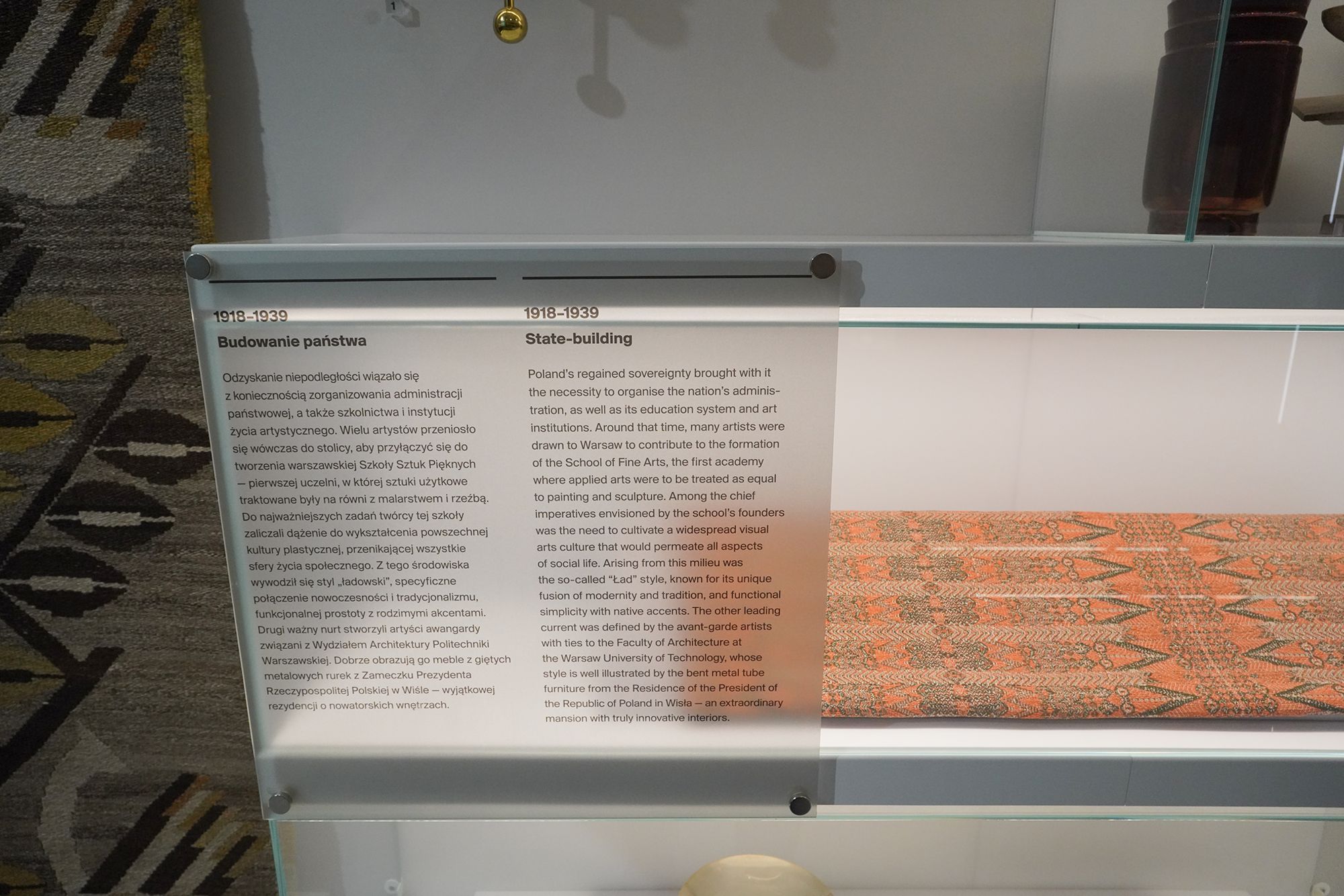
This section covers Polish design between 1918 and 1939, as the newly independent country built its institutions and cultural identity. The Ład style combined modern ideas with traditional influences and practical simplicity, while avant-garde designers experimented with materials such as bent metal tubing for furniture.
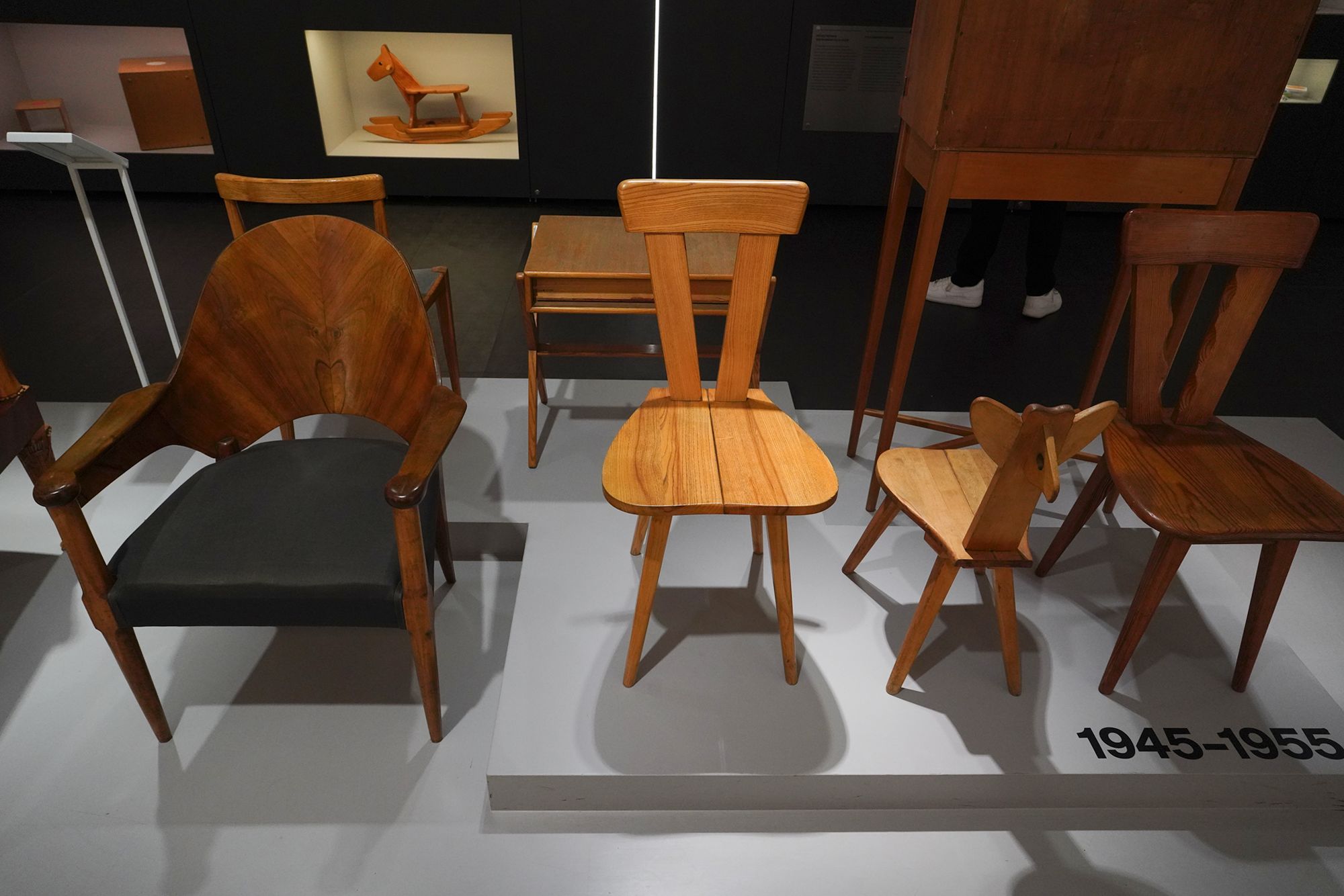
1945-1955
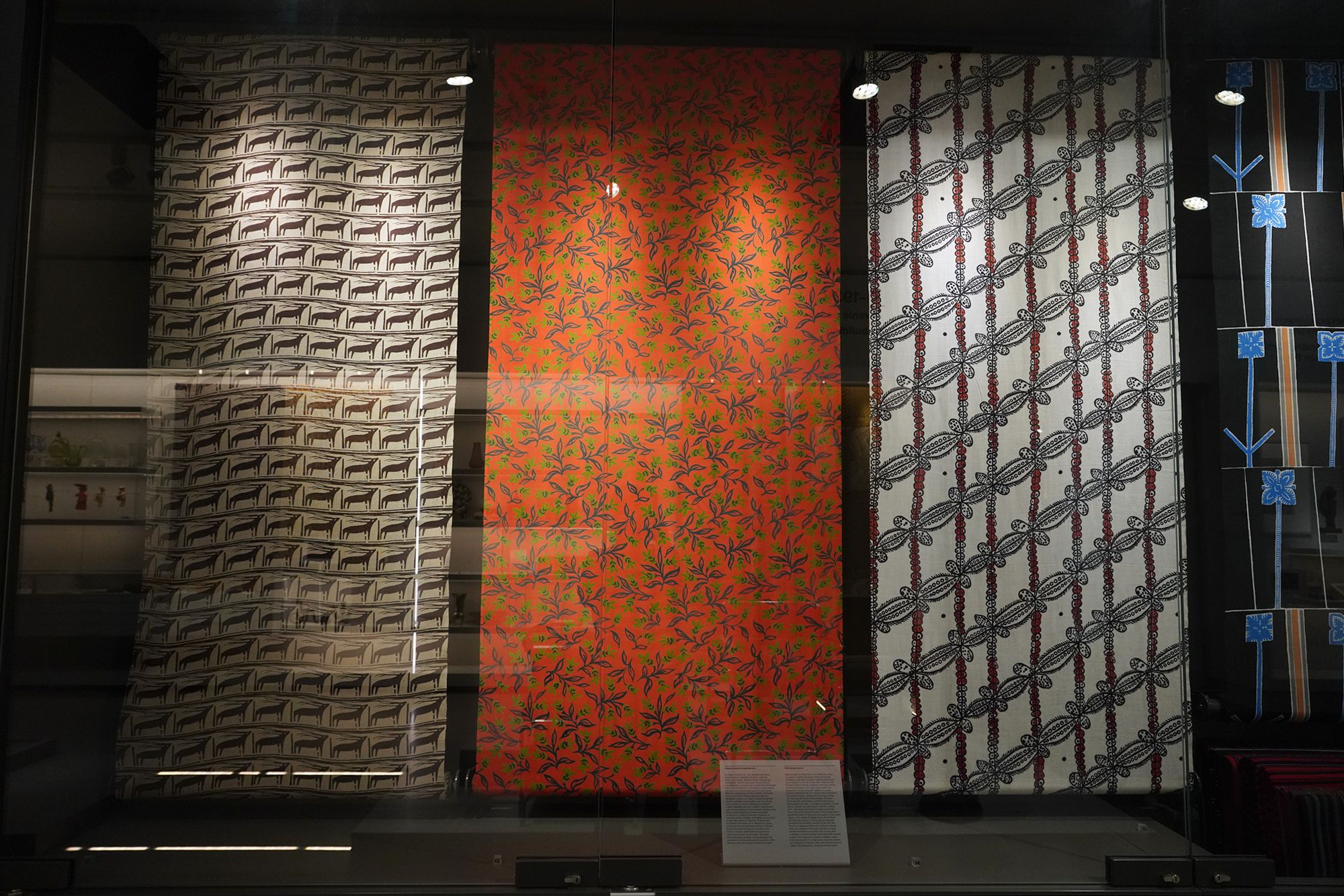
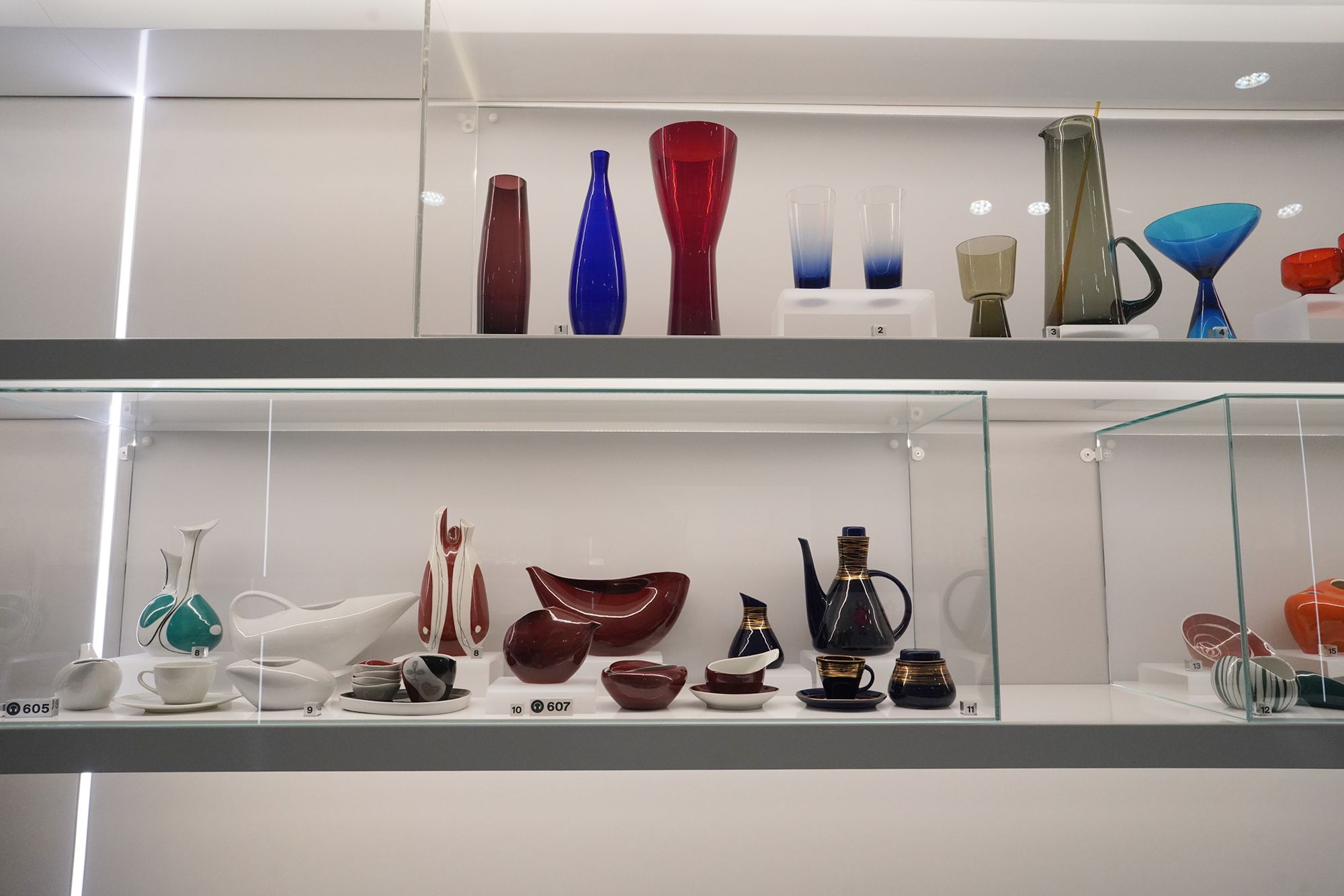
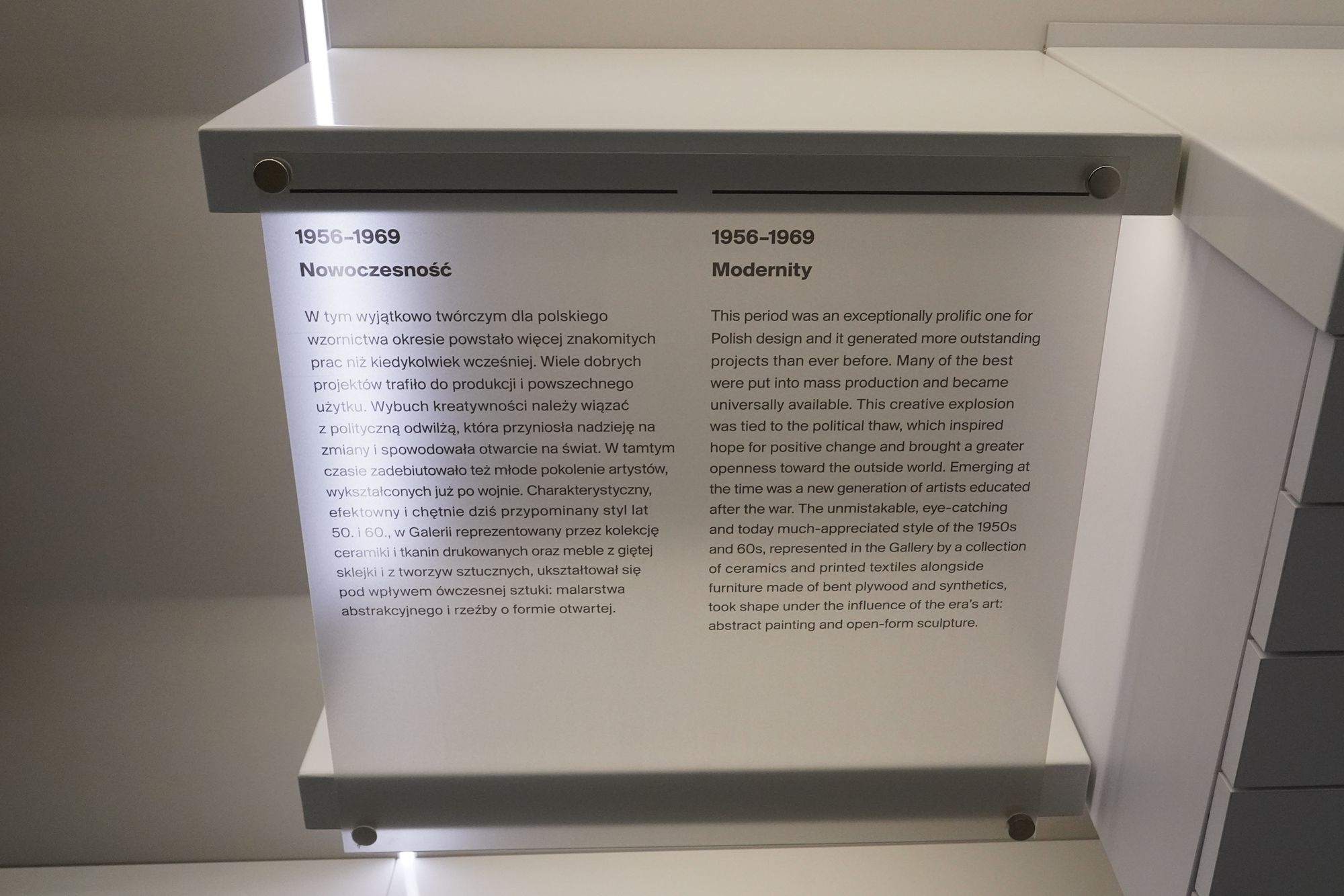
The next display explores Polish design from 1956 to 1969, when greater creative freedom brought fresh ideas into everyday life. Colourful ceramics, patterned textiles and furniture made from bent plywood reflected a growing interest in modern forms, influenced by abstract painting and sculpture.
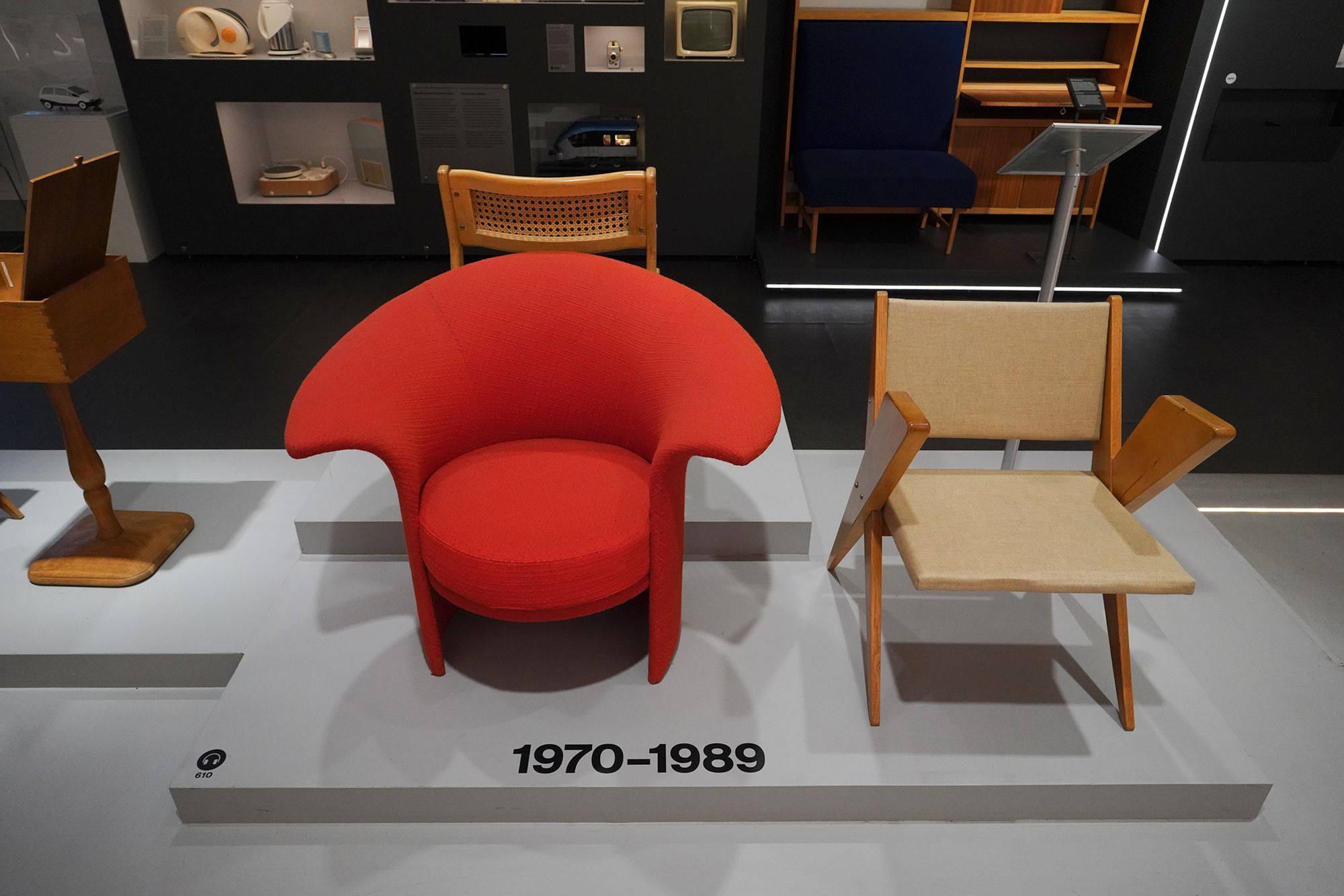
1970-1989
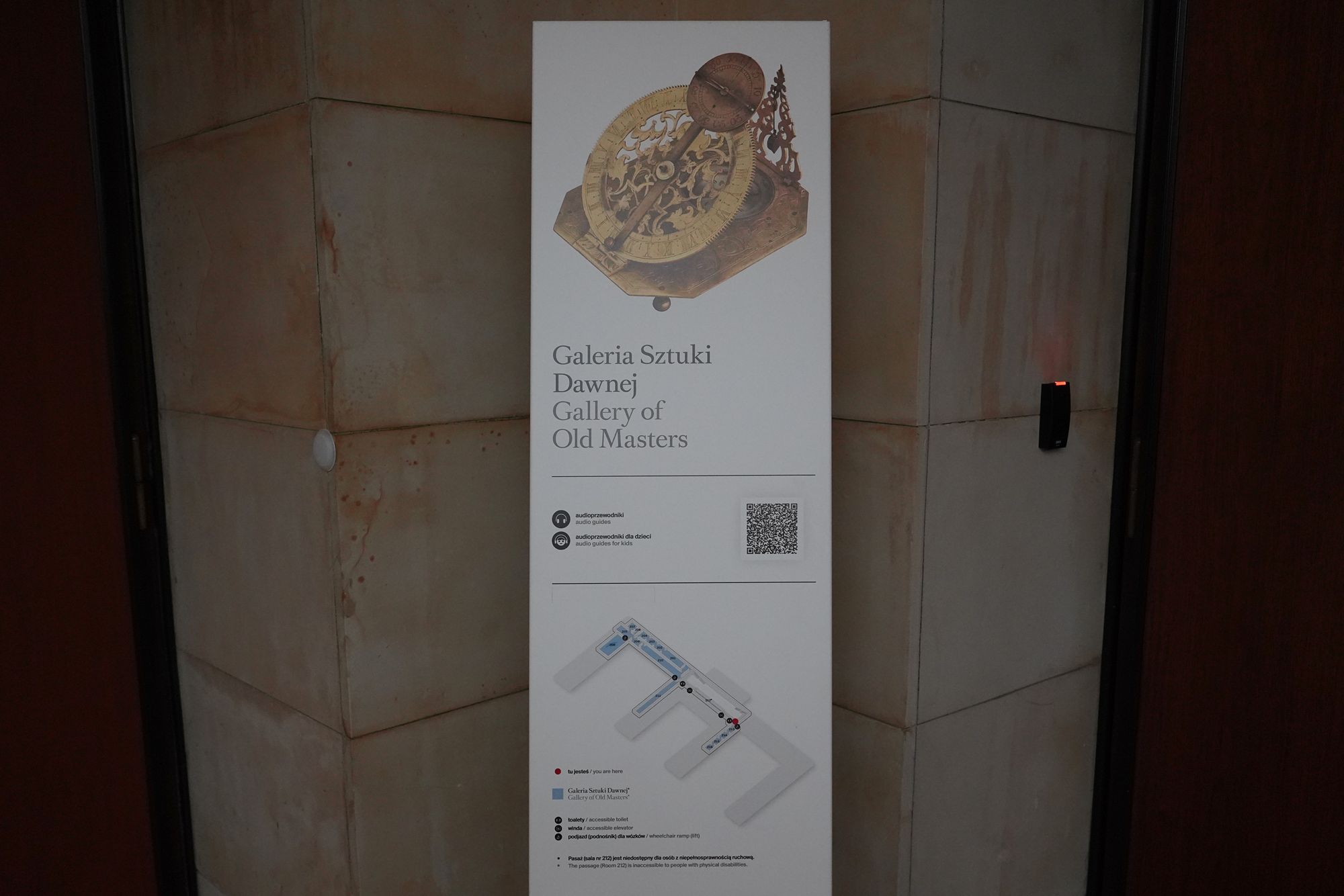
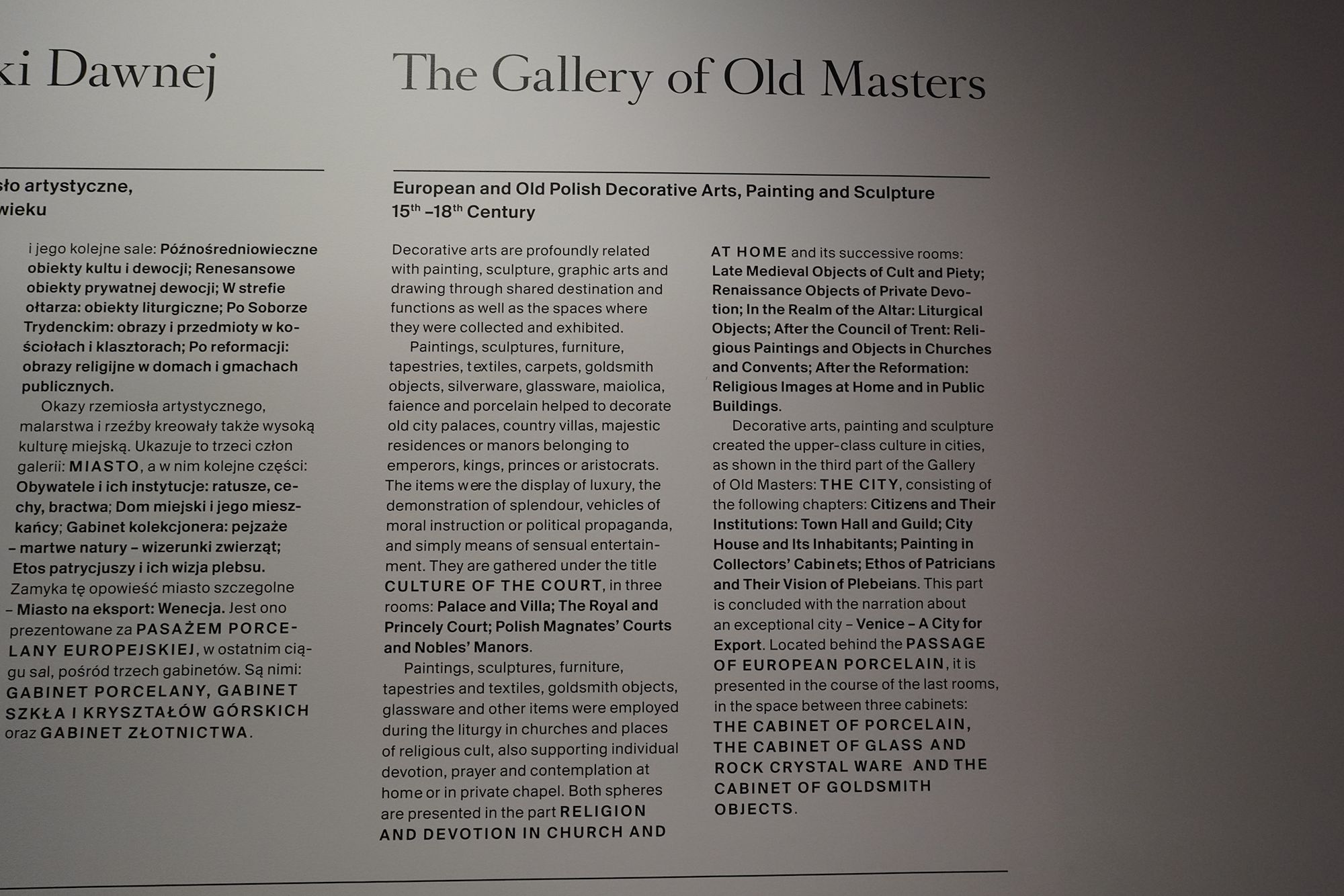
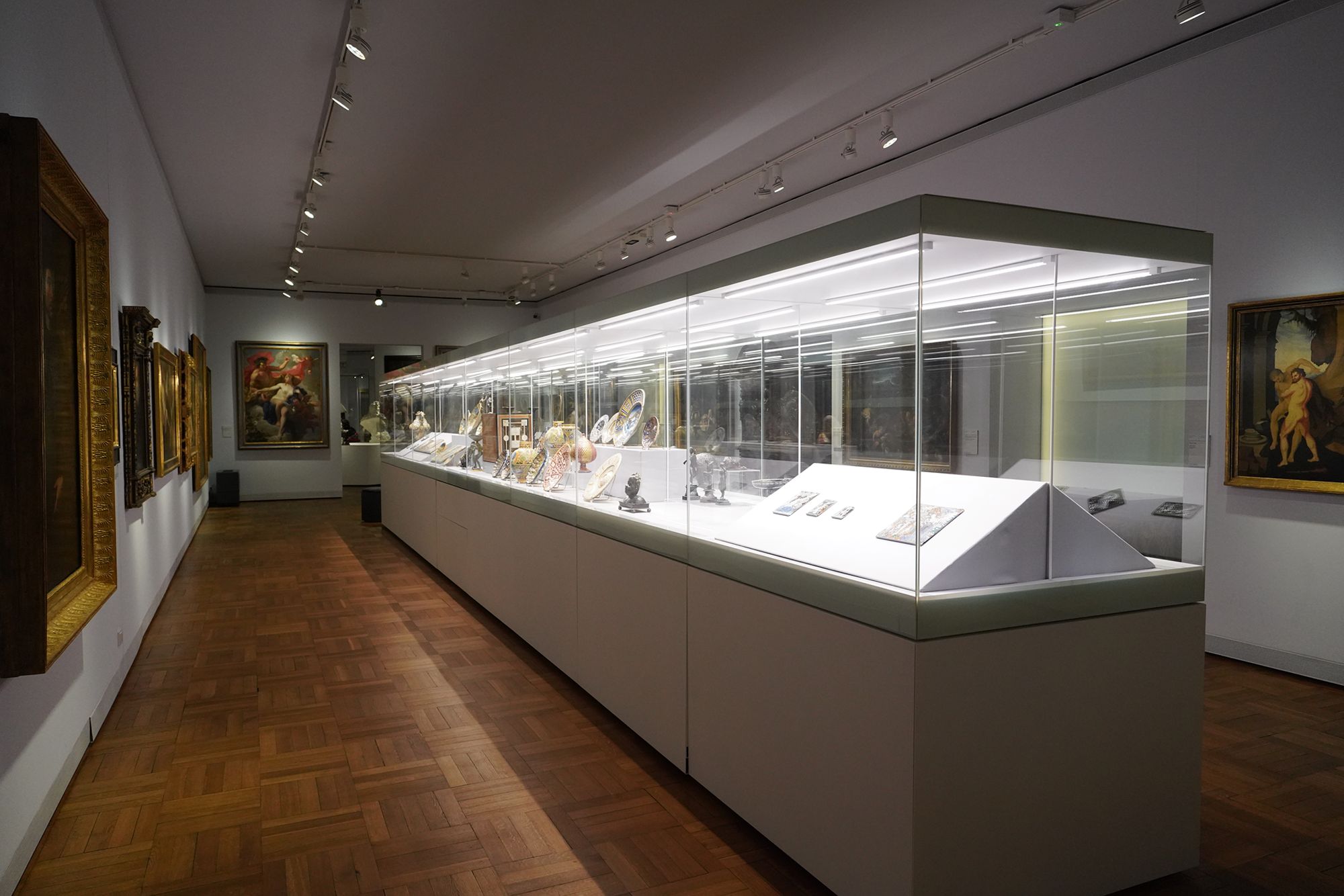
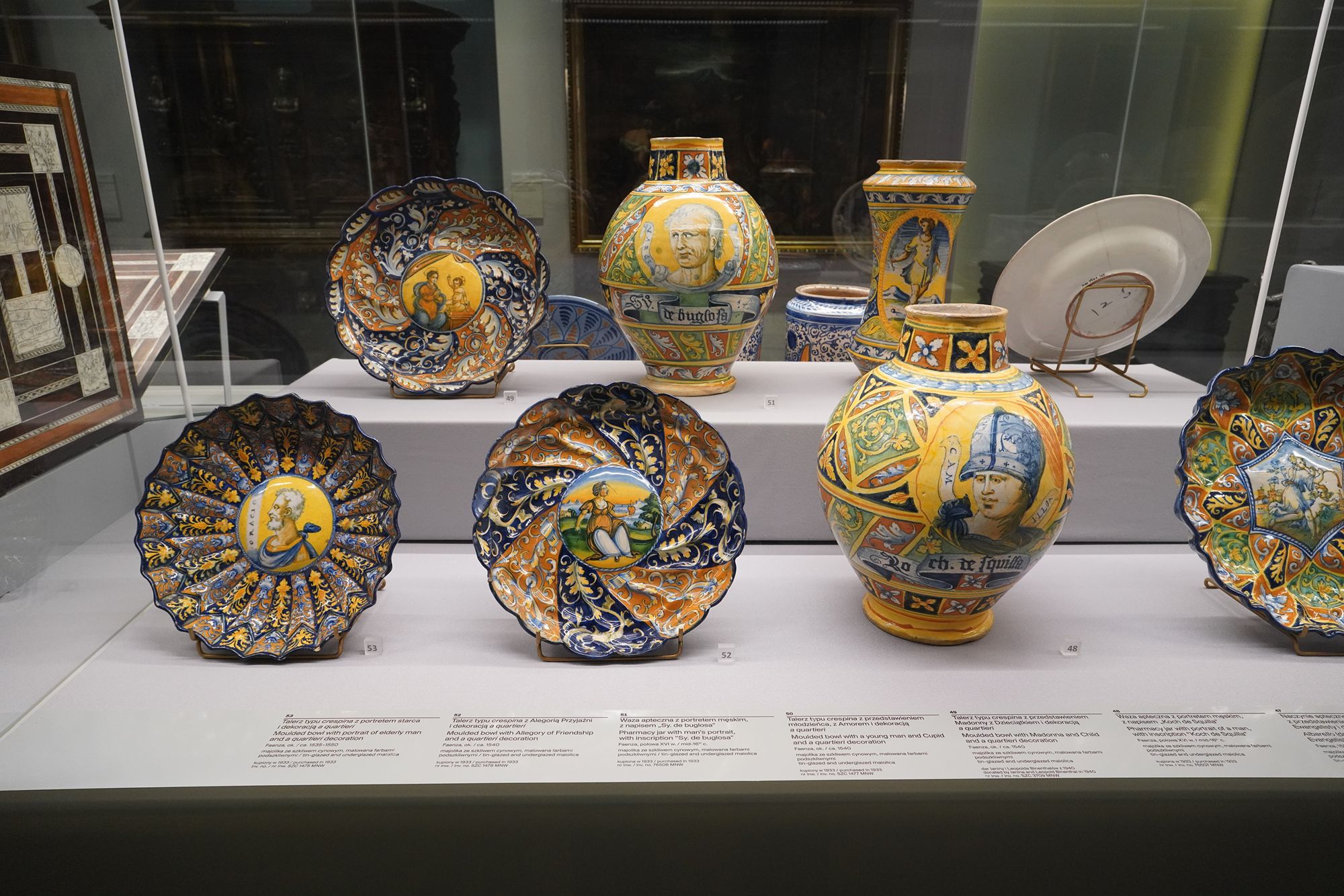
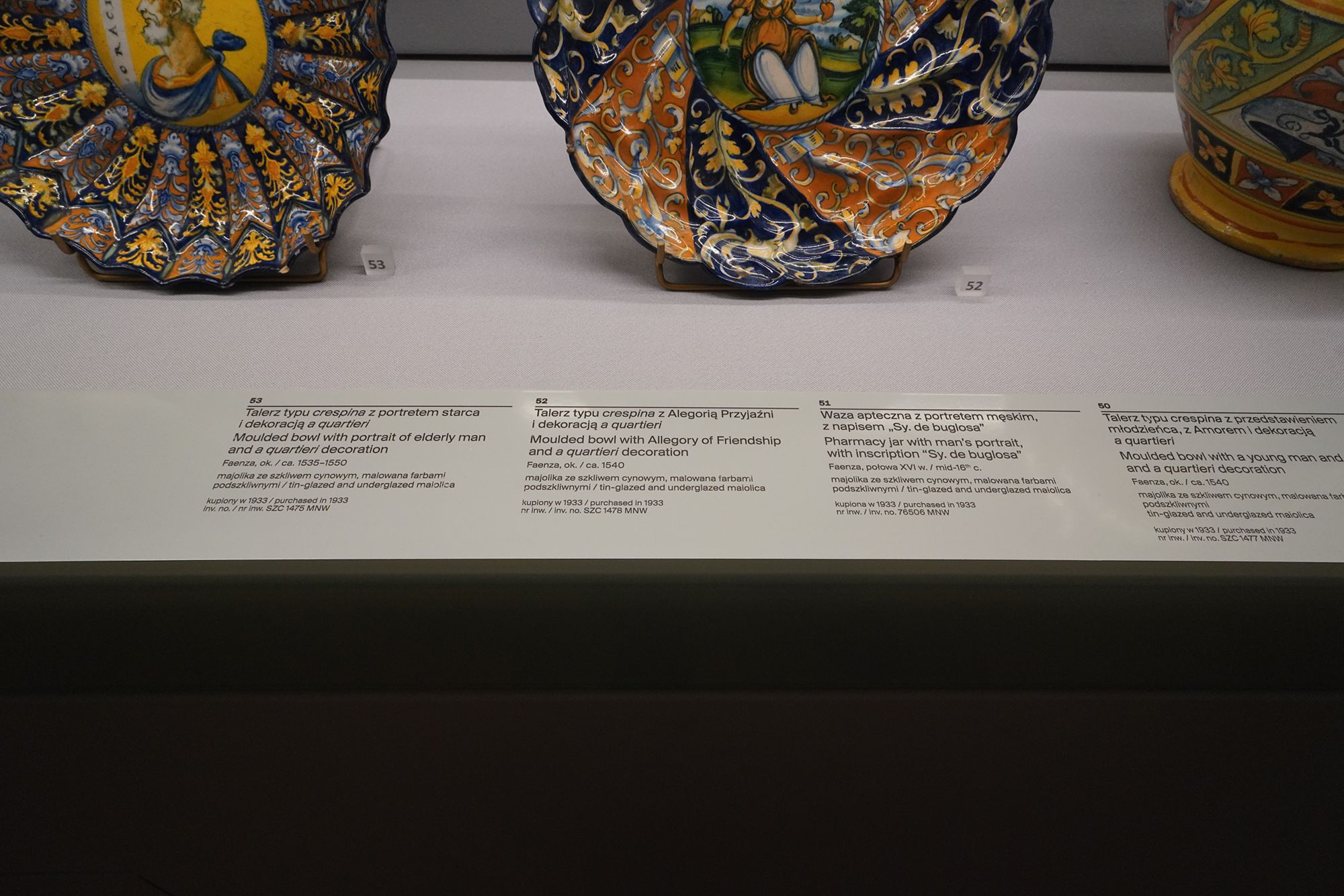
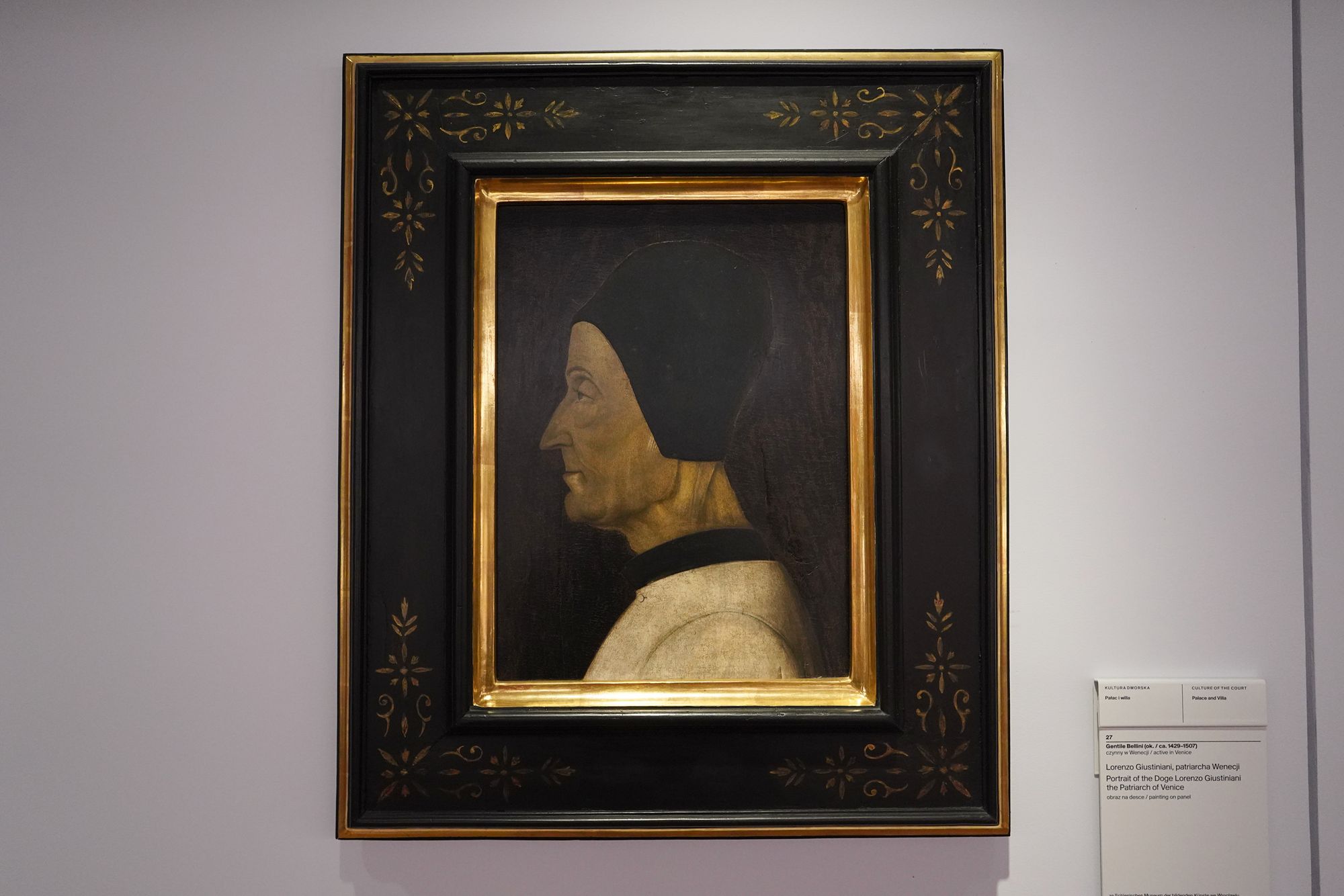
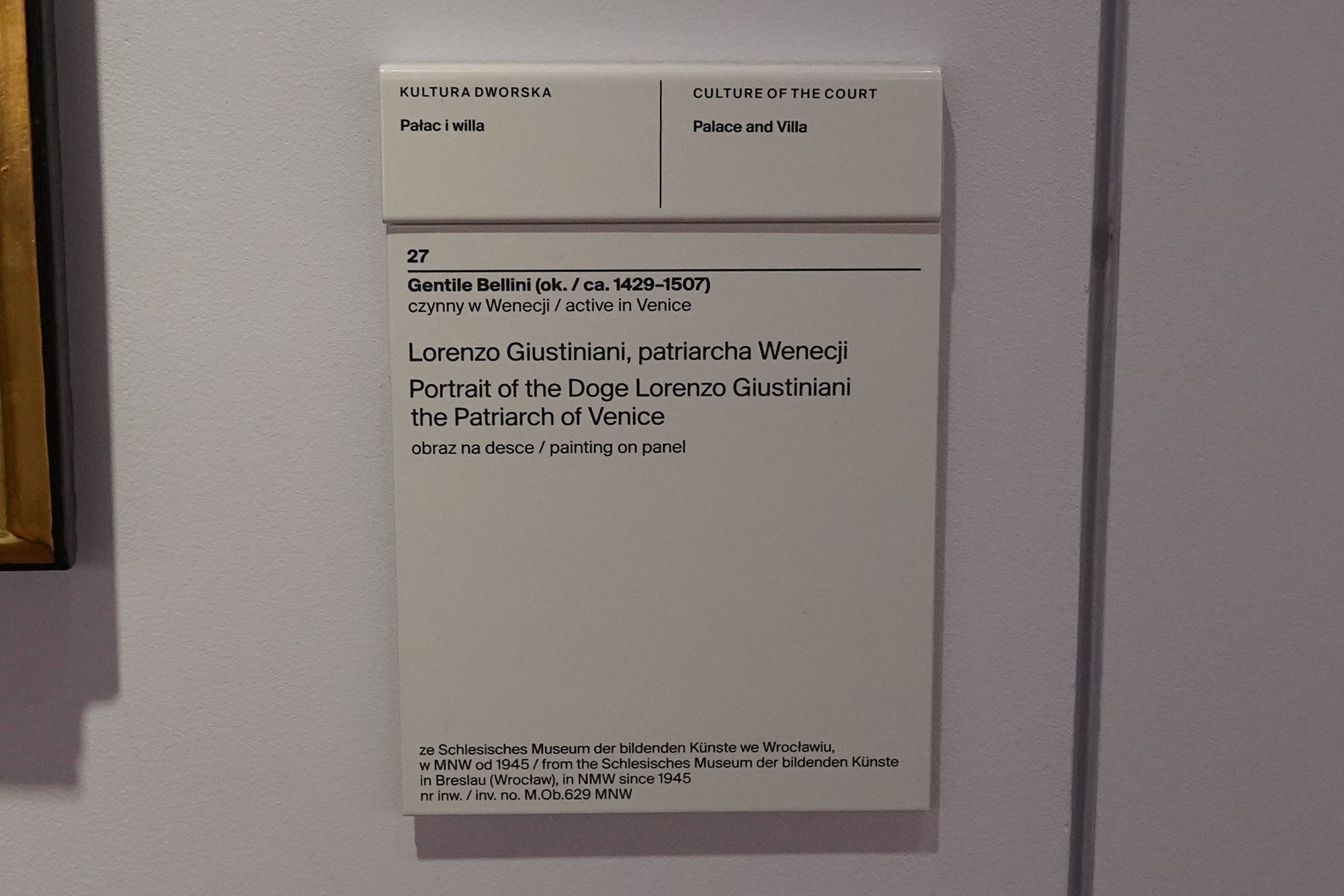
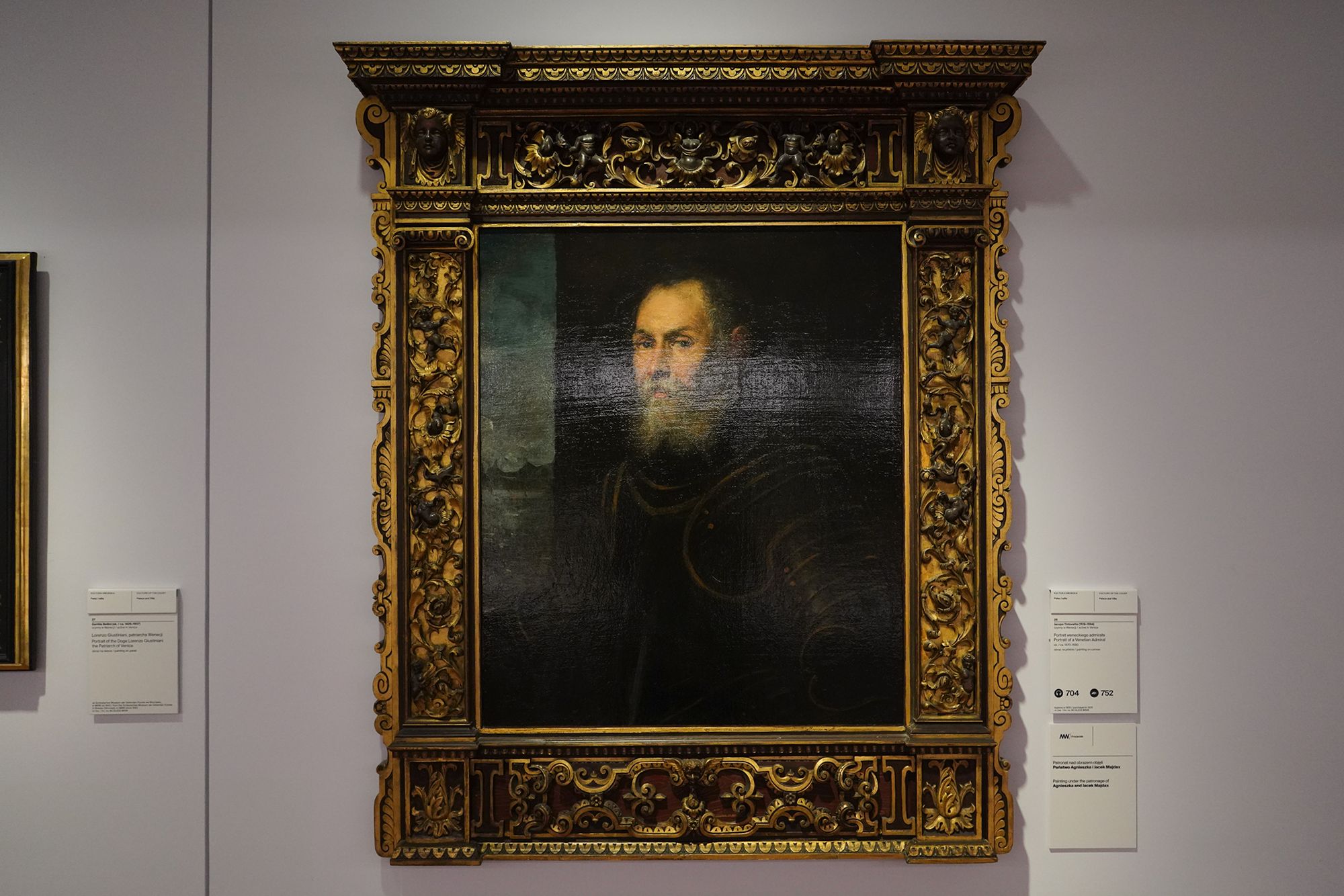
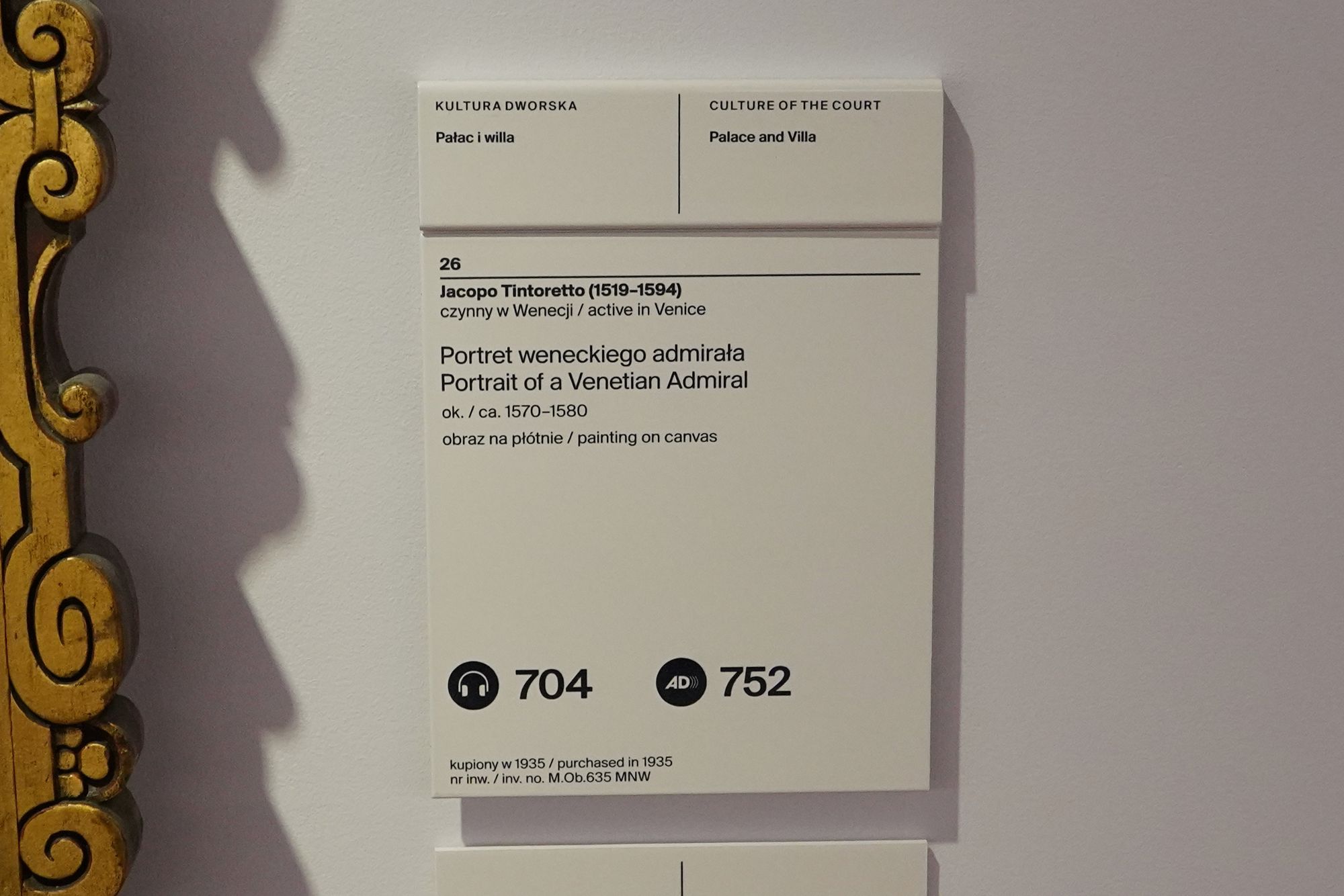
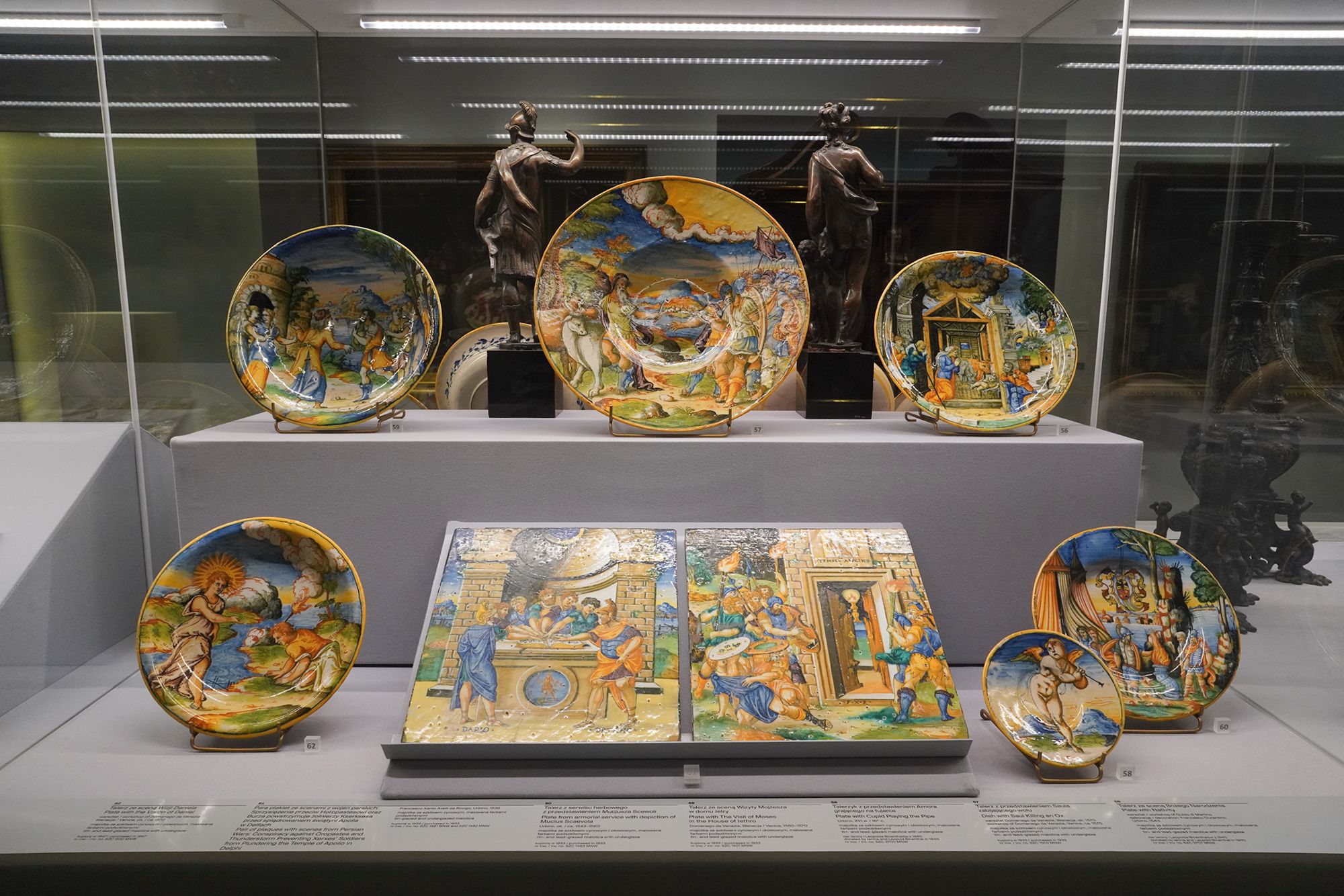
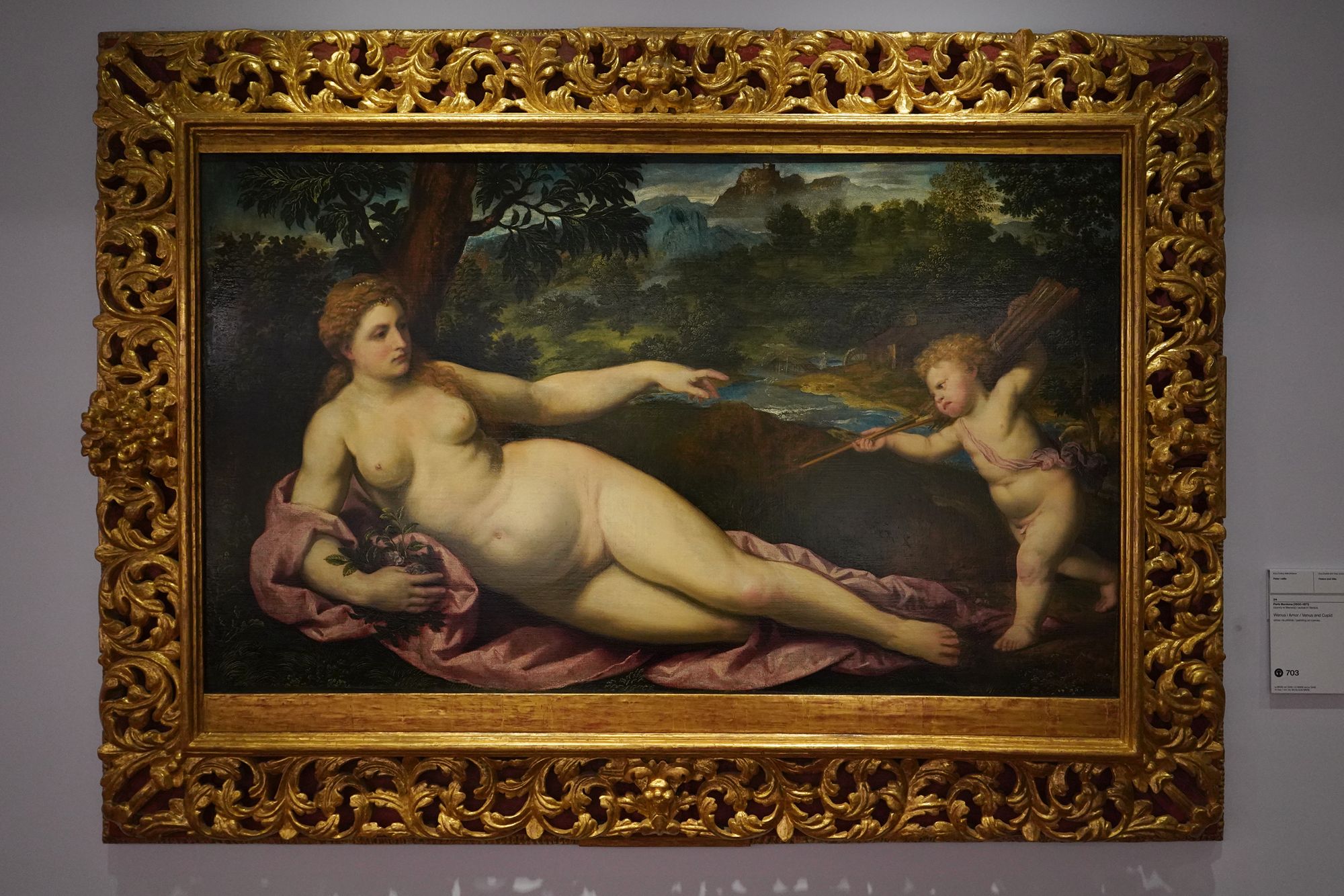
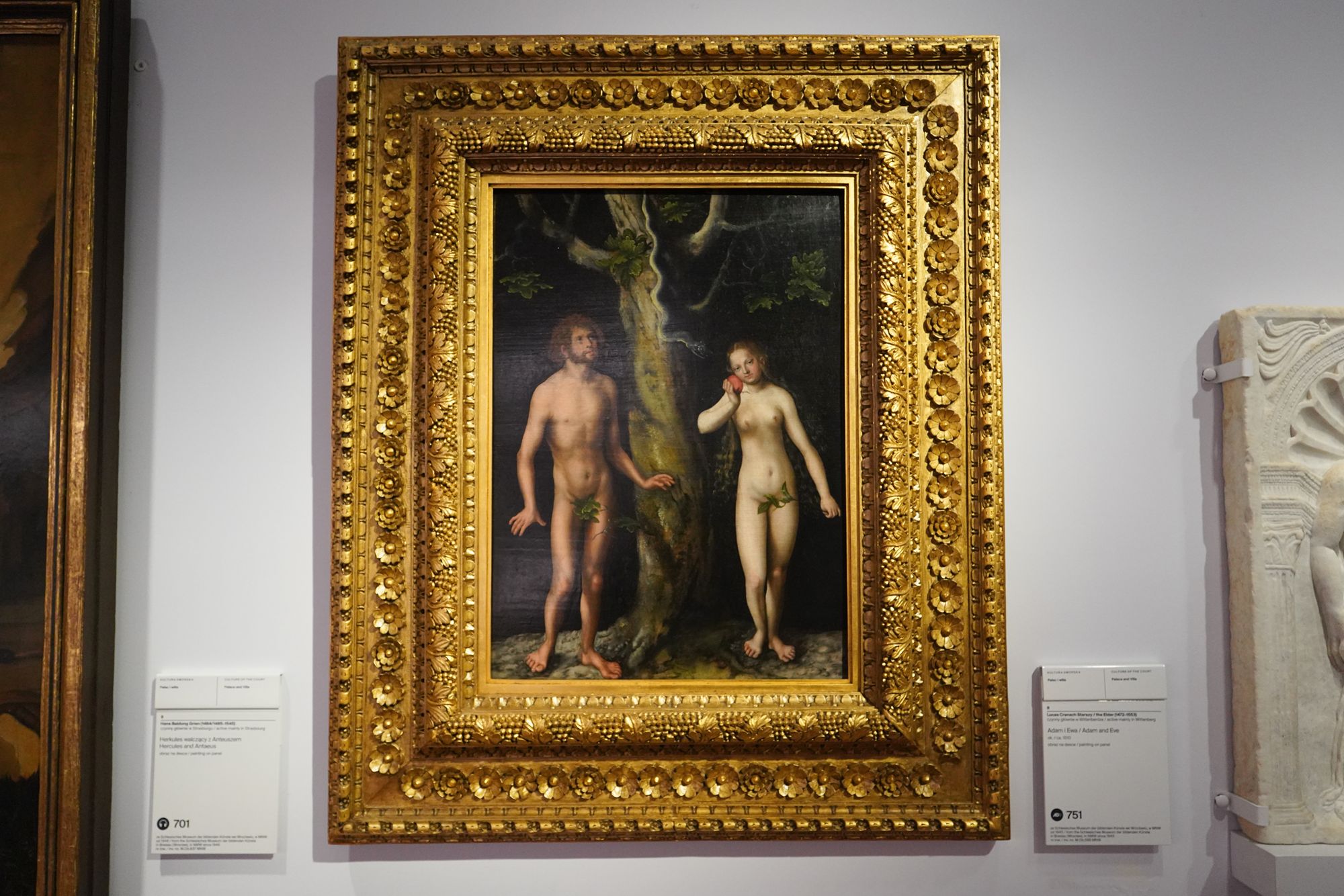
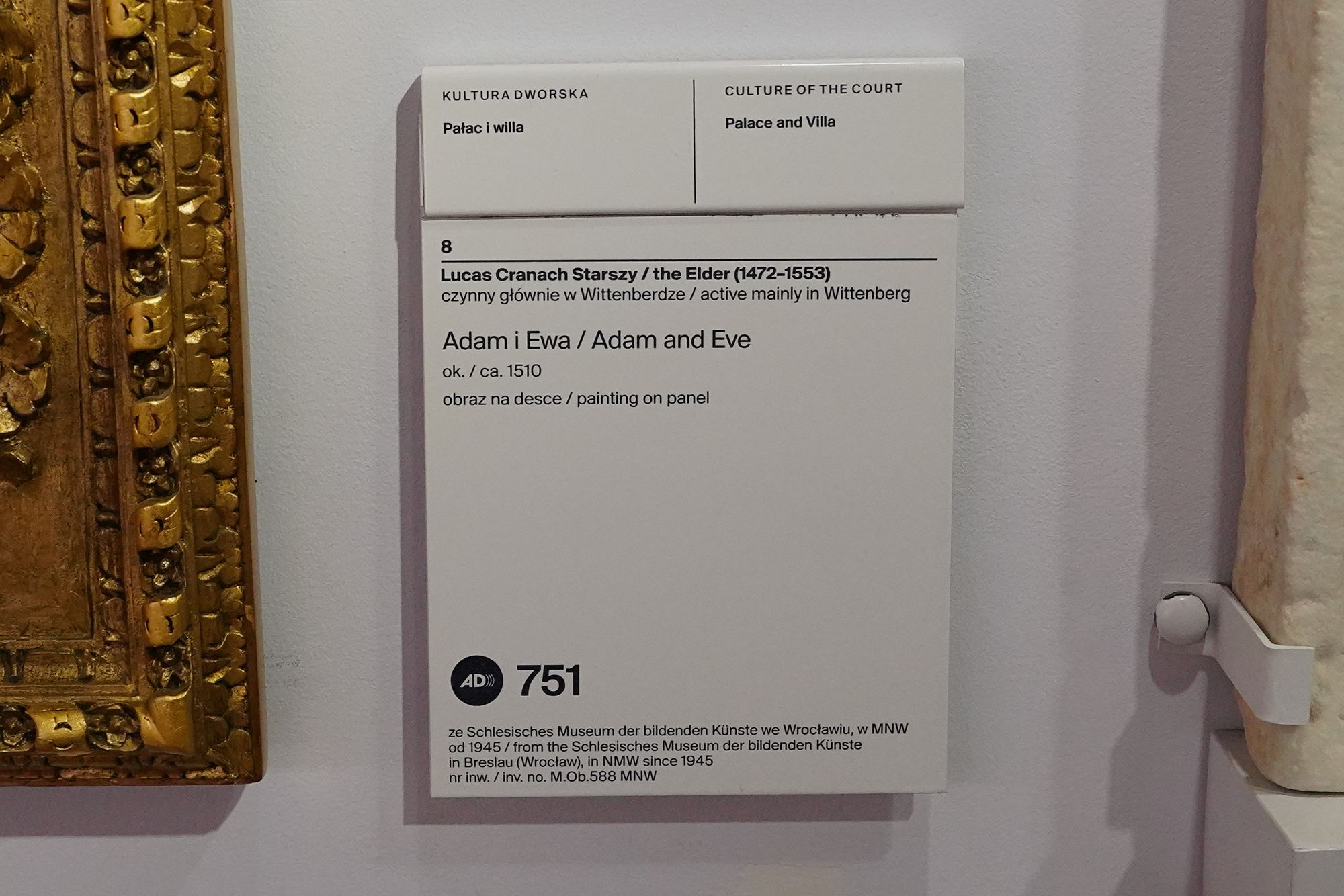
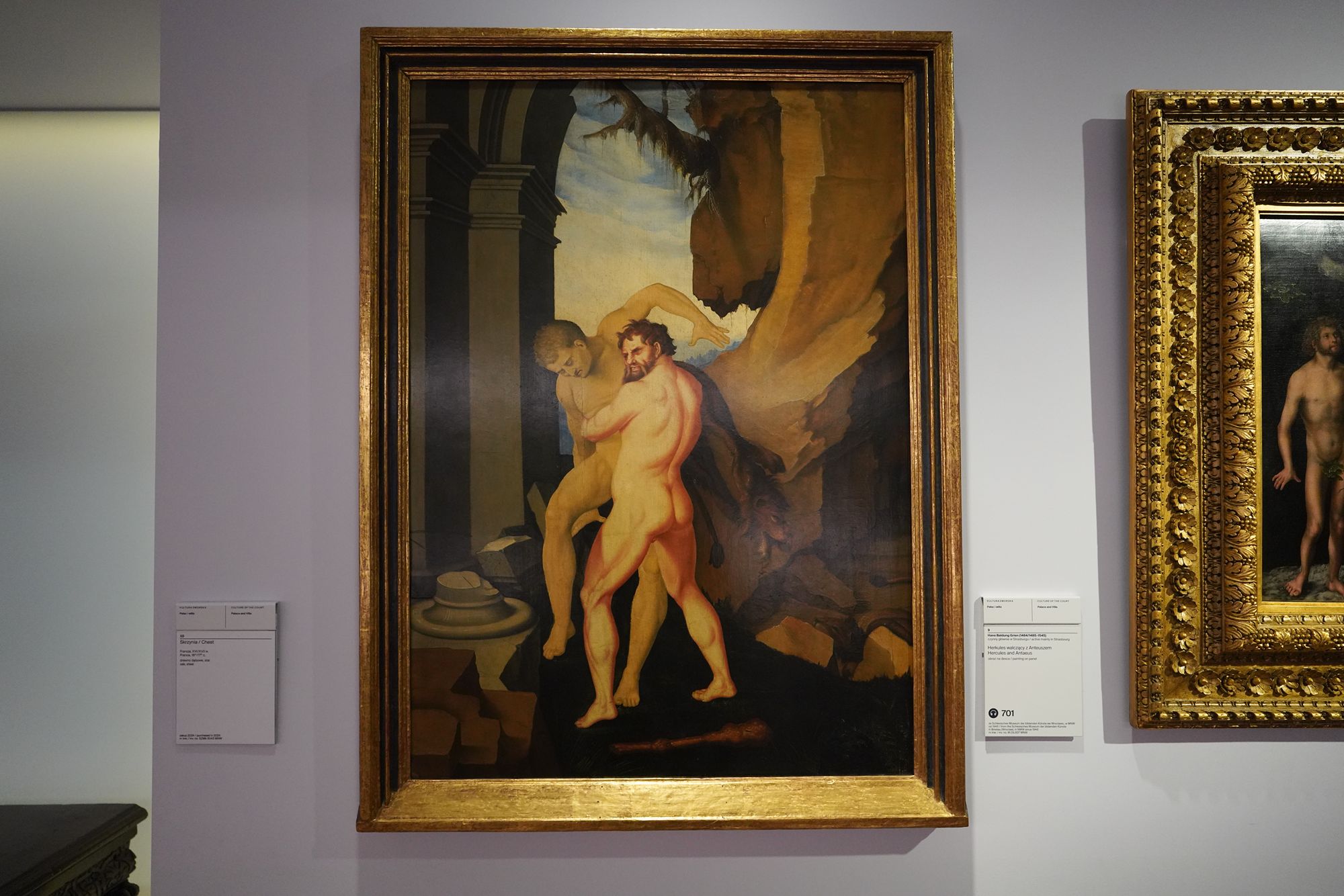
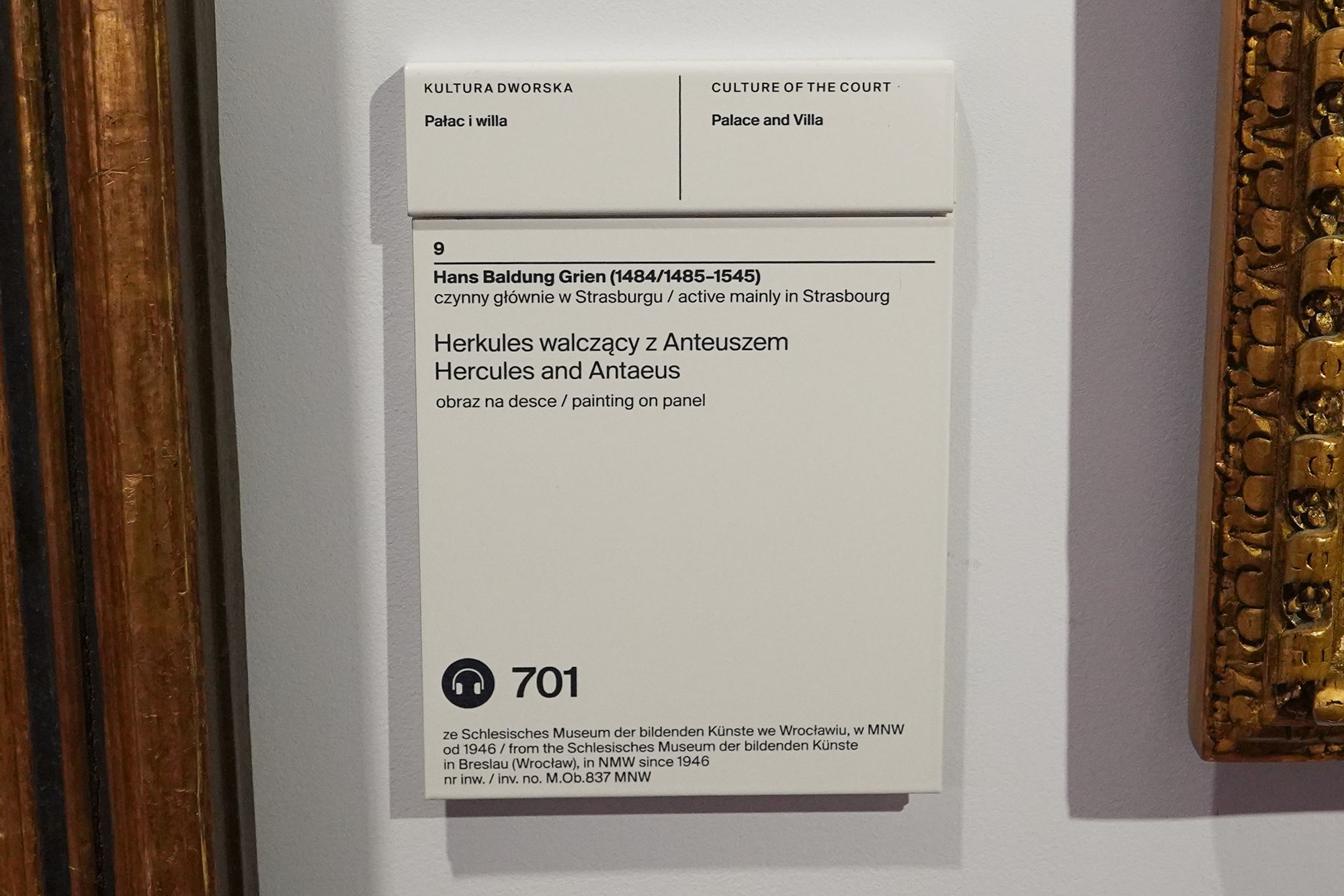
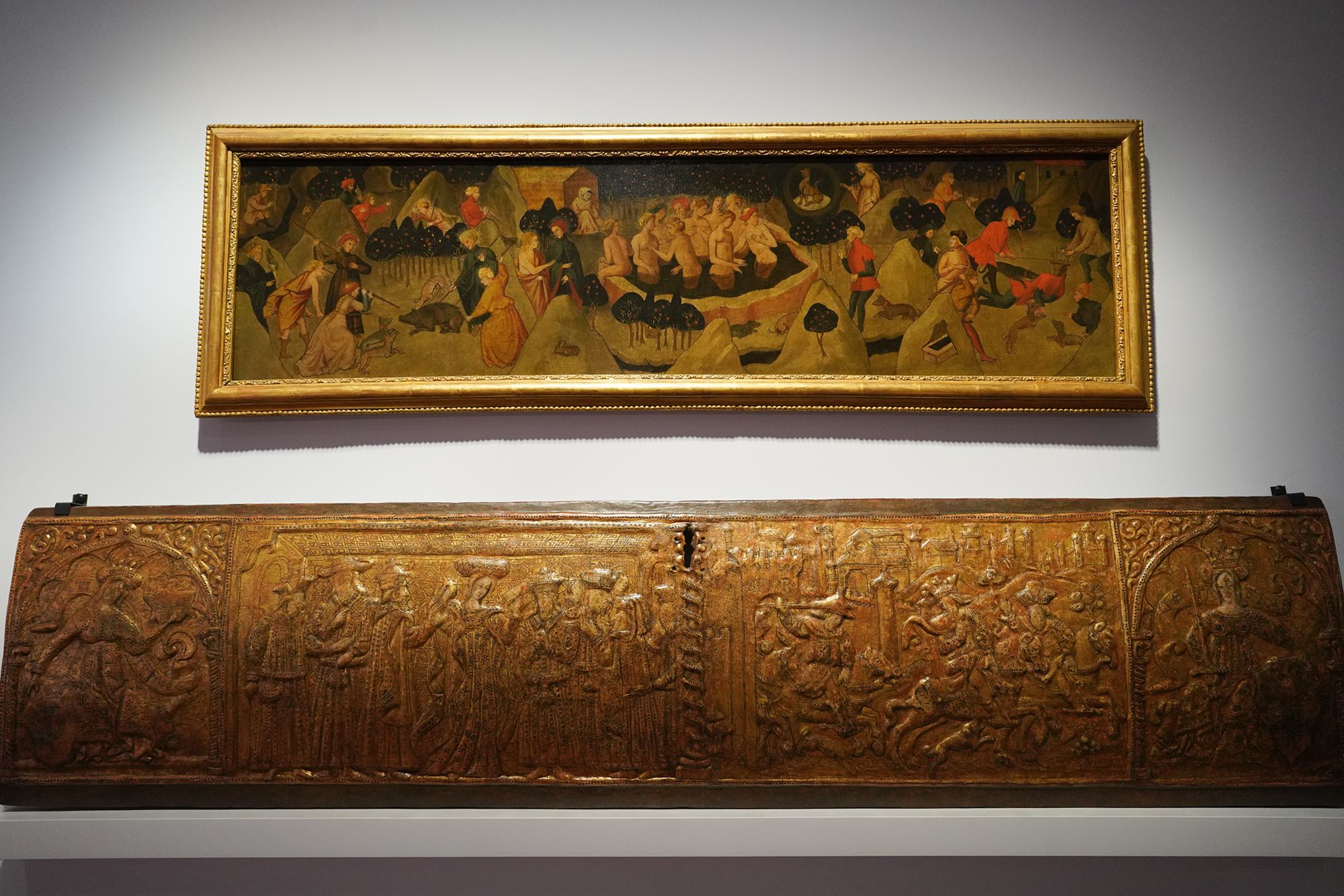
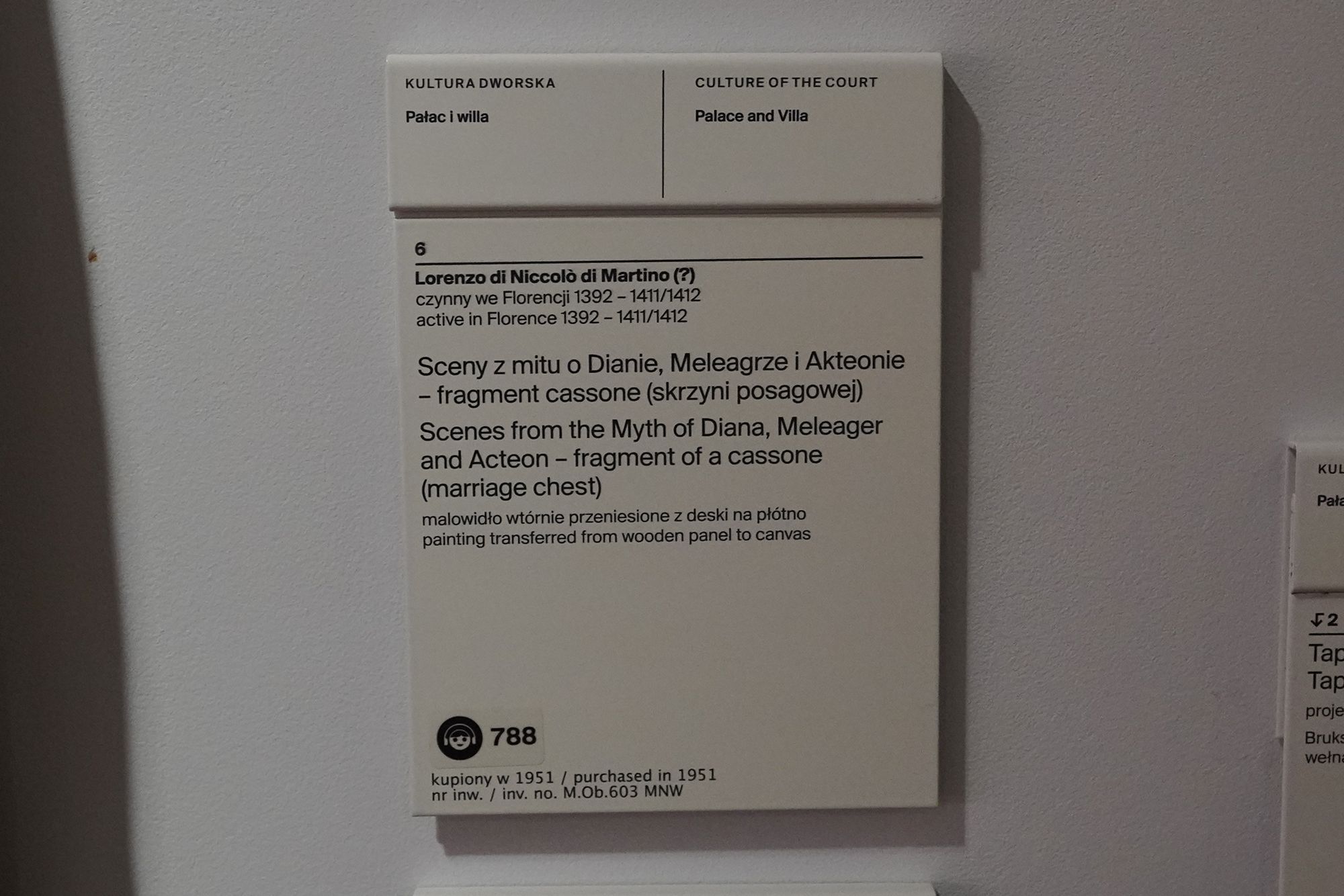
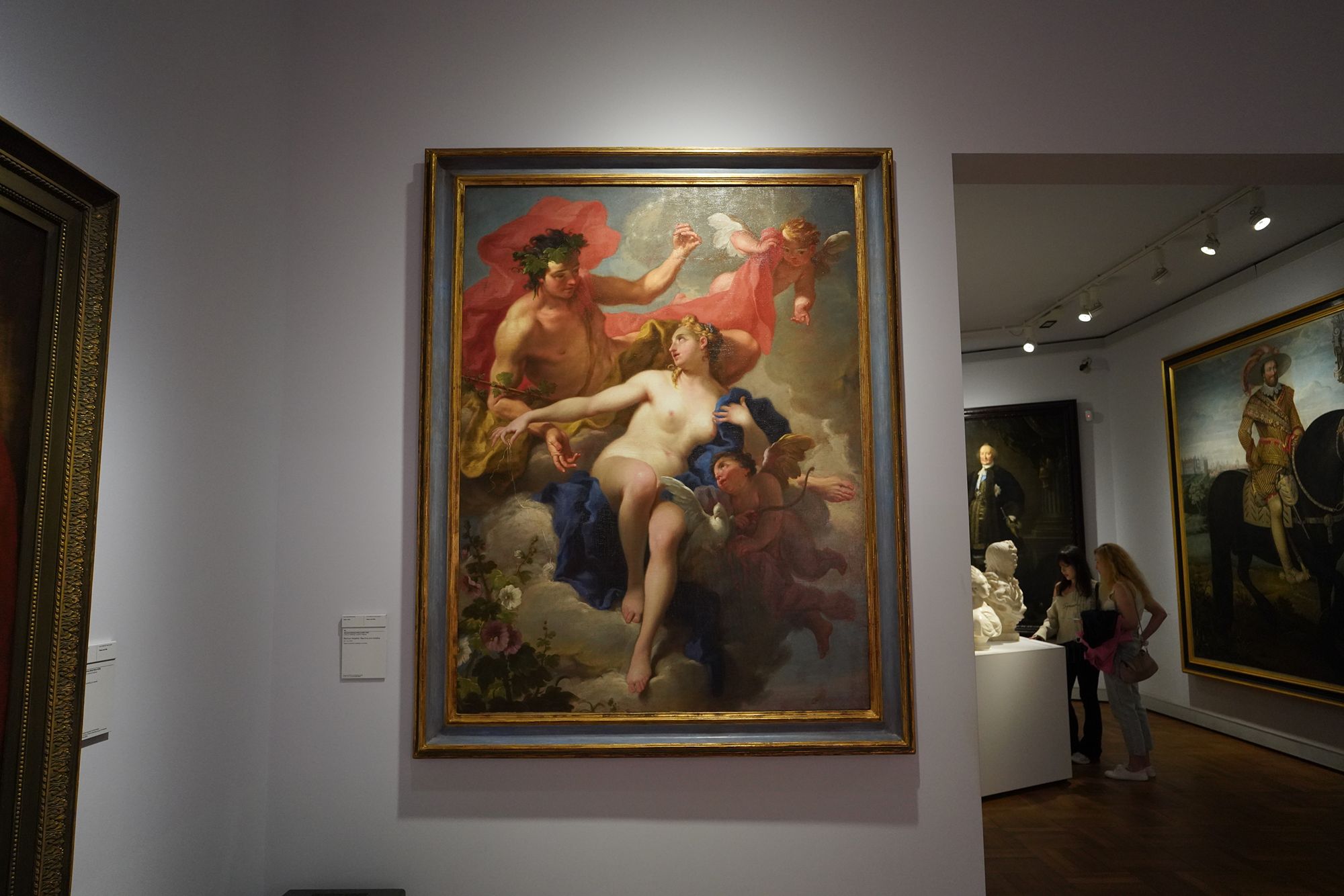
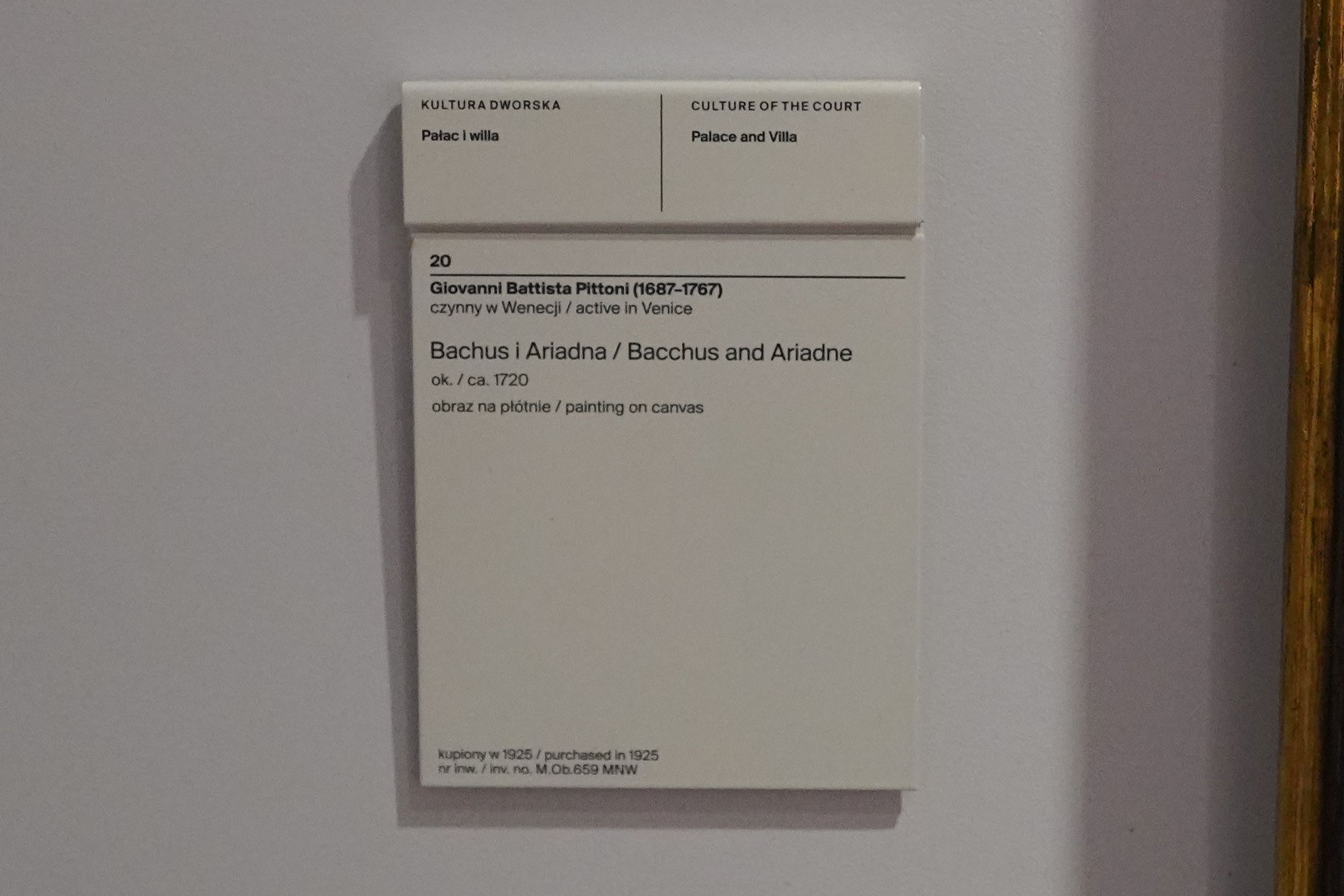
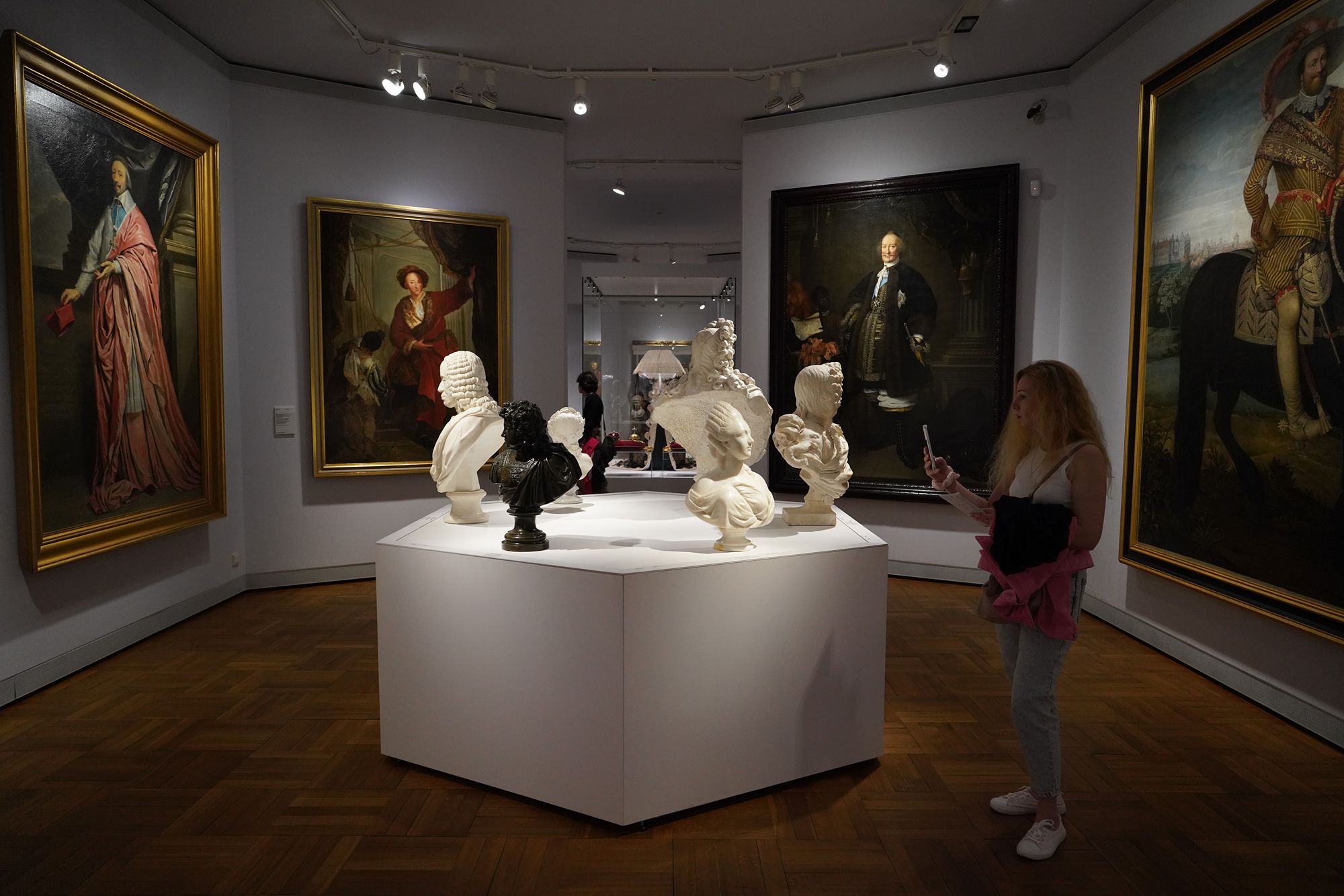
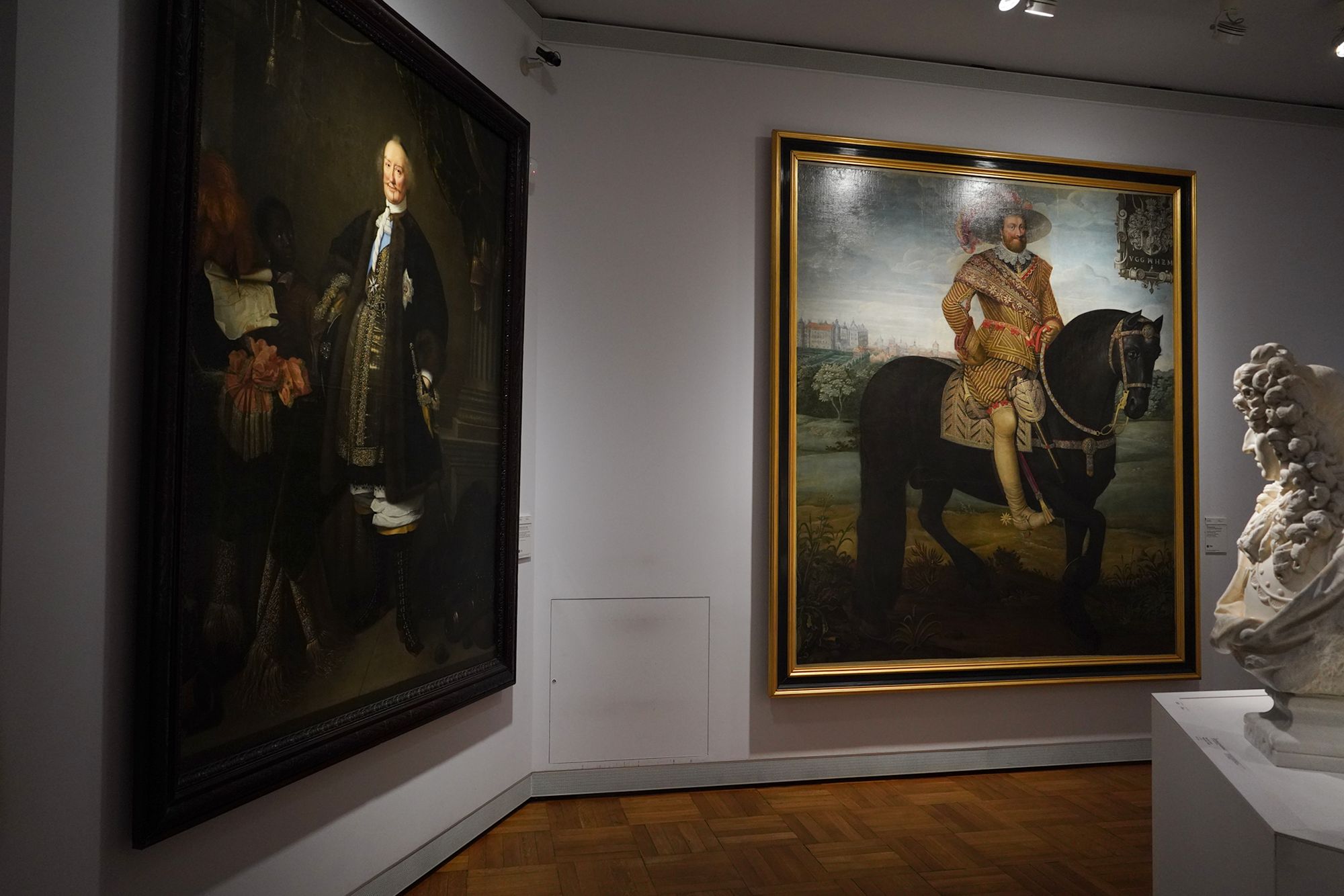
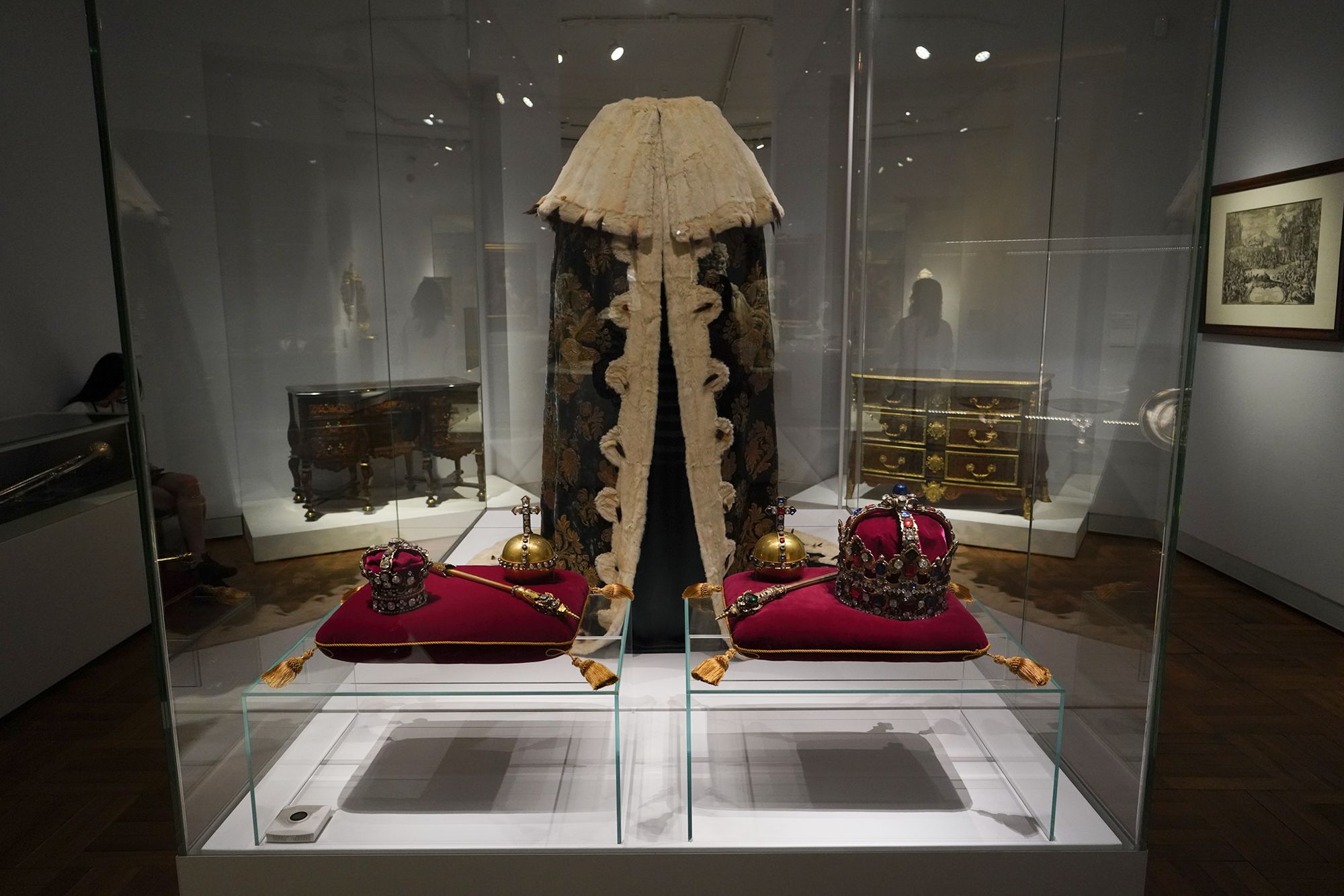
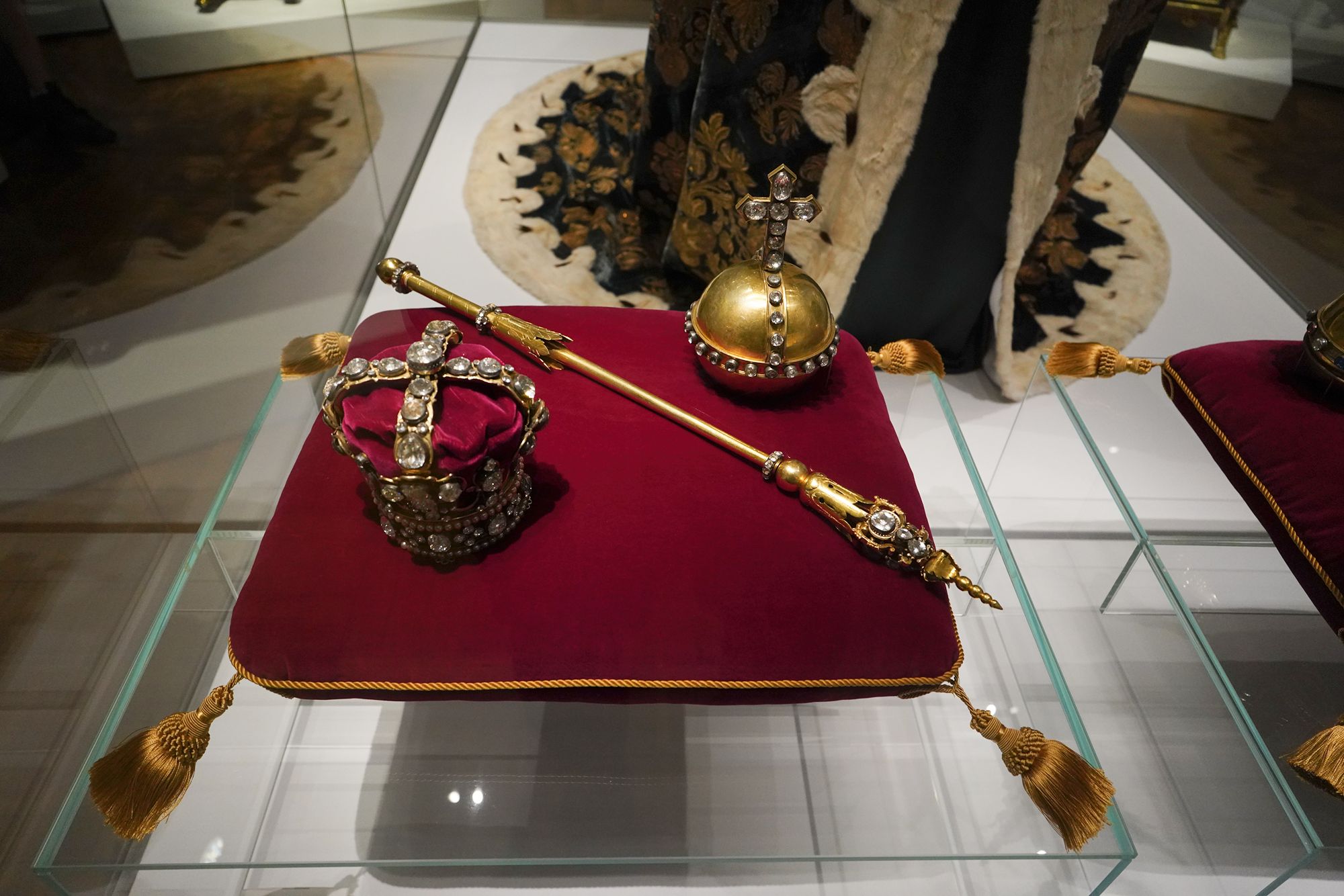
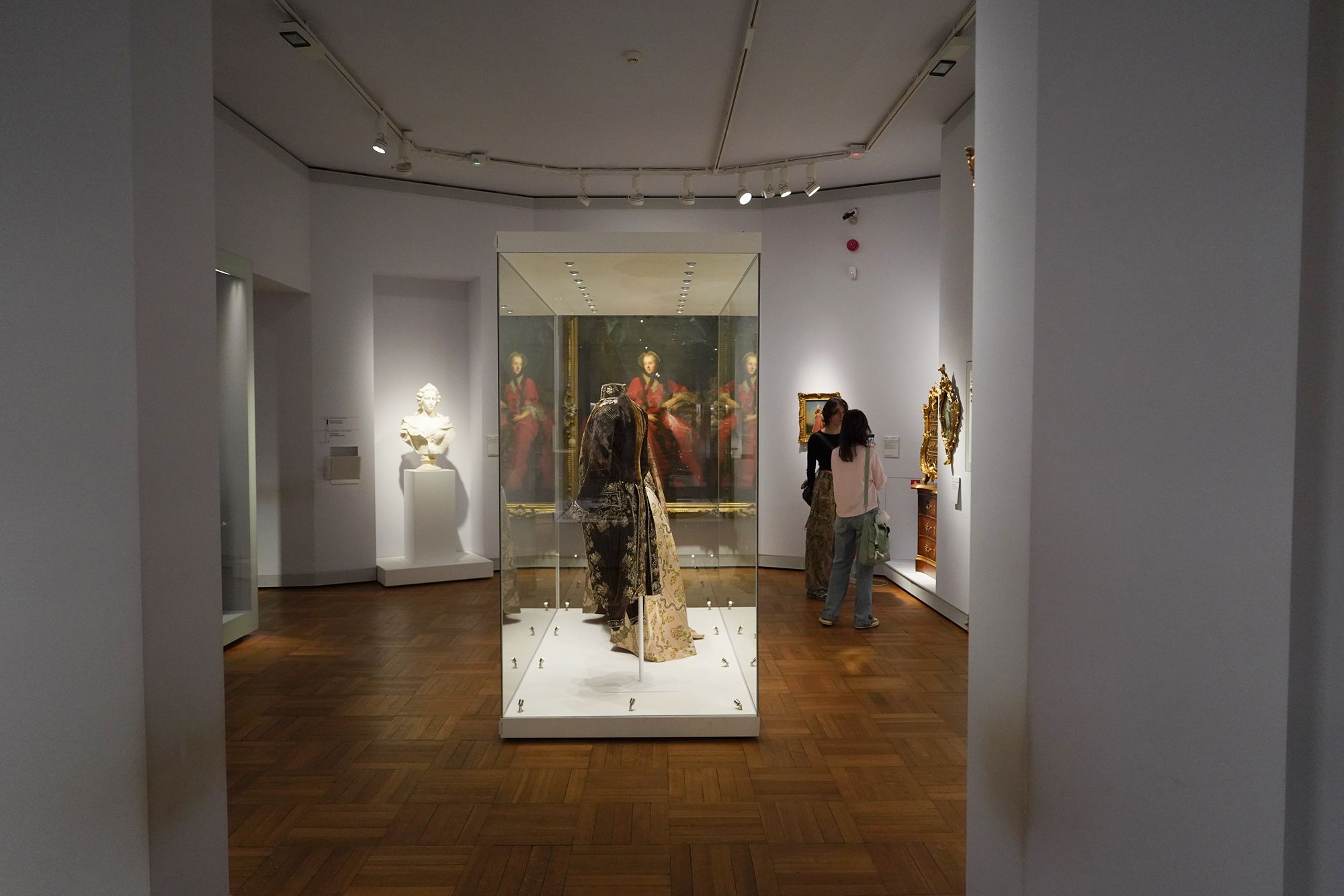
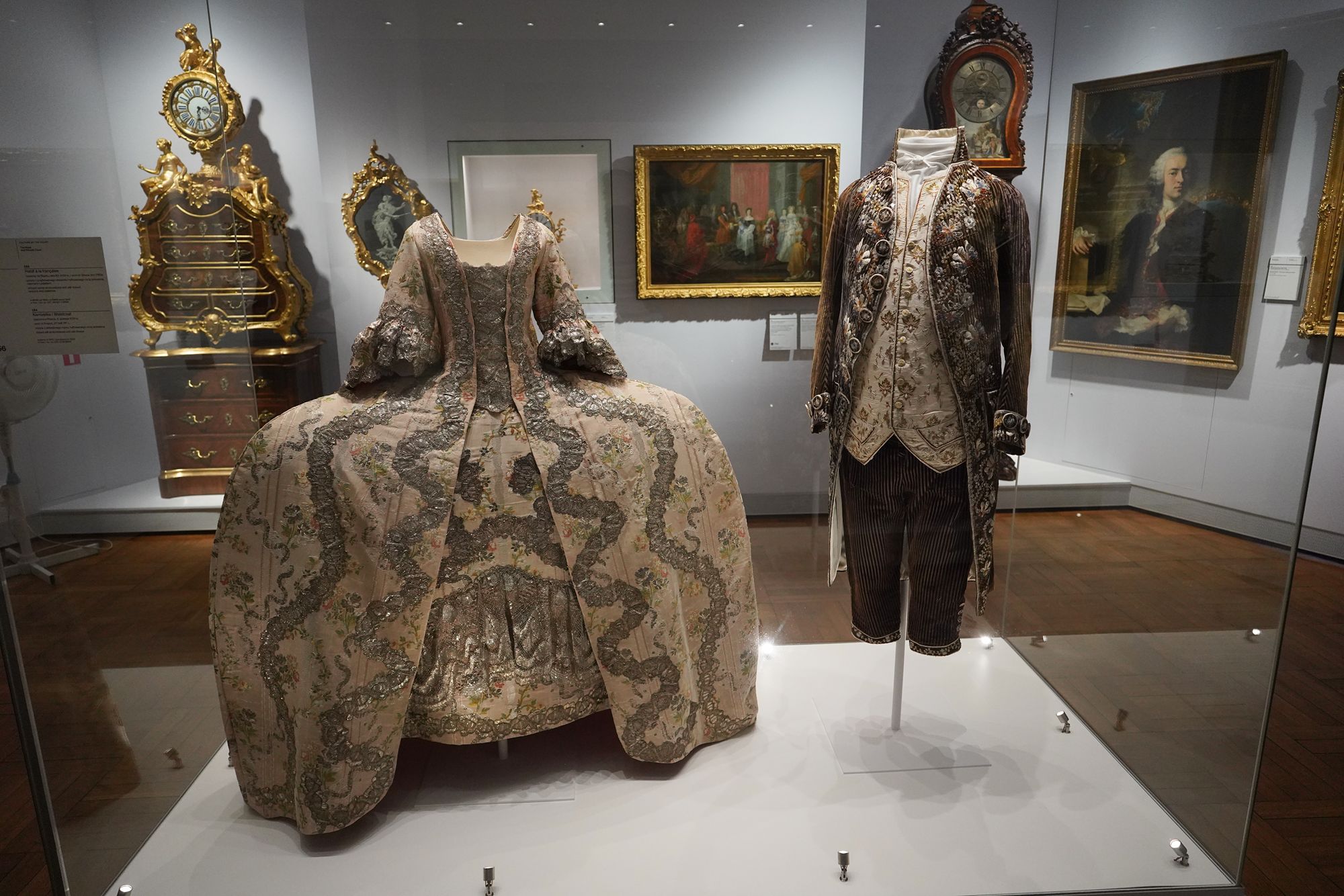
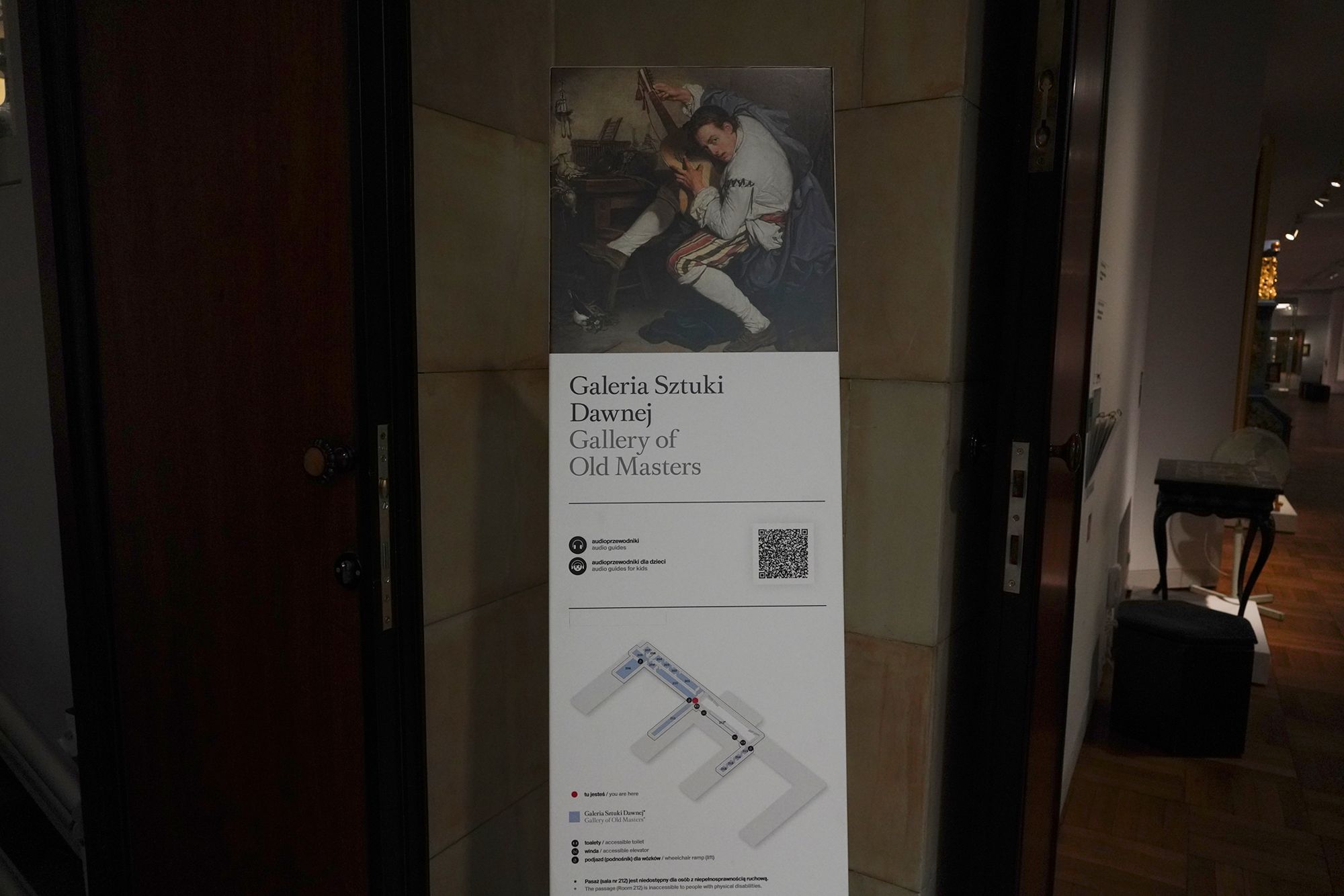
I continued into the Gallery of Old Masters, which covers European and old Polish art from the 15th to 18th centuries. Alongside paintings and sculptures, the displays include furniture, tapestries, ceramics and glassware, showing how art decorated palaces, served religious purposes and became part of life in city homes.
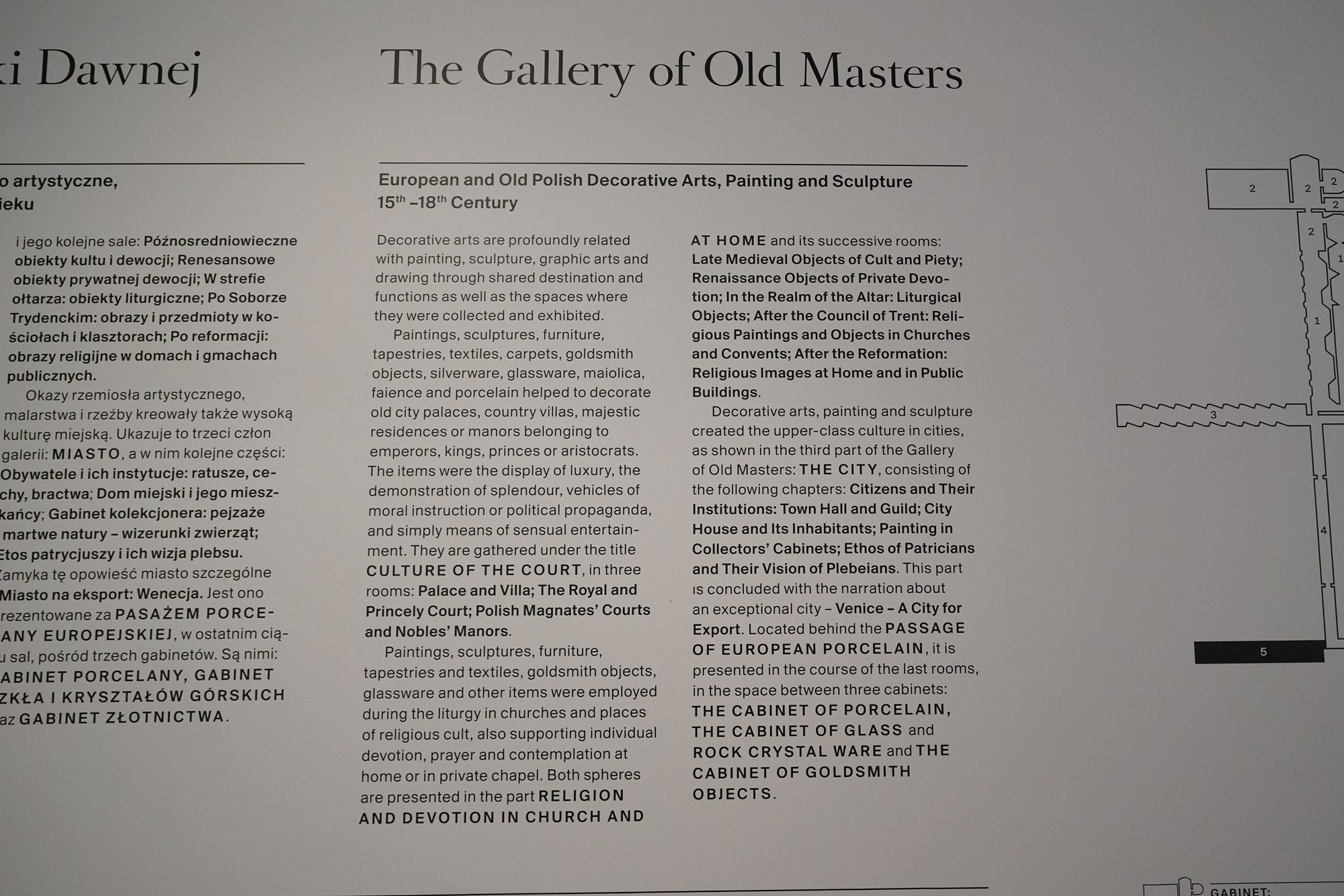
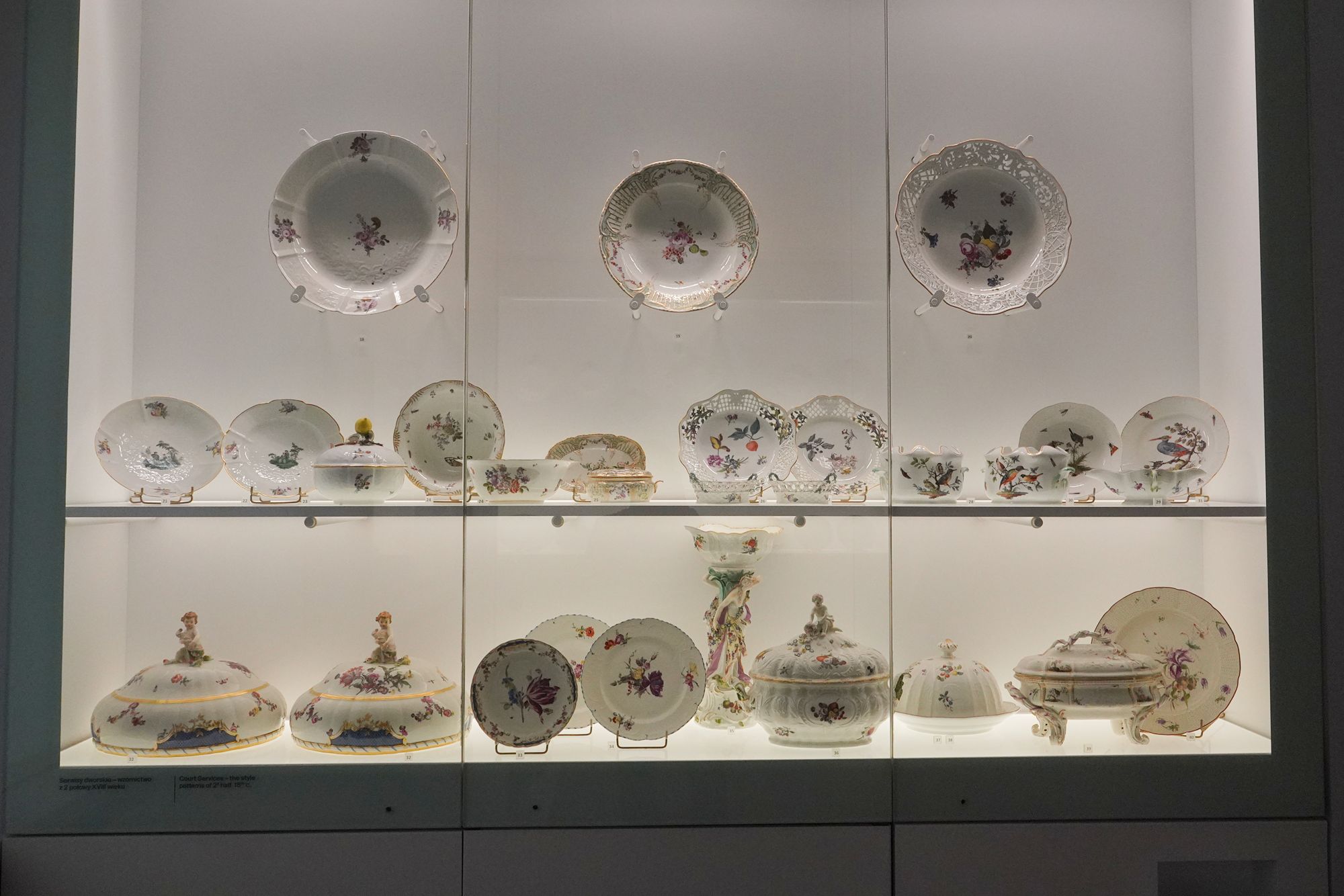
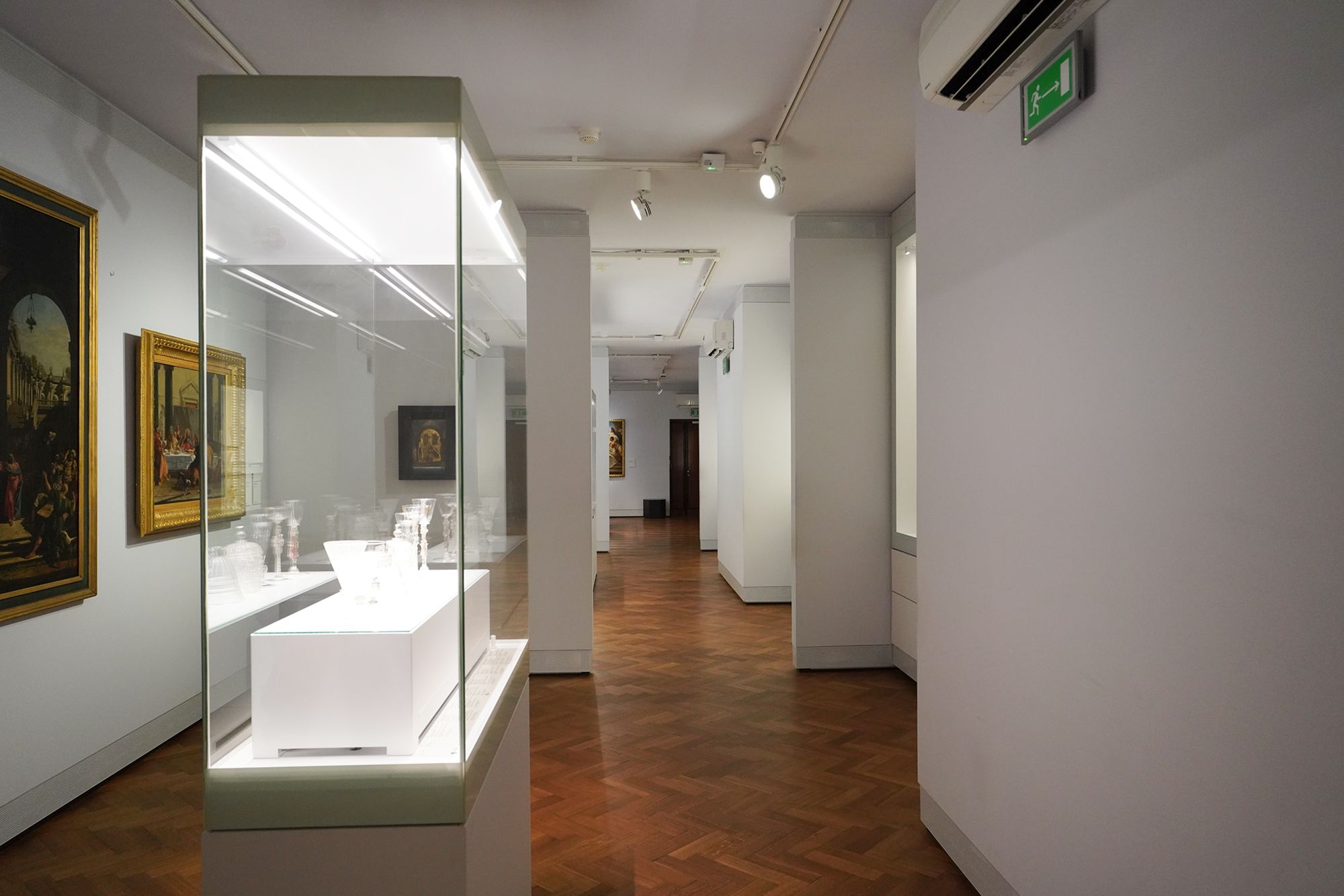
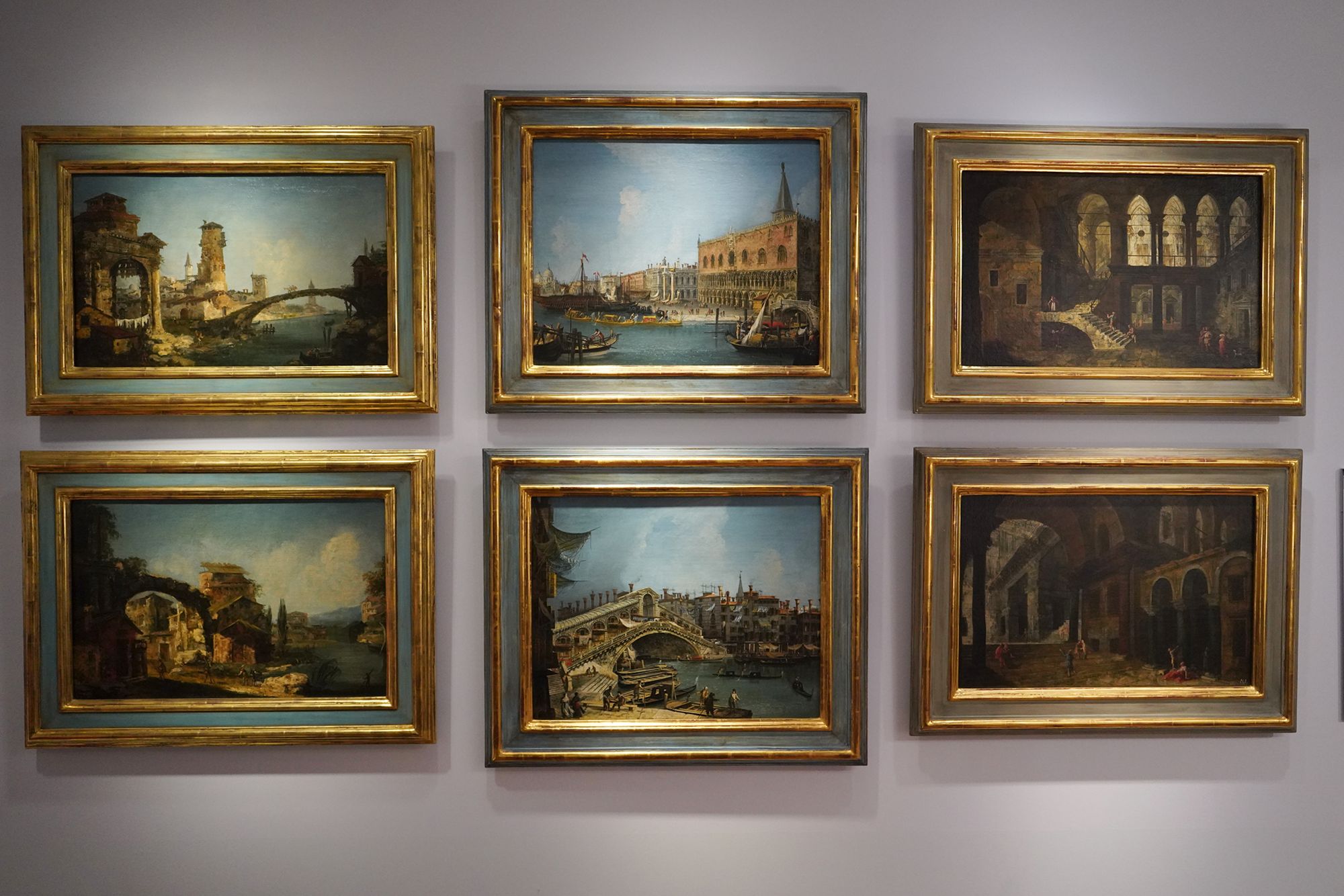
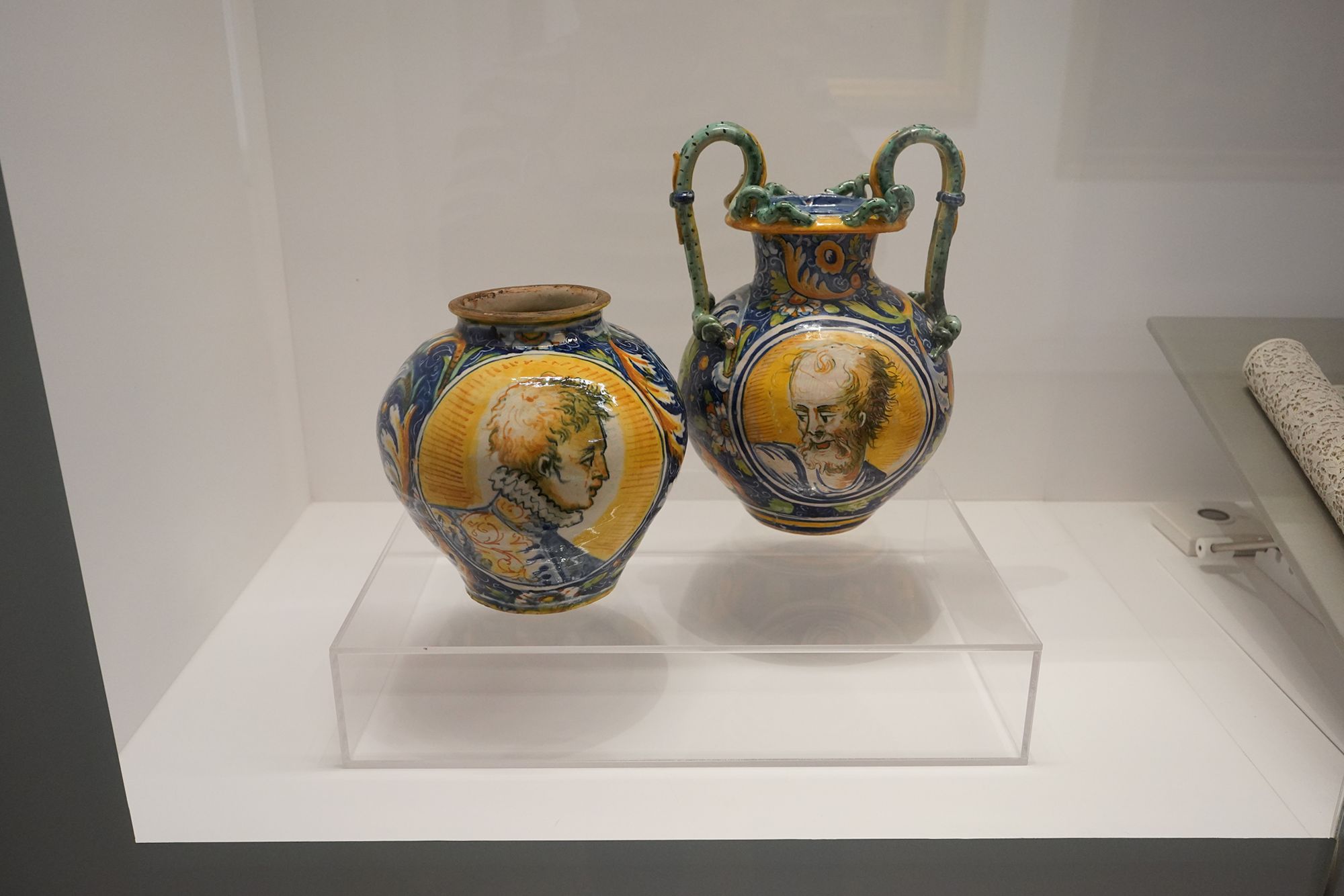
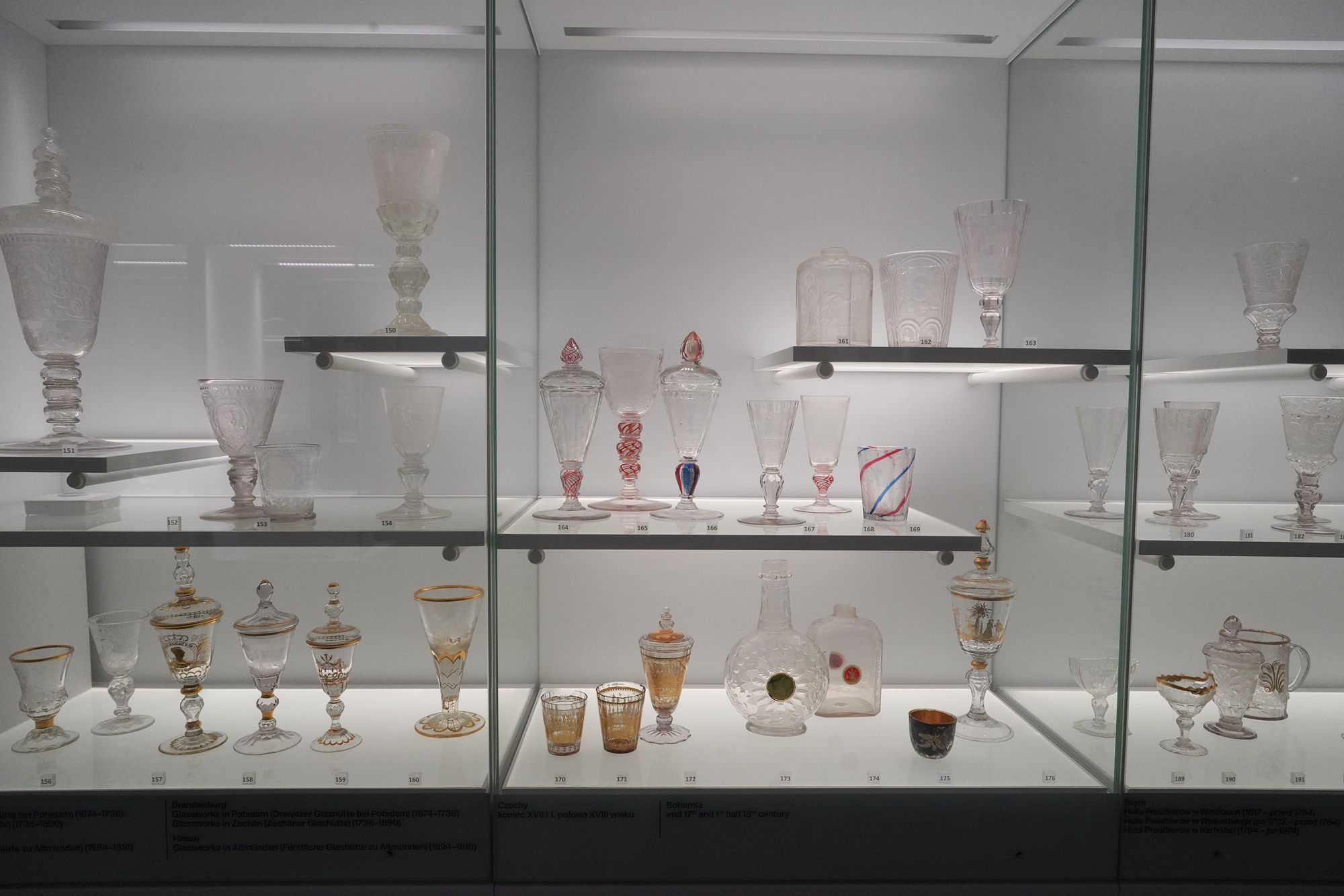
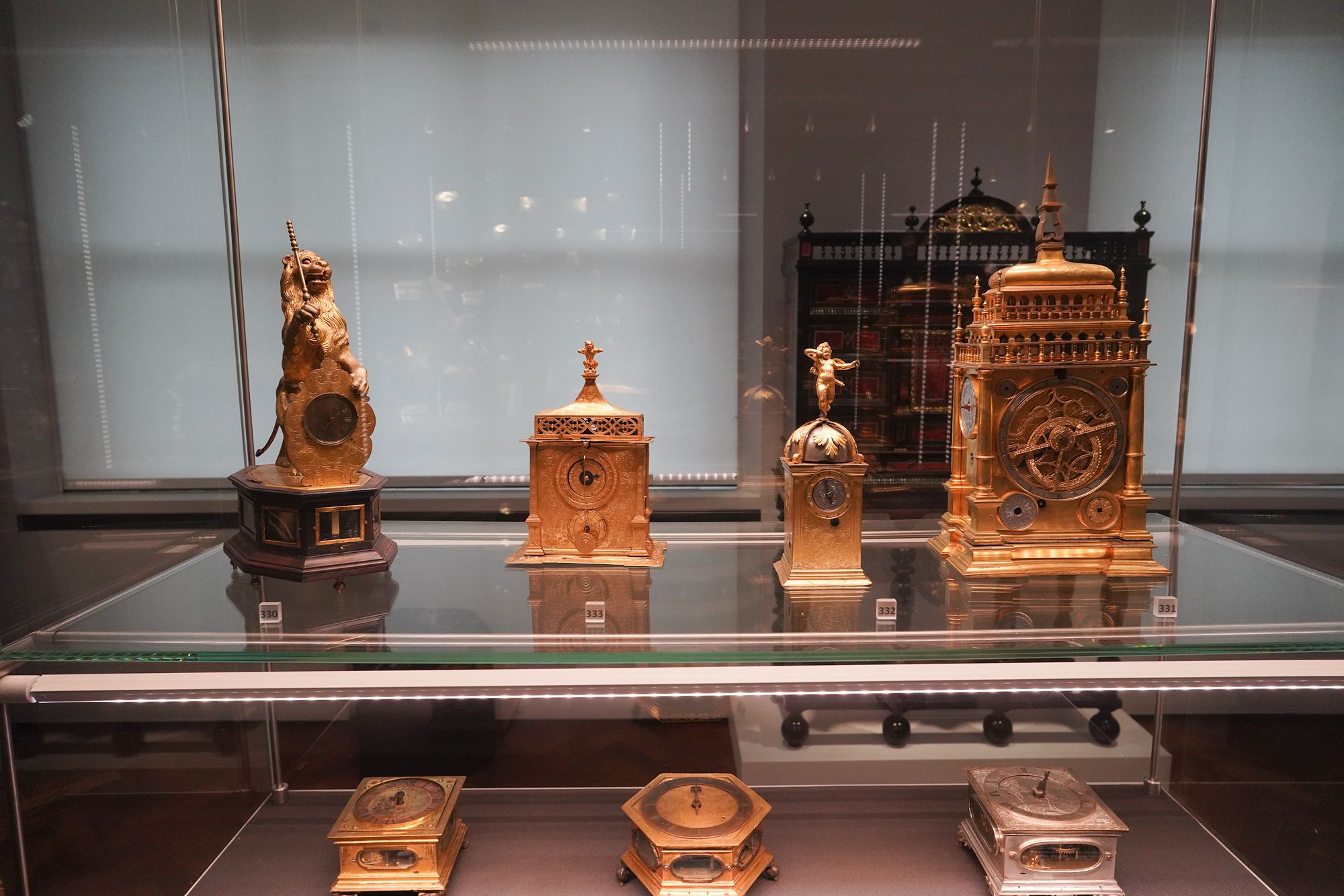
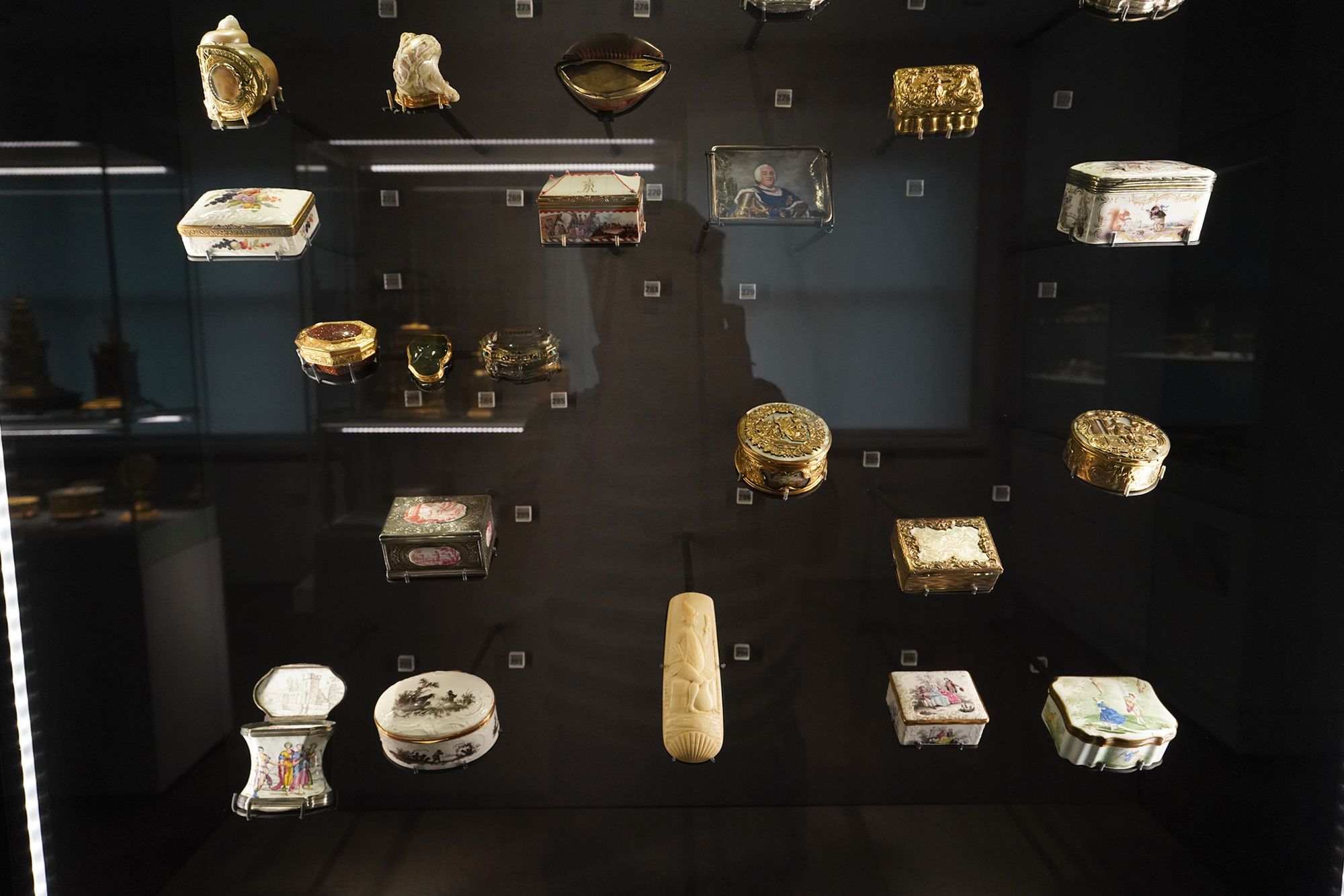
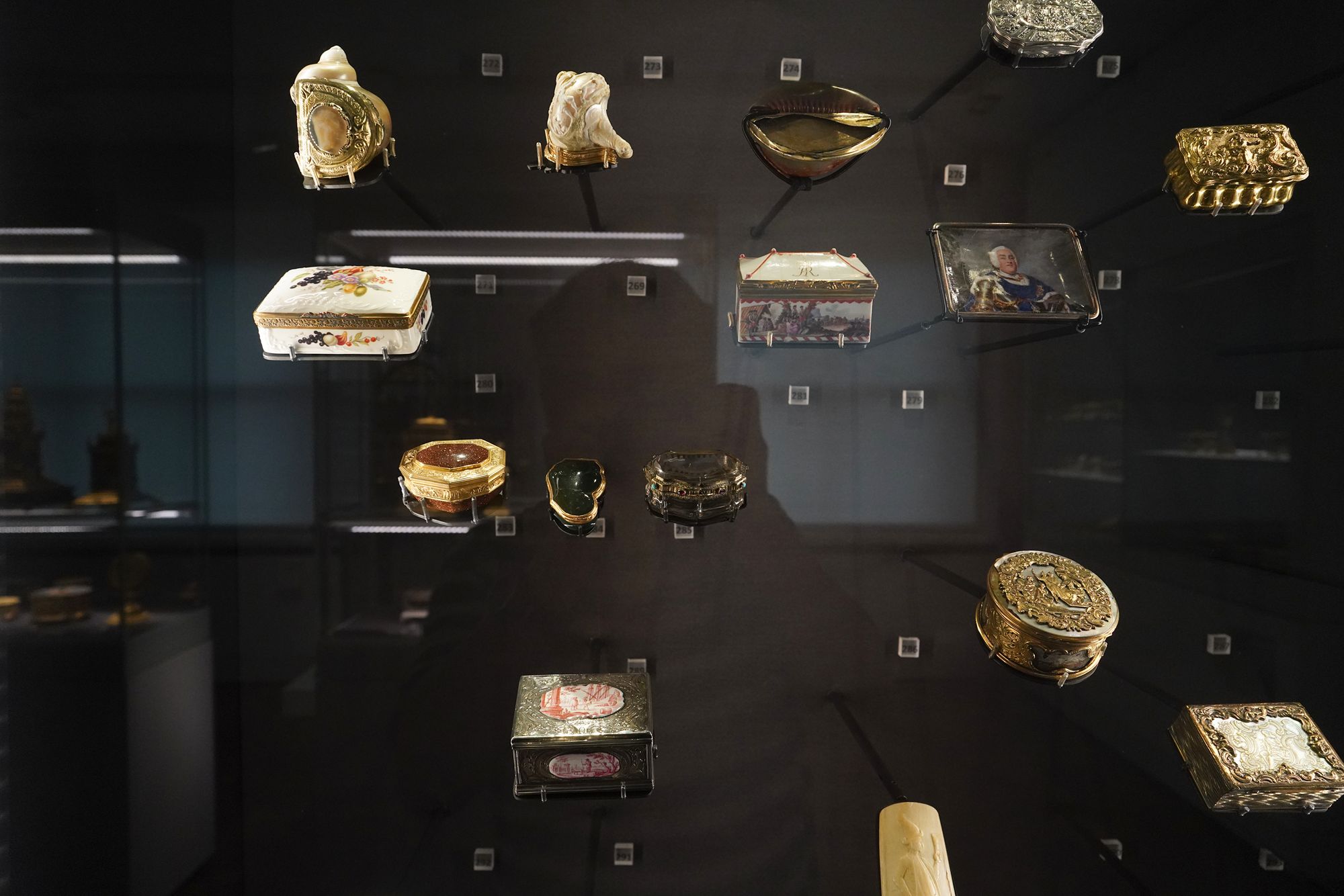
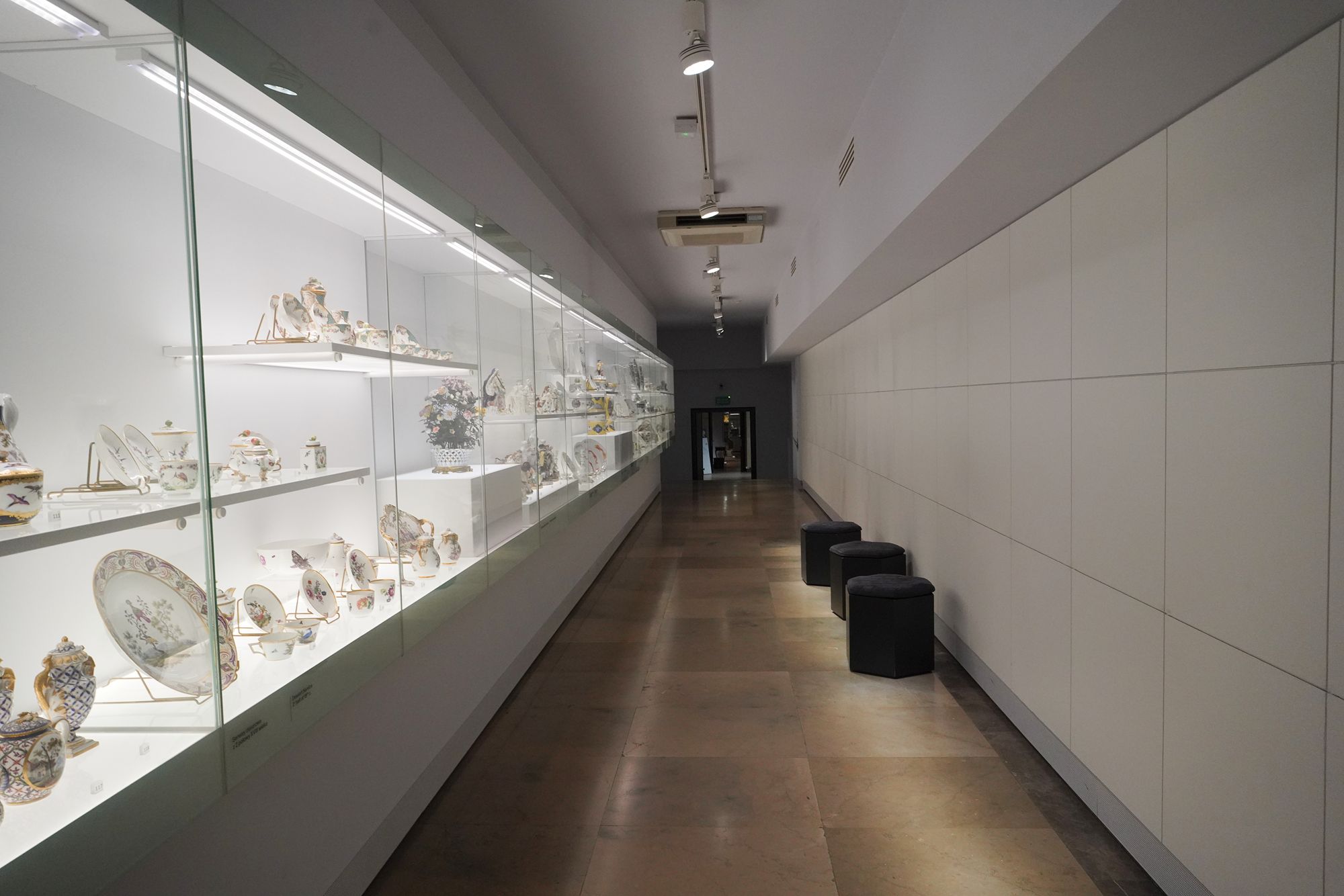
It explains how European and Polish art from the 15th to 18th centuries served different purposes: displaying wealth in palaces, supporting worship in churches and homes, and decorating the houses of prosperous city residents.
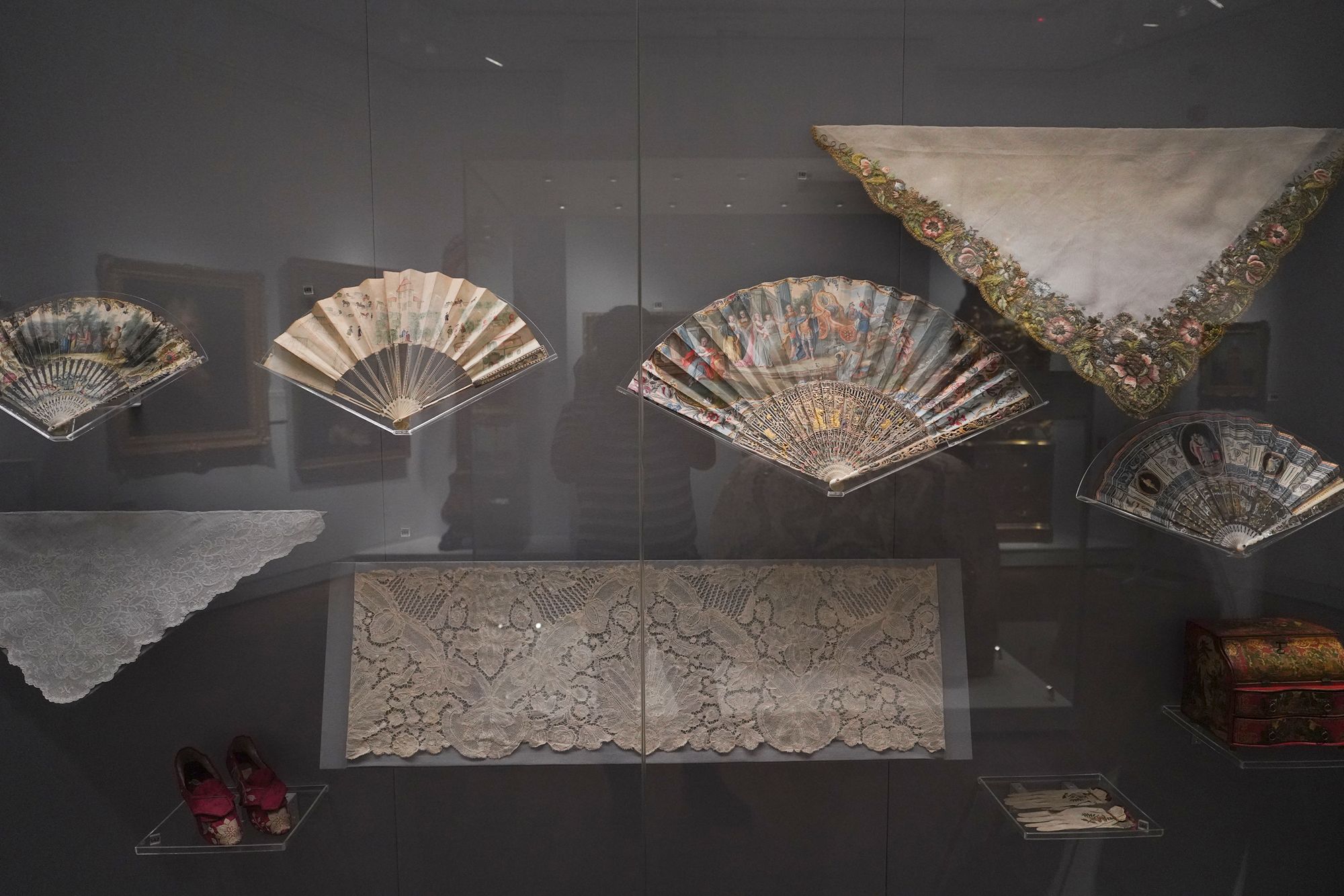
Paintings and sculptures are displayed alongside furniture, tapestries, porcelain, glassware and goldsmiths’ work to show their original settings and uses.
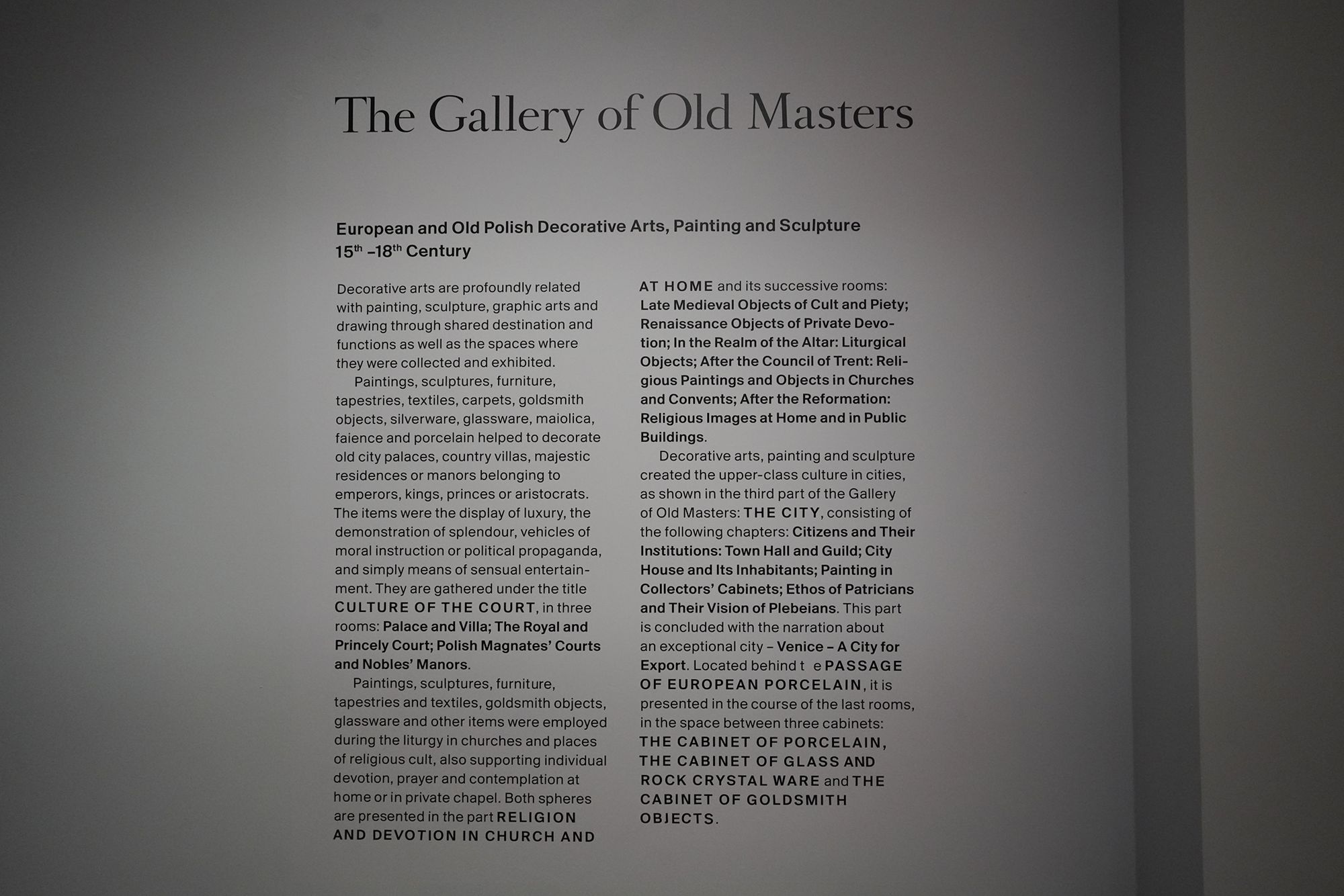
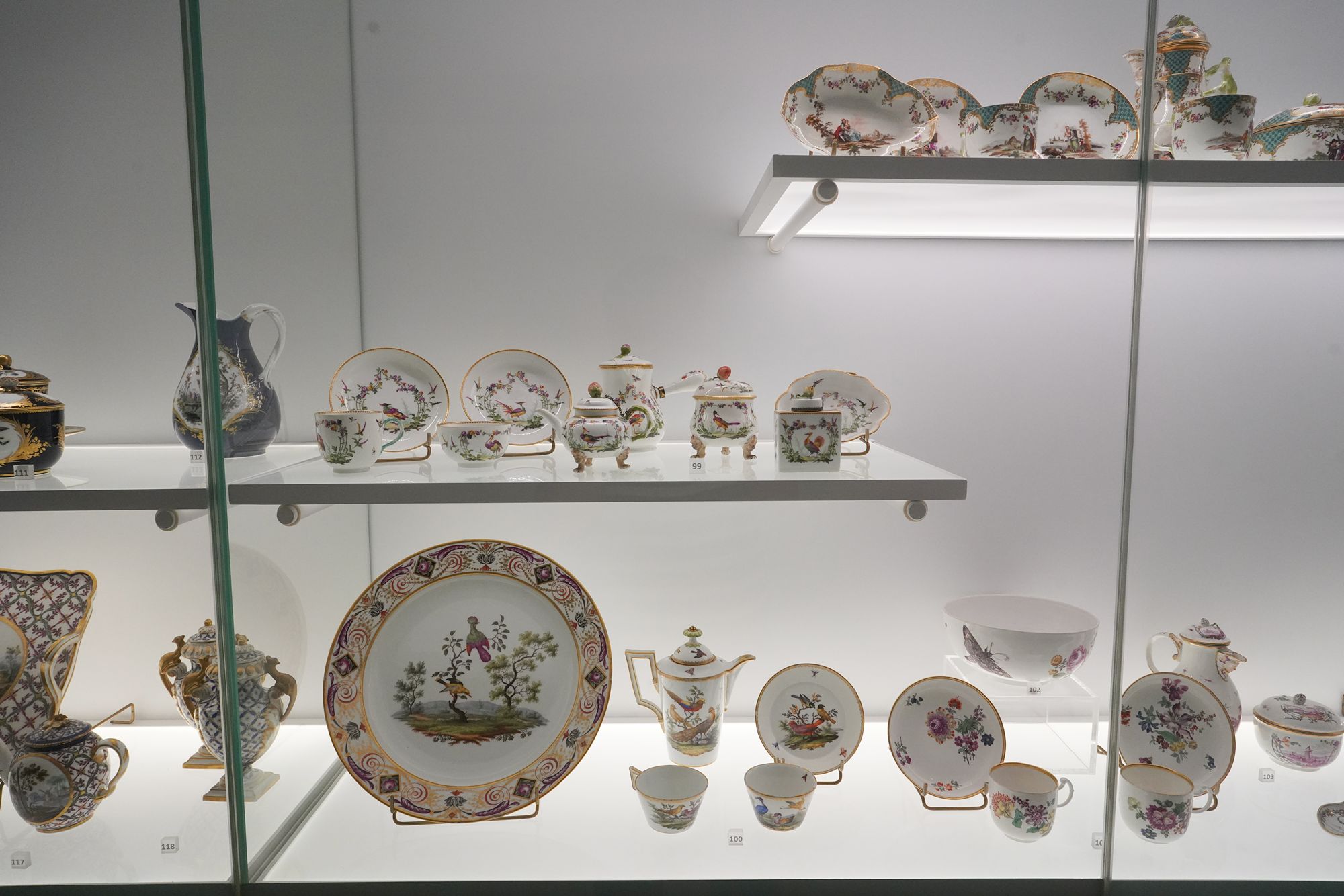
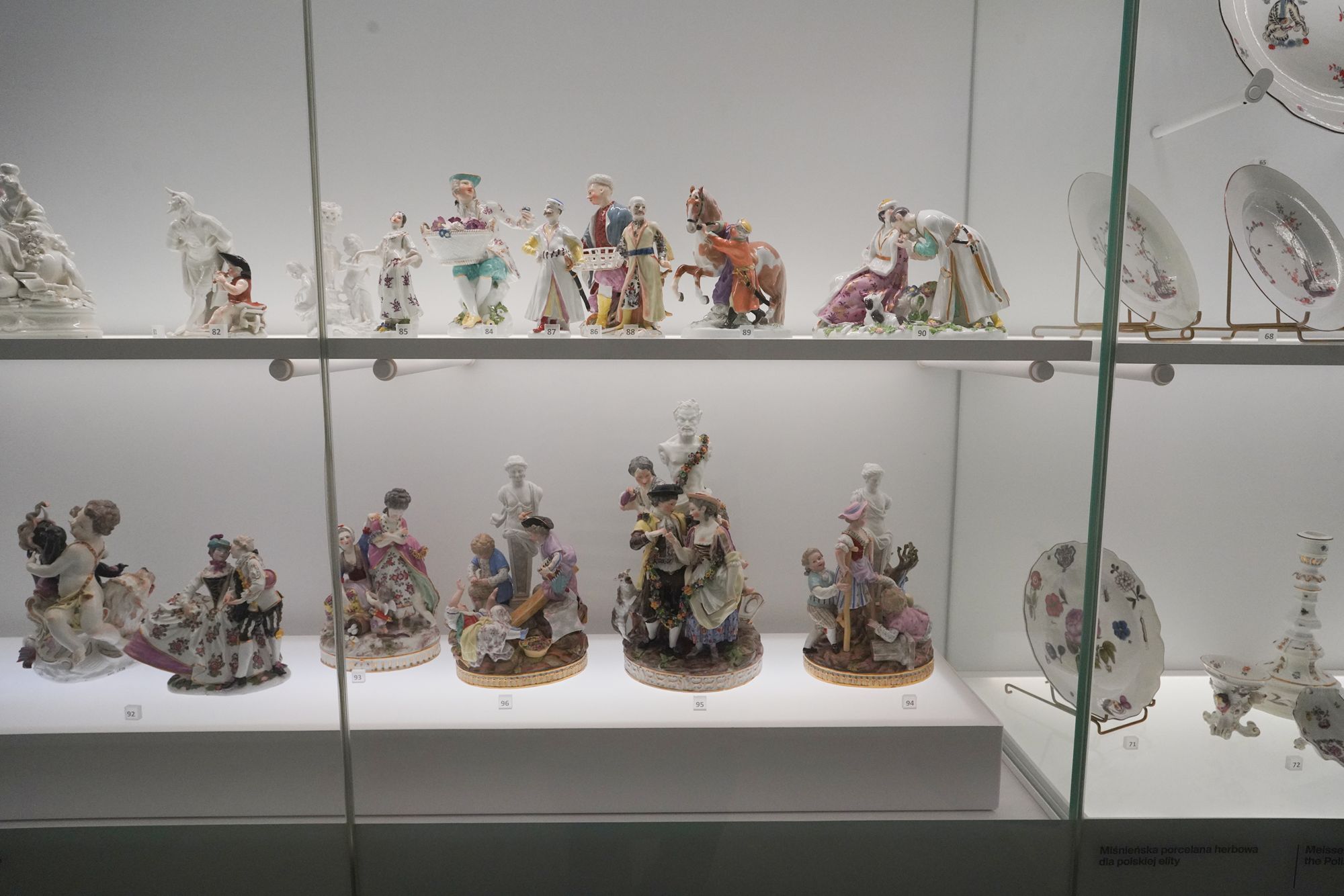
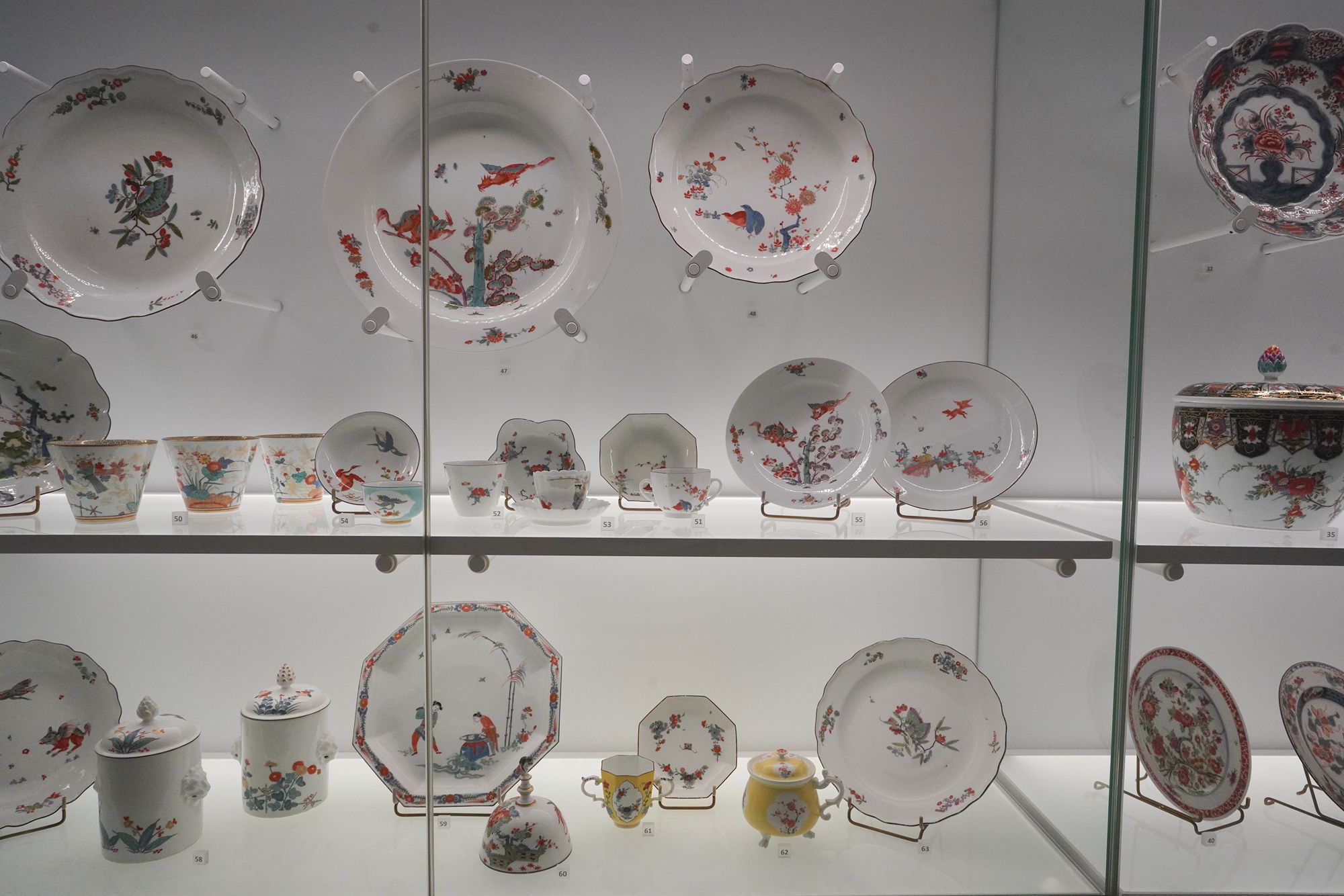
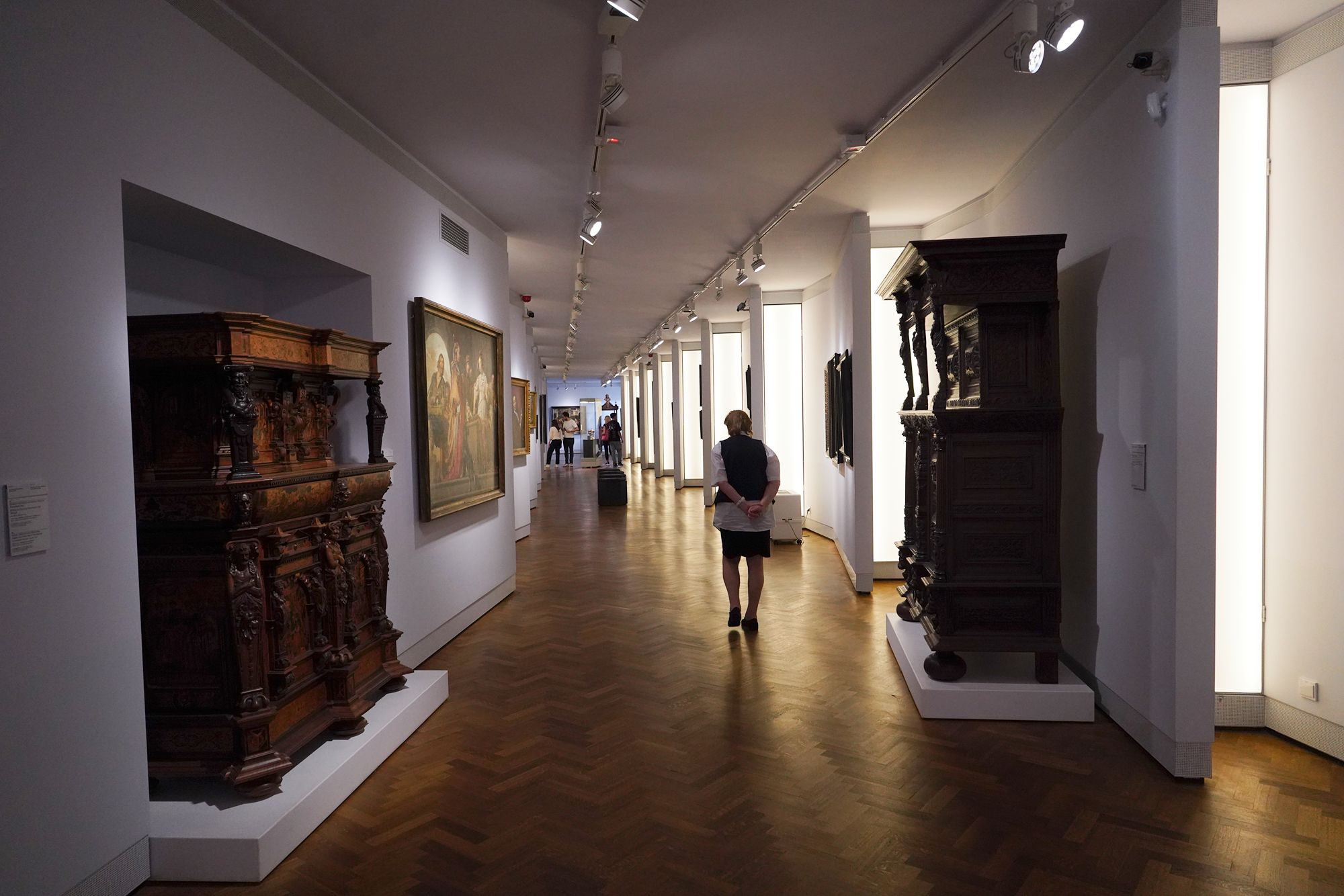
The collection covers European and Polish art from the 15th–18th centuries, arranged around three themes:
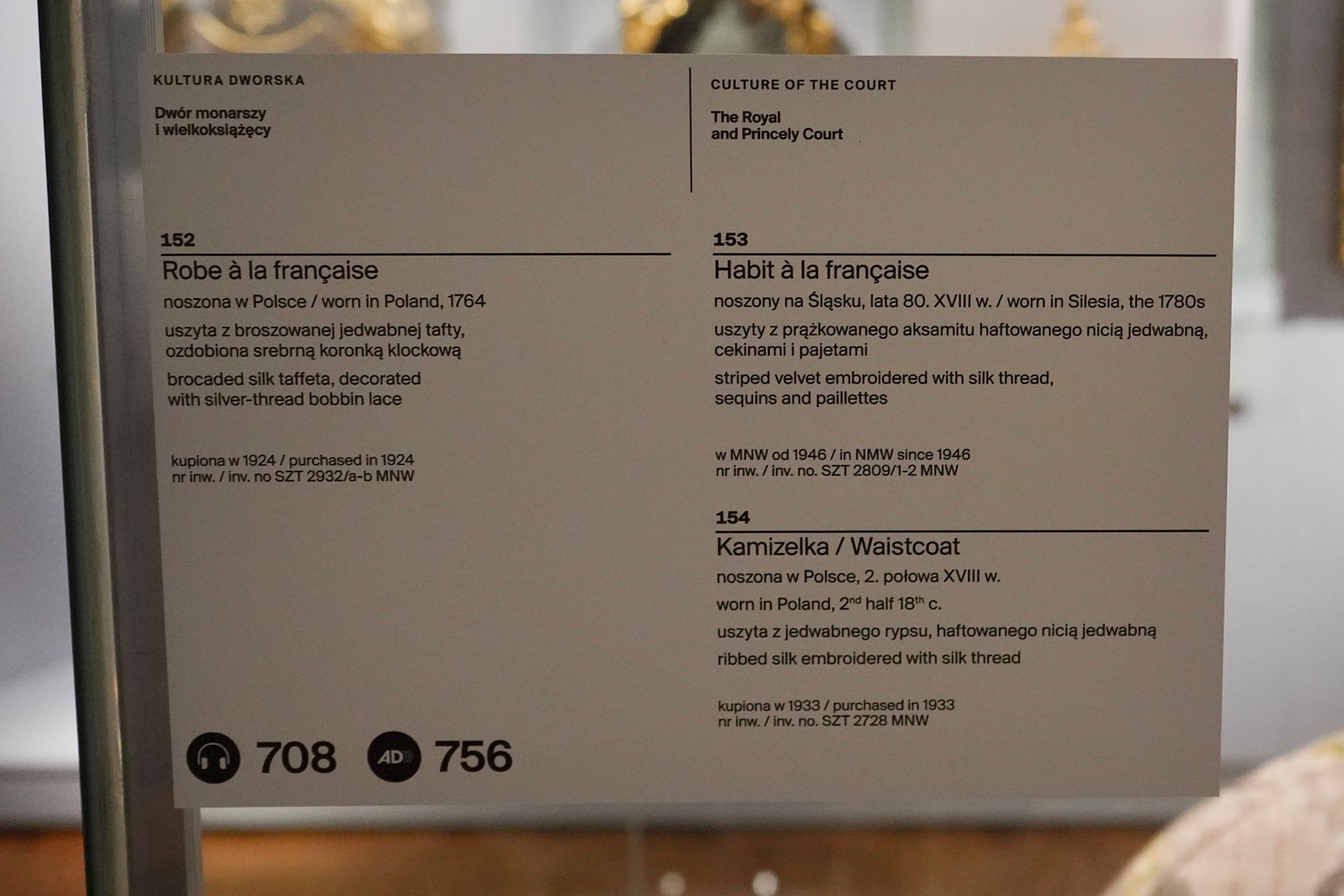
- Court culture: art and furnishings from royal palaces and aristocratic residences.
- Religion and devotion: objects used in church services and private prayer.
- City life: art collected by wealthy townspeople and displayed in homes and civic buildings.
The gallery brings paintings, sculpture and decorative objects together to explain how people originally used them.
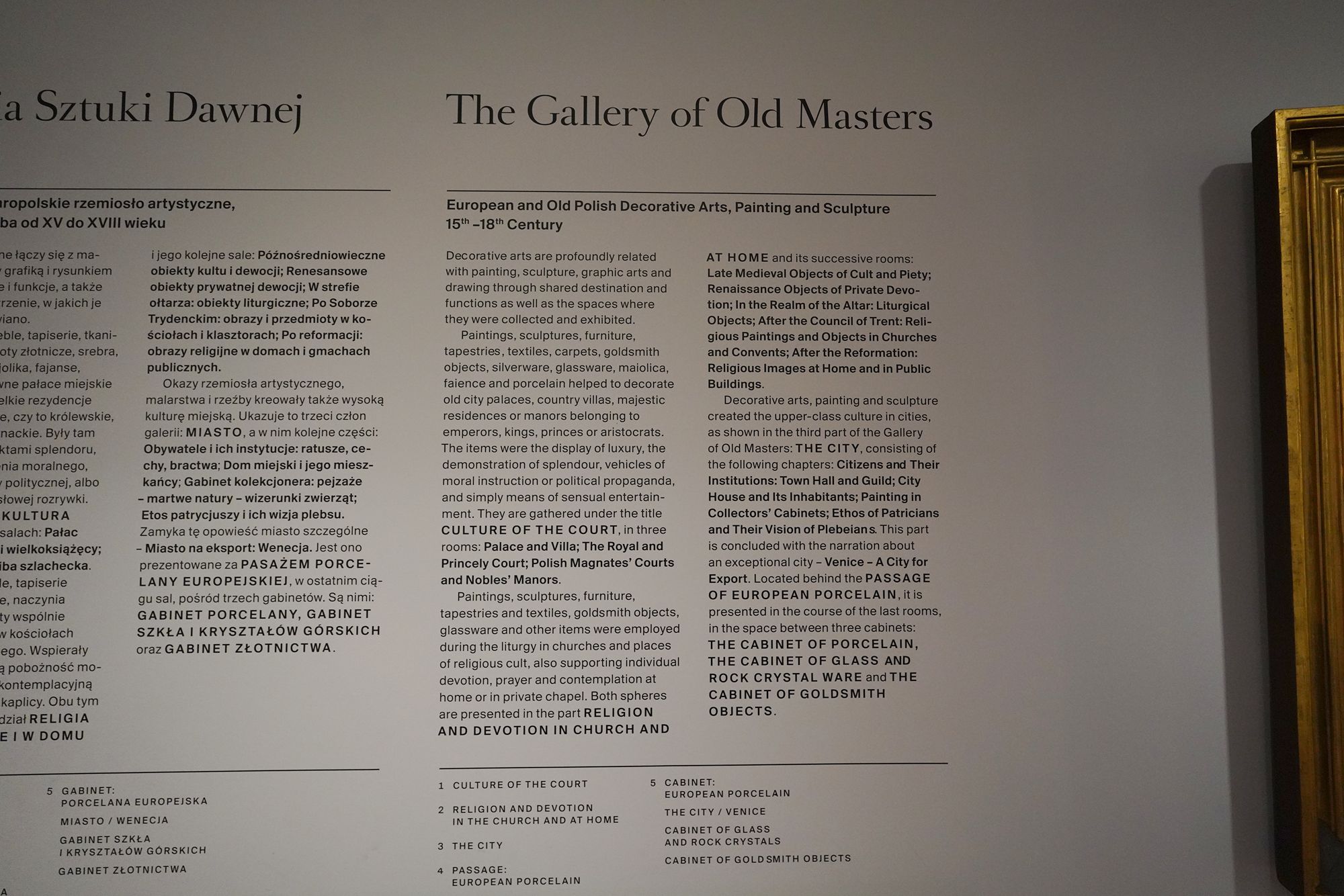
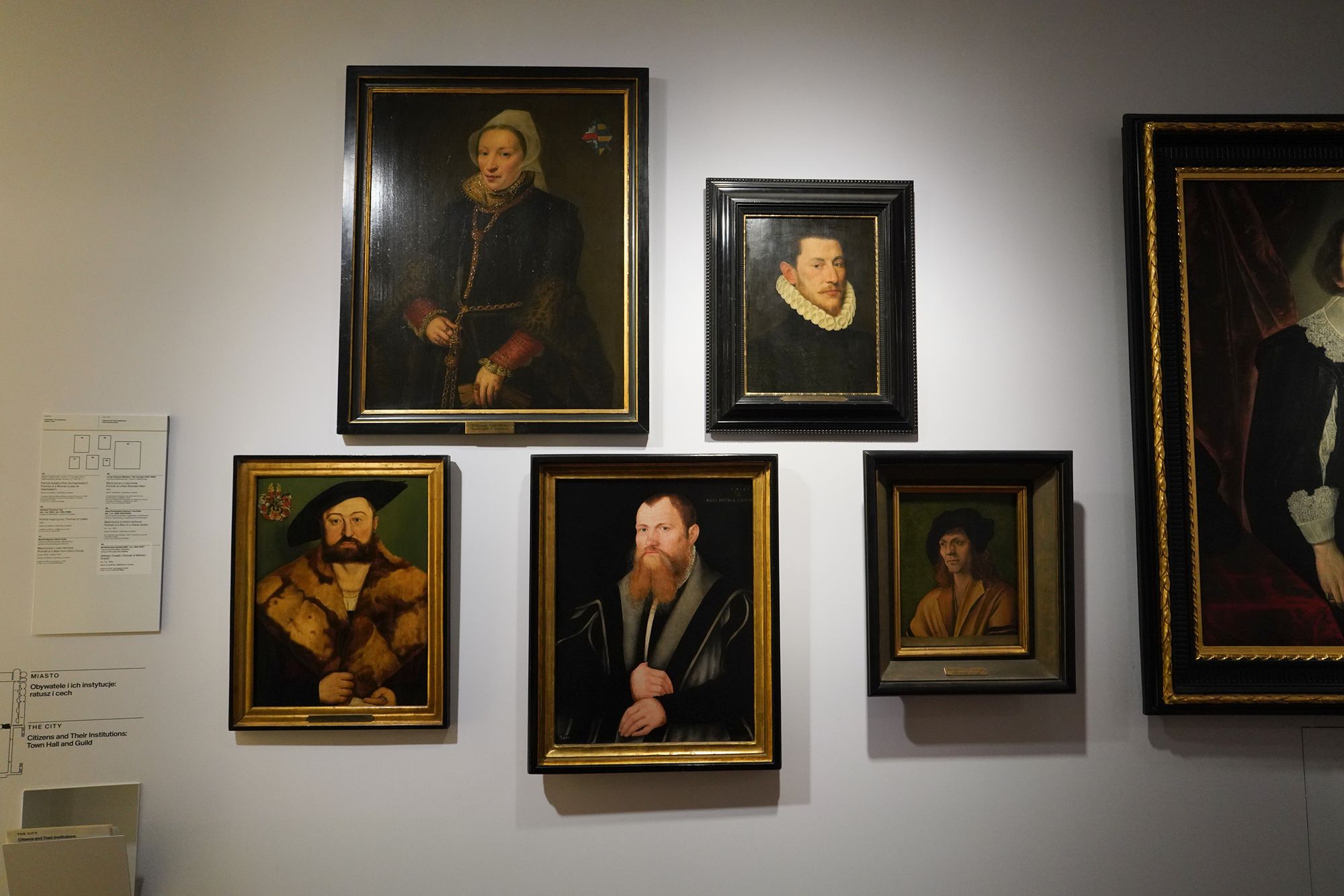
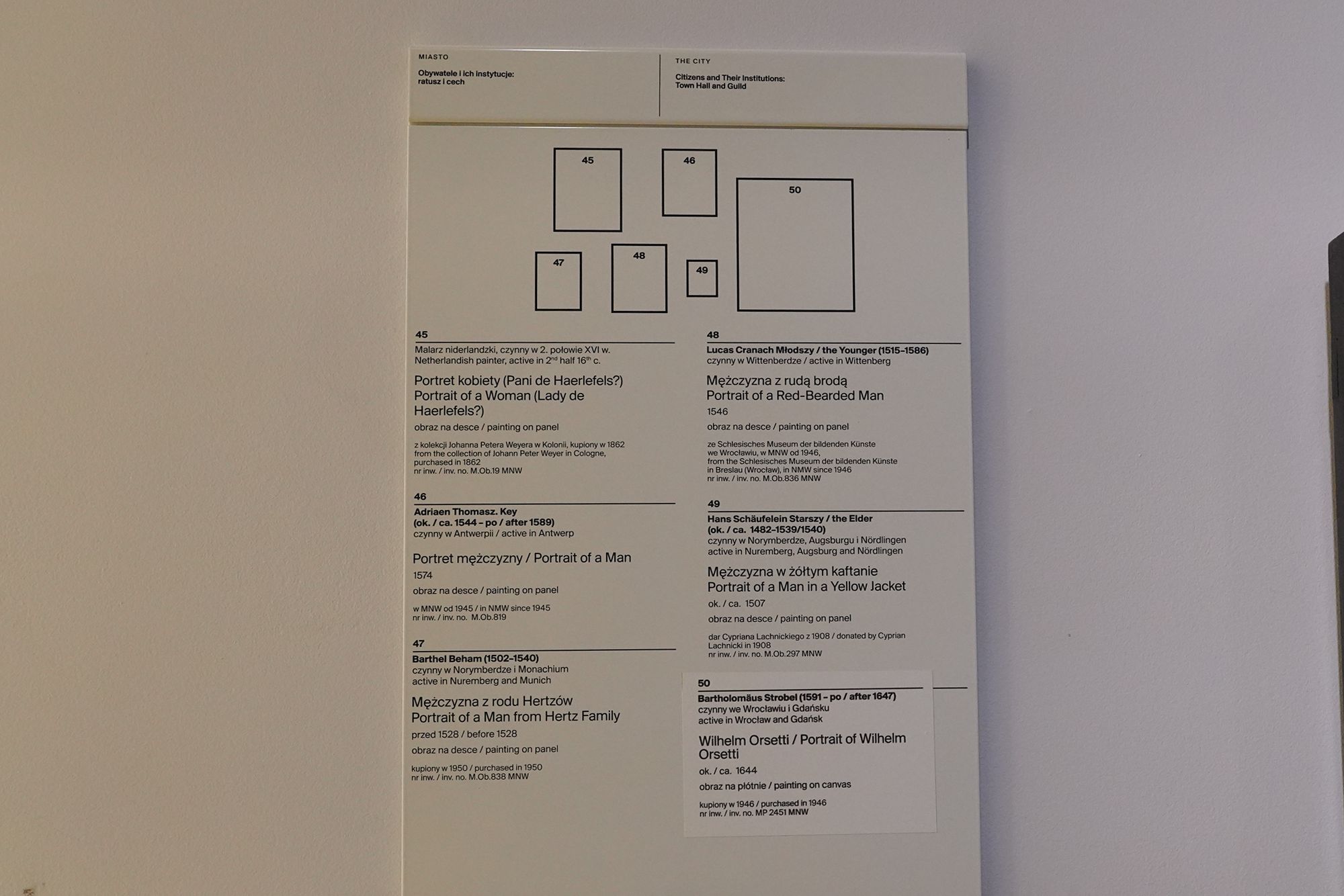
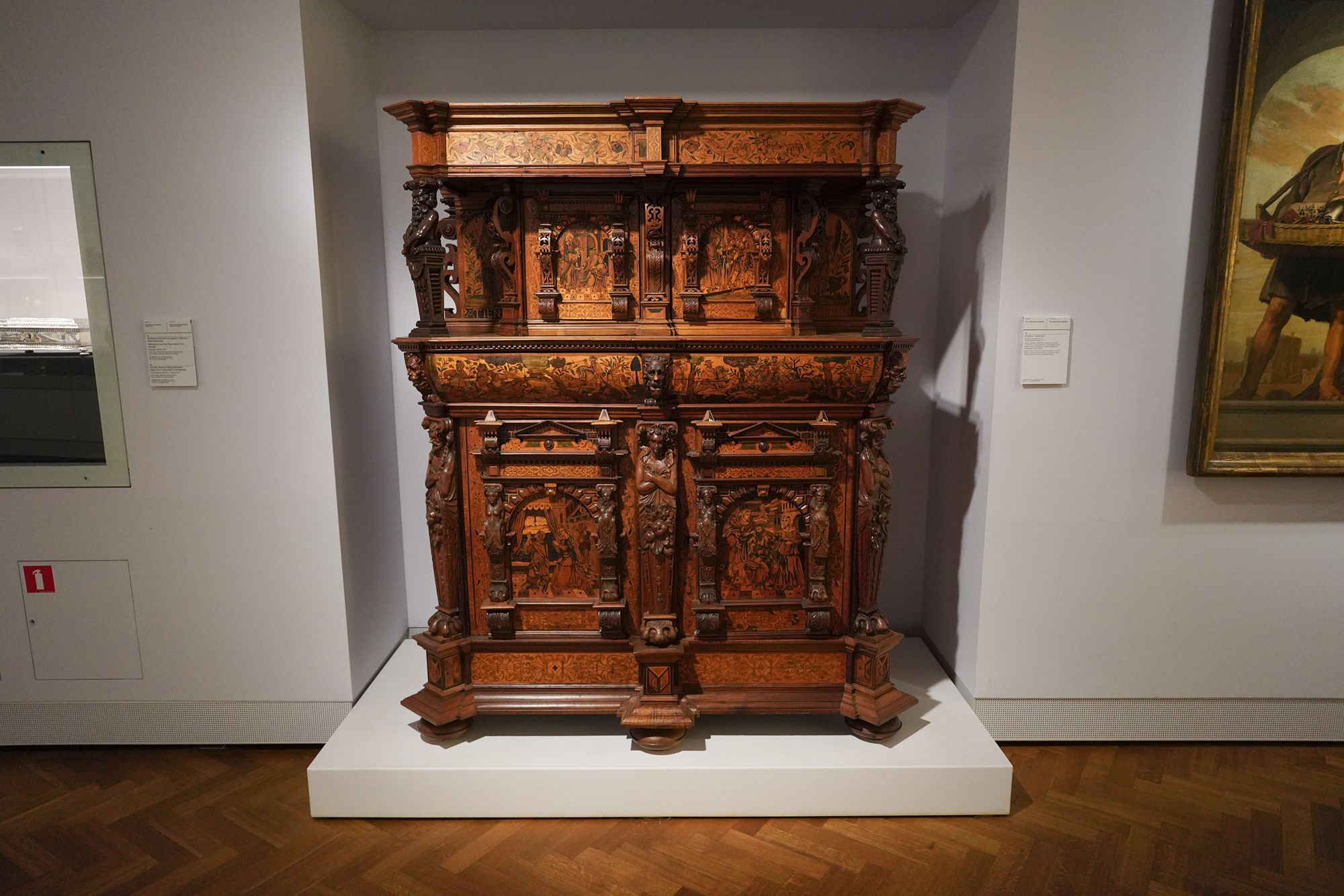
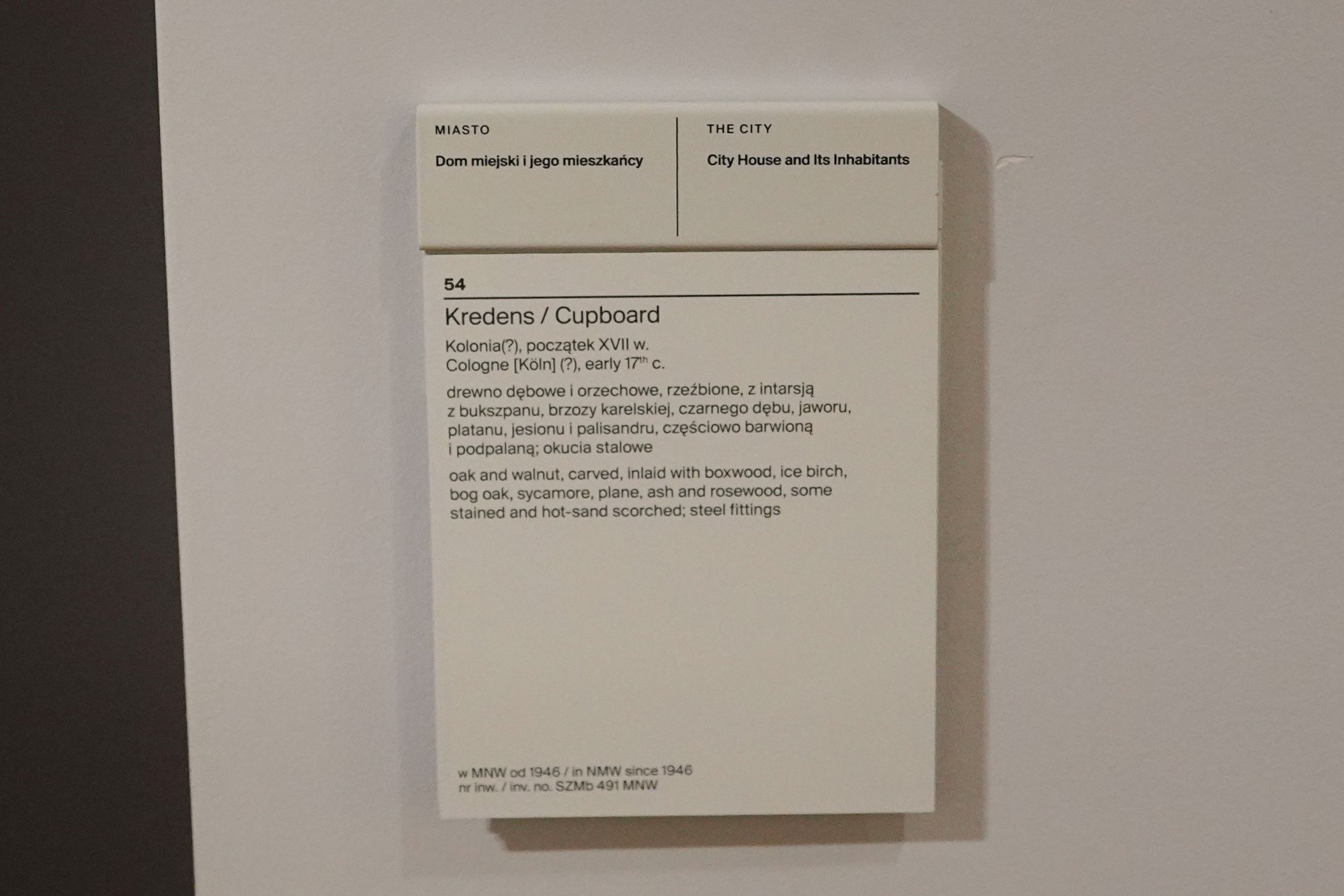
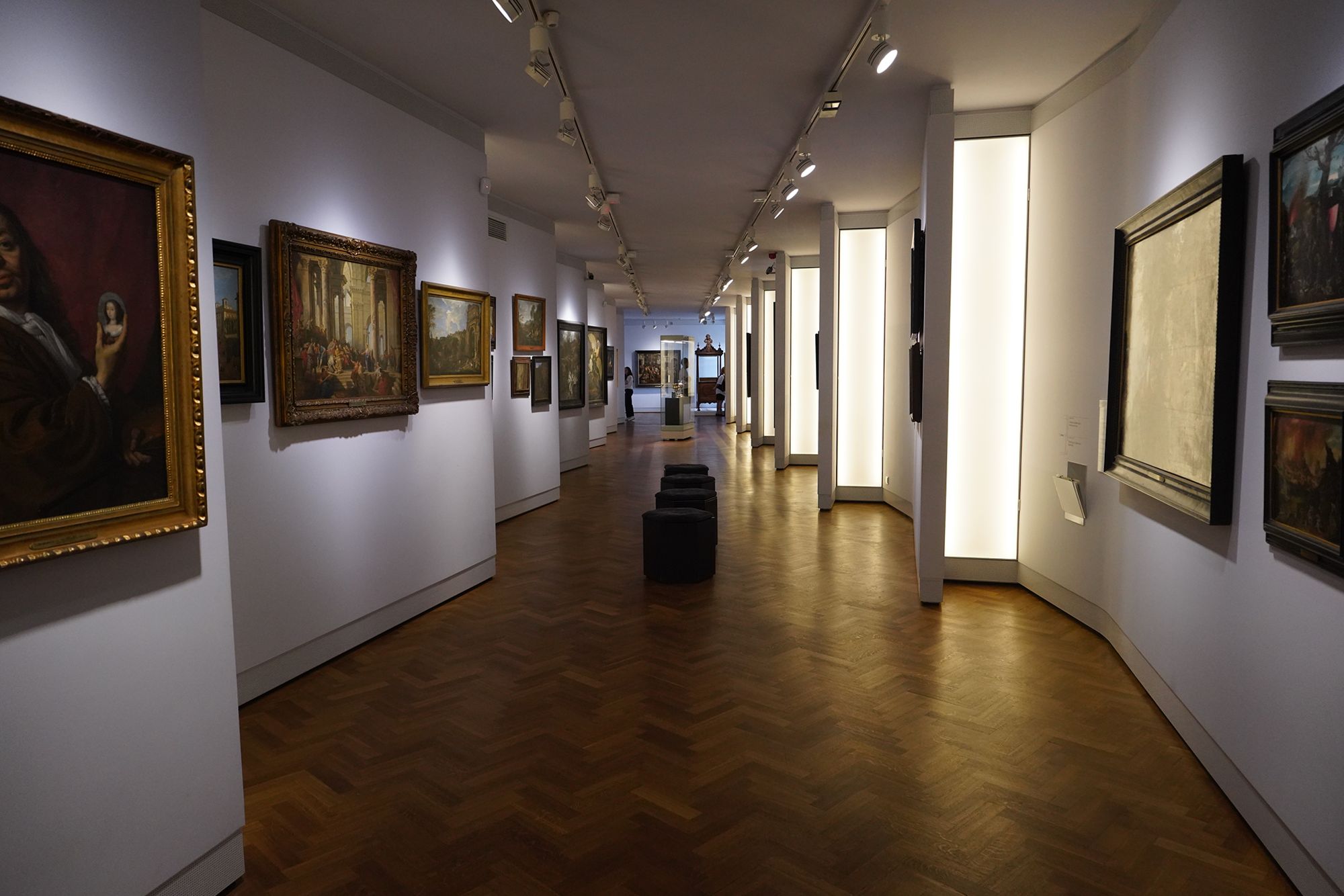
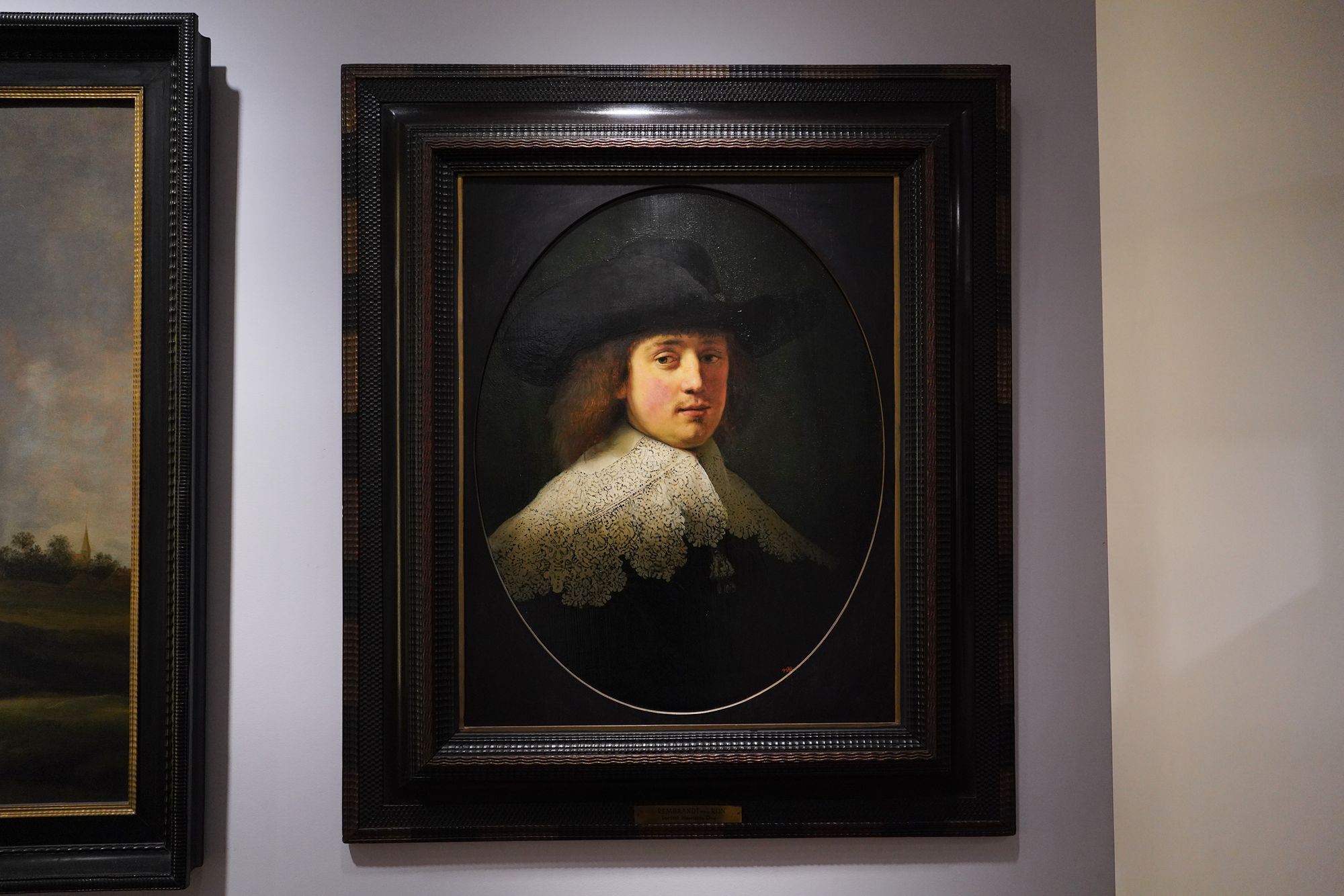
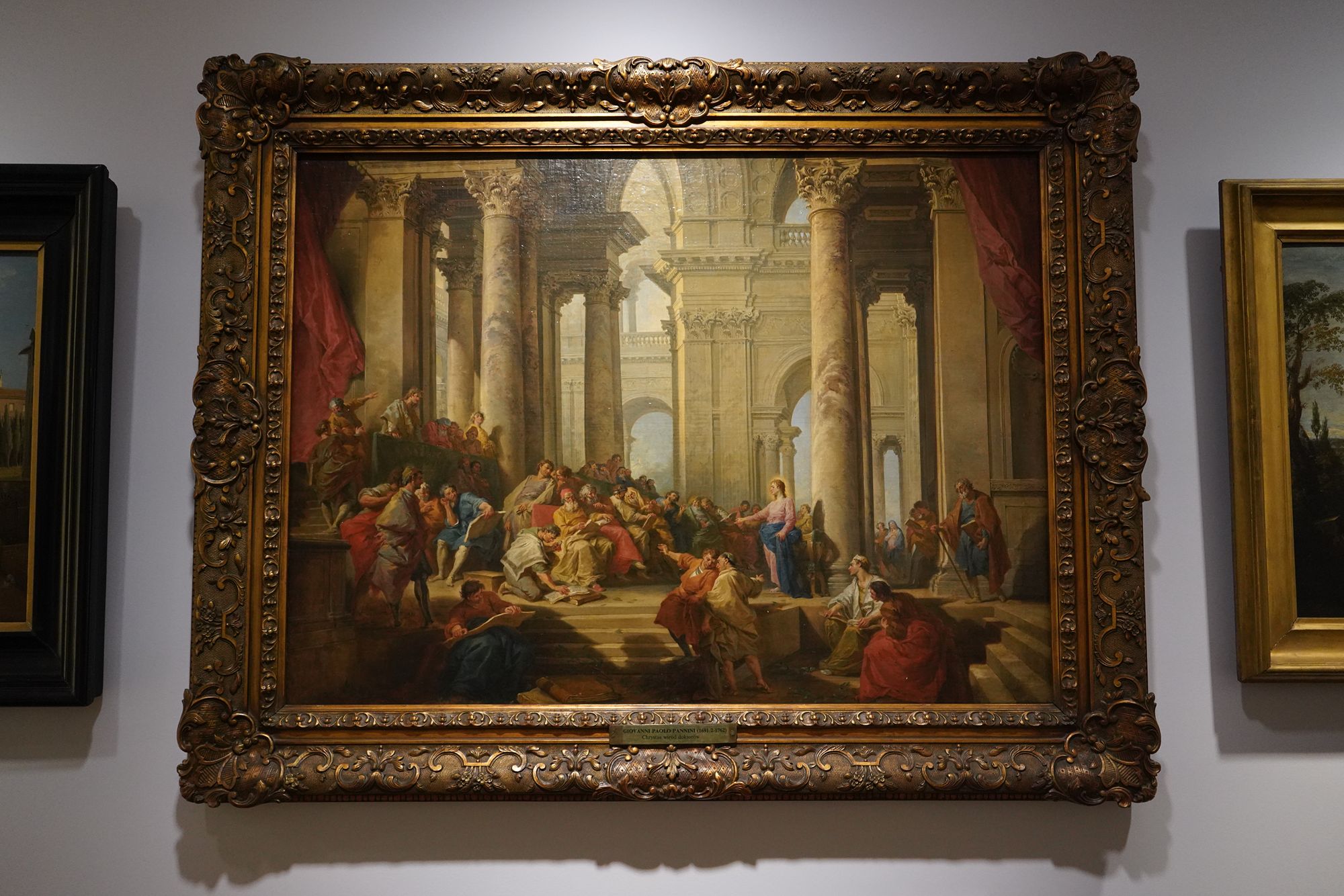
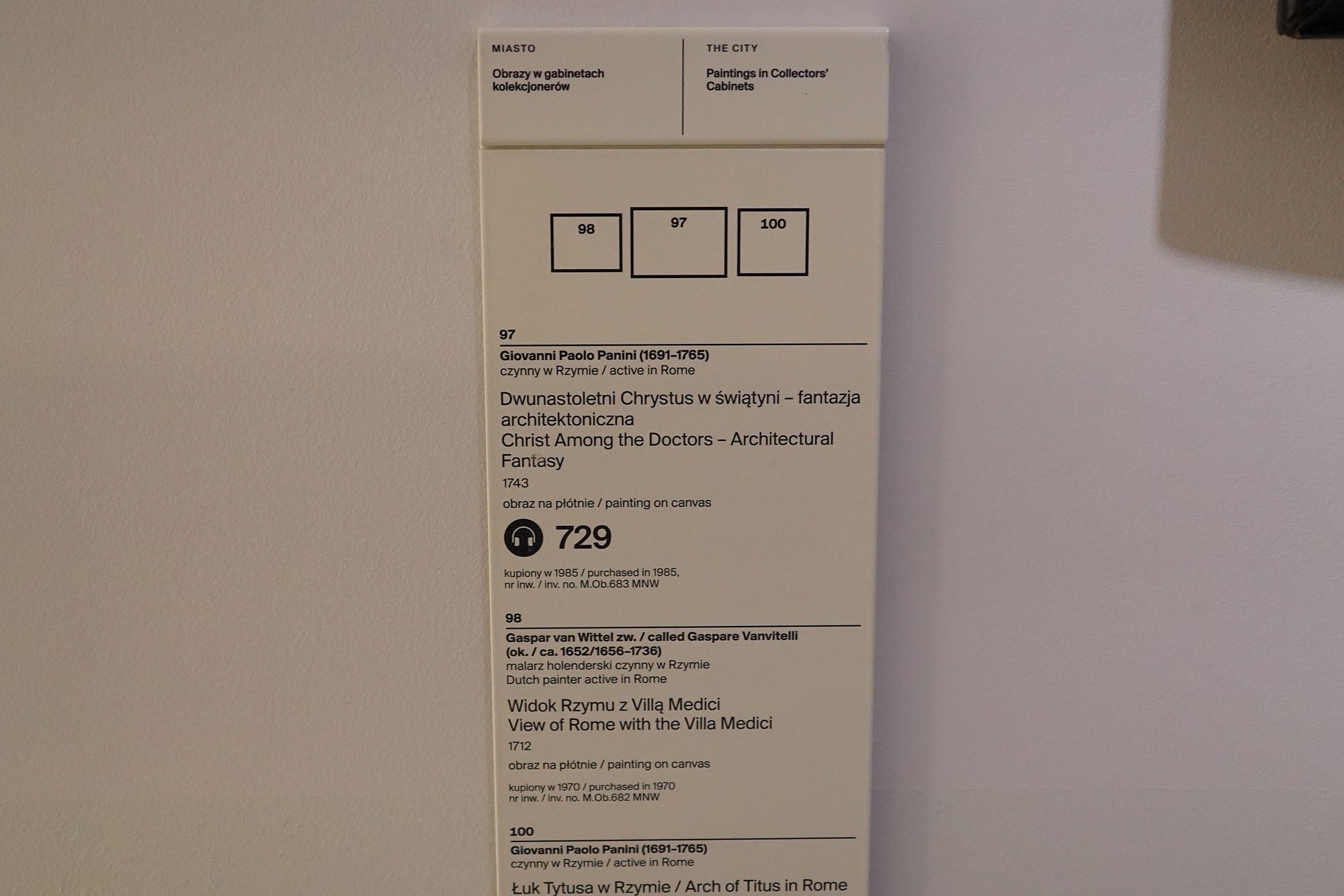
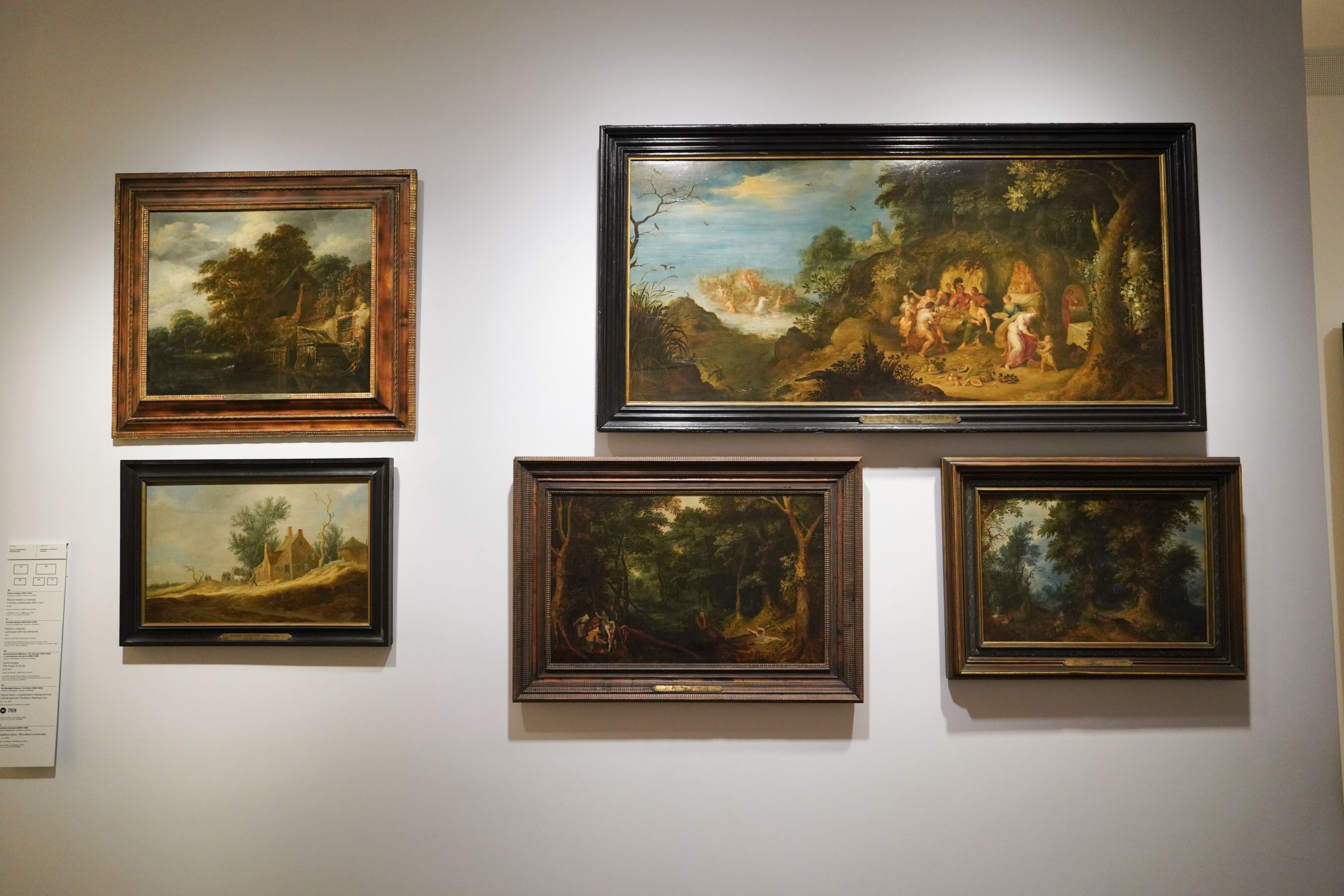
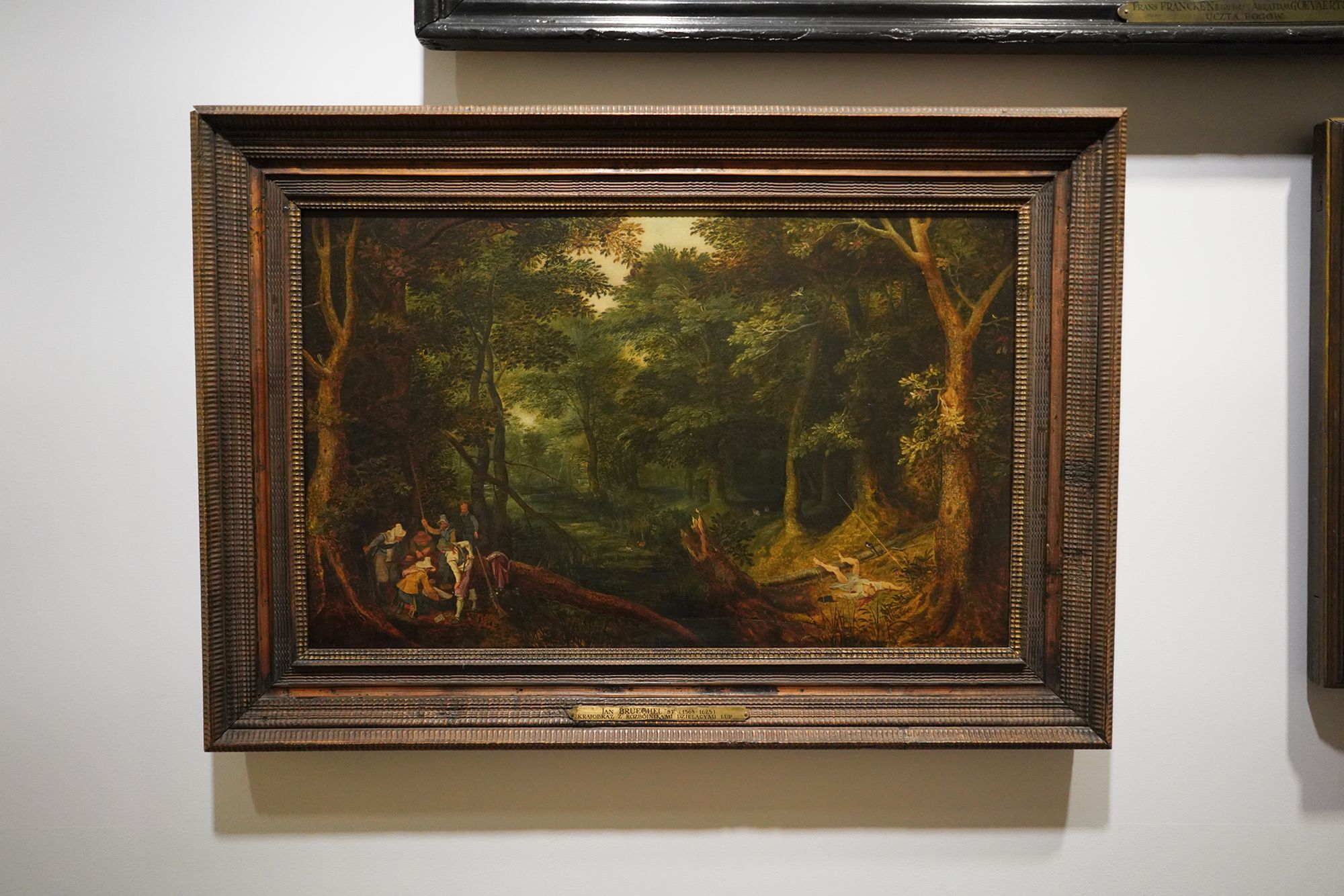
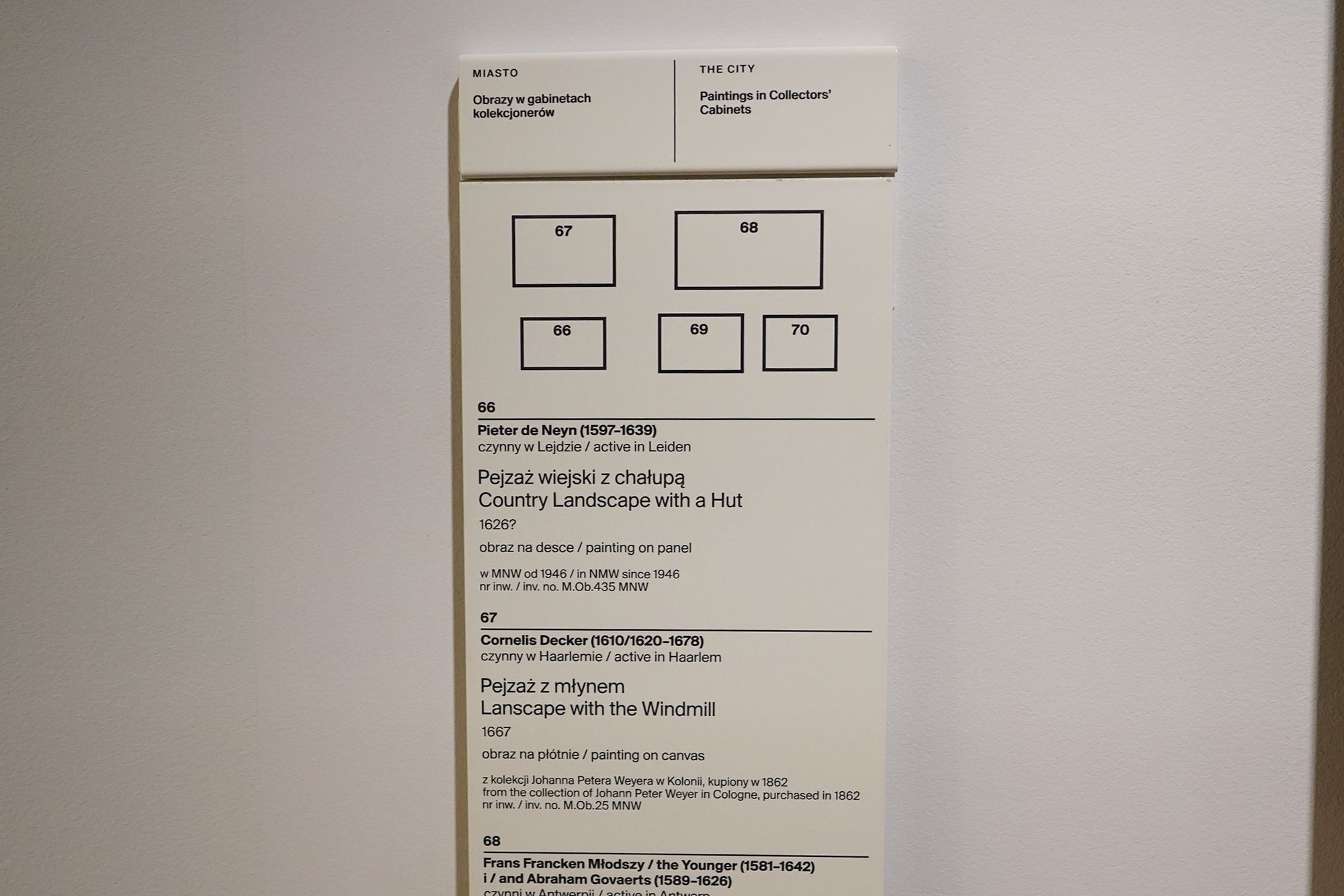
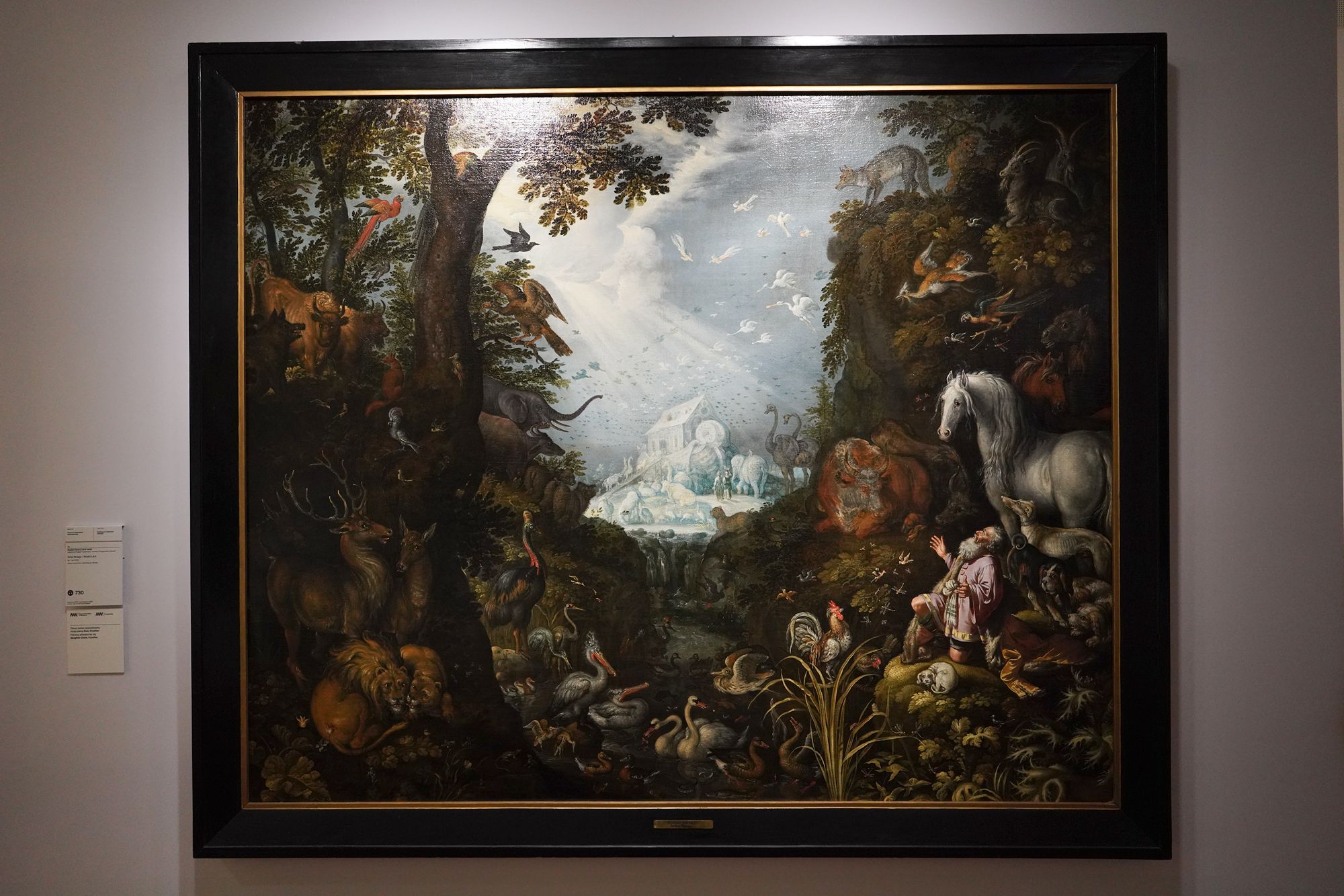
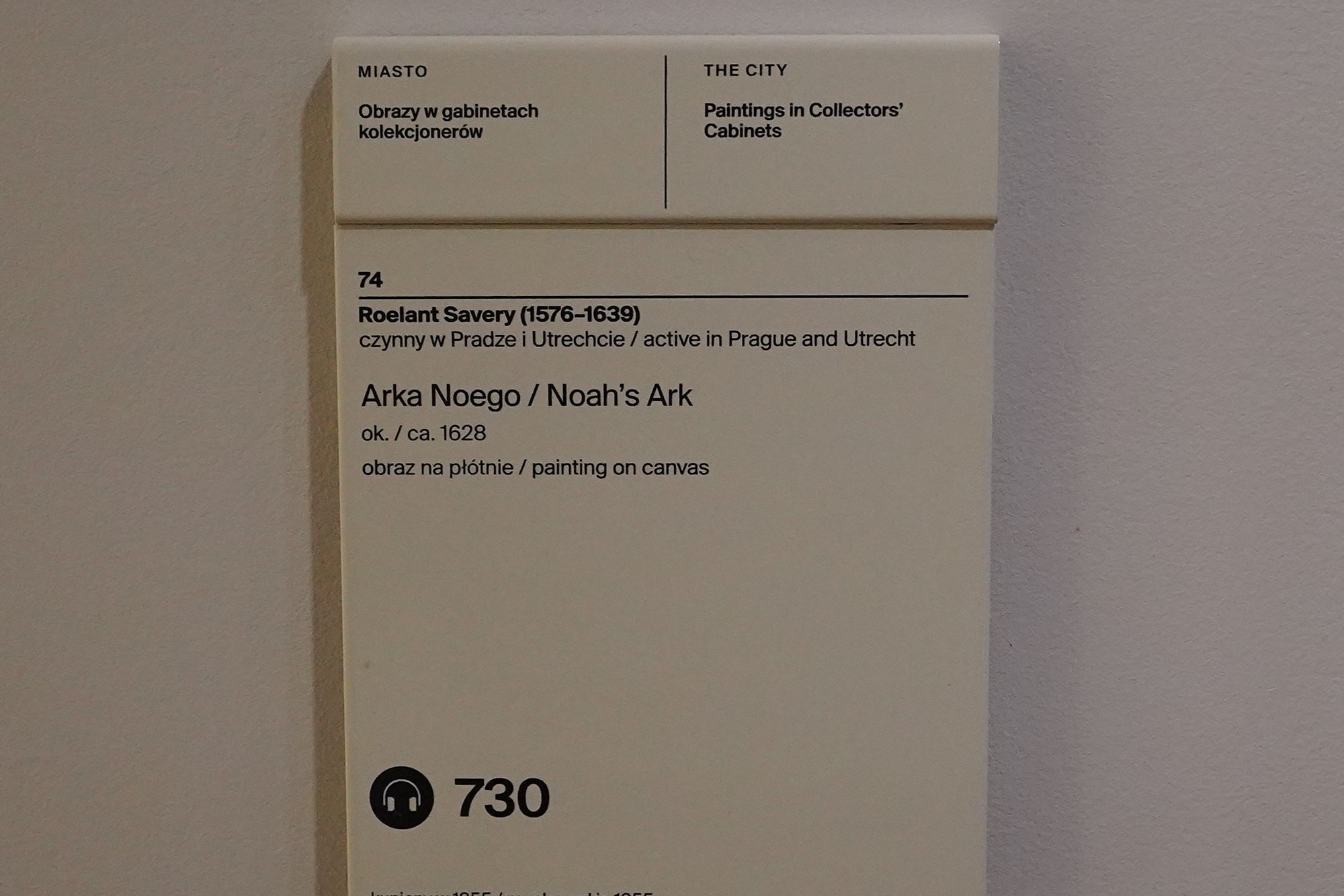
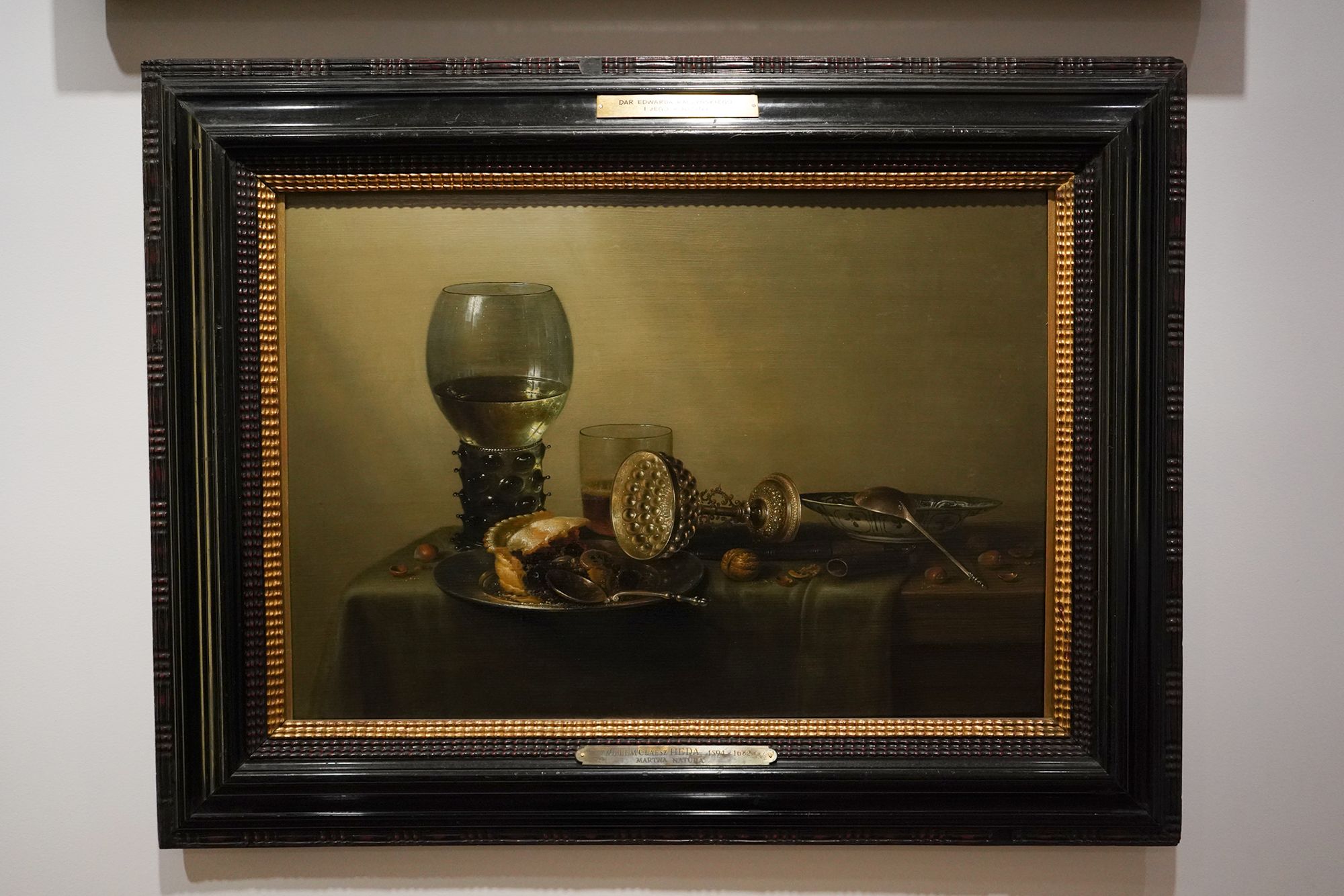
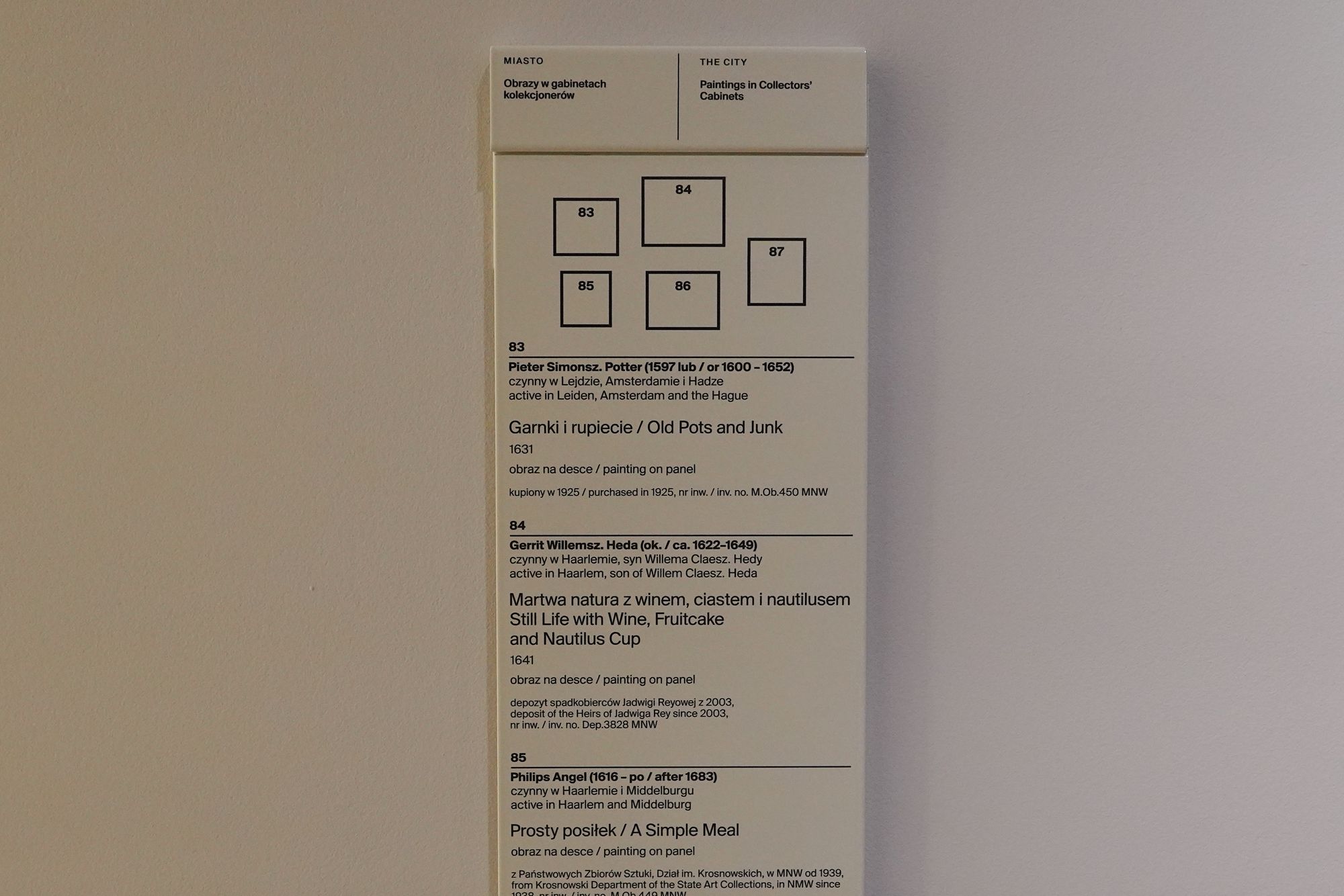
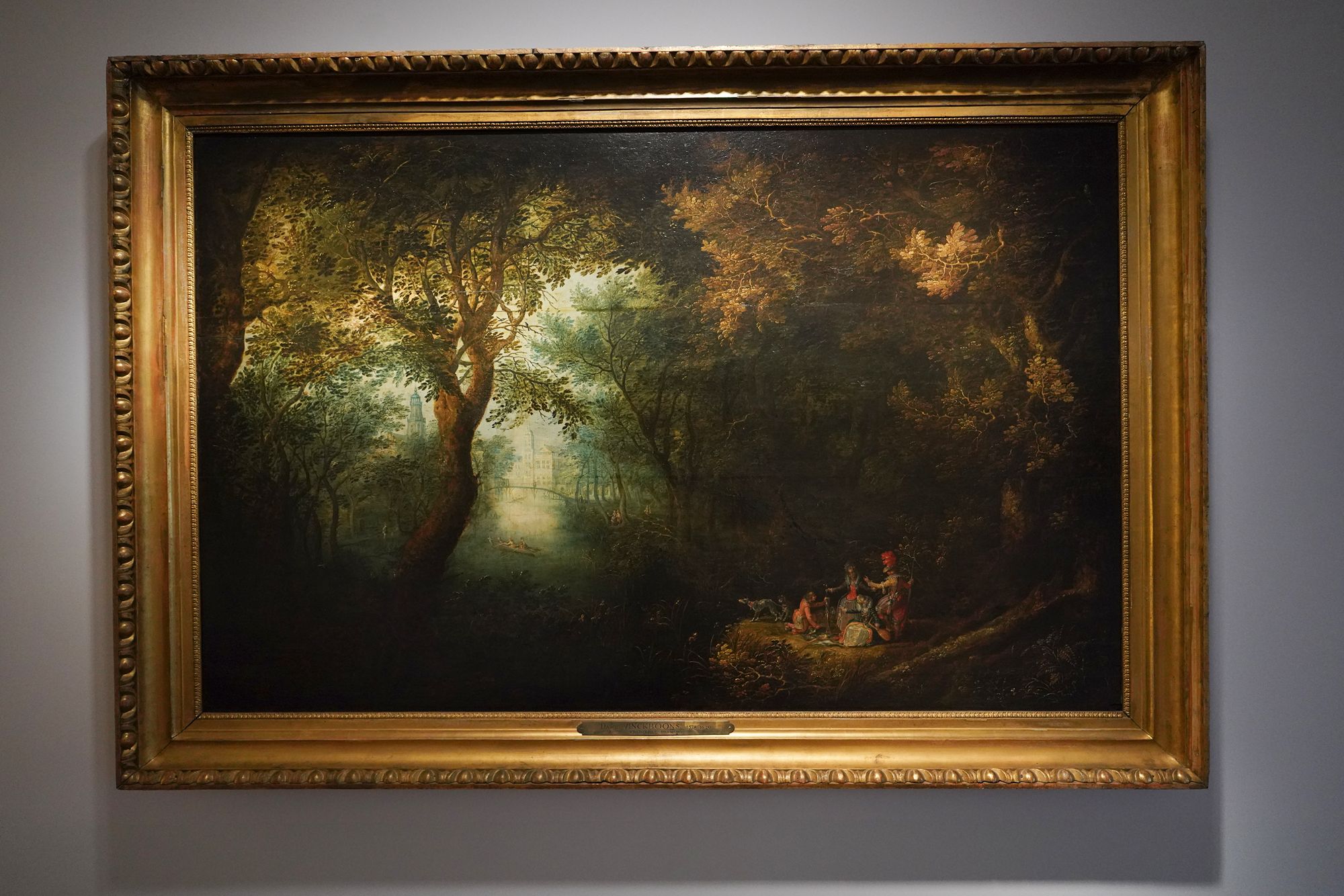
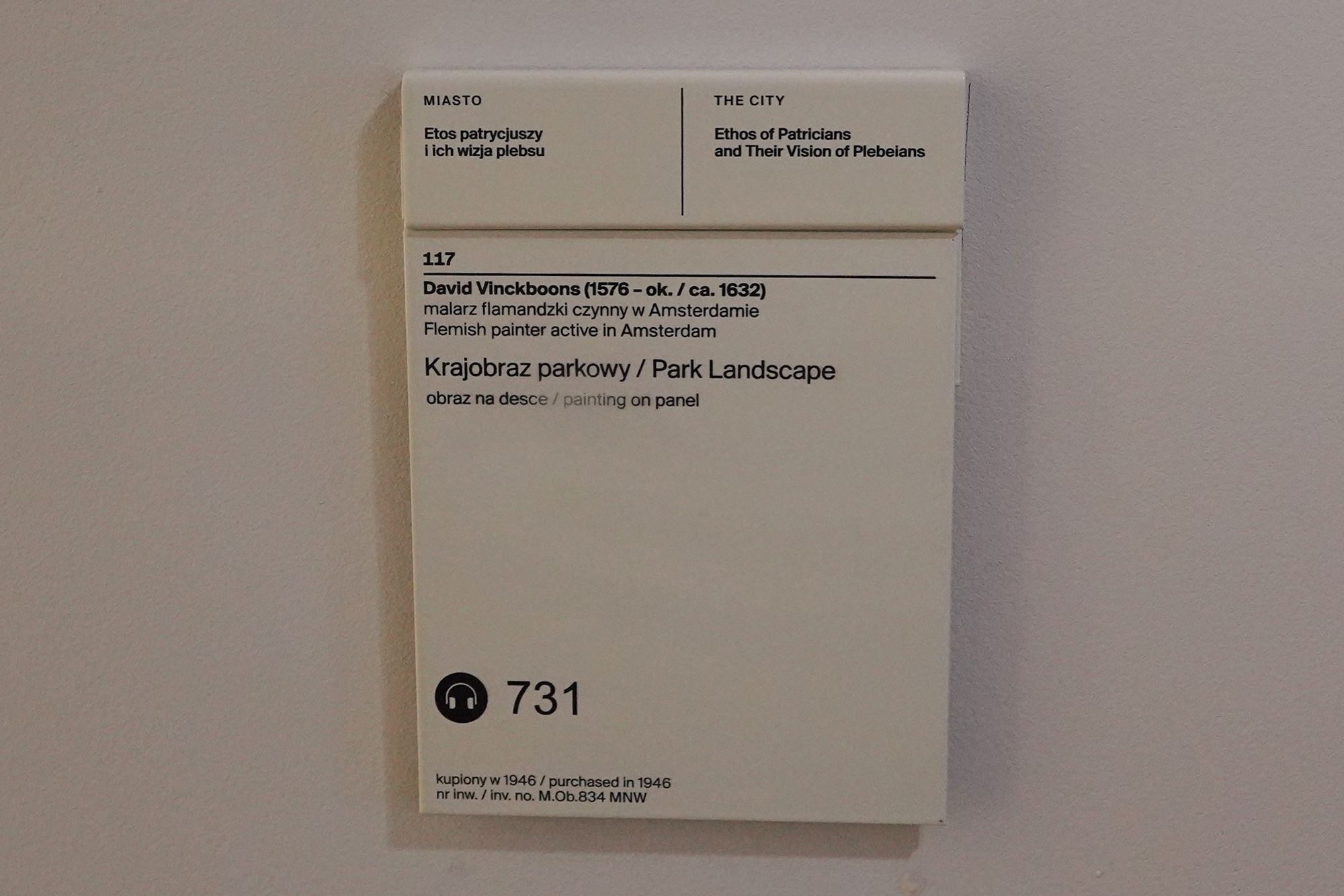
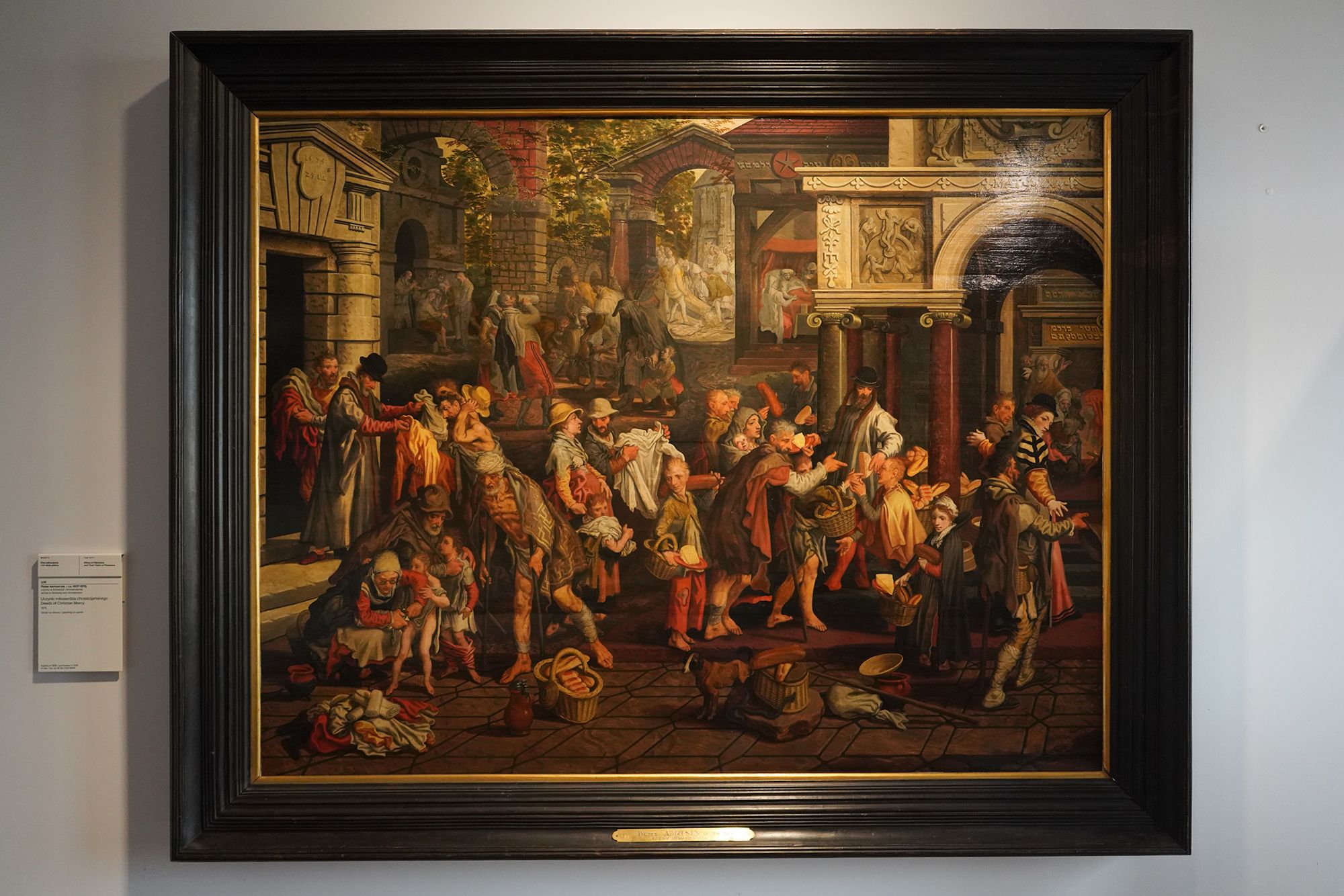
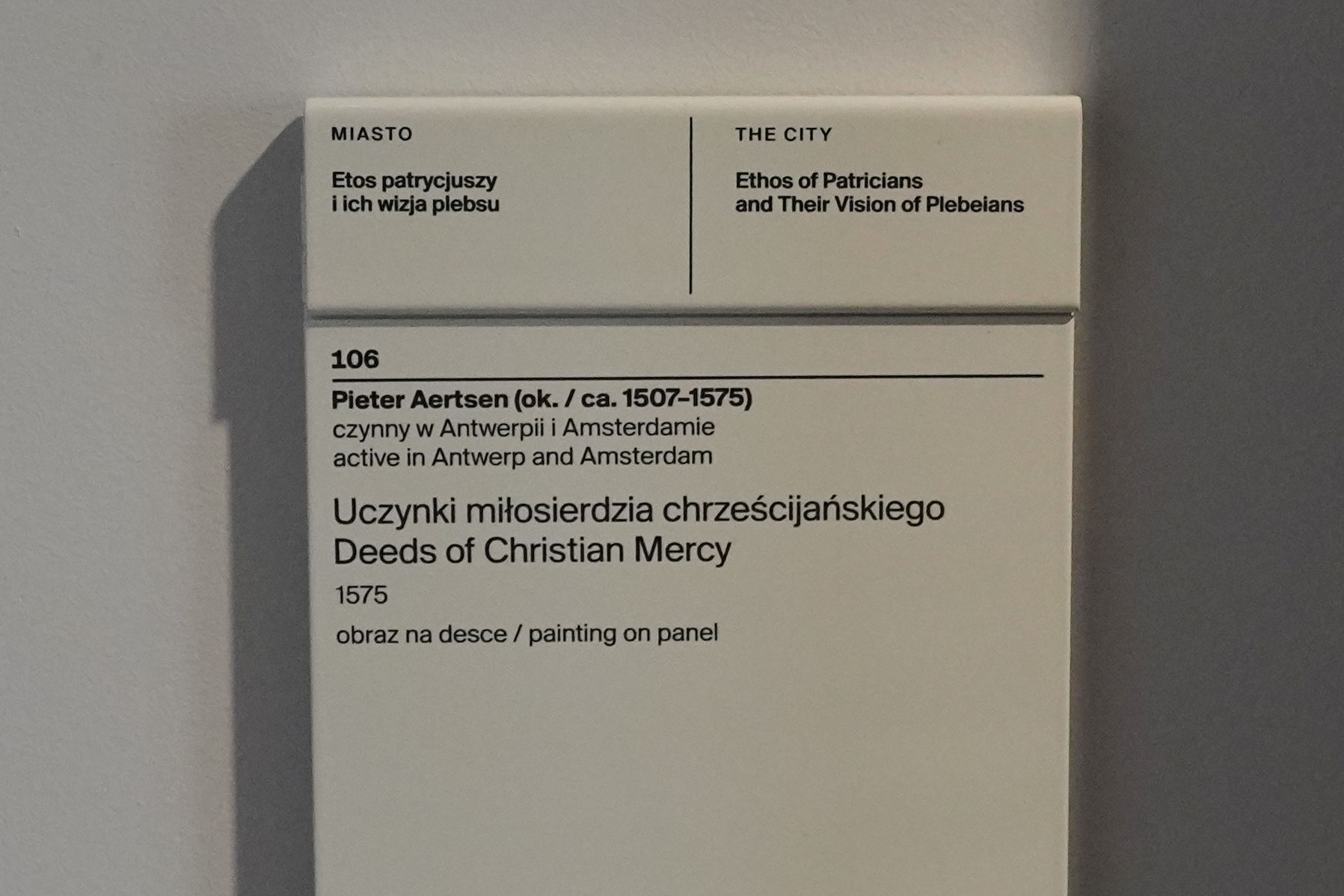
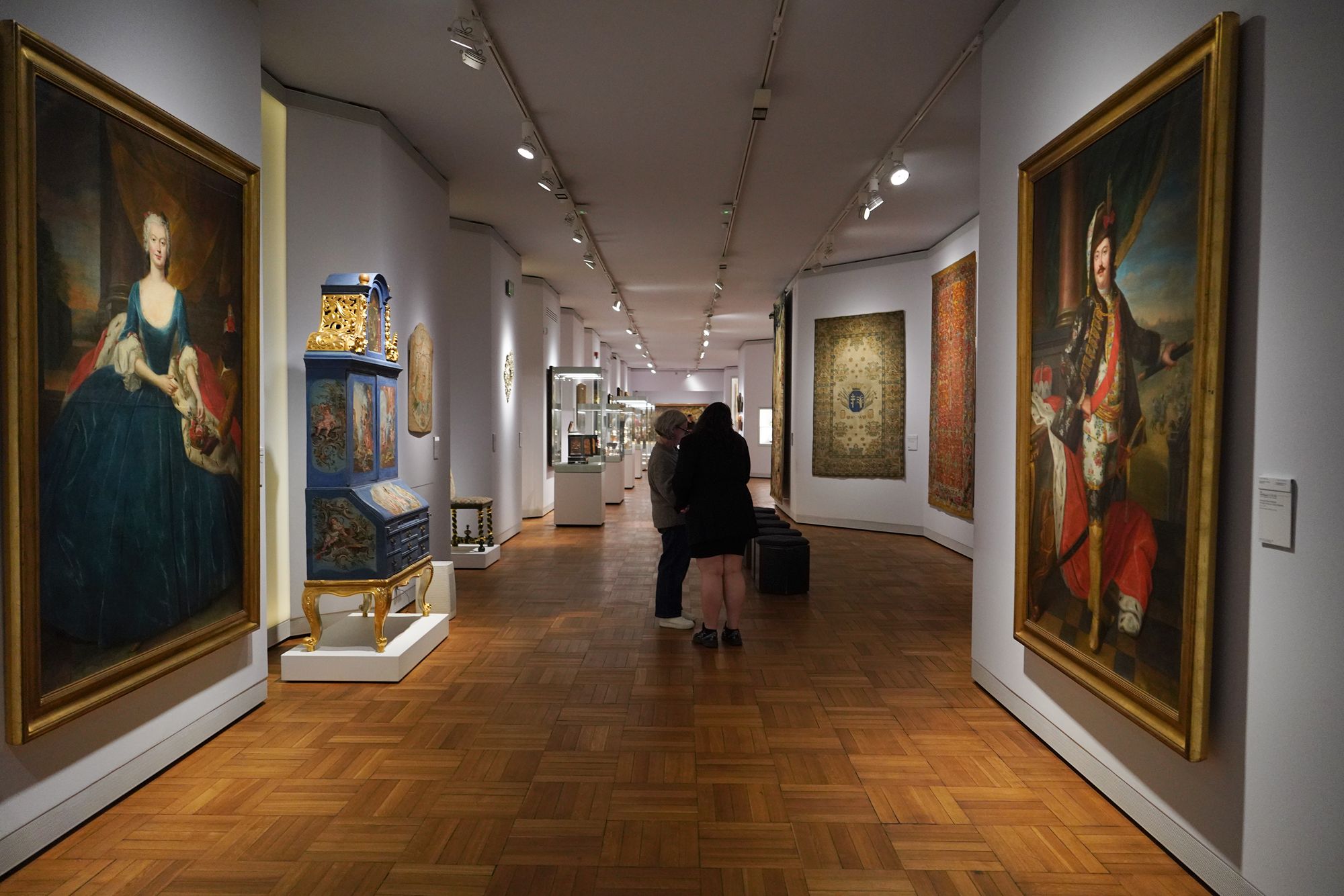
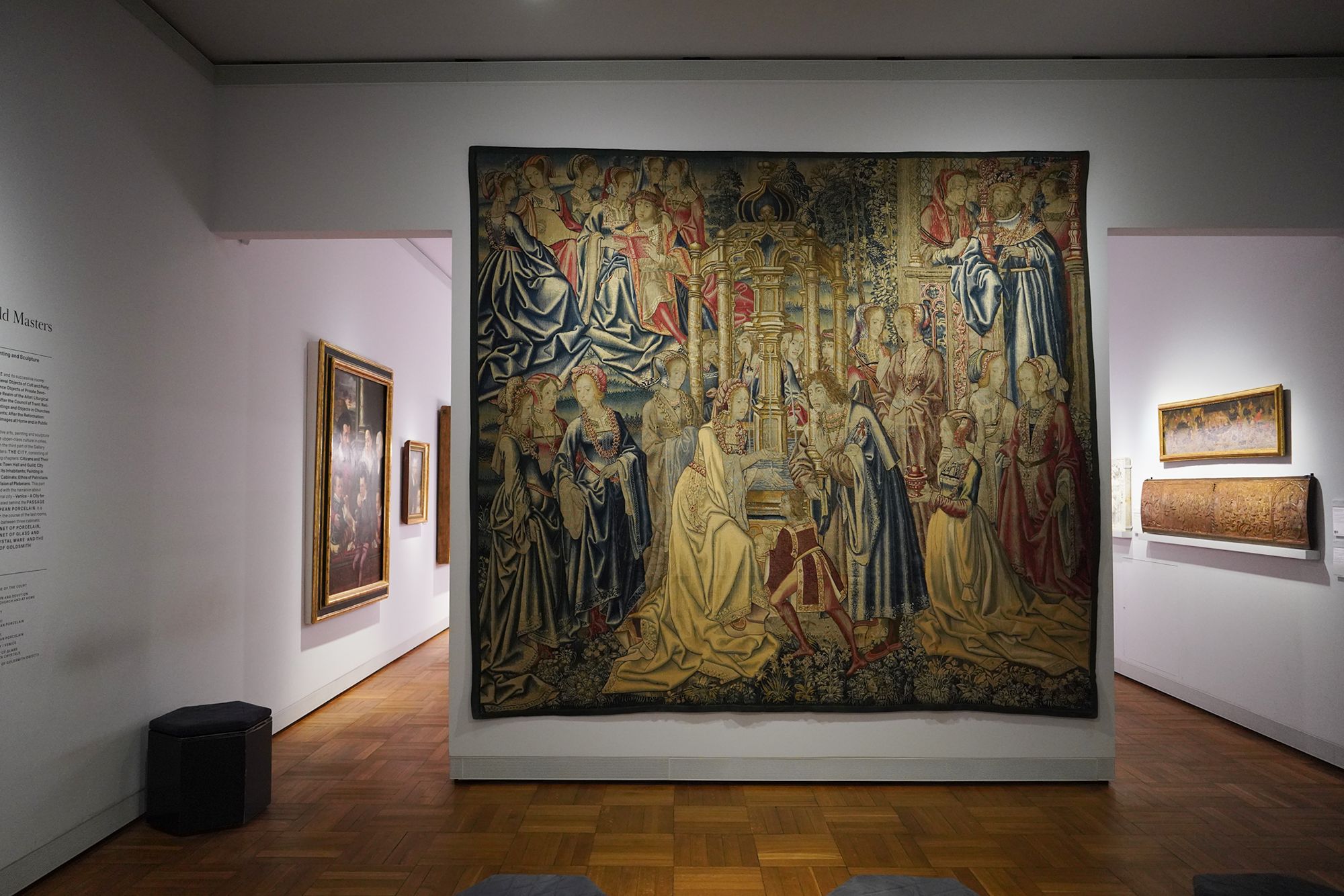
The gallery presents European and Polish art from the 15th–18th centuries through palace life, religious worship and city life. Furniture, textiles, porcelain, glassware and precious metal objects help show how people decorated their surroundings, expressed faith and displayed wealth.