Polish National Museum in Warsaw – Part III, Poland
Exploring religious art, noble traditions, medieval collections and ancient artefacts at Warsaw’s National Museum, including Faras paintings. 1371
Polish National Museum in Warsaw: Al. Jerozolimskie 3, 00-495 Warszawa, Poland
Date Picture Taken: Jul, 2026
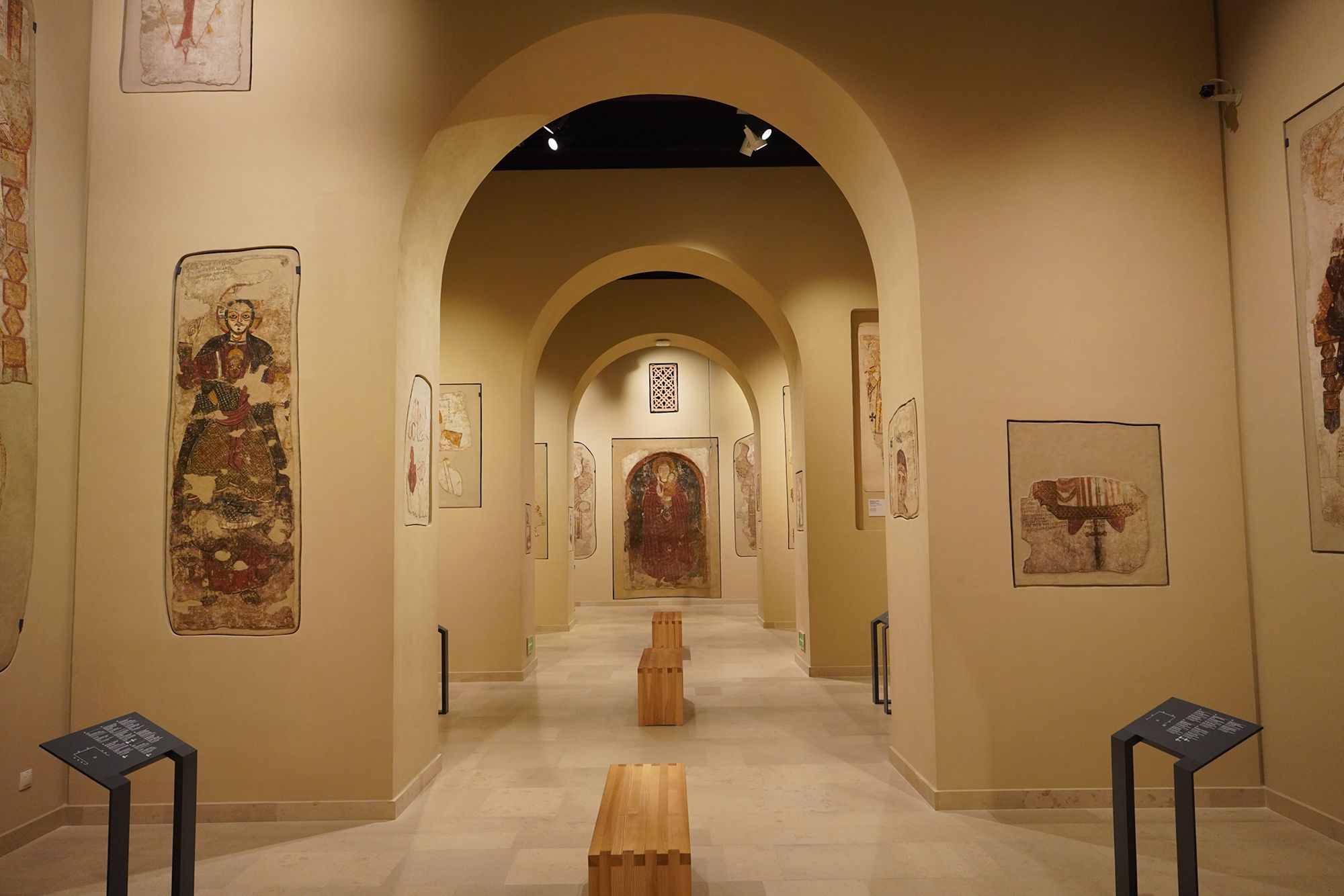
Part III of my visit to Warsaw’s National Museum explores religious art, Polish aristocratic culture, and the medieval and ancient collections. The Faras Gallery features Nubian wall paintings rescued from a cathedral in Sudan, offering a look at Christian art preserved before the site was flooded by Lake Nasser’s waters.
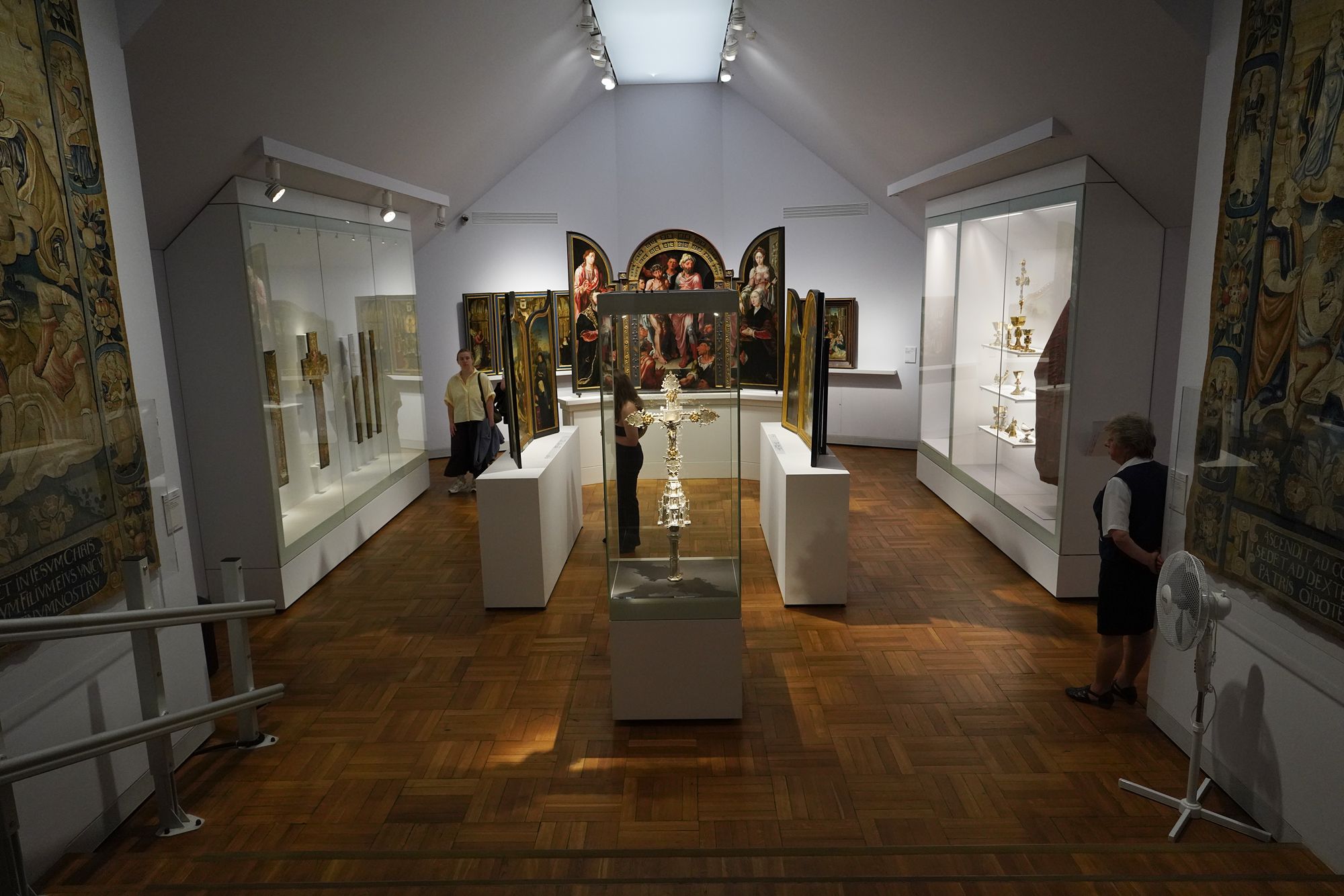
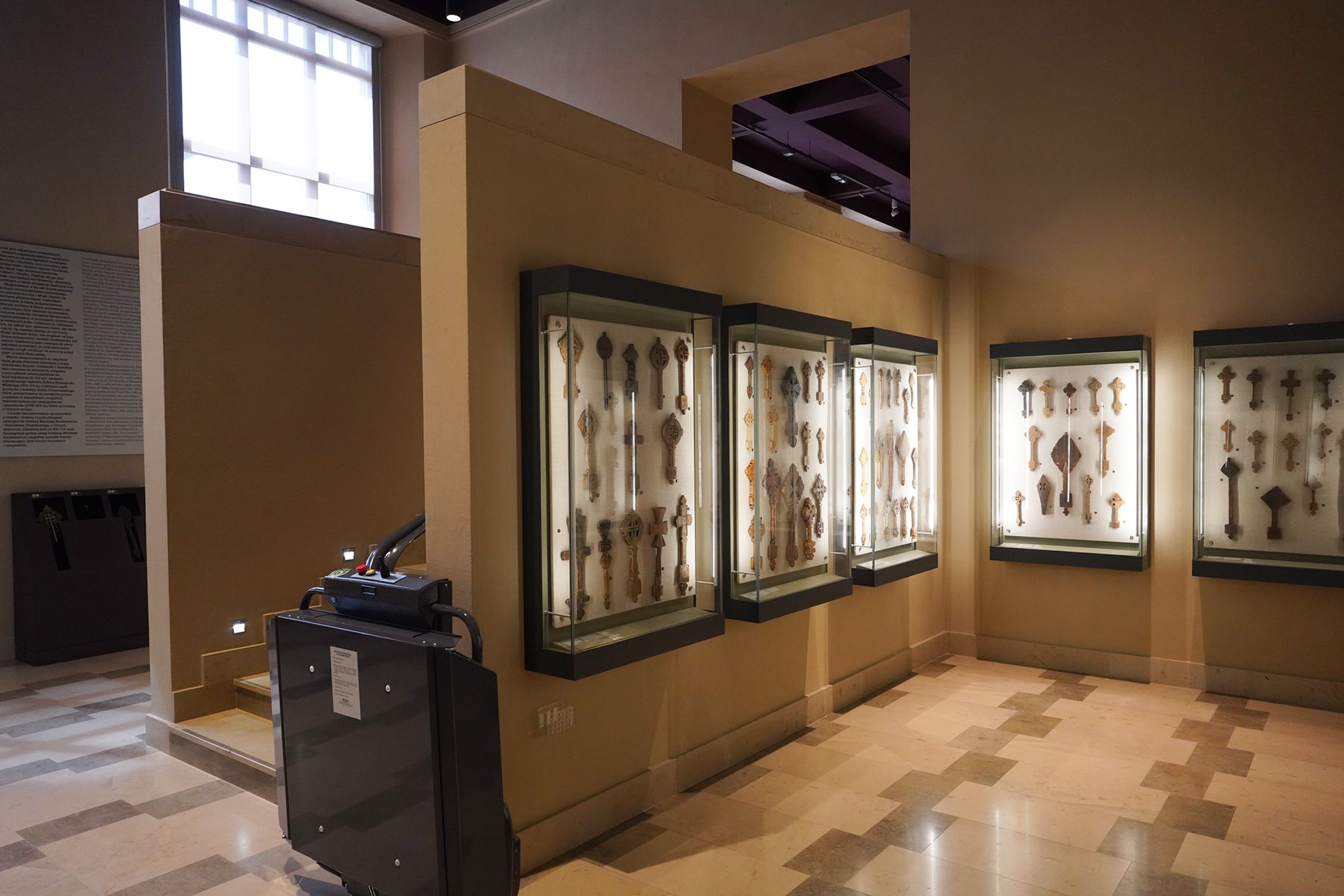
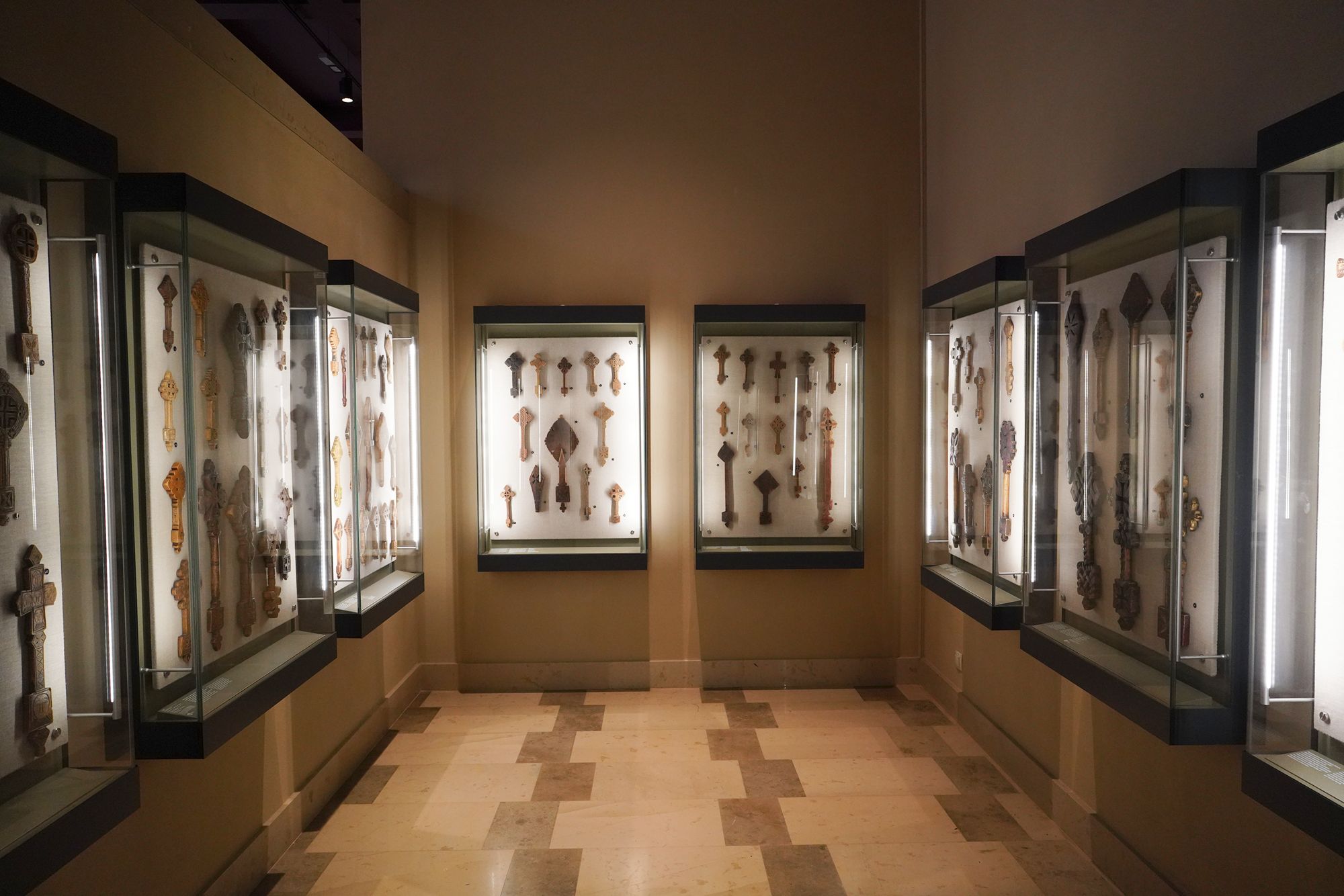
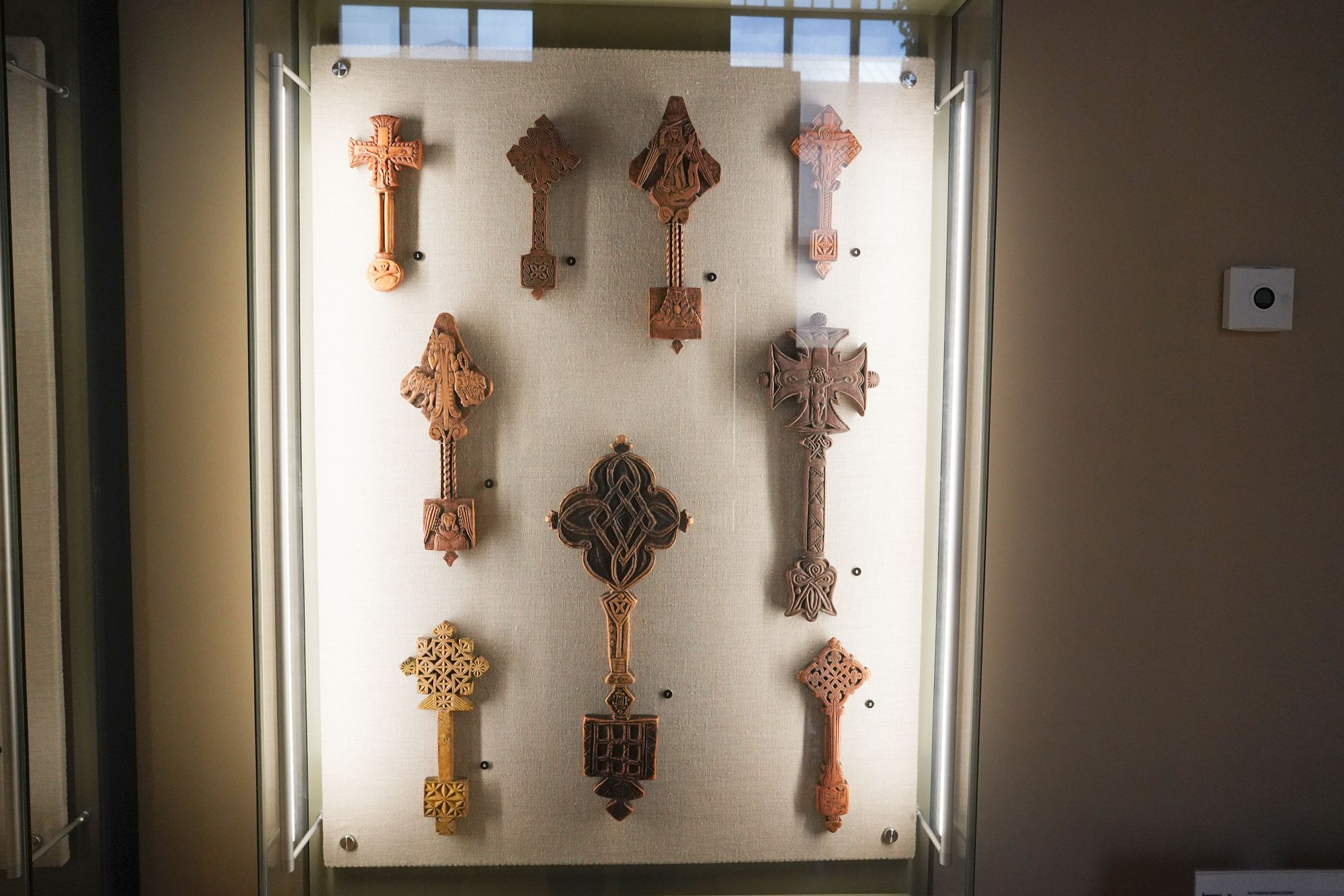
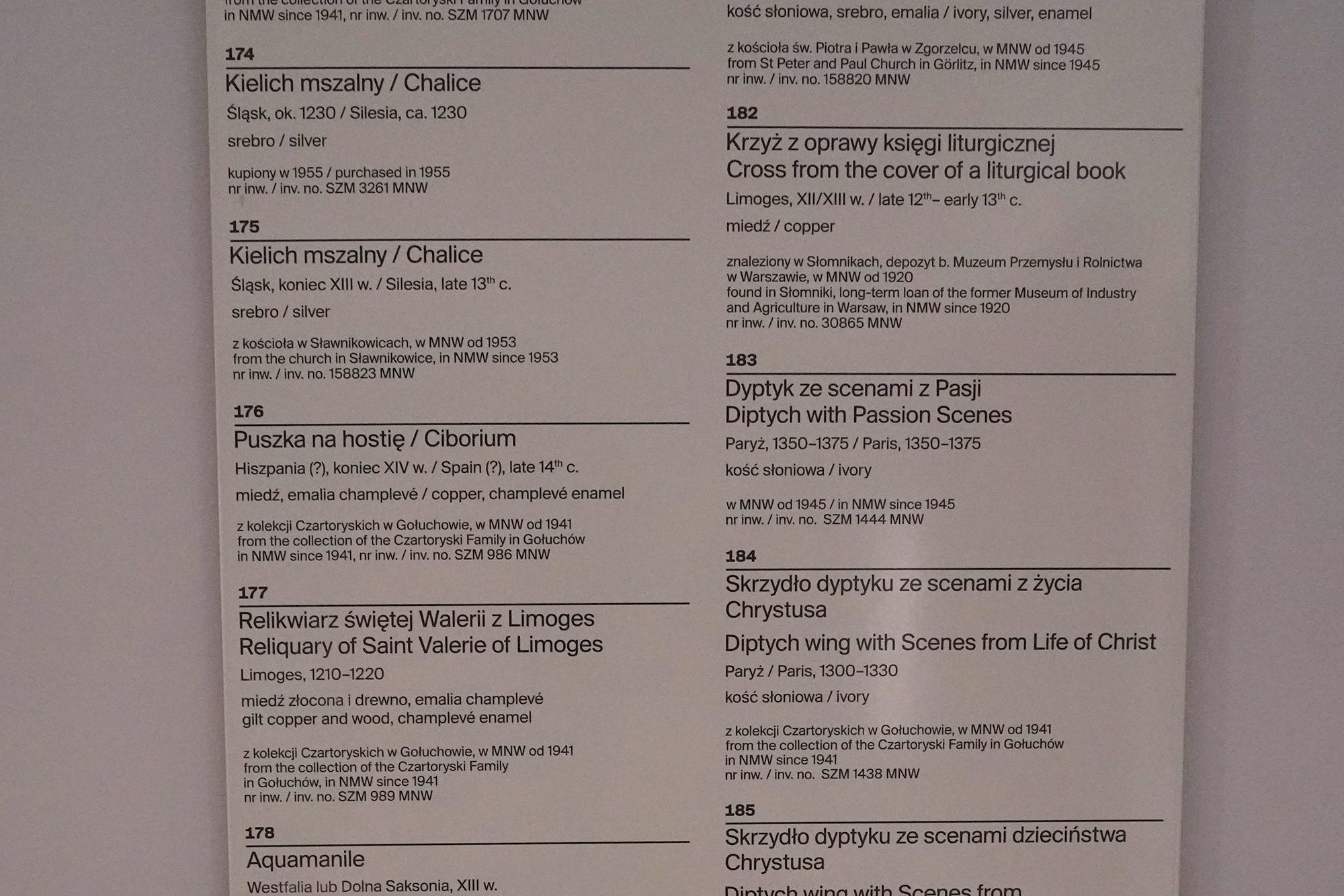
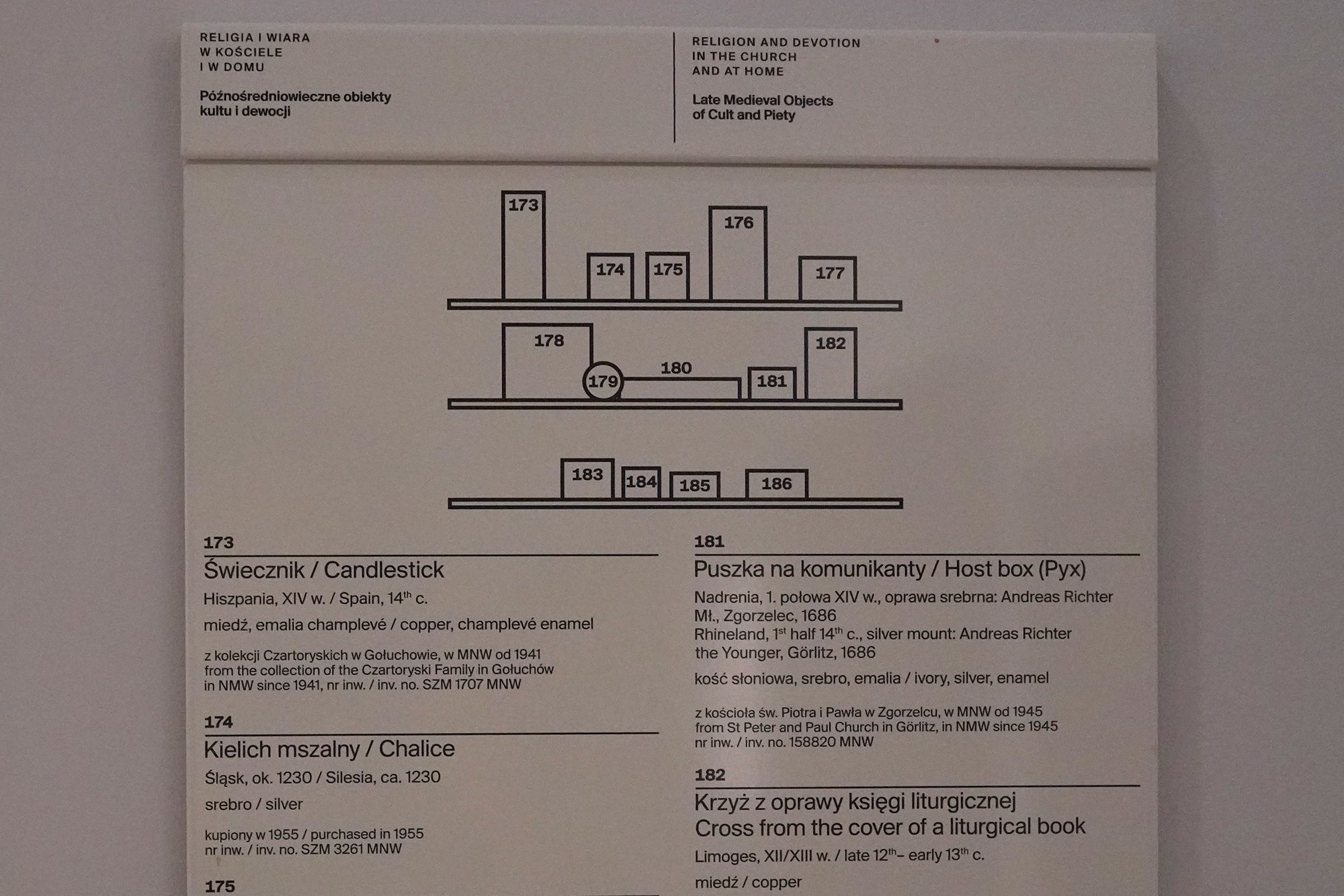
I continued into a section devoted to religious life in the late Middle Ages. The displays explore how sacred objects supported worship in churches and personal prayer at home, showing the close connection between art and faith.
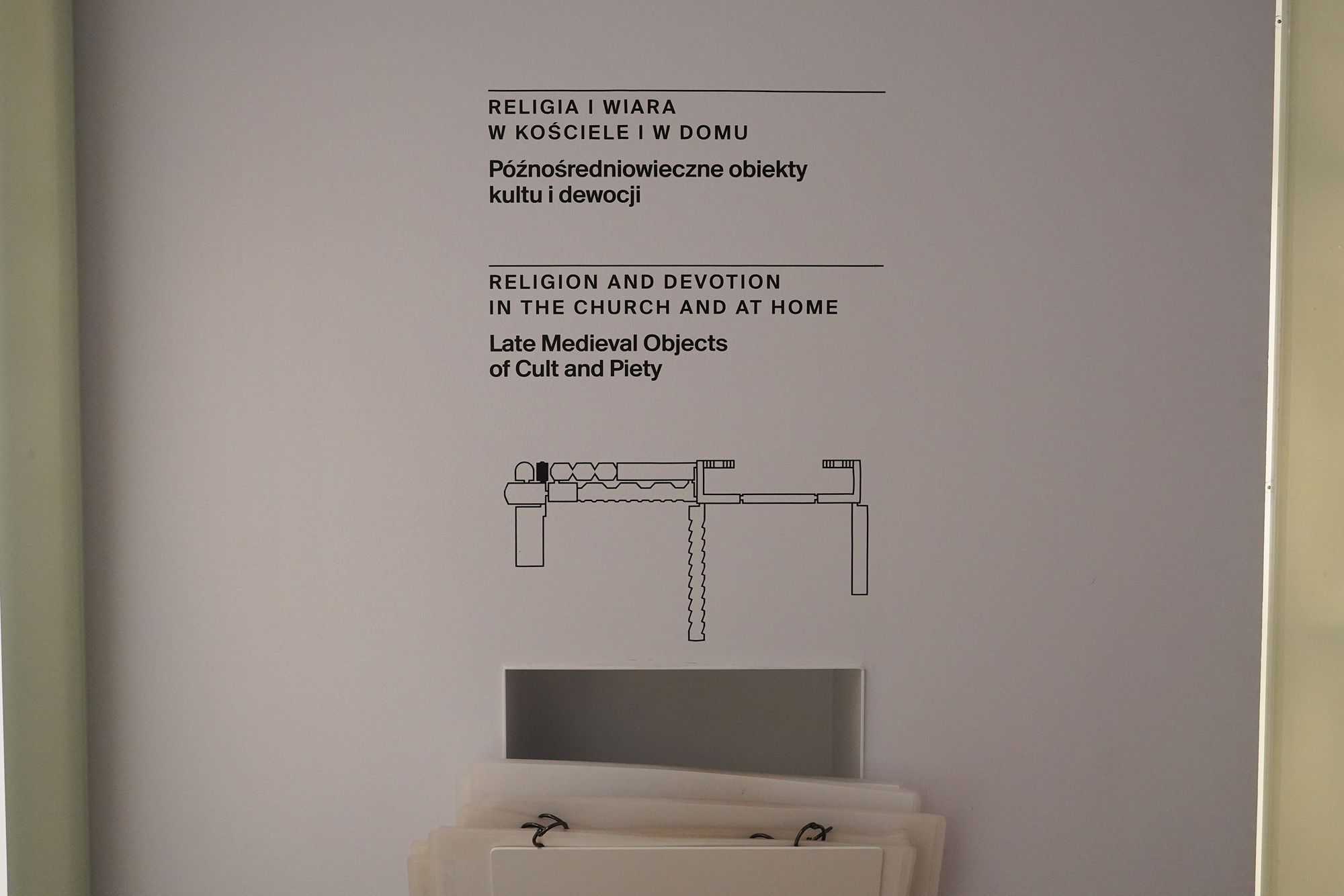
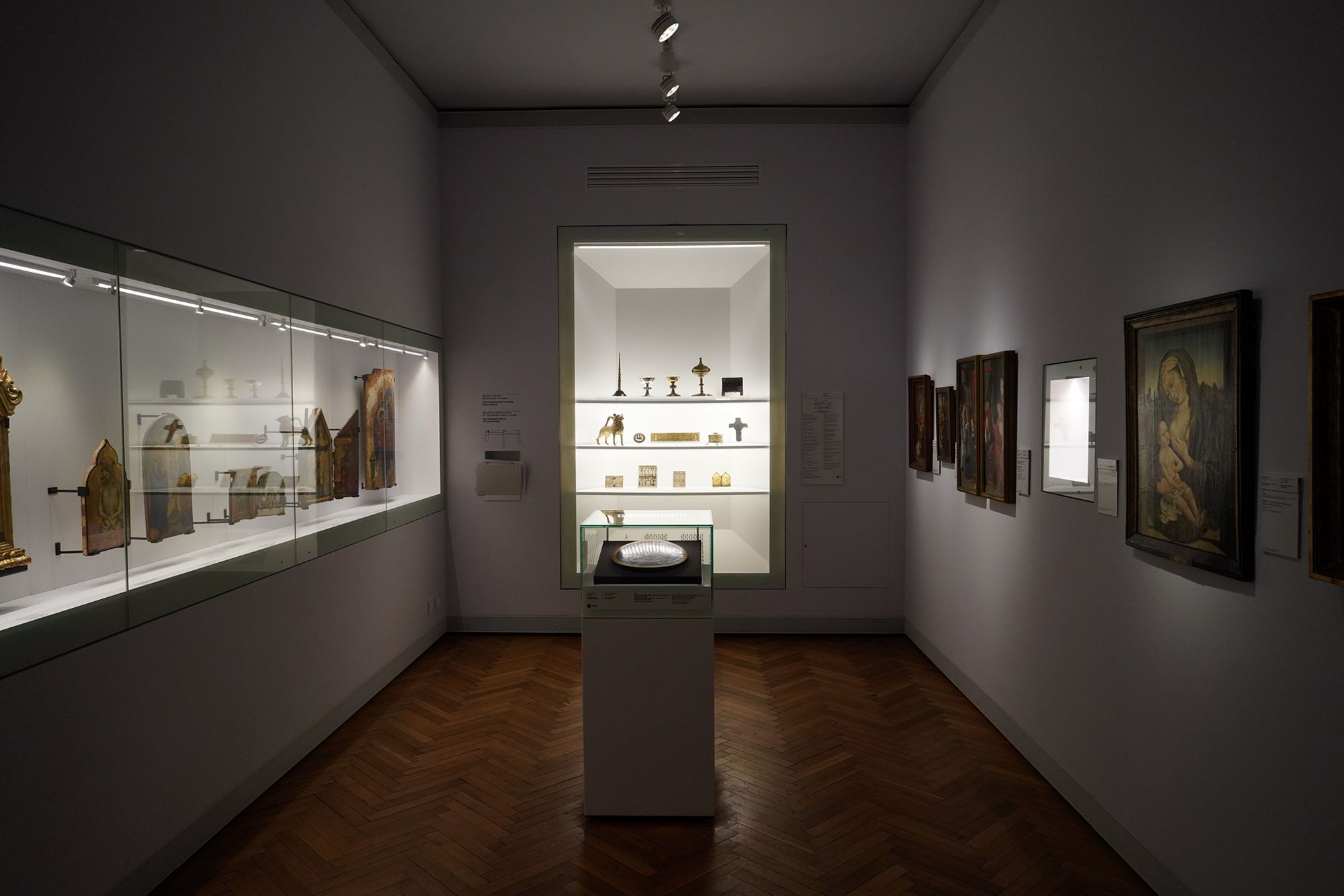
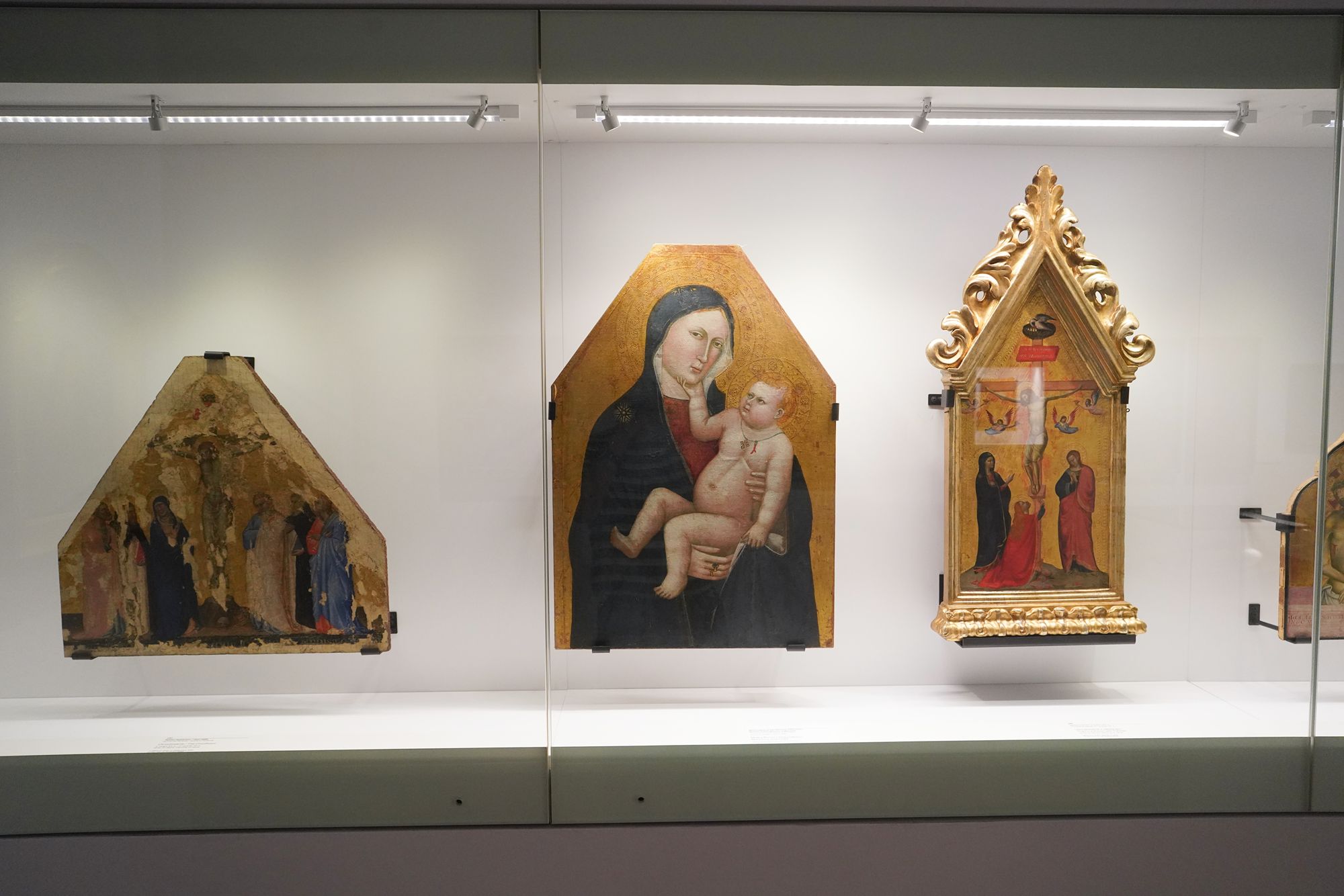
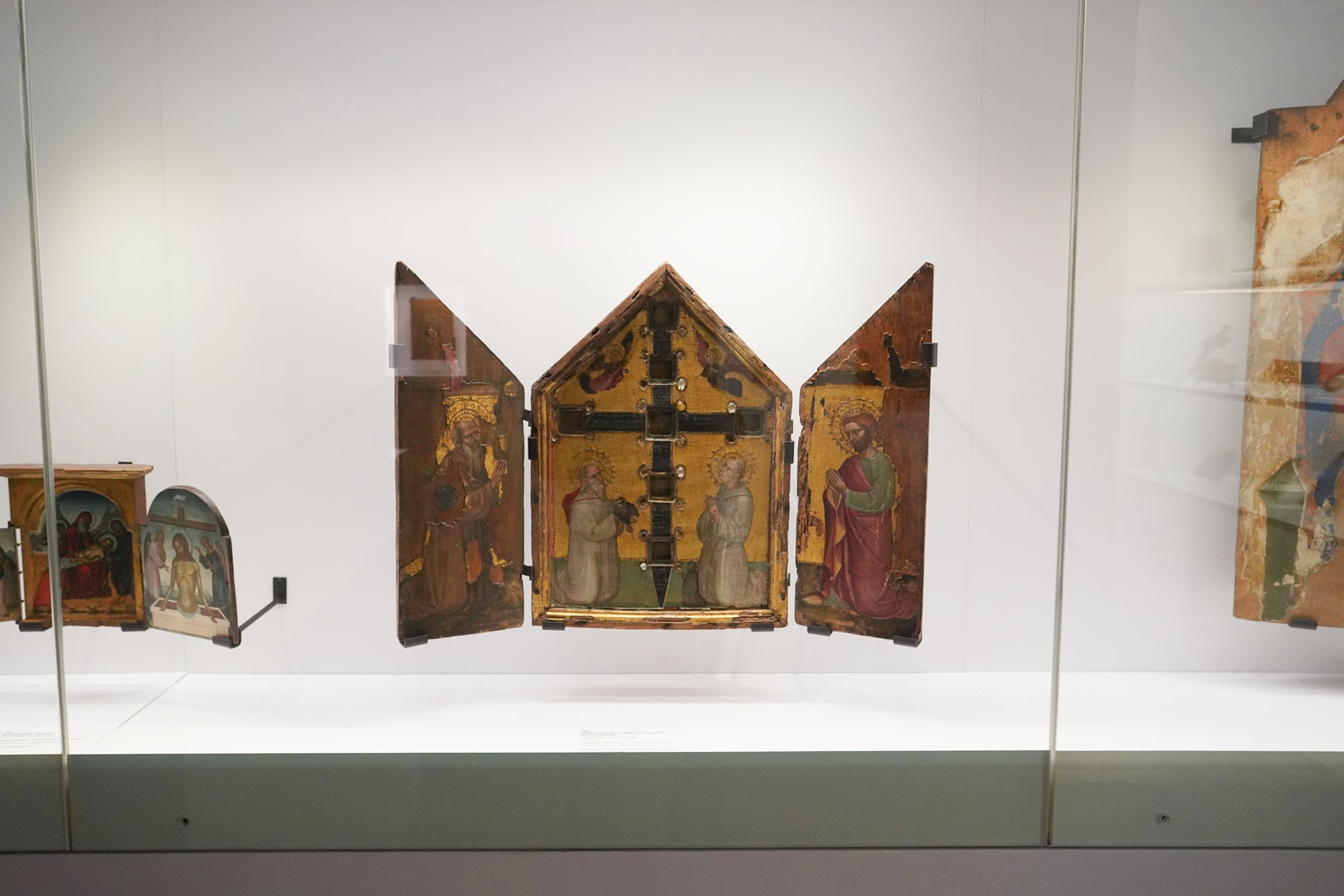
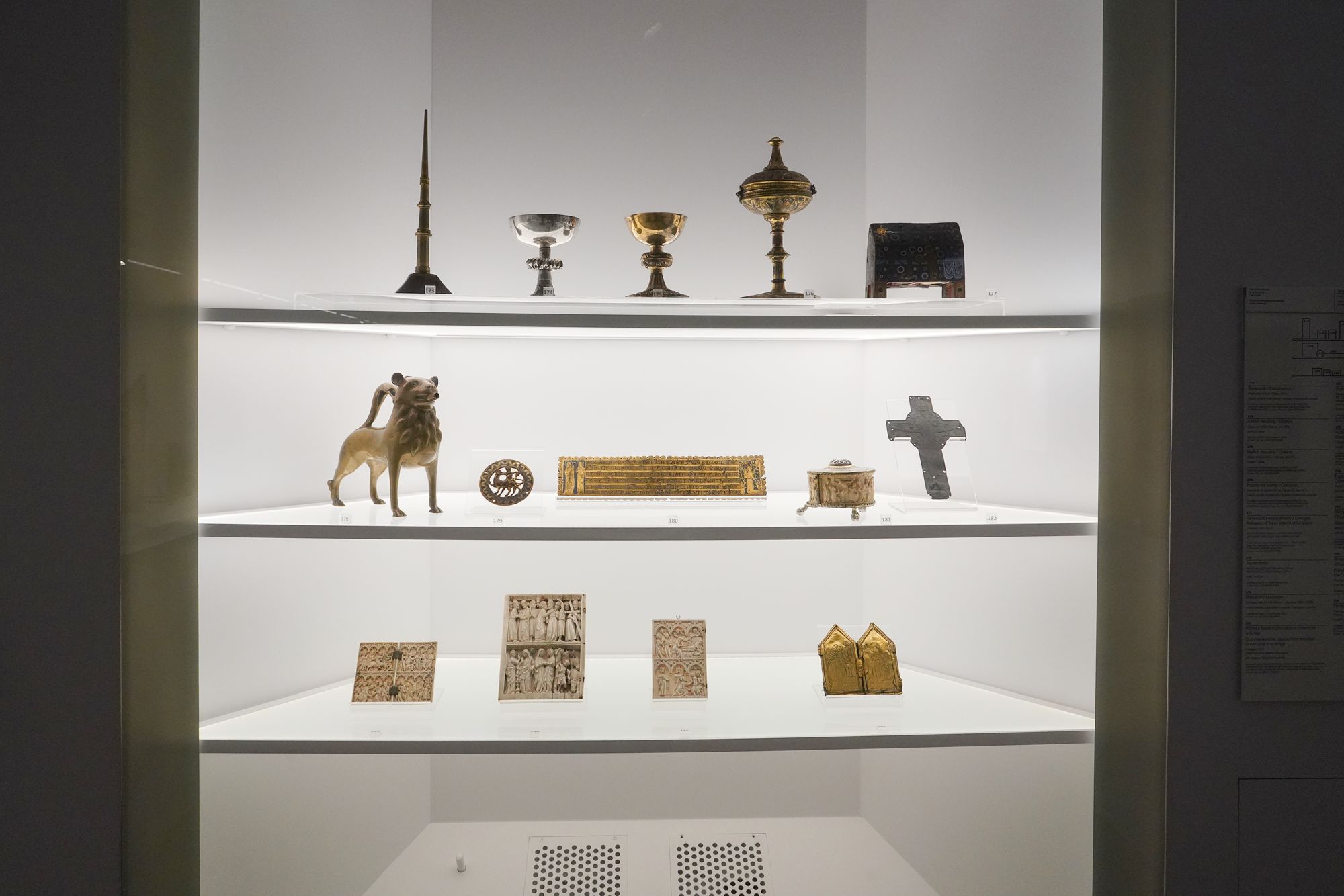
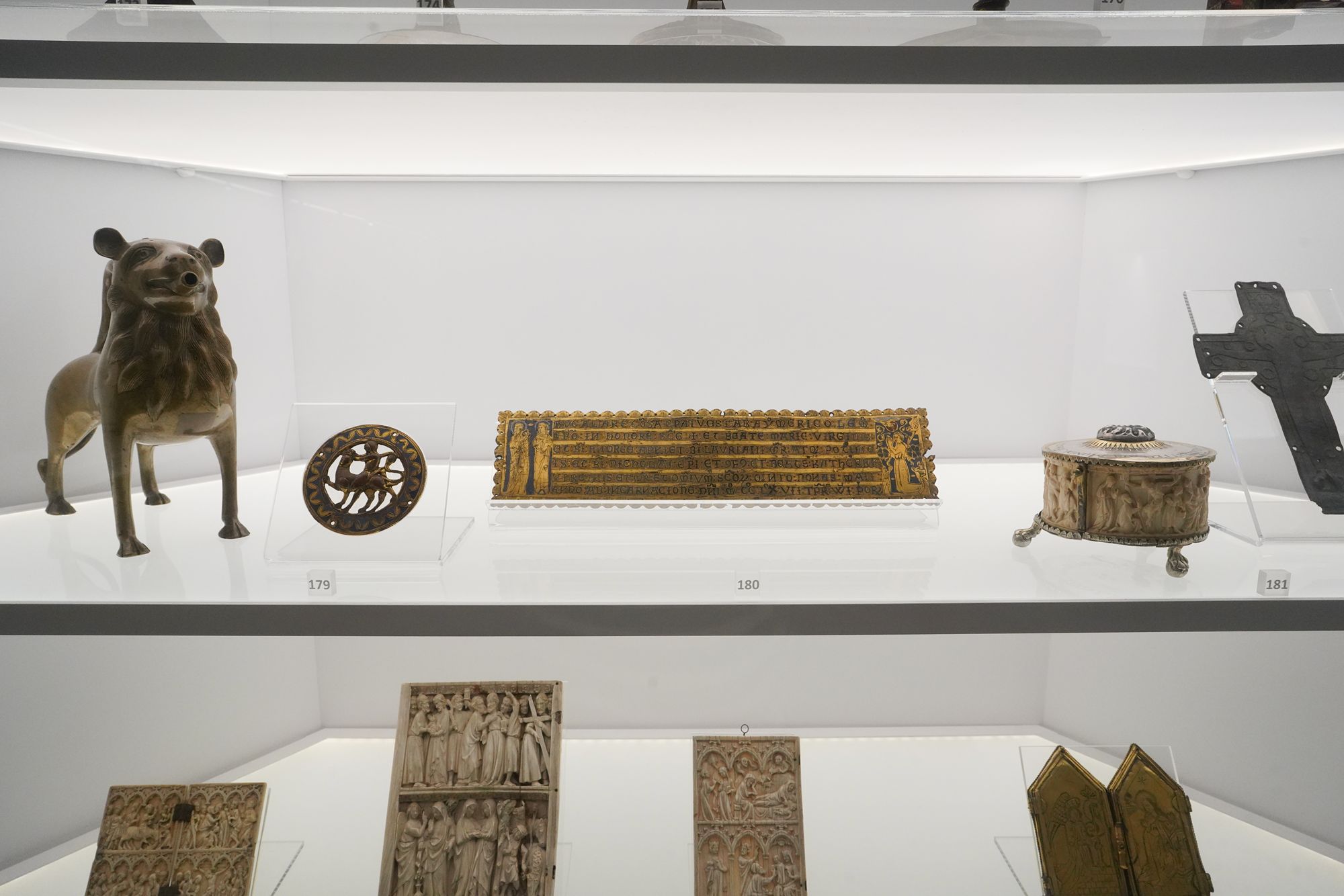
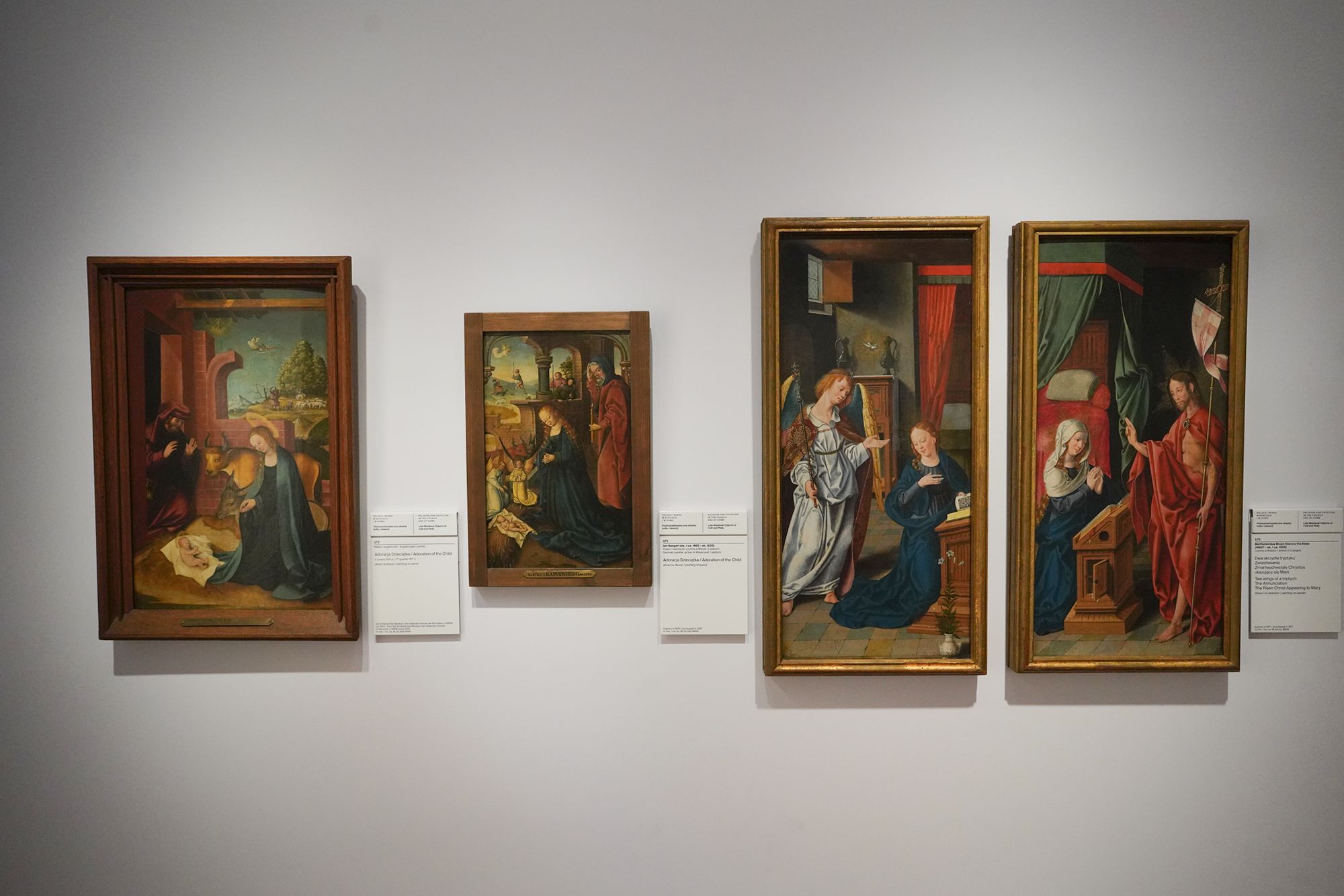
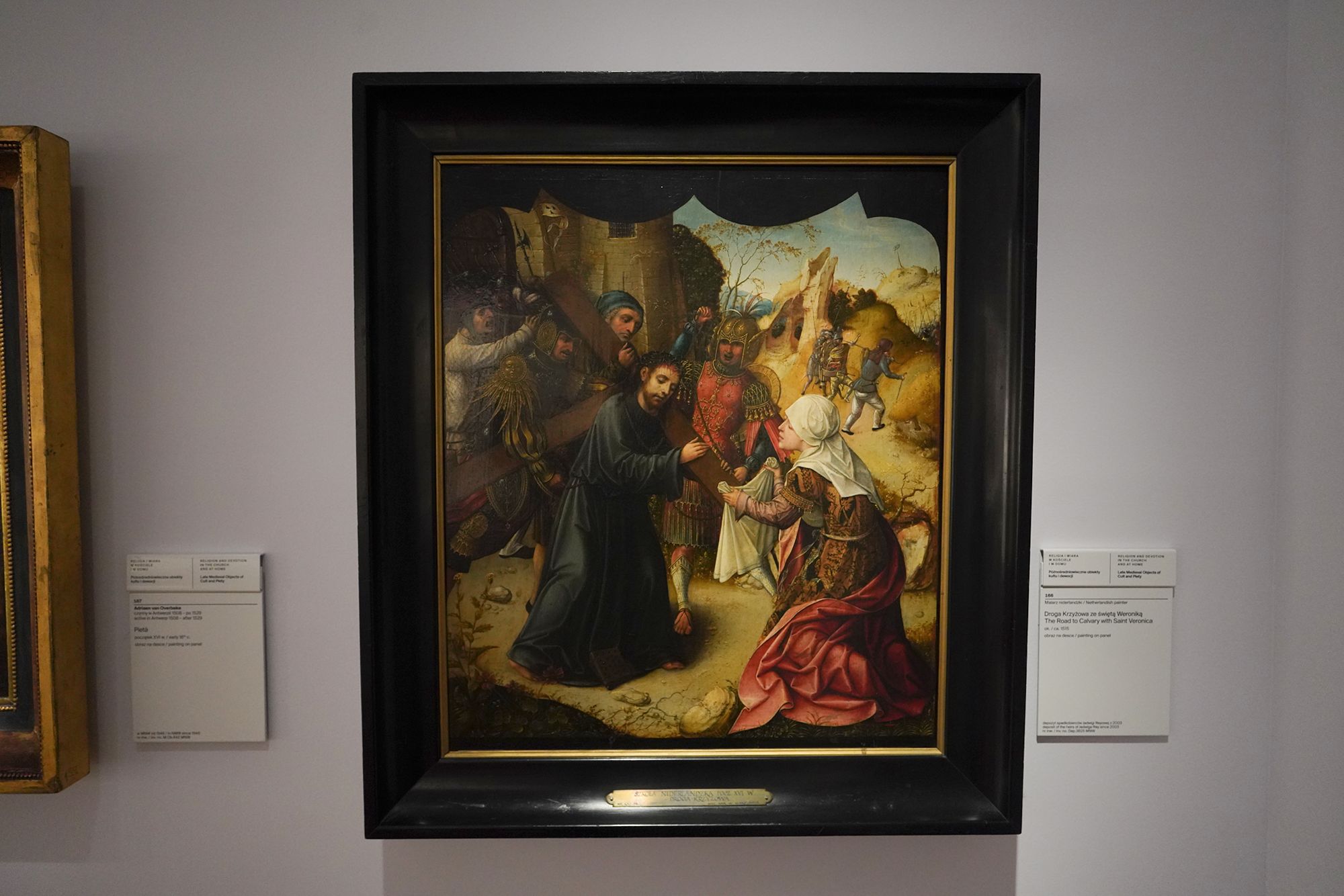
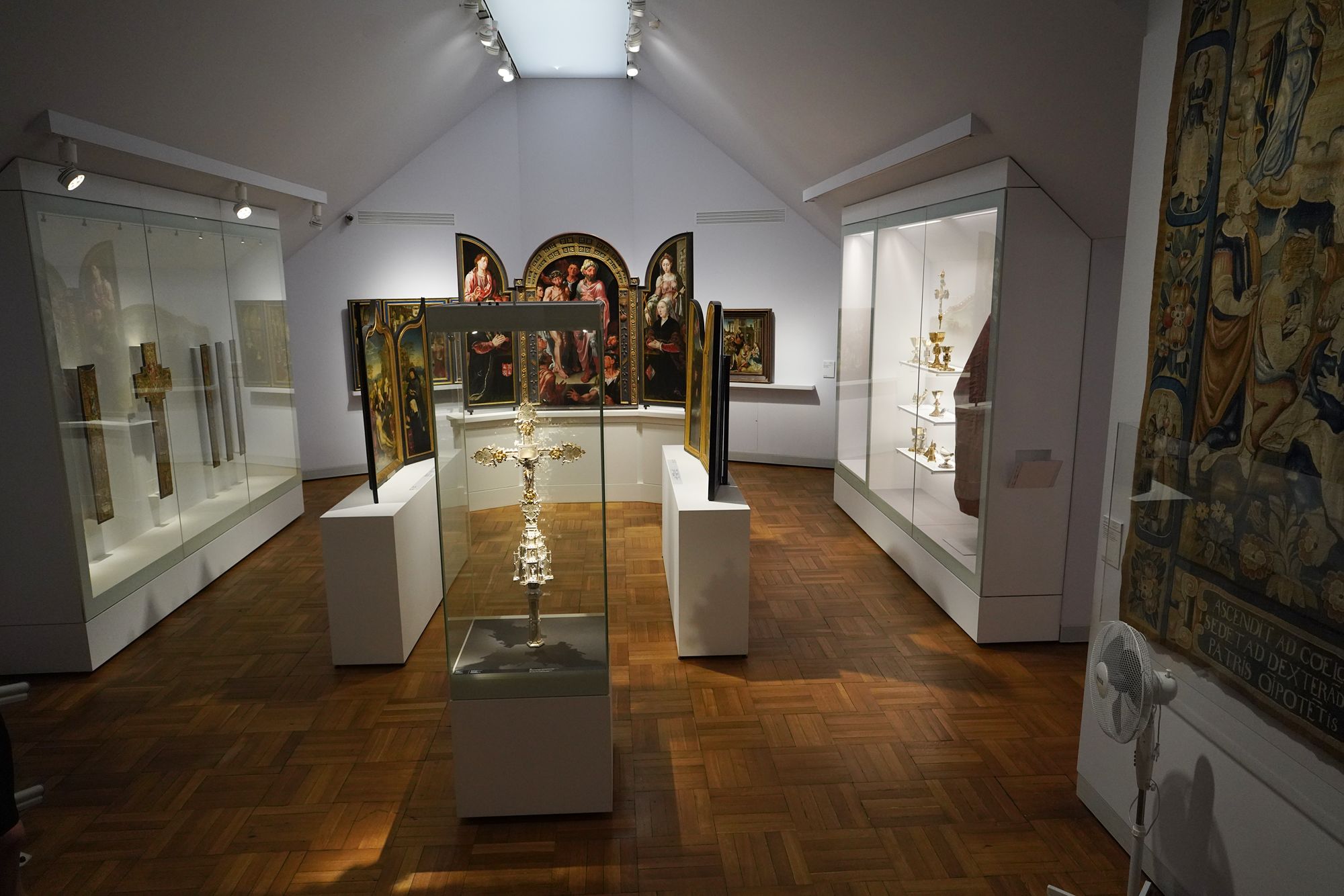
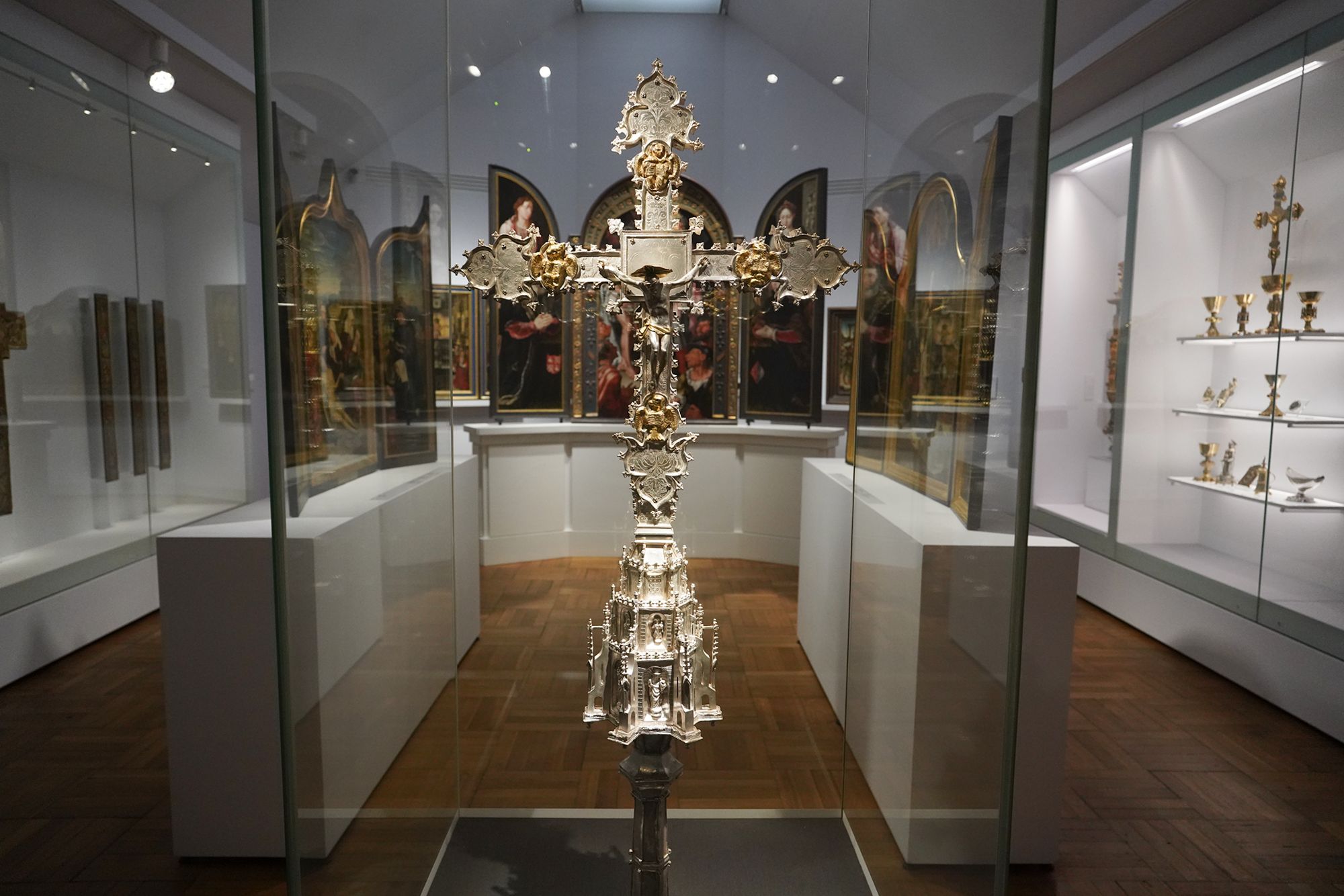
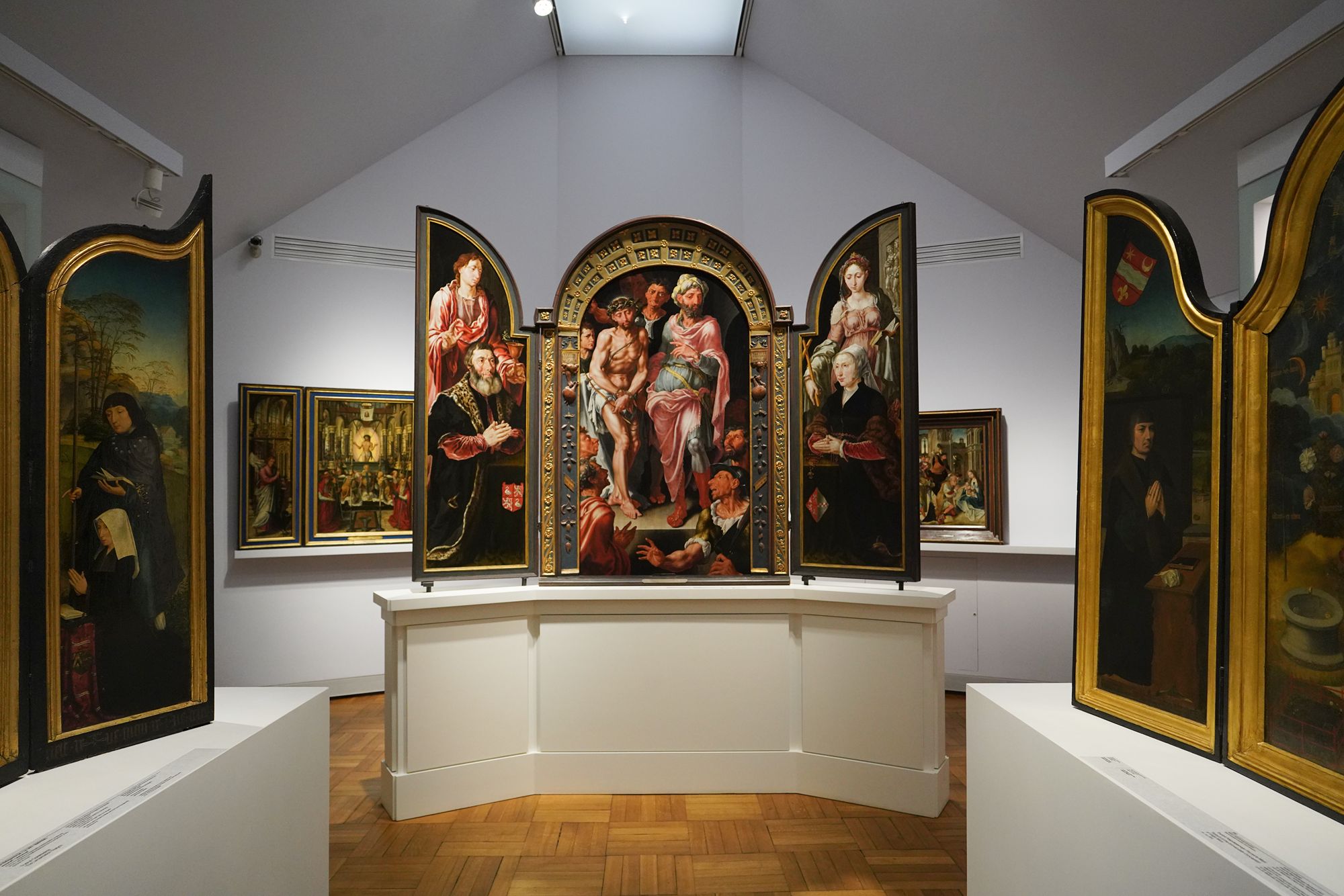
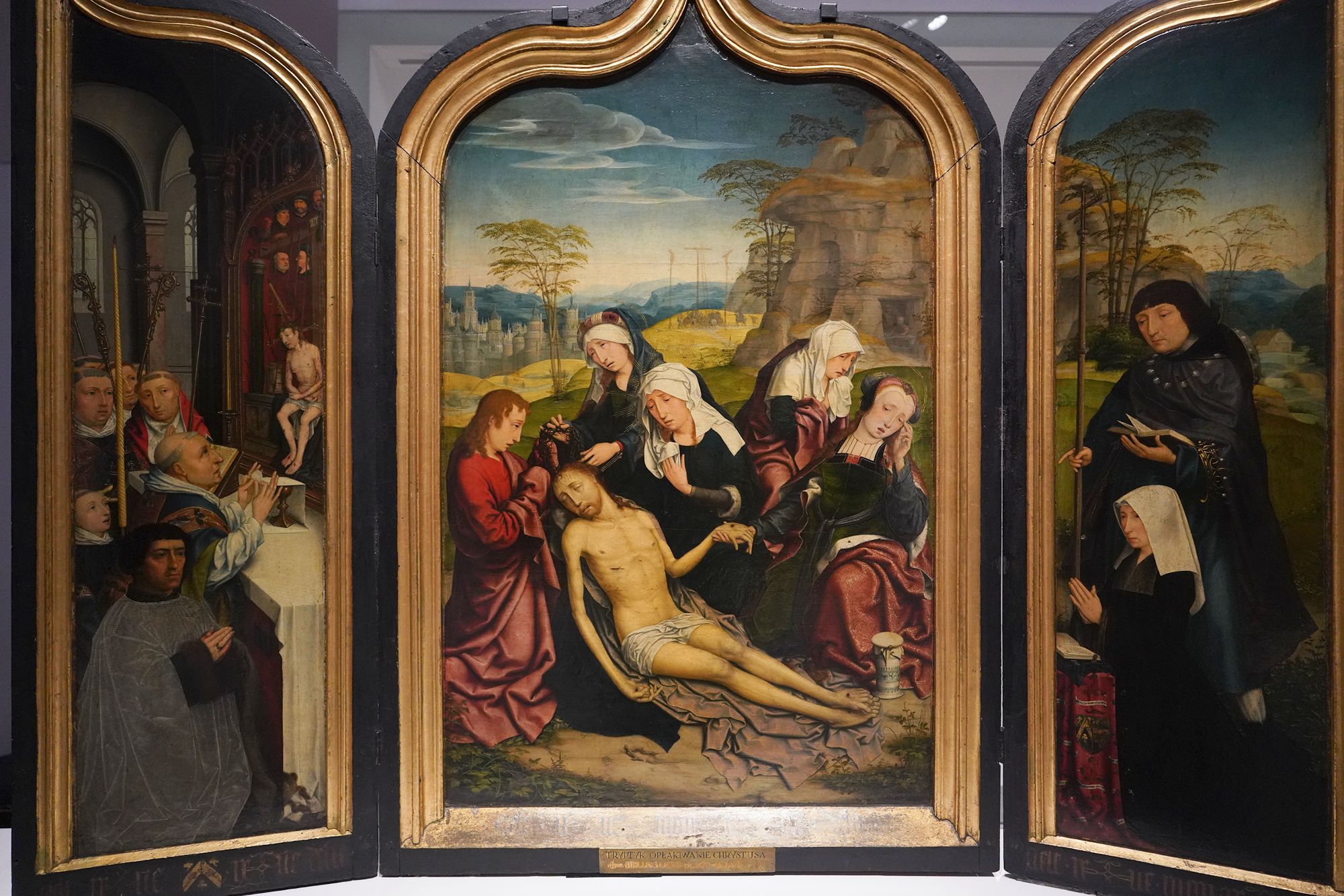
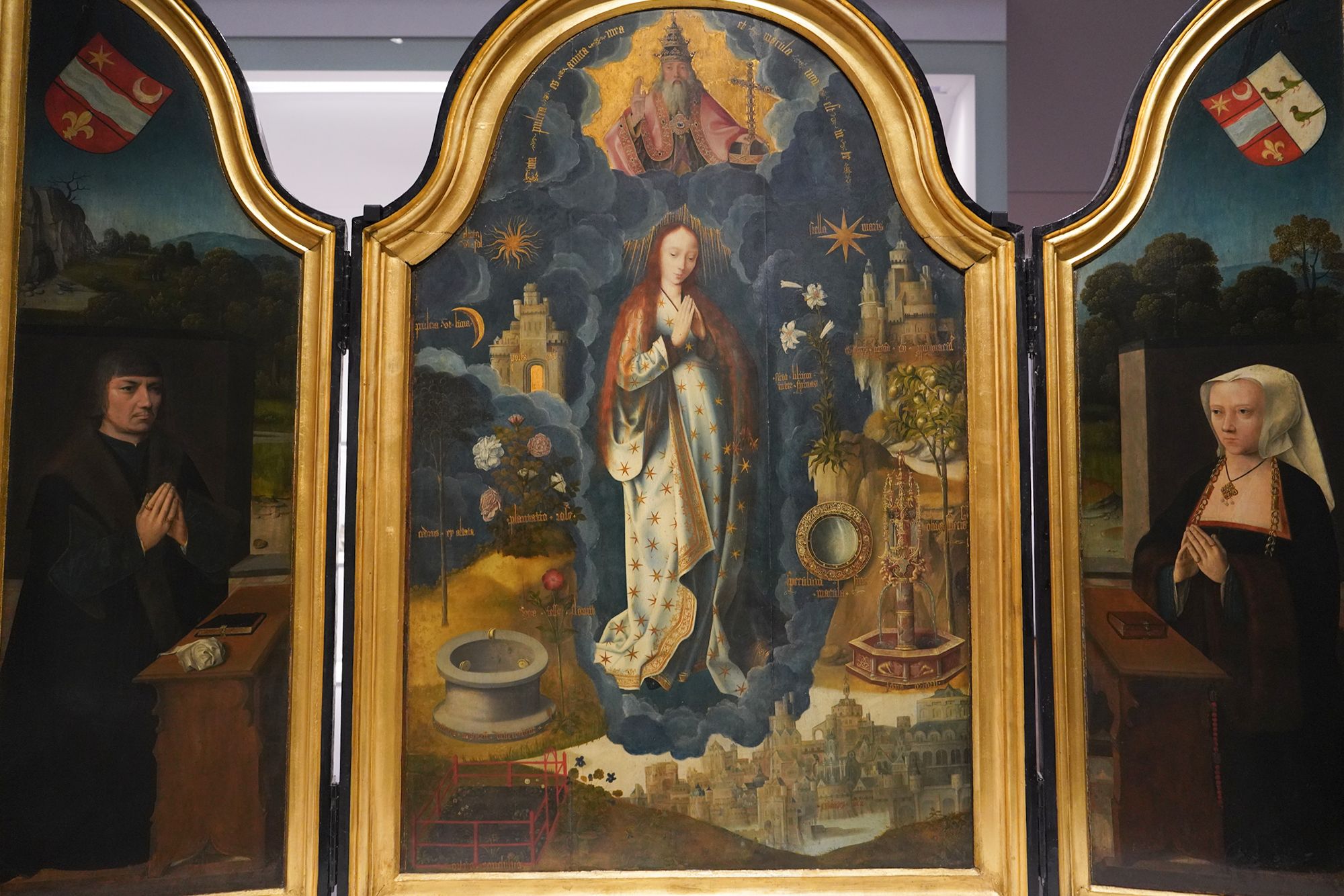
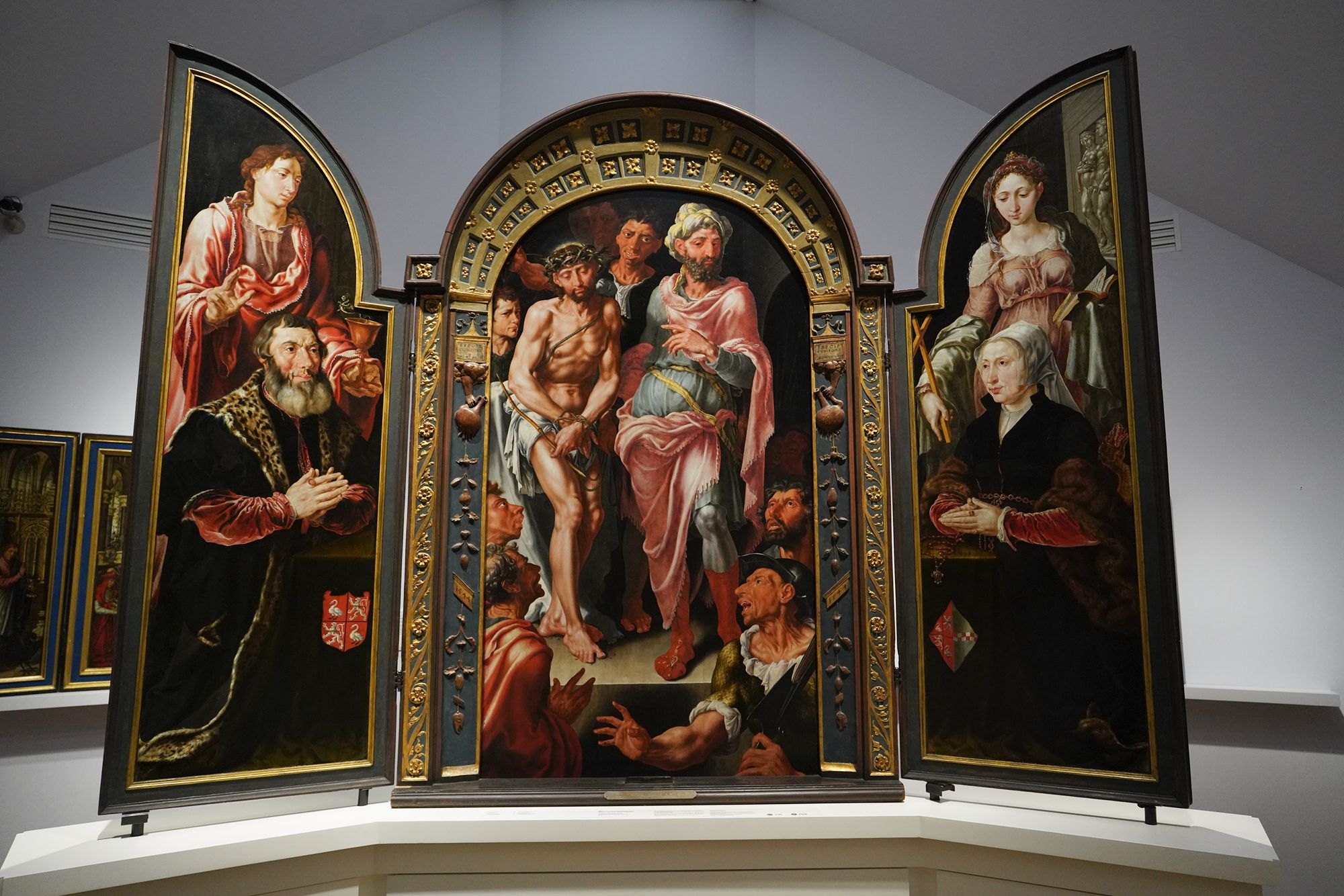
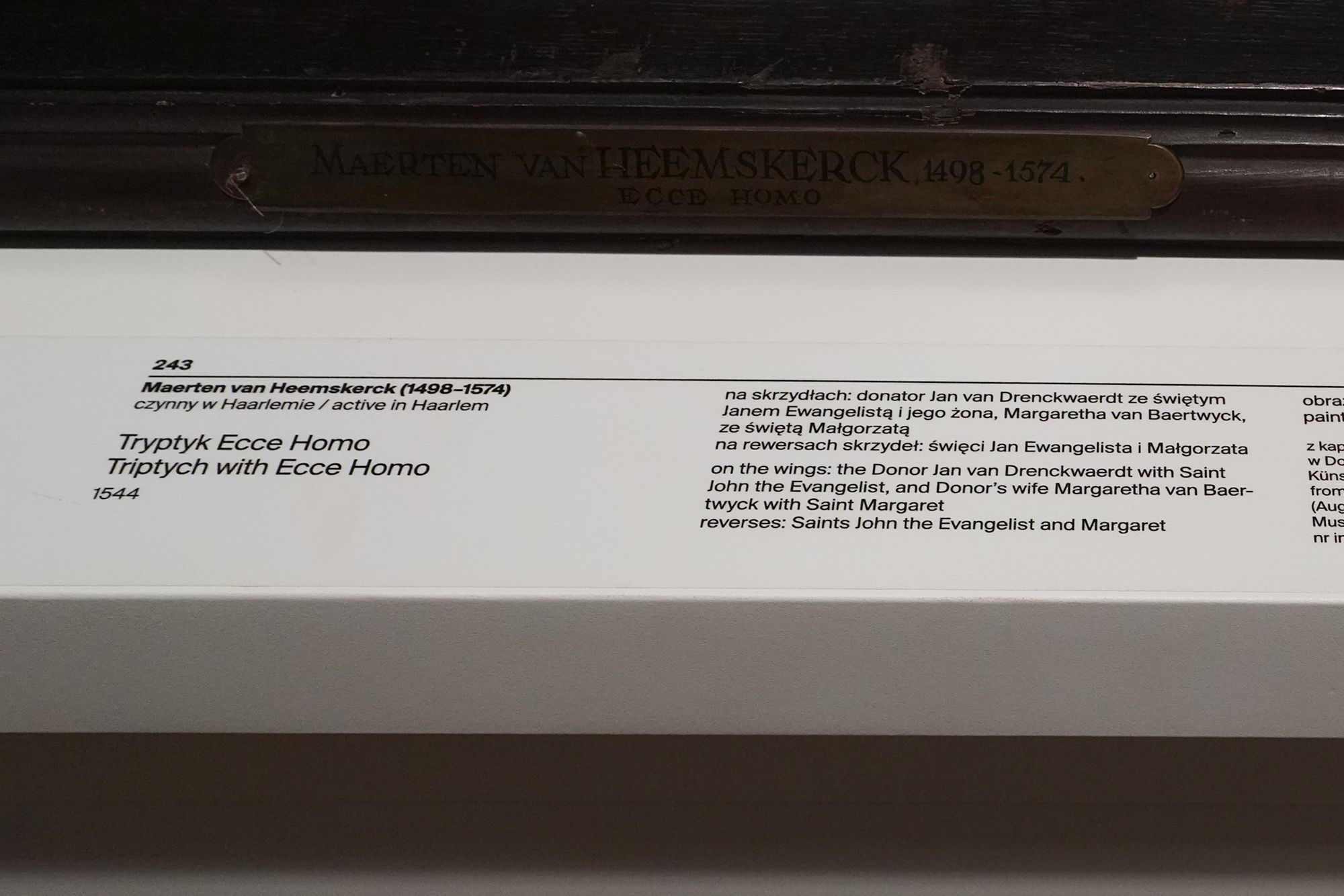
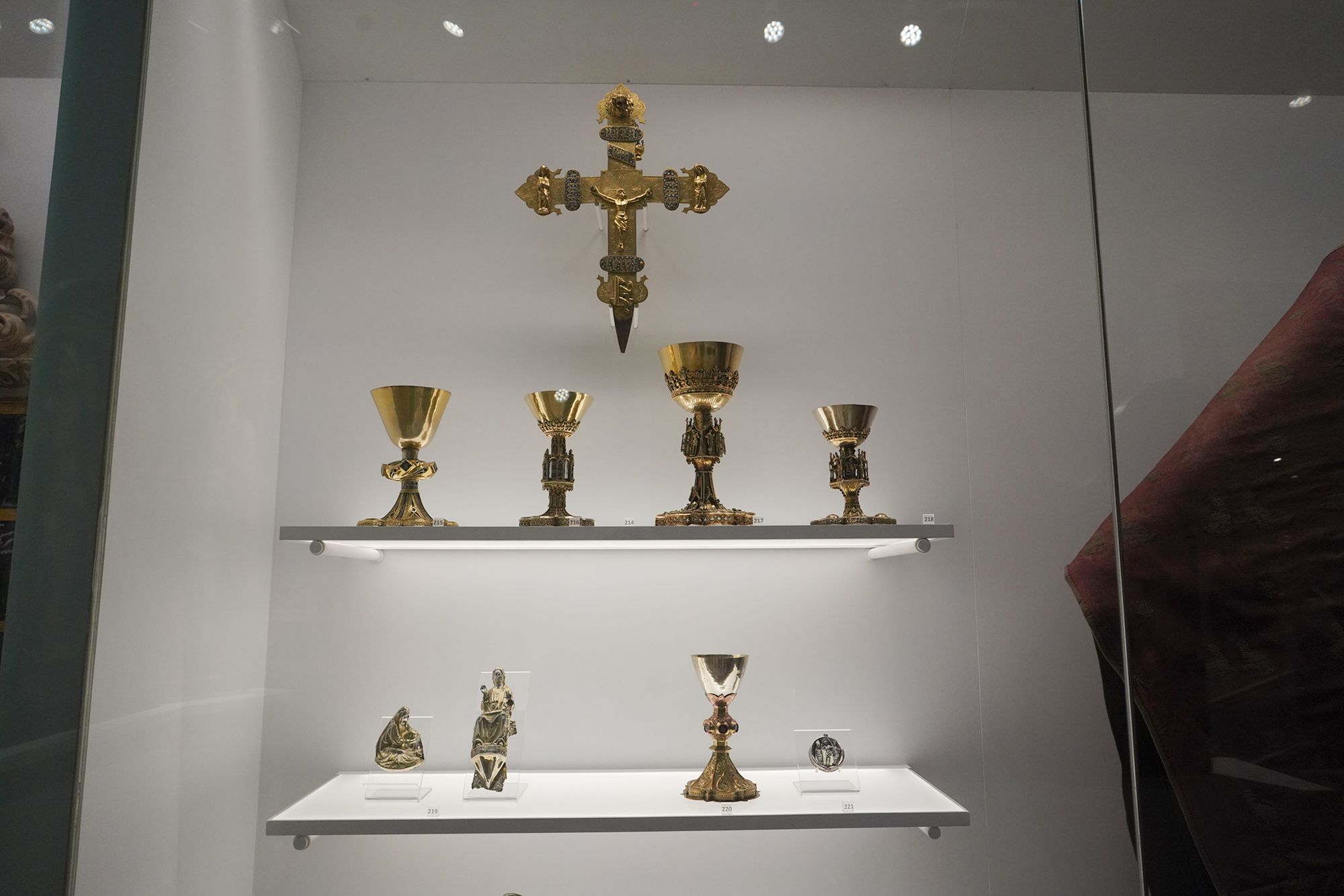
The next room continues the theme of religion and devotion, focusing on Renaissance objects used for private prayer. These works were intended for personal religious reflection, often in homes or private chapels, showing how sacred art formed part of daily life beyond the church.
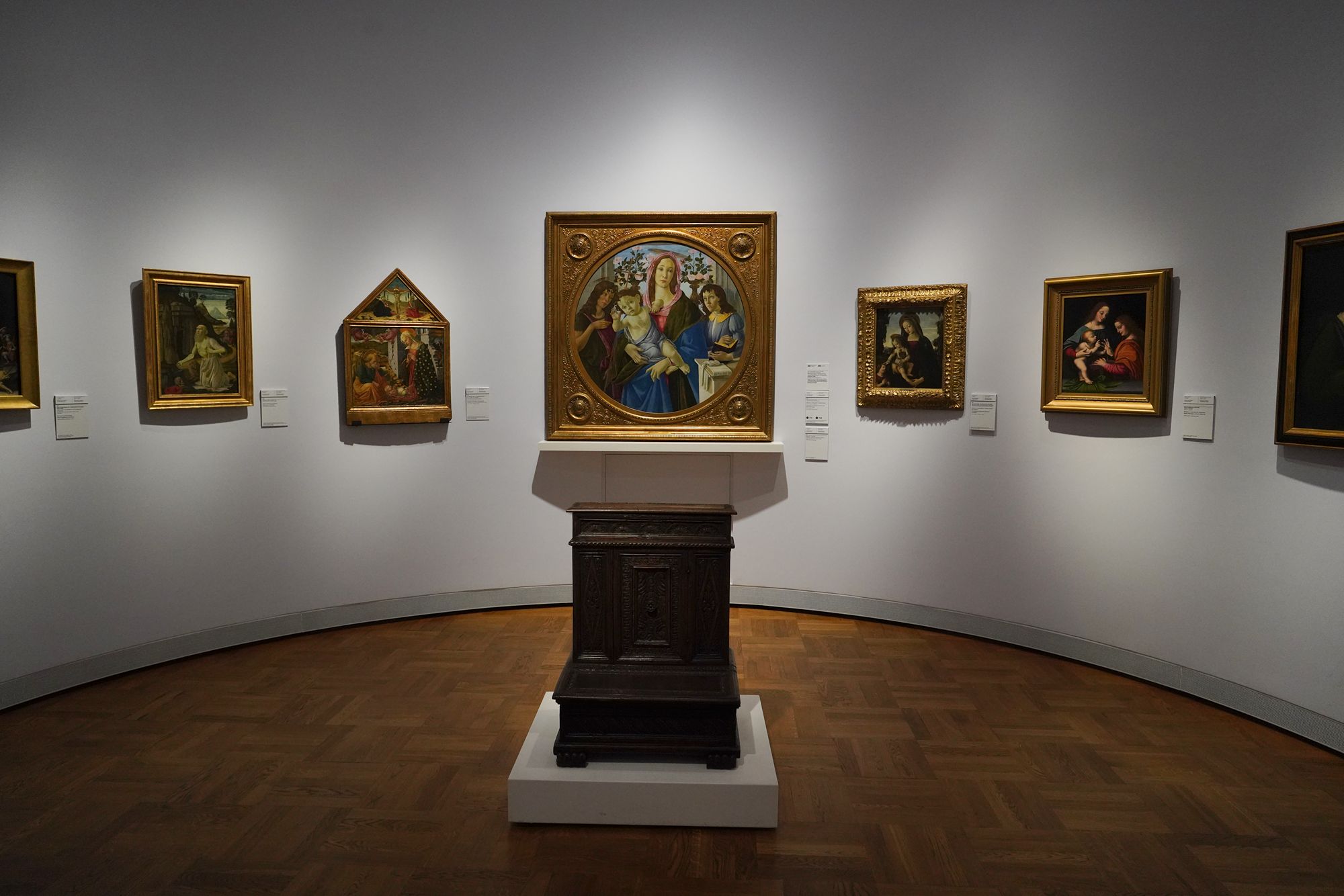
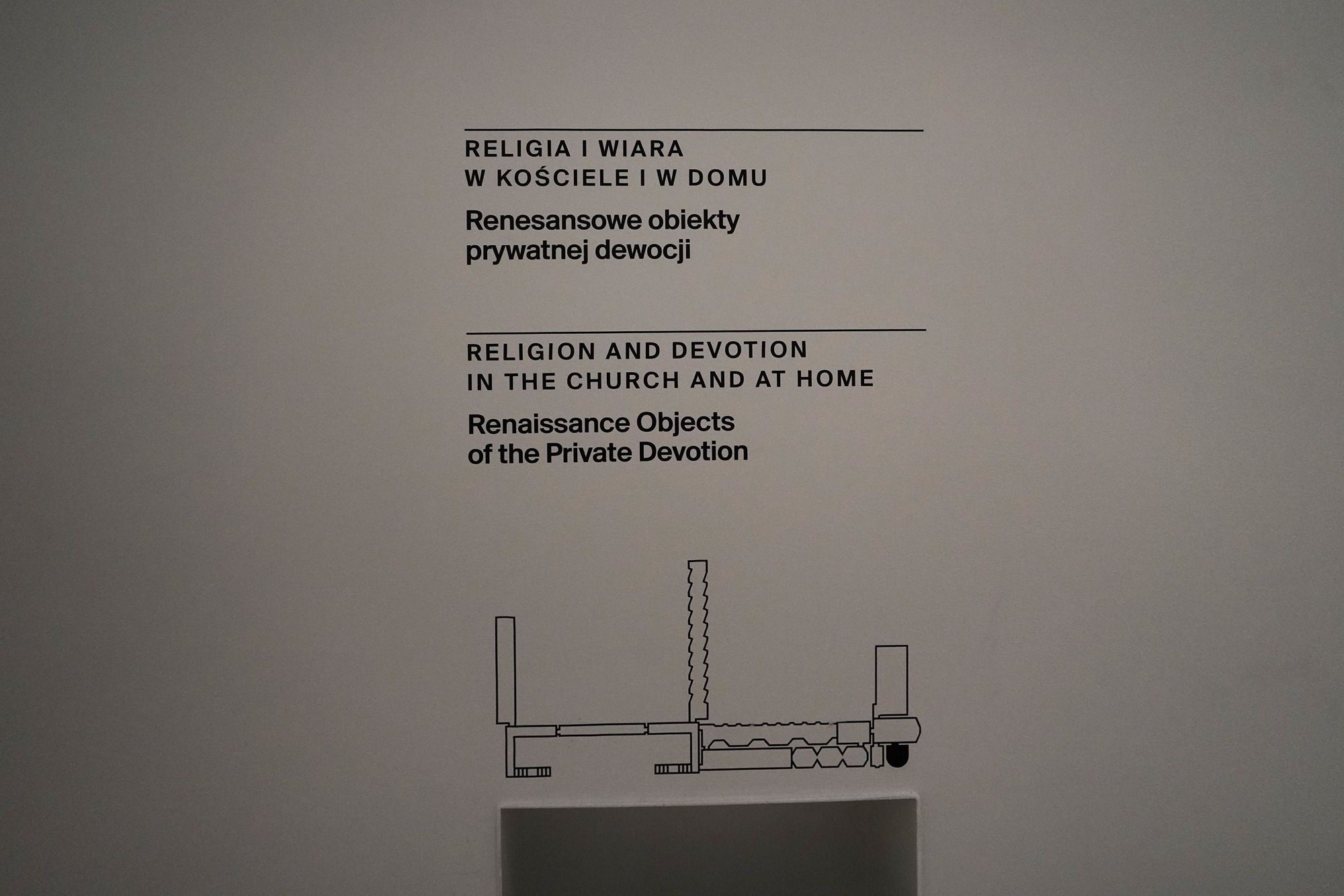
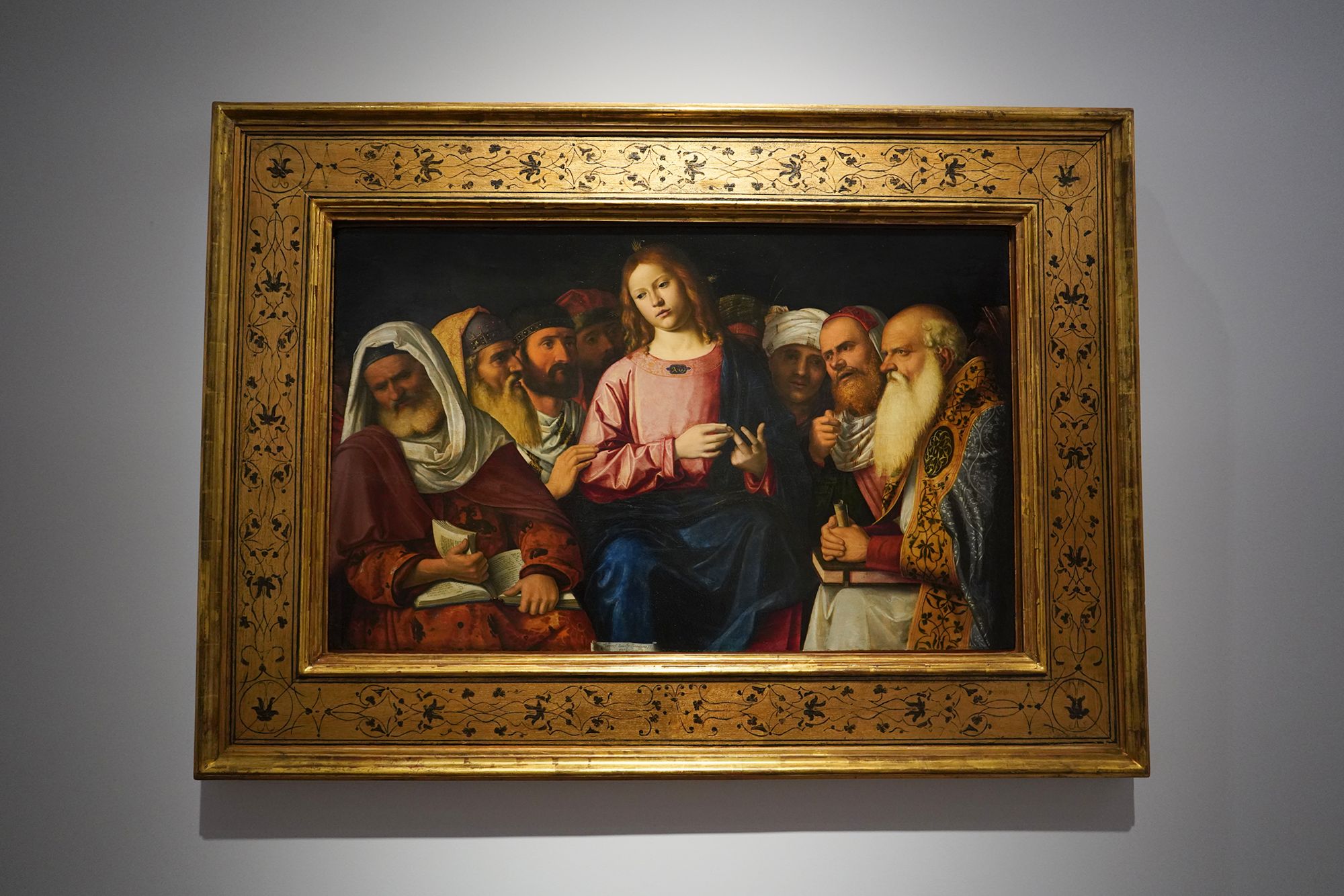
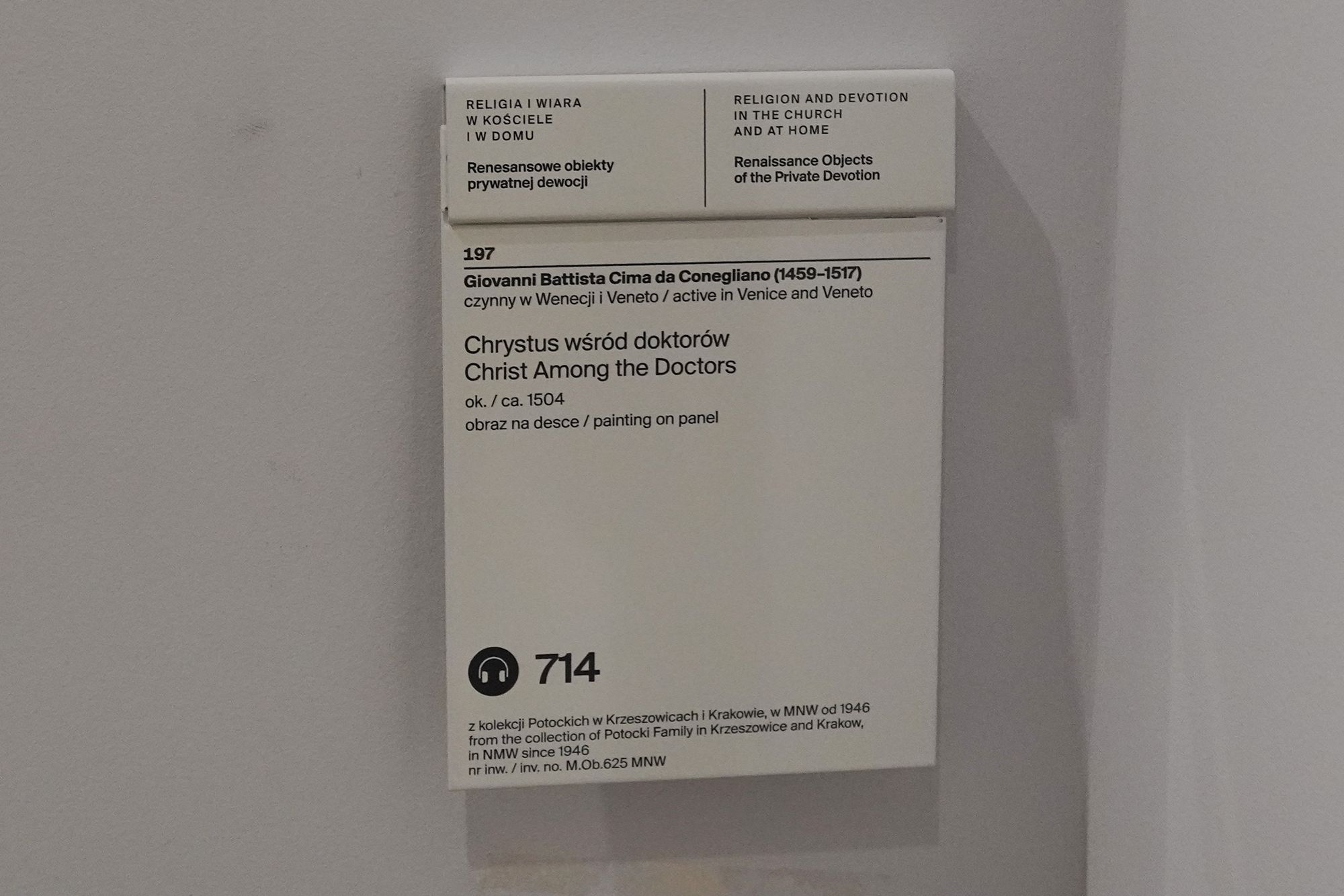
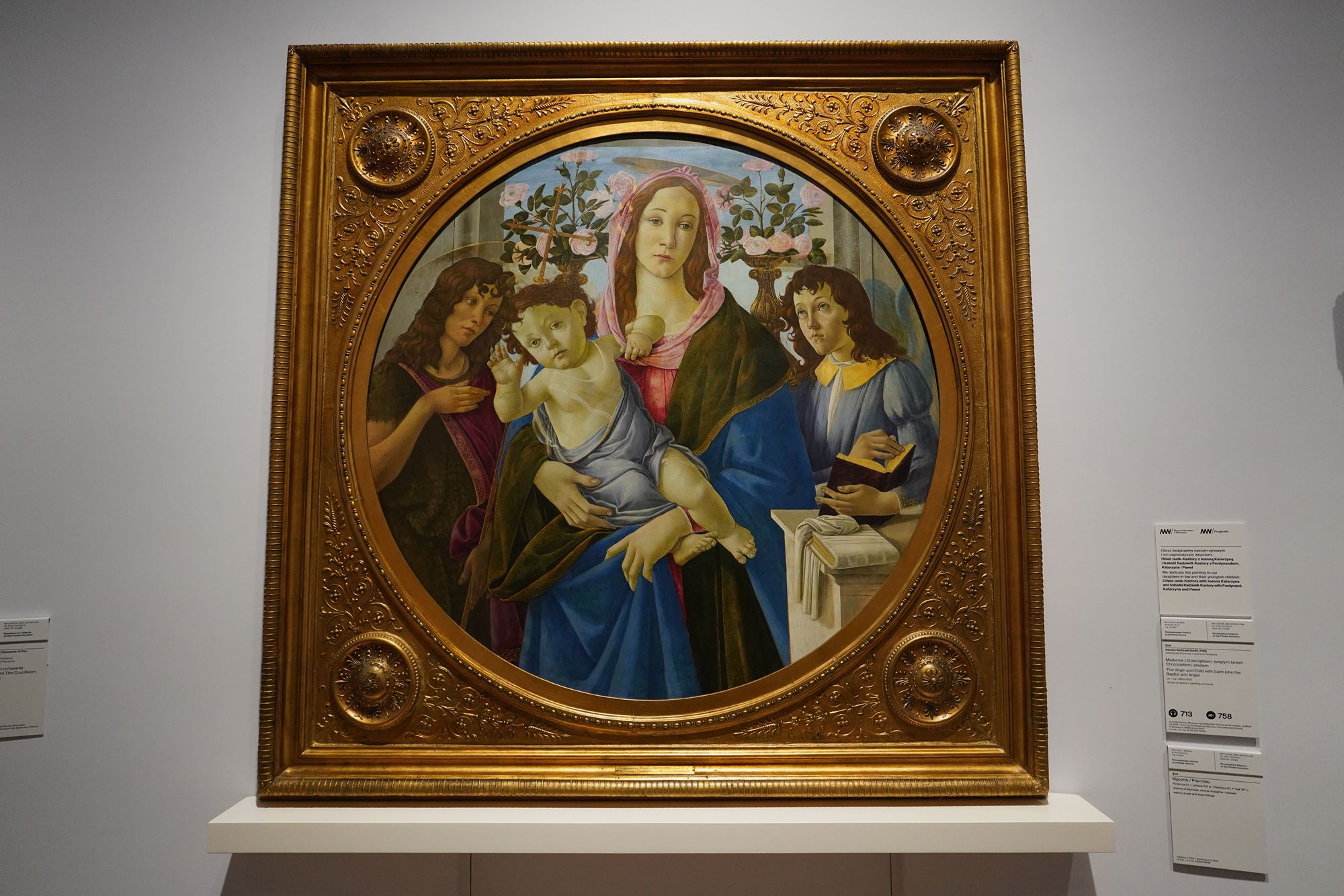
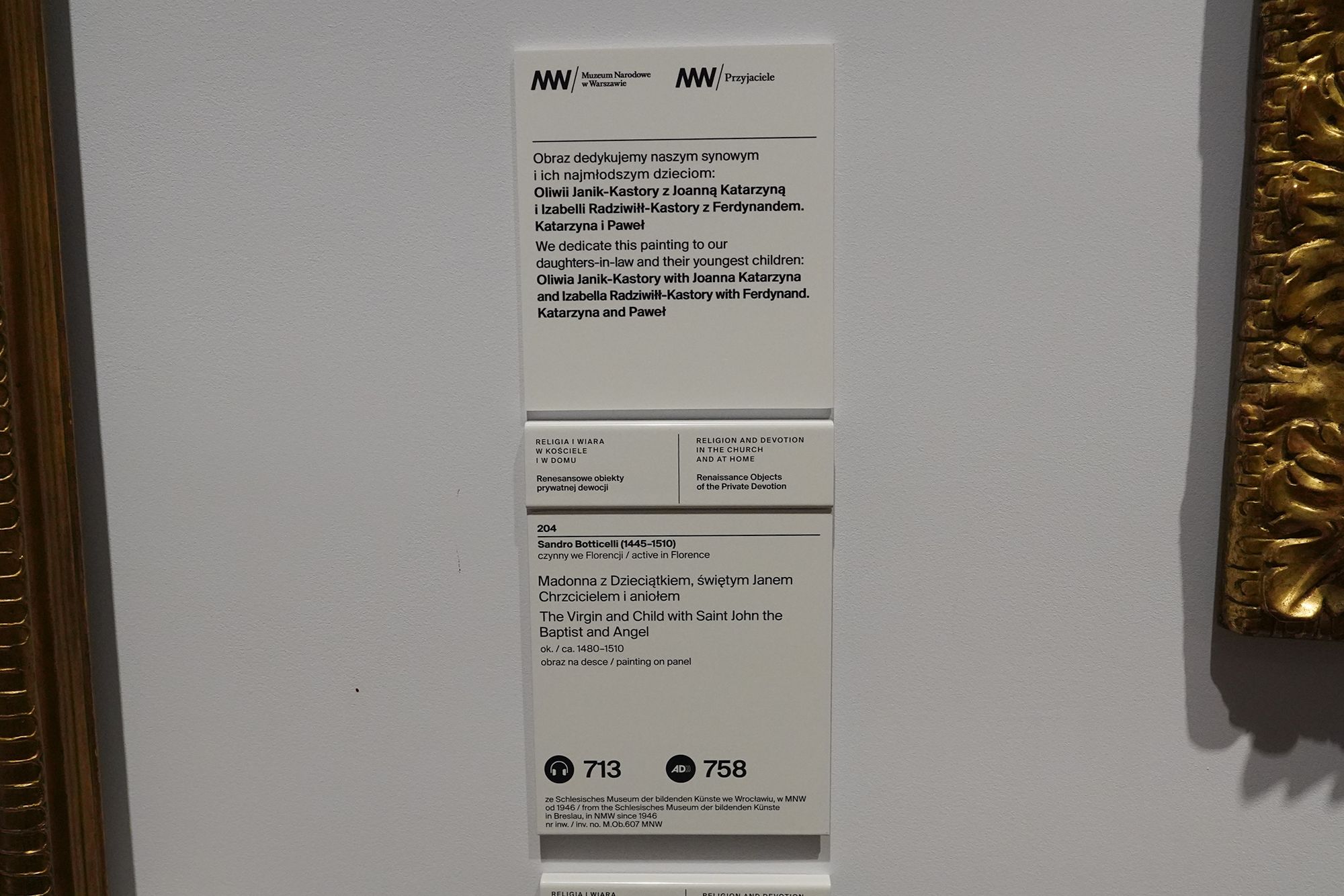
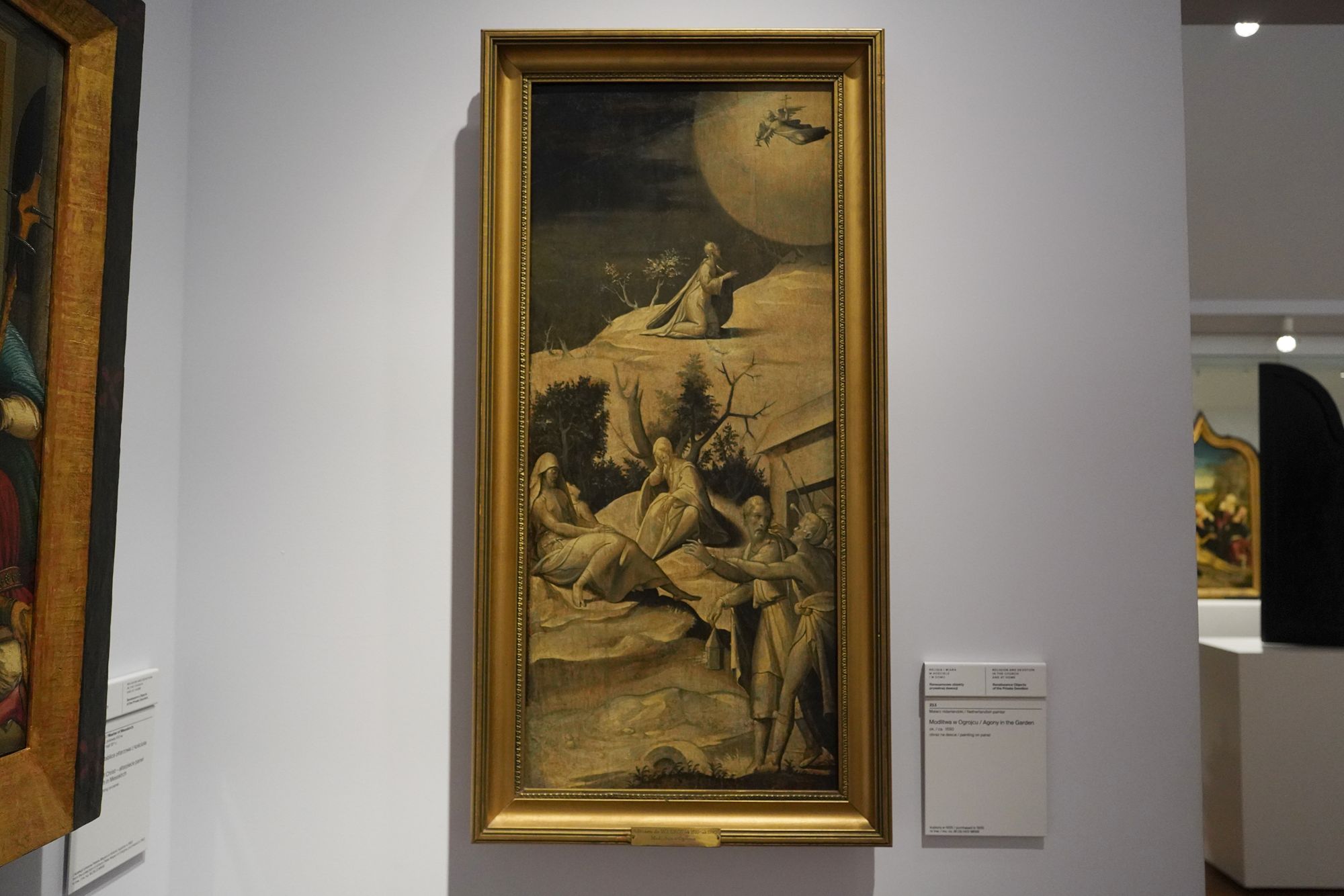
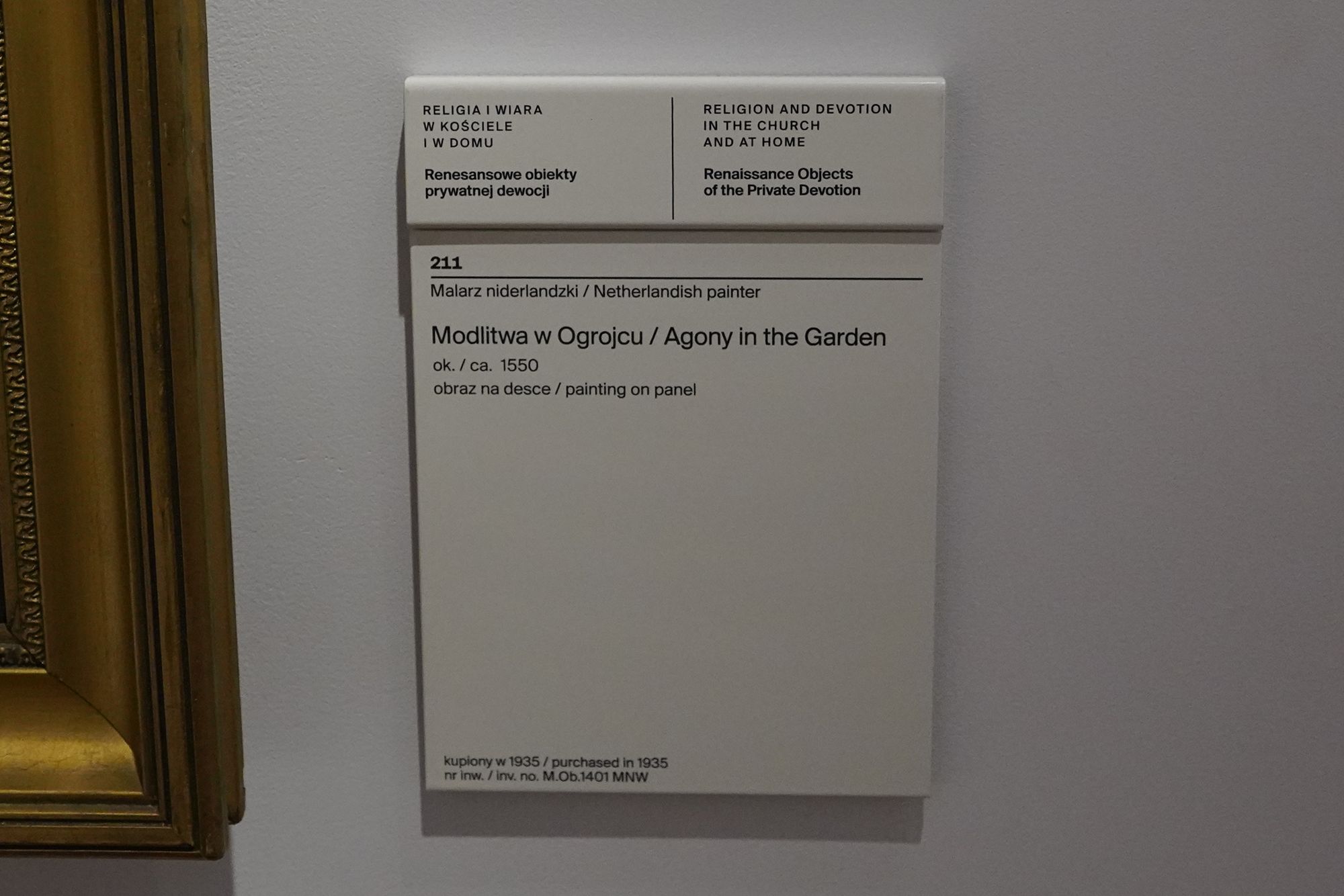
The next section looks at religious images and objects used in churches and convents after the Council of Trent. It explores the role of sacred art in Catholic worship, helping communicate religious teachings and encourage devotion.
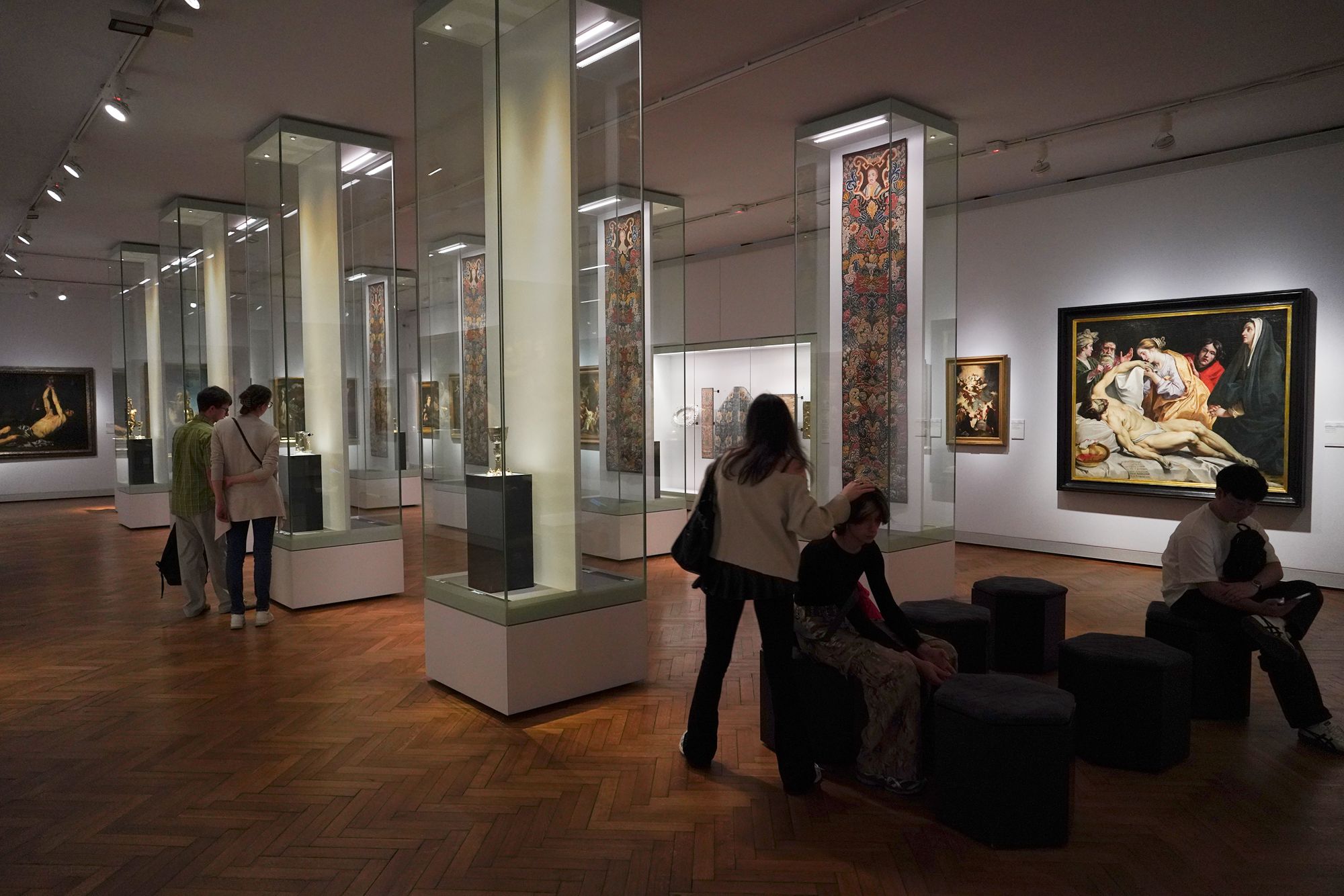
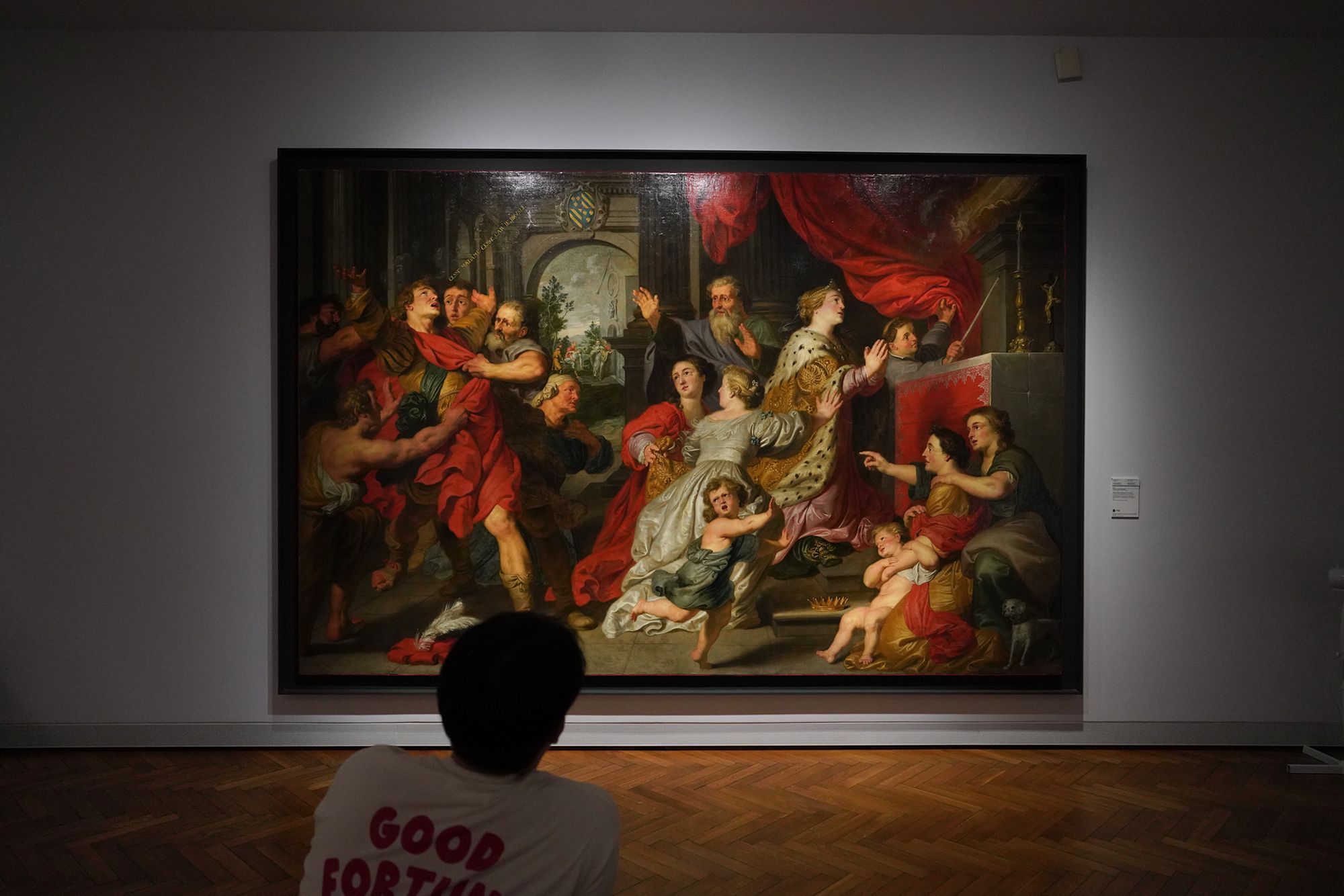
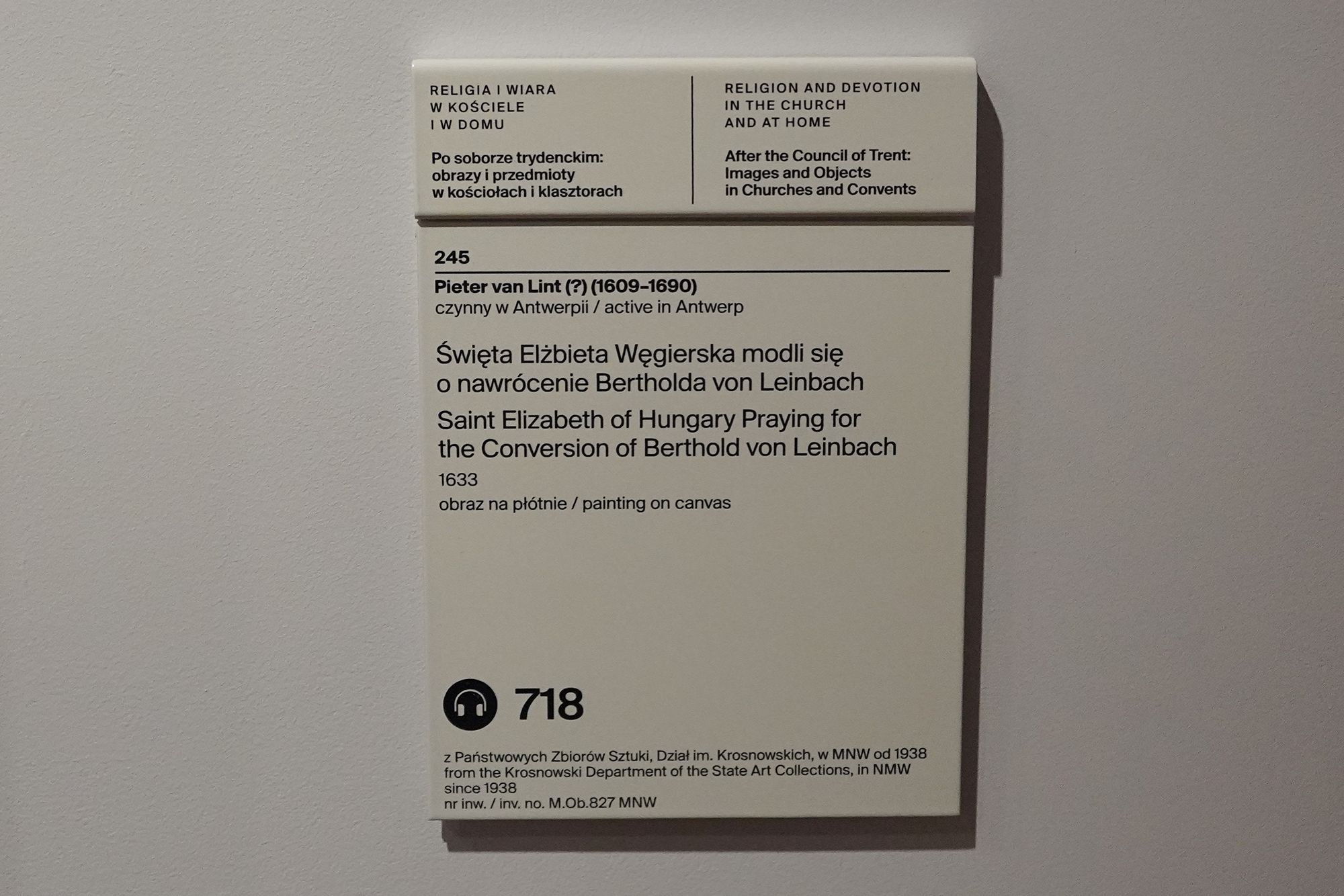
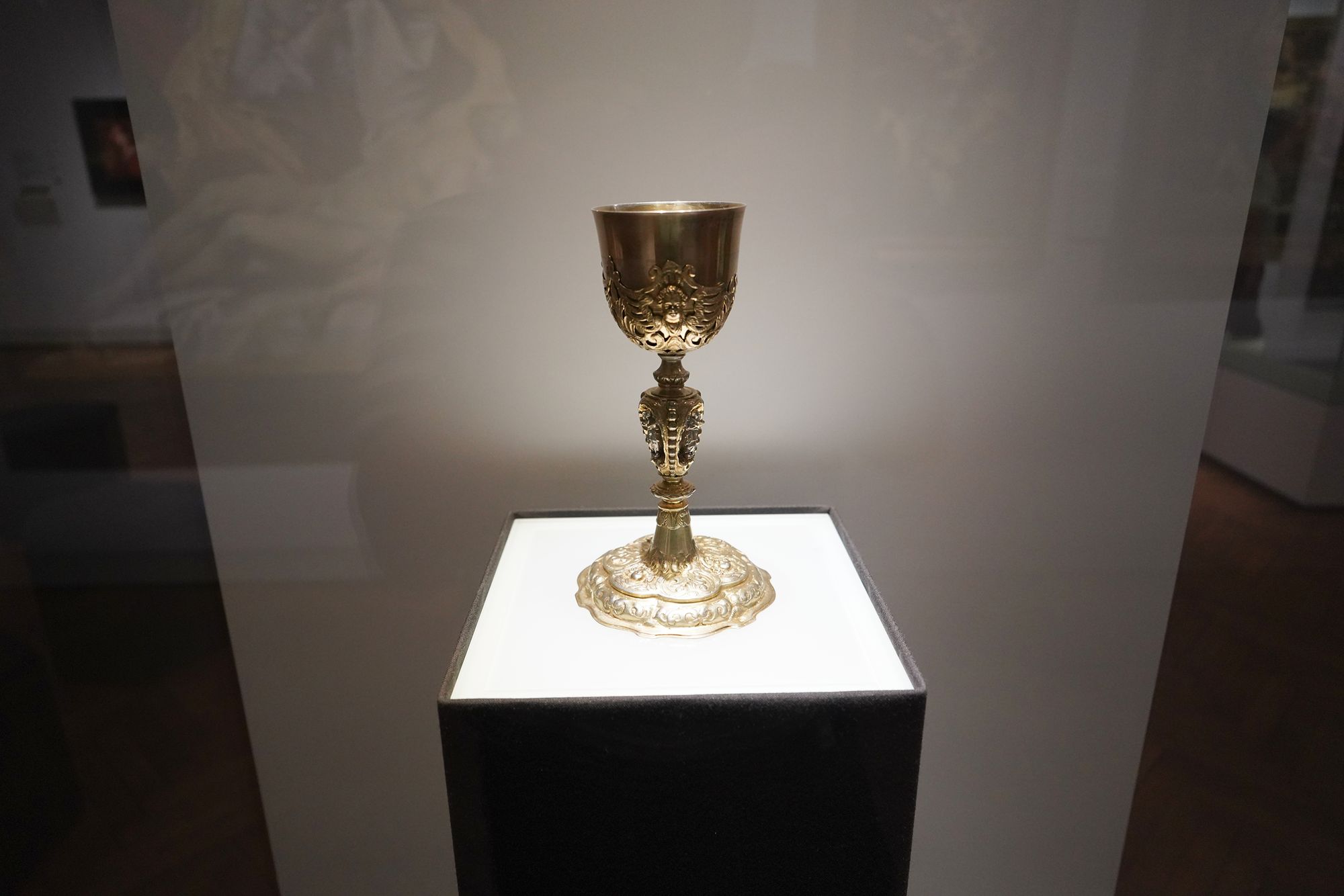
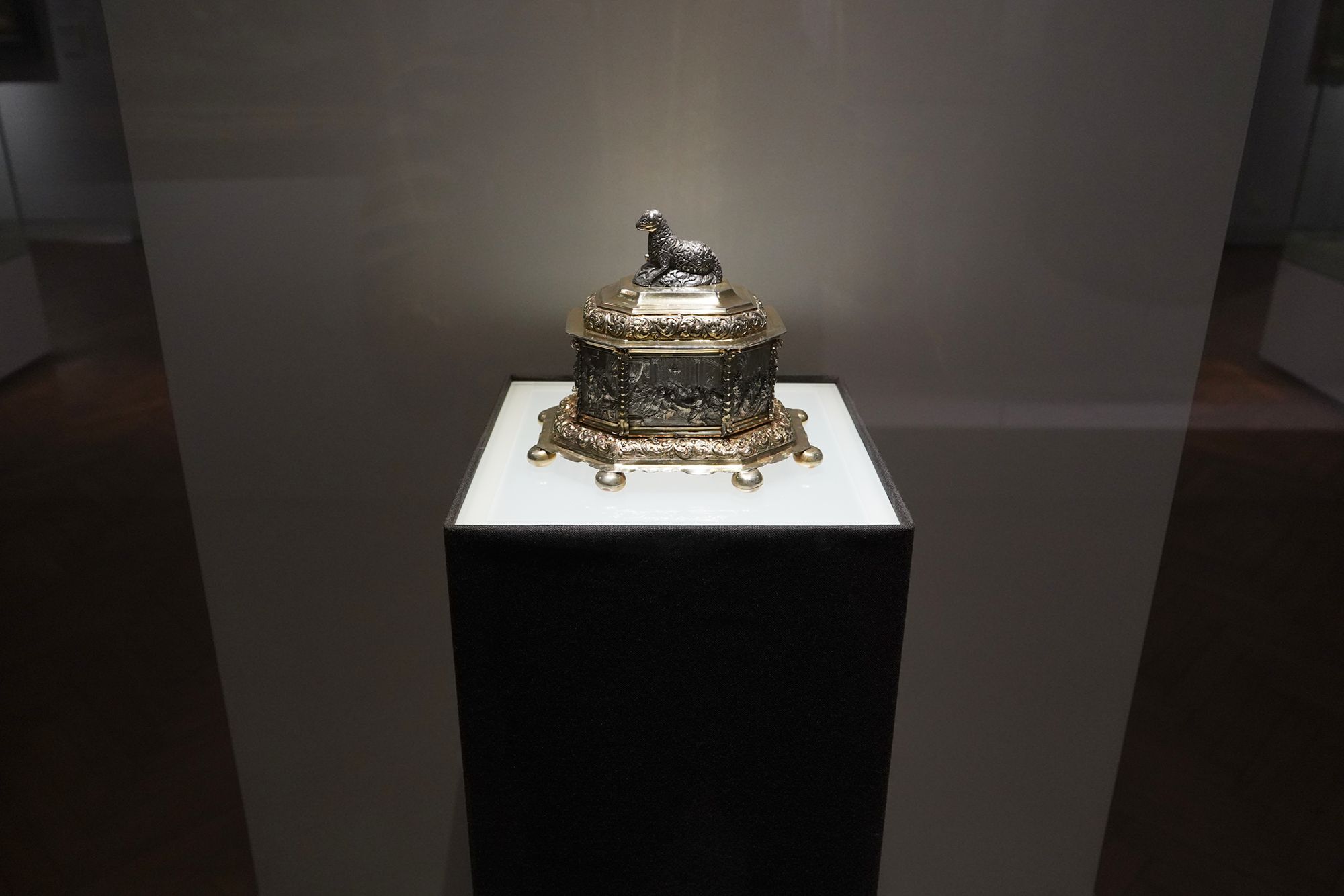
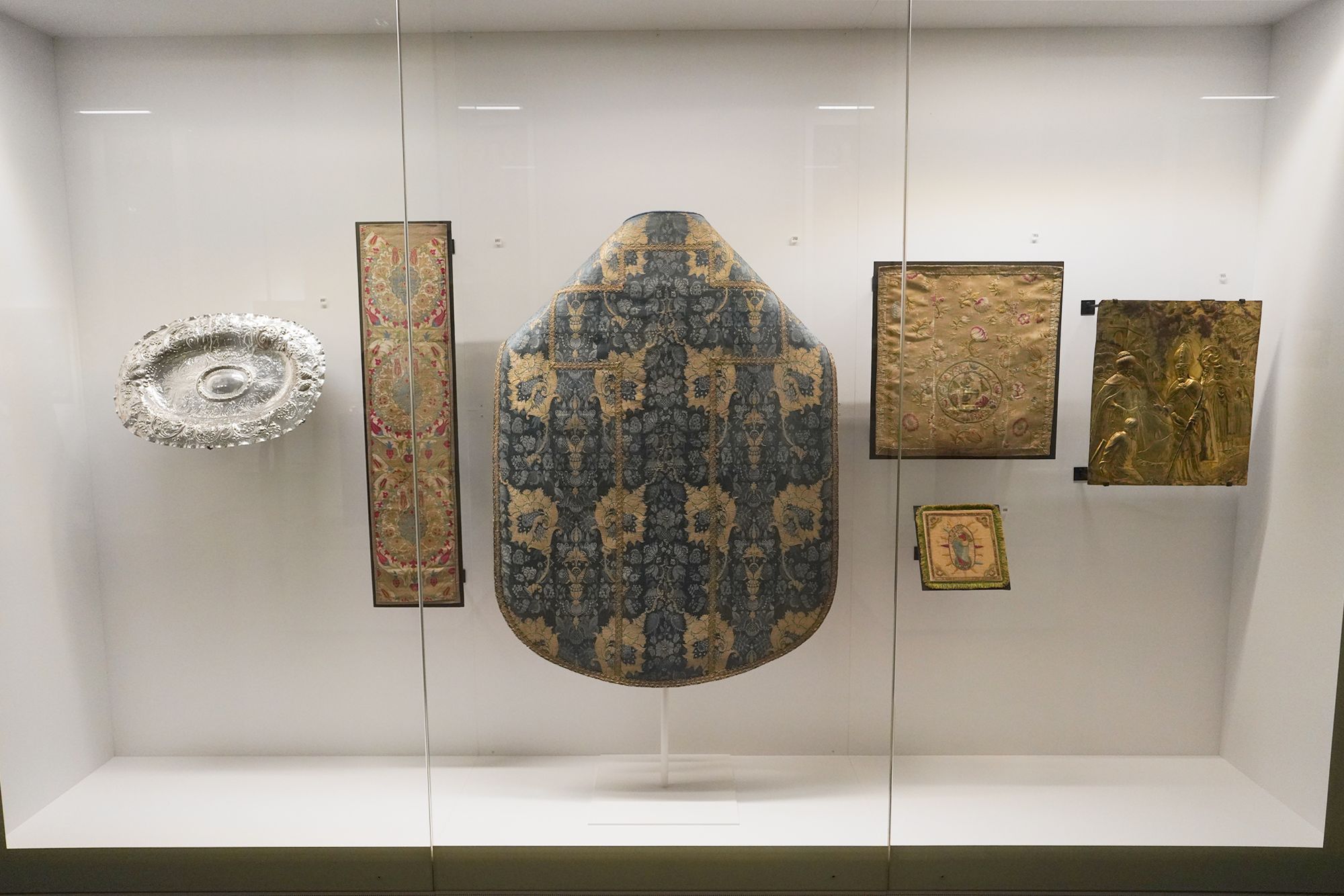
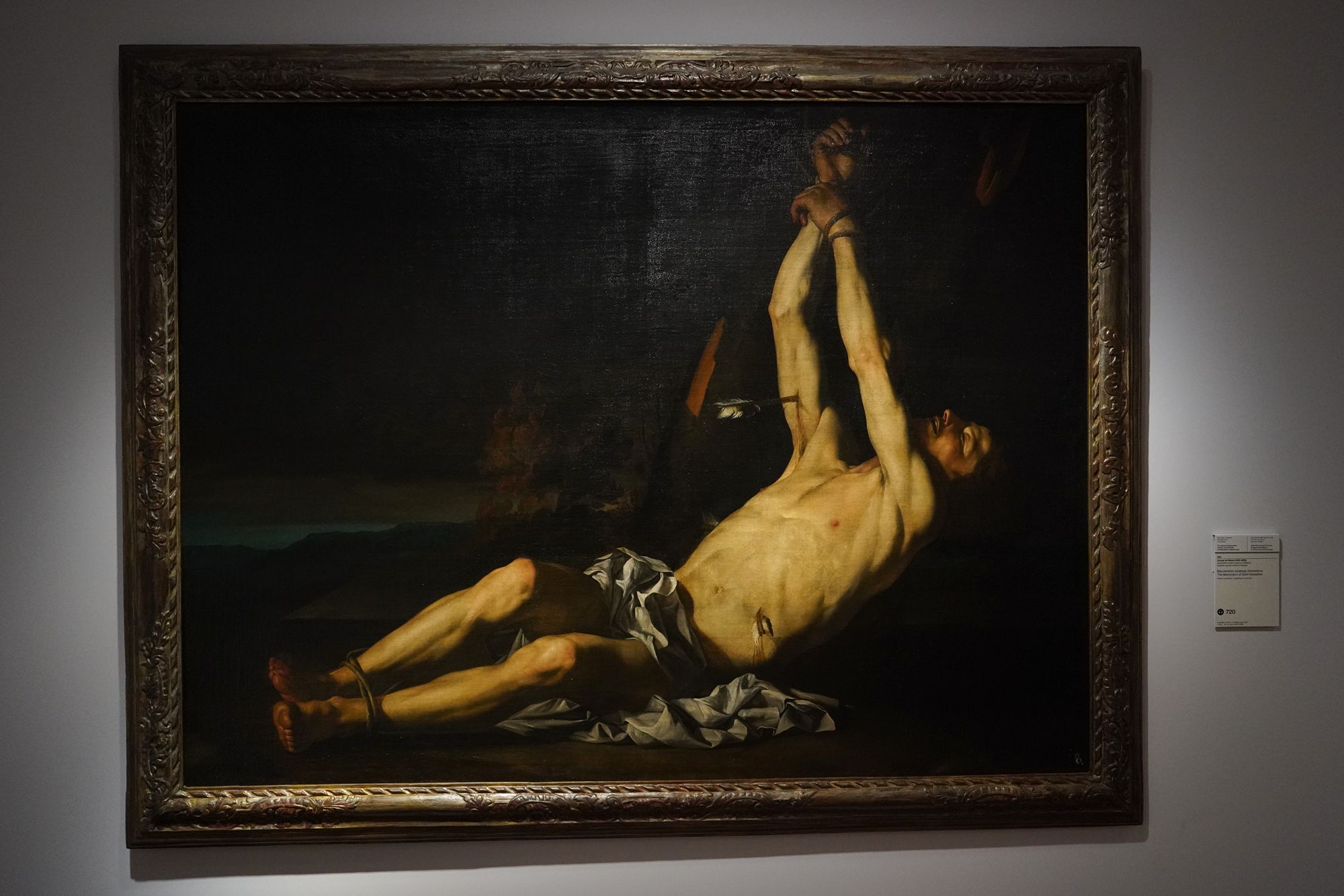
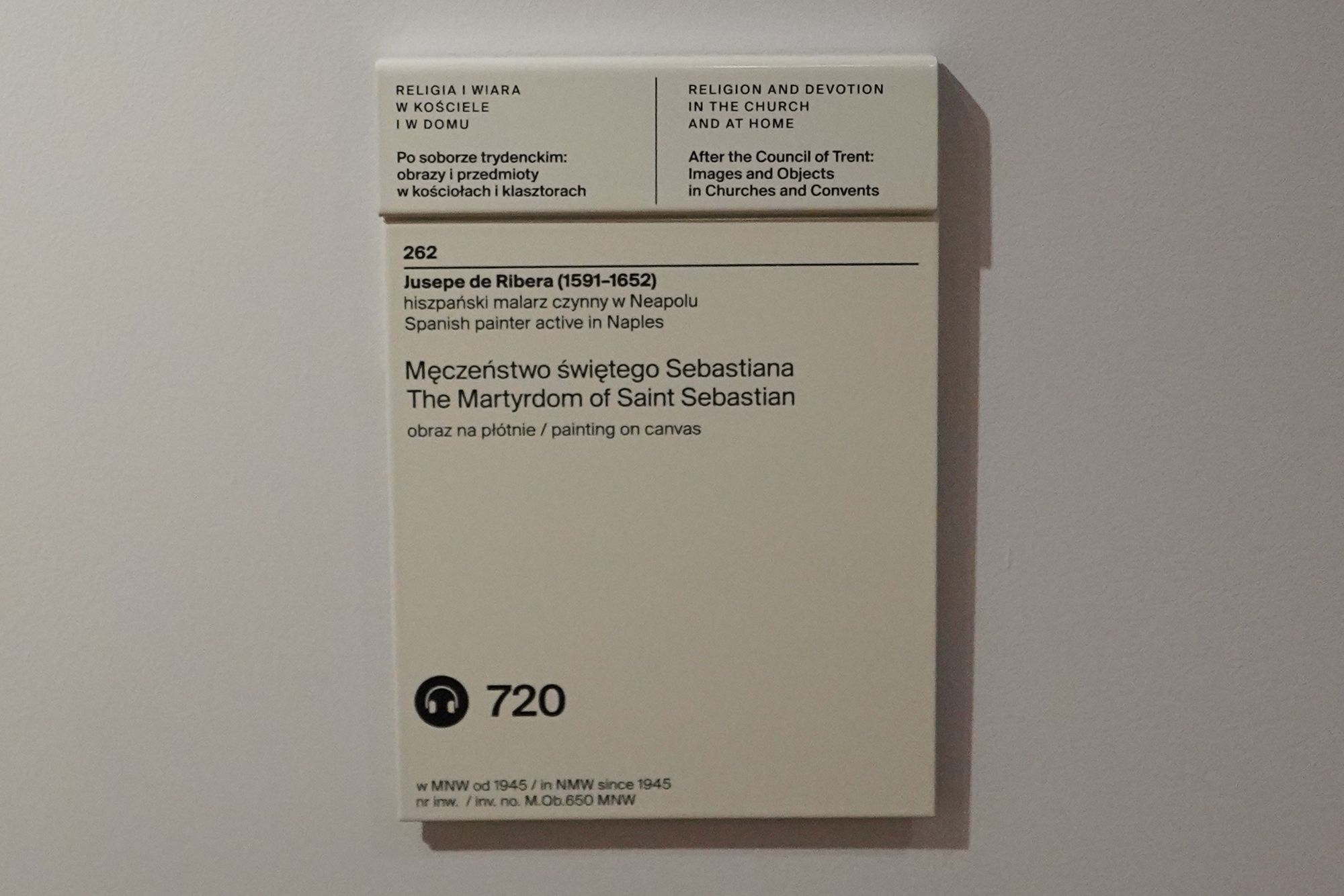
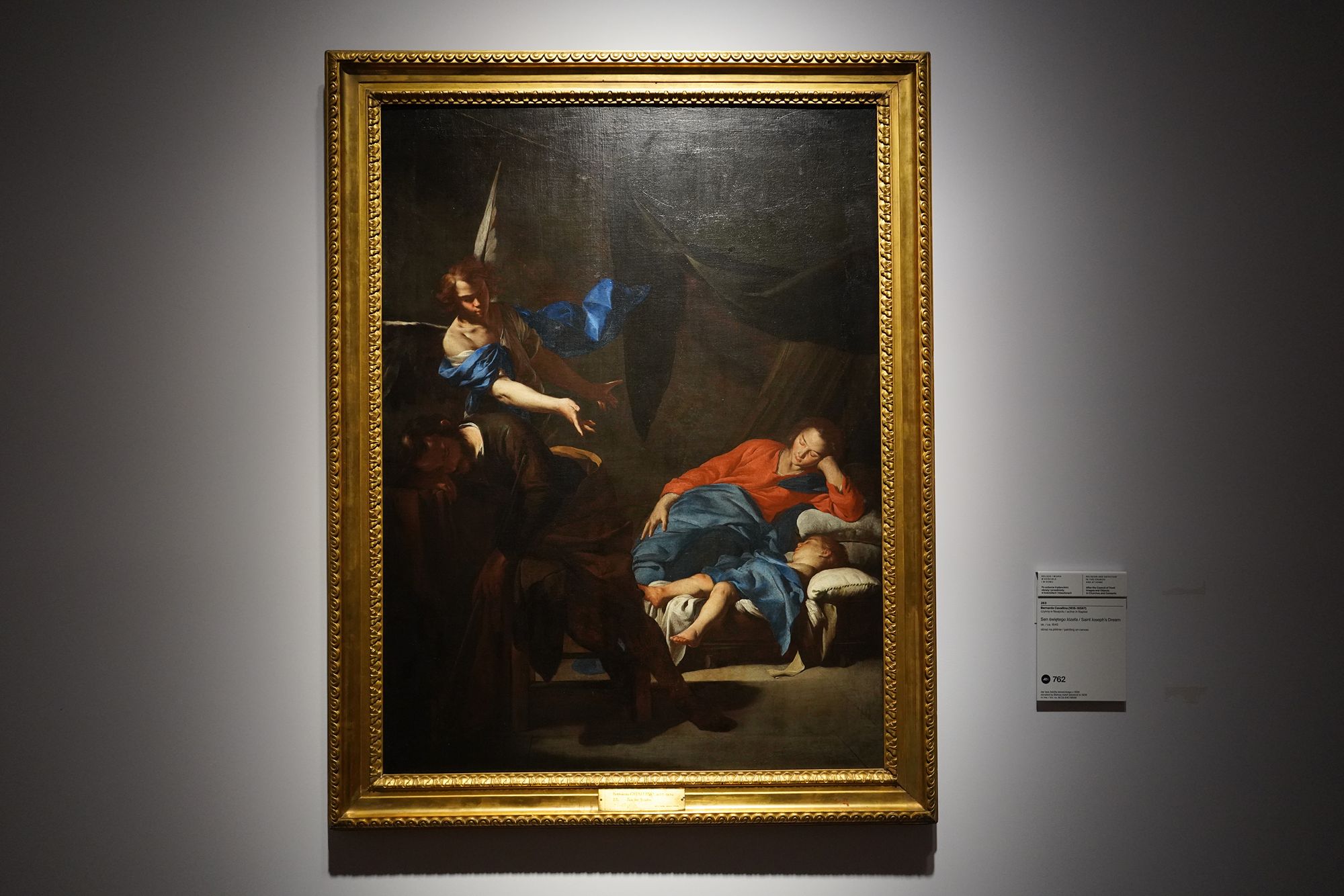
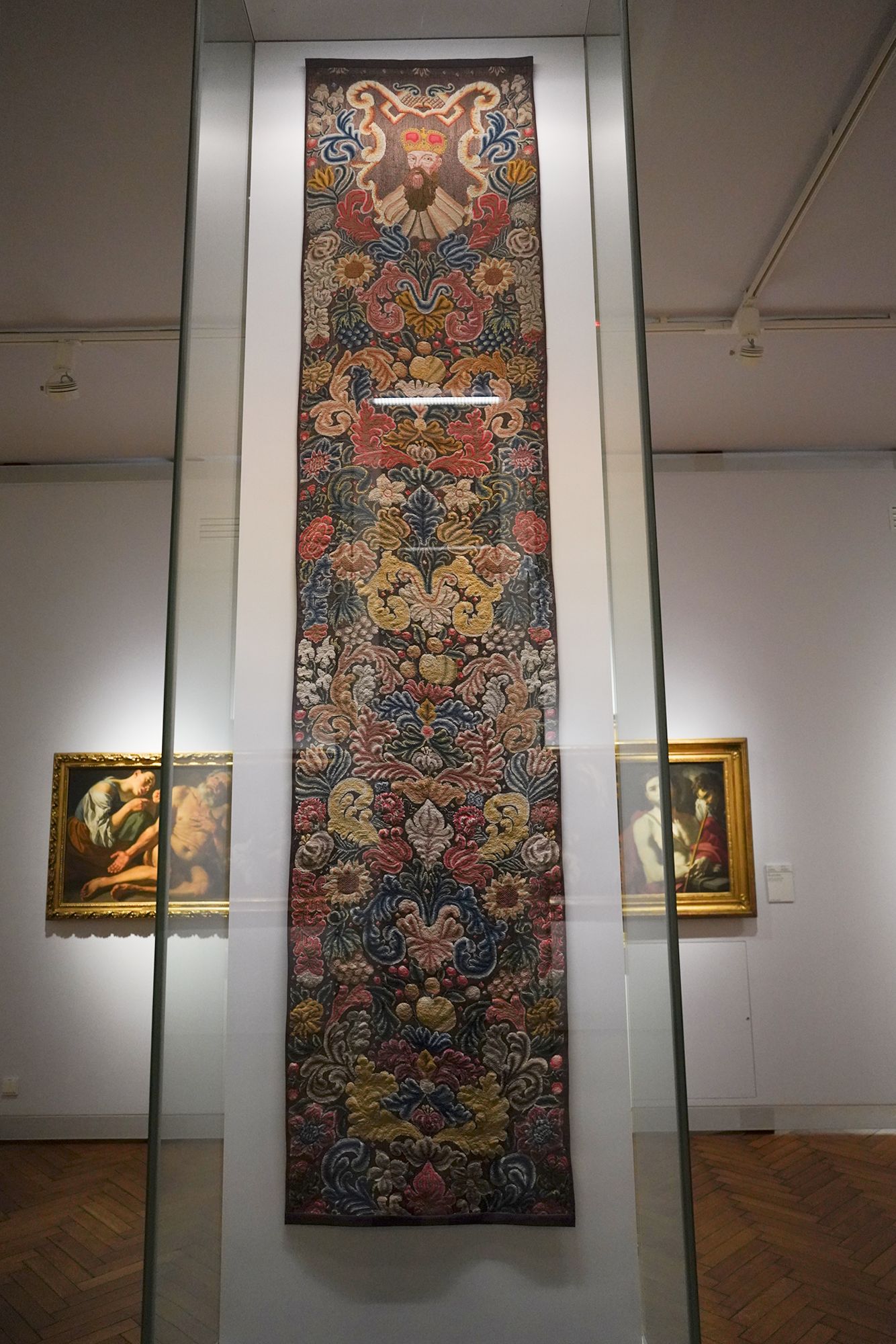
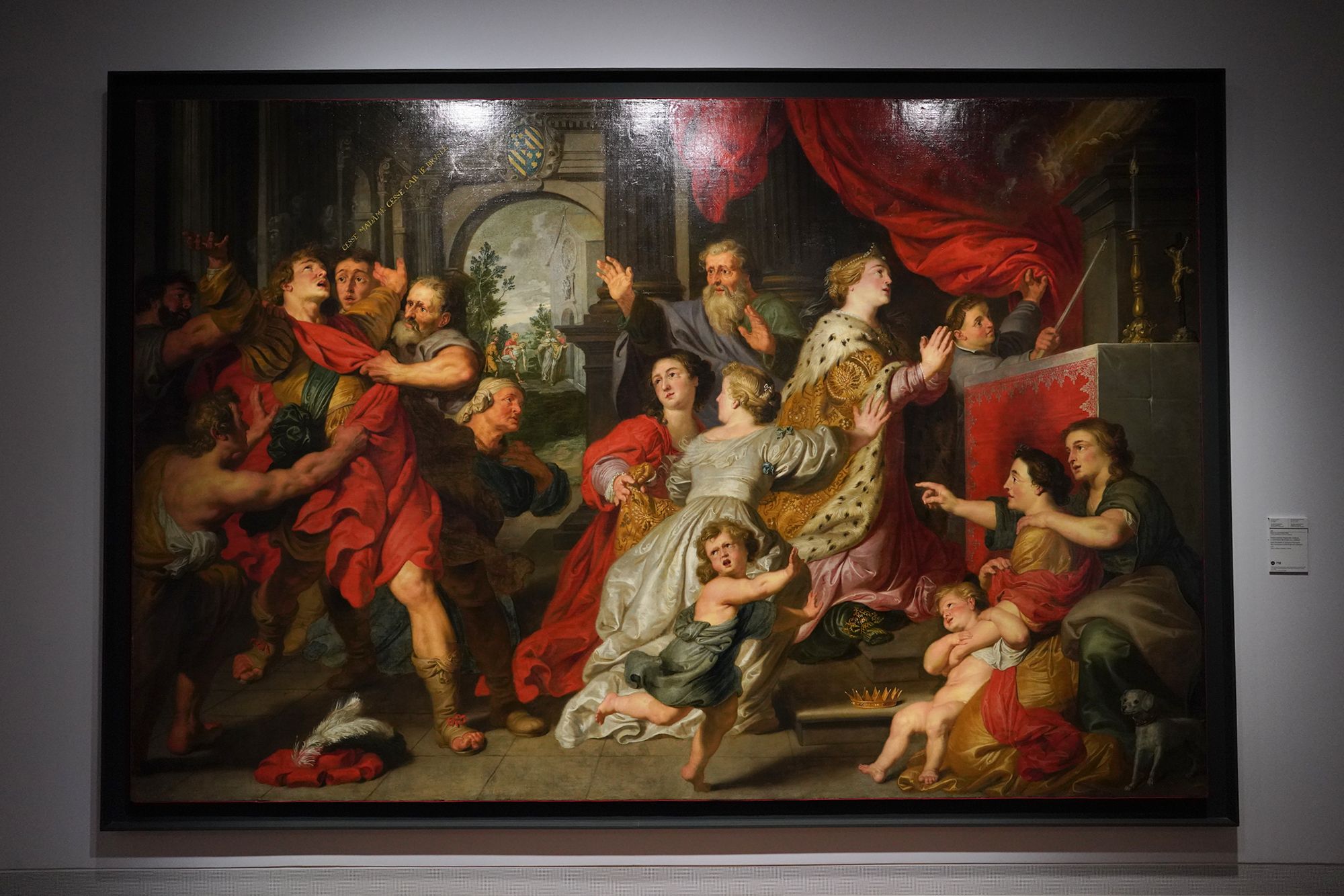
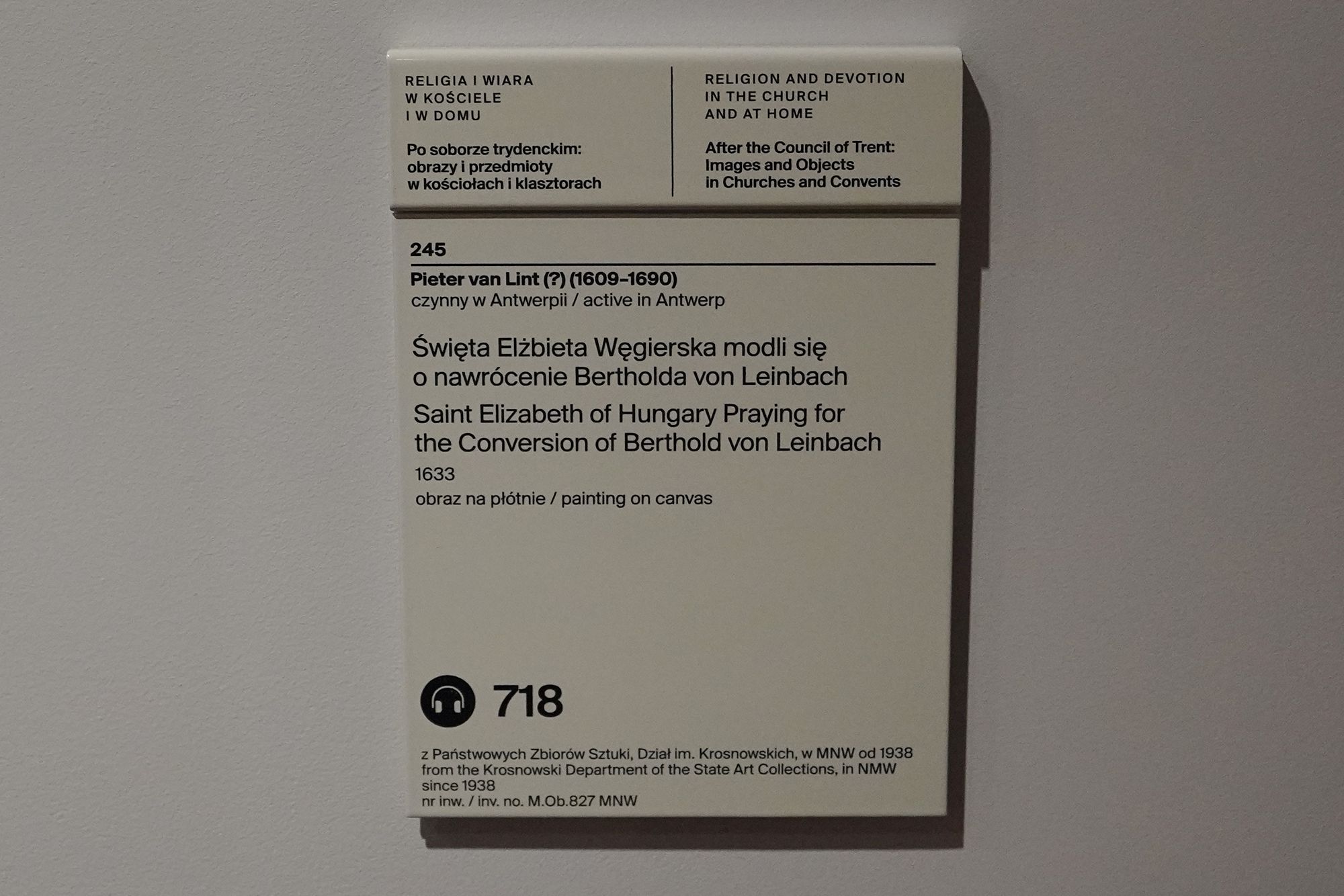
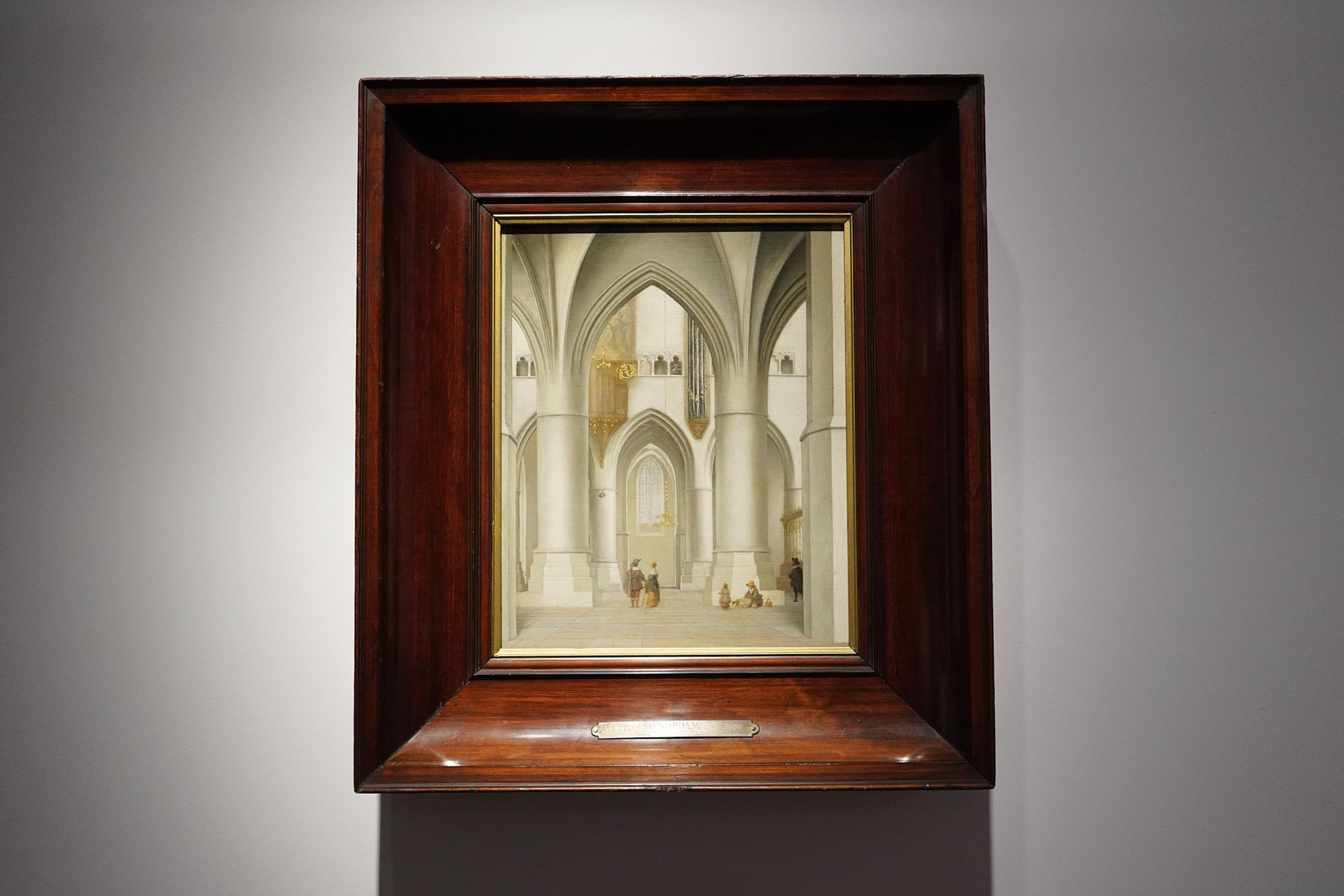
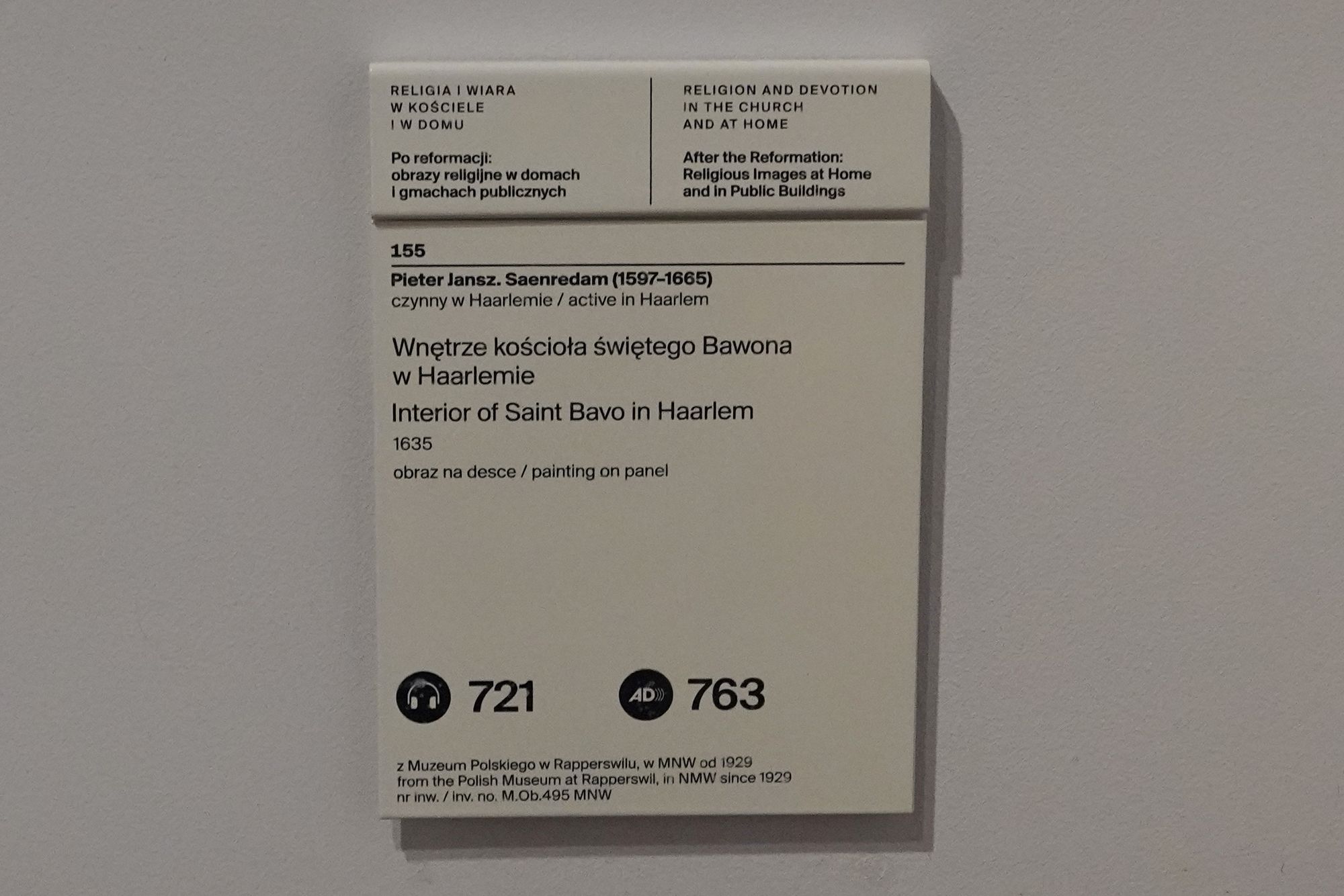
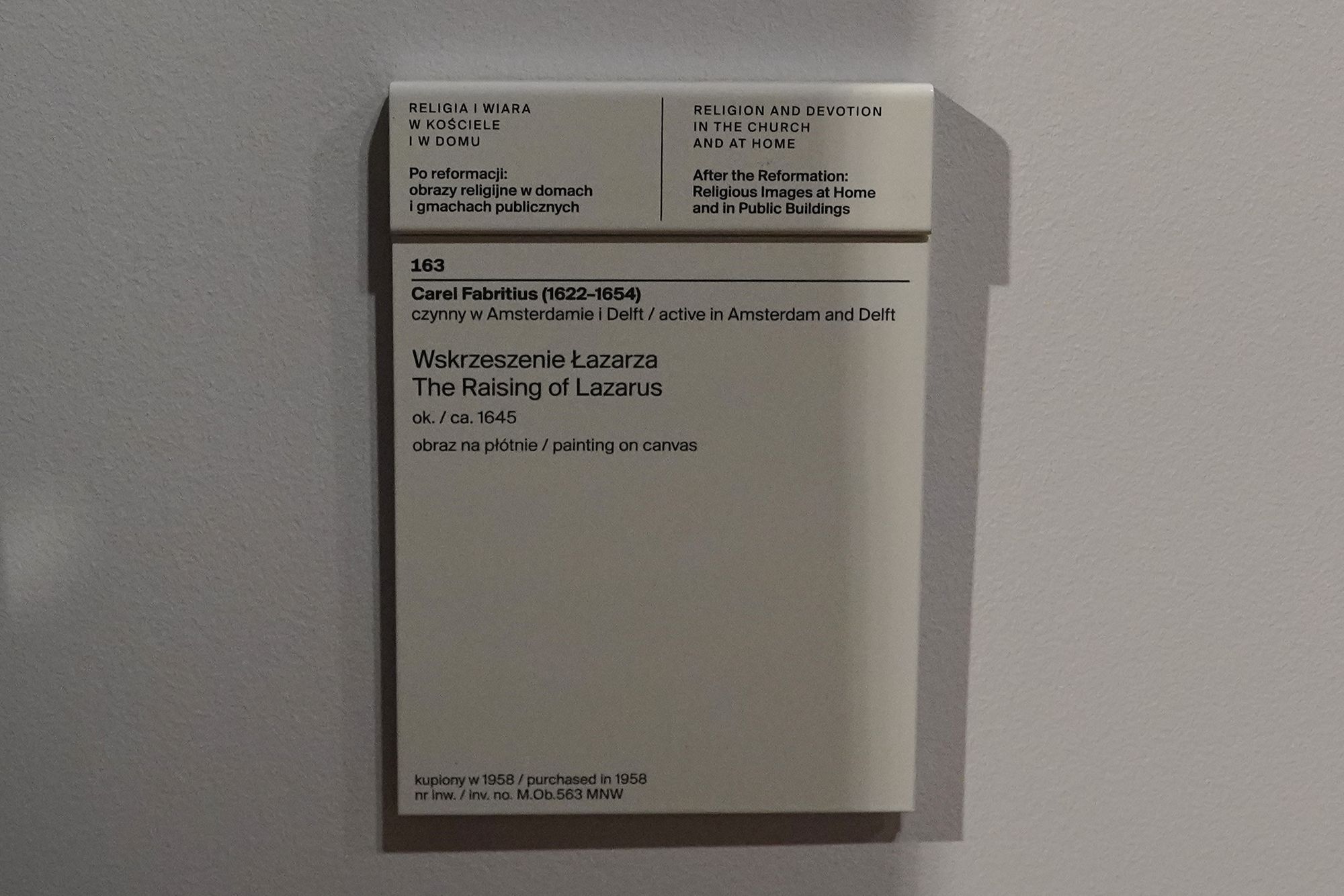
The next section explores religious images displayed in homes and public buildings after the Reformation. It shifts the focus from churches and convents to other settings, showing how religious art remained part of private devotion and public life during a period of changing beliefs.
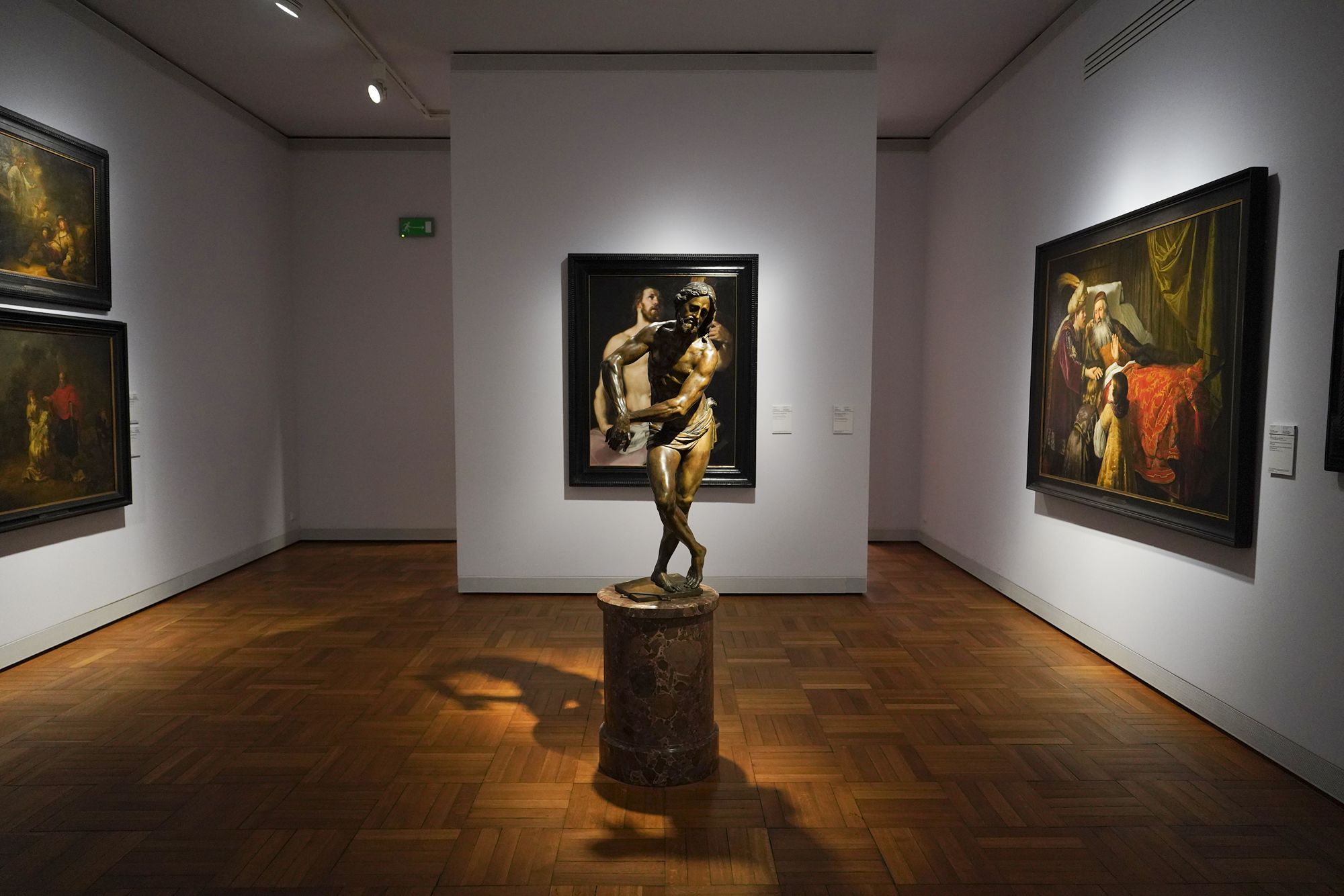
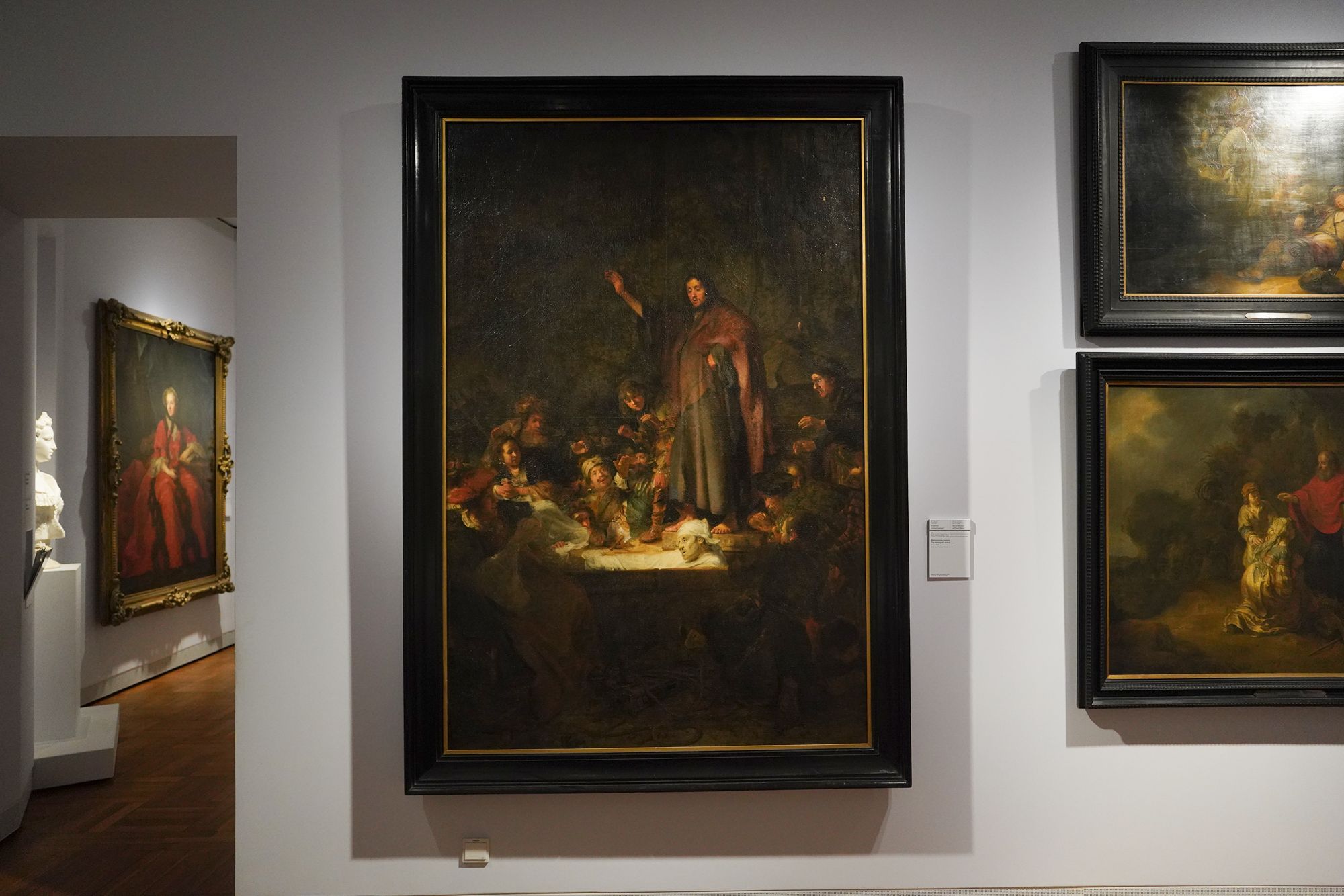
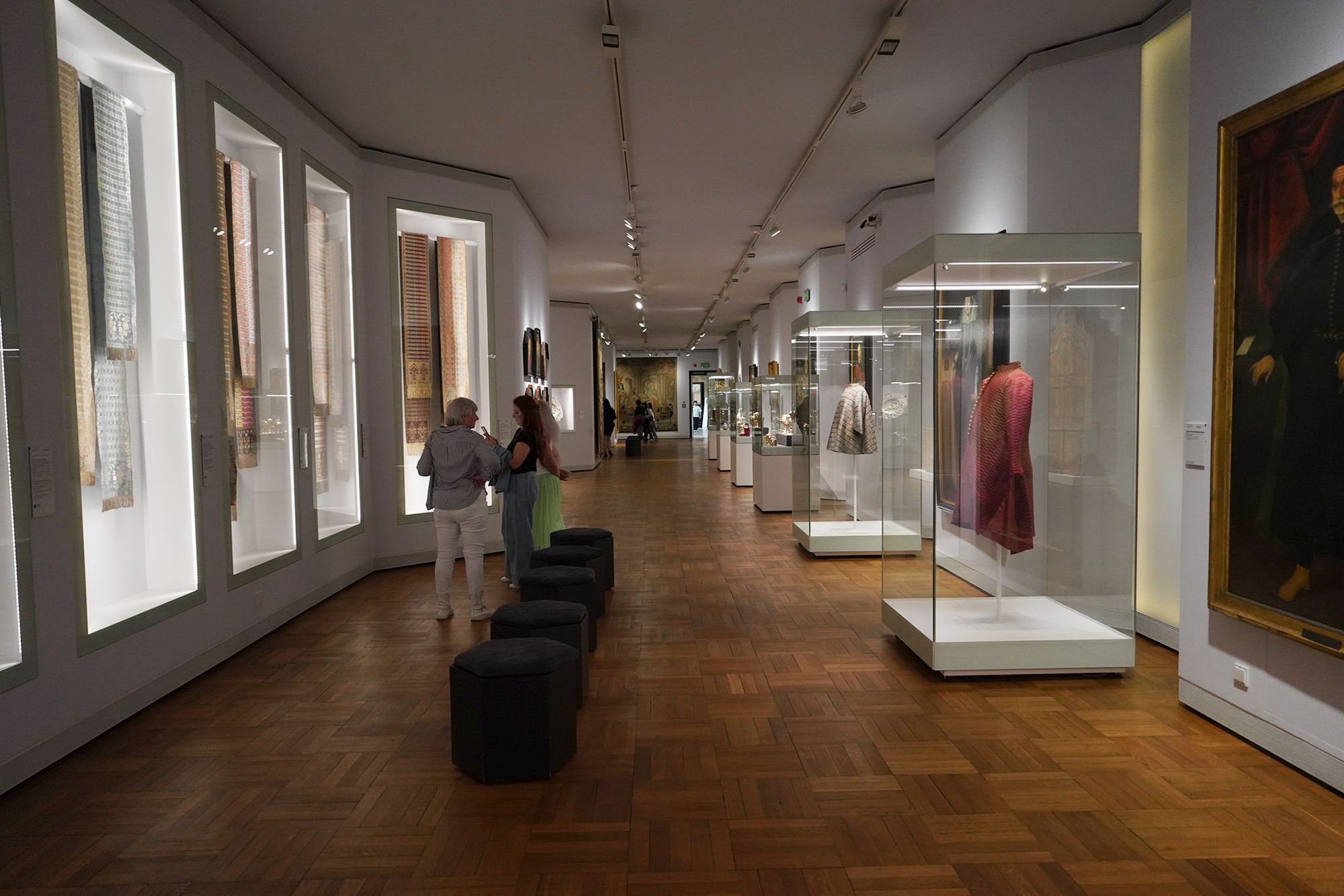
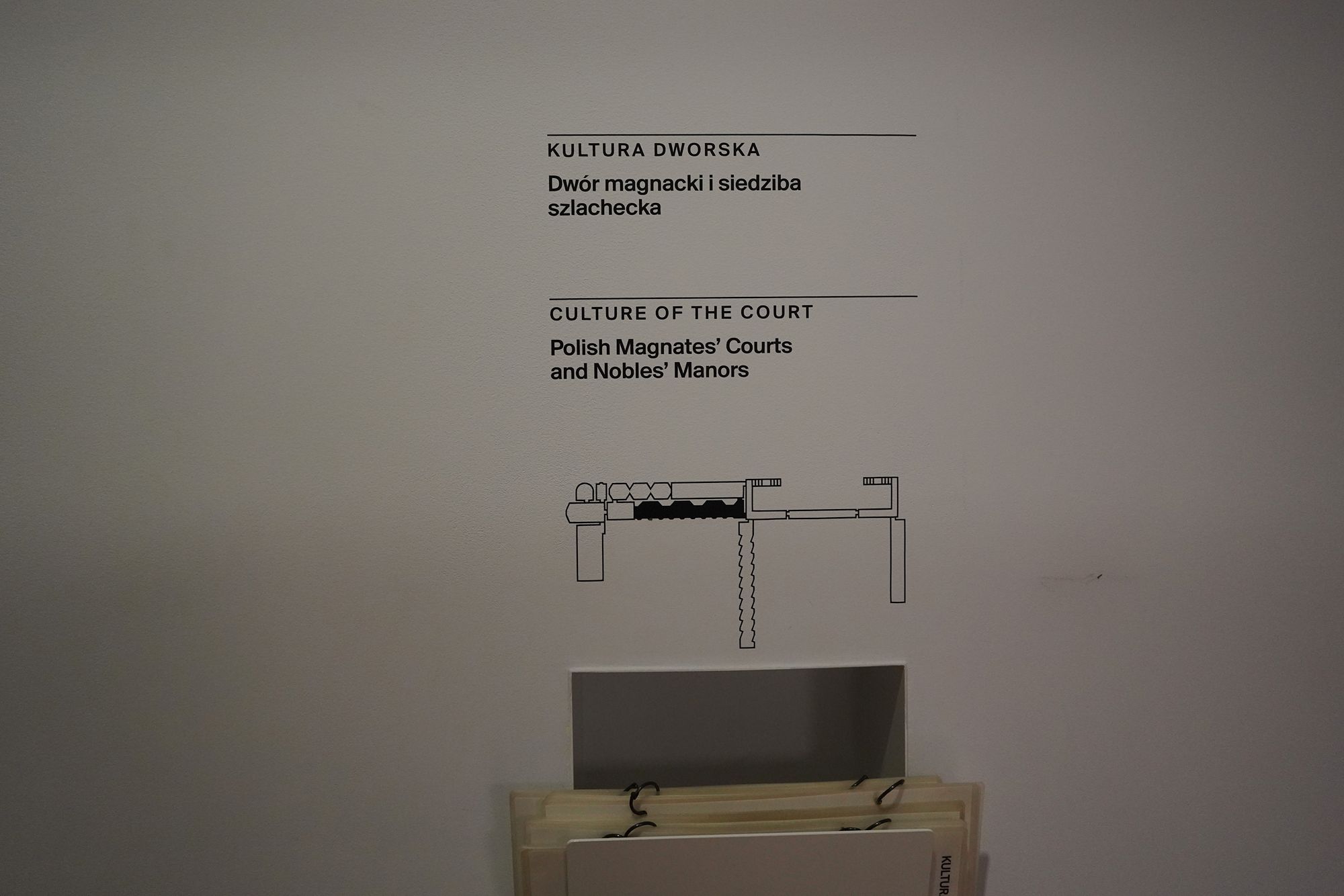
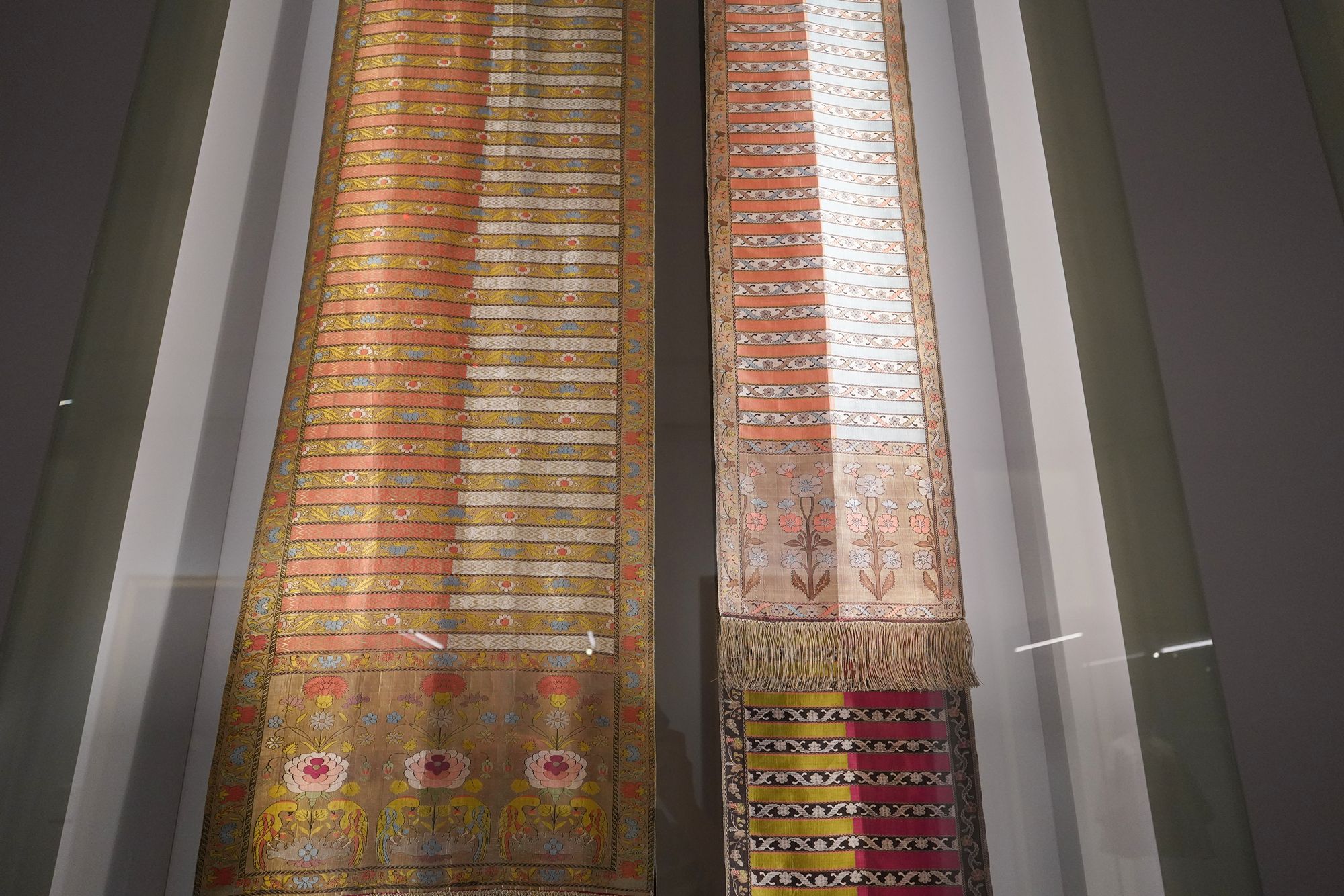
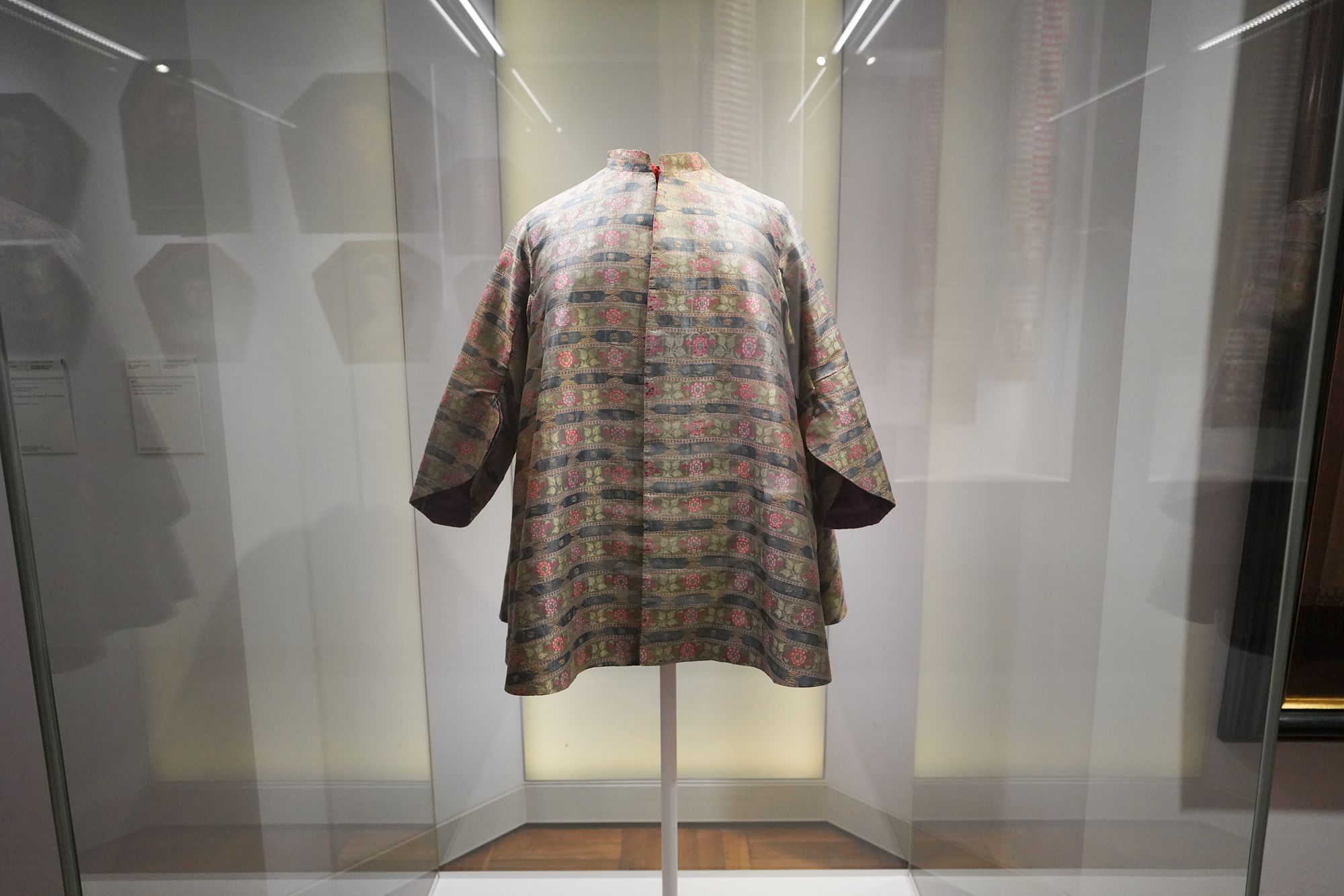
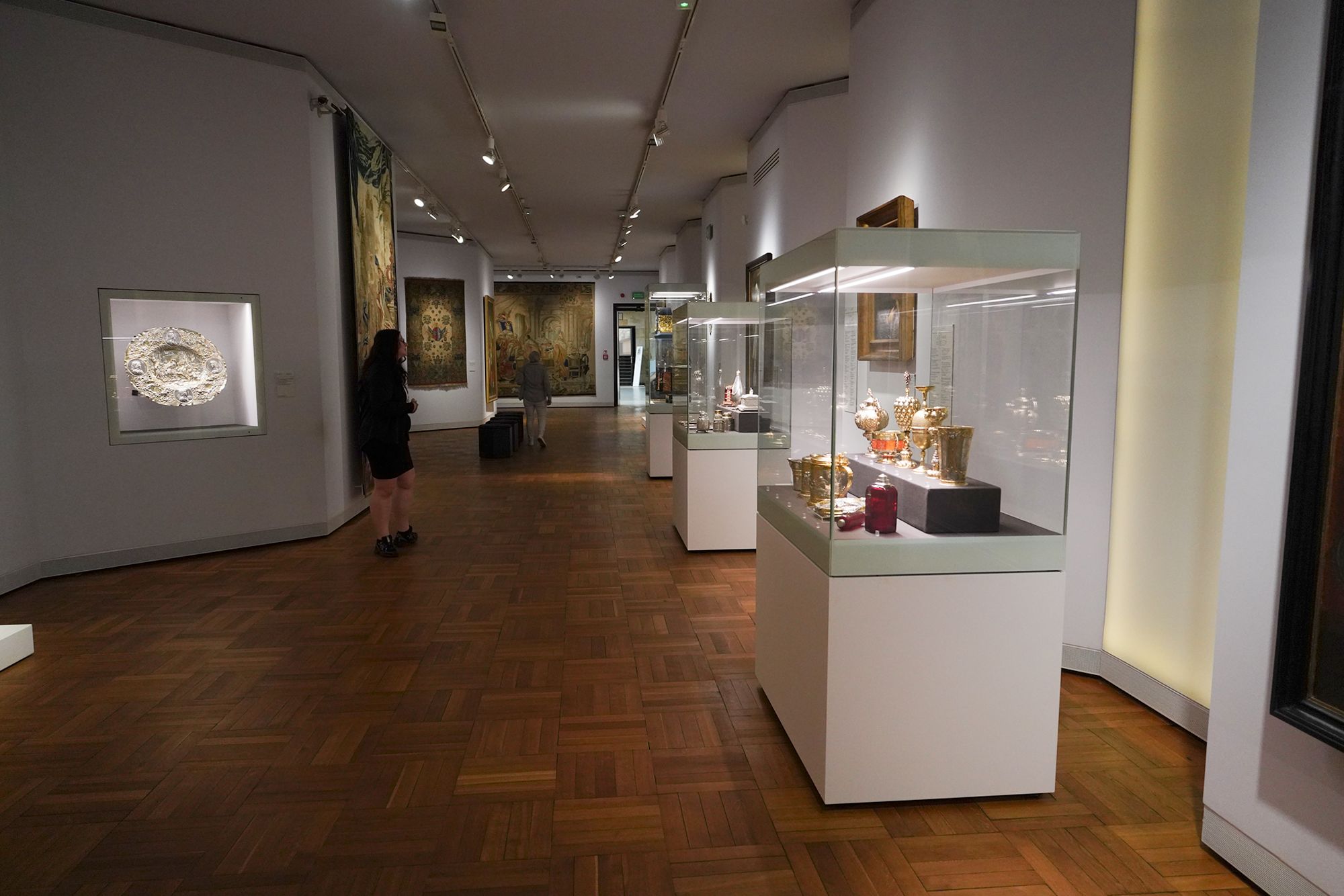
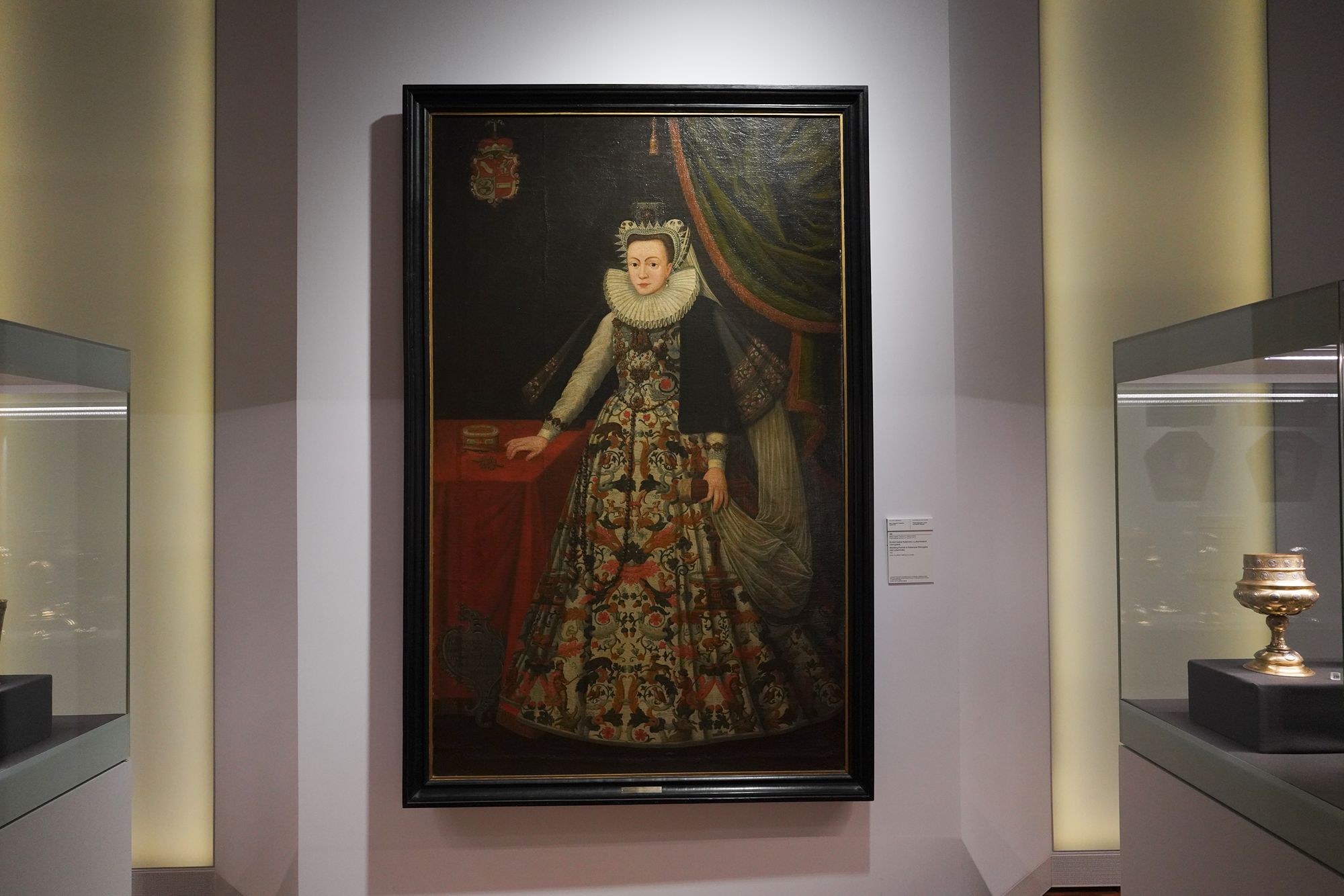
I then entered a section on Polish magnates’ courts and nobles’ manor houses. Magnates were the wealthiest and most powerful members of the nobility. The displays explore how paintings, furnishings and decorative objects reflected the tastes, traditions and social standing of Poland’s aristocratic families.
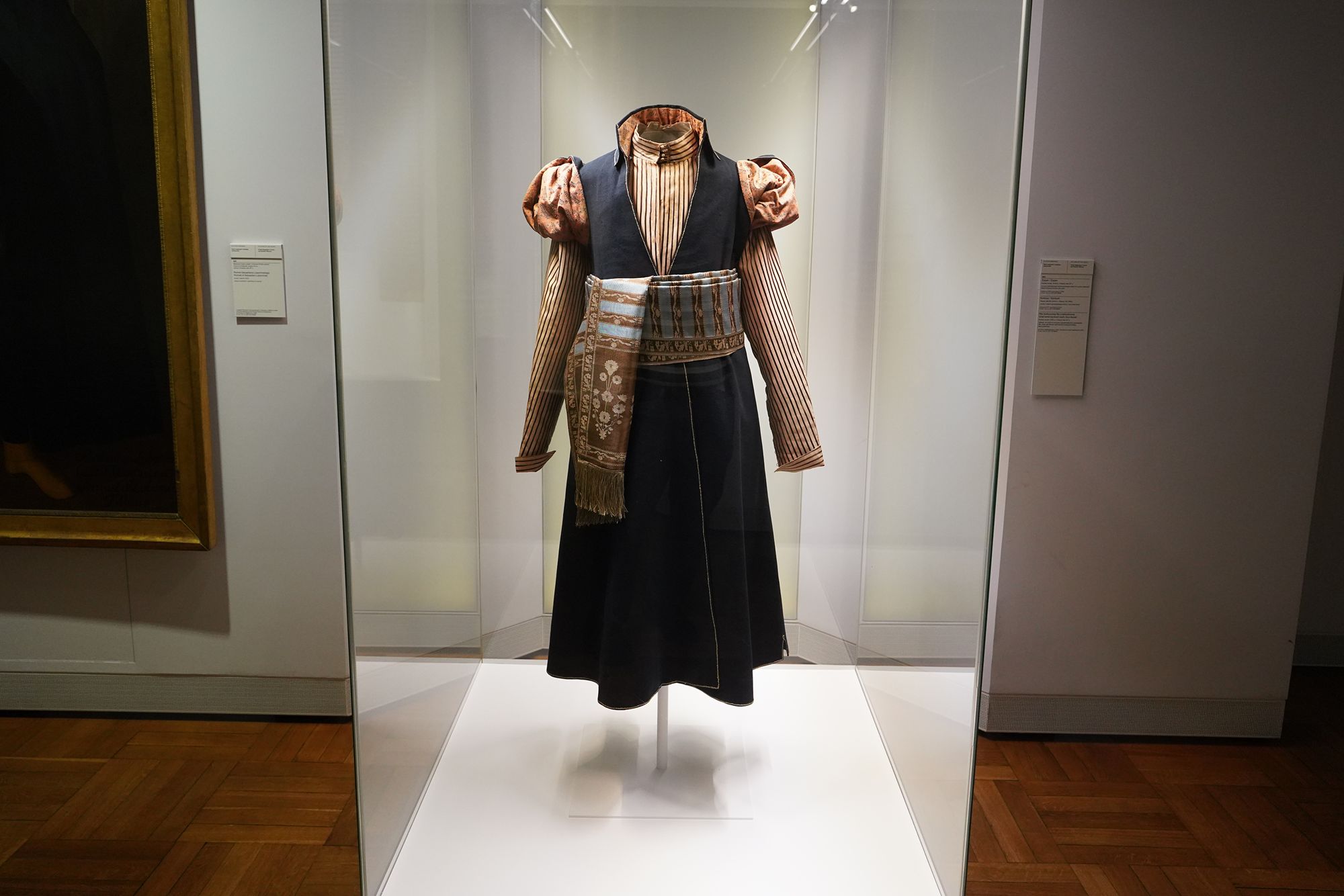
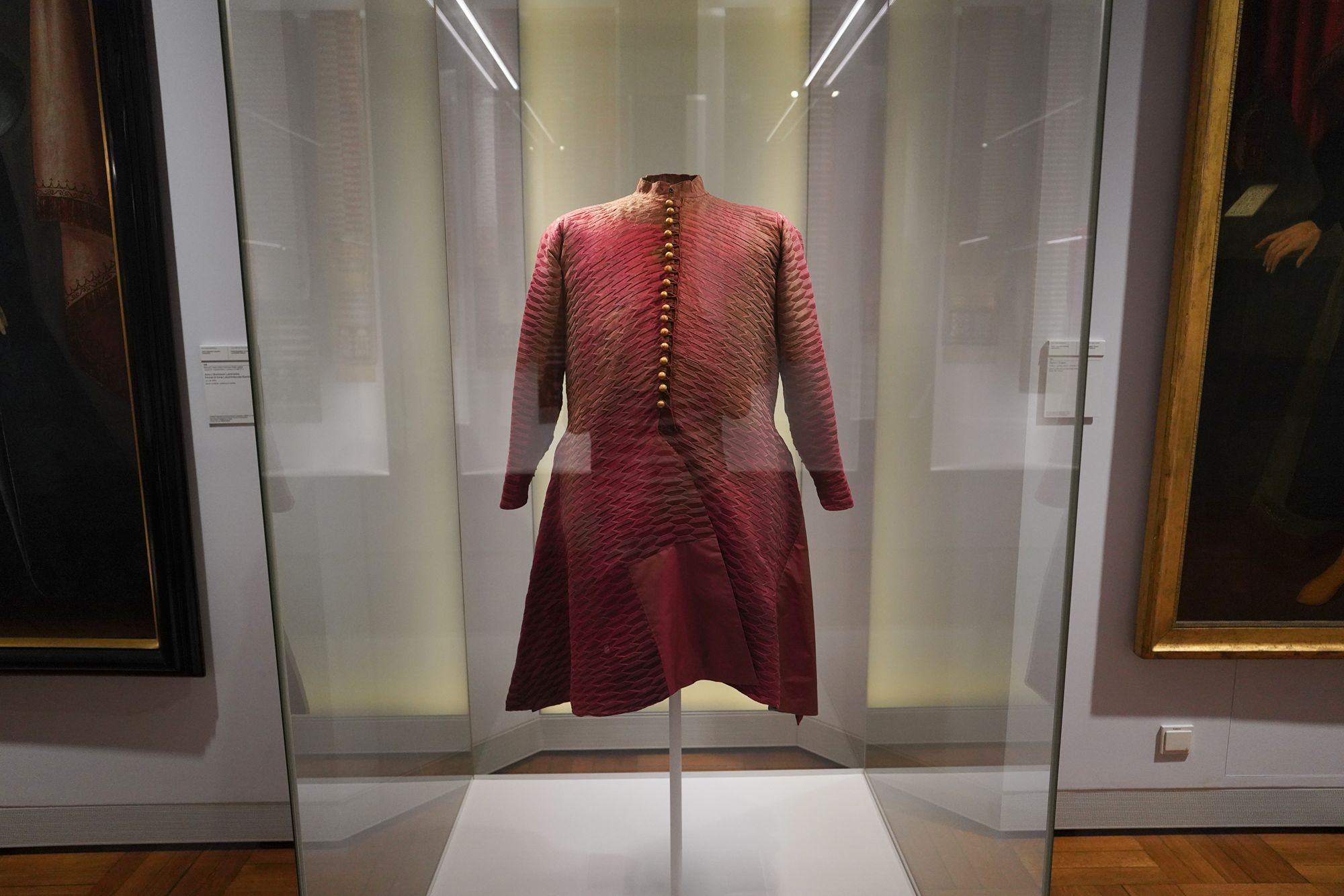
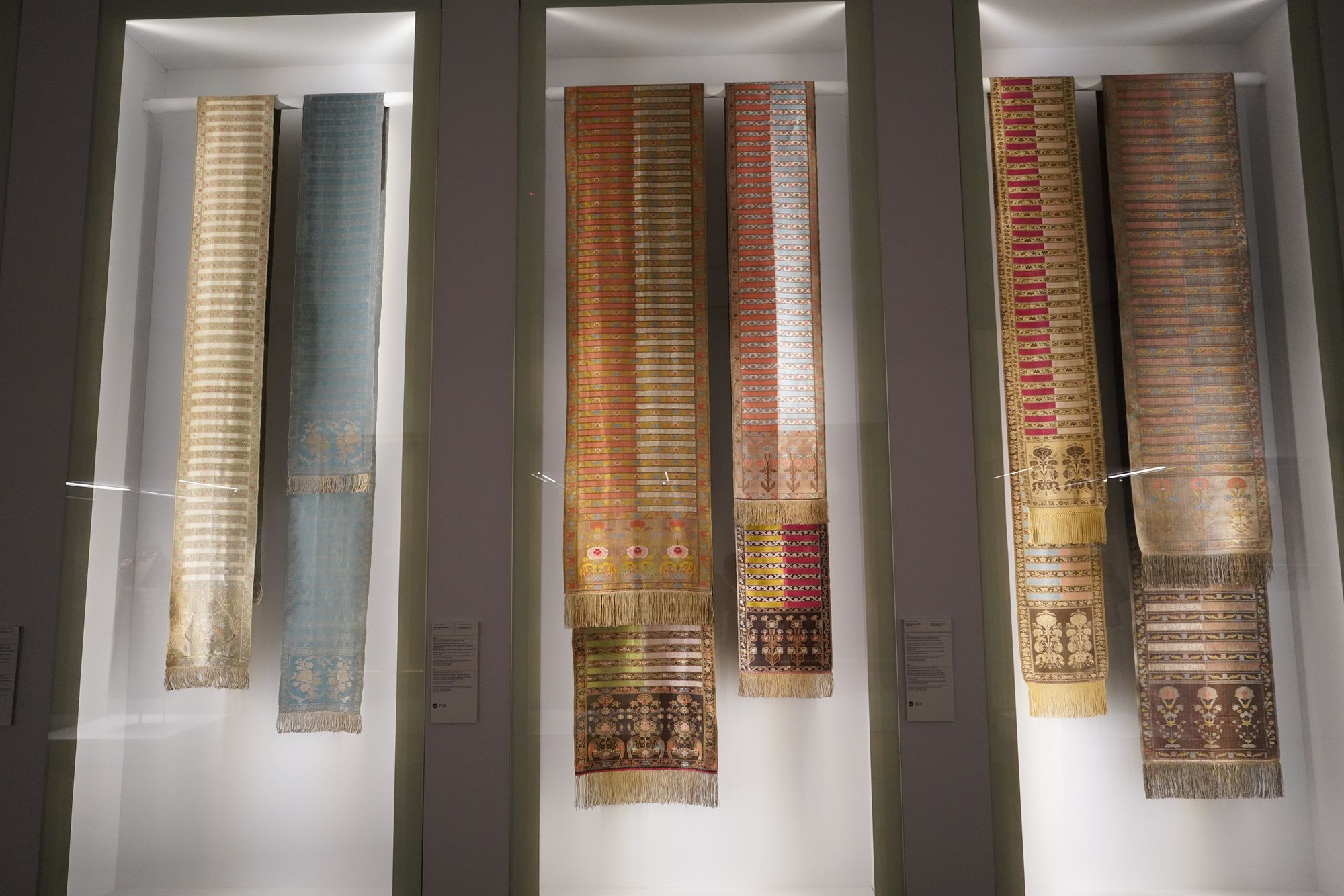
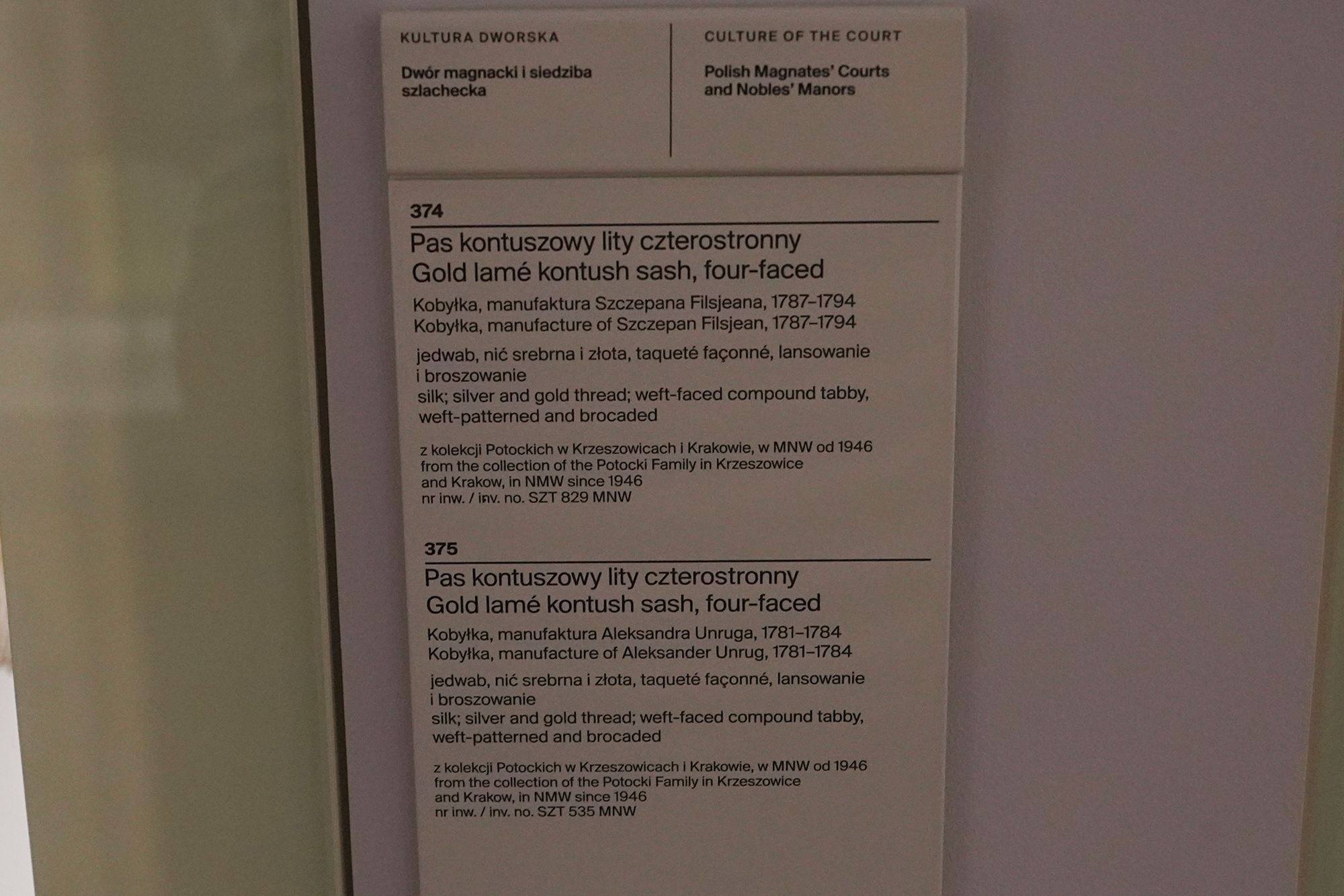
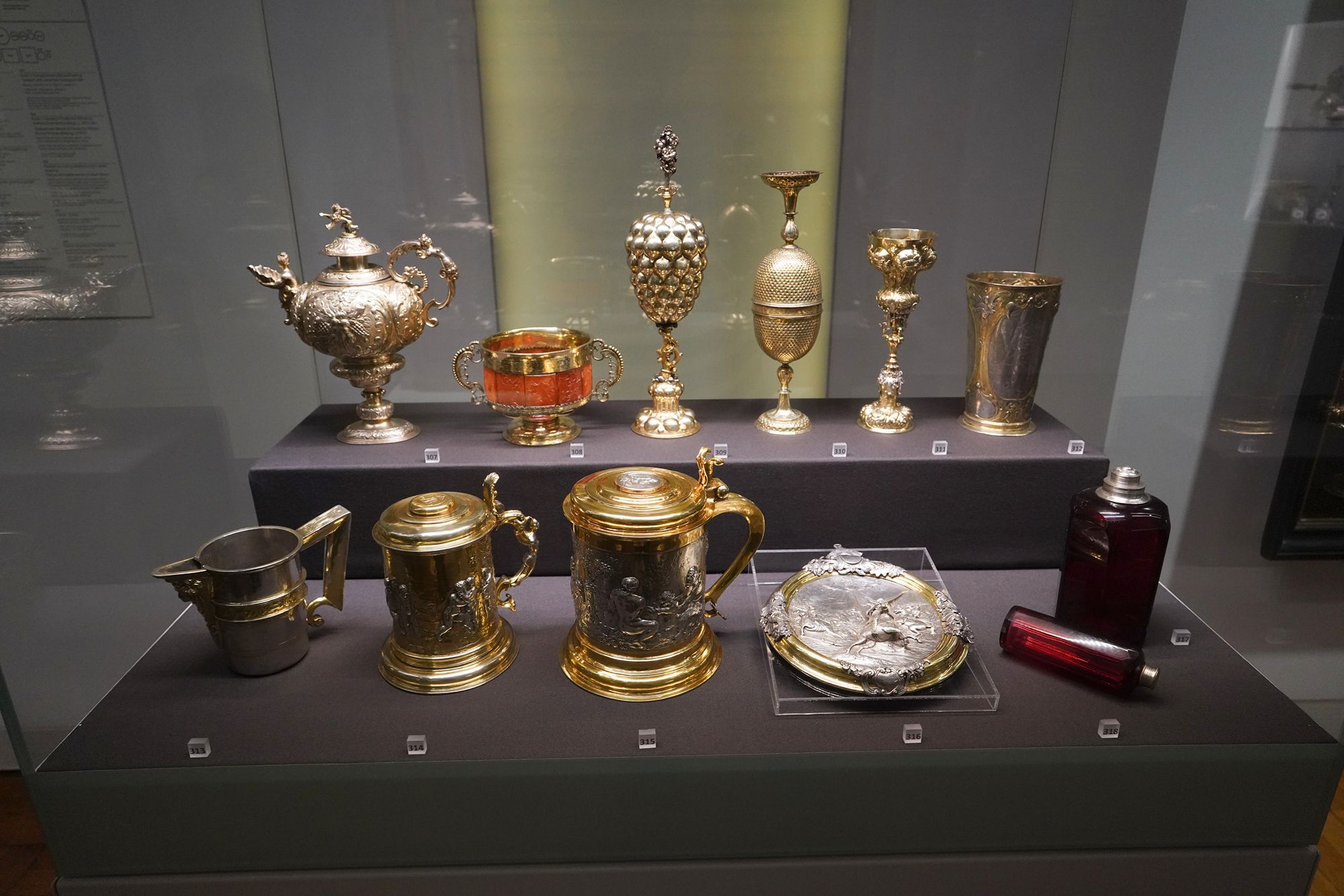
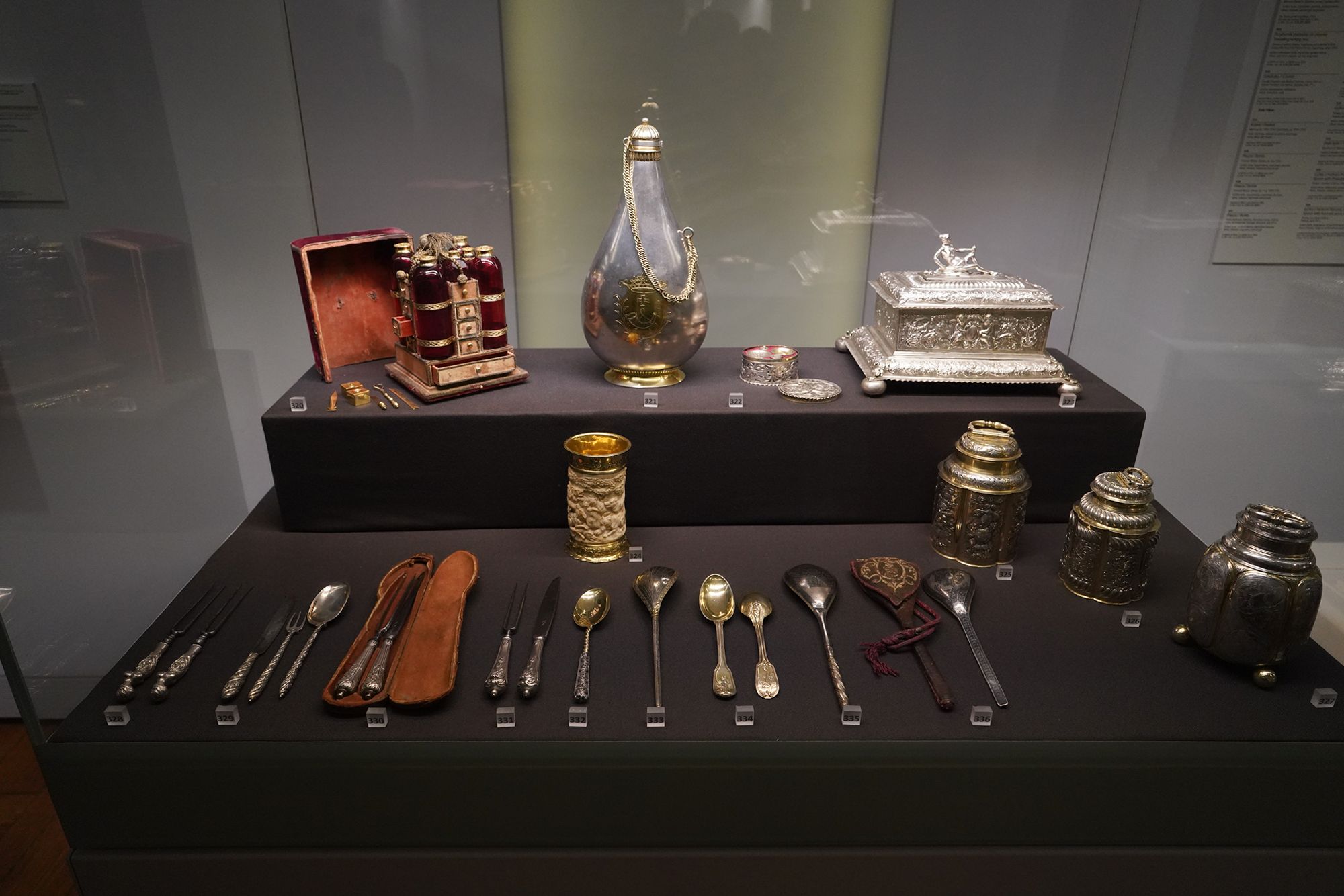
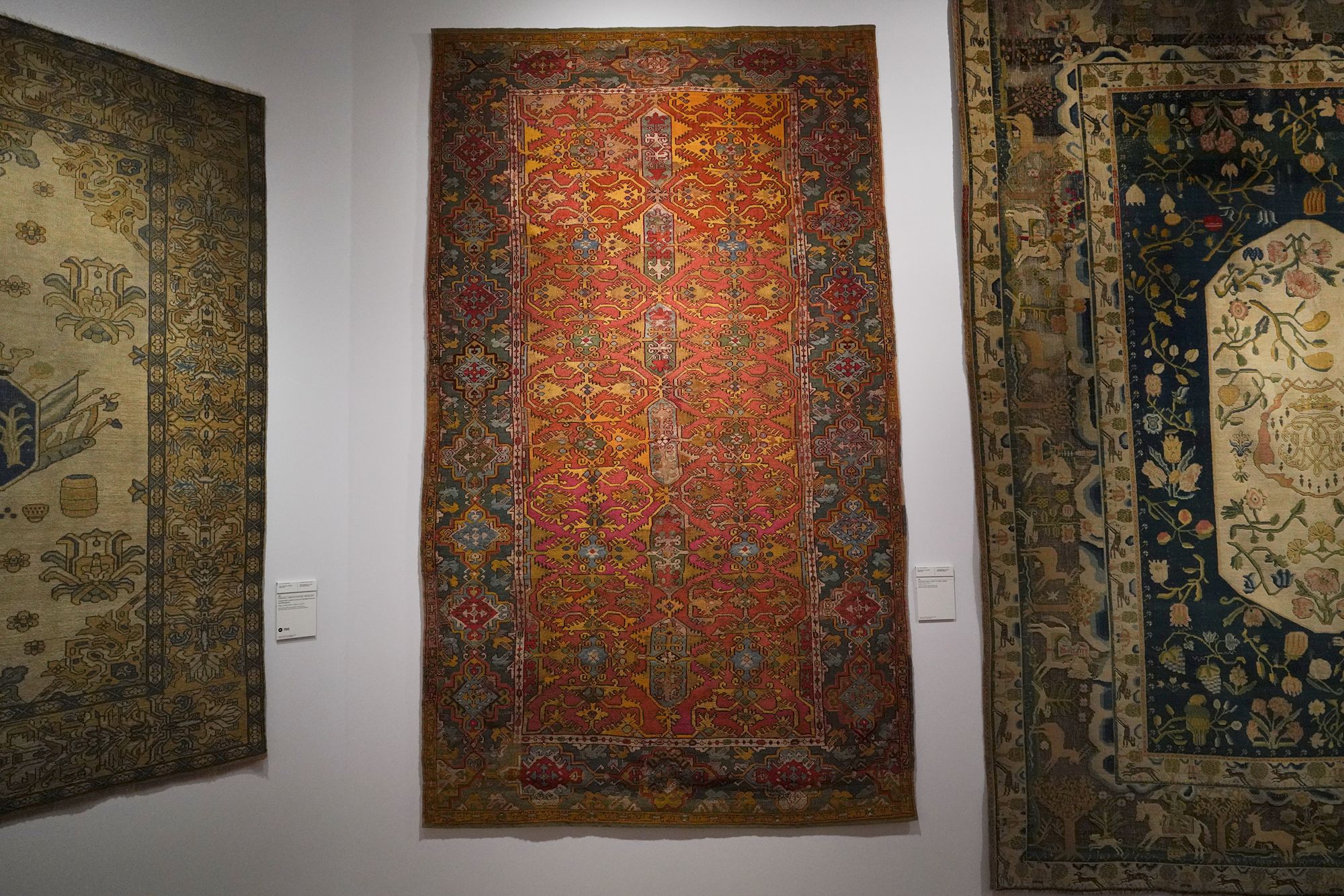
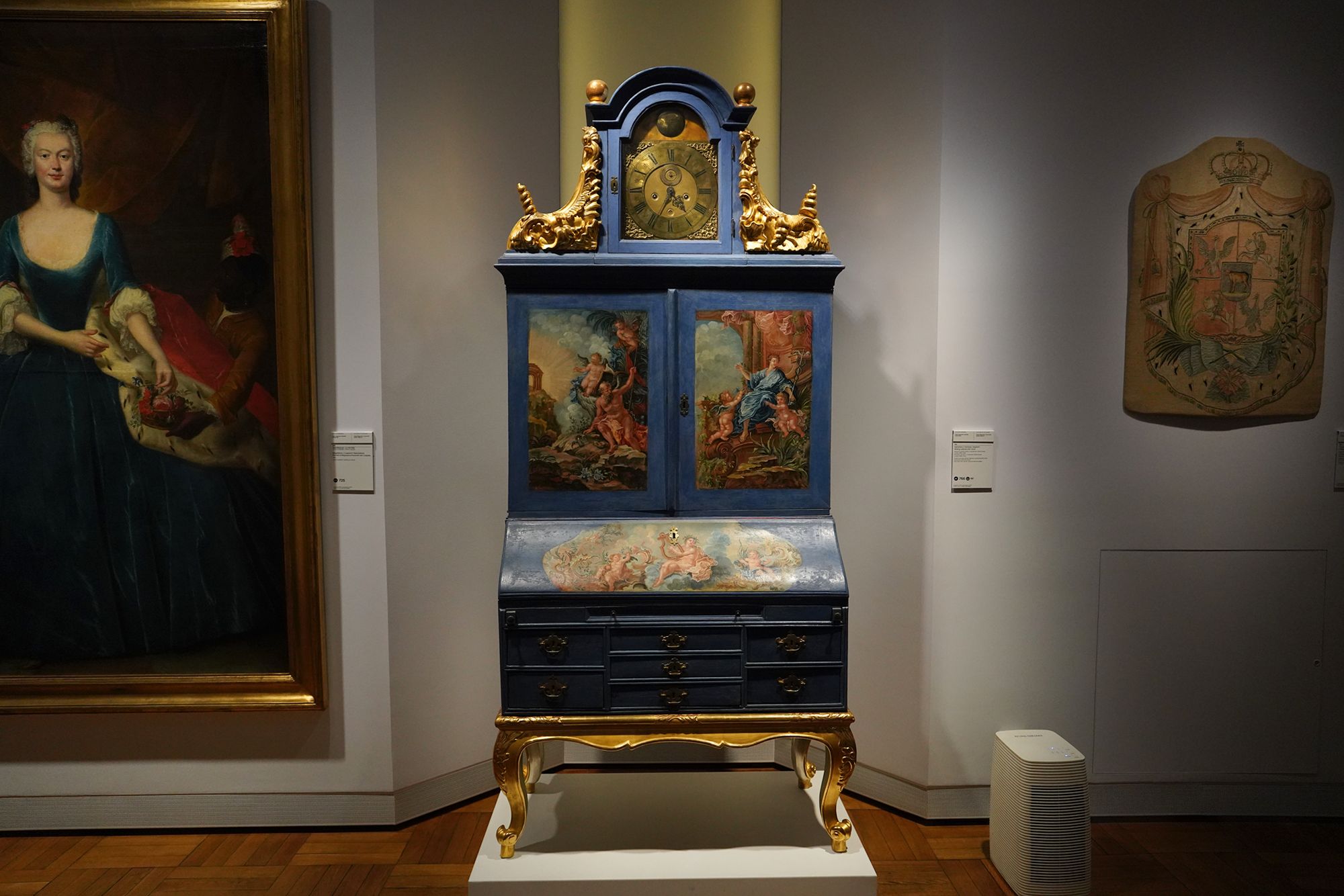
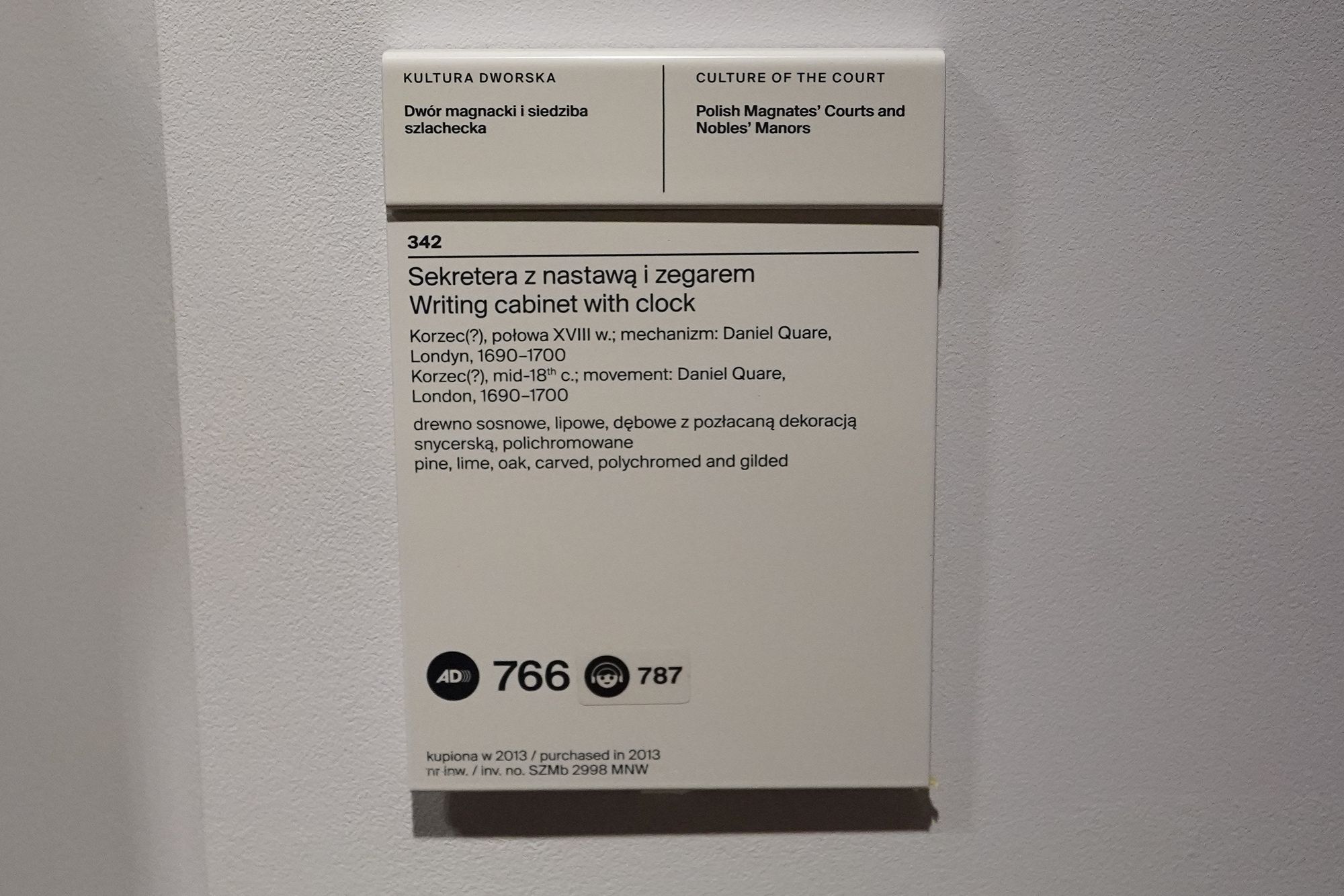
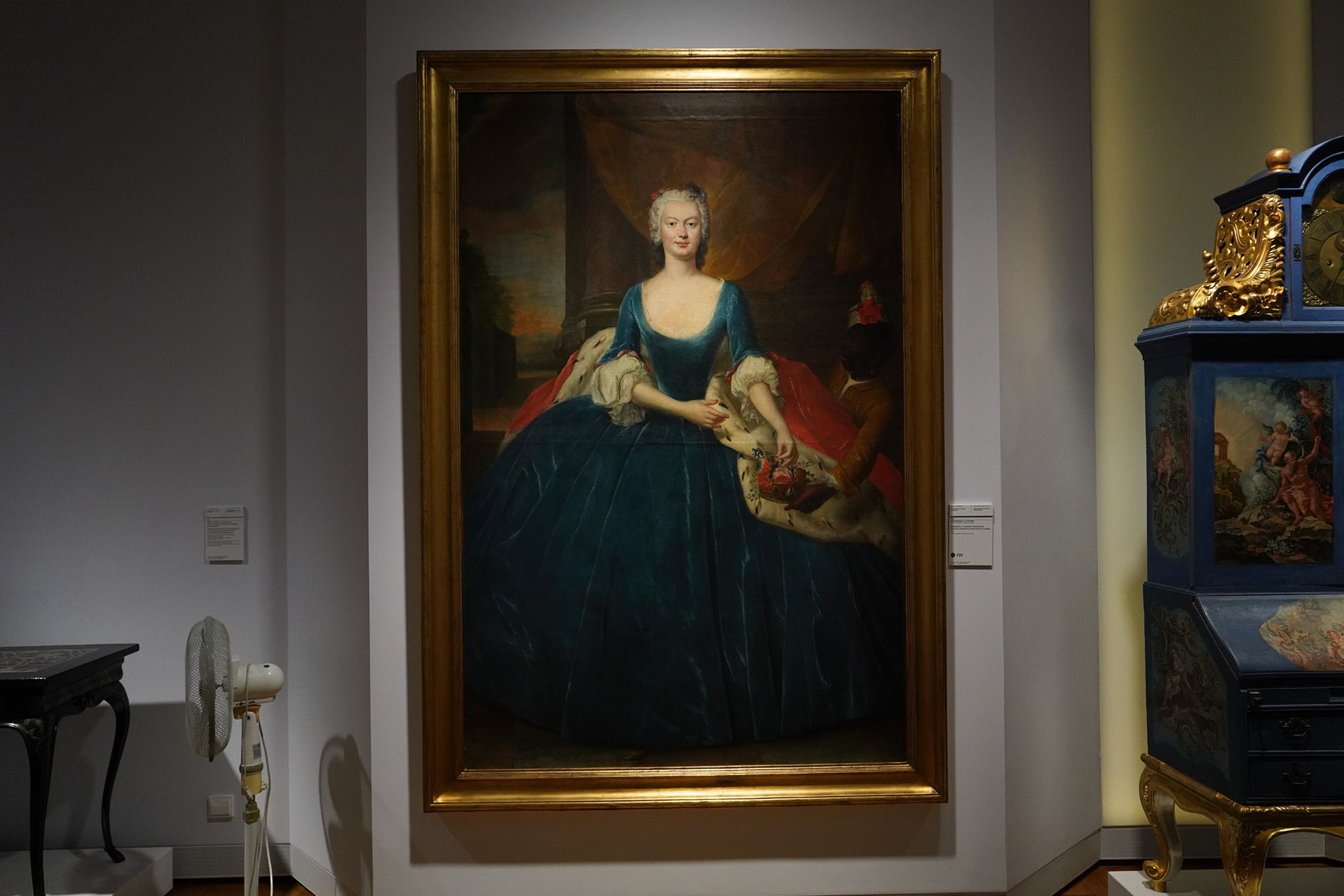
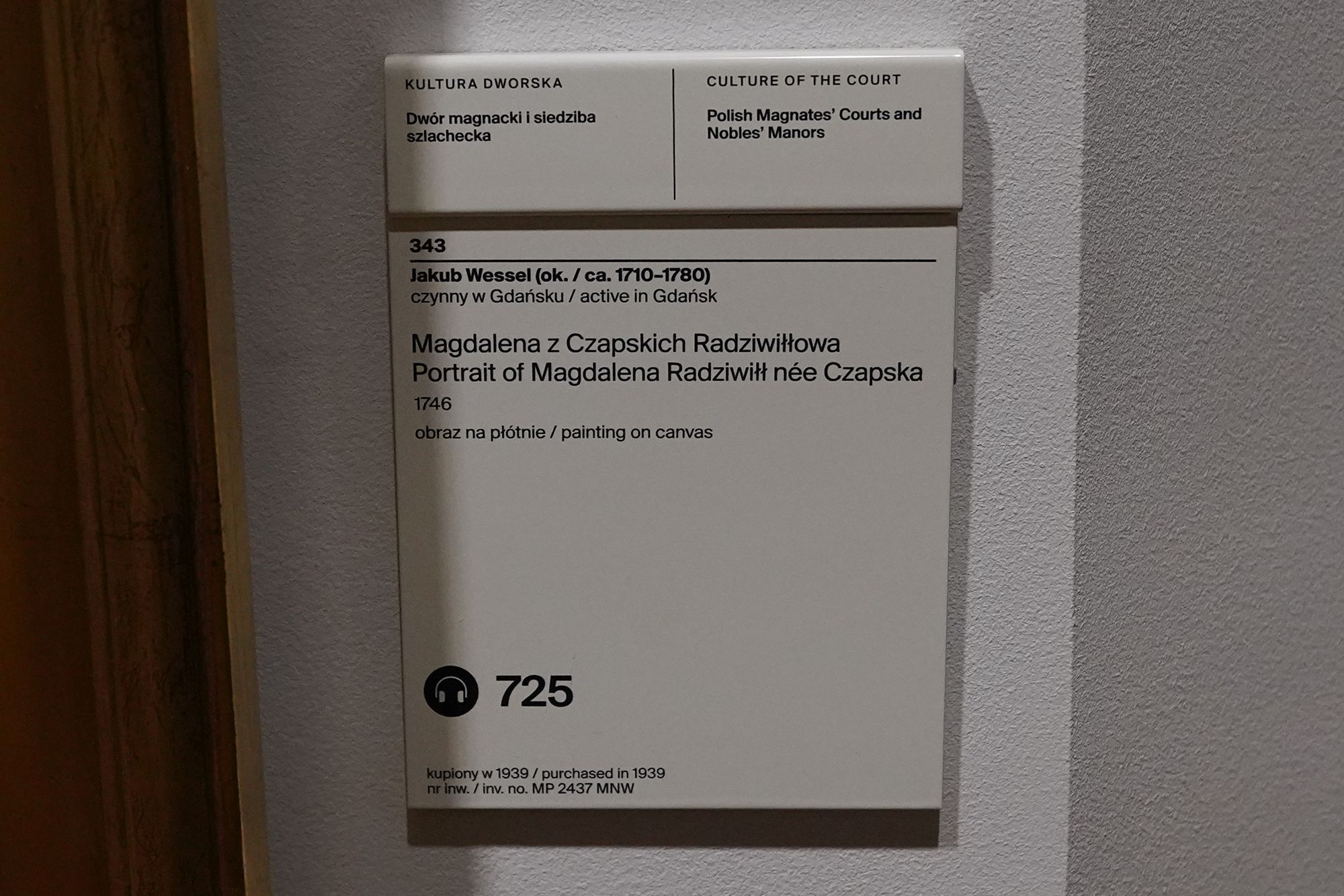
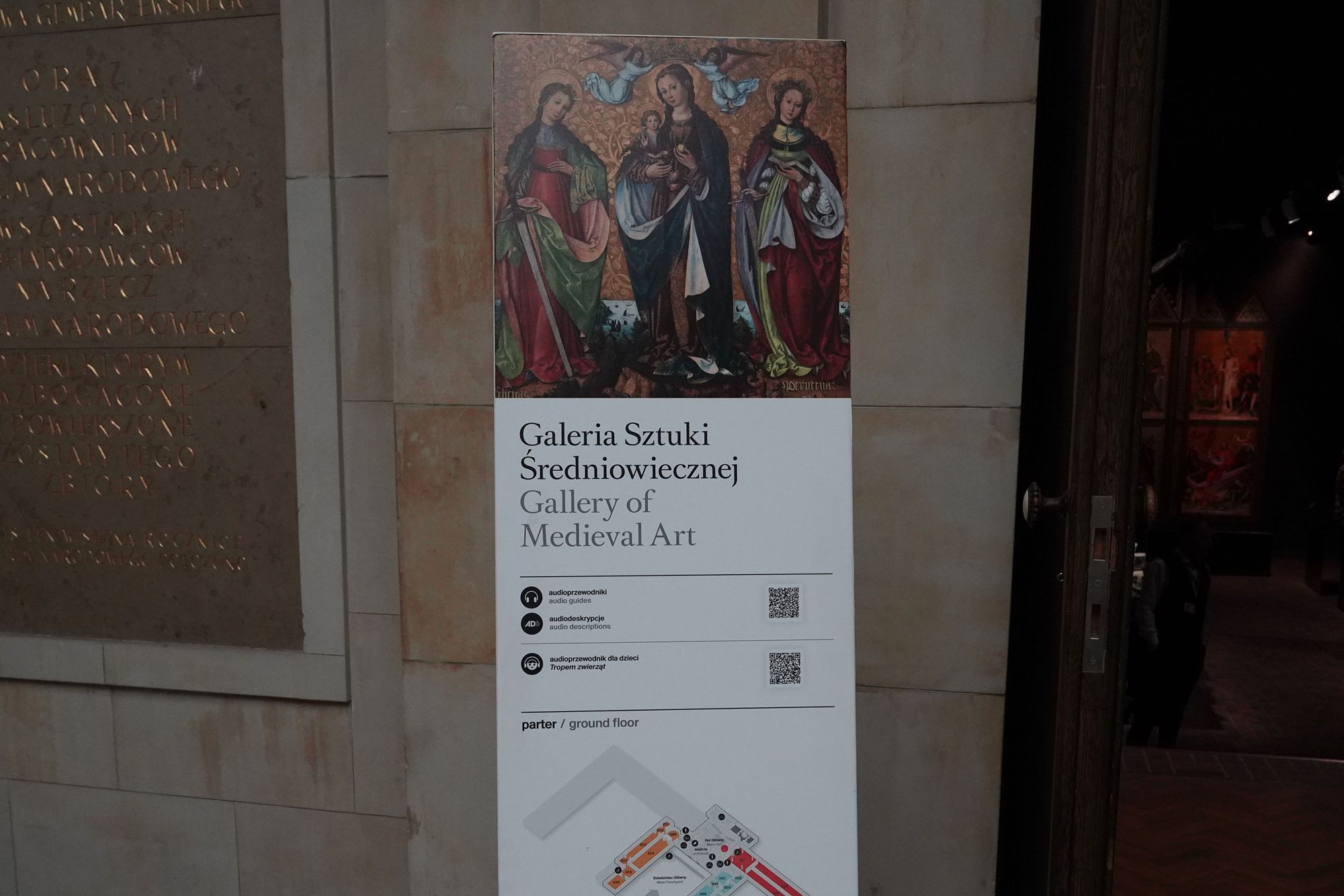
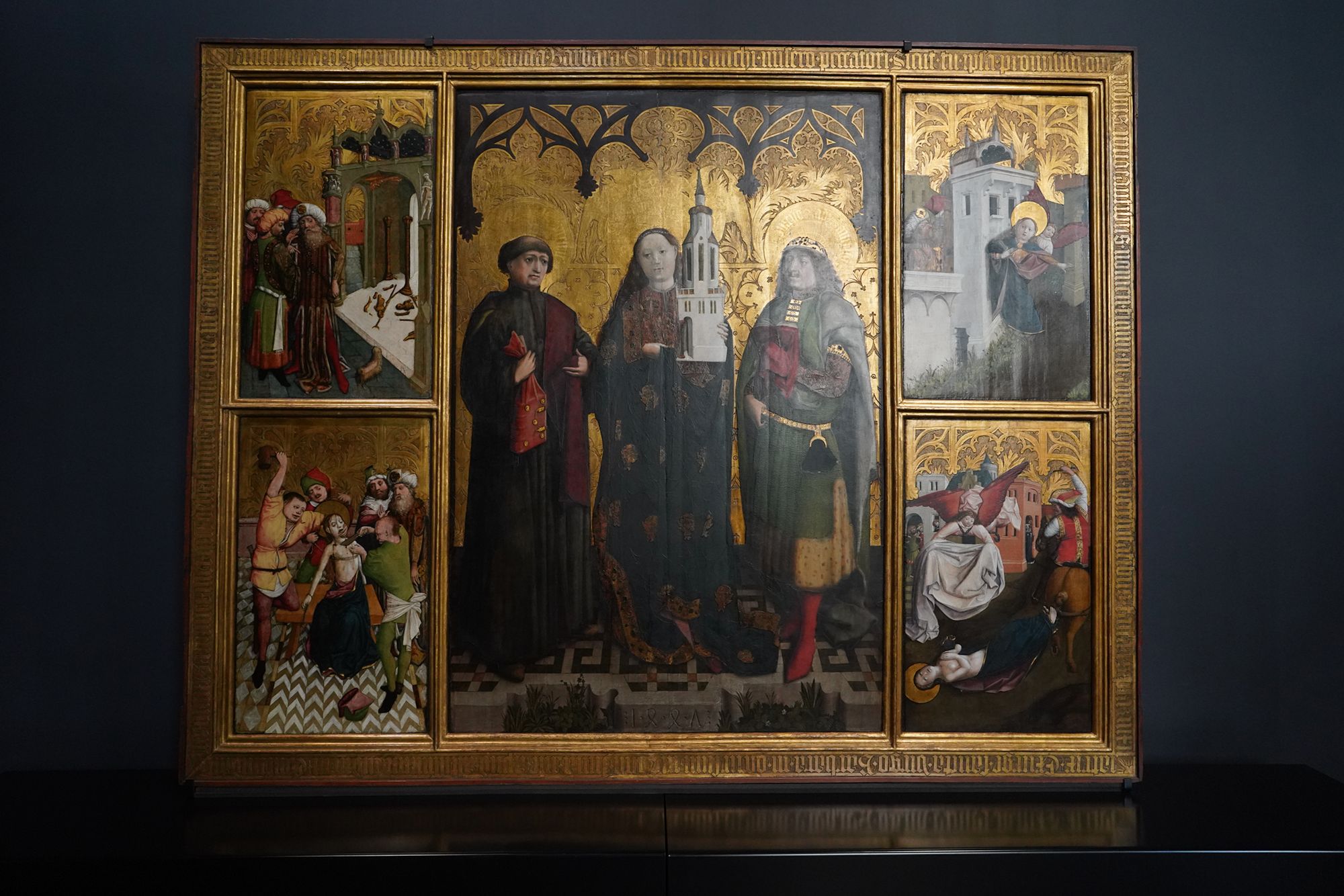
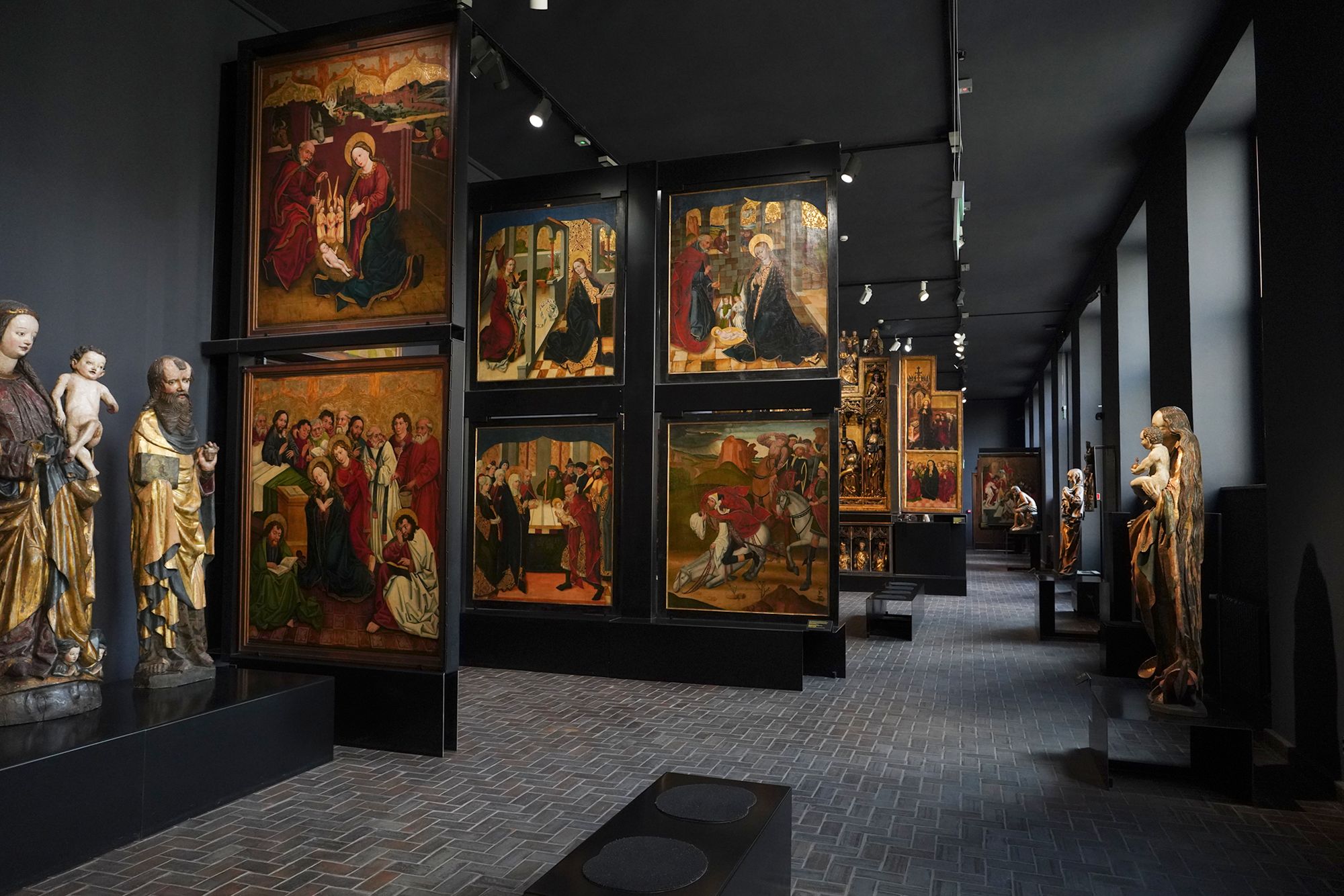
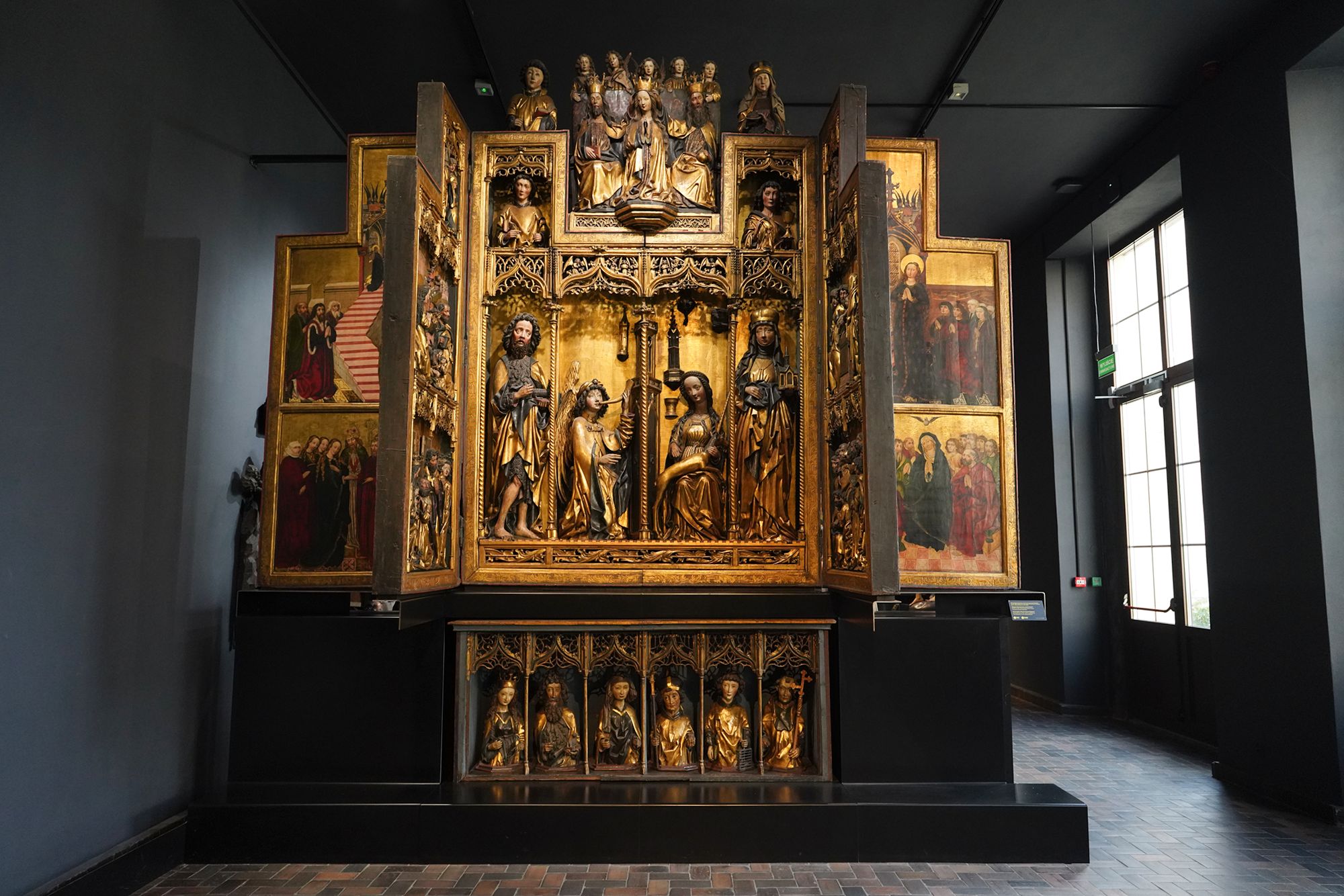
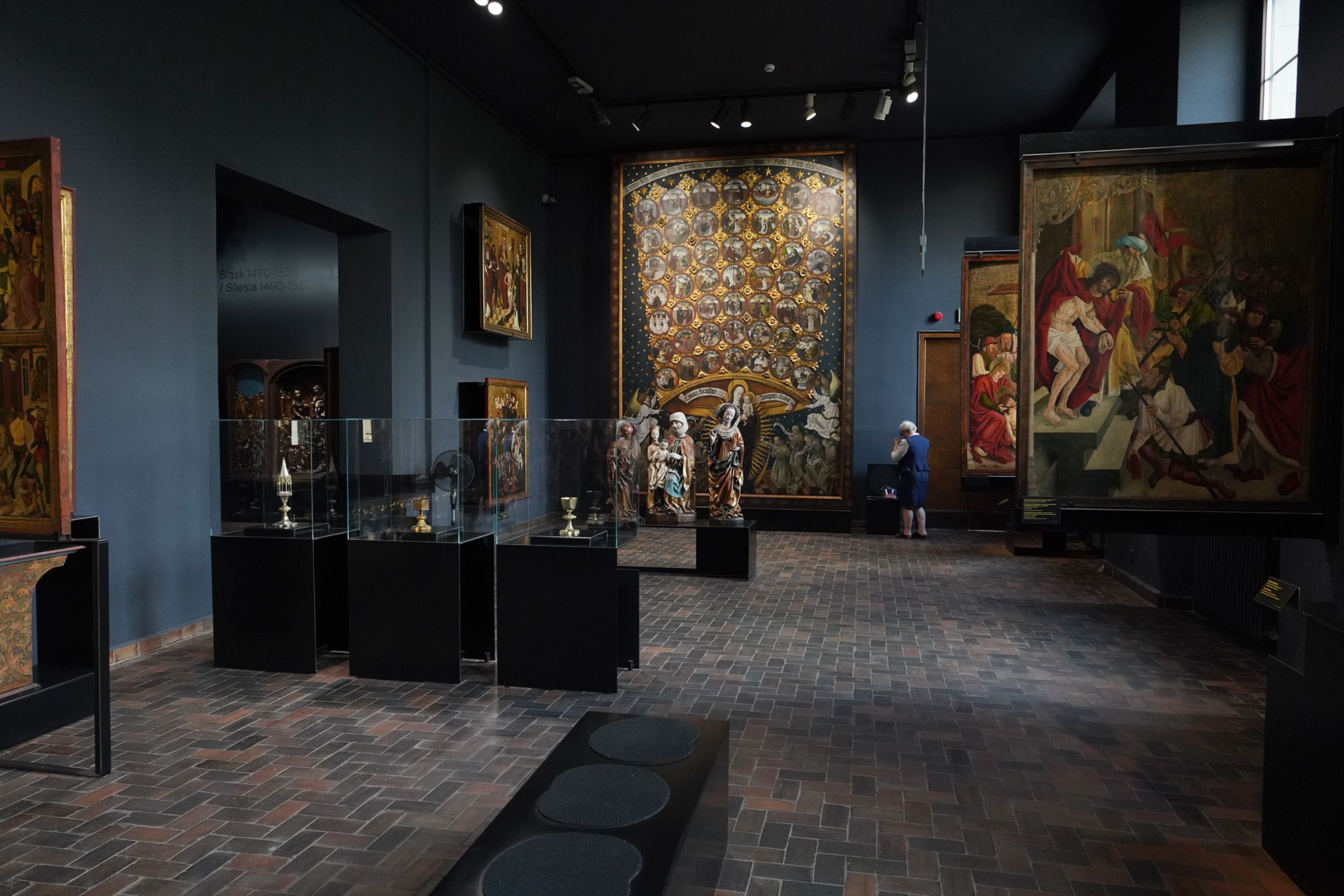
I then headed to the Gallery of Medieval Art on the ground floor. The entrance sign features the Virgin Mary holding the Christ Child between two female saints, introducing the religious imagery that shaped much of medieval art.
By this time, the museum was about to close, so I had to move through the remaining displays quickly, taking photos as I went and skipping most of the descriptions.
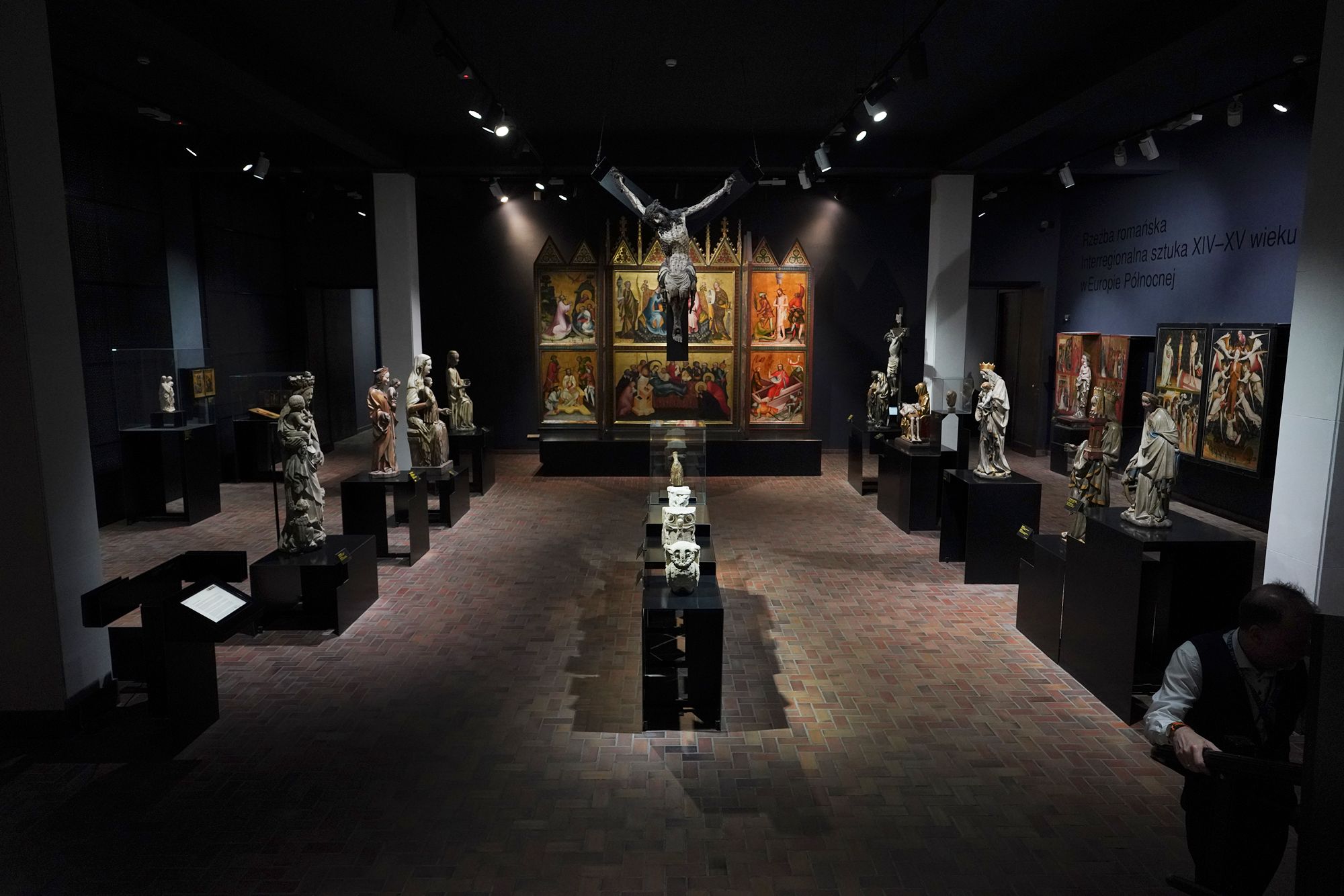
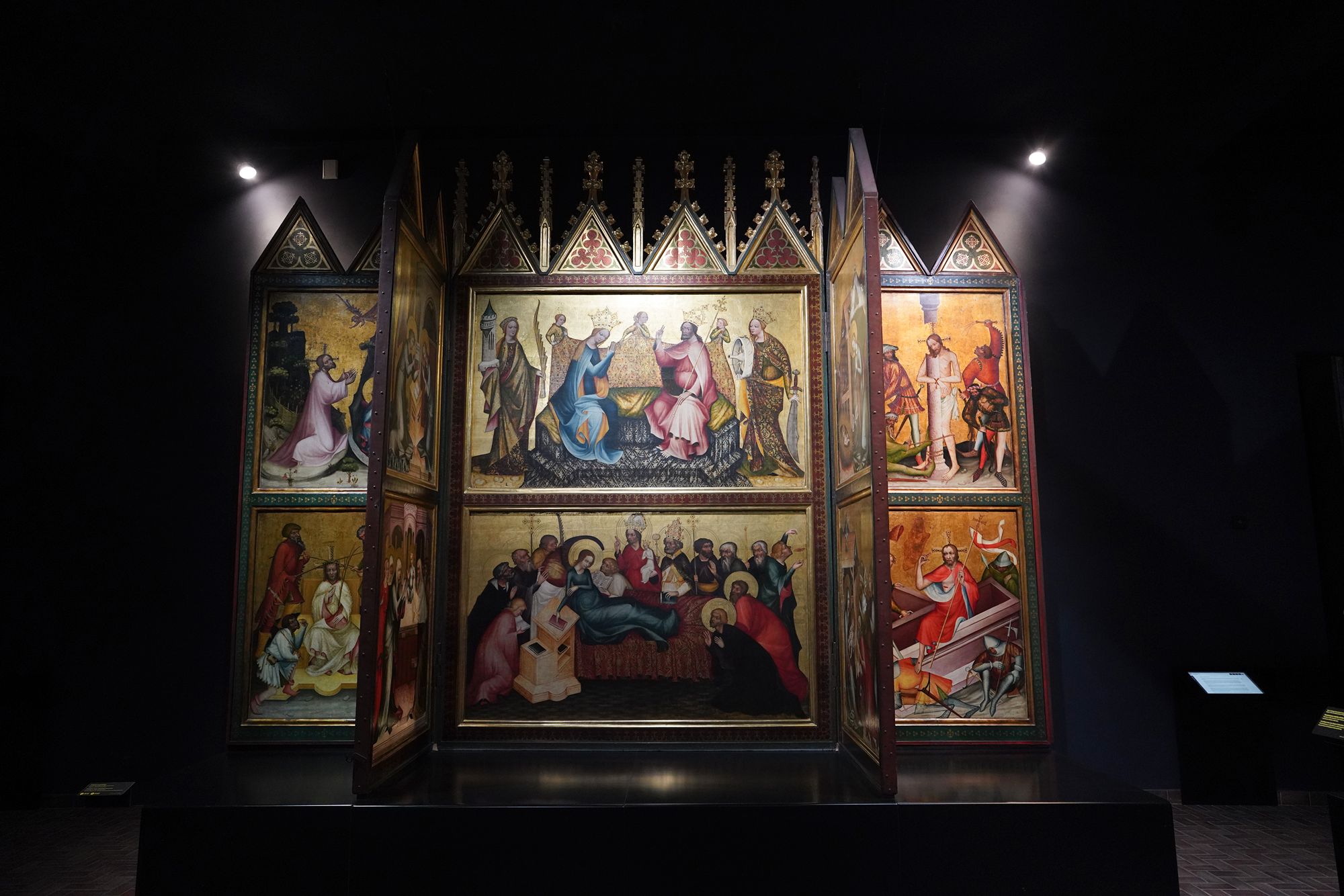
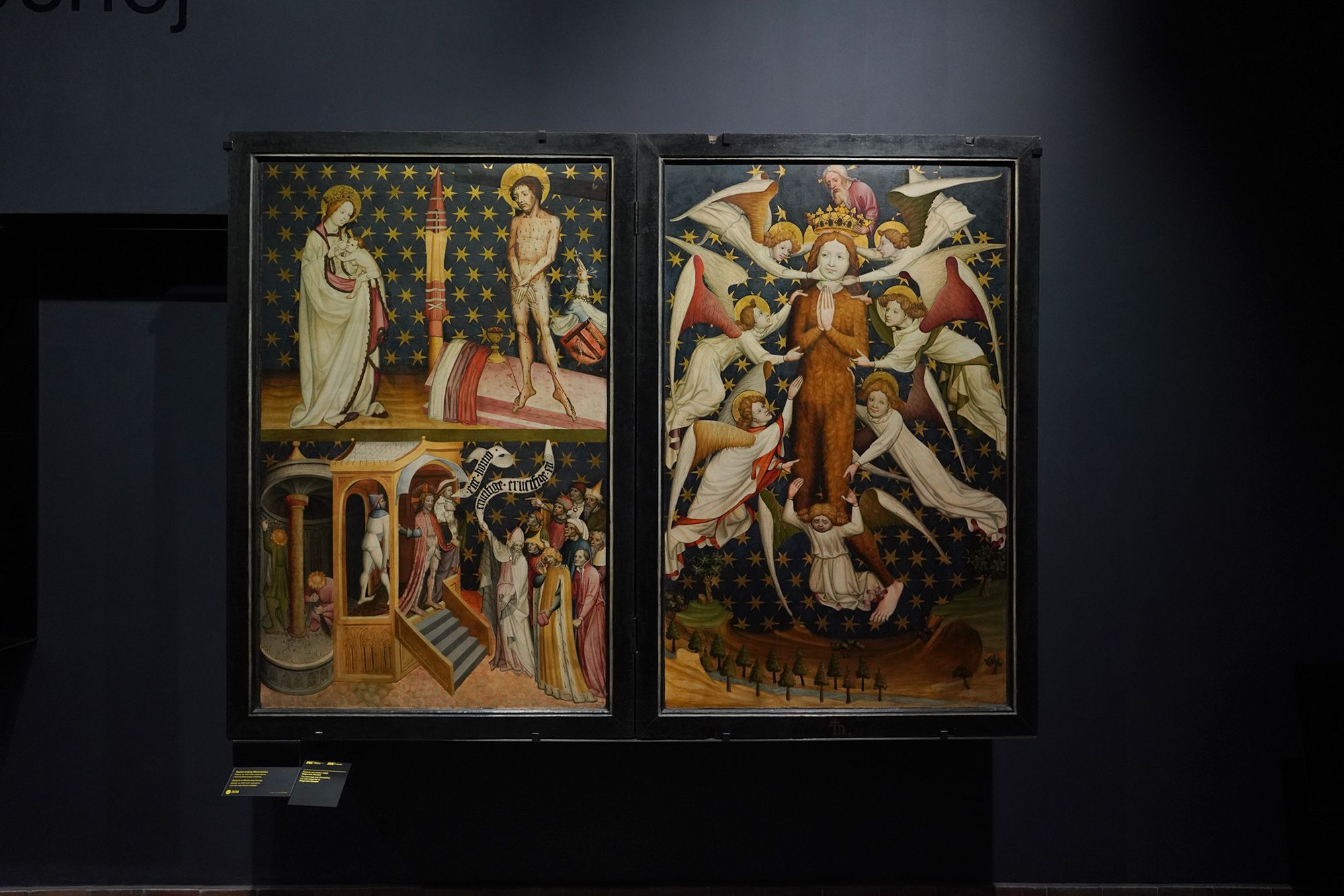
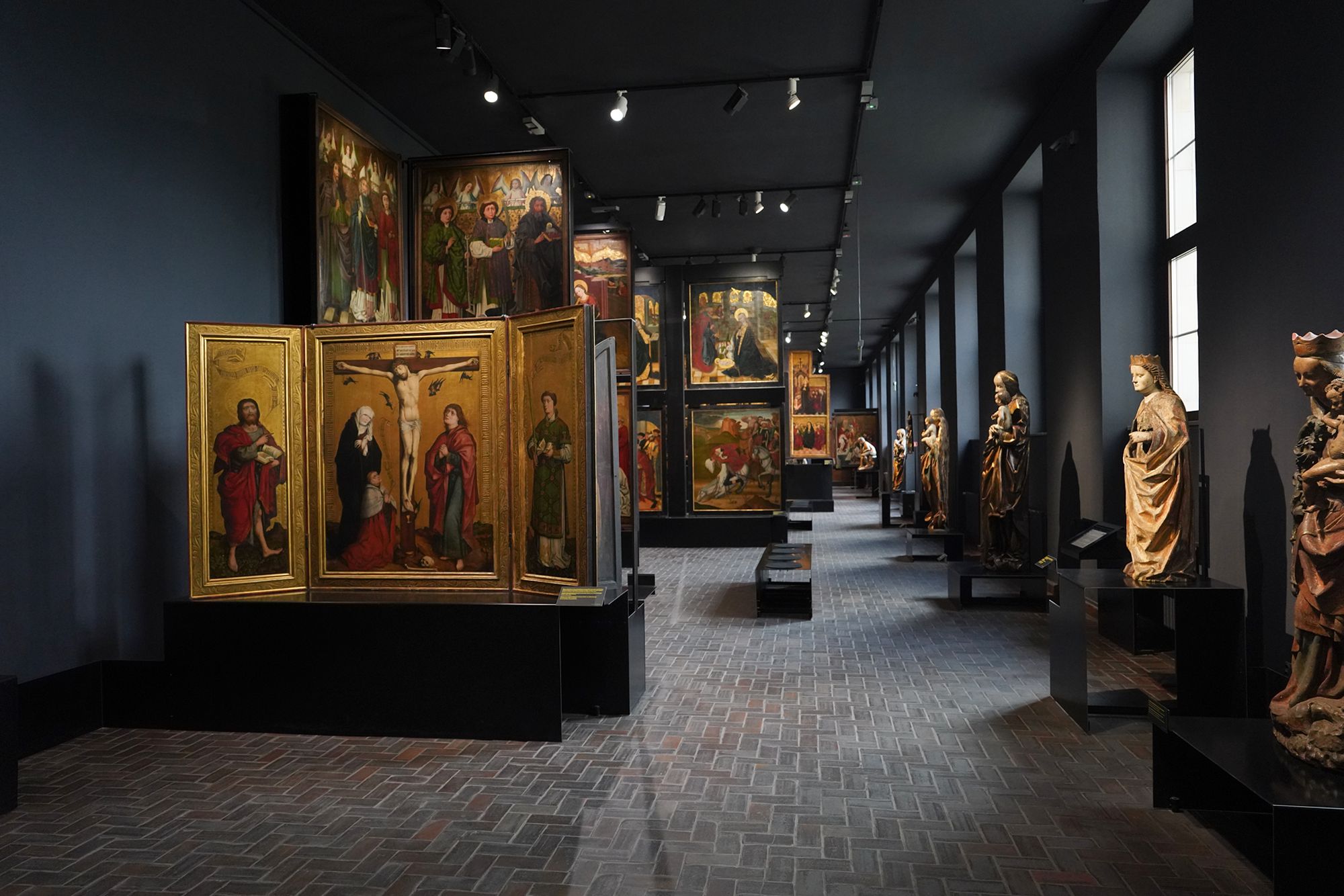
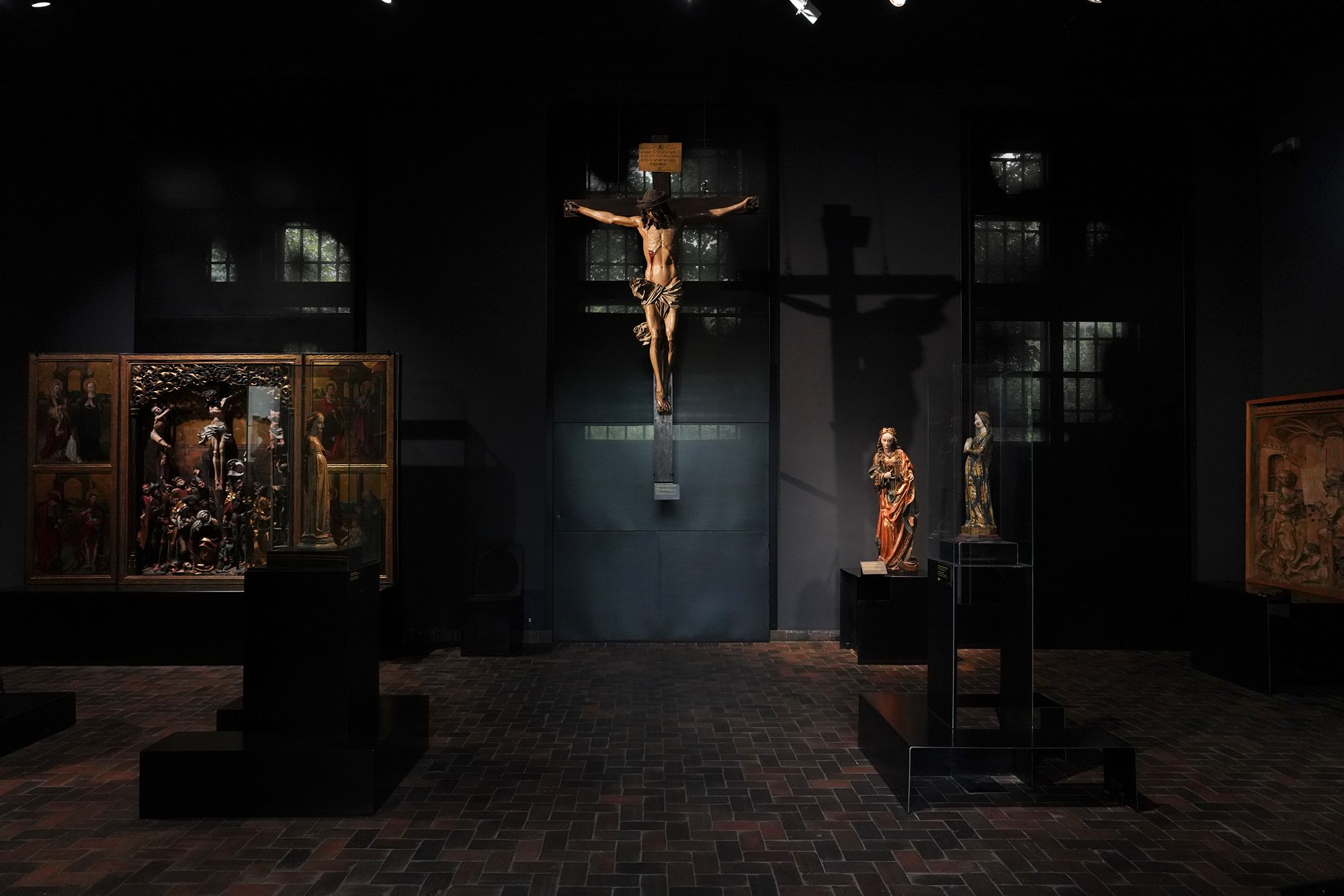
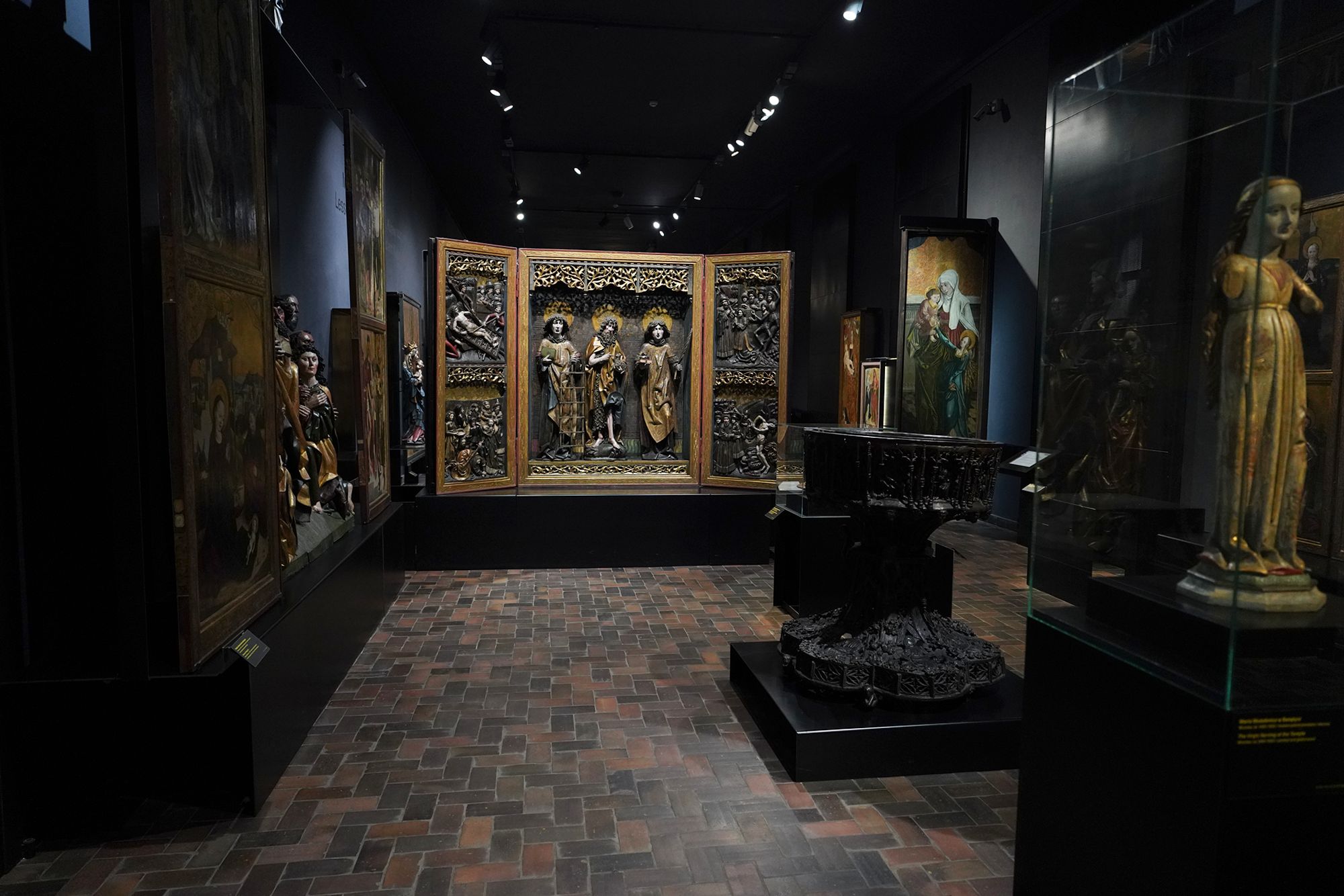
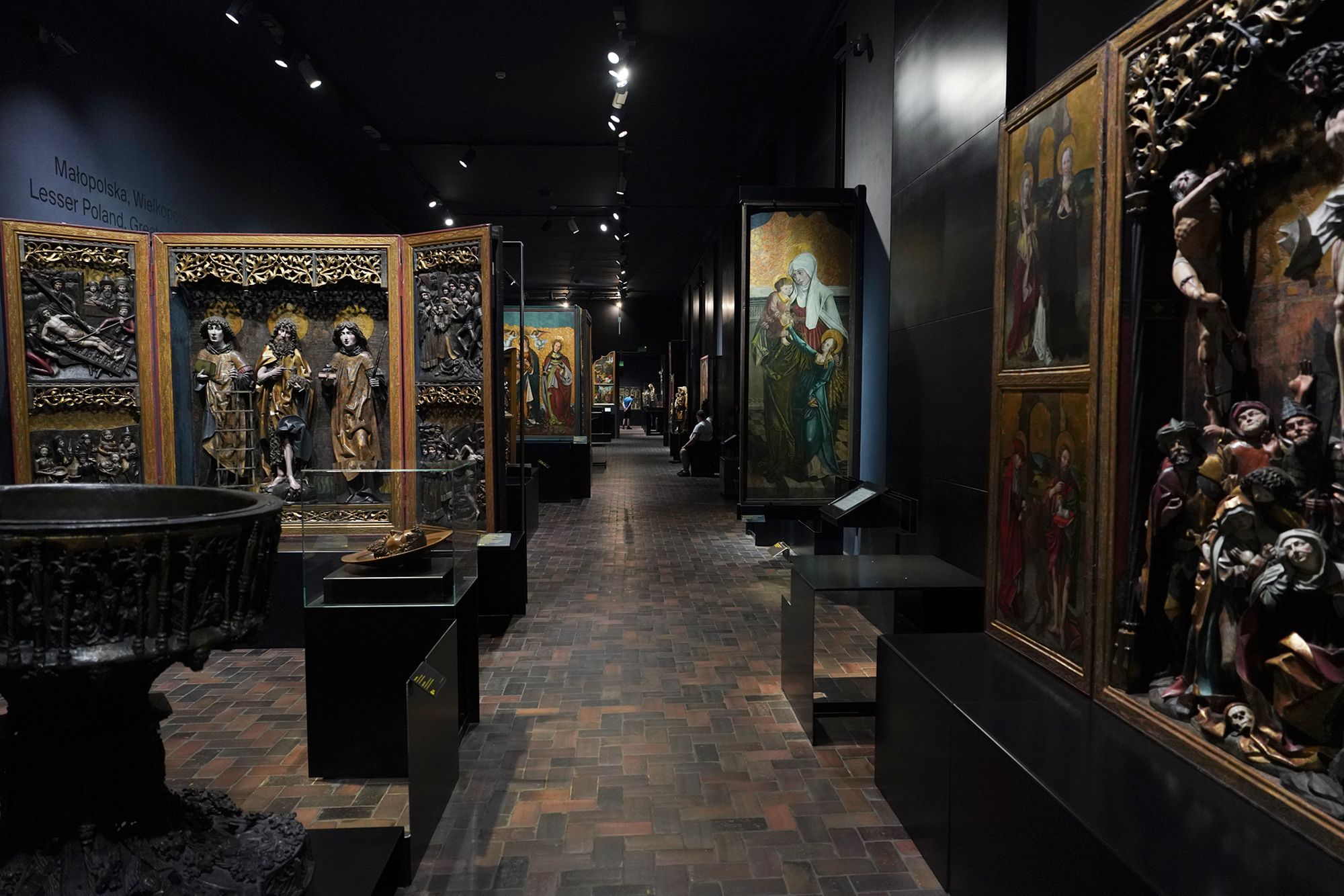
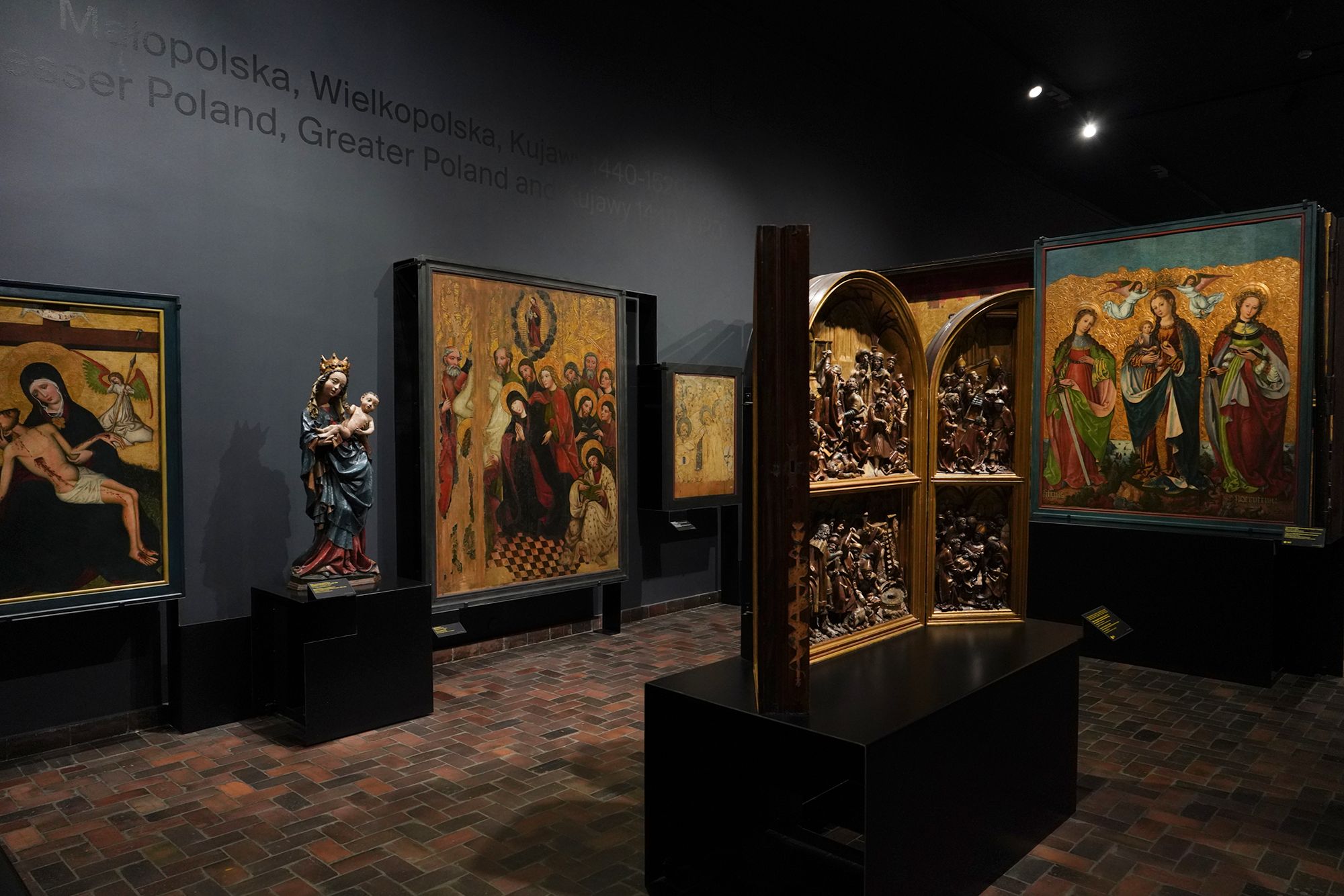
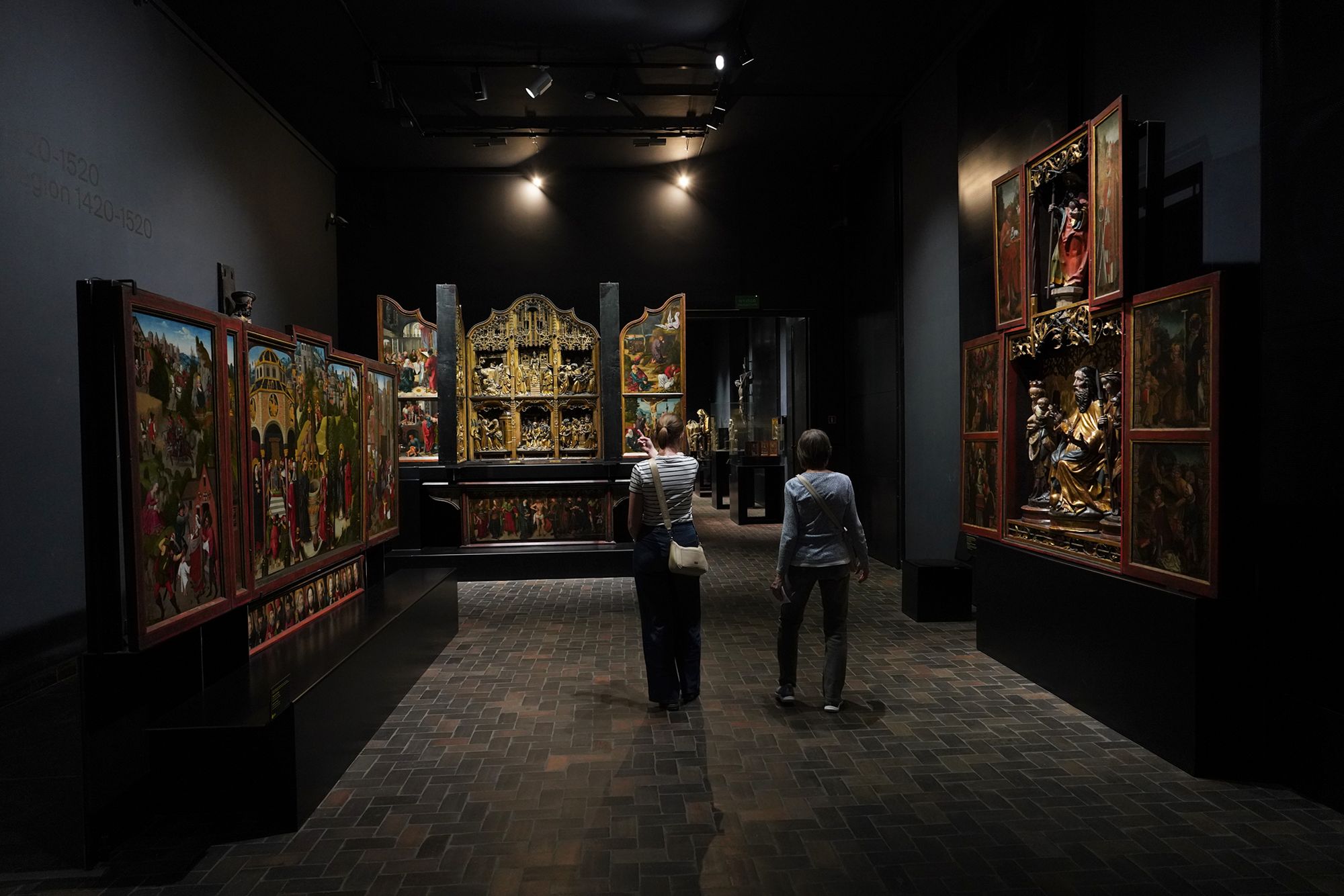
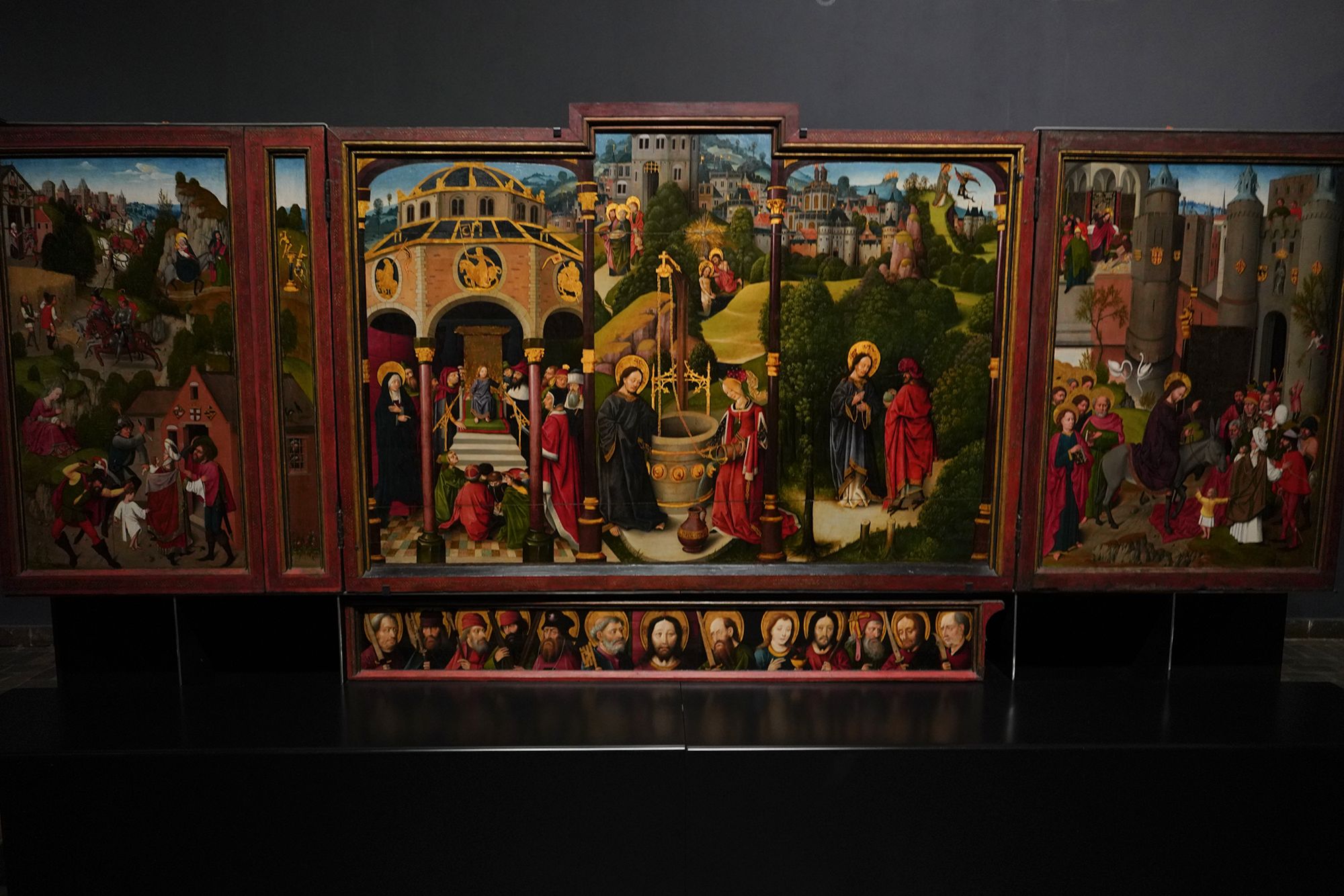
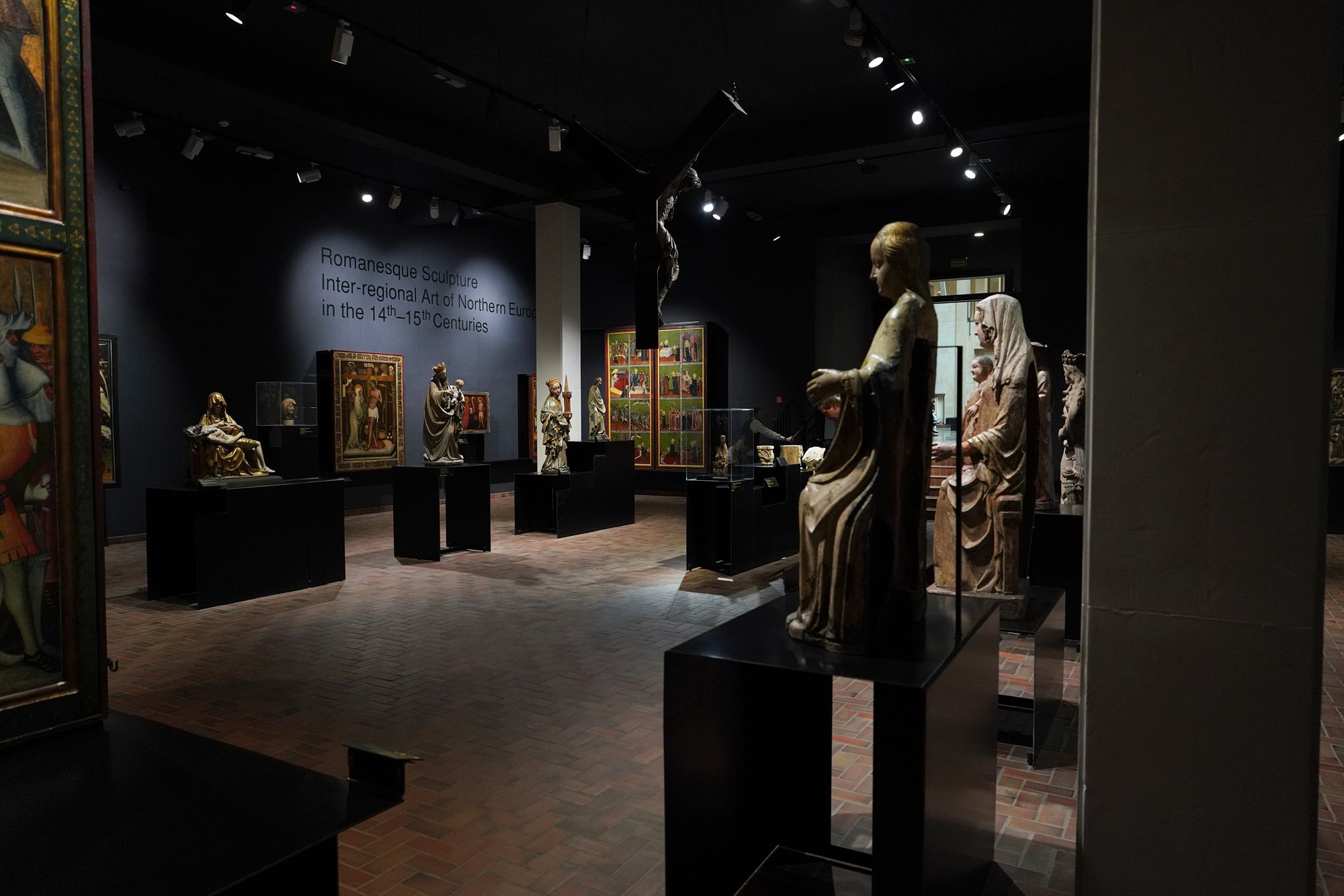
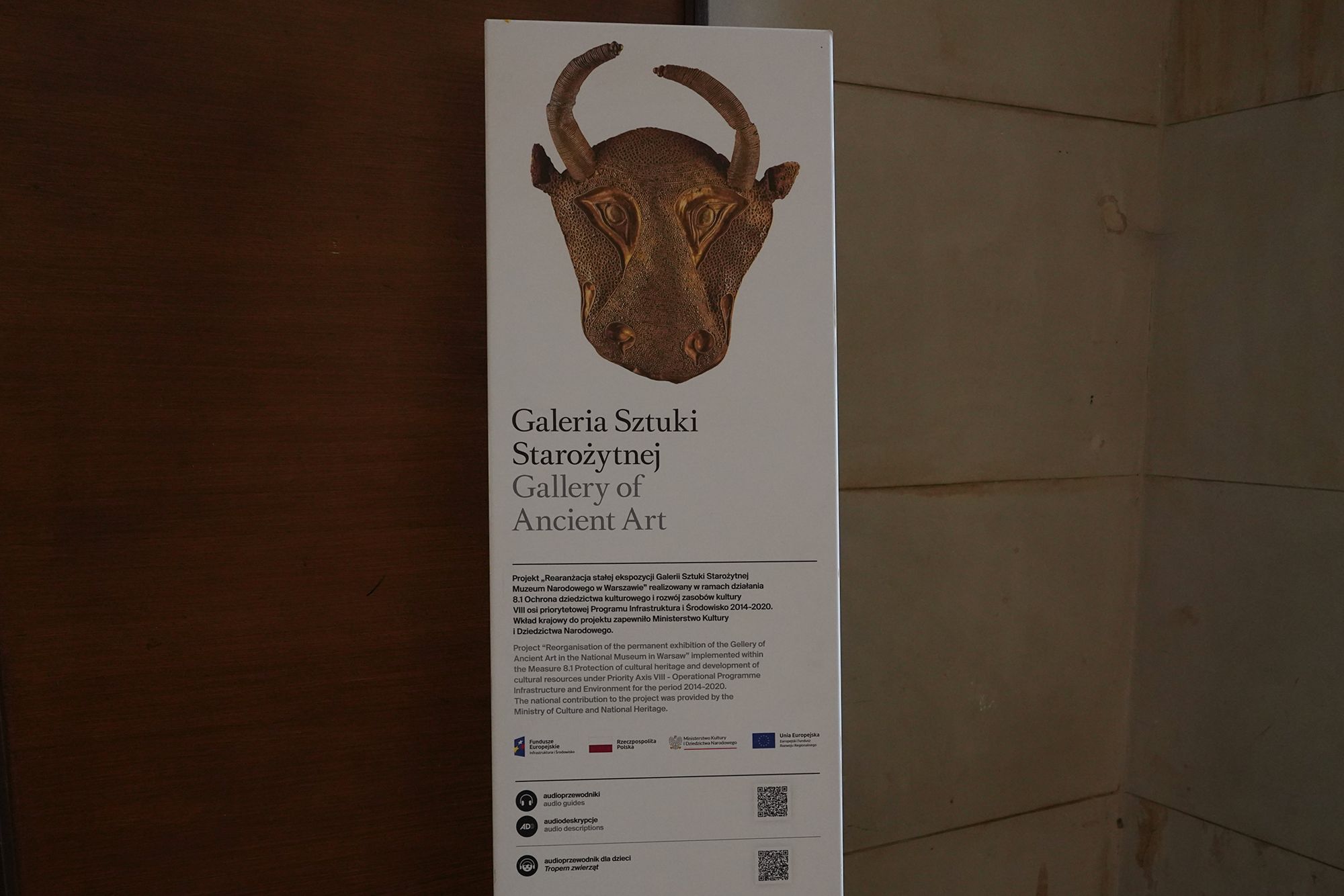
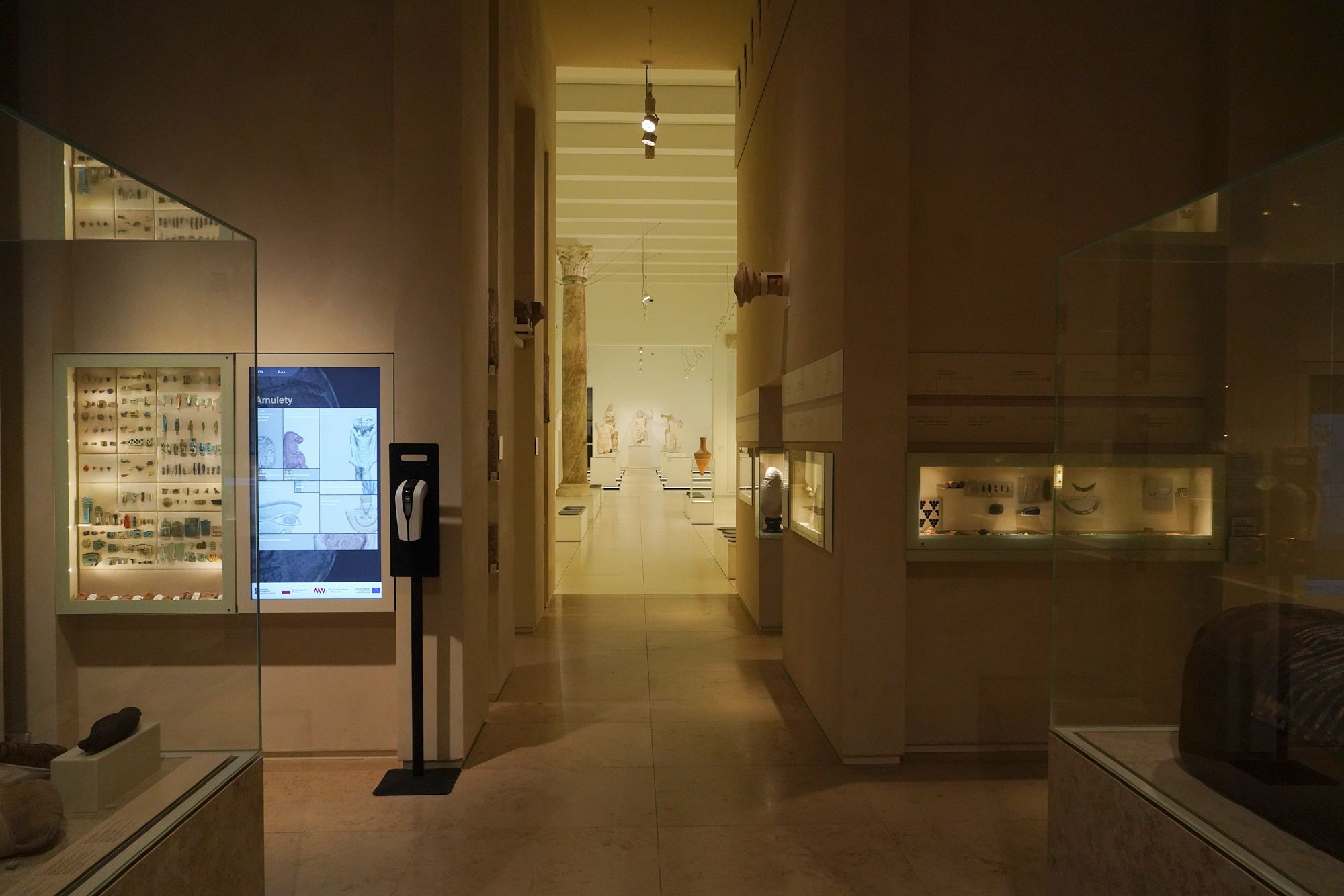
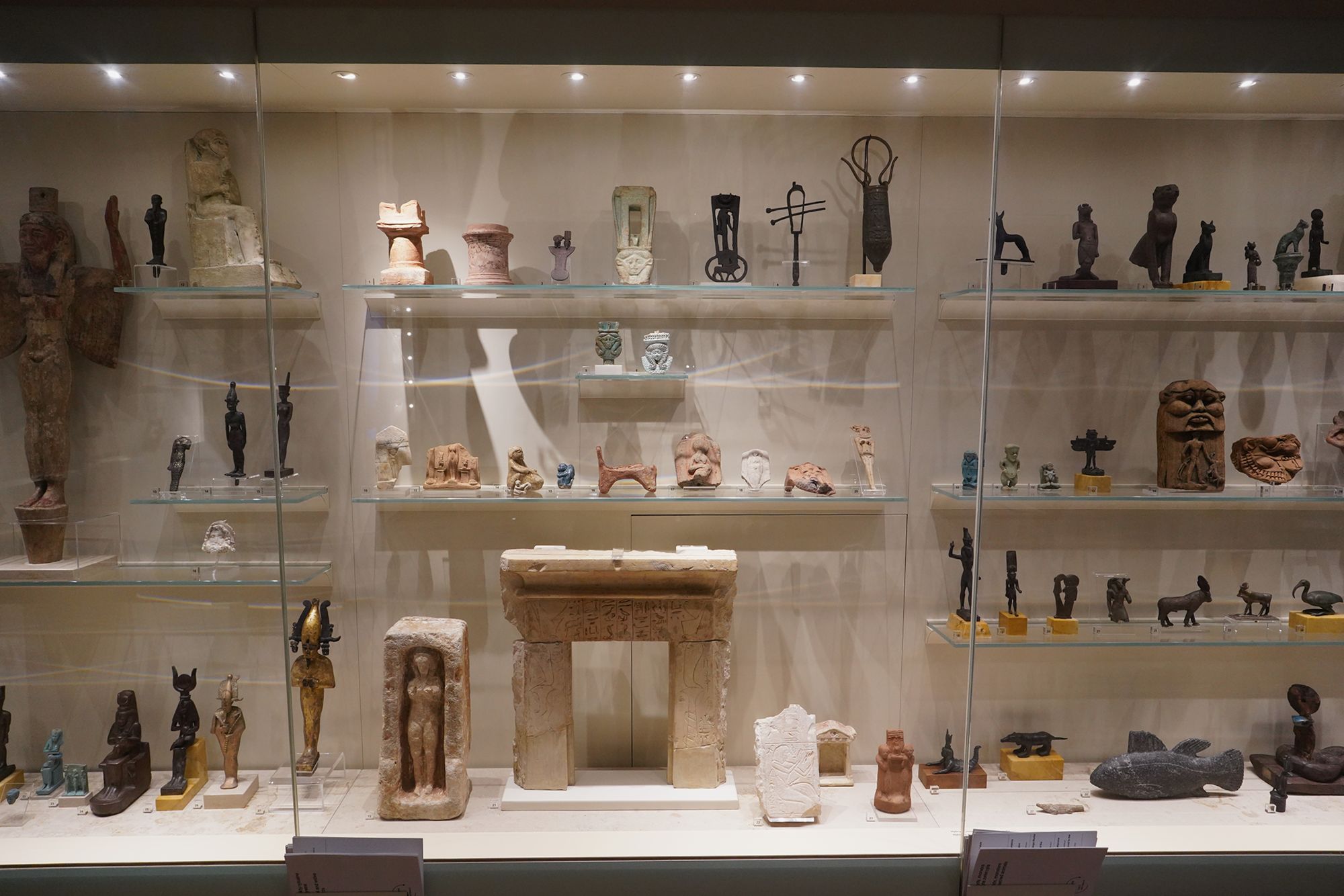
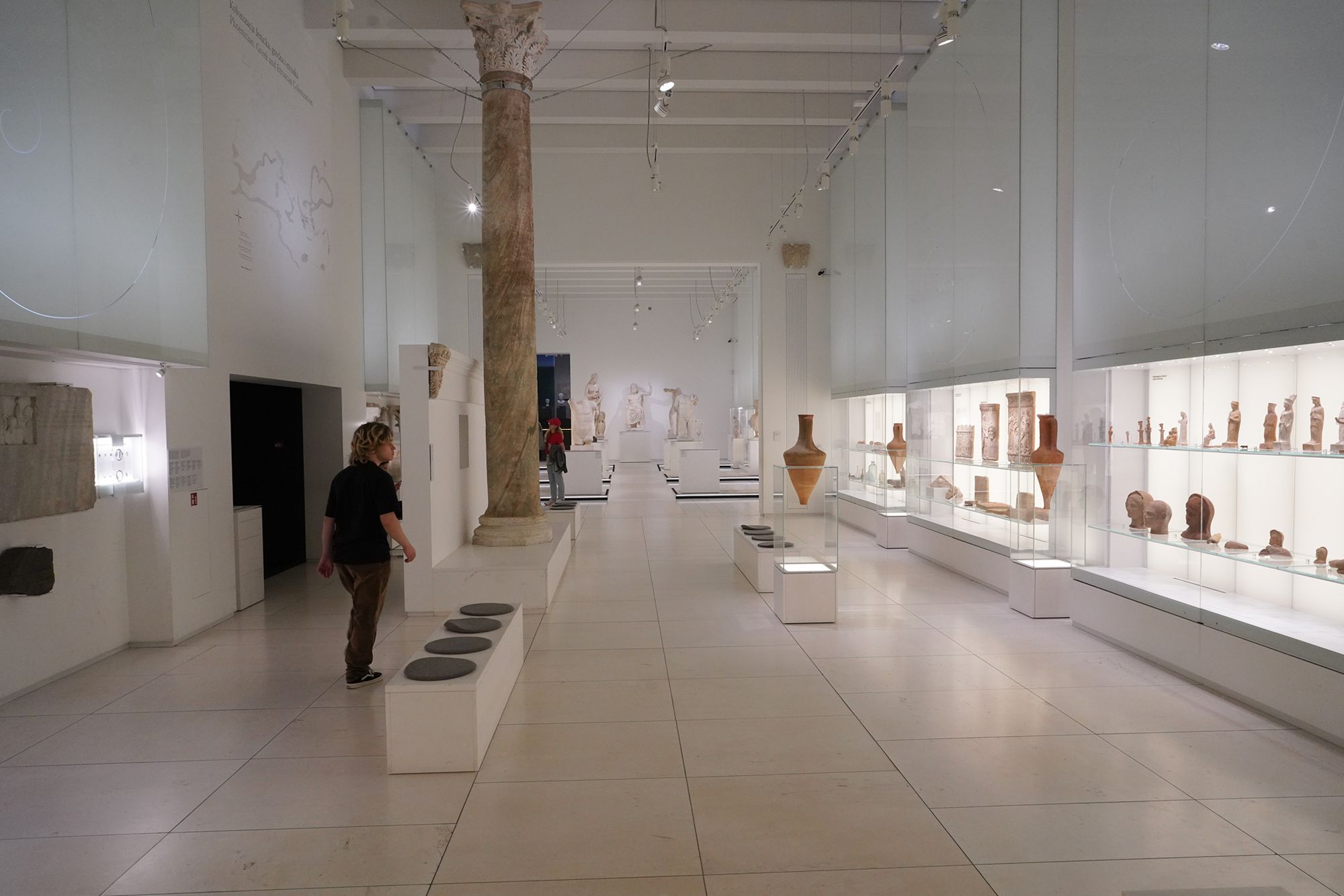
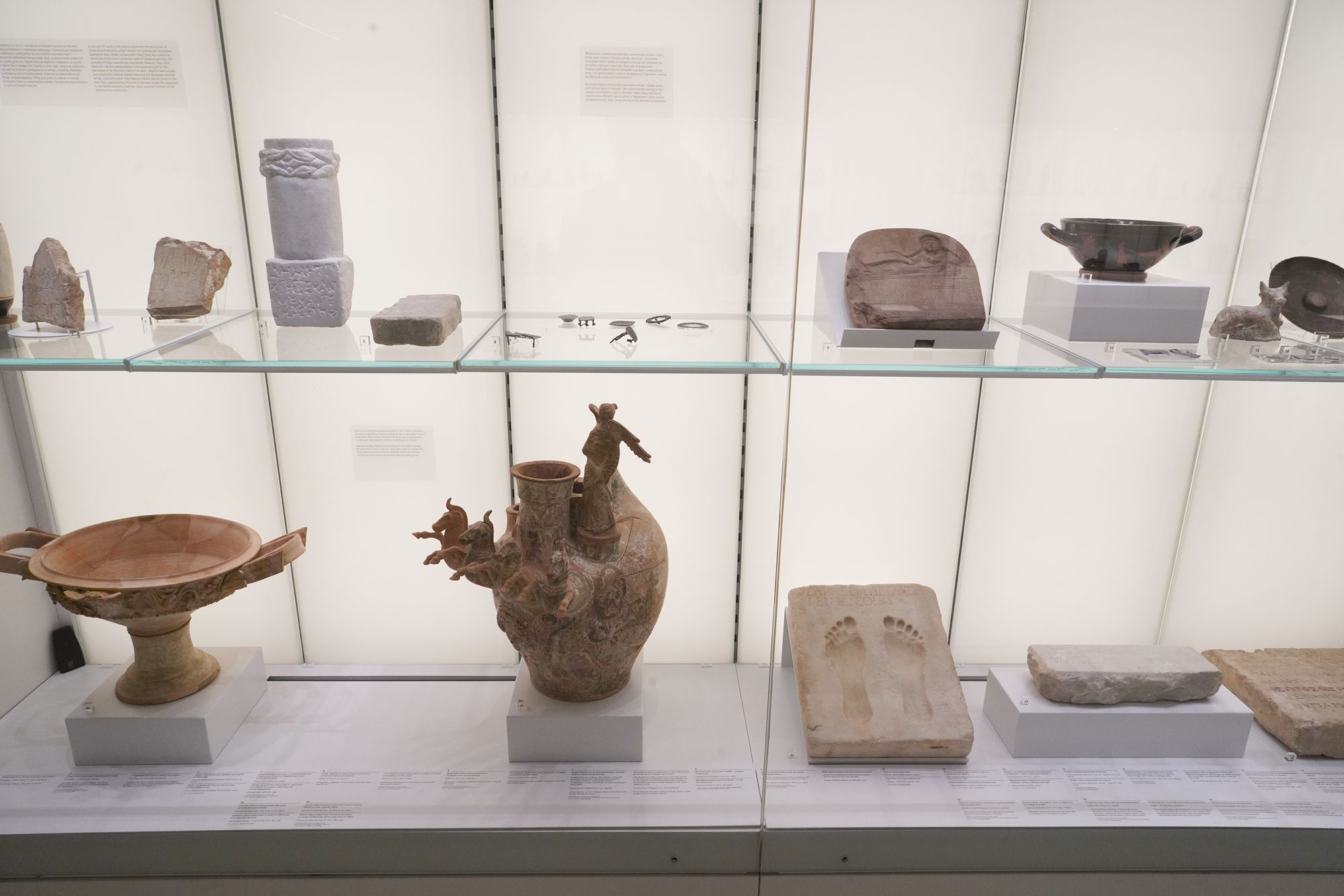
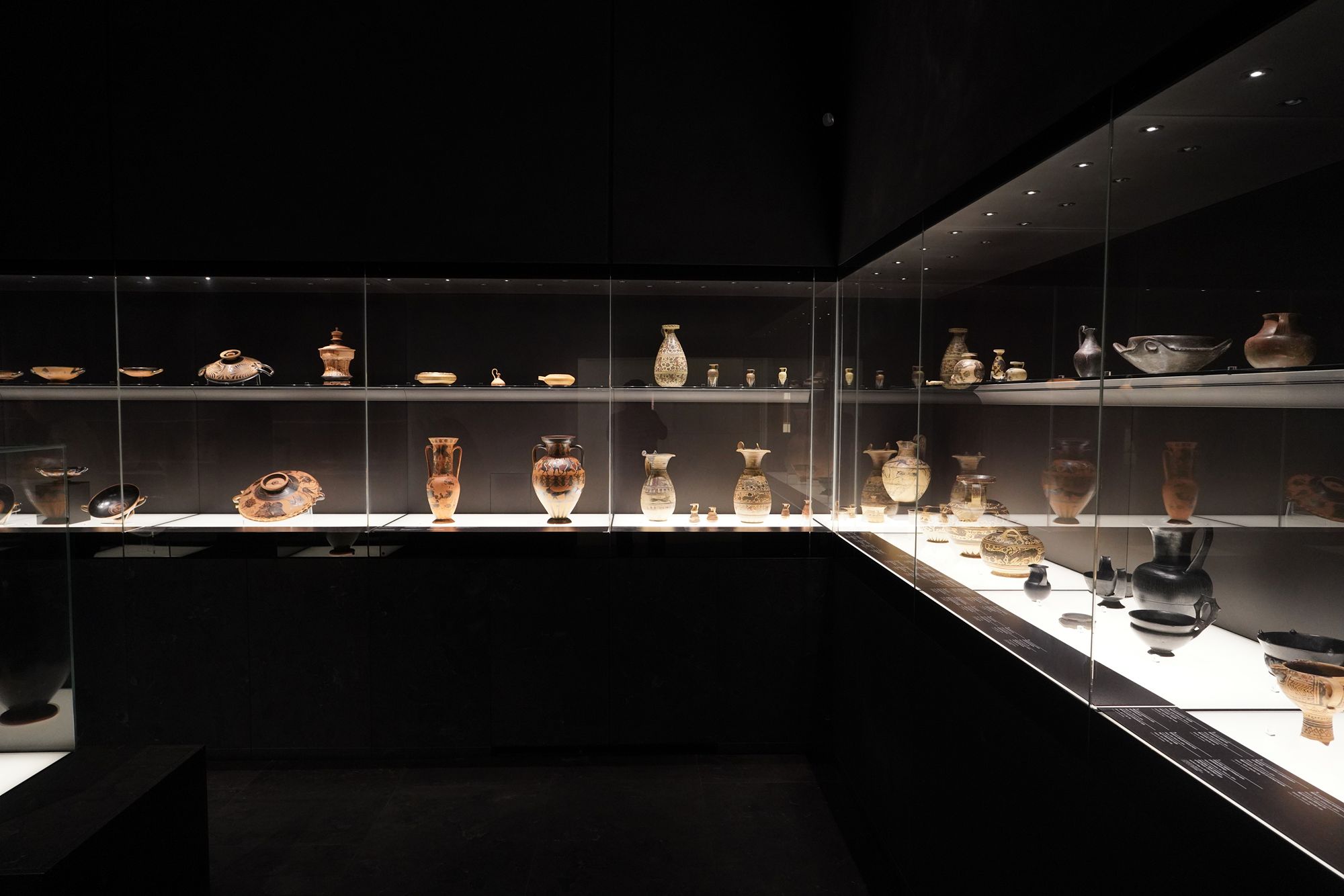
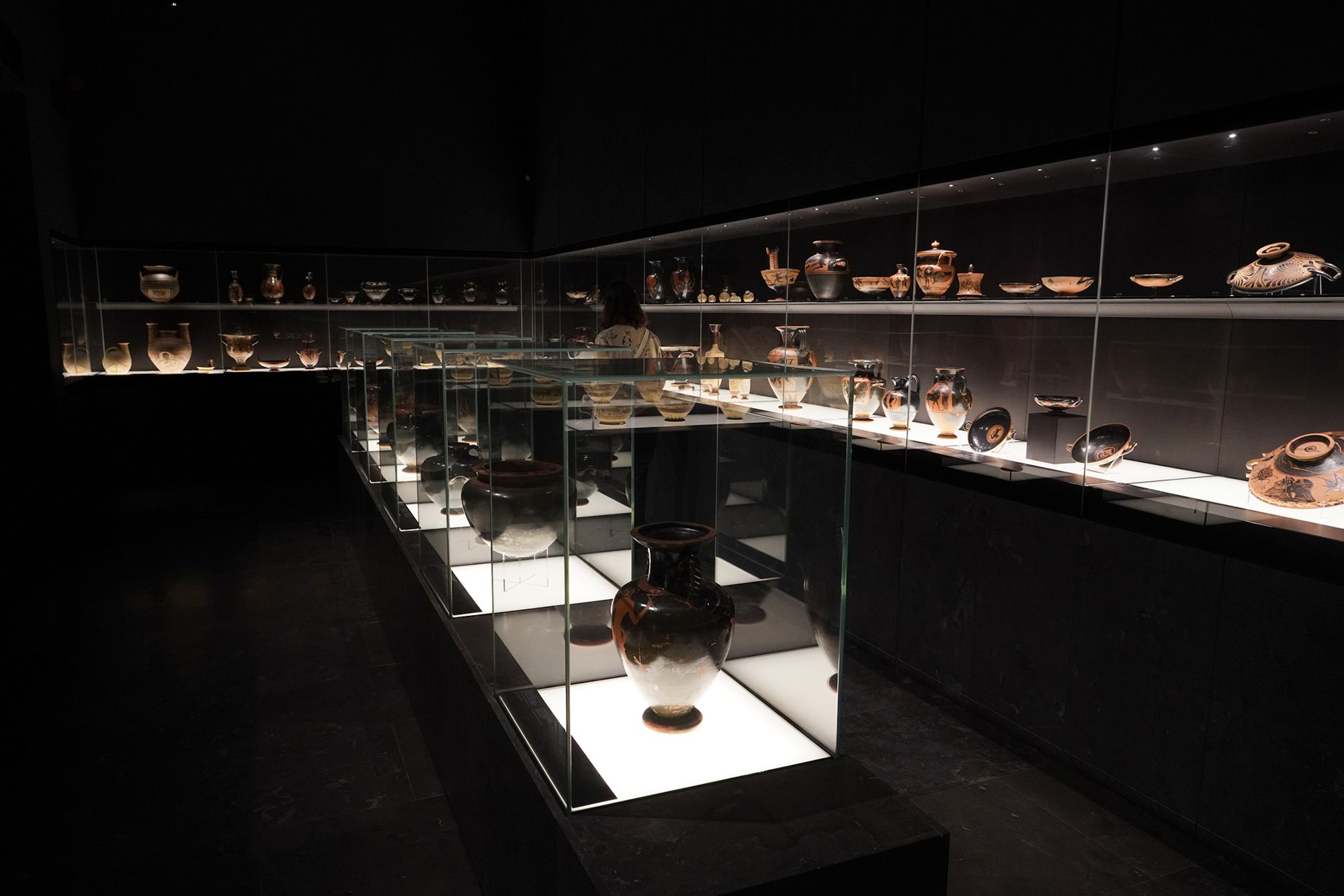
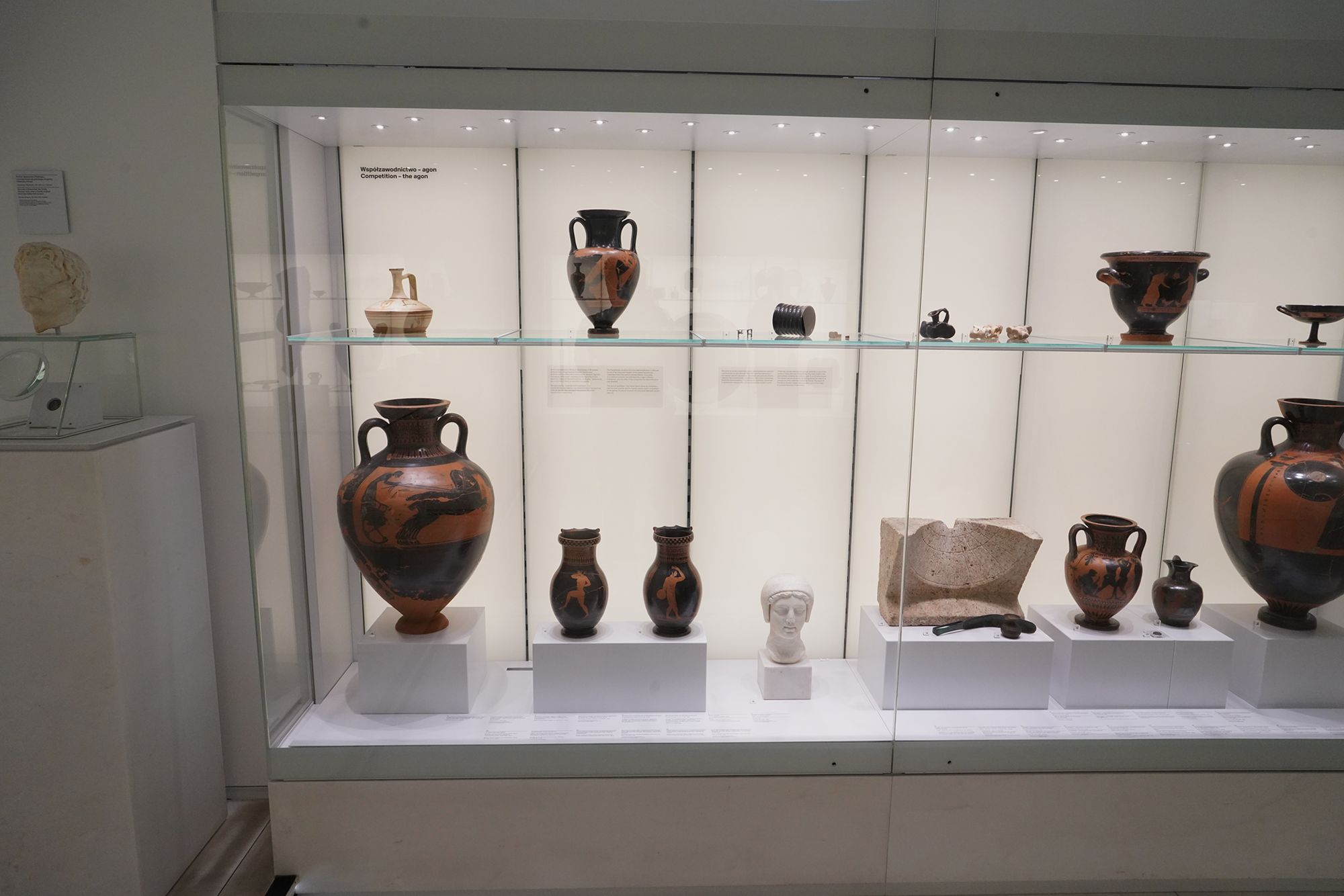
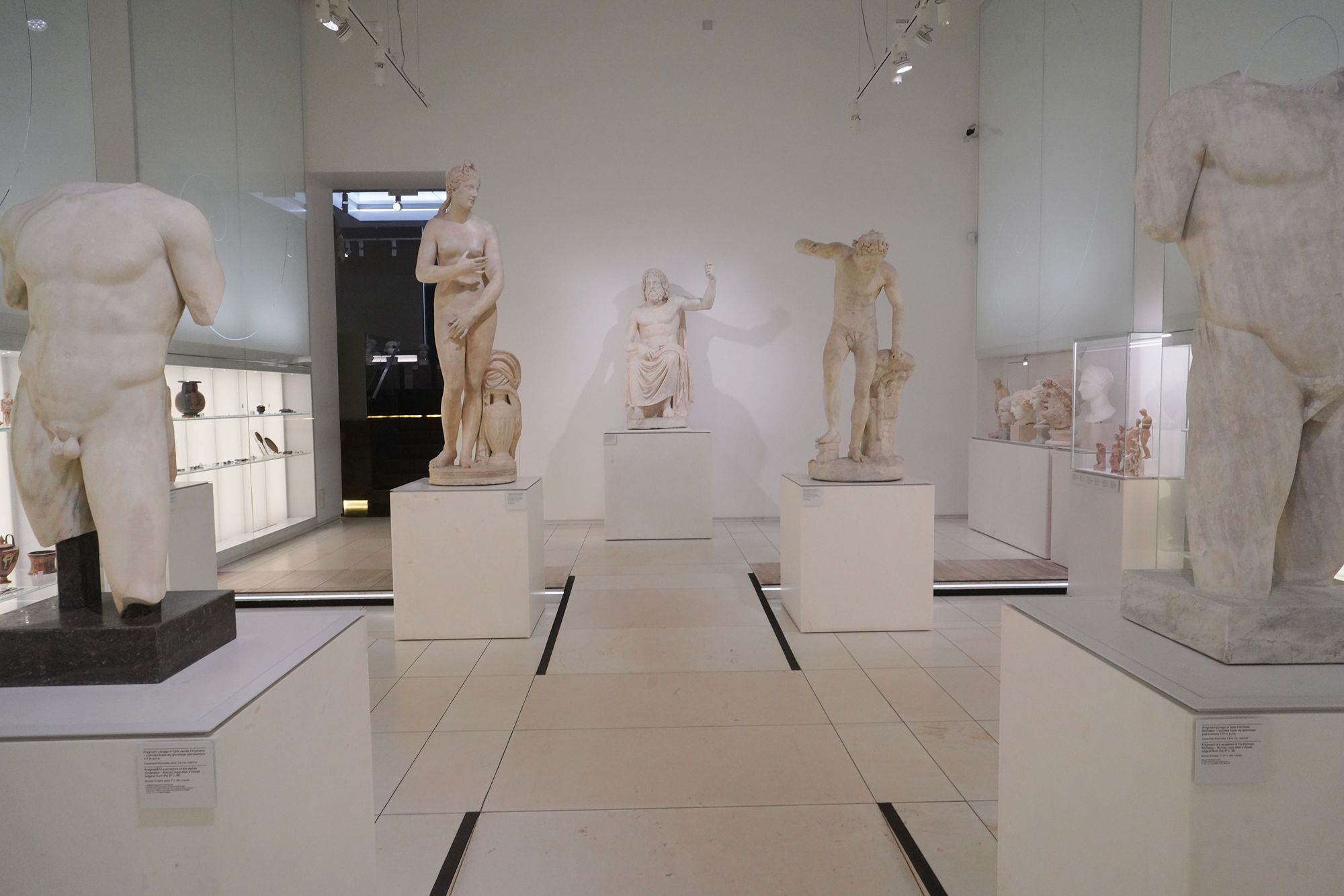
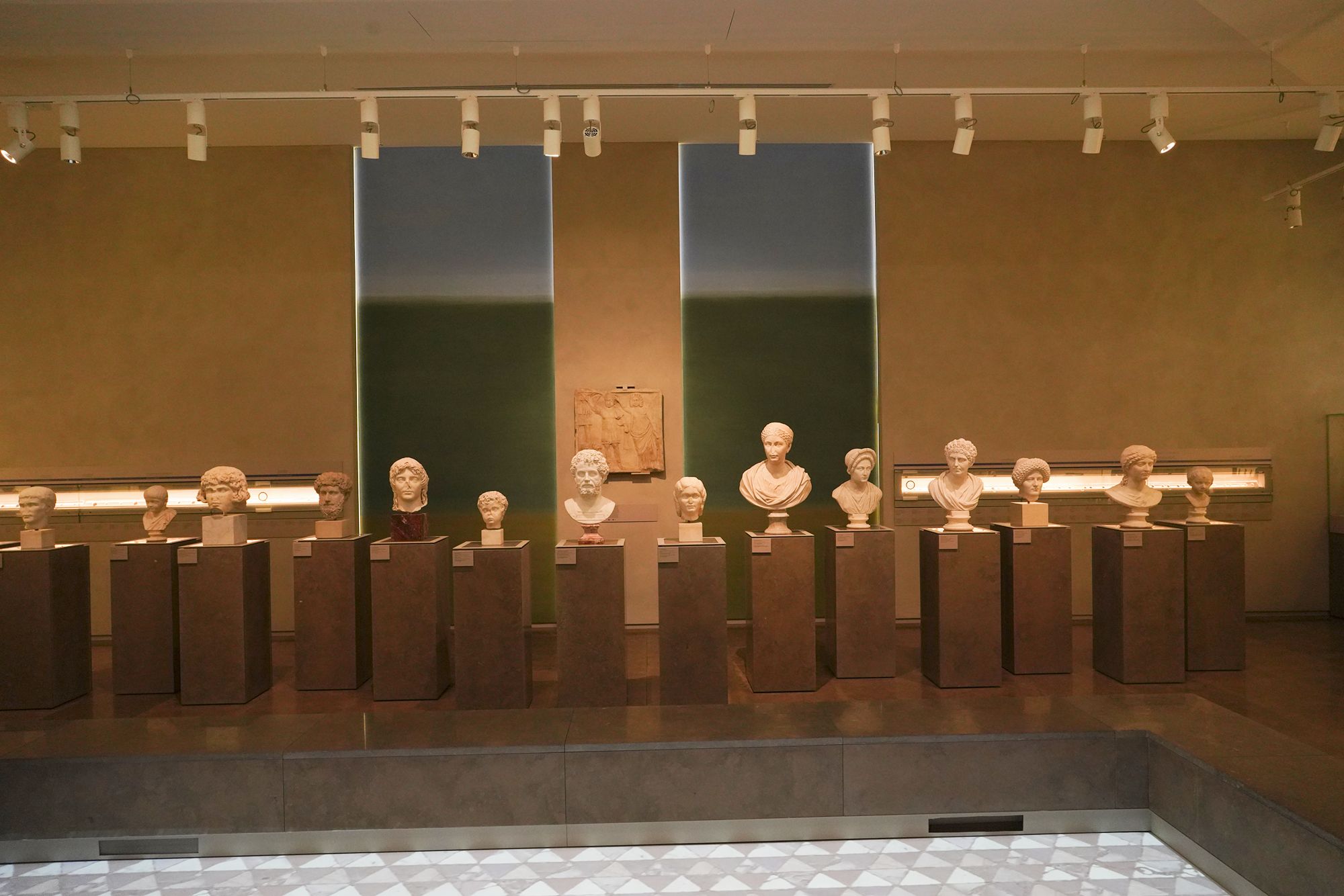
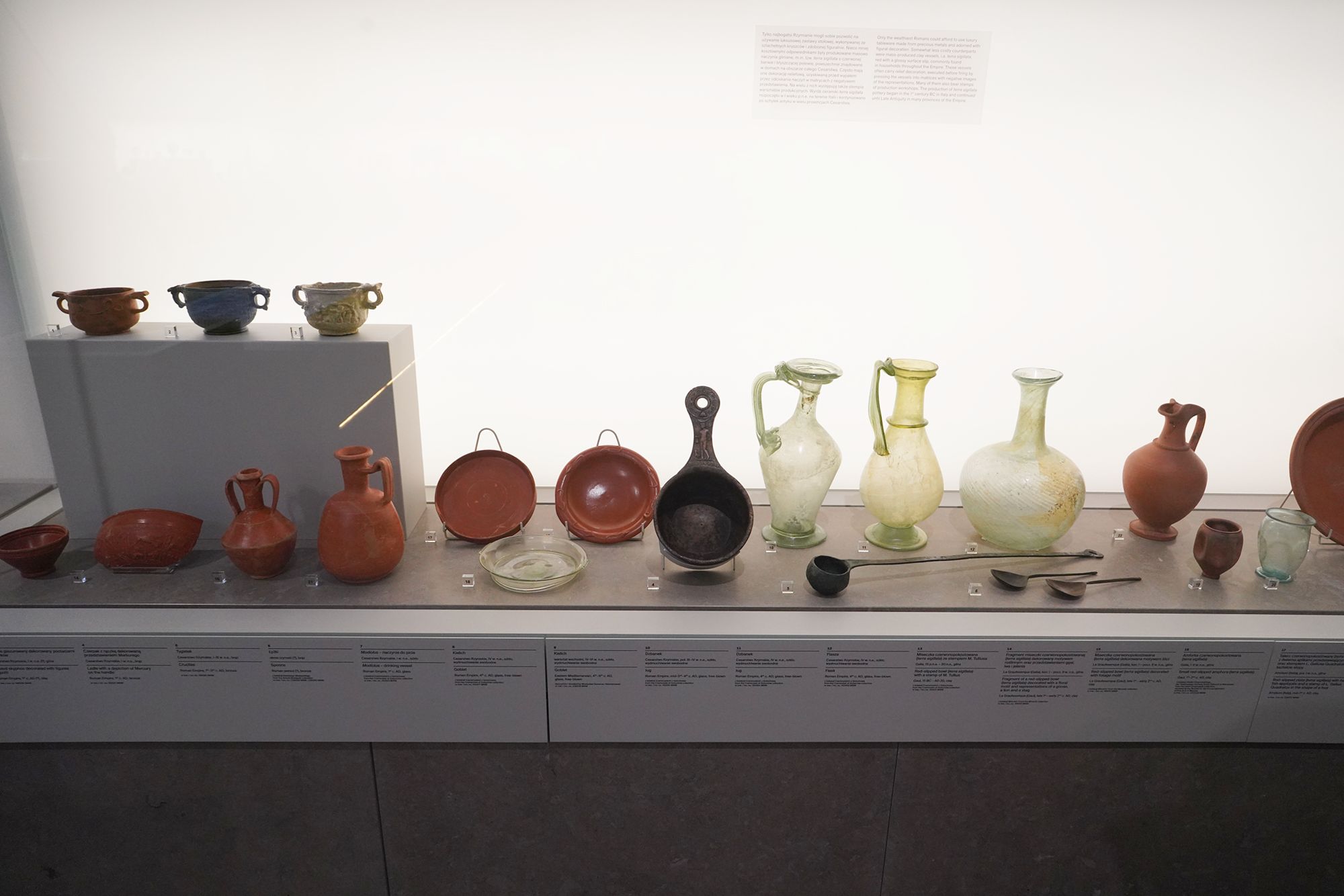
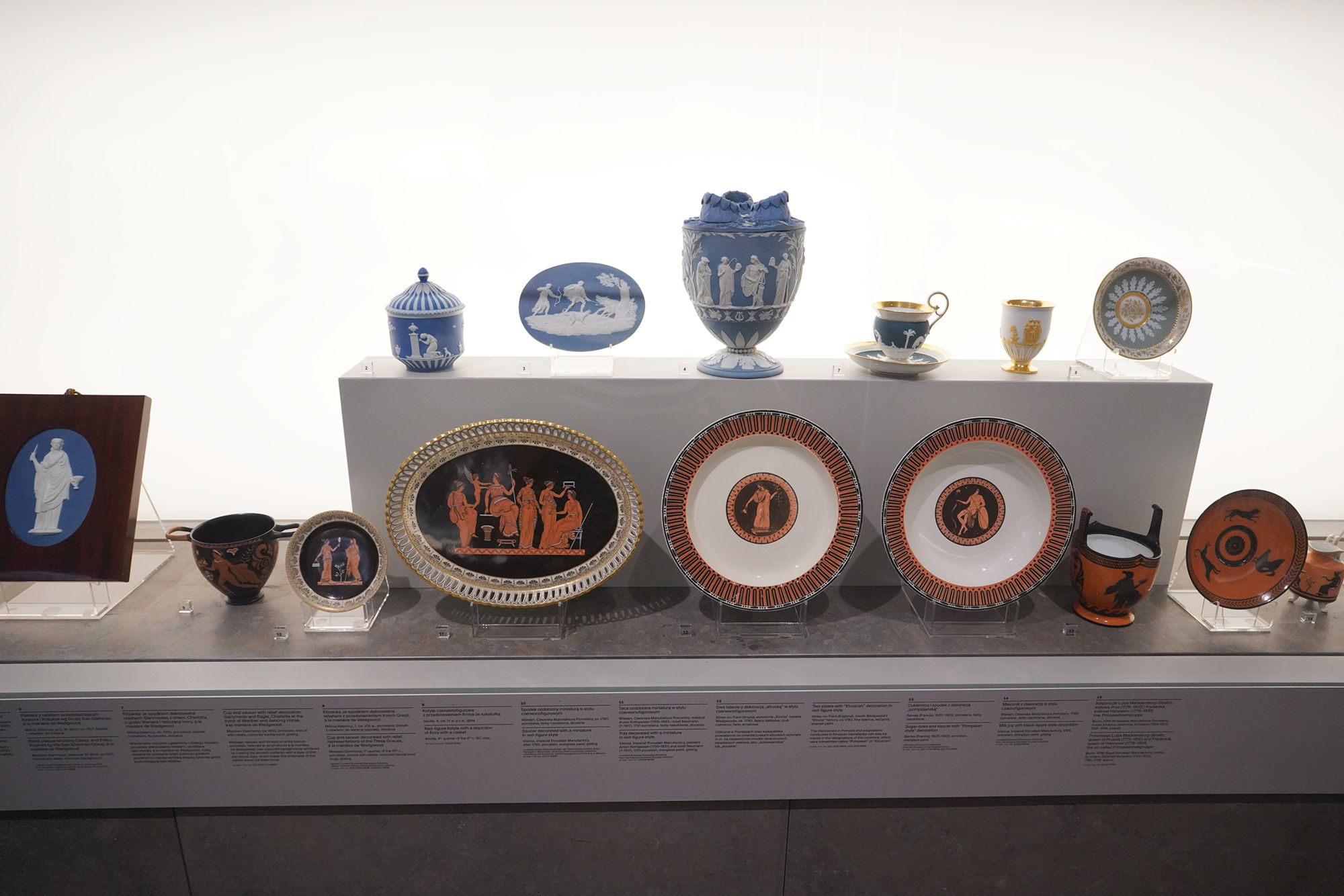
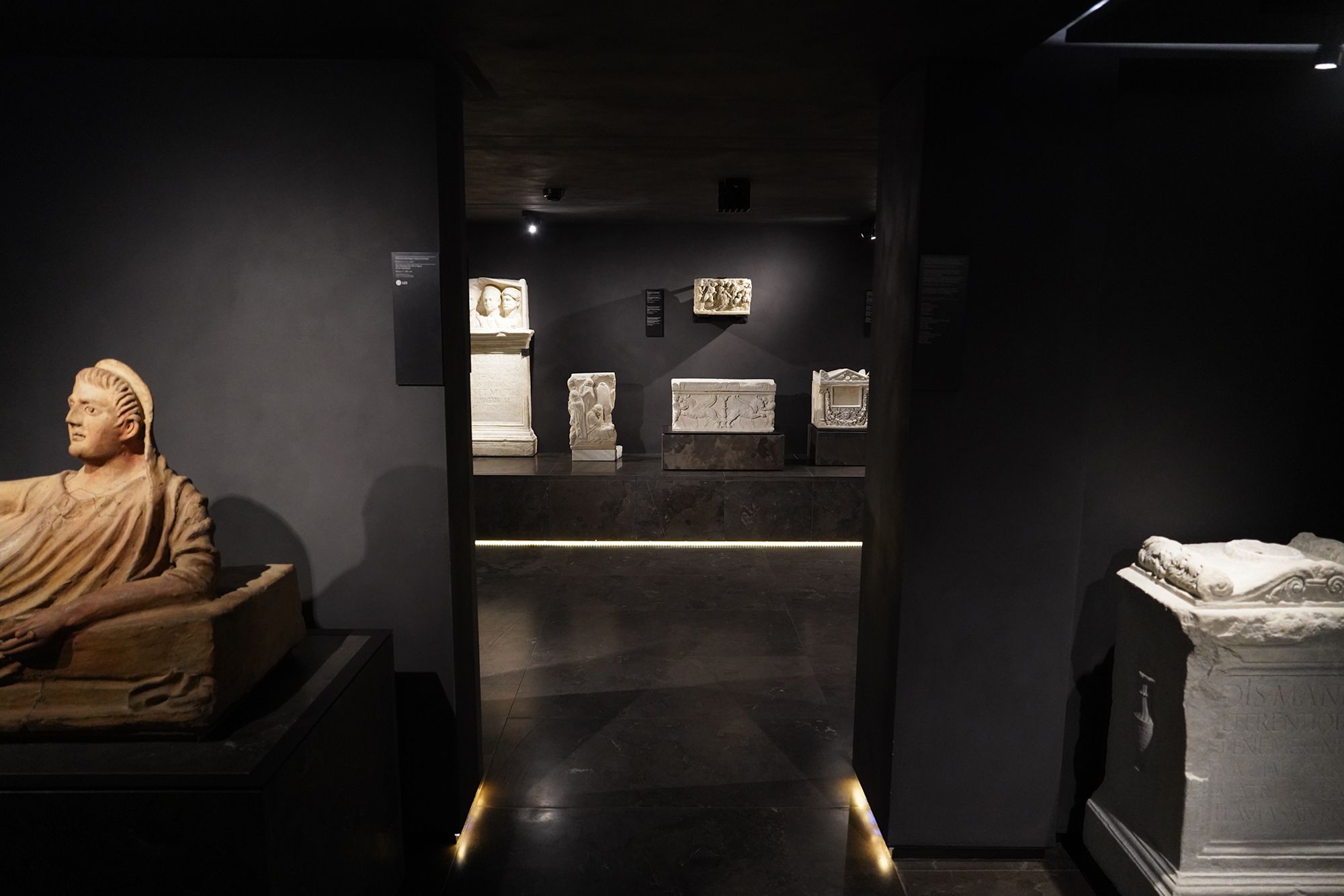
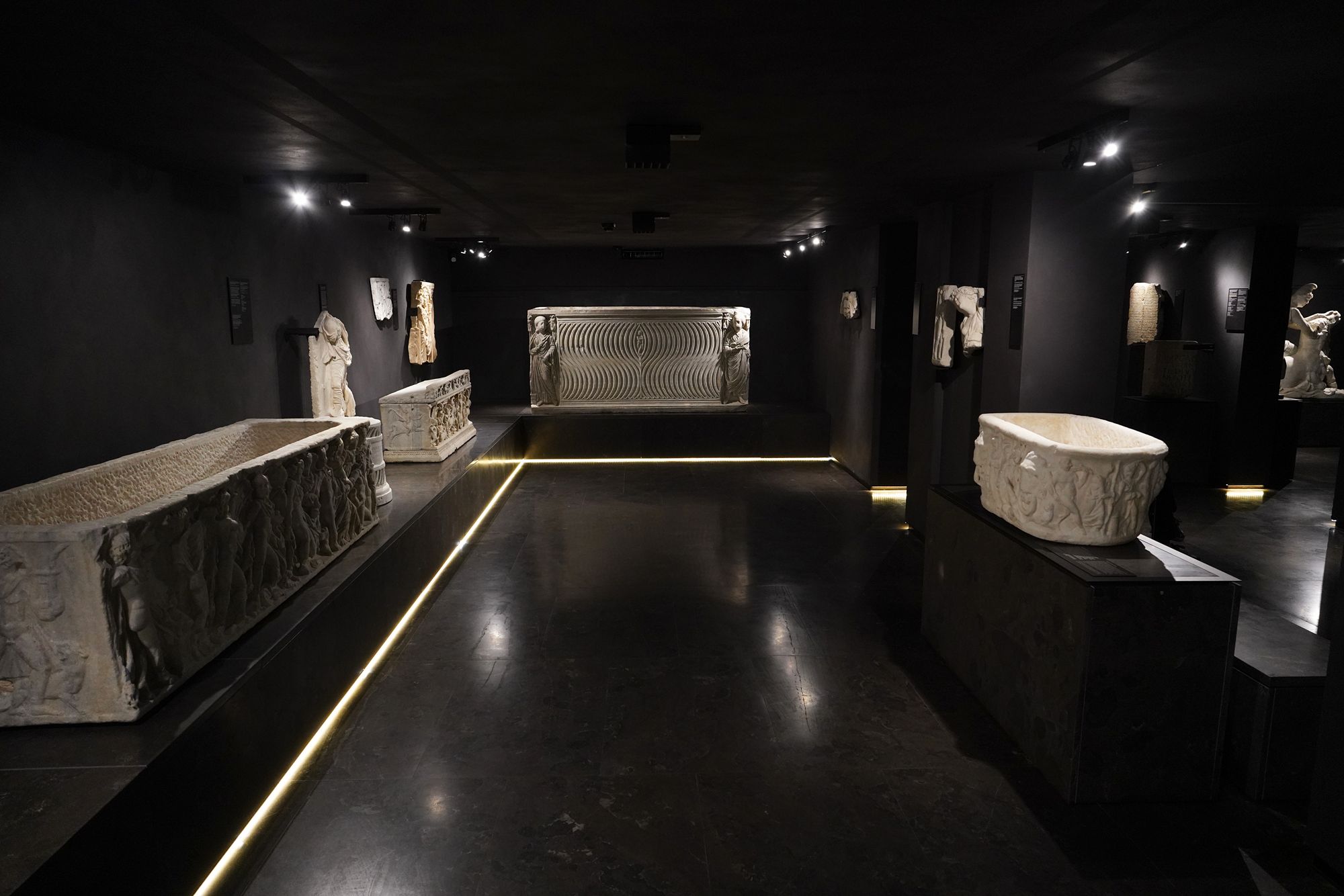
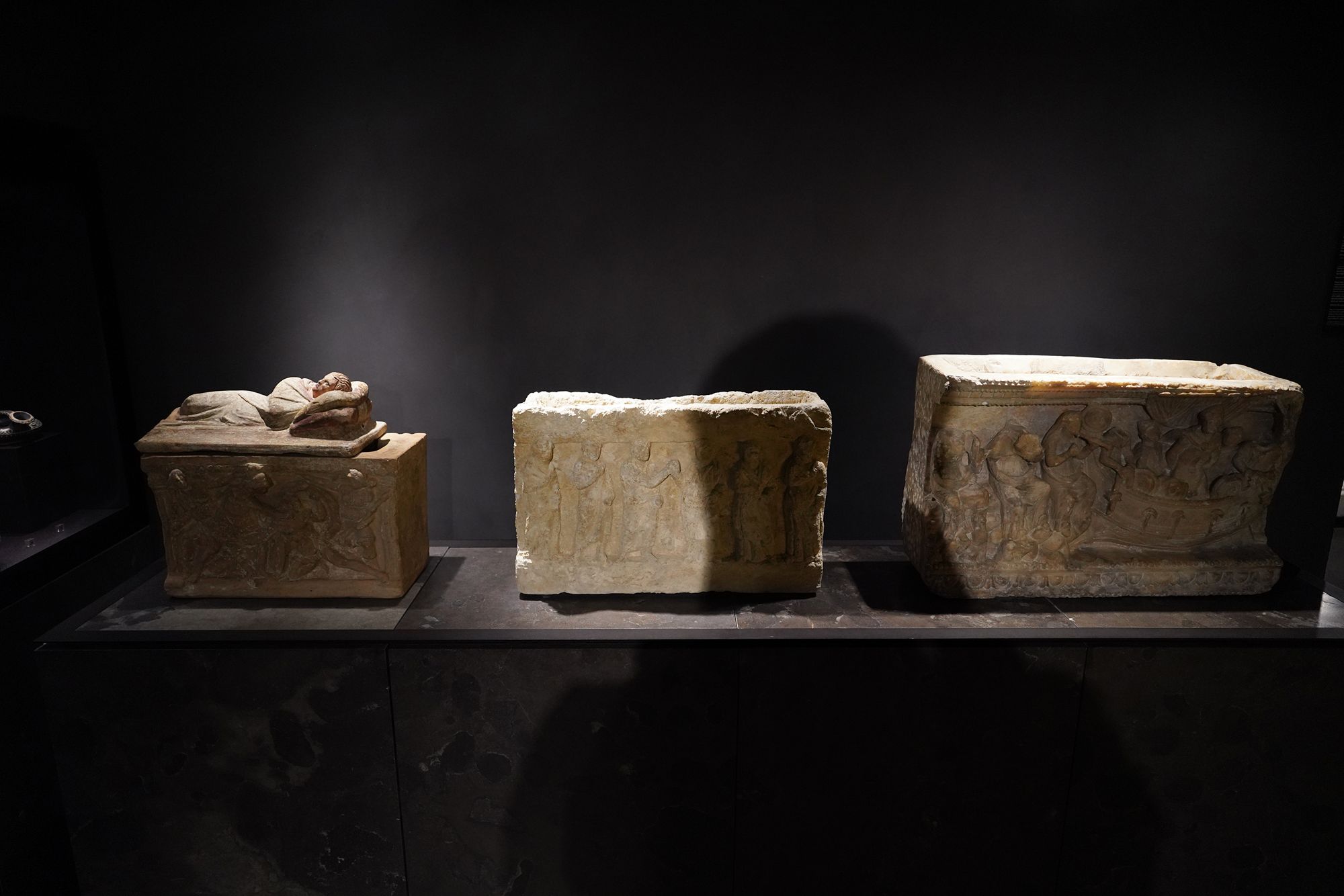
I then reached the Gallery of Ancient Art. Its entrance sign features an ornate bull’s head with curved horns. With closing time approaching, I continued through the displays, taking photos and pausing only briefly to look at the objects.
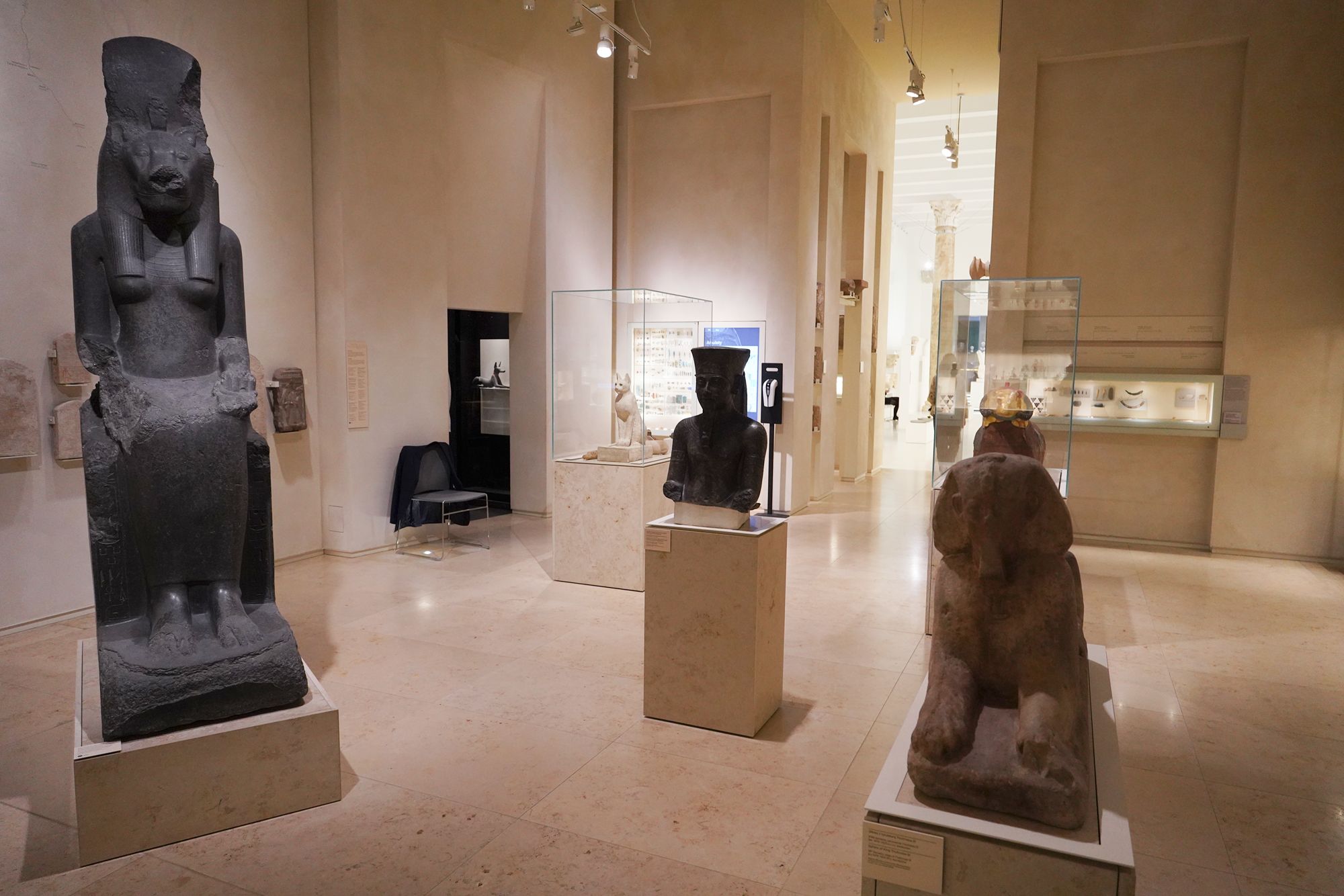
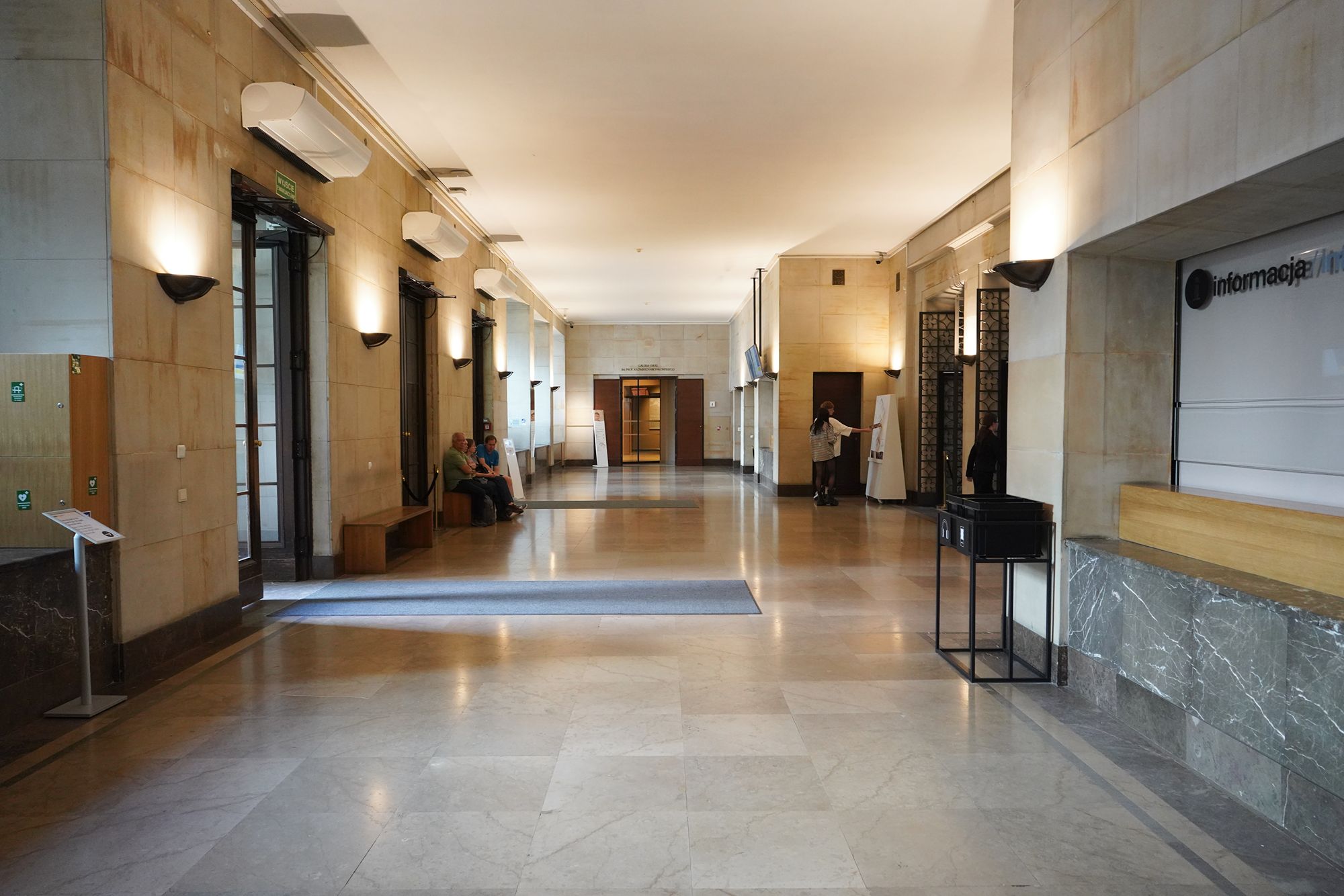
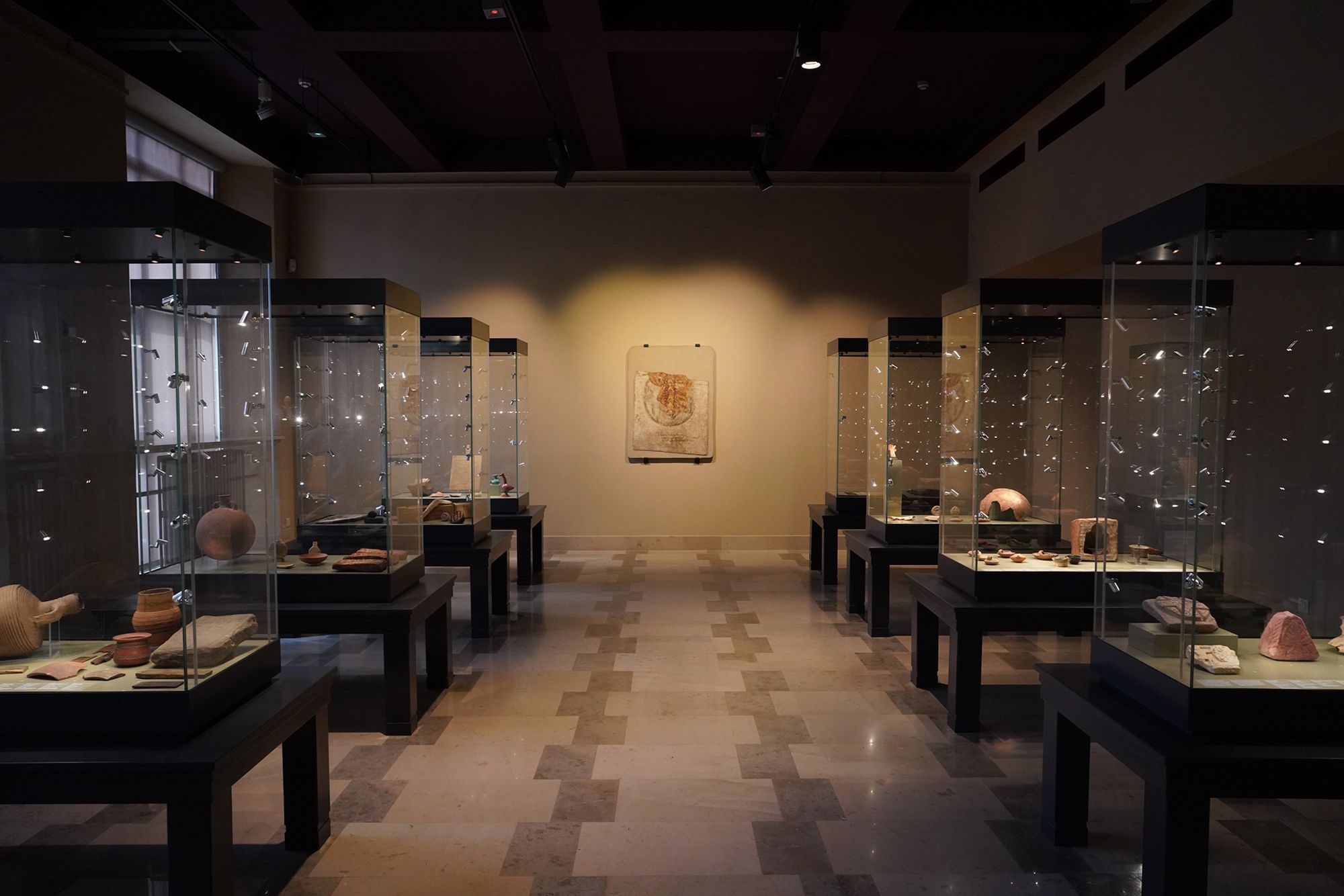
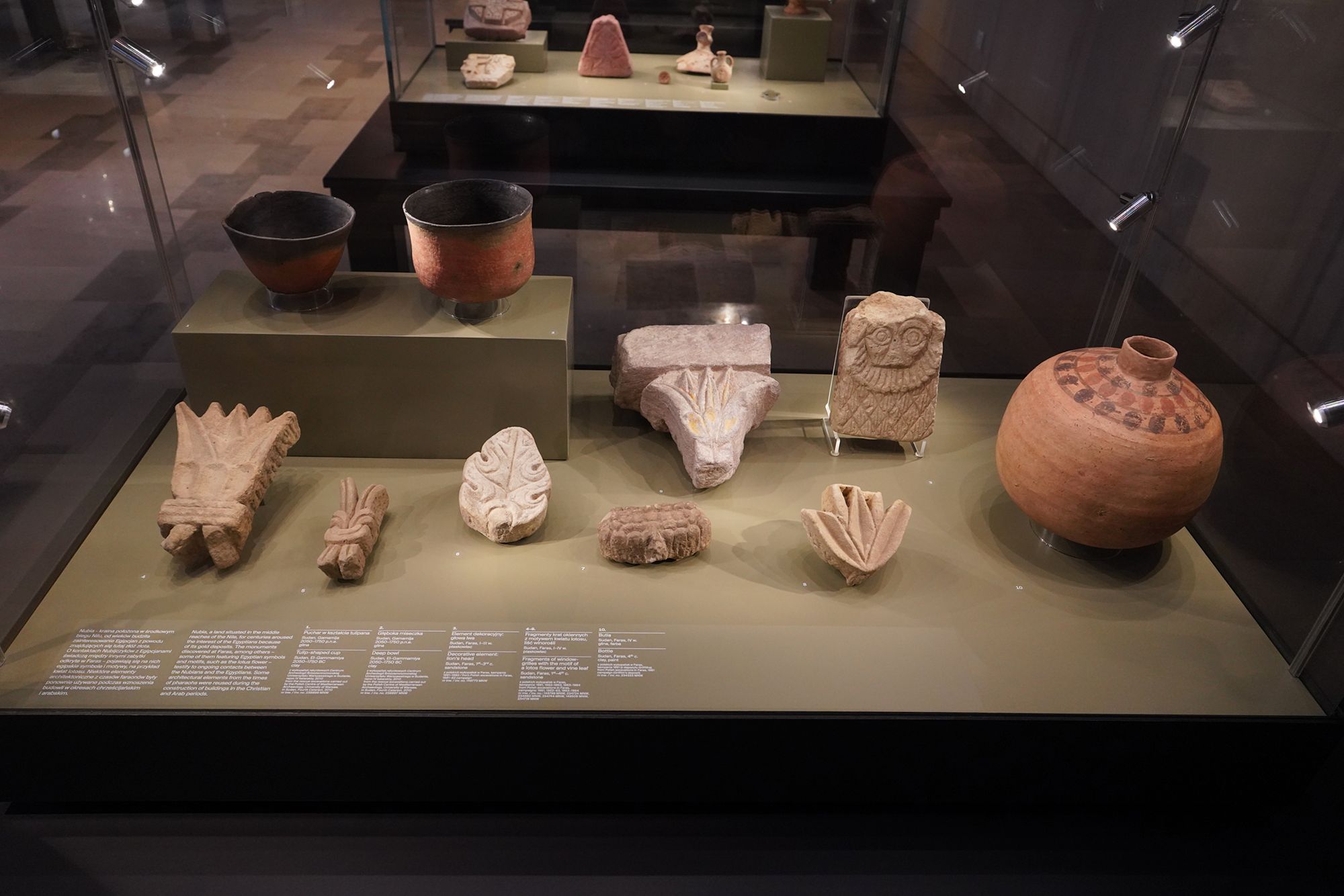
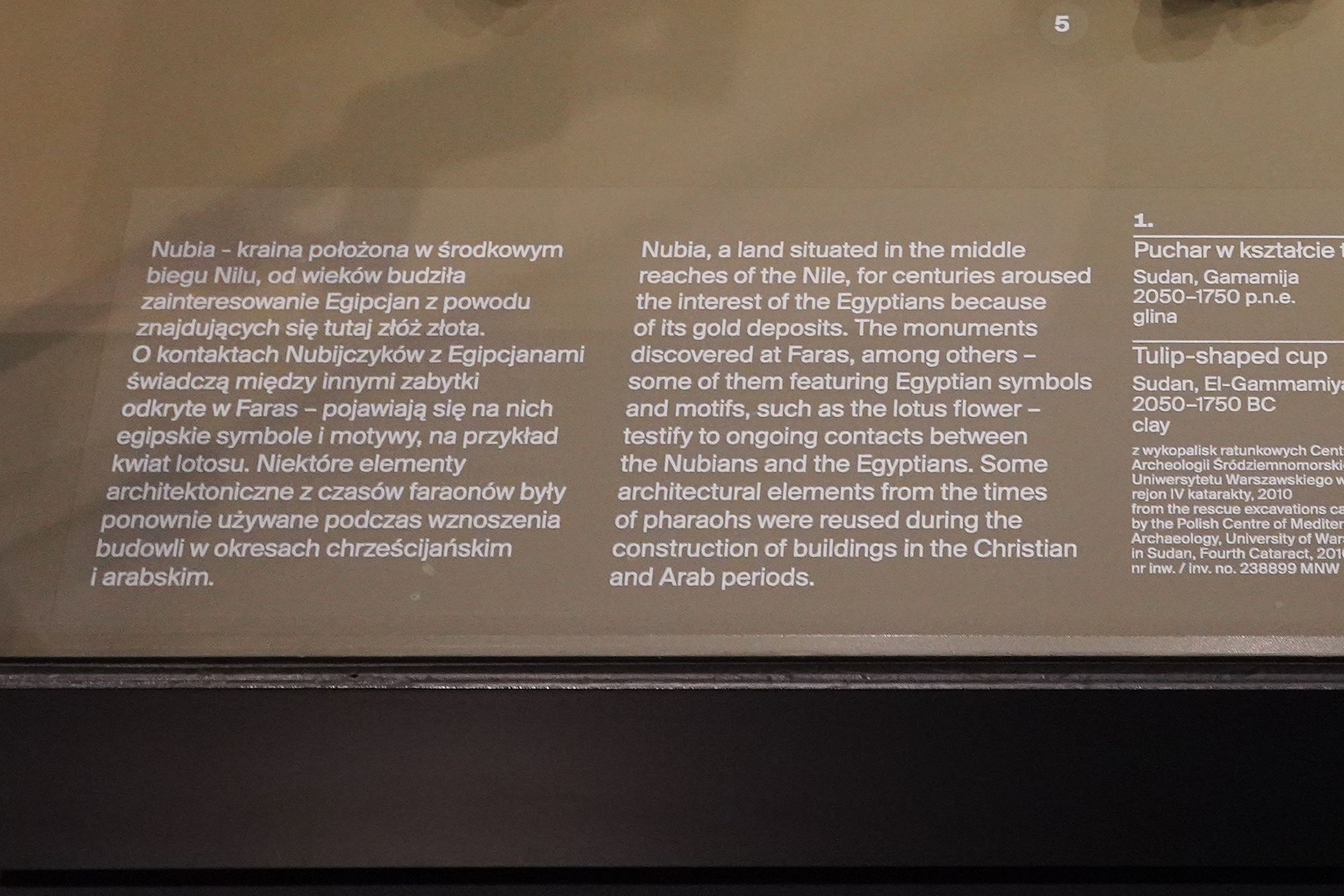
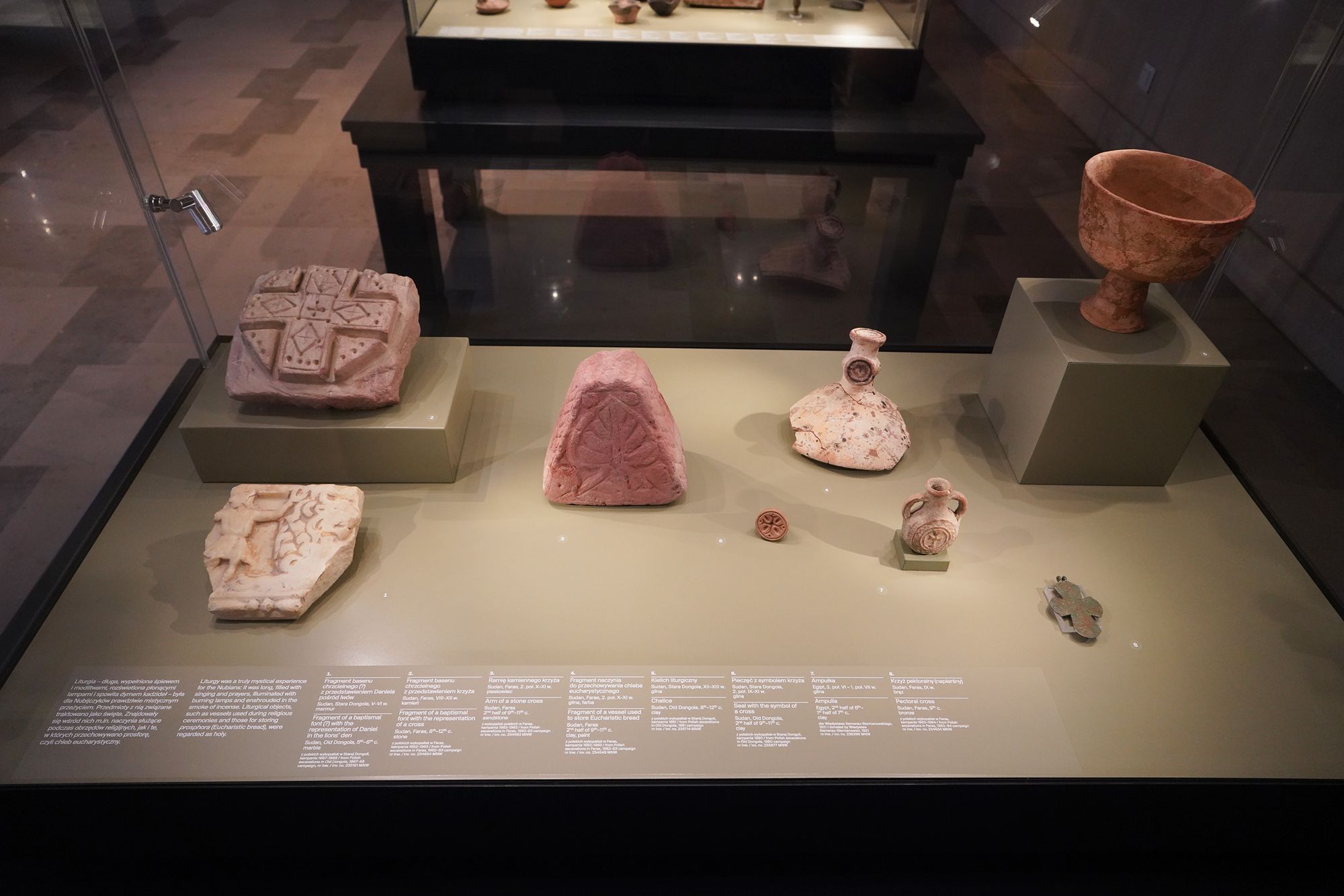
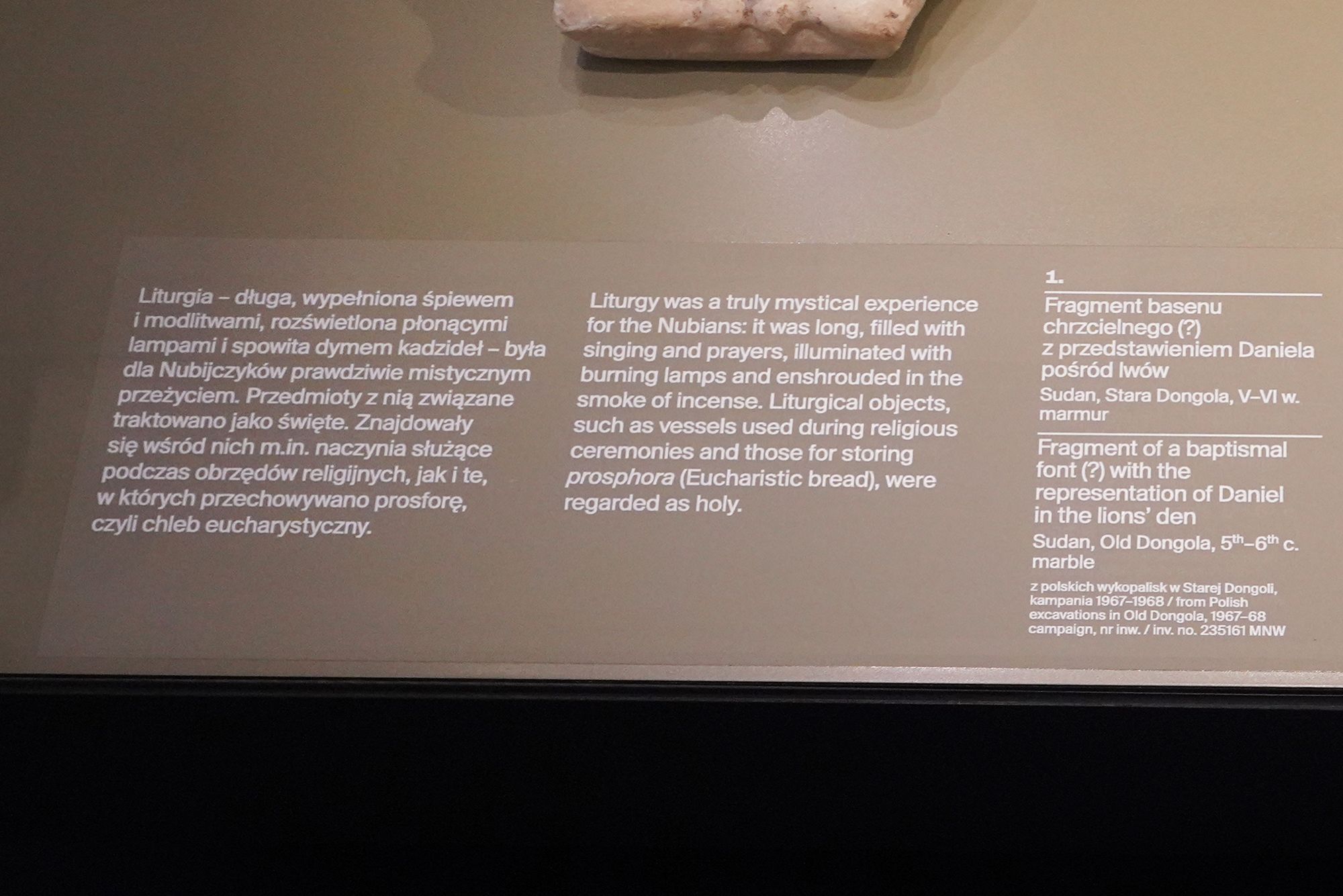
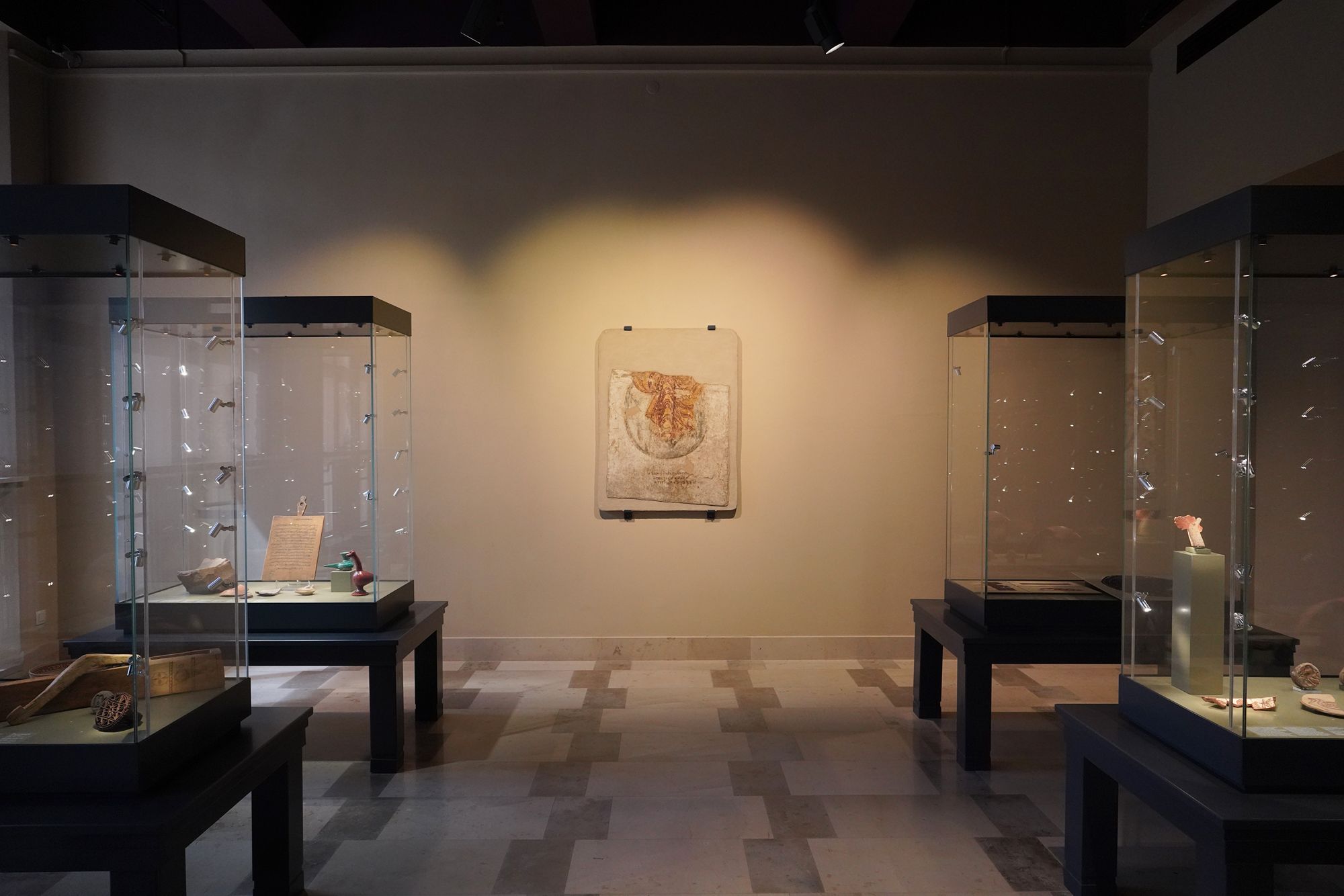
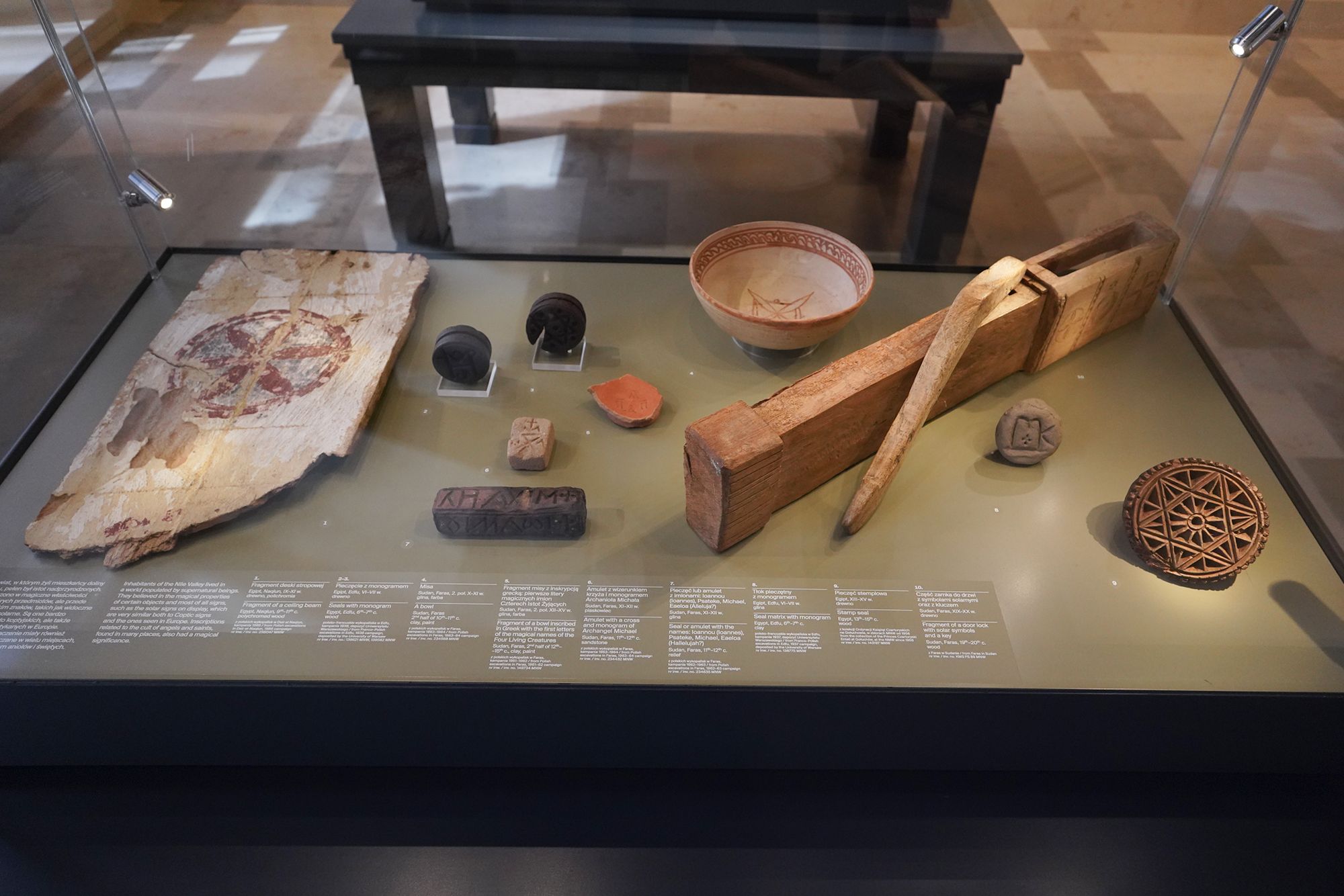
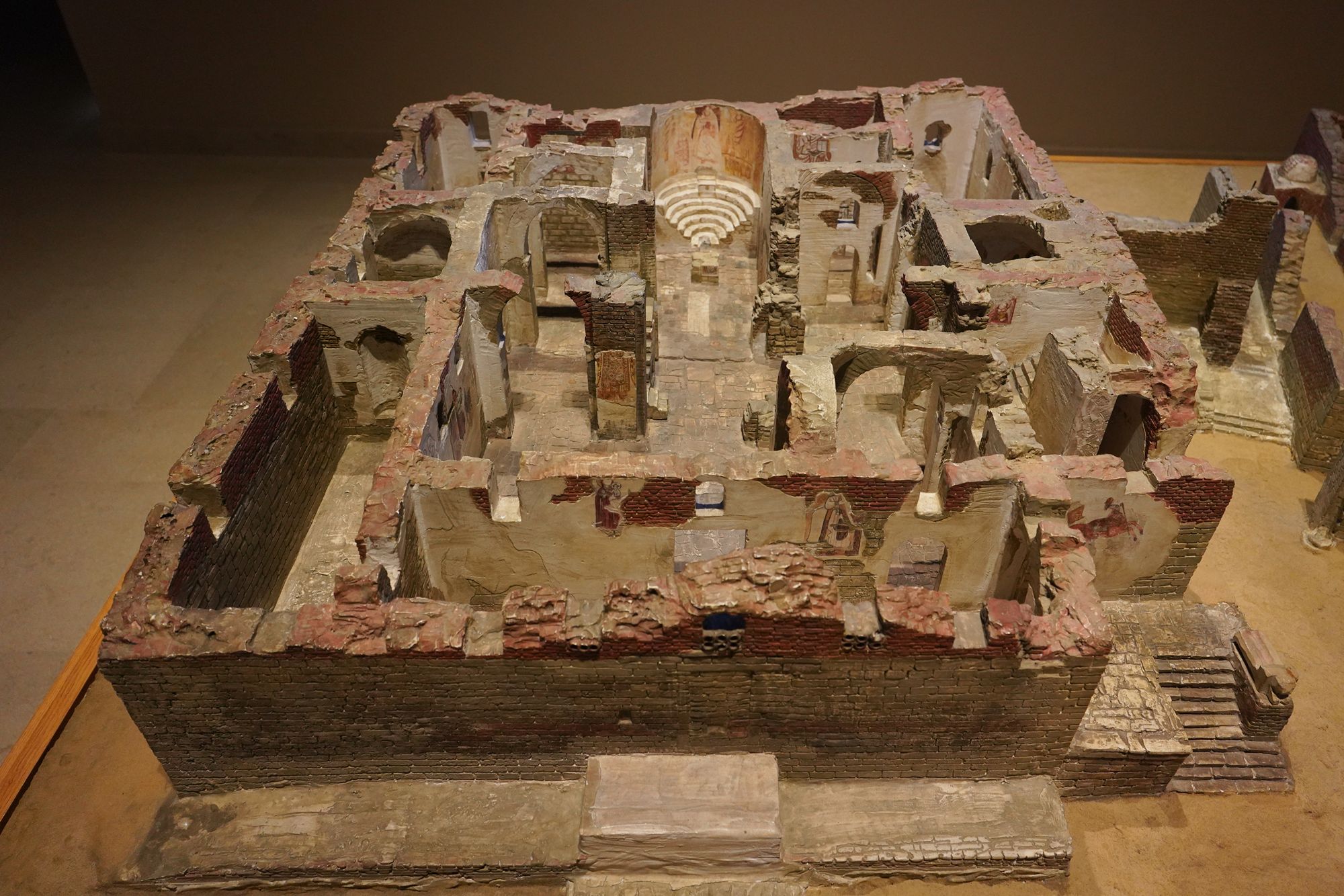
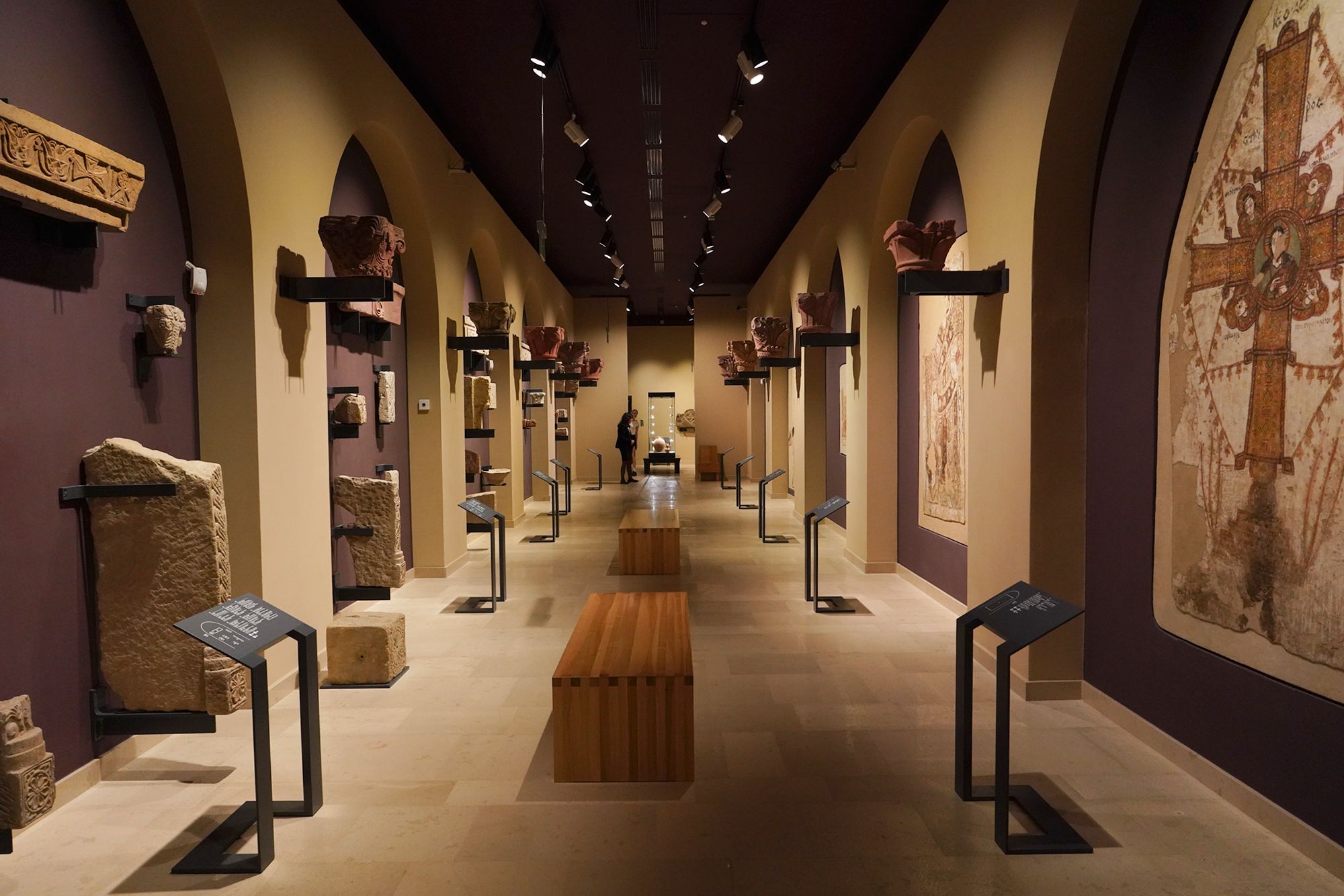
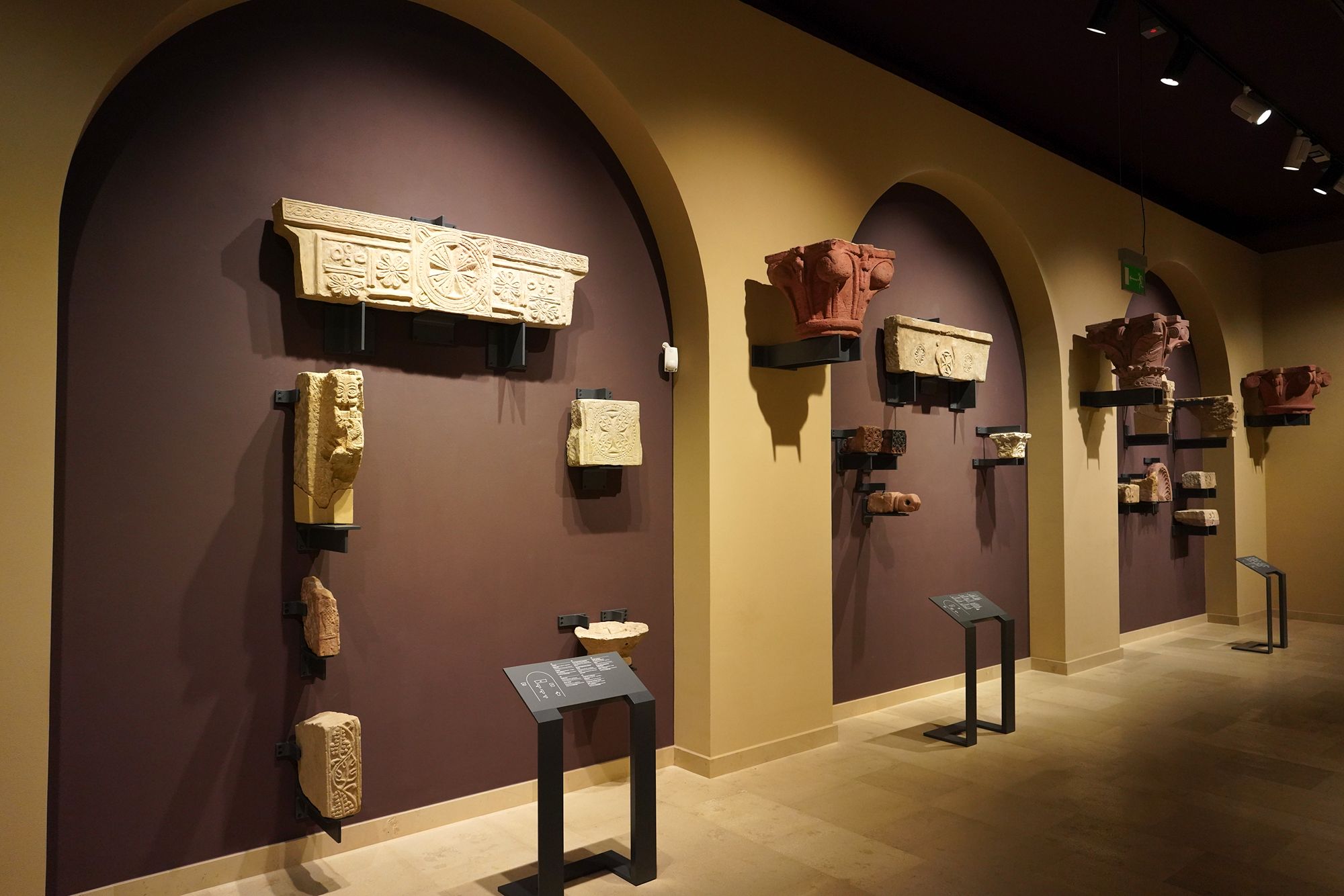
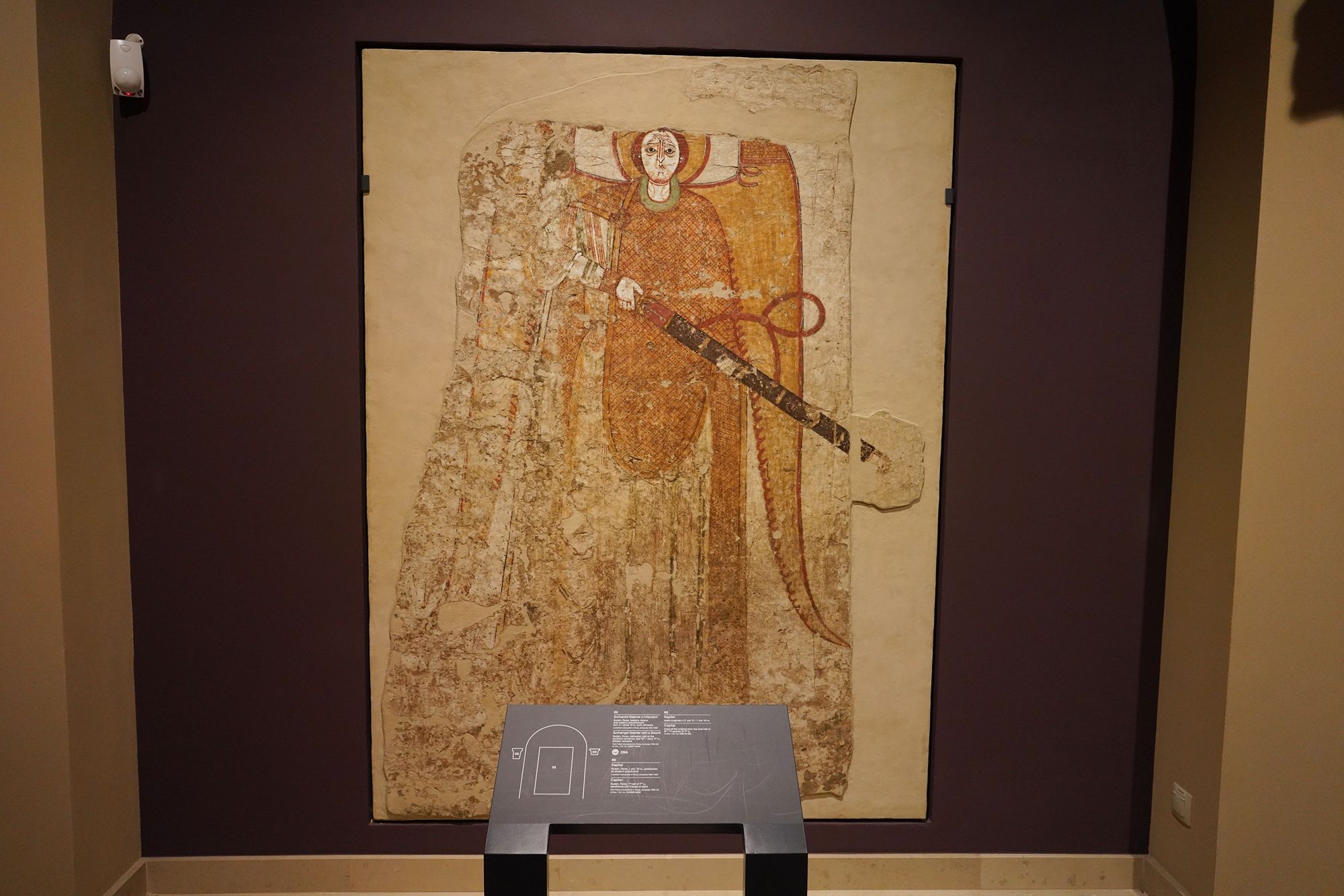
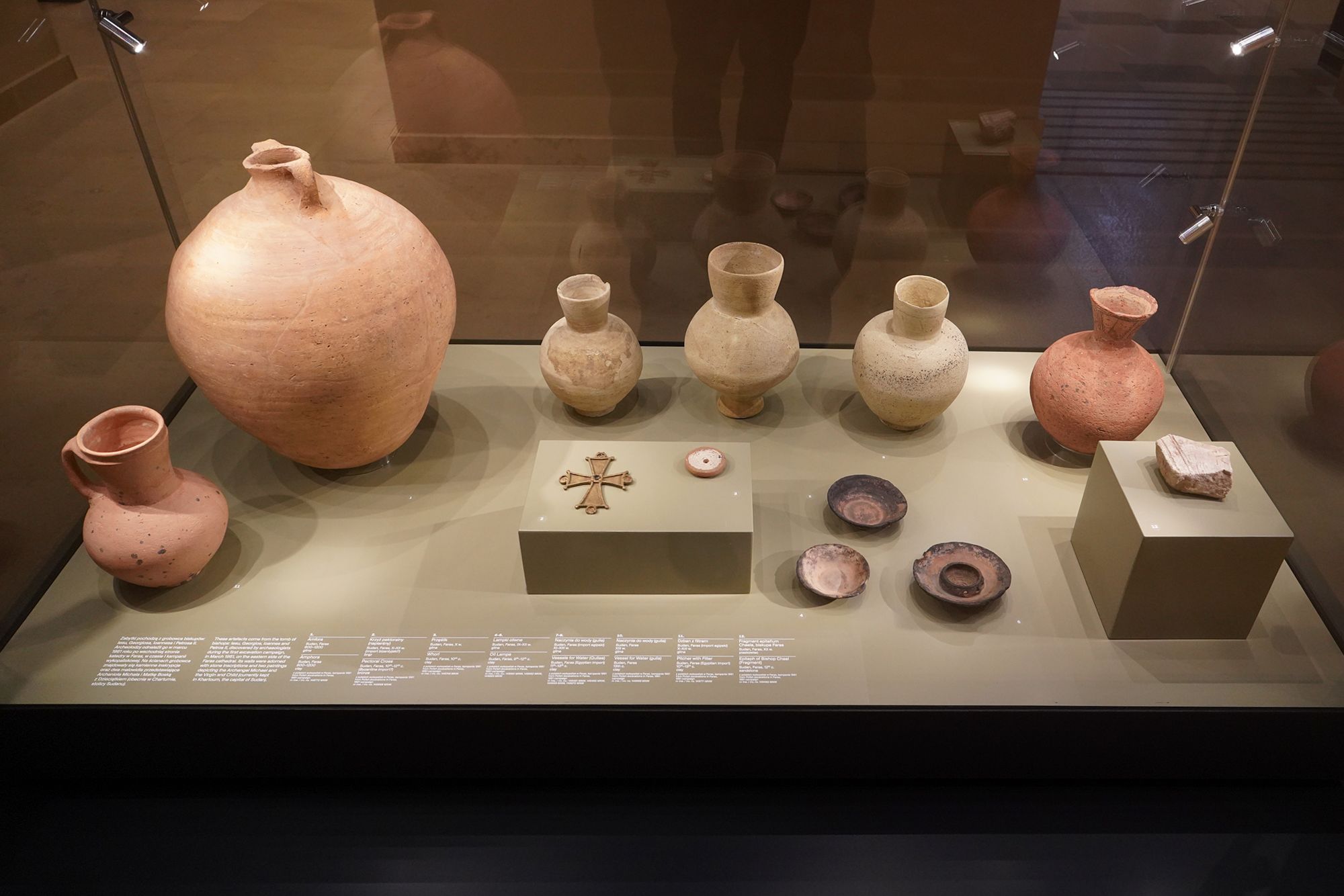
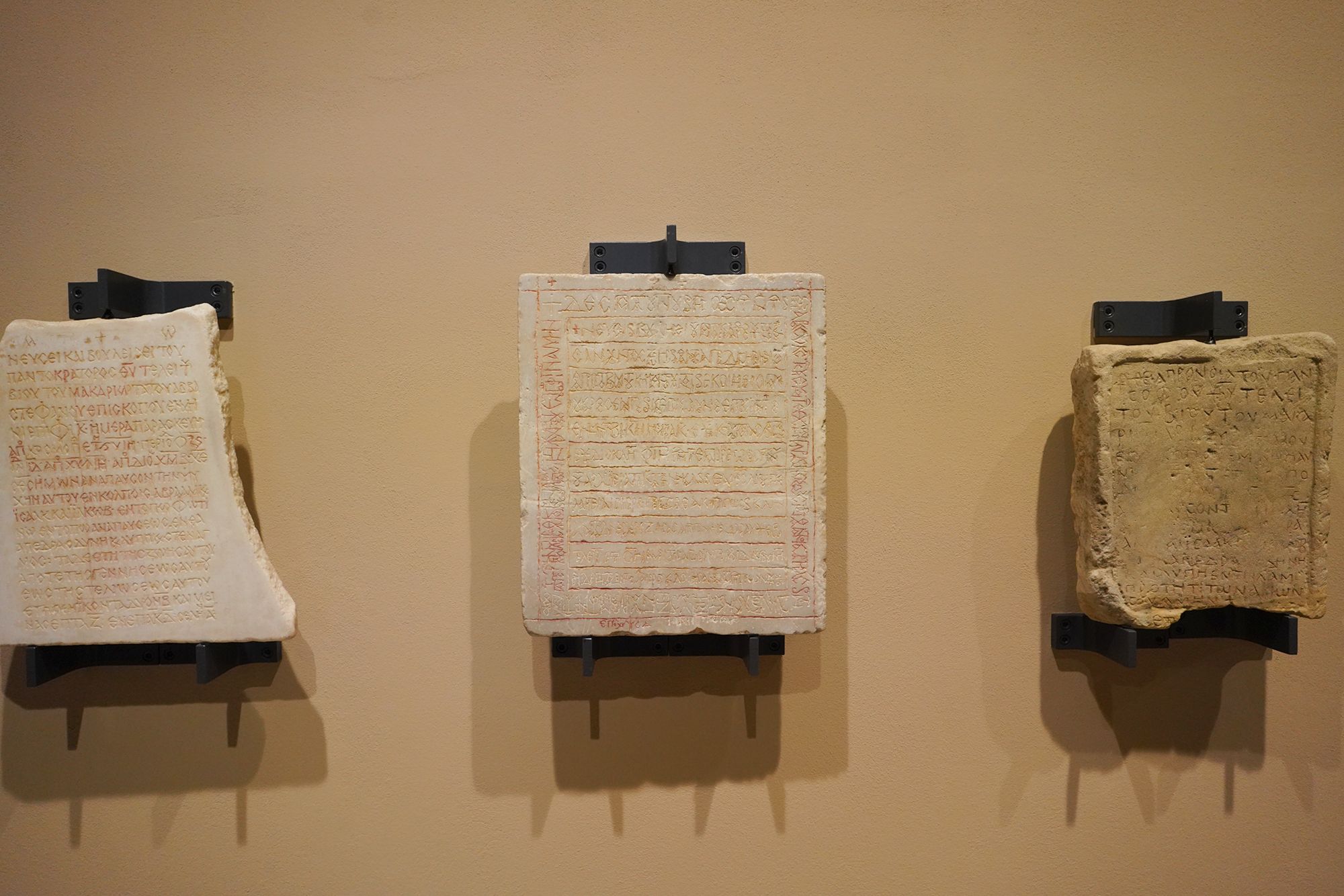
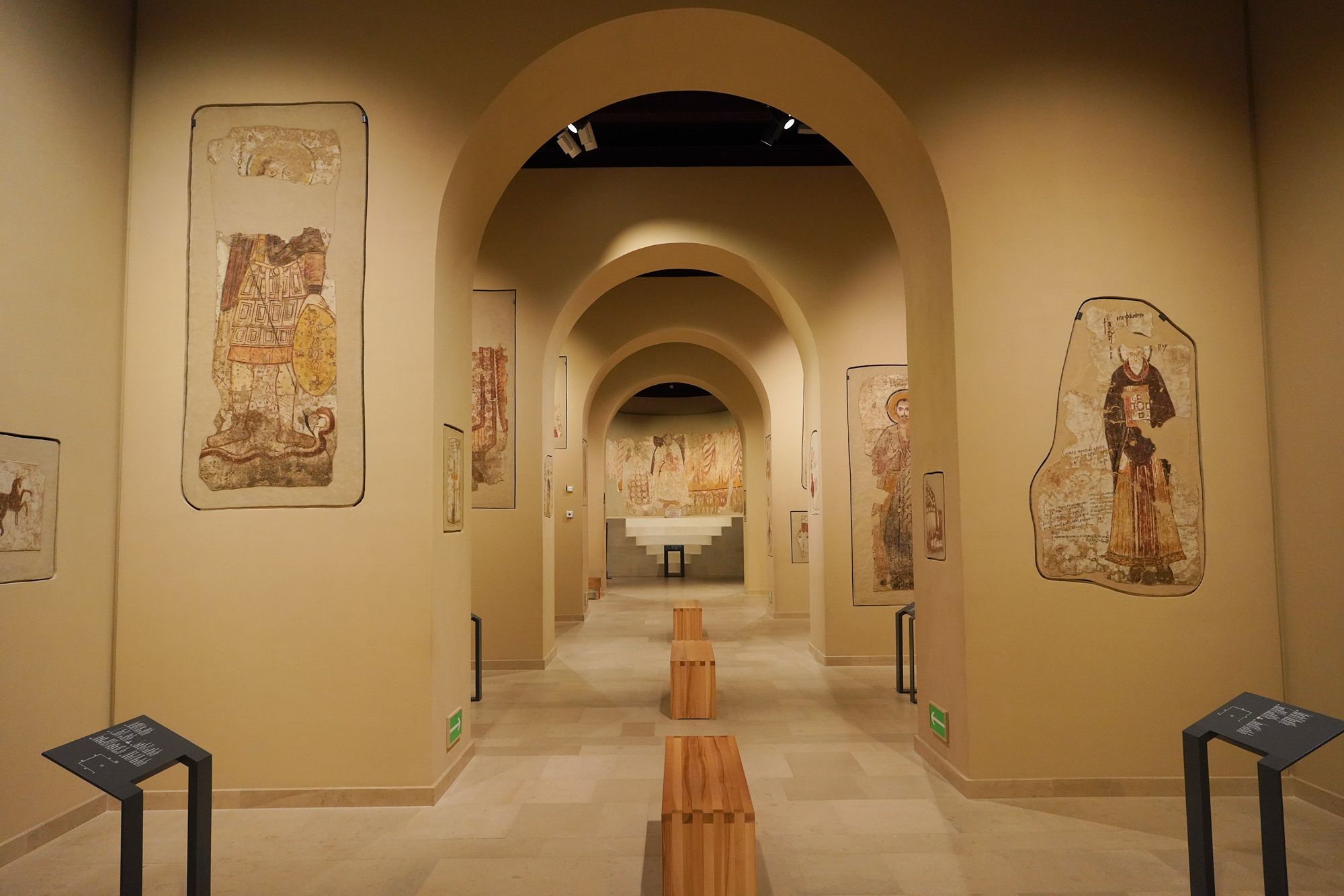
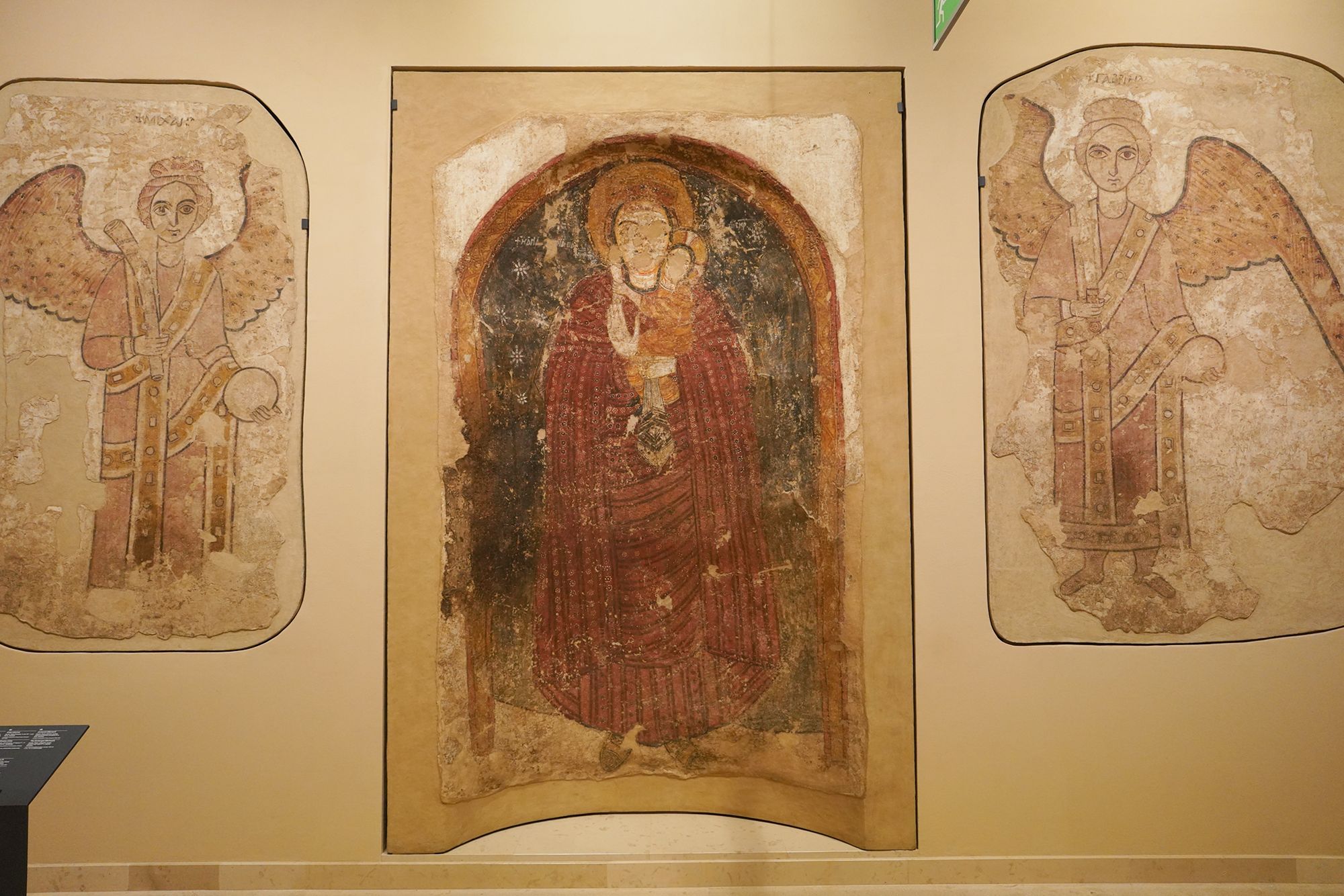
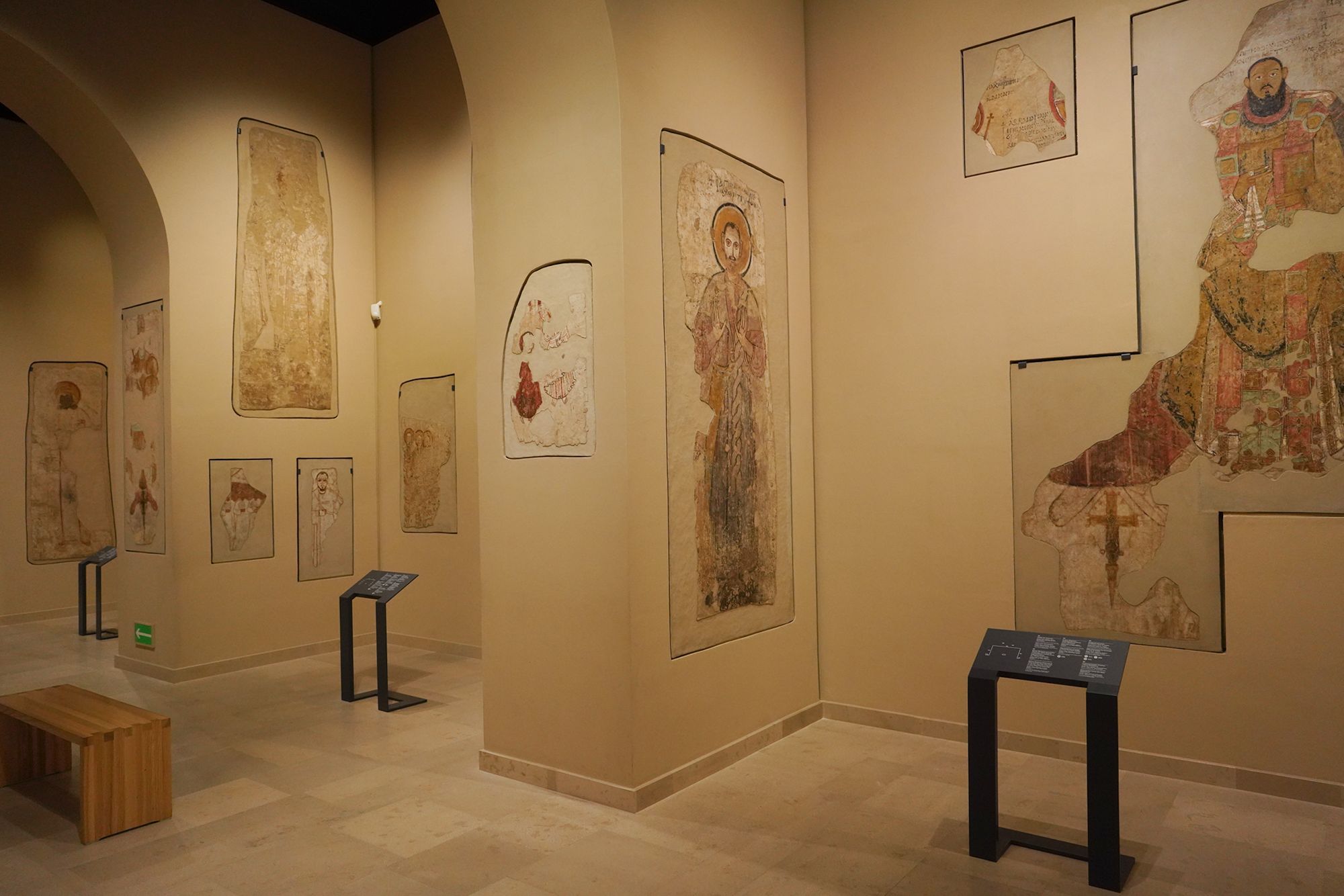
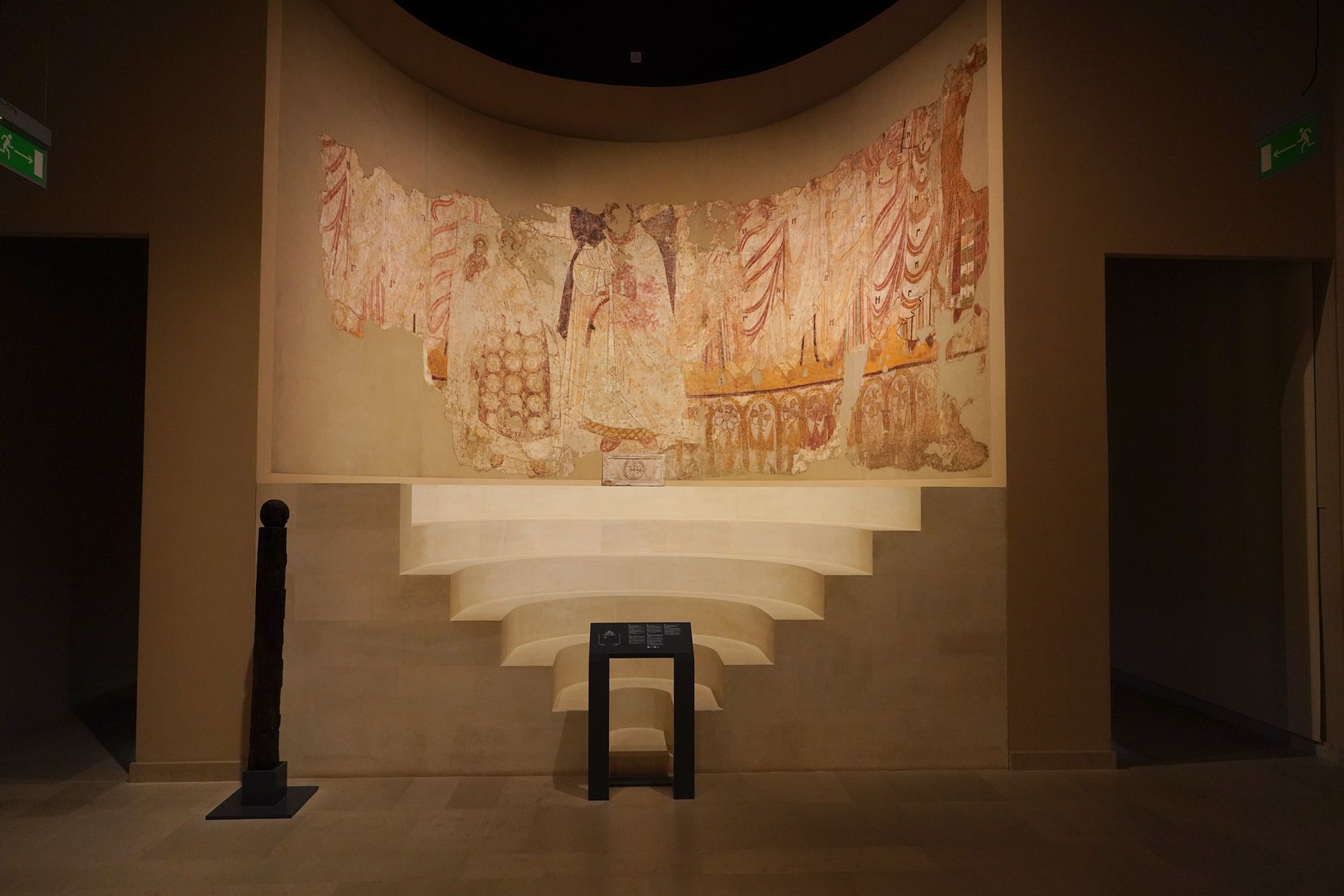
The Faras Gallery displays Nubian art discovered by Polish archaeologists in Sudan between 1961 and 1964. Led by Professor Kazimierz Michałowski, the team worked as part of a UNESCO rescue campaign to save historic monuments before the construction of the Aswan High Dam flooded the area beneath Lake Nasser.
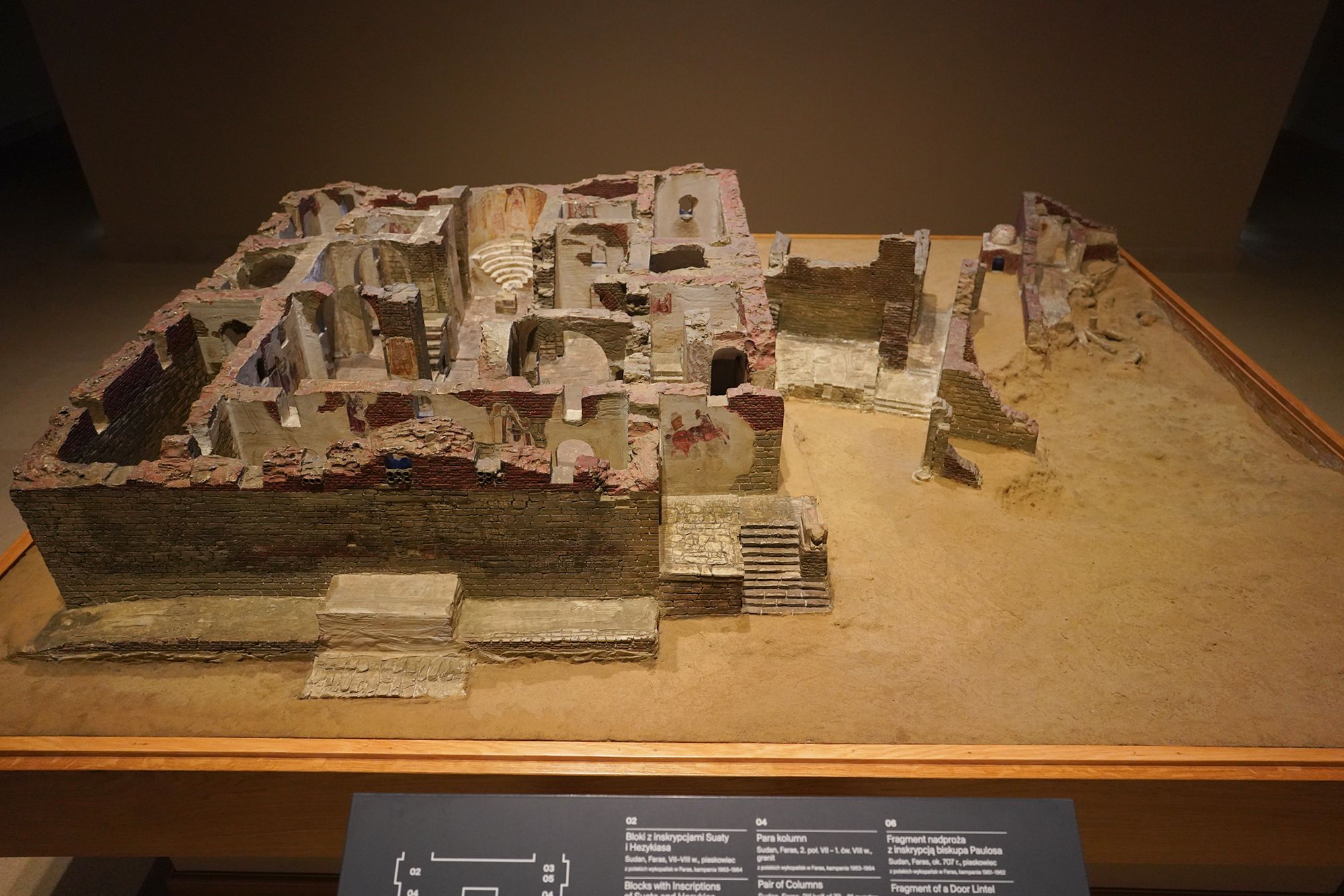
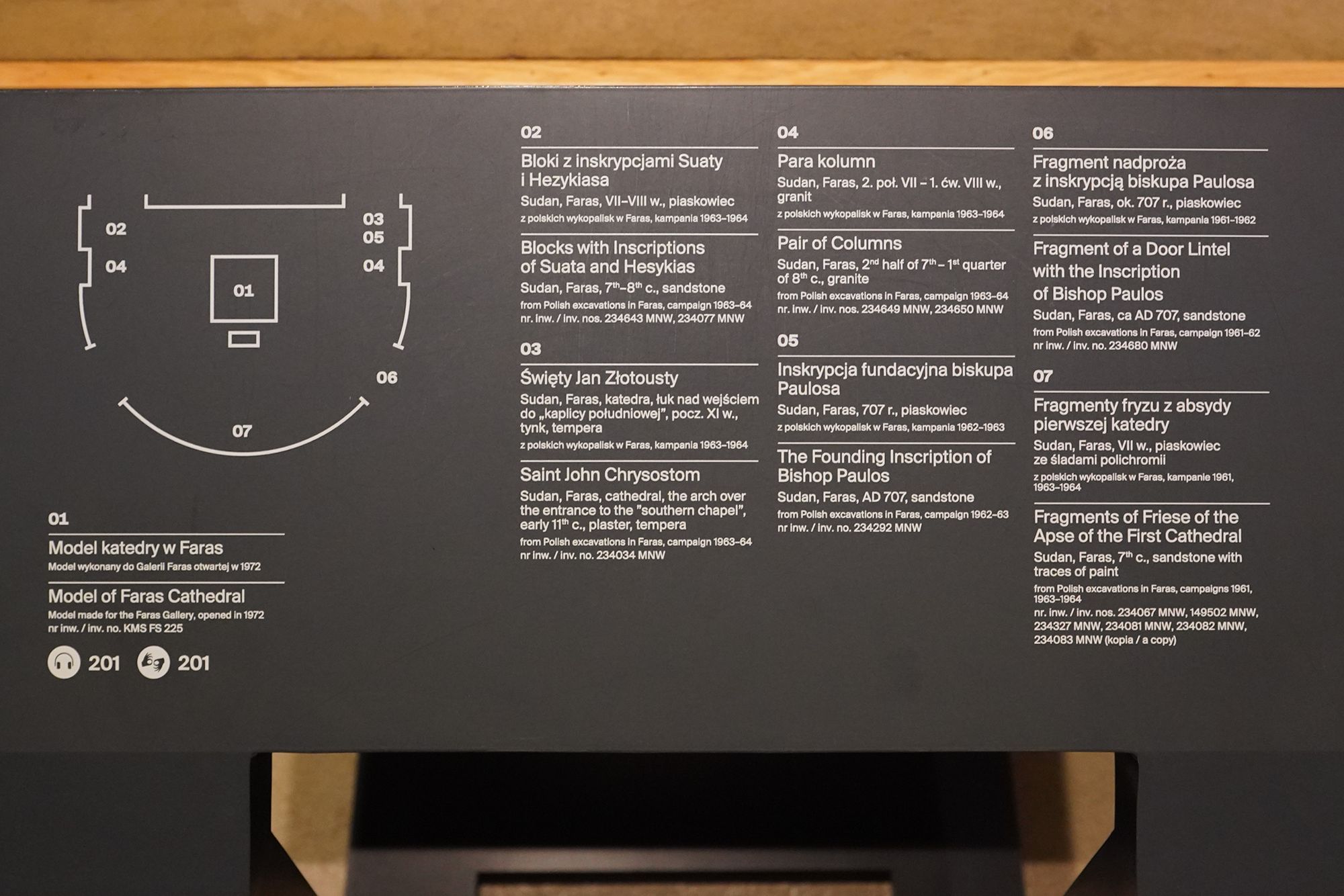
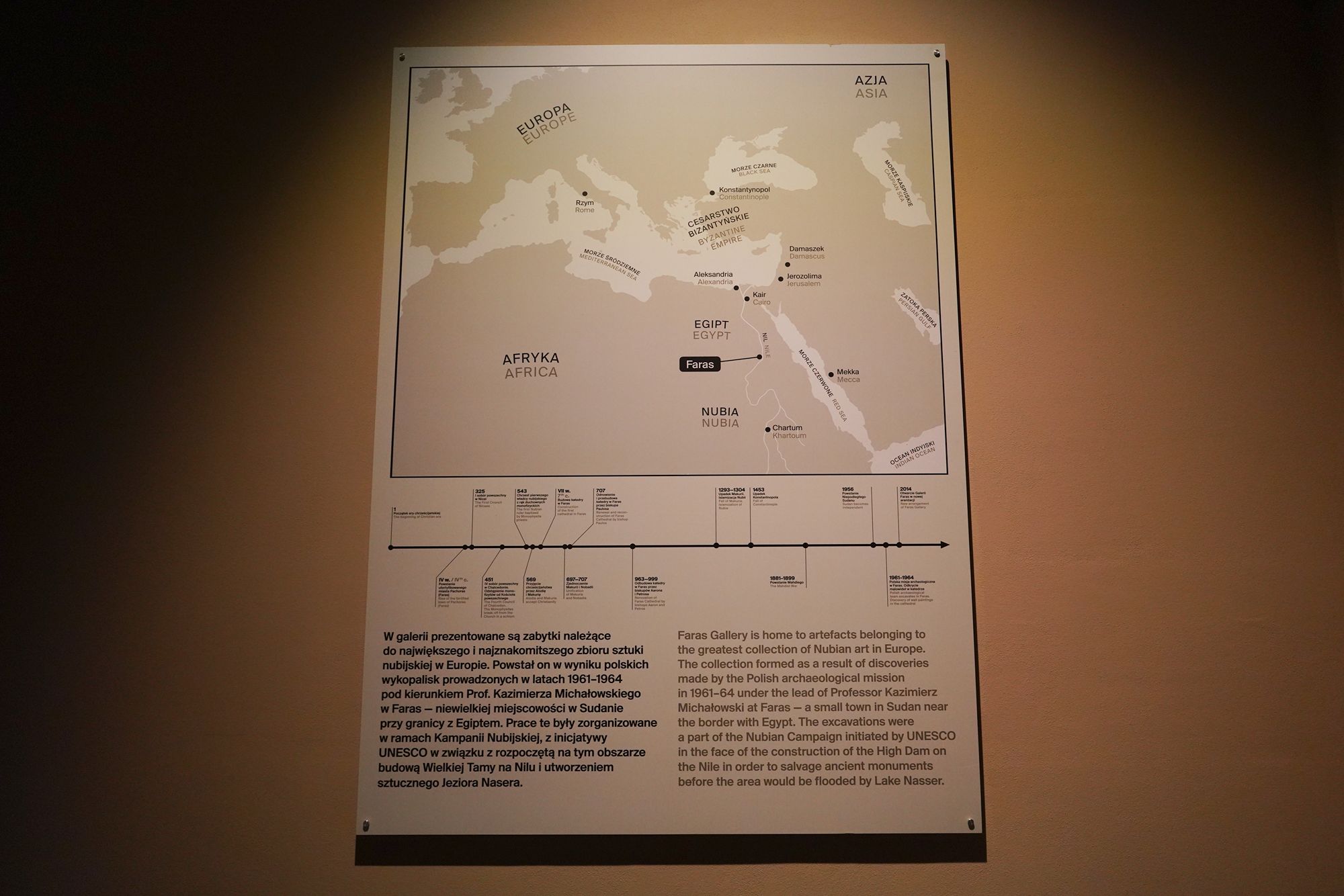
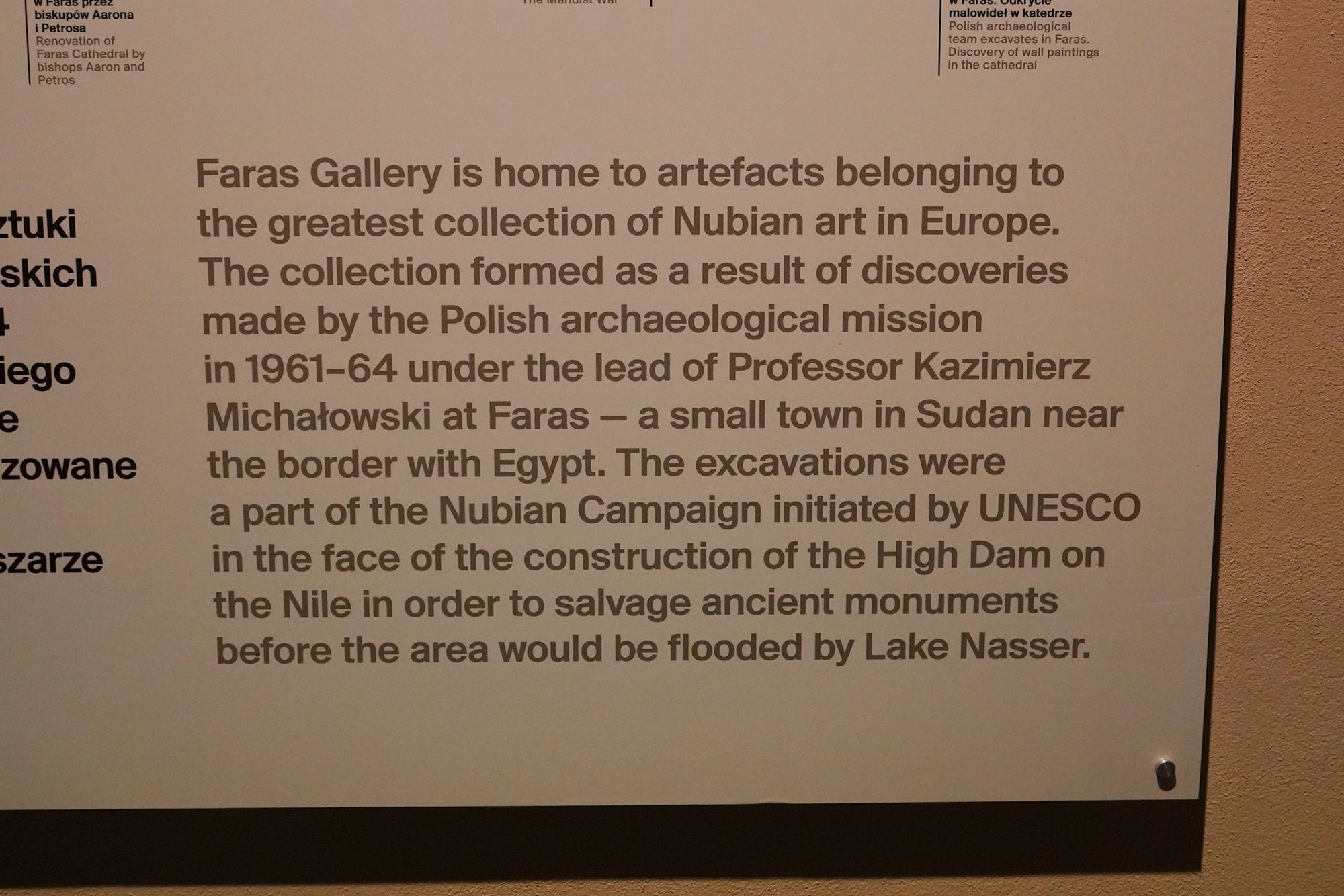
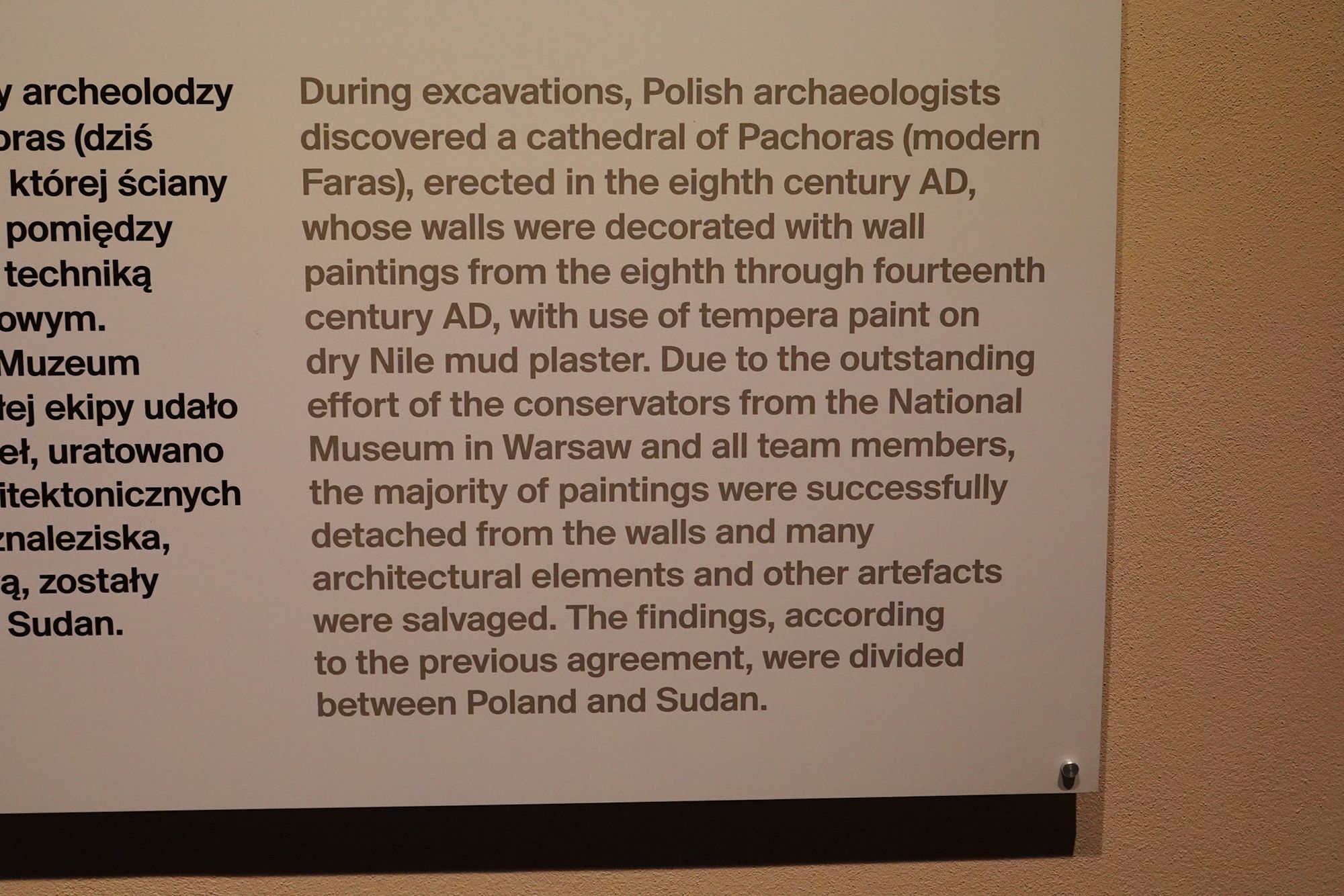
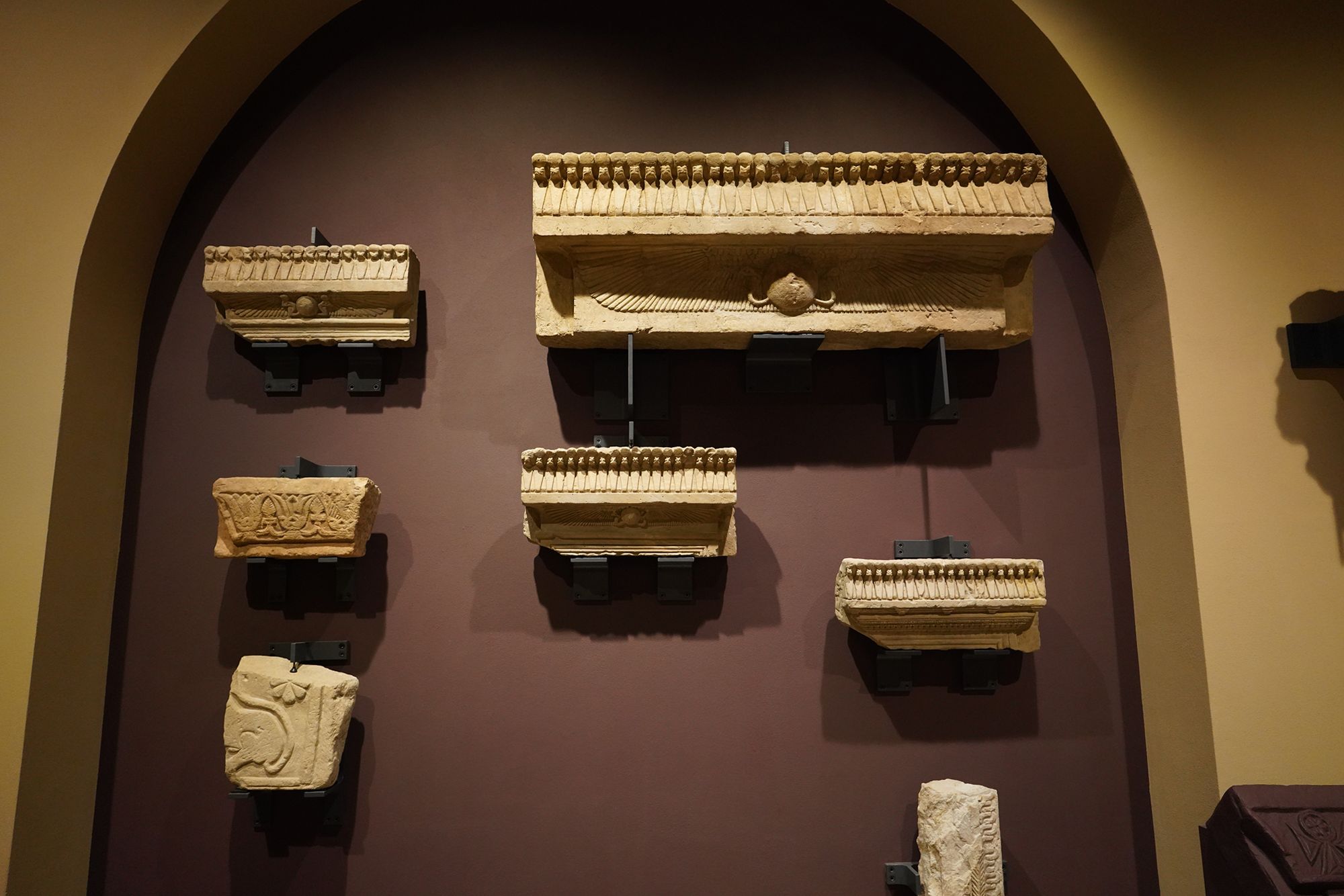
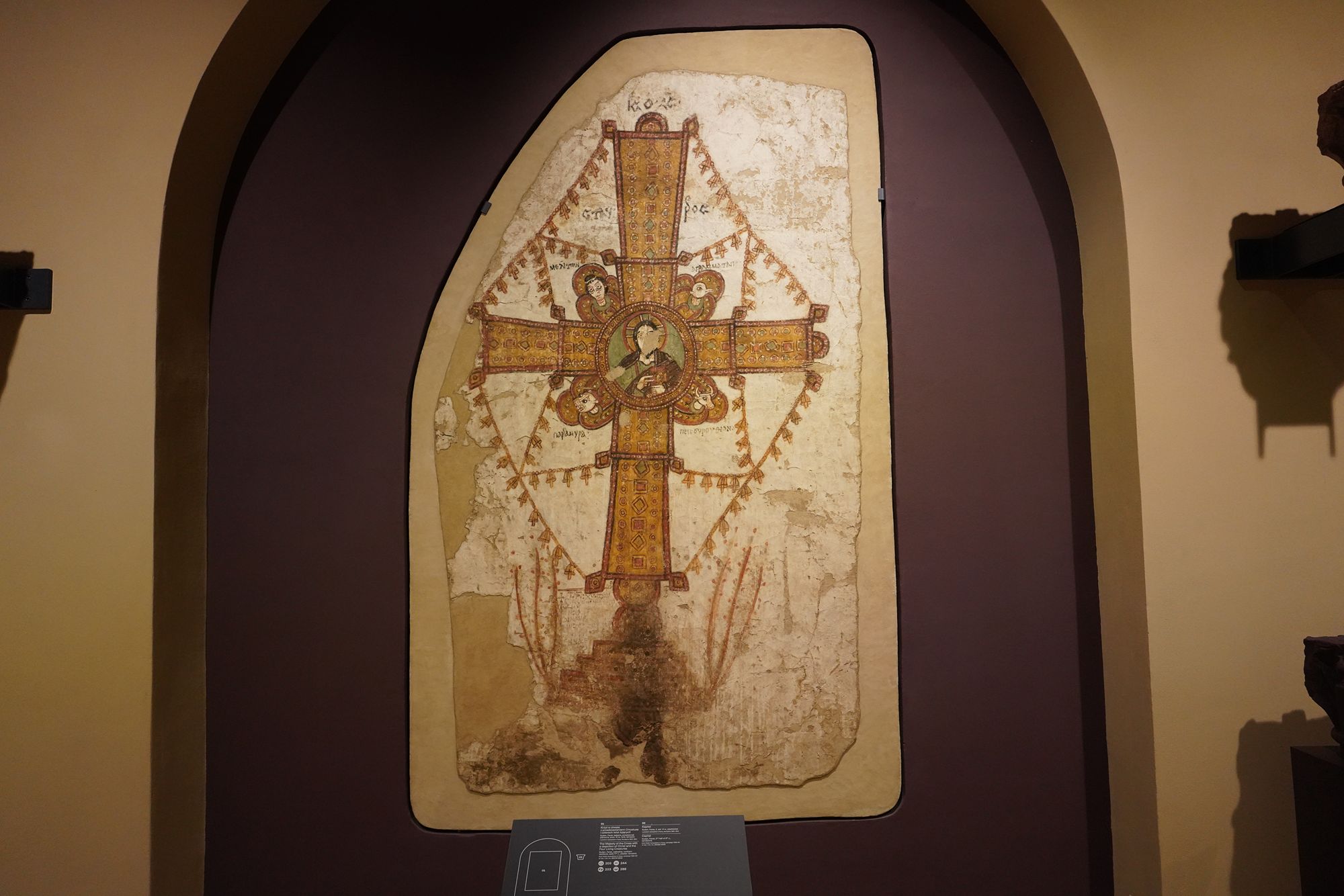
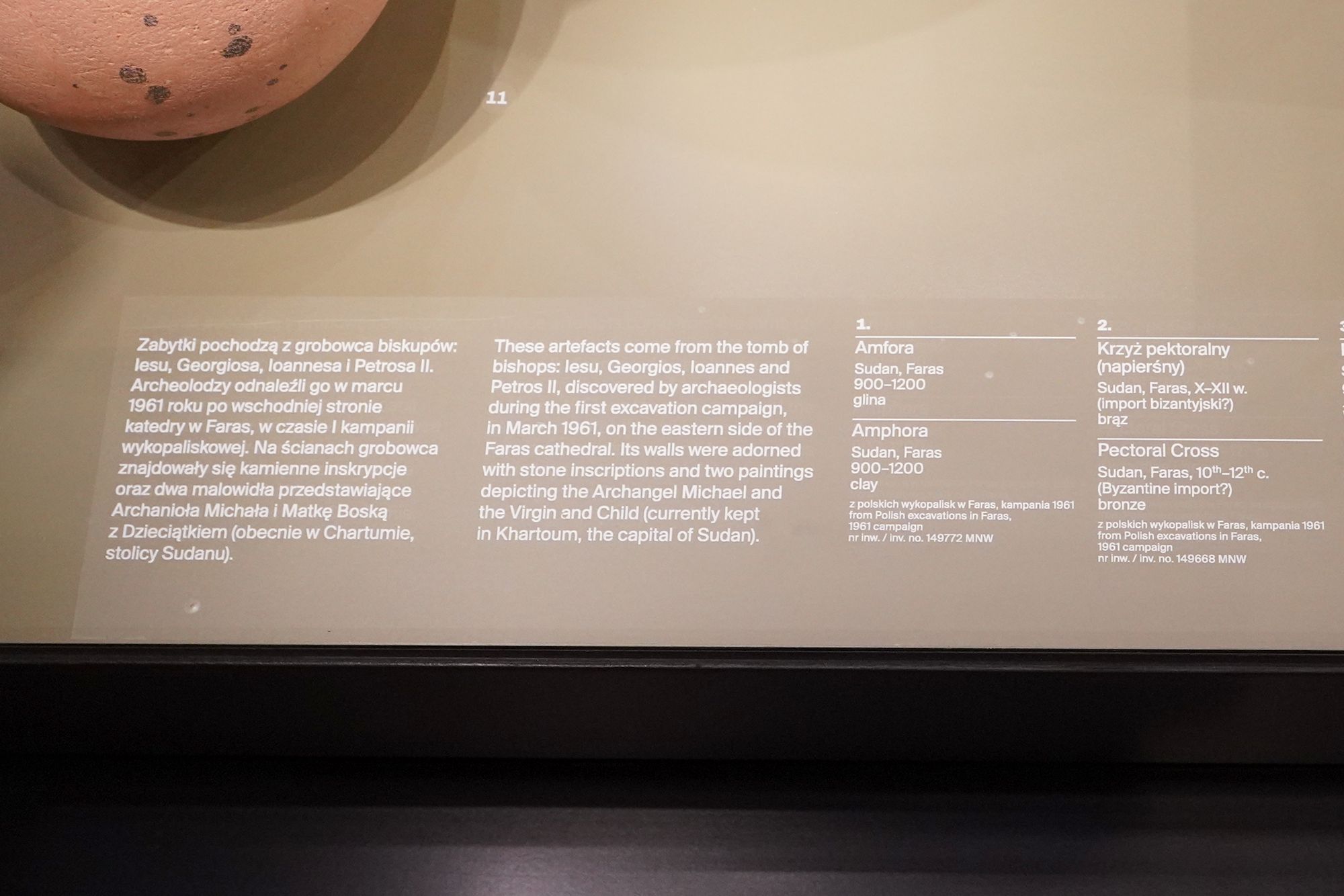
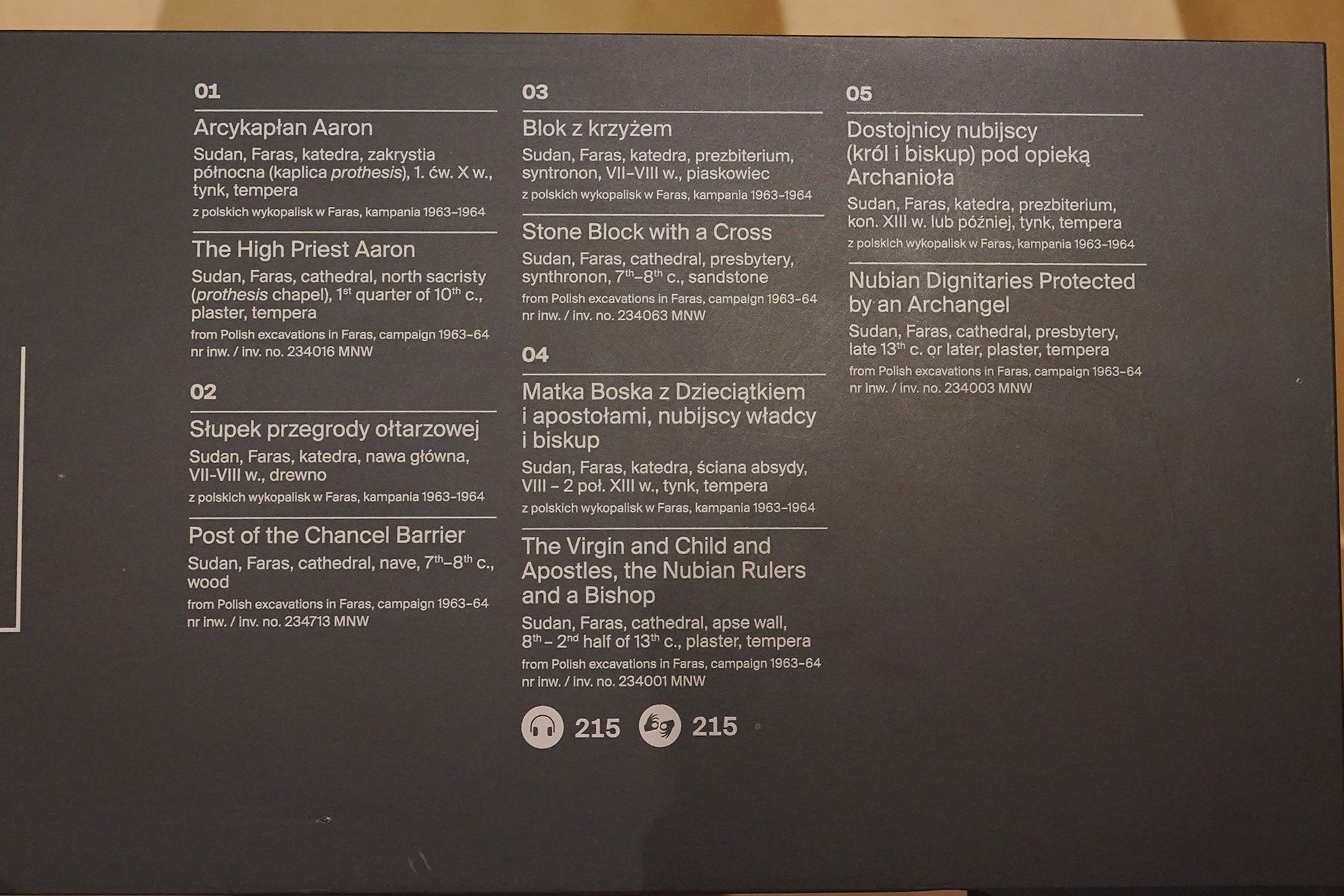
At Faras, Polish archaeologists uncovered an eighth-century cathedral with wall paintings dating from the eighth to fourteenth centuries. Painted on dry mud plaster, most were carefully removed by conservators before the site was flooded. The rescued paintings, architectural fragments and other objects were divided between Poland and Sudan under an earlier agreement.
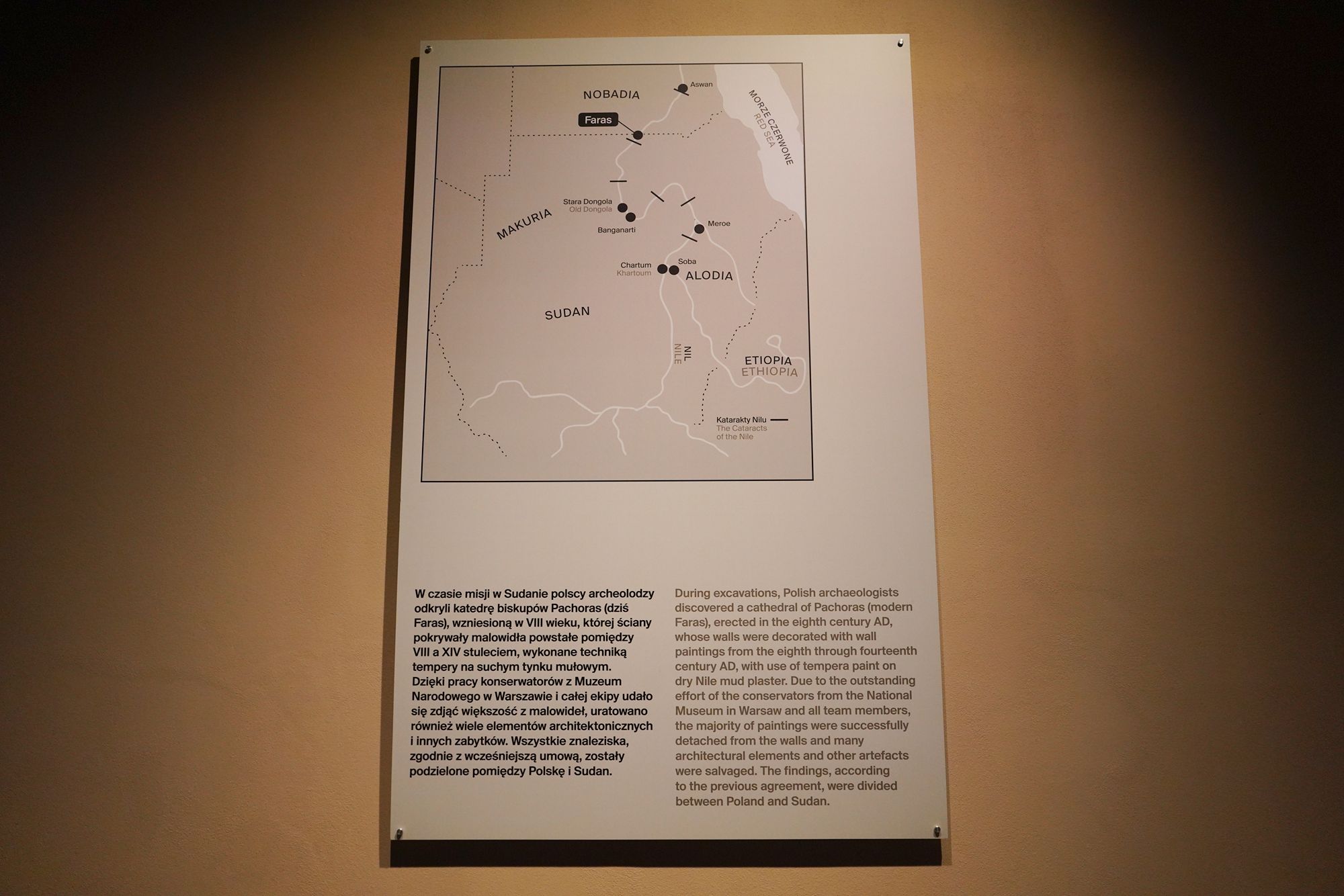
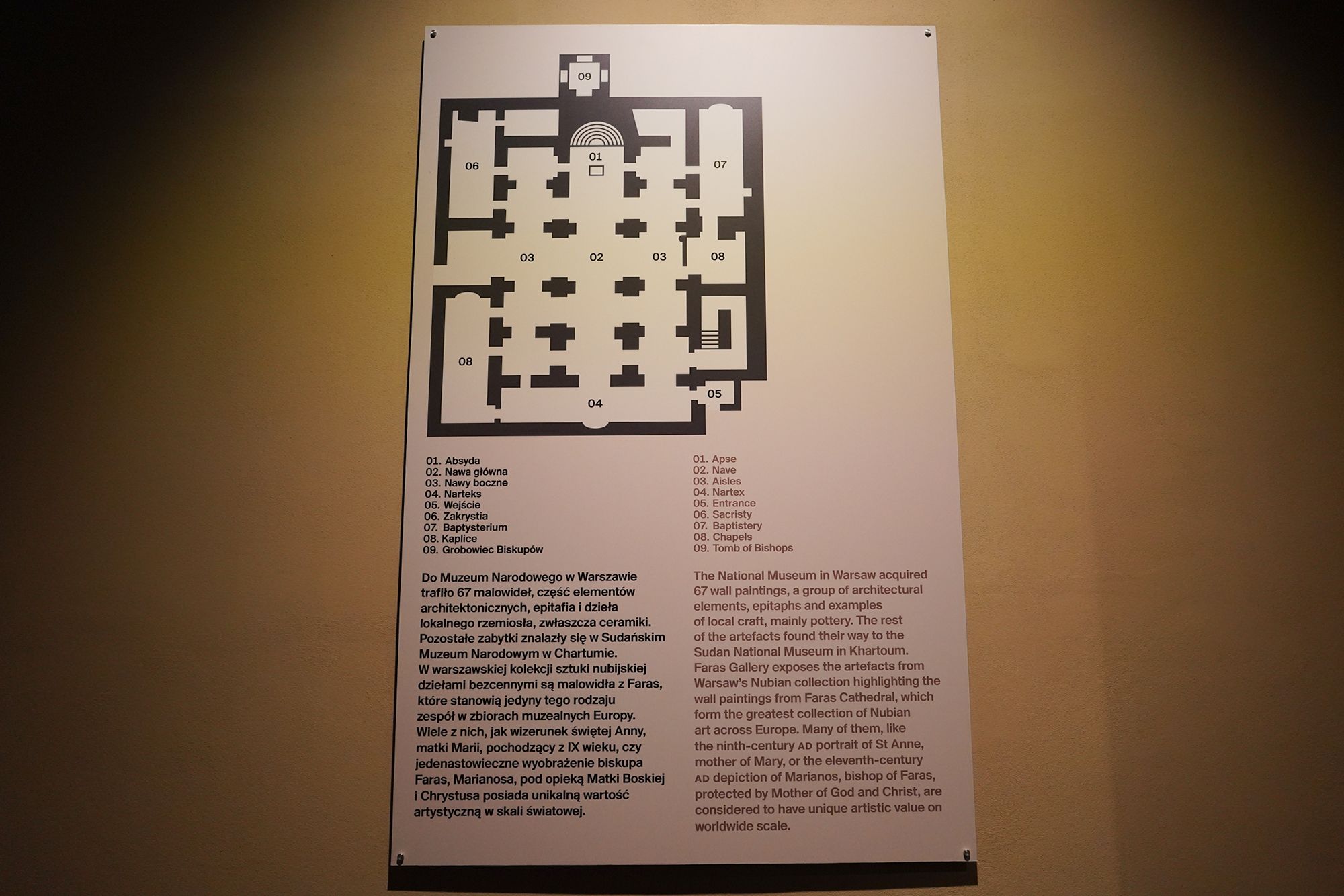
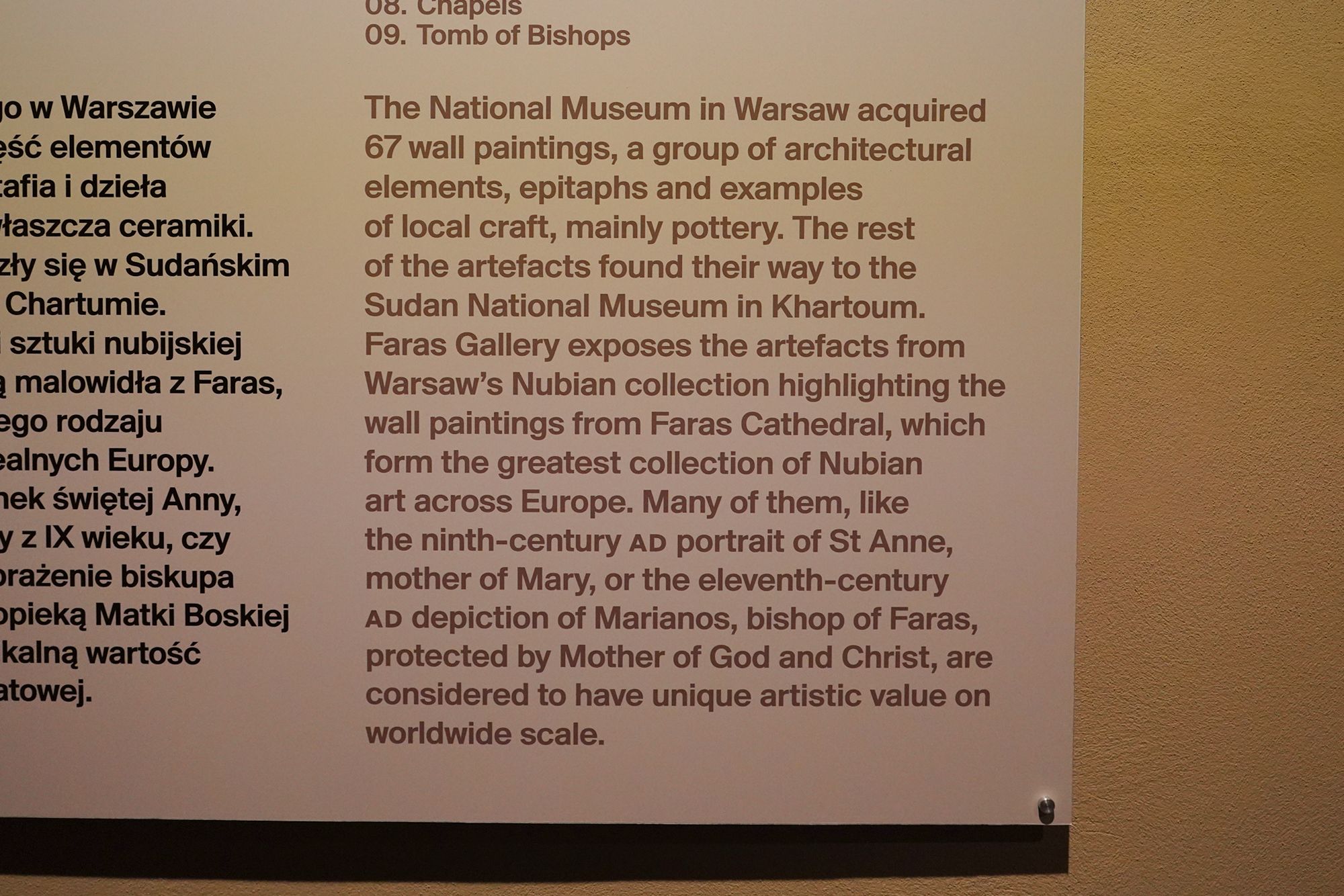
Warsaw received 67 wall paintings from Faras, along with architectural fragments, memorial inscriptions and pottery. The remaining finds went to the Sudan National Museum in Khartoum. Highlights include a ninth-century portrait of Saint Anne, Mary’s mother, and an eleventh-century painting of Bishop Marianos protected by the Virgin Mary and Christ.
A view behind me