Gdanks Walk I, Poland
A historic Baltic port known for its Hanseatic architecture, amber trade, maritime heritage, and important place in Polish history. 1358
Green Gate: Długi Targ 24, 80-828 Gdańsk, Poland
Long Market: Gdańsk, Poland
Main Town Hall: Długa 47/49, 80-831 Gdańsk, Poland
Golden Gate: Długa 1, 80-827 Gdańsk, Poland
Przedbramie ulicy Długiej: Targ Węglowy 26, 80-836 Gdańsk, Poland
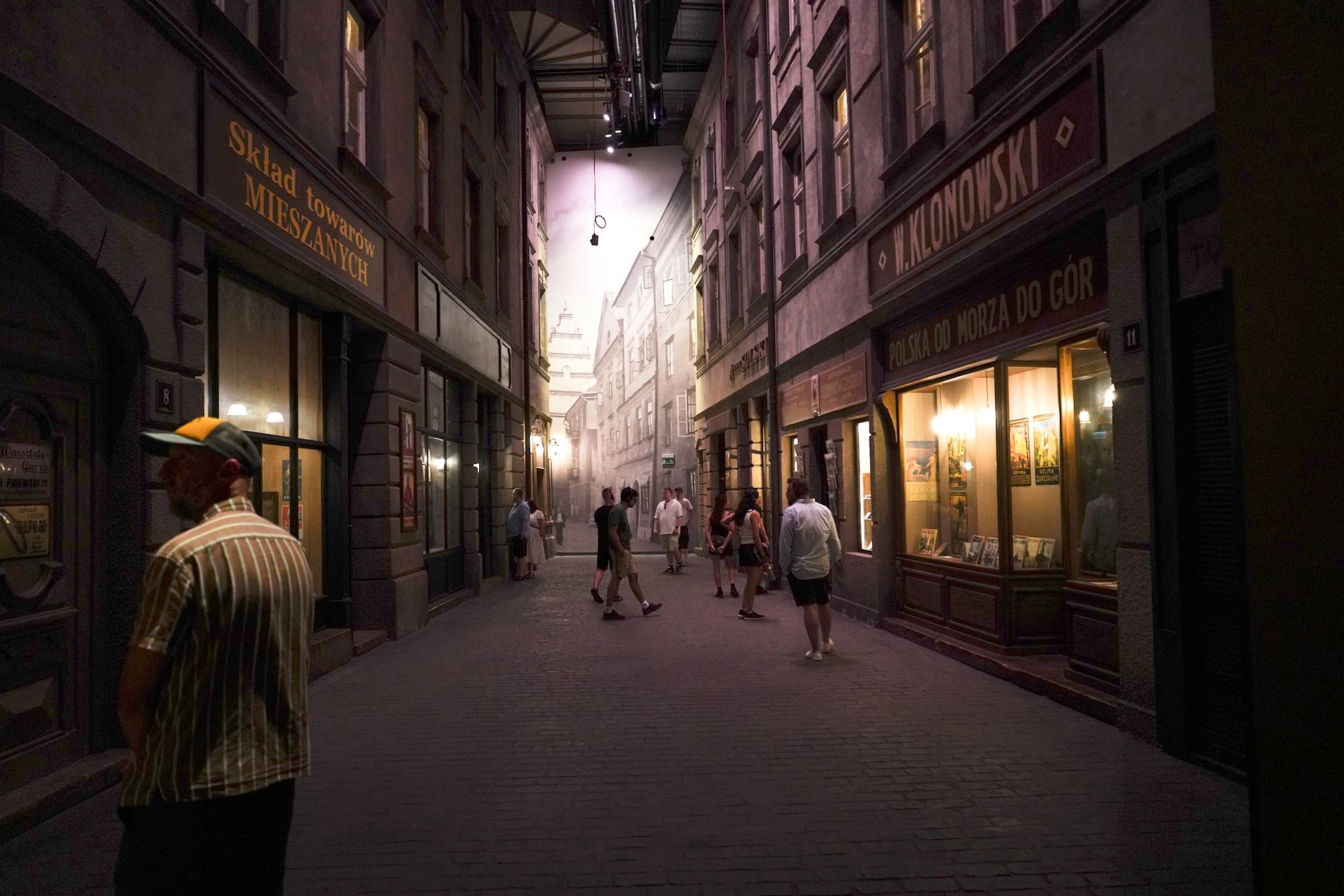
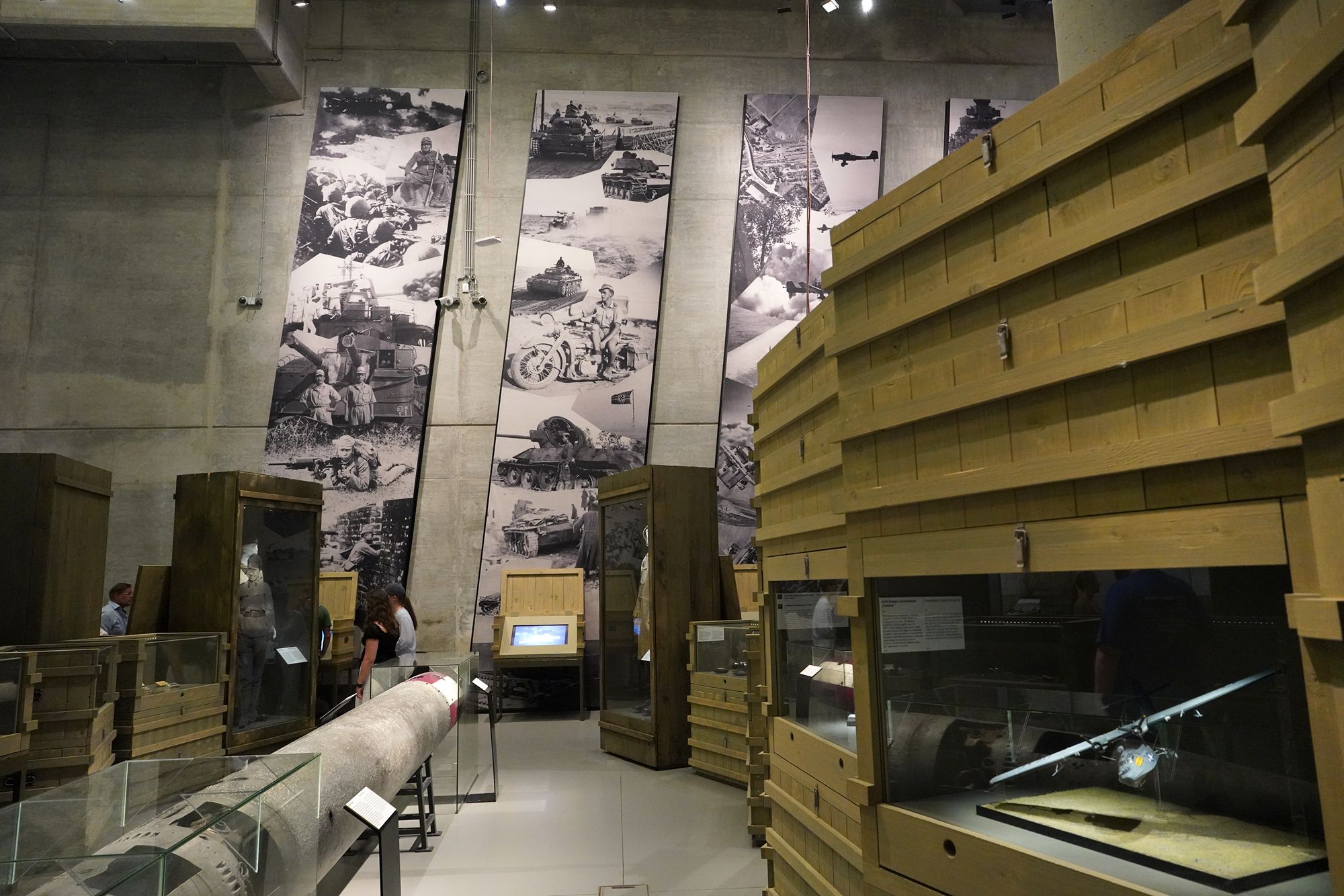
Museum of the WWII: Plac Władysława Bartoszewskiego 1, 80-862 Gdańsk, Poland
Date Picture Taken: Jun, 2026
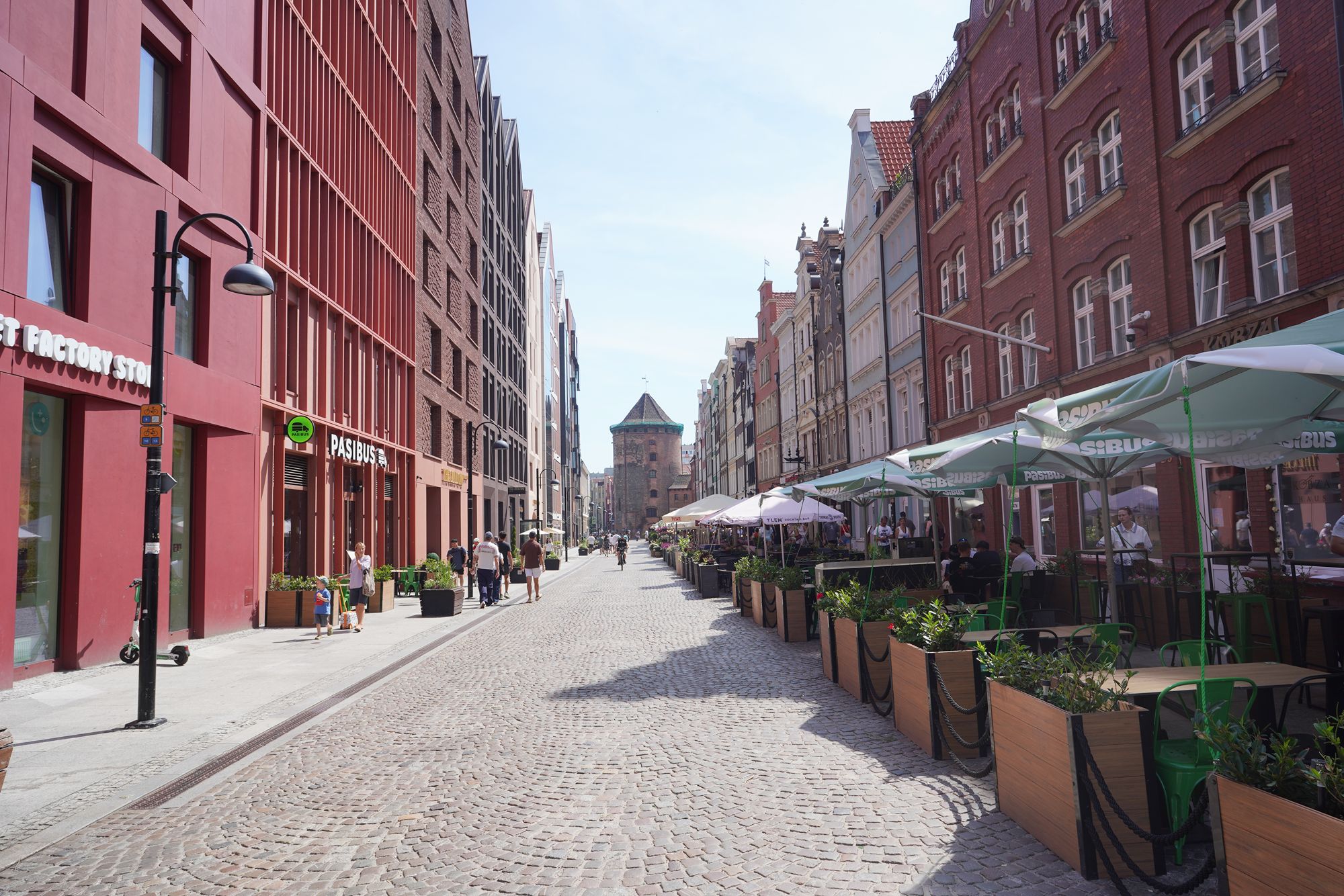
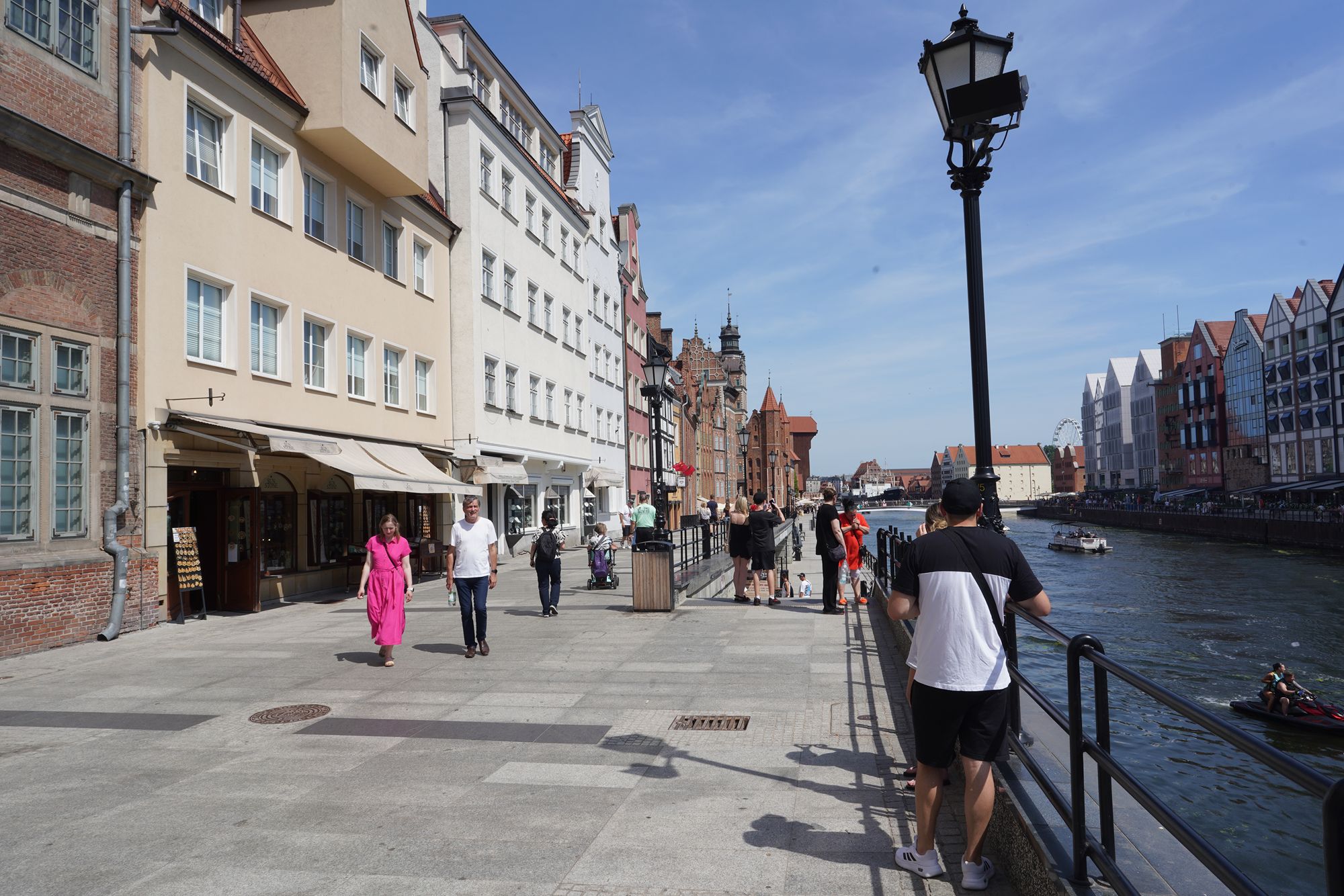
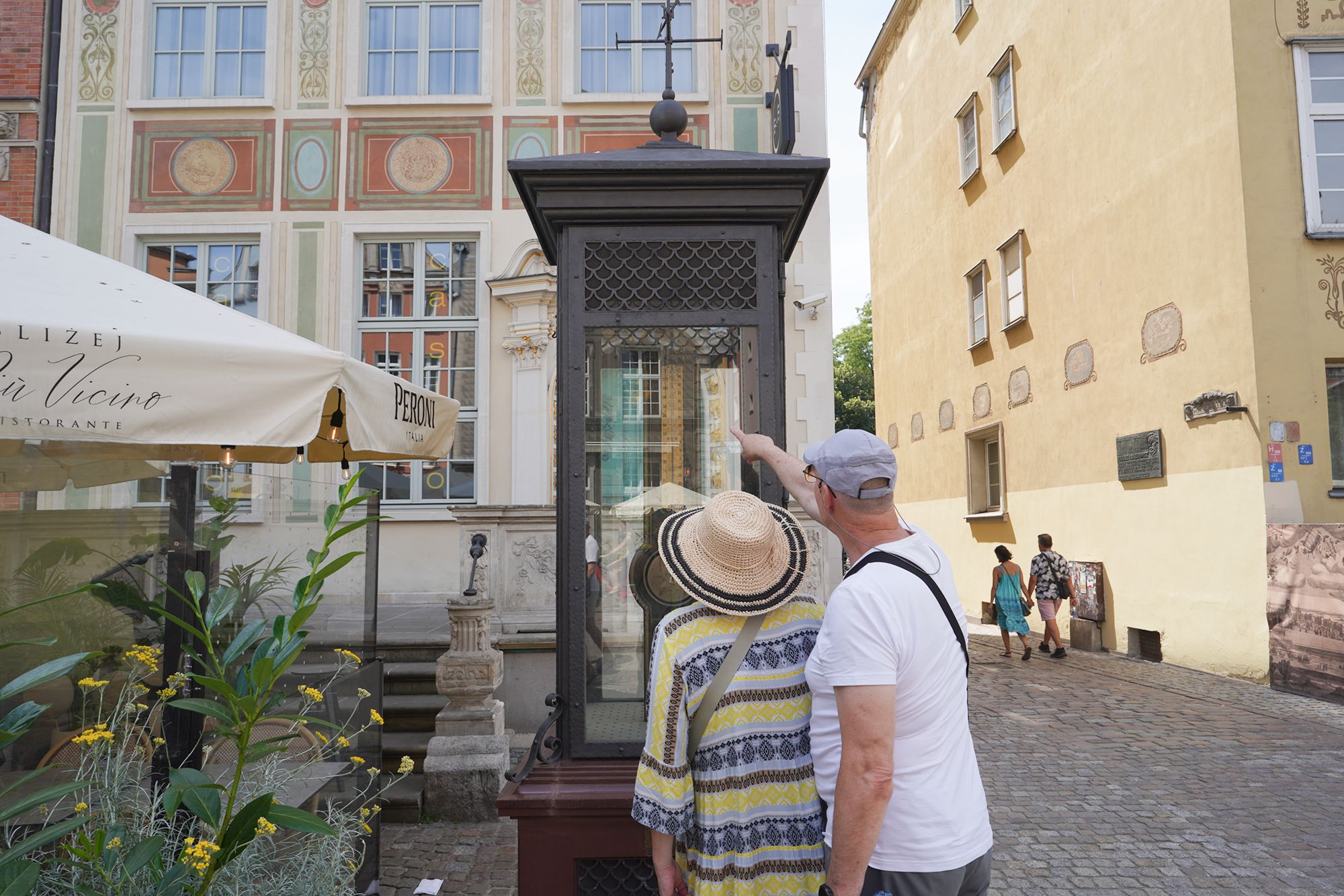
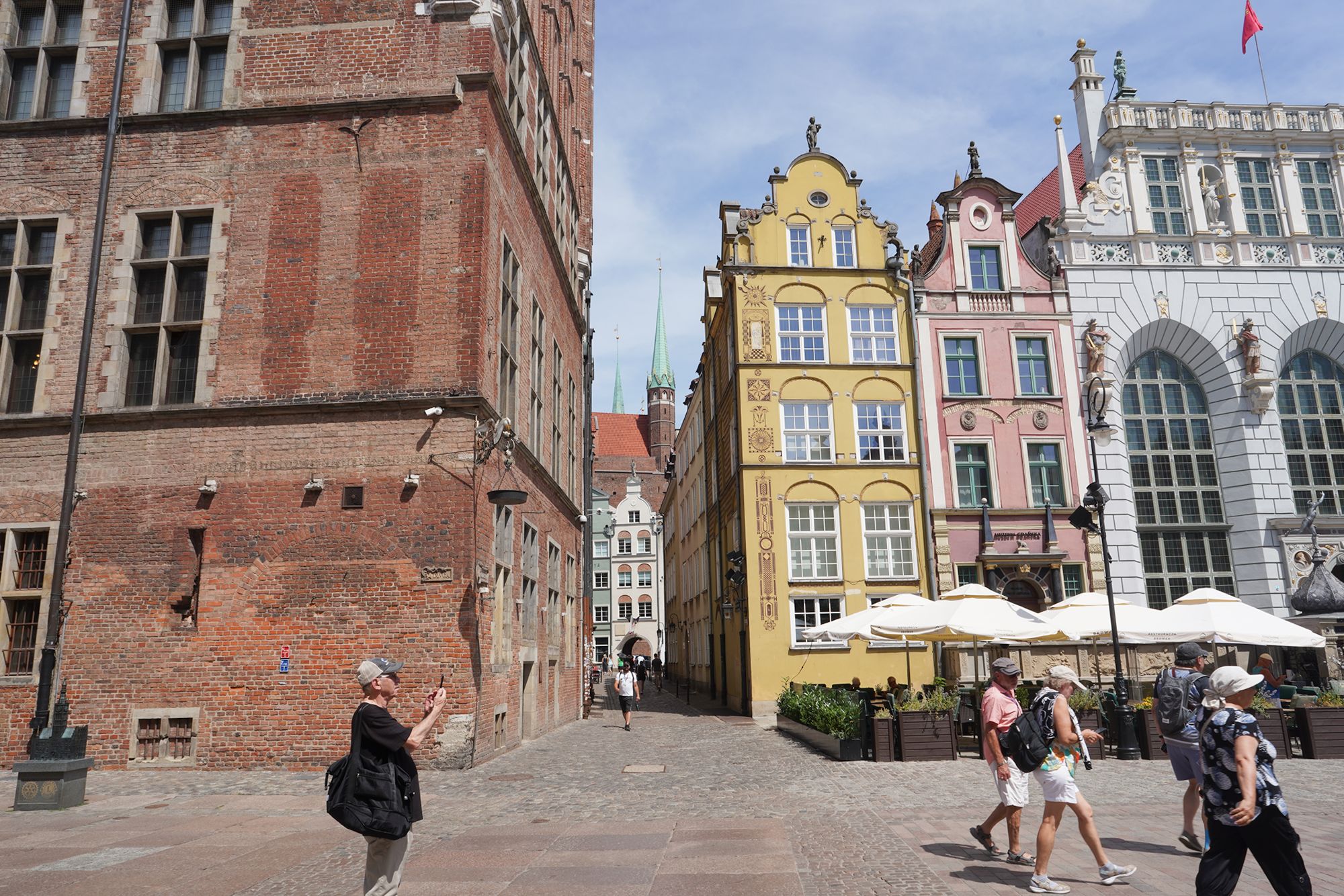
Looking toward Stągwie Mleczne (the Milk Churns) from Gdańsk’s Old Town.
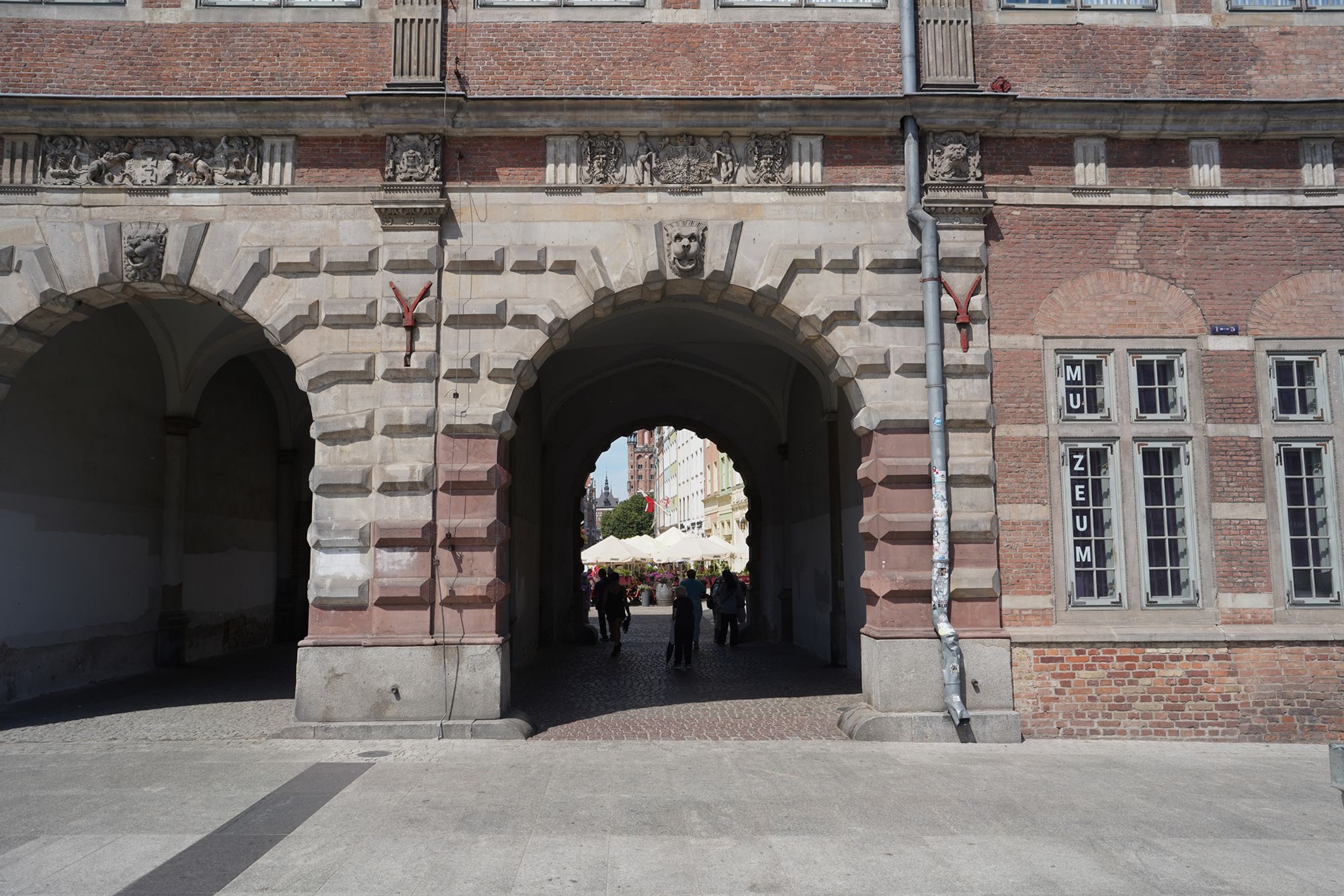
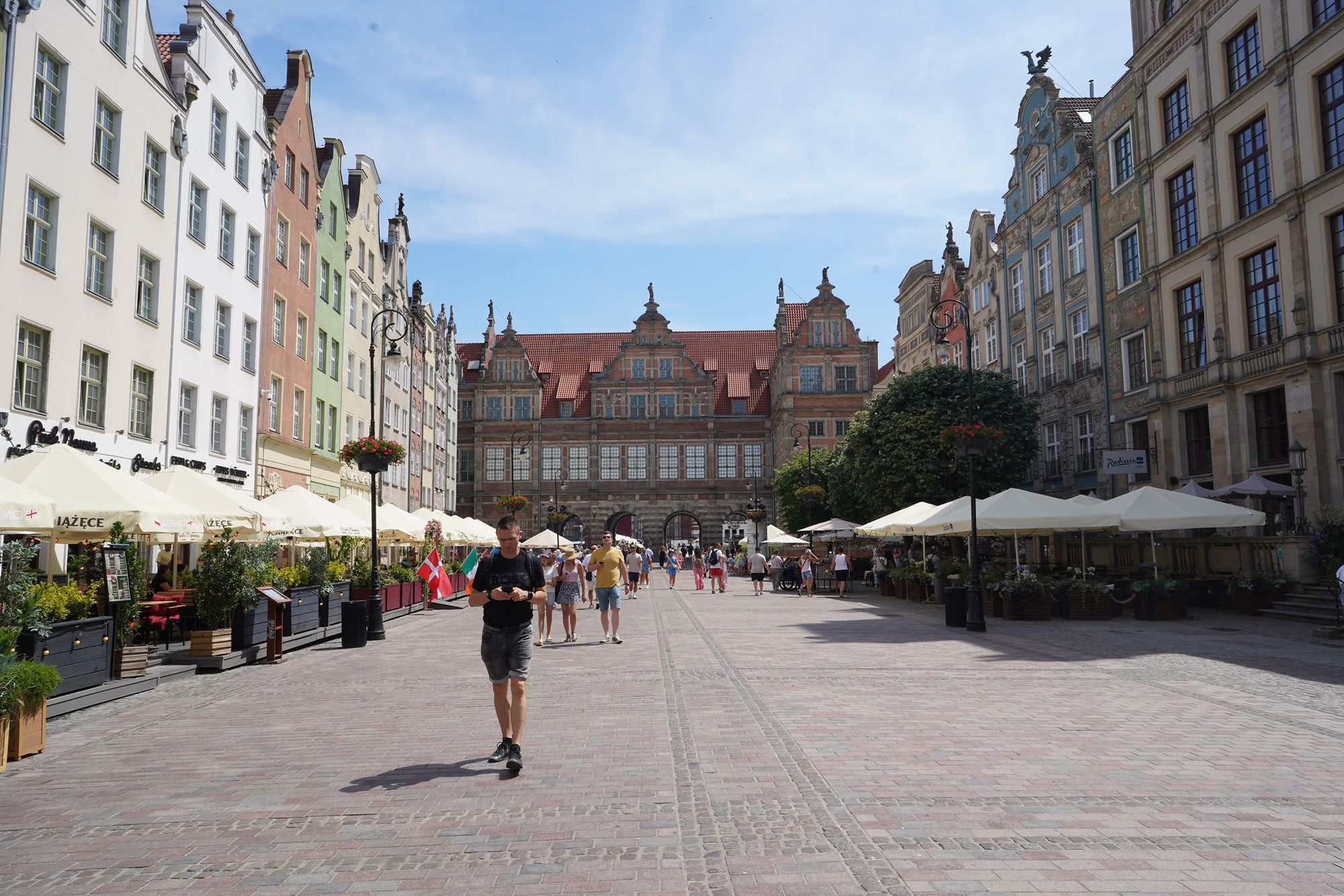
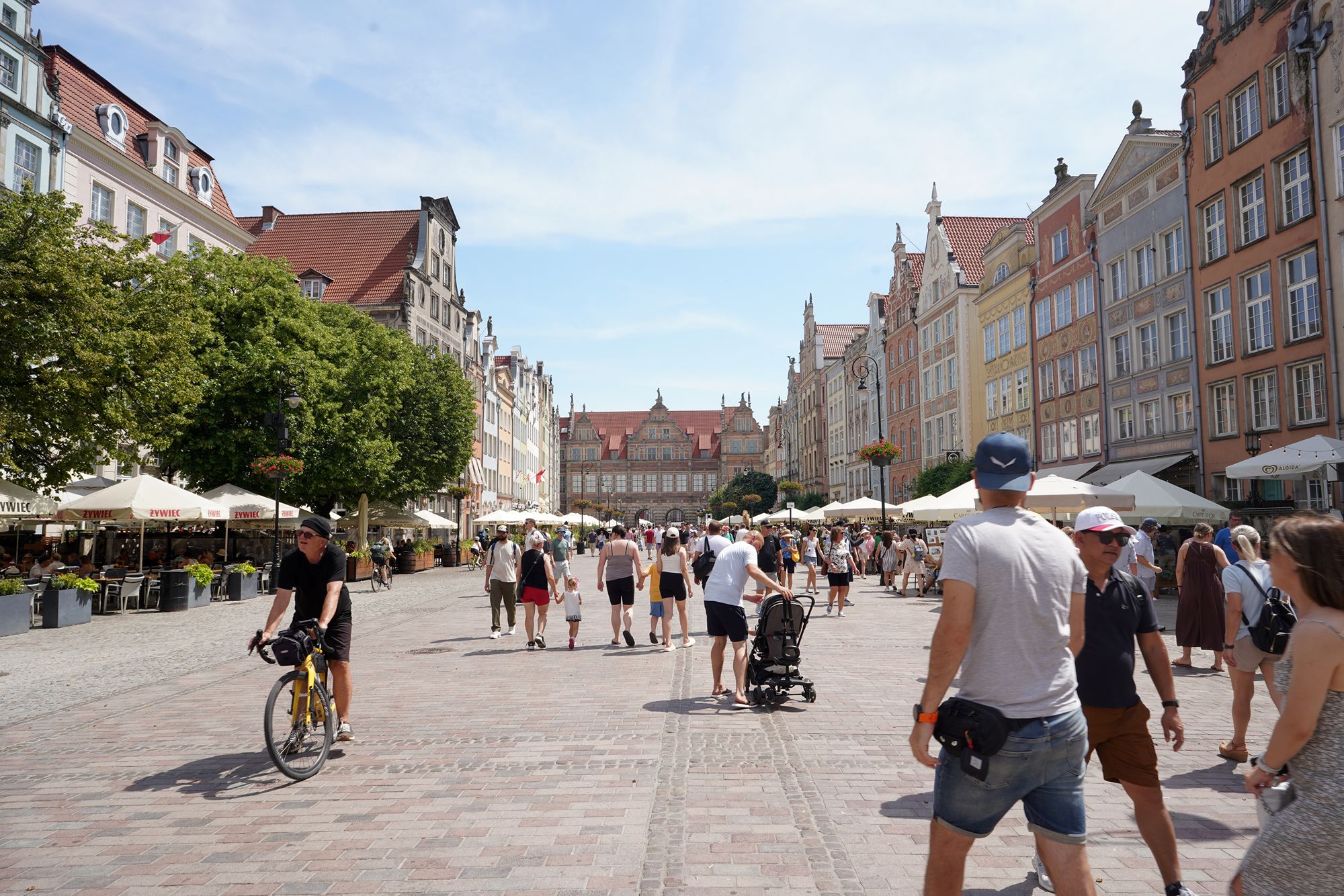
Looking in the opposite direction, toward the Green Gate.
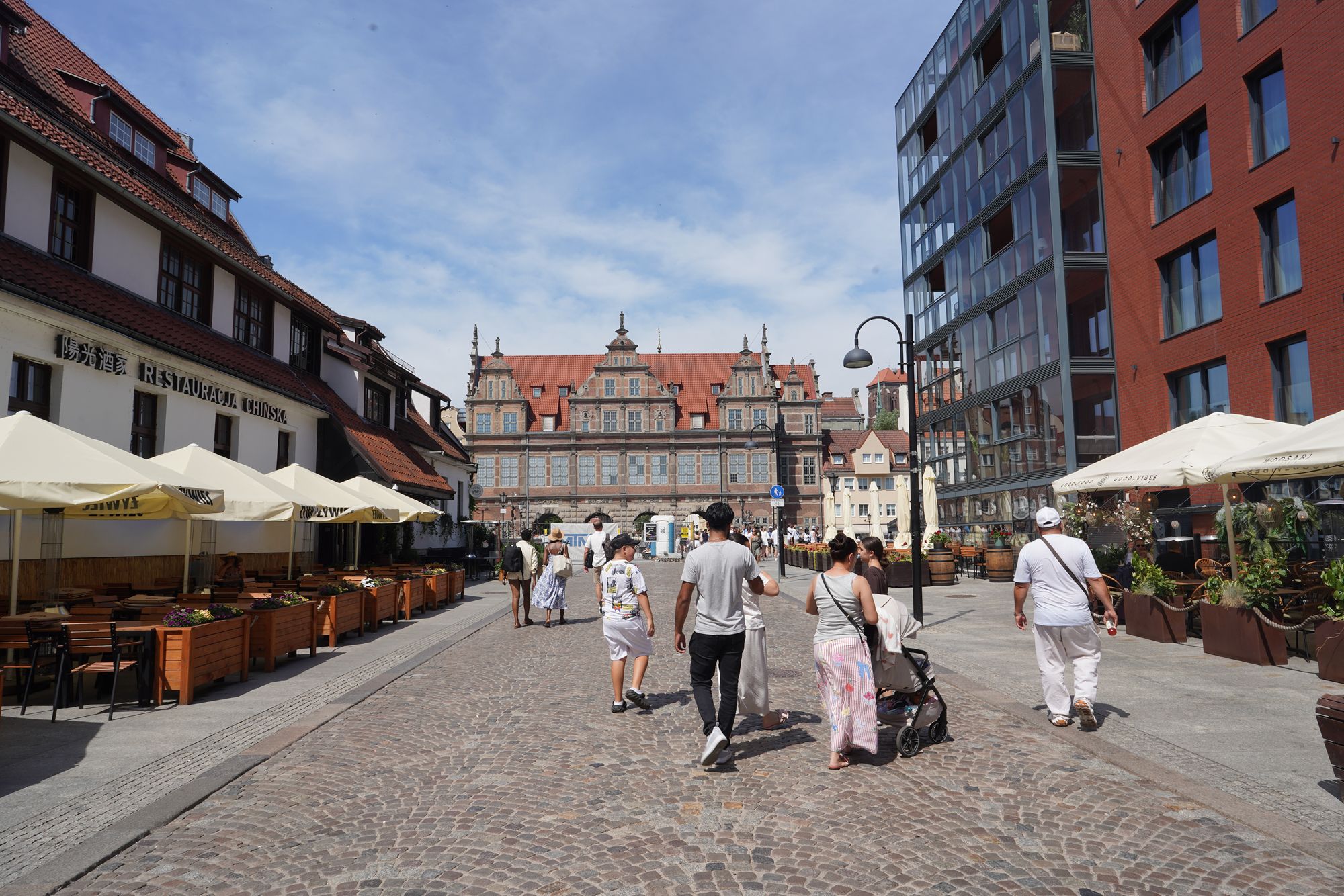
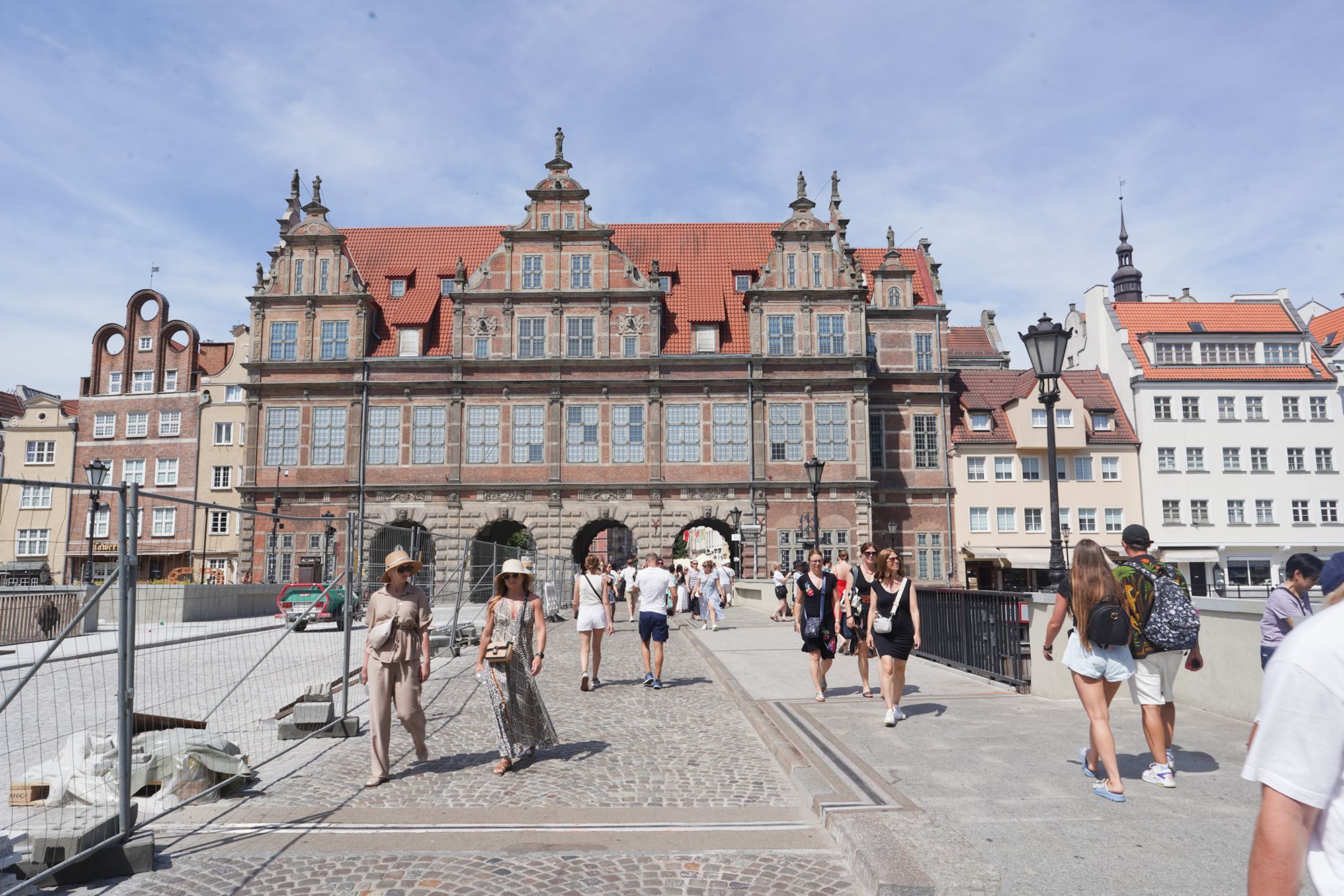
The Green Gate (Zielona Brama) is a grand Renaissance-style gateway at the end of Gdańsk’s Long Market. Built in 1564–1568, it was intended as a residence for visiting Polish monarchs, though it was rarely used for that purpose. Today, it houses part of the National Museum in Gdańsk.
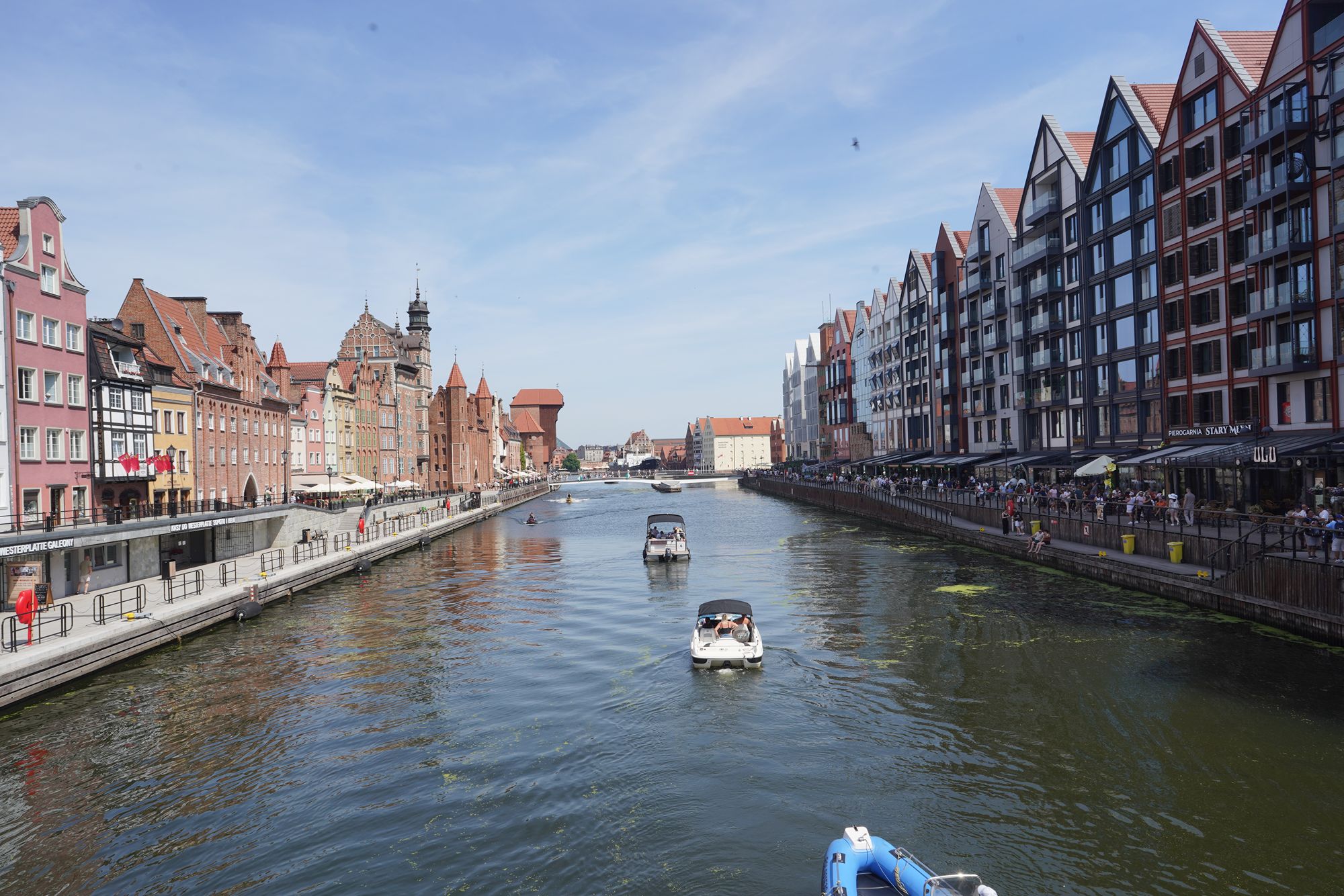
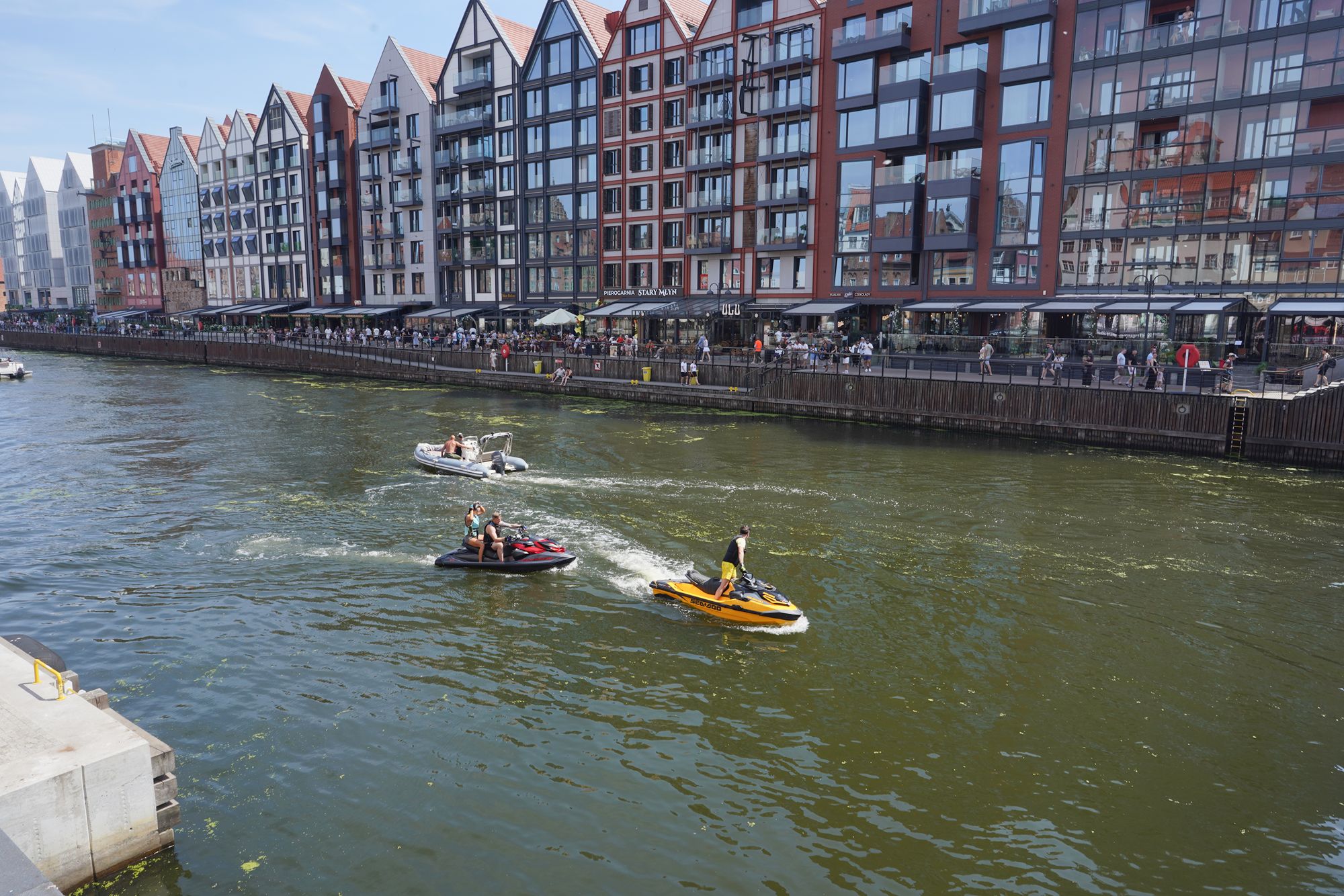
The Motława flows past Gdańsk’s historic waterfront, where the old port once bustled with trade. Along the river stand the famous medieval Crane and former granaries on Granary Island, reminders of the city’s maritime past.
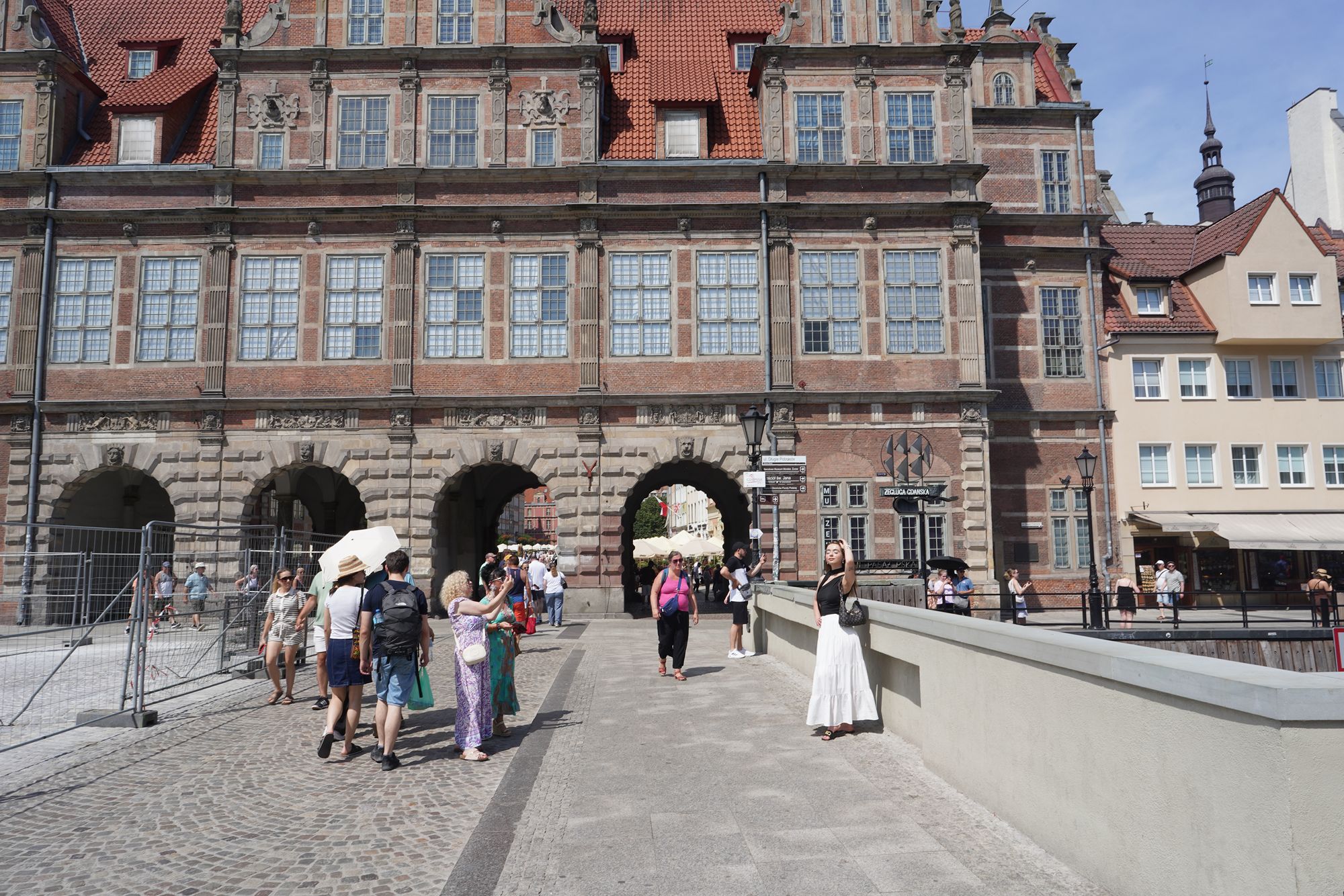
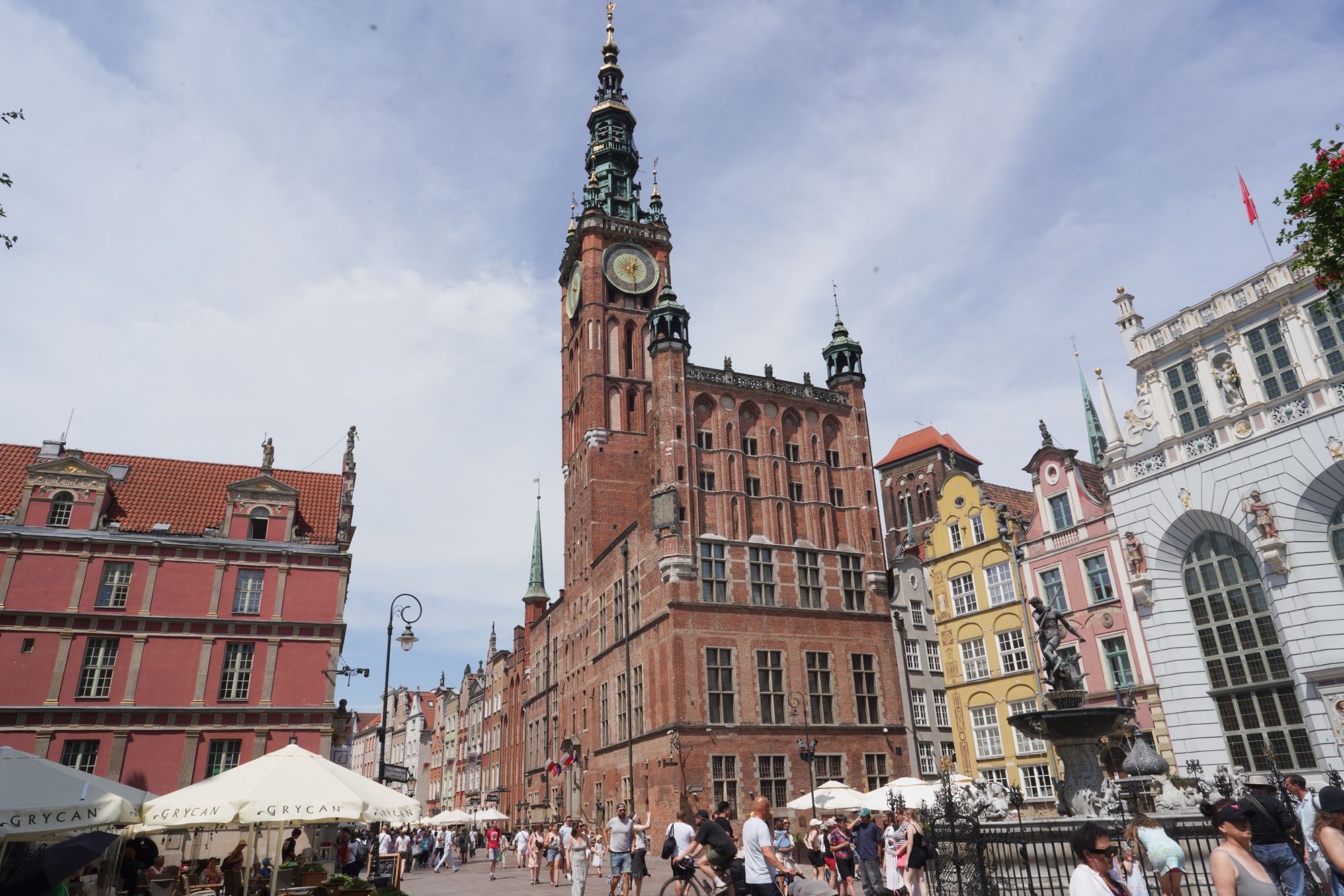
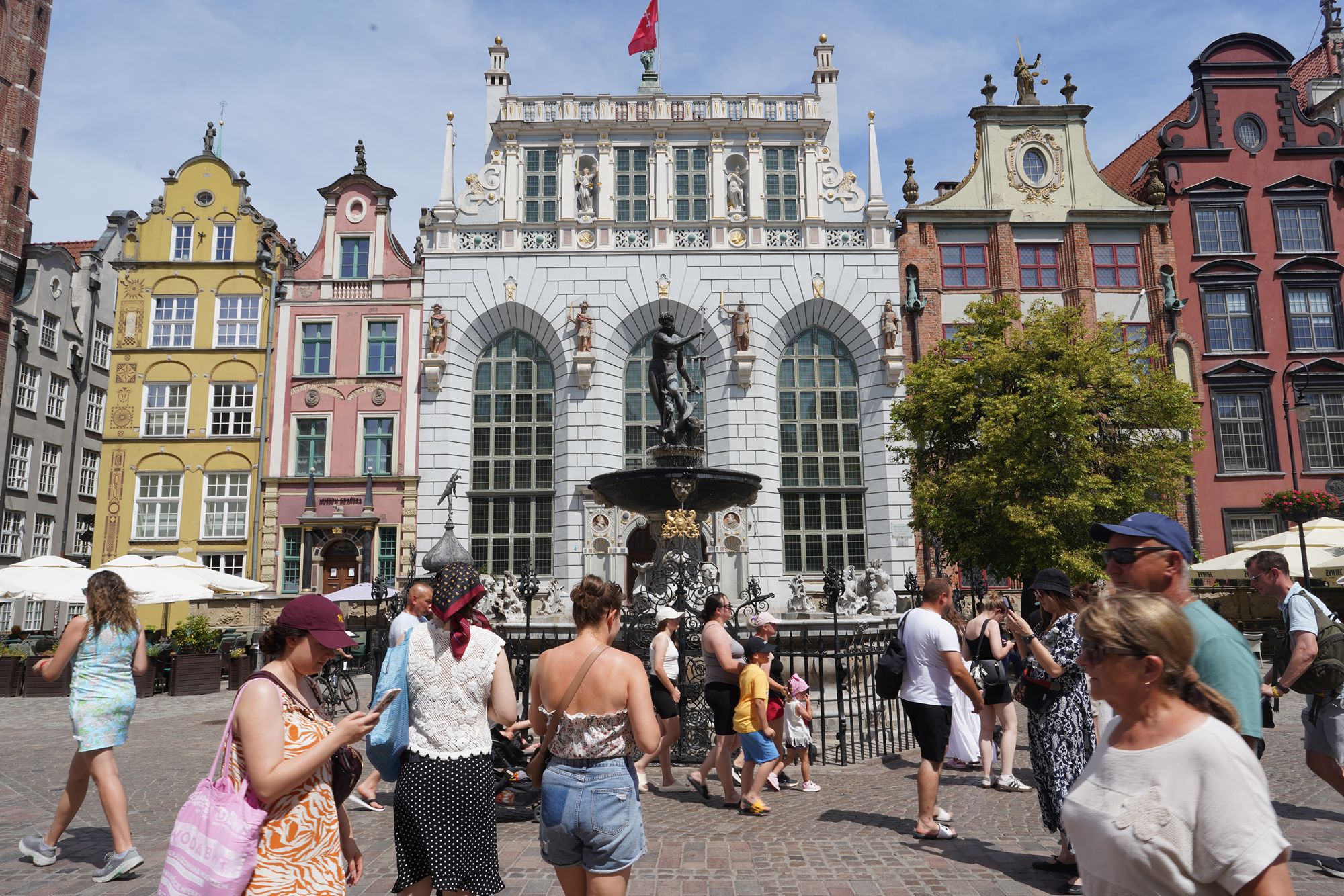
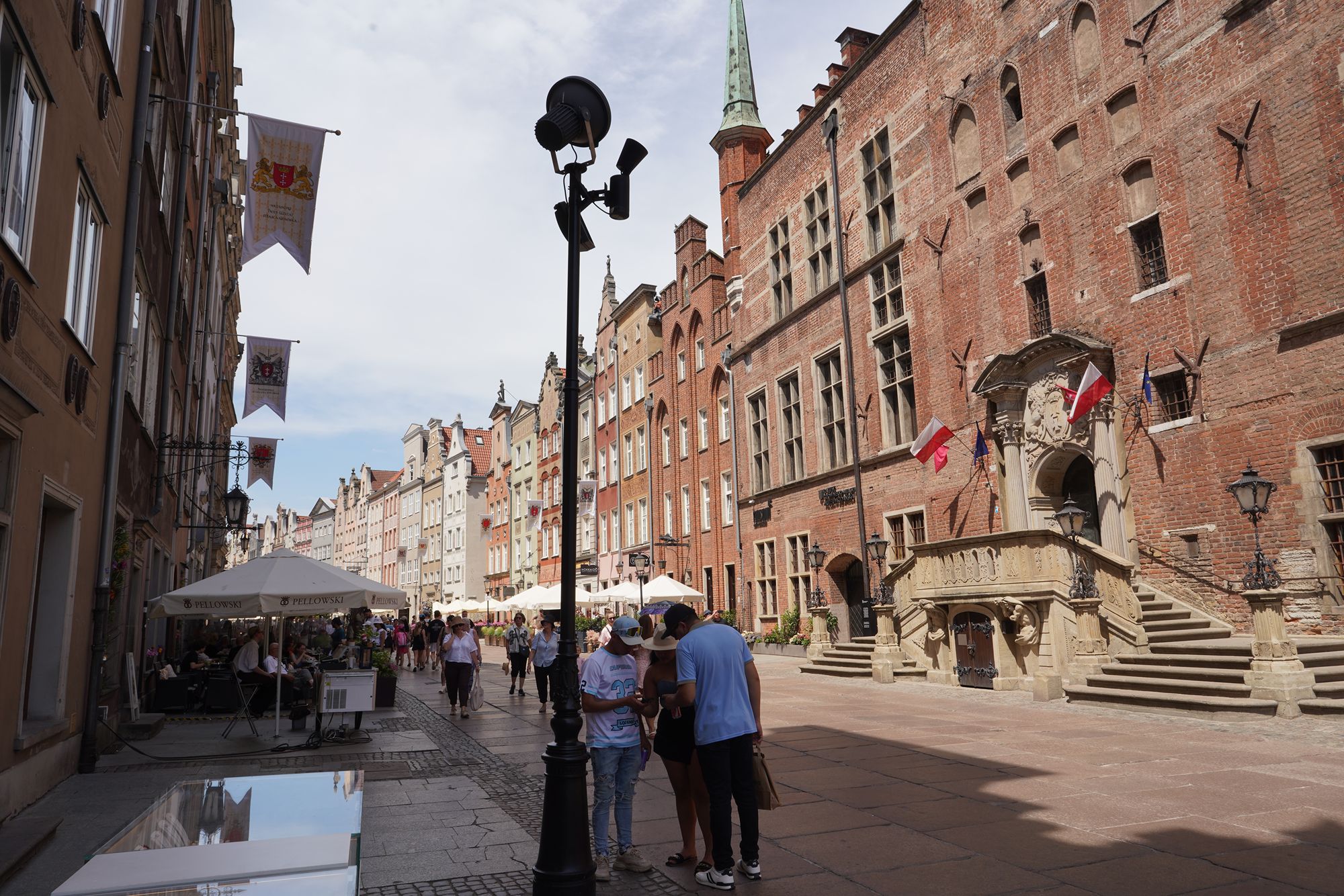
After the Green Gate, I entered Long Market (Długi Targ), at the heart of Gdańsk’s historic center. Continue past Neptune’s Fountain, Artus Court, and the Main Town Hall; Long Market then leads into Long Street toward the Golden Gate.
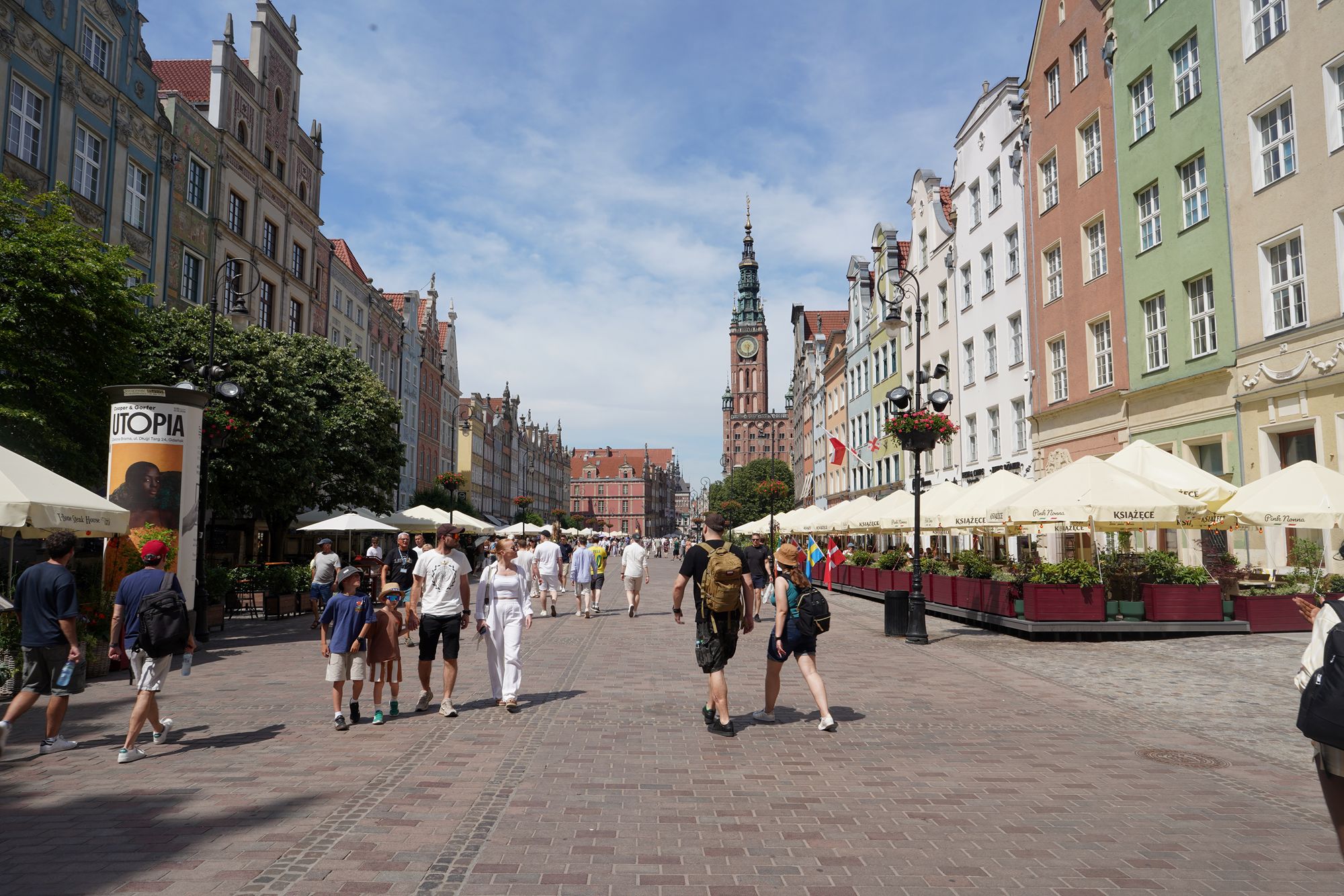
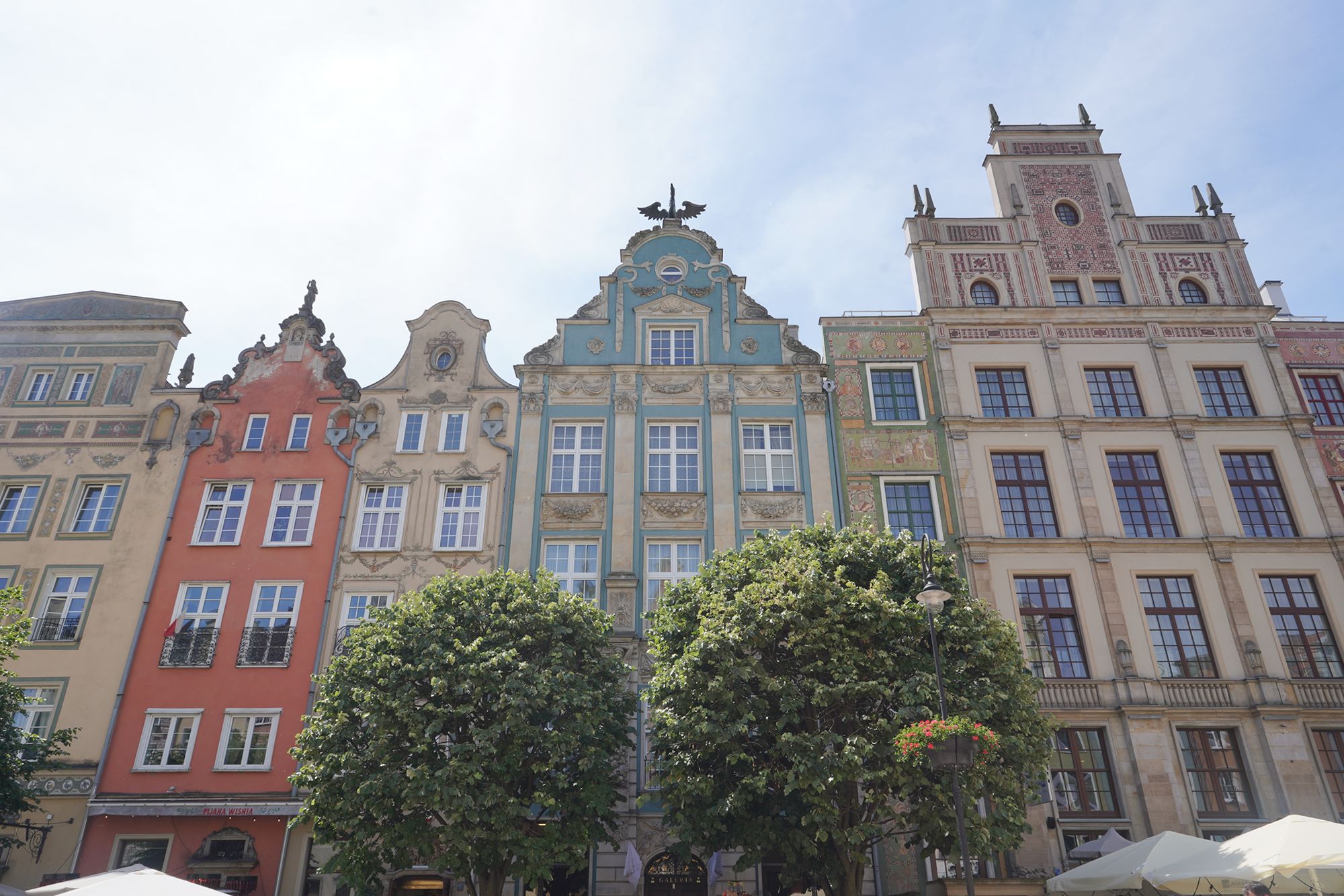
A view behind me
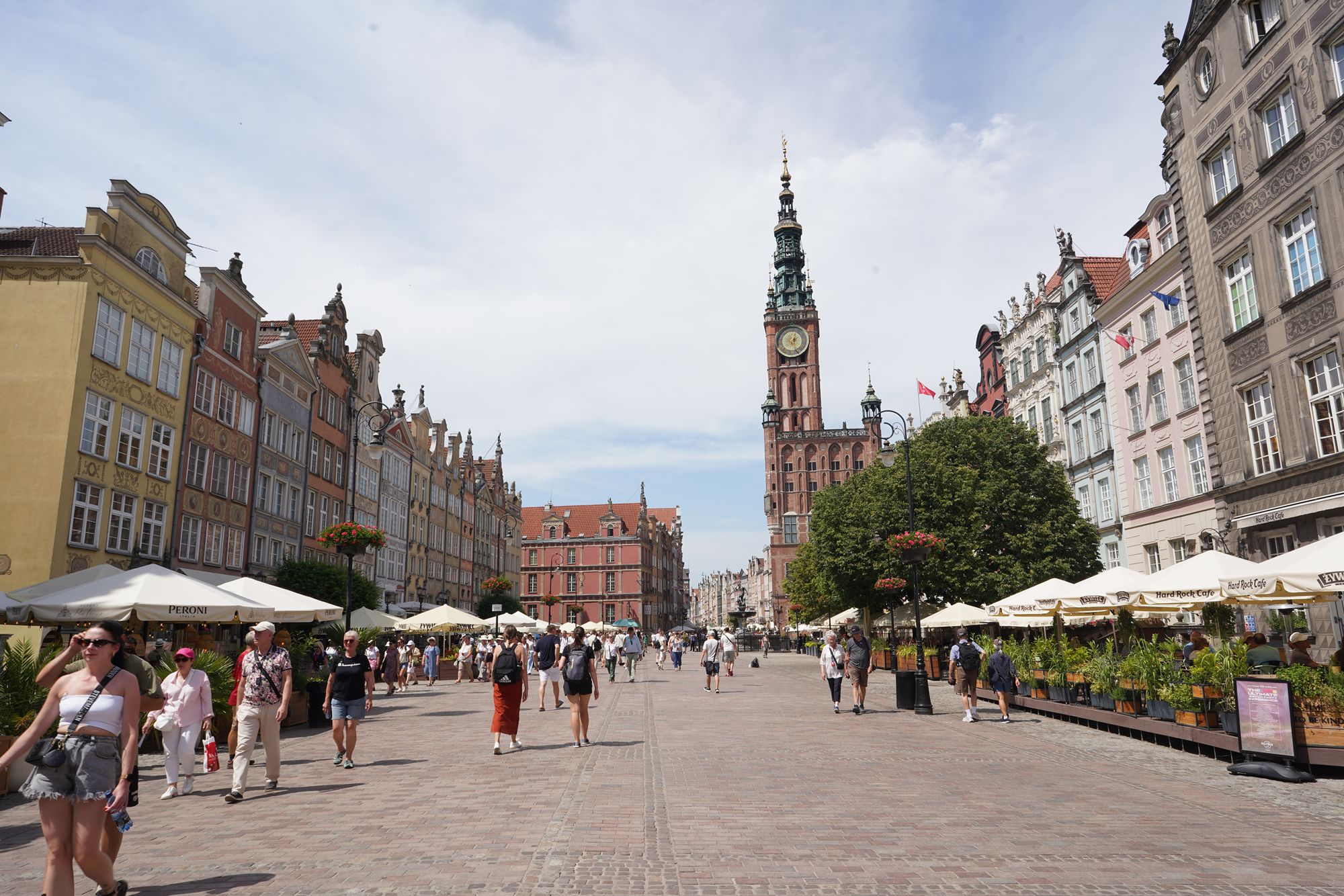
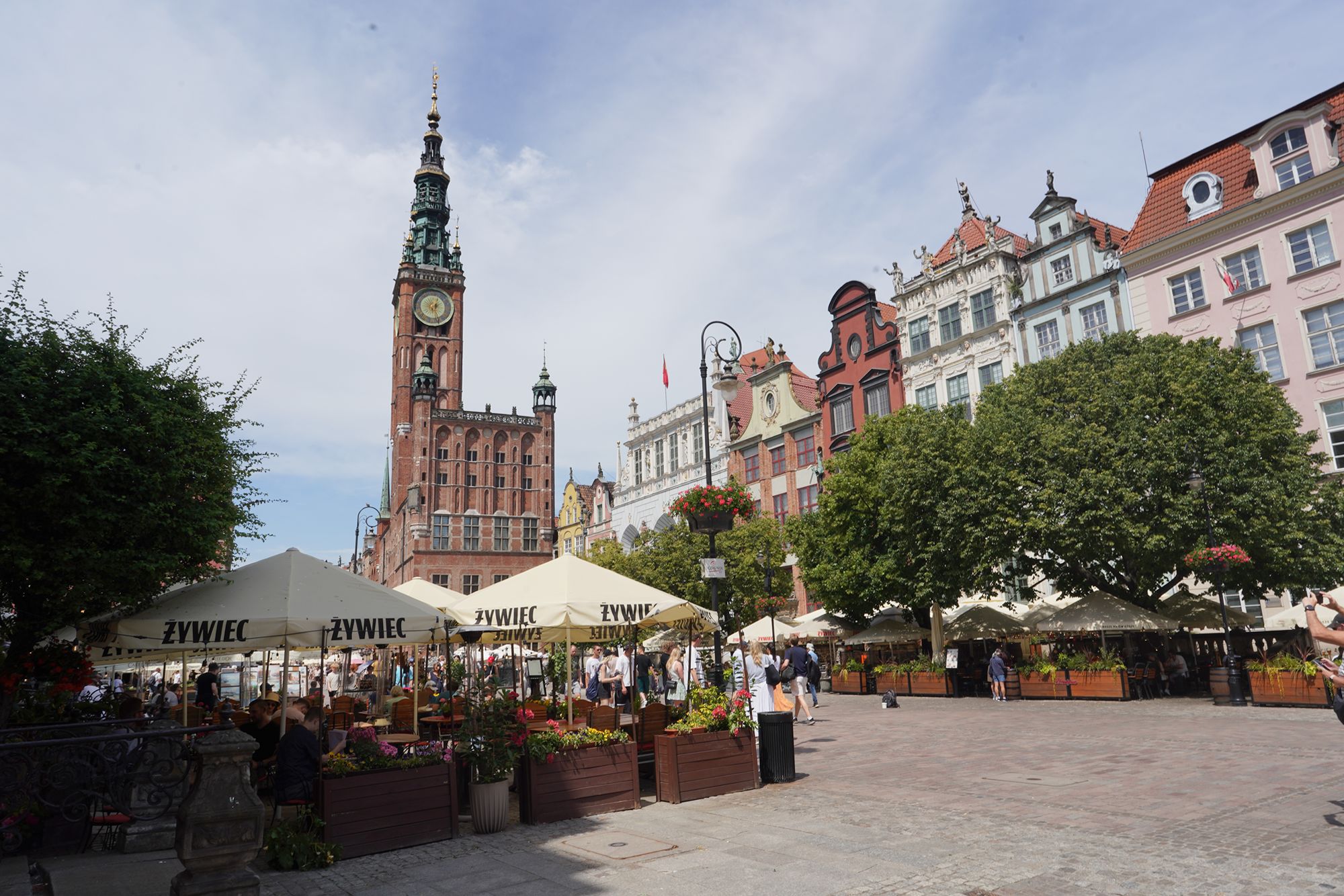
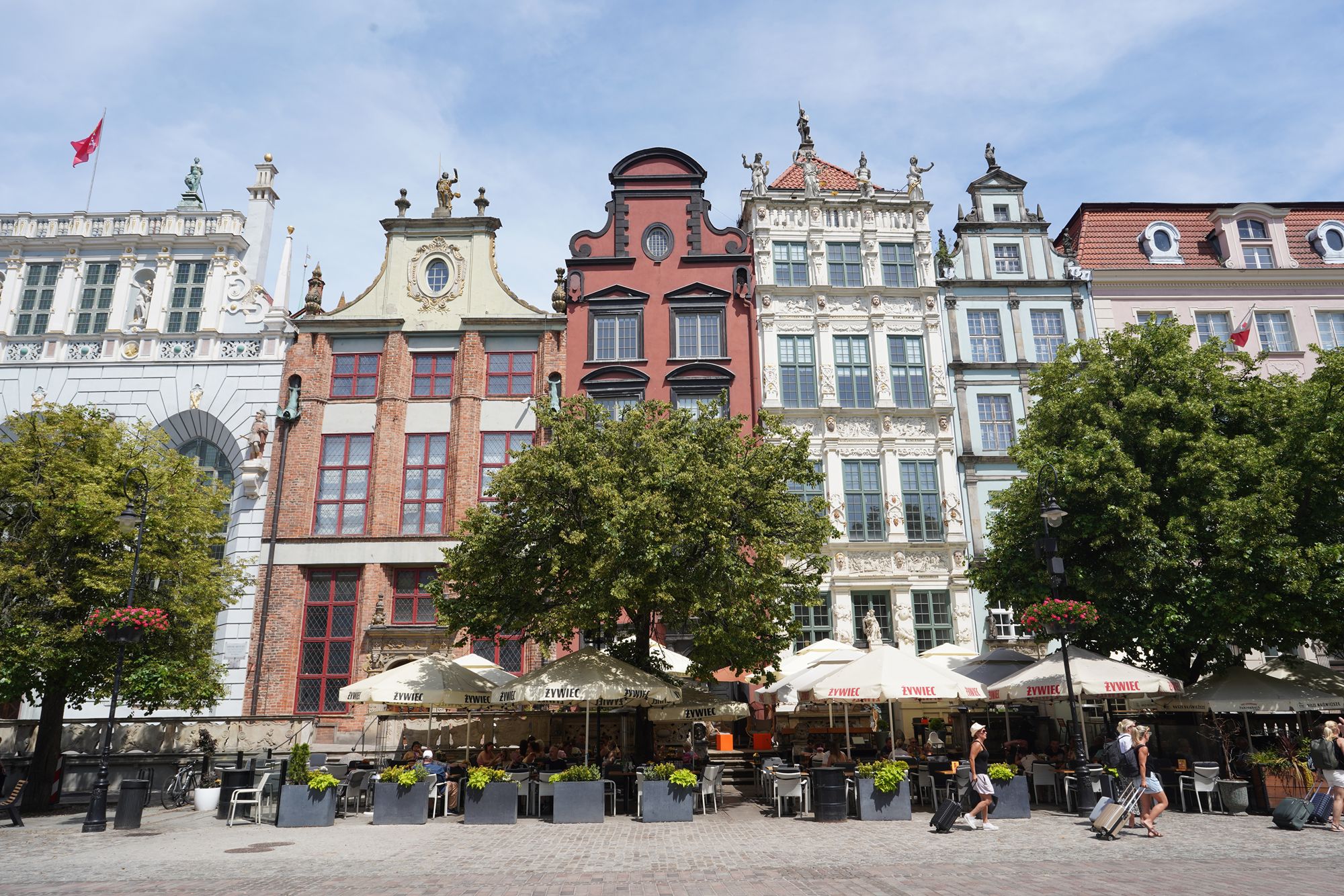
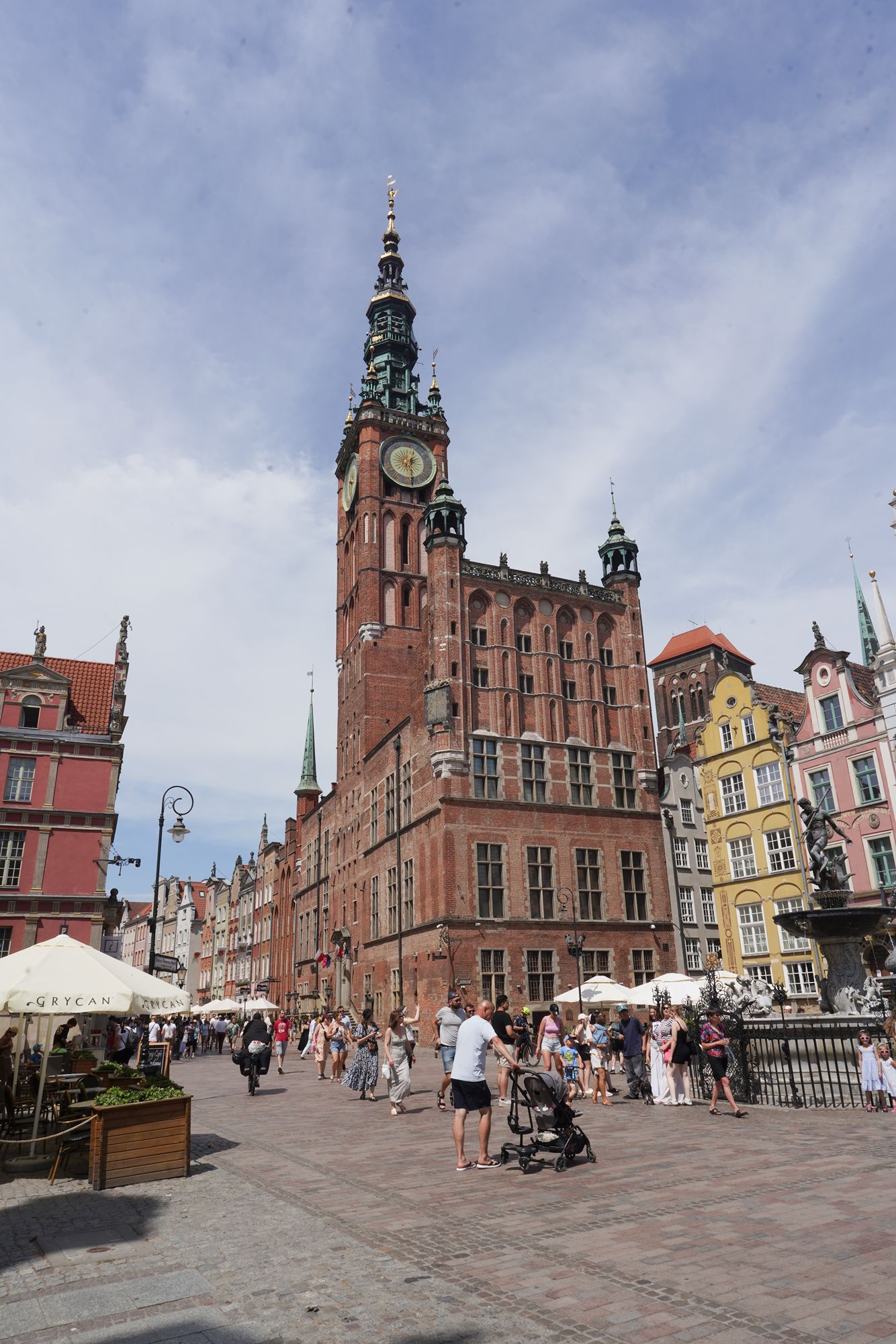
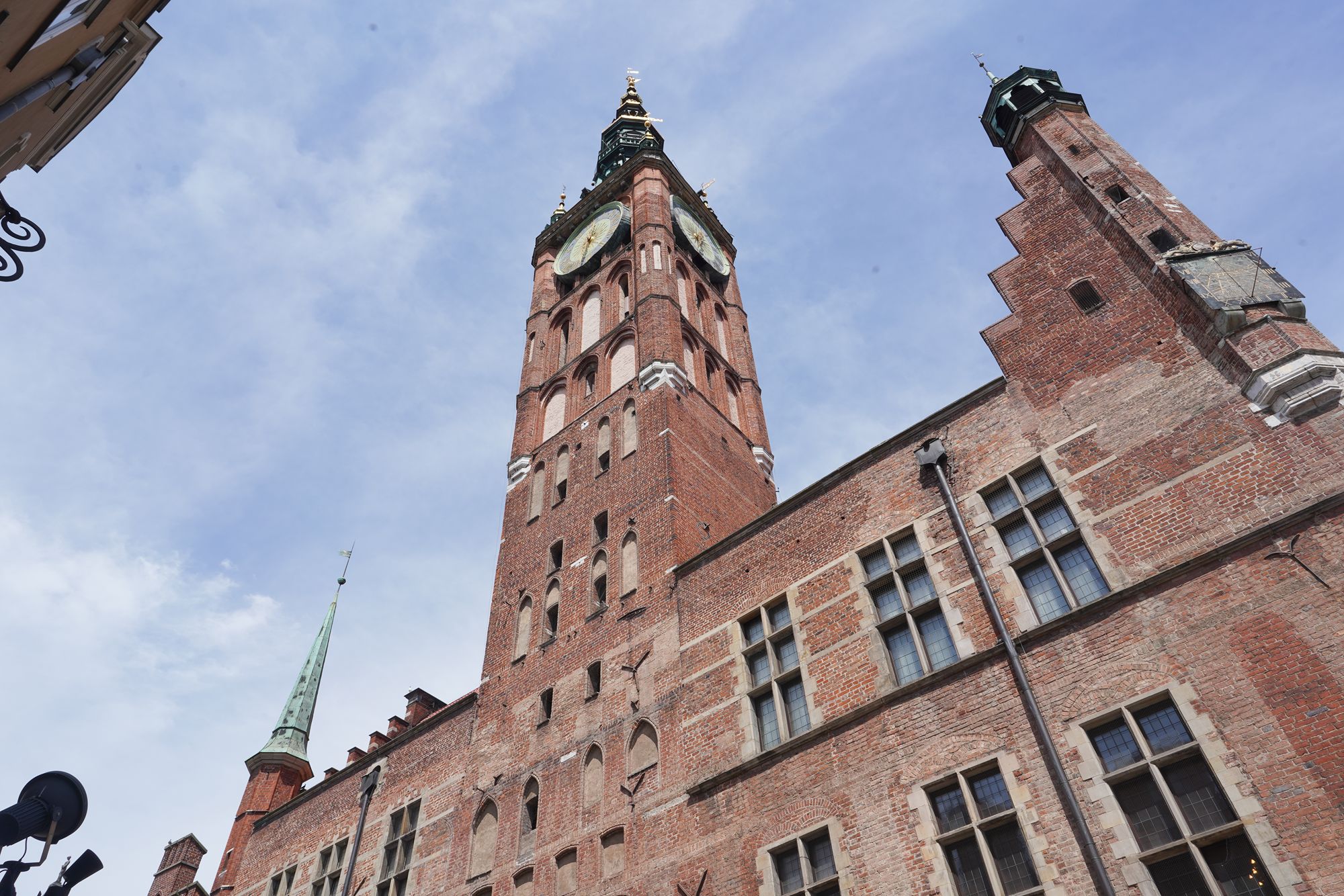
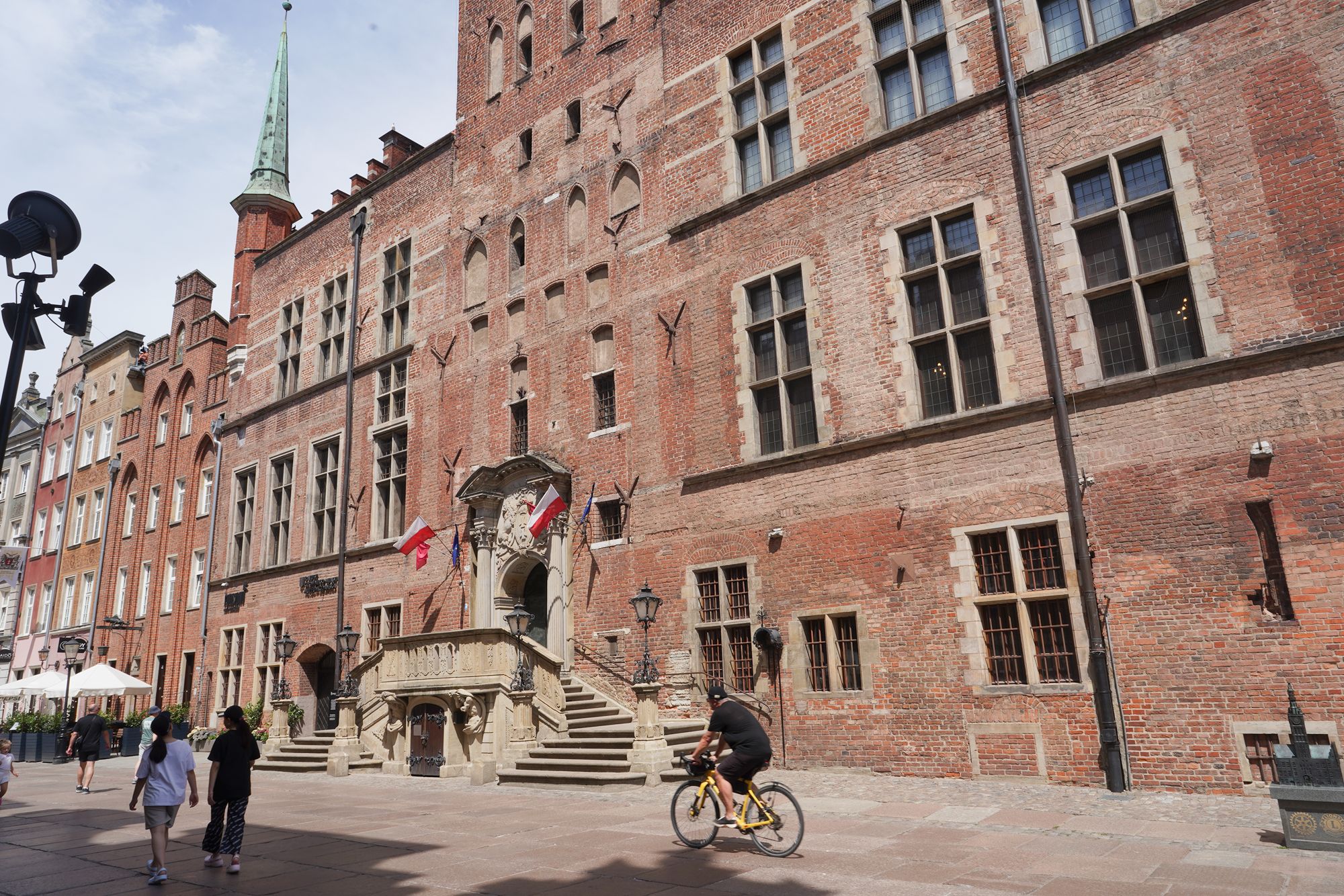
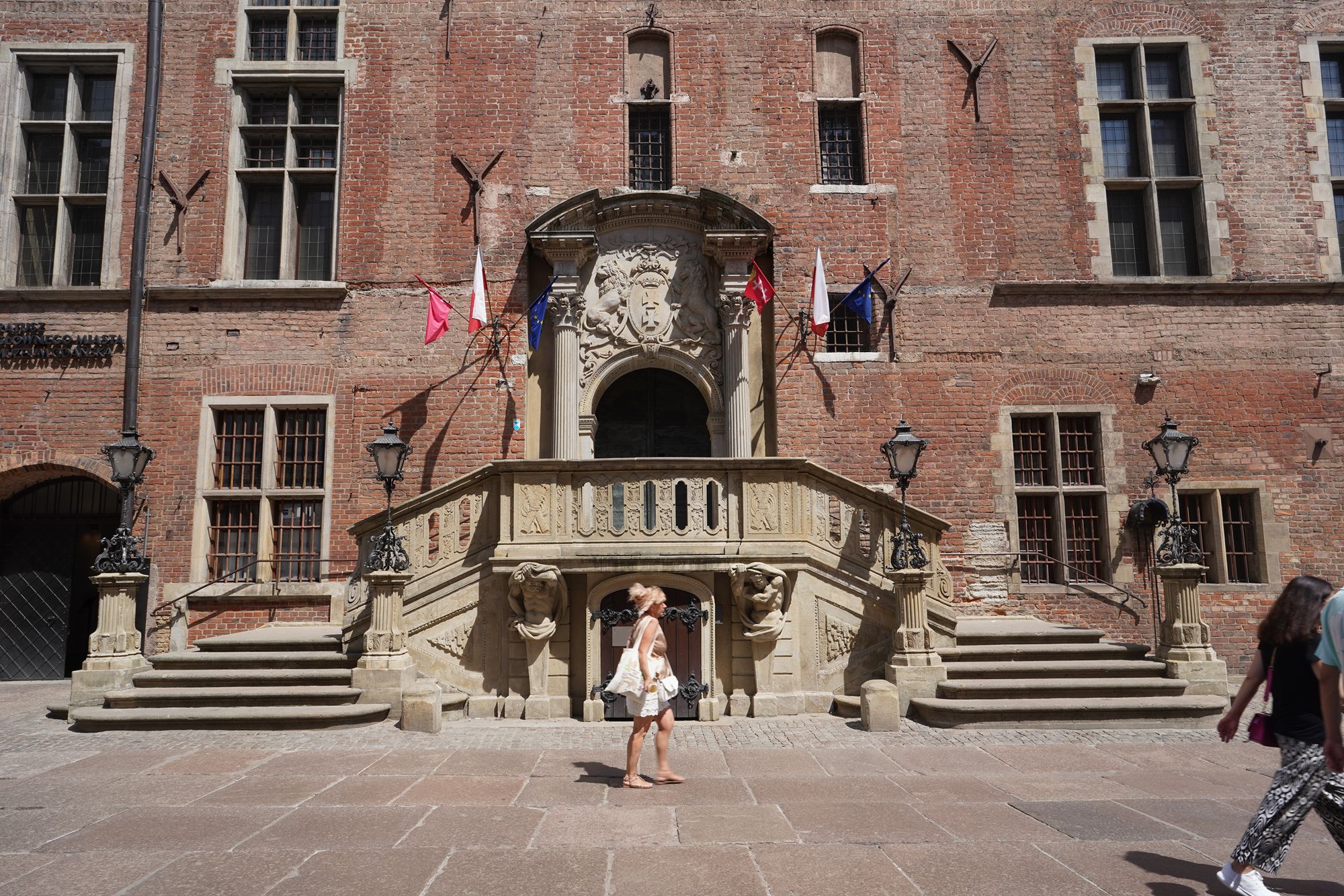
Gdańsk’s Main Town Hall stands on the Royal Route, where Long Street meets Long Market. Its Gothic and Renaissance architecture and tall tower make it one of the historic center’s most prominent landmarks. Inside, the Red Room, White Room, and Great Hall display the city’s history.
A view of the Green Gate behind me
Gdańsk’s history reflects its position on the Baltic coast, where Polish, German, and other European influences met.
A settlement grew here in the late 10th century, and the city was first mentioned in writing in 997. Its port later made Gdańsk a wealthy member of the Hanseatic League, a network of trading cities. It came under Polish rule in the 15th century, then was annexed by Prussia in 1793. After World War I, it became the Free City of Danzig, administered under the League of Nations.
World War II began with Germany’s attack on nearby Westerplatte on September 1, 1939. The city suffered extensive destruction in 1945, and its historic center was rebuilt after the war. In 1980, shipyard workers founded the Solidarity movement, which helped bring about the end of communist rule in Poland.
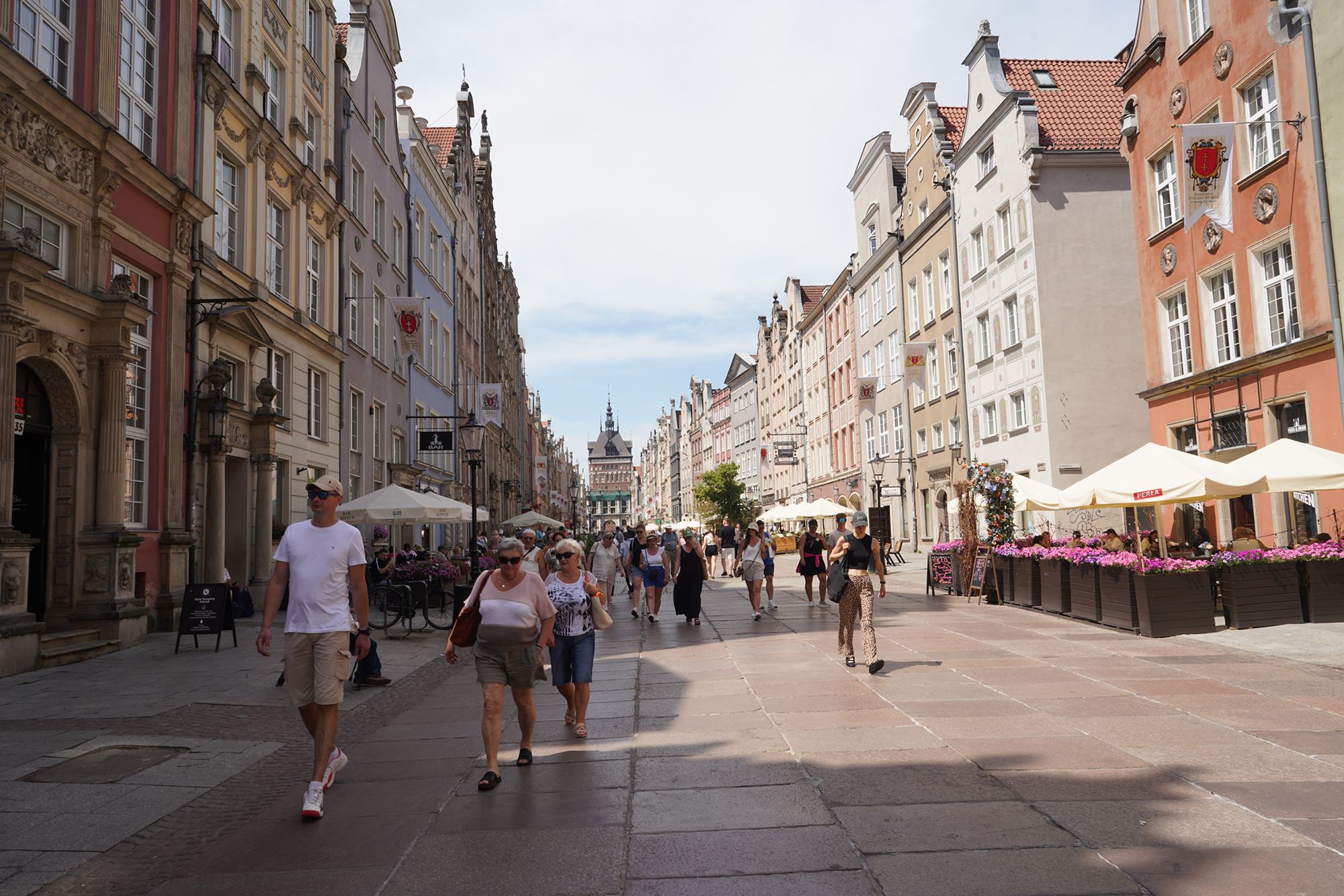
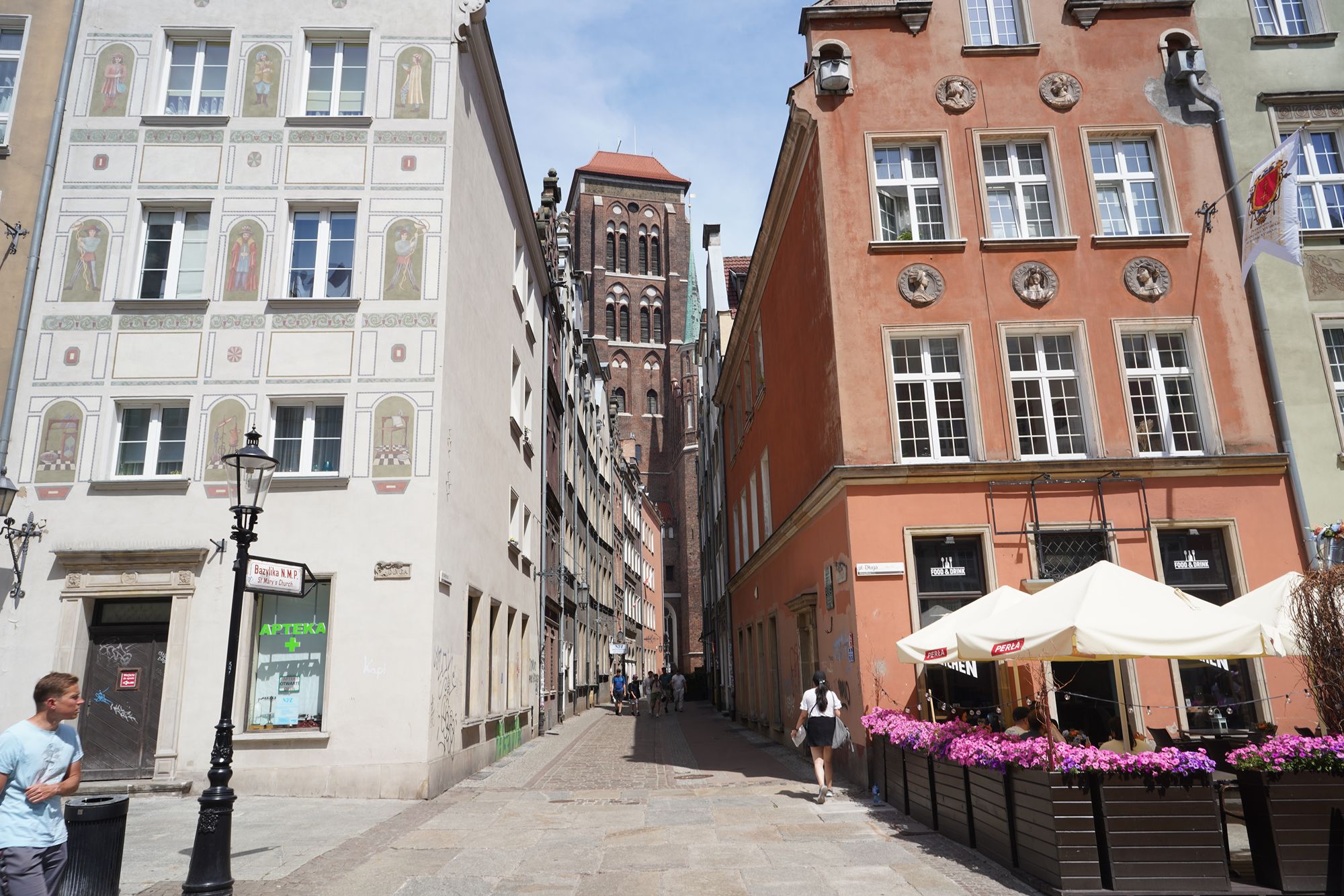
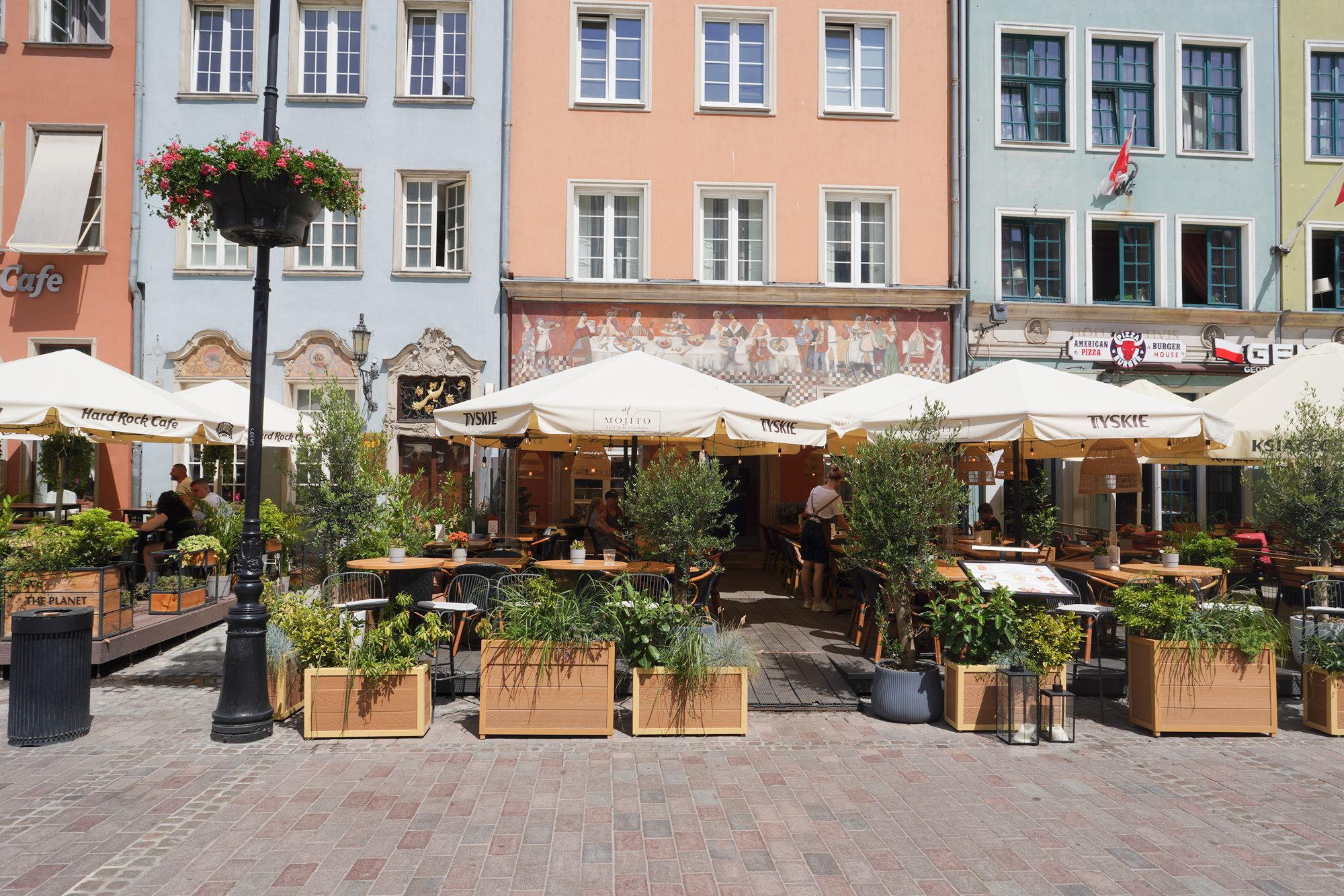
A view behind me
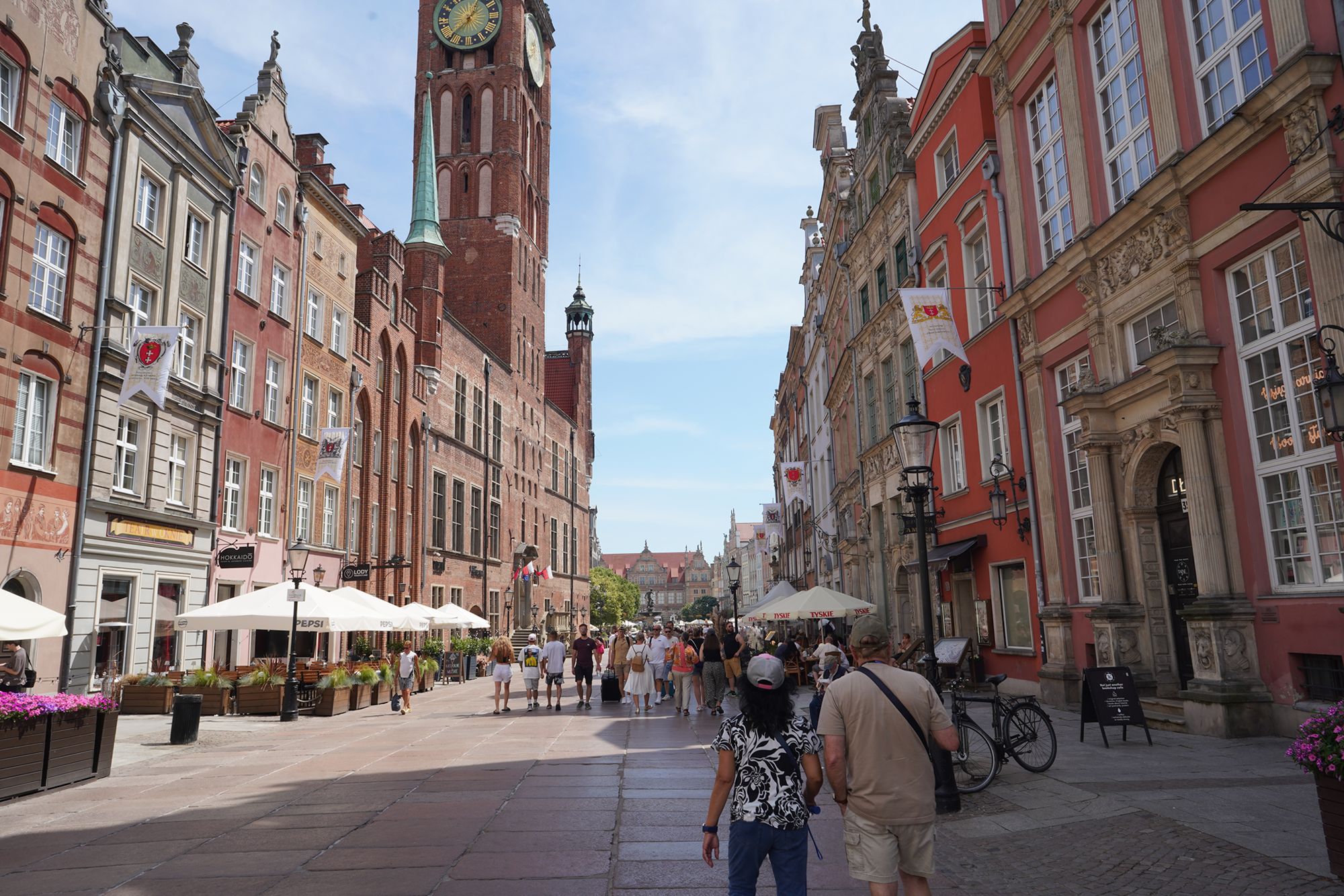
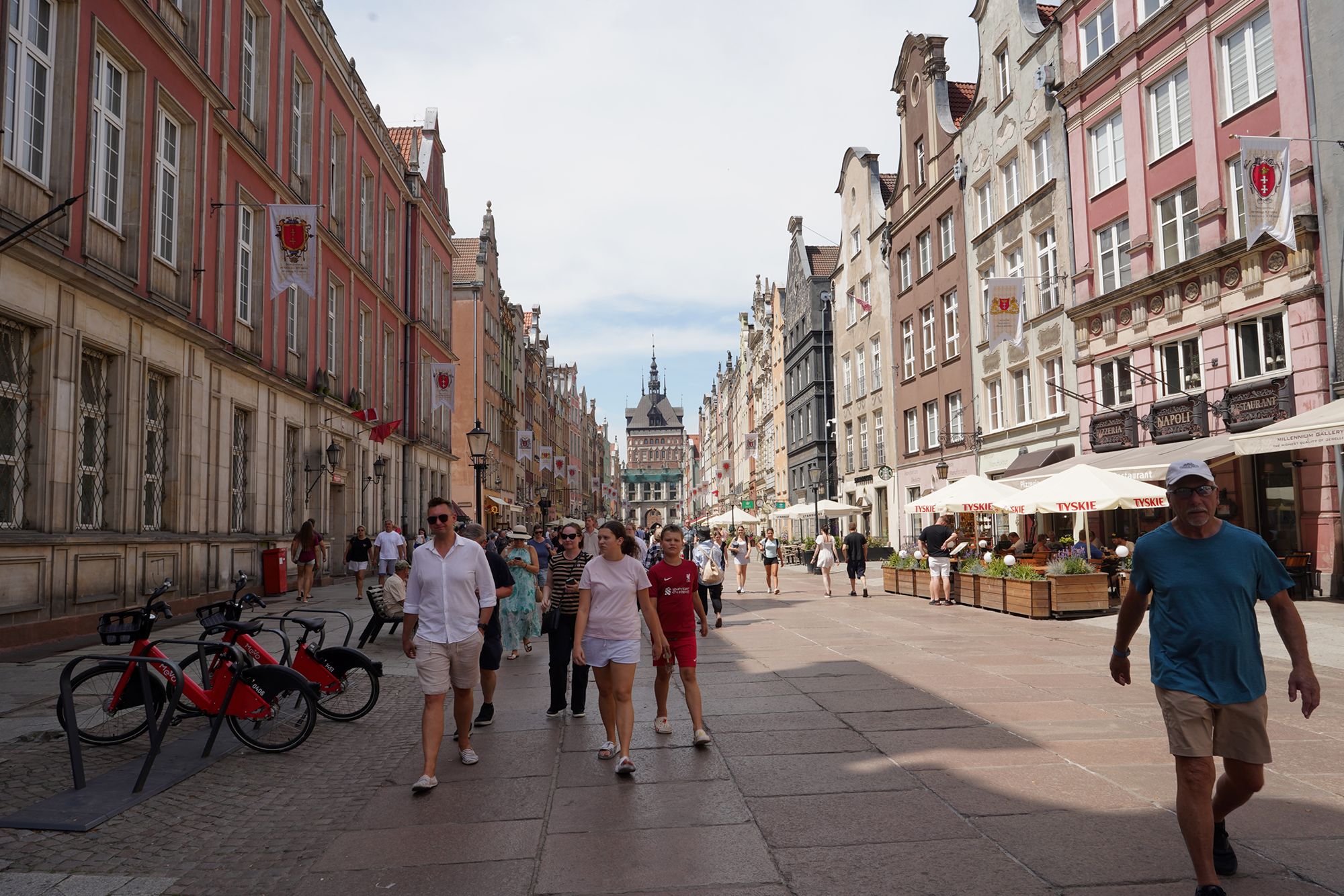
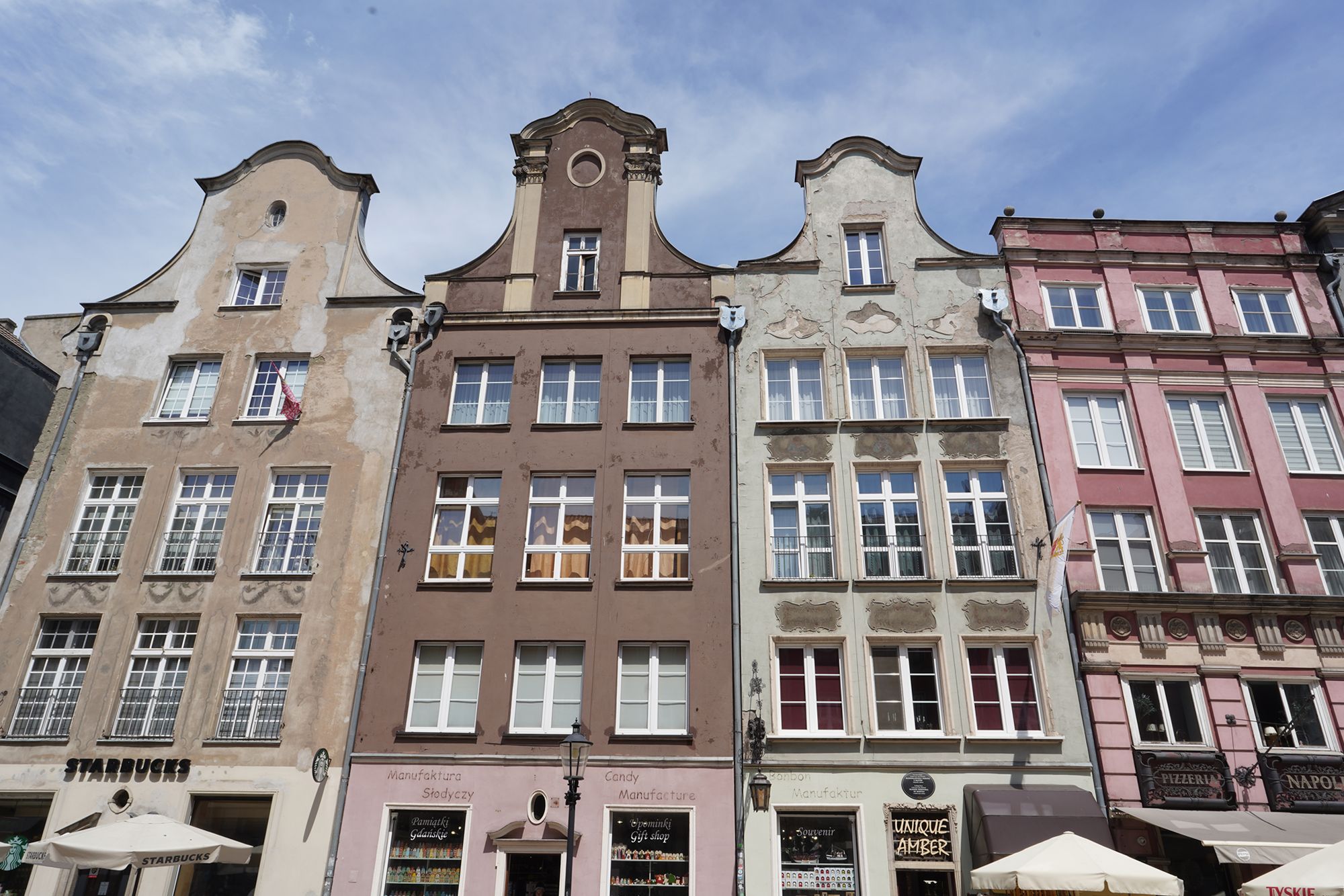
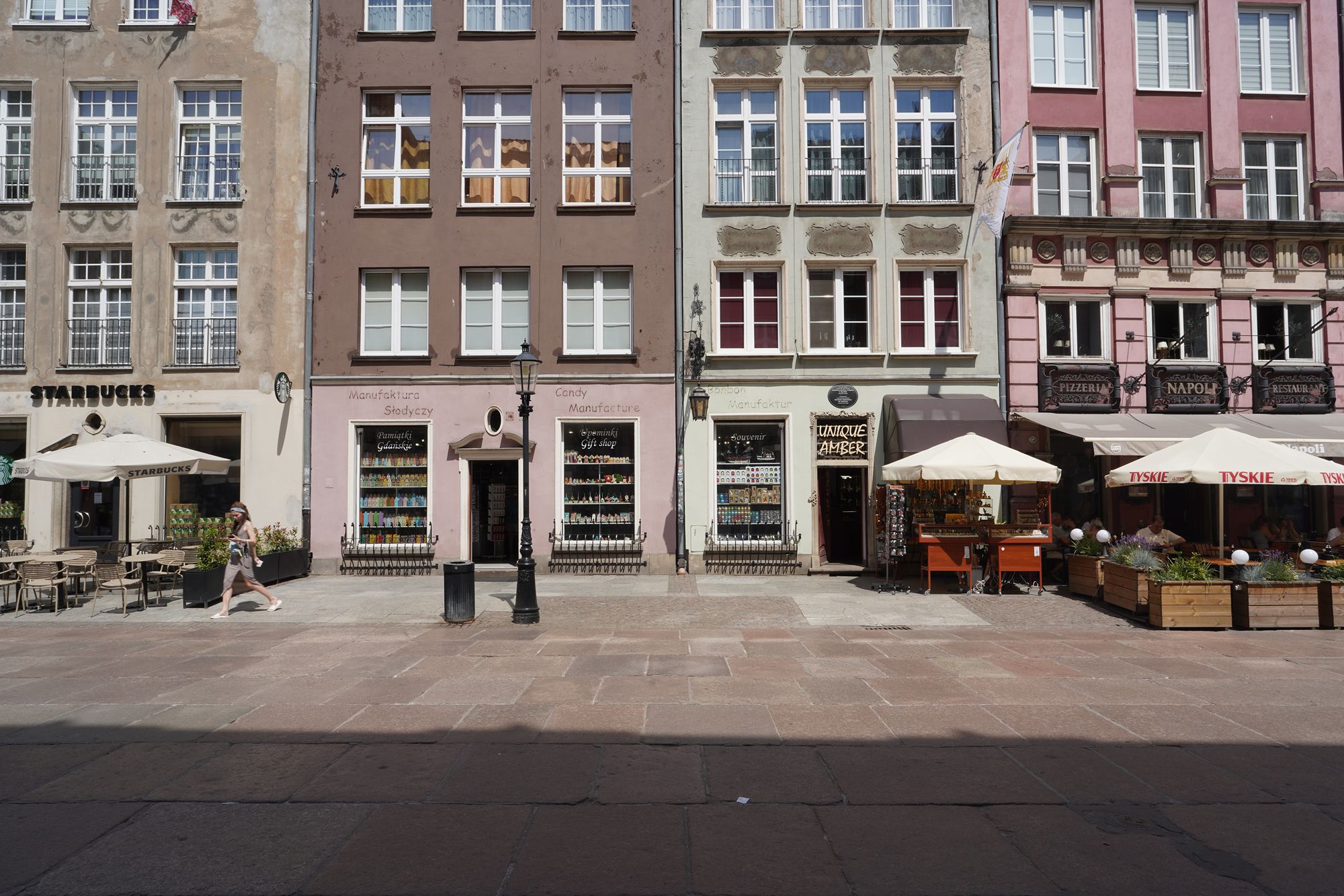
A view behind me
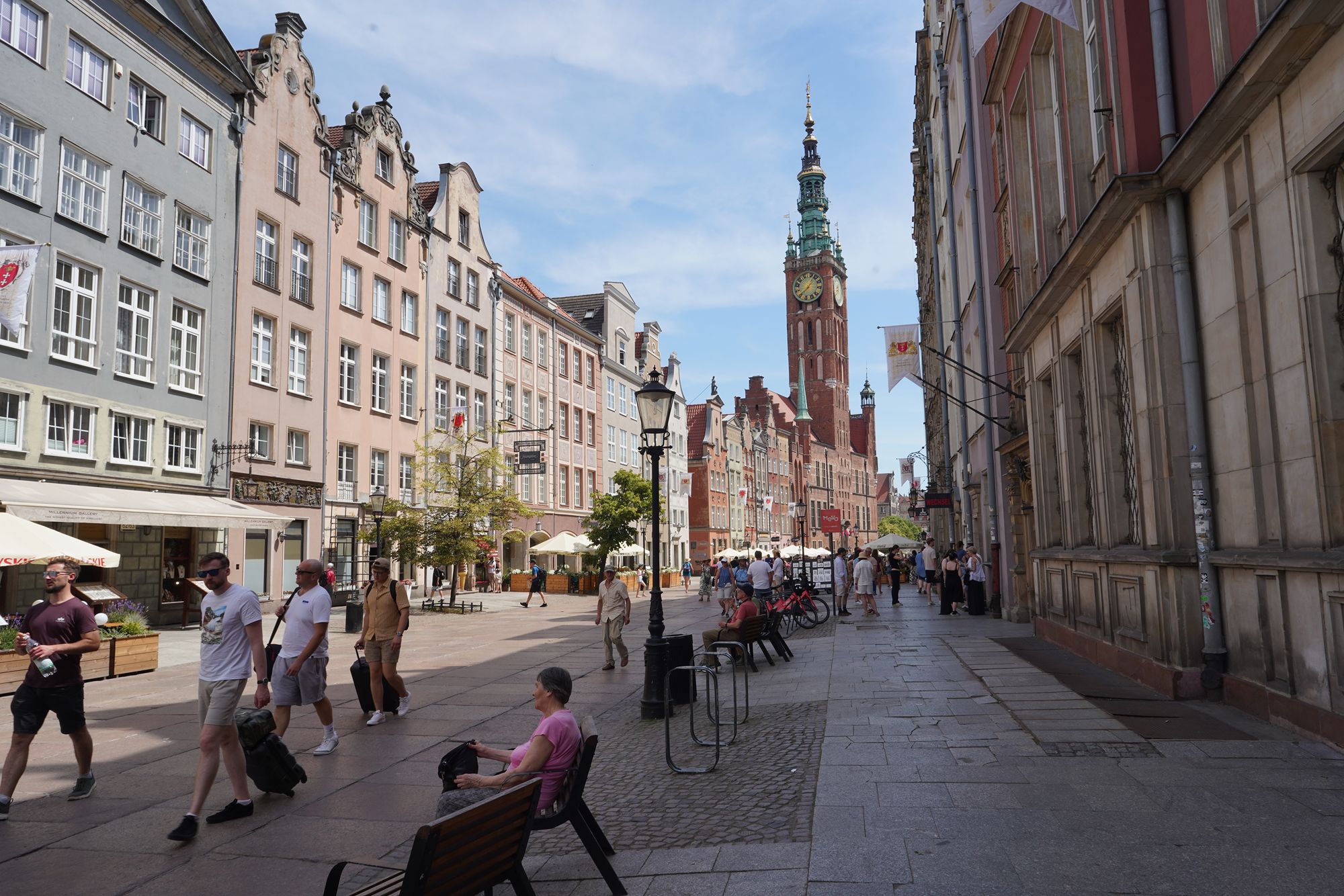
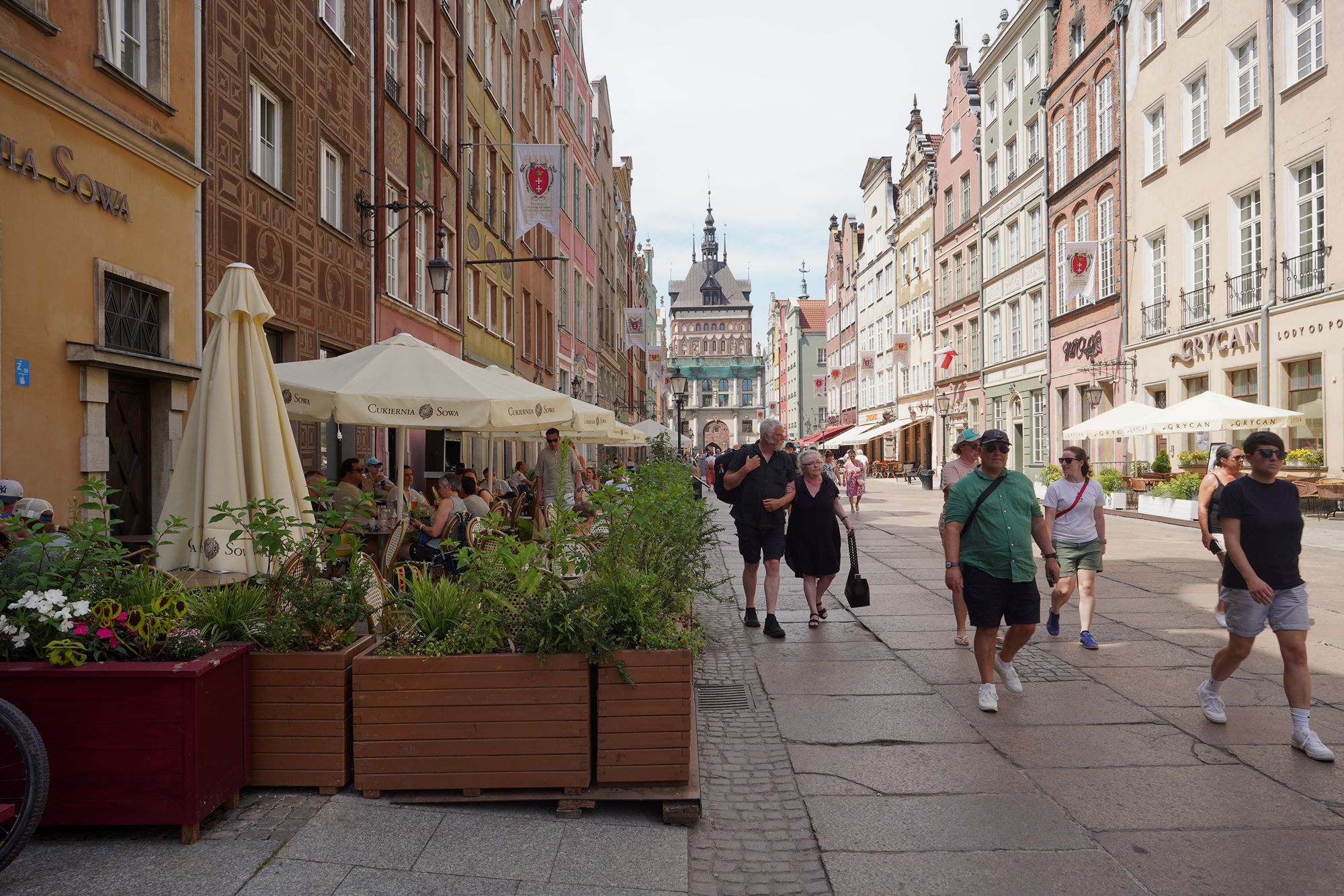
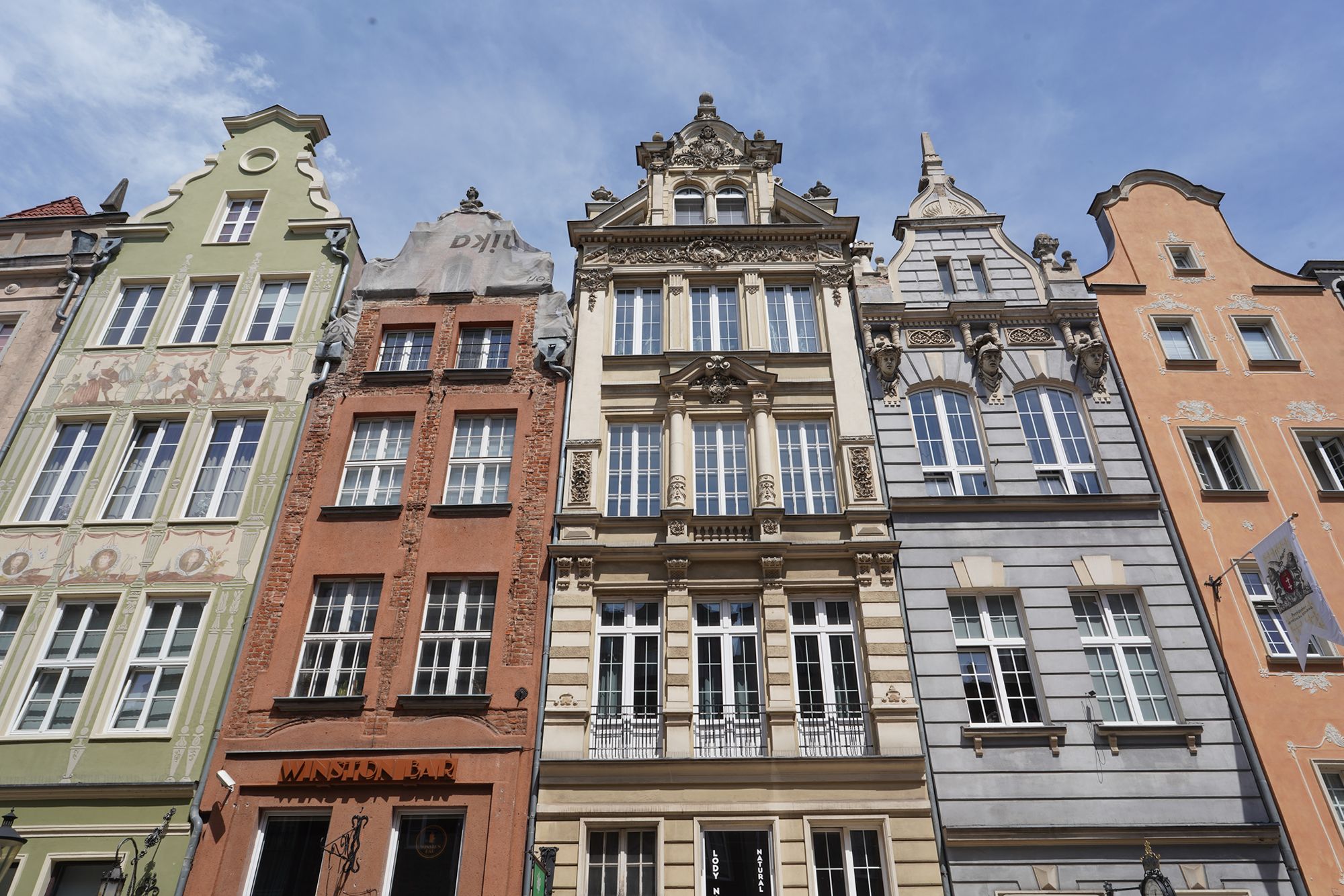
A view behind me
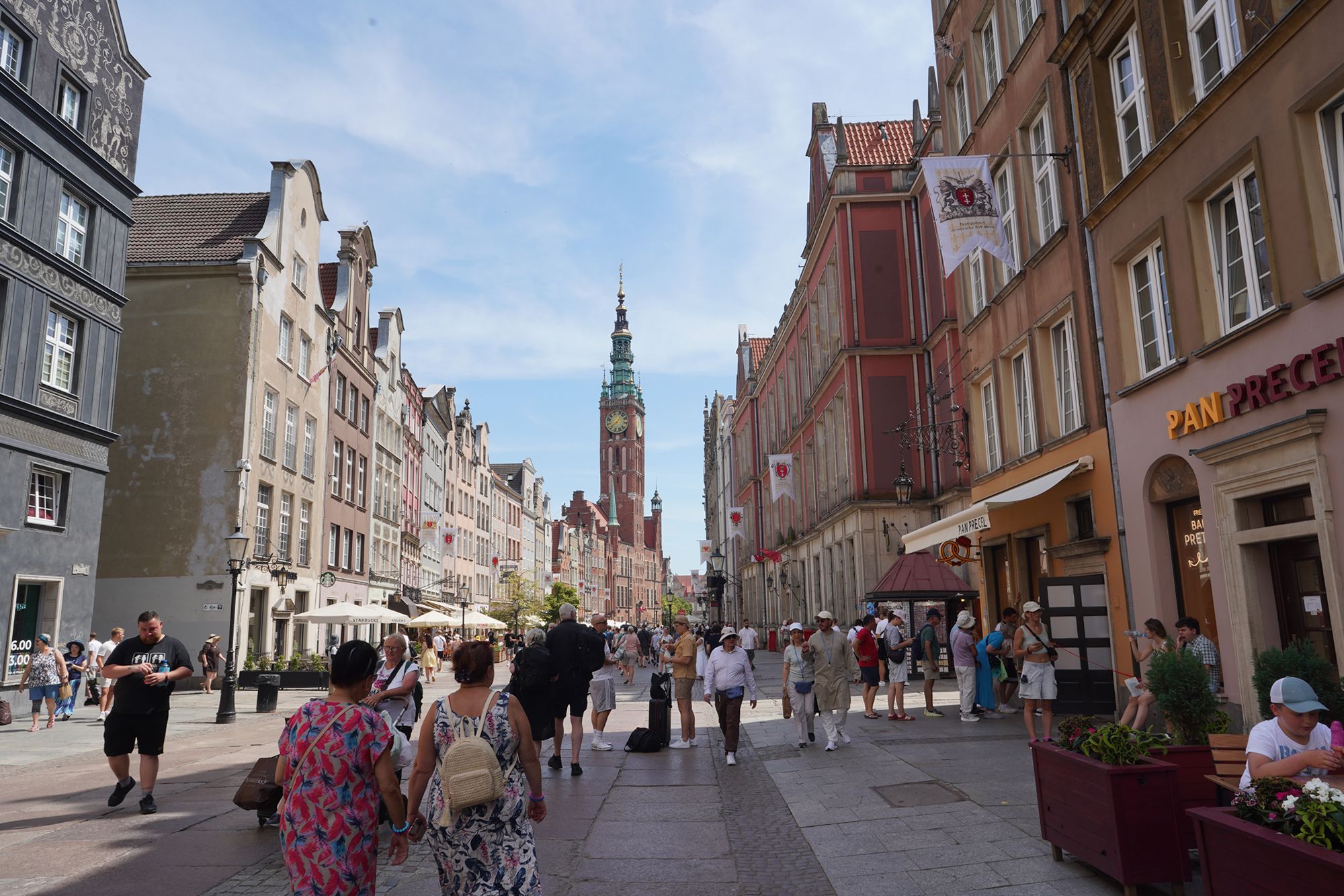
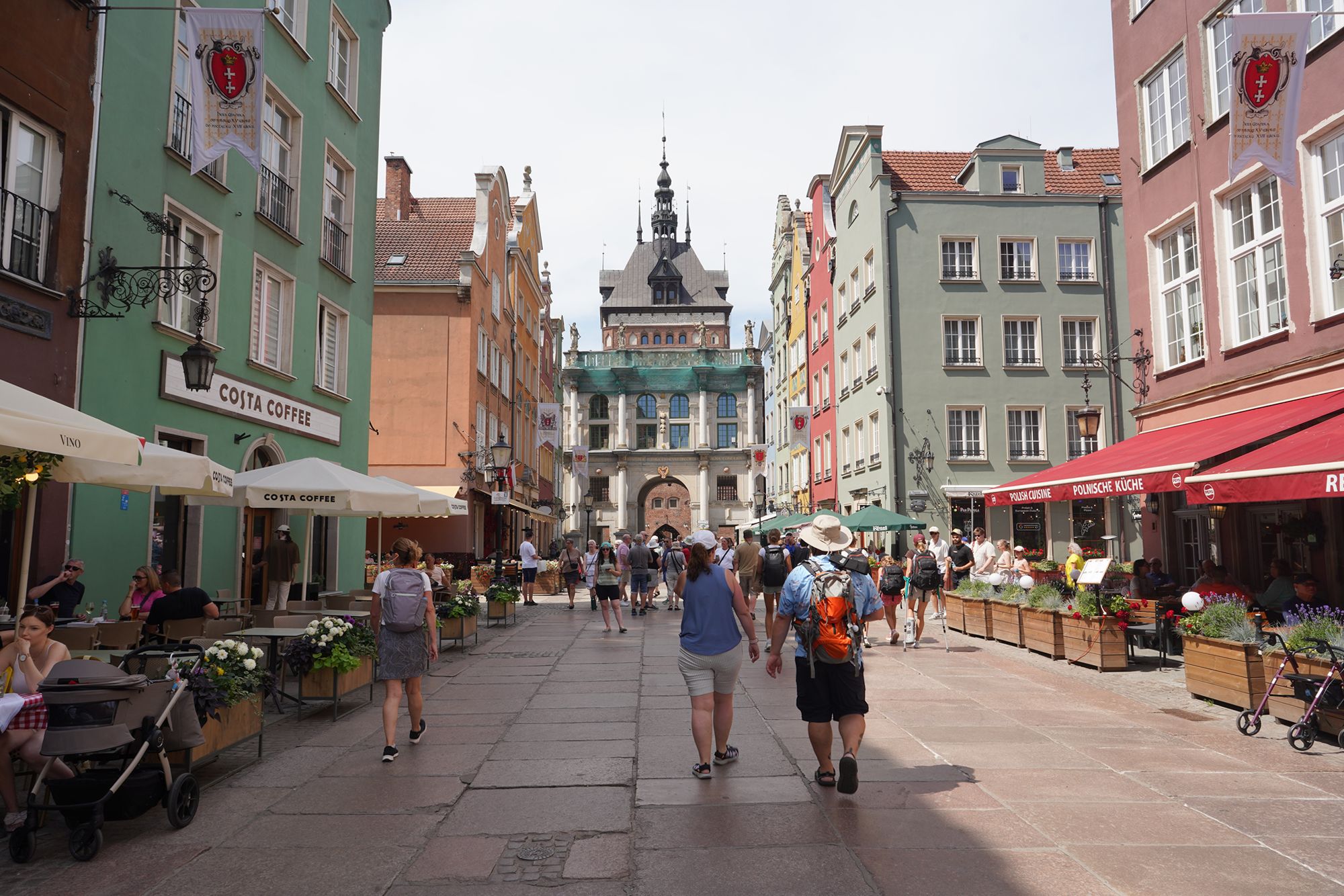
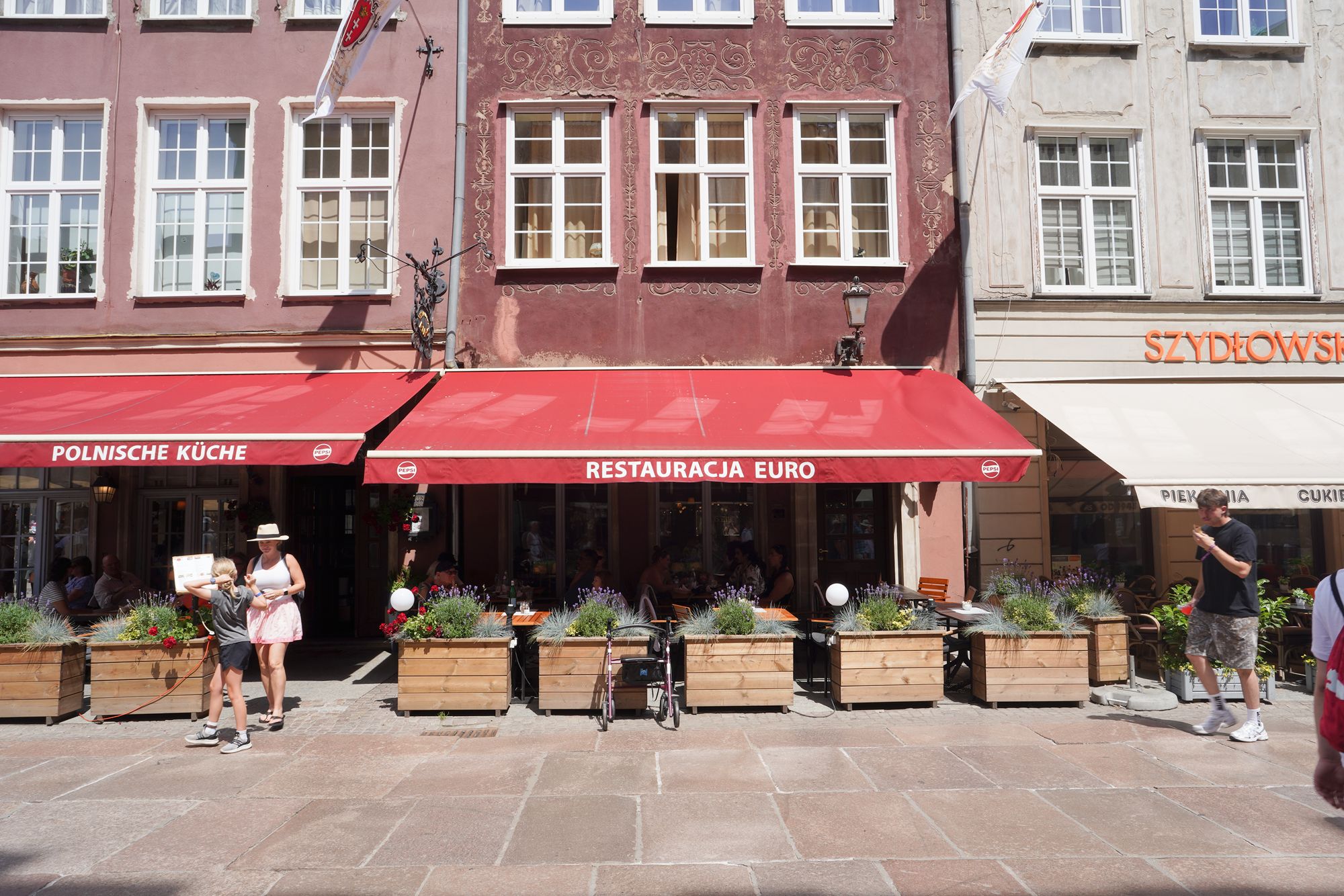
The Golden Gate (Złota Brama) marks the western entrance to Długa Street and the Royal Route. Built in 1612–1614 on the site of a medieval gate, it is decorated with sculptures symbolizing civic virtues and ideals such as justice, peace, and freedom.
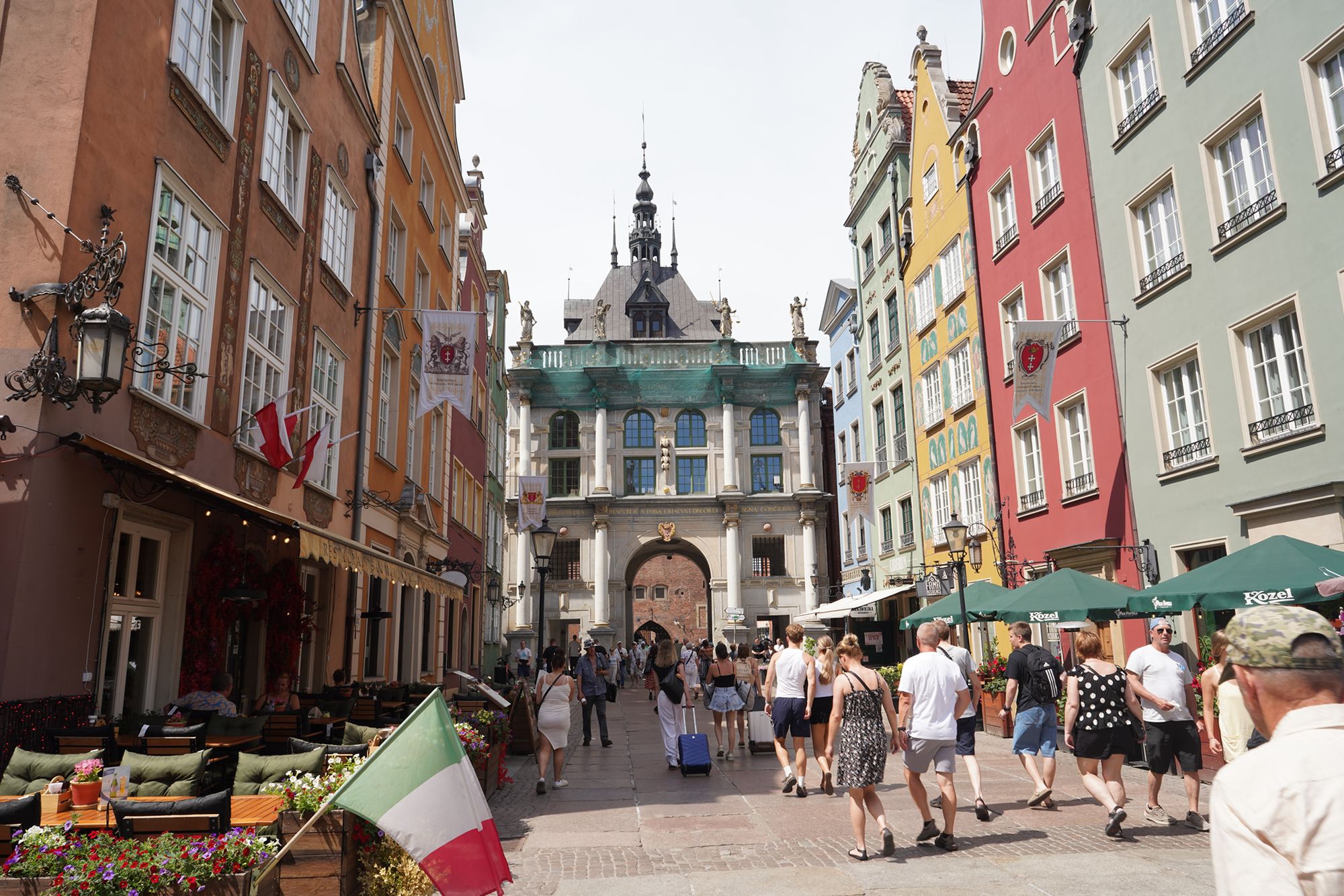
A side street on my right
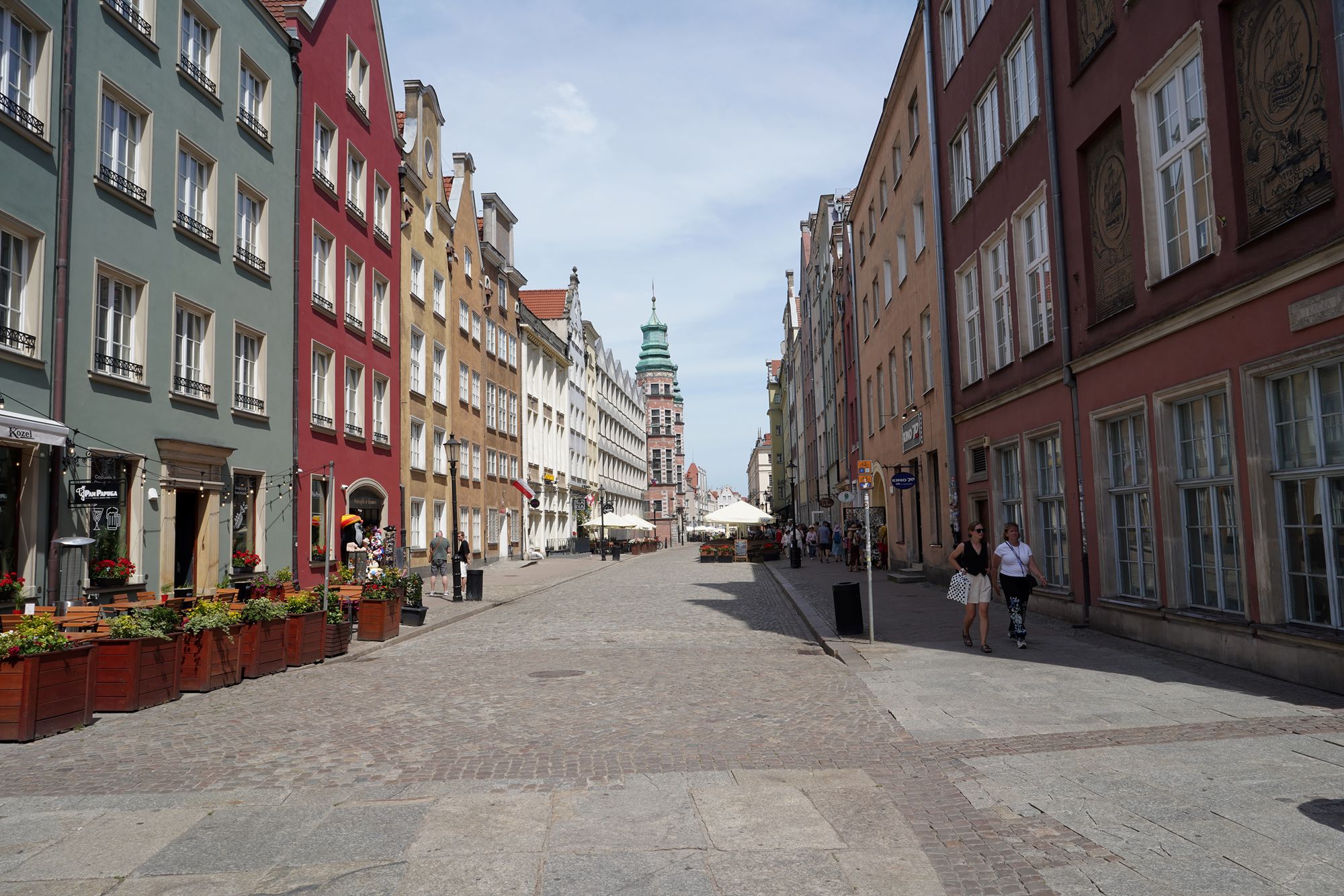
A side street on my left
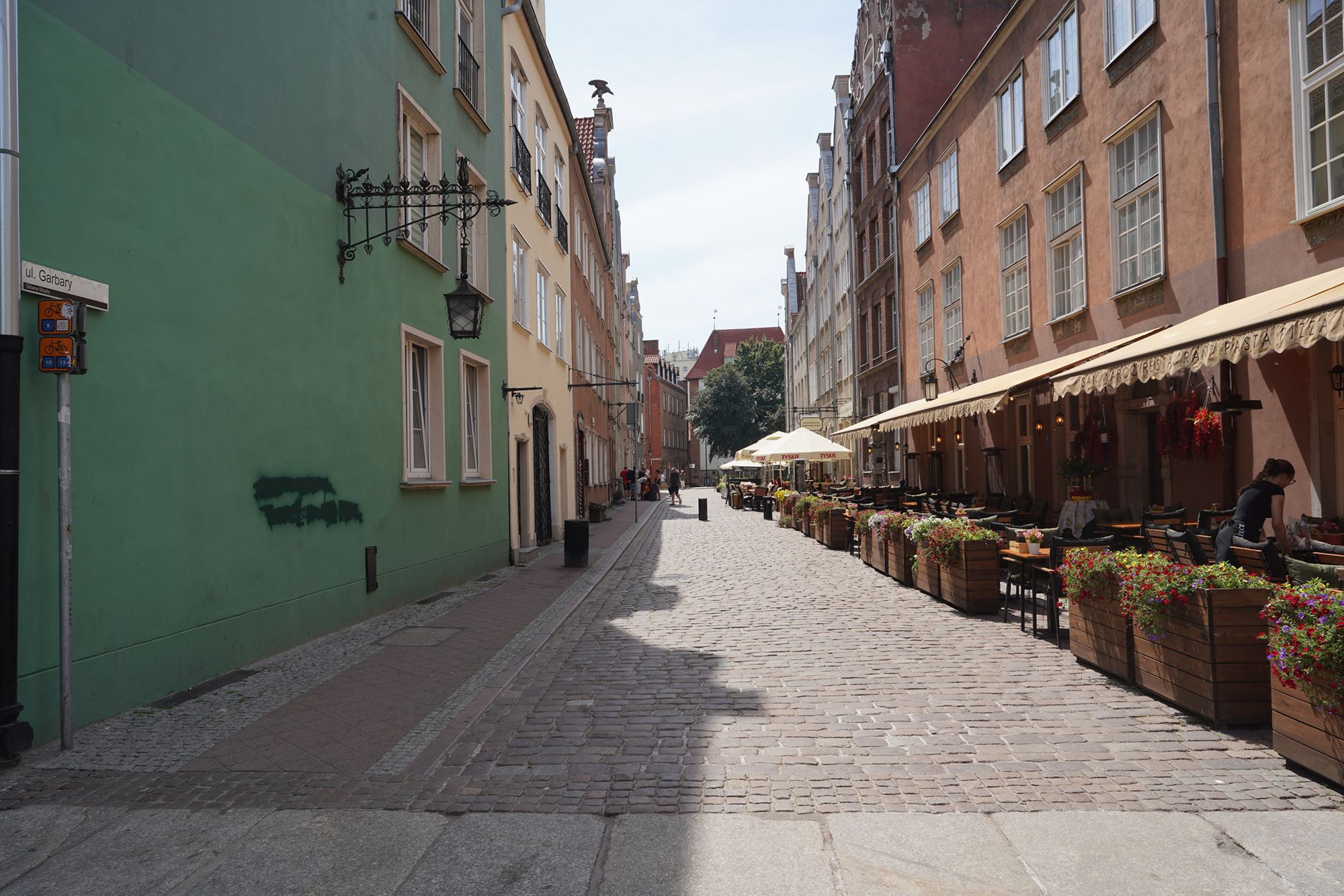
I walked through the Golden Gate
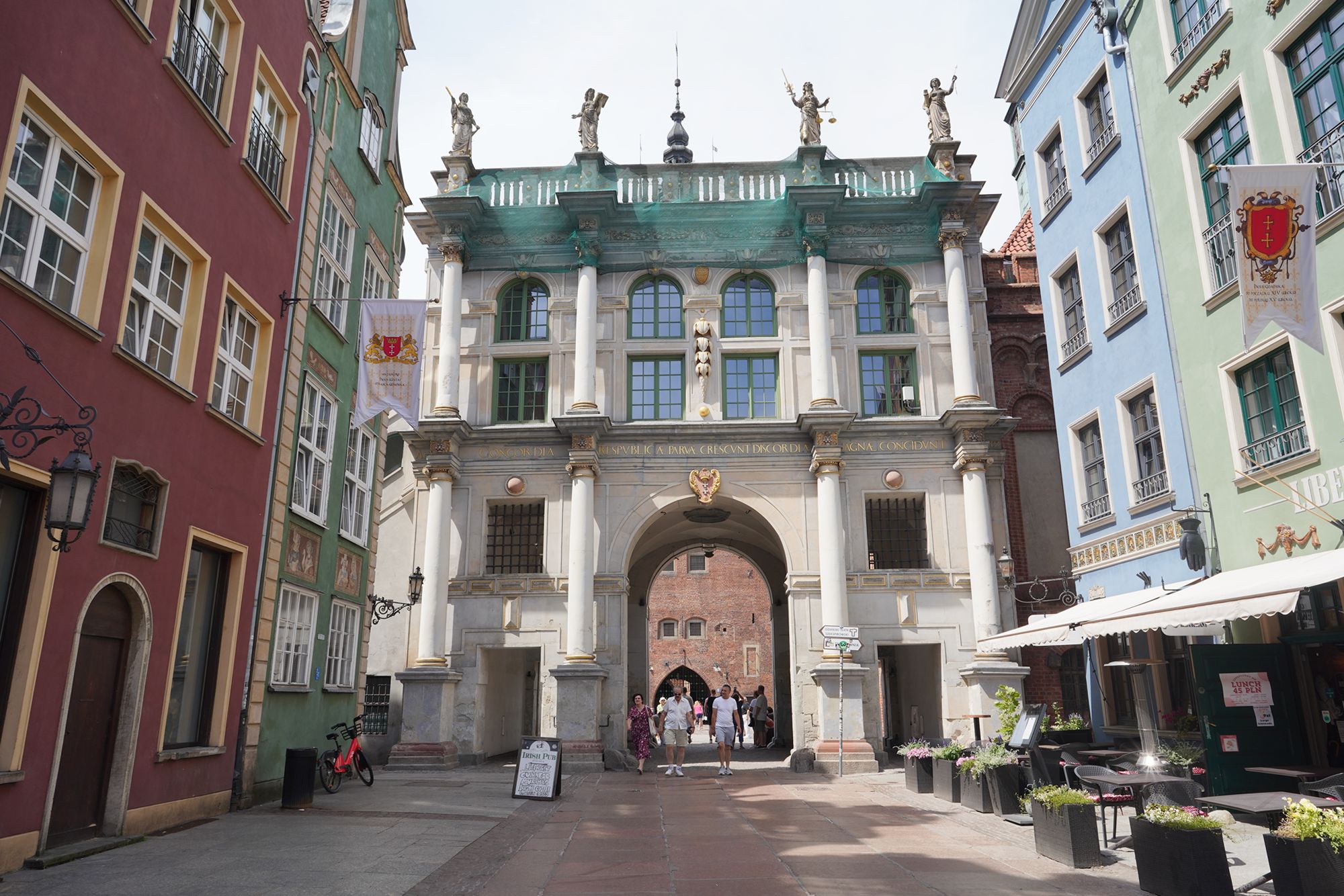
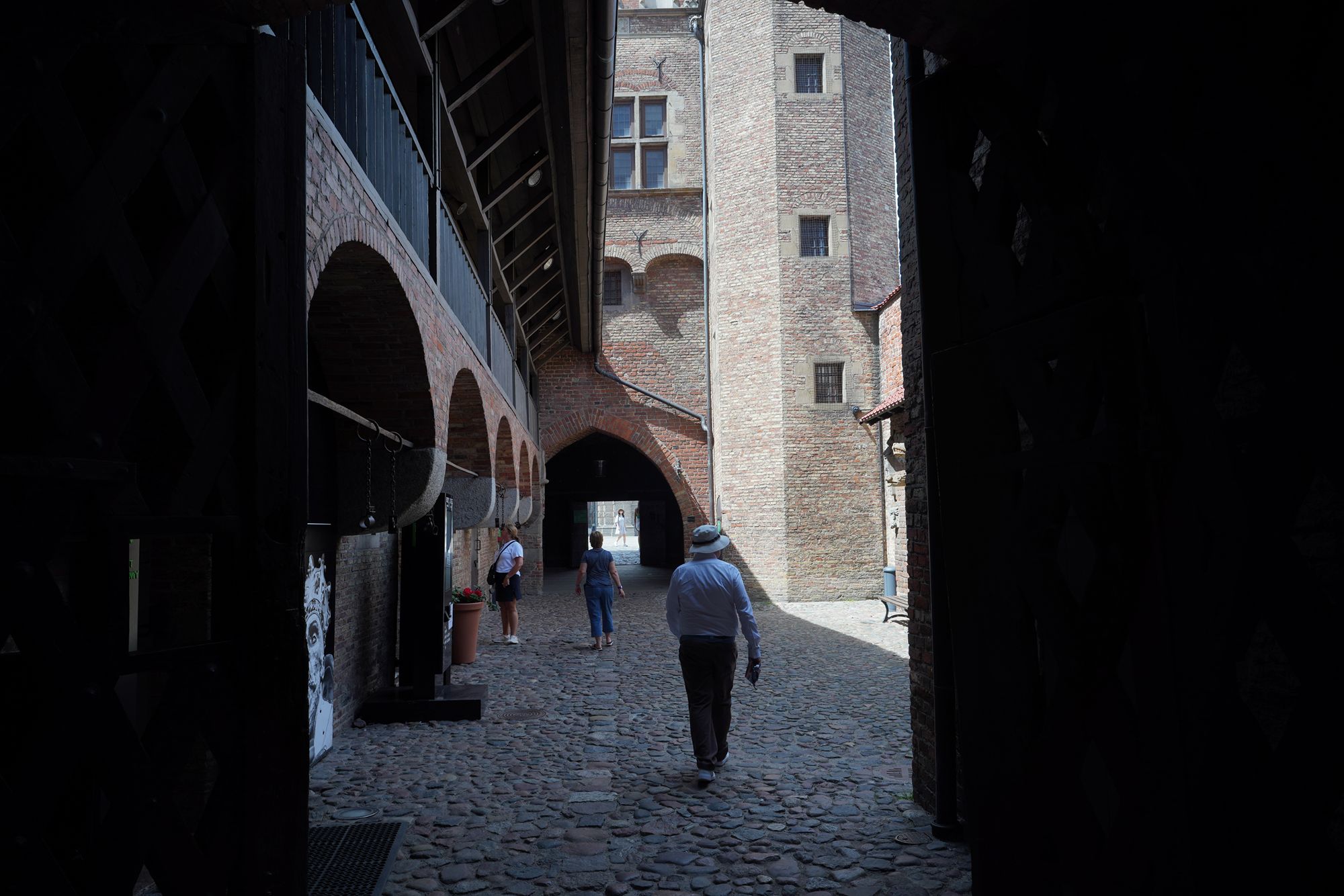
Przedbramie ulicy Długiej is the historic gatehouse complex beside the Golden Gate. Its Gothic and Renaissance buildings include the Torture Chamber and Prison Tower. Once part of Gdańsk’s western defenses, it later became a prison; today, the complex houses museum exhibitions.
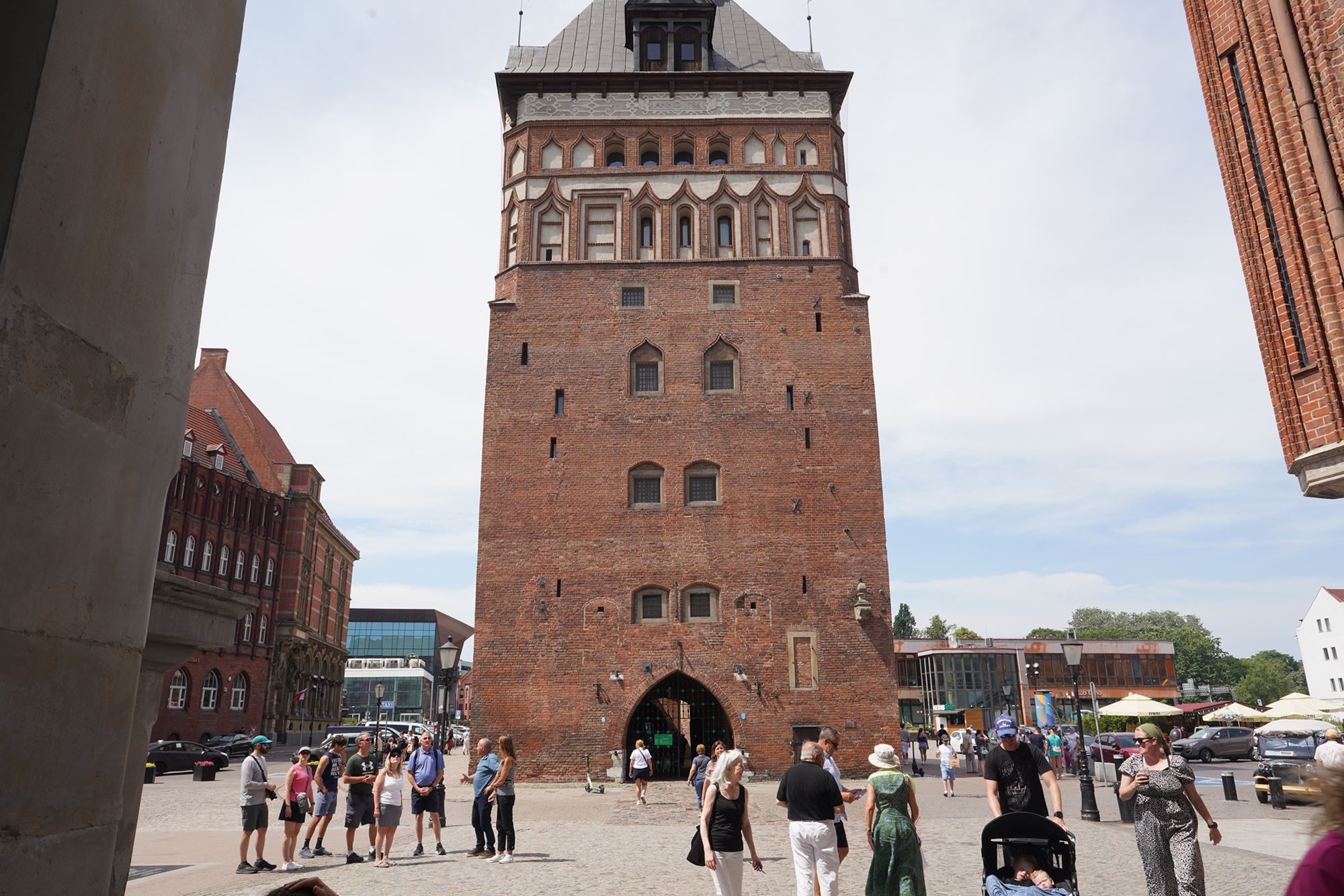
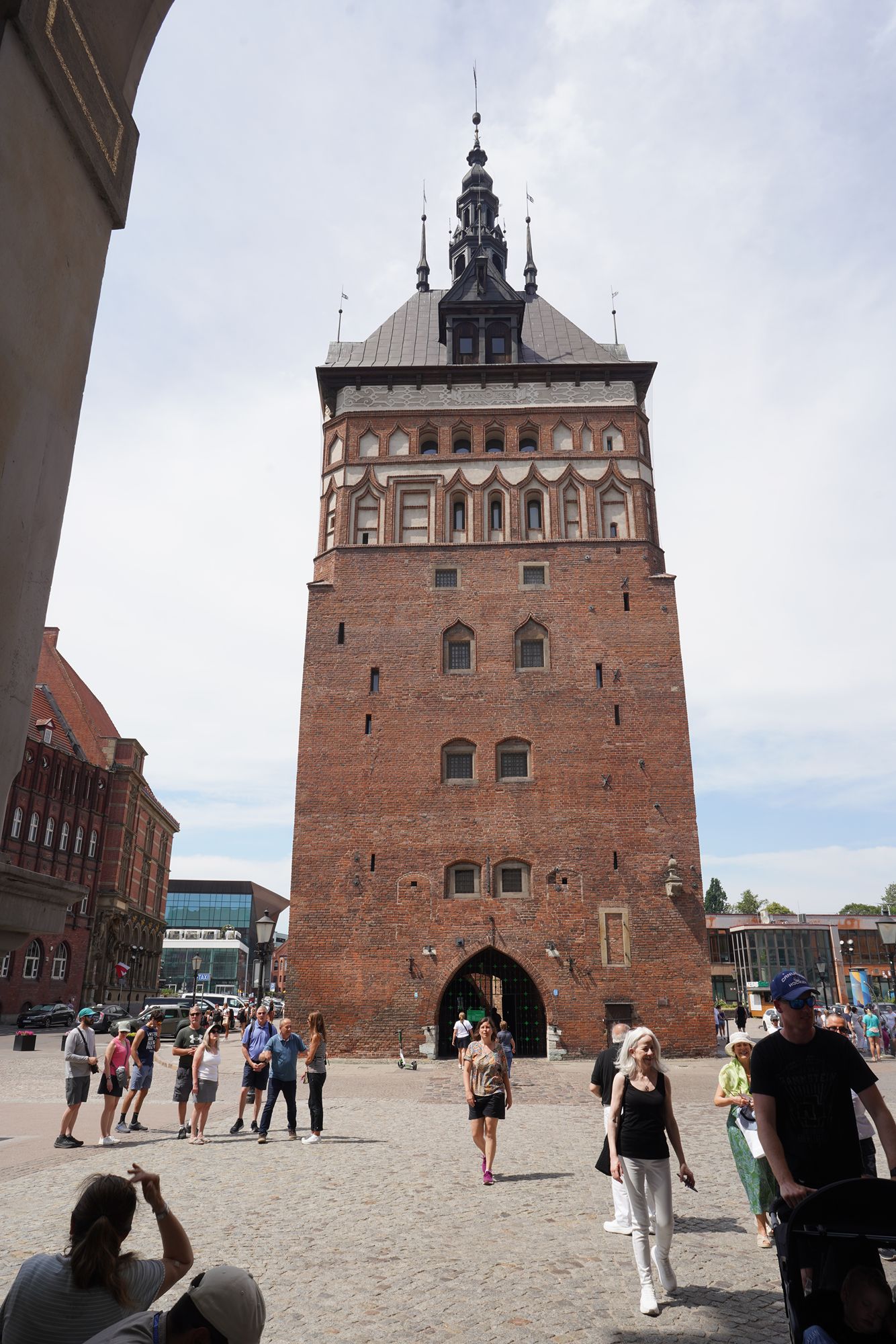
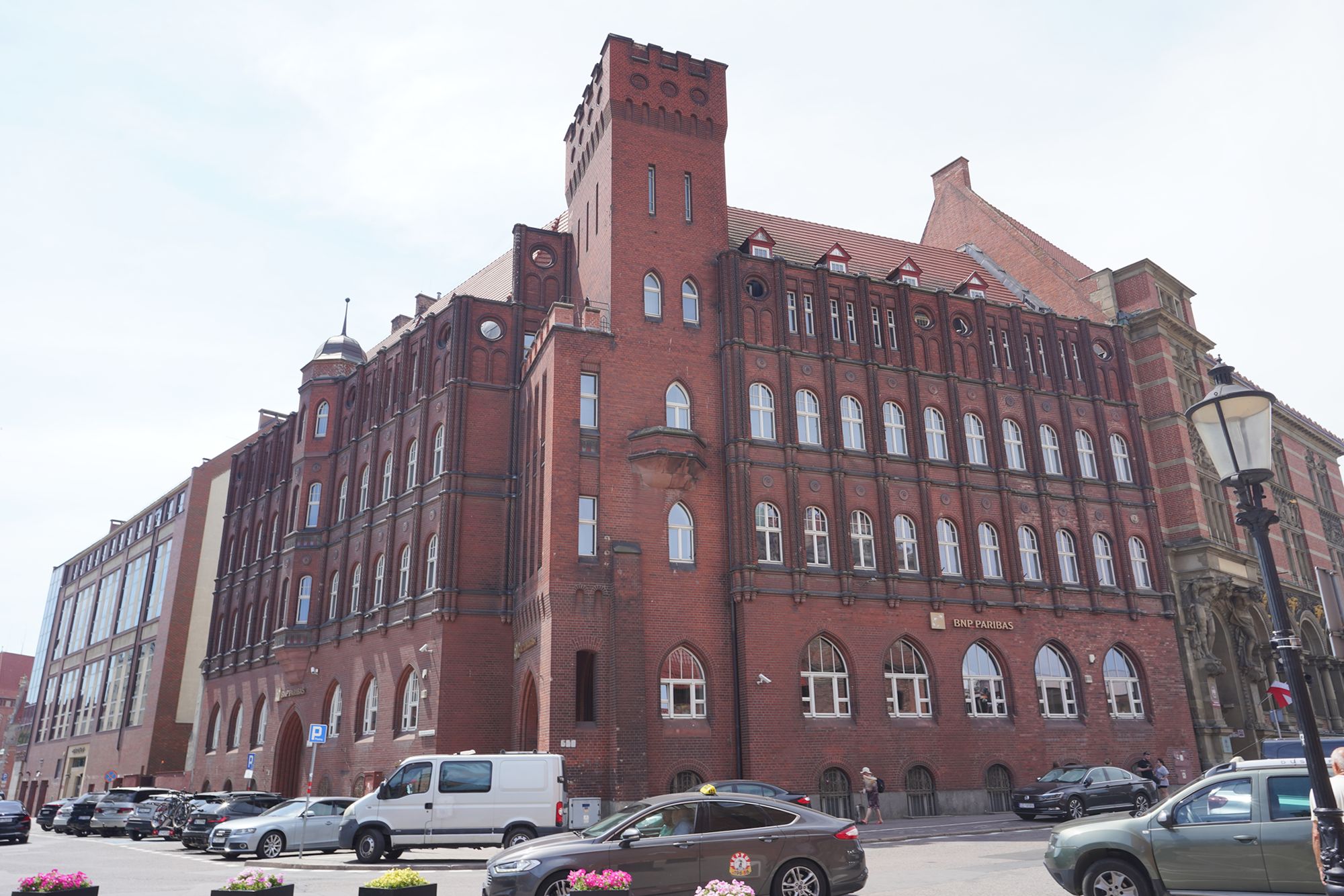
Looking back at the Golden Gate
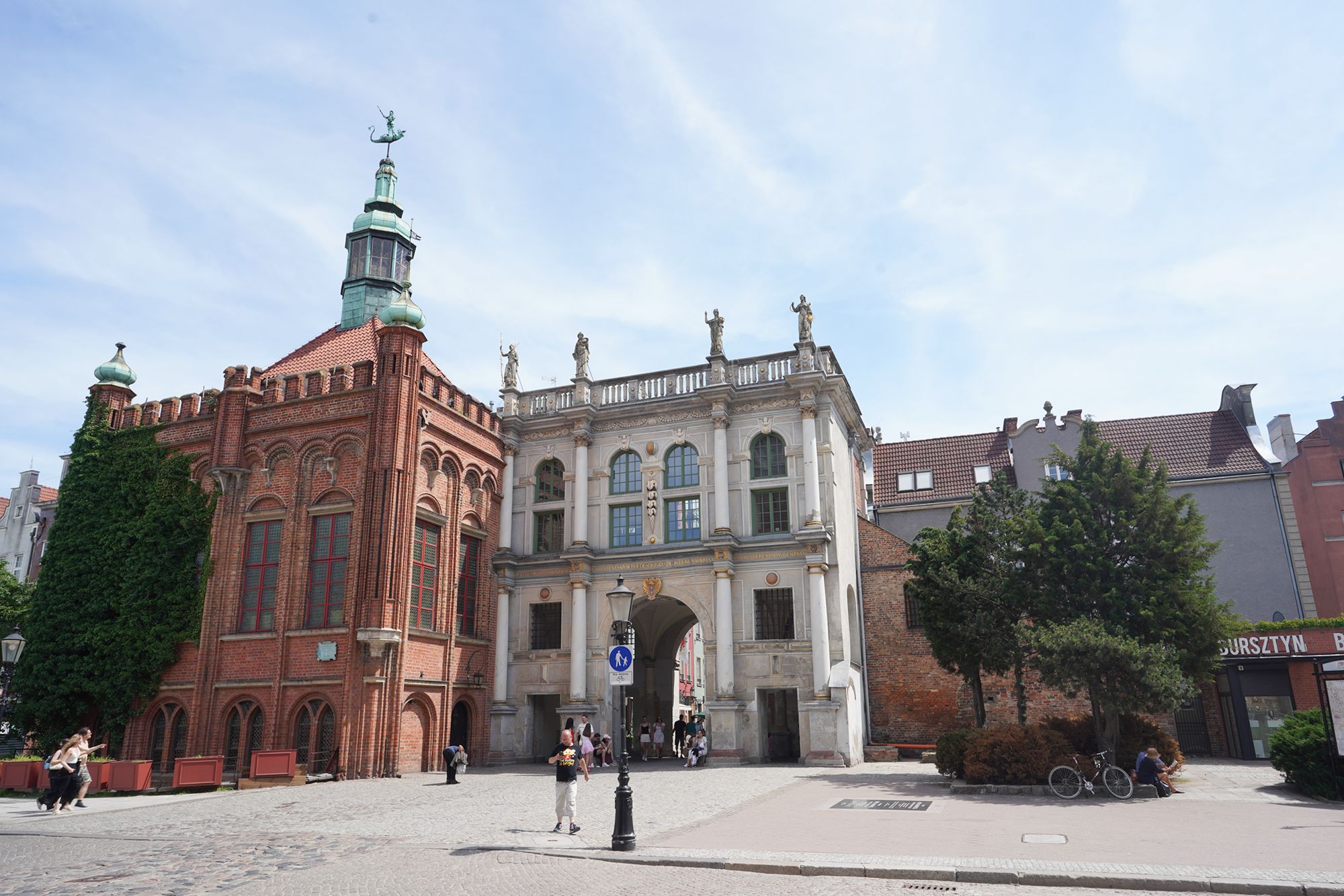
Walking through the Przedbramie ulicy Długiej
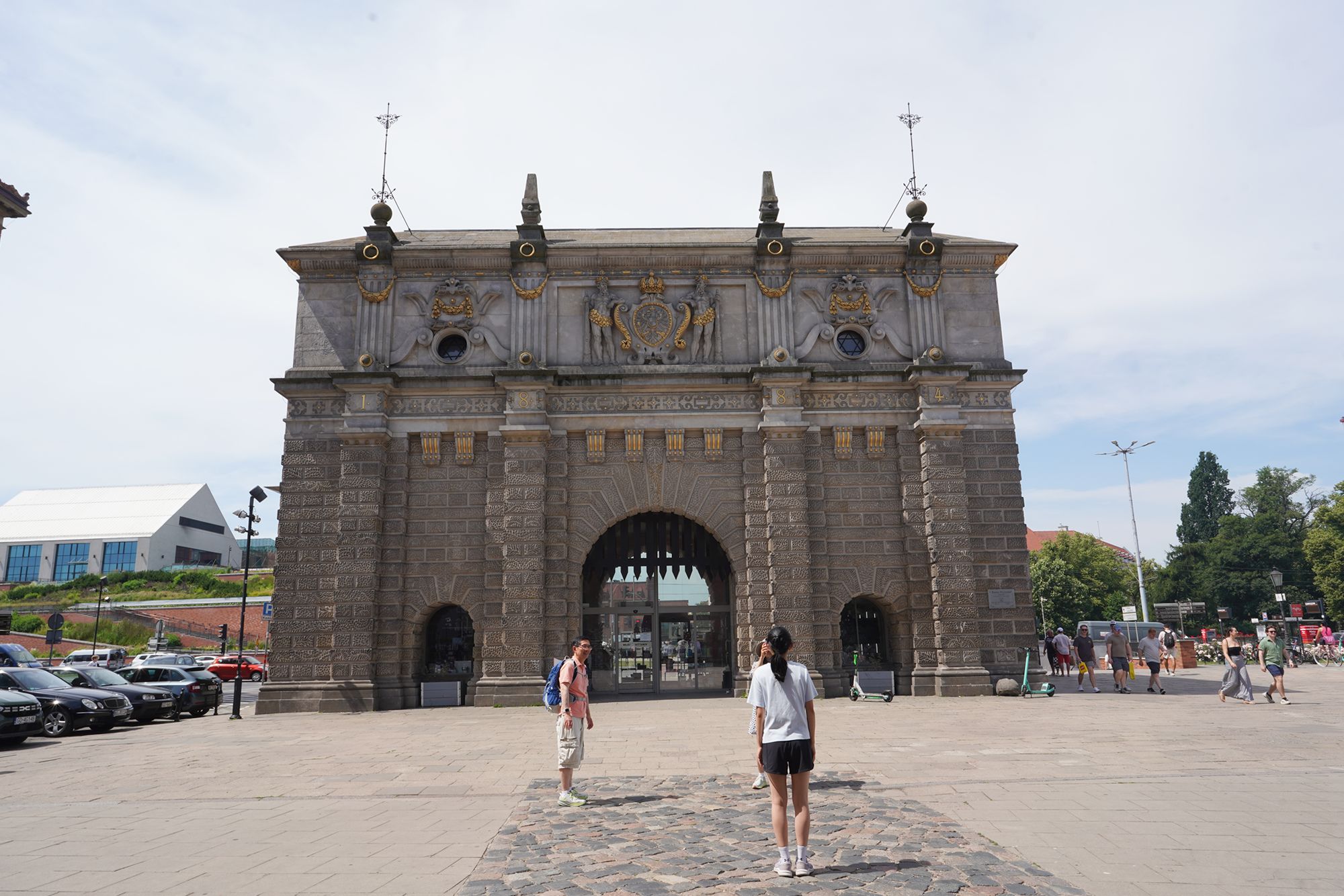
The Highland Gate (Brama Wyżynna) was Gdańsk’s main western entrance and marks the beginning of the Royal Route. Completed in 1588, its Renaissance façade displays the coats of arms of the Polish-Lithuanian Commonwealth, Gdańsk, and Royal Prussia. Polish kings entered the city through this gate.
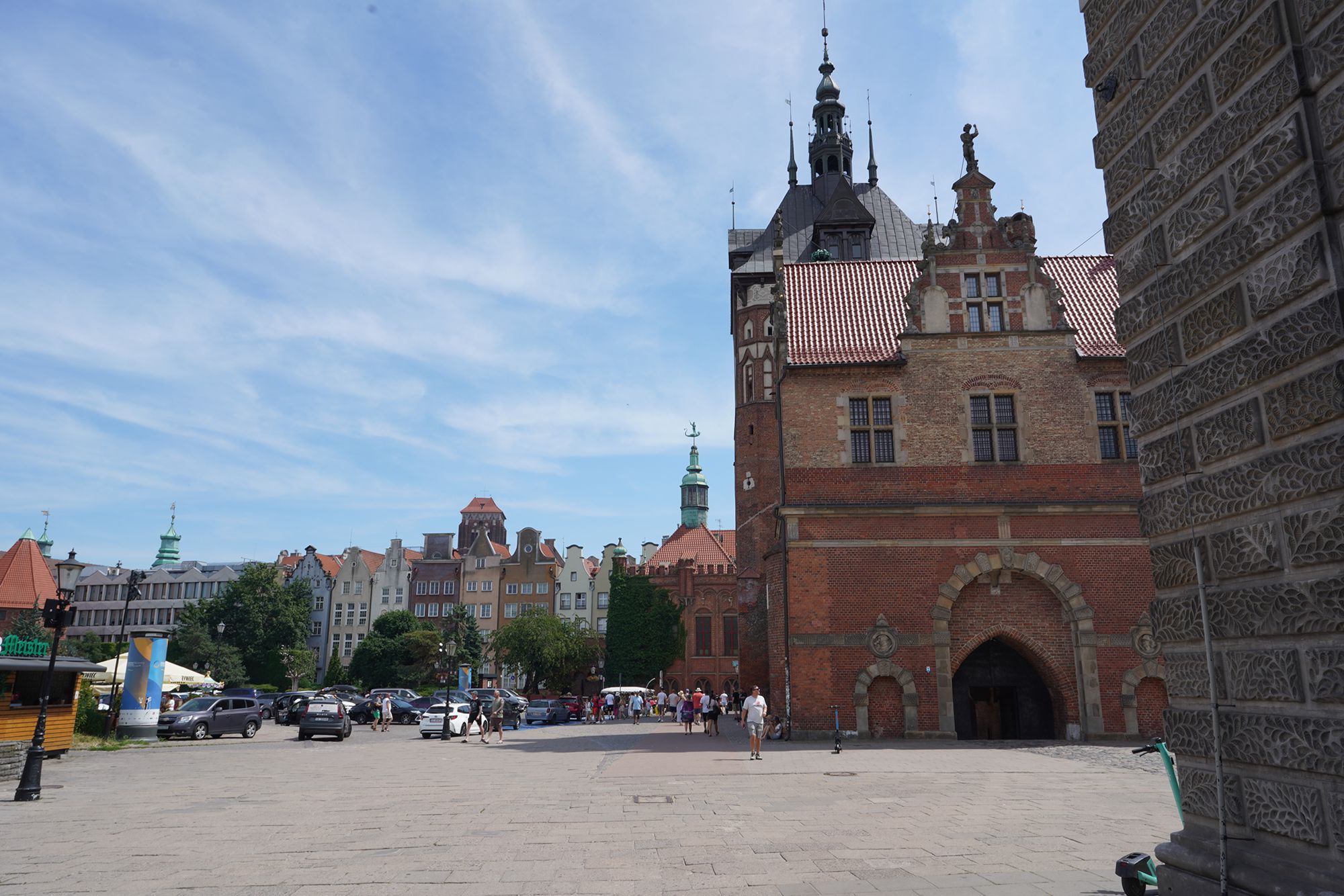
Beyond the gate, the historic center gives way to modern Gdańsk.
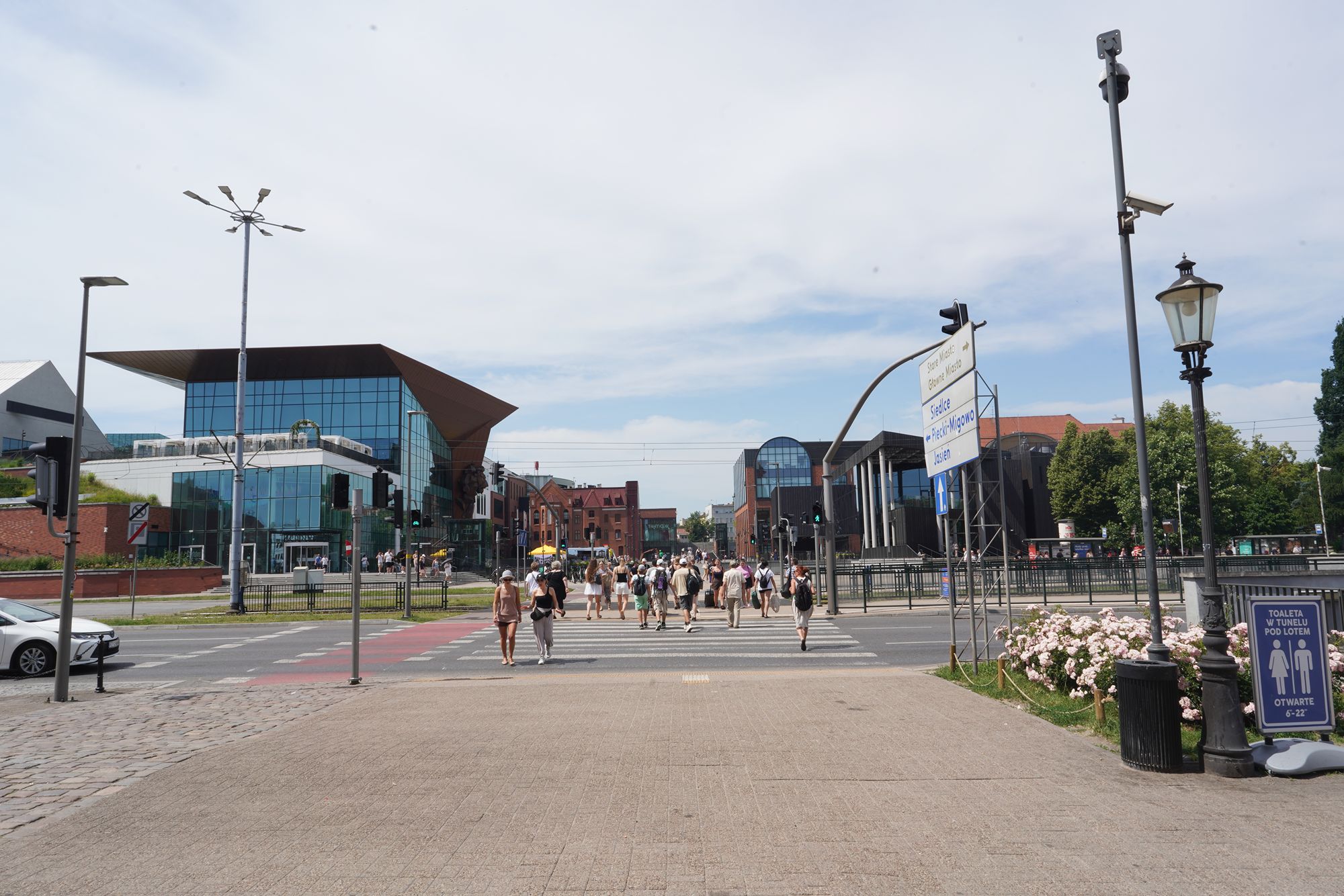
From the Highland Gate area, at the edge of the historic center, I took a bus to the Museum of the Second World War.
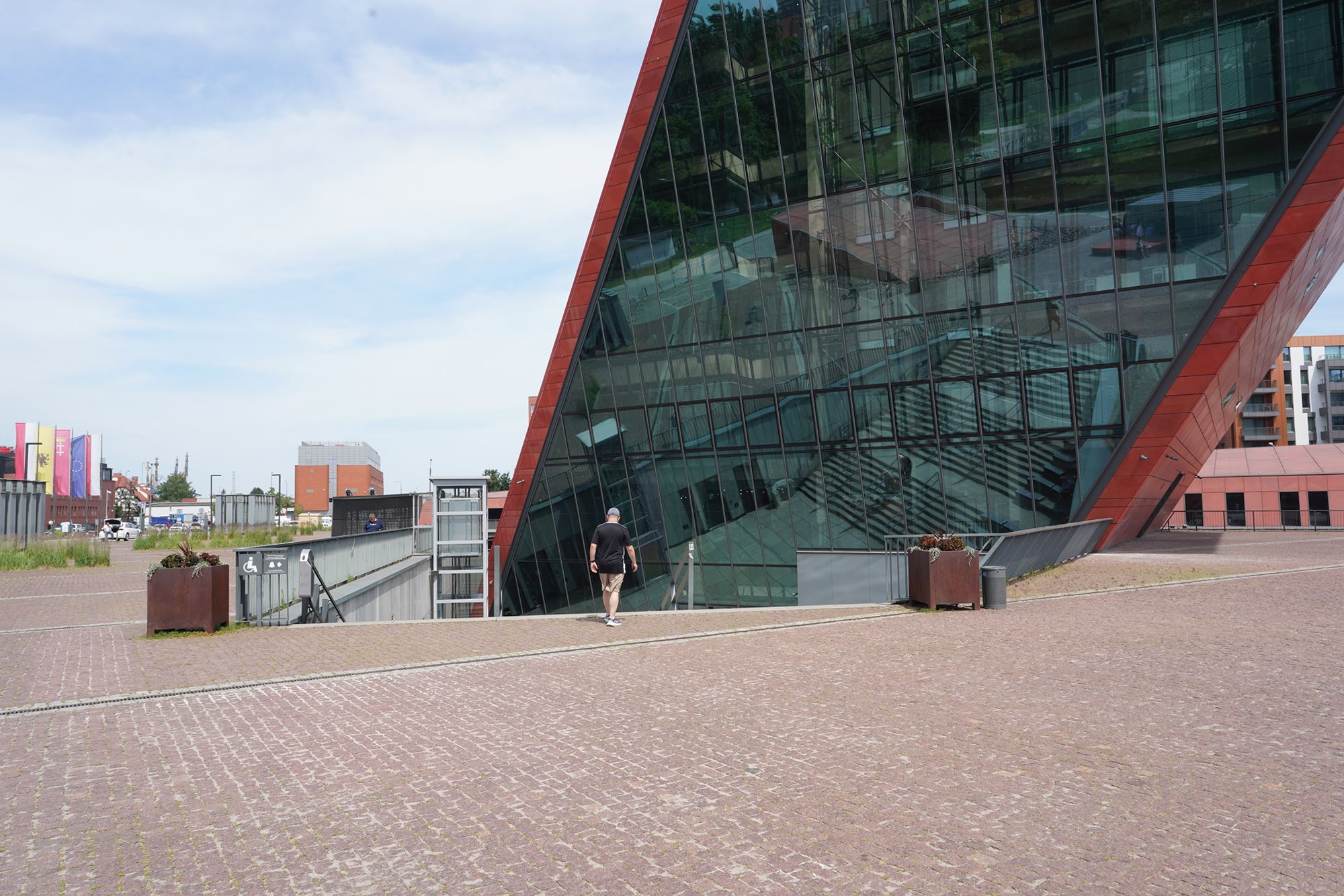
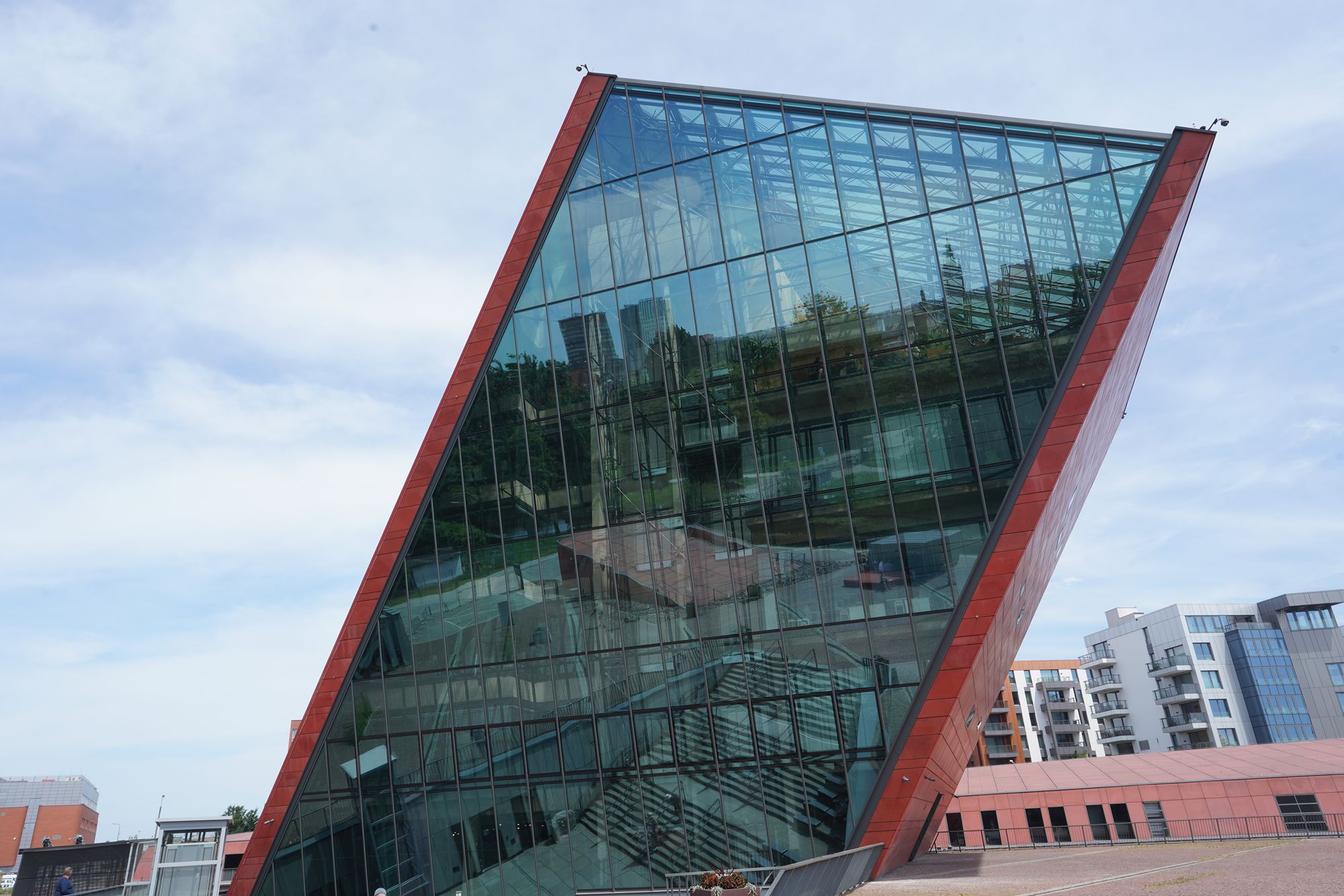
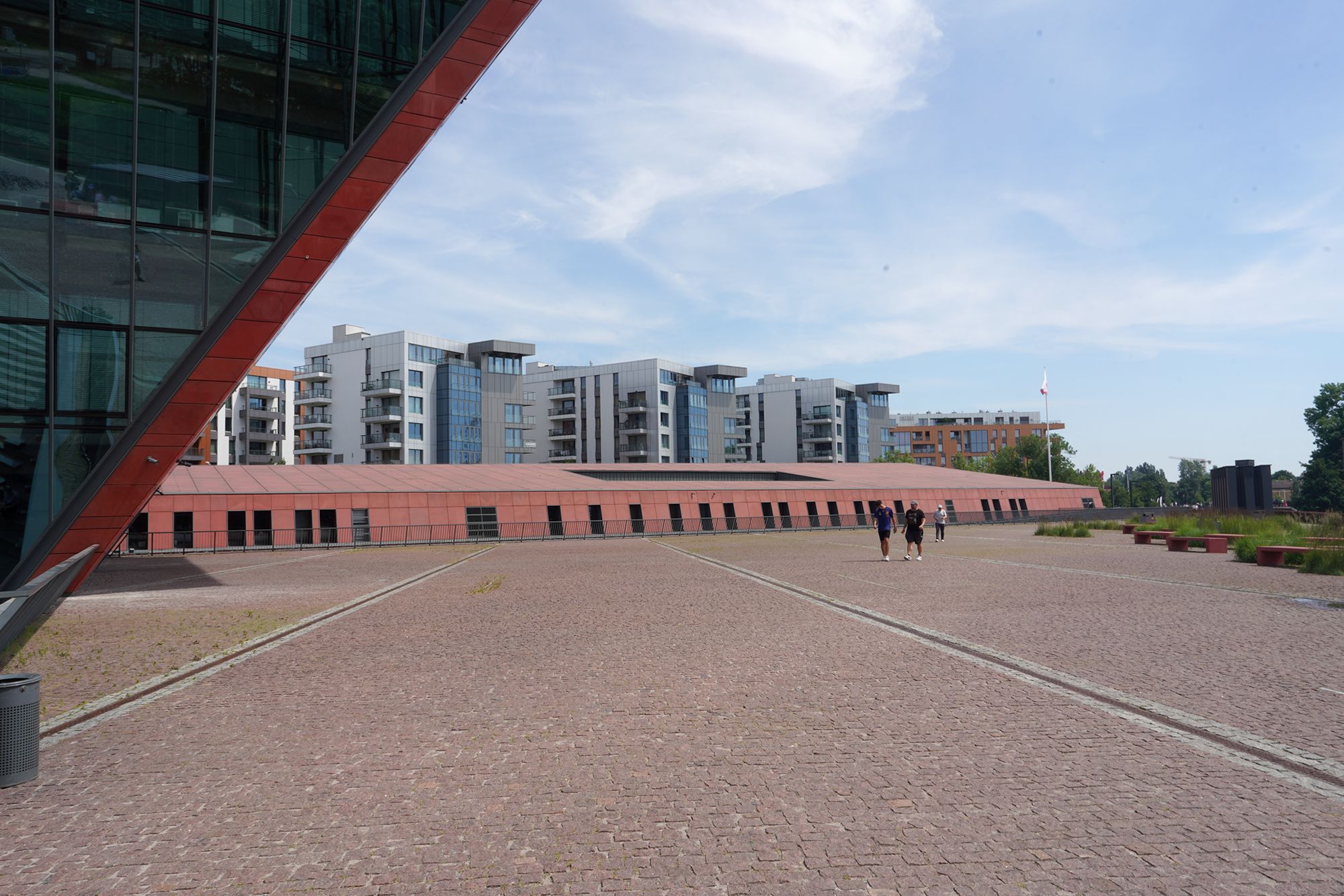
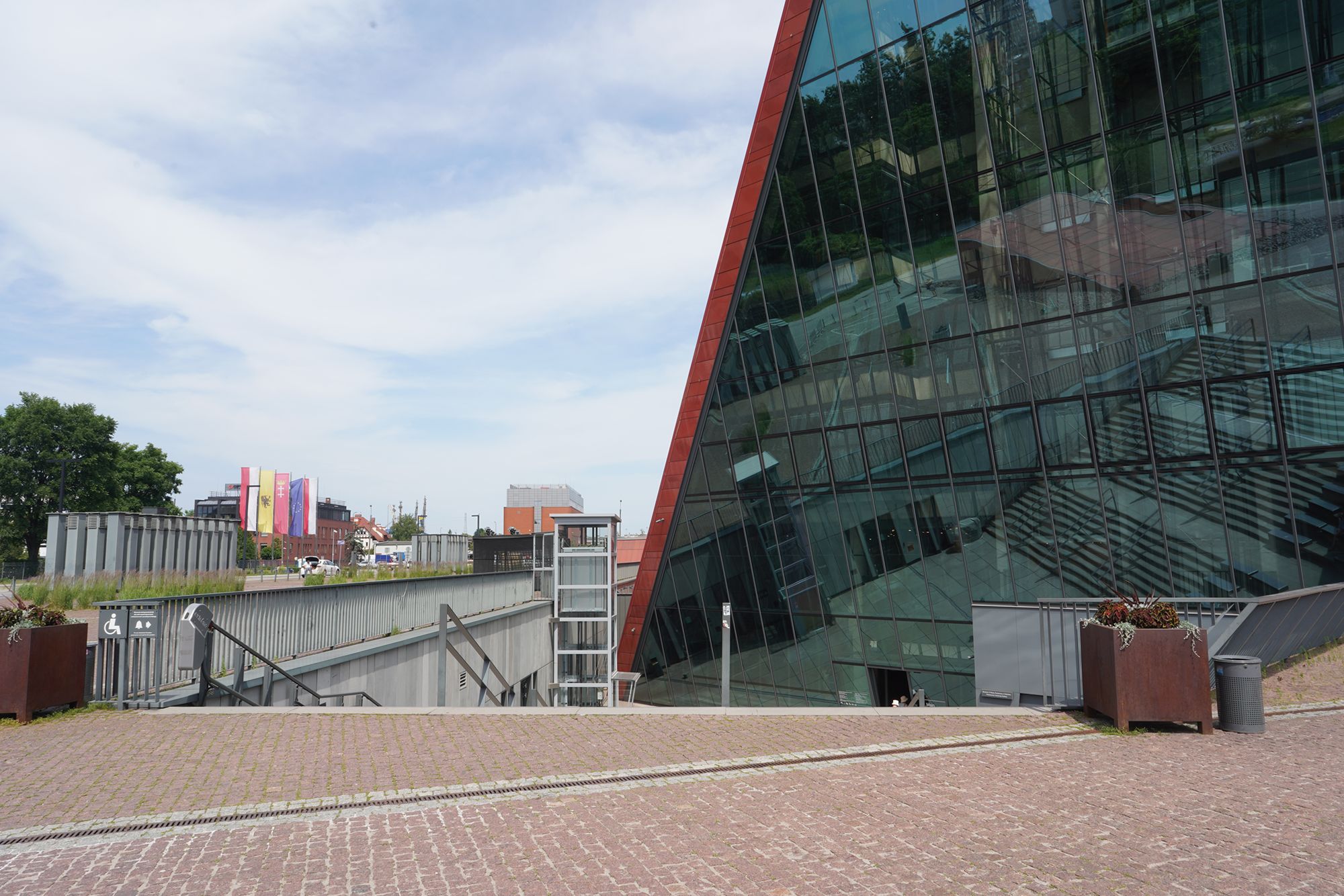
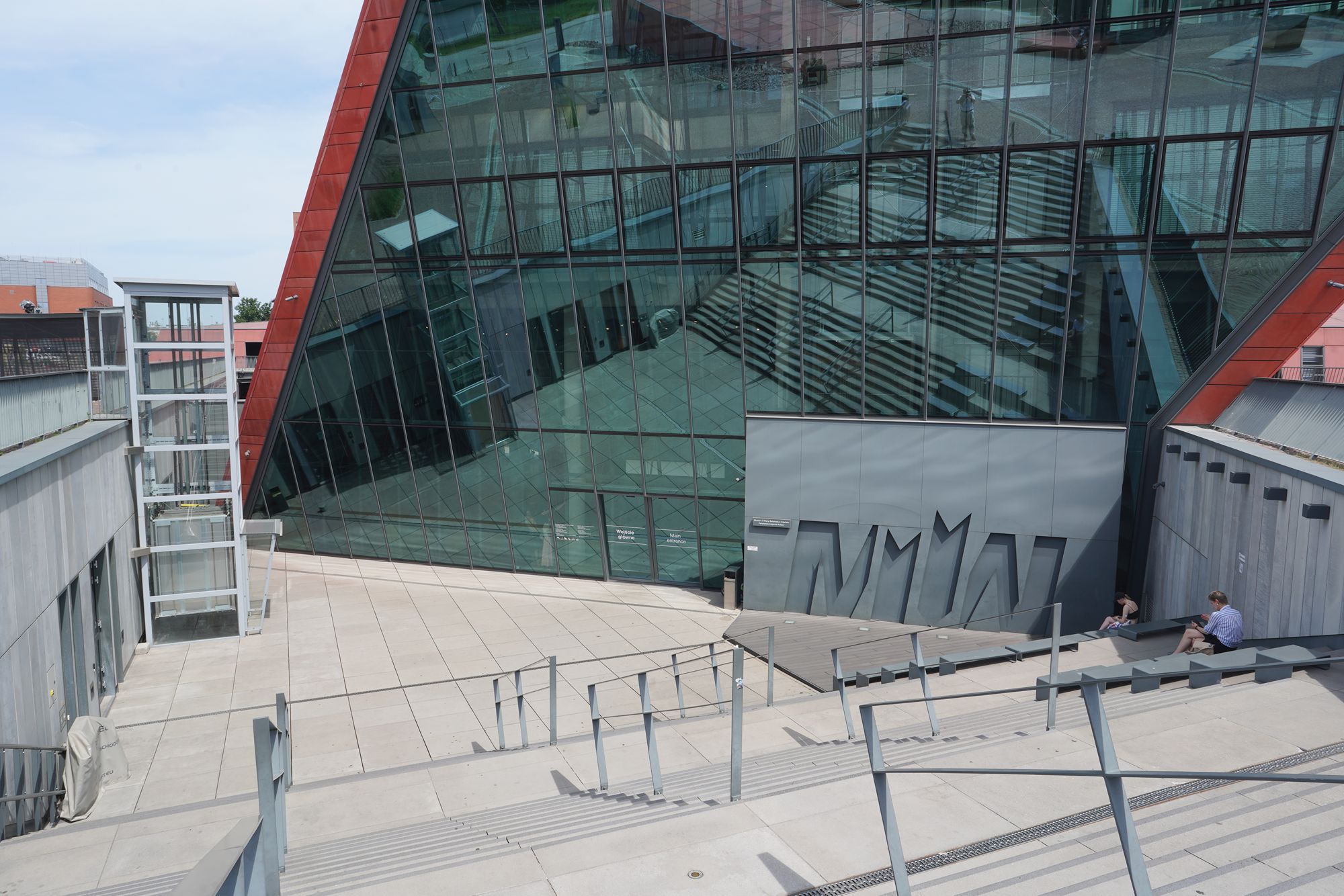
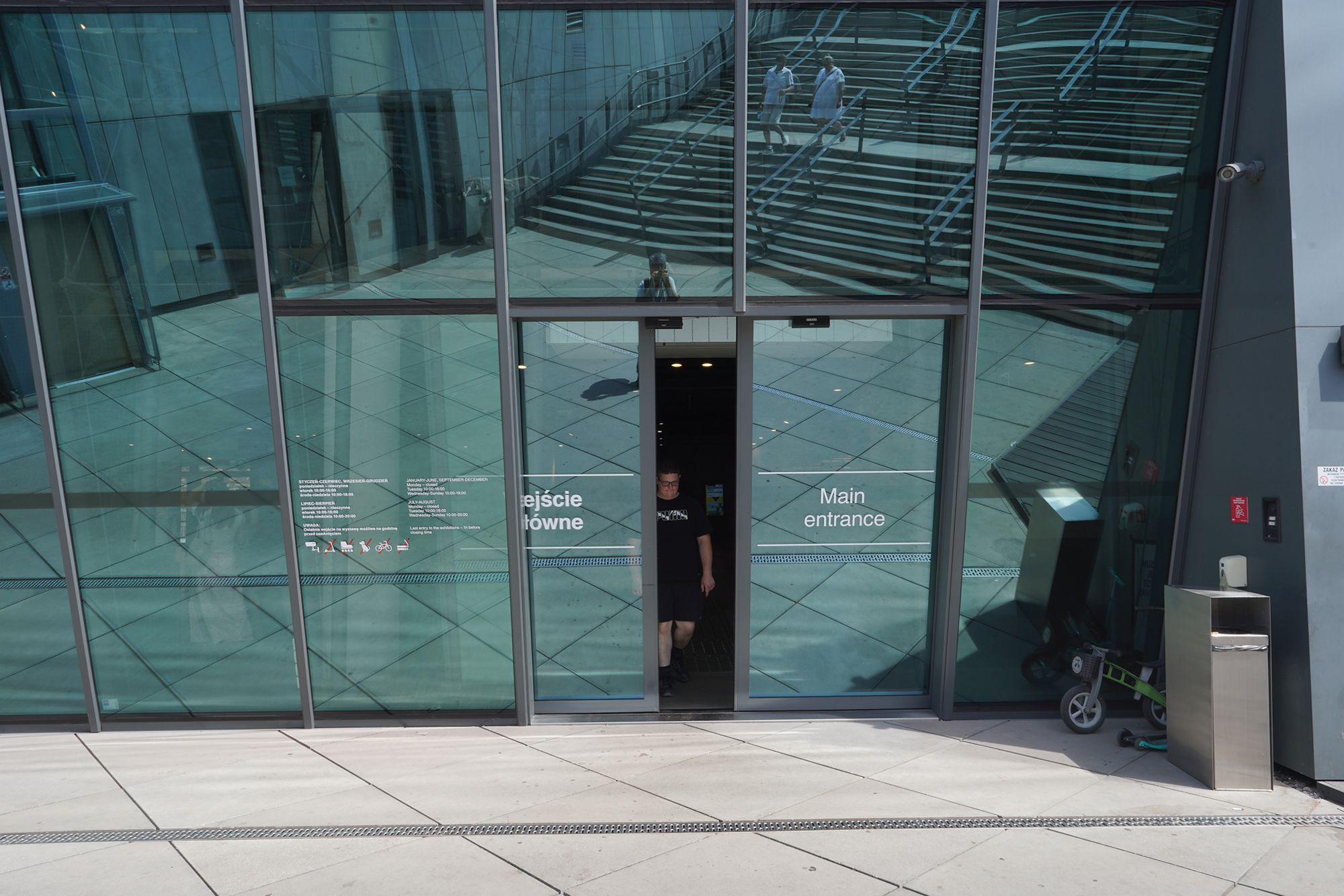
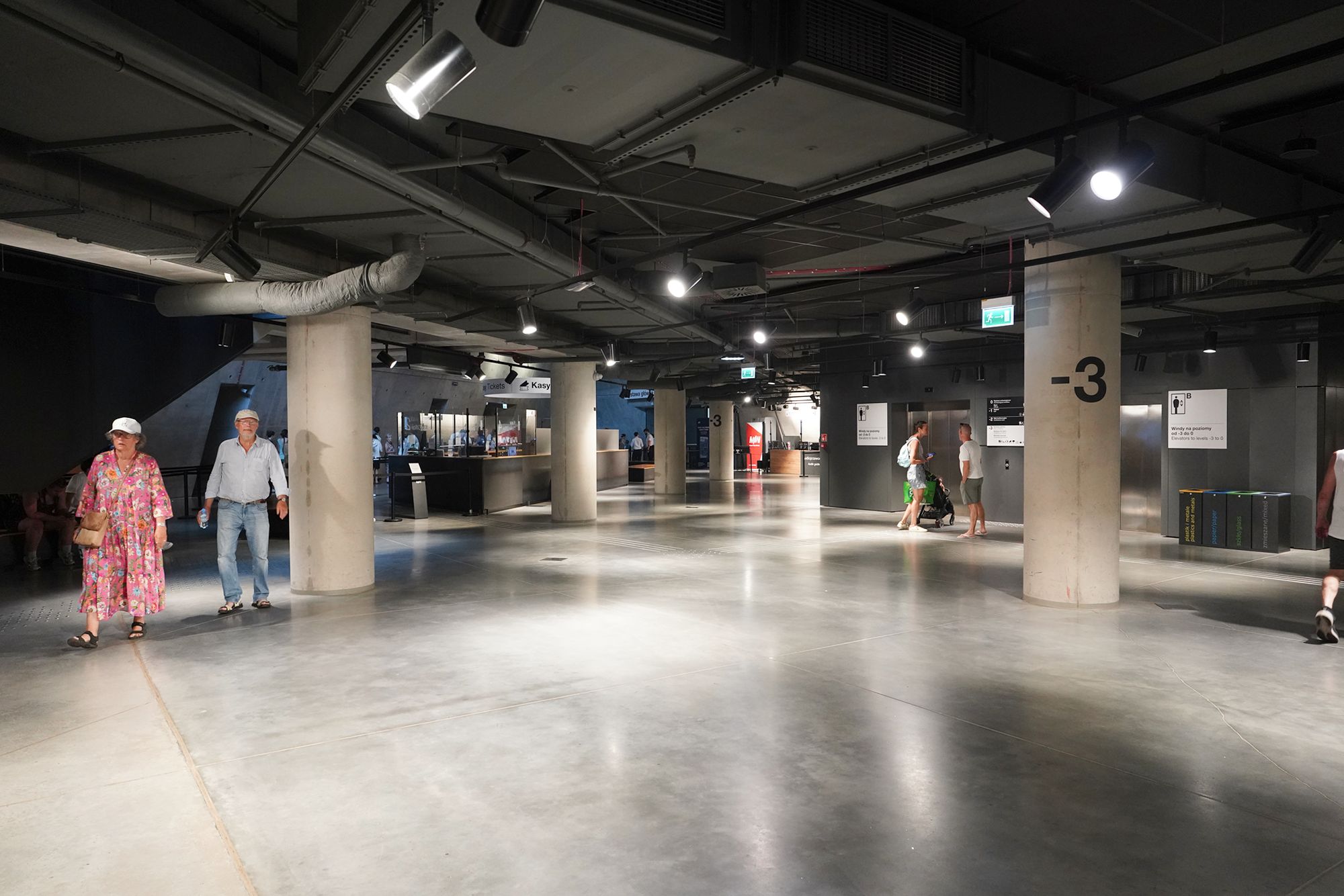
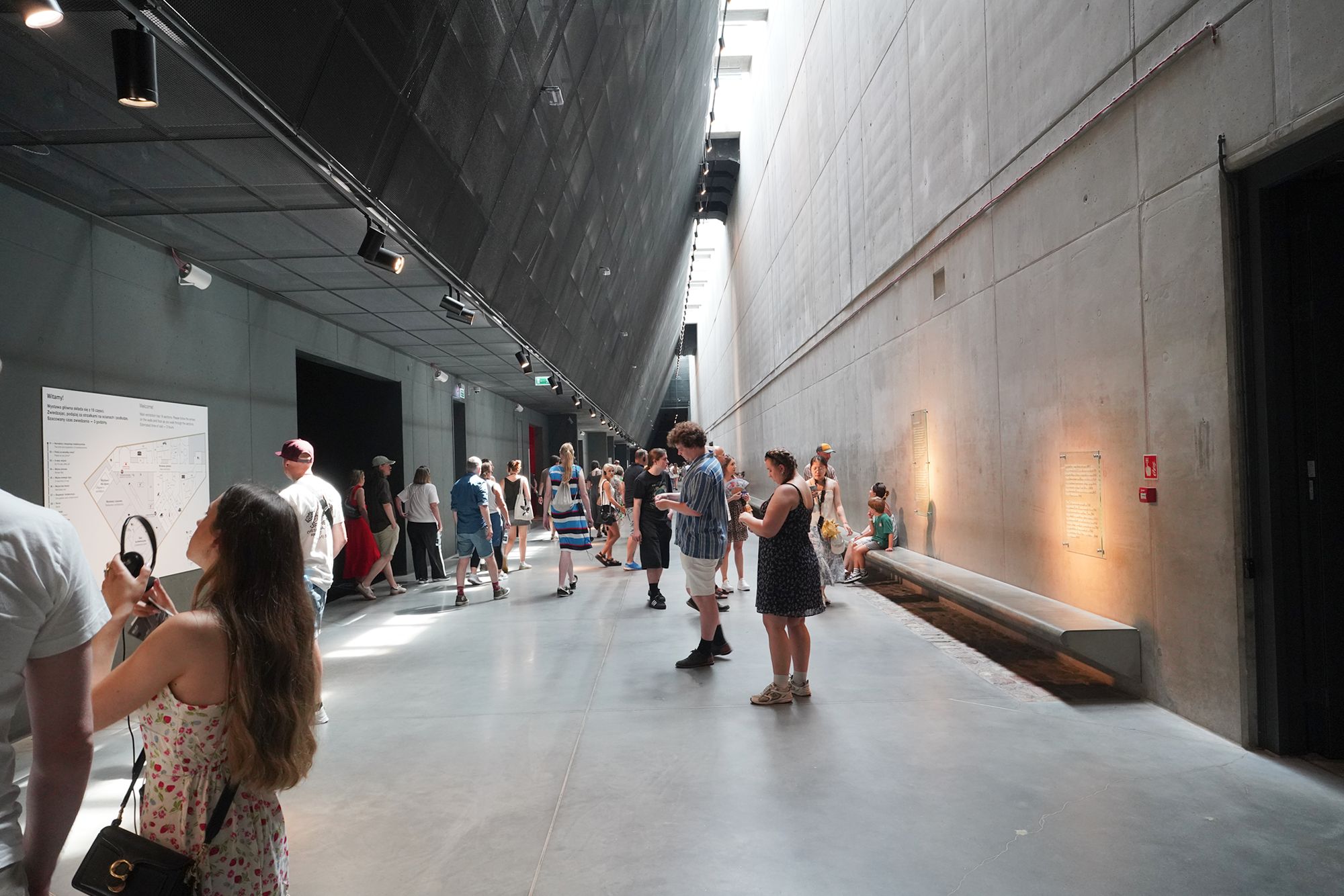
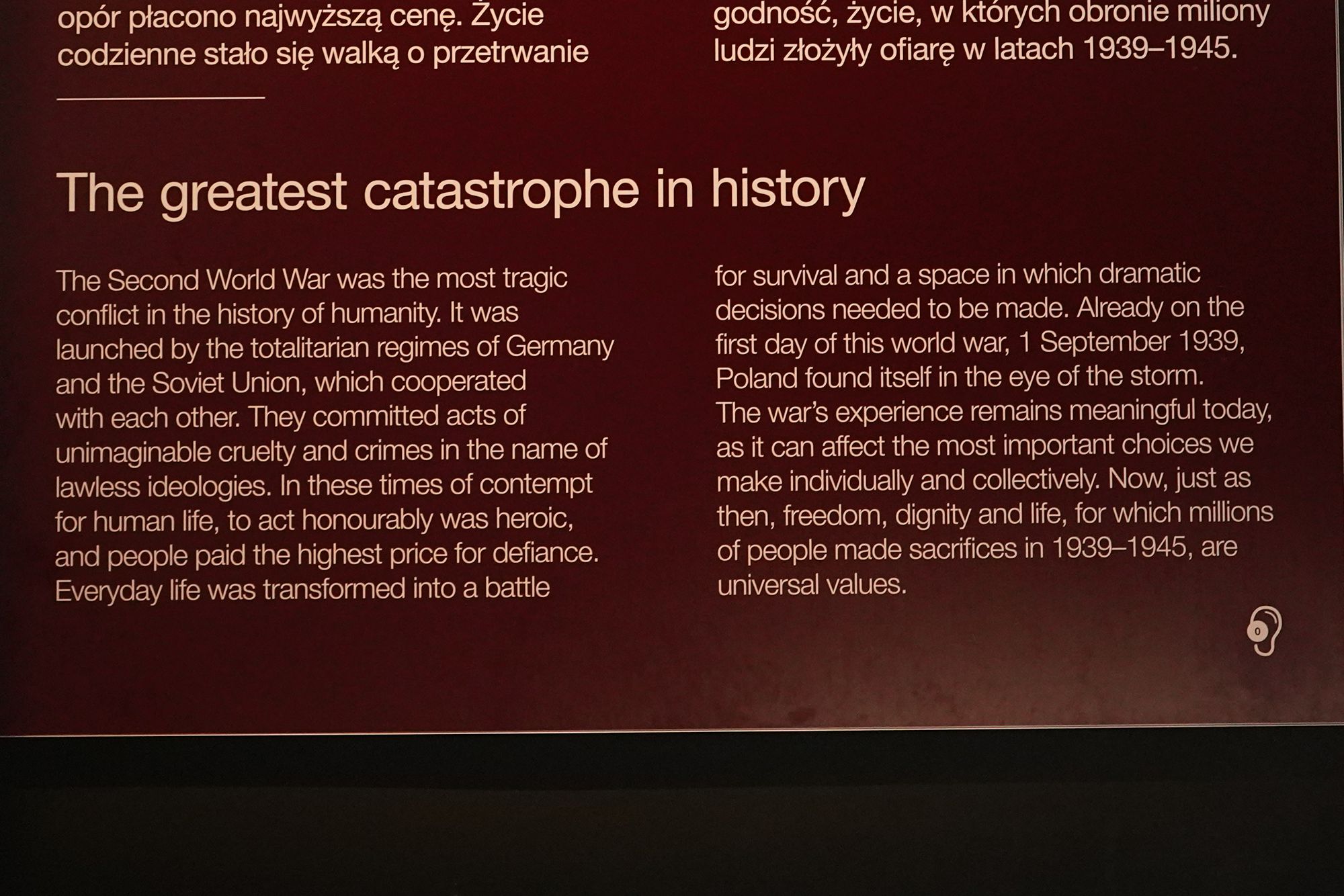
I’ll write a separate blog about the museum.